How purpose increases engagement
Purposeful Design
But first… Video Games
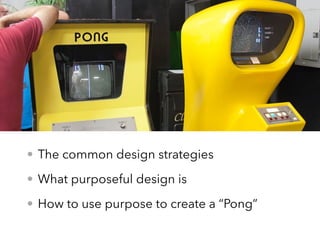
• The common design strategies
• What purposeful design is
• How to use purpose to create a “Pong”
• Building products and companies for 15 years
• Made and learned from every mistake in the book
• Passionate about design and experience
• Even more passionate about connecting people
Courtney Couch
courtney@muut.com
Co-Founder
courtneycouch
What do I mean by
“design strategy”?
Design strategy is your holistic
approach to building your
company, product, and service.
Typical Design Approaches
AKA “Wouldn’t it be cool if…”
Technology/Features Driven Design
• Design decisions driven by engineers
• Build something because it’s “cool”
• Build something because it’s “possible”
• Build something to have a bigger
feature matrix
Technology/Features Based
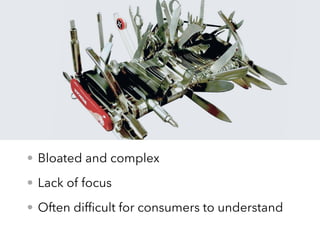
• Bloated and complex
• Lack of focus
• Often difficult for consumers to understand
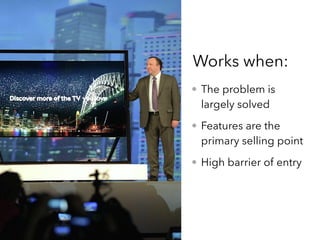
• The problem is largely solved
• Features are the primary selling point
• High barrier of entry
Works when:
• The problem is
largely solved
• Features are the
primary selling point
• High barrier of entry
Works when:
Use caution or you’ll end up with…
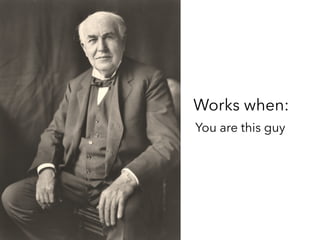
AKA “It’s all about the Benjamins”
Revenue Driven Design
• Design decisions driven by sales team
• Focus on short term cash-flow
• Belief that revenue validates your design
Revenue Based
You are this guy
Works when:
• Unhappy employees
• Annoyed users
• Slippery slope
• Digs yourself into a hole
Why this fails:
As a result: unsustainable
Case in point:
AKA “At least it looks pretty”
Aesthetic Driven Design
• Design decisions driven by artists
• Focusing on first impression and visual
appeal
• Problem is only addressed when doesn’t
harm aesthetic
Aesthetic Based
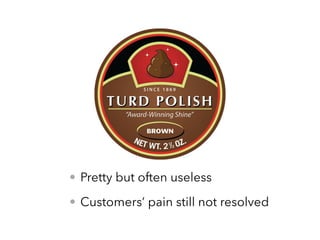
• Pretty but often useless
• Customers’ pain still not resolved
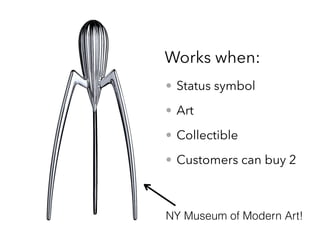
• Status symbol
• Art
• Collectible
• Customers can buy 2
Works when:
NY Museum of Modern Art!
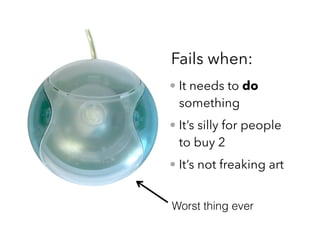
• It needs to do
something
• It’s silly for people
to buy 2
• It’s not freaking art
Fails when:
Worst thing ever
AKA “Cut to the chase”
Content Driven Design
• Design decisions driven by content
producers
• Make content as accessible as possible
• Viewed as a resource rather than tool
Content Based
• No frills
• Users get to their destination quickly
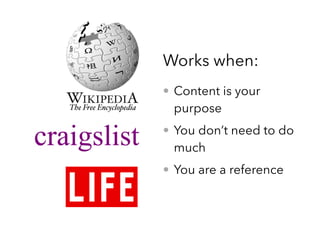
• Content is your
purpose
• You don’t need to do
much
• You are a reference
Works when:
• Not solving a real problem
• No use for the data
Why?
:(
Lets’ talk about clubfoot
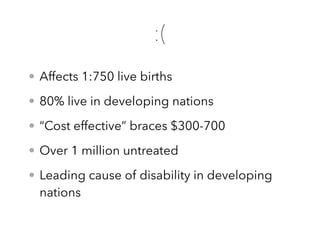
• Affects 1:750 live births
• 80% live in developing nations
• “Cost effective” braces $300-700
• Over 1 million untreated
• Leading cause of disability in developing
nations
:(
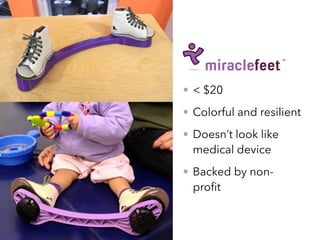
Purpose: Help those with clubfoot
• Extreme affordability
• Distribution/funding strategy
Should be where the problem is
• Appealing to kids
• Allowing them to continue to play
Designed with user in mind
• < $20
• Colorful and resilient
• Doesn’t look like
medical device
• Backed by non-
profit
AKA “Let’s actually solve the damn problem”
Purposeful Design
Using razor sharp focus in product design to
solve a very specific problem.
Purposeful Design is:
Answering: You exist to do or solve what?
Purposeful Design is:
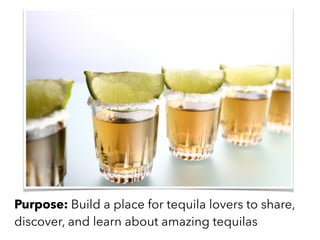
We-Heart-Tequila.com
Purpose: Build a place for tequila lovers to share,
discover, and learn about amazing tequilas
When someone asks “what is it your product/
service/website is trying to accomplish?”, do
you say:
• make cool features?
• sell tequila or sell tequila ads?
• make the prettiest tequila site?
• serve tequila content?
I’m building a place for tequila lovers to share,
discover, and learn about amazing tequilas
You answer:
(not dogmatic)
It is opinionated
• No promotional blog posts from vendors
or
• Guest posts from tequila makers
(not comprehensive)
It is holistic
Experts should be asked to contribute content
How do we compensate contributions? Plug
their products? Pay?
(not set in stone)
It is your blueprint
A vendor contacts you suggesting a sponsored
blog series.

This decision is made for you already
What else does it look like?
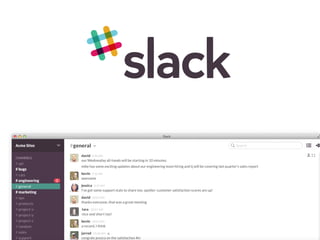
• Opinionated design
• People are rather polarized by it
• Habit forming
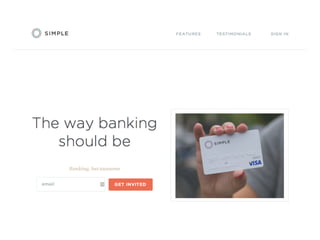
• Online only
• Simple is in the name
• Online only
• Simple is in the name
• Focused on actual experience
• More convenient than email
• Incredibly simple
• Easy to look at
• Producing engaging products
• Solving real problems (fulfilling real needs)
• Offering an amazing user experience
Benefits
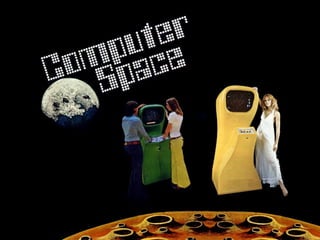
Computer Space
Goal: Entertain consumers
Action: Built a feature filled beautiful game
(feature and aesthetic based design)
Response: Didn’t understand it (nobody had
seen a video game)
Result: Consumers not entertained
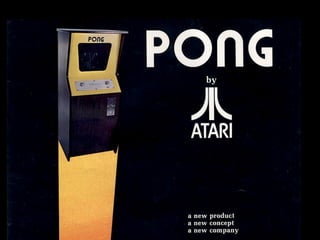
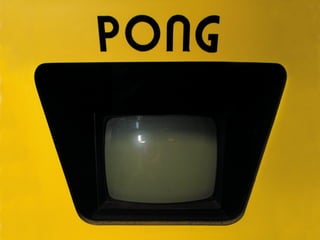
Pong
Goal: Entertain consumers
Action: Made a simple basic and
comprehensible game
Response: Easy to understand, grasp, and
enjoy
Result: Consumers entertained
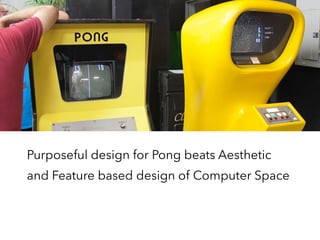
Purposeful design for Pong beats Aesthetic
and Feature based design of Computer Space
How to
Clear purpose/mission
Step 1
Detailed manifesto of how you
will accomplish this
Step 2
Use manifesto to drive

every decision you make

without exception
Step 3
Publish your manifesto publicly
Bonus:
• Held accountable by your users
• Users will better understand your goals
• Easier to evangelize users sharing your values
Result:
So…
Designing with purpose is key
to building engaging products
• Is the product purpose clear?
• Do the design decisions consistently
reflect the purpose?
• Are users being evangelized?
You and your vendors
• Build more engaging communities
• Compete more effectively
• Evangelize our users
Looking at design
differently allows us to:
Go forth and design with
purpose
muut.com/manifesto
Courtney Couch
courtney@muut.com
Co-Founder
courtneycouch

Purposeful Design