
Content
 Background
 Proposal
-Objectives
-Methodology
-Code of Ethics
-Project Management
 Analysis
 Conclusion
 Achievements
 Recommendations
 Implementations
 Evaluation and Future work
Background
Research question: What are the effects of the
economical down-turn on high-cost carriers (Emirates
Airlines) ?
During the 2009 economical depression many high cost
and low cost airlines faced downturns in their
performances and revenue optimization. This research
will further discuss the impact done by the crises on
high-cost airlines in particularly Emirates Airlines, and
how were they affected in terms of customer demand in
Dubai, specifically amongst the students of Emirates
Aviation College.
Proposal
Objectives
 Identify the major impacts on high-cost airlines that emerged
during the recession.
 Establish an organized study on how did these impacts affect
the student and staff community who frequently use the
airlines for their leisure/business/family trips.
 Compare the differences statistically between the number of
customers using the airline now and during the recession.
 Construct a systematic approach in collecting data that will
help identify the main points of the research.
 List a few ideas and recommendations for high-cost airlines in
how to maintain a healthy status during and after a recession.
Proposal
 Methodology
Secondary Research.
 External data was collected via aviation and government websites
that are known for reliability in sources; moreover, data was
collected from syllabus books. (references of books and journals
will be listed at the end of the research when used)
 Internal data was collected via requesting reports about the
number of passengers that travelled the airlines quarterly from
2009-2012
Primary Research
A questionnaire was created to find information on the number of
people that fly Emirates, how many people were affected by the
recession throughout the 4 years (2009-2012), the age and gender of
the candidates, and their opinions on what airlines can implement
during any recession in order to maintain customer satisfaction.
Proposal
 Code of Ethics:
 All data collected were referenced from sources that I have
taken the information from.
 Surveys were supervised by my tutor and I did not establish
any means of information collection such as interviews,
questioners, and surveys without any consent.
 All personal information was anonymous and not used in
the research
 No personal details was required from any candidate in
collecting the data.
 Plagiarism is a criminal offence and it was not be part of the
research.
 All information collected was be supervised and carefully
measured before any submission.
Proposal
Project Management:
 Risk Management
The risk could be that not many students will be able to
complete the questioners and surveys as some do not book for
flights or have any idea of what and how the recession affected
their travel plans as their parents were the ones to have a direct
impact in that situation, and it would be difficult to get on hold
of all the contact details of the university staff and students in
order to ask them on their experience during the down-fall.
Moreover, it might be difficult to collect a vast amount of data
about the issues that the airlines faced because some airlines do
not statistically list their flows for the public to see, however,
comparing revenue fluctuation and customer demand via
research and surveys can be enough to “assume” or hence
calculate the differences.
Proposal
Project Management:
 Quality Management
I used legal approaches in collecting data and
acquiring approved consent in collecting my data via
surveys or interviews. Furthermore, submitting my
work in time will maximise the quality of my work.
Analysis
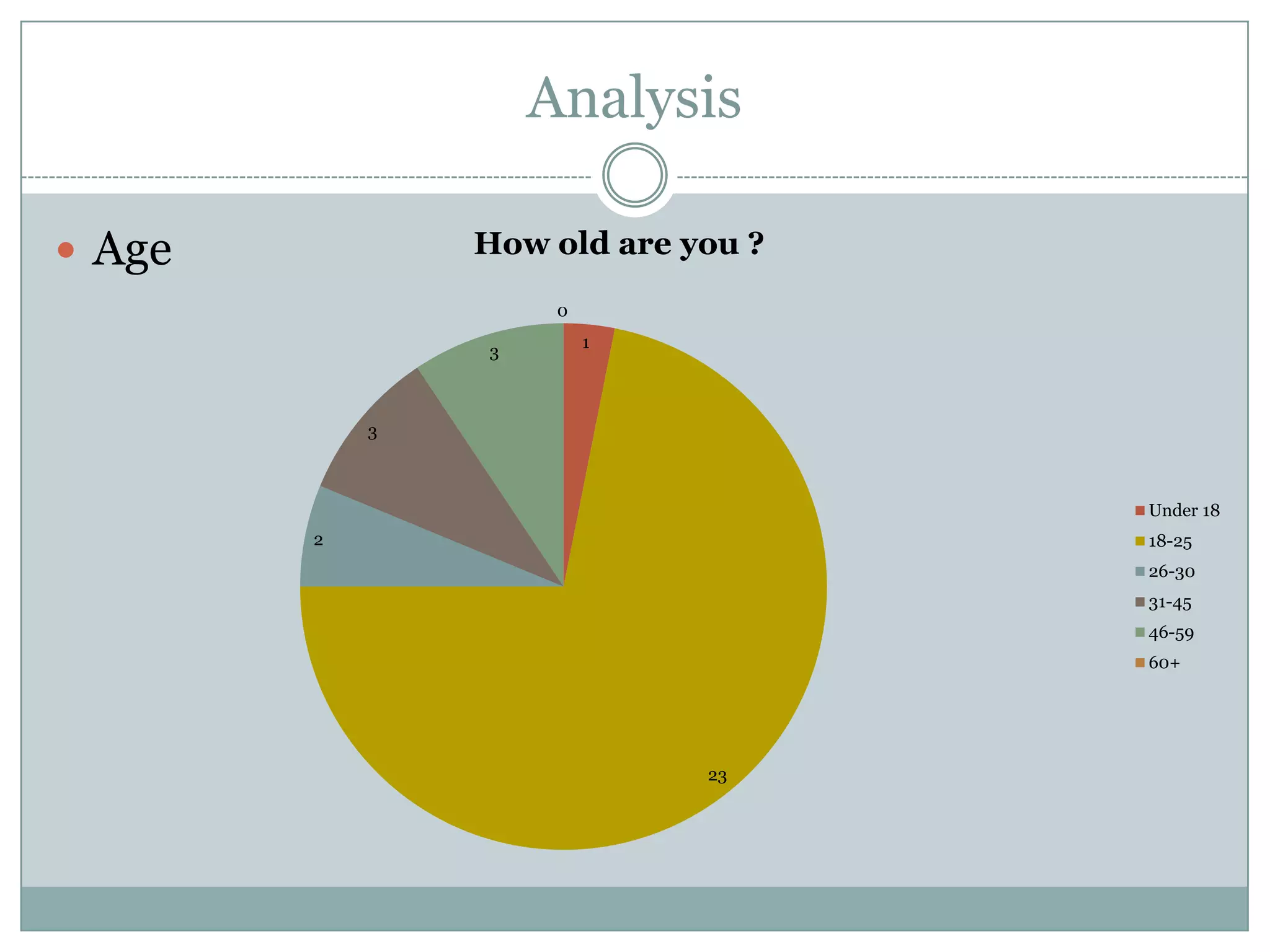
 Age
1
23
2
3
3
0
How old are you ?
Under 18
18-25
26-30
31-45
46-59
60+
Analysis
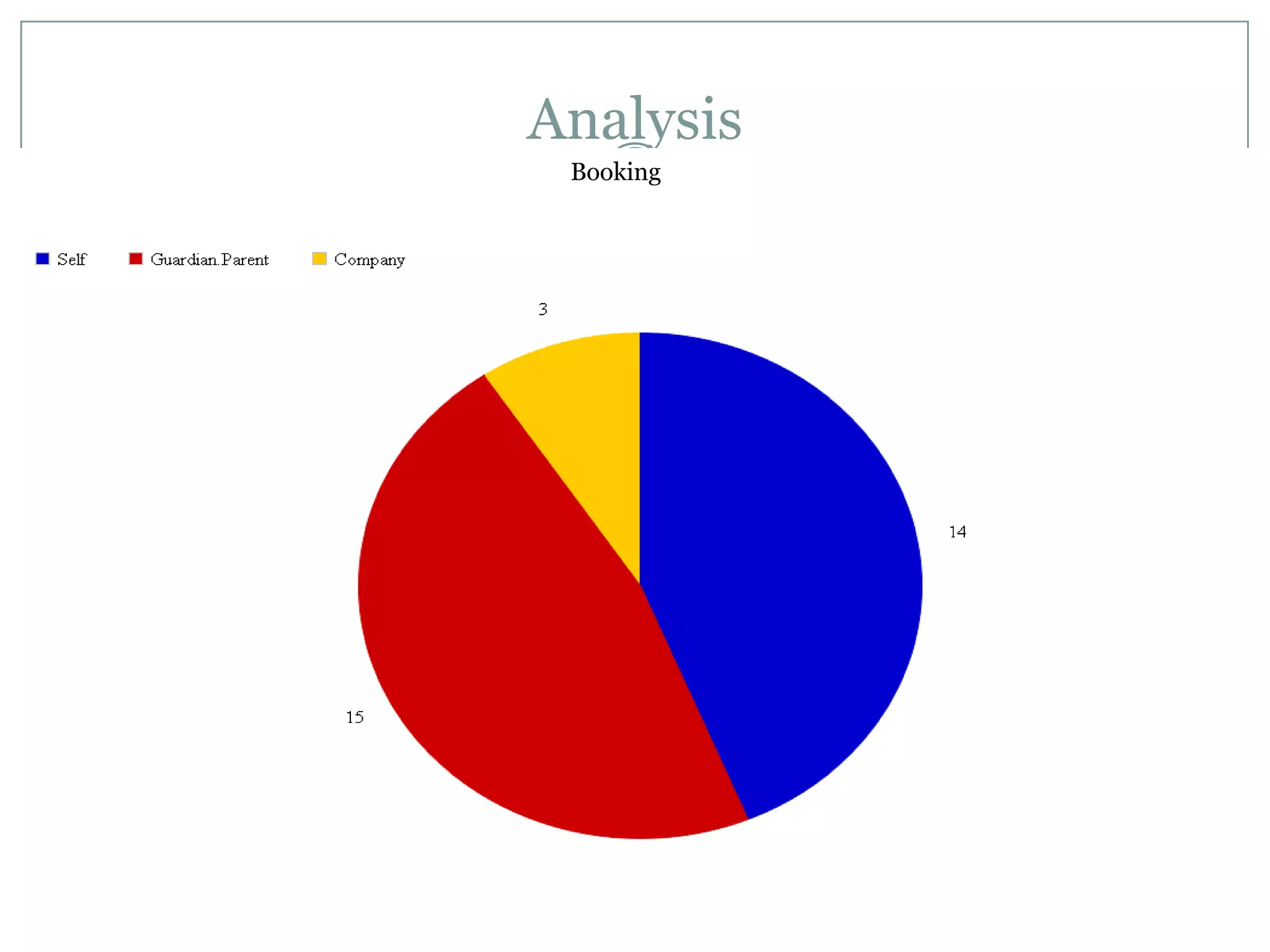
Booking
Analysis
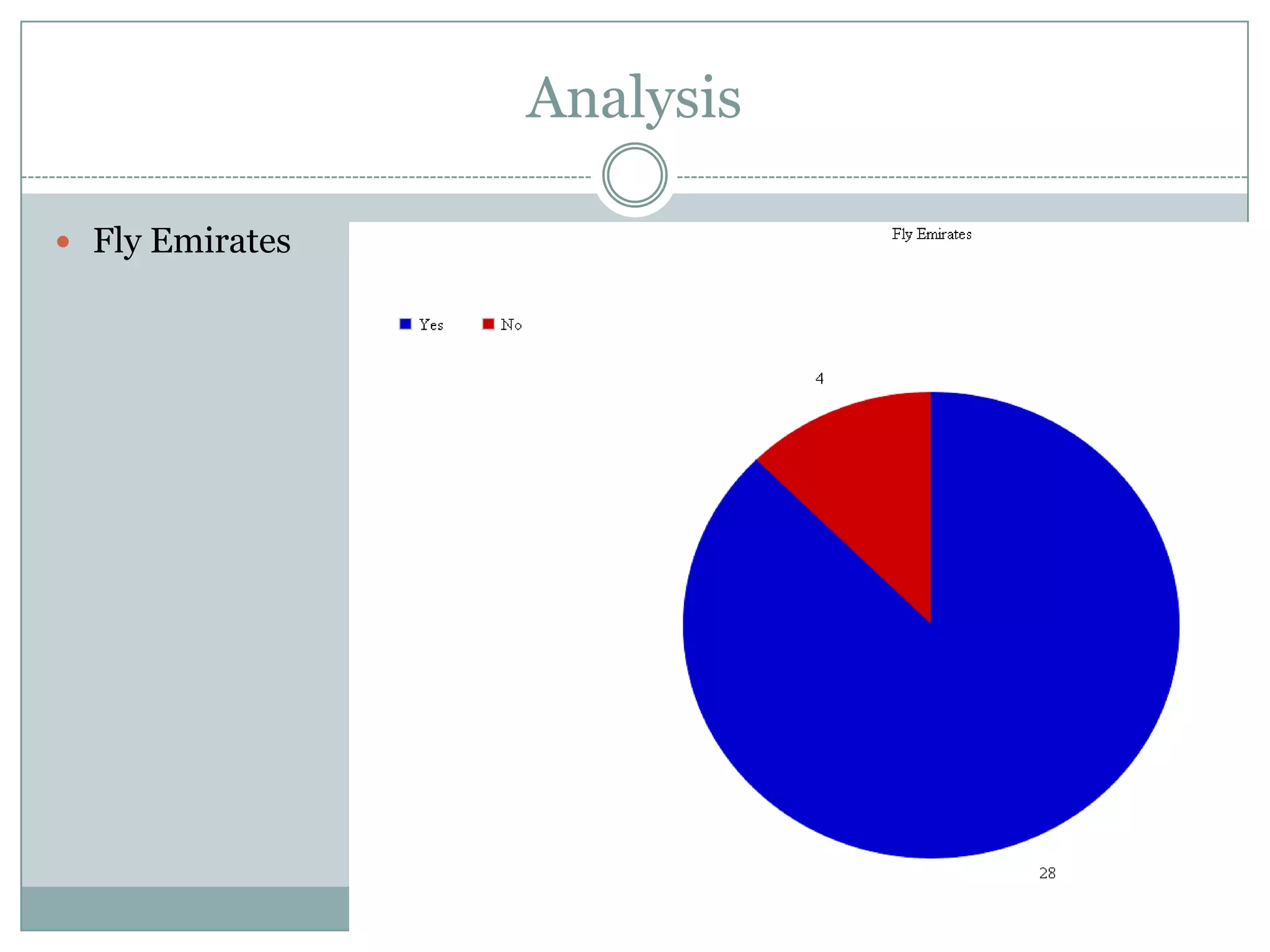
 Fly Emirates
Analysis
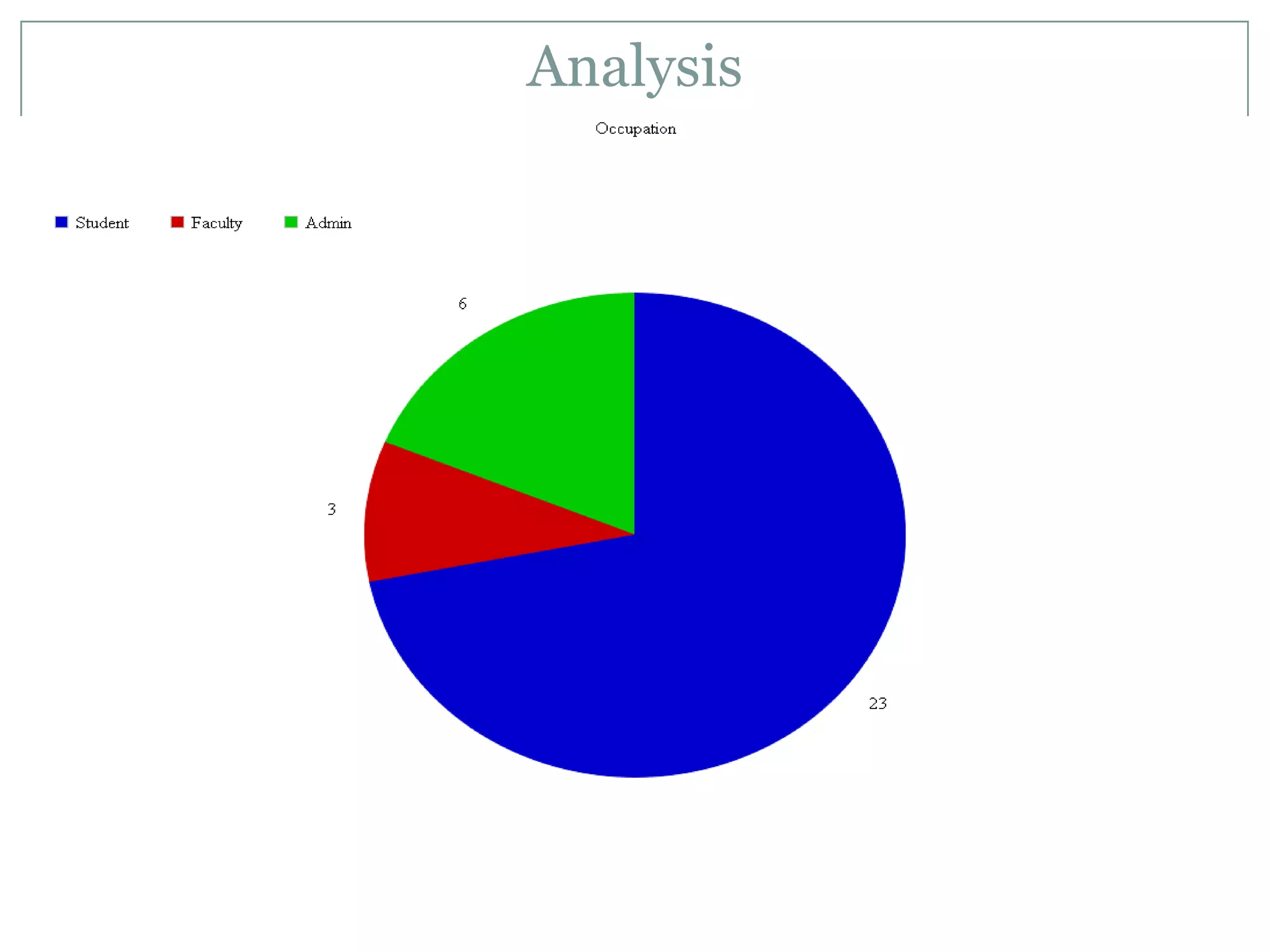
 Occupation
Analysis
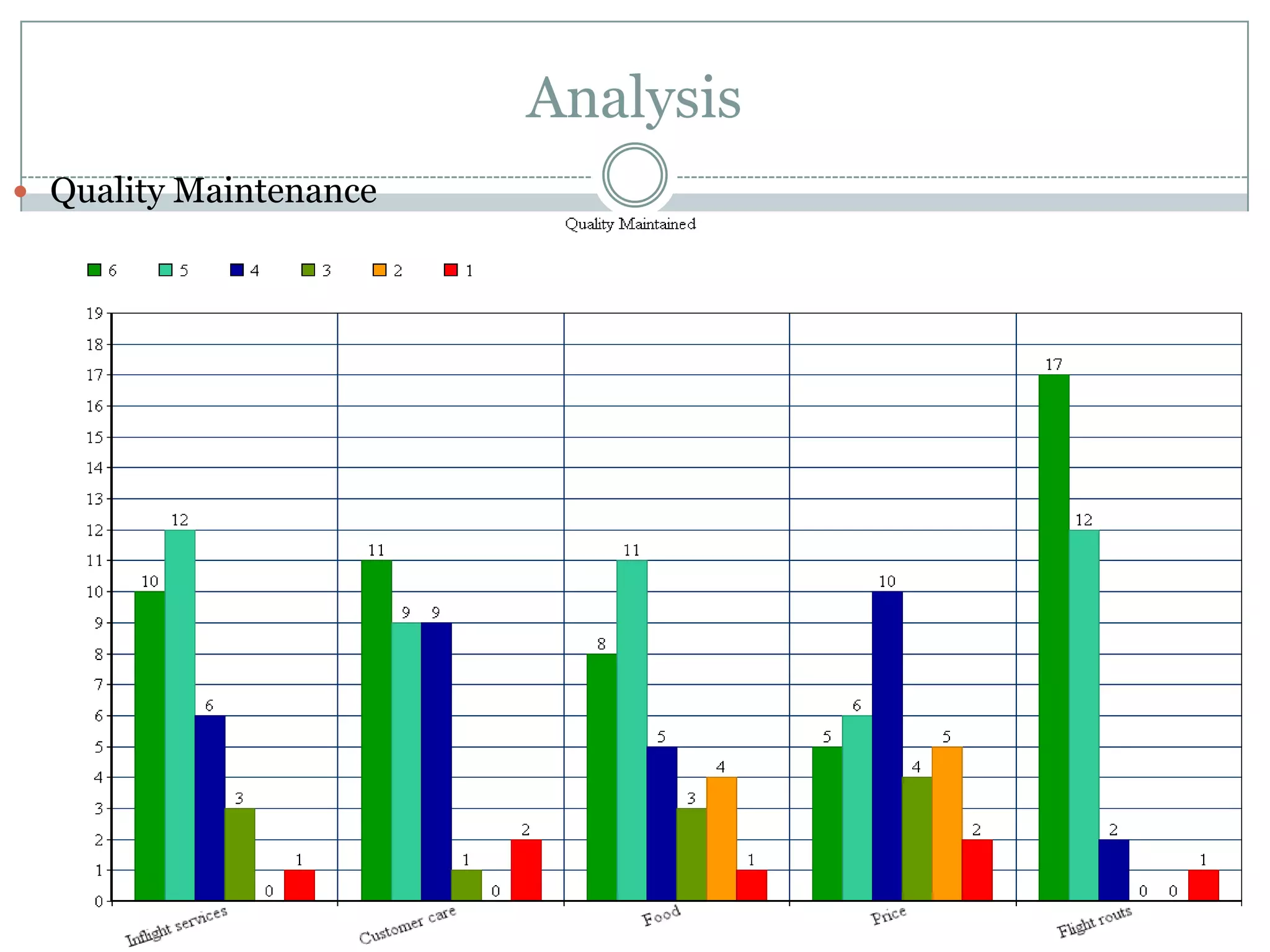
 Quality Maintenance
Analysis
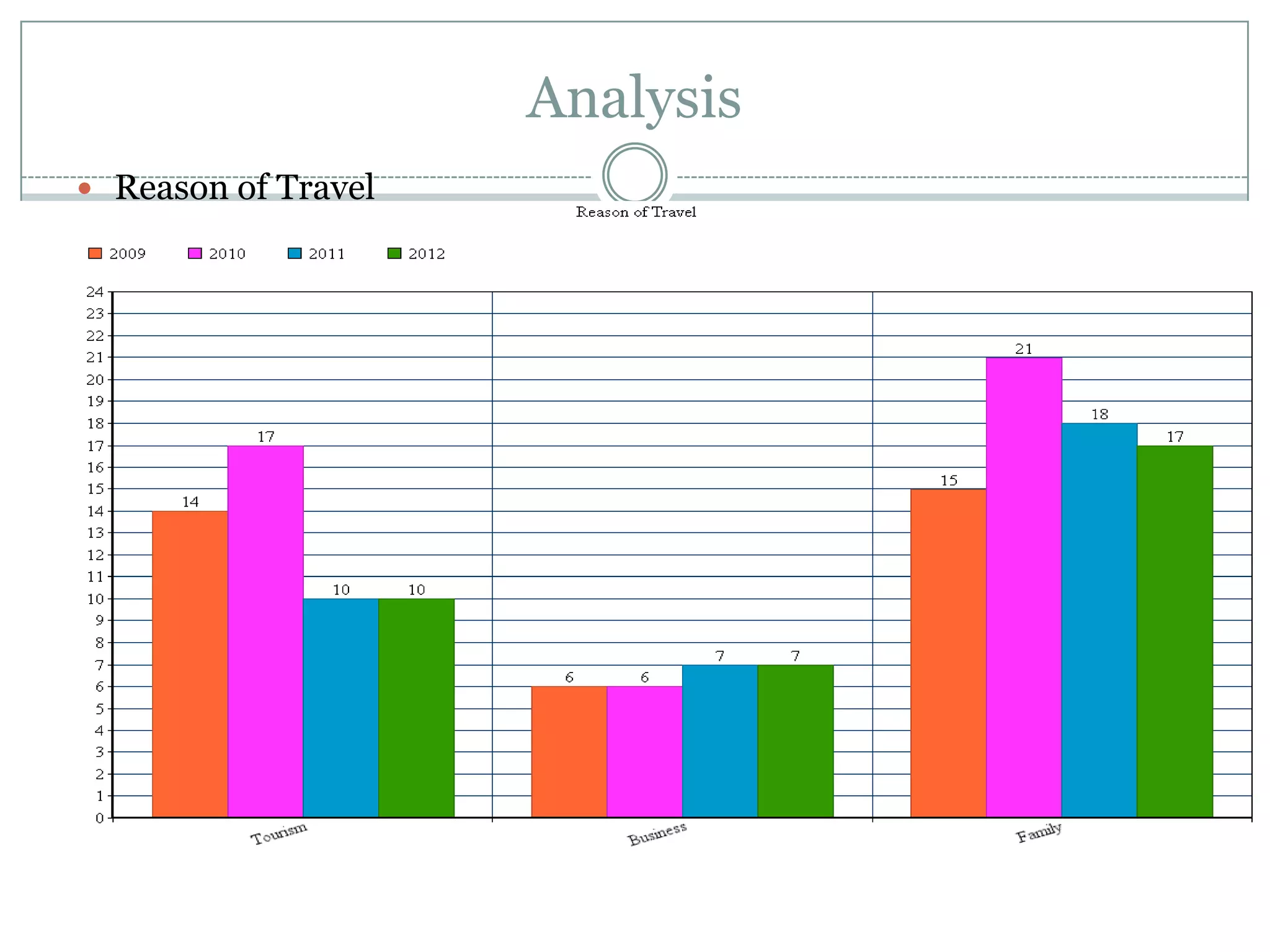
 Reason of Travel
Analysis
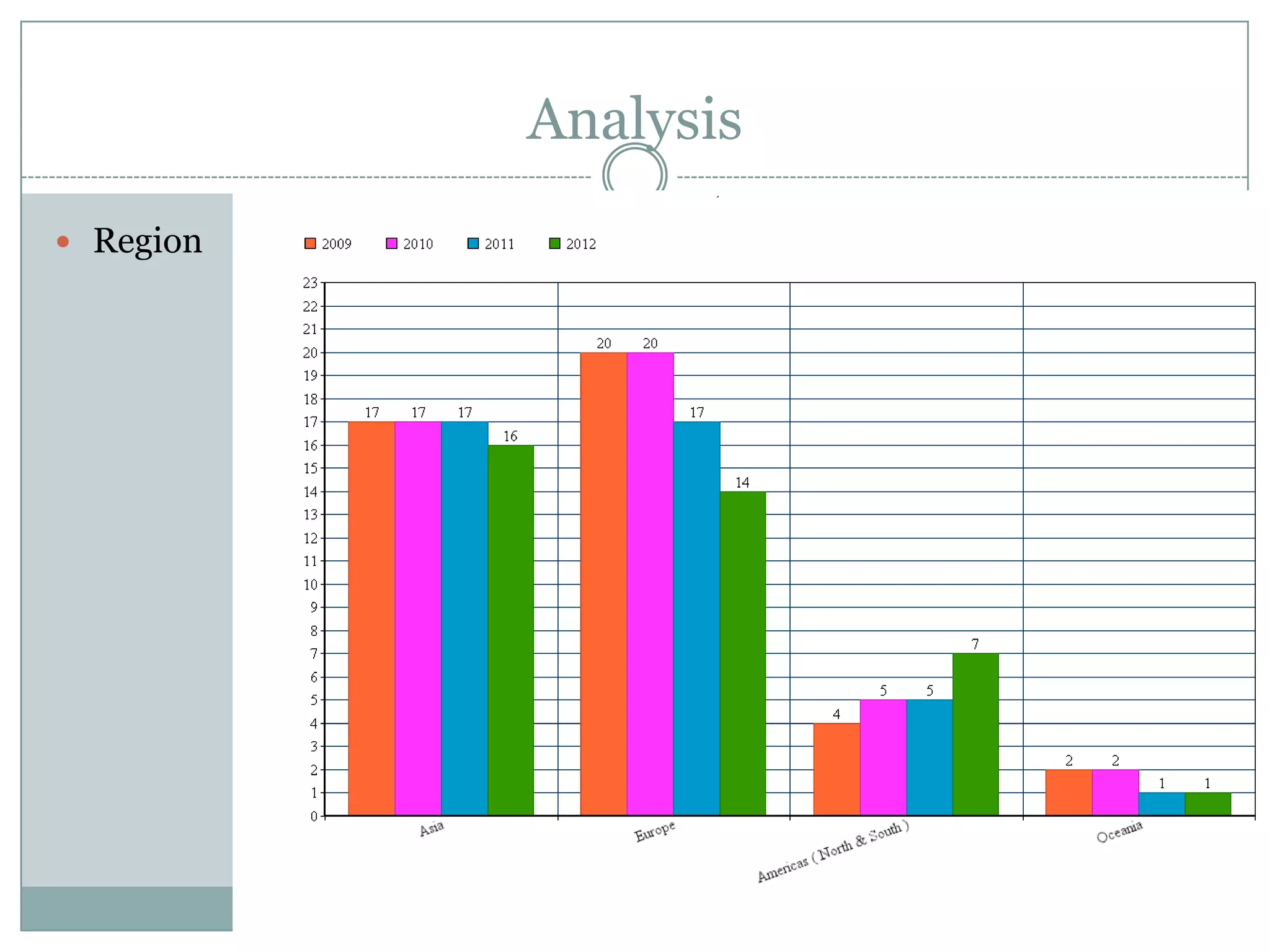
 Region
Analysis
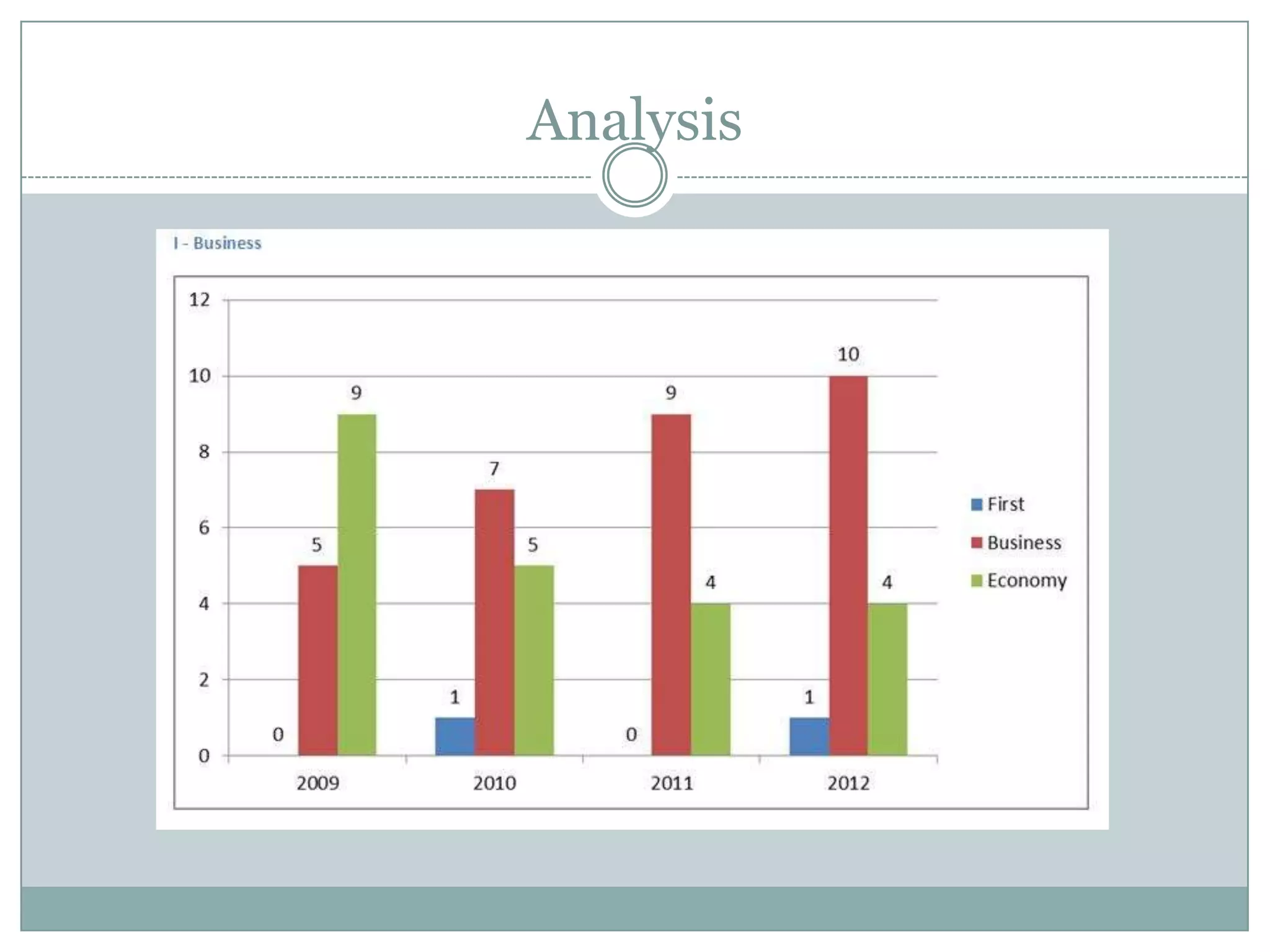
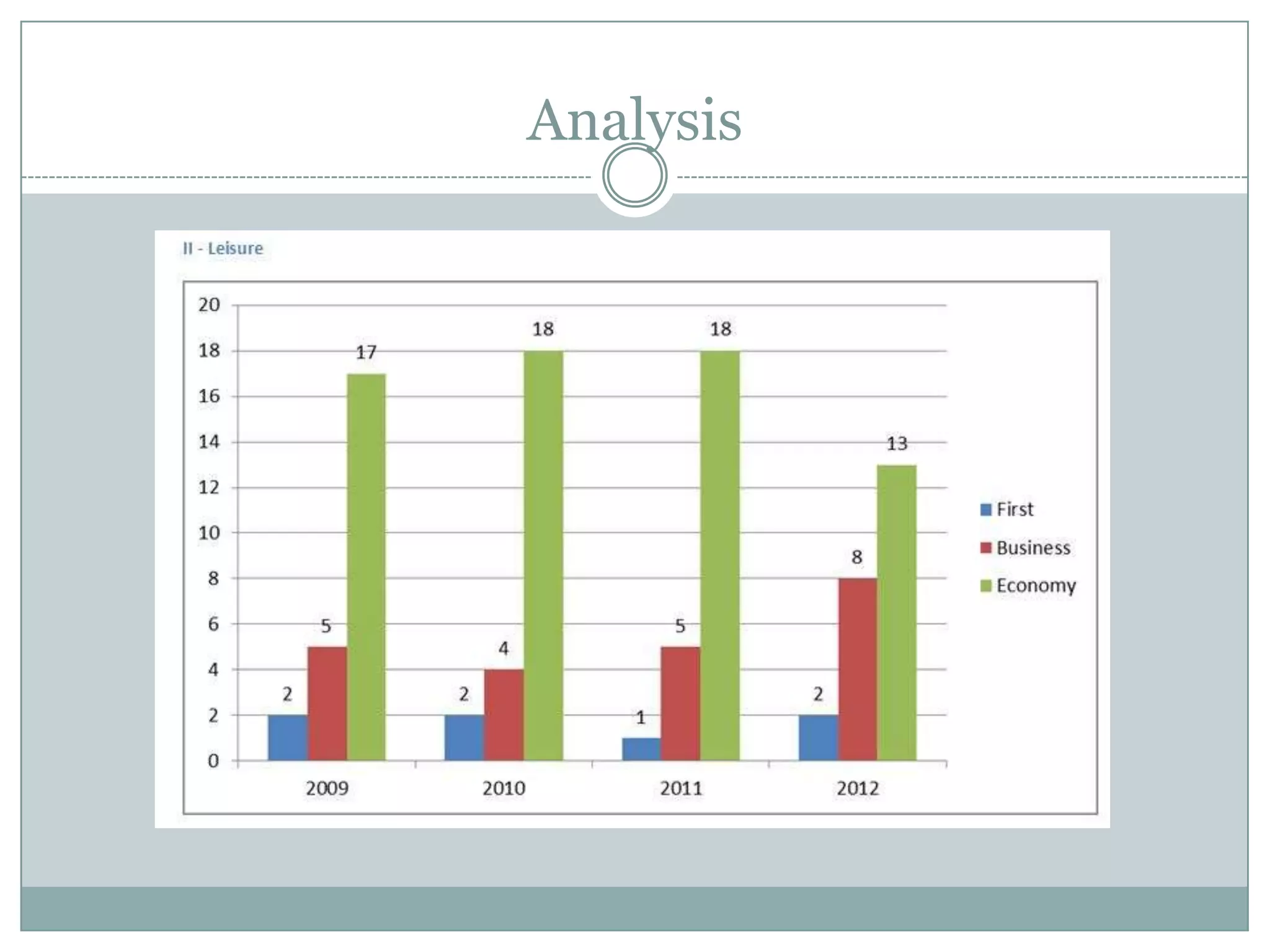
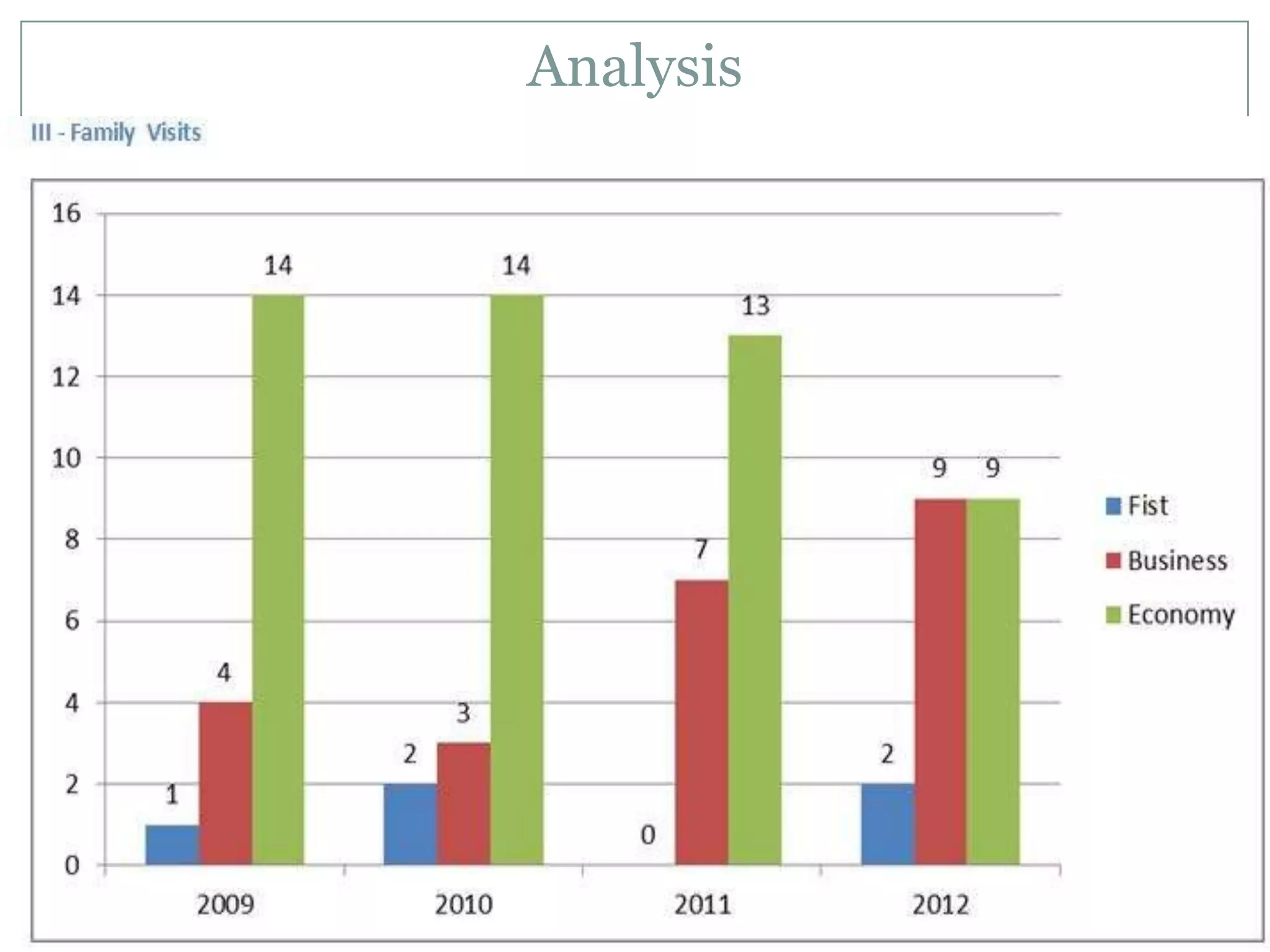
 Participants were asked to select the class they
traveled in correspondence to the year, and that was
with respect to the reason of travel. Three bar
graphs were generated to show the different answers
given according to the reason of travel.
Analysis
Analysis
Analysis
Analysis
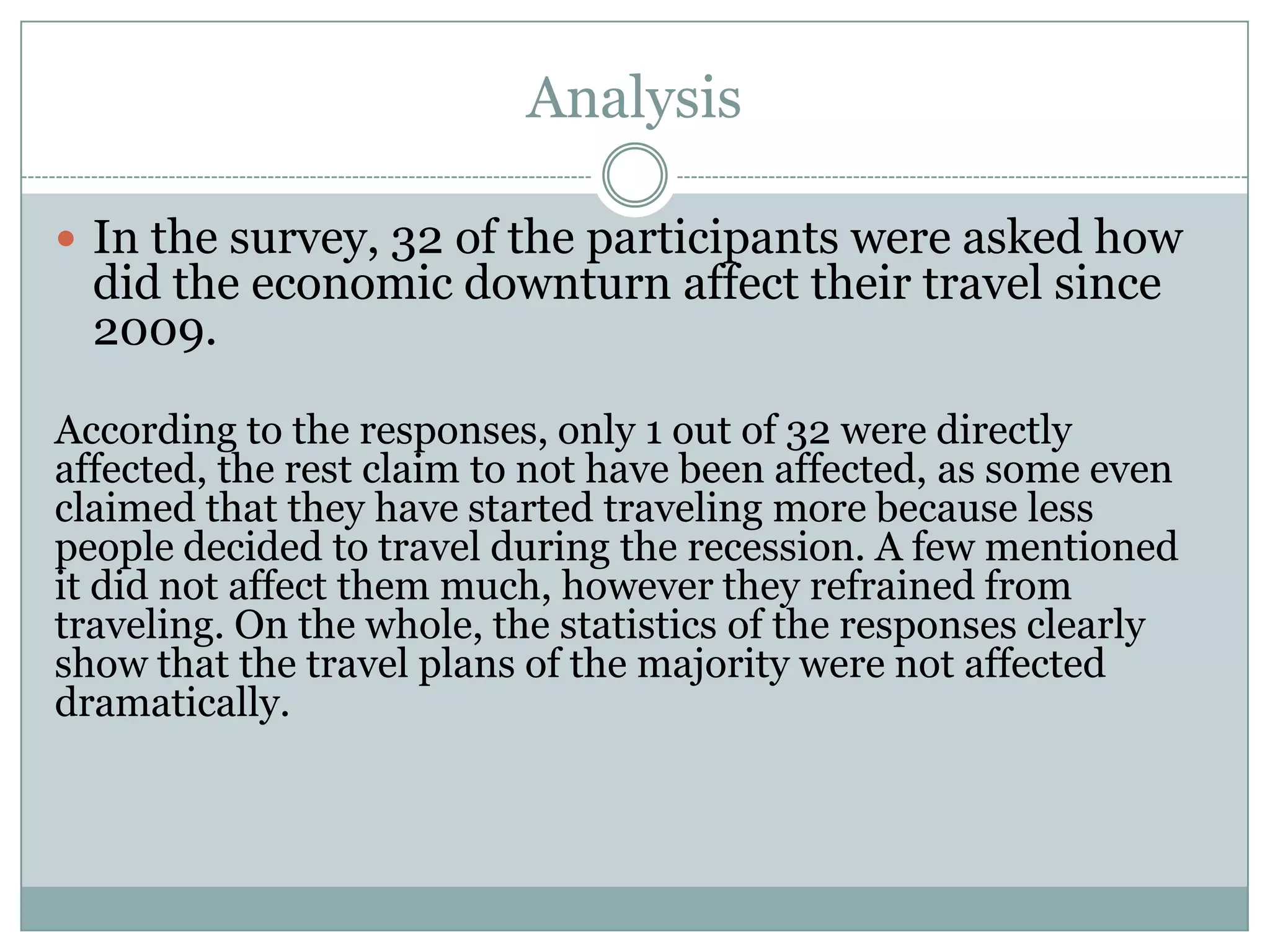
 In the survey, 32 of the participants were asked how
did the economic downturn affect their travel since
2009.
According to the responses, only 1 out of 32 were directly
affected, the rest claim to not have been affected, as some even
claimed that they have started traveling more because less
people decided to travel during the recession. A few mentioned
it did not affect them much, however they refrained from
traveling. On the whole, the statistics of the responses clearly
show that the travel plans of the majority were not affected
dramatically.
Analysis
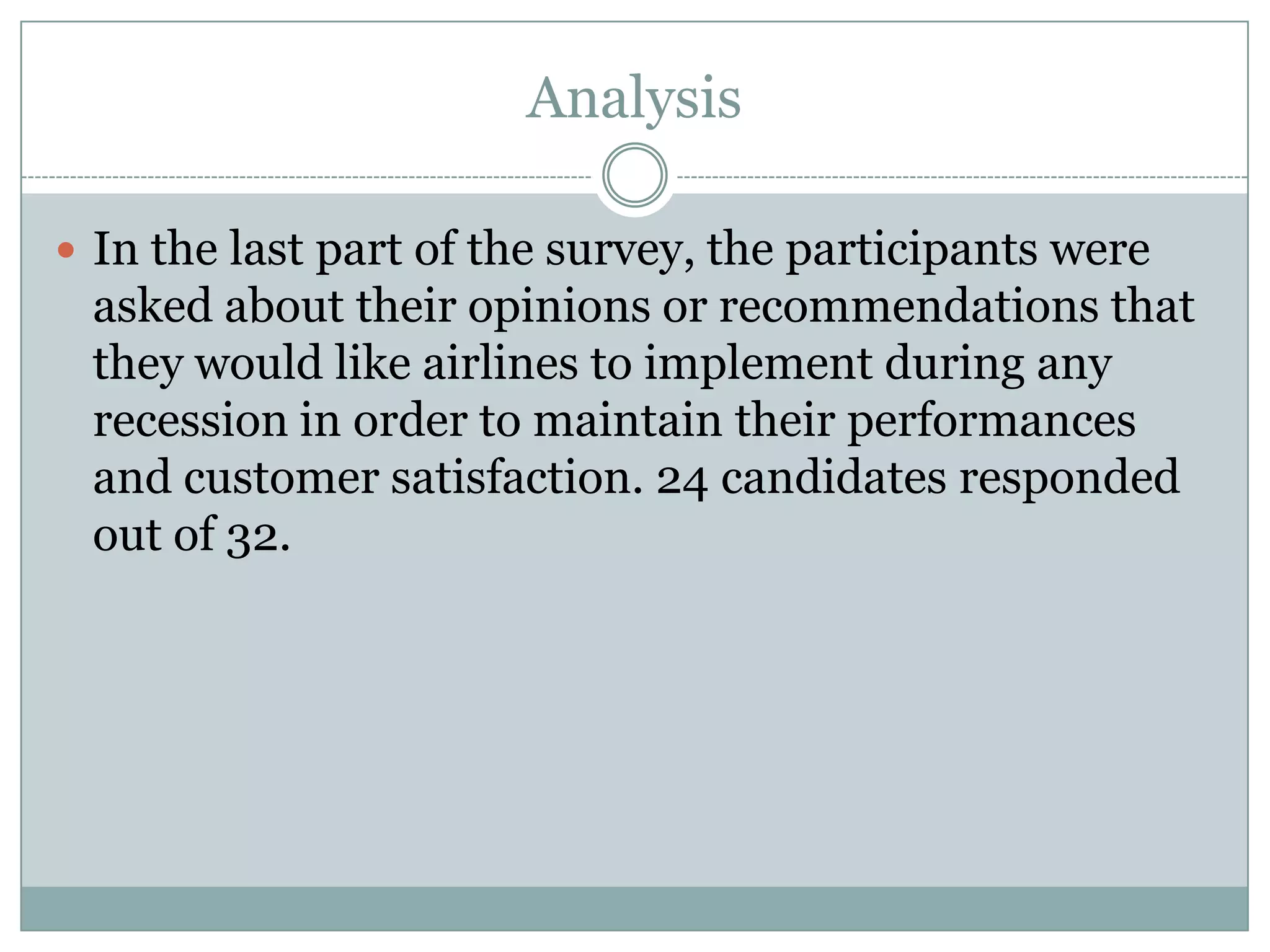
 In the last part of the survey, the participants were
asked about their opinions or recommendations that
they would like airlines to implement during any
recession in order to maintain their performances
and customer satisfaction. 24 candidates responded
out of 32.
Conclusion
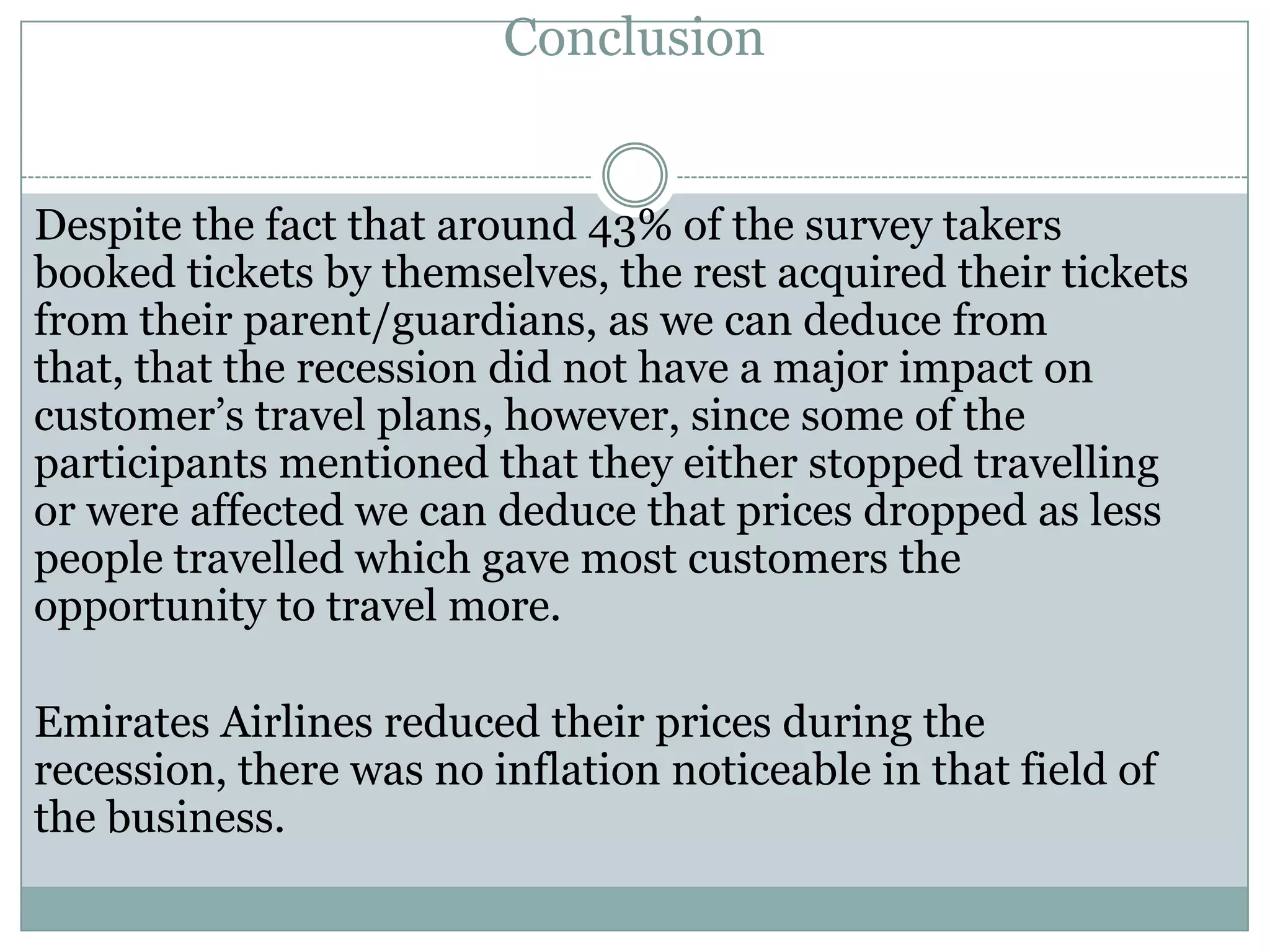
Despite the fact that around 43% of the survey takers
booked tickets by themselves, the rest acquired their tickets
from their parent/guardians, as we can deduce from
that, that the recession did not have a major impact on
customer’s travel plans, however, since some of the
participants mentioned that they either stopped travelling
or were affected we can deduce that prices dropped as less
people travelled which gave most customers the
opportunity to travel more.
Emirates Airlines reduced their prices during the
recession, there was no inflation noticeable in that field of
the business.
Achievements
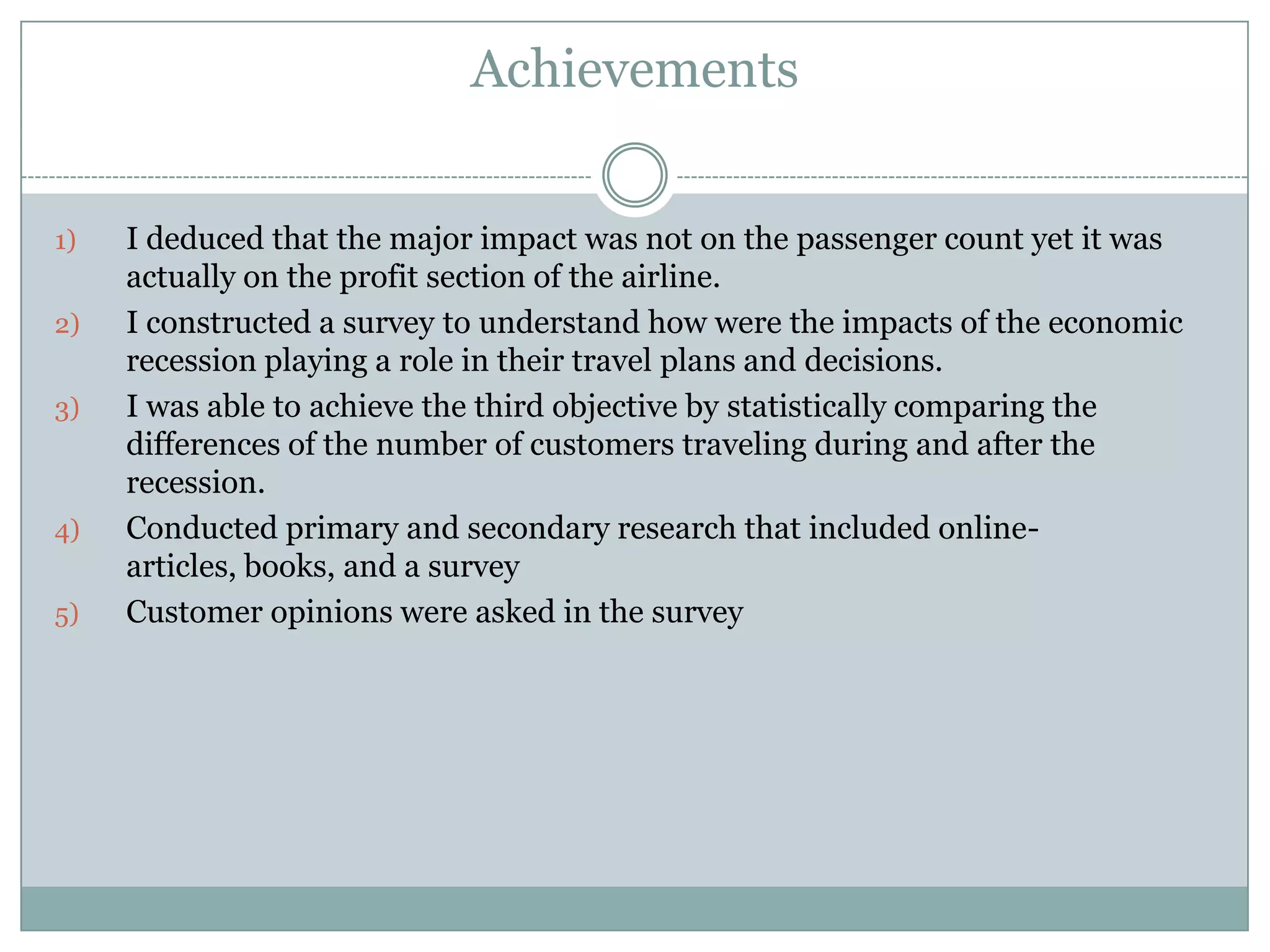
1) I deduced that the major impact was not on the passenger count yet it was
actually on the profit section of the airline.
2) I constructed a survey to understand how were the impacts of the economic
recession playing a role in their travel plans and decisions.
3) I was able to achieve the third objective by statistically comparing the
differences of the number of customers traveling during and after the
recession.
4) Conducted primary and secondary research that included online-
articles, books, and a survey
5) Customer opinions were asked in the survey
Recommendations
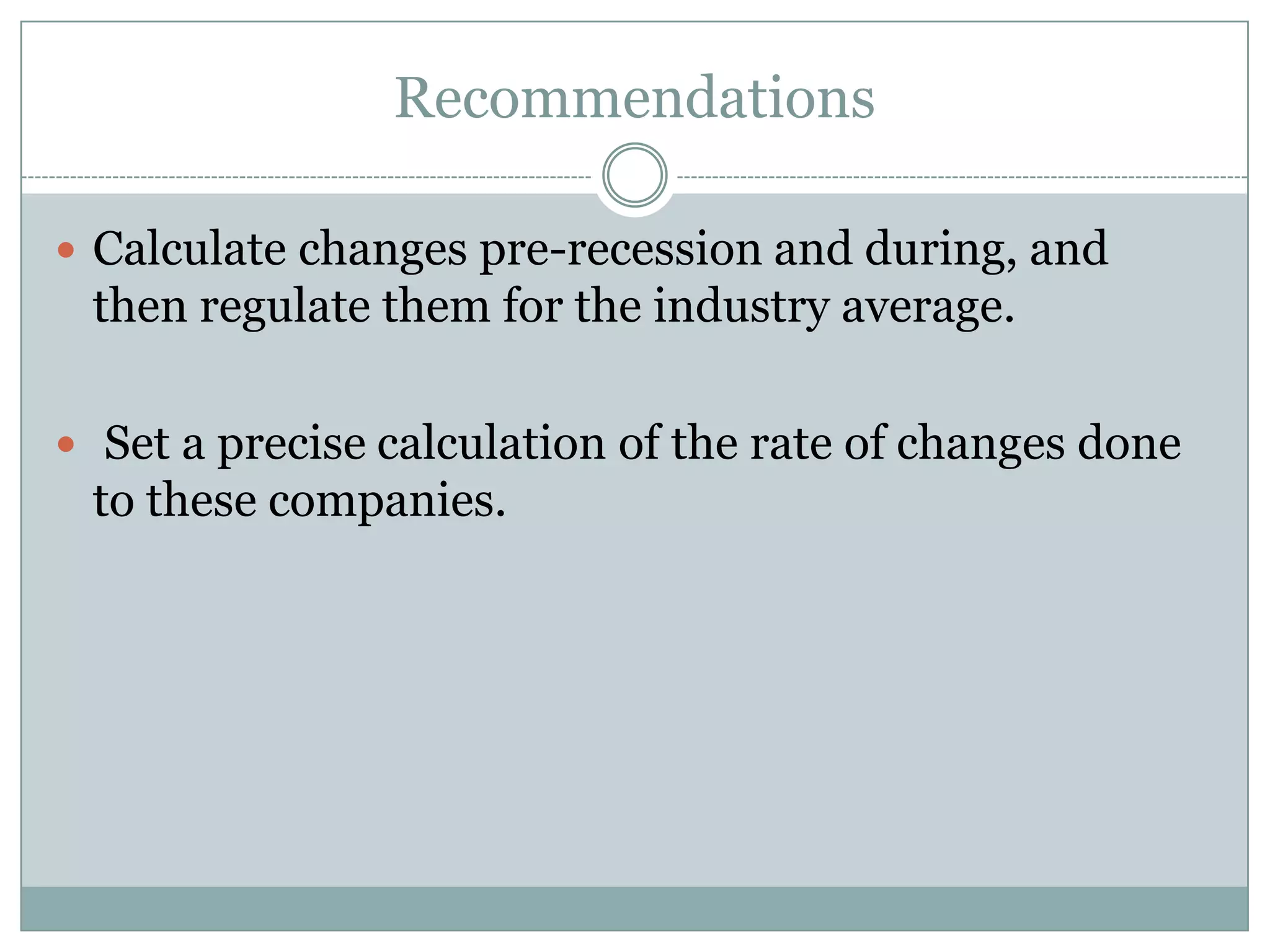
 Calculate changes pre-recession and during, and
then regulate them for the industry average.
 Set a precise calculation of the rate of changes done
to these companies.
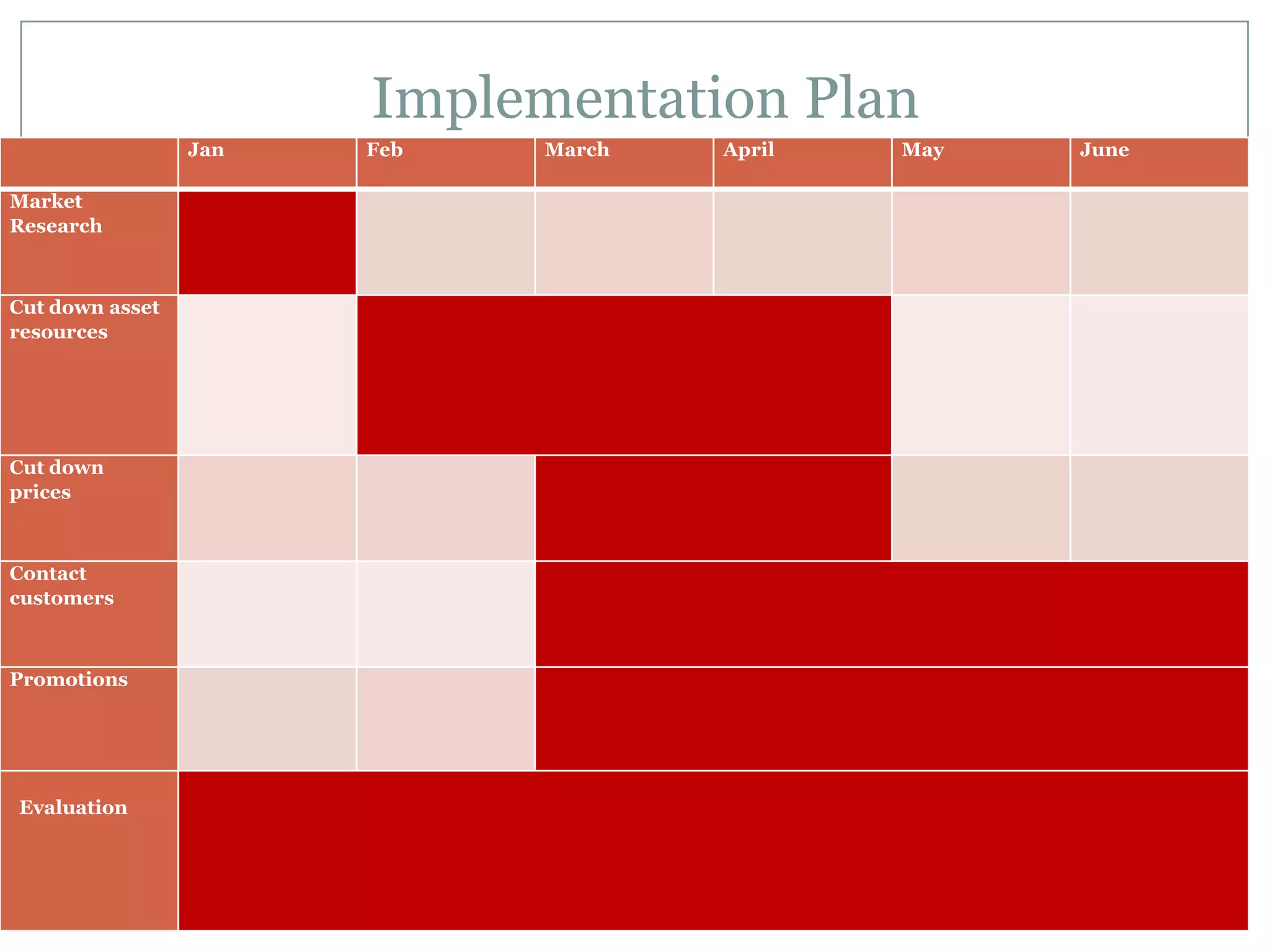
Implementation Plan
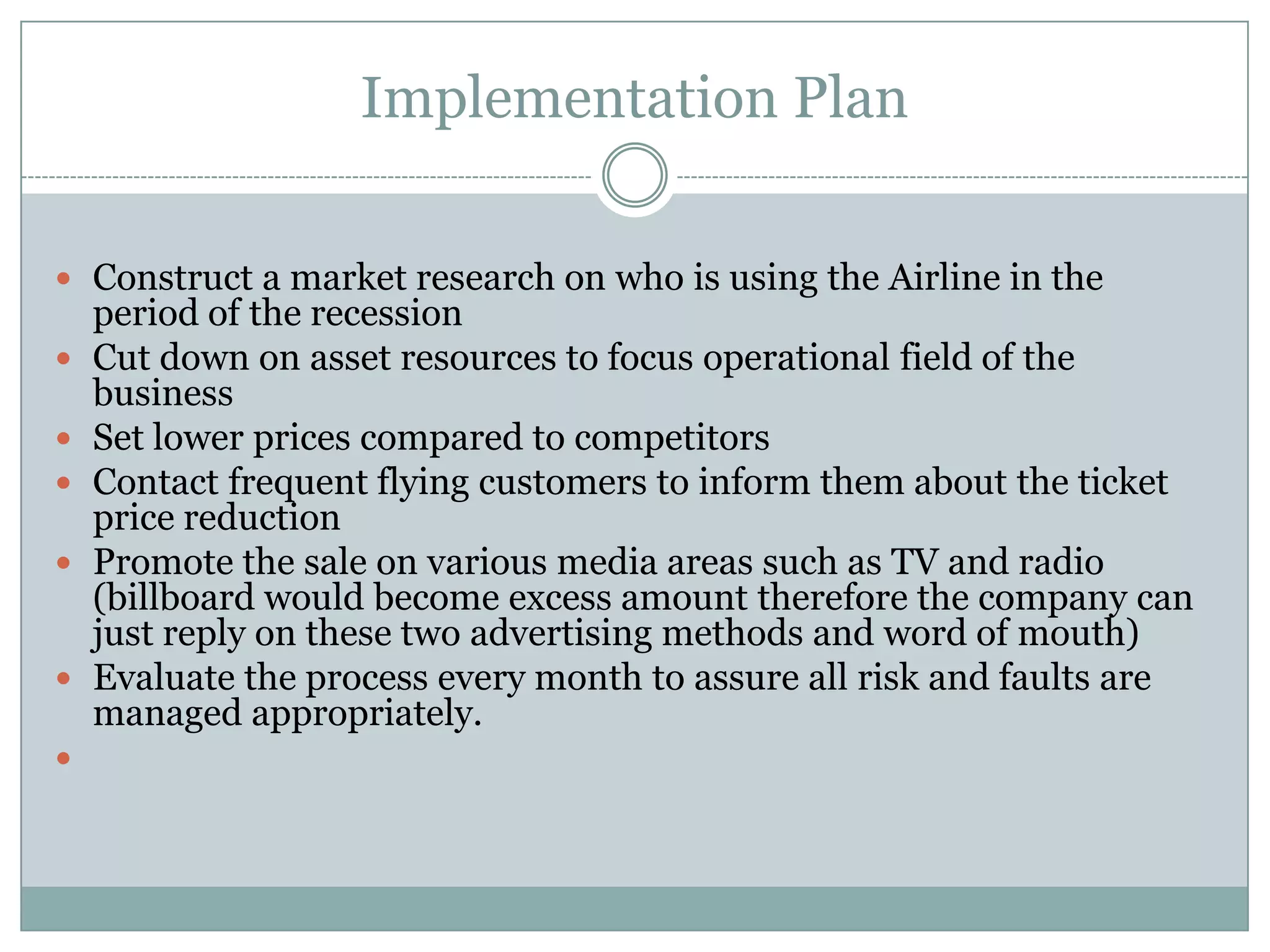
 Construct a market research on who is using the Airline in the
period of the recession
 Cut down on asset resources to focus operational field of the
business
 Set lower prices compared to competitors
 Contact frequent flying customers to inform them about the ticket
price reduction
 Promote the sale on various media areas such as TV and radio
(billboard would become excess amount therefore the company can
just reply on these two advertising methods and word of mouth)
 Evaluate the process every month to assure all risk and faults are
managed appropriately.

Implementation Plan
Jan Feb March April May June
Market
Research
Cut down asset
resources
Cut down
prices
Contact
customers
Promotions
Evaluation
Evaluation and Future Work
 Expanding region of survey and reducing
limitations
 Better time management
 Interview with HQ staff members of he company
Research would have been proposed to the revenue
optimization department of Emirates if I had the
opportunity to continue the research.
Bibliography
 BPP Learning media (2010) Business Essentials, Research
Project.
London: BPP House, Aldine Place
 Emirates . (2011). About Emirates. Available:
http://www.emirates.com/ae/english/about/about_emira
tes.aspx. Last accessed 15 April, 2013.
 BBC. (22 May 2009). Emirates Airline Profit Down
72%. Available:
http://news.bbc.co.uk/2/hi/business/8063581.stm. Last
accessed 15 April, 2013.
 Wharton. (June 17, 2009). The Airline Industry's Rising
Crising.Available:
http://www.wharton.universia.net/index.cfm?fa=viewArti
cle&id=1733&language=english. Last accessed April
15, 2013.

Research Project

  • 2.
    Content  Background  Proposal -Objectives -Methodology -Codeof Ethics -Project Management  Analysis  Conclusion  Achievements  Recommendations  Implementations  Evaluation and Future work
  • 3.
    Background Research question: Whatare the effects of the economical down-turn on high-cost carriers (Emirates Airlines) ? During the 2009 economical depression many high cost and low cost airlines faced downturns in their performances and revenue optimization. This research will further discuss the impact done by the crises on high-cost airlines in particularly Emirates Airlines, and how were they affected in terms of customer demand in Dubai, specifically amongst the students of Emirates Aviation College.
  • 4.
    Proposal Objectives  Identify themajor impacts on high-cost airlines that emerged during the recession.  Establish an organized study on how did these impacts affect the student and staff community who frequently use the airlines for their leisure/business/family trips.  Compare the differences statistically between the number of customers using the airline now and during the recession.  Construct a systematic approach in collecting data that will help identify the main points of the research.  List a few ideas and recommendations for high-cost airlines in how to maintain a healthy status during and after a recession.
  • 5.
    Proposal  Methodology Secondary Research. External data was collected via aviation and government websites that are known for reliability in sources; moreover, data was collected from syllabus books. (references of books and journals will be listed at the end of the research when used)  Internal data was collected via requesting reports about the number of passengers that travelled the airlines quarterly from 2009-2012 Primary Research A questionnaire was created to find information on the number of people that fly Emirates, how many people were affected by the recession throughout the 4 years (2009-2012), the age and gender of the candidates, and their opinions on what airlines can implement during any recession in order to maintain customer satisfaction.
  • 6.
    Proposal  Code ofEthics:  All data collected were referenced from sources that I have taken the information from.  Surveys were supervised by my tutor and I did not establish any means of information collection such as interviews, questioners, and surveys without any consent.  All personal information was anonymous and not used in the research  No personal details was required from any candidate in collecting the data.  Plagiarism is a criminal offence and it was not be part of the research.  All information collected was be supervised and carefully measured before any submission.
  • 7.
    Proposal Project Management:  RiskManagement The risk could be that not many students will be able to complete the questioners and surveys as some do not book for flights or have any idea of what and how the recession affected their travel plans as their parents were the ones to have a direct impact in that situation, and it would be difficult to get on hold of all the contact details of the university staff and students in order to ask them on their experience during the down-fall. Moreover, it might be difficult to collect a vast amount of data about the issues that the airlines faced because some airlines do not statistically list their flows for the public to see, however, comparing revenue fluctuation and customer demand via research and surveys can be enough to “assume” or hence calculate the differences.
  • 8.
    Proposal Project Management:  QualityManagement I used legal approaches in collecting data and acquiring approved consent in collecting my data via surveys or interviews. Furthermore, submitting my work in time will maximise the quality of my work.
  • 9.
    Analysis  Age 1 23 2 3 3 0 How oldare you ? Under 18 18-25 26-30 31-45 46-59 60+
  • 10.
  • 11.
  • 12.
  • 13.
  • 14.
  • 15.
  • 16.
    Analysis  Participants wereasked to select the class they traveled in correspondence to the year, and that was with respect to the reason of travel. Three bar graphs were generated to show the different answers given according to the reason of travel.
  • 17.
  • 18.
  • 19.
  • 20.
    Analysis  In thesurvey, 32 of the participants were asked how did the economic downturn affect their travel since 2009. According to the responses, only 1 out of 32 were directly affected, the rest claim to not have been affected, as some even claimed that they have started traveling more because less people decided to travel during the recession. A few mentioned it did not affect them much, however they refrained from traveling. On the whole, the statistics of the responses clearly show that the travel plans of the majority were not affected dramatically.
  • 21.
    Analysis  In thelast part of the survey, the participants were asked about their opinions or recommendations that they would like airlines to implement during any recession in order to maintain their performances and customer satisfaction. 24 candidates responded out of 32.
  • 22.
    Conclusion Despite the factthat around 43% of the survey takers booked tickets by themselves, the rest acquired their tickets from their parent/guardians, as we can deduce from that, that the recession did not have a major impact on customer’s travel plans, however, since some of the participants mentioned that they either stopped travelling or were affected we can deduce that prices dropped as less people travelled which gave most customers the opportunity to travel more. Emirates Airlines reduced their prices during the recession, there was no inflation noticeable in that field of the business.
  • 23.
    Achievements 1) I deducedthat the major impact was not on the passenger count yet it was actually on the profit section of the airline. 2) I constructed a survey to understand how were the impacts of the economic recession playing a role in their travel plans and decisions. 3) I was able to achieve the third objective by statistically comparing the differences of the number of customers traveling during and after the recession. 4) Conducted primary and secondary research that included online- articles, books, and a survey 5) Customer opinions were asked in the survey
  • 24.
    Recommendations  Calculate changespre-recession and during, and then regulate them for the industry average.  Set a precise calculation of the rate of changes done to these companies.
  • 25.
    Implementation Plan  Constructa market research on who is using the Airline in the period of the recession  Cut down on asset resources to focus operational field of the business  Set lower prices compared to competitors  Contact frequent flying customers to inform them about the ticket price reduction  Promote the sale on various media areas such as TV and radio (billboard would become excess amount therefore the company can just reply on these two advertising methods and word of mouth)  Evaluate the process every month to assure all risk and faults are managed appropriately. 
  • 26.
    Implementation Plan Jan FebMarch April May June Market Research Cut down asset resources Cut down prices Contact customers Promotions Evaluation
  • 27.
    Evaluation and FutureWork  Expanding region of survey and reducing limitations  Better time management  Interview with HQ staff members of he company Research would have been proposed to the revenue optimization department of Emirates if I had the opportunity to continue the research.
  • 28.
    Bibliography  BPP Learningmedia (2010) Business Essentials, Research Project. London: BPP House, Aldine Place  Emirates . (2011). About Emirates. Available: http://www.emirates.com/ae/english/about/about_emira tes.aspx. Last accessed 15 April, 2013.  BBC. (22 May 2009). Emirates Airline Profit Down 72%. Available: http://news.bbc.co.uk/2/hi/business/8063581.stm. Last accessed 15 April, 2013.  Wharton. (June 17, 2009). The Airline Industry's Rising Crising.Available: http://www.wharton.universia.net/index.cfm?fa=viewArti cle&id=1733&language=english. Last accessed April 15, 2013.