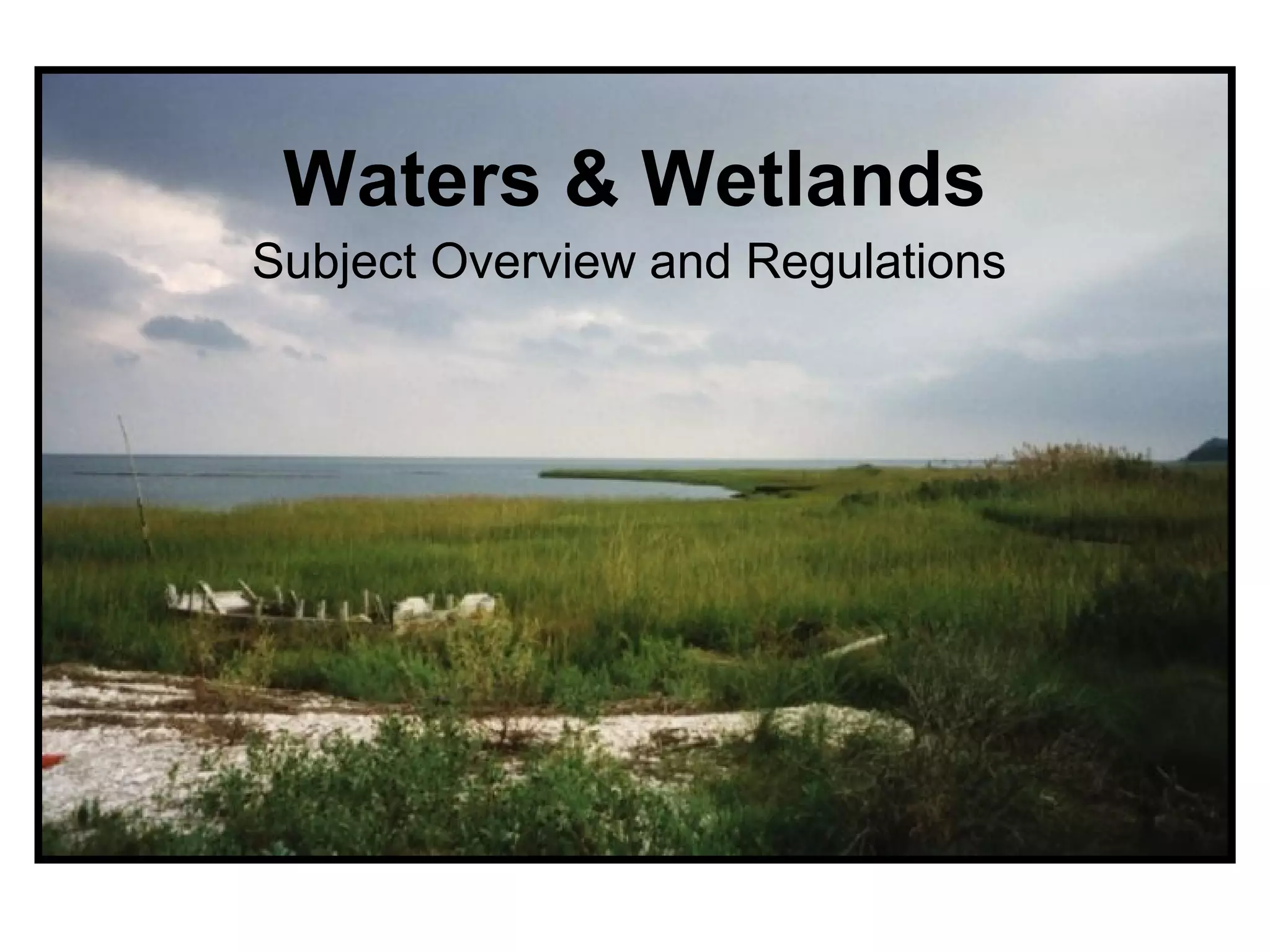
Waters & Wetlands
Subject Overview and Regulations
“Jurisdictional”
Features which are regulated, or protected
under law
Waters of the United States
• Tidal waters and adjacent wetlands
• Non-tidal waters including adjacent
wetlands and certain isolated wetlands.
• Impoundments of waters (e.g. lakes and
ponds)
• Tributaries of waters
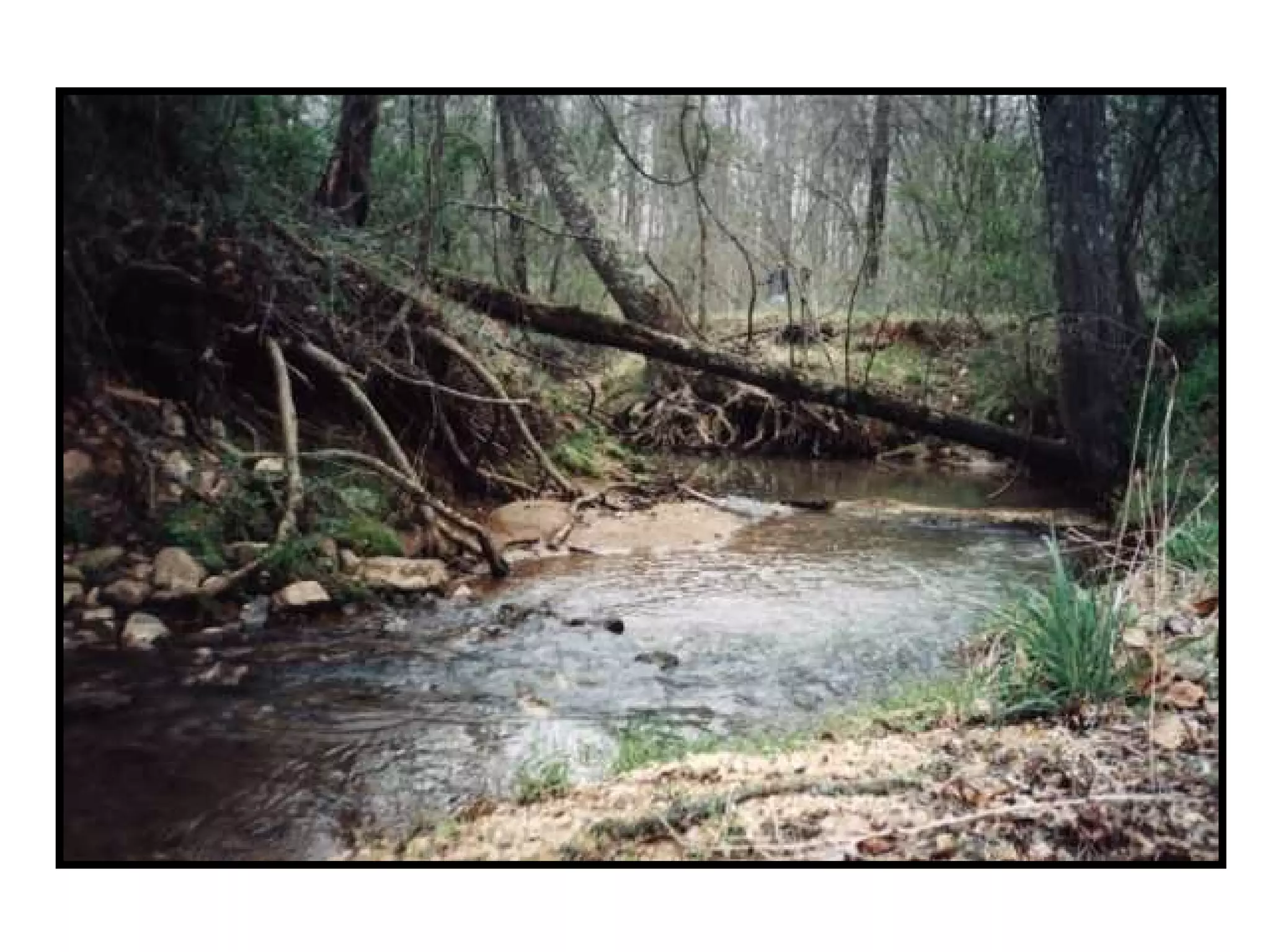
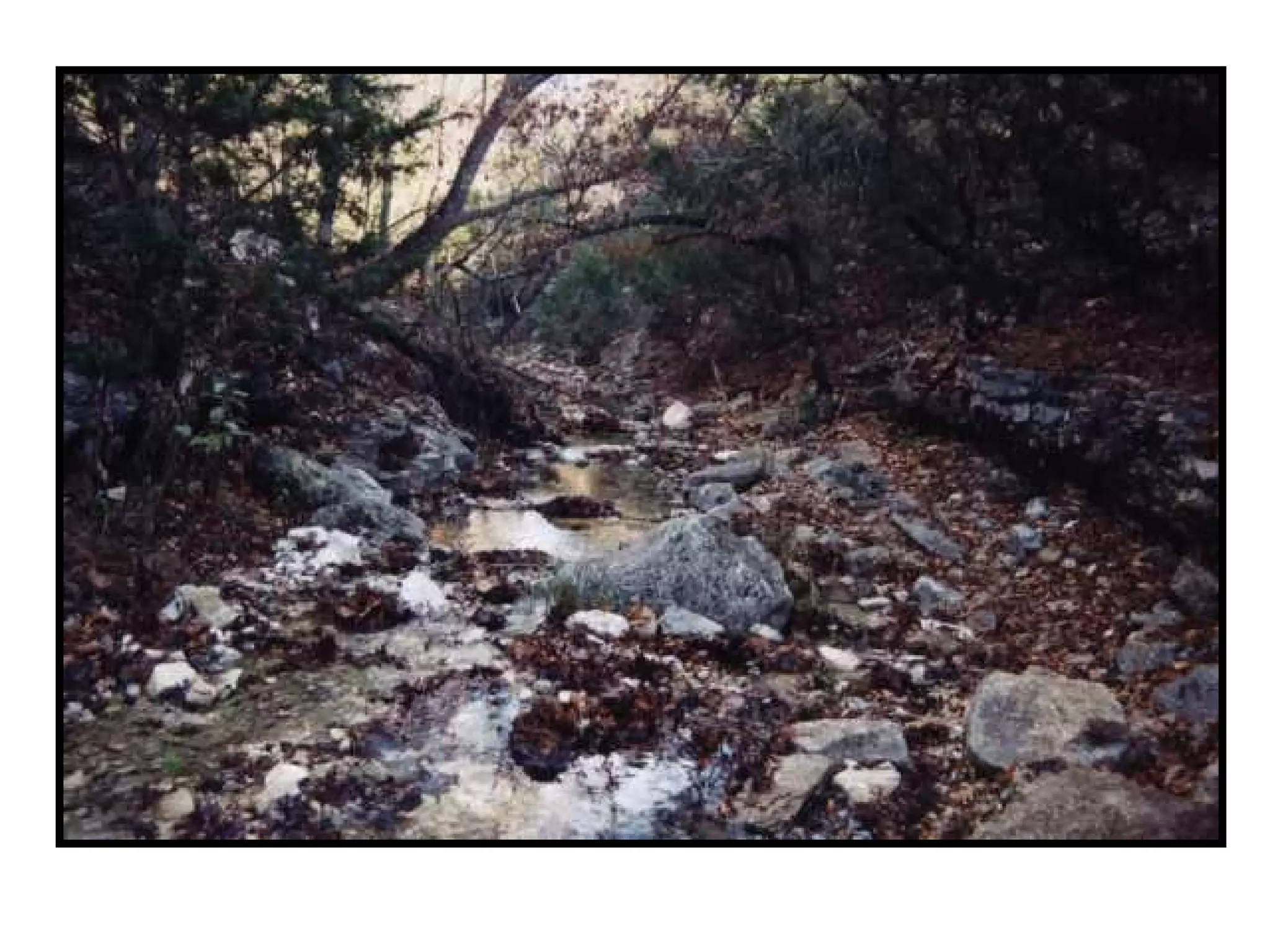
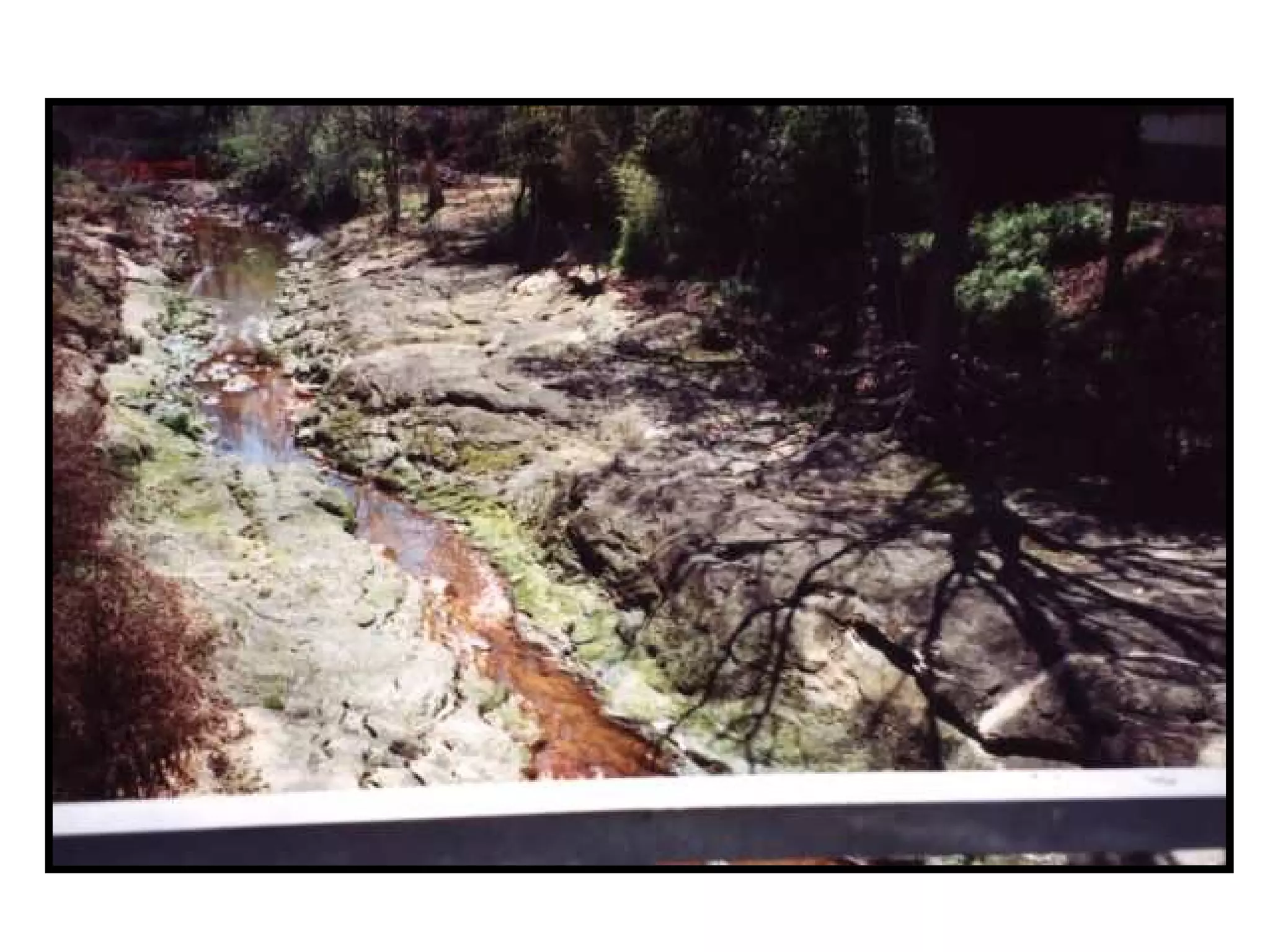
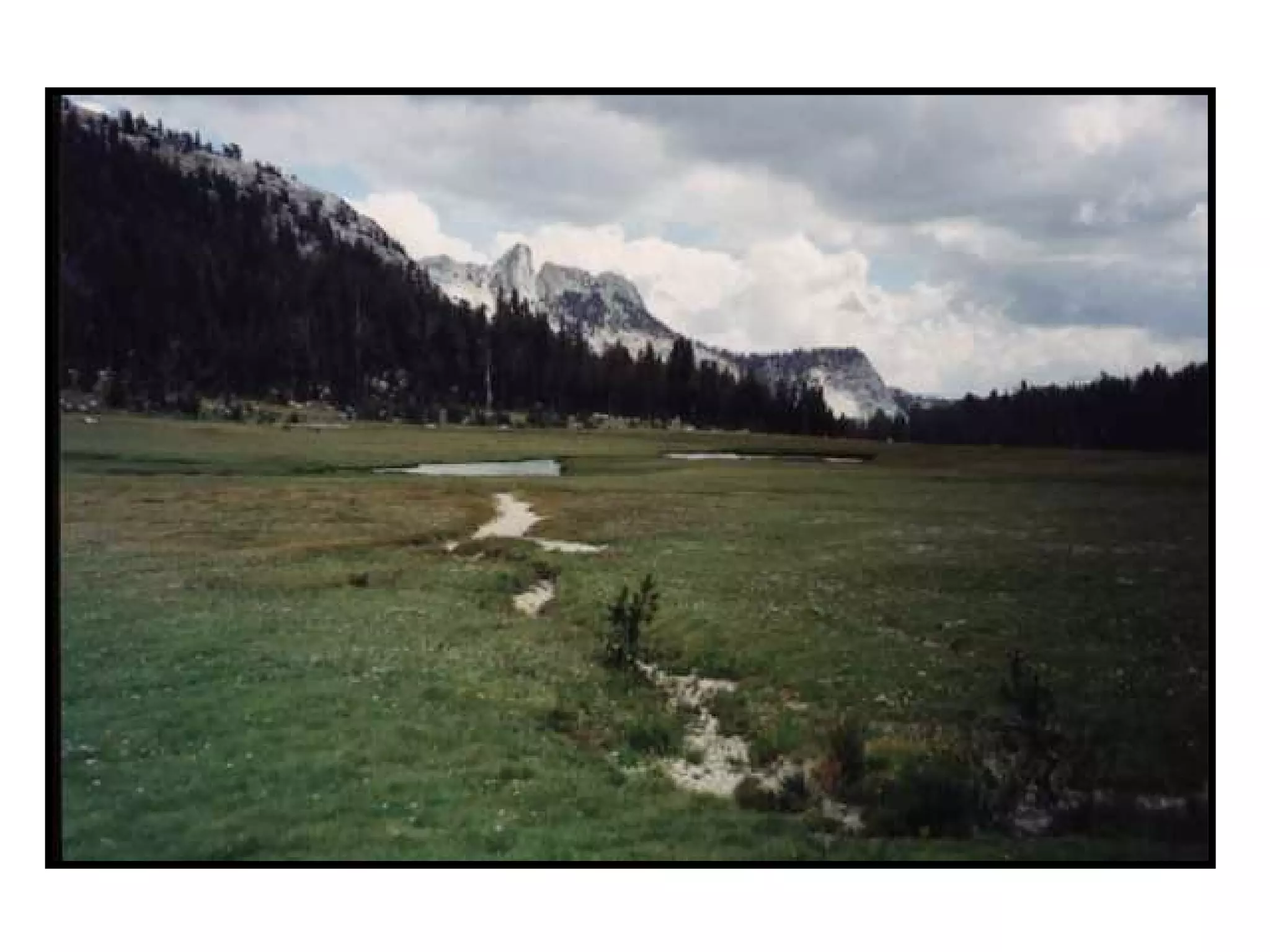
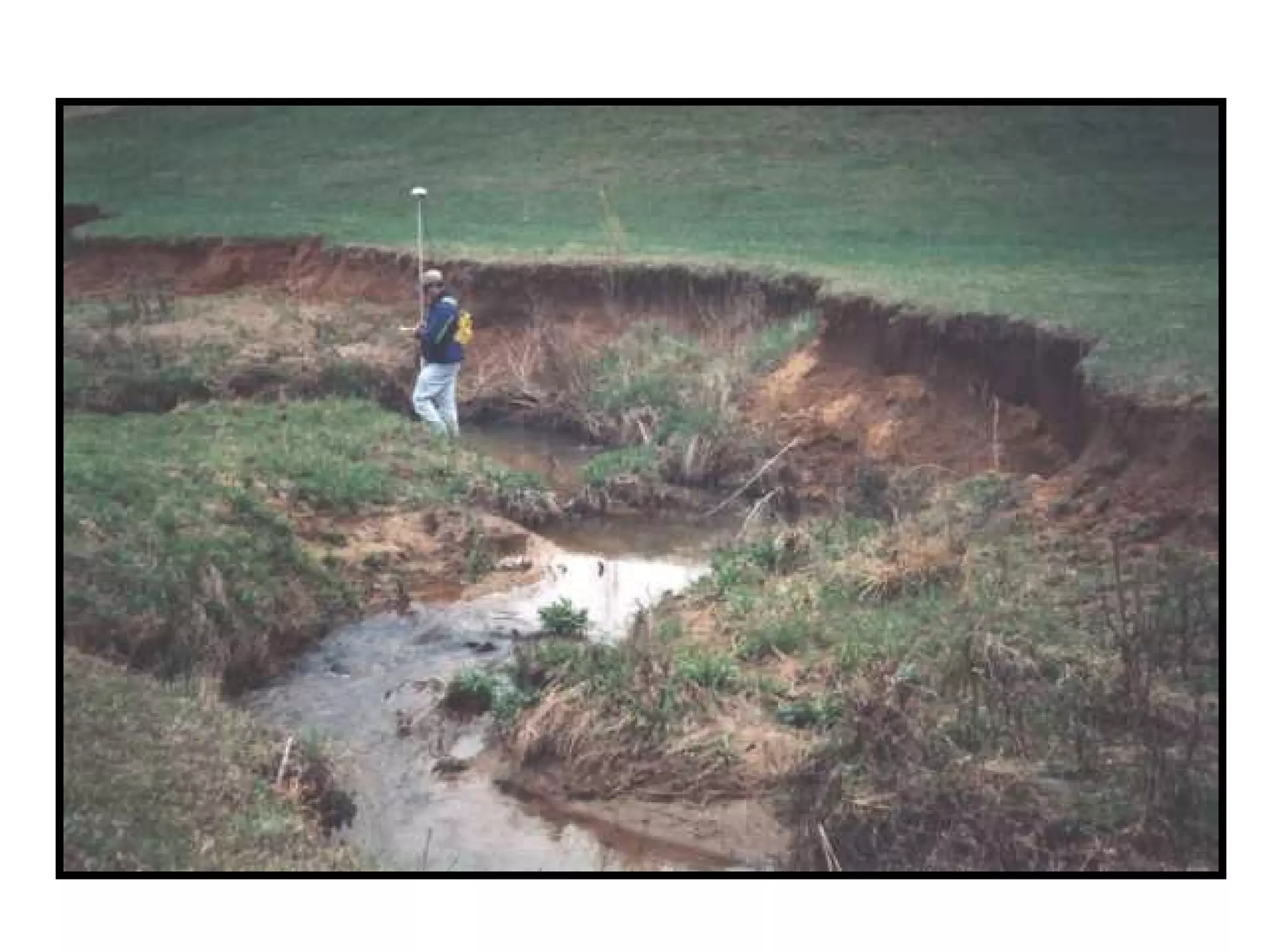
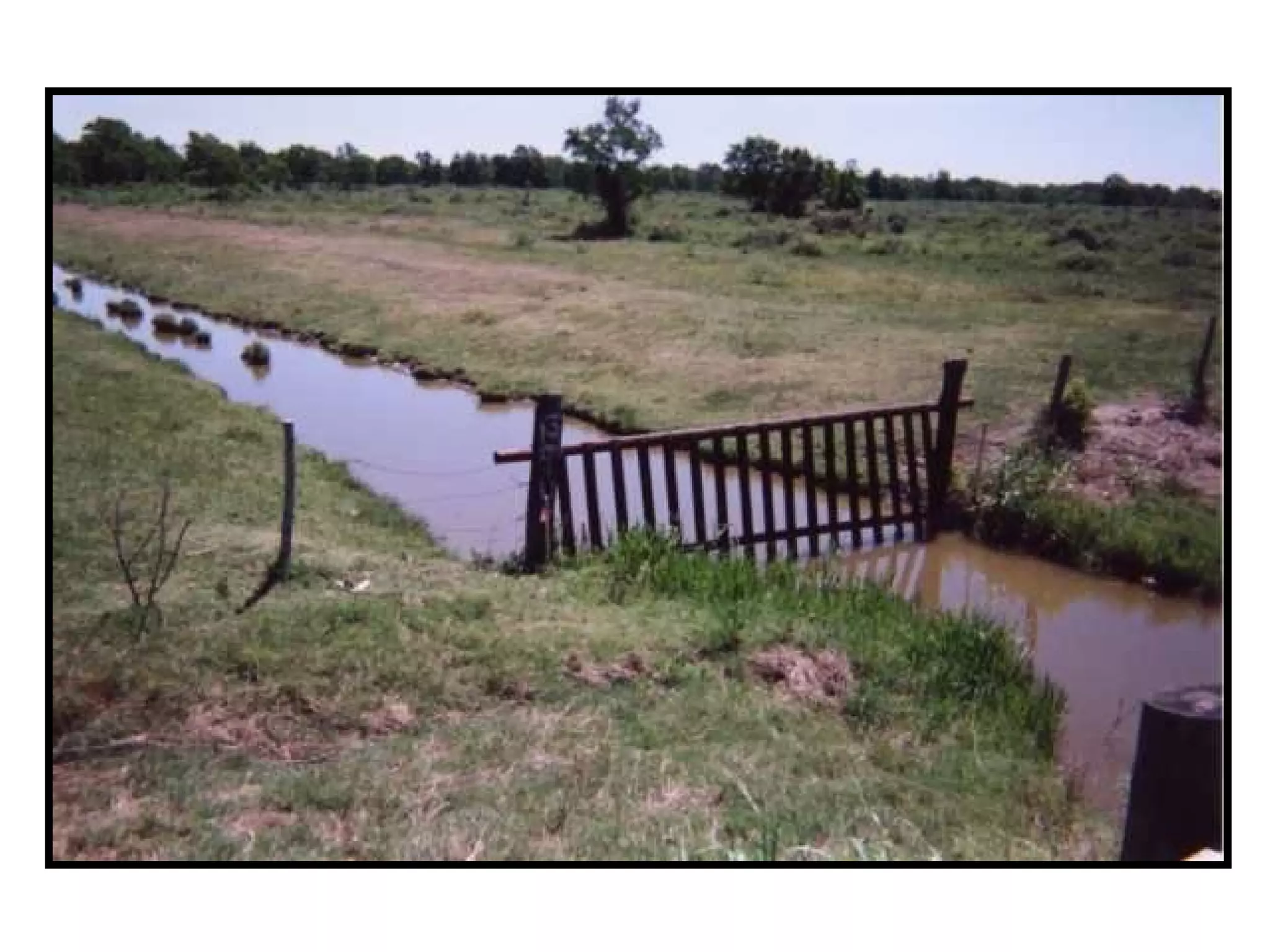
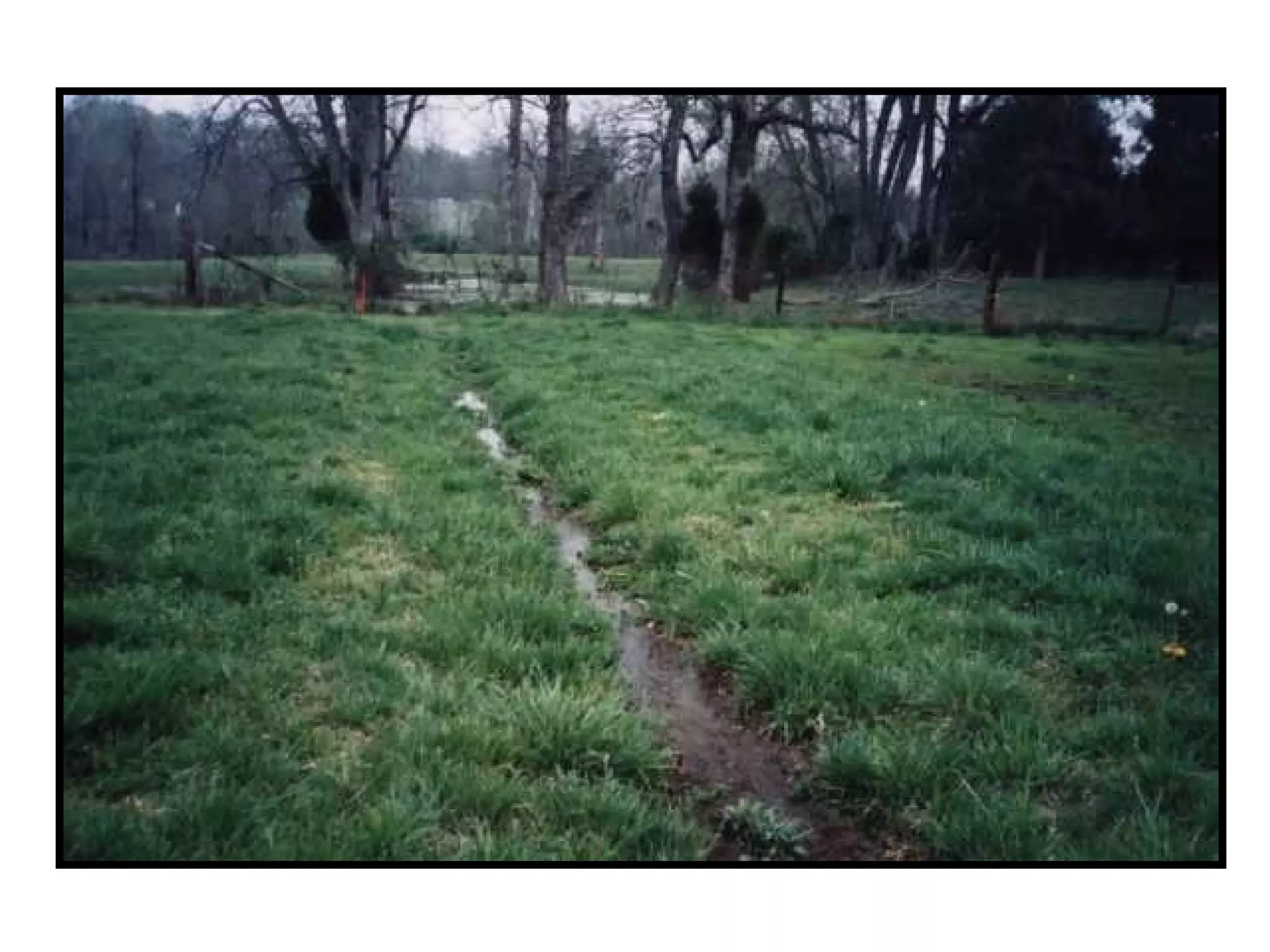
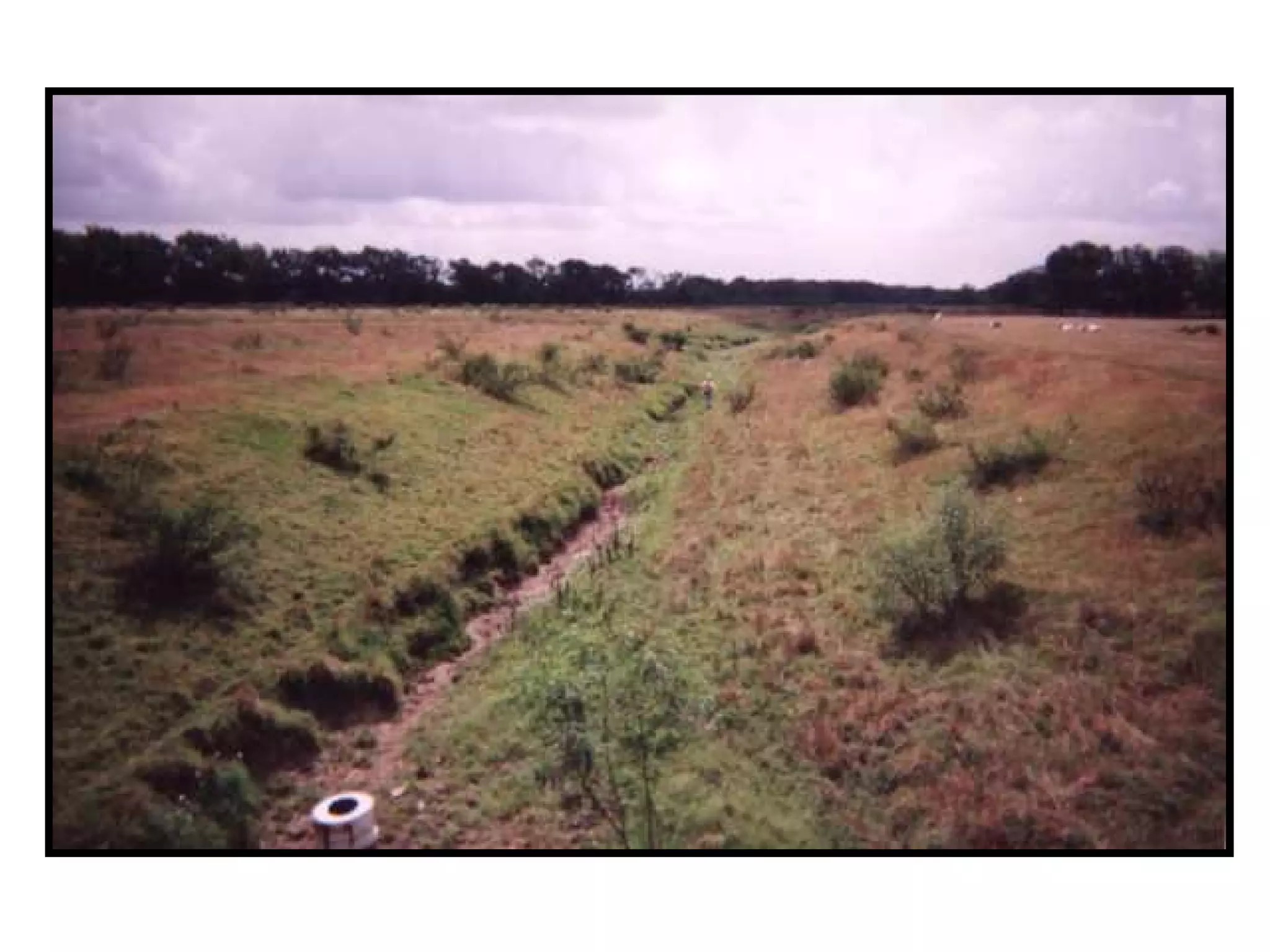
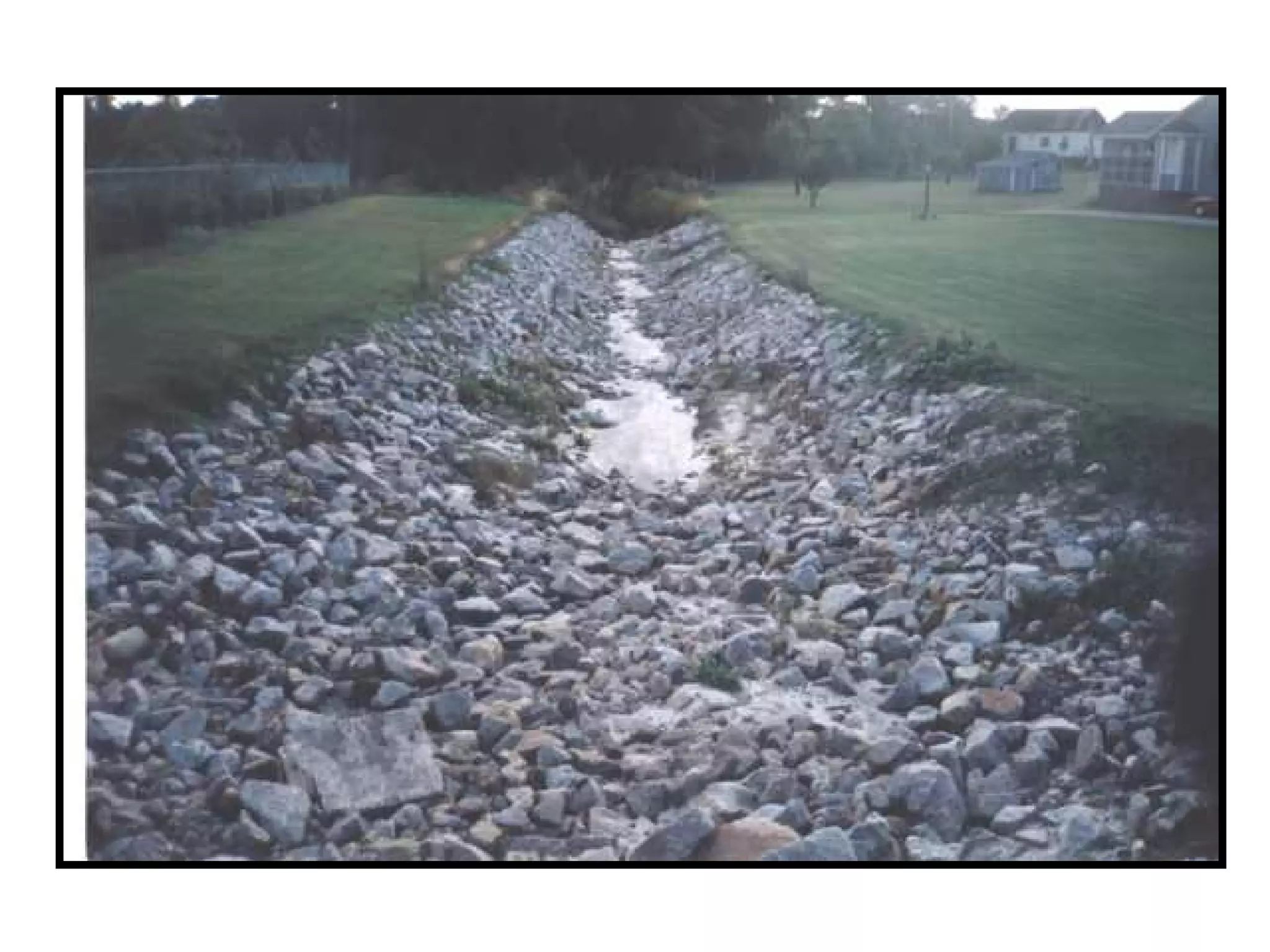
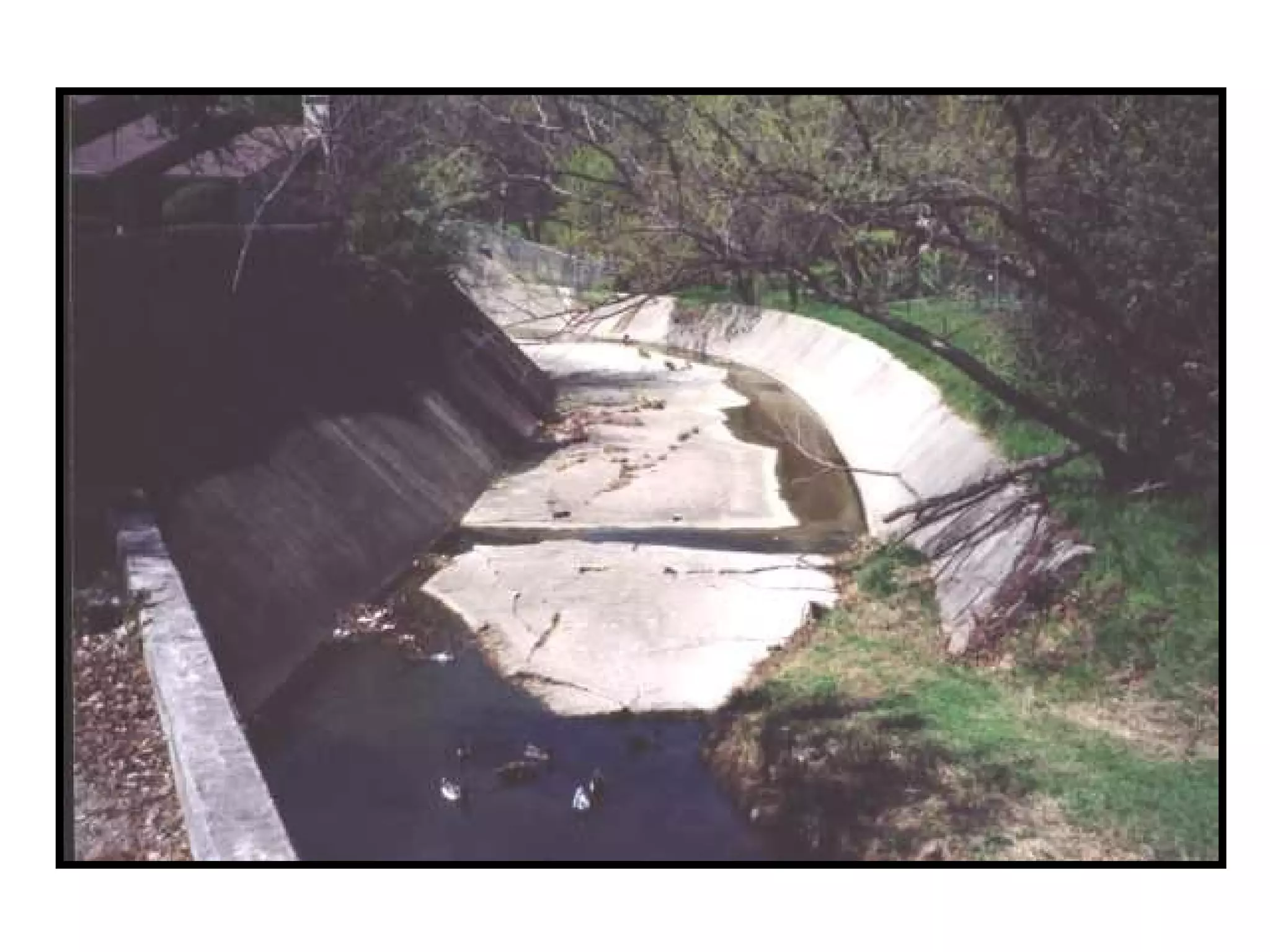
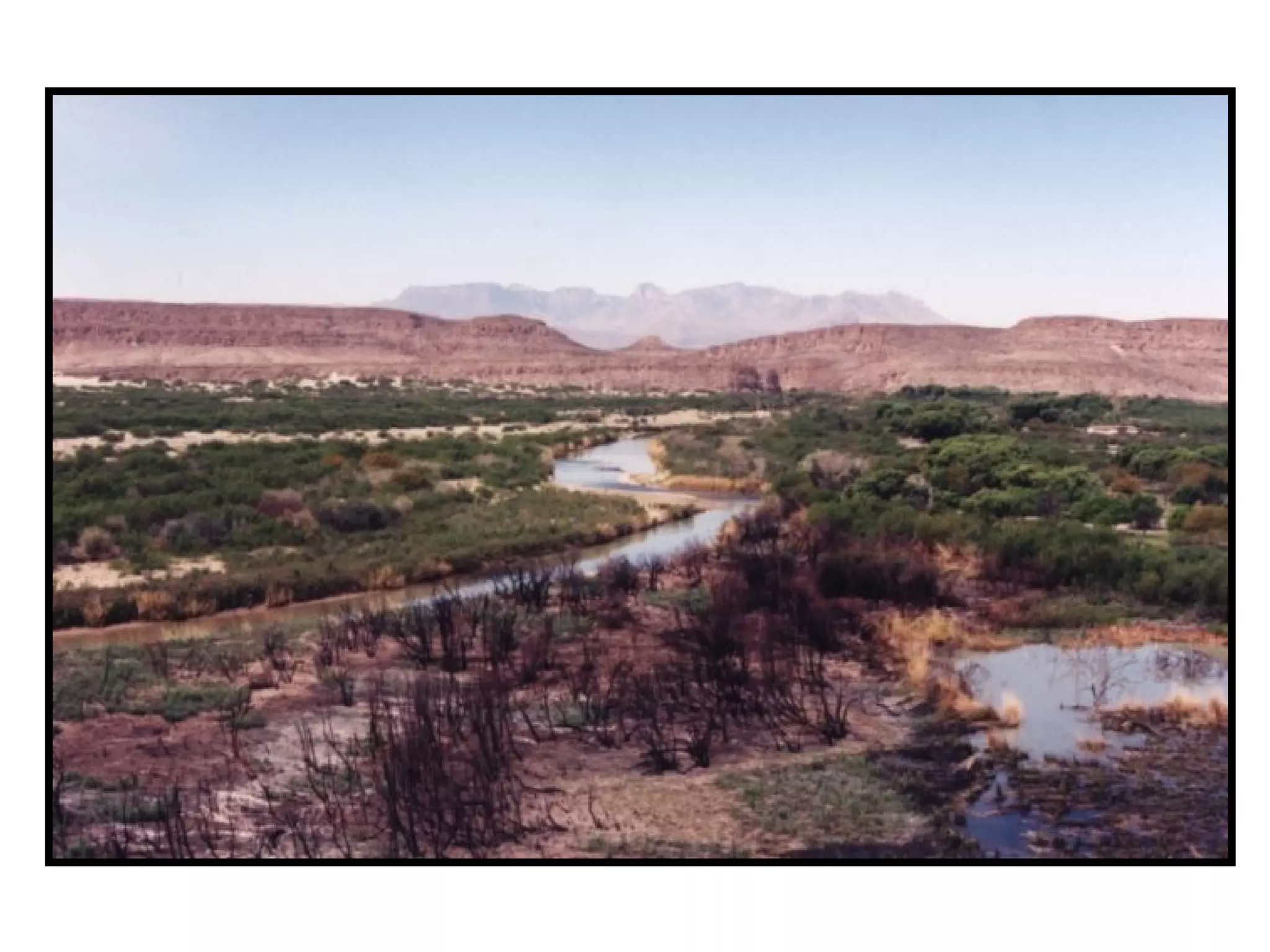
Streams
AKA…creek, brook, branch, bayou, slough,
ditch, etc.
• Perennial Streams- contain water
throughout the year
• Intermittent (or Ephemeral) Streams-
contain water only part of the year
Both are protected under law
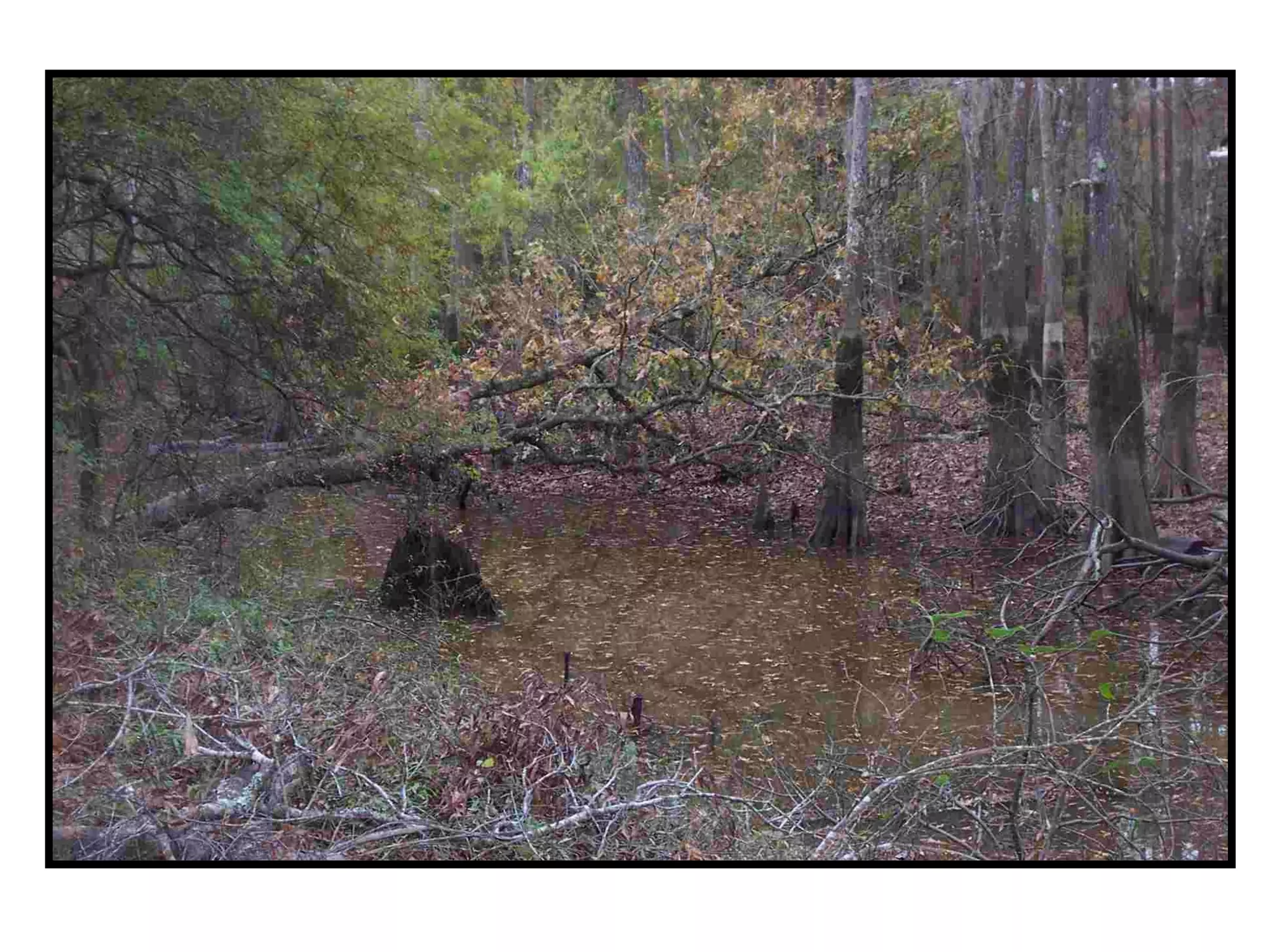
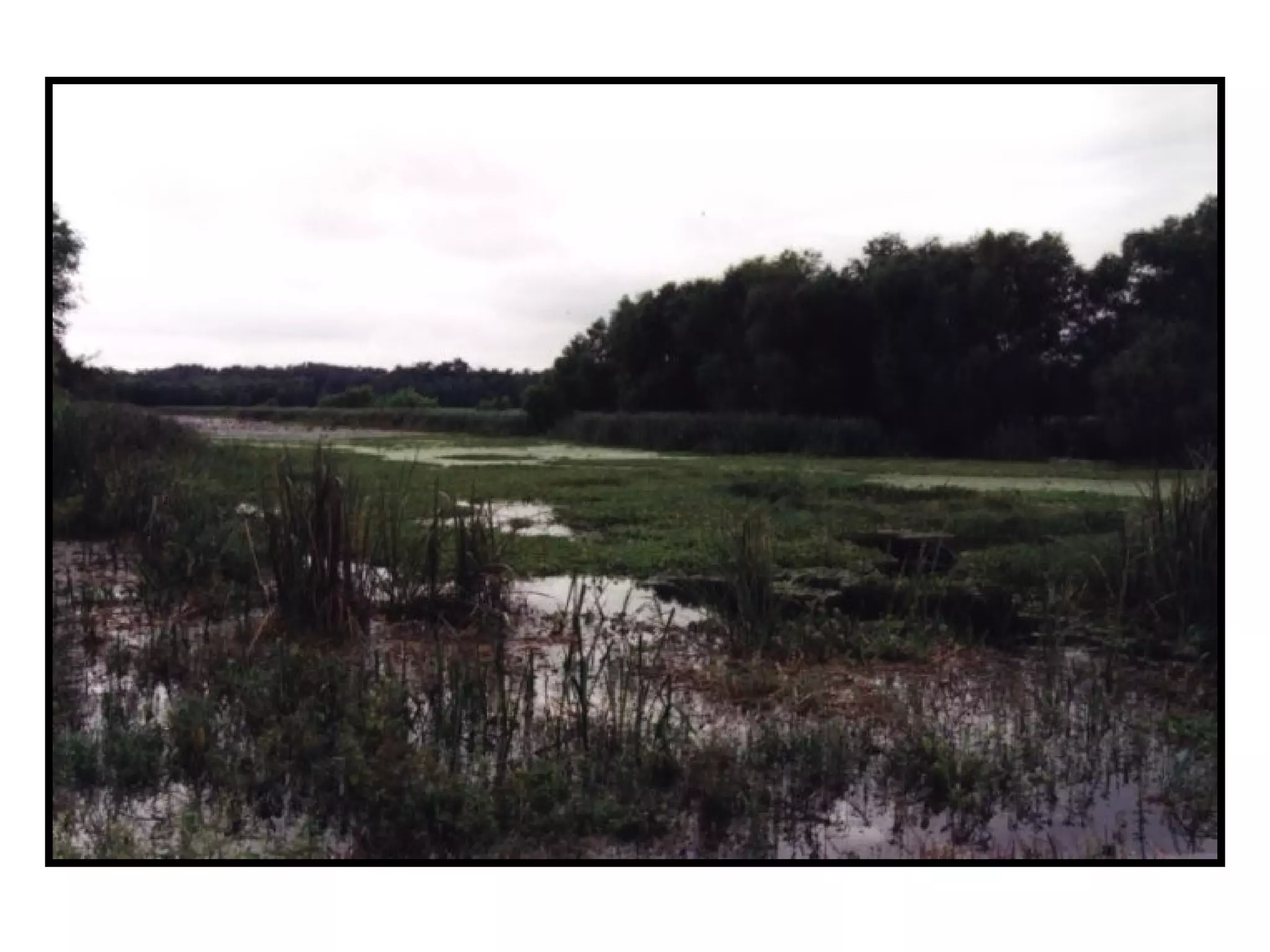
Definition of “Wetlands”
“Those areas that are inundated or
saturated by surface or ground water at a
frequency and duration sufficient to
support, and that under normal
circumstances, do support, a prevalence
of vegetation typically adapted for life in
saturated soil conditions.”
(Jointly defined by USACE and EPA)
What Defines Wetland?
3 Criteria
• Water (hydrology)
• Plants (hydrophytic vegetation)
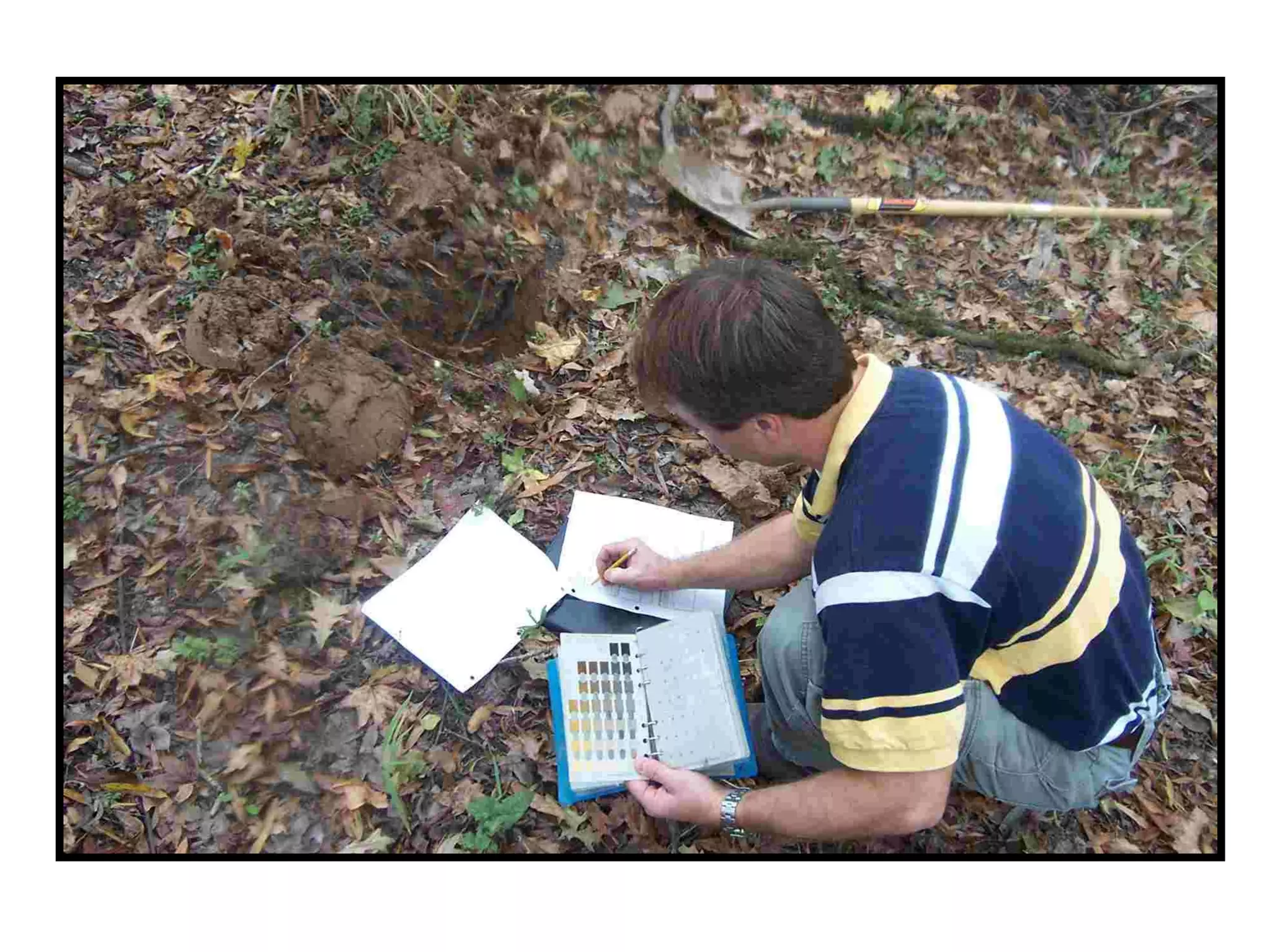
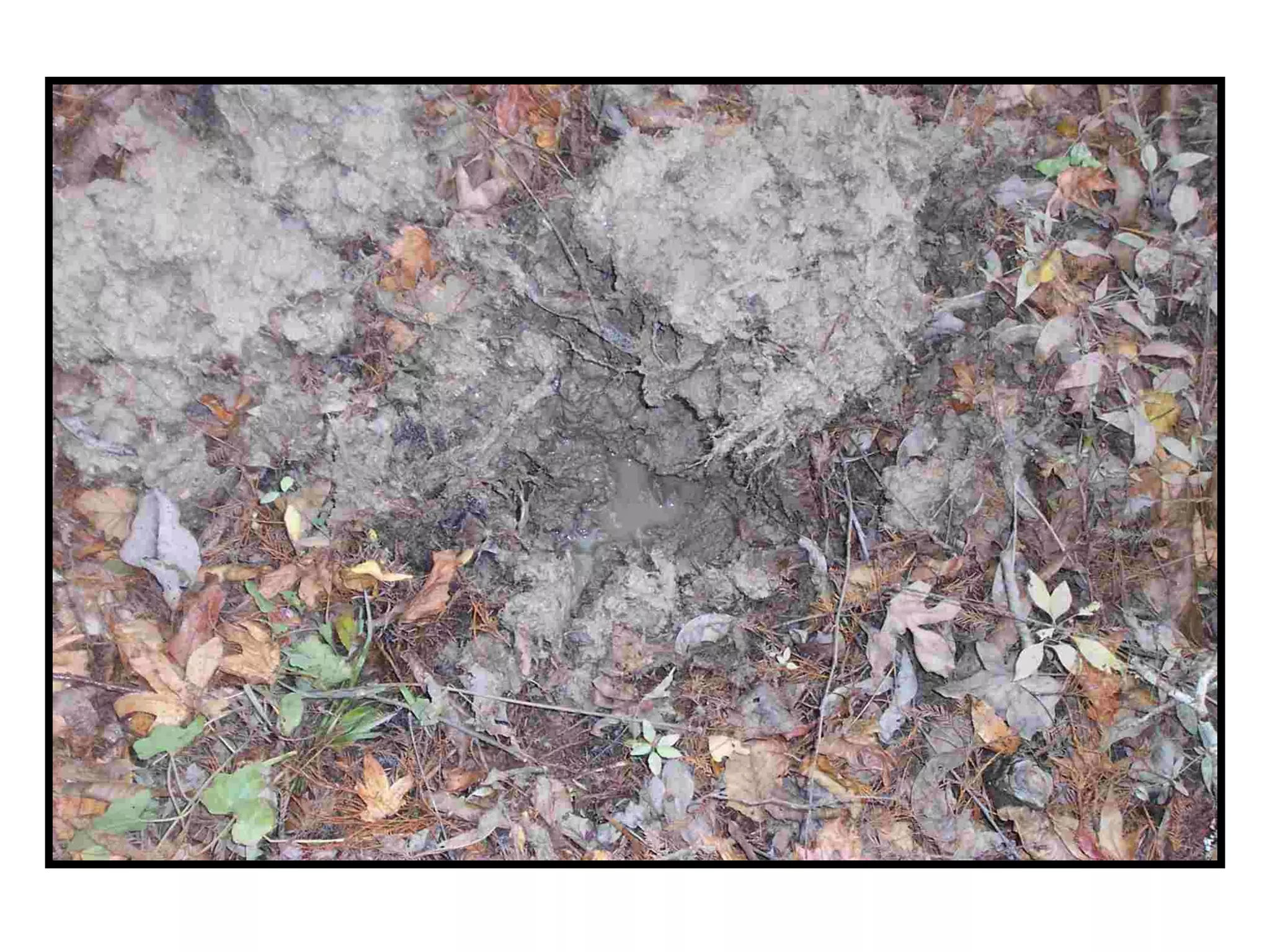
• Soils (hydric soils)
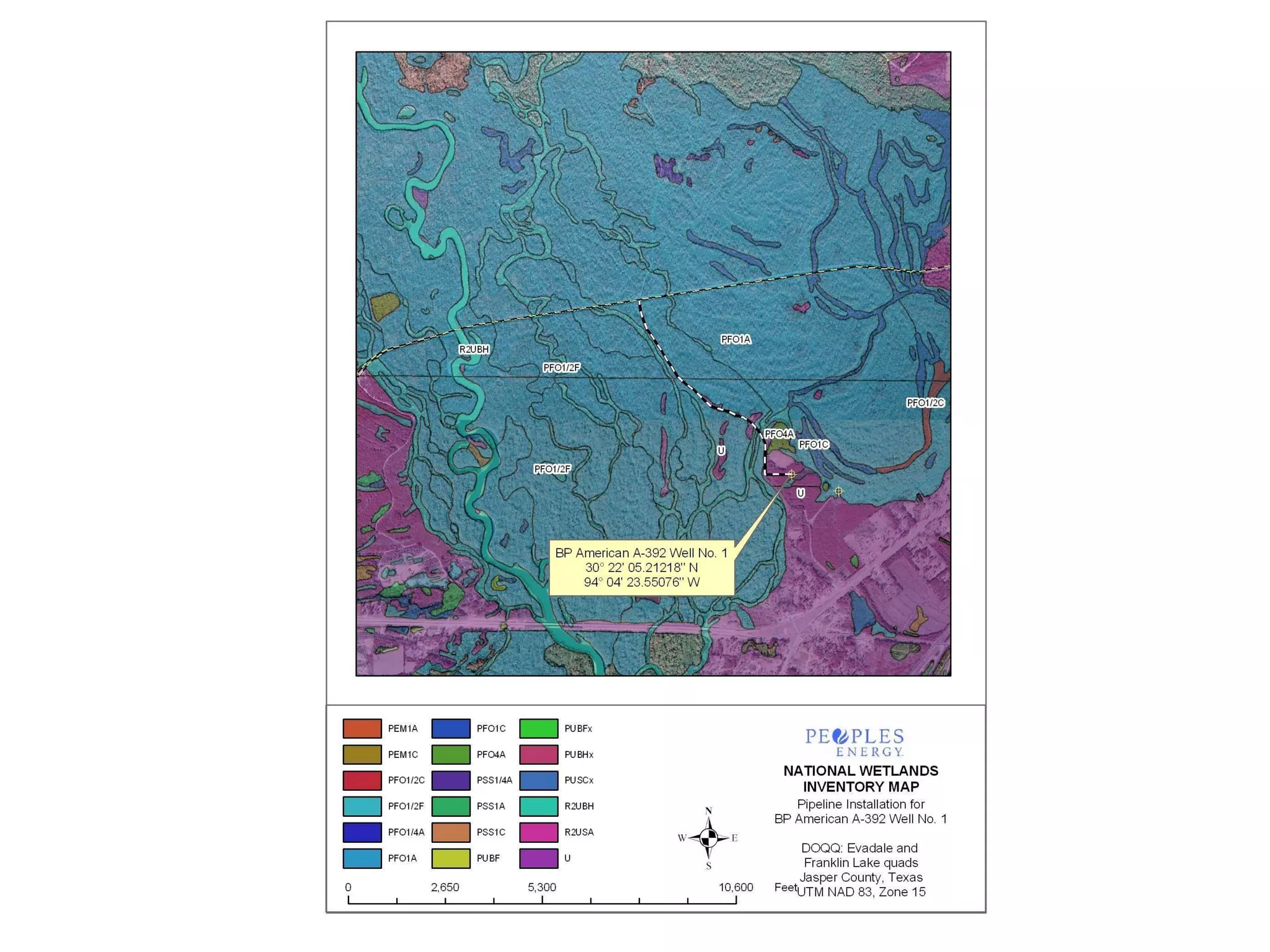
Cowardin Classification System
• Adopted by the USFWS to prepare the
National Wetlands Inventory (NWI)
• Classified wetlands into 5 systems:
– Marine
– Estuarine (salt water/freshwater transition)
– Riverine
– Lacustrine (“lake”)
– Palustrine (“forest”)
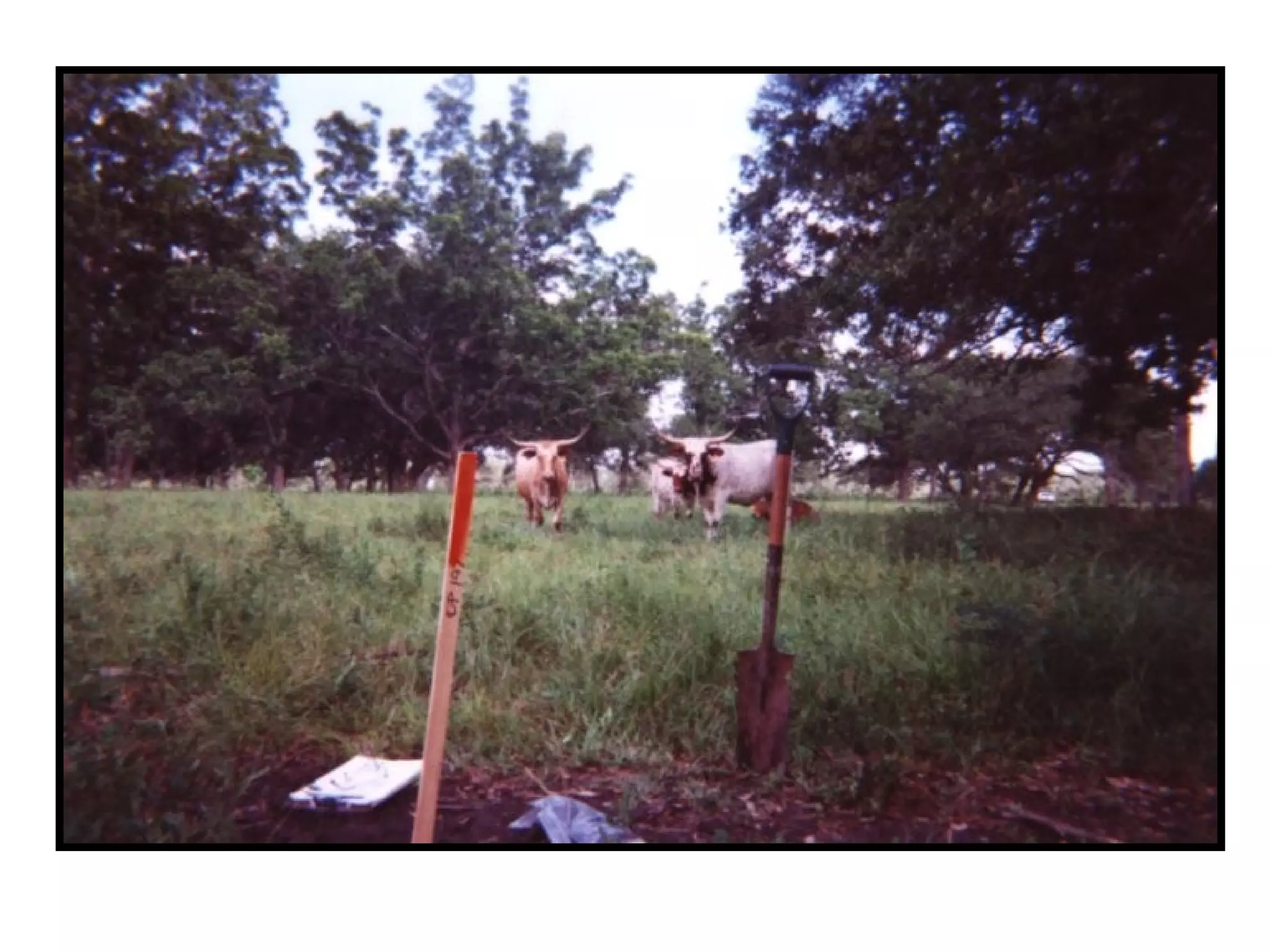
Wetland Survey and Evaluation
• Wetland Assessment/Determination
– General overview, professional opinion
– Project planning considerations
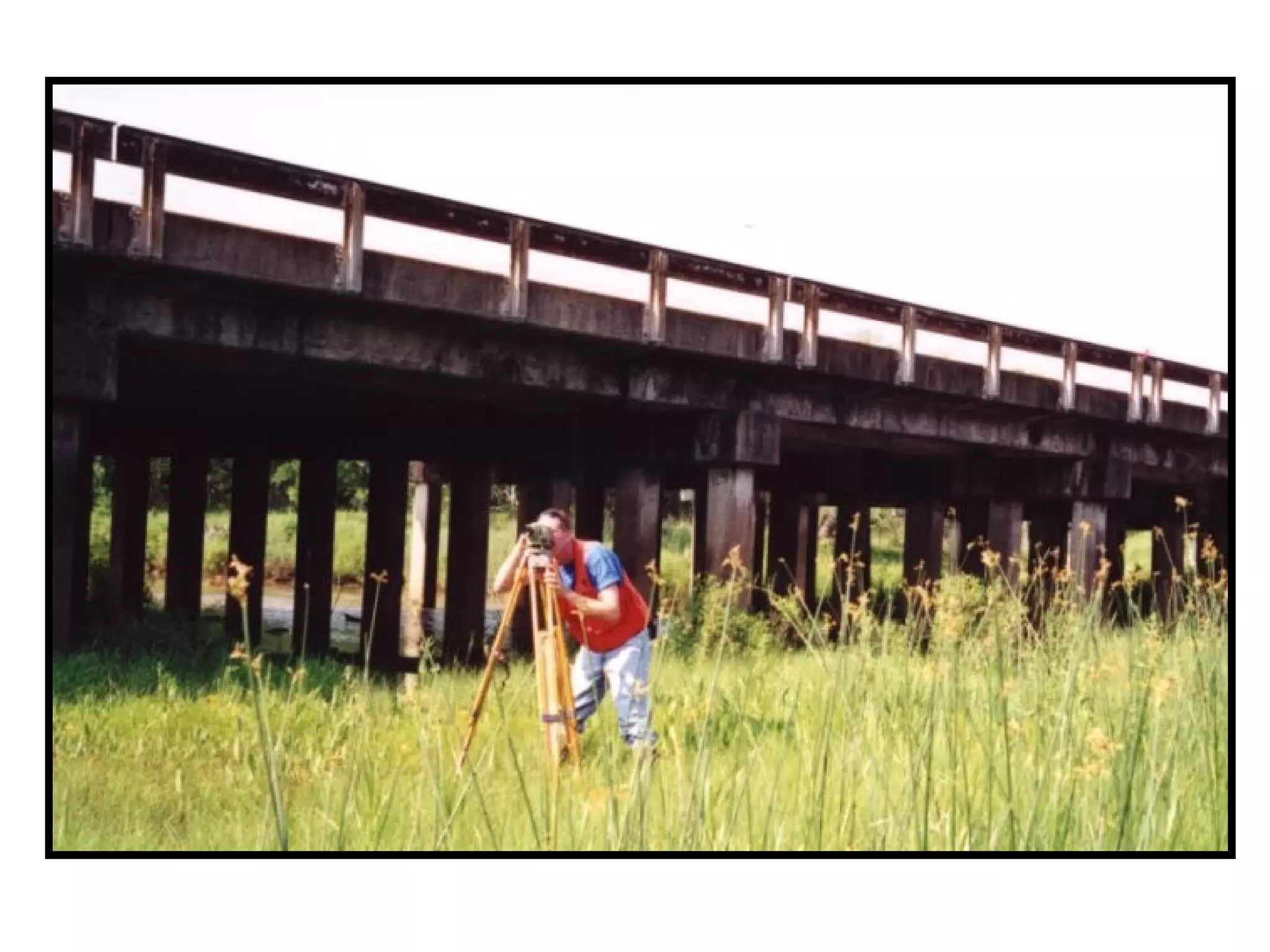
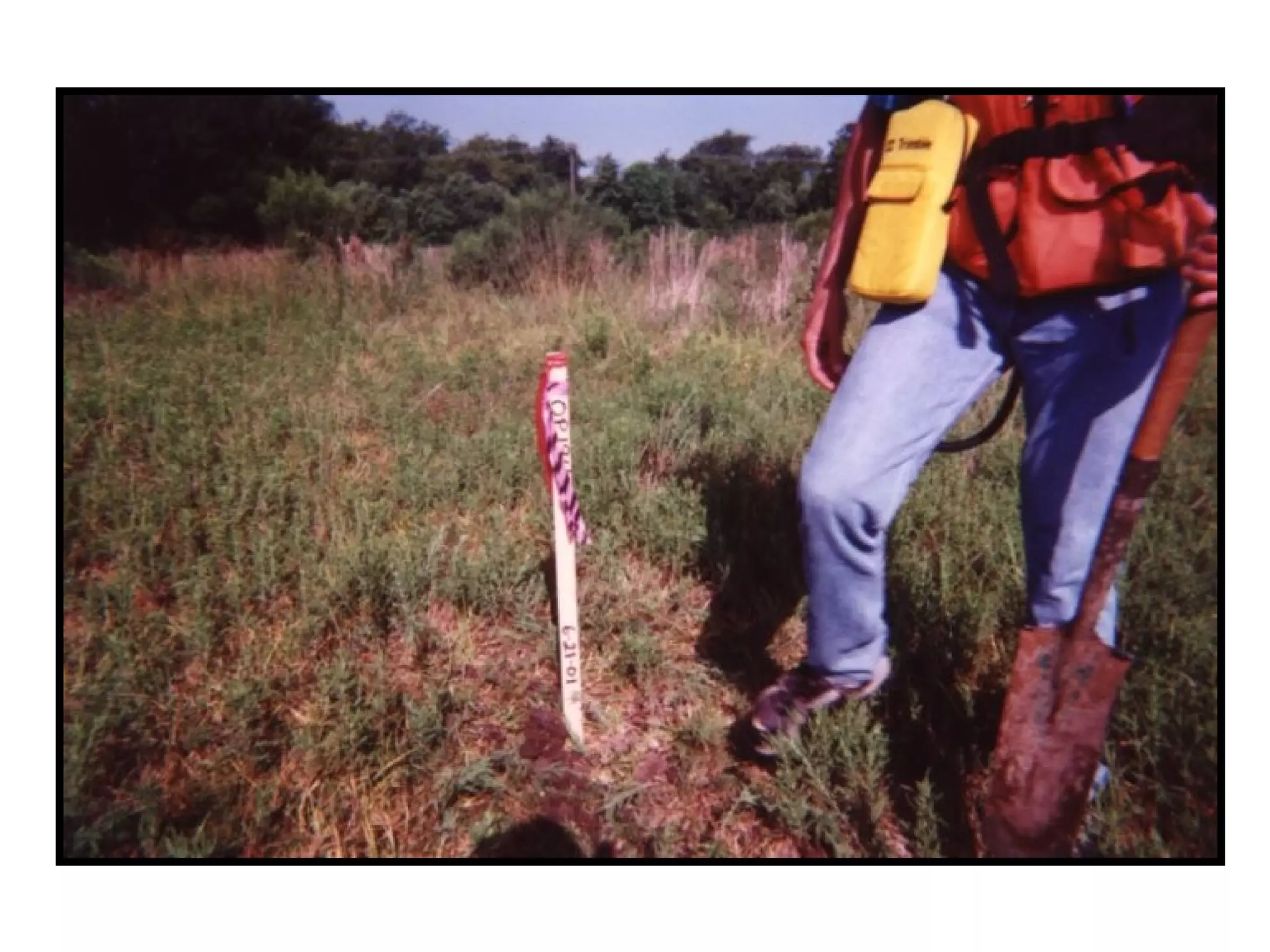
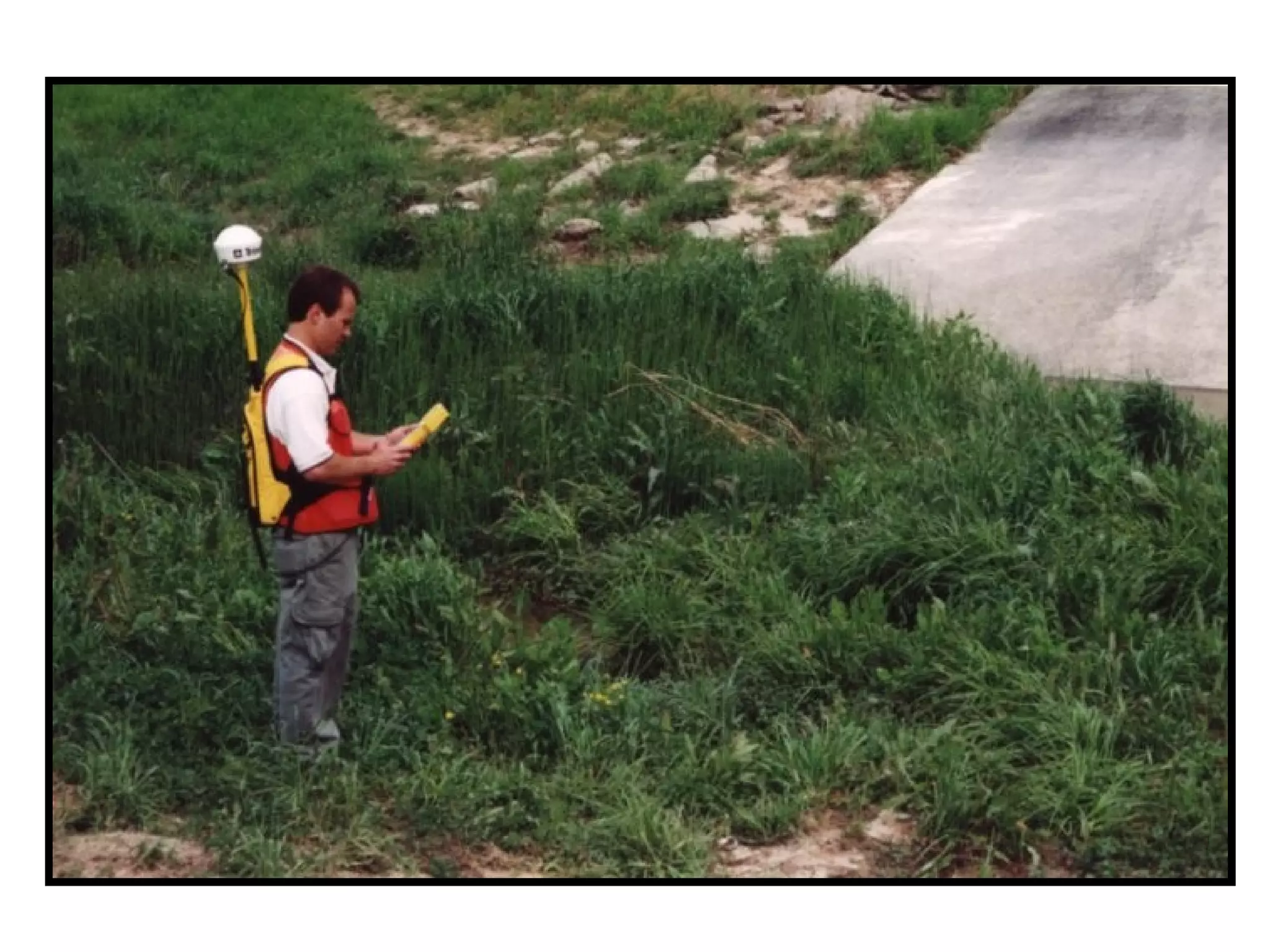
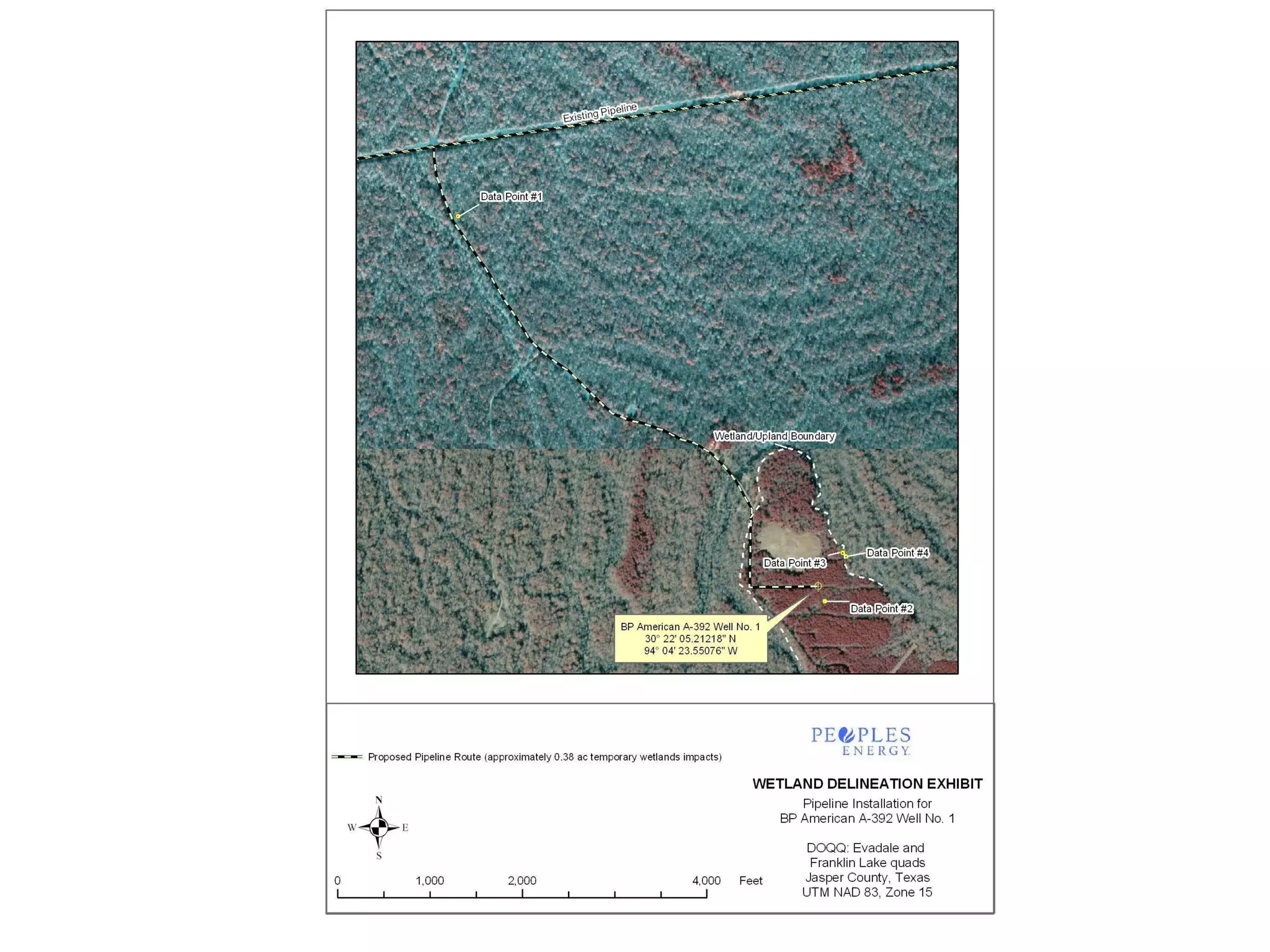
• Wetland Delineation
– Collect field data
– Survey and impact calculation
• Wetland Functional Assessment
– Rating of functions and values
Decision-Making Tools
• National Wetlands Inventory maps
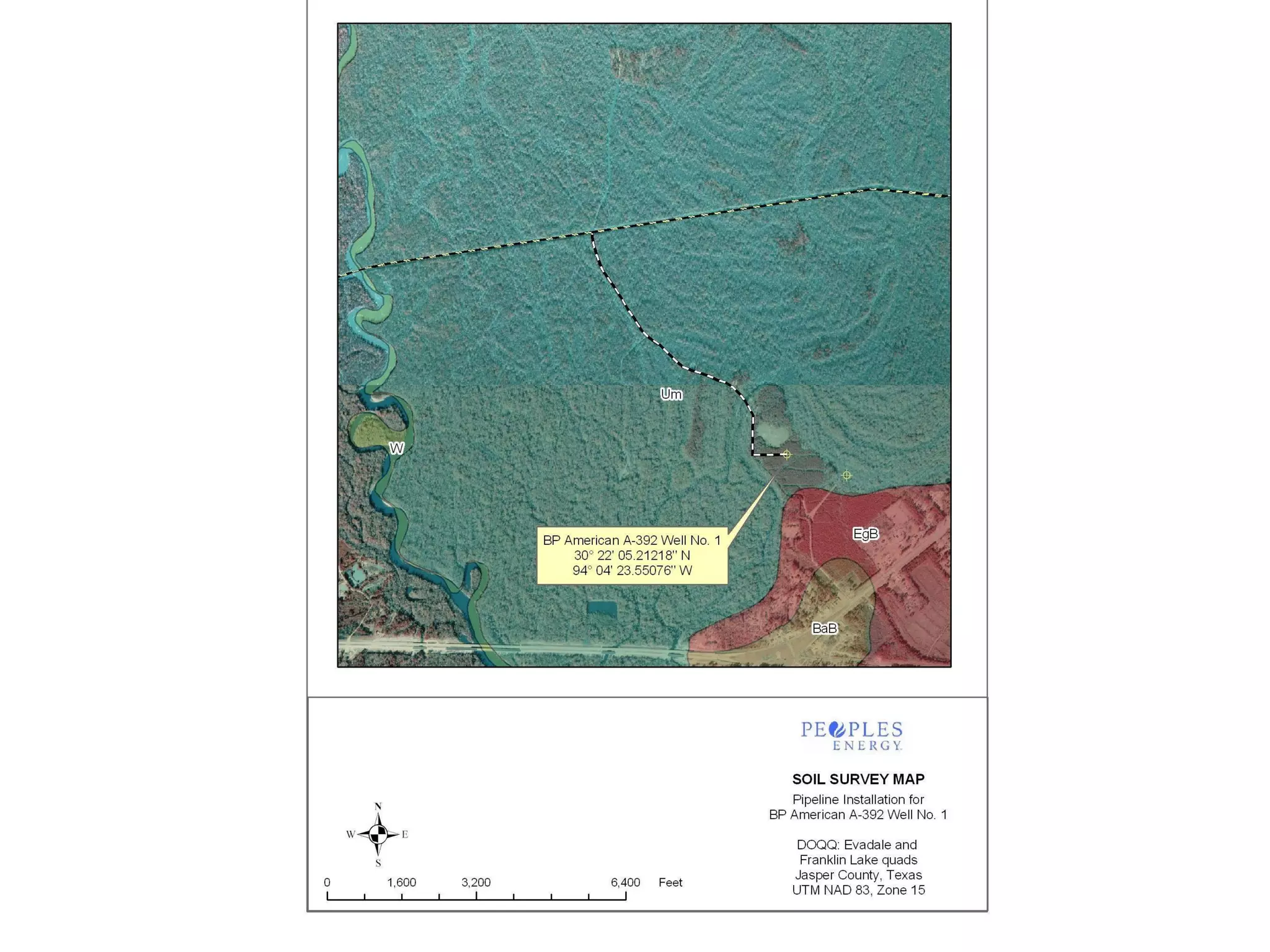
• County/Parish soil surveys
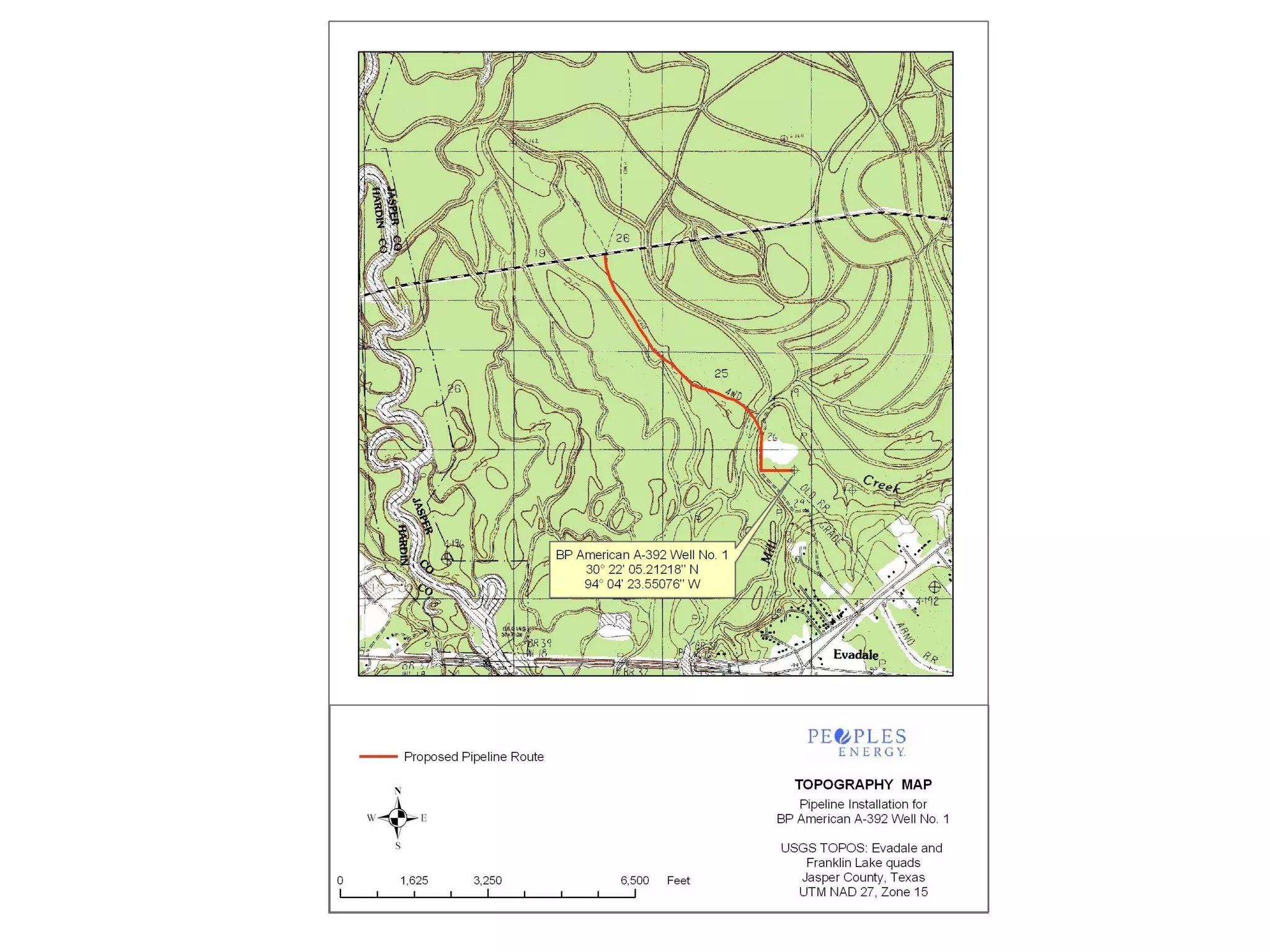
• USGS quadrangles
• Floodplain maps
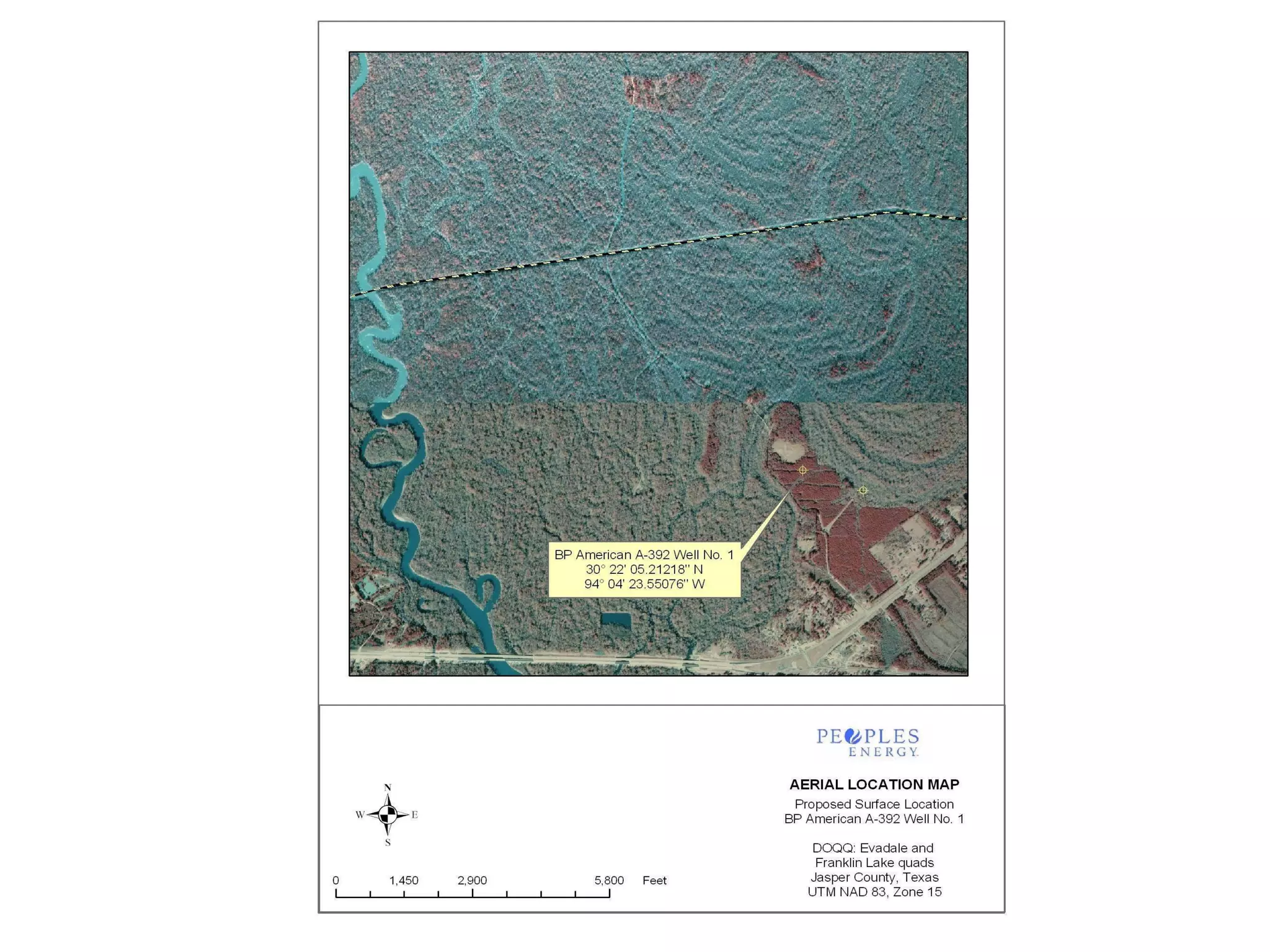
• Infrared aerial photos
most are available in digital/GIS format
U.S. ArmyU.S. Army
Corps of EngineersCorps of Engineers
Regulatory ProgramRegulatory Program
Rivers and Harbors Act of 1899
Sections 9 and 10
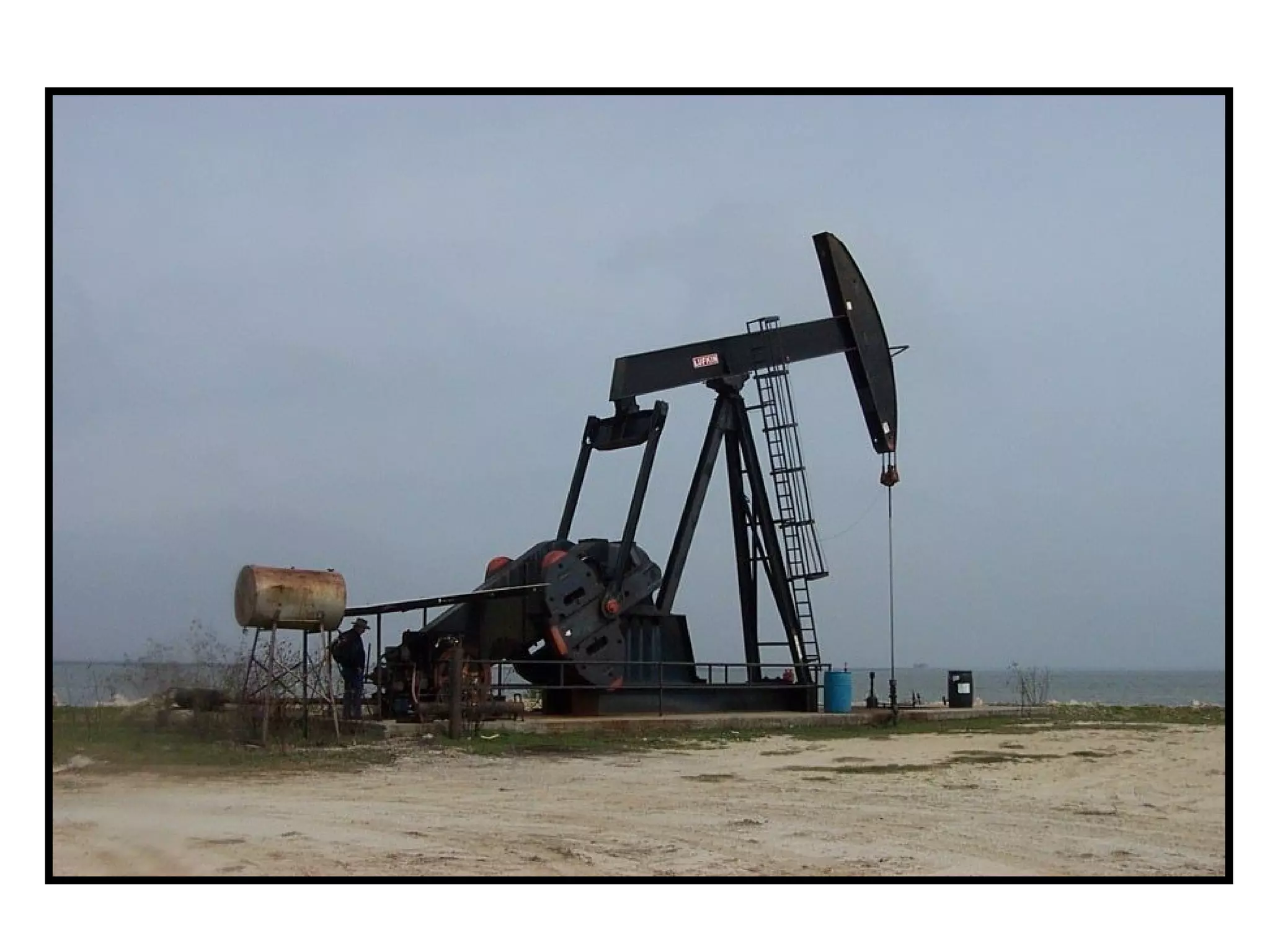
• Structures in Navigable Waters – piers, docks, oil
rigs, pipelines, power transmission lines, permanently
moored vessels, etc.
• Work in Navigable Waters – dredging or disposal of
dredged material, excavation, filling, or other
modification of a navigable water
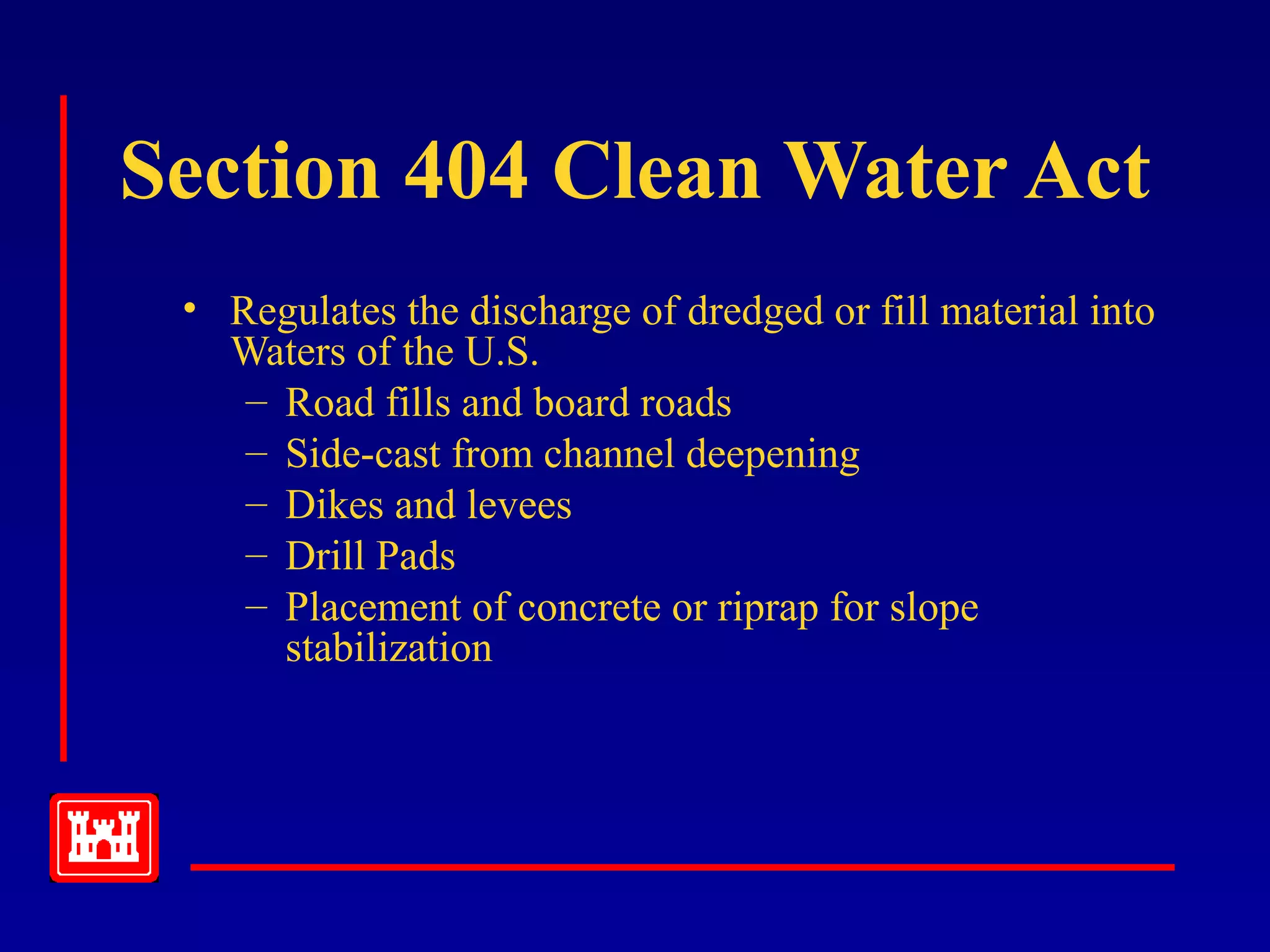
Section 404 Clean Water Act
• Regulates the discharge of dredged or fill material into
Waters of the U.S.
– Road fills and board roads
– Side-cast from channel deepening
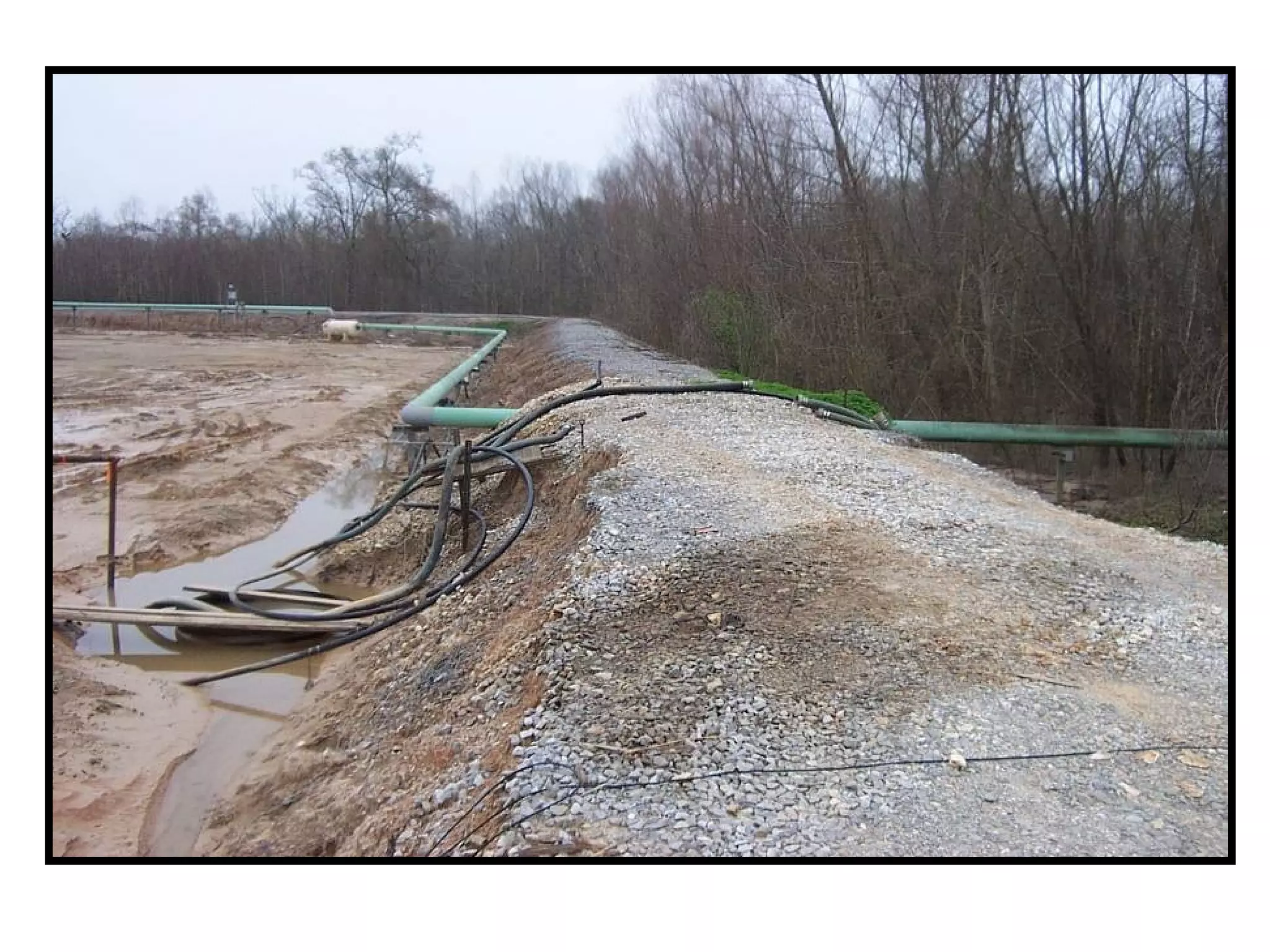
– Dikes and levees
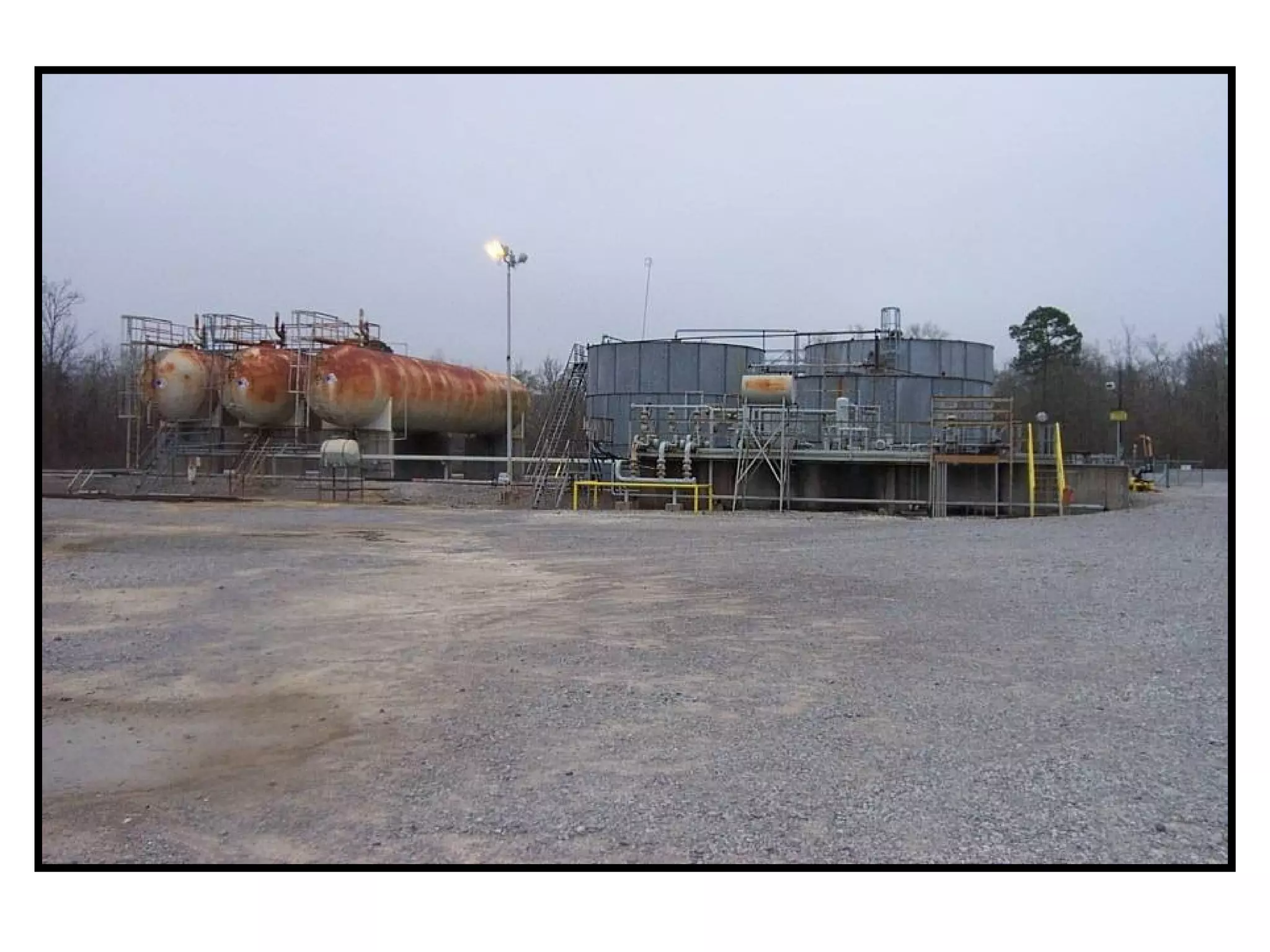
– Drill Pads
– Placement of concrete or riprap for slope
stabilization
Section 404 Permits
• Individual Permits
– Pre-application coordination meeting
– Rigorous alternatives analysis
– Full public interest review and public notice
Section 404 Permits (cont.)
• General and Regional Permits
– Issued for a category or categories of
projects which are similar in nature
– Activities cause minimal individual and
cumulative environmental impacts
– Result in avoiding unnecessary regulatory
control by other agencies
Section 404 Permits (cont.)
• Nationwide Permits
– Activity-specific
– Involve minor impacts
– Require pre-construction notification (PCN)
– 30-day Corps review period
Section 401 Clean Water Act
State Water Quality Certification (DEQ)
– May involve joint coordination with the Corps
– State imposed application/review process
– Often more stringent than federal guidelines
– Not required for coverage under NWPs
Corps Review—
Step Wise Process
1) Avoidance?
2) Minimization?
3) Compensation?
Compensation?
• Preserve existing wetlands
• Enhance existing wetlands
• Creation
• Mitigation Banking
• In-Lieu Fee
ratios are established for each option
What services can JCC perform?
• Assessment/determination
• Delineation
• Functions and values assessment
• Permitting
• Mitigation planning
• Mitigation design
Questions?, Comments?

Presentation (3-9-04)

  • 1.
    Waters & Wetlands SubjectOverview and Regulations
  • 2.
    “Jurisdictional” Features which areregulated, or protected under law
  • 3.
    Waters of theUnited States • Tidal waters and adjacent wetlands • Non-tidal waters including adjacent wetlands and certain isolated wetlands. • Impoundments of waters (e.g. lakes and ponds) • Tributaries of waters
  • 4.
    Streams AKA…creek, brook, branch,bayou, slough, ditch, etc. • Perennial Streams- contain water throughout the year • Intermittent (or Ephemeral) Streams- contain water only part of the year Both are protected under law
  • 16.
    Definition of “Wetlands” “Thoseareas that are inundated or saturated by surface or ground water at a frequency and duration sufficient to support, and that under normal circumstances, do support, a prevalence of vegetation typically adapted for life in saturated soil conditions.” (Jointly defined by USACE and EPA)
  • 17.
    What Defines Wetland? 3Criteria • Water (hydrology) • Plants (hydrophytic vegetation) • Soils (hydric soils)
  • 18.
    Cowardin Classification System •Adopted by the USFWS to prepare the National Wetlands Inventory (NWI) • Classified wetlands into 5 systems: – Marine – Estuarine (salt water/freshwater transition) – Riverine – Lacustrine (“lake”) – Palustrine (“forest”)
  • 31.
    Wetland Survey andEvaluation • Wetland Assessment/Determination – General overview, professional opinion – Project planning considerations • Wetland Delineation – Collect field data – Survey and impact calculation • Wetland Functional Assessment – Rating of functions and values
  • 32.
    Decision-Making Tools • NationalWetlands Inventory maps • County/Parish soil surveys • USGS quadrangles • Floodplain maps • Infrared aerial photos most are available in digital/GIS format
  • 46.
    U.S. ArmyU.S. Army Corpsof EngineersCorps of Engineers Regulatory ProgramRegulatory Program
  • 47.
    Rivers and HarborsAct of 1899 Sections 9 and 10 • Structures in Navigable Waters – piers, docks, oil rigs, pipelines, power transmission lines, permanently moored vessels, etc. • Work in Navigable Waters – dredging or disposal of dredged material, excavation, filling, or other modification of a navigable water
  • 48.
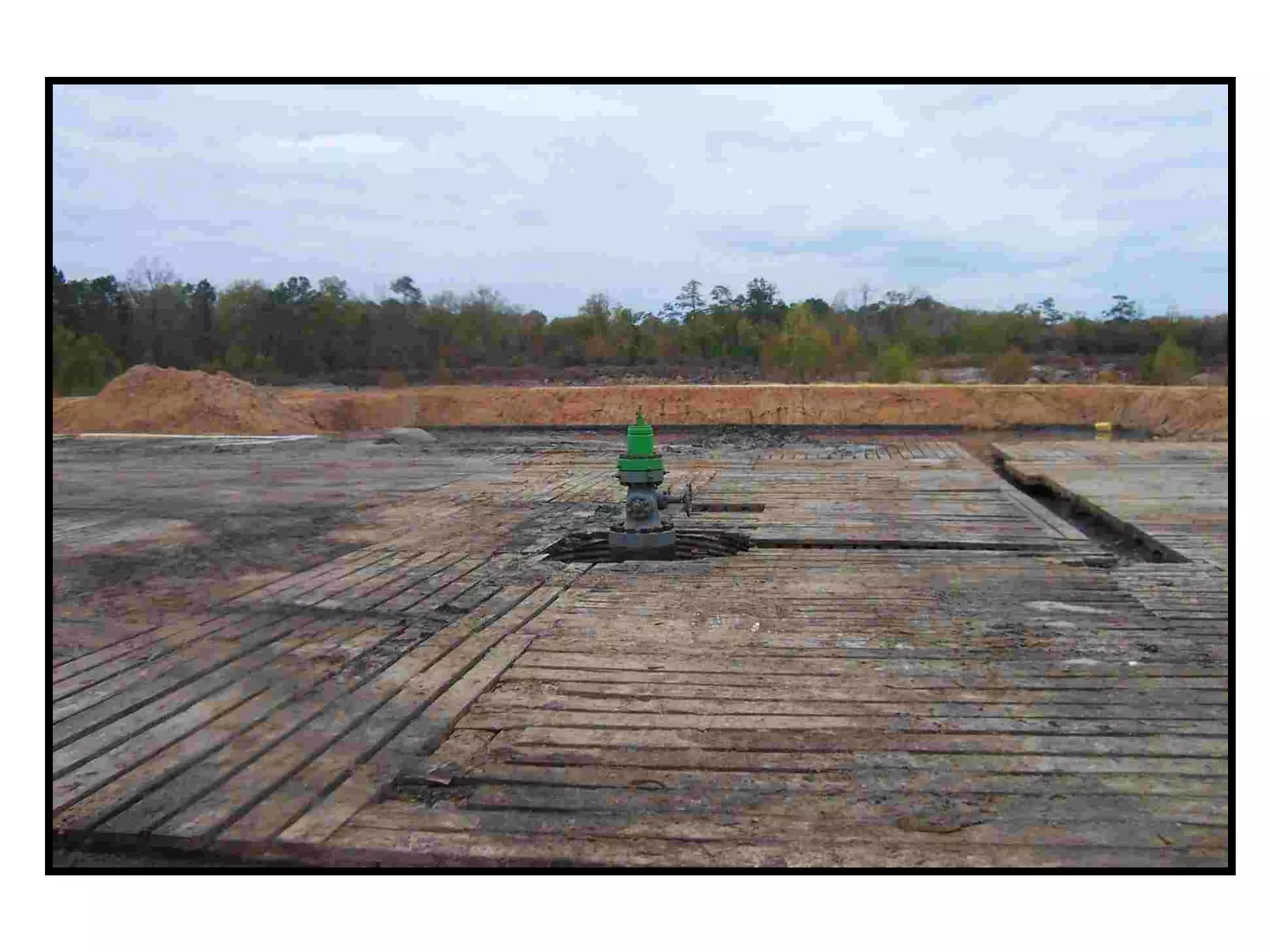
    Section 404 CleanWater Act • Regulates the discharge of dredged or fill material into Waters of the U.S. – Road fills and board roads – Side-cast from channel deepening – Dikes and levees – Drill Pads – Placement of concrete or riprap for slope stabilization
  • 56.
    Section 404 Permits •Individual Permits – Pre-application coordination meeting – Rigorous alternatives analysis – Full public interest review and public notice
  • 57.
    Section 404 Permits(cont.) • General and Regional Permits – Issued for a category or categories of projects which are similar in nature – Activities cause minimal individual and cumulative environmental impacts – Result in avoiding unnecessary regulatory control by other agencies
  • 58.
    Section 404 Permits(cont.) • Nationwide Permits – Activity-specific – Involve minor impacts – Require pre-construction notification (PCN) – 30-day Corps review period
  • 59.
    Section 401 CleanWater Act State Water Quality Certification (DEQ) – May involve joint coordination with the Corps – State imposed application/review process – Often more stringent than federal guidelines – Not required for coverage under NWPs
  • 60.
    Corps Review— Step WiseProcess 1) Avoidance? 2) Minimization? 3) Compensation?
  • 61.
    Compensation? • Preserve existingwetlands • Enhance existing wetlands • Creation • Mitigation Banking • In-Lieu Fee ratios are established for each option
  • 66.
    What services canJCC perform? • Assessment/determination • Delineation • Functions and values assessment • Permitting • Mitigation planning • Mitigation design
  • 67.