© Health Catalyst. Confidential and Proprietary.
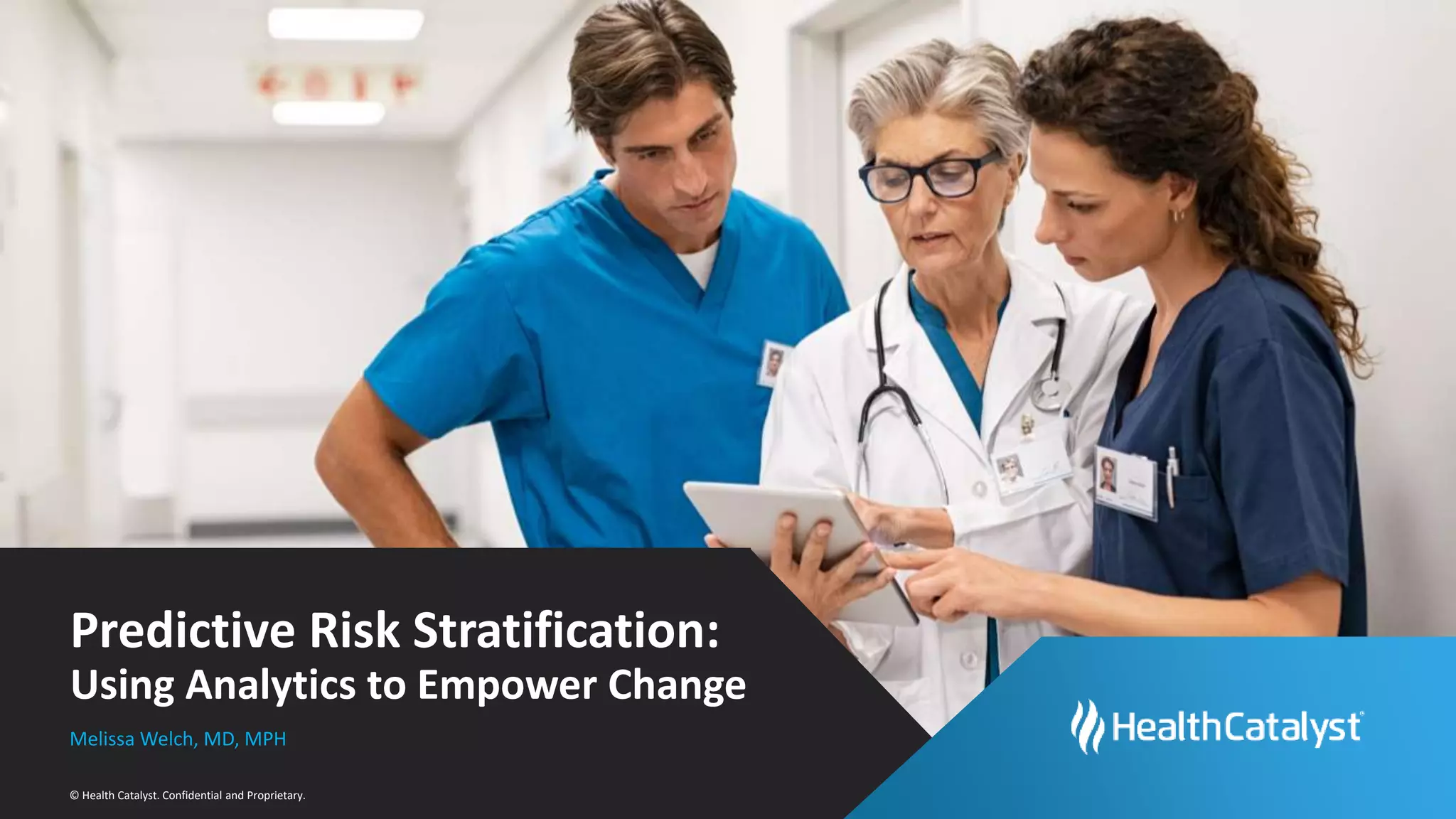
Predictive Risk Stratification:
Using Analytics to Empower Change
Melissa Welch, MD, MPH
Agenda
 Introduction
 The Care Team Burnout Challenges
 Risk Stratification Best Practices and Models
 High-Value Data Inputs
 Measuring Outcomes
 Review and Questions
© Health Catalyst. Confidential and Proprietary.
Melissa Welch, MD, MPH
Chief Medical Officer, Health Catalyst
 Physician executive with 35 years of leadership, management, and
healthcare strategic impacts
 Private and public healthcare sectors, academic, and community
 Successfully built physician and allied clinical teams, stabilized
quality and operations, and executed critical value-based care
results
 Prior tenures: InnovAge PACE, Blue Shield of California, United
Healthcare, Aetna, and San Francisco’s Community Health Network
 Board Certified in Primary Care, Internal Medicine;
MPH, Epidemiology
© Health Catalyst. Confidential and Proprietary.
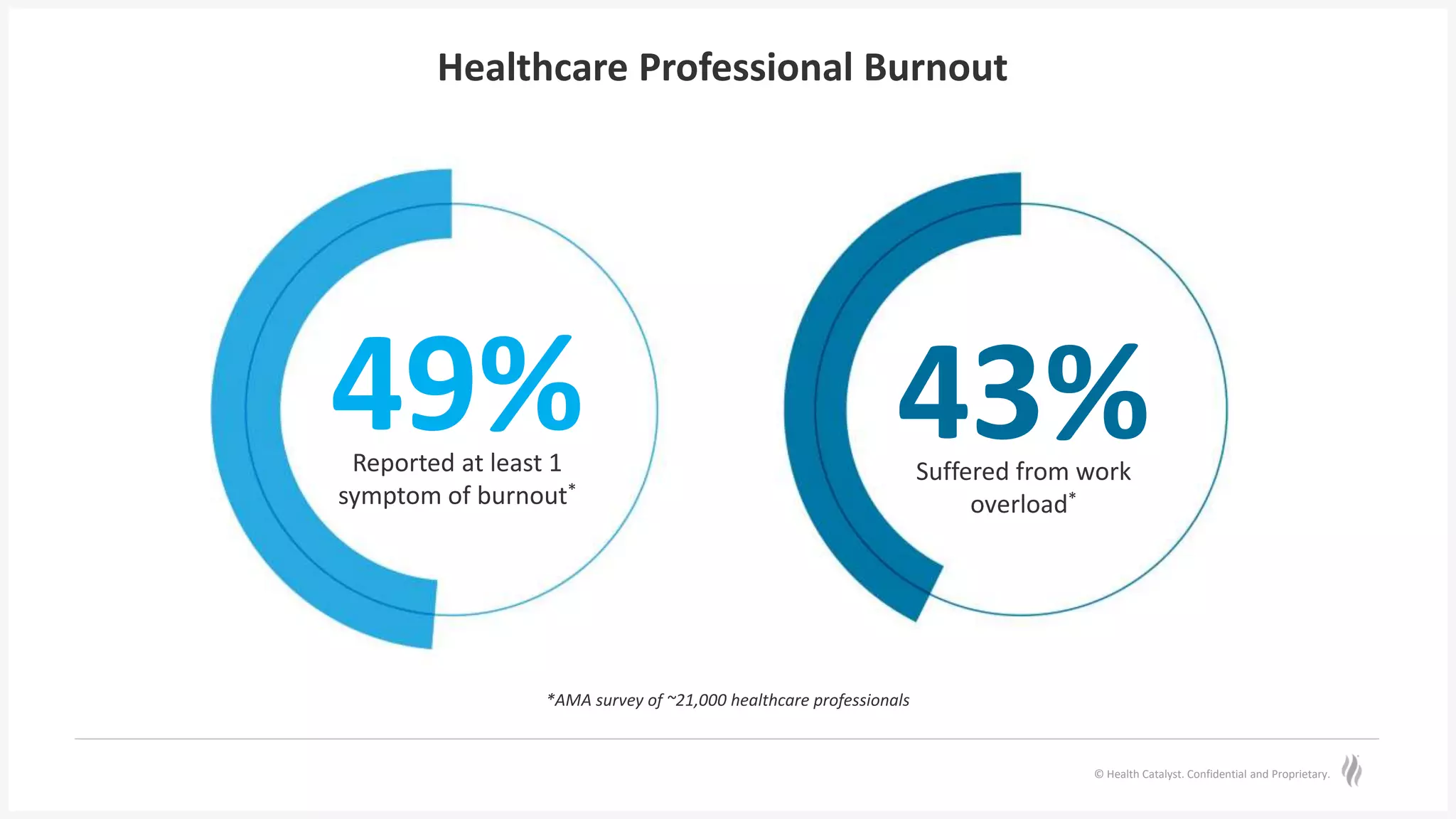
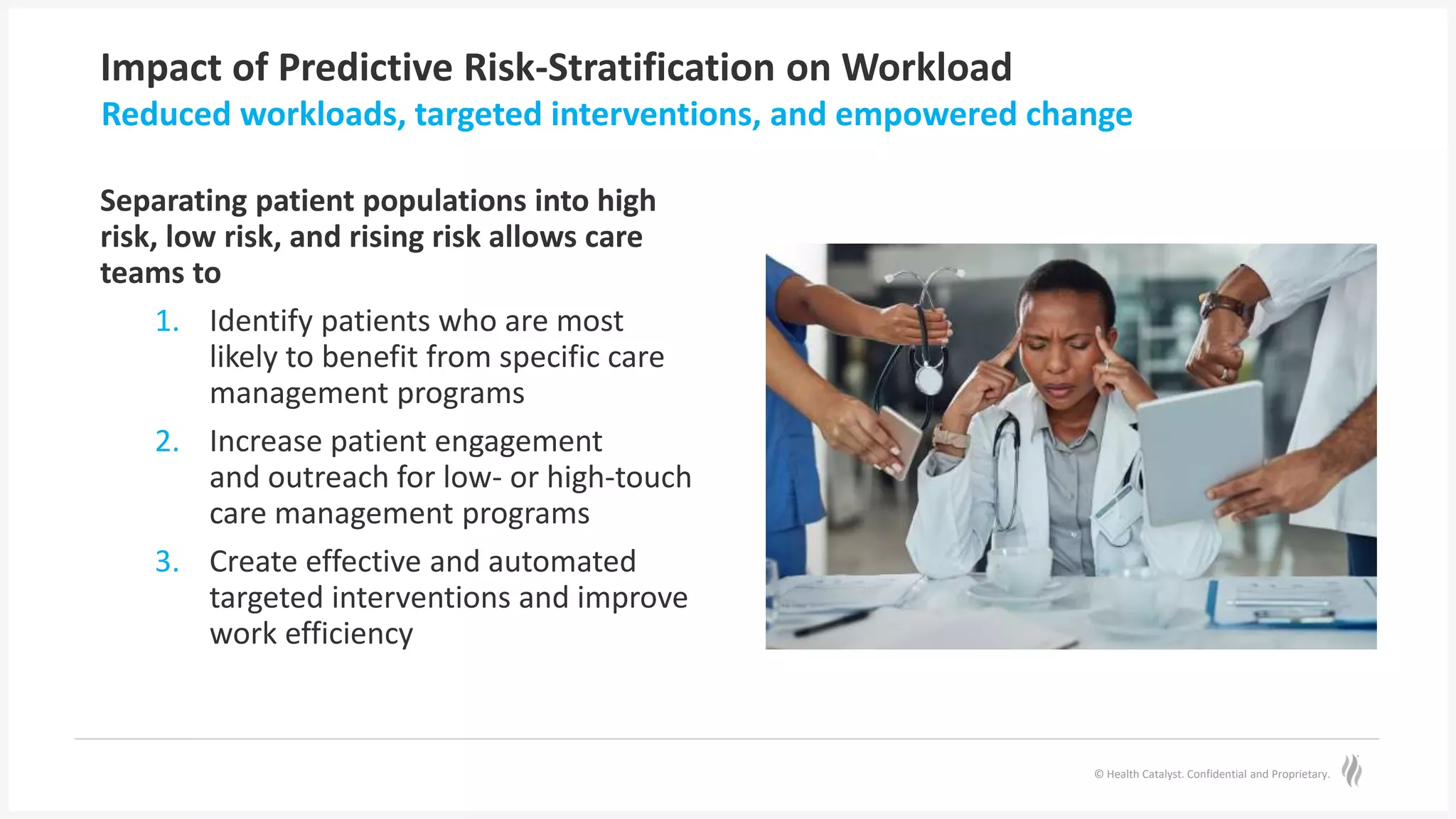
Healthcare Professional Burnout
49%
Reported at least 1
symptom of burnout*
*AMA survey of ~21,000 healthcare professionals
43%
Suffered from work
overload*
© Health Catalyst. Confidential and Proprietary.
Cost of Healthcare Professional Burnout
The costs of clinician burnout are steep; a 2019 study estimated that physician burnout costs the US
healthcare industry $4.6 billion annually, mostly through clinician turnover and a reduction of clinical
hours.1
~20% of healthcare workers have quit, and 4 out of 5 of those who remain say staff shortages have
affected their ability to work safely and satisfy patient needs.2
Approximately 85% of older adults have at least 1 chronic condition, and 60% have at least 2 chronic
conditions.3
U.S. healthcare costs currently exceed 17% of GDP and continue to rise.4
An aging population and the associated increasing numbers of people with chronic conditions are
placing unprecedented demands on health and social care services, both nationally and
internationally.5
Steep and still rising
1.Blanding M. The economic cost of physician burnout. Harvard Business School. September 25, 2019.
Accessed December 9, 2021. https://hbs.me/3lQISOa
2. webinar hosted by U.S. News & World Report
3. Center for Disease Control
4. Harvard Business Review
5.https://www.ncbi.nlm.nih.gov/pmc/articles/PMC3776003/
© Health Catalyst. Confidential and Proprietary.
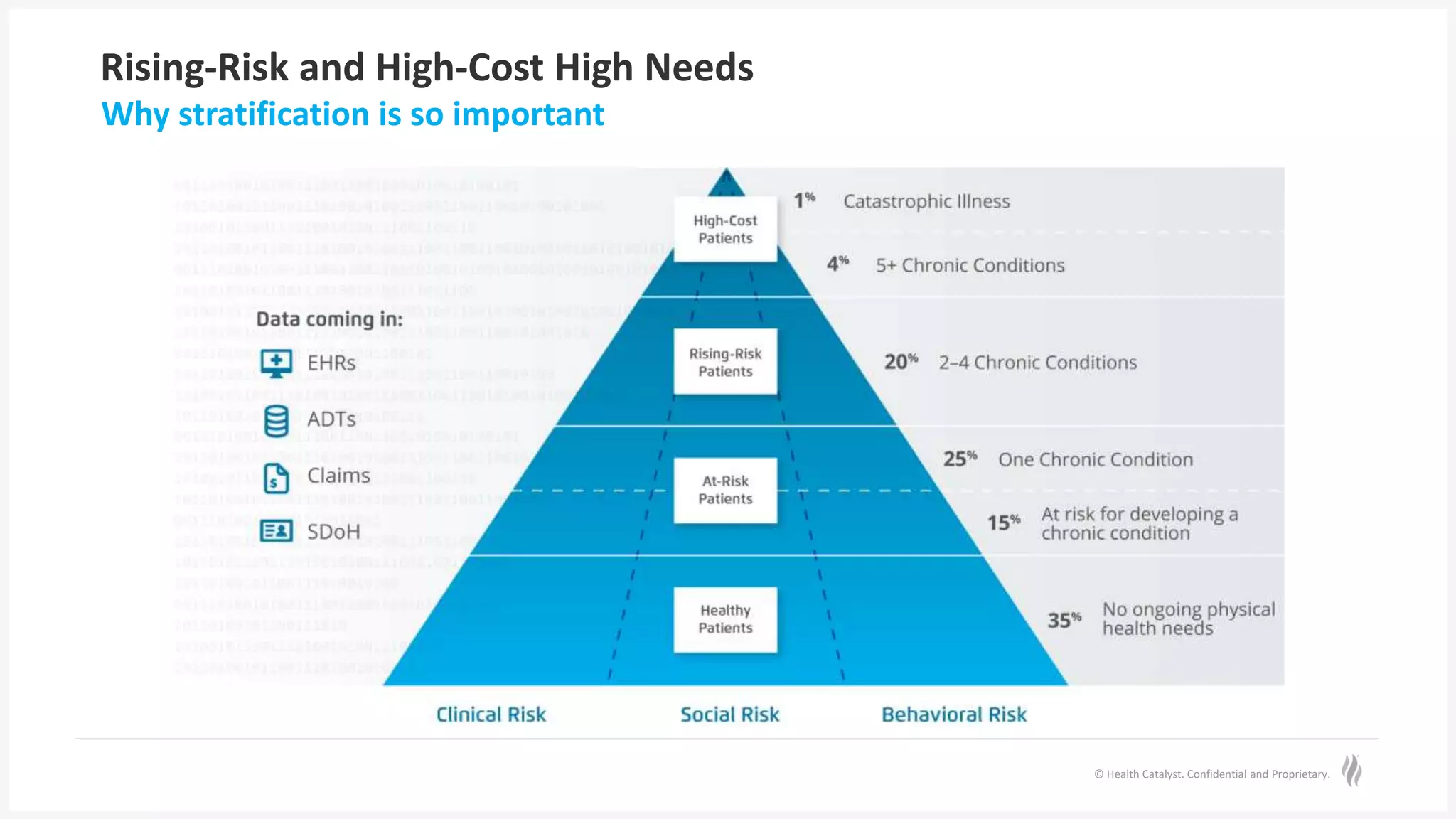
Impact of Predictive Risk-Stratification on Workload
Separating patient populations into high
risk, low risk, and rising risk allows care
teams to
1. Identify patients who are most
likely to benefit from specific care
management programs
2. Increase patient engagement
and outreach for low- or high-touch
care management programs
3. Create effective and automated
targeted interventions and improve
work efficiency
Reduced workloads, targeted interventions, and empowered change
© Health Catalyst. Confidential and Proprietary.
How do you accurately
identify patients who are at
high risk or have a rising risk
for poor outcomes?
© Health Catalyst. Confidential and Proprietary.
Then what is the
appropriate targeted
intervention?
© Health Catalyst. Confidential and Proprietary.
Rising-Risk and High-Cost High Needs
Why stratification is so important
© Health Catalyst. Confidential and Proprietary.
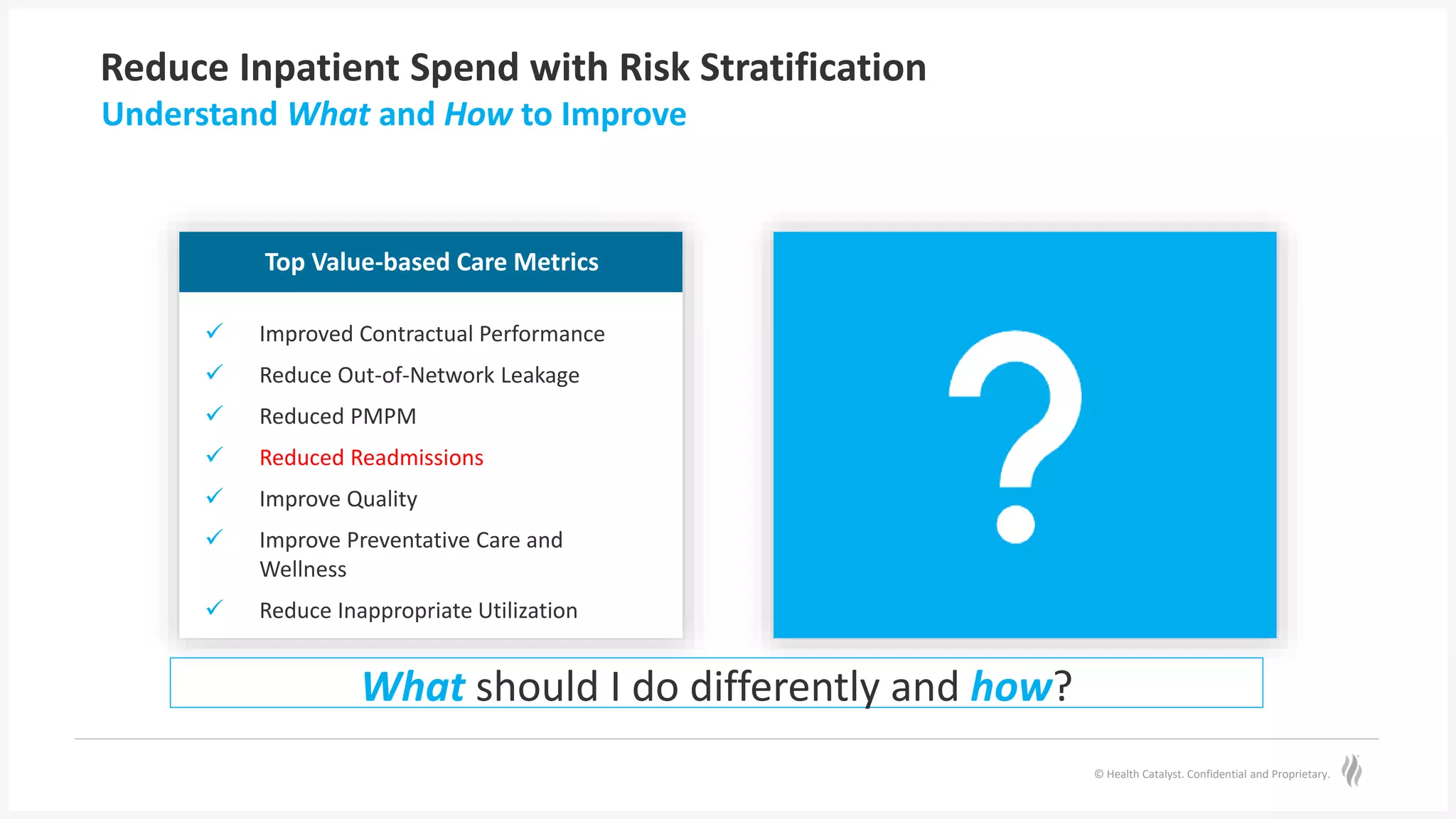
Reduce Inpatient Spend with Risk Stratification
Understand What and How to Improve
Top Value-based Care Metrics
 Improved Contractual Performance
 Reduce Out-of-Network Leakage
 Reduced PMPM
 Reduced Readmissions
 Improve Quality
 Improve Preventative Care and
Wellness
 Reduce Inappropriate Utilization
What should I do differently and how?
© Health Catalyst. Confidential and Proprietary.
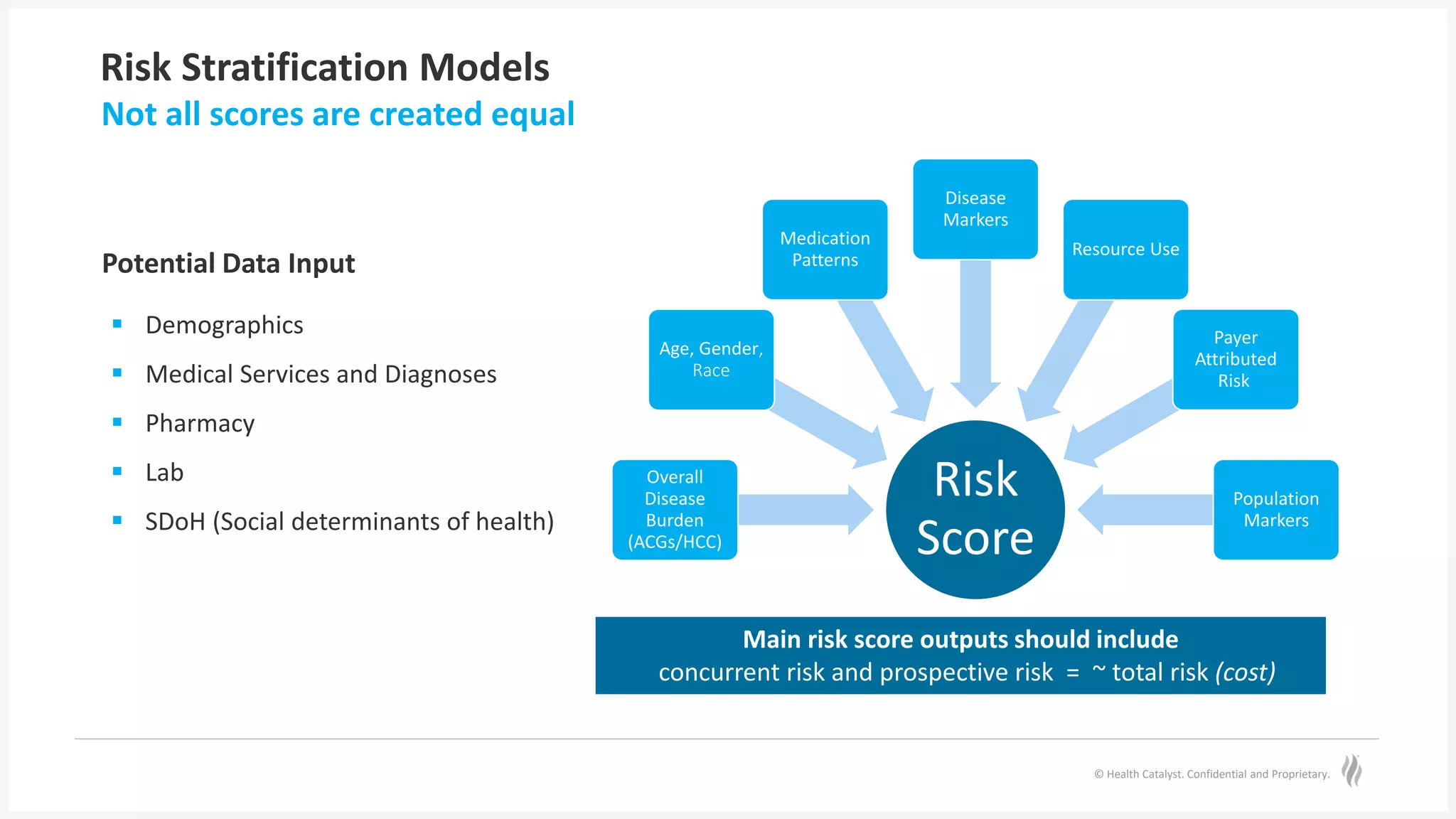
Risk Stratification Models
Not all scores are created equal
Risk
Score
Overall
Disease
Burden
(ACGs/HCC)
Age, Gender,
Race
Medication
Patterns
Disease
Markers
Resource Use
Payer
Attributed
Risk
Population
Markers
Main risk score outputs should include
concurrent risk and prospective risk = ~ total risk (cost)
 Demographics
 Medical Services and Diagnoses
 Pharmacy
 Lab
 SDoH (Social determinants of health)
Potential Data Input
© Health Catalyst. Confidential and Proprietary.
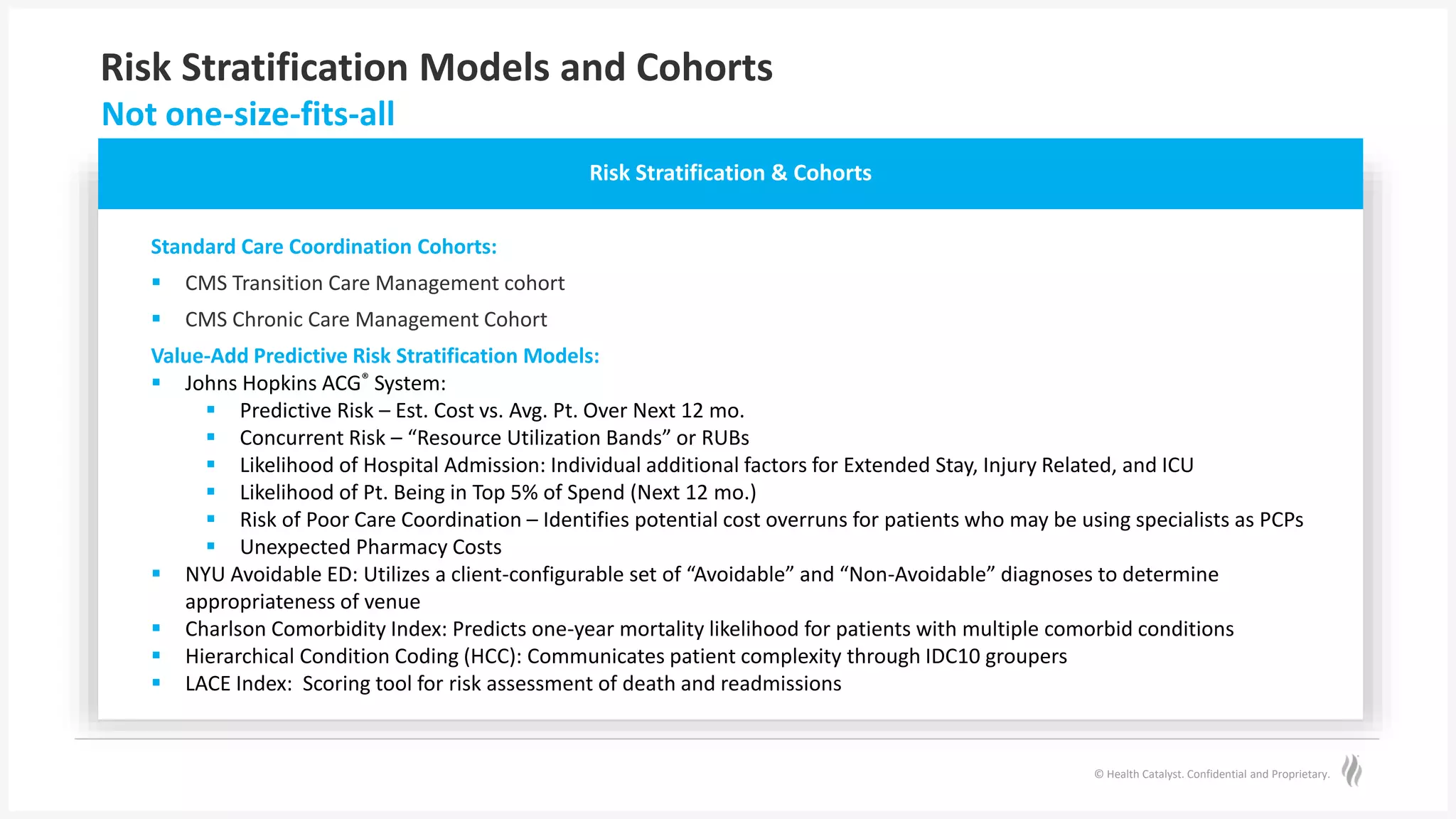
Risk Stratification Models and Cohorts
Not one-size-fits-all
Risk Stratification & Cohorts
Standard Care Coordination Cohorts:
 CMS Transition Care Management cohort
 CMS Chronic Care Management Cohort
Value-Add Predictive Risk Stratification Models:
 Johns Hopkins ACG® System:
 Predictive Risk – Est. Cost vs. Avg. Pt. Over Next 12 mo.
 Concurrent Risk – “Resource Utilization Bands” or RUBs
 Likelihood of Hospital Admission: Individual additional factors for Extended Stay, Injury Related, and ICU
 Likelihood of Pt. Being in Top 5% of Spend (Next 12 mo.)
 Risk of Poor Care Coordination – Identifies potential cost overruns for patients who may be using specialists as PCPs
 Unexpected Pharmacy Costs
 NYU Avoidable ED: Utilizes a client-configurable set of “Avoidable” and “Non-Avoidable” diagnoses to determine
appropriateness of venue
 Charlson Comorbidity Index: Predicts one-year mortality likelihood for patients with multiple comorbid conditions
 Hierarchical Condition Coding (HCC): Communicates patient complexity through IDC10 groupers
 LACE Index: Scoring tool for risk assessment of death and readmissions
© Health Catalyst. Confidential and Proprietary.
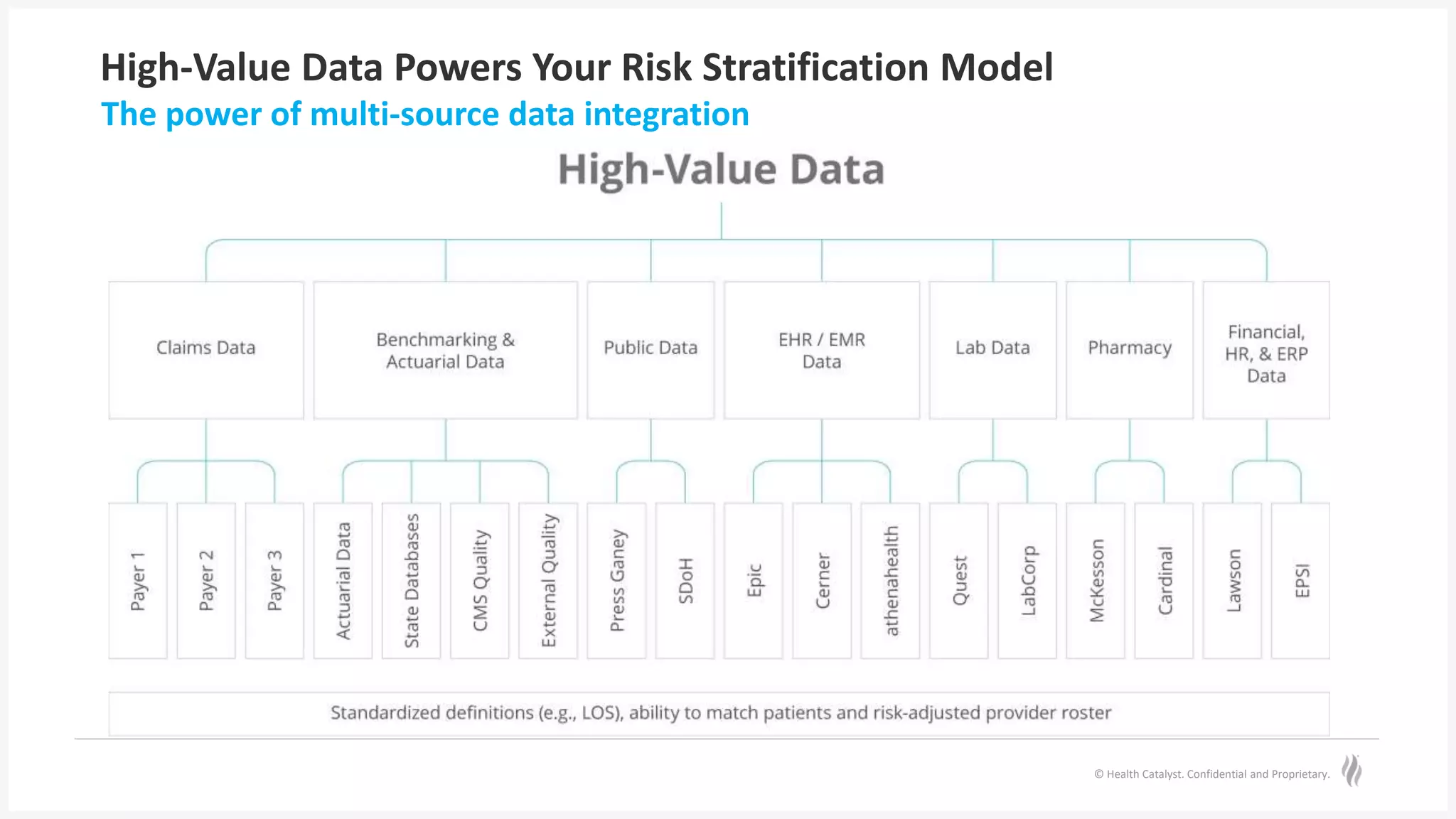
High-Value Data Powers Your Risk Stratification Model
The power of multi-source data integration
© Health Catalyst. Confidential and Proprietary.
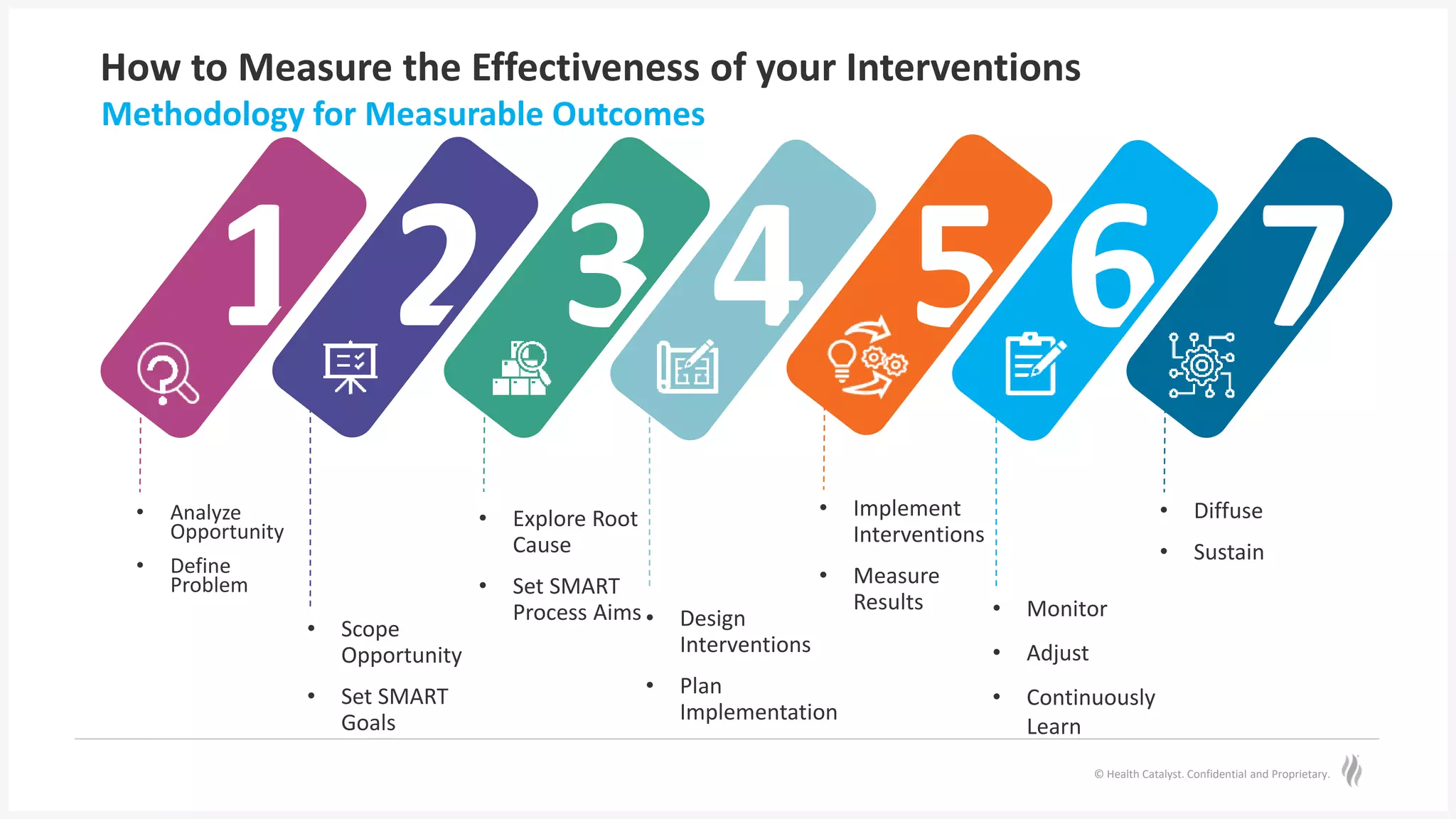
How to Measure the Effectiveness of your Interventions
Methodology for Measurable Outcomes
• Analyze
Opportunity
• Define
Problem
1 2 3 4 5 6 7
• Scope
Opportunity
• Set SMART
Goals
• Explore Root
Cause
• Set SMART
Process Aims • Design
Interventions
• Plan
Implementation
• Implement
Interventions
• Measure
Results • Monitor
• Adjust
• Continuously
Learn
• Diffuse
• Sustain
© Health Catalyst. Confidential and Proprietary.
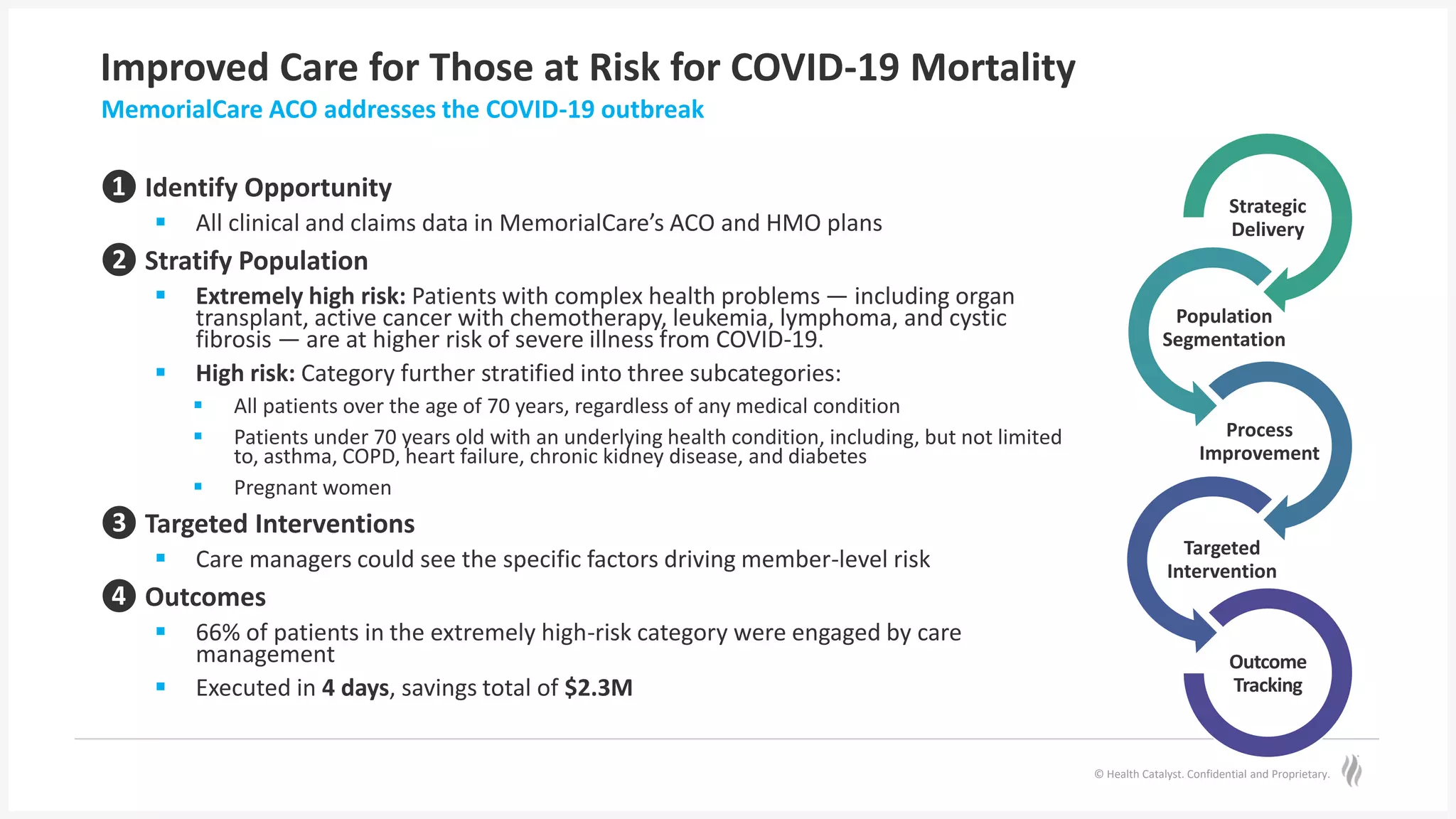
Improved Care for Those at Risk for COVID-19 Mortality
❶ Identify Opportunity
 All clinical and claims data in MemorialCare’s ACO and HMO plans
❷ Stratify Population
 Extremely high risk: Patients with complex health problems — including organ
transplant, active cancer with chemotherapy, leukemia, lymphoma, and cystic
fibrosis — are at higher risk of severe illness from COVID-19.
 High risk: Category further stratified into three subcategories:
 All patients over the age of 70 years, regardless of any medical condition
 Patients under 70 years old with an underlying health condition, including, but not limited
to, asthma, COPD, heart failure, chronic kidney disease, and diabetes
 Pregnant women
❸ Targeted Interventions
 Care managers could see the specific factors driving member-level risk
❹ Outcomes
 66% of patients in the extremely high-risk category were engaged by care
management
 Executed in 4 days, savings total of $2.3M
MemorialCare ACO addresses the COVID-19 outbreak
Strategic
Delivery
Population
Segmentation
Process
Improvement
Targeted
Intervention
Outcome
Tracking
© Health Catalyst. Confidential and Proprietary.
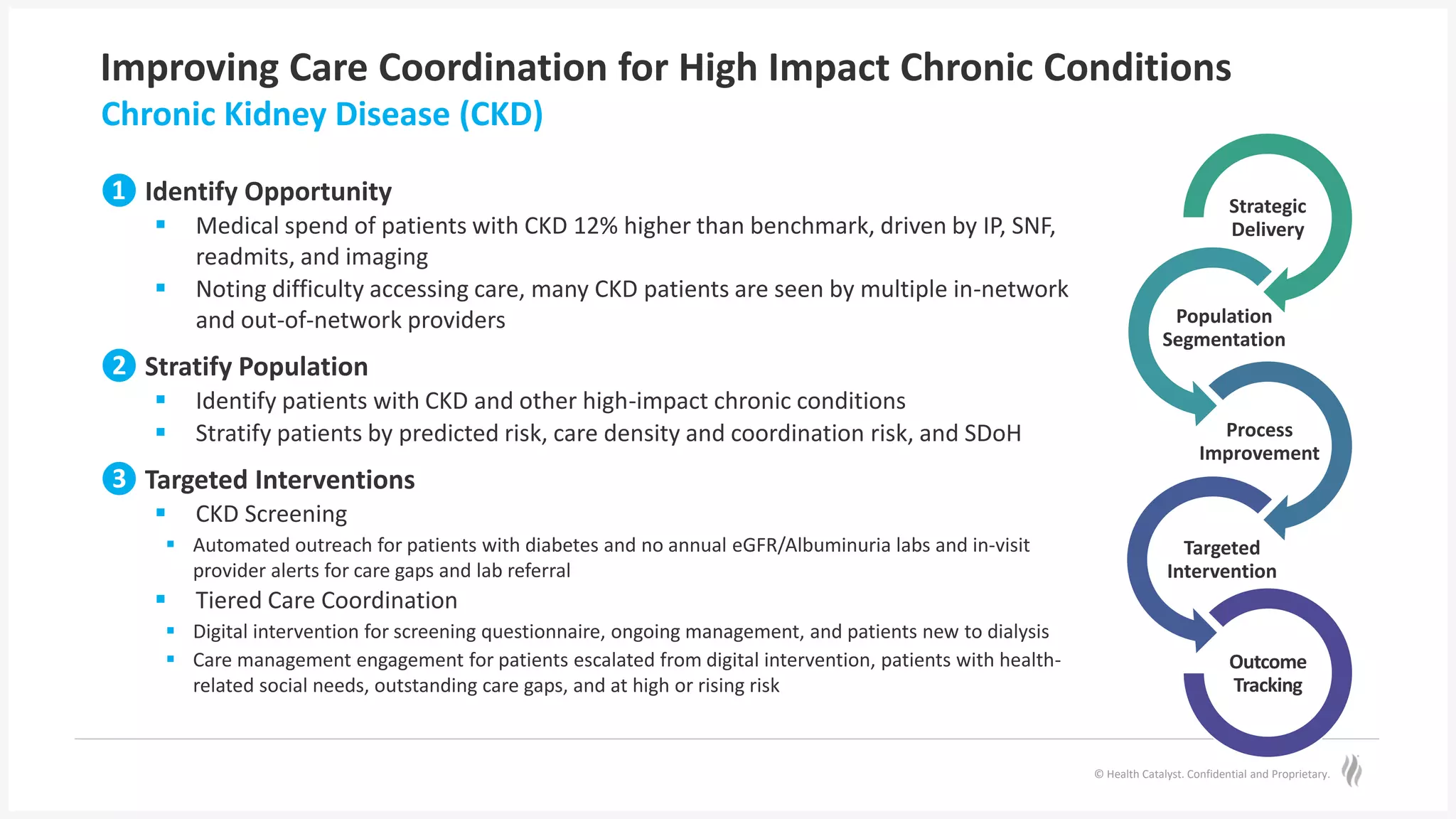
Improving Care Coordination for High Impact Chronic Conditions
❶ Identify Opportunity
 Medical spend of patients with CKD 12% higher than benchmark, driven by IP, SNF,
readmits, and imaging
 Noting difficulty accessing care, many CKD patients are seen by multiple in-network
and out-of-network providers
❷ Stratify Population
 Identify patients with CKD and other high-impact chronic conditions
 Stratify patients by predicted risk, care density and coordination risk, and SDoH
❸ Targeted Interventions
 CKD Screening
 Automated outreach for patients with diabetes and no annual eGFR/Albuminuria labs and in-visit
provider alerts for care gaps and lab referral
 Tiered Care Coordination
 Digital intervention for screening questionnaire, ongoing management, and patients new to dialysis
 Care management engagement for patients escalated from digital intervention, patients with health-
related social needs, outstanding care gaps, and at high or rising risk
Chronic Kidney Disease (CKD)
Strategic
Delivery
Population
Segmentation
Process
Improvement
Targeted
Intervention
Outcome
Tracking
© Health Catalyst. Confidential and Proprietary.
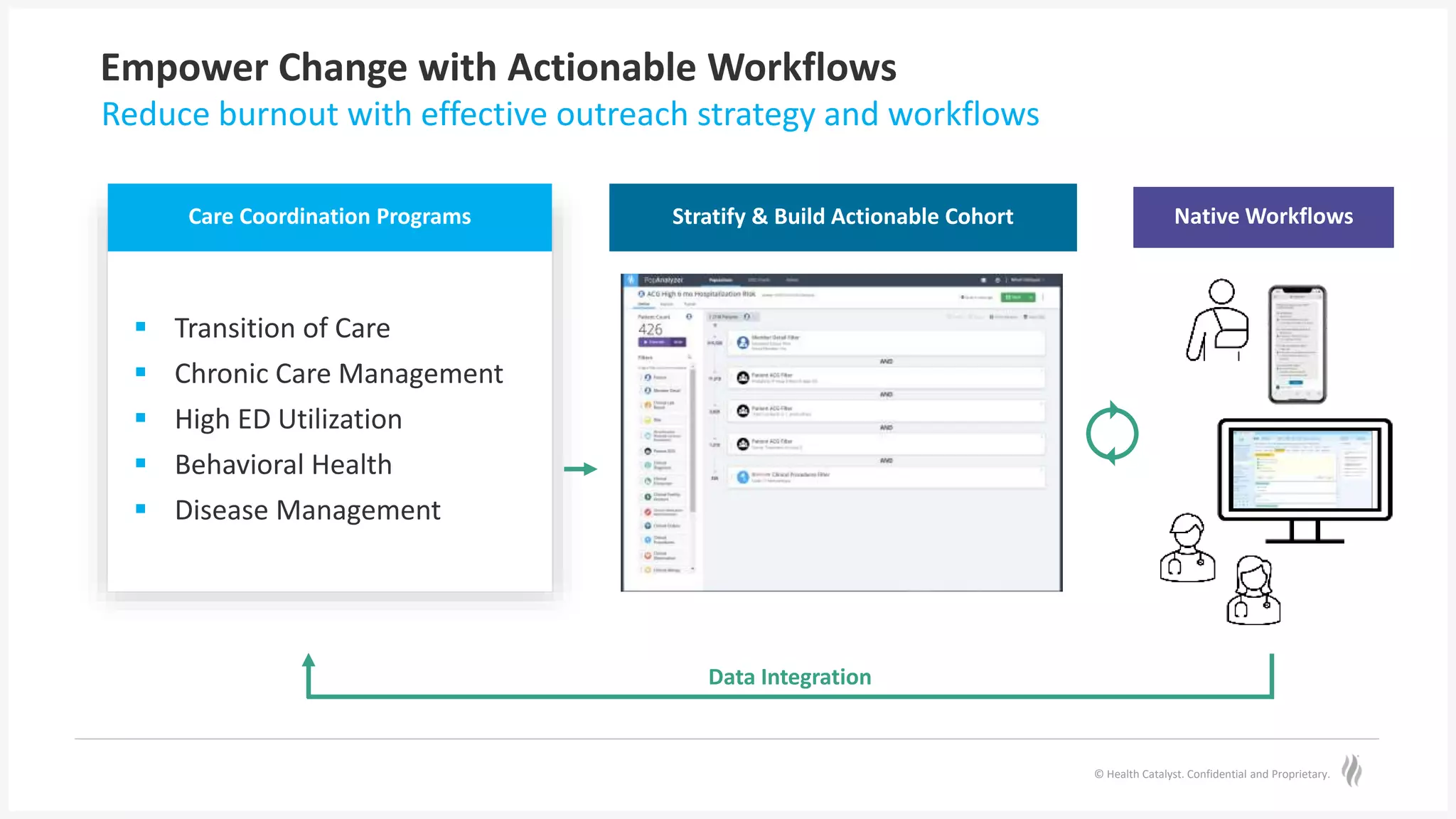
Empower Change with Actionable Workflows
Reduce burnout with effective outreach strategy and workflows
Care Coordination Programs
 Transition of Care
 Chronic Care Management
 High ED Utilization
 Behavioral Health
 Disease Management
Stratify & Build Actionable Cohort Native Workflows
Data Integration
© Health Catalyst. Confidential and Proprietary.
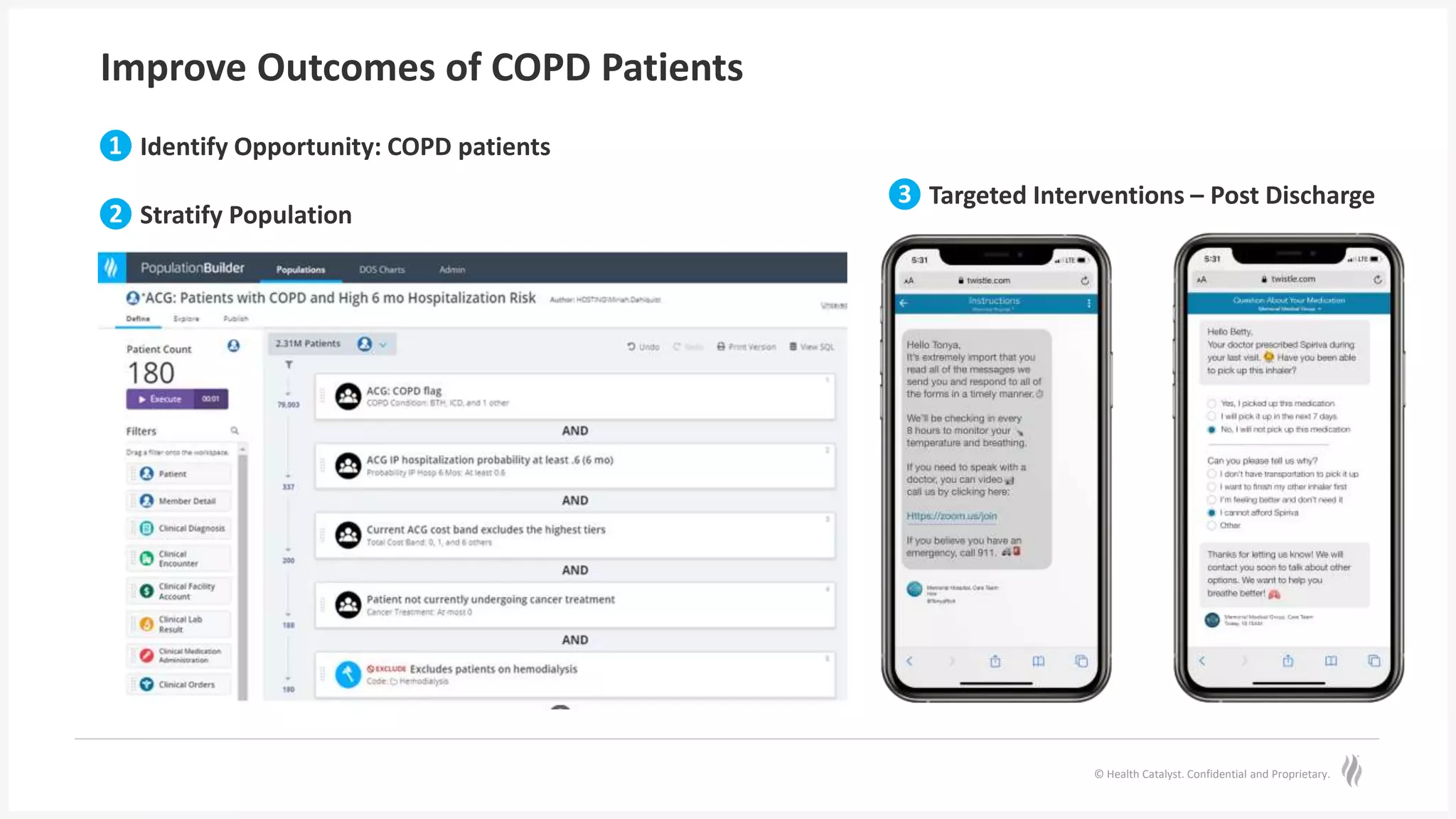
Improve Outcomes of COPD Patients
❶ Identify Opportunity: COPD patients
❷ Stratify Population
❸ Targeted Interventions – Post Discharge
© Health Catalyst. Confidential and Proprietary.
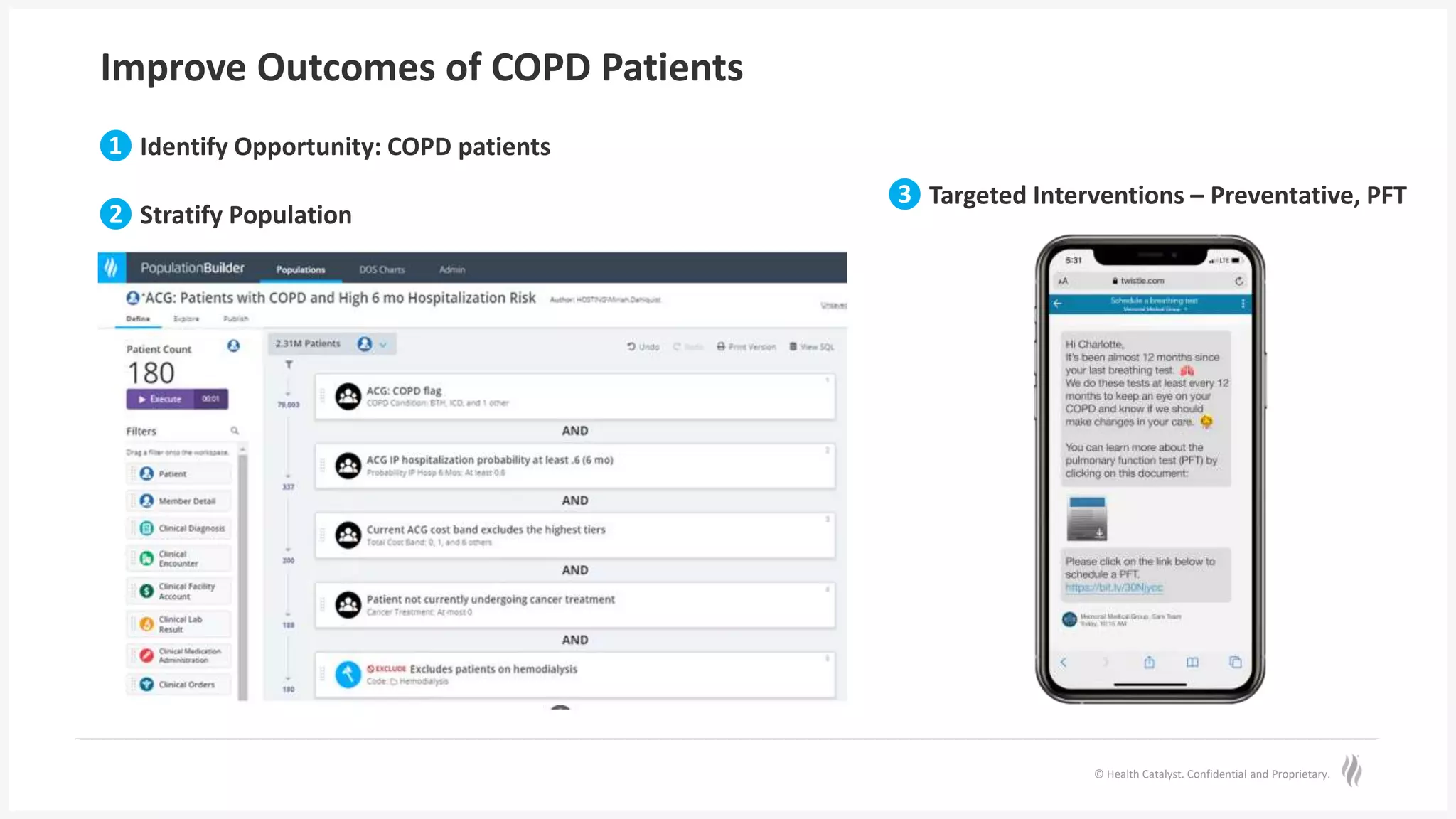
Improve Outcomes of COPD Patients
❶ Identify Opportunity: COPD patients
❷ Stratify Population
❸ Targeted Interventions – Preventative, PFT
© Health Catalyst. Confidential and Proprietary.
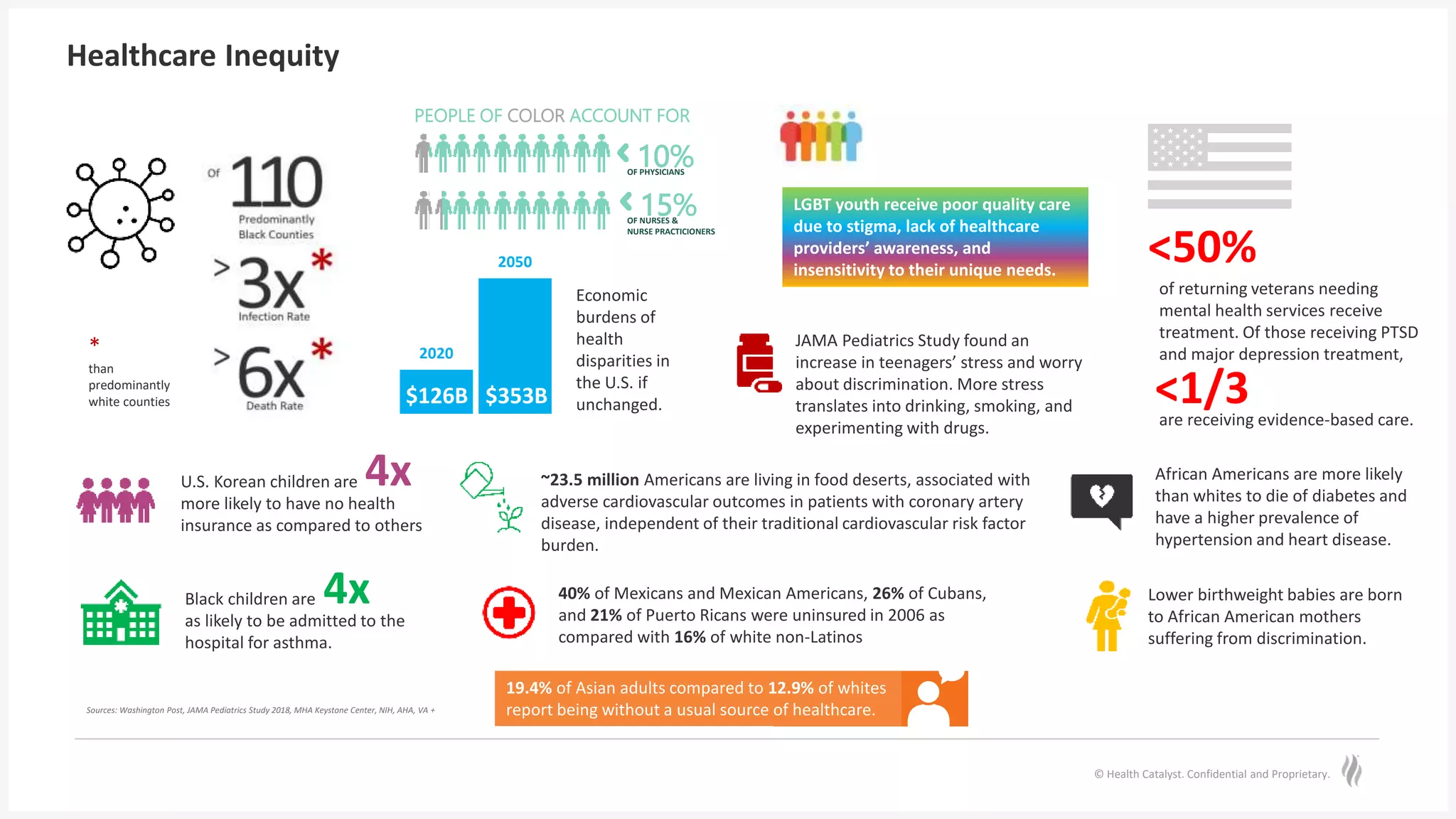
15%
OF NURSES &
NURSE PRACTICIONERS
10%
OF PHYSICIANS
PEOPLE OF COLOR ACCOUNT FOR
Healthcare Inequity
Sources: Washington Post, JAMA Pediatrics Study 2018, MHA Keystone Center, NIH, AHA, VA +
JAMA Pediatrics Study found an
increase in teenagers’ stress and worry
about discrimination. More stress
translates into drinking, smoking, and
experimenting with drugs.
Lower birthweight babies are born
to African American mothers
suffering from discrimination.
African Americans are more likely
than whites to die of diabetes and
have a higher prevalence of
hypertension and heart disease.
Economic
burdens of
health
disparities in
the U.S. if
unchanged.
*
than
predominantly
white counties
19.4% of Asian adults compared to 12.9% of whites
report being without a usual source of healthcare.
40% of Mexicans and Mexican Americans, 26% of Cubans,
and 21% of Puerto Ricans were uninsured in 2006 as
compared with 16% of white non-Latinos
LGBT youth receive poor quality care
due to stigma, lack of healthcare
providers’ awareness, and
insensitivity to their unique needs.
of returning veterans needing
mental health services receive
treatment. Of those receiving PTSD
and major depression treatment,
are receiving evidence-based care.
~23.5 million Americans are living in food deserts, associated with
adverse cardiovascular outcomes in patients with coronary artery
disease, independent of their traditional cardiovascular risk factor
burden.
Black children are
as likely to be admitted to the
hospital for asthma.
4x
U.S. Korean children are
more likely to have no health
insurance as compared to others
4x
<50%
<1/3
2020
2050
$126B $353B
© Health Catalyst. Confidential and Proprietary.
Improve Postpartum Detection of Type 2 Diabetes
The text-based messaging program
[Twistle] increased screening
compliance by 92%, which improved
our diabetes detection rates and
alleviates radical disparities in
healthcare.
– Helen Gomez, MD
Resident, ChristianaCare
”
 92% increase in diabetes screenings
 213% increase in detection rates for Type 2
Diabetes
 211% increase in screening among Black
women
 577% increase in detection of Type 2
Diabetes among Black women
Results
Preconfigured communication pathways delivered time-based, HIPAA-compliant
education reminders, reducing clinical workload.
© Health Catalyst. Confidential and Proprietary.
Predictive Risk Stratification: Using Analytics to Empower Change
1. Create workforce efficiencies by automating predictive risk stratification with
multiple data inputs
2. Understand the importance of rising risk and high-cost cohorts
3. Drive measurable outcomes (people, processes, technology) with focused
process improvements
4. Demonstrate financial and clinical outcome improvement results with case
examples
Important takeaways
© Health Catalyst. Confidential and Proprietary.
Questions?
Melissa Welch, MD, MPH
Melissa.Welch@healthcatalyst.com

Predictive Risk Stratification: Using Analytics to Empower Change with Actionable Workflows (Webinar)

  • 1.
    © Health Catalyst.Confidential and Proprietary. Predictive Risk Stratification: Using Analytics to Empower Change Melissa Welch, MD, MPH
  • 2.
    Agenda  Introduction  TheCare Team Burnout Challenges  Risk Stratification Best Practices and Models  High-Value Data Inputs  Measuring Outcomes  Review and Questions
  • 3.
    © Health Catalyst.Confidential and Proprietary. Melissa Welch, MD, MPH Chief Medical Officer, Health Catalyst  Physician executive with 35 years of leadership, management, and healthcare strategic impacts  Private and public healthcare sectors, academic, and community  Successfully built physician and allied clinical teams, stabilized quality and operations, and executed critical value-based care results  Prior tenures: InnovAge PACE, Blue Shield of California, United Healthcare, Aetna, and San Francisco’s Community Health Network  Board Certified in Primary Care, Internal Medicine; MPH, Epidemiology
  • 4.
    © Health Catalyst.Confidential and Proprietary. Healthcare Professional Burnout 49% Reported at least 1 symptom of burnout* *AMA survey of ~21,000 healthcare professionals 43% Suffered from work overload*
  • 5.
    © Health Catalyst.Confidential and Proprietary. Cost of Healthcare Professional Burnout The costs of clinician burnout are steep; a 2019 study estimated that physician burnout costs the US healthcare industry $4.6 billion annually, mostly through clinician turnover and a reduction of clinical hours.1 ~20% of healthcare workers have quit, and 4 out of 5 of those who remain say staff shortages have affected their ability to work safely and satisfy patient needs.2 Approximately 85% of older adults have at least 1 chronic condition, and 60% have at least 2 chronic conditions.3 U.S. healthcare costs currently exceed 17% of GDP and continue to rise.4 An aging population and the associated increasing numbers of people with chronic conditions are placing unprecedented demands on health and social care services, both nationally and internationally.5 Steep and still rising 1.Blanding M. The economic cost of physician burnout. Harvard Business School. September 25, 2019. Accessed December 9, 2021. https://hbs.me/3lQISOa 2. webinar hosted by U.S. News & World Report 3. Center for Disease Control 4. Harvard Business Review 5.https://www.ncbi.nlm.nih.gov/pmc/articles/PMC3776003/
  • 6.
    © Health Catalyst.Confidential and Proprietary. Impact of Predictive Risk-Stratification on Workload Separating patient populations into high risk, low risk, and rising risk allows care teams to 1. Identify patients who are most likely to benefit from specific care management programs 2. Increase patient engagement and outreach for low- or high-touch care management programs 3. Create effective and automated targeted interventions and improve work efficiency Reduced workloads, targeted interventions, and empowered change
  • 7.
    © Health Catalyst.Confidential and Proprietary. How do you accurately identify patients who are at high risk or have a rising risk for poor outcomes?
  • 8.
    © Health Catalyst.Confidential and Proprietary. Then what is the appropriate targeted intervention?
  • 9.
    © Health Catalyst.Confidential and Proprietary. Rising-Risk and High-Cost High Needs Why stratification is so important
  • 10.
    © Health Catalyst.Confidential and Proprietary. Reduce Inpatient Spend with Risk Stratification Understand What and How to Improve Top Value-based Care Metrics  Improved Contractual Performance  Reduce Out-of-Network Leakage  Reduced PMPM  Reduced Readmissions  Improve Quality  Improve Preventative Care and Wellness  Reduce Inappropriate Utilization What should I do differently and how?
  • 11.
    © Health Catalyst.Confidential and Proprietary. Risk Stratification Models Not all scores are created equal Risk Score Overall Disease Burden (ACGs/HCC) Age, Gender, Race Medication Patterns Disease Markers Resource Use Payer Attributed Risk Population Markers Main risk score outputs should include concurrent risk and prospective risk = ~ total risk (cost)  Demographics  Medical Services and Diagnoses  Pharmacy  Lab  SDoH (Social determinants of health) Potential Data Input
  • 12.
    © Health Catalyst.Confidential and Proprietary. Risk Stratification Models and Cohorts Not one-size-fits-all Risk Stratification & Cohorts Standard Care Coordination Cohorts:  CMS Transition Care Management cohort  CMS Chronic Care Management Cohort Value-Add Predictive Risk Stratification Models:  Johns Hopkins ACG® System:  Predictive Risk – Est. Cost vs. Avg. Pt. Over Next 12 mo.  Concurrent Risk – “Resource Utilization Bands” or RUBs  Likelihood of Hospital Admission: Individual additional factors for Extended Stay, Injury Related, and ICU  Likelihood of Pt. Being in Top 5% of Spend (Next 12 mo.)  Risk of Poor Care Coordination – Identifies potential cost overruns for patients who may be using specialists as PCPs  Unexpected Pharmacy Costs  NYU Avoidable ED: Utilizes a client-configurable set of “Avoidable” and “Non-Avoidable” diagnoses to determine appropriateness of venue  Charlson Comorbidity Index: Predicts one-year mortality likelihood for patients with multiple comorbid conditions  Hierarchical Condition Coding (HCC): Communicates patient complexity through IDC10 groupers  LACE Index: Scoring tool for risk assessment of death and readmissions
  • 13.
    © Health Catalyst.Confidential and Proprietary. High-Value Data Powers Your Risk Stratification Model The power of multi-source data integration
  • 14.
    © Health Catalyst.Confidential and Proprietary. How to Measure the Effectiveness of your Interventions Methodology for Measurable Outcomes • Analyze Opportunity • Define Problem 1 2 3 4 5 6 7 • Scope Opportunity • Set SMART Goals • Explore Root Cause • Set SMART Process Aims • Design Interventions • Plan Implementation • Implement Interventions • Measure Results • Monitor • Adjust • Continuously Learn • Diffuse • Sustain
  • 15.
    © Health Catalyst.Confidential and Proprietary. Improved Care for Those at Risk for COVID-19 Mortality ❶ Identify Opportunity  All clinical and claims data in MemorialCare’s ACO and HMO plans ❷ Stratify Population  Extremely high risk: Patients with complex health problems — including organ transplant, active cancer with chemotherapy, leukemia, lymphoma, and cystic fibrosis — are at higher risk of severe illness from COVID-19.  High risk: Category further stratified into three subcategories:  All patients over the age of 70 years, regardless of any medical condition  Patients under 70 years old with an underlying health condition, including, but not limited to, asthma, COPD, heart failure, chronic kidney disease, and diabetes  Pregnant women ❸ Targeted Interventions  Care managers could see the specific factors driving member-level risk ❹ Outcomes  66% of patients in the extremely high-risk category were engaged by care management  Executed in 4 days, savings total of $2.3M MemorialCare ACO addresses the COVID-19 outbreak Strategic Delivery Population Segmentation Process Improvement Targeted Intervention Outcome Tracking
  • 16.
    © Health Catalyst.Confidential and Proprietary. Improving Care Coordination for High Impact Chronic Conditions ❶ Identify Opportunity  Medical spend of patients with CKD 12% higher than benchmark, driven by IP, SNF, readmits, and imaging  Noting difficulty accessing care, many CKD patients are seen by multiple in-network and out-of-network providers ❷ Stratify Population  Identify patients with CKD and other high-impact chronic conditions  Stratify patients by predicted risk, care density and coordination risk, and SDoH ❸ Targeted Interventions  CKD Screening  Automated outreach for patients with diabetes and no annual eGFR/Albuminuria labs and in-visit provider alerts for care gaps and lab referral  Tiered Care Coordination  Digital intervention for screening questionnaire, ongoing management, and patients new to dialysis  Care management engagement for patients escalated from digital intervention, patients with health- related social needs, outstanding care gaps, and at high or rising risk Chronic Kidney Disease (CKD) Strategic Delivery Population Segmentation Process Improvement Targeted Intervention Outcome Tracking
  • 17.
    © Health Catalyst.Confidential and Proprietary. Empower Change with Actionable Workflows Reduce burnout with effective outreach strategy and workflows Care Coordination Programs  Transition of Care  Chronic Care Management  High ED Utilization  Behavioral Health  Disease Management Stratify & Build Actionable Cohort Native Workflows Data Integration
  • 18.
    © Health Catalyst.Confidential and Proprietary. Improve Outcomes of COPD Patients ❶ Identify Opportunity: COPD patients ❷ Stratify Population ❸ Targeted Interventions – Post Discharge
  • 19.
    © Health Catalyst.Confidential and Proprietary. Improve Outcomes of COPD Patients ❶ Identify Opportunity: COPD patients ❷ Stratify Population ❸ Targeted Interventions – Preventative, PFT
  • 20.
    © Health Catalyst.Confidential and Proprietary. 15% OF NURSES & NURSE PRACTICIONERS 10% OF PHYSICIANS PEOPLE OF COLOR ACCOUNT FOR Healthcare Inequity Sources: Washington Post, JAMA Pediatrics Study 2018, MHA Keystone Center, NIH, AHA, VA + JAMA Pediatrics Study found an increase in teenagers’ stress and worry about discrimination. More stress translates into drinking, smoking, and experimenting with drugs. Lower birthweight babies are born to African American mothers suffering from discrimination. African Americans are more likely than whites to die of diabetes and have a higher prevalence of hypertension and heart disease. Economic burdens of health disparities in the U.S. if unchanged. * than predominantly white counties 19.4% of Asian adults compared to 12.9% of whites report being without a usual source of healthcare. 40% of Mexicans and Mexican Americans, 26% of Cubans, and 21% of Puerto Ricans were uninsured in 2006 as compared with 16% of white non-Latinos LGBT youth receive poor quality care due to stigma, lack of healthcare providers’ awareness, and insensitivity to their unique needs. of returning veterans needing mental health services receive treatment. Of those receiving PTSD and major depression treatment, are receiving evidence-based care. ~23.5 million Americans are living in food deserts, associated with adverse cardiovascular outcomes in patients with coronary artery disease, independent of their traditional cardiovascular risk factor burden. Black children are as likely to be admitted to the hospital for asthma. 4x U.S. Korean children are more likely to have no health insurance as compared to others 4x <50% <1/3 2020 2050 $126B $353B
  • 21.
    © Health Catalyst.Confidential and Proprietary. Improve Postpartum Detection of Type 2 Diabetes The text-based messaging program [Twistle] increased screening compliance by 92%, which improved our diabetes detection rates and alleviates radical disparities in healthcare. – Helen Gomez, MD Resident, ChristianaCare ”  92% increase in diabetes screenings  213% increase in detection rates for Type 2 Diabetes  211% increase in screening among Black women  577% increase in detection of Type 2 Diabetes among Black women Results Preconfigured communication pathways delivered time-based, HIPAA-compliant education reminders, reducing clinical workload.
  • 22.
    © Health Catalyst.Confidential and Proprietary. Predictive Risk Stratification: Using Analytics to Empower Change 1. Create workforce efficiencies by automating predictive risk stratification with multiple data inputs 2. Understand the importance of rising risk and high-cost cohorts 3. Drive measurable outcomes (people, processes, technology) with focused process improvements 4. Demonstrate financial and clinical outcome improvement results with case examples Important takeaways
  • 23.
    © Health Catalyst.Confidential and Proprietary. Questions? Melissa Welch, MD, MPH Melissa.Welch@healthcatalyst.com

Editor's Notes

  • #9 Poll Q: How often have you been asked to answer these two questions? - Never - 1-2 times/quarter - 2-3 times/quarter  - More than 2-3 times/quarter
  • #22 ChristianaCare investigated the effectiveness of text-based mobile messaging and in-home fasting blood sugar (FBS) in the detection of type 2 diabetes compared to traditional 2hr OGTT. ChristianaCare partnered with Twistle to provide smartphone-based patient engagement; patients used glucometers and lancets that they were also using during pregnancy. Preconfigured communication pathways delivered time-based, HIPAA-compliant education and reminders, and captured FBS data using easy-to-complete forms. Patients received appropriate automated text replies and if warranted, data was escalated to clinical staff for additional intervention. Participants could also engage with clinical staff asynchronously to address questions or issues.----------- READ FULL STORY AT THIS LINK: https://www.healthcatalyst.com/success_stories/reducing-pmpm-memorialcare