Positioning Reward
for the Future
Jon Ingham
Brought to you by:
Agenda
• Changes to date
• Current needs for further innovation
• New opportunities for the future
• Daring to be different!
Changes to date
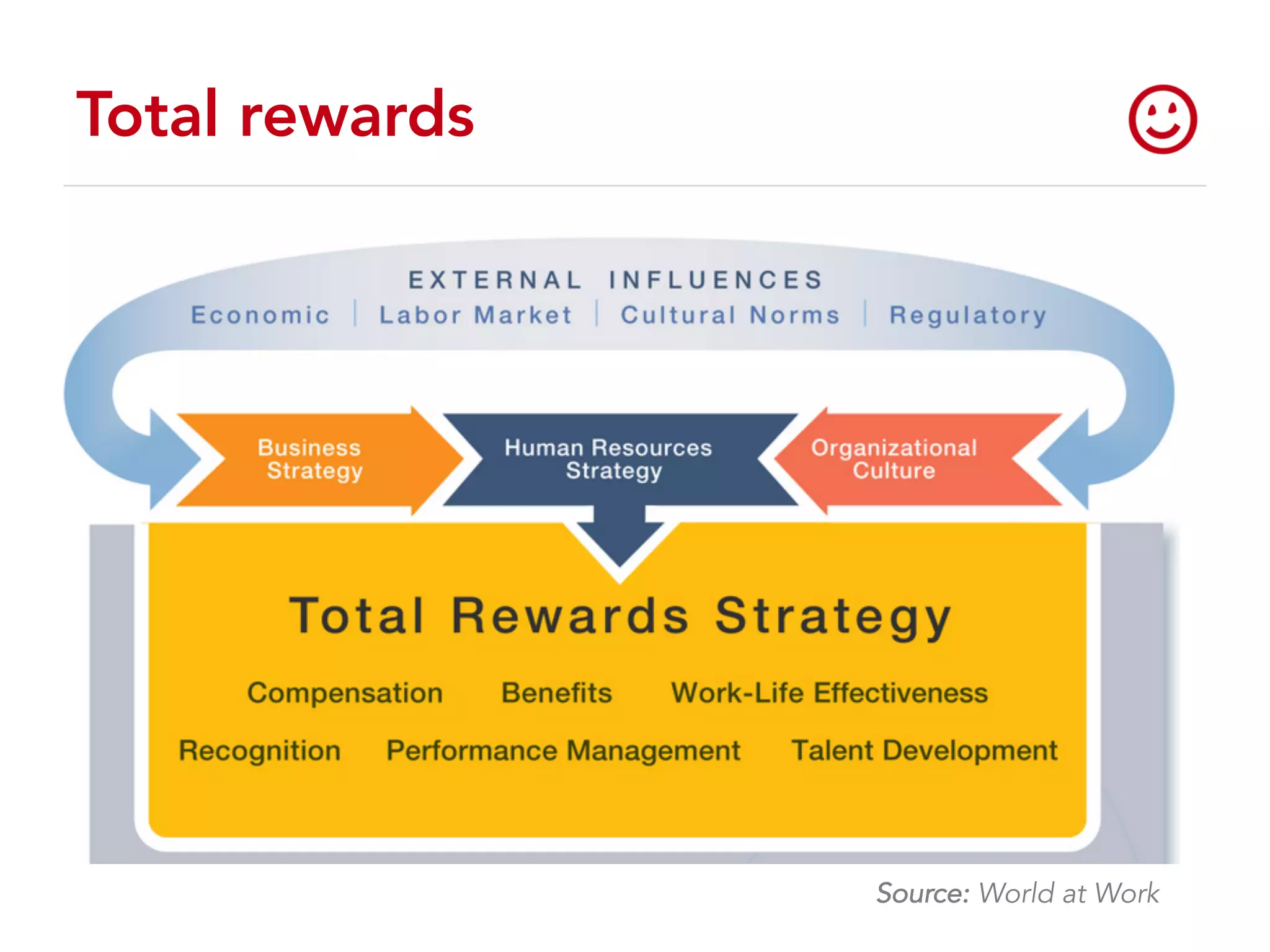
• Broadening out from compensation into total rewards,
especially with extended, innovated and flexible benefits
• Implementation of ‘the new pay’ with increased use and
weight of variable reward
• More global perspective within an integrated approach
to talent management, supported by better technology
and analytics
Total rewards
Source: World at Work
The new pay
• Team based pay
• Skills based pay
• Competency based pay
• Variable pay
• Non-financial recognition
• Flexible benefits
• Market based pay
Reasons for restrained level
of innovation
• Complexity in meeting reward objectives
• Need to bring existing employees along with changes
• General expectations in the job market
• Risk of getting it wrong
• General risk aversion
The new new pay?
• In many cases New Pay systems
consume or destroy more value
than they create
• New Pay systems often do not
succeed because there are
unavoidable barriers to strategic
alignment
• Difficult to get right and easy to
get wrong, it is time for a new,
New Pay
Changes to date - Discussion
• What innovation have you implemented in your reward
practice?
• Where do you see major opportunities for further
transformation?
• Do you think Reward functions have been sufficiently
innovative?, and if not, what can be done to increase
openness to innovation in the future?
Current needs for further innovation
• Government policies
• Growing concerns
• New demands
• HR changes
Research, including neuroscience and
behavioural economics
• Reward reduces performance particularly where
creativity is required
• Useful role for prosocial rewards
• Importance of growth mindset
• Self determination theory: autonomy, relatedness,
mastery, purpose
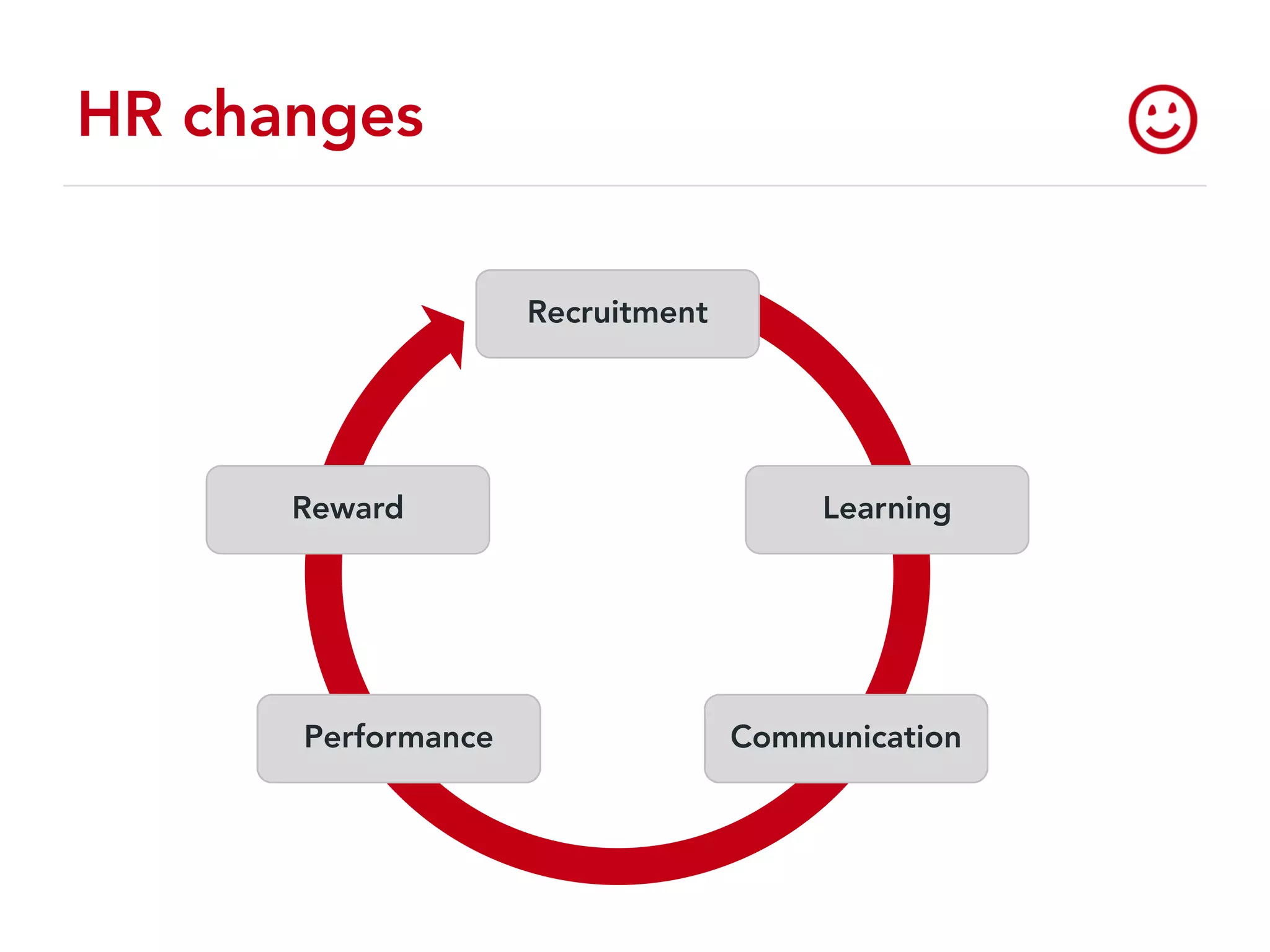
HR changes
Recruitment
Learning
CommunicationPerformance
Reward
Abolishing performance
reviews / ratings
Source: NeuroLeadership Institute
Current needs - Discussion
• How are these forces affecting your companies?
• What actions are you taking in response?
• If you have or are planning to abolish performance
reviews / ratings what are you using to inform reward?
New opportunities for the future
• Optimising current approaches
• Pay transparency and differentials
• Team based reward
• Broader use of technology
• Increased use of data
• Greater use of analytics
Optimising current approaches
• Personalising reward
• Communicating approach and value of reward
• Enabling managers to make pay decisions more flexibly
• Informing vs just supporting financial budgets
Pay transparency and differentials
• Data is already available
(Glassdoor ‘Know Your
Worth’, Linkedin salary
tool etc)
• Enabler for pay equality
but issue for pay
differentials
Team based reward
• Need for equitable vs just equal reward
• Avoiding social loafing
– Paying teams for the performance of individual team
members
– Paying individuals for their contribution to the team
Broader use of technology
• Social recognition
• Virtual currencies
• Gamification
Increased use of data
• Crowdsourcing inputs on
performance
• Using data provided by
technology including
internet of things /
wearables (quantified self /
quantified organisation)
etc
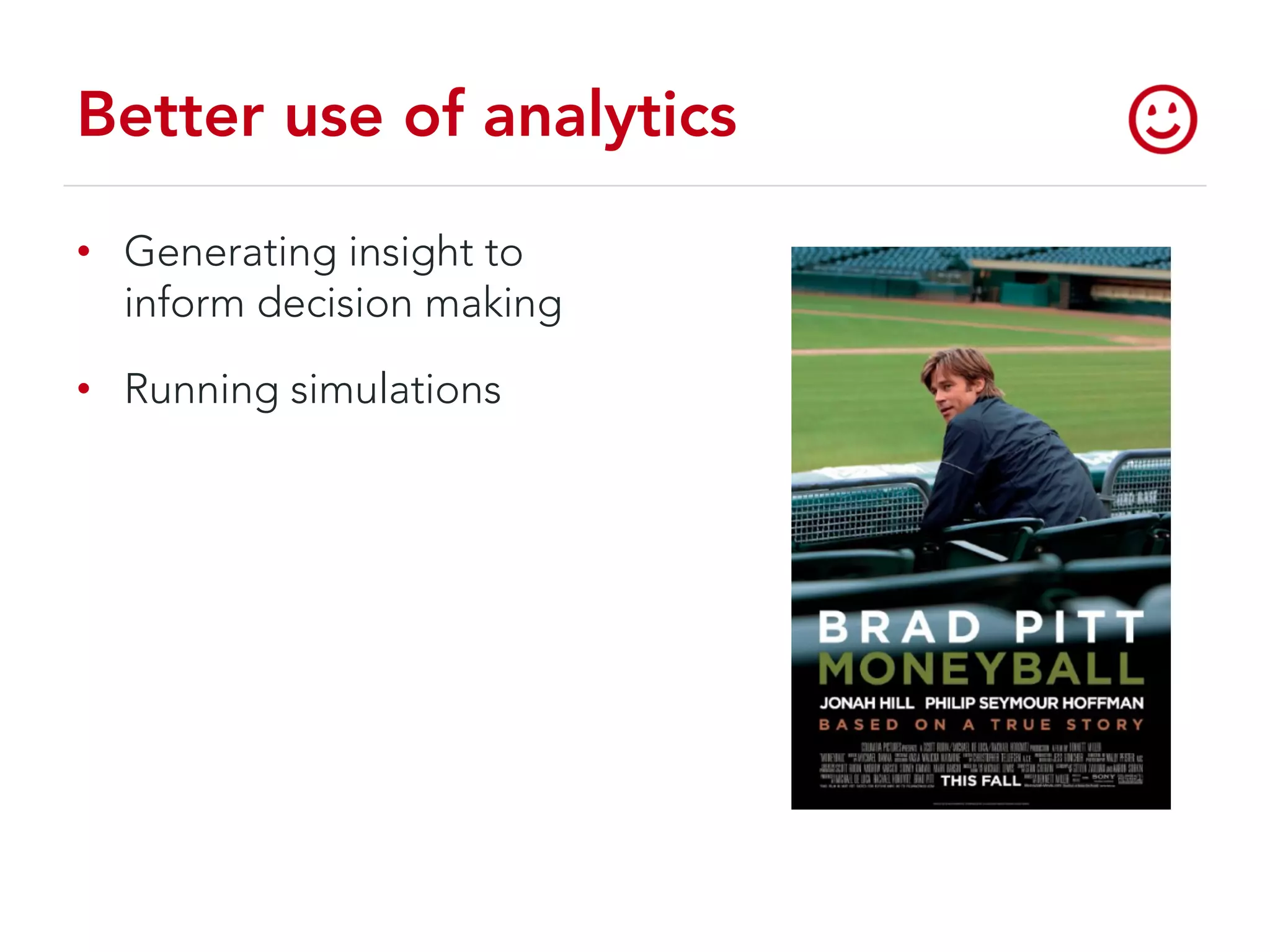
Better use of analytics
• Generating insight to
inform decision making
• Running simulations
New opportunities - Discussion
• Which of these or other changes offer the greatest
opportunity for improvement?
• What steps need taking to introduce these innovations?
• Is your technology helping progress or holding you
back?
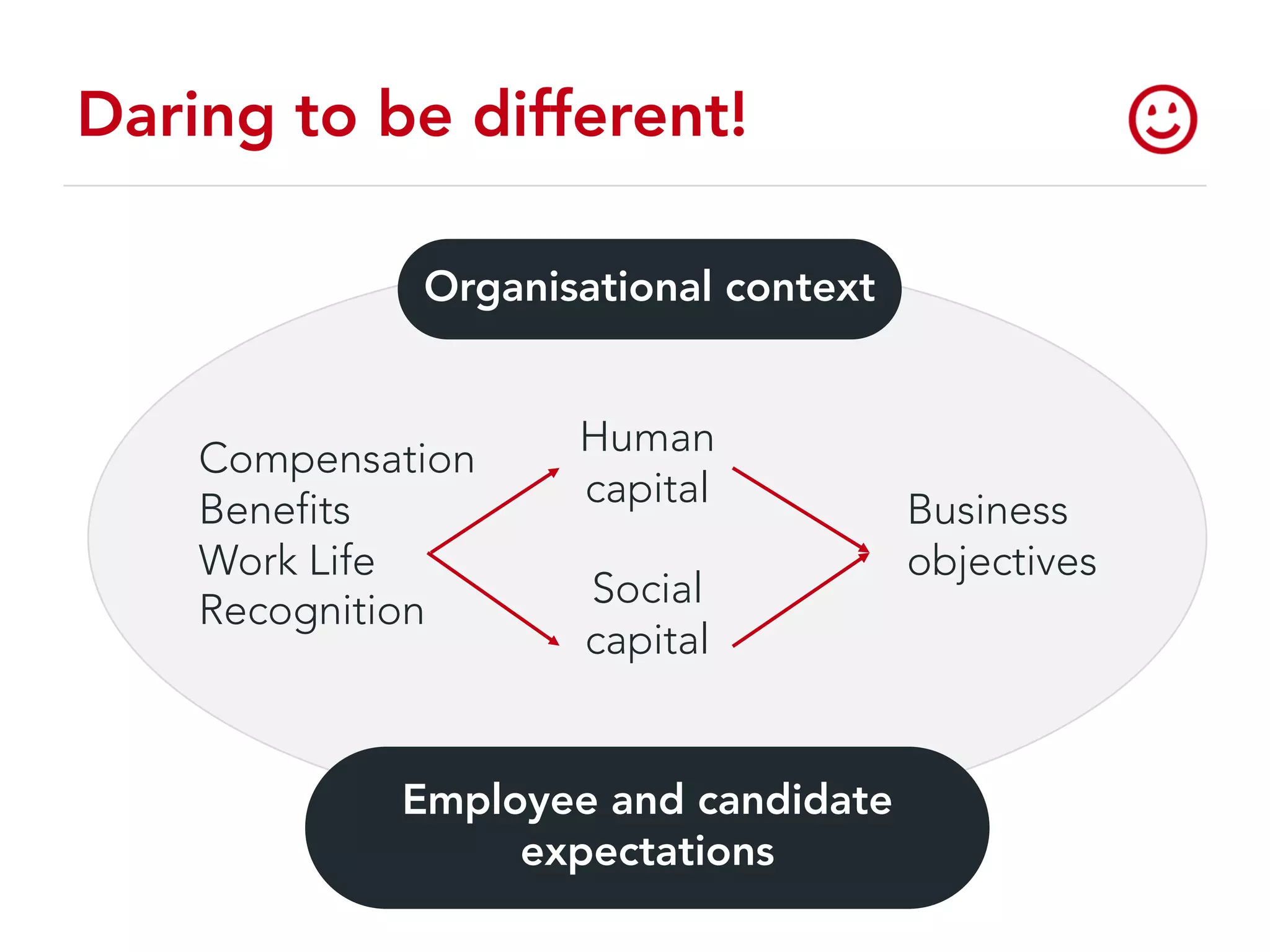
Daring to be different!
Business
objectives
Compensation
Benefits
Work Life
Recognition
Organisational context
Human
capital
Social
capital
Employee and candidate
expectations
Experiment!
Why are companies so much more innovative when it
comes to jiggering with their balance sheet or product
line than human resources?
It is a question that is dumbfounding Dan Ariely, and he told me that
companies were loath to try out anything new on their employees.
“There is no worse place to try to do experiments than human
resources,” he said. “The first thing on their mind when they hear the
word ‘experiment’ is lawsuits.”
Thank you
www.beqom.com

Positioning Reward for the Future

  • 1.
    Positioning Reward for theFuture Jon Ingham Brought to you by:
  • 2.
    Agenda • Changes todate • Current needs for further innovation • New opportunities for the future • Daring to be different!
  • 3.
    Changes to date •Broadening out from compensation into total rewards, especially with extended, innovated and flexible benefits • Implementation of ‘the new pay’ with increased use and weight of variable reward • More global perspective within an integrated approach to talent management, supported by better technology and analytics
  • 4.
  • 5.
    The new pay •Team based pay • Skills based pay • Competency based pay • Variable pay • Non-financial recognition • Flexible benefits • Market based pay
  • 6.
    Reasons for restrainedlevel of innovation • Complexity in meeting reward objectives • Need to bring existing employees along with changes • General expectations in the job market • Risk of getting it wrong • General risk aversion
  • 7.
    The new newpay? • In many cases New Pay systems consume or destroy more value than they create • New Pay systems often do not succeed because there are unavoidable barriers to strategic alignment • Difficult to get right and easy to get wrong, it is time for a new, New Pay
  • 8.
    Changes to date- Discussion • What innovation have you implemented in your reward practice? • Where do you see major opportunities for further transformation? • Do you think Reward functions have been sufficiently innovative?, and if not, what can be done to increase openness to innovation in the future?
  • 9.
    Current needs forfurther innovation • Government policies • Growing concerns • New demands • HR changes
  • 12.
    Research, including neuroscienceand behavioural economics • Reward reduces performance particularly where creativity is required • Useful role for prosocial rewards • Importance of growth mindset • Self determination theory: autonomy, relatedness, mastery, purpose
  • 14.
  • 15.
    Abolishing performance reviews /ratings Source: NeuroLeadership Institute
  • 16.
    Current needs -Discussion • How are these forces affecting your companies? • What actions are you taking in response? • If you have or are planning to abolish performance reviews / ratings what are you using to inform reward?
  • 17.
    New opportunities forthe future • Optimising current approaches • Pay transparency and differentials • Team based reward • Broader use of technology • Increased use of data • Greater use of analytics
  • 18.
    Optimising current approaches •Personalising reward • Communicating approach and value of reward • Enabling managers to make pay decisions more flexibly • Informing vs just supporting financial budgets
  • 19.
    Pay transparency anddifferentials • Data is already available (Glassdoor ‘Know Your Worth’, Linkedin salary tool etc) • Enabler for pay equality but issue for pay differentials
  • 20.
    Team based reward •Need for equitable vs just equal reward • Avoiding social loafing – Paying teams for the performance of individual team members – Paying individuals for their contribution to the team
  • 21.
    Broader use oftechnology • Social recognition • Virtual currencies • Gamification
  • 22.
    Increased use ofdata • Crowdsourcing inputs on performance • Using data provided by technology including internet of things / wearables (quantified self / quantified organisation) etc
  • 23.
    Better use ofanalytics • Generating insight to inform decision making • Running simulations
  • 24.
    New opportunities -Discussion • Which of these or other changes offer the greatest opportunity for improvement? • What steps need taking to introduce these innovations? • Is your technology helping progress or holding you back?
  • 25.
    Daring to bedifferent! Business objectives Compensation Benefits Work Life Recognition Organisational context Human capital Social capital Employee and candidate expectations
  • 26.
    Experiment! Why are companiesso much more innovative when it comes to jiggering with their balance sheet or product line than human resources? It is a question that is dumbfounding Dan Ariely, and he told me that companies were loath to try out anything new on their employees. “There is no worse place to try to do experiments than human resources,” he said. “The first thing on their mind when they hear the word ‘experiment’ is lawsuits.”
  • 27.