1	
  
Parking in urban neighborhoods follows the rules of economics.
As we repopulate historic urban neighborhoods, we are realizing that our old rules and expectations
about parking cannot be applied in places that were built in a different era.
We need new ways of thinking and strategies to bring life back to these areas. Otherwise, we risk
destroying their character in search of a mythical parking balance that meets suburban expectations.
2	
  
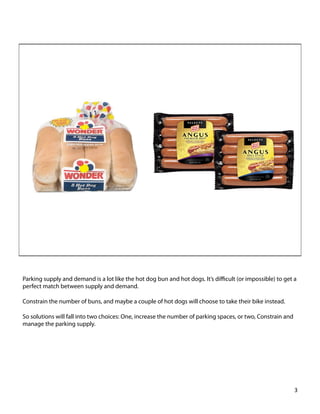
Parking supply and demand is a lot like the hot dog bun and hot dogs. It’s difficult (or impossible) to get a
perfect match between supply and demand.
Constrain the number of buns, and maybe a couple of hot dogs will choose to take their bike instead.
So solutions will fall into two choices: One, increase the number of parking spaces, or two, Constrain and
manage the parking supply.
3	
  
4	
  
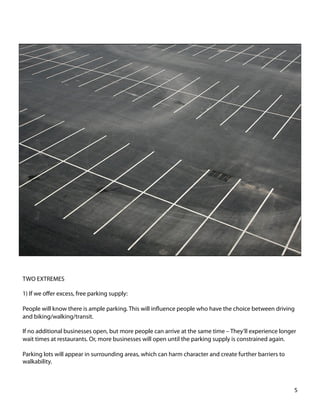
TWO EXTREMES
1) If we offer excess, free parking supply:
People will know there is ample parking. This will influence people who have the choice between driving
and biking/walking/transit.
If no additional businesses open, but more people can arrive at the same time – They’ll experience longer
wait times at restaurants. Or, more businesses will open until the parking supply is constrained again.
Parking lots will appear in surrounding areas, which can harm character and create further barriers to
walkability.
5	
  
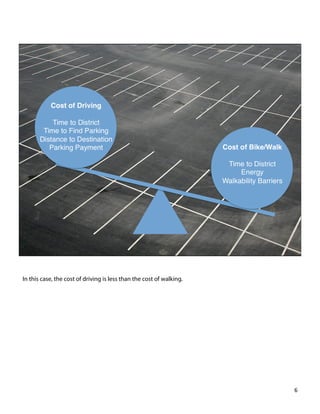
In this case, the cost of driving is less than the cost of walking.
6	
  
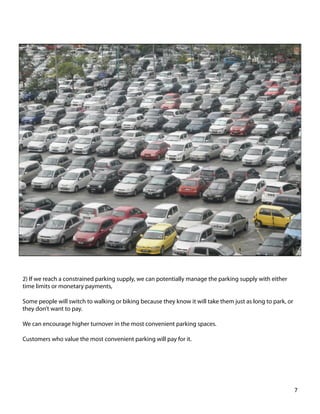
2) If we reach a constrained parking supply, we can potentially manage the parking supply with either
time limits or monetary payments,
Some people will switch to walking or biking because they know it will take them just as long to park, or
they don’t want to pay.
We can encourage higher turnover in the most convenient parking spaces.
Customers who value the most convenient parking will pay for it.
7	
  
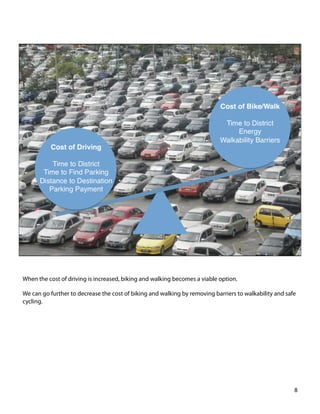
When the cost of driving is increased, biking and walking becomes a viable option.
We can go further to decrease the cost of biking and walking by removing barriers to walkability and safe
cycling.
8	
  
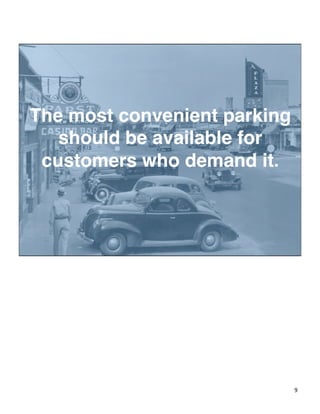
9	
  
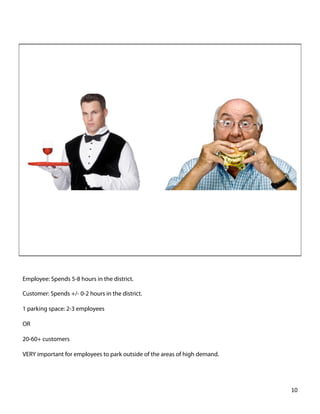
Employee: Spends 5-8 hours in the district.
Customer: Spends +/- 0-2 hours in the district.
1 parking space: 2-3 employees
OR
20-60+ customers
VERY important for employees to park outside of the areas of high demand.
10	
  
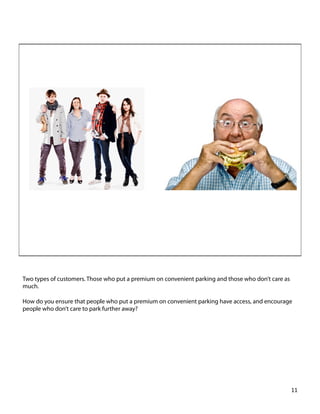
Two types of customers. Those who put a premium on convenient parking and those who don’t care as
much.
How do you ensure that people who put a premium on convenient parking have access, and encourage
people who don’t care to park further away?
11	
  
12	
  
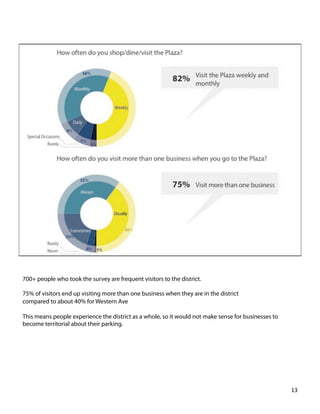
700+ people who took the survey are frequent visitors to the district.
75% of visitors end up visiting more than one business when they are in the district
compared to about 40% for Western Ave
This means people experience the district as a whole, so it would not make sense for businesses to
become territorial about their parking.
13	
  
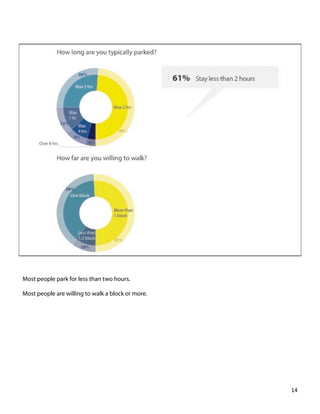
Most people park for less than two hours.
Most people are willing to walk a block or more.
14	
  
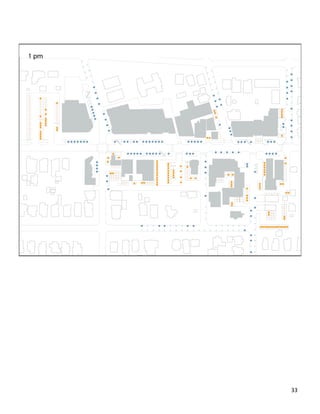
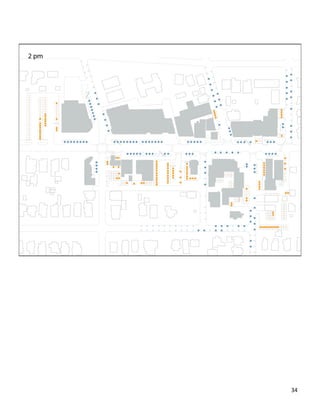
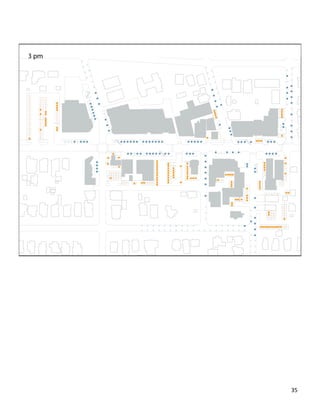
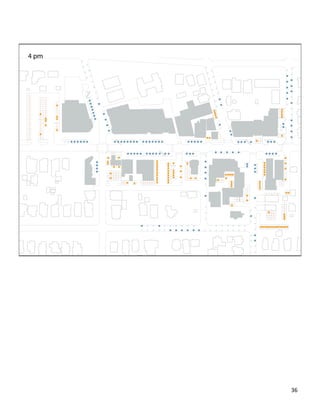
Let’s take a look at the parking patterns in the Plaza District.
15	
  
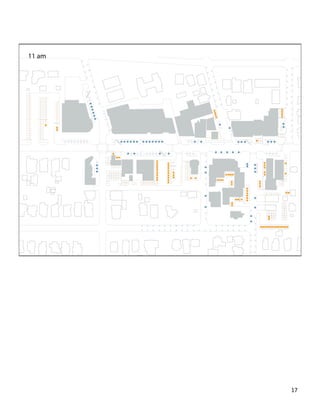
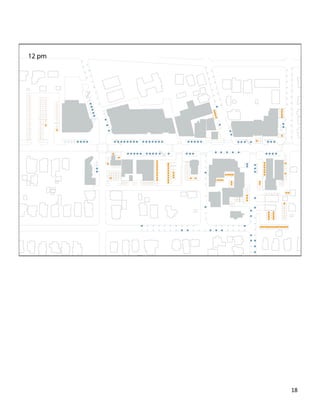
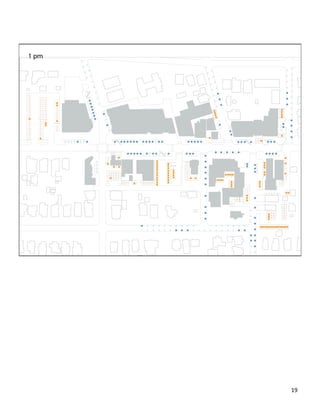
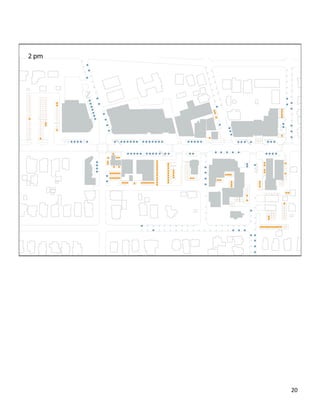
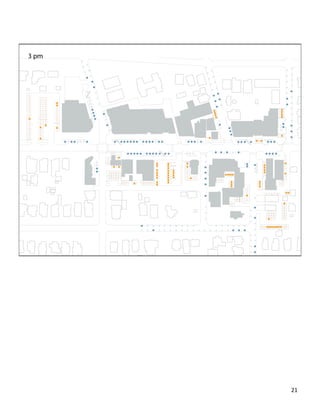
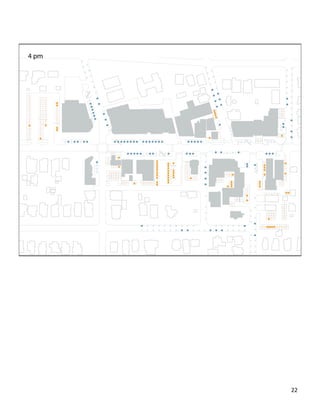
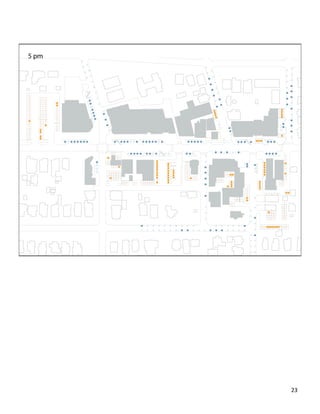
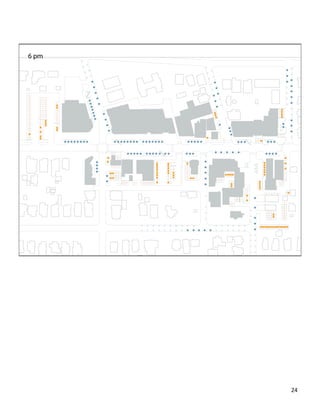
Wednesday, a typical weekday, experiences relatively low parking demand overall, with many peripheral
off-street lots staying nearly empty most of the day.
However, demand for the most convenient on-street parking on 16th Street is still very high.
16	
  
17	
  
18	
  
19	
  
20	
  
21	
  
22	
  
23	
  
24	
  
25	
  
26	
  
27	
  
28	
  
29	
  
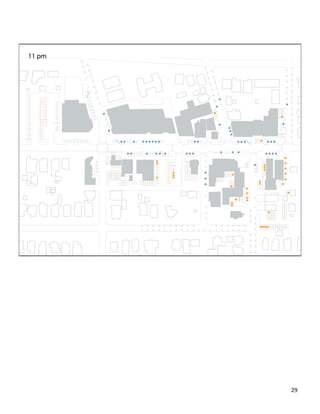
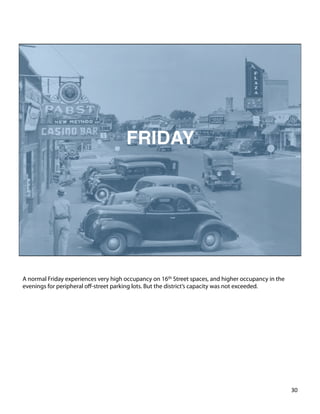
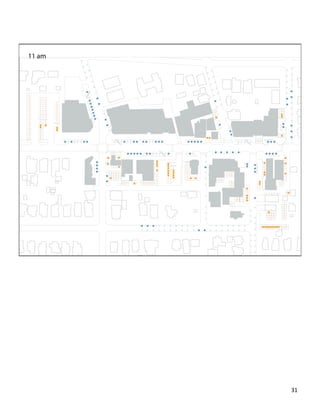
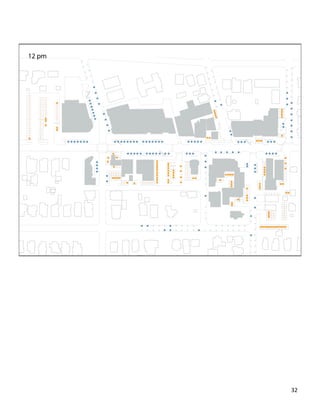
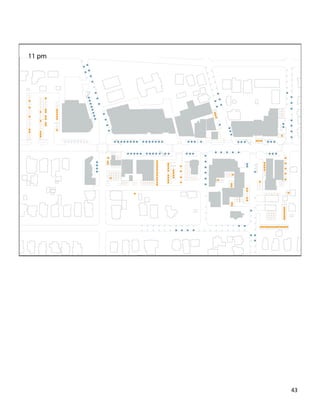
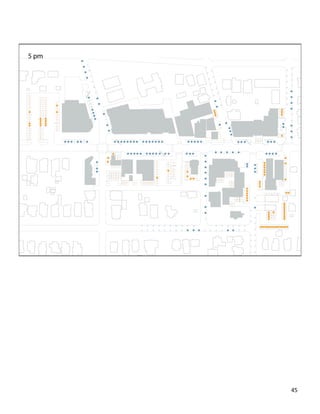
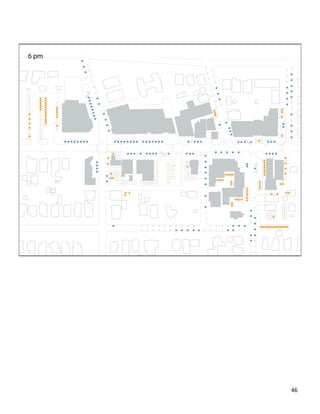
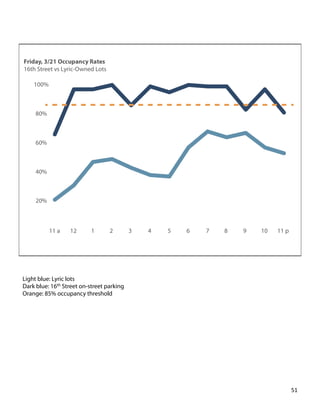
A normal Friday experiences very high occupancy on 16th Street spaces, and higher occupancy in the
evenings for peripheral off-street parking lots. But the district’s capacity was not exceeded.
30	
  
31	
  
32	
  
33	
  
34	
  
35	
  
36	
  
37	
  
38	
  
39	
  
40	
  
41	
  
42	
  
43	
  
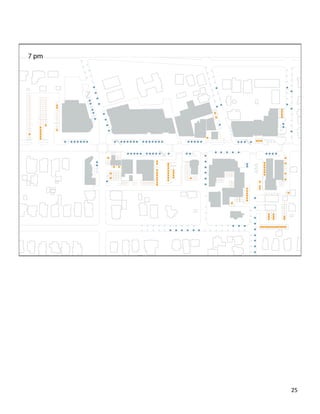
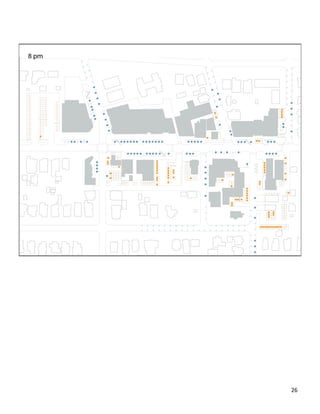
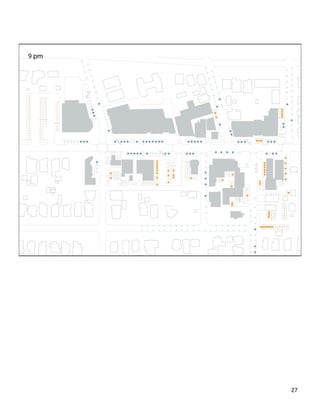
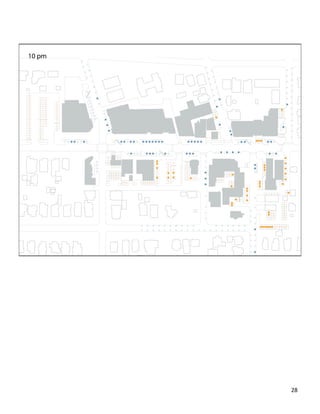
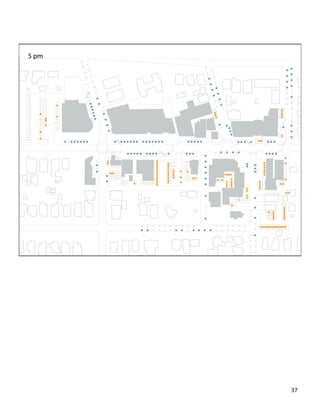
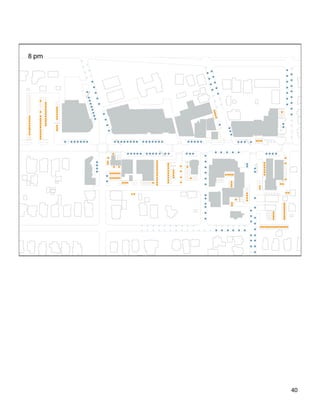
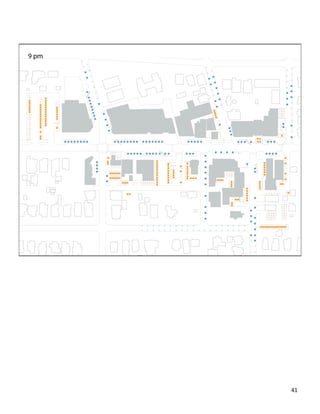
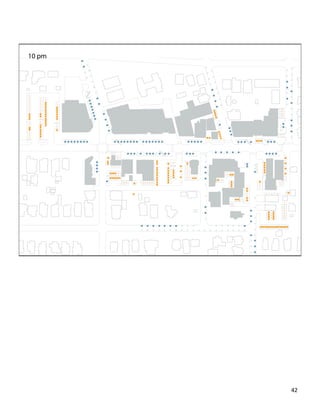
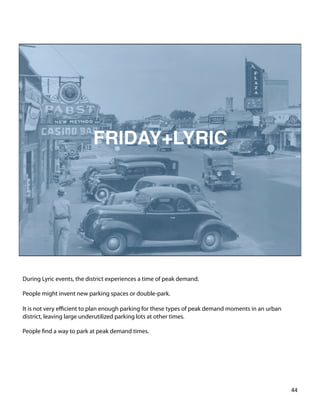
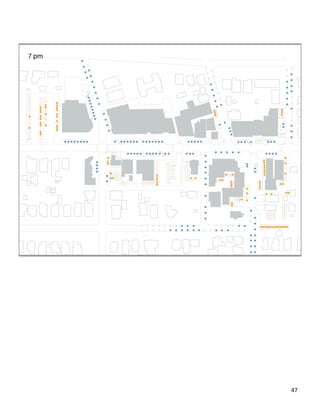
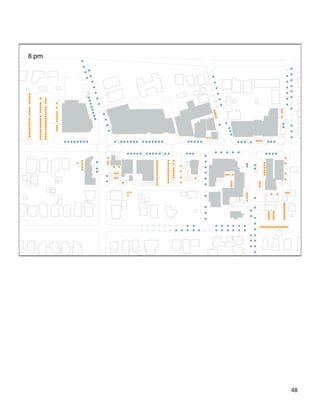
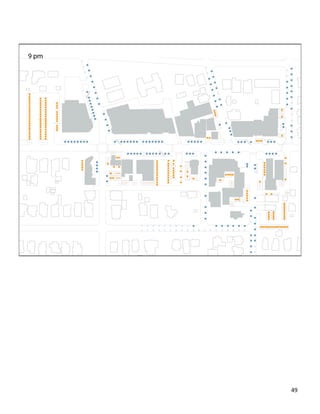
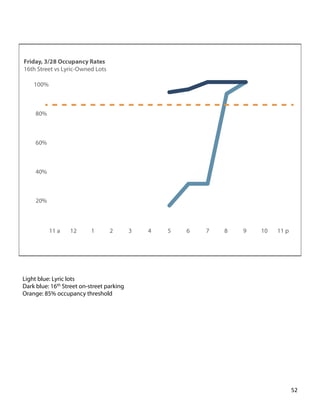
During Lyric events, the district experiences a time of peak demand.
People might invent new parking spaces or double-park.
It is not very efficient to plan enough parking for these types of peak demand moments in an urban
district, leaving large underutilized parking lots at other times.
People find a way to park at peak demand times.
44	
  
45	
  
46	
  
47	
  
48	
  
49	
  
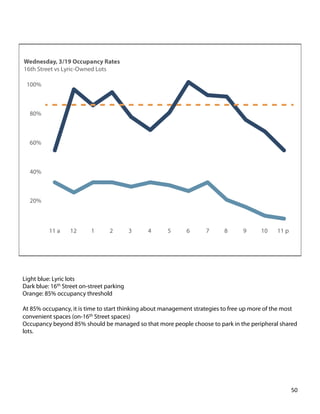
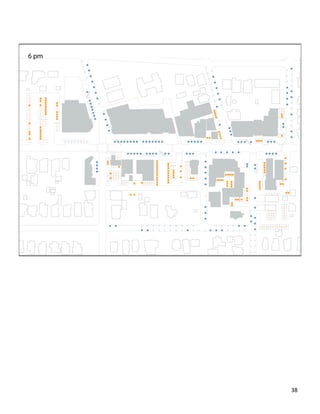
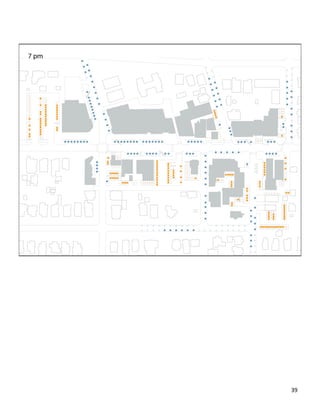
Light blue: Lyric lots
Dark blue: 16th Street on-street parking
Orange: 85% occupancy threshold
At 85% occupancy, it is time to start thinking about management strategies to free up more of the most
convenient spaces (on-16th Street spaces)
Occupancy beyond 85% should be managed so that more people choose to park in the peripheral shared
lots.
50	
  
Light blue: Lyric lots
Dark blue: 16th Street on-street parking
Orange: 85% occupancy threshold
51	
  
Light blue: Lyric lots
Dark blue: 16th Street on-street parking
Orange: 85% occupancy threshold
52	
  
53	
  
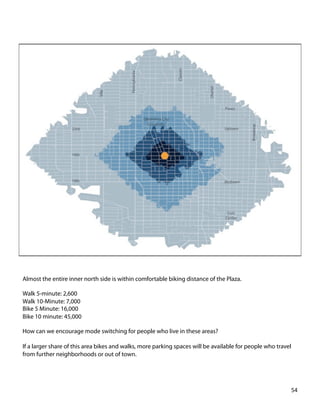
Almost the entire inner north side is within comfortable biking distance of the Plaza.
Walk 5-minute: 2,600
Walk 10-Minute: 7,000
Bike 5 Minute: 16,000
Bike 10 minute: 45,000
How can we encourage mode switching for people who live in these areas?
If a larger share of this area bikes and walks, more parking spaces will be available for people who travel
from further neighborhoods or out of town.
54	
  
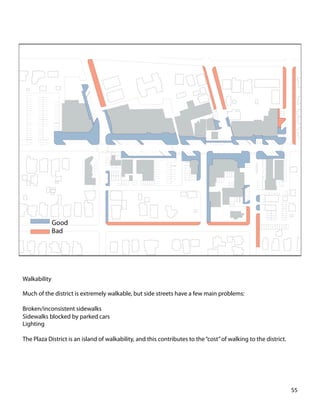
Walkability
Much of the district is extremely walkable, but side streets have a few main problems:
Broken/inconsistent sidewalks
Sidewalks blocked by parked cars
Lighting
The Plaza District is an island of walkability, and this contributes to the“cost”of walking to the district.
55	
  
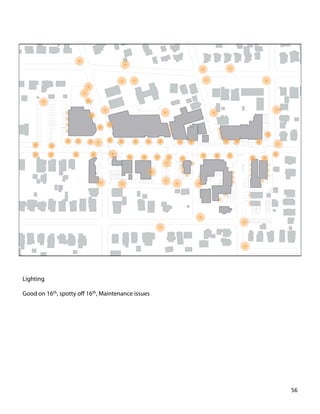
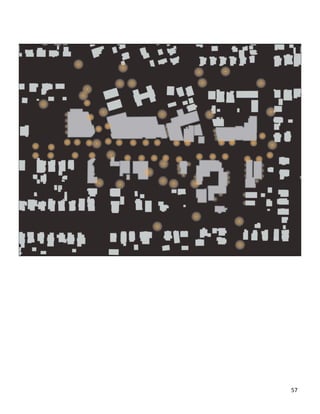
Lighting
Good on 16th, spotty off 16th, Maintenance issues
56	
  
57	
  
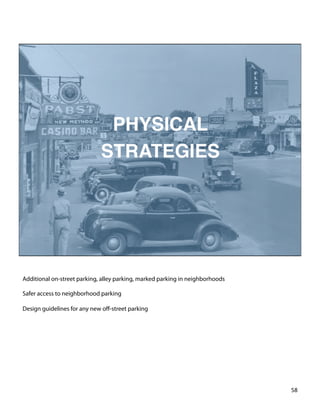
Additional on-street parking, alley parking, marked parking in neighborhoods
Safer access to neighborhood parking
Design guidelines for any new off-street parking
58	
  
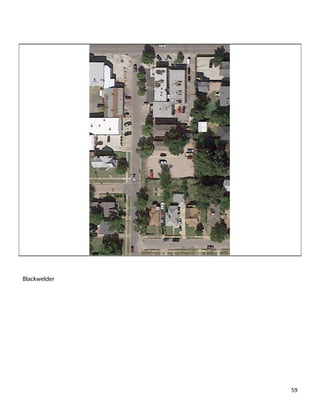
Blackwelder
59	
  
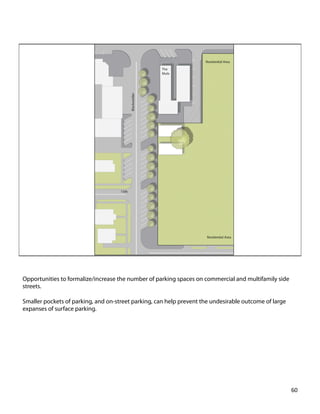
Opportunities to formalize/increase the number of parking spaces on commercial and multifamily side
streets.
Smaller pockets of parking, and on-street parking, can help prevent the undesirable outcome of large
expanses of surface parking.
60	
  
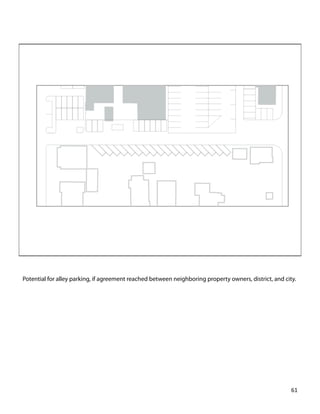
Potential for alley parking, if agreement reached between neighboring property owners, district, and city.
61	
  
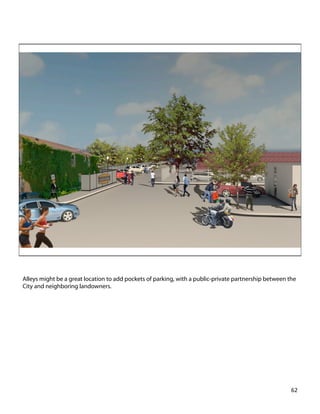
Alleys might be a great location to add pockets of parking, with a public-private partnership between the
City and neighboring landowners.
62	
  
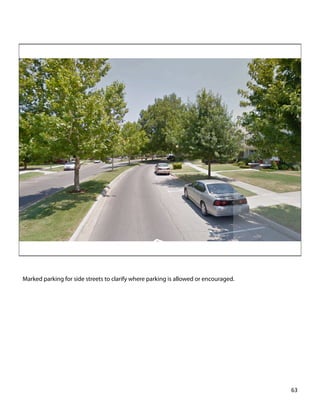
Marked parking for side streets to clarify where parking is allowed or encouraged.
63	
  
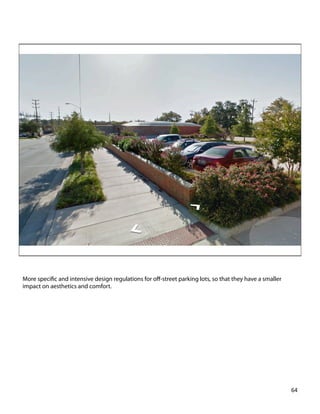
More specific and intensive design regulations for off-street parking lots, so that they have a smaller
impact on aesthetics and comfort.
64	
  
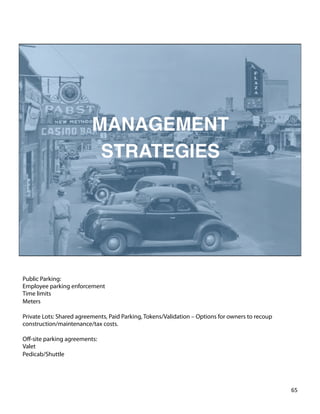
Public Parking:
Employee parking enforcement
Time limits
Meters
Private Lots: Shared agreements, Paid Parking, Tokens/Validation – Options for owners to recoup
construction/maintenance/tax costs.
Off-site parking agreements:
Valet
Pedicab/Shuttle
65	
  
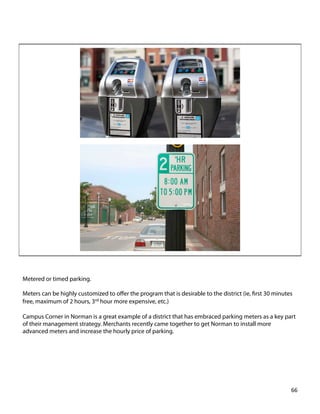
Metered or timed parking.
Meters can be highly customized to offer the program that is desirable to the district (ie, first 30 minutes
free, maximum of 2 hours, 3rd hour more expensive, etc.)
Campus Corner in Norman is a great example of a district that has embraced parking meters as a key part
of their management strategy. Merchants recently came together to get Norman to install more
advanced meters and increase the hourly price of parking.
66	
  
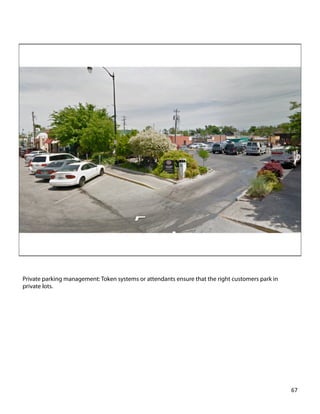
Private parking management: Token systems or attendants ensure that the right customers park in
private lots.
67	
  
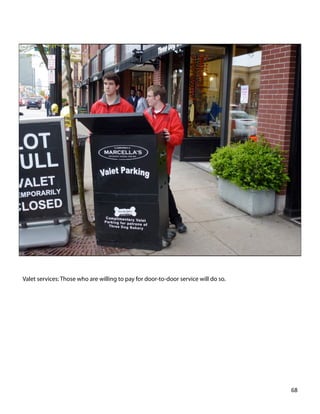
Valet services: Those who are willing to pay for door-to-door service will do so.
68	
  
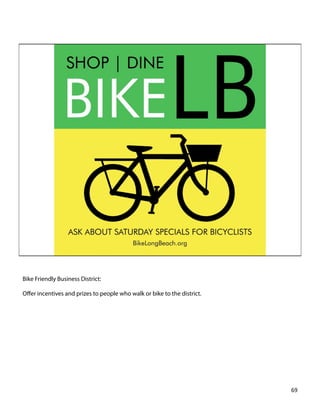
Bike Friendly Business District:
Offer incentives and prizes to people who walk or bike to the district.
69	
  
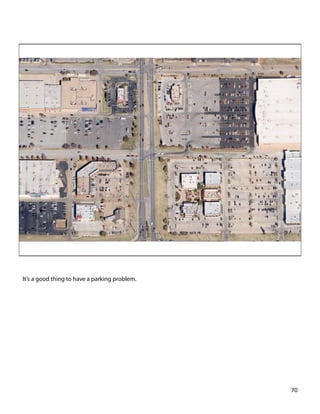
It’s a good thing to have a parking problem.
70	
  

Plaza Parking With Speakers Notes

  • 1.
  • 2.
    Parking in urbanneighborhoods follows the rules of economics. As we repopulate historic urban neighborhoods, we are realizing that our old rules and expectations about parking cannot be applied in places that were built in a different era. We need new ways of thinking and strategies to bring life back to these areas. Otherwise, we risk destroying their character in search of a mythical parking balance that meets suburban expectations. 2  
  • 3.
    Parking supply anddemand is a lot like the hot dog bun and hot dogs. It’s difficult (or impossible) to get a perfect match between supply and demand. Constrain the number of buns, and maybe a couple of hot dogs will choose to take their bike instead. So solutions will fall into two choices: One, increase the number of parking spaces, or two, Constrain and manage the parking supply. 3  
  • 4.
  • 5.
    TWO EXTREMES 1) Ifwe offer excess, free parking supply: People will know there is ample parking. This will influence people who have the choice between driving and biking/walking/transit. If no additional businesses open, but more people can arrive at the same time – They’ll experience longer wait times at restaurants. Or, more businesses will open until the parking supply is constrained again. Parking lots will appear in surrounding areas, which can harm character and create further barriers to walkability. 5  
  • 6.
    In this case,the cost of driving is less than the cost of walking. 6  
  • 7.
    2) If wereach a constrained parking supply, we can potentially manage the parking supply with either time limits or monetary payments, Some people will switch to walking or biking because they know it will take them just as long to park, or they don’t want to pay. We can encourage higher turnover in the most convenient parking spaces. Customers who value the most convenient parking will pay for it. 7  
  • 8.
    When the costof driving is increased, biking and walking becomes a viable option. We can go further to decrease the cost of biking and walking by removing barriers to walkability and safe cycling. 8  
  • 9.
  • 10.
    Employee: Spends 5-8hours in the district. Customer: Spends +/- 0-2 hours in the district. 1 parking space: 2-3 employees OR 20-60+ customers VERY important for employees to park outside of the areas of high demand. 10  
  • 11.
    Two types ofcustomers. Those who put a premium on convenient parking and those who don’t care as much. How do you ensure that people who put a premium on convenient parking have access, and encourage people who don’t care to park further away? 11  
  • 12.
  • 13.
    700+ people whotook the survey are frequent visitors to the district. 75% of visitors end up visiting more than one business when they are in the district compared to about 40% for Western Ave This means people experience the district as a whole, so it would not make sense for businesses to become territorial about their parking. 13  
  • 14.
    Most people parkfor less than two hours. Most people are willing to walk a block or more. 14  
  • 15.
    Let’s take alook at the parking patterns in the Plaza District. 15  
  • 16.
    Wednesday, a typicalweekday, experiences relatively low parking demand overall, with many peripheral off-street lots staying nearly empty most of the day. However, demand for the most convenient on-street parking on 16th Street is still very high. 16  
  • 17.
  • 18.
  • 19.
  • 20.
  • 21.
  • 22.
  • 23.
  • 24.
  • 25.
  • 26.
  • 27.
  • 28.
  • 29.
  • 30.
    A normal Fridayexperiences very high occupancy on 16th Street spaces, and higher occupancy in the evenings for peripheral off-street parking lots. But the district’s capacity was not exceeded. 30  
  • 31.
  • 32.
  • 33.
  • 34.
  • 35.
  • 36.
  • 37.
  • 38.
  • 39.
  • 40.
  • 41.
  • 42.
  • 43.
  • 44.
    During Lyric events,the district experiences a time of peak demand. People might invent new parking spaces or double-park. It is not very efficient to plan enough parking for these types of peak demand moments in an urban district, leaving large underutilized parking lots at other times. People find a way to park at peak demand times. 44  
  • 45.
  • 46.
  • 47.
  • 48.
  • 49.
  • 50.
    Light blue: Lyriclots Dark blue: 16th Street on-street parking Orange: 85% occupancy threshold At 85% occupancy, it is time to start thinking about management strategies to free up more of the most convenient spaces (on-16th Street spaces) Occupancy beyond 85% should be managed so that more people choose to park in the peripheral shared lots. 50  
  • 51.
    Light blue: Lyriclots Dark blue: 16th Street on-street parking Orange: 85% occupancy threshold 51  
  • 52.
    Light blue: Lyriclots Dark blue: 16th Street on-street parking Orange: 85% occupancy threshold 52  
  • 53.
  • 54.
    Almost the entireinner north side is within comfortable biking distance of the Plaza. Walk 5-minute: 2,600 Walk 10-Minute: 7,000 Bike 5 Minute: 16,000 Bike 10 minute: 45,000 How can we encourage mode switching for people who live in these areas? If a larger share of this area bikes and walks, more parking spaces will be available for people who travel from further neighborhoods or out of town. 54  
  • 55.
    Walkability Much of thedistrict is extremely walkable, but side streets have a few main problems: Broken/inconsistent sidewalks Sidewalks blocked by parked cars Lighting The Plaza District is an island of walkability, and this contributes to the“cost”of walking to the district. 55  
  • 56.
    Lighting Good on 16th,spotty off 16th, Maintenance issues 56  
  • 57.
  • 58.
    Additional on-street parking,alley parking, marked parking in neighborhoods Safer access to neighborhood parking Design guidelines for any new off-street parking 58  
  • 59.
  • 60.
    Opportunities to formalize/increasethe number of parking spaces on commercial and multifamily side streets. Smaller pockets of parking, and on-street parking, can help prevent the undesirable outcome of large expanses of surface parking. 60  
  • 61.
    Potential for alleyparking, if agreement reached between neighboring property owners, district, and city. 61  
  • 62.
    Alleys might bea great location to add pockets of parking, with a public-private partnership between the City and neighboring landowners. 62  
  • 63.
    Marked parking forside streets to clarify where parking is allowed or encouraged. 63  
  • 64.
    More specific andintensive design regulations for off-street parking lots, so that they have a smaller impact on aesthetics and comfort. 64  
  • 65.
    Public Parking: Employee parkingenforcement Time limits Meters Private Lots: Shared agreements, Paid Parking, Tokens/Validation – Options for owners to recoup construction/maintenance/tax costs. Off-site parking agreements: Valet Pedicab/Shuttle 65  
  • 66.
    Metered or timedparking. Meters can be highly customized to offer the program that is desirable to the district (ie, first 30 minutes free, maximum of 2 hours, 3rd hour more expensive, etc.) Campus Corner in Norman is a great example of a district that has embraced parking meters as a key part of their management strategy. Merchants recently came together to get Norman to install more advanced meters and increase the hourly price of parking. 66  
  • 67.
    Private parking management:Token systems or attendants ensure that the right customers park in private lots. 67  
  • 68.
    Valet services: Thosewho are willing to pay for door-to-door service will do so. 68  
  • 69.
    Bike Friendly BusinessDistrict: Offer incentives and prizes to people who walk or bike to the district. 69  
  • 70.
    It’s a goodthing to have a parking problem. 70