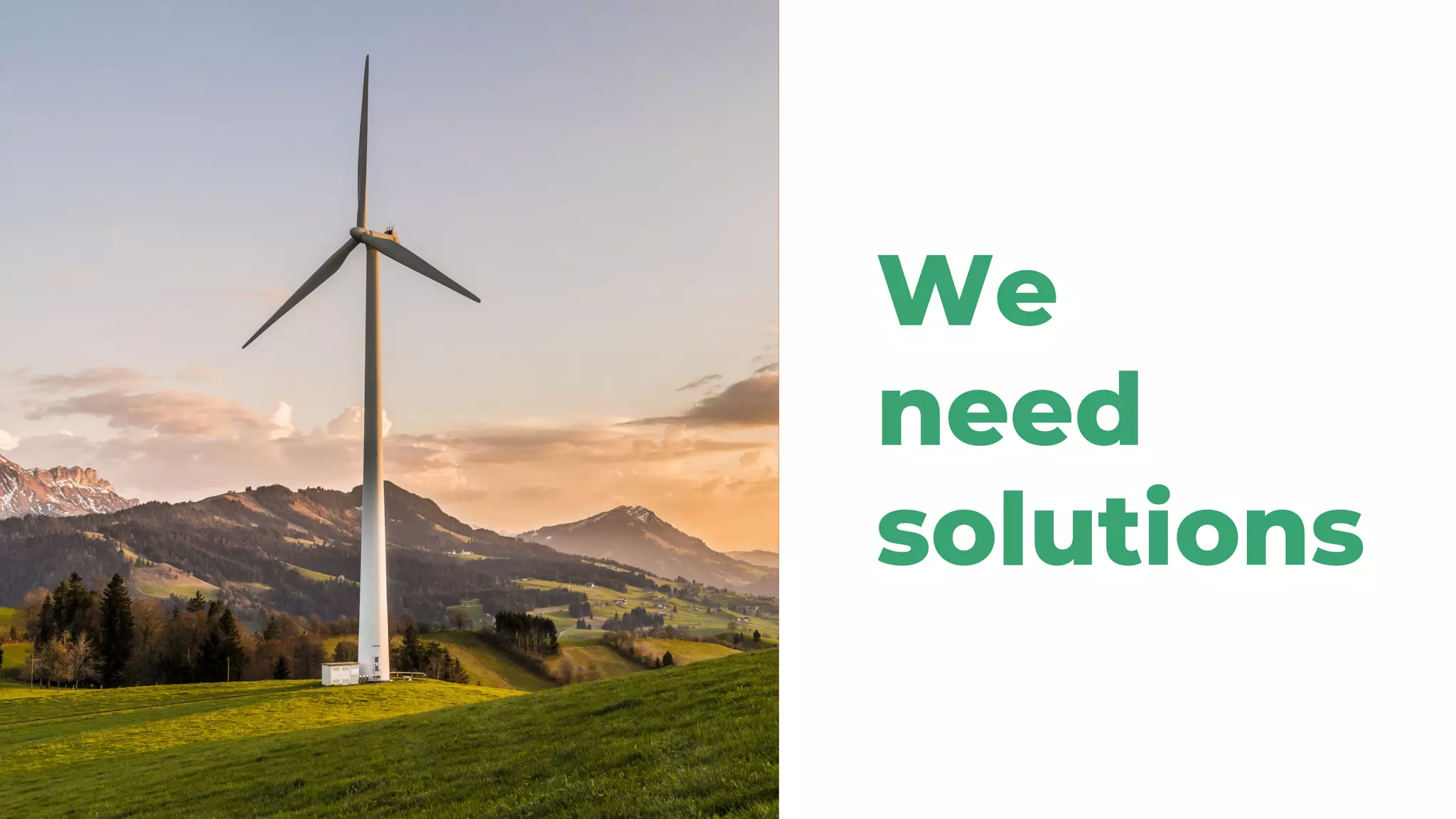
We
need
solutions
We Need An
Economic Shift
In order to preserve the natural resources we need
to drive sustainable supply and demand.
— SDG 12
"We need to promote
responsible
consumption and
production"
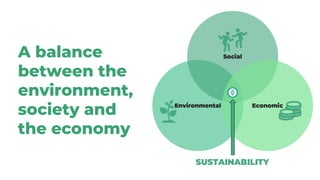
A balance
between the
environment,
society and
the economy
Doughnut Economics
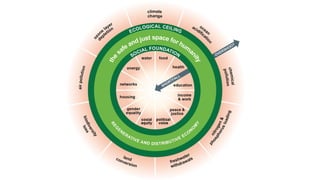
Doughnut Economics is a new way of thinking about the economic system
and the way it functions. The current economic system assumes that growth
is infinite and is only confined by the boundaries of belief in that system. The
irrational approach to this outlook disregards the finite capacity of our planet
and its resources. It assumes that growth is infinite even though the
resources it relies on are not. Thus, presenting doughnut economics.
There are 9 planetary boundaries that allow the earth to function and within
an operating capacity. There are also 12 social barriers that will need to be
considered to optimize human operations globally. In order to progress
forward as a species and preserve the functionality of our environment and
species we must find a balance within the boundaries of the ecological
ceiling and the social foundation.
The SDG's
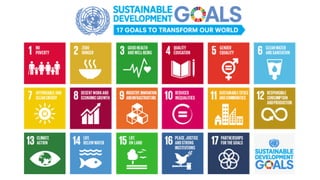
The Sustainable Development Goals are a guideline to strive for a better
and more sustainable future for all. The goals target the global
challenges we face, including those related to poverty, inequality,
climate change, environmental degradation, peace and justice. The 17
Goals are all interrelated and 195 countries have signed onto this
agreement to achieve a more sustainable future. The are targets that
need to be met by all 195 countries by 2030 if we are to succeed in
addressing the global issues.
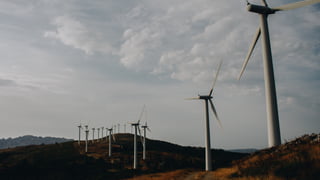
Divest out of Fossil Fuels and Invest
into Green Solutions
The impacts of the greenhouse effect and influence of the fossil fuel industry has
been pointed out for decades. The industry kept the harmful impacts of greenhouse
emissions quiet for so long and has caused controversy to try and maintain their
profits at the demise of the planet. The same types of strategies have been used by
the tobacco and meat industries, which are also contributing to the destruction of
our ecosystems and environment not to mention the negative effects on human
health. These industries have corrupted the world and have negatively conditioned
societal behaviour in the quest for profit without realizing the long-term
repercussions of the industry. The fossil fuel industry is still profitable, but what will
matter if we don't have a world to make profit in. Thus, divesting from the fossil fuel
industry is essential for the preservation of our planet. We have to fund sustainable
businesses and industries that have longevity and to not negatively impact the
environment on which we rely.
Planetary boundaries solutions

Planetary boundaries solutions

  • 1.
  • 2.
    We Need An EconomicShift In order to preserve the natural resources we need to drive sustainable supply and demand.
  • 3.
    — SDG 12 "Weneed to promote responsible consumption and production"
  • 4.
  • 5.
    Doughnut Economics Doughnut Economicsis a new way of thinking about the economic system and the way it functions. The current economic system assumes that growth is infinite and is only confined by the boundaries of belief in that system. The irrational approach to this outlook disregards the finite capacity of our planet and its resources. It assumes that growth is infinite even though the resources it relies on are not. Thus, presenting doughnut economics. There are 9 planetary boundaries that allow the earth to function and within an operating capacity. There are also 12 social barriers that will need to be considered to optimize human operations globally. In order to progress forward as a species and preserve the functionality of our environment and species we must find a balance within the boundaries of the ecological ceiling and the social foundation.
  • 7.
    The SDG's The SustainableDevelopment Goals are a guideline to strive for a better and more sustainable future for all. The goals target the global challenges we face, including those related to poverty, inequality, climate change, environmental degradation, peace and justice. The 17 Goals are all interrelated and 195 countries have signed onto this agreement to achieve a more sustainable future. The are targets that need to be met by all 195 countries by 2030 if we are to succeed in addressing the global issues.
  • 9.
    Divest out ofFossil Fuels and Invest into Green Solutions The impacts of the greenhouse effect and influence of the fossil fuel industry has been pointed out for decades. The industry kept the harmful impacts of greenhouse emissions quiet for so long and has caused controversy to try and maintain their profits at the demise of the planet. The same types of strategies have been used by the tobacco and meat industries, which are also contributing to the destruction of our ecosystems and environment not to mention the negative effects on human health. These industries have corrupted the world and have negatively conditioned societal behaviour in the quest for profit without realizing the long-term repercussions of the industry. The fossil fuel industry is still profitable, but what will matter if we don't have a world to make profit in. Thus, divesting from the fossil fuel industry is essential for the preservation of our planet. We have to fund sustainable businesses and industries that have longevity and to not negatively impact the environment on which we rely.