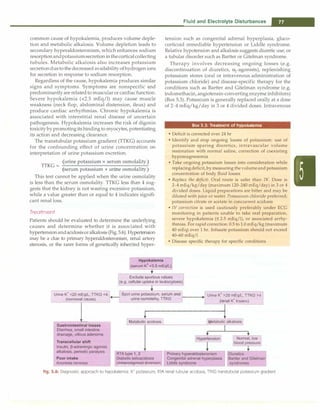
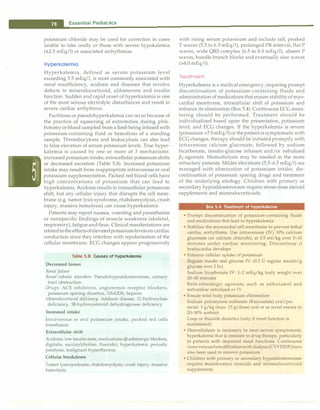
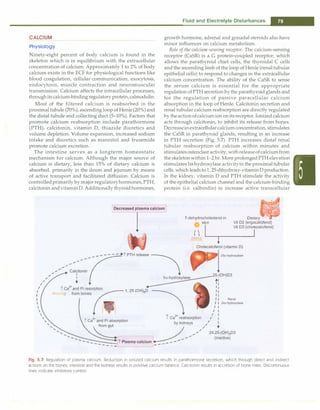
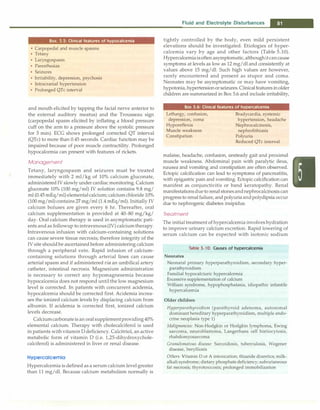
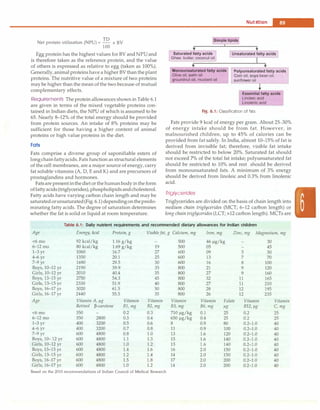
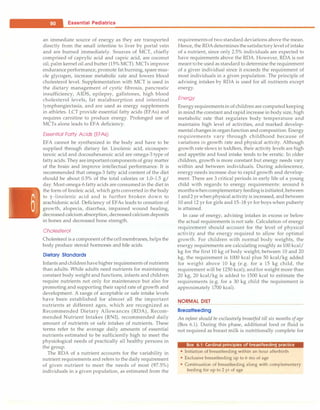
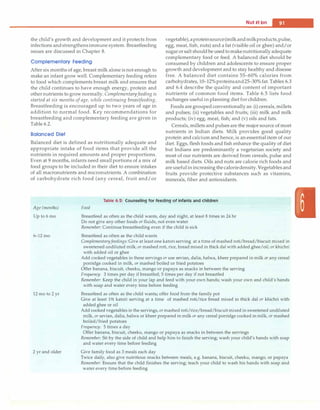
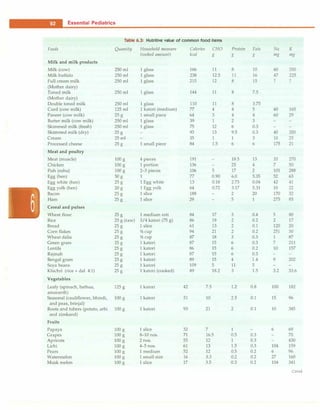
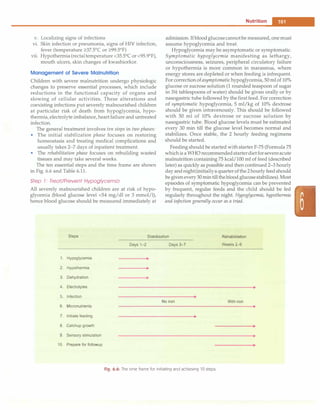
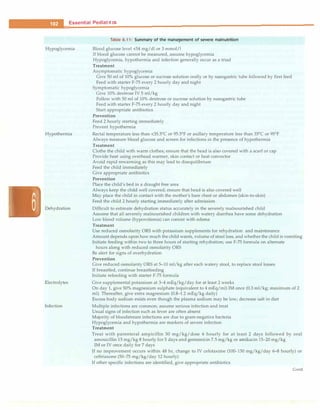
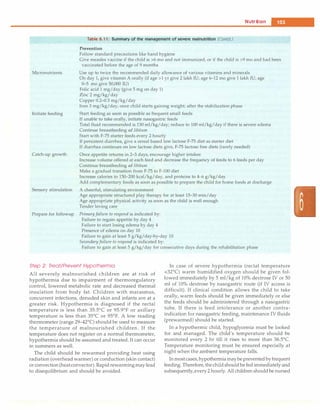
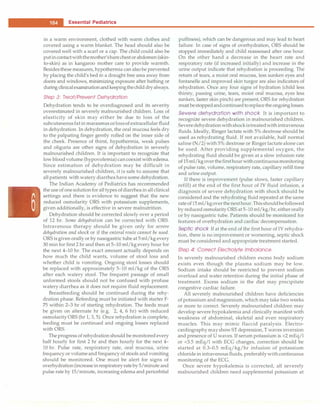
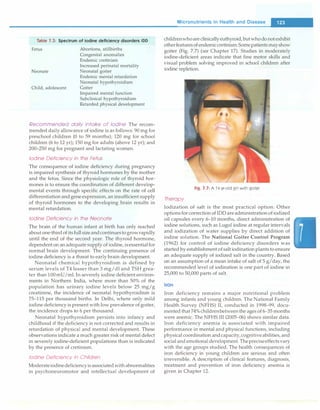
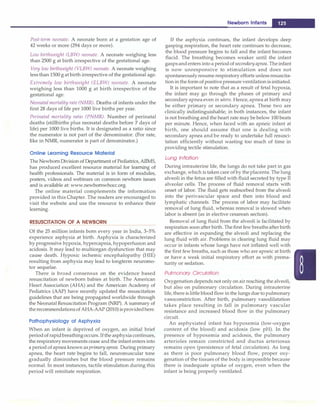
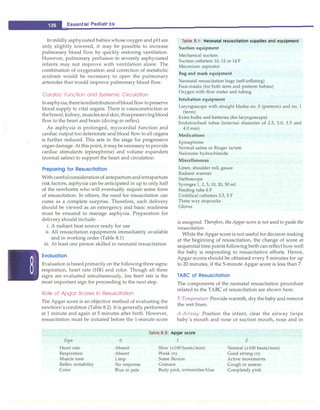
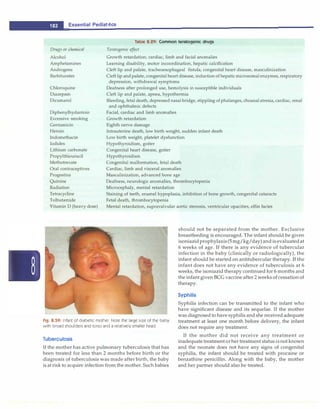
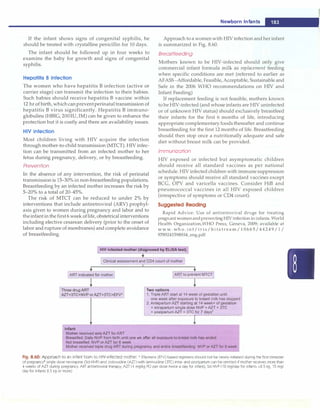
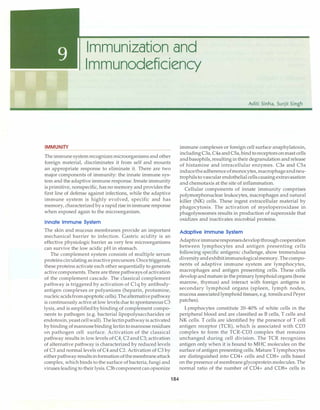
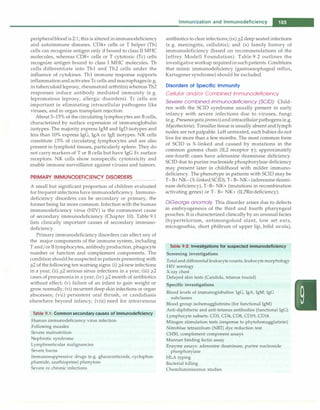
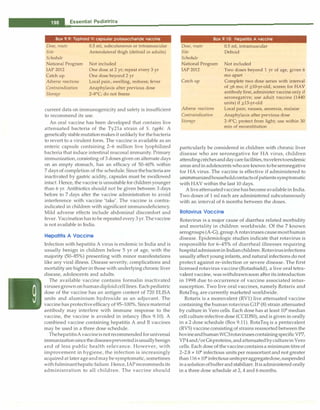
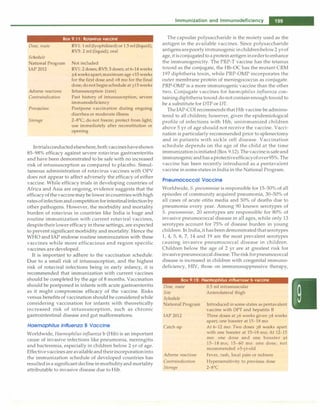
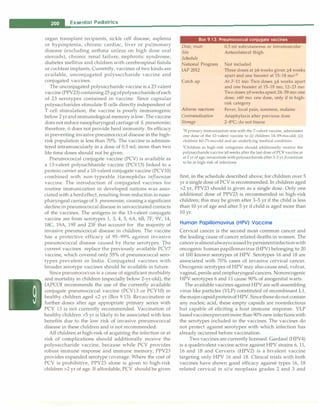
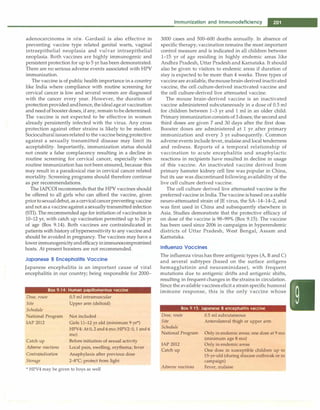
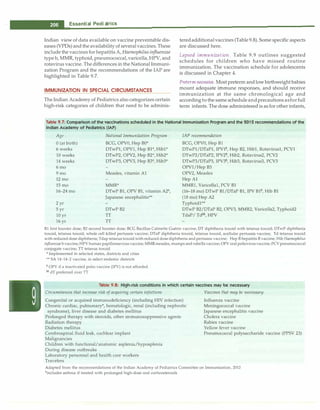
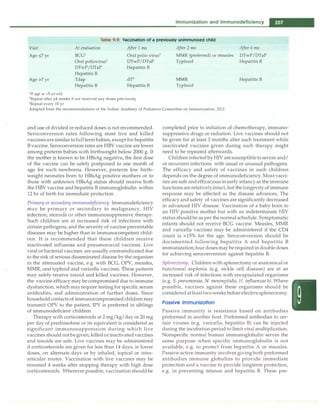
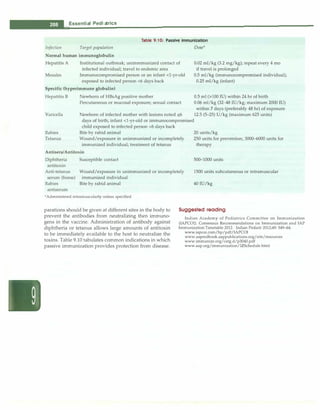
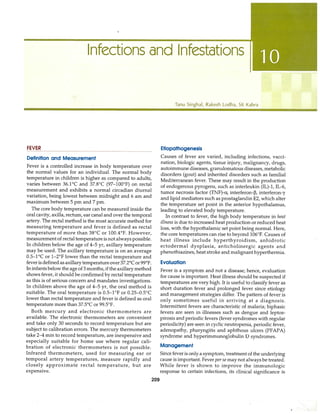
Eighth
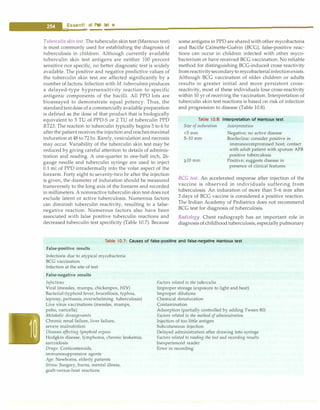
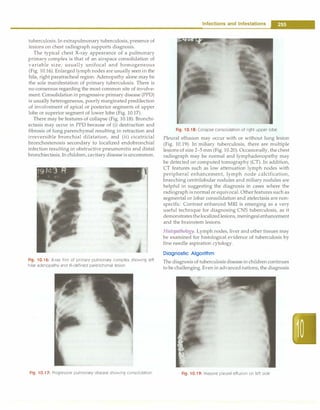
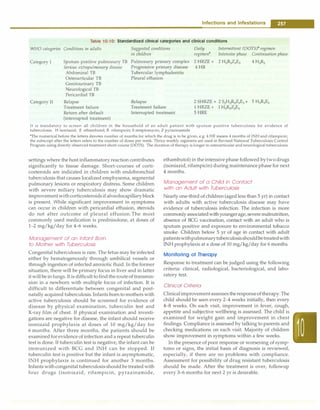
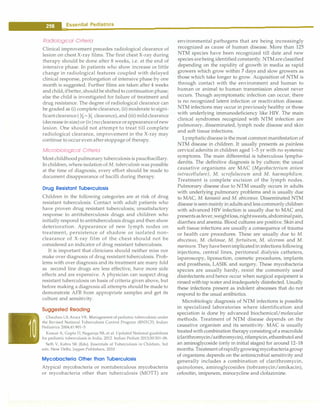
Edition
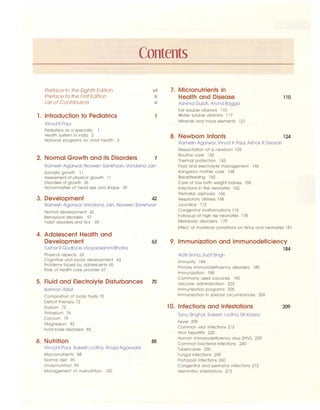
Contents
Preface to the Eighth Edition
Preface to the First Edition
List of Contributors
1. Introduction to Pediatrics
Vinod KPaul
Pediatrics as a specialty
Health system in India 2
National programs on child health 3
vii
ix
xi
2. Normal Growth and its Disorders 7
Ramesh Agarwal, Naveen Sankhyan, Vandana Jain
Somatic growth 11
Assessment of physical growth 11
Disorders of growth 35
Abnormalities of head size and shape 39
3. Development 42
Ramesh Agarwal, Vandana Jain, Naveen Sankhyan
Normal development 42
Behavioral disorders 57
Habit disorders and tics 59
4. Adolescent Health and
Development
Tushar R Godbole.Vijayalakshmi Bhatia
Physical aspects 63
Cognitive and social development 63
Problems faced by adolescents 65
Role of health care provider 67
5. Fluid and Electrolyte Disturbances
Kamran Afzal
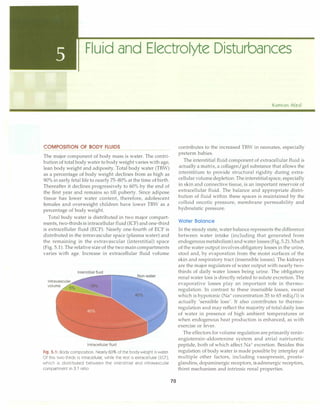
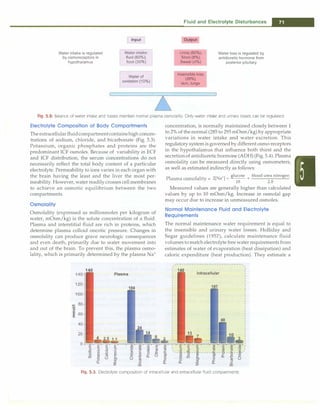
Composition of body fluids 70
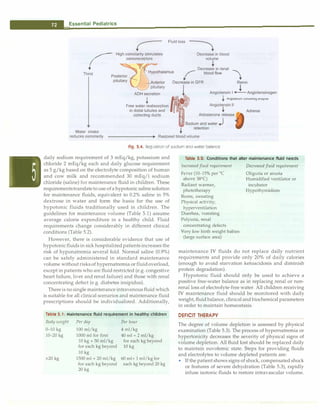
Deficit therapy 72
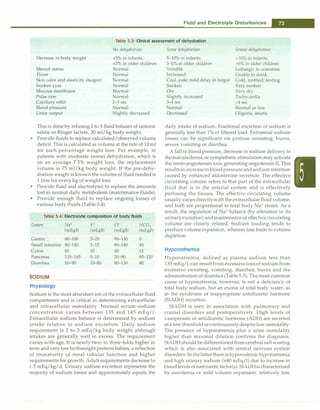
Sodium 73
Potassium 76
Calcium 79
Magnesium 82
Acid-base disorders 83
6. Nutrition
Vinod KPaul, Rakesh Lodha, Anuja Agarwala
Macronutrients 88
Normal diet 90
Undernutrition 95
Management of malnutrition l 00
63
70
88
7. Micronutrients in
Health and Disease
Ashima Gulati, Arvind Bagga
Fat soluble vitamins 110
Water soluble vitamins 117
Minerals and trace elements 121
110
8. Newborn Infants 124
Ramesh Agarwal, Vinod KPaul, Ashok K Deorari
Resuscitation of a newborn 125
Routine care 133
Thermal protection 143
Fluid and electrolyte management 146
Kangaroo mother care 148
Breastfeeding 150
Care of low birth weight babies 155
Infections in the neonates 162
Perinatal asphyxia 166
Respiratory distress 168
Jaundice 172
Congenital malformations 176
Followup of high risk neonates 178
Metabolic disorders 179
Effect of maternal conditions on fetus and neonates 181
9. Immunization and Immunodeficiency
184
Aditi Sinha, Surjit Singh
Immunity 184
Primary immunodeficiency disorders 185
Immunization 188
Commonly used vaccines 190
Vaccine administration 203
Immunization programs 205
Immunization in special circumstances 206
10. Infections and Infestations
Tanu Singha!, Rakesh Lodha, SK Kabra
Fever 209
Common viral infections 213
Viral hepatitis 220
Human immunodeficiency virus (HIV) 229
Common bacterial infections 240
Tuberculosis 250
Fungal infections 259
Protozoa! infections 260
Congenital and perinatal infections 272
Helminthic infestations 273
209
-
....
E
_
s
_
s
_
e
_
n
_
t
_
ia
_
l
_
P
_
e
_
d
_
ia
_
t
_
ri
_
c
_
s _________________________________
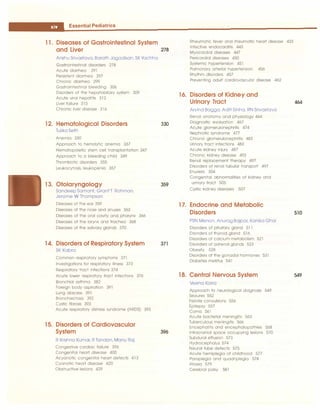
11. Diseases of Gastrointestinal System
and Liver 278
Anshu Srivastava, Barath Jagadisan, SK Yachha
Gastrointestinal disorders 278
Acute diarrhea 291
Persistent diarrhea 297
Chronic diarrhea 299
Gastrointestinal bleeding 306
Disorders of the hepatobiliary system 309
Acute viral hepatitis 312
Liver failure 313
Chronic liver disease 316
12. Hematological Disorders
Tulika Seth
Anemia 330
Approach to hemolytic anemia 337
Hematopoietic stem cell transplantation 347
Approach to a bleeding child 349
Thrombotic disorders 355
Leukocytosis, leukopenia 357
13. Otolaryngology
Sandeep Samant, Grant T Rohman,
Jerome W Thompson
Diseases of the ear 359
Diseases of the nose and sinuses 363
Diseases of the oral cavity and pharynx 366
Diseases of the larynx and trachea 368
Diseases of the salivary glands 370
14. Disorders of Respiratory System
SK Kabra
Common respiratory symptoms 371
Investigations for respiratory illness 373
Respiratory tract infections 374
Acute lower respiratory tract infections 376
Bronchial asthma 382
Foreign body aspiration 391
Lung abscess 391
Bronchiectasis 392
Cystic fibrosis 393
Acute respiratory distress syndrome (ARDS) 393
15. Disorders of Cardiovascular
System
R Krishna Kumar, R Tandon, Manu Raj
Congestive cardiac failure 396
Congenital heart disease 400
Acyanotic congenital heart defects 413
Cyanotic heart disease 420
Obstructive lesions 429
330
359
371
396
Rheumatic fever and rheumatic heart disease 433
Infective endocarditis 443
Myocardial diseases 447
Pericardia! diseases 450
Systemic hypertension 451
Pulmonary arterial hypertension 456
Rhythm disorders 457
Preventing adult cardiovascular disease 462
16. Disorders of Kidney and
Urinary Tract
Arvind Bagga, Aditi Sinha, RN Srivastava
Renal anatomy and physiology 464
Diagnostic evaluation 467
Acute glomerulonephritis 474
Nephrotic syndrome 477
Chronic glomerulonephritis 483
Urinary tract infections 483
Acute kidney injury 487
Chronic kidney disease 493
Renal replacement therapy 497
Disorders of renal tubular transport 497
Enuresis 504
Congenital abnormalities of kidney and
urinary tract 505
Cystic kidney diseases 507
17. Endocrine and Metabolic
Disorders
PSN Menon, Anurag Bajpai, Kanika Ghai
Disorders of pituitary gland 511
Disorders of thyroid gland 516
Disorders of calcium metabolism 521
Disorders of adrenal glands 523
Obesity 528
Disorders of the gonadal hormones 53l
Diabetes mellitus 54l
18. Central Nervous System
Veena Kalra
Approach to neurological diagnosis 549
Seizures 552
Febrile convulsions 556
Epilepsy 557
Coma 561
Acute bacterial meningitis 563
Tuberculous meningitis 566
Encephalitis and encephalopathies 568
lntracranial space occupying lesions 570
Subdural effusion 573
Hydrocephalus 574
Neural tube defects 575
Acute hemiplegia of childhood 577
Paraplegia and quadriplegia 578
Ataxia 579
Cerebral palsy 581
464
510
549
___________________________________:c:on
:.:;t::
e:.:.
nt:s....J
-
Degenerative brain disorders 583
Mental retardation 584
Neurocutaneous syndromes 586
19. Neuromuscular Disorders
Sheffali Gulati
Approach to evaluation 587
Disorders affecting anterior horn cells 588
Peripheral neuropathies 589
Acute flaccid paralysis 592
Neuromuscular junction disorders 593
Muscle disorders 594
20. Childhood Malignancies
Sadhna Shankar, Rachna Seth
Leukemia 599
Lymphoma 608
Brain tumors 612
Retlnoblastoma 614
Neuroblastoma 616
Wilms tumor 617
Soft tissue sarcoma 618
Bone tumors 619
Malignant tumors of the liver 620
Histiocytoses 620
Oncologic emergencies 622
Hematopoietic stem cell transplantation 623
21. Rheumatological Disorders
Surjit Singh
Arthritis 624
Systemic lupus erythematosus 628
Juvenile dermatomyositis 629
Scleroderma 630
Mixed connective tissue disease 630
Vasculitides 631
22. Genetic Disorders
Neerja Gupta, Madhulika Kabra
Chromosomal disorders 636
Single gene disorders 64l
Polygenic inheritance 644
Therapy for genetic disorders 644
Prevention of genetic disorders 645
23. Inborn Errors of Metabolism
Neerja Gupta, Madhulika Kabra
Suspecting an inborn error of metabolism 647
Aminoacidopathies 652
Urea cycle defects 653
Organic acidurias 655
Defects of carbohydrate metabolism 655
Mitochondial fatty acid oxidation defects 657
Lysosomal storage disorders 659
587
599
624
635
647
24. Eye Disorders
Radhika Tandon
Pediatric eye screening 665
Congenital and developmental abnormalities 666
Acquired eye diseases 667
25. Skin Disorders
Neena Khanna. Seemab Rasool
Basic principles 672
Genodermatoses 675
Nevi 679
Eczematous dermatitis 680
Disorders of skin appendages 682
Papulosquamous disorders 684
Disorders of pigmentation 686
Drug eruptions 686
Infections 687
Diseases caused by arthropods 694
26. Poisonings, Injuries and
Accidents
P Ramesh Menon
Poisoning 696
Common poisonings 700
Envenomation 703
Injuries and accidents 704
27. Pediatric Critical Care
Rakesh Lodha, Manjunatha Sarthi
665
672
696
708
Assessment and monitoring of a seriously ill child 708
Pediatric basic and advanced life support 71O
Shock 715
Mechanical ventilation 719
Nutrition in critically ill children 720
Sedation, analgesia and paralysis 721
Nosocomial infections in PICU 721
Transfusions 723
28. Common Medical Procedures
Sidharth Kumar Sethi. Arvind Bagga
Obtaining blood specimens 727
Removal of aspirated foreign body 727
Nasogastric tube insertion 728
Venous catheterization 728
Capillary blood (hell prick) 730
Umbilical vessel catheterization 730
Arterial catheterization 731
lntraosseous Infusion 731
Lumbar puncture 732
Thoracocentesis 733
Abdominal paracentesis or ascitic tip 734
Catheterization of bladder 734
Peritoneal dialysis 734
Bone marrow aspiration and biopsy 736
Liver biopsy 737
Renal biopsy 738
727
___
E
_
s
_
s
_
e
_
n
_
ti
_
a
_
i
_
Pe
_
d
_
i
_
a
_
tr
_
ic
_
s________________________________
29. Rational Drug Therapy
Anu Thukral, Ashok K Deorari
739
30. Integrated Management of Neonatal
and Childhood Illness 751
AK Patwari, S Aneja
IMNCI strategy 751
Outpatient management of young infants age
up to 2 months 752
Outpatient management of sick child age 2 months
upto 5 years 758
Revision in IMNCI guidelines 767
31. Rights of Children
Rajeev Seth
Child abuse and neglect 769
Adoption 770
Index
768
773
Introduction to Pediatrics
The branch of medicine that deals with the care of children
and adolescents is pediatrics. This term has roots in the
Greekwordpedopais (a child) andiatros (healer). Pediatrics
covers the age group less than 18 yr of age. A physician
who specializes in health care of children and adolescents
is apediatrician. The goal of the specialty is to enable a child
to survive, remain healthy, and attain the highest possible
potential of growth, development and intellectual
achievement. Child health encompasses approaches,
interventionsandstrategiesthat preserve, protect, promote
and restore health of children at individual and population
level.
Childrenunder 15yrof agecompriseabout 30%of India's
population. Childhood is the state when the human being
is growing and developing. It is time to acquire habits,
values andlifestylesthat wouldmake childrenresponsible
adults andcitizens.Thefamily, society and nationare duty­
boundtomakechildrenfeelsecure, caredfor, andprotected
fromexploitation,violenceandsocietalills. Femalechildren
face gender bias in access to healthcare and nutrition. A
civilized society nurtures all its children, girls and boys
alike, withlove, generosity and benevolence.
Child is not a miniature adult. The principles of adult
medicine cannot be directly adapted to children. Pediatric
biology is unique and risk factors of pediatric disease are
distinct. Clinicalmanifestations ofchildhooddiseases may
be differentfromadults.Indeed,manydisorders are unique
to children. Drug dosages in children are specific and not a
mathematical derivation of the adult doses. Nutrition is a
critical necessity for children not only to sustain life, but to
ensuretheirgrowth and development.
Pediatrics as a Specialty
Pediatrics is a fascinating specialty. It encompasses care of
premature neonates on the one hand, and adolescents, on
theother.Thedisciplineofpediatricshasbranchedintowell­
developed superspecialties (such as neonatology,
nephrology, pulmonology, infectious disease, critical care,
1
Vinod K Paul
neurology, hematooncology, endocrinology and cardiology).
Pediatrics covers intensive care of neonates and children
using the most sophisticated technology, on the one hand,
and providing home care to newborns andchildren, onthe
other. Child health is thus a state-of-art clinical science as
well as a rich public health discipline.
Medical students should possess competencies for the
care of healthy and sickchildren.The agenda of highchild
mortality due to pneumonia, neonatal infections, preterm
birth complications, diarrhea, birth asphyxia and vaccine
preventable diseases is still unfinished. The benefits of
advancing pediatric specialties must reach all children.
Besides, an increasing body of knowledge on pediatric
origins of noncommunicable diseases of the adult is set to
change the paradigm of child health. Primary prevention,
identificationof earlymarkersandtimelytreatment of adult
disorders are the emerging imperatives in pediatrics.
Historical Perspective
Medical care of children finds place in the ancient Indian,
Greek and Chinese systems of health. But as a formal
discipline, pediatricstookroot inEuropeand the US in the
19th century when some of the famous children hospitals
were established. BJ Hospital for Children, Mumbai was
the first child hospital to be established in India in 1928.
Postgraduate diploma in pediatrics was started there in
1944; postgraduate degree programs began in the fifties.
Pediatrics became anindependentsubject in MBBS course
in mid-nineties. The first DM program in neonatology
started in 1989 at PGIMER, Chandigarh and in pediatric
neurology at AIIMS in 2004.
Challenge of High Child Mortality
India has the highest number of child births as well as
child deaths for any single nation in the world. Each year,
as many as 27 million babies are born in the country. This
comprises 20% of the global birthcohort. Of the 7.8million
___e_s_s_
e_n_t_
ia_l_P_e
_d_ia
_t_
n
_·
cs
----------------------------------
under 5 child deaths in the world in 2010, 1.7 million (23%)
occur in our country. The mortality risk is highest in the
neonatal period. National programs focus generally on
child deaths under the age of 5 yr (under-5 mortality).
Table 1.1providesthe most recentfigureson the key child
mortality indices.
Indices
Table 1.1: Child mortality indices in India
Level in 2012
Under 5 mortality rate (USMR)
Infant mortality rate (IMR)
Neonatal mortality rate (NMR)
Early neonatal mortality rate (ENMR)
52 per 1000 live births
42 per 1000 live births
29 per 1000 live births
23 per1000 live births
USMR Number of deaths under the age of 5 years per 1000 live births
!MR Number of deaths under the age of 1 year per 1000 live births
NMR Number of deaths under the age of 28 days per 1000 live births
ENMR Number of deaths under the age of 7 days per 1000 live births
In terms of under 5 mortality (U5MR), India ranks 46th
among 193 countries. The U5MR in India (52 per 1000 live
births) is unacceptably high given our stature as an
economic, scientific and strategic power. U5MR in Japan
(3), UK (5), USA (8), Sri Lanka (17), China (18) and Brazil
(19) is worth comparing with that of India. Great nations
not only have negligible child mortality, but also ensure
good health, nutrition, education and opportunities to
their children. Majority (56%) of under 5 deaths occur in
the neonatal period (<28 days of life), and the neonatal
mortality accounts for 70% infant deaths.
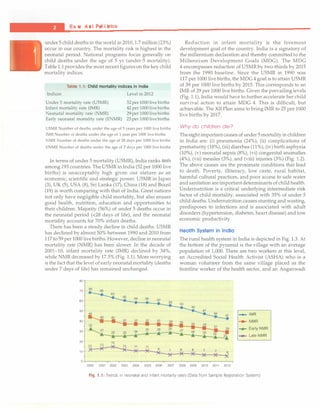
There has been a steady decline in child deaths. U5MR
has declined by almost 50% between 1990 and 2010 from
117 to 59 per 1000 live births.However, decline in neonatal
mortality rate (NMR) has been slower. In the decade of
2001-10, infant mortality rate (IMR) declined by 34%,
while NMR decreased by 17.5% (Fig. 1.1). More worrying
is the fact that the level of early neonatal mortality (deaths
under 7 days of life) has remained unchanged.
80
70
60
50
40
30
20 15
10
Reduction in infant mortality is the foremost
development goal of the country. India is a signatory of
the millennium declaration and thereby committed to the
Millennium Development Goals (MDC). The MDC
4 encompasses reduction of U5MR by two-thirds by 2015
from the 1990 baseline. Since the U5MR in 1990 was
117 per 1000 live births, the MDC4 goal is to attain U5MR
of 39 per 1000 live births by 2015. This corresponds to an
IMR of 29 per 1000 live births. Given the prevailing levels
(Fig. 1.1), India would have to further accelerate her child
survival action to attain MDC 4. This is difficult, but
achievable. The XII Plan aims to bring IMR to 25 per 1000
live births by 2017.
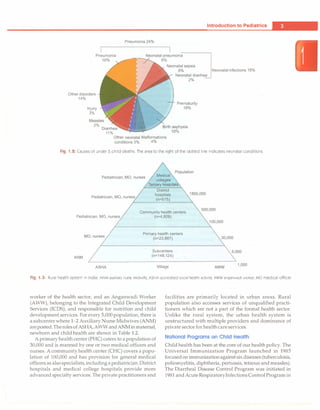
Why do children die?
Theeightimportantcauses of under 5mortality inchildren
in India are: (i) pneumonia (24%), (ii) complications of
prematurity (18%), (iii) diarrhea (11%), (iv) birth asphyxia
(10%), (v) neonatal sepsis (8%), (vi) congenital anomalies
(4%), (vii) measles (3%), and (viii) injuries (3%) (Fig. 1.2).
The above causes are the proximate conditions that lead
to death. Poverty, illiteracy, low caste, rural habitat,
harmful cultural practices, and poor access to safe water
andsanitation are importantdeterminants ofchild health.
Undernutrition is a critical underlying intermediate risk
factor of child mortality, associated with 35% of under 5
child deaths. Undernutrition causes stunting and wasting,
predisposes to infections and is associated with adult
disorders (hypertension, diabetes, heart disease) and low
economic productivity.
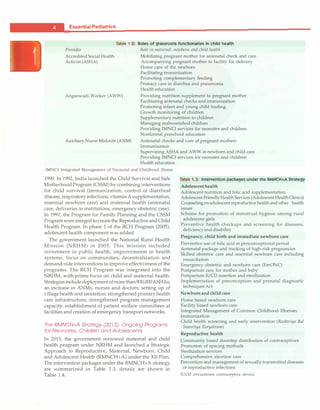
Health System in India
The rural health system in India is depicted in Fig. 1.3. At
the bottom of the pyramid is the village with an average
population of 1,000. There are two workers at this level,
an Accredited Social Health Activist (ASHA) who is a
woman volunteer from the same village placed as the
frontline worker of the health sector, and an Anganwadi
-+- IMR
..... NMR
...,_ EarlyNMR
"*" Late NMR
0 +---r----,---,----,---,---,---,-----r---,----,---,-------,------,
2000 2001 2002 2003 2004 2005 2006 2007 2008 2009 2010 2011 2012
Fig. 1.1: Trends in neonatal and infant mortality rates (Data from Sample Registration System)
Introduction to Pediatrics -
Pneumonia 24%
Pneumonia
16%
Neonatal pneumonia
_-._-__
8%
Other disorders
14%
Injury
3%
3%
Diarrhea
11%
Neonatal sepsis
8% Neonatal infections 18%
Neonatal diarrhea
2%
Prematurity
18%
Other neonatal Malformations
conditions 3% 4%
Fig. 1.2: Causes of under 5 child deaths. The area to the right of the dotted line indicates neonatal conditions
Pediatrician, MO, nurses
Population
Medical
colleges
Tertiary hospitals
Pediatrician, MO, nurses
District
hospitals
(n=615)
1800,000
Pediatrician, MO, nurses
Community health centers
(n=4,809)
500,000
100,000
MO, nurses
Primary health centers
(n=23,887) 30,000
ANM
Subcenters
(n=148,124)
5,000
ASHA Village AWW
1,000
Fig. 1.3: Rural health system in India. ANM auxiliary nurse midwife; ASHA accredited social health activist; AWW anganwadi worker, MO medical officer
worker of the health sector, and an Anganwadi Worker
(AWW), belonging to the Integrated Child Development
Services (ICDS), and responsible for nutrition and child
development services. For every5,000 population, there is
a subcenter where 1-2 AuxiliaryNurse Midwives (A.NM)
areposted.Therolesof ASHA, AWWand A.NM inmaternal,
newborn and child health are shown in Table 1.2.
A primary health center (PHC) caters to a population of
30,000 and is manned by one or two medical officers and
nurses. A community health center (CHC) covers a popu­
lation of 100,000 and has provision for general medical
officers as alsospecialists,includinga pediatrician.District
hospitals and medical college hospitals provide more
advanced specialty services. The private practitioners and
facilities are primarily located in urban areas. Rural
population also accesses services of unqualified practi­
tioners which are not a part of the formal health sector.
Unlike the rural system, the urban health system is
unstructured with multiple providers and dominance of
private sector for healthcareservices.
National Programs on Child Health
Child health has been at the core of our health policy. The
Universal Immunization Program launched in 1985
focused on immunizationagainst six diseases (tuberculosis,
poliomyelitis, diphtheria, pertussis, tetanus and measles).
The Diarrheal Disease Control Program was initiated in
1981 and AcuteRespiratoryInfections Control Program in
__E
_
s
_
s
_
e
_
n
_
t
_
ia
_
l
_
P
_
e
_
d
_
i
_
a
_
tr
_
ic
_
s
__________________________________
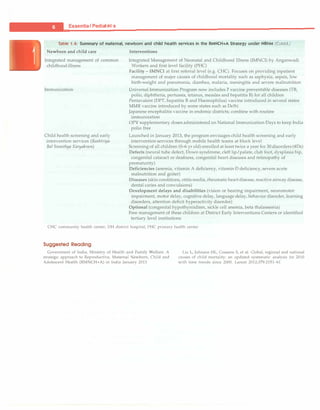
Provider
Table 1.2: Roles of grassroots functionaries in child health
Role in maternal, newborn and child health
Accredited Social Health
Activist (ASHA)
Mobilizing pregnant mother for antenatal check and care
Accompanying pregnant mother to facility for delivery
Home care of the newborn
Facilitating immunization
Promoting complementary feeding
Primary care in diarrhea and pneumonia
Health education
Anganwadi Worker (AWW) Providing nutrition supplement to pregnant mother
Facilitating antenatal checks and immunization
Promoting infant and young child feeding
Growth monitoring of children
Supplementary nutrition to children
Managing malnourished children
Providing IMNCI services for neonates and children
Nonformal preschool education
Auxiliary Nurse Midwife (ANM) Antenatal checks and care of pregnant mothers
Immunization
Supervising ASHA and AWW in newborn and child care
Providing IMNCI services for neonates and children
Health education
IMNCI Integrated Management of Neonatal and Childhood Illness
1990. In 1992, India launched the Child Survival and Safe
MotherhoodProgram (CSSM)by combininginterventions
for child survival (immunization, control of diarrheal
disease, respiratory infections, vitamin A supplementation,
essential newborn care) and maternal health (antenatal
care, deliveries in institutions, emergency obstetric care).
In 1997, the Program for Family Planning and the CSSM
Programweremergedtocreatethe Reproductiveand Child
Health Program. In phase 2 of the RCH Program (2005),
adolescent health component was added.
The government launched the National Rural Health
Mission (NRHM) in 2005. This mission included
investment in public health, improvements in health
systems, focus on communities, decentralization and
demand-side interventions to improve effectiveness of the
programs. The RCH Program was integrated into the
NRHM, with prime focus on child and maternal health.
Strategies include deployment ofmorethan900,000ASHAs;
an increase in ANMs, nurses and doctors; setting up of
villagehealth and sanitation; strengthened primary health
care infrastructure; strengthened program management
capacity, establishment of patient welfare committees at
facilities and creation of emergency transport networks.
The RMNCH+A Strategy (2073): Ongoing Programs
for Neonates, Children and Adolescents
In 2013, the government reviewed maternal and child
health program under NRHM and launched a Strategic
Approach to Reproductive, Maternal, Newborn, Child
and Adolescent Health (RMNCH+A) under the XII Plan.
The intervention packages under the RMNCH+A strategy
are summarized in Table 1.3; details are shown in
Table 1.4.
Table 1.3: Intervention packages under the RMNCH+A Strategy
Adolescent health
Adolescent nutrition and folic acid supplementation
Adolescent FriendlyHealthServices (AdolescentHealthClinics)
Counseling on adolescent reproductive healthand other health
issues
Scheme for promotion of menstrual hygiene among rural
adolescent girls
Preventive health checkups and screening for diseases,
deficiencyanddisability
Pregnancy, child birth and immediate newborn care
Preventive use of folic acid in periconceptional period
Antenatal package and tracking of high-risk pregnancies
Skilled obstetric care and essential newborn care including
resuscitation
Emergency obstetric and newborn care (EmONC)
Postpartum care for mother and baby
Postpartum IUCD insertion and sterilization
Implementation of preconception and prenatal diagnostic
techniques Act
Newborn and child care
Home based newborn care
Facility based newborn care
Integrated Management of Common Childhood Illnesses
Immunization
Child health screening and early intervention (Rashtriya Bal
Swasthya Karyakram)
Reproductive health
Community based doorstep distribution of contraceptives
Promotion of spacing methods
Sterilization services
Comprehensive abortion care
Prevention and management of sexually transmitted diseases
or reproductive infections
IUCD intrauterine contraceptive device
Introduction to Pediatrics -
Future of Child Health
The nation is addressing child health challenges with
greaterdynamism than ever before. Investments are being
madeforhealthprograms and healthsystem strengthening.
Conditional cash transfers and entitlements are enshrined
to stimulate demand for maternal, newborn and child
health care. ICDS is being strengthened, particularly in high
burden districts to addresschildhood undernutrition. The
country is surging ahead with stronger economy and
accelerated development. India ispoisedtoattainlow child
mortality rate, and improve remarkably the health and
nutrition status of her children in near future.
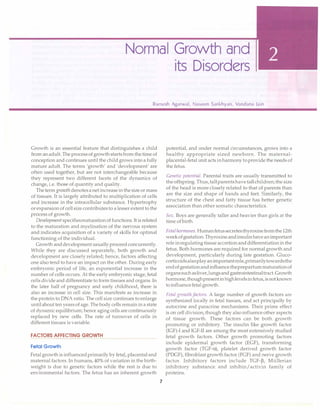
Table 1.4: Summary of maternal, newborn and child health services in the RMNCH+A Strategy under NRHM
Pregnancy, childbirth and Interventions
immediate newborn care
Skilled obstetric care and essential Package
newborn care including resuscitation Facility deliveries by skilled birth attendants
Neonatal resuscitation
Emergency obstetric and
newborn care (EmONC)
Postpartum care for mother and baby
Newborn and child care
Home-based newborn care
Facility-based newborn care
Essentialnewborn care (warmth, hygienic care, breastfeeding, extra care of small babies,
problem detection)
Linkages to facility-based newborn care for sick neonates
Program drivers: The schemes that drive uptake of the intervention packages
Janani Suraksha Yojana (]SY) that provides cash incentive to the woman (and to the
ASHA) for delivery in the facility
Janani Shishu Suraksha Karyakram (JSSK) that entitles the mother and less than one
month neonate to free delivery, medicines/blood, diet, pickup and drop in government
facilities
Navjat Shishu Suraksha Kan;akram that aims to train nurses and doctors in neonatal
resuscitation
Interventions
Home visits by ASHAs (six for facility born babies, on days 3, 7, 14, 21, 28 and 42; an
extra visit on day 1 for home births)
Interventions for infants
Examination; counsel for warmth; breastfeeding; hygiene; extra care of low birthweight
babies; detection of sickness, referral
Interventions for mother
Postpartum care and counseling for family planning
ASHA given cash incentive for home care, birthweight record, birth registration and
immunization (BCG, first dose OPV and DPT)
Special newborn care units (SNCU)
These specialized newborn units at district hospitals with specialized equipments
including radiant warmers. These units have a minimum of 12-16 beds with a staff of
3 physicians, 10 nurses and 4 support staff to provide round the clock services for new
born requiring special care, such as those with very low birthweight, neonatal sepsis/
pneumonia and common complications
Newborn stabilization units (NBSU)
These are step down units providing facilities for neonates from the periphery where
babies can be stabilized through effective care. These are set up in CHCs and provide
services, including resuscitation, provision of warmth, initiation of breastfeeding,
prevention of infection and cord care, supportive care: oxygen, IV fluids, provision for
monitoring of vital signs and referral
Newborn care comers (NBCC)
These are special corners within the labor room at all facilities (PHC, CHC, DH) where
deliveries occur. Services include resuscitation, provision of warmth, prevention of
infections and early initiation of breastfeeding
Program drivers: The schemes that drive uptake of the intervention packages
Janani Shishu Suraksha Kan;akram (JSSK) that entitles the mother and neonate to free
delivery, medicines/blood, diet, pickup and drop in government facilities
Contd...
___E_s_s_e_n_t_ia_t_P_e_d_i_a_tr_ic_s
___________________________________
Table 1.4: Summary of maternal, newborn and child health services in the RMNCH+A Strategy under NRHM (Contd.)
Newborn and child care
Integrated management of common
childhood illness
Immunization
Child health screening and early
intervention services (Rashtriya
Bal Swasthya Karyakram)
Interventions
Integrated Management of Neonatal and Childhood Illness (IMNCI) by Anganwadi
Workers and first level facility (PHC)
Facility - IMNCI at first referral level (e.g. CHC). Focuses on providing inpatient
management of major causes of childhood mortality such as asphyxia, sepsis, low
birth-weight and pneumonia, diarrhea, malaria, meningitis and severe malnutrition
Universal Immunization Program now includes 7 vaccine preventable diseases (TB,
polio, diphtheria, pertussis, tetanus, measles and hepatitis B) for all children
Pentavalent (DPT, hepatitis B and Haemophilus) vaccine introduced in several states
MMR vaccine introduced by some states such as Delhi
Japanese encephalitis vaccine in endemic districts; combine with routine
immunization
OPV supplementary doses administered on National Immunization Days to keep India
polio free
Launched in January 2013, the program envisages child health screening and early
intervention services through mobile health teams at block level
Screening of all children (0-6 yr old) enrolled at least twice a year for 30 disorders (4Ds)
Defects (neural tube defect, Down syndrome, cleft lip/palate, club foot, dysplasia hip,
congenital cataract or deafness, congenital heart diseases and retinopathy of
prematurity)
Deficiencies (anemia, vitamin A deficiency, vitamin D deficiency, severe acute
malnutrition and goiter)
Diseases (skin conditions, otitis media, rheumaticheart disease, reactive airway disease,
dental caries and convulsions)
Development delays and disabilities (vision or hearing impairment, neuromotor
impairment, motor delay, cognitive delay, language delay, behavior disorder, learning
disorders, attention deficit hyperactivity disorder)
Optional (congenital hypothyroidism, sickle cell anemia, beta thalassemia)
Free management of these children at District Early Interventions Centers or identified
tertiary level institutions
CHC community health center; DH district hospital; PHC primary health center
Suggested Reading
Government of India, Ministry of Health and Family Welfare. A
strategic approach to Reproductive, Maternal Newborn, Child and
Adolescent Health (RMNCH+A) in India January 2013
Liu L, Johnson HL, Cousens S, et al. Global, regional and national
causes of child mortality: an updated systematic analysis for 2010
with time trends since 2000. Lancet 2012;379:2151-61
Normal Growth and
its Disorders
Ramesh Agarwal, Naveen Sankhyan, Vandana Jain
Growth is an essential feature that distinguishes a child
from an adult. The process of growth startsfrom the time of
conception and continues until the child grows into a fully
mature adult. The terms 'growth' and 'development' are
often used together, but are not interchangeable because
they represent two different facets of the dynamics of
change, i.e. those of quantity and quality.
The termgrowth denotes a net increase in the size or mass
of tissues. It is largely attributed to multiplication of cells
and increase in the intracellular substance. Hypertrophy
or expansion of cell size contributes to a lesser extent to the
process of growth.
Developmentspecifiesmaturation of functions. It is related
to the maturation and myelination of the nervous system
and indicates acquisition of a variety of skills for optimal
functioning of the individual.
Growth anddevelopment usually proceed concurrently.
While they are discussed separately, both growth and
development are closely related; hence, factors affecting
one also tend to have an impact on the other. During early
embryonic period of life, an exponential increase in the
number of cells occurs. At the early embryonic stage, fetal
cells divide and differentiate to form tissues and organs. In
the later half of pregnancy and early childhood, there is
also an increase in cell size. This manifests as increase in
the protein to DNA ratio. The cell size continues to enlarge
until about ten years of age. The body cells remain in a state
of dynamic equilibrium; hence aging cells are continuously
replaced by new cells. The rate of turnover of cells in
different tissues is variable.
FACTORS AFFECTING GROWTH
Fetal Growth
Fetal growth is influenced primarily by fetal, placental and
maternal factors. In humans, 40% of variation in the birth­
weight is due to genetic factors while the rest is due to
environmental factors. The fetus has an inherent growth
7
potential, and under normal circumstances, grows into a
healthy appropriate sized newborn. The maternal­
placental-fetal unit acts in harmony toprovide the needs of
the fetus.
Genetic potential. Parental traits are usually transmitted to
the offspring. Thus, tallparents have tall children; the size
of the head is more closely related to that of parents than
are the size and shape of hands and feet. Similarly, the
structure of the chest and fatty tissue has better genetic
association than other somatic characteristics.
Sex. Boys are generally taller and heavier than girls at the
time of birth.
Fetal hormones. Humanfetussecretesthyroxinefromthe 12th
weekofgestation. Thyroxine andinsulin have animportant
role inregulating tissue accretion and differentiation in the
fetus. Both hormones are required for normal growth and
development, particularly during late gestation. Gluco­
corticoidsalsoplayan importantrole,primarilytowardsthe
endofgestationandinfluence theprepartummaturationof
organssuchasliver,lungsand gastrointestinaltract.Growth
hormone, thoughpresentinhighlevelsin fetus, is notknown
to influence fetal growth.
Fetal growthfactors. A large number of growth factors are
synthesized locally in fetal tissues, and act principally by
autocrine and paracrine mechanisms. Their prime effect
is on cell division, though they also influence other aspects
of tissue growth. These factors can be both growth
promoting or inhibitory. The insulin like growth factor
(IGF)-1 and IGF-11 are among the most extensively studied
fetal growth factors. Other growth promoting factors
include epidermal growth factor (EGF), transforming
growth factor (TGF-a), platelet derived growth factor
(PDGF), fibroblast growth factor (FGF) and nerve growth
factor. Inhibitory factors include TGF-�, Mullerian
inhibitory substance and inhibin/ activin family of
proteins.
__E_s_s_e_n_ t
_ia_i_P_e_d_i_a_tr
.i.cs----------------------------------
Placentalfactors. As in most species, fetal weight directly
correlates with placental weight at term. Fetal growth is
highly dependent on the structural and functional integrity
of the placenta. With advancing gestation, the weight of
the placenta increases to cater to the increased needs of the
baby. There are important functional and structural
changes in the placenta that make this adaptation more
efficient. The total villous surface area increases, the
diffusion distance decreases, the fetal capillaries dilate and
the resistance in fetoplacental vasculature falls. This
positive remodeling facilitates nutrient transport across the
placenta.
Maternal factors. The mother's own fetal and childhood
growth and her nutrient intake and body composition at
the time of conception and during pregnancy, play an
important role in determining fetal size. Teenage or
advanced age, recent pregnancy, high parity and anemia
negatively influence fetal size and health. Maternal intake
of tobacco (smoked or chewed) and drug or alcohol abuse
also retard fetal growth. Obstetric complications such as
pregnancy induced hypertension, pre-eclampsia and
multiple pregnancies produce fetal growth restriction. Pre­
existing chronic systemic disease (chronic renal failure,
congestive heart failure) and acquired infections (rubella,
syphilis, hepatitis B, HIV, CMV, toxoplasmosis) may
influence fetal growth.
Postnatal Period
The growth of the child during postnatallife is determined
by genetic potential as well as internal and external
influences.
Geneticfactors. Both chromosomal disorders and mutations
in specific genes can affect growth. Chromosomal defects
like Turner syndrome and Down syndrome manifest as
growth retardation. Mutation of single genes may result in
inheritedretardation of growth, e.g. Prader-Willi syndrome
and Noonan syndrome. While most disorders lead to short
stature, some genetic defects can also result in tall stature,
e.g. Klinefeltersyndrome and Sotos syndrome.
70
-60
�
£ 50
E
"'40
� 30
"'
C:
{I> 20
:g
:.c
u 10
_._ Stunted
--- Underweight
--- Wasted
Intrauterinegrowth restriction (IUGR). IUGRresulting in low
birthweight (LBW) constitutes an important risk factor for
postnatal malnutrition and poor growth. LBW increases
the odds of underweight, stunting and wasting in the first
5 yr of life by 3to5 times. At 6 months of age, approximately
one-third each of underweight (28%), stunting (28%) and
wasting (22%) are attributable to LBW. At ages between 1
and 5 yr, LBW accounts for 16-21% of wasting, 8-16% of
stunting and 16-19% of underweight. It was recently
reported that a third and a fifth of infants have wasting
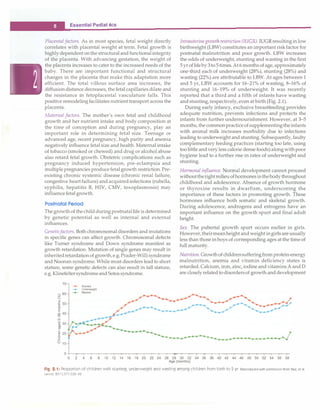
and stunting, respectively, even at birth (Fig. 2.1).
During early infancy, exclusive breastfeeding provides
adequate nutrition, prevents infections and protects the
infants from further undernourishment. However, at 3-5
months, the commonpractice of supplementingthe infants
with animal milk increases morbidity due to infections
leading to underweight and stunting. Subsequently, faulty
complementary feeding practices (starting too late, using
too little and very less calorie dense foods) along with poor
hygiene lead to a further rise in rates of underweight and
stunting.
Hormonal influence. Normal development cannot proceed
withouttheright milieu ofhormones inthebody throughout
childhood and adolescence. Absence of growth hormone
or thyroxine results in dwarfism, underscoring the
importance of these factors in promoting growth. These
hormones influence both somatic and skeletal growth.
During adolescence, androgens and estrogens have an
important influence on the growth spurt and final adult
height.
Sex. The pubertal growth spurt occurs earlier in girls.
However, theirmeanheight and weight in girls are usually
less than those in boys of corresponding ages at the time of
full maturity.
Nutrition. Growth of childrensufferingfrom protein-energy
malnutrition, anemia and vitamin deficiency states is
retarded. Calcium, iron, zinc, iodine and vitamins A and D
are closely related to disordersof growth and development
0+---r-.---��-���-�---,-�-.----,----,--,---r-.---,---r-.---��-���-���-��
0 2 4 6 8 10 12 14 16 18 20 22 24 26 28 30 32 34 36 38 40 42 44 46 48 50 52 54 56 58
Age (months)
Fig. 2.1: Proportion of children with stunting, underweight and wasting among children from birth to 5 yr. Reproduced with permission from Paul, et al.
Lancet 2011;377,332-49
and their deficiency is associated with adverse health
events in childhood (see Chapter 7). On the other hand,
overeating and obesity accelerate somatic growth.
Infections. In low resource settings, one of the commonest
contributors to poor childhood growth are infections.
Persistent or recurrent diarrhea and respiratory tract
infections are common causes of growth impairment.
Systemic infectionsandparasitic infestationsmayalsoretard
the velocity of growth. The risk of stunting at 2 yr of age is
shown to increase with each episode of diarrhea and with
each day of diarrhea before 2yr of age. Itwasalsoshownthat
the attributable risk for stunting for 5 or more episodes of
diarrhea before 24 months of age was 25%.
Chemical agents. Administration of androgenic hormones
initially accelerates the skeletal growth. However,
androgens cause the epiphyses of bones to close
prematurely, leading to early cessation of bone growth.
Trauma. A fracture at the end of a bone may damage the
growing epiphysis, and thus hamper skeletal growth.
Social Factors
Socioeconomic level. Children from families with high
socioeconomic level usually have better nutritional state.
They suffer fromfewerinfectionsbecause ofbetternutrition
and hygienic living conditions.
Poverty. Hunger, undernutrition and infections, often
associated with poverty, cause poor growth.
Natural resources. Plentiful natural resources encourage
industrial and agricultural enterprise in the country.
Improved nutrition of children in the community is
facilitated whenthere is a climb in gross national product
and per capita income is high.
Climate. The velocity of growth may alter in different
seasons and is usually higher in spring and low in summer
months. Infections and infestations are common in hot and
humid climate. Weather also has a pivotal effect on
agricultural productivity, ready availability of food and
capacity for strenuous labor by the population.
Emotional factors. Children from broken homes and
orphanages do not grow and develop at an optimal rate.
Anxiety, insecurity and lack of emotional support and love
from the family prejudice the neurochemical regulation of
growth hormone release. Parents who had happy
childhood and carry a cheerful personality are more likely
to have children with similar countenance.
Culturalfactors. Methods ofchildrearing and infant feeding
in the community are determined by cultural habits and
conventions. There may be religious taboos against
consumption of particular types of food. These affect the
nutritional state and growth performance of children.
Parental education. Mothers with more education are more
likely to adopt appropriate health promoting behaviors,
Normal Growth and its Disorders -
which have direct and indirect influences on growth and
development.
Consequences of Impaired Growth
Maternaland child undernutrition are the underlying cause
of 3-5 million deaths annually and account for 35% of the
disease burden in children younger than 5 yr. Itis estimated
that India has more than 61 million stunted children, that
amounts to 34% of the global total.
Several major disorders of later life, including coronary
heart disease, hypertension and type 2 diabetes, originate
from impairedintrauterine growth and development. These
diseases may be consequences of 'programming', whereby
a stimulus or insult at a critical, sensitive period of early
life has permanent effects on structure, physiology and
metabolism. The 'fetal origins' hypothesis (Barker
hypothesis) proposes that alterations in fetal nutrition and
endocrine status result in developmental adaptations that
permanentlychangestructure, physiology andmetabolism,
thereby predisposing individuals to cardiovascular,
metabolic and endocrine disease in adult life. As a result,
infants born with low birthweight have increased risk of
diabetes, hypertension, coronary artery disease and
hyperlipidemia in adult life.
Laws of Growth
Growth and development ofchildren is a continuous
and orderlyprocess Thereare specific periods in a child's
life when the rate of growth is steady, accelerates or
decelerates (Table 2.1). Thefetusgrowsfastin the first half
of gestation. Thereafter, the rate of growth is slowed down
until the baby is born. In the early postnatal period the
velocity ofgrowthis high, especiallyin the firstfew months.
Thereafter, there is slower but steady rate of growth during
mid-childhood. A second phase of accelerated growth
occurs at puberty. Growth deceleratesthereafter for some
time and then ceases altogether. The general body growth
Table 2.1: Periods of growth
Prenatal period
Ovum
Embryo
Fetus
Perinatalperiod
Postnatal period
Newborn
Infancy
Toddler
Preschoolchild
School age child
Adolescence
Early
Middle
Late
0 to 14 days of gestation
14 days to 9 wks
9 wks to birth
22 wks to 7 days after birth
First 4 wks after birth
First year
1-3 yr
3-6 yr
6 -
12 yr
10-13 yr
14-16 yr
17-20 yr
__E
_
s
_
s
_
e
_
n
_
t
_
ia
_
r
_
P
_
e
_
d
_
ia
_
t
_
ri
_
c
_
s ________________________________
23
22
21
20
19
18
17
16
10
2 3 4 5 6 7 8 9 10 11 12 13 14 15 16 17 18 19
Centiles for girls ---------- 97
maturin�at ------ 90
average time
75
97 and 3 centiles
at peak height
velocity for:
...............•...
•
•.... 50
--·- 25
- - - - - - - 10
•••••••••••••••• 3
I
V
Early (+2SD) maturers - - - - - - - - -
Late (-2SD) maturers _ _ _ _ _ _ _ � _
97 ,
I
00�
I 
75 ' ' ',
I� A
9 Early ·, '- ,. '/ '
50 ,.,. '', ...
11
3
Late'}.�'·,. ·, ',, / � 'l"
25 .....,,. '- -- I '/• ·',
.......�·,....'-.::..-7--";�·/"1,1••
10, ...
;<�..�:::-·-· ;;--·-Q// '"' {V I
'-. '°'.;.'"......-�--_....I V '.t�, I
3 ·-
.
'
'
-....:: •.i._-:.·-:.··············'//,··-.,.' 
·. - ...... _ ,. ,'i'�.
·-·-...-: - - - -�"<. _,: ..." '}, '
··..............·
�� 
,-._,��, ·.
'··.''�, '.
"-"�i') 
,�,
: '
23
22
21
20
19
18
17
16
10
2 3 4 5 6 7 8 9 10 11 12 13 14 15 16 17 18 19
Gentiles for boys ---------- 97
maturing at ------ 90
average time ------
75
97 and 3 cenliles
at peak height
velocity for:
·························50
25
- - - - - - ·10
•.••••••••••••••3
I
V
Early (•2SD) malurers - - - - - - - - -
Late (-2SD) maturers ___ •• ___
I
A 2 3 4 5 6 1 8 9 1o 11 12 13 14 15 16 17 18 19 B 1 2 3 4 5 6 1 8 9 10 11 12 13 14 15 16 11 18 19
Age, years Age, years
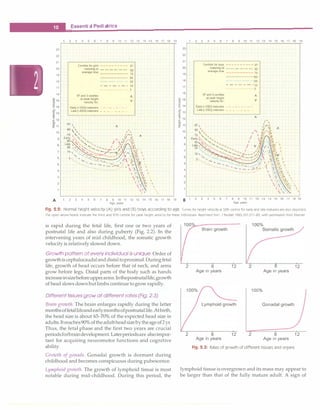
Fig. 2.2: Normal height velocity (A) girls and (B) boys according to age. Curves for height velocity at 50th centile for early and late maturers are also depicted
The open arrow heads indicate the third and 97th centile for peak height velocity for these individuals. Reprinted from J Pediatr 1985;107317-29; with permission from Elsevier
is rapid during the fetal life, first one or two years of
postnatal life and also during puberty (Fig. 2.2). In the
intervening years of mid childhood, the somatic growth
velocityis relatively slowed down.
Growth pattern ofevery individual is unique Order of
growthiscephalocaudalanddistaltoproximal. Duringfetal
life, growth of head occurs before that of neck, and arms
grow before legs. Distal parts of the body such as hands
increaseinsizebeforeupperarms. Inthepostnatallife,growth
of head slows downbutlimbs continue togrow rapidly.
Different tissues grow at different rates (Fig. 2.3)
Brain growth. The brain enlarges rapidly during the latter
monthsoffetallifeandearlymonthsofpostnatallife.Atbirth,
the head size is about 65-70% of the expected head size in
adults. Itreaches90%oftheadultheadsizebytheageof2yr.
Thus, the fetal phase and the first two years are crucial
periodsforbraindevelopment. Laterperiodsare alsoimpor­
tant for acquiring neuromotor functions and cognitive
ability.
Growth of gonads. Gonadal growth is dormant during
childhood and becomes conspicuous during pubescence.
Lymphoid growth. The growth of lymphoid tissue is most
notable during mid-childhood. During this period, the
2
2
Brain growth
8
Age in years
8
Age in years
12 2
12 2
100%
8 12
Age in years
Gonadal growth
8 12
Age in years
Fig. 2.3: Rates of growth of different tissues and organs
lymphoid tissue is overgrown and its mass may appear to
be larger than that of the fully mature adult. A sign of
acceleratedlymphoidgrowthis thefrequentfindingoflarge
tonsils and palpable lymph nodes in normal children
between 4 and 8 yr.
Growth of body fat and muscle mass. Body tissues can be
divided into fat and fat-free components. The lean body
mass includes muscle tissue, internal organs and skeleton
and contains only a small amount of fat. The growth in
leanbody massis primarilyduetoincrease in muscle mass.
Lean body mass correlates closely with stature. Taller
childrenhavegreaterleanbodymass thanshorter children
of the same age. After thepubertal growth spurt, boyshave
greater lean body mass compared to girls. Body fat is the
storehouse of energy. It is primarily deposited in the sub­
cutaneous adipose tissue. Girls have more subcutaneous
adipose tissue than boys. Moreover, the sites and quantity
of adipose tissue differs in girls and boys. Girls tend to add
adiposetissue to breasts, buttocks, thighs and back of arms
during adolescence.
SOMATIC GROWTH
Skeletal Growth
Skeletal growth is a continuous process occurring during
the whole of childhood and adolescence. It is steady until
the pubertal growth spurt when it accelerates and
subsequently slows considerably. The skeleton is mature
oncetheepiphysis orgrowthplates at theend oflongbones
fuse to the shaft or diaphysis. This occurs by about 18 yr in
girls and 20-22 yr in boys.The degree of skeletal maturation
closely correlates with the degree of sexual maturation. A
child who has advanced sexual maturity will also have
earlier skeletal maturation.
Skeletalmaturationisassessedby notingthe appearance
and fusion of epiphysis at the ends of long bones. Apart
from this, bone mineraldensity can beascertainedby dual
energy X-ray absorptiometry [DXA]. This method allows
assessment of bonemineralcontentanddensityat different
ages.
Normal Growth and its Disorders
-
Bone Age Estimation
Assessment of bone agepostnatally is based on (i) number,
shape and size of epiphyseal centers and (ii) size, shape
and density of the ends of bones. Tanner and Whitehouse
described 8 to 9 stages of development of ossification
centers and gave them 'maturity scoring'.Fifty percent of
the score was given for carpal bones, 20% for radius, ulna
and 30% for phalanges. Twenty ossification centers are
generallyusedfor determining theboneage.Theseinclude:
(i) carpal bones, (ii) metacarpals, (iii) patella, (iv) distal and
proximal toes in both sexes; and (v) distal and middle
phalanges in boys and distal and proximal phalanges in
girls.Todeterminetheskeletalage ininfantsbetween3 and
9months, aradiographofshoulderismost helpful. Asingle
film of hands and wrists is adequate in children between
the ages of 1 and 13 yr. For children between 12 and 14 yr,
radiographs of elbow and hip give helpful clues.
Eruption of Teeth
Primary teeth. The teeth in the upper jaw erupt earlier than
those in the lower jaw, except for lower central incisors
and second molar (Table 2.2).
Permanent teeth. Theorder oferuptionis shown inTable 2.2.
The first molars are the first to erupt.
ASSESSMENT OF PHYSICAL GROWTH
Weight. The weight of the child in the nude or minimal
light clothing is recordedaccuratelyon a lever or electronic
type of weighing scale (Fig. 2.4). Spring balances are less
accurate. The weighing scale should have a minimum unit
of 100 g. It is important that child beplacedinthe middle of
weighing pan. The weighing scale should be corrected for
any zero error before measurement. Serial measurement
should be done on the same weighing scale.
Length. Length is recorded for children under 2 yr of age.
Hairpins are removed and braids undone. Bulky diapers
should be removed. The child is placed supine on a rigid
Table 2.2: Timing of dentition
Primary dentition Time of eruption, months Time of fall, years
Upper Lower Upper Lower
Central incisors 8-12 6-10 6-7 6-7
Lateral incisors 9-13 10-16 7-8 7-8
First molar 13-19 14-18 9-11 9-11
Canine 16-22 17-23 10-12 9-12
Second molar 25-33 23-31 10-12 10-12
Permanent teeth Time of eruption, years
Upper Lower Upper Lower
First molar 6-7 6-7 First premolar 10-11 10-12
Central incisors 7-8 6-7 Second premolar 10-12 10-12
Lateral incisors 8-9 7-8 Second molar 12-13 11-13
Canine 11-12 10-12 Third molar 17-21 17-21
___E
_
s
_
s
_
e
_
n
_
t
_
ia
_
i
_
P
_
e
_
d
_
ia
_
t
_
ri
_
c
_
s _________________________________
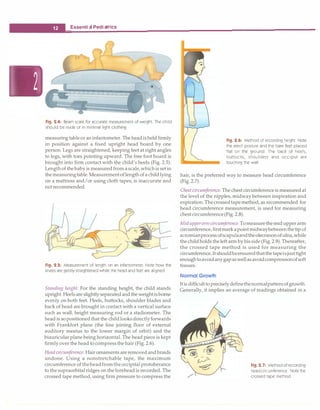
Fig. 2.4: Beam scale for accurate measurement of weight. The child
should be nude or in minimal light clothing
measuring table or an infantometer. The head is held firmly
in position against a fixed upright head board by one
person. Legs are straightened, keeping feet at right angles
to legs, with toes pointing upward. The free foot board is
brought into firm contact with the child's heels (Fig. 2.5).
Length of the baby is measured from a scale,which is set in
the measuring table. Measurementof length of a child lying
on a mattress and/or using cloth tapes, is inaccurate and
notrecommended.
Fig. 2.5: Measurement of length on an infantometer. Note how the
knees are gently straightened while the head and feet are aligned
Standing height. For the standing height, the child stands
upright. Heels are slightlyseparated and the weight is borne
evenly on both feet. Heels, buttocks, shoulder blades and
back of head are brought in contact with a vertical surface
such as wall, height measuring rod or a stadiometer. The
head is so positioned that the child looks directly forwards
with Frankfort plane (the line joining floor of external
auditory meatus to the lower margin of orbit) and the
biauricular plane being horizontal. The head piece is kept
firmly over the head to compress the hair (Fig. 2.6).
Head circumference. Hair ornaments are removed and braids
undone. Using a nonstretchable tape, the maximum
circumference of theheadfromthe occipital protuberance
to the supraorbital ridges on the forehead is recorded. The
crossed tape method, using firm pressure to compress the
Fig. 2.6: Method of recording height. Note
the erect posture and the bare feet placed
flat on the ground. The back of heels,
buttocks, shoulders and occiput are
touching the wall
hair, is the preferred way to measure head circumference
(Fig. 2.7).
Chest circumference. The chest circumference is measured at
the level of the nipples, midway between inspiration and
expiration. The crossedtape method, as recommended for
head circumference measurement, is used for measuring
chest circumference (Fig. 2.8).
Midupperarmcircumference. Tomeasurethe mid upper arm
circumference, first mark apoint midwaybetweenthe tip of
acromianprocess ofscapulaandtheolecranonofulna,while
the child holds the left arm by his side (Fig. 2.9). Thereafter,
the crossed tape method is used for measuring the
circumference. Itshouldbeensuredthat the tapeisjusttight
enoughtoavoidanygapas wellasavoidcompressionof soft
tissues.
Normal Growth
Itis difficultto preciselydefinethenormalpatternof growth.
Generally, it implies an average of readings obtained in a
Fig. 2.7: Method of recording
head circumference. Note the
crossed tape method
Fig. 2.8: Method of measurement
of chest circumference at the level
of nipples
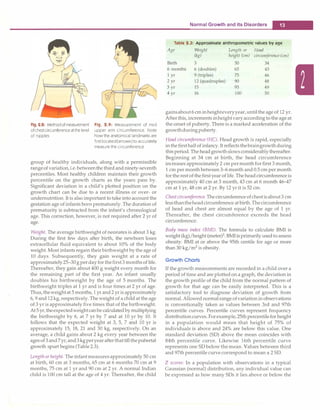
Fig. 2.9: Measurement of mid
upper arm circumference. Note
how the anatomical landmarks are
first located(arrows) to accurately
measure the circumference
group of healthy individuals, along with a permissible
rangeof variation, i.e.betweenthe thirdand ninety-seventh
percentiles. Most healthy children maintain their growth
percentile on the growth charts as the years pass by.
Significant deviation in a child's plotted position on the
growth chart can be due to a recent illness or over- or
undernutrition. It is also important to take into account the
gestation age of infants born prematurely. The duration of
prematurity is subtracted from the infant's chronological
age. This correction, however, is not required after 2 yr of
age.
Weight. The average birthweight of neonates is about 3 kg.
During the first few days after birth, the newborn loses
extracellular fluid equivalent to about 10% of the body
weight. Most infants regain their birthweight by the age of
10 days. Subsequently, they gain weight at a rate of
approximately25-30g perdayfor thefirst3 months of life.
Thereafter, they gain about 400 g weight every month for
the remaining part of the first year. An infant usually
doubles his birthweight by the age of 5 months. The
birthweight triples at 1 yr and is four times at 2 yr of age.
Thus,theweightat 5 months, 1 yr and 2 yr is approximately
6, 9 and 12 kg, respectively. The weight of a child at the age
of 3 yr is approximately five times that of the birthweight.
At5 yr, theexpectedweightcanbe calculated bymultiplying
the birthweight by 6, at 7 yr by 7 and at 10 yr by 10. It
follows that the expected weight at 3, 5, 7 and 10 yr is
approximately 15, 18, 21 and 30 kg, respectively. On an
average, a child gains about 2 kg every year between the
agesof3and7yr,and3kgperyearafterthattillthepubertal
growth spurt begins (Table 2.3).
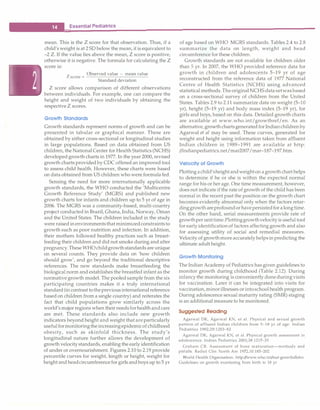
Length or height. The infantmeasuresapproximately 50 cm
at birth, 60 cm at 3 months, 65 cm at 6 months 70 cm at 9
months, 75 cm at 1 yr and 90 cm at 2 yr. A normal Indian
child is 100 cm tall at the age of 4 yr. Thereafter, the child
Normal Growth and its Disorders
-
Table 2.3: Approximate anthropometric values by age
Age Weight Length or Head
(kg) height (cm) circumference (cm)
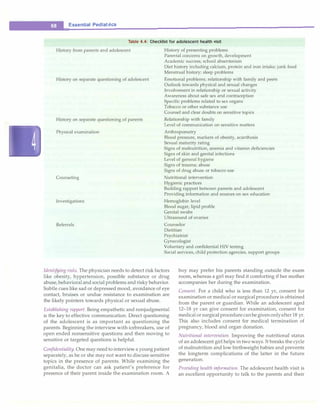
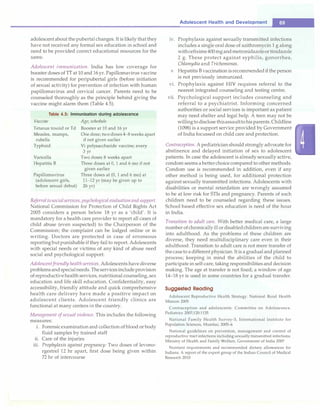
Birth 3 50 34
6 months 6 (doubles) 65 43
1 yr 9 (triples) 75 46
2 yr 12 (quadruples) 90 48
3 yr 15 95 49
4 yr 16 100 50
gainsabout6 cm inheighteveryyear,untilthe age of 12 yr.
Afterthis, increments inheightvaryaccording tothe age at
the onset of puberty. There is a marked acceleration of the
growthduringpuberty.
Head circumference (HC). Head growth is rapid, especially
in thefirsthalf of infancy. It reflectsthebraingrowthduring
thisperiod. The headgrowthslowsconsiderablythereafter.
Beginning at 34 cm at birth, the head circumference
increases approximately 2 cm permonth for first 3 month,
1 cm per month between 3-6 month and 0.5 cm per month
forthe rest ofthefirstyear of life. The head circumferenceis
approximately 40 cm at 3 month, 43 cm at 6 month 46-47
cm at 1 yr, 48 cm at 2 yr. By 12 yr it is 52 cm.
Chestcircumference. The circumferenceofchestisabout3 cm
lessthantheheadcircumference at birth. Thecircumference
of head and chest are almost equal by the age of 1 yr.
Thereafter, the chest circumference exceeds the head
circumference.
Body mass index (BMI). The formula to calculate BMI is
weight (kg)/height (meter)2
. BMIisprimarilyusedto assess
obesity. BMI at or above the 95th centile for age or more
than 30 kg/m2 is obesity.
Growth Charts
If the growth measurements are recorded in a child over a
period of time and are plotted on a graph, the deviation in
the growth profile of the child from the normal pattern of
growth for that age can be easily interpreted. This is a
satisfactory tool to diagnose deviation of growth from
normal. Allowed normalrange ofvariationin observations
is conventionally taken as values between 3rd and 97th
percentile curves. Percentile curves represent frequency
distributioncurves. Forexample, 25thpercentilefor height
in a population would mean that height of 75% of
individuals is above and 24% are below this value. One
standard deviation (SD) above the mean coincides with
84th percentile curve. Likewise 16th percentile curve
represents one SD below the mean. Values between third
and 97th percentile curve correspond to mean± 2 SD.
Z scores: In a population with observations in a typical
Gaussian (normal) distribution, any individual value can
be expressed as how many SDs it lies above or below the
I
__E_s_s_ e_n_t_ia_l _P_e _d_ia_t_ri_c_
s _________________________________
mean. This is the Z score for that observation. Thus, if a
child's weight is at 2 SD below the mean, it is equivalent to
-2 Z. If the value lies above the mean, Z score is positive,
otherwise it is negative. The formula for calculating the Z
score is:
Z
Observed value - mean value
score=- -
----- - - -
­
Standard deviation
Z score allows comparison of different observations
between individuals. For example, one can compare the
height and weight of two individuals by obtaining the
respective Z scores.
Growth Sta nda rds
Growth standards represent norms of growth and can be
presented in tabular or graphical manner. These are
obtained by either cross-sectional or longitudinal studies
in large populations. Based on data obtained from US
children, the National Center for Health Statistics (NCHS)
developed growth charts in 1977. In the year 2000, revised
growth charts provided by CDC offered an improved tool
to assess child health. However, these charts were based
on data obtained from US children who were formulafed.
Sensing the need for more internationally applicable
growth standards, the WHO conducted the 'Multicentre
Growth Reference Study' (MGRS) and published new
growth charts for infants and children up to 5 yr of age in
2006. The MGRS was a community-based, multi-country
project conducted in Brazil, Ghana, India, Norway, Oman
and the United States. The children included in the study
were raised in environmentsthat minimizedconstraintsto
growth such as poor nutrition and infection. In addition,
their mothers followed healthy practices such as breast­
feeding their children and did not smoke during and after
pregnancy.TheseWHO childgrowthstandards are unique
on several counts. They provide data on 'how children
should grow', and go beyond the traditional descriptive
references. The new standards make breastfeeding the
biological norm and establishes the breastfed infant as the
normative growth model. The pooledsample from the six
participating countries makes it a truly international
standard (in contrast tothepreviousinternationalreference
based on children from a single country) and reiterates the
fact that child populations grow similarly across the
world's major regions when their needsforhealthandcare
are met. These standards also include new growth
indicators beyond height and weight that areparticularly
usefulformonitoringtheincreasingepidemicofchildhood
obesity, such as skinfold thickness. The study's
longitudinal nature further allows the development of
growth velocitystandards, enabling the early identification
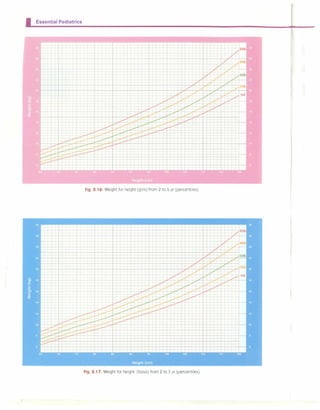
of under or overnourishment. Figures 2.10 to 2.19 provide
percentile curves for weight, length or height, weight for
heightandheadcircumferencefor girlsandboys up to 5 yr
of age based on WHO MGRS standards. Tables 2.4 to 2.8
summarize the data on length, weight and head
circumference for these children.
Growth standards are not available for children older
than 5 yr. In 2007, the WHO provided reference data for
growth in children and adolescents 5-19 yr of age
reconstructed from the reference data of 1977 National
Centre of Health Statistics (NCHS) using advanced
statistical methods.TheoriginalNCHS datasetwas based
on a cross-sectional survey of children from the United
States. Tables 2.9 to 2.11 summarize data on weight (5-10
yr), height (5-19 yr) and body mass index (5-19 yr), for
girls and boys, based on this data. Detailed growth charts
are available at www.who.int/growthref/en. As an
alternative, growthchartsgeneratedfor Indianchildrenby
Agarwal et al may be used. These curves, generated for
weight and height using information taken from affluent
Indian children in 1989-1991 are available at http:
//mdianpediatrics.net/mar2007/mar-187-197.htm.
Ve locityof Growth
Plottingachild'sheightandweighton agrowthcharthelps
to determine if he or she is within the expected normal
range for his or her age.One time measurement, however,
does not indicate if the rate of growth of the child has been
normal in the recent past the position on the growth chart
becomes evidently abnormal only when the factors retar­
dinggrowth areprofoundorhavepersistedfor alongtime.
On the other hand, serial measurements provide rate of
growthper unittime.Plottinggrowthvelocityisuseful tool
for earlyidentificationof factors affecting growth and also
for assessing utility of social and remedial measures.
Velocity of growthmoreaccuratelyhelpsin predicting the
ultimate adult height.
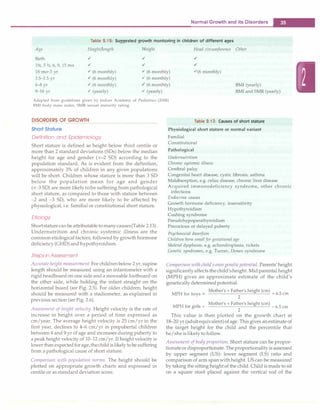
Growth Monitoring
The Indian Academy of Pediatrics has given guidelines to
monitor growth during childhood (Table 2.12). During
infancythe monitoring is conveniently doneduringvisits
for vaccination. Later it can be integrated into visits for
vaccination,minorillnesses orintoschoolhealth program.
During adolescence sexual maturity rating (SMR) staging
is an additional measure to be monitored.
Suggested Read ing
Agarwal DK, Agarwal KN, et al. Physical and sexual growth
pattern of affluent Indian children from 5-18 yr of age. Indian
Pediatrics 1992;29:1203-82
Agarwal DK, Agarwal KN, et al. Physical growth assessment in
adolescence. Indian Pediatrics 2001;38:1217-35
Graham CB. Assessment of bone maturation-methods and
pitfalls. Radio! Clin North Am 1972,10:185-202
World Health Organisation. http://www.who.int/nut-growthdb/en.
Guidelines on growth monitoring from birth to 18 yr
I Essential Pediatrics
Fig. 2.16: Weight for height (girls) from 2 to 5 yr (percentiles)
Fig. 2.17: Weight for height (boys) from 2 to 5 yr (percentiles)
Normal Growth and its Disorders
-
Table 2.12: Suggested growth monitoring in children of different ages
Age Height/length Weight Head circumference Other
Birth ,I' ,I' ,I'
Ph, 31h, 6, 9, 15 mo ,I' ,I' ,I'
18 mo-3 yr ,I' (6 monthly) ,I' (6 monthly) ,1'(6 monthly)
3.5-5.5 yr ,I' (6 monthly) ,I' (6 monthly)
6-8 yr ,I' (6 monthly) ,I' (6 monthly) BMI (yearly)
9-18 yr ,I' (yearly) ,I' (yearly) BMI and SMR (yearly)
Adapted from guidelines given by Indian Academy of Pediatrics (2006)
BMI body mass index, SMR sexual maturity rating
DISORDERS OF GROWTH
Short Stature
Definition and Epidemiology
Short stature is defined as height below third centile or
more than 2 standard deviations (SDs) below the median
height for age and gender (<-2 SD) according to the
population standard. As is evident from the definition,
approximately 3% of children in any given populations
will be short. Children whose stature is more than 3 SD
below the population mean for age and gender
(<-3 SD) are more likely tobe suffering from pathological
short stature, as compared to those with stature between
-2 and -3 SD, who are more likely to be affected by
physiological, i.e. familial or constitutional short stature.
Etiology
Shortstaturecanbe attributable tomanycauses(Table2.13).
Undernutrition and chronic systemic illness are the
common etiological factors, followed by growth hormone
deficiency (GHD) and hypothyroidism.
Steps in Assessment
Accurate height measurement. Forchildrenbelow2 yr, supine
length should be measured using an infantometer with a
rigid headboard on one side and a moveable footboard on
the other side, while holding the infant straight on the
horizontal board (see Fig. 2.5). For older children, height
should be measured with a stadiometer, as explained in
previous section (see Fig. 2.6).
Assessment of height velocity. Height velocity is the rate of
increase in height over a period of time expressed as
cm/year. The average height velocity is 25 cm/yr in the
first year, declines to 4-6 cm/yr in prepubertal children
between 4 and 9 yr of age and increases during puberty to
a peak height velocity of 10-12 cm/yr. If height velocity is
lower than expectedforage,thechildislikely to be suffering
from a pathological cause of short stature.
Comparison with population norms. The height should be
plotted on appropriate growth charts and expressed in
centile or as standard deviation score.
Table 2.13: Causes of short stature
Physiological short stature or normal variant
Familial
Constitutional
Pathological
Undernutrition
Chronic systemic illness
Cerebral palsy
Congenital heart disease, cystic fibrosis, asthma
Malabsorption, e.g. celiac disease, chronic liver disease
Acquired immunodeficiency syndrome, other chronic
infections
Endocrine causes
Growth hormone deficiency, insensitivity
Hypothyroidism
Cushing syndrome
Pseudohypoparathyroidism
Precocious or delayed puberty
Psychosocial dwarfism
Children born small for gestational age
Skeletal dysplasias, e.g. achondroplasia, rickets
Genetic syndromes, e.g. Turner, Down syndrome
Comparison with child's own genetic potential. Parents' height
significantlyaffectsthe child'sheight.Midparental height
(MPH) gives an approximate estimate of the child's
genetically determinedpotential.
Mother's+ Father's height (cm)
6 5
MPH for boys = + . cm
2
Mother's+ Father's height (cm)
MPH for girls = - 6.5 cm
2
This value is then plotted on the growth chart at
18-20 yr (adultequivalent)ofage. This gives anestimateof
the target height for the child and the percentile that
he/she is likely to follow.
Assessment ofbody proportion. Short stature can be propor­
tionateordisproportionate. Theproportionality isassessed
by upper segment (US): lower segment (LS) ratio and
comparison of arm spanwith height. US can be measured
by taking the sitting heightof the child. Child is made to sit
on a square stool placed against the vertical rod of the
__
E
_
s
_
s
_
e
_
n
_
t
_
ia
_
i
_
P
_
e
_
d
_
ia
_
t
_
ri
_
c
_
s _________________________________
stadiometer. The headboard is brought down to the vertex
similarly as for taking height. The height of the stool is
subtracted from the reading obtained to get sitting height.
LS can be obtained by subtracting US from height.
Alternatively,LScanbemeasuredbytakingthelength from
pubic symphysis to the ground while the child is standing
erect. For measuring arm span, child is asked to stand
straight with both arms extended outwards parallel to the
ground. Length between the tips of the middle finger of the
outstretched hands is the arm span.
Normally, US: LS ratio is 1.7 at birth, 1.3 at 3 yr, 1.1 by
6 yr, 1 by 10 yr and 0.9 in adults. Increase in US: LS ratio is
seen in rickets, achondroplasia and untreated congenital
hypothyroidism. Decrease in US : LS ratio is seen in
spondyloepiphyseal dysplasia and vertebral anomalies.
Arm span is shorter than length by 2.5 cm at birth, equals
height at 11 yr and thereafter is slightly (usually, <1 cm)
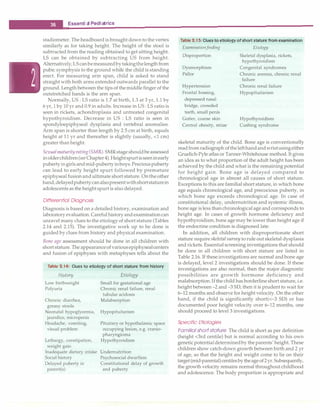
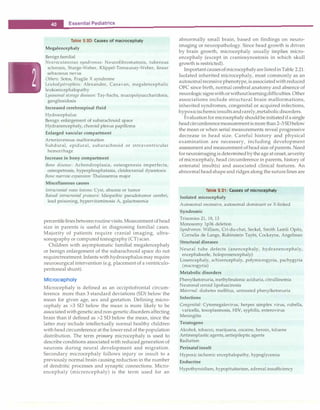
greater thanheight.
Sexualmaturityrating(SMR). SMRstageshouldbeassessed
inolderchildren(seeChapter4). Heightspurtisseeninearly
pubertyingirlsandmid-pubertyinboys.Preciouspuberty
can lead to early height spurt followed by premature
epiphyseal fusion andultimate short stature. Onthe other
hand,delayedpubertycanalsopresentwithshortstaturein
adolescents as the height spurt is also delayed.
Differential Diagnosis
Diagnosis is based on a detailed history, examination and
laboratoryevaluation.Careful historyandexaminationcan
w1ravel many clues to the etiology of short stature (Tables
2.14 and 2.15). The investigative work up to be done is
guided by clues from history and physical examination.
Bone age assessment should be done in all children with
shortstature.The appearanceof variousepiphysealcenters
and fusion of epiphyses with metaphyses tells about the
Table 2.14: Clues to etiology of short stature from history
History
Low birthweight
Polyuria
Chronic diarrhea,
greasy stools
Neonatal hypoglycemia,
jaundice, micropenis
Headache, vomiting,
visual problem
Lethargy, constipation,
weight gain
Inadequate dietary intake
Social history
Delayed puberty in
parent(s)
Etiology
Small for gestational age
Chronic renal failure, renal
tubular acidosis
Malabsorption
Hypopituitarism
Pituitary or hypothalamic space
occupying lesion, e.g. cranio­
pharyngioma
Hypothyroidism
Undernutrition
Psychosocial dwarfism
Constitutional delay of growth
and puberty
Table 2.15: Clues to etiology of short stature from examination
Examinationfinding Etiology
Disproportion
Dysmorphism
Pallor
Hypertension
Frontal bossing,
depressed nasal
bridge, crowded
teeth, small penis
Goiter, coarse skin
Central obesity, striae
Skeletal dysplasia, rickets,
hypothyroidism
Congenital syndromes
Chronic anemia, chronic renal
failure
Chronic renal failure
Hypopituitarism
Hypothyroidism
Cushing syndrome
skeletal maturity of the child. Bone age is conventionally
readfromradiograph ofthelefthandandwristusingeither
Gruelich-Pyle atlas or Tanner-Whitehouse method. It gives
an idea as to what proportion of the adult height has been
achieved by the child and what is the remaining potential
for height gain. Bone age is delayed compared to
chronological age in almost all causes of short stature.
Exceptions to this are familial short stature, in which bone
age equals chronological age, and precocious puberty, in
which bone age exceeds chronological age. In case of
constitutional delay, undernutrition and systemic illness,
bone age isless thanchronological age and corresponds to
height age. In cases of growth hormone deficiency and
hypothyroidism,bone age may be lower than height age if
the endocrine condition is diagnosed late.
In addition, all children with disproportionate short
stature require skeletal survey to rule out skeletal dysplasia
and rickets. Essential screening investigations that should
be done in all children with short stature are listed in
Table 2.16. If these investigations are normal andbone age
is delayed, level 2 investigations should be done. If these
investigations are also normal, then the major diagnostic
possibilities are growth hormone deficiency and
malabsorption. Ifthe child has borderline short stature, i.e.
height between -2 and-3 SD, then it is prudent to wait for
6-12 months and observe for height velocity. On the other
hand, if the child is significantly short(<-3 SD) or has
documented poor height velocity over 6-12 months, one
should proceed to level 3 investigations.
Specific Etiologies
Familial short stature The child is short as per definition
(height <3rd centile) but is normal according to his own
genetic potentialdeterminedby the parents' height. These
children show catch-down growth between birth and 2 yr
of age, so that the height and weight come to lie on their
target(mid-parental)centilesbytheageof2yr.Subsequently,
the growth velocity remains normal throughout childhood
and adolescence. The body proportion is appropriate and
Normal Growth and its Disorders -
----------------------
Table 2.16: Stepwise investigative work-up for short stature
Level 1 (essential) investigations
Complete hemogram with ESR
Bone age
Urinalysisincludingmicroscopy, osmolality and pH
Stool examination for parasites, steatorrhea and occult blood
Blood urea, creatinine, bicarbonate, pH, calcium, phosphate,
alkaline phosphatase, fasting glucose, albumin and trans­
aminases
Level 2 investigations
Serum thyroxin, thyroid stimulating hormone
Karyotype in girls (to rule out Turner syndrome)
Level 3 investigations
Celiac serology (antiendomysial, antitissue transglutaminase
antibodies)
Provocative growth hormone testing
Serum insulin-like growth factor-1, and insulin-like growth
factor binding protein-3 levels
MRl brain (focussed on pituitary and hypothalamus) for those
with low peak growth hormone levels
bone age equals the chronological age. Pubertyis achieved
at appropriate age and final height is within their target
range (Fig. 2.20).
Constitutional growth delay These children are born
with a normal length and weight and grow normally for
the first 6-12 months of life. Their growth then shows a
deceleration so that the height and weight fall below the
3rdcentile.By3 yr of age, normalheightvelocityisresumed
and they continue to grow just below and parallel to the
3rd centile with a normal height velocity. The onset of
puberty and adolescent growth spurt is also delayed in
these children but final height is within normallimits. Bone
age is lower than chronological age and corresponds to the
height age. Historyof delayedpubertyand delayed height
spurt is usually present in one or both parents. (Fig. 2.21).
Table 2.17 lists features that distinguish between these
two common causes of short stature.
Undernutrltion Stunted growth caused by chronic
undernutrition is one of the commonest cause for short
stature in our country. A detailed dietary history and
presence of other features of malnutrition such as low mid
upper arm circumferenceandlowweightforheight suggest
the diagnosis.
Endocrine causes These are discussed in detail in
Chapter 17.
Skeletal dysplaslas Inborn errors in the formation of
cartilage and bone, cause chondrodysplasias or skeletal
dysplasias, inherited or sporadic conditions that are
usuallyassociatedwith abnormal skeletal proportions and
severe short stature (except hypochondroplasia, where
growth retardation is mild). A careful elicitation of family
Date Age Status Weight
1 2 3 4 5 6 7 8
-·
62
61 160
60
59 155
58
57 145
55 140
54
53 135
52
51 130
50
49 125
48
47 120
46
45 115
44
43 110
42
41 105
40
39 100
38
95
•- -
37
90
35
..
34
85
33
32
31
30
75
29
28 7
1:1
:
�II·
-
11 12 13 14 15 16 17 18
l"-
J ., 1�
18!
181
17!
+-
171
16,
9 10
w. i:-r
1
-Ta ej �gl 15
lfI)
·� ·'I
ITT
951
--,- 90
r:� 85
80
·� 75
70
' ..... 65
·-+ J 60
.-· ... 55
50
45
I+
,, r.T 40
--
[Z � -+ 35
. 30
25
20
:+ 15
:"I
9 10 11 12 13 14 15 16 17
n
76
75
74
73
72
71
200
190
180
170
160
150
140
130
120
110
100
90
80
70
60
50
40
30
Fig. 2.20: Growth chart of a girl with familial short stature. The child is
growing below and parallel to 3rd centile from early childhood till
adulthood, height velocity is normal, bone age (BA) corresponds to
chronological age and target height (range indicated by vertical bold
bar) is low
Table 2.17: Distinction between constitutional delay in growth
and familial short stature
Feature Constitutional Familial short
growth delay stature
Height Short Short
Height velocity Normal Normal
Family history Delayed puberty Short stature
Bone age Less than Normal
chronological age
Puberty Delayed Normal
Final height Normal Low but normal
for target height
history, measurement of bodyproportions,examinationof
the limbs and skull and skeletal survey are required for
diagnosis.
Geneticsyndromes Turnersyndrome,withan incidence
of 1:2000 live births, is a common cause of short stature in
girls and shouldbe ruledout even if thetypicalphenotypic
__E_s_s_e_n_ t_ia_i_P_e_d_i_a _tr.ic_s__________________________________ _
11 12 13 14 15 16 17
Date Age Status Weight . '
1-t H -
-
-
-
ar t i
-
: -�
v• v1
1 2 3 4 5 6 7 8 ;, -.!C
62
61 160
60
59 155
58 � � t
57 145
56
55 140 � ,
54
53 135
52
51 130
so 4 V
49 125
48
.,
47 120
46
,_ /! ,1, � 4 r-,- +
45 115 � , � '--H-
44
43 110
i y 11-
42
;�-
-
41 105
40
39 100 - '
38
37
95 'N ,,
36
90 +· rt-
35
34
85
33
32
31
80
30 - +,;' � �
75
29
·-
28
rl-
40
C � 'I-,,
30
10
5 .L
3 4 5 6 7 8 9 10 11 12 13 14 15 16 17
'
18 77
76
19( 75
74
18� 73
72
18( 71
70
9
68
17( 67
68
_
16, 65
64
16( 63
62
15� 61
95
90
85
80
75
70
1
65
60
55
so
45
40
35
30
25
20
15
10
s
60
21
200
90
1
18
17
16
1so
14
13
120
11
100
90
80
70
60
so
40
30
Fig. 2.21: Growth chart of a boy with constitutional delay of growth
and puberty. The child falls to a lower centile in early childhood, grows
below and parallel to 3rd centile in childhood, with an apparent
downward deviation ofgrowthcurveduring thenormal time ofpubertal
growth, with later acceleration of growth and reaching target height
(range indicated by vertical bold bar). Bone age (BA) is lower than
chronological age by 2-3 yr
features are absent.Othersyndromes associatedwithshort
stature are Down, Prader-Willi, Russell-Silver and Seckel
syndromes.
Psychosocial dwarfism This condition, also known as
emotional deprivation dwarfism, maternal deprivation
dwarfism orhyperphagic short stature, is seen in children
in unhappy homes where the emotional needs of the child
aretotallyneglected.It is characterized by functional hypo­
pituitarism indicated by low IGF-1 levels and inadequate
response of GH to stimulation. Therapy with GH is
however, not beneficial. Good catchup growth is usually
seen when the child is placed in a less stressful environ­
ment and nurtured with love and affection.
Children born small for gestational age (SGA)
Birthweight below the 10th centile for gestational age can
be caused by maternal, placental or fetal factors. Most of
theseinfantsshow catchupgrowthby 2 yr ofage.However,
an estimated 20-30% of babies born SCA fail to show
catchup growth and remain short. Subtle defects in the
growth hormone and insulin likegrowthfactor (GH-IGF)
axis are considered responsible for the short stature.
Management
The general principles of management for any child who
presents with short stature include counseling of parents
and dietary advice. Parents should be counseled to
highlight the positive aspects in child's personality and
not put undue emphasis on stature. Intake of a balanced
diet containing the recommended amounts of macro- and
micronutrientsshould also berecommended.The specific
management depends on the underlying cause. For
physiological causes, reassurance and annual monitoring
of height andweight issufficient.Dietary rehabilitationfor
undernutrition andtreatment of underlyingconditionsuch
as renal tubular acidosis or celiac disease are generally
associated with good catchup growth. With any form of
therapy, monitoring with regular and accurate recording
of height is mandatoryforsatisfactory outcome.
For skeletaldysplasias, limblengtheningproceduresare
offered at few orthopedic centers. For hypothyroidism,
levothyroxinereplacement is advised. Forgrowthhormone
deficiency, treatment with daily subcutaneous injections
of GH is recommended. GH therapy is also approved for
several other conditions though the doses required are
generally higher and improvement in final height smaller
and more variable as compared to GH deficiency. Some of
these conditions are Turner syndrome, SCA with
inadequate catchup growth and chronic renal failure prior
to transplant.
Failure to Thrive
Definition and Epidemiology
Failure to thrive (FTT) is a descriptive term rather than
diagnosis and is used for infantsandchildren up to 5 yr of
age whose physical growth is significantly less than their
peers of same age and sex. FIT usually refers to weight
below3rdor 5thcentile,failuretogain weight over aperiod
of time or a change in rate of growth that has crossed two
major centiles, e.g. 75th to 50th, over a period of time. The
prevalence of FTT varies according to the population
sampled.
Etiology
Traditionally FTT is classified as organic, where the child
has some known underlying medical condition, and non­
organicor psychosocial, wherepoorgrowthis the result of
inadequatecaloricprovision andoremotionaldeprivation.
Organic and nonorganic etiological factors may coexist,
e.g. in children with cerebral palsy or multiple congenital
anomalies. FIT is nonorganic in up to 80% of cases. The
common etiological factors are listed in Table 2.18.
Table 2.18: Causes of failure to thrive
Organic causes
Gastrointestinal: Gastroesophageal reflux, malabsorption,
inflammatory bowel disease, pyloric stenosis
Neurological: Mental retardation, cerebral palsy
Renal: Renal tubular acidosis, chronic renal failure
Cardiop11/111onary: Congenital heart disease, cystic fibrosis,
asthma
Endocrine: Hypothyroidism, diabetes mellitus
Infections: Chronic parasitic infections ofgastrointestinaltract,
tuberculosis, human immunodeficiency virus
Genetic: Inborn errors of metabolism, chromosomal
anomalies
Miscellaneous: Lead poisoning, malignancy
Nonorganic causes
Poverty
Misperceptions or lack of knowledge about diet and feeding
Lack of breastfeeding, feeding diluted formulae
Dysfunctional parent child relationship
Clinical Features
These children present with poor growth, often associated
with poor development and cognitive functioning. The
degree of FTT is usually measured by calculating weight,
height and weight-for-height as percentage of the median
value for age based on appropriate growth charts
(Table 2.19).
Diagnosis
History, physicalexaminationand observation of parent­
child interaction are important. Detailed laboratory
investigations are needed only if history and physical
examination suggest that an organic cause is responsible
for FTT and to localize the systems involved. For initial
evaluation the following investigations are adequate:
(i) complete blood count with ESR; (ii) urine and stool
microscopy and culture and (iii) renal and liver function
test and serum electrolytes. Weight gain in response to
adequate calorie feeding establishes the diagnosis of
psychosocial FTT.
Management
The goals of management are nutritional rehabilitation,
treatment of organic causes if present, and remedial
measures for psychosocial factors. Important indications
for hospitalization include: (i) severe malnutrition;
Normal Growth and its Disorders -
(ii) diagnosticandlaboratoryevaluationneededfororganic
cause; (iii) lack of catch up growth during outpatient
treatment; and (iv) suspected child abuse or neglect. The
management ofthese patients depends on the underlying
cause. Nutritional rehabilitation is necessary.
Prognosis
If managedearlyandadequately, the prognosis for physical
growthrecoveryisgood.However,theoutlookforcognitive,
emotional and behavioral development is variable and less
certain. The growth and development of these children
should be monitoredregularly.
ABNORMALITIES OF HEAD SIZE AND SHAPE
Head growth may be affected by abnormal growth of the
skull bones or alterations in brain parenchyma, cerebro­
spinal fluid or bone.
Macrocephaly
Macrocephalyisdefinedasanoccipitofrontalcircumference
greater than two standard deviations (SD) above the mean
for age andsex. Table 2.20 lists important causes of macro­
cephaly. Megalencephaly or enlargement of the brain
parenchyma may be familial or associated with inherited
syndromesorneurometabolicdisease. Infantswithbenign
familial megalencephaly have increased head size at birth
thatpersiststhroughinfancyalongtheuppergrowthcurve
percentiles, and is associated with normal body size,
neurologic examination and development. Children with
metabolic causeshave normalhead circumference atbirth;
macrocephaly is noted as the child gets older. Diagnosis is
suggested by accompanying features and biochemical
abnormalities. Hydrocephalus, characterized by an
excessive amount of CSF, may be caused by increased
production,decreasedabsorptionorobstructiontoCSFflow.
Mostpatientsshowpostnatalrapidincreaseinheadsizeand
are symptomatic due to underlying disease or raised
intracranial pressure (nausea, vomiting and irritability).
Benignenlargementofthesubarachnoidspaceisrelatively
commonand ischaracterizedbyheadgrowth velocitythat
slowstonormalby6monthsofage;developmentassessment
and neurologicalexamination are normal.
Evaluation for macrocephaly is indicated if the head
circumferenceis above3 SD of the meanfor age and sex, or
whenserialmeasurementsreveal progressive enlargement,
as suggested by an increase by >2 cm per month during
first 6 months of life or the crossing of one or more major
Table 2.19: Degree of failure to thrive
Degree of failure to thrive Weight-for-age (% of median) Length/height-for-age Weight-for-height
(% of median) (% of median)
Mild 75-90 90-95 81-90
Moderate 60-74 85-89 70-80
Severe <60 <85 <70
__E_s_s_e_n_ t_ia_1_P_e_d_ i_a _tr.ic·
s-----------------------------------
Table 2.20: Causes of macrocephaly
Megalencephaly
Benign familial
Neurocutaneous syndromes: Neurofibromatosis, tuberous
sclerosis, Sturge-Weber, Klippel-Trenaunay-Weber, linear
sebaceous nevus
Others: Sotos, Fragile X syndrome
Leukodystrophies: Alexander, Canavan, megalencephalic
leukoencephalopathy
Lysosomal storage diseases: Tay-Sachs, mucopolysaccharidosis,
gangliosidosis
Increased cerebrospinal fluid
Hydrocephalus
Benign enlargement of subarachnoid space
Hydranencephaly, choroid plexus papilloma
Enlarged vascular compartment
Arteriovenous malformation
Subdural, epidural, subarachnoid or intraventricular
hemorrhage
Increase in bony compartment
Bone disease: Achondroplasia, osteogenesis imperfecta,
osteopetrosis, hyperphosphatasia, cleidocranial dysostosis
Bone marrow expansion: Thalassemia major
Miscellaneous causes
Intracranial mass lesions: Cyst, abscess or tumor
Raised intracranial pressure: Idiopathic pseudotumor cerebri,
lead poisoning, hypervitarninosis A, galactosemia
percentilelines betweenroutinevisits. Measurement ofhead
size in parents is useful in diagnosing familial cases.
Majority of patients require cranial imaging, ultra­
sonography or computedtomography(CT) scan.
Children with asymptomatic familial megalencephaly
or benign enlargement of the subarachnoid space do not
requiretreatment. Infants withhydrocephalusmay require
neurosurgical intervention (e.g. placement of aventriculo­
peritoneal shunt).
Microcephaly
Microcephaly is defined as an occipitofrontal circum­
ference more than 3 standard deviations (SD) below the
mean for given age, sex and gestation. Defining micro­
cephaly as >3 SD below the mean is more likely to be
associatedwithgeneticandnon-genetic disorders affecting
brain than if defined as >2 SD below the mean, since the
latter may include intellectually normal healthy children
withhead circumference at the lower endof thepopulation
distribution. The term primary microcephaly is used to
describe conditions associated with reduced generation of
neurons during neural development and migration.
Secondary microcephaly follows injury or insult to a
previously normal brain causing reduction in the number
of dendritic processes and synaptic connections. Micro­
encephaly (micrencephaly) is the term used for an
abnormally small brain, based on findings on neuro­
imaging or neuropathology. Since head growth is driven
by brain growth, microcephaly usually implies micro­
encephaly (except in craniosynostosis in which skull
growth is restricted).
ImportantcausesofmicrocephalyarelistedinTable 2.21.
Isolated inherited microcephaly, most commonly as an
autosomalrecessivephenotype,isassociatedwithreduced
OFC since birth, normal cerebral anatomy and absence of
neurologicsignswithorwithoutlearningdifficulties.Other
associations include structural brain malformations,
inherited syndromes, congenital or acquired infections,
hypoxicischemicinsultsandrarely,metabolicdisorders.
Evaluationformicrocephaly shouldbe initiatedifasingle
headcircumferencemeasurementismorethan2-3 SDbelow
the mean or when serial measurements reveal progressive
decrease in head size. Careful history and physical
examination are necessary, including development
assessmentandmeasurement ofhead size ofparents.Need
forneuroimagingis determinedbytheageat onset, severity
of rnicrocephaly, head circumference in parents, history of
antenatal insult(s) and associated clinical features. An
abnormalheadshapeandridges along the suturelines are
Table 2.21: Causes of microcephaly
Isolated microcephaly
Autosomal recessive, autosomal dominant or X-linked
Syndromic
Trisomies 21, 18, 13
Monosomy lp36 deletion
Syndromes: William, Cri-du-chat, Seckel, Smith Lemli Opitz,
Cornelia de Lange, Rubinstein Taybi, Cockayne, Angelman
Structural diseases
Neural tube defects (anencephaly, hydranencephaly,
encephalocele, holoprosencephaly)
Lissencephaly, schizencephaly, polymicrogyria, pachygyria
(macrogyria)
Metabolic disorders
Phenylketonuria, methylmalonic aciduria, citrullinemia
Neuronal ceroid lipofuscinosis
Maternal: diabetes mellitus, untreated phenylketonuria
Infections
Congenital: Cytomegalovirus, herpes simplex virus, rubella,
varicella, toxoplasmosis, HIV, syphilis, enterovirus
Meningitis
Teratogens
Alcohol, tobacco, marijuana, cocaine, heroin, toluene
Antineoplastic agents,antiepileptic agents
Radiation
Perinatal insult
Hypoxic ischemic encephalopathy, hypoglycemia
Endocrine
Hypothyroidism, hypopituitarism, adrenal insufficiency
Normal Growth and its Disorders
-
Metopic suture -----'A���
_
::::
__
'.::
_
;::
__
:::-
_
,
_ --------------QJ
Frontal bone ---,.�, ____
_
Anterior fontanel ---t--t---� B
Parietal bone -------��
Posterior fontanel
GW,@ E  D
Figs 2.22A and B: (A) Head of normal neonate showing fontanelles and sutures. The common forms of craniosynostosis (secondary to
premature fusion of sutures) include; (B) trigonocephaly (metopic suture); (C) brachycephaly (bilateral coronal sutures); (D) left anterior
plagiocephaly (left coronal suture); (E) scaphocephaly (sagittal suture); (F) right posterior plagiocephaly (right lambdoid suture) Children with
deformation plagiocephaly; (G) have positional skull flattening without sutural fusion
suggestive of craniosynostosis. The prognosis depends
upon the underlying cause, and is worse for secondary
than primary microcephaly. The child should be managed
in consultation with genetics and pediatric neurology
services.
Craniosynostosis
Craniosynostosis is the premature fusion of one or more
cranialsutures,eithermajor (e.g.metopic,coronal,sagittal,
and lambdoid) or minor (frontonasal, temporosquamosal,
andfrontosphenoidal)(Fig.2.22A).Cranialsuturesnormally
fuseduringearlychildhood,startingwiththemetopicsuture
(beginning at 2 months), followed by sagittal, coronal and
lambdoidsutures (22-26 months), such thatthefrontonasal
and frontozygomatic sutures close last (68-72 months).
Premature fusion restricts the growth of the skull
perpendicular to the affected suture. Compensatory skull
growth occurs parallel to the affected suture in order to
accommodatethegrowingbrain. Theresultingskull defor­
mityistermedasscaphocephaly,plagiocephaly ortrigono­
cephaly based on the suture involved (Fig. 2.22B to F).
Cloverleafskulldeformityiscausedbythefusionofmultiple
sutures andis associated withhydrocephalus.Patients with
towerskull oracrocephalyhave combinedsagittal,coronal
andlambdoidsynostosis,oftenaspart ofApertorCrouzon
syndrome. Oxycephaly or turricephaly refers to a tall
craniumresultingfromdelayedrepairofbrachycephaly,and
isoftensyndromic.
Apert syndrome is an autosomal dominant or sporadic
disorder caused by defects in the fibroblast growth factor
(FGF) gene, characterized by bicoronal synostosis and
maxillary hypoplasia, associated with recessed forehead,
flatmidface,protrudingeyes,hypertelorism, antimongoloid
slant of eyes and low-set ears. Most patients have a high
arched palate, malocclusion, cleft palate and complex
syndactyly (mitten hand). Other findings are strabismus,
conductive hearing loss, airway compromise and severe
acne.
Crouzon syndrome is an autosomal dominant disorder
causedbymutationsin FGFR2 orFGFR3, andcharacterized
by tall, flattened forehead (secondary to bicoronal
synostosis), proptosis, beaked nose and midface
hypoplasia. Many patients have cervical spine
abnormalities.The degreeoffacial deformityismilder than
in Apert syndrome and patients do not show cleft palate,
syndactyly and mental retardation. Other conditions
associatedwith craniosynostosis are Carpenter syndrome
and Pfeiffer syndrome.
Development
NORMAL DEVELOPMENT
Development refers to maturation of functions and
acquisition of various skills for optimal functioning of an
individual. The maturation and myelination of the
nervous system is reflected in the sequential attainment
of developmental milestones. Developmental milestones
are important, easily identifiable events during the conti­
nuous process of development, e.g. turning over, sitting,
reaching for objects, and pointing to objects. Increasingly
complex skills are learnt, matching the formation of new
synapses in the brain.
While development is a global process reflected in new
motor abilities and language, social and cognitive skills,
intelligencepertainsto thepart of the development dealing
with cognitive or adaptive behavior. Intelligence is the
ability to apply knowledge to manipulate one's environ­
ment or to think abstractly and refers to the aggregate or
global capacity of the individual to act purposefully, think
rationally and to deal effectively with the environment.
Different researchers define intelligence variably; an
objective measurement is done using multiple criteria in
tests of intelligence quotient (IQ).
Rules of Development
Tounderstandthecomplexprocessofhumandevelopment,
some basic facts should be understood:
1. Development is a continuous process, starting in utero
and progressing in an orderly manner until maturity.
The child has to go through many developmental stages
before a milestone is achieved.
ii. Development depends on thefunctional maturation ofthe
nervous system. Maturity of the central nervous system
is essential for a child to learn a particular milestone
or skill; no amount of practice can make a child learn
new skills in its absence. However, in absence of
practice, the child may be unable to learn skills despite
neural maturation, since the capability to perform the
skills remains dormant.
42
Ramesh Agarwal, Vandana Jain, Naveen Sankhyan
iii. The sequence ofattainment ofmilestones is the same in all
children. For example, all infants babble before they
speak in words and sit before they stand. Variations
may exist in the time and manner of their attainment.
iv. The process ofdevelopment progresses in a cephalocaudal
direction. Hence, head control precedes trunk control,
which precedes ability to use lower limbs. The control
of limbs proceeds in a proximal to distal manner, such
that hand use is learnt before control over fingers.
v. Certain primitive reflexes have to be lost before relevant
milestones are attained. For example, palmar grasp is
lost before voluntary grasp is attained and the
asymmetric tonic neck reflexhasto disappear to allow
the child to turnover.
vi. The initial disorganized mass activity is gradually replaced
by specific and wilful actions. Hence, when shown a
bright toy, a 3-4 month old squeals loudly and
excitedly moves all limbs, whereas a 3-4 yr old may
just smile and ask for it.
Factors Affecting Development
Development depends on a variety ofmutuallyinteractive
factors such as hereditary potential, biological integrity,
physical and psychosocial environment and emotional
stimulation. The brain matures through a dynamic
interplay of genetic, biological and psychosocial factors.
Infancy and early childhood are the most crucial phases
during which development takes place.
Appropriate sensory inputs through hearing and
vision, a secure environment and responsive parenting
providethe basesfor healthy patterns oflearning,behavior
and health. Poverty is among the most important risk
factors associated with poor development. Poverty expo­
ses the child to many other risk factors such as lack of
stimulation or excessive stress, malnutrition, exposure to
environmentaltoxins,and concurrentdiseasesthat adver­
sely affect development. Such early influences have
______________________________________
o_e_v_e_io_p_m_e_n_t__
negative effect on hypothalamic-pituitary-adrenocortical
system and change electrical activity of the brain related
to efficiency of cognitive processing. The factors that
influence child development are listed below.
Prenatal Factors
Genetic factors Intelligence of parents has direct
correlation on the final IQ of the child. Moreover, certain
developmental patterns are observed to follow parental
patterns like speech. There are numerous genetic causes
for developmental delay and subsequent mental retar­
dation (MR). Prominent genetic factors include chromoso­
mal abnormalities (e.g. Down syndrome), X-linked MR
(fragile X and other mutations), subtelomeric deletions,
single gene disorders causing disorders ofbrain formation
(lissencephaly) and other metabolic disorders (phenyl­
ketonuria).
Maternal factors A host of factors which impair growth
in utero also can potentially affect brain growth,
particularly if they are severe and/or sustained:
1. Maternal nutrition. There is suggestion that maternal
malnutrition (of macronutrient as well as micro­
nutrients) has adverse effect on birth weight and child
development. Studies from developing countries
suggestthatnutrition supplements including multiple
micronutrient supplements have positive impact on
birth weight as well as child development. It has been
shown that the overall quality of maternal care can
produce lasting changes in stress reactivity, anxiety
and memory in the child.
ii. Exposure to drugs and toxins. Various drugs and toxins
such as maternal drug or alcohol abuse, antiepileptic
drugs and environmental toxins can have adverse
effect on child development.
iii. Maternal diseases and infections. Pregnancy induced
hypertension, hypothyroidism, malnutrition andfeto­
placental insufficiency due to any cause. Acquired
infections (e.g. syphilis, toxoplasmosis, AIDS, rubella,
CMV, herpes) can have a severe impact on fetal
physical and brain growth. Exposure to free radicals
and oxidants in utero (e.g. chorioamnionitis) has been
incriminated in the causation of cerebral palsy and
developmental impairment.
Neonatal Risk Factors
Intrauterine growth restriction Intrauterine growth
restriction (IUGR) indicates constraints in fetal nutrition
during a crucial period for brain development. In
developing countries, intrauterine growth restriction is
mainly due to poor maternal nutrition and infections.
Studies have shown that IUGR infants are disadvantaged
compared to their normal birth weight counterparts in
terms of short-term as well as longterm neurocognitive
development.
Prematurity Babies born before 37 weeks of gestation are
more likely to have developmental impairment compared
to term counterparts with babies born before 32 weeks
gestation being at the highest risk. Premature babies are
at risk due to complications, including intracranial bleed,
white matter injury, hypoxia, hyperbilirubinemia and
hypoglycemia.
Perinatal asphyxia Significant asphyxia occurs in
approximately 2% of total births. Studies have indicated
that over 40% of survivors of significant asphyxia suffer
from major neurocognitive disabilities.
Postneonatal Factors
Infant and child nutrition Severe calorie deficiency, as
evident by stunting, is associated with apathy, depressed
affect, decreased play and activities and insecure attach­
ment. Calorie deficiencyis oftenassociatedwith deficiency
of multiple micronutrients and vitamins (including zinc,
vitamins A, B12, D, E, riboflavin and iodine) that
contribute to developmental impairment.
Linear growth retardation or stunting occurs in nearly
one-third of children aged less than 5 yr in low-income
andmiddle-incomecountries.Thereispositiveassociation
between early height-for-age and cognitive or language
ability, rates of school enrolment and grades attained by
late adolescence and formal employment at age
20-22 yr.
Early growth faltering (<24 months) seems to be more
detrimental to childhood development. Increase in weight
to cause a change by one standard deviation from birth to
24 months was associatedwithincreasedratesof schooling
and inversely related to grade failures. Macronutrient
supplementation to promote better growth consistently
shows concurrent developmental benefits.
Iron deficiency Iron deficiency has been shown to be
associated with electrophysiological evidence of delayed
brain maturation, poorer cognitive, motor and social­
emotional development in infancy and early childhood.
Iodine deficiency Iodine is a constituent of thyroid
hormones, which affect central nervous system develop­
ment and regulate many physiological processes. Iodine
deficiency can lead to congenital hypothyroidism and
irreversible mental retardation, making it the most
common preventable cause of mental retardation. Child­
ren growing in iodine deficient areas have an IQ 12.5
points lower than those growing in iodine sufficient areas.
Infectious diseases A variety of infectious morbidities
such as diarrhea, malaria, other parasitic infections and
HIV are associated with poorer neurodevelopment.
Environmental toxins Children exposed to environ­
mental toxins (lead, arsenic, pesticides, mercuryandpoly­
cyclicaromatichydrocarbons)prenatallythroughmaternal
exposure andpostnatally through breast milk, food, water,
__E_s_s_ e_n_t_ia_i_P_e _d_ia_t_ri_c_
s _________________________________ _
house dust, or soil can have adverse influence on their
neurocognitive development.
Acquired insults to brain Traumatic or infectious insults
(meningitis, encephalitis, cerebral malaria) and other
factors (neardrowning, trauma), particularly during early
years of life, can have a permanent adverse effect on brain
development.
Associated impairments Impairments particularlythose
involving sensory inputs from the eyes or ears can have a
significant impact on attainment of milestones. These
impairments have to be actively sought in any child with
delay as they offer opportunity for intervention.
Psychosocial Factors
During the critical period of development and learning,
several social factors have an important bearing on not
only cognition but also attitudes, social-emotional
competence and sensorimotor development.
Parenting Cognitive stimulation, caregiver's sensitivity
and affection (emotional warmth or rejection of child) and
responsiveness to the child in the setting of other factors
such as poverty, cultural values and practices have an
important bearing on child development. Apart from
these, parental attitudes, involvement, education and
desire for the child also have an impact on the develop­
ment of the child.
Higher levels of maternal warmth and responsiveness
are associated with higher cognitive ability and reduced
levels of behavioral problems in young children.
Poverty This is possibly the mostcommon underlyingfactor
for impaired child development worldwide. It acts
throughout the lifetime of the individual and also affects
the next generation.
A variety of risk factors such as biological, environ­
mental, nutritional and psychosocial that are associated
with poverty lead to cumulative adverse effect on early
child development, which prevent child attaining their
full potential and adult productivity and thereby
perpetuates the poverty cycle.
Lackofstimulation Socialandemotionaldeprivationand
lack of adequate interaction and stimulation is an impor­
tant cause of developmental impairment, particularly
evident in the setting of poverty.
Violence and abuse Domestic andcommunityviolence
are emerging threats to child development. Child abuse,
physical and sexual, can have a profound psychological
effect on the child. Problems of attention and cognition
are more common in children exposed to violence or
abuse. Apart from the direct effect, there are indirect
consequencesdue to change in family dynamics and effect
on the caregiver. Early life experiences have been shown
to have a bearing on behavioral patterns later in life.
Maternal depression Low to middle income countries
have a high incidence of maternal depressive symptoms,
which is negatively associated with early child
development and quality of parenting by virtue of
unresponsive caregiving.
Institutionalization Institutional care (e.g. orphanages)
during early life increases the risk of poor growth, ill­
health, attachment disorders, attention disorders, poor
cognitive function, anxiety, and autistic-like behavior.
The interaction of risk factors and protective factors
interact to determine the developmental trajectory of a
child (Fig. 3.1). In presence of protective factors, children
attain theirdevelopmental potential. Presence of a variety
of risk factors in early life lowers the developmental
trajectory of the child. Timely intervention can help
children achieve near normal potential.
Protective Factors
Breastfeeding Breastfeeding has a protective and
promotive effect on childhood development.
Maternal education Maternal education is a protective
factor reducing child mortality and promoting early child
development. Infant and young children of educated
mothers have higher levels of cognitive development.
Domains of Development
Normal development is a complex process and has a
multitude offacets. However, itisconvenienttounderstand
and assess development under the following domains:
i. Gross motor development
ii. Fine motor skill development
iii. Personal and social development and general under­
standing
iv. Language
v. Vision and hearing
Behavioral competence trajectories
- Optimum
- Recovery
- Below potential
c Protective > risk
0 factors
g I
eduction in risk factors,
increase in protective factors,
J or intervention during a
� +
C
-�
co �
Mod
t
Risk factors > protective factors
Prenatal Birth Early childhood Adolescence Adulthood
Fig. 3.1: Differing trajectories of brain and behavioral development
as a function of exposure to risk and protective factors. Reproduced
with permission from Walker, et al. Inequalities in early childhood Lancet
2011;378:1325-38
--------------------------------------D_e_v_e_io_p_m_e_n_t.....
-
Gross Motor Development
Motor development progresses in an orderly sequence to
ultimate attainment of locomotion and more complex
motor tasks thereafter. In an infant it is assessed and
observed as follows:
Supine and pull to sit The infant is observed in supine
and then gently pulled to sitting position. Control of head
and curvature of the spine is observed. In the newborn
period, the head completely lags behind and back is
rounded (Fig. 3.2). Starting at 6 weeks, the head control
develops and by 12 weeks there is only a slight head lag.
The spine curvature also decreases accordingly (Fig. 3.3).
The child has completeneck control by20 weeks (Fig. 3.4).
This can be ascertained by swaying him gently 'side-to­
side' whensitting. At this age, the baby loves to play with
his feet, and may take his foot to mouth as well. Infant
lifts head from the supinepositionwhen about to bepulled
at 5 months (Fig. 3.5).
Ventral suspension The child is held in prone position
and then lifted from the couch, with the examiner
supporting the chest and abdomen of the child with the
palm of his hand. Up to 4 weeks of age, the head flops
down (Fig. 3.6). At 6 weeks, the child momentarily holds
Fig. 3.12: Pull to sit; complete head lag in a newborn
Fig. 3.3: Pull to sit; no head lag at 4 months
Fig. 3.4: Pull to sit; flexes the head on to chest at 5 months
Fig. 3.5: Infant lifts head from the supine position when about to be
pulled at 5 months
Fig. 3.6: Ventral suspension; unable to hold neck in the line with
trunk at 4 weeks
head in the horizontal plane and by 8 weeks, he can
maintain this position well (Fig. 3.7). By 12 weeks, he can
lift his head above the horizontal plane (Fig. 3.8).
Prone position At birth or within a few days, the
newborn turns the head to one side. At 2 weeks, the baby
--E-ss_e_n_t_i_a,_P_e _d_ia_t_r_ic·
s----------------------------------
Fig. 3.7: Ventral suspension; head in line with the trunk at 8-10 weeks
Fig. 3.8: Ventral suspension; head in line with the trunk at 12 weeks
lies on the bed with high pelvis and knees drawn up (Fig.
3.9). At 4 weeks, the infant lifts the chin up momentarily
in the midline. The infantlies with flat pelvis and extended
hips at 6 weeks (Fig. 3.10). By 8 weeks, face is lifted up at
45°
(Fig. 3.11) and by 12 weeks, the child can bear weight
on forearms with chin and shoulder off the couch and face
at 45°
(Fig. 3.12). At 6 months, he can lift his head and
greater part of the chest while supporting weight on the
extended arms (Fig. 3.13). Between 4 and 6 months, he
learns to roll over, at first from back to side and thenfrom
back to stomach. By the age of 8 months, he crawls (with
abdomen on the ground) and by 10 months, creeps
(abdomen off the ground, with weight on knees and
hands) (Fig. 3.14).
Sitting By the age of 5 months, the child can sit steadily
with support of pillows or the examiner's hands (Figs 3.15
and 3.16). At first the back is rounded but gradually it
straightens (Figs3.15 and3.16). He independently sitswith
his arms forward for support (tripod or truly 'sitting with
support') by the age of 6-7 months (Fig. 3.17). Steady
sitting without any support generally develops at around
8 months (Fig. 3.18). By 10-11 months, he can pivot in
sitting position to play around with toys (Fig. 3.19).
Fig. 3.9: The infant lies on the bed with high pelvis and knees drawn
up at 2 weeks
Fig. 3.10: The infant lies with flat pelvis and extended hips at 6 weeks
Fig. 3.11: In prone: face lifted to about 45°
at 8 weeks
Fig. 3.12: In prone: face, head and chest off the couch at 3 months
___________________________________
o_ e_v_e _io_p_m_en_t
__
_
Fig. 3.13: In prone: weight on hands with extended arms at 6 months
Fig. 3.14: Creep position at 10 months of age (abdomen off ground
and weight on hands and knees
Standing and walking By 6 months, the child can bear
almost all his weight when made to stand (Fig. 3.20). At 9
months, the child begins to stand holding onto furniture
and pulls himself to standing position. By 10 and 11
months, the child starts cruising around furniture. At
about 12-13 months the child can stand independently
(Fig. 3.21) and can walk with one hand held (Fig. 3.22).
Between the ages of 13 and 15 months the child starts
walking independently. He runsby 18 months and at this
age he can crawl up or down stairs and pulls a doll or
wheeled toy along the floor. By 2 yr, the child can also
walk backwards. He climbs upstairs with bothfeet on one
step at 2 yr. By 3 yr he can climb upstairs with one foot
per step and by 4 yr he can move down the stairs in the
same fashion (Fig. 3.23). He can ride a tricycle at 3 yr. He
can hop at 4 yr and skip at 5 yr (Table 3.1).
Fig. 3.15: Sitting; back rounded but able to hold head at 8 weeks
Fig. 3.16: Sitting; back much straighter at 4 months
Fig. 3.17: Sitting with support of hands at 6 months
___E_s_s_ e_
n_t_ia_i_P_e _d_ia.t.ri_c_
s _________________________________ _
Fig. 3.18: Sitting without support at 8 months
Fig. 3.19: Pivoting; turns around to pick up an object at 11 months
Fig. 3.20: Bears almost entire weight at 6 months
Fig. 3.21: Stands well at 12 months
Fig. 3.22: Child walking with one hand-held at 12-13 months
Fig. 3.23: The child is able to walk upstairs and downstairs one foot
per step at 4 yr
--------------------------------------0-e_v_e_io_p_m_e_n_t __
Table 3.1: Key gross motor developmental milestones
Age
3mo
Smo
6mo
8mo
9mo
12mo
15mo
18mo
2yr
3yr
4 yr
Milestone
Neck holding
Rolls over
Sits in tripod fashion (sitting with own
support)
Sitting without support
Stands holding on (with support)
Creeps well; walks but falls; stands without
support
Walks alone; creeps upstairs
Runs; explores drawers
Walks up and downstairs (2 feet/step);
jumps
Rides tricycle; alternate feet going upstairs
Hops on one foot; alternate feet going
downstairs
Fine Motor Development
This primarily involves the development of fine
manipulation skills and coordination with age.
Hand eye coordination Between 12 and 20 weeks, the
child observes his own hands very intently, this is called
hand regard (Fig. 3.24). Its persistence after 20 weeks is
considered abnormal. At 3 to 4 months, hands of the child
come together in midline as he plays (Fig. 3.25). If a red
ring is dangled in front of him, he fixes his attention on it,
and then tries to reach for it (Fig. 3.26). Initially he may
overshoot but eventually he gets it and brings it to his
mouth.
Grasp is best assessed byofferinga red cube to the child.
A 6-month-old infant reaches and holds the cube (larger
object) in a crude manner using the ulnar aspect of his
hand (Fig. 3.27). He can transfer objects from one hand to
other by 6-7 months. The child is able to grasp from the
radial side of hand at 8--9 months (Fig. 3.28). By the age of
1 yr mature grasp (index finger and thumb) is evident
(Fig. 3.29).
Fig. 3.24: Hand regard (between 12 and 20 weeks)
Fig. 3.25: The child brings hands in midline as he plays at 3 to
4 months of age
Fig. 3.26: Bidextrous grasp approach to a dangling ring at 4 months
Fig. 3.27: Immature grasp at 6 months (palmar grasp)
By offering pellets (smaller object), finerhand skills are
assessed. By 9-10 months, the child approaches the pellet
by an index finger and lifts it using finger thumb
apposition, termed 'pincer' grasp (Fig. 3.30).
-
L..:
E
::
s:s:e
:,:
n
::,:
t
::,:
ia
:,:
l
_;
P
:.;
e:d:i:a:tr�ic
:;
s
:_________________________________
Fig. 3.28: Intermediate grasp at 8 months, beginning to use radial
aspect of the hand
Fig. 3.29: Mature grasp at 1 yr of age, note the use of thumb and
index finger
Fig. 3.30: Pincer grasp approach to small objects (index finger and
thumb)
Hand-to-mouth coordination At 6months,as theability
to chew develops, the child can take a biscuit to his mouth
andchew. At this age, he tends to mouth all objects offered
to him (Fig. 3.31). This tendency abates by around 1 yr of
age. By this age, he tries to feed self from a cup but spills
some of the contents. By 15 months, the child can pick up
a cup and drink from it without much spilling. By 18
months, he can feed himself well using a spoon.
Advanced hand skills With advancing age, the child can
use hands to perform finer activities. Much of the
advanced skills depend partly on the opportunity given
by the caretakers to the child. At around 15 months, he
turns 2-3 pages of a book at a time and scribbles on a
Fig. 3.31: A child mouthing an object at 6 months of age
paper if given a pencil (Fig. 3.32). By 18 mont�s, he c�n
build a tower of 2-3 cubes and draw a stroke with pencil.
By 2 yr, he can unscrew lids and turn door knobs and his
block skills also advance (Table 3.2, Fig. 3.33). He now
draws a circular stroke. He now can turn pages of a book,
one at a time.
Fig. 3.32: Scribbles spontaneously at 15 months
Table 3.2: Key fine motor developmental milestones
Age
4mo
6mo
9mo
12mo
15mo
18 mo
2yr
3 yr
4yr
5yr
Milestone
Bidextrous reach (reaching out for objects
with both hands)
Unidextrous reach (reaching out for objects
with one hand); transfers objects
Immature pincer grasp; probes with
forefinger
Pincer grasp mature
Imitates scribbling; tower of 2blocks
Scribbles; tower of 3 blocks
Tower of 6 blocks; vertical and circular stroke
Tower of 9blocks; copies circle
Copies cross; bridge with blocks
Copies triangle; gate with blocks
______________________________________
o_e_v_e_,o_p_m_e_n_t
__
_
Fig. 3.33: A child makes tower of 5-6 cubes at 2 yr of age
Drawing and block skills at various ages are shown in
Figs 3.34 and 3.35, respectively. In general copying of the
skill comes 6 months after imitating the skills (doing it
while seeing).
Dressing Between 18 and 30 months of age, children are
very eager to learn dressing skills. Undressing being
15 months 18 months
(tower of 2 blocks) (tower of 3 blocks)
/
�
J
/
() +
3 yr 4 yr 41/, yr
D �
5 yr 6 yr 7 yr
0 n :TJ
8 yr 9 yr 11 yr
Fig. 3.34: Drawing skills at various ages
easier, is learned before dressing. At 1 yr the child starts
to pull off mittens, caps and socks. At around 18 months,
he can unzip, but fumbles with buttons. By 2 yr, he can
2 yr (train)
I
2,t yr (train with chimney) 3 yr (bridge)
3 yr
(tower of 9 blocks)
4 yr (gate) 6 yr (steps)
Fig. 3.35: Block skills at various ages
___E
_
s
_
s
_
e
_
n
_
t
_
ia
_
i
_
P
_
e
_
d
_
i
_
a
_
tr-ic
_
s_________________________________
put on shoes or socks and can undress completely. By 3
yr, he can dress and undress fully, if helped with buttons.
By 5 yr, he can tie his shoelaces as well.
Personal and Social Development and
General Understanding
Much of the cognitive development and understanding
is reflected by the attainment of important milestones in
this sphere. Beginning at around 1 month, the child
intently watches his mother when she talks to him
(Fig. 3.36). He starts smiling back (social smile) when
anyone talks to him or smiles at him by 6-8 weeks of age
(Fig. 3.37). It is important to differentiate social smile from
spontaneous smile (smile without any social interaction),
which is present even in neonates. By 3 months, he enjoys
looking around and recognizes his mother. By 6 months,
he vocalizes and smiles at his mirror image (Fig. 3.38),
and imitates acts such as cough or tongue protrusion.
Fig. 3.36: At 1 month, the babyshowingintent regard of his mother's
face as she talks to him
Fig. 3.37: Social smile
Fig. 3.38: A child smiles at himself in the mirror at 6 months of age
The child becomes anxious on meeting strangers
(stranger anxiety) by 6-7 months of age. At this age he
inhibits to "no". At 9 months, he waves "bye-bye" and
also repeats any performance that evokes an appreciative
response from the observers. By 1 yr, he can understand
simple questions, such as "where is papa", "where is your
ball", etc. By 15 months, he points to objects in which he
is interested. By 18 months, he follows simple orders and
indulges in domestic mimicry (imitates mother sweeping
or cleaning). At 2 yr, when asked he can point to 5-6
familiar objects, name at least 2-3 objects and point to
3--4 body parts. He begins to count, identify 1-2 colors
and sing simple rhymes by age of 3 yr. Much of these
milestones depend on the caretaker's interaction and
opportunities provided to the child. The left and right
discriminationdevelops by4 yr. By this age, play activities
are also very imaginative. By 5 yr of age, children can
follow 3 step commands, identify four colors and repeat
four digits (Table 3.3).
Language
Throughout the development of language it is the
receptive abilityand understanding which precedes expressive
Age
2mo
3mo
6mo
9mo
12mo
15mo
18mo
2yr
3yr
4 yr
5yr
Table 3.3: Key social and adaptive milestones
Milestone
Social smile (smile after being talked to)
Recognizes mother; anticipates feeds
Recognizes strangers, stranger anxiety
Waves "bye bye"
Comes when called; plays simple ball game
Jargon
Copies parents in task (e.g. sweeping)
Asks for food, drink, toilet; pulls people to
show toys
Shares toys; knows full name and gender
Plays cooperatively in a group; goes to toilet
alone
Helps in household tasks, dresses and
undresses
______________________________________
o_e_v_e_io_p_m_e_n_t __
abilities. Soon after appearance of social smile at around
6 to 8 weeks, the child begins to vocalize with vowel
sounds such as 'ah, uh'. At 3-4 months, he squeals with
delight and laughs loud. He begins to say 'ah-goo', 'gaga'
by 5 months of age. By 6 months, he uses monosyllables
(ba, da, pa). Later, he joins consonants to form bisyllables
(mama, baba, dada).
Before developing true meaningful speech, at around
9-10 months the child learns to imitate sounds derived
from his native language. At his first birthday, he can
usually say 1-2 words with meaning. At 18 months, he
has a vocabulary of 8-10 words. Thereafter, the
vocabulary increases rapidly to around 100 words by 2
yr, at which time 2-3 words are joined to form simple
sentences. By3 yr, the toddler continually asks questions
and knows his full name. He can give a coherent account
of recent experiences and events by the age of 4 yr
(Table 3.4).
Table 3.4: Key language milestones
Age Milestone
1 mo Alerts to sound
3mo
4mo
6mo
9mo
12mo
18mo
2yr
3yr
4yr
5 yr
Coos (musical vowel sounds)
Laugh loud
Monosyllables (ba, da, pa), ah-goo sounds
Bisyllables (mama, baba, dada)
1-2words with meaning
8-10 word vocabulary
2-3word sentences, uses pronouns" I","me",
"you"
Asks questions; knows full name and gender
Says song or poem; tells stories
Asks meaning of words
Vision and Hearing
Adequate sensory inputs are essential for development.
Both normal vision and hearing are of paramount
importance for child development. The ability to see and
hear is apparent even in the newborn. Thereafter
maturation of visual and hearing pathways are reflected
by specific visual and auditory behaviors.
Vision The best stimulus to check visual behavior is the
primary caretaker's face. At birth, a baby can fixate and
follow a moving person or dangling ring held 8-10 inches
away up to a range of 45°
. This increases to 90°
by 4 weeks
and 180°
by 12 weeks. At around 1 month, the baby can
fixate on his mother as she talks to him(Fig. 3.39).
At about 3-4 months, the child fixates intently on an
objectshownto him('graspingwith the eye') as if thechild
wants to reach for the object(Fig. 3.40). Binocular vision
begins at around 6 weeks and is well established by 4
months. By 6 months, the child adjusts his position to
follow objects of interest, can follow rapidly moving
objects by 1 yr. Later the child displays more maturity in
Fig. 3.40: Grasping 'with the eye' at 3 months
vision by not only identifying smaller objects but also
being able to recognize them.
Hearing Newborns respond to sounds by startle, blink,
cry, quieting or change in ongoing activity. By 3 to
4 months, the child turns his head towards the source of
sound. Hearing, may be checked by producing sound 11h
feetawayfromthe ear(out of field of vision), and a pattern
of evolving maturity of hearing can be observed. At 5 to 6
months the child turns the head to one side and then
downwards if a sound is made below the level of ears.
One month later he is able to localize sounds made above
the level of ears. By the age of 10 months the child directly
looks at the source of sound diagonally(Fig. 3.41).
Developmental Assessment
Developmental delay is estimated to be present in about
10% of children. It is possible to recognize severe
developmental disorders early in infancy. Speech
impairment, hyperactivity and emotional disturbances
are often not detected until the child is 3-4 yr old.
Learning disabilities are not picked up until the child
starts schooling.
__E_s_s_ e_n_t_ ia_1_P_e _d_ia_t _r_i
c_
s----------------------------------
Fig. 3.41: Diagonal localization of the source of sound at 10 months
Prerequisites
Thedevelopmentassessmentshould be assessedin aplace
which is free from distractions. It is important that the
child should not be hungry, tired, ill or irritated at time of
development assessment. It would be desirable to assess
him when he is in a playful mood with his mother around.
Adequate time should be spent in making the child and
family comfortable. Observation for alertness, concen­
tration and skills of the child is an integral part of assess­
ment carry a development kit (Box 3.1).
Steps
History A detailed history is the starting point for any
development assessment. Observations by parents are
fairly accurate. Hence, a well taken history will help in
(i) determiningthe details of probable risk factors affecting
development, (ii) evaluation of rate of acquisition of skills
and differentiating between delay andregression, and (iii)
forming a gross impression about the development age
of the child. This helps to choose the appropriate tools for
further evaluation and confirmation.
Box 3.1. Equipment for development assessment
• A red ring (diameter 6-7 cm) tied to a string
• Nine red cubes
• Paper pellets
• Spoon
• Cup with handle
• A book with thick pages
• Picture book
• Red pencil, paper
• Doll and mirror
Examination Tlm, should be done to (i) assess physical
growth and head circumference, (ii) do a physical
assessment, particularly for dysmorphism, stigmata of
intrauterine infections and signs of hypothyroidism,
(iii) screen for vision and hearing, and (iv) conduct
neurological examination and examine for primitive
reflexes (if required).
Adequate time should be spent in observing the baby
especially social responsiveness, alertness, concentration,
interest and distractibility. It would be appropriate to
assess vision and hearing at the outset so that further
observations are not confounded by lack of sensory
stimuli. The vocal responses, particularly the nature,
frequencyandquality arenoted. Subsequently,finemotor
skills should be assessed, including the interest, alertness
and rapidity of responses.
The annoying maneuvers, including assessment of
reflexes, headcircumference, ventral suspension and pull
to sit should be done at the end. It is preferable to perform
the developmental assessment before the systemic
examination so that the child's cooperation is solicited.
By the end of the evaluation one shouldbe able to arrive
at a conclusion whether the neurological status and
cognitive statusarewithin normal range or not. Significant
delays on screening is an indication for a detailed formal
assessment of development status. Byassessment,one can
assign developmental quotient (DQ) for any develop­
mental sphere. It is calculated as:
Average age at attainment
��---=----'=--� � � �
�xlOO
Observed age at attainment
A DQ below 70% is taken as delayandwarrants detailed
evaluation. To obtain a DQ of a child, a formal assessment
by an individual trained in developmental assessment
using appropriate tools/tests is needed. There are several
tests to assess DQ. Each test has its own psychometric
properties. They give different kinds of estimates of
development like an overall score of development and
subscores for gross motor, fine motor, visual perception,
receptive language, expressive language, etc.
IQ tests mainly assess the cognitive/adaptive behavior
part of the development. The age at which a particular
test can be applied depends on the test items. However,
in younger children (<5 yr), it is more meaningful to have
a global assessment of abilities; hence DQ testing is more
comprehensive. Specific IQ tests (Stanford-Binet intelli­
gence scales) are available to asses IQ starting from 2 yr
of age.
Interpretation
In babiesbornpreterm,correctedage rather than postnatal
age is used for determining developmental status till two
years of age. For example, a child born at 32 weeks gesta­
tion (gestational age) seen at 12 weeks of age (postnatal
age) should be consideredas a 4-week-old (corrected age)
child for development assessment.
______________________________________
o_e_v_e_io_p_m_e_n_t__
While drawing anyconclusionsaboutdevelopment, one
should remember the wide variations in normality. For
example, let us consider the milestone of standing alone.
The average agefor attainment of this milestone in a WHO
survey was 10.8 months (Fig. 3.42). However, the 3rd and
97thcentilesfor normalchildrenwere 7.7 and15.2months,
respectively. The same is true for many other milestones
as is shown in Fig. 3.42. The bars illustrate the age range
for normal children toattain thatparticularmilestone.This
range of normalcy should always be kept in mind while
assessing development.
Retardation should not be diagnosed or suggested on a
singlefeature. Repeatexaminationis desirable in any child
who does not have a gross delay. Factors such as recent
illness, significant malnutrition, emotional deprivation,
slow maturation, sensory deficits and neuromuscular
disorders should always be taken into account.
One should keep in mind the opportunities provided
to the child to achieve that milestone. For example, a child
who has not been allowed to move around on the ground
sufficiently by the apprehensive parents may have delay
in gross motor skills.
At times, there can be significant variations in
attainment of milestones in individual fields, this is called
dissociation. For example, a 1-yr-old child who speaks
2-3 words with meaning andhas finger thumb opposition
(10-12 months), may not be able to stand with support
(less than 10 months). Such children require evaluation
for physical disorder affecting a particular domain of
development. A child having normal development in all
domains except language may have hearing deficit.
Table 3.5 gives the upper limits by which a milestone
mustbe attained. Achild whodoes notattainthe milestone
Table 3.5: Upper limit of age for attainment of milestone
Milestone Age
Visual fixation or following 2mo
Vocalization 6mo
Sitting without support lOmo
Standing with assistance 12mo
Hands and knees crawling 14mo
Standing alone 17mo
Walking alone 18mo
Single words 18mo
Imaginative play 3 yr
Loss of comprehension, single words or phrases at any age
Adapted from WHO; MGRS group, WHO motor development study.
Acta Pediatrics 2006;450:86-95
by the recommended limit should be evaluated for cause
of developmental delay.
Thepredictivevalueofdifferentdomains ofdevelopment
for subsequent intelligence is not the same. Fine motor,
personal-social andlinguisticmilestonespredictintelligence
far better than grossmotor skills. Inparticular, an advanced
language predicts high intelligence in a child.
Development Screening Tests
Screening is a brief assessment procedure designed to
identify children who should receive more intensive diag­
nosis or assessment. Such an assessment aids early
intervention services, making a positive impact on
development, behavior and subsequent school perfor­
mance. It also provides an opportunity for early identi­
fication of comorbid developmental disabilities. Ideally,
H Walking alone
Standing alone
1--,1 Walking with assistance �
H Hands and knees crawling �-l
t-. Standing with assistance -t
Sitting without support _.
3 4 S 6 7 8 9 10 11 12 13 14 15 16 17 18 19 20 21
Age jn months
Fig. 3.42: Windows of achievement of six major motor milestones (WHO; Multicenter Growth Reference Study Group, 2006)
__
E_s_s_e_n_t _ia_i_P_e_d_ i_at_r_ic_s_________________________________
all children should be periodically screened but short of
this, at least those with perinatal risk factors should be
screened.
Developmental SuNeil/ance
Child development is a dynamic process and difficult to
quantitate by one time assessment. During surveillance
repeated observations on development are made by a
skilled physician over time to see the rate and pattern of
development. Periodic screeninghelpsto detect emerging
disabilities as the child grows. However, using clinical
judgment alone has a potential for bias and it has been
suggested to use periodic screening tools for ongoing
developmental surveillance. The physicianshouldchoose
a standardized developmental screening tool that is
practical and easy to use in office setting. Once skilled
with the tool, it canbe used asscreeningmethodto identify
at risk children. Screening tests popular in the west include
Parents' Evaluations of Development Status (PEDS) and
Ages and Stages Questionnaires (ASQ). Some of the
common screening tools used in India are described
below.
Phatak's Baroda screening test This is India's best
knowndevelopmenttestingsystemthatwas developed by
Dr Promila Phatak. It is meant to be used by child
psychologists rather than physicians. It is the Indian
adaptation of Bayley's development scale and is applied
tochildrenup to 30 months. It requiresseveraltestingtools
and objects that are arranged according to age. The kit is
available commercially.
Denver development screening test The revised
Denver development screening test (DOST) or Denver II
assesses child development in four domains, i.e. gross
motor, fine motor adaptive, language and personal social
behavior, which are presented as age norms, just like
physical growth curves.
Trivandrum development screening chart This
simplified adaptation of the Baroda development screen­
ing system is applicable to children up to 2 yr of age. It
consists of 17 items selected from Bayley Scale of infant
development (BSID) and Baroda tests. It is a simple test
that can be administered in 5 min by a health worker, and
is useful as a mass screening test.
Clinical adaptive test and clinical linguistic and
auditory milestone scale (CAT/CLAMS) This easy to
learn scale can be used to assess the child's cognitive and
language skills. It uses parental report and direct testing of
the child's skills.It is usedat ages of 0-36months and takes
10-20 min to apply. It is useful in discriminating children
withmentalretardation(i.e.bothlanguageandvisualmotor
delay) and those with communication disorders (low
language scores).
Goodenough-Harrisdrawingtest Thissimplenonverbal
intelligence test requires only a pencil or pen and white
unlinedpaper. Here the child is asked to draw a man in the
best possible manner and points are given for each detail
that the child draws. One can determine the mental age by
comparing scores obtained with normative sample. This
test allows a quick but rough estimate of a child's intelli­
gence, and is useful as a group screening tool.
Definitive Tests
These tests are required once screening tests or clinical
assessment is abnormal. They are primarily aimed to
accurately define the impairments in both degree and
sphere. For example, by giving scores for verbal, perfor­
mance abilities and personal and social skills, these can
be differentially quantified. Some of the common scales
used are detailed in Table 3.6.
Early Stimulation
Infantswho show suspected orearly signs of development
delay need to be provided opportunities that promote
Table: 3.6: Scales for definitive testing of intellect and neurodevelopment
Name ofthe test
Bayley scale for infant
development II
Age range
1 mo to 3.5 yr
Wechsler intelligence 6 to 17 yr
scale for children IV
Stanford-Binet intelligence 2 to 85 yr
scales, 5th edition
Vineland adaptive O to 89 yr
behavior scale II
Time taken to administer Scoring details; comments
30-60 min
65-80 min
50-60 min
20-60 min
Assesses language, behavior, fine motor
gross motor and problem solving skills;
provides mental development index and
psychomotor developmental index
Assesses verbal and performance skills
provides full scale IQ and indices of verbal
comprehension perceptual reasoning,
working memory and processing speed
Provides full scale IQ, verbal IQ, nonverbal
IQ, 10 subset scores and 4 composite scores
Measures personal and social skills as
reported by the caregiver or parent, in
4 domains (communication, daily living
skills, socialization and motor skills)
___________________________________
D
_e_
v
_e_io_p_m_e_n_t
__
body control, acquisition of motor skills, language
development and psychosocial maturity. These inputs,
termed early stimulation, include measures such as
making additional efforts to make the child sit or walk,
giving toys to manipulate, playing with the child, showing
objects, speaking to the child and encouraging him to
speak and prompting the child to interact with others, etc.
There is a general lack of evidence for effectiveness of
these early interventions in improving neurodevelop­
mental outcome and motor abilities. However, studies in
premature babies, cerebral palsy, institutionalized child­
ren and other children at high risk for adverse neuro­
developmental outcomes suggest that these interventions
are effective if started early. Compliance to interventions
is important for favorable results on neurodevelopment.
Systematic reviews suggest that the effect of these
interventions is sustained in later childhood. For example,
play and reading were effective in early childhood in low­
and middle-income countries, and kangaroo mother care
was effective for low birth weight babies in resource poor
settings.
Promoting Development by Effective Parenting
Comprehensive care to children requires focus on
preventive efforts including child-rearing information to
parents. Parenting has an immense impact on emotional,
social and cognitive development and also plays a role in
the later occurrence of mental illness, educational failure
and criminal behavior. Creating the right conditions for
early childhood development is likely to be more effective
and less costly than addressing problems at a later age.
Television Viewing and Development
Television viewing in younger children has been shown
to retard language development. It is a passive mode of
entertainment and impairs children's ability to learn and
read, and also limits creativity. Children can pick up
inappropriate language and habits by watching TV shows
and commercials. Violence andsexualityon television can
have a lasting impact on the child's mind. Parents need to
regulate both the quantity and quality of TV viewing,
limiting the time to 1-2 hr per day and ensuring that the
content they see is useful.
Some Useful Internet Resources
http://www.nlm.nih.gov/medlineplus/childdevelopment. html
http://kidshealth.org/parent/growth/
http://www.nichd.nih.gov/
http://www.med.umich.edu/yourchild/
http://www.bridges4kids.org/disabilities/SU.html
http://www.zerotothree.org/
Suggested Reading
Developmental surveillance and screening of infants and young chil­
dren. American Academy of Pediatrics, Committee on Children with
Disabilities. Pediatrics 2001;108:192---6
Engle PL, Black MM, Behrman JR, et al. Strategies to avoid the loss of
developmental potential in more than 200 million children in the de­
veloping world. Lancet 2007;369:229-42
Grantham-McGregor S, Cheung Y, Cueto S, et al. Developmental
potential in the first 5 yr for children in developing countries. Lancet
2007;369:60-70
BEHAVIORAL DISORDERS
Anorexia Nervosa
This eating disorder is characterized by: (i) body weight
<85% of expected weight for age and height; (ii) intense
fear of becoming fat even though underweight;
(iii) disturbed body image and denial that the current body
weight is low; and, (iv) in postmenarcheal girls, amenor­
rhea. It is most common among 15-19-yr-old.
Two clinicalsubtypesare recognized. Somepatientslose
weight through excessive dietary restrictions and
increased physical activity (restricting type), while others
resort to vomiting and the use of laxatives or diuretics.
Anorexia is commonly associated with depression,
anxiety, suicidal ideation and/or obsessive compulsive
disorder. Profoundweightloss may result in hyp
othermia,
hypotension, dependent edema, bradycardia and
metabolic changes. Hypokalemic metabolic alkalosis may
occur due to vomiting and use of diuretics or purgatives.
Mortality is attributed to cachexia and suicide.
Psychotherapy, including individual and family the­
rapy, and in some cases, group therapy, are required to
establish appropriate eating patterns and restore normal
perceptions of hunger and satiety. A nurturing emotional
environment is essential. Severely undernourished
patients require nutritional rehabilitation targeting normal
weight for height. While oral supervised feeding is
preferred, some patients require nasogastric or parenteral
nutrition. Antidepressant and antipsychotic drugs are
prescribed as required.
Bulimia
Bulimia nervosa is characterized by (i) recurrent episodes
of binge eating characterized by eating in a discrete period
of time an amount of food that is definitely more than
what normal individuals eat during a similar time period,
without control over eating during the episode; and (ii)
recurrent inappropriate compensatory behaviorto prevent
weight gain, such as self-induced vomiting, misuse of
laxatives, diuretics, enemas, fasting, or excessive exercise.
Binge eating and inappropriate compensatory behavior
both occur, on average, at least twice a week for 3 months.
There is undue influence of body shape and weight on
self-evaluation. The disorder is morecommonamong girls
between 10-19 yr of age. Many affected patients have
comorbidities like depression and other psychoses.
Management includes a combination of psychotherapy
(specifically, cognitivebehavior therapy) and anti-depres­
sant medications (such as fluoxetine). Active followup
__E_s_s_ e_n_t_ia_i_P_e _d_ia_t_ri_c_
s _________________________________ _
needs to be maintained to ensure motivation and adhe­
rence to therapy.
Pica
Pica is the persistent ingestion ofnon-nutritivesubstances
such as plaster, charcoal, paint and earth for at least
1 month in a manner thatis inappropriate forthedevelop­
mental level, is not part of a culturally sanctioned practice
and is sufficiently severe to warrant independent clinical
attention. It is a common problem in children less than
5 yr of age. Factors speculated to predispose to pica
include mentalretardation, psychosocial stress (maternal
deprivation, parental neglect and abuse) and other beha­
vioral disorders. Poor socioeconomic status, malnutrition
and iron deficiency are commonly associated with pica
but their etiologic significance has not been established.
Children with pica are at an increased risk for lead poison­
ing, iron deficiency anemia and parasitic infestations.
Management comprisesbehaviormodification, alleviating
the psychosocial stress if any, and iron supplementation
if deficiency is present.
Food Fussiness
Food fussiness is a common problem in young children.
It often reflects an excessive need for control on the part
of the parents about what the child eats. Management
involves examining the child for any nutritional
deficiencies and counselingtheparents regarding the nor­
mal growth pattern and dietary requirements of children.
Useful behavioral strategies include establishing regular
meal timings, ensuring a pleasant atmosphere, offering a
variety of foods and setting an example of enjoying the
same food themselves. Offering small servings at a time,
reducing between meal caloric intake, not force feeding
the child, presenting the food in an interesting manner
and praise for good eating behavior are other helpful
strategies.Parentsshouldresist the temptation of offering
sugary or fatty snacks as substitute or reward for eating
healthy food.
Difficulties with Toilet Training
Refusal to defecate in the toilet with development of
constipation is a common problem in children and is a
cause for parental frustration and increased stress for the
child. The most common setting is a power struggle
betweenthechildand parents ensuingfrom toilet training
that is begun before the child is developmentally ready to
be trained. Toilet training should be started after 2 yr of
age, when the child has spontaneously started indicating
bladder and bowel fullness, and is able to follow simple
instructions. The general ambience should be conducive
to learning and free from pressure. Use of a toddler-size
seat that can be placed on top of the regular toilet seat
helps the child feel more secure and not afraid of falling
in. Consistency in the parents' approach and positive
reinforcement help in achieving the normal pattern.
Temper Tantrums
Temper tantrums include behaviors that occur when the
child responds to physical or emotional challenges by
drawing attention to himself and can include yelling,
biting, crying, kicking, pushing, throwing objects, hitting
and head banging. Tantrums typically begin at
18-36 months of age. Inability to assert autonomy or
perform a complex task onhis/her own causes frustration
to the child which cannot be effectively communicated
due to limited verbal skills. The frustration therefore is
acted out as undesired behaviors. Such behavior peaks
during second and third year of life and gradually
subsides by theage of3-6 yr as the child learns to control
his negativism.
Parents should be asked to list situations where
disruptive behaviorare likely to occur andplan strategies
to avoid these. For example, they should ensure that the
child is rested and fed, and should carry a snack for the
child when going for an outing. During a tantrum, the
parents' behaviorshould be calm, firm and consistent and
they should not permit the child to take advantage from
suchbehavior. Thechildshouldbeprotectedfrominjuring
himself or others. At an early stage, distracting his
attention from the immediate cause and changing the
environment can abort the tantrum. A 'time out', i.e.
asking the child to stay alone in a safe and quiet place for
a few minutes, is useful.
Breath Holding Spells
Breathholding spellsarereflexive events typicallyinitiated
by a provocative event that causes anger, frustration or
pain causing the child to cry. The crying stops at full
expiration and the child becomes apneic and cyanotic or
pale. In some cases the child may lose consciousness,
become hypotonic and fall. If the spell lasts for more than
a few seconds, brief tonic-clonicseizuremayoccur.Breath­
holding spells always revert on their own within several
seconds, with the childresumingnormalactivityor falling
asleep for some time. Breathholding spells are rare before
6 months of age, peak at 2 yr and abate by 5 yr of age.
Diagnosis is based on the setting and the typical seq­
uence of crying, cyanosis or pallor with or without brief
loss of consciousness. The differential diagnoses include
seizures, cardiac arrhythmias or brainstem malformation.
The history of provoking event, stereotyped pattern of
events and presence of color change preceding the loss of
consciousness help indistinguishingbreathholding spells
from seizures. In case the spells are associated with pallor,
an electrocardiogram may be done to rule out cardiac
arrhythmias and long QT syndrome.
After a thorough examination of the child, the parents
should be reassured. They are explained that the apneic
spells are always self-limited and do not lead to brain
injury or death. The family should be advised to be
consistentin their behavior with the child, remaining calm
______________________________________
D
_e_v_e_io_p_m_e_n_t
__
_
during the event, avoid picking the child up (since this
decreases blood flow to the brain) and to turn him to the
side so that secretions can drain. As the child recovers,
they should avoid exhibiting undue concern nor give in
to his demands if the spell was provoked by anger or
frustration. Children with iron deficiency should receive
iron supplementation.
HABIT DISORDERS AND TICS
Habit disorders include repetitive pattern of movements
such as head banging, rocking of body, thumb sucking,
twisting of hair and grinding of teeth. Such movements
are seen frequently in normally developing children
between 6 months to 2 yr and are benign and generally
self limited. These movements seem to serve as a means
of discharging tension in the children or providing extra
self-nurturance.Asthesechildrenbecome older, theylearn
to inhibit some of their rhythmic habit patterns, partic­
ularly in social situations. Undue attention from parents
and forcing the child to give up the behavior often leads
to reinforcement of such behavior and their persistence
for a longer period.
Nail biting is a common stress-relieving habit. It includes
biting the cuticle and soft tissue surrounding the nail as
well as the nails. It is the most common among 'nervous'
habits that include thumb-sucking, nose-picking, hair­
twisting. Although seen most commonly in school-age
children, it is frequent at all ages. Nail biting increases the
risk for infections around the nail beds and for infections
transmitted by feco-oral route. Soreness of fingertips may
cause occasional bleeding from cuticles. Nail biting may
interfere with normal nail growth and lead to deformed
nails.
If nail biting is occasional and transient, occurring only
in situations of stress (e.g. while learning something new,
attending a party with many strangers), it should be
ignoredas this is a comforting mechanism. If nail biting is
more persistent, parents �hould try to identify the source
of persistent stress (e.g. bullying at school) and help the
child in resolving it. Measures like wearing gloves or
adhesive bandages and conscious substitution of nail­
biting by other activities (e.g. squeezing a rubberball) are
helpful. The nails should be trimmed regularly and the
childshould be offered positive reinforcement or rewards
for allowing the nails to grow.
Thumb sucking is normal behavior in infants and
toddlers. It peaks between the ages of 18-21 months and
mostchildrenspontaneouslydrop the habit by 4 yr of age.
Its persistence in older children is socially unacceptable
and can lead to dental malalignment. Parents should be
reassured and asked to ignore the habit if the child is
younger than 4 yr of age. If it persists beyond the age of
4-5 yr, the parents shouldmotivate the child to stop thumb
sucking and encourage him when he restrains himself
from sucking the thumb. Application of noxious agents
over the thumb is useful as an adjunctive second-line
treatment.
Tics are involuntary and purposeless movements or
utterancesthatare sudden, spasmodicandrepetitive.They
usuallyinvolve themusclesof eyes, mouth, face andneck,
and can range from blinking of eyes, facial twitching,
shrugging or throatclearing toextremeforms like obscene
gestures and vocalization (coprolalia). The disorder is seen
in 1-2% children, particularly in school-aged boys.
Attention Deficit Hyperactivity Disorder
Attention deficit hyperactivity disorder (ADHD) is the
most common neurobehavioral disorder in children,
estimated to affect 3-5% of school-aged children, parti­
cularly boys. It is characterized by difficulty in paying
attention, difficulty in controlling behavior and hyper­
activity.
Etiology
For most children, no etiology is identified. Both genetic
and environmental factors play a role. Studies have
identified abnormalities in dopamine transporter and
thyroid receptor beta genes in some patients.
Clinical Features
Examples of inattentive, hyperactive and impulsive
behavior included within the criteria for diagnosis of
ADHD are listed in Table 3.7. For making the diagnosis,
the behavior must begin before 7 yr of age, be present for
Table 3.7: Examples of inattentive and hyperactive/ impulsive
behavior included within the criteria for diagnosis of ADHD
Inattentive behavior
l. Early distraction by extraneous stimuli
2. Often makes careless mistakes in schoolwork or other
activities
3. Often has difficulty sustaining attention in tasks or play
4. Often forgetful in daily activities
5. Does not seem to listen to what is being said to him
6. Often fails to finish schoolwork or other chores
7. Daydreams, becomes easily confused, and move slowly
8. Difficulty in processing information as quickly and
accurately as others
Hyperactive behavior
l. Runs about or climbs excessively in situations where it is
inappropriate
2. Fidgets with hands and feet and squirms in seat
3. Talks nonstop
4. Has trouble sitting still during dinner, school, and story time
5. Has difficulty doing quiet tasks or activities.
Impulsive behavior
1. Has difficulty awaiting turn in games or group situations
2. Blurts out answers to questions
3. Often interrupts conversations or others' activities
__e_s_s_e_n_t _ia_l_P_e_d_ i_a t_r_ic_s_________________________________
at least 6 months, be pervasive (present in at least
2 different settings) and impair the child's ability to func­
tion normally. The symptoms should not be secondary to
another disorder. Three subtypes are known:
Predominantly hyperactive-impulsive. Most symptoms (6 or
more) are in the hyperactivity-impulsivity categories, and
less than 6 symptoms of inattention are present.
Predominantly inattentive. The majority of symptoms (6 or
more) are in the inattention category and less than
6 symptoms of hyperactivity-impulsivity are present,
although hyperactivity-impulsivity may still be present to
some degree. Parentsor teachers maynot readily recognize
these children as having a problem.
Combined hyperactive-impulsive and inattentive. These
children have six or more symptoms each of inattention
and hyperactivity-impulsivity. Most children have the
combined type of ADHD.
Diagnosis is primarily clinical, using thorough clinical
interview of parents and use of behavior rating scales.
Physical examination includes direct observation of the
child and ruling out chronic systemic illnesses that affect
child's attention span. Neuropsychological evaluation
using standard tests of general intelligence and edu­
cational achievement help to exclude learning disorders
or mental retardation.
Management
The management of ADHD should begin with educating
the parents about ADHD and helping them in setting
realistic goals of treatment. The treatment involves a
combination of behavioral therapy and medications.
Usefulbehavioralstrategiesinclude: (i) clearandexplicit
instructions to the child about desirable and nondesirable
behavior; (ii) positive reinforcement of desirable behavior
by praise or small tangible rewards; (iii) punishment
strategies like verbal reprimand, nonverbal gestures or
'time out' for undesirable behaviour; and (iv) extinction
technique, i.e. systematic ignoring of undesirable beha­
vior; and (v) providing a well-structured and organized
routine for the child at home as well as school. At school,
giving brief and consistent instructions to the child, clear
and consistent response to the child's behavior, seating in
an area with few distractions, and allowing the child to
changeactivities and move about periodically are helpful.
Stimulants, e.g. methylphenidate, amphetamine and
their derivatives, areeffectivein ameliorating inattention,
hyperactivity and impulsivity in 70-80% children. How­
ever, academic achievement or social skills do not
improve. Adverse effectsaremildandinclude abdominal
discomfort, loss of appetite, headache and sleep distur­
bances. Atomoxetine, a selective norepinephrine reuptake
inhibitor, and extended-release preparations of selective
a.-adrenergic agonists (e.g. guanfacine, clonidine) have
also demonstrated efficacy in reducing core symptoms.
Learning Disabilities
Learning disabilities arise from specific neurodevelop­
mentaldysfunctionsthatprevent expectedlearning in one
or more academic areas. The important defining principle
is that such disabilities are unexpected when considering
the overall intellectual functioning of the child. These
disordersarenottheresult of global developmental delay,
majorvisionor hearinghandicaporconsequencesofmajor
social or emotional stress. Dyslexia constitutes 80% of all
cases. Othersaredysgraphia(difficultyinwriting),reading
comprehensiondifficulty(inabilityto comprehend what is
read) and dyscalculia (difficulty in performing mathe­
matical operations).
Dyslexia It is a receptive language-based learning dis­
ability that is characterized by difficulties with decoding,
fluent word recognition, and/or reading comprehension
skills. Word decoding is the ability to apply principles of
phoneticstosoundthe words,i.e.understandingthat each
letter or lettercombination inthe word has asound and by
combining these, the word can be read and spelled. Secon­
dary consequences include reduced reading experience
that can impede growthof vocabulary, writtenexpression
and background knowledge. Dyslexic children read very
slowlyandmakemanymistakesinreading.Theyalsohave
difficulty in spelling because of underlying problem with
word decoding. The difficulty in reading impairs their
ability to cope up withthe academic syllabus and is often
associated with low self-confidence and feeling of frustra­
tion, which increases the risk of developing psychological
and emotional problems. Listening comprehension is
typically normal in the affected children.
Dyslexia may co-exist with ADHD in 15-40% of
children. Genetic factors are recognized to play a strong
role in the etiology of dyslexia. Up to 50% of children of a
dyslexic parent and50% of siblingsof adyslexicchildhave
dyslexia.
Diagnosis of dyslexia is clinical, based on presence of
unexpected difficulties in reading at the level of phono­
logic processing of words. Standardized tests are used to
test speed, accuracy and comprehension in reading and
spelling ability, in relation to the age and school grade.
In younger children, the focus of management is on
remediation. Affected children are best taught in small
groups by teachers trained in theprinciple of phonics. The
children are taught how letters are linked to sounds. The
stressis onimprovingphonemic awareness, i.e.the ability
to focus on and manipulate phonemes (speech sounds) in
spoken syllables and words. Usually these programs
improve the reading accuracy significantly and fluency
to a lesser extent. If the child also has ADHD, this should
be managed with pharmacotherapy. For older children,
the management stresses more on accommodation rather
than remediation, e.g. use of laptops with spell-check,
recorded books, giving extra time for writing tests or use
of multiple choice questions.
______________________________________
o_e_v_e_i_o_p_m_e_
n
_t....
-
Stuttering
Stuttering is a defect in speech characterized by hesitation
or spasmodic repetition of some syllables with pauses.
There is difficulty in pronouncing the initial consonants
caused by spasm of lingual and palatal muscles. It is a
common problem affecting up to 5% of children between
2-5 yr of age, a period in which there is non-fluency of
speech. Environmental and emotional stress or excitement
may exacerbate stuttering.
Parents of a young child with primary stuttering should
be reassured that stuttering between the age of 2-5 yr
usually resolves on its own. Making the child conscious
of his stutter or pressurizing him to repeat the word
without stuttering will further increase the stress and the
stutter. Children who continue to have significant
stuttering require referral to a speech therapist. In older
children with late onset of stuttering, the help of a child
psychologist should be sought.
Suggested Reading
Subcommittee on Attention-Deficit/Hyperactivity Disorder, Steer­
ing Committee on Quality Improvement and Management. ADHD:
Clinical Practice Guideline for the Diagnosis,EvaluationandTreatment
of Attention-Deficit/Hyperactivity Disorder in Children and Adoles­
cents. Pediatrics 2011:128; 1007
Snowling MJ, Hulme C. Interventions for children's language and
literacy difficulties. Int J Lang Commun Disord 2012;47:27-34
Autistic Disorder
Autistic disorder is classified as one of the pervasive deve­
lopmental disorders, also called as autistic spectrum
disorders, a cluster of syndromes that share marked abnor­
malities in the development of social and communicative
skills (Table 3.8). Data from developed countries suggest
that 1 in 150 children is affected by such disorders.
Children with autistic disorders (AD) show severe and
pervasive impairments in reciprocal social interaction and
communication and exhibit stereotypedbehaviors, as well
as restricted interests and activities. To meet full criteria
for diagnosis, a child must demonstrate the following
symptoms: (i) qualitative impairment in social interaction
as manifested by two of the following: impairment in the
use of multiple nonverbal behaviors (e.g. eye gaze, facial
expression, body postures); failure to develop peer
relationships; lack of sharing of enjoyment; and lack of
social or emotional reciprocity; (ii) qualitative impairment
in communication in at least one of the following areas:
delay or total lack of spoken language; marked impairment
in the ability to initiate or sustain a conversation with
others; stereotyped or repetitive use of language; and lack
Table 3.8: Pervasive developmental disorders
Autistic disorder
Rett syndrome
Asperger syndrome
Childhood disintegrative disorder
of varied spontaneous play; (iii) restricted repetitive and
stereotyped patterns of behaviors, interests, and activities
as manifested by preoccupation with one or more restric­
ted patterns of interests; inflexible adherence to nonfunc­
tional routines or rituals; repetitive motor mannerisms
(such as rocking, hand flapping, finger flicking); and pre­
occupation with parts of objects. Intelligence is variable,
although most children fall in the functionally retarded
category by conventional psychological testing. Some
children show an isolated remarkable talent.
Diagnosis. Diagnosis of AD is clinical, guided by the
application of diagnostic tools, such as Autism Diagnostic
Observational Schedule and the Autism Diagnostic
Interview-Revised. Testing for associated neurological
disorders such as tuberous sclerosis and fragile X is
recommended. Conditions that should be differentiated
from AD include mental retardation, deafness, selective
mutism and ADHD.
Treatment. The primary management is through 'intensive
behavioral therapy', starting before 3 yr of age, applied at
home as well as school and focusing on speech and
language development and good behavioral control. Older
children andadolescents with relativelyhigher intelligence
but poor social skills and psychiatric symptoms (e.g.
depression, anxietyandobsessive-compulsive symptoms)
may require psychotherapy and pharmacotherapy.
Prognosis. Factors associated with better prognosis are
early diagnosis, intensive behavioral therapy, higher
intelligence level and presence of functional speech.
Children with better prognostic factors may grow up to
be self-sufficient and employed, though socially isolated.
On the other hand, those with poor prognosis remain
dependent on family or require placement in facilities
outside home.
Munchausen by Proxy
Munchausen syndrome by proxy is a disorder in which a
caregiver, usually mother deliberately makes up a history
of illness in her child and/or harms the child to create
illness. The name is derived from the adult 'Munchausen
syndrome' in which a person self-induces or acts out
illness to gain medical attention. In Munchausen by proxy,
the abusing caregiver gains attention from the relation­
ships formed with healthcare providers, or her own family
as a result of the problems created.
Most commonly, the victims are infants and young
preverbal children. The child's symptoms, their pattern
or response to treatment may not conform to any
recognizable disease and always occurs when mother is
with the child. Apnea, seizures (which may be induced
by suffocating the child or injecting insulin), fever,
diarrhea and skin conditions are the common symptoms.
Confirmation of diagnosis needs careful history and
reviewing of past andcurrent hospital records.Monitoring
I
___E_s_s_e_
n_ t
_
ia_l_P_e_d_i_a
_tr_
ic_
s_________________________________
by hidcien teievis10n cameras in the ward may be useful.
Once the diagnosis is made, the offending caregiver
should be confronted, separated from the child and
provided psychotherapy.
Suggested Reading
Martinez-Pedraza F, Carter AS. Autism spectrum disorders in young
children. child Adolesc Psychiatr Cl.in N Arn 2009;18:645-63
Mitchell I, Brummet J, De Forest J. Apnea and factitious illness
(Munchausen syndrome) by proxy. Pediatrics 1993;92:810-5
Disruptive Behavior Disorders
This term encompasses a broad range of behaviors that
bring children into conflict with their environment.
Oppositional Defiant Disorder
Oppositional defiantdisorderis a repetitive and persistent
pattern of opposition, defiant, disobedient and disruptive
behaviors towards authority figures persisting for at least
6 months. Examples of such behaviors are: (i) persistent
stubbornness and refusal to comply with instructions or
unwillingness to compromise with adults or peers;
(ii) deliberate and persistent testing of the limits;
(iii) failing to accept responsibility and blaming others for
one's mistakes; (iv) deliberately annoying others; and
(v) frequently losing temper. Although the disorder does
not include the more aggressive aspects of conduct
disorder, many children go on to be later diagnosed with
conduct disorders.
Oppositional defiant disorder is thought to result from
interplay of factors in the child's characteristics, parental
interactions and environmental factors. Serious conflict
between the parents and family history of mental health
problems such as depression, ADHD or antisocial perso­
nality disorder is often present.
The management should focus on alleviating known
risk factors or stresses that might be contributing to the
development of oppositional behavior. Interventions are
directed towards enhancing parents' skills in conflict
resolution and communication and the child's skills in
effective communication and anger management. Use of
stimulant medication is effective in patients with ADHD.
Conduct Disorder
Conduct disorder is characterized by aggressive and
destructive activities that cause disruptions in the child's
natural environments such as home, school, or the neigh­
borhood. The overriding feature is the repetitive and
persistent pattern of behaviors that violate societal norms
and the rights of other people, for a period of at least one
year. Prevalence is estimated at 9% for boys and 2% for
girls.
The specific behaviors necessary to make a diagnosis
of conduct disorder are: (i) aggressive conduct that causes
or threatens physical harm to other people or animals;
(ii) non-aggressive behavior that causes property loss or
damage; (iii) deceitfulness or theft; and (iv) serious
violations of rules. The diagnosis of conduct disorder is
made if three or more of the above behaviors are present,
with at least one having taken place in the previous six
months.
Various child behavior management techniques, such as
positive reinforcement to increase desirable behavior, and
extinction and time out to decrease problem behavior, are
taught to the parents. The children are taught anger­
coping, peer coping and problem-solving skills, so that
theyareable to deal betterwithproblematic interpersonal
situations. They are trained to not misjudge others' intent
as hostile to avoid precipitating aggressive behavior.
Juvenile Delinquency
Children who show oppositional defiant behavior or
conduct disorder and come into conflict with the juvenile
justice system because of such behavior are called juvenile
delinquents. The term refers to a person under 18 yr who
is brought to the attention of the juvenile justice system
for committing a criminal act or displaying a variety of
other behaviors not allowed under the law, such as,
truancy, use of alcohol or illicit drugs.
Family and parenting interventions have been shown
to reducethe rate ofre-incarceration and criminal behaviour
by juvenile delinquents. In some cases, placement in foster
care is recommended with similar interventions being
administered by the foster family.
Adolescent Health and
Development
Adolescence is a stage of transition from childhood to
adulthood. During this stage of life, a youth undergoes
rapid changes in body structure, mediated by the sex
hormones. The appearance of sexual characters is coupled
with changes in cognition and psychology. Whereas
adolescence refers to this entire process, puberty refers to
the physical aspect. The age group 10-19 yr is considered
as the period of adolescence, and puberty marks the early
half of adolescence. Though it is a continuous process, for
convenience sake, adolescence is generally divided into
three phases: early (10-13 yr), mid (14-16 yr) and late (17-
19 yr) puberty.
PHYSICAL ASPECTS
The activation of the hypothalamo-pituitary-gonadal axis
leads to the production of gonadotropins, luteinizing
hormone (LH), follicle stimulating hormone (FSH), sex
steroids, estrogen and testosterone. Gonadal sex steroids
bring about secondary sexual characters (breast develop­
ment, increase in penile and testicular size and menarche),
whereas adrenal androgens cause development of sexual
hair, acne and underarm odor. The details of hormonal
mechanisms of onset and progression of puberty are dealt
with in Chapter 17.
Onset and Sequence of Puberty
Puberty in girls starts with breast development (thelarche)
any time between 8 and 13 yr (Fig. 4.1). This is followed
by appearance of pubic hair (pubarche) and subsequently
menstruation (menarche), occurring at an average of
12.6 yr (range 10-16 yr). However, many experts believe
that the normal age of menarche is advancing to as early
as 9 yr in many populations. Menarche usually occursafter
2-21h yr of thelarche. The breast buds may be tender and
there may be asymmetry in the breast size during early
phases of puberty.
In boys, the earliest change is increase in testicular size
(testicular volume reaching 4 ml or length 2.5 cm) and
63
Tushar R. Godbole, Vijayalakshmi Bhatia
this occurs between 9 and 14 yr (Fig. 4.2). This is followed
by appearance of pubic hair and lengthening of the penis.
Spermarche or theproduction of sperms starts during mid
adolescence. Laryngeal growth, manifesting as cracking
of voice, begins in boys in rnidpuberty under androgenic
stimulus; deepening of voice is complete by the end of
puberty. Mild degree of breast enlargement is normally
seen in more than half of boys in early puberty which
subsides spontaneously over several months. The onset
of puberty is highly variable in both sexes.
Physical Growth and Nutritional Requirements
During puberty, boys gain about 20-30 cm and girls about
16-28 cm. Peak growth velocity in girls occurs before
attainment of menarche (stage 3) in girls whereas boys
have their peak growth velocity during later stages of
puberty (stages 4-5). The growth spurt affects the distal
skeleton first, hence enlargement of limb and extremities
is followed by increase in trunk size.
During pubertal development there is increase in
muscle mass and bone diameter, particularly in boys, and
total bone mass in both the sexes. Lean body mass
increases duringthe early stages in both the sexes;fat mass
increases in girls at later stages of puberty. Rapid calcium
accretionoccursduringpuberty.Almost 50% of adult bone
mass is achieved during the adolescent period. Estrogen
and androgen enhance calcium accretion by bone but
favorearlyfusion of epiphyses. Increase in body structure
is paralleled by increase in blood volume and muscle mass.
With commencement of menstruation, nutritional
requirements of iron are higher.
COGNITIVE AND SOCIAL DEVELOPMENT
Volumetricandfunctional imagingtechniquesshowthatthe
adolescent brain undergoes subtle structural changes and
differential growth. Though the exact implications of these
changes are largely unknown, these probably indicate the
___E_ss_e_
n_t_
ia_
i_P_
e _
d_ia_
t _
r_
ic_
s__________________________________
2
/
3 �
4
5
Prepubertal; no terminal hair
Appearance of breast bud
Sparse straight hair along the labia
Generalised breast enlargement (extending beyond the
areola)
Pigmented pubic hair, coarse, begin to curl
Nipple and areola form a second mound over the breast
Hair increase in amount, spread over entire mons
Mature adult type breast; nipple projects and areola recedes
Adult type pubic hair in triangle shaped area, spreading
over to medial thighs
Fig. 4.1: Sexual maturity rating (1-5) in girls
(Courtesy, Anil Kumar, Sanjay Gandhi Postgraduate Institute of Medical Sciences, Lucknow)
J 0 t�
< 3 ml
0 !�
4ml 3
11
10 ml
3
Ii
16ml
It
25 ml
Prepubertal
Reddening of scrotum, testicular volume reaching 4 ml or length 2.5 cm
Scanty hair at penile base
Increase in length of penile shaft
Further increase in testicular volume
Hair begin to curl and darken
Increase in girth of penis and glans
Darkening of scrotum
Coarse, abundant and curly hair, less than in adult
Adult size scrotum and penis
Adult type hair, spreading over to medial thighs
Fig. 4.2: Sexual maturity rating (1-5) in boys
(Courtesy: Anil Kumar, Sanjay Gandhi Postgraduate Institute of Medical Sciences, Lucknow)
re-organizational or accommodating effort of brain
paralleling the multifold increasein its functional capabilities.
Early phase. The 'concrete thinking model' of childhood
persists into early adolescence, where the concepts are
perceived more 'literally'. Teens are impulsive and have
limited ability to perceive future implications of their
current behavior. They prefer same sex peers. Many are
excessively conscious of other people's concerns about
their appearance and actions. Curiosity about sexual
anatomy and comparison with peers is common during
this stage.
Mid-phase. This phase is marked by emotional autonomy.
The youth starts to think beyond self and there is
beginning of abstract reasoning. They are now able to
question and analyze. This is the time when they tend to
have detachment from family. Acceptance by the peer
group becomes very important. Sexual experimentation
such as masturbation usually starts at this age.
Late phase. By this time, most of the pubertal changes are
already achieved. Moral values and strong self identity
are now established. They are now able to suppress
impulsivity and are less affected by peer pressure.
Personal relations become more important than the peer
group. The youth becomes career oriented and starts short
and longterm planning for his or her goals in life. Many
start engaging in sexual activity.
Attitude Towards Health
Adolescents are often considered to be at the peak of their
health; yet, adolescence coincides with the onset of many
health disorders. High-risk behavior is common in mid­
adolescent age group. The National Family Health
Survey 3 (NFHS3) reported the median age of sexual debut
in boys and girls to be 23 yr and 18 yr, respectively, but a
significantproportionare sexuallyactive muchbeforethat.
Knowledge about contraception is improving among
adolescents and most of them are aware of at least some
method of contraception. Though awareness about HIV
is increasing among Indian youth, most of them do not
have comprehensive knowledge about it.
PROBLEMS FACED BY ADOLESCENTS
Adolescents are under immense pressure because of the
rapid changes in their hormonal milieu, changing ideas
and concepts about the world, having to cope up with the
expectations from the society and the need to establish
their own identity.
Health Problems
Nutrition or Eatingdisorders. There is increase in nutritional
requirements during this period of rapid growth,
micronutrients being as important as energy and protein
(see Chapter 6). Data from the NFHS3 shows that 56%
Indian adolescent girls are anemic and the prevalence of
Adolescent Health and Development -
anemia remains unchanged over the last decade. There is
lack of sun-exposure due to our modest tradition of
clothing coupled with dark skin pigment. Insufficient
intake of dairy products results in poor intake of calcium.
The resulting low bone mineral density is more
pronounced in underprivileged girls as they have low
protein intake in addition to calcium and vitamin D
deficiency. Vitamin A deficiencyis also an important issue
in economically deprived adolescents. Undernutrition
often delays the onset of puberty and sexual maturation,
and results in stunting, poor bone mass accrual and
reducedwork capacity. Anorexia nervosa and bulimia are
being increasingly reported among urban Indian youth.
Mental health problems. Adjustment disorder, anxiety
disorders, depression, suicide, delinquent behavior, poor
body image and low self-esteem are the psychological
problems faced by adolescents. Suiciderates are increasing
in adolescents, with higher number of completed suicide
in boys and attempted suicides in girls. Adolescents are
at higher risk of committing suicide because of their
cognitive immaturity and increased impulsivity.
Sleep disturbances. During the period of rapid growth,
adolescents have increased sleep requirements. Many
urban adolescents do not get enough sleep due to various
reasons like increasingacademicactivity, parents working
in shifts or watching television late into the night. Poor
sleep habits and inadequate sleep are likely to reflect in
school performance and cause daytime drowsiness,
aggressive behavior, conduct disorders, anxiety, restless
leg syndrome and depression. Sleep deprived teens often
have periods of subconscious bouts of sleep or 'micro­
sleeps' during the daytime, making them prone to injuries
and accidents.
Infections. With increased outdoor activity, teens are
exposed to TB, HIV, sexually transmitted infections, skin
infections and parasitic infections. Early sexual activity is
not uncommon in India. Various biological (immature and
incompletely estrogenized mucosa) and psychosocial
factors (lack of preparedness, lack of familiarity with
barrier contraceptives) make an adolescent susceptible to
these infections.
Genitalinfections and sexually transmitted infections. Vaginal
discharge is common in adolescent girls and may signify
physiological leucorrhea of puberty or endogenous or
sexually transmitted infections. Gonorrhea can cause
vulvovaginitis, urethritis or proctitis. Chlamydia can cause
intermenstrual or postcoital bleeds. Both may be asympto­
matic in the majority and can cause vaginal discharge.
Candidal infections become common with starting of
menstruation and often have a cyclic nature.
Pelvic inflammatory disease (PIO) is a spectrum of
inflammatory disorder of female genital tract. PIO occurs
commonly in sexually active young females and can
present with abdominal pain with vaginal discharge. The
__E_ss_e_
n_t_i_a _
r _
P_
e _
d_
ia_
t_
r_
ic_
s----------------------------------
illness is difficult to treat with oral antibiotics and needs
hospitalization and intravenous antibiotics (Table 4.1).
Lifestyle diseases. Obesity is the other end on the spectrum
of malnutrition and is epidemic in the urban settings.
Among Delhi school children, 5% obesity and 17-19%
overweight has been reported; similarfiguresare available
from other parts of urban India as well. The prevalence of
obesity andoverweight ishigherinboysthangirls.Obesity
has strong association with asthma, sleep disorders, reflux
disease, Blount disease, slipped femoral epiphysis,
gallstones, fatty liver and numerous metabolic derange­
mentslike type2 diabetes, dyslipidemia, hypertensionand
polycystic ovary disease. Essential hypertension is rising
among Indian youth. There is a close relationship between
obesity, hypertension and type 2 diabetes mellitus.
Sedentary lifestyle, increasedconsumptionofcalorie dense
food and decreased outdoor activity contribute to these
disorders.
Problems specific to females. It is common to have
anovulatory and irregular menstrual cycles during first
two years aftermenarche.Thepolycysticovary syndrome,
withacombination of menstrual irregularities andovarian
cysts with androgen excess like acne or hirsutism, occurs
in around 9% of Indian adolescent girls. The condition
has association with other metabolic derangements like
obesity, insulin resistance and type 2 diabetes.
Substance abuse. This is an issue in urban as well as rural
India. Most of the tobacco and alcohol use starts during
adolescence. The Global Youth Tobacco Survey 2009
showed that 14% of school youth reported using tobacco
currently. Alcohol (21%), cannabis (3%) and opium (0.4%)
are the most prevalent substanceabuse other than tobacco
in Indian youth. Addicts are more prone to accidents,
injuries,violence,tradingsex-for-drugs, HIV, hepatitisC,
sexually transmitted diseases and tuberculosis.
Vulnerability
Abuse and violence (physical and sexual). Physical andsexual
violence is common in India, with 20-30% young females
suffering fromdomesticviolence and 5-9% young females
reporting sexual violence (NFHS3). Accidents are the
major cause of mortality in this age group. Road traffic
accidents, burns and poisoning are leading causes of trau­
matic mortality and disability in Indian youth. Motor
vehicle and industrial accidents are common in boys
whereas burns are commoner in girls.
Migration. Many adolescents migrate from rural to urban
settings for labour or educational opportunities. Traffic­
kingofyouth isaseriousprobleminIndiaandhappensfor
industrial or domestic labour, forced marriages and
prostitution. Instateslike Bihar,70%ofnewHIVinfections
are related to outward male migration.
Table 4.1: Sexually transmitted infections: Salient features and treatment
Disease
Gonorrhea
Chlamydia
Herpes
Primary syphilis
Genital warts
(papilloma virus)
Chancroid
Trichomoniasis
Candidiasis
Pelvic inflammatory
disease
Pediculosis pubis
Scabies
Salient features
Coinfection common
Urethritis, vaginal
discharge
Multiple painful vesicles and
ulcers; tend to recur
Painless genital ulcer
Tend to recur
Painful ulcer with
lymphadenopathy
Malodorous yellow green
discharge
Itching, redness, white discharge
Polymicrobial; varied disease
spectrum
Pruritus
Pruritus and rash
Specific treatment
Ceftriaxone 125 mg IV or IM single dose
Oral azithromycin 1 g single dose, or doxycycline 100 mg twice
daily for 14 days
Oral acyclovir 400 mg thrice daily for 7 days
Benzathine penicillin 2.4 MU IM (after test dose); oral doxycycline,
if allergic to penicillin
Local application of podophyllin weekly, cryotherapy or surgical
removal; preventable with vaccination
Oralazithromycin 1 g single dose orciprofloxacin500 mg twice daily
for 3 days
Oral metronidazole or tinidazole 2 g single dose
Clotrimazole cream or pessary for 7 days, miconazole pessary
for 3 days or oral fluconazole 150 mg single dose
Mild to moderate illness. Oral cefixime 400 mg twice daily
for 7 days, metronidazole 400 mg orally twice daily for 14 days
and doxycycline 100 mg twice daily for 14 days; abstinence;
symptomatic treatment
Severe disease or mild to moderate illness nonresponsive to above. IV
antibiotics
Local application of 1% permethrin, wash after 10 min
Local application of 5% permethrin or oral ivermectin 2 doses
14 days apart
All patients should be screened for HIV infection; partners should be treated if affected; IM intramuscular; IV intravenous
Adolescentpregnancy.Adolescentpregnanciesarecommon
in India, mainly because of early marriage. 22% of young
Indianwomenhave theirfirstchildbirthbefore 18yrofage.
Unmarried adolescents are likely to resort to unsafe
methods of abortions, which increase the risk of compli­
cationslikesepticemiaandalso mortality.Ascompared to
adult pregnancy, they are also at a higher risk for pre­
eclampsia, preterm labor and postpartum hemorrhage.
Prolonged and obstructed labor is common in adolescent
pregnancies and young girls are two to four times more
likely to die during childbirth as compared to adult
pregnant females. Neonatal, infant and child mortality
ratesarehigherin childrendeliveredtoadolescentmothers
(NFHS3).
Lack ofsex education. The majority of Indian youth do not
get formal sex education in an effective way. Peers, books
and magazines are their main sourcesof informationabout
sex. Parents and teachers often fail to discuss issues like
masturbation, safe sex, dating, abortion, HIV and sexually
transmitted diseases.
Environmental and Social Challenges
Pollution. The incidence of asthma is increasing. There is
ongoingresearchintotheroleof electromagnetic exposure
from communication devices in disorders like childhood
leukemia, brain tumors and immune dysregulation.
Medin. With reduction in poverty and increased avail­
ability of electronic media, adolescents are exposed to
information from all across the world. This exposure is
often unsupervised because of working parents and
increasing use of personal electronic gadgets. Due to
inability to separate fact from fantasy, adolescents
succumb tothe glamorous portrayal of tobacco or alcohol
consumption, unrealistic expectations, physical aggres­
sion, destructive behavior and unprotected sex. In urban
areas, spending much of their spare time indoors on social
networking sites, teenagers are actually deprived of
sunlight and physical activity and are socially isolated.
Peer pressure. Peer formation is a part of adolescent social
development. Pressure for conforming to norms drives
many of their actions and decisions, including risk taking
behavior and initiation of substance abuse.
Poverty. Adolescents belonging to poorer families are
likely to have inadequate diets. Studies have shown that
children belonging to poorer families had higher chances
of having depression, antisocial behavior and engaging
in drugs or sexual activity at earlier ages.
Illiteracy. Though thesituationisimprovingover theyears,
still 33% of Indian youth are not able to complete their
primary education.Female gender belonging to rural and
poor background are risk factors for illiteracy.
Academic and emotional stress. Examinations cause
significant physiological and psychological stress. Apart
Adolescent Health and Development -
fromrapid changes in their body structures, various other
factors like peer acceptance, discrimination, academic
burden, parental expectations, changing social environ­
ments cause stress among youth. Switching from verna­
cular to English mediumschools, long hours of school and
tuitions are additional stress factors that are unaddressed.
While most adolescents have adequate coping skills, some
may have serious adjustment problems resulting in
various psychological and somatic effects.
Early marriage. Though the legal age for marriage in India
is 18 yr for girls (Table 4.2), many states still have the
practice of childhood and early marriage.Almost 30% of
Indian girlsbetween the ages of 15 and 19 yr are married;
the proportions are higher in rural areas (Table 4.3).
Discrimination. Young people are often treated as second
class citizens, under the control of adults and often not
involvedinanydecisionmaking.Adolescentgirlsareoften
asked tolimittheiroutdoororextracurricularactivitiesand
are involved in any decision making.Adolescent girls are
often confined to their houses and expected to do the
household work. Gender based discrimination is seen in
education and even food distribution.
ROLE OF HEALTH CARE PROVIDER
A checklist for the Adolescent Clinic visit is provided in
Table 4.4. During each visit, the following are important:
Table 4.2: Legal age definitions relevant to adolescence
Minimum age for marriage Boys 21 yr; girls 18 yr
Responsibility for crime 12 yr
Juvenile criminal 12-18 yr
Compulsory free education 6-14 yr
Consumption of alcohol Beyond 18-25 yr in
different states (illegal in
some states and union
territories)
Employment in hazardous 14 yr
occupation or hotels
Table 4.3: State of the World's Children: Adolescents in India
Adolescents (10-19 yr)
Young people (10-24 yr)
Girls currently married (age
group 15-19 yr)
Boys currently married (age
group 15-19 yr)
Age before 18 yr at first
childbirth
Net attendance in secondary
school
Youth literacy rates
(15-24 yr)
Knowledge about HIV
Source: UNICEF, 2011
20% of population
33% of population
30%
5%
22%
54%
88% boys; 74% girls
35% boys; 19% girls
___E
_
s
_
s
_
e
_
n
_
t
_
ia
_
i
_
P
_
e
_
d
_
i
_
a
_
tr
_
ic
_
s_________________________________
Table 4.4: Checklist for adolescent health visit
History from parents and adolescent
History on separate questioning of adolescent
History on separate questioning of parents
Physical examination
Counseling
Investigations
Referrals
History of presenting problems
Parental concerns on growth, development
Academic success; school absenteeism
Diet history including calcium, protein and iron intake; junk food
Menstrual history; sleep problems
Emotional problems; relationship with family and peers
Outlook towards physical and sexual changes
Involvement in relationship or sexual activity
Awareness about safe sex and contraception
Specific problems related to sex organs
Tobacco or other substance use
Counsel and clear doubts on sensitive topics
Relationship with family
Level of communication on sensitive matters
Anthropometry
Blood pressure, markers of obesity, acanthosis
Sexual maturity rating
Signs of malnutrition, anemia and vitamin deficiencies
Signs of skin and genital infections
Level of general hygiene
Signs of trauma; abuse
Signs of drug abuse or tobacco use
Nutritional intervention
Hygienic practices
Building rapport between parents and adolescent
Providing information and sources on sex education
Hemoglobin level
Blood sugar, lipid profile
Genital swabs
Ultrasound of ovaries
Counselor
Dietitian
Psychiatrist
Gynecologist
Voluntary and confidential HIV testing
Social services, child protection agencies, support groups
Identijt;ing risks. The physician needs to detect risk factors
like obesity, hypertension, possible substance or drug
abuse, behavioral and social problems and risky behavior.
Subtle cues like sad or depressed mood, avoidance of eye
contact, bruises or undue resistance to examination are
the likely pointers towards physical or sexual abuse.
boy may prefer his parents standing outside the exam
room, whereas a girl may find it comforting if her mother
accompanies her during the examination.
Consent. For a child who is less than 12 yr, consent for
examination or medical or surgical procedure is obtained
from the parent or guardian. While an adolescent aged
12-18 yr can give consent for examination, consent for
medical or surgical procedurecanbe givenonlyafter18 yr.
This also includes consent for medical termination of
pregnancy, blood and organ donation.
Establishing rapport. Being empathetic and nonjudgmental
is the key to effective communication. Direct questioning
of the adolescent is as important as questioning the
parents. Beginning the interview with icebreakers, use of
open ended nonsensitive questions and then moving to
sensitive or targeted questions is helpful.
Confidentiality. One may needto interviewa young patient
separately, as he or she may not want to discuss sensitive
topics in the presence of parents. While examining the
genitalia, the doctor can ask patient's preference for
presence of their parent inside the examination room. A
Nutritional intervention. Improving the nutritional status
of an adolescent girl helps in two ways. It breaks the cycle
of malnutrition and low birthweight babies and prevents
the longterm complications of the latter in the future
generation.
Providing health information. The adolescent health visit is
an excellent opportunity to talk to the parents and their
adolescentabout the pubertal changes. It is likely thatthey
have not received any formal sex education in school and
need to be provided correct educational resources for the
same.
Adolescent immunization. India has low coverage for
booster doses of TIat 10 and 16 yr. Papillomavirus vaccine
is recommended for peripubertal girls (before initiation
of sexual activity) for prevention of infection with human
papillomavirus and cervical cancer. Parents need to be
counseled thoroughly as the principle behind giving the
vaccine might alarm them (Table 4.5).
Table 4.5: Immunization during adolescence
Vaccine
Tetanus toxoid or Td
Measles, mumps,
rubella
Typhoid
Varicella
Hepatitis B
Papillomavirus
(adolescent girls,
before sexual debut)
Age; schedule
Booster at 10 and 16 yr
One dose; twodoses 4-8weeks apart
if not given earlier
Vi polysaccharide vaccine; every
3 yr
Two doses 8 weeks apart
Three doses at 0, 1 and 6 mo if not
given earlier
Three doses at (0, 1 and 6 mo) at
11-12 yr (may be given up to
26 yr)
Referral tosocialservices, psychological evaluationand support.
National Commission for Protection of Child Rights Act
2005 considers a person below 18 yr as a 'child'. It is
mandatory for a health care provider to report all cases of
child abuse (even suspected) to the Chairperson of the
Commission; the complaint can be lodged online or in
writing. Doctors are protected in case of erroneous
reporting butpunishable if they fail to report. Adolescents
with special needs or victims of any kind of abuse need
social and psychological support.
Adolescentfriendlyhealth services. Adolescentshave diverse
problemsandspecialneeds. Theservicesinclude provision
ofreproductivehealth services, nutritional counseling, sex
education and life skill education. Confidentiality, easy
accessibility, friendly attitude and quick comprehensive
health care delivery have made a positive impact on
adolescent clients. Adolescent friendly clinics are
functional at many centers in the country.
Management of sexual violence. This includes the following
measures:
1. Forensicexamination and collection of blood or body
fluid samples by trained staff
ii. Care of the injuries
iii. Prophylaxis against pregnancy: Two doses of levono­
rgestrel 12 hr apart, first dose being given within
72 hr of intercourse
Adolescent Health and Development -
iv. Prophylaxis against sexually transmitted infections
includes a single oral dose of azithromycin 1 g along
withcefixime400mgandmetronidazoleortinidazole
2 g. These protect against syphilis, gonorrhea,
Chlamydia and Trichomonas.
v. Hepatitis B vaccination isrecommendedif the person
is not previously immunized.
vi. Prophylaxis against HIV requires referral to the
nearest integrated counseling and testing centre.
vii. Psychological support includes counseling and
referral to a psychiatrist. Informing concerned
authorities or social services is important as patient
may need shelter and legal help. A teen may not be
willingtodisclosethisassaulttohisparents. Childline
(1098) is a support service provided by Government
of India focussed on child care and protection.
Contraception. A pediatricianshould strongly advocate for
abstinence and delayed initiation of sex to adolescent
patients. In case the adolescent is already sexually active,
condom seems a betterchoicecompared to other methods.
Condom use is recommended in addition, even if any
other method is being used, for additional protection
against sexually transmitted infections. Adolescents with
disabilities or mental retardation are wrongly assumed
to be at low risk for STis and pregnancy. Parents of such
children need to be counseled regarding these issues.
School based effective sex education is need of the hour
in India.
Transition to adult care. With better medical care, a large
number ofchronicallyill ordisabledchildrenare surviving
into adulthood. As the problems of these children are
diverse, they need multidisciplinary care even in their
adulthood. Transition to adult care is not mere transfer of
thecaseto adifferent physician. Itis a gradual and planned
process; keeping in mind the abilities of the child to
participate in self-care, taking responsibilities and decision
making. The age at transfer is not fixed; a window of age
14-18 yr is used in some countries for a gradual transfer.
Suggested Reading
Adolescent Reproductive Health Strategy. National Rural Health
Mission 2005
Contraception and adolescents. Committee on Adolescence.
Pediatrics 2007;120:1135
National Family Health Survey-3, International Institute for
Population Sciences, Mumbai; 2005-6
National guidelines on prevention, management and control of
reproductive tract infections including sexually transmitted infections.
Ministry of Health and Family Welfare, Government of India 2007
Nutrient requirements and recommended dietary allowances for
Indians. A report of the expert group of the Indian Council of Medical
Research 2010
Fluid and Electrolyte Disturbances
COMPOSITION OF BODY FLUIDS
The major component of body mass is water. The contri­
bution of total body water to body weight varies with age,
lean body weight and adiposity. Total body water (TBW)
as a percentage of body weight declines from as high as
90% in early fetal life to nearly 75-80% at the time of birth.
Thereafter it declines progressively to 60% by the end of
the first year and remains so till puberty. Since adipose
tissue has lower water content, therefore, adolescent
females and overweight children have lower TBW as a
percentage of body weight.
Total body water is distributed in two major compart­
ments, two-thirds is intracellular fluid (ICF) and one-third
is extracellular fluid (ECF). Nearly one-fourth of ECF is
distributed in the intravascular space (plasma water) and
the remaining in the extravascular (interstitial) space
(Fig. 5.1). The relative size of the two maincompartments
varies with age. Increase in extracellular fluid volume
Interstitial fluid
Intracellular fluid
Fig. 5.1: Body composition. Nearly 60% of the body weight is water.
Of this two-thirds is intracellular, while the rest is extracellular (ECF),
which is distributed between the interstitial and intravascular
compartment in 3,1 ratio
70
Kamran Afzal
contributes to the increased TBW in neonates, especially
preterm babies.
The interstitial fluid component of extracellular fluid is
actually a matrix, a collagen/gel substance that allows the
interstitium to provide structural rigidity during extra­
cellular volumedepletion. The interstitialspace, especially
in skin and connective tissue, is an important reservoir of
extracellular fluid. The balance and appropriate distri­
bution of fluid within these spaces is maintained by the
colloid oncotic pressure, membrane permeability and
hydrostatic pressure.
Water Balance
In the steady state, water balance represents the difference
between water intake (including that generated from
endogenous metabolism)andwater losses (Fig.5.2). Much
of the water output involves obligatory losses in the urine,
stool and, by evaporation from the moist surfaces of the
skin and respiratory tract (insensible losses). The kidneys
are the major regulators of water output with nearly two­
thirds of daily water losses being urine. The obligatory
renal water loss is directly related to solute excretion. The
evaporative losses play an important role in thermo­
regulation. In contrast to these insensible losses, sweat
which is hypotonic (Na+
concentration 35 to 65 mEq/1) is
actually 'sensible loss'. It also contributes to thermo­
regulation and may reflect the majority of totaldaily loss
of water in presence of high ambient temperatures or
when endogenous heat production is enhanced, as with
exercise or fever.
The effectors for volume regulation are primarily renin­
angiotensin-aldosterone system and atrial natriuretic
peptide, both of which affect Na+
excretion. Besides this
regulation of body water is made possible by interplay of
multiple other factors, including vasopressin, prosta­
glandins, dopaminergic receptors, a-adrenergic receptors,
thirst mechanism and intrinsic renal properties.
Water intake is regulated
by osmoreceptors in
hypothalamus
Input
Water intake:
fluid (60%),
food (30%)
r Water of
I oxidation (10%)
Fluid and Electrolyte Disturbances
-
Output
Urine (60%)
Stool (8%)
Sweat (4%)
Insensible loss
(28%)
skin, lungs
Water loss is regulated by
antidiuretic hormone from
posterior pituitary
Fig. 5.2: Balance of water intake and losses maintain normal plasma osmolality. Only water intake and urinary losses can be regulated
Electrolyte Composition of Body Compartments
The extracellular fluidcompartmentcontainshigh concen­
trations of sodium, chloride, and bicarbonate (Fig. 5.3).
Potassium, organic phosphates and proteins are the
predominant ICF osmoles. Because of variability in ECF
and ICF distribution, the serum concentrations do not
necessarily reflect the total body content of a particular
electrolyte. Permeability to ions varies in each organ with
the brain having the least and the liver the most per­
meability. However,water readily crosses cell membranes
to achieve an osmotic equilibrium between the two
compartments.
Osmolality
Osmolality (expressed as milliosmoles per kilogram of
water, mOsm/kg) is the solute concentration of a fluid.
Plasma and interstitial fluid are rich in proteins, which
determine plasma colloid oncotic pressure. Changes in
osmolality can produce grave neurologic consequences
and even death, primarily due to water movement into
and out of the brain. To prevent this, the plasma osmo­
lality, which is primarily determined by the plasma Na+
140
120
100
80
60
E
40
20
0
E E
:, :,
·;;; ·;;;
C
0 Ol
0.. ro
2
concentration, is normally maintained closely between 1
to 2% of the normal (285 to 295 mOsm/kg) by appropriate
variations in water intake and water excretion. This
regulatory systemisgoverned by different osmo-receptors
in the hypothalamus that influence both thirst and the
secretionofantidiuretichormone (ADH) (Fig. 5.4). Plasma
osmolality can be measured directly using osmometers,
as well as estimated indirectly as follows:
Pl 1 1
. 2[N
•
1
glucose blood urea nitrogen
asma osmo a 1ty = a + -1-8- + 2.8
Measured values are generally higher than calculated
values by up to 10 mOsm/kg. Increase in osmolal gap
may occur due to increase in unmeasured osmoles.
Normal Maintenance Fluid and Electrolyte
Requirements
The normal maintenance water requirement is equal to
the insensible and urinary water losses. Holliday and
Segar guidelines (1957), calculate maintenance fluid
volumesto match electrolyte freewater requirements from
estimates of water of evaporation (heat dissipation) and
caloric expenditure (heat production). They estimate a
140
Intracellular
10
••
Fig. 5.3. Electrolyte composition of intracellular and extracellular fluid compartments
__
E
_
s
_
s
_
e
_
n
_
ti
_
a
_
i
_
P
_
e
_
d
_
ia
_
t
_
ri
_
c
_
s_______________________________
Fluid loss
{
High osmolarity stimulates Decrease in blood
osmoreceptors volume
Thirst
Decrease in renal
/ blood flow �
Decrease in GFR Renin
pituitary
l . . !
ADH secretion Ang1otensin I �Angiotensinogen
i ,. . + �
ngiotensin converting enzyme
Free water reabsorption Ang1otens1n II
in distal tubules and + Adrenal
collecting ducts Aldosterone release
Sodium and water j
+ retention
Water intake
reduces osmolarity Restored blood volume
Fig. 5.4. Regulation of sodium and water balance
daily sodium requirement of 3 mEq/kg, potassium and
chloride 2 mEq/kg each and daily glucose requirement
as 5 g/kg based on the electrolyte composition of human
and cow milk and recommended 30 mEq/1 sodium
chloride (saline) for maintenance fluid in children. These
requirementstranslateto use ofa hypotonic salinesolution
for maintenance fluids, equivalent to 0.2% saline in 5%
dextrose in water and form the basis for the use of
hypotonic fluids traditionally used in children. The
guidelines for maintenance volume (Table 5.1) assume
average calorie expenditure in a healthy child. Fluid
requirements change considerably in different clinical
conditions (Table 5.2).
However, there is considerable evidence that use of
hypotonicfluidsin sick hospitalizedpatientsincreases the
risk of hyponatremia several fold. Normal saline (0.9%)
can be safely administered in standard maintenance
volume withoutrisks of hypematremia or fluidoverload,
except in patients who are fluid restricted (e.g. congestive
heart failure, liver and renal failure) and those with renal
concentrating defect (e.g. diabetes insipidus).
There is no single maintenance intravenous fluid which
is suitable for all clinical scenarios and maintenance fluid
prescriptions should be individualized. Additionally,
Table 5.1: Maintenance fluid requirement in healthy children
Body weight
0-10 kg
10-20 kg
>20 kg
Per day
100 ml/kg
1000 ml for first
10 kg + 50 ml/kg
for each kg beyond
10 kg
1500 ml + 20 ml/kg
for each kg beyond
20 kg
Per hour
4 ml/kg
40 ml + 2 ml/kg
for each kg beyond
10 kg
60 ml+ 1 ml/kg for
each kg beyond 20 kg
Table 5.2: Conditions that alter maintenance fluid needs
Increasedfluid requirement
Fever (10-15% per °
C
above 38°
C)
Radiant warmer,
phototherapy
Burns, sweating
Physical activity;
hyperventilation
Diarrhea, vomiting
Polyuria, renal
concentrating defects
Very low birth weight babies
(large surface area)
Decreasedfluid requirement
Oliguria or anuria
Humidified ventilator or
incubator
Hypothyroidism
maintenance IV fluids do not replace daily nutrient
requirements and provide only 20% of daily calories
(enough to avoid starvation ketoacidosis and diminish
protein degradation).
Hypotonic fluid should only be used to achieve a
positive free-water balance as in replacing renal or non­
renal loss of electrolyte-free water. All children receiving
IV maintenance fluid should be monitored with daily
weight, fluid balance, clinical and biochemical parameters
in order to maintain homeostasis.
DEFICIT THERAPY
The degree of volume depletion is assessed by physical
examination (Table 5.3). The process of hypematremia or
hypertonicity decreases the severity of physical signs of
volume depletion. All fluid lost should be replaced daily
to maintain euvolemic state. Steps for providing fluids
and electrolytes to volume depleted patients are:
• If the patient shows signs of shock, compensated shock
or features of severe dehydration (Table 5.3), rapidly
infuse isotonic fluids to restore intravascular volume.
Fluid and Electrolyte Disturbances
-
Table 5.3: Clinical assessment of dehydration
Decrease in body weight
Mental status
Thirst
Skin color and elasticity (turgor)
Sunken eyes
Mucous membrane
Pulse rate
Capillary refill
Blood pressure
Urine output
No dehydration
<5% in infants;
<3% in older children
Normal
Normal
Normal
Normal
Normal
Normal
2-3 sec
Normal
Slightly decreased
This is done by infusing 1 to 3 fluid boluses of isotonic
saline or Ringer lactate, 20 ml/kg body weight.
• Provide fluids to replace calculated/observed volume
deficit. This is calculated as volume at the rate of 10 ml
for each percentage weight loss. For example, in
patients with moderate (some) dehydration, which is
on an average 7.5% weight loss, the replacement
volume is 75 ml/kg body weight. If the pre-dehy­
drationweight isknown the volume of fluid needed is
1 litre for every kg of weight loss.
• Provide fluid and electrolytes to replace the amounts
lost in normal daily metabolism (maintenance fluids).
• Provide enough fluid to replace ongoing losses of
various body fluids (Table 5.4).
Table 5.4: Electrolyte composition of body fluids
Losses
Gastric
Small intestine
Colon
Pancreas
Diarrhea
SODIUM
Physiology
Na+
(mEq/1)
60-100
80-140
60
135-145
10-90
K+
c1- HC03-
(mEq/1) (mEq/1) (mEq/1)
5-20 90-130 0
5-15 90-140 40
30 40 15
5-10 70-90 95-120
10-80 90-130 40
Sodium is the most abundant ion of the extracellular fluid
compartment and is critical in determining extracellular
and intracellular osmolality. Normal serum sodium
concentration varies between 135 and 145 mEq/1.
Extracellular sodium balance is determined by sodium
intake relative to sodium excretion. Daily sodium
requirement is 2 to 3 mEq/kg body weight although
intakes are generally well in excess. The requirement
varies with age. It is nearly two- to three-folds higher in
term and verylowbirthweightpreterm babies, a reflection
of immaturity of renal tubular function and higher
requirements for growth. Adult requirements decrease to
1.5 mEq/kg/d. Urinary sodium excretion represents the
majority of sodium losses and approximately equals the
Some dehydration
5-10% in infants;
3--6% in older children
Irritable
Increased
Cool, pale; mild delay in turgor
Sunken
Dry
Slightly increased
3-4 sec
Normal
Decreased
Severe dehydration
>10% in infants;
>6% in older children
Lethargic to comatose
Unable to drink
Cold, mottled; tenting
Very sunken
Very dry
Tachycardia
>4 sec
Normal or low
Oliguria, anuria
daily intake of sodium. Fractional excretion of sodium is
generally less than 1% of filtered load. Extrarenal sodium
losses can be significant via profuse sweating, burns,
severe vomiting or diarrhea.
A fall in blood pressure, decrease in sodium delivery to
themaculadensa,or sympathetic stimulation may activate
the renin-angiotensin axis, generating angiotensin II. This
resultsinincreasein bloodpressureandsodiumretention
caused by enhanced aldosterone secretion. The effective
circulating volume refers to that part of the extracellular
fluid that is in the arterial system and is effectively
perfusing the tissues. The effective circulating volume
usuallyvariesdirectlywiththe extracellularfluid volume,
and both are proportional to total body Na+
stores. As a
result, the regulation of Na+
balance (by alteration in its
urinaryexcretion)andmaintenance of effective circulating
volume are closely related. Sodium loading tends to
produce volume expansion, whereas loss leads to volume
depletion.
Hyponatremia
Hyponatremia, defined as plasma sodium less than
135 mEq/1, can result from excessive loss of sodiumfrom
excessive sweating, vomiting, diarrhea, burns and the
administration of diuretics (Table5.5). The most common
cause of hyponatrernia, however, is not a deficiency of
total body sodium, but an excess of total body water, as
in the syndrome of inappropriate antidiuretic hormone
(SIADH) secretion.
SIADH is seen in association with pulmonary and
cranial disorders and postoperatively. High levels of
vasopressin or antidiuretic hormone (ADH) are secreted
at a lowthresholdorcontinuouslydespitelow osmolality.
The presence of hyponatremia plus a urine osmolality
higher than maximal dilution confirms the diagnosis.
SIADH should be differentiated fromcerebralsalt wasting
which is also associated with central nervous system
disorders. In thelatter there is hypovolernic hyponatremia
and high urinary sodium (>80 mEq/1) due to increase in
bloodlevels of natriureticfactor(s).SIADHis characterized
by euvolernia or mild volume expansion, relatively low
__E
_
s
_
s
_
e
_
n
_
t
_
ia
_
l
_
P
_
e
_
d
_
i
_
a
_
tr
_
ic
_
s_________________________________
Table 5.5: Causes of hyponatremia
Hypovolemic hypona­
tremia (sodium loss
in excess of free water)
Normovolemic hypo­
natremia (conditions
that predispose to
SIADH)
Hypervolemic hypo­
natremia (excess free
water retention)
Renal loss: Diuretic use,
osmotic diuresis, renal salt­
wasting, adrenal insufficiency,
pseudohypoaldosteronism
Extra-renal loss: Diarrhea,
vomiting, drains, fistula
sweat (cystic fibrosis),
cerebral salt wasting
syndrome, third-spacing
(effusions, ascites)
Inflammatory central nervous
system disease (meningitis,
encephalitis), tumors
Pulmonary diseases (severe
asthma, pneumonia)
Drugs (cyclophosphamide,
vincristine)
Nausea, postoperative
Congestive heart failure,
cirrhosis, nephrotic syndrome,
acute or chronic renal failure
urine output and high urine sodium. The treatments are
different, as cerebral salt wasting requires replacement of
urinary salt-water losses while SIADHismanagedby fluid
restriction.
Hyperosmolality resulting from non-sodium molecules
(hyperglycemia, mannitol overdose) draws water from the
intracellular space to dilute the extracellular sodium
concentration. Factitious hyponatremia, reported when
hyperlipidemia (chylomicronemia) or hyperproteinemia
coexist, isuncommondue to use ofion-selectiveelectrodes.
Patients are generally symptomatic when serum sodium
concentrationfalls below 125 mEq/1 or the decline is acute
(<24 hr). Early features include headache, nausea,
vomiting, lethargy and confusion. Advanced mani­
festations are seizures, coma, decorticate posturing, dilated
pupils, anisocoria, papilledema, cardiac arrhythmias,
myocardial ischemia and central diabetes insipidus.
Cerebral edema occurs at levels of 125 mEq/1 or less.
Hypo-osmolality causes influx of water into the
intracellular space, which results in cytotoxic cerebral
edema and increased intracranial pressure and can lead
to brain ischemia, herniation and death. The brain's
primary mechanism in adapting to hyponatremia is the
extrusion of intracellular electrolytes and organic
osmolytes. Some ofthese organic osmolytes are excitatory
amino acids, such as glutamate and aspartate that can
produce seizures in the absence of detectable cerebral
edema. Major risk factors for developing hyponatremic
encephalopathyareyoungage,hypoxemiaandneurological
disease. Children are at significantly higher risk than are
adults for developing hyponatremic encephalopathy due
to their relatively larger brain to intracranial volume ratio
compared with adults. Hyponatremia in association with
increased intravascular volume can result in pulmonary
edema, hypertension and heart failure. Asymptomatic
hyponatremia inpretermneonatesisassociatedwith poor
growth and development, sensorineural hearing loss and
a risk factor for mortality in neonates who suffered
perinatal birth asphyxia.
Treatment
The first step is to determine whether hyponatremia is
acute (<48 hr) or chronic (>48 hr), symptomatic or
asymptomatic and evaluate the volume status (hyper­
volemic, euvolemic, hypovolemic) (Box 5.1). The under­
lying cause should be corrected, where possible. Losses
due to renal or adrenocortical disease are suggested by
urinary sodium concentration of more than 20 mEq/1 in
presence of clinically evident volume depletion (Fig. 5.5).
In case of hypovolemic hyponatremia the fluid and
sodium deficit is estimated and replaced over 24 to 48 hr.
The dose of sodium required is calculated using the
formula:
Sodium deficit (mEq) =
0.6 x body wt (kg) x [(desired Na+
) - (observed Na+
)] mEq/1
The optimal rate of correction is 0.6 to 1 mEq/1/hr until
the sodium concentration is 125 mEq/1 and then at a
Box 5.1: Treatment of hyponatremia
• Treat hypotensionfirst, regardless of serum sodium (normal
saline bolus, Ringer lactate, 5% albumin). WHO oral
rehydration solution is preferable for asymptomatic cases
with hypovolemia
• Correct deficit over 48 to 72 hr for chronic hyponatremia.
Rapid decline is associated with risk of central pontine
myelinosis. Recommended rate of increase is 0.5 mEq/
!/hr (8-10 mEq/1/day). Correction in the first 48 hr should
not exceed 15-20 mEq/1
• Acute and symptomatic hyponatremia may be corrected
rapidly. For symptomatic cases, immediate increase in
serum sodium level by 5-6 mEq/1 with hypertonic saline
(3% saline) is recommended. IV infusion at a dose of 3-5
ml/kg over 1-2 hr will raise serum sodium by 5-6 mEq/1.
Alternatively, 3% saline may be given as 1-3 boluses at 2
ml/kg/bolus over 10 min (maximum 100 ml/bolus)
• Stop further therapy with 3% saline when patient is either
symptom free and/or acute rise in sodium of 10 mEq/1 is
noted in first 5 hr.
• Increase of serum Na+
can be estimated using Adrogue
Madias formula (Box 5.2)
• Hypotonic infusates (0.45% dextrose normal saline) are used
as maintenancefluid. Normal saline should be avoided except
for correction of hypovolemia; can aggravate cerebral edema
in those with impaired free water clearance.
• Fluid restriction alone is needed for SIADH; sodium and
water restriction is required in hypervolemic hyponatremia.
Diuretics may be added in refractory cases.
Fluid and Electrolyte Disturbances
-
Assessment of volume status
=i
Hypovolemia
Total body water .J,
Total body sodium U
J -
Euvolemia
l
Total body water i
Total body sodium H
Hypervolemia
Total body water ii
Total body sodium i
• + • J
U [Na•] >20
r- !
U [Na] <20 U [Na•] >20 U [Na•] >20
.--t-
u [Na] <20
• • f • -.
Extrarenal SIADH Acute, chronic Nephrotic syndrome
Renal losses
Diuretics
Mineralocorticoid deficiency
Salt losing nephropathy
Cerebral salt wasting
losses
Vomiting
Diarrhea
Third spacing
Glucocorticoid deficiency
Hypothyroidism
renal failure Cirrhosis
Congestive heart failure
Stress
Drugs
Renal tubular acidosis
Fig. 5.5: Diagnostic approach to hyponatremia. U(Na•) urinary sodium, mEq/1; i increased; !decreased
slower rate. For symptomatic patients a combination of
intravenous infusion of hypertonic saline (3% sodium
chloride) and fluid restriction rapidly increase serum
sodium by 5-6 mEq/1 and ameliorates the symptoms.
Thereafter, if the symptoms remit, the remaining deficit
can be corrected slowly over the next 1 to 3 days. When
slow correction of hyponatremia in a volume-expanded
patient is indicated, water restriction alone, or if this is
unsuccessful, in combination with a loop-diuretic such as
furosemide is preferred. Serum sodium concentration
should be monitored every 2 to 4 hr and appropriate
adjustments made.
Aggressive therapy with hypertonic saline in patients
with chronic hyponatremia (where brain adaptation to
hypo-osmolality has set in by extrusion of intracellular
electrolytes and organic osmoles) can lead to osmotic
demyelination called central pontine myelinolysis. This
condition, which isoften irreversibleisreportedinpatients
with liver disease, severe malnutrition and hypoxia.
Patients generally become symptomatic 2 to 7 days
followingrapidcorrection (>25mEq/1inthefirst24-48 hr)
of chronic hyponatremia. Clinical features include
mutism, dysarthria, spastic quadriplegia, ataxia, pseudo­
bulbar palsy, altered mental status, seizures and
hypotension.
Fluid restriction alone has no role in the management
of symptomatic hyponatremia. Normal saline is also
inappropriate for treating hyponatremic encephalopathy
due to non-hemodynamic states of vasopressin excess,
such as SIADH and postoperative hyponatremia, as it is
not sufficiently hypertonic toinduce reduction in cerebral
edema. In presence of elevated ADH levels there is
impaired ability to excrete free water with the urine
osmolality exceeding that of plasma. V2-receptor anta­
gonists or vaptans that block the binding of ADH to its
V2 receptor, are yet not recommended for treatment of
hyponatremic encephalopathy. These agents may have
a role in treating euvolemic hyponatremia from SIADH
and hypervolemic hyponatremia in congestive heart
failure.
Hypernatremia
Hypernatremia is defined as increase in serum sodium
concentration to levels more than 150 mEq/1. It may be
accompanied by the presence of low, normal or high total
body sodium content. The major cause of hypernatremia
is loss of body water, inadequate intake of water, a lack of
antidiuretic hormone (ADH), or excessive intake of
sodium (e.g. solutions with high sodium such as sodium
bicarbonate) (Table 5.6).Diabetesinsipidusmayresultfrom
a deficiency of ADH or its end organ unresponsiveness.
In the presence of an intact thirst mechanism, a slight
increase in serum sodium concentration (3 to 4 mEq/1)
above normal elicits intense thirst. The lack of thirst in
the presence of hypernatremia in a mentally alert child
indicates adefectin eithertheosmoreceptors orthe cortical
thirst center. The most objective sign of hypernatremia is
lethargy or mentalstatuschanges,whichproceedsto coma
and convulsions. With acute and severe hypernatremia,
the osmotic shift of water from neurons leads to shrinkage
of the brain and tearing of the meningeal vessels and
intracranialhemorrhage;slowlydevelopinghypematremia
Table 5.6: Causes of hypernatremia
Net water loss
Pure water loss
Insensible losses
Diabetes insipidus
Inadequate breastfeeding
Hypotonicfluid loss
Renal: Loop, osmotic diuretics,postobstructive,polyuric phase
of acute tubular necrosis
Gastrointestinal: Vomiting, nasogastric drainage, diarrhea;
lactulose
Hypertonic sodium gain
Excess sodium intake
Sodium bicarbonate, saline infusion
Hypertonic feeds, boiled skimmed milk
Ingestion of sodium chloride
Hypertonic dialysis
Endocrine: Primary hyperaldosteronism, Cushing syndrome
__E_s_s_e_n_ti_a _i _P_e_d_ia_t_ri_cs--------------------------------
is generally well tolerated. The latter adaptation occurs
initially by movement of electrolytes into cells and later
by intracellular generation of organic osmolytes, which
counter plasma hyperosmolarity.
Treatment
Treatment involves restoring normal osmolality and
volume and removal of excess sodium through the
administration of diuretics and hypotonic crystalloid
solutions. The speed of correction depends on the rate of
development of hypernatrernia and associated symptoms
(Box 5.2). Because chronic hypernatrernia is well tolerated,
rapid correction offers no advantage and may be harmful
since it may result in brain edema. Usually a maximum of
10% of the serum sodium concentration or about 0.5 mEq/
1/hr should be the goal rate of correction. Seizures due to
hypernatremia are treated using 5-6 ml/kg infusion of
3% saline over 1-2 hr.
POTASSIUM
Physiology
------------------
Potassium being a predominantly intracellular cation, its
blood levels are unsatisfactory indicator of total body
stores. Normal serum concentration of potassium ranges
between 3.5 and 5 mEq/1. Common potassium-rich foods
include meats, beans, fruits and potatoes. Gastrointestinal
absorption is complete and potassium homeostasis is
Box 5.2: Treatment of hypernatrernia
• Treat hypotension first, regardless of serum sodium
(normal saline bolus, Ringer lactate, 5% albumin)
• Correct deficit over 48 to 72 hr. Rapid decline of chronic
(>48 hr) hypematremia is associated with risk of cerebral
edema. Recommended rate of drop in serum sodium is
0.5 mEq/1/hr (10-12 mEq/1/day)
• Oral solutions preferred to parenteral correction
• Generally hypotonic infusates are used (infusate sodium
of - 40 mEq/1, as N/4 or N/5 saline). Sodium free fluids
should be avoided (except in acute onset hypematremia,
e.g. sodium overload)
• Decline of serum Na+ can be estimated using Adrogue­
Madias Formula:
D[Na
+
J= {[Na
+
Jinf
+ (K
+
Jinf- [Na
+L)
(TBW + 1)
Where �[Na+] expected change in serum sodium; [Na+]inf
sodium and [K+]infpotassium in 1 liter of the infusate, [Na+Js
serum sodium; TBW or total body water = 0.6 x body
weight
• Seizures due to hypematremia are treated using hypertonic
(3%) saline at 5-6 ml/kg infusion over 1-2 hr.
• Renal replacement therapy (peritoneal or hemodialysis,
hemofiltration) is indicated for significant hypematremia
(>180-200 mEq/1) with concurrent renal failure and/or
volume overload.
• Ensure correction of ongoing fluid losses; frequent bio­
chemical and clinical reassessment is needed.
maintainedpredominantlythroughtheregulationof renal
excretion. The fractional excretion of potassium is about
10%,chieflyregulated byaldosteroneat thecollectingduct.
Renal adaptive mechanisms maintain potassium
homeostasis until theglomerularfiltration ratedropstoless
than 15-20 ml/min. Excretion is increased by aldosterone,
high sodium delivery to the collecting duct (e.g. diuretics),
urine flow (e.g. osmotic diuresis), blood potassium level,
glucocorticoids, ADH and delivery of negatively charged
ions to the collectingduct (e.g. bicarbonate). Inrenal failure,
the proportion of potassium excreted through the gut
increases, chiefly by the colon in exchange for luminal
sodium.
Aldosterone and insulin are two play important roles
inpotassiumhomeostasis. Insulin stimulatedbypotassium
ingestion increases uptake of potassium in muscle cells,
through increased activity of the sodium pump. High
potassium levels stimulate its renal secretion via aldos­
terone-mediated enhancement of distal expression of
secretory potassium channels (ROMK). Insulin, beta­
adrenergic stimuli and alkalosis enhance potassium entry
into cells. The reverse happens with glucagon, a-adrener­
gic stimuli and acidosis.
Hypokalemia
Hypokalernia is defined as a serum potassium level below
3.5 mEq/1. The primary pathogenetic mechanisms result­
ing in hypokalemia include increased losses, decreased
intake or transcellular shift (Table 5.7). Vomiting, a
Table 5.7: Causes of hypokalernia
Increased losses
Renal
Renal tubular acidosis (proximal or distal)
Drugs (loop and thiazide diuretics, amphotericin B,
aminoglycosides, corticosteroids)
Cystic fibrosis
Gitelman syndrome, Bartter syndrome, Liddle syndrome
Ureterosigmoidostomy
Mineralocorticoid excess (Cushing syndrome, hyperal­
dosteronism, congenital adrenal hyperplasia (11 P-hydroxy­
lase, 17 o:-hydroxylase deficiency)
High renin conditions (renin secreting tumors, renal artery
stenosis)
Extrarenal
Diarrhea, vomiting, nasogastric suction, sweating
Potassium binding resins (sodium polystyrene sulfonate)
Decreased intake or stores
Malnutrition, anorexia nervosa
Potassium-poor parenteral nutrition
Intracellular shift
Alkalosis, high insulin state, medications (P2-adrenergic
agonists, theophylline, barium, hydroxychloroquine),
refeeding syndrome, hypokalemic periodic paralysis,
malignant hyperthermia, thyrotoxic periodic paralysis
common cause of hypokalemia, produces volume deple­
tion and metabolic alkalosis. Volume depletion leads to
secondary hyperaldosteronism, which enhances sodium
resorptionandpotassiumsecretion inthecorticalcollecting
tubules. Metabolic alkalosis also increases potassium
secretionduetothedecreasedavailabilityofhydrogenions
for secretion in response to sodium resorption.
Regardless of the cause, hypokalemia produces similar
signs and symptoms. Symptoms are nonspecific and
predominantlyare relatedto muscularor cardiac function.
Severe hypokalemia (<2.5 mEq/1) may cause muscle
weakness (neck flop, abdominal distension, ileus) and
produce cardiac arrhythmias. Chronic hypokalemia is
associated with interstitial renal disease of uncertain
pathogenesis. Hypokalemia increases the risk of digoxin
toxicitybypromotingitsbinding to myocytes, potentiating
its action and decreasing clearance.
The transtubular potassium gradient (TIKG) accounts
for the confounding effect of urine concentration on
interpretation of urine potassium excretion.
(urine potassium x serum osmolality)
TTKG = ,, . .
l 1. )
.serum potassium x urme osmo a 1ty
This test cannot be applied when the urine osmolality
is less than the serum osmolality. TIKG less than 4 sug­
gests that the kidney is not wasting excessive potassium,
while a value greater than or equal to 4 indicates signifi­
cant renal loss.
Treatment
Patients should be evaluated to determine the underlying
causes and determine whether it is associated with
hypertensionandacidosisoralkalosis (Fig.5.6). Hypertension
may be a clue to primary hyperaldosteronism, renal artery
stenosis, or the rarer forms of genetically inherited hyper-
Fluid and Electrolyte Disturbances -
tension such as congenital adrenal hyperplasia, gluco­
corticoid remediable hypertension or Liddle syndrome.
Relative hypotension and alkalosis suggests diuretic use, or
a tubular disorder such as Bartter or Gitelman syndrome.
Therapy involves decreasing ongoing losses (e.g.
discontinuation of diuretics, �-agonists), replenishing
potassium stores (oral or intravenous administration of
potassium chloride) and disease-specific therapy for the
conditions such as Bartter and Gitelman syndrome (e.g.
indomethacin,angiotensin-converting enzyme inhibitors)
(Box 5.3). Potassium is generally replaced orally at a dose
of 2-4 mEq/kg/day in 3 or 4 divided doses. Intravenous
Box 5.3: Treatment of hypokalemia
• Deficit is corrected over 24 hr
• Identify and stop ongoing losses of potassium: use of
potassium sparing diuretics, intravascular volume
restoration with normal saline, correction of coexisting
hypomagnesemia
• Take ongoing potassium losses into consideration while
replacingdeficit, bymeasuring thevolumeand potassium
concentration of body fluid losses
• Replace the deficit: Oral route is safer than IV. Dose is
2-4 mEq/kg/day (maximum 120-240 mEq/day) in 3 or 4
divided doses. Liquid preparations are bitter and may be
diluted with juice or water. Potassium chloride preferred;
potassium citrate or acetate in concurrent acidosis
• IV correction is used cautiously preferably under ECG
monitoring in patients unable to take oral preparation,
severe hypokalemia (5 2.5 mEq/1), or associated arrhy­
thmias. For rapid correction: 0.5 to 1.0 mEq/kg (maximum
40 mEq) over 1 hr. Infusate potassium should not exceed
40-60 mEq/1
• Disease specific therapy for specific conditions
Hypokalemia
(serum K• <3.5 mEq/L)
Urine K• <20 mEq/L, TTKG <4l
(nonrenal cause)
-- r·------,
Gastrointestinal losses
Diarrhea, small intestine
drainage, villous adenoma
Transcellular shift
Insulin, �-adrenergic agonist,
alkalosis, periodic paralysis
Poor intake
Anorexia nervosa
Exclude spurious values
(e.g. cellular uptake in leukocytosis)
Spot urine potassium, ;e�� Urine K• >20 m
.
Eq/L, TTKG >41
urine osmolality, TTKG
j
,...._
___ ( nal K I s )
...------------===_-J-1e �
* J
rMetabolic acidosis @etabolic alkalosisI
RTA type 1, 2
Diabetic ketoacidosis
Ureterosigmoid diversion
Fig. 5.6: Diagnostic approach to hypokalemia. K+
potassium; RTA renal tubular acidosis; TIKG transtubular potassium gradient
___E
_
s
_
s
_
e
_
n
_
t
_
ia
_
1
_
P
_
e
_
d
_
i
_
a
_
tr-ic
_
s_________________________________
potassium chloride may be used for correction in cases
unable to take orally or those with severe hypokalernia
(�2.5 mEq/1) or associated arrhythmias.
Hyperkalemia
Hyperkalemia, defined as serum potassium level
exceeding 5.5 mEq/1, is most commonly associated with
renal insufficiency, acidosis and diseases that involve
defects in mineralocorticoid, aldosterone and insulin
function. Sudden and rapid onset of hyperkalemia is one
of the most serious electrolyte disturbances and result in
severe cardiac arrhythmia.
Factitious or pseudohyperkalernia can occur because of
the practice of squeezing of extremities during phle­
botomy or blood sampled from a limb being infused with
potassium-containing fluid or hemolysis of a standing
sample. Thrombocytosis and leukocytosis can also lead
to false elevation of serum potassium levels. True hyper­
kalemia is caused by one or more of 3 mechanisms:
increased potassium intake, extracellular potassium shifts
or decreased excretion (Table 5.8). Increased potassium
intake may result from inappropriate intravenous or oral
potassium supplementation. Packed red blood cells have
high concentrations of potassium that can lead to
hyperkalernia. Acidosis results in transcellular potassium
shift, but any cellular injury that disrupts the cell mem­
brane (e.g. tumor lysis syndrome, rhabdomyolysis, crush
injury, massive hemolysis) can cause hyperkalemia.
Patients may report nausea, vomiting and paresthesias
or nonspecific findings of muscle weakness (skeletal,
respiratory), fatigue and ileus. Clinical manifestations are
relatedto the effects of elevatedpotassiumlevelson cardiac
conduction since they interfere with repolarization of the
cellular membrane. ECG changes appear progressively
Table 5.8: Causes of hyperkalemia
Decreased losses
Renal failure
Renal tubular disorders: Pseudohypoaldosteronism, urinary
tract obstruction
Drugs: ACE inhibitors, angiotensin receptor blockers,
potassium sparing diuretics, NSAIDS, heparin
Mineralocorticoid deficiency: Addison disease, 21-hydroxylase
deficiency, 3P-hydroxysteroid dehydrogenase deficiency
Increased intake
Intravenous or oral potassium intake; packed red cells
transfusion
Extracellular shift
Acidosis, low insulinstate, medications (P-adrenergic blockers,
digitalis, succinylcholine, fluoride), hyperkalemic periodic
paralysis, malignant hyperthermia
Cellular breakdown
Tumor lysissyndrome, rhabdomyolysis, crush injury, massive
hemolysis
with rising serum potassium and include tall, peaked
T waves (5.5 to 6.5 mEq/1), prolonged PR interval, flat P
waves, wide QRS complex (6.5 to 8.0 mEq/1), absent P
waves, bundle branch blocks and eventually sine waves
(>8.0 mEq/1).
Treatment
Hyperkalernia is a medical emergency, requiring prompt
discontinuation of potassium-containing fluids and
administration of medications that ensure stability of myo­
cardial membrane, intracellular shift of potassium and
enhance its elimination (Box 5.4). Continuous ECG moni­
toring should be performed. Treatment should be
individualized based upon the presentation, potassium
level, and ECG changes. If the hyperkalemia is severe
(potassium >7.0 mEq/1) or thepatient is symptomaticwith
ECG changes, therapy should be initiated promptly with
intravenous calcium gluconate, followed by sodium
bicarbonate, insulin-glucose infusion and/or nebulized
�2-agonists. Hemodialysis may be needed in the more
refractory patients. Milder elevations (5.5-6.5 mEq/1) are
managed with elimination of potassium intake, dis­
continuation of potassium sparing drugs and treatment
of the underlying etiology. Children with primary or
secondary hypoaldosteronism require stress-dose steroid
supplements and mineralocorticoids.
Sox 5.4: Treatment of hyperkalemia
• Prompt discontinuation of potassium-containing fluids
and medications that lead to hyperkalemia
• Stabilize the myocardial cell membrane to prevent lethal
cardiac arrhythmia. Use intravenous (IV) 10% calcium
gluconate (or calcium chloride), at 0.5 ml/kg over 5-10
minutes under cardiac monitoring. Discontinue if
bradycardia develops
• Enhance cellular uptake of potassium
Regular insulin and glucose IV: (0.3 D regular insulin/g
glucose over 2 hr)
Sodium bicarbonate IV: 1-2 mEq/kg body weight over
20-30 minutes
Beta-adrenergic agonists, such as salbutamol and
terbutaline nebulized or IV
• Ensure total body potassium elimination
Sodium polystyrene sulfonate (Kayexalate) oral/per
rectal: 1 g/kg (max. 15 g/dose) oral or as rectal enema in
20-30% sorbitol
Loop or thiazide diuretics (only if renal function is
maintained)
• Hemodialysis is necessary to treat severe symptomatic
hyperkalemia that is resistant to drug therapy, particularly
in patients with impaired renal functions. Continuous
veno-venous hemofiltration withdialysis(CVVHDF)have
also been used to remove potassium
• Children with primary or secondary hypoaldosteronism
require maintenance steroids and mineralocorticoid
supplements
CALCIUM
Physiology
Ninety-eight percent of body calcium is found in the
skeleton which is in equilibrium with the extracellular
concentration of calcium. Approximately 1 to 2% of body
calcium exists in the ECF for physiological functions like
blood coagulation, cellular communication, exocytosis,
endocytosis, muscle contraction and neuromuscular
transmission. Calcium affects the intracellular processes,
throughitscalcium-bindingregulatory protein,calmodulin.
Most of the filtered calcium is reabsorbed in the
proximal tubule (70%), ascending loopof Henle(20%)and
the distal tubule and collecting duct (5-10%). Factors that
promote calcium reabsorption include parathormone
(PTH), calcitonin, vitamin D, thiazide diuretics and
volume depletion. Volume expansion, increased sodium
intake and diuretics such as mannitol and frusemide
promote calcium excretion.
The intestine serves as a longterm homeostatic
mechanism for calcium. Although the major source of
calcium is dietary, less than 15% of dietary calcium is
absorbed, primarily in the ileum and jejunum by means
of active transport and facilitated diffusion. Calcium is
controlledprimarily by majorregulatoryhormones,PTH,
calcitonin andvitaminD. Additionally thyroidhormones,
Fluid and Electrolyte Disturbances -
growth hormone, adrenal and gonadal steroids also have
minor influences on calcium metabolism.
Role ofthe calcium-sensing receptor. The calcium-sensing
receptor (CaSR) is a G protein-coupled receptor, which
allows the parathyroid chief cells, the thyroidal C cells
and the ascending limb of the loop of Henle (renal tubular
epithelial cells) to respond to changes in the extracellular
calcium concentration. The ability of the CaSR to sense
the serum calcium is essential for the appropriate
regulation ofPTH secretion by the parathyroid glands and
for the regulation of passive paracellular calcium
absorption in the loop of Henle. Calcitonin secretion and
renal tubular calcium reabsorption are directly regulated
by theactionofcalciumion onitsreceptor.Ionizedcalcium
acts through calcitonin, to inhibit its release from bones.
Decreaseinextracellularcalciumconcentration, stimulates
the CaSR in parathyroid glands, resulting in an increase
in PTH secretion (Fig. 5.7). PTH increases distal renal
tubular reabsorption of calcium within minutes and
stimulates osteoclast activity, withreleaseofcalciumfrom
the skeletonwithin1-2 hr. More prolongedPTH elevation
stimulates la-hydroxylaseactivityin theproximaltubular
cells, which leads to 1, 25-dihydroxy-vitaminD production.
In the kidney, vitamin D and PTH stimulate the activity
of the epithelial calcium channel and the calcium-binding
protein (i.e. calbindin) to increase active transcellular
Decreased plasma calcium
l 7-dehydrocholesterol in Dietary
skin Vit D2 (ergocalciferol)
{ 1 I
Vit D3 (cho
r
alciferol)
{{ff·,fr �-�i------�
Fig. 5.7: Regulation of plasma calcium. Reduction in ionized calcium results in parathormone secretion, which through direct and indirect
actions on the bones, intestine and the kidneys results in positive calcium balance. Calcitonin results in accretion of bone mass. Discontinuous
lines indicate inhibitory control
__E_s_s_ e_n_t_ia_l_P_e _d_ia_t_ri_c_
s __________________________________
calcium absorption in the distal convoluted tubule. These
mechanisms help to maintain normal levels of serum
calcium.
Plasma calcium exists in 3 different forms: 50% as
biologically active ionized form, 45% bound to plasma
proteins (mainlyalbumin)and5%complexedtophosphate
and citrate. In the absence of alkalosis or acidosis, the
proportion of albumin-bound calcium remains relatively
constant. Metabolic acidosis leads to increased ionized
calcium from reduced protein binding and alkalosis has
the opposite effect. Plasma calcium is tightly regulated
despite its large movements across the gut, bone, kidney
and cells in the normal range of 9-11 mg/dl.
Because calcium bindsto albumin and onlythe unbound
(free or ionized) calcium is biologically active, the serum
level must be adjusted for abnormal albumin levels. For
every1 g/dldropin serumalbuminbelow4 g/dl,measured
serum calcium decreases by 0.8 mg/dl. Corrected calcium
can be calculated using the following formula:
Corrected Ca =
[4 - plasma albumin in g/dl] x 0.8 + measured serum calcium
Alternatively, serum free (ionized) calcium levels can
be directly measured, negating the need for correction
for albumin.
Hypocalcemia
Hypocalcemia is defined as serum calcium less than
8 mg/dl or ionized calcium below 4 mg/dl. The causes
and algorithm for investigating the etiology are shown in
Table 5.9 and Fig. 5.8. Hypocalcemia manifests as central
nervous system irritabilityandpoormuscular contractility.
Newborns present with nonspecific symptoms such as
lethargy, poor feeding, jitteriness, vomiting, abdominal
distension and seizures. Children may develop seizures,
twitching, cramps and rarely laryngospasm (Box 5.5).
Tetany and signs of nerve irritability may manifest as
musculartwitching, carpopedalspasmandstridor.Latent
tetany can be diagnosed clinically by clinical maneuvers
such as Chvostek sign (twitching of the orbicularis oculi
Table 5.9: Causes of hypocalcemia
Neonatal: Early (within 48-72 hr after birth) or late (3-7 days
after birth) neonatal hypocalcemia; prematurity; infant of
diabetic mother; neonates fed high phosphate milk
Parathyroid: Aplasia or hypoplasia of parathyroid glands,
DiGeorge syndrome, idiopathic; pseudohypoparathyroidism;
autoimmune parathyroiditis; activating mutations of calcium
sensing receptors
Vitamin D: Deficiency; resistance to vitamin D action; acquired
or inherited disorders of vitamin D metabolism
Others: Hypomagnesernia; hyperphosphatemia (excess intake,
renal failure); malabsorption syndromes; idiopathic
hypercalciuria; renal tubular acidosis; metabolic alkalosis;
hypoproteinemia; acute pancreatitis
Drugs: Prolonged therapy with frusernide, corticosteroid or
phenytoin
Low serum calcium
•
Correct for level of serum albumin;
measure ionized calcium
•
Normal
J_
Low
+
No action] Serum magnesium
+
High
•
Normal
Serum phosph�
=
LowJ
Correct hypomagnesemiaj
+
Low
.r
Parathormone l?5(0H)D3and 1,25(0H)2D3 levels
l
+L. --F •
+
Hi�
!
Renal failure
Pseudohypoparathyroidism
Tumor lysis
I
+
Low �OH)D3 low ll25(0H)D3 normal
I
1,25(0HhD3
r 1,25(0HhD3 low high
+ + +
Vitamin D
deficiency
VDDR type I
Renal failure
VDDR type II
Fig. 5.8: Algorithm for evaluation of hypocalcemia. VDDR vitamin D dependent rickets
Box. 5.5: Clinical features of hypocalcemia
• Carpopedal and muscle spasms
• Tetany
• Laryngospasm
• Paresthesias
• Seizures
• Irritability, depression, psychosis
• Intracranial hypertension
• Prolonged QTc interval
and mouth elicited by tapping the facial nerve anterior to
the external auditory meatus) and the Trousseau sign
(carpopedal spasm elicited by inflating a blood pressure
cuff on the arm to a pressure above the systolic pressure
for 3 min). ECG shows prolonged corrected QT interval
(QTc) to more than 0.45 seconds. Cardiac function may be
impaired because of poor muscle contractility. Prolonged
hypocalcemia can present with features of rickets.
Management
Tetany, laryngospasm and seizures must be treated
immediately with 2 ml/kg of 10% calcium gluconate,
administeredIV slowlyunder cardiac monitoring.Calcium
gluconate 10% (100 mg/ml) IV solution contains 9.8 mg/
ml (0.45mEq/ml) elementalcalcium; calciumchloride 10%
(100 mg/ml)contains 27 mg/ml (1.4 mEq/ml). Initially IV
calcium boluses are given every 6 hr. Thereafter, oral
calcium supplementation is provided at 40-80 mg/kg/
day. Oral calcium therapy is used in asymptomatic pati­
ents and as followup to intravenous (IV) calciumtherapy.
Intravenous infusion with calcium-containing solutions
can cause severe tissue necrosis; therefore integrity of the
IV site shouldbe ascertained before administering calcium
through a peripheral vein. Rapid infusion of calcium­
containing solutions through arterial lines can cause
arterial spasm and if administered via an umbilical artery
catheter, intestinal necrosis. Magnesium administration
is necessary to correct any hypomagnesemia because
hypocalcemia does not respond until the low magnesium
level is corrected. In patients with concurrent acidemia,
hypocalcemia should be corrected first. Acidemia increa­
ses the ionized calcium levels by displacing calcium from
albumin. If acidemia is corrected first, ionized calcium
levels decrease.
Calciumcarbonateis an oralsupplementproviding40%
elemental calcium. Therapy with cholecalciferol is used
in patients withvitamin Ddeficiency.Calcitriol, an active
metabolic form of vitamin D (i.e. 1,25-dihydroxychole­
calciferol) is administered in liver or renal disease.
Hypercalcemia
Hypercalcemia is defined as a serum calcium level greater
than 11 mg/dl. Because calcium metabolism normally is
Fluid and Electrolyte Disturbances -
tightly controlled by the body, even mild persistent
elevations should be investigated. Etiologies of hyper­
calcemia vary by age and other factors (Table 5.10).
Hypercalcemiaisoftenasymptomatic,althoughitcancause
symptoms at levels as low as 12 mg/dl and consistently at
values above 15 mg/dl. Such high values are however,
rarely encountered and present as stupor and coma.
Neonates may be asymptomatic or may have vomiting,
hypotonia,hypertensionorseizures.Clinicalfeatures inolder
children are summarized in Box 5.6 and include irritability,
Box 5.6: Clinical features of hypercalcemia
Lethargy, confusion,
depression, coma
Hyporeflexia
Muscle weakness
Constipation
Bradycardia, systemic
hypertension, headache
Nephrocalcinosis,
nephrolithiasis
Polyuria
Reduced QTc interval
malaise, headache, confusion, unsteady gait and proximal
muscle weakness. Abdominal pain with paralytic ileus,
nausea and vomiting and constipation are often observed.
Ectopic calcification can lead to symptoms of pancreatitis,
with epigastric pain and vomiting. Ectopic calcification can
manifest as conjunctivitis or band keratopathy. Renal
manifestationsdueto renalstonesandnephrocalcinosiscan
progress to renalfailure,and polyuria andpolydipsia occur
due to nephrogenic diabetes insipidus.
Treatment
The initial treatment of hypercalcemiainvolves hydration
to improve urinary calcium excretion. Rapid lowering of
serum calcium can be expected with isotonic sodium
Table 5.10: Causes of hypercalcemia
Neonates
Neonatal primary hyperparathyroidism, secondary hyper-
parathyroidism
Familial hypocalciuric hypercalcemia
Excessive supplementation of calcium
William syndrome, hypophosphatasia, idiopathic infantile
hypercalcernia
Older children
Hyperparathyroidism (parathyroid adenoma, autosomal
dominant hereditary hyperparathyroidism, multiple endo­
crine neoplasia type 1)
Malignancies: Non-Hodgkin or Hodgkin lymphoma, Ewing
sarcoma, neuroblastoma, Langerhans cell histiocytosis,
rhabdomyosarcoma
Granulomatous disease: Sarcoidosis, tuberculosis, Wegener
disease, berylliosis
Others: Vitamin Dor A intoxication; thiazide diuretics; milk­
alkalisyndrome; dietary phosphatedeficiency; subcutaneous
fat necrosis; thyrotoxicosis; prolonged immobilization
___
E_s_se_n_t_i_a _l _P_e _d_ia_t _r_ic_ s----------------------------------
chloride solution, because increasing sodium excretion
increases calcium excretion. Addition of a loop diuretic
inhibits tubular reabsorption of calcium but attention
should be paid to other electrolytes (e.g. magnesium,
potassium)duringsalinediuresis. Bisphosphonates serve
toblockboneresorptionand decreaseserumcalciumwithin
a couple of days but have not been used extensively in
children. Pamidronate and etidronate have been used in
the treatment of hypercalcemia due to malignancy,
immobilization and hyperparathyroidism but may cause
mineralization defects.
Peritoneal dialysis or hemodialysis can be used in
extreme situations, particularly in patients with renal
failure.Calcimimetics (cinacalcet hydrochloride)changethe
configuration of the CaSR in a manner that makes it more
sensitive to serum calcium. Its safety and efficacy in
pediatric population has yet to be substantiated. Surgical
intervention may be needed in patients with hyper­
parathyroidism, particularlywith recurrent renal stones or
persistent serum calcium levels higher than 12.5 mg/dl.
Subtotalparathyroidectomycanbe performed, or complete
parathyroidectomy can be chosen with reimplantation of a
small amount of tissue in the forearm.
MAGNESIUM
Physiology
Magnesiumis thethird-most abundantintracellularcation
predominantly located in muscle and liver cells. Most
intracellular magnesium is bound to proteins; only
approximately 25% is exchangeable.
Magnesiumplays a fundamental role in manyfunctions
ofthe cell,including energytransfer andstorageand nerve
conduction. Magnesium also plays important role in
protein, carbohydrate, and fat metabolism, maintenance
of normal cell membrane function and regulation of PTH
secretion.
Dietary sources include green leafy vegetables, cereals,
nuts and meats. Absorption of magnesium takes place
primarily in the small intestine and is inversely related to
the amount of magnesium, calcium, phosphate and fat.
PTH and glucocorticoids increase magnesium absorption.
Absorption is diminished in presence of substances that
complex with magnesium (free fatty acids, fiber, phytate,
phosphate, oxalate); increased intestinal motility and
calcium also decrease magnesium absorption. Vitamin D
and PTH enhance absorption. Renal excretion is the
principal regulator of magnesium balance. Reabsorption
occurs chiefly in the thick ascending loop of Henle (70%)
and to a smaller extent in the proximal (15%) and distal
(5-10%) tubules. Fractional excretion of magnesium
exceeding 4% indicates renal magnesium wasting.
Hypomognesemio
Hypomagnesemia develops from decreased intake or
more commonly increased losses which could be
gastrointestinal (diarrhea, vomiting, nasogastric suction)
or renal (chronic use of thiazide diuretics, recovery phase
of acute tubular necrosis, Gitelman syndrome, familial
hypomagnesemia-hypercalciuria-nephrocalcinosis).
Symptomatic magnesium depletion (occursatlevelsbelow
1.2 mg/dl) is often associated with multiple biochemical
abnormalities,including hypokalemia, hypocalcemia and
metabolic acidosis. As a result, hypomagnesemia is
sometimes difficult to attribute solely to specific clinical
manifestations. Hypomagnesemia often leads to hypo­
calcemia, possibly by inhibition of PTH activity.
Neuromuscular manifestations of hypomagnesemia
include muscle weakness, tremors, seizures, paresthesias,
tetany, positive Chvostek sign, Trousseau signs and
nystagmus. Cardiovascular manifestations include
nonspecific T-wave changes, U-waves and prolonged QT
interval and arrhythmias.
Treatment
Therapy can be oral for patients with mild symptoms or
intravenous for patients with severe symptoms or those
unable to tolerate oral administration. Severe hypoma­
gnesemia is treated with slow intravenous infusion of
magnesium sulfate (50% solution) at adoseof 25-50 mg/kg
(2.5-5.0 mg/kg of elemental magnesium). The dose is
repeated every6 hr, for a total of 2-3 doses. Doses needtobe
reduced in children with renal insufficiency. Oral replace­
ment should be given in the asymptomatic patient, or those
requiring longterm replacement, preferably with a
sustained-release preparation to avoid diarrhea. Oral
magnesiumpreparationprovide5-7mEqofmagnesiumper
tablet. Two to four tablets may be sufficient for mild,
asymptomatic disease while severe cases require up to six
to eight tablets, to be taken daily in divided doses. Patients
with renal magnesium wasting may benefit from diuretics
with magnesium-sparingproperties,such as spironolactone
and amiloride.
Hypermognesemio
Serum magnesium >2.5 mg/dl is uncommon in children
and may be seen in the setting of renal insufficiency,
prolonged use of magnesium containing antacids or in
neonates born to mothers given magnesium sulfate as a
treatment for eclampsia. Symptoms of hypermagnesemia
are nonspecific at lower levels: nausea, vomiting,flushing,
lethargy, weakness and dizziness. At higher levels, deep
tendonreflexesaredepressed which may progress to coma
and respiratory depression. Effects on the heart may result
in prolongation of intervals on ECG or manifest as
arrhythmias, complete heart block and asystole.
Treatment
In patients with mildly increased levels, the source of
magnesium maysimplyberemoved. Intravenous calcium
directlyantagonizes the cardiac and neuromuscular effects
of excess extracellular magnesium. Dialysis may be used
for patients with severe hypermagnesemia and renal
impairment, or those with serious cardiovascular or
neuromuscular symptoms.
ACID-BASE DISORDERS
Regulation of Acid-Base Equilibrium
The body is sensitive to changes in blood pH level, as
disturbances in acid-base homeostasis can result in
denaturation of proteins and inactivation of enzymes that
may be potentially fatal. Strong mechanisms exist to
regulate acid-base balance and maintain arterial pH (7.35
to7.45), pC02 (35 to 45 mm Hg) and HC03-(20 to 28 mEq/1)
within a narrow range.
Acidemia is defined as H+
concentration exceeding
45 nmol/1 (pH <7.35); values below 35 nmol/1 (pH>7.45)
define alkalemia. The disorders that cause acidemia or
alkalemia are termed as acidosis and alkalosis respectively.
Metabolic activity results in production of two types of
acids, carbonic acid (a volatile acid, derived from carbon
dioxide) and nonvolatile acids (including sulfuric acid,
organic acids, uric acid and inorganic phosphates).
Accumulation of H+
ions of nonvolatile acidsdueto excess
production or inadequate buffering, failure to excrete H+
Fluid and Electrolyte Disturbances -
or loss of bicarbonate results in metabolic acidosis. If the
reverse occurs, it results in metabolic alkalosis. The
principle mechanism for carbon dioxide handling is by
the lungs. Hyperventilation results its CO2 washout and
drop in arterial pC02 (respiratory alkalosis), hypo­
ventilation has the opposite effect (respiratory acidosis).
When only oneprimaryacid-baseabnormality occurs and
its compensatory mechanisms are activated, the disorder
is classified as simple acid-base disorder. A simple
algorithmfordefining simpleacid-base disordersis shown
in Fig. 5.9. When a combination of disturbances occurs,
the disorder is classified as a mixed acid-base disorder.
The latter aresuspectedwhenthecompensationin a given
patient differs from the predicted values in Table 5.11.
In order to maintain body homeostasis, changes in pH
are resisted by a complex system of intracellular and
extracellular buffers. The first line of defense, are the
chemical buffers. In metabolic disorders the extracellular
buffersrapidlytitrate theaddition of strong acids or bases.
Intracellular buffers chiefly accomplish the buffering of
respiratory disorders. Secondary respiratory compen­
sations to metabolic acid-base disorders occur within
minutes and is completed by 12 to 24 hr. In contrast
secondary metabolic compensation of respiratory
Blood pH
Acidemia
(l pH)
--,
t
�
Lr�
IRespiratory acidosis Metabolic acido� Respiratory alkalosis Metaboli��
Respiratory acidosis
with compensatory
metabolic alkalosis
Metabolic acidosis
with compensatory
respiratory alkalosis
Metabolic alkalosis
with compensatory
respiratory acidosis
Fig. 5.9; Algorithm for simple acid-base disorders
Table 5.11: Compensation for primary acid-base disorders
Disorder Primary event Compensation Expected Compensation
Metabolic acidosis l [HC03
-J l pC02 pC02 l by 1-1.5 mm Hg for 1 mEq/l l[HC03]
Metabolic alkalosis t [HC03
-J t pC02 pC02 t by 0.5-1 mm Hg for 1 mEq/1 t [HC03]
Respiratory acidosis
Acute (<24 hr) tpC02 t[HC03-J [HC03] t by 1 mEq/1 for 10 mm Hg t pC02
Chronic (3-5 days) tpC02 ft [HC03-J [HC03
-J t by 4 mEq/1 for 10 mm Hg t pC02
Respiratory alkalosis
Acute (<24 hr) lpC02 l[HC03
-J [HC03
-J l by 1-3 mEq/1 for 10 mm Hg l pC02
Chronic (3-5 days) lpC02 U[HC03
-J [HC03
-J l by 2-5 mEq/1 for 10 mm Hg l pC02
___E_s_s_e_n_ t_ia_l_P_e_d_i_a _tr-ic_s_________________________________
disorders begins more slowly and takes 2 to 5 days for
completion. The compensatory mechanisms do not return
the pH to normal until the underlying disease process has
been appropriately treated. Several buffering agents
reversibly bind hydrogen ions and impede any change in
body pH. Extracellular buffers include bicarbonate and
ammonia, whereas proteins and phosphate act as
intracellular buffers.
Bicarbonate-carbonic acid buffer in the extracellular fluid,
is the key buffer as carbon dioxide (CO2) can be shifted
through carbonic acid (H2C03) to hydrogen ions and
bicarbonate (HC03-):
HP + CO2 H H2C03 H H+
+ HC03.
Acid-base imbalances that overcome the buffer system
can be compensated in the short-term by altering the rate
of ventilation, which alters the pC02• While this is a rela­
tivelyweakbuffer,itaccountsfor55%ofthebufferingcapa­
citybecauseofitssheer abundance. WhenH+
concentration
increases the above reaction shifts to the left, more CO2 is
generated and exhaled from the lungs, moderating the
change in pH. Hemoglobin is a powerful intracellular
buffer because its negatively charged histidine moieties
accept H+
, normalizing the pH. Other proteins also have
negative charges that can accept H+
.
Renal Regulation of Acid-base Balance
The kidneys are slower to compensate, but renal
physiology has several powerful mechanisms to control
pH by the excretion of excess acid or base. Kidneys are
the principal regulators of bicarbonate mainly by two
methods: (i) resorption of HC03- mostly in proximal
convoluted tubules and (ii) excretion of H+
and therefore
generation of HC03, primarily by the distal tubules and
collecting ducts. In responses to acidosis, tubular cells
reabsorb more bicarbonate from the tubular fluid,
Tubular lumen
collecting duct cells secrete more hydrogen and generate
more bicarbonate, and ammoniagenesis leads to increased
formation of renal ammonia (Fig. 5.10). In responses to
alkalosis, the kidneys excrete more bicarbonate by
decreasing hydrogen ion secretion from the tubular
epithelial cells, and lowering rates of glutarnine meta­
bolism and ammonia excretion.
Bicarbonate-carbonic acid in the kidney tubules: H+
ions
secreted from the tubular cells combines with luminal
HC03
- to form water and CO2. The CO2 enters the tubular
cell and combines with water, in presence of carbonic
anhydrase, to regenerate HC03that is reabsorbed into the
bloodstream, thus conserving the filtered HC03.
Monohydrogen phosphate-dihydrogenphosphate buffer: This
luminal buffer system buffers H+
ions secreted from the
tubular cells, as follows:
H+
+ Na2HP04 �NaH2P04 + Na+
. The weakly acidic
sodium dehydrogen phosphate is excreted in the urine.
Ammonia-ammonium buffer: In tubular cells glutarnine
is converted to glutamic acid and ammonia, the reaction
catalyzed by glutaminase. Ammonia is secreted in the
lumen and combines with H+
to form ammonium ions,
which are excreted in urine.
Sodium-hydrogen exchange in the distal tubule: The distal
tubular cells actively reabsorb Na+
; to maintain electro­
neutrality H+
ions are exchanged. The latter combine with
either monohydrogen phosphate or ammonia and are
excreted.
Anion Gap
To achieve electrochemical balance, the number of
negatively charged ions (anions) should equal the
positively charged ions (cations). Measured plasma anions
are chloride and bicarbonate, and the unmeasured anions
Renal tubule cell Interstitial fluid
H
+ � H
+
+ HC03--+
+
Na2HP04
1{�)
NaHp04+ Na
+
1t-n}
H20+C02
Glutamine
l (i:,
...,...
NH3 + Glutamate
Fig. 5.10: Renal regulation of acid-base disorders. 1 = bicarbonate-carbonic acid buffer; 2 = monohydrogen phosphate-dihydrogen phosphate
buffer; 3 = ammonia-ammonium buffer
include phosphates, sulfates and proteins (e.g. albumin).
Under typical conditions, unmeasured anions exceed
unmeasured cations; this is referred to as the anion gap
and can be represented by the following formula:
Anion gap = (Na+) - (Cl-+ HC03)
The anion gap is normally8 to 16 mEq/1. When a strong
acidisaddedtoorproducedinthebody, hydrogenionsare
neutralized by bicarbonate, resulting in a fall in bicarbo­
nate. These acids include inorganic (e.g. phosphate or
sulfate), organic (e.g. ketoacids or lactate) or exogenous
(e.g. salicylate) acids incompletely neutralized by bicar­
bonate. The accompanying unmeasured anion results in
increasedaniongapproportionaltothefallinbicarbonate.
Incontrast, when the bicarbonate is lost from the body, no
new anion is generated; therefore there is a reciprocal
increaseinchlorideions (proportionaltothefallinbicarbo­
nate) resulting in normal anion gap. Hypoalbuminemia is
the most common cause of a low anion gap. Albumin
represents about half of the total unmeasured anion pool;
foreverydecreaseof 1 g/dlofplasmaalbumin, theplasma
anion gap decreases by 2.5 mEq/1.
Metabolic Acidosis
Metabolic acidosis is an acid-base disorder characterized
by a decrease in serum pH that results from either a loss
in plasma bicarbonate concentration or an increase in
hydrogen ion concentration (Table 5.12). Primary meta­
bolic acidosis is characterized by an arterial pH of less
than 7.35 due to a decrease in plasma bicarbonate in the
absence of an elevated PaC02. If the measured PaC02 is
Table 5.12: Causes of metabolic acidosis
Normal anion gap (hyperchloremic acidosis)
Renal loss ofbicarbonate
Proximal (type 2) renal tubular acidosis, carbonic anhydrase
inhibitors (e.g. acetazolamide), tubular damage due to drugs
or toxins
Gastrointestinal bicarbonate loss
Diarrhea, ureteral sigmoidostomy, rectourethral fistula,
fistula or drainage of small bowel or pancreas
Decreased renal hydrogen ion excretion
Renal tubular acidosis type 1 and type 4 (aldosterone
deficiency)
Potassium sparing diuretics
Increased hydrogen chloride production
Parenteral alimentation, increased catabolisrn of lysine and
arginine
Ammonium chloride ingestion
Elevated anion gap
Increased acid production/accumulation: Sepsis, shock, poisonings
(ethanol, methanol, ethylene glycol); inborn errors of
metabolism
Ketoacidosis: Diabetic ketoacidosis, starvation
Exogenous acids: salicylates, iron, isoniazid, paraldehyde
Failure ofacid excretion: Acute or chronic renal failure
Fluid and Electrolyte Disturbances
-
higher thantheexpectedPaCO2, aconcomitant respiratory
acidosis is also present (caused by a depressed mental
state, airway obstruction or fatigue). Acutely, medullary
chemoreceptors compensate for metabolic acidosis
through increase in alveolar ventilation, which results in
tachypnea and hyperpnea that washes off CO2 and
corrects pH.
Calculation of plasma anion gap helps to classify
metabolic acidosis into thosewithelevated anion gap (i.e.
>12 mEq/1 as in increased acid production or decreased
losses) and those with normal anion gap (i.e. 8-12 mEq/1
as in gastrointestinal or renal loss of bicarbonate or when
hydrogen ions cannot be secreted because of renal failure)
(Table 5.12).
Another useful tool in the evaluation of metabolic
acidosis with normal anion gap is urinary anion gap.
Urinary anion gap = urinary [Na+]+ [K+] - [Cl-]
Urinary anion gap is negative in patients with diarrhea
regardless of urinarypH, andurinaryaniongapis positive
in renal tubular acidosis. An elevated osmolal gap (>20
mOsm/kg) with metabolic acidosis suggests the presence
of osmotically active agents such as methanol, ethylene
glycol or ethanol.
Clinical Features
Initially, patients with a metabolic acidosis develop a
compensatory tachypnea and hyperpnea, which may
progress if theacidemiaissevere, and the child can present
with significant work of breathing and distress (Kussmaul
breathing). An increase in H+ concentration results in
pulmonary vasoconstriction, which raises pulmonary
artery pressure and pulmonary vascular resistance.
Tachycardia is the most common cardiovascular effect
seen with mild metabolic acidosis. Cerebral vasodilation
occurs as a result ofmetabolicacidosis and maycontribute
to an increase in intracranial pressure. Acidosis shifts the
oxygen-hemoglobin dissociation curve to the right,
decreasing hemoglobin's affinity for oxygen. During
metabolic acidosis, excess hydrogen ionsmove toward the
intracellularcompartment andpotassium moves out of the
cell into the extracellular space. Untreated severe
metabolicacidosis maybeassociated with life-threatening
arrhythmias, myocardial depression, respiratory muscle
fatigue, seizures, shock and multiorgan failure.
Treatment
It is important to identify the cause of metabolic acidosis
as most cases resolve with correction of the underlying
disorder. The role of alkali therapy in acute metabolic
acidosis is limited. It is definitely indicated in some
situations, e.g. salicylate poisoning, inborn errors of
metabolism, or in those with pH below or equal to 7.0 or
[HC03-J less than 5 mEq/1, as severe acidosiscanproduce
myocardial dysfunction. The amount of bicarbonate
required is: Body weight (kg) x base deficit x 0.3.
__E_s_s_ e_n_t_ia_i_P_e _d_ia_t_ri_c_
s __________________________________
One ml of 7.5% sodium bicarbonate provides 0.9 mEq
bicarbonate. The recommendation is to replace only half
of the total bicarbonate deficit during the first few hours
of therapy. This amount is given as continuous infusion
over two hours. Rapid correction of acidosis with sodium
bicarbonate can lead to extracellular volume expansion,
exacerbating pulmonary edema in patients with cardiac
failure. In the latter, the rate of infusion should be slower
or sodium bicarbonate replaced by THAM [dose (ml) =
weight (kg) x base deficit] which is infused over 3-6 hr. If
hypernatremia is a concern, sodium bicarbonate may be
used as part of the maintenance intravenous solution.
During correction of acute metabolic acidosis, the effect
of sodium bicarbonate in lowering serum potassium and
ionized calcium concentrations must also be considered
and monitored. Since bicarbonate therapy generates large
amount of CO2, ventilation should increase proportion­
ately otherwise this might worsen intracellular acidosis.
The inability to compensate may be especially important
in patients with diabetic ketoacidosis who are at risk for
cerebral edema. In diabetic ketoacidosis, insulin therapy
generally corrects the acidosis.
In newborns, frequent administration of hypertonic
solutionssuchassodiumbicarbonatehaveledtointracranial
hemorrhage resulting from hyperosmolality and resultant
fluid shifts from the intracellular space. Children with
inherited metabolicabnormalities,poisoning,orrenalfailure
may require hemodialysis.
Mild to moderate acidosis in renal failureor renal tubular
acidosis improves on oral alkali therapy, the dose being 0.5
to 2 mEq/kg/day of bicarbonate in 3-4 divided doses. In
cases of acidosisduetovolumedepletion,thevolumedeficit
should be corrected.
Metabolic Alkalosis
Metabolic alkalosis (pH >7.45) is an acid-base disturbance
caused by elevation in the plasma bicarbonate (HC03)
concentration in the extracellular fluid that results from a
net loss of acid, net gain of base or loss of fluid with more
chloride than bicarbonate. There are 2 types of metabolic
alkalosisclassified based on the amount of chloride in the
urine, i.e. chloride-responsive or chloride resistant
(Table 5.13). Chloride-responsive metabolic alkalosis
shows urine chloride levels of less than 10 mEq/1 and is
characterized by decreased ECF volume and low serum
chloride levels, such as occurs with vomiting or use of
diuretics.This type responds to administration of chloride
salt (usually as normal saline). Chloride resistant metabolic
alkalosis is characterized by urine chloride levels of more
than 20 mEq/l. Primary aldosteronism is an example of
chloride-resistant metabolic alkalosis and this type resists
administration of therapy with chloride.
The body compensates for metabolic alkalosis through
buffering of excessbicarbonateandhypoventilation. Intra­
cellular buffering occurs through sodium-hydrogen and
potassium-hydrogen ion exchange, with eventual
Table 5.13: Causes of metabolic alkalosis
Chloride responsive
Gastric fluid loss (e.g. vomiting, nasogastric drainage)
Volume contraction (e.g. loop or thiazide diuretics, metolazone)
Congenital chloride diarrhea, villous adenoma
Cystic fibrosis
Post-hypercapnia syndrome (mechanically ventilated patients
with chronic lung disease)
Chloride resistant
Primary aldosteronism (adenoma, hyperplasia)
Renovascular hypertension, renin secreting tumor
Bartter and Gitelman syndromes
Apparent mineralocorticoid excess
Glucocorticoid remediable aldosteronism
Congenital adrenal hyperplasia (11�- and 17a-hydroxylase
deficiency)
Liddle syndrome
Excess bicarbonate ingestion
formation of CO2 and water from HC03.Within several
hours, elevated levels of HC03- and metabolic alkalosis
inhibit the respiratorycenter, resulting in hypoventilation
and increased pC02 levels. This mechanism produces
a rise in pC02 of as much as 0.7 to 1 mm Hg for each
1 mEq/1 increase in HC03.
Clinical Features
Signs and symptoms observed with metabolic alkalosis
usuallyrelatetothespecificdisease processthatcausedthe
acid-base disorder.Increased neuromuscular excitability
(e.g. from hypocalcemia), sometimes causes tetany or
seizures.Generalizedweaknessmaybenotedif thepatient
also has hypokalemia. Patients who develop metabolic
alkalosis from vomiting can have symptoms related to
severe volume contraction, with signs of dehydration.
Although diarrhea typically produces a hyperchloremic
metabolic acidosis, diarrheal stools may rarely contain
significant amountsofchloride,asinthecaseofcongenital
chloride diarrhea. Children with this condition present at
birthwithwatery diarrhea,metabolic alkalosis, andhypo­
volemia. Weight gain and hypertension may accompany
metabolic alkalosis that results from a hyper­
mineralocorticoid state.
Treatment
The overall prognosis in patients with metabolic alkalosis
depends on the underlying etiology. Prognosis is good
with prompt treatment and avoidance of hypoxemia. Mild
or moderate metabolic alkalosis or alkalemia rarely
requires correction.Forsevere metabolic alkalosis, therapy
should address the underlying disease state, in addition
to moderating the alkalemia. The initial target pH and
bicarbonate level in correcting severe alkalemia are
approximately 7.55 and 40 mEq/1, respectively.
Therapy with diuretics (e.g. furosemide, thiazides)
should be discontinued. Chloride-responsive metabolic
alkalosis responds to volume resuscitation and chloride
repletion. Chloride-resistant metabolic alkalosis may be
moredifficulttocontrol. Aswithcorrectionofanyelectrolyte
oracid-baseimbalance, thegoalisto prevent life-threatening
complications with the least amount of correction.
For persistent severe metabolic alkalosis in the setting
of fluid overload, wherein saline cannot be given, cautious
use of HCl or ammonium chloride may be considered.
Acetazolamide may help patients with chloride-resistant
metabolic alkalosis provided GFR is adequate. Correction
of metabolic alkalosis in patients with renal failure may
require hemodialysis or continuous renal replacement
therapy with a dialysate that contains high levels of
chloride and low HC03.
Respiratory Acidosis
Respiratory acidosis occurs when the alveolar ventilation
falls or when carbon dioxide production is increased, so
that the arterial partial pressure of carbon dioxide (PaCO2)
is elevated above the normal range (>44 mm Hg) leading
to a blood pH lower than 7.35 (Table 5.14). pC02 is directly
proportional to carbon dioxide production and inversely
proportional to alveolar ventilation. The kidneys compen­
sate for respiratory acidosis by increasing HC03
- reabsor­
ption, a process that begins in 6-12 hr but takes 3-5 days
for maximal compensation.
The kidneys increase excretion of hydrogen ions (pre­
dominantly in the form of ammonium) that increases the
plasma bicarbonate concentration by approximately
3.5--4 mEq/1 for every 10 mm Hg increase in CO2.
Clinical Features
Patientswith acuterespiratoryacidosisfrequentlydemon­
strate air-hunger with retractions and use of accessory
muscles. Neurologic findings include anxiety, disorien­
tation, confusion and lethargy followed by tremors, som­
nolence or coma at higher pC02_ Hypercapnic neurologic
changes are reversible with no residual effect. Cardio­
vascular findings include tachycardia, bounding arterial
pulses and in severe cases hypotension.
Treatment
The goal of therapy is to correct or compensate for the
underlying pathologic process.Failure to consider a mixed
Table 5.14: Causes of respiratory acidosis
Decrease in alveolar ventilation
Depressed central respiratory drive
Acute paralysis of the respiratory muscles
Acute or chronic parenchymal lung and airway diseases
Progressive neuromuscular disease
Worsening scoliosis (restrictive lung disease)
High carbon dioxide production and inability to increase
minute ventilation
Extensive burn injury
Malignant hyperthermia
Fever
Fluid and Electrolyte Disturbances -
acidosis can lead to missed therapies and diagnosis.
Assisted ventilation is required in many cases.
Respiratory Alkalosis
Respiratory alkalosis occurs in the setting of a primary
decrease in pC02 as a consequence of hyperventilation
(Table 5.15). In a child this may result from high fever,
sepsis, mild bronchial asthma, central nervous system
disorders or overventilation of an intubated child in
intensive care setting. In acute respiratory alkalosis,
titration is done by intracellular buffers. Renal compen­
sation begins within several hours and takes several days
for the maximal response.
Table 5.15: Causes of respiratory alkalosis
Hypoxia and hypoxemia
High altitude or low fraction of inspired oxygen, anemia,
hypotension or lung disease
Pulmonary disorders
Pulmonary edema, embolism, airway obstruction, pneumonia,
intersititial lung disease
Mechanical ventilation (ventilatory rate or tidal volume too
high)
Extrapulmonary disorders (severe respiratory alkalosis)
Stress, neurologic disease (stroke, infection, trauma, tumor)
Medications: Catecholamines, progesterone, methylxanthines,
salicylates, doxapram, nicotine
Hyperthermia,hepaticencephalopathy,sepsis,recovery from
metabolic acidosis
Clinical Features
Patients primarily have clinical manifestations of the
underlying disorder. Alkalosis, by promoting the binding
of calcium to albumin, can reduce the fraction of ionized
calcium in blood which may manifest as feeling of tingling,
paresthesias, dizziness, palpitations, tetany and seizures.
Therapy is directed towards the causal process.
Suggested Reading
Carmody JB, Norwood VF. A clinical approach to pediatric acid-base
disorders. Postgrad Med J 2012;88:143-51
Holliday MA, RayPE, Friedman AL. Fluid therapy for children: facts,
fashions and questions. Arch Dis Child 2007;92:546-50
Lietman SA, Germain-Lee EL, Levine MA. Hypercalcemia in chil­
dren and adolescents. Curr Opin Pediatr 2010;22:508-15
Masilamani K, van der Voort J. The management of acute hyperkale­
mia in neonates and children. Arch Dis Child 2012;97:376-80
Moritz ML, Ayus JC. Improving intravenous fluid therapy in chil­
dren with gastroenteritis. Pediatr Nephrol 2010;25:1383-4
Moritz ML, Ayus JC. New aspects in the pathogenesis, prevention,
and treatment of hyponatremic encephalopathy in children. Pediatr
Nephrol 2010; 25:1225-38
Rey C, Los-Arcos M, Hernandez A, Sanchez A, et. al Hypotonic ver­
sus isotonic maintenance fluids in critically ill children: a multicenter
prospective randomized study. Acta Paediatr 2011;100:1138-43
Shaw N. A practical approach to hypocalcemia in children. Endocr
Dev 2009;16:73-92
Nutrition
Nutrition, also called nourishment, is the provision to cells
and organisms of the materials necessary in the form of
food to support life. Our food is made up of essential,
natural substances called nutrients. There are seven major
classes of nutrients: carbohydrates, fats, fiber, minerals,
proteins, vitamins and water. These nutrients can be grou­
ped as macronutrients and micronutrients. The macro­
nutrientsareneeded in large quantities, e.g. carbohydrates,
fats and proteins and are building blocks of the body. The
micronutrients, e.g. minerals and vitamins are needed in
tiny quantities and are crucial for their role in metabolic
pathways and in enhancingimmunity. Micronutrientsare
discussed in Chapter 7.
MACRONUTRIENTS
Carbohydrates
Carbohydrates are the main source of energy in the Indian
diet contributing to 55-60% of total energy intake.
Carbohydrates contribute taste, texture and bulk to the
diet. Lack of carbohydrates (less than 30%) in the diet may
produceketosis,loss of weight and breakdown of proteins.
Carbohydrates are divided into simple carbohydrates
(monosaccharide and disaccharides such as glucose and
fructose in fruits, vegetables and honey, sucrose in sugar
and lactose in milk) and complex carbohydrates (oligo­
saccharides and polysaccharides such as starchin cereals,
millets, pulses and root vegetables). The main source of
energy in the body is glucose derived from starch and
sugars present in the diet. Glucose is used as a fuel by the
cells and is converted to glycogen by liver and muscles.
Excess carbohydrates are converted to fat. Carbohydrates
provide 4 kcal ofenergy per gram.
Fiber
Dietary fibers include polysaccharides such as cellulose,
hemicelluloses, pectin, gums, mucilage and lignin. They
have little nutritional value as they are not digested by
88
Vinod K Paul, Rakesh Lodha, Anuja Agarwala
the enzymes in the gut. Fibers are essential for the normal
functioning of the gut, elimination of waste, bile acid
binding capacityandformaintainingthegrowth ofnormal
intestinal microflora.
Proteins
Proteins are the second most abundant substance in the
body, after water. They are required for the growth and
synthesis of tissues in the body; formation of digestive
juices, hormones, plasma proteins, enzymes and hemo­
globin; as buffers to maintain acid-base equilibrium in the
body; and as alternate source of energy for the body.
Aminoacidsthatcan be synthesized in the body are called
nonessential, while essential amino acids require to be
supplied in the diet.
Essentialamino acids includeleucine, isoleucine,lysine,
methionine, phenylalanine, threonine, tryptophan and
valine. Histidine andarginine areessential during infancy
because the rate of their synthesis is inadequate for
sustaining growth.
Protein Quality
Food proteins differ in theirnutritionalqualitydepending
on their amino acid profile anddigestibility. Cereal grains
are deficient in the essential amino acids like lysine,
threonine or tryptophan, whereas pulses are rich in lysine
but are limited in sulfur containing amino acids, mainly
methionine. When cereals are taken in combination with
the pulses, the deficiency inone is made good by an excess
in other. Proteins provide 4 kcal energy per gram.
The following terms are used todescribeproteinquality:
True digestibility (TD)
Biological value (BV)
=
Nitrogen absorbed
x 100
Nitrogen intake
Nitrogen retained
x 100
Nitrogen absorbed
----------------------------------------N_u_tr-it_i_o_n....
-
Net protein utilization (NPU) = TD
x BV
100
Egg protein has the highest values for BV andNPUand
is therefore taken as the reference protein, and the value
of others is expressed as relative to egg (taken as 100%).
Generally,animal proteins have a higher BV than the plant
proteins. The nutritive value of a mixture of two proteins
may be higher than the mean ofthe two because of mutual
complementary effects.
Requirements The protein allowances shown in Table 6.1
are given in terms of the mixed vegetable proteins con­
tained in Indian diets, the NPU of which is assumed to be
65. Nearly 8-12% of the total energy should be provided
from protein sources. An intake of 8% proteins may be
sufficient for those having a higher content of animal
proteins or high value proteins in the diet.
Fats
Fats comprise a diverse group of saponifiable esters of
longchainfattyacids. Fats function as structural elements
of the cell membranes, are a major source of energy, carry
fat soluble vitamins (A, D, E and K) and are precursors of
prostaglandins and hormones.
Fatsare presentinthedietorthehumanbody in theform
offattyacids (triglycerides), phospholipidsandcholesterol.
Fatty acids have varying carbon chain length and may be
saturatedorunsaturated(Fig. 6.1)dependingonthepredo­
minating fatty acids. The degree of saturation determines
whether the fat is solid or liquid at room temperature.
Simple lipids
Saturated fatty acids
Ghee, butter, coconut oil
Monounsaturated fatty acids
Olive oil, palm oil
groundnut oil, mustard oil
Unsaturated fatty acids I
Polyunsaturated fatty acids
Corn oil, soya bean oil,
sunflower oil
Essential fatty acids
Linoleic acid
Linolenic acid
Fig. 6.1: Classification of fats
Fats provide 9 kcal of energy per gram. About 25-30%
of energy intake should be from fat. However, in
malnourished children, up to 45% of calories can be
provided from fat safely. In India, almost 10-15% of fat is
derived from invisible fat; therefore, visible fat intake
should be restricted to below 20%. Saturated fat should
not exceed 7% of the total fat intake; polyunsaturated fat
should be restricted to 10% and rest should be derived
from monounsaturated fats. A minimum of 3% energy
should be derived from linoleic and 0.3% from linolenic
acid.
Triglycerides
Triglycerides are divided on the basis of chain length into
medium chain triglycerides (MCT; 6-12 carbon length) or
long chain triglycerides (LCT; >12 carbon length). MCTs are
Table 6.1: Daily nutrient requirements and recommended dietary allowances for Indian children
Age Energy,kcal Protein,g Visiblefat,g Calcium,mg Iron,mg Zinc,mg Magnesium,mg
<6mo 92 kcal/kg 1.16 g/kg 500 46 µg/kg 30
6-12mo 80 kcal/kg 1.69 g/kg 19 500 05 45
1-3 yr 1060 16.7 27 600 09 5 50
4-6 yr 1350 20.1 25 600 13 7 70
7-9 yr 1690 29.5 30 600 16 8 100
Boys, 10-12 yr 2190 39.9 35 800 21 9 120
Girls, 10-12 yr 2010 40.4 35 800 27 9 160
Boys, 13-15 yr 2750 54.3 45 800 32 11 165
Girls, 13-15 yr 2330 51.9 40 800 27 11 210
Boys, 16-17 yr 3020 61.5 50 800 28 12 195
Girls, 16-17 yr 2440 55.5 35 800 26 12 235
Age Vitamin A,µg Vitamin Vitamin Vitamin Vitamin Fa/ate Vitamin Vitamin
Retinal �-carotene Bl,mg B2,mg B3,mg B6,mg µg B12,µg C,mg
<6mo 350 0.2 0.3 710 µg/kg 0.1 25 0.2 25
6-12mo 350 2800 0.3 0.4 650 µg/kg 0.4 25 0.2 25
1-3 yr 400 3200 0.5 0.6 8 0.9 80 0.2-1.0 40
4-6 yr 400 3200 0.7 0.8 11 0.9 100 0.2-1.0 40
7-9 yr 600 4800 0.8 1.0 13 1.6 120 0.2-1.0 40
Boys, 10- 12 yr 600 4800 1.1 1.3 15 1.6 140 0.2-1.0 40
Girls, 10-12 yr 600 4800 1.0 1.2 13 1.6 140 0.2-1.0 40
Boys, 13-15 yr 600 4800 1.4 1.6 16 2.0 150 0.2-1.0 40
Girls, 13-15 yr 600 4800 1.2 1.4 14 2.0 150 0.2-1.0 40
Boys, 16-17 yr 600 4800 1.5 1.8 17 2.0 200 0.2-1.0 40
Girls, 16-17 yr 600 4800 1.0 1.2 14 2.0 200 0.2-1.0 40
Based on the 2010 recommendations of Indian Council of Medical Research
- Essential Pediatrics
an immediate source of energy as they are transported
directly from the small intestine to liver by portal vein
and are burned immediately. Sources of MCT, chiefly
comprised of caprylic acid and capric acid, are coconut
oil, palm kernel oil and butter (15% MCT). MCTs improve
enduranceperformance, promote fat burning, spare mus­
cle glycogen, increase metabolic rate and lowers blood
cholesterol level. Supplementation with MCT is used in
the dietary management of cystic fibrosis, pancreatic
insufficiency, AIDS, epilepsy, gallstones, high blood
cholesterol levels, fat malabsorption and intestinal
lymphangiectasia, and are used as energy supplements
in athletes. LCT provide essential fatty acids (EFAs) and
requires carnitine to produce energy. Prolonged use of
MCTs alone leads to EFA deficiency.
Essential Fatty Acids (EFAs)
EFA cannot be synthesized in the body and have to be
supplied through dietary fat. Linolenic acid, eicosapen­
tanoic acid and docosahexanoic acid are omega-3 type of
fattyacids. They areimportantcomponentsof gray matter
of the brain and improve intellectual performance. It is
recommended that omega-3 fatty acid content of the diet
should be about 0.5% of the total calories or 1.0-1.5 g/
day. Most omega-6 fatty acids are consumed in the diet in
the form of linoleic acid, which gets converted in the body
to y-linolenic acid and is further broken down to
arachidonic acid. Deficiency of EFAs leads to cessation of
growth, alopecia, diarrhea, impaired wound healing,
decreased calcium absorption, decreased calcium deposits
in bones and decreased bone strength.
Cholesterol
Cholesterol is a component of thecellmembranes, helpsthe
body produce steroid hormones and bile acids.
Dietary Standards
Infants andchildrenhavehigher requirements of nutrients
than adults. While adults need nutrients for maintaining
constant body weight and functions, infants and children
require nutrients not only for maintenance but also for
promoting and supporting their rapid rate of growth and
development. A range of acceptable or safe intake levels
have been established for almost all the important
nutrients at different ages, which are recognized as
Recommended Dietary Allowances (RDA), Recom­
mended Nutrient Intakes (RNI), recommended daily
amount of nutrients or safe intakes of nutrients. These
terms refer to the average daily amounts of essential
nutrients estimated to be sufficiently high to meet the
physiological needs of practically all healthy persons in
the group.
The RDA of a nutrient accounts for the variability in
nutrient requirements and refers to the daily requirement
of given nutrient to meet the needs of most (97.5%)
individuals in a given population, as estimated from the
requirementsof two standard deviations above the mean.
Hence, the RDAdeterminesthesatisfactorylevel of intake
of a nutrient, since only 2.5% individuals are expected to
have requirements above the RDA. However, RDA is not
meant tobe used as standard to determine the requirement
of a given individual since it exceeds the requirement of
most individuals in a given population. The principle of
advising intakes by RDA is used for all nutrients except
energy.
Energy
Energyrequirementsin ofchildren are computed keeping
in mind the constant andrapid increase in body size, high
metabolic rate that regulates body temperature and
maintains high level of activities, and marked develop­
mental changes in organfunction and composition. Energy
requirements vary through childhood because of
variations in growth rate and physical activity. Although
growth rate slows in toddlers, their activity levels are high
and appetite and food intake tends to be erratic. In older
children, growth is more constant but energy needs vary
within and between individuals. During adolescence,
energy needs increase due to rapid growth and develop­
ment. There are 3 critical periods in early life of a young
child with regards to energy requirements: around 6
monthswhencomplementaryfeedingisinitiated,between
1 and2 yr whenphysical activity is increased, and between
10 and 12 yr for girls and 15-18 yr for boys when puberty
is attained.
In case of energy, advising intakes in excess or below
the actual requirements is not safe. Calculation of energy
requirement should account for the level of physical
activity and the energy required to allow for optimal
growth. For children with normal body weights, the
energy requirements are calculating roughly as 100 kcal/
kg for the first 10 kg of body weight; between 10 and 20
kg, the requirement is 1000 kcal plus 50 kcal/kg added
for weight above 10 kg (e.g. for a 15 kg child, the
requirement will be 1250 kcal); andfor weight more than
20 kg, 20 kcal/kg is added to 1500 kcal to estimate the
requirements (e.g. for a 30 kg child the requirement is
approximately 1700 kcal).
NORMAL DIET
Breastteeding
An infant should be exclusively breastfed till six months of age
(Box 6.1). During this phase, additional food or fluid is
not required as breast milk is nutritionally complete for
Box 6.1 : Cardinal principles of breastfeeding practice
• Initiation of breastfeeding within an hour afterbirth
• Exclusive breastfeeding up to 6 mo of age
• Continuation of breastfeeding along with complementary
feeding for up to 2 yr of age
----------------------------------------N_u_ tr
_i_ti
_o_n__
_
the child's growth and development and it protects from
infections andstrengthensimmune system.Breastfeeding
issues are discussed in Chapter 8.
vegetable),aproteinsource(milkandmilkproducts,pulse,
egg, meat, fish, nuts) and a fat (visible oil or ghee) and/or
sugarorsalt shouldbe usedtomakenutritionallyadequate
complementary food or feed. A balanced diet should be
consumed by children and adolescents to ensure proper
growth and development and to stay healthy and disease
free. A balanced diet contains 55-60% calories from
carbohydrates, 10-12%proteinsand 25-30%fat. Tables 6.3
and 6.4 describe the quality and content of important
nutrients of common food items. Table 6.5 lists food
exchanges useful in planning diet forchildren.
Complementary Feeding
After six months of age, breast milk alone is not enough to
make an infant grow well. Complementary feeding refers
to food which complements breast milk and ensures that
the child continues to have enough energy, protein and
other nutrients to grow normally. Complementary feeding is
started at six months of age, while continuing breastfeeding,
Breastfeeding is encouraged up to two years of age in
addition to normal food. Key recommendations for
breastfeeding and complementary feeding are given in
Table 6.2.
Foods are grouped conventionallyas: (i) cereals, millets
and pulses; (ii) vegetables and fruits; (iii) milk and milk
products; (iv) egg, meat, fish; and (v) oils and fats.
Cereals, millets and pulses are the major source of most
nutrients in Indian diets. Milk provides good quality
protein andcalcium and hence, is an essential item of our
diet. Eggs, flesh foods and fish enhance the quality of diet
but Indians are predominantly a vegetarian society and
most of our nutrients are derived from cereals, pulse and
milk based diets. Oils and nuts are calorie rich foods and
areusefulin increasing thecaloriedensity.Vegetablesand
fruits provide protective substances such as vitamins,
minerals, fiber and antioxidants.
Balanced Diet
Balanced diet is defined as nutritionally adequate and
appropriate intake of food items that provide all the
nutrients in required amounts and proper proportions.
Even at 9 months, infants need small portions of a mix of
food groups to be included in their diet to ensure intakes
of all macronutrients and micronutrients.A combination
of carbohydrate rich food (any cereal, fruit and/or
Age (months)
Up to6mo
6-12 mo
12 mo to 2 yr
2 yr and older
Table 6.2: Counseling for feeding of infants and children
Food
Breastfeed as often as the child wants, day and night, at least 8 times in 24 hr
Do not give any other foods or fluids, not even water
Remember: Continue breastfeeding even if the child is sick
Breastfeed as often as the child wants
Complementaryfeedings:Give at least one katori serving at a time of mashed roti/bread/biscuit mixed in
sweetened undiluted milk; or mashed roti, rice, bread mixed in thick dal with added ghee/oil; or khichri
with added oil or ghee
Add cooked vegetables in these servings or use sevian, dalia, halwa, kheer prepared in milk or any cereal
porridge cooked in milk, or mashed boiled or fried potatoes
Offer banana, biscuit, cheeku, mango or papaya as snacks in between the serving
Frequency: 3 times per day if breastfed; 5 times per day if not breastfed
Remember: Keep the child in your lap and feed with your own hands; wash your own and child's hands
with soap and water every time before feeding
Breastfeed as often as the child wants; offer food from the family pot
Give at least Ph katori serving at a time of mashed roti/rice bread mixed in thick dal or khichri with
added ghee or oil
Add cooked vegetables in the servings, or mashed roti/rice/bread/biscuit mixed in sweetened undiluted
milk, or sevian, dalia, halwa or kheer prepared in milk or any cereal porridge cooked in milk, or mashed
boiled/fried potatoes
Frequency: 5 times a day
Offer banana, biscuit, cheeku, mango or papaya as snacks in between the servings
Remember: Sit by the side of child and help him to finish the serving; wash your child's hands with soap
and water every time before feeding
Give family food as 3 meals each day
Twice daily, also give nutritious snacks between meals, e.g. banana, biscuit, cheeku, mango, or papaya
Remember: Ensure that the child finishes the serving; teach your child to wash his hands with soap and
water every time before feeding
-Essential Pediatrics
Table 6.3: Nutritive value of common food items
Foods Quantity Household measure Calories CHO Protein Fats Na K
(cooked amount) kcal g g g mg mg
Milk and milk products
Milk (cow) 250ml 1 glass 166 11 8 10 40 350
Milk buffalo 250ml 1glass 238 12.5 11 16 47 225
Full cream milk 250ml 1 glass 215 12 8 15 ? ?
(Mother dairy)
Toned milk 250ml 1glass 144 11 8 7.5
(Mother dairy)
Double toned milk 250ml 1glass 110 11 8 3.75
Curd (cow milk) 125ml 1katori (medium) 77 4 4 5 40 165
Paneer (cow milk) 25g 1small piece 64 3 4 4 60 29
Butter milk (cow milk) 250ml 1glass 39 1 2 3
Skimmed milk (fresh) 250ml 1glass 75 12 6 0.3
Skimmed milk (dry) 25g 93 13 9.5 0.3 40 350
Cream 25ml 35 1 1 3 10 25
Processed cheese 25g 1small piece 84 1.5 6 6 175 21
Meat and poultry
Meat (muscle) 100g 4pieces 191 18.5 13 33 270
Chicken 100g 1portion 136 25 4 7 50
Fish (rohu) 100g 2-3pieces 106 5 17 2 101 288
Egg (hen) 50g 1 77 0.90 6.0 5.35 52 63
Egg white (hen) 25g 1Egg white 13 0.18 2.73 0.04 42 41
Egg yolk (hen) 20g 1Egg yolk 64 0.72 3.17 5.31 10 22
Bacon 25g 1slice 188 2 20 170 32
Ham 25g 1slice 29 5 1 275 85
Cereal and pulses
Wheat flour 25g 1 medium roti 84 17 3 0.4 5 80
Rice 25g (raw) 3/4katori ( 75g) 86 19 2 0.2 2 17
Bread 25g 1slice 61 13 2 0.1 120 20
Corn flakes 25g 112cup 94 21 2 0.2 251 30
Wheat dalia 25g 112cup 87 18 3 0.3 1 87
Green gram 25g 1katori 87 15 6 0.3 7 211
Lentils 25g 1katori 86 15 6 0.2 10 157
Rajmah 25g 1katori 87 15 6 0.3
Bengal gram 25g 1 katori 89 15 4 1.4 9 202
Soya beans 25g 1katori 109 5 11 5
Khichri (rice+ dal 4:1
) 25g 1katori (cooked) 89 18.2 3 1.5 3.2 33.6
Vegetables
Leafy (spinach, bathua, 125g 1katori 42 7.5 1.2 0.8 100 182
amaranth)
Seasonal (cauliflower, bhindi, 100g 1katori 51 10 2.5 0.1 15 96
and peas,brinjal)
Roots and tubers (potato, arbi 100g 1katori 93 21 2 0.1 10 345
and zimkand)
Fruits
Papaya 100g 1 slice 32 7 1 6 69
Grapes 100g 8-10nos . 71 16.5 0.5 0.3 70
Apricots 100g 2nos . 55 12 1 0.3 430
Lichi 100g 4-5nos . 61 13 1.5 0.3 104 159
Pears 100g 1medium 52 12 0.5 0.2 6 96
Watermelon 100g 1small size 16 3.3 0.2 0.2 27 160
Musk melon 100g 1slice 17 3.5 0.3 0.2 104 341
Contd.
Nutrition
-
Table 6.3: Nutritive value of common food items (Contd.)
Foods Quantity Household measure Calories CarbohydrateProtein Fats Na K
(cooked amount) kcal g g g mg mg
Tomato ripe 100 g 2 nos 20 3.4 1 0.2 12 146
Apple 100 g 1 medium 58 13 0.2 0.5 28 75
Orange 100 g 1 medium 46 10.5 0.5 0.2 5 93
Banana 100 g 1 medium 116 27 1.2 0.3 37 88
Guava 100 g 1 medium 51 11 1 0.3 6 91
Mussambi 100 g 1 medium 43 9 1 0.3 490
Mango 100 g 1 small 72 16 1 0.4 26 205
Lemon 100 g 1 medium 14 3 0.2 70
Dried fruits and nuts
Raisin (kishmish) 25 g Ph tsp. 78 19 0.5 8 216
Apricot (dried) 25 g 4-6 nos. 76 18 0.5 0.2 8 215
Dates (fresh) 25 g 4 nos. 35 8 0.5 0.1 1
Almonds 25 g 8-10 nos. 163 3 5 14.5 1 170
Cashewnut 25 g 8-10 nos. 150 5.5 5 12 1 113
Walnuts 25 g 8-10 nos. 172 3 4 16 1 120
Ground nuts 25 g 15-20 nos. 142 6.5 6.5 10
Coconut (fresh) 100 g 444 13 4.5 41.6
Coconut (dry) 25 g 165 4.6 1.7 15.5
Fats and oils
Oil 10 g 2 teaspoon 90 10
Ghee 10 g 1 teaspoon 90 10
Butter 10 g 1 teaspoon 72 8
Miscellaneous
Sponge cake 1 small piece 114 21 3 2 145 22
Ice cream plain 100 g 1 cup 203 21 5 11 63 181
Burfi 40 g 1 piece 135 13 5 7
Rasgulla 35 g 1 piece 163 32 2 3 30 15
Pakora or samosa 40 g 1 piece 132 14 1 8
Puri 40 g 1 piece 187 19 3 11
Biscuit salt 25 g 8-10 nos. 132 14 1 8 3 20
Biscuit sweet 25 g 5-6 nos. 112 18 1 4
Arrowroot powder 25 g 5 tablespoons 84 21 1 7
Pastry 25 g 1 small piece 265 35 2 13
Sugar cane juice 250 ml 1 glass 88 22 15 750
Honey 25 ml 5 teaspoons 80 20 6 60
Sago 25 g 2 tablespoons 88 22
Jaggery 25 g 96 24
Sugar 25 g 5 teaspoons 100 25
Mushrooms 100 g 33 1 5 1 4 103
Macaroni 25 g %cup 88 19 3 2 221
Marrnlade 10 g 1 teaspoon 28 7 7 2
Milk chocolate 40 g 1 slab 221 23 3 13 37
Horlicks and Viva 25 g 5 teaspoons 88 19 3
Protinex 30 g 88 5 17
Soya nuggets 25 g 8- 10 nos. 80 7 13 80
Custard powder 25 g 5 teaspoons 25 100
Coffee 5 g 1 teaspoon
Ovaltin/Bournvita 5 g 1 teaspoon 25 3 1 1
Cornstarch 25 g 5 teaspoons 100 25
Dalmoth 25 g 190 12 4 14 150 157
Sev 25 g 105 3 5 105 150 157
Fried moong dal 25 g 170 15 5 10 400 157
Adaptedfrom the2004recommendationsof the National Institute of Nutrition (ICMR), Hyderabad onthe NutritiveValueofIndianFoods. Contents
of some miscellaneous food items have been standardized at All India Institute of Medical Sciences, New Delhi. K potassium; Na sodium
__E
_
s
_
s
_
e
_
n
_
t
_
ia
_
i
_
P
_
e
_
d
_
i.at
_
r
_
ic
_
s_________________________________
Table 6.4: Nutritional characteristics of common food items
Foods Main nutrients Other characteristics
Milk and milk products Protein, fat, calcium, phosphorus,
vitamin B2
Provide high qualityprotein lactose and saturated fats; lack
in iron and vitamin C
Egg (hen)
Chicken
Fish
Cereals grains and
products
Pulses, peas, beans
Soya bean
Seasonal vegetables
Protein, fat, phosphorus, riboflavin
Protein, phosphorus
Protein, fat, calcium, vitamin B12
Carbohydrate, fiber, folic acid,
vitamins Bl and B2, phytates, iron
Carbohydrate, protein, folic acid,
calcium, fiber, vitamins Bl and B2,
iron, phosphorus
Protein (35%), fiber, fat (40%),
calcium, iron, zinc, copper,
magnesium, selenium, folic acid,
potassium, all B vitamins,
carotenoids, fiber, isoflavones
Carotenoids, folic acid, calcium,
fiber, vitamin C
Provide high quality protein and vitamin B12; lacks in
carbohydrates and vitamin C; contains saturated fats
and is rich in cholesterol
Provides high quality protein and all B vitamins; does not
provide carbohydrate, fat and iron
Lacks in carbohydrates; good source of high quality protein and
fat containing omega-3 fatty acids
Good source of energy; has poor quality protein that lacks in
lysine;providesnegligibleamountsof unsaturated fat;phytates
hinder the absorption of iron
Good source of energy; contain proteins of lower quality that
lack in methionine; provides negligible amount of unsaturated
fat; absorption of iron is hindered by phytates
Source of high quality protein (twice of that in pulses) and
fat (three times that in pulses); contains polyunsaturated,
monounsaturated and saturated fats; vegetarian source of
omega-3 fatty acids; deficient in sodium and vitamin C and
B12; phytates hinder the absorption of iron and calcium
Good source of carbohydrates in the form of roughage and fiber
that provide bulk in diet; deficient in proteins and fat
Green leafy vegetables Carotenoids, folic acid, calcium Good source of soluble fiber; deficient in protein and fat
Root vegetables
Fruits
Nuts
Carbohydrate (chiefly starch)
Carbohydrate, potassium
fiber, vitamin C, iron, riboflavin
Good source of energy; deficient in protein, fat and folic acid;
carrots are a rich source of carotene,potatoes provide
vitamin C; tapioca is rich in calcium
Good source of fiber and roughage; deficient in proteins, fat and
folic acid; juicy fruits have high potassium content; banana is a
good source of energy but poor source of potassium
Energy, protein, fat and B vitamins Groundnuts are particularly rich in thiamine and nicotinic acid
Adapted from the 2010 recommendations of the National Institute of Nutrition (ICMR), Hyderabad on the Nutritive Value of Indian Foods
Foods
Cow milk
Human milk
Buffalo milk
Full cream milk
Egg
Meat
Fish
Chicken
Wheat flour
Rice
Pulses
Green leafy veg
Seasonal veg
Root veg
Fruits
Banana
Nuts
Sugar
Fat
Amounts
100 ml
100 g
100 g
100 g
100 g
1 katori raw
1 katori raw
100 g raw
100 g raw
100 g raw
100 g raw
100 g
100 g
100 g
100 g
100 g
Table 6.5: Food exchanges
Household measure
1/z cup
2 nos.
4 pcs.
2-3 pcs
1 portion
4 chapatis
3 katoris
4 katoris
1/3 katori
1/z katori
1/z cup
1 portion
1 portion
Handful
Calorie, kcal
67
65
96
91
169
191
106
136
336
345
345
33
51
93
54
116
568
400
900
Carbohydrate, g Protein, g Fats, g
4.4 3.2 4.1
7.4 1.1 3.4
5.0 4.4 6.5
4.8 4.4 6.0
13 13
18.5 13
5 17 2
25 4
68 12 1.6
76 8 1.0
60 24 1.0
6 1 0.6
10 2.5 1.0
21 2 0.1
12 1 0.2
27 1.2 0.3
26 26 40
100
100
--------------------------------------N.;,u_tr.;,
i
t,;;.
io
;.
n
;.;_-
Factors to be Considered while Planning Food for
the Child
There are six cardinal factors to be considered while
feeding the child:
1. Energy density. Most of our traditional foods are bulky
and a child cannot eat large quantities at a time. Hence,
it is important to give small energy dense feeds at
frequent intervals to ensureadequateenergy intakes by
the child. Energy density of foods given to infants and
young children can be increased without increasing the
bulk by adding a teaspoon of oil or ghee in everyfeed. Fat is
a concentrated source of energy and increases energy
content of food without increasing the bulk. Sugar and
jaggery can be added in infant foods. Amylase rich foods
such as malted foods reduce the viscosity of the foods
and therefore, the child can eat more quantities at a time
(malting is germinating whole grain cereal or pulse,
drying and then grinding). Thin gruels do not provide
enough energy; a young infant particularly during 6-9
months requires thick but smooth mixtures.
2. Amount of feed. At 6 months of age, feed should be
started with small amount as much as 1-2 teaspoons
and the quantity is increased gradually as the child
gets older and starts to accept food better. Child should
be given time to adapt gradually to larger quantities
from teaspoon to tablespoon and then to a katori.
3. Consistency of feed. Infants can eat pureed, mashed and
semisolid foods beginning at six months. By 8 months,
most infants can also eat finger foods (snacks that can
beeaten by children alone). By 12 months, most children
can eat the same types of foods as consumed by the rest
of the family. As the child grows older, he should be
shifted to more appropriate foods suitable for his age.
Foods that can cause choking such as nuts, grapes, raw
carrots should be avoided. For small children, the food
should not contain particulate matter that may trigger
gag reflex or vomiting.
4. Frequency of feeding. An average healthy breastfed
infant needs complementary foods 2-3 times per day
at 6-8 months of age and 3-4 times per day at 9-24
months. For children 12-24 months of age, additional
nutritious snacks such as a piece of fruit should also
be offered 1-2 times per day. Snacks are defined as
foods eaten between meals that are convenient and
easy to prepare. If energy density or amount of food
per meal is low, or the child is no longer breastfed,
more frequent meals should be provided.
5. Hygiene. Goodhygieneandproperfoodhandling should
be practiced to prevent children from infections and
malnutrition.Simplepracticesinclude: (i) washinghands
before food preparation and eating, (ii) serving freshly
cookedfoods (cooked food should not be kept for more
than2-3hr), (iii) using cleanutensils, (iv)coveringfood
properly, and (v) avoiding use of feeding bottles.
6. Helping the child. Feeding the infants and children
should be an active, engaging and interactive affair.
Often the food is left in front of the child to eat. This
approach is not appropriate. Parents should actively
engage with the child in feeding, making the child sit in
the lap and feeding him affectionately in smallportions
with spoon or with small morsels. The older child is
coaxed and encouraged to finish the desired amount of
food.
UNDERNUTRITION
Undernutrition is a condition in which there is inadequate
consumption, poor absorption or excessive loss of
nutrients. Overnutrition is caused by overindulgence or
excessive intake of specificnutrients. The term malnutrition
refers to both undernutrition as well as overnutrition.
However, sometimes the terms malnutrition and protein
energy malnutrition (PEM) are used interchangeably with
undernutrition.
Malnourished children may suffer from numerous
associated complications. They are more susceptible to
infections, especially sepsis, pneumonia and gastro­
enteritis. Vitamin deficiencies and deficiencies of minerals
and trace elements can also be seen. Malnutrition in young
children is conventionally determined through measurement
of height, weight, skinfold thickness (or subcutaneous fat)
and age. The commonly used indices derived from these
measurements are given in Table 6.6.
Epidemiology
Childhood undernutrition is an underlying cause in an
estimated 35% of all deaths among children under five
and 21% of total global disability adjusted life years
(DALYs) lost among under 5 children. According to the
National Family Health Survey (NFHS) 3, carried out in
2005-06, 40% of India's children under the age of three
are underweight, 45% are stunted and 23% are wasted
(Fig. 6.2). Comparable figures for NFHS 2 (1998-99) are
43%, 51% and 20%, respectively. There has been a slow
reduction in undernutrition in the country over the years,
but we continue to have the highest burden of childhood
undernutrition in the world.
Overall, both girls and boys have similar prevalence of
undernutrition. Prevalence of undernutrition is higher in
rural areas (46%) than in urban populations (33%). Levels
Table 6.6: Indicators of undernutrition
Indicator
Stunting
Wasting
Interpretation
Low height­
for-age
Low weight­
for-height
Underweight Low weight­
for-age
Comment
Indicator of chronic
malnutrition, the result of
prolonged food deprivation
and/or disease or illness
Suggests acute malnutrition,
the result of more recent food
deficit or illness
Combined indicator to reflect
both acute and chronic
malnutrition
- Essential Pediatrics
0
(l)
Ol
6
.'9 2
C
(l)
(l)
a..
51
0
Stunted Wasted Underweight
•NFHS 2
(1998-1999)
NFHS 3
(2005-2006)
Fig. 6.2: Trends in nutritional status of children under 3 yr in India,
Source, National Family Health Survey (NFHS) 2 and 3
of malnutrition vary widely across Indian states. Punjab,
Kerala, Jammu and Kashmir and Tamil Nadu account for
the lowest proportions (27-33%) of underweight children;
while Chhattisgarh, Bihar, Jharkhand and Madhya
Pradesh report the maximum (52-60%) levels of under­
weight children.
During the first six months of life, 20-30% of children
are already malnourished, often because they were born
low birthweight. The proportion of undemutrition starts
rising after 4-6 months of age because of the introduction
of unhygienic foods that cause infections such as diarrhea.
Late introduction of complementary feeding and inade­
quate food intake leads to increasing predisposition to
undernutrition. The proportion of children who are
stunted or underweight increases rapidly withthe child's
age until about 18-24 months of age (Fig. 6.3).
70 ..... stunted
60
l so
U)
.c
0
E 40
�
� 30
"'
C:
� 20
i:
u
10
..... Underweight
..... Wasted
Undemutrition isstronglyassociated withshorteradult
height, lessschooling,reduced economic productivity and,
for women, lower offspring birthweight. Low birthweight
and undernutrition in childhood are risk factors for
diabetes, hypertension and dyslipidemias in adulthood.
Classification of Undernutrition
Undemutrition is classified in different ways.
Basic Groupings: Undernourished, Stunted and
Wasted
An undernourished child has low weight-for-age
(Table 6.6). Stunting means being short or low height-for­
age. This indicateschronic undernutrition. Wastingon the
other hand means low weight-for-height indicating acute
undernutrition. Awasted child has an emaciated look.
WHO Classification
The assessment of nutritional status is done according to
weight-for-height (or length), height (or length)-for-age
and presence of edema. The WHO recommends the use
of Z scores or standard deviation scores (SOS) for
evaluatinganthropometric data,soastoaccurately classify
individuals with indices below the extreme percentiles.
The SD score is defined as the deviation of the value for
an individual from the median value of the reference
population, divided by the standard deviation of the
reference population.
Observed value - Median reference value
SD score = Standard deviation of reference population
The calculation of the SOS gives a numerical score
indicating how far away from the 50th centile for age the
child's measurements falls. A score of -2 to -3 indicates
moderate malnutrition and a score of +2 to +3 SOS
indicates overweight. Ascore of less than -3SOSindicates
o-l---,--..-----,------,---.....---,--..-----,--..--.....---,--..---,---,--..--.....---,--..---,---,--..---.---,--,-
o 2 4 6 8 10 12 14 16 18 20 22 24 26 28 30 32 34 36 38 40 42 44 46 48 50 52 54 56 58
Age (months)
Fig. 6.3: Proportions of malnourished children according to age (National Family Health Survey 3)
--------------------------------------N_
u
_t_ri-ti_o_n__
severe malnutrition and a score of more than +3 indicates
obesity. WHO growth charts are provided in Chapter 2.
The term 'edematous malnutrition' is used if edema is
also present. Clinical classification of undernutrition as
marasmus, kwashiorkor and marasmic kwashiorkor is
helpful (discussed below).
/AP Classification
This classification proposed by the Indian Academy of
Pediatricsisbasedonweightforagevalues(Table6.7).The
standardusedinthisclassification forreferencepopulation
was the 50th centile of the old Harvard standards.
Table 6.7: IAP classification of malnutrition
Grade ofmalnutrition Weight-for-age ofthe standard (%)
Normal >80
Grade I 71-80 (mild malnutrition)
Grade II 61-70 (moderate malnutrition)
Grade ill 51-60 (severe malnutrition)
Grade IV <50 (very severe malnutrition)
Marasmus, Kwashiorkor, Marasmic Kwashiorkor
Based on the appearance, undernourished child may have
marasmus or kwashiorkor or marasmic kwashiorkor.
These severe forms of malnutrition are described later in
this chapter.
Age Independent Indices to Diagnose Undernutrition
In many situations the child's age is not known, e.g.
children from orphanages, street children, during natural
disasters, etc. This has prompted many attempts to devise
methods of interpreting anthropometric data, which do
not require knowledge of precise age. Various variables
change slowly over certain broad age ranges and thus are
regarded as independent of age over these ranges
(Table 6.8). Certain tools have been developed to simplify
the measurement for field workers and give a visible
indicator of the degree of malnutrition.
Mid upper arm circumference (MUAC) It is a widely
used measurement and requires minimum equipment. It
increases rapidly in thefirstyear (11-16cm)andthenbeen
found to be relatively stable between the ages 1 and 5 yr
at a value of between 16 and 17 cm. Any value below
13.5 cm is abnormal and suggestive of malnutrition. A
value below 11.5 cm is suggestive of severe malnutrition.
Recently, it has been shown that MUAC may not be age
independent and therefore, the WHO recommends
MUAC-for-age reference data to be used in girls andboys
6-59 month old where possible.
Shakir tape method This special tapehas colored zones:
red, yellow and greencorrespondingto <12.5 cm (wasted),
12.5 to 13.5 cm (borderline) and over 13.5 cm (normal)
MUAC respectively.
Bangle test A bangle with internal diameter of 4 cm is
passed above the elbow. In severe malnutrition it can be
passed above the elbow, in normal children it cannot.
Skinfold thickness It is an indication of the subcutaneous
fat. Triceps skin fold is the most representative of the total
subcutaneous fat up to sixteen years of age. It is usually
above 10 mm in normal children whereas in severely
malnourished it may fall below 6 mm.
Severe Acute Malnutrition
Severe acute malnutrition (SAM) among children 6-59
months of age is defined by World Health Organization
(WHO) and UNICEF as any of the following: (i) weight­
for-height below -3 standard deviation (SD or Z scores)
of the median WHO growth reference; (ii) visible severe
wasting; (iii) presence of bipedal edema; or (iv) mid upper
arm circumference below 11.5 cm. This classification is
used to identify children at high-risk of death. Children
having SAM require urgent attention and management in the
hospital. In a child below 6 months of age, the MUAC can­
not be used, and SAMshouldbe diagnosed in thepresence
of (i), (ii) or (iii).
Etiology
The causes of malnutrition couldbe viewed as immediate,
underlying and basic as depicted in Fig. 6.4.
Immediate determinants The immediate determinants
of a child's nutritionalstatus work at the individual level.
They include low birthweight, illnesses (particularly
infections such as diarrhea and pneumonia) and inade­
quate dietary intake (Box 6.2).
Underlying determinants The immediate determinants
are in turn influenced by three household determinants
namely food, health and care.
Table 6.8: Age independent indices
Name ofindex
Kanawati and McLaren
Rao and Singh
Dugdale
Quaker arm circumference
measuring stick (Quac stick)
Jelilfe ratio
Calculation
Mid-arm circumference/head
circumference (cm)
Weight (in kg) x 100/height2 (in cm)
Weight (in kg)/height16 (in cm)
Mid-arm circumference that would
be expected for a given height
Head circumference/chest circumference
Normal value Value in malnutrition
0.32-0.33
0.14
0.88-0.97
Severely malnourished <0.25
0.12-0.14
< 0.79
75-85% malnourished; <75% severely
malnourished
Ratio <1 in a child >1 yr suggests
malnutrition
__E_s_s_e_n_ t_i a_i_P_e_d_i_a _tr-ic_s_________________________________
Nutritional status
and services
Resources for care Resources for health
Immediate
determinants
Underlying
determinants
Resources for food secur�
Food production
Cash income
Transfers of food in kind
-
Caregiver control of
resources and autonomy
Caregiver physical and
Safe water supply
Adequate sanitation
Health care availability
initial status Environmental safety
Caregiver knowledge
and beliefs
[POVERTY!
Political and economic structure
I
Sociocultural environment
Basic
determinants
Fig. 6.4: Determinants of a child's nutrition status
Box 6.2: Three immediate causes of undernutrition
• Low dietary intake: Delayed complementary feeding and
inadequate intake of food means less nutrients available
for growth
• Low birthweight: Infants born small, often remain small
• Infection: Diarrhea, pneumonia and other infections
consume energy and hamper growth. Diarrhea causes
nutrition loss in stool
Food refers to food security at the household level. It is
the sustainable access to safe food of sufficient quality and
quantity, paying attention to energy, protein and
micronutrients. This in-turn depends on having financial,
physical andsocialaccess as distinct from mere availability.
Care refers to a process taking place between a caregiver
and the receiver of care. It translates food availability at
the household level and presence of health services into
growth and development of the child. Households may
have an abundance of food but still have malnourished
children attributed to absence of care. Care includes care
for women, breastfeeding and complementary feeding,
home health practices, hygiene practices, psychosocial
care and food preparation. The factors that determine
adequate household food security, care and health are
related to resources, their control and a host of political,
cultural and social factors that affect their utilization.
Health includes access to curative and preventive health
services to all community members as well as a hygienic
and sanitary environment and access to water.
Basic Determinants
Finally, the underlying determinants are influenced by the
basic determinants. These include the socioeconomic
status and education level of the families, women's
empowerment, cultural taboos regarding food and health,
access to water and sanitation, etc.
Pathological Features
Malnutrition affects almost all organ systems. The salient
findings in various organs or tissues are elucidated in
Table 6.9.
Clin ical Features of Malnu trit ion
Mild Malnutrition
It is most common between the ages of 9 months and 2 yr.
Main features are as follows:
Growthfailure. This is manifested by slowing or cessation
of linear growth; static or decline in weight; decrease in
mid-arm circumference; delayed bone maturation; normal
or diminished weight for height Z scores; and normal or
diminished skin fold thickness.
Infection. A high rate of infection involving various organ
systems may be seen, e.g. gastroenteritis, pneumonia and
tuberculosis.
Anemia. May be mild to moderate and any morphological
type may be seen.
Activity. This may be diminished
Skin and hair changes. These may occur rarely.
Moderate to Severe Malnutrition
Moderate to severe malnutrition is associated with one of
classical syndromes, namely, marasmus, kwashiorkor, or
with manifestations of both (Table 6.10).
---------------------------------------N_u_t_ri-ti_o_n__
Upper gastrointestinal
tract
Small and large intestine
Liver
Pancreas
Endocrine system
Lymphoreticular
system
Central nervous system
Cardiovascular system
Table 6.9: Pathological changes in malnutrition in various organ systems
Mucosa shiny and atrophic, papillae of tongue flattened
Mucosa and villi atrophic; brush border enzymes reduced; hypotonic, rectal prolapse
Fatty liver, deposition of triglycerides
Exocrine secretion depressed; endocrine function less severely affected; glucagon production
reduced; insulin levels low; atrophy and degranulation or hypertrophy of islets seen
Elevated growth hormone; thyroid involution and fibrosis; adrenal glands atrophic and cortex
thinned; increased cortisol; catecholamine activity unaltered
Thymus involuted; loss of distinction between cortex and medulla; depletion of lymphocytes;
paracortical areas of lymph nodes depleted of lymphocytes; germinal centers smaller and fewer
Head circumference and brain growth retarded; changes seen in the dendritic arborization and
morphology of dendritic spines; cerebral atrophy on CT/MRI; abnormalities in auditory brainstem
potentials and visual evoked potentials
Changes in cardiac volume, muscle mass and electrical properties of the myocardium; systolic
function affected more than diastolic function
Table 6.10: Differences between kwashiorkor and marasmus ii. The loss of buccal pad of fat creates the aged or
wrinkled appearance that has been referred to as
monkey facies (Fig. 6.SA). Baggypants appearance refers
to loose skin of the buttocks hanging down (Fig. 6.SB).
Axillary pad of fat may also be diminished
Clinical finding Marasmus Kwashiorkor
Occurrence More common Less common
Edema Absent Present
Activity Active Apathetic
Appetite Good Poor
Liver Absent Present
enlargement
Mortality Less than kwashiorkor High in early stage
Recovery Recover early Slow recovery
Infections Less prone More prone
Marasmus
It results from rapid deterioration in nutritional status.
Acute starvation or acute illness over a borderline
nutritional status could precipitate this form of under­
nutrition. It is characterized by marked wasting offat and
muscle as these tissues are consumed to make energy.
i. The main sign is severe wasting. The child appears very
thin (skin and bones) and has no fat. There is severe
wasting of the shoulders, arms, buttocks and thighs
(Figs 6.SA and B).
iii. Affected children may appear to be alert in spite of
their condition
iv. There is no edema
Kwashiorkor
It usually affects children aged 1--4 yr. The main sign is
pitting edema, usually starting in the legs and feet and
spreading, in more advanced cases, to the hands and face.
Because of edema, children with kwashiorkor may look
healthy so that their parents view them as well fed.
i. General appearance. Child may have a fat sugar baby
appearance.
ii. Edema. Itranges from mild to gross and may represent
up to 5-20% of the body weight.
iii. Muscle wasting. It is always present. The child is often
weak, hypotonic and unable to stand or walk.
Figs 6.SA and B: An 8-yr-old child with severe acute malnutrition. Note the (A) dull, lustreless, sparse hair; temporal hollowing; loss of buccal
pad of fat; anxious look; CB) loose folds of skin in the gluteal region giving a 'baggy pant' appearance
___E_s_s_e_n_ t_i a_i_P_e_d_i _a _tr-ic_s
_________________________________
iv. Skin changes. The skin lesions consist of increased
pigmentation, desquamation and dyspigmentation.
Pigmentation maybe confluent resemblingflaky paint
or in individual enamel spots. The distribution is
typically on buttocks, perineum and upper thigh.
Petechiae may be seen over abdomen. Outer layers
of skin may peel off and ulceration may occur. The
lesions may sometimes resemble burns.
v. Mucous membrane lesions. Smooth tongue, cheilosis
and angularstomatitis are common. Herpes simplex
stomatitis may also be seen.
vi. Hair. Changes include dyspigmentation, loss of
characteristic curls and sparseness over temple and
occipital regions. Hairs also lose their lustre and are
easily pluckable. A flag sign which is the alternate
bands of hypopigmented and normally pigmented
hair pattern is seen when the growth of child occurs
in spurts.
vii. Mental changes. Includes unhappiness, apathy or
irritability with sad, intermittent cry. They show no
signs of hunger and it is difficult to feed them.
viii. Neurological changes. These are seen during recovery.
ix. Gastrointestinal system. Anorexia, sometimes with
vomiting, is the rule. Abdominal distension is
characteristic. Stools may be watery or semisolid,
bulky with a low pH and may contain unabsorbed
sugars.
x. Anemia. It may also be seen, as in mild PEM, but with
greater severity.
xi. Cardiovascular system. The findings include cold, pale
extremities due to circulatory insufficiency and are
associated with prolonged circulation time, brady­
cardia, diminished cardiac output and hypotension.
xii. RenalJunction. Glomerularfiltrationand renal plasma
flow are diminished. There is aminoaciduria and
inefficient excretion of acid load.
Marasmic Kwashiorkor
Itis a mixed formof PEM andmanifests asedemaoccurring
in children who may or may not have other signs of
kwashiorkorand have varied manifestations of marasmus.
Suggested Reading
Victora C, Adair L, Fall C, et al. Maternal and child undemutrition:
consequences for adulthealth and human capital. Lancet 2008; 371;340--57
World Health Organization. The management of nutrition in major
emergencies. Geneva: World Health Organization; 2000
MANAGEMENT OF MALNUTRITION
The management of malnutrition depends on its severity.
While mild to moderate malnutrition can be managed on
ambulatory basis, severe malnutrition is preferably
managed in hospital. Themanagement oflowbirthweight
infants is discussed in Chapter 8.
Mild and Moderate Malnutrition
Mild and moderate malnutrition make up the greatest
portion of malnourished children and account for >80% of
malnutrition associated deaths. It is, therefore, vital to
intervenein childrenwithmildandmoderate malnutrition
at the community levelbefore they develop complications.
The mainstay of treatment is provision of adequate
amounts of protein and energy; at least 150 kcal/kg/day
should be given. In order to achieve these high energy
intakes,frequent feeding (up toseventimesa day)is often
necessary. Because energy is so important and because
carbohydrate energy sources are bulky, oil is usually used
to increase the energy in therapeutic diets.
It is recognized increasingly that a relatively small
increase over normal protein requirements is sufficient
for rapid catchup growth, provided energy intake is high.
A protein intake of 3 g/kg/day is sufficient. Milk is the
most frequent source of the protein used in therapeutic
diets, though other sources, including vegetable protein
mixtures, have been usedsuccessfully. Adequate minerals
and vitamins should be provided for the appropriate
duration. Thebest measure of the efficacy of treatment of
mild and moderate malnutrition is weight gain.
Severe Acute Malnutrit ion (SAM)
The World Health Organization hasdevelopedguidelines
for themanagement ofsevereacutemalnutritionand these
have been adapted by the Indian Academy of Pediatrics.
At the community level, the four criteria listed previously
should be used to diagnose severe acute malnutrition.
WHOrecommendsexclusiveinpatientmanagementofchildren
with severe acute malnutrition.
Assessment of the Severely Malnourished Child
History. The child with severe malnutrition has a complex
backdrop with dietary, infective, social and economic
factors underlying the malnutrition. A history of events
leading to the child's admission should be obtained.
Socioeconomic history and family circumstances should
be explored to understand the underlying and basic
causes. Particular attention should be givento: (i)theusual
diet (before the current illness) including breastfeeding;
(ii) presence of diarrhea (duration, watery/bloody);
(iii) information on vomiting, loss of appetite, cough;
(iv) contact with tuberculosis. Malnutrition may be the
presentation of HIV infection.
Examination.Anthropometry provides themainassessment
of the severity of malnutrition. Physical features of
malnutrition as described above should be looked for.
Clinical features of prognostic significance include:
i. Signs of dehydration
ii. Shock (cold hands, slow capillary refill, weak and
rapid pulse)
iii. Severe palmar pallor
iv. Eye signs of vitamin A deficiency
---------------------------------------N_u_t_r_it-io_n
__
v. Localizing signs of infections
vi. Skin infection or pneumonia, signs of HIV infection,
fever (temperature �37.5°
C or �99.5°
F)
vii. Hypothermia (rectaltemperature <35.5°
C or <95.9°
F),
mouth ulcers, skin changes of kwashiorkor.
Managementof Severe Malnutrition
Children with severe malnutrition undergo physiologic
changes to preserve essential processes, which include
reductions in the functional capacity of organs and
slowing of cellular activities. These alterations and
coexisting infections put severely malnourished children
at particular risk of death from hypoglycemia, hypo­
thermia, electrolyte imbalance, heart failure and untreated
infection.
The general treatment involves ten steps in two phases:
• The initial stabilization phase focuses on restoring
homeostasis and treating medical complications and
usually takes 2-7 days of inpatient treatment.
• The rehabilitation phase focuses on rebuilding wasted
tissues and may take several weeks.
The ten essential steps and the time frame are shown
in Fig. 6.6 and Table 6.11.
Step 1: Treat/Prevent Hypoglycemia
All severely malnourished children are at risk of hypo­
glycemia (blood glucose level <54 mg/dl or 3 mmol/1),
hence blood glucose should be measured immediately at
admission. If bloodglucosecannot be measured, onemust
assume hypoglycemia and treat.
Hypoglycemia may be asymptomatic or symptomatic.
Symptomatic hypoglycemia manifesting as lethargy,
unconsciousness, seizures, peripheral circulatory failure
or hypothermia is more common in marasmus, where
energy stores are depleted or when feeding is infrequent.
For correction of asymptomatichypoglycemia, 50 ml of 10%
glucose or sucrose solution (1 rounded teaspoon of sugar
in 31h tablespoons of water) should be given orally or by
nasogastric tube followed by the first feed. For correction
of symptomatic hypoglycemia, 5 ml/kg of 10% dextrose
should be given intravenously. This should be followed
with 50 ml of 10% dextrose or sucrose solution by
nasogastric tube. Blood glucose levels must be estimated
every 30 min till the glucose level becomes normal and
stabilizes. Once stable, the 2 hourly feeding regimens
should be started.
Feeding should be started with starter F-75 (Formula 75
whichis a WHO recommendedstarterdietforsevereacute
malnutrition containing 75 kcal/100 ml of feed (described
later) as quickly as possible and then continued 2-3 hourly
day andnight(initiallya quarter ofthe2hourlyfeedshould
be given every30 mintilltheblood glucosestabilizes).Most
episodes of symptomatic hypoglycemia can be prevented
by frequent, regular feeds and the child should be fed
regularly throughout the night. Hypoglycemia, hypothermia
and infection generally occur as a triad.
Steps Stabilization Rehabilitation
Days 1-2 Days 3-7 Weeks 2-6
1. Hypoglycemia
2. Hypothermia
3. Dehydration
4. Electrolytes
5. Infection
No iron With iron
6. Micronutrients
7. Initiate feeding
8. Catchup growth
9. Sensory stimulation
10. Prepare for followup
Fig. 6.6: The time frame for initiating and achieving 10 steps
__
E
_
s
_
s
_
e
_
n
_
t
_
ia
_
i
_
P
_
e
_
d
_
i
_
a
_
tr-ic
_
s_________________________________
Hypoglycemia
Hypothermia
Dehydration
Electrolytes
Iniection
Table 6.11: Summary of the management of severe malnutrition
Blood glucose level <54 mg/dl or 3 mmol/1
If blood glucose cannot be measured, assume hypoglycemia
Hypoglycemia, hypothermia and infection generally occur as a triad
Treatment
Asymptomatic hypoglycemia
Give 50 ml of 10% glucose or sucrose solution orally or by nasogastric tube followed by first feed
Feed with starter F-75 every 2 hourly day and night
Symptomatic hypoglycemia
Give 10% dextrose IV 5 ml/kg
Follow with 50 ml of 10% dextrose or sucrose solution by nasogastric tube
Feed with starter F-75 every 2 hourly day and night
Start appropriate antibiotics
Prevention
Feed 2 hourly starting immediately
Prevent hypothermia
Rectal temperature less than <35.5°
C or 95.5°
F or axillary temperature less than 35°
C or 95°
F
Always measure blood glucose and screen for infections in the presence of hypothermia
Treatment
Clothe the child with warm clothes; ensure that the head is also covered with a scarf or cap
Provide heat using overhead warmer, skin contact or heat convector
Avoid rapid rewarming as this may lead to disequilibrium
Feed the child immediately
Give appropriate antibiotics
Prevention
Place the child's bed in a draught free area
Always keep the child well covered; ensure that head is also covered well
May place the child in contact with the mother's bare chest or abdomen (skin-to-skin)
Feed the child 2 hourly starting immediately after admission
Difficult to estimate dehydration status accurately in the severely malnourished child
Assume that all severely malnourished children with watery diarrhea have some dehydration
Low blood volume (hypovolemia) can coexist with edema
Treatment
Use reduced osmolarity ORS with potassium supplements for rehydration and maintenance
Amount depends upon how much the child wants, volume of stool loss, and whether the child is vomiting
Initiate feeding within two to three hours of starting rehydration; use F-75 formula on alternate
hours along with reduced osmolarity ORS
Be alert for signs of overhydration
Prevention
Give reduced osmolarity ORS at 5-10 ml/kg after each watery stool, to replace stool losses
If breastfed, continue breastfeeding
Initiate refeeding with starter F-75 formula
Give supplemental potassium at 3-4 mEq/kg/day for at least 2 weeks
On day l, give 50% magnesium sulphate (equivalent to 4 mEq/ml) IM once (0.3 ml/kg; maximum of 2
ml). Thereafter, give extra magnesium (0.8-1.2 mEq/kg daily)
Excess body sodium exists even though the plasma sodium may be low; decrease salt in diet
Multiple infections are common; assume serious infection and treat
Usual signs of infection such as fever are often absent
Majority of bloodstream infections are due to gram-negative bacteria
Hypoglycemia and hypothermia are markers of severe infection
Treatment
Treat with parenteral ampicillin 50 mg/kg/dose 6 hourly for at least 2 days followed by oral
amoxicillin 15 mg/kg 8 hourly for 5 days and gentamicin 7.5 mg/kg or arnikacin 15-20 mg/kg
IM or IV once daily for 7 days
If no improvement occurs within 48 hr, change to IV cefotaxime (100-150 mg/kg/day 6-8 hourly) or
ceftriaxone (50-75 mg/kg/day 12 hourly)
If other specific infections are identified, give appropriate antibiotics
Contd.
---------------------------------------N_u_t_ri-ti_o_n
__
Table 6.11: Summary of the management of severe malnutrition (Contd.)
Prevention
Follow standard precautions like hand hygiene
Give measles vaccine if the child is >6 mo and not immunized, or if the child is >9 mo and had been
vaccinated before the age of 9 months
Micronutrients Use up to twice the recommended daily allowance of various vitamins and minerals
On day 1, give vitamin A orally (if age >1 yr give 2 lakh IU; age 6-12 mo give 1 lakh IU; age
0-5 mo give 50,000 IU)
Folic acid 1 mg/day (give 5 mg on day 1)
Zinc 2 mg/kg/day
Copper 0.2-0.3 mg/kg/day
Iron 3 mg/kg/day, once child starts gaining weight; after the stabilization phase
Initiate feeding Start feeding as soon as possible as frequent small feeds
If unable to take orally, initiate nasogastric feeds
Total fluid recommended is 130 ml/kg/day; reduce to 100 ml/kg/day if there is severe edema
Continue breastfeeding ad libitum
Start with F-75 starter feeds every 2 hourly
If persistent diarrhea, give a cereal based low lactose F-75 diet as starter diet
If diarrhea continues on low lactose diets give, F-75 lactose free diets (rarely needed)
Catch-up growth Once appetite returns in 2-3 days, encourage higher intakes
Increase volume offered at each feed and decrease the frequency of feeds to 6 feeds per day
Continue breastfeeding ad libitum
Make a gradual transition from F-75 to F-100 diet
Increase calories to 150-200 kcal/kg/day, and proteins to 4--{j g/kg/day
Add complementary foods as soon as possible to prepare the child for home foods at discharge
Sensory stimulation A cheerful, stimulating environment
Age appropriate structured play therapy for at least 15-30 min/day
Age appropriate physical activity as soon as the child is well enough
Tender loving care
Prepare for followup Primaryfailure to respond is indicated by:
Failure to regain appetite by day 4
Failure to start losing edema by day 4
Presence of edema on day 10
Failure to gain at least 5 g/kg/day-by-day 10
Secondaryfailure to respond is indicated by:
Failure to gain at least 5 g/kg/day for consecutive days during the rehabilitation phase
Step 2: Treat/Prevent Hypothermia
All severely malnourished children are at risk of
hypothermia due to impairment of thermoregulatory
control, lowered metabolic rate and decreased thermal
insulation from body fat. Children with marasmus,
concurrent infections, denuded skin and infants are at a
greater risk. Hypothermia is diagnosed if the rectal
temperature is less than 35.5°
C or 95.9°
F or axillary
temperature is less than 35°
C or 95°
F. A low reading
thermometer (range 29-42°
C) should be used to measure
the temperature of malnourished children. If the
temperature does not register on a normal thermometer,
hypothermia should be assumed and treated. It can occur
in summers as well.
The child should be rewarmed providing heat using
radiation (overhead warmer) or conduction (skin contact)
or convection (heatconvector).Rapidrewarmingmay lead
to disequilibrium and should be avoided.
In case of severe hypothermia (rectal temperature
<32°
C) warm humidified oxygen should be given fol­
lowed immediately by 5 ml/kg of 10% dextrose IV or 50
ml of 10% dextrose by nasogastric route (if IV access is
difficult). If clinical condition allows the child to take
orally, warm feeds should be given immediately or else
the feeds should be administered through a nasogastric
tube. If there is feed intolerance or another contra­
indication for nasogastric feeding, maintenance IV fluids
(prewarmed) should be started.
In a hypothermic child, hypoglycemia must be looked
for and managed. The child's temperature should be
monitored every 2 hr till it rises to more than 36.5°
C.
Temperature monitoring must be ensured especially at
night when the ambient temperature falls.
Inmostcases,hypothermia may bepreventedbyfrequent
feeding.Therefore, thechildshouldbefedimmediately and
subsequently,every2 hourly. All children shouldbe nursed
-
�E_s_s_e_n_ t_ia_i_P_e_d_ i_a _tr-ic_s
_________________________________
in a warm environment, clothed with warm clothes and
covered using a warm blanket. The head should also be
covered well with a scarf or a cap. The child could also be
putincontactwiththemother'sbarechest or abdomen (skin­
to-skin) as in kangaroo mother care to provide warmth.
Besidesthese measures, hyp
othermia can also be prevented
by placing the child's bed in a draught free area away from
doors and windows, minimizing exposure after bathing or
during clinicalexaminationandkeepingthechild dry always.
Step 3: Treat/Prevent Dehydration
Dehydration tends to be overdiagnosed and its severity
overestimated in severely malnourished children. Loss of
elasticity of skin may either be due to loss of the
subcutaneous fat in marasmus orlossof extracellular fluid
in dehydration. In dehydration, the oral mucosa feels dry
to the palpating finger gently rolled on the inner side of
the cheek. Presence of thirst, hypothermia, weak pulses
and oliguria are other signs of dehydration in severely
malnourished children. It is important to recognize that
low blood volume (hypovolemia) can coexist with edema.
Since estimation of dehydration may be difficult in
severely malnourished children, it is safe to assume that
all patients with watery diarrhea have some dehydration.
The Indian Academy of Pediatrics has recommended
the use of one solution for all types of diarrhea in all clinical
settings and there is evidence to suggest that the new
reduced osmolarity ORS with potassium supplements,
given additionally, is effective in severe malnutrition.
Dehydration should be corrected slowly over a period
of 12 hr. Some dehydration can be corrected with ORS.
Intravenous therapy should be given only for severe
dehydration and shock or if the enteral route cannot be used.
ORS is given orally or by nasogastric tube at 5 ml/kg every
30 min for first 2 hr and then at 5-10 ml/kg every hour for
the next 4-10 hr. The exact amount actually depends on
how much the child wants, volume of stool loss and
whether child is vomiting. Ongoing stool losses should
be replaced with approximately 5-10 ml/kg of the ORS
after each watery stool. The frequent passage of small
unformed stools should not be confused with profuse
watery diarrhea as it does not require fluid replacement.
Breastfeeding should be continued during the rehy­
dration phase. Refeeding must be initiated with starter F-
75 within 2-3 hr of starting rehydration. The feeds must
be given on alternate hr (e.g. 2, 4, 6 hr) with reduced
osmolarity ORS (hr 1, 3, 5). Once rehydration is complete,
feeding must be continued and ongoing losses replaced
with ORS.
The progress of rehydration should be monitored every
half hourly for first 2 hr and then hourly for the next 4-
10 hr. Pulse rate, respiratory rate, oral mucosa, urine
frequency or volume and frequency of stools and vomiting
should be monitored. One must be alert for signs of
overhydration (increase in respiratory rate by 5/minute and
pulse rate by 15/minute, increasing edema and periorbital
puffiness), which can be dangerous and may lead to heart
failure. In case of signs of overhydration, ORS should be
stopped immediately and child reassessed after one hour.
On the other hand a decrease in the heart rate and
respiratory rate (if increased initially) and increase in the
urine output indicate that rehydration is proceeding. The
return of tears, a moist oral mucosa, less sunken eyes and
fontanelle and improved skin turgor are also indicators of
rehydration. Once any four signs of hydration (child less
thirsty, passing urine, tears, moist oral mucosa, eyes less
sunken, faster skin pinch) are present, ORS for rehydration
must bestoppedandcontinued to replace the ongoing losses.
Severe dehydration with shock It is important to
recognize severe dehydration in malnourished children.
Severe dehydration withshock istreatedwith intravenous
fluids. Ideally, Ringer lactate with 5% dextrose should be
used as rehydrating fluid. If not available, half normal
saline (N/2) with 5% dextrose or Ringer lactate alone can
be used. After providing supplemental oxygen, the
rehydrating fluid should be given at a slow infusion rate
of 15 ml/kg over thefirsthour withcontinuousmonitoring
of pulse rate, volume, respiratory rate, capillary refill time
and urine output.
If there is improvement (pulse slows, faster capillary
refill) at the end of the first hour of IV fluid infusion, a
diagnosis of severe dehydration with shock should be
considered and the rehydrating fluid repeated at the same
rate of15 ml/kgoverthe nexthour. Thisshouldbefollowed
by reduced osmolarity ORS at 5-10 ml/kg/hr, either orally
or by nasogastric tube. Patients should be monitored for
features of overhydration and cardiac decompensation.
Septic shock If at the end of the first hour of IV rehydra­
tion, there is no improvement or worsening, septic shock
must be considered and appropriate treatment started.
Step 4: Correct Electrolyte Imbalance
In severely malnourished children excess body sodium
exists even though the plasma sodium may be low.
Sodium intake should be restricted to prevent sodium
overload and water retention during the initial phase of
treatment. Excess sodium in the diet may precipitate
congestive cardiac failure.
All severely malnourished children have deficiencies
of potassium and magnesium, which may take two weeks
or more to correct. Severely malnourished children may
develop severe hypokalemia and clinically manifest with
weakness of abdominal, skeletal and even respiratory
muscles. This may mimic flaccid paralysis. Electro­
cardiography mayshow ST depression, T waves inversion
and presence of U waves. If serum potassium is <2 mEq/1
or <3.5 mEq/1 with ECG changes, correction should be
started at 0.3-0.5 mEq/kg/hr infusion of potassium
chloride in intravenous fluids, preferablywith continuous
monitoring of the ECG.
Once severe hypokalemia is corrected, all severely
malnourished children need supplemental potassium at
---------------------------------------N_u_tr-it-io_n
___
_
3-4 mEq/kg/day for at least 2 weeks. Potassium can be
given as syrup potassium chloride; thecommon preparation
available has 20 mEq of potassium/15 ml.
On day 1, 50% magnesium sulfate (equivalent to 4 mEq/
ml) should be given at 0.3 ml/kg to a maximum of 2 ml
intramuscularly. Thereafter, 0.8-1.2 mEq/kg magnesium
should be given orally as a supplement mixed with feeds.
Step 5: Treat/Prevent Infection
Infection may not produce the classical signs of fever and
tachycardia in severely malnourished children. Instead,
severe infection may be associated with hypothermia.
Localizing signs of infection are often absent. The most
common sites for infection are the skin, the alimentary
tract, the respiratory tract (including the ears, nose and
throat) and the urinary tract. Majority of the infections
and septicemia are caused by gram-negative organisms.
Therefore, all severely malnourished children should be
assumed to have a serious infection on their arrival in
hospital. In addition, hypoglycemia and hypothermia are
considered markers of severe infection in children.
The following investigations are done for identifying
infections: (i) Hb, TLC, DLC, peripheral smear, (ii) urin­
alysis antituberculous and culture, (iii) blood culture,
(iv) chest X-ray, (v) Mantoux test, (vi) gastric aspirate for
AFB, (vii) peripheral smear for malaria (in endemic areas),
and (viii) CSF examination (if meningitis is suspected).
All children with suspected infection should be treated
with broad spectrumparenteral antibiotics; ampicillin and
gentamicin or amikacin (Table 6.12). Antimalarial and
antituberculous treatment should only be given when the
particular conditions are diagnosed.
Response to treatment will be indicated by resolution
of initial symptoms and signs of infection, if any. The
child's activity, interaction with parents and appetite
should improve. If there is noimprovement or deterioration
of the symptoms/signs of infection, the child should be
screened for infection with resistant bacterial pathogens,
tuberculosis, HIV and unusual pathogens.
Prevention of Hospital Acquired Infection
The health care personnel should follow standard
precautions. The effectiveness of hand hygiene should be
emphasized to all health care providers, attendants and
patients. It is essential that adequate safety measures are
taken to prevent the spread of hospital acquired infections,
since these children are at higher risk of acquiring
infections due to their compromised immune status.
Step 6: Correct Micronutrient Deficiencies
All severely malnourished children have vitamin and
mineral deficiencies. Micronutrients should be used as an
adjunct to treatment in safe and effective doses. Up to
twice the recommended daily allowance of various
vitamins and minerals should be used. Although anemia
is common, iron should not be given initially due to danger
of promoting free radical generation and bacterial
proliferation. It should be added only after a week of
therapy when the child has a good appetite and starts
gaining weight.
Vitamin A deficiency is not an infrequent association
and is an important cause of blindness caused by
keratomalacia. Vitamin A should therefore be given to all
severely malnourished children on day 1 at 50,000 IU,
100,000 IU and 200,000 IU for infants 0-5 month, 6-12
months and children>1 yr of age unless there is definite
evidence that a dose has been given in the last month. In
presence of xerophthalmia, the same dose should be
repeated on the nextdayand 2weeks later. Children>1 yr
but weighing <8 kg should receive half the age related
dose. In presence of clinical evidence of xerophthalmia
the administration of vitamin A should be considered an
emergency as the changes may progress to keratomalacia
within hours.
Vitamin K should be administered in a single dose of
2.5 mg intramuscularly at the time of admission. Daily
multivitamin supplements containing thiamine 0.5 mg/
1000 kcal, riboflavin 0.6 mg/1000 kcal and nicotinic acid
(niacin equivalents) 6.6 mg/1000 kcal should be given. It
is better to give a formulation that is truly multivitamin
(e.g. one that has vitamin A, C, D, E and B12). Folic acid
1 mg/day (5 mg on day 1), zinc 2 mg/kg/day and copper
0.2-0.3 mg/kg/day should be given daily. Iron 3 mg/kg/
day should be added once child starts gainingweight, after
the stabilization phase.
Type of infection
Table 6.12: Recommended antibiotics for infections in severely malnourished children
Recommended antibiotics
No obvious infections or
complications
Infected child or complications
For septic shock or no
improvement or worsening
Meningitis in initial 48 hr
Dysentery
Oral cotrimoxazole (5 mg/kg 12 hourly of trimethoprim) or oral amoxicillin 10 mg/kg
8 hourly for 5 days
IV ampicillin 50 mg/kg/dose 6 hourly and IV gentamicin 5-7 mg/kg/day in 1-2 doses; add
IV cloxacillin 100 mg/kg/day 6 hourly if staphylococcal infection is suspected; revise
therapy based on the culture sensitivity report
Add third generation cephalosporin, i.e. IV cefotaxime 100 mg/kg/day 8 hourly
IV cefotaxime 200 mg/kg/day IV 6 hourly with IV amikacin 15 mg/kg/day 1-2 doses
Ciprofloxacin 20 mg/kg/day in 2 divided doses; IV ceftriaxone 50 mg/kg/day 12 hourly if
child is sick or has already received nalidixic acid
__
E
_
s
_
s
_
e
_
n
_
t
_
ia
_
i
_
P
_
e
_
d
_
i
_
a
_
tr-ic
_
s
_________________________________
Emergency treatment of severe anemia If a severely
malnourished child has severe anemia with a hemoglobin
less than 4 g/dl or between 4 and 6 g/dl but with
respiratory distress, a blood transfusion should be given
with whole blood 10 ml/kg bodyweight slowly over 3 hr.
Furosemideshouldbe given at the start of the transfusion.
If the severely anemic child has signs of cardiac failure,
packedcellsratherthanwhole bloodshouldbe transfused.
The hemoglobin concentration may fall during the first
week of treatment. This is normal and no transfusion
shouldbe given. In mild tomoderate anemia, iron should
be given for two months to replete iron stores but this
should not be started until after the initial stabilization
phase has been completed.
Step 7: Initiate Re-feeding
Feeding should be started as soon as possible with a diet
which has osmolarity less than 350 mOsm/1; lactose not
more than 2-3 g/kg/day; appropriate renal solute load
(urinary osmolarity <600 mOsm/1); initial percentage of
calories from protein of 5%; adequate bioavailability of
micronutrients and low viscosity.The preparation should
be easy to prepare and socially acceptable and there
should be facilities for adequate storage, cooking and
refrigeration.
Start cautious feeding Feedingshouldbe started as soon
as possible as frequent small feeds. If child is unable to take
orally with a cup and spoon or takes <80% of the target
intake, nasogastric feeds should be initiated. Breastfeeding
should be continued ad libitum. The suggested starter
formulae are usually milk based, such as starter F-75 (with
75 kcal/100 ml and0.9 g of protein/100 ml). Older children
could be started on cereal based diets (Table 6.13).
One should begin with 80 kcal/kg/day and gradually
increase to 100 kcal/kg/day. To fulfill this, one should
start with 2 hourly feeds of 11 ml/kg/feed. Night feeds
are essential. The volume of feeds are increased gradually
while decreasing the frequency of administration. The
calories are increased only after the child can accept the
increased volume of feeds.
Step 8: Achieve Catchup Growth
Onceappetitereturns,higherintakes shouldbeencouraged.
Starter F-75 feeds should be gradually replaced with feeds
which have a higher calorie density (100 kcal/100 ml) and
have at least 2.5-3.0 g protein/100 ml. These feeds are
calledF-100diets (Table 6.14). It is recommendedthateach
successive feed is increased by 10 ml until some is left
Table 6.14: Catchup diets
Diet contents F-100 F-100
(per 100 ml) Catchup Catchup
(cereal based)
Cow milk/toned dairy milk (ml) 95 75
(Approximate measure of one katori) (3/4) (1/2)
Sugar (g) 5 2.5
(Approximate measure of one (1) (1/2)
level teaspoon)
Cereal: Puffed rice (g) 7
(Approximate measure of one (2)
level teaspoon)
Vegetable oil (g) 2 2
(Approximate measure of one (1/2) (1/2)
level teaspoon)
Water to make (ml) 100 100
Energy (kcal) 101 100
Protein (g) 2.9 2.9
Lactose (g) 3.8 3
Table 6.13: Starter diets
Diet contents (per 100 ml)
Cow milk or equivalent (ml)
(Approximate measure of one katori)
Sugar (g)
(Approximate measure of one level teaspoon)
Cereal: Powdered puffed rice• (g)
(Approximate measure of one level teaspoon)
Vegetable oil (g)
(Approximate measure of one level teaspoon)
Water: make up to (ml)
Energy (kcal)
Protein (g)
Lactose (g)
F-75 Starter
30
(1/3)
9
(l1h)
2
(1/2)
100
75
0.9
1.2
F-75 Starter (cereal based)
Example: 1
30
(1/3)
6
(1)
2.5
(3/4)
2.5
(1/2)
100
75
1.1
1.2
• Powdered puffed rice may be replaced by commercial precooked rice preparations (in same amounts)
F-75 Starter (cereal based)
Example: 2
25
(1/4)
3
(1/2)
6
(2)
3
(3/4)
100
75
1.2
1.0
Whereverfeasible, actual weighing of the constituents shouldbe carriedout. Household measure should be used only as an alternative, as they
may not be standardized
The above charts give the composition for 100 ml diet. Wherever, there is a facility for refrigeration, 1 liter diet could be prepared by multiplying
the requirement of each constituent by 10
--------------------------------------N_u_t_ri
-ti_o_n__
uneaten. The frequency of feeds gradually decreased to 6
feeds/day and the volume increased till the child is being
offered 200 ml/kg/day and 4-6 g/kg/day of protein.
Breastfeeding should be continued ad libitum.
Readyto use therapeutic food (RUTF) In the 1990s, the
RUTF was developed, which has allowed much of the
management of severe malnutrition to move out of
hospitals,byshorteningthedurationofinpatient treatment
from an average of 6 weeks to only 5-10 days.This energy
dense, mineral and vitamin enriched ready to use
therapeutic foodwitha similarnutrient profile but greater
energy and nutrient density than F-100 has greatly
improvedcosteffectivenessoftreatingseveremalnutrition.
F-100, although extremely effective during rehabilitation
phase in inpatient centers, is very vulnerable to bacterial
contamination and must be used within a couple of hours
of being made. This restricts its use to inpatient facilities.
RUTF is an oil based paste and as such can be stored at
home unrefrigerated with little risk of microbial
contamination for several months. The daily amount of
RUTF tobe consumed varies according to body weight as
follows: 3-4.9 kg: 105-130 g; 5-6.9 kg: 200-260 g; 7-9.9 kg:
260-400 g and 10-14.9 kg: 400-460 g. This amount is to be
given along with plenty of water in 2-3 hourly feeds. The
child should continue to receive other foods and
brestfeedingduringmedical nutritiontherapywithRUTF.
Complementary foods should be added as soon as
possible to prepare thechild for home foods at discharge.
They should have comparable energy and protein con­
centrations once the catchup diets are well tolerated.
Khichri, dalia, banana, curd-rice and other culturally
acceptable and locally available diets can also be offered
liberally (see Table 6.2).
Special diets for diarrhea For children with persistent
diarrhea, who do not tolerate low lactose diets, lactose
free diet can be started. In these diets, carbohydrates (rice,
sugar and glucose) can be given in varying proportions
according to the patients' individual tolerance to achieve
optimal balance between osmolarity and digestibility.
Monitoring progress duringtreatment If there is a good
weight gain of>10 g/kg/day, the same treatment should
becontinuedtillrecovery.Ifthereisamoderateweightgain
of 5-10 g/kg/day; food intake should be checked and the
children should be screened for systemic infection. In case
of poor weight gain of <5 g/kg/day possible causes like
inadequate feeding, untreated infection, psychological
problems and coexisting infections like tuberculosis and
HIV should be looked for and managed appropriately.
Step 9: Provide Sensory Stimulation and
Emotional Support
Delayed mental and behavioraldevelopment often occurs
in severe malnutrition. In addition to the above manage­
ment, one should encourage a cheerful, stimulating
environment; structured play therapy for at least 15-
30 min/day; physical activity as soon as the child is well
enough and tender loving care.
Step 10: Prepare for Followup after Recovery
The child is said to have recovered when his weight for
height is 90% of the NCHS median and he has no edema.
Thechildis still likely to have a low weight for agebecause
of stunting.
Criteria for discharge and failure of response Ideally
6-8 weeks of hospitalization is required for complete
recovery. The child is said to have recovered when his
weight for height is 90% of the NCHS median or has 15%
weight gain, and he has no edema. The child may be
discharged earlier if it is certain that the final stages of
recovery will not be jeopardized by early discharge.
Severelymalnourishedchildrenare ready for discharge
when the child:
• Is alert and active, eating at least 120-130 kcal/kg/day
with a consistent weight gain (of at least 5 g/kg/day
for 3 consecutive days) on exclusive oral feeding
• Is receiving adequate micronutrients
• Is free from infection
• Has completed immunization appropriate for age
• The caretaker has been sensitized to home care.
The caregiver should be advised to bring child back for
regular followup checks, ensure booster immunizations,
make sure that vitamin A is given every six months, feed
frequently with energy and nutrient dense foods and give
structured play therapy.
Criteria for discharge before recovery is complete
For some children, earlier discharge may be considered if
effective alternative supervision is available. Domiciliary
care should only be considered if the child:
• Is aged>12 months
• Has a good appetite with satisfactory weight gain
• Has completed antibiotic treatment
• Hastaken2weeksof potassium/magnesium/mineral/
vitamin supplement (or continuing supplementation
at home is possible).
It is important to be sure that the mother/caretaker has
the financial resource to feed the child, is specifically
trained to give appropriate feeding (types, amount,
frequency), lives within easy reach of the hospital, is
trained to give structured play therapy and is motivated
to follow advice given.
Care at home For children being rehabilitated at home,
it is essential to give frequent meals with a high energy
and protein content. One should aim at achieving at least
150 kcal/kg/day and adequate protein (at least 4 g/kg/
day). This would require feeding the child at least 5 times
perday withfoods that containapproximately100 kcaland
2-3 g protein per 100g of food. A practicalapproachshould
be taken using simple modifications of usual staple home
;,
I
___
E_s_s_e_n_t _ia_l_P_e_d_ i _at_r_ic_s_________________________________
: ····ol
;
foods.Vitamin, iron and electrolyte/mineral supplements
can be continued at home. High energy snacks should be
given between meals (e.g. milk, banana, bread, biscuits).
The child should be assisted and encouraged to complete
each meal.
Community-based Therapeutic Care
A growing number of countries and international relief
agencies have adopted a new concept called the
Community-based Therapeutic Care (CTC) for the
management of severe acute malnutrition. The CTC
concept combines facility or inpatient management of
severe acute malnutrition with complications, and
community-based management of severe acute mal­
nutrition without complications or mild or moderate
malnutrition. These facility-based and community-based
components of management should be closely linked so
that children who are too ill to be treated at the community
level or who are not responding to treatment can be
referred to the facility level and those receiving facility
based treatment who have regained their appetites can
be transferred for continued care in the community. For
this community-based therapeutic care approach a
suggested classification and treatment system for acute
malnutrition is given in Table 6.15.
Phenomena Encountered during
Nutritional Rehabilitation
Pseudotumor cerebri Overenthusiastic nutritional
correction in malnourished infants may be accompanied
by transient rise of intracranial tension. The phenomenon
is benign and self limiting.
Nutritional recovery syndrome It refers to a sequence of
events seen in children who are being treated with very
highquantityof proteins duringthecourseofrehabilitation.
It presents as (i) abdominal distention, (ii) increasing
hepatomegaly, (iii) ascites, (iv) prominent thoracoabdo­
minal venous network, (v) hypertrichosis, (vi) parotid
swelling, (vii) gynecomastia, (viii) eosinophilia, and
(ix) splenomegaly. Its development may be related to
endocrinal disturbances, possibly by an increase in the
estrogen level and by a variety of trophic hormones
produced by the recovering pituitary gland.
Encephalitis like syndromes Up to one-fifth of patients
with kwashiorkor may become drowsy within 3-4 days
afterinitiationofdietarytherapy.Most oftenthecondition
is self limiting. Occasionally, it may be accompanied by
progressive unconsciousness with fatal outcome. Even
more rarely a transient phenomena marked by coarse
tremors, parkinsonian rigidity, bradykinesia and myo­
clonus may appear several days after starting the dietary
rehabilitation. These encephalitis states are considered to
be the result of toomuch proteins in the diet.
Prevention of Malnutrition
Improvement of nutrition status of children is an essential
component of health care.
Prevention at National Level
Nutrition supplementation. This can be done by improve­
ment of food and feeding; by fortification of staple food;
iodination of common salt and food supplementation.
Nutritional surveillance. Surveillance defines the character
and magnitude of nutritional problems and selects
appropriate strategies to counter these problems.
Nutritional planning. Nutritional planning involves a
political commitment by the government, formulation of
a nutrition policy and planning to improve production
and supplies of food and ensure its distribution.
Prevention at Community Level
a. Health and nutritional education. Lack of awareness of
the nutritional quality of common foods, irrational
beliefs about certain foods and cultural taboos about
feedingcontributeto the development of malnutrition.
People should be informed of the nutritional quality
ofvariouslocallyavailableandculturallyaccepted low
cost foods.
Suggested classification
Table 6.15: Suggested classification and treatment system for malnutrition
Suggested treatment
Severe acute malnutrition with complications like Stabilization center (SC): inpatient care, also known as 'phase 1
anorexia, lower respiratory tract infection, high treatment', useful for acutely malnourished children with medical
fever, severe dehydration, severe anemia or lethargy complications and no appetites managed using standard WHO
Severe acute malnutrition without complications
where the child is clinically well, alert and has a
good appetite
Moderate acute malnutrition without complications
where weight for height is between 70 and 80%;
without edema, or MUAC is 11-12.5 cm
guidelines
Outpatient therapeutic program (OPT): home based treatment and
rehabilitation with specially formulated ready to use therapeutic feed
(RUTF) provided on a weekly or two weekly basis; medical treatment
using simplified medical protocols and regular followup for children
with severe acute malnutrition without complications
Supplementary feeding program (SFP): take home ration for children
with moderate acute malnutrition without complications
---------------------------------------N_u_t_ri-ti_o_n
....
-
b. Promotion of education and literacy in the community,
especially nonformal education and functional literacy
among village women.
c. Growth monitoring. The growth should be monitored
periodically on growth cards. Velocity of growth is
more meaningful than the actual weight of a child.
d. Integrated health package. Primary health care package
should be made available to all sectors of population
including preventive immunization, oral hydration,
periodic deworming and early diagnosis and treatment
of common illnesses.
e. Vigorous promotion of family planning programs to limit
family size.
Prevention at Family Level
a. Exclusive breastfeeding of infants for first 6 months of
life should be vigorously promoted and encouraged.
b. Complementary foods should be introduced in the diet
of infants at the age of 6 months.
c. Vaccination.
d. Iatrogenic restriction of feeding in fevers and diarrhea
should be discouraged.
e. Adequate time should be allowed between two
pregnancies so as to ensure proper infant feeding and
attention to the child before the next conception.
Integrated Child Development SeNices (/CDS)
Programme
The ICDS programme is an intersectoral program which
seeks to directly reach out to children, below six years,
especially from vulnerable groups and remote areas. The
Scheme provides an integrated approach for converging
basic services through community-based workers and
helpers. The services are provided at a center called the
'Anganwadi'. A package of six services is provided under
the ICDS Scheme:
a. Supplementarynutrition. ThenormsaregiveninTable 6.16
b. Immunization. Immunization of pregnant women and
infants is done against the six vaccine preventable
diseases.
c. Nonformal preschool education.
d. Health check-up. This includes health care of children
less than six years of age, antenatal care of expectant
mothers and postnatal care of nursing mothers. These
services are provided by the ANM and Medical
Table 6.16: Honns for supplementary nutrition in ICDS
Beneficiaries
Children <3 yr
Children 3-6 yr
Severely malnourished
children
Pregnant and lactating
mothers
Calories, kcal
300
300
Double of above
500
Protein, g
8-10
8-10
20-25
Officers under the RCH programme. The various
health services include regular health check-ups,
immunization, management of malnutrition, treatment
of diarrhea, deworming and distribution of simple
medicines.
e. Referral services. During health check-ups and growth
monitoring, sick or malnourished children are referred
to the Primary Health Centre or its subcenter.
f. Nutrition and health education.
National Programme of Mid-day Meals in Schools
With a view to enhancing enrolment, retention and
attendance and simultaneously improving nutritional
levels among children, the National Programme of
Nutritional Support to Primary Education (rechristened
National Programme ofMid-day Meals in Schools in 2007)
was launched as a centrally sponsored scheme on 15th
August 1995, initially in 2408 blocks in the country. The
National Programme of Mid-day Meals in Schools covers
approximately 9.70 crore children studying at the primary
stage of education in 9.50 lakh Government (including
local bodies), Government aided schools and the centers
run under Education Guarantee Scheme and Alternative
and Innovative Education Scheme.
The program provides a mid-day meal of 450 kcal and
12 gofprotein tochildrenattheprimarystage. Forchildren
at the upper primary stage, the nutritionalvalue is fixed at
700 kcal and20 g ofprotein. Adequate quantities of micro­
nutrients likeiron, folic acid and vitaminA arealso recom­
mended. The program has helped in protecting children
from classroom hunger, increasing school enrolment and
attendance, improved socialization among children
belonging to all castes, addressing malnutrition and social
empowerment through provision of employment to
women.
National Nutrition Anemia Prophylaxis Programme
This program was launched in 1970 to prevent nutritional
anemia in mothers and children. Under this program, the
expected andnursingmothersaswellas acceptorsof family
planning aregivenone tabletcontaining100 mg elementary
iron and 0.5 mg of folic acid. Children in the age group of
1-5 yr are given one tablet containing 20 mg elementary
iron (60 mg offerrous sulfate) and 0.1 mg of folic acid daily
for a period of 100 days.
Suggested Reading
Dalwai S, Choudhury P, Bavdekar SB, Dalal R, et al. Indian Academy
of Pediatrics. Consensus statement of the Indian Academy of Pediat­
rics on integrated management of severe acute malnutrition. Indian
Pediatr 2013;50:399-404
WHO Child Growth Standards and the identification of severe acute
malnutrition in infants and children. A joint statement by WHO and
UNICEF. 2009. Accessed from http//who.int/nutrition/publications/
severemalnutrition/9789241598163-eng.pdf
Micronutrients in
Health and Disease
Vitamins are organic compounds, required in tiny
amounts, that cannot be synthesized byan individual, and
must be obtained from the diet. Vitamins perform diverse
bio-chemical functions, including as hormones (e.g.
vitaminD), antioxidants (e.g. vitamin E),mediators of cell
signaling and regulators of tissue growth and differen­
tiation (e.g. vitamin A). Several vitamins (e.g. B complex
vitamins) function as precursors for enzyme cofactor
biomolecules (coenzymes) that help act as catalysts and
substrates in metabolism. Fat soluble vitamins (A, D, E,
K) control protein synthesis at either transcriptional or
post-transcriptional level. Breast milk is deficient in vita­
mins D and K and exclusively breastfed infants must be
supplemented with these vitamins.
Certain minerals are required in trace or small amounts
tosupportbiochemicalprocessesinvolved incellstructure
and function. Important mineralsincludecalcium,chloride,
cobalt,copper,iodine,iron,magnesium,manganese,molyb­
denum, nickel, phosphorus, potassium, selenium, sodium,
sulfur and zinc. Essential trace elements are required in
amounts ranging from 50 µg to 18 mg per day, and act as
catalyticorstructuralcomponentsoflargermolecules.Mar­
ginalor severeimbalancesintraceelementsareconsidered
risk factors for several diseases. In addition to deficiencies
ofironandiodine,featuresofdeficiencyofcopper,zincand
selenium are recognized.
Intakes of micronutrientsrecommendedby theNational
Academy of Science 2006 are available at www.nap.edu.
Intakes proposed by the Indian Council of Medical
Research in 2010 are listed in Table 6.1 and are also
available at icmr.nic.in/final RDA-2010.pdf.
FAT SOLUBLE VITAMINS
Vitamin A
Vitamin A (retinol) refers to compounds structurally
related to retinol thathave biological activity. Six isomers
are known, including 5 cis-forms and trans-retinal. The
active forms of vitamin A are the oxidation products of
110
Ashima Gulati, Arvind Bagga
retinol, all-trans-retinal and all-trans-retinoic acid.
Carotenoids are provitamin A substances found in
vegetables. All-trans �-carotene is the most effective
precursor and is widely distributed.
Absorption and metabolism Vitamin A is absorbed as
an ester, as part of chylomicrons. Absorption is affected
by impaired chylomicron formation and altered fat
absorption. Retinol is absorbed asfreealcohol by an active
transport system containing a cellular retinol binding
protein (RBP) II. The yellow �-carotene requires bile salts
for absorption and is converted to vitamin A in the
intestines. Once absorbed, vitamin A is stored in the liver
as retinyl palmitate. The liver releases vitamin A to the
circulation, bound to RBP and transthyretin.
Sources The richest sources of preformed vitamin A
include oils extracted from shark and cod liver. Carrots,
dark-green leafyvegetables,squash,orangesand tomatoes
are also good sources. Many processed foods and infant
formulas are fortified with preformed vitamin A.
Recommended daily allowance The recommended
daily allowance of vitamin A is as follows: (i) infants 300-
400 µg; (ii) children 400-600 µg; (iii) adolescents 750 µg.
1 µg retinol = 3.3 international units (IU) of vit A;
= 12 µg �-carotene. Hence, 30 mg retinol = 100,000 IU
vit A.
Physiological functions The main functions of vitamin
A are: (i) maintenance of vision, especially night vision;
(ii) maintenance of epithelial tissues and (iii) differen­
tiationof various tissues, particularlyduringreproduction
and gestation by regulating gene expression. The role of
vitamin A in vision is related to the retinal form. Within
the eye, 11-cis-retinal is bound to rhodopsin (rod cells)
and iodopsin (cones). As light enters the eye, 11-cis-retinal
is isomerized to the all-trans form. The all-trans-retinal
dissociates from the opsin in a series of steps called
bleaching. This isomerization induces a nervous signal
along the optic nerve to the visual center of the brain.
Subsequently, the all-trans-retinal is recycled and
converted to 11-cis-retinal form via a series of enzymatic
reactions. Some of the all-trans-retinal is converted to all­
trans-retinol and transported with an interphotoreceptor
RBP to pigment epithelial cells. Further esterification into
all-trans-retinyl esters allows this form to be stored within
the pigment epithelial cells to be reused when needed.
Deficiency in vitamin A inhibits the reformation of
rhodopsin and leads to night blindness.
Vitamin A Deficiency
In developing countries, a large number of preschool
childrenbecomeblindowing tovitaminA deficiency, and
many die because of increased vulnerability to infections
especially measles. Defective dark adaptation is a
characteristic early clinical feature, resulting in night
blindness.The syndrome of vitamin Adeficiency in infants
consists of Bitot spots, xerophthalmia, keratomalacia,
corneal opacities (Fig. 7.1), hyperkeratosis,growthfailure
and death. The deficiency disease in humans was called
xerophthalmia (dry eyes) because of the prominence of the
eye signs (Table 7.1). Other findings include infertility,
metaplastic bones and keratinization of epithelial tissue
particularly in theskin, genitourinary systemand thelung.
Urinary calculi are common and fetal abnormalities are
seen in pregnancy. Diets consisting of polished rice with
little or no vegetables or fruits increase the risk of
xerophthalmia.
Fig. 7.1: Bilateral keratomalacia in a child with protein energy
malnutrition (PEM) severe vitamin A deficiency precipitated by an
episode of pneumonia. Note the bilateral corneal opacification and
corneal perforation in the left eye
Table 7.1: WHO classification of xerophthalmia
Primary signs Secondary signs
XlA Conjunctiva! xerosis XN Night blindness
XlB Bitot's spots XF Fundal changes
X2 Corneal xerosis XS Corneal scarring
X3A Corneal ulceration (<1/3 of cornea)
X3B Corneal ulceration (>1/3 of cornea)
Micronutrients in Health and Disease -
Laboratory tests show mild leukopenia and serum
retinol level of 15 µg/dl or less (normal 20 to 80 µg/dl).
Clouding ofthecorneain a childwithvitaminAdeficiency
is an emergency and requires parenteral administration
of 50,000 IU to 100,000 IU (15 to 30 mg retinol).
Treatment of vitamin A deficiency Specific treatment
consists of oral vitamin A at a dose of 50,000 IU, 100,000
IU and 200,000 IU in children aged <6 months, 6-12
months and>1 yr, respectively. The same dose is repeated
next day and 4 weeks later. Alternatively, parenteral
water-soluble preparation are administered in children
with persistent vomiting or severe malabsorption
(parenteral dose is half the oral dose for children above
6-12 months and 75% in <6 months old). Local treatment
with antibiotic drops and ointment and padding of the
eye enhances healing.
Prevention Under the National Vitamin A Prophylaxis
program, sponsored by the Ministry of Health and
Family Welfare, children between 1 and 5 yr were
previously given oral doses of 200,000 IU vitamin A every
six months. Evaluation studies since then revealed
inadequate coverage in most states. Currently, vitamin
A is given only to children less than three years old since
they are at greatest risk and the administration of the
first two doses is linked with routine immunization to
improvethecoverage. Hence, a dose of 100,000 IU is given
with measles vaccine at 9 months and 200,000 IU with
the DPT booster at 15-18months.Inendemicareas 3 more
doses are administered at 24, 30 and 36 months. Dietary
improvement is necessary to prevent vitamin A
deficiency.Childrenwithmeaslesandseveremalnutrition
should receive vitamin A at 100,000 IU if <1-yr-old and
200,000 IU if older.
Carotenemia
P-carotene is an important precursor of vitamin A in
vegetable-based diets; 6 µg P-carotene has the biological
potencyof 1 µgretinol.Excessivedietaryintakeof carotene
containing foods, most commonly carrots and carrot
containing products, does not produce symptoms other
than yellow skin pigmentation. Carotene is normally
present in keratin and subcutaneous fat. At high plasma
levels, yellow pigmentation (carotenemia) shows in
superficial skin (face, palms and soles), but not in sclerae.
The color returns to normal within 2-6 weeks of discon­
tinuing intake of carrots. Carotenemia might be mistaken
for jaundice.
HypeNitaminosis A and Teratogenicity
Toxicity has been observed in those ingesting more than
50,000 IU/day of vitamin A for several months in form of
fish liver oil, therapeutic vitamin preparations or, in adole­
scents, as retinol or retinoic acid for acne. Acute
manifestations include pseudotremor cerebri (vomiting,
irritability, bulging fontanel, diplopia, headache). Patients
__E_s_s_e_n_ t_ia_l_P_e_d_ i_a _tr_ic_s_________________________________
with chronic hypervitaminosis may have dermatitis,
alopecia, hepatosplenomegalyand/or hyperostosis.When
taken by pregnant women in early gestation at daily levels
ofmorethan 7500 µg,fetal anomalies andpoor reproductive
outcomes are reported. The WHO recommends that
vitamin A intake during pregnancy should not exceed
3000 µg daily or 7500 µg every week.
Vitamin D
Vitamin D is the generic term for secosteroids,which have
an important role in maintaining calcium andphosphorus
homeostasis. Secosteroids have three intact rings and one
open ringwithconjugateddouble bonds. Various vitamin
D metabolites differ in the side chains attached to the
fourth ring. Vitamin D is a group of precursors of a
hormone, 1,25-dihydroxycholecalciferol, synthesized and
secreted by the kidneys under thecontrol of parathormone
and tissue phosphate levels (Fig. 7.2). Dietary vitamin D
is essential if the cutaneous synthesis of vitamin D3 is
insufficient. When deficient, disease manifestations
include rickets, with defective mineralization of growing
bone, and osteomalacia with impaired mineralization of
non-growing bones.
Absorption, metabolism and mechanism of action
Vitamin D refers to two prohormones, vitamin D2 (ergo­
calciferol; derived from plants) and D3 (cholecalciferol,
available from animal sources) and their derivatives.
Vitamin D is absorbed in the duodenum by an active
transport system. In the enterocyte, vitamin D is incor­
porated into chylomicrons and transported to the liver,
where its hydroxylation take place to form 25-hydroxy­
vitaminD2 [250HD2]and25-hydroxyvitaminD3 [250HD3],
known as ercalcidiol and calcidiol respectively. This
hydroxylation is substrate dependent and without any
negative feedback control. Calcidiol is released into the
bloodstreamandhasa biological half-life ofapproximately
3 weeks. Subsequent hydroxylation by la-hydroxylase in
the proximal renal tubule leads to formation of 1,25-
dihydroxyvitamin D2 [l,25(0H)iD2] or ercalcitriol and
1,25-dihydroxyvitamin D3 [l,25(0H)iD3] or calcitriol(Fig.
7.2). While circulating l,25(0H)iD almost exclusively
results from renal production, extrarenal conversion also
takes place in the skin, colon, macrophages, vascular
smooth muscle cells, bone and parathyroid glands. Renal
conversion is regulated by parathormone, calcitonin,
calcium and phosphate; and inhibited by calcitriol and
the phosphaturic hormone, fibroblast growth factor 23
(FGF-23). A negative relationship exists between serum
250HD and parathormone levels (Fig. 7.2). Vitamin D
supplementation suppresses serum parathormone and
increases bone mineral density.
Active vitamin D affects calcium homeostasis through
its action on the intestine, kidney and bones. In the
intestine,thehormone induces calciumtransport proteins
and an intracellular calcium-binding protein (calbindin)
which aid in transport of calcium across the enterocyte.
In the kidney, the hormone enhances calcium resorption
in the tubule by a similar mechanism. It also inhibits the
activity of la-hydroxylase and stimulates renal 24-
hydroxylaseactivitythat inactivates both the substrate and
calcitrio1.
Dehydrocholesterol
�
Dietary (vitamin 02, 03)
�V�mioD/
l;�!:�roxylase
24,25-dihydroxyvitamin D .__
24_
·h
-
yd_rox_y1_as_e
_ 25-hydroxyvitamin D
(inactive)
Bone
Increased mineralization
-
I
1a·hydroxylase Parathormone
+l Kidney
1 + Low phosphorus
I •::.-------Fibroblast growth factor
1,25-dihydroxyvitamin D ----• Decrease parathormone
Kidney
Increased calcium and
phosphate reabsorption
Intestine
Increased calcium and
phosphate absorption
Fig. 7.2. Vitamin D metabolism. Serum levels of fibroblast growth factor (FGF) 23 are elevated in response to increased serum phosphate and
also inhibit the production of parathormone
Sources The major source of vitamin D is its synthesis in
the skin following exposure to ultraviolet B (UVB) solar
irradiation(wavelength 290-315 nm). The dermal concen­
tration of melanin regulates the amount of UV rays that
reach the epidermal layers (stratum basale and spinosum)
containting the highest concentrations of the substrate,
7-dehydrocholesterol. The time required for adequate sun
exposure depends on skin pigmentation,timing of the day,
season and clothing. The exposure of the skin to UV-B is
measuredas theminimumerythema dose (amountofUV­
B exposure that will cause minimal erythema). Exposure
of40% ofthe bodytoone-fourthoftheminimum erythema
dose results in generation of <1000 IU vitamin D per day.
Excessive exposure to sunlight does not increase vitamin
D production as previtamin D3 is degraded into inert
products such as lumisterol-3 and tachysterol-3, and
vitamin D3 photoisomerizes to suprasterol and inert
products.
Dietary vitamin D usually accounts for 5-10% of the
total vitamin D. Significant dietary sources are fish and
fish oils, egg yolk, supplemented cereals and margarine.
The amount in vegetable sourcesis negligible, and dietary
intakes arelow in the absence of food fortification. Human
milk contains only 30-40 IU/L. Exposure to sunlight and
vitamin D supplementation to the nursing mother can
increase the vitamin D content in breast milk.
Vitamin D requirements Since vitamin D3 is produced
endogenously in the skin through the action of sunlight
on7-dehydrocholesterol,thereisno nutritional requirement
for vitamin D when sufficient sunlight is available.
However, when shielded from sunlight, breastfed infants
will develop rickets unless supplemented with vitamin
D. The recommended daily allowance in infants is 5 µg
(200IU)perdayandchildren 10µg(400IU)perday.Human
milk is deficient in vitamin D and contains only 30-40 IU
per liter, mostly from 25(0H) D3. Breastfed infants must
therefore receive an additional source of vitamin D.
Hypervitaminosis D
An epidemic of 'idiopathic hypercalcemia' ininfants,with
anorexia, vomiting, hypertension, renal insufficiency and
failure to thrive in England in the 1950s was traced to an
intake of vitamin D between 2,000 and 3,000 IU/day. In
adults, dosages of 10,000 IU/day of vitamin D for several
months have resulted in marked disturbances in calcium
metabolism with hypercalcemia, hyperphosphatemia,
hypertension, anorexia, nausea, vomiting, weakness,
polyuria, polydipsia, azotemia, nephrolithiasis, ectopic
calcification and renal failure.
Vitamin D Deficiency and Rickets
Alack of adequate mineralization of growingbones results
in rickets and that of trabecular bone in osteomalacia.
Osteoporosis is due to proportionateloss of bone volume
and mineral,which in childrenis often caused byexcessive
administration of corticosteroids.
Mlcronutrlents in Health and Disease
�
Etiology In most developed countries nutritional rickets
(vitamin D deficiency rickets) was virtually eradicated by
fortification of milk or direct administration of vitamin
D. In India and many other developing countries, how-
ever, nutritional rickets is still widely prevalent. Recent
reports suggest that nutritional rickets is reappearing in
thedeveloped countries,particularlyamongdark-skinned
infants who are exclusively breastfed for prolonged
periods without vitamin supplements.
Rickets results from deficiency of either calcium or
phosphorus, since both are needed for bone minerali­
zation. The former results from insufficient amount of
vitamin D, resulting in secondary hyperparathyroidism;
bloodparathormonelevels areraised. Besides poordietary
intake and insufficient exposure to sunlight, vitamin D
deficiency may result from various malabsorption syn­
dromes and chronic liver disease. Anticonvulsant drugs
induce hepatic cytochrome P450 oxidase that leads to
conversion of 25(0H)D3 into its inactive metabolites.
Rickets may also occur secondary to severe dietary defi­
ciency of calcium; such patients show normal serum
concentrations of 25(0H)D3 but elevated levels of
1,25(0H)zD3. Calcium supplements alone lead to healing
of rickets in such cases.
Clinical features These include skeletal deformities,
includingbowlegs (genu varum) intoddlers,knock-knees
(genu valgum) in older children, craniotabes (soft skull),
spinal and pelvic deformities, growth disturbances, costo­
chondral swelling (rickety rosary), Harrison groove,
double malleolidueto metaphyseal hyperplasia, increased
tendency for fractures, especially greenstick fractures,
bone pain or tenderness, muscle weakness and dental
problems (Fig. 7.3). Nutritional rickets usually presents
in infancy or preschool age, usually as widened wrists or
bowing of legs. Presentation in earlyinfancy and findings
of seizures or tetany suggest a defect in vitamin D
metabolism.
Evaluation Radiologic changes are characteristically seen
at the metaphysis. The first change is loss of normal zone
of provisional calcification adjacentto themetaphysis.This
begins as an indistinctness of the metaphyseal margin,
progressing to a frayed appearance with widened growth
plate due to lack of calcification of metaphyseal bone
(Fig. 7.4). Weight bearing and stress on uncalcified bone
gives rise to splaying and cupping of metaphysis. Even­
tually, a generalized reduction in bone density is seen.
Laboratory diagnosis of vitamin D deficiency is based
on low circulating levels of 25(0H)D3. Values below
10 µg/ml are indicative of deficiency (Table 7.2). An
increasedplasmalevelof 1, 25(0H)zD3 indicates deficient
intake of calcium or phosphorus. Blood levels of alkaline
phosphate areelevated;calciumand phosphatelevels may
be normal or low.
Management Vitamin D is administered orally either
in a single dose of 600,000 IU or over 10 days (60,000 IU
__
e_s_s_e_n_ti_a
_1_P_e_d_1a_t_ri
_cs-------------------------------
Fig. 7.3: A 5-yr-
old child with rickets with wide wrists and bow legs
Fig. 7.4: Radiograph of wrist in 4-yr-old boy with rickets. Note
widening, cupping and fraying at the metaphyseal ends of forearm
bones
Table 7.2: Vitamin D levels in serum
Deficient
Insufficient
Optimal
High
Toxic
25-hydroxyvitamin D level (ng/ml)
Less than 10
10-20
20-60
60-90
Greater than90
daily for 10 days) followed by a maintenance dose of
400-800 IU/day and oral calcium supplements (30-
75mg/kg/day)for2 months. Followingadequatetherapy,
most patients with vitamin D deficiency rickets show
radiological evidence of healing (Fig. 7.5)within 4 weeks.
Reduction in blood levels of alkaline phosphatase and
resolution of clinical signs occur slowly. If radiologic
healing cannotbedemonstrated, despite 1 -
2large dosesof
vitamin D, patients should be evaluated for refractory
rickets (Fig. 7.6).
Familial Hypophosphatemic Rickets
This is the most commonly inherited form of refractory
rickets, being inheritedas X-linked dominantwithvariable
penetrance. Sporadic instances are frequent and an
autosomal recessive inheritance has also been reported.
Pathogenesis The gene for X-linked hypophosphatemic
rickets is termed the PHEX gene (phosphate regulating
gene with homology to endopeptidases on the X chromo­
some). Theunderlying defect involves impairedproximal
tubular reabsorption of phosphate. Despite hypophos­
phatemia the blood levels of 1,25(0H)z03 are low, which
Fig. 7,5: Healing of the growth plate after vitamin D therapy
Refractory rickets
Serum phosphate]
I
+
Low or Normal High
+
Blood pH]
I
Chronic kidney disease
Lowl Normal
...
Renal tubular acidosis Serum PTH, calcium
i i
High PTH, low or normal calcium] Normal PTH, normal calcium
+ +
Vitamin D dependent rickets Hypophosphatemic rickets
Fig. 7.6: Biochemical evaluation of a child with refractory rickets
implies a deranged response of renal la-hydroxylase to a
low phosphate signal.
Clinical features Limb deformities such as coxa vara,
genu valgum, genu varum and short stature may occur.
Abnormalities of maxillofacial region and premature
fusion of cranial sutures may lead to deformities of skull.
Dental abnormalities are commonly seen including pulp
deformities with intraglobular dentine, and frequent
dentalabscesses. Symptoms of hypocalcemia (tetany and
muscle weakness) are absent. The mother of affected
patient(s) may have bowing of legs and short stature or
fasting hypophosphatemia.
Evaluation Changes of active rickets in spine and pelvis
arerarely seen evenin advanced stages. The level of serum
calcium is normal or slightly low (9-9.5 mg/dl), that of
phosphate decreased (1.5-3 mg/dl). Serum alkaline
phosphatase level is raised. PTH levels are normal. Blood
levels of l,25(0H)iD3 are inappropriately low for the level
of serum phosphate. Urinary phosphate excretion is
increased with decreased tubular reabsorption of phos­
phate.
Management Oral phosphate and vitamin D supple­
ments are administered. Phosphates are provided in a
dosage of 30-50 mg/kg (total 1-3 g elementalphosphorus)
divided into 5 to 6 equal parts and can be given in the
form ofJouliesolution or as neutral phosphateeffervescent
tablets.Joulie solution contains 30.4 mg of phosphate/ml.
Diarrhea is a frequent problem with higher doses.
Vitamin D supplementation is necessary for healing of
rickets.Treatment is startedwith alpha-calcidiol at a dose
of 25-50 ng/kg/day (maximum 2 µg/day) until there is
biochemicalandradiological evidence ofhealing ofrickets.
Periodic monitoring of serum and urine levels of calcium
and phosphate is essential. A level of serum phosphate
greater than 3.0 to 3.2 mg/dl is desirable.
Vitamin D Dependent Rickets (VDDR)
Theserare autosomalrecessively inherited rickets are seen
in infants between 3 and 6 months of age, who have been
receiving the usual amounts of vitamin D. Two forms are
seen.
VDDR type I This condition is characterized by a
deficiency of the enzyme, 25-hydroxyvitamin D la­
hydroxylase. Reduced blood levels of calcium, normal to
low phosphate and elevated alkaline phosphatase are
characteristic. Blood levels of 25(0H)D3 are normal but
those of 1, 25(0H)iD3 are markedly decreased despite
hypocalcemia.
The clinical features are similar to vitamin D deficiency
rickets and include hypotonia, growth failure, motor
retardation (poor head control, delayed standing and
walking), convulsions due to hypocalcemia, anemia and
occasionally respiratory difficulty. Physical examination
Micronutrients in Health and Disease -
shows thickening of wrists and ankles, frontal bossing,
widely open anterior fontanelle, rickety rosary, bony
deformities and positive Trousseau and Chvostek signs.
Dentition is delayed and development of tooth enamel
impaired.
The treatment of VDDR type I is with physiological
doses of alpha-calcidiol or calcitriol (1-2 µg daily). Most
subjectsrequire concomitant treatment withcalciumwith
or without phosphate supplements. With appropriate
therapy the serum calcium levels rise and radiological
healing occurs within 6 to 8 weeks.
VDDR type II The features are similar to VDDR type I.
There is end organ resistance to 1,25(0H)iD3. This leads
to virtual abolition of actions of l,25(0H)iD3, despite its
markedly raised levels in circulation (secondary to
hypocalcemia and low 24-hydroxylase activity).
Early onset of rickets, a high prevalence of alopecia and
ectodermal defects (oligodontia, milia and epidermal
cysts)are characteristic. Hypocalcemia, secondary hyper­
parathyroidism, elevated circulating levels of
l, 25(0H)iD3 and an absence or decreased response to
vitamin D analogs are seen. The response to treatment in
patients with VDDR type II is not satisfactory. An
occasional patient may get clinical and biochemical
improvement andradiologicalhealing following longterm
administration of large amounts of intravenous or oral
calcium.
Other Causes of Rickets
Renal tubular acidosis Proximal or distal renal tubular
acidosis (RTA) are important causes of refractory rickets
in children. The conditions are characterized by hyper­
chloremic metabolic acidosis with normal blood levels of
urea and creatinine. Patients with proximal RTA may
show low blood levels of phosphate, aminoaciduria and
low molecular weight proteinuria. The use of bicarbonate
andphosphatesupplementation (inproximalRTA)results
in healing of rickets.
Chronic kidney disease Refractory rickets may occa­
sionallybethepresentingmanifestationof chronic kidney
disease (GFR below 30-35 ml/rnin/1.73 m2
), particularly
in patients with tubulointerstitial disease. The features of
mineral bone disease depend on patient age and duration
of disease. Elevated blood levels of creatinine, phosphate
and parathormone are characteristic. Therapy consists of
restricting phosphate intake and providing supplements
of calcium and active vitamin D analogs.
Oncogenous rickets Benign mesenchyrnal tumors may
secrete fibroblast growth factor that results in phos­
phaturia, hypophosphatemia, rickets and muscle weak­
ness. The tumor may be small and difficult to detect but
its removal reverses the biochemical abnormalities and
heals the rickets.
-
......
E_s_s_e_n_t _ia_i_P_e_d_i_at_r_ic_s_________________________________
Metaphyseal dysplasia Several types of disorders are
described.Short stature with bowing of legs and waddling
gait are prominent. There are no biochemical abnor­
malities except for occasional hypercalcernia in Jansen
metaphyseal chondrodysplasia. Radiological changes
resemble rickets.There is no treatment for these disorders.
Fluorosis Endemic fluorosis might present with bony
deformities and radiological features of rickets in school
going children. Pain in limbs and spine, mottling of teeth
and familyhistoryofasimilarillnessareimportantfeatures.
Osteosclerosis and calcification of ligaments may be found
in older children and adults; levels of alkaline phosphatase
and parathormone are raised. Levels of fluoride are
increased in the water consumed, urine and blood.
Vitamin E
Vitamin E (tocopherol) functions as a membrane bound
antioxidant. Only 20-40% of ingested tocopherol and/or
its esters are absorbed. The absorption is enhanced by
simultaneous digestion and absorption of dietary lipids.
Medium chain triglycerides,and bile and pancreaticjuices
enhance absorption of tocopherol, which is incorporated
intochylomicronsanddelivered to the liver.Fromthe liver
it is secreted with VLDL and LDL and delivered to
peripheral tissues. Red blood cells, which contain about
20% of vitamin E in plasma, also participate in transport.
Nutritional requirements Vitamin E requirement of
normal infants is approximately 0.4 µg/kg body weight/
day. For premature infants, 15 to 20 mg/day is required.
The RDA for infants increases from 3 to 6 mg tocopherol
from birth to 2 yr of age. One mg of tocopherol provides
1.5 IU activity of vitamin E.
Sources The common sources of vitamin E are vegetable
oils (com, cottonseed, safflower) and margarine. Other
sourcesinclude leafy vegetables and nuts; breast milk and
colostrum are rich sources.
Vitamin E Deficiency
Infants particularly if prematures are born in a state of
relative tocopherol deficiency. This is attributed to limited
placental transfer of vitamin E, relative dietarydeficiency,
intestinal malabsorption and rapid growth. The risk of
vitamin E deficiency is increased in infants fed onformulae
high in polyunsaturated fats and low tocopherol content.
As the digestive system matures, tocopherol absorption
improves and itsbloodlevels rise.Acommonpresentation
of the deficiency is in preterm babies in hemolytic anemia.
The levels of hemoglobin range between 7 and 9 g/dl.
Reticulocytosis and hyperbilirubinernia are accompanied
by low levels of vitamin E. Administration of iron
exacerbates hemolysis, unless vitamin E is also adminis­
tered. Parenteraltherapy with vitamin E improves anemia
and corrects hemolysis.
A commoncauseofvitaminE deficiencyin olderchildren
and adolescents is fat malabsorption.Abetalipoproteinemia,
caused by the genetic absence of apolipoprotein B,causes
fat malabsorption and steatorrhea, with progressive
neuropathy and retinopathy in the first two decades of
life. Plasmalevelsare undetectable and high dose vitamin
E improves neurologicalsymptoms. Other manifestations
include the neurologicsyndrome of spinocerebellarataxia
with loss of deep tendon reflexes, truncal and limb ataxia,
loss of vibration and position sense, ophthalmoplegia,
muscle weakness, ptosis and dysarthria. A pigmented
retinopathy may also occur.
Isolated form of vitamin E deficiency without fat
malabsorption has been reported. Most malabsorption
syndromes respond to large doses of oral vitamin E
(100-200mg/kg/day) with ameliorationof deficiency and
prevention of neurological sequelae.
HypeNitaminosis E
Relatively large amounts of vitamin E, in range of 400 to
800 mg tocopherol, have been taken daily by adults for
months to years without causing any apparent harm.
Occasionally, muscle weakness, fatigue, nausea and
diarrhea are reported in persons ingesting 800-3200 mg/
day. Vitamin E intoxication, at dosages exceeding
1,000 mg/day, results in antagonism to vitamin K action
and enhanced effect of oral coumarin anticoagulants,with
hemorrhage.
Vitamin K
Vitamin K is a generic term for derivatives of 2-methyl-l,
4-naphthoquinone with procoagulant activity. This is an
essential vitamin, since the 1,4-naphthoquinone moiety is
not synthesized in animal cells. The natural forms are
substituted in position 3with an alkyl side chain. Vitamin
Kl (phylloquinone) has a phytol side chain in position 3
and is the homolog of vitamin K in plants. Vitamin K2
(menaquinone), with an isopropyl side chain, is synthe­
sized by bacteria in the gut.
Absorption and metabolism The absorption of phyllo­
quinone and menaquinone require bile and pancreatic
juice. Dietary vitamin K is absorbed in the small bowel,
incorporated into chylomicrons and delivered to the
circulation via the lymph. The liver is the primary site of
action of vitamin K. The total body pool of vitamin K is
small, 80% being in the liver.
Physiological function The main role of vitamin K is as
a cofactor in post-translational carboxylation of glutarnic
acid to form glutamatein the liver. Vitamin K carboxylates
glutamic acids of translation products of vitamin K­
dependent proteins, to produce y-carboxyglutamates.
Factors II (prothrombin), VII, IX and X are procoagulant
proenzymes whereas proteins C and S are anticoagulant
proenzymes. The function of these proteins is to facilitate
the chelation of calcium ions to glutamate and platelet
phosphatide,whichisessentialfor thecoagulationcascade
to operate.
Nutritional requirements Vitamin K requirements are
met by combination of dietary intake and microbiological
biosynthesis in the intestines. The vitamin K dependent
coagulation factors are <30% of normal at birth in full­
term infants andeven lower in premature newborns. Vita­
min K requirement for the normalization of prothrombin
and other factor in newborns is 3 to 5 µg/day.Since breast
milk contains only 2 µg/L phylloquinone, breastfed
infants should receive additional vitamin K to prevent
hemorrhagic disease of the newborn. The requirement
increases from 5 µg/day at birth to 10 µg/day at 2 yr and
10 to 30 µg/day in older children.
Sources Green leafy vegetables are rich in phylloquinone,
animal foods are intermediate and cereals low in the
vitamin. Bacterial gut flora is capable of synthesizing the
vitamin, sufficient to meet daily needs.
Vitamin K Deficiency
Most natural foods have high vitamin K content, relative
to its requirement. Thus, primary deficiency is very rare.
Deficiency can however result from elimination of
intestinal bacterial flora, exclusive parenteral alimentation
with no added vitamin K, fat malabsorption, biliary
obstruction, cystic fibrosis and short bowel syndrome.
Hemorrhagic disease of the newborn is a syndrome of
systemic bleeding and ecchymoses appearing in the first
week of life, predominating in breastfed infants. Because
of routine administration of prophylactic vitamin K at
birth, most cases of hemorrhagic disease of the newborn
are of late onset (after 2 weeks of life) and are associated
with a variety of conditions such as antibiotic therapy,
cholestasis, maternal use of antagonist drugs (primidone,
warfarin, diphenylhydantoin), low dietary intake and fat
malabsorption. Confirmation ofthe diagnosis depends on
a rapid therapeutic response to administration of vitamin
K intramuscularly. Healthy newborns should receive
vitamin K at a dose of 0.5-1.0 mg IM to prevent
hemorrhagic disease. Parenterally fed infants and children
should receive 1 mg vitamin K once weekly.
WATER SOLUBLE VITAMINS
Thiamine (Vitamin B1)
Requirements The recommended daily allowance is
0.4 mg/1000 kcal of carbohydrate intake.
Dietary sources These include unrefined or fortified
cereal grains, enriched bakery products, organ meats
(liver, kidney) and legumes. Thiamine is sensitive to heat,
sulfites, pasteurization and sterilization; freezing results
in little loss. Thiamine content of human milk is relatively
low (16 µg/ml) compared to cow milk (40-50 µg/ml).
The vitamin is absorbed chiefly from the jejunum
throughasodiumdependent mechanism;ethanolinhibits
absorption.Althoughthiamine deficiencyduringpregnancy
is described, the fetus appears protected by active
Micronutrients in Health and Disease
-
placentaltransport;vitaminlevels in cordblood are higher
than in maternal blood.
Biologic action Thiamine pyrophosphate is involved in
several enzymatic steps of carbohydrate metabolism.It is
a cofactor for oxidative decarboxylation of pyruvate to
form acetyl-CoA, a step catalyzed by the pyruvate dehy­
drogenase complex. This pathway is not directly involved
in carbohydrate metabolism, but is the major source of
five carbon compounds for nucleic acid synthesis and
NADPH forfatty acid synthesis.The transketolase reaction
is affected rapidly in thiamine deficiency, and its rate in
erythrocytes is used as an index of thiamine status.
Deficiency Thiaminedeficiencyor beriberi affects people
who consume diets based on polished rice, when the
intake is below 1 mg/day. The classic signs of beriberi
appear after prolonged periods of low thiamine intake.
Three forms of beriberi are described: dry, wet and acute.
The dry and wet (edematous) forms are different mani­
festations of a polyneuritis. The dry form has no edema
and typically includes severe muscle wasting and cardio­
megaly.Wetberiberiis characterized by peripheral edema,
ocular paralysis, ataxia and mental impairment. The
pathogenesis of edema in wet beriberi is unclear. Infantile
beriberi may be more subtle than that found in adults. It
occurs in breastfed infants of thiamine-deficient mothers
(who may not have signs of beriberi), or with very low
thiamine intake. The clinical picture is dominated by
cardiomegaly, cyanosis, dyspneaandaphonia. Thedisease
mayresult in death aftera few weeks, in the infantile form.
Diagnosis Thiamine deficiency may be suspected in all
cases of malnutrition. The diagnosis is confirmed by
measurement of 24 hr urinary thiamine excretion, which
in children is 40-100 µg/day; values below 15 µg/day are
deficient. Diagnosis of deficiency can also be based on the
response of red cell transketolase to the addition of
thiamine in vitro. Erythrocytesfromdeficientpersons have
a greater response to thiamine pyrophosphate addition
than do those of normal controls. An increase in trans­
ketolase activity of less than 15% is normal, 15-25% is mild
deficiency and over 25% are severely deficient.
Treatment Treatment with thiamine leads to resolution
of neurologic and cardiac symptoms within 24-48 hr.
Treatment of patients with mild beriberi with thiamine
(5 mg/day) is satisfactory. Severely ill children should
receive 10 mg intravenously twice daily. In management
of fulminant heart disease, higher doses with vigorous
treatment of congestive heart failure are necessary.
Riboflavin (Vitamin 82)
Riboflavin is a flavoprotein, widely distributed in plants.
Meat, poultry fish and dairy products and broccoli,
spinach and asparagus are good sources. Riboflavin is
resistant to oxidation and to heat and is not destroyed by
pasteurization. Human milk contains 40-70 µg/100 kcal
__
e_s_s_e_n_ti_a _r _P_e_d_ia_t_ri-c
s--------------------------------
of riboflavin and cow milk 250 µg/100 kcal. Maternal
riboflavin supplementation may be used to increase its
concentration in breast milk. Riboflavin is efficiently
absorbed from the small intestine by site-specific,
saturable, specialized transport. Biliary obstruction, high
dietary fiber and antacids decrease its bioavailability.
Riboflavin is a constituent of two coenzymes involved
in oxidation-reduction reactions: flavin adenine dinucle­
otide and flavin mononucleotide. A number of redox
enzymes, including glutathione reductase and xanthine
oxidase, requireflavin coenzymes.The enzymescatalyzing
the synthesis of niacin from tryptophan and the conversion
of pyridoxal phosphate to an active coenzyme are flavin­
dependent and link riboflavin with these two vitamins.
Riboflavin deficiency affects fatty acid synthesis and
decrease in plasma levels of linoleic and linolenic acids. By
impairing conversion of phosphorylated vitamin B6 to its
coenzyme, it affects reactions involved in amino acid
metabolism requiring this vitamin.
Riboflavin requirements The recommended daily intake
is 0.4 mg/1000 kcal for infants and 0.8-1.2 mg/1000 kcal
for children.
Deficiency Riboflavin deficiency occurs from inadequate
intake or malabsorption. It takes 1-2 months to develop
and is associated with other deficiencies. Features of
ariboflavinosis are photophobia, glossitis, angular
stomatitis, seborrheic dermatitis, corneal vascularization
and cataracts. Nonspecific symptoms include anorexia,
weight loss, weakness, dizziness and confusion.
Diagnosis of deficiency Diagnosis should be considered
with a history of dietary deficiency and clinical mani­
festations. A reliable indicator of riboflavin status is the
daily losses of the vitamin; urinary excretion of less than
10% of intake over 24 hr is indicative of deficiency. Activity
of glutathione reductase in erythrocytes gives a functional
index of flavin coenzyme activity; cofactor-induced
increase of 20% above the basal level indicates deficiency.
Treatment Children are treated with 1 mg riboflavin
three times daily for several weeks; infants respond to 0.5
mg twice daily. Therapeutic doses of vitamin help in
improving corneal lesions rapidly.
Niacin (Vitamin B3)
Nicotinic acid and nicotinamide, biologically equivalent
vitamins, are both referred to as niacin. Biosynthesis of
this vitamin occurs in all organisms; the conversion ratio
of tryptophan to nicotinic acid is 60:1, making it possible
for large amounts of tryptophan to meet niacin needs.
Sources Niacin is distributed in plants and in animal
foods,onlyin pyridine nucleotideform.Milk,cereals, leafy
vegetable,fish,coffeeandtea aregoodsources. The vitamin
is resistant to heating. Human milk contains 30 mg/100
kcalofniacincomparedwith0.12 mg/100kcalin cow milk.
Absorption and metabolism Niacin is absorbed in the
proximal small bowel and incorporated into nicotinamide
adenine dinucleotide (NAD) and its phosphate (NADP).
Excess niacin is methylated in the liver, forming N1
-
methylnicotinamide. This compound and its oxidation
product, 2-pyridone, are the two major niacin metabolites
found in urine.
Niacin requirements Requirements are expressed in
terms of niacin equivalents (NE) One NE equals 1 mg of
niacin or 60 mg of tryptophan. RDA for niacin is related
to dietary energy intake; the recommended intake is 6.4
to 8 NE/1000 kcal, human milk provides about 8 NE/
1000 kcal. High doses of nicotinic acid (but not nicotina­
mide) reduce serum cholesterol and triglyceride levels in
humans. A number of side effects, including skin flares,
hyperuricemia, hyperglycemia and abnormal tests of liver
function have been described.
Niacin deficiency Niacin deficiency leads to pellagra,
the pathognomonic skin change. It was originally thought
to be caused by a factor deficient in maize, subsequently
identified as nicotinic acid. Clinical features of deficiency
are chronic, relapsing and popularly characterized by
three Ds: dermatitis, diarrhea and dementia. The cuta­
neous lesions consist of a pigmented rash aggravated by
sunlight. More acute cases may progress to vesiculation,
ulceration and secondary infection. Classically, the ery­
thema progresses to roughening and keratosis with
scaling; a characteristic red tongue is seen. While neuro­
logic features may appear without skin manifestations,
they usually follow the skin lesions. Neurologic symptoms
include apathy, headache and loss of memory. In most
chronic forms, posterolateral cord degeneration and
peripheral nerve lesions are seen. Only in the most severe
and chronic cases, the neurologic lesions persist after
adequate treatment with niacin.
Diagnosis of niacin deficiency The diagnosis is suspec­
ted onhistory of inadequatediet, INHtreatment or chronic
alcohol ingestion when typical manifestations are present.
Determination of urinary excretion of N1
-methylnico­
tinamide is most helpful; normal 24 hr excretion is bet­
ween 4 and 6 mg, values below 3 mg indicate deficiency.
In pellagra these values are usually between 0.5 to 0.8 mg/
day.
Treatment of pellagra The daily dose for treatment is
about 10 times the recommended dietary intake. Oral
treatment with nicotinamide is preferred to nicotinic acid
to avoid unpleasant side effects. Parenteral therapy is
considered when gastrointestinal absorption is deficient.
Prevention of pellagra is achieved by an adequate protein
diet containing tryptophan and niacin rich foods.
Pyridoxine (Vitamin B6)
Pyridoxine aids in food assimilation and protein and
essential fatty acid metabolism. It activates many enzyme
systems and is involved in the production of antibodies
against bacterial diseases. It is linked to cardiovascular
health by decreasing the formation of homocysteine. It is
also required for absorption of vitamin B12 and for
production of monoamine neurotransmitters serotonin,
dopamine, noradrenaline and adrenaline. Lack of pyri­
doxine may cause anemia, neuropathy, seizures, skin
problems andmouth sores. Pyridoxine is given 10-50 mg/
day to patients on INH (isoniazid) to prevent peripheral
neuropathy and other neurologic effects.
Vitamin B6 is absorbed mainly in the jejunum.
Although colonic bacteria synthesize B6, it isnotabsorbed
to significant extent. Small quantities of the vitamin are
stored in the body. Rich sources of vitamin B6 include
yeast,sunflowerseeds,wheatgerm, soyabeansandwalnuts.
Cobalamin (Vitamin B12)
Cyanocobalamin is the most common commercially
availableformof vitaminB12,buttheactive formsin tissues
are methylcobalamin and 5'-deoxyadenosyl cobalamin.
Methylcobalamin isa coenzymein thereactionthattransfers
a methyl group to homocysteine to form methionine. The
methyl group donor for this reaction ismethylfolate, which
is then regenerated to its active form, tetra-hydrofolate.
VitaminB12 deficiencyblocks thisreaction,trappingfolate
into the inactive methyl form, thus favoring the develop­
ment of folate deficiency. The other coenzyme, 5'-
deoxyadenosyl cobalamin, helps in formation of succinyl­
CoA, an essential step in catabolism of valine, isoleucine
and other amino acids through the Kreb cycle.
Sources Vitamin B12 is only produced by micro­
organisms. Animals contain cobalamin either ingested
with micro-organisms or produced by bacteria in the
upper segments of the intestine. Highest concentrations
arein organs such as liver, kidney, heart andmuscle meat;
clams and oysters are excellent sources.
Absorption and metabolism A specific receptor­
mediated process in the ileum involves a glycoprotein,
intrinsic factor. Absence of this gastric protein results in
pernicious anemia, an inability to absorb ingested vitamin
B12.Passivediffusionaccountsfora fractionoftotalabsorp­
tion, but has implications for management of pernicious
anemia with megadoses of vitamin.Cobalamin undergoes
enterohepatic recirculation; this process accounts for a
long half-life of the vitamin. Vitamin B12 is transported
in plasma bound to transcobalamin II. The average total
body pool in an adult is enough to sustain daily vitamin
B12 needs for several years.
Requirements The recommended intake of vitamin B12
for infants is 0.3 µg/day. Older children should receive
0.5-1.5 µg/day and adolescents 2.0 µg/day. These needs
are met by any mixed diet.
Deficiency Most deficiencies are caused by impaired
absorption, due to the deficiency of the intrinsic factor, or
Micronutrients in Health and Disease
intestinal or liver disease and they are more common in
adults and elderly persons. True dietary vitamin B12
deficiency occurs in persons who follow strict diets
containing no animal orfishproducts. VitaminB12 status
is assessed by measurement of serum cobalamin levels,
with values below 1.1 pmol/1 indicative of negative
vitamin B12 balance. Plasma levels of methylmalonic acid
and homocysteine are increased because of block in
vitamin B12-dependent steps of metabolism. Methyl­
malonic aciduria may also occur but is a less consistent
finding. Since development of clinical vitamin B12
deficiency takes a long time, itisrarein infants. Exclusively
breastfed infants of strict vegetarian mothers, however,
may be at risk ofdeficiency,manifested bymethylmalonic
aciduria and megaloblastic anemia. Other features of
deficiency are neutrophil hypersegmentation, megalo­
blastic anemia and thrombocytopenia.
A specific feature of B12 deficiency is a diffuse and
progressive demyelination, which begins in peripheral
nerves and progresses to involve the posterior and lateral
columns of the spinal cord and central nervous system.
These lesions are possibly due to a generalized methyl
group deficiency in the nervoussystem and perhaps also
to toxic accumulation of homocysteine.
Diagnosis of deficiency The anemia is macrocytic and
nucleated RBC showing megaloblastic morphology may
be seen in blood. Levels of red cell folate are low; serum
LOH levels are elevated.
Treatment Deficiencyis treated with parenteral adminis­
trations of vitamin B12 (1 mg). Reticulocytosis is seen
within 2-4 days. Patents with neurologic involvement
require day therapy for 2 weeks.
Folic Acid (Pteroylglutamic Acid)
Folic acid is the parent compound of a group of naturally
occurring, structurally related compounds known as the
folates. Folic acid is essential for normal growth and
maintenance of cells, sinceit acts as a coenzymefornormal
DNA and RNA synthesis. Folate is vital for multiplication
of cells within the fetus. A deficiency therefore affects nor­
mal cell division and protein synthesis, impairing growth.
Folic acid, with vitamin B12 converts homocysteine to
methionine, thereby reducing blood levels of homo­
cysteine and lowering risks of heart disease. It also main­
tains integrity of thecentralnervous system and intestinal
tract function and is involved in production of
neurotransmitters suchasserotonin. Leafyvegetables such
as spinach, turnip greens, lettuces, dried beans and peas,
fortified cereal products, sunflower seeds and certain
fruits and vegetables are rich sources.
Requirements Therecommendeddailyallowanceof folic
acidvaries from 25 mg in infancy to 200mg by adolescence
(Table 7.1). Deficiency is corrected using folic acid at a
dose of 0.5-1 mg/day orally for 3-4 weeks.
__E_s_s_ e_n_t_ia_t_P_e _d_ia_t_ri_c_
s_________________________________
Deficiency of folate limits cell division and protein
synthesis and affects normal growth and repair of tissues.
The tissues that have the fastest rate of cell replacement
are affected first. Erythropoiesis is hindered, resulting in
megaloblasticanemia; other symptoms areimpairedbrain
and nerve functions, especially memory problems.
Maternal deficiency of folate, during pregnancy, is
implicated in neural tube defects. Periconceptional folate
supplements, begun 1 month before conception and
continued for 3 months after, is recommended to reduce
the risk.
Biotin
Biotinis acoenzymeforcarboxylationreactions. Four such
reactions require biotin as a cofactor: (a) acetyl-CoA
carboxylase synthesizes malonyl-CoA, the initial step in
fattyacidsynthesis; (b)pyruvate carboxylaseformsoxalo­
acetate, a key intermediate of the Krebs cycle; (c) pro­
pionyl-CoA carboxylase forms methylmalonyl-CoA,
permitting the entry to the Krebscycleof carbons derived
from branched chain amino acids, fatty acids and
cholesterol; (d) methylcrotonyl-CoA carboxylase parti­
cipates in the catabolism of leucine.
Biotin deficiency has been observed in individuals who
consume large number of raw eggs (rich in avidin) for
several months. The avidin is not hydrolyzed by gastro­
intestinal enzymes; it binds biotin and prevents its
absorption. Cooking of eggs destroys avidin. Clinical
features of biotin deficiency include anorexia, vomiting,
dry scaly dermatitis, glossitis and hypercholesterolemia.
Longterm parenteral alimentation without biotin can also
lead to deficiency in pediatric and adult patient. Multiple
carboxylase deficiency is a genetic metabolite disorder
affecting the activity of carboxylase synthetase, which
catalyzes the transfer of biotin to the apocarboxylase
moiety. This condition responds to large doses of biotin.
Another genetic defect affects the activity of biotinidase,
an enzyme involved in the recycling of biotin.
Dietary sources of biotin include liver, egg yolk, milk,
yeast extracts and meat. Requirements are difficult to
determine, since biotin is produced by gastrointestinal
flora. Recommendations are 0.15 mg biotin in the
multivitamin supplements for infants and children. For
treatment of biotin deficiency, oral administration of
2-5 mg daily for 2 to 3 weeks is recommended for mild
cases. A parenteral biotin dose of 200 µg daily for 2 to 5
days can be used in more severe cases.
Pontothenic Acid
Pantothenic acid (vitamin BS) is present in virtually all
naturally occurringfoods andis also synthesizedbymicro­
organisms from pantoic acid and �-alanine. Pantothenate
is absorbed in the proximal small intestine; in the liver it
becomesanintegralpart of coenzymeA,whichis essential
for acyl transfer reactions of fatty acid, steroids and
cholesterol synthesis, as well as for the metabolism of
pyruvate and a-ketoglutarate. Isolated pantothenate
deficiencyisrareand includes burning feet, insomniaand
gastrointestinal symptoms. In cases of extreme mal­
nutrition, such a deficiency coexists with other vitamin
deficiencies. The suggested daily intake is 2-3 mg for
infants and 3-5 mg for children.
Vitamin C
Vitamin C (ascorbic acid), structurally related to
glucose, has a striking capacity for reversible oxidation­
reduction. Humans and other primates do not synthesize
vitamin C.
Sources Dietarysourcesincludevegetables (cauliflower,
broccoli, cabbage) and fruits (berries, citrus). Much of
vitamin C may be lost in cooking, but is stable in canned
and frozen foods. Vitamin C in human and cow milk
ranges from 5 to 15 mg/100 kcal and 0.2-2.0 mg/100 kcal
respectively. Daily requirements are 30-40 mg for infants
and 40-70 mg for children.
Absorption and metabolism Ascorbic acid is absorbed
by anactive,sodium-dependentprocessinthe upper small
intestine. The vitamin circulates in plasma in its free,
anionicform, reaching high concentrations in adrenaland
pituitary glands and in leukocytes. Vitamin C appears
unchanged in the urine when renalthresholdis exceeded.
Biologic action VitaminC functions as a strong reducing
agent or in electron transport within biological systems.
Ascorbicacidisessentialfornormal functionof leukocytes,
fibroblasts, osteoblasts and microsomes and participates
in metabolism of carnitine, serotonin and folate. Ascorbic
acid affects the immune response, detoxification, collagen
synthesis and wound healing.
Deficiency Prolonged vitamin C deficiency results in
scurvy. Itusuallyoccurs inthose who aredeprivedof citrus
fruits, fresh vegetables or vitamins for some cultural or
geographic reasons. In infancy, features of scurvy are
anorexia, diarrhea, pallor, irritability and increased
susceptibilitytoinfections. Subperiosteal hemorrhages and
long bone tenderness (pseudoparalysis of lower extre­
mities) can occur; radiologic abnormalities are frequent. In
older children, hemorrhagic signs predominate, with
bleeding from gums, conjunctiva and intestinal tract.
Diagnosis of scurvy The diagnosis is made by presence
ofcharacteristicphysicalfindingsandhistoryofinadequate
dietary intake of vitamin C. X-rays of long bones show a
ground glass appearance with thinning of cortex and
sharply outlined epiphyseal ends. The finding of a zone of
rarefaction under the white line of metaphysis, as a linear
break in thebonerunningproximal andparalleltothewhite
line, is diagnostic in infantile scurvy. The lateral part of the
rarefaction appears as a triangular defect. There may be
spurs at the level of the white line. Other characteristic
findings include the white line of Frenkel, an irregular
thickened line at the metaphyses representing calcified
cartilage at the zone of calcification and white rings
surrounding the epiphyseal centers of ossification.
Vitamin C therapy often results in dramatic improvement
within 24-48 hr.
Therapy for scurvy Therapy with 100-200 mg of
vitamin C orally or parenterally results in prompt and
rapid improvement in symptoms. Daily intake of 100 ml
of orange juice or tomato pulp has the same effect.
MINERALS AND TRACE ELEMENTS
Calcium
Calcium is the most abundant mineral in the body and is
located primarily (98%) in bone. Calcium is essential for
the coagulation cascade, nerve conduction and muscle
stimulation. Intestinal absorption of calcium varies
inversely with intake and is regulated by 1,25(0H)D3,
which controls the synthesis of calcium-binding protein
at the brush border. In the presence of vitamin D, calcium
absorption can adapt to a wide range of dietary calcium
intakes, varying from 10 to 80% of available calcium.
Calcium absorption also depends on the interaction of
calcium with other dietary constituents, including fiber,
phytate, oxalate, fat and lactose.
The main sources of calcium for infants are milk and
dairyproducts,with smaller amounts derived from grains
and fruits once solid foods are introduced. Children
consuming strict vegetarian diets may develop calcium
deficiency, either alone or in combination with vitamin D
deficiency. Strict vegetarian diets may provide as little as
250 mg of calciumper day and include generous amounts
of substances that inhibit calcium absorption, such as fiber
and phytates. Secondary calcium deficiency may develop
in association with steatorrhea, chronic malabsorption
syndromes, or intestinal or renalabnormalitiesof calcium
metabolism.
Children aged 1 to 10 yr require an intake of 500 to
800 mg per day. During the pubertal growth spurt calcium
requirements are as high as 1000 to 1200 mg per day.
Pregnant and lactating women require 400 mg per day.
Calcium deficiency may cause tetany characterized·by
muscle cramps, numbness and tingling in limbs. Rickets
and osteoporosis may occur with chronic deficiency.
Magnesium
Magnesium is essential for bioenergetic reactions con­
trolling fuel oxidation, membrane transport and signal
transmission contributing to the action of more than 300
enzymes. Over 80% of thetotal body magnesiumis in bone
and skeletal muscle. Rich sources of magnesium include
legumes, nuts, bananas and whole grains. Magnesium is
absorbed efficiently by the intestine and regulation of its
balance depends onrenal tubular reabsorption. Deficiency
Micronutrients in Health and Disease
-
is usually secondarytointestinalmalabsorption,excessive
gastrointestinal losses through fistulae or continuous
suction or renal disease affecting tubular reabsorption.
Clinical manifestations of magnesium deficiency include
irritability,tetany andhypo orhyper-reflexia. Magnesium
requirements in the first 6 months range between 40 and
50 mg/day; 60 mg/day for 6-12 months and approxi­
mately 200 mg/day for older children.
Trace Element Deficiencies
Eleven 'major' elements constitute 99% of human body
weight. These essential-for-life elements are hydrogen,
carbon, nitrogen, oxygen, sodium, potassium, chlorine,
calcium,phosphorus,sulfur and magnesium. In addition,
the body is composed of numerous "trace" elements. The
term trace elements comprise an increasing number of
compoundswithprovenorputativeessentialityforhuman
nutrition.Each ofthesecontributes less than 0.01% of total
body weight. Their majorfunctions are related to enzyme
systems where they act either as cofactor for metal-ion­
activated enzymes or as specific constituents of metallo­
enzymes. This section provides an overview of all trace
elements of established importance in human nutrition.
Zinc
Functions Zincis acomponent ofover100metalloenzymes
and participates in many biological processes. As a
component of zinc finger proteins, zinc regulates gene
transcription andparticipates in nucleic acid metabolism,
protein synthesis and thereby,cellular growth. Thyrnidine
kinase, DNA polymerase and RNA polymerase are
reported to be zinc dependent enzymes.
Absorption and metabolism Zinc is absorbed through­
out the small intestine by a process of facilitated diffusion.
Most absorbed zinc is taken up temporarily by the liver,
which plays a central role in zinc metabolism. Absorbed
zinc is transported in the portal system attached to albu­
min or transferrin. In the systemic circulation, the major
fraction of plasma zinc is loosely bound to albumin.
Almost 90% of total body zinc is localized in bone and
skeletal muscle. Zinc status is regulated both at the
absorptive step and by intestinal re-excretion. The major
excretory route for endogenous zinc is via the feces.
Deficiency Zinc deficiency is usually seen as a part of
malnutrition or malabsorption syndromes,caused by low
dietary intake or intestinaldisease. Severe zinc deficiency
syndromes have occurred in patients on prolonged
intravenous feeding without adequate trace element
supplements.Poorphysical growth is an important feature
of zinc depletion in preschool and school-age children and
its supplementation results in accelerate growth in
adolescents with intestinal malabsorption and sickle cell
disease. Delayed sexual maturation and hypogonadism
is also a prominent feature of zinc deficiency in adole­
scents. Other features include anemia, anorexia, diarrhea,
___E_s_s_e_n_ t_ia_i_P_e_d_ i_a _tr_ic_s_________________________________
hair loss, dermatitis, impaired immune function, poor
wound healing and skeletal abnormalities.
Acrodermatitis enteropathica is an autosomal recessive
syndrome of severe zinc deficiency, caused by defective
intestinal absorption due to defect in intestinal zinc
transporter protein. Presentation is in early infancy, with
vesicobullous, dry, scaly oreczematousskinlesionschiefly
involving the perioral, perinea! and acral areas. Alopecia
and eye changes, such as conjunctivitis, blepharitis and
photophobia, may be present. Chronic diarrhea, growth
retardation, stomatitis, irritability and delayed wound
healingare otherfindings.Catchupgrowthand resolution
of symptoms is noted following oral zinc therapy.
The diagnosis of zinc deficiency is often derived from
the combination of dietary history of chronic low zinc
intake or excessive intestinal losses, presence of clinical
features compatible with deficiency and low levels of zinc
in plasma or hair.
Requirementandtreatmentof deficiency The normal
requirements for children range between 3.5 and 5.0 mg
per day. Acquired zinc deficiency states can be treated
with 0.5 to 1.0 mg elemental zinc/kg/day for several
weeks or months. One mg of elemental zinc is available
from 4.5 mg zinc sulfate or 3 mg zinc acetate. Intravenous
requirements for patients maintained on prolonged
intravenous feeding approximate 50 µg of elemental
zinc/kg body weight/day. These requirements can be
considerably higher in the presence of excessive zinc
losses.Zinctherapyshouldbemonitoredwithplasmazinc
and copper concentrations as excessive zinc therapy can
lead to a copper deficiency syndrome.
Copper
Copper is acomponent ofseveralmetalloenzymesrequired
for oxidative metabolism. Ceruloplasrnin, a glycoprotein
that contains eight copper atoms per molecule, accounts
for 95% of the ion in blood.
Absorption and metabolism Approximately 40% of
ingestedcopper isabsorbedinstomachandsmall intestine,
from where it is transported to the liver bound to albumin
andutilizedbyhepatocytesfor synthesis of ceruloplasmin
that is subsequently releasedinto the systemic circulation.
Approximately one-third of fecal copper is contributedby
bileacids,therestisunabsorbedcopperandfromepithelial
desquamation; urinary excretion is minimal.
Sources The richest sources are meats, liver, seafood, nuts
and seeds. Additional copper may enter the food chain
through pesticides and contamination of water by pipes
and cooking utensils.
Deficiency Primary dietary deficiency is infrequent.
Secondary deficiency may develop in malabsorption
syndromes, liver disease, peritoneal dialysis and other
conditions causing excessive copper losses. Features of
deficiency are rnicrocytic, hypochrornicanemiaunrespon-
sive to iron therapy, neutropenia and osteoporosis.
Copper deficiency decreasesthelifespan oftheerythrocyte
and impairs mobilization of stored iron from liver and
bone marrow. Skeletallesions include periosteal elevation,
changes in metaphyses of long bones, and rarely sub­
metaphyseal fractures, flaring of the anterior ribs and
spontaneous fractures of the ribs. Infants show pallor,
depigmentation of skin and hair, prominent dilated
superficial veins, lesions resembling seborrheic dermatitis,
anorexia, diarrhea and failure to thrive.
Copper transport is disrupted in two human diseases:
Wilson disease and Menkes disease. Both have defects in
copper transporting membrane proteins. Central nervous
system manifestations include hypotonia, psychomotor
retardation andapneicepisodes.In the Menkessteely-hair
syndrome there is severe neurological degeneration lead­
ing to a fatal outcome by early childhood. Laboratory
findings include hypocuprernia, lowplasma ceruloplasrnin,
neutropenia and anemia.
Selenium
Selenium is a constituent of glutathione peroxidase, an
antioxidant in red blood cells and other tissues.
Glutathione peroxidase scavenges free hydroperoxides
generated during fatty acid oxidation, thus protecting
the cell from damage due to free radical formation.
Severe deficiency is the major cause of Keshan disease,
which presents as a cardiomyopathy in young children.
Skeletal myopathies have also been reported. Mild
deficiency is associated with macrocytosis and loss of
hair pigment.
Chromium
Glucose intolerance, which complicates malnutrition in
young children, has been attributed in part to chromium
deficiency. Chromium acts in glucose homeostasis by
potentiating insulin action, possibly by facilitating binding
to its receptor. Symptoms of chromium deficiency are
usually in the setting of total parenteral alimentation and
include glucose intolerance, peripheral neuropathy and
evidence of disturbed nitrogen and lipid metabolism.
Iodine
The term iodine deficiency disorders (IDD) refers to the
effects of iodine deficiency in a population that can be
preventedbyensuringanadequateintakeofiodine.Iodine
deficiency disorders (IDD) jeopardize children's mental
health and often their very survival. Serious iodine
deficiency during pregnancy can result in stillbirth,
spontaneous abortion and congenital abnormalities such
ascretinism,anirreversibleformofmental retardation that
affectspeople livingin iodine-deficient areas. However, of
fargreatersignificanceisthelessvisiblementalimpairment
that reduces intellectual capacity at home, in school and at
work. The effects of iodine deficiency on growth and
development are summarized in Table 7.3.
Table 7.3: Spectrum of iodine deficiency disorders IDD
Fetus
Neonate
Child, adolescent
Abortions, stillbirths
Congenital anomalies
Endemic cretinism
Increased perinatal mortality
Neonatal goiter
Endemic mental retardation
Neonatal hypothyroidism
Goiter
Impaired mental function
Subclinical hypothyroidism
Retarded physical development
Recommended daily intake of Iodine The recom­
mended daily allowance of iodine is as follows: 90 mg for
preschool children (0 to 59 months); 120 mg for school
children (6 to 12 yr); 150 mg for adults (above 12 yr); and
200-250 mg for pregnant and lactating women.
Iodine Deficiency in the Fetus
The consequence of iodine deficiency during pregnancy
is impaired synthesis of thyroid hormones by the mother
and the fetus. Since the physiologic role of thyroid hor­
mones is to ensure the coordination of different develop­
mental events through specific effects on the rate of cell
differentiation andgene expression, an insufficient supply
of thyroid hormones to the developing brain results in
mental retardation.
Iodine Deficiency in the Neonate
The brain of the human infant at birth has only reached
aboutone-thirdofits fullsizeandcontinuestogrowrapidly
until the end of the second year. The thyroid hormone,
dependenton an adequate supply of iodine, isessentialfor
normal brain development. The continuing presence of
iodine deficiency is a threat to early brain development.
Neonatal chemical hypothyroidism is defined by
serum levels of T4 lesser than 3 mg/dl and TSH grea­
ter than 100mU/ml. In severely iodine deficient environ­
ments in Northern India, where more than 50% of the
population has urinary iodine levels below 25 mg/g
creatinine, the incidence of neonatal hypothyroidism is
75-115 per thousand births. In Delhi, where only mild
iodine deficiency is present with low prevalence of goiter,
the incidence drops to 6 per thousand.
Neonatal hypothyroidism persists into infancy and
childhood if the deficiency is not corrected and results in
retardation of physical and mental development. These
observations indicate a much greater risk of mental defect
in severely iodine-deficient populations than is indicated
by the presence of cretinism.
Iodine Deficiency in Children
Moderateiodinedeficiencyisassociatedwithabnormalities
in psychoneuromotor and intellectual development of
Micronutrients in Health and Disease -
childrenwhoareclinicallyeuthyroid, butwhodonotexhibit
otherfeaturesofendemiccretinism.Somepatientsmayshow
goiter (Fig. 7.7) (see Chapter 17). Studies in moderately
iodine-deficient areas indicate that fine motor skills and
visual problem solving improved in school children after
iodine repletion.
Fig. 7.7: A 14-yr-old girl with goiter
Therapy
Iodization of salt is the most practical option. Other
optionsforcorrection of IDDareadministration of iodized
oil capsules every 6-10 months, direct administration of
iodine solutions, such as Lugol iodine at regular intervals
and iodization of water supplies by direct addition of
iodine solution. The National Goiter Control Program
(1962) for control of iodine deficiency disorders was
started by establishment ofsalt iodination plants to ensure
an adequate supply of iodized salt in the country. Based
on an assumption of a mean intake of salt of 5 g/day, the
recommended level of iodination is one part of iodine in
25,000 to 50,000 parts of salt.
Iron
Iron deficiency remains a major nutritional problem
among infants and young children. The National Family
Health Survey (NFHS) II, conducted in 1998-99, docu­
mented that 74%childrenbetweenthe ages of 6-35 months
were anemic. The NFHS III (2005-06) shows similar data.
Iron deficiency anemia is associated with impaired
performance in mental and physical functions, including
physical coordination andcapacity,cognitiveabilities, and
social and emotional development. Thepreciseeffectsvary
with the age groups studied. The health consequences of
iron deficiency in young children are serious and often
irreversible. A description of clinical features, diagnosis,
treatment and prevention of iron deficiency anemia is
given in Chapter 12.
Newborn Infants
Newborn infants are unique in their physiology and the
health problems that they experience. Neonatal period is
characterized by transition to extrauterine life and rapid
growth anddevelopment.This is thephase in life with the
greatest risk of mortality. It is also the most critical period
for longterm physical and neurocognitive development.
Newborn health is the key to child health and survival.
More than under half of under 5 child deaths occur in the
neonatal period (see Chapter 1). Preterm birth complica­
tions account for 35% of all neonatal deaths and constitute
the most important cause of neonatal mortality (Fig. 8.1).
Bacterial infections (sepsis, pneumonia and diarrhoea)
contribute to 33% of neonatal deaths. Other causes of
neonatalmortalityarebirthasphyxia(20%)andcongenital
malformations (9%). Almost three-fourths of all neonatal
deaths occur among the low birth weight newborns. Of all
theneonataldeaths,about40%occurwithinfirst24hr, half
within 72 hr and three fourths within one week of birth.
Predominantcausesofdeath inthefirstweekoflifeinclude
birth asphyxia and preterm birth complications. Health of
themotherandcareduring pregnancyandatchildbirthhas
profound influence on neonatal outcome. As noted in
Chapter1, decline in neonatal mortality iscritical toachieve
nationalhealthgoals.Thestagnantearlyneonatalmortality
is a cause for concern.
Definitions
Neonatal period. From birth to under four weeks (<28 days)
of age. An infant is called a neonate during this phase.
First week of life (<7 days or <168 hr) is known as early
neonatal period. Late neonatal period extends from 7th
to <28th day.
Postneonatal period. Period of infancy from 28 days to <365
days of life.
Weeks ofgestation refer to completed weeks of gestation,
e.g. 36 weeks gestation, refer to range of gestation from
36 weeks O day to 36 weeks and 6 days.
124
Ramesh Agarwal, Vinod K Paul, Ashok K Deorari
Fig. 8.1: Causes of neonatal deaths (2010)
Perinatal period. Perinatal period extends from 22nd week
of gestation (L154 days or weighing L500 g at birth) to
less than 7 days of life.
Live birth. A product of conception, irrespective of weight
or gestational age, that, after separation from the mother,
shows any evidence of life such as breathing, heart-beat,
pulsation of umbilical cord or definite movement of
voluntary muscles.
Fetal death. A fetal death is a product of conception that,
after separation from the mother, does not show any
evidence of life.
Still-birth. Fetal death at a gestational age of 22 weeks or
more or weighing more than 500 g at birth.
Term neonate. A neonate born between 37 and <42 weeks
(259-293 days) of gestation.
Preterm neonate. A neonate born before 37 weeks (<259
days) of gestation irrespective of the birth weight.
Post-term neonate. A neonate born at a gestation age of
42 weeks or more (294 days or more).
Low birthweight (LBW) neonate. A neonate weighing less
than 2500 g at birth irrespective of the gestational age.
Very low birthweight (VLBW) neonate. A neonate weighing
less than 1500 g at birth irrespective of the gestational age.
Extremely low birthweight (ELBW) neonate. A neonate
weighing less than 1000 g at birth irrespective of the
gestational age.
Neonatal mortality rate (NMR). Deaths of infants under the
first 28 days of life per 1000 live births per year.
Perinatal mortality ratio (PNMR). Number of perinatal
deaths (stillbirths plus neonatal deaths before 7 days of
life) per 1000 live births. It is designated as a ratio since
the numerator is not part of the denominator. (For rate,
like in NMR, numerator is part of denominator.)
Online Learning Resource Material
The Newborn Division of Department of Pediatrics, AllvlS,
has produced excellent resource material for learning of
health professionals. The material is in form of modules,
posters, videos and webinars on common newborn issues
and is available at: www.newbornwhocc.org.
The online material complements the information
provided in this Chapter. The readers are encouraged to
visit the website and use the resource to enhance their
learning.
RESUSCITATION OF A NEWBORN
Of the 25 million infants born every year in India, 3-5%
experience asphyxia at birth. Asphyxia is characterized
by progressive hypoxia, hypercapnia, hypoperfusion and
acidosis. It may lead to multiorgan dysfunction that may
cause death. Hypoxic ischemic encephalopathy (HIE)
resulting from asphyxia may lead to longterm neuromo­
tor sequelae.
There is broad consensus on the evidence based
resuscitation of newborn babies at birth. The American
Heart Association (AHA) and the American Academy of
Pediatrics (AAP) have recently updated the resuscitation
guidelines that are being propagated worldwide through
the NeonatalResuscitation Program (NRP). A summary of
therecommendationsof AHA-AAP (2010)isprovidedhere.
Pathophysiology of Asphyxia
When an infant is deprived of oxygen, an initial brief
periodof rapidbreathingoccurs. If the asphyxiacontinues,
the respiratorymovements cease and the infant enters into
a period of apnea known as primary apnea. During primary
apnea, the heart rate begins to fall, neuromuscular tone
gradually diminishes but the blood pressure remains
normal. In most instances, tactile stimulation during this
period will reinitiate respiration.
Newborn Infants -
If the asphyxia continues, the infant develops deep
gasping respiration, the heart rate continues to decrease,
the blood pressure begins to fall and the infant becomes
flacid. The breathing becomes weaker until the infant
gaspsandenters into a periodof secondaryapnea. Theinfant
is now unresponsive to stimulation and does not
spontaneouslyresume respiratory efforts unless resuscita­
tion in the form of positive pressure ventilation is initiated.
It is important to note that as a result of fetal hypoxia,
the infant may go through the phases of primary and
secondaryapnea even in utero. Hence, apnea at birth may
be either primary or secondary apnea. These two are
clinically indistinguishable; in both instances, the infant
is not breathing and the heart rate may be below 100 beats
per minute. Hence, when faced with an apneic infant at
birth, one should assume that one is dealing with
secondary apnea and be ready to undertake full resusci­
tation efficiently without wasting too much of time in
providing tectile stimulation.
Lung Inflation
During intrauterine life, the lungs do not take part in gas
exchange,which is taken care of by the placenta. The lung
alveoli in the fetus are filled with fluid secreted by type II
alveolar cells. The process of fluid removal starts with
onset of labor. The fluid gets reabsorbed from the alveoli
into the perivascular space and then into blood and
lymphatic channels. The process of labor may facilitate
removal of lung fluid, whereas removal is slowed when
labor is absent (as in elective cesarean section).
Removal of lung fluid from the alveoli is facilitated by
respiration soon after birth.The first few breaths after birth
are effective in expanding the alveoli and replacing the
lung fluid with air. Problems in clearing lung fluid may
occur in infants whose lungs have not inflated well with
the first few breaths, such as those who are apneic at birth
or have a weak initial respiratory effort as with prema­
turity or sedation.
Pulmonary Circulation
Oxygenation depends not only on air reaching the alveoli,
but also on pulmonary circulation. During intrauterine
life, there is little blood flow in the lungs due to pulmonary
vasoconstriction. After birth, pulmonary vasodilatation
takes place resulting in fall in pulmonary vascular
resistance and increased blood flow in the pulmonary
circuit.
An asphyxiated infant has hypoxemia (low-oxygen
content of the blood) and acidosis (low pH). In the
presence of hypoxemia and acidosis, the pulmonary
arterioles remain constricted and ductus arteriosus
remains open (persistence of fetal circulation). As long
as there is poor pulmonary blood flow, proper oxy­
genation of the tissues of the body is impossible because
there is inadequate uptake of oxygen, even when the
infant is being properly ventilated.
___
E_s_s_e_n_ti_a_1_P_e_d_ia
_t_ri_cs--------------------------------
In mildly asphyxiated babies whose oxygen and pH are
only slightly lowered, it may be possible to increase
pulmonary blood flow by quickly restoring ventilation.
However, pulmonary perfusion in severely asphyxiated
infants may not improve with ventilation alone. The
combination of oxygenation and correction of metabolic
acidosis would be necessary to open the pulmonary
arterioles that would improve pulmonary blood flow.
Cardiac Function and Systemic Circulation
Inasphyxia,thereisredistributionofbloodflowtopreserve
blood supply to vital organs. There is vasoconstriction in
thebowel,kidney, musclesandskin,thuspreservingblood
flow to the heart and brain (diving-in reflex).
As asphyxia is prolonged, myocardial function and
cardiac output too deteriorate and blood flow toall organs
is further reduced. This sets in the stage for progressive
organ damage. At this point, it maybe necessary to provide
cardiac stimulants (epinephrine) and volume expanders
(normal saline) to support the heart and circulation.
Preparing for Resuscitation
Withcarefulconsiderationof antepartum andintrapartum
risk factors, asphyxia can be anticipated in up to only half
of the newborns who will eventually require some form
of resuscitation. In others, the need for resuscitation can
come as a complete surprise. Therefore, each delivery
should be viewed as an emergency and basic readiness
must be ensured to manage asphyxia. Preparation for
delivery should include:
i. A radiant heat source ready for use
ii. All resuscitation equipments immediately available
and in working order (Table 8.1)
iii. At least one person skilled in neonatal resuscitation
Evaluation
Evaluationis basedprimarily on the following three signs:
respiration, heart rate (HR) and color. Though all three
signs are evaluated simultaneously, low heart rate is the
most important sign for proceeding to the next step.
Role of Apgar Scores in Resuscitation
The Apgar score is an objective method of evaluating the
newborn's condition (Table 8.2). It is generally performed
at 1 minute and again at 5 minutes after birth. However,
resuscitation must be initiated before the 1-minute score
Table 8.1: Neonatal resuscitation supplies and equipment
Suction equipment
Mechanical suction
Suction catheters 10, 12 or 14 F
Meconium aspirator
Bag and mask equipment
Neonatal resuscitation bags (self-inflating)
Face-masks (for both term and preterm babies)
Oxygen with flow meter and tubing
Intubation equipment
Laryngoscope with straight blades no. 0 (preterm) and no. 1
(term)
Extra bulbs and batteries (for laryngoscope)
Endotracheal tubes (internal diameter of 2.5, 3.0, 3.5 and
4.0 mm)
Medications
Epinephrine
Normal saline or Ringer lactate
Naloxone hydrochloride
Miscellaneous
Linen, shoulder roll, gauze
Radiant warmer
Stethoscope
Syringes 1, 2, 5, 10, 20, 50 ml
Feeding tube 6 F
Umbilical catheters 3.5, 5 F
Three way stopcocks
Gloves
is assigned. Therefore, the Apgar score is not used to guide the
resuscitation.
While the Apgar score is not useful for decision making
at the beginning of resuscitation, the change of score at
sequentialtime points following birth canreflecthow well
the baby is responding to resuscitative efforts. Hence,
Apgar scores should be obtained every 5 minutes for up
to 20 minutes, if the 5-minute Apgar score is less than 7.
TABC of Resuscitation
The components of the neonatal resuscitation procedure
related to the TABC of resuscitation are shown here:
T-Temperature: Provide warmth, dry the baby and remove
the wet linen.
A-Airway: Position the infant, clear the airway (wipe
baby's mouth and nose or suction mouth, nose and in
Table 8.2: Apgar score
Sign
Heart rate
Respiration
Muscle tone
Reflex irritability
Color
0
Absent
Absent
Limp
No response
Blue or pale
1
Slow (<100 beats/min)
Weak cry
Some flexion
Grimace
Body pink, extremities blue
2
Normal (>100 beats/min)
Good strong cry
Active movements
Cough or sneeze
Completely pink
some instances, the trachea in non-vigorous baby born
through meconium stained liqor). If necessary, insert an
endotracheal (ET) tube to ensure an open airway.
B-Breathing: Tactile stimulation to initiate respirations,
positive-pressure breaths using either bag and mask or
bag and ET tube when necessary.
C-Circulation: Stimulate and maintain the circulation of
blood with chest compressions and medications as
indicated.
Resuscitation Algorithm
Figure 8.2 presents the algorithm of neonatal resuscitation.
At the time of birth, one should ask three questions about
the newborn:
i. Term gestation?
ii. Breathing or crying?
iii. Good muscle tone? (flexed posture and active
movement of baby denotes good tone)
Birth
I
I
I
I
I
I
I
I
I
I
I
30 sec
I
I
I
I
I
I
I
60 sec
Term gestation?
Breathing or crying?
Good tone?
No
Provide warmth, clear airway
if necessary, dry, stimulate
Heart rate below 100,
gasping or apnea?
Yes
1
[
Positive pressure ventilation
]
SpO, monitoring
!
1Heart rate below 100?1
Yes
[ Take ven� �ective step7")
_!
Heart rate below 60?
Yes!
___ -
r-- Consider intubation ::i
Chest compressions
Coordinate with positive pressure ventilation
!
L!:!.eart rate below 60?J
Yesu
IV epinephrine
Yes
No
No
Newborn Infants -
If answers to all the three questions are 'Yes', the baby
does not require any active resuscitation and "Routine
care" should be provided. Routine care consists of four
steps:
i. Warmth: Provided by putting the baby directly on the
mother's chest in skin-to-skin contact.
ii. Clearingofairway ifrequired: Done bywipingthe baby's
mouth and nose using a clean cloth. No need to suction
routinely.
iii. Dry the baby
iv. Ongoing evaluation for vital parameters. Helping
mother in breastfeeding will facilitate easy transition
to extrauterine environment.
If answer to any of the three questions is "No", the baby
requires resuscitation. After cutting the cord, the baby
should be subjected to a set of interventions known as
Initial steps.
Routine care
Provide warmth
Clear airway, if necessary Assessment
Dry
Keep with mother
Ongoing evaluation
rNo
,"Labored breathing Evaluation
�� pe2!.stent cyanosis?
Yes
Clear airway, SpO, monitoring
]
Co�erCPAP
Evaluation
care
Targeted SpO,after birth
1 minute: 60-65%
2 minutes: 65-70%
3 minutes: 70-75% Evaluation
4 minutes: 75-80%
5 minutes: 80-85%
10 minutes: 85-95%
Fig. 8.2: The algorithm of neonatal resuscitation. CPAP continuous positive airway pressure; PPV positive ventilation; Sp02 saturation of oxygen.
(Adapted with permission from American Academy of Pediatrics 2010)
__E_s_
s_
e_
n_t_
i a_
l_
P_
e_
d_i _
a _
tr-ic_
s
_________________________________
Ini ti alSteps
Warmth
The baby should be placed under the heat source,
preferably a radiant warmer. The baby should not be
covered with blanketsortowels to ensurefull visualization
and to permit the radiant heat to reach the baby.
Positioning
The baby should be placed on her back or side with the
neck slightly extended. This brings the posterior pharynx,
larynx and trachea in line and facilitates breathing. Care
should be taken to prevent hyperextension or flexion of
the neck, since either may interfere with respiration.
To help maintain the correct position, place a rolled
blanket or towel under the shoulders, elevating them %
or 1 inch off the mattress. This shoulder roll is particularly
helpful if the infant has a large occiput resulting from
molding, edema, or prematurity (Fig. 8.3).
5--
Fig. 8.3: Rolled towel under the shoulders
Clear Airway if Necessary
The appropriate method for clearing the airway will
depend on the presence or absence of meconium.
If no meconium is present, secretion may be removed
fromtheairwaybywipingthe noseandmouthwithaclean
cloth or by suctioning with a bulb syringe or suction
catheter. The mouth is suctioned before nose ('M' before
'N') to ensure the infant does not aspirate, if she should
gasp when the nose is suctioned. If the infant has copious
secretion from the mouth, the head should be turned to the
side. This will allow secretions to collect in the side of
mouth, where they can be easily removed.
For suctioning, the size of suction catheter should be
12 or 14 Fr. The suction pressure should be kept around
80 mm Hg (100 cm water) and should not exceed 100 mm
Hg (130 cm water). One should not insert the catheter too
deepin mouth ornoseforsuctionasstimulationof posterior
pharynx can produce vagal response resulting in brady­
cardia or apnea. The maximum time limit for suctioning
is 15 seconds.
Clearing of the airways in babies born through
meconium stained liquor is discussed later.
Dry, Stimulate and Reposition
After suctioning, the baby should be dried adequately
usingpre-warmedlinentopreventheat loss. The wet linen
should be removed away from the baby. The act of
suctioning and drying itself provides enough stimulation
toinitiatebreathing.If the newborncontinuestohavepoor
respiratory efforts, additional tactile stimulation in form
of flicking the soles or rubbing the back gently may be
provided briefly to stimulate the breathing. However, one
should not waste too much of time in providing tactile
stimulation.
Management o f Infant Born Through
Meconium-Sta ined Liquor (MSL)
When baby passes meconium in utero, meconium may be
aspirated into infant's mouth and potentially into the
trachea and lungs. Steps must be taken after delivery to
reduce serious consequences of aspiration of meconium
(Fig. 8.4). (Note: Intrapartum suctioning of the mouth and nose
after delivery of the head and before delivering the shoulders is
no longer recommended).
No need for lntrapartum suction
Birth: assess heart rate, breathing and tone
�
Vigorous:
Heart rate 100/min or more,
strong respiratory efforts and
good muscle tone
Only initial steps
Non-vigorous:
Heart rate<100/min or weak/no
respiratory efforts or poor
muscle tone
Tracheal suction;
repeat if necessary
Fig 8.4: Management of a babyborn through meconium stained liquor
After delivery, the first step is to identify whether the
infant is vigorous or non-vigorous. A newborn infant is
classified as vigorous if he has all the three signs namely
strong respiratory efforts, good muscle tone and a heart rate
greater than 100/min. Absence of any sign would imply a
non-vigorous baby.
The vigorous baby does not require any tracheal
suctioning and the routine care or initial steps are
provided.
For non-vigorous babies, the initial steps are modified as
below:
• Place the baby under radiant warmer. Postpone drying
and suctioning to prevent stimulation.
• Remove the residual meconium in the mouth and
posterior pharynx by suctioning under direct vision
using a laryngoscope.
• Intubate and suction out meconium from the lower
airway.
Tracheal suctioning is best done by applying suction
directlyto the endotracheal tube (ET). Continuous suction
is applied to the ET tube as it is withdrawn. Tracheal
suctioning can be repeated if the previous suctioning has
revealedmeconiumandbabyhas notdevelopedsignificant
bradycardia.
Evaluation
Afterprovidinginitial steps, the baby should beevaluated
by assessing respiration, HR and color (or oxygen
saturation by pulse oximetry).
Respiration is evaluated by observing the infant's chest
movements. HR can be assessed by auscultating the heart
or by palpating the umbilical cord pulsation for 6 seconds.
The number of beats or pulsation is multiplied by 10 to
obtain the HR per minute (e.g. a count of 12 in 6 seconds
is a HR of 120 per minute). Color is evaluated by looking
at tongue, mucous membranes and trunk. A blue hue to
the lips, tongue and central trunk indicates central
cyanosis. Presence of cyanosis inextremities (acrocyanosis)
does not have any significance.
• If the baby has good breathing, HR 100/min or more
and no cyanosis, then she does not require any addi­
tional intervention and the baby should be monitored
frequently.
• If the baby has labored breathing or persistent central
cyanosis,administration of CPAP in pretermbabiesand
supplemental oxygen in term babies is recommended.
Baby should have its oxygen saturation monitored and
supplemental oxygen is titrated to achieve the targeted
saturations (Fig. 8.2).
• If the baby is apneic, has gasping breathing or heart
rate is below 100 min, positive pressure ventilation
(PPV) is needed.
Supplemental Oxygen
Central cyanosisrequiressupplementaloxygen, which can
be provided by an oxygen mask or oxygen tube held in
cupped hand over baby's face or by flow inflating bag
and mask. The flow of oxygen should be at least 5 1/
minute. Supplemental oxygen cannot be provided by self
inflating bags.
Positive Pressure Ventilation (PPV)
PPV is usually given by using a self-inflating bag and face
mask (bag and mask ventilation or BMV). The self­
inflating bag is easy to use as it reinflates completely
without any external compressed source of gas. The
disadvantage of such bag is that it cannot be used to
administer free-flow of oxygen.
The resuscitation bag (Fig. 8.5) should have a capacity
of 240 to 750 ml. If the bag is attached to an oxygen source
(at 5-6 liter/min) and a reservoir, it delivers 90-100%
oxygen. In absence of reservoir, it delivers 40% to 50%
oxygen.
Oxygen should be treated as a drug. Both too little or
too much of oxygen is bad for the baby. Even a brief
exposure to high concentration of oxygen can have
detrimental effect on the baby. Studies have shown that
Oxygen
Newborn Infants -
Pressure gauge
Pressure release
(pop-off) valve
Valve assembly
Patient outlet
Fig. 8.5: Self-inflating bag
(Adapted with premission from AAP 2005)
term babies resuscitated with room air compared to 100%
oxygen have better survival and longterm outcomes. The
evidence in favor or against the use of oxygen in preterm
babies is yet lacking.
It is therefore recommended that term babies should be
initiated on room air resuscitation. Ideally, oxygen satu­
ration shouldbe monitoredby pulse oxirnetry and oxygen
delivery should be titrated to maintain the oxygen satura­
tion in the targeted range (Fig 8.2). In absence of pulse
oxirnetry, room air should be substituted by 100% oxygen
if the baby fails to improve (improvement in HR and
breathing) by 90 seconds.
PPV in preterm babies is recommended using inter­
mediateconcentration of oxygen (30%to 60%). The oxygen
concentration should be titrated by continuously moni­
toring of oxygen saturation by pulse oximetry. BMV is
indicated if:
i. The infant is apneic or gasping
ii. HR is less than 100 beats per minute
iii. Persistent central cyanosis despite administration of
100% free flow oxygen
In suspected or confirmed diaphragmatic hernia, bag and
mask ventilation is contraindicated. Similarly, in non­
vigorous babies born through MSL, bag and mask venti­
lation is carried out only after tracheal suctioning.
Procedure
The infant's neck should be slightly extended to ensure an
open airway. The care provider should be positioned at
headendoratthesideofbabysoastohaveanunobstructed
view of infant's chest and abdomen. Select an appropriate
sized face mask that covers the mouth and nose, but not
eyes of the infant (Fig. 8.6). The face mask should be held
firmly on face to obtain a good seal. The bag should be
compressed using fingers and not by hands.
PPV is the single most effective step in babies who fail to
breathe at birth. Ensuring adequacy of ventilation is the
most important priority in such babies.
If the baby is not responding to PPV by prompt increase
in HR, ventilation corrective steps are taken: observe for
. __E_s_s_e_n_ t_ia_l_P_e_d_i_a _tr_ic_s_________________________________
Fig. 8.6: Properly fitting mask
(Adapted with permission from AAP 2005)
an appropriate rise of the chest and auscultate for breath
sounds. If chest does not rise and there are no audible
breath sounds, the steps outlines in Table 8.3 should be
undertaken.
Table 8.3: Ventilation corrective steps (MRSOPA)
Action
Inadequate seal
Blocked airway
Blocked airway
Blocked airway
Inadequate pressure
Consider alternate
airway
Condition
Re apply mask
Reposition the infant's head
Clear secretions by suction
Ventilate with mouth slightly open
Increase pressure slightly
Blocked airway(endotracheal tube)
When normal rise of the chest is observed, one should
begin ventilating. Ventilation should be carried out at a
rate of 40 to 60 breaths per minute, following a 'squeeze,
two, three' sequence (Fig. 8.7).
Usual pressure required for the first breath is
30-40 cm of water. For subsequent breaths, pressure of
15-20 cm of water is adequate. After the infant has received
30 seconds of PPV, evaluate the HR and take a followup
action as in Fig. 8.2.
One
(Squeeze)
Two Three
(Release ......
)
Improvement in the infant's condition is judged by
increasing HR, spontaneous respiration and improving
color. If the infant fails to improve, check adequacy of
ventilation in form of visible chest rise. If chest rise is
inadequate, one should take necessary action as described
earlier.
PPV may cause abdominal distension as the gas escapes
into the stomach viaesophagus.Distended stomachpresses
on the diaphragm and compromises the ventilation.
Therefore, if ventilation is continued for more than two
minutes,an orogastric tube (feeding tube size 6-8Fr) should
be inserted and left open to decompress the abdomen.
Chest Compressions
The heart circulates blood throughout the body delivering
oxygen to vital organs. When an infant becomes hypoxic,
the HR slows and myocardial contractility decreases. As
a result there is diminished flow of blood and oxygen to
the vital organs.
Chest compressions (CC) consist of rhythmic com­
pression of the sternum that compress the heart against
the spine, increase intrathoracic pressure and circulate
blood to the vital organs of the body. CC help in
mechanically pumping the blood to vital organs of the
body. CC must always be accompanied by BMV so that
only oxygenated blood is being circulated during CC.
Chest compressionsareindicatedif HR is below60/mineven
after 30 seconds of PPV. Once the HR is 60/min or more,
chest compressions should be discontinued.
Procedure
There are twotechniquesfor chest compressions: (i) thumb
technique (Fig. 8.8), and (ii) two-finger technique (Fig. 8.9).
With the thumb technique, the two thumbs are used to
depress the sternum, with the hands encircling the torso
and the fingers supporting the back. In two-finger
technique, the tips of the middle finger and either index
or ring finger of one hand is used to depress the sternum.
The other hand is used to support the infant's back, unless
the infant is on a firm surface.
One
(Squeeze)
Two Three
(Release ......)
Fig. 8.7: Correct rhythm of providing positive pressure ventilation.(Adapted with permission from American Academy of Pediatrics 2005)
Fig. 8.8: Chest compression with two finger technique
(Adapted with permission from AAP 2005)
Fig. 8.9: Chest compression with thumb technique
(Adapted with permission from AAP 2005)
When chest compression is performed on a neonate,
pressure is applied to the lower third of sternum. Care
must be taken to avoid applying pressure to xiphoid. To
locate the area, one should slide the fingers on the lower
edge of thoracic cage and locate xiphisternum. The lower
third of the sternum is just above it.
Rate
It is important to ventilate between chest compressions.
A positive breath should follow every third chest
compression. In one minute, 90 chest compressions and
Newborn Infants -
30 breaths are administered (a total of 120 events). To
obtain the proper ratio of 90 compressions and 30
ventilations in1minute(3:1),chestshouldbe compressed
three times in 1h seconds, leaving out approximately h
second for ventilation.
Thumbs orthe tipsoffingers (dependingonthe method
used) should remain in contact with the chest during
compression and release. Do not lift your thumbs or
fingers off the chest between compressions.
To determine efficiency of chest compressions, the
carotidorfemoralpulsationshouldbecheckedperiodically.
Possible complications of chest compressions include
broken ribs, laceration of liver and pneumothorax.
Evaluation
After a period of 30 seconds of chest compressions, the
heart rate is checked:
HR below 60. Chest compressions should continue along
with bag and mask ventilation. In addition, medications
(epinephrine) have to be administered.
HR 60 or above. Chest compressions should be dis­
continued. BMV should be continued until the heart rate
is above 100 beats per minute and the infant is breathing
spontaneously.
Endotracheal Intubation
Endotracheal (ET) intubation is required only in a small
proportion of asphyxiated neonates. Intubation is a
relatively difficult skill to learn and it requires frequent
practice to maintain the skill.
Indications
The indications of ET intubation are: (i) when tracheal
suction is required (in non-vigorous babies born through
MSL), (ii) when prolonged BMV is required, (iii) when
BMV is ineffective, and (iv) when diaphragmatic hernia
is suspected. The other conditions where ET intubation
may be considered are: beforestartingchest compressions
and for administering epinephrine.
Endotracheal Tube (ET)
ET should be of uniform diameter throughout the length
of the tube (and not tapered near the tip) and have vocal
cord guide at the tip andcentimetermarkings. ETtube size
depends on the weight or gestation of the baby (Table 8.5).
Heart rate
Above 100
Table 8.4: Followup action for heart rate response
Action
60 to 100
Below 60
Ifspontaneousrespirationispresent, discontinue ventilation gradually: provide tactile stimulation by gently
rubbing the body, and monitor heart rate, respiration and color
Continue ventilation; take ventilation corrective steps
Continue to ventilate; start chest compressions
__
E_s_s_e_n_t _ia_l_P_e_d_ i_at_r_ic_s_________________________________
Table 8.5: Appropriate endotracheal tube size
Inner diameter Weight Gestational age
oftube (mm) (g) (weeks)
2.5 <1000 <28
3.0 1000-2000 28-34
3.5 2000-3000 34-38
4.0 >3000 >38
Most ET currently manufactured for neonates have a
black line near the tip of the tube which is called a vocal
cord guide. Such tubes are meant to be inserted so that
the vocal cord guide is placed at the level of the vocal
cords. This helps position the tip of ET above the
bifurcation of trachea.
For intubation, a neonatal laryngoscope, with straight
blades of sizes 'O' (for preterm babies) and 'l' (term babies)
is required. Before intubating, the appropriate blade is
attached to the handle of laryngoscope and the light is
turned on.
Procedure
The infant's head should be in rnidline and the neck kept
slightly extended. The laryngoscope is held in the left hand
betweenthe thumb andthefirst threefingers,with theblade
pointing away from oneself. Standing at the head end of
the infant, the blade is introduced in the mouth and
advanced to just beyond the base of the tongue so that its
tiprests in thevallecula. Thebladeis lifted asshownin Fig.
8.10 and landmarks looked for; the epiglottis and glottis
should come into view. The glottic opening is surrounded
by vocal cords onthe sides. Once the glottis and vocal cords
are visualized, the ET is introduced from the right side of
the mouth and its tip inserted into the glottis until the vocal
cord guide is at the level of the glottis, thus positioning it
half way between the vocal cords and carina.
Medications
The majority of infants requiring resuscitation will have a
response to prompt and effective ventilation with 100%
oxygen. Only a few require medications.
Correct Incorrect
Fig. 8.10: Direction of pull on the laryngoscope
(Adapted with permission from AN> 2005)
Medications used in resuscitation include epinephrine
and volume expanders (Table 8.6). Sodium bicarbonate
and naloxone are indicated only for special circumstances
(Table 8.6). There is no role of atropine, dexamethasone,
calcium, mannitol and dextrose for newborn resuscitation
in the delivery room.
Routeofadministration:Sinceveinsinscalporextremitiesare
difficult to access during resuscitation, umbilical vein is the
preferred route. No intracardiac injection is recommended.
Forumbilicalveincatheterization,3.5 Fror 5 Frumbilical
catheter, is inserted into the umbilical vein such that its tip
is just inside the skinsurfaceand there is free flow of blood.
Direct injection into the umbilical cord is undesirable.
Epinephrine may be injected directly into the tracheo­
bronchial tree through ET. Since absorption is erratic, this
method is to be used only if venous access cannot be
obtained. The drug is injected by a syringe or a feeding
tube (5 Fr) into the endotracheal tube, flushed with 0.5 ml
of normal saline and dispersed into the lungs by PPV.
Indications
Use of adrenaline is indicated if HR remains below
60 despite adequate ventilation and chest compressions
for 30 seconds.
Table 8.6: Medications: indication, dosage and effects
Medication
(concentration)
Epinephrine
(1:1000)
Indication
HR <60/min after 30 sec
of effective PPV and
chest compressions
Normal saline, Acute bleeding with
Ringer lactate hypovolemia
Naloxone
(0.4 mg/ml)
Respiratory depression
with maternal history
of narcotic use within
4 hr of birth
Effects Concentration Dose ofthe
administered prepared solution
Inotropic; chronotropic;
peripheral
vasoconstrictor
Increased intravascular
volume improves
perfusion
Narcotic antagonist
1:10000 0.1-0.3 ml/kg
0.4 mg/ml
10 ml/kg
0.25 ml/kg
(0.1 mg/kg)
Route
IV; through umbilical
vein (endotracheal
route if no N access)
Umbilical vein
N preferred; delayed
onset of action with
intramuscular use;
administer only after
restoring ventilation
Sodium bicarbonate is administered only if prolonged asphyxia is associated with metabolic acidosis despite use of epinephrine and volume
expanders. IV intravenous; PPV positive pressure ventilation
Suggested Reading
Kattwinkel J. Textbook of Neonatal Resuscitation. In: Kattwinkel J
(ed). 6th ed. American Academy of Pediatrics and American Heart As­
sociation, 2010
ROUTINE CARE
Care at Birth
Personnel and equipment to be available atdelivery. Onehealth
provider (physician or nurse) trained in neonatal
resuscitation must be physically available at time of birth
of all infant irrespective of its risk status (high or low). It
is not good enough to have someone on call.
If high risk delivery is anticipated because of presence
of risk factors identified before birth, more advanced
resuscitation may be required. In such cases, 2 persons
should be present solely to manage the baby. The goal
should be to provide a 'resuscitationteam', with specified
leaderand an identified role of each member. For multiple
births, there should be separate teams.
The resuscitation comer must be physically located in
the delivery room itself. The health professional
designated to care for the baby at birth should check for
the 'Resuscitation Preparedness' at the birthing place well
in time before the baby is delivered. Details on neonatal
resuscitation have been provided in the previous section.
Standard precautions and asepsis at birth. The personnel
attending the delivery must exercise all the universal/
standard precautions in all cases. All fluid from thebaby/
mothershould betreatedas potentially infectious. Gloves,
masks and gowns should be worn when resuscitating the
newborn. The protective eye wear or face shields should
be worn during procedures that are likely to generate
droplets of blood or other body fluids.
Observe 'five cleans' to prevent sepsis at birth:
i. Clean hands: Hand-hygiene and wear sterile gloves
ii. Clean surface: Use clean and sterile towel to dry and
cover the baby
iii. Clean blade: The umbilical cord to be cut with a clean
and sterile blade/scissor
iv. Clean tie: The cord should be clamped with a clean
and sterile clamp or tie
v. Nothing to be applied on the cord. Keep it dry.
Prevention and management of hypothermia. Immediately
after birth the newborn is at high risk of hypothermia.
This early hypothermia may have a detrimental effect on
the health of the infant. Special care should be taken to
prevent and manage hypothermia. The temperature of
delivery room should be 25°
C and it should be free from
draft of air. The baby should be received in a pre-warmed
sterile linen sheet at birth. The infant should be dried
thoroughlyincludingthe head and face, and any wetlinen
should not be allowed to remain in contactwith the infant.
The infant may be placed on the mother's abdomen
immediately after the birth for early skin-to-skin (STS)
Newborn Infants -
contact. This will not only maintain the newborn's
temperature, but also promote early breastfeeding and
decreases the pain and bleeding in the mother. The baby
should beobservedduringthetransitionperiodand made
to wear the caps and socks.
Delayedclampingofumbilical cord. Umbilical cord clamping
must be delayed for 1 to 2 minutes in order to allow
transfer of additional amount of blood from placenta to
the infant. This delayed cord clamping in term babies is
associated with improved hematologic status, iron status
and clinical anemia at 2 to 6 months. In preterm infants,
delayed cord clamping is associated with reduced IVH
and other morbidities.
Cleaning ofbaby. The baby should be dried and cleaned at
birth with a clean and sterile cloth. The cleaning should be
gentle and should only wipe out the blood and the
meconium and not be vigorous enough to remove the
vernix caseosa (white greasy material on the skin). The
vemix, protects skin of the infant and helps maintain
temperature.Thisgetsabsorbed onitsownaftersometime.
Clamping ofthe cord. The umbilical cord should be clamped
at 2-3 cm away from the abdomen using a commercially
available clamp, a clean and autoclaved thread or a sterile
rubber band (Fig 8.11). The stump should be away from
the genitals to avoid contamination. The cord should be
inspected every 15-30 minutes during initial few hours
after birth for early detection of any oozing.
Placement ofidentity band: Eachinfantmust havean identity
band containing name of the mother, hospital registration
number, gender and birth weight.
Care of Baby In the Initial Few Hours After Birth
Recording of weight. The baby should be weighed after
stabilization andwhenthe temperature is documented to
be normal. Asterilepre-heated sheet (orasingleuse paper
towel) should be placed on weighing machine with 10 g
Fig. 8.11: Correct application of the umbilical clamp
___E_s_s_e_n_t _ia_l_P_e_d_ i_at_r_ic_s_________________________________
sensitivity. Electronicweighingscales areideal. Zeroingof
the machine should be performed. The baby is then gently
placedontheweighingmachineandtheweightisrecorded.
Firstexamination. Thebaby should be thoroughlyexamined
at birth from head to toe and the findings should be
recorded in neonatal record sheet. Examine midline
structures for malformations (e.g. cleft lip, neck masses,
chest abnormality, omphalocele, meningocele, cloaca!
abnormality). Special attention should be given to identify
and document the patent anal opening. There is no need
for routine passage of catheter in the stomach, nostrils and
the rectum for detection of esophageal atresia, choanal
atresia and anorectal malformation, respectively. The baby
should be examined for presence of birth injuries. The
axillarytemperature of the baby shouldbe recorded before
the baby is shifted out from the birthing place.
Initiation of breastfeeding. The breastfeeding should be
initiated at the earliest, but certainly within one hour of
birth. The health provider should assist the mother to put
the baby on breast irrespective of the mode of delivery.
Breastfeedingcounselingalone without proactivesupport
is unlikely to result in high rates of successful breast­
feeding. Extra support is provided to primipara mothers
and small babies.
Vitamin K. It should be administered to all the babies (0.5
mg for babies less than 1000 g and 1 mg for babies more
than 1000 g). It is preferable to administer the Kl pre­
paration, however, if not available, vitamin K3 may be
administered. Vitamin K3 can cause hemolysis in G6PD
deficient babies.
Communication with the family. Before leaving the birthing
place, the health professional should communicate with
the mother and the family members. The following facts
should be clearly told to the family: (i) gender of the baby,
(ii) birth weight and (iii) well-being of the baby. One
should ensure that the family members and the mother
get to witness the gender and the identity number of the
baby.
Rooming in. Under no circumstances a normal newborn
should be separated from the mother. In the initial few
hours of life, the baby is very active and the closeness of
the baby to the mother will facilitate early breastfeeding
and bonding. Studies have shown that any separation
during initial hours may have a deterimental effect on
successful breastfeeding.
Care of Baby Beyond Few Hours After Birth
Care of the cord. The umbilical stump should be kept dry
and devoid of any application. The nappy of the baby
should be folded well below the stump to avoid any
contamination.
Oil massage. The benefits of oil application have been
described for low birth weight babies in both developed
and developing countries. Oil massage is a low cost
traditional practice that is well ingrained into the Indian
culture,with noreportedadverseoutcome. The same may
be allowed in a gentle way and with clean hands. Care
should be taken not to use oilswithadditivesor the irritant
oils (such as mustard oil) for this purpose. Coconut oil
makes a good choice.
Exclusive breastfeeding. A proactive and a systematic
approach should be followed to initiate, support and
maintain breastfeeding. The various advantages of the
breastfeeding should be discussed with the mother to
motivate her. Availability of dedicated lactation nurse or
counseler significantlyimproves the chances of successful
breastfeeding.
Position ofsleep. Evidence has linked prone position to the
occurrence of sudden infant death syndrome (SIDS). All
healthy term newborns should be put to sleep on their
back (supine position).
Traditional practices that should be discouraged. The
application of kajal or surma in the eyes, putting oilin the
ear or applying cow-dung on cord must be strongly
discouraged.
Timing of discharge in a normal newborn. A normal baby
should stay in the healthfacility for at least 24 hr. Smaller
babies or those with feeding problems or sickness should
remain in hospital as required.
The following criteria should be met in all the babies
prior to discharge:
• The routine formal examination of the newborn has
been performed and documented
• The newborn is breastfeeding properly. The adequacy
of feeds can be determined by:
- Passage of urine 6 to 8 times every 24 hr
- Baby sleeping well for 2-3 hr after feeds
• The newborn has received the immunization as per
schedule
• The mother is confident and trained to take care of the
neonate
• The newborn is not having significant jaundice or any
other illness requiring closer observation by a health
provider
• The mother has been counseled regarding routine
newborn care and her queries are answered
• Followup advice should be communicated to the
mother. Babies, particularly born to primigravida
mothers should be called for followup visit at 48 hr of
discharge if discharged before 48 hr
• Parents have been explained the following 'danger
signs'when they need to bring the babyto the hospital:
i. Difficulty in feeding
ii. Convulsion
iii. Lethargy (movement only when stimulated)
iv. Fast breathing (RR >60/min)
v. Severe chest indrawing
vi. Temperature of more than 37.5°
C or below 35.5°
C
• A date for followup has been assigned. A normal
newborn with adequacy of breastfeeding and no
significant jaundice by 72 hr of age can be seen at
6 weeks of age. In presence of any high risk factor (e.g.
low birth weight, prematurity significant jaundice, or
feeding not established), the baby should be seen
within 2-3 days of discharge.
Common Parental Concerns
• Weight loss in first week: Normally babies lose 8-10% of
birth weight in the first week of life which is regained
by 7-10 days age. Subsequently there should be a gain
of 20 to 40 g per day.
• Cryingduringmicturition: The sensation of a full bladder
is uncomfortable to many babies who cry before passing
urine and they quieten as soon as micturition starts.
Crying during passage of urine as opposed to before the
act of rnicturitionshouldalert clinician to thepossibility
of urinary tract infection.
• Bathing: During the first week, till cord falls off, only
sponging is recommended which can be given after
the first 24 hr of life. Later, bathing every 2-3 days is
quite sufficient. A draught-free warm room, warm
water and quick completion of bath ensure that the
baby does not get cold during bathing. The head
constitutes a large surface area of the baby; therefore,
it should be washed last and dried first. Bathing time
can be used to inspect baby's cord, eyes and skin for
any discharge, rash or redness.
• Cosmetics: Babies have a sensitive skin and use of
cosmetics should beminimized. A low alkalinity, mild,
non-perfumed/non-medicated soap should be used.
Any oil except mustard oil can be used. Sprinkling
talcum powder on babies can result in its inhalation
and should be avoided. Avoid products containing
boric acid (present in most prickly heat preparations).
• Regurgitation: Babies commonly regurgitate small
amount of curdled milk soon after feeding. This
behavior is normal as long as the baby gains weight
and passes urine 6-8 times a day.
• Frequentstools: During the first few days oflife, thestool
color in breastfed neonates changes from black-green
to yellow by the end offirst week. In between, thestools
appear loose ('transitional stools'). The stool frequency
may increase at this time. It is attributed to the
enhanced gastrocolic reflex which results inthepassage
of small stools just after feeding. If the baby remains
well hydrated, has no signs of sepsis, feeds well, passes
urine 6-8 times per day and gains weight, there is no
cause for concern.
• Breast engorgement: Under the effect of transplacentally
transmitted hormones, the breasts in boys and girls
may get hypertrophied and secrete milk like fluid. It
Newborn Infants -
resolvesspontaneouslyin a few days. Engorgedbreasts
should not be sqeezed or massaged as it could lead to
soreness and infection.
• Rashes and skin peeling: Papular lesions on erythe­
matous basecanbe seeninmanybabies; dispersed over
the trunk and face, on day two or three of life. These
lesions, called erythema toxicum, are eosinophil-laden
sterile lesions. Theyresolve spontaneously andrequire
no treatment (Fig. 8.12). Pyoderma, on the other hand,
are pus-filled lesions occurring in response to local
infection of the skin, commonly occurring in creases
where dirtaccumulatessuch as thigh fold, backof neck,
etc. If boils are <10 in number and there are no signs of
sepsis, local cleaning with antiseptic solution and
application of 1.0% gentian violet is sufficient. Further
investigation and treatment for sepsis is indicated if
there are >10 lesions, signs of sepsis or non-resolution
after topical treatment.
Skin peeling is another normal skin finding noted
especiallyinpost-termand IUGRbabies.Oilmassaging
can decrease the flaking and no other intervention is
required.
Fig. 8.12: Erythema toxicum
• Diaper rash: There is redness, inflammation and
excoriation of skin in diaper area due to maceration
by stools and urine. The problem is more frequent with
plastic nappies. The treatment consists of keeping the
area dry, avoiding rubbing of the skin for cleaning and
application of a soothing cream. Use of cotton diaper
is less often associated with this rash.
EVALUATION OF NEWBORN
Most neonates are born healthy, normal and free from
disease. Some (approximately 10%) need observation in
nursery.
Newborn examination yields different information at
different times. Hence, newborns should be examined in
detail at following time points: (i) soon after birth, (ii) at
__E
_
s
_
s
_
e
_
n
_
t
_
ia
_
t
_
P
_
e
_
d
_
i
_
at
_
r
_
ic
_
s_________________________________
24 hr of birth, (iii) before discharge from hospital, and
again (iv) at followup visit.
maternal drug intake, sepsis, congenital heart disease and
central nervoussystem malformations. Low Apgar scores
are poor predictor of long term neurodevelopmental
outcome.
Immediately after birth, the Apgar scores are assigned
at 1 and 5 minutes (Table 8.2). If the score is less than 7, it
is assigned every 5 minutes until 20 minutes or till two
successive score are 7 or greater. These scores rapidly
assess the cardiopulmonary status. Apgar scores may be
falsely low in infants born very preterm and those with
If systemic examination reveals an abnormal finding,
laboratory evaluation may be warranted. Table 8.7
provides a schema for the comprehensive history and
examination of the newborn.
History
General
Past obstetric history
Antenatal
Obstetric or medical
complications
Labor
Delivery
Immediate care at birth
Feeding history
Postnatal problems
Family history
Past medical problems
Personal/social history
General examination
Immediately after birth
Appearance
Vital signs
Anthropometry
Gestation
Classification by
intrauterine growth
Congenital anomalies
Birth trauma
Common signs
Special signs
Feeding
Reflexes
Systemic examination
Chest
Cardiovascular system
Abdomen
Musculoskeletal system
Central nervous system
Table 8.7: Newborn history and examination: Format for case presentation
Mother's name and age, parity, last menstrual period, expected date of delivery
Past pregnancies: when, gestation, fetal or neonatal problems, current status of children
Number of antenatal visits, tests (hemoglobin; urine albumin, sugar; ultrasound; blood group, VDRL,
HIV), tetanus toxoid immunization, supplements (iron, folic acid, calcium, iodine)
Obstetric complications (toxemia, urinary tract infections, twins/triplets, placenta previa, accidental
hemorrhage); fetal problems (IUGR, hydrops, Rh isoimmunization); medical problems (diabetes,
hypertension); investigations, medications, course
Presentation, lie, onset of labor (spontaneous/induced), rupture of membranes (spontaneous/
artificial), liquor (clear/meconium stained); duration of first and second stage of labor; fetal heart
rate (tachycardia, bradycardia, irregular)
Place of delivery, vaginal (spontaneous/forceps/vacuum), cesarean (indication, elective/emergency);
local/general anesthesia; other drugs; duration of third stage; postpartum hemorrhage
Resuscitation; time of first breath and cry; Apgar score; cord care; passage of urine/stool
Breastfeeding (when initiated, frequency, adequacy); other feeds
Feeding problems, jaundice, eye discharge, fever; current problems
History of perinatal illness in other siblings
History of past medical problems, if any
Socioeconomic status, family support
Weight, gestation,congenitalanomalies, sex assigning, Apgar scores, examination of umbilical vessel,
and placenta
Overall appearance: well or sick looking; alert/unconscious
Temperature, cold stress; respiratory rate, retractions, grunt/stridor; heart rate, palpable femoral
arteries; blood pressure, capillary refill time; cry; apneic spells
Weight, length, head circumference, chest circumference
Assessment by physical criteria; more detailed assessment by expanded New Ballard examination
Appropriate/small/large for gestational age; symmetric or asymmetric small for gestational
age; signs of IUGR
Head to toe examination for malformations or abnormalities
Signs of trauma; cephalohematoma
Cyanosis, jaundice, pallor, bleed, pustules, edema, depressed fontanel
Caput; eye discharge; umbilical stump: discharge or redness; jitteriness; eye discharge; oral thrush;
development peculiarities (toxic erythema, Epstein pearls, breast engorgement, vaginal bleeding,
capillary hemangioma, mongolian spot)
Observe feeding on breast (check positioning and attachment)
Moro, grasp, rooting
Shape; respiratory rate; retractions; air entry; adventitious sounds
Apical impulse, heart sounds, murmur
Distension, wall edema, tenderness, palpable liver/spleen/kidneys, any other lump, ascites, hernial
sites, gonads, genitalia
Deformities; tests for developmental dysplasia of hip; club foot
State of consciousness; vision, pupils, eye movements; facial sensation; hearing; sucking and
swallowing; muscle tone and posture; power; tendon reflexes
IUGR intrauterine growth retardation
General Observation
The least disturbing examination should be done first; this
gives an opportunity to assess the state of alertness,
posture, spontaneous activity, color, any obvious
respiratory distress or malformation. The newborns
should be examined when they are inlightsleep or awake
but quiet (happens after 1-1.5 hr of feeding).
A newborn with hypotonia has an extended posture as
in a baby with hypoxic encephalopathy. A clear note of
the color of the baby, including cyanosis, pallor, jaundice
and plethora should be made. One should also look at the
spontaneous movements shown by the baby.
Vital Signs
In a sick baby, assessment of vitalparameterstakespriority
over all other examination. Temperature is measured in
the apex of the baby's axilla by holding the thermometer
for at least 3 minutes. The finding of hypothermia (tempe­
rature of less than 36.5°
C) in neonate has very important
connotations. Neonates have a normal respiratory rate of
40-60 breaths/minute. The heart rate is faster in preterm
babies compared to term babies. The normal range is
110-160 beats per minute. Bradycardia (rate <100/min)
may be associated with heart disease while tachycardia
(rate >160/min) may be due to sepsis, anemia, fever or
congestive cardiac failure. Capillary refill time is assessed
by applying firm pressure on the sternum area for 5
seconds than releasing and observing the time taken to
refill. The refill time isprolonged (more than3 sec)because
of poor peripheral circulation as in the shock or
hypothermia.
Assessment of Size and Growth
Depending on the weight, the neonates are termed as low
birthweight (LBW, less than 2500 g), very low birth weight
(VLBW, less than 1500 g) or extremely low birth weight
(ELBW, less than 1000 g). The aberrant growth pattern is
assessed by plotting the weight against the gestational age
on astandardintrauterinegrowthcurve (which is different
from postnatal growth curves for assessing growth after
birth), as shown in Fig. 8.13. A neonate whose weight falls
between the 10th and <90th percentile is considered as
appropriate for gestational age (AGA); if the weight falls
below 10th percentile, the neonate is classified as small
for gestational age (SGA); theneonate is classified as large
for gestational age (LGA), if the weight falls at 90th
percentile or above for gestational age.
Anthropometry
The weight is measured in grams (g). Length is measured
using aninfantometer. The newborn baby at birth is about
50 cm long. Head circumference is measured by placing a
soft non-stretchable tape around the head just above the
eyebrows and finding the largest circumference over the
occiput. This is 33-37 cm at birth in term babies. A large
4000
3800
3600
3400
3200
3000
2800
2600
�2400
:E 2200
-� 2000
� 1800
co
1600
1400
1200
1000
800
600
Newborn Infants
..
ft ...-- �
�
·l-+- I
I
-r I
f -1-
-t-
1 t..
t + ..
T
� ..... +
l t- ;.._ .. +
�
Preterm Term Post-term
31 32 33 34 35 36 37 38 39 40 41 42 43 44
Gestation, weeks
-
97 centile
90 centile
-
50 centile
10 centile
-2 SD
Fig. 8.13: Intrauterine growth curves. SD standard deviation
head may be due to macrocephaly (Fig. 8.14), the causes
includehydrocephalusandcerebralparenchymaldiseases.
Chest circumference isabout3cmlesserthanheadcircum­
ference and if the difference is more than 3 cm it is an
indication of intrauterine growth retardation (IUGR). The
Pondera!index (Pl)iscalculatedbymultiplyingtheweight
in grams by hundred and then dividing by cube of length
in cm. This parameter is usually less than 2 in asymmetric
IUGR baby and 2 or more in a baby who has either normal
growth or has symmetrical IUGR.
Fig. 8.14: A newborn infant with large head (macrocephaly). Note
bossings of both frontal eminences
__
E_s_s_e_n_ti_a _i _P_e_d_ia_t_ri_cs-------------------------------
Assessment of Gestational Age
Based on gestation, neonates can be classified as preterm
(<37 week), post-term (�42 week) or term (37-41
completed weeks).
The detailed evaluation requires examination of
physical features and neurological maturity (Fig. 8.15). The
scoring system commonly used is the Expanded New
Ballard Scores (ENBS), which has an accuracy of 1 week.
Regional General Examination
Skin and hair. The skin is examined with regard to
thickness, transparency and edema, rashes and lesions like
hemangioma. Jaundice is detected by pressing on the skin
so that the yellow color of subcutaneous tissue due to
billirubin deposition is highlighted. The skin may exhibit
minor clinical problems that are innocuous and self­
limiting. Ecchymoses or petechiae may relate to birth
trauma, especially ifpresent on head and neck region. The
hair should be observed carefully. Lanugo are the fine hair
of fetal period that shed in two periods; one at 28 weeks
and later at term. The common finding on examination of
nails is the presence of hypoplastic nails that may be
transient in the toe, but, if present in fingers, may indicate
in utero exposure to valproate.
Head andfontanel. The size and shape of the head along
with sutures and fontanels should be examined carefully.
Upon palpation, molding gives the impression of a cliff
with rise on one side and a sharp fall on the other side,
whereas a synostosis (fusion of bones) feels like a mountain
range with rise on both sides of elevation. Some neonates
have delayed ossification and resorption of bones making
the skull feel soft like a ping pong ball. This condition,
termed craniotabes, is benign in neonates and it resolves
spontaneously. The most common findings after birth are
caput succedaneum and cephalohematoma (Fig. 8.16). These
should be differentiated as shown in Table 8.8. A full and
tense fontanel is abnormal in a quiet neonate. Large
fontanels and split sutures are most often normal variants
but they can be associated with increased intracranial
pressure, certain chromosomal abnormalities, hypo­
thyroidism and impaired bone growth like osteogenesis
imperfecta.
Neck,face, eyes and ears. Newborns have short necks. The
neck is examined for masses such as enlarged thyroid
gland, sternomastoid tumor and cystic hygroma. Facial
nerve paresis may occur due to birth injury; this is
identified by the presence of asymmetric fades while the
baby is crying with open eyes and the inability to move
the lips. This should be differentiated from the absence of
depressor anguli oris in which asymmetric crying fades
is observed; however, in this condition, the eyes remain
tightlyshut whilecrying (Fig. 8.17A and B). Nose is looked
for its size, shape, secretions, patency and flaring. The
flaring of the nostrils indicates an increase in respiratory
efforts regardless of the cause.
The alveolar ridge may have natal teeth or retention
cysts (also called Epstein pearls) that disappear in few
weeks. It is very important to examine the palate for cleft.
Subconjunctival hemorrhages are common after vaginal
delivery and resolve spontaneously. The cornea should
be clear. Pupils should be equal in size, reactive to light
and symmetrical.
Gross hearing is often assessed by looking for blink on
response to noise. More formal hearing screening for all
newborns is now recommended. Accessory auricles and
preauricular tags are common finding that may be
associated with renal anomalies.
Umbilicus, anus and spine: Inspect the number of vessels in
the umbilical cord. A single umbilical artery may be found
in 0.7% of live births; this may be associated with renal
and gastrointestinal tract anomalies.
One should palpate the base of the umbilical cord for a
hernia and estimate the diameter of the fascial opening
(Fig. 8.18). The spine should be palpated with a finger to
exclude spina bifida, masses and any scoliosis. The anal
opening should be examined for its patency and position.
Genitalia (male and female): The genital area is examined
by the hips abducted in the supine position. The urethra
and clitoris are examined for patency and cliteromegally
respectively.
Extremities: One should make sure that the arms and limbs
are fully movable with no evidence of dislocation or
asymmetry of movements. The fingers are counted and
any abnormality noted like nail hypoplasia, syndactyly,
polydactyly, oligodactyly or unequal limbs. A calcaneo­
valgus deformity is usually self-correcting within the next
few months but equinovarus is much more sinister and
should be brought to the notice of an orthopedic specialist
(Fig. 8.19).
Systemic Examination
Chest The anteroposterior diameter of the neonate's chest
is roughly same as the transverse diameter. Respiratory
distress is indicated by nasal flaring, grunting, tachypnea
and intercostal and subcostal retractions. Such distress
may indicate pneumonia, respiratory distress syndrome
(RDS), delayed reabsorption of lung fluid or any other
cardiorespiratory cause. Stridor may be inspiratory,
indicating large airway obstruction, or there may be
expiratory prolongation, indicating a small airway
obstruction.
Cardiovascular system An infant with heart disease
manifests with tachypnea, cyanosis or both. The position
of apical impulse may give idea regarding presence of
conditions like congenital diaphragmatichernia(CDH)and
pneumothorax.
Abdomen Inspection of abdomen may reveal unusual
flatness or scaphoid shape of abdomen that may be
Newborn Infants -
Term Babies Preterm Babies
Figs 8,1 SA to F: Salient difference in physical characteristics of preterm and term neonates: (A) Well-curved pinna, cartilage reaching up to
periphery; (B) flat and soft pinna, cartilage not reaching up to periphery; (C) well pigmented and pendulous scrotal sacs, with fully descended
testes; (D) light pigmentation and not yet descended testes; (E) deep transverse creases on the soles; (F) faint marks on the sole, no deep
creases
__E
_
s
_
s
_
e
_
n
_
t
_
ia
_
i
_
P
_
e
_
d
_
i
_
at
_
r
_
ic
_
s
________________________________
_
Term Babies Preterm Babies
Figs 8.1 SG to L: Salient difference in physical characteristics of preterm and term neonates: CG) Well formed breast bud C>S mm); CH) Poorly
developed breast bud; Cl) silky hair, where individual strands can be made out; (J) fuzzy hair; CK) labia majora covering clitoris and labia
minora; CL) prominent labia minora and clitoris
Newborn Infants -
Table 8.8: Differences between caput succedaneum and cephalohematoma
Characteristic
Incidence
Location
Caput succedaneum Cephalohematoma
Common
Subcutaneous plane
Less common
Time of presentation
Time course
Maximum size and firmness at birth
Softens progressively from birth
Over parietal bones, between skull and periosteum
Increasing size for 12-24 hr and then stable
Takes 3----6 weeks to resolve
Characteristic findings
Association
and resolves within 2-3 days
Diffuse; crosses suture line
None
Fig. 8.16: Cephalohematoma. Note the overlying bruising
associated with CDH. Visible gastric or bowel patterns
may indicate ileus or other obstruction. Normally 1-2 cm
of liver, tip of the spleen and the lower pole of the left
kidney may be palpated. Tenderness of abdomen is an
important sign in necrotizing enterocolitis (NEC).
Musculoskeletal system The common alterations are
deformations caused by adverse mechanical factors in
utero. Most positional deformities are mild and resolve
in time. The hips are tobe examined to detect hip problems
before permanent damage occurs by one year of age.
Developmental dysplasia of hips (DOH) occurs in 1 of
800 livebirths, more commonlyin girls, those with a family
history and deliveredby breech. There are two major tests
to detect developmental dysplasia of hip (DOH).
i. Barlow maneuver: Barlow test is done to dislocate the
unstable hip joint. Both the hips should be tested
separately. Pelvis is stabilized with one hand with
thumb being on the medial side of thigh and fingers
on greater trochanter. With the other hand, opposite
hip is flexed and adducted, and posterior pressure is
applied with thumb so as to dislocate hip. If the hip is
dislocatable, a distinct outward movement of the hip
is felt. Once pressure is released, hip moves again in
the acetabulurn.
ii. OrtoZani's sign. This maneuver helps to judgeif the hip
has already been dislocated. The baby is placed on its
Does not cross suture line; has distinct margins
Linear skull fracture (5-25%); hyperbilirubinernia
back with the knees fully flexed and the hips flexed to
arightangle. Boththehipsshouldbetestedseparately.
Pelvisisstabilizedwithone hand withthumbbeing on
the medial side of thigh and fingers on greater
Figs 8.17A and B: (A) Absent depressor anguli oris muscle. Note
asymmetry of face on crying, presence of nasolabial folds and closed
eyes. (B) newborn with right sided lower motor nerve facial palsy
secondary to forceps application. Note absence of nasolabial fold
__
E_s_s_e_n_ti_a _i _P_e_d_ia_t_ri_cs--------------------------------
Figs 8.18: (A) Umbilical hernia; and (B) Inguinal hernia
Fig. 8.19: Congenital talipes equinovarus deformity
trochanter. With the other hand, opposite thigh is
abductedand thefingersoftheexamininghandspush
the femoral head anteriorly. In dislocated hip, the
femoral head suddenly slipsintothe acetabulum with
a distinctly palpable "clunk". If pressure is now
applied with the thumbs outwards and backwards of
theinnersideof the thigh,thefemoral headagainslips
overthe posteriorlip of the acetabulum. Ifthefemoral
headslipsintotheacetabulumagainwhenthepressure
isreleased, itismerelyunstable,ratherthandislocated.
This test is important because the treatment in early
neonatallifeissimpleandefficientandconsistssimply
in maintaining the hips in full abduction and at least
90°
flexion with malleablemetal splints.
Neurological examination This consists of the assess­
ment of the level of alertness and examination of cranial
nerves, motor and sensory system and neonatal reflexes.
Cranial nerves. Neonates respond to cotton soaked in
peppermint by 32 weeks of gestation. By 26 weeks the
infant consistently blinks in response to light and by term
gestation, fixation and following (tested using fluffy red
yarn ball) is well established.
By 28 weeks the infant startles or blinks to loud noise.
Suckingandswallowing areimportantaspectsthatshould
be examined as they give insight into the proper
functioning of the V, VII, IX, X and XII cranial nerves.
The act of sucking requires the coordinated action of
breathing, sucking and swallowing. Suck-swallow
coordination so as to accept paladai feeding is present by
32 weeks. Suck-swallow and breathing coordination
occurs by 34 weeks when baby can breastfeed. However,
perfect coordination of suck-swallow and breathing
develops only by 38 weeks of gestation.
Motor examination. By28 weeks there is minimal resistance
to passive manipulation of all the limbs and a distinct
flexortoneisappreciatedin lowerextremities by 32 weeks.
By 36 weeks, flexor tone is palpable in both the lower and
upper extremities.
Primary neonatal reflexes. Moro reflex is best elicited by the
sudden dropping of the baby's head in relation to trunk;
the response consists of opening of the hands and
extension and abduction of the upper extremities,
followed by anterior flexion (embracing) of upper
extremities with an audible cry (Figs 8.20A and B). The
hand opening is present by 28 weeks, extension and
abduction by 32 weeks and anterior flexion by 37weeks.
Moro reflex disappears by 3-6 months in normal infants.
The most common cause of depressed or absent Moro
reflex is a generalized disturbance of the central nervous
system. An asymmetrical Moro reflex is indicative of root
plexus injury.
The palmar grasp is clearly present at 28 weeks of
gestation and is strong by 32 weeks. This allows the lifting
of the baby at 37 weeks of gestation. This becomes less
consistent on development of voluntary grasping by
2 months. The tonic neck response is another important
response elicited by rotation of the head, that causes
extension of the upper extremity on theside to which the
face is rotated and flexion of the upper extremity on the
side of the occiput (Fig. 8.21). This disappears by 6 to
7months.
-----------------------------------N_e_w_b_o_rn_in_f_a_n _ts
.....
-
Figs 8.20A and B: Moro reflex (A) Abduction and extension of arms
is followed by (B) Adduction and flexion component
THERMAL PROTECTION
Newborn babies are prone to hypothermia as they have
poorheatregulating mechanisms. During intrauterinelife,
the fetal temperature is 0.5°
C higher than the maternal
temperature due to metabolic reactions that generate heat.
After birth, the infant is exposed to outside environment
which has lower temperature.
Sources of Heat Loss
Heat loss in a newborn occurs through 4 ways:
i. Radiation to surrounding environment not in direct
contact with baby
ii. Convection to air flowing in surrounding
iii. Conduction to substances in direct contact with baby
iv. Evaporationofamnioticfluidandmoisturefrom baby's
skin to atmosphere
Why are Ne wborns Susceptible to Hypothermia?
• Large surface area of babies compared to their weight:
The head constitutes a significant portion of the
newborn's surface area and can be a source of great
heat loss
• Limited heat generating mechanisms
Fig. 8.21: Asymmetrical tonic neck reflex
• Vulnerability to getting exposed, being dependant on
others for early detection and rectification
Additional factors that contribute to heat loss in LBW
babies include:
• Poor insulation due to lower subcutaneous fat
• Decreased brown fat
• More permeable skin
• Larger surface area than term babies
• Poorer physiological response to hypothermia and
early exhaustion of metabolic stores like glucose.
Sources of Heat Productio
n
On exposure to cold and wet environment, the neonate
tries to generate heat by increasing physical activity
(crying, increased body movements) and by mounting a
sympathetic surge that causes vasoconstriction and non­
shivering thermogenesis in the brownfat. Brown fat is richly
vascularized, sympathetically innervated fat collections
located in the axillae, groin and nape of the neck,
interscapular area and perirenal area. Release of
norepinephrine uncouples beta-oxidation in fat that
results in heat production. Blood passing through brown
fat gets heated up to keep baby warm. Preterm and small
for gestational age infants have scanty brown fat stores.
Response to hypothermia. Hypothermiainduced peripheral
vasoconstriction leads to increased metabolism with
excess oxygen consummation and glucose utilization.
Switch to anaerobic metabolism in hypothermia causes
metabolic acidosis (Fig. 8.22). The acidosis induces
pulmonary vasoconstrictionandpulmonary hypertension
furtherworseningthehypoxemia. Whenbodytemperature
drops below 32°
C, hemoglobin cannot release oxygen
resulting in the blood having a bright red color because
of good oxygen content but it cannot be released to tissues
(tissue hypoxia). With severe hypothermia, hypoxemia,
bradycardia, hypoglycemia and metabolic acidosis
contributes towards increased mortality in hypothermic
babies.
__E_s_s_e_n_t_ia_i_P_e_d_i_
a _tr_ic_
s
________________________________
Hypothermia
Catecholamine release
Uncoupling of-I} Increased metabolic ratej
oxidation in brown fat
I_�
Pulmonary
Reduced surfactant
production
and peripheral
vasoconstriction
Hypoglycemia I Increased oxygen requirementj
Displace bilirubin
bound to albumin
Hyperbilirubinemia
Anerobic metabolism, glycolysis
Hypoxemia
Metabolic acidosis
Fig. 8.22: Response to cold stress in sick neonate
Hyperthemiia. An immature thermoregulating mechanism
and decreased ability to sweat predispose newborns to
hyperthermia. Factors like overclothing, high environ­
mental temperature in summers, poor feeding and
dehydration are the common factors that can lead to
hyperthermia.
Definitions
Thermoneutral environment. Thermoneutral zone refers to
narrow range of environmental temperature in which a
baby has the lowest basal metabolic rate and oxygen
utilizationandthebabyhas normal body temperature. The
thermoneutral zone is different for babies of different
gestation and postnatal age. Thermoneutral zone is higher
for lower gestation and smaller birth weight; lower for
clothed babies compared to naked ones and is higher in
the earlier hours and days of life than later age. This is
because preterm, small, naked and younger neonates need
extra warmth to maintain body temperature.
Normal body temperature: 36.5°C to 37.5°C
Hypothermia: Axillary temperature less than 36.5°C
Cold stress: 36.0-36.4°C
Moderate hypothermia: 32-35.9°C
Severe hypothermia: <32°C
Hyperthermia: Axillary temperature more than 37.5°C
Measurement of Temperature
The thermometer for measuring temperature in neonates
should have low reading values till 30°
C, so that degree
ofseverehypothermiacan beaccuratelyassessed.Methods
of measurement are listed in Table 8.9. A reasonable idea
can be obtained by touching the baby's hands and feet
and abdomen by back of examiner's hand. If everything
appears warm, baby has normal temperature. Warm
abdomen but cold feet and hands indicate hypothermia.
Cold feet and hands as well as the abdomen would
indicate that the baby has severe hypothermia.
Frequency of Measurement
The frequency of temperature measurement can be once
daily for healthy babies who are otherwise well, two to
three times daily for healthy small babies (2 to 2.5 kg),
Table 8.9: Methods of temperature measurement
Name Method
Axillary Bulb of thermometer is placed in
the roof of dry ax.ilia for 3 minutes
while holding the baby's arm close
to the trunk
Skin probe Probe of thermal sensor is placed on
the skin over upper abdomen; panel
displays the measured temperature
Touch The back of hand is used to appreciate
the skin temperature. Temperature is
considered normal if the baby's
abdomen, feet and hands are warm;
cold if the abdomen is warm but feet
and hands are cold; and hypothermia
if abdomen, feet and hands are cold
Timing Comment
Intermittent measurement Standard method of temperature recording;
closely approximates the core temperature
Continuous monitoring Useful in regulating the heater output in
radiant warmer and incubators
Intermittent measurement Crude method; helps mothers and health
workers estimate the baby's temperature
quickly
------------------------------------N_e_w_b_o_r_n_i_n_fa_ n
_t_s__
four times daily for very small babies (<2 kg) and every
two hour for sick babies. Mother should be encouraged
to assess body temperature of the neonate by touching
the baby.
Disorders of Body Temperature
Hypothermia mayhappen as a result of exposure to a cold
environment such as low ambient temperature, cold
surface, or cold air, or the baby is wet or not clothed
adequately. Hyperthermia may result if the infant is
exposed to warm environmentsuchas in summers, direct
sun exposure, or overheating in the incubator or radiant
warmer. Hypothermia as well as hyperthermia can also
indicate underlying serious illness.
Hypothermia
Prevention
Warm chain: The strategy for prevention of hypothermia
is known as warm chain. The 'warm chain' is a set of ten
steps (Table8.10)aimed atdecreasingheat loss, promoting
heat gain and ensuring that baby is not exposed to the
circumstances that can result in hypothermia.
Table 8.10: Ten steps of warm chain
i. Warm delivery room
ii. Warm resuscitation
iii. Immediate drying
iv. Skin to skin contact
v. Breastfeeding
vi. Bathing postponed
vii. Appropriate clothing
viii. Mother and baby together
ix. Professional alertness
x. Warm transportation
• The birthing room should have ambient temperature
of at least 25°
C and should be free from drafts of air
(keep windows and doors closed).
• After delivery, the baby should be dried immediately,
put in skin to skin contact on mother's abdomen and
covered by warm and dry linen. The wet towel should
be discarded. The baby should be capped and dressed
adequately (Fig. 8.23).
• Kangaroo mother care (KMC) is an effective way to
keep LBW baby warm.
• Frequent breastfeeding is critical to provide energy to
keep the baby warm.
• Bathing and weighing are postponed. Term babies can
be sponged after 24 hr of life in summer months.
Bathing should be postponed during winters and in
sick or LBWbabies until the umbilical cordfalls off (end
of first week). Dressing the baby in multiple layers of
warm and light clothes provides better thermal
protection than a single layer of heavy woolen clothing.
Fig. 8.23: A well clothed baby
• Mother and baby should be kept on the same bed
(co-bedding/rooming in).
• Warm transportation: This is the weakest link in the
warm chain with greatest possibility of severe and
undetected hypothermia.
• Training/awareness of healthcare providers: Unless
persons involved in the care of newborns realize the
implications of hypothermia it cannot be detected or
managed effectively.
Incubators and radiant warmers. These equipment are used
to assist sick and small neonates maintain their normal
body temperature (Figs 8.24A and B). Incubator is a
transparent acrylic cabin which has warm air circulating
around the baby to keep him warm. There is an inbuilt
feedback system (servo-control) that controls ambient
temperature inside incubator by altering heater output
based on baby's temperature and thereby maintains the
temperature of baby in the normal range.
A radiant warmer is an open system (as compared to
incubator which is a closed cabinet) and the neonate lies
on a crib. There is overhead radiant warmer that
modulates its heater output based on baby's temperature
sensed by a skin probe.
Radiant warmers and incubators should be used in the
servo control mode with the abdominal skin temperature
maintained at 36.5°
C to 37°
C depending on the birth
weight of the neonate.
Signs and Symptoms
Peripheral vasoconstriction results in acrocyanosis, cool
extremities and delayed peripheral capillary refill time
(CRT). The baby becomes restless and then lethargic.
Chronic or recurrent episodes of hypothermia result in
poor weight gain. Cardiovascular manifestations may
occur in the form of bradycardia, hypotension, raised
pulmonary artery pressure with resultant hypoxemia,
tachypnea anddistress. Presence of lethargy, poorreflexes,
__
E_s_s_e _nt
_1a_1_P_ e_d_1a_ t_r1_cs-----------------------------
Figs 8.24A and B: A very low birth weight (VLBW) baby being cared
for in (A) an incubator and (B) radiant warmer. Note that baby is well
clothed and the incubator is covered with cloth to prevent excessive
light or noise for adequate comfort of the baby
decreased oral acceptance and apnea denotes neurological
depression. Abdomen distension, vomiting and feeding
intolerance make enteral intake difficult. Acidosis,
hypoglycemia, oliguria, azotemia and generalized
bleeding can occur in severe cases. Babies whoare chronic
cold stress do not gain adequate weight.
Management
Methods fortemperaturemaintenanceinclude skin to skin
contact, warm room, radiant warmers, incubators and
increasing ambient temperature by use of hot air blowers,
or a 200 watt bulb.
Cold stress or moderate hypothermia
• Remove the baby from the source that may be causing
hypothermia such as cold environment, cold clothes,
cold air or wet clothing.
• Initiate skin to skin contact, is possible. If not possible,
dress the baby in warm clothing and keep him in a
warm room. Alternately a radiant warmer or incubator
may be used.
• Monitor temperature frequently. If the temperature of
baby is not rising, check if adequate amount of heat
being provided. Sepsis should be suspected unrespon­
sive hypothermia.
• Ensure frequent feeding to prevent hypoglycemia.
Monitor vitals.
Severe hypothermia
• Remove all wet clothing and place baby in an incubator
(air temperature 35-36°
C), preheated radiant warmer
or thermostatically controlled heated mattress set at
37-38°
C. Alternately, one may use a room heater.
• Once baby's temperature reaches 34°
C, the rewarming
process should be slowed down.
• Temperature is measured every hour for 3 hr. If rise of
temperature has been by 05°C per hr then heating is
considered adequate, and temperature measurement
is continued 2 hourly until normal body temperature
is attained, and thereafter 3 hourly for 12 hr. If rise of
temperature is not adequate, one should check the
heating technique.
• Provide oxygen, empirical antibiotics, saline bolus if
shock, IV dextrose and vitamin K. Monitor vitals.
Suggested Reading
Guidelines for perinatal care. Second Edition, American Academy of
Pediatrics and AmericanCollege ofObstetricians and Gynecologists, 1998
Thermal protection of the newborn: A practical guide. WHO/FHW/
MSM/97.2
FLUID AND ELECTROLYTE MANAGEMENT
Transition from fetal to extrauterine life is accompanied
by remarkable changes in body fluid composition. Neo­
nates are born with an excess of total body water (TBW)
primarily in the extracellular fluid (ECF) compartment.
This excess of TBW is normally lost by diuresis during
first week of life. Term neonates lose about 7%-10% of
body weight during first 3 to 5 days of life. Preterm
neonateshaveproportionately higher TBWand,therefore,
may lose up to 10%-15% of birth weight during first week
of life.
The heart, kidneys, the skin and the neuroendocrine
system regulate fluid and electrolyte balance in neonates.
In neonates,kidneyshavealimitedcapacityto concentrate
or dilute urine due to lower glomerular filtration rate and
reduced proximal and distal tubular sodium reabsorption.
In addition to water loss by the kidneys and
gastrointestinal system, additional water losses occur due
to evaporation from the skin and respiratory tract
(insensible water loss; IWL). IWL is higher in preterm
infants owing to thin skin. Fever, increased respiratory
rate, radiant warmers and phototherapy increase IWL.
Guldellnes for Fluld Therapy
Healthy babies of 1200 g or more should be started on
enteral feeding with breast milk. A baby of 1800 g or more
would be able to breastfeed directly while a smaller baby
mayrequire expressed breast milk fed by suitablealternate
route.
Intravenous (IV)fluid therapy. IV fluids are indicated when
baby is either small or sick. Babies less than 1200 g or
gestation <30 week should be started on IV fluids
routinely. Sick babies (irrespective of weight or gestation)
such as those with respiratory distress, significant
asphyxia, feed intolerance, hemodynamic instability,
gastrointestinal malformations (like tracheoesophgeal
fistula, intestinal atresia, etc.) or any other severe illness
precluding oral feeding should be given IV fluids.
Peripheral intravenous line is the most common route
used to provide fluids. Fluid requirement is calculated
based on birth weight, day of life and the current fluid
balance.
Babies with birth weight :2,1500g. Infants on IV fluidsrequire
to excrete a solute load of about 15 mOsm/kg/day in the
urine. To excrete this solute load at a urine osmolarity of
300 mOsm/kg/day, the infant would have to pass a
minimum of 40 ml/kg/day of urine. Allowing for an
additional IWL of 20 ml/kg, the initial fluids should be
60-80 ml/kg/day. The initial fluids should be 10%
dextrose with noelectrolytes inorder to maintain a glucose
infusion rate of 4-6mg/kg/min. (Table 8.11). As the infant
grows and receives enteral feeds, the solute load presented
to the kidneys increases and the infant requires more fluid
to excrete the solute load. Water is also required for fecal
losses and for growth purposes. Therefore, the fluid
requirements increase by 15-20 ml/kg/day till a maxi­
mum of 150 ml/kg/day by the 7th day. Sodium and
potassium should be added to IV fluids after 48 hr.
Babies with birthweight <1500 g. The urine output in these
babies is similar to a baby of 1500 g or more. However,
the fluid requirement is higher due to increased IWL.
These babies need 80 ml/kg/day of 10% dextrose on day
1 of life (Table 8.11). The babies should be well dressed
including provision of caps and socks to reduce the IWL
under the radiant warmer. As the skin matures, the IWL
progressively decreases and fluid requirement becomes
similar to bigger babies. Fluids need to be increased at
Newborn Infants -
10-15 ml/kg/day up to a maximum of 150 ml/kg/day
by 5th to 7th day. Sodium and potassium should be added
to IV fluids after 48 hr.
Problems with IV fluid therapy include local and
systemic infection, phlebitis, fluid overload and extra­
vasation. Because IV fluid therapy is a major risk factor
for nosocomial infection, all asepsis precautions must be
followed during insertion of IV cannula or administering
fluids. Oral feeds should be started at the earliest possible
opportunity when clinical condition of neonate improves
and IV fluid should be stopped when oral feeds constitute
abouttwo-thirdsof daily fluid requirement. IV sites should
be inspected frequently to timely detect extravasation.
Calculation of fluids for a 1250 g baby:
Day 1: 100 ml (80 ml/kg) to be infused at 4.2 ml/hr
Day 2: 120 ml (95 ml/kg) to be infused at 5.0 ml/hr
Monitoring of Fluid and Electrolyte Status
Fluid therapy should be monitored every 12 to 24 hr in a
baby on IV fluids using following parameters:
Body weight. Serial weight measurements can be used as a
guide to estimate the fluid deficit in newborns. Term
neonates lose 1-3% of their birth weight daily with a
cumulative loss of 5-10% in the first week of life. Preterm
neonates lose 2-3% of their birth weight daily with a
cumulative loss of 10-15% in the first week of life. Failure
to lose weight in the first week of life may be an indicator
of excessive fluid administration. However, excessive
weight loss (>3% in 24 hr) in the first 5-7 days or later
would be non-physiological and would merit correction
with fluid therapy.
Clinical examination. The usual physicalsignsof dehydration
are unreliable in neonates. Infants with 10% (100 ml/kg)
dehydrationmay have sunken eyes and fontanel, cold and
clammy skin, poor skin turgor and oliguria. Infants with
15% (150 ml/kg) or more dehydration would have signs
of shock (hypotension, tachycardia and weak pulses).
Urine output. A well hydrated baby would pass urine at
1 to 3 ml/kg/hr.
Suggested Reading
Chawla D, Agarwal R, Deorari AK, Paul VK. Fluid and electrolyte
management in term and preterm neonates. Indian J Pediatr.
2008;75:255-9
Table 8.11: Dally fluid requirements during first week of life (ml/kg/day)
Birth weight
<1500 g
�1500 g
Day 1 Day 2 Day 3 Day 4 Day 5 Dny 6 Day 7 and onwards
80
60
95
75
110
90
120
105
130
120
140
135
150
150
___E_
s_
s_e_
n_
t_
ia _
l _
P_
e_
d_ia_t_
ri_
c_
s_______________________________
KANGAROO MOTHER C_A_R_E________
Kangaroo mother care (KMC) refers to care of preterm or
low birth weight infants by placing the infant in skin-to­
skin contact with the mother or any other caregiver.
Initially conceived as an alternative to conventional
warmer care for LBW infants, KMC has now become
standard of care either as an alternative to or an adjunct
to technology-based care.
KMC was first suggested in 1978 by Dr Edgar Rey in
Bogota, Colombia. The termkangaroocare isderivedfrom
practicalsimilarities to marsupialcaregiving,i.e. theinfant
is kept warm in thematernalpouch and close to thebreasts
for unlimited feeding.
C omponen ts
i. Kangaroo position. The kangaroo position consists of
skin-to-skin contactbetween themotherand theinfant
in a vertical position, between the mother's breasts
andunder herclothes.Theprovidermustkeep herself
in a semi-reclining position to avoid the gastric reflux
in the infant. The kangaroo position is maintained
until the infant no longer tolerates it, as indicated by
sweating in the baby or baby refusing to stay in KMC
position.
ii. Kangaroo nutrition: Kangaroo nutrition is exclusive
breastfeeding.
iii. Kangaroo discharge andJollowup: Early home discharge
in the kangaroo position from the neonatal unit is one
of the original components of the KMC intervention.
Mothers at home require adequate support and
followup hence a followup program and access to
emergency services must be ensured.
Benefits
Physiological Benefits
KMC results in keeping neonates warm and cozy. Babies
get protected against cold stress and hypothermia.
Physiological parameters such as heart and respiratory
rates, oxygenation, sleep patterns get stabilized.
Clinical Benefits
KMC significantly increases milk production in mothers
and exclusive breastfeeding rates. KMC improves weight
gain in the infants and improves thermal protection. It
reduces incidence of respiratory tract and nosocomial
infections, improves emotional bonding between the
infant and mothers and results in earlier discharge from
the hospital.
Criteriaf or Eligibility
Baby
KMC is indicated in all stable LBW babies (Fig. 8.25).
However, sick babies should be cared under radiant
warmer initiallyandKMCshould be startedoncethebaby
is hemodynamically stable. Short KMC sessions can be
initiated during recoverywithongoing medical treatment
(IV fluids, oxygen therapy). KMC can be provided while
the baby is being fed via orogastric tube or on oxygen
therapy.
Mother
All mothers can provide KMC, irrespective of age, parity,
education, culture and religion. The mother must be
willing to provide KMC. The mother should be free from
serious illness to be able to provide KMC. She should
receive adequate diet and supplements recommended by
herphysician.Sheshould maintain good hygiene. Mother
would need family's cooperation to deal with her
conventional responsibilities of household chores till the
baby requires KMC.
Initiation of KMC
Counseling. When baby is ready for KMC, arrange a time
that is convenient to the mother and her baby. The first
few sessions are important and require extended
interaction. Demonstrate to her the KMC procedure in a
caring, gentle manner and with patience. Answer her
queries and allay her anxieties. Encourage her to bring
her mother/mother-in-law,husbandor any othermember
of the family. It helps in building positive attitude of the
family and ensuring family support to the mother which
is particularly crucial for post-discharge home-based
KMC. It is helpful that themother starting KMC interacts
with someone already practicing KMC for her baby.
Mother's clothing. KMC can be provided using any front­
open, light dress as per the local culture. KMC works well
Birth weight
May take days to
weeks before KMC can
be initiated
May take a few days before
KMC can be initiated
Fig 8.25: Kangaroo mother care (KMC) protocol
KMC can be initiated
immediately after birth
------------------------------------N_e_w_b_o_r_n_i_n_ta_ n
_t_s_
....
D
J
I
Figs 8.26A to D: (A) Mother and (B) father practicing KMC in front open gown and shawl; (C) AIIMS KMC jacket; and (D) mother performing
KMC using AIIMS KMC jacket
with blouse and sari, gown or shawl (Fig. 8.26). Suitable
apparel that can retain the baby for extended period of
time can be adapted locally.
Baby's clothing. Baby is dressed with cap, socks, nappy and
front open sleeveless shirt.
Procedure
Kangaroo positioning. The baby should be placed between
the mother's breasts in an upright position (Fig. 8.27). The
head should be turned to one side and in a slightly
extended position. This slightly extended head position
keeps the airway open and allows eye to eye contact
between the mother and her baby. The hips should be
flexed and abducted in a 'frog' position; the arms should
also be flexed. Baby's abdomen should be at the level of
the mother's epigastrium. Mother's breathing stimulates
the baby, thus reducing the occurrence of apnea. Support
the baby's bottom with a sling or binder. Fig. 8.27: Kangaroo positioning
-
1o..
E
_
s
_
s
_
e
_
n
_
t1
_
a1
_
Pe
_
d
_
1
_
a
_
tr
_
1c
_
s
____________________________ _
Monitoring. Babies receiving KMC should be monitored
carefully, especially during the initial stages. Nursing staff
should make sure that baby's neck position is neither too
flexed nor too extended, airway is clear, breathing is
regular, color is pink and baby ismaintaining temperature.
Mother should be involved in observing the baby during
KMC so that she herself can continue monitoring athome.
Feeding. Themothershouldbe explainedhowto breastfeed
while the baby is in KMC position. Holding the baby near
the breast stimulates milk production. She may express
milk while the baby is still in KMC position. The baby
could be fed with paladai, spoon or tube, depending on
the condition of the baby.
Privacy. The staff must respect mother's sensitivities in
this regard and ensure culturally acceptable privacy
standards in the nursery and the wards where KMC is
practised.
Duration. Skin-to-skincontactshouldstartgraduallyinthe
nursery, with a smooth transition from conventional care
to continuous KMC (Figs 8.28A and B). Sessions that last
Figs 8.28A and B: Kangaroo mother care being provided in postnatal
ward
less than one hour should be avoided because frequent
handling may be stressfulforthebaby.Thelength of skin­
to-skin contact should be gradually increased up to 24hr a
day,interruptedonlyforchangingdiapers.Whenthebaby
does not require intensive care, she should be transferred
to the postnatal ward where KMC should be continued.
The mother can sleep with baby in KMC position in
reclined or semi-recumbent position about 30 degrees
from horizontal. This can be done with an adjustable bed
or with pillows on an ordinary bed. A comfortable chair
with an adjustable back may be used for resting during
the day.
When to Stop KMC
KMC is continued till the baby finds it comfortable and
cosy. KMC is unnecessary once the baby attains a weight
of 2500 g and a gestation of 37 weeks. A baby who, upon
being put in the kangaroo position, tends to wriggle out,
pulls limbs out, or cries or fusses is no longer in need of
KMC.
BREASTFEEDING
Breast milk is an ideal food for neonates. It is the best gift
that a mother can give to her baby. It contains all the
nutrients for normal growth and development of a baby
from the time of birth to the first six months of life.
Ensuring exclusive breastfeeding for six months has a
potential to reduce under-5 mortality rate by 13%, by far
the most effective intervention that is known to reduce
newborn and child deaths.
To accrue the maximum benefits, the breastfeeding
must be exclusive (only breast milk; nothing other than
breast milk except vitamin drops, if indicated), initiated
within half an hour of birth and continued through first
six months after birth. Coverage Evaluation Survey (2009)
reported that only 33.5% of infants were breastfeeding
startedwithin anhour of birth. Only 36.8% of infants aged
6 to 9 months received exclusive breastfeeding until
6 months of age.
Benefits of Breast Milk
Nutritionalsuperiority. Breastmilkcontainsall the nutrients
a baby needs for normal growth and development, in an
optimum proportion and in a form that is easily digested
and absorbed.
Carbohydrates. Lactose is in a high concentration (6-7 g/
dl) in breast milk.The galactose is necessary for formation
of galactocerebrosides. Lactose helps in absorption of
calcium and enhances the growth of lactobacilli, the good
bacteria, in the intestine.
Proteins. The protein content of breast milk is low (0.9-1.1
g/dl) compared to animal milk. Most of the protein is in
form of lactalbumin and lactoglobulin (60%), which is
easily digested. Human milk contains amino acids like
taurine and cysteine which are necessary for neuro­
transmission and neuromodulation. These are lacking in
cow milk and formula.
Fats. Breast milk is rich in polyunsaturated fatty acids,
necessary for the myelination of the nervous system. It
also contains omega 2 and omega 6 (very long chain) fatty
acids, which are important for the formation of prosta­
glandins and cholesterol, required as a base for steroid
hormones.
Vitamins and minerals. The quantity and bioavailability of
vitamins and minerals is sufficient to the needs of the baby
in the first 6 months of life.
Water and electrolytes. Breast milk has a water content of
88% and hence a breastfed baby does not require any
additionalwater in thefirst few months of life even during
summer months. The osmolality of breast milk is low,
presenting a low solute load to the kidneys.
Immunological superiority. Breast milk contains a number
of protective factors which include immunoglobulin­
mainly secretary IgA, macrophages, lymphocytes,
lactoferrin, lysozyme, bifidus factorandinterferon among
others. Breastfedbabies are less likelytodevelopinfection.
A breastfed baby is 14 times less likely to die of diarrhea
and almost four times less likely to die of respiratory
infection.
Other benefits. Breast milk contains a number of growth
factor, enzymes and hormones. The epidermal growth
factor in breast milk enhances maturation of the intestinal
cells and reduces the risk of allergy in later life. Enzymes
like lipases increase the digestion of fats in the milk.
Protectionagainst other illness. Breastfedbabies have a lower
risk of allergy, ear infections and orthodontic problems.
They have a lower risk of diabetes, heart disease and
lymphoma in later life.
Mentalgrowth. Babies who arebreastfedare better bonded
to their mothers. Studieshave shownthatbabies whowere
breastfed had a higher IQ than those babies who were
given other forms of milk.
Benefits to mother. Breastfeeding soon after birth helps
uterine involution, reducing chances of postpartum
hemorrhage. Itprovidesprotection againstpregnancy due
to lactational amenorrhea. If the mother has been
exclusively breastfeeding her baby and has not resumed
menses then there is no need for any other contraception
during initial 6 months after delivery.
Breastfeeding is most convenient and time saving. It
reduces the risk of cancer of breast and ovary. Breast­
feeding is the most effective way of shedding extra weight
that mother has gained during pregnancy.
Breast Anatomy
The breast is made up of glandular tissue, supporting
tissue and fat (Fig. 8.29). The glandular tissue consists of
Newborn Infants -
{
Oxytocin makes
Muscle cells them contract
Milk secreting
{ Prolactin makes
cells them secrete milk
Lactiferous { Milk collects
sinuses here
S rt. t·
Alveoli
uppo 1ng issue
and fat
Fig. 8.29: Anatomy of breast
small clusters of sac-like spaces whichproduce milk. Each
sac is lined by network of myoepithelial cells that propel
the milk into lactiferous ducts towards nipple. Before
reaching the nipple, the ducts widen to form lactiferous
sinuses which store milk. The lactiferous sinuses lie
beneath the junction of areola and rest of breast.
The areola and nipples are extremely sensitive as they
are supplied by a rich network of nerve endings. On the
areola there are small swellings of glands which produce
an oily fluid to keep the nipple skin soft. Since the
lactiferous sinuseslie beneath the areola, ababymust suck
at the nipple and areola. The gum line of the baby should
rest at the junction of areola and rest of breast tissue in
order to express milk stored in lactiferous sinuses.
Physiology
Lactogenesis is a complex phenomenon involving many
hormonesandreflexes. Twohormonesare mostimportant,
prolactin and oxytocin.
Prolactin reflex (milk secretion reflex). Prolactin produced
by the anterior pituitary gland is responsible for milk
secretion bythe alveolar epithelial cells(Fig.8.30A). When
the baby sucks, the nerve ending in the nipple carry
impulse to the anterior pituitary which in turn release
prolactin and that acts on thealveolar glands in the breast
to stimulate milk secretion.
This cycle from stimulation to secretion is called the
prolactin reflex or the milk secretion reflex. The more the baby
sucks at the breast, the greater is the milk production. The
earlier the baby is put to the breast, the sooner this reflex
is initiated. The greater the demand more is the pro­
duction. It is, therefore, important for mothers to feed
early, frequently and empty out the breasts completely at
each feeding session. Since prolactin is produced during
night time, breastfeeding during night is very important
for maintenance of this reflex.
__E
_
s
_
s
_
e
_
n
_
t
_
ia
_
i
_
P
_
e
_
d
_
i
_
a
_
tr
_
ic
_
s_________________________________
Oxytocin reflex (milkejection reflex). Oxytocin is a hormone
produced by the posterior pituitary. It is responsible for
ejection of the milk from the glands into the lactiferous
sinuses. This hormone is produced in response to
stimulation to the nerve endings in the nipple by suckling
as well as by the thought, sight, or sound of the baby
(Figs 8.308 and C). Since this reflex is affected by the
mother's emotions, a relaxed, confident attitude helps the
milk ejection reflex. On the other hand, tension and lack
of confidence hinder the milk flow.
Factors which reduce milk production are:
• Dummies, pacifiers and bottles not only interfere with
breastfeeding but also predispose the baby to diarrhea.
• Giving supplements such as sugar water, gripe water,
honey, breast milk substitutes or formula, either as
prelacteal (before initiation of breastfeeding) or
supplemental (concurrent to breastfeeding) feeds.
Studies have reported that even 1 or 2 supplemental
feeds reduce the chances of successful breastfeeding.
• Painful breast conditions like sore or cracked nipples
and engorged breast.
• Lack of night feeding, as the prolactin reflex is not
adequately stimulated.
• Inadequate emptying of breast such as when baby is
sick or small andthe mother doesnot manually express
breast milk or when baby is fed less frequently.
Reflexes in the Baby
A baby is born with certain reflexes which help the baby
to feed. These include rooting, sucking and swallowing
reflexes.
The rooting reflex. When cheek or the side of the mouth is
touched, the baby opens her mouth and searches for the
nipple. This is called rooting reflex. This reflex helps the
baby to find the nipple and in proper attachment to the
breast.
The suckling reflex. When baby's palate is touched with
nipple, the baby starts sucking movements. This reflex is
very strong immediately after birth. The sucking reflex
consists of:
• Drawing in the nipple and areola to form an elongated
teat inside the mouth.
• Pressing the stretched nipple and areola with the jaw
and tongue against the palate.
• Drawing milk from the lactiferous sinuses by wave­
like peristalticmovement of the tongue underneath the
areola and the nipple and compressing them against
the palate above.
To suckle effectively, the baby has to attach (latch) well.
Obtaining good attachment at breast is a skill, which both
the mother and the baby have to learn.
The method of suckling at the breast and bottleis entirely
different. Suckling on a bottle filled with milk is a passive
Prolactin
Secreted after feed to
produce next feed
Prolaclin
in blood
A
Oxytocin reflex
Works before or during
feed to make milk flow
C
Oxytocin
in blood
B
These help reflex
Sensory
impulses
from niP.P.le
Prolactin: secreted more
at night; suppresses
ovulation
Oxytocin makes uterus contract
Figs 8.30A to C: (A) Prolactin and (B) oxytocin reflex; (C) factors
which help and hinder oxytocin reflex
process and the baby has to control the flow of milk into
the mouth with her tongue. While breastfeeding requires
active efforts by the baby. A bottlefed baby develops nipple
confusion and refuses to feed on the breast. Single session
of bottlefeeding lessens the chances of successful breast­
feeding. Bottle feeding of babies is fraught with risk of
serious infections and consequent ill health.
The swallowing reflex. When the mouth is filled with milk,
the baby reflexly swallows the milk. It requires a couple
of suckles before baby can get enough milk to trigger
swallowing reflex. It requirescoordination with breathing.
The suckle-swallow-breathe cycle lasts for about one
second.
Composition of Breast Milk
The composition of breast milk varies at different time
points of lactation to suit the needs of the baby. Milk of a
mother who hasdeliveredapreterm baby isdifferentfrom
milk of a mother delivered a term baby.
i. Colostrum is the milk secreted during the initial 3--4
days after delivery. It is small in quantity, yellow and
thick and contains large amount of antibodies and
immune-competant cells and vitamins A, D, E and K.
ii. Transitional milk is the milk secreted after 3-4 days
until two weeks. The immunoglobulin and protein
content decreases while the fat and sugar content
increases.
iii. Mature milk follows transitional milk. It is thinner and
watery but contains all the nutrients essential for
optimal growth of the baby.
iv. Preterm milk is the milk of a mother who delivers
before 37 week. It contains more proteins, sodium,
iron, immunoglobulins and calories as per the
requirement of preterm baby.
v. Foremilk is the milk secreted at the start of a feed. It is
watery and is rich in proteins, sugar, vitamins,
minerals and water that quenches the baby's thirst.
vi. Hindmilk comes later towards the end of feed and
is richer in fat that provides more energy and gives
a sense of satiety. Thus, the composition of milk also
varies during the phase of feeding. For optimum
growth, the baby needs both fore as well as hind­
milk. Therefore, the baby should be allowed to empty
out one breast completely before switching over to
the other.
Technique of Breastfeeding
Mothers require substantial assistance to learn the
technique of breastfeeding. With correct technique,
breastfeeding is natural and a pleasurable experience for
the mother. However a variety of breastfeeding problems
do occur in large proportion of mothers that require
counselingand supportfromthe healthprovidersfortheir
prevention and appropriate treatment. Provision of
lactation support services by lactational counsellor or
Newborn Infants -
trained health providers greatly increase the success of
breastfeeding.
Positioning
Position ofthe mother. The mother can assume any position
that is comfortable to her and the baby. She can sit or lie
down. Her back should be well supported and she should
not be leaning on her baby (Figs 8.31A to C).
C
Figs 8.31A to C: Different postures of feeding
__
E_s_s_e_n_ti_a _l _P_e_d_ia_t_ri_c_
s _______________________________
Position of baby. Make sure that baby is wrapped properly
in a cloth
i. Baby's whole body is supported not just neck or
shoulders
ii. Baby's head and body are in one line without any twist
in the neck
iii. Baby's body turned towards the mother (abdomens of
the baby and the mother touching each other)
iv. Baby's nose is at the level of the nipple.
Attachment (Latching)
After proper positioning, the baby's cheek is touched and
that initiates rooting reflex. Allow the baby to open his
mouth widely andatthatpoint, the baby shouldbe latched
on to the breast ensuring that the nipple and most of the
areola are within baby's mouth (Fig. 8.32). It is important
that the baby isbrought on themother'sbreast and mother
should not lean on to baby.
Fig. 8.32: Good attachment
Signs of good attachment
i. The baby's mouth is wide open
ii. Most ofthe nipple and areola in the mouth, only upper
areola visible, not the lower one
iii. The baby's chin touches the breast
iv. The baby's lower lip is everted
Effective Suckling
• Baby suckles slowly and pauses in between to swallow
(suck, suck, suck.. and swallow). One may see throat
cartilage and muscles moving and hear the gulping
sounds of milk being swallowed.
• Baby's cheeks are full and not hollow or retracting
during sucking.
Problems in Breastfeeding
Inverted nipples. Flat or short nipples which become
prominent easily on pulling out do not pose difficulty in
breastfeeding. However, truly inverted or retracted
nipples make latching difficult. As the baby is not able to
take nipple and areola in the mouth properly, sucking on
the nipples makes themsoreand excoriated. Treatment is
started after birth of the baby. The nipple is manually
everted, stretched and rolled out several times a day. A
plastic syringe is used to draw out to correct the problem
(Fig. 8.33).
�
Step two +---
� ! '-fl Insert piston
� � ri.J from cut end
+--
Step three __..
Mother gently
pulls the piston
Fig. 8.33: Syringe treatment for inverted/flat nipple
Sore nipple. Nipples become sore when baby suckles on the
nipple rather than areola because of incorrect attachment. As
the baby is unable to express milk, he sucks vigorously in
frustration and bites the nipple causing soreness. Frequent
washing with soap and water and pulling the baby off the
breastwhileheis still suckingmay alsoresult insorenipple.
Treatment consists of correct positioning and latching of the
babyto thebreast. A motherwouldbe ableto feed the baby
despite sore nipple if the baby is attached properly. Hind
milk should be applied to the nipple after a feed and the
nippleshouldbeairedandallowedtoheal inbetweenfeeds.
Sheshouldbeadvised nottowash nippleeachtimebefore/
after feeding. She can clean breast and nipple once daily at
time of bathing. There is no need to apply any cream or
ointment to the sore nipples.
Breast engorgement. The milk production increases by the
second and third day after delivery. If feeding is delayed
or infrequent, or the baby is not well positioned at the
breast, the milk accumulates in the alveoli. As milk
production increases, the amount of milk in the breast
exceeds the capacity of the alveoli to store it comfortably.
Such a breast becomes swollen, hard, warm and painful
and is termed as an 'engorged breast' (Fig. 8.34).
Breast engorgement can be prevented by early and
frequentfeedsand correctattachment ofthebabytothebreast.
Fig. 8.34: Engorged breast. Note tense and shiny skin; nipple shows
excoriation
Treatment consists of local warm water packs, breast
massage and analgesics to relieve the pain. Milk should
be gently expressed to soften the breast.
Breast abscess. If a congested engorged breast, cracked
nipple, blockedduct or mastitis are nottreatedin the early
stages, breast abscess formation can occur. The mother
has high grade fever and a raised blood count. She must
be treatedwith analgesics and antibiotics.The abscess may
require incision and drainage. Breastfeeding must be
continued.
Not enough milk. First make sure that the perception of
"not enough milk" is correct. If baby is satisfied and
sleeping for 2-3 hr after breastfeeding, passing urine at
least 6-8times in 24 hr and gaining weight, the mother is
producing enough milk. There could be a number of
reasons for insufficient milk such as incorrect method of
breastfeeding, supplementary or bottle feeding, no night
breastfeeding, engorgement of breast, any illness, painful
condition, maternal stress or insufficient sleep. Try to
Newborn Infants -
Step 2
identify the possible reason and take appropriate actions. Step 3
Advise mother to take sufficient rest and drink adequate
fluids. Feed the baby on demand. Let the baby feed as
long as possible on each breast. Advisethe mother to keep
the baby with her.
Expressed Breast Milk (EBM)
If a mother is not in a position to feed her baby (e.g. ill
mother, preterm baby, working mother, etc.), she should
express her milk in a clean wide-mouthed container and
this milk should be fed to her baby. EBM can be stored at
room temperature for 6-8 hr, in a refrigerator for 24 hr
and a freezer at -20°
C for 3 months.
Method of Milk Expression
Ask the mother to wash her hands thoroughly with soap
and water before she expresses. She should make herself
comfortable. Gently massage the breast (Fig. 8.35). Hold
thecontainerunder her nipple and areola. Place herthumb
on top of the breast at least 4 cm from the tip of the nipple
and the first finger on the undersurface of the breast
opposite the thumb. Compress and release the breast
tissue between her fingers and thumb a few times.
If the milk does not appear, she should reposition her
thumb and finger closer to the nipple and compress and
release the breast as before. Compress and release all the
way around the breast. Express milk from both breasts.
To maintain adequate lactation, mother should express
milk at least 8 to 10 times in 24 hr.
CARE OF LOW BIRTH WEIGHT BABIES
Lowbirthweight(LBW;birthweightlessthan2500g)babies
have higher morbidity and mortality. LBW results from
eitherpretermbirth (before37completedweeksofgestation)
or due to intrauterine growth restriction (IUGR) or both.
Step4
Fig. 8.35: Four steps of breast milk expression. Step 1: Massage the
breasts gentlytoward the nipples; Step 2: Place the thumb and index
finger opposite each other just outside the dark circle around the
nipple; Step 3: Press back toward the chest, then gently squeeze to
release milk; Step 4: Repeat step 3 in different positions around the
areola
IUGR is similar to malnutrition and may be present in
bothterm andpreterminfants.NeonatesaffectedbyIUGR
are usually undernourished and have loose skin folds on
the face and in the gluteal region (Fig. 8.36), absence of
subcutaneous fat and peeling ofskin. Problemsfaced by a
preterm and IUGR neonate are different, although the
management principles are common to both (Table 8.12).
IUGR (Intrauterine growth restriction). IUGR results when
the fetus does not grow as per the normal fetal growth
trajectory. IUGR fetal growth restriction results from one
or many adverse factors that affect the normal growth
pattern of the fetuses.There are two types of IUGR babies:
• Symmetric IUGR: When insult on the fetal growth
occurs early. The size of the head, body weight and
length areequally reduced. Causes include genetic and
chromosomal disorders or TORCH infections.
__
E_s_s_e_n_t _ia_i_P_e_d_ i_at_r_ic_s_________________________________
Fig. 8.36: Baby with intrauterine growth retardation showing many
loose folds of skin
Table 8.12: Major problems in preterm babies and those with
intrauterine growth retardation (IUGR)
Preterm babies
Hypothermia
Perinatal asphyxia
Respiratory (hyaline membrane disease, pulmonary hemorr-
hage, pneumothorax,bronchopulmonarydysplasia, pneumonia)
Bacterial sepsis
Apnea of prematurity
Metabolic (hypoglycemia, hypocalcemia)
Hematologic (anemia, hyperbilirubinemia)
Feeding problems and poor weight gain
Babies with IUGR
Perinatal asphyxia
Meconium aspiration
Hypothermia
Hypoglycemia
Feed intolerance
Polycythemia
Poor weight gain
• AsymmetricIUGR: The insult on the fetal growth occurs
during late gestation producing a brain sparing effect.
Head circumference is relatively preserved compared
to length and weight. Causes include placental
insufficiency, pregnancy-induced hypertension or
maternal medical diseases.
Smallfor gestational age (SCA): It is a statistical definition
and denotes weight of infant being less than 2 standard
deviation or lessthan the tenthpercentileof thepopulation
norms (plotted on intrauterine growth chart). SGA and
IUGR are considered synonymous.
Issues in LBW Care
Besides the pathologies that can affect all neonates
irrespective of weight and gestation, LBW may have
additional complications requiring special care.
Resuscitation
Problems
• Compromised intrauterine environment with higher
chances of perinatal asphyxia
• Preterm babies have immature lungs that may be more
difficult to ventilate and are also more vulnerable to
lung injury by positive pressure ventilation.
• Immature blood vessels in the brain are prone to
hemorrhage
• Thin skin and a large surface area, which contribute to
rapid heat loss
• Increased risk of hypovolemic shock caused by small
blood volume
Management
• Prepare for high risk of need for resuscitation
• Gentle resuscitation (small tidal volume) using small
bags for positive pressure ventilation, use of CPAP
• Take extra care to avoid hypothermia
Temperature Control
Problems
• Higher surface area to body weight ratio
• Low glycogen stores
• Low subcutaneous fat
Management
• Frequent monitoring and educating parents for need
to check temperature
• Special attention to maintenance of the warm chain
• Kangaroo mother care
Fluids and Feeding
These have been discussed under the section on feeding.
Infection
Problems
• Immature defenses
• Greater probability of invasive interventions like
mechanical ventilation, umbilicalvesselcatheterization.
Management
• Strict adherence to asepsis, hand hygiene
• Minimal handling of babies
• Low threshold for suspicion of sepsis, adequate and
appropriate use of antibiotics
• Decreasing exposure to adults/other children with
communicable diseases particularly respiratory.
Metabolic Derangements
Problems
• Low hepatic glycogen stores with rapid depletion in
stress places these infants at increased risk of hypo­
glycemia.
• Immatureglucosehomeostaticmechanismsinpremature
babies can also lead to decreased inability to utilize
glucose and resultant hyperglycemia, especially during
stressful periods like infection.
• Early onset hypocalcemia: Presenting within 3 days of
life and is usually asymptomatic, detected on investi­
gation. It is especially seen in premature babies, infants
of diabetic mothers and those with birth asphyxia.
• Late onset hypocalcemia presents as classical neonatal
tetany, jitteriness and seizures. Feeds with higher
phosphate load such as cow milk and some formulae,
result in hyperphosphatemia with subsequent hypo­
calcemia.
Management
This has been discussed in appropriate sections.
Jaundice
Problems
• Larger RBC volume for body weight
• Immaturity of hepatic enzymes and hepatic excretory
capacity
• Immature blood brain barrier-increased risk for
bilirubin encephalopathy
Management
This has been discussed in section on jaundice.
Hematological Abnormality
Problems
Polycythemia. Placental insufficiency with intrauterine
hypoxialeads to stimulation of erythropoiesis and resul­
tant polycythemia, especially seen in IUGR babies. Poly­
cythemia(>65%hematocrit)produceshyperviscositywith
decreased organ perfusion. Manifestationsinclude jitteri­
ness,respiratorydistress,cardiacfailure,feedingintolerance,
hypoglycemia, hypocalcemia and hyperbilirubinemia.
Anemia. Accelarated destruction of fetal RBCs, low reti­
culocyte count and inadequate response of the bone
marrow to erythropoietin cause anemia of premaurity.
Low iron stores, higher incidence of sepsis and frequent
blood sampling in LBW babies further predisposes to risk
of severe anemia.
Management
• Treatment ofpolycythemia: Symptomatic infants or those
with hematocrit >75% require partial exchange trans­
fusion. For others, management includes increasing the
fluid intake.
• Anemia:
- Iron supplementation: All LBW babies should be
started of 2-3 mg/kg of iron from 2 months till 2 yr
of age.
- Samplingshouldbe minimized andin small amounts
- Transfusions maybegiven asper institutionprotocol.
Immature Organ Systems in Preterms
Respiratory distress syndrome. This has been described in
detail later.
Intraventricular hemorrhage. Preterms have a fragile highly
vascular collection of vessels near the lateral ventricle of
Newborn Infants --
brain. Respiratory distress, mechanical ventilation or
vigorous resuscitation, can cause rupture of these vessels
leading to adverse neurological sequelae. Preventive
measures include minimal and gentle handling, avoiding
rapid changes in intravascular volume such as rapid
boluses or infusion of hyperosmolar solutions, avoiding
high pressures during ventilation and treating any
bleeding diathesis. Treatment is essentially supportive
and management of later complications such as
hydrocephalus.
Retinopathy ofprematurity (ROP). Growth of retinal vessels
occurs from the optic disc to the periphery from 18 weeks
of gestation till term. Any injuryto these vessels due to the
still developing vessels of preterm retina when subjected
to theprematuretransitionofpostnatallife (especiallyhigh
oxygen saturation as may be used during resuscitation),
maypathologicalproliferation,resultinginretinaldamage
with vision loss, if leftuntreated.This complication can be
decreased with rational useof oxygen,maintaininga Sp02
between 85-95% and regular screening for early detection
and treatment. Advanced stages of ROP requires
peripheral retinal ablation by laser or cryotherapy.
Hearing damage. Preterm infants are at higher risk of
hearingloss due to immaturity and complications thereof
such as infections or drugs. Adjustment of drug doses
according to gestational age, preventing hypoxia, treating
jaundice and routine screening for early detection can
minimize this complication.
Associated Conditions
An IUGR birth itself might be an indication of a pre­
existing problem leading to such occurrence. Examples
include intrauterineinfectionsandchromosomalanomalies
which result in IUGR. These usually constitute asubgroup
of IUGR babies known as symmetrical IUGR. The cause of
growth restriction is a condition other than nutritional
deficiency and onset occurs early in fetal life with propor­
tionate restriction of head and body, unlike the nutri­
tionally restricted asymmetrical IUGR which has onset in
third trimester and has head growth is spared.
Prolonged Hospital Stay
Requirement of frequent monitoring and intervention in
these high risk babies results in their separation from
parents at birth, and high cost. It is an emotionally and
financially trying time for all families. Keeping parents
involved in decision making with counseling sessions
directed at their concernshelps greatly in management.
Criteria for Discharge
• Screening tests are performed before discharge or on
followup, e.g. those for ROP detection in infants <32
weeksandauditorybrainstemevokedresponse(ABER).
• Nutrition supplements including multivitamins, iron,
calcium and vitamin D are started.
- Essential Pediatrics
• Immunization with BCG, Hep B and OPV is given.
• Weight gain should be consistently demonstrated for
few days before discharge. Weight, length and head
circumference should be recorded at discharge and
plottedon a growth chart,which can be used on follow­
up to determine if growth is adequate.
• Baby should be feeding well; if on alternate feeding
technique like paladai feeding, the mother should be
confident regarding its details.
• Absence of danger signs and completion of treatment
like IV antibiotics. If baby is being discharged on oral
medication then parents should be well educated
regarding how to administer.
• Methods of temperature regulation, either KMC
practice or other methods should be well known to
parents.
• All danger signs are explained in detail to parents with
information regarding whom and where to contact
clearly highlighted.
The following are the danger signs:
- History of difficulty in feeding
- Movement only when stimulated
- Temperature below 35·5°
C or 37·5°
C or more
- Respiratory rate over 60 breaths per minute
- Severe chest indrawing
- History of convulsions
• Followup within 3-7 days of discharge to ensure the
baby has been adapted well to home environment.
Feeding of LBW Babies
Nutritional management influences immediate survival
as well as subsequent growth and development of LBW
infants. Early nutrition could also influence the longterm
neurodevelopmental outcomes. Malnutrition at a vul­
nerable period of brain development has been shown to
have deleterious effects in experimental animals.
Term infants with normal birth weight require some
assistance for feeding in the immediate postnatal period,
but they are able to feed directly from mothers' breast. In
contrast, feeding of LBW infants, in particular the preterm
infants, is relatively difficult because of the following
limitations:
i. Though majority of these infants are born at term, a
significant proportion are born premature with
inadequate feeding skills. They might not be able to
breastfeed and hence would require other methods
of feeding such as spoon or gastric tube feeding.
ii. They are prone to have significant illnesses in the first
few weeks of life, the underlying condition often
precludes enteral feeding.
iii. Preterm infants have higher fluid requirements in the
first few days of life due to excessive insensible water
loss.
iv. Since intrauterine accretion occurs mainly in the later
part of the third trimester, preterm infants (parti­
cularly those born before 32 weeks of gestation) have
low body stores of various nutrients at birth which
necessitates supplementation in the postnatal period.
v. Because of the gut immaturity, they are more likely
to experience feed intolerance necessitating adequate
monitoring and treatment.
Methods
Direct and exclusive breastfeeding is the goal of feeding
all LBW infants. However, because of the various
limitations, not all LBW infants would be able to accept
breastfeeding at least in the initial few days after birth.
These infants have to be fed by either spoon/paladai or
intragastric tube (gavage feeding). Those babies who
cannot accept oral feeds by even these methods would
require intravenous (IV) fluids.
The appropriate method of feeding in a given LBW
infant is decided based upon the following factors:
• Whether the infant is sick or not; and
• Feeding ability of the infant (which depends upon the
gestational maturity).
Level of Sickness
It is essential to categorize LBW infants into two major
groups, sickand healthy, before deciding the initial method
of feeding.
Sick infants. This group constitutes infants with respiratory
distress requiring assisted ventilation, shock, seizures,
symptomatic hypoglycemia, electrolyte abnormalities,
renal/cardiac failure, surgical conditions ofgastrointestinal
tract, necrotizing enterocolitis (NEC), hydrops. These
infantsareusually started on IV fluids. Enteral feeds should
be initiated as soon as they are hemodynarnically stable
with the choice of feeding method based on the infants'
gestation and clinical condition (see below).
It is important to realize that enteral feeding is important
even for sick neonates. Oral feeds should not be delayed
in them without any valid reason. Even infants with
respiratory distress and/or on assisted ventilation can be
started on enteral feeds once the acute phase is over and
theinfants' color, saturation and perfusionhave improved.
Similarly, sepsis (unless associated with shock/sclerema/
NEC) is not a contraindication for enteral feeding.
Healthy LBW infants. Enteral feeding should be initiated
immediately after birth in healthy LBW infants with the
appropriate feeding method determined by their oral
feeding skills and gestation.
Ability to Feed
Breastfeeding requires effective sucking, swallowing and
a proper coordination between suck/swallow and
breathing. These complex skills mature with increasing
gestation. A robust sucking pattern is not present until
32-34 weeks gestation. A coordination between sucking,
swallowing and breathing does not mature until 34 weeks
of gestation. This fully matures by 37 weeks of gestation.
The maturation of oral feeding skills and the choice of
initial feeding method at different gestational ages are
summarized in Table 8.13.
However, it isimportantto remember that notallinfants
born at a particular gestation would have same feeding
skills. Hence, the ideal way in a given infant would be to
evaluate if thefeeding skillsexpectedforhis/her gestation
are present and then decide accordingly (Fig. 8.37).
All stable LBW infants, irrespective of their initial
feeding method should be put on their mothers' breast.
The immature sucking observed in preterm infants born
>34weeks
Initiate breastfeeding
.......------+,______,
Observe if:
Positioning and attachment are good
Able to suck effectively and long enough
(about 10-15 min)
Yes No
32-34weeks
Newborn Infants -
before 34 weeks might not meet their daily fluid and
nutritional requirements but helps in rapid maturation of
their feeding skills and also improves the milk secretion
in their mothers (non-nutritive sucking).
Figs 8.38A and B show the method of paladai and
intragastric tube feeding in babies.
Progression of Oral Feeds
All LBW infants, irrespective of their gestation and birth
weight, should ultimately be able to feed directly from
the mothers' breast. For preterm LBW infants, the
progression to direct and exclusive breastfeeding are
summarized in Fig. 8.39.
Breastfeeding Start feeds by spoon or paladai
Observe if:
Accepting well without spilling/coughing
Able to accept adequate amount 28-31 weeks
Yes No
Spoon or paladai feeding Start feeds by orogastric or nasogastric tube
IObserve if:
vomiting or abdominal distension occurs
Gastric tube feeding
Fig. 8.37: Choosing initial methods of feeding
Start IV fluids
Table 8.13: Maturation of oral feeding skills and the choice of initial feeding method in LBW infants
Gestational age, weeks
< 28 week
28-31 week
32-34 week
>34 week
Maturation offeedillg skills
Inadequate sucking efforts
Lack of propulsive gut motility
Sucking bursts develop
Lack of coordination between suck/
swallow and breathing
Slightly mature sucking pattern
Coordination between breathing and
swallowing begins
Mature sucking pattern
Coordination between breathing
and swallowing
Initial feeding method
Intravenous fluids
Orogastric or nasogastric tube feeding with
occasional spoon or paladai feeding
Feeding by spoon or paladai
Breastfeeding
-
.....
E
_
s
_
s
_
e
_
n
_
t
_
ia
_
l
_
P
_
e
_
d
_
i
_
a
_
tr
_
ic
_
s_________________________________
B
Term LBW infants started on IV fluids (because of their
sickness) can be put on the breast once they are hemo­
dynamically stable.
Choice of Milk
All LBW infants, irrespective of their initial feeding
method should receive only breast milk. This can be
ensured by giving expressed breast milk (mothers' own
milk) for those infants fed by paladai or gastric tube.
Expressed breast milk (EBM). All mothers should be
counseled and supported in expressing their own milk
for feeding their preterm infants. Expression should
ideally be initiated within hours of delivery so that the
infant gets the benefits of feeding colostrum. Thereafter,
it should be done 2-3 hourly so that the infant is
exclusively breastfed and lactation is maintained in the
mother. Expressedbreast milk can be stored for about 6 hr
at room temperature and for 24 hr in refrigerator.
The steps ofbreastmilkexpressionaregiven in Fig. 8.35.
Sick mothers/contraindication to breastfeeding. In these rare
circumstances, the options available are
i. Formula feeds:
a. Preterm formula in VLBW infants, and
b. Term formula in infants weighing>1500 g at birth
Figs 8.38A and B: (A) Paladai feeding; (B) Gavage feeding ii. Animal milk, e.g. undiluted cow milk
Infant on IV fluids
! 11 hemodynamically stable
[ Start trophic feeds by orogastric tube
and monitor for feed intolerance
!Ifaccepting well
Gradually increase the feed volume,
taper and stop IV fluids
Infant on orogastric tube feeds
Al 30-32 weeks' gestational age
[
Try spoon feeds once or twice a day
Also put on mother's breast and allow non nutritive suckling
If accepting spoon feeds well
Gradually increase the frequency
and amount of spoon feeds
�
Reduce orogastric feeds accordingly • •
Infant on spoon or paladai feeds
Put them on mother's breast before each feed
J
Observe for good attachment and effective sucking
!If able to breastfeed effectively
Taper and stop spoon feeds
once the mother is confident
Fig. 8.39: Progression of oral feeding in preterm LBW infants. Term and near-term sick infants started on intravenous (IV) fluids can be initiated
on breastfeeding once they are hemodynamically stable
Once the mother's condition becomes stable (or the
contraindication to breastfeeding no longer exists), these
infants should be started on exclusive breastfeeding.
How Much to Feed?
Infants who are breastfed Infants who are able to suckle
effectively at the breast should be breastfed on demand.
Small babies usually demand to feed every 2-3 hr,
sometimes more frequently. A small infant, who does not
demand to be fed for 3 hr or more, can be offered the breast
and encouraged to feed.
Infants who are fed by spoon/paladai or by intra­
gastrictube Itis essential to know how muchto feed,the
amount of expressed breast milk to be given, for those
infants who are on alternative methods of feeding like
gavage or spoon feeding.
The daily fluid requirements of neonates have been
discussed in the section of fluids and electrolytes. Preterm
infants need more fluids in the initial weeks of life because
of the high insensible water loss. Itis usualclinicalpractice
to provide VLBW infants (<1500 g) about 80 ml/kg fluids
on the first day of life and increase by 10-15 ml/kg/day
to a maximum of 160 ml/kg/day by the end of the first
week of life. LBW infants 2'..1500 g are usually given about
60 ml/kg fluids on the first day of life and fluid intake is
increased by about 15-20 ml/kg/day to a maximum of
160 ml/kg/day by the end of the first week of life. After
deciding the total daily fluid requirement, the individual
feed volume to be given every 2 or 3 hr (by OG tube or
paladai) can be determined.
Nutritional Supplementation
LBW infants, especially those who are born preterm,
require supplementation of various nutrients to meet their
high demands. Since the requirements of VLBW infants
differ significantly from those with birth weights of
1500-2499 g, supplementation regimes for these two
groups have been discussed separately.
Supplementation for infants with birth weights of
1500-2499 g These infants are more likely to be born at
term or near term gestation (2'..34 week) and are more likely
to have adequate body stores of most nutrients. Therefore,
they do not require multinutrient supplementation (unlike
VLBW infants). However, vitamin D and iron should be
supplemented in them (Table 8.14).
Supplementation in VLBW infants These infants who
are usually born before 32-34 week gestation have
Newborn Infants -
inadequate body stores of most of the nutrients.Since EBM
has inadequate amounts of protein, energy, calcium,
phosphorus, trace elements (iron, zinc) and vitamins D, E
and K, it is often not able to meet the daily recommended
intakes of these infants. Hence, these infants need multi­
nutrient supplementation till they reach term gestation
(40 weeks, i.e. until the expected date of delivery). The
following nutrients have to be added to the expressed
breast milk in them:
i. Calcium and phosphorus (140-160 mg/kg/day and
70-80 mg/kg/day respectively for infants on EBM)
ii. Vitamin D (400 IU/day), vitamin B complex and zinc
(about 0.5 mg/day) usually in the form of multi­
vitamin drops
iii. Folate (about 50 µg/kg/day)
iv. Iron (2 mg/kg/day)
Multinutrient supplementation can be ensured by one
of the following methods:
i. Supplementing individual nutrients, e.g. calcium,
phosphorus, vitamins, etc.These supplements should
be added at different times in the day to avoid
abnormal increase in the osmolality.
ii. By fortification of expressed breast milk with human
milk fortifiers (HMF): Fortification increases the
nutrient content of the milk without compromising
its other beneficial effects. Experimental studies have
shown that the use of fortified human milk results in
net nutrient retention that approaches or is greater
than expected intrauterine rates of accretion in
preterm infants. Preterm VLBW infants fed fortified
human milk do not require any supplementation other
than iron.
Fortification or supplementation of minerals and
vitamins should be continued only till term gestation
(40 weeks) in VLBW infants; after this period, only
vitamin D and iron needs to be supplemented (similar to
infants with birth weights of 2'..1500 g).
Growth Monitoring of LBW Infants
Regular growth monitoring helps in assessing the nutri­
tional status and adequacy of feeding in LBW infants; it
also identifies those infants with inadequate weight gain.
All LBW infants should be weighed daily till the time
of discharge from the hospital. Other anthropometric
parameters such as lengthand head circumference should
be recorded weekly.
Both term and preterm LBW infants tend to lose weight
(about 10% and 15% respectively) in the first 7 days of
life; they regain their birth weight by 10-14 days.
Table 8.14: Nutritional supplements for infants with birth weight between 1500 g and 2499 g
Nutrients
Vitamin D
Iron
Method of supplementation
Multivitamin drops or syrup
Iron drops or syrup
Dose
400 IU/day
2 mg/kg/day (maximum 15 mg)
Duration
2 weeks to 1 yr of age
6-8 weeks to 1 yr of age
__
E_s_s_e_n_ti_a _l _P_e_d_ia_tr_ i_cs--------------------------------
Thereafter, the weight gain should be at least 15-20 g/
kg/day till a weight of 2-2.5 kg is reached. After this, a
gain of 20 to 40 g/day is considered appropriate.
Growth charts. Using a growth chart is a simple but
effective way to monitor the growth. Serial plotting of
weightandother anthropometric indicators inthegrowth
chart allows theindividual infant's growth to be compared
with a reference standard. It helps in early identification
of growth faltering in these infants.
The two postnatal charts that are most commonly used
for growth monitoring of preterm VLBW infants are:
Wright's and Ehrenkranz' charts. Once the preterm LBW
infants reach term gestation (40 week), WHO growth
charts should be used for growth monitoring.
Management of Inadequate Weight Gain
Inadequate weight gain is a common and pertinent
problem in LBW infants. It starts at the time of initial
admission and continues after discharge resulting in
failure to thrive and wasting in the first year of life. The
common causes are summarized in Table 8.15.
Table 8.15: Causes of inadequate weight gain
Inadequate intake
Breastfed infants
Incorrect feeding method (improper positioning or
attachment)*
Less frequent breastfeeding, not feeding in the night hours*
Infants on spoon or paladai feeds
Incorrect method of feeding* (e.g. excess spilling)
Incorrect measurement or calculation
Infrequent feeding*
Not fortifying the milk in VLBW infants
Increased demands
Hypothermia or cold stress*
Chronic illnesses, bronchopulmonary dysplasia
Medications such as corticosteroids
*Common causes
Management of inadequate weight gain consists of the
following steps:
i. Proper counseling of mothers and ensuring adequate
support for breastfeeding their infants; including an
assessment of positioning/attachment and managing
sore or flat nipple.
ii. Explaining the frequency and timing of both breast­
feeding and spoon or pa/adai feeds: Infrequent feeding
is one of the commonest causes of inadequate weight
gain. Mothers should be properlycounseledregarding
the frequency and the importance of night feeds. A
time-tablewheremothercanfillthe timing andamount
of feeding is veryhelpfulinensuringfrequentfeeding.
iii. Giving EBM by spoon or paladai feeds after breast­
feeding also helps in preterm infants who tire out
easily while sucking from the breast.
iv. Proper demonstration of the correct method of
expression of milk andpaladai feeding: It is important
to observe how the mother gives paladai feeds; the
technique and amount of spillage should be noted.
This should be followed by a practical demonstration
of the proper procedure.
v. Initiating fortification of breast milk when indicated
Suggested Reading
Nutrition. In: Edmond K, Bahl R (Eds). Optimal feeding of low-birth­
weight infants-Technical Review. World Health Organization 2006;
p42
Sankar MJ, Agarwal R et al. Feeding of low birth weight infants.
Indian J Pediatr 2008;75:459-69
INFECTIONS IN THE NEONATES
Infection by bacteria constitutes a common morbidity and
accounts for nearly one-third of total neonatal deaths.
Infections can be superficial and systemic.
Superficia l Infections
Omphalitis. Any redness or induration around the
umbilicusorpus drainage from it should alert the clinician
to omphalitis. Omphalitis starts as a local infection of the
umbilicus, usually from unclean handling or application
of unclean substances to the cord. It can spread to cause
life-threatening systemic sepsis.
Local infection. When the redness extends to less than 1 cm
of surrounding area and there is absence of any sign of
sepsis. Local cleaning with antiseptic solution, followed
by application of 0.5% gentian violet four times a day till
redness subsides would take care
Severe infection. When area of redness extends beyond
1 cm of surrounding tissue or there are signs of sepsis
local therapy plus systemic antibiotic should be started
as in management of septicemia.
Oral thrush. White patchy lesions on the oral mucosa and
tongue can occur in healthy newborns. True oral thrush
lesions are difficult to wipe off and leave hemorrhagic
points when removed. Local nystatin or clotrimazole
application four times a day after feed is recommended.
Conjunctivitis. Conjunctivitis is caused by a variety of
bacterial, viral and chalamydial infections. Infection
should be differentiated from sticky eyes and blocked
nasolacrimal duct. Sticky eyes generally manifests as
mucoid discharge without anysigns of inflammation and
requires cleaning with saline.
Blocked nasolacrimal duct manifests as persistent or
intermittent discharge which can be mucopurulent. It
requires massage to relieve obstruction and instillation of
antibitiocs. Conjunctivitis manifests as purulent discharge
and signs of inflammation and requires local instillation
of antibiotics. Gonococcal conjuctivtis can result in
blindnessand requires timely systemic antibiotics therapy.
Systemic Infections (Neonatal Sepsis)
When pathogenic organisms gain access into the blood
stream, they may cause an overwhelming infection
without much localization (septicemia), or may get
predominantly localized to the lung (pneumonia) or the
meninges (meningitis). Systemic bacterial infections are
known by the generic term neonatal sepsis (NNS), which
incorporates septicemia, pneumonia and meningitis.
Etiology
Escherichia coli, Staphylococcus aureus and Klebsiella sp. are
the predominant organisms. Organisms likeAcinetobacter,
Pseudomonas andcoagulasenegativestaphylococciare also
important pathogens in hospital acquired infections.
Early Versus Late Sepsis
Early-onset sepsis (EOS) (less than 72 hr) infections are
caused by organisms prevalent in the maternal genital
tract or in the delivery area. The predisposing factors
include LBW, prolonged rupture of membranes, foul
smelling liquor, multiple per vaginal examinations,
maternal fever, difficult or prolonged laborandaspiration
of meconiurn. EOS frequently manifests as pneumonia and
less commonly as septicemia or meningitis.
Late-onset sepsis (LOS) (72 hr or later) infections are
caused by the organisms thriving in the external
environment of the home or the hospital. The infection is
often transmitted through the hands of the care-providers.
The presentation is that of septicemia, pneumonia or
meningitis. The predisposing factors include LBW, lack
of breastfeeding, poor cord care, superficial infections
(pyoderma, umbilical sepsis), aspiration of feeds and
disruption of skin integrity with needle pricks and use of
intravenous fluids.
High suspicion of neonatal sepsis j
Baby hemodynamically unstable
+-
Blood culture
Chest X-ray, if respiratory distress
Lumbar puncture, when stable
Sepsis screen positive or
clinical suspicion persists
..
Newborn Infants -
Clinical Features
NNSoftenmanifestswithvagueandill-definedsymptoms
and, therefore, requires high index of suspicion for early
diagnosis. An early but non-specific manifestation is
alteration in the established feeding behavior. The baby,
whohad beenactiveand suckingnormally, refusestosuck
and becomes lethargic, or unresponsive. Poor cry,
hypothermia, abdominal distension, vomiting and apneic
spells are other common manifestations. Diarrhea is
uncommon. Fast breathing, chest retractions and grunt
indicate pneumonia. Mostcases of meningitis do nothave
any distinct clinical picture perse, makingit mandatoryto
suspectmeningitisin allcasessuspectedof sepsis.Though
the presence of excessive or high-pitched crying, fever,
seizures, blank look, neck retraction or bulging anterior
fontanel are suggestive of meningitis. Shock, bleeding,
scleremaandrenalfailure are indicators of overwhelming
sepsis.
Diagnosis of sepsis is fraught with poor specificity. A
host of conditions like hypothermia, hyperthermia, hypo­
glycemia, hypoxia, late metabolic acidosis, congestive
heart failure and even simple conditions like nasal block
may mimic sepsis. A careful clinical examination and
relevantinvestigations are necessary to differentiate these
conditions from NNS and avoid unnecessary antibiotics
therapy. Babies who are clinically stable can be observed,
without admission and intravenous antibodies, while
providing good supportive care (Fig. 8.40).
Investigations
No investigationisrequired tostarttreatment in asick baby
who has high probability of sepsis. Blood culture provides
definitive diagnosis of NNS and should be taken before
starting antimicrobial therapy. After cleaning the skin
(alcohol, povidone-iodine and again alcohol, a specimen
of 0.5 to 1.0 ml of blood can be taken in a small culture
media bottle containing 5 to 10 ml of the liquid broth.
•
Low suspicion of neonatal sepsis
Baby hemodynamically stable
Good supportive care
Check and correct: hypothermia,
hypoglycemia, polycythemia/anemia,
late metabolic acidosis
Assess feeding
Perform sepsis screen
Re-evaluate
Sepsis screen is negative and
clinically sepsis is unlikely
..
Start antibiotics Send home with advice to return if worsens
Fig 8.40: Approach to neonate suspected of sepsis
__
E
_
s
_
s
_
e
_
n
_
t
_
ia
_
i
_
P
_
e
_
d
_
i
_
at
_
r
_
ic
_
s_________________________________
Sepsis screen should be performed in equivocal cases.
A panel of tests (sepsis screen)consistingof totalleukocyte
count (TLC; <5000/mm3), absolute neutrophil count
(ANC; <1800/mm3
), immature to total neutrophil ratio
(I/T ratio; more than 20%), CRP (more than 1 mg/dl) and
micro ESR (15 mm or more in the first hour) constitutes a
useful sepsis screen for clinically doubtful cases. Sepsis
screen is considered positive if two of these parameters
are positive. Value of sepsis screen is more for exclusion
of diagnosis of NNS.
Lumbar puncture should be performed in all cases
suspected of NNS except in asymptomatic babies being
investigated for maternal risk factors. Table 8.16 provides
gestation specific cut offs for values of various parameters
in cerebrospinal fluid.
Table 8.16: Nonnal CSF examination in neonates [(mean (range)J
Test Term Preterm
Cells
Leukocytes 7 (0-32) 9 (0-29)
Polyrnorphonuclear cells 61% 57%
Protein (mg/dl) 90 (20-170) 115 (65-150)
Glucose (mg/dl) 52 (34-119) 50 (24-63)
Treatment
Institution of prompt treatment is essential for ensuring
optimumoutcomeofneonateswith sepsis who oftenreach
the health care facilities late and in a critical condition.
Supportive care and antibiotics are the two equally
important components of treatment. Antibiotics take at
least 12 to 24 hr to show any effect, optimum supportive
care improves the outcomes in sick septic babies.
Supportive care Good supportive care requires
meticulous attention to various aspects:
• Provide warmth; ensure normal temperature (36.5°
-
37.50
C).
• Start oxygen by hood or mask, if the baby is cyanosed
or grunting. Provide bag and mask ventilation if
breathing is inadequate. Instilling normal saline drops
in nostrils may help clear the nasal block.
• Assess peripheral perfusion by palpating peripheral
pulses,capillaryrefilltime (normally <2-3 seconds)and
skincolor.Serial measurement of urine output is helpful
for this purpose. Infuse normal saline or Ringer lactate
10ml/kgover5-10 minutes, ifperfusionis poor. Repeat
the same 1-2 times over the next 30-45 minutes, if
perfusion continues to be poor. Dopamine and dobu­
tamine may be required to maintain normal perfusion.
• Insert intravenous line. If hypoglycemia is suspected,
infuse glucose (10%) 2 ml/kg stat. Do not use glucose
boluses routinely. Provide maintenance fluid, electro­
lytes and glucose (4--o mg/kg/min). Add potassium
to IV fluids once normal flow of urine has been
documented.
• Ensuring optimal nutrition is extremely helpful in sick
babies. Enteral feeds should be initiated early if there
is no abdominal distension and baby is hemo­
dynamically stable. Feed mother's milk. Consider
parenteral nutrition, if baby is not expected to receive
enteral feeds for prolonged period.
• Administer vitamin K 1 mg intramuscularly.
• Transfuse packed cells, if baby has a low hematocrit
(less than 35-40%). Do not use blood/plasma transfusion
on routine basis for 'boosting' immunity.
Specific care Antimicrobial therapy constitutes the
mainstay of treatment of sepsis. In a seriously sick neonate
suspected of sepsis,appropriateantibioticstherapy should
be initiated without any delay after obtaining blood
samples forculture and sepsis screen. Oneneednot await
for the results of sepsis screen for antibiotics treatment.
However, in a baby who is otherwise stable or suspected
of sepsis because of maternal risk factors, it is desirable to
await results of sepsis screenbefore initiation ofantibiotics.
Since symptoms suggestive of sepsis may be caused by a
variety of other illnesses, confirmation of sepsis by sepsis
screenmay helpavoidingunnecessaryantibioticstherapy.
Empiric therapy when etiologic agent is not known. The
empiric therapy of NNS should cover the major causative
pathogens while awaiting reports of culture studies.
Since the antimicrobial spectrum and susceptibility
profile is different in different settings, there cannot be a
universal policy of empiric regimen. Antibiotics are often
used in neonates on the slightest suspicion of sepsis
because of the grave and fulminant nature of neonatal
sepsis. But unbridled overuse of antibiotics is associated
with the serious risk of emergence of resistant strains of
pathogens. Most newborn units in the country are facing
the problem of overwhelming resistance to practically all
antibiotics including third generation cephalosporins.
Rational use of antibiotics is, therefore, the responsibility
of every physician.
Eachtreatingunit shouldadopt a suitable policy. Based
on changes in the spectrum of etiologic agents and the
antibiotics sensitivity pattern, the choice of antibiotics
must be periodically reviewed and modified. Table 8.17
provides possible regimen of empiric antibiotics.
Therapy after an etiologic agent is known. Antimicrobial
therapy can be made specific once a positive culture and
sensitivity report is available. However, this would be
known only after 2-3 days. Even in best institutions, only
approximately one-fourth of babies suspected of sepsis
have positive blood culture.
Mode of Administration and Dosage
Antibioticsshouldpreferablybe administeredparenterally.
In a baby with septicemia or pneumonia (but not
meningitis), who hasreceived intravenous ampicillin and
Newborn Infants -
Clinical situation
Table 8.17: Choice of initial antibiotic therapy
Septicemia and pneumonia Meningitis
Community acquired; resistant
strains unlikely
Ampicillin or penicillin and gentamicin
(First line)
Cefotaxime and gentamicin
Hospital acquired or when there is
a low to moderate probability of
resistant strains
Ampicillin or cloxacillin and amikacin
(Second line)
Cefotaxime and amikacin
Hospital acquired sepsis or when
there is a high probability of
resistant strains
Cefotaxime and amikacin
(Third line)
Cefotaxime and amikacin
Therapy might be modified based on culture report
gentamicin initially and is clinically well after 3 days, the
physicianmayconsideranindividualbasisswitchingover
to oral amoxycillin along with single-dose intramuscular
gentamicin therapy for the rest of the course.
Monitoring
Intensive care and monitoring is the key determinant of
improved survivalof neonates. The elements of monitoring
in sepsis are not different from those in other life­
threatening conditions. Proper monitoring of sick babies
enables care providers detection of complications at the
earliest. The periodicity of documenting the various
parameters should be individualized.
Prognosis
The outcome depends upon weight and maturity of the
infant, type of etiologic agent, its antibiotic sensitivity
pattern; and adequacyof specificand supportivetherapy.
The early-onset septicemia carries higher risk of adverse
outcomes. The reported mortality rates in neonatal sepsis
in various studies from India ranges between 45-58%. The
institution of sepsis screen for early detection of infection,
judicious and early antimicrobial therapy, close moni­
toring of vital signs and intensive supportive care are the
most crucial factors responsible for a better outcome.
Suggested Reading
Sankar MJ, Agarwal R, Deorari AK, Paul VK. Sepsis in the new­
born. Indian J Pediatr. 2008 Mar;75:261-6
Necrotizing Enterocolitis
Necrotizing enterocolitis (NEC) occurs among smaller
premature infants, often those less than 32 week. The
clinical picture mimicks neonatal septicemia because of
the presence of abdominal distension, apnea, bradycardia,
instability of temperature, cyanosis and lethargy.
NEC is believed to result from interaction of several
factors such as gut immaturity, mucosal injury due to
hypoxia-ischemia, milk feeding and infection. Antenatal
steroids and breastfeeding protect against NEC. Delaying
enteral feeding does not prevent NEC.
Clinical Features
The illness usually develops after the first week of life.
The course may be very fulminant with death occurring
in a few hours, mortality rate being around 40-50%.
Clinicalmanifestations may bedescribedin three stages:
Stage 1. Suspected NEC: Unstable temperature, apnea,
bradycardia, lethargy, mild abdominal distension,
vomiting. Frank or occult, blood may be present in stools.
X-ray shows mild intestinal distension.
Stage 2. Clinical signs as similar to stage 1. Bowel sounds
are diminished with or without abdominal tenderness.
Pneumatosis intestinalis (gas in intestinal wall) and
dilatation of intestines are seen on abdominal X-ray
(Fig. 8.41).
Stage 3. In addition to the above, the infant is severely sick
with hemodynamic instability. There are frank signs of
peritonitis with abdominal wall redness. Pneumo­
peritoneum may occur due to intestinal perforation.
Management
Oral feeding should be withheld. A nasogastric tube is
inserted to relieve distension and to aspirate stomach
contents. Fluids and electrolytes in adequate quantities
should be administered. Parenteral nutrition may be
administered.
Fig. 8.41: Necrotizing enterocolitis showing dilated bowel loops and
pneumatosis intestinalis (arrows)
__
e_s_s_e_n_ti_a _i _P_e_d_ia_t_ri_cs
_______________________________ _
The blood, cerebrospinal fluid, urine and stools are
cultured. Shock is managed by replacement of fluids and
use of vasopressoragents.Plasma andplatelet transfusion
may be necessary to prevent bleeding tendency.
Perforation is suggested if there is free intra-abdominal
gas and liver dullness is obliterated. Surgical intervention
is required in these cases.
Sequelae
Intestinal strictures may develop in survivors. These
manifest with bloody stools, vomiting and abdominal
distention. Shortened bowel leads to malabsorption.
PERrNATAL ASPHYXfA
Perinatal asphyxia is an insult to the fetus or newborn
due to a lack of oxygen (hypoxia) and/or a lack of per­
fusion (ischemia) to various organs. It is often associated
with tissue lactic acidosis and hypercarbia.
There is no universally accepted definition of perinatal
asphyxia. The American Academy ofPediatrics Committee
on Fetus and Newborn has suggested essential criteria
(Tables 8.18 and 8.19) for defining perinatal asphyxia.
Table 8.18: Essential criteria for perinatal asphyxia
Prolonged metabolic or mixed acidemia (pH <7.0) on an
umbilical arterial blood sample
Persistence of Apgar score of 0-3 for >5 min
Neurological manifestations, e.g. seizures, coma, hypotonia
or hypoxic ischemic encephalopathy (HIE) in the immediate
neonatal period
Evidence of multiorgan dysfunction in the immediate
neonatal period
In the absence of such quantification, it is better to use
the term 'neonatal depression', which refers to a condition
of the infant in the immediate postnatal period (approxi­
mately 1st hr) without making any association with
objective evidence.
NationalNeonatology Forum of India (NNF) and WHO
use an Apgar of 0-3 and 4-7, at 1 min, to define severe
and moderate birth asphyxia respectively (1985). For the
community settings NNF defines asphyxia as absence of
cry at 1 min and severe asphyxia as absent or inadequate
breathing at five minutes.
Neuropathology
These differ according to gestation (Table 8.20) and are of
the following main types:
Table 8.20: Neurological patterns of hypoxic ischemic
encephalopathy
Premature newborns
Selective subcortical neuronal necrosis
Periventricular leukomalacia
Focal and multifocal ischemic necrosis
Periventricular hemorrhage or infarction
Term newborns
Selective cortical neuronal necrosis
Status marmoratus of basal ganglia and thalamus
Parasagittal cerebral injury
Focal and multifocal ischemic cerebral necrosis
Term
Selective neuronal necrosis involves cerebral cortex,
hippocampus, basal ganglia, cerebellumand anteriorhorn
cells of spinal cord. Seen predominantly in term infants
and depending on site, this manifests clinically as
diminished consciousness, seizures and abnormalities of
feeding, breathing, etc. Parasagittal area is a watershed
area for many arteries and is vulnerable to ischemia
resulting in proximal limb weakness (upper >lower) that
later may develop into spastic quadriparesis. Status
marmoratus is a variant of selective neuronal necrosis
involving basal ganglia and thalamus, having longterm
sequelae such as choreoathetosis, spastic quadriparesis and
retardation. Focal necroses are commonly thrombo­
embolic and involve the left middle cerebral artery.
Preterm
Selectiveneuronal necrosisisrare in preterms; diencephalic
neuronal necrosis restricted to thalamus and brainstem
with orwithouthypothalamus andlateralgeniculatebody
is seen. Hypoxia and acidosis followed by hyperoxia
demonstrates a unique pattern of injury involving pontine
nucleus and subiculum of the hippocampus.
Periventricular leukomalacia (PVL) results from
hypoxic-ischemic insult leading to coagulative necrosis
and infarction of periventricular white matter that is the
watershed area between various arteries. Two areas
frequently involved are the posterior white matter,
involving the occipital radiation at trigone and anteriorly
around the foramen of Munro. Relative sparing of the
cerebral cortex is seen due to its rich supply of arteries.
Longterm sequelae of PVL include spastic diplegia and
Table 8.19: Multiorgan dysfunction in perinatal asphyxia
Central nervous system
Pulmonary
Renal
Metabolic
Gastrointestinal
Hematological
Hypoxic ischemic encephalopathy, cerebral edema, longterm neurological sequelae
Pulmonary hypertension, meconium aspiration, surfactant disruption
Acute renal failure
Metabolic acidosis, hypoglycemia, hypocalcemia, hyponatremia
Necrotizing enterocolitis, hepatic dysfunction
Thrombocytopenia, disseminated intravascular coagulation
quadriplegia (lower limbs >upper limbs) and visual
impairment. Posthemorrhagic infarcts are usually
associated with severe intraventricular bleeds and result
from venous infarction due to occlusion of medullary and
terminal veins by the large bleed. Other lesions include
small infarcts secondary to blocking of end arteries
resulting in porencephaly, hydrancephaly or multicysti­
cencephalomalacia.
Diagnosis and Approach
Hypoxia is an evolving process that starts at the onset of
the insult and continues after resuscitation and thereafter
manifests in form of sequelae. Management thus depends
on which point in this evolution it is detected; with the
preventiveapproachbeginning in the prenatalperiod and
then continuing in the form of a long followup much after
the stabilization of the initial condition.
A wide spectrum of clinical manifestations is seen
depending on the severity of injury. These manifestations
change over time and are clinically noted in babies of
gestational age more than 36 weeks by classification on
the basis of Levenestages of HIE (Table 8.21).
HIE staging helps predict evolution of the disease and
longterm outcome. Babies with stage 1 hasuniformlygood
prognosis. Adverse neurological outcomes are present in
20% of babies with stage 2 HIE. In stage 3 HIE, half of the
Newborn Infants -
neonates die and remaining half tend to have poor neuro­
development outcomes.
Post-Resuscitation Management of an Asphyxiated
Baby (Fig. 8.42)
i. Temperature: Maintainnormaltemperatureofthebaby
and avoid hyperthermia. In resourceful setting,
moderate induced hypothermia (core temperature of
33°
to 34°
C) reduces the death or severe neuro­
developmental handicap. However, the efficacy and
safetyoftherapeutichypothermiahasnot beenproved
in resource restrictedsetting (in absence of intensive
care).
ii. Oxygen: Both hypoxia and hyperoxia can damage
neurons. Oxygen saturations are maintained between
90% to 95%. CO2 concentration in ventilated babies
should be maintained between 40 and 50 mm Hg as
hypocarbia as well as hypercarbia are detrimental to
brain.
iii. Perfusion: Cerebral perfusion in asphyxiated babies is
in 'pressure passive' state means there is loss of auto­
regulation and blood supply to the brain is entirely
dependant on BPs; it decreased when BP falls and
increases when BP rises. Therefore, to maintain
normal perfusion pressure, a systemic mean arterial
Table 8.21: Levene classification for hypoxic ischemic encephalopathy
Feature Mild Moderate Severe
Consciousness Irritablity Lethargy Comatose
Tone Hypotonia rviarked hypotonia Severe hypotonia
Seizures No Yes Prolonged
Sucking/respiration Poor suck Unable to suck Unable to sustain spontaneous respiration
Modified from: Levene MI.The asphyxiated newborn infant. In Levene Ml, Lilford RJ, ed. Fetal and neonatal neurology and neurosurgery.
Churchill Livingstone, Edinburgh 1995;405-26
Need for positive pressure ventilation for :"..30 seconds,
chest compression or adrenaline
Apgar <7 at 5 minutes
[±ransfer to NICU a
�
d monitor the baby
:t
rHemodynamicauy stable; norma1 Abnormal tone, activity, or
sensorium and presence of seizures
l_:one, activity, sensorium and no seizures
- i
Maintain normal body temperature. avoid hyperthermia
Maintain normal oxygenation and ventilation by
judicious use of oxygen and/or mechanical ventilation
Ensure normal perfusion by saline boluse(s) and/or
vasopressors, as required
Maintain normal blood glucose by infusion of IV dextrose
Treat for seizures, if present
Monitor the baby (neurological and cardiorespiratory examination:
renal function)
Fig 8.42: Post-resuscitation management of an asphyxiated baby
- Essential Pediatrics
pressureof 45-50 mm Hg (term), 35-40 (1-2kg weight)
and 30-35 mm Hg (<1 kg weight) is required.
Judicious use offluid boluses anduseof vasopressors
help maintain BP. Hyperviscosity due to poly­
cythemia should be corrected by partial exchange.
iv. Glucose: Levels between 75-100 mg/dl are recom­
mended. Hyperglycemia enhances cerebral edema
and compromise perfusion, while hypoglycemia
potentiates excitotoxic damage. Hypoglycemia is
commonly seen in asphyxiated infants and the infant
must be regularly monitored.
v. Metabolic profile: Hypocalcemia and electrolyte
disturbances should be regularly looked for until
stabilization of baby and corrected as indicated.
vi. Seizures: 20%-50% of infants with HIE develop sei­
zures during day 1 or 2. Seizures are commonly subtle
or focal or multifocal. Metabolic disturbances such as
hypoglycemia, hypocalcemia and hyponatremia must
be ruled out. Seizures should be treated with anti­
epileptic drugs (AEDs) such as phenobarbitone and
phenytoin. The seizures may be intractable initially
but usually tend to burn out by 48 hr. Subtle seizures
lasting for brief duration need not be treated.
Once the baby is seizure free for 3-4 days, AEDs are
stopped in the same order as they were started, except
phenobarbitone. Phenobarbitone is stopped at discharge
if neurological examination is normal and baby is feeding
well on breast. If neurological examination is not normal,
then phenobarbitone is continued until one month. At one
month if baby is normal neurologically, phenobarbitone
is tapered off over a couple of days. If neurological
function is abnormal but EEG shows no seizure activity,
tapering of phenobarbitone may still be tried. If EEG
shows seizure activity, reevaluation is done at 3 months.
Prognosis
The following features predict a poor outcome:
• Lack of spontaneous respiratory effort within 20-30
minutes of birth is associated with almost uniform
mortality
• HIE stage 3
• Abnormal neurological findings persisting beyond the
first 7-10 days of life
• Oliguria (<1 ml/kg/day) during the first 36 hr
Thus all thesebabiesshouldhave regularfollowup with
monitoring of neurodevelopmental milestones to detect
any deficits early and to intervene effectively.
Suggested Reading
Agarwal R Jain A, Deorari AK, Paul VK.Post-resuscitation manage­
ment of asphyxiated neonates. Indian J Pediatr 2008;75:175--80
RESPIRATORY DISTRESS
Respiratory distress in the neonate is a common problem
and it can be a serious neonatal emergency. Respiratory
distress is said to be present when tachypnea (RR >60 per
min) is accompanied by chest retractions and or grunt. It
can be due to respiratory (Table 8.22) and non-respiratory
causes (Table 8.23). Early recognition and prompt
treatment is essential to improve outcomes.
Approach
Respiratory distress in a neonate can be recognized by
the presence of varying combinations of tachypnea
(RR >60/min), chest retractions, grunting, flaring of ala
enasi and cyanosis. The gestation, age at onset, severity
ofdistress andpresenceofassociatedclinicalfeatures help
in arriving at diagnosis. It should be noted that chest
retractions are mild or absent in respiratory distress due
to non-respiratory causes.
Respiratorycauses. Conditionslisted in Tables 8.22 and 8.23
can occur both in preterm and term babies. However, if a
preterm baby has respiratory distress within the first few
hours of life the most likely cause is respiratory distress
syndrome (RDS).Similarlyif a term baby born to amother
with meconium stained liquor develops respiratory
distress within the first 24 hr, the most likely cause is
meconium aspiration syndrome (MAS). Atermbabywith
uncomplicatedbirthdevelopingtachypnea in the first few
hours of birth is likely to have transient tachypnea of
newborn. Presence of suprasternal recessions with or
without stridor indicates upper airway obstruction.
Table 8.22: Pulmonary causes of respiratory distress
Cause
Respiratory distress syndrome
Meconium aspiration syndrome
Pneumonia
Transient tachypnea of newborn
Persistent pulmonary hypertension
Pneumothorax
Tracheoesophageal fistula,
diaphragmatic hernia, lobar
emphysema
Time ofonset
First 6 hr of life
First few hr of life
Any age
First 6 hr after birth
Any age
Any age
Any age
Remarks
Common in preterm neonates
Common in term, post-term and small for date babies; history
of meconium stained liquor
Often bacterial
Tachypnea with minimal distress; lasts for 48-72 hr
Severe distress; cyanosis
Sudden deterioration; usually during assisted ventilation
May show associated malformations; polyhydramnios in
esophageal atresia
Table 8.23: Non-pulmonary causes of rapid breathing
Cardiac
Metabolic
Central nervous
system
Chest wall
Congestive heart failure; congenital heart
disease
Hypothermia, hypoglycemia, metabolic
acidosis
Asphyxia, cerebral edema, hemorrhage
Asphyxiating thoracic dystrophy,
Werdnig-Hoffman disease
Cardiac disease. Cardiac etiology for respiratory distress
shouldbe suspectedif a neonate with distress hascyanosis
or hepatomegaly. Congenital heart disease and cardio­
myopathiesorrhythmdisorderscanpresent as congestive
cardiac failure in the neonatal period. Transposition of
great vessels (TGV) and hypoplastic left heart syndrome
usuallypresent on day one with progressive distress. Most
other cardiac conditions present after the first week of life.
A preterm neonate having a systolic murmur with tachy­
pnea and hepatomegaly is likely to have patent ductus
arteriosus (PDA).
Neurological causes. Neonates with birth asphyxia,cerebral
hemorrhage, or meningitis can present with tachypnea
and respiratory distress. These neonates are usually
lethargic with poor neonatal reflexes.
Respiratory Distress Syndrome (RDS) or
Hyaline Membrane Disease (HMD)
RDS is common in preterm babies less than 34 weeks of
gestation. The overall incidence is 10-15% but can be as
high as 80% in neonates <28 weeks. In addition to
prematurity, asphyxia, acidosis, maternal diabetes and
cesarean section can increase the risk of RDS.
Etiopathogenesis
In RDS, the basic abnormality is surfactant deficiency.
Surfactant is a lipoprotein containing phospholipids like
phosphatidylcholine and phosphatidylglycerol and
proteins. Surfactant is produced by type II alveolar cells
of lungs and helps reduce surface tension in the alveoli.
In the absence of surfactant, surface tension increases and
alveoli tend to collapse duringexpiration. During inspira­
tion more negative pressure is needed to keep alveoli
patent. There is inadequate oxygenation and increased
work of breathing. Hypoxernia and acidosis result in pul­
monary vasoconstriction and right to left shunting across
the forarnen ovale. This worsens the hypoxernia and the
neonate eventually goes into respiratory failure. Ischernic
damage to the alveoli causes transudation of proteins into
the alveoli that forms hyaline membrane. Surfactant pro­
duction starts around20 weeks of life andpeaks at 35 week
gestation. Thereforeany neonate lessthan 35 week isprone
to develop RDS.
Newborn Infants -
Clinical Features
Respiratory distress usually occurs within the first 6 hr of
life. Clinical features include tachypnea, retractions,
grunting, cyanosis and decreased air entry. Diagnosis can
be confirmed by chest X-ray. Radiological features include
reticulogranular pattern, ground glass opacity, low lung
volume, air bronchograrn (Fig. 8.43) and white out lungs
in severe disease.
Fig. 8.43: Moderate to severe hyaline membrane disease. Note
homogenous opacification of lungs obscuring heart borders and
presence of air bronchogram (arrows)
Management
Neonates suspected to have RDS need to be cared for in
neonatal intensive care unit with IV fluids and oxygen.
Mild to moderate RDS can be managed with continuous
positive airway pressure (CPAP). CPAP is a non invasive
modality of support where a continuous distending
pressure (5-7 cm of water) is applied at nostril level to
keep the alveoli open in a spontaneously breathing baby
(Fig. 8.44). This is an excellent modality of respiratory
support which minimizes lung injury and other compli­
cations such as air leak and sepsis. Preterm babies
developing severe RDS often require mechanical
ventilation. Preterm babies are at risk of lung injury by
excessive pressure and high oxygen. High saturations of
oxygen (above 95%) can produce retinopathy of pre­
maturity (ROP) which can blind the infant.
Since surfactant deficiency is the basis of RDS,
exogenous surfactant is recommended as the treatment
of choice in neonates with RDS. Surfactant is indicated in
all neonates with moderate to severe RDS. The route of
administration is intratracheal. It can be given as a rescue
treatment (when RDS actually develops) or prophylac­
tically (all neonates less than 28 weeks irrespective of
presenceor absence of RDS).Surfactant decreases duration
-
L..:
E
::
s
::
s
;:
e
:.:,
nt
:;,;
la
:,:
l
,.:
P
.,:
e
:,:
d
:.;,;
la
;;.:
t
�
rl
:
cs
:....____________________________
Fig. 8.44: Continuous positive airway pressure being provided to a
preterm baby
and level of support of ventilation in neonates and
therefore improves outcome. Many babies can be
INtubated, given SURfactant and rapidly Extubated
(lnSurE approach) to CPAP (Fig. 8.44). This avoids the
need for mechanical ventilation in many neonates.
RDS has generally a good prognosis if managed
appropriately. Survival is as high as 90% in verylowbirth
weight babies (<1500 g). In the absence of ventilatory
support, most neonates with severe disease will die.
Prevention of RDS
Administration ofantenatalsteroids tomothersin preterm
labor (<35 week) has been a major breakthrough in
management of preterm infants. Antenatal steroids
reduces RDS, intraventricular hemorrhage and mortality
in preterm neonates (Table 8.24).
Table 8.24: Benefits ofadministering antenatal glucocortlcoids
Reduction in neonatal mortality by 40%
Reduction in respiratory distress by 50%
Reduction in intraventricular hemorrhage by 50%
Reduction in occurrence of patent ductus arteriosus,
necrotizing enterocolitis, hemodynamic instability
Meconium Aspiratrion Syndrome (MAS)
Meconiurn staining of amniotic fluid (MSAF) occur in
10%-14% of pregnancies. Neonates born through MSAF
can aspirate the meconium into the lungs and develop
respiratory distress (meconium aspiration syndrome;
MAS). Aspirated meconium can blockthe large and small
airway causing areas of atelectasis and emphysema which
can progress to develop air leak syndromes like pneumo­
thorax. Presence of atelectasis and emphysema can cause
ventilation perfusion mismatch in these babies that can
progress to respiratory failure. Meconium also induces
chemical pneumonitis.
Clinical Features and Course
MAS usually occurs in term or post term babies and small
for dates babies. Infants usually develops respiratory
distressin thefirst fewhoursof life thatoften deteriorates
in subsequent 24-48 hr. If untreated, distress can progress
to respiratory failure. Complications include pneumo­
thorax, other air leak syndromes (pneumopericardiurn,
pneumomediastinurn) and persistent pulmonary hyper­
tension. Chest X-ray shows bilateral heterogeneous
opacities, areas of hyperexpansion and atelectesis and air
leak (Fig. 8.45).
Fig. 8.45: Meconium aspiration syndrome. Note hyperexpansion of
lungs and heterogeneous opacities in right lung
Management
Clinical course in these babies can be complicated by
severe pulmonary hypertension. A good supportive care
in terms of maintenance of normal body temperature,
blood glucose and calcium levels, ensuringanalgesia and
avoiding unnecessary fiddling pay good dividends.
Oxygenation and ventilation is maintained by judicious
use ofoxygen and mechanical ventilation. With ventilatory
support, 60-70% neonates survive, but in the absence of
ventilatory support, mortality is high in severe disease.
Persistent Pulmonary Hypertension (PPHN)
It iscausedby apersistentelevationinpulmonaryvascular
resistance resulting in rightto left shuntacross the forarnen
ovale and/or ductus. The disease is more common in term
and post-term babies and occurs as a result of persistent
hypoxia and acidosis. Hypoxia and hypercarbia cause
pulmonary vasoconstriction. This increases pulmonary
vascular pressure and results in right to left shunting.
Common causes include asphyxia, respiratory distress
due to MAS, RDS, diaphragmatic hernia, etc. Primary
pulmonary hypertension can also occur because of an
abnormal pulmonary vasculature secondary to chronic
intrauterine hypoxia.
The neonate usually presents with severe respiratory
distress and cyanosis. It is often difficult to differentiate
PPHN from cyanotic congenital heart disease. Echo­
cardiography helps in ruling out congenital heart disease
and may demonstrate rightto left shunt across the forarnen
ovale.
I
----------------------------------
N
_
e_
w _
b_
o_
r
n
_in
_
f_
a_
n
_
ts
__
Ventilatory support is mandatory. Nitric oxide, a
selective pulmonary vasodilator is an effective therapy.
Pneumonia
Pneumonia is a common cause of respiratory distress in
both term and preterm babies and is caused by bacteria
such E. coli, S. aureus and K. pneumoniae. Neonatal
pneumonia may be due to aspiration or occasionally due
to viral or fungal infection. Though group B streptococcal
pneumonia is common in the West, it is uncommonly
reported in India.
Theneonatehas featuressuggestive of sepsis in addition
to respiratory distress. Chest X-ray shows pneumonia
(Fig. 8.46), blood counts are raised and blood culture may
be positive. Treatment includes supportive care and
specific antibiotic therapy. Ampicillin or cloxacillin with
gentamicin is usually used. If the pneumonia is due to
hospital acquired infection, antibiotics like cephalosporins
with amikacin may have to be used.
Fig. 8.46: Pneumonia. Note heterogeneous opacities in both the lung
fields
Transient Tachypnea of Newborn (TTN)
Transient tachypnea of the newborn is a benign self­
limiting disease occurring usually in term neonates and
is due to delayed clearance of lung fluid. These babies
have tachypnea with minimal or no respiratory distress.
Chest X-ray may show hyperexpanded lung fields,
prominent vascular marking and prominent interlobar
fissure (Fig. 8.47). Oxygen treatment is often adequate.
Prognosis is excellent.
Surgical Problems
Tracheoesophageal fistula (TEF) should be suspected in
any neonate with excessive frothing. Diagnosis can be
confirmed by a plain X-ray with a red rubber catheter (not
infant feeding tube, it is soft and gets coiled up) inserted
in stomach; the catheter generally stops at 10th thoracic
Fig. 8.47: Transient tachypnea of newborn. Note hyperinflated lungs,
prominent bronchovascular markings and horizontal fissure (arrow)
vertebrae in presence of esophageal atresia. Presence of
gastric bubble suggest concomitant TEF.
Diaphragmatic hernia should be suspected in any
neonates who has severe respiratory distress and has a
scaphoid abdomen. This condition can be detected during
antenatal ultrasonography. Chest X-ray shows presence
of bowel loops in the thoracic cavity.
Chronic Lung Disease (CLO) or
Bronchopulmonary Dysplasla (BPD)
CLD occurs because of barotrauma and oxygen toxicity
that causes damage to the alveolar cells, interstitium and
blood vessels. Inflammatory mediators are released and
there is increased permeability causing leakage of water
and protein. In later stages, there is fibrosis and cellular
hyperplasia. Severe lung damage leads to respiratory
failure.Thesebabies continue to require prolonged oxygen
therapy or ventilatory support.
Pneumothorax
Presence of air in the pleural cavity (pneumothorax) is
most common in babies with meconium aspiration
syndrome and those being ventilated (Fig. 8.48).
Transillumination of the chest can help in diagnosis.
Needle aspiration or chest tube drainage is a life saving
procedure in this situation.
Apnea
Apnea is defined as cessation of respiration for 20 seconds
with or without bradycardia and cyanosis or for shorter
periods if it is associated with cyanosis or bradycardia.
Apnea is a common problem in preterm neonates. It could
be central, obstructive or mixed.
Apnea of prematurity occurs in preterm neonates
between the second to fifth days of life and is because of
theimmaturity of the developing brain. Central apnea can
also occur because of pathological causes like sepsis,
metabolic problems (hypoglycemia, hypocalcemia),
__E_s_s_e_n_ t_ia_l_P_e_d_ i_a _tr_ic_s________________________________
Fig. 8.48: Tension pneumothorax on right side displacing
the mediastinum and pushing down the diaphragm
temperature instability, respiratory distress, anemia and
polycythemia. Obstructive apnea can occur because of
block to the airway by secretion or improper neck
positioning.
Treatment is supportive and involves correction of
underlying cause. Apnea of prematurity is treated with
aminophylline or caffeine. Prognosis is good in apnea of
prematurity. In other cases it depends on the underlying
cause.
Suggested Reading
Bhutani VI<. Differential diagnosis ofneonatal respiratory disorders.
In: Intensive of the Fetus and Neonate. Ed Spitzer AR. Mosby Year Book
1996;494-505
Greenough A, Roberton MRC. Respiratory distress syndrome. In:
Neonatal Respiratory Disorders. Eds Greenough A, Roberton NRC,
Milner AD. Arnold 1996;238-79
Singh M,Deorari AK. Pneumonia in newborn babies.IndianJ Pediatr
1995; 62:293-306
JAUNDICE
Jaundice is an important problem in the first week of life.
High bilirubin levels may be toxic to the developing
central nervous system and may cause neurological
impairment even in term newborns. Nearly 60% of term
newborn becomes visibly jaundiced in the first week of
life. In most cases, it is benign and no intervention is
required. Approximately 5-10% of them have clinically
significantjaundice requiringuse ofphototherapyorother
therapeutic options.
Physiological Versus Pathological Jaundice
Physiological jaundice represents physiologicalimmaturity
of the neonates to handle increased bilirubin production.
Visible jaundice usually appears between 24-72 hr of age.
Total serum bilirubin (TSB) level usually peaks by 3 days
of age and then falls in termneonates. TSBlevels are below
the designated cut-offs for phototherapy. It does not
require any treatment.
Pathological jaundice is referred to as an elevation of
TSB levels to the extent where treatment of jaundice is
more likely to result into benefit than harm. There is no
clear cut demarcation between pathological and physio­
logical jaundice. TSB levels have been arbitrarily defined
as pathological if it exceeds 5 mg/dl on first day, 10 mg/
dl on second day, or 15 mg/dl thereafter in term babies.
Such jaundice warrants investigation for the cause and
therapeuticinterventionsuchasphototherapy. Appearance
of jaundice within 24 hr, TSB levels above the expected
normal range, presence of clinical jaundice beyond
3 weeks and conjugated bilirubin (dark urine staining the
nappy) would be categorized under this category.
Breastfeeding Jaundice
Exclusively breastfed infants have a different pattern of
physiological jaundice as compared to artificially-fed
babies. Jaundice in breastfed babies usually appears
between 24-72 hr of age, peaks by 5-15 days of life and
disappears by the third week of life. One-third of all
breastfed babiesaredetectedtohave mildclinical jaundice
in the third week of life, which may persist into the 2nd to
3rd month of life in a few babies. This increased frequency
ofjaundicein breastfedbabiesisnotrelatedtocharacteristics
of breast milk but rather to inadequate breastfeeding
(breastfeeding jaundice). Ensuring optimumbreastfeeding
would help decrease this kind of jaundice.
Breast Milk Jaundice
Approximately 2-4% of exclusively breastfed term babies
have jaundice in excess of 10 mg/dl beyond third-fourth
weeks of life. These babies should be investigated for
prolonged jaundice. A diagnosis of breast milk jaundice
should be considered if this is unconjugated (not staining
nappies); and other causes for prolongation such as
inadequate feeding, continuing hemolysis, extravasated
blood, G6PD deficiency and hypothyroidism have been
ruled out. Mothers should be advised to continue
breastfeeding at frequent intervalsandTSBlevels usually
decline over a period of time. Some babies may require
phototherapy. Breastfeeding should not be stopped either
for diagnosis or treatment of breast milk jaundice.
Clinical Estimation
Originally described by Kramer, dermal staining of
bilirubin may be used as a clinical guide to the level of
jaundice. Dermal staining in newborn progresses in a
cephalocaudal direction. The newborn should be
examined in good daylight. The skin of forehead, chest,
abdomen,thighs,legs,palmsandsolesshould be blanched
with digital pressure and the underlying color of skin and
subcutaneous tissue should be noted.
Serum levels of total bilirubin are approximately
4-6 mg/dl (zone 1), 6-8 mg/dl (zone 2), 8-12 mg/dl
(zone 3), 12-14 mg/dl (zone 4) and >15 mg/dl (zone 5)
(Fig. 8.49). Yellow staining of palms and soles is a danger
sign and requires urgent serum bilirubin estimation and
further management. Ingeneral,theestimationof bilirubin
levels by dermal zones is unreliable particularly at higher
TSB levels, after phototherapy and when it is carried out
by an inexperienced observer. Total serum bilirubin can
be assessed non invasively by a transcutaneous handheld
device.
Fig. 8.49: Dermal zones for estimation of total serum bilirubin levels
Measurement of Billrubin Levels
Newborns detected to have yellow discoloration of the
skin beyond the legs, or when their clinically assessed TSB
levels approach phototherapy range, should have lab
confirmation of total serum bilirubin. TSB assessment has
a marked interlaboratory variability.
Causes
Important causes of jaundice in neonates include:
i. Hemolytic: Rh incompatibility, ABO incompatability,
G6PD deficiency, thalassemias, hereditary sphero­
cytosis
ii. Non-hemolytic: prematurity, extravasated blood,
inadequate feeding, polycythernia, idiopathic, breast
milk jaundice
Risk factors for development of severe hyper biliru­
binernia include:
i. Jaundice observed in the first 24 hr
ii. Blood group incompatibility with positive direct
antiglobulin test, otherknownhemolytic disease (e.g.
G6PD deficiency).
Newborn Infants -
iii. Gestational age 35-36 weeks.
iv. Previous sibling received phototherapy.
v. Cephalohematoma or significant bruising.
vi. Ifbreastfeeding isinadequatewithexcessiveweight loss
Approach to a Jaundiced Neonate
All the neonates should be visually inspected for jaundice
every 12 hr during initial 3 to 5 days of life (Fig. 8.50).
Transcutaneous bilirubin (TcB) can be used as an aid for
initial screening of infants. Visual assessment (when
performed properly) and TcBhave reasonable sensitivity
for initial assessment of jaundice.
As a first step, serious jaundice should be ruled out.
Phototherapy should be initiated if the infant meets the
criteria for serious jaundice. Total serum bilirubin should
be determined subsequently in these infants to determine
further course of action.
Management
Investigations
The aim ofperforminginvestigations is toconfirm the level
of jaundice, identify the cause and follow response to
treatment.
First line
• Total serum bilirubin (and its fractions, if jaundice is
prolonged or there is yellow staining of nappies): All
caseswithsuspectedpathological levels either clinically
or by trancutaneous measurements need confirmation
by blood examination of serum bilirubin levels.
• Blood groups of mother and baby (if the mother is 'O'
or Rh negative): detects any incompatibility
• Peripheral smear: evidence of hemolysis
Second line
• Direct Coombs test: detects presence of antibody
coating on fetal RBC
• Hematocrit: decreased in hemolysis
• Reticulocyte count: increased in hemolysis
• G6PD levels in RBC
• Others: sepsis screen; thyroid function test; urine for
reducing substances to rule out galactosernia; specific
enzyme/genetic studies for Crigler-Najjar, Gilbert and
other genetic enzyme deficiencies
Physiological Jaundice
The parents should be explained about the benign nature
of jaundice. The mother should be encouraged to
breastfeed frequently and exclusively. Mother should be
told to bring the baby to the hospital if the baby looks
deep yellow or palms and soles have yellow staining.
There is no use to expose the baby to direct sunlight to
reduce hyperbilirubinemia.
Any newborn discharged prior to 72 hr of life should
be evaluated again in the next 48 hr for assessment of
adequacy of breastfeeding and progression of jaundice.
__
E
_
s
_
s
_
e
_
nt
_
1a
_
1
_
P
_
e
_
d
_
1a
_
t
_
r1c
_
s
_____________________________
Perform visual assessment of Jaundice: every 12 h during initial 3 to 5 days of life.
visual assessement can be supplemented with transcutaneous bilirubinometry (TcB), if available
Step 1: Does the baby have serious jaundice*?
Step 2: Does the infant have significant
jaundice to require serum billirubin measurement'?
Measure serum bilirubin and determine if baby requires Continued observation every 12 hr
phototherapy or exchange transfusion (refer to Table 8.25)
Step 3: Determine the cause of jaundice and provide supportive and followup care
*Serious jaundice Measure serum blllrubln If
a. Presence of visible jaundice in first 24 hr a. Jaundice in first 24 hr
b. Yellow palms and soles anytime
c. Signs of acute bilirubln encephalopathy or
kernicterus: hypertonia, abnormal posturing
such as arching, retrocollis, opisthotonus or
convulsion, fever, high pitched cry
b. Beyond 24 hr: If on visual assessment or by transcutaneous
bilirubinometry, total bilirubin Is likely to be more than
12-14 mg/di or approaching phototherapy range or beyond
c. If you are unsure about visual assessment
Fig 8.50: Approach to an infant with jaundice
Pathological Jaundice
Term and near term neonates The AmericanAcademy
of Pediatrics (AAP), has laid down criteria for managing
babies with elevated serum bilirubin (Figs 8.51 for
phototherapyand8.52forexchange transfusion). Both the
Figs have age in hours on the X-axis and TSB levels on
Y-axis. There are three curves on each Fig. representing
three risk categories of babies defined by gestation and
other risk factors. Risk factor refer to hemolysis, asphyxia,
acidosis,lowalbuminlevel, G6PDdeficiency,hypothemia
and sickness.
Preterm neonates Table 8.25 provides cutoffs for
exchange transfusion and phototherapy in preterm
neonates below 35 weeks of gestation.
Table 8.25: Suggested TSB cut-offs for phototherapy and
exchange transfusion In preterrn Infants <35 weeks
Gestation (completed
weeks)
<28
28 to 29
30 to 31
32 to 33
34
Phototherapy
5-6
6-8
8-10
10-12
12-14
Exchange transfusion
11-14
12-14
13-16
15-18
17-19
Use postmenstrual age (for phototherapyfor example, when a 29 week
infant is 7 days old, use the TSB level for 30 weeks).
(Adapted with permission from Maisels et al, Jour Perinatal, 2012)
25 25
� 20
r 1 20
15 15
1
-�
E 10
i
10
�
5 5
F
0 0
Birth 24 h 48 h 72 h 96 h 5 days 6 days 7 days
Age
Fig. 8.51: Guidelines for phototherapy in hospitalized infants of 35
or more weeks' gestation. - Infants at lower risk (>38 week and
well) - Infants at medium risk (>38 week + risk factors or 35-37
6/7 week and well) - Infants at higher risk (35-37 6/7 week + risk
factors)
Prolonged Jaundice Beyond 3 Weeks
This is defined as persistence of significant jaundice
(10 mg/dl) beyond three weeks in a term baby. The
common causes include inadequate feeding, breast milk
jaundice, extravasatedblood (cephalohematoma), ongoing
hemolytic disease, G6PD deficiency and hypothyroidism.
One should rule out cholestasis by noting the urine and
stool color and checking the level of direct bilirubin. If the
baby has dark urine or significant jaundice, investigations
should be initiated to rule out:
-----------------------------------N_e_w_b_o_rn_rn_f_a_n _ts
__
30-,--------------------,-30
'6
f25
C:
:ZS
� 20
.0
E
2
� 15
.!ll
�
rI
i
25
20�
E
15
10 10
Birth 24 h 48 h 72 h 96 h 5 days 6 days 7 days
Age
Fig. 8.52: Guidelines for exchange transfusion in infants 35 or more
weeks' gestation. - Infants at lower risk (> 38 week and well)
- Infants at medium risk(> 38 week + risk factors or 35-37 6/7 week
and well) - Infants at higher risk (35-37 6/7 week + risk factors)
(Adapted from AAP 2004)
i. Cholestasis (stool color, urine color, direct and indirect
bilirubin levels)
ii. Ongoing hemolysis, G6PD screen
iii. Hypothyroidism
iv. Urinary tract infection
Phototherapy Phototherapy remains the mainstay of
treating hyperbilirubinemia in neonates. Photocopy is
highlyeffective andcarriesan excellent safetytrack record
of over 50 yr. It acts by converting insoluble bilirubin
(unconjugated) into soluble isomers that can be excreted
in urine and feces. Many review articles have provided
detailed discussion on phototherapy related issues. The
bilirubin molecule isomerizes to harmless forms under
blue-green light (460-490 nm); and the light sources
having high irradiance inthisparticular wavelength range
are more effective than the others.
For phototherapy to be effective, bilirubin needs to be
present in skin so there is no role for prophylactic
phototherapy. Phototherapy acts by several ways:
• Configurational isomerization: Here the Z-isomers of
bilirubin are converted into E-isomers. The reaction is
instantaneous upon exposure to light but reversible as
bilirubin reaches into the bile duct. After exposure of
8-12 hr of phototherapy, this constitutes about 25% of
TSB, which is nontoxic. Since this is excreted slowly
from body this is not a major mechanism for decrease
in TSB.
• Structural isomerization: This is an irreversible reaction
where the bilirubin is converted into lumirubin. The
reaction is directly proportional to dose of photo­
therapy. This product forms 2-6% of TSB which is
rapidly excreted from body thus is mainly responsible
for phototherapy induced decline in TSB.
• Photo oxidation: This is a minor reaction, where
photo-products are excreted in urine.
Types of phototherapy lights. The phototherapy units
available in the market have a variety of light sources that
include florescent lamps of different colors (cool white,
blue, green, blue-green or turquoise) and shapes (straight
or U-shaped commonly referred as compact florescent
lamps, i.e. CFL), halogen bulbs, high intensity light
emitting diodes (LED) and fibro-optic light sources.
With the easy availability and low cost in India, CFL
phototherapy is being mostcommonly used device. Often,
CFL devices have four blue and two white (for exami­
nation purpose)CFLs but thiscombinationcan be replaced
with 6 blue CFLs in order to increase the irradiance output.
In last couple of years, blue LED is making inroads in
neonatal practice and has been found to at least equally
effective. LED has advantage of long life (up to 50,000 hr)
and is capable of delivering higher irradiance than CFL
lamps.
Maximizing the efficacy of phototherapy. The irradiance of
phototherapy lights should be periodically measured and
a minimum level of 30 microW/cm2
/nm in the wave­
length range of 460 to 490 nm must be ensured. The lamps
should be changed if the lamps are flickering or ends are
blackened, if irradiance falls below the specified level or
as per the recommendation of manufacturers.
Expose maximal surface area of the baby (Fig. 8.53).
Avoid blocking the lights by any equipment (e.g. radiant
warmer), a large diaper or eye patch, a cap or hat, tape,
dressing or electrode, etc. ensure good hydration and
nutrition of the baby. Make sure that light falls on the baby
perpendicularly if the baby is in incubator. Minimize
interruption of phototherapy during feeding sessions or
procedures.
Administering phototherapy. Make sure that ambient room
temperatureis optimum 25°
to 28°
C to prevent hypothermia
or hyperthermia in the baby. Remove all clothes of the
baby except the diaper. Cover the baby's eyes with an eye
Fig. 8.53: A jaundiced baby receiving phototherapy with two
overhead units and biliblanket pad (arrow)
___E
_
s
_
s
_
e
_
n
_
ti
_
a
_
i
_
P
_
e
_
d
_
ia
_
t
_
ri
_
c
_
s _______________________________
patch, ensuring that it does not block baby's nostrils. Place
the naked baby under the lights in a cot or bassinet if
weight is more than 2 kg or in an incubator or radiant
warmer if the baby is small (<2 kg). Keep the distance
betweenbabyandlight30 to 45 cm (or as per manufacturer
recommendation).
Ensure optimum breastfeeding. Baby can be taken out
for breastfeeding sessions and the eye patch can be
removed for better mother-infant interaction. However,
minimize interruption to enhance effectiveness of
phototherapy. There is no need to supplement or replace
breast milk with any other types of feedor fluid (e.g. breast
milk substitute, water, sugar water, etc.).
Monitoringandstoppingphototherapy. Monitor temperature
of the baby every 2 to 4 hr. Measure TSB level every 12 to
24 hr.
Discontinue phototherapy once two TSB values 12 hr
apart fall below current age specific cut offs. The infant
should be monitored clinically for rebound bilirubin rise
within 24 hr after stopping phototherapy for babies with
hemolytic disorders.
Exchange Transfusion
Double volume exchange transfusion (DVET) should be
performed if the TSB levels reach to age specific cut-off
for exchange transfusion (Fig. 8.52 and Table 8.25) or the
infantshowssignsofbilirubinencephalopathyirrespective
of TSB levels.
Indications for DVET at birth in infants with Rh
isoimmunization include:
i. Cord bilirubin is 5 mg/dl or more
ii. Cord Hb is 10 g/dl or less
At birth, if a baby shows signs of hydrops or cardiac
decompensation in presence of low PCV (<35%), partial
exchange transfusion with 50 ml/kg of packed red blood
cells should be done to quickly restore oxygen carrying
capacity of blood.
TheET should be performedby pulland pushtechnique
using umbilical venous route. Umbilical catheter should
be inserted just enough to get free flow of blood.
Followup
Babies with serum bilirubin ;?.20 mg/dl and those who
require exchange transfusion should be kept under
followup in the high-risk clinic for neurodevelopmental
outcome. Hearing assessment (BERA) should be done at
3 months of age. With prompt treatment, even very
elevated serum bilirubin levels within the range of 25 to
29 mg/dl arenot likely to result inlongtermadverseeffects
on neurodevelopment.
Prevention
• Antenatal investigation should include maternal blood
grouping. Rh positive baby born to a Rh negative
mother is at higher risk for hyperbilirubinemia and
requires greater monitoring.AntiD (RhoGam) injection
after first obstetrical event ensures decreased risk of
sensitization in future pregnancies.
• Ensuring adequate breastfeeding
• Parent education regarding danger signs should
include yellowish discoloration below knees and
elbows or persistent jaundice beyond 15 days as reason
for immediate checkup by health personnel.
• High risk babies such as ones with large cephalo­
hematoma or family history of jaundice should be
followed up after 2-3 days of discharge.
CONGENITAL MALFORMATIONS
Tracheoesophageal Fistula (TEF)
Upper part of esophagus is developed from retro­
pharyngeal segment and the lower part from pregastric
segmentof the first part of theprimitivegut.Atfour weeks
of gestation, the laryngotracheal groove is formed. Later,
two longitudinal furrows develop to separate the
respiratory primordium from the esophagus. Deviation
or altered cellular growth in this septum results in
formation of tracheoesophageal fistulae. Incidence is 1 in
4000 live births. In the most common variety (over 80% of
cases), the upper part of the esophagus ends blindly and
the lower part is connected to the trachea by a fistula.
Clinical Features
The presence of maternal polyhydramnois and single
umbilical artery should alert the health provider to look
for atresia of the upper digestive tract. Association of
congenital anomalies of vertebrae, anorectalregion,heart,
kidneys or limbs should also arouse suspicion. The
newbornbabyhas excessive drooling soonafterbirthwith
frothing. There is choking and cyanosis on feeding.
Overflow of milk and saliva from esophagus and
regurgitationofsecretion through the fistulous tract (when
present) into the lungs results in aspiration pneumonia.
Diagnosis
A stiff red rubber catheter cannot be passed into stomach
as it gets arrested at a distance of 7-10 cm from the mouth
(Fig. 8.54). A skiagram may be obtained after instilling
1-2 ml of air through the catheter. It is not advisable to
use barium as a contrast material since it may be aspirated
in lungs.
On X-ray, an air bubble is seen in the stomach if there is
communication between the lower part of the esopagus
and trachea, which occurs in the commonest variety of
tracheoesophageal fistula.In other variety, wherein there
is no communication of esophagus and trachea, there will
be no gas in stomach.
Management
The baby should be nursed supine or in an upright
position and esophageal pouch should be gently sucked
-------------------------------N_e_w_b_o_r_n_i_n_fa_ n
_ts
......
-
Fig. 8.54: Esophageal atresia with tracheoesophageal fistula. Note
the red rubber catheter stopping at T4 level (arrow 1 ). There is a
double gas bubble sign indicating presence of concomitant duodenal
atresia (arrow 2)
every five minutes, or continuously using a slow suction
device. Intravenous fluids should be administered and
infection, if any should be treated. Surgical repair should
be undertaken as early as possible.
Anorectal Malformation
A variety of anorectal anomalies have been described.
These may be anatomically classified as high, intermediate
or low. The position is determined by the relation of
terminal part of bowel to the puborectalis sling. High or
intermediate lesions are more common in males. Anal
stenosis or covered anus, anocutaneous fistulae are
common in both sexes. Anovestibularfistula (low lesion)
in females and anorectal agenesis with rectoprostatic
urethral fistula (high lesion) are common in male infants.
Among the males with high or intermediate lesions,
80% are rectovesical fistulae, but among the females with
high defect, 80% have a rectovaginal fistula. There are
significant chances of associated anomalies in case of
higher anorectal anomalies.
An X-ray film of the abdomen is obtained 12-24 hr after
birth, with the baby being kept in an inverted position. A
lateral picture of the pelvis should be obtained to define
whether the rectal pouch is above or below a line drawn
from the pubis to the coccyx.
Treatment is surgical. Prognosis is better with low
defects. About 80 to 90% of patients become continents
after surgery for low defects. More than two-thirds of
patients are incontinent after surgery of high defects.
Neural Tube Defects
Anencephaly. Anencephaly is due to a defect in the
developmentof neural axis andisnot compatible with life.
Encephalocele. In encephalocele, the brain and/or its
coverings herniate through a defect in the skull.
Congenital hydrocephalus. Congenital hydropcephalus
results from impaired CSP circulation or absorption in
basal cisterns. This usually follows intrauterine infections
such as toxoplasmosis, rubella, cytomegalovirus and
syphilis, but may also be the result of a congenital
malformation of the aqueduct, Dandy-Walker syndrome
(posterior fossa cyst and a defect of cerebellar verrnis),
Arnold-Chiari malformation (displacement of brainstem
and cerebellum in the spinal canal) or multiple congenital
malformations of the nervous system.
Diagnosis should be suspected if the head is too large
or sutures and fontanels are wide open or if the head
circumference increases rapidly (more than 1 cm in a
fortnight during the first three months). CT or MRI scan
should be done to confirm the diagnosis. The type of
dilatation of ventricles indicates the site of obstruction.
Isolated aqueductal stenosis has better prognosis.
Treatment should be directed at the specific cause if
amenable to therapy and surgical intervention such as
ventriculocaval or ventriculoperioneal shunt.
Myelomeningocele. It presents as membranous protrusion
at the lumbosacral region and contains meninges,
cerebrospinal fluid, nerve roots and a dysplastic spinal
cord. The defect is open and not covered by skin. In
contrast, meningocele is covered with skin. There may be
no associated neurological deficit, but Arnold-Chiari
malformation and congenital hydrocephalus are often
associated. Severe motor and sensory deficit are common
and urinary and fecal incontinence are usually present.
Meningomyelocele is operated only ifthere is no paralysis
oflower limbsand ifthereis no bladder/bowel involvement.
Folic acid 4 mg per day should be prescribed to the
women in periconceptional period to prevent recurrence.
Cleft Lip and Cleft Palate
Cleft lip is recognized readily (Fig. 8.55), but a careful
inspection of the oral cavity is necessary to identify cleft
Fig. 8.55: Unilateral cleft lip and cleft palate
___E_s_s_e_n_t_ia_i_P_e_d_ia_t_ri_c_
s _____________________________
palate. A cleft of the soft palate can be easily missed unless
the baby is examined carefully. Ventricular septal defect
is a common associated anomaly with cleft palate.
In Pierre-Robinsyndrome, cleft palate isassociatedwith
retracted jaw (micrognathia) and large tongue, with a
tendency for glossoptosis. Feeding is difficult in cases of
cleft palate. For the first few days, gavage feeding or
spoon-feeding may be done. Bottle feeding may be tried
with a soft nipple with rubber flange, which close the cleft
and help the baby in sucking. If this is not successful,
palatal prosthesis may be used.
Management. Management of cleft palate requires a team
effort involving a pediatrician, a plastic surgeon,
orthodontist, ENT specialist and speech therapist. Cleft
lip is repaired in the neonatal period. Operation for cleft
palate is generally deferred until the second year.
Diaphragmatic Hernia
Diaphragmatic herniaoccurs because offailure of closure
of the pleuroperitoneal membrane. This allows intestinal
loops toascend to the thorax thatcompressthe developing
lung and can result in pulmonary hypoplasia (Fig. 8.56).
These babies can present at any time after birth. At birth,
a baby may be suspected to have diaphragmatic hernia if
there is respiratory distress and a scaphoid abdomen. Bag
and mask ventilation should be avoided in these babies.
Surgicalrepairafterstabilization is thetreatmentof choice.
TRANSPORT OF NEONATES
Transport is an important component of sick newborn
care. It requires careful attention to vital parameters,
temperatureandbloodglucoselevelsaswellascoordination
with the receiving hospital (Fig. 8.57).
Fig. 8.56: Diaphragmatic hernia: Note multiple air filled cysts in left
hemithorax, shift of mediastinum to the right and the absence of
outline of the left diaphragm
Determine the Indication* to transport the baby to higher
health facility
Birth weight <1200 g or gestation <30 week
Sickness: severe respiratory distress, shock, severe jaundice, maj�
malformations requiring surgery, refractory seizures
•
Prepare for transport
Baby
Stabilize (temperature, airway, breathing, circulation and blood sugar
Secure IV line and give necessary treatment before transfer
Logistics
Counsel the parents and family before transport
Communicate with referral facility. Provide a brief note
Arrange supplies, equipment and transport vehicle
t............ -�------�
Care during transport
Monitor frequently (temperature, airway and breathing, circulation,
IV canula and infusions
Ensure that the baby receives feeds or fluid
Stop the vehicle, if necessary, to manage problems
Feedback after transport
Communicate with referral team for condition at arrival and outcome
* Indications may vary as per the facility
Fig 8.57: Transport of sick neonates
If the birth of an at-risk neonate is anticipated, the
mother should be transported (in utero transport) to a
facility with optimum maternal and neonatal care before
delivery (in utero transfer). However, if referral of a
neonate is unavoidable, efforts should be made to do the
best possible job.
The principles of efficient transport are:
i. Make sure that there is a genuine indication for
referral. Oneshould explaintheconditionandreasons
for transport to the family.
ii. Correct hypothermia before transporting, as it may
worsen on the way. Stabilize the baby as much as
possible.
iii. A precise note should be written providing details of
the baby's condition, need for referral and treatment
given to the baby.
iv. The mother should be encouraged to accompany the
baby. In case she cannot accompany immediately, she
shouldbeencouraged toreachthefacilityattheearliest.
v. A doctor/nurse/dai/health workershould accompany
the baby, if feasible, to provide care en route.
vi. Take the baby to the nearest referral facility (inform
themin advance onphoneorotherwise),bytheshortest
route, using the fastest possible and affordable mode
of transport.
FOLLOWUP OF HIGH RISK NEONATES
Improved perinatal and neonatal care has resulted in
improved survival of many sick and small neonates who
are atrisk forlongterm morbidities such as growth failure,
developmental delay and visual/hearing problems. A
proper and appropriate followup program would help in
prevention, early detection and appropriate management
of these problems, thereby ensuring disability and
morbidity free survival.
Who Needs Followup Care?
Table 8.26 lists the cohort of high risk infants who require
followup services.
Table 8.26: Common newborn conditions requiring high risk
followup care
Birth weight <1500 g and/or gestation <32 weeks
Perinatal asphyxia: Apgar score :,;3 at 5 min and/or hypoxic
ischemic encephalopathy
Mechanical ventilation for >24 hr
Metabolicproblems:Symptomatichypoglycemiaandhypocalcemia
Infections: Meningitis and/or culture positive sepsis
Hyperbilirubinemia >20 mg/dl or requirement of exchange
transfusion
When to Followup?
The following should be the followup schedule:
• 2 weeks after discharge
• At 6, 10, 14 weeks of postnatal age
• At 3, 6, 9, 12 and 18 months of corrected age and then 6
monthly until at least 5 yr.
What should be Done at Followup?
i. Assessment offeeding and dietary counseling: Parents
should be asked about the infants' diet and offered
dietary counseling at each visit. Breastfeeding
frequency and adequacy should be assessed. The
amount, dilution and mode of feedingshouldbenoted
if supplemental feeding is given. It is also important
to record the duration of exclusive breastfeeding. If a
baby is not gaining adequate weight on exclusive
breastfeeding, take care of any illness or maternal
problems which may interfere with feeding and milk
output. If poor weight gain persists despite all
measures to improve breast milk output supple­
mentation can beconsidered. Complementary feeding
should be started at 6 months corrected age. Initially,
semisolids should be advised in accordance with the
local cultural practices.
ii. Growth monitoring: Growth (including weight, head
circumference, mid-arm circumference and length)
should be monitored and plotted on an appropriate
growth chart at each visit.
iii. Developmentalassessment:Assessment of developmental
milestones should be done according to the corrected
age. The milestones should be assessed in four
domains - gross motor, fine motor, language and
personal-social.Infants who lagbehind in any domain
should undergo a formal developmental evaluation
by a clinical psychologist using tests such as
DevelopmentalAssessment of Indian Infant II (DASII
Newborn Infants -
II). Age appropriate stimulation should be provided
to these babies.
iv. Immunization: Immunization should be ensured
according to chronological age. Parents should be
offered the option of using additional vaccines such
as Hemophilus influenzae B, typhoid, MMR.
v. Ongoing problems: Ongoing morbidities such as
diarrhea, pneumonia occur more frequently in these
babies and should require appropriate treatment.
vi. Neurological assessment: Muscle tone should be
assessed, any asymmetry between the extremities
should also be recorded. Any history of seizures or
involuntary movements should also be recorded.
vii. Eye evaluation: An ophthalmologist should evaluate
the baby for vision, squint, cataract and optic atrophy.
Subjectivevisualassessment can be made from clinical
clues as inability to fixate eyes, roving eye movements
and nystagmus. Objective visual assessment should
be done with the Teller Acuity Card.
viii.Hearing evaluation: High risk infants have higher
incidence of moderate to profound hearing loss
(2.5-5% versus l%). Since clinical screening is often
unreliable, brainstem auditory evoked responses
(BAER/BERA) should be performed between
40 weeks PMA and 3 months postnatal age.
METABOLIC DISORDERS
Hypoglycemia
Hypoglycemia is defined as a blood glucose value of less
than 40 mg/dl (plasma glucose less than 45 mg/dl).
Screening for hypoglycemia is recommended in high
risk situations (Table 8.27). These babies should be
screened for hypoglycemia at 2, 6, 12, 24, 48 and 72 hr
afterbirth with reagentstrips(dextrostix).Babiesshowing
blood sugar value of less than 40 mg/dl on reagent strip
should be treated for hypoglycemia but should have
confirmation of hypoglycemia by a lab test as reagent
Table 8.27: Common causes of hypoglycemia
Inadequate substrate: Small for gestational age (weight for
gestation <3rd percentile), gestation <35 week, birth weight
<2000 g
Relative hyperinsulinemia: Infants of diabetic mother, large for
date baby (weight for gestation >97th percentile), Rh
isoimmunization.
Sickness: hypothermia, sepsis, asphyxia
strips have high false positive rates. Appropriate for
gestational age babies who are breastfeeding adequately
do not require any screening for hypoglycemia.
Clinical Features
Clinically the hypoglycemia may beasymptomatic or may
manifest with a range of clinical features like stupor,
tremors, apathy, cyanosis, convulsions, apneic spells,
___E_s_s_e_n_ t_i a_l _P_e_d_ i _a _tr_ic_s_________________________________
tachypnea, weak and high pitched cry, lethargy, difficulty
in feeding, eye rolling, episodes of sweating, sudden
pallor, hypothermia and rarely, cardiac arrest.
Management of Hypoglycemia
Prevention of hypoglycemia. All high risk babies should
receive proper breastfeeding counseling and support.
Adequacy of breastfeeding should be assessed and small
babies not able to suck effectively on the breast, should
receive expressed breast milk by alternate methods.
Asymptomatic babies. If thebloodsugaris more than 20 mg/
dl in an asymptomatic baby, a trial of oral feeds is given
and blood sugar be tested after 30-45 minutes. If repeat
blood sugars values are above 40 mg/dl, frequent feeding
is ensured with 6 hourly monitoring of blood sugar for
48 hr. However if blood sugar values persists below
40 mg/dl, baby should receive IV glucose infusion.
If the initial blood sugar value is less than 20 mg/dl,
then intravenous glucose infusion is started.
Symptomatic babies: A bolus of 2 ml/kg of 10% dextrose
should be given, followed immediately by glucose
infusion at an initial rate of 6 mg/kg/min. Blood sugar is
checked after 30-45 minutes and then 6 hourly. Repeat
hypoglycemic episodes may be treated by increasing the
glucose infusion rate by 2 mg/kg/min until a maximum
of 12 mg/kg/min. If two or more consecutive values are
>50 mg/dl after 24 hr of parenteral therapy, the infusion
can be tapered off at the rate of 2 mg/kg/min every 6 hr,
with glucosemonitoring. Tapering has to be accompanied
by concomitant increase in oral feeds.
Followup and Outcomes
Hypoglycemia has been linked to longterm adverse
outcomes. These babies are followed up and assessed at
one month corrected age for vision/eye evaluation and
at 3, 6, 9, 12 and 18 months corrected age for growth,
neurodevelopment and vision and hearing loss.
Hypocalcemia
Hypocalcemia is definedas total serum calciumlevel of <7
mg/dl orionized calciumlevelof <4mg/dl.Hypocalcemia
may be of early onset (<72 hr) or rarely late onset (>72 hr).
Early onset neonatal hypocalcemia: Commonly seen in
preterms less than 32 weeks, infants of diabetic mothers,
perinatal asphyxia and maternal hyperparathyroidism.
Such babies are at increased risk of hypocalcemia.
Late onset hypocalcemia: Neonates born to mothers with
vitamin D deficiency, babies on anticonvulsant therapy
or with malabsorption, those on cow milkfeeding, or with
hypoparathyroidism are at risk of late onset hypocalcemia.
Clinical Presentation
Early onset hypocalcemia is usually asymptomatic unlike
the late onset hypocalcemia variety and is diagnosed on
routine screening. The symptoms when present may be
of neuromuscular irritability: myoclonic jerks, jitteriness,
exaggerated startle and seizures. They may represent the
cardiac involvement like tachycardia, heart failure,
prolonged QT interval, decreased contractibility. Apnea,
cyanosis, tachypnea, vomiting and laryngospasm areother
rare symptoms.
Treatment
Prevention. They should receive 40 mg/kg/day of ele­
mental calcium (4 ml/kg/day of 10% calcium gluconate).
Infantstoleratingoral feeds mayreceivethis calcium orally
q 6 hourly. Therapy should be continued for 3 days.
Asymptomatic hypocalcemia. They should receive
80 mg/kg/day elemental calcium for 48 hr. This may be
tapered to 50% dose for another 24 hr and then
discontinued.
Symptomatic hypocalcemia. They should receive a bolus
dose of 2 ml/kg/dose. This should be followed by a
continuous IV infusion of 80 mg/kg/day elemental
calcium for 48 hr. Calcium infusion should be reduced to
50% of the original dose for the next 24 hr and then
discontinued. The infusion may be replaced with oral
calcium therapy on the last day.
Bradycardia and arrhythmia are known side effects of
bolus IV calcium administration and bolus doses of
calcium should be diluted1:1with 5% dextrose and given
under cardiac monitoring. Skin and subcutaneous tissue
necrosis may occur due to extravasation.
Drug Therapy and Breastfeeding
Though most drugs given to mother get transferred into
human milk, the amount is not significant and does not
pose any risk to the baby. The clinician should evaluate
each medication carefully, examine published data on the
drug and advise the mother carefully about the use of
medications while breastfeeding. Table 8.28 enlists the
maternal medications which may influence the baby.
Maternal Medications and Fetal Hazards
The risk by exogenous agents to the fetus is most
pronounced during the periodofembryogenesisandmay
result in abortion or congenital malformation (Fig. 8.58).
In the late partofpregnancy, these agents only cause organ
dysfunction or disturbances of enzyme systems. As a
general principle, the use of drugs during pregnancy
should be minimized. The benefits of medication to the
mothermust always be carefully weighedagainstthe risk
to the fetus.
Drugs listed in Table 8.29 are known to be or suspected
to be teratogenic when given during the first trimester of
pregnancy.
Newborn Infants -
Table 8.28: Maternal medications that confer high risk to breastfed infants
Amiodarone
Anticancer agents
Doxepin
Accumulation in breast milk may cause thyroid suppression and cardiovascular toxicity
Some agents with short hall-lives may permit breastfeeding with brief interruption
Sedation and respiratory arrest
Drugs of abuse (cocaine,
amphetamines, phencyclidine,
heroin)
Ergotamine, cabergoline,
bromocriptine
Should be avoided
Ergotism has been reported
Sodium or potassium
iodide; povidone-iodide
solutions
Iodine concentration in milk may cause thyroid suppression in infants
Methotrexate Immune suppression; concentration in gastrointestinal tract of infant
Lithium Lithium concentrations in infant plasma may reach 33-40% of maternal levels
Radioisotopes
Tetracycline
Brief interruptions advised; consult Nuclear Regulatory Commission recommendations
Short-term use (up to 3-4 week) are not harmful
Fig 8.58: Warfarin embryopathy. Maternal warfarin intake during first
trimester has resulted in CA) severe hypoplasia of nasal bones requiring
tracheostomy for (B) maintenance of upper airways (solid arrow) and
epiphyseal stippling (open arrow)
EFFECT OF MATERNAL CONDITIONS
ON FETUS AND NEONATES
Diabetic Mellitus
Diabetes is one of the most common endocrine disorders
affecting women during pregnancy. The following
complications are likely to occur during pregnancy of a
diabetic mother.
i. Fetus may die suddenly during the last trimester of
pregnancy
ii. Macrosomia or large size of the body (Fig. 8.59) and
its attending risks during delivery such as birth
trauma, asphyxia and increased possibilities of
cesarean section
iii. Neonatal respiratory distress
iv. Metabolic problems such as hypoglycemia and
hypocalcemia
v. Polycythemia, increased viscosity of blood and
hyperbilirubinemia
vi. Higher risk of congenital anomalies. (Infants of
mothers with diabetes are 20 times more at risk to
develop cardiovascular defects)
Pathogenesis
Maternal hyperglycemia leads to fetal hyperglycemia and
that in turn leads to fetal hyperinsulinemia (Pederson
hypothesis).Insulinis ananabolichormoneand promotes
growth. Excessmaternalglucose and aminoacidsprovide
the substrate for increasedsynthesisof protein, lipids and
glycogen in the fetus. Large fetal size is mostly due to the
accumulation of fat.
Hyperinsulinemia in the neonate causes hypoglycemia.
The cause of hypocalcemia is not clear but is probably
due to diminished production of parathormone. Hyper­
bilirubinemia may be due to the increased red cell mass.
Since insulin blocks inductionof enzyme system, this may
explain lower production of surfactant. Reduced
surfactant pool and the higher risk of preterm deliveries
explains higher risk of respiratory distress syndrome in
these babies.
Management
The infant should be screened for malformations and
injuries. Frequent breastfeeding should be encouraged.
The neonate should be monitoredfor blood glucose levels
during first three days of life. The other morbidities such
as respiratory distress, hyerbilirubinemia should treated
appropriately.
Hypothyroidism
Hypothyroidism during pregnancy if treated adequately
does not affectpregnancyoutcomes; however, inadequate
treatment of the mother predisposes the fetus to adverse
neurodevelopment. Neonate should be screened for
hypothyroidism using either cord blood or on blood
sample taken after 72 hr of birth.
___E
_
s
_
s
_
e
_
n
_
t
_
ia
_
l
_
P
_
e
_
d
_
i
_
a
_
tr
_
ic
_
s_________________________________
Drugs or chemical
Alcohol
Amphetamines
Androgens
Barbiturates
Chloroquine
Diazepam
Dicumarol
Diphenylhydantoin
Excessive smoking
Gentamicin
Heroin
Indomethacin
Iodides
Lithium carbonate
Propylthiouracil
Methotrexate
Oral contraceptives
Progestins
Quinine
Radiation
Tetracycline
Tolbutamide
Vitamin D (heavy dose)
Table 8.29: Common teratogenic drugs
Teratogenic effect
Growth retardation; cardiac, limb and facial anomalies
Learning disability, motor incoordination, hepatic calcification
Cleft lip and palate, tracheoesophageal fistula, congenital heart disease, masculinization
Cleft lip andpalate, congenital heart disease, induction of hepatic microsomal enzymes, respiratory
depression, withdrawal symptoms
Deafness after prolonged use, hemolysis in susceptible individuals
Cleft lip and palate, apnea, hypothermia
Bleeding, fetal death, depressed nasal bridge, stippling of phalanges, choanal atresia, cardiac, renal
and ophthalmic defects
Facial, cardiac and limb anomalies
Growth retardation
Eighth nerve damage
Intrauterine death, low birth weight, sudden infant death
Low birth weight, platelet dysfunction
Hypothyroidism, goiter
Congenital heart disease, goiter
Hypothyroidism
Congenital malformation, fetal death
Cardiac, limb and visceral anomalies
Masculinization, advanced bone age
Deafness, neurologic anomalies, thrombocytopenia
Microcephaly, mental retardation
Staining of teeth, enamel hypoplasia, inhibition of bone growth, congenital cataracts
Fetal death, thrombocytopenia
Mental retardation, supravalvular aortic stenosis, ventricular opacities, elfin facies
should not be separated from the mother. Exclusive
breastfeeding is encouraged. The infant should be given
isoniazidprophylaxis (5mg/kg/day)and is evaluatedat
6 weeks of age. If there is any evidence of tubercular
infection in the baby (clinically or radiologically), the
infant should be started on antitubercular therapy. If the
infant does not have any evidence of tuberculosis at 6
weeks, the isoniazid therapy continued for 6 months and
the infant given BCG vaccine after 2 weeks ofcessation of
therapy.
Syphilis
Fig. 8.59: Infant of diabetic mother. Note the large size of the baby
with broad shoulders and torso and a relatively smaller head
Syphilis infection can be transmitted to the infant who
have significant disease and its sequelae. If the mother
was diagnosed to have syphilis and she received adequate
treatment at least one month before delivery, the infant
does not require any treatment.
Tuberculosis
If the mother has active pulmonary tuberculosis that has
been treated for less than 2 months before birth or the
diagnosis of tuberculosis was made afterbirth, the baby
is at risk to acquire infection from the mother. Such babies
If the mother did not receive any treatment or
inadequate treatmentorher treatment status isnotknown
and the neonate does not have any signs of congenital
syphilis, the infant should be treated with procaine or
benzathine penicillin. Along with the baby, the mother
and her partner should also be treated.
I
----------------------------------N_e_w_b_o_r_n _i_nf_a_ n_ts....,.-
If the infant shows signs of congenital syphilis, he
should be treated with crystalline penicillin for 10 days.
The infant should be followed up in four weeks to
examine the baby for growth and signs of congenital
syphilis.
Hepatitis B Infection
The women who have hepatitis B infection (active or
carrier stage) can transmit the infection to their babies.
Such babies should receive hepatitis B vaccine within
12 hr of birth,whichcanpreventperinataltransmission of
hepatitis B virus significantly. Hepatitis B immuno­
globulins (HBIG; 200IU, IM) can be given to enhance the
protection but it is costly and there are availability issues.
HIV infection
Most children living with HIV acquire the infection
throughmother-to-child transmission (MTCT). HIV infec­
tion can be transmitted from an infected mother to her
fetus during pregnancy, delivery, or by breastfeeding.
Prevention
In the absence of any intervention, the risk of perinatal
transmission is 15-30% in non-breastfeeding populations.
Breastfeeding by an infected mother increases the risk by
5-20% to a total of 20-45%.
The risk of MTCT can be reduced to under 2% by
interventions that include antiretroviral (ARV) prophyl­
axis given to women during pregnancy and labor and to
theinfantin thefirst6 week oflife, obstetricalinterventions
including elective cesarean delivery (prior to the onset of
labor and rupture of membranes) and complete avoidance
of breastfeeding.
Approach to a womenwith HIV infection and herinfant
is summarized in Fig. 8.60.
Breastfeeding
Mothers known to be HIV-infected should only give
commercial infant formula milk as replacement feeding
when specific conditions are met (referred to earlier as
AFASS-Affordable, Feasible, Acceptable, Sustainable and
Safe in the 2006 WHO recommendations on HIV and
Infant Feeding)
If replacement feeding is not feasible, mothers known
to be HIV-infected (and whose infants are HIV uninfected
or of unknown HIV status) should exclusively breastfeed
their infants for the first 6 months of life, introducing
appropriate complementaryfoodsthereafter and continue
breastfeeding for the first 12 months of life. Breastfeeding
should then stop once a nutritionally adequate and safe
diet without breast milk can be provided.
Immunization
HIV exposed or infected but asymptomatic children
should receive all standard vaccines as per national
schedule. HIV infected childrenwith immune suppression
or symptoms should receive all standard vaccines except
BCG, OPV and varicella vaccines. Consider HiB and
pneumococcal vaccines in all HIV exposed children
(irrespective of symptoms or CD4 count).
Suggested Reading
Rapid Advice: Use of antiretroviral drugs for treating
pregnantwomenandpreventingHNinfectionininfants.World
Health Organization,WHO Press, Geneva, 2009; available at
www .who .int/i r i s/bi t s t r eam/ 1 0665/44249/1/
9789241598934_eng.pdf
HIV infected mother (diagnosed by ELISA test)
Clinical assessment and CD4 count of mother
ART indicated for mother
Infant
Mother received onlyAZT for ART
ART to prevent MTCT
Two options
1. Triple ART start at 14 week of gestation until
one week after exposure to breast milk has stopped
2. Antepartum AZT starting at 14 week+ of gestation
+ intrapartum single dose NVP + AZT + 3TC
+ postpartum AZT + 3TC for 7 days*
l____,
Breastfed: Daily NVP from birth until one wk after all exposure to breast milk has ended
Not breastfed: NVP or AZT for 6 week
Mother received triple drug ART during pregnancy and entire breastfeeding: NVP or AZT for 6 week
Fig. 8.60: Approach to an infant born to HIV-infected mother. • Efavirenz (EFV) based regimens should not be newly-initiated during the first trimester
of pregnancy' single dose nevirapine (Sd-NVP) and zidovudine (AZT) with lamivudine (3TC) intra- and postpartum can be omitted if mother receives more than
4 weeks of AZT during pregnancy. ART antiretroviral therapy; AZT (4 mg/kg PO per dose twice a day for infant); Sd NVP (10 mg/day for infants <2.5 kg, 15 mg/
day for infants 2.5 kg or more)
Immunization and
Immunodeficiency
IMMUNITY
The immunesystemrecognizes microorganisms and other
foreign material, discriminates it from self and mounts
an appropriate response to eliminate it. There are two
major components of immunity: the innate immune sys­
tem and the adaptive immune response. Innate immunity
is primitive, nonspecific, has no memory and provides the
first line of defense against infections, while the adaptive
immune system is highly evolved, specific and has
memory, characterized bya rapid rise inimmune response
when exposed again to the microorganism.
Innate Immune System
The skin and mucous membranes provide an important
mechanical barrier to infection. Gastric acidity is an
effective physiologic barrier as very few microorganisms
can survive the low acidic pH in stomach.
The complement system consists of multiple serum
proteinscirculating asinactiveprecursors.Oncetriggered,
these proteins activate each other sequentially to generate
activecomponents. There are three pathways of activation
of the complement cascade. The classical complement
pathway is triggered by activation of Clq by antibody­
antigen complexes or polyanions (heparin, protamine,
nucleicacidsfromapoptoticcells).Thealternativepathway
is continuously active at low levels due to spontaneous C3
lysis, and is amplified by binding of complement compo­
nents to pathogen (e.g. bacterial lipopolysaccharides or
endotoxin,yeastcellwall). Thelectinpathwayis activated
by binding ofmannose binding lectintomannoseresidues
on pathogen cell surface. Activation of the classical
pathway results in low levels ofC4, C2andC3; activation
of alternative pathway is characterized by reduced levels
of C3 and normal levels of C4 and C2. Activation of C3 by
eitherpathwayresultsinformationofthemembraneattack
complex, which binds to the surface of bacteria, fungi and
viruses leadingto theirlysis. C3b componentcan opsonize
184
Aditi Sinha, Surjit Singh
immune complexes or foreign cell surface anaphylatoxin,
includingC3a,C4a andCSa, bindtoreceptorsonmastcells
andbasophils,resultingintheir degranulation and release
of histamine and intracellular enzymes. C3a and CSa
inducetheadherenceofmonocytes,macrophageandneu­
trophilsto vascular endothelialcellscausing extravasation
and chemotaxis at the site of inflammation.
Cellular components of innate immunity comprises
polymorphonuclear leukocytes, macrophages and natural
killer (NK) cells. These ingest extracellular material by
phagocytosis. The activation of myeloperoxidase in
phagolysosomes results in production of superoxide that
oxidizes and inactivates microbial proteins.
Adaptive Immune System
Adaptiveimmuneresponsesdevelopthroughcooperation
between lymphocytes and antigen presenting cells
following specific antigenic challenge, show tremendous
diversityandexhibitimmunologicalmemory. Thecompo­
nents of adaptive immune system are lymphocytes,
macrophages and antigen presenting cells. These cells
developandmature in the primary lymphoidorgans (bone
marrow, thymus) and interact with foreign antigens in
secondary lymphoid organs (spleen, lymph nodes,
mucosa associatedlymphoid tissues, e.g. tonsilsandPeyer
patches).
Lymphocytes constitute 20-40% of white cells in the
peripheral blood and are classified as B cells, T cells and
NK cells. T cells are identified by the presence of T cell
antigen receptor (TCR), which is associated with CD3
complex to form the TCR-CD3 complex that remains
unchanged during cell division. The TCR recognizes
antigen only when it is bound to MHC molecules on the
surface of antigen presenting cells. Mature T lymphocytes
are distinguished into CD4+ cells and CD8+ cells based
on the presence of membraneglycoprotein molecules. The
normal ratio of the number of CD4+ and CD8+ cells in
peripheralblood is2:1; this is altered inimmunodeficiency
and autoimmune diseases. C04+ cells or T helper (Th)
cells can recognize antigen only if bound to class II MHC
molecules, whereas COB+ cells or T cytotoxic (Tc) cells
recognize antigen bound to class I MHC molecules. Th
cells differentiate into Thl and Th2 cells under the
influence of cytokines. Thl immune response supports
inflammationand activates Tc cells and macrophages(e.g.
intuberculoidleprosy, rheumatoid arthritis) whereas Th2
responses induce antibody mediated immunity (e.g.
lepromatous leprosy, allergic disorders). Tc cells are
important in eliminating intracellular pathogens like
viruses, and in organ transplant rejection.
About 5-15% of the circulating lymphocytes are B cells,
characterized by surface expression of immunoglobulin
isotypes. The majority express IgM and IgO isotypes and
less than 10% express IgG, IgA or IgE isotypes. NK cells
constitute 15% of circulating lymphocytes and are also
present in lymphoid tissues, particularly spleen. They do
not carry markers of T or B cells but have IgG Fe surface
receptors. NK cells show nonspecific cytotoxicity and
enable immune surveillance against viruses and tumors.
PRIMARY IMMUNODEFICIENCY DISORDERS
A small but significant proportion of children evaluated
for frequent infections have immunodeficiency.Immuno­
deficiency disorders can be secondary or primary, the
former being far more common.Infection with the human
immunodeficiency virus (HIV) is the commonest cause
of secondary immunodeficiency (Chapter 10). Table 9.1
lists clinically important causes of secondary immuno­
deficiency.
Primary immunodeficiency disorders can affect any of
the major components of the immune system, including
T and/orB lymphocytes, antibody production, phagocyte
number or function and complement components. The
condition should besuspected in patients presenting with
.:2'..2 of the following tenwarning signs:(i) .:2'..4 new infections
in a year;(ii) .:2'..2 serious sinus infections in a year;(iii) .:2'..2
cases of pneumonia in a year;(iv) .:2'..2 month of antibiotics
without effect; (v) failure of an infant to gain weight or
grow normally;(vi) recurrent deep skin infections or organ
abscesses; (vii) persistent oral thrush, or candidiasis
elsewhere beyond infancy; (viii) need for intravenous
Table: 9.1 : Common secondary causes of immunodeficiency
Human immunodeficiency virus infection
Following measles
Severe malnutrition
Nephrotic syndrome
Lymphoreticular malignancies
Severe bums
lmmunosuppressive drugs (e.g. glucocorticoids, cyclophos­
phamide, azathioprine) phenytoin
Severe or chronic infections
Immunization and Immunodeficiency -
antibiotics to clearinfections;(ix).:2'..2deep seated infections
(e.g. meningitis, cellulitis); and (x) family history of
immunodeficiency (based on recommendations of the
Jeffrey Modell Foundation). Table 9.2 outlines the
investigativeworkup requiredinsuchpatients. Conditions
that mimic immunodeficiency (gastroesophageal reflux,
Kartagener syndrome) should be excluded.
Disorders of Specific Immunity
Cellular and/or Combined Immunodeficiency
Severe combined immunodeficiency (SCIO) Child­
ren with the SCIO syndrome usually present in early
infancy with severe infections due to viruses, fungi
(e.g. Pneumocystisjiroveci)andintracellularpathogens(e.g.
Mycobacteria). Tonsillar tissue is usually absent and lymph
nodes are not palpable.Left untreated, such babies do not
live for more than a few months. The most common form
of SCIO is X-linked and caused by mutations in the
common gamma chain (IL2 receptor y); approximately
one-fourth cases have adenosine deaminase deficiency.
SCIO due to purine nucleoside phosphorylase deficiency
may present later in childhood with milder immuno­
deficiency. The phenotype in patients with SCIO may be
T- B+ NK-(X-linked SCIO), T- B- NK-(adenosine deami­
nase deficiency), T-B- NK+(mutations in recombination
activating genes) or T- B+ NK+(IL7Ra deficiency).
DiGeorge anomaly This disorder arises due to defects
in embryogenesis of the third and fourth pharyngeal
pouches. It is characterized clinically by an unusual facies
(hypertelorism, antimongoloid slant, low set ears,
micrognathia, short philtrum of upper lip, bifid uvula),
Table: 9.2: Investigations for suspected immunodeficiency
Screening investigations
Total and differential leukocyte counts,leukocyte morphology
HN serology
X-ray chest
Delayed skin tests (Candida, tetanus toxoid)
Specific investigations
Blood levels of irnmunoglobulins: IgG, IgA, IgM; IgG
subclasses
Blood group isohemagglutinins (for functional IgM)
Anti-diphtheria and anti-tetanus antibodies (functional IgG)
Lymphocyte subsets: CD3, CD4, CD8, CD19, CD16
Mitogen stimulation tests (response to phytohemagglutinin)
Nitroblue tetrazolium (NBT) dye reduction test
CHSO, complement component assays
Mannan binding lectin assay
Enzyme assays: adenosine deaminase, purine nucleoside
phosphorylase
HLA typing
Bacterial killing
Cherniluminiscence studies
- Essential Pediatrics
hypocalcemic tetany, aortic arch anomalies and an absent
thymus. In addition, 20-30% patients show a variable
Tcelldefect,rangingfrom amildlyincreasedsusceptibility
to infections to severe disease requiring hematopoietic
stem cell transplantation.
Wiskott-Aldrich syndrome This X-linked recessive
disorder is characterized by eczema, thrombocytopenia
and recurrent serious bacterial infections. It is caused by
mutations at Xpll.22-23, encoding WAS protein present
in thecytoplasmoflymphocytesandplatelets. The eczema
begins in early infancy and may mimic atopic dermatitis
with atypical features. Thrombocytopenia is associated
with characteristic small sized platelets. Due to impaired
responses to polysaccharide antigens, such patients are
susceptible to infections with Streptococcus pneumoniae,
Haemophilus influenzae and Neisserin meningitidis. The
clinical phenotype varies; some childrenhavea fulminant
course with repeated severe infections causing death,
while others survive childhood and may present predo­
minantly with bleeding manifestations. The risk of
lymphoreticular malignancies is increased. There is a
profound IgM deficiency in addition to defective T cell
signaling which is secondary to the deficient expression
of CD43 in lymphocytes.
Ataxia-telangiectasia This is an autosomal recessive
disorder characterized by progressive ataxia (often
starting during infancy), telangiectasia (initially on bulbar
conjunctiva), sinopulmonaryinfections,excessivechromo­
somal breakage and increased sensitivity to ionizing
radiation. The gene is localized to chromosome 1lq 22-23
and its product regulates the cell cycle. The degree of
immunodeficiency is less profound thanseen in Wiskott­
Aldrich syndrome. Serum IgA, IgG2 subclass and IgE
levels are usually reduced; lymphocyte proliferative res­
ponses are decreased and yo-T cell numbers are increased.
Hyper lgMsyndrome This T celldeficiency result isfrom
a CD40 ligand defect. Affected children have a profound
immunodeficiency characterized by low levels of IgG but
normal or raised IgM. There is increased susceptibility to
infections with P. pneumocystisjiroveci. Some patients may
have associated autoimmune disorders.
Humoral Immunodeficiency
X-linked (Bruton) agammaglobulinemia This was the
first primary immunodeficiency disorder to be described.
The inheritance is X-linked recessive. Affected boys
usually present in the second half of infancy with
infections due to pyogenic bacteria. Presentation later in
childhood has also been described. Tonsils and lymph
nodes are usually atrophic. B cells (CD19+) are absent in
peripheral blood but T cells (CD3+) are normal in number
and function. The disease is secondary to a mutation in
the gene for tyrosine kinase (Btk or Bruton tyrosine
kinase).
Common variable immunodeficiency This termrefers
to a heterogeneous group of conditions characterized by
hypogammaglobulinemia and variable defects in T cell
number and function. Presentation is usually much later
in childhood and, unlike X-linked agarnmaglobulinemia,
affected children may have significant lymphadenopathy
and hepatosplenomegaly. Unlike X linked agammaglo­
bulinemia, theB cellnumber is usuallynormal. Low levels
oflymphocyteprollierationfollowingmitogenstimulation
may be demonstrated. Mutations in any of the following
genes may cause this disorder: inducible costimulator
(ICOS), SLAM associatedprotein (SH2DIA); CD19; CD20;
CD81, B cell-activating factor of the tumor necrosis factor
family receptor (BAFF-R), tumor necrosis factor receptor
superfamily member 13B or transmembrane activator
(TNFRSF13B or TACl) or TNFRSF13C. Autoimmune
disorders (leukopenia, hemolytic anemia, arthritis) are
commonly associated. Patients require close monitoring
for development of lymphoreticular malignancies.
/gA deficiency This is one of the commonest causes of
primary immunodeficiency. Affected individuals usually
do not have a clinically significant immunodeficiency.
They may remain entirely asymptomatic throughout We
or have recurrent mild respiratory infections, especially
if IgG subclass deficiency is also present.
/gG subclass deficiency Of the four IgG subclasses,
IgGlprovidesprotectionagainstbacterialpathogens (e.g.
diphtheria, tetanus), IgG2 protects against capsular
polysaccharide antigens (e.g. pneumococcus, Haemophilus
influenzae), IgG3 has antiviral properties while IgG4 has
antiparasitic activity. Children with deficiency of one of
the IgG subclasses may have normal, or sometimes even
elevated, total IgG levels. This is ascribed to a compen­
satory overproduction of IgG of other subclasses.
Transient hypogammaglobulinemia of infancy All
infantsgothrough a period ofphysiologicalhypogarnma­
globulinemiabetween3-6 months of age, when the trans­
placentallyacquiredmaternalIgG hasbeencatabolizedand
thechild'sownimmunoglobulinproductionhasnotbegun.
Insomeinfants,thisperiodofphysiologicalhypogammaglo­
bulinemia is prolonged to 18-24 months, resulting in the
development of transient hypogammaglobulinemia of
infancy. Unlike X-linked agammaglobulinemia, the B cell
(CD19) numbers are normal. These children recover over
timeandthelongtermprognosisisexcellent.Thecondition
must be considered in the differential diagnosis of young
childrenwithhypogammaglobulinemia. Serum IgG levels
in infancy and early childhood should only be interpreted
in the context of age related nomograms.
Disorders of Nonspecific Immunity
Cellular Immunodeficiency
A number of cellular defects have been recognized in the
nonspecific arm of the body's immune system. These may
be quantitative (e.g. congenital neutropenia, cyclic neutro­
penia) or qualitative (e.g. chronic granulomatous disease,
Chediak-Higashi syndrome). Chronic granulomatous disease
refers to a group of disorders with reduced activity of
NADPH oxidase leading to impaired generation of
superoxide radical. The disease is X-linked in more than
50% patients secondary to mutations in the gene encoding
gp9-PHOX, while others have autosomal recessive inheri­
tance with mutations in the gene encoding p47-PHOX on
chromosome 7. Children present with recurrent life­
threateninginfections, often startingin earlyinfancy.These
infections are typically causedby catalase-positive bacteria
(e.g. Staphylococcus aureus, Serratia spp.). Fungalinfections
are also common, especially Aspergillus. Typical findings
include persistent pneumonia, prominent lymphadenitis,
multipleliverabscessesandosteomyelitis ofthesmallbones
of hands and feet. The diagnosis is suggested by screening
on nitroblue tetrazolium dye reduction test (NBT), and
confirmed by flow cytometric evaluation.
Humoral Immunodeficiency
Individuals with deficiencies of the early complement
components (C2-C4)maypresentwith recurrent bacterial
infections, while those with deficiency of the later compo­
nents (C5-C9) have predilection for Neisseria infections.
Systemic lupus erythematosus may occur in individuals
with C2/C4 deficiency. A deficiency of the Cl esterase
inhibitor is associated with hereditary angioneurotic
edema, characterized by sudden appearance of recurrent
nonitchy swellings in the body.
Immunization and Immunodeficiency -
Miscellaneous
Hyper /gE syndrome This is characterized by recurrent
'cold' staphylococcal abscesses involving the skin, joints
and lungs, and markedly elevated serum IgE concen­
trations (usually >2000 IU/ml). Inheritance is variable.
Mannanbinding lectindeficiency Thisis a dominantly
inherited, relatively common disorder characterized by
recurrent respiratory infections in early childhood. The
degree of immunodeficiency is never profound; most
patients remain asymptomatic throughout life.
Table 9.3 summarizes the findings in various forms of
primary immunodeficiency.
Treatment of Primary Immunodeficiency Disorders
Hematopoietic stem cell transplantation is the treatment
of choice for most forms of significant cellular immuno­
deficiency (e.g. SCID, Wiskott-Aldrich syndrome, hyper
IgM syndrome). For it to succeed, the procedure should
be done in early infancy. However, it cannot be carried
out for children with ataxia-telangiectasia.
ChildrenwithX-linkedagammaglobulinemiaand com­
mon variable immunodeficiency need to be administered
3-4 weeklyinjectionsof IVimmunoglobulin (IVIG). While
expensive, therapy can resultinanalmostnormal lifespan.
While children with IgA deficiency usually do not require
any specific therapy, those with IgG2 subclass deficiency
may require monthly replacement IVIG therapy. Prophy­
lactic therapy withantimicrobials (usually cotrimoxazole)
isrequiredforsomechildrenwithIgGl andIgG3deficiency.
Table 9.3: Clinical clues to the diagnosis of primary immunodeficiency
Type of infection Age at presentation Associated findings Likely etiology
Pneumonia or diarrhea; crypto­
sporidiosis; disseminated BCG infection
Pneumonia; pyogenic infections
(S. pneumoniae, H. influenzae)
First few months
of life
4-6mo
Diarrhea, sinopulmonary infections; often Later childhood
pyogenic (S. pneumoniae, H. injluenzae) (>5-10 yr)
Recurrent staphylococcal cold abscesses, Any age
pneumonia (often with pneumatocele
Recurrent or persistent giardiasis
Recurrent staphylococcal infections of
lungs, skin or bone; persistent fungal
(Aspergillus) pneumonia; liver abscess
Pyogenic bacteria (S. pneumoniae,
H. influenzae)
Recurrent Neisseria infections, e.g.
meningitis
Recurrent infections
Recurrent bacterial infections, e.g.
pneumonia
Any age
Usually early
childhood
4-6mo
Early infancy
Failure to thrive; rash;
atrophic tonsils and
lymph nodes
Severe combined immuno­
deficiency
Only boys affected; failure X-linked agammaglobulinemia
to thrive
Hepatosplenomegaly;
lymphadenopathy
Coarse facial features,
eczematous rash
Autoimmune diseases
Lymphadenopathy;
draining nodes;
hepatosplenomegaIy
Boys; atypical eczema;
thrombocytopenia
Progressive ataxia;
precedes telangiectasia
Common variable
immunodeficiency
Hyper IgE syndrome
IgA deficiency
Chronic granulomatous disease
Deficiency in early complement
components
Deficiency in late complement
(CS-9) components
Wiskott-Aldrich syndrome
Ataxia-telangiectasia
- Essential Pediatrics
Longterm cotrimoxazole and itraconazole prophylaxis
has greatly improved the management of chronic granu­
lomatous disease. Interferon-y, although expensive, has
beenusedforthetreatmentoflife-threateninginfectionsas
well as for prophylaxis in difficult cases. Some children
with CGD may require bone marrow transplantation.
While there is no specific therapy for complement
deficiencies, plasma infusions may be useful in life­
threateningsituations.ForCl esteraseinhibitordeficiency,
prophylactic danazol or stanozolol therapy results in
significantimprovement.InjectionsofsyntheticCl esterase
inhibitor is required if there is laryngealinvolvement with
airway compromise. Therapy with adrenaline and
hydrocortisone is usually of no benefit.
Intravenous lmmunoglobulin
Intravenous immunoglobulin (IVIG) is pooled normal
intactpolyspecificIgGderived from the plasma of healthy
donors who have been subjected to strict screening
procedures. Each batch of IVIG represents a donor pool
of 4000-8000 individuals such that the repertoire of
antibodies is representative of the population at large.
Most IVIG preparationscontain 90% monomeric IgG with
only small amounts of IgA and IgM. Ideally, the IgG
subclass distribution of IVIG should be the same as in
normal plasma, but this depends on the manufacturing
process. For instance, some IVIG preparations do not
contain adequate quantities of IgG3.
IVIG is the treatment of choice for Kawasaki disease,
autoimmune demyelinatingpolyradiculoneuropathyand
idiopathic thrombocytopenic purpura. The dose is 2g/kg
given as a single infusion. However, lower doses are
equally effective in idiopathic thrombocytopenic purpura.
IVIG is also used as replacement therapy in various
forms of hypogammaglobulinemia. The recommended
dose is 0.4-0.6 g/kg every 3-4 weeks. Its use may also be
considered in selected cases of severe myasthenia gravis,
autoimmuneneutropenia,neonatalalloimmuneand auto­
immunethrombocytopenia,lupus crisis, dermatomyositis
not responding to conventional steroid therapy andcertain
vasculitides. IVIG has been used for prophylaxis and
treatment of neonatal sepsis in low birthweight babiesbut
the results are equivocal. Use of IVIG for treatment of
sepsis in older children is controversial.
Administration of IVIG is commonly associated with
adverse effects. The infusion must be started very slowly
(initially a drop per minute) and the child monitored for
allergic reactions, including anaphylaxis. The infusion rate
should be slowed or discontinued if the child develops
chills or rigors. Longterm risks include transmission of
hepatitis C infection. The risk of acute renal failure is
negligible with current iso-osmolar preparations.
Suggested Reading
Singh S. Primary immunodeficiency disorders - a clinical approach.
In: AP! Textbook of Medicine, 9th edn. Eds. Munjal YP, Sharma SK.
Jaypee Brothers, New Delhi, 2012;151-4
Singh S,Paramesh H. Immunodeficiency Disorders. In: Indian Acad­
emy of Pediatrics Textbook of Pediatrics, 4th. edn. Eds. Parthasarathy
A, Agarwal RI<, Choudhury P, Thacker NC, Ugra D. Jaypee Publish­
ers, New Delhi, 2009;1085-7
Singh S, Bansal A. Transient hypogammaglobulinemia of infancy:
twelve years' experience from Northern India. Ped Asthma All Imm
2005;18:77-81
Suri D, Singh S, Rawat A, et al. Clinical profile and genetic basis of
Wiskott-Aldrich syndrome at Chandigarh, North India. Asian Pac J
Allergy Immunol 2012;30:71-8
IMMUNIZATION
-----------------
Immunization is the administration of all or part of a
pathogen or preformed antibodies to elicit an immuno­
logicalresponsethatprotectsfromdisease.Consideredone
of the most cost effectivehealth interventions of all times,
immunization programs have enabled the eradication of
small pox, elimination of poliomyelitis from several
countriesandasignificant declineinincidencesofmeasles,
tetanus and diphtheria. Advances in vaccine technology
have led to the introduction of potent vaccines against a
wide spectrum of infections.
Terminology
Activeimmunity isthe protective response mounted by the
immune system following exposure to an infectious
organism (asclinicalorsubclinicalinfection)oraftervacci­
nation with live or killed organism, a toxoid or subunit.
Activeimmunity compriseshumoral(antibody-mediated)
and/or cellular (cell-mediated) immune responses.
Following first exposure, the primary immune response is
slowtodevelop (over3-14daysorlonger)and mayormay
not be sufficient to counteract the infection. The humoral
response involves formation of IgM followed by IgG
antibodies. Host response to re-exposure to the infectious
agent (or its component), termed secondary response, is
fairly rapid, involves induction of high titers of IgG anti­
bodies,isusuallysufficienttopreventdiseaseandprovides
protection for several years.
Passive immunity refers to protection from disease
provided by introduction of preformed animal or human
antibodies into the body. Examples include the passage
of IgG from the mother across the placenta to the fetus,
transmissionof secretory IgA in breast milk, andadminis­
tration of immunoglobulin or antisera to prevent disease
(see section on 'Passive Immunization'). While these
antibodies provide immediate protection by neutralizing
pathogenic toxins or restricting viral multiplication, the
effect is not sustained.
A vaccine is composed of one or more antigens of a
pathogenicagentwhich,whenadministered toapreviously
unexposed individual, will elicit an immune response but
not cause disease. The secondary immune response,
elicited when the host encounters the pathogen itself, is
rapid and protects from disease.
Immunizationis theprocess of inducingacquiredimmunity,
by administering (i) live killed or attenuated organisms or
specific antigens (active immunization), usually prior to
natural exposure to infectious agent; or (ii) preformed
exogenous antibodies,givensoonafterorpriorto exposure,
in order to suppress disease (passive immunization).
Vaccination is to the process of administration of a vaccine.
Vaccination may elicit predominantly humoral immune
response (e.g. Haemophilus influenza b vaccine), cellular
immunity(e.g.BCG), orbothresponses(e.g.most vaccines).
Seroconversion refers to the change from antibody negative
to antibody positive state, due to induction of antibodies
in response to infection or vaccination.
Seroprotectionrefers to the state of protectionfrom disease,
due to thepresence of detectable serum levels of antibody.
Immunogenicity is the ability of a vaccine to elicit an
immune response, whether cellular, humoral or both.
Adjuvants are substances unrelated to the organism that,
when added to a vaccine, enhance its immunogenicity.
The action results from nonspecific stimulation of
lymphocytes or by enabling slow release of the antigen.
Examples include aluminum hydroxide and lipids.
Protective efficacy is the vaccine's actual ability to protect
against disease. Live viral vaccines and toxoids have good
protectiveefficacy, while BCG and killedbacterialvaccines
may not protect from disease. It is assessed in prospective
or retrospective epidemiological studies as follows:
Efficacy= (rate of diseasein unvaccinated persons-rate of disease
inthevaccinated) x 100/rate of disease in unvaccinated persons
Vaccine effectiveness is the ability of a vaccine to protect
the population from disease, when administered in an
immunizationprogram.Vaccineeffectivenessdependson
vaccineefficacy,programimplementation and herd effect
(see below).
Vaccinefailure is the occurrence of disease in an individual
despite vaccination. Primary vaccine failure is the inability
of the recommended vaccine dose(s) to induce an immune
response, while secondary failure refers to the occurrence of
disease despite animmune response. Vaccinefailureis rare
Immunization and Immunodeficiency
with measles, diphtheria and tetanus vaccines. Primary
vaccinefailure may occurdespite 3 doses of oral poliovirus
vaccine (OPV) and secondary failure may be seen after
BCG, pertussis and typhoid vaccines.
Herd effect. If a large proportion of susceptible individuals
are protected from infection with an organism by simul­
taneous vaccination, the transmission chain of the
infectious agent can be broken by reducing carriage of the
causative microorganism by vaccinated individuals, thus
decreasing the risk of disease even among the unimmu­
nized individuals. This phenomenon, termed the herd
effect, is less pronounced for vaccines that protect only
against disease (e.g. diphtheria) than those that prevent
infection(e.g.measles,OPV). Vaccineswith lowprotective
efficacy (e.g. pertussis and typhoid) have insignificant
herd effect. There is no herd effect for vaccines against
diseases where humans are not the chief reservoir (e.g.
tetanus). Herd effect is utilized as one of the strategies for
eradication of poliovirus, andpotentially, during measles
epidemics. Herd immunity refers to the proportion of
immune individuals in a population.
Types of Vaccines
A good vaccine is one that is easy to administer, induces
permanent immunity, is free of toxic substances, has
minimalsideeffects and is relatively stableforprolonged
time. The timing of administration depends on the age at
which the disease is anticipated, the ability to mount
immune response to administered antigen(s) and feasi­
bility. Vaccines may consist of live attenuated, killed or
inactivated organisms, modified toxins (toxoids), or
subunits. Some examples are listed in Table 9.4.
Live Vaccines
Live vaccines replicate in the host to produce an immune
response mimicking natural infection. Therefore, these
vaccines actually infect the recipient but do not cause
disease because the potency of the organism has been
attenuated. However, the vaccine may cause disease in
immunocompromised hosts. Rarely, an attenuated viral
vaccine may revert to its virulent form causing disease.
Table 9.4: Types of vaccines
Description
Live attenuated organism
Killed or inactivated organism
Modified bacterial toxins or toxoids
Bacterial capsular polysaccharide
Subunit
Bacterial
Viral
Bacterial
Viral
Bacterial
Viral
Example
BCG, oral typhoid (S. typhi Ty21a)
OPV, measles, MMR, varicella, rotavirus, yellowfever
DTwP, whole cell killed typhoid
IPV, rabies, hepatitis A, influenza (whole virion)
Diphtheria toxoid, tetanus toxoid
Salmonella typhi (Vi), Hib, meningococcal, pneumococcal
Acellular pertussis
Recombinant hepatitis B, influenza (split subunit)
BCG Bacillus Calrnette Guerin vaccine; DTwP diphtheria toxoid, tetanus toxoid, whole cell killed pertussis vaccine; Hib Haemophilus influenza
type b; IPV inactivated poliovirus vaccine; MMR measles mumps and rubella vaccine; OPV oral poliovirus vaccine
- Essential Pediatrics
Storage and transportation conditions are critical to
maintaining the potency of live vaccines.
Usually a single dose of live vaccines is sufficient to
induce immunity; OPV is an exception where multiple
doses may be required to infect the intestinal mucosa.
Residual maternal antibody in the infant's serum may
neutralize the organism before infection occurs, thus
interrupting the 'take' of a vaccine; hence, vaccines like
measles and measles, mumps, rubella (MMR) are
administered beyond 9 months of age. BCG and OPV are
exceptions where maternally derived antibodies do not
interfere with vaccine 'take'. This is becauseBCG induces
cell mediated immunity that is not transferred from
mother to fetus, and OPV infects the gut mucosa which is
not interrupted by residual maternal antibody.
Killed Vaccines
Killed vaccines, prepared by growing bacteria or viruses
in media followed by heat or chemical (e.g. formalin)
inactivation, do not cause infection but elicit protective
immune response. Interference by maternal antibodies is
less significant. However, multiple doses are required
since the organism cannot replicate in the vaccinee. The
immunity is not permanent; booster doses are necessary
to ensure prolonged protection. Most killed bacterial and
some killed viral vaccines (e.g. influenza) are associated
with significant local and systemic reactions. These
vaccines are relatively heat stable.
Toxoids
Toxoids are modified toxins that, if well purified, are not
injuriousto therecipient.Primaryimmunizationis in form
of multiple divided doses in order to decrease the adverse
effects at each administration and to elicit high antibody
titres with repeated exposure to the same antigen. Booster
doses are required to sustain the protection.
Subunit Vaccines
Other nonreplicating antigens include capsular poly­
saccharide and viral or bacterial subunits. Capsular poly­
saccharides are carbohydrate antigens that elicit humoral
response by stimulating B cells directly, without
modulation by helper T cells. Hence, there is no immuno­
logical memory and the antibodies produced are of the
IgM class alone, rather than an IgG response.
Principles of Immunization
While immunizing children, certain guidelines are useful
in order to maximize the benefit from vaccination.
Important considerations during immunization are as
follows:
i. Compliancewiththerecommendeddoseandrouteof
vaccination limits adverse events andloss of efficacy.
ii. A minimum interval of 4 weeks is recommended
between the administrations of two live vaccines, if
not administered simultaneously. Exceptions are
OPV and MMR and OPV and oral typhoid (Ty21a),
where administration of one before or after another
is permitted if necessary.
iii. Killed antigens may be administered simultaneously
or at any interval between the doses. However, a
minimum interval of 4 weeks between doses of DPT
enhances immune responses. A gap of 3-4 weeks is
recommended between two doses of cholera or yel­
low fever vaccine.
iv. There is no minimum recommended time interval
between two types of vaccines. A live and an inacti­
vated viral vaccine can be administered simulta­
neously at two different sites.
v. A delay or lapse in the administration of a vaccine
does not require the whole schedule to be repeated;
the missed dose can be administered to resume the
course at the point it was interrupted.
vi. Mixing of vaccines in the same syringe is not recom­
mended, unless approved by the manufacturer.
vii. The following are not contraindications to immuni­
zation: minor illnesses (e.g. upper respiratory tract
infection and diarrhea, mild fever), prematurity,
history of allergies, malnutrition, recent exposure to
infection and current therapy with antibiotics.
viii. Live vaccines are contraindicated in children with
inherited or acquired immunodeficiency and during
therapy with immunosuppressive drugs. Live viral
vaccines may be given after short courses (less than
2 weeks) of low dose steroids.
ix. Immunoglobulinsinterferewiththeimmuneresponse
to certain live vaccines like measles or MMR. If
immunoglobulins are administered within 14daysof
the vaccine, vaccination should be repeated after 3--6
months. Immunoglobulins do not interfere with the
immune response to OPV, yellow fever or oral typ­
hoidvaccines. HepatitisB,tetanusandrabiesvaccine
ortoxoidmaybeadministeredconcurrentlywiththeir
corresponding immunoglobulin.
x. Active immunization is recommended following
exposure to rabies, measles, varicella, tetanus and
hepatitis B.
COMMONLY USED VACCINES
The following section describes vaccines used commonly,
either as a part of the National Immunization Program,
or as recommended by the Indian Academy of Pediatrics
Committee on Immunization (IAPCOI, 2012) for all
children. Some vaccines are recommended for use only
in certain high-risk categories of patients. Important
instructions for vaccination are summarized in Boxes.
BCG Vaccine
The Bacillus Calrnette Guerin (BCG) vaccine is a live
attenuated vaccine that protects against tuberculosis. The
most common used strains of BCG bacteria are Copen­
hagen (Danish 1331), Pasteur and Glaxo. The Danish 1331
strain used in India was produced at Guindy, Tamil Nadu.
The vaccine is available as a lyophilized (freeze dried)
powder in a vacuum-sealed dark multidose vial that is
reconstituted with sterile normalsaline. Each dose contains
0.1-0.4 million live viable bacilli. Since the vaccine is extre­
mely sensitive to heat, the cold chain should be maintained
during transit. While the lyophilized form is stable for one
year at 2--8°
C, thepotencydropsrapidlyupon reconstitution.
BCG vaccine primarily induces cell mediated
immunity. The protective efficacy of BCG vaccine against
severe forms of tuberculosis (e.g. miliary tuberculosis,
tubercular meningitis) is about 80%, and the risk of death
from tuberculosis is reduced significantly. However,
primary infection is not prevented and protection from
pulmonary tuberculosis is only 50%. Since childhood
tuberculosis accounts for 15-20% of cases, vaccine
administration in infancy is useful in preventing serious
morbidity. Due to lack of interference in cellular immune
response by maternal antibody, administration at birth
provides early protection, ensures compliance and is
convenient to implement.
Conventionally, the BCGvaccine is administered on the
left shoulder at insertion of the deltoid to allow easy
identification of the BCG scar (Box 9.1). Intradermal
injection using a 26G needle raises a wheal of about 5mm.
Bacilli multiply to form a small papule by 2-3 weeks that
enlarges to 4-8 mm in size at 5-6 weeks. The papule
ulceratesand healsbyscarringat 6-12weeks. Most children
show a positive tuberculin test if tested 4-12 weeks after
immunization. Adverse effects including persistent ulce­
ration and ipsilateral axillary or cervical lymphadenopathy
are more likely with subcutaneous injection. Children with
severe cellular or combined immunodeficiency may
develop disseminated BCG disease. Children who are
tuberculin positive have an accelerated and enhanced res­
ponse to BCG administration. This BCG test was previously
used as a diagnostic test for tuberculosis. Although consi­
dered more sensitive than tuberculin test, the BCG test
carries risk of severe ulceration, and is used rarely.
Box 9.1: Bacillus Calmette Guerin (BCG) vaccine
Dose, route
Site
Schedule
National Program
IAP 2012
Adverse reactions
Contraindication
Storage
0.1 ml; intradermal
Left upper arm at insertion of deltoid
At birth; up to 1 yr if missed (catch up)
As above; catch up till 5 yr
Local ulceration or discharging sinus;
axillary lymphadenitis; disseminated
infection, osteomyeltis or scrofuloderma
(in immunodeficient recipient)
Cellular immunodeficiency; symptomatic
HIV
2-8°
C; sensitive to heat and light; discard
unused vaccine after 4 hr
Immunization and Immunodeficiency -
Poliomyelitis Vaccines
Vaccination is an important strategy for preventing
paralytic poliomyelitis, caused by poliovirus serotypes
1-3, chiefly in young children. Two types of vaccines are
available as trivalent preparations, the live attenuated oral
poliovirus vaccine (OPV) developed by Sabin, and the
inactivated poliovirus vaccine (IPV), developed by Salk.
Oral Polio Vaccine (OPV)
The OPV contains livepoliovirusesattenuated by repeated
passage and multiplication during culture in Vero cells.
Each dose (two drops) contains 105
-106
median cell culture
infectious doses of each serotype 1, 2 and 3. When
administered orally, the vaccine viruses infect the intes­
tinal mucosa and multiply in the mucosa! cells, termed as
'take' of the vaccine. Mucosal immunity in response to
this 'infection' protects from paralytic poliomyeltis by
reducing the chances of infection when wild-type
poliovirus is encountered: the wild virus is excreted for
shorterperiods and in lowernumbers, thusreducingfeco­
oral transmission and interrupting wild virus circulation.
OPV contains magnesium chloride as a stabilizing
agent. The vaccine is stable at 4-8°
C for 3-4 months and
at -20°
C for a year, but its potency drops rapidly with
temperature fluctuations. Potency is monitored using the
vaccine vial monitor (VVM), a heat sensitive patch dis­
played on the label of the vial. The vaccine should be
discarded if the color of the inner square in the VVM is as
dark as, or darker than, the color of the outer circle.
Multiple doses of OPV are essential to ensure take,
which may be affected by competition for mucosa! infec­
tion by other enteroviruses, concomitant diarrhea (rapid
intestinal transit reduces the time available for mucosa!
infection) and interruption in the vaccine cold chain. For
these reasons, vaccine take and seroconversion rates are
lower in developing countries as compared to developed
countries. To decrease the chances of vaccine failure, at
least 3 doses should be administered 4-8 weeks apart. For
convenience, OPV vaccine is given simultaneous with
DTP vaccination at 6, 10 and 14 weeks (Box 9.2). Sero­
conversion rates after 3 doses of OPV are highest for
serotype 2 (90%) and lowest for serotype 3 (70%). The
administration of a 'zero' dose at birth enhances the rates
of seroconversion. Two boosterdosesaregivenalongwith
DTP boosters at 15-18 months and at 5 yr.
Breastfeeding and mild diarrhea are not contraindi­
cation for the administration of OPV. However, children
with inherited or acquired immunodeficiency and
pregnant women should not receive OPV. OPV should
be avoided in household contacts of immunodeficient
patients, due to the risk of feco-oral transmission of OPV
strain.
Children below 5 yr should receive additional doses of
OPV during pulse polio immunization (PPI) campaigns
on every National Immunization Day (NID) and sub­
National Immunization Day (sNID). In communities
- Essential Pediatrics
Dose, route
Schedule
Box 9.2: Oral poliovirus (OPV) vaccine
Two drops; oral
National Program Administer one dose at birth or within
15 days (zero dose); three doses at 6, 10
and 14 weeks (primary) and two doses
at 15-18 mo and 5 yr (boosters); give
additionaldoseson NIDs andSIAs; catch
up till 5 yr
IAP 2012 In sequential IPV-OPV schedule: OPV
given at birth, 6 mo, 9 mo and 5 yr
IfIPV not available or not afforded: Give
OPV as in National Program
Adverse reactions Vaccine derived poliovirus; vaccine
associated paralytic poliomyeltis
Contraindications Inherited or acquiredimmunodeficiency;
symptomatic HIV
Storage 2-8°
C; sensitive to heat; use vaccine vial
monitor
where poliovirus circulation continues, most adults are
immune and only young children are susceptible.
Simultaneous administration of OPV to all infants and
youngchildren in the community interferes with feco-oral
transmission of the circulating wild poliovirus. These
interruptions in the circulation of the wild virus are
expected to eventually eradicate the wild poliovirus.
OPVis the vaccineof choicefor theeradication of polio­
virus in countries where wild poliovirus circulation is
continued. However, OPV, particularly the serotype 2, is
associated with a risk of the virus regaining its neuro­
virulence to cause vaccine associated paralytic polio­
myelitis (VAPP)in1of1.5millionOPVrecipients.Another
relatively recent phenomenon has been the occurrence of
outbreaks of paralytic poliomyelitis by a virulent strain of
poliovirus formed by mutation of OPV, called the
circulating vaccine derived poliovirus (cVDPV). The
epidemiologicalandbiologicalcharacteristicsofcVDPVare
similar to the wild virus. Hence, cVDPV spreads through
the community rapidly to cause outbreaks, particularly in
areaswithlowordecliningrated of OPVcoverage.Atleast
13casesofVPDVhavebeenreportedfromIndiasince2009.
The activities in the PPI program since 1995-96, and
the National Polio Surveillance Project since 1997, have
been successful in reducing wild poliovirus circulation in
India. Some of these measures included the use of
monovalent OPV (mOPV, serotypes 1 and 3) and bivalent
OPV (bOPV, lacking serotype 2) during supplementary
NIDs and mop-up activities, targeting migrant popu­
lations and high-risk areas through supplementary
immunizationactivities (SIAs), environmental surveillance
through sewage sampling, and statewise implementation
of the Emergency Preparedness and Response Plan. The
last wild polio case (serotype 1) was reported from
HowrahinJanuary 2011, and Indiaisnolonger considered
a polio endemic country. The following strategies are
proposed by the India Expert Advisory Group on
Poliomyelitis to ensure sustained poliovirus eradication
from India and to prevent the emergence of cVPDV:
(i) sustain standard AFP surveillance; (ii)ensurehighrates
of routine immunization coverage; (iii) switch from
trivalent OPV to bOPV (lacking serotype 2) in 2014;
(iv) introduce IPV (booster dose to entire population) in
2013 prior to switch to bOPV to minimize risk of emer­
gence of cVPDV type 2; and (v) conduct two rounds of
NIDs using trivalent OPV in 2013 and 2014.
Inactivated Polio Vaccine (IPV)
IPV is a suspension of formaldehyde killed poliovirus
grown in monkey kidney, human diploid or Vero cell
culture. The vaccine primarily induces humoral immune
response, but pharyngeal andpossibly,intestinalmucosal
antibodies are also induced. Vaccine potency is measured
by its 'D' antigen content. Each dose of currently used
enhanced potency IPV (eIPV) vaccines contain 40D, 8D
and 32D units of the types 1, 2 and 3 polioviruses, respec­
tively. IPV is highly immunogenic, with seroconversion
noted in 90-95% infants administered two doses of IPV 2
months apart beyond 8 weeks of age and in 99% of those
given 3 doses 4 weeks apart. Hence, vaccination with 2-3
doses of IPV may be combined with DTP beginning at 6-
10 weeks (Box 9.3).
While the titers of secretory IgA antibodies and extent
of herd immunity induced by IPV are lower than with
OPV, the efficacy of IPV in preventing poliomyelitis is
excellent. IPV administration has the advantage of not
causing VAPP. Hence, most countries with sustained
eradication of circulating wild poliovirus have switched
to exclusive use of IPV, following a phase of sequential or
combined OPV-IPV usage. The Indian Academy of
Pediatrics (IAP) recommends theuse of a 'sequential IPV­
OPV schedule' (Box 9.3) which shall enable the implem­
entation of an exclusive IPV schedule in the future. The
administration of two doses each of IPV and OPV is
seroprotective for over 90% of vaccines. The advantage of
administering IPV and OPV in sequence is that the risk of
Box 9.3: Inactivated poliovirus (IPV) vaccine
Dose, route
Schedule
National Program
IAP 2012
Catch up
Adverse reactions
Contraindication
Storage
0.5 ml; intramuscular or subcutaneous
Not recommended
Sequential IPV-OPV schedule: Administer
3 doses of IPV at 6, 10 and 14 weeks or 2
doses at 8 and 16 weeks (primary) and
one dose at 15-18 mo (booster); also give
OPV at birth, 6 mo, 9 mo and 5 yr, and
on NIDs and SIAs
Up to 5 yr; 3 doses at 0, 2 and 6 mo
Local pain, swelling
Known allergy
2-8°
C; sensitive to light
OPV induced VAPP is minimized by prior administration
of IPV, while ensuring that adequate mucosal immunity
interruptswild poliovirus circulation. Thus, the sequential
schedule maintains high rates of mucosal immunity while
preventing VAPP. An 'all IPV' schedule would keep the
child at a small risk for VAPP through exposure to the
OPV virus through contacts or environment before sero­
protective titres are reached by IPV, and is not recom­
mended atpresent.The IAPscheduleretainsthebirthdose
of OPV; thisneonataldose isconsiderednecessaryin areas
with continued risk of wild poliovirus transmission, and
is unlikely to cause VAPP in presence of maternally
transmitted antibodies. The IAP recommends the
administration of OPV on all NIDs and during SIAs.
A child less than 5-yr-old who has completed primary
immunization with OPV may be offered IPV as catch up
vaccination in three doses (Box 9.3). IPV is the vaccine of
choice in patients with immunodeficiency including
symptomatic HN, and in siblings and close contacts of
suchpatients. These children should not receive OPV, and
should receive an additional booster dose of IPV at 5 yr.
Diphtheria Vaccine
Diphtheria continues to be a significant cause of childhood
morbidity in countries with poor immunization coverage.
Natural immunity to diphtheria is acquired through
apparent or inapparent infections (see Chapter 10). In
developed countries where EPI coverage is high and
natural boosting is low, a large proportion of adults are
susceptible to diphtheria as a result of waning immunity.
Diphtheria vaccine is a toxoid (DT), containing
diphtheria toxin inactivated by formalin and adsorbed on
aluminum hydroxide that acts as an adjuvant. The
quantity of toxoid contained in a vaccine is expressed as
its limit of flocculation (Lf) content. The most commonly
used vaccine containing DT is DTwP, a combination
vaccine containing 20-30 Lf of DT, 5-25 Lf of tetanus
toxoid (TT) and >4 IU of whole cell killed pertussis. Com­
mon adverse effects, relating chiefly to the pertussis
component, include fever, local pain and induration;
rarely, incessant crying and encephalopathy are seen.
Maternal antibodies protect the infant against disease
and interfere with immune responses to DTP vaccination,
particularly against pertussis. To ensureprotection against
diphtheria, vaccination should begin within a few weeks
after birth and requires multiple doses. Primary immuni­
zation with 3 doses given 4-8 weeks apart induces
satisfactory antitoxin response to DT and TT in 95-100%
infants. However, the protective efficacy against pertussis
is lower, at about 70-90%. Immunization does not elimi­
nate Corynebacteriurn diphtheriae from the skin or
nasopharynx. Booster doses of diphtheria toxoid are
required to achieve a protective antibody titer of 0.1 IU/
ml and protect against disease in the first decade of life.
Hence, a minimum of 5 doses is recommended; three in
infancy (primary immunization) and two booster doses.
Immunization and Immunodeficiency -
Box 9.4 indicates the schedule for administration of DTwP
or DTaP, containing OT, TT and acellular pertussis.
Other vaccines containing diphtheria toxoid are
diphtheria and tetanus toxoids (DT) and combinations
with reduced toxoid content (Td, TdaP). If given beyond
7 yr of age, primary immunization or booster doses
should be in the form of Td or TdaP, which contain
smaller amounts of diphtheria toxoid (2 Lf) and acellular
pertussis vaccine than DTP. This reduction of diphtheria
toxoid potency minimizes reactogenicity at the injection
site but is sufficient to provoke an antibody response in
older children and adults. To promote immunity against
diphtheria, Td, rather than tetanus toxoid alone, should
be used when tetanus prophylaxis is needed following
injuries. In nonendemic countries, revaccination against
diphtheria every 10 yr may be necessary to sustain
immunity among adults, particularly health-care workers.
Pertussis Vaccine
Pertussis (whooping cough) is an important global cause
of infectious morbidity, with an estimated annual occur­
rence of 16 million cases, chiefly in developing countries.
While the incidence of pertussis has declined dramatically
following EPI coverage, the infection continues to be
endemic even in countries withhigh vaccination rates. The
disease usually affects infants and unimmunized adole­
scents; those <6-month-old have the highest case fatality
rate. Natural infections and immunization induce
immunity lasting 4-12 yr.
Pertussis vaccine has been traditionally available as
DTwP as described above. Two types of pertussis vaccines
are available: whole-cell (wP) vaccines based on killed B.
Box 9.4: Diphtheria toxoid, tetanus toxoid and killed whole­
cell pertussis (DTwP) or acellular pertussis (DTaP) vaccine
Dose, route
Site
Schedule
National Program
IAP 2012
Catch up :::,.7 yr:
Catch up >7 yr:
0.5 ml; intramuscular
Anterolateral aspect of mid-thigh (avoid
gluteal region: risk of sciatic nerve
injury; inadequate response)
DTwP at 6, 10 and 14 weeks (primary); at
15-18 mo and 5, 10, 16 yr (boosters)
DTaP or DTwP; primary schedule as
above; Tdap/Td at 10-12 yr; Td every
10 yr
DTaP or DTwP at 0, 1 and 6 mo
Tdap at O mo; Td at 1 and 6 mo
Adverse reactions Local pain, swelling, fever (DTwP>DTaP)
Contraindications: (i) Progressive neurological disease
(administer DT or dT instead); (ii) anaphylaxis after previous
dose; (iii) encephalopathy within 7 days of previous dose
Precautions: Previous dose associated with (i) fever >40.5°
C
within 48 hr; (ii) collapse (hypotonic-hyporesponsive episode)
within 48 hr; (iii)persistentinconsolable crying for >3 hr within
48 hr; (iv) seizures within 72 hr
Storage 2-8°
C; sensitive to light
-
�
E
-
ss_e_n_ t_ia_l_P_e_d_ i_a _tr_ic_s
_________________________________
pertussis organisms, and acellular (aP) vaccines based on
highly purified, selected components of the agent. The
protective efficacy of primary immunization with 3 doses
of pertussis vaccine is only 70-90% and wanes over 6-12
yr, making booster doses essential for continued protec­
tion. The administration of DTwP vaccine is commonly
associated with local (pain and redness) and systemic
(fever)reactions that are chiefly attributedto the pertussis
component (Box 9.4). The incidenceof theseadverse effects
increases with the number of doses administered; hence
the vaccine is not used beyond 5 doses or beyond 7 yr of
age. DTP is also incriminated in the rare induction of
serious neurological complications, though conclusive evi­
dence is lacking. Hence, the vaccine is relatively contra­
indicated in children with progressive neurological
disease, but children with stable neurological diseases (e.g.
developmental delay, cerebral palsy and idiopathic
epilepsy) may be vaccinated. Absolute contraindications
to theadministrationof the vaccine andadditionaladverse
events that require precaution are listed in Box 9.4. Parents
should be cautioned about the risk of recurrence of events
listed in 'precautions' with further doses of the vaccine; if
such an event recurs with a subsequent dose, further doses
are contraindicated. Individuals in which DTP is contra­
indicated should complete the immunization schedule
with DT, that contains the same doses of DT and TT as
DTP, but is devoid of the pertussis component. DT is
recommended for use up to the age of 7 yr, beyond which
Td must be used.
Acellular Pertussis Vaccine (DTaP)
The suspicion that the active pertussis toxin andendotoxin
are responsible for the high incidence of adverse events
associated with DTwP administration led to the
development of various types of purified acellular
pertusssis vaccines, or DTaP. The available DTaP vaccines
contain inactivated pertussis toxin (PT) and one or more
additional pertussis antigens, like filamentous hem­
agglutinin (FHA), pertactin, fimbrial protein and a
nonfimbrial protein. Trials have demonstrated that the
efficacy of these vaccines is similar to DTwP, but the risk
of systemic and local side effects is reduced significantly.
Each dose of the vaccine contains at least 4 IU (10-25 mg)
of PT component and 6.7-25 Lf of DT.
The DTaP vaccine is not recommended as part of the
National Program in India due to its cost. However, the
IAP recommends that the vaccine be offered to children
when parents opt for it in view of the advantage of fewer
side effects, or are reluctant to the administration of further
doses of DTwP after an adverse effect with a previous dose,
while endorsing the continued use of the DTwP in the
National Program. It must be noted that the contra­
indication for DTaP are the same as for DTwP; and the
vaccine should not be administered if a previous dose of
DTwP or DTaP was associated with immediate
anaphylaxis, or the development of encephalopathy within
7 days of vaccination. These children should complete
immunization with DT instead of DTwP or DTaP.
Reduced Antigen Acel/ular Pertussis Vaccine
(Tdap) and Reduced Antigen Diphtheria
Toxoid Vaccine (Td)
Immunity against pertussis induced by natural infection
or through immunization in infancy wanes by adole­
scence, resulting in a second peak of the disease in adole­
scence. Pertussis control is unlikely to be achieved if adole­
scents and adults remain susceptible to the disease,
because they act as a source of infection to susceptible
individuals. Immunityagainst diphtheria also wanes with
time and the only effective way to control the disease is
through immunizationthroughoutlife to provide constant
protective antitoxin levels.
The availability of Tdap offers the prospect of reducing
pertussis incidence in the community. The rationale for
its use is that the reduced antigen content causes less
severe adverse effects while being sufficient to induce
protectiveresponsein apreviouslyimmunized individual
(booster effect). The available Tdap vaccines in India
contain 5 Lf of tetanus toxoid, 2 Lf of diphtheria toxoid
and three acellularpertussis components namely, pertussis
toxoid 8 µg, filamentous hemagglutinin 8 µg and pertactin
2.5 µg. Contraindications to Tdap are the same as those
listed for DTaP or DTwP. Unimmunized individuals
shouldreceive one dose of Tdap if older than 7 years; this
is followed by two doses of Td vaccine at 1 and 6 months.
In some countries, a single dose of Tdap is administered
to allchildrenat 10-12 years,followedby Td boostersevery
10 yr. There is no data at present to support repeat doses
of Tdap. Tdap may also be used as replacement for Td/
tetanus toxoid (TT) booster in children above 10 yr and
adults of any age if they have not received Tdap in the
past and 5 yr have elapsed since the receipt of previous
TT/Td vaccine. If less than 5 yr have elapsed since Tdap
administration, TT is not required for wound prophylaxis.
The IAPCOI recommends the use of Tdap or DTwP and
not Tdap, as second booster in children below 7 yr of age.
While standard dose DT is recommended for primary
immunization against diphtheria because of its superior
immunogenicity and minimal reactogenicity, the reacto­
genicity of the vaccine increases with age. Since the adult
preparation Td, containing 5 Lf of tetanus toxoid and 2 Lf
of diphtheria toxoid, is adequately immunogenic in adults,
it is recommended for booster doses administered to
individuals 7 yr of age or older. The vaccine may be used
whenever TT is indicated in children above 7 yr of age.
Tetanus Vaccine
Extensive routine immunization of pregnant women with
two doses of TT has led to a decline in the incidence of
neonatal tetanus, previously an important cause of
neonatal mortality. Immunizing pregnant women with
two doses, with the second dose administered at least 2
weeks prior to delivery, provides passive immunity to the
baby due to the transplacental passage of IgG antibodies.
Tetanus toxin is inactivated by formalin to make tetanus
toxoid (TT)and adsorbed onto aluminum salts to enhance
its immunogenicity. Each dose of TT vaccine contains 5
Lf of the toxoid. The vaccine is heat stable and remains
potent for a few weeks even at 37°
C. The efficacy of TT
vaccinevaries between 80-100%. Anantitoxinlevel of 0.01
JU/ml is considered protective; however, the level of
protection available also depends on the toxin load.
Since tetanus may occur at any age, primary immuni­
zation should begin in early infancy. Tetanus toxoid is
administered with DT and pertussis (killed or acellular)
vaccine in DTP, with 3 doses of the vaccine given 4 weeks
apart, followed by boosters at 18 months and 5 yr. DT Td
and TT are also available for use in booster immunization
at 10 and 16 yr of age and for wound prophylaxis.
Previously unimrnunized school children should receive
2 doses of TT 1 month apart. Recommendations for routine
tetanus prophylaxis in wound management and
indications of tetanus immunoglobulin (TIG)are listed in
Table 9.5. TT should not be administered after every injury
if immunization is complete and last dose was received
within last 10 yr.
Table 9.5: Tetanus prophylaxis following wound
Past doses ofIT Clean minor wound All other wounds
TI TIG* TI
Unknown or
<3 doses Yes No Yes
�3 doses No•• No No•••
Use DTwP or DTaP if <7-yr-old and Td or TT in an older child
TIG: Tetanus immunoglobulin (250 IU intramuscular)
•• Yes if>10 yr since last dose
Yes if 5 yr since last dose
Measles Vaccine
TIG*
Yes
No
Measles vaccine is a live attenuated vaccine. The strain
used in India is derived from the Edmonston Zagreb strain
of vaccine virus grown in human diploid cell culture.
Measles vaccine has a shelf life of 1 yr at 4-8°
C, and loses
potency rapidly after reconstitution. The vaccine should
be reconstituted using sterile precautions and any unused
vaccine should be discarded after 4-6 hr since bacterial
contamination may lead to staphylococcal sepsis and toxic
shock syndrome. Box 9.5 lists standard instructions for its
administration.
Maternal immunity may interfere with the immune
response to the vaccine during infancy. Administration
of the vaccine at 9 months in endemic countries like India
balances the need of early protection with the ability to
ensure seroconversion. Adequate titers of antibody are
generated in 85-90% at 9 months age. In case of an
outbreak, vaccine administration as early as 6 months of
Immunization and Immunodeficiency -
Dose, route
Site
Schedule
National Program
IAP 2012
Catch up <12 mo:
Catch up �12 mo:
Adverse reactions
Contraindications
Storage
Box 9.5: Measles Vaccine
0.5 ml; subcutaneous
Right upper arm (at insertion of deltoid)
or anterolateral thigh
At 9 mo (�6 mo during outbreaks;
revaccinate �4weeks later, preferably at
12-15 mo as MMR)
At 9 mo; administer at least 2 doses of
measles containing vaccine �4 weeks
apart; preferably as MMR at12-15 mo
and4-6 yr
Administer measles vaccine
Administer MMR vaccine
Fever, transient macular rash ('measles
like' illness) 5-10 days later
(i) Immunosuppressive therapy (e.g.
alkylating agents, high dose corticoste­
roids); (ii) malignancy; (iii) severe
immunodeficiency (e.g. advanced HN);
(iv) untreated tuberculosis
2-8°
C; sensitive to heat and light; use
within4-6 hrs of reconstitution
age may be carried out, with a repeat dose at 12-15 months
as part of measles or MMR vaccine.
Post exposure prophylaxis with immunoglobulin is
indicated for all immunocompromised contacts irres­
pective of immunization status, and exposed infants aged
6-12 months (see section on Passive Immunization).
Unimmunized immunocompetent contacts older than 12
months should receive measles or MMR vaccine within
72 hr of exposure.
Measles Mumps Rubella Vaccine
Most developed countries use a combination of measles,
mumps and rubella vaccines rather than measles vaccine
alone for primary immunization. Since the occurrence of
mumps in adulthood is associated with the risk of oopho­
ritis, some programs recommend the administration of
mumps vaccine to all young adults who have not had the
disease. Rubella vaccination is mainly directed at preven­
tion of the congenital rubella syndrome and not prevention
of primary rubella infection, which is a benign illness.
The mumps component of MMR vaccine has live
attenuated mumps virus derived from theJeryl Lynnstrain
grown in chick embryo or human diploid cell cultures.
Clinical efficacy is 75-90%. The vaccine is safe; there is no
association of the vaccine with autism or Crohn disease
unlike postulatedpreviously.Asepticmeningitis mayoccur
in 1 in 104 to 105
doses, but is mild and often subclinical.
Monovalent mumps vaccine is currently not available in
India. Available rubella vaccines are derived from the RA
27/3 strain of the virus grown in human diploid or chick
embryo cell culture. The vaccine has a seroconversion rate
of over 95% and long lasting immunity, possibly lifelong.
__E_s_s_e_n_ t_ia_l_P_e_d_ i_a _tr-ic_s_______________________________ _
Adverseeffects followingimmunization are mild (Box 9.6).
The vaccine is contraindicated in pregnant women and in
immunocompromised persons. However, MMR vaccine is
recommended for asymptomatic and symptomatic
individuals withHIVif not severelyimmunocompromised.
Each 0.5 ml dose of the vaccine contains 1000, 5000 and
1000 TCID50 of measles, mumps and rubella, respectively.
The vaccine is dispensed as a lyophilized preparation in
single and multiple dose. The vaccine should be used
within 4 hr of reconstitution to prevent loss of potency.
Box 9.6summarisesinstructions for its administration. The
vaccine is recommended for use beyond 12-15 months of
age because maternal antibodies interfere with response
to the vaccine if given earlier. IAP recommends two doses
of MMR vaccine, to decrease the risk of primary vaccine
failure to the mumps and rubella components.
Haphazard use of rubella or MMR vaccine in children
without ensuring optimal immunization coverage may
result in an epidemiological shift of disease with more
clinical cases in adulthood and a paradoxical increase in
congenital rubella syndrome. Hence, the vaccine should
be introduced in theNational Program only after ensuring
that the routine immunization coverage is at least 80%.
Hepatitis B Vaccine
India has intermediate endemicity for hepatitis B virus
(HBV), with about 4% individuals being chronic carriers
of the virus. HBV is the leading known cause of chronic
hepatitis, cirrhosis and hepatocellularcarcinoma. Infection
with HBV may be acquired by the perinatal route (vertical
transmission), during childhood through close contact
with infected family members (horizontal transmission),
through transfusions or use of infected needles and by
sexual contact. Infection at younger age is associated with
Box 9.6: Measles, mumps, rubella (MMR) vaccine
Dose, route
Site
Schedule
National Program
IAP 2012
Catch up 212 mo:
Adverse reactions
Contraindications
Storage
0.5 ml; subcutaneous
Right upper arm (at insertion of deltoid)
or anterolateral thigh
At 15-18 mo (only in some states)
Two doses at 15 (12-18) mo and 4-6 yr;
minimum age 12 mo; second dose may
be given at <4 yr but 24 weeks after the
first dose
Administer 2 doses 24 weeks apart; one
dose if receivedMMRvaccinepreviously
Fever, transient rash, arthralgia, aseptic
meningitis, lymphadenopathy
(i) Immunosuppressive therapy (e.g.
alkylating agents, high dose corticoste­
roids); (ii) malignancy; (iii) severe
immunodeficiency (e.g. advanced HN);
(iv) untreated tuberculosis
2-8°
C; sensitive to heat and light; use
within 4-6 hr of reconstitution
higher risk of chronic carriage and chronic liver disease.
In regions of high and intermediate endemicity, vertical
and horizontaltransmissions are major modes ofinfection.
Hence the WHO recommends universal hepatitis B
vaccination in these regions. The Government of India has
initiated the incorporation of the vaccine in the National
Immunization Schedule in a phased manner.
The current hepatitis B vaccine is a highly purified
vaccine produced by recombinant DNA techniques in
yeast species and contains aluminium salts as adjuvant.
Each pediatric dose of 0.5 ml contains 10 µg of antigenic
component. It is recommended that the dose be doubled
in adults,patientsonhemodialysis,immunocompromised
individuals and those with malignancies. Seroconversion
rates are> 95% after three doses. An antibody titre of>10
mIU/ml is considered protective. Box 9.7 summarizes
recommendations foradministrationof hepatitisB vaccine.
Since immunization at birth prevents horizontal trans­
mission, vaccination should begin at birth if the mother's
HBsAg status is not known. Immunization at birth, 1 and
6 months is considered ideal in terms of its proven
immunological efficacy. Attempts at integrating the
vaccination intotheNational Schedule without increasing
number of contacts have led to trials of other schedules
which have been found to provide good efficacy. Where
birth dose has been missed, it may be given at 6, 10 and 14
weeks of age. Currently, there is no evidence to suggest
that booster doses are required.
Hepatitis B surface antigen (HBsAg) screening should
be offered to all pregnant women. If the mother is known
to be HBsAg negative, vaccination of the child may begin
at 6 weeks. Where the mother's status is not known, it is
safer to vaccinate the newborn within a few hours of birth.
If the mother is known to be HBsAg positive, the child
Box 9.7: Hepatitis B vaccine
Dose, route
Site
Schedule
National Program
IAP 2012
Catch up
Adverse reactions
Contraindication
Storage
0.5 ml (1 ml in adults and in children
receiving hemodialysis); intramuscular
Anterolateral thigh (deltoid in adults);
avoid gluteal region
At birth (<12-hr-old), 6 weeks, 14 weeks
At birth, 6 weeks and 6 mo; may give
3-4 doses in an alternative schedule*
while ensuring that (i) doses 1 and 2 are
24 weeks apart; (ii) doses 2 and 3 are 28
weeks apart; (iii) final dose is at 26 mo
of age and 216 weeks beyond first dose
Complete 3 doses series; second dose is
given 24 weeks and third dose 28 weeks
after previous dose
Local soreness; fever; fatigue
Anaphylaxis after previous dose
2-8°
C; do not freeze
*Alternative schedules: (i) birth, 1 and 6 mo; (ii) birth, 6 and 14 weeks;
(iii) birth, 6, 10 and 14 weeks; (iv) 6, 10 and 14 weeks
must receive the vaccine within a few hours of birth, along
with hepatitis B immunoglobulin (HBIG) within 24 hr of
birth at a separate site (see section on Passive Immuni­
zation) If HBIG has been administered, any of the
schedules incorporating a birth doseof the vaccine canbe
used. If HBIG is not administered, the baby should be
immunized inan accelerated schedule at 0, 1and2 months,
along with an additional dose at 9-12 months.
HBIG provides immediate passive immunity and is
used in circumstances where an acute exposure to HBsAg
positive biological material has occurred. Combined
passive and active immunization with concurrent use of
HBIG and HB vaccination results in 90% decrease in risk
of HBV transmission in circumstances such as needle stick
injuries, sexual exposure or use of blood product not
screened for HBV (see section on Passive Immunization).
Varicella Vaccine
Chickenpox (varicella) chiefly affects children and young
adults in whom it is usually a benign and self limiting
infection. The disease may be associated with compli­
cations when occurring in adults, pregnant women and
immunocompromised individuals. The available vaccines
are live attenuated vaccines derived from the Oka strain
of the virus grown in human diploid cell culture. Each
dose of the lyophilized vaccine contains at least 1000
plaque forming units of the attenuated virus. The vaccine
elicits both cellular and humoral immune responses and
has high (95-99%) protective efficacy. In children above
12 yr, seroconversion rates are 80% with one dose and
90% after two doses. While one dose of the vaccine is
sufficient to seroconvert 95% of younger children, two
dosesarerecommended to reduce theriskof breakthrough
infections due to waning immunity.
Varicella vaccine is not included in the National
Immunization Program since varicella has less public
healthrelevance than other vaccine preventable diseases,
the vaccine is expensive, and ensuring high rates of
immunization coverage would be essential to ensure that
the disease epidemiology does not shift to affect older
individuals, causing severe disease. The IAP recommends
the use of varicella vaccine in all children where it is
afforded (Box 9.8). It is particularly important to vaccinate
children with chronic cardiac or pulmonary disease, HIV
infection (while CD4 count is >15% for age), leukemia
(during disease is remission with chemotherapy
discontinued for >3 months) and conditions like nephrotic
syndrome where prolonged immunosuppression is
anticipated. The vaccine should also be considered in
householdcontacts of immunocompromised children, and
in adolescents and adults without history of varicella in
the past, particularly if staying or working in an institu­
tional setting (e.g. school, hospital or military establish­
ment). Unimmunized household contacts of patients with
varicella should receive varicella vaccine within 72 hr but
its protective efficacy is uncertain. Varicella zoster
Immunization and Immunodeficiency -
Box 9.8: Varicella vaccine
Dose, route
Site
Schedule
National Program
IAP 2012
Catch up
Adverse reactions
Contraindications
Storage
0.5 ml subcutaneously
Anterolateral thigh or upper arm
Not included
Two doses at 15--18 mo (minimum age
12 mo)* and 4-6 yr; second dose may be
given >3 mo after the first dose
Complete two dose series with minimum
interval of 3 mo between the doses (�4
weeks if �12-yr-old)
Fever, rash, local pain or redness
Anaphylaxis after previousdose;lympho­
penia;immunodeficiency; duringimmuno­
suppressive therapy
2-8°
C; protect from light; use within 30
min of reconstitution
*Risk of breakthrough infections is lower if given at <!.15 mo
immunoglobulin (VZIG) provides passive immunity to
nonimmune individuals who are exposed to varicella and
are at significant risk of complications, such as pregnant
women, neonates whose mothers have developed
varicella 5 days before or 2 days after delivery, and
immunocompromised children and adults. These
individuals should receive postexposure prophylaxis with
VZIG (5-25 units/kgof bodyweight or 12.5 units/kg body
weight IV) within 96 hr of exposure.
Typhoid Vaccine
Enteric fever is an important public health problem in
India. Threetypesoftyphoidvaccineshavebeendeveloped,
with efficacy varying between 50% and 70%.
The whole cell inactivated typhoid vaccines (TA/TAB)
were inexpensive vaccines containing heat-killedphenol­
preserved or acetone-inactivated whole cell Salmonella
typhi, and S. paratyphi A and B. Two doses of the vaccine,
administered subcutaneously 4 weeks apart in children
>6-month-old, induced antibodies against the cell wall
somatic (0) and flagellar (H) antigens. The vaccine had a
protective efficacy of 50-70% but required revaccination
every 2-3 yr. The serological response interfered with the
interpretationof Widal test.Adverseeffectswere common,
including fever, local pain and malaise. This vaccine is
currently not available in India.
The Vi capsular polysaccharide vaccine contains the
purified Vi antigen that prevents phagocytosis of S. typhi
and inhibits serum bactericidalaction. This unconjugated
polysaccharide vaccine elicits anti-Vi antibodies in
children above 2 yr and has protective efficacy of 50-75%
after 2 weeks of administration. Each dose of the vaccine
has 25 µg of the antigen. The IAPCOI recommends its use
in all children every 3 yr beginningat 2 yr (Box 9.9). While
a Vi polysaccharideconjugatevaccinehas been developed,
__E_s_s_e_n_ t_ia_i_P_e_d_ i_a _tr_ic_s_________________________________
Box 9.9: Typhoid Vi capsular polysaccharide vaccine
Dose, route
Site
Schedule
National Program
IAP 2012
Catch up
Adverse reactions
Contraindication
Storage
0.5 ml, subcutaneous or intramuscular
Anterolateral thigh (deltoid in adults)
Not included
One dose at 2 yr; repeat every 3 yr
One dose beyond 2 yr
Local pain, swelling, redness; fever
Anaphylaxis after previous dose
2-8°
C; do not freeze
current data on immunogenicity and safety is insufficient
to recommend its use.
An oral vaccine has been developed that contains live
attenuated bacteria of the Ty21a strain of S. typhi. A
genetically stablemutationmakesit unlikely for thebacteria
to revert to a virulent form. The vaccine is available as an
enteric capsule containing 2-6 million live lyophilized
bacteria that induce intestinal mucosal immunity. Primary
immunization, consisting of 3 doses given on alternate days
on an empty stomach, has an efficacy of 50-60% within
7 days of completion of the schedule.Sincethebacteriaare
inactivated by gastric acidity, capsules must be swallowed
intact. Hence, the vaccine is unsuitable for childrenyounger
than 6 yr. Antibiotics should not be given between 3 days
before to 7 days after the vaccine administration to avoid
interference with vaccine 'take'. The vaccine is contra­
indicated in children with significant immunodeficiency.
Mild adverse effects include abdominal discomfort and
fever. Vaccinationhasto be repeated every 3yr.Thevaccine
is not available in India.
Hepatitis A Vaccine
Infection with hepatitis A virus is endemic in India and is
usually benign in children below 5 yr of age, with the
majority (50-85%) presenting with minor manifestations
like any viral illness. Disease severity, complications and
mortality are higherin those with underlying chronicliver
disease, adolescents and adults.
The available vaccine contains formalin inactivated
virusesgrown onhumandiploidcelllines. Each pediatric
dose of the vaccine has an antigen content of 720 ELISA
units and aluminium hydroxide as an adjuvant. The
vaccine has protectiveefficacy of 95-100%.Since maternal
antibody may interfere with immune response to the
vaccine, the vaccine is avoided in infancy (Box 9.10). A
combined vaccine containing hepatitis A and B vaccines
may be used in a three dose schedule.
ThehepatitisAvaccineisnotrecommendedforuniversal
immunizationsincethediseasespreventedisusuallybenign
and of less public health relevance. However, with
improvement in hygiene, the infection is increasingly
acquired at later ageandmay be symptomatic, sometimes
withfulminanthepaticfailure. Hence,IAPreceommedsits
administration to all children. The vaccine should
Box 9.10: Hepatitis A vaccine
Dose, route
Site
Schedule
National Program
IAP 2012
Catch up
Adverse reactions
Contraindication
Storage
0.5 ml, intramuscular
Deltoid
Not included
Two doses beyond 1 yr of age, given 6
mo apart
Complete two dose series with interval
of �6 mo; if �10-yr-old, screen for HAV
antibody first, administer vaccine only if
seronegative; use adult vaccine (1440
units) if �13-yr-old
Local pain; nausea, anorexia, malaise
Anaphylaxis after previous dose
2-8°
C; protect from light; use within 30
min of reconstitution
particularly be considered in children with chronic liver
disease who are seronegative for HA virus, children
attendingcrechesanddaycarefacilities,travelerstoendemic
areas andin adolescentswhoare known tobeseronegative
for HA virus. The vaccine is effective if administered to
unimrnunizedhouseholdcontactsofpatientssymptomatic
with HAV within the last 10 days.
A liveattenuatedvaccinehas becomeavailablein India.
Two doses of 1 ml each are administered subcutaneously
with an interval of 6 months between the doses.
Rotavlrus Vaccine
Rotavirus is a major cause of diarrhea related morbidity
and mortality in children worldwide. Of the 7 known
serogroups (A-G), groupA rotaviruses causemosthuman
disease. Epidemiologic studies indicate that rotavirus is
responsible for 6-45% of diarrheal illnesses requiring
hospitaladmissionin Indianchildren.Rotavirusinfections
usually affect young infants, and natural infections do not
protect against re-infection or severe disease. The first
licensed rotavirus vaccine (Rotashield), a live oral tetra­
valent vaccine, waswithdrawnsoon after its introduction
in 1998 due to occurrence of vaccine associated intus­
susception. Two live oral vaccines, namely Rotarix and
RotaTeq, are currently marketed worldwide.
Rotarix is a monovalent (RVl) live attenuated vaccine
containing the human rotavirus GIP (8) strain attenuated
by culture in Vero cells. Each dose has at least 106
median
cell cultureinfective dose (CCID50), and is given in orally
in a 2 dose schedule (Box 9.11). RotaTeq is a pentavalent
(RVS) vaccine consisting of strains reassorted between the
bovineandhumanWC3rotavirusescontainingspecificVP7,
VP4and/or G6proteins,andattenuatedbyculturein Vero
cells. Each dose of thevaccinecontainsa minimum titre of
2-2.8 x 10⁶
infectious units per reassortant and not greater
than116 x106
infectiousunitsperaggregatedose,suspended
inasolutionofbufferandstabilizer.Itisadministered orally
in a three dose schedule at 2, 4 and 6 months.
Box 9.11: Rotavirus vaccine
Dose, route
Schedule
National Program
IAP 2012
Adverse reactions
Contraindication
Precaution
Storage
RVl:1 ml (lyophilized) or1.5 ml (liquid);
RVS: 2 ml (liquid); oral
Not included
RVl:2 doses; RVS: 3 doses; at6-14weeks
c.4weeksapart;maximumage <15 weeks
for the first dose and <8 mo for the final
dose; donotbeginschedule at?.15 weeks
Intussusception (rare)
Past history of intussusception; severe
immunodeficiency
Postpone vaccination during ongoing
diarrhea or moderate illness
2-8°
C; do not freeze; protect from light;
use immediately after reconstitution or
opening
Intrialsconductedelsewhere,bothvaccineshaveshown
85-98% efficacy against severe rotavirus gastroenteritis
and have been demonstrated to be safe with no increased
risk of intussusception as compared to placebo. Simul­
taneous administration of rotavirus vaccines with OPV
does not appear to affect adversely the efficacy of either
vaccine. While efficacy trials in developing countries of
Africa and Asia are ongoing, evidence suggests that the
efficacyofthevaccinemay be lower incountrieswithhigh
ratesofinfectionandcompetitionforintestinalinfectionby
other pathogens. However, the morbidity and mortality
burden of rotavirus in countries like India is huge and
routine immunization with current rotaviral vaccines,
despitetheirlower efficacy in these settings, are expected
to prevent significant morbidity and mortality. Hence the
WHO and IAP endorse routine imminuzation with these
vaccines while more efficacious and region specific
vaccines are developed.
It is important to adhere to the vaccination schedule.
Due to a small risk of intussusception, and the highest
risk of rotaviral infections being in early infancy, it is
recommended that immunization with current vaccines
should be completed by the age of 8 months. Vaccination
should be postponed in infants with acute gastroenteritis
as it might compromise efficacy of the vaccine. Risks
versus benefits of vaccination should be consideredwhile
considering vaccination for infants with theoretically
increased risk of intussusception, such as chronic
gastrointestinal disease and gut malformations.
Haemophilus influenza B Vaccine
Worldwide, Haenwphilus influenza b (Hib) is an important
cause of invasive infections like pneumonia, meningitis
and bacteremia, especially in children below 2 yr of age.
Effectivevaccinesareavailableandtheirincorporationinto
the immunization schedule of developed countries has
resultedina significantdeclineinmorbidityand mortality
attributable to invasive disease due to Hib.
Immunization and Immunodeficiency
The capsular polysaccharide is the moiety used as the
antigen in the available vaccines. Since polysaccharide
antigensarepoorlyimrnunogenicinchildrenbelow2 yrof
age, itisconjugatedtoaproteinantigeninordertoenhance
the immunogenicity. The PRP-T vaccine has the tetanus
toxoid as the conjugate, the Hb-OC has the mutant CRM
197 diphtheria toxin, while PRP-OMP incorporates the
outer membrane protein of meningococcus as conjugate.
PRP-OMP is a more immunogenic vaccine than the other
two. Conjugate vaccines for haemophilus influenza con­
tainingdiphtheria toxoid do not contain enough toxoid to
be a substitute for DTP or DT.
The IAP-COI recommendsthat Hib vaccine be adminis­
tered to all children; however, given the epidemiological
profile of infections with Hib, unirnmunized children
above 5 yr of age should not receive the vaccine. Vacci­
nation is particularly recommended prior to splenectomy
and in patients with sickle cell disease. Vaccination
schedule depends on the age of the child at the time
immunizationisinitiated (Box 9.12). Thevaccineissafeand
immunogenicandhasaprotectiveefficacyofover95%. The
vaccine has been recently introduced as a pentavalent
vaccine in somestates in India in the National Program.
Pneumococcal Vaccine
Worldwide, S. pneumoniae is responsible for 15-50% of all
episodes of community acquired pneumonia, 30-50% of
all cases of acute otitis media and 50% of deaths due to
pneumonia every year. Among 90 known serotypes of
S. pneumoniae, 20 serotypes are responsible for 80% of
invasive pneumococcal disease in all ages, while only 13
serotypes account for 75% of disease burden in young
children. In India,ithas beendemonstratedthatserotypes
1, 4, 5, 6, 7, 14 and 19 are the most prevalent serotypes
causing invasive pneumococcal disease in children.
Children below the age of 2 yr are at greatest risk for
invasive pneumococcal disease.Theriskforpneumococcal
disease is increased in children with congenital immuno­
deficiency, HIV, those on immunosuppressive therapy,
Box 9.12: Haemophilus influenzae b vaccine
Dose, route
Site
Schedule
National Program
IAP 2012
Catch up
Adverse reactions
Contraindication
Storage
0.5 ml intramuscular
Anterolateral thigh
Introduced in some states as pentavalent
vaccine with DPT and hepatitis B
Three doses at ?.6 weeks given ?.4weeks
apart; one booster at15-18 mo
At6-12 mo: Two doses ?.8 weeks apart
with one booster at 15-18 mo; At 12-15
mo: one dose and one booster at
15-18 mo; 15-60 mo: one dose; not
recommended >5-yr-old
Fever, rash, local pain or redness
Hypersensitivity to previous dose
2-8°
C
__e_s_s_ e_n_t_ia_i_P_e _d_ia_t_ri_c_
s__________________________________
organ transplant recipients, sickle cell disease, asplenia
or hyposplenia, chronic cardiac, liver or pulmonary
disease (excluding asthma unless on high dose oral
steroids), chronic renal failure, nephrotic syndrome,
diabetes mellitus and children with cerebrospinal fistula
or cochlear implants. Currently, vaccines of two kinds are
available, unconjugated polysaccharide vaccine and
conjugated vaccines.
The unconjugated polysaccharide vaccine is a 23 valent
vaccine (PPV23) containing 25 µg ofpolysaccharideof each
of 23 serotypes contained in vaccine. Since capsular
polysaccharides stimulate B cells directly independent of
T cell stimulation, the vaccine is poorly immunogenic
below 2 yr and immunological memory is low. The vaccine
does not reduce nasopharyngeal carriage of S. pneumoniae;
therefore, it does not provide herd immunity. Its efficacy
in preventing invasive pneurnococcal disease in the high­
risk population is less than 70%. The vaccine is adminis­
tered intramuscularly in a dose of 0.5 ml; more than two
life time doses should not be given.
Pneurnococcal conjugate vaccine (PCV) is available as
a 13-valent polysachharide vaccine (PCV13) linked to a
protein carrier and a 10-valent conjugate vaccine (PCVlO)
combined with non-typeable Haemophilus influenzae
vaccine. The introduction of conjugated vaccines for
routine immunization in developed nations was asso­
ciated with a herd effect, resulting from reduction in naso­
pharyngeal carriage of S. pneumoniae, causing a significant
decline in pneurnococcal disease in unvaccinated contacts
of the vaccines. The antigens in the 13-valent conjugate
vaccine are from serotypes 1, 3, 4, 5, 6A, 6B, 7F, 9V, 14,
18C, 19A, 19F and 23F that account for the majority of
invasive pneumococcal disease in children. The vaccine
has a protective efficacy of 95-99% against invasive
pneumococcal disease caused by these serotypes. The
current vaccines replace the previously available PCV7
vaccine, which covered only 55% of pneurnococcal sero­
types prevalent in India. Conjugated vaccines with
broader serotype vaccines should be available in future.
Since pneurnococcus is a cause of significant morbidity
and mortality in children (especially below 2-yr-old), the
IAPCOI recommends the use of the currently available
conjugate pneumococcal vaccine (PCV13 or PCVlO) in
healthy children aged <2 yr (Box 9.13). Revaccination or
further doses after age appropriate primary series with
PCV 13 is not currently recommended. Vaccination of
healthy children >5 yr is likely to be associated with less
benefits due to the low risk of invasive pneumococcal
disease in these children and is not recommended.
All children at high-risk of acquiring the infection or at
risk of complications should additionally receive the
polysaccharide vaccine, because while PCV provides
robust immune response and immune memory, PPV23
provides expanded serotype coverage. Where the cost of
PCV is prohibitive, PPV23 alone is given to high-risk
children >2 yr of age. If affordable, PCV should be given
Box 9.13: Pneumococcal conjugate vaccines
Dose, route
Site
Schedule
National Program
IAP 2012
Catch up
Adverse reactions
Contraindication
Storage
0.5 ml subcutaneous or intramuscular
Anterolateral thigh
Not included
Three doses at 2-_6 weeks given 2-_4 weeks
apart and one booster at 15-18 mo1
•2
At 7-11 mo: Two doses 2-_4 weeks apart
and one booster at 15-18 mo; 12-23 mo:
Two doses2-_8weeksapart; 24--59 mo: one
dose; >60 mo: one dose, only if in high­
risk category
Fever, local pain, soreness, malaise
Anaphylaxis after previous dose
2-8°
C; do not freeze
1If primary immunization was with the 7-valent vaccine, administer
one dose of the 13-valent vaccine to (i) children 14-59-mo-old; (ii)
children 60-71-mo-old and an underlying medical condition.
2
Children in high-risk categories should additionally receive the
polysaccharide vaccine?.8 weeks after the last dose of PCV vaccine.at
at 2 yr of age; revaccinate with polysaccharide after3--5 yr if continue
to be at high-risk of infections
first, in the schedule described above; for children over 5
yr a single dose of PCV is recommended. In children aged
>2 yr, PPV23 should is given as a single dose. Only one
additional dose of PPV23 is recommended in high-risk
children; this may be given after 3-5 yr if the child is less
than 10 yr of age and after 5 yr if child is aged more than
10 yr.
Human Papillomavirus (HPV) Vaccine
Cervical cancer is the second most common cancer and
the leading cause of cancer related deaths in women. The
cancer isalmostalwayscaused bypersistentinfectionwith
oncogenic human papillomavirus (HPV) belonging to 20
of 100 known serotypes of HPV. Serotypes 16 and 18 are
associated with 70% cases of invasive cervical cancer.
Oncogenic serotypes of HPV may also cause anal, vulvar,
vaginal, penile and oropharyngeal cancers. Nononcogenic
HPV serotypes 6 and 11 cause 90% of anogenital warts.
The available vaccines against HPV are self-assembling
virus like particles (VLP) constituted of recombinant Ll,
the majorcapsidproteinof HPV. Sincethese do not contain
any nucleic acid, these empty capsids are noninfectious
but capable of eliciting a host immune response. VLP
basedvaccinesprevent more than 90% new infections with
the serotypes included in the vaccines. The vaccines do
not protect against serotypes with which infection has
already occurred before vaccination.
Two vaccines are currently licensed. Gardasil (HPV4)
is a quadrivalent vaccine active against HPV strains 6, 11,
16 and 18 and Cervarix (HPV2) is a bivalent vaccine
targeting only HPV 16 and 18. Clinical trials with both
vaccines have shown good efficacy against types 16, 18
related cervical in situ neoplasia grades 2 and 3 and
adenocarcinoma in situ. Gardasil is also effective in
preventing vaccine type related genital warts, vaginal
intraepithelial neoplasia and vulvar intraepithelial
neoplasia. Both vaccines are highly immunogenic and
persistent protection for up to 5 yr has been demonstrated.
There are no serious adverse events associated with HPV
immunization.
The vaccine is of public health importance in a country
like India where compliance with routine screening for
cervical cancer is low and several women are diagnosed
with the cancer every year. However, the duration of
protection provided andhence,theidealageat vaccination
and need of booster doses, if any, remain tobe determined.
The vaccine is not expected to be effective in women
already persistently infected with the virus. Any cross
protection against other strains is likely to be modest.
Socioculturalissuesrelatedto the vaccine being protective
against a sexually transmitted disease may limit its
acceptability. Importantly, immunization status should
not create a false complacency resulting in a decline in
routine screening for cervical cancer, especially when
routine immunization has not been ensured, because this
may result in a paradoxical rise in cervical cancer related
mortality. Screening programs should therefore continue
as per recommendations.
The IAPCOI recommends that the HPV vaccines should
be offered to all girls who can afford the vaccine, given
priortosexualdebut, as acervicalcancerpreventingvaccine
and not asa vaccineagainst asexuallytransmitted infection
(STI). The recommended age for initiation of vaccination is
10-12 yr, with catch up vaccination permitted up to 26 yr
of age (Box 9.14). Both vaccines are contraindicated in
patients with history of hypersensitivity to any vaccine and
should be avoided in pregnancy. The vaccines may have a
lowerirnrnunogenicityandefficacyinirnrnunocomprornised
hosts. At present boosters are not recommended.
Japanese B Encephalitis Vaccine
Japanese encephalitis is an important cause of viral
encephalitis in our country; being responsible for 2000-
Box 9.14: Human papillomavirus vaccine
Dose, route
Site
Schedule
National Program
IAP 2012
Catch up
Adverse reactions
Contraindication
Storage
0.5 ml intramuscular
Upper arm (deltoid)
Not included
Girls 11-12 yr old (minimum 9 yr*)
HPV4: At 0, 2 and 6 mo; HPV2: 0, 1 and 6
mo)
Before initiation of sexual activity
Local pain, swelling, erythema; fever
Anaphylaxis after previous dose
2-8°
C; protect from light
* HPV4 may be given to boys as well
Immunization and Immunodeficiency -
3000 cases and 500-600 deaths annually. In absence of
specific therapy, vaccination remains the most important
control measure and is indicated in all children between
1-15 yr of age residing in highly endemic areas like
Andhra Pradesh, Uttar Pradesh and Karnataka. It should
also be given to visitors to endemic areas if duration of
stay is expected to be more than 4 weeks. Three types of
vaccineare available, themousebrain-derived inactivated
vaccine, the cell culture-derived inactivated vaccine and
the cell culture-derived live attenuated vaccine.
The mouse brain-derived vaccine is an inactivated
vaccine administered subcutaneously in a dose of 0.5 ml
for children between 1-3 yr and 1 ml in an older child.
Primary immunization consists of 3 doses; the second and
third doses are given 7 and 30 days after the first dose.
Booster doses are administered at 1 yr after primary
immunization and every 3 yr subsequently. Common
adverse events include fever, malaise and local tenderness
and redness. Reports of a temporal relationship of
vaccination to acute encephalitis and anaphylactic
reactions in recipients have resulted in decline in usage
of this vaccine. An inactivated vaccine derived from
primary hamster kidney cell line was popular in China,
but its use was discontinued following availability of the
live cell culture derived vaccine.
The cell culture derived live attenuated vaccine is the
preferredvaccine inIndia. The vaccine is based ona stable
neuro-attenuated strain of JE virus, the SA-14-14-2, and
was first used in China and subsequently elsewhere in
Asia. Studies demonstrate that the protective efficacy of
on dose of the vaccine is 98-99% (Box 9.15). The vaccine
has been used since 2006 in campaigns in hyperendemic
districts of Uttar Pradesh, West Bengal, Assam and
Karnataka.
Influenza Vaccines
The influenza virus has three antigenic types (A, B and C)
and several subtypes (based on the surface antigens
hemagglutinin and neuraminidase), with frequent
mutations due to antigenic drifts and antigenic shifts,
resulting in frequent changes in the strains in circulation.
Since the available vaccines elicit a strain specific hurnoral
immune response, this is the only vaccine whose
Box 9.15: Japanese B encephalitis vaccine
Dose, route
Site
Schedule
National Program
IAP 2012
Catch up
Adverse reactions
0.5 ml subcutaneous
Anterolateral thigh or upper arm
Only in endemic areas; one dose at 9 mo
(minimum age 8 mo)
Only in endemic areas
One dose in susceptible children up to
15-yr-old (during disease outbreak or in
campaign)
Fever, malaise
__E_s_s_e_n_t_ia_i_P_e _d_ia_t_ri_c_
s_________________________________ _
composition has to be altered yearly according to the
expectationof the prevalent strain in the next peak season.
Influenzavaccinesareinactivated vaccinesderivedfrom
viruses grown in embryonated hen's eggs and are of three
types. Wholevirus vaccines that were availablepreviously
were associated with significant adverse effects, especially
in children; hence they are no longer used. Split product
vaccines are produced from detergent treated highly
purified influenza viruses. Surface antigen vaccines are
subunit vaccines containing the purified antigens hem­
agglutinin and neuraminidase. Current vaccines are
highlyimmunogenic and associatedwithminimaladverse
events. The vaccines are usually trivalent, containing two
influenza A subtypes and one influenza B strain. The
composition of the vaccine is reviewed by the WHO six­
monthlytoupdateantigenscontainedin thevaccinebased
on the prevalent circulating strains. The vaccine is
recommended for use in high-risk children, including
thosewithchronic cardiac orpulmonarydisease, immuno­
deficiency, HIV infection, sickle cell disease, diabetes
mellitus, systemic lupus erythematosus, longterm aspirin
therapy and children with severe asthma who require oral
corticosteroids. Recommendations for administration are
listed in Box 9.16.
Meningococcal Vaccine
Neisseria meningitidis is a major cause of bacterial
meningitis accounting for 30-40% of cases in children
below 15 yr. Endemic cases and severe meningococcal
disease are primarily seen in children and adolescents;
attackrates arehighestininfantsbetween 3 and 12months
of age. Even with treatment, case fatality rates are high
(5-15%). The infection is usually due to serogroups A, B,
C, Y and W135; serogroupA (andsometimesC) may cause
epidemics.In India endemic cases are chiefly due to sero­
group B.Infection resultsin serogroup specific immunity.
Two types of vaccines have been developed: the
unconjugated polysaccharide vaccines and a conjugate
group C vaccine. Unconjugated vaccines contain group
specific capsular polysaccharides, which, like other
polysaccharide vaccines, are T cell independent and do
Box 9.16: Inactivated influenza vaccine
Dose, route
Site
Schedule
National Program
!AP 2012
Adverse reactions
Contraindication
Storage
0.5 ml (0.25 ml <3 yr); intramuscular
Anterolateral thigh or upper arm
Not included
Only in high-risk categories
First time vaccination: Two doses �4
weeks apart if 6 mo to 9-yr-old and one
dose if >9 yr; annual revaccination with
one dose; bestadministered before rainy
season
Local pain, redness; anaphylaxis
Anaphylaxis after previous dose
2-8°
C; do not freeze
not induce immunological memory and are not very
immunogenic below 2 yr of age. Bivalent (containing
group A and C) and tetravalent (containing groups A, C,
Y and W135) vaccines are available.
The meningococcal vaccineis indicated in close contacts
of patients with meningococcal disease (as an adjunct to
chemoprophylaxis),certainhigh-riskgroups (complement
deficiency, sickle cell anemia, asplenia, before splenec­
tomy), during disease outbreaks (when caused by a
serogroup included in the vaccine) and before travel to
the high endemicity belt in Africa.
The vaccine is administered as indicated in Box 9.17. If
required, revaccination is considered after 3-5 yr. The
vaccine is not recommended for universal immunization
in India. During epidemics, children above 2 yr of age
may be administered the vaccine, particularly close
household contacts.
The conjugated group C vaccine has been marketed in
some countries where group C is the most common isolate
in meningococcal disease. Three doses of the vaccine are
administered 4-8 weeks apart in children below 6 months,
while 2 doses suffice for 6-12 months age and 1 dose is
enough in older children.
Box 9.17: Meningococcal vaccine
Dose, route
Site
Schedule
National Program
IAP 2012
Adverse reactions
Contraindication
Storage
Rabies Vaccine
0.5 ml subcutaneous or intramuscular
Anterolateral thigh or upper arm
Not included
Single dose in high-risk categories older
than 2 yr; repeat after 3-5 yr if required
Fever, local pain or redness
Anaphylaxis after previous dose
2-8°
C; protect from light; use within 30
min of reconstitution
Rabies is endemic in India, accounting for 50% of global
mortality associated with the disease. The previously
availablenerve tissuevaccinesarenolongerrecommended
due to poor efficacy and high incidence of adverse effects,
like neuroparalytic reactions. Three types of vaccines are
available against the virus. The purified duck embryo
vaccine (PDEV), available for several decades, isfreefrom
myelin basic protein, is safe and its immunogenicity is
comparable to modern tissue culture vaccines. Modern
tissue culture vaccines includepurifiedchickembryo cell
(PCEC) vaccine (Rabipur), human diploid cell vaccine
(HDCV) (Rabivax) and purified vero cell vaccine (PVRV)
(Verorab, Abhayrab); these vaccines have similar efficacy
and safety. The vaccines are available as lyophilized
products that are reconstituted before use. The WHO
requires each cell culture vaccine to have a potency of at
least 2.5 IU per intramuscular dose.
Following an animal bite, the wound should be
immediately irrigated with running water for 10 min,
cleaned thoroughly with soap and coated with povidone
iodine, 70% alcohol or tincture iodine. All patients with
wound category III (WHO recommendations) should
receive rabies immunoglobulin (RIG), including trans­
dermal bites or scratches and contamination of mucous
membranes with saliva (e.g. licks). RIG is not required in
case of licks onintact orbroken skin, nibbling of uncovered
skin and minor scratches or abrasions without bleeding.
Wound suturing should be avoided; if essential, suturing
is postponed till after administration of RIG.
RIG provides passive immunity by neutralizing the
rabies viruses, thus preventing neural infection.The dose
of RIG is 20 U/kg for human (HRIG) and 40 U/kg for
equine (ERIG) immunoglobulin.RIG should be infiltrated
in and around the wound; in case of large or multiple
wounds, RIG may be diluted with normal saline so as to
infiltrate all wounded areas. Any remaining immuno­
globulin is administered intramuscularly at a site away
fromvaccinesite,usuallythedeltoidor anterolateral thigh.
HRIG is expensive and not widely available. ERIG is
associated with a high-risk of adverse effects including
anaphylaxis, and requires skin testing prior to its use.
The victim should receive postexposure prophylaxis
with rabies vaccine by the intramuscular and intradermal
route. The anterolateral thigh and deltoid region are pre­
ferred sites for intramuscular administration; the gluteal
region should not be used.The dose is 1 ml for all modern
tissueculturevaccines except PVRV in which case the dose
is 0.5 ml. The intradermal dose is one-fifth of the intra­
muscular dose. Local pain, swelling or induration are
common; less commonly, systemic symptoms may be
noted,suchas fever, malaise, abdominalpainor headache.
The most commonly used schedule for administration is
the Essen Schedule or WHO Standard Schedule, in which the
vaccine is administered intramuscularly on days 0, 3, 7,
14 and 30.An additional dose on day 90 is recommended
in immunocompromised or severely malnourished
individuals.The Zagreb Schedule (two doses on day 0, a
dose each on days 7 and 14) induces an early immune
response, is now approved for use in India, using either
PCEC or PRY, in centers with adequate training and
frequent use of the vaccine. "The Thai red Cross Schedule
involves administration of two intradermal doses each on
days 0, 3 and 7 and one dose each on days 28 and 90.
Pre-exposure prophylaxis is offered to individuals at
high-risk of rabies due to contact with animals, e.g.
veterinary doctors, wildlife workers, dog handlers,
taxidermists, postmen, animal laboratory workers,
municipal workers, etc. Three doses are recommended to
be given intramuscularly on days 0, 7 and 21 or 28. A
booster doseisrequiredafter1yrand every5yrthereafter.
Incaseofre-exposureaftercompletedpreorpost-exposure
prophylaxis, two dosesare recommendedondays O and3.
The intradermal schedule using MTCV is also acceptable;
here the boosters are required yearly. Since HRIG is
required in addition to the vaccine for most animal bites
Immunization and Immunodeficiency -
and the availability, cost and knowledge regarding use of
HRIG is limited, pre-exposure prophylaxis against rabies
should be offered to all children at high-risk for rabies.
Combination Vaccines
With the availability of vaccines against several diseases,
achildneedstobeadministeredmorethantwentyantigens
in the first two years. A combination vaccine consists of
multiple immunogens physically combined in a single
preparation, includingantigens or serotypes of the same
pathogen (e.g. trivalent polio vaccine) or different
pathogens (e.g. DTP vaccine).The conceptisdistinct from
simultaneous administration of multiple physically
separate vaccines at the same time at separate sites or by
different routes. Studies indicatethattheimmune system
of an infant can respond to a large number of antigens
simultaneously, and that the efficacy of currently
recommended vaccines is not altered by their concurrent
administration, if recommended to be given at the same
age.Combiningvaccines hasseveralbenefits. The number
of injections at each visit is decreased and fewer visits are
required, leading to increased compliance and enhanced
immunization coverage. Benefits to the immunization
programincludedecreased requirement ofstoragespace,
decreased expenditure on packaging and transportation,
andsimultaneousvaccinationagainstseveraldiseases for
children who have missed previous doses.
However, there are several challenges in the develop­
ment of combination vaccines. The antigens combined
together in avaccineshouldbe compatiblewitheachother,
should not interfere with each other's immunological
'take' (relevant especially for live viral vaccines) and
shouldbe indicated at the sametime.Some antigens may
require an adjuvant to be present in the combination. The
total volume of the vaccine should not be excessive and
the product should be stable for at least 18-24 months.
Before recommending a particular combination vaccine,
its efficacy is evaluated in clinical trials and cost benefit
analyses. Combination vaccines in common use include
DTwP, DTaP, DT, dT, OPV, IPV, MMR and influenza
vaccines. Other trivalent, quadrivalent or tetravalent
combination vaccines that are available in India and
abroad are listed in Table 9.6. Some vaccines are not
available as combination vaccines but may be combined
in the same syringe of permitted by the manufacturer, as
indicated in the table.
VACCINE ADMINISTRATION
Standard precautions should be followed to minimize the
risks of spreading infections during the administration of
vaccines, including attention to hand washing, safe
disposal of needles and vaccine vials and appropriate
management of needlestickinjury.Vaccineadministrators
should inspect the vaccine and diluent vials for the date
of expiry, storage conditions and appearance.
___
E_ss_e_n_
t_i_a_r _P_e_d_
ia_t_r_ic_
s----------------------------------
Vaccine
Table 9.6: Combination vaccines for use in children and infants
Example
Boostrix®
, Adacel®
Pentaxim®
dTaP
DTaP-Hib-IPV
DTwP
DTwP-HB
DTwP-HB-Hib
Multiple brands, e.g.Tripvac®
, Triple antigen®
, Comvac3®
Multiple brands, e.g. Shantetra®
, Q-VAC®, Tritanrix-HB®
, Tripvac-HB®
, Comvac-4-HB®
Multiple brands, e.g. Easy-5®
, Pentavac®
, Comvac-5®
, Shan-5®
DTaP-Hib
DTwP-Hib
HepA-HB
Meningococcal
Pneumococcal
May combine vaccines if permitted by manufacturer, e.g. Qvac®
+HibPro®
, Hiberix®
+Tratanrix®
May combine Tripacel®
+ActHib®
, Infanrix®
+Hiberix®
Multiple brands, e.g. Easy-4®
, Quadrovax®
, Shan-4®
, TetractHib®
; Triple antigen®
+HibPro®
Twinrix®
A, C, Y and 135 (Mencevax ACWY®); A, C, Y and 135 DT conjugate (Meningococcal A & C®
)
7 valent (Prevnar®), 23 valent (Pneumo23®), polyvalent polysaccharide (Pneumovax®
)
Combination vaccines licensed elsewhere but not in India (common brands)
DTaP-HB (Tritanrix®), DTaP-HB-IPV (Pediatrix®
), DTaP-HB-IPV/Hib (Infanrix hexa®
), dT-IPV, DTaP-IPV (Quadracel®
)
Hib--HB (Comvax), Hib-DT (Vaxem HIB®), Hib-TT conjugate (ActHIB®
), Trivalent Hib type A, B, split virion (Vaxigrip®)
HepA-Typhoid (Hepatyrix®
); MMR + varicella (Priorix tetra®
, Proquad®
)
Combined ACW135Y polysaccharide meningitis (ACWY Vax®
)
Vaccines available as lyophilized powder may require
to be reconstituted in (i) sterile or distilled water, e.g.
vaccines against measles, mumps,rubella (with or without
varicella), meningococcus (MPSV4), rabies (HDCV,
PCECV), varicella or zoster; (ii) normal saline, e.g. Hib
vaccine; or (iii) another vaccine, e.g. combination vaccines
combining DTaP, polio and Hib vaccines (the diluent
containsthe DTaP-IPV vaccine)and tetravalent meningo­
coccal vaccine (the diluent contains MenCWY vaccine).
The maximum time allowed between reconstitution and
use varies from within 30 min (DTaP-IPV-Hib, MMRV,
Hib with MenCY, rabies, varicella and zoster), to 8 hr
(MMR, MCV4) or 24 hr (Hib, rotavirus vaccines). The
reconstitutedvaccineshouldnot be used if thereis discolo­
ration, extraneous particulate matter and obvious lack of
resuspension of the lyophilized powder.
Anxiety and pain are commonly associated with
vaccination. Some evidence-based strategies used to
reduce these include: (i)theuseofantipyretics to ease pain;
(ii) age-appropriate nonpharmacologic distraction
techniques (reading books, playing music, pretending to
blow away the pain, deep breathing); (iii) breastfeeding or
ingestion of sweet-tasting liquids before or during
vaccination; (iv)administering the mostpainful vaccine (e.g.
MMR, PCV or HPV) last; (v) stroking the skin near the
injection site; (vi) administering intramuscular injections
rapidly without aspiration; and (vii) the use of topical
analgesia (e.g. 5%lidocaine orprilocaine emulsionor spray).
Other techniques that may lessen anxiety in older children
areexplainingthe procedure, andadministeringthe vaccine
in the sitting position rather than lying down.
Adverse Events following Vaccination
Anadverseeventfollowingimmunizationisanyuntoward
effect observed after vaccination, and may be categorized
as follows: (i) Vaccine-induced: Event is caused by the
vaccine or the individual's response to its administration,
and would not have occurred without vaccination, e.g.
vaccine-associated paralytic poliomyelitis, BCG related
adenitis or encephalopathy following DPT; (ii) Vaccine­
potentiated: Events that are precipitated by vaccination but
mayhave occurredwithoutvaccination,e.g.thefirstfebrile
seizure in a predisposed child; (iii) Programmatic error: An
event caused by technical error in vaccine preparation,
handling oradministration, e.g.toxicshocksyndromedue
to bacterial contamination of measles vaccine; and (iv)
Coincidental: An event that is temporally linked to the
vaccination but is expected to have followed vaccine
administration only by chance or due to unrelated illness.
Common events following vaccination include fever,
irritability and swelling and redness at the injection site.
These are self limiting or may require the use of cool
compresses or paracetamol. Immediate-type allergic
reactions to vaccinesarerare and difficult topredict.Severe
reactions (e.g. anaphylaxis)are usually IgEmediated,occur
in response to vaccine constituents (rather than microbial
contamination) and usually appear within minutes. While
anaphylaxis may follow administration of any vaccine, the
most commonly implicated are the vaccines against yellow
fever, MMR and tetanus. Since symptoms may sometimes
bedelayed,eachchildshouldbeobservedfor atleast 15 min
after vaccine administration. It is important to distinguish
anaphylaxisfromvasovagalreactionfollowingvaccination.
Prior history of syncope with painful stimuli and the
presence of pallor and bradycardia, rather than flushing
and tachycardia (seen with anaphylaxis) suggest syncope
rather than anaphylaxis.
When evaluating for a possible vaccine allergy, one
should consider the timing of reaction and history of
previous exposure to the vaccine. If a repeat dose of the
same or similar vaccine is considered necessary, the child
should be evaluated by a dermatologist for the need for a
skin test. Components ofvaccinesimplicated in mediating
allergic reactions include (i)Egg protein: yellow fever (skin
test mandatory; may also contain chicken protein),
measles, MMR, rabies PCEV, influenza killed injectable
and live attenuated vaccines; (ii) gelatin: influenza,
measles, MMR, rabies, varicella, yellow fever and zoster
vaccines; (iii) latex in the rubber of the vaccine vialstopper
or syringe plunger; (iv) casein: DTaP vaccine; and
(v) Saccharomyces cerevisiae yeast: hepatitis B and human
papillomavirus vaccines. Antimicrobials added to
vaccines in traces (e.g. neomycin) rarely cause allergic
reactions. Thimerosal, aluminum and phenoxyethanol,
added to some vaccines as preservatives, may cause
delayed type hypersensitivity or contact dermatitis. The
use of thimerosal has declined due to concerns over
mercury exposure. Rare delayed reactions are erythema
nodosum and encephalopathy.
Reportable events following vaccination include:
(i) anaphylaxis or anaphylactic shock s7 days of any
vaccine; (ii) adverse effects listed as contraindications to
future vaccinationinthepackageinsert; (iii)anyseriousor
unusual event;and (iv)anysequelae of reportable events.
Vaccine-specific reportable events include: (i) oral polio:
paralytic polio or vaccine-strain polio within 1-6 months
of vaccine administration; (ii) measles: thrombocytopenic
purpura within 7-30 days; measles infection by vaccine
strain in an immunodeficient recipient s6 months of
vaccination; (iii) measles, mumps and/ or rubella:
encephalopathy or encephalitis <15 days; (iv) tetanus:
brachialneuritiss28days;(v)pertussis: encephalopathyor
encephalitis s7 days; (vi) rotavirus: intussusception s30
days; and (vii) rubella: chronic arthritis <6 weeks.
Vaccine Storage and Cold Chain
The cold chain is a system of storing and transporting
vaccines at recommended temperatures from the point of
manufacture to the point of use. Maintenance of appro­
priate temperature is critical to the viability and potency
of a vaccine. Vaccines such as BCG (especially after
reconstitution), OPVand measles are sensitive toheat but
can be frozen without harm. In contrast, vaccines like OT,
DPT, dT, hepatitis B and tetanus toxoid are less sensitive
to heat and are damaged by freezing. Other vaccines that
must not be frozen include hepatitis A, Hib and whole
cell killed typhoid vaccine. In the refrigerator, OPV vials
are stored in the freezer compartment (0 to -4°
C). In the
main compartment (4-10°
C) BCG, measles and MMR are
kept in the top rack (below the freezer); other vaccines
like DPT, OT, TT, hepatitis A and typhoid are stored in
the middle racks; while hepatitis B, varicella and diluents
are stored in the lower racks.
IMMUNIZATION PROGRAMS
The ExpandedProgramofImmunization(EPI),introducedby
theWorldHealthOrganization(WHO)in1974,wasthefirst
globalinitiativeatimmunizationandfocusedonvaccinating
Immunization and Immunodeficiency -
young children and pregnant women. When adopted by
India in 1978, the EPI includedBacillus Calmette Guerin
(BCG), diphtheria and tetanus toxoids and whole cell
pertussis (DTwP), oral poliomyelitis (OPV) and typhoid
vaccines, and covered chiefly urban areas. The Universal
Immunization Program (UIP) was introduced in 1985 to
improveimmunizationcoveragewithinIndiaandtoextend
itsfocusbeyond infancy. Measles vaccinewasaddedtothe
Program and typhoid vaccine excluded. Further, vitamin
A supplementation was introduced in 1990 and Polio
NationalImmunization Days wereinitiatedin1995.Under
theUIP,somestateshaveinitiateduniversalimmunization
against hepatitis Bvirus since 2002. A pentavalent vaccine
combining Haemophilus influenza b (Hib) and hepatitis B
vaccines with diphtheria toxoid, whole cell pertussis and
tetanustoxoid(DTwP)vaccineshasbeenintroducedinsome
states since 2011. The UlP has remained an essential part
oftheChildSurvivalandSafeMotherhood(CSSM)program
in1992,theReproductiveandChildHealth(RCH)program
I in1997andthe RCHIIand National RuralHealthMission
(NRHM) since 2005. The efforts of UIP are also supported
by Child Vaccine Initiative (CVI) and Global Alliance for
Vaccines and Immunization (GAVI).
The proportion of1-yr-old children immunized against
measles is an important indicator for immunization
coverage within the country. While the UIP achieved a
significant decline in the incidence of vaccine preventable
diseases,thefindingsoftheNationalFamilyHealthSurvey
2005-2006 suggested that only 43.5% of children in India
received all theprimaryvaccines by 12 months of age and
this coverage was below 30% in Uttar Pradesh, Rajasthan
andArunachalPradesh.TheImmunizationStrengthening
Project of the Government of India was launched with the
intent to: (i) strengthen routine immunization rates to
increase the percentage of fully immunized children to
above 80%; (ii) eliminate and eradicate polio; (iii) review
and develop a new immunization program based on the
availability of newer vaccines, recent advances in vaccine
production and cold chain technologies and the changing
epidemiology of diseases; and (iv) improve vaccination
surveillance and monitoring. This program is being
implementedthroughtheNational InstituteofHealthand
Family Welfare and regional training centers.
Strengthening of immunizationcoverageis an important
component of the NRHM. Measures proposed to improve
vaccination rates include mobilization of children and
pregnant women by Accredited Social Health Activist
(ASHA) and link workers to increase coverage and
decrease dropouts, provisionof auto-disable syringes and
other disposable and strengthening of cold chain
maintenance and immunization monitoring systems.
Recommendations of the Indian Academy of
Pediatrics Committee on Immunization (IAPCOI)
The IAPCOI endorses the National Immunization
Program, but recommends certain additional vaccines for
___E
_
s
_
s
_
e
_
n
_
t
_
ia
_
i_P
_
e
_
d
_
ia
_
t
_
ri
_
c
_
s _________________________________ _
Indian view of data available on vaccine preventable dis­
eases (VPDs) and the availability of several vaccines. These
include the vaccines for hepatitis A, Haemophilusinfluenzae
type b, MMR, typhoid, pneumococcal, varicella, HPV, and
rotavirus vaccine. The differences in the National Immuni­
zation Program and the recommendations of the IAP are
highlighted in Table 9.7.
IMMUNIZATION IN SPECIAL CIRCUMSTANCES
The Indian Academy of Pediatrics also categorizes certain
high-risk categories of children that need to be adminis-
teredadditionalvaccines (Table 9.8). Some specific aspects
are discussed here.
Lapsed immunization. Table 9.9 outlines suggested
schedules for children who have missed routine
immunization. The vaccination schedule for adolescents
is discussed in Chapter 4.
Preterm neonates. Most preterm and low birthweight babies
mount adequate immune responses, and should receive
immunization at the same chronological age and
according to the same schedule and precautions asfor full
term infants. The dose administered is as for other infants,
Table 9.7: Comparison of the vaccinations scheduled in the National Immunization Program and the 2012 recommendations of the
Indian Academy of Pediatrics (IAP)
Age
0 (at birth)
6 weeks
10 weeks
14 weeks
6 mo
9 mo
12 mo
15 mo
16-24 mo
2 yr
5 yr
10 yr
16 yr
National Immunization Program
BCG,OPVO,HepBO*
DTwPl,OPVl,HepBl*,Hibl*
DTwP2,OPV2,HepB2*,Hib2*
DTwP3,OPV3,HepB3*,Hib3*
Measles,vitamin Al
MMR*
DTwPBl,OPVBl,vitamin A26,
Japanese encephalitis*•
DTwPB2
TT
TT
IAP recommendation
BCG,OPVO,HepBl
DTwPl/DTaPl,IPV1$,HepB2,Hibl,Rotavirusl,PCVl
DTwP2/DTaP2,IPV2$,Hib2,Rotavirus2,PCV2
DTwP3/DTaP3,IPV3$,Hib3, Rotavirus3, PCV3
OPVl/HepB3
OPV2,Measles
Hep Al
MMRl,Varicellal,PCVBl
(16-18 mo) DTwPBl/DTaPBl,IPVBl$,HibBl
(18 mo) Hep A2
Typhoidl**
DTwPB2/DTaPB2,OPV3,MMR2,Varicella2,Typhoid2
TdaP/ Td$$,HPV
Bl first booster dose; B2 second booster dose; BCG Bacillus Calrnette Guerin vaccine; OT diphtheria toxoid with tetanus toxoid; DTwP diphtheria
toxoid, tetanus toxoid, whole cell killed pertussis vaccine; DTaP diphtheria toxoid,tetanus toxoid, acellular pertussis vaccine; Td tetanus toxoid
with reduced dose diphtheria; Tdap tetanustoxoid withreduced dose diphtheria and pertussis vaccine; Hep B hepatitis B vaccine; HibHaemophilus
influenzae bvaccine;HPVhuman papillomavirus vaccine; MMRmeasles,mumps andrubellavaccine;OPV oral poliovirusvaccine; PCVpneumococcal
conjugate vaccine; TT tetanus toxoid
* lrnplemented in selected states, districts and cities
•• SA 14-14-2 vaccine, in select endemic districts
s OPV if a inactivated polio vaccine (IPV) is not afforded
ss dT preferred over TT
Table 9.8: High-risk conditions in which certain vaccines may be necessary
Circumstances that increase risk of acquiring certain infections
Congenital or acquired immunodeficiency (including HIV infection)
Chronic cardiac,pulmonary•,hematologic,renal (including nephrotic
syndrome),liver disease and diabetes mellitus
Prolonged therapy with steroids,other irnrnunosuppressive agents
Radiation therapy
Diabetes mellitus
Cerebrospinal fluid leak,cochlear implant
Malignancies
Children with functional/anatomic asplenia/hyposplenia
During disease outbreaks
Laboratory personnel and health care workers
Travelers
Vaccines that may be necesssary
Influenza vaccine
Meningococcal vaccine
Japanese encephalitis vaccine
Cholera vaccine
Rabies vaccine
Yellow fever vaccine
Pneurnococcal polysaccharide vaccine (PPSV 23)
Adapted from the recommendations of the Indian Academy of Pediatrics Committee on Immunization, 2012
*includes asthma if treated with prolonged high-dose oral corticosteroids
Immunization and Immunodeficiency -
Table 9.9: Vaccination of a previously unimmunized child
Visit At evaluation After 1 mo After 2 mo After 6 mo
DTwP/DTaP
Hepatitis B
Age �7 yr BCG1 Oral polio virus1
Oral poliovirus1 DTwP/DTaP
DTwP/DTaP Hepatitis B
Hepatitis B
Age >7 yr Tdap dT3
Hepatitis B Hepatitis B
1
If age is <5-yr-old
2
Repeat after ?.4 weeks if not received any doses previously
3
Repeat every 10 yr
MMR (preferred) or measles
Typhoid
MMR Hepatitis B
Typhoid
Adapted from the recommendations of the Indian Academy of Pediatrics Committee on Immunization, 2012
and use of divided orreduced doses is not recommended.
Seroconversion rates following most live and killed
vaccinesaresimilar tofullterm babies, exceptfor hepatitis
B vaccine. Seroconversion rates are HBV vaccine are lower
among preterm babies with birthweight below 2000 g. If
the mother is known to be HBsAg negative, the first dose
of the vaccine can be safely postponed to one month of
age for such newborns. However, preterm low birth­
weight neonates born to HBsAg positive mothers or to
those with unknown HBsAg status should receive both
the HBV vaccine and hepatitis B immunoglobulin within
12 hr of birth for immediate protection.
Primary or secondary immunodeficiency Immunodeficiency
may be primary or secondary to malignancy, HIV
infection, steroids or other immunosuppressive therapy.
Such children are at increased risk of infections with
certain pathogens, and the severity of vaccine preventable
diseases may be higher than in immunocompetent child­
ren. It is recommended that these children receive
inactivated influenza and pneumococcal vaccines. Live
viral orbacterialvaccines are usually contraindicated due
to the risk of serious disseminated disease bythe organism
in the attenuated vaccine, e.g. with BCG, OPV, measles,
MMR, oral typhoid and varicella vaccines. These patients
may safely receive toxoid and killed vaccines. However,
the vaccine efficacy may be compromised due to immune
dysfunction, which mayrequire testing for specific serum
antibodies, and administration of further doses. Since
householdcontacts of immunocompromisedchildren may
transmit OPV to the patient, IPV is preferred in siblings
of immunodeficient children.
Therapy with corticosteroids at 2 mg/kg/day or20 mg
per day of prednisolone or its equivalent is considered as
significant immunosuppression during which live
vaccines should notbegiven; killedorinactivated vaccines
and toxoids are safe. Live vaccines may be administered
if corticosteroids are given for less than 14 days, in lower
doses, on alternate days or by inhaled, topical or intra­
articular routes. Vaccination with live vaccines may be
resumed 4 weeks after stopping therapy with high dose
corticosteroids. Wherever possible, vaccination should be
completed prior to initiation of chemotherapy, immuno­
suppressive drugs or radiation. Live vaccines should not
be given for at least 3 months after such treatment while
inactivated vaccines given during such therapy might
need to be repeated afterwards.
Childreninfectedby HIV aresusceptibleto severe and/
or recurrent infections with usual or unusual pathogens.
The efficacy and safety of vaccines in such children
depends on the degree of immunodeficiency.Most vacci­
nes are safe andefficacious in early infancy as the immune
functions arerelativelyintact, but thelongevityof immune
response may be affected as the disease advances, The
efficacy and safety of vaccines are significantly decreased
in advanced HIV disease. Vaccination of a baby born to
an HIV positive mother but with an indeterminate HIV
status shouldbe as per the normal schedule. Symptomatic
infants should not receive BCG vaccine. Measles, MMR
and varicella vaccines may be administered if the CD4
count is >15% for the age. Seroconversion should be
documented following hepatitis A and hepatitis B
immunization;fourdosesmayberequired indouble doses
for achieving seroconversion against hepatitis B.
Splenectomy. Childrenwith splenectomy or anatomical or
functional asplenia (e.g. sickle cell disease) are at an
increased risk of infections with encapsulated organisms
(e.g. S. pneumoniae, N. meningitidis, H. influenzae b). Where
possible, vaccines against these organisms should be
considered atleasttwoweeks before elective splenectomy.
Passive Immunization
Passive immunity is resistance based on antibodies
preformed in another host. Preformed antibodies to cer­
tain viruses (e.g. varicella, hepatitis B) can be injected
during the incubation period to limit viral multiplication.
Nonspecific normal human immunoglobulin serves the
same purpose when specific immunoglobulin is not
available, e.g. to protect from hepatitis A or measles.
Passive-active immunity involves giving both preformed
antibodies immune globulins to provide immediate
protection and a vaccine to provide longterm protection,
e.g. in preventing tetanus and hepatitis B. These pre-
__E
_
s
_
s
_
e
_
n
_
t
_
ia
_
1_P
_
e
_
d
_
ia
_
t
_
ri
_
c
_
s __________________________________
Infection Target population
Table 9.1 O: Passive immunization
Dose*
Normal human immunoglobulin
Hepatitis A Institutional outbreak; unimmmunized contact of
Measles
infected individual; travel to endemic area
Immunocompromised person or an infant <1-yr-old
exposed to infected person <6 days back
Specific (hyperimmune globulin)
Hepatitis B Newborn of HBsAg positive mother
Percutaneous or mucosal exposure; sexual contact
0.02 ml/kg (3.2 mg/kg); repeat every 4 mo
if travel is prolonged
0.5 ml/kg (immunocompromised individual);
0.25 ml/kg (infant)
0.5 ml (>100 IU) within 24 hr of birth
0.06 ml/kg (32-48 JU/kg; maximum 2000 IU)
within 7 days (preferably 48 hr) of exposure
Varicella Newborn of infected mother with lesions noted 5.6 12.5 (5-25) U/kg (maximum 625 units)
days of birth; infant <1-yr-old or immunocompromised
child exposed to infected person <6 days back
Bite by rabid animal 20 units/kg
Rabies
Tetanus Wound/exposure in unimmunized or incompletely
immunized individual; treatment of tetanus
250 units for prevention; 3000-6000 units for
therapy
Antisera/Antitoxin
Susceptible contact 500-1000 units
Diphtheria
antitoxin
Anti-tetanus
serum (horse)
Wound/exposure in unimmunized or incompletely
immunized individual
1500 units subcutaneous or intramuscular
Rabies
antiserum
Bite by rabid animal
*Administered intramuscularly unless specified
parations should be given at different sites in the body to
prevent the antibodies from neutralizing then immuno­
gens in the vaccine. Administration of antibody against
diphtheria or tetanus allows large amounts of antitoxin
to be immediately available to the host to neutralize the
toxins. Table 9.10 tabulates common indications in which
passive immunization provides protection from disease.
40 IU/kg
Suggested reading
Indian Academy of Pediatrics Committee on Immunization
(IAPCOI). Consensus Recommendations on Immunization and IAP
Immunization Timetable 2012. Indian Pediatr 2012;49: 549-64.
www.iapcoi.com/hp/pdf/IAPCOI
www.aapredbook.aappublications.org/site/resources
www.immunize.org/catg.d/p3040.pdf
www.aap.org/immunization/IZSchedule.htrnl
- Essential Pediatrics
unknown. However, fever may also be associated with
adverse effects, such as increased insensible water losses,
cardiopulmonarystress,paradoxicalsuppressionofimmune
response and triggering of febrile seizures in predisposed
patients. Reduction of fever is essential in patients with past
orfamilyhistoryoffebrileseizuresandpatientswithcritically
illness, cardiorespiratory failure, disturbed fluid and
electrolyte balance and those with temperature exceeding
40°
C (104°
F). Treatment should be individualized in other
patients and parental counseling is important.
The two antipyretic drugs commonly used in children
are paracetamol and ibuprofen. Other agents such as
aspirin, nimesulide and mefenamic acid are associated
with high incidence of adverse effects and are better
avoided. Therapy with ibuprofen decreases fever at the
same rate as paracetamol, but therapy with ibuprofen
shows a slightly lower nadir and prolonged duration of
action (6 hr) as compared to paracetamol (4 hr). However,
the risk of side effects such as acute renal failure and
gastrointestinal bleeding is theoretically higher with
ibuprofen. Conversely, theconsequences of overdose with
paracetamol (hepatic failure) are more sinister than those
with ibuprofen (renal failure, neurological depression).
Consideringallfactors, it isreasonableto use paracetamol
at a dose of 15 mg/kg every 4 hr (maximum 5-6 doses/
day) as the first-line drug for fever management. Patients
who have not adequately responded to paracetamol may
receive ibuprofen at a dose of 10 mg/kg every 6 hr. There
is marginal benefit on amelioration of fever by combining
paracetamol and ibuprofen as compared to using either
drug alone without increase in toxicity. Tepid water
sponging may be used as a complementary method to
drug therapy in bringing down fever quickly.
Heat illness is a medical emergency. High temperatures
can cause irreversible organ damage and should be
brought down quickly. Since the hypothalamic set point
is not altered, nonsteroidal anti-inflammatory drugs,
which act by reducing prostaglandin production, are
ineffective. External cooling with ice water sponging,
cooling blankets, cold water enemas and gastric washes
are helpful. Simultaneously, measures to correct the
underlying condition are required.
Suggested Reading
Crocetti M, Moghbeli N, Serwint J. Fever phobia revisited: Have
parental misconceptions about fever changed in 20 yr? Pediatrics
2001;107:1241-6
Sherman JM, Sood SK. Current challenges in the diagnosis and
management of fever. Curr Opin Pediatr 2012;24(3):400-6
Short Duration Fevers
Short duration fever lasting for less than 5-7 days are
among the most common reasons for pediatric outpatient
visits. While the overwhelming majority are due to viral
infections, fever without localizing signs or focus in
children below the age of3yr (especially below3 months)
are of greatconcern as they may indicatea serious bactE
infection. Since H. infl-uenzae and S. pneumoniae
important causes of serious bacterial infection, ·,
algorithms suggested below may change with increasi
rates ofimmunizationwith H. infl-uenzaeand S. pneumon
vaccines.
Fever without Focus in Newborns
Fever in a neonate is a medical emergency, since thei
infants have 5-15% risk of serious bacterial infection sue
as sepsis, bacteremia,urinary tract infections, pneumoni,
enteritis and bacterial meningitis and may look we!
despitecarryingaseriousinfection,delaying thediagnosi:
of sepsis.
Sometimes neonates develop fever due to over clothing
or warm weather ('dehydration fever'). The baby looks
well and active and only requires observation with
frequent feeding and nursing in less warm environment.
The infant is observed for signs of sepsis and, if diagnosis
is doubtful, investigated.
A febrile neonate requires a detailed assessment
(Fig. 10.1). A neonate with toxic appearance has high-risk
of serious bacterial infections and should be treated
aggressively. He/She should be admitted to undergo a
completesepsisevaluation. Therapywithantibiotics (third
generation cephalosporins, e.g. cefotaxime or ceftriaxone,
with or without an aminoglycoside) should be initiated
while awaiting results of investigations. Supportive
therapy is instituted, as required. The management of a
well-appearing febrile neonate is controversial. For fever
suspected to be due to overdressing, temperature
assessment should be repeated 15-30 min after
undressing. Most guidelines recommend hospitalization
of well-appearing febrile infants below 1 month of age as
they may have serious bacterial infection. These infants
should undergo basic evaluation including blood counts
and Creactive protein. Cultures should be sent if possible.
Patients with positive septic screen should receive IV
antibiotics after lumbar puncture and CSF examination.
If the screen is negative, the baby is observed and a screen
Fever >38°
C in less than 90 days age, no focus
•
Well looking
+
Screen
Normal screen
TLC 5000-15,000/mm3
Band count normal
CRP negative
Urinalysis normal
::::i
r
...t -,
Sick looking ----,
+
Hospitalize
Blood counts, urinalysis
CRP
Cultures: blood, urine, CSF
IV antibiotics
Abnormal
screen Repeat screen if needed
----+ observe until afebrile
Fig. 10.1: Evaluation of fever in a patient less than 3-month-old; CRP
(-reactive protein; CSF cerebrospinal fluid; IV intravenous; TLC total
leukocyte count
repeated 6-12 hr later. If repeat screen is also negative,
observationiscontinuedtillthebabyisafebrileandculture
reports are available. By then most babies would have
either become afebrile or a focus would have developed.
Fever without Focus in an Infant 7-3-Month-Old
Similar to neonates, 10% infants in this age group may
have serious bacterial disease, with 2-3% risk of bactere­
mia. Also, they may look well but still have bacteremia.
The algorithm for management of these babies is similar
to newborns (Fig. 10.1) and includes a detailed clinical
assessment. As fever may relate to immunization, history
must include that of recent vaccination.
Toxic or ill-appearing babies require management
similar tosickfebrile neonates. Oneto 3-month-old febrile
infants who appears well should undergo a complete
sepsis evaluation through the outpatient department
including leukocyte and platelet counts, band cell count,
C-reactive protein, urinalysis, urine and blood cultures
and, if indicated, smear for malarial parasite, and chest X­
ray. CSF examination is undertaken if there is no clue to
focus of infection. If the screen is positive, the patient is
hospitalized and treated with antibiotics. A well-looking
infant with no clinical focus of infection and a negative
screen (leukocyte count <15,000 mm3
, band count <20%,
negative C-reactive protein, urine white cells <10/HPF)
can be observed at home without antibiotics, provided
the care takers are reliable and agree to bring the infant
for reassessment 24 hr and 48 hr later.
Fever without Focus in Children 3-36-Month-Old
The risk of serious bacterial infections decreases to 5% in
this agegroup.Detailedhistoryis takenaboutvaccination,
history of sick contacts in the family and the condition of
the child when fever is down. If the child looks toxic, he
requires hospitalization and appropriate evaluation and
treatment. In a nontoxic child with fever less than 39°
C,
one can merely observe. Children with fever more than
39°
C have a high-risk of bacteremia and testing with
leukocyte count and examination of smear for malarial
parasite are recommended. If the leukocyte count is
>15,000/mm3, bloodcultureshouldbesent and thepatient
administered IV ceftriaxone on either an inpatient or
outpatientbasis. A countbelow5000/mm3
suggests a viral
infection or enteric fever. If the count is below 15 000 mm3
observation is continued; if fever persists bey�nd 48 h;
without development of a focus, evaluation should
include complete blood counts, smear for malaria, urine
microscopy and blood culture.
Suggested Reading
BakerMD. Evaluation and management of infantswith fever. Pediatr
Clinics North Am 1999;46:1061-72
Jhaveri R, Byington CL, Klein JO, Shapiro ED. Management of the
non-toxic appearing acutely febrile child. J Pediatr 2011;159:181-5
Section on clinical pharmacology and therapeutics. Fever and
antipyretic use in children. Pediatrics 2011;127:530-7
Infections and Infestations -
Fever of Unknown Origin
Fever of unknown origin (FUO) is defined as fever >101°
C
lastingfor 3 weeks or more for which no cause is apparent
after 1 week of outpatient investigation. A practical defi­
nition is fever >101°F measured on several occasions over
a 7-day period.
Causes
The principal causes are listed in Table 10.1. Infections
account for 60-70% cases in children. Most common
infectious causes include entericfever,malaria, pulmonary
or extrapulmonary tuberculosis and urinary tract
infections. The remaining cases are due to malignancies,
chiefly leukemia and autoimmune diseases, chiefly
juvenile rheumatoid arthritis. Uncommon causes include
drugfever, temperature dysregulation,diabetesinsipidus,
sarcoidosis, ectodermal dysplasia and sensory autonomic
neuropathies. Even with extensive investigations, the
cause remains undiagnosed in 10-20% cases.
Approach to Evaluation
The first step is to identify sick patients who need stabili­
zation and urgent referral. Subsequently, all attempts are
made toidentifythe etiology. Adetailedhistoryis of para­
mountimportance.Thisshouldinclude: (i)whetherandhow
fever was documented (not uncommonly, children with
history of prolonged fever do not have fever documented
on a thermometer); (ii) duration and pattern of fever (to
distinguish fromrecurrentfever); (iii) symptomsreferable
to various organ systems, weight loss; (iv) recurrent
infections and/or oral thrush (suggests HIV infection);
(v) jointpain,rash,photosensitivity(autoimmunedisease);
(vi) contact with person with tuberculosis; animals
(brucellosis); (vii) traveltoendemic zones (kala-azar); and
(viii) history of intake of anticholinergics (drug fever).
Complete physical examination should include
documentationoffever, followed by assessmentofgeneral
activity, nutrition and vital signs. Physical examination,
including head to toe examination, should be repeated
Table 10.1: Causes of fever of unknown origin
Infectious
Enteric fever, malaria, urinary tract infections, tuberculosis,
chronic hepatitis, HIV, occult abscesses (liver, pelvic),
mastoiditis, sinusitis, osteomyelitis, meningitis, infectious
mononucleosis, infective endocarditis, brucellosis, CMV,
toxoplasmosis, kala-azar
Autoimmune
Systemic onset juvenile rheumatoid arthritis, Kawasaki
disease, systemic lupus erythematosus, inflammatory bowel
disease, polyarteritis nodosa
Malignant
Leukemia, lymphoma, Langerhans cell histiocytosis
--E•s•s•e •n•t-ia•l•P• e•d-ia.t.ri•c•
s----------------------------------
daily as new findings may emerge that provide a clue to
the etiology. Kawasaki disease, though relatively uncom­
mon, must be kept in mind as diagnosing the illness before
the tenth day of fever is crucial to prevent coronary
complications (Figs 10.2A and B).
Figs 10.2A and B: Kawasaki disease: (A) Red and cracked lips; (B)
palmar rash and swelling
Preliminary investigations which should be done in all
patients with FUO include complete blood counts, peri­
pheral smear, malarial parasite, erythrocyte sedimentation
rate, blood culture, Widal, chest X-ray, tuberculin test,
urinalysis and culture, hepatic aminotransaminases and
abdominal ultrasound. Specialized investigations are
based on clinical clues.
If the above approach yields a diagnosis, appropriate
treatment should be instituted. Inability to make a specific
diagnosis merits reassessment and further investigations.
While second line investigations are planned, treatment
with intravenous (IV) ceftriaxone may be initiated since
enteric fever is an important cause of FUO in India,
particularly in caseswhere preliminary investigations are
noncontributory.
Second-line investigations include HIV ELISA, contrast
enhanced CT of chest and abdomen, bone marrow smear,
biopsy and cultures, 20 echocardiogram, complement C3
level, antinuclear antibody, rheumatoid factor and specific
tissue biopsies, if indicated. Other serologic tests may
include serology for brucellosis, HBsAg and Paul Bunnel
test, Monospot test or IgM antibody to viral capsid antigen
for infectious mononucleosis. Tests of no clinical value
include serology and PCR for M. tuberculosis.
It should be possible to determine the etiology of FUO
in most cases. In a small number of cases, no cause is
found. In such cases, periodic reassessment is useful as
lymphoma or systemic onsetjuvenile rheumatoid arthritis
may finally surface. Some cases are self limiting. Uncom­
monly, use of antitubercular therapy with four drugs for
a month is advised in sick patients. Empirical use of
corticosteroids should be avoided.
Suggested Reading
Tolan RW. Fever of unknown origin: A diagnostic approach to this
vexing problem. Clin pediatr 2010;49:207-13.
Fever with Rash
Fever with rash is a common and vexing problem. It may
signify serious disorders such as meningococcemia or
dengue hemorrhagic fever or may be associated with
minor drug allergy. The common infectious and non­
infectious causes of fever with rash are listed in Table 10.2.
Evaluation
The nature of the rash often provides clues to determine
the etiology of the exanthematous febrile illness (Fig. 10.3).
Rashes may be macular, maculopapular, vesicular,
nodular, urticaria! or purpuric (Table 10.2) and consi­
derable overlap may occur with varying presentations of
the same etiology. Other factors that assist in diagnosis
include epidemiological factors, season, history of
exposure, incubation period, age, vaccination status,
previous exantherns, prodromal symptoms, relation of
rash with fever, distribution and progression of the rash,
involvement of mucous membranes, drug intake and
associated symptoms.
Table 10.2: Common exanthematous illnesses in Indian children
Macular or Maculopapular rash
Common:Measles,rubella,dengue,roseolainfantum, erythema
infectiosum, drug rash, adenoviral or enteroviral infections
Less common: Infectious mononucleosis, chikungunya, HIV,
Mycoplasma pneumoniae, secondary syphilis, brucellosis, scrub
typhus, chronic hepatitis B, cytomegalovirus, lupus, systemic
onset juvenile rheumatoid arthritis
Diffuse erythema with peeling or desquamation
Common: Stevens-Johnson syndrome, drug induced toxic
epidermolysis, Kawasaki disease
Less common: Scarlet fever, staphylococcal and streptococcal
toxic shock syndrome
Vesicular rash
Common: Chickenpox, enteroviralinfections (hand-foot-mouth
disease)
Less common: Herpes simplex, herpes zoster, papulonecrotic
tuberculosis
Petechial and/or Purpuric rash
Common: Meningococcemia, dengue hemorrhagic fever,
Henoch-Schonlein purpura
Less common: Indian spottedfever, gonococcemia, hemorrhagic
measles, chickenpox, cutaneous vasculitis
Urticaria! rash
Common: Scabies, insect bites
Less common: Cutaneous larva migrans due to hookworm,
strongyloides, pediculosis
Nodular rash
Common: Erythema nodosum due to tuberculosis, drugs,
sarcoid, inflammatory bowel disease, lepromatous leprosy;
Molluscum contagiosum
Less common: Disseminated histoplasmosis, cryptococcosis
Fig. 10.3: Diffuse erythematous rash seen in a patient with dengue
Examination should include nature of the rash and its
distribution, involvement of palms and soles (seen with
dengue, spotted fever, Kawasaki disease and Stevens­
Johnson syndrome), involvement of mucous membranes,
lymphadenopathy, organomegaly and signs of meningeal
irritation. Laboratory investigations that may assist
include complete blood counts, C-reactive protein, ESR,
blood culture, specific serologies and sometimes, biopsy.
Management
All efforts should be made to diagnose serious entities
earlier and institute immediate treatment. For stable
children, a specific diagnosis may not be always possible.
In this situation, symptomatic therapy, close observation,
explanation of danger signs to parents and staying away
from school until the rash resolves, is recommended.
Oftena childreceives drugs andantibiotics forfeverwhich
is followed by a rash. Distinguishing this rash as a viral
exanthem from drug related rash is difficult. Intense itching
is more commonly seen with a drug rash. Withholding the
drug, symptomatic therapy and observation is the usual
practice. Rechallenge with the same drug later under
observation is permitted ifthe rash was mild.
Suggested Reading
Sarkar R, Mishra K, Garg VK. Fever with rash in a child in India.
Indian J Dermatol Venereal Leprol 2012;78(3):251--62.
COMMON VIRAL INFECTIONS
Measles
Measles is a common and serious exanthematous illness,
which still causes 350,000 childhood deaths annually in
developing countries of which 80,000 occur in India alone.
Etiopathogenesis
Measles is caused by an RNA virus belonging to the
Paramyxovirus family. The virus is transmitted by droplet
spread from the secretions of the nose and throat, usually
Infections and Infestations -
4 days before to 5 days after the rash. The disease is highly
contagious with secondary attack rates in susceptible
household contacts exceeding 90%. The portal of entry is
the respiratory tract where the virus multiplies in the
respiratory epithelium. Primary viremia occurs resulting
in infection of the reticuloendothelial system, followed by
secondary viremia, which results in systemic symptoms.
The incubation period is around 10 days.
Clinical Features
The disease is most common in preschool children; infants
are protected bytransplacentalantibodies,which generally
decay by 9 months (hence the rationale for vaccination at
this age). The prodromal phase is characterized by fever,
rhinorrhea, conjunctiva! congestion and a dry hacking
cough. Koplik spots, considered as pathognomonic of
measles, appear opposite the lower second molars on the
buccal mucosa on the second or third day of the illness as
gray or white lesions resembling grains of sand with
surrounding erythema. The rash, usually apparent on the
fourth day with rise in fever, appears as faint reddish
macules behind the ears, along the hairline and on the
posterior aspects of the cheeks (Fig. 10.4). Therash rapidly
becomes maculopapular and spreads to the face, the neck,
chest, arms, trunk, thighs and legs in that order over the
next 2-3 days. It then starts fading in the same order that it
appeared and leaves behind branny desquamation and
brownish discoloration, which fade over 10 days.
Modified measles, seen in partially immune individuals,
is a milder and shorter illness. Hemorrhagic measles is
characterized by a purpuric rash and bleeding from the
nose, mouth or bowel.
Complications
Widespread mucosal damage and significant immuno­
suppression induced by measles account for the frequent
complications seen with this viralinfection. Complications
are more frequent in the very young, malnourished and the
Fig. 10.4: Conjunctiva! congestion and morbilliform rash in a child
with measles
-
Essential Pediatrics
----------------------------
immunocompromised. The most common complications
are otitis media and bacterial bronchopneumonia. The
usualbacterial pathogens are pneumococcus, Staphylococcus
aureus and sometimes gram-negative bacteria. Other
respiratory complications include laryngitis, tracheitis,
bronchitis, giant cell pneumonia, bronchiectasis and
flaring up of latent M. tuberculosisinfection.Transientloss
of tuberculin hypersensitivity reaction is common
following measles. Gastrointestinal complications include
persistent diarrhea, appendicitis, hepatitis and ileocolitis.
Measles can precipitate malnutrition and can cause noma
or gangrene of the cheeks.
Acute encephalitis occurs in measles at a frequency of
1 -
2 per 1000 cases, most commonly during the period of
the rash, consequent to direct invasion of the brain. Post­
measles encephalitis occurs after recovery and is believed
to be due to an immune mechanism, similar to other para­
infectious or demyelinating encephalomyelitis. Measles
is alsoresponsible for the almostuniformly fatal subacute
sclerosing panencephalitis (SSPE), seen several yr after
infection at a frequency of 1 per 100,000 cases.
Diagnosis
The diagnosis is clinical and may be confirmed by
estimating the levels of IgM antimeasles antibody that is
present 3 days after the rash and persists for 1 month.
Measles needs to be differentiated from other childhood
exanthematous illnesses. The rash is milder and fever less
prominent in rubella, enteroviral and adenoviral
infections.Inroseola infantum, the rash appears once fever
disappears while in measles the fever increases with rash.
In rickettsialinfections, the face is spared which is always
involved in measles. In meningococcemia, the upper
respiratory symptoms are absent and the rash rapidly
becomespetechial. Drugrasheshavehistoryof antecedent
drug intake. In Kawasaki disease, glossitis, cervical
adenopathy, fissuring of lips, extreme irritability, edema
of hands and scaling are distinguishing clinical features.
Treatment
Treatment is supportive and comprises antipyretics,
maintenance of hygiene, ensuring adequate fluid and
caloric intake and humidification. Vitamin A reduces
morbidity and mortality of measles; a single oral dose of
100,000 unitsbelow 1 yr and 200,000 unitsover the age of
1 yr is recommended. Complications should be managed
appropriately.
Prevention
Measlesis apreventableandpotentiallyeradicabledisease
through universal immunization (see Chapter 9).
Suggested Reading
Measles vaccines: WHO position paper. Wkly Epidemic! Rec 2009;
84:349-60
Scott LA, Stone MS. Viral Exanthems. Dermatol Online J 2003;9:4
Varicella (Chickenpox)
Chickenpox is a mild exanthematous illness in most
healthy children but can be a serious disease in neonates,
immunocompromised,pregnantwomenand evenhealthy
adults.
Etiopathogenesis
Chickenpox is caused by the varicella zoster virus (VZV),
a DNA virus of the herpes virus family. The virus is
present in respiratory secretions and skin lesions of
affected children and is transmitted by air-borne spread
ordirectcontact. Theportalof entryis the respiratory tract.
During the incubation period of 10-21 days, the virus
replicates in the respiratory mucosa followed by viremic
dissemination to skin and various organs. The host
immune responses limit infection and promote recovery.
In immunocompromised children, unchecked replication
and dissemination of virus leads to complications. During
the latter part of the incubation period, the virus is
transported to the respiratory mucosa and leads to
infectivityeven prior to appearance of the rash.Theperiod
of infectivity lasts from 24 to 48 hr before the rash until all
the vesicles are crusted (the scabs are not infective, unlike
small-pox). The disease is highly contagious with
secondary attack rates of 80% among household contacts.
VZV establishes lifelong latent infection in the sensory
ganglia. Reactivation, especially during periods of depressed
immunity, leads to the dermatomal rash ofherpes zoster.
Clinical Features
Chickenpox is rarely subclinical; however, in some
children only a few lesions may be present. Thepeak age
of disease is 5-10 yr. The prodromal period is short with
mild to moderate fever, malaise, headache and anorexia.
The rash appears 24--48 hr after the prodromal symptoms
as intensely pruritic erythematous macules, seen first on
the trunk. The rash rapidly spreads to the face and
extremities while it evolves into papules, clear fluid-filled
vesicles, clouded vesicles and then crusted vesicles (Fig.
10.5). Several crops of lesions appear and simultaneous
presence of skin lesions in varying stages of evolution is
characteristic of varicella. The median number of lesions
is around 300 but may vary from 10 to 1500. Systemic
symptomspersist for2-4daysafterappearance of the rash.
The rash lasts 3-7 days and leaves behindhypopigmented
orhyperpigmentedmaculesthat persist for days to weeks.
Scarring is unusual unless lesions are secondarily infected.
Complications
Secondary bacterial infections of the skin lesions is fairly
common; necrotizing fasciitis is rare. Neurologic compli­
cationsincludemeningoencephalitis,acutecerebellarataxia,
transverse myelitis, Landry-Guillain-Barre syndrome and
optic neuritis. Other complications include purpura ful­
minans due to antibodiesagainstproteinC, CNS vasculitis
Fig. 10.5: Polymorphic rash of chickenpox
leading to stroke, autoimmune thrombocytopenic purpura
and Reye syndrome.
The progressive varicella syndrome is a dreaded
complication in immunocompromised individuals, neo­
nates, pregnant women and even healthy adults and
adolescents. This syndrome is characterized by continued
development oflesions, hemorrhagiclesions,coagulopathy
and visceral organ involvement including hepatitis,
pneumonia and encephalitis. Mortality rate are high
despite therapy.
Chickenpox in pregnancy is associated with an
increased risk of severe disease in the mother. Congenital
varicella syndrome may occur following infection in the
first and second trimester at a frequency of 0.4-2%. It is
characterized by skin scarring, malformed extremities,
cataracts and brain abnormalities (e.g. aplasia, calci­
fications). Finally, if the disease occurs in the mother 5
days before to 2 days after delivery, severe and often fatal
neonatal disease may result.
Herpes zoster in children is characterized by a mild
vesicular rash with dermatomal distribution. Unlike in
adults, pain is less and postherpetic neuralgia unusual.
The risk of herpes zosteris more in immunocompromised
children, children who acquire chickenpox in infancy and
those whose mothers developed varicella in the third
trimester.
Diagnosis
The diagnosis is clinical and usually not difficult.
Chickenpox should be differentiated from other vesicular
exanthematasuch asherpes simplex, enteroviral infections
(hand-foot-mouth disease), insect bites and drug reactions.
In atypical cases, the diagnosis is made on Tzanck smear
of the lesions, which shows multinucleated cells and by
demonstrating IgM antibodies to varicella.
Treatment
Management is symptomatic and includes antipyretics,
antipruritic agents and good hygiene. Aspirin is contra-
Infections and Infestations -
indicated due to risk of Reye syndrome. The child should
not attend school until new lesions stop appearing and all
lesions have crusted. Administration of oral acyclovir (20
mg/kg/dose four times a day for 5 days) within 24 hr of
onset of rash in healthy children reduces the duration of
rash by one day and lesions by 25%. IV acyclovir (10 mg/
kg every 8 hr for 7 days) is given to patients with compli­
cated varicella and for illness in high risk patients (neo­
nates, immunocompromised children, pregnant women).
Prevention
Prevention against varicella with the live attenuated
varicella vaccine and use of varicella zoster immune
globulin (YZIG)forpostexposure prophylaxisaredetailed
in Chapter 9. YZIG is fairly expensive and not always
available.
Suggested Reading
Gershon AA: Varicella-zoster virus infections. Pediatr Rev 2008;29(1):
5-10
Whitley RJ. Therapy ofherpes virus infections in children. Adv Exp
Med Biol 2008;609:216-32
Infectious Mononucleosis
Infectious mononucleosis, a syndrome characterized by
fever, fatigue, sore throat and lymphadenopathy, is most
often caused by a herpes virus, Epstein-Barr virus (EBY).
Infectious mononucleosis-like illness can also be caused
by toxoplasma, CMY, adenoviruses and primary HIV
infection.
Epidemiology
The EBY virus, a DNA virus of the herpes virus family, is
transmitted in oral secretions by closeintimatecontactlike
kissing or exchange of saliva from close child contact. The
virus replicates in the oral epithelial cells then spreads to
salivary glands with eventual viremia to the B lympho­
cytes in the blood and lymphoreticular system including
liver andspleen. The CDS lymphocytes proliferate to check
this replication of virus in the B lymphocytes and
represent the atypical lymphocytes seen in EBY infection.
Like other herpes viruses, EBY establishes lifelong latent
infection after the primary infection with frequent
asymptomatic reactivations.
The epidemiology is related to the age of primary
acquisition of EBYinfection. In developing countries, most
of EBY infection occurs in infancy and early childhood,
whenitiseitherasymptomatic orsimilar tootherchildhood
infections. For this reason, infectious mononucleosis is
uncommonly seen or reported in India. In developed
countries, the age of acquisition of EBY infection shifts
upwards and thus the illness is seen more commonly.
Clinical Features
Symptomatic EBY infections in older children and adults
are characterized by insidious onset of malaise, fatigue,
- Essential Pediatrics
fever, headache, nausea, sore throat, abdominal pain and
myalgia. Examination shows pharyngeal inflammation
with exudates and petechiae at the junction of soft and
hard palate, generalized lymphadenopathy (cervical, less
often axillaryand inguinal), mildsplenomegaly (50%) and
hepatomegaly (10%). Maculopapular rashes are seen in
3-15% cases and in 80% of those who have received
ampicillin or amoxicillin.
Complications are rare and include splenic rupture
following minor trauma, airway obstruction due to
enlargement of oropharyngeal lymphoid tissue, menin­
gitis, seizures, ataxia, myocarditis, hemolytic anemia,
thrombocytopenia, neutropenia, aplastic anemia, inter­
stitial pneumonitis and pancreatitis.
Diagnosis
Most patients show leukocytosis and absolute lympho­
cytosis, with presence of atypical lymphocytes on
peripiheral smear. The platelet count is slightly low and
hepatic transaminasesmildlyelevatedin50% patients. The
Paul Bunnel (heterophile antibody) test is used for
screening. This test is based on agglutination of sheep/
horse red cells by heterophile antibodies present in the
serum of patients with EBV infection. This test may have
false negative rates of 10% and remains positive for few
months to 2 yr afterinfection.IgMantibody to viralcapsid
antigen (lgM VCA) is aconfirmatorytest todiagnoseacute
EBV infection.
Infectious mononucleosis should be differentiated from
other causes of mononucleosis like illness, streptococcal
pharyngitis and acute leukemia.
Treatment
Restand symptomatic therapy are advised. Participation in
strenuous activities andcontactsportsshouldbe prohibited
in the first 2-3 weeksof illness due to risk of splenic rupture.
Treatment with prednisolone (1 mg/kg/day for 7 days) is
advisedfor complications suchashemolyticanemia, airway
obstruction, meningitis and thrombocytopenia with
bleeding.
Other Manifestations of EBV Infections
EBV has oncogenic potential and is causally associated
with proliferative disorders such as virus associated
hemophagocytic syndrome, oral hairy leukoplakia and
lymphoid interstitial pneumonitis in patients with AIDS,
nasopharyngeal carcinoma, Burkitt lymphoma, Hodgkin
disease, tumors in immunocompromised patients (e.g. X­
linked lymphoproliferative disease, leiomyosarcoma, CNS
lymphoma) and post-transplantation lymphoproliferative
disease.
Suggested Reading
Bell AT, Fortune B, Sheeler R. What is the best test for diagnosing
infectious mononucleosis? J Fam Pract 2006;55(9):799-802
Roseola lnfantum
Roseola infantum or exanthem subitum or Sixth disease
is a common childhood exanthematous illness caused by
primary infection primarily by human herpes virus
(HHV)-6and less commonly by HHV-7and echovirus 16.
HHV-6 and HHV-7 are DNA viruses that target the CD4
T cells, and like other herpes viruses, can remain latent in
the body for several yr after acute infection.
The peak age for roseola is between 6 months and 3 yr.
The prodromal period is characterized by upper respira­
tory signs such as rhinorrhea, pharyngeal inflammation,
conjunctiva! redness, mild cervical or occipital lympha­
denopathy and sometimes, palpebral edema. The classic
clinical illness is heralded by high fever of 38-40°
C,
associated with febrile seizures in 5-10% cases, and lasts
3-4 days. Fever declines abruptly and is followed by
development of a rashwithin 12-24hr. The rash is discrete
erythematous and maculopapular which first appears on
the trunk and then spreads to the face, neck and proximal
extremities. The rash is nonpruritic, rarely becomes
confluent and fades in 3-4 days. Infectiousness is low and
outbreaks have not occurred. Roseola should be differen­
tiated from childhood illnesses such as rubella, measles,
enteroviruses and drug hypersensitivity. Treatment is
symptomatic and prognosis excellent.
Suggested Reading
Caserta MT, Mock DJ, Dewhurst S. Human herpes virus 6. Clin Infect
Dis 2001;33:829-33
Erythema lnfectiosum
Erythema infectiosum or Fifth disease is a common exan­
thematous illness of childhood caused by a small DNA
virus, parvovirus B19. This virus has tropism for cells of
the erythroid lineage at the pronormoblast stage.
The peak age for erythema infectiosum is between 5
and 15 yr. Transmission of infection is by the respiratory
route and the incubation period is 4-28 days (average
16-17 days). Theprodromal phase is mild and consists of
low-grade fever, headache and symptoms of mild upper
respiratory tract infection. The characteristic rash first
appears as erythematous flushing ontheface in a 'slapped
cheek' appearance (Fig. 10.6). It spreads rapidly to the
trunk and proximal extremities as a diffuse erythematous
macular rash that rapidly undergoes central clearing to
give it a lacy or reticulated pattern. The rash gradually
fades over a 1-3 week period. Complications include
arthropathy, idiopathic thrombocytopenic purpura and
aseptic meningitis. Fifth disease should be differentiated
from measles, roseola, rubella and drug rash. Treatment
is symptomatic.
Other seriousmanifestationsof parvovirus B19 infection
include arthralgia and arthropathy in adolescents or
adults, transient aplastic crises in patients with chronic
hemolytic anemias, chronic anemia, pancytopenia or
marrow suppression, virus associated hemophagocytic
Fig. 10.6: The rash resembles a 'slapped cheek' in erythema
infectiosum
syndrome in the immunocompromised, hydrops fetalis
in pregnant women and rare episodes of myocarditis in
healthy children or adults.
Suggested Reading
Servant-Delmas A, Lefrere JJ, Morine! F, Pille! S. Advances in human
B19 erythrovirusbiology. J Virol 2010;84:9658-65
Servey JT, Reamy BV, Hodge J. Clinical presentations of parvovirus
B19 infections. Am Fam Physician 2007;75:373-6
Mumps
Mumps is an acute viral infection characterized by painful
enlargement of the salivary glands, most characteristically
the parotid glands. Mumps is caused by an RNA virus of
genus Paramyxovirus in the family Paramyxoviridae; only
one serotype is known.
Epidemiology
Most cases occur between the ages of 5 and 15 yr; infants
are rarely affected due to presence of transplacentally
acquired maternal antibodies. Man is the only reservoir of
infection; carrier statedoesnot exist. The incidence is higher
in winter and spring.
The virus is spread from human reservoir by direct
contact, air-borne droplets and fomites contaminated by
saliva and urine. The virus proliferates in the respiratory
epithelium to enter the circulation and then gets localized
to the glandular and neural tissue. The virus has been
isolated from saliva as long as 6 days before to 9 days
afterappearanceof salivaryglandswelling.The secondary
infection rate is as high as 80%. Mumps infection or
immunization is believed to confer lifelong immunity. The
disease is mild in the majority; in 10% cases, the infection
is associated with aseptic meningitis or encephalitis.
Clinical Features
Following an incubation period of 2-4 weeks, symptoms
begin acutely with fever, malaise and headache. Mumps
Infections and Infestations -
infection is characterized by unilateral or bilateral
parotitis. This presents as earache, jaw tenderness while
chewing, dryness of mouth and swelling at the angle of
jaw. The ear lobe may appear to be pushed upwards and
outwards. The defervescence and resolution takes about
a week. Occasionally, other salivary glands, including the
submaxillary and sublingual glands, are affected.
The occurrence of epididymoorchitis is more common
in adolescent boys or postpubertal men. The condition is
unilateral in 85% cases and occurs 1-2 weeks after
parotitis. Thetestes are enlarged and tender. Some degree
of atrophy follows the inflammation but sterility is rare.
Aseptic meningitis is seen in about 1-10% patients with
parotitis. Mumps is perhaps the commonest cause of
aseptic meningitis in children. Recovery is generally
uneventful. The risk of encephalitis is between 0.02 and
0.3% cases. Mumps encephalitis has a satisfactory prog­
nosis with a mortality rate of less than 2%. Other
neurological manifestations include auditory nerve
damage leading to deafness, cerebellar ataxia, facial
neuritis, transverse myelitisand Guillain-Barre syndrome.
Uncommon presentations include pancreatitis (5% may
trigger insulin dependent diabetes mellitus), mastitis,
oophoritis, nephritis and myocarditis.
Diagnosis
The diagnosis is based on clinical features and may be
confirmed by ELISA for IgM. Serum amylase is elevated
in almost 90% cases. Mumps parotitis needs to be
differentiated from suppurative parotitis, submandibular
lymphadenitis, recurrent juvenile parotitis, calculus in
Stensen duct and other viral infections causing parotitis,
e.g. coxsackie A and cytomegalovirus.
Treatment
Symptomatictreatment is given in the form of antipyretics
and warm saline mouthwashes. Orchitis is treated by bed
rest and local support. Steroids may be used for sympto­
matic relief of orchitis and arthritis but does not alter the
course of disease.
Prevention
The affected patient should be isolated until the parotid
swelling has subsided. Mumps can be prevented by timely
immunization (Chapter 9).
Suggested Reading
MacDonald N, Hatchette T, Elkout L, Sarwal S. Mumps isback: Why
is eradication not working, Adv Exp Med biol 2011;697:197-220
WHO position paper on mumps and vaccines. Weekly Epidemiologic
Record 2001;76:345-56
Poliomyelitis
The polioviruses belong to the genus Enterovirus in the
family Picornaviridae and comprise three related
- Essential Pediatrics
serotypes:types 1, 2and3, all of which cancause paralysis.
Type 1 is most frequently responsible, type 3 is less
commonly causative and type 2 is only rarely implicated.
Epidemiology
The disease is seasonal, occurring more commonly in
summer and early autumn in temperate climates. In
tropical countries, seasonalityis less clearly defined; some
areas experience increase in incidence during the rainy
season. Feco-oral route is the predominant mode of
transmission indeveloping countries with poor sanitation,
whereas oral-pharyngeal transmission predominates in
industrialized countries and during outbreaks. The
average incubation period of disease is 7-10 days, ranging
from 4 to 35 days. The virus is shed in the stools for
6-8 weeks after infection.
Humans are the only reservoir of poliovirus and infec­
tion is spread from person-to-person. The virus spreads
rapidly to nonimmune persons. Transmission is usually
widespread in the community by the time of onset of
paralysis in a child. Infants born to mothers with
antibodies are protected naturally againstparalytic disease
for a few weeks. Immunity is acquired through infection
with the wild virus and through immunization.
The Global Polio Eradication initiative was launched
in 1988 using oral polio vaccine (OPV) as the eradication
tool and employing a four pronged strategy comprising
(i) maintaining high routine immunization coverage,
(ii) supplementary immunization activities (SIAs)/pulse
immunization, (iii) acute flaccid paralysis (AFP) surveil­
lance, and (iv) outbreak response immunization. The
initiative was hugely successful with reduction of polio
cases from 350,000 worldwide in 1988 to 650 in 2011 and
only 215 cases in 2012 (as of 25th December 2012). Only 3
countries,Afghanistan, Nigeria andPakistanremain polio
endemic; 210 of the 215 cases in 2012 were reported from
thesecountries. Thelastwild polio case wasreportedfrom
India on 13January, 2011 and India is no more considered
endemic for poliovirus.
Pathogenesis
The mouth is the usual portal of entry. The virus is usually
present in the pharynx and stools before the onset of
paralytic illness. It invades local lymphoid tissue, enters
the bloodstream to invade certain nerve cells and may
damage or destroy these cells.
Clinical Features
In 90-95% of individuals, poliovirus infection is inappa­
rent. In the remaining 5-10% of individuals, one of the
following syndromes may occur.
Abortive polio occurs in 4-8% of infections and is
characterizedby a minor illness with low grade fever, sore
throat, vomiting, abdominal pain, loss of appetite and
malaise. Recovery is rapid and complete; there is no
paralysis. It cannot be distinguished from other viral
infections.
Nonparalyticasepticmeningitisoccursin1-2% of infections,
with headache, neck, back and leg stiffness several days
afteraprodromesimilartoabortivepolio. Recoveryoccurs
within 2-10 days.
Paralytic poliomyelitisoccurs in 0.5-1% of cases. Symptoms
occur in two phases, minor and major, separated by
several dayswithoutsymptoms.The minorphase consists
of symptoms similar to those of abortive poliomyelitis.
Themajorphaseofillnessbeginswithmusclepain, spasms
and the return of fever. This is followed by rapid onset of
flaccid paralysis that is usually complete within 72 hr.
Spinal paralytic poliomyelitis is the most common form of
paralytic poliomyelitis, accountingfor approximately 80%
cases. It results from a lower motor neuron lesion of the
anterior horn cells of the spinal cord and affects the mus­
cles of the legs, arms and/or trunk. Severe cases may deve­
lop quadriplegia and paralysis of the trunk, abdominal
and thoracic muscles. The affected muscles are floppy and
reflexes are diminished. The sense of pain and touch are
normal. Paralysis is often asymmetrical, affecting legs
more often than arms. Paralysis in extremities begins
proximally and progresses toinvolvedistalmusclegroups
(i.e. descending paralysis). Residual flaccid paralysis is
usually present after 60 days. Bu/bar polio accounts for 2%
cases and results from a cranial nerve lesion, resulting in
respiratory insufficiency and difficulty in swallowing,
eating or speaking. Bulbospinalpolio accounts for 20% cases
and is a combination of spinal paralytic and bulbar polio.
Polio encephalitis is characterized by irritability, delirium
and loss of consciousness; seizures may occur. The
paralysis may be of the upper motor neuron type.
Depending on the strain ofpoliovirus, the ratio between
subclinical and clinical cases is estimatedto range between
100:1 and 1000:l. Older children and adults run a greater
risk of developing paralytic illness. The case fatality rate
among persons who develop the paralytic form of the
disease is 2-20%. However, the case-fatality rate may be
as high as 40% in those with bulbar or respiratory
involvement.
Residual Paralysis
Following an acute phase of illness lasting 1--4 weeks,
the recovery of paralyzed muscles begins. The extent of
recoveryis variableranging from mild to severe residual
paresis at 60 days, depending upon the extent of damage
caused to the neurons by the virus. Maximum neuro­
logical recovery takes place in the first 6 months of the
illness; slow recovery continues up to two yr. After two
year, no more recovery is expected and the child is said
to have postpolio residual paralysis, which persists
throughout life.
Diagnosis
The diagnosisisbased on the history and thecharacteristic
clinical manifestations of asymmetric flaccid paralysis.
Stool examination is recommended in every case of acute
flaccid paralysis (AFP). Virus can be detected from onset
to 8 or more weeks after paralysis; the highest probability
of detection is during the first 2 weeks after onset of
paralysis. Examination of the cerebrospinalfluid (cell count,
Gram stain, protein and glucose) is useful in eliminating
other conditions that cause AFP. Current serologic tests
cannot differentiate between wild and vaccine virus
strains. Collection of blood specimens for culture or
serology is not recommended.
Differential Diagnosis
The two diseases most commonly confused with polio are
Guillain-Barre syndrome and transverse myelitis. Other
conditions with apresentation similar to those of paralytic
poliomyelitis include traumatic neuritis and less fre­
quently, meningitis, encephalitis and illnesses produced
by toxins (diphtheria, botulism) (see Chapter 19).
Treatment
Treatmentshouldbeearlyandappropriateto thestageand
degree of paralysis. Children with bulbospinal polio and
respiratory paralysis require hospitalization. In the acute
stage, children with isolated paralysis of one or more limbs
can bemanagedathome. They should be advised complete
rest, proper positioning of the affected limb and passive
range of movement at the joints. Massage and intra­
muscular injection should be avoided during acute phase
of illness. Frequent change of the posture of the patient is
must. The child should be made to lie on a firm bed and
maintainlimbsinneutralposition. Thechildshouldliewith
trunk and hip straight with slight flexion (5-10°
) at knees
and feet at right angle at the ankle joint. This position can
be maintained with pillows, rolled towels or sand bags.
Warm moist fomentations can be given with soft towels,
dipped in warm water to relieve pain and spasms.
Analgesics can also be given to relieve pain and fever. All
the joints of affected limb/limbs should be moved through
their passive range of movements, 2-3 times a day for 10
times at each joint, to prevent joint stiffness. This helps to
stimulate proprioceptive impulses from muscles and
tendons, helping improve muscle power.
As the acute phase of illness subsides, recovery in
muscle power is helped bygivingphysiotherapy, helping
ambulation and prevention of deformities. Some children
require orthosis at some stage for ambulation. Others with
fixed deformities and contractures require orthopedic
intervention.
Prevention of Poliomyelitis
The available vaccines and the recommended schedule
are discussed in Chapter 9.
Infections and Infestations -
Eradication of Polio
Eradication is possible because polio affects only man,
immunity is lifelong, a safe vaccine is available and there
are no carriers or reservoirs of the infection. The strategies
for achieving this goal are:
Attaining high rntes ofroutine immunization. Every child less
than 1-yr-old should be immunized with at least three
doses of oral poliovirus vaccine (OPV).
National immunization days (NIDs). On these days, under
the pulse polio immunization (PPI) program, additional
OPV doses are administered to every child <5-yr-old. The
aim of NIDs/PPI is to 'flood' the community with OPV
within a very short period, thereby interrupting trans­
mission of virus throughout the community. Intensi­
fication of the PPI program is accomplished by the
addition of extraimmunization rounds, adding a house­
to-house 'search and vaccinate' component in addition to
providing vaccine at a fixed post. The number of PPI
rounds conducted during any particular yr is determined
by the extent of poliovirus transmission in the state or
district.
Mopping-up immunization. When poliovirus transmission
is reduced to well-defined and focal geographic areas,
intensive house-to-house, child-to-child immunization
campaigns are conducted over a period of days to break
the final chains of virus transmission.
Acute flaccid paralysis surveillance. Under the global polio
eradication initiative, surveillance for polio is conducted
throughinvestigationofpatientswithAFP.AFPsurveillance
helps to detect reliable areas where poliovirus transmission
is occurring. Acute flaccid paralysis (AFP) is defined as
sudden onset of weakness and floppiness in any part of the
bodyina child <15-yr-oldorparalysis in apersonof any age
in whom polio is suspected. In other parts of the world, at
least one case of AFP (excluding polio) occurs annually for
every 100,000 children less than 15 yr of age (background
AFP rate). The nonpolio causes of AFP account for this
background rate. Sensitive surveillance will detect a
background AFP rate of 1 per 100,000 children. In our
country, wheretheincidenceof conditions such as traumatic
neuritis and AFP caused by other nonpolio enteroviruses is
very high, the background nonpolio AFP rate is higher.
Details on the AFP surveillance are mentioned in
Chapter 19.
Suggested Reading
National Polio Survei.llance Project, at: http://www.npspindia.org/
index.asp. accessed on May 21,2012
WHO position paper. Poliovaccines and immunization. Weekly
epidemiologic record 2010;85:213-28
Hand-Foot-Mouth Disease
Hand-foot-mouth disease is a common viral illness
primarily affecting children below 5 yr. It is caused by
- Essential Pediatrics
viruses of the genus Enterovirus belonging to family
Picornaviridae, including polio, ECHO, coxsackie virus
and enteroviruses. The most common causes of hand foot
mouth disease are coxsackie virus A16 and enterovirus
71. The disease usually presents as outbreaks, often in
preschool children and transmission is by direct contact
with an affected patient or infected fomites.
Clinical Features
The onset is with a prodrome characterized by low grade
fever, feeling of being unwell and sore throat. This is
followed by development of ulcers or blisters in the oral
cavity, mostly on the posterior aspect and then a
papulovesicular skin rash on the palms and soles and less
commonly, on buttocks, knees, elbows and genital area
(Fig. 10.7). All manifestations may not be present in all
patients. The illness resolves quickly over 4-5 days.
Complications include temporary loss of toe nails or
finger nails about 4 weeks after onset of disease. Rare
complications include aseptic meningitis, encephalitis,
polio like paralysis, myocarditis and respiratory distress
syndrome. Outbreaks, particularly due to enterovirus 71,
are reported from China, Vietnam, Taiwan and Malaysia,
in which neurologic complications are common and
mortality significant. Some experts believe that entero­
viruses cause hand-foot-mouth disease now occupy the
ecologic niche vacated by eradication of polioviruses.
Diagnosis is clinical and requires differentiation from
other illnessescausing oral ulcers like herpangina,herpetic
gingivostomatitis and aphthous ulcers and from chicken­
pox.
Treatment and Prevention
Treatment is mainly symptomatic and includes analgesics
and soft diet. Isolation of affected children at home and
promotion of hand hygiene to prevent disease spread is
important. No vaccine is available against this disease.
Suggested Reading
Wong 55, Yip CC, Lau SK, Yuen KY. Human enterovirus 71 and hand,
foot and mouth disease. Epidem.iol Infect 2010;138:1071---89
Fig. 10.7: The vesicular rash of hand-foot-mouth disease
VIRAL HEPATITIS
Hepatitis, meaning inflammation of the liver, can be
caused by a variety of different hepatotropic viruses such
as hepatitis A, B, C, D and E. Hepatitis A and E are
responsible for most of the water-borne (community
acquired) hepatitis while B, C and D are responsible for
post-transfusion hepatitis. Since a considerable number
of cases of post-transfusion and community-acquired
hepatitis are not identified as being caused by hepatitis
A-E, other hepatotropic viruses are also incriminated,
including hepatitis G, TI virus and SEN virus.
Hepatitis A
Hepatitis A is caused by infection with the hepatitis A
virus (HAV), a nonenveloped RNA virus. A single
serotype of HAV infects humans and infection induces
lifelong immunity. HAV is extremely resistant to degra­
dation by environmental conditions. Hence, it spreads
readily by the feco-oral route through contaminated food
and water and from person-to-person living with poor
sanitation.Diseaseseverity increases withage at infection;
children below 5 yr age have asymptomatic infection or
present withanacuteundifferentiated febrile illness, while
older children, adolescents and adults suffer from classic
hepatitis. Symptomatic disease is uncommon and
outbreaks rare indeveloping countries with poor hygiene
since mostindividualsareinfected inchildhood. Inregions
with intermediate endemicity like India, a significant
proportion of people escapes infection in childhood and
may develop symptomatic disease as adults.
Clinical Features
During an incubation or preclinical period of average 30
(range 10-50) days, the virus replicates actively. This is
followed by ashortprodromalphaselastingup to a week,
which is characterized by loss of appetite, fatigue,
abdominal pain, nausea and vomiting, fever, diarrhea,
dark urine and pale stools. Older individuals then have
an ictericphase, duringwhichjaundicedevelops, with total
bilirubinlevelsexceeding2-4 mg/dl. Fever improvesafter
the first few days ofjaundice.In thesubsequentfew weeks
of convalescence, patients show complete recovery.
In around 0.1-1% of patients, extensive necrosis of the
liver occurs during the first 6-8 weeks of illness. In this
case, high fever, marked abdominal pain, vomiting,
jaundice and the development of hepatic encephalopathy
associated with coma and seizures occur. These are the
signs of fulminant hepatitis which is more common as age
advances and leads to death in 70-90% of the patients. In
patients who survive, neither functional nor pathologic
sequelae are common despite the widespread necrosis.
Infection with HAV does not lead to chronic or persistent
hepatitis. Relapsing hepatitis may occur in 3-20% of
patients 4 to 15 weeks after the initial symptoms have
resolved.
Diagnosis
The specific diagnosis of acute hepatitis A is made by
detecting serum anti-HAV IgM. Anti-HAV IgM is
detectable about 3 weeks after exposure, by which time
symptoms have already appeared. Its titer increases over
4-6 weeks, then declines to nondetectable levels within
6 months of infection. As IgG anti-HAV persists lifelong
after acute infection, detection of IgG anti-HAV alone
indicates past infection. Laboratory evaluation of liver
function includes estimation of total and direct bilirubin,
transaminases, alkaline phosphatase, prothrombin time,
total protein and albumin.
Treatment
Therapy is supportive and is aimed at maintaining
adequate nutrition. There is no evidence to suggest that
restriction of fats has any beneficial effect on the course of
the disease. Eggs, milk and butter may actually help
provide an appropriate caloric intake. Antiviral agents
have no role because the hepatic injury appears to be
immunologically mediated. Referral to a liver transplant
centeris appropriate for patients with fulminant hepatitis.
Prevention
Theidealpreventivestrategyisimprovementin sanitation,
hygiene and water supply. Immunization is very effective
and discussed further in Chapter 9. Immunoglobulin G
may be used for postexposure prophylaxis. If adminis­
tered within two weeks of exposure it either prevents
development of disease or reduces its severity.
Suggested Reading
Mathur P, Arora NK. Epidemiological transition of hepatitis A in
India: issues for vaccination in developing countries. Indian J Med Res
2008;128:699-704
Hepatitis B
Hepatitis B virus is a 3.2 kb, circular, partially double
stranded DNA virus. HBV contains four open reading
frames, which encode major structural and nonstructural
proteins for HBV.
Epidemiology
HBV infection is prevalent in Asia, Africa, Southern
Europe and Latin America, where the HBsAg sero­
positivity ranges from 2 to 20%. In hyperendemic areas,
HBV infections occur mainly during infancy and early
childhood. In Asia, perinatal transmission from HBsAg
carrier mothers to their infants is an important route of
transmission leading to chronicity. Approximately 90%
of infants of HBeAg seropositive carrier mothers become
HBsAg carriers, irrespective of a high or low HBsAg
carrier rate in the population. In areas of low endemicity,
horizontal infection is the main route of transmission.
Infections and Infestations -
Pathogenesis and Natural Course
HBV has an incubation period of 2--6 months. Following
primary HBV infection, an acute, fulminant or chronic
course may be noted.
Acute and fulminant hepatitis. Acute hepatitis is marked by
symptoms similar to other acute hepatitis illnesses, i.e.
fever, vomiting, jaundice and anorexia. Recovery is
marked by hepatitis B surface antibody (anti-HBs)
seroconversion. Fulminant hepatitis is heralded by
pathologic mental status changes within 2 to 8 weeks after
the initial symptoms in an otherwise healthy child. About
two-thirds of children with fulminant hepatitis B present
in infancy.
Chronic infection. Children with chronicHBV infection are
mostlyasymptomatic. They aregenerallyactive and grow
well. Although liver damage is usually mild during
childhood, serious sequelae, including cirrhosis and
hepatocellularcarcinoma, maydevelop insidiously at any
age.An immune-mediated process isthemainmechanism
for cell damage. During acute exacerbations of chronic
HBV infections, CD8+ Tlymphocytesare the predominant
cells in the liver in the areas of piecemeal necrosis. Since
HBeAg is an important marker reflecting active viral
replicationand infectivity, its clearance isusedas a marker
for the success of antiviral therapy. Children with chronic
HBV infection are HBeAg seropositive at the initial stage
of infection; this antigenemia can persist for yr after
primary infection (Fig. 10.8). Spontaneous clearance of
HBeAg occurs gradually with increasing age. Viral
replication is reduced during this process. This process of
HBeAg seroconversion takes place subclinically in most
individuals for a period of 2 to 7 yr (Table 10.3). This
process is usually preceded by an elevation of amino­
transferases. After HBeAg clearance, aminotransferase
Acute
(6 months)
HBeAg
Chronic
(years)
HBsAg
Total anti-HBc
lgM anti-HBc
/1 I
O 4 8 12 16 20 24 28 32 36 II 5
2
/I
Weeks after exposure
l·MUl#i=tl
Years
Fig. 10.8: Serological response in hepatitis B virus infection
- Essential Pediatrics
Table 10.3: Common seropatterns of hepatitis B infection
HBsAg Anti-HBs Anti-HBc HBeAg Anti-HBe Interpretation
+
+
+
+
+
+
+
IgM
IgM
IgG
IgG
+/­
IgG
IgG
+
+/­
+
levels return to normal levels and anti-HBe develops.
Longtermfollowup of HBsAg carrier children shows that
the rate of HBsAg clearance is low (0.6% annually), and
occurs only after clearance of HBeAg.
During the early phase of infection, the amount of virus
in the liver and blood is usually large, whereas the liver
damage is mostly mild. The host immune system
gradually recognizes the virus and startsto clear the virus.
It results in active inflammation of the liver and elevation
of serum aminotransferases. Repeated episodes of
elevation of aminotransferases is followed by HBeAg
seroconversion. After HBeAg seroconversion, viral
replication declines andthe liver inflammation gradually
becomes inactive.
Treatment
There are two approved therapiesfor chronic hepatitis Bin
children: interferon (IFN) and lamivudine. Interferons are
a group of naturally occurring agents with antiviral,
antineoplastic and immunomodulatory properties.
IFNa2a achieves seroconversion in approximately one­
third of cases; those most likely to respond have high ALT
activity and a greater histological activity index score in
the liver biopsy before treatment. Children younger than
6 yr have an enhanced response toIFNa2b treatment. Side
effects of IFN inchildren are flu-like symptoms, headache,
depression, loss of appetite, anemia, leukopenia and
thrombocytopenia. Promising results are emerging using
pegylated IFN in adults with chronic hepatitis B, but data
in children are lacking.
Lamivudine monotherapy for 1 yr provides satisfactory
results in children with chronic hepatitis B. Children with
higher pretreatment ALT levels and histologic activity
indexscoresare mostlikely torespondtolamivudine. The
medication is well tolerated, has minimal side effects and
is easy to administer. However, the development of
resistant viral mutants (YMDD) limits the benefit of
longterm monotherapy. Combinations of either INFa2a
or INFa2b with lamivudine have comparable effects and
slightly better results than monotherapy in children
affected by chronic hepatitis. Other drugs including
adefovir, entecaviranddipivoxilhave documentedclinical
activity against wild and lamivudine resistant HBV, but
needs to be further evaluated in children.
Acute infection
+/- Acute infection; anti-HBc window
Chronic infection; high infectivity
Chronic infection; low infectivity
Precore/Core mutant infection
Hepatitis B carrier
+
+/­
+/- Recovery from infection
Immunization; false positive; infection in remote past
lmmunoprophylaxis
Hepatitis B imrnunoglobulin is used in the postexposure
prophylaxis of newborns of HBV infected women. It is
administered intramuscularly and may be given con­
currently with HBV vaccine, at a different site. The dose
for infants is 0.5 ml. Combination of the imrnunoglobulin
and HBV vaccination in infants born to HBsAg positive
mothers prevents transmission in approximately 95% of
those at risk.
Hepatitis D
Hepatitis delta virus (HOV) was first detected as a new
nuclearantigenin the hepatocytes ofpatientsinfectedwith
hepatitisB virus (HBV) and wasfrequentlyassociatedwith
severe acute orchronichepatitis.Transmissionofhepatitis
delta virus requires either coinfection with HBV or
superinfection in individuals who are HBV carriers.
Hepatitis C
Hepatitis Cvirus (HCV) was recognizedin 1989 as a major
cause of non-A, non-B hepatitis. HCV is an enveloped,
single-stranded, positive-sense ribonucleic acid virus,
classified as an independent genus (Hepacivirus) within
the Flavivirus family.
Viral Variants
The HCV RNA-dependent RNA polymerase lacks proof­
reading ability, which results in HCV being genetically
heterogeneous. Based on analysis of HCV sequences, six
major HCV genotypes are recognized. HCV genotypes 1
and 2 are the most prevalent worldwide. HCV genotype
3 is most common in Australia and the Indian sub­
continent. The viral genotypic distribution in children
generally parallelsthatreported regionallyin adults. HCV
genotype 1 correlates with higher serum viral levels and
a less favorable response to antiviral treatment.
Epidemiology
The worldwide prevalence of HCV infection is approxi­
mately 3%, which represents an estimated 170 million
infected persons. Children who received transfusions of
potentially contaminated blood products prior to the
institution of routine screening have seroprevalence rates
up to 95%.
Clinical Features
The mean incubation period of post-transfusion acute
HCY infection is 7to 8weeks,witharangeof 2 to 26 weeks.
Acute HCY is usually anicteric or subclinical and only
one-third of patients develop jaundice or symptoms.
Fulminant hepatic failure due to HCY is rare. In adults,
85% of patients exposed to HCY will develop chronic
infection, of which approximately 10 to 20% develop
cirrhosis. In children, the course of HCY infection is
generally benign. Most children withacutehepatitis C are
asymptomatic.
When symptoms are present,they are oftennonspecific
(malaise, anorexia) or mild; jaundice is present in 25%.
Most children exposed to HCY are at risk to become
chronically infected based on persistently detectable
serum anti-HCY antibodiesandHCYRNA Childrenwith
chronic HCY infection may also remain asymptomatic.
Progression to decompensated liver disease in children is
rare. Biochemical markers such as serum alanine
aminotransferase typically fluctuate in HCY patients.
Normal or only minimally increased transaminase levels
are reported with chronic HCY infection and these can
remain elevated despite anti-HCY seronegativity. Liver
histology shows portal lymphoid aggregates, bile duct
injury and steatosis; necroinflammatory activity is mild.
Perinatal Transmission
The rate of vertical transmission is approximately 5-6%,
which is low compared to that for hepatitis B virus and
human immunodeficiency virus. High-titer maternal
viremia correlates with higher transmission rates.
Breastfeeding is permitted unless the motherhasbleeding
nipples.
Diagnosis
The diagnosis of HCY infection is based on detection of
antibodies against recombinant HCY antigens by enzyme
immunoassay or recombinant immunoblot assay or by
detection of HCY RNA using nucleic acid tests. Enzyme
immunoassay is limited by frequent false-positive
results, particularly in patients with elevated globulin
levels such as those with autoimmune hepatitis.
Recombinant immunoblot assays are less sensitive but
more specific than enzyme immunoassay in detecting
anti-HCY antibodies. Recombinant immunoblot assay is,
therefore, not recommended for initial HCY screening
and are useful to confirm viral infection. Nucleic acid
tests identify the presence of HCY very early in the
course of infection and therefore, are used to diagnose
infection even before the anti-HCY antibodies have
appeared. These tests are also necessary to detect HCY
in infants born to infected mothers, in whom HCY
antibodies may be of maternal origin and in immuno­
compromised patients whose ability to produce HCY
antibodies may be impaired.
Infections and Infestations -
Therapy
Sustained virologic responses are achieved in only 8-35%
of patients given recombinant interferon monotherapy.
However,significantlyhigher sustainedvirologic respon­
ses are attained (30-40%) by combining interferon with
ribavirin at 15mg/kg/day. Longer-actingpegylatedinter­
ferons have been subsequently developed based on the
premise that more sustained drug levels would result in
greater antiviral activity. Several randomizedclinical trials
in adults verify considerably better virologic responses
(50-60%) with the use of pegylated interferons, particu­
larly when given in conjunction with ribavirin. However,
in general, sustained virologic response rates in children
treated with interferon alone (30-60%) appear to be two­
to three-fold higher than in similarly treated adults.
Importantly, biochemical and virologic responses have
been accompanied by significant histologic improvement
in all treated patients included in these trials, and
interferon has been well tolerated in children.
Suggested Reading
Heller S, Valencia-Mayoral P. Treatment of viral hepatitis in children.
Arch Med Res 2007;38:702-10
Hsu EK, Murray KF. Hepatitis B and C in children. Nat Clin Pract
Gastroenterol Hepatol 2008;5:311-20
Price N, Boxall EH. Treatment of children persistently infected with
hepatitis B virus: seroconversion or suppression. J Antimicrob
Chemother 2007;60:1189-92
Hepatitis E
Hepatitis E virus was first described in 1978 after an
epidemic affecting 52,000 individuals in Kashmir.
Hepatitis E is causedby infection with thehepatitisE virus
(HEY), a single-stranded RNA virus. Just like hepatitis A
virus, HEY is transmitted via the fecal oral route. It is
usually transmittedthroughcontaminateddrinking water.
Hepatitis E virus causes acute sporadic andepidemic viral
hepatitis. Symptomatic HEY infection is most common in
young adults aged 15-40 yr and is uncommon in children
since it is mostly asymptomatic and anicteric.
Clinical Features
The incubation periodfollowing exposure to HEY ranges
from 3 to 8 weeks, with a mean of 40 days. The clinical
presentation of hepatitis E is similar to hepatitis A The
severity of an HEY infection is generally greater than
the severity of an HAY infection. In pregnant women,the
disease is particularly severe where mortalityapproaches
20% with infections in the third trimester. Premature
deliveries with high infant mortality up to 33% are
observed. No evidence of chronic inflammation or of a
healthy chronic carrier state has been detected and no
recurrence of hepatitis E has been reported.
Diagnosis
Laboratory evaluation of HEY is similar to that of HAY
and is based on detection of IgM antibodies. These
- Essential Pediatrics
antibodies (IgM and IgG) develop at the time symptoms
occur, usually before the development of jaundice. IgM
anti-HEY titer declines rapidly during early convale­
scence,whileIgG anti-HEYpersistsfor long duration and
provides protection against subsequent infections.
Treatment
As no specific therapy is capable of altering the course of
acute hepatitis E infection, prevention is the most effective
approach against the disease.
Prevention
Good personal hygiene, high quality standards for public
water supplies and proper disposal of wastehave resulted
in a low prevalence of HEV infections in developed
countries. At present, thereare no commercially available
vaccines for the prevention of hepatitis E.
Hepatitis due to other Viruses
Certain cases of post-transfusion (10%) and community
acquired hepatitis (20%) are of unknown origin. Three
viruses are potentially associated with liver disease but
no conclusive evidence exists to support them as a cause
for these cases. These viruses are HGV/GB virus C, TT
virus and SEN virus.
Suggested Reading
Aggarwal R, Jameel S. Hepatitis E. Hepatology 2011 Dec;54:2218-26
Dengue Infections
Dengue fever is an acute illness characterized by fever,
myalgia, arthralgia and rash. Severe dengue infection is
characterized by abnormalities in hemostasis and by
marked leakage of plasma from the capillaries; the latter
may lead to shock (dengue shock syndrome).
Epidemiology
The global prevalence of dengue has grown dramatically
in recent decades. The disease is now endemic in more
than 100 countries in Africa, the Americas, the Eastern
Mediterranean, South-East Asia and the Western Pacific.
WHO currently estimates there may be 50 million cases
of dengue infection worldwide every year. During
epidemics of dengue, attack rates among susceptible are
often40-50%,but mayreach80-90%. An estimated 500,000
cases of severe dengue infection require hospitalization
each year, of which very large proportions are children.
Without proper treatment in severe dengue infection
[earlier called dengue hemorrhagic fever (DHF) dengue
shock syndrome (DSS)] case fatality rates can exceed 20%.
The spread of dengue is attributed to expanding
geographic distribution of the four dengue viruses andof
their mosquito vectors, the most important of which is
the predominantly urban species Aedes aegypti. A rapid
rise in urbanpopulationsis bringing evergreaternumbers
of people into contact with this vector, especially in areas
that are favorable for mosquito breeding, e.g. where
household water storage is common and where solid
waste disposal services are inadequate.
Virus. Dengue fever is causedbyinfectiondue to any of the
four serotypes of dengue viruses. Dengue viruses are
arboviruses that belong to the family Flaviviridae. The
envelop protein bears epitopes that are unique to the
serotypes;theantibodiestotheseuniqueepitopesneutralize
by interfering with the entry of the virus into the cells.
Transmission. Dengue viruses are transmitted to humans
through the bites of infected female Aedes mosquitoes.
Mosquitoes generally acquire the virus while feeding on
the blood of an infected person. After incubation for 8-10
days, an infected mosquito is capable, during probing and
blood feeding, of transmitting the virus, to susceptible
individuals for the rest of its life. Infected female
mosquitoes may also transmit the virus to their offspring
by transovarial transmission, but the role of this in
sustaining transmission of virus to humans has not yet
been delineated.Humans are the main amplifying host of
the virus, although studies have shown that in some parts
of the world monkeys may become infected and perhaps
serve as a source of virus for mosquitoes. The virus
circulates inthebloodof infected humans fortwo to seven
days, at approximately the same time as they have fever;
Aedes mosquitoes may acquire the virus when they feed
on an individual during this period.
Pathophysiology
The major pathophysiologic changes that determine the
severity of disease in severe dengue infection and
differentiate it from dengue fever are plasma leakage and
abnormal hemostasisleading to rising hematocrit values,
moderate to marked thrombocytopenia and varying
degrees ofbleeding manifestations. Thecause of abnormal
leakage of plasma is not entirely understood. However,
rapid recovery without residual abnormality in vessels
suggests it to be the result of release and interaction of
biological mediators, which are capable of producing
severe illness with minimal structural injury.
It has been observed that sequential infection with any
two of the four serotypes of dengue virus results in severe
dengue infections in an endemic area. How a second
dengue infection causes severe disease andwhyonlysome
patients get severe disease remains unclear.It is suggested
that the residual antibodies produced during the first
infection areabletoneutralize a secondviralinfection with
the same serotype. However, when no neutralizing
antibodies are present (i.e. infection due to another
serotype of dengue virus), the second infection is under
the influence of enhancing antibodies and the resulting
infection and disease are severe. An alternative expla­
nation is that certain strains (South-East Asian) of the
dengue virus may be inherently capable of supporting
severe antibody-enhanced infection than viruses in other
geographic area. Serotype cross-reactive antibodies
generated from previous primary infection with a
particular dengue viral serotype are not highly specific
for the other serotypes involved in secondary infections.
Hence, they bind to the virions but do not neutralize them,
and instead increase their uptake by cells, which express
Fe. receptors on their surfaces, like tissue dendritic cells,
monocytes and macrophages. Such antibody-coated
virions are taken up more rapidly than uncoated virus
particles and this leads to enhanced antigen presentation
by the infected dendritic cells to the T cells, leading to the
more rapidactivationand proliferation of memory T cells.
The cytokines produced by the activated T cells have
several important effects that lead to the pathogenesis of
the severe dengue infections (DHF/DSS). Cytokines are
alsoimplicatedinthepathogenesis ofvascularcompromise
and hemorrhage in dengue virus infection. Endothelial
cell dysfunction in dengue virus infection manifests as
diffuse increase in capillary permeability, which is
responsible for the microvascular leakage, hemo­
concentration and circulatory insufficiency. The transient
nature of plasma leakage suggests that it could be
mediated by a soluble mediator.
Dengue viral infection is commonly associated with
thrombocytopenia, the cause of which is molecular
mimicry between dengue virus proteins and endogenous
self proteins. There is generation of antibodies against
dengue virus proteins (especially NSl), which cross-react
with platelet surface proteins and thus cause thrombo­
cytopenia. There is activation of blood clotting and
fibrinolytic pathways. Mild disseminated intravascular
coagulation, liver injury and thrombocytopenia together
contribute to hemorrhagic tendency. Central nervous
systeminvolvement alsohasbeen identified and has been
attributed to direct neurotropic effect of dengue virus.
Pathology
There are usually no gross or microscopiclesions that may
account for death, except when massivegastrointestinal or
intracranial bleeding causes death. Presence of viruses in
tissues mainly leads to hemodynamic alterations with
generalized vascular congestionand increased permeability,
and mast cell recruitmentin lungs. These findingshave also
been seen in animal models. Variable hepatic involvement
hasbeenreported-diffusehepatitiswithmidzonalnecrosis
and steatosis, focal areas of necrosis and normal histology
in some children. Dengue virus antigen can be detected
using irnrnunohistochemistry in hepatocytes from necrotic
areas. Absence of recruitment of polymorphonuclear cells
and lymphocytes has been observed in the liver lesions of
patients who died from DHF.
Clinical Manifestations
Dengue infection has varying clinical presentations and
often with unpredictable clinical evolution and outcome.
Infections and Infestations -
Incubation period is 4-10 days. Most infections are
subclinical. Infants and young children may present with
anundifferentiatedfebrile illness. The classic presentation
of dengue fever is usually seen in older children, adoles­
cents and adults and can be described under three phases.
Febrile phase. It is characterized by sudden onset high­
grade fever that may last for 2-7 days. There may be facial
flushing, skin erythema, generalized bodyache, myalgia,
arthralgia, headache, anorexia, nausea and vomiting.
Occasionally, child mayhavesorethroat, injected pharynx
and conjunctiva! injection. A positive tourniquet test may
be seen in some patients. Minor hemorrhagic mani­
festations: petechiae and mucosal bleeding (e.g. nose and
gums) may be seen in some patients. Liver may be
enlarged and tender from 2-5 days and indicates risk for
development of severe illness. There is progressive
decrease in total white cell count and platelet count.
Critical phase. This phase is between 3 and 7 days of onset
of fever when defervescence sets in. Child may develop
bleeding and shock with fall in platelet count and increase
in packed cell volume. Some children may develop organ
dysfunction such as severe hepatitis, encephalitis or
myocarditis and/or severe bleeding (may also develop
without obvious plasma leakage or shock).
Recovery phase. After 24-48 hr in critical phase, a gradual
reabsorption of extravascular compartment fluid takes
place in 48-72 hr. General wellbeing improves, appetite
returns, gastrointestinal symptoms abate, hemodynamic
status stabilizes and diuresis ensues. Some patients may
have a rash of "isles of white in the sea of red". Some may
experience generalized pruritus, bradycardia and
electrocardiographic changes; respiratory distress may
occur due to pulmonary edema. The packed cell volume
stabilizes or may be lower due to the dilution; leukocyte
count starts to rise soon after defervescence, while
recovery of platelet count takes longer.
Differential Diagnosis
Differential diagnosis for dengue infection includes other
hemorrhagic fevers, influenza, malaria, enteric fever,
leptospirosis, less commonly meningococcemia and
rickettsial infections. Malaria, leptospirosis, flu and enteric
fever may also be coinfected with dengue. Wide spread
chikungunya virus infections have occurred in various
parts of India and South-East Asia. Its clinical mani­
festations are similar to dengue. However, fever is of
shorterduration,thrombocytopenia andbleedingare less.
Other clinical features that are more common in chikun­
gunya are skin eruptions, mucosal lesions, polyarthralgia
and encephalopathy. Sincedengueas well as chikungunya
infections are endemic in most parts of India, both
infections may occur together.
___
E_s_s_e_n_t.ia_r_P_e _d.ia.t.ri_c_
s __________________________________
The following clinical and laboratory features suggest
presence of severe dengue infection:
Clinical criteria. Acute onset high-grade fever,hemorrhagic
manifestations (at least a positive tourniquet test), tender
hepatomegaly, effusion in body cavities and or shock.
Laboratory criteria. Thrombocytopenia (1,00,000 cells per
cubic mm or less or less than 1-2 platelets per oil
immersion field), rising hematocrit.
Laboratory Investigations
During the course of illness, children with severe dengue
infectionshowincreasingpacked cellvolume,lowplatelet
count and decreasing leukocyte count with increasing
lymphocytes. A lowleukocytecountin achildwithfebrile
illness during the endemic season suggests possible
dengue infection. However, malaria and typhoid/
paratyphoid may also present with low leukocyte count.
Serum chemistry may show decrease in total protein
and albumin, which is more marked in patients with
shock. Levels of transaminases are raised. A higher
increase in SGOT than SGPT suggests a possibility of
dengue infection rather than other viral infections. In
severe cases there may be hyponatremia, and acidosis
along with increase in urea and creatinine.
X-ray film of the chest or ultrasound examination may
show varying degrees of pleural effusion, commonly on
the right side, occasionally bilateral. Ultrasonography of
abdomen may show ascites and enlarged gallbladder due
to wall edema.
Confirmation of diagnosis ofdengue maybe established
by following:
i. Direct methods, including (a) virus isolation by
culture; (b)genomedetection byPCR; (c) NSl antigen
detection
ii. Indirect methods, including (a) IgM detection; and
(b) IgG detection
Virus isolation or PCR requires the sample to be obtained
within the first 5 days of fever, is technically demanding,
not universally available, expensive and hence of limited
practicaluse. NSl antigen is ahighly conservedglycoprotein
of dengue virus and secreted during the initial phase of
illness. It disappears as the antibodies appear and hence
declines as illness advances and in secondary dengue
infections. The specificity is near 100% and sensitivity in
thefirstfourdays of illness is 90% in primary dengue and
70% in secondary dengue infection.
Antibody determination needs careful interpretation.
Following primary dengue infection, 80% of patients will
have detectable IgM antibodies by day 5 and 99% by day
10. IgM antibodies peak by day 14 and are undetectable
by two to three months. IgG antibodies rise later, peak to
levels lower than IgM, decline slowly and remain
detectable at low levels for life. Therefore, diagnosis of
primary dengue infection is based on elevation of IgM.
Management
Patients with dengue infection can be classified as
asymptomatic, or symptomatic as follows:
i. Undifferentiated fever
ii. Dengue without warning signs
iii. Dengue with warning signs
iv. Severe dengue infection.
Undifferentiated fever. Patients may have nonspecific
symptoms. Treatments consist of paracetamol for fever
and regular monitoring for development of any compli­
cations.
Dengueinfectionwithout warning signs. Patients with fever,
bodyaches, rashes or minor bleeding may be treated
symptomatically. Fever and bodyaches are best treated
with paracetamol. Salicylates and other nonsteroidal anti­
inflammatory drugs should be avoided as these may
predisposetomucosalbleeds. Childshouldbeencouraged
to drink plenty of fluids. There is no specific therapy. In
epidemic situations the primary care physician/health
care worker shouldmonitor thepatient for warning signs
(given below) along with hematocrit and platelet counts
if possible.
Dengue with warning signs. Children with suspected
dengue infection who have any of the following needs
hospitalization: (i) abdominal pain or tenderness;
(ii) persistent vomiting; (iii) clinical fluid accumulation;
(iv) mucosal bleed; (v) lethargy, restlessness; (vi) liver
enlargment >2 cm; and (vii) laboratory features like
increase in packed cell volume (hematocrit) with
concurrent with rapid decrease in platelet count.
These patients require admission to the hospital and
need intravenous fluids, preferably crystalloids. All
children without hypotension should be given Ringer
lactate or normalsaline infusion at a rate of 7 ml/kg over
one hour. After one hour if the hematocrit has decreased
and vital parameters are improving; fluid infusion rate
should be decreased to 5 ml/kg over next hour and to
3 ml/kg/hr for 24-48 hr with frequent monitoring of
hematocritandvitalparameters. When the patient is stable
as indicated by normal blood pressure, good oral intake
and urine output, the child can be discharged (Fig. 10.9).
If at one hour, the hematocrit is rising and vital
parameters donot show improvement, fluid infusion rate
is increased to 10 ml/kg over next hour. In case of no
further improvement, fluid infusion rate is further
increased to 15 ml/kg over next hour (third hr). If no
improvement is observed in vital parameters and
hematocrit at the end of 3 hr; colloids or plasma infusion
in doses of 10 ml/kg is administered. Once thehematocrit
and vital parameters are stable the infusion rate is
gradually reduced and discontinued over 24-48 hr.
Severedengue. Children presenting/developing any of the
following are included:
Dengue fever with risk factors
•
[ Hospitalize
•
Ringer lactate (RL) 7 ml/kg/hr
•
Assessment at one hr; vitals and hematocrit
No improvement
RL 10 ml/kg/hr
Assessment at 2 hr
No improvement
i=-
RL 15 ml/kg/hr
Assessment at 3 hr
Improvement
i
RL 5 ml/kg/hr
•
Further improvement
+
RL 3 ml/kg/hr j
+
fntinue IV fluids unlil1
stable for 24 hr J
--l===----
�-
Discharge when stable for 24-48 hr
No improvement
f--
1 Colloids 10 ml/k�--�
..- -
rNo improve�
I Look for anemia, acidosis and myocardial dysfunction:
treat accordingly
Fig. 10.9: Management algorithm for dengue fever with risk factors
• Severe plasma leakage leading to:
- Shock
- Fluid accumulation with respiratory distress
• Severe bleeding as evaluated by clinician
• Severe organ involvement
- Liver: AST or ALT 2'.1000 IU/1
- CNS: Impaired consciousness
- Heart and other organs
Children classified as severe dengue should be
hospitalized (preferably in Pediatric Intensive Care Unit)
andtreated with normal saline or lactated Ringer solution;
10-20 ml/kg is infused over one hr or given as a bolus if
blood pressure is unrecordable (earlier known as dengue
shock syndrome DSS IV). In critically sick children it is
preferable to establish two IV lines, one for administration
of normal saline and other for infusing 5% dextrose and
potassium. If there is no improvement in vital parameters
and the hematocrit is rising; colloid 10 ml/kg is infused
rapidly. Alternatively, if hematocrit is falling without any
improvement in vital parameters; blood transfusion
should be given with the presumption that lack of
improvement is dueto occult bloodloss (Fig. 10.10). Once
improvement starts then fluid infusion rate is gradually
Infections and Infestations -
decreased. In addition to fluid management, oxygen
should be administered to all patients with shock.
Management of bleeding
a. Petechial spots or mild mucosa/ bleed but hemodynamically
stable. Such patients needs supportive care including
bed rest, maintenance of hydration and monitoring.
Avoid IM injections. There is no role of prophylactic
platelet rich plasma (PRP) infusions even with severe
thrombocytopenia. Avoid any procedures predispos­
ing to mucosal trauma.
b. Severe bleeding and hemodynamic instability, excessive
mucosa/ bleed. These patients should be treated with
blood transfusion and monitoring. There is little
evidence to support the practice of transfusing platelet
concentrates and/or fresh-frozen plasma for severe
bleeding. When bleeding cannot be managed with
fresh whole blood or fresh-packed cells and there is
possibilityof DIC, fresh-frozen plasma andplateletrich
plasma may be considered.
Management of fluid overload
Fluid overload with stable haemodynamic status and is out of
the critical phase (morethan 24-48 hr of defervescence). In such
patients stop intravenous fluids but continue close moni­
toring. If necessary, give oral or intravenous furosemide
0.1-0.5 mg/kg/dose once or twice daily, or a continuous
infusion of furosemide 0.1 mg/kg/hr. Monitor serum
potassium and correct the ensuing hypokalemia.
Fluid overload with stable haemodynamic status but is still
within the critical phase. Reduce the intravenous fluid
accordingly. Avoid diuretics during the plasma leakage
phase because they may lead to intravascular volume
depletion. Patients with fluid overload and hypotension
with low or normal hematocrit levels may have occult
hemorrhage. Further infusion of large volumes of
intravenous fluids will lead to a poor outcome. Careful
fresh whole blood transfusion should be initiated as soon
as possible. If the patient remains in shock and the
hematocrit is elevated, repeated small boluses of a colloid
solution may help.
Other supportive care Other organ dysfunction (liver,
kidney) shouldbemanaged.There is no therapeutic utility
of corticosteroids, intravenous immunoglobulins or
recombinant activated factor VIL Broad spectrum anti­
biotics are only indicated in case of superadded bacterial
infection. Blood transfusion (20 ml/kg) is indicated when
shock persists despite declining hematocrit values (which
are indicative of adequate fluid replacement) due to overt
or internal hemorrhage.
All children with hypotension should receive oxygen
inhalation by nasal cannula, face mask or oxygen hood.
Monitoring
In view of the dramatic course of severe dengue,
monitoring of the patient is crucial in thefirst fewhour of
__
E_s_s_e _n_t.ia•l•P•e•d-i
a_ t_r.ic_s_________________________________
Severe dengue fever
[A�ssme;;t° of shock
Hypotension
�+
loss 1111
..
[u'n'rec"ord� blood pressure j
+
DSSIV
Ringer lactate 20 ml/kg bolus; up to 3 boluses
Ringer lactate (RL) 10-20 ml/kg/hr]
,-- • Assessment1------------�
�Noimp�
Gradually decrease �ocrit increasedJ<14------'
jHe
matocrit !ecreasedj
Ringer lactate infusion with 1 -- T
monitoring as in Fig. 10.9 't 't
-r Colloids 10 ml/kg [Blood transfusio�
I •fAs-;;sment
1
4 I
I
.�---------'------..
Improved � improveme-;it]
Look for anemia, acidosis, myocardial dysfunction; treat accordingly
Fig. 10.10: Algorithm for management of severe dengue fever. DSS dengue shock syndrome
illness. Heart rate, respiratory rate, blood pressure and
pulse pressure should be monitored every 30 min till the
patient is stable, thereafter every 2-4 hr should be
continued as long as the child is in the hospital. In critically
ill children, central venous pressure and accurate urine
output with an indwelling urinary catheter should be
monitored. Absolute platelet counts should be checked
once a day till it shows a rising trend.
Prognosis
Dengue fever is a self-limited disease but the mortality in
severe dengue may be as high as 20-30% if left untreated.
Early recognition of illness, careful monitoring and
appropriate fluid therapy alone has resulted in consi­
derable reduction ofcase fatality rate to less than 1 percent.
Early recognition of shock is of paramount importance as
the outcome of a patient with DSS depends on the duration
of shock. If shock is identified when pulse pressure starts
getting narrow and intravenous fluids are administered
at this stage, the outcome is excellent.
Prevention
Preventive measures are directed towards elimination of
adult mosquitoes and their larvae. During epidemics aerial
spraying or fogging with malathion is recommended for
control of adult mosquitoes. However, larval control
measures by source reduction anduse of larvicides are even
more crucial. Aedes aegypti mosquitoes breed in and around
human dwellings and flourish in fresh water. Special drives
should be launched during and soon after the rainy season
to interrupt breeding cycle of mosquitoes. There should be
no opportunity for stagnation of water in the bathroom,
kitchen, terrace,lawnandotheropenplaces. The stored water
should be kept covered. Cooperation from every house
owner and public establishment is crucial for the success of
control program. Strong motivationandcommitment on the
part of government and its employees are fundamental pre­
requisites for the success of control measures.
Mesocyclops, the shellfish are credited to eat and
effectively eliminate larvae of Aedes aegypti. The strategy
has been used with success by Australian scientists
working in Vietnam by growing shellfish in ponds and
water traps. A live attenuated quadruple vaccine is
undergoing clinical trials but there are concerns whether
vaccine may predispose to development of severe
dengue.
Suggested Reading
Anonymous. Dengue Guidelines for Diagnosis, Treatment,
Prevention and Control. A joint publication of the World Health
Organization (WHO) and the Special Programme for Research and
Training in Tropical Diseases (TOR), 2009
Kabra SK, Jain Y, Pandey RM, et al. Dengue hemorrhagic fever in
children in the 1996 Delhi epidemic. Trans Royal Society Trop Med
Hygiene 1999;93:294-8
Kabra SK, Lodha R, Singha! T. Dengue infections. In Medical
Emergencies in ChjJdren, 5th ed, Singh M (Ed), New Delhi, Sagar
Publications, 2012
Kabra SK,Jain Y, Singha! T, Ratageri VH. Dengue hemorrhagic fever:
clirucal manifestations and management. Indian J Pediatr 1999;66:
93-101
Chikungunya
Chikungunya is an acute disease, which results in fever,
arthritis and skin rash, caused by an enveloped virus
capable of replicating in mosquitoes. Because of severe
arthriticsymptoms, the disease is given theSwahili name
of chikungunya (that which bends up). Since an outbreak
of chikungunya in Tanzania in 1952, large epidemics
were reported in South Africa, India (1971), South-East
Asia and Philippines. Re-emergence of chikungunya
disease occurred in India during 2005-06, causing 1.3
million cases in 13 states, chiefly Andhra Pradesh and
Karnataka.
Epidemiology
The rural cycle of chikungunya transmission involves
Aedes africans, A. fancifer and wild primates, while the
urban cycle involves A. aegypti and humans. In rural cycle
(seen in Africa) the disease is endemic with a small number
of cases occurring in most year. In urban areas, the out­
breaks are sporadic and explosive with infection of a large
population within weeks. In Asia, the virus may be main­
tained in urban cycle, with A. aegypti, or require reinocu­
lation before onset of epidemic. Outbreaks typically occur
during the rainy season, associated with the population
densityof themosquito vector, whichbreeds inhousehold
containers and puddles with peak activity in mid-morning
and late afternoon. After anepidemic, the diseasetypically
vanishes for year, because a large proportion of the
population is immune.
Clinical Features
The disease has a sudden onset, with an incubation period
of 2-12 days. Infection is characterized by fever, headache,
fatigue, nausea, vomiting, muscle pain, rash and joint pain.
Fever rises abruptly to 103-104°
F and is accompanied by
rigors. The acute phase lasts for 2-3 days. Joint pain
appears suddenly and is often very severe in intensity;
the arthralgia/ arthritis is polyarticular, migratory and
predominantly affects the small joints of hands, wrist,
ankle and feet, with less involvement of larger joints.
Headache is present in 80% of cases. Photophobia and
retro-orbital pain may also occur. An itchy, transient
maculopapular rash appears 4-8 days later affecting the
trunk and limbs. Inguinal lymph nodes may be enlarged.
The joint pains may continue for many months after the
illness. Fatalities are rare and associated with young age,
thrombocytopenia and shock. Rarely encephalopathy may
occur in infants and young children.
Infections and Infestations -
Diagnosis
Chikungunya should be suspected in patients who
presents with the characteristic triad of fever, rash and
arthritis. Viremia is present in most patients during the
initial 2-4 days of disease and may be isolated in cell
cultures. Polymerasechainreactioncan be used to confirm
the infection. Virus specific IgM antibodies may be
detected by capture ELISA and hemagglutination
inhibition assays by 5-7 days of illness.
Treatment
Nospecifictreatment is available. Symptomatic treatment
in the form of rest, fluids and ibuprofen, naproxen,
acetaminophen, or paracetamol may relieve symptoms.
Aspirin should be avoided during acute phase of illness.
Prevention and Control
Strategies for prevention and control include breaking the
transmission cycle of A. aegypti and by holding the
mosquito population at extremely low levels. A live
attenuated vaccine that induces longterm production of
neutralizing antibodies, is being examined.
Suggested Reading
Griffin DE. Alphaviruses. In: Krupe DM, Howley PM. Fields Virology,
5th edn. Philadelphla: Lippincott Williams & Wilkins 2007:1047-8
Guidelines on clirucalmanagementof chikungunyafever. WHO 2008
Sebastian MR, Lodha R, KabraSK. Chikungunyainfection inchildren.
Indian J Pediatrics 2009;76:185-9
HUMAN IMMUNODEFICIENCY VIRUS (HIV)
HIV infection has become an important contributor to
childhood morbidity and mortality, especially in many
developing countries. The World Health Organization
(WHO) estimated that 34 millionpersonsworldwide were
living with HIVinfectionat the end of 2011; 2.5 million of
these were children under 15 yr of age. More than 90% of
HIV-infected individuals live in developing nations.Sub­
SaharanAfrica accounts fornearly90% of theworld'stotal
population of HIV-infected children. India and Thailand
dominate the epidemic in South-East Asia, with more
recent expansion into Vietnam, China and Cambodia.
Worldwide, it is estimated that nearly 2 million require
antiretroviral treatment. At present only 25% of such
children have an access to the antiretroviral therapy.
Without access to antiretroviral therapy, 20% of vertically
infected children will progress to the acquired immuno­
deficiency syndrome (AIDS) or death in their first yr of
life and more than half of HIV-infected children will die
before their fifth birthday.
HIV-1 and HIV-2. HIV-1 and HIV-2 are members of the
Retroviridae family and belong to the Lentivirus genus.
The HIV-1 genome is single-stranded RNA that is 9.2 kb
in size. The genome has three major sections: the gag
region, which encodes the viral core proteins (p24, pl7,
---E•s•s•e•n•t-ia•l•P-e.d.ia.t.ri•c•
s----------------------------------
p9, p6; these are derived from the precursor p55), the pol
region, which encodes the viral enzymes (reverse
transcriptase [p51], protease [plO], and integrase [p32]);
and the env region, which encodes the viral envelope
proteins (gp120 and gp41).
The major external viral protein of HIV-1 is a heavily
glycosylated gp120 protein which contains the binding
site for the CD4 molecule, the most common T lymphocyte
surface receptor for HIV. Most HIV strains have a specific
tropism for one of the chemokines: the fusion-inducing
molecule, CXCR-4, which has been shown to act as a co­
receptor for HIV attachment to lymphocytes, and CCR-5,
a � chemokine receptor that facilitates HIV entry into
macrophages.
Following viral attachment, gp120 and the CD4
molecule undergo conformational changes, allowing gp41
to interact with the fusion receptor on the cell surface. Viral
fusion with the cell membrane allows entry of viral RNA
into the cell cytoplasm. Viral DNA copies are then trans­
cribed from the virion RNA through viral reverse
transcriptase enzyme activityandduplicationof the DNA
copies produces double-stranded circular DNA. Because
the HIV-1 reverse transcriptase is error-prone, many
mutations arise, creating wide genetic variation in HIV-1
isolates even within an individual patient. The circular
DNA is transported into the cell nucleus where it is
integrated into chromosomal DNA; this is called as the
provirus. The provirus can remain dormant for extended
periods.
HIV-1transcriptionis followed bytranslation. A capsid
polyproteinis cleaved to produce, among other products,
the virus-specific protease (plO). This enzyme is critical
forHIV-1 assembly. TheRNAgenomeisthen incorporated
into the newly formed viral capsid. As the new virus is
formed, itbudsthrough thecellmembrane andisreleased.
HIV-2 is a rare cause of infection in children. It is most
prevalent in Western and Southern Africa. If HIV-2 is
suspected, a specific test that detects antibody to HIV-2
peptides should be used.
Transmission. Transmission of HIV-1 occurs via sexual
contact,parenteralexposuretoblood,orverticaltransmission
from mother to child. The primary route of infection in the
pediatric population is vertical transmission. Most large
studies in the United States and Europe have documented
mother-to-child transmission rates in untreated women
between 12 and 30%. In contrast, transmission rates in
Africa and Asia are higher, up to 50%.
Vertical transmission of HIV can occur during the
intrauterine or intrapartum periods, or through breast­
feeding. Up to 30% of infected newborns are infected in
utero. The highest percentages of HIV-infected children
acquire the virus intrapartum. Breastfeeding is an
important route of transmission, especially in the
developing countries. The risk factors for vertical
transmission include preterm delivery (<34 week
gestation), a low maternal antenatal CD4 count, use of
illicit drugsduringpregnancy, >4 hr durationofruptured
membranes and birthweight <2500 g.
Transfusions of infected blood or blood products have
accounted for a variable proportion of all pediatric AIDS
cases. Heat treatment of factor VIII concentrate and HIV
antibody screening of donors hasvirtually eliminatedHIV
transmission to children with hemophilia. Blood donor
screening has dramatically reduced, but not eliminated,
the risk of transfusion-associated HIV infection. Sexual
contact is a major route of transmission in the adolescent
population.
Natural History
Before highly active antiretroviral therapy (HAART) was
available, three distinct patterns of disease were described
in children. Approximately 10-20% of HIV-infected
newborns in developed countries presented with a rapid
disease course, with onset of AIDS and symptoms during
the first few months of life and, if untreated, death from
AIDS-related complications by 4 yr of age. In resource­
poor countries, >85% of the HIV-infected newborns may
have such a rapidly progressing disease.
It has been suggested that if intrauterine infection
coincides withthe period of rapid expansion of CD4 cells
in the fetus, it could effectively infect the majority of the
body's immunocompetent cells. Most children in this
group have a positive HIV-1 culture and/or detectable
virus in the plasma in the first 48 hr of life. This early
evidence of viral presence suggests that the newborn was
infected in utero. In contrast to the viralload in adults, the
viral load in infants stays high for at least the first 2 yr of
life.
The majority ofperinatallyinfectednewborns (60-80%)
present with a second pattern-that of a much slower
progression of disease with a median survivaltimeof 6 yr.
Many patients in this group have a negative viral culture
or PCR in the 1st week of life and are therefore considered
to be infected intrapartum. In a typical patient, the viral
load rapidly increases by 2-3 months of age (median
100,000copies/ml) andthenslowlydeclines over a period
of 24 months. This observation can be explained partially
by theimmaturity of theimmune system in newborns and
infants. The thirdpatternofdisease (i.e. longterm survivors)
occurs in a small percentage (<5%) of perinatally infected
children who have minimal or no progression of disease
with relatively normal CD4 counts and very low viral
loads for longer than 8 yr.
HIV-infected children have changes in the immune
system that are similar to those in HIV-infected adults.
CD4 cell depletion may be less dramatic because infants
normally have a relative lymphocytosis. Therefore, for
example, a value of 1,500 CD4 cells/mm3
in children <1
yr of age is indicative of severe CD4 depletion and is
comparableto<200CD4 cells/mm3
inadults. Lymphopenia
is relatively rare in perinatally infected children and is
usually only seen in older children or those with endstage
disease.
B cell activation occurs in most children early in the
infection as evidenced by hypergammaglobulinemia
associated with high levels of anti-HIV-1 antibody. This
response may reflect both dysregulation of T cell
suppression of B-cell antibody synthesis and active CD4
enhancement of B-lymphocyte humoral responses.
CD4depletion and inadequate antibody responses lead
to increased susceptibility to various infections and the
clinical manifestations vary with the severity of immuno­
deficiency.
Clinical Manifestations
The clinical manifestations of HIV infection vary widely
among infants, children and adolescents. In most infants,
physical examination at birth is normal. Initial signs and
symptoms may be subtle and nonspecific, such as
lymphadenopathy,hepatosplenomegaly, failure to thrive,
chronic or recurrent diarrhea, interstitial pneumonia, or
oral thrush and may be distinguishable from other causes
only bytheirpersistence.Whereassystemic andpulmonary
findings are common in the United States and Europe,
chronic diarrhea, wasting and severe malnutrition
predominate in Africa. Symptoms found more commonly
in children than adults with HIV infection include
recurrent bacterial infections, chronic parotid swelling,
lymphocytic interstitial pneumonitis and early onset of
progressive neurologic deterioration.
The pediatric HIV disease is staged by using two
parameters: clinical status (Table 10.4) and degree of
immunologic impairment (Table 10.5).
Opportunistic Infections
Children with HIV infection and advanced or severe
immunosuppression are susceptible to develop various
opportunisticinfections.The importantpathogens include
Pneumocystis jiroveci, Cryptosporidium, Cryptococcus,
Isospora and CMV.
Respiratory Diseases
Pneumocystis pneumonia Pneumocystis jiroveci (pre­
viously P. carinii) pneumonia (PCP) is the opportunistic
infection that led to the initial description of AIDS. PCP is
one of the commonest AIDS defining illnesses in children
in the US and Europe. However, data regarding the
incidence of PCP in children in other parts of the world
are scarce. The majority of the cases occur between 3rd
and 6th months of life.
Even if a child develops PCP while on prophylaxis,
therapy may bestartedwith cotrimoxazole. This is because
the prophylaxis may have failed because of poor
compliance, orunusualpharmacokinetics. Untreated, PCP
is universally fatal. With the use of appropriate therapy,
the mortality decreases to less than 10%. The risk factors
Infections and Infestations -
for mortality are the severity of the episode and the
severity of the immunosuppression.
Recurrent bacterial infections In various studies from
developing countries, up to 90% of HIV-infected children
had history of recurrent pneumonias. Initial episodes of
pneumonia often occur before the development of
significant immunosupression. Asthe immunosupression
increases the frequency increases.
The common pathogens for community-acquired
pneumonia in these children are Streptococcus pneumoniae,
Haemophilusinfluenzaeand Staphylococcusaureus. However,
in children with severe immunosuppression and in
hospital-acquired infections, gram-negative organisms,
such as, Pseudomonas aeruginosa gain importance.
The clinical features of pneumonia in HIV-infected
children are similar to those in uninfected children.
However, in severely immunocompromised children, the
signs may be subtle. Often, the response to therapy is slow
and the relapse rates are high. Bacteremia may be more
common, seen in up to 50%.
Choices of appropriate antibiotics are often made based
on local patterns of etiologies and susceptibilities. In many
settings, an appropriate choice would be a combination
of a broadspectrumcephalosporin andan arninoglycoside.
In areas where a large proportion of Staphylococcus aureus
isolates areresistantto antistaphylococcalantibiotics,then
the empiric inclusion of vancomycin, clindamycin,
linezolid should be considered. Children with nonsevere
pneumonia can be managed as outpatients using a second
or a third generation cephalosporin or a combination like
amoxicillin-clauvulinic acid. Since Pneumocystis jiroveci
pneumonia cannot be excluded at the outset in most HIV­
infected children with severe respiratory infections, co­
trimoxazole should beaddedunlessanotherdiagnosishas
been definitively made.
The principles of supportive care of HIV-infected
children admitted with severe pneumonia are similar to
those in non-HIV-infected children.
Tuberculosis With the spread of the HIV infection, there
has beenresurgence intuberculosis.CoexistentTB and HIV
infections accelerate the progression of both the diseases.
HIV infected children are more likely to have extra­
pulmonaryanddisseminatedtuberculosis;thecourse isalso
likely to be more rapid. An HIV infected child with
tubercular infection is more likely to develop the disease
than a childwithout HIVinfection.Theoverall risk ofactive
TB in children infected with HIV is at least 5- to 10-fold
higher than that in children not infected with HIV.
All HIV-infected children with active TB should receive
longer duration of antitubercular therapy. A 9-12 month
therapy is preferred. A close followup is essential to
diagnose nonresponse/drug resistance early.
Viral infections Infections caused byrespiratory syncytial
virus, influenza and parainfluenza viruses result in
__
E_s_s_e.n.t.ia•l•P• e•
d-ia.t.ri•c•s----------------------------------
Table 10.4: WHO clinical staging of HIV/AIDS in children with confirmed infection
Clinical stage 1
Asymptomatic
Persistent generalized lymphadenopathy
Clinical stage 2
Unexplained• persistent hepatosplenomegaly
Papular pruritic eruptions
Fungal nail infection
Angular cheilitis
Lineal gingival erythema
Extensive wart virus infection
Extensive molluscum contagiosum
Recurrent oral ulceration
Unexplained• persistent parotid enlargement
Herpes zoster
Recurrent or chronic upper respiratory tract infections (otitis media, otorrhea, sinusitis, tonsillitis)
Clinical stage 3
Unexplained• moderate malnutrition or wasting not adequately responding to standard therapy
Unexplained• persistent diarrhea (14 days or more)
Unexplained• persistent fever (above 37.5°
C intermittent or constant, for longer than one month)
Persistent oral candidiasis (after the first 6-8 weeks of life)
Oral hairy leukoplakia
Acute necrotizing ulcerative gingivitis/periodontitis
Lymph node tuberculosis
Pulmonary tuberculosis
Severe recurrent bacterial pneumonia
Symptomatic lymphoid interstitial pneumonitis
Chronic HIV-associated lung disease including bronchiectasis
Unexplained anemia (<8 g/dl), neutropenia (<0.5 x 10⁹/1) or chronic thrombocytopenia (<50 x 109/1).
Clinical stage 4b
Unexplained• severe wasting, stunting or severe malnutrition not responding to standard therapy
Pneumocystis pneumonia
Recurrent severe bacterial infections (e.g. empyema, pyomyositis, bone or joint infection, meningitis, but excluding pneumonia)
Chronic herpes simplex infection (orolabial or cutaneous of more than one month's duration or visceral at any site)
Esophageal candidiasis (or candidiasis of trachea, bronchi or lungs)
Extrapulmonary/disseminated TB
Kaposi sarcoma
Cytomegalovirus infection: retinitis or CMV infection affecting another organ, with onset at age >1 mo
Central nervous system toxoplasmosis (after one month of life)
Extrapulmonary cryptococcosis (including meningitis)
HIV encephalopathy
Disseminated endemic mycosis (extrapulmonary histoplasmosis, coccidioidomycosis)
Disseminated nontuberculous mycobacterial infection
Chronic cryptosporidiosis (with diarrhea)
Chronic isosporiasis
Cerebral or B cell non-Hodgkin lymphoma
Progressive multifocal leukoencephalopathy
Symptomatic HIV-associated nephropathy or HIV-associated cardiomyopathy
•unexplained refers to where the condition is not explained by other causes
bSome additional specific conditions can also be included in regional classifications, e.g. reactivation of American trypanosomiasis
(meningoencephalihs and/or myocardihs) in Americas region, penicilliosis in Asia and HIV-associated rectovaginal fistula in Africa
symptomatic disease more often in HIV infected children
in comparison to noninfected children. Infections with
other viruses such as adenovirus and measles virus are
more likely to lead to serious sequelae than with the
previously mentioned viruses. As RSV infection most
oftenoccurs inchildreninthefirst 2 yr of life, duringwhich
many of these may notbe severely immunocompromised,
the severity of illness may not be different from the non-
Infections and Infestations -
Table 10.5: Severity of immune suppression based on CD4 levels children
HIV-associated Age-related CD4+ cell values
immunodeficiency '.'11 mo 12-35 mo 36-59 mo �5 yr
Not significant (normal) >35% >30% >25% >500 cells/mm3
Mild 30-35% 25-30% 20-25% 350--499 cells/mm3
Advanced 25 -30% 20-25% 15-20% 200-349 cells/mm3
Severe <25% or <20% or <15% or <200 cells/mm3
or
<1500 cells/mm3 <750 cells/mm3 <350 cells/mm3 <15%
HIV infected children. In children with AIDS, dissemi­
nated CMV is a known opportunistic infection, but
pneumonia caused by this virus is rare. The principles of
diagnosisandtreatment of these infections in HIV-infected
children are similar to those in non-HIV infected children.
Fungal infections Pulmonary fungal infections usually
present as a part of disseminated disease in immuno­
compromised children. Primary pulmonary fungal infec­
tions are uncommon.
Pulmonary candidiasis should be suspected in any sick
HIV-infected child with lower respiratory tract infection
that does not respond to the common therapeutic modali­
ties. A positive blood culture supports the diagnosis of
invasive candidiasis.
Lymphoid interstitial pneumonitis (LIP) LIP has been
recognized as a distinctive marker for pediatric HIV
infection and is included as a Class B conditio11 in the
revised CDC criteria for AIDS in children. In absence of
antiretroviral therapy, nearly 20%ofHIV-infectedchildren
developed LIP.
The etiology and pathogenesis of LIP are not well
understood. Suggested etiologies include: anexaggerated
immunologic response to inhaled or circulating antigens,
and/or primary infection of the lung with HIV, Epstein­
Barr virus (EBV), or both.
LIP is characterized by nodule formation and diffuse
infiltration of the alveolar septae by lymphocytes,
plasmacytoidlymphocytes, plasma cellsandimmunoblasts.
There isno involvement of the blood vessels ordestruction
ofthe lung tissue. Children withLIP havea relatively good
prognosis compared to other children who meet the
surveillance definition of AIDS.
LIP is usually diagnosed in children with perinatally
acquired HIV infection when they are older than 1 yr of
age,unlikePCP.MostchildrenwithLIP are asymptomatic.
Tachypnea, cough, wheezingand hypoxemia may be seen
when children present with more severe manifestations;
crepitations are uncommon. Clubbing is often present in
advanced disease. These patients can progress to chronic
respiratory failure. Long standing LIP may be associated
with chronic bronchiectasis. The presence of a reticulo­
nodular pattern, with or without hilar lymphadenopathy,
that persists on chest radiograph for 2 months or greater
and that is unresponsive to antimicrobial therapy is
considered presumptive evidence of LIP. Care should be
taken to exclude other possible etiologies. A definitive
diagnosis of LIP can only be made by histopathology.
Early disease is managed conservatively. The effect of
antiretrovirals on LIP is probably limited. Steroids are
indicated if children with LIP have symptoms and signs
ofchronicpulmonarydisease,clubbingand/ or hypoxemia.
Treatment usually includes an initial 4 to 12 week course
of prednisolone (2 mg/kg/day) followed by a tapering
dose, using oxygensaturationandclinical status as aguide
to improvement. This is then followed by chronic low dose
prednisolone.
Gastrointestinal Diseases
The pathologic changes in the gastrointestinal tract of
children with AIDS are variable and can be clinically
significant.
A variety of microbescan causegastrointestinaldisease,
including bacteria (salmonella, campylobacter, Myca­
bacterium avium intracellularecomplex), protozoa (giardia,
cryptosporidium, isospora, microsporidia),viruses (CMV,
HSV, rotavirus) and fungi (Candida). The protozoa!
infections are most severe and can be protracted in
children with severe immunosuppression. Children with
cryptosporidium infestation can have severe diarrhea
leading to hypovolemic shock. AIDS enteropathy, a syn­
drome of malabsorption with partial villous atrophy not
associated with a specificpathogen, is probably the result
of direct HIV infection of the gut.
Chronicliverinflammation is relativelycommonin HIV
infected children. In some children, hepatitis caused by
CMV, hepatitis B or C viruses, or mycobacteria may lead
to liver failure and portal hypertension. It is important to
recognize that several of the antiretroviral drugs such as
didanosine and protease inhibitors may also cause
reversible elevation of transaminases.
Pancreatitis is uncommon in HIVinfected children. This
may be the result of drug therapy, e.g. didanosine, lami­
vudine, nevirapine,or pentarnidine. Rarely, opportunistic
infections such asmycobacteria or CMV may be responsi­
ble for acute pancreatitis.
The principles of management of these conditions are
similar to those in non-HIV-infected children.
Neurologic Diseases
The incidence of central nervous system involvement in
perinatally infected children may be more than 50% in
--E•s•s•e•n
.ti
.al•P-ed•i•a•tri•c•
s--------------------------------
developing countries but lower in developed countries,
with a median onset at about one and a half yr of age. The
mostcommonpresentationisprogressiveencephalopathy
with loss or plateau of developmental milestones,
cognitive deterioration, impaired brain growth resulting
in acquired microcephaly and symmetric motor dys­
function. Meningitisduetobacterial pathogens, fungisuch
as Cryptococcus and a number of viruses may be
responsible. Toxoplasmosis of the nervous system is
exceedingly rare in young infants, but may occur in HIV­
infected adolescents; the overwhelming majority of these
cases have serum IgG antitoxoplasma antibodies as a
marker of infection. The management of these conditions
is similar to that in non-HIV-infected children; the
response rates and outcomes may be poorer.
Cardiovascular Involvement
Cardiac abnormalities in HIV-infected children are
common, persistent and often progressive; however, the
majority of these are subclinical. Left ventricular structure
and function progressively may deteriorate in the first 3 yr
of life, resulting in increased ventricular mass in HIV­
infected children. Children with encephalopathy or other
AIDS-defining conditions have the highest rate of adverse
cardiac outcomes. Resting sinus tachycardia has been
reported in up to nearly two-thirds and marked sinus
arrhythmia in one-fifth of HIV-infected children. Gallop
rhythm with tachypnea and hepatosplenomegaly appear
to be thebestclinicalindicatorsof congestiveheartfailure.
Electrocardiography and echocardiography are helpful in
assessing cardiac function before the onset of clinical
symptoms.
Renal Involvement
Nephropathy is an unusual presenting symptom of HIV
infection, more commonly occurringinoldersymptomatic
children. Nephrotic syndrome is the most common
manifestation ofpediatric renal disease, with azotemia and
normal blood pressure. Polyuria, oliguria and hematuria
have also been observed in some patients.
Diagnosis
All infants born to HIV-infected mothers test antibody­
positive at birth because of passive transfer of maternal
HIVantibody across the placenta. Most uninfectedinfants
lose maternal antibody between 6 and 12 months of age.
As a small proportion of uninfected infants continue to
have maternal HIV antibody in the blood up to 18 months
of age, positive IgG antibody tests cannot be used to make
a definitive diagnosis of HIV infection in infants younger
than this age. In a child older than 18 months of age,
demonstration of IgG antibody to HIV by a repeatedly
reactive enzyme immunoassay (EIA) and confirmatory
test (e.g. Western blot or immunofluorescence assay) can
establish the diagnosis of HIV infection. Although
serologic diagnostic tests were the most commonly used
in the past, tests that allow for earlier definitive diagnosis
in children have replaced antibody assays as the tests of
choice for the diagnosis of HIV infection in infants.
Specific viral diagnostic assays, such as HIV DNA or
RNA PCR, HIV culture, or HIV p24 antigen immune
dissociated p24 (ICD-p24), are essential for diagnosis of
young infants born to HIV infected mothers. By 6 months
of age, the HIV culture and/or PCR identifies all infected
infants, who are not having any continued exposure due
to breast feeding.HIVDNA PCR is the preferredvirologic
assay in developed countries. Plasma HIV RNA assays
may be more sensitive thanDNA PCR for early diagnosis,
but data are limited. HIV culture has similar sensitivity
to HIVDNA PCR; however,itis moretechnically complex
and expensive and results are often not available for 2--4
week compared to 2-3 days with PCR. The p24 antigen
assay is less sensitive than the other virologic tests. Figure
10.11 shows the suggested algorithm for diagnosis of HIV
infection in infants. The national program (Early Infant
Diagnosis) now uses HIV DNA PCR test on dried blood
spot samples; the positive tests need confirmation using
a HIV DNA PCR on a whole blood sample.
Management
ThemanagementofHIVinfected child includes antiretro­
viraltherapy,prophylaxis and treatment of opportunistic
infections and common infections, adequate nutrition and
immunization.
Antiretroviral Therapy
Decisions about antiretroviral therapy for pediatric HIV­
infected patients are based on the magnitude of viral
replication (i.e. viral load), CD4 lymphocyte count or
percentage and clinical condition. A child who has WHO
stage 3 or 4clinicaldiseaseshouldreceiveARTirrespective
of the immunologic stage. Children who are asymptomatic
or have stage 1 or 2 disease may be started on ART if they
have evidence of advanced or severe immunosupression.
However,currentevidenceshows that young children less
than 2 yr of age have a higher risk of mortality without
ART. The World Health Organization now recommends
initiation of ART for all HIV infected children less than 2 yr
ageirrespectiveof clinicalsymptomsandtheimmunologic stage.
Availability of antiretroviral therapy has transformed
HIVinfection from a uniformly fatalconditionto a chronic
infection, where children can lead a near normal life. The
currently available therapy does not eradicate the virus and
cure the child; it rather suppresses the virus replication for
extended periods of time. The 3 main groups of drugs are
nucleoside reverse transcriptase inhibitors (NRTI), non­
nucleoside reverse transcriptase inhibitors (NNRTI) and
protease inhibitors (PI). Highly active antiretroviral therapy
(HAART) is a combination of 2 NRTis with a PI or a NNRTI.
The national program for management of HIV infected
children recommends a combination of zidovudine,
lamivudine and nevi.rapine as the first line therapy. The
Infections and Infestations -
HIV-infected
pregnant woman
Delivery HIV-exposed infant
(breastfed and nonbreastfed)
J�-::�·
Symptomatic HIV-exposed
child <18 months of age
(not previously diagnosed)
First HIV DNA PCR
ie
Repeat HIV DNA PCR]
to confirm _J
G 8
I
8 l
C --;;;;ative �
PCR tes�
Second PCR after 6-8 weeks I
of stopping breastfeeding or
I
earlier if symptomatic __J
[°s;cond PCR at 6 months
l
l to confirm status J
I
G
Repeat test and refer for
followup
8
Report
HIV negative
Repeat test
and refer for
followup
Fig. 10.11: Diagnosis of infection with HIV in children <18 months. If child is >18-month-old, adult testing strategies may be used
alternative regimen is a combination of stavudine,
lamivudine and nevirapine. The details of the anti­
retroviral drugs are shown in Table 10.6. Pediatric fixed
dose combinations have been developed, and these are
administered using a weight-band based dosing system
(NACO guidelines).
Cotrimoxazole Prophylaxis
In resource-limited settings, cotrimoxazole prophylaxis is
recommended for all HIV exposed infants starting at
4-6 weeks of age and continued until HIV infection can be
excluded. Cotrimoxazole is also recommended for HIV­
exposed breastfeeding children of any age and cotrimo­
xazole prophylaxis should be continued until HIV infection
canbeexcluded byHIVantibodytesting (beyond 18months
of age) or virological testing (before 18 months of age) at
least six weeks after complete cessation of breastfeeding.
All children younger than one yr of age documented to
be living with HIV should receive cotrimoxazole pro­
phylaxisregardlessofsymptomsor CD4percentage. After
one yr of age, initiation of cotrimoxazole prophylaxis is
recommended for symptomatic children (WHO clinical
stages 2, 3 or 4 for HIV disease) or children with CD4
<25%. All children who begin cotrimoxazole prophylaxis
(irrespective of whether cotrimoxazole was initiatedin the
first yr of life or after that) should continue until the age
of five yr, when they can be reassessed.
Nutrition
It is important to provide adequate nutrition to HIV­
infected children. Many of these children have failure to
thrive. These children will need nutritional rehabilitation.
In addition, micronutrients like zinc may be useful.
Immunization
The vaccines that are recommended in the national
schedule can be administered to HIV infected children
except that symptomatic HIVinfectedchildrenshould not
be given the oral polio and BCG vaccines.
Prevention of Mother to Child Transmission (PMTCT)
The risk of MTCT can be reduced to under 2% by
interventions that include antiretroviral (ARV) prophylaxis
given to women during pregnancy and labor and to the
infant in the first weeks of life, obstetrical interventions
including elective cesarean delivery (prior to the onset of
labor and rupture of membranes)and complete avoidance
of breastfeeding.
Antiretroviral drug regimens for treating pregnant
women For HIV-infected pregnant women in need of
ART for their own health, ART should be administered
irrespective of gestational age and is continued through­
out pregnancy, delivery and thereafter (recommendedfor
all HIV-infected pregnant women with CD4 cell count
<350 cells/mm3
, irrespective of WHO clinicalstaging;and
for WHO clinical stage 3 or 4, irrespective of CD4 cell
count).
Recommended regimen for pregnant women with
indication for ART is combination of zidovudine (AZT),
lamivudine (3TC) and nevirapine (NVP) or efavirenz
(EFV) during antepartum, intrapartum and postpartum
--E•s•s•e•n.ti•a•
I .P.ed•i•a.tr.ic•s--------------------------------
Drug Dose
Table 10.6: Commonly used antiretroviral drugs in children
Side effects
Nucleoside reverse transcriptase inhibitors
Abacavir (ABC) 3 mo-13 yr: 8 mg/kg/dose q 12 hr
>13 yr: 300 mg/dose q 12 hr (max 300 mg/dose)
Didanosine 0-3 mo: 50 mg/m2
/dose q 12 hr
3 mo-13 yr: 90-150 mg/m2 q 12 hr
(max 200 mg/dose)
>13 yr and <60 kg: 125 mg tablets q 12 hr
>13 yr and >60 kg: 200 mg tablet q 12 hr (higher
dose for powder preparations)
Lamivudine (3TC) 1 mo-13 yr: 4 mg/kg q 12 hr
>13 yr and <50 kg: 4 mg/kg/dose q 12 hr
>13 yr and >50 kg: 150 mg/dose q 12 hr
Stavudine (d4T) 1 mo-13 yr: 1 mg/kg q 12 hr
>13 yr and 30-60 kg: 30 mg/dose q 12 hr
>13 yr and >60 kg: 40 mg/dose q 12 hr
Zalcitabine <13 yr: 0.01 mg/kg/dose q 8 hr
>13 yr: 0.75 mg q 8 hr
Zidovudine (AZT) Neonates: 4 mg/kg BD
3 mo-13 yr: 90-180 mg/m2 q 6----8 hr
>13 yr: 300 mg q 12 hr
Non-nucleoside reverse transcriptase inhibitors
Nevirapine (NVP) 2 mo-13 yr: 120 mg/m2
(max 200 mg) q 24 hr for
14 days, followed by 150-200 mg/m2 q 12 hr
Efavirenz (EFV)
Protease inhibitors
Amprenavir
>13 yr: 200 mg q 24 hr for 14 days, then increase to
200 mg q 12 hr if no rash or other side effects
>3 yr: 10-14.9 kg: 200 mg q 24 hr
15-19.9 kg: 250 mg q 24 hr
20-24.9kg: 300 mg q 24 hr
25-32.4 kg: 350 mg q 24 hr
32.5-39.9 kg: 400 mg q 24 hr
�40 kg: 600 mg q 24 hr
4-16 yr and <50 kg: 22.5 mg/kg q 12 hr (oral
solution) or 20 mg/kg q 12 hr (capsules)
>13 yr and >50 kg: 1200 mg q 12 hr (capsules)
Indinavir 500 mg/m2
q 8 hr; >13 yr: 800 mg q 8 hr
Lopinavir/(LPV) 6 mo-12 yr: 7-<15 kg: 12 mg/kg lopinavir/
ritonavir 3 mg/kg ritonavir q 12 hr with food; 15-40 kg:
10 mg/kg lopinavir/2.5 mg/kg ritonavir q
12 hr with food
>12 yr: 400 mg lopinavir/100 mg ritonavir
q 12 hr with food
Nelfinavir <13 yr: 50-55 mg/kg q 12 hr
>13 yr: 1250 mg q 12 hr (max 2000 mg)
Ritonavir <13 yr: 350-400 mg/m2
q 12 hr (starting dose:
250 mg/m2
)
>13 yr: 600 mg q 12 hr (starting with 300 mg)
Saquinavir 50 mg/kg q 8 hr; >13 yr: soft gel capsules-
1200 mg q 8 hr
Hypersensitivity
Peripheralneuropathy, pancreatitis, abdominalpain,
diarrhea
Pancreatitis, neuropathy, neutropenia
Headache, GI upset, neuropathy
Rash, peripheral neuropathy, pancreatitis
Anemia, myopathy
Skin rash, Stevens-Johnson syndrome
Skin rash, CNS symptoms, increased transaminase
levels
Hyperbilirubinemia, nephrolithiasis
Diarrhea, fatigue, headache, nausea; increased
cholesterol and triglycerides
Diarrhea, abdominal pain
Bad taste, vomiting, nausea, diarrhea, rarely,
hepatitis
Diarrhea, headache, skin rash
period;EFV-basedregimensshould notbe newly-initiated
during the first trimester of pregnancy.
Recommended regimen for pregnant women who are
not eligible for ART for their own health, but for
preventing MTCT is to start ART as early as 14 weeks
gestation or as soon as possible when women present late
in pregnancy, in labor or at delivery.
Two options are available
Option 1. Daily AZT in antepartum period, combination
of single dose of NVP at onset of labor and dose of AZT
and 3TC during labor followed by combination of AZT
and 3TC for 7 days in postpartum period.
Option 2. Triple antiretroviral drugs starting as early as
14 week of gestation until one week after all exposure to
breastmilk has ended (AZT + 3TC + LPV or AZT + 3TC +
ABC or AZT + 3TC + EFV) where ABC abacavir, LPV
lopinavir.
Omission of the single dose-NVP and AZT+3TC intra­
and postpartum may be considered for women who
received at least four week of AZT before delivery. If a
woman received a three-drug regimen during pregnancy,
a continued regimen of triple therapy is recommended
for mother through the end of the breastfeeding period.
Regimens for Infants Born to HIV Positive Mothers
(a) If mother received only AZT during antenatal period:
For breastfeeding infants. Daily NVP from birth until one
wk after all exposure to breast milk has ended. The dose
of nevirapine is 10 mg/dayPO for infants <2.5 kg; 15 mg/
day PO for infants more than 2.5 kg.
For nonbreastfeeding infants. Daily AZT or NVP from birth
until 6 wk of age. The dose of AZT is 4 mg/kg PO per
dose twice a day.
(b) Ifmother received triple drug ART during pregnancy and
entire breastfeeding: Daily AZT or NVP from birth until 6
weeks of age irrespective of feeding
lntrapartum lnteNentions
Avoid artificial rupture of membranes (ARMs) unless
medically indicated. Delivery by elective cesareansection
at 38 weeks before onset of labor and rupture of
membranes should be considered. Avoid procedures
increasing riskof exposure ofchildto maternal blood and
secretions like use of scalp electrodes.
Breastfeeding
Breastfeeding is an important modality of transmission
of HIV infection in developing countries. The risk of HIV
infection via breastfeeding is highest in the early months
of breastfeeding. Factors that increase the likelihood of
transmission include detectable levels of HIV in breast
milk, the presence of mastitis and low maternal CD4+ T
cell count. Exclusive breastfeeding has been reported to carry
Infections and Infestations -
a lower risk of HIV transmission than mixed feeding. Mothers
known to be HIV-infected should only give commercial
infant formula milk as a replacement feed when specific
conditions are met (referred to earlier as affordable,
feasible, acceptable, sustainable and safe (AFASS) in the
2006 WHO recommendationsonHIV and infantfeeding).
Otherwise exclusive breastfeeding is recommended
during the first 6 months of life. WHO recommends that
the transition between exclusivebreastfeeding and early
cessation of breastfeeding should be gradual and not an
"early and abrupt cessation". Replacement feeding
should be given by katori spoon.
Conclusion
HIV infection in children is a serious problem in many
developing countries. The severe manifestations of HIV
infection, conditions resulting from severe immuno­
supressionanddrug toxicities may require intensive care.
Development of a vaccine to prevent HIV infection is the
high priority area. There is also need to find have more
efficacious antiretroviral drugs that have fewer adverse
effects. Making available antiretroviral therapy at an
affordable cost remains a big challenge. On short-term
there is a need to find effective ways to control vertical
transmission from mother to child. It may help in sub­
stantial reduction in childhood HIV infection load.
Suggested Reading
Antiretroviral therapy of HIV infection in infants and children in
resource-limited settings: towards universal access. WHO, 2006
IAP, NACO. Guidelines for HIV Care and Treatment in Infants and
Children. November 2006
UNAIDS. UNAIDS Report on the Global AIDS Epidemic, 2012
Influenza
The influenza virus is capable of causing disease in
humans, birds and animals. In the industrialized world
morbidity, absenteeism, economic burden and mortality
due to influenza is well quantified and significant.
Influenza has recently gained more prominence owing to
the 2009 novel HlNl pandemic.
Etiology and Epidemiology
Influenza A and B are RNA viruses that cause human
disease. Influenza A is further classified into subtypes
based on the two surface proteins hemagglutinin (H) and
neuraminidase (N). Influenza B is classified into two
distinct lineages Yamagata and Victoria but not into
subtypes. Influenza has a highly segmented genome that
is prone to frequent mutations and reassortrnent. This
leads to frequent antigenic "drifts" when there is minor
change in antigenicity and "shifts" where there is major
change in antigenicity. These phenomena of antigenic
change leads to evolution of new viruses to which there
is littlepopulationimmunity andcausesannual outbreaks
and occasionally pandemics. The novel HlNl pandemic
__
e_s_s_e_n_u_a_, .P.ed_,_·a.tr.ic_s________________________________
occurreddue to emergence of a new swine origin influenza
virus HlNlwhichwas pathogenic to humans and capable
of rapid human to human transmission and to which there
was no preexisting immunity. Avian H5Nl commonly
referred as bird flu is a highly pathogenic strain of
influenza virus that infects and kills humans in close
contactwithdiseasedbirds but has notacquiredpandemic
potential due to limited human to human transmissibility.
The currently circulating influenza virus strains are H3N2,
pandemic HlNl and influenza B.
Influenza is transmitted from person-to-person through
airborne droplet spread or through contact. The portal of
entry is the respiratory tract and the virus attaches itself
to the respiratory epithelium through the hemagglutinin
which is the main virulence factor. The incubation period
is 1-3 days and the period of infectivity is usually 7 days
after illness onset and sometimes longer in those with
severe disease. The attack rates are highest in children and
youngadults. In temperate climates there is a clear defined
influenza season in fall and winters but in tropical
countries like India it occurs throughout the year.
Clinical Features
In mostindividualsinfluenzais aminorillnesscharacterized
by a combination of fever, runny nose, sore throat, cough,
bodyache, headache, abdominal pain, diarrhea and
vomiting. The illness may have a biphasic course.
Recovery usually occurs within a week. It is sometimes
difficultto differentiate from common cold. Asymptomatic
and subclinical infections are also very common.
A small proportion of individuals (less than 1%) can
have complications and severe disease. The risk of
complications is higher at extremes ofage (children below
2 and the elderly), pregnant women and those who have
just delivered, those with underlying comorbidities such
as any chronic neurologic, metabolic, cardiac, pulmonary
or renal disease, those who are immunocompromised and
those with severe asthma. In the novel HlNl epidemic
the elderly were spared due to pre-existent immunity and
morbid obesity emerged as an important risk factor.
The most dreaded complication of influenza is
pneumonia with acute respiratory distress syndrome,
respiratory failureand sometimes shock andrenal failure.
As many as 30% of these patients have bacterial co­
infection with S. pneumoniae and S. aureus. Progression is
very rapid and most patients require ventilator support
over the next 24 hr. Occasionally other complications such
as encephalitis, seizures, quadriparesis and myocarditis
have been reported. Transplacental transmission to
newborn and neonatal complications have also been
reported. Complications usually set in by day 4 or 5 of
illness. The redflag symptoms are persistent high fever ofmore
than 3 days duration, reappearance of fever after initial
defervescence, breathlessness, dyspnea, tachypnea, hemoptysis
in older children and adolescents, extreme weakness, poor oral
intake and altered sensorium.
It has been estimated that the novel HlNl pandemic
caused 18,000 deaths globally with case fatality rates
ranging from 0.0004% to 1.5 % (0.83% in India) and one­
third of those who died had no underlying risk factor.
Diagnosis
Influenza is primarily a clinical diagnosis. The complete
blood count may show leukopenia and thrombocytopenia;
the liver enzymes and CPK may be mildly elevated.
Diagnosis may be confirmed by antigen detection or PCR
on throat/nasopharyngeal swabs. Antibody tests in blood
are not useful. Specific diagnostic tests such as PCR are
not useful in routine clinical practice. They are expensive
and have a turnaround time of 24-48 hr. Hence if specific
therapy has to be administered, it has to be started before
results become available. If the test is negative therapy
cannot be discontinued as the sensitivity is only 60-70%
and even lower if the sample is not properly collected.
Thus the test does not help in the clinical decision of either
starting or stopping therapy. In many instances,the report
of the throat swab is received when the patient has already
recovered. Henceforth molecular diagnosis of influenza
should be restricted to hospitalized patients with severe
disease when a definitive diagnosis helps in tracking the
severity of the outbreak.
Treatment
Definitive treatment of influenza is with M2 inhibitors
(amantadine/rimantidine) or neuraminidase inhibitor
drugs (oseltamivir and zanamivir). These drugs reduce
duration of symptoms, risk of complications and death.
Though they are most effective if given within the first
48 hr of illness; therapy is useful even if given later at any
time point of a severe illness. The pandemic HlNl strain
and most current seasonal flu strains are resistant to the
M2 inhibitors. Hence as per current recommendations
oseltamivir is the first line drug and zanamivir should be
used in those with oseltamivir resistant virus. The
therapeutic dose of oseltamivir is 30 mg twice daily in
those with weight less than 15 kg, 45 mg twice daily for
15-24 kg, 60 mg twice daily for 25-34 kg and 75 mg twice
daily for those 35 kg and above. Oseltamivir though
formally not approved for infants, is generally safe and
may be used in a dose of 2-3 mg/kg twice daily. The
duration of therapy is 5 days. In patients with very severe
disease double the recommended dose for 10 days may
be used. Oseltamivir is well tolerated with occasional GI
and neurological side effects.
For any patient presenting with influenza like illness
(ILI), the treatment strategy depends on two factors: the
severity of illness and the likelihood of complications. In
patients with mild disease who are not at risk for
complications, only symptomatic treatment is indicated.
Antibiotics and antivirals should not be prescribed.
Patients should be counseled about the red flag signs and
asked to seek medical care in the event these occur. These
patients should be asked to stay at home till they are
afebrile to prevent disease transmission to others.
Patients with ILi who are at high-risk for complications
should be started on antiviral therapy irrespective of the
severity of disease. The use of antivirals in all children
below the age of 5 with flu like illness is however deba­
table.
For patients who present with symptoms of severe
illnessorwhohavecomplications, antiviral treatment with
oseltamivir should be started without delay. An effort
should be made to rule out other illnesses with similar
symptomatology. In patients with signs of lower
respiratory involvement, antibiotics like coamoxiclav or
cephalosporins (cefuroxime, ceftriaxone or cefpodoxime)
should also be used as bacterial coinfections are common.
Supportive and intensive care is as for pneumonia or
ARDS.
Prevention
Vaccination is the most effective preventive strategy and
is discussed further in Chapter 9. Chemoprophylaxis with
oseltamivir is also effective in preventing influenza. The
dose is 30-75 mg of oseltamivir (as per weight) to be taken
once daily for 10 days. It must be remembered that
chemoprophylaxis is the biggest risk factor for drug
resistance. Chemoprophylaxis should be considered only
for very high-risk household contacts like pregnant
women and the severely immunocompromised.
Household transmission can be reduced by good
ventilation in the room, proper hand hygiene and
adherence to cough etiquettes. Nosocomial transmission
to other patients and health care workers is a concern.
Vaccination for all health care workers especially during
outbreaks should be considered. All patients with
suspected ILi should be isolated in single rooms or
cohorted inoneward. A distance of at least1 m should be
kept between patients as the droplets can travel for this
distance only. Regular disinfection of all surfaces should
be carried out. The staff caring for these patients should
use a well fitting surgical mask that should be changed
every 4 hr. They should use hand hygiene both before
and after patient contact. Negative pressure rooms, N 95
masks, gowns though ideal are possible only in high
resource settings.
School children show one of the highest infection rates
and outbreaks are common in school. For reducing
transmission, the classrooms should be well ventilated,
children should be trained in hand hygiene and cough
etiquettes and sick children should be prohibited from
attending school till afebrile. Temporary school closure
may be considered during a pandemic.
Suggested Reading
Writing Committee of the WHO Consultation on Clinical Aspects of
Pandemic (HlNl) 2009 Influenza. Clinical Aspects of Pandemic 2009
Influenza A (HlNl) Virus Infection. NEJM 2010;362:1708-19
I 239
Emerging Viruses
This section deals briefly with some of the new emerging
viral diseases seen in India.
Crimean-Congo hemorrhagic fever virus is a RNA virus of
the Bunyaviridae family normally infecting cattle and
occasionally transmitted to humans by infected ticks. The
virus is highly contagious and human-to-human trans­
missionin householdandhospital setting isnotuncommon.
Outbreaks have been reported from various countries
including Pakistan. It wasfirstreported from India in 2011
fromGujarat.Thepresentationisthatof a viralhemorrhagic
fever with fever, body pain, headache, profuse bleeding,
leukopenia, thrombocytopenia, altered liver functions,
deranged coagulation parameters, rhabdomyolysis and
renal failure. The disease mimics dengue with salient
differences being early and more rapid platelet fall and
rhabdomyolysis. Diagnosis is by specific PCR. Treatment
is supportive; early administration of ribavarin is
beneficial. Strict isolation of affected patients is crucial to
prevent nosocomial transmission.
Hantaviruses cause two important clinical syndromes:
hemorrhagic fever andrenal syndrome (HFRS) in Europe
andAsiaincluding India andhantaviruscardiopulmonary
syndrome in America. Rodents are natural hosts and
humans acquire infection by inhalation of aerosols
contaminated by rodent excreta or saliva. In India, HFRS
and asymptomatichantavirusinfection has been reported
from Tamil Nadu. The disease presents as a febrile illness
with body pain, headache, thrombocytopenia, elevated
liver enzymes, bleeding and renal failure. Leukocytosis
with shift to left differentiates it from dengue. Diagnosis
is byspecific IgM antibodies. Treatment includesribavarin
and supportive care.
Nipah virus is an important cause of encephalitis
increasingly reported from West Bengal, India. Its natural
asymptomatic hosts are fruit bats who can transmit
infection and disease to pigs and humans. Human-to­
human transmission has also been reported. Clinical
features in humans are fever followed by features of
encephalitis and sometimes pneumonia and respiratory
distress. Mortality can be as high as 70% and there are
residual sequelae in survivors. Treatment is only
symptomatic. Prevention centers around limiting human
exposure to raw date palm juice contaminated by fruit
bat excreta and infected pigs.
Chandipura virus, a rhabdovirus, is implicated as a cause
of epidemic viral encephalitis in children in several states
in India but not abroad. It is transmitted by bite of infected
sandflies and is associated with high mortality and
neurologic sequelae.
Suggested Reading
Chandy S, Abraham S, Sridharan G. Hantaviruses: an emerging public
health threat in India? A review. J Biosci 2008;33:495-504
-
....
e.s.s.e.n.t.ia•I-P•e•d-
ia.t .ri•c•
s----------------------------------
Nipah virus. Wkly Epidemiol Rec 2011;86:451-5
Patel AK, et al. First Crimean-Congo hemorrhagic fever outbreak in
India. J Assoc Physicians India 2011;59:585-9
Rao BL, et al. A arge outbreak of acute encephalitis with high fatality
rate in children in Andhra Pradesh, India, in 2003, associated with
Chandipura virus. Lancet 2004;364:869-74
COMMON BACTERIAL INFECTIONS
Staphylococcal Infections
Staphylococcus a gram-positive coccus is a very common
cause ofbothcommunityacquired andnosocornialdisease
in children.
Etlopathogenesls
Staphylococci are functionally classified on basis of
production of an enzyme and virulence factor coagulase.
Coagulase positive staphylococcus is termed as S. aureus
while S. saprophyticus and S. epidermidis are important
coagulase negative staphylococci (CONS). CONS usually
colonize the skinof allpeople and S. aureusthenares, axilla
and perineum of around 20-25% of the population.
Staphylococcal infection is acquired usually by direct
contact with an infectedpatient or carrier and sometimes
contaminated objects. Airborne spread is less common.
Predisposing factors for staphylococcal infections include
breach in the mucocutaneous barrier, previous viral
infections such as measles, depressed immunity and
prosthetic material such as shunts, central venous
catheters and prosthetic joints.
Clinical Features
S. aureuscan cause a myriadofclinicalinfectionsinvolving
almost all organs of the body. Infections are associated
with suppuration and often require drainage and pro­
longed antibiotic therapy.
Commonest are infections of skin and soft tissues like
furuncles, impetigo, carbuncles, abscesses and cellulitis.
In some situations, the bacteria invade the fascia and
muscle causing necrotizing fasciitis, an infection that is
associated with very high morbidity and mortality.
Staphylococcal scalded skin syndrome is another bullous
infection commonly seen in infants produced by
exfoliative toxin producing S. aureus that can lead to
massive desquamation and denudation.
S. aureus is an important cause of respiratory infections
such as sinusitis, otitis media, pneumonia, lung abscess
and empyema. Staphylococcal pneumonia commonly
occurs after antecedent viral infections, is rapidly
progressiveandassociatedwithahighrateofcomplications
such as pneumatoceles, abscess and empyema. S. aureus
is the commonest cause of acute infective endocarditis in
both patients with native and prosthetic valves and
sometimes with no risk factors. It is rapidly progressive,
locally destructive and is associated with significant
complications. It is also the commonest cause of
pyopericardium an illness with high rates of constrictive
pericarditis that often requires pericardiectomy.
S. aureus is the commonest cause of musculoskeletal
infections such as osteomyelitis, septic arthritis and
pyomyositis. CNS infections such as meningitis usually
occur following trauma or neurosurgery. S. aureus is also
a common etiologic agent of subdural empyema, brain
abscess and shunt infections. Enterotoxin producing
S. aureus is a common cause of food poisoning that is
characterized by fever and profuse vomiting.
Toxic shock syndrome (TSS) results from a locally non­
invasive toxigenic strain of S. aureuswhich is characterized
by fever, shock, erythematous skin rash, hepatic
derangement, sensorial changes and high mortality.
Disseminated staphylococcal disease is another illness
usually seen in previously healthy children and most
commonly reported in India. It is characterized by
suppurative staphylococcal infections at multiple sites
either together or serially and a prolonged course.
CONS are usually pathogens of lower virulence than
S. aureus. Since they colonize the skin, they are often
cultured ascontaminants if blood culturesarenotcollected
by aseptic techniques. They are commonly implicated in
bacteremia in low birth weight babies or in those with
central venous catheters, subacute infective endocarditis,
CNSshunt infections, infections associated withperitoneal
dialysis catheters and prosthetic joints, urinary tract
infections and postoperative surgical site infections.
Treatment
The most important treatment strategies are surgical
drainage and antibiotics.
Antibiotic therapy of staphylococcal infections has
become complicated due to evolving resistance in
staphylococci. More than 90% of the current day
organisms are resistant to penicillin due to production of
a beta lactamase/penicillinase that destroys the beta
lactam ring of penicillin. Most of them however are
sensitive to penicillinase resistant penicillins such as
cloxacillin/methicillin andcephalosporins and are termed
as MSSA. Some staphylococci however have acquired
resistance to methicillin by production of an altered
penicillin binding protein (PBP) and are termed as MRSA.
MRSA weretillsometimebackonly reported as causative
agents of hospital acquired infections but are now also
being reported in community acquired infections.
The drug ofchoicefor treating MSSA infections is cloxa­
cillin. Other alternatives are first generation cephalo­
sporins (cephalexin, cefadroxil or cefazolin), second
generation cephalosporins (cefuroxime)and coamoxiclav,
clindamycin. If MRSA infections are proven or suspected,
drugs like vancomycin, linezolid and teicoplanin are
required.
Most S. aureusinfectionsneedremovalof any prosthetic
material to ensure cure and prolonged therapy ranging
from 2 weeks for bacteremia and up to 6 weeks for
osteomyelitis, septic arthritis and endocarditis.
Suggested Reading
Baranwal AK, Singhl SC, Jayashree M. A 5-yr PICU experience of
disseminated staphylococcal disease, Part 1: Clinical and microbial
profile. J Trop Pediatr 2007;53:245-51
Miller LG, Kaplan SL. Staphylococcus aureus: a community pathogen.
Infect Dis Clin North Am 2009;23:35-52
Pneumococcal Infections
Pneumococcusis one of the most commonbacterial causes
of pediatric infections particularly pneumonia. It is
currently estimated that 50% of deaths due to severe
pneumoniaarecausedby pneumococcus.This means that
of the 400,000 deaths in children below age 5 in India due
to acute respiratory infections, 200,000 are perhaps due
to pneumococcus.
Etiopathogenesis
Pneumococcus is agram-positive diplococcus with a thick
polysaccharide capsule. This capsule is the mostimportant
virulence factor and determines the various serotypes of
the pneumococcus. Almost 90 serotypes of pneumococcus
exist but only a handful cause disease. Serotypes 1, 4, 5,
6 A and 6B, 9V, 14, 18C, 19A, 19F and 23 are those that
commonly cause human disease and are incorporated in
the vaccines (Chapter 9). Pneumococci colonize the
nasopharynx, colonization rates are highest in young
children. Colonization can lead to infection in some
individuals.Riskfactorsforpneumococcaldisease include
extremes of age (age less than two yr), splenic dysfunction,
immunodeficiency especially HIV, any chronic disease
and CSF leaks.
Clinical Features
Pneumococcal infections are distributed like a pyramid,
the base of the pyramid being noninvasive disease like
otitis media, sinusitis and pneumonia and the apex
comprising of invasive disease likebacteremic pneumonia,
bacteremia and meningitis. It is estimated that for every
1000 cases of otitis media there is 1 case of meningitis.
Other less common invasivediseases due to pneumococci
are osteomyelitis, septic arthritis, cellulitis and peritonitis.
Pneumococcus is responsible for 30% of all acute
bacterial meningitis and is associated with high rate of
complications like subdural empyema, morbidity and
mortality.With increasing vaccination against Haemophilus
influenzae, the percentage contribution of pneumococcus
towards meningitis will increase further. Pneumococcal
bacteremia presents as fever without focus in infants and
children below age 3 and needs aggressive therapy. It is
estimatedthat pneumococcuscauses30-50% of radiologic/
severe pneumonia. Pneumococcal pneumonia has lobar
distribution with necrosis and empyema being common
complications.
I
Infections and Infestations �
Diagnosis
The gold standard for diagnosis of pneumococcal disease
is culture. However, culture yields are poor because of
several reasons. Pneumococcus, unlike Salmonella, is
difficult to culture especially if antibiotics have been
administered. Special media containing sheep blood are
required and delays in transportation and improper
storage further reduce recovery. Isolation ratesfromblood
are low and the ideal sample of lung aspirate cannot be
obtained in routine clinical practice.
Other tests useful in diagnosis are Gram stain (Fig.
10.12), latex agglutination tests and PCR in CSF and
pleural fluids.
Treatment
Penicillin and its derivatives such as ampicillin and
amoxicillin are the drugs of choice for treatment of
pneumococcal infections. The cephalosporins particularly
ceftriaxone are also satisfactory alternatives. Like many
other bacteria, resistance in pneumococcus is being
increasingly reported. Resistance to beta lactams is due
to altered penicillin binding protein (PBP) and may be of
intermediate or high level. Intermediate resistance can be
overcome by using higher doses of penicillin/amoxicillin
but high level resistance requires use of alternative drugs
like fluoroquinolones or vancomycin.
Prevention of pneumococcal disease is discussed in
Chapter 9.
Suggested Reading
WHO position paper. Weekly Epidemiologic record 2012;87:129-44
Diphtheria
Diphtheria is an acute bacterial infection caused by gram­
positive bacillus, Corynebacterium diphtheriae.
Etiopathogenesis
The secretions and discharges from infected person or
carrier are the main source of infection. The infection is
transmitted by contact or via droplets of secretion. The
portal of entry is commonly the respiratory tract. The
"
•
•
Fig. 10.12: Gram stain of pus showing abundant gram-positive
diplococci suggestive of pneumococci
__
E_s_s_e_n_t.ia•l•P•e•d-ia.t.ri_c_
s _________________________________
incubation period of the disease is 2-5 days. C. diphtheriae
proliferate and liberate powerful exotoxin which is the
principal cause of systemic and local lesions. The exotoxin
causes necrosis of the epithelial cells and liberates serous
and fibrinous material which forms a grayish white
pseudomembrane which bleeds on being dislodged. The
surrounding tissueis inflamedandedematous. Theorgans
principally affected by the exotoxin include the heart,
kidney and myocardium.
Clinical Features
The onset is generally acute with fever, malaise and
headache. The child has a toxic look. The clinical features
depend on the site of involvement. The commonest form
is faucial/tonsillopharyngeal diphtheria in which there
is redness and swelling over the fauces. The exudates
coalesce to form agrayish white pseudomembrane, which
extends to surrounding areas. The cervical lymph nodes
are enlargedleading to a bull neck appearance. Sore throat,
dysphagia and muffled voice are frequently present. In
nasal diphtheria there is unilateral/bilateral sero­
sanguinous discharge from the nose and excoriation of
upper lip. In laryngotracheal diphtheria, the membrane
over the larynx leads to brassy cough, stridor and
respiratory distress. Diphtheritic lesionsmayoccasionally
also be found in skin and conjunctiva.
The commonest complication is respiratory failure due
to occlusion of the airways by the membrane. Myocarditis
generally occurs by second week of illness and can lead
to symptoms of congestive cardiac failure, arrhythmias
and sudden death.
Neurological complications include: (i) palatal palsy,
which occurs in second week and is clinically manifested
by nasal twang and nasal regurgitation; (ii) ocular palsy
in third week; (iii) loss of accommodation, manifested by
visual blurring and inability to read; and (iv) generalized
polyneuritis occurs by 3rd to 6th weeks of illness. Renal
complications include oliguria and proteinuria.
Diagnosis
There shouldbe a high index ofsuspicion. Rapiddiagnosis
is enabled by Albert stain of a swab from the oropharynx
and larynx. Culture, however, takes eight hr to become
available. Faucialdiphtheriashould bedifferentiatedfrom
acute streptococcal membranous tonsillitis (patients have
high feverbut are less toxic and the membrane is confined
to the tonsils), viral (adenovirus) membranous tonsillitis
(highfever, sorethroat,membranoustonsillitis with normal
leukocyte count, self limited course of 4-8 days), herpetic
tonsillitis or aphthous stomatitis, thrush, infectious
mononucleosis, agranulocytosis and leukemia.
Management
Themost important component oftherapyis neutralization
of bacterial toxin by administration of antitoxin.
Diphtheria antitoxin (IV/IM) shouldbeadministered soon
asinfectionwithdiphtheriabacilliis suspectedeven earlier
than bacteriological confirmation before the bacteria have
fixed to the tissues. The degree of protection offered by
the diphtheria antitoxin is inversely proportional to the
duration of clinical illness. Repeat doses of antitoxin may
be given if clinical improvement is suboptimal.
Antibiotics such as penicillin or erythromycin should
be used to terminate toxin production, limit proliferation
of bacteria, to prevent spread of organism to contacts and
to prevent the development of carriers. This should be
followed by active immunization as clinical disease does not
confer active immunity.
Bed rest is advocated for two to three weeks. Children
should bemonitoredfor airwayobstruction andmanaged;
tracheostomy may be required in some cases. Sudden
exertion should be avoided and changes in rate and
rhythm of heart should be looked for. Children with
palatal palsy should be fed by nasogastric feeding.
Generalized weakness due to polyneuritis is treated as
for poliomyelitis or Guillain-Barre syndrome.
Prevention and Control
The patient should be isolated until two successive
cultures of throat and nose are negative for diphtheria
bacillus. All contaminatedarticlesfrom dischargesshould
be disinfected. All household and other contacts should
be observed carefully for development of active lesions,
cultured for C. diphtheria and given chemoprophylaxis
with oral erythromycin for 7 days or single dose
benzathinepenicillin. Previously immunizedasymptomatic
patients shouldreceive a boosterdose of diphtheria toxoid.
Those not fully immunized should receive immunization
for their age (see Chapter 9).
Suggested Reading
Panchereon C. Clinical features of diphtheria in Thai children: a
historic perspective. South-east Asian J Trop Med Public Health 2002;
33:352-4
Zakikhany K, Efstratiou A. Diphtheria in Europe: Current problems
and new challenges. Future Microbiol 2012;7:(5)595-607
Pertussis (Whooping Cough)
Pertussis is an acute highly contagious respiratory tract
infection, caused by Bordetella pertussis. It may affect any
susceptible host but is more common and serious in
infancy and early childhood. The disease is characterized
by intense spasmodic cough. Similar illness is also caused
by B. parapertussis, B. bronchoseptica and adenoviral
infections 1, 2, 3 and 5. The worldwide prevalence of the
illness has declined following widespread vaccination.
Epidemiology
Pertussis is extremely contagious with attack rates as high
as 100% in susceptible individuals exposed to aerosol
droplets. B. pertussis does not survive for prolonged
periods in the environment. Chronic carriage in humans
is not known. After intense exposure as in households,
the rate of subclinical infection is as high as 80% in fully
immunized andnaturally immune individuals. Protection
against typical disease wanes 3-5 yr after vaccination and
is unmeasurable after 12 yr. Coughing adolescents and
adults are the major reservoir of B. pertussis and are the
usual sources for index cases in infants and children.
Features
The incubation period of the disease is 7-14 days. The
clinical presentation can be divided into three stages.
The catarrhal phase lasts for 1-2 weeks and is the most
infectious period. The initial manifestations are indistin­
guishable from upper respiratory tract infections. The
child has cough, coryza with little nasopharyngeal
secretions. Unlike the upper respiratory infections, the
cough does not improve in a few days but becomes more
severe and frequent with the passage of time. Though the
cough may not be typically paroxysmal in early stages, it
tends to be annoying and frequent at night. The
paroxysmal nature ofthe cough is suspected towards the
latter part of this phase.
The paroxysmal stagelasts for 2-6 weeks in which cough
progresses to episodic paroxysms of increasing intensity
ending with high-pitched inspiratory whoop. The whoop
is produced by the air rushing in during inspiration
through the half-open glottis. The whoopmay not always
be present in infants who present with apneic or cyanotic
spells. The child coughs up thick tenacious mucus. The
paroxysms of cough may occur frequently and terminate
by vomiting. Repeated thrusting of tongue over the teeth
causes ulceration of the frenulum of the tongue.
Paroxysms of cough are precipitated by food, cold air and
cold liquids. In infants <3 months, this stage may be
considerably prolonged.
In the convalescent phase the intensity and paroxysms of
cough decrease gradually over 1-4 weeks. The vomiting
becomes less frequent. Appetite, general condition and
health gradually improve.
Complications
Respiratory complicationsincludeotitismedia,pneumonia,
atelectasis, emphysema, bronchiectasis, pneumothorax
and pneumomediastinum
• Neurological complications include seizures and
encephalopathy (2-7%).
• Bleeding episodes, e.g. epistaxis, retinal or sub­
conjunctival bleeds, intracranial hemorrhage.
• Inguinal hernia, rectal prolapse.
• Malnutrition due to persistent vomiting and disincli­
nation to eat because of fear of paroxysms of cough
with attempts at feeding.
• Flare up of tuberculosis.
Diagnosis
The diagnosis of whooping cough is based on clinical
features. There may be a lymphocytic leukocytosis and
Infections and Infestations -
low ESR. Specific diagnosis depends on isolation of the
organism from nasopharyngeal swab or cough plate
cultured on Bordet-Gengou medium, which is often
positive in the catarrhal and paroxysmal stage. Other
conditions that present with prolonged episodes of
spasmodic cough include adenoviral infection, endo­
bronchial tuberculosis, inhaledforeign body and reactive
airway disease.
Management
General measures include providing adequate nutrition
and hydration and avoiding factors aggravating cough.
The antibiotic of choice is erythromycin (40-50 mg/kg/
day in 3 divided doses) given for 14 days. It terminates
the respiratory tract carriage of B. pertussis thus reducing
the period of communicability but does not shorten the
course ofillness. Nebulization withsalbutamolis effective
in reducingbronchospasmandcontrolling bouts of cough.
If nebulization is not possible, salbutamol may be given
orally. Cough suppressants and antihistaminic agents
should be avoided.
Prevention
Chemoprophylaxiswitherythromycinisrecommendedfor
closefamilycontactsespeciallychildren<2-yr-old.Children
under 7 yr of age should be vaccinated (Chapter 9).
suggested Reading
Wood N, McIntyre P. Pertussis: Review of epidemiology, diagnosis,
management and p revention. Paediatric Res piratory Reviews
2008;9:201-12
Zouari A, Srnaoui H, Kechrid A. The diagnosis of pertussis: which
method to choose? Crit Rev Microbiol 2012;38(2):112-21
Enteric Fever
The term enteric fever includes typhoid fever caused by
Salmonella enterica vartyphiand paratyphoidfever caused
by S. enterica var paratyphiA, Bor C.Paratyphoidinfections
constitute about 20% of all cases of enteric fever
worldwide. As enteric fever is a disease transmitted by
the feco-oral route, its greatest burden is in resource­
limited countries where water supply and sanitary
conditionsarepoor. In a community-based study in urban
slums of Delhi the incidence was estimated to be 980/
100,000 population. Enteric fever is the most common
cause of fever lasting for more than 7 days in clinical
practice in India.
Etiopathogenesis
S. enterica serotypetyphi/paratyphi is agram-negative,non­
lactose fermenting, flagellate bacterium. The somatic or
0 antigen is shared among various salmonellae; the
flagellar or H antigen is specific to the serovar. S. enterica
var typhi also possesses a Vi polysaccharide capsule.
The infective dose of typhoid/paratyphoid bacillus
varies from 103
to 106
organisms. The organism must
__
E_s_s_e_n_t .ia•l•P•e•d·i-at.r.ic_s_________________________________
survive the gastric barrier to reach the small intestine;
hence, conditions which reduce gastric acidity, such as
use of antacids, H2 receptor blockers and proton pump
inhibitors, reduce the infective dose. On reaching the small
intestine, the organism penetrates the mucosa and infects
the lymphoid follicles and subsequently the draining
mesenteric lymph nodes and the liver and spleen. It
multiplies in the reticuloendothelial system and after
incubation period varying from 7 to 14 days spills into
the bloodstream and is widely disseminated, especially
to liver, spleen, bone marrow, gallbladder and the Peyers
patches of the terminal ileum. This spill marks the onset
of clinical manifestations of enteric fever. Infection leads
to both local and systemic immune responses, which are,
however, inadequate to prevent relapse or reinfection.
Clinical Features
Thereisnoappreciabledifferencebetweenthemanifestations
of typhoid and paratyphoid fever. The hallmark of enteric
fever is fever which starts as a low grade fever and then
shows stepwise increase peaking to as high as 103-104°C
by the end of the first week. This pattern differentiates it
from viral fever where the peak is usually at the onset of
fever. With fever, there is associated malaise, dull
headache, anorexia, nausea, poorly localized abdominal
discomfort, mild cough and malaise. There may be
diarrhea; constipationinchildren is rare. Physicalfindings
are unremarkable with the exception of a coated tongue,
tumid abdomen and sometimeshepatosplenomegaly.The
rash described in Western textbooks is seldom or never
seen in Indian subjects. Infants and young children with
enteric fever may have diarrhea as a predominant
manifestation or a short-lasting undifferentiated febrile
illness. In the absence of treatment fever may continue
for 3-4 weeks followed by natural remission or by
development of complications.
Complications
The commonest intestinal complications are bleeding or
perforation seen in the 2nd or 3rd week of illness in
10-15% adult patients, but less frequently in children.
Bleeding is due to erosion of a necrotic Peyers patch
through the wall of a vessel and is usually mild but can,
sometimes, be life-threatening. Perforation is a dreaded
complication manifesting as acute abdomen, with high
mortality unless appropriately treated.
The term severe or complicated enteric fever is used
for patients presenting with neurological complications
such asdelirium,coma, obtundation, stupor and/orshock
and isassociatedwithmortalityrates ashighas50%. Other
complications of enteric fever include splenic abscesses,
hepatitis, cholecystitis, pneumonia, disseminated intra­
vascular coagulation and other manifestations such as
psychosis, ataxia or meningitis. The case fatality rate is
less than 1% in appropriately treated cases but may be
10- 20% in inadequately treated or complicated cases.
Relapse Relapse may occur in 5-15% of treated cases,
usually due to the organism with the same susceptibility
as the originalattack and is relatively a milder illness. Rate
of relapse is dependent on choice of drug therapy. It is
higher with beta lactams such as cefixime or ceftriaxone
as compared to quinolones and azithromycin.
Carrier state Although 5-10% adult patients may shed
salmonella in stool following an acute attack for up to 3
months, only 1-4% excrete bacilli for more than 1 yr.
These individuals are potential sources of infection for
family members and contacts and for the community if
they are in occupations that involve food-processing.
There is no data on carrier prevalence in children and
routine culture of stool following recovery from enteric
fever is not recommended.
Diagnosis
Leukocyte counts may be normal to low with absolute
eosinopeniaandneutrophilicpredominance.Anemia and
thrombocytopenia may occur in advanced illness. There
may be mild elevation of transaminases to 2-3 times
normal (SGOT higher than SGPT). A high C reactive
protein (CRP) helps to differentiate enteric from viral
fevers especially dengue.
The gold standard for diagnosis is blood culture. The
sensitivity is greatest in the first week at around 90% but
drops to 40% in the 4th week. Salmonella is an easy
organism to culture and use of bile broth media and
automated culture systems such as BACTEC improve
recovery. Sufficient blood should be collected (10 ml in
adults and 5 ml in children) and a blood: media ratio of
1:5 should be maintained. Bone marrow cultures have
higher yield as compared to peripheral blood cultures as
Salmonella is a pathogen of the reticuloendothelial system
and should be done when patients present in later stages
of the illness. Stool and urine cultures are not recom­
mended. Antimicrobial susceptibilitytestingof the isolate
is important.
The Widal test detects presence of IgG and IgM anti­
bodies to H(flagellar antigen) of S. enterica var typhi and
paratyphi A and B, and O (somatic antigen) common to
typhi and paratyphi A and B. Anti O titers are both IgG
and IgM that rise and decline early, while anti Hare
primarily IgG that rise and decline late in course of the
disease. The conventional method of interpretation of the
Widal test has been to demonstrate four-fold rise in
antibody titers in two samples. A single titer of at least
1:160 for both O and His also considered positive. The
sensitivity of the test is low in the first week of illness and
in patients treated with prior antibiotics. Specificity is low
owing to anamnestic reactions, prior vaccination, cross
reactivity with other Enterobacteriaceae and subclinical
infections in endemic areas. Other tests such as Tubex and
Typhidot that detect IgM antibodies against typhoid have
not proven superior to the Widal test.
Treatment
Indications for inpatient treatment Most cases of
enteric fever canbe managed at home with oralantibiotics
and advice to seek medical followup in case of failure to
respond to therapy or development of complications.
Children with persistent vomiting, inability to take orally,
severe diarrhea or abdominal distension usually require
intravenous antibiotics therapy and intravenous fluids,
necessitating admission to hospital.
Antimicrobial susceptibility Though resistance to
chloramphenicol was first noted soon after its first use in
the 1940s, it was not until 1972 that chloramphenicol­
resistant typhoid fever became a major problem. Multi
drug resistant typhoid fever (MDRTF) became a common
occurrence by the end of 1990s, with emergence of S. typhi
simultaneously resistant to all the drugs that were used
as first-line treatment (chloramphenicol, trimethoprim,
sulfamethoxazole and ampicillin). Fluoroquinolones,
introduced in the late 1980s and early 1990s, produced
very good results initially, but the past decade has seen a
progressive increase in the minimum inhibitory concen­
trations of ciprofloxacin in S. typhi and paratyphi. Since
minimum inhibitory concentrations are below the stan­
dard susceptibilitybreakpoint, laboratories report bacteria
as sensitive to fluoroquinolones; but the use of fluoro­
quinolones is associated with a high incidence of clinical
failure because drug levels needed to kill organisms are
not achieved with standard doses, and often, even with
highest tolerated doses. Now that the susceptibility
breakpoints have been revised downwards, this discor­
dance between in vitro and in vivo susceptibility will be
resort. Resistance to nalidixic acid has been suggested as a
marker of fluoroquinolone failure.
Currently, third-generation cephalosporins such as
ceftriaxone and cefixime are the first-line agents for
therapy of entericfever. Azithromycin is a new drug that
is being used as an alternative agent.
Choice for empirical therapy For uncomplicated ente­
ric fever, oral cefixime at a dose of 20 mg/kg/day is the
drug of choice, both for sensitive and multidrug resistant
S. typhi. In areas where quinolone resistance is infrequent
(rare at the moment in India), fluoroquinolones may still
be considered the drugs of choice; however, if both
quinolone resistance and resistance to other drugs (like
amoxicillin, chloramphenicol, cotrimoxazole) are wide­
spread, the onlyoptions are oral cefixime orazithromycin.
Azithromycin (10-20 mg/kg/day) is a good second
choiceagent;chloramphenicol (50mg/kg/day),amoxicillin
and cotrimoxazole areother second-line agents. The choice
of medication depends on individual preference,
experience and level of comfort and cost considerations.
Once culture results are available, therapy can be
modified. There is no data at present to support use of
combination therapy in enteric fever.
Infections and Infestations -
For severe illness and where complications are present,
intravenous ceftriaxone and cefotaxime are used at a dose
of 100 mg/kg/day. In patients with history of penicillin
or cephalosporin allergy, aztreonam, chloramphenicol (in
higher than usual doses) or cotrimoxazole (in higher than
usual doses) are used as second-line agents. Parenteral
treatment is continued until defervescence has occurred,
oral intake has improved and complications resolved.
Thereafter, therapy can be switched to oral cefixime to
complete a total duration of 14 days. Other oral drugs that
maybe used for switch over therapy include cefpodoxime,
azithromycin, cotrimoxazole and amoxicillin. However,
the experience with cefpodoxime is limited and the other
agents require switch to a different class of antimicrobials
than cephalosporins.
If cultures are positive and show quinolone sensitivity,
therapy should be changed to ciprofloxacin at a dose of
20 mg/kg/day as quinolones are associated with faster
defervescence and lower relapse rates as compared to
ceftriaxone. If cultures are positive and show quinolone
resistance as well as sensitivity to other drugs ampicillin,
chloramphenicol and cotrimoxazole), it is prudent to
continue with ceftriaxone alone rather than change
because the older drugs do not offer any advantage over
ceftriaxone. If cultures are negative and defervescence has
not occurred by day 7, a thorough search for alternative
etiology for fever should be made and ceftriaxone
continued. There isno rolefor changing the antimicrobial
agent or adding another drug, since ceftriaxone resistance
is still anecdotal.
Therapy of relapses Relapse rates vary with the type of
drugand aremostcommonwithbetalactams (ceftriaxone,
cefixime) especially if shorter duration of therapy is used.
Usually relapses may be satisfactorily treated with the
same drug as used for primary therapy but at appropriate
dose and duration. However, if the isolate is quinolone
sensitive and fluoroquinolones were not used for primary
therapy, they should be used for treatment of the relapse.
Therapy of carriers The carrier state is uncommon in
children and testing for chronic carriage 3 months after
an episode of enteric fever is notrecommended. However,
if chronic carriage is demonstrated, treatment with
amoxicillin (100 mg/kg/day) with probenecid (30 mg/
kg/day) or cotrimoxazole (10 mg/kg/day) for 6-12 weeks
is recommended. If the strain is nalidixic acid sensitive,
quinolones for 28 days is a better option.
Prevention
The most effective and desirable method for preventing
enteric fever is by improving hygiene and sanitation. This
will yieldadditionaldividends of reduction in the burden
of other water-borne illnesses as well. Vaccination is a
major preventive strategy.
___
E_s_s_e_n_t.ia_i_P_e _d.ia.t .ri_c_
s _________________________________ _
Suggested Reading
Kundu R, Ganguly N, Ghosh TK, Yewale VN, Shah RC, Shah NK;
IAP Task Force. Report: diagnosis of enteric fever in children. Indian
Pediatr 2006;43:875-83
Kundu R, Ganguly N, Ghosh TK, Yewale VN, Shah RC, Shah NK;
lAP Task Force. Report: management of enteric fever in children. Indian
Pediatr 2006;43:884-7
Parry CM, Hien TT, Dougan G, White NJ, Farrar JJ. Typhoid fever. N
Eng J Med 2002;347:1770-82
Leptospirosis
Leptospirosis is a zoonotic disease of worldwide distri­
bution, caused by spirochetes. Most cases occur in tropical
and subtropical countries. While rats are the principal
source of human infection, dogs, cats, livestock and wild
animals are other reservoirs.Infectedanimals mayexcrete
spirochete in urine for several weeks. The survival of
excreted organisms depends on the moisture content and
temperature of the soil. Humans acquire infection after
getting exposure to water or soil contaminated with rat
urine. Agricultural workers, veterinarians,meat handlers,
rodent control workers and laboratory personnel are at
risk of getting infected because of occupational exposure.
Infectionis common in the monsoons and during flooding.
Pathogenesis
Leptospira enter the body through abrasions and cuts in
skin or through mucous membranes and spread to all
organs hematogenously. The organisms damage the
endothelial lining of smallbloodvessels, with leakage and
extravasation of blood cells, hemorrhage and ischemic
damage to various organs including liver, kidneys,
meninges and muscles.
Clinical Features
Human infection ranges from asymptomatic infection to
a severe multiorgan involvement which is often fatal.
Symptomatic infection is a relatively mild as an anicteric
febrile illness in over 70% of patients; about 20% present
as aseptic meningitis, while severe leptospirosis with
hepatorenal dysfunction (Weil disease)developsin 5-10%
ofindividuals. The incubation period is usually1-2 weeks.
The illness is often biphasic. In the initial or septicemic
phase lasting 2-7 days, the onset is abruptwith high grade
fever with rigors and chills, lethargy, severe myalgia,
headache, nausea, vomiting. There may be conjunctiva!
suffusion with photophobia and orbital pain, generalized
lymphadenopathy and hepatosplenomegaly. Transient
maculopapular rash may be seen in <10% cases. Hypo­
tension with bradycardia and circulatory collapse is rare.
Some patients develop acute respiratory distress
syndrome with respiratory failure. Most patients are
asymptomatic within one week.
In some patients, after a brief asymptomatic phase, the
second phase, called the immune or leptospiruric phase,
becomes manifest where Leptospira localize to tissues to
cause specific signs and symptoms. In this phase,
circulating autoantibodies to Leptospira are present;
organisms canno more be isolated from blood or CSF but
persist in tissues like kidneysandaqueous humor. During
the immune phase, some children develop aseptic
meningitisoruveitis withrecurrenceoffever. Encephalitis,
cranial nerve palsies, paralysis and papilledema are rare.
Central nervous system abnormalities usually normalize
within 1 week; mortality is rare.
In icteric Ieptospirosis (Weil syndrome) after the initial
phase of fever patients develop severe hepatic and renal
dysfunction. Jaundice and hepatomegaly are usually
detected; splenomegaly is found in20%. Renal failuremay
develop, often during the second week of illness. All
patients have abnormal urinary finding on urinalysis in
the form of hematuria,proteinuria and casts. Azotemia is
common, often associated with oliguria or anuria.
Hemorrhagic manifestations are rare but when present,
may include epistaxis, hemoptysis and gastrointestinal
and adrenal hemorrhage. Transient thrombocytopenia
may occur, and mortality is 5-15%.
Diagnosis
Complete blood count shows anemia, leukocytosis with
polymorph predominance and thrombocytopenia. The
CRP is elevated and liver enzymes are mildly elevated
with SGOT more than SGPT. The CPK is high. In patients
with Weil disease there is elevated serum creatinine,
deranged coagulation parameters and direct hyper­
bilirubinemia with raised transaminases.
Specific diagnosis is established by serologic testing,
microscopicdemonstrationof the organism or culture. The
gold standard for serologic diagnosis is the microscopic
agglutination test (MAT), which is only available in
reference centers. Commercial kits for serologic diagnosis
includerapidtests andIgM ELISA. These tests arepositive
after 5 days of illness. Cross reactivity and false positivity
is seen with other infections like enteric fever and malaria.
Demonstration of organism in tissues or urine by dark
field microscopy or immunoflorescence and cultures are
not routinely available.
Leptospirosis should be differentiated from other febrile
illnesses commonly seen in the monsoon season like
malaria, dengue, enteric fever, acute viral hepatitis and
hantavirus infections.
Treatment
Treatment should be initiated as early as possible. For a
severe case of leptospirosis, parenteral penicillin G (6-8
million U/m2
/24 hr q 4 hr IV) for 7 days is the drug of
choice. Ceftriaxone and IV tetracycline are also acceptable
alternatives. Fororaltreatmentamoxicillinanddoxycycline
(in children above 8 yr) are the drugs of choice.
Prevention
Prevention entails avoidanceof exposure to contaminated
water. Single dose doxycyline or amoxicillin following
exposure can prevent illness but is not routinely
recommended.
Suggested Reading
Tullu MS, Karande S. Leptospirosis in children: a review for family
physicians. Indian J Med Sci 2009;63:368--78
Tetanus
Tetanus is caused by the bacterium Clostridium tetani, a
spore forming, anerobic, gram-positive motile bacillus,
found in human and animal feces. Its spores are
widespread in the environment. Tetanus commonly
occurs in areas where soil is cultivated, in rural areas, in
warm climates and during summer months. According
to WHO estimates, it contributes to 8% of vaccine
preventable deaths.
Pathogenesis
C. tetani is a noninvasive organism. The spores of the
organism remain nonpathogenic in soil or contaminated
tissues until conditions are favorable for transformation
into vegetative form. Transformation occurs in the
presence of locally decreased oxygen reduction potential,
typically in devitalized tissue, in the presence of a foreign
body, trauma and crush injury and suppurative infections.
Two types of toxins are produced by the organism,
tetanolysin and tetanospasmin. Tetanospasmin, is the main
toxin responsible for the manifestations of the disease. It
binds to the neuromuscular junction at the site of injury,
and undergoes retrograde axonal transport to reach the
presynaptic nerve terminal where it prevents the release
ofinhibitory neurotransmittersglycine and GABAleading
to uncontrolled contraction of muscles.
Clinical Features
Tetanus mainly affects the unimmunized and partly
immunized individuals. Thedisease may occur in various
forms: neonatal, generalized, localized and cephalic. The
most commonforms are generalized andneonatal tetanus.
Generalized tetanus has an incubation period of approxi­
mately 8 days (range 2-14 days). However, the disease
may occur months after the initial injury. The incubation
period depends on the distance of the site of injury from
the central nervous system. The faster is the onset of
symptoms, the poorer is the prognosis. Characteristically,
there is descending paralysis, with initial involvement of
the jaw muscles. There is spasm of the masseters leading
totrismusorlockjaw.Subsequentinvolvement of the neck,
back and abdominal muscles occurs, soon involving the
whole body. As the disease progresses, minimal stimuli
may lead to generalized spasms, which are the hallmark
of the disease and contribute to serious complications and
death. Typically, thesensoriumof the patient is preserved.
There is difficulty in swallowing. Autonomic instability
Infections and Infestations -
may occur, with blood pressure fluctuations in the form
of hypertension or hypotension, diaphoresis and
arrhythmias. Recovery usually begins after 3 weeks and
approximately takes four weeks. Recovery from tetanus
occurs bysproutingnewnerveterminals inthe spinal cord
leading to relaxation of the contracted muscles.
Neonatal tetanus is a major cause of mortalityin developing
countries. Pregnant women who are not immunized
against tetanus do not pass on protective antibodies to
theirbabies. Infectionresultsof unhygienicbirthpractices,
most commonly when the umbilical cord is contaminated
at the time of cutting after delivery. Symptoms usually
appear by the third day afterbirth, never in the first two
daysof life and rarely after the age of two weeks. Excessive
unexplained crying followed by refusal of feeds and
apathy are the common initial symptoms. The baby
develops progressive feeding difficulty, becomes rigid,
develops paralysis and may develop opisthotonic
posturing and experience painful spasms. The mouth is
kept slightly open due to pull and spasm of the neck
(Fig. 10.13). Reflex spasm of the masseter makes feeding
painful. Pharyngeal muscles go into spasm and cause
dysphagia andchoking,lockjaw orreflextrismusfollowed
by spasms of limbs. There is generalized rigidity and
opisthotonusin extension. Spasm of larynx and respiratory
muscles are characteristically induced by stimuli such as
touch, noise andbrightlight, resulting inepisodesof apnea
and cyanosis. Constipation persists until the spasms are
relieved. In.tercurrent infections, dehydration and acidosis
may complicate the clinical picture. It has a very high case
fatality rate of 70 to 100%.
Localized tetanus is less severe in comparison and is
characterized byrigidity and painconfined to the muscles
adjacent to the wound. It may lead to generalized tetanus
later. In patients with isolated localized tetanus, the
mortality islessthan1%. Cephalictetanus is aform of local
tetanus, which occurs due to injury of the bulbar muscles.
It has a poor prognosis.
Fig. 10.13: Neonatal tetanus. Courtesy: Dr Amarjeet Mehta, Jaipur
--E•s•s•e•n•t•ia• l•P•e•d• i•a .tn.
·cs.
·---------------------------------
Treatment
Most patients require intensive care management and
good supportive care. The aims of treatment are airway
maintenance, prevention of further toxin absorption,
relieving clinical features, e.g. spasms, controlling
autonomic instability and antibiotics. Airway manage­
ment may require intubation and mechanical ventilation,
especially in severe cases and if the infant gets frequent
episodes of largyngeal spasms, apneic attacks with
cyanosis or central respiratory failure. Neutralization of
free toxin is done by administering human tetanus
immunoglobulin (TIG); however, antitoxin cannot
dislodge the toxin already fixed to the nerve roots. The
routeof administration is intramuscularor intrathecal. The
usual dose is 500 to 1000 IU. Antibiotic therapy is needed
to abolishthebacteriafromthewoundsite. Thecommonly
usedantibioticsarecrystallinepenicillin or metronidazole.
Spasms are precipitated by minimal stimuli, therefore,
efforts should be made to avoid noxious stimuli including
bright lights, pain and loud noises. Patient should be kept
in a dark,quiet andisolatedroom, whichshouldbelighted
well to permit observation of the child; handling should
be minimum. Intramuscular injections must be avoided.
Temperature should be maintained within normal limits.
Relief of spasms is done by using benzodiazepines. The
most commonly used agent is diazepam, either as an
intermittentIVbolus or as continuous infusion. Diazepam
prevents further spasms by causing GABA-mediated
central inhibition. It also helps by reducing anxiety and
promoting muscle relaxation.Otheragentsusedfor severe
spasms include pancuronium bromide.
Supportive care includes adequate hydration, early
detection of myoglobinuria and prevention of renal
shutdown. Oropharyngeal secretions should be sucked
periodically. Maintenance of oxygen is important. Oral
feeding should be stopped and an IV line should be
established for providing adequate fluids, calories and
electrolytes and for administration of medications. After
three to four days of treatment, milk feeding through
nasogastric tube may be started. Autonomic instability is
controlled with the use of alpha and beta adrenergic
blockers, like propranolol and labetalol. Intravenous
magnesium is effective in decreasing autonomic instability
and treating muscle spasms.
All patients should receive a complete course of
immunization with tetanus toxoid once recovered, as the
disease does not induce protective antibodies.
Prognosis
The disease has high mortality rate in spite of adequate
supportive care, which may reach up to 50% in severe
generalized tetanus and 90% in neonatal form. The
outcome depends on the incubation period, the site of
injury, the rate of progression of illness and presence of
autonomic instability. Survivors do not manifest any
neurological sequelae, except when apneic episodes are
unduly prolonged and unattended. The prognosis in
neonatal tetanusisworseifthe(i)onsetofsymptomsoccurs
within the first weeks of life, (ii) interval between lockjaw
and onset of spasms is less than 48 hr, (iii) high fever and
tachycardia are present, and (iv) spasms, especially of
larynx resulting in apnea are severe and frequent.
Prevention
Immunization with tetanus toxoid leads to induction of
protective antibodies (Chapter 9). Maternal and neonatal
tetanus can be effectively prevented by immunizing the
mother during pregnancy, and ensuring clean delivery
and cord care.
Suggested Reading
Okoromah CN, Lesi FE. Diazepam for treating tetanus. Cochrane
Database Syst Rev 2004; CD003954
Roper MH, Vandelaer JH, Gasse FL. Maternal and neonatal tetanus.
Lancet 2007;370:1947-59
Singhi S, Jain V, Subramanian C. Post-neonatal tetanus: issues in
intensive care management. Indian J Pediatr 2001; 68:267-72
Rickettsial Infections
Rickettsial diseases are a group of febrile illnesses caused
by obligate intracellular gram-negative bacilli and
transmitted to man by arthropod vectors.
Etiopathogenesis and Epidemiology
Rickettsia are a group of motile, gram-negative, nonspore
forming highlypleomorphicbacteria that present ascocci,
rods or thread like obligate, intracellular parasites. Scrub
typhus caused by R.tsutsugamushi, Indian spotted fever
caused by R.conorii and Q fever caused by C. burnetti are
the rickettsial infections prevalent in India. Cases have
been reported from all states chiefly from rural and
forested areas and occasionally also from urban areas.
Scrub typhus is transmitted by bite of the trombiculid
mite and Indian spotted fever by ticks. Rickettsial disease
is due to invasion of the endothelial region of the vas­
culature and subsequent microvasculitis. This process
especially affects the brain, cardiac and skeletal muscle,
skin, liver, lungs and kidneys.
Clinical Manifestations
Incubation period in children varies from 2 to 14 days. A
history of exposure to tick, history of origin from an
endemic area or a similar illness in family members may
be forthcoming. Severity of manifestations varies from a
mild, self limiting illness to a life-threatening disease.
Initially the illness appears to be nonspecific and
patients present with unrelenting headache, very high
fever, anorexia, myalgias, restlessness, calf muscle pain
and tenderness. Gastrointestinal symptoms include
abdominal pain, nausea, vomitingand diarrhea. Skin rash
is usually not present until after 2-4 days of illness. The
triad of fever, headache and rash is observed in only half
of the patients. In spotted fever, rash is initially discrete
pale rose red blanching macules or maculopapules on the
extremities. Later, the rash spreads rapidly to involve the
entire body including palms and soles and becomes more
petechial sometimes with palpable purpura (Fig. 10.14).
In severe form of the disease, petechiae may enlarge into
ecchymosis, which can become necrotic. Severe vaso­
occlusive disease secondary to rickettsial vasculitis and
thrombosis is infrequent but can result in gangrene of the
digits, toes, earlobes, scrotum, nose or entire limbs
(Fig. 10.15). In scrub typhus, rash isseeninitially on trunk
or may not be present at all. Painless eschar, may be seen
at the initial site of tick attachment and regional
lymphadenopathy and is seen in scrub typhus.
Complications may involve any organ system and
include encephalopathy, pulmonary edema, myocarditis,
acute renal failure and vascular collapse.
Fig. 10.14: Maculopapular rash on the soles. Courtesy, Dr Atul Kulkarni,
Sholapur
Fig. 10.15: Necrotic rash in spotted fever. Note the gangrene of ear
lobes and fingers. Courtesy: Dr Atul Kulkarni, Sholapur
Infections and Infestations -
In Q fever no vector is involved. Transmission is by
inhalation ofinfecteddustfromsoil previouslycontaminated
by urine or feces of diseased animals. This fever is rarely
reported in children. This presents in acute as well as
chronic forms. Rash which is typical of variants of
rickettsial fever isnot seen inQfever. Pneumonia, hepatitis
and meningitis are other features. Endocarditis is seen in
chronic variety.
Diagnosis
Laboratoryfindings are nonspecific. Totalleukocytecount
may be initially normal or low but leukocytosis develops
as the disease progresses. Anemia, thrombocytopenia,
hyponatrernia and elevated serum aminotransferases are
some other features.
Specific diagnosis of a rickettsial illness is confirmed
by serological testing. Serological evidence of infection
occurs not earlier than the second week of illness in any
of the rickettsial diseases and hence a specific diagnosis
may not be available until after the patient has fully
recovered or worsened. Serodiagnosis ofrickettsialdisease
is possible using the immunoflourescence assay for
detection of IgG and IgM. However, it is expensive and
not widely available. ELISA is specific and sensitive
allowing detection of IgG and IgM antibodies.
Detection of IgM antibodies to scrub typhus and Indian
spotted fever is available in India. The Weil-Felix test
depends on detection of antibodies to various Proteus
species containing antigen with cross reacting epitopes to
antigens from members of the genus Rickettsia. It is widely
available but unacceptable for accurate diagnosis because
of low sensitivity and specificity. Weil-Felix test can be
used in developing countries where other tests are not
available for diagnosis of rickettsia infection but the test
should be interpreted in conjunction with history and
clinical presentation.
If clinical suspicion for rickettsia is high, then empirical
therapy should be started without waiting for any
confirmatory test.
Differential Diagnosis
Spottedfever can mimic a great numberof febrile illnesses.
Most important of these are meningococcernia, measles
and enteroviral exanthemas. Other diseases included in
differential diagnosis are typhoid fever, secondary
syphilis, leptospirosis, toxic shock syndrome, scarlet fever,
rubella, Kawasaki disease, parvoviral infection, idiopathic
thrombocytopenic purpura, thrombotic thrombo­
cytopenic purpura, hemolytic uremic syndrome, Henoch­
Schonlein purpura, hepatitis, dengue fever, infectious
mononucleosis and malaria.
Treatment
Doxycycline is the drug of choice for all age groups.
Chloramphenicol is reservedforpatientswithdoxycycline
allergy and for pregnant women. Doxycycline can be used
__
E_s_s_e_n_t.ia•l•P•e•d-ia.t.ri_c_
s __________________________________
safely in young children because tooth discoloration is
dose dependent and children are unlikely to require
multiple courses. Furthermore, the increased mortality
with chloramphenicol compared with tetracycline, when
other factors such as severity are considered, have led to
preference for doxycycline even in young children. The
therapy should be continued for a minimum of 5-7 days
and for at least 3 days until the patient is afebrile in order
to avoid relapse. Patients treated with one of these
regimens usually become afebrile within 48 hr and thus
the entire therapy lasts for less than 10 days. In patients
with severe disease, admission to an intensive care unit
and appropriate supportive therapy may be required.
Prevention
Known tick infested areas should be avoided. Daily
inspection of body for ticks is particularly important.
Disinfection of dogs will minimize the tick population.
Health education of people about modeof transmission by
ticksandmeansofpersonalprotectionisequallyimportant.
Prophylactic antimicrobial therapy is not recommended.
TUBERCULOSIS
Tuberculosis is a chronic infectious disease caused by
Mycobacterium tuberculosis. Tuberculosis still is one of the
deadliest diseases in the world killing nearly 2 million
people every yr. More than ninety percent of all tuber­
culosis cases occur in the developing countries, where
limited resources are available for optimal treatment.
Tuberculosis continues to be an important cause of
morbidity and mortality for children worldwide.
Magnitude
Most children acquire the organism from adults in their
surroundings. Several estimates make use of an arbitrary
calculation assigning 10% of the tuberculosis burden to
children. Tuberculosisinfectionanddiseaseamongchildren
are much more prevalent in developing countries, where
resources for control are scarce. The annual risk of
tuberculosis infection in developing countries in children
is 2-5%. The estimated lifetime risk of developing tuber­
culosisdiseaseforayoungchildinfectedwith M. tuberculosis
as indicated by positive tuberculin test isabout10%. About
5% of those infected are likely to develop disease in the
first yr after infection and the remaining 5% during their
lifetime. These rates increase about six-fold in HIV infected
individuals. Nearly 8-20% of the deaths caused by
tuberculosis occur in children. The age of the child at
acquisition of infection has a great effect on the occurrence
of tuberculosis disease. Approximately 40% of infected
children less than 1 yr of age if left untreated develop
radiologically significant lymphadenopathy or segmental
lesions compared with 24% of childrenbetween 1 and 10 yr
and16% ofchildren11and15 yrofage. InIndia,over100,000
children die from h1berculosis every yr.
Epidemiology and Pathogenesis
Agent. All patients of pulmonary tuberculosis and most
cases of extrapulmonary disease are caused by human
type strain of Mycobacterium tuberculosis. A few cases of
extrapulmonary illness particularly the tubercular
lymphadenitis may be due to the bovine strain.
Reservoir of infection. The infection is spread by the
tuberculous patient, who discharges tubercle bacilli in his
sputum or nasopharyngeal secretions during bouts of
coughing or sneezing, etc. Such patients are open or
infective cases. In the pediatric age groups, few infections
may also occur by the transplacental route (congenital
tuberculosis).
Mode of infection. The usual mode of infection is through
inhalation of droplets of infected secretions. The infected
sputum spitted carelessly by open cases of tuberculosis
dries up and the tubercle bacilli are resuspended in the
dust and air. This may be a source of infection through
breathing. Infection through ingestion of infected material
is rare. Rarely infection may be transmitted through skin,
mucous membrane or transplacentally.
Host Factors
Age. No age is exempt from tuberculosis. Tubercle bacilli
are nottransferredacross the healthyplacentabut the fetus
may be infected from the infected placenta. Frequency of
infection with tubercle bacilli increases progressively as
the child grows in age. An infant is more likely to develop
disease after an infection compared to an older child.
Sex. Adolescent children, especially girls, are prone to
develop active tuberculosis disease during puberty.
Malnutrition. Undernourishedchildren are moresusceptible
to develop tuberculosis, probably due to depressed
immunological defenses. Tuberculosis may precipitate
kwashiorkor or marasmus in an infant with borderline
undemutrition. A malnourished patient, who does not
respond to the dietary therapy should be promptly
investigated for tuberculosis.
Immunodeficiency. Children with primary or secondary
immune deficiencies (including HIV) are more likely to
develop disseminated disease. The diseases thataffect the
cell mediated immw1ity are more likely to increase the
susceptibility.
Intercurrent infections. A quiescent tuberculous infection
may flare up after an attack of measles or pertussis, that
suppresses cell mediated immune response.
Environment. The risk of acquiring infection has been
associated consistently with the extent of contact with the
index case, the burden of organisms in the sputum and
the frequency of cough in the index case. Patients with
smear positive pulmonary tuberculosis are more likely to
transmit infection. An increased risk of developing
infection has been seen in institutional settings, including
nursing homes, correctional institutions and homeless
shelters.
Pathology
The inhaled tubercle bacilli may lodge in the pulmonary
alveoli and cause inflammation with hyperemia and
congestion. Initially, the polymorphonuclear leukocytes
infiltrate at the site oflesion. The phagocyticabilityofthese
cells is poor and they are soon eliminated.
Further course of the infection depends on the immune
response of the host. If the host resistance is good, the
inflammatory exudate around the primary focus is
absorbed and the caseous areainspissated. Healing occurs
by fibrosis and calcification. When the cell mediated
immune response is weak, thebacillicontinue to multiply
and the inflammatory process extends to the contiguous
areas. Progressive primary disease is a serious compli­
cation of the pulmonary primary complex (PPC) in which
the PPC, insteadof resolving/calcifying, enlarges steadily
and develops large caseous center. The center then
liquefies; this may empty into an adjacent bronchus
leading to formation of a cavity. This is associated with
large numbers of tubercle bacilli. From this stage, the
bacilli may spread to other parts of the lobe or the entire
lung. This may lead to consolidation of area of lung or
bronchopneumonia. Cavitary disease is uncommon in
children. The enlarged lymph nodes may compress the
neighboring airway. Ball-valve effect due to incomplete
obstructionmay leadtotrapping ofair distal to obstruction
(emphysema). Enlarged paratracheal nodes may cause
stridor and respiratory distress. Subcarinal nodes may
impinge on the esophagus and may cause dysphagia. If
the obstruction ofbronchus is complete, atelectasis occurs.
Outcome of bronchial obstruction may include:
(i) complete expansion and resolution of chest X-ray
findings; (ii) disappearance of the segmental lesions; and
(iii) Scarring and progressive compression of the lobe or
segment leading tobronchiectasis. A caseated lymph node
may erode through the wall of the bronchus, leading to
tuberculous bronchitis/endobronchial tuberculosis.
Fibrosis and bronchiectatic changes may supervene.
Discharge of the bacteria into the lumen may lead to its
bronchial dissemination.
Hematogenous dissemination of M. tuberculosis occurs
early in the course of the disease; this results when the
bacilli find their way into bloodstream through lymph
nodes. This may result in foci of infection in various
organs. If the host immunesystemis good, thenthesefoci
arecontainedand disease does not occur. Seeding of apex
of lungs leads to development of Simon focus. Lowering
ofhost immunity may leadto activation of these metastatic
foci and development of disease. This is especially seen
in young infants, severely malnourished children and
children with immunodeficiency. Massive seeding of
bloodstream with M. tuberculosis leads to miliary
Infections and Infestations -
tuberculosis, where all lesions are of similar size. This
usually occurs within 3-6 months after initial infection.
Pulmonary tuberculosis resulting from endogenous
reactivation of foci of infection is uncommon in children;
butmaybeseeninadolescents.Thecommonestsiteforthis
typeofdiseaseisthe apexofthelung (Puhllesion),because
the blood flow is sluggish at apex. Regional lymph nodes
are usually not involved. Miliary and meningeal tuber­
culosisusuallyoccurwithin a yr of the primary lesion.
Clinical Features
The incubation period varies between 4 and 8 weeks.
lntrathoracic Tuberculosis
The onset of symptoms is generally insidious, but may be
relatively acute in miliary tuberculosis.
Primary infection usually passes off unrecognized.
Asymptomatic infection is defined as infection associated
with tuberculinhypersensitivity and a positive tuberculin
test but with no striking clinical or roentgenographic
manifestations.
Most symptoms in children with pulmonary primary
complex (PPC) are constitutional in the form of mildfever,
anorexia, weight loss, decreased activity. Cough is an
inconsistent symptom and may be absent even in
advanced disease. Irritating dry cough can be a symptom
of bronchial and tracheal compression due to enlarged
lymph nodes. In somechildren, the lymph nodes continue
to enlarge even after resolution of parenchymal infiltrate.
This may lead to compression of neighboring regional
bronchus. The PPC may bepicked-up accidentally during
evaluation of intercurrent infections.
Progressive primary disease (PPD) is the result of the
progression of primary disease. Children with PPD may
present with high-grade fever and cough. Expectoration
of sputum and hemoptysis are usually associated with
advanced disease anddevelopmentof cavity or ulceration
of the bronchus. Abnormal chest signs consist mainly of
dullness, decreased air entry and crepitations. Cavitating
pulmonary tuberculosis is uncommon in children.
Children with endobronchial tuberculosis may present
with fever and troublesome cough (with or without
expectoration). Dyspnea, wheezing and cyanosis may be
present. Occasionally, the child not responding to
bronchodilators may be misdiagnosed as asthma. In a
wheezing child not responding to bronchodilators less
than2-yr-old, the possibility of endobronchial tuberculosis
should always be considered. Partial compression of the
airway can lead to emphysema. Features of collapse may
be present if a large airway is completely compressed.
Miliary tuberculosis is characterized by hematogenous
spread and progressive development of innumerable
small foci throughout the body. The disease is most
common in infantsandyoung children. The onset of illness
is often sudden. The clinical manifestations depend on the
__
E_s_s_e_n_t.ia•l•P•e•d-ia.t.ri_c_
s __________________________________
numbers of disseminated organisms and the involved
organs. The child may have high-grade fever, which is
quite unlike other forms of tuberculosis. The child may
also have dyspnea and cyanosis. There are hardly any
pulmonary findings but fine crepitations and rhonchi may
be present. These findings may occasionally be confused
with other acute respiratory infections of childhood. The
illness may be severe, with the child having high fever,
rigors and alteration of sensorium. In addition, these
children may have lymphadenopathy and hepato­
splenomegaly. Theotherpresentationofmiliary tuberculosis
may be insidious with the child appearing unwell, febrile
and losing weight. Choroid tubercles may be seen inabout
50% patients. Meningitis may occur in 20-30% cases.
Pleural effusion follows the rupture of a subpleural focus
into the pleural cavity. The pleura may also be infected
by hematogenous spread from the primary focus. The
effusion usually occurs because of hypersensitivity to
tubercular proteins. If the sensitivity is high, there is
significant pleural effusion along with fever and chest pain
on affected side. Minor effusions associated with the
rupture of primary foci are usually not detected. Tuber­
culous effusion is uncommon in children younger than 5
yr of age and is rarely associated with segmental lesion
and miliary tuberculosis. The onset may be insidious or
acute with rise in temperature, cough, dyspnea and
pleuritic pain on the affected side. There is usually no
expectoration. Pain in chest may disappear once the fluid
separates the inflamed pleural surfaces; this may be
replaced by some discomfort. Increase in effusion may
make breathingshallowanddifficult. The clinical findings
depend on the amount of fluid in the pleural cavity. In
early stages, a pleural rub may be present. Early signs
include decreased chest wall movement, impairment of
percussion note and diminished air entry on the affected
side. As the fluid collection increases, the signs of pleural
effusion become more definite.
Extrathoracic Tuberculosis
The most common forms of extrathoracic disease in
children include tuberculosis of the superficial lymph
nodes (scrofula) and the central nervous system. Other
rare forms of extrathoracic disease in children include
osteoarticular, abdominal, gastrointestinal, genitourinary,
cutaneous and congenital disease.
TB of the superficial lymph nodes can be associated with
drinking unpasteurized cow's milk or can be caused by
extension of primary lesions of the upper lung fields or
abdomen leading to involvement of the supraclavicular,
anterior cervical, tonsillar and submandibular nodes.
Although lymph nodes may become fixed to surrounding
tissues, low grade fever may be the only systemic
symptom. A primary focus is visible radiologically only
30 to 70% of the time. Tuberculin skin test results are
usually reactive. Although spontaneous resolution may
occur, untreated lymphadenitis frequently progresses to
caseating necrosis, capsular ruptureandspread to adjacent
nodes and overlying skin, resulting in a draining sinus
tract that may require surgical removal.
Central nervous system disease is the most serious compli­
cation of tuberculosis in children and arises from the
formation of a caseous lesion in the cerebral cortex or
meninges that results from occult lymphohematogenous
spread. Infants and young children are likely to experience
a rapid progression to hydrocephalus, seizures and raised
intracranialpressure. Inolderchildren, signsandsymptoms
progress over the course of several weeks, beginning with
fever, headache, irritability and drowsiness. The disease
advances with symptoms of lethargy, vomiting, nuchal
rigidity,seizures,hypertonia and focalsigns. The finalstage
of disease is marked by coma, hypertension, decerebrate
and decorticate posturing and death. Rapid confirmation
of tuberculous meningitis can be difficult because of the
widevariabilityincerebrospinal characteristics,nonreactive
tuberculin skin tests in 40% and normal chest radiographs
in 50%. Because improved outcomes are associated with
early institution of antituberculous therapy, the diagnosis
should be considered for any patient with basilar
meningitis, hydrocephalus or cranial nerve involvement
that has no other apparent cause.
Tuberculosis of abdomen is often due to hematogenous
spread from the primary focus in the lungs. It may, how­
ever, be secondary to swallowing of the infected sputum
by a patient withpulmonarylesions. Primary tuberculosis
of the intestines due to ingestion of the food contaminated
by tubercle bacilli is relatively less common in India as
the milk is generally boiled before use. Patients with abdo­
minal tuberculosis may remain asymptomatic initially.
Symptomatic patients show evidence of tuberculous
toxemia and may present with colicky abdominal pain,
vomiting and constipation. The abdomen feels char­
acteristically doughy. The abdominal wall is not rigidbut
appears tense, so that the abdominal viscera cannot be
palpated satisfactorily. The rolled up omentum and
enlarged lymph nodes may appear as irregular nodular
masses with ascites. The liver and spleen are often
enlarged. Histological examination of the liver may show
granulomatous hepatitis and fatty change.
Diagnosis
The diagnosis of tuberculosis in children is usually based
on clinical signs and symptoms, chest roentgenogram,
tuberculin testing and history of contact with adult
patients. Clinical features may be nonspecific and chest
radiograph and Mantoux test are difficult to interpret. In
addition, these do not give conclusive evidence for the
disease. Although demonstration of mycobacterium in
various clinical specimens remains gold standard, this is
often not possible in children due to the paucibacillary
nature of the illness.
A history of contact with an infective case. Contact is defined
as any child who lives in a household with an adult taking
antitubercular therapy or has taken such therapy in past
2 yr.A history of contact is available in less than one-third
of the patients. Tracing of contact is important not only
for confirming the diagnosis but also for protection of
other vulnerable children from the disease.
Various scoring systems have been developed for
diagnosis of tuberculosis. In these scoring system more
weightage is given to laboratory tests, i.e. demonstration
of acid-fast bacilli, tubercles on histology, suggestive
radiology and tuberculin test >10 mm induration. These
scoring systems may be used as screening tools but not
for starting treatment.
Laboratory Tests
The diagnostic tests for pulmonary tuberculosis can be
divided into 2 categories: (i) demonstration or isolation of
M. tuberculosis or one of its components and and
(ii) demonstration of host's response to exposure to M.
tuberculosis.
Demonstration of M. tuberculosis or its components. The
organism can be demonstrated by (i) Ziehl Neelson (ZN)
staining, (ii) special stains, (iii) cultures, (iv) polymerase
chain reaction, and (v) other methods. The above methods
can be used on sputum, induced sputum, gastric lavage,
bronchoscopic lavage fluid, or pleural fluid. The best
specimen for demonstration of M. tuberculosis in children
is the early morning gastric aspirate obtained by using a
nasogastric tube before the child arises. The yield on ZN
stainislessthan20%anddepends onextentof pulmonary
disease. For better results at least 2 consecutive specimen
of gastric aspiration are recommended.
Youngchildren are not able to provide sputum. In them,
sputum can be induced. Following an overnight fast, the
patient receives salbutamol by nebulizer followed by
hypertonic saline (3% or 5%) inhalation by nebulizer.
Olderchildrenmayprovideexpectoration at end ofproce­
dure. In young children including infants, a nasopharyn­
geal aspirate is collected and processed like sputum for
smear and culture to identify M. tuberculosis. Gastric
aspirates may similarly be collected.
Culture. Lowenstein-Jensen (LJ) medium is the most
widely used medium for determination of characteristic
features of colonialmorphology, growth rate and pigment
production. Though the culture technique is simple, 7-10
weeks of incubation may be necessary for detection of
organisms. Microscopic examination of thin layer culture
plate may lead to detection of microcolonies of M.
tuberculosis as early as after 7 days. The yield of culture of
gastric aspirate varies from 30 to 50% in children with
tuberculosis.Excessivelylongperiodrequiredforisolation
of M. tuberculosis by conventional culture techniques has
led to the developmentof other techniques for culture such
Infections and Infestations -
as BACTEC radiometric assay, SeptichekAFB system and
mycobacterial growth indicator tube (MGIT) system.
Polymerase chainreaction (PCR). PCRis the most commonly
used technique of nucleic acid amplification, for diagnosis
of tuberculosis. The PCR may be used to (i) diagnose
tuberculosis rapidly by identifying DNA from
M. tuberculosis in clinical samples that are negative by
microscopic examination; (ii) determine rapidly whether
acid-fast organismsidentifiedbymicroscopicexamination
in clinical specimens are M. tuberculosis or atypical
mycobacteria; and (iii) identify the presence of genetic
modifications known to be associated with resistance of
some antimycobacterial agents. The most commonly used
target for detection of M. tuberculosis is the insertion
sequence IS6110. The sensitivity ranges from 4-80% and
the specificity 80-100%. PCR gives rapid results and has
a greater sensitivity compared with traditional micro­
biological methods. This makes PCR a suitable technique
in childhood tuberculosis, especially when diagnosis is
difficult or needed urgently. However, the possibility of
falsepositiveresults must be considered,especiallywhen
theclinicalsymptomsand historyof exposureof the child
make the diagnosis improbable.
A new test based on real time PCR technique that is
fully automated (GenXpert) has been developed for
identification of M. tuberculosis in sputum in adult patient.
This method gives results within 2 hr, in addition it
provides resultabout sensitivity to rifampicin.Thistest is
under evaluation for diagnosis of tuberculosis in children.
Serodiagnosis. In absence of a satisfactory diagnostic
method for childhood tuberculosis, interest has been
generated in serodiagnosis. ELISA has been used in
children to detect antibodies to various purified or comp­
lex antigens of M. tuberculosis. Despite a large number of
studies, serology has limited role in the diagnosis of
tuberculosis in children. Sensitivityandspecificity depend
on the antigen used, gold standard for the diagnosis and
the type of tubercular infection. At present, serodiagnosis
does not have any role in diagnosis of childhood
pulmonary tuberculosis and recentlythese tests have been
banned by the Government of India.
Methods to diagnose latent tuberculosis infection. Till date,
tuberculin skin test was the only method to diagnose
latent tuberculosis infection. Recently, a new test
QuantiFERON®
-gold TB test (QFT) was approved by the
Food and Drug Administration for latent M. tuberculosis
infection. This in vitro diagnostic aid measures cell
mediated immune reactivity toM. tuberculosisandis based
on the quantitation of interferon-gamma released from
sensitized lymphocytes in whole blood incubated
overnight with specific antigens. Another in vitro test­
ELISPOT is also availablefordiagnosis of latent infection.
These tests are currently not recommended in endemic
countries like India.
__
E_s_s_e_n_t .ia•l•P•e
•d-ia.
t.r.ic
_s _________________________________
Tuberculin skin test. The tuberculin skin test (Mantoux test)
is most commonly used for establishing the diagnosis of
tuberculosis in children. Although currently available
tuberculin skin test antigens are neither 100 percent
sensitive nor specific, no better diagnostic test is widely
available. The positive and negative predictive values of
the tuberculin skin test are affected significantly by a
number of factors. Infection with M. tuberculosis produces
a delayed-type hypersensitivity reaction to specific
antigenic components of the bacilli. All PPD lots are
bioassayed to demonstrate equal potency. Thus, the
standardtestdose ofa commercially available preparation
is defined as the dose of that product that is biologically
equivalent to 5 TU of PPD-S or 2 TU of tuberculin PPD
RT23. The reaction to tuberculin typically begins 5 to 6 hr
after the patientreceives the injectionand reaches maximal
induration at 48 to 72 hr. Rarely, vesiculation and necrosis
may occur. Variability of the tuberculin skin test may be
reduced by giving careful attention to details of adminis­
tration and reading. A one-quarter to one-half inch, 26-
gauge needle and tuberculin syringe are used to inject
0.1 ml of PPD intradermally into the volar aspect of the
forearm. Forty eight to seventy-two hr after the injection
is given, the diameter of induration should be measured
transversely to the long axis of the forearm and recorded
in millimeters. A nonreactive tuberculin skin test does not
exclude latent or active tuberculosis. Numerous factors
can diminish tuberculin reactivity, resulting in a false­
negative reaction. Numerous factors also have been
associated with false positive tuberculin reactions and
decreased tuberculin test specificity (Table 10.7). Because
some antigens in PPD are shared with other mycobacteria
and Bacille Calmette-Guerin (BCG), false-positive reac­
tions can occur in children infected with other myco­
bacterium or have received BCG vaccination. No reliable
method for distinguishing BCG-induced cross reactivity
fromreactivitysecondaryto mycobacterialinfectionexists.
Although BCG vaccination of older children or adults
results in greater initial and more persistent cross­
reactivity, most of these individuals lose cross-reactivity
within 10 yr of receiving the vaccination. Interpretation of
tuberculin skin test reactions is based on risk of infection
and progression to disease (Table 10.8).
Table 10.8: Interpretation of Mantoux test
Size of induration
<Smm
5-10 mm
;?.lOmm
Interpretation
Negative; no active disease
Borderline; consider positive in
immunocompromised host; contact
with adult patient with sputum AFB
positive tuberculosis
Positive; suggests disease in
presence of clinical features
BCG test. An accelerated response after injection of the
vaccine is observed in individuals suffering from
tuberculosis. An induration of more than 5-6 mm after
3 days of BCG vaccine is considered a positive reaction.
The Indian Academy of Pediatrics does not recommend
BCG test for diagnosis of tuberculosis.
Radiology. Chest radiograph has an important role in
diagnosis of childhood tuberculosis, especially pulmonary
Table 10.7: Causes of false-positive and false-negative Mantoux test
False-positive results
Infections due to atypical mycobacteria
BCG vaccination
Infection at the site of test
False-negative results
Infections
Viral (measles, mumps, chickenpox, HIV)
Bacterial (typhoid fever, brucellosis, typhus,
leprosy, pertussis, overwhelming tuberculosis)
Live virus vaccinations (measles, mumps,
polio, varicella)
Metabolic derangements
Chronic renal failure, liver failure,
severe malnutrition
Diseases affecting lymphoid organs
Hodgkin disease, lymphoma, chronic leukemia,
sarcoidosis
Drugs: Corticosteroids,
immunosuppressive agents
Age: Newborns, elderly patients
Stress: Surgery, burns, mental illness,
graft-versus-host reactions
Factors related to the tuberculin
Improper storage (exposure to light and heat)
Improper dilutions
Chemical denaturation
Contamination
Adsorption (partially controlled by adding Tween 80)
Factors related to the method of administration
Injection of too little antigen
Subcutaneous injection
Delayed administration after drawing into syringe
Factors related to reading the test and recording results
Inexperienced reader
Error in recording
tuberculosis. In extrapulmonary tuberculosis, presence of
lesions on chest radiograph supports diagnosis.
The typical chest X-ray appearance of a pulmonary
primary complex is that of an airspace consolidation of
variable size, usually unifocal and homogeneous
(Fig. 10.16). Enlarged lymph nodes are usually seen in the
hila, right paratracheal region. Adenopathy alone may be
the sole manifestation of primary tuberculosis. There is
no consensus regarding the most common site of involve­
ment. Consolidation in progressive primary disease (PPD)
is usually heterogeneous, poorly marginated predilection
of involvement of apical or posterior segments of upper
lobe or superior segment of lower lobe (Fig. 10.17).
There may be features of collapse (Fig. 10.18). Bronchi­
ectasis may occur in PPD because of (i) destruction and
fibrosis of lung parenchymal resulting in retraction and
irreversible bronchial dilatation, and (ii) cicatricial
bronchostenosis secondary to localized endobronchial
infection resulting in obstructive pneumonitis and distal
bronchiectasis. In children, cavitary disease isuncommon.
Fig. 10.16: X-ray film of primary pulmonary complex showing left
hilar adenopathy and ill-defined parenchymal lesion
Fig. 10.17: Progressive pulmonary disease showing consolidation
Infections and Infestations -
Fig. 10.18: Collapse consolidation of right upper lobe
Pleural effusion may occur with or without lung lesion
(Fig. 10.19). In miliary tuberculosis, there are multiple
lesions of size 2-5 mm (Fig. 10.20). Occasionally, the chest
radiograph may be normal and lymphadenopathy may
be detected on computed tomography (CT). In addition,
CT features such as low attenuation lymph nodes with
peripheral enhancement, lymph node calcification,
branching centrilobular nodules and miliary nodules are
helpful in suggesting the diagnosis in cases where the
radiograph is normal or equivocal. Other features such as
segmental or lobar consolidation and atelectasis are non­
specific. Contrast enhanced MRI is emerging as a very
useful technique for diagnosing CNS tuberculosis, as it
demonstratesthelocalizedlesions, meningealenhancement
and the brainstem lesions.
Histopathology. Lymph nodes, liver and other tissues may
be examined for histological evidence of tuberculosis by
fine needle aspiration cytology.
Diagnostic Algorithm
The diagnosis of tuberculosis diseasein children continues
to be challenging. Even in advanced nations, the diagnosis
Fig. 10.19: Massive pleural effusion on left side
- Essential Pediatrics
Fig. 10.20: Miliary shadows with right paratracheal adenopathy
is most often made by combination of a positive tuberculin
skin test, chest radiograph, physical examination and
history of contact with adult patient with tuberculosis.
Newerdiagnostic methods such as PCR and serodiagnosis
have not given encouraging results. Newer staining and
culture methods have found their place in the manage­
ment of tuberculosis. There is a need to develop better
techniques for diagnosis of tuberculosis in children. A
suggested algorithm for diagnosis of pulmonary tuber­
culosis is given in Fig. 10.21.
Treatment
The principles of therapy in children with tuberculosis
are similar to that of adults. The drugs used for treatment
of tuberculosis in children are given in Table 10.9.
Drug Regimens
During the last few yr, changes have occurred in the
therapeutic approach to childhood tuberculosis as a result
of large number of treatment trials for children and
concern about the development of resistance to anti­
tuberculosis drugs. Short-course chemotherapy, with the
Fever and/or cough for >2 weeks
+/- loss of weight or no weight gain
+/- history of contact with suspected or
confirmed case of active tuberculosis
Sputum examination
AFB present
Mantoux positive
l
and abnormal
chest X-ray
Treat for tuberculosis
ISputum negative
..
Oral antibiotics for 7-10 days
!Symptoms persist
Chest X-ray and Mantoux test
Mantoux negative or
Mantoux positive, chest X-ray normal]
•
Investigate further for
tuberculosis and other diagnosis
Fig. 10.21: Proposed diagnostic algorithm for pulmonary tuberculosis
treatment duration of 6 months, has become the standard
practice. Extrapulmonary TB (osteoarticular TB, neuro­
logical TB) and disseminated TB are treated for longer
durations of 9-12 months or more.
The major problem in inclusion of children in directly
observed treatment short-course (DOTS) program has
been a difficulty in demonstration of AFB andclassification
of different clinical manifestations according to categories
described for adults. There have been efforts to develop
classification of different types of childhood tuberculosis
into 2 categories similar to those for adults. Recently a
consensus statement jointly prepared by Indian Academy
of Pediatrics and Revised National Tuberculosis Control
Program (RNTCP) has also proposed a classification of
different types of tuberculosis in children into two
categories (Table 10.10). In the RNTCP, thrice weekly
intermittent directly observed therapy is recommended.
Corticosteroids
Corticosteroids, in addition to antitubercular drugs, are
useful in treatment of patients with CNS tuberculosis and
occasionally pulmonary tuberculosis. These are useful in
Table 10.9: Doses and side effects of antitubercular drugs
Drug Dose (mg/kg/
day; frequency)
Isoniazid 10-15; q 24 hr
Rifampicin 10-20; q 24 hr
Streptomycin 20-25; q 24 hr
Ethambutol 15-25; q 24 hr
Pyrazinamide 25-35; q 24 hr
Ethionamide 15-20; q 12 hr
Cycloserine 15-20; q 12 hr
Side effects
Hepatotoxicity, hypersensitivity rash, fever, peripheral or optic neuritis, psychosis, seizures
Nausea, vomiting, hepatotoxicity, flu-like syndrome, blood dyscrasia, arthralgia, wheezing
Ototoxicity (vestibular or hearing loss), rash, fever, arthralgia, neuromuscular blockade,
peripheral neuritis, anaphylaxis
Hypersensitivity (rash, fever), joint pain, optic neuritis, GI upset, confusion, dizziness
GI upset, hepatotoxicity, hyperuricemia, photosensitivity, dysuria, arthralgia, fever,
thrombocytopenia
GI upset, hepatotoxicity, peripheral neuropathy, gynecomastia, rash, alopecia, headache,
diplopia, blurred vision, tremors, hypothyroidism
Seizures, psychosis, peripheral neuritis
Infections and Infestations -
Table 10.10: Standardized clinical categories and clinical conditions
WHO categories Conditions in adults Suggested conditions Daily Intermittent (DOTS)* regimen
in children regimen#
Intensive phase Continuation phase
Category I Sputum positive pulmonary TB
Serious extrapulmonary disease
Abdominal TB
Pulmonary primary complex 2 HRZE + 2 H3R3Z3E3 4 H3R3
Progressive primary disease 4 HR
Tubercular lyrnphadenitis
Category II
Osteoarticular TB
Genitourinary TB
Neurological TB
Pericardia! TB
Relapse
Treatment failure
Return after default
(interrupted treatment)
Pleural effusion
Relapse
Treatment failure
Interrupted treatment
2 SHRZE + 2 S3H3R3Z3E3 + 5 H3R3E3
1 HRZE + I H3R3Z3E3
SHRE
It is mandatory to screen all children in the household of an adult patient with sputum positive tuberculosis for evidence of
tuberculosis. H isoniazid; E ethambutol; R rifampicin; S streptomycin; Z pyrazinarnide
il'fhe numerical before the letters denotes number of months for which the drug is to be given, e.g. 4 HR means 4 months of INH and rifampicin;
the subscript after the letters refers to the number of doses per week. Thrice weekly regimens are used in Revised National Tuberculosis Control
Program using directly observed treatment short-course (DOTS). The duration of therapy is longer in osteoarticular and neurological tuberculosis
settings where the host inflammatory reaction contributes
significantly to tissue damage. Short-courses of corti­
costeroids are indicated in children with endobronchial
tuberculosis that causes localized emphysema, segmental
pulmonary lesions or respiratory distress. Some children
with severe miliary tuberculosis may show dramatic
improvementwithcorticosteroids ifalveolocapillaryblock
is present. While significant improvement in symptoms
can occur in children with pericardia! effusion, steroids
do not alter outcome of pleural effusion.The most
commonly used medication is prednisolone, at doses of
1-2 mg/kg/day for 4-6 weeks.
Management of an Infant Born
to Mother with Tuberculosis
Congenital tuberculosis is rare. The fetus may be infected
either by hematogenously through umbilical vessels or
through ingestion of infected amniotic fluid. In the former
situation, there will be primary focus in liver and in latter
it will be in lungs. It is difficult to findtherouteoftransmis­
sion in a newborn with multiple focus of infection. It is
difficult to differentiate between congenital and post­
natally acquired tuberculosis. Infants born to mothers with
active tuberculosis should be screened for evidence of
disease by physical examination, tuberculin test and
X-ray film of chest. If physical examination and investi­
gations are negative for disease, the infant should receive
isoniazid prophylaxis at doses of 10 mg/kg/day for
6 months. After three months, the patients should be
examinedfor evidence of infection and a repeat tuberculin
test is done. If tuberculin test is negative, the infant can be
immunized with BCG and INH can be stopped. If
tuberculin test is positive but the infant is asymptomatic,
INH prophylaxis is continued for another 3 months.
Infants with congenital tuberculosis shouldbetreated with
four drugs (isoniazid, rifampicin, pyrazinamide,
ethambutol) in the intensive phase followed bytwodrugs
(isoniazid, rifampicin) during maintenance phase for next
4 months.
Management of a Child in Contact
with an Adult with Tuberculosis
Nearly one-third of children (agedless than 5 yr) in contact
with adults with active tuberculosis disease may have
evidence of tuberculosis infection. The infection is more
commonlyassociatedwithyoungerage,severemalnutrition,
absence of BCG vaccination, contact with an adult who is
sputum positive and exposure to environmental tobacco
smoke. Children below 5 yr of age in contact with adult
patientswithpulmonarytuberculosisshouldbetreatedwith
INH prophylaxis at a dose of 10 mg/kg/day for 6 months.
Monitoring of Therapy
Response to treatment can be judged using the following
criteria: clinical, radiological, bacteriological, and labo­
ratory test.
Clinical Criteria
Clinicalimprovementassessestheresponseoftherapy.The
child should be seen every 2-4 weeks initially, then every
4--8 weeks. On each visit, improvement in fever, cough,
appetite and subjective wellbeing is assessed. The child is
examined for weight gain and improvement in chest
findings. Compliance is assessed by talking to parents and
checking medications on each visit. Majority of children
show improvement in symptoms within a few weeks.
In the presence of poor response or worsening of symp­
toms or signs, the initial basis of diagnosis is reviewed,
especially, if there are no problems with compliance.
Assessment for possibility of drug resistant tuberculosis
should be made. After the treatment is over, followup
every 3-6 months for next 2 yr is desirable.
__
E_s_s_e _n_t.ia•l•P•e•d-ia.t.ri_c_
s __________________________________
Radiological Criteria
Clinical improvement precedes radiological clearance of
lesion on chest X-ray films. The first chest X-ray during
therapy should be done after 8 weeks, i.e. at the end of
intensive phase. In patients who show increase or little
change in radiological features coupled with delayed
clinical response, prolongation of intensive phase by one
month is suggested. Further films are taken after 4 weeks
andchild,ifbetter, shouldbe shiftedto continuation phase;
else the child is investigated for failure of treatment and
drug resistance. The degree of radiological clearance can
be graded as (i) complete clearance, (ii) moderate to signi­
ficantclearance ( Yi-% clearance), and (iii) mildclearance
(decrease in size)or (iv)no clearance orappearanceofnew
lesion. One should not attempt to treat till complete
radiological clearance, improvement in the X-ray may
continue to occur even afterstoppage of therapy.
Microbiological Criteria
Most childhoodpulmonary tuberculosis is paucibacillary.
In children, where isolation ofM. tuberculosis was possible
at the time of diagnosis, every effort should be made to
document disappearance of bacilli during therapy.
Drug Resistant Tuberculosis
Children in the following categories are at risk of drug
resistant tuberculosis: Contact with adult patients who
have proven drug resistant tuberculosis; unsatisfactory
response to antituberculosis drugs and children who
initially respond to antituberculosis drugs and then show
deterioration. Appearance of new lymph nodes on
treatment, persistence of shadow or isolated non­
clearance of X-ray film of the chest should not be
considered an indicator of drug resistant tuberculosis.
It is important that clinicians should neither miss nor
make over diagnosis of drug resistant tuberculosis. Prob­
lems with over diagnosis and its treatment are many fold
as second line drugs are less effective, have more side
effects and are expensive. A physician can suspect drug
resistant tuberculosis on basis of criteria given above, but
before making a diagnosis all attempts should be made to
demonstrate AFB from appropriate samples and get its
culture and sensitivity.
Suggested Reading
Chauhan LS, Arora VK. Management of pediatric tuberculosis under
the Revised National Tuberculosis Control Program (RNTCP). Indian
Pediatrics 2004;41:901-5
Kumar A, Gupta D, Nagaraja SB, et al. Updated National guidelines
for pediatric tuberculosis in India, 2012. Indian Pediatr 2013;50:301-06.
Seth V, Kabra SK (Eds). Essentials of Tuberculosis in Children, 3rd
edn. New Delhi; Jaypee Publishers, 2010
Mycobacteria Other than Tuberculosis
Atypical mycobacteria or nontuberculous mycobacteria
or mycobacteria other than tuberculosis (MOTT) are
environmental pathogens that are being increasingly
recognized as cause of human disease. More than 125
NTM species have been recognized till date and new
species arebeing identified constantly.NTMareclassified
depending on the rapidity of growth in media as rapid
growers which grow within 7 days and slow growers as
those which take longer to grow. Acquisition of NTM is
through contact with the environment and human to
human or animal to human transmission almost never
occurs. Though asymptomatic infection can occur, there
is no recognized latent infection or reactivation disease.
NTM infections may occur in previously healthy or those
with underlying immunodeficiency like HIV. The main
clinical syndromes recognized with NTM infection are
pulmonary, disseminated, lymph node disease and skin
and soft tissue infections.
Lymphaticdiseaseis the most common manifestation of
NTM disease in children. It usually presents as painless
cervical adenitis in children aged 1-5 yr with no systemic
symptoms. The main differential is tuberculous lyrnpha­
denitis. The definitive diagnosis is by culture; the usual
causative organisms are MAC (Mycobacterium avium
intracellulare), M. scrofulaceum and M. haemophilum.
Treatment is complete excision of the lymph nodes.
Pulmonary disease due to NTM usually occurs in adults
with underlying pulmonary problems and is usually due
to MAC, M. kansasii and M. abscessus. Disseminated NTM
disease is seenmainly in adults and less commonly children
with advanced HIV infection is usually due to MAC and
presentsasfever,weightloss,nightsweats,abdominalpain,
diarrhea and anemia. Blood cultures are positive. Skin and
soft tissue infections are usually a consequence of trauma
or health care procedures. These are usually due to M.
abscessus, M. chelonae, M. fortuitum, M. ulcerans and M.
marinum.Theyhavebeenimplicatedininfections following
injections, central lines, peritoneal dialysis catheters,
laparoscopy, liposuction, cosmetic procedures, implants
and prosthesis, LASIK and surgery. These mycobacteria
species are usually hardy, resist the commonly used
disinfectants andhence occur when surgical equipment is
rinsed withtapwater andinadequately disinfected. Usually
these infections present as indolent abscesses that do not
respond to the usual antibiotics.
Microbiologic diagnosis of NTM infections is possible
in specialized laboratories where identification and
speciation is done by advanced biochemical/molecular
methods. Treatment of NTM disease depends on the
causative organism and its sensitivity. MAC is usually
treatedwith combination therapy consisting of a macrolide
(clarithromycin/azithromycin),rifampicin,ethambutoland
an aminoglycoside (only in initial stages) for around 12-18
months. Treatment ofrapidlygrowingmycobacteria group
of organisms depends on the antimicrobial sensitivity and
generally includes a combination of clarithromycin,
quinolones, aminoglycosides (tobramycin/amikacin),
cefoxitin, imipenem, minocycline and clofazirnine.
Suggested Reading
An Official ATS/IDSA Statement: Diagnosis, Treatment and
PreventionofNontuberculousMycobacterial Diseases. AmJ RespirCrit
Care Med 2007;175:367-416
Brucellosis
Brucellosis though a relatively uncommon chronic
granulomatous infection is discussed here as it is often
missed or misdiagnosed as tuberculosis. It occurs world­
wide especially in the Middle Eastern countries and has
been reported from India.
Etiopathogenesis
Brucella speciesareintracellular gram-negative coccobacilli.
The classification of brucella species is based on its
preferred hosts namely B. melitensis (sheep and goats), B.
abortus (cattle), B. suis (pigs), B. canis (dogs). Brucellosis is
a zoonosis andtransmissionto humans can occur through
the consumption of infected unpasteurized milk and
animal products, through direct contact with infected
animal parts such as placenta, by inoculation of skin and
mucous membranes, and by inhalation of infected
aerosolized particles. The vast majorityof cases worldwide
are attributed to B. melitensis.
Clinical Features
Human brucellosis can be an acute illness (<2 months),
subacute illness (2-12 months) or chronic illness (>1 yr).
The incubation period is usually between 7 days and
3 months. A history of exposure to animals especially
drinking unpasteurized milk without proper boiling is
present. Fever can be continuous or intermittent and
persist for several months due to partial response to
antibiotics. Fever is usually accompanied by profuse
sweating, joint pains (particularly knee) and hepato­
splenomegaly and less common lymphadenopathy. In
untreated cases complications such as spondylitis,
osteoarthritis, meningoencephalitis, brain abscess,
pneumonia and endocarditis can occur.
Diagnosis
Blood count usually reveals anemia, leukopenia and
thrombocytopenia. The liver enzymes are mildly elevated
(SAP and GGT more than transaminases).
The gold standard for diagnosis is blood culture, which
has good sensitivity if done prior to antibiotic therapy and
specimen incubated for 4 weeks. The sensitivity of bone
marrow cultures is higher since organisms are present in
large amounts in the reticuloendothelial system. Serologic
diagnosis can be established by the serum agglutination
test where titers above 1:160 or 1: 320 may be considered
diagnostic or by IgG and IgM antibodies by ELISA.
The common differentials for brucellosis include tuber­
culosis, enteric fever, chronic malaria, HIV, sarcoidosis
and lymphoproliferative disorders.
Infections and Infestations -
Treatment
Treatment of human brucellosis (adult or pediatric) is
always with a combination of antibiotics for 6 weeks as
all monotherapies and short treatments are characterized
by unacceptably high relapse rates. Brucella is sensitive
to many antibiotics but the regimens designed for the
treatment of brucella infection should have one or more
drugs that can penetrate macrophages and act in the acidic
intracellular environment. The standard regime is a
combinationof doxycycline with streptomycin for 3 weeks
followed by doxycycline and rifampicin to complete 3
more weeks. For children less than 8 yr of age combi­
nations containing rifampicin and TMP-SMZ with or
without aminoglycosides are recommended. Regimes
containing macrolides and quinolones are also being
evaluated. Treatment is prolonged for endocarditis and
neurobrucellosis.
Prevention
Preventive strategies includes control of disease in
livestock and preventing human exposure particularly
boiling milk before use.
Suggested Reading
Pappas G, Akritidis N, Bosilkovski M, et al. Brucellosis: Review. N
Engl J Med 2005;352:2325-36
FUNGAL INFECTIONS
Fungi have becomeincreasingly common cause of disease
in humans. Superficial fungal infections are detailed in
the chapter on skin.
Invasive Candidiasis
Candida is a yeast like fungus with major species being
C. albicans, C. tropicalis, C. parapsilosis, C. krusei, C. glabrata.
It commonly causes superficial infections such as thrush,
vaginitis, paronychia, etc. Colonization with candida at
mucosal sites in patients on antibiotic therapy is also
common. More serious are invasive infectionsthathappen
in hospitalized individuals with impaired defenses.
Common risk factors for invasive candidiasis include
prolonged intensive care stay, broad spectrum antibiotic
therapy, renal failure, very low birthweight, corticosteroid
and other immunosuppressive therapy, use of total
parenteral nutrition especially intralipids, neutropenia
and central venous catheters. The commonest form of
invasive candidiasis is bloodstream infection and less
commonly meningitis, endocarditis, osteomyelitis and
septic arthritis. Clinical features are similar as bacterial
sepsis and outcomes are poor if therapy is not initiated
early.
Diagnosis is byfungalcultures andoccasionally by PCR.
It is important to differentiate colonization from true
infection to avoid overtreatment. At the same time it is
importantto have a high indexof suspicion so that therapy
- Essential Pediatrics
is started early in patients with likelihood of infection.
Fluconazole is the drug of choice especially because of
ease of administration and availability of oral switchover.
Fluconazole resistant candida are treated by amphotericin
B , echinocandins and newer azoles like voriconazole.
Aspergillosis
Aspergillusisaubiquitously distributedfilamentedfungus;
the two common species causing human infection are A.
fumigatusandA. niger. Aspergillus causes certainnon-inva­
sive infections like otomycosis, sinusitis. aspergilloma and
allergic bronchopulmonary aspergillosis. More sinister is
invasive aspergillosis which can have mortality as high as
50%. Invasive aspergillosis occurs in the immuno­
compromised; common predisposing factors include pati­
ents with cancer undergoing chemotherapy and resultant
neutropenia, stem cell transplant recipients and patients
on other immunosuppressive drugs. Common sites of
involvement are the lungs and sinuses. Diagnosis is
primarily by radiology (Fig. 10.22) and histopathologic
demonstration of the invasive hyphae in biopsy samples
and culture. Serial estimation of galactomannan in serum
samples has emerged as a noninvasive diagnostic test.
Treatment should be aggressive. The drugof choice is vori­
conazole. Other options are amphotericin B and caspo­
fungin. Fluconazole has no activity against aspergillus.
Surgical resection may berequired in nonrespondingcases.
Mucormycosis
Mucormycosis or more appropriately termed as zygo­
mycosis refers to infectionwiththe filamentedfungiofthe
genus Mucor and Rhizopus. The hyphae are broad and
aseptate unlike those of Aspergillus that are narrow and
septate.Zygomycosisisaninvasiveinfectionthatprimarily
occurs in patients with risk factors such as diabetic keto­
acidosis, cancer chemotherapy, transplant recipients, iron
overload and receipt of irnmunosuppressive drugs. Sites
Fig. 10.22: Multiple air space opacities with irregular borders and
internal cavitation suggesting invasive aspergillosis
of involvement are mainly the nasal sinuses and less
commonlypulmonary,gastrointestinalandskin/softtissue.
Infection can sometimes occur due to direct inoculation in
traumatic/surgical wounds and injection sites. Clinical
featuresdependonthesiteinvolved;inthenasalformpain,
swelling, bloody discharge and presence of blackish
eschars on nasal examination are common. Confirmation
of diagnosis is by demonstration of the characteristic
hyphae on histopathologyandfungal cultures. Treatment
includesradicalsurgicaldebridement,antifungal therapy
with amphotericin B and correction of underlying
predisposing factors.
Cryptococcosis
Infection with Cryptococcus neoformans is commonly seen
in HIV infected individuals with advanced immuno­
suppression. The disease often affects the central nervous
system; pulmonary and disseminated forms are less
common. Clinical symptoms include headache, vomiting,
altered sensorium, signs of meningism and less commonly
neurologic deficits. The diagnosis is confirmed by
demonstrating cryptococci in the CSF by India ink,
cryptococcal antigen testing and finally culture. CSF is
usually under increased pressureandhashighprotein with
pleocytosis. Treatment includes antifungal therapy with
amphotericin B and flucytosine for 2 weeks followed by
fluconazole for prolonged periods. Reduction of elevated
pressure by serial lumbar punctures is also crucial.
Suggested Reading
Smith PB, Steinbach WJ, Benjamin DK. Neonatal candidiasis. Infect
Dis Clin N Arn 2005;19:603-15
Steinbach WJ. Antifungal agents in children. Pediatr Clin North Arn
2005;52:895-915
PROTOZOAL INFECTIONS
----------------
Malaria
Malaria, the most important protozoa! disease in humans,
is caused by the genus Plasmodium. Four species are
pathogenic, P. vivax, P.Jalciparum, P. malariae and P. ovale,
of which the first two occur in India.
Epidemiology
Malaria afflicts 200-300 million patients each yr globally,
causing about 650,000 deaths, chiefly in young children.
While 70% cases are reported from sub-Saharan Africa,
malaria is an important cause of morbidity and mortality
in South Asia. In India, malaria causes about 2 million
cases and 1000 deaths annually, the majority of which
occur in association with infection with P. Jalciparum.
Endemic regions include Orissa, Chhattisgarh, West
Bengal, Karnataka, Jharkhand, Madhya Pradesh, Uttar
Pradesh, Assam, Gujarat and Rajasthan. Malaria is also
common in urban areas, particularly due to construction
activities, population migration and inappropriate water
storage anddisposal. The sixth Millennium Development
Goal aims for reduction in malaria mortality by 75% by
2015.
Transmission
The infectious stage of the parasite, the sporozoite, is
transmitted to thehost by the bite of the female mosquito.
Six species of anopheline mosquitoes are important in the
transmission of the disease, namely Anopheles culicifacies
(rural), A. fluvitalis, A. stephensi (urban), A. minimus, A.
philippinesis andA. sundaicus. The parasites develop in the
vector's body and make it infectious if the mosquito is
susceptible, feeds on human blood and lives for at least
10-12 days after an infective blood meal. Mosquitoes
usually breed in edges of streams, water tanks, pits,
cisterns and overhead tanks. A. stephensi breed in wells,
cisterns, fountains and overhead tanks, A. fluviatilis in
movingwaterandA. sundaicusinbrackishwater. Breeding
sites such as burrowed pits, pools, ponds, marshy areas
and unregulated irrigation channels are conducive to
mosquito breeding and spread of malaria. Mosquitoes
thrive best in temperature between 20 and 30°
C, relative
humidity 60% and in areas with good rainfall. The peak
transmission season of malaria is between July and
November.
Life Cycle of the Parasite
Hepatic or tissue phase in human host (Exoerythrocytic
schizogony). The trophozoites injected by an infectious
mosquito invade hepatocytes and reticuloendothelial
tissues. In the hepatocyte,each parasite replicates to form
2000 to 15000 merozoites in case of P. vivax infection and
40000 merozoites for P. Jalciparum. Merozoites released
from hepatocytes invade red cells. This first hepatic phase
is asymptomatic and constitutes the incubation period,
lasting about 10 days.
En;throcytic schizogony. In erythrocytes, parasites develop
into ring forms, mature trophozoites and then multi­
nucleated schizonts, which rupture and release more
merozoites. Repeated cycles of erythrocyte invasion and
ruptureleadto chills, fever,headache,fatigue,nonspecific
symptoms and with severe malaria, signs of organ
dysfunction.
Manifestations of severe malaria, including cerebral
malaria, noncardiogenic pulmonary edema and renal
failure are caused by high concentrations of P. Jalciparum
infected erythrocytes in the microvasculature. Since
mature P.Jalciparum organisms inthe erythrocytes adhere
to endothelial cells, only ring forms circulate (except in
severe infections) and levels of peripheral parasitemiamay
be low despite substantial infection.
Gametocyticphase.After several stages ofschizogony,some
merozoites are converted to gametocytes which are taken
up by mosquitoes. These do not cause symptoms but are
responsible for transmission of malaria.
Infections and Infestations -
Exoerythrocytic phase. Merozoites of P. vivax, but not those
of P.Jalciparum, may go into a dormant stage (hypnozoite)
in the liver and cause relapses by invading the blood­
stream weeks or even yr later. This intermittent release of
schizonts in case of P. vivax and P. ovale may last for
2-3 yr and for P. malariae for 10-20 yr.
Mosquito. The gametocytes ingested by the mosquito
multiply in the stomach (sporogonic cycle). Fertilization
of female gametes generates motile and elongatedzygotes
(ookinetes)that invade the midgut to develop into oocysts
(resting stage), which later grow and rupture to release
sporozoites. These reach the mosquitosalivary glands and
may be inoculated in a new human host.
Immunity Against Malaria
Epidemiologic observations suggest that patients with
sickle cell trait, thalassemia and glucose-6-phosphate
dehydrogenase deficiency are relatively immune to mala­
ria. Homozygotes of sickle cell disease are not protected
from malaria but heterozygotes are immune. Variations
in HLA frequency may also determine the prevalence of
malaria.
Clinical Patterns of Malaria
The clinical manifestations andseverityof malariadepend
on the species of the parasite and endemicity of disease.
Most cases of severe or complicated malaria are due to
P. Jalciparum; recently there is an increasing number of
reports due to severe disease byP. vivax. In highly endemic
areas with "stable malaria" such as sub-Saharan Africa,
children below 5 yr are most affected with severe anemia
and cerebral malaria being prominent manifestations. In
areas of lower endemicity all ages including children and
young adults are affected.
The incubation period of malaria varies between 9 and
30 days, the least for P. Jalciparum and longest for P.
malariae infections. The onset of the disease is not as
characteristic as is believed, especially in infections with
P.falciparum.The onset of the disease is sudden with fever,
headache, loss of appetite, lassitude and pain in the limbs.
The fever may becontinuousor remittent for several days
before it becomesclassically intermittent. Theillness,then,
is characterized by a cold stage (chills and rigors with
headache, nausea, malaise and anorexia); hot stage (dry
flushed skin, rapid respiration and marked thirst); and
sweating stage (temperature falls by crisis). The classic
intermittent fever is not usually seen in children.
On basis of severity malaria is classified as'complicated
or severe' and uncomplicated malariawhich has treatment
and prognostic implications. Severe malaria can affect
virtually every organ system and has a mortality rate of
approximately 20%. The criteria for severe malaria are
listed below. Any of the criteria if present with asexual
parasitemia with P.Jalciparum or P. vivax classifies malaria
as severe and should be treated as such.
- Essential Pediatrics
Features of Severe Malaria
• Impaired consciousness or unrousable coma
• Prostration, i.e. generalized weakness so that the
patient is unable walk or sit up without assistance
• Failure to feed
• Multiple convulsions -more than two episodes in 24
hr
• Deep breathing,respiratory distress (acidotic breathing)
• Circulatory collapse or shock, systolic blood pressure
<70 mm Hg in adults and <50 mm Hg in children
• Clinical jaundice plus evidence of other vital organ
dysfunction
• Hemoglobinuria
• Abnormal spontaneous bleeding
• Pulmonary edema (radiological)
Laboratory findings of severe malaria
• Hypoglycemia (blood glucose <2.2 mmol/1 or
<40 mg/dl)
• Metabolic acidosis (plasma bicarbonate <15 mEq/1)
• Severe normocytic anemia (Hb <5 g/dl, packed cell
volume <15%)
• Hemoglobinuria
• Hyperparasitemia (>2% or 100 000/µl in low intensity
transmission areas or >5% or 250 000/µl in areas of
high stable malaria transmission intensity)
• Hyperlactatemia (lactate >5 mmol/1)
• Renal impairment (serum creatinine >265 µmol/1).
Diagnosis
Peripheral smear The gold standard for diagnosis of
malariais careful examination ofaproperlyprepared thick
film. Thick smears have as
Paediatrics (8th Edition) [O.P. Ghai] .pdf

Paediatrics (8th Edition) [O.P. Ghai] .pdf

  • 1.
  • 2.
    Contents Preface to theEighth Edition Preface to the First Edition List of Contributors 1. Introduction to Pediatrics Vinod KPaul Pediatrics as a specialty Health system in India 2 National programs on child health 3 vii ix xi 2. Normal Growth and its Disorders 7 Ramesh Agarwal, Naveen Sankhyan, Vandana Jain Somatic growth 11 Assessment of physical growth 11 Disorders of growth 35 Abnormalities of head size and shape 39 3. Development 42 Ramesh Agarwal, Vandana Jain, Naveen Sankhyan Normal development 42 Behavioral disorders 57 Habit disorders and tics 59 4. Adolescent Health and Development Tushar R Godbole.Vijayalakshmi Bhatia Physical aspects 63 Cognitive and social development 63 Problems faced by adolescents 65 Role of health care provider 67 5. Fluid and Electrolyte Disturbances Kamran Afzal Composition of body fluids 70 Deficit therapy 72 Sodium 73 Potassium 76 Calcium 79 Magnesium 82 Acid-base disorders 83 6. Nutrition Vinod KPaul, Rakesh Lodha, Anuja Agarwala Macronutrients 88 Normal diet 90 Undernutrition 95 Management of malnutrition l 00 63 70 88 7. Micronutrients in Health and Disease Ashima Gulati, Arvind Bagga Fat soluble vitamins 110 Water soluble vitamins 117 Minerals and trace elements 121 110 8. Newborn Infants 124 Ramesh Agarwal, Vinod KPaul, Ashok K Deorari Resuscitation of a newborn 125 Routine care 133 Thermal protection 143 Fluid and electrolyte management 146 Kangaroo mother care 148 Breastfeeding 150 Care of low birth weight babies 155 Infections in the neonates 162 Perinatal asphyxia 166 Respiratory distress 168 Jaundice 172 Congenital malformations 176 Followup of high risk neonates 178 Metabolic disorders 179 Effect of maternal conditions on fetus and neonates 181 9. Immunization and Immunodeficiency 184 Aditi Sinha, Surjit Singh Immunity 184 Primary immunodeficiency disorders 185 Immunization 188 Commonly used vaccines 190 Vaccine administration 203 Immunization programs 205 Immunization in special circumstances 206 10. Infections and Infestations Tanu Singha!, Rakesh Lodha, SK Kabra Fever 209 Common viral infections 213 Viral hepatitis 220 Human immunodeficiency virus (HIV) 229 Common bacterial infections 240 Tuberculosis 250 Fungal infections 259 Protozoa! infections 260 Congenital and perinatal infections 272 Helminthic infestations 273 209
  • 3.
    - .... E _ s _ s _ e _ n _ t _ ia _ l _ P _ e _ d _ ia _ t _ ri _ c _ s _________________________________ 11. Diseasesof Gastrointestinal System and Liver 278 Anshu Srivastava, Barath Jagadisan, SK Yachha Gastrointestinal disorders 278 Acute diarrhea 291 Persistent diarrhea 297 Chronic diarrhea 299 Gastrointestinal bleeding 306 Disorders of the hepatobiliary system 309 Acute viral hepatitis 312 Liver failure 313 Chronic liver disease 316 12. Hematological Disorders Tulika Seth Anemia 330 Approach to hemolytic anemia 337 Hematopoietic stem cell transplantation 347 Approach to a bleeding child 349 Thrombotic disorders 355 Leukocytosis, leukopenia 357 13. Otolaryngology Sandeep Samant, Grant T Rohman, Jerome W Thompson Diseases of the ear 359 Diseases of the nose and sinuses 363 Diseases of the oral cavity and pharynx 366 Diseases of the larynx and trachea 368 Diseases of the salivary glands 370 14. Disorders of Respiratory System SK Kabra Common respiratory symptoms 371 Investigations for respiratory illness 373 Respiratory tract infections 374 Acute lower respiratory tract infections 376 Bronchial asthma 382 Foreign body aspiration 391 Lung abscess 391 Bronchiectasis 392 Cystic fibrosis 393 Acute respiratory distress syndrome (ARDS) 393 15. Disorders of Cardiovascular System R Krishna Kumar, R Tandon, Manu Raj Congestive cardiac failure 396 Congenital heart disease 400 Acyanotic congenital heart defects 413 Cyanotic heart disease 420 Obstructive lesions 429 330 359 371 396 Rheumatic fever and rheumatic heart disease 433 Infective endocarditis 443 Myocardial diseases 447 Pericardia! diseases 450 Systemic hypertension 451 Pulmonary arterial hypertension 456 Rhythm disorders 457 Preventing adult cardiovascular disease 462 16. Disorders of Kidney and Urinary Tract Arvind Bagga, Aditi Sinha, RN Srivastava Renal anatomy and physiology 464 Diagnostic evaluation 467 Acute glomerulonephritis 474 Nephrotic syndrome 477 Chronic glomerulonephritis 483 Urinary tract infections 483 Acute kidney injury 487 Chronic kidney disease 493 Renal replacement therapy 497 Disorders of renal tubular transport 497 Enuresis 504 Congenital abnormalities of kidney and urinary tract 505 Cystic kidney diseases 507 17. Endocrine and Metabolic Disorders PSN Menon, Anurag Bajpai, Kanika Ghai Disorders of pituitary gland 511 Disorders of thyroid gland 516 Disorders of calcium metabolism 521 Disorders of adrenal glands 523 Obesity 528 Disorders of the gonadal hormones 53l Diabetes mellitus 54l 18. Central Nervous System Veena Kalra Approach to neurological diagnosis 549 Seizures 552 Febrile convulsions 556 Epilepsy 557 Coma 561 Acute bacterial meningitis 563 Tuberculous meningitis 566 Encephalitis and encephalopathies 568 lntracranial space occupying lesions 570 Subdural effusion 573 Hydrocephalus 574 Neural tube defects 575 Acute hemiplegia of childhood 577 Paraplegia and quadriplegia 578 Ataxia 579 Cerebral palsy 581 464 510 549
  • 4.
    ___________________________________:c:on :.:;t:: e:.:. nt:s....J - Degenerative brain disorders583 Mental retardation 584 Neurocutaneous syndromes 586 19. Neuromuscular Disorders Sheffali Gulati Approach to evaluation 587 Disorders affecting anterior horn cells 588 Peripheral neuropathies 589 Acute flaccid paralysis 592 Neuromuscular junction disorders 593 Muscle disorders 594 20. Childhood Malignancies Sadhna Shankar, Rachna Seth Leukemia 599 Lymphoma 608 Brain tumors 612 Retlnoblastoma 614 Neuroblastoma 616 Wilms tumor 617 Soft tissue sarcoma 618 Bone tumors 619 Malignant tumors of the liver 620 Histiocytoses 620 Oncologic emergencies 622 Hematopoietic stem cell transplantation 623 21. Rheumatological Disorders Surjit Singh Arthritis 624 Systemic lupus erythematosus 628 Juvenile dermatomyositis 629 Scleroderma 630 Mixed connective tissue disease 630 Vasculitides 631 22. Genetic Disorders Neerja Gupta, Madhulika Kabra Chromosomal disorders 636 Single gene disorders 64l Polygenic inheritance 644 Therapy for genetic disorders 644 Prevention of genetic disorders 645 23. Inborn Errors of Metabolism Neerja Gupta, Madhulika Kabra Suspecting an inborn error of metabolism 647 Aminoacidopathies 652 Urea cycle defects 653 Organic acidurias 655 Defects of carbohydrate metabolism 655 Mitochondial fatty acid oxidation defects 657 Lysosomal storage disorders 659 587 599 624 635 647 24. Eye Disorders Radhika Tandon Pediatric eye screening 665 Congenital and developmental abnormalities 666 Acquired eye diseases 667 25. Skin Disorders Neena Khanna. Seemab Rasool Basic principles 672 Genodermatoses 675 Nevi 679 Eczematous dermatitis 680 Disorders of skin appendages 682 Papulosquamous disorders 684 Disorders of pigmentation 686 Drug eruptions 686 Infections 687 Diseases caused by arthropods 694 26. Poisonings, Injuries and Accidents P Ramesh Menon Poisoning 696 Common poisonings 700 Envenomation 703 Injuries and accidents 704 27. Pediatric Critical Care Rakesh Lodha, Manjunatha Sarthi 665 672 696 708 Assessment and monitoring of a seriously ill child 708 Pediatric basic and advanced life support 71O Shock 715 Mechanical ventilation 719 Nutrition in critically ill children 720 Sedation, analgesia and paralysis 721 Nosocomial infections in PICU 721 Transfusions 723 28. Common Medical Procedures Sidharth Kumar Sethi. Arvind Bagga Obtaining blood specimens 727 Removal of aspirated foreign body 727 Nasogastric tube insertion 728 Venous catheterization 728 Capillary blood (hell prick) 730 Umbilical vessel catheterization 730 Arterial catheterization 731 lntraosseous Infusion 731 Lumbar puncture 732 Thoracocentesis 733 Abdominal paracentesis or ascitic tip 734 Catheterization of bladder 734 Peritoneal dialysis 734 Bone marrow aspiration and biopsy 736 Liver biopsy 737 Renal biopsy 738 727
  • 5.
    ___ E _ s _ s _ e _ n _ ti _ a _ i _ Pe _ d _ i _ a _ tr _ ic _ s________________________________ 29. Rational DrugTherapy Anu Thukral, Ashok K Deorari 739 30. Integrated Management of Neonatal and Childhood Illness 751 AK Patwari, S Aneja IMNCI strategy 751 Outpatient management of young infants age up to 2 months 752 Outpatient management of sick child age 2 months upto 5 years 758 Revision in IMNCI guidelines 767 31. Rights of Children Rajeev Seth Child abuse and neglect 769 Adoption 770 Index 768 773
  • 6.
    Introduction to Pediatrics Thebranch of medicine that deals with the care of children and adolescents is pediatrics. This term has roots in the Greekwordpedopais (a child) andiatros (healer). Pediatrics covers the age group less than 18 yr of age. A physician who specializes in health care of children and adolescents is apediatrician. The goal of the specialty is to enable a child to survive, remain healthy, and attain the highest possible potential of growth, development and intellectual achievement. Child health encompasses approaches, interventionsandstrategiesthat preserve, protect, promote and restore health of children at individual and population level. Childrenunder 15yrof agecompriseabout 30%of India's population. Childhood is the state when the human being is growing and developing. It is time to acquire habits, values andlifestylesthat wouldmake childrenresponsible adults andcitizens.Thefamily, society and nationare duty­ boundtomakechildrenfeelsecure, caredfor, andprotected fromexploitation,violenceandsocietalills. Femalechildren face gender bias in access to healthcare and nutrition. A civilized society nurtures all its children, girls and boys alike, withlove, generosity and benevolence. Child is not a miniature adult. The principles of adult medicine cannot be directly adapted to children. Pediatric biology is unique and risk factors of pediatric disease are distinct. Clinicalmanifestations ofchildhooddiseases may be differentfromadults.Indeed,manydisorders are unique to children. Drug dosages in children are specific and not a mathematical derivation of the adult doses. Nutrition is a critical necessity for children not only to sustain life, but to ensuretheirgrowth and development. Pediatrics as a Specialty Pediatrics is a fascinating specialty. It encompasses care of premature neonates on the one hand, and adolescents, on theother.Thedisciplineofpediatricshasbranchedintowell­ developed superspecialties (such as neonatology, nephrology, pulmonology, infectious disease, critical care, 1 Vinod K Paul neurology, hematooncology, endocrinology and cardiology). Pediatrics covers intensive care of neonates and children using the most sophisticated technology, on the one hand, and providing home care to newborns andchildren, onthe other. Child health is thus a state-of-art clinical science as well as a rich public health discipline. Medical students should possess competencies for the care of healthy and sickchildren.The agenda of highchild mortality due to pneumonia, neonatal infections, preterm birth complications, diarrhea, birth asphyxia and vaccine preventable diseases is still unfinished. The benefits of advancing pediatric specialties must reach all children. Besides, an increasing body of knowledge on pediatric origins of noncommunicable diseases of the adult is set to change the paradigm of child health. Primary prevention, identificationof earlymarkersandtimelytreatment of adult disorders are the emerging imperatives in pediatrics. Historical Perspective Medical care of children finds place in the ancient Indian, Greek and Chinese systems of health. But as a formal discipline, pediatricstookroot inEuropeand the US in the 19th century when some of the famous children hospitals were established. BJ Hospital for Children, Mumbai was the first child hospital to be established in India in 1928. Postgraduate diploma in pediatrics was started there in 1944; postgraduate degree programs began in the fifties. Pediatrics became anindependentsubject in MBBS course in mid-nineties. The first DM program in neonatology started in 1989 at PGIMER, Chandigarh and in pediatric neurology at AIIMS in 2004. Challenge of High Child Mortality India has the highest number of child births as well as child deaths for any single nation in the world. Each year, as many as 27 million babies are born in the country. This comprises 20% of the global birthcohort. Of the 7.8million
  • 7.
    ___e_s_s_ e_n_t_ ia_l_P_e _d_ia _t_ n _· cs ---------------------------------- under 5 childdeaths in the world in 2010, 1.7 million (23%) occur in our country. The mortality risk is highest in the neonatal period. National programs focus generally on child deaths under the age of 5 yr (under-5 mortality). Table 1.1providesthe most recentfigureson the key child mortality indices. Indices Table 1.1: Child mortality indices in India Level in 2012 Under 5 mortality rate (USMR) Infant mortality rate (IMR) Neonatal mortality rate (NMR) Early neonatal mortality rate (ENMR) 52 per 1000 live births 42 per 1000 live births 29 per 1000 live births 23 per1000 live births USMR Number of deaths under the age of 5 years per 1000 live births !MR Number of deaths under the age of 1 year per 1000 live births NMR Number of deaths under the age of 28 days per 1000 live births ENMR Number of deaths under the age of 7 days per 1000 live births In terms of under 5 mortality (U5MR), India ranks 46th among 193 countries. The U5MR in India (52 per 1000 live births) is unacceptably high given our stature as an economic, scientific and strategic power. U5MR in Japan (3), UK (5), USA (8), Sri Lanka (17), China (18) and Brazil (19) is worth comparing with that of India. Great nations not only have negligible child mortality, but also ensure good health, nutrition, education and opportunities to their children. Majority (56%) of under 5 deaths occur in the neonatal period (<28 days of life), and the neonatal mortality accounts for 70% infant deaths. There has been a steady decline in child deaths. U5MR has declined by almost 50% between 1990 and 2010 from 117 to 59 per 1000 live births.However, decline in neonatal mortality rate (NMR) has been slower. In the decade of 2001-10, infant mortality rate (IMR) declined by 34%, while NMR decreased by 17.5% (Fig. 1.1). More worrying is the fact that the level of early neonatal mortality (deaths under 7 days of life) has remained unchanged. 80 70 60 50 40 30 20 15 10 Reduction in infant mortality is the foremost development goal of the country. India is a signatory of the millennium declaration and thereby committed to the Millennium Development Goals (MDC). The MDC 4 encompasses reduction of U5MR by two-thirds by 2015 from the 1990 baseline. Since the U5MR in 1990 was 117 per 1000 live births, the MDC4 goal is to attain U5MR of 39 per 1000 live births by 2015. This corresponds to an IMR of 29 per 1000 live births. Given the prevailing levels (Fig. 1.1), India would have to further accelerate her child survival action to attain MDC 4. This is difficult, but achievable. The XII Plan aims to bring IMR to 25 per 1000 live births by 2017. Why do children die? Theeightimportantcauses of under 5mortality inchildren in India are: (i) pneumonia (24%), (ii) complications of prematurity (18%), (iii) diarrhea (11%), (iv) birth asphyxia (10%), (v) neonatal sepsis (8%), (vi) congenital anomalies (4%), (vii) measles (3%), and (viii) injuries (3%) (Fig. 1.2). The above causes are the proximate conditions that lead to death. Poverty, illiteracy, low caste, rural habitat, harmful cultural practices, and poor access to safe water andsanitation are importantdeterminants ofchild health. Undernutrition is a critical underlying intermediate risk factor of child mortality, associated with 35% of under 5 child deaths. Undernutrition causes stunting and wasting, predisposes to infections and is associated with adult disorders (hypertension, diabetes, heart disease) and low economic productivity. Health System in India The rural health system in India is depicted in Fig. 1.3. At the bottom of the pyramid is the village with an average population of 1,000. There are two workers at this level, an Accredited Social Health Activist (ASHA) who is a woman volunteer from the same village placed as the frontline worker of the health sector, and an Anganwadi -+- IMR ..... NMR ...,_ EarlyNMR "*" Late NMR 0 +---r----,---,----,---,---,---,-----r---,----,---,-------,------, 2000 2001 2002 2003 2004 2005 2006 2007 2008 2009 2010 2011 2012 Fig. 1.1: Trends in neonatal and infant mortality rates (Data from Sample Registration System)
  • 8.
    Introduction to Pediatrics- Pneumonia 24% Pneumonia 16% Neonatal pneumonia _-._-__ 8% Other disorders 14% Injury 3% 3% Diarrhea 11% Neonatal sepsis 8% Neonatal infections 18% Neonatal diarrhea 2% Prematurity 18% Other neonatal Malformations conditions 3% 4% Fig. 1.2: Causes of under 5 child deaths. The area to the right of the dotted line indicates neonatal conditions Pediatrician, MO, nurses Population Medical colleges Tertiary hospitals Pediatrician, MO, nurses District hospitals (n=615) 1800,000 Pediatrician, MO, nurses Community health centers (n=4,809) 500,000 100,000 MO, nurses Primary health centers (n=23,887) 30,000 ANM Subcenters (n=148,124) 5,000 ASHA Village AWW 1,000 Fig. 1.3: Rural health system in India. ANM auxiliary nurse midwife; ASHA accredited social health activist; AWW anganwadi worker, MO medical officer worker of the health sector, and an Anganwadi Worker (AWW), belonging to the Integrated Child Development Services (ICDS), and responsible for nutrition and child development services. For every5,000 population, there is a subcenter where 1-2 AuxiliaryNurse Midwives (A.NM) areposted.Therolesof ASHA, AWWand A.NM inmaternal, newborn and child health are shown in Table 1.2. A primary health center (PHC) caters to a population of 30,000 and is manned by one or two medical officers and nurses. A community health center (CHC) covers a popu­ lation of 100,000 and has provision for general medical officers as alsospecialists,includinga pediatrician.District hospitals and medical college hospitals provide more advanced specialty services. The private practitioners and facilities are primarily located in urban areas. Rural population also accesses services of unqualified practi­ tioners which are not a part of the formal health sector. Unlike the rural system, the urban health system is unstructured with multiple providers and dominance of private sector for healthcareservices. National Programs on Child Health Child health has been at the core of our health policy. The Universal Immunization Program launched in 1985 focused on immunizationagainst six diseases (tuberculosis, poliomyelitis, diphtheria, pertussis, tetanus and measles). The Diarrheal Disease Control Program was initiated in 1981 and AcuteRespiratoryInfections Control Program in
  • 9.
    __E _ s _ s _ e _ n _ t _ ia _ l _ P _ e _ d _ i _ a _ tr _ ic _ s __________________________________ Provider Table 1.2: Rolesof grassroots functionaries in child health Role in maternal, newborn and child health Accredited Social Health Activist (ASHA) Mobilizing pregnant mother for antenatal check and care Accompanying pregnant mother to facility for delivery Home care of the newborn Facilitating immunization Promoting complementary feeding Primary care in diarrhea and pneumonia Health education Anganwadi Worker (AWW) Providing nutrition supplement to pregnant mother Facilitating antenatal checks and immunization Promoting infant and young child feeding Growth monitoring of children Supplementary nutrition to children Managing malnourished children Providing IMNCI services for neonates and children Nonformal preschool education Auxiliary Nurse Midwife (ANM) Antenatal checks and care of pregnant mothers Immunization Supervising ASHA and AWW in newborn and child care Providing IMNCI services for neonates and children Health education IMNCI Integrated Management of Neonatal and Childhood Illness 1990. In 1992, India launched the Child Survival and Safe MotherhoodProgram (CSSM)by combininginterventions for child survival (immunization, control of diarrheal disease, respiratory infections, vitamin A supplementation, essential newborn care) and maternal health (antenatal care, deliveries in institutions, emergency obstetric care). In 1997, the Program for Family Planning and the CSSM Programweremergedtocreatethe Reproductiveand Child Health Program. In phase 2 of the RCH Program (2005), adolescent health component was added. The government launched the National Rural Health Mission (NRHM) in 2005. This mission included investment in public health, improvements in health systems, focus on communities, decentralization and demand-side interventions to improve effectiveness of the programs. The RCH Program was integrated into the NRHM, with prime focus on child and maternal health. Strategies include deployment ofmorethan900,000ASHAs; an increase in ANMs, nurses and doctors; setting up of villagehealth and sanitation; strengthened primary health care infrastructure; strengthened program management capacity, establishment of patient welfare committees at facilities and creation of emergency transport networks. The RMNCH+A Strategy (2073): Ongoing Programs for Neonates, Children and Adolescents In 2013, the government reviewed maternal and child health program under NRHM and launched a Strategic Approach to Reproductive, Maternal, Newborn, Child and Adolescent Health (RMNCH+A) under the XII Plan. The intervention packages under the RMNCH+A strategy are summarized in Table 1.3; details are shown in Table 1.4. Table 1.3: Intervention packages under the RMNCH+A Strategy Adolescent health Adolescent nutrition and folic acid supplementation Adolescent FriendlyHealthServices (AdolescentHealthClinics) Counseling on adolescent reproductive healthand other health issues Scheme for promotion of menstrual hygiene among rural adolescent girls Preventive health checkups and screening for diseases, deficiencyanddisability Pregnancy, child birth and immediate newborn care Preventive use of folic acid in periconceptional period Antenatal package and tracking of high-risk pregnancies Skilled obstetric care and essential newborn care including resuscitation Emergency obstetric and newborn care (EmONC) Postpartum care for mother and baby Postpartum IUCD insertion and sterilization Implementation of preconception and prenatal diagnostic techniques Act Newborn and child care Home based newborn care Facility based newborn care Integrated Management of Common Childhood Illnesses Immunization Child health screening and early intervention (Rashtriya Bal Swasthya Karyakram) Reproductive health Community based doorstep distribution of contraceptives Promotion of spacing methods Sterilization services Comprehensive abortion care Prevention and management of sexually transmitted diseases or reproductive infections IUCD intrauterine contraceptive device
  • 10.
    Introduction to Pediatrics- Future of Child Health The nation is addressing child health challenges with greaterdynamism than ever before. Investments are being madeforhealthprograms and healthsystem strengthening. Conditional cash transfers and entitlements are enshrined to stimulate demand for maternal, newborn and child health care. ICDS is being strengthened, particularly in high burden districts to addresschildhood undernutrition. The country is surging ahead with stronger economy and accelerated development. India ispoisedtoattainlow child mortality rate, and improve remarkably the health and nutrition status of her children in near future. Table 1.4: Summary of maternal, newborn and child health services in the RMNCH+A Strategy under NRHM Pregnancy, childbirth and Interventions immediate newborn care Skilled obstetric care and essential Package newborn care including resuscitation Facility deliveries by skilled birth attendants Neonatal resuscitation Emergency obstetric and newborn care (EmONC) Postpartum care for mother and baby Newborn and child care Home-based newborn care Facility-based newborn care Essentialnewborn care (warmth, hygienic care, breastfeeding, extra care of small babies, problem detection) Linkages to facility-based newborn care for sick neonates Program drivers: The schemes that drive uptake of the intervention packages Janani Suraksha Yojana (]SY) that provides cash incentive to the woman (and to the ASHA) for delivery in the facility Janani Shishu Suraksha Karyakram (JSSK) that entitles the mother and less than one month neonate to free delivery, medicines/blood, diet, pickup and drop in government facilities Navjat Shishu Suraksha Kan;akram that aims to train nurses and doctors in neonatal resuscitation Interventions Home visits by ASHAs (six for facility born babies, on days 3, 7, 14, 21, 28 and 42; an extra visit on day 1 for home births) Interventions for infants Examination; counsel for warmth; breastfeeding; hygiene; extra care of low birthweight babies; detection of sickness, referral Interventions for mother Postpartum care and counseling for family planning ASHA given cash incentive for home care, birthweight record, birth registration and immunization (BCG, first dose OPV and DPT) Special newborn care units (SNCU) These specialized newborn units at district hospitals with specialized equipments including radiant warmers. These units have a minimum of 12-16 beds with a staff of 3 physicians, 10 nurses and 4 support staff to provide round the clock services for new born requiring special care, such as those with very low birthweight, neonatal sepsis/ pneumonia and common complications Newborn stabilization units (NBSU) These are step down units providing facilities for neonates from the periphery where babies can be stabilized through effective care. These are set up in CHCs and provide services, including resuscitation, provision of warmth, initiation of breastfeeding, prevention of infection and cord care, supportive care: oxygen, IV fluids, provision for monitoring of vital signs and referral Newborn care comers (NBCC) These are special corners within the labor room at all facilities (PHC, CHC, DH) where deliveries occur. Services include resuscitation, provision of warmth, prevention of infections and early initiation of breastfeeding Program drivers: The schemes that drive uptake of the intervention packages Janani Shishu Suraksha Kan;akram (JSSK) that entitles the mother and neonate to free delivery, medicines/blood, diet, pickup and drop in government facilities Contd...
  • 11.
    ___E_s_s_e_n_t_ia_t_P_e_d_i_a_tr_ic_s ___________________________________ Table 1.4: Summaryof maternal, newborn and child health services in the RMNCH+A Strategy under NRHM (Contd.) Newborn and child care Integrated management of common childhood illness Immunization Child health screening and early intervention services (Rashtriya Bal Swasthya Karyakram) Interventions Integrated Management of Neonatal and Childhood Illness (IMNCI) by Anganwadi Workers and first level facility (PHC) Facility - IMNCI at first referral level (e.g. CHC). Focuses on providing inpatient management of major causes of childhood mortality such as asphyxia, sepsis, low birth-weight and pneumonia, diarrhea, malaria, meningitis and severe malnutrition Universal Immunization Program now includes 7 vaccine preventable diseases (TB, polio, diphtheria, pertussis, tetanus, measles and hepatitis B) for all children Pentavalent (DPT, hepatitis B and Haemophilus) vaccine introduced in several states MMR vaccine introduced by some states such as Delhi Japanese encephalitis vaccine in endemic districts; combine with routine immunization OPV supplementary doses administered on National Immunization Days to keep India polio free Launched in January 2013, the program envisages child health screening and early intervention services through mobile health teams at block level Screening of all children (0-6 yr old) enrolled at least twice a year for 30 disorders (4Ds) Defects (neural tube defect, Down syndrome, cleft lip/palate, club foot, dysplasia hip, congenital cataract or deafness, congenital heart diseases and retinopathy of prematurity) Deficiencies (anemia, vitamin A deficiency, vitamin D deficiency, severe acute malnutrition and goiter) Diseases (skin conditions, otitis media, rheumaticheart disease, reactive airway disease, dental caries and convulsions) Development delays and disabilities (vision or hearing impairment, neuromotor impairment, motor delay, cognitive delay, language delay, behavior disorder, learning disorders, attention deficit hyperactivity disorder) Optional (congenital hypothyroidism, sickle cell anemia, beta thalassemia) Free management of these children at District Early Interventions Centers or identified tertiary level institutions CHC community health center; DH district hospital; PHC primary health center Suggested Reading Government of India, Ministry of Health and Family Welfare. A strategic approach to Reproductive, Maternal Newborn, Child and Adolescent Health (RMNCH+A) in India January 2013 Liu L, Johnson HL, Cousens S, et al. Global, regional and national causes of child mortality: an updated systematic analysis for 2010 with time trends since 2000. Lancet 2012;379:2151-61
  • 12.
    Normal Growth and itsDisorders Ramesh Agarwal, Naveen Sankhyan, Vandana Jain Growth is an essential feature that distinguishes a child from an adult. The process of growth startsfrom the time of conception and continues until the child grows into a fully mature adult. The terms 'growth' and 'development' are often used together, but are not interchangeable because they represent two different facets of the dynamics of change, i.e. those of quantity and quality. The termgrowth denotes a net increase in the size or mass of tissues. It is largely attributed to multiplication of cells and increase in the intracellular substance. Hypertrophy or expansion of cell size contributes to a lesser extent to the process of growth. Developmentspecifiesmaturation of functions. It is related to the maturation and myelination of the nervous system and indicates acquisition of a variety of skills for optimal functioning of the individual. Growth anddevelopment usually proceed concurrently. While they are discussed separately, both growth and development are closely related; hence, factors affecting one also tend to have an impact on the other. During early embryonic period of life, an exponential increase in the number of cells occurs. At the early embryonic stage, fetal cells divide and differentiate to form tissues and organs. In the later half of pregnancy and early childhood, there is also an increase in cell size. This manifests as increase in the protein to DNA ratio. The cell size continues to enlarge until about ten years of age. The body cells remain in a state of dynamic equilibrium; hence aging cells are continuously replaced by new cells. The rate of turnover of cells in different tissues is variable. FACTORS AFFECTING GROWTH Fetal Growth Fetal growth is influenced primarily by fetal, placental and maternal factors. In humans, 40% of variation in the birth­ weight is due to genetic factors while the rest is due to environmental factors. The fetus has an inherent growth 7 potential, and under normal circumstances, grows into a healthy appropriate sized newborn. The maternal­ placental-fetal unit acts in harmony toprovide the needs of the fetus. Genetic potential. Parental traits are usually transmitted to the offspring. Thus, tallparents have tall children; the size of the head is more closely related to that of parents than are the size and shape of hands and feet. Similarly, the structure of the chest and fatty tissue has better genetic association than other somatic characteristics. Sex. Boys are generally taller and heavier than girls at the time of birth. Fetal hormones. Humanfetussecretesthyroxinefromthe 12th weekofgestation. Thyroxine andinsulin have animportant role inregulating tissue accretion and differentiation in the fetus. Both hormones are required for normal growth and development, particularly during late gestation. Gluco­ corticoidsalsoplayan importantrole,primarilytowardsthe endofgestationandinfluence theprepartummaturationof organssuchasliver,lungsand gastrointestinaltract.Growth hormone, thoughpresentinhighlevelsin fetus, is notknown to influence fetal growth. Fetal growthfactors. A large number of growth factors are synthesized locally in fetal tissues, and act principally by autocrine and paracrine mechanisms. Their prime effect is on cell division, though they also influence other aspects of tissue growth. These factors can be both growth promoting or inhibitory. The insulin like growth factor (IGF)-1 and IGF-11 are among the most extensively studied fetal growth factors. Other growth promoting factors include epidermal growth factor (EGF), transforming growth factor (TGF-a), platelet derived growth factor (PDGF), fibroblast growth factor (FGF) and nerve growth factor. Inhibitory factors include TGF-�, Mullerian inhibitory substance and inhibin/ activin family of proteins.
  • 13.
    __E_s_s_e_n_ t _ia_i_P_e_d_i_a_tr .i.cs---------------------------------- Placentalfactors. Asin most species, fetal weight directly correlates with placental weight at term. Fetal growth is highly dependent on the structural and functional integrity of the placenta. With advancing gestation, the weight of the placenta increases to cater to the increased needs of the baby. There are important functional and structural changes in the placenta that make this adaptation more efficient. The total villous surface area increases, the diffusion distance decreases, the fetal capillaries dilate and the resistance in fetoplacental vasculature falls. This positive remodeling facilitates nutrient transport across the placenta. Maternal factors. The mother's own fetal and childhood growth and her nutrient intake and body composition at the time of conception and during pregnancy, play an important role in determining fetal size. Teenage or advanced age, recent pregnancy, high parity and anemia negatively influence fetal size and health. Maternal intake of tobacco (smoked or chewed) and drug or alcohol abuse also retard fetal growth. Obstetric complications such as pregnancy induced hypertension, pre-eclampsia and multiple pregnancies produce fetal growth restriction. Pre­ existing chronic systemic disease (chronic renal failure, congestive heart failure) and acquired infections (rubella, syphilis, hepatitis B, HIV, CMV, toxoplasmosis) may influence fetal growth. Postnatal Period The growth of the child during postnatallife is determined by genetic potential as well as internal and external influences. Geneticfactors. Both chromosomal disorders and mutations in specific genes can affect growth. Chromosomal defects like Turner syndrome and Down syndrome manifest as growth retardation. Mutation of single genes may result in inheritedretardation of growth, e.g. Prader-Willi syndrome and Noonan syndrome. While most disorders lead to short stature, some genetic defects can also result in tall stature, e.g. Klinefeltersyndrome and Sotos syndrome. 70 -60 � £ 50 E "'40 � 30 "' C: {I> 20 :g :.c u 10 _._ Stunted --- Underweight --- Wasted Intrauterinegrowth restriction (IUGR). IUGRresulting in low birthweight (LBW) constitutes an important risk factor for postnatal malnutrition and poor growth. LBW increases the odds of underweight, stunting and wasting in the first 5 yr of life by 3to5 times. At 6 months of age, approximately one-third each of underweight (28%), stunting (28%) and wasting (22%) are attributable to LBW. At ages between 1 and 5 yr, LBW accounts for 16-21% of wasting, 8-16% of stunting and 16-19% of underweight. It was recently reported that a third and a fifth of infants have wasting and stunting, respectively, even at birth (Fig. 2.1). During early infancy, exclusive breastfeeding provides adequate nutrition, prevents infections and protects the infants from further undernourishment. However, at 3-5 months, the commonpractice of supplementingthe infants with animal milk increases morbidity due to infections leading to underweight and stunting. Subsequently, faulty complementary feeding practices (starting too late, using too little and very less calorie dense foods) along with poor hygiene lead to a further rise in rates of underweight and stunting. Hormonal influence. Normal development cannot proceed withouttheright milieu ofhormones inthebody throughout childhood and adolescence. Absence of growth hormone or thyroxine results in dwarfism, underscoring the importance of these factors in promoting growth. These hormones influence both somatic and skeletal growth. During adolescence, androgens and estrogens have an important influence on the growth spurt and final adult height. Sex. The pubertal growth spurt occurs earlier in girls. However, theirmeanheight and weight in girls are usually less than those in boys of corresponding ages at the time of full maturity. Nutrition. Growth of childrensufferingfrom protein-energy malnutrition, anemia and vitamin deficiency states is retarded. Calcium, iron, zinc, iodine and vitamins A and D are closely related to disordersof growth and development 0+---r-.---��-���-�---,-�-.----,----,--,---r-.---,---r-.---��-���-���-�� 0 2 4 6 8 10 12 14 16 18 20 22 24 26 28 30 32 34 36 38 40 42 44 46 48 50 52 54 56 58 Age (months) Fig. 2.1: Proportion of children with stunting, underweight and wasting among children from birth to 5 yr. Reproduced with permission from Paul, et al. Lancet 2011;377,332-49
  • 14.
    and their deficiencyis associated with adverse health events in childhood (see Chapter 7). On the other hand, overeating and obesity accelerate somatic growth. Infections. In low resource settings, one of the commonest contributors to poor childhood growth are infections. Persistent or recurrent diarrhea and respiratory tract infections are common causes of growth impairment. Systemic infectionsandparasitic infestationsmayalsoretard the velocity of growth. The risk of stunting at 2 yr of age is shown to increase with each episode of diarrhea and with each day of diarrhea before 2yr of age. Itwasalsoshownthat the attributable risk for stunting for 5 or more episodes of diarrhea before 24 months of age was 25%. Chemical agents. Administration of androgenic hormones initially accelerates the skeletal growth. However, androgens cause the epiphyses of bones to close prematurely, leading to early cessation of bone growth. Trauma. A fracture at the end of a bone may damage the growing epiphysis, and thus hamper skeletal growth. Social Factors Socioeconomic level. Children from families with high socioeconomic level usually have better nutritional state. They suffer fromfewerinfectionsbecause ofbetternutrition and hygienic living conditions. Poverty. Hunger, undernutrition and infections, often associated with poverty, cause poor growth. Natural resources. Plentiful natural resources encourage industrial and agricultural enterprise in the country. Improved nutrition of children in the community is facilitated whenthere is a climb in gross national product and per capita income is high. Climate. The velocity of growth may alter in different seasons and is usually higher in spring and low in summer months. Infections and infestations are common in hot and humid climate. Weather also has a pivotal effect on agricultural productivity, ready availability of food and capacity for strenuous labor by the population. Emotional factors. Children from broken homes and orphanages do not grow and develop at an optimal rate. Anxiety, insecurity and lack of emotional support and love from the family prejudice the neurochemical regulation of growth hormone release. Parents who had happy childhood and carry a cheerful personality are more likely to have children with similar countenance. Culturalfactors. Methods ofchildrearing and infant feeding in the community are determined by cultural habits and conventions. There may be religious taboos against consumption of particular types of food. These affect the nutritional state and growth performance of children. Parental education. Mothers with more education are more likely to adopt appropriate health promoting behaviors, Normal Growth and its Disorders - which have direct and indirect influences on growth and development. Consequences of Impaired Growth Maternaland child undernutrition are the underlying cause of 3-5 million deaths annually and account for 35% of the disease burden in children younger than 5 yr. Itis estimated that India has more than 61 million stunted children, that amounts to 34% of the global total. Several major disorders of later life, including coronary heart disease, hypertension and type 2 diabetes, originate from impairedintrauterine growth and development. These diseases may be consequences of 'programming', whereby a stimulus or insult at a critical, sensitive period of early life has permanent effects on structure, physiology and metabolism. The 'fetal origins' hypothesis (Barker hypothesis) proposes that alterations in fetal nutrition and endocrine status result in developmental adaptations that permanentlychangestructure, physiology andmetabolism, thereby predisposing individuals to cardiovascular, metabolic and endocrine disease in adult life. As a result, infants born with low birthweight have increased risk of diabetes, hypertension, coronary artery disease and hyperlipidemia in adult life. Laws of Growth Growth and development ofchildren is a continuous and orderlyprocess Thereare specific periods in a child's life when the rate of growth is steady, accelerates or decelerates (Table 2.1). Thefetusgrowsfastin the first half of gestation. Thereafter, the rate of growth is slowed down until the baby is born. In the early postnatal period the velocity ofgrowthis high, especiallyin the firstfew months. Thereafter, there is slower but steady rate of growth during mid-childhood. A second phase of accelerated growth occurs at puberty. Growth deceleratesthereafter for some time and then ceases altogether. The general body growth Table 2.1: Periods of growth Prenatal period Ovum Embryo Fetus Perinatalperiod Postnatal period Newborn Infancy Toddler Preschoolchild School age child Adolescence Early Middle Late 0 to 14 days of gestation 14 days to 9 wks 9 wks to birth 22 wks to 7 days after birth First 4 wks after birth First year 1-3 yr 3-6 yr 6 - 12 yr 10-13 yr 14-16 yr 17-20 yr
  • 15.
    __E _ s _ s _ e _ n _ t _ ia _ r _ P _ e _ d _ ia _ t _ ri _ c _ s ________________________________ 23 22 21 20 19 18 17 16 10 2 34 5 6 7 8 9 10 11 12 13 14 15 16 17 18 19 Centiles for girls ---------- 97 maturin�at ------ 90 average time 75 97 and 3 centiles at peak height velocity for: ...............•... • •.... 50 --·- 25 - - - - - - - 10 •••••••••••••••• 3 I V Early (+2SD) maturers - - - - - - - - - Late (-2SD) maturers _ _ _ _ _ _ _ � _ 97 , I 00� I 75 ' ' ', I� A 9 Early ·, '- ,. '/ ' 50 ,.,. '', ... 11 3 Late'}.�'·,. ·, ',, / � 'l" 25 .....,,. '- -- I '/• ·', .......�·,....'-.::..-7--";�·/"1,1•• 10, ... ;<�..�:::-·-· ;;--·-Q// '"' {V I '-. '°'.;.'"......-�--_....I V '.t�, I 3 ·- . ' ' -....:: •.i._-:.·-:.··············'//,··-.,.' ·. - ...... _ ,. ,'i'�. ·-·-...-: - - - -�"<. _,: ..." '}, ' ··..............· �� ,-._,��, ·. '··.''�, '. "-"�i') ,�, : ' 23 22 21 20 19 18 17 16 10 2 3 4 5 6 7 8 9 10 11 12 13 14 15 16 17 18 19 Gentiles for boys ---------- 97 maturing at ------ 90 average time ------ 75 97 and 3 cenliles at peak height velocity for: ·························50 25 - - - - - - ·10 •.••••••••••••••3 I V Early (•2SD) malurers - - - - - - - - - Late (-2SD) maturers ___ •• ___ I A 2 3 4 5 6 1 8 9 1o 11 12 13 14 15 16 17 18 19 B 1 2 3 4 5 6 1 8 9 10 11 12 13 14 15 16 11 18 19 Age, years Age, years Fig. 2.2: Normal height velocity (A) girls and (B) boys according to age. Curves for height velocity at 50th centile for early and late maturers are also depicted The open arrow heads indicate the third and 97th centile for peak height velocity for these individuals. Reprinted from J Pediatr 1985;107317-29; with permission from Elsevier is rapid during the fetal life, first one or two years of postnatal life and also during puberty (Fig. 2.2). In the intervening years of mid childhood, the somatic growth velocityis relatively slowed down. Growth pattern ofevery individual is unique Order of growthiscephalocaudalanddistaltoproximal. Duringfetal life, growth of head occurs before that of neck, and arms grow before legs. Distal parts of the body such as hands increaseinsizebeforeupperarms. Inthepostnatallife,growth of head slows downbutlimbs continue togrow rapidly. Different tissues grow at different rates (Fig. 2.3) Brain growth. The brain enlarges rapidly during the latter monthsoffetallifeandearlymonthsofpostnatallife.Atbirth, the head size is about 65-70% of the expected head size in adults. Itreaches90%oftheadultheadsizebytheageof2yr. Thus, the fetal phase and the first two years are crucial periodsforbraindevelopment. Laterperiodsare alsoimpor­ tant for acquiring neuromotor functions and cognitive ability. Growth of gonads. Gonadal growth is dormant during childhood and becomes conspicuous during pubescence. Lymphoid growth. The growth of lymphoid tissue is most notable during mid-childhood. During this period, the 2 2 Brain growth 8 Age in years 8 Age in years 12 2 12 2 100% 8 12 Age in years Gonadal growth 8 12 Age in years Fig. 2.3: Rates of growth of different tissues and organs lymphoid tissue is overgrown and its mass may appear to be larger than that of the fully mature adult. A sign of
  • 16.
    acceleratedlymphoidgrowthis thefrequentfindingoflarge tonsils andpalpable lymph nodes in normal children between 4 and 8 yr. Growth of body fat and muscle mass. Body tissues can be divided into fat and fat-free components. The lean body mass includes muscle tissue, internal organs and skeleton and contains only a small amount of fat. The growth in leanbody massis primarilyduetoincrease in muscle mass. Lean body mass correlates closely with stature. Taller childrenhavegreaterleanbodymass thanshorter children of the same age. After thepubertal growth spurt, boyshave greater lean body mass compared to girls. Body fat is the storehouse of energy. It is primarily deposited in the sub­ cutaneous adipose tissue. Girls have more subcutaneous adipose tissue than boys. Moreover, the sites and quantity of adipose tissue differs in girls and boys. Girls tend to add adiposetissue to breasts, buttocks, thighs and back of arms during adolescence. SOMATIC GROWTH Skeletal Growth Skeletal growth is a continuous process occurring during the whole of childhood and adolescence. It is steady until the pubertal growth spurt when it accelerates and subsequently slows considerably. The skeleton is mature oncetheepiphysis orgrowthplates at theend oflongbones fuse to the shaft or diaphysis. This occurs by about 18 yr in girls and 20-22 yr in boys.The degree of skeletal maturation closely correlates with the degree of sexual maturation. A child who has advanced sexual maturity will also have earlier skeletal maturation. Skeletalmaturationisassessedby notingthe appearance and fusion of epiphysis at the ends of long bones. Apart from this, bone mineraldensity can beascertainedby dual energy X-ray absorptiometry [DXA]. This method allows assessment of bonemineralcontentanddensityat different ages. Normal Growth and its Disorders - Bone Age Estimation Assessment of bone agepostnatally is based on (i) number, shape and size of epiphyseal centers and (ii) size, shape and density of the ends of bones. Tanner and Whitehouse described 8 to 9 stages of development of ossification centers and gave them 'maturity scoring'.Fifty percent of the score was given for carpal bones, 20% for radius, ulna and 30% for phalanges. Twenty ossification centers are generallyusedfor determining theboneage.Theseinclude: (i) carpal bones, (ii) metacarpals, (iii) patella, (iv) distal and proximal toes in both sexes; and (v) distal and middle phalanges in boys and distal and proximal phalanges in girls.Todeterminetheskeletalage ininfantsbetween3 and 9months, aradiographofshoulderismost helpful. Asingle film of hands and wrists is adequate in children between the ages of 1 and 13 yr. For children between 12 and 14 yr, radiographs of elbow and hip give helpful clues. Eruption of Teeth Primary teeth. The teeth in the upper jaw erupt earlier than those in the lower jaw, except for lower central incisors and second molar (Table 2.2). Permanent teeth. Theorder oferuptionis shown inTable 2.2. The first molars are the first to erupt. ASSESSMENT OF PHYSICAL GROWTH Weight. The weight of the child in the nude or minimal light clothing is recordedaccuratelyon a lever or electronic type of weighing scale (Fig. 2.4). Spring balances are less accurate. The weighing scale should have a minimum unit of 100 g. It is important that child beplacedinthe middle of weighing pan. The weighing scale should be corrected for any zero error before measurement. Serial measurement should be done on the same weighing scale. Length. Length is recorded for children under 2 yr of age. Hairpins are removed and braids undone. Bulky diapers should be removed. The child is placed supine on a rigid Table 2.2: Timing of dentition Primary dentition Time of eruption, months Time of fall, years Upper Lower Upper Lower Central incisors 8-12 6-10 6-7 6-7 Lateral incisors 9-13 10-16 7-8 7-8 First molar 13-19 14-18 9-11 9-11 Canine 16-22 17-23 10-12 9-12 Second molar 25-33 23-31 10-12 10-12 Permanent teeth Time of eruption, years Upper Lower Upper Lower First molar 6-7 6-7 First premolar 10-11 10-12 Central incisors 7-8 6-7 Second premolar 10-12 10-12 Lateral incisors 8-9 7-8 Second molar 12-13 11-13 Canine 11-12 10-12 Third molar 17-21 17-21
  • 17.
    ___E _ s _ s _ e _ n _ t _ ia _ i _ P _ e _ d _ ia _ t _ ri _ c _ s _________________________________ Fig. 2.4:Beam scale for accurate measurement of weight. The child should be nude or in minimal light clothing measuring table or an infantometer. The head is held firmly in position against a fixed upright head board by one person. Legs are straightened, keeping feet at right angles to legs, with toes pointing upward. The free foot board is brought into firm contact with the child's heels (Fig. 2.5). Length of the baby is measured from a scale,which is set in the measuring table. Measurementof length of a child lying on a mattress and/or using cloth tapes, is inaccurate and notrecommended. Fig. 2.5: Measurement of length on an infantometer. Note how the knees are gently straightened while the head and feet are aligned Standing height. For the standing height, the child stands upright. Heels are slightlyseparated and the weight is borne evenly on both feet. Heels, buttocks, shoulder blades and back of head are brought in contact with a vertical surface such as wall, height measuring rod or a stadiometer. The head is so positioned that the child looks directly forwards with Frankfort plane (the line joining floor of external auditory meatus to the lower margin of orbit) and the biauricular plane being horizontal. The head piece is kept firmly over the head to compress the hair (Fig. 2.6). Head circumference. Hair ornaments are removed and braids undone. Using a nonstretchable tape, the maximum circumference of theheadfromthe occipital protuberance to the supraorbital ridges on the forehead is recorded. The crossed tape method, using firm pressure to compress the Fig. 2.6: Method of recording height. Note the erect posture and the bare feet placed flat on the ground. The back of heels, buttocks, shoulders and occiput are touching the wall hair, is the preferred way to measure head circumference (Fig. 2.7). Chest circumference. The chest circumference is measured at the level of the nipples, midway between inspiration and expiration. The crossedtape method, as recommended for head circumference measurement, is used for measuring chest circumference (Fig. 2.8). Midupperarmcircumference. Tomeasurethe mid upper arm circumference, first mark apoint midwaybetweenthe tip of acromianprocess ofscapulaandtheolecranonofulna,while the child holds the left arm by his side (Fig. 2.9). Thereafter, the crossed tape method is used for measuring the circumference. Itshouldbeensuredthat the tapeisjusttight enoughtoavoidanygapas wellasavoidcompressionof soft tissues. Normal Growth Itis difficultto preciselydefinethenormalpatternof growth. Generally, it implies an average of readings obtained in a Fig. 2.7: Method of recording head circumference. Note the crossed tape method
  • 18.
    Fig. 2.8: Methodof measurement of chest circumference at the level of nipples Fig. 2.9: Measurement of mid upper arm circumference. Note how the anatomical landmarks are first located(arrows) to accurately measure the circumference group of healthy individuals, along with a permissible rangeof variation, i.e.betweenthe thirdand ninety-seventh percentiles. Most healthy children maintain their growth percentile on the growth charts as the years pass by. Significant deviation in a child's plotted position on the growth chart can be due to a recent illness or over- or undernutrition. It is also important to take into account the gestation age of infants born prematurely. The duration of prematurity is subtracted from the infant's chronological age. This correction, however, is not required after 2 yr of age. Weight. The average birthweight of neonates is about 3 kg. During the first few days after birth, the newborn loses extracellular fluid equivalent to about 10% of the body weight. Most infants regain their birthweight by the age of 10 days. Subsequently, they gain weight at a rate of approximately25-30g perdayfor thefirst3 months of life. Thereafter, they gain about 400 g weight every month for the remaining part of the first year. An infant usually doubles his birthweight by the age of 5 months. The birthweight triples at 1 yr and is four times at 2 yr of age. Thus,theweightat 5 months, 1 yr and 2 yr is approximately 6, 9 and 12 kg, respectively. The weight of a child at the age of 3 yr is approximately five times that of the birthweight. At5 yr, theexpectedweightcanbe calculated bymultiplying the birthweight by 6, at 7 yr by 7 and at 10 yr by 10. It follows that the expected weight at 3, 5, 7 and 10 yr is approximately 15, 18, 21 and 30 kg, respectively. On an average, a child gains about 2 kg every year between the agesof3and7yr,and3kgperyearafterthattillthepubertal growth spurt begins (Table 2.3). Length or height. The infantmeasuresapproximately 50 cm at birth, 60 cm at 3 months, 65 cm at 6 months 70 cm at 9 months, 75 cm at 1 yr and 90 cm at 2 yr. A normal Indian child is 100 cm tall at the age of 4 yr. Thereafter, the child Normal Growth and its Disorders - Table 2.3: Approximate anthropometric values by age Age Weight Length or Head (kg) height (cm) circumference (cm) Birth 3 50 34 6 months 6 (doubles) 65 43 1 yr 9 (triples) 75 46 2 yr 12 (quadruples) 90 48 3 yr 15 95 49 4 yr 16 100 50 gainsabout6 cm inheighteveryyear,untilthe age of 12 yr. Afterthis, increments inheightvaryaccording tothe age at the onset of puberty. There is a marked acceleration of the growthduringpuberty. Head circumference (HC). Head growth is rapid, especially in thefirsthalf of infancy. It reflectsthebraingrowthduring thisperiod. The headgrowthslowsconsiderablythereafter. Beginning at 34 cm at birth, the head circumference increases approximately 2 cm permonth for first 3 month, 1 cm per month between 3-6 month and 0.5 cm per month forthe rest ofthefirstyear of life. The head circumferenceis approximately 40 cm at 3 month, 43 cm at 6 month 46-47 cm at 1 yr, 48 cm at 2 yr. By 12 yr it is 52 cm. Chestcircumference. The circumferenceofchestisabout3 cm lessthantheheadcircumference at birth. Thecircumference of head and chest are almost equal by the age of 1 yr. Thereafter, the chest circumference exceeds the head circumference. Body mass index (BMI). The formula to calculate BMI is weight (kg)/height (meter)2 . BMIisprimarilyusedto assess obesity. BMI at or above the 95th centile for age or more than 30 kg/m2 is obesity. Growth Charts If the growth measurements are recorded in a child over a period of time and are plotted on a graph, the deviation in the growth profile of the child from the normal pattern of growth for that age can be easily interpreted. This is a satisfactory tool to diagnose deviation of growth from normal. Allowed normalrange ofvariationin observations is conventionally taken as values between 3rd and 97th percentile curves. Percentile curves represent frequency distributioncurves. Forexample, 25thpercentilefor height in a population would mean that height of 75% of individuals is above and 24% are below this value. One standard deviation (SD) above the mean coincides with 84th percentile curve. Likewise 16th percentile curve represents one SD below the mean. Values between third and 97th percentile curve correspond to mean± 2 SD. Z scores: In a population with observations in a typical Gaussian (normal) distribution, any individual value can be expressed as how many SDs it lies above or below the I
  • 19.
    __E_s_s_ e_n_t_ia_l _P_e_d_ia_t_ri_c_ s _________________________________ mean. This is the Z score for that observation. Thus, if a child's weight is at 2 SD below the mean, it is equivalent to -2 Z. If the value lies above the mean, Z score is positive, otherwise it is negative. The formula for calculating the Z score is: Z Observed value - mean value score=- - ----- - - - ­ Standard deviation Z score allows comparison of different observations between individuals. For example, one can compare the height and weight of two individuals by obtaining the respective Z scores. Growth Sta nda rds Growth standards represent norms of growth and can be presented in tabular or graphical manner. These are obtained by either cross-sectional or longitudinal studies in large populations. Based on data obtained from US children, the National Center for Health Statistics (NCHS) developed growth charts in 1977. In the year 2000, revised growth charts provided by CDC offered an improved tool to assess child health. However, these charts were based on data obtained from US children who were formulafed. Sensing the need for more internationally applicable growth standards, the WHO conducted the 'Multicentre Growth Reference Study' (MGRS) and published new growth charts for infants and children up to 5 yr of age in 2006. The MGRS was a community-based, multi-country project conducted in Brazil, Ghana, India, Norway, Oman and the United States. The children included in the study were raised in environmentsthat minimizedconstraintsto growth such as poor nutrition and infection. In addition, their mothers followed healthy practices such as breast­ feeding their children and did not smoke during and after pregnancy.TheseWHO childgrowthstandards are unique on several counts. They provide data on 'how children should grow', and go beyond the traditional descriptive references. The new standards make breastfeeding the biological norm and establishes the breastfed infant as the normative growth model. The pooledsample from the six participating countries makes it a truly international standard (in contrast tothepreviousinternationalreference based on children from a single country) and reiterates the fact that child populations grow similarly across the world's major regions when their needsforhealthandcare are met. These standards also include new growth indicators beyond height and weight that areparticularly usefulformonitoringtheincreasingepidemicofchildhood obesity, such as skinfold thickness. The study's longitudinal nature further allows the development of growth velocitystandards, enabling the early identification of under or overnourishment. Figures 2.10 to 2.19 provide percentile curves for weight, length or height, weight for heightandheadcircumferencefor girlsandboys up to 5 yr of age based on WHO MGRS standards. Tables 2.4 to 2.8 summarize the data on length, weight and head circumference for these children. Growth standards are not available for children older than 5 yr. In 2007, the WHO provided reference data for growth in children and adolescents 5-19 yr of age reconstructed from the reference data of 1977 National Centre of Health Statistics (NCHS) using advanced statistical methods.TheoriginalNCHS datasetwas based on a cross-sectional survey of children from the United States. Tables 2.9 to 2.11 summarize data on weight (5-10 yr), height (5-19 yr) and body mass index (5-19 yr), for girls and boys, based on this data. Detailed growth charts are available at www.who.int/growthref/en. As an alternative, growthchartsgeneratedfor Indianchildrenby Agarwal et al may be used. These curves, generated for weight and height using information taken from affluent Indian children in 1989-1991 are available at http: //mdianpediatrics.net/mar2007/mar-187-197.htm. Ve locityof Growth Plottingachild'sheightandweighton agrowthcharthelps to determine if he or she is within the expected normal range for his or her age.One time measurement, however, does not indicate if the rate of growth of the child has been normal in the recent past the position on the growth chart becomes evidently abnormal only when the factors retar­ dinggrowth areprofoundorhavepersistedfor alongtime. On the other hand, serial measurements provide rate of growthper unittime.Plottinggrowthvelocityisuseful tool for earlyidentificationof factors affecting growth and also for assessing utility of social and remedial measures. Velocity of growthmoreaccuratelyhelpsin predicting the ultimate adult height. Growth Monitoring The Indian Academy of Pediatrics has given guidelines to monitor growth during childhood (Table 2.12). During infancythe monitoring is conveniently doneduringvisits for vaccination. Later it can be integrated into visits for vaccination,minorillnesses orintoschoolhealth program. During adolescence sexual maturity rating (SMR) staging is an additional measure to be monitored. Suggested Read ing Agarwal DK, Agarwal KN, et al. Physical and sexual growth pattern of affluent Indian children from 5-18 yr of age. Indian Pediatrics 1992;29:1203-82 Agarwal DK, Agarwal KN, et al. Physical growth assessment in adolescence. Indian Pediatrics 2001;38:1217-35 Graham CB. Assessment of bone maturation-methods and pitfalls. Radio! Clin North Am 1972,10:185-202 World Health Organisation. http://www.who.int/nut-growthdb/en. Guidelines on growth monitoring from birth to 18 yr
  • 20.
    I Essential Pediatrics Fig.2.16: Weight for height (girls) from 2 to 5 yr (percentiles) Fig. 2.17: Weight for height (boys) from 2 to 5 yr (percentiles)
  • 21.
    Normal Growth andits Disorders - Table 2.12: Suggested growth monitoring in children of different ages Age Height/length Weight Head circumference Other Birth ,I' ,I' ,I' Ph, 31h, 6, 9, 15 mo ,I' ,I' ,I' 18 mo-3 yr ,I' (6 monthly) ,I' (6 monthly) ,1'(6 monthly) 3.5-5.5 yr ,I' (6 monthly) ,I' (6 monthly) 6-8 yr ,I' (6 monthly) ,I' (6 monthly) BMI (yearly) 9-18 yr ,I' (yearly) ,I' (yearly) BMI and SMR (yearly) Adapted from guidelines given by Indian Academy of Pediatrics (2006) BMI body mass index, SMR sexual maturity rating DISORDERS OF GROWTH Short Stature Definition and Epidemiology Short stature is defined as height below third centile or more than 2 standard deviations (SDs) below the median height for age and gender (<-2 SD) according to the population standard. As is evident from the definition, approximately 3% of children in any given populations will be short. Children whose stature is more than 3 SD below the population mean for age and gender (<-3 SD) are more likely tobe suffering from pathological short stature, as compared to those with stature between -2 and -3 SD, who are more likely to be affected by physiological, i.e. familial or constitutional short stature. Etiology Shortstaturecanbe attributable tomanycauses(Table2.13). Undernutrition and chronic systemic illness are the common etiological factors, followed by growth hormone deficiency (GHD) and hypothyroidism. Steps in Assessment Accurate height measurement. Forchildrenbelow2 yr, supine length should be measured using an infantometer with a rigid headboard on one side and a moveable footboard on the other side, while holding the infant straight on the horizontal board (see Fig. 2.5). For older children, height should be measured with a stadiometer, as explained in previous section (see Fig. 2.6). Assessment of height velocity. Height velocity is the rate of increase in height over a period of time expressed as cm/year. The average height velocity is 25 cm/yr in the first year, declines to 4-6 cm/yr in prepubertal children between 4 and 9 yr of age and increases during puberty to a peak height velocity of 10-12 cm/yr. If height velocity is lower than expectedforage,thechildislikely to be suffering from a pathological cause of short stature. Comparison with population norms. The height should be plotted on appropriate growth charts and expressed in centile or as standard deviation score. Table 2.13: Causes of short stature Physiological short stature or normal variant Familial Constitutional Pathological Undernutrition Chronic systemic illness Cerebral palsy Congenital heart disease, cystic fibrosis, asthma Malabsorption, e.g. celiac disease, chronic liver disease Acquired immunodeficiency syndrome, other chronic infections Endocrine causes Growth hormone deficiency, insensitivity Hypothyroidism Cushing syndrome Pseudohypoparathyroidism Precocious or delayed puberty Psychosocial dwarfism Children born small for gestational age Skeletal dysplasias, e.g. achondroplasia, rickets Genetic syndromes, e.g. Turner, Down syndrome Comparison with child's own genetic potential. Parents' height significantlyaffectsthe child'sheight.Midparental height (MPH) gives an approximate estimate of the child's genetically determinedpotential. Mother's+ Father's height (cm) 6 5 MPH for boys = + . cm 2 Mother's+ Father's height (cm) MPH for girls = - 6.5 cm 2 This value is then plotted on the growth chart at 18-20 yr (adultequivalent)ofage. This gives anestimateof the target height for the child and the percentile that he/she is likely to follow. Assessment ofbody proportion. Short stature can be propor­ tionateordisproportionate. Theproportionality isassessed by upper segment (US): lower segment (LS) ratio and comparison of arm spanwith height. US can be measured by taking the sitting heightof the child. Child is made to sit on a square stool placed against the vertical rod of the
  • 22.
    __ E _ s _ s _ e _ n _ t _ ia _ i _ P _ e _ d _ ia _ t _ ri _ c _ s _________________________________ stadiometer. Theheadboard is brought down to the vertex similarly as for taking height. The height of the stool is subtracted from the reading obtained to get sitting height. LS can be obtained by subtracting US from height. Alternatively,LScanbemeasuredbytakingthelength from pubic symphysis to the ground while the child is standing erect. For measuring arm span, child is asked to stand straight with both arms extended outwards parallel to the ground. Length between the tips of the middle finger of the outstretched hands is the arm span. Normally, US: LS ratio is 1.7 at birth, 1.3 at 3 yr, 1.1 by 6 yr, 1 by 10 yr and 0.9 in adults. Increase in US: LS ratio is seen in rickets, achondroplasia and untreated congenital hypothyroidism. Decrease in US : LS ratio is seen in spondyloepiphyseal dysplasia and vertebral anomalies. Arm span is shorter than length by 2.5 cm at birth, equals height at 11 yr and thereafter is slightly (usually, <1 cm) greater thanheight. Sexualmaturityrating(SMR). SMRstageshouldbeassessed inolderchildren(seeChapter4). Heightspurtisseeninearly pubertyingirlsandmid-pubertyinboys.Preciouspuberty can lead to early height spurt followed by premature epiphyseal fusion andultimate short stature. Onthe other hand,delayedpubertycanalsopresentwithshortstaturein adolescents as the height spurt is also delayed. Differential Diagnosis Diagnosis is based on a detailed history, examination and laboratoryevaluation.Careful historyandexaminationcan w1ravel many clues to the etiology of short stature (Tables 2.14 and 2.15). The investigative work up to be done is guided by clues from history and physical examination. Bone age assessment should be done in all children with shortstature.The appearanceof variousepiphysealcenters and fusion of epiphyses with metaphyses tells about the Table 2.14: Clues to etiology of short stature from history History Low birthweight Polyuria Chronic diarrhea, greasy stools Neonatal hypoglycemia, jaundice, micropenis Headache, vomiting, visual problem Lethargy, constipation, weight gain Inadequate dietary intake Social history Delayed puberty in parent(s) Etiology Small for gestational age Chronic renal failure, renal tubular acidosis Malabsorption Hypopituitarism Pituitary or hypothalamic space occupying lesion, e.g. cranio­ pharyngioma Hypothyroidism Undernutrition Psychosocial dwarfism Constitutional delay of growth and puberty Table 2.15: Clues to etiology of short stature from examination Examinationfinding Etiology Disproportion Dysmorphism Pallor Hypertension Frontal bossing, depressed nasal bridge, crowded teeth, small penis Goiter, coarse skin Central obesity, striae Skeletal dysplasia, rickets, hypothyroidism Congenital syndromes Chronic anemia, chronic renal failure Chronic renal failure Hypopituitarism Hypothyroidism Cushing syndrome skeletal maturity of the child. Bone age is conventionally readfromradiograph ofthelefthandandwristusingeither Gruelich-Pyle atlas or Tanner-Whitehouse method. It gives an idea as to what proportion of the adult height has been achieved by the child and what is the remaining potential for height gain. Bone age is delayed compared to chronological age in almost all causes of short stature. Exceptions to this are familial short stature, in which bone age equals chronological age, and precocious puberty, in which bone age exceeds chronological age. In case of constitutional delay, undernutrition and systemic illness, bone age isless thanchronological age and corresponds to height age. In cases of growth hormone deficiency and hypothyroidism,bone age may be lower than height age if the endocrine condition is diagnosed late. In addition, all children with disproportionate short stature require skeletal survey to rule out skeletal dysplasia and rickets. Essential screening investigations that should be done in all children with short stature are listed in Table 2.16. If these investigations are normal andbone age is delayed, level 2 investigations should be done. If these investigations are also normal, then the major diagnostic possibilities are growth hormone deficiency and malabsorption. Ifthe child has borderline short stature, i.e. height between -2 and-3 SD, then it is prudent to wait for 6-12 months and observe for height velocity. On the other hand, if the child is significantly short(<-3 SD) or has documented poor height velocity over 6-12 months, one should proceed to level 3 investigations. Specific Etiologies Familial short stature The child is short as per definition (height <3rd centile) but is normal according to his own genetic potentialdeterminedby the parents' height. These children show catch-down growth between birth and 2 yr of age, so that the height and weight come to lie on their target(mid-parental)centilesbytheageof2yr.Subsequently, the growth velocity remains normal throughout childhood and adolescence. The body proportion is appropriate and
  • 23.
    Normal Growth andits Disorders - ---------------------- Table 2.16: Stepwise investigative work-up for short stature Level 1 (essential) investigations Complete hemogram with ESR Bone age Urinalysisincludingmicroscopy, osmolality and pH Stool examination for parasites, steatorrhea and occult blood Blood urea, creatinine, bicarbonate, pH, calcium, phosphate, alkaline phosphatase, fasting glucose, albumin and trans­ aminases Level 2 investigations Serum thyroxin, thyroid stimulating hormone Karyotype in girls (to rule out Turner syndrome) Level 3 investigations Celiac serology (antiendomysial, antitissue transglutaminase antibodies) Provocative growth hormone testing Serum insulin-like growth factor-1, and insulin-like growth factor binding protein-3 levels MRl brain (focussed on pituitary and hypothalamus) for those with low peak growth hormone levels bone age equals the chronological age. Pubertyis achieved at appropriate age and final height is within their target range (Fig. 2.20). Constitutional growth delay These children are born with a normal length and weight and grow normally for the first 6-12 months of life. Their growth then shows a deceleration so that the height and weight fall below the 3rdcentile.By3 yr of age, normalheightvelocityisresumed and they continue to grow just below and parallel to the 3rd centile with a normal height velocity. The onset of puberty and adolescent growth spurt is also delayed in these children but final height is within normallimits. Bone age is lower than chronological age and corresponds to the height age. Historyof delayedpubertyand delayed height spurt is usually present in one or both parents. (Fig. 2.21). Table 2.17 lists features that distinguish between these two common causes of short stature. Undernutrltion Stunted growth caused by chronic undernutrition is one of the commonest cause for short stature in our country. A detailed dietary history and presence of other features of malnutrition such as low mid upper arm circumferenceandlowweightforheight suggest the diagnosis. Endocrine causes These are discussed in detail in Chapter 17. Skeletal dysplaslas Inborn errors in the formation of cartilage and bone, cause chondrodysplasias or skeletal dysplasias, inherited or sporadic conditions that are usuallyassociatedwith abnormal skeletal proportions and severe short stature (except hypochondroplasia, where growth retardation is mild). A careful elicitation of family Date Age Status Weight 1 2 3 4 5 6 7 8 -· 62 61 160 60 59 155 58 57 145 55 140 54 53 135 52 51 130 50 49 125 48 47 120 46 45 115 44 43 110 42 41 105 40 39 100 38 95 •- - 37 90 35 .. 34 85 33 32 31 30 75 29 28 7 1:1 : �II· - 11 12 13 14 15 16 17 18 l"- J ., 1� 18! 181 17! +- 171 16, 9 10 w. i:-r 1 -Ta ej �gl 15 lfI) ·� ·'I ITT 951 --,- 90 r:� 85 80 ·� 75 70 ' ..... 65 ·-+ J 60 .-· ... 55 50 45 I+ ,, r.T 40 -- [Z � -+ 35 . 30 25 20 :+ 15 :"I 9 10 11 12 13 14 15 16 17 n 76 75 74 73 72 71 200 190 180 170 160 150 140 130 120 110 100 90 80 70 60 50 40 30 Fig. 2.20: Growth chart of a girl with familial short stature. The child is growing below and parallel to 3rd centile from early childhood till adulthood, height velocity is normal, bone age (BA) corresponds to chronological age and target height (range indicated by vertical bold bar) is low Table 2.17: Distinction between constitutional delay in growth and familial short stature Feature Constitutional Familial short growth delay stature Height Short Short Height velocity Normal Normal Family history Delayed puberty Short stature Bone age Less than Normal chronological age Puberty Delayed Normal Final height Normal Low but normal for target height history, measurement of bodyproportions,examinationof the limbs and skull and skeletal survey are required for diagnosis. Geneticsyndromes Turnersyndrome,withan incidence of 1:2000 live births, is a common cause of short stature in girls and shouldbe ruledout even if thetypicalphenotypic
  • 24.
    __E_s_s_e_n_ t_ia_i_P_e_d_i_a _tr.ic_s___________________________________ 11 12 13 14 15 16 17 Date Age Status Weight . ' 1-t H - - - - ar t i - : -� v• v1 1 2 3 4 5 6 7 8 ;, -.!C 62 61 160 60 59 155 58 � � t 57 145 56 55 140 � , 54 53 135 52 51 130 so 4 V 49 125 48 ., 47 120 46 ,_ /! ,1, � 4 r-,- + 45 115 � , � '--H- 44 43 110 i y 11- 42 ;�- - 41 105 40 39 100 - ' 38 37 95 'N ,, 36 90 +· rt- 35 34 85 33 32 31 80 30 - +,;' � � 75 29 ·- 28 rl- 40 C � 'I-,, 30 10 5 .L 3 4 5 6 7 8 9 10 11 12 13 14 15 16 17 ' 18 77 76 19( 75 74 18� 73 72 18( 71 70 9 68 17( 67 68 _ 16, 65 64 16( 63 62 15� 61 95 90 85 80 75 70 1 65 60 55 so 45 40 35 30 25 20 15 10 s 60 21 200 90 1 18 17 16 1so 14 13 120 11 100 90 80 70 60 so 40 30 Fig. 2.21: Growth chart of a boy with constitutional delay of growth and puberty. The child falls to a lower centile in early childhood, grows below and parallel to 3rd centile in childhood, with an apparent downward deviation ofgrowthcurveduring thenormal time ofpubertal growth, with later acceleration of growth and reaching target height (range indicated by vertical bold bar). Bone age (BA) is lower than chronological age by 2-3 yr features are absent.Othersyndromes associatedwithshort stature are Down, Prader-Willi, Russell-Silver and Seckel syndromes. Psychosocial dwarfism This condition, also known as emotional deprivation dwarfism, maternal deprivation dwarfism orhyperphagic short stature, is seen in children in unhappy homes where the emotional needs of the child aretotallyneglected.It is characterized by functional hypo­ pituitarism indicated by low IGF-1 levels and inadequate response of GH to stimulation. Therapy with GH is however, not beneficial. Good catchup growth is usually seen when the child is placed in a less stressful environ­ ment and nurtured with love and affection. Children born small for gestational age (SGA) Birthweight below the 10th centile for gestational age can be caused by maternal, placental or fetal factors. Most of theseinfantsshow catchupgrowthby 2 yr ofage.However, an estimated 20-30% of babies born SCA fail to show catchup growth and remain short. Subtle defects in the growth hormone and insulin likegrowthfactor (GH-IGF) axis are considered responsible for the short stature. Management The general principles of management for any child who presents with short stature include counseling of parents and dietary advice. Parents should be counseled to highlight the positive aspects in child's personality and not put undue emphasis on stature. Intake of a balanced diet containing the recommended amounts of macro- and micronutrientsshould also berecommended.The specific management depends on the underlying cause. For physiological causes, reassurance and annual monitoring of height andweight issufficient.Dietary rehabilitationfor undernutrition andtreatment of underlyingconditionsuch as renal tubular acidosis or celiac disease are generally associated with good catchup growth. With any form of therapy, monitoring with regular and accurate recording of height is mandatoryforsatisfactory outcome. For skeletaldysplasias, limblengtheningproceduresare offered at few orthopedic centers. For hypothyroidism, levothyroxinereplacement is advised. Forgrowthhormone deficiency, treatment with daily subcutaneous injections of GH is recommended. GH therapy is also approved for several other conditions though the doses required are generally higher and improvement in final height smaller and more variable as compared to GH deficiency. Some of these conditions are Turner syndrome, SCA with inadequate catchup growth and chronic renal failure prior to transplant. Failure to Thrive Definition and Epidemiology Failure to thrive (FTT) is a descriptive term rather than diagnosis and is used for infantsandchildren up to 5 yr of age whose physical growth is significantly less than their peers of same age and sex. FIT usually refers to weight below3rdor 5thcentile,failuretogain weight over aperiod of time or a change in rate of growth that has crossed two major centiles, e.g. 75th to 50th, over a period of time. The prevalence of FTT varies according to the population sampled. Etiology Traditionally FTT is classified as organic, where the child has some known underlying medical condition, and non­ organicor psychosocial, wherepoorgrowthis the result of inadequatecaloricprovision andoremotionaldeprivation. Organic and nonorganic etiological factors may coexist, e.g. in children with cerebral palsy or multiple congenital anomalies. FIT is nonorganic in up to 80% of cases. The common etiological factors are listed in Table 2.18.
  • 25.
    Table 2.18: Causesof failure to thrive Organic causes Gastrointestinal: Gastroesophageal reflux, malabsorption, inflammatory bowel disease, pyloric stenosis Neurological: Mental retardation, cerebral palsy Renal: Renal tubular acidosis, chronic renal failure Cardiop11/111onary: Congenital heart disease, cystic fibrosis, asthma Endocrine: Hypothyroidism, diabetes mellitus Infections: Chronic parasitic infections ofgastrointestinaltract, tuberculosis, human immunodeficiency virus Genetic: Inborn errors of metabolism, chromosomal anomalies Miscellaneous: Lead poisoning, malignancy Nonorganic causes Poverty Misperceptions or lack of knowledge about diet and feeding Lack of breastfeeding, feeding diluted formulae Dysfunctional parent child relationship Clinical Features These children present with poor growth, often associated with poor development and cognitive functioning. The degree of FTT is usually measured by calculating weight, height and weight-for-height as percentage of the median value for age based on appropriate growth charts (Table 2.19). Diagnosis History, physicalexaminationand observation of parent­ child interaction are important. Detailed laboratory investigations are needed only if history and physical examination suggest that an organic cause is responsible for FTT and to localize the systems involved. For initial evaluation the following investigations are adequate: (i) complete blood count with ESR; (ii) urine and stool microscopy and culture and (iii) renal and liver function test and serum electrolytes. Weight gain in response to adequate calorie feeding establishes the diagnosis of psychosocial FTT. Management The goals of management are nutritional rehabilitation, treatment of organic causes if present, and remedial measures for psychosocial factors. Important indications for hospitalization include: (i) severe malnutrition; Normal Growth and its Disorders - (ii) diagnosticandlaboratoryevaluationneededfororganic cause; (iii) lack of catch up growth during outpatient treatment; and (iv) suspected child abuse or neglect. The management ofthese patients depends on the underlying cause. Nutritional rehabilitation is necessary. Prognosis If managedearlyandadequately, the prognosis for physical growthrecoveryisgood.However,theoutlookforcognitive, emotional and behavioral development is variable and less certain. The growth and development of these children should be monitoredregularly. ABNORMALITIES OF HEAD SIZE AND SHAPE Head growth may be affected by abnormal growth of the skull bones or alterations in brain parenchyma, cerebro­ spinal fluid or bone. Macrocephaly Macrocephalyisdefinedasanoccipitofrontalcircumference greater than two standard deviations (SD) above the mean for age andsex. Table 2.20 lists important causes of macro­ cephaly. Megalencephaly or enlargement of the brain parenchyma may be familial or associated with inherited syndromesorneurometabolicdisease. Infantswithbenign familial megalencephaly have increased head size at birth thatpersiststhroughinfancyalongtheuppergrowthcurve percentiles, and is associated with normal body size, neurologic examination and development. Children with metabolic causeshave normalhead circumference atbirth; macrocephaly is noted as the child gets older. Diagnosis is suggested by accompanying features and biochemical abnormalities. Hydrocephalus, characterized by an excessive amount of CSF, may be caused by increased production,decreasedabsorptionorobstructiontoCSFflow. Mostpatientsshowpostnatalrapidincreaseinheadsizeand are symptomatic due to underlying disease or raised intracranial pressure (nausea, vomiting and irritability). Benignenlargementofthesubarachnoidspaceisrelatively commonand ischaracterizedbyheadgrowth velocitythat slowstonormalby6monthsofage;developmentassessment and neurologicalexamination are normal. Evaluation for macrocephaly is indicated if the head circumferenceis above3 SD of the meanfor age and sex, or whenserialmeasurementsreveal progressive enlargement, as suggested by an increase by >2 cm per month during first 6 months of life or the crossing of one or more major Table 2.19: Degree of failure to thrive Degree of failure to thrive Weight-for-age (% of median) Length/height-for-age Weight-for-height (% of median) (% of median) Mild 75-90 90-95 81-90 Moderate 60-74 85-89 70-80 Severe <60 <85 <70
  • 26.
    __E_s_s_e_n_ t_ia_1_P_e_d_ i_a_tr.ic· s----------------------------------- Table 2.20: Causes of macrocephaly Megalencephaly Benign familial Neurocutaneous syndromes: Neurofibromatosis, tuberous sclerosis, Sturge-Weber, Klippel-Trenaunay-Weber, linear sebaceous nevus Others: Sotos, Fragile X syndrome Leukodystrophies: Alexander, Canavan, megalencephalic leukoencephalopathy Lysosomal storage diseases: Tay-Sachs, mucopolysaccharidosis, gangliosidosis Increased cerebrospinal fluid Hydrocephalus Benign enlargement of subarachnoid space Hydranencephaly, choroid plexus papilloma Enlarged vascular compartment Arteriovenous malformation Subdural, epidural, subarachnoid or intraventricular hemorrhage Increase in bony compartment Bone disease: Achondroplasia, osteogenesis imperfecta, osteopetrosis, hyperphosphatasia, cleidocranial dysostosis Bone marrow expansion: Thalassemia major Miscellaneous causes Intracranial mass lesions: Cyst, abscess or tumor Raised intracranial pressure: Idiopathic pseudotumor cerebri, lead poisoning, hypervitarninosis A, galactosemia percentilelines betweenroutinevisits. Measurement ofhead size in parents is useful in diagnosing familial cases. Majority of patients require cranial imaging, ultra­ sonography or computedtomography(CT) scan. Children with asymptomatic familial megalencephaly or benign enlargement of the subarachnoid space do not requiretreatment. Infants withhydrocephalusmay require neurosurgical intervention (e.g. placement of aventriculo­ peritoneal shunt). Microcephaly Microcephaly is defined as an occipitofrontal circum­ ference more than 3 standard deviations (SD) below the mean for given age, sex and gestation. Defining micro­ cephaly as >3 SD below the mean is more likely to be associatedwithgeneticandnon-genetic disorders affecting brain than if defined as >2 SD below the mean, since the latter may include intellectually normal healthy children withhead circumference at the lower endof thepopulation distribution. The term primary microcephaly is used to describe conditions associated with reduced generation of neurons during neural development and migration. Secondary microcephaly follows injury or insult to a previously normal brain causing reduction in the number of dendritic processes and synaptic connections. Micro­ encephaly (micrencephaly) is the term used for an abnormally small brain, based on findings on neuro­ imaging or neuropathology. Since head growth is driven by brain growth, microcephaly usually implies micro­ encephaly (except in craniosynostosis in which skull growth is restricted). ImportantcausesofmicrocephalyarelistedinTable 2.21. Isolated inherited microcephaly, most commonly as an autosomalrecessivephenotype,isassociatedwithreduced OFC since birth, normal cerebral anatomy and absence of neurologicsignswithorwithoutlearningdifficulties.Other associations include structural brain malformations, inherited syndromes, congenital or acquired infections, hypoxicischemicinsultsandrarely,metabolicdisorders. Evaluationformicrocephaly shouldbe initiatedifasingle headcircumferencemeasurementismorethan2-3 SDbelow the mean or when serial measurements reveal progressive decrease in head size. Careful history and physical examination are necessary, including development assessmentandmeasurement ofhead size ofparents.Need forneuroimagingis determinedbytheageat onset, severity of rnicrocephaly, head circumference in parents, history of antenatal insult(s) and associated clinical features. An abnormalheadshapeandridges along the suturelines are Table 2.21: Causes of microcephaly Isolated microcephaly Autosomal recessive, autosomal dominant or X-linked Syndromic Trisomies 21, 18, 13 Monosomy lp36 deletion Syndromes: William, Cri-du-chat, Seckel, Smith Lemli Opitz, Cornelia de Lange, Rubinstein Taybi, Cockayne, Angelman Structural diseases Neural tube defects (anencephaly, hydranencephaly, encephalocele, holoprosencephaly) Lissencephaly, schizencephaly, polymicrogyria, pachygyria (macrogyria) Metabolic disorders Phenylketonuria, methylmalonic aciduria, citrullinemia Neuronal ceroid lipofuscinosis Maternal: diabetes mellitus, untreated phenylketonuria Infections Congenital: Cytomegalovirus, herpes simplex virus, rubella, varicella, toxoplasmosis, HIV, syphilis, enterovirus Meningitis Teratogens Alcohol, tobacco, marijuana, cocaine, heroin, toluene Antineoplastic agents,antiepileptic agents Radiation Perinatal insult Hypoxic ischemic encephalopathy, hypoglycemia Endocrine Hypothyroidism, hypopituitarism, adrenal insufficiency
  • 27.
    Normal Growth andits Disorders - Metopic suture -----'A��� _ :::: __ '.:: _ ;:: __ :::- _ , _ --------------QJ Frontal bone ---,.�, ____ _ Anterior fontanel ---t--t---� B Parietal bone -------�� Posterior fontanel GW,@ E D Figs 2.22A and B: (A) Head of normal neonate showing fontanelles and sutures. The common forms of craniosynostosis (secondary to premature fusion of sutures) include; (B) trigonocephaly (metopic suture); (C) brachycephaly (bilateral coronal sutures); (D) left anterior plagiocephaly (left coronal suture); (E) scaphocephaly (sagittal suture); (F) right posterior plagiocephaly (right lambdoid suture) Children with deformation plagiocephaly; (G) have positional skull flattening without sutural fusion suggestive of craniosynostosis. The prognosis depends upon the underlying cause, and is worse for secondary than primary microcephaly. The child should be managed in consultation with genetics and pediatric neurology services. Craniosynostosis Craniosynostosis is the premature fusion of one or more cranialsutures,eithermajor (e.g.metopic,coronal,sagittal, and lambdoid) or minor (frontonasal, temporosquamosal, andfrontosphenoidal)(Fig.2.22A).Cranialsuturesnormally fuseduringearlychildhood,startingwiththemetopicsuture (beginning at 2 months), followed by sagittal, coronal and lambdoidsutures (22-26 months), such thatthefrontonasal and frontozygomatic sutures close last (68-72 months). Premature fusion restricts the growth of the skull perpendicular to the affected suture. Compensatory skull growth occurs parallel to the affected suture in order to accommodatethegrowingbrain. Theresultingskull defor­ mityistermedasscaphocephaly,plagiocephaly ortrigono­ cephaly based on the suture involved (Fig. 2.22B to F). Cloverleafskulldeformityiscausedbythefusionofmultiple sutures andis associated withhydrocephalus.Patients with towerskull oracrocephalyhave combinedsagittal,coronal andlambdoidsynostosis,oftenaspart ofApertorCrouzon syndrome. Oxycephaly or turricephaly refers to a tall craniumresultingfromdelayedrepairofbrachycephaly,and isoftensyndromic. Apert syndrome is an autosomal dominant or sporadic disorder caused by defects in the fibroblast growth factor (FGF) gene, characterized by bicoronal synostosis and maxillary hypoplasia, associated with recessed forehead, flatmidface,protrudingeyes,hypertelorism, antimongoloid slant of eyes and low-set ears. Most patients have a high arched palate, malocclusion, cleft palate and complex syndactyly (mitten hand). Other findings are strabismus, conductive hearing loss, airway compromise and severe acne. Crouzon syndrome is an autosomal dominant disorder causedbymutationsin FGFR2 orFGFR3, andcharacterized by tall, flattened forehead (secondary to bicoronal synostosis), proptosis, beaked nose and midface hypoplasia. Many patients have cervical spine abnormalities.The degreeoffacial deformityismilder than in Apert syndrome and patients do not show cleft palate, syndactyly and mental retardation. Other conditions associatedwith craniosynostosis are Carpenter syndrome and Pfeiffer syndrome.
  • 28.
    Development NORMAL DEVELOPMENT Development refersto maturation of functions and acquisition of various skills for optimal functioning of an individual. The maturation and myelination of the nervous system is reflected in the sequential attainment of developmental milestones. Developmental milestones are important, easily identifiable events during the conti­ nuous process of development, e.g. turning over, sitting, reaching for objects, and pointing to objects. Increasingly complex skills are learnt, matching the formation of new synapses in the brain. While development is a global process reflected in new motor abilities and language, social and cognitive skills, intelligencepertainsto thepart of the development dealing with cognitive or adaptive behavior. Intelligence is the ability to apply knowledge to manipulate one's environ­ ment or to think abstractly and refers to the aggregate or global capacity of the individual to act purposefully, think rationally and to deal effectively with the environment. Different researchers define intelligence variably; an objective measurement is done using multiple criteria in tests of intelligence quotient (IQ). Rules of Development Tounderstandthecomplexprocessofhumandevelopment, some basic facts should be understood: 1. Development is a continuous process, starting in utero and progressing in an orderly manner until maturity. The child has to go through many developmental stages before a milestone is achieved. ii. Development depends on thefunctional maturation ofthe nervous system. Maturity of the central nervous system is essential for a child to learn a particular milestone or skill; no amount of practice can make a child learn new skills in its absence. However, in absence of practice, the child may be unable to learn skills despite neural maturation, since the capability to perform the skills remains dormant. 42 Ramesh Agarwal, Vandana Jain, Naveen Sankhyan iii. The sequence ofattainment ofmilestones is the same in all children. For example, all infants babble before they speak in words and sit before they stand. Variations may exist in the time and manner of their attainment. iv. The process ofdevelopment progresses in a cephalocaudal direction. Hence, head control precedes trunk control, which precedes ability to use lower limbs. The control of limbs proceeds in a proximal to distal manner, such that hand use is learnt before control over fingers. v. Certain primitive reflexes have to be lost before relevant milestones are attained. For example, palmar grasp is lost before voluntary grasp is attained and the asymmetric tonic neck reflexhasto disappear to allow the child to turnover. vi. The initial disorganized mass activity is gradually replaced by specific and wilful actions. Hence, when shown a bright toy, a 3-4 month old squeals loudly and excitedly moves all limbs, whereas a 3-4 yr old may just smile and ask for it. Factors Affecting Development Development depends on a variety ofmutuallyinteractive factors such as hereditary potential, biological integrity, physical and psychosocial environment and emotional stimulation. The brain matures through a dynamic interplay of genetic, biological and psychosocial factors. Infancy and early childhood are the most crucial phases during which development takes place. Appropriate sensory inputs through hearing and vision, a secure environment and responsive parenting providethe basesfor healthy patterns oflearning,behavior and health. Poverty is among the most important risk factors associated with poor development. Poverty expo­ ses the child to many other risk factors such as lack of stimulation or excessive stress, malnutrition, exposure to environmentaltoxins,and concurrentdiseasesthat adver­ sely affect development. Such early influences have
  • 29.
    ______________________________________ o_e_v_e_io_p_m_e_n_t__ negative effect onhypothalamic-pituitary-adrenocortical system and change electrical activity of the brain related to efficiency of cognitive processing. The factors that influence child development are listed below. Prenatal Factors Genetic factors Intelligence of parents has direct correlation on the final IQ of the child. Moreover, certain developmental patterns are observed to follow parental patterns like speech. There are numerous genetic causes for developmental delay and subsequent mental retar­ dation (MR). Prominent genetic factors include chromoso­ mal abnormalities (e.g. Down syndrome), X-linked MR (fragile X and other mutations), subtelomeric deletions, single gene disorders causing disorders ofbrain formation (lissencephaly) and other metabolic disorders (phenyl­ ketonuria). Maternal factors A host of factors which impair growth in utero also can potentially affect brain growth, particularly if they are severe and/or sustained: 1. Maternal nutrition. There is suggestion that maternal malnutrition (of macronutrient as well as micro­ nutrients) has adverse effect on birth weight and child development. Studies from developing countries suggestthatnutrition supplements including multiple micronutrient supplements have positive impact on birth weight as well as child development. It has been shown that the overall quality of maternal care can produce lasting changes in stress reactivity, anxiety and memory in the child. ii. Exposure to drugs and toxins. Various drugs and toxins such as maternal drug or alcohol abuse, antiepileptic drugs and environmental toxins can have adverse effect on child development. iii. Maternal diseases and infections. Pregnancy induced hypertension, hypothyroidism, malnutrition andfeto­ placental insufficiency due to any cause. Acquired infections (e.g. syphilis, toxoplasmosis, AIDS, rubella, CMV, herpes) can have a severe impact on fetal physical and brain growth. Exposure to free radicals and oxidants in utero (e.g. chorioamnionitis) has been incriminated in the causation of cerebral palsy and developmental impairment. Neonatal Risk Factors Intrauterine growth restriction Intrauterine growth restriction (IUGR) indicates constraints in fetal nutrition during a crucial period for brain development. In developing countries, intrauterine growth restriction is mainly due to poor maternal nutrition and infections. Studies have shown that IUGR infants are disadvantaged compared to their normal birth weight counterparts in terms of short-term as well as longterm neurocognitive development. Prematurity Babies born before 37 weeks of gestation are more likely to have developmental impairment compared to term counterparts with babies born before 32 weeks gestation being at the highest risk. Premature babies are at risk due to complications, including intracranial bleed, white matter injury, hypoxia, hyperbilirubinemia and hypoglycemia. Perinatal asphyxia Significant asphyxia occurs in approximately 2% of total births. Studies have indicated that over 40% of survivors of significant asphyxia suffer from major neurocognitive disabilities. Postneonatal Factors Infant and child nutrition Severe calorie deficiency, as evident by stunting, is associated with apathy, depressed affect, decreased play and activities and insecure attach­ ment. Calorie deficiencyis oftenassociatedwith deficiency of multiple micronutrients and vitamins (including zinc, vitamins A, B12, D, E, riboflavin and iodine) that contribute to developmental impairment. Linear growth retardation or stunting occurs in nearly one-third of children aged less than 5 yr in low-income andmiddle-incomecountries.Thereispositiveassociation between early height-for-age and cognitive or language ability, rates of school enrolment and grades attained by late adolescence and formal employment at age 20-22 yr. Early growth faltering (<24 months) seems to be more detrimental to childhood development. Increase in weight to cause a change by one standard deviation from birth to 24 months was associatedwithincreasedratesof schooling and inversely related to grade failures. Macronutrient supplementation to promote better growth consistently shows concurrent developmental benefits. Iron deficiency Iron deficiency has been shown to be associated with electrophysiological evidence of delayed brain maturation, poorer cognitive, motor and social­ emotional development in infancy and early childhood. Iodine deficiency Iodine is a constituent of thyroid hormones, which affect central nervous system develop­ ment and regulate many physiological processes. Iodine deficiency can lead to congenital hypothyroidism and irreversible mental retardation, making it the most common preventable cause of mental retardation. Child­ ren growing in iodine deficient areas have an IQ 12.5 points lower than those growing in iodine sufficient areas. Infectious diseases A variety of infectious morbidities such as diarrhea, malaria, other parasitic infections and HIV are associated with poorer neurodevelopment. Environmental toxins Children exposed to environ­ mental toxins (lead, arsenic, pesticides, mercuryandpoly­ cyclicaromatichydrocarbons)prenatallythroughmaternal exposure andpostnatally through breast milk, food, water,
  • 30.
    __E_s_s_ e_n_t_ia_i_P_e _d_ia_t_ri_c_ s_________________________________ _ house dust, or soil can have adverse influence on their neurocognitive development. Acquired insults to brain Traumatic or infectious insults (meningitis, encephalitis, cerebral malaria) and other factors (neardrowning, trauma), particularly during early years of life, can have a permanent adverse effect on brain development. Associated impairments Impairments particularlythose involving sensory inputs from the eyes or ears can have a significant impact on attainment of milestones. These impairments have to be actively sought in any child with delay as they offer opportunity for intervention. Psychosocial Factors During the critical period of development and learning, several social factors have an important bearing on not only cognition but also attitudes, social-emotional competence and sensorimotor development. Parenting Cognitive stimulation, caregiver's sensitivity and affection (emotional warmth or rejection of child) and responsiveness to the child in the setting of other factors such as poverty, cultural values and practices have an important bearing on child development. Apart from these, parental attitudes, involvement, education and desire for the child also have an impact on the develop­ ment of the child. Higher levels of maternal warmth and responsiveness are associated with higher cognitive ability and reduced levels of behavioral problems in young children. Poverty This is possibly the mostcommon underlyingfactor for impaired child development worldwide. It acts throughout the lifetime of the individual and also affects the next generation. A variety of risk factors such as biological, environ­ mental, nutritional and psychosocial that are associated with poverty lead to cumulative adverse effect on early child development, which prevent child attaining their full potential and adult productivity and thereby perpetuates the poverty cycle. Lackofstimulation Socialandemotionaldeprivationand lack of adequate interaction and stimulation is an impor­ tant cause of developmental impairment, particularly evident in the setting of poverty. Violence and abuse Domestic andcommunityviolence are emerging threats to child development. Child abuse, physical and sexual, can have a profound psychological effect on the child. Problems of attention and cognition are more common in children exposed to violence or abuse. Apart from the direct effect, there are indirect consequencesdue to change in family dynamics and effect on the caregiver. Early life experiences have been shown to have a bearing on behavioral patterns later in life. Maternal depression Low to middle income countries have a high incidence of maternal depressive symptoms, which is negatively associated with early child development and quality of parenting by virtue of unresponsive caregiving. Institutionalization Institutional care (e.g. orphanages) during early life increases the risk of poor growth, ill­ health, attachment disorders, attention disorders, poor cognitive function, anxiety, and autistic-like behavior. The interaction of risk factors and protective factors interact to determine the developmental trajectory of a child (Fig. 3.1). In presence of protective factors, children attain theirdevelopmental potential. Presence of a variety of risk factors in early life lowers the developmental trajectory of the child. Timely intervention can help children achieve near normal potential. Protective Factors Breastfeeding Breastfeeding has a protective and promotive effect on childhood development. Maternal education Maternal education is a protective factor reducing child mortality and promoting early child development. Infant and young children of educated mothers have higher levels of cognitive development. Domains of Development Normal development is a complex process and has a multitude offacets. However, itisconvenienttounderstand and assess development under the following domains: i. Gross motor development ii. Fine motor skill development iii. Personal and social development and general under­ standing iv. Language v. Vision and hearing Behavioral competence trajectories - Optimum - Recovery - Below potential c Protective > risk 0 factors g I eduction in risk factors, increase in protective factors, J or intervention during a � + C -� co � Mod t Risk factors > protective factors Prenatal Birth Early childhood Adolescence Adulthood Fig. 3.1: Differing trajectories of brain and behavioral development as a function of exposure to risk and protective factors. Reproduced with permission from Walker, et al. Inequalities in early childhood Lancet 2011;378:1325-38
  • 31.
    --------------------------------------D_e_v_e_io_p_m_e_n_t..... - Gross Motor Development Motordevelopment progresses in an orderly sequence to ultimate attainment of locomotion and more complex motor tasks thereafter. In an infant it is assessed and observed as follows: Supine and pull to sit The infant is observed in supine and then gently pulled to sitting position. Control of head and curvature of the spine is observed. In the newborn period, the head completely lags behind and back is rounded (Fig. 3.2). Starting at 6 weeks, the head control develops and by 12 weeks there is only a slight head lag. The spine curvature also decreases accordingly (Fig. 3.3). The child has completeneck control by20 weeks (Fig. 3.4). This can be ascertained by swaying him gently 'side-to­ side' whensitting. At this age, the baby loves to play with his feet, and may take his foot to mouth as well. Infant lifts head from the supinepositionwhen about to bepulled at 5 months (Fig. 3.5). Ventral suspension The child is held in prone position and then lifted from the couch, with the examiner supporting the chest and abdomen of the child with the palm of his hand. Up to 4 weeks of age, the head flops down (Fig. 3.6). At 6 weeks, the child momentarily holds Fig. 3.12: Pull to sit; complete head lag in a newborn Fig. 3.3: Pull to sit; no head lag at 4 months Fig. 3.4: Pull to sit; flexes the head on to chest at 5 months Fig. 3.5: Infant lifts head from the supine position when about to be pulled at 5 months Fig. 3.6: Ventral suspension; unable to hold neck in the line with trunk at 4 weeks head in the horizontal plane and by 8 weeks, he can maintain this position well (Fig. 3.7). By 12 weeks, he can lift his head above the horizontal plane (Fig. 3.8). Prone position At birth or within a few days, the newborn turns the head to one side. At 2 weeks, the baby
  • 32.
    --E-ss_e_n_t_i_a,_P_e _d_ia_t_r_ic· s---------------------------------- Fig. 3.7:Ventral suspension; head in line with the trunk at 8-10 weeks Fig. 3.8: Ventral suspension; head in line with the trunk at 12 weeks lies on the bed with high pelvis and knees drawn up (Fig. 3.9). At 4 weeks, the infant lifts the chin up momentarily in the midline. The infantlies with flat pelvis and extended hips at 6 weeks (Fig. 3.10). By 8 weeks, face is lifted up at 45° (Fig. 3.11) and by 12 weeks, the child can bear weight on forearms with chin and shoulder off the couch and face at 45° (Fig. 3.12). At 6 months, he can lift his head and greater part of the chest while supporting weight on the extended arms (Fig. 3.13). Between 4 and 6 months, he learns to roll over, at first from back to side and thenfrom back to stomach. By the age of 8 months, he crawls (with abdomen on the ground) and by 10 months, creeps (abdomen off the ground, with weight on knees and hands) (Fig. 3.14). Sitting By the age of 5 months, the child can sit steadily with support of pillows or the examiner's hands (Figs 3.15 and 3.16). At first the back is rounded but gradually it straightens (Figs3.15 and3.16). He independently sitswith his arms forward for support (tripod or truly 'sitting with support') by the age of 6-7 months (Fig. 3.17). Steady sitting without any support generally develops at around 8 months (Fig. 3.18). By 10-11 months, he can pivot in sitting position to play around with toys (Fig. 3.19). Fig. 3.9: The infant lies on the bed with high pelvis and knees drawn up at 2 weeks Fig. 3.10: The infant lies with flat pelvis and extended hips at 6 weeks Fig. 3.11: In prone: face lifted to about 45° at 8 weeks Fig. 3.12: In prone: face, head and chest off the couch at 3 months
  • 33.
    ___________________________________ o_ e_v_e _io_p_m_en_t __ _ Fig.3.13: In prone: weight on hands with extended arms at 6 months Fig. 3.14: Creep position at 10 months of age (abdomen off ground and weight on hands and knees Standing and walking By 6 months, the child can bear almost all his weight when made to stand (Fig. 3.20). At 9 months, the child begins to stand holding onto furniture and pulls himself to standing position. By 10 and 11 months, the child starts cruising around furniture. At about 12-13 months the child can stand independently (Fig. 3.21) and can walk with one hand held (Fig. 3.22). Between the ages of 13 and 15 months the child starts walking independently. He runsby 18 months and at this age he can crawl up or down stairs and pulls a doll or wheeled toy along the floor. By 2 yr, the child can also walk backwards. He climbs upstairs with bothfeet on one step at 2 yr. By 3 yr he can climb upstairs with one foot per step and by 4 yr he can move down the stairs in the same fashion (Fig. 3.23). He can ride a tricycle at 3 yr. He can hop at 4 yr and skip at 5 yr (Table 3.1). Fig. 3.15: Sitting; back rounded but able to hold head at 8 weeks Fig. 3.16: Sitting; back much straighter at 4 months Fig. 3.17: Sitting with support of hands at 6 months
  • 34.
    ___E_s_s_ e_ n_t_ia_i_P_e _d_ia.t.ri_c_ s_________________________________ _ Fig. 3.18: Sitting without support at 8 months Fig. 3.19: Pivoting; turns around to pick up an object at 11 months Fig. 3.20: Bears almost entire weight at 6 months Fig. 3.21: Stands well at 12 months Fig. 3.22: Child walking with one hand-held at 12-13 months Fig. 3.23: The child is able to walk upstairs and downstairs one foot per step at 4 yr
  • 35.
    --------------------------------------0-e_v_e_io_p_m_e_n_t __ Table 3.1:Key gross motor developmental milestones Age 3mo Smo 6mo 8mo 9mo 12mo 15mo 18mo 2yr 3yr 4 yr Milestone Neck holding Rolls over Sits in tripod fashion (sitting with own support) Sitting without support Stands holding on (with support) Creeps well; walks but falls; stands without support Walks alone; creeps upstairs Runs; explores drawers Walks up and downstairs (2 feet/step); jumps Rides tricycle; alternate feet going upstairs Hops on one foot; alternate feet going downstairs Fine Motor Development This primarily involves the development of fine manipulation skills and coordination with age. Hand eye coordination Between 12 and 20 weeks, the child observes his own hands very intently, this is called hand regard (Fig. 3.24). Its persistence after 20 weeks is considered abnormal. At 3 to 4 months, hands of the child come together in midline as he plays (Fig. 3.25). If a red ring is dangled in front of him, he fixes his attention on it, and then tries to reach for it (Fig. 3.26). Initially he may overshoot but eventually he gets it and brings it to his mouth. Grasp is best assessed byofferinga red cube to the child. A 6-month-old infant reaches and holds the cube (larger object) in a crude manner using the ulnar aspect of his hand (Fig. 3.27). He can transfer objects from one hand to other by 6-7 months. The child is able to grasp from the radial side of hand at 8--9 months (Fig. 3.28). By the age of 1 yr mature grasp (index finger and thumb) is evident (Fig. 3.29). Fig. 3.24: Hand regard (between 12 and 20 weeks) Fig. 3.25: The child brings hands in midline as he plays at 3 to 4 months of age Fig. 3.26: Bidextrous grasp approach to a dangling ring at 4 months Fig. 3.27: Immature grasp at 6 months (palmar grasp) By offering pellets (smaller object), finerhand skills are assessed. By 9-10 months, the child approaches the pellet by an index finger and lifts it using finger thumb apposition, termed 'pincer' grasp (Fig. 3.30).
  • 36.
    - L..: E :: s:s:e :,: n ::,: t ::,: ia :,: l _; P :.; e:d:i:a:tr�ic :; s :_________________________________ Fig. 3.28: Intermediategrasp at 8 months, beginning to use radial aspect of the hand Fig. 3.29: Mature grasp at 1 yr of age, note the use of thumb and index finger Fig. 3.30: Pincer grasp approach to small objects (index finger and thumb) Hand-to-mouth coordination At 6months,as theability to chew develops, the child can take a biscuit to his mouth andchew. At this age, he tends to mouth all objects offered to him (Fig. 3.31). This tendency abates by around 1 yr of age. By this age, he tries to feed self from a cup but spills some of the contents. By 15 months, the child can pick up a cup and drink from it without much spilling. By 18 months, he can feed himself well using a spoon. Advanced hand skills With advancing age, the child can use hands to perform finer activities. Much of the advanced skills depend partly on the opportunity given by the caretakers to the child. At around 15 months, he turns 2-3 pages of a book at a time and scribbles on a Fig. 3.31: A child mouthing an object at 6 months of age paper if given a pencil (Fig. 3.32). By 18 mont�s, he c�n build a tower of 2-3 cubes and draw a stroke with pencil. By 2 yr, he can unscrew lids and turn door knobs and his block skills also advance (Table 3.2, Fig. 3.33). He now draws a circular stroke. He now can turn pages of a book, one at a time. Fig. 3.32: Scribbles spontaneously at 15 months Table 3.2: Key fine motor developmental milestones Age 4mo 6mo 9mo 12mo 15mo 18 mo 2yr 3 yr 4yr 5yr Milestone Bidextrous reach (reaching out for objects with both hands) Unidextrous reach (reaching out for objects with one hand); transfers objects Immature pincer grasp; probes with forefinger Pincer grasp mature Imitates scribbling; tower of 2blocks Scribbles; tower of 3 blocks Tower of 6 blocks; vertical and circular stroke Tower of 9blocks; copies circle Copies cross; bridge with blocks Copies triangle; gate with blocks
  • 37.
    ______________________________________ o_e_v_e_,o_p_m_e_n_t __ _ Fig. 3.33: Achild makes tower of 5-6 cubes at 2 yr of age Drawing and block skills at various ages are shown in Figs 3.34 and 3.35, respectively. In general copying of the skill comes 6 months after imitating the skills (doing it while seeing). Dressing Between 18 and 30 months of age, children are very eager to learn dressing skills. Undressing being 15 months 18 months (tower of 2 blocks) (tower of 3 blocks) / � J / () + 3 yr 4 yr 41/, yr D � 5 yr 6 yr 7 yr 0 n :TJ 8 yr 9 yr 11 yr Fig. 3.34: Drawing skills at various ages easier, is learned before dressing. At 1 yr the child starts to pull off mittens, caps and socks. At around 18 months, he can unzip, but fumbles with buttons. By 2 yr, he can 2 yr (train) I 2,t yr (train with chimney) 3 yr (bridge) 3 yr (tower of 9 blocks) 4 yr (gate) 6 yr (steps) Fig. 3.35: Block skills at various ages
  • 38.
    ___E _ s _ s _ e _ n _ t _ ia _ i _ P _ e _ d _ i _ a _ tr-ic _ s_________________________________ put on shoesor socks and can undress completely. By 3 yr, he can dress and undress fully, if helped with buttons. By 5 yr, he can tie his shoelaces as well. Personal and Social Development and General Understanding Much of the cognitive development and understanding is reflected by the attainment of important milestones in this sphere. Beginning at around 1 month, the child intently watches his mother when she talks to him (Fig. 3.36). He starts smiling back (social smile) when anyone talks to him or smiles at him by 6-8 weeks of age (Fig. 3.37). It is important to differentiate social smile from spontaneous smile (smile without any social interaction), which is present even in neonates. By 3 months, he enjoys looking around and recognizes his mother. By 6 months, he vocalizes and smiles at his mirror image (Fig. 3.38), and imitates acts such as cough or tongue protrusion. Fig. 3.36: At 1 month, the babyshowingintent regard of his mother's face as she talks to him Fig. 3.37: Social smile Fig. 3.38: A child smiles at himself in the mirror at 6 months of age The child becomes anxious on meeting strangers (stranger anxiety) by 6-7 months of age. At this age he inhibits to "no". At 9 months, he waves "bye-bye" and also repeats any performance that evokes an appreciative response from the observers. By 1 yr, he can understand simple questions, such as "where is papa", "where is your ball", etc. By 15 months, he points to objects in which he is interested. By 18 months, he follows simple orders and indulges in domestic mimicry (imitates mother sweeping or cleaning). At 2 yr, when asked he can point to 5-6 familiar objects, name at least 2-3 objects and point to 3--4 body parts. He begins to count, identify 1-2 colors and sing simple rhymes by age of 3 yr. Much of these milestones depend on the caretaker's interaction and opportunities provided to the child. The left and right discriminationdevelops by4 yr. By this age, play activities are also very imaginative. By 5 yr of age, children can follow 3 step commands, identify four colors and repeat four digits (Table 3.3). Language Throughout the development of language it is the receptive abilityand understanding which precedes expressive Age 2mo 3mo 6mo 9mo 12mo 15mo 18mo 2yr 3yr 4 yr 5yr Table 3.3: Key social and adaptive milestones Milestone Social smile (smile after being talked to) Recognizes mother; anticipates feeds Recognizes strangers, stranger anxiety Waves "bye bye" Comes when called; plays simple ball game Jargon Copies parents in task (e.g. sweeping) Asks for food, drink, toilet; pulls people to show toys Shares toys; knows full name and gender Plays cooperatively in a group; goes to toilet alone Helps in household tasks, dresses and undresses
  • 39.
    ______________________________________ o_e_v_e_io_p_m_e_n_t __ abilities. Soonafter appearance of social smile at around 6 to 8 weeks, the child begins to vocalize with vowel sounds such as 'ah, uh'. At 3-4 months, he squeals with delight and laughs loud. He begins to say 'ah-goo', 'gaga' by 5 months of age. By 6 months, he uses monosyllables (ba, da, pa). Later, he joins consonants to form bisyllables (mama, baba, dada). Before developing true meaningful speech, at around 9-10 months the child learns to imitate sounds derived from his native language. At his first birthday, he can usually say 1-2 words with meaning. At 18 months, he has a vocabulary of 8-10 words. Thereafter, the vocabulary increases rapidly to around 100 words by 2 yr, at which time 2-3 words are joined to form simple sentences. By3 yr, the toddler continually asks questions and knows his full name. He can give a coherent account of recent experiences and events by the age of 4 yr (Table 3.4). Table 3.4: Key language milestones Age Milestone 1 mo Alerts to sound 3mo 4mo 6mo 9mo 12mo 18mo 2yr 3yr 4yr 5 yr Coos (musical vowel sounds) Laugh loud Monosyllables (ba, da, pa), ah-goo sounds Bisyllables (mama, baba, dada) 1-2words with meaning 8-10 word vocabulary 2-3word sentences, uses pronouns" I","me", "you" Asks questions; knows full name and gender Says song or poem; tells stories Asks meaning of words Vision and Hearing Adequate sensory inputs are essential for development. Both normal vision and hearing are of paramount importance for child development. The ability to see and hear is apparent even in the newborn. Thereafter maturation of visual and hearing pathways are reflected by specific visual and auditory behaviors. Vision The best stimulus to check visual behavior is the primary caretaker's face. At birth, a baby can fixate and follow a moving person or dangling ring held 8-10 inches away up to a range of 45° . This increases to 90° by 4 weeks and 180° by 12 weeks. At around 1 month, the baby can fixate on his mother as she talks to him(Fig. 3.39). At about 3-4 months, the child fixates intently on an objectshownto him('graspingwith the eye') as if thechild wants to reach for the object(Fig. 3.40). Binocular vision begins at around 6 weeks and is well established by 4 months. By 6 months, the child adjusts his position to follow objects of interest, can follow rapidly moving objects by 1 yr. Later the child displays more maturity in Fig. 3.40: Grasping 'with the eye' at 3 months vision by not only identifying smaller objects but also being able to recognize them. Hearing Newborns respond to sounds by startle, blink, cry, quieting or change in ongoing activity. By 3 to 4 months, the child turns his head towards the source of sound. Hearing, may be checked by producing sound 11h feetawayfromthe ear(out of field of vision), and a pattern of evolving maturity of hearing can be observed. At 5 to 6 months the child turns the head to one side and then downwards if a sound is made below the level of ears. One month later he is able to localize sounds made above the level of ears. By the age of 10 months the child directly looks at the source of sound diagonally(Fig. 3.41). Developmental Assessment Developmental delay is estimated to be present in about 10% of children. It is possible to recognize severe developmental disorders early in infancy. Speech impairment, hyperactivity and emotional disturbances are often not detected until the child is 3-4 yr old. Learning disabilities are not picked up until the child starts schooling.
  • 40.
    __E_s_s_ e_n_t_ ia_1_P_e_d_ia_t _r_i c_ s---------------------------------- Fig. 3.41: Diagonal localization of the source of sound at 10 months Prerequisites Thedevelopmentassessmentshould be assessedin aplace which is free from distractions. It is important that the child should not be hungry, tired, ill or irritated at time of development assessment. It would be desirable to assess him when he is in a playful mood with his mother around. Adequate time should be spent in making the child and family comfortable. Observation for alertness, concen­ tration and skills of the child is an integral part of assess­ ment carry a development kit (Box 3.1). Steps History A detailed history is the starting point for any development assessment. Observations by parents are fairly accurate. Hence, a well taken history will help in (i) determiningthe details of probable risk factors affecting development, (ii) evaluation of rate of acquisition of skills and differentiating between delay andregression, and (iii) forming a gross impression about the development age of the child. This helps to choose the appropriate tools for further evaluation and confirmation. Box 3.1. Equipment for development assessment • A red ring (diameter 6-7 cm) tied to a string • Nine red cubes • Paper pellets • Spoon • Cup with handle • A book with thick pages • Picture book • Red pencil, paper • Doll and mirror Examination Tlm, should be done to (i) assess physical growth and head circumference, (ii) do a physical assessment, particularly for dysmorphism, stigmata of intrauterine infections and signs of hypothyroidism, (iii) screen for vision and hearing, and (iv) conduct neurological examination and examine for primitive reflexes (if required). Adequate time should be spent in observing the baby especially social responsiveness, alertness, concentration, interest and distractibility. It would be appropriate to assess vision and hearing at the outset so that further observations are not confounded by lack of sensory stimuli. The vocal responses, particularly the nature, frequencyandquality arenoted. Subsequently,finemotor skills should be assessed, including the interest, alertness and rapidity of responses. The annoying maneuvers, including assessment of reflexes, headcircumference, ventral suspension and pull to sit should be done at the end. It is preferable to perform the developmental assessment before the systemic examination so that the child's cooperation is solicited. By the end of the evaluation one shouldbe able to arrive at a conclusion whether the neurological status and cognitive statusarewithin normal range or not. Significant delays on screening is an indication for a detailed formal assessment of development status. Byassessment,one can assign developmental quotient (DQ) for any develop­ mental sphere. It is calculated as: Average age at attainment ��---=----'=--� � � � �xlOO Observed age at attainment A DQ below 70% is taken as delayandwarrants detailed evaluation. To obtain a DQ of a child, a formal assessment by an individual trained in developmental assessment using appropriate tools/tests is needed. There are several tests to assess DQ. Each test has its own psychometric properties. They give different kinds of estimates of development like an overall score of development and subscores for gross motor, fine motor, visual perception, receptive language, expressive language, etc. IQ tests mainly assess the cognitive/adaptive behavior part of the development. The age at which a particular test can be applied depends on the test items. However, in younger children (<5 yr), it is more meaningful to have a global assessment of abilities; hence DQ testing is more comprehensive. Specific IQ tests (Stanford-Binet intelli­ gence scales) are available to asses IQ starting from 2 yr of age. Interpretation In babiesbornpreterm,correctedage rather than postnatal age is used for determining developmental status till two years of age. For example, a child born at 32 weeks gesta­ tion (gestational age) seen at 12 weeks of age (postnatal age) should be consideredas a 4-week-old (corrected age) child for development assessment.
  • 41.
    ______________________________________ o_e_v_e_io_p_m_e_n_t__ While drawing anyconclusionsaboutdevelopment,one should remember the wide variations in normality. For example, let us consider the milestone of standing alone. The average agefor attainment of this milestone in a WHO survey was 10.8 months (Fig. 3.42). However, the 3rd and 97thcentilesfor normalchildrenwere 7.7 and15.2months, respectively. The same is true for many other milestones as is shown in Fig. 3.42. The bars illustrate the age range for normal children toattain thatparticularmilestone.This range of normalcy should always be kept in mind while assessing development. Retardation should not be diagnosed or suggested on a singlefeature. Repeatexaminationis desirable in any child who does not have a gross delay. Factors such as recent illness, significant malnutrition, emotional deprivation, slow maturation, sensory deficits and neuromuscular disorders should always be taken into account. One should keep in mind the opportunities provided to the child to achieve that milestone. For example, a child who has not been allowed to move around on the ground sufficiently by the apprehensive parents may have delay in gross motor skills. At times, there can be significant variations in attainment of milestones in individual fields, this is called dissociation. For example, a 1-yr-old child who speaks 2-3 words with meaning andhas finger thumb opposition (10-12 months), may not be able to stand with support (less than 10 months). Such children require evaluation for physical disorder affecting a particular domain of development. A child having normal development in all domains except language may have hearing deficit. Table 3.5 gives the upper limits by which a milestone mustbe attained. Achild whodoes notattainthe milestone Table 3.5: Upper limit of age for attainment of milestone Milestone Age Visual fixation or following 2mo Vocalization 6mo Sitting without support lOmo Standing with assistance 12mo Hands and knees crawling 14mo Standing alone 17mo Walking alone 18mo Single words 18mo Imaginative play 3 yr Loss of comprehension, single words or phrases at any age Adapted from WHO; MGRS group, WHO motor development study. Acta Pediatrics 2006;450:86-95 by the recommended limit should be evaluated for cause of developmental delay. Thepredictivevalueofdifferentdomains ofdevelopment for subsequent intelligence is not the same. Fine motor, personal-social andlinguisticmilestonespredictintelligence far better than grossmotor skills. Inparticular, an advanced language predicts high intelligence in a child. Development Screening Tests Screening is a brief assessment procedure designed to identify children who should receive more intensive diag­ nosis or assessment. Such an assessment aids early intervention services, making a positive impact on development, behavior and subsequent school perfor­ mance. It also provides an opportunity for early identi­ fication of comorbid developmental disabilities. Ideally, H Walking alone Standing alone 1--,1 Walking with assistance � H Hands and knees crawling �-l t-. Standing with assistance -t Sitting without support _. 3 4 S 6 7 8 9 10 11 12 13 14 15 16 17 18 19 20 21 Age jn months Fig. 3.42: Windows of achievement of six major motor milestones (WHO; Multicenter Growth Reference Study Group, 2006)
  • 42.
    __ E_s_s_e_n_t _ia_i_P_e_d_ i_at_r_ic_s_________________________________ allchildren should be periodically screened but short of this, at least those with perinatal risk factors should be screened. Developmental SuNeil/ance Child development is a dynamic process and difficult to quantitate by one time assessment. During surveillance repeated observations on development are made by a skilled physician over time to see the rate and pattern of development. Periodic screeninghelpsto detect emerging disabilities as the child grows. However, using clinical judgment alone has a potential for bias and it has been suggested to use periodic screening tools for ongoing developmental surveillance. The physicianshouldchoose a standardized developmental screening tool that is practical and easy to use in office setting. Once skilled with the tool, it canbe used asscreeningmethodto identify at risk children. Screening tests popular in the west include Parents' Evaluations of Development Status (PEDS) and Ages and Stages Questionnaires (ASQ). Some of the common screening tools used in India are described below. Phatak's Baroda screening test This is India's best knowndevelopmenttestingsystemthatwas developed by Dr Promila Phatak. It is meant to be used by child psychologists rather than physicians. It is the Indian adaptation of Bayley's development scale and is applied tochildrenup to 30 months. It requiresseveraltestingtools and objects that are arranged according to age. The kit is available commercially. Denver development screening test The revised Denver development screening test (DOST) or Denver II assesses child development in four domains, i.e. gross motor, fine motor adaptive, language and personal social behavior, which are presented as age norms, just like physical growth curves. Trivandrum development screening chart This simplified adaptation of the Baroda development screen­ ing system is applicable to children up to 2 yr of age. It consists of 17 items selected from Bayley Scale of infant development (BSID) and Baroda tests. It is a simple test that can be administered in 5 min by a health worker, and is useful as a mass screening test. Clinical adaptive test and clinical linguistic and auditory milestone scale (CAT/CLAMS) This easy to learn scale can be used to assess the child's cognitive and language skills. It uses parental report and direct testing of the child's skills.It is usedat ages of 0-36months and takes 10-20 min to apply. It is useful in discriminating children withmentalretardation(i.e.bothlanguageandvisualmotor delay) and those with communication disorders (low language scores). Goodenough-Harrisdrawingtest Thissimplenonverbal intelligence test requires only a pencil or pen and white unlinedpaper. Here the child is asked to draw a man in the best possible manner and points are given for each detail that the child draws. One can determine the mental age by comparing scores obtained with normative sample. This test allows a quick but rough estimate of a child's intelli­ gence, and is useful as a group screening tool. Definitive Tests These tests are required once screening tests or clinical assessment is abnormal. They are primarily aimed to accurately define the impairments in both degree and sphere. For example, by giving scores for verbal, perfor­ mance abilities and personal and social skills, these can be differentially quantified. Some of the common scales used are detailed in Table 3.6. Early Stimulation Infantswho show suspected orearly signs of development delay need to be provided opportunities that promote Table: 3.6: Scales for definitive testing of intellect and neurodevelopment Name ofthe test Bayley scale for infant development II Age range 1 mo to 3.5 yr Wechsler intelligence 6 to 17 yr scale for children IV Stanford-Binet intelligence 2 to 85 yr scales, 5th edition Vineland adaptive O to 89 yr behavior scale II Time taken to administer Scoring details; comments 30-60 min 65-80 min 50-60 min 20-60 min Assesses language, behavior, fine motor gross motor and problem solving skills; provides mental development index and psychomotor developmental index Assesses verbal and performance skills provides full scale IQ and indices of verbal comprehension perceptual reasoning, working memory and processing speed Provides full scale IQ, verbal IQ, nonverbal IQ, 10 subset scores and 4 composite scores Measures personal and social skills as reported by the caregiver or parent, in 4 domains (communication, daily living skills, socialization and motor skills)
  • 43.
    ___________________________________ D _e_ v _e_io_p_m_e_n_t __ body control, acquisitionof motor skills, language development and psychosocial maturity. These inputs, termed early stimulation, include measures such as making additional efforts to make the child sit or walk, giving toys to manipulate, playing with the child, showing objects, speaking to the child and encouraging him to speak and prompting the child to interact with others, etc. There is a general lack of evidence for effectiveness of these early interventions in improving neurodevelop­ mental outcome and motor abilities. However, studies in premature babies, cerebral palsy, institutionalized child­ ren and other children at high risk for adverse neuro­ developmental outcomes suggest that these interventions are effective if started early. Compliance to interventions is important for favorable results on neurodevelopment. Systematic reviews suggest that the effect of these interventions is sustained in later childhood. For example, play and reading were effective in early childhood in low­ and middle-income countries, and kangaroo mother care was effective for low birth weight babies in resource poor settings. Promoting Development by Effective Parenting Comprehensive care to children requires focus on preventive efforts including child-rearing information to parents. Parenting has an immense impact on emotional, social and cognitive development and also plays a role in the later occurrence of mental illness, educational failure and criminal behavior. Creating the right conditions for early childhood development is likely to be more effective and less costly than addressing problems at a later age. Television Viewing and Development Television viewing in younger children has been shown to retard language development. It is a passive mode of entertainment and impairs children's ability to learn and read, and also limits creativity. Children can pick up inappropriate language and habits by watching TV shows and commercials. Violence andsexualityon television can have a lasting impact on the child's mind. Parents need to regulate both the quantity and quality of TV viewing, limiting the time to 1-2 hr per day and ensuring that the content they see is useful. Some Useful Internet Resources http://www.nlm.nih.gov/medlineplus/childdevelopment. html http://kidshealth.org/parent/growth/ http://www.nichd.nih.gov/ http://www.med.umich.edu/yourchild/ http://www.bridges4kids.org/disabilities/SU.html http://www.zerotothree.org/ Suggested Reading Developmental surveillance and screening of infants and young chil­ dren. American Academy of Pediatrics, Committee on Children with Disabilities. Pediatrics 2001;108:192---6 Engle PL, Black MM, Behrman JR, et al. Strategies to avoid the loss of developmental potential in more than 200 million children in the de­ veloping world. Lancet 2007;369:229-42 Grantham-McGregor S, Cheung Y, Cueto S, et al. Developmental potential in the first 5 yr for children in developing countries. Lancet 2007;369:60-70 BEHAVIORAL DISORDERS Anorexia Nervosa This eating disorder is characterized by: (i) body weight <85% of expected weight for age and height; (ii) intense fear of becoming fat even though underweight; (iii) disturbed body image and denial that the current body weight is low; and, (iv) in postmenarcheal girls, amenor­ rhea. It is most common among 15-19-yr-old. Two clinicalsubtypesare recognized. Somepatientslose weight through excessive dietary restrictions and increased physical activity (restricting type), while others resort to vomiting and the use of laxatives or diuretics. Anorexia is commonly associated with depression, anxiety, suicidal ideation and/or obsessive compulsive disorder. Profoundweightloss may result in hyp othermia, hypotension, dependent edema, bradycardia and metabolic changes. Hypokalemic metabolic alkalosis may occur due to vomiting and use of diuretics or purgatives. Mortality is attributed to cachexia and suicide. Psychotherapy, including individual and family the­ rapy, and in some cases, group therapy, are required to establish appropriate eating patterns and restore normal perceptions of hunger and satiety. A nurturing emotional environment is essential. Severely undernourished patients require nutritional rehabilitation targeting normal weight for height. While oral supervised feeding is preferred, some patients require nasogastric or parenteral nutrition. Antidepressant and antipsychotic drugs are prescribed as required. Bulimia Bulimia nervosa is characterized by (i) recurrent episodes of binge eating characterized by eating in a discrete period of time an amount of food that is definitely more than what normal individuals eat during a similar time period, without control over eating during the episode; and (ii) recurrent inappropriate compensatory behaviorto prevent weight gain, such as self-induced vomiting, misuse of laxatives, diuretics, enemas, fasting, or excessive exercise. Binge eating and inappropriate compensatory behavior both occur, on average, at least twice a week for 3 months. There is undue influence of body shape and weight on self-evaluation. The disorder is morecommonamong girls between 10-19 yr of age. Many affected patients have comorbidities like depression and other psychoses. Management includes a combination of psychotherapy (specifically, cognitivebehavior therapy) and anti-depres­ sant medications (such as fluoxetine). Active followup
  • 44.
    __E_s_s_ e_n_t_ia_i_P_e _d_ia_t_ri_c_ s_________________________________ _ needs to be maintained to ensure motivation and adhe­ rence to therapy. Pica Pica is the persistent ingestion ofnon-nutritivesubstances such as plaster, charcoal, paint and earth for at least 1 month in a manner thatis inappropriate forthedevelop­ mental level, is not part of a culturally sanctioned practice and is sufficiently severe to warrant independent clinical attention. It is a common problem in children less than 5 yr of age. Factors speculated to predispose to pica include mentalretardation, psychosocial stress (maternal deprivation, parental neglect and abuse) and other beha­ vioral disorders. Poor socioeconomic status, malnutrition and iron deficiency are commonly associated with pica but their etiologic significance has not been established. Children with pica are at an increased risk for lead poison­ ing, iron deficiency anemia and parasitic infestations. Management comprisesbehaviormodification, alleviating the psychosocial stress if any, and iron supplementation if deficiency is present. Food Fussiness Food fussiness is a common problem in young children. It often reflects an excessive need for control on the part of the parents about what the child eats. Management involves examining the child for any nutritional deficiencies and counselingtheparents regarding the nor­ mal growth pattern and dietary requirements of children. Useful behavioral strategies include establishing regular meal timings, ensuring a pleasant atmosphere, offering a variety of foods and setting an example of enjoying the same food themselves. Offering small servings at a time, reducing between meal caloric intake, not force feeding the child, presenting the food in an interesting manner and praise for good eating behavior are other helpful strategies.Parentsshouldresist the temptation of offering sugary or fatty snacks as substitute or reward for eating healthy food. Difficulties with Toilet Training Refusal to defecate in the toilet with development of constipation is a common problem in children and is a cause for parental frustration and increased stress for the child. The most common setting is a power struggle betweenthechildand parents ensuingfrom toilet training that is begun before the child is developmentally ready to be trained. Toilet training should be started after 2 yr of age, when the child has spontaneously started indicating bladder and bowel fullness, and is able to follow simple instructions. The general ambience should be conducive to learning and free from pressure. Use of a toddler-size seat that can be placed on top of the regular toilet seat helps the child feel more secure and not afraid of falling in. Consistency in the parents' approach and positive reinforcement help in achieving the normal pattern. Temper Tantrums Temper tantrums include behaviors that occur when the child responds to physical or emotional challenges by drawing attention to himself and can include yelling, biting, crying, kicking, pushing, throwing objects, hitting and head banging. Tantrums typically begin at 18-36 months of age. Inability to assert autonomy or perform a complex task onhis/her own causes frustration to the child which cannot be effectively communicated due to limited verbal skills. The frustration therefore is acted out as undesired behaviors. Such behavior peaks during second and third year of life and gradually subsides by theage of3-6 yr as the child learns to control his negativism. Parents should be asked to list situations where disruptive behaviorare likely to occur andplan strategies to avoid these. For example, they should ensure that the child is rested and fed, and should carry a snack for the child when going for an outing. During a tantrum, the parents' behaviorshould be calm, firm and consistent and they should not permit the child to take advantage from suchbehavior. Thechildshouldbeprotectedfrominjuring himself or others. At an early stage, distracting his attention from the immediate cause and changing the environment can abort the tantrum. A 'time out', i.e. asking the child to stay alone in a safe and quiet place for a few minutes, is useful. Breath Holding Spells Breathholding spellsarereflexive events typicallyinitiated by a provocative event that causes anger, frustration or pain causing the child to cry. The crying stops at full expiration and the child becomes apneic and cyanotic or pale. In some cases the child may lose consciousness, become hypotonic and fall. If the spell lasts for more than a few seconds, brief tonic-clonicseizuremayoccur.Breath­ holding spells always revert on their own within several seconds, with the childresumingnormalactivityor falling asleep for some time. Breathholding spells are rare before 6 months of age, peak at 2 yr and abate by 5 yr of age. Diagnosis is based on the setting and the typical seq­ uence of crying, cyanosis or pallor with or without brief loss of consciousness. The differential diagnoses include seizures, cardiac arrhythmias or brainstem malformation. The history of provoking event, stereotyped pattern of events and presence of color change preceding the loss of consciousness help indistinguishingbreathholding spells from seizures. In case the spells are associated with pallor, an electrocardiogram may be done to rule out cardiac arrhythmias and long QT syndrome. After a thorough examination of the child, the parents should be reassured. They are explained that the apneic spells are always self-limited and do not lead to brain injury or death. The family should be advised to be consistentin their behavior with the child, remaining calm
  • 45.
    ______________________________________ D _e_v_e_io_p_m_e_n_t __ _ during the event,avoid picking the child up (since this decreases blood flow to the brain) and to turn him to the side so that secretions can drain. As the child recovers, they should avoid exhibiting undue concern nor give in to his demands if the spell was provoked by anger or frustration. Children with iron deficiency should receive iron supplementation. HABIT DISORDERS AND TICS Habit disorders include repetitive pattern of movements such as head banging, rocking of body, thumb sucking, twisting of hair and grinding of teeth. Such movements are seen frequently in normally developing children between 6 months to 2 yr and are benign and generally self limited. These movements seem to serve as a means of discharging tension in the children or providing extra self-nurturance.Asthesechildrenbecome older, theylearn to inhibit some of their rhythmic habit patterns, partic­ ularly in social situations. Undue attention from parents and forcing the child to give up the behavior often leads to reinforcement of such behavior and their persistence for a longer period. Nail biting is a common stress-relieving habit. It includes biting the cuticle and soft tissue surrounding the nail as well as the nails. It is the most common among 'nervous' habits that include thumb-sucking, nose-picking, hair­ twisting. Although seen most commonly in school-age children, it is frequent at all ages. Nail biting increases the risk for infections around the nail beds and for infections transmitted by feco-oral route. Soreness of fingertips may cause occasional bleeding from cuticles. Nail biting may interfere with normal nail growth and lead to deformed nails. If nail biting is occasional and transient, occurring only in situations of stress (e.g. while learning something new, attending a party with many strangers), it should be ignoredas this is a comforting mechanism. If nail biting is more persistent, parents �hould try to identify the source of persistent stress (e.g. bullying at school) and help the child in resolving it. Measures like wearing gloves or adhesive bandages and conscious substitution of nail­ biting by other activities (e.g. squeezing a rubberball) are helpful. The nails should be trimmed regularly and the childshould be offered positive reinforcement or rewards for allowing the nails to grow. Thumb sucking is normal behavior in infants and toddlers. It peaks between the ages of 18-21 months and mostchildrenspontaneouslydrop the habit by 4 yr of age. Its persistence in older children is socially unacceptable and can lead to dental malalignment. Parents should be reassured and asked to ignore the habit if the child is younger than 4 yr of age. If it persists beyond the age of 4-5 yr, the parents shouldmotivate the child to stop thumb sucking and encourage him when he restrains himself from sucking the thumb. Application of noxious agents over the thumb is useful as an adjunctive second-line treatment. Tics are involuntary and purposeless movements or utterancesthatare sudden, spasmodicandrepetitive.They usuallyinvolve themusclesof eyes, mouth, face andneck, and can range from blinking of eyes, facial twitching, shrugging or throatclearing toextremeforms like obscene gestures and vocalization (coprolalia). The disorder is seen in 1-2% children, particularly in school-aged boys. Attention Deficit Hyperactivity Disorder Attention deficit hyperactivity disorder (ADHD) is the most common neurobehavioral disorder in children, estimated to affect 3-5% of school-aged children, parti­ cularly boys. It is characterized by difficulty in paying attention, difficulty in controlling behavior and hyper­ activity. Etiology For most children, no etiology is identified. Both genetic and environmental factors play a role. Studies have identified abnormalities in dopamine transporter and thyroid receptor beta genes in some patients. Clinical Features Examples of inattentive, hyperactive and impulsive behavior included within the criteria for diagnosis of ADHD are listed in Table 3.7. For making the diagnosis, the behavior must begin before 7 yr of age, be present for Table 3.7: Examples of inattentive and hyperactive/ impulsive behavior included within the criteria for diagnosis of ADHD Inattentive behavior l. Early distraction by extraneous stimuli 2. Often makes careless mistakes in schoolwork or other activities 3. Often has difficulty sustaining attention in tasks or play 4. Often forgetful in daily activities 5. Does not seem to listen to what is being said to him 6. Often fails to finish schoolwork or other chores 7. Daydreams, becomes easily confused, and move slowly 8. Difficulty in processing information as quickly and accurately as others Hyperactive behavior l. Runs about or climbs excessively in situations where it is inappropriate 2. Fidgets with hands and feet and squirms in seat 3. Talks nonstop 4. Has trouble sitting still during dinner, school, and story time 5. Has difficulty doing quiet tasks or activities. Impulsive behavior 1. Has difficulty awaiting turn in games or group situations 2. Blurts out answers to questions 3. Often interrupts conversations or others' activities
  • 46.
    __e_s_s_e_n_t _ia_l_P_e_d_ i_at_r_ic_s_________________________________ at least 6 months, be pervasive (present in at least 2 different settings) and impair the child's ability to func­ tion normally. The symptoms should not be secondary to another disorder. Three subtypes are known: Predominantly hyperactive-impulsive. Most symptoms (6 or more) are in the hyperactivity-impulsivity categories, and less than 6 symptoms of inattention are present. Predominantly inattentive. The majority of symptoms (6 or more) are in the inattention category and less than 6 symptoms of hyperactivity-impulsivity are present, although hyperactivity-impulsivity may still be present to some degree. Parentsor teachers maynot readily recognize these children as having a problem. Combined hyperactive-impulsive and inattentive. These children have six or more symptoms each of inattention and hyperactivity-impulsivity. Most children have the combined type of ADHD. Diagnosis is primarily clinical, using thorough clinical interview of parents and use of behavior rating scales. Physical examination includes direct observation of the child and ruling out chronic systemic illnesses that affect child's attention span. Neuropsychological evaluation using standard tests of general intelligence and edu­ cational achievement help to exclude learning disorders or mental retardation. Management The management of ADHD should begin with educating the parents about ADHD and helping them in setting realistic goals of treatment. The treatment involves a combination of behavioral therapy and medications. Usefulbehavioralstrategiesinclude: (i) clearandexplicit instructions to the child about desirable and nondesirable behavior; (ii) positive reinforcement of desirable behavior by praise or small tangible rewards; (iii) punishment strategies like verbal reprimand, nonverbal gestures or 'time out' for undesirable behaviour; and (iv) extinction technique, i.e. systematic ignoring of undesirable beha­ vior; and (v) providing a well-structured and organized routine for the child at home as well as school. At school, giving brief and consistent instructions to the child, clear and consistent response to the child's behavior, seating in an area with few distractions, and allowing the child to changeactivities and move about periodically are helpful. Stimulants, e.g. methylphenidate, amphetamine and their derivatives, areeffectivein ameliorating inattention, hyperactivity and impulsivity in 70-80% children. How­ ever, academic achievement or social skills do not improve. Adverse effectsaremildandinclude abdominal discomfort, loss of appetite, headache and sleep distur­ bances. Atomoxetine, a selective norepinephrine reuptake inhibitor, and extended-release preparations of selective a.-adrenergic agonists (e.g. guanfacine, clonidine) have also demonstrated efficacy in reducing core symptoms. Learning Disabilities Learning disabilities arise from specific neurodevelop­ mentaldysfunctionsthatprevent expectedlearning in one or more academic areas. The important defining principle is that such disabilities are unexpected when considering the overall intellectual functioning of the child. These disordersarenottheresult of global developmental delay, majorvisionor hearinghandicaporconsequencesofmajor social or emotional stress. Dyslexia constitutes 80% of all cases. Othersaredysgraphia(difficultyinwriting),reading comprehensiondifficulty(inabilityto comprehend what is read) and dyscalculia (difficulty in performing mathe­ matical operations). Dyslexia It is a receptive language-based learning dis­ ability that is characterized by difficulties with decoding, fluent word recognition, and/or reading comprehension skills. Word decoding is the ability to apply principles of phoneticstosoundthe words,i.e.understandingthat each letter or lettercombination inthe word has asound and by combining these, the word can be read and spelled. Secon­ dary consequences include reduced reading experience that can impede growthof vocabulary, writtenexpression and background knowledge. Dyslexic children read very slowlyandmakemanymistakesinreading.Theyalsohave difficulty in spelling because of underlying problem with word decoding. The difficulty in reading impairs their ability to cope up withthe academic syllabus and is often associated with low self-confidence and feeling of frustra­ tion, which increases the risk of developing psychological and emotional problems. Listening comprehension is typically normal in the affected children. Dyslexia may co-exist with ADHD in 15-40% of children. Genetic factors are recognized to play a strong role in the etiology of dyslexia. Up to 50% of children of a dyslexic parent and50% of siblingsof adyslexicchildhave dyslexia. Diagnosis of dyslexia is clinical, based on presence of unexpected difficulties in reading at the level of phono­ logic processing of words. Standardized tests are used to test speed, accuracy and comprehension in reading and spelling ability, in relation to the age and school grade. In younger children, the focus of management is on remediation. Affected children are best taught in small groups by teachers trained in theprinciple of phonics. The children are taught how letters are linked to sounds. The stressis onimprovingphonemic awareness, i.e.the ability to focus on and manipulate phonemes (speech sounds) in spoken syllables and words. Usually these programs improve the reading accuracy significantly and fluency to a lesser extent. If the child also has ADHD, this should be managed with pharmacotherapy. For older children, the management stresses more on accommodation rather than remediation, e.g. use of laptops with spell-check, recorded books, giving extra time for writing tests or use of multiple choice questions.
  • 47.
    ______________________________________ o_e_v_e_i_o_p_m_e_ n _t.... - Stuttering Stuttering is adefect in speech characterized by hesitation or spasmodic repetition of some syllables with pauses. There is difficulty in pronouncing the initial consonants caused by spasm of lingual and palatal muscles. It is a common problem affecting up to 5% of children between 2-5 yr of age, a period in which there is non-fluency of speech. Environmental and emotional stress or excitement may exacerbate stuttering. Parents of a young child with primary stuttering should be reassured that stuttering between the age of 2-5 yr usually resolves on its own. Making the child conscious of his stutter or pressurizing him to repeat the word without stuttering will further increase the stress and the stutter. Children who continue to have significant stuttering require referral to a speech therapist. In older children with late onset of stuttering, the help of a child psychologist should be sought. Suggested Reading Subcommittee on Attention-Deficit/Hyperactivity Disorder, Steer­ ing Committee on Quality Improvement and Management. ADHD: Clinical Practice Guideline for the Diagnosis,EvaluationandTreatment of Attention-Deficit/Hyperactivity Disorder in Children and Adoles­ cents. Pediatrics 2011:128; 1007 Snowling MJ, Hulme C. Interventions for children's language and literacy difficulties. Int J Lang Commun Disord 2012;47:27-34 Autistic Disorder Autistic disorder is classified as one of the pervasive deve­ lopmental disorders, also called as autistic spectrum disorders, a cluster of syndromes that share marked abnor­ malities in the development of social and communicative skills (Table 3.8). Data from developed countries suggest that 1 in 150 children is affected by such disorders. Children with autistic disorders (AD) show severe and pervasive impairments in reciprocal social interaction and communication and exhibit stereotypedbehaviors, as well as restricted interests and activities. To meet full criteria for diagnosis, a child must demonstrate the following symptoms: (i) qualitative impairment in social interaction as manifested by two of the following: impairment in the use of multiple nonverbal behaviors (e.g. eye gaze, facial expression, body postures); failure to develop peer relationships; lack of sharing of enjoyment; and lack of social or emotional reciprocity; (ii) qualitative impairment in communication in at least one of the following areas: delay or total lack of spoken language; marked impairment in the ability to initiate or sustain a conversation with others; stereotyped or repetitive use of language; and lack Table 3.8: Pervasive developmental disorders Autistic disorder Rett syndrome Asperger syndrome Childhood disintegrative disorder of varied spontaneous play; (iii) restricted repetitive and stereotyped patterns of behaviors, interests, and activities as manifested by preoccupation with one or more restric­ ted patterns of interests; inflexible adherence to nonfunc­ tional routines or rituals; repetitive motor mannerisms (such as rocking, hand flapping, finger flicking); and pre­ occupation with parts of objects. Intelligence is variable, although most children fall in the functionally retarded category by conventional psychological testing. Some children show an isolated remarkable talent. Diagnosis. Diagnosis of AD is clinical, guided by the application of diagnostic tools, such as Autism Diagnostic Observational Schedule and the Autism Diagnostic Interview-Revised. Testing for associated neurological disorders such as tuberous sclerosis and fragile X is recommended. Conditions that should be differentiated from AD include mental retardation, deafness, selective mutism and ADHD. Treatment. The primary management is through 'intensive behavioral therapy', starting before 3 yr of age, applied at home as well as school and focusing on speech and language development and good behavioral control. Older children andadolescents with relativelyhigher intelligence but poor social skills and psychiatric symptoms (e.g. depression, anxietyandobsessive-compulsive symptoms) may require psychotherapy and pharmacotherapy. Prognosis. Factors associated with better prognosis are early diagnosis, intensive behavioral therapy, higher intelligence level and presence of functional speech. Children with better prognostic factors may grow up to be self-sufficient and employed, though socially isolated. On the other hand, those with poor prognosis remain dependent on family or require placement in facilities outside home. Munchausen by Proxy Munchausen syndrome by proxy is a disorder in which a caregiver, usually mother deliberately makes up a history of illness in her child and/or harms the child to create illness. The name is derived from the adult 'Munchausen syndrome' in which a person self-induces or acts out illness to gain medical attention. In Munchausen by proxy, the abusing caregiver gains attention from the relation­ ships formed with healthcare providers, or her own family as a result of the problems created. Most commonly, the victims are infants and young preverbal children. The child's symptoms, their pattern or response to treatment may not conform to any recognizable disease and always occurs when mother is with the child. Apnea, seizures (which may be induced by suffocating the child or injecting insulin), fever, diarrhea and skin conditions are the common symptoms. Confirmation of diagnosis needs careful history and reviewing of past andcurrent hospital records.Monitoring I
  • 48.
    ___E_s_s_e_ n_ t _ ia_l_P_e_d_i_a _tr_ ic_ s_________________________________ by hidcienteievis10n cameras in the ward may be useful. Once the diagnosis is made, the offending caregiver should be confronted, separated from the child and provided psychotherapy. Suggested Reading Martinez-Pedraza F, Carter AS. Autism spectrum disorders in young children. child Adolesc Psychiatr Cl.in N Arn 2009;18:645-63 Mitchell I, Brummet J, De Forest J. Apnea and factitious illness (Munchausen syndrome) by proxy. Pediatrics 1993;92:810-5 Disruptive Behavior Disorders This term encompasses a broad range of behaviors that bring children into conflict with their environment. Oppositional Defiant Disorder Oppositional defiantdisorderis a repetitive and persistent pattern of opposition, defiant, disobedient and disruptive behaviors towards authority figures persisting for at least 6 months. Examples of such behaviors are: (i) persistent stubbornness and refusal to comply with instructions or unwillingness to compromise with adults or peers; (ii) deliberate and persistent testing of the limits; (iii) failing to accept responsibility and blaming others for one's mistakes; (iv) deliberately annoying others; and (v) frequently losing temper. Although the disorder does not include the more aggressive aspects of conduct disorder, many children go on to be later diagnosed with conduct disorders. Oppositional defiant disorder is thought to result from interplay of factors in the child's characteristics, parental interactions and environmental factors. Serious conflict between the parents and family history of mental health problems such as depression, ADHD or antisocial perso­ nality disorder is often present. The management should focus on alleviating known risk factors or stresses that might be contributing to the development of oppositional behavior. Interventions are directed towards enhancing parents' skills in conflict resolution and communication and the child's skills in effective communication and anger management. Use of stimulant medication is effective in patients with ADHD. Conduct Disorder Conduct disorder is characterized by aggressive and destructive activities that cause disruptions in the child's natural environments such as home, school, or the neigh­ borhood. The overriding feature is the repetitive and persistent pattern of behaviors that violate societal norms and the rights of other people, for a period of at least one year. Prevalence is estimated at 9% for boys and 2% for girls. The specific behaviors necessary to make a diagnosis of conduct disorder are: (i) aggressive conduct that causes or threatens physical harm to other people or animals; (ii) non-aggressive behavior that causes property loss or damage; (iii) deceitfulness or theft; and (iv) serious violations of rules. The diagnosis of conduct disorder is made if three or more of the above behaviors are present, with at least one having taken place in the previous six months. Various child behavior management techniques, such as positive reinforcement to increase desirable behavior, and extinction and time out to decrease problem behavior, are taught to the parents. The children are taught anger­ coping, peer coping and problem-solving skills, so that theyareable to deal betterwithproblematic interpersonal situations. They are trained to not misjudge others' intent as hostile to avoid precipitating aggressive behavior. Juvenile Delinquency Children who show oppositional defiant behavior or conduct disorder and come into conflict with the juvenile justice system because of such behavior are called juvenile delinquents. The term refers to a person under 18 yr who is brought to the attention of the juvenile justice system for committing a criminal act or displaying a variety of other behaviors not allowed under the law, such as, truancy, use of alcohol or illicit drugs. Family and parenting interventions have been shown to reducethe rate ofre-incarceration and criminal behaviour by juvenile delinquents. In some cases, placement in foster care is recommended with similar interventions being administered by the foster family.
  • 49.
    Adolescent Health and Development Adolescenceis a stage of transition from childhood to adulthood. During this stage of life, a youth undergoes rapid changes in body structure, mediated by the sex hormones. The appearance of sexual characters is coupled with changes in cognition and psychology. Whereas adolescence refers to this entire process, puberty refers to the physical aspect. The age group 10-19 yr is considered as the period of adolescence, and puberty marks the early half of adolescence. Though it is a continuous process, for convenience sake, adolescence is generally divided into three phases: early (10-13 yr), mid (14-16 yr) and late (17- 19 yr) puberty. PHYSICAL ASPECTS The activation of the hypothalamo-pituitary-gonadal axis leads to the production of gonadotropins, luteinizing hormone (LH), follicle stimulating hormone (FSH), sex steroids, estrogen and testosterone. Gonadal sex steroids bring about secondary sexual characters (breast develop­ ment, increase in penile and testicular size and menarche), whereas adrenal androgens cause development of sexual hair, acne and underarm odor. The details of hormonal mechanisms of onset and progression of puberty are dealt with in Chapter 17. Onset and Sequence of Puberty Puberty in girls starts with breast development (thelarche) any time between 8 and 13 yr (Fig. 4.1). This is followed by appearance of pubic hair (pubarche) and subsequently menstruation (menarche), occurring at an average of 12.6 yr (range 10-16 yr). However, many experts believe that the normal age of menarche is advancing to as early as 9 yr in many populations. Menarche usually occursafter 2-21h yr of thelarche. The breast buds may be tender and there may be asymmetry in the breast size during early phases of puberty. In boys, the earliest change is increase in testicular size (testicular volume reaching 4 ml or length 2.5 cm) and 63 Tushar R. Godbole, Vijayalakshmi Bhatia this occurs between 9 and 14 yr (Fig. 4.2). This is followed by appearance of pubic hair and lengthening of the penis. Spermarche or theproduction of sperms starts during mid adolescence. Laryngeal growth, manifesting as cracking of voice, begins in boys in rnidpuberty under androgenic stimulus; deepening of voice is complete by the end of puberty. Mild degree of breast enlargement is normally seen in more than half of boys in early puberty which subsides spontaneously over several months. The onset of puberty is highly variable in both sexes. Physical Growth and Nutritional Requirements During puberty, boys gain about 20-30 cm and girls about 16-28 cm. Peak growth velocity in girls occurs before attainment of menarche (stage 3) in girls whereas boys have their peak growth velocity during later stages of puberty (stages 4-5). The growth spurt affects the distal skeleton first, hence enlargement of limb and extremities is followed by increase in trunk size. During pubertal development there is increase in muscle mass and bone diameter, particularly in boys, and total bone mass in both the sexes. Lean body mass increases duringthe early stages in both the sexes;fat mass increases in girls at later stages of puberty. Rapid calcium accretionoccursduringpuberty.Almost 50% of adult bone mass is achieved during the adolescent period. Estrogen and androgen enhance calcium accretion by bone but favorearlyfusion of epiphyses. Increase in body structure is paralleled by increase in blood volume and muscle mass. With commencement of menstruation, nutritional requirements of iron are higher. COGNITIVE AND SOCIAL DEVELOPMENT Volumetricandfunctional imagingtechniquesshowthatthe adolescent brain undergoes subtle structural changes and differential growth. Though the exact implications of these changes are largely unknown, these probably indicate the
  • 50.
    ___E_ss_e_ n_t_ ia_ i_P_ e _ d_ia_ t _ r_ ic_ s__________________________________ 2 / 3� 4 5 Prepubertal; no terminal hair Appearance of breast bud Sparse straight hair along the labia Generalised breast enlargement (extending beyond the areola) Pigmented pubic hair, coarse, begin to curl Nipple and areola form a second mound over the breast Hair increase in amount, spread over entire mons Mature adult type breast; nipple projects and areola recedes Adult type pubic hair in triangle shaped area, spreading over to medial thighs Fig. 4.1: Sexual maturity rating (1-5) in girls (Courtesy, Anil Kumar, Sanjay Gandhi Postgraduate Institute of Medical Sciences, Lucknow) J 0 t� < 3 ml 0 !� 4ml 3 11 10 ml 3 Ii 16ml It 25 ml Prepubertal Reddening of scrotum, testicular volume reaching 4 ml or length 2.5 cm Scanty hair at penile base Increase in length of penile shaft Further increase in testicular volume Hair begin to curl and darken Increase in girth of penis and glans Darkening of scrotum Coarse, abundant and curly hair, less than in adult Adult size scrotum and penis Adult type hair, spreading over to medial thighs Fig. 4.2: Sexual maturity rating (1-5) in boys (Courtesy: Anil Kumar, Sanjay Gandhi Postgraduate Institute of Medical Sciences, Lucknow)
  • 51.
    re-organizational or accommodatingeffort of brain paralleling the multifold increasein its functional capabilities. Early phase. The 'concrete thinking model' of childhood persists into early adolescence, where the concepts are perceived more 'literally'. Teens are impulsive and have limited ability to perceive future implications of their current behavior. They prefer same sex peers. Many are excessively conscious of other people's concerns about their appearance and actions. Curiosity about sexual anatomy and comparison with peers is common during this stage. Mid-phase. This phase is marked by emotional autonomy. The youth starts to think beyond self and there is beginning of abstract reasoning. They are now able to question and analyze. This is the time when they tend to have detachment from family. Acceptance by the peer group becomes very important. Sexual experimentation such as masturbation usually starts at this age. Late phase. By this time, most of the pubertal changes are already achieved. Moral values and strong self identity are now established. They are now able to suppress impulsivity and are less affected by peer pressure. Personal relations become more important than the peer group. The youth becomes career oriented and starts short and longterm planning for his or her goals in life. Many start engaging in sexual activity. Attitude Towards Health Adolescents are often considered to be at the peak of their health; yet, adolescence coincides with the onset of many health disorders. High-risk behavior is common in mid­ adolescent age group. The National Family Health Survey 3 (NFHS3) reported the median age of sexual debut in boys and girls to be 23 yr and 18 yr, respectively, but a significantproportionare sexuallyactive muchbeforethat. Knowledge about contraception is improving among adolescents and most of them are aware of at least some method of contraception. Though awareness about HIV is increasing among Indian youth, most of them do not have comprehensive knowledge about it. PROBLEMS FACED BY ADOLESCENTS Adolescents are under immense pressure because of the rapid changes in their hormonal milieu, changing ideas and concepts about the world, having to cope up with the expectations from the society and the need to establish their own identity. Health Problems Nutrition or Eatingdisorders. There is increase in nutritional requirements during this period of rapid growth, micronutrients being as important as energy and protein (see Chapter 6). Data from the NFHS3 shows that 56% Indian adolescent girls are anemic and the prevalence of Adolescent Health and Development - anemia remains unchanged over the last decade. There is lack of sun-exposure due to our modest tradition of clothing coupled with dark skin pigment. Insufficient intake of dairy products results in poor intake of calcium. The resulting low bone mineral density is more pronounced in underprivileged girls as they have low protein intake in addition to calcium and vitamin D deficiency. Vitamin A deficiencyis also an important issue in economically deprived adolescents. Undernutrition often delays the onset of puberty and sexual maturation, and results in stunting, poor bone mass accrual and reducedwork capacity. Anorexia nervosa and bulimia are being increasingly reported among urban Indian youth. Mental health problems. Adjustment disorder, anxiety disorders, depression, suicide, delinquent behavior, poor body image and low self-esteem are the psychological problems faced by adolescents. Suiciderates are increasing in adolescents, with higher number of completed suicide in boys and attempted suicides in girls. Adolescents are at higher risk of committing suicide because of their cognitive immaturity and increased impulsivity. Sleep disturbances. During the period of rapid growth, adolescents have increased sleep requirements. Many urban adolescents do not get enough sleep due to various reasons like increasingacademicactivity, parents working in shifts or watching television late into the night. Poor sleep habits and inadequate sleep are likely to reflect in school performance and cause daytime drowsiness, aggressive behavior, conduct disorders, anxiety, restless leg syndrome and depression. Sleep deprived teens often have periods of subconscious bouts of sleep or 'micro­ sleeps' during the daytime, making them prone to injuries and accidents. Infections. With increased outdoor activity, teens are exposed to TB, HIV, sexually transmitted infections, skin infections and parasitic infections. Early sexual activity is not uncommon in India. Various biological (immature and incompletely estrogenized mucosa) and psychosocial factors (lack of preparedness, lack of familiarity with barrier contraceptives) make an adolescent susceptible to these infections. Genitalinfections and sexually transmitted infections. Vaginal discharge is common in adolescent girls and may signify physiological leucorrhea of puberty or endogenous or sexually transmitted infections. Gonorrhea can cause vulvovaginitis, urethritis or proctitis. Chlamydia can cause intermenstrual or postcoital bleeds. Both may be asympto­ matic in the majority and can cause vaginal discharge. Candidal infections become common with starting of menstruation and often have a cyclic nature. Pelvic inflammatory disease (PIO) is a spectrum of inflammatory disorder of female genital tract. PIO occurs commonly in sexually active young females and can present with abdominal pain with vaginal discharge. The
  • 52.
    __E_ss_e_ n_t_i_a _ r _ P_ e_ d_ ia_ t_ r_ ic_ s---------------------------------- illness is difficult to treat with oral antibiotics and needs hospitalization and intravenous antibiotics (Table 4.1). Lifestyle diseases. Obesity is the other end on the spectrum of malnutrition and is epidemic in the urban settings. Among Delhi school children, 5% obesity and 17-19% overweight has been reported; similarfiguresare available from other parts of urban India as well. The prevalence of obesity andoverweight ishigherinboysthangirls.Obesity has strong association with asthma, sleep disorders, reflux disease, Blount disease, slipped femoral epiphysis, gallstones, fatty liver and numerous metabolic derange­ mentslike type2 diabetes, dyslipidemia, hypertensionand polycystic ovary disease. Essential hypertension is rising among Indian youth. There is a close relationship between obesity, hypertension and type 2 diabetes mellitus. Sedentary lifestyle, increasedconsumptionofcalorie dense food and decreased outdoor activity contribute to these disorders. Problems specific to females. It is common to have anovulatory and irregular menstrual cycles during first two years aftermenarche.Thepolycysticovary syndrome, withacombination of menstrual irregularities andovarian cysts with androgen excess like acne or hirsutism, occurs in around 9% of Indian adolescent girls. The condition has association with other metabolic derangements like obesity, insulin resistance and type 2 diabetes. Substance abuse. This is an issue in urban as well as rural India. Most of the tobacco and alcohol use starts during adolescence. The Global Youth Tobacco Survey 2009 showed that 14% of school youth reported using tobacco currently. Alcohol (21%), cannabis (3%) and opium (0.4%) are the most prevalent substanceabuse other than tobacco in Indian youth. Addicts are more prone to accidents, injuries,violence,tradingsex-for-drugs, HIV, hepatitisC, sexually transmitted diseases and tuberculosis. Vulnerability Abuse and violence (physical and sexual). Physical andsexual violence is common in India, with 20-30% young females suffering fromdomesticviolence and 5-9% young females reporting sexual violence (NFHS3). Accidents are the major cause of mortality in this age group. Road traffic accidents, burns and poisoning are leading causes of trau­ matic mortality and disability in Indian youth. Motor vehicle and industrial accidents are common in boys whereas burns are commoner in girls. Migration. Many adolescents migrate from rural to urban settings for labour or educational opportunities. Traffic­ kingofyouth isaseriousprobleminIndiaandhappensfor industrial or domestic labour, forced marriages and prostitution. Instateslike Bihar,70%ofnewHIVinfections are related to outward male migration. Table 4.1: Sexually transmitted infections: Salient features and treatment Disease Gonorrhea Chlamydia Herpes Primary syphilis Genital warts (papilloma virus) Chancroid Trichomoniasis Candidiasis Pelvic inflammatory disease Pediculosis pubis Scabies Salient features Coinfection common Urethritis, vaginal discharge Multiple painful vesicles and ulcers; tend to recur Painless genital ulcer Tend to recur Painful ulcer with lymphadenopathy Malodorous yellow green discharge Itching, redness, white discharge Polymicrobial; varied disease spectrum Pruritus Pruritus and rash Specific treatment Ceftriaxone 125 mg IV or IM single dose Oral azithromycin 1 g single dose, or doxycycline 100 mg twice daily for 14 days Oral acyclovir 400 mg thrice daily for 7 days Benzathine penicillin 2.4 MU IM (after test dose); oral doxycycline, if allergic to penicillin Local application of podophyllin weekly, cryotherapy or surgical removal; preventable with vaccination Oralazithromycin 1 g single dose orciprofloxacin500 mg twice daily for 3 days Oral metronidazole or tinidazole 2 g single dose Clotrimazole cream or pessary for 7 days, miconazole pessary for 3 days or oral fluconazole 150 mg single dose Mild to moderate illness. Oral cefixime 400 mg twice daily for 7 days, metronidazole 400 mg orally twice daily for 14 days and doxycycline 100 mg twice daily for 14 days; abstinence; symptomatic treatment Severe disease or mild to moderate illness nonresponsive to above. IV antibiotics Local application of 1% permethrin, wash after 10 min Local application of 5% permethrin or oral ivermectin 2 doses 14 days apart All patients should be screened for HIV infection; partners should be treated if affected; IM intramuscular; IV intravenous
  • 53.
    Adolescentpregnancy.Adolescentpregnanciesarecommon in India, mainlybecause of early marriage. 22% of young Indianwomenhave theirfirstchildbirthbefore 18yrofage. Unmarried adolescents are likely to resort to unsafe methods of abortions, which increase the risk of compli­ cationslikesepticemiaandalso mortality.Ascompared to adult pregnancy, they are also at a higher risk for pre­ eclampsia, preterm labor and postpartum hemorrhage. Prolonged and obstructed labor is common in adolescent pregnancies and young girls are two to four times more likely to die during childbirth as compared to adult pregnant females. Neonatal, infant and child mortality ratesarehigherin childrendeliveredtoadolescentmothers (NFHS3). Lack ofsex education. The majority of Indian youth do not get formal sex education in an effective way. Peers, books and magazines are their main sourcesof informationabout sex. Parents and teachers often fail to discuss issues like masturbation, safe sex, dating, abortion, HIV and sexually transmitted diseases. Environmental and Social Challenges Pollution. The incidence of asthma is increasing. There is ongoingresearchintotheroleof electromagnetic exposure from communication devices in disorders like childhood leukemia, brain tumors and immune dysregulation. Medin. With reduction in poverty and increased avail­ ability of electronic media, adolescents are exposed to information from all across the world. This exposure is often unsupervised because of working parents and increasing use of personal electronic gadgets. Due to inability to separate fact from fantasy, adolescents succumb tothe glamorous portrayal of tobacco or alcohol consumption, unrealistic expectations, physical aggres­ sion, destructive behavior and unprotected sex. In urban areas, spending much of their spare time indoors on social networking sites, teenagers are actually deprived of sunlight and physical activity and are socially isolated. Peer pressure. Peer formation is a part of adolescent social development. Pressure for conforming to norms drives many of their actions and decisions, including risk taking behavior and initiation of substance abuse. Poverty. Adolescents belonging to poorer families are likely to have inadequate diets. Studies have shown that children belonging to poorer families had higher chances of having depression, antisocial behavior and engaging in drugs or sexual activity at earlier ages. Illiteracy. Though thesituationisimprovingover theyears, still 33% of Indian youth are not able to complete their primary education.Female gender belonging to rural and poor background are risk factors for illiteracy. Academic and emotional stress. Examinations cause significant physiological and psychological stress. Apart Adolescent Health and Development - fromrapid changes in their body structures, various other factors like peer acceptance, discrimination, academic burden, parental expectations, changing social environ­ ments cause stress among youth. Switching from verna­ cular to English mediumschools, long hours of school and tuitions are additional stress factors that are unaddressed. While most adolescents have adequate coping skills, some may have serious adjustment problems resulting in various psychological and somatic effects. Early marriage. Though the legal age for marriage in India is 18 yr for girls (Table 4.2), many states still have the practice of childhood and early marriage.Almost 30% of Indian girlsbetween the ages of 15 and 19 yr are married; the proportions are higher in rural areas (Table 4.3). Discrimination. Young people are often treated as second class citizens, under the control of adults and often not involvedinanydecisionmaking.Adolescentgirlsareoften asked tolimittheiroutdoororextracurricularactivitiesand are involved in any decision making.Adolescent girls are often confined to their houses and expected to do the household work. Gender based discrimination is seen in education and even food distribution. ROLE OF HEALTH CARE PROVIDER A checklist for the Adolescent Clinic visit is provided in Table 4.4. During each visit, the following are important: Table 4.2: Legal age definitions relevant to adolescence Minimum age for marriage Boys 21 yr; girls 18 yr Responsibility for crime 12 yr Juvenile criminal 12-18 yr Compulsory free education 6-14 yr Consumption of alcohol Beyond 18-25 yr in different states (illegal in some states and union territories) Employment in hazardous 14 yr occupation or hotels Table 4.3: State of the World's Children: Adolescents in India Adolescents (10-19 yr) Young people (10-24 yr) Girls currently married (age group 15-19 yr) Boys currently married (age group 15-19 yr) Age before 18 yr at first childbirth Net attendance in secondary school Youth literacy rates (15-24 yr) Knowledge about HIV Source: UNICEF, 2011 20% of population 33% of population 30% 5% 22% 54% 88% boys; 74% girls 35% boys; 19% girls
  • 54.
    ___E _ s _ s _ e _ n _ t _ ia _ i _ P _ e _ d _ i _ a _ tr _ ic _ s_________________________________ Table 4.4: Checklistfor adolescent health visit History from parents and adolescent History on separate questioning of adolescent History on separate questioning of parents Physical examination Counseling Investigations Referrals History of presenting problems Parental concerns on growth, development Academic success; school absenteeism Diet history including calcium, protein and iron intake; junk food Menstrual history; sleep problems Emotional problems; relationship with family and peers Outlook towards physical and sexual changes Involvement in relationship or sexual activity Awareness about safe sex and contraception Specific problems related to sex organs Tobacco or other substance use Counsel and clear doubts on sensitive topics Relationship with family Level of communication on sensitive matters Anthropometry Blood pressure, markers of obesity, acanthosis Sexual maturity rating Signs of malnutrition, anemia and vitamin deficiencies Signs of skin and genital infections Level of general hygiene Signs of trauma; abuse Signs of drug abuse or tobacco use Nutritional intervention Hygienic practices Building rapport between parents and adolescent Providing information and sources on sex education Hemoglobin level Blood sugar, lipid profile Genital swabs Ultrasound of ovaries Counselor Dietitian Psychiatrist Gynecologist Voluntary and confidential HIV testing Social services, child protection agencies, support groups Identijt;ing risks. The physician needs to detect risk factors like obesity, hypertension, possible substance or drug abuse, behavioral and social problems and risky behavior. Subtle cues like sad or depressed mood, avoidance of eye contact, bruises or undue resistance to examination are the likely pointers towards physical or sexual abuse. boy may prefer his parents standing outside the exam room, whereas a girl may find it comforting if her mother accompanies her during the examination. Consent. For a child who is less than 12 yr, consent for examination or medical or surgical procedure is obtained from the parent or guardian. While an adolescent aged 12-18 yr can give consent for examination, consent for medical or surgical procedurecanbe givenonlyafter18 yr. This also includes consent for medical termination of pregnancy, blood and organ donation. Establishing rapport. Being empathetic and nonjudgmental is the key to effective communication. Direct questioning of the adolescent is as important as questioning the parents. Beginning the interview with icebreakers, use of open ended nonsensitive questions and then moving to sensitive or targeted questions is helpful. Confidentiality. One may needto interviewa young patient separately, as he or she may not want to discuss sensitive topics in the presence of parents. While examining the genitalia, the doctor can ask patient's preference for presence of their parent inside the examination room. A Nutritional intervention. Improving the nutritional status of an adolescent girl helps in two ways. It breaks the cycle of malnutrition and low birthweight babies and prevents the longterm complications of the latter in the future generation. Providing health information. The adolescent health visit is an excellent opportunity to talk to the parents and their
  • 55.
    adolescentabout the pubertalchanges. It is likely thatthey have not received any formal sex education in school and need to be provided correct educational resources for the same. Adolescent immunization. India has low coverage for booster doses of TIat 10 and 16 yr. Papillomavirus vaccine is recommended for peripubertal girls (before initiation of sexual activity) for prevention of infection with human papillomavirus and cervical cancer. Parents need to be counseled thoroughly as the principle behind giving the vaccine might alarm them (Table 4.5). Table 4.5: Immunization during adolescence Vaccine Tetanus toxoid or Td Measles, mumps, rubella Typhoid Varicella Hepatitis B Papillomavirus (adolescent girls, before sexual debut) Age; schedule Booster at 10 and 16 yr One dose; twodoses 4-8weeks apart if not given earlier Vi polysaccharide vaccine; every 3 yr Two doses 8 weeks apart Three doses at 0, 1 and 6 mo if not given earlier Three doses at (0, 1 and 6 mo) at 11-12 yr (may be given up to 26 yr) Referral tosocialservices, psychological evaluationand support. National Commission for Protection of Child Rights Act 2005 considers a person below 18 yr as a 'child'. It is mandatory for a health care provider to report all cases of child abuse (even suspected) to the Chairperson of the Commission; the complaint can be lodged online or in writing. Doctors are protected in case of erroneous reporting butpunishable if they fail to report. Adolescents with special needs or victims of any kind of abuse need social and psychological support. Adolescentfriendlyhealth services. Adolescentshave diverse problemsandspecialneeds. Theservicesinclude provision ofreproductivehealth services, nutritional counseling, sex education and life skill education. Confidentiality, easy accessibility, friendly attitude and quick comprehensive health care delivery have made a positive impact on adolescent clients. Adolescent friendly clinics are functional at many centers in the country. Management of sexual violence. This includes the following measures: 1. Forensicexamination and collection of blood or body fluid samples by trained staff ii. Care of the injuries iii. Prophylaxis against pregnancy: Two doses of levono­ rgestrel 12 hr apart, first dose being given within 72 hr of intercourse Adolescent Health and Development - iv. Prophylaxis against sexually transmitted infections includes a single oral dose of azithromycin 1 g along withcefixime400mgandmetronidazoleortinidazole 2 g. These protect against syphilis, gonorrhea, Chlamydia and Trichomonas. v. Hepatitis B vaccination isrecommendedif the person is not previously immunized. vi. Prophylaxis against HIV requires referral to the nearest integrated counseling and testing centre. vii. Psychological support includes counseling and referral to a psychiatrist. Informing concerned authorities or social services is important as patient may need shelter and legal help. A teen may not be willingtodisclosethisassaulttohisparents. Childline (1098) is a support service provided by Government of India focussed on child care and protection. Contraception. A pediatricianshould strongly advocate for abstinence and delayed initiation of sex to adolescent patients. In case the adolescent is already sexually active, condom seems a betterchoicecompared to other methods. Condom use is recommended in addition, even if any other method is being used, for additional protection against sexually transmitted infections. Adolescents with disabilities or mental retardation are wrongly assumed to be at low risk for STis and pregnancy. Parents of such children need to be counseled regarding these issues. School based effective sex education is need of the hour in India. Transition to adult care. With better medical care, a large number ofchronicallyill ordisabledchildrenare surviving into adulthood. As the problems of these children are diverse, they need multidisciplinary care even in their adulthood. Transition to adult care is not mere transfer of thecaseto adifferent physician. Itis a gradual and planned process; keeping in mind the abilities of the child to participate in self-care, taking responsibilities and decision making. The age at transfer is not fixed; a window of age 14-18 yr is used in some countries for a gradual transfer. Suggested Reading Adolescent Reproductive Health Strategy. National Rural Health Mission 2005 Contraception and adolescents. Committee on Adolescence. Pediatrics 2007;120:1135 National Family Health Survey-3, International Institute for Population Sciences, Mumbai; 2005-6 National guidelines on prevention, management and control of reproductive tract infections including sexually transmitted infections. Ministry of Health and Family Welfare, Government of India 2007 Nutrient requirements and recommended dietary allowances for Indians. A report of the expert group of the Indian Council of Medical Research 2010
  • 56.
    Fluid and ElectrolyteDisturbances COMPOSITION OF BODY FLUIDS The major component of body mass is water. The contri­ bution of total body water to body weight varies with age, lean body weight and adiposity. Total body water (TBW) as a percentage of body weight declines from as high as 90% in early fetal life to nearly 75-80% at the time of birth. Thereafter it declines progressively to 60% by the end of the first year and remains so till puberty. Since adipose tissue has lower water content, therefore, adolescent females and overweight children have lower TBW as a percentage of body weight. Total body water is distributed in two major compart­ ments, two-thirds is intracellular fluid (ICF) and one-third is extracellular fluid (ECF). Nearly one-fourth of ECF is distributed in the intravascular space (plasma water) and the remaining in the extravascular (interstitial) space (Fig. 5.1). The relative size of the two maincompartments varies with age. Increase in extracellular fluid volume Interstitial fluid Intracellular fluid Fig. 5.1: Body composition. Nearly 60% of the body weight is water. Of this two-thirds is intracellular, while the rest is extracellular (ECF), which is distributed between the interstitial and intravascular compartment in 3,1 ratio 70 Kamran Afzal contributes to the increased TBW in neonates, especially preterm babies. The interstitial fluid component of extracellular fluid is actually a matrix, a collagen/gel substance that allows the interstitium to provide structural rigidity during extra­ cellular volumedepletion. The interstitialspace, especially in skin and connective tissue, is an important reservoir of extracellular fluid. The balance and appropriate distri­ bution of fluid within these spaces is maintained by the colloid oncotic pressure, membrane permeability and hydrostatic pressure. Water Balance In the steady state, water balance represents the difference between water intake (including that generated from endogenous metabolism)andwater losses (Fig.5.2). Much of the water output involves obligatory losses in the urine, stool and, by evaporation from the moist surfaces of the skin and respiratory tract (insensible losses). The kidneys are the major regulators of water output with nearly two­ thirds of daily water losses being urine. The obligatory renal water loss is directly related to solute excretion. The evaporative losses play an important role in thermo­ regulation. In contrast to these insensible losses, sweat which is hypotonic (Na+ concentration 35 to 65 mEq/1) is actually 'sensible loss'. It also contributes to thermo­ regulation and may reflect the majority of totaldaily loss of water in presence of high ambient temperatures or when endogenous heat production is enhanced, as with exercise or fever. The effectors for volume regulation are primarily renin­ angiotensin-aldosterone system and atrial natriuretic peptide, both of which affect Na+ excretion. Besides this regulation of body water is made possible by interplay of multiple other factors, including vasopressin, prosta­ glandins, dopaminergic receptors, a-adrenergic receptors, thirst mechanism and intrinsic renal properties.
  • 57.
    Water intake isregulated by osmoreceptors in hypothalamus Input Water intake: fluid (60%), food (30%) r Water of I oxidation (10%) Fluid and Electrolyte Disturbances - Output Urine (60%) Stool (8%) Sweat (4%) Insensible loss (28%) skin, lungs Water loss is regulated by antidiuretic hormone from posterior pituitary Fig. 5.2: Balance of water intake and losses maintain normal plasma osmolality. Only water intake and urinary losses can be regulated Electrolyte Composition of Body Compartments The extracellular fluidcompartmentcontainshigh concen­ trations of sodium, chloride, and bicarbonate (Fig. 5.3). Potassium, organic phosphates and proteins are the predominant ICF osmoles. Because of variability in ECF and ICF distribution, the serum concentrations do not necessarily reflect the total body content of a particular electrolyte. Permeability to ions varies in each organ with the brain having the least and the liver the most per­ meability. However,water readily crosses cell membranes to achieve an osmotic equilibrium between the two compartments. Osmolality Osmolality (expressed as milliosmoles per kilogram of water, mOsm/kg) is the solute concentration of a fluid. Plasma and interstitial fluid are rich in proteins, which determine plasma colloid oncotic pressure. Changes in osmolality can produce grave neurologic consequences and even death, primarily due to water movement into and out of the brain. To prevent this, the plasma osmo­ lality, which is primarily determined by the plasma Na+ 140 120 100 80 60 E 40 20 0 E E :, :, ·;;; ·;;; C 0 Ol 0.. ro 2 concentration, is normally maintained closely between 1 to 2% of the normal (285 to 295 mOsm/kg) by appropriate variations in water intake and water excretion. This regulatory systemisgoverned by different osmo-receptors in the hypothalamus that influence both thirst and the secretionofantidiuretichormone (ADH) (Fig. 5.4). Plasma osmolality can be measured directly using osmometers, as well as estimated indirectly as follows: Pl 1 1 . 2[N • 1 glucose blood urea nitrogen asma osmo a 1ty = a + -1-8- + 2.8 Measured values are generally higher than calculated values by up to 10 mOsm/kg. Increase in osmolal gap may occur due to increase in unmeasured osmoles. Normal Maintenance Fluid and Electrolyte Requirements The normal maintenance water requirement is equal to the insensible and urinary water losses. Holliday and Segar guidelines (1957), calculate maintenance fluid volumesto match electrolyte freewater requirements from estimates of water of evaporation (heat dissipation) and caloric expenditure (heat production). They estimate a 140 Intracellular 10 •• Fig. 5.3. Electrolyte composition of intracellular and extracellular fluid compartments
  • 58.
    __ E _ s _ s _ e _ n _ ti _ a _ i _ P _ e _ d _ ia _ t _ ri _ c _ s_______________________________ Fluid loss { High osmolaritystimulates Decrease in blood osmoreceptors volume Thirst Decrease in renal / blood flow � Decrease in GFR Renin pituitary l . . ! ADH secretion Ang1otensin I �Angiotensinogen i ,. . + � ngiotensin converting enzyme Free water reabsorption Ang1otens1n II in distal tubules and + Adrenal collecting ducts Aldosterone release Sodium and water j + retention Water intake reduces osmolarity Restored blood volume Fig. 5.4. Regulation of sodium and water balance daily sodium requirement of 3 mEq/kg, potassium and chloride 2 mEq/kg each and daily glucose requirement as 5 g/kg based on the electrolyte composition of human and cow milk and recommended 30 mEq/1 sodium chloride (saline) for maintenance fluid in children. These requirementstranslateto use ofa hypotonic salinesolution for maintenance fluids, equivalent to 0.2% saline in 5% dextrose in water and form the basis for the use of hypotonic fluids traditionally used in children. The guidelines for maintenance volume (Table 5.1) assume average calorie expenditure in a healthy child. Fluid requirements change considerably in different clinical conditions (Table 5.2). However, there is considerable evidence that use of hypotonicfluidsin sick hospitalizedpatientsincreases the risk of hyponatremia several fold. Normal saline (0.9%) can be safely administered in standard maintenance volume withoutrisks of hypematremia or fluidoverload, except in patients who are fluid restricted (e.g. congestive heart failure, liver and renal failure) and those with renal concentrating defect (e.g. diabetes insipidus). There is no single maintenance intravenous fluid which is suitable for all clinical scenarios and maintenance fluid prescriptions should be individualized. Additionally, Table 5.1: Maintenance fluid requirement in healthy children Body weight 0-10 kg 10-20 kg >20 kg Per day 100 ml/kg 1000 ml for first 10 kg + 50 ml/kg for each kg beyond 10 kg 1500 ml + 20 ml/kg for each kg beyond 20 kg Per hour 4 ml/kg 40 ml + 2 ml/kg for each kg beyond 10 kg 60 ml+ 1 ml/kg for each kg beyond 20 kg Table 5.2: Conditions that alter maintenance fluid needs Increasedfluid requirement Fever (10-15% per ° C above 38° C) Radiant warmer, phototherapy Burns, sweating Physical activity; hyperventilation Diarrhea, vomiting Polyuria, renal concentrating defects Very low birth weight babies (large surface area) Decreasedfluid requirement Oliguria or anuria Humidified ventilator or incubator Hypothyroidism maintenance IV fluids do not replace daily nutrient requirements and provide only 20% of daily calories (enough to avoid starvation ketoacidosis and diminish protein degradation). Hypotonic fluid should only be used to achieve a positive free-water balance as in replacing renal or non­ renal loss of electrolyte-free water. All children receiving IV maintenance fluid should be monitored with daily weight, fluid balance, clinical and biochemical parameters in order to maintain homeostasis. DEFICIT THERAPY The degree of volume depletion is assessed by physical examination (Table 5.3). The process of hypematremia or hypertonicity decreases the severity of physical signs of volume depletion. All fluid lost should be replaced daily to maintain euvolemic state. Steps for providing fluids and electrolytes to volume depleted patients are: • If the patient shows signs of shock, compensated shock or features of severe dehydration (Table 5.3), rapidly infuse isotonic fluids to restore intravascular volume.
  • 59.
    Fluid and ElectrolyteDisturbances - Table 5.3: Clinical assessment of dehydration Decrease in body weight Mental status Thirst Skin color and elasticity (turgor) Sunken eyes Mucous membrane Pulse rate Capillary refill Blood pressure Urine output No dehydration <5% in infants; <3% in older children Normal Normal Normal Normal Normal Normal 2-3 sec Normal Slightly decreased This is done by infusing 1 to 3 fluid boluses of isotonic saline or Ringer lactate, 20 ml/kg body weight. • Provide fluids to replace calculated/observed volume deficit. This is calculated as volume at the rate of 10 ml for each percentage weight loss. For example, in patients with moderate (some) dehydration, which is on an average 7.5% weight loss, the replacement volume is 75 ml/kg body weight. If the pre-dehy­ drationweight isknown the volume of fluid needed is 1 litre for every kg of weight loss. • Provide fluid and electrolytes to replace the amounts lost in normal daily metabolism (maintenance fluids). • Provide enough fluid to replace ongoing losses of various body fluids (Table 5.4). Table 5.4: Electrolyte composition of body fluids Losses Gastric Small intestine Colon Pancreas Diarrhea SODIUM Physiology Na+ (mEq/1) 60-100 80-140 60 135-145 10-90 K+ c1- HC03- (mEq/1) (mEq/1) (mEq/1) 5-20 90-130 0 5-15 90-140 40 30 40 15 5-10 70-90 95-120 10-80 90-130 40 Sodium is the most abundant ion of the extracellular fluid compartment and is critical in determining extracellular and intracellular osmolality. Normal serum sodium concentration varies between 135 and 145 mEq/1. Extracellular sodium balance is determined by sodium intake relative to sodium excretion. Daily sodium requirement is 2 to 3 mEq/kg body weight although intakes are generally well in excess. The requirement varies with age. It is nearly two- to three-folds higher in term and verylowbirthweightpreterm babies, a reflection of immaturity of renal tubular function and higher requirements for growth. Adult requirements decrease to 1.5 mEq/kg/d. Urinary sodium excretion represents the majority of sodium losses and approximately equals the Some dehydration 5-10% in infants; 3--6% in older children Irritable Increased Cool, pale; mild delay in turgor Sunken Dry Slightly increased 3-4 sec Normal Decreased Severe dehydration >10% in infants; >6% in older children Lethargic to comatose Unable to drink Cold, mottled; tenting Very sunken Very dry Tachycardia >4 sec Normal or low Oliguria, anuria daily intake of sodium. Fractional excretion of sodium is generally less than 1% of filtered load. Extrarenal sodium losses can be significant via profuse sweating, burns, severe vomiting or diarrhea. A fall in blood pressure, decrease in sodium delivery to themaculadensa,or sympathetic stimulation may activate the renin-angiotensin axis, generating angiotensin II. This resultsinincreasein bloodpressureandsodiumretention caused by enhanced aldosterone secretion. The effective circulating volume refers to that part of the extracellular fluid that is in the arterial system and is effectively perfusing the tissues. The effective circulating volume usuallyvariesdirectlywiththe extracellularfluid volume, and both are proportional to total body Na+ stores. As a result, the regulation of Na+ balance (by alteration in its urinaryexcretion)andmaintenance of effective circulating volume are closely related. Sodium loading tends to produce volume expansion, whereas loss leads to volume depletion. Hyponatremia Hyponatremia, defined as plasma sodium less than 135 mEq/1, can result from excessive loss of sodiumfrom excessive sweating, vomiting, diarrhea, burns and the administration of diuretics (Table5.5). The most common cause of hyponatrernia, however, is not a deficiency of total body sodium, but an excess of total body water, as in the syndrome of inappropriate antidiuretic hormone (SIADH) secretion. SIADH is seen in association with pulmonary and cranial disorders and postoperatively. High levels of vasopressin or antidiuretic hormone (ADH) are secreted at a lowthresholdorcontinuouslydespitelow osmolality. The presence of hyponatremia plus a urine osmolality higher than maximal dilution confirms the diagnosis. SIADH should be differentiated fromcerebralsalt wasting which is also associated with central nervous system disorders. In thelatter there is hypovolernic hyponatremia and high urinary sodium (>80 mEq/1) due to increase in bloodlevels of natriureticfactor(s).SIADHis characterized by euvolernia or mild volume expansion, relatively low
  • 60.
    __E _ s _ s _ e _ n _ t _ ia _ l _ P _ e _ d _ i _ a _ tr _ ic _ s_________________________________ Table 5.5: Causesof hyponatremia Hypovolemic hypona­ tremia (sodium loss in excess of free water) Normovolemic hypo­ natremia (conditions that predispose to SIADH) Hypervolemic hypo­ natremia (excess free water retention) Renal loss: Diuretic use, osmotic diuresis, renal salt­ wasting, adrenal insufficiency, pseudohypoaldosteronism Extra-renal loss: Diarrhea, vomiting, drains, fistula sweat (cystic fibrosis), cerebral salt wasting syndrome, third-spacing (effusions, ascites) Inflammatory central nervous system disease (meningitis, encephalitis), tumors Pulmonary diseases (severe asthma, pneumonia) Drugs (cyclophosphamide, vincristine) Nausea, postoperative Congestive heart failure, cirrhosis, nephrotic syndrome, acute or chronic renal failure urine output and high urine sodium. The treatments are different, as cerebral salt wasting requires replacement of urinary salt-water losses while SIADHismanagedby fluid restriction. Hyperosmolality resulting from non-sodium molecules (hyperglycemia, mannitol overdose) draws water from the intracellular space to dilute the extracellular sodium concentration. Factitious hyponatremia, reported when hyperlipidemia (chylomicronemia) or hyperproteinemia coexist, isuncommondue to use ofion-selectiveelectrodes. Patients are generally symptomatic when serum sodium concentrationfalls below 125 mEq/1 or the decline is acute (<24 hr). Early features include headache, nausea, vomiting, lethargy and confusion. Advanced mani­ festations are seizures, coma, decorticate posturing, dilated pupils, anisocoria, papilledema, cardiac arrhythmias, myocardial ischemia and central diabetes insipidus. Cerebral edema occurs at levels of 125 mEq/1 or less. Hypo-osmolality causes influx of water into the intracellular space, which results in cytotoxic cerebral edema and increased intracranial pressure and can lead to brain ischemia, herniation and death. The brain's primary mechanism in adapting to hyponatremia is the extrusion of intracellular electrolytes and organic osmolytes. Some ofthese organic osmolytes are excitatory amino acids, such as glutamate and aspartate that can produce seizures in the absence of detectable cerebral edema. Major risk factors for developing hyponatremic encephalopathyareyoungage,hypoxemiaandneurological disease. Children are at significantly higher risk than are adults for developing hyponatremic encephalopathy due to their relatively larger brain to intracranial volume ratio compared with adults. Hyponatremia in association with increased intravascular volume can result in pulmonary edema, hypertension and heart failure. Asymptomatic hyponatremia inpretermneonatesisassociatedwith poor growth and development, sensorineural hearing loss and a risk factor for mortality in neonates who suffered perinatal birth asphyxia. Treatment The first step is to determine whether hyponatremia is acute (<48 hr) or chronic (>48 hr), symptomatic or asymptomatic and evaluate the volume status (hyper­ volemic, euvolemic, hypovolemic) (Box 5.1). The under­ lying cause should be corrected, where possible. Losses due to renal or adrenocortical disease are suggested by urinary sodium concentration of more than 20 mEq/1 in presence of clinically evident volume depletion (Fig. 5.5). In case of hypovolemic hyponatremia the fluid and sodium deficit is estimated and replaced over 24 to 48 hr. The dose of sodium required is calculated using the formula: Sodium deficit (mEq) = 0.6 x body wt (kg) x [(desired Na+ ) - (observed Na+ )] mEq/1 The optimal rate of correction is 0.6 to 1 mEq/1/hr until the sodium concentration is 125 mEq/1 and then at a Box 5.1: Treatment of hyponatremia • Treat hypotensionfirst, regardless of serum sodium (normal saline bolus, Ringer lactate, 5% albumin). WHO oral rehydration solution is preferable for asymptomatic cases with hypovolemia • Correct deficit over 48 to 72 hr for chronic hyponatremia. Rapid decline is associated with risk of central pontine myelinosis. Recommended rate of increase is 0.5 mEq/ !/hr (8-10 mEq/1/day). Correction in the first 48 hr should not exceed 15-20 mEq/1 • Acute and symptomatic hyponatremia may be corrected rapidly. For symptomatic cases, immediate increase in serum sodium level by 5-6 mEq/1 with hypertonic saline (3% saline) is recommended. IV infusion at a dose of 3-5 ml/kg over 1-2 hr will raise serum sodium by 5-6 mEq/1. Alternatively, 3% saline may be given as 1-3 boluses at 2 ml/kg/bolus over 10 min (maximum 100 ml/bolus) • Stop further therapy with 3% saline when patient is either symptom free and/or acute rise in sodium of 10 mEq/1 is noted in first 5 hr. • Increase of serum Na+ can be estimated using Adrogue Madias formula (Box 5.2) • Hypotonic infusates (0.45% dextrose normal saline) are used as maintenancefluid. Normal saline should be avoided except for correction of hypovolemia; can aggravate cerebral edema in those with impaired free water clearance. • Fluid restriction alone is needed for SIADH; sodium and water restriction is required in hypervolemic hyponatremia. Diuretics may be added in refractory cases.
  • 61.
    Fluid and ElectrolyteDisturbances - Assessment of volume status =i Hypovolemia Total body water .J, Total body sodium U J - Euvolemia l Total body water i Total body sodium H Hypervolemia Total body water ii Total body sodium i • + • J U [Na•] >20 r- ! U [Na] <20 U [Na•] >20 U [Na•] >20 .--t- u [Na] <20 • • f • -. Extrarenal SIADH Acute, chronic Nephrotic syndrome Renal losses Diuretics Mineralocorticoid deficiency Salt losing nephropathy Cerebral salt wasting losses Vomiting Diarrhea Third spacing Glucocorticoid deficiency Hypothyroidism renal failure Cirrhosis Congestive heart failure Stress Drugs Renal tubular acidosis Fig. 5.5: Diagnostic approach to hyponatremia. U(Na•) urinary sodium, mEq/1; i increased; !decreased slower rate. For symptomatic patients a combination of intravenous infusion of hypertonic saline (3% sodium chloride) and fluid restriction rapidly increase serum sodium by 5-6 mEq/1 and ameliorates the symptoms. Thereafter, if the symptoms remit, the remaining deficit can be corrected slowly over the next 1 to 3 days. When slow correction of hyponatremia in a volume-expanded patient is indicated, water restriction alone, or if this is unsuccessful, in combination with a loop-diuretic such as furosemide is preferred. Serum sodium concentration should be monitored every 2 to 4 hr and appropriate adjustments made. Aggressive therapy with hypertonic saline in patients with chronic hyponatremia (where brain adaptation to hypo-osmolality has set in by extrusion of intracellular electrolytes and organic osmoles) can lead to osmotic demyelination called central pontine myelinolysis. This condition, which isoften irreversibleisreportedinpatients with liver disease, severe malnutrition and hypoxia. Patients generally become symptomatic 2 to 7 days followingrapidcorrection (>25mEq/1inthefirst24-48 hr) of chronic hyponatremia. Clinical features include mutism, dysarthria, spastic quadriplegia, ataxia, pseudo­ bulbar palsy, altered mental status, seizures and hypotension. Fluid restriction alone has no role in the management of symptomatic hyponatremia. Normal saline is also inappropriate for treating hyponatremic encephalopathy due to non-hemodynamic states of vasopressin excess, such as SIADH and postoperative hyponatremia, as it is not sufficiently hypertonic toinduce reduction in cerebral edema. In presence of elevated ADH levels there is impaired ability to excrete free water with the urine osmolality exceeding that of plasma. V2-receptor anta­ gonists or vaptans that block the binding of ADH to its V2 receptor, are yet not recommended for treatment of hyponatremic encephalopathy. These agents may have a role in treating euvolemic hyponatremia from SIADH and hypervolemic hyponatremia in congestive heart failure. Hypernatremia Hypernatremia is defined as increase in serum sodium concentration to levels more than 150 mEq/1. It may be accompanied by the presence of low, normal or high total body sodium content. The major cause of hypernatremia is loss of body water, inadequate intake of water, a lack of antidiuretic hormone (ADH), or excessive intake of sodium (e.g. solutions with high sodium such as sodium bicarbonate) (Table 5.6).Diabetesinsipidusmayresultfrom a deficiency of ADH or its end organ unresponsiveness. In the presence of an intact thirst mechanism, a slight increase in serum sodium concentration (3 to 4 mEq/1) above normal elicits intense thirst. The lack of thirst in the presence of hypernatremia in a mentally alert child indicates adefectin eithertheosmoreceptors orthe cortical thirst center. The most objective sign of hypernatremia is lethargy or mentalstatuschanges,whichproceedsto coma and convulsions. With acute and severe hypernatremia, the osmotic shift of water from neurons leads to shrinkage of the brain and tearing of the meningeal vessels and intracranialhemorrhage;slowlydevelopinghypematremia Table 5.6: Causes of hypernatremia Net water loss Pure water loss Insensible losses Diabetes insipidus Inadequate breastfeeding Hypotonicfluid loss Renal: Loop, osmotic diuretics,postobstructive,polyuric phase of acute tubular necrosis Gastrointestinal: Vomiting, nasogastric drainage, diarrhea; lactulose Hypertonic sodium gain Excess sodium intake Sodium bicarbonate, saline infusion Hypertonic feeds, boiled skimmed milk Ingestion of sodium chloride Hypertonic dialysis Endocrine: Primary hyperaldosteronism, Cushing syndrome
  • 62.
    __E_s_s_e_n_ti_a _i _P_e_d_ia_t_ri_cs-------------------------------- isgenerally well tolerated. The latter adaptation occurs initially by movement of electrolytes into cells and later by intracellular generation of organic osmolytes, which counter plasma hyperosmolarity. Treatment Treatment involves restoring normal osmolality and volume and removal of excess sodium through the administration of diuretics and hypotonic crystalloid solutions. The speed of correction depends on the rate of development of hypernatrernia and associated symptoms (Box 5.2). Because chronic hypernatrernia is well tolerated, rapid correction offers no advantage and may be harmful since it may result in brain edema. Usually a maximum of 10% of the serum sodium concentration or about 0.5 mEq/ 1/hr should be the goal rate of correction. Seizures due to hypernatremia are treated using 5-6 ml/kg infusion of 3% saline over 1-2 hr. POTASSIUM Physiology ------------------ Potassium being a predominantly intracellular cation, its blood levels are unsatisfactory indicator of total body stores. Normal serum concentration of potassium ranges between 3.5 and 5 mEq/1. Common potassium-rich foods include meats, beans, fruits and potatoes. Gastrointestinal absorption is complete and potassium homeostasis is Box 5.2: Treatment of hypernatrernia • Treat hypotension first, regardless of serum sodium (normal saline bolus, Ringer lactate, 5% albumin) • Correct deficit over 48 to 72 hr. Rapid decline of chronic (>48 hr) hypematremia is associated with risk of cerebral edema. Recommended rate of drop in serum sodium is 0.5 mEq/1/hr (10-12 mEq/1/day) • Oral solutions preferred to parenteral correction • Generally hypotonic infusates are used (infusate sodium of - 40 mEq/1, as N/4 or N/5 saline). Sodium free fluids should be avoided (except in acute onset hypematremia, e.g. sodium overload) • Decline of serum Na+ can be estimated using Adrogue­ Madias Formula: D[Na + J= {[Na + Jinf + (K + Jinf- [Na +L) (TBW + 1) Where �[Na+] expected change in serum sodium; [Na+]inf sodium and [K+]infpotassium in 1 liter of the infusate, [Na+Js serum sodium; TBW or total body water = 0.6 x body weight • Seizures due to hypematremia are treated using hypertonic (3%) saline at 5-6 ml/kg infusion over 1-2 hr. • Renal replacement therapy (peritoneal or hemodialysis, hemofiltration) is indicated for significant hypematremia (>180-200 mEq/1) with concurrent renal failure and/or volume overload. • Ensure correction of ongoing fluid losses; frequent bio­ chemical and clinical reassessment is needed. maintainedpredominantlythroughtheregulationof renal excretion. The fractional excretion of potassium is about 10%,chieflyregulated byaldosteroneat thecollectingduct. Renal adaptive mechanisms maintain potassium homeostasis until theglomerularfiltration ratedropstoless than 15-20 ml/min. Excretion is increased by aldosterone, high sodium delivery to the collecting duct (e.g. diuretics), urine flow (e.g. osmotic diuresis), blood potassium level, glucocorticoids, ADH and delivery of negatively charged ions to the collectingduct (e.g. bicarbonate). Inrenal failure, the proportion of potassium excreted through the gut increases, chiefly by the colon in exchange for luminal sodium. Aldosterone and insulin are two play important roles inpotassiumhomeostasis. Insulin stimulatedbypotassium ingestion increases uptake of potassium in muscle cells, through increased activity of the sodium pump. High potassium levels stimulate its renal secretion via aldos­ terone-mediated enhancement of distal expression of secretory potassium channels (ROMK). Insulin, beta­ adrenergic stimuli and alkalosis enhance potassium entry into cells. The reverse happens with glucagon, a-adrener­ gic stimuli and acidosis. Hypokalemia Hypokalernia is defined as a serum potassium level below 3.5 mEq/1. The primary pathogenetic mechanisms result­ ing in hypokalemia include increased losses, decreased intake or transcellular shift (Table 5.7). Vomiting, a Table 5.7: Causes of hypokalernia Increased losses Renal Renal tubular acidosis (proximal or distal) Drugs (loop and thiazide diuretics, amphotericin B, aminoglycosides, corticosteroids) Cystic fibrosis Gitelman syndrome, Bartter syndrome, Liddle syndrome Ureterosigmoidostomy Mineralocorticoid excess (Cushing syndrome, hyperal­ dosteronism, congenital adrenal hyperplasia (11 P-hydroxy­ lase, 17 o:-hydroxylase deficiency) High renin conditions (renin secreting tumors, renal artery stenosis) Extrarenal Diarrhea, vomiting, nasogastric suction, sweating Potassium binding resins (sodium polystyrene sulfonate) Decreased intake or stores Malnutrition, anorexia nervosa Potassium-poor parenteral nutrition Intracellular shift Alkalosis, high insulin state, medications (P2-adrenergic agonists, theophylline, barium, hydroxychloroquine), refeeding syndrome, hypokalemic periodic paralysis, malignant hyperthermia, thyrotoxic periodic paralysis
  • 63.
    common cause ofhypokalemia, produces volume deple­ tion and metabolic alkalosis. Volume depletion leads to secondary hyperaldosteronism, which enhances sodium resorptionandpotassiumsecretion inthecorticalcollecting tubules. Metabolic alkalosis also increases potassium secretionduetothedecreasedavailabilityofhydrogenions for secretion in response to sodium resorption. Regardless of the cause, hypokalemia produces similar signs and symptoms. Symptoms are nonspecific and predominantlyare relatedto muscularor cardiac function. Severe hypokalemia (<2.5 mEq/1) may cause muscle weakness (neck flop, abdominal distension, ileus) and produce cardiac arrhythmias. Chronic hypokalemia is associated with interstitial renal disease of uncertain pathogenesis. Hypokalemia increases the risk of digoxin toxicitybypromotingitsbinding to myocytes, potentiating its action and decreasing clearance. The transtubular potassium gradient (TIKG) accounts for the confounding effect of urine concentration on interpretation of urine potassium excretion. (urine potassium x serum osmolality) TTKG = ,, . . l 1. ) .serum potassium x urme osmo a 1ty This test cannot be applied when the urine osmolality is less than the serum osmolality. TIKG less than 4 sug­ gests that the kidney is not wasting excessive potassium, while a value greater than or equal to 4 indicates signifi­ cant renal loss. Treatment Patients should be evaluated to determine the underlying causes and determine whether it is associated with hypertensionandacidosisoralkalosis (Fig.5.6). Hypertension may be a clue to primary hyperaldosteronism, renal artery stenosis, or the rarer forms of genetically inherited hyper- Fluid and Electrolyte Disturbances - tension such as congenital adrenal hyperplasia, gluco­ corticoid remediable hypertension or Liddle syndrome. Relative hypotension and alkalosis suggests diuretic use, or a tubular disorder such as Bartter or Gitelman syndrome. Therapy involves decreasing ongoing losses (e.g. discontinuation of diuretics, �-agonists), replenishing potassium stores (oral or intravenous administration of potassium chloride) and disease-specific therapy for the conditions such as Bartter and Gitelman syndrome (e.g. indomethacin,angiotensin-converting enzyme inhibitors) (Box 5.3). Potassium is generally replaced orally at a dose of 2-4 mEq/kg/day in 3 or 4 divided doses. Intravenous Box 5.3: Treatment of hypokalemia • Deficit is corrected over 24 hr • Identify and stop ongoing losses of potassium: use of potassium sparing diuretics, intravascular volume restoration with normal saline, correction of coexisting hypomagnesemia • Take ongoing potassium losses into consideration while replacingdeficit, bymeasuring thevolumeand potassium concentration of body fluid losses • Replace the deficit: Oral route is safer than IV. Dose is 2-4 mEq/kg/day (maximum 120-240 mEq/day) in 3 or 4 divided doses. Liquid preparations are bitter and may be diluted with juice or water. Potassium chloride preferred; potassium citrate or acetate in concurrent acidosis • IV correction is used cautiously preferably under ECG monitoring in patients unable to take oral preparation, severe hypokalemia (5 2.5 mEq/1), or associated arrhy­ thmias. For rapid correction: 0.5 to 1.0 mEq/kg (maximum 40 mEq) over 1 hr. Infusate potassium should not exceed 40-60 mEq/1 • Disease specific therapy for specific conditions Hypokalemia (serum K• <3.5 mEq/L) Urine K• <20 mEq/L, TTKG <4l (nonrenal cause) -- r·------, Gastrointestinal losses Diarrhea, small intestine drainage, villous adenoma Transcellular shift Insulin, �-adrenergic agonist, alkalosis, periodic paralysis Poor intake Anorexia nervosa Exclude spurious values (e.g. cellular uptake in leukocytosis) Spot urine potassium, ;e�� Urine K• >20 m . Eq/L, TTKG >41 urine osmolality, TTKG j ,...._ ___ ( nal K I s ) ...------------===_-J-1e � * J rMetabolic acidosis @etabolic alkalosisI RTA type 1, 2 Diabetic ketoacidosis Ureterosigmoid diversion Fig. 5.6: Diagnostic approach to hypokalemia. K+ potassium; RTA renal tubular acidosis; TIKG transtubular potassium gradient
  • 64.
    ___E _ s _ s _ e _ n _ t _ ia _ 1 _ P _ e _ d _ i _ a _ tr-ic _ s_________________________________ potassium chloride maybe used for correction in cases unable to take orally or those with severe hypokalernia (�2.5 mEq/1) or associated arrhythmias. Hyperkalemia Hyperkalemia, defined as serum potassium level exceeding 5.5 mEq/1, is most commonly associated with renal insufficiency, acidosis and diseases that involve defects in mineralocorticoid, aldosterone and insulin function. Sudden and rapid onset of hyperkalemia is one of the most serious electrolyte disturbances and result in severe cardiac arrhythmia. Factitious or pseudohyperkalernia can occur because of the practice of squeezing of extremities during phle­ botomy or blood sampled from a limb being infused with potassium-containing fluid or hemolysis of a standing sample. Thrombocytosis and leukocytosis can also lead to false elevation of serum potassium levels. True hyper­ kalemia is caused by one or more of 3 mechanisms: increased potassium intake, extracellular potassium shifts or decreased excretion (Table 5.8). Increased potassium intake may result from inappropriate intravenous or oral potassium supplementation. Packed red blood cells have high concentrations of potassium that can lead to hyperkalernia. Acidosis results in transcellular potassium shift, but any cellular injury that disrupts the cell mem­ brane (e.g. tumor lysis syndrome, rhabdomyolysis, crush injury, massive hemolysis) can cause hyperkalemia. Patients may report nausea, vomiting and paresthesias or nonspecific findings of muscle weakness (skeletal, respiratory), fatigue and ileus. Clinical manifestations are relatedto the effects of elevatedpotassiumlevelson cardiac conduction since they interfere with repolarization of the cellular membrane. ECG changes appear progressively Table 5.8: Causes of hyperkalemia Decreased losses Renal failure Renal tubular disorders: Pseudohypoaldosteronism, urinary tract obstruction Drugs: ACE inhibitors, angiotensin receptor blockers, potassium sparing diuretics, NSAIDS, heparin Mineralocorticoid deficiency: Addison disease, 21-hydroxylase deficiency, 3P-hydroxysteroid dehydrogenase deficiency Increased intake Intravenous or oral potassium intake; packed red cells transfusion Extracellular shift Acidosis, low insulinstate, medications (P-adrenergic blockers, digitalis, succinylcholine, fluoride), hyperkalemic periodic paralysis, malignant hyperthermia Cellular breakdown Tumor lysissyndrome, rhabdomyolysis, crush injury, massive hemolysis with rising serum potassium and include tall, peaked T waves (5.5 to 6.5 mEq/1), prolonged PR interval, flat P waves, wide QRS complex (6.5 to 8.0 mEq/1), absent P waves, bundle branch blocks and eventually sine waves (>8.0 mEq/1). Treatment Hyperkalernia is a medical emergency, requiring prompt discontinuation of potassium-containing fluids and administration of medications that ensure stability of myo­ cardial membrane, intracellular shift of potassium and enhance its elimination (Box 5.4). Continuous ECG moni­ toring should be performed. Treatment should be individualized based upon the presentation, potassium level, and ECG changes. If the hyperkalemia is severe (potassium >7.0 mEq/1) or thepatient is symptomaticwith ECG changes, therapy should be initiated promptly with intravenous calcium gluconate, followed by sodium bicarbonate, insulin-glucose infusion and/or nebulized �2-agonists. Hemodialysis may be needed in the more refractory patients. Milder elevations (5.5-6.5 mEq/1) are managed with elimination of potassium intake, dis­ continuation of potassium sparing drugs and treatment of the underlying etiology. Children with primary or secondary hypoaldosteronism require stress-dose steroid supplements and mineralocorticoids. Sox 5.4: Treatment of hyperkalemia • Prompt discontinuation of potassium-containing fluids and medications that lead to hyperkalemia • Stabilize the myocardial cell membrane to prevent lethal cardiac arrhythmia. Use intravenous (IV) 10% calcium gluconate (or calcium chloride), at 0.5 ml/kg over 5-10 minutes under cardiac monitoring. Discontinue if bradycardia develops • Enhance cellular uptake of potassium Regular insulin and glucose IV: (0.3 D regular insulin/g glucose over 2 hr) Sodium bicarbonate IV: 1-2 mEq/kg body weight over 20-30 minutes Beta-adrenergic agonists, such as salbutamol and terbutaline nebulized or IV • Ensure total body potassium elimination Sodium polystyrene sulfonate (Kayexalate) oral/per rectal: 1 g/kg (max. 15 g/dose) oral or as rectal enema in 20-30% sorbitol Loop or thiazide diuretics (only if renal function is maintained) • Hemodialysis is necessary to treat severe symptomatic hyperkalemia that is resistant to drug therapy, particularly in patients with impaired renal functions. Continuous veno-venous hemofiltration withdialysis(CVVHDF)have also been used to remove potassium • Children with primary or secondary hypoaldosteronism require maintenance steroids and mineralocorticoid supplements
  • 65.
    CALCIUM Physiology Ninety-eight percent ofbody calcium is found in the skeleton which is in equilibrium with the extracellular concentration of calcium. Approximately 1 to 2% of body calcium exists in the ECF for physiological functions like blood coagulation, cellular communication, exocytosis, endocytosis, muscle contraction and neuromuscular transmission. Calcium affects the intracellular processes, throughitscalcium-bindingregulatory protein,calmodulin. Most of the filtered calcium is reabsorbed in the proximal tubule (70%), ascending loopof Henle(20%)and the distal tubule and collecting duct (5-10%). Factors that promote calcium reabsorption include parathormone (PTH), calcitonin, vitamin D, thiazide diuretics and volume depletion. Volume expansion, increased sodium intake and diuretics such as mannitol and frusemide promote calcium excretion. The intestine serves as a longterm homeostatic mechanism for calcium. Although the major source of calcium is dietary, less than 15% of dietary calcium is absorbed, primarily in the ileum and jejunum by means of active transport and facilitated diffusion. Calcium is controlledprimarily by majorregulatoryhormones,PTH, calcitonin andvitaminD. Additionally thyroidhormones, Fluid and Electrolyte Disturbances - growth hormone, adrenal and gonadal steroids also have minor influences on calcium metabolism. Role ofthe calcium-sensing receptor. The calcium-sensing receptor (CaSR) is a G protein-coupled receptor, which allows the parathyroid chief cells, the thyroidal C cells and the ascending limb of the loop of Henle (renal tubular epithelial cells) to respond to changes in the extracellular calcium concentration. The ability of the CaSR to sense the serum calcium is essential for the appropriate regulation ofPTH secretion by the parathyroid glands and for the regulation of passive paracellular calcium absorption in the loop of Henle. Calcitonin secretion and renal tubular calcium reabsorption are directly regulated by theactionofcalciumion onitsreceptor.Ionizedcalcium acts through calcitonin, to inhibit its release from bones. Decreaseinextracellularcalciumconcentration, stimulates the CaSR in parathyroid glands, resulting in an increase in PTH secretion (Fig. 5.7). PTH increases distal renal tubular reabsorption of calcium within minutes and stimulates osteoclast activity, withreleaseofcalciumfrom the skeletonwithin1-2 hr. More prolongedPTH elevation stimulates la-hydroxylaseactivityin theproximaltubular cells, which leads to 1, 25-dihydroxy-vitaminD production. In the kidney, vitamin D and PTH stimulate the activity of the epithelial calcium channel and the calcium-binding protein (i.e. calbindin) to increase active transcellular Decreased plasma calcium l 7-dehydrocholesterol in Dietary skin Vit D2 (ergocalciferol) { 1 I Vit D3 (cho r alciferol) {{ff·,fr �-�i------� Fig. 5.7: Regulation of plasma calcium. Reduction in ionized calcium results in parathormone secretion, which through direct and indirect actions on the bones, intestine and the kidneys results in positive calcium balance. Calcitonin results in accretion of bone mass. Discontinuous lines indicate inhibitory control
  • 66.
    __E_s_s_ e_n_t_ia_l_P_e _d_ia_t_ri_c_ s__________________________________ calcium absorption in the distal convoluted tubule. These mechanisms help to maintain normal levels of serum calcium. Plasma calcium exists in 3 different forms: 50% as biologically active ionized form, 45% bound to plasma proteins (mainlyalbumin)and5%complexedtophosphate and citrate. In the absence of alkalosis or acidosis, the proportion of albumin-bound calcium remains relatively constant. Metabolic acidosis leads to increased ionized calcium from reduced protein binding and alkalosis has the opposite effect. Plasma calcium is tightly regulated despite its large movements across the gut, bone, kidney and cells in the normal range of 9-11 mg/dl. Because calcium bindsto albumin and onlythe unbound (free or ionized) calcium is biologically active, the serum level must be adjusted for abnormal albumin levels. For every1 g/dldropin serumalbuminbelow4 g/dl,measured serum calcium decreases by 0.8 mg/dl. Corrected calcium can be calculated using the following formula: Corrected Ca = [4 - plasma albumin in g/dl] x 0.8 + measured serum calcium Alternatively, serum free (ionized) calcium levels can be directly measured, negating the need for correction for albumin. Hypocalcemia Hypocalcemia is defined as serum calcium less than 8 mg/dl or ionized calcium below 4 mg/dl. The causes and algorithm for investigating the etiology are shown in Table 5.9 and Fig. 5.8. Hypocalcemia manifests as central nervous system irritabilityandpoormuscular contractility. Newborns present with nonspecific symptoms such as lethargy, poor feeding, jitteriness, vomiting, abdominal distension and seizures. Children may develop seizures, twitching, cramps and rarely laryngospasm (Box 5.5). Tetany and signs of nerve irritability may manifest as musculartwitching, carpopedalspasmandstridor.Latent tetany can be diagnosed clinically by clinical maneuvers such as Chvostek sign (twitching of the orbicularis oculi Table 5.9: Causes of hypocalcemia Neonatal: Early (within 48-72 hr after birth) or late (3-7 days after birth) neonatal hypocalcemia; prematurity; infant of diabetic mother; neonates fed high phosphate milk Parathyroid: Aplasia or hypoplasia of parathyroid glands, DiGeorge syndrome, idiopathic; pseudohypoparathyroidism; autoimmune parathyroiditis; activating mutations of calcium sensing receptors Vitamin D: Deficiency; resistance to vitamin D action; acquired or inherited disorders of vitamin D metabolism Others: Hypomagnesernia; hyperphosphatemia (excess intake, renal failure); malabsorption syndromes; idiopathic hypercalciuria; renal tubular acidosis; metabolic alkalosis; hypoproteinemia; acute pancreatitis Drugs: Prolonged therapy with frusernide, corticosteroid or phenytoin Low serum calcium • Correct for level of serum albumin; measure ionized calcium • Normal J_ Low + No action] Serum magnesium + High • Normal Serum phosph� = LowJ Correct hypomagnesemiaj + Low .r Parathormone l?5(0H)D3and 1,25(0H)2D3 levels l +L. --F • + Hi� ! Renal failure Pseudohypoparathyroidism Tumor lysis I + Low �OH)D3 low ll25(0H)D3 normal I 1,25(0HhD3 r 1,25(0HhD3 low high + + + Vitamin D deficiency VDDR type I Renal failure VDDR type II Fig. 5.8: Algorithm for evaluation of hypocalcemia. VDDR vitamin D dependent rickets
  • 67.
    Box. 5.5: Clinicalfeatures of hypocalcemia • Carpopedal and muscle spasms • Tetany • Laryngospasm • Paresthesias • Seizures • Irritability, depression, psychosis • Intracranial hypertension • Prolonged QTc interval and mouth elicited by tapping the facial nerve anterior to the external auditory meatus) and the Trousseau sign (carpopedal spasm elicited by inflating a blood pressure cuff on the arm to a pressure above the systolic pressure for 3 min). ECG shows prolonged corrected QT interval (QTc) to more than 0.45 seconds. Cardiac function may be impaired because of poor muscle contractility. Prolonged hypocalcemia can present with features of rickets. Management Tetany, laryngospasm and seizures must be treated immediately with 2 ml/kg of 10% calcium gluconate, administeredIV slowlyunder cardiac monitoring.Calcium gluconate 10% (100 mg/ml) IV solution contains 9.8 mg/ ml (0.45mEq/ml) elementalcalcium; calciumchloride 10% (100 mg/ml)contains 27 mg/ml (1.4 mEq/ml). Initially IV calcium boluses are given every 6 hr. Thereafter, oral calcium supplementation is provided at 40-80 mg/kg/ day. Oral calcium therapy is used in asymptomatic pati­ ents and as followup to intravenous (IV) calciumtherapy. Intravenous infusion with calcium-containing solutions can cause severe tissue necrosis; therefore integrity of the IV site shouldbe ascertained before administering calcium through a peripheral vein. Rapid infusion of calcium­ containing solutions through arterial lines can cause arterial spasm and if administered via an umbilical artery catheter, intestinal necrosis. Magnesium administration is necessary to correct any hypomagnesemia because hypocalcemia does not respond until the low magnesium level is corrected. In patients with concurrent acidemia, hypocalcemia should be corrected first. Acidemia increa­ ses the ionized calcium levels by displacing calcium from albumin. If acidemia is corrected first, ionized calcium levels decrease. Calciumcarbonateis an oralsupplementproviding40% elemental calcium. Therapy with cholecalciferol is used in patients withvitamin Ddeficiency.Calcitriol, an active metabolic form of vitamin D (i.e. 1,25-dihydroxychole­ calciferol) is administered in liver or renal disease. Hypercalcemia Hypercalcemia is defined as a serum calcium level greater than 11 mg/dl. Because calcium metabolism normally is Fluid and Electrolyte Disturbances - tightly controlled by the body, even mild persistent elevations should be investigated. Etiologies of hyper­ calcemia vary by age and other factors (Table 5.10). Hypercalcemiaisoftenasymptomatic,althoughitcancause symptoms at levels as low as 12 mg/dl and consistently at values above 15 mg/dl. Such high values are however, rarely encountered and present as stupor and coma. Neonates may be asymptomatic or may have vomiting, hypotonia,hypertensionorseizures.Clinicalfeatures inolder children are summarized in Box 5.6 and include irritability, Box 5.6: Clinical features of hypercalcemia Lethargy, confusion, depression, coma Hyporeflexia Muscle weakness Constipation Bradycardia, systemic hypertension, headache Nephrocalcinosis, nephrolithiasis Polyuria Reduced QTc interval malaise, headache, confusion, unsteady gait and proximal muscle weakness. Abdominal pain with paralytic ileus, nausea and vomiting and constipation are often observed. Ectopic calcification can lead to symptoms of pancreatitis, with epigastric pain and vomiting. Ectopic calcification can manifest as conjunctivitis or band keratopathy. Renal manifestationsdueto renalstonesandnephrocalcinosiscan progress to renalfailure,and polyuria andpolydipsia occur due to nephrogenic diabetes insipidus. Treatment The initial treatment of hypercalcemiainvolves hydration to improve urinary calcium excretion. Rapid lowering of serum calcium can be expected with isotonic sodium Table 5.10: Causes of hypercalcemia Neonates Neonatal primary hyperparathyroidism, secondary hyper- parathyroidism Familial hypocalciuric hypercalcemia Excessive supplementation of calcium William syndrome, hypophosphatasia, idiopathic infantile hypercalcernia Older children Hyperparathyroidism (parathyroid adenoma, autosomal dominant hereditary hyperparathyroidism, multiple endo­ crine neoplasia type 1) Malignancies: Non-Hodgkin or Hodgkin lymphoma, Ewing sarcoma, neuroblastoma, Langerhans cell histiocytosis, rhabdomyosarcoma Granulomatous disease: Sarcoidosis, tuberculosis, Wegener disease, berylliosis Others: Vitamin Dor A intoxication; thiazide diuretics; milk­ alkalisyndrome; dietary phosphatedeficiency; subcutaneous fat necrosis; thyrotoxicosis; prolonged immobilization
  • 68.
    ___ E_s_se_n_t_i_a _l _P_e_d_ia_t _r_ic_ s---------------------------------- chloride solution, because increasing sodium excretion increases calcium excretion. Addition of a loop diuretic inhibits tubular reabsorption of calcium but attention should be paid to other electrolytes (e.g. magnesium, potassium)duringsalinediuresis. Bisphosphonates serve toblockboneresorptionand decreaseserumcalciumwithin a couple of days but have not been used extensively in children. Pamidronate and etidronate have been used in the treatment of hypercalcemia due to malignancy, immobilization and hyperparathyroidism but may cause mineralization defects. Peritoneal dialysis or hemodialysis can be used in extreme situations, particularly in patients with renal failure.Calcimimetics (cinacalcet hydrochloride)changethe configuration of the CaSR in a manner that makes it more sensitive to serum calcium. Its safety and efficacy in pediatric population has yet to be substantiated. Surgical intervention may be needed in patients with hyper­ parathyroidism, particularlywith recurrent renal stones or persistent serum calcium levels higher than 12.5 mg/dl. Subtotalparathyroidectomycanbe performed, or complete parathyroidectomy can be chosen with reimplantation of a small amount of tissue in the forearm. MAGNESIUM Physiology Magnesiumis thethird-most abundantintracellularcation predominantly located in muscle and liver cells. Most intracellular magnesium is bound to proteins; only approximately 25% is exchangeable. Magnesiumplays a fundamental role in manyfunctions ofthe cell,including energytransfer andstorageand nerve conduction. Magnesium also plays important role in protein, carbohydrate, and fat metabolism, maintenance of normal cell membrane function and regulation of PTH secretion. Dietary sources include green leafy vegetables, cereals, nuts and meats. Absorption of magnesium takes place primarily in the small intestine and is inversely related to the amount of magnesium, calcium, phosphate and fat. PTH and glucocorticoids increase magnesium absorption. Absorption is diminished in presence of substances that complex with magnesium (free fatty acids, fiber, phytate, phosphate, oxalate); increased intestinal motility and calcium also decrease magnesium absorption. Vitamin D and PTH enhance absorption. Renal excretion is the principal regulator of magnesium balance. Reabsorption occurs chiefly in the thick ascending loop of Henle (70%) and to a smaller extent in the proximal (15%) and distal (5-10%) tubules. Fractional excretion of magnesium exceeding 4% indicates renal magnesium wasting. Hypomognesemio Hypomagnesemia develops from decreased intake or more commonly increased losses which could be gastrointestinal (diarrhea, vomiting, nasogastric suction) or renal (chronic use of thiazide diuretics, recovery phase of acute tubular necrosis, Gitelman syndrome, familial hypomagnesemia-hypercalciuria-nephrocalcinosis). Symptomatic magnesium depletion (occursatlevelsbelow 1.2 mg/dl) is often associated with multiple biochemical abnormalities,including hypokalemia, hypocalcemia and metabolic acidosis. As a result, hypomagnesemia is sometimes difficult to attribute solely to specific clinical manifestations. Hypomagnesemia often leads to hypo­ calcemia, possibly by inhibition of PTH activity. Neuromuscular manifestations of hypomagnesemia include muscle weakness, tremors, seizures, paresthesias, tetany, positive Chvostek sign, Trousseau signs and nystagmus. Cardiovascular manifestations include nonspecific T-wave changes, U-waves and prolonged QT interval and arrhythmias. Treatment Therapy can be oral for patients with mild symptoms or intravenous for patients with severe symptoms or those unable to tolerate oral administration. Severe hypoma­ gnesemia is treated with slow intravenous infusion of magnesium sulfate (50% solution) at adoseof 25-50 mg/kg (2.5-5.0 mg/kg of elemental magnesium). The dose is repeated every6 hr, for a total of 2-3 doses. Doses needtobe reduced in children with renal insufficiency. Oral replace­ ment should be given in the asymptomatic patient, or those requiring longterm replacement, preferably with a sustained-release preparation to avoid diarrhea. Oral magnesiumpreparationprovide5-7mEqofmagnesiumper tablet. Two to four tablets may be sufficient for mild, asymptomatic disease while severe cases require up to six to eight tablets, to be taken daily in divided doses. Patients with renal magnesium wasting may benefit from diuretics with magnesium-sparingproperties,such as spironolactone and amiloride. Hypermognesemio Serum magnesium >2.5 mg/dl is uncommon in children and may be seen in the setting of renal insufficiency, prolonged use of magnesium containing antacids or in neonates born to mothers given magnesium sulfate as a treatment for eclampsia. Symptoms of hypermagnesemia are nonspecific at lower levels: nausea, vomiting,flushing, lethargy, weakness and dizziness. At higher levels, deep tendonreflexesaredepressed which may progress to coma and respiratory depression. Effects on the heart may result in prolongation of intervals on ECG or manifest as arrhythmias, complete heart block and asystole. Treatment In patients with mildly increased levels, the source of magnesium maysimplyberemoved. Intravenous calcium directlyantagonizes the cardiac and neuromuscular effects of excess extracellular magnesium. Dialysis may be used
  • 69.
    for patients withsevere hypermagnesemia and renal impairment, or those with serious cardiovascular or neuromuscular symptoms. ACID-BASE DISORDERS Regulation of Acid-Base Equilibrium The body is sensitive to changes in blood pH level, as disturbances in acid-base homeostasis can result in denaturation of proteins and inactivation of enzymes that may be potentially fatal. Strong mechanisms exist to regulate acid-base balance and maintain arterial pH (7.35 to7.45), pC02 (35 to 45 mm Hg) and HC03-(20 to 28 mEq/1) within a narrow range. Acidemia is defined as H+ concentration exceeding 45 nmol/1 (pH <7.35); values below 35 nmol/1 (pH>7.45) define alkalemia. The disorders that cause acidemia or alkalemia are termed as acidosis and alkalosis respectively. Metabolic activity results in production of two types of acids, carbonic acid (a volatile acid, derived from carbon dioxide) and nonvolatile acids (including sulfuric acid, organic acids, uric acid and inorganic phosphates). Accumulation of H+ ions of nonvolatile acidsdueto excess production or inadequate buffering, failure to excrete H+ Fluid and Electrolyte Disturbances - or loss of bicarbonate results in metabolic acidosis. If the reverse occurs, it results in metabolic alkalosis. The principle mechanism for carbon dioxide handling is by the lungs. Hyperventilation results its CO2 washout and drop in arterial pC02 (respiratory alkalosis), hypo­ ventilation has the opposite effect (respiratory acidosis). When only oneprimaryacid-baseabnormality occurs and its compensatory mechanisms are activated, the disorder is classified as simple acid-base disorder. A simple algorithmfordefining simpleacid-base disordersis shown in Fig. 5.9. When a combination of disturbances occurs, the disorder is classified as a mixed acid-base disorder. The latter aresuspectedwhenthecompensationin a given patient differs from the predicted values in Table 5.11. In order to maintain body homeostasis, changes in pH are resisted by a complex system of intracellular and extracellular buffers. The first line of defense, are the chemical buffers. In metabolic disorders the extracellular buffersrapidlytitrate theaddition of strong acids or bases. Intracellular buffers chiefly accomplish the buffering of respiratory disorders. Secondary respiratory compen­ sations to metabolic acid-base disorders occur within minutes and is completed by 12 to 24 hr. In contrast secondary metabolic compensation of respiratory Blood pH Acidemia (l pH) --, t � Lr� IRespiratory acidosis Metabolic acido� Respiratory alkalosis Metaboli�� Respiratory acidosis with compensatory metabolic alkalosis Metabolic acidosis with compensatory respiratory alkalosis Metabolic alkalosis with compensatory respiratory acidosis Fig. 5.9; Algorithm for simple acid-base disorders Table 5.11: Compensation for primary acid-base disorders Disorder Primary event Compensation Expected Compensation Metabolic acidosis l [HC03 -J l pC02 pC02 l by 1-1.5 mm Hg for 1 mEq/l l[HC03] Metabolic alkalosis t [HC03 -J t pC02 pC02 t by 0.5-1 mm Hg for 1 mEq/1 t [HC03] Respiratory acidosis Acute (<24 hr) tpC02 t[HC03-J [HC03] t by 1 mEq/1 for 10 mm Hg t pC02 Chronic (3-5 days) tpC02 ft [HC03-J [HC03 -J t by 4 mEq/1 for 10 mm Hg t pC02 Respiratory alkalosis Acute (<24 hr) lpC02 l[HC03 -J [HC03 -J l by 1-3 mEq/1 for 10 mm Hg l pC02 Chronic (3-5 days) lpC02 U[HC03 -J [HC03 -J l by 2-5 mEq/1 for 10 mm Hg l pC02
  • 70.
    ___E_s_s_e_n_ t_ia_l_P_e_d_i_a _tr-ic_s_________________________________ disordersbegins more slowly and takes 2 to 5 days for completion. The compensatory mechanisms do not return the pH to normal until the underlying disease process has been appropriately treated. Several buffering agents reversibly bind hydrogen ions and impede any change in body pH. Extracellular buffers include bicarbonate and ammonia, whereas proteins and phosphate act as intracellular buffers. Bicarbonate-carbonic acid buffer in the extracellular fluid, is the key buffer as carbon dioxide (CO2) can be shifted through carbonic acid (H2C03) to hydrogen ions and bicarbonate (HC03-): HP + CO2 H H2C03 H H+ + HC03. Acid-base imbalances that overcome the buffer system can be compensated in the short-term by altering the rate of ventilation, which alters the pC02• While this is a rela­ tivelyweakbuffer,itaccountsfor55%ofthebufferingcapa­ citybecauseofitssheer abundance. WhenH+ concentration increases the above reaction shifts to the left, more CO2 is generated and exhaled from the lungs, moderating the change in pH. Hemoglobin is a powerful intracellular buffer because its negatively charged histidine moieties accept H+ , normalizing the pH. Other proteins also have negative charges that can accept H+ . Renal Regulation of Acid-base Balance The kidneys are slower to compensate, but renal physiology has several powerful mechanisms to control pH by the excretion of excess acid or base. Kidneys are the principal regulators of bicarbonate mainly by two methods: (i) resorption of HC03- mostly in proximal convoluted tubules and (ii) excretion of H+ and therefore generation of HC03, primarily by the distal tubules and collecting ducts. In responses to acidosis, tubular cells reabsorb more bicarbonate from the tubular fluid, Tubular lumen collecting duct cells secrete more hydrogen and generate more bicarbonate, and ammoniagenesis leads to increased formation of renal ammonia (Fig. 5.10). In responses to alkalosis, the kidneys excrete more bicarbonate by decreasing hydrogen ion secretion from the tubular epithelial cells, and lowering rates of glutarnine meta­ bolism and ammonia excretion. Bicarbonate-carbonic acid in the kidney tubules: H+ ions secreted from the tubular cells combines with luminal HC03 - to form water and CO2. The CO2 enters the tubular cell and combines with water, in presence of carbonic anhydrase, to regenerate HC03that is reabsorbed into the bloodstream, thus conserving the filtered HC03. Monohydrogen phosphate-dihydrogenphosphate buffer: This luminal buffer system buffers H+ ions secreted from the tubular cells, as follows: H+ + Na2HP04 �NaH2P04 + Na+ . The weakly acidic sodium dehydrogen phosphate is excreted in the urine. Ammonia-ammonium buffer: In tubular cells glutarnine is converted to glutamic acid and ammonia, the reaction catalyzed by glutaminase. Ammonia is secreted in the lumen and combines with H+ to form ammonium ions, which are excreted in urine. Sodium-hydrogen exchange in the distal tubule: The distal tubular cells actively reabsorb Na+ ; to maintain electro­ neutrality H+ ions are exchanged. The latter combine with either monohydrogen phosphate or ammonia and are excreted. Anion Gap To achieve electrochemical balance, the number of negatively charged ions (anions) should equal the positively charged ions (cations). Measured plasma anions are chloride and bicarbonate, and the unmeasured anions Renal tubule cell Interstitial fluid H + � H + + HC03--+ + Na2HP04 1{�) NaHp04+ Na + 1t-n} H20+C02 Glutamine l (i:, ...,... NH3 + Glutamate Fig. 5.10: Renal regulation of acid-base disorders. 1 = bicarbonate-carbonic acid buffer; 2 = monohydrogen phosphate-dihydrogen phosphate buffer; 3 = ammonia-ammonium buffer
  • 71.
    include phosphates, sulfatesand proteins (e.g. albumin). Under typical conditions, unmeasured anions exceed unmeasured cations; this is referred to as the anion gap and can be represented by the following formula: Anion gap = (Na+) - (Cl-+ HC03) The anion gap is normally8 to 16 mEq/1. When a strong acidisaddedtoorproducedinthebody, hydrogenionsare neutralized by bicarbonate, resulting in a fall in bicarbo­ nate. These acids include inorganic (e.g. phosphate or sulfate), organic (e.g. ketoacids or lactate) or exogenous (e.g. salicylate) acids incompletely neutralized by bicar­ bonate. The accompanying unmeasured anion results in increasedaniongapproportionaltothefallinbicarbonate. Incontrast, when the bicarbonate is lost from the body, no new anion is generated; therefore there is a reciprocal increaseinchlorideions (proportionaltothefallinbicarbo­ nate) resulting in normal anion gap. Hypoalbuminemia is the most common cause of a low anion gap. Albumin represents about half of the total unmeasured anion pool; foreverydecreaseof 1 g/dlofplasmaalbumin, theplasma anion gap decreases by 2.5 mEq/1. Metabolic Acidosis Metabolic acidosis is an acid-base disorder characterized by a decrease in serum pH that results from either a loss in plasma bicarbonate concentration or an increase in hydrogen ion concentration (Table 5.12). Primary meta­ bolic acidosis is characterized by an arterial pH of less than 7.35 due to a decrease in plasma bicarbonate in the absence of an elevated PaC02. If the measured PaC02 is Table 5.12: Causes of metabolic acidosis Normal anion gap (hyperchloremic acidosis) Renal loss ofbicarbonate Proximal (type 2) renal tubular acidosis, carbonic anhydrase inhibitors (e.g. acetazolamide), tubular damage due to drugs or toxins Gastrointestinal bicarbonate loss Diarrhea, ureteral sigmoidostomy, rectourethral fistula, fistula or drainage of small bowel or pancreas Decreased renal hydrogen ion excretion Renal tubular acidosis type 1 and type 4 (aldosterone deficiency) Potassium sparing diuretics Increased hydrogen chloride production Parenteral alimentation, increased catabolisrn of lysine and arginine Ammonium chloride ingestion Elevated anion gap Increased acid production/accumulation: Sepsis, shock, poisonings (ethanol, methanol, ethylene glycol); inborn errors of metabolism Ketoacidosis: Diabetic ketoacidosis, starvation Exogenous acids: salicylates, iron, isoniazid, paraldehyde Failure ofacid excretion: Acute or chronic renal failure Fluid and Electrolyte Disturbances - higher thantheexpectedPaCO2, aconcomitant respiratory acidosis is also present (caused by a depressed mental state, airway obstruction or fatigue). Acutely, medullary chemoreceptors compensate for metabolic acidosis through increase in alveolar ventilation, which results in tachypnea and hyperpnea that washes off CO2 and corrects pH. Calculation of plasma anion gap helps to classify metabolic acidosis into thosewithelevated anion gap (i.e. >12 mEq/1 as in increased acid production or decreased losses) and those with normal anion gap (i.e. 8-12 mEq/1 as in gastrointestinal or renal loss of bicarbonate or when hydrogen ions cannot be secreted because of renal failure) (Table 5.12). Another useful tool in the evaluation of metabolic acidosis with normal anion gap is urinary anion gap. Urinary anion gap = urinary [Na+]+ [K+] - [Cl-] Urinary anion gap is negative in patients with diarrhea regardless of urinarypH, andurinaryaniongapis positive in renal tubular acidosis. An elevated osmolal gap (>20 mOsm/kg) with metabolic acidosis suggests the presence of osmotically active agents such as methanol, ethylene glycol or ethanol. Clinical Features Initially, patients with a metabolic acidosis develop a compensatory tachypnea and hyperpnea, which may progress if theacidemiaissevere, and the child can present with significant work of breathing and distress (Kussmaul breathing). An increase in H+ concentration results in pulmonary vasoconstriction, which raises pulmonary artery pressure and pulmonary vascular resistance. Tachycardia is the most common cardiovascular effect seen with mild metabolic acidosis. Cerebral vasodilation occurs as a result ofmetabolicacidosis and maycontribute to an increase in intracranial pressure. Acidosis shifts the oxygen-hemoglobin dissociation curve to the right, decreasing hemoglobin's affinity for oxygen. During metabolic acidosis, excess hydrogen ionsmove toward the intracellularcompartment andpotassium moves out of the cell into the extracellular space. Untreated severe metabolicacidosis maybeassociated with life-threatening arrhythmias, myocardial depression, respiratory muscle fatigue, seizures, shock and multiorgan failure. Treatment It is important to identify the cause of metabolic acidosis as most cases resolve with correction of the underlying disorder. The role of alkali therapy in acute metabolic acidosis is limited. It is definitely indicated in some situations, e.g. salicylate poisoning, inborn errors of metabolism, or in those with pH below or equal to 7.0 or [HC03-J less than 5 mEq/1, as severe acidosiscanproduce myocardial dysfunction. The amount of bicarbonate required is: Body weight (kg) x base deficit x 0.3.
  • 72.
    __E_s_s_ e_n_t_ia_i_P_e _d_ia_t_ri_c_ s__________________________________ One ml of 7.5% sodium bicarbonate provides 0.9 mEq bicarbonate. The recommendation is to replace only half of the total bicarbonate deficit during the first few hours of therapy. This amount is given as continuous infusion over two hours. Rapid correction of acidosis with sodium bicarbonate can lead to extracellular volume expansion, exacerbating pulmonary edema in patients with cardiac failure. In the latter, the rate of infusion should be slower or sodium bicarbonate replaced by THAM [dose (ml) = weight (kg) x base deficit] which is infused over 3-6 hr. If hypernatremia is a concern, sodium bicarbonate may be used as part of the maintenance intravenous solution. During correction of acute metabolic acidosis, the effect of sodium bicarbonate in lowering serum potassium and ionized calcium concentrations must also be considered and monitored. Since bicarbonate therapy generates large amount of CO2, ventilation should increase proportion­ ately otherwise this might worsen intracellular acidosis. The inability to compensate may be especially important in patients with diabetic ketoacidosis who are at risk for cerebral edema. In diabetic ketoacidosis, insulin therapy generally corrects the acidosis. In newborns, frequent administration of hypertonic solutionssuchassodiumbicarbonatehaveledtointracranial hemorrhage resulting from hyperosmolality and resultant fluid shifts from the intracellular space. Children with inherited metabolicabnormalities,poisoning,orrenalfailure may require hemodialysis. Mild to moderate acidosis in renal failureor renal tubular acidosis improves on oral alkali therapy, the dose being 0.5 to 2 mEq/kg/day of bicarbonate in 3-4 divided doses. In cases of acidosisduetovolumedepletion,thevolumedeficit should be corrected. Metabolic Alkalosis Metabolic alkalosis (pH >7.45) is an acid-base disturbance caused by elevation in the plasma bicarbonate (HC03) concentration in the extracellular fluid that results from a net loss of acid, net gain of base or loss of fluid with more chloride than bicarbonate. There are 2 types of metabolic alkalosisclassified based on the amount of chloride in the urine, i.e. chloride-responsive or chloride resistant (Table 5.13). Chloride-responsive metabolic alkalosis shows urine chloride levels of less than 10 mEq/1 and is characterized by decreased ECF volume and low serum chloride levels, such as occurs with vomiting or use of diuretics.This type responds to administration of chloride salt (usually as normal saline). Chloride resistant metabolic alkalosis is characterized by urine chloride levels of more than 20 mEq/l. Primary aldosteronism is an example of chloride-resistant metabolic alkalosis and this type resists administration of therapy with chloride. The body compensates for metabolic alkalosis through buffering of excessbicarbonateandhypoventilation. Intra­ cellular buffering occurs through sodium-hydrogen and potassium-hydrogen ion exchange, with eventual Table 5.13: Causes of metabolic alkalosis Chloride responsive Gastric fluid loss (e.g. vomiting, nasogastric drainage) Volume contraction (e.g. loop or thiazide diuretics, metolazone) Congenital chloride diarrhea, villous adenoma Cystic fibrosis Post-hypercapnia syndrome (mechanically ventilated patients with chronic lung disease) Chloride resistant Primary aldosteronism (adenoma, hyperplasia) Renovascular hypertension, renin secreting tumor Bartter and Gitelman syndromes Apparent mineralocorticoid excess Glucocorticoid remediable aldosteronism Congenital adrenal hyperplasia (11�- and 17a-hydroxylase deficiency) Liddle syndrome Excess bicarbonate ingestion formation of CO2 and water from HC03.Within several hours, elevated levels of HC03- and metabolic alkalosis inhibit the respiratorycenter, resulting in hypoventilation and increased pC02 levels. This mechanism produces a rise in pC02 of as much as 0.7 to 1 mm Hg for each 1 mEq/1 increase in HC03. Clinical Features Signs and symptoms observed with metabolic alkalosis usuallyrelatetothespecificdisease processthatcausedthe acid-base disorder.Increased neuromuscular excitability (e.g. from hypocalcemia), sometimes causes tetany or seizures.Generalizedweaknessmaybenotedif thepatient also has hypokalemia. Patients who develop metabolic alkalosis from vomiting can have symptoms related to severe volume contraction, with signs of dehydration. Although diarrhea typically produces a hyperchloremic metabolic acidosis, diarrheal stools may rarely contain significant amountsofchloride,asinthecaseofcongenital chloride diarrhea. Children with this condition present at birthwithwatery diarrhea,metabolic alkalosis, andhypo­ volemia. Weight gain and hypertension may accompany metabolic alkalosis that results from a hyper­ mineralocorticoid state. Treatment The overall prognosis in patients with metabolic alkalosis depends on the underlying etiology. Prognosis is good with prompt treatment and avoidance of hypoxemia. Mild or moderate metabolic alkalosis or alkalemia rarely requires correction.Forsevere metabolic alkalosis, therapy should address the underlying disease state, in addition to moderating the alkalemia. The initial target pH and bicarbonate level in correcting severe alkalemia are approximately 7.55 and 40 mEq/1, respectively. Therapy with diuretics (e.g. furosemide, thiazides) should be discontinued. Chloride-responsive metabolic alkalosis responds to volume resuscitation and chloride
  • 73.
    repletion. Chloride-resistant metabolicalkalosis may be moredifficulttocontrol. Aswithcorrectionofanyelectrolyte oracid-baseimbalance, thegoalisto prevent life-threatening complications with the least amount of correction. For persistent severe metabolic alkalosis in the setting of fluid overload, wherein saline cannot be given, cautious use of HCl or ammonium chloride may be considered. Acetazolamide may help patients with chloride-resistant metabolic alkalosis provided GFR is adequate. Correction of metabolic alkalosis in patients with renal failure may require hemodialysis or continuous renal replacement therapy with a dialysate that contains high levels of chloride and low HC03. Respiratory Acidosis Respiratory acidosis occurs when the alveolar ventilation falls or when carbon dioxide production is increased, so that the arterial partial pressure of carbon dioxide (PaCO2) is elevated above the normal range (>44 mm Hg) leading to a blood pH lower than 7.35 (Table 5.14). pC02 is directly proportional to carbon dioxide production and inversely proportional to alveolar ventilation. The kidneys compen­ sate for respiratory acidosis by increasing HC03 - reabsor­ ption, a process that begins in 6-12 hr but takes 3-5 days for maximal compensation. The kidneys increase excretion of hydrogen ions (pre­ dominantly in the form of ammonium) that increases the plasma bicarbonate concentration by approximately 3.5--4 mEq/1 for every 10 mm Hg increase in CO2. Clinical Features Patientswith acuterespiratoryacidosisfrequentlydemon­ strate air-hunger with retractions and use of accessory muscles. Neurologic findings include anxiety, disorien­ tation, confusion and lethargy followed by tremors, som­ nolence or coma at higher pC02_ Hypercapnic neurologic changes are reversible with no residual effect. Cardio­ vascular findings include tachycardia, bounding arterial pulses and in severe cases hypotension. Treatment The goal of therapy is to correct or compensate for the underlying pathologic process.Failure to consider a mixed Table 5.14: Causes of respiratory acidosis Decrease in alveolar ventilation Depressed central respiratory drive Acute paralysis of the respiratory muscles Acute or chronic parenchymal lung and airway diseases Progressive neuromuscular disease Worsening scoliosis (restrictive lung disease) High carbon dioxide production and inability to increase minute ventilation Extensive burn injury Malignant hyperthermia Fever Fluid and Electrolyte Disturbances - acidosis can lead to missed therapies and diagnosis. Assisted ventilation is required in many cases. Respiratory Alkalosis Respiratory alkalosis occurs in the setting of a primary decrease in pC02 as a consequence of hyperventilation (Table 5.15). In a child this may result from high fever, sepsis, mild bronchial asthma, central nervous system disorders or overventilation of an intubated child in intensive care setting. In acute respiratory alkalosis, titration is done by intracellular buffers. Renal compen­ sation begins within several hours and takes several days for the maximal response. Table 5.15: Causes of respiratory alkalosis Hypoxia and hypoxemia High altitude or low fraction of inspired oxygen, anemia, hypotension or lung disease Pulmonary disorders Pulmonary edema, embolism, airway obstruction, pneumonia, intersititial lung disease Mechanical ventilation (ventilatory rate or tidal volume too high) Extrapulmonary disorders (severe respiratory alkalosis) Stress, neurologic disease (stroke, infection, trauma, tumor) Medications: Catecholamines, progesterone, methylxanthines, salicylates, doxapram, nicotine Hyperthermia,hepaticencephalopathy,sepsis,recovery from metabolic acidosis Clinical Features Patients primarily have clinical manifestations of the underlying disorder. Alkalosis, by promoting the binding of calcium to albumin, can reduce the fraction of ionized calcium in blood which may manifest as feeling of tingling, paresthesias, dizziness, palpitations, tetany and seizures. Therapy is directed towards the causal process. Suggested Reading Carmody JB, Norwood VF. A clinical approach to pediatric acid-base disorders. Postgrad Med J 2012;88:143-51 Holliday MA, RayPE, Friedman AL. Fluid therapy for children: facts, fashions and questions. Arch Dis Child 2007;92:546-50 Lietman SA, Germain-Lee EL, Levine MA. Hypercalcemia in chil­ dren and adolescents. Curr Opin Pediatr 2010;22:508-15 Masilamani K, van der Voort J. The management of acute hyperkale­ mia in neonates and children. Arch Dis Child 2012;97:376-80 Moritz ML, Ayus JC. Improving intravenous fluid therapy in chil­ dren with gastroenteritis. Pediatr Nephrol 2010;25:1383-4 Moritz ML, Ayus JC. New aspects in the pathogenesis, prevention, and treatment of hyponatremic encephalopathy in children. Pediatr Nephrol 2010; 25:1225-38 Rey C, Los-Arcos M, Hernandez A, Sanchez A, et. al Hypotonic ver­ sus isotonic maintenance fluids in critically ill children: a multicenter prospective randomized study. Acta Paediatr 2011;100:1138-43 Shaw N. A practical approach to hypocalcemia in children. Endocr Dev 2009;16:73-92
  • 74.
    Nutrition Nutrition, also callednourishment, is the provision to cells and organisms of the materials necessary in the form of food to support life. Our food is made up of essential, natural substances called nutrients. There are seven major classes of nutrients: carbohydrates, fats, fiber, minerals, proteins, vitamins and water. These nutrients can be grou­ ped as macronutrients and micronutrients. The macro­ nutrientsareneeded in large quantities, e.g. carbohydrates, fats and proteins and are building blocks of the body. The micronutrients, e.g. minerals and vitamins are needed in tiny quantities and are crucial for their role in metabolic pathways and in enhancingimmunity. Micronutrientsare discussed in Chapter 7. MACRONUTRIENTS Carbohydrates Carbohydrates are the main source of energy in the Indian diet contributing to 55-60% of total energy intake. Carbohydrates contribute taste, texture and bulk to the diet. Lack of carbohydrates (less than 30%) in the diet may produceketosis,loss of weight and breakdown of proteins. Carbohydrates are divided into simple carbohydrates (monosaccharide and disaccharides such as glucose and fructose in fruits, vegetables and honey, sucrose in sugar and lactose in milk) and complex carbohydrates (oligo­ saccharides and polysaccharides such as starchin cereals, millets, pulses and root vegetables). The main source of energy in the body is glucose derived from starch and sugars present in the diet. Glucose is used as a fuel by the cells and is converted to glycogen by liver and muscles. Excess carbohydrates are converted to fat. Carbohydrates provide 4 kcal ofenergy per gram. Fiber Dietary fibers include polysaccharides such as cellulose, hemicelluloses, pectin, gums, mucilage and lignin. They have little nutritional value as they are not digested by 88 Vinod K Paul, Rakesh Lodha, Anuja Agarwala the enzymes in the gut. Fibers are essential for the normal functioning of the gut, elimination of waste, bile acid binding capacityandformaintainingthegrowth ofnormal intestinal microflora. Proteins Proteins are the second most abundant substance in the body, after water. They are required for the growth and synthesis of tissues in the body; formation of digestive juices, hormones, plasma proteins, enzymes and hemo­ globin; as buffers to maintain acid-base equilibrium in the body; and as alternate source of energy for the body. Aminoacidsthatcan be synthesized in the body are called nonessential, while essential amino acids require to be supplied in the diet. Essentialamino acids includeleucine, isoleucine,lysine, methionine, phenylalanine, threonine, tryptophan and valine. Histidine andarginine areessential during infancy because the rate of their synthesis is inadequate for sustaining growth. Protein Quality Food proteins differ in theirnutritionalqualitydepending on their amino acid profile anddigestibility. Cereal grains are deficient in the essential amino acids like lysine, threonine or tryptophan, whereas pulses are rich in lysine but are limited in sulfur containing amino acids, mainly methionine. When cereals are taken in combination with the pulses, the deficiency inone is made good by an excess in other. Proteins provide 4 kcal energy per gram. The following terms are used todescribeproteinquality: True digestibility (TD) Biological value (BV) = Nitrogen absorbed x 100 Nitrogen intake Nitrogen retained x 100 Nitrogen absorbed
  • 75.
    ----------------------------------------N_u_tr-it_i_o_n.... - Net protein utilization(NPU) = TD x BV 100 Egg protein has the highest values for BV andNPUand is therefore taken as the reference protein, and the value of others is expressed as relative to egg (taken as 100%). Generally,animal proteins have a higher BV than the plant proteins. The nutritive value of a mixture of two proteins may be higher than the mean ofthe two because of mutual complementary effects. Requirements The protein allowances shown in Table 6.1 are given in terms of the mixed vegetable proteins con­ tained in Indian diets, the NPU of which is assumed to be 65. Nearly 8-12% of the total energy should be provided from protein sources. An intake of 8% proteins may be sufficient for those having a higher content of animal proteins or high value proteins in the diet. Fats Fats comprise a diverse group of saponifiable esters of longchainfattyacids. Fats function as structural elements of the cell membranes, are a major source of energy, carry fat soluble vitamins (A, D, E and K) and are precursors of prostaglandins and hormones. Fatsare presentinthedietorthehumanbody in theform offattyacids (triglycerides), phospholipidsandcholesterol. Fatty acids have varying carbon chain length and may be saturatedorunsaturated(Fig. 6.1)dependingonthepredo­ minating fatty acids. The degree of saturation determines whether the fat is solid or liquid at room temperature. Simple lipids Saturated fatty acids Ghee, butter, coconut oil Monounsaturated fatty acids Olive oil, palm oil groundnut oil, mustard oil Unsaturated fatty acids I Polyunsaturated fatty acids Corn oil, soya bean oil, sunflower oil Essential fatty acids Linoleic acid Linolenic acid Fig. 6.1: Classification of fats Fats provide 9 kcal of energy per gram. About 25-30% of energy intake should be from fat. However, in malnourished children, up to 45% of calories can be provided from fat safely. In India, almost 10-15% of fat is derived from invisible fat; therefore, visible fat intake should be restricted to below 20%. Saturated fat should not exceed 7% of the total fat intake; polyunsaturated fat should be restricted to 10% and rest should be derived from monounsaturated fats. A minimum of 3% energy should be derived from linoleic and 0.3% from linolenic acid. Triglycerides Triglycerides are divided on the basis of chain length into medium chain triglycerides (MCT; 6-12 carbon length) or long chain triglycerides (LCT; >12 carbon length). MCTs are Table 6.1: Daily nutrient requirements and recommended dietary allowances for Indian children Age Energy,kcal Protein,g Visiblefat,g Calcium,mg Iron,mg Zinc,mg Magnesium,mg <6mo 92 kcal/kg 1.16 g/kg 500 46 µg/kg 30 6-12mo 80 kcal/kg 1.69 g/kg 19 500 05 45 1-3 yr 1060 16.7 27 600 09 5 50 4-6 yr 1350 20.1 25 600 13 7 70 7-9 yr 1690 29.5 30 600 16 8 100 Boys, 10-12 yr 2190 39.9 35 800 21 9 120 Girls, 10-12 yr 2010 40.4 35 800 27 9 160 Boys, 13-15 yr 2750 54.3 45 800 32 11 165 Girls, 13-15 yr 2330 51.9 40 800 27 11 210 Boys, 16-17 yr 3020 61.5 50 800 28 12 195 Girls, 16-17 yr 2440 55.5 35 800 26 12 235 Age Vitamin A,µg Vitamin Vitamin Vitamin Vitamin Fa/ate Vitamin Vitamin Retinal �-carotene Bl,mg B2,mg B3,mg B6,mg µg B12,µg C,mg <6mo 350 0.2 0.3 710 µg/kg 0.1 25 0.2 25 6-12mo 350 2800 0.3 0.4 650 µg/kg 0.4 25 0.2 25 1-3 yr 400 3200 0.5 0.6 8 0.9 80 0.2-1.0 40 4-6 yr 400 3200 0.7 0.8 11 0.9 100 0.2-1.0 40 7-9 yr 600 4800 0.8 1.0 13 1.6 120 0.2-1.0 40 Boys, 10- 12 yr 600 4800 1.1 1.3 15 1.6 140 0.2-1.0 40 Girls, 10-12 yr 600 4800 1.0 1.2 13 1.6 140 0.2-1.0 40 Boys, 13-15 yr 600 4800 1.4 1.6 16 2.0 150 0.2-1.0 40 Girls, 13-15 yr 600 4800 1.2 1.4 14 2.0 150 0.2-1.0 40 Boys, 16-17 yr 600 4800 1.5 1.8 17 2.0 200 0.2-1.0 40 Girls, 16-17 yr 600 4800 1.0 1.2 14 2.0 200 0.2-1.0 40 Based on the 2010 recommendations of Indian Council of Medical Research
  • 76.
    - Essential Pediatrics animmediate source of energy as they are transported directly from the small intestine to liver by portal vein and are burned immediately. Sources of MCT, chiefly comprised of caprylic acid and capric acid, are coconut oil, palm kernel oil and butter (15% MCT). MCTs improve enduranceperformance, promote fat burning, spare mus­ cle glycogen, increase metabolic rate and lowers blood cholesterol level. Supplementation with MCT is used in the dietary management of cystic fibrosis, pancreatic insufficiency, AIDS, epilepsy, gallstones, high blood cholesterol levels, fat malabsorption and intestinal lymphangiectasia, and are used as energy supplements in athletes. LCT provide essential fatty acids (EFAs) and requires carnitine to produce energy. Prolonged use of MCTs alone leads to EFA deficiency. Essential Fatty Acids (EFAs) EFA cannot be synthesized in the body and have to be supplied through dietary fat. Linolenic acid, eicosapen­ tanoic acid and docosahexanoic acid are omega-3 type of fattyacids. They areimportantcomponentsof gray matter of the brain and improve intellectual performance. It is recommended that omega-3 fatty acid content of the diet should be about 0.5% of the total calories or 1.0-1.5 g/ day. Most omega-6 fatty acids are consumed in the diet in the form of linoleic acid, which gets converted in the body to y-linolenic acid and is further broken down to arachidonic acid. Deficiency of EFAs leads to cessation of growth, alopecia, diarrhea, impaired wound healing, decreased calcium absorption, decreased calcium deposits in bones and decreased bone strength. Cholesterol Cholesterol is a component of thecellmembranes, helpsthe body produce steroid hormones and bile acids. Dietary Standards Infants andchildrenhavehigher requirements of nutrients than adults. While adults need nutrients for maintaining constant body weight and functions, infants and children require nutrients not only for maintenance but also for promoting and supporting their rapid rate of growth and development. A range of acceptable or safe intake levels have been established for almost all the important nutrients at different ages, which are recognized as Recommended Dietary Allowances (RDA), Recom­ mended Nutrient Intakes (RNI), recommended daily amount of nutrients or safe intakes of nutrients. These terms refer to the average daily amounts of essential nutrients estimated to be sufficiently high to meet the physiological needs of practically all healthy persons in the group. The RDA of a nutrient accounts for the variability in nutrient requirements and refers to the daily requirement of given nutrient to meet the needs of most (97.5%) individuals in a given population, as estimated from the requirementsof two standard deviations above the mean. Hence, the RDAdeterminesthesatisfactorylevel of intake of a nutrient, since only 2.5% individuals are expected to have requirements above the RDA. However, RDA is not meant tobe used as standard to determine the requirement of a given individual since it exceeds the requirement of most individuals in a given population. The principle of advising intakes by RDA is used for all nutrients except energy. Energy Energyrequirementsin ofchildren are computed keeping in mind the constant andrapid increase in body size, high metabolic rate that regulates body temperature and maintains high level of activities, and marked develop­ mental changes in organfunction and composition. Energy requirements vary through childhood because of variations in growth rate and physical activity. Although growth rate slows in toddlers, their activity levels are high and appetite and food intake tends to be erratic. In older children, growth is more constant but energy needs vary within and between individuals. During adolescence, energy needs increase due to rapid growth and develop­ ment. There are 3 critical periods in early life of a young child with regards to energy requirements: around 6 monthswhencomplementaryfeedingisinitiated,between 1 and2 yr whenphysical activity is increased, and between 10 and 12 yr for girls and 15-18 yr for boys when puberty is attained. In case of energy, advising intakes in excess or below the actual requirements is not safe. Calculation of energy requirement should account for the level of physical activity and the energy required to allow for optimal growth. For children with normal body weights, the energy requirements are calculating roughly as 100 kcal/ kg for the first 10 kg of body weight; between 10 and 20 kg, the requirement is 1000 kcal plus 50 kcal/kg added for weight above 10 kg (e.g. for a 15 kg child, the requirement will be 1250 kcal); andfor weight more than 20 kg, 20 kcal/kg is added to 1500 kcal to estimate the requirements (e.g. for a 30 kg child the requirement is approximately 1700 kcal). NORMAL DIET Breastteeding An infant should be exclusively breastfed till six months of age (Box 6.1). During this phase, additional food or fluid is not required as breast milk is nutritionally complete for Box 6.1 : Cardinal principles of breastfeeding practice • Initiation of breastfeeding within an hour afterbirth • Exclusive breastfeeding up to 6 mo of age • Continuation of breastfeeding along with complementary feeding for up to 2 yr of age
  • 77.
    ----------------------------------------N_u_ tr _i_ti _o_n__ _ the child'sgrowth and development and it protects from infections andstrengthensimmune system.Breastfeeding issues are discussed in Chapter 8. vegetable),aproteinsource(milkandmilkproducts,pulse, egg, meat, fish, nuts) and a fat (visible oil or ghee) and/or sugarorsalt shouldbe usedtomakenutritionallyadequate complementary food or feed. A balanced diet should be consumed by children and adolescents to ensure proper growth and development and to stay healthy and disease free. A balanced diet contains 55-60% calories from carbohydrates, 10-12%proteinsand 25-30%fat. Tables 6.3 and 6.4 describe the quality and content of important nutrients of common food items. Table 6.5 lists food exchanges useful in planning diet forchildren. Complementary Feeding After six months of age, breast milk alone is not enough to make an infant grow well. Complementary feeding refers to food which complements breast milk and ensures that the child continues to have enough energy, protein and other nutrients to grow normally. Complementary feeding is started at six months of age, while continuing breastfeeding, Breastfeeding is encouraged up to two years of age in addition to normal food. Key recommendations for breastfeeding and complementary feeding are given in Table 6.2. Foods are grouped conventionallyas: (i) cereals, millets and pulses; (ii) vegetables and fruits; (iii) milk and milk products; (iv) egg, meat, fish; and (v) oils and fats. Cereals, millets and pulses are the major source of most nutrients in Indian diets. Milk provides good quality protein andcalcium and hence, is an essential item of our diet. Eggs, flesh foods and fish enhance the quality of diet but Indians are predominantly a vegetarian society and most of our nutrients are derived from cereals, pulse and milk based diets. Oils and nuts are calorie rich foods and areusefulin increasing thecaloriedensity.Vegetablesand fruits provide protective substances such as vitamins, minerals, fiber and antioxidants. Balanced Diet Balanced diet is defined as nutritionally adequate and appropriate intake of food items that provide all the nutrients in required amounts and proper proportions. Even at 9 months, infants need small portions of a mix of food groups to be included in their diet to ensure intakes of all macronutrients and micronutrients.A combination of carbohydrate rich food (any cereal, fruit and/or Age (months) Up to6mo 6-12 mo 12 mo to 2 yr 2 yr and older Table 6.2: Counseling for feeding of infants and children Food Breastfeed as often as the child wants, day and night, at least 8 times in 24 hr Do not give any other foods or fluids, not even water Remember: Continue breastfeeding even if the child is sick Breastfeed as often as the child wants Complementaryfeedings:Give at least one katori serving at a time of mashed roti/bread/biscuit mixed in sweetened undiluted milk; or mashed roti, rice, bread mixed in thick dal with added ghee/oil; or khichri with added oil or ghee Add cooked vegetables in these servings or use sevian, dalia, halwa, kheer prepared in milk or any cereal porridge cooked in milk, or mashed boiled or fried potatoes Offer banana, biscuit, cheeku, mango or papaya as snacks in between the serving Frequency: 3 times per day if breastfed; 5 times per day if not breastfed Remember: Keep the child in your lap and feed with your own hands; wash your own and child's hands with soap and water every time before feeding Breastfeed as often as the child wants; offer food from the family pot Give at least Ph katori serving at a time of mashed roti/rice bread mixed in thick dal or khichri with added ghee or oil Add cooked vegetables in the servings, or mashed roti/rice/bread/biscuit mixed in sweetened undiluted milk, or sevian, dalia, halwa or kheer prepared in milk or any cereal porridge cooked in milk, or mashed boiled/fried potatoes Frequency: 5 times a day Offer banana, biscuit, cheeku, mango or papaya as snacks in between the servings Remember: Sit by the side of child and help him to finish the serving; wash your child's hands with soap and water every time before feeding Give family food as 3 meals each day Twice daily, also give nutritious snacks between meals, e.g. banana, biscuit, cheeku, mango, or papaya Remember: Ensure that the child finishes the serving; teach your child to wash his hands with soap and water every time before feeding
  • 78.
    -Essential Pediatrics Table 6.3:Nutritive value of common food items Foods Quantity Household measure Calories CHO Protein Fats Na K (cooked amount) kcal g g g mg mg Milk and milk products Milk (cow) 250ml 1 glass 166 11 8 10 40 350 Milk buffalo 250ml 1glass 238 12.5 11 16 47 225 Full cream milk 250ml 1 glass 215 12 8 15 ? ? (Mother dairy) Toned milk 250ml 1glass 144 11 8 7.5 (Mother dairy) Double toned milk 250ml 1glass 110 11 8 3.75 Curd (cow milk) 125ml 1katori (medium) 77 4 4 5 40 165 Paneer (cow milk) 25g 1small piece 64 3 4 4 60 29 Butter milk (cow milk) 250ml 1glass 39 1 2 3 Skimmed milk (fresh) 250ml 1glass 75 12 6 0.3 Skimmed milk (dry) 25g 93 13 9.5 0.3 40 350 Cream 25ml 35 1 1 3 10 25 Processed cheese 25g 1small piece 84 1.5 6 6 175 21 Meat and poultry Meat (muscle) 100g 4pieces 191 18.5 13 33 270 Chicken 100g 1portion 136 25 4 7 50 Fish (rohu) 100g 2-3pieces 106 5 17 2 101 288 Egg (hen) 50g 1 77 0.90 6.0 5.35 52 63 Egg white (hen) 25g 1Egg white 13 0.18 2.73 0.04 42 41 Egg yolk (hen) 20g 1Egg yolk 64 0.72 3.17 5.31 10 22 Bacon 25g 1slice 188 2 20 170 32 Ham 25g 1slice 29 5 1 275 85 Cereal and pulses Wheat flour 25g 1 medium roti 84 17 3 0.4 5 80 Rice 25g (raw) 3/4katori ( 75g) 86 19 2 0.2 2 17 Bread 25g 1slice 61 13 2 0.1 120 20 Corn flakes 25g 112cup 94 21 2 0.2 251 30 Wheat dalia 25g 112cup 87 18 3 0.3 1 87 Green gram 25g 1katori 87 15 6 0.3 7 211 Lentils 25g 1katori 86 15 6 0.2 10 157 Rajmah 25g 1katori 87 15 6 0.3 Bengal gram 25g 1 katori 89 15 4 1.4 9 202 Soya beans 25g 1katori 109 5 11 5 Khichri (rice+ dal 4:1 ) 25g 1katori (cooked) 89 18.2 3 1.5 3.2 33.6 Vegetables Leafy (spinach, bathua, 125g 1katori 42 7.5 1.2 0.8 100 182 amaranth) Seasonal (cauliflower, bhindi, 100g 1katori 51 10 2.5 0.1 15 96 and peas,brinjal) Roots and tubers (potato, arbi 100g 1katori 93 21 2 0.1 10 345 and zimkand) Fruits Papaya 100g 1 slice 32 7 1 6 69 Grapes 100g 8-10nos . 71 16.5 0.5 0.3 70 Apricots 100g 2nos . 55 12 1 0.3 430 Lichi 100g 4-5nos . 61 13 1.5 0.3 104 159 Pears 100g 1medium 52 12 0.5 0.2 6 96 Watermelon 100g 1small size 16 3.3 0.2 0.2 27 160 Musk melon 100g 1slice 17 3.5 0.3 0.2 104 341 Contd.
  • 79.
    Nutrition - Table 6.3: Nutritivevalue of common food items (Contd.) Foods Quantity Household measure Calories CarbohydrateProtein Fats Na K (cooked amount) kcal g g g mg mg Tomato ripe 100 g 2 nos 20 3.4 1 0.2 12 146 Apple 100 g 1 medium 58 13 0.2 0.5 28 75 Orange 100 g 1 medium 46 10.5 0.5 0.2 5 93 Banana 100 g 1 medium 116 27 1.2 0.3 37 88 Guava 100 g 1 medium 51 11 1 0.3 6 91 Mussambi 100 g 1 medium 43 9 1 0.3 490 Mango 100 g 1 small 72 16 1 0.4 26 205 Lemon 100 g 1 medium 14 3 0.2 70 Dried fruits and nuts Raisin (kishmish) 25 g Ph tsp. 78 19 0.5 8 216 Apricot (dried) 25 g 4-6 nos. 76 18 0.5 0.2 8 215 Dates (fresh) 25 g 4 nos. 35 8 0.5 0.1 1 Almonds 25 g 8-10 nos. 163 3 5 14.5 1 170 Cashewnut 25 g 8-10 nos. 150 5.5 5 12 1 113 Walnuts 25 g 8-10 nos. 172 3 4 16 1 120 Ground nuts 25 g 15-20 nos. 142 6.5 6.5 10 Coconut (fresh) 100 g 444 13 4.5 41.6 Coconut (dry) 25 g 165 4.6 1.7 15.5 Fats and oils Oil 10 g 2 teaspoon 90 10 Ghee 10 g 1 teaspoon 90 10 Butter 10 g 1 teaspoon 72 8 Miscellaneous Sponge cake 1 small piece 114 21 3 2 145 22 Ice cream plain 100 g 1 cup 203 21 5 11 63 181 Burfi 40 g 1 piece 135 13 5 7 Rasgulla 35 g 1 piece 163 32 2 3 30 15 Pakora or samosa 40 g 1 piece 132 14 1 8 Puri 40 g 1 piece 187 19 3 11 Biscuit salt 25 g 8-10 nos. 132 14 1 8 3 20 Biscuit sweet 25 g 5-6 nos. 112 18 1 4 Arrowroot powder 25 g 5 tablespoons 84 21 1 7 Pastry 25 g 1 small piece 265 35 2 13 Sugar cane juice 250 ml 1 glass 88 22 15 750 Honey 25 ml 5 teaspoons 80 20 6 60 Sago 25 g 2 tablespoons 88 22 Jaggery 25 g 96 24 Sugar 25 g 5 teaspoons 100 25 Mushrooms 100 g 33 1 5 1 4 103 Macaroni 25 g %cup 88 19 3 2 221 Marrnlade 10 g 1 teaspoon 28 7 7 2 Milk chocolate 40 g 1 slab 221 23 3 13 37 Horlicks and Viva 25 g 5 teaspoons 88 19 3 Protinex 30 g 88 5 17 Soya nuggets 25 g 8- 10 nos. 80 7 13 80 Custard powder 25 g 5 teaspoons 25 100 Coffee 5 g 1 teaspoon Ovaltin/Bournvita 5 g 1 teaspoon 25 3 1 1 Cornstarch 25 g 5 teaspoons 100 25 Dalmoth 25 g 190 12 4 14 150 157 Sev 25 g 105 3 5 105 150 157 Fried moong dal 25 g 170 15 5 10 400 157 Adaptedfrom the2004recommendationsof the National Institute of Nutrition (ICMR), Hyderabad onthe NutritiveValueofIndianFoods. Contents of some miscellaneous food items have been standardized at All India Institute of Medical Sciences, New Delhi. K potassium; Na sodium
  • 80.
    __E _ s _ s _ e _ n _ t _ ia _ i _ P _ e _ d _ i.at _ r _ ic _ s_________________________________ Table 6.4: Nutritionalcharacteristics of common food items Foods Main nutrients Other characteristics Milk and milk products Protein, fat, calcium, phosphorus, vitamin B2 Provide high qualityprotein lactose and saturated fats; lack in iron and vitamin C Egg (hen) Chicken Fish Cereals grains and products Pulses, peas, beans Soya bean Seasonal vegetables Protein, fat, phosphorus, riboflavin Protein, phosphorus Protein, fat, calcium, vitamin B12 Carbohydrate, fiber, folic acid, vitamins Bl and B2, phytates, iron Carbohydrate, protein, folic acid, calcium, fiber, vitamins Bl and B2, iron, phosphorus Protein (35%), fiber, fat (40%), calcium, iron, zinc, copper, magnesium, selenium, folic acid, potassium, all B vitamins, carotenoids, fiber, isoflavones Carotenoids, folic acid, calcium, fiber, vitamin C Provide high quality protein and vitamin B12; lacks in carbohydrates and vitamin C; contains saturated fats and is rich in cholesterol Provides high quality protein and all B vitamins; does not provide carbohydrate, fat and iron Lacks in carbohydrates; good source of high quality protein and fat containing omega-3 fatty acids Good source of energy; has poor quality protein that lacks in lysine;providesnegligibleamountsof unsaturated fat;phytates hinder the absorption of iron Good source of energy; contain proteins of lower quality that lack in methionine; provides negligible amount of unsaturated fat; absorption of iron is hindered by phytates Source of high quality protein (twice of that in pulses) and fat (three times that in pulses); contains polyunsaturated, monounsaturated and saturated fats; vegetarian source of omega-3 fatty acids; deficient in sodium and vitamin C and B12; phytates hinder the absorption of iron and calcium Good source of carbohydrates in the form of roughage and fiber that provide bulk in diet; deficient in proteins and fat Green leafy vegetables Carotenoids, folic acid, calcium Good source of soluble fiber; deficient in protein and fat Root vegetables Fruits Nuts Carbohydrate (chiefly starch) Carbohydrate, potassium fiber, vitamin C, iron, riboflavin Good source of energy; deficient in protein, fat and folic acid; carrots are a rich source of carotene,potatoes provide vitamin C; tapioca is rich in calcium Good source of fiber and roughage; deficient in proteins, fat and folic acid; juicy fruits have high potassium content; banana is a good source of energy but poor source of potassium Energy, protein, fat and B vitamins Groundnuts are particularly rich in thiamine and nicotinic acid Adapted from the 2010 recommendations of the National Institute of Nutrition (ICMR), Hyderabad on the Nutritive Value of Indian Foods Foods Cow milk Human milk Buffalo milk Full cream milk Egg Meat Fish Chicken Wheat flour Rice Pulses Green leafy veg Seasonal veg Root veg Fruits Banana Nuts Sugar Fat Amounts 100 ml 100 g 100 g 100 g 100 g 1 katori raw 1 katori raw 100 g raw 100 g raw 100 g raw 100 g raw 100 g 100 g 100 g 100 g 100 g Table 6.5: Food exchanges Household measure 1/z cup 2 nos. 4 pcs. 2-3 pcs 1 portion 4 chapatis 3 katoris 4 katoris 1/3 katori 1/z katori 1/z cup 1 portion 1 portion Handful Calorie, kcal 67 65 96 91 169 191 106 136 336 345 345 33 51 93 54 116 568 400 900 Carbohydrate, g Protein, g Fats, g 4.4 3.2 4.1 7.4 1.1 3.4 5.0 4.4 6.5 4.8 4.4 6.0 13 13 18.5 13 5 17 2 25 4 68 12 1.6 76 8 1.0 60 24 1.0 6 1 0.6 10 2.5 1.0 21 2 0.1 12 1 0.2 27 1.2 0.3 26 26 40 100 100
  • 81.
    --------------------------------------N.;,u_tr.;, i t,;;. io ;. n ;.;_- Factors to beConsidered while Planning Food for the Child There are six cardinal factors to be considered while feeding the child: 1. Energy density. Most of our traditional foods are bulky and a child cannot eat large quantities at a time. Hence, it is important to give small energy dense feeds at frequent intervals to ensureadequateenergy intakes by the child. Energy density of foods given to infants and young children can be increased without increasing the bulk by adding a teaspoon of oil or ghee in everyfeed. Fat is a concentrated source of energy and increases energy content of food without increasing the bulk. Sugar and jaggery can be added in infant foods. Amylase rich foods such as malted foods reduce the viscosity of the foods and therefore, the child can eat more quantities at a time (malting is germinating whole grain cereal or pulse, drying and then grinding). Thin gruels do not provide enough energy; a young infant particularly during 6-9 months requires thick but smooth mixtures. 2. Amount of feed. At 6 months of age, feed should be started with small amount as much as 1-2 teaspoons and the quantity is increased gradually as the child gets older and starts to accept food better. Child should be given time to adapt gradually to larger quantities from teaspoon to tablespoon and then to a katori. 3. Consistency of feed. Infants can eat pureed, mashed and semisolid foods beginning at six months. By 8 months, most infants can also eat finger foods (snacks that can beeaten by children alone). By 12 months, most children can eat the same types of foods as consumed by the rest of the family. As the child grows older, he should be shifted to more appropriate foods suitable for his age. Foods that can cause choking such as nuts, grapes, raw carrots should be avoided. For small children, the food should not contain particulate matter that may trigger gag reflex or vomiting. 4. Frequency of feeding. An average healthy breastfed infant needs complementary foods 2-3 times per day at 6-8 months of age and 3-4 times per day at 9-24 months. For children 12-24 months of age, additional nutritious snacks such as a piece of fruit should also be offered 1-2 times per day. Snacks are defined as foods eaten between meals that are convenient and easy to prepare. If energy density or amount of food per meal is low, or the child is no longer breastfed, more frequent meals should be provided. 5. Hygiene. Goodhygieneandproperfoodhandling should be practiced to prevent children from infections and malnutrition.Simplepracticesinclude: (i) washinghands before food preparation and eating, (ii) serving freshly cookedfoods (cooked food should not be kept for more than2-3hr), (iii) using cleanutensils, (iv)coveringfood properly, and (v) avoiding use of feeding bottles. 6. Helping the child. Feeding the infants and children should be an active, engaging and interactive affair. Often the food is left in front of the child to eat. This approach is not appropriate. Parents should actively engage with the child in feeding, making the child sit in the lap and feeding him affectionately in smallportions with spoon or with small morsels. The older child is coaxed and encouraged to finish the desired amount of food. UNDERNUTRITION Undernutrition is a condition in which there is inadequate consumption, poor absorption or excessive loss of nutrients. Overnutrition is caused by overindulgence or excessive intake of specificnutrients. The term malnutrition refers to both undernutrition as well as overnutrition. However, sometimes the terms malnutrition and protein energy malnutrition (PEM) are used interchangeably with undernutrition. Malnourished children may suffer from numerous associated complications. They are more susceptible to infections, especially sepsis, pneumonia and gastro­ enteritis. Vitamin deficiencies and deficiencies of minerals and trace elements can also be seen. Malnutrition in young children is conventionally determined through measurement of height, weight, skinfold thickness (or subcutaneous fat) and age. The commonly used indices derived from these measurements are given in Table 6.6. Epidemiology Childhood undernutrition is an underlying cause in an estimated 35% of all deaths among children under five and 21% of total global disability adjusted life years (DALYs) lost among under 5 children. According to the National Family Health Survey (NFHS) 3, carried out in 2005-06, 40% of India's children under the age of three are underweight, 45% are stunted and 23% are wasted (Fig. 6.2). Comparable figures for NFHS 2 (1998-99) are 43%, 51% and 20%, respectively. There has been a slow reduction in undernutrition in the country over the years, but we continue to have the highest burden of childhood undernutrition in the world. Overall, both girls and boys have similar prevalence of undernutrition. Prevalence of undernutrition is higher in rural areas (46%) than in urban populations (33%). Levels Table 6.6: Indicators of undernutrition Indicator Stunting Wasting Interpretation Low height­ for-age Low weight­ for-height Underweight Low weight­ for-age Comment Indicator of chronic malnutrition, the result of prolonged food deprivation and/or disease or illness Suggests acute malnutrition, the result of more recent food deficit or illness Combined indicator to reflect both acute and chronic malnutrition
  • 82.
    - Essential Pediatrics 0 (l) Ol 6 .'92 C (l) (l) a.. 51 0 Stunted Wasted Underweight •NFHS 2 (1998-1999) NFHS 3 (2005-2006) Fig. 6.2: Trends in nutritional status of children under 3 yr in India, Source, National Family Health Survey (NFHS) 2 and 3 of malnutrition vary widely across Indian states. Punjab, Kerala, Jammu and Kashmir and Tamil Nadu account for the lowest proportions (27-33%) of underweight children; while Chhattisgarh, Bihar, Jharkhand and Madhya Pradesh report the maximum (52-60%) levels of under­ weight children. During the first six months of life, 20-30% of children are already malnourished, often because they were born low birthweight. The proportion of undemutrition starts rising after 4-6 months of age because of the introduction of unhygienic foods that cause infections such as diarrhea. Late introduction of complementary feeding and inade­ quate food intake leads to increasing predisposition to undernutrition. The proportion of children who are stunted or underweight increases rapidly withthe child's age until about 18-24 months of age (Fig. 6.3). 70 ..... stunted 60 l so U) .c 0 E 40 � � 30 "' C: � 20 i: u 10 ..... Underweight ..... Wasted Undemutrition isstronglyassociated withshorteradult height, lessschooling,reduced economic productivity and, for women, lower offspring birthweight. Low birthweight and undernutrition in childhood are risk factors for diabetes, hypertension and dyslipidemias in adulthood. Classification of Undernutrition Undemutrition is classified in different ways. Basic Groupings: Undernourished, Stunted and Wasted An undernourished child has low weight-for-age (Table 6.6). Stunting means being short or low height-for­ age. This indicateschronic undernutrition. Wastingon the other hand means low weight-for-height indicating acute undernutrition. Awasted child has an emaciated look. WHO Classification The assessment of nutritional status is done according to weight-for-height (or length), height (or length)-for-age and presence of edema. The WHO recommends the use of Z scores or standard deviation scores (SOS) for evaluatinganthropometric data,soastoaccurately classify individuals with indices below the extreme percentiles. The SD score is defined as the deviation of the value for an individual from the median value of the reference population, divided by the standard deviation of the reference population. Observed value - Median reference value SD score = Standard deviation of reference population The calculation of the SOS gives a numerical score indicating how far away from the 50th centile for age the child's measurements falls. A score of -2 to -3 indicates moderate malnutrition and a score of +2 to +3 SOS indicates overweight. Ascore of less than -3SOSindicates o-l---,--..-----,------,---.....---,--..-----,--..--.....---,--..---,---,--..--.....---,--..---,---,--..---.---,--,- o 2 4 6 8 10 12 14 16 18 20 22 24 26 28 30 32 34 36 38 40 42 44 46 48 50 52 54 56 58 Age (months) Fig. 6.3: Proportions of malnourished children according to age (National Family Health Survey 3)
  • 83.
    --------------------------------------N_ u _t_ri-ti_o_n__ severe malnutrition anda score of more than +3 indicates obesity. WHO growth charts are provided in Chapter 2. The term 'edematous malnutrition' is used if edema is also present. Clinical classification of undernutrition as marasmus, kwashiorkor and marasmic kwashiorkor is helpful (discussed below). /AP Classification This classification proposed by the Indian Academy of Pediatricsisbasedonweightforagevalues(Table6.7).The standardusedinthisclassification forreferencepopulation was the 50th centile of the old Harvard standards. Table 6.7: IAP classification of malnutrition Grade ofmalnutrition Weight-for-age ofthe standard (%) Normal >80 Grade I 71-80 (mild malnutrition) Grade II 61-70 (moderate malnutrition) Grade ill 51-60 (severe malnutrition) Grade IV <50 (very severe malnutrition) Marasmus, Kwashiorkor, Marasmic Kwashiorkor Based on the appearance, undernourished child may have marasmus or kwashiorkor or marasmic kwashiorkor. These severe forms of malnutrition are described later in this chapter. Age Independent Indices to Diagnose Undernutrition In many situations the child's age is not known, e.g. children from orphanages, street children, during natural disasters, etc. This has prompted many attempts to devise methods of interpreting anthropometric data, which do not require knowledge of precise age. Various variables change slowly over certain broad age ranges and thus are regarded as independent of age over these ranges (Table 6.8). Certain tools have been developed to simplify the measurement for field workers and give a visible indicator of the degree of malnutrition. Mid upper arm circumference (MUAC) It is a widely used measurement and requires minimum equipment. It increases rapidly in thefirstyear (11-16cm)andthenbeen found to be relatively stable between the ages 1 and 5 yr at a value of between 16 and 17 cm. Any value below 13.5 cm is abnormal and suggestive of malnutrition. A value below 11.5 cm is suggestive of severe malnutrition. Recently, it has been shown that MUAC may not be age independent and therefore, the WHO recommends MUAC-for-age reference data to be used in girls andboys 6-59 month old where possible. Shakir tape method This special tapehas colored zones: red, yellow and greencorrespondingto <12.5 cm (wasted), 12.5 to 13.5 cm (borderline) and over 13.5 cm (normal) MUAC respectively. Bangle test A bangle with internal diameter of 4 cm is passed above the elbow. In severe malnutrition it can be passed above the elbow, in normal children it cannot. Skinfold thickness It is an indication of the subcutaneous fat. Triceps skin fold is the most representative of the total subcutaneous fat up to sixteen years of age. It is usually above 10 mm in normal children whereas in severely malnourished it may fall below 6 mm. Severe Acute Malnutrition Severe acute malnutrition (SAM) among children 6-59 months of age is defined by World Health Organization (WHO) and UNICEF as any of the following: (i) weight­ for-height below -3 standard deviation (SD or Z scores) of the median WHO growth reference; (ii) visible severe wasting; (iii) presence of bipedal edema; or (iv) mid upper arm circumference below 11.5 cm. This classification is used to identify children at high-risk of death. Children having SAM require urgent attention and management in the hospital. In a child below 6 months of age, the MUAC can­ not be used, and SAMshouldbe diagnosed in thepresence of (i), (ii) or (iii). Etiology The causes of malnutrition couldbe viewed as immediate, underlying and basic as depicted in Fig. 6.4. Immediate determinants The immediate determinants of a child's nutritionalstatus work at the individual level. They include low birthweight, illnesses (particularly infections such as diarrhea and pneumonia) and inade­ quate dietary intake (Box 6.2). Underlying determinants The immediate determinants are in turn influenced by three household determinants namely food, health and care. Table 6.8: Age independent indices Name ofindex Kanawati and McLaren Rao and Singh Dugdale Quaker arm circumference measuring stick (Quac stick) Jelilfe ratio Calculation Mid-arm circumference/head circumference (cm) Weight (in kg) x 100/height2 (in cm) Weight (in kg)/height16 (in cm) Mid-arm circumference that would be expected for a given height Head circumference/chest circumference Normal value Value in malnutrition 0.32-0.33 0.14 0.88-0.97 Severely malnourished <0.25 0.12-0.14 < 0.79 75-85% malnourished; <75% severely malnourished Ratio <1 in a child >1 yr suggests malnutrition
  • 84.
    __E_s_s_e_n_ t_i a_i_P_e_d_i_a_tr-ic_s_________________________________ Nutritional status and services Resources for care Resources for health Immediate determinants Underlying determinants Resources for food secur� Food production Cash income Transfers of food in kind - Caregiver control of resources and autonomy Caregiver physical and Safe water supply Adequate sanitation Health care availability initial status Environmental safety Caregiver knowledge and beliefs [POVERTY! Political and economic structure I Sociocultural environment Basic determinants Fig. 6.4: Determinants of a child's nutrition status Box 6.2: Three immediate causes of undernutrition • Low dietary intake: Delayed complementary feeding and inadequate intake of food means less nutrients available for growth • Low birthweight: Infants born small, often remain small • Infection: Diarrhea, pneumonia and other infections consume energy and hamper growth. Diarrhea causes nutrition loss in stool Food refers to food security at the household level. It is the sustainable access to safe food of sufficient quality and quantity, paying attention to energy, protein and micronutrients. This in-turn depends on having financial, physical andsocialaccess as distinct from mere availability. Care refers to a process taking place between a caregiver and the receiver of care. It translates food availability at the household level and presence of health services into growth and development of the child. Households may have an abundance of food but still have malnourished children attributed to absence of care. Care includes care for women, breastfeeding and complementary feeding, home health practices, hygiene practices, psychosocial care and food preparation. The factors that determine adequate household food security, care and health are related to resources, their control and a host of political, cultural and social factors that affect their utilization. Health includes access to curative and preventive health services to all community members as well as a hygienic and sanitary environment and access to water. Basic Determinants Finally, the underlying determinants are influenced by the basic determinants. These include the socioeconomic status and education level of the families, women's empowerment, cultural taboos regarding food and health, access to water and sanitation, etc. Pathological Features Malnutrition affects almost all organ systems. The salient findings in various organs or tissues are elucidated in Table 6.9. Clin ical Features of Malnu trit ion Mild Malnutrition It is most common between the ages of 9 months and 2 yr. Main features are as follows: Growthfailure. This is manifested by slowing or cessation of linear growth; static or decline in weight; decrease in mid-arm circumference; delayed bone maturation; normal or diminished weight for height Z scores; and normal or diminished skin fold thickness. Infection. A high rate of infection involving various organ systems may be seen, e.g. gastroenteritis, pneumonia and tuberculosis. Anemia. May be mild to moderate and any morphological type may be seen. Activity. This may be diminished Skin and hair changes. These may occur rarely. Moderate to Severe Malnutrition Moderate to severe malnutrition is associated with one of classical syndromes, namely, marasmus, kwashiorkor, or with manifestations of both (Table 6.10).
  • 85.
    ---------------------------------------N_u_t_ri-ti_o_n__ Upper gastrointestinal tract Small andlarge intestine Liver Pancreas Endocrine system Lymphoreticular system Central nervous system Cardiovascular system Table 6.9: Pathological changes in malnutrition in various organ systems Mucosa shiny and atrophic, papillae of tongue flattened Mucosa and villi atrophic; brush border enzymes reduced; hypotonic, rectal prolapse Fatty liver, deposition of triglycerides Exocrine secretion depressed; endocrine function less severely affected; glucagon production reduced; insulin levels low; atrophy and degranulation or hypertrophy of islets seen Elevated growth hormone; thyroid involution and fibrosis; adrenal glands atrophic and cortex thinned; increased cortisol; catecholamine activity unaltered Thymus involuted; loss of distinction between cortex and medulla; depletion of lymphocytes; paracortical areas of lymph nodes depleted of lymphocytes; germinal centers smaller and fewer Head circumference and brain growth retarded; changes seen in the dendritic arborization and morphology of dendritic spines; cerebral atrophy on CT/MRI; abnormalities in auditory brainstem potentials and visual evoked potentials Changes in cardiac volume, muscle mass and electrical properties of the myocardium; systolic function affected more than diastolic function Table 6.10: Differences between kwashiorkor and marasmus ii. The loss of buccal pad of fat creates the aged or wrinkled appearance that has been referred to as monkey facies (Fig. 6.SA). Baggypants appearance refers to loose skin of the buttocks hanging down (Fig. 6.SB). Axillary pad of fat may also be diminished Clinical finding Marasmus Kwashiorkor Occurrence More common Less common Edema Absent Present Activity Active Apathetic Appetite Good Poor Liver Absent Present enlargement Mortality Less than kwashiorkor High in early stage Recovery Recover early Slow recovery Infections Less prone More prone Marasmus It results from rapid deterioration in nutritional status. Acute starvation or acute illness over a borderline nutritional status could precipitate this form of under­ nutrition. It is characterized by marked wasting offat and muscle as these tissues are consumed to make energy. i. The main sign is severe wasting. The child appears very thin (skin and bones) and has no fat. There is severe wasting of the shoulders, arms, buttocks and thighs (Figs 6.SA and B). iii. Affected children may appear to be alert in spite of their condition iv. There is no edema Kwashiorkor It usually affects children aged 1--4 yr. The main sign is pitting edema, usually starting in the legs and feet and spreading, in more advanced cases, to the hands and face. Because of edema, children with kwashiorkor may look healthy so that their parents view them as well fed. i. General appearance. Child may have a fat sugar baby appearance. ii. Edema. Itranges from mild to gross and may represent up to 5-20% of the body weight. iii. Muscle wasting. It is always present. The child is often weak, hypotonic and unable to stand or walk. Figs 6.SA and B: An 8-yr-old child with severe acute malnutrition. Note the (A) dull, lustreless, sparse hair; temporal hollowing; loss of buccal pad of fat; anxious look; CB) loose folds of skin in the gluteal region giving a 'baggy pant' appearance
  • 86.
    ___E_s_s_e_n_ t_i a_i_P_e_d_i_a _tr-ic_s _________________________________ iv. Skin changes. The skin lesions consist of increased pigmentation, desquamation and dyspigmentation. Pigmentation maybe confluent resemblingflaky paint or in individual enamel spots. The distribution is typically on buttocks, perineum and upper thigh. Petechiae may be seen over abdomen. Outer layers of skin may peel off and ulceration may occur. The lesions may sometimes resemble burns. v. Mucous membrane lesions. Smooth tongue, cheilosis and angularstomatitis are common. Herpes simplex stomatitis may also be seen. vi. Hair. Changes include dyspigmentation, loss of characteristic curls and sparseness over temple and occipital regions. Hairs also lose their lustre and are easily pluckable. A flag sign which is the alternate bands of hypopigmented and normally pigmented hair pattern is seen when the growth of child occurs in spurts. vii. Mental changes. Includes unhappiness, apathy or irritability with sad, intermittent cry. They show no signs of hunger and it is difficult to feed them. viii. Neurological changes. These are seen during recovery. ix. Gastrointestinal system. Anorexia, sometimes with vomiting, is the rule. Abdominal distension is characteristic. Stools may be watery or semisolid, bulky with a low pH and may contain unabsorbed sugars. x. Anemia. It may also be seen, as in mild PEM, but with greater severity. xi. Cardiovascular system. The findings include cold, pale extremities due to circulatory insufficiency and are associated with prolonged circulation time, brady­ cardia, diminished cardiac output and hypotension. xii. RenalJunction. Glomerularfiltrationand renal plasma flow are diminished. There is aminoaciduria and inefficient excretion of acid load. Marasmic Kwashiorkor Itis a mixed formof PEM andmanifests asedemaoccurring in children who may or may not have other signs of kwashiorkorand have varied manifestations of marasmus. Suggested Reading Victora C, Adair L, Fall C, et al. Maternal and child undemutrition: consequences for adulthealth and human capital. Lancet 2008; 371;340--57 World Health Organization. The management of nutrition in major emergencies. Geneva: World Health Organization; 2000 MANAGEMENT OF MALNUTRITION The management of malnutrition depends on its severity. While mild to moderate malnutrition can be managed on ambulatory basis, severe malnutrition is preferably managed in hospital. Themanagement oflowbirthweight infants is discussed in Chapter 8. Mild and Moderate Malnutrition Mild and moderate malnutrition make up the greatest portion of malnourished children and account for >80% of malnutrition associated deaths. It is, therefore, vital to intervenein childrenwithmildandmoderate malnutrition at the community levelbefore they develop complications. The mainstay of treatment is provision of adequate amounts of protein and energy; at least 150 kcal/kg/day should be given. In order to achieve these high energy intakes,frequent feeding (up toseventimesa day)is often necessary. Because energy is so important and because carbohydrate energy sources are bulky, oil is usually used to increase the energy in therapeutic diets. It is recognized increasingly that a relatively small increase over normal protein requirements is sufficient for rapid catchup growth, provided energy intake is high. A protein intake of 3 g/kg/day is sufficient. Milk is the most frequent source of the protein used in therapeutic diets, though other sources, including vegetable protein mixtures, have been usedsuccessfully. Adequate minerals and vitamins should be provided for the appropriate duration. Thebest measure of the efficacy of treatment of mild and moderate malnutrition is weight gain. Severe Acute Malnutrit ion (SAM) The World Health Organization hasdevelopedguidelines for themanagement ofsevereacutemalnutritionand these have been adapted by the Indian Academy of Pediatrics. At the community level, the four criteria listed previously should be used to diagnose severe acute malnutrition. WHOrecommendsexclusiveinpatientmanagementofchildren with severe acute malnutrition. Assessment of the Severely Malnourished Child History. The child with severe malnutrition has a complex backdrop with dietary, infective, social and economic factors underlying the malnutrition. A history of events leading to the child's admission should be obtained. Socioeconomic history and family circumstances should be explored to understand the underlying and basic causes. Particular attention should be givento: (i)theusual diet (before the current illness) including breastfeeding; (ii) presence of diarrhea (duration, watery/bloody); (iii) information on vomiting, loss of appetite, cough; (iv) contact with tuberculosis. Malnutrition may be the presentation of HIV infection. Examination.Anthropometry provides themainassessment of the severity of malnutrition. Physical features of malnutrition as described above should be looked for. Clinical features of prognostic significance include: i. Signs of dehydration ii. Shock (cold hands, slow capillary refill, weak and rapid pulse) iii. Severe palmar pallor iv. Eye signs of vitamin A deficiency
  • 87.
    ---------------------------------------N_u_t_r_it-io_n __ v. Localizing signsof infections vi. Skin infection or pneumonia, signs of HIV infection, fever (temperature �37.5° C or �99.5° F) vii. Hypothermia (rectaltemperature <35.5° C or <95.9° F), mouth ulcers, skin changes of kwashiorkor. Managementof Severe Malnutrition Children with severe malnutrition undergo physiologic changes to preserve essential processes, which include reductions in the functional capacity of organs and slowing of cellular activities. These alterations and coexisting infections put severely malnourished children at particular risk of death from hypoglycemia, hypo­ thermia, electrolyte imbalance, heart failure and untreated infection. The general treatment involves ten steps in two phases: • The initial stabilization phase focuses on restoring homeostasis and treating medical complications and usually takes 2-7 days of inpatient treatment. • The rehabilitation phase focuses on rebuilding wasted tissues and may take several weeks. The ten essential steps and the time frame are shown in Fig. 6.6 and Table 6.11. Step 1: Treat/Prevent Hypoglycemia All severely malnourished children are at risk of hypo­ glycemia (blood glucose level <54 mg/dl or 3 mmol/1), hence blood glucose should be measured immediately at admission. If bloodglucosecannot be measured, onemust assume hypoglycemia and treat. Hypoglycemia may be asymptomatic or symptomatic. Symptomatic hypoglycemia manifesting as lethargy, unconsciousness, seizures, peripheral circulatory failure or hypothermia is more common in marasmus, where energy stores are depleted or when feeding is infrequent. For correction of asymptomatichypoglycemia, 50 ml of 10% glucose or sucrose solution (1 rounded teaspoon of sugar in 31h tablespoons of water) should be given orally or by nasogastric tube followed by the first feed. For correction of symptomatic hypoglycemia, 5 ml/kg of 10% dextrose should be given intravenously. This should be followed with 50 ml of 10% dextrose or sucrose solution by nasogastric tube. Blood glucose levels must be estimated every 30 min till the glucose level becomes normal and stabilizes. Once stable, the 2 hourly feeding regimens should be started. Feeding should be started with starter F-75 (Formula 75 whichis a WHO recommendedstarterdietforsevereacute malnutrition containing 75 kcal/100 ml of feed (described later) as quickly as possible and then continued 2-3 hourly day andnight(initiallya quarter ofthe2hourlyfeedshould be given every30 mintilltheblood glucosestabilizes).Most episodes of symptomatic hypoglycemia can be prevented by frequent, regular feeds and the child should be fed regularly throughout the night. Hypoglycemia, hypothermia and infection generally occur as a triad. Steps Stabilization Rehabilitation Days 1-2 Days 3-7 Weeks 2-6 1. Hypoglycemia 2. Hypothermia 3. Dehydration 4. Electrolytes 5. Infection No iron With iron 6. Micronutrients 7. Initiate feeding 8. Catchup growth 9. Sensory stimulation 10. Prepare for followup Fig. 6.6: The time frame for initiating and achieving 10 steps
  • 88.
    __ E _ s _ s _ e _ n _ t _ ia _ i _ P _ e _ d _ i _ a _ tr-ic _ s_________________________________ Hypoglycemia Hypothermia Dehydration Electrolytes Iniection Table 6.11: Summaryof the management of severe malnutrition Blood glucose level <54 mg/dl or 3 mmol/1 If blood glucose cannot be measured, assume hypoglycemia Hypoglycemia, hypothermia and infection generally occur as a triad Treatment Asymptomatic hypoglycemia Give 50 ml of 10% glucose or sucrose solution orally or by nasogastric tube followed by first feed Feed with starter F-75 every 2 hourly day and night Symptomatic hypoglycemia Give 10% dextrose IV 5 ml/kg Follow with 50 ml of 10% dextrose or sucrose solution by nasogastric tube Feed with starter F-75 every 2 hourly day and night Start appropriate antibiotics Prevention Feed 2 hourly starting immediately Prevent hypothermia Rectal temperature less than <35.5° C or 95.5° F or axillary temperature less than 35° C or 95° F Always measure blood glucose and screen for infections in the presence of hypothermia Treatment Clothe the child with warm clothes; ensure that the head is also covered with a scarf or cap Provide heat using overhead warmer, skin contact or heat convector Avoid rapid rewarming as this may lead to disequilibrium Feed the child immediately Give appropriate antibiotics Prevention Place the child's bed in a draught free area Always keep the child well covered; ensure that head is also covered well May place the child in contact with the mother's bare chest or abdomen (skin-to-skin) Feed the child 2 hourly starting immediately after admission Difficult to estimate dehydration status accurately in the severely malnourished child Assume that all severely malnourished children with watery diarrhea have some dehydration Low blood volume (hypovolemia) can coexist with edema Treatment Use reduced osmolarity ORS with potassium supplements for rehydration and maintenance Amount depends upon how much the child wants, volume of stool loss, and whether the child is vomiting Initiate feeding within two to three hours of starting rehydration; use F-75 formula on alternate hours along with reduced osmolarity ORS Be alert for signs of overhydration Prevention Give reduced osmolarity ORS at 5-10 ml/kg after each watery stool, to replace stool losses If breastfed, continue breastfeeding Initiate refeeding with starter F-75 formula Give supplemental potassium at 3-4 mEq/kg/day for at least 2 weeks On day l, give 50% magnesium sulphate (equivalent to 4 mEq/ml) IM once (0.3 ml/kg; maximum of 2 ml). Thereafter, give extra magnesium (0.8-1.2 mEq/kg daily) Excess body sodium exists even though the plasma sodium may be low; decrease salt in diet Multiple infections are common; assume serious infection and treat Usual signs of infection such as fever are often absent Majority of bloodstream infections are due to gram-negative bacteria Hypoglycemia and hypothermia are markers of severe infection Treatment Treat with parenteral ampicillin 50 mg/kg/dose 6 hourly for at least 2 days followed by oral amoxicillin 15 mg/kg 8 hourly for 5 days and gentamicin 7.5 mg/kg or arnikacin 15-20 mg/kg IM or IV once daily for 7 days If no improvement occurs within 48 hr, change to IV cefotaxime (100-150 mg/kg/day 6-8 hourly) or ceftriaxone (50-75 mg/kg/day 12 hourly) If other specific infections are identified, give appropriate antibiotics Contd.
  • 89.
    ---------------------------------------N_u_t_ri-ti_o_n __ Table 6.11: Summaryof the management of severe malnutrition (Contd.) Prevention Follow standard precautions like hand hygiene Give measles vaccine if the child is >6 mo and not immunized, or if the child is >9 mo and had been vaccinated before the age of 9 months Micronutrients Use up to twice the recommended daily allowance of various vitamins and minerals On day 1, give vitamin A orally (if age >1 yr give 2 lakh IU; age 6-12 mo give 1 lakh IU; age 0-5 mo give 50,000 IU) Folic acid 1 mg/day (give 5 mg on day 1) Zinc 2 mg/kg/day Copper 0.2-0.3 mg/kg/day Iron 3 mg/kg/day, once child starts gaining weight; after the stabilization phase Initiate feeding Start feeding as soon as possible as frequent small feeds If unable to take orally, initiate nasogastric feeds Total fluid recommended is 130 ml/kg/day; reduce to 100 ml/kg/day if there is severe edema Continue breastfeeding ad libitum Start with F-75 starter feeds every 2 hourly If persistent diarrhea, give a cereal based low lactose F-75 diet as starter diet If diarrhea continues on low lactose diets give, F-75 lactose free diets (rarely needed) Catch-up growth Once appetite returns in 2-3 days, encourage higher intakes Increase volume offered at each feed and decrease the frequency of feeds to 6 feeds per day Continue breastfeeding ad libitum Make a gradual transition from F-75 to F-100 diet Increase calories to 150-200 kcal/kg/day, and proteins to 4--{j g/kg/day Add complementary foods as soon as possible to prepare the child for home foods at discharge Sensory stimulation A cheerful, stimulating environment Age appropriate structured play therapy for at least 15-30 min/day Age appropriate physical activity as soon as the child is well enough Tender loving care Prepare for followup Primaryfailure to respond is indicated by: Failure to regain appetite by day 4 Failure to start losing edema by day 4 Presence of edema on day 10 Failure to gain at least 5 g/kg/day-by-day 10 Secondaryfailure to respond is indicated by: Failure to gain at least 5 g/kg/day for consecutive days during the rehabilitation phase Step 2: Treat/Prevent Hypothermia All severely malnourished children are at risk of hypothermia due to impairment of thermoregulatory control, lowered metabolic rate and decreased thermal insulation from body fat. Children with marasmus, concurrent infections, denuded skin and infants are at a greater risk. Hypothermia is diagnosed if the rectal temperature is less than 35.5° C or 95.9° F or axillary temperature is less than 35° C or 95° F. A low reading thermometer (range 29-42° C) should be used to measure the temperature of malnourished children. If the temperature does not register on a normal thermometer, hypothermia should be assumed and treated. It can occur in summers as well. The child should be rewarmed providing heat using radiation (overhead warmer) or conduction (skin contact) or convection (heatconvector).Rapidrewarmingmay lead to disequilibrium and should be avoided. In case of severe hypothermia (rectal temperature <32° C) warm humidified oxygen should be given fol­ lowed immediately by 5 ml/kg of 10% dextrose IV or 50 ml of 10% dextrose by nasogastric route (if IV access is difficult). If clinical condition allows the child to take orally, warm feeds should be given immediately or else the feeds should be administered through a nasogastric tube. If there is feed intolerance or another contra­ indication for nasogastric feeding, maintenance IV fluids (prewarmed) should be started. In a hypothermic child, hypoglycemia must be looked for and managed. The child's temperature should be monitored every 2 hr till it rises to more than 36.5° C. Temperature monitoring must be ensured especially at night when the ambient temperature falls. Inmostcases,hypothermia may bepreventedbyfrequent feeding.Therefore, thechildshouldbefedimmediately and subsequently,every2 hourly. All children shouldbe nursed
  • 90.
    - �E_s_s_e_n_ t_ia_i_P_e_d_ i_a_tr-ic_s _________________________________ in a warm environment, clothed with warm clothes and covered using a warm blanket. The head should also be covered well with a scarf or a cap. The child could also be putincontactwiththemother'sbarechest or abdomen (skin­ to-skin) as in kangaroo mother care to provide warmth. Besidesthese measures, hyp othermia can also be prevented by placing the child's bed in a draught free area away from doors and windows, minimizing exposure after bathing or during clinicalexaminationandkeepingthechild dry always. Step 3: Treat/Prevent Dehydration Dehydration tends to be overdiagnosed and its severity overestimated in severely malnourished children. Loss of elasticity of skin may either be due to loss of the subcutaneous fat in marasmus orlossof extracellular fluid in dehydration. In dehydration, the oral mucosa feels dry to the palpating finger gently rolled on the inner side of the cheek. Presence of thirst, hypothermia, weak pulses and oliguria are other signs of dehydration in severely malnourished children. It is important to recognize that low blood volume (hypovolemia) can coexist with edema. Since estimation of dehydration may be difficult in severely malnourished children, it is safe to assume that all patients with watery diarrhea have some dehydration. The Indian Academy of Pediatrics has recommended the use of one solution for all types of diarrhea in all clinical settings and there is evidence to suggest that the new reduced osmolarity ORS with potassium supplements, given additionally, is effective in severe malnutrition. Dehydration should be corrected slowly over a period of 12 hr. Some dehydration can be corrected with ORS. Intravenous therapy should be given only for severe dehydration and shock or if the enteral route cannot be used. ORS is given orally or by nasogastric tube at 5 ml/kg every 30 min for first 2 hr and then at 5-10 ml/kg every hour for the next 4-10 hr. The exact amount actually depends on how much the child wants, volume of stool loss and whether child is vomiting. Ongoing stool losses should be replaced with approximately 5-10 ml/kg of the ORS after each watery stool. The frequent passage of small unformed stools should not be confused with profuse watery diarrhea as it does not require fluid replacement. Breastfeeding should be continued during the rehy­ dration phase. Refeeding must be initiated with starter F- 75 within 2-3 hr of starting rehydration. The feeds must be given on alternate hr (e.g. 2, 4, 6 hr) with reduced osmolarity ORS (hr 1, 3, 5). Once rehydration is complete, feeding must be continued and ongoing losses replaced with ORS. The progress of rehydration should be monitored every half hourly for first 2 hr and then hourly for the next 4- 10 hr. Pulse rate, respiratory rate, oral mucosa, urine frequency or volume and frequency of stools and vomiting should be monitored. One must be alert for signs of overhydration (increase in respiratory rate by 5/minute and pulse rate by 15/minute, increasing edema and periorbital puffiness), which can be dangerous and may lead to heart failure. In case of signs of overhydration, ORS should be stopped immediately and child reassessed after one hour. On the other hand a decrease in the heart rate and respiratory rate (if increased initially) and increase in the urine output indicate that rehydration is proceeding. The return of tears, a moist oral mucosa, less sunken eyes and fontanelle and improved skin turgor are also indicators of rehydration. Once any four signs of hydration (child less thirsty, passing urine, tears, moist oral mucosa, eyes less sunken, faster skin pinch) are present, ORS for rehydration must bestoppedandcontinued to replace the ongoing losses. Severe dehydration with shock It is important to recognize severe dehydration in malnourished children. Severe dehydration withshock istreatedwith intravenous fluids. Ideally, Ringer lactate with 5% dextrose should be used as rehydrating fluid. If not available, half normal saline (N/2) with 5% dextrose or Ringer lactate alone can be used. After providing supplemental oxygen, the rehydrating fluid should be given at a slow infusion rate of 15 ml/kg over thefirsthour withcontinuousmonitoring of pulse rate, volume, respiratory rate, capillary refill time and urine output. If there is improvement (pulse slows, faster capillary refill) at the end of the first hour of IV fluid infusion, a diagnosis of severe dehydration with shock should be considered and the rehydrating fluid repeated at the same rate of15 ml/kgoverthe nexthour. Thisshouldbefollowed by reduced osmolarity ORS at 5-10 ml/kg/hr, either orally or by nasogastric tube. Patients should be monitored for features of overhydration and cardiac decompensation. Septic shock If at the end of the first hour of IV rehydra­ tion, there is no improvement or worsening, septic shock must be considered and appropriate treatment started. Step 4: Correct Electrolyte Imbalance In severely malnourished children excess body sodium exists even though the plasma sodium may be low. Sodium intake should be restricted to prevent sodium overload and water retention during the initial phase of treatment. Excess sodium in the diet may precipitate congestive cardiac failure. All severely malnourished children have deficiencies of potassium and magnesium, which may take two weeks or more to correct. Severely malnourished children may develop severe hypokalemia and clinically manifest with weakness of abdominal, skeletal and even respiratory muscles. This may mimic flaccid paralysis. Electro­ cardiography mayshow ST depression, T waves inversion and presence of U waves. If serum potassium is <2 mEq/1 or <3.5 mEq/1 with ECG changes, correction should be started at 0.3-0.5 mEq/kg/hr infusion of potassium chloride in intravenous fluids, preferablywith continuous monitoring of the ECG. Once severe hypokalemia is corrected, all severely malnourished children need supplemental potassium at
  • 91.
    ---------------------------------------N_u_tr-it-io_n ___ _ 3-4 mEq/kg/day forat least 2 weeks. Potassium can be given as syrup potassium chloride; thecommon preparation available has 20 mEq of potassium/15 ml. On day 1, 50% magnesium sulfate (equivalent to 4 mEq/ ml) should be given at 0.3 ml/kg to a maximum of 2 ml intramuscularly. Thereafter, 0.8-1.2 mEq/kg magnesium should be given orally as a supplement mixed with feeds. Step 5: Treat/Prevent Infection Infection may not produce the classical signs of fever and tachycardia in severely malnourished children. Instead, severe infection may be associated with hypothermia. Localizing signs of infection are often absent. The most common sites for infection are the skin, the alimentary tract, the respiratory tract (including the ears, nose and throat) and the urinary tract. Majority of the infections and septicemia are caused by gram-negative organisms. Therefore, all severely malnourished children should be assumed to have a serious infection on their arrival in hospital. In addition, hypoglycemia and hypothermia are considered markers of severe infection in children. The following investigations are done for identifying infections: (i) Hb, TLC, DLC, peripheral smear, (ii) urin­ alysis antituberculous and culture, (iii) blood culture, (iv) chest X-ray, (v) Mantoux test, (vi) gastric aspirate for AFB, (vii) peripheral smear for malaria (in endemic areas), and (viii) CSF examination (if meningitis is suspected). All children with suspected infection should be treated with broad spectrumparenteral antibiotics; ampicillin and gentamicin or amikacin (Table 6.12). Antimalarial and antituberculous treatment should only be given when the particular conditions are diagnosed. Response to treatment will be indicated by resolution of initial symptoms and signs of infection, if any. The child's activity, interaction with parents and appetite should improve. If there is noimprovement or deterioration of the symptoms/signs of infection, the child should be screened for infection with resistant bacterial pathogens, tuberculosis, HIV and unusual pathogens. Prevention of Hospital Acquired Infection The health care personnel should follow standard precautions. The effectiveness of hand hygiene should be emphasized to all health care providers, attendants and patients. It is essential that adequate safety measures are taken to prevent the spread of hospital acquired infections, since these children are at higher risk of acquiring infections due to their compromised immune status. Step 6: Correct Micronutrient Deficiencies All severely malnourished children have vitamin and mineral deficiencies. Micronutrients should be used as an adjunct to treatment in safe and effective doses. Up to twice the recommended daily allowance of various vitamins and minerals should be used. Although anemia is common, iron should not be given initially due to danger of promoting free radical generation and bacterial proliferation. It should be added only after a week of therapy when the child has a good appetite and starts gaining weight. Vitamin A deficiency is not an infrequent association and is an important cause of blindness caused by keratomalacia. Vitamin A should therefore be given to all severely malnourished children on day 1 at 50,000 IU, 100,000 IU and 200,000 IU for infants 0-5 month, 6-12 months and children>1 yr of age unless there is definite evidence that a dose has been given in the last month. In presence of xerophthalmia, the same dose should be repeated on the nextdayand 2weeks later. Children>1 yr but weighing <8 kg should receive half the age related dose. In presence of clinical evidence of xerophthalmia the administration of vitamin A should be considered an emergency as the changes may progress to keratomalacia within hours. Vitamin K should be administered in a single dose of 2.5 mg intramuscularly at the time of admission. Daily multivitamin supplements containing thiamine 0.5 mg/ 1000 kcal, riboflavin 0.6 mg/1000 kcal and nicotinic acid (niacin equivalents) 6.6 mg/1000 kcal should be given. It is better to give a formulation that is truly multivitamin (e.g. one that has vitamin A, C, D, E and B12). Folic acid 1 mg/day (5 mg on day 1), zinc 2 mg/kg/day and copper 0.2-0.3 mg/kg/day should be given daily. Iron 3 mg/kg/ day should be added once child starts gainingweight, after the stabilization phase. Type of infection Table 6.12: Recommended antibiotics for infections in severely malnourished children Recommended antibiotics No obvious infections or complications Infected child or complications For septic shock or no improvement or worsening Meningitis in initial 48 hr Dysentery Oral cotrimoxazole (5 mg/kg 12 hourly of trimethoprim) or oral amoxicillin 10 mg/kg 8 hourly for 5 days IV ampicillin 50 mg/kg/dose 6 hourly and IV gentamicin 5-7 mg/kg/day in 1-2 doses; add IV cloxacillin 100 mg/kg/day 6 hourly if staphylococcal infection is suspected; revise therapy based on the culture sensitivity report Add third generation cephalosporin, i.e. IV cefotaxime 100 mg/kg/day 8 hourly IV cefotaxime 200 mg/kg/day IV 6 hourly with IV amikacin 15 mg/kg/day 1-2 doses Ciprofloxacin 20 mg/kg/day in 2 divided doses; IV ceftriaxone 50 mg/kg/day 12 hourly if child is sick or has already received nalidixic acid
  • 92.
    __ E _ s _ s _ e _ n _ t _ ia _ i _ P _ e _ d _ i _ a _ tr-ic _ s _________________________________ Emergency treatment ofsevere anemia If a severely malnourished child has severe anemia with a hemoglobin less than 4 g/dl or between 4 and 6 g/dl but with respiratory distress, a blood transfusion should be given with whole blood 10 ml/kg bodyweight slowly over 3 hr. Furosemideshouldbe given at the start of the transfusion. If the severely anemic child has signs of cardiac failure, packedcellsratherthanwhole bloodshouldbe transfused. The hemoglobin concentration may fall during the first week of treatment. This is normal and no transfusion shouldbe given. In mild tomoderate anemia, iron should be given for two months to replete iron stores but this should not be started until after the initial stabilization phase has been completed. Step 7: Initiate Re-feeding Feeding should be started as soon as possible with a diet which has osmolarity less than 350 mOsm/1; lactose not more than 2-3 g/kg/day; appropriate renal solute load (urinary osmolarity <600 mOsm/1); initial percentage of calories from protein of 5%; adequate bioavailability of micronutrients and low viscosity.The preparation should be easy to prepare and socially acceptable and there should be facilities for adequate storage, cooking and refrigeration. Start cautious feeding Feedingshouldbe started as soon as possible as frequent small feeds. If child is unable to take orally with a cup and spoon or takes <80% of the target intake, nasogastric feeds should be initiated. Breastfeeding should be continued ad libitum. The suggested starter formulae are usually milk based, such as starter F-75 (with 75 kcal/100 ml and0.9 g of protein/100 ml). Older children could be started on cereal based diets (Table 6.13). One should begin with 80 kcal/kg/day and gradually increase to 100 kcal/kg/day. To fulfill this, one should start with 2 hourly feeds of 11 ml/kg/feed. Night feeds are essential. The volume of feeds are increased gradually while decreasing the frequency of administration. The calories are increased only after the child can accept the increased volume of feeds. Step 8: Achieve Catchup Growth Onceappetitereturns,higherintakes shouldbeencouraged. Starter F-75 feeds should be gradually replaced with feeds which have a higher calorie density (100 kcal/100 ml) and have at least 2.5-3.0 g protein/100 ml. These feeds are calledF-100diets (Table 6.14). It is recommendedthateach successive feed is increased by 10 ml until some is left Table 6.14: Catchup diets Diet contents F-100 F-100 (per 100 ml) Catchup Catchup (cereal based) Cow milk/toned dairy milk (ml) 95 75 (Approximate measure of one katori) (3/4) (1/2) Sugar (g) 5 2.5 (Approximate measure of one (1) (1/2) level teaspoon) Cereal: Puffed rice (g) 7 (Approximate measure of one (2) level teaspoon) Vegetable oil (g) 2 2 (Approximate measure of one (1/2) (1/2) level teaspoon) Water to make (ml) 100 100 Energy (kcal) 101 100 Protein (g) 2.9 2.9 Lactose (g) 3.8 3 Table 6.13: Starter diets Diet contents (per 100 ml) Cow milk or equivalent (ml) (Approximate measure of one katori) Sugar (g) (Approximate measure of one level teaspoon) Cereal: Powdered puffed rice• (g) (Approximate measure of one level teaspoon) Vegetable oil (g) (Approximate measure of one level teaspoon) Water: make up to (ml) Energy (kcal) Protein (g) Lactose (g) F-75 Starter 30 (1/3) 9 (l1h) 2 (1/2) 100 75 0.9 1.2 F-75 Starter (cereal based) Example: 1 30 (1/3) 6 (1) 2.5 (3/4) 2.5 (1/2) 100 75 1.1 1.2 • Powdered puffed rice may be replaced by commercial precooked rice preparations (in same amounts) F-75 Starter (cereal based) Example: 2 25 (1/4) 3 (1/2) 6 (2) 3 (3/4) 100 75 1.2 1.0 Whereverfeasible, actual weighing of the constituents shouldbe carriedout. Household measure should be used only as an alternative, as they may not be standardized The above charts give the composition for 100 ml diet. Wherever, there is a facility for refrigeration, 1 liter diet could be prepared by multiplying the requirement of each constituent by 10
  • 93.
    --------------------------------------N_u_t_ri -ti_o_n__ uneaten. The frequencyof feeds gradually decreased to 6 feeds/day and the volume increased till the child is being offered 200 ml/kg/day and 4-6 g/kg/day of protein. Breastfeeding should be continued ad libitum. Readyto use therapeutic food (RUTF) In the 1990s, the RUTF was developed, which has allowed much of the management of severe malnutrition to move out of hospitals,byshorteningthedurationofinpatient treatment from an average of 6 weeks to only 5-10 days.This energy dense, mineral and vitamin enriched ready to use therapeutic foodwitha similarnutrient profile but greater energy and nutrient density than F-100 has greatly improvedcosteffectivenessoftreatingseveremalnutrition. F-100, although extremely effective during rehabilitation phase in inpatient centers, is very vulnerable to bacterial contamination and must be used within a couple of hours of being made. This restricts its use to inpatient facilities. RUTF is an oil based paste and as such can be stored at home unrefrigerated with little risk of microbial contamination for several months. The daily amount of RUTF tobe consumed varies according to body weight as follows: 3-4.9 kg: 105-130 g; 5-6.9 kg: 200-260 g; 7-9.9 kg: 260-400 g and 10-14.9 kg: 400-460 g. This amount is to be given along with plenty of water in 2-3 hourly feeds. The child should continue to receive other foods and brestfeedingduringmedical nutritiontherapywithRUTF. Complementary foods should be added as soon as possible to prepare thechild for home foods at discharge. They should have comparable energy and protein con­ centrations once the catchup diets are well tolerated. Khichri, dalia, banana, curd-rice and other culturally acceptable and locally available diets can also be offered liberally (see Table 6.2). Special diets for diarrhea For children with persistent diarrhea, who do not tolerate low lactose diets, lactose free diet can be started. In these diets, carbohydrates (rice, sugar and glucose) can be given in varying proportions according to the patients' individual tolerance to achieve optimal balance between osmolarity and digestibility. Monitoring progress duringtreatment If there is a good weight gain of>10 g/kg/day, the same treatment should becontinuedtillrecovery.Ifthereisamoderateweightgain of 5-10 g/kg/day; food intake should be checked and the children should be screened for systemic infection. In case of poor weight gain of <5 g/kg/day possible causes like inadequate feeding, untreated infection, psychological problems and coexisting infections like tuberculosis and HIV should be looked for and managed appropriately. Step 9: Provide Sensory Stimulation and Emotional Support Delayed mental and behavioraldevelopment often occurs in severe malnutrition. In addition to the above manage­ ment, one should encourage a cheerful, stimulating environment; structured play therapy for at least 15- 30 min/day; physical activity as soon as the child is well enough and tender loving care. Step 10: Prepare for Followup after Recovery The child is said to have recovered when his weight for height is 90% of the NCHS median and he has no edema. Thechildis still likely to have a low weight for agebecause of stunting. Criteria for discharge and failure of response Ideally 6-8 weeks of hospitalization is required for complete recovery. The child is said to have recovered when his weight for height is 90% of the NCHS median or has 15% weight gain, and he has no edema. The child may be discharged earlier if it is certain that the final stages of recovery will not be jeopardized by early discharge. Severelymalnourishedchildrenare ready for discharge when the child: • Is alert and active, eating at least 120-130 kcal/kg/day with a consistent weight gain (of at least 5 g/kg/day for 3 consecutive days) on exclusive oral feeding • Is receiving adequate micronutrients • Is free from infection • Has completed immunization appropriate for age • The caretaker has been sensitized to home care. The caregiver should be advised to bring child back for regular followup checks, ensure booster immunizations, make sure that vitamin A is given every six months, feed frequently with energy and nutrient dense foods and give structured play therapy. Criteria for discharge before recovery is complete For some children, earlier discharge may be considered if effective alternative supervision is available. Domiciliary care should only be considered if the child: • Is aged>12 months • Has a good appetite with satisfactory weight gain • Has completed antibiotic treatment • Hastaken2weeksof potassium/magnesium/mineral/ vitamin supplement (or continuing supplementation at home is possible). It is important to be sure that the mother/caretaker has the financial resource to feed the child, is specifically trained to give appropriate feeding (types, amount, frequency), lives within easy reach of the hospital, is trained to give structured play therapy and is motivated to follow advice given. Care at home For children being rehabilitated at home, it is essential to give frequent meals with a high energy and protein content. One should aim at achieving at least 150 kcal/kg/day and adequate protein (at least 4 g/kg/ day). This would require feeding the child at least 5 times perday withfoods that containapproximately100 kcaland 2-3 g protein per 100g of food. A practicalapproachshould be taken using simple modifications of usual staple home
  • 94.
    ;, I ___ E_s_s_e_n_t _ia_l_P_e_d_ i_at_r_ic_s_________________________________ : ····ol ; foods.Vitamin, iron and electrolyte/mineral supplements can be continued at home. High energy snacks should be given between meals (e.g. milk, banana, bread, biscuits). The child should be assisted and encouraged to complete each meal. Community-based Therapeutic Care A growing number of countries and international relief agencies have adopted a new concept called the Community-based Therapeutic Care (CTC) for the management of severe acute malnutrition. The CTC concept combines facility or inpatient management of severe acute malnutrition with complications, and community-based management of severe acute mal­ nutrition without complications or mild or moderate malnutrition. These facility-based and community-based components of management should be closely linked so that children who are too ill to be treated at the community level or who are not responding to treatment can be referred to the facility level and those receiving facility based treatment who have regained their appetites can be transferred for continued care in the community. For this community-based therapeutic care approach a suggested classification and treatment system for acute malnutrition is given in Table 6.15. Phenomena Encountered during Nutritional Rehabilitation Pseudotumor cerebri Overenthusiastic nutritional correction in malnourished infants may be accompanied by transient rise of intracranial tension. The phenomenon is benign and self limiting. Nutritional recovery syndrome It refers to a sequence of events seen in children who are being treated with very highquantityof proteins duringthecourseofrehabilitation. It presents as (i) abdominal distention, (ii) increasing hepatomegaly, (iii) ascites, (iv) prominent thoracoabdo­ minal venous network, (v) hypertrichosis, (vi) parotid swelling, (vii) gynecomastia, (viii) eosinophilia, and (ix) splenomegaly. Its development may be related to endocrinal disturbances, possibly by an increase in the estrogen level and by a variety of trophic hormones produced by the recovering pituitary gland. Encephalitis like syndromes Up to one-fifth of patients with kwashiorkor may become drowsy within 3-4 days afterinitiationofdietarytherapy.Most oftenthecondition is self limiting. Occasionally, it may be accompanied by progressive unconsciousness with fatal outcome. Even more rarely a transient phenomena marked by coarse tremors, parkinsonian rigidity, bradykinesia and myo­ clonus may appear several days after starting the dietary rehabilitation. These encephalitis states are considered to be the result of toomuch proteins in the diet. Prevention of Malnutrition Improvement of nutrition status of children is an essential component of health care. Prevention at National Level Nutrition supplementation. This can be done by improve­ ment of food and feeding; by fortification of staple food; iodination of common salt and food supplementation. Nutritional surveillance. Surveillance defines the character and magnitude of nutritional problems and selects appropriate strategies to counter these problems. Nutritional planning. Nutritional planning involves a political commitment by the government, formulation of a nutrition policy and planning to improve production and supplies of food and ensure its distribution. Prevention at Community Level a. Health and nutritional education. Lack of awareness of the nutritional quality of common foods, irrational beliefs about certain foods and cultural taboos about feedingcontributeto the development of malnutrition. People should be informed of the nutritional quality ofvariouslocallyavailableandculturallyaccepted low cost foods. Suggested classification Table 6.15: Suggested classification and treatment system for malnutrition Suggested treatment Severe acute malnutrition with complications like Stabilization center (SC): inpatient care, also known as 'phase 1 anorexia, lower respiratory tract infection, high treatment', useful for acutely malnourished children with medical fever, severe dehydration, severe anemia or lethargy complications and no appetites managed using standard WHO Severe acute malnutrition without complications where the child is clinically well, alert and has a good appetite Moderate acute malnutrition without complications where weight for height is between 70 and 80%; without edema, or MUAC is 11-12.5 cm guidelines Outpatient therapeutic program (OPT): home based treatment and rehabilitation with specially formulated ready to use therapeutic feed (RUTF) provided on a weekly or two weekly basis; medical treatment using simplified medical protocols and regular followup for children with severe acute malnutrition without complications Supplementary feeding program (SFP): take home ration for children with moderate acute malnutrition without complications
  • 95.
    ---------------------------------------N_u_t_ri-ti_o_n .... - b. Promotion ofeducation and literacy in the community, especially nonformal education and functional literacy among village women. c. Growth monitoring. The growth should be monitored periodically on growth cards. Velocity of growth is more meaningful than the actual weight of a child. d. Integrated health package. Primary health care package should be made available to all sectors of population including preventive immunization, oral hydration, periodic deworming and early diagnosis and treatment of common illnesses. e. Vigorous promotion of family planning programs to limit family size. Prevention at Family Level a. Exclusive breastfeeding of infants for first 6 months of life should be vigorously promoted and encouraged. b. Complementary foods should be introduced in the diet of infants at the age of 6 months. c. Vaccination. d. Iatrogenic restriction of feeding in fevers and diarrhea should be discouraged. e. Adequate time should be allowed between two pregnancies so as to ensure proper infant feeding and attention to the child before the next conception. Integrated Child Development SeNices (/CDS) Programme The ICDS programme is an intersectoral program which seeks to directly reach out to children, below six years, especially from vulnerable groups and remote areas. The Scheme provides an integrated approach for converging basic services through community-based workers and helpers. The services are provided at a center called the 'Anganwadi'. A package of six services is provided under the ICDS Scheme: a. Supplementarynutrition. ThenormsaregiveninTable 6.16 b. Immunization. Immunization of pregnant women and infants is done against the six vaccine preventable diseases. c. Nonformal preschool education. d. Health check-up. This includes health care of children less than six years of age, antenatal care of expectant mothers and postnatal care of nursing mothers. These services are provided by the ANM and Medical Table 6.16: Honns for supplementary nutrition in ICDS Beneficiaries Children <3 yr Children 3-6 yr Severely malnourished children Pregnant and lactating mothers Calories, kcal 300 300 Double of above 500 Protein, g 8-10 8-10 20-25 Officers under the RCH programme. The various health services include regular health check-ups, immunization, management of malnutrition, treatment of diarrhea, deworming and distribution of simple medicines. e. Referral services. During health check-ups and growth monitoring, sick or malnourished children are referred to the Primary Health Centre or its subcenter. f. Nutrition and health education. National Programme of Mid-day Meals in Schools With a view to enhancing enrolment, retention and attendance and simultaneously improving nutritional levels among children, the National Programme of Nutritional Support to Primary Education (rechristened National Programme ofMid-day Meals in Schools in 2007) was launched as a centrally sponsored scheme on 15th August 1995, initially in 2408 blocks in the country. The National Programme of Mid-day Meals in Schools covers approximately 9.70 crore children studying at the primary stage of education in 9.50 lakh Government (including local bodies), Government aided schools and the centers run under Education Guarantee Scheme and Alternative and Innovative Education Scheme. The program provides a mid-day meal of 450 kcal and 12 gofprotein tochildrenattheprimarystage. Forchildren at the upper primary stage, the nutritionalvalue is fixed at 700 kcal and20 g ofprotein. Adequate quantities of micro­ nutrients likeiron, folic acid and vitaminA arealso recom­ mended. The program has helped in protecting children from classroom hunger, increasing school enrolment and attendance, improved socialization among children belonging to all castes, addressing malnutrition and social empowerment through provision of employment to women. National Nutrition Anemia Prophylaxis Programme This program was launched in 1970 to prevent nutritional anemia in mothers and children. Under this program, the expected andnursingmothersaswellas acceptorsof family planning aregivenone tabletcontaining100 mg elementary iron and 0.5 mg of folic acid. Children in the age group of 1-5 yr are given one tablet containing 20 mg elementary iron (60 mg offerrous sulfate) and 0.1 mg of folic acid daily for a period of 100 days. Suggested Reading Dalwai S, Choudhury P, Bavdekar SB, Dalal R, et al. Indian Academy of Pediatrics. Consensus statement of the Indian Academy of Pediat­ rics on integrated management of severe acute malnutrition. Indian Pediatr 2013;50:399-404 WHO Child Growth Standards and the identification of severe acute malnutrition in infants and children. A joint statement by WHO and UNICEF. 2009. Accessed from http//who.int/nutrition/publications/ severemalnutrition/9789241598163-eng.pdf
  • 96.
    Micronutrients in Health andDisease Vitamins are organic compounds, required in tiny amounts, that cannot be synthesized byan individual, and must be obtained from the diet. Vitamins perform diverse bio-chemical functions, including as hormones (e.g. vitaminD), antioxidants (e.g. vitamin E),mediators of cell signaling and regulators of tissue growth and differen­ tiation (e.g. vitamin A). Several vitamins (e.g. B complex vitamins) function as precursors for enzyme cofactor biomolecules (coenzymes) that help act as catalysts and substrates in metabolism. Fat soluble vitamins (A, D, E, K) control protein synthesis at either transcriptional or post-transcriptional level. Breast milk is deficient in vita­ mins D and K and exclusively breastfed infants must be supplemented with these vitamins. Certain minerals are required in trace or small amounts tosupportbiochemicalprocessesinvolved incellstructure and function. Important mineralsincludecalcium,chloride, cobalt,copper,iodine,iron,magnesium,manganese,molyb­ denum, nickel, phosphorus, potassium, selenium, sodium, sulfur and zinc. Essential trace elements are required in amounts ranging from 50 µg to 18 mg per day, and act as catalyticorstructuralcomponentsoflargermolecules.Mar­ ginalor severeimbalancesintraceelementsareconsidered risk factors for several diseases. In addition to deficiencies ofironandiodine,featuresofdeficiencyofcopper,zincand selenium are recognized. Intakes of micronutrientsrecommendedby theNational Academy of Science 2006 are available at www.nap.edu. Intakes proposed by the Indian Council of Medical Research in 2010 are listed in Table 6.1 and are also available at icmr.nic.in/final RDA-2010.pdf. FAT SOLUBLE VITAMINS Vitamin A Vitamin A (retinol) refers to compounds structurally related to retinol thathave biological activity. Six isomers are known, including 5 cis-forms and trans-retinal. The active forms of vitamin A are the oxidation products of 110 Ashima Gulati, Arvind Bagga retinol, all-trans-retinal and all-trans-retinoic acid. Carotenoids are provitamin A substances found in vegetables. All-trans �-carotene is the most effective precursor and is widely distributed. Absorption and metabolism Vitamin A is absorbed as an ester, as part of chylomicrons. Absorption is affected by impaired chylomicron formation and altered fat absorption. Retinol is absorbed asfreealcohol by an active transport system containing a cellular retinol binding protein (RBP) II. The yellow �-carotene requires bile salts for absorption and is converted to vitamin A in the intestines. Once absorbed, vitamin A is stored in the liver as retinyl palmitate. The liver releases vitamin A to the circulation, bound to RBP and transthyretin. Sources The richest sources of preformed vitamin A include oils extracted from shark and cod liver. Carrots, dark-green leafyvegetables,squash,orangesand tomatoes are also good sources. Many processed foods and infant formulas are fortified with preformed vitamin A. Recommended daily allowance The recommended daily allowance of vitamin A is as follows: (i) infants 300- 400 µg; (ii) children 400-600 µg; (iii) adolescents 750 µg. 1 µg retinol = 3.3 international units (IU) of vit A; = 12 µg �-carotene. Hence, 30 mg retinol = 100,000 IU vit A. Physiological functions The main functions of vitamin A are: (i) maintenance of vision, especially night vision; (ii) maintenance of epithelial tissues and (iii) differen­ tiationof various tissues, particularlyduringreproduction and gestation by regulating gene expression. The role of vitamin A in vision is related to the retinal form. Within the eye, 11-cis-retinal is bound to rhodopsin (rod cells) and iodopsin (cones). As light enters the eye, 11-cis-retinal is isomerized to the all-trans form. The all-trans-retinal dissociates from the opsin in a series of steps called bleaching. This isomerization induces a nervous signal
  • 97.
    along the opticnerve to the visual center of the brain. Subsequently, the all-trans-retinal is recycled and converted to 11-cis-retinal form via a series of enzymatic reactions. Some of the all-trans-retinal is converted to all­ trans-retinol and transported with an interphotoreceptor RBP to pigment epithelial cells. Further esterification into all-trans-retinyl esters allows this form to be stored within the pigment epithelial cells to be reused when needed. Deficiency in vitamin A inhibits the reformation of rhodopsin and leads to night blindness. Vitamin A Deficiency In developing countries, a large number of preschool childrenbecomeblindowing tovitaminA deficiency, and many die because of increased vulnerability to infections especially measles. Defective dark adaptation is a characteristic early clinical feature, resulting in night blindness.The syndrome of vitamin Adeficiency in infants consists of Bitot spots, xerophthalmia, keratomalacia, corneal opacities (Fig. 7.1), hyperkeratosis,growthfailure and death. The deficiency disease in humans was called xerophthalmia (dry eyes) because of the prominence of the eye signs (Table 7.1). Other findings include infertility, metaplastic bones and keratinization of epithelial tissue particularly in theskin, genitourinary systemand thelung. Urinary calculi are common and fetal abnormalities are seen in pregnancy. Diets consisting of polished rice with little or no vegetables or fruits increase the risk of xerophthalmia. Fig. 7.1: Bilateral keratomalacia in a child with protein energy malnutrition (PEM) severe vitamin A deficiency precipitated by an episode of pneumonia. Note the bilateral corneal opacification and corneal perforation in the left eye Table 7.1: WHO classification of xerophthalmia Primary signs Secondary signs XlA Conjunctiva! xerosis XN Night blindness XlB Bitot's spots XF Fundal changes X2 Corneal xerosis XS Corneal scarring X3A Corneal ulceration (<1/3 of cornea) X3B Corneal ulceration (>1/3 of cornea) Micronutrients in Health and Disease - Laboratory tests show mild leukopenia and serum retinol level of 15 µg/dl or less (normal 20 to 80 µg/dl). Clouding ofthecorneain a childwithvitaminAdeficiency is an emergency and requires parenteral administration of 50,000 IU to 100,000 IU (15 to 30 mg retinol). Treatment of vitamin A deficiency Specific treatment consists of oral vitamin A at a dose of 50,000 IU, 100,000 IU and 200,000 IU in children aged <6 months, 6-12 months and>1 yr, respectively. The same dose is repeated next day and 4 weeks later. Alternatively, parenteral water-soluble preparation are administered in children with persistent vomiting or severe malabsorption (parenteral dose is half the oral dose for children above 6-12 months and 75% in <6 months old). Local treatment with antibiotic drops and ointment and padding of the eye enhances healing. Prevention Under the National Vitamin A Prophylaxis program, sponsored by the Ministry of Health and Family Welfare, children between 1 and 5 yr were previously given oral doses of 200,000 IU vitamin A every six months. Evaluation studies since then revealed inadequate coverage in most states. Currently, vitamin A is given only to children less than three years old since they are at greatest risk and the administration of the first two doses is linked with routine immunization to improvethecoverage. Hence, a dose of 100,000 IU is given with measles vaccine at 9 months and 200,000 IU with the DPT booster at 15-18months.Inendemicareas 3 more doses are administered at 24, 30 and 36 months. Dietary improvement is necessary to prevent vitamin A deficiency.Childrenwithmeaslesandseveremalnutrition should receive vitamin A at 100,000 IU if <1-yr-old and 200,000 IU if older. Carotenemia P-carotene is an important precursor of vitamin A in vegetable-based diets; 6 µg P-carotene has the biological potencyof 1 µgretinol.Excessivedietaryintakeof carotene containing foods, most commonly carrots and carrot containing products, does not produce symptoms other than yellow skin pigmentation. Carotene is normally present in keratin and subcutaneous fat. At high plasma levels, yellow pigmentation (carotenemia) shows in superficial skin (face, palms and soles), but not in sclerae. The color returns to normal within 2-6 weeks of discon­ tinuing intake of carrots. Carotenemia might be mistaken for jaundice. HypeNitaminosis A and Teratogenicity Toxicity has been observed in those ingesting more than 50,000 IU/day of vitamin A for several months in form of fish liver oil, therapeutic vitamin preparations or, in adole­ scents, as retinol or retinoic acid for acne. Acute manifestations include pseudotremor cerebri (vomiting, irritability, bulging fontanel, diplopia, headache). Patients
  • 98.
    __E_s_s_e_n_ t_ia_l_P_e_d_ i_a_tr_ic_s_________________________________ with chronic hypervitaminosis may have dermatitis, alopecia, hepatosplenomegalyand/or hyperostosis.When taken by pregnant women in early gestation at daily levels ofmorethan 7500 µg,fetal anomalies andpoor reproductive outcomes are reported. The WHO recommends that vitamin A intake during pregnancy should not exceed 3000 µg daily or 7500 µg every week. Vitamin D Vitamin D is the generic term for secosteroids,which have an important role in maintaining calcium andphosphorus homeostasis. Secosteroids have three intact rings and one open ringwithconjugateddouble bonds. Various vitamin D metabolites differ in the side chains attached to the fourth ring. Vitamin D is a group of precursors of a hormone, 1,25-dihydroxycholecalciferol, synthesized and secreted by the kidneys under thecontrol of parathormone and tissue phosphate levels (Fig. 7.2). Dietary vitamin D is essential if the cutaneous synthesis of vitamin D3 is insufficient. When deficient, disease manifestations include rickets, with defective mineralization of growing bone, and osteomalacia with impaired mineralization of non-growing bones. Absorption, metabolism and mechanism of action Vitamin D refers to two prohormones, vitamin D2 (ergo­ calciferol; derived from plants) and D3 (cholecalciferol, available from animal sources) and their derivatives. Vitamin D is absorbed in the duodenum by an active transport system. In the enterocyte, vitamin D is incor­ porated into chylomicrons and transported to the liver, where its hydroxylation take place to form 25-hydroxy­ vitaminD2 [250HD2]and25-hydroxyvitaminD3 [250HD3], known as ercalcidiol and calcidiol respectively. This hydroxylation is substrate dependent and without any negative feedback control. Calcidiol is released into the bloodstreamandhasa biological half-life ofapproximately 3 weeks. Subsequent hydroxylation by la-hydroxylase in the proximal renal tubule leads to formation of 1,25- dihydroxyvitamin D2 [l,25(0H)iD2] or ercalcitriol and 1,25-dihydroxyvitamin D3 [l,25(0H)iD3] or calcitriol(Fig. 7.2). While circulating l,25(0H)iD almost exclusively results from renal production, extrarenal conversion also takes place in the skin, colon, macrophages, vascular smooth muscle cells, bone and parathyroid glands. Renal conversion is regulated by parathormone, calcitonin, calcium and phosphate; and inhibited by calcitriol and the phosphaturic hormone, fibroblast growth factor 23 (FGF-23). A negative relationship exists between serum 250HD and parathormone levels (Fig. 7.2). Vitamin D supplementation suppresses serum parathormone and increases bone mineral density. Active vitamin D affects calcium homeostasis through its action on the intestine, kidney and bones. In the intestine,thehormone induces calciumtransport proteins and an intracellular calcium-binding protein (calbindin) which aid in transport of calcium across the enterocyte. In the kidney, the hormone enhances calcium resorption in the tubule by a similar mechanism. It also inhibits the activity of la-hydroxylase and stimulates renal 24- hydroxylaseactivitythat inactivates both the substrate and calcitrio1. Dehydrocholesterol � Dietary (vitamin 02, 03) �V�mioD/ l;�!:�roxylase 24,25-dihydroxyvitamin D .__ 24_ ·h - yd_rox_y1_as_e _ 25-hydroxyvitamin D (inactive) Bone Increased mineralization - I 1a·hydroxylase Parathormone +l Kidney 1 + Low phosphorus I •::.-------Fibroblast growth factor 1,25-dihydroxyvitamin D ----• Decrease parathormone Kidney Increased calcium and phosphate reabsorption Intestine Increased calcium and phosphate absorption Fig. 7.2. Vitamin D metabolism. Serum levels of fibroblast growth factor (FGF) 23 are elevated in response to increased serum phosphate and also inhibit the production of parathormone
  • 99.
    Sources The majorsource of vitamin D is its synthesis in the skin following exposure to ultraviolet B (UVB) solar irradiation(wavelength 290-315 nm). The dermal concen­ tration of melanin regulates the amount of UV rays that reach the epidermal layers (stratum basale and spinosum) containting the highest concentrations of the substrate, 7-dehydrocholesterol. The time required for adequate sun exposure depends on skin pigmentation,timing of the day, season and clothing. The exposure of the skin to UV-B is measuredas theminimumerythema dose (amountofUV­ B exposure that will cause minimal erythema). Exposure of40% ofthe bodytoone-fourthoftheminimum erythema dose results in generation of <1000 IU vitamin D per day. Excessive exposure to sunlight does not increase vitamin D production as previtamin D3 is degraded into inert products such as lumisterol-3 and tachysterol-3, and vitamin D3 photoisomerizes to suprasterol and inert products. Dietary vitamin D usually accounts for 5-10% of the total vitamin D. Significant dietary sources are fish and fish oils, egg yolk, supplemented cereals and margarine. The amount in vegetable sourcesis negligible, and dietary intakes arelow in the absence of food fortification. Human milk contains only 30-40 IU/L. Exposure to sunlight and vitamin D supplementation to the nursing mother can increase the vitamin D content in breast milk. Vitamin D requirements Since vitamin D3 is produced endogenously in the skin through the action of sunlight on7-dehydrocholesterol,thereisno nutritional requirement for vitamin D when sufficient sunlight is available. However, when shielded from sunlight, breastfed infants will develop rickets unless supplemented with vitamin D. The recommended daily allowance in infants is 5 µg (200IU)perdayandchildren 10µg(400IU)perday.Human milk is deficient in vitamin D and contains only 30-40 IU per liter, mostly from 25(0H) D3. Breastfed infants must therefore receive an additional source of vitamin D. Hypervitaminosis D An epidemic of 'idiopathic hypercalcemia' ininfants,with anorexia, vomiting, hypertension, renal insufficiency and failure to thrive in England in the 1950s was traced to an intake of vitamin D between 2,000 and 3,000 IU/day. In adults, dosages of 10,000 IU/day of vitamin D for several months have resulted in marked disturbances in calcium metabolism with hypercalcemia, hyperphosphatemia, hypertension, anorexia, nausea, vomiting, weakness, polyuria, polydipsia, azotemia, nephrolithiasis, ectopic calcification and renal failure. Vitamin D Deficiency and Rickets Alack of adequate mineralization of growingbones results in rickets and that of trabecular bone in osteomalacia. Osteoporosis is due to proportionateloss of bone volume and mineral,which in childrenis often caused byexcessive administration of corticosteroids. Mlcronutrlents in Health and Disease � Etiology In most developed countries nutritional rickets (vitamin D deficiency rickets) was virtually eradicated by fortification of milk or direct administration of vitamin D. In India and many other developing countries, how- ever, nutritional rickets is still widely prevalent. Recent reports suggest that nutritional rickets is reappearing in thedeveloped countries,particularlyamongdark-skinned infants who are exclusively breastfed for prolonged periods without vitamin supplements. Rickets results from deficiency of either calcium or phosphorus, since both are needed for bone minerali­ zation. The former results from insufficient amount of vitamin D, resulting in secondary hyperparathyroidism; bloodparathormonelevels areraised. Besides poordietary intake and insufficient exposure to sunlight, vitamin D deficiency may result from various malabsorption syn­ dromes and chronic liver disease. Anticonvulsant drugs induce hepatic cytochrome P450 oxidase that leads to conversion of 25(0H)D3 into its inactive metabolites. Rickets may also occur secondary to severe dietary defi­ ciency of calcium; such patients show normal serum concentrations of 25(0H)D3 but elevated levels of 1,25(0H)zD3. Calcium supplements alone lead to healing of rickets in such cases. Clinical features These include skeletal deformities, includingbowlegs (genu varum) intoddlers,knock-knees (genu valgum) in older children, craniotabes (soft skull), spinal and pelvic deformities, growth disturbances, costo­ chondral swelling (rickety rosary), Harrison groove, double malleolidueto metaphyseal hyperplasia, increased tendency for fractures, especially greenstick fractures, bone pain or tenderness, muscle weakness and dental problems (Fig. 7.3). Nutritional rickets usually presents in infancy or preschool age, usually as widened wrists or bowing of legs. Presentation in earlyinfancy and findings of seizures or tetany suggest a defect in vitamin D metabolism. Evaluation Radiologic changes are characteristically seen at the metaphysis. The first change is loss of normal zone of provisional calcification adjacentto themetaphysis.This begins as an indistinctness of the metaphyseal margin, progressing to a frayed appearance with widened growth plate due to lack of calcification of metaphyseal bone (Fig. 7.4). Weight bearing and stress on uncalcified bone gives rise to splaying and cupping of metaphysis. Even­ tually, a generalized reduction in bone density is seen. Laboratory diagnosis of vitamin D deficiency is based on low circulating levels of 25(0H)D3. Values below 10 µg/ml are indicative of deficiency (Table 7.2). An increasedplasmalevelof 1, 25(0H)zD3 indicates deficient intake of calcium or phosphorus. Blood levels of alkaline phosphate areelevated;calciumand phosphatelevels may be normal or low. Management Vitamin D is administered orally either in a single dose of 600,000 IU or over 10 days (60,000 IU
  • 100.
    __ e_s_s_e_n_ti_a _1_P_e_d_1a_t_ri _cs------------------------------- Fig. 7.3: A5-yr- old child with rickets with wide wrists and bow legs Fig. 7.4: Radiograph of wrist in 4-yr-old boy with rickets. Note widening, cupping and fraying at the metaphyseal ends of forearm bones Table 7.2: Vitamin D levels in serum Deficient Insufficient Optimal High Toxic 25-hydroxyvitamin D level (ng/ml) Less than 10 10-20 20-60 60-90 Greater than90 daily for 10 days) followed by a maintenance dose of 400-800 IU/day and oral calcium supplements (30- 75mg/kg/day)for2 months. Followingadequatetherapy, most patients with vitamin D deficiency rickets show radiological evidence of healing (Fig. 7.5)within 4 weeks. Reduction in blood levels of alkaline phosphatase and resolution of clinical signs occur slowly. If radiologic healing cannotbedemonstrated, despite 1 - 2large dosesof vitamin D, patients should be evaluated for refractory rickets (Fig. 7.6). Familial Hypophosphatemic Rickets This is the most commonly inherited form of refractory rickets, being inheritedas X-linked dominantwithvariable penetrance. Sporadic instances are frequent and an autosomal recessive inheritance has also been reported. Pathogenesis The gene for X-linked hypophosphatemic rickets is termed the PHEX gene (phosphate regulating gene with homology to endopeptidases on the X chromo­ some). Theunderlying defect involves impairedproximal tubular reabsorption of phosphate. Despite hypophos­ phatemia the blood levels of 1,25(0H)z03 are low, which Fig. 7,5: Healing of the growth plate after vitamin D therapy Refractory rickets Serum phosphate] I + Low or Normal High + Blood pH] I Chronic kidney disease Lowl Normal ... Renal tubular acidosis Serum PTH, calcium i i High PTH, low or normal calcium] Normal PTH, normal calcium + + Vitamin D dependent rickets Hypophosphatemic rickets Fig. 7.6: Biochemical evaluation of a child with refractory rickets
  • 101.
    implies a derangedresponse of renal la-hydroxylase to a low phosphate signal. Clinical features Limb deformities such as coxa vara, genu valgum, genu varum and short stature may occur. Abnormalities of maxillofacial region and premature fusion of cranial sutures may lead to deformities of skull. Dental abnormalities are commonly seen including pulp deformities with intraglobular dentine, and frequent dentalabscesses. Symptoms of hypocalcemia (tetany and muscle weakness) are absent. The mother of affected patient(s) may have bowing of legs and short stature or fasting hypophosphatemia. Evaluation Changes of active rickets in spine and pelvis arerarely seen evenin advanced stages. The level of serum calcium is normal or slightly low (9-9.5 mg/dl), that of phosphate decreased (1.5-3 mg/dl). Serum alkaline phosphatase level is raised. PTH levels are normal. Blood levels of l,25(0H)iD3 are inappropriately low for the level of serum phosphate. Urinary phosphate excretion is increased with decreased tubular reabsorption of phos­ phate. Management Oral phosphate and vitamin D supple­ ments are administered. Phosphates are provided in a dosage of 30-50 mg/kg (total 1-3 g elementalphosphorus) divided into 5 to 6 equal parts and can be given in the form ofJouliesolution or as neutral phosphateeffervescent tablets.Joulie solution contains 30.4 mg of phosphate/ml. Diarrhea is a frequent problem with higher doses. Vitamin D supplementation is necessary for healing of rickets.Treatment is startedwith alpha-calcidiol at a dose of 25-50 ng/kg/day (maximum 2 µg/day) until there is biochemicalandradiological evidence ofhealing ofrickets. Periodic monitoring of serum and urine levels of calcium and phosphate is essential. A level of serum phosphate greater than 3.0 to 3.2 mg/dl is desirable. Vitamin D Dependent Rickets (VDDR) Theserare autosomalrecessively inherited rickets are seen in infants between 3 and 6 months of age, who have been receiving the usual amounts of vitamin D. Two forms are seen. VDDR type I This condition is characterized by a deficiency of the enzyme, 25-hydroxyvitamin D la­ hydroxylase. Reduced blood levels of calcium, normal to low phosphate and elevated alkaline phosphatase are characteristic. Blood levels of 25(0H)D3 are normal but those of 1, 25(0H)iD3 are markedly decreased despite hypocalcemia. The clinical features are similar to vitamin D deficiency rickets and include hypotonia, growth failure, motor retardation (poor head control, delayed standing and walking), convulsions due to hypocalcemia, anemia and occasionally respiratory difficulty. Physical examination Micronutrients in Health and Disease - shows thickening of wrists and ankles, frontal bossing, widely open anterior fontanelle, rickety rosary, bony deformities and positive Trousseau and Chvostek signs. Dentition is delayed and development of tooth enamel impaired. The treatment of VDDR type I is with physiological doses of alpha-calcidiol or calcitriol (1-2 µg daily). Most subjectsrequire concomitant treatment withcalciumwith or without phosphate supplements. With appropriate therapy the serum calcium levels rise and radiological healing occurs within 6 to 8 weeks. VDDR type II The features are similar to VDDR type I. There is end organ resistance to 1,25(0H)iD3. This leads to virtual abolition of actions of l,25(0H)iD3, despite its markedly raised levels in circulation (secondary to hypocalcemia and low 24-hydroxylase activity). Early onset of rickets, a high prevalence of alopecia and ectodermal defects (oligodontia, milia and epidermal cysts)are characteristic. Hypocalcemia, secondary hyper­ parathyroidism, elevated circulating levels of l, 25(0H)iD3 and an absence or decreased response to vitamin D analogs are seen. The response to treatment in patients with VDDR type II is not satisfactory. An occasional patient may get clinical and biochemical improvement andradiologicalhealing following longterm administration of large amounts of intravenous or oral calcium. Other Causes of Rickets Renal tubular acidosis Proximal or distal renal tubular acidosis (RTA) are important causes of refractory rickets in children. The conditions are characterized by hyper­ chloremic metabolic acidosis with normal blood levels of urea and creatinine. Patients with proximal RTA may show low blood levels of phosphate, aminoaciduria and low molecular weight proteinuria. The use of bicarbonate andphosphatesupplementation (inproximalRTA)results in healing of rickets. Chronic kidney disease Refractory rickets may occa­ sionallybethepresentingmanifestationof chronic kidney disease (GFR below 30-35 ml/rnin/1.73 m2 ), particularly in patients with tubulointerstitial disease. The features of mineral bone disease depend on patient age and duration of disease. Elevated blood levels of creatinine, phosphate and parathormone are characteristic. Therapy consists of restricting phosphate intake and providing supplements of calcium and active vitamin D analogs. Oncogenous rickets Benign mesenchyrnal tumors may secrete fibroblast growth factor that results in phos­ phaturia, hypophosphatemia, rickets and muscle weak­ ness. The tumor may be small and difficult to detect but its removal reverses the biochemical abnormalities and heals the rickets.
  • 102.
    - ...... E_s_s_e_n_t _ia_i_P_e_d_i_at_r_ic_s_________________________________ Metaphyseal dysplasiaSeveral types of disorders are described.Short stature with bowing of legs and waddling gait are prominent. There are no biochemical abnor­ malities except for occasional hypercalcernia in Jansen metaphyseal chondrodysplasia. Radiological changes resemble rickets.There is no treatment for these disorders. Fluorosis Endemic fluorosis might present with bony deformities and radiological features of rickets in school going children. Pain in limbs and spine, mottling of teeth and familyhistoryofasimilarillnessareimportantfeatures. Osteosclerosis and calcification of ligaments may be found in older children and adults; levels of alkaline phosphatase and parathormone are raised. Levels of fluoride are increased in the water consumed, urine and blood. Vitamin E Vitamin E (tocopherol) functions as a membrane bound antioxidant. Only 20-40% of ingested tocopherol and/or its esters are absorbed. The absorption is enhanced by simultaneous digestion and absorption of dietary lipids. Medium chain triglycerides,and bile and pancreaticjuices enhance absorption of tocopherol, which is incorporated intochylomicronsanddelivered to the liver.Fromthe liver it is secreted with VLDL and LDL and delivered to peripheral tissues. Red blood cells, which contain about 20% of vitamin E in plasma, also participate in transport. Nutritional requirements Vitamin E requirement of normal infants is approximately 0.4 µg/kg body weight/ day. For premature infants, 15 to 20 mg/day is required. The RDA for infants increases from 3 to 6 mg tocopherol from birth to 2 yr of age. One mg of tocopherol provides 1.5 IU activity of vitamin E. Sources The common sources of vitamin E are vegetable oils (com, cottonseed, safflower) and margarine. Other sourcesinclude leafy vegetables and nuts; breast milk and colostrum are rich sources. Vitamin E Deficiency Infants particularly if prematures are born in a state of relative tocopherol deficiency. This is attributed to limited placental transfer of vitamin E, relative dietarydeficiency, intestinal malabsorption and rapid growth. The risk of vitamin E deficiency is increased in infants fed onformulae high in polyunsaturated fats and low tocopherol content. As the digestive system matures, tocopherol absorption improves and itsbloodlevels rise.Acommonpresentation of the deficiency is in preterm babies in hemolytic anemia. The levels of hemoglobin range between 7 and 9 g/dl. Reticulocytosis and hyperbilirubinernia are accompanied by low levels of vitamin E. Administration of iron exacerbates hemolysis, unless vitamin E is also adminis­ tered. Parenteraltherapy with vitamin E improves anemia and corrects hemolysis. A commoncauseofvitaminE deficiencyin olderchildren and adolescents is fat malabsorption.Abetalipoproteinemia, caused by the genetic absence of apolipoprotein B,causes fat malabsorption and steatorrhea, with progressive neuropathy and retinopathy in the first two decades of life. Plasmalevelsare undetectable and high dose vitamin E improves neurologicalsymptoms. Other manifestations include the neurologicsyndrome of spinocerebellarataxia with loss of deep tendon reflexes, truncal and limb ataxia, loss of vibration and position sense, ophthalmoplegia, muscle weakness, ptosis and dysarthria. A pigmented retinopathy may also occur. Isolated form of vitamin E deficiency without fat malabsorption has been reported. Most malabsorption syndromes respond to large doses of oral vitamin E (100-200mg/kg/day) with ameliorationof deficiency and prevention of neurological sequelae. HypeNitaminosis E Relatively large amounts of vitamin E, in range of 400 to 800 mg tocopherol, have been taken daily by adults for months to years without causing any apparent harm. Occasionally, muscle weakness, fatigue, nausea and diarrhea are reported in persons ingesting 800-3200 mg/ day. Vitamin E intoxication, at dosages exceeding 1,000 mg/day, results in antagonism to vitamin K action and enhanced effect of oral coumarin anticoagulants,with hemorrhage. Vitamin K Vitamin K is a generic term for derivatives of 2-methyl-l, 4-naphthoquinone with procoagulant activity. This is an essential vitamin, since the 1,4-naphthoquinone moiety is not synthesized in animal cells. The natural forms are substituted in position 3with an alkyl side chain. Vitamin Kl (phylloquinone) has a phytol side chain in position 3 and is the homolog of vitamin K in plants. Vitamin K2 (menaquinone), with an isopropyl side chain, is synthe­ sized by bacteria in the gut. Absorption and metabolism The absorption of phyllo­ quinone and menaquinone require bile and pancreatic juice. Dietary vitamin K is absorbed in the small bowel, incorporated into chylomicrons and delivered to the circulation via the lymph. The liver is the primary site of action of vitamin K. The total body pool of vitamin K is small, 80% being in the liver. Physiological function The main role of vitamin K is as a cofactor in post-translational carboxylation of glutarnic acid to form glutamatein the liver. Vitamin K carboxylates glutamic acids of translation products of vitamin K­ dependent proteins, to produce y-carboxyglutamates. Factors II (prothrombin), VII, IX and X are procoagulant proenzymes whereas proteins C and S are anticoagulant proenzymes. The function of these proteins is to facilitate the chelation of calcium ions to glutamate and platelet phosphatide,whichisessentialfor thecoagulationcascade to operate.
  • 103.
    Nutritional requirements VitaminK requirements are met by combination of dietary intake and microbiological biosynthesis in the intestines. The vitamin K dependent coagulation factors are <30% of normal at birth in full­ term infants andeven lower in premature newborns. Vita­ min K requirement for the normalization of prothrombin and other factor in newborns is 3 to 5 µg/day.Since breast milk contains only 2 µg/L phylloquinone, breastfed infants should receive additional vitamin K to prevent hemorrhagic disease of the newborn. The requirement increases from 5 µg/day at birth to 10 µg/day at 2 yr and 10 to 30 µg/day in older children. Sources Green leafy vegetables are rich in phylloquinone, animal foods are intermediate and cereals low in the vitamin. Bacterial gut flora is capable of synthesizing the vitamin, sufficient to meet daily needs. Vitamin K Deficiency Most natural foods have high vitamin K content, relative to its requirement. Thus, primary deficiency is very rare. Deficiency can however result from elimination of intestinal bacterial flora, exclusive parenteral alimentation with no added vitamin K, fat malabsorption, biliary obstruction, cystic fibrosis and short bowel syndrome. Hemorrhagic disease of the newborn is a syndrome of systemic bleeding and ecchymoses appearing in the first week of life, predominating in breastfed infants. Because of routine administration of prophylactic vitamin K at birth, most cases of hemorrhagic disease of the newborn are of late onset (after 2 weeks of life) and are associated with a variety of conditions such as antibiotic therapy, cholestasis, maternal use of antagonist drugs (primidone, warfarin, diphenylhydantoin), low dietary intake and fat malabsorption. Confirmation ofthe diagnosis depends on a rapid therapeutic response to administration of vitamin K intramuscularly. Healthy newborns should receive vitamin K at a dose of 0.5-1.0 mg IM to prevent hemorrhagic disease. Parenterally fed infants and children should receive 1 mg vitamin K once weekly. WATER SOLUBLE VITAMINS Thiamine (Vitamin B1) Requirements The recommended daily allowance is 0.4 mg/1000 kcal of carbohydrate intake. Dietary sources These include unrefined or fortified cereal grains, enriched bakery products, organ meats (liver, kidney) and legumes. Thiamine is sensitive to heat, sulfites, pasteurization and sterilization; freezing results in little loss. Thiamine content of human milk is relatively low (16 µg/ml) compared to cow milk (40-50 µg/ml). The vitamin is absorbed chiefly from the jejunum throughasodiumdependent mechanism;ethanolinhibits absorption.Althoughthiamine deficiencyduringpregnancy is described, the fetus appears protected by active Micronutrients in Health and Disease - placentaltransport;vitaminlevels in cordblood are higher than in maternal blood. Biologic action Thiamine pyrophosphate is involved in several enzymatic steps of carbohydrate metabolism.It is a cofactor for oxidative decarboxylation of pyruvate to form acetyl-CoA, a step catalyzed by the pyruvate dehy­ drogenase complex. This pathway is not directly involved in carbohydrate metabolism, but is the major source of five carbon compounds for nucleic acid synthesis and NADPH forfatty acid synthesis.The transketolase reaction is affected rapidly in thiamine deficiency, and its rate in erythrocytes is used as an index of thiamine status. Deficiency Thiaminedeficiencyor beriberi affects people who consume diets based on polished rice, when the intake is below 1 mg/day. The classic signs of beriberi appear after prolonged periods of low thiamine intake. Three forms of beriberi are described: dry, wet and acute. The dry and wet (edematous) forms are different mani­ festations of a polyneuritis. The dry form has no edema and typically includes severe muscle wasting and cardio­ megaly.Wetberiberiis characterized by peripheral edema, ocular paralysis, ataxia and mental impairment. The pathogenesis of edema in wet beriberi is unclear. Infantile beriberi may be more subtle than that found in adults. It occurs in breastfed infants of thiamine-deficient mothers (who may not have signs of beriberi), or with very low thiamine intake. The clinical picture is dominated by cardiomegaly, cyanosis, dyspneaandaphonia. Thedisease mayresult in death aftera few weeks, in the infantile form. Diagnosis Thiamine deficiency may be suspected in all cases of malnutrition. The diagnosis is confirmed by measurement of 24 hr urinary thiamine excretion, which in children is 40-100 µg/day; values below 15 µg/day are deficient. Diagnosis of deficiency can also be based on the response of red cell transketolase to the addition of thiamine in vitro. Erythrocytesfromdeficientpersons have a greater response to thiamine pyrophosphate addition than do those of normal controls. An increase in trans­ ketolase activity of less than 15% is normal, 15-25% is mild deficiency and over 25% are severely deficient. Treatment Treatment with thiamine leads to resolution of neurologic and cardiac symptoms within 24-48 hr. Treatment of patients with mild beriberi with thiamine (5 mg/day) is satisfactory. Severely ill children should receive 10 mg intravenously twice daily. In management of fulminant heart disease, higher doses with vigorous treatment of congestive heart failure are necessary. Riboflavin (Vitamin 82) Riboflavin is a flavoprotein, widely distributed in plants. Meat, poultry fish and dairy products and broccoli, spinach and asparagus are good sources. Riboflavin is resistant to oxidation and to heat and is not destroyed by pasteurization. Human milk contains 40-70 µg/100 kcal
  • 104.
    __ e_s_s_e_n_ti_a _r _P_e_d_ia_t_ri-c s-------------------------------- ofriboflavin and cow milk 250 µg/100 kcal. Maternal riboflavin supplementation may be used to increase its concentration in breast milk. Riboflavin is efficiently absorbed from the small intestine by site-specific, saturable, specialized transport. Biliary obstruction, high dietary fiber and antacids decrease its bioavailability. Riboflavin is a constituent of two coenzymes involved in oxidation-reduction reactions: flavin adenine dinucle­ otide and flavin mononucleotide. A number of redox enzymes, including glutathione reductase and xanthine oxidase, requireflavin coenzymes.The enzymescatalyzing the synthesis of niacin from tryptophan and the conversion of pyridoxal phosphate to an active coenzyme are flavin­ dependent and link riboflavin with these two vitamins. Riboflavin deficiency affects fatty acid synthesis and decrease in plasma levels of linoleic and linolenic acids. By impairing conversion of phosphorylated vitamin B6 to its coenzyme, it affects reactions involved in amino acid metabolism requiring this vitamin. Riboflavin requirements The recommended daily intake is 0.4 mg/1000 kcal for infants and 0.8-1.2 mg/1000 kcal for children. Deficiency Riboflavin deficiency occurs from inadequate intake or malabsorption. It takes 1-2 months to develop and is associated with other deficiencies. Features of ariboflavinosis are photophobia, glossitis, angular stomatitis, seborrheic dermatitis, corneal vascularization and cataracts. Nonspecific symptoms include anorexia, weight loss, weakness, dizziness and confusion. Diagnosis of deficiency Diagnosis should be considered with a history of dietary deficiency and clinical mani­ festations. A reliable indicator of riboflavin status is the daily losses of the vitamin; urinary excretion of less than 10% of intake over 24 hr is indicative of deficiency. Activity of glutathione reductase in erythrocytes gives a functional index of flavin coenzyme activity; cofactor-induced increase of 20% above the basal level indicates deficiency. Treatment Children are treated with 1 mg riboflavin three times daily for several weeks; infants respond to 0.5 mg twice daily. Therapeutic doses of vitamin help in improving corneal lesions rapidly. Niacin (Vitamin B3) Nicotinic acid and nicotinamide, biologically equivalent vitamins, are both referred to as niacin. Biosynthesis of this vitamin occurs in all organisms; the conversion ratio of tryptophan to nicotinic acid is 60:1, making it possible for large amounts of tryptophan to meet niacin needs. Sources Niacin is distributed in plants and in animal foods,onlyin pyridine nucleotideform.Milk,cereals, leafy vegetable,fish,coffeeandtea aregoodsources. The vitamin is resistant to heating. Human milk contains 30 mg/100 kcalofniacincomparedwith0.12 mg/100kcalin cow milk. Absorption and metabolism Niacin is absorbed in the proximal small bowel and incorporated into nicotinamide adenine dinucleotide (NAD) and its phosphate (NADP). Excess niacin is methylated in the liver, forming N1 - methylnicotinamide. This compound and its oxidation product, 2-pyridone, are the two major niacin metabolites found in urine. Niacin requirements Requirements are expressed in terms of niacin equivalents (NE) One NE equals 1 mg of niacin or 60 mg of tryptophan. RDA for niacin is related to dietary energy intake; the recommended intake is 6.4 to 8 NE/1000 kcal, human milk provides about 8 NE/ 1000 kcal. High doses of nicotinic acid (but not nicotina­ mide) reduce serum cholesterol and triglyceride levels in humans. A number of side effects, including skin flares, hyperuricemia, hyperglycemia and abnormal tests of liver function have been described. Niacin deficiency Niacin deficiency leads to pellagra, the pathognomonic skin change. It was originally thought to be caused by a factor deficient in maize, subsequently identified as nicotinic acid. Clinical features of deficiency are chronic, relapsing and popularly characterized by three Ds: dermatitis, diarrhea and dementia. The cuta­ neous lesions consist of a pigmented rash aggravated by sunlight. More acute cases may progress to vesiculation, ulceration and secondary infection. Classically, the ery­ thema progresses to roughening and keratosis with scaling; a characteristic red tongue is seen. While neuro­ logic features may appear without skin manifestations, they usually follow the skin lesions. Neurologic symptoms include apathy, headache and loss of memory. In most chronic forms, posterolateral cord degeneration and peripheral nerve lesions are seen. Only in the most severe and chronic cases, the neurologic lesions persist after adequate treatment with niacin. Diagnosis of niacin deficiency The diagnosis is suspec­ ted onhistory of inadequatediet, INHtreatment or chronic alcohol ingestion when typical manifestations are present. Determination of urinary excretion of N1 -methylnico­ tinamide is most helpful; normal 24 hr excretion is bet­ ween 4 and 6 mg, values below 3 mg indicate deficiency. In pellagra these values are usually between 0.5 to 0.8 mg/ day. Treatment of pellagra The daily dose for treatment is about 10 times the recommended dietary intake. Oral treatment with nicotinamide is preferred to nicotinic acid to avoid unpleasant side effects. Parenteral therapy is considered when gastrointestinal absorption is deficient. Prevention of pellagra is achieved by an adequate protein diet containing tryptophan and niacin rich foods. Pyridoxine (Vitamin B6) Pyridoxine aids in food assimilation and protein and essential fatty acid metabolism. It activates many enzyme
  • 105.
    systems and isinvolved in the production of antibodies against bacterial diseases. It is linked to cardiovascular health by decreasing the formation of homocysteine. It is also required for absorption of vitamin B12 and for production of monoamine neurotransmitters serotonin, dopamine, noradrenaline and adrenaline. Lack of pyri­ doxine may cause anemia, neuropathy, seizures, skin problems andmouth sores. Pyridoxine is given 10-50 mg/ day to patients on INH (isoniazid) to prevent peripheral neuropathy and other neurologic effects. Vitamin B6 is absorbed mainly in the jejunum. Although colonic bacteria synthesize B6, it isnotabsorbed to significant extent. Small quantities of the vitamin are stored in the body. Rich sources of vitamin B6 include yeast,sunflowerseeds,wheatgerm, soyabeansandwalnuts. Cobalamin (Vitamin B12) Cyanocobalamin is the most common commercially availableformof vitaminB12,buttheactive formsin tissues are methylcobalamin and 5'-deoxyadenosyl cobalamin. Methylcobalamin isa coenzymein thereactionthattransfers a methyl group to homocysteine to form methionine. The methyl group donor for this reaction ismethylfolate, which is then regenerated to its active form, tetra-hydrofolate. VitaminB12 deficiencyblocks thisreaction,trappingfolate into the inactive methyl form, thus favoring the develop­ ment of folate deficiency. The other coenzyme, 5'- deoxyadenosyl cobalamin, helps in formation of succinyl­ CoA, an essential step in catabolism of valine, isoleucine and other amino acids through the Kreb cycle. Sources Vitamin B12 is only produced by micro­ organisms. Animals contain cobalamin either ingested with micro-organisms or produced by bacteria in the upper segments of the intestine. Highest concentrations arein organs such as liver, kidney, heart andmuscle meat; clams and oysters are excellent sources. Absorption and metabolism A specific receptor­ mediated process in the ileum involves a glycoprotein, intrinsic factor. Absence of this gastric protein results in pernicious anemia, an inability to absorb ingested vitamin B12.Passivediffusionaccountsfora fractionoftotalabsorp­ tion, but has implications for management of pernicious anemia with megadoses of vitamin.Cobalamin undergoes enterohepatic recirculation; this process accounts for a long half-life of the vitamin. Vitamin B12 is transported in plasma bound to transcobalamin II. The average total body pool in an adult is enough to sustain daily vitamin B12 needs for several years. Requirements The recommended intake of vitamin B12 for infants is 0.3 µg/day. Older children should receive 0.5-1.5 µg/day and adolescents 2.0 µg/day. These needs are met by any mixed diet. Deficiency Most deficiencies are caused by impaired absorption, due to the deficiency of the intrinsic factor, or Micronutrients in Health and Disease intestinal or liver disease and they are more common in adults and elderly persons. True dietary vitamin B12 deficiency occurs in persons who follow strict diets containing no animal orfishproducts. VitaminB12 status is assessed by measurement of serum cobalamin levels, with values below 1.1 pmol/1 indicative of negative vitamin B12 balance. Plasma levels of methylmalonic acid and homocysteine are increased because of block in vitamin B12-dependent steps of metabolism. Methyl­ malonic aciduria may also occur but is a less consistent finding. Since development of clinical vitamin B12 deficiency takes a long time, itisrarein infants. Exclusively breastfed infants of strict vegetarian mothers, however, may be at risk ofdeficiency,manifested bymethylmalonic aciduria and megaloblastic anemia. Other features of deficiency are neutrophil hypersegmentation, megalo­ blastic anemia and thrombocytopenia. A specific feature of B12 deficiency is a diffuse and progressive demyelination, which begins in peripheral nerves and progresses to involve the posterior and lateral columns of the spinal cord and central nervous system. These lesions are possibly due to a generalized methyl group deficiency in the nervoussystem and perhaps also to toxic accumulation of homocysteine. Diagnosis of deficiency The anemia is macrocytic and nucleated RBC showing megaloblastic morphology may be seen in blood. Levels of red cell folate are low; serum LOH levels are elevated. Treatment Deficiencyis treated with parenteral adminis­ trations of vitamin B12 (1 mg). Reticulocytosis is seen within 2-4 days. Patents with neurologic involvement require day therapy for 2 weeks. Folic Acid (Pteroylglutamic Acid) Folic acid is the parent compound of a group of naturally occurring, structurally related compounds known as the folates. Folic acid is essential for normal growth and maintenance of cells, sinceit acts as a coenzymefornormal DNA and RNA synthesis. Folate is vital for multiplication of cells within the fetus. A deficiency therefore affects nor­ mal cell division and protein synthesis, impairing growth. Folic acid, with vitamin B12 converts homocysteine to methionine, thereby reducing blood levels of homo­ cysteine and lowering risks of heart disease. It also main­ tains integrity of thecentralnervous system and intestinal tract function and is involved in production of neurotransmitters suchasserotonin. Leafyvegetables such as spinach, turnip greens, lettuces, dried beans and peas, fortified cereal products, sunflower seeds and certain fruits and vegetables are rich sources. Requirements Therecommendeddailyallowanceof folic acidvaries from 25 mg in infancy to 200mg by adolescence (Table 7.1). Deficiency is corrected using folic acid at a dose of 0.5-1 mg/day orally for 3-4 weeks.
  • 106.
    __E_s_s_ e_n_t_ia_t_P_e _d_ia_t_ri_c_ s_________________________________ Deficiencyof folate limits cell division and protein synthesis and affects normal growth and repair of tissues. The tissues that have the fastest rate of cell replacement are affected first. Erythropoiesis is hindered, resulting in megaloblasticanemia; other symptoms areimpairedbrain and nerve functions, especially memory problems. Maternal deficiency of folate, during pregnancy, is implicated in neural tube defects. Periconceptional folate supplements, begun 1 month before conception and continued for 3 months after, is recommended to reduce the risk. Biotin Biotinis acoenzymeforcarboxylationreactions. Four such reactions require biotin as a cofactor: (a) acetyl-CoA carboxylase synthesizes malonyl-CoA, the initial step in fattyacidsynthesis; (b)pyruvate carboxylaseformsoxalo­ acetate, a key intermediate of the Krebs cycle; (c) pro­ pionyl-CoA carboxylase forms methylmalonyl-CoA, permitting the entry to the Krebscycleof carbons derived from branched chain amino acids, fatty acids and cholesterol; (d) methylcrotonyl-CoA carboxylase parti­ cipates in the catabolism of leucine. Biotin deficiency has been observed in individuals who consume large number of raw eggs (rich in avidin) for several months. The avidin is not hydrolyzed by gastro­ intestinal enzymes; it binds biotin and prevents its absorption. Cooking of eggs destroys avidin. Clinical features of biotin deficiency include anorexia, vomiting, dry scaly dermatitis, glossitis and hypercholesterolemia. Longterm parenteral alimentation without biotin can also lead to deficiency in pediatric and adult patient. Multiple carboxylase deficiency is a genetic metabolite disorder affecting the activity of carboxylase synthetase, which catalyzes the transfer of biotin to the apocarboxylase moiety. This condition responds to large doses of biotin. Another genetic defect affects the activity of biotinidase, an enzyme involved in the recycling of biotin. Dietary sources of biotin include liver, egg yolk, milk, yeast extracts and meat. Requirements are difficult to determine, since biotin is produced by gastrointestinal flora. Recommendations are 0.15 mg biotin in the multivitamin supplements for infants and children. For treatment of biotin deficiency, oral administration of 2-5 mg daily for 2 to 3 weeks is recommended for mild cases. A parenteral biotin dose of 200 µg daily for 2 to 5 days can be used in more severe cases. Pontothenic Acid Pantothenic acid (vitamin BS) is present in virtually all naturally occurringfoods andis also synthesizedbymicro­ organisms from pantoic acid and �-alanine. Pantothenate is absorbed in the proximal small intestine; in the liver it becomesanintegralpart of coenzymeA,whichis essential for acyl transfer reactions of fatty acid, steroids and cholesterol synthesis, as well as for the metabolism of pyruvate and a-ketoglutarate. Isolated pantothenate deficiencyisrareand includes burning feet, insomniaand gastrointestinal symptoms. In cases of extreme mal­ nutrition, such a deficiency coexists with other vitamin deficiencies. The suggested daily intake is 2-3 mg for infants and 3-5 mg for children. Vitamin C Vitamin C (ascorbic acid), structurally related to glucose, has a striking capacity for reversible oxidation­ reduction. Humans and other primates do not synthesize vitamin C. Sources Dietarysourcesincludevegetables (cauliflower, broccoli, cabbage) and fruits (berries, citrus). Much of vitamin C may be lost in cooking, but is stable in canned and frozen foods. Vitamin C in human and cow milk ranges from 5 to 15 mg/100 kcal and 0.2-2.0 mg/100 kcal respectively. Daily requirements are 30-40 mg for infants and 40-70 mg for children. Absorption and metabolism Ascorbic acid is absorbed by anactive,sodium-dependentprocessinthe upper small intestine. The vitamin circulates in plasma in its free, anionicform, reaching high concentrations in adrenaland pituitary glands and in leukocytes. Vitamin C appears unchanged in the urine when renalthresholdis exceeded. Biologic action VitaminC functions as a strong reducing agent or in electron transport within biological systems. Ascorbicacidisessentialfornormal functionof leukocytes, fibroblasts, osteoblasts and microsomes and participates in metabolism of carnitine, serotonin and folate. Ascorbic acid affects the immune response, detoxification, collagen synthesis and wound healing. Deficiency Prolonged vitamin C deficiency results in scurvy. Itusuallyoccurs inthose who aredeprivedof citrus fruits, fresh vegetables or vitamins for some cultural or geographic reasons. In infancy, features of scurvy are anorexia, diarrhea, pallor, irritability and increased susceptibilitytoinfections. Subperiosteal hemorrhages and long bone tenderness (pseudoparalysis of lower extre­ mities) can occur; radiologic abnormalities are frequent. In older children, hemorrhagic signs predominate, with bleeding from gums, conjunctiva and intestinal tract. Diagnosis of scurvy The diagnosis is made by presence ofcharacteristicphysicalfindingsandhistoryofinadequate dietary intake of vitamin C. X-rays of long bones show a ground glass appearance with thinning of cortex and sharply outlined epiphyseal ends. The finding of a zone of rarefaction under the white line of metaphysis, as a linear break in thebonerunningproximal andparalleltothewhite line, is diagnostic in infantile scurvy. The lateral part of the rarefaction appears as a triangular defect. There may be spurs at the level of the white line. Other characteristic
  • 107.
    findings include thewhite line of Frenkel, an irregular thickened line at the metaphyses representing calcified cartilage at the zone of calcification and white rings surrounding the epiphyseal centers of ossification. Vitamin C therapy often results in dramatic improvement within 24-48 hr. Therapy for scurvy Therapy with 100-200 mg of vitamin C orally or parenterally results in prompt and rapid improvement in symptoms. Daily intake of 100 ml of orange juice or tomato pulp has the same effect. MINERALS AND TRACE ELEMENTS Calcium Calcium is the most abundant mineral in the body and is located primarily (98%) in bone. Calcium is essential for the coagulation cascade, nerve conduction and muscle stimulation. Intestinal absorption of calcium varies inversely with intake and is regulated by 1,25(0H)D3, which controls the synthesis of calcium-binding protein at the brush border. In the presence of vitamin D, calcium absorption can adapt to a wide range of dietary calcium intakes, varying from 10 to 80% of available calcium. Calcium absorption also depends on the interaction of calcium with other dietary constituents, including fiber, phytate, oxalate, fat and lactose. The main sources of calcium for infants are milk and dairyproducts,with smaller amounts derived from grains and fruits once solid foods are introduced. Children consuming strict vegetarian diets may develop calcium deficiency, either alone or in combination with vitamin D deficiency. Strict vegetarian diets may provide as little as 250 mg of calciumper day and include generous amounts of substances that inhibit calcium absorption, such as fiber and phytates. Secondary calcium deficiency may develop in association with steatorrhea, chronic malabsorption syndromes, or intestinal or renalabnormalitiesof calcium metabolism. Children aged 1 to 10 yr require an intake of 500 to 800 mg per day. During the pubertal growth spurt calcium requirements are as high as 1000 to 1200 mg per day. Pregnant and lactating women require 400 mg per day. Calcium deficiency may cause tetany characterized·by muscle cramps, numbness and tingling in limbs. Rickets and osteoporosis may occur with chronic deficiency. Magnesium Magnesium is essential for bioenergetic reactions con­ trolling fuel oxidation, membrane transport and signal transmission contributing to the action of more than 300 enzymes. Over 80% of thetotal body magnesiumis in bone and skeletal muscle. Rich sources of magnesium include legumes, nuts, bananas and whole grains. Magnesium is absorbed efficiently by the intestine and regulation of its balance depends onrenal tubular reabsorption. Deficiency Micronutrients in Health and Disease - is usually secondarytointestinalmalabsorption,excessive gastrointestinal losses through fistulae or continuous suction or renal disease affecting tubular reabsorption. Clinical manifestations of magnesium deficiency include irritability,tetany andhypo orhyper-reflexia. Magnesium requirements in the first 6 months range between 40 and 50 mg/day; 60 mg/day for 6-12 months and approxi­ mately 200 mg/day for older children. Trace Element Deficiencies Eleven 'major' elements constitute 99% of human body weight. These essential-for-life elements are hydrogen, carbon, nitrogen, oxygen, sodium, potassium, chlorine, calcium,phosphorus,sulfur and magnesium. In addition, the body is composed of numerous "trace" elements. The term trace elements comprise an increasing number of compoundswithprovenorputativeessentialityforhuman nutrition.Each ofthesecontributes less than 0.01% of total body weight. Their majorfunctions are related to enzyme systems where they act either as cofactor for metal-ion­ activated enzymes or as specific constituents of metallo­ enzymes. This section provides an overview of all trace elements of established importance in human nutrition. Zinc Functions Zincis acomponent ofover100metalloenzymes and participates in many biological processes. As a component of zinc finger proteins, zinc regulates gene transcription andparticipates in nucleic acid metabolism, protein synthesis and thereby,cellular growth. Thyrnidine kinase, DNA polymerase and RNA polymerase are reported to be zinc dependent enzymes. Absorption and metabolism Zinc is absorbed through­ out the small intestine by a process of facilitated diffusion. Most absorbed zinc is taken up temporarily by the liver, which plays a central role in zinc metabolism. Absorbed zinc is transported in the portal system attached to albu­ min or transferrin. In the systemic circulation, the major fraction of plasma zinc is loosely bound to albumin. Almost 90% of total body zinc is localized in bone and skeletal muscle. Zinc status is regulated both at the absorptive step and by intestinal re-excretion. The major excretory route for endogenous zinc is via the feces. Deficiency Zinc deficiency is usually seen as a part of malnutrition or malabsorption syndromes,caused by low dietary intake or intestinaldisease. Severe zinc deficiency syndromes have occurred in patients on prolonged intravenous feeding without adequate trace element supplements.Poorphysical growth is an important feature of zinc depletion in preschool and school-age children and its supplementation results in accelerate growth in adolescents with intestinal malabsorption and sickle cell disease. Delayed sexual maturation and hypogonadism is also a prominent feature of zinc deficiency in adole­ scents. Other features include anemia, anorexia, diarrhea,
  • 108.
    ___E_s_s_e_n_ t_ia_i_P_e_d_ i_a_tr_ic_s_________________________________ hair loss, dermatitis, impaired immune function, poor wound healing and skeletal abnormalities. Acrodermatitis enteropathica is an autosomal recessive syndrome of severe zinc deficiency, caused by defective intestinal absorption due to defect in intestinal zinc transporter protein. Presentation is in early infancy, with vesicobullous, dry, scaly oreczematousskinlesionschiefly involving the perioral, perinea! and acral areas. Alopecia and eye changes, such as conjunctivitis, blepharitis and photophobia, may be present. Chronic diarrhea, growth retardation, stomatitis, irritability and delayed wound healingare otherfindings.Catchupgrowthand resolution of symptoms is noted following oral zinc therapy. The diagnosis of zinc deficiency is often derived from the combination of dietary history of chronic low zinc intake or excessive intestinal losses, presence of clinical features compatible with deficiency and low levels of zinc in plasma or hair. Requirementandtreatmentof deficiency The normal requirements for children range between 3.5 and 5.0 mg per day. Acquired zinc deficiency states can be treated with 0.5 to 1.0 mg elemental zinc/kg/day for several weeks or months. One mg of elemental zinc is available from 4.5 mg zinc sulfate or 3 mg zinc acetate. Intravenous requirements for patients maintained on prolonged intravenous feeding approximate 50 µg of elemental zinc/kg body weight/day. These requirements can be considerably higher in the presence of excessive zinc losses.Zinctherapyshouldbemonitoredwithplasmazinc and copper concentrations as excessive zinc therapy can lead to a copper deficiency syndrome. Copper Copper is acomponent ofseveralmetalloenzymesrequired for oxidative metabolism. Ceruloplasrnin, a glycoprotein that contains eight copper atoms per molecule, accounts for 95% of the ion in blood. Absorption and metabolism Approximately 40% of ingestedcopper isabsorbedinstomachandsmall intestine, from where it is transported to the liver bound to albumin andutilizedbyhepatocytesfor synthesis of ceruloplasmin that is subsequently releasedinto the systemic circulation. Approximately one-third of fecal copper is contributedby bileacids,therestisunabsorbedcopperandfromepithelial desquamation; urinary excretion is minimal. Sources The richest sources are meats, liver, seafood, nuts and seeds. Additional copper may enter the food chain through pesticides and contamination of water by pipes and cooking utensils. Deficiency Primary dietary deficiency is infrequent. Secondary deficiency may develop in malabsorption syndromes, liver disease, peritoneal dialysis and other conditions causing excessive copper losses. Features of deficiency are rnicrocytic, hypochrornicanemiaunrespon- sive to iron therapy, neutropenia and osteoporosis. Copper deficiency decreasesthelifespan oftheerythrocyte and impairs mobilization of stored iron from liver and bone marrow. Skeletallesions include periosteal elevation, changes in metaphyses of long bones, and rarely sub­ metaphyseal fractures, flaring of the anterior ribs and spontaneous fractures of the ribs. Infants show pallor, depigmentation of skin and hair, prominent dilated superficial veins, lesions resembling seborrheic dermatitis, anorexia, diarrhea and failure to thrive. Copper transport is disrupted in two human diseases: Wilson disease and Menkes disease. Both have defects in copper transporting membrane proteins. Central nervous system manifestations include hypotonia, psychomotor retardation andapneicepisodes.In the Menkessteely-hair syndrome there is severe neurological degeneration lead­ ing to a fatal outcome by early childhood. Laboratory findings include hypocuprernia, lowplasma ceruloplasrnin, neutropenia and anemia. Selenium Selenium is a constituent of glutathione peroxidase, an antioxidant in red blood cells and other tissues. Glutathione peroxidase scavenges free hydroperoxides generated during fatty acid oxidation, thus protecting the cell from damage due to free radical formation. Severe deficiency is the major cause of Keshan disease, which presents as a cardiomyopathy in young children. Skeletal myopathies have also been reported. Mild deficiency is associated with macrocytosis and loss of hair pigment. Chromium Glucose intolerance, which complicates malnutrition in young children, has been attributed in part to chromium deficiency. Chromium acts in glucose homeostasis by potentiating insulin action, possibly by facilitating binding to its receptor. Symptoms of chromium deficiency are usually in the setting of total parenteral alimentation and include glucose intolerance, peripheral neuropathy and evidence of disturbed nitrogen and lipid metabolism. Iodine The term iodine deficiency disorders (IDD) refers to the effects of iodine deficiency in a population that can be preventedbyensuringanadequateintakeofiodine.Iodine deficiency disorders (IDD) jeopardize children's mental health and often their very survival. Serious iodine deficiency during pregnancy can result in stillbirth, spontaneous abortion and congenital abnormalities such ascretinism,anirreversibleformofmental retardation that affectspeople livingin iodine-deficient areas. However, of fargreatersignificanceisthelessvisiblementalimpairment that reduces intellectual capacity at home, in school and at work. The effects of iodine deficiency on growth and development are summarized in Table 7.3.
  • 109.
    Table 7.3: Spectrumof iodine deficiency disorders IDD Fetus Neonate Child, adolescent Abortions, stillbirths Congenital anomalies Endemic cretinism Increased perinatal mortality Neonatal goiter Endemic mental retardation Neonatal hypothyroidism Goiter Impaired mental function Subclinical hypothyroidism Retarded physical development Recommended daily intake of Iodine The recom­ mended daily allowance of iodine is as follows: 90 mg for preschool children (0 to 59 months); 120 mg for school children (6 to 12 yr); 150 mg for adults (above 12 yr); and 200-250 mg for pregnant and lactating women. Iodine Deficiency in the Fetus The consequence of iodine deficiency during pregnancy is impaired synthesis of thyroid hormones by the mother and the fetus. Since the physiologic role of thyroid hor­ mones is to ensure the coordination of different develop­ mental events through specific effects on the rate of cell differentiation andgene expression, an insufficient supply of thyroid hormones to the developing brain results in mental retardation. Iodine Deficiency in the Neonate The brain of the human infant at birth has only reached aboutone-thirdofits fullsizeandcontinuestogrowrapidly until the end of the second year. The thyroid hormone, dependenton an adequate supply of iodine, isessentialfor normal brain development. The continuing presence of iodine deficiency is a threat to early brain development. Neonatal chemical hypothyroidism is defined by serum levels of T4 lesser than 3 mg/dl and TSH grea­ ter than 100mU/ml. In severely iodine deficient environ­ ments in Northern India, where more than 50% of the population has urinary iodine levels below 25 mg/g creatinine, the incidence of neonatal hypothyroidism is 75-115 per thousand births. In Delhi, where only mild iodine deficiency is present with low prevalence of goiter, the incidence drops to 6 per thousand. Neonatal hypothyroidism persists into infancy and childhood if the deficiency is not corrected and results in retardation of physical and mental development. These observations indicate a much greater risk of mental defect in severely iodine-deficient populations than is indicated by the presence of cretinism. Iodine Deficiency in Children Moderateiodinedeficiencyisassociatedwithabnormalities in psychoneuromotor and intellectual development of Micronutrients in Health and Disease - childrenwhoareclinicallyeuthyroid, butwhodonotexhibit otherfeaturesofendemiccretinism.Somepatientsmayshow goiter (Fig. 7.7) (see Chapter 17). Studies in moderately iodine-deficient areas indicate that fine motor skills and visual problem solving improved in school children after iodine repletion. Fig. 7.7: A 14-yr-old girl with goiter Therapy Iodization of salt is the most practical option. Other optionsforcorrection of IDDareadministration of iodized oil capsules every 6-10 months, direct administration of iodine solutions, such as Lugol iodine at regular intervals and iodization of water supplies by direct addition of iodine solution. The National Goiter Control Program (1962) for control of iodine deficiency disorders was started by establishment ofsalt iodination plants to ensure an adequate supply of iodized salt in the country. Based on an assumption of a mean intake of salt of 5 g/day, the recommended level of iodination is one part of iodine in 25,000 to 50,000 parts of salt. Iron Iron deficiency remains a major nutritional problem among infants and young children. The National Family Health Survey (NFHS) II, conducted in 1998-99, docu­ mented that 74%childrenbetweenthe ages of 6-35 months were anemic. The NFHS III (2005-06) shows similar data. Iron deficiency anemia is associated with impaired performance in mental and physical functions, including physical coordination andcapacity,cognitiveabilities, and social and emotional development. Thepreciseeffectsvary with the age groups studied. The health consequences of iron deficiency in young children are serious and often irreversible. A description of clinical features, diagnosis, treatment and prevention of iron deficiency anemia is given in Chapter 12.
  • 110.
    Newborn Infants Newborn infantsare unique in their physiology and the health problems that they experience. Neonatal period is characterized by transition to extrauterine life and rapid growth anddevelopment.This is thephase in life with the greatest risk of mortality. It is also the most critical period for longterm physical and neurocognitive development. Newborn health is the key to child health and survival. More than under half of under 5 child deaths occur in the neonatal period (see Chapter 1). Preterm birth complica­ tions account for 35% of all neonatal deaths and constitute the most important cause of neonatal mortality (Fig. 8.1). Bacterial infections (sepsis, pneumonia and diarrhoea) contribute to 33% of neonatal deaths. Other causes of neonatalmortalityarebirthasphyxia(20%)andcongenital malformations (9%). Almost three-fourths of all neonatal deaths occur among the low birth weight newborns. Of all theneonataldeaths,about40%occurwithinfirst24hr, half within 72 hr and three fourths within one week of birth. Predominantcausesofdeath inthefirstweekoflifeinclude birth asphyxia and preterm birth complications. Health of themotherandcareduring pregnancyandatchildbirthhas profound influence on neonatal outcome. As noted in Chapter1, decline in neonatal mortality iscritical toachieve nationalhealthgoals.Thestagnantearlyneonatalmortality is a cause for concern. Definitions Neonatal period. From birth to under four weeks (<28 days) of age. An infant is called a neonate during this phase. First week of life (<7 days or <168 hr) is known as early neonatal period. Late neonatal period extends from 7th to <28th day. Postneonatal period. Period of infancy from 28 days to <365 days of life. Weeks ofgestation refer to completed weeks of gestation, e.g. 36 weeks gestation, refer to range of gestation from 36 weeks O day to 36 weeks and 6 days. 124 Ramesh Agarwal, Vinod K Paul, Ashok K Deorari Fig. 8.1: Causes of neonatal deaths (2010) Perinatal period. Perinatal period extends from 22nd week of gestation (L154 days or weighing L500 g at birth) to less than 7 days of life. Live birth. A product of conception, irrespective of weight or gestational age, that, after separation from the mother, shows any evidence of life such as breathing, heart-beat, pulsation of umbilical cord or definite movement of voluntary muscles. Fetal death. A fetal death is a product of conception that, after separation from the mother, does not show any evidence of life. Still-birth. Fetal death at a gestational age of 22 weeks or more or weighing more than 500 g at birth. Term neonate. A neonate born between 37 and <42 weeks (259-293 days) of gestation. Preterm neonate. A neonate born before 37 weeks (<259 days) of gestation irrespective of the birth weight.
  • 111.
    Post-term neonate. Aneonate born at a gestation age of 42 weeks or more (294 days or more). Low birthweight (LBW) neonate. A neonate weighing less than 2500 g at birth irrespective of the gestational age. Very low birthweight (VLBW) neonate. A neonate weighing less than 1500 g at birth irrespective of the gestational age. Extremely low birthweight (ELBW) neonate. A neonate weighing less than 1000 g at birth irrespective of the gestational age. Neonatal mortality rate (NMR). Deaths of infants under the first 28 days of life per 1000 live births per year. Perinatal mortality ratio (PNMR). Number of perinatal deaths (stillbirths plus neonatal deaths before 7 days of life) per 1000 live births. It is designated as a ratio since the numerator is not part of the denominator. (For rate, like in NMR, numerator is part of denominator.) Online Learning Resource Material The Newborn Division of Department of Pediatrics, AllvlS, has produced excellent resource material for learning of health professionals. The material is in form of modules, posters, videos and webinars on common newborn issues and is available at: www.newbornwhocc.org. The online material complements the information provided in this Chapter. The readers are encouraged to visit the website and use the resource to enhance their learning. RESUSCITATION OF A NEWBORN Of the 25 million infants born every year in India, 3-5% experience asphyxia at birth. Asphyxia is characterized by progressive hypoxia, hypercapnia, hypoperfusion and acidosis. It may lead to multiorgan dysfunction that may cause death. Hypoxic ischemic encephalopathy (HIE) resulting from asphyxia may lead to longterm neuromo­ tor sequelae. There is broad consensus on the evidence based resuscitation of newborn babies at birth. The American Heart Association (AHA) and the American Academy of Pediatrics (AAP) have recently updated the resuscitation guidelines that are being propagated worldwide through the NeonatalResuscitation Program (NRP). A summary of therecommendationsof AHA-AAP (2010)isprovidedhere. Pathophysiology of Asphyxia When an infant is deprived of oxygen, an initial brief periodof rapidbreathingoccurs. If the asphyxiacontinues, the respiratorymovements cease and the infant enters into a period of apnea known as primary apnea. During primary apnea, the heart rate begins to fall, neuromuscular tone gradually diminishes but the blood pressure remains normal. In most instances, tactile stimulation during this period will reinitiate respiration. Newborn Infants - If the asphyxia continues, the infant develops deep gasping respiration, the heart rate continues to decrease, the blood pressure begins to fall and the infant becomes flacid. The breathing becomes weaker until the infant gaspsandenters into a periodof secondaryapnea. Theinfant is now unresponsive to stimulation and does not spontaneouslyresume respiratory efforts unless resuscita­ tion in the form of positive pressure ventilation is initiated. It is important to note that as a result of fetal hypoxia, the infant may go through the phases of primary and secondaryapnea even in utero. Hence, apnea at birth may be either primary or secondary apnea. These two are clinically indistinguishable; in both instances, the infant is not breathing and the heart rate may be below 100 beats per minute. Hence, when faced with an apneic infant at birth, one should assume that one is dealing with secondary apnea and be ready to undertake full resusci­ tation efficiently without wasting too much of time in providing tectile stimulation. Lung Inflation During intrauterine life, the lungs do not take part in gas exchange,which is taken care of by the placenta. The lung alveoli in the fetus are filled with fluid secreted by type II alveolar cells. The process of fluid removal starts with onset of labor. The fluid gets reabsorbed from the alveoli into the perivascular space and then into blood and lymphatic channels. The process of labor may facilitate removal of lung fluid, whereas removal is slowed when labor is absent (as in elective cesarean section). Removal of lung fluid from the alveoli is facilitated by respiration soon after birth.The first few breaths after birth are effective in expanding the alveoli and replacing the lung fluid with air. Problems in clearing lung fluid may occur in infants whose lungs have not inflated well with the first few breaths, such as those who are apneic at birth or have a weak initial respiratory effort as with prema­ turity or sedation. Pulmonary Circulation Oxygenation depends not only on air reaching the alveoli, but also on pulmonary circulation. During intrauterine life, there is little blood flow in the lungs due to pulmonary vasoconstriction. After birth, pulmonary vasodilatation takes place resulting in fall in pulmonary vascular resistance and increased blood flow in the pulmonary circuit. An asphyxiated infant has hypoxemia (low-oxygen content of the blood) and acidosis (low pH). In the presence of hypoxemia and acidosis, the pulmonary arterioles remain constricted and ductus arteriosus remains open (persistence of fetal circulation). As long as there is poor pulmonary blood flow, proper oxy­ genation of the tissues of the body is impossible because there is inadequate uptake of oxygen, even when the infant is being properly ventilated.
  • 112.
    ___ E_s_s_e_n_ti_a_1_P_e_d_ia _t_ri_cs-------------------------------- In mildly asphyxiatedbabies whose oxygen and pH are only slightly lowered, it may be possible to increase pulmonary blood flow by quickly restoring ventilation. However, pulmonary perfusion in severely asphyxiated infants may not improve with ventilation alone. The combination of oxygenation and correction of metabolic acidosis would be necessary to open the pulmonary arterioles that would improve pulmonary blood flow. Cardiac Function and Systemic Circulation Inasphyxia,thereisredistributionofbloodflowtopreserve blood supply to vital organs. There is vasoconstriction in thebowel,kidney, musclesandskin,thuspreservingblood flow to the heart and brain (diving-in reflex). As asphyxia is prolonged, myocardial function and cardiac output too deteriorate and blood flow toall organs is further reduced. This sets in the stage for progressive organ damage. At this point, it maybe necessary to provide cardiac stimulants (epinephrine) and volume expanders (normal saline) to support the heart and circulation. Preparing for Resuscitation Withcarefulconsiderationof antepartum andintrapartum risk factors, asphyxia can be anticipated in up to only half of the newborns who will eventually require some form of resuscitation. In others, the need for resuscitation can come as a complete surprise. Therefore, each delivery should be viewed as an emergency and basic readiness must be ensured to manage asphyxia. Preparation for delivery should include: i. A radiant heat source ready for use ii. All resuscitation equipments immediately available and in working order (Table 8.1) iii. At least one person skilled in neonatal resuscitation Evaluation Evaluationis basedprimarily on the following three signs: respiration, heart rate (HR) and color. Though all three signs are evaluated simultaneously, low heart rate is the most important sign for proceeding to the next step. Role of Apgar Scores in Resuscitation The Apgar score is an objective method of evaluating the newborn's condition (Table 8.2). It is generally performed at 1 minute and again at 5 minutes after birth. However, resuscitation must be initiated before the 1-minute score Table 8.1: Neonatal resuscitation supplies and equipment Suction equipment Mechanical suction Suction catheters 10, 12 or 14 F Meconium aspirator Bag and mask equipment Neonatal resuscitation bags (self-inflating) Face-masks (for both term and preterm babies) Oxygen with flow meter and tubing Intubation equipment Laryngoscope with straight blades no. 0 (preterm) and no. 1 (term) Extra bulbs and batteries (for laryngoscope) Endotracheal tubes (internal diameter of 2.5, 3.0, 3.5 and 4.0 mm) Medications Epinephrine Normal saline or Ringer lactate Naloxone hydrochloride Miscellaneous Linen, shoulder roll, gauze Radiant warmer Stethoscope Syringes 1, 2, 5, 10, 20, 50 ml Feeding tube 6 F Umbilical catheters 3.5, 5 F Three way stopcocks Gloves is assigned. Therefore, the Apgar score is not used to guide the resuscitation. While the Apgar score is not useful for decision making at the beginning of resuscitation, the change of score at sequentialtime points following birth canreflecthow well the baby is responding to resuscitative efforts. Hence, Apgar scores should be obtained every 5 minutes for up to 20 minutes, if the 5-minute Apgar score is less than 7. TABC of Resuscitation The components of the neonatal resuscitation procedure related to the TABC of resuscitation are shown here: T-Temperature: Provide warmth, dry the baby and remove the wet linen. A-Airway: Position the infant, clear the airway (wipe baby's mouth and nose or suction mouth, nose and in Table 8.2: Apgar score Sign Heart rate Respiration Muscle tone Reflex irritability Color 0 Absent Absent Limp No response Blue or pale 1 Slow (<100 beats/min) Weak cry Some flexion Grimace Body pink, extremities blue 2 Normal (>100 beats/min) Good strong cry Active movements Cough or sneeze Completely pink
  • 113.
    some instances, thetrachea in non-vigorous baby born through meconium stained liqor). If necessary, insert an endotracheal (ET) tube to ensure an open airway. B-Breathing: Tactile stimulation to initiate respirations, positive-pressure breaths using either bag and mask or bag and ET tube when necessary. C-Circulation: Stimulate and maintain the circulation of blood with chest compressions and medications as indicated. Resuscitation Algorithm Figure 8.2 presents the algorithm of neonatal resuscitation. At the time of birth, one should ask three questions about the newborn: i. Term gestation? ii. Breathing or crying? iii. Good muscle tone? (flexed posture and active movement of baby denotes good tone) Birth I I I I I I I I I I I 30 sec I I I I I I I 60 sec Term gestation? Breathing or crying? Good tone? No Provide warmth, clear airway if necessary, dry, stimulate Heart rate below 100, gasping or apnea? Yes 1 [ Positive pressure ventilation ] SpO, monitoring ! 1Heart rate below 100?1 Yes [ Take ven� �ective step7") _! Heart rate below 60? Yes! ___ - r-- Consider intubation ::i Chest compressions Coordinate with positive pressure ventilation ! L!:!.eart rate below 60?J Yesu IV epinephrine Yes No No Newborn Infants - If answers to all the three questions are 'Yes', the baby does not require any active resuscitation and "Routine care" should be provided. Routine care consists of four steps: i. Warmth: Provided by putting the baby directly on the mother's chest in skin-to-skin contact. ii. Clearingofairway ifrequired: Done bywipingthe baby's mouth and nose using a clean cloth. No need to suction routinely. iii. Dry the baby iv. Ongoing evaluation for vital parameters. Helping mother in breastfeeding will facilitate easy transition to extrauterine environment. If answer to any of the three questions is "No", the baby requires resuscitation. After cutting the cord, the baby should be subjected to a set of interventions known as Initial steps. Routine care Provide warmth Clear airway, if necessary Assessment Dry Keep with mother Ongoing evaluation rNo ,"Labored breathing Evaluation �� pe2!.stent cyanosis? Yes Clear airway, SpO, monitoring ] Co�erCPAP Evaluation care Targeted SpO,after birth 1 minute: 60-65% 2 minutes: 65-70% 3 minutes: 70-75% Evaluation 4 minutes: 75-80% 5 minutes: 80-85% 10 minutes: 85-95% Fig. 8.2: The algorithm of neonatal resuscitation. CPAP continuous positive airway pressure; PPV positive ventilation; Sp02 saturation of oxygen. (Adapted with permission from American Academy of Pediatrics 2010)
  • 114.
    __E_s_ s_ e_ n_t_ i a_ l_ P_ e_ d_i _ a_ tr-ic_ s _________________________________ Ini ti alSteps Warmth The baby should be placed under the heat source, preferably a radiant warmer. The baby should not be covered with blanketsortowels to ensurefull visualization and to permit the radiant heat to reach the baby. Positioning The baby should be placed on her back or side with the neck slightly extended. This brings the posterior pharynx, larynx and trachea in line and facilitates breathing. Care should be taken to prevent hyperextension or flexion of the neck, since either may interfere with respiration. To help maintain the correct position, place a rolled blanket or towel under the shoulders, elevating them % or 1 inch off the mattress. This shoulder roll is particularly helpful if the infant has a large occiput resulting from molding, edema, or prematurity (Fig. 8.3). 5-- Fig. 8.3: Rolled towel under the shoulders Clear Airway if Necessary The appropriate method for clearing the airway will depend on the presence or absence of meconium. If no meconium is present, secretion may be removed fromtheairwaybywipingthe noseandmouthwithaclean cloth or by suctioning with a bulb syringe or suction catheter. The mouth is suctioned before nose ('M' before 'N') to ensure the infant does not aspirate, if she should gasp when the nose is suctioned. If the infant has copious secretion from the mouth, the head should be turned to the side. This will allow secretions to collect in the side of mouth, where they can be easily removed. For suctioning, the size of suction catheter should be 12 or 14 Fr. The suction pressure should be kept around 80 mm Hg (100 cm water) and should not exceed 100 mm Hg (130 cm water). One should not insert the catheter too deepin mouth ornoseforsuctionasstimulationof posterior pharynx can produce vagal response resulting in brady­ cardia or apnea. The maximum time limit for suctioning is 15 seconds. Clearing of the airways in babies born through meconium stained liquor is discussed later. Dry, Stimulate and Reposition After suctioning, the baby should be dried adequately usingpre-warmedlinentopreventheat loss. The wet linen should be removed away from the baby. The act of suctioning and drying itself provides enough stimulation toinitiatebreathing.If the newborncontinuestohavepoor respiratory efforts, additional tactile stimulation in form of flicking the soles or rubbing the back gently may be provided briefly to stimulate the breathing. However, one should not waste too much of time in providing tactile stimulation. Management o f Infant Born Through Meconium-Sta ined Liquor (MSL) When baby passes meconium in utero, meconium may be aspirated into infant's mouth and potentially into the trachea and lungs. Steps must be taken after delivery to reduce serious consequences of aspiration of meconium (Fig. 8.4). (Note: Intrapartum suctioning of the mouth and nose after delivery of the head and before delivering the shoulders is no longer recommended). No need for lntrapartum suction Birth: assess heart rate, breathing and tone � Vigorous: Heart rate 100/min or more, strong respiratory efforts and good muscle tone Only initial steps Non-vigorous: Heart rate<100/min or weak/no respiratory efforts or poor muscle tone Tracheal suction; repeat if necessary Fig 8.4: Management of a babyborn through meconium stained liquor After delivery, the first step is to identify whether the infant is vigorous or non-vigorous. A newborn infant is classified as vigorous if he has all the three signs namely strong respiratory efforts, good muscle tone and a heart rate greater than 100/min. Absence of any sign would imply a non-vigorous baby. The vigorous baby does not require any tracheal suctioning and the routine care or initial steps are provided. For non-vigorous babies, the initial steps are modified as below: • Place the baby under radiant warmer. Postpone drying and suctioning to prevent stimulation. • Remove the residual meconium in the mouth and posterior pharynx by suctioning under direct vision using a laryngoscope. • Intubate and suction out meconium from the lower airway. Tracheal suctioning is best done by applying suction directlyto the endotracheal tube (ET). Continuous suction is applied to the ET tube as it is withdrawn. Tracheal suctioning can be repeated if the previous suctioning has
  • 115.
    revealedmeconiumandbabyhas notdevelopedsignificant bradycardia. Evaluation Afterprovidinginitial steps,the baby should beevaluated by assessing respiration, HR and color (or oxygen saturation by pulse oximetry). Respiration is evaluated by observing the infant's chest movements. HR can be assessed by auscultating the heart or by palpating the umbilical cord pulsation for 6 seconds. The number of beats or pulsation is multiplied by 10 to obtain the HR per minute (e.g. a count of 12 in 6 seconds is a HR of 120 per minute). Color is evaluated by looking at tongue, mucous membranes and trunk. A blue hue to the lips, tongue and central trunk indicates central cyanosis. Presence of cyanosis inextremities (acrocyanosis) does not have any significance. • If the baby has good breathing, HR 100/min or more and no cyanosis, then she does not require any addi­ tional intervention and the baby should be monitored frequently. • If the baby has labored breathing or persistent central cyanosis,administration of CPAP in pretermbabiesand supplemental oxygen in term babies is recommended. Baby should have its oxygen saturation monitored and supplemental oxygen is titrated to achieve the targeted saturations (Fig. 8.2). • If the baby is apneic, has gasping breathing or heart rate is below 100 min, positive pressure ventilation (PPV) is needed. Supplemental Oxygen Central cyanosisrequiressupplementaloxygen, which can be provided by an oxygen mask or oxygen tube held in cupped hand over baby's face or by flow inflating bag and mask. The flow of oxygen should be at least 5 1/ minute. Supplemental oxygen cannot be provided by self inflating bags. Positive Pressure Ventilation (PPV) PPV is usually given by using a self-inflating bag and face mask (bag and mask ventilation or BMV). The self­ inflating bag is easy to use as it reinflates completely without any external compressed source of gas. The disadvantage of such bag is that it cannot be used to administer free-flow of oxygen. The resuscitation bag (Fig. 8.5) should have a capacity of 240 to 750 ml. If the bag is attached to an oxygen source (at 5-6 liter/min) and a reservoir, it delivers 90-100% oxygen. In absence of reservoir, it delivers 40% to 50% oxygen. Oxygen should be treated as a drug. Both too little or too much of oxygen is bad for the baby. Even a brief exposure to high concentration of oxygen can have detrimental effect on the baby. Studies have shown that Oxygen Newborn Infants - Pressure gauge Pressure release (pop-off) valve Valve assembly Patient outlet Fig. 8.5: Self-inflating bag (Adapted with premission from AAP 2005) term babies resuscitated with room air compared to 100% oxygen have better survival and longterm outcomes. The evidence in favor or against the use of oxygen in preterm babies is yet lacking. It is therefore recommended that term babies should be initiated on room air resuscitation. Ideally, oxygen satu­ ration shouldbe monitoredby pulse oxirnetry and oxygen delivery should be titrated to maintain the oxygen satura­ tion in the targeted range (Fig 8.2). In absence of pulse oxirnetry, room air should be substituted by 100% oxygen if the baby fails to improve (improvement in HR and breathing) by 90 seconds. PPV in preterm babies is recommended using inter­ mediateconcentration of oxygen (30%to 60%). The oxygen concentration should be titrated by continuously moni­ toring of oxygen saturation by pulse oximetry. BMV is indicated if: i. The infant is apneic or gasping ii. HR is less than 100 beats per minute iii. Persistent central cyanosis despite administration of 100% free flow oxygen In suspected or confirmed diaphragmatic hernia, bag and mask ventilation is contraindicated. Similarly, in non­ vigorous babies born through MSL, bag and mask venti­ lation is carried out only after tracheal suctioning. Procedure The infant's neck should be slightly extended to ensure an open airway. The care provider should be positioned at headendoratthesideofbabysoastohaveanunobstructed view of infant's chest and abdomen. Select an appropriate sized face mask that covers the mouth and nose, but not eyes of the infant (Fig. 8.6). The face mask should be held firmly on face to obtain a good seal. The bag should be compressed using fingers and not by hands. PPV is the single most effective step in babies who fail to breathe at birth. Ensuring adequacy of ventilation is the most important priority in such babies. If the baby is not responding to PPV by prompt increase in HR, ventilation corrective steps are taken: observe for
  • 116.
    . __E_s_s_e_n_ t_ia_l_P_e_d_i_a_tr_ic_s_________________________________ Fig. 8.6: Properly fitting mask (Adapted with permission from AAP 2005) an appropriate rise of the chest and auscultate for breath sounds. If chest does not rise and there are no audible breath sounds, the steps outlines in Table 8.3 should be undertaken. Table 8.3: Ventilation corrective steps (MRSOPA) Action Inadequate seal Blocked airway Blocked airway Blocked airway Inadequate pressure Consider alternate airway Condition Re apply mask Reposition the infant's head Clear secretions by suction Ventilate with mouth slightly open Increase pressure slightly Blocked airway(endotracheal tube) When normal rise of the chest is observed, one should begin ventilating. Ventilation should be carried out at a rate of 40 to 60 breaths per minute, following a 'squeeze, two, three' sequence (Fig. 8.7). Usual pressure required for the first breath is 30-40 cm of water. For subsequent breaths, pressure of 15-20 cm of water is adequate. After the infant has received 30 seconds of PPV, evaluate the HR and take a followup action as in Fig. 8.2. One (Squeeze) Two Three (Release ...... ) Improvement in the infant's condition is judged by increasing HR, spontaneous respiration and improving color. If the infant fails to improve, check adequacy of ventilation in form of visible chest rise. If chest rise is inadequate, one should take necessary action as described earlier. PPV may cause abdominal distension as the gas escapes into the stomach viaesophagus.Distended stomachpresses on the diaphragm and compromises the ventilation. Therefore, if ventilation is continued for more than two minutes,an orogastric tube (feeding tube size 6-8Fr) should be inserted and left open to decompress the abdomen. Chest Compressions The heart circulates blood throughout the body delivering oxygen to vital organs. When an infant becomes hypoxic, the HR slows and myocardial contractility decreases. As a result there is diminished flow of blood and oxygen to the vital organs. Chest compressions (CC) consist of rhythmic com­ pression of the sternum that compress the heart against the spine, increase intrathoracic pressure and circulate blood to the vital organs of the body. CC help in mechanically pumping the blood to vital organs of the body. CC must always be accompanied by BMV so that only oxygenated blood is being circulated during CC. Chest compressionsareindicatedif HR is below60/mineven after 30 seconds of PPV. Once the HR is 60/min or more, chest compressions should be discontinued. Procedure There are twotechniquesfor chest compressions: (i) thumb technique (Fig. 8.8), and (ii) two-finger technique (Fig. 8.9). With the thumb technique, the two thumbs are used to depress the sternum, with the hands encircling the torso and the fingers supporting the back. In two-finger technique, the tips of the middle finger and either index or ring finger of one hand is used to depress the sternum. The other hand is used to support the infant's back, unless the infant is on a firm surface. One (Squeeze) Two Three (Release ......) Fig. 8.7: Correct rhythm of providing positive pressure ventilation.(Adapted with permission from American Academy of Pediatrics 2005)
  • 117.
    Fig. 8.8: Chestcompression with two finger technique (Adapted with permission from AAP 2005) Fig. 8.9: Chest compression with thumb technique (Adapted with permission from AAP 2005) When chest compression is performed on a neonate, pressure is applied to the lower third of sternum. Care must be taken to avoid applying pressure to xiphoid. To locate the area, one should slide the fingers on the lower edge of thoracic cage and locate xiphisternum. The lower third of the sternum is just above it. Rate It is important to ventilate between chest compressions. A positive breath should follow every third chest compression. In one minute, 90 chest compressions and Newborn Infants - 30 breaths are administered (a total of 120 events). To obtain the proper ratio of 90 compressions and 30 ventilations in1minute(3:1),chestshouldbe compressed three times in 1h seconds, leaving out approximately h second for ventilation. Thumbs orthe tipsoffingers (dependingonthe method used) should remain in contact with the chest during compression and release. Do not lift your thumbs or fingers off the chest between compressions. To determine efficiency of chest compressions, the carotidorfemoralpulsationshouldbecheckedperiodically. Possible complications of chest compressions include broken ribs, laceration of liver and pneumothorax. Evaluation After a period of 30 seconds of chest compressions, the heart rate is checked: HR below 60. Chest compressions should continue along with bag and mask ventilation. In addition, medications (epinephrine) have to be administered. HR 60 or above. Chest compressions should be dis­ continued. BMV should be continued until the heart rate is above 100 beats per minute and the infant is breathing spontaneously. Endotracheal Intubation Endotracheal (ET) intubation is required only in a small proportion of asphyxiated neonates. Intubation is a relatively difficult skill to learn and it requires frequent practice to maintain the skill. Indications The indications of ET intubation are: (i) when tracheal suction is required (in non-vigorous babies born through MSL), (ii) when prolonged BMV is required, (iii) when BMV is ineffective, and (iv) when diaphragmatic hernia is suspected. The other conditions where ET intubation may be considered are: beforestartingchest compressions and for administering epinephrine. Endotracheal Tube (ET) ET should be of uniform diameter throughout the length of the tube (and not tapered near the tip) and have vocal cord guide at the tip andcentimetermarkings. ETtube size depends on the weight or gestation of the baby (Table 8.5). Heart rate Above 100 Table 8.4: Followup action for heart rate response Action 60 to 100 Below 60 Ifspontaneousrespirationispresent, discontinue ventilation gradually: provide tactile stimulation by gently rubbing the body, and monitor heart rate, respiration and color Continue ventilation; take ventilation corrective steps Continue to ventilate; start chest compressions
  • 118.
    __ E_s_s_e_n_t _ia_l_P_e_d_ i_at_r_ic_s_________________________________ Table8.5: Appropriate endotracheal tube size Inner diameter Weight Gestational age oftube (mm) (g) (weeks) 2.5 <1000 <28 3.0 1000-2000 28-34 3.5 2000-3000 34-38 4.0 >3000 >38 Most ET currently manufactured for neonates have a black line near the tip of the tube which is called a vocal cord guide. Such tubes are meant to be inserted so that the vocal cord guide is placed at the level of the vocal cords. This helps position the tip of ET above the bifurcation of trachea. For intubation, a neonatal laryngoscope, with straight blades of sizes 'O' (for preterm babies) and 'l' (term babies) is required. Before intubating, the appropriate blade is attached to the handle of laryngoscope and the light is turned on. Procedure The infant's head should be in rnidline and the neck kept slightly extended. The laryngoscope is held in the left hand betweenthe thumb andthefirst threefingers,with theblade pointing away from oneself. Standing at the head end of the infant, the blade is introduced in the mouth and advanced to just beyond the base of the tongue so that its tiprests in thevallecula. Thebladeis lifted asshownin Fig. 8.10 and landmarks looked for; the epiglottis and glottis should come into view. The glottic opening is surrounded by vocal cords onthe sides. Once the glottis and vocal cords are visualized, the ET is introduced from the right side of the mouth and its tip inserted into the glottis until the vocal cord guide is at the level of the glottis, thus positioning it half way between the vocal cords and carina. Medications The majority of infants requiring resuscitation will have a response to prompt and effective ventilation with 100% oxygen. Only a few require medications. Correct Incorrect Fig. 8.10: Direction of pull on the laryngoscope (Adapted with permission from AN> 2005) Medications used in resuscitation include epinephrine and volume expanders (Table 8.6). Sodium bicarbonate and naloxone are indicated only for special circumstances (Table 8.6). There is no role of atropine, dexamethasone, calcium, mannitol and dextrose for newborn resuscitation in the delivery room. Routeofadministration:Sinceveinsinscalporextremitiesare difficult to access during resuscitation, umbilical vein is the preferred route. No intracardiac injection is recommended. Forumbilicalveincatheterization,3.5 Fror 5 Frumbilical catheter, is inserted into the umbilical vein such that its tip is just inside the skinsurfaceand there is free flow of blood. Direct injection into the umbilical cord is undesirable. Epinephrine may be injected directly into the tracheo­ bronchial tree through ET. Since absorption is erratic, this method is to be used only if venous access cannot be obtained. The drug is injected by a syringe or a feeding tube (5 Fr) into the endotracheal tube, flushed with 0.5 ml of normal saline and dispersed into the lungs by PPV. Indications Use of adrenaline is indicated if HR remains below 60 despite adequate ventilation and chest compressions for 30 seconds. Table 8.6: Medications: indication, dosage and effects Medication (concentration) Epinephrine (1:1000) Indication HR <60/min after 30 sec of effective PPV and chest compressions Normal saline, Acute bleeding with Ringer lactate hypovolemia Naloxone (0.4 mg/ml) Respiratory depression with maternal history of narcotic use within 4 hr of birth Effects Concentration Dose ofthe administered prepared solution Inotropic; chronotropic; peripheral vasoconstrictor Increased intravascular volume improves perfusion Narcotic antagonist 1:10000 0.1-0.3 ml/kg 0.4 mg/ml 10 ml/kg 0.25 ml/kg (0.1 mg/kg) Route IV; through umbilical vein (endotracheal route if no N access) Umbilical vein N preferred; delayed onset of action with intramuscular use; administer only after restoring ventilation Sodium bicarbonate is administered only if prolonged asphyxia is associated with metabolic acidosis despite use of epinephrine and volume expanders. IV intravenous; PPV positive pressure ventilation
  • 119.
    Suggested Reading Kattwinkel J.Textbook of Neonatal Resuscitation. In: Kattwinkel J (ed). 6th ed. American Academy of Pediatrics and American Heart As­ sociation, 2010 ROUTINE CARE Care at Birth Personnel and equipment to be available atdelivery. Onehealth provider (physician or nurse) trained in neonatal resuscitation must be physically available at time of birth of all infant irrespective of its risk status (high or low). It is not good enough to have someone on call. If high risk delivery is anticipated because of presence of risk factors identified before birth, more advanced resuscitation may be required. In such cases, 2 persons should be present solely to manage the baby. The goal should be to provide a 'resuscitationteam', with specified leaderand an identified role of each member. For multiple births, there should be separate teams. The resuscitation comer must be physically located in the delivery room itself. The health professional designated to care for the baby at birth should check for the 'Resuscitation Preparedness' at the birthing place well in time before the baby is delivered. Details on neonatal resuscitation have been provided in the previous section. Standard precautions and asepsis at birth. The personnel attending the delivery must exercise all the universal/ standard precautions in all cases. All fluid from thebaby/ mothershould betreatedas potentially infectious. Gloves, masks and gowns should be worn when resuscitating the newborn. The protective eye wear or face shields should be worn during procedures that are likely to generate droplets of blood or other body fluids. Observe 'five cleans' to prevent sepsis at birth: i. Clean hands: Hand-hygiene and wear sterile gloves ii. Clean surface: Use clean and sterile towel to dry and cover the baby iii. Clean blade: The umbilical cord to be cut with a clean and sterile blade/scissor iv. Clean tie: The cord should be clamped with a clean and sterile clamp or tie v. Nothing to be applied on the cord. Keep it dry. Prevention and management of hypothermia. Immediately after birth the newborn is at high risk of hypothermia. This early hypothermia may have a detrimental effect on the health of the infant. Special care should be taken to prevent and manage hypothermia. The temperature of delivery room should be 25° C and it should be free from draft of air. The baby should be received in a pre-warmed sterile linen sheet at birth. The infant should be dried thoroughlyincludingthe head and face, and any wetlinen should not be allowed to remain in contactwith the infant. The infant may be placed on the mother's abdomen immediately after the birth for early skin-to-skin (STS) Newborn Infants - contact. This will not only maintain the newborn's temperature, but also promote early breastfeeding and decreases the pain and bleeding in the mother. The baby should beobservedduringthetransitionperiodand made to wear the caps and socks. Delayedclampingofumbilical cord. Umbilical cord clamping must be delayed for 1 to 2 minutes in order to allow transfer of additional amount of blood from placenta to the infant. This delayed cord clamping in term babies is associated with improved hematologic status, iron status and clinical anemia at 2 to 6 months. In preterm infants, delayed cord clamping is associated with reduced IVH and other morbidities. Cleaning ofbaby. The baby should be dried and cleaned at birth with a clean and sterile cloth. The cleaning should be gentle and should only wipe out the blood and the meconium and not be vigorous enough to remove the vernix caseosa (white greasy material on the skin). The vemix, protects skin of the infant and helps maintain temperature.Thisgetsabsorbed onitsownaftersometime. Clamping ofthe cord. The umbilical cord should be clamped at 2-3 cm away from the abdomen using a commercially available clamp, a clean and autoclaved thread or a sterile rubber band (Fig 8.11). The stump should be away from the genitals to avoid contamination. The cord should be inspected every 15-30 minutes during initial few hours after birth for early detection of any oozing. Placement ofidentity band: Eachinfantmust havean identity band containing name of the mother, hospital registration number, gender and birth weight. Care of Baby In the Initial Few Hours After Birth Recording of weight. The baby should be weighed after stabilization andwhenthe temperature is documented to be normal. Asterilepre-heated sheet (orasingleuse paper towel) should be placed on weighing machine with 10 g Fig. 8.11: Correct application of the umbilical clamp
  • 120.
    ___E_s_s_e_n_t _ia_l_P_e_d_ i_at_r_ic_s_________________________________ sensitivity.Electronicweighingscales areideal. Zeroingof the machine should be performed. The baby is then gently placedontheweighingmachineandtheweightisrecorded. Firstexamination. Thebaby should be thoroughlyexamined at birth from head to toe and the findings should be recorded in neonatal record sheet. Examine midline structures for malformations (e.g. cleft lip, neck masses, chest abnormality, omphalocele, meningocele, cloaca! abnormality). Special attention should be given to identify and document the patent anal opening. There is no need for routine passage of catheter in the stomach, nostrils and the rectum for detection of esophageal atresia, choanal atresia and anorectal malformation, respectively. The baby should be examined for presence of birth injuries. The axillarytemperature of the baby shouldbe recorded before the baby is shifted out from the birthing place. Initiation of breastfeeding. The breastfeeding should be initiated at the earliest, but certainly within one hour of birth. The health provider should assist the mother to put the baby on breast irrespective of the mode of delivery. Breastfeedingcounselingalone without proactivesupport is unlikely to result in high rates of successful breast­ feeding. Extra support is provided to primipara mothers and small babies. Vitamin K. It should be administered to all the babies (0.5 mg for babies less than 1000 g and 1 mg for babies more than 1000 g). It is preferable to administer the Kl pre­ paration, however, if not available, vitamin K3 may be administered. Vitamin K3 can cause hemolysis in G6PD deficient babies. Communication with the family. Before leaving the birthing place, the health professional should communicate with the mother and the family members. The following facts should be clearly told to the family: (i) gender of the baby, (ii) birth weight and (iii) well-being of the baby. One should ensure that the family members and the mother get to witness the gender and the identity number of the baby. Rooming in. Under no circumstances a normal newborn should be separated from the mother. In the initial few hours of life, the baby is very active and the closeness of the baby to the mother will facilitate early breastfeeding and bonding. Studies have shown that any separation during initial hours may have a deterimental effect on successful breastfeeding. Care of Baby Beyond Few Hours After Birth Care of the cord. The umbilical stump should be kept dry and devoid of any application. The nappy of the baby should be folded well below the stump to avoid any contamination. Oil massage. The benefits of oil application have been described for low birth weight babies in both developed and developing countries. Oil massage is a low cost traditional practice that is well ingrained into the Indian culture,with noreportedadverseoutcome. The same may be allowed in a gentle way and with clean hands. Care should be taken not to use oilswithadditivesor the irritant oils (such as mustard oil) for this purpose. Coconut oil makes a good choice. Exclusive breastfeeding. A proactive and a systematic approach should be followed to initiate, support and maintain breastfeeding. The various advantages of the breastfeeding should be discussed with the mother to motivate her. Availability of dedicated lactation nurse or counseler significantlyimproves the chances of successful breastfeeding. Position ofsleep. Evidence has linked prone position to the occurrence of sudden infant death syndrome (SIDS). All healthy term newborns should be put to sleep on their back (supine position). Traditional practices that should be discouraged. The application of kajal or surma in the eyes, putting oilin the ear or applying cow-dung on cord must be strongly discouraged. Timing of discharge in a normal newborn. A normal baby should stay in the healthfacility for at least 24 hr. Smaller babies or those with feeding problems or sickness should remain in hospital as required. The following criteria should be met in all the babies prior to discharge: • The routine formal examination of the newborn has been performed and documented • The newborn is breastfeeding properly. The adequacy of feeds can be determined by: - Passage of urine 6 to 8 times every 24 hr - Baby sleeping well for 2-3 hr after feeds • The newborn has received the immunization as per schedule • The mother is confident and trained to take care of the neonate • The newborn is not having significant jaundice or any other illness requiring closer observation by a health provider • The mother has been counseled regarding routine newborn care and her queries are answered • Followup advice should be communicated to the mother. Babies, particularly born to primigravida mothers should be called for followup visit at 48 hr of discharge if discharged before 48 hr • Parents have been explained the following 'danger signs'when they need to bring the babyto the hospital: i. Difficulty in feeding ii. Convulsion iii. Lethargy (movement only when stimulated) iv. Fast breathing (RR >60/min)
  • 121.
    v. Severe chestindrawing vi. Temperature of more than 37.5° C or below 35.5° C • A date for followup has been assigned. A normal newborn with adequacy of breastfeeding and no significant jaundice by 72 hr of age can be seen at 6 weeks of age. In presence of any high risk factor (e.g. low birth weight, prematurity significant jaundice, or feeding not established), the baby should be seen within 2-3 days of discharge. Common Parental Concerns • Weight loss in first week: Normally babies lose 8-10% of birth weight in the first week of life which is regained by 7-10 days age. Subsequently there should be a gain of 20 to 40 g per day. • Cryingduringmicturition: The sensation of a full bladder is uncomfortable to many babies who cry before passing urine and they quieten as soon as micturition starts. Crying during passage of urine as opposed to before the act of rnicturitionshouldalert clinician to thepossibility of urinary tract infection. • Bathing: During the first week, till cord falls off, only sponging is recommended which can be given after the first 24 hr of life. Later, bathing every 2-3 days is quite sufficient. A draught-free warm room, warm water and quick completion of bath ensure that the baby does not get cold during bathing. The head constitutes a large surface area of the baby; therefore, it should be washed last and dried first. Bathing time can be used to inspect baby's cord, eyes and skin for any discharge, rash or redness. • Cosmetics: Babies have a sensitive skin and use of cosmetics should beminimized. A low alkalinity, mild, non-perfumed/non-medicated soap should be used. Any oil except mustard oil can be used. Sprinkling talcum powder on babies can result in its inhalation and should be avoided. Avoid products containing boric acid (present in most prickly heat preparations). • Regurgitation: Babies commonly regurgitate small amount of curdled milk soon after feeding. This behavior is normal as long as the baby gains weight and passes urine 6-8 times a day. • Frequentstools: During the first few days oflife, thestool color in breastfed neonates changes from black-green to yellow by the end offirst week. In between, thestools appear loose ('transitional stools'). The stool frequency may increase at this time. It is attributed to the enhanced gastrocolic reflex which results inthepassage of small stools just after feeding. If the baby remains well hydrated, has no signs of sepsis, feeds well, passes urine 6-8 times per day and gains weight, there is no cause for concern. • Breast engorgement: Under the effect of transplacentally transmitted hormones, the breasts in boys and girls may get hypertrophied and secrete milk like fluid. It Newborn Infants - resolvesspontaneouslyin a few days. Engorgedbreasts should not be sqeezed or massaged as it could lead to soreness and infection. • Rashes and skin peeling: Papular lesions on erythe­ matous basecanbe seeninmanybabies; dispersed over the trunk and face, on day two or three of life. These lesions, called erythema toxicum, are eosinophil-laden sterile lesions. Theyresolve spontaneously andrequire no treatment (Fig. 8.12). Pyoderma, on the other hand, are pus-filled lesions occurring in response to local infection of the skin, commonly occurring in creases where dirtaccumulatessuch as thigh fold, backof neck, etc. If boils are <10 in number and there are no signs of sepsis, local cleaning with antiseptic solution and application of 1.0% gentian violet is sufficient. Further investigation and treatment for sepsis is indicated if there are >10 lesions, signs of sepsis or non-resolution after topical treatment. Skin peeling is another normal skin finding noted especiallyinpost-termand IUGRbabies.Oilmassaging can decrease the flaking and no other intervention is required. Fig. 8.12: Erythema toxicum • Diaper rash: There is redness, inflammation and excoriation of skin in diaper area due to maceration by stools and urine. The problem is more frequent with plastic nappies. The treatment consists of keeping the area dry, avoiding rubbing of the skin for cleaning and application of a soothing cream. Use of cotton diaper is less often associated with this rash. EVALUATION OF NEWBORN Most neonates are born healthy, normal and free from disease. Some (approximately 10%) need observation in nursery. Newborn examination yields different information at different times. Hence, newborns should be examined in detail at following time points: (i) soon after birth, (ii) at
  • 122.
    __E _ s _ s _ e _ n _ t _ ia _ t _ P _ e _ d _ i _ at _ r _ ic _ s_________________________________ 24 hr ofbirth, (iii) before discharge from hospital, and again (iv) at followup visit. maternal drug intake, sepsis, congenital heart disease and central nervoussystem malformations. Low Apgar scores are poor predictor of long term neurodevelopmental outcome. Immediately after birth, the Apgar scores are assigned at 1 and 5 minutes (Table 8.2). If the score is less than 7, it is assigned every 5 minutes until 20 minutes or till two successive score are 7 or greater. These scores rapidly assess the cardiopulmonary status. Apgar scores may be falsely low in infants born very preterm and those with If systemic examination reveals an abnormal finding, laboratory evaluation may be warranted. Table 8.7 provides a schema for the comprehensive history and examination of the newborn. History General Past obstetric history Antenatal Obstetric or medical complications Labor Delivery Immediate care at birth Feeding history Postnatal problems Family history Past medical problems Personal/social history General examination Immediately after birth Appearance Vital signs Anthropometry Gestation Classification by intrauterine growth Congenital anomalies Birth trauma Common signs Special signs Feeding Reflexes Systemic examination Chest Cardiovascular system Abdomen Musculoskeletal system Central nervous system Table 8.7: Newborn history and examination: Format for case presentation Mother's name and age, parity, last menstrual period, expected date of delivery Past pregnancies: when, gestation, fetal or neonatal problems, current status of children Number of antenatal visits, tests (hemoglobin; urine albumin, sugar; ultrasound; blood group, VDRL, HIV), tetanus toxoid immunization, supplements (iron, folic acid, calcium, iodine) Obstetric complications (toxemia, urinary tract infections, twins/triplets, placenta previa, accidental hemorrhage); fetal problems (IUGR, hydrops, Rh isoimmunization); medical problems (diabetes, hypertension); investigations, medications, course Presentation, lie, onset of labor (spontaneous/induced), rupture of membranes (spontaneous/ artificial), liquor (clear/meconium stained); duration of first and second stage of labor; fetal heart rate (tachycardia, bradycardia, irregular) Place of delivery, vaginal (spontaneous/forceps/vacuum), cesarean (indication, elective/emergency); local/general anesthesia; other drugs; duration of third stage; postpartum hemorrhage Resuscitation; time of first breath and cry; Apgar score; cord care; passage of urine/stool Breastfeeding (when initiated, frequency, adequacy); other feeds Feeding problems, jaundice, eye discharge, fever; current problems History of perinatal illness in other siblings History of past medical problems, if any Socioeconomic status, family support Weight, gestation,congenitalanomalies, sex assigning, Apgar scores, examination of umbilical vessel, and placenta Overall appearance: well or sick looking; alert/unconscious Temperature, cold stress; respiratory rate, retractions, grunt/stridor; heart rate, palpable femoral arteries; blood pressure, capillary refill time; cry; apneic spells Weight, length, head circumference, chest circumference Assessment by physical criteria; more detailed assessment by expanded New Ballard examination Appropriate/small/large for gestational age; symmetric or asymmetric small for gestational age; signs of IUGR Head to toe examination for malformations or abnormalities Signs of trauma; cephalohematoma Cyanosis, jaundice, pallor, bleed, pustules, edema, depressed fontanel Caput; eye discharge; umbilical stump: discharge or redness; jitteriness; eye discharge; oral thrush; development peculiarities (toxic erythema, Epstein pearls, breast engorgement, vaginal bleeding, capillary hemangioma, mongolian spot) Observe feeding on breast (check positioning and attachment) Moro, grasp, rooting Shape; respiratory rate; retractions; air entry; adventitious sounds Apical impulse, heart sounds, murmur Distension, wall edema, tenderness, palpable liver/spleen/kidneys, any other lump, ascites, hernial sites, gonads, genitalia Deformities; tests for developmental dysplasia of hip; club foot State of consciousness; vision, pupils, eye movements; facial sensation; hearing; sucking and swallowing; muscle tone and posture; power; tendon reflexes IUGR intrauterine growth retardation
  • 123.
    General Observation The leastdisturbing examination should be done first; this gives an opportunity to assess the state of alertness, posture, spontaneous activity, color, any obvious respiratory distress or malformation. The newborns should be examined when they are inlightsleep or awake but quiet (happens after 1-1.5 hr of feeding). A newborn with hypotonia has an extended posture as in a baby with hypoxic encephalopathy. A clear note of the color of the baby, including cyanosis, pallor, jaundice and plethora should be made. One should also look at the spontaneous movements shown by the baby. Vital Signs In a sick baby, assessment of vitalparameterstakespriority over all other examination. Temperature is measured in the apex of the baby's axilla by holding the thermometer for at least 3 minutes. The finding of hypothermia (tempe­ rature of less than 36.5° C) in neonate has very important connotations. Neonates have a normal respiratory rate of 40-60 breaths/minute. The heart rate is faster in preterm babies compared to term babies. The normal range is 110-160 beats per minute. Bradycardia (rate <100/min) may be associated with heart disease while tachycardia (rate >160/min) may be due to sepsis, anemia, fever or congestive cardiac failure. Capillary refill time is assessed by applying firm pressure on the sternum area for 5 seconds than releasing and observing the time taken to refill. The refill time isprolonged (more than3 sec)because of poor peripheral circulation as in the shock or hypothermia. Assessment of Size and Growth Depending on the weight, the neonates are termed as low birthweight (LBW, less than 2500 g), very low birth weight (VLBW, less than 1500 g) or extremely low birth weight (ELBW, less than 1000 g). The aberrant growth pattern is assessed by plotting the weight against the gestational age on astandardintrauterinegrowthcurve (which is different from postnatal growth curves for assessing growth after birth), as shown in Fig. 8.13. A neonate whose weight falls between the 10th and <90th percentile is considered as appropriate for gestational age (AGA); if the weight falls below 10th percentile, the neonate is classified as small for gestational age (SGA); theneonate is classified as large for gestational age (LGA), if the weight falls at 90th percentile or above for gestational age. Anthropometry The weight is measured in grams (g). Length is measured using aninfantometer. The newborn baby at birth is about 50 cm long. Head circumference is measured by placing a soft non-stretchable tape around the head just above the eyebrows and finding the largest circumference over the occiput. This is 33-37 cm at birth in term babies. A large 4000 3800 3600 3400 3200 3000 2800 2600 �2400 :E 2200 -� 2000 � 1800 co 1600 1400 1200 1000 800 600 Newborn Infants .. ft ...-- � � ·l-+- I I -r I f -1- -t- 1 t.. t + .. T � ..... + l t- ;.._ .. + � Preterm Term Post-term 31 32 33 34 35 36 37 38 39 40 41 42 43 44 Gestation, weeks - 97 centile 90 centile - 50 centile 10 centile -2 SD Fig. 8.13: Intrauterine growth curves. SD standard deviation head may be due to macrocephaly (Fig. 8.14), the causes includehydrocephalusandcerebralparenchymaldiseases. Chest circumference isabout3cmlesserthanheadcircum­ ference and if the difference is more than 3 cm it is an indication of intrauterine growth retardation (IUGR). The Pondera!index (Pl)iscalculatedbymultiplyingtheweight in grams by hundred and then dividing by cube of length in cm. This parameter is usually less than 2 in asymmetric IUGR baby and 2 or more in a baby who has either normal growth or has symmetrical IUGR. Fig. 8.14: A newborn infant with large head (macrocephaly). Note bossings of both frontal eminences
  • 124.
    __ E_s_s_e_n_ti_a _i _P_e_d_ia_t_ri_cs------------------------------- Assessmentof Gestational Age Based on gestation, neonates can be classified as preterm (<37 week), post-term (�42 week) or term (37-41 completed weeks). The detailed evaluation requires examination of physical features and neurological maturity (Fig. 8.15). The scoring system commonly used is the Expanded New Ballard Scores (ENBS), which has an accuracy of 1 week. Regional General Examination Skin and hair. The skin is examined with regard to thickness, transparency and edema, rashes and lesions like hemangioma. Jaundice is detected by pressing on the skin so that the yellow color of subcutaneous tissue due to billirubin deposition is highlighted. The skin may exhibit minor clinical problems that are innocuous and self­ limiting. Ecchymoses or petechiae may relate to birth trauma, especially ifpresent on head and neck region. The hair should be observed carefully. Lanugo are the fine hair of fetal period that shed in two periods; one at 28 weeks and later at term. The common finding on examination of nails is the presence of hypoplastic nails that may be transient in the toe, but, if present in fingers, may indicate in utero exposure to valproate. Head andfontanel. The size and shape of the head along with sutures and fontanels should be examined carefully. Upon palpation, molding gives the impression of a cliff with rise on one side and a sharp fall on the other side, whereas a synostosis (fusion of bones) feels like a mountain range with rise on both sides of elevation. Some neonates have delayed ossification and resorption of bones making the skull feel soft like a ping pong ball. This condition, termed craniotabes, is benign in neonates and it resolves spontaneously. The most common findings after birth are caput succedaneum and cephalohematoma (Fig. 8.16). These should be differentiated as shown in Table 8.8. A full and tense fontanel is abnormal in a quiet neonate. Large fontanels and split sutures are most often normal variants but they can be associated with increased intracranial pressure, certain chromosomal abnormalities, hypo­ thyroidism and impaired bone growth like osteogenesis imperfecta. Neck,face, eyes and ears. Newborns have short necks. The neck is examined for masses such as enlarged thyroid gland, sternomastoid tumor and cystic hygroma. Facial nerve paresis may occur due to birth injury; this is identified by the presence of asymmetric fades while the baby is crying with open eyes and the inability to move the lips. This should be differentiated from the absence of depressor anguli oris in which asymmetric crying fades is observed; however, in this condition, the eyes remain tightlyshut whilecrying (Fig. 8.17A and B). Nose is looked for its size, shape, secretions, patency and flaring. The flaring of the nostrils indicates an increase in respiratory efforts regardless of the cause. The alveolar ridge may have natal teeth or retention cysts (also called Epstein pearls) that disappear in few weeks. It is very important to examine the palate for cleft. Subconjunctival hemorrhages are common after vaginal delivery and resolve spontaneously. The cornea should be clear. Pupils should be equal in size, reactive to light and symmetrical. Gross hearing is often assessed by looking for blink on response to noise. More formal hearing screening for all newborns is now recommended. Accessory auricles and preauricular tags are common finding that may be associated with renal anomalies. Umbilicus, anus and spine: Inspect the number of vessels in the umbilical cord. A single umbilical artery may be found in 0.7% of live births; this may be associated with renal and gastrointestinal tract anomalies. One should palpate the base of the umbilical cord for a hernia and estimate the diameter of the fascial opening (Fig. 8.18). The spine should be palpated with a finger to exclude spina bifida, masses and any scoliosis. The anal opening should be examined for its patency and position. Genitalia (male and female): The genital area is examined by the hips abducted in the supine position. The urethra and clitoris are examined for patency and cliteromegally respectively. Extremities: One should make sure that the arms and limbs are fully movable with no evidence of dislocation or asymmetry of movements. The fingers are counted and any abnormality noted like nail hypoplasia, syndactyly, polydactyly, oligodactyly or unequal limbs. A calcaneo­ valgus deformity is usually self-correcting within the next few months but equinovarus is much more sinister and should be brought to the notice of an orthopedic specialist (Fig. 8.19). Systemic Examination Chest The anteroposterior diameter of the neonate's chest is roughly same as the transverse diameter. Respiratory distress is indicated by nasal flaring, grunting, tachypnea and intercostal and subcostal retractions. Such distress may indicate pneumonia, respiratory distress syndrome (RDS), delayed reabsorption of lung fluid or any other cardiorespiratory cause. Stridor may be inspiratory, indicating large airway obstruction, or there may be expiratory prolongation, indicating a small airway obstruction. Cardiovascular system An infant with heart disease manifests with tachypnea, cyanosis or both. The position of apical impulse may give idea regarding presence of conditions like congenital diaphragmatichernia(CDH)and pneumothorax. Abdomen Inspection of abdomen may reveal unusual flatness or scaphoid shape of abdomen that may be
  • 125.
    Newborn Infants - TermBabies Preterm Babies Figs 8,1 SA to F: Salient difference in physical characteristics of preterm and term neonates: (A) Well-curved pinna, cartilage reaching up to periphery; (B) flat and soft pinna, cartilage not reaching up to periphery; (C) well pigmented and pendulous scrotal sacs, with fully descended testes; (D) light pigmentation and not yet descended testes; (E) deep transverse creases on the soles; (F) faint marks on the sole, no deep creases
  • 126.
    __E _ s _ s _ e _ n _ t _ ia _ i _ P _ e _ d _ i _ at _ r _ ic _ s ________________________________ _ Term Babies PretermBabies Figs 8.1 SG to L: Salient difference in physical characteristics of preterm and term neonates: CG) Well formed breast bud C>S mm); CH) Poorly developed breast bud; Cl) silky hair, where individual strands can be made out; (J) fuzzy hair; CK) labia majora covering clitoris and labia minora; CL) prominent labia minora and clitoris
  • 127.
    Newborn Infants - Table8.8: Differences between caput succedaneum and cephalohematoma Characteristic Incidence Location Caput succedaneum Cephalohematoma Common Subcutaneous plane Less common Time of presentation Time course Maximum size and firmness at birth Softens progressively from birth Over parietal bones, between skull and periosteum Increasing size for 12-24 hr and then stable Takes 3----6 weeks to resolve Characteristic findings Association and resolves within 2-3 days Diffuse; crosses suture line None Fig. 8.16: Cephalohematoma. Note the overlying bruising associated with CDH. Visible gastric or bowel patterns may indicate ileus or other obstruction. Normally 1-2 cm of liver, tip of the spleen and the lower pole of the left kidney may be palpated. Tenderness of abdomen is an important sign in necrotizing enterocolitis (NEC). Musculoskeletal system The common alterations are deformations caused by adverse mechanical factors in utero. Most positional deformities are mild and resolve in time. The hips are tobe examined to detect hip problems before permanent damage occurs by one year of age. Developmental dysplasia of hips (DOH) occurs in 1 of 800 livebirths, more commonlyin girls, those with a family history and deliveredby breech. There are two major tests to detect developmental dysplasia of hip (DOH). i. Barlow maneuver: Barlow test is done to dislocate the unstable hip joint. Both the hips should be tested separately. Pelvis is stabilized with one hand with thumb being on the medial side of thigh and fingers on greater trochanter. With the other hand, opposite hip is flexed and adducted, and posterior pressure is applied with thumb so as to dislocate hip. If the hip is dislocatable, a distinct outward movement of the hip is felt. Once pressure is released, hip moves again in the acetabulurn. ii. OrtoZani's sign. This maneuver helps to judgeif the hip has already been dislocated. The baby is placed on its Does not cross suture line; has distinct margins Linear skull fracture (5-25%); hyperbilirubinernia back with the knees fully flexed and the hips flexed to arightangle. Boththehipsshouldbetestedseparately. Pelvisisstabilizedwithone hand withthumbbeing on the medial side of thigh and fingers on greater Figs 8.17A and B: (A) Absent depressor anguli oris muscle. Note asymmetry of face on crying, presence of nasolabial folds and closed eyes. (B) newborn with right sided lower motor nerve facial palsy secondary to forceps application. Note absence of nasolabial fold
  • 128.
    __ E_s_s_e_n_ti_a _i _P_e_d_ia_t_ri_cs-------------------------------- Figs8.18: (A) Umbilical hernia; and (B) Inguinal hernia Fig. 8.19: Congenital talipes equinovarus deformity trochanter. With the other hand, opposite thigh is abductedand thefingersoftheexamininghandspush the femoral head anteriorly. In dislocated hip, the femoral head suddenly slipsintothe acetabulum with a distinctly palpable "clunk". If pressure is now applied with the thumbs outwards and backwards of theinnersideof the thigh,thefemoral headagainslips overthe posteriorlip of the acetabulum. Ifthefemoral headslipsintotheacetabulumagainwhenthepressure isreleased, itismerelyunstable,ratherthandislocated. This test is important because the treatment in early neonatallifeissimpleandefficientandconsistssimply in maintaining the hips in full abduction and at least 90° flexion with malleablemetal splints. Neurological examination This consists of the assess­ ment of the level of alertness and examination of cranial nerves, motor and sensory system and neonatal reflexes. Cranial nerves. Neonates respond to cotton soaked in peppermint by 32 weeks of gestation. By 26 weeks the infant consistently blinks in response to light and by term gestation, fixation and following (tested using fluffy red yarn ball) is well established. By 28 weeks the infant startles or blinks to loud noise. Suckingandswallowing areimportantaspectsthatshould be examined as they give insight into the proper functioning of the V, VII, IX, X and XII cranial nerves. The act of sucking requires the coordinated action of breathing, sucking and swallowing. Suck-swallow coordination so as to accept paladai feeding is present by 32 weeks. Suck-swallow and breathing coordination occurs by 34 weeks when baby can breastfeed. However, perfect coordination of suck-swallow and breathing develops only by 38 weeks of gestation. Motor examination. By28 weeks there is minimal resistance to passive manipulation of all the limbs and a distinct flexortoneisappreciatedin lowerextremities by 32 weeks. By 36 weeks, flexor tone is palpable in both the lower and upper extremities. Primary neonatal reflexes. Moro reflex is best elicited by the sudden dropping of the baby's head in relation to trunk; the response consists of opening of the hands and extension and abduction of the upper extremities, followed by anterior flexion (embracing) of upper extremities with an audible cry (Figs 8.20A and B). The hand opening is present by 28 weeks, extension and abduction by 32 weeks and anterior flexion by 37weeks. Moro reflex disappears by 3-6 months in normal infants. The most common cause of depressed or absent Moro reflex is a generalized disturbance of the central nervous system. An asymmetrical Moro reflex is indicative of root plexus injury. The palmar grasp is clearly present at 28 weeks of gestation and is strong by 32 weeks. This allows the lifting of the baby at 37 weeks of gestation. This becomes less consistent on development of voluntary grasping by 2 months. The tonic neck response is another important response elicited by rotation of the head, that causes extension of the upper extremity on theside to which the face is rotated and flexion of the upper extremity on the side of the occiput (Fig. 8.21). This disappears by 6 to 7months.
  • 129.
    -----------------------------------N_e_w_b_o_rn_in_f_a_n _ts ..... - Figs 8.20Aand B: Moro reflex (A) Abduction and extension of arms is followed by (B) Adduction and flexion component THERMAL PROTECTION Newborn babies are prone to hypothermia as they have poorheatregulating mechanisms. During intrauterinelife, the fetal temperature is 0.5° C higher than the maternal temperature due to metabolic reactions that generate heat. After birth, the infant is exposed to outside environment which has lower temperature. Sources of Heat Loss Heat loss in a newborn occurs through 4 ways: i. Radiation to surrounding environment not in direct contact with baby ii. Convection to air flowing in surrounding iii. Conduction to substances in direct contact with baby iv. Evaporationofamnioticfluidandmoisturefrom baby's skin to atmosphere Why are Ne wborns Susceptible to Hypothermia? • Large surface area of babies compared to their weight: The head constitutes a significant portion of the newborn's surface area and can be a source of great heat loss • Limited heat generating mechanisms Fig. 8.21: Asymmetrical tonic neck reflex • Vulnerability to getting exposed, being dependant on others for early detection and rectification Additional factors that contribute to heat loss in LBW babies include: • Poor insulation due to lower subcutaneous fat • Decreased brown fat • More permeable skin • Larger surface area than term babies • Poorer physiological response to hypothermia and early exhaustion of metabolic stores like glucose. Sources of Heat Productio n On exposure to cold and wet environment, the neonate tries to generate heat by increasing physical activity (crying, increased body movements) and by mounting a sympathetic surge that causes vasoconstriction and non­ shivering thermogenesis in the brownfat. Brown fat is richly vascularized, sympathetically innervated fat collections located in the axillae, groin and nape of the neck, interscapular area and perirenal area. Release of norepinephrine uncouples beta-oxidation in fat that results in heat production. Blood passing through brown fat gets heated up to keep baby warm. Preterm and small for gestational age infants have scanty brown fat stores. Response to hypothermia. Hypothermiainduced peripheral vasoconstriction leads to increased metabolism with excess oxygen consummation and glucose utilization. Switch to anaerobic metabolism in hypothermia causes metabolic acidosis (Fig. 8.22). The acidosis induces pulmonary vasoconstrictionandpulmonary hypertension furtherworseningthehypoxemia. Whenbodytemperature drops below 32° C, hemoglobin cannot release oxygen resulting in the blood having a bright red color because of good oxygen content but it cannot be released to tissues (tissue hypoxia). With severe hypothermia, hypoxemia, bradycardia, hypoglycemia and metabolic acidosis contributes towards increased mortality in hypothermic babies.
  • 130.
    __E_s_s_e_n_t_ia_i_P_e_d_i_ a _tr_ic_ s ________________________________ Hypothermia Catecholamine release Uncouplingof-I} Increased metabolic ratej oxidation in brown fat I_� Pulmonary Reduced surfactant production and peripheral vasoconstriction Hypoglycemia I Increased oxygen requirementj Displace bilirubin bound to albumin Hyperbilirubinemia Anerobic metabolism, glycolysis Hypoxemia Metabolic acidosis Fig. 8.22: Response to cold stress in sick neonate Hyperthemiia. An immature thermoregulating mechanism and decreased ability to sweat predispose newborns to hyperthermia. Factors like overclothing, high environ­ mental temperature in summers, poor feeding and dehydration are the common factors that can lead to hyperthermia. Definitions Thermoneutral environment. Thermoneutral zone refers to narrow range of environmental temperature in which a baby has the lowest basal metabolic rate and oxygen utilizationandthebabyhas normal body temperature. The thermoneutral zone is different for babies of different gestation and postnatal age. Thermoneutral zone is higher for lower gestation and smaller birth weight; lower for clothed babies compared to naked ones and is higher in the earlier hours and days of life than later age. This is because preterm, small, naked and younger neonates need extra warmth to maintain body temperature. Normal body temperature: 36.5°C to 37.5°C Hypothermia: Axillary temperature less than 36.5°C Cold stress: 36.0-36.4°C Moderate hypothermia: 32-35.9°C Severe hypothermia: <32°C Hyperthermia: Axillary temperature more than 37.5°C Measurement of Temperature The thermometer for measuring temperature in neonates should have low reading values till 30° C, so that degree ofseverehypothermiacan beaccuratelyassessed.Methods of measurement are listed in Table 8.9. A reasonable idea can be obtained by touching the baby's hands and feet and abdomen by back of examiner's hand. If everything appears warm, baby has normal temperature. Warm abdomen but cold feet and hands indicate hypothermia. Cold feet and hands as well as the abdomen would indicate that the baby has severe hypothermia. Frequency of Measurement The frequency of temperature measurement can be once daily for healthy babies who are otherwise well, two to three times daily for healthy small babies (2 to 2.5 kg), Table 8.9: Methods of temperature measurement Name Method Axillary Bulb of thermometer is placed in the roof of dry ax.ilia for 3 minutes while holding the baby's arm close to the trunk Skin probe Probe of thermal sensor is placed on the skin over upper abdomen; panel displays the measured temperature Touch The back of hand is used to appreciate the skin temperature. Temperature is considered normal if the baby's abdomen, feet and hands are warm; cold if the abdomen is warm but feet and hands are cold; and hypothermia if abdomen, feet and hands are cold Timing Comment Intermittent measurement Standard method of temperature recording; closely approximates the core temperature Continuous monitoring Useful in regulating the heater output in radiant warmer and incubators Intermittent measurement Crude method; helps mothers and health workers estimate the baby's temperature quickly
  • 131.
    ------------------------------------N_e_w_b_o_r_n_i_n_fa_ n _t_s__ four timesdaily for very small babies (<2 kg) and every two hour for sick babies. Mother should be encouraged to assess body temperature of the neonate by touching the baby. Disorders of Body Temperature Hypothermia mayhappen as a result of exposure to a cold environment such as low ambient temperature, cold surface, or cold air, or the baby is wet or not clothed adequately. Hyperthermia may result if the infant is exposed to warm environmentsuchas in summers, direct sun exposure, or overheating in the incubator or radiant warmer. Hypothermia as well as hyperthermia can also indicate underlying serious illness. Hypothermia Prevention Warm chain: The strategy for prevention of hypothermia is known as warm chain. The 'warm chain' is a set of ten steps (Table8.10)aimed atdecreasingheat loss, promoting heat gain and ensuring that baby is not exposed to the circumstances that can result in hypothermia. Table 8.10: Ten steps of warm chain i. Warm delivery room ii. Warm resuscitation iii. Immediate drying iv. Skin to skin contact v. Breastfeeding vi. Bathing postponed vii. Appropriate clothing viii. Mother and baby together ix. Professional alertness x. Warm transportation • The birthing room should have ambient temperature of at least 25° C and should be free from drafts of air (keep windows and doors closed). • After delivery, the baby should be dried immediately, put in skin to skin contact on mother's abdomen and covered by warm and dry linen. The wet towel should be discarded. The baby should be capped and dressed adequately (Fig. 8.23). • Kangaroo mother care (KMC) is an effective way to keep LBW baby warm. • Frequent breastfeeding is critical to provide energy to keep the baby warm. • Bathing and weighing are postponed. Term babies can be sponged after 24 hr of life in summer months. Bathing should be postponed during winters and in sick or LBWbabies until the umbilical cordfalls off (end of first week). Dressing the baby in multiple layers of warm and light clothes provides better thermal protection than a single layer of heavy woolen clothing. Fig. 8.23: A well clothed baby • Mother and baby should be kept on the same bed (co-bedding/rooming in). • Warm transportation: This is the weakest link in the warm chain with greatest possibility of severe and undetected hypothermia. • Training/awareness of healthcare providers: Unless persons involved in the care of newborns realize the implications of hypothermia it cannot be detected or managed effectively. Incubators and radiant warmers. These equipment are used to assist sick and small neonates maintain their normal body temperature (Figs 8.24A and B). Incubator is a transparent acrylic cabin which has warm air circulating around the baby to keep him warm. There is an inbuilt feedback system (servo-control) that controls ambient temperature inside incubator by altering heater output based on baby's temperature and thereby maintains the temperature of baby in the normal range. A radiant warmer is an open system (as compared to incubator which is a closed cabinet) and the neonate lies on a crib. There is overhead radiant warmer that modulates its heater output based on baby's temperature sensed by a skin probe. Radiant warmers and incubators should be used in the servo control mode with the abdominal skin temperature maintained at 36.5° C to 37° C depending on the birth weight of the neonate. Signs and Symptoms Peripheral vasoconstriction results in acrocyanosis, cool extremities and delayed peripheral capillary refill time (CRT). The baby becomes restless and then lethargic. Chronic or recurrent episodes of hypothermia result in poor weight gain. Cardiovascular manifestations may occur in the form of bradycardia, hypotension, raised pulmonary artery pressure with resultant hypoxemia, tachypnea anddistress. Presence of lethargy, poorreflexes,
  • 132.
    __ E_s_s_e _nt _1a_1_P_ e_d_1a_t_r1_cs----------------------------- Figs 8.24A and B: A very low birth weight (VLBW) baby being cared for in (A) an incubator and (B) radiant warmer. Note that baby is well clothed and the incubator is covered with cloth to prevent excessive light or noise for adequate comfort of the baby decreased oral acceptance and apnea denotes neurological depression. Abdomen distension, vomiting and feeding intolerance make enteral intake difficult. Acidosis, hypoglycemia, oliguria, azotemia and generalized bleeding can occur in severe cases. Babies whoare chronic cold stress do not gain adequate weight. Management Methods fortemperaturemaintenanceinclude skin to skin contact, warm room, radiant warmers, incubators and increasing ambient temperature by use of hot air blowers, or a 200 watt bulb. Cold stress or moderate hypothermia • Remove the baby from the source that may be causing hypothermia such as cold environment, cold clothes, cold air or wet clothing. • Initiate skin to skin contact, is possible. If not possible, dress the baby in warm clothing and keep him in a warm room. Alternately a radiant warmer or incubator may be used. • Monitor temperature frequently. If the temperature of baby is not rising, check if adequate amount of heat being provided. Sepsis should be suspected unrespon­ sive hypothermia. • Ensure frequent feeding to prevent hypoglycemia. Monitor vitals. Severe hypothermia • Remove all wet clothing and place baby in an incubator (air temperature 35-36° C), preheated radiant warmer or thermostatically controlled heated mattress set at 37-38° C. Alternately, one may use a room heater. • Once baby's temperature reaches 34° C, the rewarming process should be slowed down. • Temperature is measured every hour for 3 hr. If rise of temperature has been by 05°C per hr then heating is considered adequate, and temperature measurement is continued 2 hourly until normal body temperature is attained, and thereafter 3 hourly for 12 hr. If rise of temperature is not adequate, one should check the heating technique. • Provide oxygen, empirical antibiotics, saline bolus if shock, IV dextrose and vitamin K. Monitor vitals. Suggested Reading Guidelines for perinatal care. Second Edition, American Academy of Pediatrics and AmericanCollege ofObstetricians and Gynecologists, 1998 Thermal protection of the newborn: A practical guide. WHO/FHW/ MSM/97.2 FLUID AND ELECTROLYTE MANAGEMENT Transition from fetal to extrauterine life is accompanied by remarkable changes in body fluid composition. Neo­ nates are born with an excess of total body water (TBW) primarily in the extracellular fluid (ECF) compartment. This excess of TBW is normally lost by diuresis during first week of life. Term neonates lose about 7%-10% of body weight during first 3 to 5 days of life. Preterm neonateshaveproportionately higher TBWand,therefore, may lose up to 10%-15% of birth weight during first week of life. The heart, kidneys, the skin and the neuroendocrine system regulate fluid and electrolyte balance in neonates. In neonates,kidneyshavealimitedcapacityto concentrate or dilute urine due to lower glomerular filtration rate and reduced proximal and distal tubular sodium reabsorption. In addition to water loss by the kidneys and gastrointestinal system, additional water losses occur due to evaporation from the skin and respiratory tract (insensible water loss; IWL). IWL is higher in preterm infants owing to thin skin. Fever, increased respiratory rate, radiant warmers and phototherapy increase IWL.
  • 133.
    Guldellnes for FluldTherapy Healthy babies of 1200 g or more should be started on enteral feeding with breast milk. A baby of 1800 g or more would be able to breastfeed directly while a smaller baby mayrequire expressed breast milk fed by suitablealternate route. Intravenous (IV)fluid therapy. IV fluids are indicated when baby is either small or sick. Babies less than 1200 g or gestation <30 week should be started on IV fluids routinely. Sick babies (irrespective of weight or gestation) such as those with respiratory distress, significant asphyxia, feed intolerance, hemodynamic instability, gastrointestinal malformations (like tracheoesophgeal fistula, intestinal atresia, etc.) or any other severe illness precluding oral feeding should be given IV fluids. Peripheral intravenous line is the most common route used to provide fluids. Fluid requirement is calculated based on birth weight, day of life and the current fluid balance. Babies with birth weight :2,1500g. Infants on IV fluidsrequire to excrete a solute load of about 15 mOsm/kg/day in the urine. To excrete this solute load at a urine osmolarity of 300 mOsm/kg/day, the infant would have to pass a minimum of 40 ml/kg/day of urine. Allowing for an additional IWL of 20 ml/kg, the initial fluids should be 60-80 ml/kg/day. The initial fluids should be 10% dextrose with noelectrolytes inorder to maintain a glucose infusion rate of 4-6mg/kg/min. (Table 8.11). As the infant grows and receives enteral feeds, the solute load presented to the kidneys increases and the infant requires more fluid to excrete the solute load. Water is also required for fecal losses and for growth purposes. Therefore, the fluid requirements increase by 15-20 ml/kg/day till a maxi­ mum of 150 ml/kg/day by the 7th day. Sodium and potassium should be added to IV fluids after 48 hr. Babies with birthweight <1500 g. The urine output in these babies is similar to a baby of 1500 g or more. However, the fluid requirement is higher due to increased IWL. These babies need 80 ml/kg/day of 10% dextrose on day 1 of life (Table 8.11). The babies should be well dressed including provision of caps and socks to reduce the IWL under the radiant warmer. As the skin matures, the IWL progressively decreases and fluid requirement becomes similar to bigger babies. Fluids need to be increased at Newborn Infants - 10-15 ml/kg/day up to a maximum of 150 ml/kg/day by 5th to 7th day. Sodium and potassium should be added to IV fluids after 48 hr. Problems with IV fluid therapy include local and systemic infection, phlebitis, fluid overload and extra­ vasation. Because IV fluid therapy is a major risk factor for nosocomial infection, all asepsis precautions must be followed during insertion of IV cannula or administering fluids. Oral feeds should be started at the earliest possible opportunity when clinical condition of neonate improves and IV fluid should be stopped when oral feeds constitute abouttwo-thirdsof daily fluid requirement. IV sites should be inspected frequently to timely detect extravasation. Calculation of fluids for a 1250 g baby: Day 1: 100 ml (80 ml/kg) to be infused at 4.2 ml/hr Day 2: 120 ml (95 ml/kg) to be infused at 5.0 ml/hr Monitoring of Fluid and Electrolyte Status Fluid therapy should be monitored every 12 to 24 hr in a baby on IV fluids using following parameters: Body weight. Serial weight measurements can be used as a guide to estimate the fluid deficit in newborns. Term neonates lose 1-3% of their birth weight daily with a cumulative loss of 5-10% in the first week of life. Preterm neonates lose 2-3% of their birth weight daily with a cumulative loss of 10-15% in the first week of life. Failure to lose weight in the first week of life may be an indicator of excessive fluid administration. However, excessive weight loss (>3% in 24 hr) in the first 5-7 days or later would be non-physiological and would merit correction with fluid therapy. Clinical examination. The usual physicalsignsof dehydration are unreliable in neonates. Infants with 10% (100 ml/kg) dehydrationmay have sunken eyes and fontanel, cold and clammy skin, poor skin turgor and oliguria. Infants with 15% (150 ml/kg) or more dehydration would have signs of shock (hypotension, tachycardia and weak pulses). Urine output. A well hydrated baby would pass urine at 1 to 3 ml/kg/hr. Suggested Reading Chawla D, Agarwal R, Deorari AK, Paul VK. Fluid and electrolyte management in term and preterm neonates. Indian J Pediatr. 2008;75:255-9 Table 8.11: Dally fluid requirements during first week of life (ml/kg/day) Birth weight <1500 g �1500 g Day 1 Day 2 Day 3 Day 4 Day 5 Dny 6 Day 7 and onwards 80 60 95 75 110 90 120 105 130 120 140 135 150 150
  • 134.
    ___E_ s_ s_e_ n_ t_ ia _ l _ P_ e_ d_ia_t_ ri_ c_ s_______________________________ KANGAROOMOTHER C_A_R_E________ Kangaroo mother care (KMC) refers to care of preterm or low birth weight infants by placing the infant in skin-to­ skin contact with the mother or any other caregiver. Initially conceived as an alternative to conventional warmer care for LBW infants, KMC has now become standard of care either as an alternative to or an adjunct to technology-based care. KMC was first suggested in 1978 by Dr Edgar Rey in Bogota, Colombia. The termkangaroocare isderivedfrom practicalsimilarities to marsupialcaregiving,i.e. theinfant is kept warm in thematernalpouch and close to thebreasts for unlimited feeding. C omponen ts i. Kangaroo position. The kangaroo position consists of skin-to-skin contactbetween themotherand theinfant in a vertical position, between the mother's breasts andunder herclothes.Theprovidermustkeep herself in a semi-reclining position to avoid the gastric reflux in the infant. The kangaroo position is maintained until the infant no longer tolerates it, as indicated by sweating in the baby or baby refusing to stay in KMC position. ii. Kangaroo nutrition: Kangaroo nutrition is exclusive breastfeeding. iii. Kangaroo discharge andJollowup: Early home discharge in the kangaroo position from the neonatal unit is one of the original components of the KMC intervention. Mothers at home require adequate support and followup hence a followup program and access to emergency services must be ensured. Benefits Physiological Benefits KMC results in keeping neonates warm and cozy. Babies get protected against cold stress and hypothermia. Physiological parameters such as heart and respiratory rates, oxygenation, sleep patterns get stabilized. Clinical Benefits KMC significantly increases milk production in mothers and exclusive breastfeeding rates. KMC improves weight gain in the infants and improves thermal protection. It reduces incidence of respiratory tract and nosocomial infections, improves emotional bonding between the infant and mothers and results in earlier discharge from the hospital. Criteriaf or Eligibility Baby KMC is indicated in all stable LBW babies (Fig. 8.25). However, sick babies should be cared under radiant warmer initiallyandKMCshould be startedoncethebaby is hemodynamically stable. Short KMC sessions can be initiated during recoverywithongoing medical treatment (IV fluids, oxygen therapy). KMC can be provided while the baby is being fed via orogastric tube or on oxygen therapy. Mother All mothers can provide KMC, irrespective of age, parity, education, culture and religion. The mother must be willing to provide KMC. The mother should be free from serious illness to be able to provide KMC. She should receive adequate diet and supplements recommended by herphysician.Sheshould maintain good hygiene. Mother would need family's cooperation to deal with her conventional responsibilities of household chores till the baby requires KMC. Initiation of KMC Counseling. When baby is ready for KMC, arrange a time that is convenient to the mother and her baby. The first few sessions are important and require extended interaction. Demonstrate to her the KMC procedure in a caring, gentle manner and with patience. Answer her queries and allay her anxieties. Encourage her to bring her mother/mother-in-law,husbandor any othermember of the family. It helps in building positive attitude of the family and ensuring family support to the mother which is particularly crucial for post-discharge home-based KMC. It is helpful that themother starting KMC interacts with someone already practicing KMC for her baby. Mother's clothing. KMC can be provided using any front­ open, light dress as per the local culture. KMC works well Birth weight May take days to weeks before KMC can be initiated May take a few days before KMC can be initiated Fig 8.25: Kangaroo mother care (KMC) protocol KMC can be initiated immediately after birth
  • 135.
    ------------------------------------N_e_w_b_o_r_n_i_n_ta_ n _t_s_ .... D J I Figs 8.26Ato D: (A) Mother and (B) father practicing KMC in front open gown and shawl; (C) AIIMS KMC jacket; and (D) mother performing KMC using AIIMS KMC jacket with blouse and sari, gown or shawl (Fig. 8.26). Suitable apparel that can retain the baby for extended period of time can be adapted locally. Baby's clothing. Baby is dressed with cap, socks, nappy and front open sleeveless shirt. Procedure Kangaroo positioning. The baby should be placed between the mother's breasts in an upright position (Fig. 8.27). The head should be turned to one side and in a slightly extended position. This slightly extended head position keeps the airway open and allows eye to eye contact between the mother and her baby. The hips should be flexed and abducted in a 'frog' position; the arms should also be flexed. Baby's abdomen should be at the level of the mother's epigastrium. Mother's breathing stimulates the baby, thus reducing the occurrence of apnea. Support the baby's bottom with a sling or binder. Fig. 8.27: Kangaroo positioning
  • 136.
    - 1o.. E _ s _ s _ e _ n _ t1 _ a1 _ Pe _ d _ 1 _ a _ tr _ 1c _ s ____________________________ _ Monitoring. Babiesreceiving KMC should be monitored carefully, especially during the initial stages. Nursing staff should make sure that baby's neck position is neither too flexed nor too extended, airway is clear, breathing is regular, color is pink and baby ismaintaining temperature. Mother should be involved in observing the baby during KMC so that she herself can continue monitoring athome. Feeding. Themothershouldbe explainedhowto breastfeed while the baby is in KMC position. Holding the baby near the breast stimulates milk production. She may express milk while the baby is still in KMC position. The baby could be fed with paladai, spoon or tube, depending on the condition of the baby. Privacy. The staff must respect mother's sensitivities in this regard and ensure culturally acceptable privacy standards in the nursery and the wards where KMC is practised. Duration. Skin-to-skincontactshouldstartgraduallyinthe nursery, with a smooth transition from conventional care to continuous KMC (Figs 8.28A and B). Sessions that last Figs 8.28A and B: Kangaroo mother care being provided in postnatal ward less than one hour should be avoided because frequent handling may be stressfulforthebaby.Thelength of skin­ to-skin contact should be gradually increased up to 24hr a day,interruptedonlyforchangingdiapers.Whenthebaby does not require intensive care, she should be transferred to the postnatal ward where KMC should be continued. The mother can sleep with baby in KMC position in reclined or semi-recumbent position about 30 degrees from horizontal. This can be done with an adjustable bed or with pillows on an ordinary bed. A comfortable chair with an adjustable back may be used for resting during the day. When to Stop KMC KMC is continued till the baby finds it comfortable and cosy. KMC is unnecessary once the baby attains a weight of 2500 g and a gestation of 37 weeks. A baby who, upon being put in the kangaroo position, tends to wriggle out, pulls limbs out, or cries or fusses is no longer in need of KMC. BREASTFEEDING Breast milk is an ideal food for neonates. It is the best gift that a mother can give to her baby. It contains all the nutrients for normal growth and development of a baby from the time of birth to the first six months of life. Ensuring exclusive breastfeeding for six months has a potential to reduce under-5 mortality rate by 13%, by far the most effective intervention that is known to reduce newborn and child deaths. To accrue the maximum benefits, the breastfeeding must be exclusive (only breast milk; nothing other than breast milk except vitamin drops, if indicated), initiated within half an hour of birth and continued through first six months after birth. Coverage Evaluation Survey (2009) reported that only 33.5% of infants were breastfeeding startedwithin anhour of birth. Only 36.8% of infants aged 6 to 9 months received exclusive breastfeeding until 6 months of age. Benefits of Breast Milk Nutritionalsuperiority. Breastmilkcontainsall the nutrients a baby needs for normal growth and development, in an optimum proportion and in a form that is easily digested and absorbed. Carbohydrates. Lactose is in a high concentration (6-7 g/ dl) in breast milk.The galactose is necessary for formation of galactocerebrosides. Lactose helps in absorption of calcium and enhances the growth of lactobacilli, the good bacteria, in the intestine. Proteins. The protein content of breast milk is low (0.9-1.1 g/dl) compared to animal milk. Most of the protein is in form of lactalbumin and lactoglobulin (60%), which is easily digested. Human milk contains amino acids like
  • 137.
    taurine and cysteinewhich are necessary for neuro­ transmission and neuromodulation. These are lacking in cow milk and formula. Fats. Breast milk is rich in polyunsaturated fatty acids, necessary for the myelination of the nervous system. It also contains omega 2 and omega 6 (very long chain) fatty acids, which are important for the formation of prosta­ glandins and cholesterol, required as a base for steroid hormones. Vitamins and minerals. The quantity and bioavailability of vitamins and minerals is sufficient to the needs of the baby in the first 6 months of life. Water and electrolytes. Breast milk has a water content of 88% and hence a breastfed baby does not require any additionalwater in thefirst few months of life even during summer months. The osmolality of breast milk is low, presenting a low solute load to the kidneys. Immunological superiority. Breast milk contains a number of protective factors which include immunoglobulin­ mainly secretary IgA, macrophages, lymphocytes, lactoferrin, lysozyme, bifidus factorandinterferon among others. Breastfedbabies are less likelytodevelopinfection. A breastfed baby is 14 times less likely to die of diarrhea and almost four times less likely to die of respiratory infection. Other benefits. Breast milk contains a number of growth factor, enzymes and hormones. The epidermal growth factor in breast milk enhances maturation of the intestinal cells and reduces the risk of allergy in later life. Enzymes like lipases increase the digestion of fats in the milk. Protectionagainst other illness. Breastfedbabies have a lower risk of allergy, ear infections and orthodontic problems. They have a lower risk of diabetes, heart disease and lymphoma in later life. Mentalgrowth. Babies who arebreastfedare better bonded to their mothers. Studieshave shownthatbabies whowere breastfed had a higher IQ than those babies who were given other forms of milk. Benefits to mother. Breastfeeding soon after birth helps uterine involution, reducing chances of postpartum hemorrhage. Itprovidesprotection againstpregnancy due to lactational amenorrhea. If the mother has been exclusively breastfeeding her baby and has not resumed menses then there is no need for any other contraception during initial 6 months after delivery. Breastfeeding is most convenient and time saving. It reduces the risk of cancer of breast and ovary. Breast­ feeding is the most effective way of shedding extra weight that mother has gained during pregnancy. Breast Anatomy The breast is made up of glandular tissue, supporting tissue and fat (Fig. 8.29). The glandular tissue consists of Newborn Infants - { Oxytocin makes Muscle cells them contract Milk secreting { Prolactin makes cells them secrete milk Lactiferous { Milk collects sinuses here S rt. t· Alveoli uppo 1ng issue and fat Fig. 8.29: Anatomy of breast small clusters of sac-like spaces whichproduce milk. Each sac is lined by network of myoepithelial cells that propel the milk into lactiferous ducts towards nipple. Before reaching the nipple, the ducts widen to form lactiferous sinuses which store milk. The lactiferous sinuses lie beneath the junction of areola and rest of breast. The areola and nipples are extremely sensitive as they are supplied by a rich network of nerve endings. On the areola there are small swellings of glands which produce an oily fluid to keep the nipple skin soft. Since the lactiferous sinuseslie beneath the areola, ababymust suck at the nipple and areola. The gum line of the baby should rest at the junction of areola and rest of breast tissue in order to express milk stored in lactiferous sinuses. Physiology Lactogenesis is a complex phenomenon involving many hormonesandreflexes. Twohormonesare mostimportant, prolactin and oxytocin. Prolactin reflex (milk secretion reflex). Prolactin produced by the anterior pituitary gland is responsible for milk secretion bythe alveolar epithelial cells(Fig.8.30A). When the baby sucks, the nerve ending in the nipple carry impulse to the anterior pituitary which in turn release prolactin and that acts on thealveolar glands in the breast to stimulate milk secretion. This cycle from stimulation to secretion is called the prolactin reflex or the milk secretion reflex. The more the baby sucks at the breast, the greater is the milk production. The earlier the baby is put to the breast, the sooner this reflex is initiated. The greater the demand more is the pro­ duction. It is, therefore, important for mothers to feed early, frequently and empty out the breasts completely at each feeding session. Since prolactin is produced during night time, breastfeeding during night is very important for maintenance of this reflex.
  • 138.
    __E _ s _ s _ e _ n _ t _ ia _ i _ P _ e _ d _ i _ a _ tr _ ic _ s_________________________________ Oxytocin reflex (milkejectionreflex). Oxytocin is a hormone produced by the posterior pituitary. It is responsible for ejection of the milk from the glands into the lactiferous sinuses. This hormone is produced in response to stimulation to the nerve endings in the nipple by suckling as well as by the thought, sight, or sound of the baby (Figs 8.308 and C). Since this reflex is affected by the mother's emotions, a relaxed, confident attitude helps the milk ejection reflex. On the other hand, tension and lack of confidence hinder the milk flow. Factors which reduce milk production are: • Dummies, pacifiers and bottles not only interfere with breastfeeding but also predispose the baby to diarrhea. • Giving supplements such as sugar water, gripe water, honey, breast milk substitutes or formula, either as prelacteal (before initiation of breastfeeding) or supplemental (concurrent to breastfeeding) feeds. Studies have reported that even 1 or 2 supplemental feeds reduce the chances of successful breastfeeding. • Painful breast conditions like sore or cracked nipples and engorged breast. • Lack of night feeding, as the prolactin reflex is not adequately stimulated. • Inadequate emptying of breast such as when baby is sick or small andthe mother doesnot manually express breast milk or when baby is fed less frequently. Reflexes in the Baby A baby is born with certain reflexes which help the baby to feed. These include rooting, sucking and swallowing reflexes. The rooting reflex. When cheek or the side of the mouth is touched, the baby opens her mouth and searches for the nipple. This is called rooting reflex. This reflex helps the baby to find the nipple and in proper attachment to the breast. The suckling reflex. When baby's palate is touched with nipple, the baby starts sucking movements. This reflex is very strong immediately after birth. The sucking reflex consists of: • Drawing in the nipple and areola to form an elongated teat inside the mouth. • Pressing the stretched nipple and areola with the jaw and tongue against the palate. • Drawing milk from the lactiferous sinuses by wave­ like peristalticmovement of the tongue underneath the areola and the nipple and compressing them against the palate above. To suckle effectively, the baby has to attach (latch) well. Obtaining good attachment at breast is a skill, which both the mother and the baby have to learn. The method of suckling at the breast and bottleis entirely different. Suckling on a bottle filled with milk is a passive Prolactin Secreted after feed to produce next feed Prolaclin in blood A Oxytocin reflex Works before or during feed to make milk flow C Oxytocin in blood B These help reflex Sensory impulses from niP.P.le Prolactin: secreted more at night; suppresses ovulation Oxytocin makes uterus contract Figs 8.30A to C: (A) Prolactin and (B) oxytocin reflex; (C) factors which help and hinder oxytocin reflex
  • 139.
    process and thebaby has to control the flow of milk into the mouth with her tongue. While breastfeeding requires active efforts by the baby. A bottlefed baby develops nipple confusion and refuses to feed on the breast. Single session of bottlefeeding lessens the chances of successful breast­ feeding. Bottle feeding of babies is fraught with risk of serious infections and consequent ill health. The swallowing reflex. When the mouth is filled with milk, the baby reflexly swallows the milk. It requires a couple of suckles before baby can get enough milk to trigger swallowing reflex. It requirescoordination with breathing. The suckle-swallow-breathe cycle lasts for about one second. Composition of Breast Milk The composition of breast milk varies at different time points of lactation to suit the needs of the baby. Milk of a mother who hasdeliveredapreterm baby isdifferentfrom milk of a mother delivered a term baby. i. Colostrum is the milk secreted during the initial 3--4 days after delivery. It is small in quantity, yellow and thick and contains large amount of antibodies and immune-competant cells and vitamins A, D, E and K. ii. Transitional milk is the milk secreted after 3-4 days until two weeks. The immunoglobulin and protein content decreases while the fat and sugar content increases. iii. Mature milk follows transitional milk. It is thinner and watery but contains all the nutrients essential for optimal growth of the baby. iv. Preterm milk is the milk of a mother who delivers before 37 week. It contains more proteins, sodium, iron, immunoglobulins and calories as per the requirement of preterm baby. v. Foremilk is the milk secreted at the start of a feed. It is watery and is rich in proteins, sugar, vitamins, minerals and water that quenches the baby's thirst. vi. Hindmilk comes later towards the end of feed and is richer in fat that provides more energy and gives a sense of satiety. Thus, the composition of milk also varies during the phase of feeding. For optimum growth, the baby needs both fore as well as hind­ milk. Therefore, the baby should be allowed to empty out one breast completely before switching over to the other. Technique of Breastfeeding Mothers require substantial assistance to learn the technique of breastfeeding. With correct technique, breastfeeding is natural and a pleasurable experience for the mother. However a variety of breastfeeding problems do occur in large proportion of mothers that require counselingand supportfromthe healthprovidersfortheir prevention and appropriate treatment. Provision of lactation support services by lactational counsellor or Newborn Infants - trained health providers greatly increase the success of breastfeeding. Positioning Position ofthe mother. The mother can assume any position that is comfortable to her and the baby. She can sit or lie down. Her back should be well supported and she should not be leaning on her baby (Figs 8.31A to C). C Figs 8.31A to C: Different postures of feeding
  • 140.
    __ E_s_s_e_n_ti_a _l _P_e_d_ia_t_ri_c_ s_______________________________ Position of baby. Make sure that baby is wrapped properly in a cloth i. Baby's whole body is supported not just neck or shoulders ii. Baby's head and body are in one line without any twist in the neck iii. Baby's body turned towards the mother (abdomens of the baby and the mother touching each other) iv. Baby's nose is at the level of the nipple. Attachment (Latching) After proper positioning, the baby's cheek is touched and that initiates rooting reflex. Allow the baby to open his mouth widely andatthatpoint, the baby shouldbe latched on to the breast ensuring that the nipple and most of the areola are within baby's mouth (Fig. 8.32). It is important that the baby isbrought on themother'sbreast and mother should not lean on to baby. Fig. 8.32: Good attachment Signs of good attachment i. The baby's mouth is wide open ii. Most ofthe nipple and areola in the mouth, only upper areola visible, not the lower one iii. The baby's chin touches the breast iv. The baby's lower lip is everted Effective Suckling • Baby suckles slowly and pauses in between to swallow (suck, suck, suck.. and swallow). One may see throat cartilage and muscles moving and hear the gulping sounds of milk being swallowed. • Baby's cheeks are full and not hollow or retracting during sucking. Problems in Breastfeeding Inverted nipples. Flat or short nipples which become prominent easily on pulling out do not pose difficulty in breastfeeding. However, truly inverted or retracted nipples make latching difficult. As the baby is not able to take nipple and areola in the mouth properly, sucking on the nipples makes themsoreand excoriated. Treatment is started after birth of the baby. The nipple is manually everted, stretched and rolled out several times a day. A plastic syringe is used to draw out to correct the problem (Fig. 8.33). � Step two +--- � ! '-fl Insert piston � � ri.J from cut end +-- Step three __.. Mother gently pulls the piston Fig. 8.33: Syringe treatment for inverted/flat nipple Sore nipple. Nipples become sore when baby suckles on the nipple rather than areola because of incorrect attachment. As the baby is unable to express milk, he sucks vigorously in frustration and bites the nipple causing soreness. Frequent washing with soap and water and pulling the baby off the breastwhileheis still suckingmay alsoresult insorenipple. Treatment consists of correct positioning and latching of the babyto thebreast. A motherwouldbe ableto feed the baby despite sore nipple if the baby is attached properly. Hind milk should be applied to the nipple after a feed and the nippleshouldbeairedandallowedtoheal inbetweenfeeds. Sheshouldbeadvised nottowash nippleeachtimebefore/ after feeding. She can clean breast and nipple once daily at time of bathing. There is no need to apply any cream or ointment to the sore nipples. Breast engorgement. The milk production increases by the second and third day after delivery. If feeding is delayed or infrequent, or the baby is not well positioned at the breast, the milk accumulates in the alveoli. As milk production increases, the amount of milk in the breast exceeds the capacity of the alveoli to store it comfortably. Such a breast becomes swollen, hard, warm and painful and is termed as an 'engorged breast' (Fig. 8.34). Breast engorgement can be prevented by early and frequentfeedsand correctattachment ofthebabytothebreast. Fig. 8.34: Engorged breast. Note tense and shiny skin; nipple shows excoriation
  • 141.
    Treatment consists oflocal warm water packs, breast massage and analgesics to relieve the pain. Milk should be gently expressed to soften the breast. Breast abscess. If a congested engorged breast, cracked nipple, blockedduct or mastitis are nottreatedin the early stages, breast abscess formation can occur. The mother has high grade fever and a raised blood count. She must be treatedwith analgesics and antibiotics.The abscess may require incision and drainage. Breastfeeding must be continued. Not enough milk. First make sure that the perception of "not enough milk" is correct. If baby is satisfied and sleeping for 2-3 hr after breastfeeding, passing urine at least 6-8times in 24 hr and gaining weight, the mother is producing enough milk. There could be a number of reasons for insufficient milk such as incorrect method of breastfeeding, supplementary or bottle feeding, no night breastfeeding, engorgement of breast, any illness, painful condition, maternal stress or insufficient sleep. Try to Newborn Infants - Step 2 identify the possible reason and take appropriate actions. Step 3 Advise mother to take sufficient rest and drink adequate fluids. Feed the baby on demand. Let the baby feed as long as possible on each breast. Advisethe mother to keep the baby with her. Expressed Breast Milk (EBM) If a mother is not in a position to feed her baby (e.g. ill mother, preterm baby, working mother, etc.), she should express her milk in a clean wide-mouthed container and this milk should be fed to her baby. EBM can be stored at room temperature for 6-8 hr, in a refrigerator for 24 hr and a freezer at -20° C for 3 months. Method of Milk Expression Ask the mother to wash her hands thoroughly with soap and water before she expresses. She should make herself comfortable. Gently massage the breast (Fig. 8.35). Hold thecontainerunder her nipple and areola. Place herthumb on top of the breast at least 4 cm from the tip of the nipple and the first finger on the undersurface of the breast opposite the thumb. Compress and release the breast tissue between her fingers and thumb a few times. If the milk does not appear, she should reposition her thumb and finger closer to the nipple and compress and release the breast as before. Compress and release all the way around the breast. Express milk from both breasts. To maintain adequate lactation, mother should express milk at least 8 to 10 times in 24 hr. CARE OF LOW BIRTH WEIGHT BABIES Lowbirthweight(LBW;birthweightlessthan2500g)babies have higher morbidity and mortality. LBW results from eitherpretermbirth (before37completedweeksofgestation) or due to intrauterine growth restriction (IUGR) or both. Step4 Fig. 8.35: Four steps of breast milk expression. Step 1: Massage the breasts gentlytoward the nipples; Step 2: Place the thumb and index finger opposite each other just outside the dark circle around the nipple; Step 3: Press back toward the chest, then gently squeeze to release milk; Step 4: Repeat step 3 in different positions around the areola IUGR is similar to malnutrition and may be present in bothterm andpreterminfants.NeonatesaffectedbyIUGR are usually undernourished and have loose skin folds on the face and in the gluteal region (Fig. 8.36), absence of subcutaneous fat and peeling ofskin. Problemsfaced by a preterm and IUGR neonate are different, although the management principles are common to both (Table 8.12). IUGR (Intrauterine growth restriction). IUGR results when the fetus does not grow as per the normal fetal growth trajectory. IUGR fetal growth restriction results from one or many adverse factors that affect the normal growth pattern of the fetuses.There are two types of IUGR babies: • Symmetric IUGR: When insult on the fetal growth occurs early. The size of the head, body weight and length areequally reduced. Causes include genetic and chromosomal disorders or TORCH infections.
  • 142.
    __ E_s_s_e_n_t _ia_i_P_e_d_ i_at_r_ic_s_________________________________ Fig.8.36: Baby with intrauterine growth retardation showing many loose folds of skin Table 8.12: Major problems in preterm babies and those with intrauterine growth retardation (IUGR) Preterm babies Hypothermia Perinatal asphyxia Respiratory (hyaline membrane disease, pulmonary hemorr- hage, pneumothorax,bronchopulmonarydysplasia, pneumonia) Bacterial sepsis Apnea of prematurity Metabolic (hypoglycemia, hypocalcemia) Hematologic (anemia, hyperbilirubinemia) Feeding problems and poor weight gain Babies with IUGR Perinatal asphyxia Meconium aspiration Hypothermia Hypoglycemia Feed intolerance Polycythemia Poor weight gain • AsymmetricIUGR: The insult on the fetal growth occurs during late gestation producing a brain sparing effect. Head circumference is relatively preserved compared to length and weight. Causes include placental insufficiency, pregnancy-induced hypertension or maternal medical diseases. Smallfor gestational age (SCA): It is a statistical definition and denotes weight of infant being less than 2 standard deviation or lessthan the tenthpercentileof thepopulation norms (plotted on intrauterine growth chart). SGA and IUGR are considered synonymous. Issues in LBW Care Besides the pathologies that can affect all neonates irrespective of weight and gestation, LBW may have additional complications requiring special care. Resuscitation Problems • Compromised intrauterine environment with higher chances of perinatal asphyxia • Preterm babies have immature lungs that may be more difficult to ventilate and are also more vulnerable to lung injury by positive pressure ventilation. • Immature blood vessels in the brain are prone to hemorrhage • Thin skin and a large surface area, which contribute to rapid heat loss • Increased risk of hypovolemic shock caused by small blood volume Management • Prepare for high risk of need for resuscitation • Gentle resuscitation (small tidal volume) using small bags for positive pressure ventilation, use of CPAP • Take extra care to avoid hypothermia Temperature Control Problems • Higher surface area to body weight ratio • Low glycogen stores • Low subcutaneous fat Management • Frequent monitoring and educating parents for need to check temperature • Special attention to maintenance of the warm chain • Kangaroo mother care Fluids and Feeding These have been discussed under the section on feeding. Infection Problems • Immature defenses • Greater probability of invasive interventions like mechanical ventilation, umbilicalvesselcatheterization. Management • Strict adherence to asepsis, hand hygiene • Minimal handling of babies • Low threshold for suspicion of sepsis, adequate and appropriate use of antibiotics • Decreasing exposure to adults/other children with communicable diseases particularly respiratory. Metabolic Derangements Problems • Low hepatic glycogen stores with rapid depletion in stress places these infants at increased risk of hypo­ glycemia. • Immatureglucosehomeostaticmechanismsinpremature babies can also lead to decreased inability to utilize glucose and resultant hyperglycemia, especially during stressful periods like infection.
  • 143.
    • Early onsethypocalcemia: Presenting within 3 days of life and is usually asymptomatic, detected on investi­ gation. It is especially seen in premature babies, infants of diabetic mothers and those with birth asphyxia. • Late onset hypocalcemia presents as classical neonatal tetany, jitteriness and seizures. Feeds with higher phosphate load such as cow milk and some formulae, result in hyperphosphatemia with subsequent hypo­ calcemia. Management This has been discussed in appropriate sections. Jaundice Problems • Larger RBC volume for body weight • Immaturity of hepatic enzymes and hepatic excretory capacity • Immature blood brain barrier-increased risk for bilirubin encephalopathy Management This has been discussed in section on jaundice. Hematological Abnormality Problems Polycythemia. Placental insufficiency with intrauterine hypoxialeads to stimulation of erythropoiesis and resul­ tant polycythemia, especially seen in IUGR babies. Poly­ cythemia(>65%hematocrit)produceshyperviscositywith decreased organ perfusion. Manifestationsinclude jitteri­ ness,respiratorydistress,cardiacfailure,feedingintolerance, hypoglycemia, hypocalcemia and hyperbilirubinemia. Anemia. Accelarated destruction of fetal RBCs, low reti­ culocyte count and inadequate response of the bone marrow to erythropoietin cause anemia of premaurity. Low iron stores, higher incidence of sepsis and frequent blood sampling in LBW babies further predisposes to risk of severe anemia. Management • Treatment ofpolycythemia: Symptomatic infants or those with hematocrit >75% require partial exchange trans­ fusion. For others, management includes increasing the fluid intake. • Anemia: - Iron supplementation: All LBW babies should be started of 2-3 mg/kg of iron from 2 months till 2 yr of age. - Samplingshouldbe minimized andin small amounts - Transfusions maybegiven asper institutionprotocol. Immature Organ Systems in Preterms Respiratory distress syndrome. This has been described in detail later. Intraventricular hemorrhage. Preterms have a fragile highly vascular collection of vessels near the lateral ventricle of Newborn Infants -- brain. Respiratory distress, mechanical ventilation or vigorous resuscitation, can cause rupture of these vessels leading to adverse neurological sequelae. Preventive measures include minimal and gentle handling, avoiding rapid changes in intravascular volume such as rapid boluses or infusion of hyperosmolar solutions, avoiding high pressures during ventilation and treating any bleeding diathesis. Treatment is essentially supportive and management of later complications such as hydrocephalus. Retinopathy ofprematurity (ROP). Growth of retinal vessels occurs from the optic disc to the periphery from 18 weeks of gestation till term. Any injuryto these vessels due to the still developing vessels of preterm retina when subjected to theprematuretransitionofpostnatallife (especiallyhigh oxygen saturation as may be used during resuscitation), maypathologicalproliferation,resultinginretinaldamage with vision loss, if leftuntreated.This complication can be decreased with rational useof oxygen,maintaininga Sp02 between 85-95% and regular screening for early detection and treatment. Advanced stages of ROP requires peripheral retinal ablation by laser or cryotherapy. Hearing damage. Preterm infants are at higher risk of hearingloss due to immaturity and complications thereof such as infections or drugs. Adjustment of drug doses according to gestational age, preventing hypoxia, treating jaundice and routine screening for early detection can minimize this complication. Associated Conditions An IUGR birth itself might be an indication of a pre­ existing problem leading to such occurrence. Examples include intrauterineinfectionsandchromosomalanomalies which result in IUGR. These usually constitute asubgroup of IUGR babies known as symmetrical IUGR. The cause of growth restriction is a condition other than nutritional deficiency and onset occurs early in fetal life with propor­ tionate restriction of head and body, unlike the nutri­ tionally restricted asymmetrical IUGR which has onset in third trimester and has head growth is spared. Prolonged Hospital Stay Requirement of frequent monitoring and intervention in these high risk babies results in their separation from parents at birth, and high cost. It is an emotionally and financially trying time for all families. Keeping parents involved in decision making with counseling sessions directed at their concernshelps greatly in management. Criteria for Discharge • Screening tests are performed before discharge or on followup, e.g. those for ROP detection in infants <32 weeksandauditorybrainstemevokedresponse(ABER). • Nutrition supplements including multivitamins, iron, calcium and vitamin D are started.
  • 144.
    - Essential Pediatrics •Immunization with BCG, Hep B and OPV is given. • Weight gain should be consistently demonstrated for few days before discharge. Weight, length and head circumference should be recorded at discharge and plottedon a growth chart,which can be used on follow­ up to determine if growth is adequate. • Baby should be feeding well; if on alternate feeding technique like paladai feeding, the mother should be confident regarding its details. • Absence of danger signs and completion of treatment like IV antibiotics. If baby is being discharged on oral medication then parents should be well educated regarding how to administer. • Methods of temperature regulation, either KMC practice or other methods should be well known to parents. • All danger signs are explained in detail to parents with information regarding whom and where to contact clearly highlighted. The following are the danger signs: - History of difficulty in feeding - Movement only when stimulated - Temperature below 35·5° C or 37·5° C or more - Respiratory rate over 60 breaths per minute - Severe chest indrawing - History of convulsions • Followup within 3-7 days of discharge to ensure the baby has been adapted well to home environment. Feeding of LBW Babies Nutritional management influences immediate survival as well as subsequent growth and development of LBW infants. Early nutrition could also influence the longterm neurodevelopmental outcomes. Malnutrition at a vul­ nerable period of brain development has been shown to have deleterious effects in experimental animals. Term infants with normal birth weight require some assistance for feeding in the immediate postnatal period, but they are able to feed directly from mothers' breast. In contrast, feeding of LBW infants, in particular the preterm infants, is relatively difficult because of the following limitations: i. Though majority of these infants are born at term, a significant proportion are born premature with inadequate feeding skills. They might not be able to breastfeed and hence would require other methods of feeding such as spoon or gastric tube feeding. ii. They are prone to have significant illnesses in the first few weeks of life, the underlying condition often precludes enteral feeding. iii. Preterm infants have higher fluid requirements in the first few days of life due to excessive insensible water loss. iv. Since intrauterine accretion occurs mainly in the later part of the third trimester, preterm infants (parti­ cularly those born before 32 weeks of gestation) have low body stores of various nutrients at birth which necessitates supplementation in the postnatal period. v. Because of the gut immaturity, they are more likely to experience feed intolerance necessitating adequate monitoring and treatment. Methods Direct and exclusive breastfeeding is the goal of feeding all LBW infants. However, because of the various limitations, not all LBW infants would be able to accept breastfeeding at least in the initial few days after birth. These infants have to be fed by either spoon/paladai or intragastric tube (gavage feeding). Those babies who cannot accept oral feeds by even these methods would require intravenous (IV) fluids. The appropriate method of feeding in a given LBW infant is decided based upon the following factors: • Whether the infant is sick or not; and • Feeding ability of the infant (which depends upon the gestational maturity). Level of Sickness It is essential to categorize LBW infants into two major groups, sickand healthy, before deciding the initial method of feeding. Sick infants. This group constitutes infants with respiratory distress requiring assisted ventilation, shock, seizures, symptomatic hypoglycemia, electrolyte abnormalities, renal/cardiac failure, surgical conditions ofgastrointestinal tract, necrotizing enterocolitis (NEC), hydrops. These infantsareusually started on IV fluids. Enteral feeds should be initiated as soon as they are hemodynarnically stable with the choice of feeding method based on the infants' gestation and clinical condition (see below). It is important to realize that enteral feeding is important even for sick neonates. Oral feeds should not be delayed in them without any valid reason. Even infants with respiratory distress and/or on assisted ventilation can be started on enteral feeds once the acute phase is over and theinfants' color, saturation and perfusionhave improved. Similarly, sepsis (unless associated with shock/sclerema/ NEC) is not a contraindication for enteral feeding. Healthy LBW infants. Enteral feeding should be initiated immediately after birth in healthy LBW infants with the appropriate feeding method determined by their oral feeding skills and gestation. Ability to Feed Breastfeeding requires effective sucking, swallowing and a proper coordination between suck/swallow and breathing. These complex skills mature with increasing gestation. A robust sucking pattern is not present until
  • 145.
    32-34 weeks gestation.A coordination between sucking, swallowing and breathing does not mature until 34 weeks of gestation. This fully matures by 37 weeks of gestation. The maturation of oral feeding skills and the choice of initial feeding method at different gestational ages are summarized in Table 8.13. However, it isimportantto remember that notallinfants born at a particular gestation would have same feeding skills. Hence, the ideal way in a given infant would be to evaluate if thefeeding skillsexpectedforhis/her gestation are present and then decide accordingly (Fig. 8.37). All stable LBW infants, irrespective of their initial feeding method should be put on their mothers' breast. The immature sucking observed in preterm infants born >34weeks Initiate breastfeeding .......------+,______, Observe if: Positioning and attachment are good Able to suck effectively and long enough (about 10-15 min) Yes No 32-34weeks Newborn Infants - before 34 weeks might not meet their daily fluid and nutritional requirements but helps in rapid maturation of their feeding skills and also improves the milk secretion in their mothers (non-nutritive sucking). Figs 8.38A and B show the method of paladai and intragastric tube feeding in babies. Progression of Oral Feeds All LBW infants, irrespective of their gestation and birth weight, should ultimately be able to feed directly from the mothers' breast. For preterm LBW infants, the progression to direct and exclusive breastfeeding are summarized in Fig. 8.39. Breastfeeding Start feeds by spoon or paladai Observe if: Accepting well without spilling/coughing Able to accept adequate amount 28-31 weeks Yes No Spoon or paladai feeding Start feeds by orogastric or nasogastric tube IObserve if: vomiting or abdominal distension occurs Gastric tube feeding Fig. 8.37: Choosing initial methods of feeding Start IV fluids Table 8.13: Maturation of oral feeding skills and the choice of initial feeding method in LBW infants Gestational age, weeks < 28 week 28-31 week 32-34 week >34 week Maturation offeedillg skills Inadequate sucking efforts Lack of propulsive gut motility Sucking bursts develop Lack of coordination between suck/ swallow and breathing Slightly mature sucking pattern Coordination between breathing and swallowing begins Mature sucking pattern Coordination between breathing and swallowing Initial feeding method Intravenous fluids Orogastric or nasogastric tube feeding with occasional spoon or paladai feeding Feeding by spoon or paladai Breastfeeding
  • 146.
    - ..... E _ s _ s _ e _ n _ t _ ia _ l _ P _ e _ d _ i _ a _ tr _ ic _ s_________________________________ B Term LBW infantsstarted on IV fluids (because of their sickness) can be put on the breast once they are hemo­ dynamically stable. Choice of Milk All LBW infants, irrespective of their initial feeding method should receive only breast milk. This can be ensured by giving expressed breast milk (mothers' own milk) for those infants fed by paladai or gastric tube. Expressed breast milk (EBM). All mothers should be counseled and supported in expressing their own milk for feeding their preterm infants. Expression should ideally be initiated within hours of delivery so that the infant gets the benefits of feeding colostrum. Thereafter, it should be done 2-3 hourly so that the infant is exclusively breastfed and lactation is maintained in the mother. Expressedbreast milk can be stored for about 6 hr at room temperature and for 24 hr in refrigerator. The steps ofbreastmilkexpressionaregiven in Fig. 8.35. Sick mothers/contraindication to breastfeeding. In these rare circumstances, the options available are i. Formula feeds: a. Preterm formula in VLBW infants, and b. Term formula in infants weighing>1500 g at birth Figs 8.38A and B: (A) Paladai feeding; (B) Gavage feeding ii. Animal milk, e.g. undiluted cow milk Infant on IV fluids ! 11 hemodynamically stable [ Start trophic feeds by orogastric tube and monitor for feed intolerance !Ifaccepting well Gradually increase the feed volume, taper and stop IV fluids Infant on orogastric tube feeds Al 30-32 weeks' gestational age [ Try spoon feeds once or twice a day Also put on mother's breast and allow non nutritive suckling If accepting spoon feeds well Gradually increase the frequency and amount of spoon feeds � Reduce orogastric feeds accordingly • • Infant on spoon or paladai feeds Put them on mother's breast before each feed J Observe for good attachment and effective sucking !If able to breastfeed effectively Taper and stop spoon feeds once the mother is confident Fig. 8.39: Progression of oral feeding in preterm LBW infants. Term and near-term sick infants started on intravenous (IV) fluids can be initiated on breastfeeding once they are hemodynamically stable
  • 147.
    Once the mother'scondition becomes stable (or the contraindication to breastfeeding no longer exists), these infants should be started on exclusive breastfeeding. How Much to Feed? Infants who are breastfed Infants who are able to suckle effectively at the breast should be breastfed on demand. Small babies usually demand to feed every 2-3 hr, sometimes more frequently. A small infant, who does not demand to be fed for 3 hr or more, can be offered the breast and encouraged to feed. Infants who are fed by spoon/paladai or by intra­ gastrictube Itis essential to know how muchto feed,the amount of expressed breast milk to be given, for those infants who are on alternative methods of feeding like gavage or spoon feeding. The daily fluid requirements of neonates have been discussed in the section of fluids and electrolytes. Preterm infants need more fluids in the initial weeks of life because of the high insensible water loss. Itis usualclinicalpractice to provide VLBW infants (<1500 g) about 80 ml/kg fluids on the first day of life and increase by 10-15 ml/kg/day to a maximum of 160 ml/kg/day by the end of the first week of life. LBW infants 2'..1500 g are usually given about 60 ml/kg fluids on the first day of life and fluid intake is increased by about 15-20 ml/kg/day to a maximum of 160 ml/kg/day by the end of the first week of life. After deciding the total daily fluid requirement, the individual feed volume to be given every 2 or 3 hr (by OG tube or paladai) can be determined. Nutritional Supplementation LBW infants, especially those who are born preterm, require supplementation of various nutrients to meet their high demands. Since the requirements of VLBW infants differ significantly from those with birth weights of 1500-2499 g, supplementation regimes for these two groups have been discussed separately. Supplementation for infants with birth weights of 1500-2499 g These infants are more likely to be born at term or near term gestation (2'..34 week) and are more likely to have adequate body stores of most nutrients. Therefore, they do not require multinutrient supplementation (unlike VLBW infants). However, vitamin D and iron should be supplemented in them (Table 8.14). Supplementation in VLBW infants These infants who are usually born before 32-34 week gestation have Newborn Infants - inadequate body stores of most of the nutrients.Since EBM has inadequate amounts of protein, energy, calcium, phosphorus, trace elements (iron, zinc) and vitamins D, E and K, it is often not able to meet the daily recommended intakes of these infants. Hence, these infants need multi­ nutrient supplementation till they reach term gestation (40 weeks, i.e. until the expected date of delivery). The following nutrients have to be added to the expressed breast milk in them: i. Calcium and phosphorus (140-160 mg/kg/day and 70-80 mg/kg/day respectively for infants on EBM) ii. Vitamin D (400 IU/day), vitamin B complex and zinc (about 0.5 mg/day) usually in the form of multi­ vitamin drops iii. Folate (about 50 µg/kg/day) iv. Iron (2 mg/kg/day) Multinutrient supplementation can be ensured by one of the following methods: i. Supplementing individual nutrients, e.g. calcium, phosphorus, vitamins, etc.These supplements should be added at different times in the day to avoid abnormal increase in the osmolality. ii. By fortification of expressed breast milk with human milk fortifiers (HMF): Fortification increases the nutrient content of the milk without compromising its other beneficial effects. Experimental studies have shown that the use of fortified human milk results in net nutrient retention that approaches or is greater than expected intrauterine rates of accretion in preterm infants. Preterm VLBW infants fed fortified human milk do not require any supplementation other than iron. Fortification or supplementation of minerals and vitamins should be continued only till term gestation (40 weeks) in VLBW infants; after this period, only vitamin D and iron needs to be supplemented (similar to infants with birth weights of 2'..1500 g). Growth Monitoring of LBW Infants Regular growth monitoring helps in assessing the nutri­ tional status and adequacy of feeding in LBW infants; it also identifies those infants with inadequate weight gain. All LBW infants should be weighed daily till the time of discharge from the hospital. Other anthropometric parameters such as lengthand head circumference should be recorded weekly. Both term and preterm LBW infants tend to lose weight (about 10% and 15% respectively) in the first 7 days of life; they regain their birth weight by 10-14 days. Table 8.14: Nutritional supplements for infants with birth weight between 1500 g and 2499 g Nutrients Vitamin D Iron Method of supplementation Multivitamin drops or syrup Iron drops or syrup Dose 400 IU/day 2 mg/kg/day (maximum 15 mg) Duration 2 weeks to 1 yr of age 6-8 weeks to 1 yr of age
  • 148.
    __ E_s_s_e_n_ti_a _l _P_e_d_ia_tr_i_cs-------------------------------- Thereafter, the weight gain should be at least 15-20 g/ kg/day till a weight of 2-2.5 kg is reached. After this, a gain of 20 to 40 g/day is considered appropriate. Growth charts. Using a growth chart is a simple but effective way to monitor the growth. Serial plotting of weightandother anthropometric indicators inthegrowth chart allows theindividual infant's growth to be compared with a reference standard. It helps in early identification of growth faltering in these infants. The two postnatal charts that are most commonly used for growth monitoring of preterm VLBW infants are: Wright's and Ehrenkranz' charts. Once the preterm LBW infants reach term gestation (40 week), WHO growth charts should be used for growth monitoring. Management of Inadequate Weight Gain Inadequate weight gain is a common and pertinent problem in LBW infants. It starts at the time of initial admission and continues after discharge resulting in failure to thrive and wasting in the first year of life. The common causes are summarized in Table 8.15. Table 8.15: Causes of inadequate weight gain Inadequate intake Breastfed infants Incorrect feeding method (improper positioning or attachment)* Less frequent breastfeeding, not feeding in the night hours* Infants on spoon or paladai feeds Incorrect method of feeding* (e.g. excess spilling) Incorrect measurement or calculation Infrequent feeding* Not fortifying the milk in VLBW infants Increased demands Hypothermia or cold stress* Chronic illnesses, bronchopulmonary dysplasia Medications such as corticosteroids *Common causes Management of inadequate weight gain consists of the following steps: i. Proper counseling of mothers and ensuring adequate support for breastfeeding their infants; including an assessment of positioning/attachment and managing sore or flat nipple. ii. Explaining the frequency and timing of both breast­ feeding and spoon or pa/adai feeds: Infrequent feeding is one of the commonest causes of inadequate weight gain. Mothers should be properlycounseledregarding the frequency and the importance of night feeds. A time-tablewheremothercanfillthe timing andamount of feeding is veryhelpfulinensuringfrequentfeeding. iii. Giving EBM by spoon or paladai feeds after breast­ feeding also helps in preterm infants who tire out easily while sucking from the breast. iv. Proper demonstration of the correct method of expression of milk andpaladai feeding: It is important to observe how the mother gives paladai feeds; the technique and amount of spillage should be noted. This should be followed by a practical demonstration of the proper procedure. v. Initiating fortification of breast milk when indicated Suggested Reading Nutrition. In: Edmond K, Bahl R (Eds). Optimal feeding of low-birth­ weight infants-Technical Review. World Health Organization 2006; p42 Sankar MJ, Agarwal R et al. Feeding of low birth weight infants. Indian J Pediatr 2008;75:459-69 INFECTIONS IN THE NEONATES Infection by bacteria constitutes a common morbidity and accounts for nearly one-third of total neonatal deaths. Infections can be superficial and systemic. Superficia l Infections Omphalitis. Any redness or induration around the umbilicusorpus drainage from it should alert the clinician to omphalitis. Omphalitis starts as a local infection of the umbilicus, usually from unclean handling or application of unclean substances to the cord. It can spread to cause life-threatening systemic sepsis. Local infection. When the redness extends to less than 1 cm of surrounding area and there is absence of any sign of sepsis. Local cleaning with antiseptic solution, followed by application of 0.5% gentian violet four times a day till redness subsides would take care Severe infection. When area of redness extends beyond 1 cm of surrounding tissue or there are signs of sepsis local therapy plus systemic antibiotic should be started as in management of septicemia. Oral thrush. White patchy lesions on the oral mucosa and tongue can occur in healthy newborns. True oral thrush lesions are difficult to wipe off and leave hemorrhagic points when removed. Local nystatin or clotrimazole application four times a day after feed is recommended. Conjunctivitis. Conjunctivitis is caused by a variety of bacterial, viral and chalamydial infections. Infection should be differentiated from sticky eyes and blocked nasolacrimal duct. Sticky eyes generally manifests as mucoid discharge without anysigns of inflammation and requires cleaning with saline. Blocked nasolacrimal duct manifests as persistent or intermittent discharge which can be mucopurulent. It requires massage to relieve obstruction and instillation of antibitiocs. Conjunctivitis manifests as purulent discharge and signs of inflammation and requires local instillation
  • 149.
    of antibiotics. Gonococcalconjuctivtis can result in blindnessand requires timely systemic antibiotics therapy. Systemic Infections (Neonatal Sepsis) When pathogenic organisms gain access into the blood stream, they may cause an overwhelming infection without much localization (septicemia), or may get predominantly localized to the lung (pneumonia) or the meninges (meningitis). Systemic bacterial infections are known by the generic term neonatal sepsis (NNS), which incorporates septicemia, pneumonia and meningitis. Etiology Escherichia coli, Staphylococcus aureus and Klebsiella sp. are the predominant organisms. Organisms likeAcinetobacter, Pseudomonas andcoagulasenegativestaphylococciare also important pathogens in hospital acquired infections. Early Versus Late Sepsis Early-onset sepsis (EOS) (less than 72 hr) infections are caused by organisms prevalent in the maternal genital tract or in the delivery area. The predisposing factors include LBW, prolonged rupture of membranes, foul smelling liquor, multiple per vaginal examinations, maternal fever, difficult or prolonged laborandaspiration of meconiurn. EOS frequently manifests as pneumonia and less commonly as septicemia or meningitis. Late-onset sepsis (LOS) (72 hr or later) infections are caused by the organisms thriving in the external environment of the home or the hospital. The infection is often transmitted through the hands of the care-providers. The presentation is that of septicemia, pneumonia or meningitis. The predisposing factors include LBW, lack of breastfeeding, poor cord care, superficial infections (pyoderma, umbilical sepsis), aspiration of feeds and disruption of skin integrity with needle pricks and use of intravenous fluids. High suspicion of neonatal sepsis j Baby hemodynamically unstable +- Blood culture Chest X-ray, if respiratory distress Lumbar puncture, when stable Sepsis screen positive or clinical suspicion persists .. Newborn Infants - Clinical Features NNSoftenmanifestswithvagueandill-definedsymptoms and, therefore, requires high index of suspicion for early diagnosis. An early but non-specific manifestation is alteration in the established feeding behavior. The baby, whohad beenactiveand suckingnormally, refusestosuck and becomes lethargic, or unresponsive. Poor cry, hypothermia, abdominal distension, vomiting and apneic spells are other common manifestations. Diarrhea is uncommon. Fast breathing, chest retractions and grunt indicate pneumonia. Mostcases of meningitis do nothave any distinct clinical picture perse, makingit mandatoryto suspectmeningitisin allcasessuspectedof sepsis.Though the presence of excessive or high-pitched crying, fever, seizures, blank look, neck retraction or bulging anterior fontanel are suggestive of meningitis. Shock, bleeding, scleremaandrenalfailure are indicators of overwhelming sepsis. Diagnosis of sepsis is fraught with poor specificity. A host of conditions like hypothermia, hyperthermia, hypo­ glycemia, hypoxia, late metabolic acidosis, congestive heart failure and even simple conditions like nasal block may mimic sepsis. A careful clinical examination and relevantinvestigations are necessary to differentiate these conditions from NNS and avoid unnecessary antibiotics therapy. Babies who are clinically stable can be observed, without admission and intravenous antibodies, while providing good supportive care (Fig. 8.40). Investigations No investigationisrequired tostarttreatment in asick baby who has high probability of sepsis. Blood culture provides definitive diagnosis of NNS and should be taken before starting antimicrobial therapy. After cleaning the skin (alcohol, povidone-iodine and again alcohol, a specimen of 0.5 to 1.0 ml of blood can be taken in a small culture media bottle containing 5 to 10 ml of the liquid broth. • Low suspicion of neonatal sepsis Baby hemodynamically stable Good supportive care Check and correct: hypothermia, hypoglycemia, polycythemia/anemia, late metabolic acidosis Assess feeding Perform sepsis screen Re-evaluate Sepsis screen is negative and clinically sepsis is unlikely .. Start antibiotics Send home with advice to return if worsens Fig 8.40: Approach to neonate suspected of sepsis
  • 150.
    __ E _ s _ s _ e _ n _ t _ ia _ i _ P _ e _ d _ i _ at _ r _ ic _ s_________________________________ Sepsis screen shouldbe performed in equivocal cases. A panel of tests (sepsis screen)consistingof totalleukocyte count (TLC; <5000/mm3), absolute neutrophil count (ANC; <1800/mm3 ), immature to total neutrophil ratio (I/T ratio; more than 20%), CRP (more than 1 mg/dl) and micro ESR (15 mm or more in the first hour) constitutes a useful sepsis screen for clinically doubtful cases. Sepsis screen is considered positive if two of these parameters are positive. Value of sepsis screen is more for exclusion of diagnosis of NNS. Lumbar puncture should be performed in all cases suspected of NNS except in asymptomatic babies being investigated for maternal risk factors. Table 8.16 provides gestation specific cut offs for values of various parameters in cerebrospinal fluid. Table 8.16: Nonnal CSF examination in neonates [(mean (range)J Test Term Preterm Cells Leukocytes 7 (0-32) 9 (0-29) Polyrnorphonuclear cells 61% 57% Protein (mg/dl) 90 (20-170) 115 (65-150) Glucose (mg/dl) 52 (34-119) 50 (24-63) Treatment Institution of prompt treatment is essential for ensuring optimumoutcomeofneonateswith sepsis who oftenreach the health care facilities late and in a critical condition. Supportive care and antibiotics are the two equally important components of treatment. Antibiotics take at least 12 to 24 hr to show any effect, optimum supportive care improves the outcomes in sick septic babies. Supportive care Good supportive care requires meticulous attention to various aspects: • Provide warmth; ensure normal temperature (36.5° - 37.50 C). • Start oxygen by hood or mask, if the baby is cyanosed or grunting. Provide bag and mask ventilation if breathing is inadequate. Instilling normal saline drops in nostrils may help clear the nasal block. • Assess peripheral perfusion by palpating peripheral pulses,capillaryrefilltime (normally <2-3 seconds)and skincolor.Serial measurement of urine output is helpful for this purpose. Infuse normal saline or Ringer lactate 10ml/kgover5-10 minutes, ifperfusionis poor. Repeat the same 1-2 times over the next 30-45 minutes, if perfusion continues to be poor. Dopamine and dobu­ tamine may be required to maintain normal perfusion. • Insert intravenous line. If hypoglycemia is suspected, infuse glucose (10%) 2 ml/kg stat. Do not use glucose boluses routinely. Provide maintenance fluid, electro­ lytes and glucose (4--o mg/kg/min). Add potassium to IV fluids once normal flow of urine has been documented. • Ensuring optimal nutrition is extremely helpful in sick babies. Enteral feeds should be initiated early if there is no abdominal distension and baby is hemo­ dynamically stable. Feed mother's milk. Consider parenteral nutrition, if baby is not expected to receive enteral feeds for prolonged period. • Administer vitamin K 1 mg intramuscularly. • Transfuse packed cells, if baby has a low hematocrit (less than 35-40%). Do not use blood/plasma transfusion on routine basis for 'boosting' immunity. Specific care Antimicrobial therapy constitutes the mainstay of treatment of sepsis. In a seriously sick neonate suspected of sepsis,appropriateantibioticstherapy should be initiated without any delay after obtaining blood samples forculture and sepsis screen. Oneneednot await for the results of sepsis screen for antibiotics treatment. However, in a baby who is otherwise stable or suspected of sepsis because of maternal risk factors, it is desirable to await results of sepsis screenbefore initiation ofantibiotics. Since symptoms suggestive of sepsis may be caused by a variety of other illnesses, confirmation of sepsis by sepsis screenmay helpavoidingunnecessaryantibioticstherapy. Empiric therapy when etiologic agent is not known. The empiric therapy of NNS should cover the major causative pathogens while awaiting reports of culture studies. Since the antimicrobial spectrum and susceptibility profile is different in different settings, there cannot be a universal policy of empiric regimen. Antibiotics are often used in neonates on the slightest suspicion of sepsis because of the grave and fulminant nature of neonatal sepsis. But unbridled overuse of antibiotics is associated with the serious risk of emergence of resistant strains of pathogens. Most newborn units in the country are facing the problem of overwhelming resistance to practically all antibiotics including third generation cephalosporins. Rational use of antibiotics is, therefore, the responsibility of every physician. Eachtreatingunit shouldadopt a suitable policy. Based on changes in the spectrum of etiologic agents and the antibiotics sensitivity pattern, the choice of antibiotics must be periodically reviewed and modified. Table 8.17 provides possible regimen of empiric antibiotics. Therapy after an etiologic agent is known. Antimicrobial therapy can be made specific once a positive culture and sensitivity report is available. However, this would be known only after 2-3 days. Even in best institutions, only approximately one-fourth of babies suspected of sepsis have positive blood culture. Mode of Administration and Dosage Antibioticsshouldpreferablybe administeredparenterally. In a baby with septicemia or pneumonia (but not meningitis), who hasreceived intravenous ampicillin and
  • 151.
    Newborn Infants - Clinicalsituation Table 8.17: Choice of initial antibiotic therapy Septicemia and pneumonia Meningitis Community acquired; resistant strains unlikely Ampicillin or penicillin and gentamicin (First line) Cefotaxime and gentamicin Hospital acquired or when there is a low to moderate probability of resistant strains Ampicillin or cloxacillin and amikacin (Second line) Cefotaxime and amikacin Hospital acquired sepsis or when there is a high probability of resistant strains Cefotaxime and amikacin (Third line) Cefotaxime and amikacin Therapy might be modified based on culture report gentamicin initially and is clinically well after 3 days, the physicianmayconsideranindividualbasisswitchingover to oral amoxycillin along with single-dose intramuscular gentamicin therapy for the rest of the course. Monitoring Intensive care and monitoring is the key determinant of improved survivalof neonates. The elements of monitoring in sepsis are not different from those in other life­ threatening conditions. Proper monitoring of sick babies enables care providers detection of complications at the earliest. The periodicity of documenting the various parameters should be individualized. Prognosis The outcome depends upon weight and maturity of the infant, type of etiologic agent, its antibiotic sensitivity pattern; and adequacyof specificand supportivetherapy. The early-onset septicemia carries higher risk of adverse outcomes. The reported mortality rates in neonatal sepsis in various studies from India ranges between 45-58%. The institution of sepsis screen for early detection of infection, judicious and early antimicrobial therapy, close moni­ toring of vital signs and intensive supportive care are the most crucial factors responsible for a better outcome. Suggested Reading Sankar MJ, Agarwal R, Deorari AK, Paul VK. Sepsis in the new­ born. Indian J Pediatr. 2008 Mar;75:261-6 Necrotizing Enterocolitis Necrotizing enterocolitis (NEC) occurs among smaller premature infants, often those less than 32 week. The clinical picture mimicks neonatal septicemia because of the presence of abdominal distension, apnea, bradycardia, instability of temperature, cyanosis and lethargy. NEC is believed to result from interaction of several factors such as gut immaturity, mucosal injury due to hypoxia-ischemia, milk feeding and infection. Antenatal steroids and breastfeeding protect against NEC. Delaying enteral feeding does not prevent NEC. Clinical Features The illness usually develops after the first week of life. The course may be very fulminant with death occurring in a few hours, mortality rate being around 40-50%. Clinicalmanifestations may bedescribedin three stages: Stage 1. Suspected NEC: Unstable temperature, apnea, bradycardia, lethargy, mild abdominal distension, vomiting. Frank or occult, blood may be present in stools. X-ray shows mild intestinal distension. Stage 2. Clinical signs as similar to stage 1. Bowel sounds are diminished with or without abdominal tenderness. Pneumatosis intestinalis (gas in intestinal wall) and dilatation of intestines are seen on abdominal X-ray (Fig. 8.41). Stage 3. In addition to the above, the infant is severely sick with hemodynamic instability. There are frank signs of peritonitis with abdominal wall redness. Pneumo­ peritoneum may occur due to intestinal perforation. Management Oral feeding should be withheld. A nasogastric tube is inserted to relieve distension and to aspirate stomach contents. Fluids and electrolytes in adequate quantities should be administered. Parenteral nutrition may be administered. Fig. 8.41: Necrotizing enterocolitis showing dilated bowel loops and pneumatosis intestinalis (arrows)
  • 152.
    __ e_s_s_e_n_ti_a _i _P_e_d_ia_t_ri_cs ________________________________ The blood, cerebrospinal fluid, urine and stools are cultured. Shock is managed by replacement of fluids and use of vasopressoragents.Plasma andplatelet transfusion may be necessary to prevent bleeding tendency. Perforation is suggested if there is free intra-abdominal gas and liver dullness is obliterated. Surgical intervention is required in these cases. Sequelae Intestinal strictures may develop in survivors. These manifest with bloody stools, vomiting and abdominal distention. Shortened bowel leads to malabsorption. PERrNATAL ASPHYXfA Perinatal asphyxia is an insult to the fetus or newborn due to a lack of oxygen (hypoxia) and/or a lack of per­ fusion (ischemia) to various organs. It is often associated with tissue lactic acidosis and hypercarbia. There is no universally accepted definition of perinatal asphyxia. The American Academy ofPediatrics Committee on Fetus and Newborn has suggested essential criteria (Tables 8.18 and 8.19) for defining perinatal asphyxia. Table 8.18: Essential criteria for perinatal asphyxia Prolonged metabolic or mixed acidemia (pH <7.0) on an umbilical arterial blood sample Persistence of Apgar score of 0-3 for >5 min Neurological manifestations, e.g. seizures, coma, hypotonia or hypoxic ischemic encephalopathy (HIE) in the immediate neonatal period Evidence of multiorgan dysfunction in the immediate neonatal period In the absence of such quantification, it is better to use the term 'neonatal depression', which refers to a condition of the infant in the immediate postnatal period (approxi­ mately 1st hr) without making any association with objective evidence. NationalNeonatology Forum of India (NNF) and WHO use an Apgar of 0-3 and 4-7, at 1 min, to define severe and moderate birth asphyxia respectively (1985). For the community settings NNF defines asphyxia as absence of cry at 1 min and severe asphyxia as absent or inadequate breathing at five minutes. Neuropathology These differ according to gestation (Table 8.20) and are of the following main types: Table 8.20: Neurological patterns of hypoxic ischemic encephalopathy Premature newborns Selective subcortical neuronal necrosis Periventricular leukomalacia Focal and multifocal ischemic necrosis Periventricular hemorrhage or infarction Term newborns Selective cortical neuronal necrosis Status marmoratus of basal ganglia and thalamus Parasagittal cerebral injury Focal and multifocal ischemic cerebral necrosis Term Selective neuronal necrosis involves cerebral cortex, hippocampus, basal ganglia, cerebellumand anteriorhorn cells of spinal cord. Seen predominantly in term infants and depending on site, this manifests clinically as diminished consciousness, seizures and abnormalities of feeding, breathing, etc. Parasagittal area is a watershed area for many arteries and is vulnerable to ischemia resulting in proximal limb weakness (upper >lower) that later may develop into spastic quadriparesis. Status marmoratus is a variant of selective neuronal necrosis involving basal ganglia and thalamus, having longterm sequelae such as choreoathetosis, spastic quadriparesis and retardation. Focal necroses are commonly thrombo­ embolic and involve the left middle cerebral artery. Preterm Selectiveneuronal necrosisisrare in preterms; diencephalic neuronal necrosis restricted to thalamus and brainstem with orwithouthypothalamus andlateralgeniculatebody is seen. Hypoxia and acidosis followed by hyperoxia demonstrates a unique pattern of injury involving pontine nucleus and subiculum of the hippocampus. Periventricular leukomalacia (PVL) results from hypoxic-ischemic insult leading to coagulative necrosis and infarction of periventricular white matter that is the watershed area between various arteries. Two areas frequently involved are the posterior white matter, involving the occipital radiation at trigone and anteriorly around the foramen of Munro. Relative sparing of the cerebral cortex is seen due to its rich supply of arteries. Longterm sequelae of PVL include spastic diplegia and Table 8.19: Multiorgan dysfunction in perinatal asphyxia Central nervous system Pulmonary Renal Metabolic Gastrointestinal Hematological Hypoxic ischemic encephalopathy, cerebral edema, longterm neurological sequelae Pulmonary hypertension, meconium aspiration, surfactant disruption Acute renal failure Metabolic acidosis, hypoglycemia, hypocalcemia, hyponatremia Necrotizing enterocolitis, hepatic dysfunction Thrombocytopenia, disseminated intravascular coagulation
  • 153.
    quadriplegia (lower limbs>upper limbs) and visual impairment. Posthemorrhagic infarcts are usually associated with severe intraventricular bleeds and result from venous infarction due to occlusion of medullary and terminal veins by the large bleed. Other lesions include small infarcts secondary to blocking of end arteries resulting in porencephaly, hydrancephaly or multicysti­ cencephalomalacia. Diagnosis and Approach Hypoxia is an evolving process that starts at the onset of the insult and continues after resuscitation and thereafter manifests in form of sequelae. Management thus depends on which point in this evolution it is detected; with the preventiveapproachbeginning in the prenatalperiod and then continuing in the form of a long followup much after the stabilization of the initial condition. A wide spectrum of clinical manifestations is seen depending on the severity of injury. These manifestations change over time and are clinically noted in babies of gestational age more than 36 weeks by classification on the basis of Levenestages of HIE (Table 8.21). HIE staging helps predict evolution of the disease and longterm outcome. Babies with stage 1 hasuniformlygood prognosis. Adverse neurological outcomes are present in 20% of babies with stage 2 HIE. In stage 3 HIE, half of the Newborn Infants - neonates die and remaining half tend to have poor neuro­ development outcomes. Post-Resuscitation Management of an Asphyxiated Baby (Fig. 8.42) i. Temperature: Maintainnormaltemperatureofthebaby and avoid hyperthermia. In resourceful setting, moderate induced hypothermia (core temperature of 33° to 34° C) reduces the death or severe neuro­ developmental handicap. However, the efficacy and safetyoftherapeutichypothermiahasnot beenproved in resource restrictedsetting (in absence of intensive care). ii. Oxygen: Both hypoxia and hyperoxia can damage neurons. Oxygen saturations are maintained between 90% to 95%. CO2 concentration in ventilated babies should be maintained between 40 and 50 mm Hg as hypocarbia as well as hypercarbia are detrimental to brain. iii. Perfusion: Cerebral perfusion in asphyxiated babies is in 'pressure passive' state means there is loss of auto­ regulation and blood supply to the brain is entirely dependant on BPs; it decreased when BP falls and increases when BP rises. Therefore, to maintain normal perfusion pressure, a systemic mean arterial Table 8.21: Levene classification for hypoxic ischemic encephalopathy Feature Mild Moderate Severe Consciousness Irritablity Lethargy Comatose Tone Hypotonia rviarked hypotonia Severe hypotonia Seizures No Yes Prolonged Sucking/respiration Poor suck Unable to suck Unable to sustain spontaneous respiration Modified from: Levene MI.The asphyxiated newborn infant. In Levene Ml, Lilford RJ, ed. Fetal and neonatal neurology and neurosurgery. Churchill Livingstone, Edinburgh 1995;405-26 Need for positive pressure ventilation for :"..30 seconds, chest compression or adrenaline Apgar <7 at 5 minutes [±ransfer to NICU a � d monitor the baby :t rHemodynamicauy stable; norma1 Abnormal tone, activity, or sensorium and presence of seizures l_:one, activity, sensorium and no seizures - i Maintain normal body temperature. avoid hyperthermia Maintain normal oxygenation and ventilation by judicious use of oxygen and/or mechanical ventilation Ensure normal perfusion by saline boluse(s) and/or vasopressors, as required Maintain normal blood glucose by infusion of IV dextrose Treat for seizures, if present Monitor the baby (neurological and cardiorespiratory examination: renal function) Fig 8.42: Post-resuscitation management of an asphyxiated baby
  • 154.
    - Essential Pediatrics pressureof45-50 mm Hg (term), 35-40 (1-2kg weight) and 30-35 mm Hg (<1 kg weight) is required. Judicious use offluid boluses anduseof vasopressors help maintain BP. Hyperviscosity due to poly­ cythemia should be corrected by partial exchange. iv. Glucose: Levels between 75-100 mg/dl are recom­ mended. Hyperglycemia enhances cerebral edema and compromise perfusion, while hypoglycemia potentiates excitotoxic damage. Hypoglycemia is commonly seen in asphyxiated infants and the infant must be regularly monitored. v. Metabolic profile: Hypocalcemia and electrolyte disturbances should be regularly looked for until stabilization of baby and corrected as indicated. vi. Seizures: 20%-50% of infants with HIE develop sei­ zures during day 1 or 2. Seizures are commonly subtle or focal or multifocal. Metabolic disturbances such as hypoglycemia, hypocalcemia and hyponatremia must be ruled out. Seizures should be treated with anti­ epileptic drugs (AEDs) such as phenobarbitone and phenytoin. The seizures may be intractable initially but usually tend to burn out by 48 hr. Subtle seizures lasting for brief duration need not be treated. Once the baby is seizure free for 3-4 days, AEDs are stopped in the same order as they were started, except phenobarbitone. Phenobarbitone is stopped at discharge if neurological examination is normal and baby is feeding well on breast. If neurological examination is not normal, then phenobarbitone is continued until one month. At one month if baby is normal neurologically, phenobarbitone is tapered off over a couple of days. If neurological function is abnormal but EEG shows no seizure activity, tapering of phenobarbitone may still be tried. If EEG shows seizure activity, reevaluation is done at 3 months. Prognosis The following features predict a poor outcome: • Lack of spontaneous respiratory effort within 20-30 minutes of birth is associated with almost uniform mortality • HIE stage 3 • Abnormal neurological findings persisting beyond the first 7-10 days of life • Oliguria (<1 ml/kg/day) during the first 36 hr Thus all thesebabiesshouldhave regularfollowup with monitoring of neurodevelopmental milestones to detect any deficits early and to intervene effectively. Suggested Reading Agarwal R Jain A, Deorari AK, Paul VK.Post-resuscitation manage­ ment of asphyxiated neonates. Indian J Pediatr 2008;75:175--80 RESPIRATORY DISTRESS Respiratory distress in the neonate is a common problem and it can be a serious neonatal emergency. Respiratory distress is said to be present when tachypnea (RR >60 per min) is accompanied by chest retractions and or grunt. It can be due to respiratory (Table 8.22) and non-respiratory causes (Table 8.23). Early recognition and prompt treatment is essential to improve outcomes. Approach Respiratory distress in a neonate can be recognized by the presence of varying combinations of tachypnea (RR >60/min), chest retractions, grunting, flaring of ala enasi and cyanosis. The gestation, age at onset, severity ofdistress andpresenceofassociatedclinicalfeatures help in arriving at diagnosis. It should be noted that chest retractions are mild or absent in respiratory distress due to non-respiratory causes. Respiratorycauses. Conditionslisted in Tables 8.22 and 8.23 can occur both in preterm and term babies. However, if a preterm baby has respiratory distress within the first few hours of life the most likely cause is respiratory distress syndrome (RDS).Similarlyif a term baby born to amother with meconium stained liquor develops respiratory distress within the first 24 hr, the most likely cause is meconium aspiration syndrome (MAS). Atermbabywith uncomplicatedbirthdevelopingtachypnea in the first few hours of birth is likely to have transient tachypnea of newborn. Presence of suprasternal recessions with or without stridor indicates upper airway obstruction. Table 8.22: Pulmonary causes of respiratory distress Cause Respiratory distress syndrome Meconium aspiration syndrome Pneumonia Transient tachypnea of newborn Persistent pulmonary hypertension Pneumothorax Tracheoesophageal fistula, diaphragmatic hernia, lobar emphysema Time ofonset First 6 hr of life First few hr of life Any age First 6 hr after birth Any age Any age Any age Remarks Common in preterm neonates Common in term, post-term and small for date babies; history of meconium stained liquor Often bacterial Tachypnea with minimal distress; lasts for 48-72 hr Severe distress; cyanosis Sudden deterioration; usually during assisted ventilation May show associated malformations; polyhydramnios in esophageal atresia
  • 155.
    Table 8.23: Non-pulmonarycauses of rapid breathing Cardiac Metabolic Central nervous system Chest wall Congestive heart failure; congenital heart disease Hypothermia, hypoglycemia, metabolic acidosis Asphyxia, cerebral edema, hemorrhage Asphyxiating thoracic dystrophy, Werdnig-Hoffman disease Cardiac disease. Cardiac etiology for respiratory distress shouldbe suspectedif a neonate with distress hascyanosis or hepatomegaly. Congenital heart disease and cardio­ myopathiesorrhythmdisorderscanpresent as congestive cardiac failure in the neonatal period. Transposition of great vessels (TGV) and hypoplastic left heart syndrome usuallypresent on day one with progressive distress. Most other cardiac conditions present after the first week of life. A preterm neonate having a systolic murmur with tachy­ pnea and hepatomegaly is likely to have patent ductus arteriosus (PDA). Neurological causes. Neonates with birth asphyxia,cerebral hemorrhage, or meningitis can present with tachypnea and respiratory distress. These neonates are usually lethargic with poor neonatal reflexes. Respiratory Distress Syndrome (RDS) or Hyaline Membrane Disease (HMD) RDS is common in preterm babies less than 34 weeks of gestation. The overall incidence is 10-15% but can be as high as 80% in neonates <28 weeks. In addition to prematurity, asphyxia, acidosis, maternal diabetes and cesarean section can increase the risk of RDS. Etiopathogenesis In RDS, the basic abnormality is surfactant deficiency. Surfactant is a lipoprotein containing phospholipids like phosphatidylcholine and phosphatidylglycerol and proteins. Surfactant is produced by type II alveolar cells of lungs and helps reduce surface tension in the alveoli. In the absence of surfactant, surface tension increases and alveoli tend to collapse duringexpiration. During inspira­ tion more negative pressure is needed to keep alveoli patent. There is inadequate oxygenation and increased work of breathing. Hypoxernia and acidosis result in pul­ monary vasoconstriction and right to left shunting across the forarnen ovale. This worsens the hypoxernia and the neonate eventually goes into respiratory failure. Ischernic damage to the alveoli causes transudation of proteins into the alveoli that forms hyaline membrane. Surfactant pro­ duction starts around20 weeks of life andpeaks at 35 week gestation. Thereforeany neonate lessthan 35 week isprone to develop RDS. Newborn Infants - Clinical Features Respiratory distress usually occurs within the first 6 hr of life. Clinical features include tachypnea, retractions, grunting, cyanosis and decreased air entry. Diagnosis can be confirmed by chest X-ray. Radiological features include reticulogranular pattern, ground glass opacity, low lung volume, air bronchograrn (Fig. 8.43) and white out lungs in severe disease. Fig. 8.43: Moderate to severe hyaline membrane disease. Note homogenous opacification of lungs obscuring heart borders and presence of air bronchogram (arrows) Management Neonates suspected to have RDS need to be cared for in neonatal intensive care unit with IV fluids and oxygen. Mild to moderate RDS can be managed with continuous positive airway pressure (CPAP). CPAP is a non invasive modality of support where a continuous distending pressure (5-7 cm of water) is applied at nostril level to keep the alveoli open in a spontaneously breathing baby (Fig. 8.44). This is an excellent modality of respiratory support which minimizes lung injury and other compli­ cations such as air leak and sepsis. Preterm babies developing severe RDS often require mechanical ventilation. Preterm babies are at risk of lung injury by excessive pressure and high oxygen. High saturations of oxygen (above 95%) can produce retinopathy of pre­ maturity (ROP) which can blind the infant. Since surfactant deficiency is the basis of RDS, exogenous surfactant is recommended as the treatment of choice in neonates with RDS. Surfactant is indicated in all neonates with moderate to severe RDS. The route of administration is intratracheal. It can be given as a rescue treatment (when RDS actually develops) or prophylac­ tically (all neonates less than 28 weeks irrespective of presenceor absence of RDS).Surfactant decreases duration
  • 156.
    - L..: E :: s :: s ;: e :.:, nt :;,; la :,: l ,.: P .,: e :,: d :.;,; la ;;.: t � rl : cs :....____________________________ Fig. 8.44: Continuouspositive airway pressure being provided to a preterm baby and level of support of ventilation in neonates and therefore improves outcome. Many babies can be INtubated, given SURfactant and rapidly Extubated (lnSurE approach) to CPAP (Fig. 8.44). This avoids the need for mechanical ventilation in many neonates. RDS has generally a good prognosis if managed appropriately. Survival is as high as 90% in verylowbirth weight babies (<1500 g). In the absence of ventilatory support, most neonates with severe disease will die. Prevention of RDS Administration ofantenatalsteroids tomothersin preterm labor (<35 week) has been a major breakthrough in management of preterm infants. Antenatal steroids reduces RDS, intraventricular hemorrhage and mortality in preterm neonates (Table 8.24). Table 8.24: Benefits ofadministering antenatal glucocortlcoids Reduction in neonatal mortality by 40% Reduction in respiratory distress by 50% Reduction in intraventricular hemorrhage by 50% Reduction in occurrence of patent ductus arteriosus, necrotizing enterocolitis, hemodynamic instability Meconium Aspiratrion Syndrome (MAS) Meconiurn staining of amniotic fluid (MSAF) occur in 10%-14% of pregnancies. Neonates born through MSAF can aspirate the meconium into the lungs and develop respiratory distress (meconium aspiration syndrome; MAS). Aspirated meconium can blockthe large and small airway causing areas of atelectasis and emphysema which can progress to develop air leak syndromes like pneumo­ thorax. Presence of atelectasis and emphysema can cause ventilation perfusion mismatch in these babies that can progress to respiratory failure. Meconium also induces chemical pneumonitis. Clinical Features and Course MAS usually occurs in term or post term babies and small for dates babies. Infants usually develops respiratory distressin thefirst fewhoursof life thatoften deteriorates in subsequent 24-48 hr. If untreated, distress can progress to respiratory failure. Complications include pneumo­ thorax, other air leak syndromes (pneumopericardiurn, pneumomediastinurn) and persistent pulmonary hyper­ tension. Chest X-ray shows bilateral heterogeneous opacities, areas of hyperexpansion and atelectesis and air leak (Fig. 8.45). Fig. 8.45: Meconium aspiration syndrome. Note hyperexpansion of lungs and heterogeneous opacities in right lung Management Clinical course in these babies can be complicated by severe pulmonary hypertension. A good supportive care in terms of maintenance of normal body temperature, blood glucose and calcium levels, ensuringanalgesia and avoiding unnecessary fiddling pay good dividends. Oxygenation and ventilation is maintained by judicious use ofoxygen and mechanical ventilation. With ventilatory support, 60-70% neonates survive, but in the absence of ventilatory support, mortality is high in severe disease. Persistent Pulmonary Hypertension (PPHN) It iscausedby apersistentelevationinpulmonaryvascular resistance resulting in rightto left shuntacross the forarnen ovale and/or ductus. The disease is more common in term and post-term babies and occurs as a result of persistent hypoxia and acidosis. Hypoxia and hypercarbia cause pulmonary vasoconstriction. This increases pulmonary vascular pressure and results in right to left shunting. Common causes include asphyxia, respiratory distress due to MAS, RDS, diaphragmatic hernia, etc. Primary pulmonary hypertension can also occur because of an abnormal pulmonary vasculature secondary to chronic intrauterine hypoxia. The neonate usually presents with severe respiratory distress and cyanosis. It is often difficult to differentiate PPHN from cyanotic congenital heart disease. Echo­ cardiography helps in ruling out congenital heart disease and may demonstrate rightto left shunt across the forarnen ovale.
  • 157.
    I ---------------------------------- N _ e_ w _ b_ o_ r n _in _ f_ a_ n _ ts __ Ventilatory supportis mandatory. Nitric oxide, a selective pulmonary vasodilator is an effective therapy. Pneumonia Pneumonia is a common cause of respiratory distress in both term and preterm babies and is caused by bacteria such E. coli, S. aureus and K. pneumoniae. Neonatal pneumonia may be due to aspiration or occasionally due to viral or fungal infection. Though group B streptococcal pneumonia is common in the West, it is uncommonly reported in India. Theneonatehas featuressuggestive of sepsis in addition to respiratory distress. Chest X-ray shows pneumonia (Fig. 8.46), blood counts are raised and blood culture may be positive. Treatment includes supportive care and specific antibiotic therapy. Ampicillin or cloxacillin with gentamicin is usually used. If the pneumonia is due to hospital acquired infection, antibiotics like cephalosporins with amikacin may have to be used. Fig. 8.46: Pneumonia. Note heterogeneous opacities in both the lung fields Transient Tachypnea of Newborn (TTN) Transient tachypnea of the newborn is a benign self­ limiting disease occurring usually in term neonates and is due to delayed clearance of lung fluid. These babies have tachypnea with minimal or no respiratory distress. Chest X-ray may show hyperexpanded lung fields, prominent vascular marking and prominent interlobar fissure (Fig. 8.47). Oxygen treatment is often adequate. Prognosis is excellent. Surgical Problems Tracheoesophageal fistula (TEF) should be suspected in any neonate with excessive frothing. Diagnosis can be confirmed by a plain X-ray with a red rubber catheter (not infant feeding tube, it is soft and gets coiled up) inserted in stomach; the catheter generally stops at 10th thoracic Fig. 8.47: Transient tachypnea of newborn. Note hyperinflated lungs, prominent bronchovascular markings and horizontal fissure (arrow) vertebrae in presence of esophageal atresia. Presence of gastric bubble suggest concomitant TEF. Diaphragmatic hernia should be suspected in any neonates who has severe respiratory distress and has a scaphoid abdomen. This condition can be detected during antenatal ultrasonography. Chest X-ray shows presence of bowel loops in the thoracic cavity. Chronic Lung Disease (CLO) or Bronchopulmonary Dysplasla (BPD) CLD occurs because of barotrauma and oxygen toxicity that causes damage to the alveolar cells, interstitium and blood vessels. Inflammatory mediators are released and there is increased permeability causing leakage of water and protein. In later stages, there is fibrosis and cellular hyperplasia. Severe lung damage leads to respiratory failure.Thesebabies continue to require prolonged oxygen therapy or ventilatory support. Pneumothorax Presence of air in the pleural cavity (pneumothorax) is most common in babies with meconium aspiration syndrome and those being ventilated (Fig. 8.48). Transillumination of the chest can help in diagnosis. Needle aspiration or chest tube drainage is a life saving procedure in this situation. Apnea Apnea is defined as cessation of respiration for 20 seconds with or without bradycardia and cyanosis or for shorter periods if it is associated with cyanosis or bradycardia. Apnea is a common problem in preterm neonates. It could be central, obstructive or mixed. Apnea of prematurity occurs in preterm neonates between the second to fifth days of life and is because of theimmaturity of the developing brain. Central apnea can also occur because of pathological causes like sepsis, metabolic problems (hypoglycemia, hypocalcemia),
  • 158.
    __E_s_s_e_n_ t_ia_l_P_e_d_ i_a_tr_ic_s________________________________ Fig. 8.48: Tension pneumothorax on right side displacing the mediastinum and pushing down the diaphragm temperature instability, respiratory distress, anemia and polycythemia. Obstructive apnea can occur because of block to the airway by secretion or improper neck positioning. Treatment is supportive and involves correction of underlying cause. Apnea of prematurity is treated with aminophylline or caffeine. Prognosis is good in apnea of prematurity. In other cases it depends on the underlying cause. Suggested Reading Bhutani VI<. Differential diagnosis ofneonatal respiratory disorders. In: Intensive of the Fetus and Neonate. Ed Spitzer AR. Mosby Year Book 1996;494-505 Greenough A, Roberton MRC. Respiratory distress syndrome. In: Neonatal Respiratory Disorders. Eds Greenough A, Roberton NRC, Milner AD. Arnold 1996;238-79 Singh M,Deorari AK. Pneumonia in newborn babies.IndianJ Pediatr 1995; 62:293-306 JAUNDICE Jaundice is an important problem in the first week of life. High bilirubin levels may be toxic to the developing central nervous system and may cause neurological impairment even in term newborns. Nearly 60% of term newborn becomes visibly jaundiced in the first week of life. In most cases, it is benign and no intervention is required. Approximately 5-10% of them have clinically significantjaundice requiringuse ofphototherapyorother therapeutic options. Physiological Versus Pathological Jaundice Physiological jaundice represents physiologicalimmaturity of the neonates to handle increased bilirubin production. Visible jaundice usually appears between 24-72 hr of age. Total serum bilirubin (TSB) level usually peaks by 3 days of age and then falls in termneonates. TSBlevels are below the designated cut-offs for phototherapy. It does not require any treatment. Pathological jaundice is referred to as an elevation of TSB levels to the extent where treatment of jaundice is more likely to result into benefit than harm. There is no clear cut demarcation between pathological and physio­ logical jaundice. TSB levels have been arbitrarily defined as pathological if it exceeds 5 mg/dl on first day, 10 mg/ dl on second day, or 15 mg/dl thereafter in term babies. Such jaundice warrants investigation for the cause and therapeuticinterventionsuchasphototherapy. Appearance of jaundice within 24 hr, TSB levels above the expected normal range, presence of clinical jaundice beyond 3 weeks and conjugated bilirubin (dark urine staining the nappy) would be categorized under this category. Breastfeeding Jaundice Exclusively breastfed infants have a different pattern of physiological jaundice as compared to artificially-fed babies. Jaundice in breastfed babies usually appears between 24-72 hr of age, peaks by 5-15 days of life and disappears by the third week of life. One-third of all breastfed babiesaredetectedtohave mildclinical jaundice in the third week of life, which may persist into the 2nd to 3rd month of life in a few babies. This increased frequency ofjaundicein breastfedbabiesisnotrelatedtocharacteristics of breast milk but rather to inadequate breastfeeding (breastfeeding jaundice). Ensuring optimumbreastfeeding would help decrease this kind of jaundice. Breast Milk Jaundice Approximately 2-4% of exclusively breastfed term babies have jaundice in excess of 10 mg/dl beyond third-fourth weeks of life. These babies should be investigated for prolonged jaundice. A diagnosis of breast milk jaundice should be considered if this is unconjugated (not staining nappies); and other causes for prolongation such as inadequate feeding, continuing hemolysis, extravasated blood, G6PD deficiency and hypothyroidism have been ruled out. Mothers should be advised to continue breastfeeding at frequent intervalsandTSBlevels usually decline over a period of time. Some babies may require phototherapy. Breastfeeding should not be stopped either for diagnosis or treatment of breast milk jaundice. Clinical Estimation Originally described by Kramer, dermal staining of bilirubin may be used as a clinical guide to the level of jaundice. Dermal staining in newborn progresses in a cephalocaudal direction. The newborn should be examined in good daylight. The skin of forehead, chest, abdomen,thighs,legs,palmsandsolesshould be blanched with digital pressure and the underlying color of skin and subcutaneous tissue should be noted.
  • 159.
    Serum levels oftotal bilirubin are approximately 4-6 mg/dl (zone 1), 6-8 mg/dl (zone 2), 8-12 mg/dl (zone 3), 12-14 mg/dl (zone 4) and >15 mg/dl (zone 5) (Fig. 8.49). Yellow staining of palms and soles is a danger sign and requires urgent serum bilirubin estimation and further management. Ingeneral,theestimationof bilirubin levels by dermal zones is unreliable particularly at higher TSB levels, after phototherapy and when it is carried out by an inexperienced observer. Total serum bilirubin can be assessed non invasively by a transcutaneous handheld device. Fig. 8.49: Dermal zones for estimation of total serum bilirubin levels Measurement of Billrubin Levels Newborns detected to have yellow discoloration of the skin beyond the legs, or when their clinically assessed TSB levels approach phototherapy range, should have lab confirmation of total serum bilirubin. TSB assessment has a marked interlaboratory variability. Causes Important causes of jaundice in neonates include: i. Hemolytic: Rh incompatibility, ABO incompatability, G6PD deficiency, thalassemias, hereditary sphero­ cytosis ii. Non-hemolytic: prematurity, extravasated blood, inadequate feeding, polycythernia, idiopathic, breast milk jaundice Risk factors for development of severe hyper biliru­ binernia include: i. Jaundice observed in the first 24 hr ii. Blood group incompatibility with positive direct antiglobulin test, otherknownhemolytic disease (e.g. G6PD deficiency). Newborn Infants - iii. Gestational age 35-36 weeks. iv. Previous sibling received phototherapy. v. Cephalohematoma or significant bruising. vi. Ifbreastfeeding isinadequatewithexcessiveweight loss Approach to a Jaundiced Neonate All the neonates should be visually inspected for jaundice every 12 hr during initial 3 to 5 days of life (Fig. 8.50). Transcutaneous bilirubin (TcB) can be used as an aid for initial screening of infants. Visual assessment (when performed properly) and TcBhave reasonable sensitivity for initial assessment of jaundice. As a first step, serious jaundice should be ruled out. Phototherapy should be initiated if the infant meets the criteria for serious jaundice. Total serum bilirubin should be determined subsequently in these infants to determine further course of action. Management Investigations The aim ofperforminginvestigations is toconfirm the level of jaundice, identify the cause and follow response to treatment. First line • Total serum bilirubin (and its fractions, if jaundice is prolonged or there is yellow staining of nappies): All caseswithsuspectedpathological levels either clinically or by trancutaneous measurements need confirmation by blood examination of serum bilirubin levels. • Blood groups of mother and baby (if the mother is 'O' or Rh negative): detects any incompatibility • Peripheral smear: evidence of hemolysis Second line • Direct Coombs test: detects presence of antibody coating on fetal RBC • Hematocrit: decreased in hemolysis • Reticulocyte count: increased in hemolysis • G6PD levels in RBC • Others: sepsis screen; thyroid function test; urine for reducing substances to rule out galactosernia; specific enzyme/genetic studies for Crigler-Najjar, Gilbert and other genetic enzyme deficiencies Physiological Jaundice The parents should be explained about the benign nature of jaundice. The mother should be encouraged to breastfeed frequently and exclusively. Mother should be told to bring the baby to the hospital if the baby looks deep yellow or palms and soles have yellow staining. There is no use to expose the baby to direct sunlight to reduce hyperbilirubinemia. Any newborn discharged prior to 72 hr of life should be evaluated again in the next 48 hr for assessment of adequacy of breastfeeding and progression of jaundice.
  • 160.
    __ E _ s _ s _ e _ nt _ 1a _ 1 _ P _ e _ d _ 1a _ t _ r1c _ s _____________________________ Perform visual assessmentof Jaundice: every 12 h during initial 3 to 5 days of life. visual assessement can be supplemented with transcutaneous bilirubinometry (TcB), if available Step 1: Does the baby have serious jaundice*? Step 2: Does the infant have significant jaundice to require serum billirubin measurement'? Measure serum bilirubin and determine if baby requires Continued observation every 12 hr phototherapy or exchange transfusion (refer to Table 8.25) Step 3: Determine the cause of jaundice and provide supportive and followup care *Serious jaundice Measure serum blllrubln If a. Presence of visible jaundice in first 24 hr a. Jaundice in first 24 hr b. Yellow palms and soles anytime c. Signs of acute bilirubln encephalopathy or kernicterus: hypertonia, abnormal posturing such as arching, retrocollis, opisthotonus or convulsion, fever, high pitched cry b. Beyond 24 hr: If on visual assessment or by transcutaneous bilirubinometry, total bilirubin Is likely to be more than 12-14 mg/di or approaching phototherapy range or beyond c. If you are unsure about visual assessment Fig 8.50: Approach to an infant with jaundice Pathological Jaundice Term and near term neonates The AmericanAcademy of Pediatrics (AAP), has laid down criteria for managing babies with elevated serum bilirubin (Figs 8.51 for phototherapyand8.52forexchange transfusion). Both the Figs have age in hours on the X-axis and TSB levels on Y-axis. There are three curves on each Fig. representing three risk categories of babies defined by gestation and other risk factors. Risk factor refer to hemolysis, asphyxia, acidosis,lowalbuminlevel, G6PDdeficiency,hypothemia and sickness. Preterm neonates Table 8.25 provides cutoffs for exchange transfusion and phototherapy in preterm neonates below 35 weeks of gestation. Table 8.25: Suggested TSB cut-offs for phototherapy and exchange transfusion In preterrn Infants <35 weeks Gestation (completed weeks) <28 28 to 29 30 to 31 32 to 33 34 Phototherapy 5-6 6-8 8-10 10-12 12-14 Exchange transfusion 11-14 12-14 13-16 15-18 17-19 Use postmenstrual age (for phototherapyfor example, when a 29 week infant is 7 days old, use the TSB level for 30 weeks). (Adapted with permission from Maisels et al, Jour Perinatal, 2012) 25 25 � 20 r 1 20 15 15 1 -� E 10 i 10 � 5 5 F 0 0 Birth 24 h 48 h 72 h 96 h 5 days 6 days 7 days Age Fig. 8.51: Guidelines for phototherapy in hospitalized infants of 35 or more weeks' gestation. - Infants at lower risk (>38 week and well) - Infants at medium risk (>38 week + risk factors or 35-37 6/7 week and well) - Infants at higher risk (35-37 6/7 week + risk factors) Prolonged Jaundice Beyond 3 Weeks This is defined as persistence of significant jaundice (10 mg/dl) beyond three weeks in a term baby. The common causes include inadequate feeding, breast milk jaundice, extravasatedblood (cephalohematoma), ongoing hemolytic disease, G6PD deficiency and hypothyroidism. One should rule out cholestasis by noting the urine and stool color and checking the level of direct bilirubin. If the baby has dark urine or significant jaundice, investigations should be initiated to rule out:
  • 161.
    -----------------------------------N_e_w_b_o_rn_rn_f_a_n _ts __ 30-,--------------------,-30 '6 f25 C: :ZS � 20 .0 E 2 �15 .!ll � rI i 25 20� E 15 10 10 Birth 24 h 48 h 72 h 96 h 5 days 6 days 7 days Age Fig. 8.52: Guidelines for exchange transfusion in infants 35 or more weeks' gestation. - Infants at lower risk (> 38 week and well) - Infants at medium risk(> 38 week + risk factors or 35-37 6/7 week and well) - Infants at higher risk (35-37 6/7 week + risk factors) (Adapted from AAP 2004) i. Cholestasis (stool color, urine color, direct and indirect bilirubin levels) ii. Ongoing hemolysis, G6PD screen iii. Hypothyroidism iv. Urinary tract infection Phototherapy Phototherapy remains the mainstay of treating hyperbilirubinemia in neonates. Photocopy is highlyeffective andcarriesan excellent safetytrack record of over 50 yr. It acts by converting insoluble bilirubin (unconjugated) into soluble isomers that can be excreted in urine and feces. Many review articles have provided detailed discussion on phototherapy related issues. The bilirubin molecule isomerizes to harmless forms under blue-green light (460-490 nm); and the light sources having high irradiance inthisparticular wavelength range are more effective than the others. For phototherapy to be effective, bilirubin needs to be present in skin so there is no role for prophylactic phototherapy. Phototherapy acts by several ways: • Configurational isomerization: Here the Z-isomers of bilirubin are converted into E-isomers. The reaction is instantaneous upon exposure to light but reversible as bilirubin reaches into the bile duct. After exposure of 8-12 hr of phototherapy, this constitutes about 25% of TSB, which is nontoxic. Since this is excreted slowly from body this is not a major mechanism for decrease in TSB. • Structural isomerization: This is an irreversible reaction where the bilirubin is converted into lumirubin. The reaction is directly proportional to dose of photo­ therapy. This product forms 2-6% of TSB which is rapidly excreted from body thus is mainly responsible for phototherapy induced decline in TSB. • Photo oxidation: This is a minor reaction, where photo-products are excreted in urine. Types of phototherapy lights. The phototherapy units available in the market have a variety of light sources that include florescent lamps of different colors (cool white, blue, green, blue-green or turquoise) and shapes (straight or U-shaped commonly referred as compact florescent lamps, i.e. CFL), halogen bulbs, high intensity light emitting diodes (LED) and fibro-optic light sources. With the easy availability and low cost in India, CFL phototherapy is being mostcommonly used device. Often, CFL devices have four blue and two white (for exami­ nation purpose)CFLs but thiscombinationcan be replaced with 6 blue CFLs in order to increase the irradiance output. In last couple of years, blue LED is making inroads in neonatal practice and has been found to at least equally effective. LED has advantage of long life (up to 50,000 hr) and is capable of delivering higher irradiance than CFL lamps. Maximizing the efficacy of phototherapy. The irradiance of phototherapy lights should be periodically measured and a minimum level of 30 microW/cm2 /nm in the wave­ length range of 460 to 490 nm must be ensured. The lamps should be changed if the lamps are flickering or ends are blackened, if irradiance falls below the specified level or as per the recommendation of manufacturers. Expose maximal surface area of the baby (Fig. 8.53). Avoid blocking the lights by any equipment (e.g. radiant warmer), a large diaper or eye patch, a cap or hat, tape, dressing or electrode, etc. ensure good hydration and nutrition of the baby. Make sure that light falls on the baby perpendicularly if the baby is in incubator. Minimize interruption of phototherapy during feeding sessions or procedures. Administering phototherapy. Make sure that ambient room temperatureis optimum 25° to 28° C to prevent hypothermia or hyperthermia in the baby. Remove all clothes of the baby except the diaper. Cover the baby's eyes with an eye Fig. 8.53: A jaundiced baby receiving phototherapy with two overhead units and biliblanket pad (arrow)
  • 162.
    ___E _ s _ s _ e _ n _ ti _ a _ i _ P _ e _ d _ ia _ t _ ri _ c _ s _______________________________ patch, ensuringthat it does not block baby's nostrils. Place the naked baby under the lights in a cot or bassinet if weight is more than 2 kg or in an incubator or radiant warmer if the baby is small (<2 kg). Keep the distance betweenbabyandlight30 to 45 cm (or as per manufacturer recommendation). Ensure optimum breastfeeding. Baby can be taken out for breastfeeding sessions and the eye patch can be removed for better mother-infant interaction. However, minimize interruption to enhance effectiveness of phototherapy. There is no need to supplement or replace breast milk with any other types of feedor fluid (e.g. breast milk substitute, water, sugar water, etc.). Monitoringandstoppingphototherapy. Monitor temperature of the baby every 2 to 4 hr. Measure TSB level every 12 to 24 hr. Discontinue phototherapy once two TSB values 12 hr apart fall below current age specific cut offs. The infant should be monitored clinically for rebound bilirubin rise within 24 hr after stopping phototherapy for babies with hemolytic disorders. Exchange Transfusion Double volume exchange transfusion (DVET) should be performed if the TSB levels reach to age specific cut-off for exchange transfusion (Fig. 8.52 and Table 8.25) or the infantshowssignsofbilirubinencephalopathyirrespective of TSB levels. Indications for DVET at birth in infants with Rh isoimmunization include: i. Cord bilirubin is 5 mg/dl or more ii. Cord Hb is 10 g/dl or less At birth, if a baby shows signs of hydrops or cardiac decompensation in presence of low PCV (<35%), partial exchange transfusion with 50 ml/kg of packed red blood cells should be done to quickly restore oxygen carrying capacity of blood. TheET should be performedby pulland pushtechnique using umbilical venous route. Umbilical catheter should be inserted just enough to get free flow of blood. Followup Babies with serum bilirubin ;?.20 mg/dl and those who require exchange transfusion should be kept under followup in the high-risk clinic for neurodevelopmental outcome. Hearing assessment (BERA) should be done at 3 months of age. With prompt treatment, even very elevated serum bilirubin levels within the range of 25 to 29 mg/dl arenot likely to result inlongtermadverseeffects on neurodevelopment. Prevention • Antenatal investigation should include maternal blood grouping. Rh positive baby born to a Rh negative mother is at higher risk for hyperbilirubinemia and requires greater monitoring.AntiD (RhoGam) injection after first obstetrical event ensures decreased risk of sensitization in future pregnancies. • Ensuring adequate breastfeeding • Parent education regarding danger signs should include yellowish discoloration below knees and elbows or persistent jaundice beyond 15 days as reason for immediate checkup by health personnel. • High risk babies such as ones with large cephalo­ hematoma or family history of jaundice should be followed up after 2-3 days of discharge. CONGENITAL MALFORMATIONS Tracheoesophageal Fistula (TEF) Upper part of esophagus is developed from retro­ pharyngeal segment and the lower part from pregastric segmentof the first part of theprimitivegut.Atfour weeks of gestation, the laryngotracheal groove is formed. Later, two longitudinal furrows develop to separate the respiratory primordium from the esophagus. Deviation or altered cellular growth in this septum results in formation of tracheoesophageal fistulae. Incidence is 1 in 4000 live births. In the most common variety (over 80% of cases), the upper part of the esophagus ends blindly and the lower part is connected to the trachea by a fistula. Clinical Features The presence of maternal polyhydramnois and single umbilical artery should alert the health provider to look for atresia of the upper digestive tract. Association of congenital anomalies of vertebrae, anorectalregion,heart, kidneys or limbs should also arouse suspicion. The newbornbabyhas excessive drooling soonafterbirthwith frothing. There is choking and cyanosis on feeding. Overflow of milk and saliva from esophagus and regurgitationofsecretion through the fistulous tract (when present) into the lungs results in aspiration pneumonia. Diagnosis A stiff red rubber catheter cannot be passed into stomach as it gets arrested at a distance of 7-10 cm from the mouth (Fig. 8.54). A skiagram may be obtained after instilling 1-2 ml of air through the catheter. It is not advisable to use barium as a contrast material since it may be aspirated in lungs. On X-ray, an air bubble is seen in the stomach if there is communication between the lower part of the esopagus and trachea, which occurs in the commonest variety of tracheoesophageal fistula.In other variety, wherein there is no communication of esophagus and trachea, there will be no gas in stomach. Management The baby should be nursed supine or in an upright position and esophageal pouch should be gently sucked
  • 163.
    -------------------------------N_e_w_b_o_r_n_i_n_fa_ n _ts ...... - Fig. 8.54:Esophageal atresia with tracheoesophageal fistula. Note the red rubber catheter stopping at T4 level (arrow 1 ). There is a double gas bubble sign indicating presence of concomitant duodenal atresia (arrow 2) every five minutes, or continuously using a slow suction device. Intravenous fluids should be administered and infection, if any should be treated. Surgical repair should be undertaken as early as possible. Anorectal Malformation A variety of anorectal anomalies have been described. These may be anatomically classified as high, intermediate or low. The position is determined by the relation of terminal part of bowel to the puborectalis sling. High or intermediate lesions are more common in males. Anal stenosis or covered anus, anocutaneous fistulae are common in both sexes. Anovestibularfistula (low lesion) in females and anorectal agenesis with rectoprostatic urethral fistula (high lesion) are common in male infants. Among the males with high or intermediate lesions, 80% are rectovesical fistulae, but among the females with high defect, 80% have a rectovaginal fistula. There are significant chances of associated anomalies in case of higher anorectal anomalies. An X-ray film of the abdomen is obtained 12-24 hr after birth, with the baby being kept in an inverted position. A lateral picture of the pelvis should be obtained to define whether the rectal pouch is above or below a line drawn from the pubis to the coccyx. Treatment is surgical. Prognosis is better with low defects. About 80 to 90% of patients become continents after surgery for low defects. More than two-thirds of patients are incontinent after surgery of high defects. Neural Tube Defects Anencephaly. Anencephaly is due to a defect in the developmentof neural axis andisnot compatible with life. Encephalocele. In encephalocele, the brain and/or its coverings herniate through a defect in the skull. Congenital hydrocephalus. Congenital hydropcephalus results from impaired CSP circulation or absorption in basal cisterns. This usually follows intrauterine infections such as toxoplasmosis, rubella, cytomegalovirus and syphilis, but may also be the result of a congenital malformation of the aqueduct, Dandy-Walker syndrome (posterior fossa cyst and a defect of cerebellar verrnis), Arnold-Chiari malformation (displacement of brainstem and cerebellum in the spinal canal) or multiple congenital malformations of the nervous system. Diagnosis should be suspected if the head is too large or sutures and fontanels are wide open or if the head circumference increases rapidly (more than 1 cm in a fortnight during the first three months). CT or MRI scan should be done to confirm the diagnosis. The type of dilatation of ventricles indicates the site of obstruction. Isolated aqueductal stenosis has better prognosis. Treatment should be directed at the specific cause if amenable to therapy and surgical intervention such as ventriculocaval or ventriculoperioneal shunt. Myelomeningocele. It presents as membranous protrusion at the lumbosacral region and contains meninges, cerebrospinal fluid, nerve roots and a dysplastic spinal cord. The defect is open and not covered by skin. In contrast, meningocele is covered with skin. There may be no associated neurological deficit, but Arnold-Chiari malformation and congenital hydrocephalus are often associated. Severe motor and sensory deficit are common and urinary and fecal incontinence are usually present. Meningomyelocele is operated only ifthere is no paralysis oflower limbsand ifthereis no bladder/bowel involvement. Folic acid 4 mg per day should be prescribed to the women in periconceptional period to prevent recurrence. Cleft Lip and Cleft Palate Cleft lip is recognized readily (Fig. 8.55), but a careful inspection of the oral cavity is necessary to identify cleft Fig. 8.55: Unilateral cleft lip and cleft palate
  • 164.
    ___E_s_s_e_n_t_ia_i_P_e_d_ia_t_ri_c_ s _____________________________ palate. Acleft of the soft palate can be easily missed unless the baby is examined carefully. Ventricular septal defect is a common associated anomaly with cleft palate. In Pierre-Robinsyndrome, cleft palate isassociatedwith retracted jaw (micrognathia) and large tongue, with a tendency for glossoptosis. Feeding is difficult in cases of cleft palate. For the first few days, gavage feeding or spoon-feeding may be done. Bottle feeding may be tried with a soft nipple with rubber flange, which close the cleft and help the baby in sucking. If this is not successful, palatal prosthesis may be used. Management. Management of cleft palate requires a team effort involving a pediatrician, a plastic surgeon, orthodontist, ENT specialist and speech therapist. Cleft lip is repaired in the neonatal period. Operation for cleft palate is generally deferred until the second year. Diaphragmatic Hernia Diaphragmatic herniaoccurs because offailure of closure of the pleuroperitoneal membrane. This allows intestinal loops toascend to the thorax thatcompressthe developing lung and can result in pulmonary hypoplasia (Fig. 8.56). These babies can present at any time after birth. At birth, a baby may be suspected to have diaphragmatic hernia if there is respiratory distress and a scaphoid abdomen. Bag and mask ventilation should be avoided in these babies. Surgicalrepairafterstabilization is thetreatmentof choice. TRANSPORT OF NEONATES Transport is an important component of sick newborn care. It requires careful attention to vital parameters, temperatureandbloodglucoselevelsaswellascoordination with the receiving hospital (Fig. 8.57). Fig. 8.56: Diaphragmatic hernia: Note multiple air filled cysts in left hemithorax, shift of mediastinum to the right and the absence of outline of the left diaphragm Determine the Indication* to transport the baby to higher health facility Birth weight <1200 g or gestation <30 week Sickness: severe respiratory distress, shock, severe jaundice, maj� malformations requiring surgery, refractory seizures • Prepare for transport Baby Stabilize (temperature, airway, breathing, circulation and blood sugar Secure IV line and give necessary treatment before transfer Logistics Counsel the parents and family before transport Communicate with referral facility. Provide a brief note Arrange supplies, equipment and transport vehicle t............ -�------� Care during transport Monitor frequently (temperature, airway and breathing, circulation, IV canula and infusions Ensure that the baby receives feeds or fluid Stop the vehicle, if necessary, to manage problems Feedback after transport Communicate with referral team for condition at arrival and outcome * Indications may vary as per the facility Fig 8.57: Transport of sick neonates If the birth of an at-risk neonate is anticipated, the mother should be transported (in utero transport) to a facility with optimum maternal and neonatal care before delivery (in utero transfer). However, if referral of a neonate is unavoidable, efforts should be made to do the best possible job. The principles of efficient transport are: i. Make sure that there is a genuine indication for referral. Oneshould explaintheconditionandreasons for transport to the family. ii. Correct hypothermia before transporting, as it may worsen on the way. Stabilize the baby as much as possible. iii. A precise note should be written providing details of the baby's condition, need for referral and treatment given to the baby. iv. The mother should be encouraged to accompany the baby. In case she cannot accompany immediately, she shouldbeencouraged toreachthefacilityattheearliest. v. A doctor/nurse/dai/health workershould accompany the baby, if feasible, to provide care en route. vi. Take the baby to the nearest referral facility (inform themin advance onphoneorotherwise),bytheshortest route, using the fastest possible and affordable mode of transport. FOLLOWUP OF HIGH RISK NEONATES Improved perinatal and neonatal care has resulted in improved survival of many sick and small neonates who are atrisk forlongterm morbidities such as growth failure, developmental delay and visual/hearing problems. A proper and appropriate followup program would help in
  • 165.
    prevention, early detectionand appropriate management of these problems, thereby ensuring disability and morbidity free survival. Who Needs Followup Care? Table 8.26 lists the cohort of high risk infants who require followup services. Table 8.26: Common newborn conditions requiring high risk followup care Birth weight <1500 g and/or gestation <32 weeks Perinatal asphyxia: Apgar score :,;3 at 5 min and/or hypoxic ischemic encephalopathy Mechanical ventilation for >24 hr Metabolicproblems:Symptomatichypoglycemiaandhypocalcemia Infections: Meningitis and/or culture positive sepsis Hyperbilirubinemia >20 mg/dl or requirement of exchange transfusion When to Followup? The following should be the followup schedule: • 2 weeks after discharge • At 6, 10, 14 weeks of postnatal age • At 3, 6, 9, 12 and 18 months of corrected age and then 6 monthly until at least 5 yr. What should be Done at Followup? i. Assessment offeeding and dietary counseling: Parents should be asked about the infants' diet and offered dietary counseling at each visit. Breastfeeding frequency and adequacy should be assessed. The amount, dilution and mode of feedingshouldbenoted if supplemental feeding is given. It is also important to record the duration of exclusive breastfeeding. If a baby is not gaining adequate weight on exclusive breastfeeding, take care of any illness or maternal problems which may interfere with feeding and milk output. If poor weight gain persists despite all measures to improve breast milk output supple­ mentation can beconsidered. Complementary feeding should be started at 6 months corrected age. Initially, semisolids should be advised in accordance with the local cultural practices. ii. Growth monitoring: Growth (including weight, head circumference, mid-arm circumference and length) should be monitored and plotted on an appropriate growth chart at each visit. iii. Developmentalassessment:Assessment of developmental milestones should be done according to the corrected age. The milestones should be assessed in four domains - gross motor, fine motor, language and personal-social.Infants who lagbehind in any domain should undergo a formal developmental evaluation by a clinical psychologist using tests such as DevelopmentalAssessment of Indian Infant II (DASII Newborn Infants - II). Age appropriate stimulation should be provided to these babies. iv. Immunization: Immunization should be ensured according to chronological age. Parents should be offered the option of using additional vaccines such as Hemophilus influenzae B, typhoid, MMR. v. Ongoing problems: Ongoing morbidities such as diarrhea, pneumonia occur more frequently in these babies and should require appropriate treatment. vi. Neurological assessment: Muscle tone should be assessed, any asymmetry between the extremities should also be recorded. Any history of seizures or involuntary movements should also be recorded. vii. Eye evaluation: An ophthalmologist should evaluate the baby for vision, squint, cataract and optic atrophy. Subjectivevisualassessment can be made from clinical clues as inability to fixate eyes, roving eye movements and nystagmus. Objective visual assessment should be done with the Teller Acuity Card. viii.Hearing evaluation: High risk infants have higher incidence of moderate to profound hearing loss (2.5-5% versus l%). Since clinical screening is often unreliable, brainstem auditory evoked responses (BAER/BERA) should be performed between 40 weeks PMA and 3 months postnatal age. METABOLIC DISORDERS Hypoglycemia Hypoglycemia is defined as a blood glucose value of less than 40 mg/dl (plasma glucose less than 45 mg/dl). Screening for hypoglycemia is recommended in high risk situations (Table 8.27). These babies should be screened for hypoglycemia at 2, 6, 12, 24, 48 and 72 hr afterbirth with reagentstrips(dextrostix).Babiesshowing blood sugar value of less than 40 mg/dl on reagent strip should be treated for hypoglycemia but should have confirmation of hypoglycemia by a lab test as reagent Table 8.27: Common causes of hypoglycemia Inadequate substrate: Small for gestational age (weight for gestation <3rd percentile), gestation <35 week, birth weight <2000 g Relative hyperinsulinemia: Infants of diabetic mother, large for date baby (weight for gestation >97th percentile), Rh isoimmunization. Sickness: hypothermia, sepsis, asphyxia strips have high false positive rates. Appropriate for gestational age babies who are breastfeeding adequately do not require any screening for hypoglycemia. Clinical Features Clinically the hypoglycemia may beasymptomatic or may manifest with a range of clinical features like stupor, tremors, apathy, cyanosis, convulsions, apneic spells,
  • 166.
    ___E_s_s_e_n_ t_i a_l_P_e_d_ i _a _tr_ic_s_________________________________ tachypnea, weak and high pitched cry, lethargy, difficulty in feeding, eye rolling, episodes of sweating, sudden pallor, hypothermia and rarely, cardiac arrest. Management of Hypoglycemia Prevention of hypoglycemia. All high risk babies should receive proper breastfeeding counseling and support. Adequacy of breastfeeding should be assessed and small babies not able to suck effectively on the breast, should receive expressed breast milk by alternate methods. Asymptomatic babies. If thebloodsugaris more than 20 mg/ dl in an asymptomatic baby, a trial of oral feeds is given and blood sugar be tested after 30-45 minutes. If repeat blood sugars values are above 40 mg/dl, frequent feeding is ensured with 6 hourly monitoring of blood sugar for 48 hr. However if blood sugar values persists below 40 mg/dl, baby should receive IV glucose infusion. If the initial blood sugar value is less than 20 mg/dl, then intravenous glucose infusion is started. Symptomatic babies: A bolus of 2 ml/kg of 10% dextrose should be given, followed immediately by glucose infusion at an initial rate of 6 mg/kg/min. Blood sugar is checked after 30-45 minutes and then 6 hourly. Repeat hypoglycemic episodes may be treated by increasing the glucose infusion rate by 2 mg/kg/min until a maximum of 12 mg/kg/min. If two or more consecutive values are >50 mg/dl after 24 hr of parenteral therapy, the infusion can be tapered off at the rate of 2 mg/kg/min every 6 hr, with glucosemonitoring. Tapering has to be accompanied by concomitant increase in oral feeds. Followup and Outcomes Hypoglycemia has been linked to longterm adverse outcomes. These babies are followed up and assessed at one month corrected age for vision/eye evaluation and at 3, 6, 9, 12 and 18 months corrected age for growth, neurodevelopment and vision and hearing loss. Hypocalcemia Hypocalcemia is definedas total serum calciumlevel of <7 mg/dl orionized calciumlevelof <4mg/dl.Hypocalcemia may be of early onset (<72 hr) or rarely late onset (>72 hr). Early onset neonatal hypocalcemia: Commonly seen in preterms less than 32 weeks, infants of diabetic mothers, perinatal asphyxia and maternal hyperparathyroidism. Such babies are at increased risk of hypocalcemia. Late onset hypocalcemia: Neonates born to mothers with vitamin D deficiency, babies on anticonvulsant therapy or with malabsorption, those on cow milkfeeding, or with hypoparathyroidism are at risk of late onset hypocalcemia. Clinical Presentation Early onset hypocalcemia is usually asymptomatic unlike the late onset hypocalcemia variety and is diagnosed on routine screening. The symptoms when present may be of neuromuscular irritability: myoclonic jerks, jitteriness, exaggerated startle and seizures. They may represent the cardiac involvement like tachycardia, heart failure, prolonged QT interval, decreased contractibility. Apnea, cyanosis, tachypnea, vomiting and laryngospasm areother rare symptoms. Treatment Prevention. They should receive 40 mg/kg/day of ele­ mental calcium (4 ml/kg/day of 10% calcium gluconate). Infantstoleratingoral feeds mayreceivethis calcium orally q 6 hourly. Therapy should be continued for 3 days. Asymptomatic hypocalcemia. They should receive 80 mg/kg/day elemental calcium for 48 hr. This may be tapered to 50% dose for another 24 hr and then discontinued. Symptomatic hypocalcemia. They should receive a bolus dose of 2 ml/kg/dose. This should be followed by a continuous IV infusion of 80 mg/kg/day elemental calcium for 48 hr. Calcium infusion should be reduced to 50% of the original dose for the next 24 hr and then discontinued. The infusion may be replaced with oral calcium therapy on the last day. Bradycardia and arrhythmia are known side effects of bolus IV calcium administration and bolus doses of calcium should be diluted1:1with 5% dextrose and given under cardiac monitoring. Skin and subcutaneous tissue necrosis may occur due to extravasation. Drug Therapy and Breastfeeding Though most drugs given to mother get transferred into human milk, the amount is not significant and does not pose any risk to the baby. The clinician should evaluate each medication carefully, examine published data on the drug and advise the mother carefully about the use of medications while breastfeeding. Table 8.28 enlists the maternal medications which may influence the baby. Maternal Medications and Fetal Hazards The risk by exogenous agents to the fetus is most pronounced during the periodofembryogenesisandmay result in abortion or congenital malformation (Fig. 8.58). In the late partofpregnancy, these agents only cause organ dysfunction or disturbances of enzyme systems. As a general principle, the use of drugs during pregnancy should be minimized. The benefits of medication to the mothermust always be carefully weighedagainstthe risk to the fetus. Drugs listed in Table 8.29 are known to be or suspected to be teratogenic when given during the first trimester of pregnancy.
  • 167.
    Newborn Infants - Table8.28: Maternal medications that confer high risk to breastfed infants Amiodarone Anticancer agents Doxepin Accumulation in breast milk may cause thyroid suppression and cardiovascular toxicity Some agents with short hall-lives may permit breastfeeding with brief interruption Sedation and respiratory arrest Drugs of abuse (cocaine, amphetamines, phencyclidine, heroin) Ergotamine, cabergoline, bromocriptine Should be avoided Ergotism has been reported Sodium or potassium iodide; povidone-iodide solutions Iodine concentration in milk may cause thyroid suppression in infants Methotrexate Immune suppression; concentration in gastrointestinal tract of infant Lithium Lithium concentrations in infant plasma may reach 33-40% of maternal levels Radioisotopes Tetracycline Brief interruptions advised; consult Nuclear Regulatory Commission recommendations Short-term use (up to 3-4 week) are not harmful Fig 8.58: Warfarin embryopathy. Maternal warfarin intake during first trimester has resulted in CA) severe hypoplasia of nasal bones requiring tracheostomy for (B) maintenance of upper airways (solid arrow) and epiphyseal stippling (open arrow) EFFECT OF MATERNAL CONDITIONS ON FETUS AND NEONATES Diabetic Mellitus Diabetes is one of the most common endocrine disorders affecting women during pregnancy. The following complications are likely to occur during pregnancy of a diabetic mother. i. Fetus may die suddenly during the last trimester of pregnancy ii. Macrosomia or large size of the body (Fig. 8.59) and its attending risks during delivery such as birth trauma, asphyxia and increased possibilities of cesarean section iii. Neonatal respiratory distress iv. Metabolic problems such as hypoglycemia and hypocalcemia v. Polycythemia, increased viscosity of blood and hyperbilirubinemia vi. Higher risk of congenital anomalies. (Infants of mothers with diabetes are 20 times more at risk to develop cardiovascular defects) Pathogenesis Maternal hyperglycemia leads to fetal hyperglycemia and that in turn leads to fetal hyperinsulinemia (Pederson hypothesis).Insulinis ananabolichormoneand promotes growth. Excessmaternalglucose and aminoacidsprovide the substrate for increasedsynthesisof protein, lipids and glycogen in the fetus. Large fetal size is mostly due to the accumulation of fat. Hyperinsulinemia in the neonate causes hypoglycemia. The cause of hypocalcemia is not clear but is probably due to diminished production of parathormone. Hyper­ bilirubinemia may be due to the increased red cell mass. Since insulin blocks inductionof enzyme system, this may explain lower production of surfactant. Reduced surfactant pool and the higher risk of preterm deliveries explains higher risk of respiratory distress syndrome in these babies. Management The infant should be screened for malformations and injuries. Frequent breastfeeding should be encouraged. The neonate should be monitoredfor blood glucose levels during first three days of life. The other morbidities such as respiratory distress, hyerbilirubinemia should treated appropriately. Hypothyroidism Hypothyroidism during pregnancy if treated adequately does not affectpregnancyoutcomes; however, inadequate treatment of the mother predisposes the fetus to adverse neurodevelopment. Neonate should be screened for hypothyroidism using either cord blood or on blood sample taken after 72 hr of birth.
  • 168.
    ___E _ s _ s _ e _ n _ t _ ia _ l _ P _ e _ d _ i _ a _ tr _ ic _ s_________________________________ Drugs or chemical Alcohol Amphetamines Androgens Barbiturates Chloroquine Diazepam Dicumarol Diphenylhydantoin Excessivesmoking Gentamicin Heroin Indomethacin Iodides Lithium carbonate Propylthiouracil Methotrexate Oral contraceptives Progestins Quinine Radiation Tetracycline Tolbutamide Vitamin D (heavy dose) Table 8.29: Common teratogenic drugs Teratogenic effect Growth retardation; cardiac, limb and facial anomalies Learning disability, motor incoordination, hepatic calcification Cleft lip and palate, tracheoesophageal fistula, congenital heart disease, masculinization Cleft lip andpalate, congenital heart disease, induction of hepatic microsomal enzymes, respiratory depression, withdrawal symptoms Deafness after prolonged use, hemolysis in susceptible individuals Cleft lip and palate, apnea, hypothermia Bleeding, fetal death, depressed nasal bridge, stippling of phalanges, choanal atresia, cardiac, renal and ophthalmic defects Facial, cardiac and limb anomalies Growth retardation Eighth nerve damage Intrauterine death, low birth weight, sudden infant death Low birth weight, platelet dysfunction Hypothyroidism, goiter Congenital heart disease, goiter Hypothyroidism Congenital malformation, fetal death Cardiac, limb and visceral anomalies Masculinization, advanced bone age Deafness, neurologic anomalies, thrombocytopenia Microcephaly, mental retardation Staining of teeth, enamel hypoplasia, inhibition of bone growth, congenital cataracts Fetal death, thrombocytopenia Mental retardation, supravalvular aortic stenosis, ventricular opacities, elfin facies should not be separated from the mother. Exclusive breastfeeding is encouraged. The infant should be given isoniazidprophylaxis (5mg/kg/day)and is evaluatedat 6 weeks of age. If there is any evidence of tubercular infection in the baby (clinically or radiologically), the infant should be started on antitubercular therapy. If the infant does not have any evidence of tuberculosis at 6 weeks, the isoniazid therapy continued for 6 months and the infant given BCG vaccine after 2 weeks ofcessation of therapy. Syphilis Fig. 8.59: Infant of diabetic mother. Note the large size of the baby with broad shoulders and torso and a relatively smaller head Syphilis infection can be transmitted to the infant who have significant disease and its sequelae. If the mother was diagnosed to have syphilis and she received adequate treatment at least one month before delivery, the infant does not require any treatment. Tuberculosis If the mother has active pulmonary tuberculosis that has been treated for less than 2 months before birth or the diagnosis of tuberculosis was made afterbirth, the baby is at risk to acquire infection from the mother. Such babies If the mother did not receive any treatment or inadequate treatmentorher treatment status isnotknown and the neonate does not have any signs of congenital syphilis, the infant should be treated with procaine or benzathine penicillin. Along with the baby, the mother and her partner should also be treated.
  • 169.
    I ----------------------------------N_e_w_b_o_r_n _i_nf_a_ n_ts....,.- Ifthe infant shows signs of congenital syphilis, he should be treated with crystalline penicillin for 10 days. The infant should be followed up in four weeks to examine the baby for growth and signs of congenital syphilis. Hepatitis B Infection The women who have hepatitis B infection (active or carrier stage) can transmit the infection to their babies. Such babies should receive hepatitis B vaccine within 12 hr of birth,whichcanpreventperinataltransmission of hepatitis B virus significantly. Hepatitis B immuno­ globulins (HBIG; 200IU, IM) can be given to enhance the protection but it is costly and there are availability issues. HIV infection Most children living with HIV acquire the infection throughmother-to-child transmission (MTCT). HIV infec­ tion can be transmitted from an infected mother to her fetus during pregnancy, delivery, or by breastfeeding. Prevention In the absence of any intervention, the risk of perinatal transmission is 15-30% in non-breastfeeding populations. Breastfeeding by an infected mother increases the risk by 5-20% to a total of 20-45%. The risk of MTCT can be reduced to under 2% by interventions that include antiretroviral (ARV) prophyl­ axis given to women during pregnancy and labor and to theinfantin thefirst6 week oflife, obstetricalinterventions including elective cesarean delivery (prior to the onset of labor and rupture of membranes) and complete avoidance of breastfeeding. Approach to a womenwith HIV infection and herinfant is summarized in Fig. 8.60. Breastfeeding Mothers known to be HIV-infected should only give commercial infant formula milk as replacement feeding when specific conditions are met (referred to earlier as AFASS-Affordable, Feasible, Acceptable, Sustainable and Safe in the 2006 WHO recommendations on HIV and Infant Feeding) If replacement feeding is not feasible, mothers known to be HIV-infected (and whose infants are HIV uninfected or of unknown HIV status) should exclusively breastfeed their infants for the first 6 months of life, introducing appropriate complementaryfoodsthereafter and continue breastfeeding for the first 12 months of life. Breastfeeding should then stop once a nutritionally adequate and safe diet without breast milk can be provided. Immunization HIV exposed or infected but asymptomatic children should receive all standard vaccines as per national schedule. HIV infected childrenwith immune suppression or symptoms should receive all standard vaccines except BCG, OPV and varicella vaccines. Consider HiB and pneumococcal vaccines in all HIV exposed children (irrespective of symptoms or CD4 count). Suggested Reading Rapid Advice: Use of antiretroviral drugs for treating pregnantwomenandpreventingHNinfectionininfants.World Health Organization,WHO Press, Geneva, 2009; available at www .who .int/i r i s/bi t s t r eam/ 1 0665/44249/1/ 9789241598934_eng.pdf HIV infected mother (diagnosed by ELISA test) Clinical assessment and CD4 count of mother ART indicated for mother Infant Mother received onlyAZT for ART ART to prevent MTCT Two options 1. Triple ART start at 14 week of gestation until one week after exposure to breast milk has stopped 2. Antepartum AZT starting at 14 week+ of gestation + intrapartum single dose NVP + AZT + 3TC + postpartum AZT + 3TC for 7 days* l____, Breastfed: Daily NVP from birth until one wk after all exposure to breast milk has ended Not breastfed: NVP or AZT for 6 week Mother received triple drug ART during pregnancy and entire breastfeeding: NVP or AZT for 6 week Fig. 8.60: Approach to an infant born to HIV-infected mother. • Efavirenz (EFV) based regimens should not be newly-initiated during the first trimester of pregnancy' single dose nevirapine (Sd-NVP) and zidovudine (AZT) with lamivudine (3TC) intra- and postpartum can be omitted if mother receives more than 4 weeks of AZT during pregnancy. ART antiretroviral therapy; AZT (4 mg/kg PO per dose twice a day for infant); Sd NVP (10 mg/day for infants <2.5 kg, 15 mg/ day for infants 2.5 kg or more)
  • 170.
    Immunization and Immunodeficiency IMMUNITY The immunesystemrecognizesmicroorganisms and other foreign material, discriminates it from self and mounts an appropriate response to eliminate it. There are two major components of immunity: the innate immune sys­ tem and the adaptive immune response. Innate immunity is primitive, nonspecific, has no memory and provides the first line of defense against infections, while the adaptive immune system is highly evolved, specific and has memory, characterized bya rapid rise inimmune response when exposed again to the microorganism. Innate Immune System The skin and mucous membranes provide an important mechanical barrier to infection. Gastric acidity is an effective physiologic barrier as very few microorganisms can survive the low acidic pH in stomach. The complement system consists of multiple serum proteinscirculating asinactiveprecursors.Oncetriggered, these proteins activate each other sequentially to generate activecomponents. There are three pathways of activation of the complement cascade. The classical complement pathway is triggered by activation of Clq by antibody­ antigen complexes or polyanions (heparin, protamine, nucleicacidsfromapoptoticcells).Thealternativepathway is continuously active at low levels due to spontaneous C3 lysis, and is amplified by binding of complement compo­ nents to pathogen (e.g. bacterial lipopolysaccharides or endotoxin,yeastcellwall). Thelectinpathwayis activated by binding ofmannose binding lectintomannoseresidues on pathogen cell surface. Activation of the classical pathway results in low levels ofC4, C2andC3; activation of alternative pathway is characterized by reduced levels of C3 and normal levels of C4 and C2. Activation of C3 by eitherpathwayresultsinformationofthemembraneattack complex, which binds to the surface of bacteria, fungi and viruses leadingto theirlysis. C3b componentcan opsonize 184 Aditi Sinha, Surjit Singh immune complexes or foreign cell surface anaphylatoxin, includingC3a,C4a andCSa, bindtoreceptorsonmastcells andbasophils,resultingintheir degranulation and release of histamine and intracellular enzymes. C3a and CSa inducetheadherenceofmonocytes,macrophageandneu­ trophilsto vascular endothelialcellscausing extravasation and chemotaxis at the site of inflammation. Cellular components of innate immunity comprises polymorphonuclear leukocytes, macrophages and natural killer (NK) cells. These ingest extracellular material by phagocytosis. The activation of myeloperoxidase in phagolysosomes results in production of superoxide that oxidizes and inactivates microbial proteins. Adaptive Immune System Adaptiveimmuneresponsesdevelopthroughcooperation between lymphocytes and antigen presenting cells following specific antigenic challenge, show tremendous diversityandexhibitimmunologicalmemory. Thecompo­ nents of adaptive immune system are lymphocytes, macrophages and antigen presenting cells. These cells developandmature in the primary lymphoidorgans (bone marrow, thymus) and interact with foreign antigens in secondary lymphoid organs (spleen, lymph nodes, mucosa associatedlymphoid tissues, e.g. tonsilsandPeyer patches). Lymphocytes constitute 20-40% of white cells in the peripheral blood and are classified as B cells, T cells and NK cells. T cells are identified by the presence of T cell antigen receptor (TCR), which is associated with CD3 complex to form the TCR-CD3 complex that remains unchanged during cell division. The TCR recognizes antigen only when it is bound to MHC molecules on the surface of antigen presenting cells. Mature T lymphocytes are distinguished into CD4+ cells and CD8+ cells based on the presence of membraneglycoprotein molecules. The normal ratio of the number of CD4+ and CD8+ cells in
  • 171.
    peripheralblood is2:1; thisis altered inimmunodeficiency and autoimmune diseases. C04+ cells or T helper (Th) cells can recognize antigen only if bound to class II MHC molecules, whereas COB+ cells or T cytotoxic (Tc) cells recognize antigen bound to class I MHC molecules. Th cells differentiate into Thl and Th2 cells under the influence of cytokines. Thl immune response supports inflammationand activates Tc cells and macrophages(e.g. intuberculoidleprosy, rheumatoid arthritis) whereas Th2 responses induce antibody mediated immunity (e.g. lepromatous leprosy, allergic disorders). Tc cells are important in eliminating intracellular pathogens like viruses, and in organ transplant rejection. About 5-15% of the circulating lymphocytes are B cells, characterized by surface expression of immunoglobulin isotypes. The majority express IgM and IgO isotypes and less than 10% express IgG, IgA or IgE isotypes. NK cells constitute 15% of circulating lymphocytes and are also present in lymphoid tissues, particularly spleen. They do not carry markers of T or B cells but have IgG Fe surface receptors. NK cells show nonspecific cytotoxicity and enable immune surveillance against viruses and tumors. PRIMARY IMMUNODEFICIENCY DISORDERS A small but significant proportion of children evaluated for frequent infections have immunodeficiency.Immuno­ deficiency disorders can be secondary or primary, the former being far more common.Infection with the human immunodeficiency virus (HIV) is the commonest cause of secondary immunodeficiency (Chapter 10). Table 9.1 lists clinically important causes of secondary immuno­ deficiency. Primary immunodeficiency disorders can affect any of the major components of the immune system, including T and/orB lymphocytes, antibody production, phagocyte number or function and complement components. The condition should besuspected in patients presenting with .:2'..2 of the following tenwarning signs:(i) .:2'..4 new infections in a year;(ii) .:2'..2 serious sinus infections in a year;(iii) .:2'..2 cases of pneumonia in a year;(iv) .:2'..2 month of antibiotics without effect; (v) failure of an infant to gain weight or grow normally;(vi) recurrent deep skin infections or organ abscesses; (vii) persistent oral thrush, or candidiasis elsewhere beyond infancy; (viii) need for intravenous Table: 9.1 : Common secondary causes of immunodeficiency Human immunodeficiency virus infection Following measles Severe malnutrition Nephrotic syndrome Lymphoreticular malignancies Severe bums lmmunosuppressive drugs (e.g. glucocorticoids, cyclophos­ phamide, azathioprine) phenytoin Severe or chronic infections Immunization and Immunodeficiency - antibiotics to clearinfections;(ix).:2'..2deep seated infections (e.g. meningitis, cellulitis); and (x) family history of immunodeficiency (based on recommendations of the Jeffrey Modell Foundation). Table 9.2 outlines the investigativeworkup requiredinsuchpatients. Conditions that mimic immunodeficiency (gastroesophageal reflux, Kartagener syndrome) should be excluded. Disorders of Specific Immunity Cellular and/or Combined Immunodeficiency Severe combined immunodeficiency (SCIO) Child­ ren with the SCIO syndrome usually present in early infancy with severe infections due to viruses, fungi (e.g. Pneumocystisjiroveci)andintracellularpathogens(e.g. Mycobacteria). Tonsillar tissue is usually absent and lymph nodes are not palpable.Left untreated, such babies do not live for more than a few months. The most common form of SCIO is X-linked and caused by mutations in the common gamma chain (IL2 receptor y); approximately one-fourth cases have adenosine deaminase deficiency. SCIO due to purine nucleoside phosphorylase deficiency may present later in childhood with milder immuno­ deficiency. The phenotype in patients with SCIO may be T- B+ NK-(X-linked SCIO), T- B- NK-(adenosine deami­ nase deficiency), T-B- NK+(mutations in recombination activating genes) or T- B+ NK+(IL7Ra deficiency). DiGeorge anomaly This disorder arises due to defects in embryogenesis of the third and fourth pharyngeal pouches. It is characterized clinically by an unusual facies (hypertelorism, antimongoloid slant, low set ears, micrognathia, short philtrum of upper lip, bifid uvula), Table: 9.2: Investigations for suspected immunodeficiency Screening investigations Total and differential leukocyte counts,leukocyte morphology HN serology X-ray chest Delayed skin tests (Candida, tetanus toxoid) Specific investigations Blood levels of irnmunoglobulins: IgG, IgA, IgM; IgG subclasses Blood group isohemagglutinins (for functional IgM) Anti-diphtheria and anti-tetanus antibodies (functional IgG) Lymphocyte subsets: CD3, CD4, CD8, CD19, CD16 Mitogen stimulation tests (response to phytohemagglutinin) Nitroblue tetrazolium (NBT) dye reduction test CHSO, complement component assays Mannan binding lectin assay Enzyme assays: adenosine deaminase, purine nucleoside phosphorylase HLA typing Bacterial killing Cherniluminiscence studies
  • 172.
    - Essential Pediatrics hypocalcemictetany, aortic arch anomalies and an absent thymus. In addition, 20-30% patients show a variable Tcelldefect,rangingfrom amildlyincreasedsusceptibility to infections to severe disease requiring hematopoietic stem cell transplantation. Wiskott-Aldrich syndrome This X-linked recessive disorder is characterized by eczema, thrombocytopenia and recurrent serious bacterial infections. It is caused by mutations at Xpll.22-23, encoding WAS protein present in thecytoplasmoflymphocytesandplatelets. The eczema begins in early infancy and may mimic atopic dermatitis with atypical features. Thrombocytopenia is associated with characteristic small sized platelets. Due to impaired responses to polysaccharide antigens, such patients are susceptible to infections with Streptococcus pneumoniae, Haemophilus influenzae and Neisserin meningitidis. The clinical phenotype varies; some childrenhavea fulminant course with repeated severe infections causing death, while others survive childhood and may present predo­ minantly with bleeding manifestations. The risk of lymphoreticular malignancies is increased. There is a profound IgM deficiency in addition to defective T cell signaling which is secondary to the deficient expression of CD43 in lymphocytes. Ataxia-telangiectasia This is an autosomal recessive disorder characterized by progressive ataxia (often starting during infancy), telangiectasia (initially on bulbar conjunctiva), sinopulmonaryinfections,excessivechromo­ somal breakage and increased sensitivity to ionizing radiation. The gene is localized to chromosome 1lq 22-23 and its product regulates the cell cycle. The degree of immunodeficiency is less profound thanseen in Wiskott­ Aldrich syndrome. Serum IgA, IgG2 subclass and IgE levels are usually reduced; lymphocyte proliferative res­ ponses are decreased and yo-T cell numbers are increased. Hyper lgMsyndrome This T celldeficiency result isfrom a CD40 ligand defect. Affected children have a profound immunodeficiency characterized by low levels of IgG but normal or raised IgM. There is increased susceptibility to infections with P. pneumocystisjiroveci. Some patients may have associated autoimmune disorders. Humoral Immunodeficiency X-linked (Bruton) agammaglobulinemia This was the first primary immunodeficiency disorder to be described. The inheritance is X-linked recessive. Affected boys usually present in the second half of infancy with infections due to pyogenic bacteria. Presentation later in childhood has also been described. Tonsils and lymph nodes are usually atrophic. B cells (CD19+) are absent in peripheral blood but T cells (CD3+) are normal in number and function. The disease is secondary to a mutation in the gene for tyrosine kinase (Btk or Bruton tyrosine kinase). Common variable immunodeficiency This termrefers to a heterogeneous group of conditions characterized by hypogammaglobulinemia and variable defects in T cell number and function. Presentation is usually much later in childhood and, unlike X-linked agarnmaglobulinemia, affected children may have significant lymphadenopathy and hepatosplenomegaly. Unlike X linked agammaglo­ bulinemia, theB cellnumber is usuallynormal. Low levels oflymphocyteprollierationfollowingmitogenstimulation may be demonstrated. Mutations in any of the following genes may cause this disorder: inducible costimulator (ICOS), SLAM associatedprotein (SH2DIA); CD19; CD20; CD81, B cell-activating factor of the tumor necrosis factor family receptor (BAFF-R), tumor necrosis factor receptor superfamily member 13B or transmembrane activator (TNFRSF13B or TACl) or TNFRSF13C. Autoimmune disorders (leukopenia, hemolytic anemia, arthritis) are commonly associated. Patients require close monitoring for development of lymphoreticular malignancies. /gA deficiency This is one of the commonest causes of primary immunodeficiency. Affected individuals usually do not have a clinically significant immunodeficiency. They may remain entirely asymptomatic throughout We or have recurrent mild respiratory infections, especially if IgG subclass deficiency is also present. /gG subclass deficiency Of the four IgG subclasses, IgGlprovidesprotectionagainstbacterialpathogens (e.g. diphtheria, tetanus), IgG2 protects against capsular polysaccharide antigens (e.g. pneumococcus, Haemophilus influenzae), IgG3 has antiviral properties while IgG4 has antiparasitic activity. Children with deficiency of one of the IgG subclasses may have normal, or sometimes even elevated, total IgG levels. This is ascribed to a compen­ satory overproduction of IgG of other subclasses. Transient hypogammaglobulinemia of infancy All infantsgothrough a period ofphysiologicalhypogarnma­ globulinemiabetween3-6 months of age, when the trans­ placentallyacquiredmaternalIgG hasbeencatabolizedand thechild'sownimmunoglobulinproductionhasnotbegun. Insomeinfants,thisperiodofphysiologicalhypogammaglo­ bulinemia is prolonged to 18-24 months, resulting in the development of transient hypogammaglobulinemia of infancy. Unlike X-linked agammaglobulinemia, the B cell (CD19) numbers are normal. These children recover over timeandthelongtermprognosisisexcellent.Thecondition must be considered in the differential diagnosis of young childrenwithhypogammaglobulinemia. Serum IgG levels in infancy and early childhood should only be interpreted in the context of age related nomograms. Disorders of Nonspecific Immunity Cellular Immunodeficiency A number of cellular defects have been recognized in the nonspecific arm of the body's immune system. These may
  • 173.
    be quantitative (e.g.congenital neutropenia, cyclic neutro­ penia) or qualitative (e.g. chronic granulomatous disease, Chediak-Higashi syndrome). Chronic granulomatous disease refers to a group of disorders with reduced activity of NADPH oxidase leading to impaired generation of superoxide radical. The disease is X-linked in more than 50% patients secondary to mutations in the gene encoding gp9-PHOX, while others have autosomal recessive inheri­ tance with mutations in the gene encoding p47-PHOX on chromosome 7. Children present with recurrent life­ threateninginfections, often startingin earlyinfancy.These infections are typically causedby catalase-positive bacteria (e.g. Staphylococcus aureus, Serratia spp.). Fungalinfections are also common, especially Aspergillus. Typical findings include persistent pneumonia, prominent lymphadenitis, multipleliverabscessesandosteomyelitis ofthesmallbones of hands and feet. The diagnosis is suggested by screening on nitroblue tetrazolium dye reduction test (NBT), and confirmed by flow cytometric evaluation. Humoral Immunodeficiency Individuals with deficiencies of the early complement components (C2-C4)maypresentwith recurrent bacterial infections, while those with deficiency of the later compo­ nents (C5-C9) have predilection for Neisseria infections. Systemic lupus erythematosus may occur in individuals with C2/C4 deficiency. A deficiency of the Cl esterase inhibitor is associated with hereditary angioneurotic edema, characterized by sudden appearance of recurrent nonitchy swellings in the body. Immunization and Immunodeficiency - Miscellaneous Hyper /gE syndrome This is characterized by recurrent 'cold' staphylococcal abscesses involving the skin, joints and lungs, and markedly elevated serum IgE concen­ trations (usually >2000 IU/ml). Inheritance is variable. Mannanbinding lectindeficiency Thisis a dominantly inherited, relatively common disorder characterized by recurrent respiratory infections in early childhood. The degree of immunodeficiency is never profound; most patients remain asymptomatic throughout life. Table 9.3 summarizes the findings in various forms of primary immunodeficiency. Treatment of Primary Immunodeficiency Disorders Hematopoietic stem cell transplantation is the treatment of choice for most forms of significant cellular immuno­ deficiency (e.g. SCID, Wiskott-Aldrich syndrome, hyper IgM syndrome). For it to succeed, the procedure should be done in early infancy. However, it cannot be carried out for children with ataxia-telangiectasia. ChildrenwithX-linkedagammaglobulinemiaand com­ mon variable immunodeficiency need to be administered 3-4 weeklyinjectionsof IVimmunoglobulin (IVIG). While expensive, therapy can resultinanalmostnormal lifespan. While children with IgA deficiency usually do not require any specific therapy, those with IgG2 subclass deficiency may require monthly replacement IVIG therapy. Prophy­ lactic therapy withantimicrobials (usually cotrimoxazole) isrequiredforsomechildrenwithIgGl andIgG3deficiency. Table 9.3: Clinical clues to the diagnosis of primary immunodeficiency Type of infection Age at presentation Associated findings Likely etiology Pneumonia or diarrhea; crypto­ sporidiosis; disseminated BCG infection Pneumonia; pyogenic infections (S. pneumoniae, H. influenzae) First few months of life 4-6mo Diarrhea, sinopulmonary infections; often Later childhood pyogenic (S. pneumoniae, H. injluenzae) (>5-10 yr) Recurrent staphylococcal cold abscesses, Any age pneumonia (often with pneumatocele Recurrent or persistent giardiasis Recurrent staphylococcal infections of lungs, skin or bone; persistent fungal (Aspergillus) pneumonia; liver abscess Pyogenic bacteria (S. pneumoniae, H. influenzae) Recurrent Neisseria infections, e.g. meningitis Recurrent infections Recurrent bacterial infections, e.g. pneumonia Any age Usually early childhood 4-6mo Early infancy Failure to thrive; rash; atrophic tonsils and lymph nodes Severe combined immuno­ deficiency Only boys affected; failure X-linked agammaglobulinemia to thrive Hepatosplenomegaly; lymphadenopathy Coarse facial features, eczematous rash Autoimmune diseases Lymphadenopathy; draining nodes; hepatosplenomegaIy Boys; atypical eczema; thrombocytopenia Progressive ataxia; precedes telangiectasia Common variable immunodeficiency Hyper IgE syndrome IgA deficiency Chronic granulomatous disease Deficiency in early complement components Deficiency in late complement (CS-9) components Wiskott-Aldrich syndrome Ataxia-telangiectasia
  • 174.
    - Essential Pediatrics Longtermcotrimoxazole and itraconazole prophylaxis has greatly improved the management of chronic granu­ lomatous disease. Interferon-y, although expensive, has beenusedforthetreatmentoflife-threateninginfectionsas well as for prophylaxis in difficult cases. Some children with CGD may require bone marrow transplantation. While there is no specific therapy for complement deficiencies, plasma infusions may be useful in life­ threateningsituations.ForCl esteraseinhibitordeficiency, prophylactic danazol or stanozolol therapy results in significantimprovement.InjectionsofsyntheticCl esterase inhibitor is required if there is laryngealinvolvement with airway compromise. Therapy with adrenaline and hydrocortisone is usually of no benefit. Intravenous lmmunoglobulin Intravenous immunoglobulin (IVIG) is pooled normal intactpolyspecificIgGderived from the plasma of healthy donors who have been subjected to strict screening procedures. Each batch of IVIG represents a donor pool of 4000-8000 individuals such that the repertoire of antibodies is representative of the population at large. Most IVIG preparationscontain 90% monomeric IgG with only small amounts of IgA and IgM. Ideally, the IgG subclass distribution of IVIG should be the same as in normal plasma, but this depends on the manufacturing process. For instance, some IVIG preparations do not contain adequate quantities of IgG3. IVIG is the treatment of choice for Kawasaki disease, autoimmune demyelinatingpolyradiculoneuropathyand idiopathic thrombocytopenic purpura. The dose is 2g/kg given as a single infusion. However, lower doses are equally effective in idiopathic thrombocytopenic purpura. IVIG is also used as replacement therapy in various forms of hypogammaglobulinemia. The recommended dose is 0.4-0.6 g/kg every 3-4 weeks. Its use may also be considered in selected cases of severe myasthenia gravis, autoimmuneneutropenia,neonatalalloimmuneand auto­ immunethrombocytopenia,lupus crisis, dermatomyositis not responding to conventional steroid therapy andcertain vasculitides. IVIG has been used for prophylaxis and treatment of neonatal sepsis in low birthweight babiesbut the results are equivocal. Use of IVIG for treatment of sepsis in older children is controversial. Administration of IVIG is commonly associated with adverse effects. The infusion must be started very slowly (initially a drop per minute) and the child monitored for allergic reactions, including anaphylaxis. The infusion rate should be slowed or discontinued if the child develops chills or rigors. Longterm risks include transmission of hepatitis C infection. The risk of acute renal failure is negligible with current iso-osmolar preparations. Suggested Reading Singh S. Primary immunodeficiency disorders - a clinical approach. In: AP! Textbook of Medicine, 9th edn. Eds. Munjal YP, Sharma SK. Jaypee Brothers, New Delhi, 2012;151-4 Singh S,Paramesh H. Immunodeficiency Disorders. In: Indian Acad­ emy of Pediatrics Textbook of Pediatrics, 4th. edn. Eds. Parthasarathy A, Agarwal RI<, Choudhury P, Thacker NC, Ugra D. Jaypee Publish­ ers, New Delhi, 2009;1085-7 Singh S, Bansal A. Transient hypogammaglobulinemia of infancy: twelve years' experience from Northern India. Ped Asthma All Imm 2005;18:77-81 Suri D, Singh S, Rawat A, et al. Clinical profile and genetic basis of Wiskott-Aldrich syndrome at Chandigarh, North India. Asian Pac J Allergy Immunol 2012;30:71-8 IMMUNIZATION ----------------- Immunization is the administration of all or part of a pathogen or preformed antibodies to elicit an immuno­ logicalresponsethatprotectsfromdisease.Consideredone of the most cost effectivehealth interventions of all times, immunization programs have enabled the eradication of small pox, elimination of poliomyelitis from several countriesandasignificant declineinincidencesofmeasles, tetanus and diphtheria. Advances in vaccine technology have led to the introduction of potent vaccines against a wide spectrum of infections. Terminology Activeimmunity isthe protective response mounted by the immune system following exposure to an infectious organism (asclinicalorsubclinicalinfection)oraftervacci­ nation with live or killed organism, a toxoid or subunit. Activeimmunity compriseshumoral(antibody-mediated) and/or cellular (cell-mediated) immune responses. Following first exposure, the primary immune response is slowtodevelop (over3-14daysorlonger)and mayormay not be sufficient to counteract the infection. The humoral response involves formation of IgM followed by IgG antibodies. Host response to re-exposure to the infectious agent (or its component), termed secondary response, is fairly rapid, involves induction of high titers of IgG anti­ bodies,isusuallysufficienttopreventdiseaseandprovides protection for several years. Passive immunity refers to protection from disease provided by introduction of preformed animal or human antibodies into the body. Examples include the passage of IgG from the mother across the placenta to the fetus, transmissionof secretory IgA in breast milk, andadminis­ tration of immunoglobulin or antisera to prevent disease (see section on 'Passive Immunization'). While these antibodies provide immediate protection by neutralizing pathogenic toxins or restricting viral multiplication, the effect is not sustained. A vaccine is composed of one or more antigens of a pathogenicagentwhich,whenadministered toapreviously unexposed individual, will elicit an immune response but not cause disease. The secondary immune response, elicited when the host encounters the pathogen itself, is rapid and protects from disease.
  • 175.
    Immunizationis theprocess ofinducingacquiredimmunity, by administering (i) live killed or attenuated organisms or specific antigens (active immunization), usually prior to natural exposure to infectious agent; or (ii) preformed exogenous antibodies,givensoonafterorpriorto exposure, in order to suppress disease (passive immunization). Vaccination is to the process of administration of a vaccine. Vaccination may elicit predominantly humoral immune response (e.g. Haemophilus influenza b vaccine), cellular immunity(e.g.BCG), orbothresponses(e.g.most vaccines). Seroconversion refers to the change from antibody negative to antibody positive state, due to induction of antibodies in response to infection or vaccination. Seroprotectionrefers to the state of protectionfrom disease, due to thepresence of detectable serum levels of antibody. Immunogenicity is the ability of a vaccine to elicit an immune response, whether cellular, humoral or both. Adjuvants are substances unrelated to the organism that, when added to a vaccine, enhance its immunogenicity. The action results from nonspecific stimulation of lymphocytes or by enabling slow release of the antigen. Examples include aluminum hydroxide and lipids. Protective efficacy is the vaccine's actual ability to protect against disease. Live viral vaccines and toxoids have good protectiveefficacy, while BCG and killedbacterialvaccines may not protect from disease. It is assessed in prospective or retrospective epidemiological studies as follows: Efficacy= (rate of diseasein unvaccinated persons-rate of disease inthevaccinated) x 100/rate of disease in unvaccinated persons Vaccine effectiveness is the ability of a vaccine to protect the population from disease, when administered in an immunizationprogram.Vaccineeffectivenessdependson vaccineefficacy,programimplementation and herd effect (see below). Vaccinefailure is the occurrence of disease in an individual despite vaccination. Primary vaccine failure is the inability of the recommended vaccine dose(s) to induce an immune response, while secondary failure refers to the occurrence of disease despite animmune response. Vaccinefailureis rare Immunization and Immunodeficiency with measles, diphtheria and tetanus vaccines. Primary vaccinefailure may occurdespite 3 doses of oral poliovirus vaccine (OPV) and secondary failure may be seen after BCG, pertussis and typhoid vaccines. Herd effect. If a large proportion of susceptible individuals are protected from infection with an organism by simul­ taneous vaccination, the transmission chain of the infectious agent can be broken by reducing carriage of the causative microorganism by vaccinated individuals, thus decreasing the risk of disease even among the unimmu­ nized individuals. This phenomenon, termed the herd effect, is less pronounced for vaccines that protect only against disease (e.g. diphtheria) than those that prevent infection(e.g.measles,OPV). Vaccineswith lowprotective efficacy (e.g. pertussis and typhoid) have insignificant herd effect. There is no herd effect for vaccines against diseases where humans are not the chief reservoir (e.g. tetanus). Herd effect is utilized as one of the strategies for eradication of poliovirus, andpotentially, during measles epidemics. Herd immunity refers to the proportion of immune individuals in a population. Types of Vaccines A good vaccine is one that is easy to administer, induces permanent immunity, is free of toxic substances, has minimalsideeffects and is relatively stableforprolonged time. The timing of administration depends on the age at which the disease is anticipated, the ability to mount immune response to administered antigen(s) and feasi­ bility. Vaccines may consist of live attenuated, killed or inactivated organisms, modified toxins (toxoids), or subunits. Some examples are listed in Table 9.4. Live Vaccines Live vaccines replicate in the host to produce an immune response mimicking natural infection. Therefore, these vaccines actually infect the recipient but do not cause disease because the potency of the organism has been attenuated. However, the vaccine may cause disease in immunocompromised hosts. Rarely, an attenuated viral vaccine may revert to its virulent form causing disease. Table 9.4: Types of vaccines Description Live attenuated organism Killed or inactivated organism Modified bacterial toxins or toxoids Bacterial capsular polysaccharide Subunit Bacterial Viral Bacterial Viral Bacterial Viral Example BCG, oral typhoid (S. typhi Ty21a) OPV, measles, MMR, varicella, rotavirus, yellowfever DTwP, whole cell killed typhoid IPV, rabies, hepatitis A, influenza (whole virion) Diphtheria toxoid, tetanus toxoid Salmonella typhi (Vi), Hib, meningococcal, pneumococcal Acellular pertussis Recombinant hepatitis B, influenza (split subunit) BCG Bacillus Calrnette Guerin vaccine; DTwP diphtheria toxoid, tetanus toxoid, whole cell killed pertussis vaccine; Hib Haemophilus influenza type b; IPV inactivated poliovirus vaccine; MMR measles mumps and rubella vaccine; OPV oral poliovirus vaccine
  • 176.
    - Essential Pediatrics Storageand transportation conditions are critical to maintaining the potency of live vaccines. Usually a single dose of live vaccines is sufficient to induce immunity; OPV is an exception where multiple doses may be required to infect the intestinal mucosa. Residual maternal antibody in the infant's serum may neutralize the organism before infection occurs, thus interrupting the 'take' of a vaccine; hence, vaccines like measles and measles, mumps, rubella (MMR) are administered beyond 9 months of age. BCG and OPV are exceptions where maternally derived antibodies do not interfere with vaccine 'take'. This is becauseBCG induces cell mediated immunity that is not transferred from mother to fetus, and OPV infects the gut mucosa which is not interrupted by residual maternal antibody. Killed Vaccines Killed vaccines, prepared by growing bacteria or viruses in media followed by heat or chemical (e.g. formalin) inactivation, do not cause infection but elicit protective immune response. Interference by maternal antibodies is less significant. However, multiple doses are required since the organism cannot replicate in the vaccinee. The immunity is not permanent; booster doses are necessary to ensure prolonged protection. Most killed bacterial and some killed viral vaccines (e.g. influenza) are associated with significant local and systemic reactions. These vaccines are relatively heat stable. Toxoids Toxoids are modified toxins that, if well purified, are not injuriousto therecipient.Primaryimmunizationis in form of multiple divided doses in order to decrease the adverse effects at each administration and to elicit high antibody titres with repeated exposure to the same antigen. Booster doses are required to sustain the protection. Subunit Vaccines Other nonreplicating antigens include capsular poly­ saccharide and viral or bacterial subunits. Capsular poly­ saccharides are carbohydrate antigens that elicit humoral response by stimulating B cells directly, without modulation by helper T cells. Hence, there is no immuno­ logical memory and the antibodies produced are of the IgM class alone, rather than an IgG response. Principles of Immunization While immunizing children, certain guidelines are useful in order to maximize the benefit from vaccination. Important considerations during immunization are as follows: i. Compliancewiththerecommendeddoseandrouteof vaccination limits adverse events andloss of efficacy. ii. A minimum interval of 4 weeks is recommended between the administrations of two live vaccines, if not administered simultaneously. Exceptions are OPV and MMR and OPV and oral typhoid (Ty21a), where administration of one before or after another is permitted if necessary. iii. Killed antigens may be administered simultaneously or at any interval between the doses. However, a minimum interval of 4 weeks between doses of DPT enhances immune responses. A gap of 3-4 weeks is recommended between two doses of cholera or yel­ low fever vaccine. iv. There is no minimum recommended time interval between two types of vaccines. A live and an inacti­ vated viral vaccine can be administered simulta­ neously at two different sites. v. A delay or lapse in the administration of a vaccine does not require the whole schedule to be repeated; the missed dose can be administered to resume the course at the point it was interrupted. vi. Mixing of vaccines in the same syringe is not recom­ mended, unless approved by the manufacturer. vii. The following are not contraindications to immuni­ zation: minor illnesses (e.g. upper respiratory tract infection and diarrhea, mild fever), prematurity, history of allergies, malnutrition, recent exposure to infection and current therapy with antibiotics. viii. Live vaccines are contraindicated in children with inherited or acquired immunodeficiency and during therapy with immunosuppressive drugs. Live viral vaccines may be given after short courses (less than 2 weeks) of low dose steroids. ix. Immunoglobulinsinterferewiththeimmuneresponse to certain live vaccines like measles or MMR. If immunoglobulins are administered within 14daysof the vaccine, vaccination should be repeated after 3--6 months. Immunoglobulins do not interfere with the immune response to OPV, yellow fever or oral typ­ hoidvaccines. HepatitisB,tetanusandrabiesvaccine ortoxoidmaybeadministeredconcurrentlywiththeir corresponding immunoglobulin. x. Active immunization is recommended following exposure to rabies, measles, varicella, tetanus and hepatitis B. COMMONLY USED VACCINES The following section describes vaccines used commonly, either as a part of the National Immunization Program, or as recommended by the Indian Academy of Pediatrics Committee on Immunization (IAPCOI, 2012) for all children. Some vaccines are recommended for use only in certain high-risk categories of patients. Important instructions for vaccination are summarized in Boxes. BCG Vaccine The Bacillus Calrnette Guerin (BCG) vaccine is a live attenuated vaccine that protects against tuberculosis. The
  • 177.
    most common usedstrains of BCG bacteria are Copen­ hagen (Danish 1331), Pasteur and Glaxo. The Danish 1331 strain used in India was produced at Guindy, Tamil Nadu. The vaccine is available as a lyophilized (freeze dried) powder in a vacuum-sealed dark multidose vial that is reconstituted with sterile normalsaline. Each dose contains 0.1-0.4 million live viable bacilli. Since the vaccine is extre­ mely sensitive to heat, the cold chain should be maintained during transit. While the lyophilized form is stable for one year at 2--8° C, thepotencydropsrapidlyupon reconstitution. BCG vaccine primarily induces cell mediated immunity. The protective efficacy of BCG vaccine against severe forms of tuberculosis (e.g. miliary tuberculosis, tubercular meningitis) is about 80%, and the risk of death from tuberculosis is reduced significantly. However, primary infection is not prevented and protection from pulmonary tuberculosis is only 50%. Since childhood tuberculosis accounts for 15-20% of cases, vaccine administration in infancy is useful in preventing serious morbidity. Due to lack of interference in cellular immune response by maternal antibody, administration at birth provides early protection, ensures compliance and is convenient to implement. Conventionally, the BCGvaccine is administered on the left shoulder at insertion of the deltoid to allow easy identification of the BCG scar (Box 9.1). Intradermal injection using a 26G needle raises a wheal of about 5mm. Bacilli multiply to form a small papule by 2-3 weeks that enlarges to 4-8 mm in size at 5-6 weeks. The papule ulceratesand healsbyscarringat 6-12weeks. Most children show a positive tuberculin test if tested 4-12 weeks after immunization. Adverse effects including persistent ulce­ ration and ipsilateral axillary or cervical lymphadenopathy are more likely with subcutaneous injection. Children with severe cellular or combined immunodeficiency may develop disseminated BCG disease. Children who are tuberculin positive have an accelerated and enhanced res­ ponse to BCG administration. This BCG test was previously used as a diagnostic test for tuberculosis. Although consi­ dered more sensitive than tuberculin test, the BCG test carries risk of severe ulceration, and is used rarely. Box 9.1: Bacillus Calmette Guerin (BCG) vaccine Dose, route Site Schedule National Program IAP 2012 Adverse reactions Contraindication Storage 0.1 ml; intradermal Left upper arm at insertion of deltoid At birth; up to 1 yr if missed (catch up) As above; catch up till 5 yr Local ulceration or discharging sinus; axillary lymphadenitis; disseminated infection, osteomyeltis or scrofuloderma (in immunodeficient recipient) Cellular immunodeficiency; symptomatic HIV 2-8° C; sensitive to heat and light; discard unused vaccine after 4 hr Immunization and Immunodeficiency - Poliomyelitis Vaccines Vaccination is an important strategy for preventing paralytic poliomyelitis, caused by poliovirus serotypes 1-3, chiefly in young children. Two types of vaccines are available as trivalent preparations, the live attenuated oral poliovirus vaccine (OPV) developed by Sabin, and the inactivated poliovirus vaccine (IPV), developed by Salk. Oral Polio Vaccine (OPV) The OPV contains livepoliovirusesattenuated by repeated passage and multiplication during culture in Vero cells. Each dose (two drops) contains 105 -106 median cell culture infectious doses of each serotype 1, 2 and 3. When administered orally, the vaccine viruses infect the intes­ tinal mucosa and multiply in the mucosa! cells, termed as 'take' of the vaccine. Mucosal immunity in response to this 'infection' protects from paralytic poliomyeltis by reducing the chances of infection when wild-type poliovirus is encountered: the wild virus is excreted for shorterperiods and in lowernumbers, thusreducingfeco­ oral transmission and interrupting wild virus circulation. OPV contains magnesium chloride as a stabilizing agent. The vaccine is stable at 4-8° C for 3-4 months and at -20° C for a year, but its potency drops rapidly with temperature fluctuations. Potency is monitored using the vaccine vial monitor (VVM), a heat sensitive patch dis­ played on the label of the vial. The vaccine should be discarded if the color of the inner square in the VVM is as dark as, or darker than, the color of the outer circle. Multiple doses of OPV are essential to ensure take, which may be affected by competition for mucosa! infec­ tion by other enteroviruses, concomitant diarrhea (rapid intestinal transit reduces the time available for mucosa! infection) and interruption in the vaccine cold chain. For these reasons, vaccine take and seroconversion rates are lower in developing countries as compared to developed countries. To decrease the chances of vaccine failure, at least 3 doses should be administered 4-8 weeks apart. For convenience, OPV vaccine is given simultaneous with DTP vaccination at 6, 10 and 14 weeks (Box 9.2). Sero­ conversion rates after 3 doses of OPV are highest for serotype 2 (90%) and lowest for serotype 3 (70%). The administration of a 'zero' dose at birth enhances the rates of seroconversion. Two boosterdosesaregivenalongwith DTP boosters at 15-18 months and at 5 yr. Breastfeeding and mild diarrhea are not contraindi­ cation for the administration of OPV. However, children with inherited or acquired immunodeficiency and pregnant women should not receive OPV. OPV should be avoided in household contacts of immunodeficient patients, due to the risk of feco-oral transmission of OPV strain. Children below 5 yr should receive additional doses of OPV during pulse polio immunization (PPI) campaigns on every National Immunization Day (NID) and sub­ National Immunization Day (sNID). In communities
  • 178.
    - Essential Pediatrics Dose,route Schedule Box 9.2: Oral poliovirus (OPV) vaccine Two drops; oral National Program Administer one dose at birth or within 15 days (zero dose); three doses at 6, 10 and 14 weeks (primary) and two doses at 15-18 mo and 5 yr (boosters); give additionaldoseson NIDs andSIAs; catch up till 5 yr IAP 2012 In sequential IPV-OPV schedule: OPV given at birth, 6 mo, 9 mo and 5 yr IfIPV not available or not afforded: Give OPV as in National Program Adverse reactions Vaccine derived poliovirus; vaccine associated paralytic poliomyeltis Contraindications Inherited or acquiredimmunodeficiency; symptomatic HIV Storage 2-8° C; sensitive to heat; use vaccine vial monitor where poliovirus circulation continues, most adults are immune and only young children are susceptible. Simultaneous administration of OPV to all infants and youngchildren in the community interferes with feco-oral transmission of the circulating wild poliovirus. These interruptions in the circulation of the wild virus are expected to eventually eradicate the wild poliovirus. OPVis the vaccineof choicefor theeradication of polio­ virus in countries where wild poliovirus circulation is continued. However, OPV, particularly the serotype 2, is associated with a risk of the virus regaining its neuro­ virulence to cause vaccine associated paralytic polio­ myelitis (VAPP)in1of1.5millionOPVrecipients.Another relatively recent phenomenon has been the occurrence of outbreaks of paralytic poliomyelitis by a virulent strain of poliovirus formed by mutation of OPV, called the circulating vaccine derived poliovirus (cVDPV). The epidemiologicalandbiologicalcharacteristicsofcVDPVare similar to the wild virus. Hence, cVDPV spreads through the community rapidly to cause outbreaks, particularly in areaswithlowordecliningrated of OPVcoverage.Atleast 13casesofVPDVhavebeenreportedfromIndiasince2009. The activities in the PPI program since 1995-96, and the National Polio Surveillance Project since 1997, have been successful in reducing wild poliovirus circulation in India. Some of these measures included the use of monovalent OPV (mOPV, serotypes 1 and 3) and bivalent OPV (bOPV, lacking serotype 2) during supplementary NIDs and mop-up activities, targeting migrant popu­ lations and high-risk areas through supplementary immunizationactivities (SIAs), environmental surveillance through sewage sampling, and statewise implementation of the Emergency Preparedness and Response Plan. The last wild polio case (serotype 1) was reported from HowrahinJanuary 2011, and Indiaisnolonger considered a polio endemic country. The following strategies are proposed by the India Expert Advisory Group on Poliomyelitis to ensure sustained poliovirus eradication from India and to prevent the emergence of cVPDV: (i) sustain standard AFP surveillance; (ii)ensurehighrates of routine immunization coverage; (iii) switch from trivalent OPV to bOPV (lacking serotype 2) in 2014; (iv) introduce IPV (booster dose to entire population) in 2013 prior to switch to bOPV to minimize risk of emer­ gence of cVPDV type 2; and (v) conduct two rounds of NIDs using trivalent OPV in 2013 and 2014. Inactivated Polio Vaccine (IPV) IPV is a suspension of formaldehyde killed poliovirus grown in monkey kidney, human diploid or Vero cell culture. The vaccine primarily induces humoral immune response, but pharyngeal andpossibly,intestinalmucosal antibodies are also induced. Vaccine potency is measured by its 'D' antigen content. Each dose of currently used enhanced potency IPV (eIPV) vaccines contain 40D, 8D and 32D units of the types 1, 2 and 3 polioviruses, respec­ tively. IPV is highly immunogenic, with seroconversion noted in 90-95% infants administered two doses of IPV 2 months apart beyond 8 weeks of age and in 99% of those given 3 doses 4 weeks apart. Hence, vaccination with 2-3 doses of IPV may be combined with DTP beginning at 6- 10 weeks (Box 9.3). While the titers of secretory IgA antibodies and extent of herd immunity induced by IPV are lower than with OPV, the efficacy of IPV in preventing poliomyelitis is excellent. IPV administration has the advantage of not causing VAPP. Hence, most countries with sustained eradication of circulating wild poliovirus have switched to exclusive use of IPV, following a phase of sequential or combined OPV-IPV usage. The Indian Academy of Pediatrics (IAP) recommends theuse of a 'sequential IPV­ OPV schedule' (Box 9.3) which shall enable the implem­ entation of an exclusive IPV schedule in the future. The administration of two doses each of IPV and OPV is seroprotective for over 90% of vaccines. The advantage of administering IPV and OPV in sequence is that the risk of Box 9.3: Inactivated poliovirus (IPV) vaccine Dose, route Schedule National Program IAP 2012 Catch up Adverse reactions Contraindication Storage 0.5 ml; intramuscular or subcutaneous Not recommended Sequential IPV-OPV schedule: Administer 3 doses of IPV at 6, 10 and 14 weeks or 2 doses at 8 and 16 weeks (primary) and one dose at 15-18 mo (booster); also give OPV at birth, 6 mo, 9 mo and 5 yr, and on NIDs and SIAs Up to 5 yr; 3 doses at 0, 2 and 6 mo Local pain, swelling Known allergy 2-8° C; sensitive to light
  • 179.
    OPV induced VAPPis minimized by prior administration of IPV, while ensuring that adequate mucosal immunity interruptswild poliovirus circulation. Thus, the sequential schedule maintains high rates of mucosal immunity while preventing VAPP. An 'all IPV' schedule would keep the child at a small risk for VAPP through exposure to the OPV virus through contacts or environment before sero­ protective titres are reached by IPV, and is not recom­ mended atpresent.The IAPscheduleretainsthebirthdose of OPV; thisneonataldose isconsiderednecessaryin areas with continued risk of wild poliovirus transmission, and is unlikely to cause VAPP in presence of maternally transmitted antibodies. The IAP recommends the administration of OPV on all NIDs and during SIAs. A child less than 5-yr-old who has completed primary immunization with OPV may be offered IPV as catch up vaccination in three doses (Box 9.3). IPV is the vaccine of choice in patients with immunodeficiency including symptomatic HN, and in siblings and close contacts of suchpatients. These children should not receive OPV, and should receive an additional booster dose of IPV at 5 yr. Diphtheria Vaccine Diphtheria continues to be a significant cause of childhood morbidity in countries with poor immunization coverage. Natural immunity to diphtheria is acquired through apparent or inapparent infections (see Chapter 10). In developed countries where EPI coverage is high and natural boosting is low, a large proportion of adults are susceptible to diphtheria as a result of waning immunity. Diphtheria vaccine is a toxoid (DT), containing diphtheria toxin inactivated by formalin and adsorbed on aluminum hydroxide that acts as an adjuvant. The quantity of toxoid contained in a vaccine is expressed as its limit of flocculation (Lf) content. The most commonly used vaccine containing DT is DTwP, a combination vaccine containing 20-30 Lf of DT, 5-25 Lf of tetanus toxoid (TT) and >4 IU of whole cell killed pertussis. Com­ mon adverse effects, relating chiefly to the pertussis component, include fever, local pain and induration; rarely, incessant crying and encephalopathy are seen. Maternal antibodies protect the infant against disease and interfere with immune responses to DTP vaccination, particularly against pertussis. To ensureprotection against diphtheria, vaccination should begin within a few weeks after birth and requires multiple doses. Primary immuni­ zation with 3 doses given 4-8 weeks apart induces satisfactory antitoxin response to DT and TT in 95-100% infants. However, the protective efficacy against pertussis is lower, at about 70-90%. Immunization does not elimi­ nate Corynebacteriurn diphtheriae from the skin or nasopharynx. Booster doses of diphtheria toxoid are required to achieve a protective antibody titer of 0.1 IU/ ml and protect against disease in the first decade of life. Hence, a minimum of 5 doses is recommended; three in infancy (primary immunization) and two booster doses. Immunization and Immunodeficiency - Box 9.4 indicates the schedule for administration of DTwP or DTaP, containing OT, TT and acellular pertussis. Other vaccines containing diphtheria toxoid are diphtheria and tetanus toxoids (DT) and combinations with reduced toxoid content (Td, TdaP). If given beyond 7 yr of age, primary immunization or booster doses should be in the form of Td or TdaP, which contain smaller amounts of diphtheria toxoid (2 Lf) and acellular pertussis vaccine than DTP. This reduction of diphtheria toxoid potency minimizes reactogenicity at the injection site but is sufficient to provoke an antibody response in older children and adults. To promote immunity against diphtheria, Td, rather than tetanus toxoid alone, should be used when tetanus prophylaxis is needed following injuries. In nonendemic countries, revaccination against diphtheria every 10 yr may be necessary to sustain immunity among adults, particularly health-care workers. Pertussis Vaccine Pertussis (whooping cough) is an important global cause of infectious morbidity, with an estimated annual occur­ rence of 16 million cases, chiefly in developing countries. While the incidence of pertussis has declined dramatically following EPI coverage, the infection continues to be endemic even in countries withhigh vaccination rates. The disease usually affects infants and unimmunized adole­ scents; those <6-month-old have the highest case fatality rate. Natural infections and immunization induce immunity lasting 4-12 yr. Pertussis vaccine has been traditionally available as DTwP as described above. Two types of pertussis vaccines are available: whole-cell (wP) vaccines based on killed B. Box 9.4: Diphtheria toxoid, tetanus toxoid and killed whole­ cell pertussis (DTwP) or acellular pertussis (DTaP) vaccine Dose, route Site Schedule National Program IAP 2012 Catch up :::,.7 yr: Catch up >7 yr: 0.5 ml; intramuscular Anterolateral aspect of mid-thigh (avoid gluteal region: risk of sciatic nerve injury; inadequate response) DTwP at 6, 10 and 14 weeks (primary); at 15-18 mo and 5, 10, 16 yr (boosters) DTaP or DTwP; primary schedule as above; Tdap/Td at 10-12 yr; Td every 10 yr DTaP or DTwP at 0, 1 and 6 mo Tdap at O mo; Td at 1 and 6 mo Adverse reactions Local pain, swelling, fever (DTwP>DTaP) Contraindications: (i) Progressive neurological disease (administer DT or dT instead); (ii) anaphylaxis after previous dose; (iii) encephalopathy within 7 days of previous dose Precautions: Previous dose associated with (i) fever >40.5° C within 48 hr; (ii) collapse (hypotonic-hyporesponsive episode) within 48 hr; (iii)persistentinconsolable crying for >3 hr within 48 hr; (iv) seizures within 72 hr Storage 2-8° C; sensitive to light
  • 180.
    - � E - ss_e_n_ t_ia_l_P_e_d_ i_a_tr_ic_s _________________________________ pertussis organisms, and acellular (aP) vaccines based on highly purified, selected components of the agent. The protective efficacy of primary immunization with 3 doses of pertussis vaccine is only 70-90% and wanes over 6-12 yr, making booster doses essential for continued protec­ tion. The administration of DTwP vaccine is commonly associated with local (pain and redness) and systemic (fever)reactions that are chiefly attributedto the pertussis component (Box 9.4). The incidenceof theseadverse effects increases with the number of doses administered; hence the vaccine is not used beyond 5 doses or beyond 7 yr of age. DTP is also incriminated in the rare induction of serious neurological complications, though conclusive evi­ dence is lacking. Hence, the vaccine is relatively contra­ indicated in children with progressive neurological disease, but children with stable neurological diseases (e.g. developmental delay, cerebral palsy and idiopathic epilepsy) may be vaccinated. Absolute contraindications to theadministrationof the vaccine andadditionaladverse events that require precaution are listed in Box 9.4. Parents should be cautioned about the risk of recurrence of events listed in 'precautions' with further doses of the vaccine; if such an event recurs with a subsequent dose, further doses are contraindicated. Individuals in which DTP is contra­ indicated should complete the immunization schedule with DT, that contains the same doses of DT and TT as DTP, but is devoid of the pertussis component. DT is recommended for use up to the age of 7 yr, beyond which Td must be used. Acellular Pertussis Vaccine (DTaP) The suspicion that the active pertussis toxin andendotoxin are responsible for the high incidence of adverse events associated with DTwP administration led to the development of various types of purified acellular pertusssis vaccines, or DTaP. The available DTaP vaccines contain inactivated pertussis toxin (PT) and one or more additional pertussis antigens, like filamentous hem­ agglutinin (FHA), pertactin, fimbrial protein and a nonfimbrial protein. Trials have demonstrated that the efficacy of these vaccines is similar to DTwP, but the risk of systemic and local side effects is reduced significantly. Each dose of the vaccine contains at least 4 IU (10-25 mg) of PT component and 6.7-25 Lf of DT. The DTaP vaccine is not recommended as part of the National Program in India due to its cost. However, the IAP recommends that the vaccine be offered to children when parents opt for it in view of the advantage of fewer side effects, or are reluctant to the administration of further doses of DTwP after an adverse effect with a previous dose, while endorsing the continued use of the DTwP in the National Program. It must be noted that the contra­ indication for DTaP are the same as for DTwP; and the vaccine should not be administered if a previous dose of DTwP or DTaP was associated with immediate anaphylaxis, or the development of encephalopathy within 7 days of vaccination. These children should complete immunization with DT instead of DTwP or DTaP. Reduced Antigen Acel/ular Pertussis Vaccine (Tdap) and Reduced Antigen Diphtheria Toxoid Vaccine (Td) Immunity against pertussis induced by natural infection or through immunization in infancy wanes by adole­ scence, resulting in a second peak of the disease in adole­ scence. Pertussis control is unlikely to be achieved if adole­ scents and adults remain susceptible to the disease, because they act as a source of infection to susceptible individuals. Immunityagainst diphtheria also wanes with time and the only effective way to control the disease is through immunizationthroughoutlife to provide constant protective antitoxin levels. The availability of Tdap offers the prospect of reducing pertussis incidence in the community. The rationale for its use is that the reduced antigen content causes less severe adverse effects while being sufficient to induce protectiveresponsein apreviouslyimmunized individual (booster effect). The available Tdap vaccines in India contain 5 Lf of tetanus toxoid, 2 Lf of diphtheria toxoid and three acellularpertussis components namely, pertussis toxoid 8 µg, filamentous hemagglutinin 8 µg and pertactin 2.5 µg. Contraindications to Tdap are the same as those listed for DTaP or DTwP. Unimmunized individuals shouldreceive one dose of Tdap if older than 7 years; this is followed by two doses of Td vaccine at 1 and 6 months. In some countries, a single dose of Tdap is administered to allchildrenat 10-12 years,followedby Td boostersevery 10 yr. There is no data at present to support repeat doses of Tdap. Tdap may also be used as replacement for Td/ tetanus toxoid (TT) booster in children above 10 yr and adults of any age if they have not received Tdap in the past and 5 yr have elapsed since the receipt of previous TT/Td vaccine. If less than 5 yr have elapsed since Tdap administration, TT is not required for wound prophylaxis. The IAPCOI recommends the use of Tdap or DTwP and not Tdap, as second booster in children below 7 yr of age. While standard dose DT is recommended for primary immunization against diphtheria because of its superior immunogenicity and minimal reactogenicity, the reacto­ genicity of the vaccine increases with age. Since the adult preparation Td, containing 5 Lf of tetanus toxoid and 2 Lf of diphtheria toxoid, is adequately immunogenic in adults, it is recommended for booster doses administered to individuals 7 yr of age or older. The vaccine may be used whenever TT is indicated in children above 7 yr of age. Tetanus Vaccine Extensive routine immunization of pregnant women with two doses of TT has led to a decline in the incidence of neonatal tetanus, previously an important cause of neonatal mortality. Immunizing pregnant women with two doses, with the second dose administered at least 2
  • 181.
    weeks prior todelivery, provides passive immunity to the baby due to the transplacental passage of IgG antibodies. Tetanus toxin is inactivated by formalin to make tetanus toxoid (TT)and adsorbed onto aluminum salts to enhance its immunogenicity. Each dose of TT vaccine contains 5 Lf of the toxoid. The vaccine is heat stable and remains potent for a few weeks even at 37° C. The efficacy of TT vaccinevaries between 80-100%. Anantitoxinlevel of 0.01 JU/ml is considered protective; however, the level of protection available also depends on the toxin load. Since tetanus may occur at any age, primary immuni­ zation should begin in early infancy. Tetanus toxoid is administered with DT and pertussis (killed or acellular) vaccine in DTP, with 3 doses of the vaccine given 4 weeks apart, followed by boosters at 18 months and 5 yr. DT Td and TT are also available for use in booster immunization at 10 and 16 yr of age and for wound prophylaxis. Previously unimrnunized school children should receive 2 doses of TT 1 month apart. Recommendations for routine tetanus prophylaxis in wound management and indications of tetanus immunoglobulin (TIG)are listed in Table 9.5. TT should not be administered after every injury if immunization is complete and last dose was received within last 10 yr. Table 9.5: Tetanus prophylaxis following wound Past doses ofIT Clean minor wound All other wounds TI TIG* TI Unknown or <3 doses Yes No Yes �3 doses No•• No No••• Use DTwP or DTaP if <7-yr-old and Td or TT in an older child TIG: Tetanus immunoglobulin (250 IU intramuscular) •• Yes if>10 yr since last dose Yes if 5 yr since last dose Measles Vaccine TIG* Yes No Measles vaccine is a live attenuated vaccine. The strain used in India is derived from the Edmonston Zagreb strain of vaccine virus grown in human diploid cell culture. Measles vaccine has a shelf life of 1 yr at 4-8° C, and loses potency rapidly after reconstitution. The vaccine should be reconstituted using sterile precautions and any unused vaccine should be discarded after 4-6 hr since bacterial contamination may lead to staphylococcal sepsis and toxic shock syndrome. Box 9.5 lists standard instructions for its administration. Maternal immunity may interfere with the immune response to the vaccine during infancy. Administration of the vaccine at 9 months in endemic countries like India balances the need of early protection with the ability to ensure seroconversion. Adequate titers of antibody are generated in 85-90% at 9 months age. In case of an outbreak, vaccine administration as early as 6 months of Immunization and Immunodeficiency - Dose, route Site Schedule National Program IAP 2012 Catch up <12 mo: Catch up �12 mo: Adverse reactions Contraindications Storage Box 9.5: Measles Vaccine 0.5 ml; subcutaneous Right upper arm (at insertion of deltoid) or anterolateral thigh At 9 mo (�6 mo during outbreaks; revaccinate �4weeks later, preferably at 12-15 mo as MMR) At 9 mo; administer at least 2 doses of measles containing vaccine �4 weeks apart; preferably as MMR at12-15 mo and4-6 yr Administer measles vaccine Administer MMR vaccine Fever, transient macular rash ('measles like' illness) 5-10 days later (i) Immunosuppressive therapy (e.g. alkylating agents, high dose corticoste­ roids); (ii) malignancy; (iii) severe immunodeficiency (e.g. advanced HN); (iv) untreated tuberculosis 2-8° C; sensitive to heat and light; use within4-6 hrs of reconstitution age may be carried out, with a repeat dose at 12-15 months as part of measles or MMR vaccine. Post exposure prophylaxis with immunoglobulin is indicated for all immunocompromised contacts irres­ pective of immunization status, and exposed infants aged 6-12 months (see section on Passive Immunization). Unimmunized immunocompetent contacts older than 12 months should receive measles or MMR vaccine within 72 hr of exposure. Measles Mumps Rubella Vaccine Most developed countries use a combination of measles, mumps and rubella vaccines rather than measles vaccine alone for primary immunization. Since the occurrence of mumps in adulthood is associated with the risk of oopho­ ritis, some programs recommend the administration of mumps vaccine to all young adults who have not had the disease. Rubella vaccination is mainly directed at preven­ tion of the congenital rubella syndrome and not prevention of primary rubella infection, which is a benign illness. The mumps component of MMR vaccine has live attenuated mumps virus derived from theJeryl Lynnstrain grown in chick embryo or human diploid cell cultures. Clinical efficacy is 75-90%. The vaccine is safe; there is no association of the vaccine with autism or Crohn disease unlike postulatedpreviously.Asepticmeningitis mayoccur in 1 in 104 to 105 doses, but is mild and often subclinical. Monovalent mumps vaccine is currently not available in India. Available rubella vaccines are derived from the RA 27/3 strain of the virus grown in human diploid or chick embryo cell culture. The vaccine has a seroconversion rate of over 95% and long lasting immunity, possibly lifelong.
  • 182.
    __E_s_s_e_n_ t_ia_l_P_e_d_ i_a_tr-ic_s_______________________________ _ Adverseeffects followingimmunization are mild (Box 9.6). The vaccine is contraindicated in pregnant women and in immunocompromised persons. However, MMR vaccine is recommended for asymptomatic and symptomatic individuals withHIVif not severelyimmunocompromised. Each 0.5 ml dose of the vaccine contains 1000, 5000 and 1000 TCID50 of measles, mumps and rubella, respectively. The vaccine is dispensed as a lyophilized preparation in single and multiple dose. The vaccine should be used within 4 hr of reconstitution to prevent loss of potency. Box 9.6summarisesinstructions for its administration. The vaccine is recommended for use beyond 12-15 months of age because maternal antibodies interfere with response to the vaccine if given earlier. IAP recommends two doses of MMR vaccine, to decrease the risk of primary vaccine failure to the mumps and rubella components. Haphazard use of rubella or MMR vaccine in children without ensuring optimal immunization coverage may result in an epidemiological shift of disease with more clinical cases in adulthood and a paradoxical increase in congenital rubella syndrome. Hence, the vaccine should be introduced in theNational Program only after ensuring that the routine immunization coverage is at least 80%. Hepatitis B Vaccine India has intermediate endemicity for hepatitis B virus (HBV), with about 4% individuals being chronic carriers of the virus. HBV is the leading known cause of chronic hepatitis, cirrhosis and hepatocellularcarcinoma. Infection with HBV may be acquired by the perinatal route (vertical transmission), during childhood through close contact with infected family members (horizontal transmission), through transfusions or use of infected needles and by sexual contact. Infection at younger age is associated with Box 9.6: Measles, mumps, rubella (MMR) vaccine Dose, route Site Schedule National Program IAP 2012 Catch up 212 mo: Adverse reactions Contraindications Storage 0.5 ml; subcutaneous Right upper arm (at insertion of deltoid) or anterolateral thigh At 15-18 mo (only in some states) Two doses at 15 (12-18) mo and 4-6 yr; minimum age 12 mo; second dose may be given at <4 yr but 24 weeks after the first dose Administer 2 doses 24 weeks apart; one dose if receivedMMRvaccinepreviously Fever, transient rash, arthralgia, aseptic meningitis, lymphadenopathy (i) Immunosuppressive therapy (e.g. alkylating agents, high dose corticoste­ roids); (ii) malignancy; (iii) severe immunodeficiency (e.g. advanced HN); (iv) untreated tuberculosis 2-8° C; sensitive to heat and light; use within 4-6 hr of reconstitution higher risk of chronic carriage and chronic liver disease. In regions of high and intermediate endemicity, vertical and horizontaltransmissions are major modes ofinfection. Hence the WHO recommends universal hepatitis B vaccination in these regions. The Government of India has initiated the incorporation of the vaccine in the National Immunization Schedule in a phased manner. The current hepatitis B vaccine is a highly purified vaccine produced by recombinant DNA techniques in yeast species and contains aluminium salts as adjuvant. Each pediatric dose of 0.5 ml contains 10 µg of antigenic component. It is recommended that the dose be doubled in adults,patientsonhemodialysis,immunocompromised individuals and those with malignancies. Seroconversion rates are> 95% after three doses. An antibody titre of>10 mIU/ml is considered protective. Box 9.7 summarizes recommendations foradministrationof hepatitisB vaccine. Since immunization at birth prevents horizontal trans­ mission, vaccination should begin at birth if the mother's HBsAg status is not known. Immunization at birth, 1 and 6 months is considered ideal in terms of its proven immunological efficacy. Attempts at integrating the vaccination intotheNational Schedule without increasing number of contacts have led to trials of other schedules which have been found to provide good efficacy. Where birth dose has been missed, it may be given at 6, 10 and 14 weeks of age. Currently, there is no evidence to suggest that booster doses are required. Hepatitis B surface antigen (HBsAg) screening should be offered to all pregnant women. If the mother is known to be HBsAg negative, vaccination of the child may begin at 6 weeks. Where the mother's status is not known, it is safer to vaccinate the newborn within a few hours of birth. If the mother is known to be HBsAg positive, the child Box 9.7: Hepatitis B vaccine Dose, route Site Schedule National Program IAP 2012 Catch up Adverse reactions Contraindication Storage 0.5 ml (1 ml in adults and in children receiving hemodialysis); intramuscular Anterolateral thigh (deltoid in adults); avoid gluteal region At birth (<12-hr-old), 6 weeks, 14 weeks At birth, 6 weeks and 6 mo; may give 3-4 doses in an alternative schedule* while ensuring that (i) doses 1 and 2 are 24 weeks apart; (ii) doses 2 and 3 are 28 weeks apart; (iii) final dose is at 26 mo of age and 216 weeks beyond first dose Complete 3 doses series; second dose is given 24 weeks and third dose 28 weeks after previous dose Local soreness; fever; fatigue Anaphylaxis after previous dose 2-8° C; do not freeze *Alternative schedules: (i) birth, 1 and 6 mo; (ii) birth, 6 and 14 weeks; (iii) birth, 6, 10 and 14 weeks; (iv) 6, 10 and 14 weeks
  • 183.
    must receive thevaccine within a few hours of birth, along with hepatitis B immunoglobulin (HBIG) within 24 hr of birth at a separate site (see section on Passive Immuni­ zation) If HBIG has been administered, any of the schedules incorporating a birth doseof the vaccine canbe used. If HBIG is not administered, the baby should be immunized inan accelerated schedule at 0, 1and2 months, along with an additional dose at 9-12 months. HBIG provides immediate passive immunity and is used in circumstances where an acute exposure to HBsAg positive biological material has occurred. Combined passive and active immunization with concurrent use of HBIG and HB vaccination results in 90% decrease in risk of HBV transmission in circumstances such as needle stick injuries, sexual exposure or use of blood product not screened for HBV (see section on Passive Immunization). Varicella Vaccine Chickenpox (varicella) chiefly affects children and young adults in whom it is usually a benign and self limiting infection. The disease may be associated with compli­ cations when occurring in adults, pregnant women and immunocompromised individuals. The available vaccines are live attenuated vaccines derived from the Oka strain of the virus grown in human diploid cell culture. Each dose of the lyophilized vaccine contains at least 1000 plaque forming units of the attenuated virus. The vaccine elicits both cellular and humoral immune responses and has high (95-99%) protective efficacy. In children above 12 yr, seroconversion rates are 80% with one dose and 90% after two doses. While one dose of the vaccine is sufficient to seroconvert 95% of younger children, two dosesarerecommended to reduce theriskof breakthrough infections due to waning immunity. Varicella vaccine is not included in the National Immunization Program since varicella has less public healthrelevance than other vaccine preventable diseases, the vaccine is expensive, and ensuring high rates of immunization coverage would be essential to ensure that the disease epidemiology does not shift to affect older individuals, causing severe disease. The IAP recommends the use of varicella vaccine in all children where it is afforded (Box 9.8). It is particularly important to vaccinate children with chronic cardiac or pulmonary disease, HIV infection (while CD4 count is >15% for age), leukemia (during disease is remission with chemotherapy discontinued for >3 months) and conditions like nephrotic syndrome where prolonged immunosuppression is anticipated. The vaccine should also be considered in householdcontacts of immunocompromised children, and in adolescents and adults without history of varicella in the past, particularly if staying or working in an institu­ tional setting (e.g. school, hospital or military establish­ ment). Unimmunized household contacts of patients with varicella should receive varicella vaccine within 72 hr but its protective efficacy is uncertain. Varicella zoster Immunization and Immunodeficiency - Box 9.8: Varicella vaccine Dose, route Site Schedule National Program IAP 2012 Catch up Adverse reactions Contraindications Storage 0.5 ml subcutaneously Anterolateral thigh or upper arm Not included Two doses at 15--18 mo (minimum age 12 mo)* and 4-6 yr; second dose may be given >3 mo after the first dose Complete two dose series with minimum interval of 3 mo between the doses (�4 weeks if �12-yr-old) Fever, rash, local pain or redness Anaphylaxis after previousdose;lympho­ penia;immunodeficiency; duringimmuno­ suppressive therapy 2-8° C; protect from light; use within 30 min of reconstitution *Risk of breakthrough infections is lower if given at <!.15 mo immunoglobulin (VZIG) provides passive immunity to nonimmune individuals who are exposed to varicella and are at significant risk of complications, such as pregnant women, neonates whose mothers have developed varicella 5 days before or 2 days after delivery, and immunocompromised children and adults. These individuals should receive postexposure prophylaxis with VZIG (5-25 units/kgof bodyweight or 12.5 units/kg body weight IV) within 96 hr of exposure. Typhoid Vaccine Enteric fever is an important public health problem in India. Threetypesoftyphoidvaccineshavebeendeveloped, with efficacy varying between 50% and 70%. The whole cell inactivated typhoid vaccines (TA/TAB) were inexpensive vaccines containing heat-killedphenol­ preserved or acetone-inactivated whole cell Salmonella typhi, and S. paratyphi A and B. Two doses of the vaccine, administered subcutaneously 4 weeks apart in children >6-month-old, induced antibodies against the cell wall somatic (0) and flagellar (H) antigens. The vaccine had a protective efficacy of 50-70% but required revaccination every 2-3 yr. The serological response interfered with the interpretationof Widal test.Adverseeffectswere common, including fever, local pain and malaise. This vaccine is currently not available in India. The Vi capsular polysaccharide vaccine contains the purified Vi antigen that prevents phagocytosis of S. typhi and inhibits serum bactericidalaction. This unconjugated polysaccharide vaccine elicits anti-Vi antibodies in children above 2 yr and has protective efficacy of 50-75% after 2 weeks of administration. Each dose of the vaccine has 25 µg of the antigen. The IAPCOI recommends its use in all children every 3 yr beginningat 2 yr (Box 9.9). While a Vi polysaccharideconjugatevaccinehas been developed,
  • 184.
    __E_s_s_e_n_ t_ia_i_P_e_d_ i_a_tr_ic_s_________________________________ Box 9.9: Typhoid Vi capsular polysaccharide vaccine Dose, route Site Schedule National Program IAP 2012 Catch up Adverse reactions Contraindication Storage 0.5 ml, subcutaneous or intramuscular Anterolateral thigh (deltoid in adults) Not included One dose at 2 yr; repeat every 3 yr One dose beyond 2 yr Local pain, swelling, redness; fever Anaphylaxis after previous dose 2-8° C; do not freeze current data on immunogenicity and safety is insufficient to recommend its use. An oral vaccine has been developed that contains live attenuated bacteria of the Ty21a strain of S. typhi. A genetically stablemutationmakesit unlikely for thebacteria to revert to a virulent form. The vaccine is available as an enteric capsule containing 2-6 million live lyophilized bacteria that induce intestinal mucosal immunity. Primary immunization, consisting of 3 doses given on alternate days on an empty stomach, has an efficacy of 50-60% within 7 days of completion of the schedule.Sincethebacteriaare inactivated by gastric acidity, capsules must be swallowed intact. Hence, the vaccine is unsuitable for childrenyounger than 6 yr. Antibiotics should not be given between 3 days before to 7 days after the vaccine administration to avoid interference with vaccine 'take'. The vaccine is contra­ indicated in children with significant immunodeficiency. Mild adverse effects include abdominal discomfort and fever. Vaccinationhasto be repeated every 3yr.Thevaccine is not available in India. Hepatitis A Vaccine Infection with hepatitis A virus is endemic in India and is usually benign in children below 5 yr of age, with the majority (50-85%) presenting with minor manifestations like any viral illness. Disease severity, complications and mortality are higherin those with underlying chronicliver disease, adolescents and adults. The available vaccine contains formalin inactivated virusesgrown onhumandiploidcelllines. Each pediatric dose of the vaccine has an antigen content of 720 ELISA units and aluminium hydroxide as an adjuvant. The vaccine has protectiveefficacy of 95-100%.Since maternal antibody may interfere with immune response to the vaccine, the vaccine is avoided in infancy (Box 9.10). A combined vaccine containing hepatitis A and B vaccines may be used in a three dose schedule. ThehepatitisAvaccineisnotrecommendedforuniversal immunizationsincethediseasespreventedisusuallybenign and of less public health relevance. However, with improvement in hygiene, the infection is increasingly acquired at later ageandmay be symptomatic, sometimes withfulminanthepaticfailure. Hence,IAPreceommedsits administration to all children. The vaccine should Box 9.10: Hepatitis A vaccine Dose, route Site Schedule National Program IAP 2012 Catch up Adverse reactions Contraindication Storage 0.5 ml, intramuscular Deltoid Not included Two doses beyond 1 yr of age, given 6 mo apart Complete two dose series with interval of �6 mo; if �10-yr-old, screen for HAV antibody first, administer vaccine only if seronegative; use adult vaccine (1440 units) if �13-yr-old Local pain; nausea, anorexia, malaise Anaphylaxis after previous dose 2-8° C; protect from light; use within 30 min of reconstitution particularly be considered in children with chronic liver disease who are seronegative for HA virus, children attendingcrechesanddaycarefacilities,travelerstoendemic areas andin adolescentswhoare known tobeseronegative for HA virus. The vaccine is effective if administered to unimrnunizedhouseholdcontactsofpatientssymptomatic with HAV within the last 10 days. A liveattenuatedvaccinehas becomeavailablein India. Two doses of 1 ml each are administered subcutaneously with an interval of 6 months between the doses. Rotavlrus Vaccine Rotavirus is a major cause of diarrhea related morbidity and mortality in children worldwide. Of the 7 known serogroups (A-G), groupA rotaviruses causemosthuman disease. Epidemiologic studies indicate that rotavirus is responsible for 6-45% of diarrheal illnesses requiring hospitaladmissionin Indianchildren.Rotavirusinfections usually affect young infants, and natural infections do not protect against re-infection or severe disease. The first licensed rotavirus vaccine (Rotashield), a live oral tetra­ valent vaccine, waswithdrawnsoon after its introduction in 1998 due to occurrence of vaccine associated intus­ susception. Two live oral vaccines, namely Rotarix and RotaTeq, are currently marketed worldwide. Rotarix is a monovalent (RVl) live attenuated vaccine containing the human rotavirus GIP (8) strain attenuated by culture in Vero cells. Each dose has at least 106 median cell cultureinfective dose (CCID50), and is given in orally in a 2 dose schedule (Box 9.11). RotaTeq is a pentavalent (RVS) vaccine consisting of strains reassorted between the bovineandhumanWC3rotavirusescontainingspecificVP7, VP4and/or G6proteins,andattenuatedbyculturein Vero cells. Each dose of thevaccinecontainsa minimum titre of 2-2.8 x 10⁶ infectious units per reassortant and not greater than116 x106 infectiousunitsperaggregatedose,suspended inasolutionofbufferandstabilizer.Itisadministered orally in a three dose schedule at 2, 4 and 6 months.
  • 185.
    Box 9.11: Rotavirusvaccine Dose, route Schedule National Program IAP 2012 Adverse reactions Contraindication Precaution Storage RVl:1 ml (lyophilized) or1.5 ml (liquid); RVS: 2 ml (liquid); oral Not included RVl:2 doses; RVS: 3 doses; at6-14weeks c.4weeksapart;maximumage <15 weeks for the first dose and <8 mo for the final dose; donotbeginschedule at?.15 weeks Intussusception (rare) Past history of intussusception; severe immunodeficiency Postpone vaccination during ongoing diarrhea or moderate illness 2-8° C; do not freeze; protect from light; use immediately after reconstitution or opening Intrialsconductedelsewhere,bothvaccineshaveshown 85-98% efficacy against severe rotavirus gastroenteritis and have been demonstrated to be safe with no increased risk of intussusception as compared to placebo. Simul­ taneous administration of rotavirus vaccines with OPV does not appear to affect adversely the efficacy of either vaccine. While efficacy trials in developing countries of Africa and Asia are ongoing, evidence suggests that the efficacyofthevaccinemay be lower incountrieswithhigh ratesofinfectionandcompetitionforintestinalinfectionby other pathogens. However, the morbidity and mortality burden of rotavirus in countries like India is huge and routine immunization with current rotaviral vaccines, despitetheirlower efficacy in these settings, are expected to prevent significant morbidity and mortality. Hence the WHO and IAP endorse routine imminuzation with these vaccines while more efficacious and region specific vaccines are developed. It is important to adhere to the vaccination schedule. Due to a small risk of intussusception, and the highest risk of rotaviral infections being in early infancy, it is recommended that immunization with current vaccines should be completed by the age of 8 months. Vaccination should be postponed in infants with acute gastroenteritis as it might compromise efficacy of the vaccine. Risks versus benefits of vaccination should be consideredwhile considering vaccination for infants with theoretically increased risk of intussusception, such as chronic gastrointestinal disease and gut malformations. Haemophilus influenza B Vaccine Worldwide, Haenwphilus influenza b (Hib) is an important cause of invasive infections like pneumonia, meningitis and bacteremia, especially in children below 2 yr of age. Effectivevaccinesareavailableandtheirincorporationinto the immunization schedule of developed countries has resultedina significantdeclineinmorbidityand mortality attributable to invasive disease due to Hib. Immunization and Immunodeficiency The capsular polysaccharide is the moiety used as the antigen in the available vaccines. Since polysaccharide antigensarepoorlyimrnunogenicinchildrenbelow2 yrof age, itisconjugatedtoaproteinantigeninordertoenhance the immunogenicity. The PRP-T vaccine has the tetanus toxoid as the conjugate, the Hb-OC has the mutant CRM 197 diphtheria toxin, while PRP-OMP incorporates the outer membrane protein of meningococcus as conjugate. PRP-OMP is a more immunogenic vaccine than the other two. Conjugate vaccines for haemophilus influenza con­ tainingdiphtheria toxoid do not contain enough toxoid to be a substitute for DTP or DT. The IAP-COI recommendsthat Hib vaccine be adminis­ tered to all children; however, given the epidemiological profile of infections with Hib, unirnmunized children above 5 yr of age should not receive the vaccine. Vacci­ nation is particularly recommended prior to splenectomy and in patients with sickle cell disease. Vaccination schedule depends on the age of the child at the time immunizationisinitiated (Box 9.12). Thevaccineissafeand immunogenicandhasaprotectiveefficacyofover95%. The vaccine has been recently introduced as a pentavalent vaccine in somestates in India in the National Program. Pneumococcal Vaccine Worldwide, S. pneumoniae is responsible for 15-50% of all episodes of community acquired pneumonia, 30-50% of all cases of acute otitis media and 50% of deaths due to pneumonia every year. Among 90 known serotypes of S. pneumoniae, 20 serotypes are responsible for 80% of invasive pneumococcal disease in all ages, while only 13 serotypes account for 75% of disease burden in young children. In India,ithas beendemonstratedthatserotypes 1, 4, 5, 6, 7, 14 and 19 are the most prevalent serotypes causing invasive pneumococcal disease in children. Children below the age of 2 yr are at greatest risk for invasive pneumococcal disease.Theriskforpneumococcal disease is increased in children with congenital immuno­ deficiency, HIV, those on immunosuppressive therapy, Box 9.12: Haemophilus influenzae b vaccine Dose, route Site Schedule National Program IAP 2012 Catch up Adverse reactions Contraindication Storage 0.5 ml intramuscular Anterolateral thigh Introduced in some states as pentavalent vaccine with DPT and hepatitis B Three doses at ?.6 weeks given ?.4weeks apart; one booster at15-18 mo At6-12 mo: Two doses ?.8 weeks apart with one booster at 15-18 mo; At 12-15 mo: one dose and one booster at 15-18 mo; 15-60 mo: one dose; not recommended >5-yr-old Fever, rash, local pain or redness Hypersensitivity to previous dose 2-8° C
  • 186.
    __e_s_s_ e_n_t_ia_i_P_e _d_ia_t_ri_c_ s__________________________________ organtransplant recipients, sickle cell disease, asplenia or hyposplenia, chronic cardiac, liver or pulmonary disease (excluding asthma unless on high dose oral steroids), chronic renal failure, nephrotic syndrome, diabetes mellitus and children with cerebrospinal fistula or cochlear implants. Currently, vaccines of two kinds are available, unconjugated polysaccharide vaccine and conjugated vaccines. The unconjugated polysaccharide vaccine is a 23 valent vaccine (PPV23) containing 25 µg ofpolysaccharideof each of 23 serotypes contained in vaccine. Since capsular polysaccharides stimulate B cells directly independent of T cell stimulation, the vaccine is poorly immunogenic below 2 yr and immunological memory is low. The vaccine does not reduce nasopharyngeal carriage of S. pneumoniae; therefore, it does not provide herd immunity. Its efficacy in preventing invasive pneurnococcal disease in the high­ risk population is less than 70%. The vaccine is adminis­ tered intramuscularly in a dose of 0.5 ml; more than two life time doses should not be given. Pneurnococcal conjugate vaccine (PCV) is available as a 13-valent polysachharide vaccine (PCV13) linked to a protein carrier and a 10-valent conjugate vaccine (PCVlO) combined with non-typeable Haemophilus influenzae vaccine. The introduction of conjugated vaccines for routine immunization in developed nations was asso­ ciated with a herd effect, resulting from reduction in naso­ pharyngeal carriage of S. pneumoniae, causing a significant decline in pneurnococcal disease in unvaccinated contacts of the vaccines. The antigens in the 13-valent conjugate vaccine are from serotypes 1, 3, 4, 5, 6A, 6B, 7F, 9V, 14, 18C, 19A, 19F and 23F that account for the majority of invasive pneumococcal disease in children. The vaccine has a protective efficacy of 95-99% against invasive pneumococcal disease caused by these serotypes. The current vaccines replace the previously available PCV7 vaccine, which covered only 55% of pneurnococcal sero­ types prevalent in India. Conjugated vaccines with broader serotype vaccines should be available in future. Since pneurnococcus is a cause of significant morbidity and mortality in children (especially below 2-yr-old), the IAPCOI recommends the use of the currently available conjugate pneumococcal vaccine (PCV13 or PCVlO) in healthy children aged <2 yr (Box 9.13). Revaccination or further doses after age appropriate primary series with PCV 13 is not currently recommended. Vaccination of healthy children >5 yr is likely to be associated with less benefits due to the low risk of invasive pneumococcal disease in these children and is not recommended. All children at high-risk of acquiring the infection or at risk of complications should additionally receive the polysaccharide vaccine, because while PCV provides robust immune response and immune memory, PPV23 provides expanded serotype coverage. Where the cost of PCV is prohibitive, PPV23 alone is given to high-risk children >2 yr of age. If affordable, PCV should be given Box 9.13: Pneumococcal conjugate vaccines Dose, route Site Schedule National Program IAP 2012 Catch up Adverse reactions Contraindication Storage 0.5 ml subcutaneous or intramuscular Anterolateral thigh Not included Three doses at 2-_6 weeks given 2-_4 weeks apart and one booster at 15-18 mo1 •2 At 7-11 mo: Two doses 2-_4 weeks apart and one booster at 15-18 mo; 12-23 mo: Two doses2-_8weeksapart; 24--59 mo: one dose; >60 mo: one dose, only if in high­ risk category Fever, local pain, soreness, malaise Anaphylaxis after previous dose 2-8° C; do not freeze 1If primary immunization was with the 7-valent vaccine, administer one dose of the 13-valent vaccine to (i) children 14-59-mo-old; (ii) children 60-71-mo-old and an underlying medical condition. 2 Children in high-risk categories should additionally receive the polysaccharide vaccine?.8 weeks after the last dose of PCV vaccine.at at 2 yr of age; revaccinate with polysaccharide after3--5 yr if continue to be at high-risk of infections first, in the schedule described above; for children over 5 yr a single dose of PCV is recommended. In children aged >2 yr, PPV23 should is given as a single dose. Only one additional dose of PPV23 is recommended in high-risk children; this may be given after 3-5 yr if the child is less than 10 yr of age and after 5 yr if child is aged more than 10 yr. Human Papillomavirus (HPV) Vaccine Cervical cancer is the second most common cancer and the leading cause of cancer related deaths in women. The cancer isalmostalwayscaused bypersistentinfectionwith oncogenic human papillomavirus (HPV) belonging to 20 of 100 known serotypes of HPV. Serotypes 16 and 18 are associated with 70% cases of invasive cervical cancer. Oncogenic serotypes of HPV may also cause anal, vulvar, vaginal, penile and oropharyngeal cancers. Nononcogenic HPV serotypes 6 and 11 cause 90% of anogenital warts. The available vaccines against HPV are self-assembling virus like particles (VLP) constituted of recombinant Ll, the majorcapsidproteinof HPV. Sincethese do not contain any nucleic acid, these empty capsids are noninfectious but capable of eliciting a host immune response. VLP basedvaccinesprevent more than 90% new infections with the serotypes included in the vaccines. The vaccines do not protect against serotypes with which infection has already occurred before vaccination. Two vaccines are currently licensed. Gardasil (HPV4) is a quadrivalent vaccine active against HPV strains 6, 11, 16 and 18 and Cervarix (HPV2) is a bivalent vaccine targeting only HPV 16 and 18. Clinical trials with both vaccines have shown good efficacy against types 16, 18 related cervical in situ neoplasia grades 2 and 3 and
  • 187.
    adenocarcinoma in situ.Gardasil is also effective in preventing vaccine type related genital warts, vaginal intraepithelial neoplasia and vulvar intraepithelial neoplasia. Both vaccines are highly immunogenic and persistent protection for up to 5 yr has been demonstrated. There are no serious adverse events associated with HPV immunization. The vaccine is of public health importance in a country like India where compliance with routine screening for cervical cancer is low and several women are diagnosed with the cancer every year. However, the duration of protection provided andhence,theidealageat vaccination and need of booster doses, if any, remain tobe determined. The vaccine is not expected to be effective in women already persistently infected with the virus. Any cross protection against other strains is likely to be modest. Socioculturalissuesrelatedto the vaccine being protective against a sexually transmitted disease may limit its acceptability. Importantly, immunization status should not create a false complacency resulting in a decline in routine screening for cervical cancer, especially when routine immunization has not been ensured, because this may result in a paradoxical rise in cervical cancer related mortality. Screening programs should therefore continue as per recommendations. The IAPCOI recommends that the HPV vaccines should be offered to all girls who can afford the vaccine, given priortosexualdebut, as acervicalcancerpreventingvaccine and not asa vaccineagainst asexuallytransmitted infection (STI). The recommended age for initiation of vaccination is 10-12 yr, with catch up vaccination permitted up to 26 yr of age (Box 9.14). Both vaccines are contraindicated in patients with history of hypersensitivity to any vaccine and should be avoided in pregnancy. The vaccines may have a lowerirnrnunogenicityandefficacyinirnrnunocomprornised hosts. At present boosters are not recommended. Japanese B Encephalitis Vaccine Japanese encephalitis is an important cause of viral encephalitis in our country; being responsible for 2000- Box 9.14: Human papillomavirus vaccine Dose, route Site Schedule National Program IAP 2012 Catch up Adverse reactions Contraindication Storage 0.5 ml intramuscular Upper arm (deltoid) Not included Girls 11-12 yr old (minimum 9 yr*) HPV4: At 0, 2 and 6 mo; HPV2: 0, 1 and 6 mo) Before initiation of sexual activity Local pain, swelling, erythema; fever Anaphylaxis after previous dose 2-8° C; protect from light * HPV4 may be given to boys as well Immunization and Immunodeficiency - 3000 cases and 500-600 deaths annually. In absence of specific therapy, vaccination remains the most important control measure and is indicated in all children between 1-15 yr of age residing in highly endemic areas like Andhra Pradesh, Uttar Pradesh and Karnataka. It should also be given to visitors to endemic areas if duration of stay is expected to be more than 4 weeks. Three types of vaccineare available, themousebrain-derived inactivated vaccine, the cell culture-derived inactivated vaccine and the cell culture-derived live attenuated vaccine. The mouse brain-derived vaccine is an inactivated vaccine administered subcutaneously in a dose of 0.5 ml for children between 1-3 yr and 1 ml in an older child. Primary immunization consists of 3 doses; the second and third doses are given 7 and 30 days after the first dose. Booster doses are administered at 1 yr after primary immunization and every 3 yr subsequently. Common adverse events include fever, malaise and local tenderness and redness. Reports of a temporal relationship of vaccination to acute encephalitis and anaphylactic reactions in recipients have resulted in decline in usage of this vaccine. An inactivated vaccine derived from primary hamster kidney cell line was popular in China, but its use was discontinued following availability of the live cell culture derived vaccine. The cell culture derived live attenuated vaccine is the preferredvaccine inIndia. The vaccine is based ona stable neuro-attenuated strain of JE virus, the SA-14-14-2, and was first used in China and subsequently elsewhere in Asia. Studies demonstrate that the protective efficacy of on dose of the vaccine is 98-99% (Box 9.15). The vaccine has been used since 2006 in campaigns in hyperendemic districts of Uttar Pradesh, West Bengal, Assam and Karnataka. Influenza Vaccines The influenza virus has three antigenic types (A, B and C) and several subtypes (based on the surface antigens hemagglutinin and neuraminidase), with frequent mutations due to antigenic drifts and antigenic shifts, resulting in frequent changes in the strains in circulation. Since the available vaccines elicit a strain specific hurnoral immune response, this is the only vaccine whose Box 9.15: Japanese B encephalitis vaccine Dose, route Site Schedule National Program IAP 2012 Catch up Adverse reactions 0.5 ml subcutaneous Anterolateral thigh or upper arm Only in endemic areas; one dose at 9 mo (minimum age 8 mo) Only in endemic areas One dose in susceptible children up to 15-yr-old (during disease outbreak or in campaign) Fever, malaise
  • 188.
    __E_s_s_e_n_t_ia_i_P_e _d_ia_t_ri_c_ s_________________________________ _ compositionhas to be altered yearly according to the expectationof the prevalent strain in the next peak season. Influenzavaccinesareinactivated vaccinesderivedfrom viruses grown in embryonated hen's eggs and are of three types. Wholevirus vaccines that were availablepreviously were associated with significant adverse effects, especially in children; hence they are no longer used. Split product vaccines are produced from detergent treated highly purified influenza viruses. Surface antigen vaccines are subunit vaccines containing the purified antigens hem­ agglutinin and neuraminidase. Current vaccines are highlyimmunogenic and associatedwithminimaladverse events. The vaccines are usually trivalent, containing two influenza A subtypes and one influenza B strain. The composition of the vaccine is reviewed by the WHO six­ monthlytoupdateantigenscontainedin thevaccinebased on the prevalent circulating strains. The vaccine is recommended for use in high-risk children, including thosewithchronic cardiac orpulmonarydisease, immuno­ deficiency, HIV infection, sickle cell disease, diabetes mellitus, systemic lupus erythematosus, longterm aspirin therapy and children with severe asthma who require oral corticosteroids. Recommendations for administration are listed in Box 9.16. Meningococcal Vaccine Neisseria meningitidis is a major cause of bacterial meningitis accounting for 30-40% of cases in children below 15 yr. Endemic cases and severe meningococcal disease are primarily seen in children and adolescents; attackrates arehighestininfantsbetween 3 and 12months of age. Even with treatment, case fatality rates are high (5-15%). The infection is usually due to serogroups A, B, C, Y and W135; serogroupA (andsometimesC) may cause epidemics.In India endemic cases are chiefly due to sero­ group B.Infection resultsin serogroup specific immunity. Two types of vaccines have been developed: the unconjugated polysaccharide vaccines and a conjugate group C vaccine. Unconjugated vaccines contain group specific capsular polysaccharides, which, like other polysaccharide vaccines, are T cell independent and do Box 9.16: Inactivated influenza vaccine Dose, route Site Schedule National Program !AP 2012 Adverse reactions Contraindication Storage 0.5 ml (0.25 ml <3 yr); intramuscular Anterolateral thigh or upper arm Not included Only in high-risk categories First time vaccination: Two doses �4 weeks apart if 6 mo to 9-yr-old and one dose if >9 yr; annual revaccination with one dose; bestadministered before rainy season Local pain, redness; anaphylaxis Anaphylaxis after previous dose 2-8° C; do not freeze not induce immunological memory and are not very immunogenic below 2 yr of age. Bivalent (containing group A and C) and tetravalent (containing groups A, C, Y and W135) vaccines are available. The meningococcal vaccineis indicated in close contacts of patients with meningococcal disease (as an adjunct to chemoprophylaxis),certainhigh-riskgroups (complement deficiency, sickle cell anemia, asplenia, before splenec­ tomy), during disease outbreaks (when caused by a serogroup included in the vaccine) and before travel to the high endemicity belt in Africa. The vaccine is administered as indicated in Box 9.17. If required, revaccination is considered after 3-5 yr. The vaccine is not recommended for universal immunization in India. During epidemics, children above 2 yr of age may be administered the vaccine, particularly close household contacts. The conjugated group C vaccine has been marketed in some countries where group C is the most common isolate in meningococcal disease. Three doses of the vaccine are administered 4-8 weeks apart in children below 6 months, while 2 doses suffice for 6-12 months age and 1 dose is enough in older children. Box 9.17: Meningococcal vaccine Dose, route Site Schedule National Program IAP 2012 Adverse reactions Contraindication Storage Rabies Vaccine 0.5 ml subcutaneous or intramuscular Anterolateral thigh or upper arm Not included Single dose in high-risk categories older than 2 yr; repeat after 3-5 yr if required Fever, local pain or redness Anaphylaxis after previous dose 2-8° C; protect from light; use within 30 min of reconstitution Rabies is endemic in India, accounting for 50% of global mortality associated with the disease. The previously availablenerve tissuevaccinesarenolongerrecommended due to poor efficacy and high incidence of adverse effects, like neuroparalytic reactions. Three types of vaccines are available against the virus. The purified duck embryo vaccine (PDEV), available for several decades, isfreefrom myelin basic protein, is safe and its immunogenicity is comparable to modern tissue culture vaccines. Modern tissue culture vaccines includepurifiedchickembryo cell (PCEC) vaccine (Rabipur), human diploid cell vaccine (HDCV) (Rabivax) and purified vero cell vaccine (PVRV) (Verorab, Abhayrab); these vaccines have similar efficacy and safety. The vaccines are available as lyophilized products that are reconstituted before use. The WHO requires each cell culture vaccine to have a potency of at least 2.5 IU per intramuscular dose. Following an animal bite, the wound should be immediately irrigated with running water for 10 min,
  • 189.
    cleaned thoroughly withsoap and coated with povidone iodine, 70% alcohol or tincture iodine. All patients with wound category III (WHO recommendations) should receive rabies immunoglobulin (RIG), including trans­ dermal bites or scratches and contamination of mucous membranes with saliva (e.g. licks). RIG is not required in case of licks onintact orbroken skin, nibbling of uncovered skin and minor scratches or abrasions without bleeding. Wound suturing should be avoided; if essential, suturing is postponed till after administration of RIG. RIG provides passive immunity by neutralizing the rabies viruses, thus preventing neural infection.The dose of RIG is 20 U/kg for human (HRIG) and 40 U/kg for equine (ERIG) immunoglobulin.RIG should be infiltrated in and around the wound; in case of large or multiple wounds, RIG may be diluted with normal saline so as to infiltrate all wounded areas. Any remaining immuno­ globulin is administered intramuscularly at a site away fromvaccinesite,usuallythedeltoidor anterolateral thigh. HRIG is expensive and not widely available. ERIG is associated with a high-risk of adverse effects including anaphylaxis, and requires skin testing prior to its use. The victim should receive postexposure prophylaxis with rabies vaccine by the intramuscular and intradermal route. The anterolateral thigh and deltoid region are pre­ ferred sites for intramuscular administration; the gluteal region should not be used.The dose is 1 ml for all modern tissueculturevaccines except PVRV in which case the dose is 0.5 ml. The intradermal dose is one-fifth of the intra­ muscular dose. Local pain, swelling or induration are common; less commonly, systemic symptoms may be noted,suchas fever, malaise, abdominalpainor headache. The most commonly used schedule for administration is the Essen Schedule or WHO Standard Schedule, in which the vaccine is administered intramuscularly on days 0, 3, 7, 14 and 30.An additional dose on day 90 is recommended in immunocompromised or severely malnourished individuals.The Zagreb Schedule (two doses on day 0, a dose each on days 7 and 14) induces an early immune response, is now approved for use in India, using either PCEC or PRY, in centers with adequate training and frequent use of the vaccine. "The Thai red Cross Schedule involves administration of two intradermal doses each on days 0, 3 and 7 and one dose each on days 28 and 90. Pre-exposure prophylaxis is offered to individuals at high-risk of rabies due to contact with animals, e.g. veterinary doctors, wildlife workers, dog handlers, taxidermists, postmen, animal laboratory workers, municipal workers, etc. Three doses are recommended to be given intramuscularly on days 0, 7 and 21 or 28. A booster doseisrequiredafter1yrand every5yrthereafter. Incaseofre-exposureaftercompletedpreorpost-exposure prophylaxis, two dosesare recommendedondays O and3. The intradermal schedule using MTCV is also acceptable; here the boosters are required yearly. Since HRIG is required in addition to the vaccine for most animal bites Immunization and Immunodeficiency - and the availability, cost and knowledge regarding use of HRIG is limited, pre-exposure prophylaxis against rabies should be offered to all children at high-risk for rabies. Combination Vaccines With the availability of vaccines against several diseases, achildneedstobeadministeredmorethantwentyantigens in the first two years. A combination vaccine consists of multiple immunogens physically combined in a single preparation, includingantigens or serotypes of the same pathogen (e.g. trivalent polio vaccine) or different pathogens (e.g. DTP vaccine).The conceptisdistinct from simultaneous administration of multiple physically separate vaccines at the same time at separate sites or by different routes. Studies indicatethattheimmune system of an infant can respond to a large number of antigens simultaneously, and that the efficacy of currently recommended vaccines is not altered by their concurrent administration, if recommended to be given at the same age.Combiningvaccines hasseveralbenefits. The number of injections at each visit is decreased and fewer visits are required, leading to increased compliance and enhanced immunization coverage. Benefits to the immunization programincludedecreased requirement ofstoragespace, decreased expenditure on packaging and transportation, andsimultaneousvaccinationagainstseveraldiseases for children who have missed previous doses. However, there are several challenges in the develop­ ment of combination vaccines. The antigens combined together in avaccineshouldbe compatiblewitheachother, should not interfere with each other's immunological 'take' (relevant especially for live viral vaccines) and shouldbe indicated at the sametime.Some antigens may require an adjuvant to be present in the combination. The total volume of the vaccine should not be excessive and the product should be stable for at least 18-24 months. Before recommending a particular combination vaccine, its efficacy is evaluated in clinical trials and cost benefit analyses. Combination vaccines in common use include DTwP, DTaP, DT, dT, OPV, IPV, MMR and influenza vaccines. Other trivalent, quadrivalent or tetravalent combination vaccines that are available in India and abroad are listed in Table 9.6. Some vaccines are not available as combination vaccines but may be combined in the same syringe of permitted by the manufacturer, as indicated in the table. VACCINE ADMINISTRATION Standard precautions should be followed to minimize the risks of spreading infections during the administration of vaccines, including attention to hand washing, safe disposal of needles and vaccine vials and appropriate management of needlestickinjury.Vaccineadministrators should inspect the vaccine and diluent vials for the date of expiry, storage conditions and appearance.
  • 190.
    ___ E_ss_e_n_ t_i_a_r _P_e_d_ ia_t_r_ic_ s---------------------------------- Vaccine Table 9.6:Combination vaccines for use in children and infants Example Boostrix® , Adacel® Pentaxim® dTaP DTaP-Hib-IPV DTwP DTwP-HB DTwP-HB-Hib Multiple brands, e.g.Tripvac® , Triple antigen® , Comvac3® Multiple brands, e.g. Shantetra® , Q-VAC®, Tritanrix-HB® , Tripvac-HB® , Comvac-4-HB® Multiple brands, e.g. Easy-5® , Pentavac® , Comvac-5® , Shan-5® DTaP-Hib DTwP-Hib HepA-HB Meningococcal Pneumococcal May combine vaccines if permitted by manufacturer, e.g. Qvac® +HibPro® , Hiberix® +Tratanrix® May combine Tripacel® +ActHib® , Infanrix® +Hiberix® Multiple brands, e.g. Easy-4® , Quadrovax® , Shan-4® , TetractHib® ; Triple antigen® +HibPro® Twinrix® A, C, Y and 135 (Mencevax ACWY®); A, C, Y and 135 DT conjugate (Meningococcal A & C® ) 7 valent (Prevnar®), 23 valent (Pneumo23®), polyvalent polysaccharide (Pneumovax® ) Combination vaccines licensed elsewhere but not in India (common brands) DTaP-HB (Tritanrix®), DTaP-HB-IPV (Pediatrix® ), DTaP-HB-IPV/Hib (Infanrix hexa® ), dT-IPV, DTaP-IPV (Quadracel® ) Hib--HB (Comvax), Hib-DT (Vaxem HIB®), Hib-TT conjugate (ActHIB® ), Trivalent Hib type A, B, split virion (Vaxigrip®) HepA-Typhoid (Hepatyrix® ); MMR + varicella (Priorix tetra® , Proquad® ) Combined ACW135Y polysaccharide meningitis (ACWY Vax® ) Vaccines available as lyophilized powder may require to be reconstituted in (i) sterile or distilled water, e.g. vaccines against measles, mumps,rubella (with or without varicella), meningococcus (MPSV4), rabies (HDCV, PCECV), varicella or zoster; (ii) normal saline, e.g. Hib vaccine; or (iii) another vaccine, e.g. combination vaccines combining DTaP, polio and Hib vaccines (the diluent containsthe DTaP-IPV vaccine)and tetravalent meningo­ coccal vaccine (the diluent contains MenCWY vaccine). The maximum time allowed between reconstitution and use varies from within 30 min (DTaP-IPV-Hib, MMRV, Hib with MenCY, rabies, varicella and zoster), to 8 hr (MMR, MCV4) or 24 hr (Hib, rotavirus vaccines). The reconstitutedvaccineshouldnot be used if thereis discolo­ ration, extraneous particulate matter and obvious lack of resuspension of the lyophilized powder. Anxiety and pain are commonly associated with vaccination. Some evidence-based strategies used to reduce these include: (i)theuseofantipyretics to ease pain; (ii) age-appropriate nonpharmacologic distraction techniques (reading books, playing music, pretending to blow away the pain, deep breathing); (iii) breastfeeding or ingestion of sweet-tasting liquids before or during vaccination; (iv)administering the mostpainful vaccine (e.g. MMR, PCV or HPV) last; (v) stroking the skin near the injection site; (vi) administering intramuscular injections rapidly without aspiration; and (vii) the use of topical analgesia (e.g. 5%lidocaine orprilocaine emulsionor spray). Other techniques that may lessen anxiety in older children areexplainingthe procedure, andadministeringthe vaccine in the sitting position rather than lying down. Adverse Events following Vaccination Anadverseeventfollowingimmunizationisanyuntoward effect observed after vaccination, and may be categorized as follows: (i) Vaccine-induced: Event is caused by the vaccine or the individual's response to its administration, and would not have occurred without vaccination, e.g. vaccine-associated paralytic poliomyelitis, BCG related adenitis or encephalopathy following DPT; (ii) Vaccine­ potentiated: Events that are precipitated by vaccination but mayhave occurredwithoutvaccination,e.g.thefirstfebrile seizure in a predisposed child; (iii) Programmatic error: An event caused by technical error in vaccine preparation, handling oradministration, e.g.toxicshocksyndromedue to bacterial contamination of measles vaccine; and (iv) Coincidental: An event that is temporally linked to the vaccination but is expected to have followed vaccine administration only by chance or due to unrelated illness. Common events following vaccination include fever, irritability and swelling and redness at the injection site. These are self limiting or may require the use of cool compresses or paracetamol. Immediate-type allergic reactions to vaccinesarerare and difficult topredict.Severe reactions (e.g. anaphylaxis)are usually IgEmediated,occur in response to vaccine constituents (rather than microbial contamination) and usually appear within minutes. While anaphylaxis may follow administration of any vaccine, the most commonly implicated are the vaccines against yellow fever, MMR and tetanus. Since symptoms may sometimes bedelayed,eachchildshouldbeobservedfor atleast 15 min after vaccine administration. It is important to distinguish anaphylaxisfromvasovagalreactionfollowingvaccination. Prior history of syncope with painful stimuli and the presence of pallor and bradycardia, rather than flushing and tachycardia (seen with anaphylaxis) suggest syncope rather than anaphylaxis. When evaluating for a possible vaccine allergy, one should consider the timing of reaction and history of previous exposure to the vaccine. If a repeat dose of the same or similar vaccine is considered necessary, the child should be evaluated by a dermatologist for the need for a
  • 191.
    skin test. Componentsofvaccinesimplicated in mediating allergic reactions include (i)Egg protein: yellow fever (skin test mandatory; may also contain chicken protein), measles, MMR, rabies PCEV, influenza killed injectable and live attenuated vaccines; (ii) gelatin: influenza, measles, MMR, rabies, varicella, yellow fever and zoster vaccines; (iii) latex in the rubber of the vaccine vialstopper or syringe plunger; (iv) casein: DTaP vaccine; and (v) Saccharomyces cerevisiae yeast: hepatitis B and human papillomavirus vaccines. Antimicrobials added to vaccines in traces (e.g. neomycin) rarely cause allergic reactions. Thimerosal, aluminum and phenoxyethanol, added to some vaccines as preservatives, may cause delayed type hypersensitivity or contact dermatitis. The use of thimerosal has declined due to concerns over mercury exposure. Rare delayed reactions are erythema nodosum and encephalopathy. Reportable events following vaccination include: (i) anaphylaxis or anaphylactic shock s7 days of any vaccine; (ii) adverse effects listed as contraindications to future vaccinationinthepackageinsert; (iii)anyseriousor unusual event;and (iv)anysequelae of reportable events. Vaccine-specific reportable events include: (i) oral polio: paralytic polio or vaccine-strain polio within 1-6 months of vaccine administration; (ii) measles: thrombocytopenic purpura within 7-30 days; measles infection by vaccine strain in an immunodeficient recipient s6 months of vaccination; (iii) measles, mumps and/ or rubella: encephalopathy or encephalitis <15 days; (iv) tetanus: brachialneuritiss28days;(v)pertussis: encephalopathyor encephalitis s7 days; (vi) rotavirus: intussusception s30 days; and (vii) rubella: chronic arthritis <6 weeks. Vaccine Storage and Cold Chain The cold chain is a system of storing and transporting vaccines at recommended temperatures from the point of manufacture to the point of use. Maintenance of appro­ priate temperature is critical to the viability and potency of a vaccine. Vaccines such as BCG (especially after reconstitution), OPVand measles are sensitive toheat but can be frozen without harm. In contrast, vaccines like OT, DPT, dT, hepatitis B and tetanus toxoid are less sensitive to heat and are damaged by freezing. Other vaccines that must not be frozen include hepatitis A, Hib and whole cell killed typhoid vaccine. In the refrigerator, OPV vials are stored in the freezer compartment (0 to -4° C). In the main compartment (4-10° C) BCG, measles and MMR are kept in the top rack (below the freezer); other vaccines like DPT, OT, TT, hepatitis A and typhoid are stored in the middle racks; while hepatitis B, varicella and diluents are stored in the lower racks. IMMUNIZATION PROGRAMS The ExpandedProgramofImmunization(EPI),introducedby theWorldHealthOrganization(WHO)in1974,wasthefirst globalinitiativeatimmunizationandfocusedonvaccinating Immunization and Immunodeficiency - young children and pregnant women. When adopted by India in 1978, the EPI includedBacillus Calmette Guerin (BCG), diphtheria and tetanus toxoids and whole cell pertussis (DTwP), oral poliomyelitis (OPV) and typhoid vaccines, and covered chiefly urban areas. The Universal Immunization Program (UIP) was introduced in 1985 to improveimmunizationcoveragewithinIndiaandtoextend itsfocusbeyond infancy. Measles vaccinewasaddedtothe Program and typhoid vaccine excluded. Further, vitamin A supplementation was introduced in 1990 and Polio NationalImmunization Days wereinitiatedin1995.Under theUIP,somestateshaveinitiateduniversalimmunization against hepatitis Bvirus since 2002. A pentavalent vaccine combining Haemophilus influenza b (Hib) and hepatitis B vaccines with diphtheria toxoid, whole cell pertussis and tetanustoxoid(DTwP)vaccineshasbeenintroducedinsome states since 2011. The UlP has remained an essential part oftheChildSurvivalandSafeMotherhood(CSSM)program in1992,theReproductiveandChildHealth(RCH)program I in1997andthe RCHIIand National RuralHealthMission (NRHM) since 2005. The efforts of UIP are also supported by Child Vaccine Initiative (CVI) and Global Alliance for Vaccines and Immunization (GAVI). The proportion of1-yr-old children immunized against measles is an important indicator for immunization coverage within the country. While the UIP achieved a significant decline in the incidence of vaccine preventable diseases,thefindingsoftheNationalFamilyHealthSurvey 2005-2006 suggested that only 43.5% of children in India received all theprimaryvaccines by 12 months of age and this coverage was below 30% in Uttar Pradesh, Rajasthan andArunachalPradesh.TheImmunizationStrengthening Project of the Government of India was launched with the intent to: (i) strengthen routine immunization rates to increase the percentage of fully immunized children to above 80%; (ii) eliminate and eradicate polio; (iii) review and develop a new immunization program based on the availability of newer vaccines, recent advances in vaccine production and cold chain technologies and the changing epidemiology of diseases; and (iv) improve vaccination surveillance and monitoring. This program is being implementedthroughtheNational InstituteofHealthand Family Welfare and regional training centers. Strengthening of immunizationcoverageis an important component of the NRHM. Measures proposed to improve vaccination rates include mobilization of children and pregnant women by Accredited Social Health Activist (ASHA) and link workers to increase coverage and decrease dropouts, provisionof auto-disable syringes and other disposable and strengthening of cold chain maintenance and immunization monitoring systems. Recommendations of the Indian Academy of Pediatrics Committee on Immunization (IAPCOI) The IAPCOI endorses the National Immunization Program, but recommends certain additional vaccines for
  • 192.
    ___E _ s _ s _ e _ n _ t _ ia _ i_P _ e _ d _ ia _ t _ ri _ c _ s _________________________________ _ Indianview of data available on vaccine preventable dis­ eases (VPDs) and the availability of several vaccines. These include the vaccines for hepatitis A, Haemophilusinfluenzae type b, MMR, typhoid, pneumococcal, varicella, HPV, and rotavirus vaccine. The differences in the National Immuni­ zation Program and the recommendations of the IAP are highlighted in Table 9.7. IMMUNIZATION IN SPECIAL CIRCUMSTANCES The Indian Academy of Pediatrics also categorizes certain high-risk categories of children that need to be adminis- teredadditionalvaccines (Table 9.8). Some specific aspects are discussed here. Lapsed immunization. Table 9.9 outlines suggested schedules for children who have missed routine immunization. The vaccination schedule for adolescents is discussed in Chapter 4. Preterm neonates. Most preterm and low birthweight babies mount adequate immune responses, and should receive immunization at the same chronological age and according to the same schedule and precautions asfor full term infants. The dose administered is as for other infants, Table 9.7: Comparison of the vaccinations scheduled in the National Immunization Program and the 2012 recommendations of the Indian Academy of Pediatrics (IAP) Age 0 (at birth) 6 weeks 10 weeks 14 weeks 6 mo 9 mo 12 mo 15 mo 16-24 mo 2 yr 5 yr 10 yr 16 yr National Immunization Program BCG,OPVO,HepBO* DTwPl,OPVl,HepBl*,Hibl* DTwP2,OPV2,HepB2*,Hib2* DTwP3,OPV3,HepB3*,Hib3* Measles,vitamin Al MMR* DTwPBl,OPVBl,vitamin A26, Japanese encephalitis*• DTwPB2 TT TT IAP recommendation BCG,OPVO,HepBl DTwPl/DTaPl,IPV1$,HepB2,Hibl,Rotavirusl,PCVl DTwP2/DTaP2,IPV2$,Hib2,Rotavirus2,PCV2 DTwP3/DTaP3,IPV3$,Hib3, Rotavirus3, PCV3 OPVl/HepB3 OPV2,Measles Hep Al MMRl,Varicellal,PCVBl (16-18 mo) DTwPBl/DTaPBl,IPVBl$,HibBl (18 mo) Hep A2 Typhoidl** DTwPB2/DTaPB2,OPV3,MMR2,Varicella2,Typhoid2 TdaP/ Td$$,HPV Bl first booster dose; B2 second booster dose; BCG Bacillus Calrnette Guerin vaccine; OT diphtheria toxoid with tetanus toxoid; DTwP diphtheria toxoid, tetanus toxoid, whole cell killed pertussis vaccine; DTaP diphtheria toxoid,tetanus toxoid, acellular pertussis vaccine; Td tetanus toxoid with reduced dose diphtheria; Tdap tetanustoxoid withreduced dose diphtheria and pertussis vaccine; Hep B hepatitis B vaccine; HibHaemophilus influenzae bvaccine;HPVhuman papillomavirus vaccine; MMRmeasles,mumps andrubellavaccine;OPV oral poliovirusvaccine; PCVpneumococcal conjugate vaccine; TT tetanus toxoid * lrnplemented in selected states, districts and cities •• SA 14-14-2 vaccine, in select endemic districts s OPV if a inactivated polio vaccine (IPV) is not afforded ss dT preferred over TT Table 9.8: High-risk conditions in which certain vaccines may be necessary Circumstances that increase risk of acquiring certain infections Congenital or acquired immunodeficiency (including HIV infection) Chronic cardiac,pulmonary•,hematologic,renal (including nephrotic syndrome),liver disease and diabetes mellitus Prolonged therapy with steroids,other irnrnunosuppressive agents Radiation therapy Diabetes mellitus Cerebrospinal fluid leak,cochlear implant Malignancies Children with functional/anatomic asplenia/hyposplenia During disease outbreaks Laboratory personnel and health care workers Travelers Vaccines that may be necesssary Influenza vaccine Meningococcal vaccine Japanese encephalitis vaccine Cholera vaccine Rabies vaccine Yellow fever vaccine Pneurnococcal polysaccharide vaccine (PPSV 23) Adapted from the recommendations of the Indian Academy of Pediatrics Committee on Immunization, 2012 *includes asthma if treated with prolonged high-dose oral corticosteroids
  • 193.
    Immunization and Immunodeficiency- Table 9.9: Vaccination of a previously unimmunized child Visit At evaluation After 1 mo After 2 mo After 6 mo DTwP/DTaP Hepatitis B Age �7 yr BCG1 Oral polio virus1 Oral poliovirus1 DTwP/DTaP DTwP/DTaP Hepatitis B Hepatitis B Age >7 yr Tdap dT3 Hepatitis B Hepatitis B 1 If age is <5-yr-old 2 Repeat after ?.4 weeks if not received any doses previously 3 Repeat every 10 yr MMR (preferred) or measles Typhoid MMR Hepatitis B Typhoid Adapted from the recommendations of the Indian Academy of Pediatrics Committee on Immunization, 2012 and use of divided orreduced doses is not recommended. Seroconversion rates following most live and killed vaccinesaresimilar tofullterm babies, exceptfor hepatitis B vaccine. Seroconversion rates are HBV vaccine are lower among preterm babies with birthweight below 2000 g. If the mother is known to be HBsAg negative, the first dose of the vaccine can be safely postponed to one month of age for such newborns. However, preterm low birth­ weight neonates born to HBsAg positive mothers or to those with unknown HBsAg status should receive both the HBV vaccine and hepatitis B immunoglobulin within 12 hr of birth for immediate protection. Primary or secondary immunodeficiency Immunodeficiency may be primary or secondary to malignancy, HIV infection, steroids or other immunosuppressive therapy. Such children are at increased risk of infections with certain pathogens, and the severity of vaccine preventable diseases may be higher than in immunocompetent child­ ren. It is recommended that these children receive inactivated influenza and pneumococcal vaccines. Live viral orbacterialvaccines are usually contraindicated due to the risk of serious disseminated disease bythe organism in the attenuated vaccine, e.g. with BCG, OPV, measles, MMR, oral typhoid and varicella vaccines. These patients may safely receive toxoid and killed vaccines. However, the vaccine efficacy may be compromised due to immune dysfunction, which mayrequire testing for specific serum antibodies, and administration of further doses. Since householdcontacts of immunocompromisedchildren may transmit OPV to the patient, IPV is preferred in siblings of immunodeficient children. Therapy with corticosteroids at 2 mg/kg/day or20 mg per day of prednisolone or its equivalent is considered as significant immunosuppression during which live vaccines should notbegiven; killedorinactivated vaccines and toxoids are safe. Live vaccines may be administered if corticosteroids are given for less than 14 days, in lower doses, on alternate days or by inhaled, topical or intra­ articular routes. Vaccination with live vaccines may be resumed 4 weeks after stopping therapy with high dose corticosteroids. Wherever possible, vaccination should be completed prior to initiation of chemotherapy, immuno­ suppressive drugs or radiation. Live vaccines should not be given for at least 3 months after such treatment while inactivated vaccines given during such therapy might need to be repeated afterwards. Childreninfectedby HIV aresusceptibleto severe and/ or recurrent infections with usual or unusual pathogens. The efficacy and safety of vaccines in such children depends on the degree of immunodeficiency.Most vacci­ nes are safe andefficacious in early infancy as the immune functions arerelativelyintact, but thelongevityof immune response may be affected as the disease advances, The efficacy and safety of vaccines are significantly decreased in advanced HIV disease. Vaccination of a baby born to an HIV positive mother but with an indeterminate HIV status shouldbe as per the normal schedule. Symptomatic infants should not receive BCG vaccine. Measles, MMR and varicella vaccines may be administered if the CD4 count is >15% for the age. Seroconversion should be documented following hepatitis A and hepatitis B immunization;fourdosesmayberequired indouble doses for achieving seroconversion against hepatitis B. Splenectomy. Childrenwith splenectomy or anatomical or functional asplenia (e.g. sickle cell disease) are at an increased risk of infections with encapsulated organisms (e.g. S. pneumoniae, N. meningitidis, H. influenzae b). Where possible, vaccines against these organisms should be considered atleasttwoweeks before elective splenectomy. Passive Immunization Passive immunity is resistance based on antibodies preformed in another host. Preformed antibodies to cer­ tain viruses (e.g. varicella, hepatitis B) can be injected during the incubation period to limit viral multiplication. Nonspecific normal human immunoglobulin serves the same purpose when specific immunoglobulin is not available, e.g. to protect from hepatitis A or measles. Passive-active immunity involves giving both preformed antibodies immune globulins to provide immediate protection and a vaccine to provide longterm protection, e.g. in preventing tetanus and hepatitis B. These pre-
  • 194.
    __E _ s _ s _ e _ n _ t _ ia _ 1_P _ e _ d _ ia _ t _ ri _ c _ s __________________________________ Infection Targetpopulation Table 9.1 O: Passive immunization Dose* Normal human immunoglobulin Hepatitis A Institutional outbreak; unimmmunized contact of Measles infected individual; travel to endemic area Immunocompromised person or an infant <1-yr-old exposed to infected person <6 days back Specific (hyperimmune globulin) Hepatitis B Newborn of HBsAg positive mother Percutaneous or mucosal exposure; sexual contact 0.02 ml/kg (3.2 mg/kg); repeat every 4 mo if travel is prolonged 0.5 ml/kg (immunocompromised individual); 0.25 ml/kg (infant) 0.5 ml (>100 IU) within 24 hr of birth 0.06 ml/kg (32-48 JU/kg; maximum 2000 IU) within 7 days (preferably 48 hr) of exposure Varicella Newborn of infected mother with lesions noted 5.6 12.5 (5-25) U/kg (maximum 625 units) days of birth; infant <1-yr-old or immunocompromised child exposed to infected person <6 days back Bite by rabid animal 20 units/kg Rabies Tetanus Wound/exposure in unimmunized or incompletely immunized individual; treatment of tetanus 250 units for prevention; 3000-6000 units for therapy Antisera/Antitoxin Susceptible contact 500-1000 units Diphtheria antitoxin Anti-tetanus serum (horse) Wound/exposure in unimmunized or incompletely immunized individual 1500 units subcutaneous or intramuscular Rabies antiserum Bite by rabid animal *Administered intramuscularly unless specified parations should be given at different sites in the body to prevent the antibodies from neutralizing then immuno­ gens in the vaccine. Administration of antibody against diphtheria or tetanus allows large amounts of antitoxin to be immediately available to the host to neutralize the toxins. Table 9.10 tabulates common indications in which passive immunization provides protection from disease. 40 IU/kg Suggested reading Indian Academy of Pediatrics Committee on Immunization (IAPCOI). Consensus Recommendations on Immunization and IAP Immunization Timetable 2012. Indian Pediatr 2012;49: 549-64. www.iapcoi.com/hp/pdf/IAPCOI www.aapredbook.aappublications.org/site/resources www.immunize.org/catg.d/p3040.pdf www.aap.org/immunization/IZSchedule.htrnl
  • 196.
    - Essential Pediatrics unknown.However, fever may also be associated with adverse effects, such as increased insensible water losses, cardiopulmonarystress,paradoxicalsuppressionofimmune response and triggering of febrile seizures in predisposed patients. Reduction of fever is essential in patients with past orfamilyhistoryoffebrileseizuresandpatientswithcritically illness, cardiorespiratory failure, disturbed fluid and electrolyte balance and those with temperature exceeding 40° C (104° F). Treatment should be individualized in other patients and parental counseling is important. The two antipyretic drugs commonly used in children are paracetamol and ibuprofen. Other agents such as aspirin, nimesulide and mefenamic acid are associated with high incidence of adverse effects and are better avoided. Therapy with ibuprofen decreases fever at the same rate as paracetamol, but therapy with ibuprofen shows a slightly lower nadir and prolonged duration of action (6 hr) as compared to paracetamol (4 hr). However, the risk of side effects such as acute renal failure and gastrointestinal bleeding is theoretically higher with ibuprofen. Conversely, theconsequences of overdose with paracetamol (hepatic failure) are more sinister than those with ibuprofen (renal failure, neurological depression). Consideringallfactors, it isreasonableto use paracetamol at a dose of 15 mg/kg every 4 hr (maximum 5-6 doses/ day) as the first-line drug for fever management. Patients who have not adequately responded to paracetamol may receive ibuprofen at a dose of 10 mg/kg every 6 hr. There is marginal benefit on amelioration of fever by combining paracetamol and ibuprofen as compared to using either drug alone without increase in toxicity. Tepid water sponging may be used as a complementary method to drug therapy in bringing down fever quickly. Heat illness is a medical emergency. High temperatures can cause irreversible organ damage and should be brought down quickly. Since the hypothalamic set point is not altered, nonsteroidal anti-inflammatory drugs, which act by reducing prostaglandin production, are ineffective. External cooling with ice water sponging, cooling blankets, cold water enemas and gastric washes are helpful. Simultaneously, measures to correct the underlying condition are required. Suggested Reading Crocetti M, Moghbeli N, Serwint J. Fever phobia revisited: Have parental misconceptions about fever changed in 20 yr? Pediatrics 2001;107:1241-6 Sherman JM, Sood SK. Current challenges in the diagnosis and management of fever. Curr Opin Pediatr 2012;24(3):400-6 Short Duration Fevers Short duration fever lasting for less than 5-7 days are among the most common reasons for pediatric outpatient visits. While the overwhelming majority are due to viral infections, fever without localizing signs or focus in children below the age of3yr (especially below3 months) are of greatconcern as they may indicatea serious bactE infection. Since H. infl-uenzae and S. pneumoniae important causes of serious bacterial infection, ·, algorithms suggested below may change with increasi rates ofimmunizationwith H. infl-uenzaeand S. pneumon vaccines. Fever without Focus in Newborns Fever in a neonate is a medical emergency, since thei infants have 5-15% risk of serious bacterial infection sue as sepsis, bacteremia,urinary tract infections, pneumoni, enteritis and bacterial meningitis and may look we! despitecarryingaseriousinfection,delaying thediagnosi: of sepsis. Sometimes neonates develop fever due to over clothing or warm weather ('dehydration fever'). The baby looks well and active and only requires observation with frequent feeding and nursing in less warm environment. The infant is observed for signs of sepsis and, if diagnosis is doubtful, investigated. A febrile neonate requires a detailed assessment (Fig. 10.1). A neonate with toxic appearance has high-risk of serious bacterial infections and should be treated aggressively. He/She should be admitted to undergo a completesepsisevaluation. Therapywithantibiotics (third generation cephalosporins, e.g. cefotaxime or ceftriaxone, with or without an aminoglycoside) should be initiated while awaiting results of investigations. Supportive therapy is instituted, as required. The management of a well-appearing febrile neonate is controversial. For fever suspected to be due to overdressing, temperature assessment should be repeated 15-30 min after undressing. Most guidelines recommend hospitalization of well-appearing febrile infants below 1 month of age as they may have serious bacterial infection. These infants should undergo basic evaluation including blood counts and Creactive protein. Cultures should be sent if possible. Patients with positive septic screen should receive IV antibiotics after lumbar puncture and CSF examination. If the screen is negative, the baby is observed and a screen Fever >38° C in less than 90 days age, no focus • Well looking + Screen Normal screen TLC 5000-15,000/mm3 Band count normal CRP negative Urinalysis normal ::::i r ...t -, Sick looking ----, + Hospitalize Blood counts, urinalysis CRP Cultures: blood, urine, CSF IV antibiotics Abnormal screen Repeat screen if needed ----+ observe until afebrile Fig. 10.1: Evaluation of fever in a patient less than 3-month-old; CRP (-reactive protein; CSF cerebrospinal fluid; IV intravenous; TLC total leukocyte count
  • 197.
    repeated 6-12 hrlater. If repeat screen is also negative, observationiscontinuedtillthebabyisafebrileandculture reports are available. By then most babies would have either become afebrile or a focus would have developed. Fever without Focus in an Infant 7-3-Month-Old Similar to neonates, 10% infants in this age group may have serious bacterial disease, with 2-3% risk of bactere­ mia. Also, they may look well but still have bacteremia. The algorithm for management of these babies is similar to newborns (Fig. 10.1) and includes a detailed clinical assessment. As fever may relate to immunization, history must include that of recent vaccination. Toxic or ill-appearing babies require management similar tosickfebrile neonates. Oneto 3-month-old febrile infants who appears well should undergo a complete sepsis evaluation through the outpatient department including leukocyte and platelet counts, band cell count, C-reactive protein, urinalysis, urine and blood cultures and, if indicated, smear for malarial parasite, and chest X­ ray. CSF examination is undertaken if there is no clue to focus of infection. If the screen is positive, the patient is hospitalized and treated with antibiotics. A well-looking infant with no clinical focus of infection and a negative screen (leukocyte count <15,000 mm3 , band count <20%, negative C-reactive protein, urine white cells <10/HPF) can be observed at home without antibiotics, provided the care takers are reliable and agree to bring the infant for reassessment 24 hr and 48 hr later. Fever without Focus in Children 3-36-Month-Old The risk of serious bacterial infections decreases to 5% in this agegroup.Detailedhistoryis takenaboutvaccination, history of sick contacts in the family and the condition of the child when fever is down. If the child looks toxic, he requires hospitalization and appropriate evaluation and treatment. In a nontoxic child with fever less than 39° C, one can merely observe. Children with fever more than 39° C have a high-risk of bacteremia and testing with leukocyte count and examination of smear for malarial parasite are recommended. If the leukocyte count is >15,000/mm3, bloodcultureshouldbesent and thepatient administered IV ceftriaxone on either an inpatient or outpatientbasis. A countbelow5000/mm3 suggests a viral infection or enteric fever. If the count is below 15 000 mm3 observation is continued; if fever persists bey�nd 48 h; without development of a focus, evaluation should include complete blood counts, smear for malaria, urine microscopy and blood culture. Suggested Reading BakerMD. Evaluation and management of infantswith fever. Pediatr Clinics North Am 1999;46:1061-72 Jhaveri R, Byington CL, Klein JO, Shapiro ED. Management of the non-toxic appearing acutely febrile child. J Pediatr 2011;159:181-5 Section on clinical pharmacology and therapeutics. Fever and antipyretic use in children. Pediatrics 2011;127:530-7 Infections and Infestations - Fever of Unknown Origin Fever of unknown origin (FUO) is defined as fever >101° C lastingfor 3 weeks or more for which no cause is apparent after 1 week of outpatient investigation. A practical defi­ nition is fever >101°F measured on several occasions over a 7-day period. Causes The principal causes are listed in Table 10.1. Infections account for 60-70% cases in children. Most common infectious causes include entericfever,malaria, pulmonary or extrapulmonary tuberculosis and urinary tract infections. The remaining cases are due to malignancies, chiefly leukemia and autoimmune diseases, chiefly juvenile rheumatoid arthritis. Uncommon causes include drugfever, temperature dysregulation,diabetesinsipidus, sarcoidosis, ectodermal dysplasia and sensory autonomic neuropathies. Even with extensive investigations, the cause remains undiagnosed in 10-20% cases. Approach to Evaluation The first step is to identify sick patients who need stabili­ zation and urgent referral. Subsequently, all attempts are made toidentifythe etiology. Adetailedhistoryis of para­ mountimportance.Thisshouldinclude: (i)whetherandhow fever was documented (not uncommonly, children with history of prolonged fever do not have fever documented on a thermometer); (ii) duration and pattern of fever (to distinguish fromrecurrentfever); (iii) symptomsreferable to various organ systems, weight loss; (iv) recurrent infections and/or oral thrush (suggests HIV infection); (v) jointpain,rash,photosensitivity(autoimmunedisease); (vi) contact with person with tuberculosis; animals (brucellosis); (vii) traveltoendemic zones (kala-azar); and (viii) history of intake of anticholinergics (drug fever). Complete physical examination should include documentationoffever, followed by assessmentofgeneral activity, nutrition and vital signs. Physical examination, including head to toe examination, should be repeated Table 10.1: Causes of fever of unknown origin Infectious Enteric fever, malaria, urinary tract infections, tuberculosis, chronic hepatitis, HIV, occult abscesses (liver, pelvic), mastoiditis, sinusitis, osteomyelitis, meningitis, infectious mononucleosis, infective endocarditis, brucellosis, CMV, toxoplasmosis, kala-azar Autoimmune Systemic onset juvenile rheumatoid arthritis, Kawasaki disease, systemic lupus erythematosus, inflammatory bowel disease, polyarteritis nodosa Malignant Leukemia, lymphoma, Langerhans cell histiocytosis
  • 198.
    --E•s•s•e •n•t-ia•l•P• e•d-ia.t.ri•c• s---------------------------------- dailyas new findings may emerge that provide a clue to the etiology. Kawasaki disease, though relatively uncom­ mon, must be kept in mind as diagnosing the illness before the tenth day of fever is crucial to prevent coronary complications (Figs 10.2A and B). Figs 10.2A and B: Kawasaki disease: (A) Red and cracked lips; (B) palmar rash and swelling Preliminary investigations which should be done in all patients with FUO include complete blood counts, peri­ pheral smear, malarial parasite, erythrocyte sedimentation rate, blood culture, Widal, chest X-ray, tuberculin test, urinalysis and culture, hepatic aminotransaminases and abdominal ultrasound. Specialized investigations are based on clinical clues. If the above approach yields a diagnosis, appropriate treatment should be instituted. Inability to make a specific diagnosis merits reassessment and further investigations. While second line investigations are planned, treatment with intravenous (IV) ceftriaxone may be initiated since enteric fever is an important cause of FUO in India, particularly in caseswhere preliminary investigations are noncontributory. Second-line investigations include HIV ELISA, contrast enhanced CT of chest and abdomen, bone marrow smear, biopsy and cultures, 20 echocardiogram, complement C3 level, antinuclear antibody, rheumatoid factor and specific tissue biopsies, if indicated. Other serologic tests may include serology for brucellosis, HBsAg and Paul Bunnel test, Monospot test or IgM antibody to viral capsid antigen for infectious mononucleosis. Tests of no clinical value include serology and PCR for M. tuberculosis. It should be possible to determine the etiology of FUO in most cases. In a small number of cases, no cause is found. In such cases, periodic reassessment is useful as lymphoma or systemic onsetjuvenile rheumatoid arthritis may finally surface. Some cases are self limiting. Uncom­ monly, use of antitubercular therapy with four drugs for a month is advised in sick patients. Empirical use of corticosteroids should be avoided. Suggested Reading Tolan RW. Fever of unknown origin: A diagnostic approach to this vexing problem. Clin pediatr 2010;49:207-13. Fever with Rash Fever with rash is a common and vexing problem. It may signify serious disorders such as meningococcemia or dengue hemorrhagic fever or may be associated with minor drug allergy. The common infectious and non­ infectious causes of fever with rash are listed in Table 10.2. Evaluation The nature of the rash often provides clues to determine the etiology of the exanthematous febrile illness (Fig. 10.3). Rashes may be macular, maculopapular, vesicular, nodular, urticaria! or purpuric (Table 10.2) and consi­ derable overlap may occur with varying presentations of the same etiology. Other factors that assist in diagnosis include epidemiological factors, season, history of exposure, incubation period, age, vaccination status, previous exantherns, prodromal symptoms, relation of rash with fever, distribution and progression of the rash, involvement of mucous membranes, drug intake and associated symptoms. Table 10.2: Common exanthematous illnesses in Indian children Macular or Maculopapular rash Common:Measles,rubella,dengue,roseolainfantum, erythema infectiosum, drug rash, adenoviral or enteroviral infections Less common: Infectious mononucleosis, chikungunya, HIV, Mycoplasma pneumoniae, secondary syphilis, brucellosis, scrub typhus, chronic hepatitis B, cytomegalovirus, lupus, systemic onset juvenile rheumatoid arthritis Diffuse erythema with peeling or desquamation Common: Stevens-Johnson syndrome, drug induced toxic epidermolysis, Kawasaki disease Less common: Scarlet fever, staphylococcal and streptococcal toxic shock syndrome Vesicular rash Common: Chickenpox, enteroviralinfections (hand-foot-mouth disease) Less common: Herpes simplex, herpes zoster, papulonecrotic tuberculosis Petechial and/or Purpuric rash Common: Meningococcemia, dengue hemorrhagic fever, Henoch-Schonlein purpura Less common: Indian spottedfever, gonococcemia, hemorrhagic measles, chickenpox, cutaneous vasculitis Urticaria! rash Common: Scabies, insect bites Less common: Cutaneous larva migrans due to hookworm, strongyloides, pediculosis Nodular rash Common: Erythema nodosum due to tuberculosis, drugs, sarcoid, inflammatory bowel disease, lepromatous leprosy; Molluscum contagiosum Less common: Disseminated histoplasmosis, cryptococcosis
  • 199.
    Fig. 10.3: Diffuseerythematous rash seen in a patient with dengue Examination should include nature of the rash and its distribution, involvement of palms and soles (seen with dengue, spotted fever, Kawasaki disease and Stevens­ Johnson syndrome), involvement of mucous membranes, lymphadenopathy, organomegaly and signs of meningeal irritation. Laboratory investigations that may assist include complete blood counts, C-reactive protein, ESR, blood culture, specific serologies and sometimes, biopsy. Management All efforts should be made to diagnose serious entities earlier and institute immediate treatment. For stable children, a specific diagnosis may not be always possible. In this situation, symptomatic therapy, close observation, explanation of danger signs to parents and staying away from school until the rash resolves, is recommended. Oftena childreceives drugs andantibiotics forfeverwhich is followed by a rash. Distinguishing this rash as a viral exanthem from drug related rash is difficult. Intense itching is more commonly seen with a drug rash. Withholding the drug, symptomatic therapy and observation is the usual practice. Rechallenge with the same drug later under observation is permitted ifthe rash was mild. Suggested Reading Sarkar R, Mishra K, Garg VK. Fever with rash in a child in India. Indian J Dermatol Venereal Leprol 2012;78(3):251--62. COMMON VIRAL INFECTIONS Measles Measles is a common and serious exanthematous illness, which still causes 350,000 childhood deaths annually in developing countries of which 80,000 occur in India alone. Etiopathogenesis Measles is caused by an RNA virus belonging to the Paramyxovirus family. The virus is transmitted by droplet spread from the secretions of the nose and throat, usually Infections and Infestations - 4 days before to 5 days after the rash. The disease is highly contagious with secondary attack rates in susceptible household contacts exceeding 90%. The portal of entry is the respiratory tract where the virus multiplies in the respiratory epithelium. Primary viremia occurs resulting in infection of the reticuloendothelial system, followed by secondary viremia, which results in systemic symptoms. The incubation period is around 10 days. Clinical Features The disease is most common in preschool children; infants are protected bytransplacentalantibodies,which generally decay by 9 months (hence the rationale for vaccination at this age). The prodromal phase is characterized by fever, rhinorrhea, conjunctiva! congestion and a dry hacking cough. Koplik spots, considered as pathognomonic of measles, appear opposite the lower second molars on the buccal mucosa on the second or third day of the illness as gray or white lesions resembling grains of sand with surrounding erythema. The rash, usually apparent on the fourth day with rise in fever, appears as faint reddish macules behind the ears, along the hairline and on the posterior aspects of the cheeks (Fig. 10.4). Therash rapidly becomes maculopapular and spreads to the face, the neck, chest, arms, trunk, thighs and legs in that order over the next 2-3 days. It then starts fading in the same order that it appeared and leaves behind branny desquamation and brownish discoloration, which fade over 10 days. Modified measles, seen in partially immune individuals, is a milder and shorter illness. Hemorrhagic measles is characterized by a purpuric rash and bleeding from the nose, mouth or bowel. Complications Widespread mucosal damage and significant immuno­ suppression induced by measles account for the frequent complications seen with this viralinfection. Complications are more frequent in the very young, malnourished and the Fig. 10.4: Conjunctiva! congestion and morbilliform rash in a child with measles
  • 200.
    - Essential Pediatrics ---------------------------- immunocompromised. Themost common complications are otitis media and bacterial bronchopneumonia. The usualbacterial pathogens are pneumococcus, Staphylococcus aureus and sometimes gram-negative bacteria. Other respiratory complications include laryngitis, tracheitis, bronchitis, giant cell pneumonia, bronchiectasis and flaring up of latent M. tuberculosisinfection.Transientloss of tuberculin hypersensitivity reaction is common following measles. Gastrointestinal complications include persistent diarrhea, appendicitis, hepatitis and ileocolitis. Measles can precipitate malnutrition and can cause noma or gangrene of the cheeks. Acute encephalitis occurs in measles at a frequency of 1 - 2 per 1000 cases, most commonly during the period of the rash, consequent to direct invasion of the brain. Post­ measles encephalitis occurs after recovery and is believed to be due to an immune mechanism, similar to other para­ infectious or demyelinating encephalomyelitis. Measles is alsoresponsible for the almostuniformly fatal subacute sclerosing panencephalitis (SSPE), seen several yr after infection at a frequency of 1 per 100,000 cases. Diagnosis The diagnosis is clinical and may be confirmed by estimating the levels of IgM antimeasles antibody that is present 3 days after the rash and persists for 1 month. Measles needs to be differentiated from other childhood exanthematous illnesses. The rash is milder and fever less prominent in rubella, enteroviral and adenoviral infections.Inroseola infantum, the rash appears once fever disappears while in measles the fever increases with rash. In rickettsialinfections, the face is spared which is always involved in measles. In meningococcemia, the upper respiratory symptoms are absent and the rash rapidly becomespetechial. Drugrasheshavehistoryof antecedent drug intake. In Kawasaki disease, glossitis, cervical adenopathy, fissuring of lips, extreme irritability, edema of hands and scaling are distinguishing clinical features. Treatment Treatment is supportive and comprises antipyretics, maintenance of hygiene, ensuring adequate fluid and caloric intake and humidification. Vitamin A reduces morbidity and mortality of measles; a single oral dose of 100,000 unitsbelow 1 yr and 200,000 unitsover the age of 1 yr is recommended. Complications should be managed appropriately. Prevention Measlesis apreventableandpotentiallyeradicabledisease through universal immunization (see Chapter 9). Suggested Reading Measles vaccines: WHO position paper. Wkly Epidemic! Rec 2009; 84:349-60 Scott LA, Stone MS. Viral Exanthems. Dermatol Online J 2003;9:4 Varicella (Chickenpox) Chickenpox is a mild exanthematous illness in most healthy children but can be a serious disease in neonates, immunocompromised,pregnantwomenand evenhealthy adults. Etiopathogenesis Chickenpox is caused by the varicella zoster virus (VZV), a DNA virus of the herpes virus family. The virus is present in respiratory secretions and skin lesions of affected children and is transmitted by air-borne spread ordirectcontact. Theportalof entryis the respiratory tract. During the incubation period of 10-21 days, the virus replicates in the respiratory mucosa followed by viremic dissemination to skin and various organs. The host immune responses limit infection and promote recovery. In immunocompromised children, unchecked replication and dissemination of virus leads to complications. During the latter part of the incubation period, the virus is transported to the respiratory mucosa and leads to infectivityeven prior to appearance of the rash.Theperiod of infectivity lasts from 24 to 48 hr before the rash until all the vesicles are crusted (the scabs are not infective, unlike small-pox). The disease is highly contagious with secondary attack rates of 80% among household contacts. VZV establishes lifelong latent infection in the sensory ganglia. Reactivation, especially during periods of depressed immunity, leads to the dermatomal rash ofherpes zoster. Clinical Features Chickenpox is rarely subclinical; however, in some children only a few lesions may be present. Thepeak age of disease is 5-10 yr. The prodromal period is short with mild to moderate fever, malaise, headache and anorexia. The rash appears 24--48 hr after the prodromal symptoms as intensely pruritic erythematous macules, seen first on the trunk. The rash rapidly spreads to the face and extremities while it evolves into papules, clear fluid-filled vesicles, clouded vesicles and then crusted vesicles (Fig. 10.5). Several crops of lesions appear and simultaneous presence of skin lesions in varying stages of evolution is characteristic of varicella. The median number of lesions is around 300 but may vary from 10 to 1500. Systemic symptomspersist for2-4daysafterappearance of the rash. The rash lasts 3-7 days and leaves behindhypopigmented orhyperpigmentedmaculesthat persist for days to weeks. Scarring is unusual unless lesions are secondarily infected. Complications Secondary bacterial infections of the skin lesions is fairly common; necrotizing fasciitis is rare. Neurologic compli­ cationsincludemeningoencephalitis,acutecerebellarataxia, transverse myelitis, Landry-Guillain-Barre syndrome and optic neuritis. Other complications include purpura ful­ minans due to antibodiesagainstproteinC, CNS vasculitis
  • 201.
    Fig. 10.5: Polymorphicrash of chickenpox leading to stroke, autoimmune thrombocytopenic purpura and Reye syndrome. The progressive varicella syndrome is a dreaded complication in immunocompromised individuals, neo­ nates, pregnant women and even healthy adults and adolescents. This syndrome is characterized by continued development oflesions, hemorrhagiclesions,coagulopathy and visceral organ involvement including hepatitis, pneumonia and encephalitis. Mortality rate are high despite therapy. Chickenpox in pregnancy is associated with an increased risk of severe disease in the mother. Congenital varicella syndrome may occur following infection in the first and second trimester at a frequency of 0.4-2%. It is characterized by skin scarring, malformed extremities, cataracts and brain abnormalities (e.g. aplasia, calci­ fications). Finally, if the disease occurs in the mother 5 days before to 2 days after delivery, severe and often fatal neonatal disease may result. Herpes zoster in children is characterized by a mild vesicular rash with dermatomal distribution. Unlike in adults, pain is less and postherpetic neuralgia unusual. The risk of herpes zosteris more in immunocompromised children, children who acquire chickenpox in infancy and those whose mothers developed varicella in the third trimester. Diagnosis The diagnosis is clinical and usually not difficult. Chickenpox should be differentiated from other vesicular exanthematasuch asherpes simplex, enteroviral infections (hand-foot-mouth disease), insect bites and drug reactions. In atypical cases, the diagnosis is made on Tzanck smear of the lesions, which shows multinucleated cells and by demonstrating IgM antibodies to varicella. Treatment Management is symptomatic and includes antipyretics, antipruritic agents and good hygiene. Aspirin is contra- Infections and Infestations - indicated due to risk of Reye syndrome. The child should not attend school until new lesions stop appearing and all lesions have crusted. Administration of oral acyclovir (20 mg/kg/dose four times a day for 5 days) within 24 hr of onset of rash in healthy children reduces the duration of rash by one day and lesions by 25%. IV acyclovir (10 mg/ kg every 8 hr for 7 days) is given to patients with compli­ cated varicella and for illness in high risk patients (neo­ nates, immunocompromised children, pregnant women). Prevention Prevention against varicella with the live attenuated varicella vaccine and use of varicella zoster immune globulin (YZIG)forpostexposure prophylaxisaredetailed in Chapter 9. YZIG is fairly expensive and not always available. Suggested Reading Gershon AA: Varicella-zoster virus infections. Pediatr Rev 2008;29(1): 5-10 Whitley RJ. Therapy ofherpes virus infections in children. Adv Exp Med Biol 2008;609:216-32 Infectious Mononucleosis Infectious mononucleosis, a syndrome characterized by fever, fatigue, sore throat and lymphadenopathy, is most often caused by a herpes virus, Epstein-Barr virus (EBY). Infectious mononucleosis-like illness can also be caused by toxoplasma, CMY, adenoviruses and primary HIV infection. Epidemiology The EBY virus, a DNA virus of the herpes virus family, is transmitted in oral secretions by closeintimatecontactlike kissing or exchange of saliva from close child contact. The virus replicates in the oral epithelial cells then spreads to salivary glands with eventual viremia to the B lympho­ cytes in the blood and lymphoreticular system including liver andspleen. The CDS lymphocytes proliferate to check this replication of virus in the B lymphocytes and represent the atypical lymphocytes seen in EBY infection. Like other herpes viruses, EBY establishes lifelong latent infection after the primary infection with frequent asymptomatic reactivations. The epidemiology is related to the age of primary acquisition of EBYinfection. In developing countries, most of EBY infection occurs in infancy and early childhood, whenitiseitherasymptomatic orsimilar tootherchildhood infections. For this reason, infectious mononucleosis is uncommonly seen or reported in India. In developed countries, the age of acquisition of EBY infection shifts upwards and thus the illness is seen more commonly. Clinical Features Symptomatic EBY infections in older children and adults are characterized by insidious onset of malaise, fatigue,
  • 202.
    - Essential Pediatrics fever,headache, nausea, sore throat, abdominal pain and myalgia. Examination shows pharyngeal inflammation with exudates and petechiae at the junction of soft and hard palate, generalized lymphadenopathy (cervical, less often axillaryand inguinal), mildsplenomegaly (50%) and hepatomegaly (10%). Maculopapular rashes are seen in 3-15% cases and in 80% of those who have received ampicillin or amoxicillin. Complications are rare and include splenic rupture following minor trauma, airway obstruction due to enlargement of oropharyngeal lymphoid tissue, menin­ gitis, seizures, ataxia, myocarditis, hemolytic anemia, thrombocytopenia, neutropenia, aplastic anemia, inter­ stitial pneumonitis and pancreatitis. Diagnosis Most patients show leukocytosis and absolute lympho­ cytosis, with presence of atypical lymphocytes on peripiheral smear. The platelet count is slightly low and hepatic transaminasesmildlyelevatedin50% patients. The Paul Bunnel (heterophile antibody) test is used for screening. This test is based on agglutination of sheep/ horse red cells by heterophile antibodies present in the serum of patients with EBV infection. This test may have false negative rates of 10% and remains positive for few months to 2 yr afterinfection.IgMantibody to viralcapsid antigen (lgM VCA) is aconfirmatorytest todiagnoseacute EBV infection. Infectious mononucleosis should be differentiated from other causes of mononucleosis like illness, streptococcal pharyngitis and acute leukemia. Treatment Restand symptomatic therapy are advised. Participation in strenuous activities andcontactsportsshouldbe prohibited in the first 2-3 weeksof illness due to risk of splenic rupture. Treatment with prednisolone (1 mg/kg/day for 7 days) is advisedfor complications suchashemolyticanemia, airway obstruction, meningitis and thrombocytopenia with bleeding. Other Manifestations of EBV Infections EBV has oncogenic potential and is causally associated with proliferative disorders such as virus associated hemophagocytic syndrome, oral hairy leukoplakia and lymphoid interstitial pneumonitis in patients with AIDS, nasopharyngeal carcinoma, Burkitt lymphoma, Hodgkin disease, tumors in immunocompromised patients (e.g. X­ linked lymphoproliferative disease, leiomyosarcoma, CNS lymphoma) and post-transplantation lymphoproliferative disease. Suggested Reading Bell AT, Fortune B, Sheeler R. What is the best test for diagnosing infectious mononucleosis? J Fam Pract 2006;55(9):799-802 Roseola lnfantum Roseola infantum or exanthem subitum or Sixth disease is a common childhood exanthematous illness caused by primary infection primarily by human herpes virus (HHV)-6and less commonly by HHV-7and echovirus 16. HHV-6 and HHV-7 are DNA viruses that target the CD4 T cells, and like other herpes viruses, can remain latent in the body for several yr after acute infection. The peak age for roseola is between 6 months and 3 yr. The prodromal period is characterized by upper respira­ tory signs such as rhinorrhea, pharyngeal inflammation, conjunctiva! redness, mild cervical or occipital lympha­ denopathy and sometimes, palpebral edema. The classic clinical illness is heralded by high fever of 38-40° C, associated with febrile seizures in 5-10% cases, and lasts 3-4 days. Fever declines abruptly and is followed by development of a rashwithin 12-24hr. The rash is discrete erythematous and maculopapular which first appears on the trunk and then spreads to the face, neck and proximal extremities. The rash is nonpruritic, rarely becomes confluent and fades in 3-4 days. Infectiousness is low and outbreaks have not occurred. Roseola should be differen­ tiated from childhood illnesses such as rubella, measles, enteroviruses and drug hypersensitivity. Treatment is symptomatic and prognosis excellent. Suggested Reading Caserta MT, Mock DJ, Dewhurst S. Human herpes virus 6. Clin Infect Dis 2001;33:829-33 Erythema lnfectiosum Erythema infectiosum or Fifth disease is a common exan­ thematous illness of childhood caused by a small DNA virus, parvovirus B19. This virus has tropism for cells of the erythroid lineage at the pronormoblast stage. The peak age for erythema infectiosum is between 5 and 15 yr. Transmission of infection is by the respiratory route and the incubation period is 4-28 days (average 16-17 days). Theprodromal phase is mild and consists of low-grade fever, headache and symptoms of mild upper respiratory tract infection. The characteristic rash first appears as erythematous flushing ontheface in a 'slapped cheek' appearance (Fig. 10.6). It spreads rapidly to the trunk and proximal extremities as a diffuse erythematous macular rash that rapidly undergoes central clearing to give it a lacy or reticulated pattern. The rash gradually fades over a 1-3 week period. Complications include arthropathy, idiopathic thrombocytopenic purpura and aseptic meningitis. Fifth disease should be differentiated from measles, roseola, rubella and drug rash. Treatment is symptomatic. Other seriousmanifestationsof parvovirus B19 infection include arthralgia and arthropathy in adolescents or adults, transient aplastic crises in patients with chronic hemolytic anemias, chronic anemia, pancytopenia or marrow suppression, virus associated hemophagocytic
  • 203.
    Fig. 10.6: Therash resembles a 'slapped cheek' in erythema infectiosum syndrome in the immunocompromised, hydrops fetalis in pregnant women and rare episodes of myocarditis in healthy children or adults. Suggested Reading Servant-Delmas A, Lefrere JJ, Morine! F, Pille! S. Advances in human B19 erythrovirusbiology. J Virol 2010;84:9658-65 Servey JT, Reamy BV, Hodge J. Clinical presentations of parvovirus B19 infections. Am Fam Physician 2007;75:373-6 Mumps Mumps is an acute viral infection characterized by painful enlargement of the salivary glands, most characteristically the parotid glands. Mumps is caused by an RNA virus of genus Paramyxovirus in the family Paramyxoviridae; only one serotype is known. Epidemiology Most cases occur between the ages of 5 and 15 yr; infants are rarely affected due to presence of transplacentally acquired maternal antibodies. Man is the only reservoir of infection; carrier statedoesnot exist. The incidence is higher in winter and spring. The virus is spread from human reservoir by direct contact, air-borne droplets and fomites contaminated by saliva and urine. The virus proliferates in the respiratory epithelium to enter the circulation and then gets localized to the glandular and neural tissue. The virus has been isolated from saliva as long as 6 days before to 9 days afterappearanceof salivaryglandswelling.The secondary infection rate is as high as 80%. Mumps infection or immunization is believed to confer lifelong immunity. The disease is mild in the majority; in 10% cases, the infection is associated with aseptic meningitis or encephalitis. Clinical Features Following an incubation period of 2-4 weeks, symptoms begin acutely with fever, malaise and headache. Mumps Infections and Infestations - infection is characterized by unilateral or bilateral parotitis. This presents as earache, jaw tenderness while chewing, dryness of mouth and swelling at the angle of jaw. The ear lobe may appear to be pushed upwards and outwards. The defervescence and resolution takes about a week. Occasionally, other salivary glands, including the submaxillary and sublingual glands, are affected. The occurrence of epididymoorchitis is more common in adolescent boys or postpubertal men. The condition is unilateral in 85% cases and occurs 1-2 weeks after parotitis. Thetestes are enlarged and tender. Some degree of atrophy follows the inflammation but sterility is rare. Aseptic meningitis is seen in about 1-10% patients with parotitis. Mumps is perhaps the commonest cause of aseptic meningitis in children. Recovery is generally uneventful. The risk of encephalitis is between 0.02 and 0.3% cases. Mumps encephalitis has a satisfactory prog­ nosis with a mortality rate of less than 2%. Other neurological manifestations include auditory nerve damage leading to deafness, cerebellar ataxia, facial neuritis, transverse myelitisand Guillain-Barre syndrome. Uncommon presentations include pancreatitis (5% may trigger insulin dependent diabetes mellitus), mastitis, oophoritis, nephritis and myocarditis. Diagnosis The diagnosis is based on clinical features and may be confirmed by ELISA for IgM. Serum amylase is elevated in almost 90% cases. Mumps parotitis needs to be differentiated from suppurative parotitis, submandibular lymphadenitis, recurrent juvenile parotitis, calculus in Stensen duct and other viral infections causing parotitis, e.g. coxsackie A and cytomegalovirus. Treatment Symptomatictreatment is given in the form of antipyretics and warm saline mouthwashes. Orchitis is treated by bed rest and local support. Steroids may be used for sympto­ matic relief of orchitis and arthritis but does not alter the course of disease. Prevention The affected patient should be isolated until the parotid swelling has subsided. Mumps can be prevented by timely immunization (Chapter 9). Suggested Reading MacDonald N, Hatchette T, Elkout L, Sarwal S. Mumps isback: Why is eradication not working, Adv Exp Med biol 2011;697:197-220 WHO position paper on mumps and vaccines. Weekly Epidemiologic Record 2001;76:345-56 Poliomyelitis The polioviruses belong to the genus Enterovirus in the family Picornaviridae and comprise three related
  • 204.
    - Essential Pediatrics serotypes:types1, 2and3, all of which cancause paralysis. Type 1 is most frequently responsible, type 3 is less commonly causative and type 2 is only rarely implicated. Epidemiology The disease is seasonal, occurring more commonly in summer and early autumn in temperate climates. In tropical countries, seasonalityis less clearly defined; some areas experience increase in incidence during the rainy season. Feco-oral route is the predominant mode of transmission indeveloping countries with poor sanitation, whereas oral-pharyngeal transmission predominates in industrialized countries and during outbreaks. The average incubation period of disease is 7-10 days, ranging from 4 to 35 days. The virus is shed in the stools for 6-8 weeks after infection. Humans are the only reservoir of poliovirus and infec­ tion is spread from person-to-person. The virus spreads rapidly to nonimmune persons. Transmission is usually widespread in the community by the time of onset of paralysis in a child. Infants born to mothers with antibodies are protected naturally againstparalytic disease for a few weeks. Immunity is acquired through infection with the wild virus and through immunization. The Global Polio Eradication initiative was launched in 1988 using oral polio vaccine (OPV) as the eradication tool and employing a four pronged strategy comprising (i) maintaining high routine immunization coverage, (ii) supplementary immunization activities (SIAs)/pulse immunization, (iii) acute flaccid paralysis (AFP) surveil­ lance, and (iv) outbreak response immunization. The initiative was hugely successful with reduction of polio cases from 350,000 worldwide in 1988 to 650 in 2011 and only 215 cases in 2012 (as of 25th December 2012). Only 3 countries,Afghanistan, Nigeria andPakistanremain polio endemic; 210 of the 215 cases in 2012 were reported from thesecountries. Thelastwild polio case wasreportedfrom India on 13January, 2011 and India is no more considered endemic for poliovirus. Pathogenesis The mouth is the usual portal of entry. The virus is usually present in the pharynx and stools before the onset of paralytic illness. It invades local lymphoid tissue, enters the bloodstream to invade certain nerve cells and may damage or destroy these cells. Clinical Features In 90-95% of individuals, poliovirus infection is inappa­ rent. In the remaining 5-10% of individuals, one of the following syndromes may occur. Abortive polio occurs in 4-8% of infections and is characterizedby a minor illness with low grade fever, sore throat, vomiting, abdominal pain, loss of appetite and malaise. Recovery is rapid and complete; there is no paralysis. It cannot be distinguished from other viral infections. Nonparalyticasepticmeningitisoccursin1-2% of infections, with headache, neck, back and leg stiffness several days afteraprodromesimilartoabortivepolio. Recoveryoccurs within 2-10 days. Paralytic poliomyelitisoccurs in 0.5-1% of cases. Symptoms occur in two phases, minor and major, separated by several dayswithoutsymptoms.The minorphase consists of symptoms similar to those of abortive poliomyelitis. Themajorphaseofillnessbeginswithmusclepain, spasms and the return of fever. This is followed by rapid onset of flaccid paralysis that is usually complete within 72 hr. Spinal paralytic poliomyelitis is the most common form of paralytic poliomyelitis, accountingfor approximately 80% cases. It results from a lower motor neuron lesion of the anterior horn cells of the spinal cord and affects the mus­ cles of the legs, arms and/or trunk. Severe cases may deve­ lop quadriplegia and paralysis of the trunk, abdominal and thoracic muscles. The affected muscles are floppy and reflexes are diminished. The sense of pain and touch are normal. Paralysis is often asymmetrical, affecting legs more often than arms. Paralysis in extremities begins proximally and progresses toinvolvedistalmusclegroups (i.e. descending paralysis). Residual flaccid paralysis is usually present after 60 days. Bu/bar polio accounts for 2% cases and results from a cranial nerve lesion, resulting in respiratory insufficiency and difficulty in swallowing, eating or speaking. Bulbospinalpolio accounts for 20% cases and is a combination of spinal paralytic and bulbar polio. Polio encephalitis is characterized by irritability, delirium and loss of consciousness; seizures may occur. The paralysis may be of the upper motor neuron type. Depending on the strain ofpoliovirus, the ratio between subclinical and clinical cases is estimatedto range between 100:1 and 1000:l. Older children and adults run a greater risk of developing paralytic illness. The case fatality rate among persons who develop the paralytic form of the disease is 2-20%. However, the case-fatality rate may be as high as 40% in those with bulbar or respiratory involvement. Residual Paralysis Following an acute phase of illness lasting 1--4 weeks, the recovery of paralyzed muscles begins. The extent of recoveryis variableranging from mild to severe residual paresis at 60 days, depending upon the extent of damage caused to the neurons by the virus. Maximum neuro­ logical recovery takes place in the first 6 months of the illness; slow recovery continues up to two yr. After two year, no more recovery is expected and the child is said to have postpolio residual paralysis, which persists throughout life.
  • 205.
    Diagnosis The diagnosisisbased onthe history and thecharacteristic clinical manifestations of asymmetric flaccid paralysis. Stool examination is recommended in every case of acute flaccid paralysis (AFP). Virus can be detected from onset to 8 or more weeks after paralysis; the highest probability of detection is during the first 2 weeks after onset of paralysis. Examination of the cerebrospinalfluid (cell count, Gram stain, protein and glucose) is useful in eliminating other conditions that cause AFP. Current serologic tests cannot differentiate between wild and vaccine virus strains. Collection of blood specimens for culture or serology is not recommended. Differential Diagnosis The two diseases most commonly confused with polio are Guillain-Barre syndrome and transverse myelitis. Other conditions with apresentation similar to those of paralytic poliomyelitis include traumatic neuritis and less fre­ quently, meningitis, encephalitis and illnesses produced by toxins (diphtheria, botulism) (see Chapter 19). Treatment Treatmentshouldbeearlyandappropriateto thestageand degree of paralysis. Children with bulbospinal polio and respiratory paralysis require hospitalization. In the acute stage, children with isolated paralysis of one or more limbs can bemanagedathome. They should be advised complete rest, proper positioning of the affected limb and passive range of movement at the joints. Massage and intra­ muscular injection should be avoided during acute phase of illness. Frequent change of the posture of the patient is must. The child should be made to lie on a firm bed and maintainlimbsinneutralposition. Thechildshouldliewith trunk and hip straight with slight flexion (5-10° ) at knees and feet at right angle at the ankle joint. This position can be maintained with pillows, rolled towels or sand bags. Warm moist fomentations can be given with soft towels, dipped in warm water to relieve pain and spasms. Analgesics can also be given to relieve pain and fever. All the joints of affected limb/limbs should be moved through their passive range of movements, 2-3 times a day for 10 times at each joint, to prevent joint stiffness. This helps to stimulate proprioceptive impulses from muscles and tendons, helping improve muscle power. As the acute phase of illness subsides, recovery in muscle power is helped bygivingphysiotherapy, helping ambulation and prevention of deformities. Some children require orthosis at some stage for ambulation. Others with fixed deformities and contractures require orthopedic intervention. Prevention of Poliomyelitis The available vaccines and the recommended schedule are discussed in Chapter 9. Infections and Infestations - Eradication of Polio Eradication is possible because polio affects only man, immunity is lifelong, a safe vaccine is available and there are no carriers or reservoirs of the infection. The strategies for achieving this goal are: Attaining high rntes ofroutine immunization. Every child less than 1-yr-old should be immunized with at least three doses of oral poliovirus vaccine (OPV). National immunization days (NIDs). On these days, under the pulse polio immunization (PPI) program, additional OPV doses are administered to every child <5-yr-old. The aim of NIDs/PPI is to 'flood' the community with OPV within a very short period, thereby interrupting trans­ mission of virus throughout the community. Intensi­ fication of the PPI program is accomplished by the addition of extraimmunization rounds, adding a house­ to-house 'search and vaccinate' component in addition to providing vaccine at a fixed post. The number of PPI rounds conducted during any particular yr is determined by the extent of poliovirus transmission in the state or district. Mopping-up immunization. When poliovirus transmission is reduced to well-defined and focal geographic areas, intensive house-to-house, child-to-child immunization campaigns are conducted over a period of days to break the final chains of virus transmission. Acute flaccid paralysis surveillance. Under the global polio eradication initiative, surveillance for polio is conducted throughinvestigationofpatientswithAFP.AFPsurveillance helps to detect reliable areas where poliovirus transmission is occurring. Acute flaccid paralysis (AFP) is defined as sudden onset of weakness and floppiness in any part of the bodyina child <15-yr-oldorparalysis in apersonof any age in whom polio is suspected. In other parts of the world, at least one case of AFP (excluding polio) occurs annually for every 100,000 children less than 15 yr of age (background AFP rate). The nonpolio causes of AFP account for this background rate. Sensitive surveillance will detect a background AFP rate of 1 per 100,000 children. In our country, wheretheincidenceof conditions such as traumatic neuritis and AFP caused by other nonpolio enteroviruses is very high, the background nonpolio AFP rate is higher. Details on the AFP surveillance are mentioned in Chapter 19. Suggested Reading National Polio Survei.llance Project, at: http://www.npspindia.org/ index.asp. accessed on May 21,2012 WHO position paper. Poliovaccines and immunization. Weekly epidemiologic record 2010;85:213-28 Hand-Foot-Mouth Disease Hand-foot-mouth disease is a common viral illness primarily affecting children below 5 yr. It is caused by
  • 206.
    - Essential Pediatrics virusesof the genus Enterovirus belonging to family Picornaviridae, including polio, ECHO, coxsackie virus and enteroviruses. The most common causes of hand foot mouth disease are coxsackie virus A16 and enterovirus 71. The disease usually presents as outbreaks, often in preschool children and transmission is by direct contact with an affected patient or infected fomites. Clinical Features The onset is with a prodrome characterized by low grade fever, feeling of being unwell and sore throat. This is followed by development of ulcers or blisters in the oral cavity, mostly on the posterior aspect and then a papulovesicular skin rash on the palms and soles and less commonly, on buttocks, knees, elbows and genital area (Fig. 10.7). All manifestations may not be present in all patients. The illness resolves quickly over 4-5 days. Complications include temporary loss of toe nails or finger nails about 4 weeks after onset of disease. Rare complications include aseptic meningitis, encephalitis, polio like paralysis, myocarditis and respiratory distress syndrome. Outbreaks, particularly due to enterovirus 71, are reported from China, Vietnam, Taiwan and Malaysia, in which neurologic complications are common and mortality significant. Some experts believe that entero­ viruses cause hand-foot-mouth disease now occupy the ecologic niche vacated by eradication of polioviruses. Diagnosis is clinical and requires differentiation from other illnessescausing oral ulcers like herpangina,herpetic gingivostomatitis and aphthous ulcers and from chicken­ pox. Treatment and Prevention Treatment is mainly symptomatic and includes analgesics and soft diet. Isolation of affected children at home and promotion of hand hygiene to prevent disease spread is important. No vaccine is available against this disease. Suggested Reading Wong 55, Yip CC, Lau SK, Yuen KY. Human enterovirus 71 and hand, foot and mouth disease. Epidem.iol Infect 2010;138:1071---89 Fig. 10.7: The vesicular rash of hand-foot-mouth disease VIRAL HEPATITIS Hepatitis, meaning inflammation of the liver, can be caused by a variety of different hepatotropic viruses such as hepatitis A, B, C, D and E. Hepatitis A and E are responsible for most of the water-borne (community acquired) hepatitis while B, C and D are responsible for post-transfusion hepatitis. Since a considerable number of cases of post-transfusion and community-acquired hepatitis are not identified as being caused by hepatitis A-E, other hepatotropic viruses are also incriminated, including hepatitis G, TI virus and SEN virus. Hepatitis A Hepatitis A is caused by infection with the hepatitis A virus (HAV), a nonenveloped RNA virus. A single serotype of HAV infects humans and infection induces lifelong immunity. HAV is extremely resistant to degra­ dation by environmental conditions. Hence, it spreads readily by the feco-oral route through contaminated food and water and from person-to-person living with poor sanitation.Diseaseseverity increases withage at infection; children below 5 yr age have asymptomatic infection or present withanacuteundifferentiated febrile illness, while older children, adolescents and adults suffer from classic hepatitis. Symptomatic disease is uncommon and outbreaks rare indeveloping countries with poor hygiene since mostindividualsareinfected inchildhood. Inregions with intermediate endemicity like India, a significant proportion of people escapes infection in childhood and may develop symptomatic disease as adults. Clinical Features During an incubation or preclinical period of average 30 (range 10-50) days, the virus replicates actively. This is followed by ashortprodromalphaselastingup to a week, which is characterized by loss of appetite, fatigue, abdominal pain, nausea and vomiting, fever, diarrhea, dark urine and pale stools. Older individuals then have an ictericphase, duringwhichjaundicedevelops, with total bilirubinlevelsexceeding2-4 mg/dl. Fever improvesafter the first few days ofjaundice.In thesubsequentfew weeks of convalescence, patients show complete recovery. In around 0.1-1% of patients, extensive necrosis of the liver occurs during the first 6-8 weeks of illness. In this case, high fever, marked abdominal pain, vomiting, jaundice and the development of hepatic encephalopathy associated with coma and seizures occur. These are the signs of fulminant hepatitis which is more common as age advances and leads to death in 70-90% of the patients. In patients who survive, neither functional nor pathologic sequelae are common despite the widespread necrosis. Infection with HAV does not lead to chronic or persistent hepatitis. Relapsing hepatitis may occur in 3-20% of patients 4 to 15 weeks after the initial symptoms have resolved.
  • 207.
    Diagnosis The specific diagnosisof acute hepatitis A is made by detecting serum anti-HAV IgM. Anti-HAV IgM is detectable about 3 weeks after exposure, by which time symptoms have already appeared. Its titer increases over 4-6 weeks, then declines to nondetectable levels within 6 months of infection. As IgG anti-HAV persists lifelong after acute infection, detection of IgG anti-HAV alone indicates past infection. Laboratory evaluation of liver function includes estimation of total and direct bilirubin, transaminases, alkaline phosphatase, prothrombin time, total protein and albumin. Treatment Therapy is supportive and is aimed at maintaining adequate nutrition. There is no evidence to suggest that restriction of fats has any beneficial effect on the course of the disease. Eggs, milk and butter may actually help provide an appropriate caloric intake. Antiviral agents have no role because the hepatic injury appears to be immunologically mediated. Referral to a liver transplant centeris appropriate for patients with fulminant hepatitis. Prevention Theidealpreventivestrategyisimprovementin sanitation, hygiene and water supply. Immunization is very effective and discussed further in Chapter 9. Immunoglobulin G may be used for postexposure prophylaxis. If adminis­ tered within two weeks of exposure it either prevents development of disease or reduces its severity. Suggested Reading Mathur P, Arora NK. Epidemiological transition of hepatitis A in India: issues for vaccination in developing countries. Indian J Med Res 2008;128:699-704 Hepatitis B Hepatitis B virus is a 3.2 kb, circular, partially double stranded DNA virus. HBV contains four open reading frames, which encode major structural and nonstructural proteins for HBV. Epidemiology HBV infection is prevalent in Asia, Africa, Southern Europe and Latin America, where the HBsAg sero­ positivity ranges from 2 to 20%. In hyperendemic areas, HBV infections occur mainly during infancy and early childhood. In Asia, perinatal transmission from HBsAg carrier mothers to their infants is an important route of transmission leading to chronicity. Approximately 90% of infants of HBeAg seropositive carrier mothers become HBsAg carriers, irrespective of a high or low HBsAg carrier rate in the population. In areas of low endemicity, horizontal infection is the main route of transmission. Infections and Infestations - Pathogenesis and Natural Course HBV has an incubation period of 2--6 months. Following primary HBV infection, an acute, fulminant or chronic course may be noted. Acute and fulminant hepatitis. Acute hepatitis is marked by symptoms similar to other acute hepatitis illnesses, i.e. fever, vomiting, jaundice and anorexia. Recovery is marked by hepatitis B surface antibody (anti-HBs) seroconversion. Fulminant hepatitis is heralded by pathologic mental status changes within 2 to 8 weeks after the initial symptoms in an otherwise healthy child. About two-thirds of children with fulminant hepatitis B present in infancy. Chronic infection. Children with chronicHBV infection are mostlyasymptomatic. They aregenerallyactive and grow well. Although liver damage is usually mild during childhood, serious sequelae, including cirrhosis and hepatocellularcarcinoma, maydevelop insidiously at any age.An immune-mediated process isthemainmechanism for cell damage. During acute exacerbations of chronic HBV infections, CD8+ Tlymphocytesare the predominant cells in the liver in the areas of piecemeal necrosis. Since HBeAg is an important marker reflecting active viral replicationand infectivity, its clearance isusedas a marker for the success of antiviral therapy. Children with chronic HBV infection are HBeAg seropositive at the initial stage of infection; this antigenemia can persist for yr after primary infection (Fig. 10.8). Spontaneous clearance of HBeAg occurs gradually with increasing age. Viral replication is reduced during this process. This process of HBeAg seroconversion takes place subclinically in most individuals for a period of 2 to 7 yr (Table 10.3). This process is usually preceded by an elevation of amino­ transferases. After HBeAg clearance, aminotransferase Acute (6 months) HBeAg Chronic (years) HBsAg Total anti-HBc lgM anti-HBc /1 I O 4 8 12 16 20 24 28 32 36 II 5 2 /I Weeks after exposure l·MUl#i=tl Years Fig. 10.8: Serological response in hepatitis B virus infection
  • 208.
    - Essential Pediatrics Table10.3: Common seropatterns of hepatitis B infection HBsAg Anti-HBs Anti-HBc HBeAg Anti-HBe Interpretation + + + + + + + IgM IgM IgG IgG +/­ IgG IgG + +/­ + levels return to normal levels and anti-HBe develops. Longtermfollowup of HBsAg carrier children shows that the rate of HBsAg clearance is low (0.6% annually), and occurs only after clearance of HBeAg. During the early phase of infection, the amount of virus in the liver and blood is usually large, whereas the liver damage is mostly mild. The host immune system gradually recognizes the virus and startsto clear the virus. It results in active inflammation of the liver and elevation of serum aminotransferases. Repeated episodes of elevation of aminotransferases is followed by HBeAg seroconversion. After HBeAg seroconversion, viral replication declines andthe liver inflammation gradually becomes inactive. Treatment There are two approved therapiesfor chronic hepatitis Bin children: interferon (IFN) and lamivudine. Interferons are a group of naturally occurring agents with antiviral, antineoplastic and immunomodulatory properties. IFNa2a achieves seroconversion in approximately one­ third of cases; those most likely to respond have high ALT activity and a greater histological activity index score in the liver biopsy before treatment. Children younger than 6 yr have an enhanced response toIFNa2b treatment. Side effects of IFN inchildren are flu-like symptoms, headache, depression, loss of appetite, anemia, leukopenia and thrombocytopenia. Promising results are emerging using pegylated IFN in adults with chronic hepatitis B, but data in children are lacking. Lamivudine monotherapy for 1 yr provides satisfactory results in children with chronic hepatitis B. Children with higher pretreatment ALT levels and histologic activity indexscoresare mostlikely torespondtolamivudine. The medication is well tolerated, has minimal side effects and is easy to administer. However, the development of resistant viral mutants (YMDD) limits the benefit of longterm monotherapy. Combinations of either INFa2a or INFa2b with lamivudine have comparable effects and slightly better results than monotherapy in children affected by chronic hepatitis. Other drugs including adefovir, entecaviranddipivoxilhave documentedclinical activity against wild and lamivudine resistant HBV, but needs to be further evaluated in children. Acute infection +/- Acute infection; anti-HBc window Chronic infection; high infectivity Chronic infection; low infectivity Precore/Core mutant infection Hepatitis B carrier + +/­ +/- Recovery from infection Immunization; false positive; infection in remote past lmmunoprophylaxis Hepatitis B imrnunoglobulin is used in the postexposure prophylaxis of newborns of HBV infected women. It is administered intramuscularly and may be given con­ currently with HBV vaccine, at a different site. The dose for infants is 0.5 ml. Combination of the imrnunoglobulin and HBV vaccination in infants born to HBsAg positive mothers prevents transmission in approximately 95% of those at risk. Hepatitis D Hepatitis delta virus (HOV) was first detected as a new nuclearantigenin the hepatocytes ofpatientsinfectedwith hepatitisB virus (HBV) and wasfrequentlyassociatedwith severe acute orchronichepatitis.Transmissionofhepatitis delta virus requires either coinfection with HBV or superinfection in individuals who are HBV carriers. Hepatitis C Hepatitis Cvirus (HCV) was recognizedin 1989 as a major cause of non-A, non-B hepatitis. HCV is an enveloped, single-stranded, positive-sense ribonucleic acid virus, classified as an independent genus (Hepacivirus) within the Flavivirus family. Viral Variants The HCV RNA-dependent RNA polymerase lacks proof­ reading ability, which results in HCV being genetically heterogeneous. Based on analysis of HCV sequences, six major HCV genotypes are recognized. HCV genotypes 1 and 2 are the most prevalent worldwide. HCV genotype 3 is most common in Australia and the Indian sub­ continent. The viral genotypic distribution in children generally parallelsthatreported regionallyin adults. HCV genotype 1 correlates with higher serum viral levels and a less favorable response to antiviral treatment. Epidemiology The worldwide prevalence of HCV infection is approxi­ mately 3%, which represents an estimated 170 million infected persons. Children who received transfusions of potentially contaminated blood products prior to the institution of routine screening have seroprevalence rates up to 95%.
  • 209.
    Clinical Features The meanincubation period of post-transfusion acute HCY infection is 7to 8weeks,witharangeof 2 to 26 weeks. Acute HCY is usually anicteric or subclinical and only one-third of patients develop jaundice or symptoms. Fulminant hepatic failure due to HCY is rare. In adults, 85% of patients exposed to HCY will develop chronic infection, of which approximately 10 to 20% develop cirrhosis. In children, the course of HCY infection is generally benign. Most children withacutehepatitis C are asymptomatic. When symptoms are present,they are oftennonspecific (malaise, anorexia) or mild; jaundice is present in 25%. Most children exposed to HCY are at risk to become chronically infected based on persistently detectable serum anti-HCY antibodiesandHCYRNA Childrenwith chronic HCY infection may also remain asymptomatic. Progression to decompensated liver disease in children is rare. Biochemical markers such as serum alanine aminotransferase typically fluctuate in HCY patients. Normal or only minimally increased transaminase levels are reported with chronic HCY infection and these can remain elevated despite anti-HCY seronegativity. Liver histology shows portal lymphoid aggregates, bile duct injury and steatosis; necroinflammatory activity is mild. Perinatal Transmission The rate of vertical transmission is approximately 5-6%, which is low compared to that for hepatitis B virus and human immunodeficiency virus. High-titer maternal viremia correlates with higher transmission rates. Breastfeeding is permitted unless the motherhasbleeding nipples. Diagnosis The diagnosis of HCY infection is based on detection of antibodies against recombinant HCY antigens by enzyme immunoassay or recombinant immunoblot assay or by detection of HCY RNA using nucleic acid tests. Enzyme immunoassay is limited by frequent false-positive results, particularly in patients with elevated globulin levels such as those with autoimmune hepatitis. Recombinant immunoblot assays are less sensitive but more specific than enzyme immunoassay in detecting anti-HCY antibodies. Recombinant immunoblot assay is, therefore, not recommended for initial HCY screening and are useful to confirm viral infection. Nucleic acid tests identify the presence of HCY very early in the course of infection and therefore, are used to diagnose infection even before the anti-HCY antibodies have appeared. These tests are also necessary to detect HCY in infants born to infected mothers, in whom HCY antibodies may be of maternal origin and in immuno­ compromised patients whose ability to produce HCY antibodies may be impaired. Infections and Infestations - Therapy Sustained virologic responses are achieved in only 8-35% of patients given recombinant interferon monotherapy. However,significantlyhigher sustainedvirologic respon­ ses are attained (30-40%) by combining interferon with ribavirin at 15mg/kg/day. Longer-actingpegylatedinter­ ferons have been subsequently developed based on the premise that more sustained drug levels would result in greater antiviral activity. Several randomizedclinical trials in adults verify considerably better virologic responses (50-60%) with the use of pegylated interferons, particu­ larly when given in conjunction with ribavirin. However, in general, sustained virologic response rates in children treated with interferon alone (30-60%) appear to be two­ to three-fold higher than in similarly treated adults. Importantly, biochemical and virologic responses have been accompanied by significant histologic improvement in all treated patients included in these trials, and interferon has been well tolerated in children. Suggested Reading Heller S, Valencia-Mayoral P. Treatment of viral hepatitis in children. Arch Med Res 2007;38:702-10 Hsu EK, Murray KF. Hepatitis B and C in children. Nat Clin Pract Gastroenterol Hepatol 2008;5:311-20 Price N, Boxall EH. Treatment of children persistently infected with hepatitis B virus: seroconversion or suppression. J Antimicrob Chemother 2007;60:1189-92 Hepatitis E Hepatitis E virus was first described in 1978 after an epidemic affecting 52,000 individuals in Kashmir. Hepatitis E is causedby infection with thehepatitisE virus (HEY), a single-stranded RNA virus. Just like hepatitis A virus, HEY is transmitted via the fecal oral route. It is usually transmittedthroughcontaminateddrinking water. Hepatitis E virus causes acute sporadic andepidemic viral hepatitis. Symptomatic HEY infection is most common in young adults aged 15-40 yr and is uncommon in children since it is mostly asymptomatic and anicteric. Clinical Features The incubation periodfollowing exposure to HEY ranges from 3 to 8 weeks, with a mean of 40 days. The clinical presentation of hepatitis E is similar to hepatitis A The severity of an HEY infection is generally greater than the severity of an HAY infection. In pregnant women,the disease is particularly severe where mortalityapproaches 20% with infections in the third trimester. Premature deliveries with high infant mortality up to 33% are observed. No evidence of chronic inflammation or of a healthy chronic carrier state has been detected and no recurrence of hepatitis E has been reported. Diagnosis Laboratory evaluation of HEY is similar to that of HAY and is based on detection of IgM antibodies. These
  • 210.
    - Essential Pediatrics antibodies(IgM and IgG) develop at the time symptoms occur, usually before the development of jaundice. IgM anti-HEY titer declines rapidly during early convale­ scence,whileIgG anti-HEYpersistsfor long duration and provides protection against subsequent infections. Treatment As no specific therapy is capable of altering the course of acute hepatitis E infection, prevention is the most effective approach against the disease. Prevention Good personal hygiene, high quality standards for public water supplies and proper disposal of wastehave resulted in a low prevalence of HEV infections in developed countries. At present, thereare no commercially available vaccines for the prevention of hepatitis E. Hepatitis due to other Viruses Certain cases of post-transfusion (10%) and community acquired hepatitis (20%) are of unknown origin. Three viruses are potentially associated with liver disease but no conclusive evidence exists to support them as a cause for these cases. These viruses are HGV/GB virus C, TT virus and SEN virus. Suggested Reading Aggarwal R, Jameel S. Hepatitis E. Hepatology 2011 Dec;54:2218-26 Dengue Infections Dengue fever is an acute illness characterized by fever, myalgia, arthralgia and rash. Severe dengue infection is characterized by abnormalities in hemostasis and by marked leakage of plasma from the capillaries; the latter may lead to shock (dengue shock syndrome). Epidemiology The global prevalence of dengue has grown dramatically in recent decades. The disease is now endemic in more than 100 countries in Africa, the Americas, the Eastern Mediterranean, South-East Asia and the Western Pacific. WHO currently estimates there may be 50 million cases of dengue infection worldwide every year. During epidemics of dengue, attack rates among susceptible are often40-50%,but mayreach80-90%. An estimated 500,000 cases of severe dengue infection require hospitalization each year, of which very large proportions are children. Without proper treatment in severe dengue infection [earlier called dengue hemorrhagic fever (DHF) dengue shock syndrome (DSS)] case fatality rates can exceed 20%. The spread of dengue is attributed to expanding geographic distribution of the four dengue viruses andof their mosquito vectors, the most important of which is the predominantly urban species Aedes aegypti. A rapid rise in urbanpopulationsis bringing evergreaternumbers of people into contact with this vector, especially in areas that are favorable for mosquito breeding, e.g. where household water storage is common and where solid waste disposal services are inadequate. Virus. Dengue fever is causedbyinfectiondue to any of the four serotypes of dengue viruses. Dengue viruses are arboviruses that belong to the family Flaviviridae. The envelop protein bears epitopes that are unique to the serotypes;theantibodiestotheseuniqueepitopesneutralize by interfering with the entry of the virus into the cells. Transmission. Dengue viruses are transmitted to humans through the bites of infected female Aedes mosquitoes. Mosquitoes generally acquire the virus while feeding on the blood of an infected person. After incubation for 8-10 days, an infected mosquito is capable, during probing and blood feeding, of transmitting the virus, to susceptible individuals for the rest of its life. Infected female mosquitoes may also transmit the virus to their offspring by transovarial transmission, but the role of this in sustaining transmission of virus to humans has not yet been delineated.Humans are the main amplifying host of the virus, although studies have shown that in some parts of the world monkeys may become infected and perhaps serve as a source of virus for mosquitoes. The virus circulates inthebloodof infected humans fortwo to seven days, at approximately the same time as they have fever; Aedes mosquitoes may acquire the virus when they feed on an individual during this period. Pathophysiology The major pathophysiologic changes that determine the severity of disease in severe dengue infection and differentiate it from dengue fever are plasma leakage and abnormal hemostasisleading to rising hematocrit values, moderate to marked thrombocytopenia and varying degrees ofbleeding manifestations. Thecause of abnormal leakage of plasma is not entirely understood. However, rapid recovery without residual abnormality in vessels suggests it to be the result of release and interaction of biological mediators, which are capable of producing severe illness with minimal structural injury. It has been observed that sequential infection with any two of the four serotypes of dengue virus results in severe dengue infections in an endemic area. How a second dengue infection causes severe disease andwhyonlysome patients get severe disease remains unclear.It is suggested that the residual antibodies produced during the first infection areabletoneutralize a secondviralinfection with the same serotype. However, when no neutralizing antibodies are present (i.e. infection due to another serotype of dengue virus), the second infection is under the influence of enhancing antibodies and the resulting infection and disease are severe. An alternative expla­ nation is that certain strains (South-East Asian) of the dengue virus may be inherently capable of supporting
  • 211.
    severe antibody-enhanced infectionthan viruses in other geographic area. Serotype cross-reactive antibodies generated from previous primary infection with a particular dengue viral serotype are not highly specific for the other serotypes involved in secondary infections. Hence, they bind to the virions but do not neutralize them, and instead increase their uptake by cells, which express Fe. receptors on their surfaces, like tissue dendritic cells, monocytes and macrophages. Such antibody-coated virions are taken up more rapidly than uncoated virus particles and this leads to enhanced antigen presentation by the infected dendritic cells to the T cells, leading to the more rapidactivationand proliferation of memory T cells. The cytokines produced by the activated T cells have several important effects that lead to the pathogenesis of the severe dengue infections (DHF/DSS). Cytokines are alsoimplicatedinthepathogenesis ofvascularcompromise and hemorrhage in dengue virus infection. Endothelial cell dysfunction in dengue virus infection manifests as diffuse increase in capillary permeability, which is responsible for the microvascular leakage, hemo­ concentration and circulatory insufficiency. The transient nature of plasma leakage suggests that it could be mediated by a soluble mediator. Dengue viral infection is commonly associated with thrombocytopenia, the cause of which is molecular mimicry between dengue virus proteins and endogenous self proteins. There is generation of antibodies against dengue virus proteins (especially NSl), which cross-react with platelet surface proteins and thus cause thrombo­ cytopenia. There is activation of blood clotting and fibrinolytic pathways. Mild disseminated intravascular coagulation, liver injury and thrombocytopenia together contribute to hemorrhagic tendency. Central nervous systeminvolvement alsohasbeen identified and has been attributed to direct neurotropic effect of dengue virus. Pathology There are usually no gross or microscopiclesions that may account for death, except when massivegastrointestinal or intracranial bleeding causes death. Presence of viruses in tissues mainly leads to hemodynamic alterations with generalized vascular congestionand increased permeability, and mast cell recruitmentin lungs. These findingshave also been seen in animal models. Variable hepatic involvement hasbeenreported-diffusehepatitiswithmidzonalnecrosis and steatosis, focal areas of necrosis and normal histology in some children. Dengue virus antigen can be detected using irnrnunohistochemistry in hepatocytes from necrotic areas. Absence of recruitment of polymorphonuclear cells and lymphocytes has been observed in the liver lesions of patients who died from DHF. Clinical Manifestations Dengue infection has varying clinical presentations and often with unpredictable clinical evolution and outcome. Infections and Infestations - Incubation period is 4-10 days. Most infections are subclinical. Infants and young children may present with anundifferentiatedfebrile illness. The classic presentation of dengue fever is usually seen in older children, adoles­ cents and adults and can be described under three phases. Febrile phase. It is characterized by sudden onset high­ grade fever that may last for 2-7 days. There may be facial flushing, skin erythema, generalized bodyache, myalgia, arthralgia, headache, anorexia, nausea and vomiting. Occasionally, child mayhavesorethroat, injected pharynx and conjunctiva! injection. A positive tourniquet test may be seen in some patients. Minor hemorrhagic mani­ festations: petechiae and mucosal bleeding (e.g. nose and gums) may be seen in some patients. Liver may be enlarged and tender from 2-5 days and indicates risk for development of severe illness. There is progressive decrease in total white cell count and platelet count. Critical phase. This phase is between 3 and 7 days of onset of fever when defervescence sets in. Child may develop bleeding and shock with fall in platelet count and increase in packed cell volume. Some children may develop organ dysfunction such as severe hepatitis, encephalitis or myocarditis and/or severe bleeding (may also develop without obvious plasma leakage or shock). Recovery phase. After 24-48 hr in critical phase, a gradual reabsorption of extravascular compartment fluid takes place in 48-72 hr. General wellbeing improves, appetite returns, gastrointestinal symptoms abate, hemodynamic status stabilizes and diuresis ensues. Some patients may have a rash of "isles of white in the sea of red". Some may experience generalized pruritus, bradycardia and electrocardiographic changes; respiratory distress may occur due to pulmonary edema. The packed cell volume stabilizes or may be lower due to the dilution; leukocyte count starts to rise soon after defervescence, while recovery of platelet count takes longer. Differential Diagnosis Differential diagnosis for dengue infection includes other hemorrhagic fevers, influenza, malaria, enteric fever, leptospirosis, less commonly meningococcemia and rickettsial infections. Malaria, leptospirosis, flu and enteric fever may also be coinfected with dengue. Wide spread chikungunya virus infections have occurred in various parts of India and South-East Asia. Its clinical mani­ festations are similar to dengue. However, fever is of shorterduration,thrombocytopenia andbleedingare less. Other clinical features that are more common in chikun­ gunya are skin eruptions, mucosal lesions, polyarthralgia and encephalopathy. Sincedengueas well as chikungunya infections are endemic in most parts of India, both infections may occur together.
  • 212.
    ___ E_s_s_e_n_t.ia_r_P_e _d.ia.t.ri_c_ s __________________________________ Thefollowing clinical and laboratory features suggest presence of severe dengue infection: Clinical criteria. Acute onset high-grade fever,hemorrhagic manifestations (at least a positive tourniquet test), tender hepatomegaly, effusion in body cavities and or shock. Laboratory criteria. Thrombocytopenia (1,00,000 cells per cubic mm or less or less than 1-2 platelets per oil immersion field), rising hematocrit. Laboratory Investigations During the course of illness, children with severe dengue infectionshowincreasingpacked cellvolume,lowplatelet count and decreasing leukocyte count with increasing lymphocytes. A lowleukocytecountin achildwithfebrile illness during the endemic season suggests possible dengue infection. However, malaria and typhoid/ paratyphoid may also present with low leukocyte count. Serum chemistry may show decrease in total protein and albumin, which is more marked in patients with shock. Levels of transaminases are raised. A higher increase in SGOT than SGPT suggests a possibility of dengue infection rather than other viral infections. In severe cases there may be hyponatremia, and acidosis along with increase in urea and creatinine. X-ray film of the chest or ultrasound examination may show varying degrees of pleural effusion, commonly on the right side, occasionally bilateral. Ultrasonography of abdomen may show ascites and enlarged gallbladder due to wall edema. Confirmation of diagnosis ofdengue maybe established by following: i. Direct methods, including (a) virus isolation by culture; (b)genomedetection byPCR; (c) NSl antigen detection ii. Indirect methods, including (a) IgM detection; and (b) IgG detection Virus isolation or PCR requires the sample to be obtained within the first 5 days of fever, is technically demanding, not universally available, expensive and hence of limited practicaluse. NSl antigen is ahighly conservedglycoprotein of dengue virus and secreted during the initial phase of illness. It disappears as the antibodies appear and hence declines as illness advances and in secondary dengue infections. The specificity is near 100% and sensitivity in thefirstfourdays of illness is 90% in primary dengue and 70% in secondary dengue infection. Antibody determination needs careful interpretation. Following primary dengue infection, 80% of patients will have detectable IgM antibodies by day 5 and 99% by day 10. IgM antibodies peak by day 14 and are undetectable by two to three months. IgG antibodies rise later, peak to levels lower than IgM, decline slowly and remain detectable at low levels for life. Therefore, diagnosis of primary dengue infection is based on elevation of IgM. Management Patients with dengue infection can be classified as asymptomatic, or symptomatic as follows: i. Undifferentiated fever ii. Dengue without warning signs iii. Dengue with warning signs iv. Severe dengue infection. Undifferentiated fever. Patients may have nonspecific symptoms. Treatments consist of paracetamol for fever and regular monitoring for development of any compli­ cations. Dengueinfectionwithout warning signs. Patients with fever, bodyaches, rashes or minor bleeding may be treated symptomatically. Fever and bodyaches are best treated with paracetamol. Salicylates and other nonsteroidal anti­ inflammatory drugs should be avoided as these may predisposetomucosalbleeds. Childshouldbeencouraged to drink plenty of fluids. There is no specific therapy. In epidemic situations the primary care physician/health care worker shouldmonitor thepatient for warning signs (given below) along with hematocrit and platelet counts if possible. Dengue with warning signs. Children with suspected dengue infection who have any of the following needs hospitalization: (i) abdominal pain or tenderness; (ii) persistent vomiting; (iii) clinical fluid accumulation; (iv) mucosal bleed; (v) lethargy, restlessness; (vi) liver enlargment >2 cm; and (vii) laboratory features like increase in packed cell volume (hematocrit) with concurrent with rapid decrease in platelet count. These patients require admission to the hospital and need intravenous fluids, preferably crystalloids. All children without hypotension should be given Ringer lactate or normalsaline infusion at a rate of 7 ml/kg over one hour. After one hour if the hematocrit has decreased and vital parameters are improving; fluid infusion rate should be decreased to 5 ml/kg over next hour and to 3 ml/kg/hr for 24-48 hr with frequent monitoring of hematocritandvitalparameters. When the patient is stable as indicated by normal blood pressure, good oral intake and urine output, the child can be discharged (Fig. 10.9). If at one hour, the hematocrit is rising and vital parameters donot show improvement, fluid infusion rate is increased to 10 ml/kg over next hour. In case of no further improvement, fluid infusion rate is further increased to 15 ml/kg over next hour (third hr). If no improvement is observed in vital parameters and hematocrit at the end of 3 hr; colloids or plasma infusion in doses of 10 ml/kg is administered. Once thehematocrit and vital parameters are stable the infusion rate is gradually reduced and discontinued over 24-48 hr. Severedengue. Children presenting/developing any of the following are included:
  • 213.
    Dengue fever withrisk factors • [ Hospitalize • Ringer lactate (RL) 7 ml/kg/hr • Assessment at one hr; vitals and hematocrit No improvement RL 10 ml/kg/hr Assessment at 2 hr No improvement i=- RL 15 ml/kg/hr Assessment at 3 hr Improvement i RL 5 ml/kg/hr • Further improvement + RL 3 ml/kg/hr j + fntinue IV fluids unlil1 stable for 24 hr J --l===---- �- Discharge when stable for 24-48 hr No improvement f-- 1 Colloids 10 ml/k�--� ..- - rNo improve� I Look for anemia, acidosis and myocardial dysfunction: treat accordingly Fig. 10.9: Management algorithm for dengue fever with risk factors • Severe plasma leakage leading to: - Shock - Fluid accumulation with respiratory distress • Severe bleeding as evaluated by clinician • Severe organ involvement - Liver: AST or ALT 2'.1000 IU/1 - CNS: Impaired consciousness - Heart and other organs Children classified as severe dengue should be hospitalized (preferably in Pediatric Intensive Care Unit) andtreated with normal saline or lactated Ringer solution; 10-20 ml/kg is infused over one hr or given as a bolus if blood pressure is unrecordable (earlier known as dengue shock syndrome DSS IV). In critically sick children it is preferable to establish two IV lines, one for administration of normal saline and other for infusing 5% dextrose and potassium. If there is no improvement in vital parameters and the hematocrit is rising; colloid 10 ml/kg is infused rapidly. Alternatively, if hematocrit is falling without any improvement in vital parameters; blood transfusion should be given with the presumption that lack of improvement is dueto occult bloodloss (Fig. 10.10). Once improvement starts then fluid infusion rate is gradually Infections and Infestations - decreased. In addition to fluid management, oxygen should be administered to all patients with shock. Management of bleeding a. Petechial spots or mild mucosa/ bleed but hemodynamically stable. Such patients needs supportive care including bed rest, maintenance of hydration and monitoring. Avoid IM injections. There is no role of prophylactic platelet rich plasma (PRP) infusions even with severe thrombocytopenia. Avoid any procedures predispos­ ing to mucosal trauma. b. Severe bleeding and hemodynamic instability, excessive mucosa/ bleed. These patients should be treated with blood transfusion and monitoring. There is little evidence to support the practice of transfusing platelet concentrates and/or fresh-frozen plasma for severe bleeding. When bleeding cannot be managed with fresh whole blood or fresh-packed cells and there is possibilityof DIC, fresh-frozen plasma andplateletrich plasma may be considered. Management of fluid overload Fluid overload with stable haemodynamic status and is out of the critical phase (morethan 24-48 hr of defervescence). In such patients stop intravenous fluids but continue close moni­ toring. If necessary, give oral or intravenous furosemide 0.1-0.5 mg/kg/dose once or twice daily, or a continuous infusion of furosemide 0.1 mg/kg/hr. Monitor serum potassium and correct the ensuing hypokalemia. Fluid overload with stable haemodynamic status but is still within the critical phase. Reduce the intravenous fluid accordingly. Avoid diuretics during the plasma leakage phase because they may lead to intravascular volume depletion. Patients with fluid overload and hypotension with low or normal hematocrit levels may have occult hemorrhage. Further infusion of large volumes of intravenous fluids will lead to a poor outcome. Careful fresh whole blood transfusion should be initiated as soon as possible. If the patient remains in shock and the hematocrit is elevated, repeated small boluses of a colloid solution may help. Other supportive care Other organ dysfunction (liver, kidney) shouldbemanaged.There is no therapeutic utility of corticosteroids, intravenous immunoglobulins or recombinant activated factor VIL Broad spectrum anti­ biotics are only indicated in case of superadded bacterial infection. Blood transfusion (20 ml/kg) is indicated when shock persists despite declining hematocrit values (which are indicative of adequate fluid replacement) due to overt or internal hemorrhage. All children with hypotension should receive oxygen inhalation by nasal cannula, face mask or oxygen hood. Monitoring In view of the dramatic course of severe dengue, monitoring of the patient is crucial in thefirst fewhour of
  • 214.
    __ E_s_s_e _n_t.ia•l•P•e•d-i a_ t_r.ic_s_________________________________ Severedengue fever [A�ssme;;t° of shock Hypotension �+ loss 1111 .. [u'n'rec"ord� blood pressure j + DSSIV Ringer lactate 20 ml/kg bolus; up to 3 boluses Ringer lactate (RL) 10-20 ml/kg/hr] ,-- • Assessment1------------� �Noimp� Gradually decrease �ocrit increasedJ<14------' jHe matocrit !ecreasedj Ringer lactate infusion with 1 -- T monitoring as in Fig. 10.9 't 't -r Colloids 10 ml/kg [Blood transfusio� I •fAs-;;sment 1 4 I I .�---------'------.. Improved � improveme-;it] Look for anemia, acidosis, myocardial dysfunction; treat accordingly Fig. 10.10: Algorithm for management of severe dengue fever. DSS dengue shock syndrome illness. Heart rate, respiratory rate, blood pressure and pulse pressure should be monitored every 30 min till the patient is stable, thereafter every 2-4 hr should be continued as long as the child is in the hospital. In critically ill children, central venous pressure and accurate urine output with an indwelling urinary catheter should be monitored. Absolute platelet counts should be checked once a day till it shows a rising trend. Prognosis Dengue fever is a self-limited disease but the mortality in severe dengue may be as high as 20-30% if left untreated. Early recognition of illness, careful monitoring and appropriate fluid therapy alone has resulted in consi­ derable reduction ofcase fatality rate to less than 1 percent. Early recognition of shock is of paramount importance as the outcome of a patient with DSS depends on the duration of shock. If shock is identified when pulse pressure starts getting narrow and intravenous fluids are administered at this stage, the outcome is excellent. Prevention Preventive measures are directed towards elimination of adult mosquitoes and their larvae. During epidemics aerial spraying or fogging with malathion is recommended for control of adult mosquitoes. However, larval control measures by source reduction anduse of larvicides are even more crucial. Aedes aegypti mosquitoes breed in and around human dwellings and flourish in fresh water. Special drives should be launched during and soon after the rainy season to interrupt breeding cycle of mosquitoes. There should be no opportunity for stagnation of water in the bathroom, kitchen, terrace,lawnandotheropenplaces. The stored water should be kept covered. Cooperation from every house owner and public establishment is crucial for the success of control program. Strong motivationandcommitment on the part of government and its employees are fundamental pre­ requisites for the success of control measures. Mesocyclops, the shellfish are credited to eat and effectively eliminate larvae of Aedes aegypti. The strategy has been used with success by Australian scientists working in Vietnam by growing shellfish in ponds and water traps. A live attenuated quadruple vaccine is undergoing clinical trials but there are concerns whether vaccine may predispose to development of severe dengue. Suggested Reading Anonymous. Dengue Guidelines for Diagnosis, Treatment, Prevention and Control. A joint publication of the World Health Organization (WHO) and the Special Programme for Research and Training in Tropical Diseases (TOR), 2009 Kabra SK, Jain Y, Pandey RM, et al. Dengue hemorrhagic fever in children in the 1996 Delhi epidemic. Trans Royal Society Trop Med Hygiene 1999;93:294-8
  • 215.
    Kabra SK, LodhaR, Singha! T. Dengue infections. In Medical Emergencies in ChjJdren, 5th ed, Singh M (Ed), New Delhi, Sagar Publications, 2012 Kabra SK,Jain Y, Singha! T, Ratageri VH. Dengue hemorrhagic fever: clirucal manifestations and management. Indian J Pediatr 1999;66: 93-101 Chikungunya Chikungunya is an acute disease, which results in fever, arthritis and skin rash, caused by an enveloped virus capable of replicating in mosquitoes. Because of severe arthriticsymptoms, the disease is given theSwahili name of chikungunya (that which bends up). Since an outbreak of chikungunya in Tanzania in 1952, large epidemics were reported in South Africa, India (1971), South-East Asia and Philippines. Re-emergence of chikungunya disease occurred in India during 2005-06, causing 1.3 million cases in 13 states, chiefly Andhra Pradesh and Karnataka. Epidemiology The rural cycle of chikungunya transmission involves Aedes africans, A. fancifer and wild primates, while the urban cycle involves A. aegypti and humans. In rural cycle (seen in Africa) the disease is endemic with a small number of cases occurring in most year. In urban areas, the out­ breaks are sporadic and explosive with infection of a large population within weeks. In Asia, the virus may be main­ tained in urban cycle, with A. aegypti, or require reinocu­ lation before onset of epidemic. Outbreaks typically occur during the rainy season, associated with the population densityof themosquito vector, whichbreeds inhousehold containers and puddles with peak activity in mid-morning and late afternoon. After anepidemic, the diseasetypically vanishes for year, because a large proportion of the population is immune. Clinical Features The disease has a sudden onset, with an incubation period of 2-12 days. Infection is characterized by fever, headache, fatigue, nausea, vomiting, muscle pain, rash and joint pain. Fever rises abruptly to 103-104° F and is accompanied by rigors. The acute phase lasts for 2-3 days. Joint pain appears suddenly and is often very severe in intensity; the arthralgia/ arthritis is polyarticular, migratory and predominantly affects the small joints of hands, wrist, ankle and feet, with less involvement of larger joints. Headache is present in 80% of cases. Photophobia and retro-orbital pain may also occur. An itchy, transient maculopapular rash appears 4-8 days later affecting the trunk and limbs. Inguinal lymph nodes may be enlarged. The joint pains may continue for many months after the illness. Fatalities are rare and associated with young age, thrombocytopenia and shock. Rarely encephalopathy may occur in infants and young children. Infections and Infestations - Diagnosis Chikungunya should be suspected in patients who presents with the characteristic triad of fever, rash and arthritis. Viremia is present in most patients during the initial 2-4 days of disease and may be isolated in cell cultures. Polymerasechainreactioncan be used to confirm the infection. Virus specific IgM antibodies may be detected by capture ELISA and hemagglutination inhibition assays by 5-7 days of illness. Treatment Nospecifictreatment is available. Symptomatic treatment in the form of rest, fluids and ibuprofen, naproxen, acetaminophen, or paracetamol may relieve symptoms. Aspirin should be avoided during acute phase of illness. Prevention and Control Strategies for prevention and control include breaking the transmission cycle of A. aegypti and by holding the mosquito population at extremely low levels. A live attenuated vaccine that induces longterm production of neutralizing antibodies, is being examined. Suggested Reading Griffin DE. Alphaviruses. In: Krupe DM, Howley PM. Fields Virology, 5th edn. Philadelphla: Lippincott Williams & Wilkins 2007:1047-8 Guidelines on clirucalmanagementof chikungunyafever. WHO 2008 Sebastian MR, Lodha R, KabraSK. Chikungunyainfection inchildren. Indian J Pediatrics 2009;76:185-9 HUMAN IMMUNODEFICIENCY VIRUS (HIV) HIV infection has become an important contributor to childhood morbidity and mortality, especially in many developing countries. The World Health Organization (WHO) estimated that 34 millionpersonsworldwide were living with HIVinfectionat the end of 2011; 2.5 million of these were children under 15 yr of age. More than 90% of HIV-infected individuals live in developing nations.Sub­ SaharanAfrica accounts fornearly90% of theworld'stotal population of HIV-infected children. India and Thailand dominate the epidemic in South-East Asia, with more recent expansion into Vietnam, China and Cambodia. Worldwide, it is estimated that nearly 2 million require antiretroviral treatment. At present only 25% of such children have an access to the antiretroviral therapy. Without access to antiretroviral therapy, 20% of vertically infected children will progress to the acquired immuno­ deficiency syndrome (AIDS) or death in their first yr of life and more than half of HIV-infected children will die before their fifth birthday. HIV-1 and HIV-2. HIV-1 and HIV-2 are members of the Retroviridae family and belong to the Lentivirus genus. The HIV-1 genome is single-stranded RNA that is 9.2 kb in size. The genome has three major sections: the gag region, which encodes the viral core proteins (p24, pl7,
  • 216.
    ---E•s•s•e•n•t-ia•l•P-e.d.ia.t.ri•c• s---------------------------------- p9, p6; theseare derived from the precursor p55), the pol region, which encodes the viral enzymes (reverse transcriptase [p51], protease [plO], and integrase [p32]); and the env region, which encodes the viral envelope proteins (gp120 and gp41). The major external viral protein of HIV-1 is a heavily glycosylated gp120 protein which contains the binding site for the CD4 molecule, the most common T lymphocyte surface receptor for HIV. Most HIV strains have a specific tropism for one of the chemokines: the fusion-inducing molecule, CXCR-4, which has been shown to act as a co­ receptor for HIV attachment to lymphocytes, and CCR-5, a � chemokine receptor that facilitates HIV entry into macrophages. Following viral attachment, gp120 and the CD4 molecule undergo conformational changes, allowing gp41 to interact with the fusion receptor on the cell surface. Viral fusion with the cell membrane allows entry of viral RNA into the cell cytoplasm. Viral DNA copies are then trans­ cribed from the virion RNA through viral reverse transcriptase enzyme activityandduplicationof the DNA copies produces double-stranded circular DNA. Because the HIV-1 reverse transcriptase is error-prone, many mutations arise, creating wide genetic variation in HIV-1 isolates even within an individual patient. The circular DNA is transported into the cell nucleus where it is integrated into chromosomal DNA; this is called as the provirus. The provirus can remain dormant for extended periods. HIV-1transcriptionis followed bytranslation. A capsid polyproteinis cleaved to produce, among other products, the virus-specific protease (plO). This enzyme is critical forHIV-1 assembly. TheRNAgenomeisthen incorporated into the newly formed viral capsid. As the new virus is formed, itbudsthrough thecellmembrane andisreleased. HIV-2 is a rare cause of infection in children. It is most prevalent in Western and Southern Africa. If HIV-2 is suspected, a specific test that detects antibody to HIV-2 peptides should be used. Transmission. Transmission of HIV-1 occurs via sexual contact,parenteralexposuretoblood,orverticaltransmission from mother to child. The primary route of infection in the pediatric population is vertical transmission. Most large studies in the United States and Europe have documented mother-to-child transmission rates in untreated women between 12 and 30%. In contrast, transmission rates in Africa and Asia are higher, up to 50%. Vertical transmission of HIV can occur during the intrauterine or intrapartum periods, or through breast­ feeding. Up to 30% of infected newborns are infected in utero. The highest percentages of HIV-infected children acquire the virus intrapartum. Breastfeeding is an important route of transmission, especially in the developing countries. The risk factors for vertical transmission include preterm delivery (<34 week gestation), a low maternal antenatal CD4 count, use of illicit drugsduringpregnancy, >4 hr durationofruptured membranes and birthweight <2500 g. Transfusions of infected blood or blood products have accounted for a variable proportion of all pediatric AIDS cases. Heat treatment of factor VIII concentrate and HIV antibody screening of donors hasvirtually eliminatedHIV transmission to children with hemophilia. Blood donor screening has dramatically reduced, but not eliminated, the risk of transfusion-associated HIV infection. Sexual contact is a major route of transmission in the adolescent population. Natural History Before highly active antiretroviral therapy (HAART) was available, three distinct patterns of disease were described in children. Approximately 10-20% of HIV-infected newborns in developed countries presented with a rapid disease course, with onset of AIDS and symptoms during the first few months of life and, if untreated, death from AIDS-related complications by 4 yr of age. In resource­ poor countries, >85% of the HIV-infected newborns may have such a rapidly progressing disease. It has been suggested that if intrauterine infection coincides withthe period of rapid expansion of CD4 cells in the fetus, it could effectively infect the majority of the body's immunocompetent cells. Most children in this group have a positive HIV-1 culture and/or detectable virus in the plasma in the first 48 hr of life. This early evidence of viral presence suggests that the newborn was infected in utero. In contrast to the viralload in adults, the viral load in infants stays high for at least the first 2 yr of life. The majority ofperinatallyinfectednewborns (60-80%) present with a second pattern-that of a much slower progression of disease with a median survivaltimeof 6 yr. Many patients in this group have a negative viral culture or PCR in the 1st week of life and are therefore considered to be infected intrapartum. In a typical patient, the viral load rapidly increases by 2-3 months of age (median 100,000copies/ml) andthenslowlydeclines over a period of 24 months. This observation can be explained partially by theimmaturity of theimmune system in newborns and infants. The thirdpatternofdisease (i.e. longterm survivors) occurs in a small percentage (<5%) of perinatally infected children who have minimal or no progression of disease with relatively normal CD4 counts and very low viral loads for longer than 8 yr. HIV-infected children have changes in the immune system that are similar to those in HIV-infected adults. CD4 cell depletion may be less dramatic because infants normally have a relative lymphocytosis. Therefore, for example, a value of 1,500 CD4 cells/mm3 in children <1 yr of age is indicative of severe CD4 depletion and is comparableto<200CD4 cells/mm3 inadults. Lymphopenia is relatively rare in perinatally infected children and is
  • 217.
    usually only seenin older children or those with endstage disease. B cell activation occurs in most children early in the infection as evidenced by hypergammaglobulinemia associated with high levels of anti-HIV-1 antibody. This response may reflect both dysregulation of T cell suppression of B-cell antibody synthesis and active CD4 enhancement of B-lymphocyte humoral responses. CD4depletion and inadequate antibody responses lead to increased susceptibility to various infections and the clinical manifestations vary with the severity of immuno­ deficiency. Clinical Manifestations The clinical manifestations of HIV infection vary widely among infants, children and adolescents. In most infants, physical examination at birth is normal. Initial signs and symptoms may be subtle and nonspecific, such as lymphadenopathy,hepatosplenomegaly, failure to thrive, chronic or recurrent diarrhea, interstitial pneumonia, or oral thrush and may be distinguishable from other causes only bytheirpersistence.Whereassystemic andpulmonary findings are common in the United States and Europe, chronic diarrhea, wasting and severe malnutrition predominate in Africa. Symptoms found more commonly in children than adults with HIV infection include recurrent bacterial infections, chronic parotid swelling, lymphocytic interstitial pneumonitis and early onset of progressive neurologic deterioration. The pediatric HIV disease is staged by using two parameters: clinical status (Table 10.4) and degree of immunologic impairment (Table 10.5). Opportunistic Infections Children with HIV infection and advanced or severe immunosuppression are susceptible to develop various opportunisticinfections.The importantpathogens include Pneumocystis jiroveci, Cryptosporidium, Cryptococcus, Isospora and CMV. Respiratory Diseases Pneumocystis pneumonia Pneumocystis jiroveci (pre­ viously P. carinii) pneumonia (PCP) is the opportunistic infection that led to the initial description of AIDS. PCP is one of the commonest AIDS defining illnesses in children in the US and Europe. However, data regarding the incidence of PCP in children in other parts of the world are scarce. The majority of the cases occur between 3rd and 6th months of life. Even if a child develops PCP while on prophylaxis, therapy may bestartedwith cotrimoxazole. This is because the prophylaxis may have failed because of poor compliance, orunusualpharmacokinetics. Untreated, PCP is universally fatal. With the use of appropriate therapy, the mortality decreases to less than 10%. The risk factors Infections and Infestations - for mortality are the severity of the episode and the severity of the immunosuppression. Recurrent bacterial infections In various studies from developing countries, up to 90% of HIV-infected children had history of recurrent pneumonias. Initial episodes of pneumonia often occur before the development of significant immunosupression. Asthe immunosupression increases the frequency increases. The common pathogens for community-acquired pneumonia in these children are Streptococcus pneumoniae, Haemophilusinfluenzaeand Staphylococcusaureus. However, in children with severe immunosuppression and in hospital-acquired infections, gram-negative organisms, such as, Pseudomonas aeruginosa gain importance. The clinical features of pneumonia in HIV-infected children are similar to those in uninfected children. However, in severely immunocompromised children, the signs may be subtle. Often, the response to therapy is slow and the relapse rates are high. Bacteremia may be more common, seen in up to 50%. Choices of appropriate antibiotics are often made based on local patterns of etiologies and susceptibilities. In many settings, an appropriate choice would be a combination of a broadspectrumcephalosporin andan arninoglycoside. In areas where a large proportion of Staphylococcus aureus isolates areresistantto antistaphylococcalantibiotics,then the empiric inclusion of vancomycin, clindamycin, linezolid should be considered. Children with nonsevere pneumonia can be managed as outpatients using a second or a third generation cephalosporin or a combination like amoxicillin-clauvulinic acid. Since Pneumocystis jiroveci pneumonia cannot be excluded at the outset in most HIV­ infected children with severe respiratory infections, co­ trimoxazole should beaddedunlessanotherdiagnosishas been definitively made. The principles of supportive care of HIV-infected children admitted with severe pneumonia are similar to those in non-HIV-infected children. Tuberculosis With the spread of the HIV infection, there has beenresurgence intuberculosis.CoexistentTB and HIV infections accelerate the progression of both the diseases. HIV infected children are more likely to have extra­ pulmonaryanddisseminatedtuberculosis;thecourse isalso likely to be more rapid. An HIV infected child with tubercular infection is more likely to develop the disease than a childwithout HIVinfection.Theoverall risk ofactive TB in children infected with HIV is at least 5- to 10-fold higher than that in children not infected with HIV. All HIV-infected children with active TB should receive longer duration of antitubercular therapy. A 9-12 month therapy is preferred. A close followup is essential to diagnose nonresponse/drug resistance early. Viral infections Infections caused byrespiratory syncytial virus, influenza and parainfluenza viruses result in
  • 218.
    __ E_s_s_e.n.t.ia•l•P• e• d-ia.t.ri•c•s---------------------------------- Table 10.4:WHO clinical staging of HIV/AIDS in children with confirmed infection Clinical stage 1 Asymptomatic Persistent generalized lymphadenopathy Clinical stage 2 Unexplained• persistent hepatosplenomegaly Papular pruritic eruptions Fungal nail infection Angular cheilitis Lineal gingival erythema Extensive wart virus infection Extensive molluscum contagiosum Recurrent oral ulceration Unexplained• persistent parotid enlargement Herpes zoster Recurrent or chronic upper respiratory tract infections (otitis media, otorrhea, sinusitis, tonsillitis) Clinical stage 3 Unexplained• moderate malnutrition or wasting not adequately responding to standard therapy Unexplained• persistent diarrhea (14 days or more) Unexplained• persistent fever (above 37.5° C intermittent or constant, for longer than one month) Persistent oral candidiasis (after the first 6-8 weeks of life) Oral hairy leukoplakia Acute necrotizing ulcerative gingivitis/periodontitis Lymph node tuberculosis Pulmonary tuberculosis Severe recurrent bacterial pneumonia Symptomatic lymphoid interstitial pneumonitis Chronic HIV-associated lung disease including bronchiectasis Unexplained anemia (<8 g/dl), neutropenia (<0.5 x 10⁹/1) or chronic thrombocytopenia (<50 x 109/1). Clinical stage 4b Unexplained• severe wasting, stunting or severe malnutrition not responding to standard therapy Pneumocystis pneumonia Recurrent severe bacterial infections (e.g. empyema, pyomyositis, bone or joint infection, meningitis, but excluding pneumonia) Chronic herpes simplex infection (orolabial or cutaneous of more than one month's duration or visceral at any site) Esophageal candidiasis (or candidiasis of trachea, bronchi or lungs) Extrapulmonary/disseminated TB Kaposi sarcoma Cytomegalovirus infection: retinitis or CMV infection affecting another organ, with onset at age >1 mo Central nervous system toxoplasmosis (after one month of life) Extrapulmonary cryptococcosis (including meningitis) HIV encephalopathy Disseminated endemic mycosis (extrapulmonary histoplasmosis, coccidioidomycosis) Disseminated nontuberculous mycobacterial infection Chronic cryptosporidiosis (with diarrhea) Chronic isosporiasis Cerebral or B cell non-Hodgkin lymphoma Progressive multifocal leukoencephalopathy Symptomatic HIV-associated nephropathy or HIV-associated cardiomyopathy •unexplained refers to where the condition is not explained by other causes bSome additional specific conditions can also be included in regional classifications, e.g. reactivation of American trypanosomiasis (meningoencephalihs and/or myocardihs) in Americas region, penicilliosis in Asia and HIV-associated rectovaginal fistula in Africa symptomatic disease more often in HIV infected children in comparison to noninfected children. Infections with other viruses such as adenovirus and measles virus are more likely to lead to serious sequelae than with the previously mentioned viruses. As RSV infection most oftenoccurs inchildreninthefirst 2 yr of life, duringwhich many of these may notbe severely immunocompromised, the severity of illness may not be different from the non-
  • 219.
    Infections and Infestations- Table 10.5: Severity of immune suppression based on CD4 levels children HIV-associated Age-related CD4+ cell values immunodeficiency '.'11 mo 12-35 mo 36-59 mo �5 yr Not significant (normal) >35% >30% >25% >500 cells/mm3 Mild 30-35% 25-30% 20-25% 350--499 cells/mm3 Advanced 25 -30% 20-25% 15-20% 200-349 cells/mm3 Severe <25% or <20% or <15% or <200 cells/mm3 or <1500 cells/mm3 <750 cells/mm3 <350 cells/mm3 <15% HIV infected children. In children with AIDS, dissemi­ nated CMV is a known opportunistic infection, but pneumonia caused by this virus is rare. The principles of diagnosisandtreatment of these infections in HIV-infected children are similar to those in non-HIV infected children. Fungal infections Pulmonary fungal infections usually present as a part of disseminated disease in immuno­ compromised children. Primary pulmonary fungal infec­ tions are uncommon. Pulmonary candidiasis should be suspected in any sick HIV-infected child with lower respiratory tract infection that does not respond to the common therapeutic modali­ ties. A positive blood culture supports the diagnosis of invasive candidiasis. Lymphoid interstitial pneumonitis (LIP) LIP has been recognized as a distinctive marker for pediatric HIV infection and is included as a Class B conditio11 in the revised CDC criteria for AIDS in children. In absence of antiretroviral therapy, nearly 20%ofHIV-infectedchildren developed LIP. The etiology and pathogenesis of LIP are not well understood. Suggested etiologies include: anexaggerated immunologic response to inhaled or circulating antigens, and/or primary infection of the lung with HIV, Epstein­ Barr virus (EBV), or both. LIP is characterized by nodule formation and diffuse infiltration of the alveolar septae by lymphocytes, plasmacytoidlymphocytes, plasma cellsandimmunoblasts. There isno involvement of the blood vessels ordestruction ofthe lung tissue. Children withLIP havea relatively good prognosis compared to other children who meet the surveillance definition of AIDS. LIP is usually diagnosed in children with perinatally acquired HIV infection when they are older than 1 yr of age,unlikePCP.MostchildrenwithLIP are asymptomatic. Tachypnea, cough, wheezingand hypoxemia may be seen when children present with more severe manifestations; crepitations are uncommon. Clubbing is often present in advanced disease. These patients can progress to chronic respiratory failure. Long standing LIP may be associated with chronic bronchiectasis. The presence of a reticulo­ nodular pattern, with or without hilar lymphadenopathy, that persists on chest radiograph for 2 months or greater and that is unresponsive to antimicrobial therapy is considered presumptive evidence of LIP. Care should be taken to exclude other possible etiologies. A definitive diagnosis of LIP can only be made by histopathology. Early disease is managed conservatively. The effect of antiretrovirals on LIP is probably limited. Steroids are indicated if children with LIP have symptoms and signs ofchronicpulmonarydisease,clubbingand/ or hypoxemia. Treatment usually includes an initial 4 to 12 week course of prednisolone (2 mg/kg/day) followed by a tapering dose, using oxygensaturationandclinical status as aguide to improvement. This is then followed by chronic low dose prednisolone. Gastrointestinal Diseases The pathologic changes in the gastrointestinal tract of children with AIDS are variable and can be clinically significant. A variety of microbescan causegastrointestinaldisease, including bacteria (salmonella, campylobacter, Myca­ bacterium avium intracellularecomplex), protozoa (giardia, cryptosporidium, isospora, microsporidia),viruses (CMV, HSV, rotavirus) and fungi (Candida). The protozoa! infections are most severe and can be protracted in children with severe immunosuppression. Children with cryptosporidium infestation can have severe diarrhea leading to hypovolemic shock. AIDS enteropathy, a syn­ drome of malabsorption with partial villous atrophy not associated with a specificpathogen, is probably the result of direct HIV infection of the gut. Chronicliverinflammation is relativelycommonin HIV infected children. In some children, hepatitis caused by CMV, hepatitis B or C viruses, or mycobacteria may lead to liver failure and portal hypertension. It is important to recognize that several of the antiretroviral drugs such as didanosine and protease inhibitors may also cause reversible elevation of transaminases. Pancreatitis is uncommon in HIVinfected children. This may be the result of drug therapy, e.g. didanosine, lami­ vudine, nevirapine,or pentarnidine. Rarely, opportunistic infections such asmycobacteria or CMV may be responsi­ ble for acute pancreatitis. The principles of management of these conditions are similar to those in non-HIV-infected children. Neurologic Diseases The incidence of central nervous system involvement in perinatally infected children may be more than 50% in
  • 220.
    --E•s•s•e•n .ti .al•P-ed•i•a•tri•c• s-------------------------------- developing countries butlower in developed countries, with a median onset at about one and a half yr of age. The mostcommonpresentationisprogressiveencephalopathy with loss or plateau of developmental milestones, cognitive deterioration, impaired brain growth resulting in acquired microcephaly and symmetric motor dys­ function. Meningitisduetobacterial pathogens, fungisuch as Cryptococcus and a number of viruses may be responsible. Toxoplasmosis of the nervous system is exceedingly rare in young infants, but may occur in HIV­ infected adolescents; the overwhelming majority of these cases have serum IgG antitoxoplasma antibodies as a marker of infection. The management of these conditions is similar to that in non-HIV-infected children; the response rates and outcomes may be poorer. Cardiovascular Involvement Cardiac abnormalities in HIV-infected children are common, persistent and often progressive; however, the majority of these are subclinical. Left ventricular structure and function progressively may deteriorate in the first 3 yr of life, resulting in increased ventricular mass in HIV­ infected children. Children with encephalopathy or other AIDS-defining conditions have the highest rate of adverse cardiac outcomes. Resting sinus tachycardia has been reported in up to nearly two-thirds and marked sinus arrhythmia in one-fifth of HIV-infected children. Gallop rhythm with tachypnea and hepatosplenomegaly appear to be thebestclinicalindicatorsof congestiveheartfailure. Electrocardiography and echocardiography are helpful in assessing cardiac function before the onset of clinical symptoms. Renal Involvement Nephropathy is an unusual presenting symptom of HIV infection, more commonly occurringinoldersymptomatic children. Nephrotic syndrome is the most common manifestation ofpediatric renal disease, with azotemia and normal blood pressure. Polyuria, oliguria and hematuria have also been observed in some patients. Diagnosis All infants born to HIV-infected mothers test antibody­ positive at birth because of passive transfer of maternal HIVantibody across the placenta. Most uninfectedinfants lose maternal antibody between 6 and 12 months of age. As a small proportion of uninfected infants continue to have maternal HIV antibody in the blood up to 18 months of age, positive IgG antibody tests cannot be used to make a definitive diagnosis of HIV infection in infants younger than this age. In a child older than 18 months of age, demonstration of IgG antibody to HIV by a repeatedly reactive enzyme immunoassay (EIA) and confirmatory test (e.g. Western blot or immunofluorescence assay) can establish the diagnosis of HIV infection. Although serologic diagnostic tests were the most commonly used in the past, tests that allow for earlier definitive diagnosis in children have replaced antibody assays as the tests of choice for the diagnosis of HIV infection in infants. Specific viral diagnostic assays, such as HIV DNA or RNA PCR, HIV culture, or HIV p24 antigen immune dissociated p24 (ICD-p24), are essential for diagnosis of young infants born to HIV infected mothers. By 6 months of age, the HIV culture and/or PCR identifies all infected infants, who are not having any continued exposure due to breast feeding.HIVDNA PCR is the preferredvirologic assay in developed countries. Plasma HIV RNA assays may be more sensitive thanDNA PCR for early diagnosis, but data are limited. HIV culture has similar sensitivity to HIVDNA PCR; however,itis moretechnically complex and expensive and results are often not available for 2--4 week compared to 2-3 days with PCR. The p24 antigen assay is less sensitive than the other virologic tests. Figure 10.11 shows the suggested algorithm for diagnosis of HIV infection in infants. The national program (Early Infant Diagnosis) now uses HIV DNA PCR test on dried blood spot samples; the positive tests need confirmation using a HIV DNA PCR on a whole blood sample. Management ThemanagementofHIVinfected child includes antiretro­ viraltherapy,prophylaxis and treatment of opportunistic infections and common infections, adequate nutrition and immunization. Antiretroviral Therapy Decisions about antiretroviral therapy for pediatric HIV­ infected patients are based on the magnitude of viral replication (i.e. viral load), CD4 lymphocyte count or percentage and clinical condition. A child who has WHO stage 3 or 4clinicaldiseaseshouldreceiveARTirrespective of the immunologic stage. Children who are asymptomatic or have stage 1 or 2 disease may be started on ART if they have evidence of advanced or severe immunosupression. However,currentevidenceshows that young children less than 2 yr of age have a higher risk of mortality without ART. The World Health Organization now recommends initiation of ART for all HIV infected children less than 2 yr ageirrespectiveof clinicalsymptomsandtheimmunologic stage. Availability of antiretroviral therapy has transformed HIVinfection from a uniformly fatalconditionto a chronic infection, where children can lead a near normal life. The currently available therapy does not eradicate the virus and cure the child; it rather suppresses the virus replication for extended periods of time. The 3 main groups of drugs are nucleoside reverse transcriptase inhibitors (NRTI), non­ nucleoside reverse transcriptase inhibitors (NNRTI) and protease inhibitors (PI). Highly active antiretroviral therapy (HAART) is a combination of 2 NRTis with a PI or a NNRTI. The national program for management of HIV infected children recommends a combination of zidovudine, lamivudine and nevi.rapine as the first line therapy. The
  • 221.
    Infections and Infestations- HIV-infected pregnant woman Delivery HIV-exposed infant (breastfed and nonbreastfed) J�-::�· Symptomatic HIV-exposed child <18 months of age (not previously diagnosed) First HIV DNA PCR ie Repeat HIV DNA PCR] to confirm _J G 8 I 8 l C --;;;;ative � PCR tes� Second PCR after 6-8 weeks I of stopping breastfeeding or I earlier if symptomatic __J [°s;cond PCR at 6 months l l to confirm status J I G Repeat test and refer for followup 8 Report HIV negative Repeat test and refer for followup Fig. 10.11: Diagnosis of infection with HIV in children <18 months. If child is >18-month-old, adult testing strategies may be used alternative regimen is a combination of stavudine, lamivudine and nevirapine. The details of the anti­ retroviral drugs are shown in Table 10.6. Pediatric fixed dose combinations have been developed, and these are administered using a weight-band based dosing system (NACO guidelines). Cotrimoxazole Prophylaxis In resource-limited settings, cotrimoxazole prophylaxis is recommended for all HIV exposed infants starting at 4-6 weeks of age and continued until HIV infection can be excluded. Cotrimoxazole is also recommended for HIV­ exposed breastfeeding children of any age and cotrimo­ xazole prophylaxis should be continued until HIV infection canbeexcluded byHIVantibodytesting (beyond 18months of age) or virological testing (before 18 months of age) at least six weeks after complete cessation of breastfeeding. All children younger than one yr of age documented to be living with HIV should receive cotrimoxazole pro­ phylaxisregardlessofsymptomsor CD4percentage. After one yr of age, initiation of cotrimoxazole prophylaxis is recommended for symptomatic children (WHO clinical stages 2, 3 or 4 for HIV disease) or children with CD4 <25%. All children who begin cotrimoxazole prophylaxis (irrespective of whether cotrimoxazole was initiatedin the first yr of life or after that) should continue until the age of five yr, when they can be reassessed. Nutrition It is important to provide adequate nutrition to HIV­ infected children. Many of these children have failure to thrive. These children will need nutritional rehabilitation. In addition, micronutrients like zinc may be useful. Immunization The vaccines that are recommended in the national schedule can be administered to HIV infected children except that symptomatic HIVinfectedchildrenshould not be given the oral polio and BCG vaccines. Prevention of Mother to Child Transmission (PMTCT) The risk of MTCT can be reduced to under 2% by interventions that include antiretroviral (ARV) prophylaxis given to women during pregnancy and labor and to the infant in the first weeks of life, obstetrical interventions including elective cesarean delivery (prior to the onset of labor and rupture of membranes)and complete avoidance of breastfeeding. Antiretroviral drug regimens for treating pregnant women For HIV-infected pregnant women in need of ART for their own health, ART should be administered irrespective of gestational age and is continued through­ out pregnancy, delivery and thereafter (recommendedfor all HIV-infected pregnant women with CD4 cell count <350 cells/mm3 , irrespective of WHO clinicalstaging;and for WHO clinical stage 3 or 4, irrespective of CD4 cell count). Recommended regimen for pregnant women with indication for ART is combination of zidovudine (AZT), lamivudine (3TC) and nevirapine (NVP) or efavirenz (EFV) during antepartum, intrapartum and postpartum
  • 222.
    --E•s•s•e•n.ti•a• I .P.ed•i•a.tr.ic•s-------------------------------- Drug Dose Table10.6: Commonly used antiretroviral drugs in children Side effects Nucleoside reverse transcriptase inhibitors Abacavir (ABC) 3 mo-13 yr: 8 mg/kg/dose q 12 hr >13 yr: 300 mg/dose q 12 hr (max 300 mg/dose) Didanosine 0-3 mo: 50 mg/m2 /dose q 12 hr 3 mo-13 yr: 90-150 mg/m2 q 12 hr (max 200 mg/dose) >13 yr and <60 kg: 125 mg tablets q 12 hr >13 yr and >60 kg: 200 mg tablet q 12 hr (higher dose for powder preparations) Lamivudine (3TC) 1 mo-13 yr: 4 mg/kg q 12 hr >13 yr and <50 kg: 4 mg/kg/dose q 12 hr >13 yr and >50 kg: 150 mg/dose q 12 hr Stavudine (d4T) 1 mo-13 yr: 1 mg/kg q 12 hr >13 yr and 30-60 kg: 30 mg/dose q 12 hr >13 yr and >60 kg: 40 mg/dose q 12 hr Zalcitabine <13 yr: 0.01 mg/kg/dose q 8 hr >13 yr: 0.75 mg q 8 hr Zidovudine (AZT) Neonates: 4 mg/kg BD 3 mo-13 yr: 90-180 mg/m2 q 6----8 hr >13 yr: 300 mg q 12 hr Non-nucleoside reverse transcriptase inhibitors Nevirapine (NVP) 2 mo-13 yr: 120 mg/m2 (max 200 mg) q 24 hr for 14 days, followed by 150-200 mg/m2 q 12 hr Efavirenz (EFV) Protease inhibitors Amprenavir >13 yr: 200 mg q 24 hr for 14 days, then increase to 200 mg q 12 hr if no rash or other side effects >3 yr: 10-14.9 kg: 200 mg q 24 hr 15-19.9 kg: 250 mg q 24 hr 20-24.9kg: 300 mg q 24 hr 25-32.4 kg: 350 mg q 24 hr 32.5-39.9 kg: 400 mg q 24 hr �40 kg: 600 mg q 24 hr 4-16 yr and <50 kg: 22.5 mg/kg q 12 hr (oral solution) or 20 mg/kg q 12 hr (capsules) >13 yr and >50 kg: 1200 mg q 12 hr (capsules) Indinavir 500 mg/m2 q 8 hr; >13 yr: 800 mg q 8 hr Lopinavir/(LPV) 6 mo-12 yr: 7-<15 kg: 12 mg/kg lopinavir/ ritonavir 3 mg/kg ritonavir q 12 hr with food; 15-40 kg: 10 mg/kg lopinavir/2.5 mg/kg ritonavir q 12 hr with food >12 yr: 400 mg lopinavir/100 mg ritonavir q 12 hr with food Nelfinavir <13 yr: 50-55 mg/kg q 12 hr >13 yr: 1250 mg q 12 hr (max 2000 mg) Ritonavir <13 yr: 350-400 mg/m2 q 12 hr (starting dose: 250 mg/m2 ) >13 yr: 600 mg q 12 hr (starting with 300 mg) Saquinavir 50 mg/kg q 8 hr; >13 yr: soft gel capsules- 1200 mg q 8 hr Hypersensitivity Peripheralneuropathy, pancreatitis, abdominalpain, diarrhea Pancreatitis, neuropathy, neutropenia Headache, GI upset, neuropathy Rash, peripheral neuropathy, pancreatitis Anemia, myopathy Skin rash, Stevens-Johnson syndrome Skin rash, CNS symptoms, increased transaminase levels Hyperbilirubinemia, nephrolithiasis Diarrhea, fatigue, headache, nausea; increased cholesterol and triglycerides Diarrhea, abdominal pain Bad taste, vomiting, nausea, diarrhea, rarely, hepatitis Diarrhea, headache, skin rash
  • 223.
    period;EFV-basedregimensshould notbe newly-initiated duringthe first trimester of pregnancy. Recommended regimen for pregnant women who are not eligible for ART for their own health, but for preventing MTCT is to start ART as early as 14 weeks gestation or as soon as possible when women present late in pregnancy, in labor or at delivery. Two options are available Option 1. Daily AZT in antepartum period, combination of single dose of NVP at onset of labor and dose of AZT and 3TC during labor followed by combination of AZT and 3TC for 7 days in postpartum period. Option 2. Triple antiretroviral drugs starting as early as 14 week of gestation until one week after all exposure to breastmilk has ended (AZT + 3TC + LPV or AZT + 3TC + ABC or AZT + 3TC + EFV) where ABC abacavir, LPV lopinavir. Omission of the single dose-NVP and AZT+3TC intra­ and postpartum may be considered for women who received at least four week of AZT before delivery. If a woman received a three-drug regimen during pregnancy, a continued regimen of triple therapy is recommended for mother through the end of the breastfeeding period. Regimens for Infants Born to HIV Positive Mothers (a) If mother received only AZT during antenatal period: For breastfeeding infants. Daily NVP from birth until one wk after all exposure to breast milk has ended. The dose of nevirapine is 10 mg/dayPO for infants <2.5 kg; 15 mg/ day PO for infants more than 2.5 kg. For nonbreastfeeding infants. Daily AZT or NVP from birth until 6 wk of age. The dose of AZT is 4 mg/kg PO per dose twice a day. (b) Ifmother received triple drug ART during pregnancy and entire breastfeeding: Daily AZT or NVP from birth until 6 weeks of age irrespective of feeding lntrapartum lnteNentions Avoid artificial rupture of membranes (ARMs) unless medically indicated. Delivery by elective cesareansection at 38 weeks before onset of labor and rupture of membranes should be considered. Avoid procedures increasing riskof exposure ofchildto maternal blood and secretions like use of scalp electrodes. Breastfeeding Breastfeeding is an important modality of transmission of HIV infection in developing countries. The risk of HIV infection via breastfeeding is highest in the early months of breastfeeding. Factors that increase the likelihood of transmission include detectable levels of HIV in breast milk, the presence of mastitis and low maternal CD4+ T cell count. Exclusive breastfeeding has been reported to carry Infections and Infestations - a lower risk of HIV transmission than mixed feeding. Mothers known to be HIV-infected should only give commercial infant formula milk as a replacement feed when specific conditions are met (referred to earlier as affordable, feasible, acceptable, sustainable and safe (AFASS) in the 2006 WHO recommendationsonHIV and infantfeeding). Otherwise exclusive breastfeeding is recommended during the first 6 months of life. WHO recommends that the transition between exclusivebreastfeeding and early cessation of breastfeeding should be gradual and not an "early and abrupt cessation". Replacement feeding should be given by katori spoon. Conclusion HIV infection in children is a serious problem in many developing countries. The severe manifestations of HIV infection, conditions resulting from severe immuno­ supressionanddrug toxicities may require intensive care. Development of a vaccine to prevent HIV infection is the high priority area. There is also need to find have more efficacious antiretroviral drugs that have fewer adverse effects. Making available antiretroviral therapy at an affordable cost remains a big challenge. On short-term there is a need to find effective ways to control vertical transmission from mother to child. It may help in sub­ stantial reduction in childhood HIV infection load. Suggested Reading Antiretroviral therapy of HIV infection in infants and children in resource-limited settings: towards universal access. WHO, 2006 IAP, NACO. Guidelines for HIV Care and Treatment in Infants and Children. November 2006 UNAIDS. UNAIDS Report on the Global AIDS Epidemic, 2012 Influenza The influenza virus is capable of causing disease in humans, birds and animals. In the industrialized world morbidity, absenteeism, economic burden and mortality due to influenza is well quantified and significant. Influenza has recently gained more prominence owing to the 2009 novel HlNl pandemic. Etiology and Epidemiology Influenza A and B are RNA viruses that cause human disease. Influenza A is further classified into subtypes based on the two surface proteins hemagglutinin (H) and neuraminidase (N). Influenza B is classified into two distinct lineages Yamagata and Victoria but not into subtypes. Influenza has a highly segmented genome that is prone to frequent mutations and reassortrnent. This leads to frequent antigenic "drifts" when there is minor change in antigenicity and "shifts" where there is major change in antigenicity. These phenomena of antigenic change leads to evolution of new viruses to which there is littlepopulationimmunity andcausesannual outbreaks and occasionally pandemics. The novel HlNl pandemic
  • 224.
    __ e_s_s_e_n_u_a_, .P.ed_,_·a.tr.ic_s________________________________ occurreddue toemergence of a new swine origin influenza virus HlNlwhichwas pathogenic to humans and capable of rapid human to human transmission and to which there was no preexisting immunity. Avian H5Nl commonly referred as bird flu is a highly pathogenic strain of influenza virus that infects and kills humans in close contactwithdiseasedbirds but has notacquiredpandemic potential due to limited human to human transmissibility. The currently circulating influenza virus strains are H3N2, pandemic HlNl and influenza B. Influenza is transmitted from person-to-person through airborne droplet spread or through contact. The portal of entry is the respiratory tract and the virus attaches itself to the respiratory epithelium through the hemagglutinin which is the main virulence factor. The incubation period is 1-3 days and the period of infectivity is usually 7 days after illness onset and sometimes longer in those with severe disease. The attack rates are highest in children and youngadults. In temperate climates there is a clear defined influenza season in fall and winters but in tropical countries like India it occurs throughout the year. Clinical Features In mostindividualsinfluenzais aminorillnesscharacterized by a combination of fever, runny nose, sore throat, cough, bodyache, headache, abdominal pain, diarrhea and vomiting. The illness may have a biphasic course. Recovery usually occurs within a week. It is sometimes difficultto differentiate from common cold. Asymptomatic and subclinical infections are also very common. A small proportion of individuals (less than 1%) can have complications and severe disease. The risk of complications is higher at extremes ofage (children below 2 and the elderly), pregnant women and those who have just delivered, those with underlying comorbidities such as any chronic neurologic, metabolic, cardiac, pulmonary or renal disease, those who are immunocompromised and those with severe asthma. In the novel HlNl epidemic the elderly were spared due to pre-existent immunity and morbid obesity emerged as an important risk factor. The most dreaded complication of influenza is pneumonia with acute respiratory distress syndrome, respiratory failureand sometimes shock andrenal failure. As many as 30% of these patients have bacterial co­ infection with S. pneumoniae and S. aureus. Progression is very rapid and most patients require ventilator support over the next 24 hr. Occasionally other complications such as encephalitis, seizures, quadriparesis and myocarditis have been reported. Transplacental transmission to newborn and neonatal complications have also been reported. Complications usually set in by day 4 or 5 of illness. The redflag symptoms are persistent high fever ofmore than 3 days duration, reappearance of fever after initial defervescence, breathlessness, dyspnea, tachypnea, hemoptysis in older children and adolescents, extreme weakness, poor oral intake and altered sensorium. It has been estimated that the novel HlNl pandemic caused 18,000 deaths globally with case fatality rates ranging from 0.0004% to 1.5 % (0.83% in India) and one­ third of those who died had no underlying risk factor. Diagnosis Influenza is primarily a clinical diagnosis. The complete blood count may show leukopenia and thrombocytopenia; the liver enzymes and CPK may be mildly elevated. Diagnosis may be confirmed by antigen detection or PCR on throat/nasopharyngeal swabs. Antibody tests in blood are not useful. Specific diagnostic tests such as PCR are not useful in routine clinical practice. They are expensive and have a turnaround time of 24-48 hr. Hence if specific therapy has to be administered, it has to be started before results become available. If the test is negative therapy cannot be discontinued as the sensitivity is only 60-70% and even lower if the sample is not properly collected. Thus the test does not help in the clinical decision of either starting or stopping therapy. In many instances,the report of the throat swab is received when the patient has already recovered. Henceforth molecular diagnosis of influenza should be restricted to hospitalized patients with severe disease when a definitive diagnosis helps in tracking the severity of the outbreak. Treatment Definitive treatment of influenza is with M2 inhibitors (amantadine/rimantidine) or neuraminidase inhibitor drugs (oseltamivir and zanamivir). These drugs reduce duration of symptoms, risk of complications and death. Though they are most effective if given within the first 48 hr of illness; therapy is useful even if given later at any time point of a severe illness. The pandemic HlNl strain and most current seasonal flu strains are resistant to the M2 inhibitors. Hence as per current recommendations oseltamivir is the first line drug and zanamivir should be used in those with oseltamivir resistant virus. The therapeutic dose of oseltamivir is 30 mg twice daily in those with weight less than 15 kg, 45 mg twice daily for 15-24 kg, 60 mg twice daily for 25-34 kg and 75 mg twice daily for those 35 kg and above. Oseltamivir though formally not approved for infants, is generally safe and may be used in a dose of 2-3 mg/kg twice daily. The duration of therapy is 5 days. In patients with very severe disease double the recommended dose for 10 days may be used. Oseltamivir is well tolerated with occasional GI and neurological side effects. For any patient presenting with influenza like illness (ILI), the treatment strategy depends on two factors: the severity of illness and the likelihood of complications. In patients with mild disease who are not at risk for complications, only symptomatic treatment is indicated. Antibiotics and antivirals should not be prescribed. Patients should be counseled about the red flag signs and asked to seek medical care in the event these occur. These
  • 225.
    patients should beasked to stay at home till they are afebrile to prevent disease transmission to others. Patients with ILi who are at high-risk for complications should be started on antiviral therapy irrespective of the severity of disease. The use of antivirals in all children below the age of 5 with flu like illness is however deba­ table. For patients who present with symptoms of severe illnessorwhohavecomplications, antiviral treatment with oseltamivir should be started without delay. An effort should be made to rule out other illnesses with similar symptomatology. In patients with signs of lower respiratory involvement, antibiotics like coamoxiclav or cephalosporins (cefuroxime, ceftriaxone or cefpodoxime) should also be used as bacterial coinfections are common. Supportive and intensive care is as for pneumonia or ARDS. Prevention Vaccination is the most effective preventive strategy and is discussed further in Chapter 9. Chemoprophylaxis with oseltamivir is also effective in preventing influenza. The dose is 30-75 mg of oseltamivir (as per weight) to be taken once daily for 10 days. It must be remembered that chemoprophylaxis is the biggest risk factor for drug resistance. Chemoprophylaxis should be considered only for very high-risk household contacts like pregnant women and the severely immunocompromised. Household transmission can be reduced by good ventilation in the room, proper hand hygiene and adherence to cough etiquettes. Nosocomial transmission to other patients and health care workers is a concern. Vaccination for all health care workers especially during outbreaks should be considered. All patients with suspected ILi should be isolated in single rooms or cohorted inoneward. A distance of at least1 m should be kept between patients as the droplets can travel for this distance only. Regular disinfection of all surfaces should be carried out. The staff caring for these patients should use a well fitting surgical mask that should be changed every 4 hr. They should use hand hygiene both before and after patient contact. Negative pressure rooms, N 95 masks, gowns though ideal are possible only in high resource settings. School children show one of the highest infection rates and outbreaks are common in school. For reducing transmission, the classrooms should be well ventilated, children should be trained in hand hygiene and cough etiquettes and sick children should be prohibited from attending school till afebrile. Temporary school closure may be considered during a pandemic. Suggested Reading Writing Committee of the WHO Consultation on Clinical Aspects of Pandemic (HlNl) 2009 Influenza. Clinical Aspects of Pandemic 2009 Influenza A (HlNl) Virus Infection. NEJM 2010;362:1708-19 I 239 Emerging Viruses This section deals briefly with some of the new emerging viral diseases seen in India. Crimean-Congo hemorrhagic fever virus is a RNA virus of the Bunyaviridae family normally infecting cattle and occasionally transmitted to humans by infected ticks. The virus is highly contagious and human-to-human trans­ missionin householdandhospital setting isnotuncommon. Outbreaks have been reported from various countries including Pakistan. It wasfirstreported from India in 2011 fromGujarat.Thepresentationisthatof a viralhemorrhagic fever with fever, body pain, headache, profuse bleeding, leukopenia, thrombocytopenia, altered liver functions, deranged coagulation parameters, rhabdomyolysis and renal failure. The disease mimics dengue with salient differences being early and more rapid platelet fall and rhabdomyolysis. Diagnosis is by specific PCR. Treatment is supportive; early administration of ribavarin is beneficial. Strict isolation of affected patients is crucial to prevent nosocomial transmission. Hantaviruses cause two important clinical syndromes: hemorrhagic fever andrenal syndrome (HFRS) in Europe andAsiaincluding India andhantaviruscardiopulmonary syndrome in America. Rodents are natural hosts and humans acquire infection by inhalation of aerosols contaminated by rodent excreta or saliva. In India, HFRS and asymptomatichantavirusinfection has been reported from Tamil Nadu. The disease presents as a febrile illness with body pain, headache, thrombocytopenia, elevated liver enzymes, bleeding and renal failure. Leukocytosis with shift to left differentiates it from dengue. Diagnosis is byspecific IgM antibodies. Treatment includesribavarin and supportive care. Nipah virus is an important cause of encephalitis increasingly reported from West Bengal, India. Its natural asymptomatic hosts are fruit bats who can transmit infection and disease to pigs and humans. Human-to­ human transmission has also been reported. Clinical features in humans are fever followed by features of encephalitis and sometimes pneumonia and respiratory distress. Mortality can be as high as 70% and there are residual sequelae in survivors. Treatment is only symptomatic. Prevention centers around limiting human exposure to raw date palm juice contaminated by fruit bat excreta and infected pigs. Chandipura virus, a rhabdovirus, is implicated as a cause of epidemic viral encephalitis in children in several states in India but not abroad. It is transmitted by bite of infected sandflies and is associated with high mortality and neurologic sequelae. Suggested Reading Chandy S, Abraham S, Sridharan G. Hantaviruses: an emerging public health threat in India? A review. J Biosci 2008;33:495-504
  • 226.
    - .... e.s.s.e.n.t.ia•I-P•e•d- ia.t .ri•c• s---------------------------------- Nipah virus.Wkly Epidemiol Rec 2011;86:451-5 Patel AK, et al. First Crimean-Congo hemorrhagic fever outbreak in India. J Assoc Physicians India 2011;59:585-9 Rao BL, et al. A arge outbreak of acute encephalitis with high fatality rate in children in Andhra Pradesh, India, in 2003, associated with Chandipura virus. Lancet 2004;364:869-74 COMMON BACTERIAL INFECTIONS Staphylococcal Infections Staphylococcus a gram-positive coccus is a very common cause ofbothcommunityacquired andnosocornialdisease in children. Etlopathogenesls Staphylococci are functionally classified on basis of production of an enzyme and virulence factor coagulase. Coagulase positive staphylococcus is termed as S. aureus while S. saprophyticus and S. epidermidis are important coagulase negative staphylococci (CONS). CONS usually colonize the skinof allpeople and S. aureusthenares, axilla and perineum of around 20-25% of the population. Staphylococcal infection is acquired usually by direct contact with an infectedpatient or carrier and sometimes contaminated objects. Airborne spread is less common. Predisposing factors for staphylococcal infections include breach in the mucocutaneous barrier, previous viral infections such as measles, depressed immunity and prosthetic material such as shunts, central venous catheters and prosthetic joints. Clinical Features S. aureuscan cause a myriadofclinicalinfectionsinvolving almost all organs of the body. Infections are associated with suppuration and often require drainage and pro­ longed antibiotic therapy. Commonest are infections of skin and soft tissues like furuncles, impetigo, carbuncles, abscesses and cellulitis. In some situations, the bacteria invade the fascia and muscle causing necrotizing fasciitis, an infection that is associated with very high morbidity and mortality. Staphylococcal scalded skin syndrome is another bullous infection commonly seen in infants produced by exfoliative toxin producing S. aureus that can lead to massive desquamation and denudation. S. aureus is an important cause of respiratory infections such as sinusitis, otitis media, pneumonia, lung abscess and empyema. Staphylococcal pneumonia commonly occurs after antecedent viral infections, is rapidly progressiveandassociatedwithahighrateofcomplications such as pneumatoceles, abscess and empyema. S. aureus is the commonest cause of acute infective endocarditis in both patients with native and prosthetic valves and sometimes with no risk factors. It is rapidly progressive, locally destructive and is associated with significant complications. It is also the commonest cause of pyopericardium an illness with high rates of constrictive pericarditis that often requires pericardiectomy. S. aureus is the commonest cause of musculoskeletal infections such as osteomyelitis, septic arthritis and pyomyositis. CNS infections such as meningitis usually occur following trauma or neurosurgery. S. aureus is also a common etiologic agent of subdural empyema, brain abscess and shunt infections. Enterotoxin producing S. aureus is a common cause of food poisoning that is characterized by fever and profuse vomiting. Toxic shock syndrome (TSS) results from a locally non­ invasive toxigenic strain of S. aureuswhich is characterized by fever, shock, erythematous skin rash, hepatic derangement, sensorial changes and high mortality. Disseminated staphylococcal disease is another illness usually seen in previously healthy children and most commonly reported in India. It is characterized by suppurative staphylococcal infections at multiple sites either together or serially and a prolonged course. CONS are usually pathogens of lower virulence than S. aureus. Since they colonize the skin, they are often cultured ascontaminants if blood culturesarenotcollected by aseptic techniques. They are commonly implicated in bacteremia in low birth weight babies or in those with central venous catheters, subacute infective endocarditis, CNSshunt infections, infections associated withperitoneal dialysis catheters and prosthetic joints, urinary tract infections and postoperative surgical site infections. Treatment The most important treatment strategies are surgical drainage and antibiotics. Antibiotic therapy of staphylococcal infections has become complicated due to evolving resistance in staphylococci. More than 90% of the current day organisms are resistant to penicillin due to production of a beta lactamase/penicillinase that destroys the beta lactam ring of penicillin. Most of them however are sensitive to penicillinase resistant penicillins such as cloxacillin/methicillin andcephalosporins and are termed as MSSA. Some staphylococci however have acquired resistance to methicillin by production of an altered penicillin binding protein (PBP) and are termed as MRSA. MRSA weretillsometimebackonly reported as causative agents of hospital acquired infections but are now also being reported in community acquired infections. The drug ofchoicefor treating MSSA infections is cloxa­ cillin. Other alternatives are first generation cephalo­ sporins (cephalexin, cefadroxil or cefazolin), second generation cephalosporins (cefuroxime)and coamoxiclav, clindamycin. If MRSA infections are proven or suspected, drugs like vancomycin, linezolid and teicoplanin are required. Most S. aureusinfectionsneedremovalof any prosthetic material to ensure cure and prolonged therapy ranging
  • 227.
    from 2 weeksfor bacteremia and up to 6 weeks for osteomyelitis, septic arthritis and endocarditis. Suggested Reading Baranwal AK, Singhl SC, Jayashree M. A 5-yr PICU experience of disseminated staphylococcal disease, Part 1: Clinical and microbial profile. J Trop Pediatr 2007;53:245-51 Miller LG, Kaplan SL. Staphylococcus aureus: a community pathogen. Infect Dis Clin North Am 2009;23:35-52 Pneumococcal Infections Pneumococcusis one of the most commonbacterial causes of pediatric infections particularly pneumonia. It is currently estimated that 50% of deaths due to severe pneumoniaarecausedby pneumococcus.This means that of the 400,000 deaths in children below age 5 in India due to acute respiratory infections, 200,000 are perhaps due to pneumococcus. Etiopathogenesis Pneumococcus is agram-positive diplococcus with a thick polysaccharide capsule. This capsule is the mostimportant virulence factor and determines the various serotypes of the pneumococcus. Almost 90 serotypes of pneumococcus exist but only a handful cause disease. Serotypes 1, 4, 5, 6 A and 6B, 9V, 14, 18C, 19A, 19F and 23 are those that commonly cause human disease and are incorporated in the vaccines (Chapter 9). Pneumococci colonize the nasopharynx, colonization rates are highest in young children. Colonization can lead to infection in some individuals.Riskfactorsforpneumococcaldisease include extremes of age (age less than two yr), splenic dysfunction, immunodeficiency especially HIV, any chronic disease and CSF leaks. Clinical Features Pneumococcal infections are distributed like a pyramid, the base of the pyramid being noninvasive disease like otitis media, sinusitis and pneumonia and the apex comprising of invasive disease likebacteremic pneumonia, bacteremia and meningitis. It is estimated that for every 1000 cases of otitis media there is 1 case of meningitis. Other less common invasivediseases due to pneumococci are osteomyelitis, septic arthritis, cellulitis and peritonitis. Pneumococcus is responsible for 30% of all acute bacterial meningitis and is associated with high rate of complications like subdural empyema, morbidity and mortality.With increasing vaccination against Haemophilus influenzae, the percentage contribution of pneumococcus towards meningitis will increase further. Pneumococcal bacteremia presents as fever without focus in infants and children below age 3 and needs aggressive therapy. It is estimatedthat pneumococcuscauses30-50% of radiologic/ severe pneumonia. Pneumococcal pneumonia has lobar distribution with necrosis and empyema being common complications. I Infections and Infestations � Diagnosis The gold standard for diagnosis of pneumococcal disease is culture. However, culture yields are poor because of several reasons. Pneumococcus, unlike Salmonella, is difficult to culture especially if antibiotics have been administered. Special media containing sheep blood are required and delays in transportation and improper storage further reduce recovery. Isolation ratesfromblood are low and the ideal sample of lung aspirate cannot be obtained in routine clinical practice. Other tests useful in diagnosis are Gram stain (Fig. 10.12), latex agglutination tests and PCR in CSF and pleural fluids. Treatment Penicillin and its derivatives such as ampicillin and amoxicillin are the drugs of choice for treatment of pneumococcal infections. The cephalosporins particularly ceftriaxone are also satisfactory alternatives. Like many other bacteria, resistance in pneumococcus is being increasingly reported. Resistance to beta lactams is due to altered penicillin binding protein (PBP) and may be of intermediate or high level. Intermediate resistance can be overcome by using higher doses of penicillin/amoxicillin but high level resistance requires use of alternative drugs like fluoroquinolones or vancomycin. Prevention of pneumococcal disease is discussed in Chapter 9. Suggested Reading WHO position paper. Weekly Epidemiologic record 2012;87:129-44 Diphtheria Diphtheria is an acute bacterial infection caused by gram­ positive bacillus, Corynebacterium diphtheriae. Etiopathogenesis The secretions and discharges from infected person or carrier are the main source of infection. The infection is transmitted by contact or via droplets of secretion. The portal of entry is commonly the respiratory tract. The " • • Fig. 10.12: Gram stain of pus showing abundant gram-positive diplococci suggestive of pneumococci
  • 228.
    __ E_s_s_e_n_t.ia•l•P•e•d-ia.t.ri_c_ s _________________________________ incubation periodof the disease is 2-5 days. C. diphtheriae proliferate and liberate powerful exotoxin which is the principal cause of systemic and local lesions. The exotoxin causes necrosis of the epithelial cells and liberates serous and fibrinous material which forms a grayish white pseudomembrane which bleeds on being dislodged. The surrounding tissueis inflamedandedematous. Theorgans principally affected by the exotoxin include the heart, kidney and myocardium. Clinical Features The onset is generally acute with fever, malaise and headache. The child has a toxic look. The clinical features depend on the site of involvement. The commonest form is faucial/tonsillopharyngeal diphtheria in which there is redness and swelling over the fauces. The exudates coalesce to form agrayish white pseudomembrane, which extends to surrounding areas. The cervical lymph nodes are enlargedleading to a bull neck appearance. Sore throat, dysphagia and muffled voice are frequently present. In nasal diphtheria there is unilateral/bilateral sero­ sanguinous discharge from the nose and excoriation of upper lip. In laryngotracheal diphtheria, the membrane over the larynx leads to brassy cough, stridor and respiratory distress. Diphtheritic lesionsmayoccasionally also be found in skin and conjunctiva. The commonest complication is respiratory failure due to occlusion of the airways by the membrane. Myocarditis generally occurs by second week of illness and can lead to symptoms of congestive cardiac failure, arrhythmias and sudden death. Neurological complications include: (i) palatal palsy, which occurs in second week and is clinically manifested by nasal twang and nasal regurgitation; (ii) ocular palsy in third week; (iii) loss of accommodation, manifested by visual blurring and inability to read; and (iv) generalized polyneuritis occurs by 3rd to 6th weeks of illness. Renal complications include oliguria and proteinuria. Diagnosis There shouldbe a high index ofsuspicion. Rapiddiagnosis is enabled by Albert stain of a swab from the oropharynx and larynx. Culture, however, takes eight hr to become available. Faucialdiphtheriashould bedifferentiatedfrom acute streptococcal membranous tonsillitis (patients have high feverbut are less toxic and the membrane is confined to the tonsils), viral (adenovirus) membranous tonsillitis (highfever, sorethroat,membranoustonsillitis with normal leukocyte count, self limited course of 4-8 days), herpetic tonsillitis or aphthous stomatitis, thrush, infectious mononucleosis, agranulocytosis and leukemia. Management Themost important component oftherapyis neutralization of bacterial toxin by administration of antitoxin. Diphtheria antitoxin (IV/IM) shouldbeadministered soon asinfectionwithdiphtheriabacilliis suspectedeven earlier than bacteriological confirmation before the bacteria have fixed to the tissues. The degree of protection offered by the diphtheria antitoxin is inversely proportional to the duration of clinical illness. Repeat doses of antitoxin may be given if clinical improvement is suboptimal. Antibiotics such as penicillin or erythromycin should be used to terminate toxin production, limit proliferation of bacteria, to prevent spread of organism to contacts and to prevent the development of carriers. This should be followed by active immunization as clinical disease does not confer active immunity. Bed rest is advocated for two to three weeks. Children should bemonitoredfor airwayobstruction andmanaged; tracheostomy may be required in some cases. Sudden exertion should be avoided and changes in rate and rhythm of heart should be looked for. Children with palatal palsy should be fed by nasogastric feeding. Generalized weakness due to polyneuritis is treated as for poliomyelitis or Guillain-Barre syndrome. Prevention and Control The patient should be isolated until two successive cultures of throat and nose are negative for diphtheria bacillus. All contaminatedarticlesfrom dischargesshould be disinfected. All household and other contacts should be observed carefully for development of active lesions, cultured for C. diphtheria and given chemoprophylaxis with oral erythromycin for 7 days or single dose benzathinepenicillin. Previously immunizedasymptomatic patients shouldreceive a boosterdose of diphtheria toxoid. Those not fully immunized should receive immunization for their age (see Chapter 9). Suggested Reading Panchereon C. Clinical features of diphtheria in Thai children: a historic perspective. South-east Asian J Trop Med Public Health 2002; 33:352-4 Zakikhany K, Efstratiou A. Diphtheria in Europe: Current problems and new challenges. Future Microbiol 2012;7:(5)595-607 Pertussis (Whooping Cough) Pertussis is an acute highly contagious respiratory tract infection, caused by Bordetella pertussis. It may affect any susceptible host but is more common and serious in infancy and early childhood. The disease is characterized by intense spasmodic cough. Similar illness is also caused by B. parapertussis, B. bronchoseptica and adenoviral infections 1, 2, 3 and 5. The worldwide prevalence of the illness has declined following widespread vaccination. Epidemiology Pertussis is extremely contagious with attack rates as high as 100% in susceptible individuals exposed to aerosol droplets. B. pertussis does not survive for prolonged periods in the environment. Chronic carriage in humans is not known. After intense exposure as in households,
  • 229.
    the rate ofsubclinical infection is as high as 80% in fully immunized andnaturally immune individuals. Protection against typical disease wanes 3-5 yr after vaccination and is unmeasurable after 12 yr. Coughing adolescents and adults are the major reservoir of B. pertussis and are the usual sources for index cases in infants and children. Features The incubation period of the disease is 7-14 days. The clinical presentation can be divided into three stages. The catarrhal phase lasts for 1-2 weeks and is the most infectious period. The initial manifestations are indistin­ guishable from upper respiratory tract infections. The child has cough, coryza with little nasopharyngeal secretions. Unlike the upper respiratory infections, the cough does not improve in a few days but becomes more severe and frequent with the passage of time. Though the cough may not be typically paroxysmal in early stages, it tends to be annoying and frequent at night. The paroxysmal nature ofthe cough is suspected towards the latter part of this phase. The paroxysmal stagelasts for 2-6 weeks in which cough progresses to episodic paroxysms of increasing intensity ending with high-pitched inspiratory whoop. The whoop is produced by the air rushing in during inspiration through the half-open glottis. The whoopmay not always be present in infants who present with apneic or cyanotic spells. The child coughs up thick tenacious mucus. The paroxysms of cough may occur frequently and terminate by vomiting. Repeated thrusting of tongue over the teeth causes ulceration of the frenulum of the tongue. Paroxysms of cough are precipitated by food, cold air and cold liquids. In infants <3 months, this stage may be considerably prolonged. In the convalescent phase the intensity and paroxysms of cough decrease gradually over 1-4 weeks. The vomiting becomes less frequent. Appetite, general condition and health gradually improve. Complications Respiratory complicationsincludeotitismedia,pneumonia, atelectasis, emphysema, bronchiectasis, pneumothorax and pneumomediastinum • Neurological complications include seizures and encephalopathy (2-7%). • Bleeding episodes, e.g. epistaxis, retinal or sub­ conjunctival bleeds, intracranial hemorrhage. • Inguinal hernia, rectal prolapse. • Malnutrition due to persistent vomiting and disincli­ nation to eat because of fear of paroxysms of cough with attempts at feeding. • Flare up of tuberculosis. Diagnosis The diagnosis of whooping cough is based on clinical features. There may be a lymphocytic leukocytosis and Infections and Infestations - low ESR. Specific diagnosis depends on isolation of the organism from nasopharyngeal swab or cough plate cultured on Bordet-Gengou medium, which is often positive in the catarrhal and paroxysmal stage. Other conditions that present with prolonged episodes of spasmodic cough include adenoviral infection, endo­ bronchial tuberculosis, inhaledforeign body and reactive airway disease. Management General measures include providing adequate nutrition and hydration and avoiding factors aggravating cough. The antibiotic of choice is erythromycin (40-50 mg/kg/ day in 3 divided doses) given for 14 days. It terminates the respiratory tract carriage of B. pertussis thus reducing the period of communicability but does not shorten the course ofillness. Nebulization withsalbutamolis effective in reducingbronchospasmandcontrolling bouts of cough. If nebulization is not possible, salbutamol may be given orally. Cough suppressants and antihistaminic agents should be avoided. Prevention Chemoprophylaxiswitherythromycinisrecommendedfor closefamilycontactsespeciallychildren<2-yr-old.Children under 7 yr of age should be vaccinated (Chapter 9). suggested Reading Wood N, McIntyre P. Pertussis: Review of epidemiology, diagnosis, management and p revention. Paediatric Res piratory Reviews 2008;9:201-12 Zouari A, Srnaoui H, Kechrid A. The diagnosis of pertussis: which method to choose? Crit Rev Microbiol 2012;38(2):112-21 Enteric Fever The term enteric fever includes typhoid fever caused by Salmonella enterica vartyphiand paratyphoidfever caused by S. enterica var paratyphiA, Bor C.Paratyphoidinfections constitute about 20% of all cases of enteric fever worldwide. As enteric fever is a disease transmitted by the feco-oral route, its greatest burden is in resource­ limited countries where water supply and sanitary conditionsarepoor. In a community-based study in urban slums of Delhi the incidence was estimated to be 980/ 100,000 population. Enteric fever is the most common cause of fever lasting for more than 7 days in clinical practice in India. Etiopathogenesis S. enterica serotypetyphi/paratyphi is agram-negative,non­ lactose fermenting, flagellate bacterium. The somatic or 0 antigen is shared among various salmonellae; the flagellar or H antigen is specific to the serovar. S. enterica var typhi also possesses a Vi polysaccharide capsule. The infective dose of typhoid/paratyphoid bacillus varies from 103 to 106 organisms. The organism must
  • 230.
    __ E_s_s_e_n_t .ia•l•P•e•d·i-at.r.ic_s_________________________________ survive thegastric barrier to reach the small intestine; hence, conditions which reduce gastric acidity, such as use of antacids, H2 receptor blockers and proton pump inhibitors, reduce the infective dose. On reaching the small intestine, the organism penetrates the mucosa and infects the lymphoid follicles and subsequently the draining mesenteric lymph nodes and the liver and spleen. It multiplies in the reticuloendothelial system and after incubation period varying from 7 to 14 days spills into the bloodstream and is widely disseminated, especially to liver, spleen, bone marrow, gallbladder and the Peyers patches of the terminal ileum. This spill marks the onset of clinical manifestations of enteric fever. Infection leads to both local and systemic immune responses, which are, however, inadequate to prevent relapse or reinfection. Clinical Features Thereisnoappreciabledifferencebetweenthemanifestations of typhoid and paratyphoid fever. The hallmark of enteric fever is fever which starts as a low grade fever and then shows stepwise increase peaking to as high as 103-104°C by the end of the first week. This pattern differentiates it from viral fever where the peak is usually at the onset of fever. With fever, there is associated malaise, dull headache, anorexia, nausea, poorly localized abdominal discomfort, mild cough and malaise. There may be diarrhea; constipationinchildren is rare. Physicalfindings are unremarkable with the exception of a coated tongue, tumid abdomen and sometimeshepatosplenomegaly.The rash described in Western textbooks is seldom or never seen in Indian subjects. Infants and young children with enteric fever may have diarrhea as a predominant manifestation or a short-lasting undifferentiated febrile illness. In the absence of treatment fever may continue for 3-4 weeks followed by natural remission or by development of complications. Complications The commonest intestinal complications are bleeding or perforation seen in the 2nd or 3rd week of illness in 10-15% adult patients, but less frequently in children. Bleeding is due to erosion of a necrotic Peyers patch through the wall of a vessel and is usually mild but can, sometimes, be life-threatening. Perforation is a dreaded complication manifesting as acute abdomen, with high mortality unless appropriately treated. The term severe or complicated enteric fever is used for patients presenting with neurological complications such asdelirium,coma, obtundation, stupor and/orshock and isassociatedwithmortalityrates ashighas50%. Other complications of enteric fever include splenic abscesses, hepatitis, cholecystitis, pneumonia, disseminated intra­ vascular coagulation and other manifestations such as psychosis, ataxia or meningitis. The case fatality rate is less than 1% in appropriately treated cases but may be 10- 20% in inadequately treated or complicated cases. Relapse Relapse may occur in 5-15% of treated cases, usually due to the organism with the same susceptibility as the originalattack and is relatively a milder illness. Rate of relapse is dependent on choice of drug therapy. It is higher with beta lactams such as cefixime or ceftriaxone as compared to quinolones and azithromycin. Carrier state Although 5-10% adult patients may shed salmonella in stool following an acute attack for up to 3 months, only 1-4% excrete bacilli for more than 1 yr. These individuals are potential sources of infection for family members and contacts and for the community if they are in occupations that involve food-processing. There is no data on carrier prevalence in children and routine culture of stool following recovery from enteric fever is not recommended. Diagnosis Leukocyte counts may be normal to low with absolute eosinopeniaandneutrophilicpredominance.Anemia and thrombocytopenia may occur in advanced illness. There may be mild elevation of transaminases to 2-3 times normal (SGOT higher than SGPT). A high C reactive protein (CRP) helps to differentiate enteric from viral fevers especially dengue. The gold standard for diagnosis is blood culture. The sensitivity is greatest in the first week at around 90% but drops to 40% in the 4th week. Salmonella is an easy organism to culture and use of bile broth media and automated culture systems such as BACTEC improve recovery. Sufficient blood should be collected (10 ml in adults and 5 ml in children) and a blood: media ratio of 1:5 should be maintained. Bone marrow cultures have higher yield as compared to peripheral blood cultures as Salmonella is a pathogen of the reticuloendothelial system and should be done when patients present in later stages of the illness. Stool and urine cultures are not recom­ mended. Antimicrobial susceptibilitytestingof the isolate is important. The Widal test detects presence of IgG and IgM anti­ bodies to H(flagellar antigen) of S. enterica var typhi and paratyphi A and B, and O (somatic antigen) common to typhi and paratyphi A and B. Anti O titers are both IgG and IgM that rise and decline early, while anti Hare primarily IgG that rise and decline late in course of the disease. The conventional method of interpretation of the Widal test has been to demonstrate four-fold rise in antibody titers in two samples. A single titer of at least 1:160 for both O and His also considered positive. The sensitivity of the test is low in the first week of illness and in patients treated with prior antibiotics. Specificity is low owing to anamnestic reactions, prior vaccination, cross reactivity with other Enterobacteriaceae and subclinical infections in endemic areas. Other tests such as Tubex and Typhidot that detect IgM antibodies against typhoid have not proven superior to the Widal test.
  • 231.
    Treatment Indications for inpatienttreatment Most cases of enteric fever canbe managed at home with oralantibiotics and advice to seek medical followup in case of failure to respond to therapy or development of complications. Children with persistent vomiting, inability to take orally, severe diarrhea or abdominal distension usually require intravenous antibiotics therapy and intravenous fluids, necessitating admission to hospital. Antimicrobial susceptibility Though resistance to chloramphenicol was first noted soon after its first use in the 1940s, it was not until 1972 that chloramphenicol­ resistant typhoid fever became a major problem. Multi drug resistant typhoid fever (MDRTF) became a common occurrence by the end of 1990s, with emergence of S. typhi simultaneously resistant to all the drugs that were used as first-line treatment (chloramphenicol, trimethoprim, sulfamethoxazole and ampicillin). Fluoroquinolones, introduced in the late 1980s and early 1990s, produced very good results initially, but the past decade has seen a progressive increase in the minimum inhibitory concen­ trations of ciprofloxacin in S. typhi and paratyphi. Since minimum inhibitory concentrations are below the stan­ dard susceptibilitybreakpoint, laboratories report bacteria as sensitive to fluoroquinolones; but the use of fluoro­ quinolones is associated with a high incidence of clinical failure because drug levels needed to kill organisms are not achieved with standard doses, and often, even with highest tolerated doses. Now that the susceptibility breakpoints have been revised downwards, this discor­ dance between in vitro and in vivo susceptibility will be resort. Resistance to nalidixic acid has been suggested as a marker of fluoroquinolone failure. Currently, third-generation cephalosporins such as ceftriaxone and cefixime are the first-line agents for therapy of entericfever. Azithromycin is a new drug that is being used as an alternative agent. Choice for empirical therapy For uncomplicated ente­ ric fever, oral cefixime at a dose of 20 mg/kg/day is the drug of choice, both for sensitive and multidrug resistant S. typhi. In areas where quinolone resistance is infrequent (rare at the moment in India), fluoroquinolones may still be considered the drugs of choice; however, if both quinolone resistance and resistance to other drugs (like amoxicillin, chloramphenicol, cotrimoxazole) are wide­ spread, the onlyoptions are oral cefixime orazithromycin. Azithromycin (10-20 mg/kg/day) is a good second choiceagent;chloramphenicol (50mg/kg/day),amoxicillin and cotrimoxazole areother second-line agents. The choice of medication depends on individual preference, experience and level of comfort and cost considerations. Once culture results are available, therapy can be modified. There is no data at present to support use of combination therapy in enteric fever. Infections and Infestations - For severe illness and where complications are present, intravenous ceftriaxone and cefotaxime are used at a dose of 100 mg/kg/day. In patients with history of penicillin or cephalosporin allergy, aztreonam, chloramphenicol (in higher than usual doses) or cotrimoxazole (in higher than usual doses) are used as second-line agents. Parenteral treatment is continued until defervescence has occurred, oral intake has improved and complications resolved. Thereafter, therapy can be switched to oral cefixime to complete a total duration of 14 days. Other oral drugs that maybe used for switch over therapy include cefpodoxime, azithromycin, cotrimoxazole and amoxicillin. However, the experience with cefpodoxime is limited and the other agents require switch to a different class of antimicrobials than cephalosporins. If cultures are positive and show quinolone sensitivity, therapy should be changed to ciprofloxacin at a dose of 20 mg/kg/day as quinolones are associated with faster defervescence and lower relapse rates as compared to ceftriaxone. If cultures are positive and show quinolone resistance as well as sensitivity to other drugs ampicillin, chloramphenicol and cotrimoxazole), it is prudent to continue with ceftriaxone alone rather than change because the older drugs do not offer any advantage over ceftriaxone. If cultures are negative and defervescence has not occurred by day 7, a thorough search for alternative etiology for fever should be made and ceftriaxone continued. There isno rolefor changing the antimicrobial agent or adding another drug, since ceftriaxone resistance is still anecdotal. Therapy of relapses Relapse rates vary with the type of drugand aremostcommonwithbetalactams (ceftriaxone, cefixime) especially if shorter duration of therapy is used. Usually relapses may be satisfactorily treated with the same drug as used for primary therapy but at appropriate dose and duration. However, if the isolate is quinolone sensitive and fluoroquinolones were not used for primary therapy, they should be used for treatment of the relapse. Therapy of carriers The carrier state is uncommon in children and testing for chronic carriage 3 months after an episode of enteric fever is notrecommended. However, if chronic carriage is demonstrated, treatment with amoxicillin (100 mg/kg/day) with probenecid (30 mg/ kg/day) or cotrimoxazole (10 mg/kg/day) for 6-12 weeks is recommended. If the strain is nalidixic acid sensitive, quinolones for 28 days is a better option. Prevention The most effective and desirable method for preventing enteric fever is by improving hygiene and sanitation. This will yieldadditionaldividends of reduction in the burden of other water-borne illnesses as well. Vaccination is a major preventive strategy.
  • 232.
    ___ E_s_s_e_n_t.ia_i_P_e _d.ia.t .ri_c_ s_________________________________ _ Suggested Reading Kundu R, Ganguly N, Ghosh TK, Yewale VN, Shah RC, Shah NK; IAP Task Force. Report: diagnosis of enteric fever in children. Indian Pediatr 2006;43:875-83 Kundu R, Ganguly N, Ghosh TK, Yewale VN, Shah RC, Shah NK; lAP Task Force. Report: management of enteric fever in children. Indian Pediatr 2006;43:884-7 Parry CM, Hien TT, Dougan G, White NJ, Farrar JJ. Typhoid fever. N Eng J Med 2002;347:1770-82 Leptospirosis Leptospirosis is a zoonotic disease of worldwide distri­ bution, caused by spirochetes. Most cases occur in tropical and subtropical countries. While rats are the principal source of human infection, dogs, cats, livestock and wild animals are other reservoirs.Infectedanimals mayexcrete spirochete in urine for several weeks. The survival of excreted organisms depends on the moisture content and temperature of the soil. Humans acquire infection after getting exposure to water or soil contaminated with rat urine. Agricultural workers, veterinarians,meat handlers, rodent control workers and laboratory personnel are at risk of getting infected because of occupational exposure. Infectionis common in the monsoons and during flooding. Pathogenesis Leptospira enter the body through abrasions and cuts in skin or through mucous membranes and spread to all organs hematogenously. The organisms damage the endothelial lining of smallbloodvessels, with leakage and extravasation of blood cells, hemorrhage and ischemic damage to various organs including liver, kidneys, meninges and muscles. Clinical Features Human infection ranges from asymptomatic infection to a severe multiorgan involvement which is often fatal. Symptomatic infection is a relatively mild as an anicteric febrile illness in over 70% of patients; about 20% present as aseptic meningitis, while severe leptospirosis with hepatorenal dysfunction (Weil disease)developsin 5-10% ofindividuals. The incubation period is usually1-2 weeks. The illness is often biphasic. In the initial or septicemic phase lasting 2-7 days, the onset is abruptwith high grade fever with rigors and chills, lethargy, severe myalgia, headache, nausea, vomiting. There may be conjunctiva! suffusion with photophobia and orbital pain, generalized lymphadenopathy and hepatosplenomegaly. Transient maculopapular rash may be seen in <10% cases. Hypo­ tension with bradycardia and circulatory collapse is rare. Some patients develop acute respiratory distress syndrome with respiratory failure. Most patients are asymptomatic within one week. In some patients, after a brief asymptomatic phase, the second phase, called the immune or leptospiruric phase, becomes manifest where Leptospira localize to tissues to cause specific signs and symptoms. In this phase, circulating autoantibodies to Leptospira are present; organisms canno more be isolated from blood or CSF but persist in tissues like kidneysandaqueous humor. During the immune phase, some children develop aseptic meningitisoruveitis withrecurrenceoffever. Encephalitis, cranial nerve palsies, paralysis and papilledema are rare. Central nervous system abnormalities usually normalize within 1 week; mortality is rare. In icteric Ieptospirosis (Weil syndrome) after the initial phase of fever patients develop severe hepatic and renal dysfunction. Jaundice and hepatomegaly are usually detected; splenomegaly is found in20%. Renal failuremay develop, often during the second week of illness. All patients have abnormal urinary finding on urinalysis in the form of hematuria,proteinuria and casts. Azotemia is common, often associated with oliguria or anuria. Hemorrhagic manifestations are rare but when present, may include epistaxis, hemoptysis and gastrointestinal and adrenal hemorrhage. Transient thrombocytopenia may occur, and mortality is 5-15%. Diagnosis Complete blood count shows anemia, leukocytosis with polymorph predominance and thrombocytopenia. The CRP is elevated and liver enzymes are mildly elevated with SGOT more than SGPT. The CPK is high. In patients with Weil disease there is elevated serum creatinine, deranged coagulation parameters and direct hyper­ bilirubinemia with raised transaminases. Specific diagnosis is established by serologic testing, microscopicdemonstrationof the organism or culture. The gold standard for serologic diagnosis is the microscopic agglutination test (MAT), which is only available in reference centers. Commercial kits for serologic diagnosis includerapidtests andIgM ELISA. These tests arepositive after 5 days of illness. Cross reactivity and false positivity is seen with other infections like enteric fever and malaria. Demonstration of organism in tissues or urine by dark field microscopy or immunoflorescence and cultures are not routinely available. Leptospirosis should be differentiated from other febrile illnesses commonly seen in the monsoon season like malaria, dengue, enteric fever, acute viral hepatitis and hantavirus infections. Treatment Treatment should be initiated as early as possible. For a severe case of leptospirosis, parenteral penicillin G (6-8 million U/m2 /24 hr q 4 hr IV) for 7 days is the drug of choice. Ceftriaxone and IV tetracycline are also acceptable alternatives. Fororaltreatmentamoxicillinanddoxycycline (in children above 8 yr) are the drugs of choice. Prevention Prevention entails avoidanceof exposure to contaminated water. Single dose doxycyline or amoxicillin following
  • 233.
    exposure can preventillness but is not routinely recommended. Suggested Reading Tullu MS, Karande S. Leptospirosis in children: a review for family physicians. Indian J Med Sci 2009;63:368--78 Tetanus Tetanus is caused by the bacterium Clostridium tetani, a spore forming, anerobic, gram-positive motile bacillus, found in human and animal feces. Its spores are widespread in the environment. Tetanus commonly occurs in areas where soil is cultivated, in rural areas, in warm climates and during summer months. According to WHO estimates, it contributes to 8% of vaccine preventable deaths. Pathogenesis C. tetani is a noninvasive organism. The spores of the organism remain nonpathogenic in soil or contaminated tissues until conditions are favorable for transformation into vegetative form. Transformation occurs in the presence of locally decreased oxygen reduction potential, typically in devitalized tissue, in the presence of a foreign body, trauma and crush injury and suppurative infections. Two types of toxins are produced by the organism, tetanolysin and tetanospasmin. Tetanospasmin, is the main toxin responsible for the manifestations of the disease. It binds to the neuromuscular junction at the site of injury, and undergoes retrograde axonal transport to reach the presynaptic nerve terminal where it prevents the release ofinhibitory neurotransmittersglycine and GABAleading to uncontrolled contraction of muscles. Clinical Features Tetanus mainly affects the unimmunized and partly immunized individuals. Thedisease may occur in various forms: neonatal, generalized, localized and cephalic. The most commonforms are generalized andneonatal tetanus. Generalized tetanus has an incubation period of approxi­ mately 8 days (range 2-14 days). However, the disease may occur months after the initial injury. The incubation period depends on the distance of the site of injury from the central nervous system. The faster is the onset of symptoms, the poorer is the prognosis. Characteristically, there is descending paralysis, with initial involvement of the jaw muscles. There is spasm of the masseters leading totrismusorlockjaw.Subsequentinvolvement of the neck, back and abdominal muscles occurs, soon involving the whole body. As the disease progresses, minimal stimuli may lead to generalized spasms, which are the hallmark of the disease and contribute to serious complications and death. Typically, thesensoriumof the patient is preserved. There is difficulty in swallowing. Autonomic instability Infections and Infestations - may occur, with blood pressure fluctuations in the form of hypertension or hypotension, diaphoresis and arrhythmias. Recovery usually begins after 3 weeks and approximately takes four weeks. Recovery from tetanus occurs bysproutingnewnerveterminals inthe spinal cord leading to relaxation of the contracted muscles. Neonatal tetanus is a major cause of mortalityin developing countries. Pregnant women who are not immunized against tetanus do not pass on protective antibodies to theirbabies. Infectionresultsof unhygienicbirthpractices, most commonly when the umbilical cord is contaminated at the time of cutting after delivery. Symptoms usually appear by the third day afterbirth, never in the first two daysof life and rarely after the age of two weeks. Excessive unexplained crying followed by refusal of feeds and apathy are the common initial symptoms. The baby develops progressive feeding difficulty, becomes rigid, develops paralysis and may develop opisthotonic posturing and experience painful spasms. The mouth is kept slightly open due to pull and spasm of the neck (Fig. 10.13). Reflex spasm of the masseter makes feeding painful. Pharyngeal muscles go into spasm and cause dysphagia andchoking,lockjaw orreflextrismusfollowed by spasms of limbs. There is generalized rigidity and opisthotonusin extension. Spasm of larynx and respiratory muscles are characteristically induced by stimuli such as touch, noise andbrightlight, resulting inepisodesof apnea and cyanosis. Constipation persists until the spasms are relieved. In.tercurrent infections, dehydration and acidosis may complicate the clinical picture. It has a very high case fatality rate of 70 to 100%. Localized tetanus is less severe in comparison and is characterized byrigidity and painconfined to the muscles adjacent to the wound. It may lead to generalized tetanus later. In patients with isolated localized tetanus, the mortality islessthan1%. Cephalictetanus is aform of local tetanus, which occurs due to injury of the bulbar muscles. It has a poor prognosis. Fig. 10.13: Neonatal tetanus. Courtesy: Dr Amarjeet Mehta, Jaipur
  • 234.
    --E•s•s•e•n•t•ia• l•P•e•d• i•a.tn. ·cs. ·--------------------------------- Treatment Most patients require intensive care management and good supportive care. The aims of treatment are airway maintenance, prevention of further toxin absorption, relieving clinical features, e.g. spasms, controlling autonomic instability and antibiotics. Airway manage­ ment may require intubation and mechanical ventilation, especially in severe cases and if the infant gets frequent episodes of largyngeal spasms, apneic attacks with cyanosis or central respiratory failure. Neutralization of free toxin is done by administering human tetanus immunoglobulin (TIG); however, antitoxin cannot dislodge the toxin already fixed to the nerve roots. The routeof administration is intramuscularor intrathecal. The usual dose is 500 to 1000 IU. Antibiotic therapy is needed to abolishthebacteriafromthewoundsite. Thecommonly usedantibioticsarecrystallinepenicillin or metronidazole. Spasms are precipitated by minimal stimuli, therefore, efforts should be made to avoid noxious stimuli including bright lights, pain and loud noises. Patient should be kept in a dark,quiet andisolatedroom, whichshouldbelighted well to permit observation of the child; handling should be minimum. Intramuscular injections must be avoided. Temperature should be maintained within normal limits. Relief of spasms is done by using benzodiazepines. The most commonly used agent is diazepam, either as an intermittentIVbolus or as continuous infusion. Diazepam prevents further spasms by causing GABA-mediated central inhibition. It also helps by reducing anxiety and promoting muscle relaxation.Otheragentsusedfor severe spasms include pancuronium bromide. Supportive care includes adequate hydration, early detection of myoglobinuria and prevention of renal shutdown. Oropharyngeal secretions should be sucked periodically. Maintenance of oxygen is important. Oral feeding should be stopped and an IV line should be established for providing adequate fluids, calories and electrolytes and for administration of medications. After three to four days of treatment, milk feeding through nasogastric tube may be started. Autonomic instability is controlled with the use of alpha and beta adrenergic blockers, like propranolol and labetalol. Intravenous magnesium is effective in decreasing autonomic instability and treating muscle spasms. All patients should receive a complete course of immunization with tetanus toxoid once recovered, as the disease does not induce protective antibodies. Prognosis The disease has high mortality rate in spite of adequate supportive care, which may reach up to 50% in severe generalized tetanus and 90% in neonatal form. The outcome depends on the incubation period, the site of injury, the rate of progression of illness and presence of autonomic instability. Survivors do not manifest any neurological sequelae, except when apneic episodes are unduly prolonged and unattended. The prognosis in neonatal tetanusisworseifthe(i)onsetofsymptomsoccurs within the first weeks of life, (ii) interval between lockjaw and onset of spasms is less than 48 hr, (iii) high fever and tachycardia are present, and (iv) spasms, especially of larynx resulting in apnea are severe and frequent. Prevention Immunization with tetanus toxoid leads to induction of protective antibodies (Chapter 9). Maternal and neonatal tetanus can be effectively prevented by immunizing the mother during pregnancy, and ensuring clean delivery and cord care. Suggested Reading Okoromah CN, Lesi FE. Diazepam for treating tetanus. Cochrane Database Syst Rev 2004; CD003954 Roper MH, Vandelaer JH, Gasse FL. Maternal and neonatal tetanus. Lancet 2007;370:1947-59 Singhi S, Jain V, Subramanian C. Post-neonatal tetanus: issues in intensive care management. Indian J Pediatr 2001; 68:267-72 Rickettsial Infections Rickettsial diseases are a group of febrile illnesses caused by obligate intracellular gram-negative bacilli and transmitted to man by arthropod vectors. Etiopathogenesis and Epidemiology Rickettsia are a group of motile, gram-negative, nonspore forming highlypleomorphicbacteria that present ascocci, rods or thread like obligate, intracellular parasites. Scrub typhus caused by R.tsutsugamushi, Indian spotted fever caused by R.conorii and Q fever caused by C. burnetti are the rickettsial infections prevalent in India. Cases have been reported from all states chiefly from rural and forested areas and occasionally also from urban areas. Scrub typhus is transmitted by bite of the trombiculid mite and Indian spotted fever by ticks. Rickettsial disease is due to invasion of the endothelial region of the vas­ culature and subsequent microvasculitis. This process especially affects the brain, cardiac and skeletal muscle, skin, liver, lungs and kidneys. Clinical Manifestations Incubation period in children varies from 2 to 14 days. A history of exposure to tick, history of origin from an endemic area or a similar illness in family members may be forthcoming. Severity of manifestations varies from a mild, self limiting illness to a life-threatening disease. Initially the illness appears to be nonspecific and patients present with unrelenting headache, very high fever, anorexia, myalgias, restlessness, calf muscle pain and tenderness. Gastrointestinal symptoms include abdominal pain, nausea, vomitingand diarrhea. Skin rash
  • 235.
    is usually notpresent until after 2-4 days of illness. The triad of fever, headache and rash is observed in only half of the patients. In spotted fever, rash is initially discrete pale rose red blanching macules or maculopapules on the extremities. Later, the rash spreads rapidly to involve the entire body including palms and soles and becomes more petechial sometimes with palpable purpura (Fig. 10.14). In severe form of the disease, petechiae may enlarge into ecchymosis, which can become necrotic. Severe vaso­ occlusive disease secondary to rickettsial vasculitis and thrombosis is infrequent but can result in gangrene of the digits, toes, earlobes, scrotum, nose or entire limbs (Fig. 10.15). In scrub typhus, rash isseeninitially on trunk or may not be present at all. Painless eschar, may be seen at the initial site of tick attachment and regional lymphadenopathy and is seen in scrub typhus. Complications may involve any organ system and include encephalopathy, pulmonary edema, myocarditis, acute renal failure and vascular collapse. Fig. 10.14: Maculopapular rash on the soles. Courtesy, Dr Atul Kulkarni, Sholapur Fig. 10.15: Necrotic rash in spotted fever. Note the gangrene of ear lobes and fingers. Courtesy: Dr Atul Kulkarni, Sholapur Infections and Infestations - In Q fever no vector is involved. Transmission is by inhalation ofinfecteddustfromsoil previouslycontaminated by urine or feces of diseased animals. This fever is rarely reported in children. This presents in acute as well as chronic forms. Rash which is typical of variants of rickettsial fever isnot seen inQfever. Pneumonia, hepatitis and meningitis are other features. Endocarditis is seen in chronic variety. Diagnosis Laboratoryfindings are nonspecific. Totalleukocytecount may be initially normal or low but leukocytosis develops as the disease progresses. Anemia, thrombocytopenia, hyponatrernia and elevated serum aminotransferases are some other features. Specific diagnosis of a rickettsial illness is confirmed by serological testing. Serological evidence of infection occurs not earlier than the second week of illness in any of the rickettsial diseases and hence a specific diagnosis may not be available until after the patient has fully recovered or worsened. Serodiagnosis ofrickettsialdisease is possible using the immunoflourescence assay for detection of IgG and IgM. However, it is expensive and not widely available. ELISA is specific and sensitive allowing detection of IgG and IgM antibodies. Detection of IgM antibodies to scrub typhus and Indian spotted fever is available in India. The Weil-Felix test depends on detection of antibodies to various Proteus species containing antigen with cross reacting epitopes to antigens from members of the genus Rickettsia. It is widely available but unacceptable for accurate diagnosis because of low sensitivity and specificity. Weil-Felix test can be used in developing countries where other tests are not available for diagnosis of rickettsia infection but the test should be interpreted in conjunction with history and clinical presentation. If clinical suspicion for rickettsia is high, then empirical therapy should be started without waiting for any confirmatory test. Differential Diagnosis Spottedfever can mimic a great numberof febrile illnesses. Most important of these are meningococcernia, measles and enteroviral exanthemas. Other diseases included in differential diagnosis are typhoid fever, secondary syphilis, leptospirosis, toxic shock syndrome, scarlet fever, rubella, Kawasaki disease, parvoviral infection, idiopathic thrombocytopenic purpura, thrombotic thrombo­ cytopenic purpura, hemolytic uremic syndrome, Henoch­ Schonlein purpura, hepatitis, dengue fever, infectious mononucleosis and malaria. Treatment Doxycycline is the drug of choice for all age groups. Chloramphenicol is reservedforpatientswithdoxycycline allergy and for pregnant women. Doxycycline can be used
  • 236.
    __ E_s_s_e_n_t.ia•l•P•e•d-ia.t.ri_c_ s __________________________________ safely inyoung children because tooth discoloration is dose dependent and children are unlikely to require multiple courses. Furthermore, the increased mortality with chloramphenicol compared with tetracycline, when other factors such as severity are considered, have led to preference for doxycycline even in young children. The therapy should be continued for a minimum of 5-7 days and for at least 3 days until the patient is afebrile in order to avoid relapse. Patients treated with one of these regimens usually become afebrile within 48 hr and thus the entire therapy lasts for less than 10 days. In patients with severe disease, admission to an intensive care unit and appropriate supportive therapy may be required. Prevention Known tick infested areas should be avoided. Daily inspection of body for ticks is particularly important. Disinfection of dogs will minimize the tick population. Health education of people about modeof transmission by ticksandmeansofpersonalprotectionisequallyimportant. Prophylactic antimicrobial therapy is not recommended. TUBERCULOSIS Tuberculosis is a chronic infectious disease caused by Mycobacterium tuberculosis. Tuberculosis still is one of the deadliest diseases in the world killing nearly 2 million people every yr. More than ninety percent of all tuber­ culosis cases occur in the developing countries, where limited resources are available for optimal treatment. Tuberculosis continues to be an important cause of morbidity and mortality for children worldwide. Magnitude Most children acquire the organism from adults in their surroundings. Several estimates make use of an arbitrary calculation assigning 10% of the tuberculosis burden to children. Tuberculosisinfectionanddiseaseamongchildren are much more prevalent in developing countries, where resources for control are scarce. The annual risk of tuberculosis infection in developing countries in children is 2-5%. The estimated lifetime risk of developing tuber­ culosisdiseaseforayoungchildinfectedwith M. tuberculosis as indicated by positive tuberculin test isabout10%. About 5% of those infected are likely to develop disease in the first yr after infection and the remaining 5% during their lifetime. These rates increase about six-fold in HIV infected individuals. Nearly 8-20% of the deaths caused by tuberculosis occur in children. The age of the child at acquisition of infection has a great effect on the occurrence of tuberculosis disease. Approximately 40% of infected children less than 1 yr of age if left untreated develop radiologically significant lymphadenopathy or segmental lesions compared with 24% of childrenbetween 1 and 10 yr and16% ofchildren11and15 yrofage. InIndia,over100,000 children die from h1berculosis every yr. Epidemiology and Pathogenesis Agent. All patients of pulmonary tuberculosis and most cases of extrapulmonary disease are caused by human type strain of Mycobacterium tuberculosis. A few cases of extrapulmonary illness particularly the tubercular lymphadenitis may be due to the bovine strain. Reservoir of infection. The infection is spread by the tuberculous patient, who discharges tubercle bacilli in his sputum or nasopharyngeal secretions during bouts of coughing or sneezing, etc. Such patients are open or infective cases. In the pediatric age groups, few infections may also occur by the transplacental route (congenital tuberculosis). Mode of infection. The usual mode of infection is through inhalation of droplets of infected secretions. The infected sputum spitted carelessly by open cases of tuberculosis dries up and the tubercle bacilli are resuspended in the dust and air. This may be a source of infection through breathing. Infection through ingestion of infected material is rare. Rarely infection may be transmitted through skin, mucous membrane or transplacentally. Host Factors Age. No age is exempt from tuberculosis. Tubercle bacilli are nottransferredacross the healthyplacentabut the fetus may be infected from the infected placenta. Frequency of infection with tubercle bacilli increases progressively as the child grows in age. An infant is more likely to develop disease after an infection compared to an older child. Sex. Adolescent children, especially girls, are prone to develop active tuberculosis disease during puberty. Malnutrition. Undernourishedchildren are moresusceptible to develop tuberculosis, probably due to depressed immunological defenses. Tuberculosis may precipitate kwashiorkor or marasmus in an infant with borderline undemutrition. A malnourished patient, who does not respond to the dietary therapy should be promptly investigated for tuberculosis. Immunodeficiency. Children with primary or secondary immune deficiencies (including HIV) are more likely to develop disseminated disease. The diseases thataffect the cell mediated immw1ity are more likely to increase the susceptibility. Intercurrent infections. A quiescent tuberculous infection may flare up after an attack of measles or pertussis, that suppresses cell mediated immune response. Environment. The risk of acquiring infection has been associated consistently with the extent of contact with the index case, the burden of organisms in the sputum and the frequency of cough in the index case. Patients with smear positive pulmonary tuberculosis are more likely to transmit infection. An increased risk of developing
  • 237.
    infection has beenseen in institutional settings, including nursing homes, correctional institutions and homeless shelters. Pathology The inhaled tubercle bacilli may lodge in the pulmonary alveoli and cause inflammation with hyperemia and congestion. Initially, the polymorphonuclear leukocytes infiltrate at the site oflesion. The phagocyticabilityofthese cells is poor and they are soon eliminated. Further course of the infection depends on the immune response of the host. If the host resistance is good, the inflammatory exudate around the primary focus is absorbed and the caseous areainspissated. Healing occurs by fibrosis and calcification. When the cell mediated immune response is weak, thebacillicontinue to multiply and the inflammatory process extends to the contiguous areas. Progressive primary disease is a serious compli­ cation of the pulmonary primary complex (PPC) in which the PPC, insteadof resolving/calcifying, enlarges steadily and develops large caseous center. The center then liquefies; this may empty into an adjacent bronchus leading to formation of a cavity. This is associated with large numbers of tubercle bacilli. From this stage, the bacilli may spread to other parts of the lobe or the entire lung. This may lead to consolidation of area of lung or bronchopneumonia. Cavitary disease is uncommon in children. The enlarged lymph nodes may compress the neighboring airway. Ball-valve effect due to incomplete obstructionmay leadtotrapping ofair distal to obstruction (emphysema). Enlarged paratracheal nodes may cause stridor and respiratory distress. Subcarinal nodes may impinge on the esophagus and may cause dysphagia. If the obstruction ofbronchus is complete, atelectasis occurs. Outcome of bronchial obstruction may include: (i) complete expansion and resolution of chest X-ray findings; (ii) disappearance of the segmental lesions; and (iii) Scarring and progressive compression of the lobe or segment leading tobronchiectasis. A caseated lymph node may erode through the wall of the bronchus, leading to tuberculous bronchitis/endobronchial tuberculosis. Fibrosis and bronchiectatic changes may supervene. Discharge of the bacteria into the lumen may lead to its bronchial dissemination. Hematogenous dissemination of M. tuberculosis occurs early in the course of the disease; this results when the bacilli find their way into bloodstream through lymph nodes. This may result in foci of infection in various organs. If the host immunesystemis good, thenthesefoci arecontainedand disease does not occur. Seeding of apex of lungs leads to development of Simon focus. Lowering ofhost immunity may leadto activation of these metastatic foci and development of disease. This is especially seen in young infants, severely malnourished children and children with immunodeficiency. Massive seeding of bloodstream with M. tuberculosis leads to miliary Infections and Infestations - tuberculosis, where all lesions are of similar size. This usually occurs within 3-6 months after initial infection. Pulmonary tuberculosis resulting from endogenous reactivation of foci of infection is uncommon in children; butmaybeseeninadolescents.Thecommonestsiteforthis typeofdiseaseisthe apexofthelung (Puhllesion),because the blood flow is sluggish at apex. Regional lymph nodes are usually not involved. Miliary and meningeal tuber­ culosisusuallyoccurwithin a yr of the primary lesion. Clinical Features The incubation period varies between 4 and 8 weeks. lntrathoracic Tuberculosis The onset of symptoms is generally insidious, but may be relatively acute in miliary tuberculosis. Primary infection usually passes off unrecognized. Asymptomatic infection is defined as infection associated with tuberculinhypersensitivity and a positive tuberculin test but with no striking clinical or roentgenographic manifestations. Most symptoms in children with pulmonary primary complex (PPC) are constitutional in the form of mildfever, anorexia, weight loss, decreased activity. Cough is an inconsistent symptom and may be absent even in advanced disease. Irritating dry cough can be a symptom of bronchial and tracheal compression due to enlarged lymph nodes. In somechildren, the lymph nodes continue to enlarge even after resolution of parenchymal infiltrate. This may lead to compression of neighboring regional bronchus. The PPC may bepicked-up accidentally during evaluation of intercurrent infections. Progressive primary disease (PPD) is the result of the progression of primary disease. Children with PPD may present with high-grade fever and cough. Expectoration of sputum and hemoptysis are usually associated with advanced disease anddevelopmentof cavity or ulceration of the bronchus. Abnormal chest signs consist mainly of dullness, decreased air entry and crepitations. Cavitating pulmonary tuberculosis is uncommon in children. Children with endobronchial tuberculosis may present with fever and troublesome cough (with or without expectoration). Dyspnea, wheezing and cyanosis may be present. Occasionally, the child not responding to bronchodilators may be misdiagnosed as asthma. In a wheezing child not responding to bronchodilators less than2-yr-old, the possibility of endobronchial tuberculosis should always be considered. Partial compression of the airway can lead to emphysema. Features of collapse may be present if a large airway is completely compressed. Miliary tuberculosis is characterized by hematogenous spread and progressive development of innumerable small foci throughout the body. The disease is most common in infantsandyoung children. The onset of illness is often sudden. The clinical manifestations depend on the
  • 238.
    __ E_s_s_e_n_t.ia•l•P•e•d-ia.t.ri_c_ s __________________________________ numbers ofdisseminated organisms and the involved organs. The child may have high-grade fever, which is quite unlike other forms of tuberculosis. The child may also have dyspnea and cyanosis. There are hardly any pulmonary findings but fine crepitations and rhonchi may be present. These findings may occasionally be confused with other acute respiratory infections of childhood. The illness may be severe, with the child having high fever, rigors and alteration of sensorium. In addition, these children may have lymphadenopathy and hepato­ splenomegaly. Theotherpresentationofmiliary tuberculosis may be insidious with the child appearing unwell, febrile and losing weight. Choroid tubercles may be seen inabout 50% patients. Meningitis may occur in 20-30% cases. Pleural effusion follows the rupture of a subpleural focus into the pleural cavity. The pleura may also be infected by hematogenous spread from the primary focus. The effusion usually occurs because of hypersensitivity to tubercular proteins. If the sensitivity is high, there is significant pleural effusion along with fever and chest pain on affected side. Minor effusions associated with the rupture of primary foci are usually not detected. Tuber­ culous effusion is uncommon in children younger than 5 yr of age and is rarely associated with segmental lesion and miliary tuberculosis. The onset may be insidious or acute with rise in temperature, cough, dyspnea and pleuritic pain on the affected side. There is usually no expectoration. Pain in chest may disappear once the fluid separates the inflamed pleural surfaces; this may be replaced by some discomfort. Increase in effusion may make breathingshallowanddifficult. The clinical findings depend on the amount of fluid in the pleural cavity. In early stages, a pleural rub may be present. Early signs include decreased chest wall movement, impairment of percussion note and diminished air entry on the affected side. As the fluid collection increases, the signs of pleural effusion become more definite. Extrathoracic Tuberculosis The most common forms of extrathoracic disease in children include tuberculosis of the superficial lymph nodes (scrofula) and the central nervous system. Other rare forms of extrathoracic disease in children include osteoarticular, abdominal, gastrointestinal, genitourinary, cutaneous and congenital disease. TB of the superficial lymph nodes can be associated with drinking unpasteurized cow's milk or can be caused by extension of primary lesions of the upper lung fields or abdomen leading to involvement of the supraclavicular, anterior cervical, tonsillar and submandibular nodes. Although lymph nodes may become fixed to surrounding tissues, low grade fever may be the only systemic symptom. A primary focus is visible radiologically only 30 to 70% of the time. Tuberculin skin test results are usually reactive. Although spontaneous resolution may occur, untreated lymphadenitis frequently progresses to caseating necrosis, capsular ruptureandspread to adjacent nodes and overlying skin, resulting in a draining sinus tract that may require surgical removal. Central nervous system disease is the most serious compli­ cation of tuberculosis in children and arises from the formation of a caseous lesion in the cerebral cortex or meninges that results from occult lymphohematogenous spread. Infants and young children are likely to experience a rapid progression to hydrocephalus, seizures and raised intracranialpressure. Inolderchildren, signsandsymptoms progress over the course of several weeks, beginning with fever, headache, irritability and drowsiness. The disease advances with symptoms of lethargy, vomiting, nuchal rigidity,seizures,hypertonia and focalsigns. The finalstage of disease is marked by coma, hypertension, decerebrate and decorticate posturing and death. Rapid confirmation of tuberculous meningitis can be difficult because of the widevariabilityincerebrospinal characteristics,nonreactive tuberculin skin tests in 40% and normal chest radiographs in 50%. Because improved outcomes are associated with early institution of antituberculous therapy, the diagnosis should be considered for any patient with basilar meningitis, hydrocephalus or cranial nerve involvement that has no other apparent cause. Tuberculosis of abdomen is often due to hematogenous spread from the primary focus in the lungs. It may, how­ ever, be secondary to swallowing of the infected sputum by a patient withpulmonarylesions. Primary tuberculosis of the intestines due to ingestion of the food contaminated by tubercle bacilli is relatively less common in India as the milk is generally boiled before use. Patients with abdo­ minal tuberculosis may remain asymptomatic initially. Symptomatic patients show evidence of tuberculous toxemia and may present with colicky abdominal pain, vomiting and constipation. The abdomen feels char­ acteristically doughy. The abdominal wall is not rigidbut appears tense, so that the abdominal viscera cannot be palpated satisfactorily. The rolled up omentum and enlarged lymph nodes may appear as irregular nodular masses with ascites. The liver and spleen are often enlarged. Histological examination of the liver may show granulomatous hepatitis and fatty change. Diagnosis The diagnosis of tuberculosis in children is usually based on clinical signs and symptoms, chest roentgenogram, tuberculin testing and history of contact with adult patients. Clinical features may be nonspecific and chest radiograph and Mantoux test are difficult to interpret. In addition, these do not give conclusive evidence for the disease. Although demonstration of mycobacterium in various clinical specimens remains gold standard, this is often not possible in children due to the paucibacillary nature of the illness.
  • 239.
    A history ofcontact with an infective case. Contact is defined as any child who lives in a household with an adult taking antitubercular therapy or has taken such therapy in past 2 yr.A history of contact is available in less than one-third of the patients. Tracing of contact is important not only for confirming the diagnosis but also for protection of other vulnerable children from the disease. Various scoring systems have been developed for diagnosis of tuberculosis. In these scoring system more weightage is given to laboratory tests, i.e. demonstration of acid-fast bacilli, tubercles on histology, suggestive radiology and tuberculin test >10 mm induration. These scoring systems may be used as screening tools but not for starting treatment. Laboratory Tests The diagnostic tests for pulmonary tuberculosis can be divided into 2 categories: (i) demonstration or isolation of M. tuberculosis or one of its components and and (ii) demonstration of host's response to exposure to M. tuberculosis. Demonstration of M. tuberculosis or its components. The organism can be demonstrated by (i) Ziehl Neelson (ZN) staining, (ii) special stains, (iii) cultures, (iv) polymerase chain reaction, and (v) other methods. The above methods can be used on sputum, induced sputum, gastric lavage, bronchoscopic lavage fluid, or pleural fluid. The best specimen for demonstration of M. tuberculosis in children is the early morning gastric aspirate obtained by using a nasogastric tube before the child arises. The yield on ZN stainislessthan20%anddepends onextentof pulmonary disease. For better results at least 2 consecutive specimen of gastric aspiration are recommended. Youngchildren are not able to provide sputum. In them, sputum can be induced. Following an overnight fast, the patient receives salbutamol by nebulizer followed by hypertonic saline (3% or 5%) inhalation by nebulizer. Olderchildrenmayprovideexpectoration at end ofproce­ dure. In young children including infants, a nasopharyn­ geal aspirate is collected and processed like sputum for smear and culture to identify M. tuberculosis. Gastric aspirates may similarly be collected. Culture. Lowenstein-Jensen (LJ) medium is the most widely used medium for determination of characteristic features of colonialmorphology, growth rate and pigment production. Though the culture technique is simple, 7-10 weeks of incubation may be necessary for detection of organisms. Microscopic examination of thin layer culture plate may lead to detection of microcolonies of M. tuberculosis as early as after 7 days. The yield of culture of gastric aspirate varies from 30 to 50% in children with tuberculosis.Excessivelylongperiodrequiredforisolation of M. tuberculosis by conventional culture techniques has led to the developmentof other techniques for culture such Infections and Infestations - as BACTEC radiometric assay, SeptichekAFB system and mycobacterial growth indicator tube (MGIT) system. Polymerase chainreaction (PCR). PCRis the most commonly used technique of nucleic acid amplification, for diagnosis of tuberculosis. The PCR may be used to (i) diagnose tuberculosis rapidly by identifying DNA from M. tuberculosis in clinical samples that are negative by microscopic examination; (ii) determine rapidly whether acid-fast organismsidentifiedbymicroscopicexamination in clinical specimens are M. tuberculosis or atypical mycobacteria; and (iii) identify the presence of genetic modifications known to be associated with resistance of some antimycobacterial agents. The most commonly used target for detection of M. tuberculosis is the insertion sequence IS6110. The sensitivity ranges from 4-80% and the specificity 80-100%. PCR gives rapid results and has a greater sensitivity compared with traditional micro­ biological methods. This makes PCR a suitable technique in childhood tuberculosis, especially when diagnosis is difficult or needed urgently. However, the possibility of falsepositiveresults must be considered,especiallywhen theclinicalsymptomsand historyof exposureof the child make the diagnosis improbable. A new test based on real time PCR technique that is fully automated (GenXpert) has been developed for identification of M. tuberculosis in sputum in adult patient. This method gives results within 2 hr, in addition it provides resultabout sensitivity to rifampicin.Thistest is under evaluation for diagnosis of tuberculosis in children. Serodiagnosis. In absence of a satisfactory diagnostic method for childhood tuberculosis, interest has been generated in serodiagnosis. ELISA has been used in children to detect antibodies to various purified or comp­ lex antigens of M. tuberculosis. Despite a large number of studies, serology has limited role in the diagnosis of tuberculosis in children. Sensitivityandspecificity depend on the antigen used, gold standard for the diagnosis and the type of tubercular infection. At present, serodiagnosis does not have any role in diagnosis of childhood pulmonary tuberculosis and recentlythese tests have been banned by the Government of India. Methods to diagnose latent tuberculosis infection. Till date, tuberculin skin test was the only method to diagnose latent tuberculosis infection. Recently, a new test QuantiFERON® -gold TB test (QFT) was approved by the Food and Drug Administration for latent M. tuberculosis infection. This in vitro diagnostic aid measures cell mediated immune reactivity toM. tuberculosisandis based on the quantitation of interferon-gamma released from sensitized lymphocytes in whole blood incubated overnight with specific antigens. Another in vitro test­ ELISPOT is also availablefordiagnosis of latent infection. These tests are currently not recommended in endemic countries like India.
  • 240.
    __ E_s_s_e_n_t .ia•l•P•e •d-ia. t.r.ic _s _________________________________ Tuberculinskin test. The tuberculin skin test (Mantoux test) is most commonly used for establishing the diagnosis of tuberculosis in children. Although currently available tuberculin skin test antigens are neither 100 percent sensitive nor specific, no better diagnostic test is widely available. The positive and negative predictive values of the tuberculin skin test are affected significantly by a number of factors. Infection with M. tuberculosis produces a delayed-type hypersensitivity reaction to specific antigenic components of the bacilli. All PPD lots are bioassayed to demonstrate equal potency. Thus, the standardtestdose ofa commercially available preparation is defined as the dose of that product that is biologically equivalent to 5 TU of PPD-S or 2 TU of tuberculin PPD RT23. The reaction to tuberculin typically begins 5 to 6 hr after the patientreceives the injectionand reaches maximal induration at 48 to 72 hr. Rarely, vesiculation and necrosis may occur. Variability of the tuberculin skin test may be reduced by giving careful attention to details of adminis­ tration and reading. A one-quarter to one-half inch, 26- gauge needle and tuberculin syringe are used to inject 0.1 ml of PPD intradermally into the volar aspect of the forearm. Forty eight to seventy-two hr after the injection is given, the diameter of induration should be measured transversely to the long axis of the forearm and recorded in millimeters. A nonreactive tuberculin skin test does not exclude latent or active tuberculosis. Numerous factors can diminish tuberculin reactivity, resulting in a false­ negative reaction. Numerous factors also have been associated with false positive tuberculin reactions and decreased tuberculin test specificity (Table 10.7). Because some antigens in PPD are shared with other mycobacteria and Bacille Calmette-Guerin (BCG), false-positive reac­ tions can occur in children infected with other myco­ bacterium or have received BCG vaccination. No reliable method for distinguishing BCG-induced cross reactivity fromreactivitysecondaryto mycobacterialinfectionexists. Although BCG vaccination of older children or adults results in greater initial and more persistent cross­ reactivity, most of these individuals lose cross-reactivity within 10 yr of receiving the vaccination. Interpretation of tuberculin skin test reactions is based on risk of infection and progression to disease (Table 10.8). Table 10.8: Interpretation of Mantoux test Size of induration <Smm 5-10 mm ;?.lOmm Interpretation Negative; no active disease Borderline; consider positive in immunocompromised host; contact with adult patient with sputum AFB positive tuberculosis Positive; suggests disease in presence of clinical features BCG test. An accelerated response after injection of the vaccine is observed in individuals suffering from tuberculosis. An induration of more than 5-6 mm after 3 days of BCG vaccine is considered a positive reaction. The Indian Academy of Pediatrics does not recommend BCG test for diagnosis of tuberculosis. Radiology. Chest radiograph has an important role in diagnosis of childhood tuberculosis, especially pulmonary Table 10.7: Causes of false-positive and false-negative Mantoux test False-positive results Infections due to atypical mycobacteria BCG vaccination Infection at the site of test False-negative results Infections Viral (measles, mumps, chickenpox, HIV) Bacterial (typhoid fever, brucellosis, typhus, leprosy, pertussis, overwhelming tuberculosis) Live virus vaccinations (measles, mumps, polio, varicella) Metabolic derangements Chronic renal failure, liver failure, severe malnutrition Diseases affecting lymphoid organs Hodgkin disease, lymphoma, chronic leukemia, sarcoidosis Drugs: Corticosteroids, immunosuppressive agents Age: Newborns, elderly patients Stress: Surgery, burns, mental illness, graft-versus-host reactions Factors related to the tuberculin Improper storage (exposure to light and heat) Improper dilutions Chemical denaturation Contamination Adsorption (partially controlled by adding Tween 80) Factors related to the method of administration Injection of too little antigen Subcutaneous injection Delayed administration after drawing into syringe Factors related to reading the test and recording results Inexperienced reader Error in recording
  • 241.
    tuberculosis. In extrapulmonarytuberculosis, presence of lesions on chest radiograph supports diagnosis. The typical chest X-ray appearance of a pulmonary primary complex is that of an airspace consolidation of variable size, usually unifocal and homogeneous (Fig. 10.16). Enlarged lymph nodes are usually seen in the hila, right paratracheal region. Adenopathy alone may be the sole manifestation of primary tuberculosis. There is no consensus regarding the most common site of involve­ ment. Consolidation in progressive primary disease (PPD) is usually heterogeneous, poorly marginated predilection of involvement of apical or posterior segments of upper lobe or superior segment of lower lobe (Fig. 10.17). There may be features of collapse (Fig. 10.18). Bronchi­ ectasis may occur in PPD because of (i) destruction and fibrosis of lung parenchymal resulting in retraction and irreversible bronchial dilatation, and (ii) cicatricial bronchostenosis secondary to localized endobronchial infection resulting in obstructive pneumonitis and distal bronchiectasis. In children, cavitary disease isuncommon. Fig. 10.16: X-ray film of primary pulmonary complex showing left hilar adenopathy and ill-defined parenchymal lesion Fig. 10.17: Progressive pulmonary disease showing consolidation Infections and Infestations - Fig. 10.18: Collapse consolidation of right upper lobe Pleural effusion may occur with or without lung lesion (Fig. 10.19). In miliary tuberculosis, there are multiple lesions of size 2-5 mm (Fig. 10.20). Occasionally, the chest radiograph may be normal and lymphadenopathy may be detected on computed tomography (CT). In addition, CT features such as low attenuation lymph nodes with peripheral enhancement, lymph node calcification, branching centrilobular nodules and miliary nodules are helpful in suggesting the diagnosis in cases where the radiograph is normal or equivocal. Other features such as segmental or lobar consolidation and atelectasis are non­ specific. Contrast enhanced MRI is emerging as a very useful technique for diagnosing CNS tuberculosis, as it demonstratesthelocalizedlesions, meningealenhancement and the brainstem lesions. Histopathology. Lymph nodes, liver and other tissues may be examined for histological evidence of tuberculosis by fine needle aspiration cytology. Diagnostic Algorithm The diagnosis of tuberculosis diseasein children continues to be challenging. Even in advanced nations, the diagnosis Fig. 10.19: Massive pleural effusion on left side
  • 242.
    - Essential Pediatrics Fig.10.20: Miliary shadows with right paratracheal adenopathy is most often made by combination of a positive tuberculin skin test, chest radiograph, physical examination and history of contact with adult patient with tuberculosis. Newerdiagnostic methods such as PCR and serodiagnosis have not given encouraging results. Newer staining and culture methods have found their place in the manage­ ment of tuberculosis. There is a need to develop better techniques for diagnosis of tuberculosis in children. A suggested algorithm for diagnosis of pulmonary tuber­ culosis is given in Fig. 10.21. Treatment The principles of therapy in children with tuberculosis are similar to that of adults. The drugs used for treatment of tuberculosis in children are given in Table 10.9. Drug Regimens During the last few yr, changes have occurred in the therapeutic approach to childhood tuberculosis as a result of large number of treatment trials for children and concern about the development of resistance to anti­ tuberculosis drugs. Short-course chemotherapy, with the Fever and/or cough for >2 weeks +/- loss of weight or no weight gain +/- history of contact with suspected or confirmed case of active tuberculosis Sputum examination AFB present Mantoux positive l and abnormal chest X-ray Treat for tuberculosis ISputum negative .. Oral antibiotics for 7-10 days !Symptoms persist Chest X-ray and Mantoux test Mantoux negative or Mantoux positive, chest X-ray normal] • Investigate further for tuberculosis and other diagnosis Fig. 10.21: Proposed diagnostic algorithm for pulmonary tuberculosis treatment duration of 6 months, has become the standard practice. Extrapulmonary TB (osteoarticular TB, neuro­ logical TB) and disseminated TB are treated for longer durations of 9-12 months or more. The major problem in inclusion of children in directly observed treatment short-course (DOTS) program has been a difficulty in demonstration of AFB andclassification of different clinical manifestations according to categories described for adults. There have been efforts to develop classification of different types of childhood tuberculosis into 2 categories similar to those for adults. Recently a consensus statement jointly prepared by Indian Academy of Pediatrics and Revised National Tuberculosis Control Program (RNTCP) has also proposed a classification of different types of tuberculosis in children into two categories (Table 10.10). In the RNTCP, thrice weekly intermittent directly observed therapy is recommended. Corticosteroids Corticosteroids, in addition to antitubercular drugs, are useful in treatment of patients with CNS tuberculosis and occasionally pulmonary tuberculosis. These are useful in Table 10.9: Doses and side effects of antitubercular drugs Drug Dose (mg/kg/ day; frequency) Isoniazid 10-15; q 24 hr Rifampicin 10-20; q 24 hr Streptomycin 20-25; q 24 hr Ethambutol 15-25; q 24 hr Pyrazinamide 25-35; q 24 hr Ethionamide 15-20; q 12 hr Cycloserine 15-20; q 12 hr Side effects Hepatotoxicity, hypersensitivity rash, fever, peripheral or optic neuritis, psychosis, seizures Nausea, vomiting, hepatotoxicity, flu-like syndrome, blood dyscrasia, arthralgia, wheezing Ototoxicity (vestibular or hearing loss), rash, fever, arthralgia, neuromuscular blockade, peripheral neuritis, anaphylaxis Hypersensitivity (rash, fever), joint pain, optic neuritis, GI upset, confusion, dizziness GI upset, hepatotoxicity, hyperuricemia, photosensitivity, dysuria, arthralgia, fever, thrombocytopenia GI upset, hepatotoxicity, peripheral neuropathy, gynecomastia, rash, alopecia, headache, diplopia, blurred vision, tremors, hypothyroidism Seizures, psychosis, peripheral neuritis
  • 243.
    Infections and Infestations- Table 10.10: Standardized clinical categories and clinical conditions WHO categories Conditions in adults Suggested conditions Daily Intermittent (DOTS)* regimen in children regimen# Intensive phase Continuation phase Category I Sputum positive pulmonary TB Serious extrapulmonary disease Abdominal TB Pulmonary primary complex 2 HRZE + 2 H3R3Z3E3 4 H3R3 Progressive primary disease 4 HR Tubercular lyrnphadenitis Category II Osteoarticular TB Genitourinary TB Neurological TB Pericardia! TB Relapse Treatment failure Return after default (interrupted treatment) Pleural effusion Relapse Treatment failure Interrupted treatment 2 SHRZE + 2 S3H3R3Z3E3 + 5 H3R3E3 1 HRZE + I H3R3Z3E3 SHRE It is mandatory to screen all children in the household of an adult patient with sputum positive tuberculosis for evidence of tuberculosis. H isoniazid; E ethambutol; R rifampicin; S streptomycin; Z pyrazinarnide il'fhe numerical before the letters denotes number of months for which the drug is to be given, e.g. 4 HR means 4 months of INH and rifampicin; the subscript after the letters refers to the number of doses per week. Thrice weekly regimens are used in Revised National Tuberculosis Control Program using directly observed treatment short-course (DOTS). The duration of therapy is longer in osteoarticular and neurological tuberculosis settings where the host inflammatory reaction contributes significantly to tissue damage. Short-courses of corti­ costeroids are indicated in children with endobronchial tuberculosis that causes localized emphysema, segmental pulmonary lesions or respiratory distress. Some children with severe miliary tuberculosis may show dramatic improvementwithcorticosteroids ifalveolocapillaryblock is present. While significant improvement in symptoms can occur in children with pericardia! effusion, steroids do not alter outcome of pleural effusion.The most commonly used medication is prednisolone, at doses of 1-2 mg/kg/day for 4-6 weeks. Management of an Infant Born to Mother with Tuberculosis Congenital tuberculosis is rare. The fetus may be infected either by hematogenously through umbilical vessels or through ingestion of infected amniotic fluid. In the former situation, there will be primary focus in liver and in latter it will be in lungs. It is difficult to findtherouteoftransmis­ sion in a newborn with multiple focus of infection. It is difficult to differentiate between congenital and post­ natally acquired tuberculosis. Infants born to mothers with active tuberculosis should be screened for evidence of disease by physical examination, tuberculin test and X-ray film of chest. If physical examination and investi­ gations are negative for disease, the infant should receive isoniazid prophylaxis at doses of 10 mg/kg/day for 6 months. After three months, the patients should be examinedfor evidence of infection and a repeat tuberculin test is done. If tuberculin test is negative, the infant can be immunized with BCG and INH can be stopped. If tuberculin test is positive but the infant is asymptomatic, INH prophylaxis is continued for another 3 months. Infants with congenital tuberculosis shouldbetreated with four drugs (isoniazid, rifampicin, pyrazinamide, ethambutol) in the intensive phase followed bytwodrugs (isoniazid, rifampicin) during maintenance phase for next 4 months. Management of a Child in Contact with an Adult with Tuberculosis Nearly one-third of children (agedless than 5 yr) in contact with adults with active tuberculosis disease may have evidence of tuberculosis infection. The infection is more commonlyassociatedwithyoungerage,severemalnutrition, absence of BCG vaccination, contact with an adult who is sputum positive and exposure to environmental tobacco smoke. Children below 5 yr of age in contact with adult patientswithpulmonarytuberculosisshouldbetreatedwith INH prophylaxis at a dose of 10 mg/kg/day for 6 months. Monitoring of Therapy Response to treatment can be judged using the following criteria: clinical, radiological, bacteriological, and labo­ ratory test. Clinical Criteria Clinicalimprovementassessestheresponseoftherapy.The child should be seen every 2-4 weeks initially, then every 4--8 weeks. On each visit, improvement in fever, cough, appetite and subjective wellbeing is assessed. The child is examined for weight gain and improvement in chest findings. Compliance is assessed by talking to parents and checking medications on each visit. Majority of children show improvement in symptoms within a few weeks. In the presence of poor response or worsening of symp­ toms or signs, the initial basis of diagnosis is reviewed, especially, if there are no problems with compliance. Assessment for possibility of drug resistant tuberculosis should be made. After the treatment is over, followup every 3-6 months for next 2 yr is desirable.
  • 244.
    __ E_s_s_e _n_t.ia•l•P•e•d-ia.t.ri_c_ s __________________________________ RadiologicalCriteria Clinical improvement precedes radiological clearance of lesion on chest X-ray films. The first chest X-ray during therapy should be done after 8 weeks, i.e. at the end of intensive phase. In patients who show increase or little change in radiological features coupled with delayed clinical response, prolongation of intensive phase by one month is suggested. Further films are taken after 4 weeks andchild,ifbetter, shouldbe shiftedto continuation phase; else the child is investigated for failure of treatment and drug resistance. The degree of radiological clearance can be graded as (i) complete clearance, (ii) moderate to signi­ ficantclearance ( Yi-% clearance), and (iii) mildclearance (decrease in size)or (iv)no clearance orappearanceofnew lesion. One should not attempt to treat till complete radiological clearance, improvement in the X-ray may continue to occur even afterstoppage of therapy. Microbiological Criteria Most childhoodpulmonary tuberculosis is paucibacillary. In children, where isolation ofM. tuberculosis was possible at the time of diagnosis, every effort should be made to document disappearance of bacilli during therapy. Drug Resistant Tuberculosis Children in the following categories are at risk of drug resistant tuberculosis: Contact with adult patients who have proven drug resistant tuberculosis; unsatisfactory response to antituberculosis drugs and children who initially respond to antituberculosis drugs and then show deterioration. Appearance of new lymph nodes on treatment, persistence of shadow or isolated non­ clearance of X-ray film of the chest should not be considered an indicator of drug resistant tuberculosis. It is important that clinicians should neither miss nor make over diagnosis of drug resistant tuberculosis. Prob­ lems with over diagnosis and its treatment are many fold as second line drugs are less effective, have more side effects and are expensive. A physician can suspect drug resistant tuberculosis on basis of criteria given above, but before making a diagnosis all attempts should be made to demonstrate AFB from appropriate samples and get its culture and sensitivity. Suggested Reading Chauhan LS, Arora VK. Management of pediatric tuberculosis under the Revised National Tuberculosis Control Program (RNTCP). Indian Pediatrics 2004;41:901-5 Kumar A, Gupta D, Nagaraja SB, et al. Updated National guidelines for pediatric tuberculosis in India, 2012. Indian Pediatr 2013;50:301-06. Seth V, Kabra SK (Eds). Essentials of Tuberculosis in Children, 3rd edn. New Delhi; Jaypee Publishers, 2010 Mycobacteria Other than Tuberculosis Atypical mycobacteria or nontuberculous mycobacteria or mycobacteria other than tuberculosis (MOTT) are environmental pathogens that are being increasingly recognized as cause of human disease. More than 125 NTM species have been recognized till date and new species arebeing identified constantly.NTMareclassified depending on the rapidity of growth in media as rapid growers which grow within 7 days and slow growers as those which take longer to grow. Acquisition of NTM is through contact with the environment and human to human or animal to human transmission almost never occurs. Though asymptomatic infection can occur, there is no recognized latent infection or reactivation disease. NTM infections may occur in previously healthy or those with underlying immunodeficiency like HIV. The main clinical syndromes recognized with NTM infection are pulmonary, disseminated, lymph node disease and skin and soft tissue infections. Lymphaticdiseaseis the most common manifestation of NTM disease in children. It usually presents as painless cervical adenitis in children aged 1-5 yr with no systemic symptoms. The main differential is tuberculous lyrnpha­ denitis. The definitive diagnosis is by culture; the usual causative organisms are MAC (Mycobacterium avium intracellulare), M. scrofulaceum and M. haemophilum. Treatment is complete excision of the lymph nodes. Pulmonary disease due to NTM usually occurs in adults with underlying pulmonary problems and is usually due to MAC, M. kansasii and M. abscessus. Disseminated NTM disease is seenmainly in adults and less commonly children with advanced HIV infection is usually due to MAC and presentsasfever,weightloss,nightsweats,abdominalpain, diarrhea and anemia. Blood cultures are positive. Skin and soft tissue infections are usually a consequence of trauma or health care procedures. These are usually due to M. abscessus, M. chelonae, M. fortuitum, M. ulcerans and M. marinum.Theyhavebeenimplicatedininfections following injections, central lines, peritoneal dialysis catheters, laparoscopy, liposuction, cosmetic procedures, implants and prosthesis, LASIK and surgery. These mycobacteria species are usually hardy, resist the commonly used disinfectants andhence occur when surgical equipment is rinsed withtapwater andinadequately disinfected. Usually these infections present as indolent abscesses that do not respond to the usual antibiotics. Microbiologic diagnosis of NTM infections is possible in specialized laboratories where identification and speciation is done by advanced biochemical/molecular methods. Treatment of NTM disease depends on the causative organism and its sensitivity. MAC is usually treatedwith combination therapy consisting of a macrolide (clarithromycin/azithromycin),rifampicin,ethambutoland an aminoglycoside (only in initial stages) for around 12-18 months. Treatment ofrapidlygrowingmycobacteria group of organisms depends on the antimicrobial sensitivity and generally includes a combination of clarithromycin, quinolones, aminoglycosides (tobramycin/amikacin), cefoxitin, imipenem, minocycline and clofazirnine.
  • 245.
    Suggested Reading An OfficialATS/IDSA Statement: Diagnosis, Treatment and PreventionofNontuberculousMycobacterial Diseases. AmJ RespirCrit Care Med 2007;175:367-416 Brucellosis Brucellosis though a relatively uncommon chronic granulomatous infection is discussed here as it is often missed or misdiagnosed as tuberculosis. It occurs world­ wide especially in the Middle Eastern countries and has been reported from India. Etiopathogenesis Brucella speciesareintracellular gram-negative coccobacilli. The classification of brucella species is based on its preferred hosts namely B. melitensis (sheep and goats), B. abortus (cattle), B. suis (pigs), B. canis (dogs). Brucellosis is a zoonosis andtransmissionto humans can occur through the consumption of infected unpasteurized milk and animal products, through direct contact with infected animal parts such as placenta, by inoculation of skin and mucous membranes, and by inhalation of infected aerosolized particles. The vast majorityof cases worldwide are attributed to B. melitensis. Clinical Features Human brucellosis can be an acute illness (<2 months), subacute illness (2-12 months) or chronic illness (>1 yr). The incubation period is usually between 7 days and 3 months. A history of exposure to animals especially drinking unpasteurized milk without proper boiling is present. Fever can be continuous or intermittent and persist for several months due to partial response to antibiotics. Fever is usually accompanied by profuse sweating, joint pains (particularly knee) and hepato­ splenomegaly and less common lymphadenopathy. In untreated cases complications such as spondylitis, osteoarthritis, meningoencephalitis, brain abscess, pneumonia and endocarditis can occur. Diagnosis Blood count usually reveals anemia, leukopenia and thrombocytopenia. The liver enzymes are mildly elevated (SAP and GGT more than transaminases). The gold standard for diagnosis is blood culture, which has good sensitivity if done prior to antibiotic therapy and specimen incubated for 4 weeks. The sensitivity of bone marrow cultures is higher since organisms are present in large amounts in the reticuloendothelial system. Serologic diagnosis can be established by the serum agglutination test where titers above 1:160 or 1: 320 may be considered diagnostic or by IgG and IgM antibodies by ELISA. The common differentials for brucellosis include tuber­ culosis, enteric fever, chronic malaria, HIV, sarcoidosis and lymphoproliferative disorders. Infections and Infestations - Treatment Treatment of human brucellosis (adult or pediatric) is always with a combination of antibiotics for 6 weeks as all monotherapies and short treatments are characterized by unacceptably high relapse rates. Brucella is sensitive to many antibiotics but the regimens designed for the treatment of brucella infection should have one or more drugs that can penetrate macrophages and act in the acidic intracellular environment. The standard regime is a combinationof doxycycline with streptomycin for 3 weeks followed by doxycycline and rifampicin to complete 3 more weeks. For children less than 8 yr of age combi­ nations containing rifampicin and TMP-SMZ with or without aminoglycosides are recommended. Regimes containing macrolides and quinolones are also being evaluated. Treatment is prolonged for endocarditis and neurobrucellosis. Prevention Preventive strategies includes control of disease in livestock and preventing human exposure particularly boiling milk before use. Suggested Reading Pappas G, Akritidis N, Bosilkovski M, et al. Brucellosis: Review. N Engl J Med 2005;352:2325-36 FUNGAL INFECTIONS Fungi have becomeincreasingly common cause of disease in humans. Superficial fungal infections are detailed in the chapter on skin. Invasive Candidiasis Candida is a yeast like fungus with major species being C. albicans, C. tropicalis, C. parapsilosis, C. krusei, C. glabrata. It commonly causes superficial infections such as thrush, vaginitis, paronychia, etc. Colonization with candida at mucosal sites in patients on antibiotic therapy is also common. More serious are invasive infectionsthathappen in hospitalized individuals with impaired defenses. Common risk factors for invasive candidiasis include prolonged intensive care stay, broad spectrum antibiotic therapy, renal failure, very low birthweight, corticosteroid and other immunosuppressive therapy, use of total parenteral nutrition especially intralipids, neutropenia and central venous catheters. The commonest form of invasive candidiasis is bloodstream infection and less commonly meningitis, endocarditis, osteomyelitis and septic arthritis. Clinical features are similar as bacterial sepsis and outcomes are poor if therapy is not initiated early. Diagnosis is byfungalcultures andoccasionally by PCR. It is important to differentiate colonization from true infection to avoid overtreatment. At the same time it is importantto have a high indexof suspicion so that therapy
  • 246.
    - Essential Pediatrics isstarted early in patients with likelihood of infection. Fluconazole is the drug of choice especially because of ease of administration and availability of oral switchover. Fluconazole resistant candida are treated by amphotericin B , echinocandins and newer azoles like voriconazole. Aspergillosis Aspergillusisaubiquitously distributedfilamentedfungus; the two common species causing human infection are A. fumigatusandA. niger. Aspergillus causes certainnon-inva­ sive infections like otomycosis, sinusitis. aspergilloma and allergic bronchopulmonary aspergillosis. More sinister is invasive aspergillosis which can have mortality as high as 50%. Invasive aspergillosis occurs in the immuno­ compromised; common predisposing factors include pati­ ents with cancer undergoing chemotherapy and resultant neutropenia, stem cell transplant recipients and patients on other immunosuppressive drugs. Common sites of involvement are the lungs and sinuses. Diagnosis is primarily by radiology (Fig. 10.22) and histopathologic demonstration of the invasive hyphae in biopsy samples and culture. Serial estimation of galactomannan in serum samples has emerged as a noninvasive diagnostic test. Treatment should be aggressive. The drugof choice is vori­ conazole. Other options are amphotericin B and caspo­ fungin. Fluconazole has no activity against aspergillus. Surgical resection may berequired in nonrespondingcases. Mucormycosis Mucormycosis or more appropriately termed as zygo­ mycosis refers to infectionwiththe filamentedfungiofthe genus Mucor and Rhizopus. The hyphae are broad and aseptate unlike those of Aspergillus that are narrow and septate.Zygomycosisisaninvasiveinfectionthatprimarily occurs in patients with risk factors such as diabetic keto­ acidosis, cancer chemotherapy, transplant recipients, iron overload and receipt of irnmunosuppressive drugs. Sites Fig. 10.22: Multiple air space opacities with irregular borders and internal cavitation suggesting invasive aspergillosis of involvement are mainly the nasal sinuses and less commonlypulmonary,gastrointestinalandskin/softtissue. Infection can sometimes occur due to direct inoculation in traumatic/surgical wounds and injection sites. Clinical featuresdependonthesiteinvolved;inthenasalformpain, swelling, bloody discharge and presence of blackish eschars on nasal examination are common. Confirmation of diagnosis is by demonstration of the characteristic hyphae on histopathologyandfungal cultures. Treatment includesradicalsurgicaldebridement,antifungal therapy with amphotericin B and correction of underlying predisposing factors. Cryptococcosis Infection with Cryptococcus neoformans is commonly seen in HIV infected individuals with advanced immuno­ suppression. The disease often affects the central nervous system; pulmonary and disseminated forms are less common. Clinical symptoms include headache, vomiting, altered sensorium, signs of meningism and less commonly neurologic deficits. The diagnosis is confirmed by demonstrating cryptococci in the CSF by India ink, cryptococcal antigen testing and finally culture. CSF is usually under increased pressureandhashighprotein with pleocytosis. Treatment includes antifungal therapy with amphotericin B and flucytosine for 2 weeks followed by fluconazole for prolonged periods. Reduction of elevated pressure by serial lumbar punctures is also crucial. Suggested Reading Smith PB, Steinbach WJ, Benjamin DK. Neonatal candidiasis. Infect Dis Clin N Arn 2005;19:603-15 Steinbach WJ. Antifungal agents in children. Pediatr Clin North Arn 2005;52:895-915 PROTOZOAL INFECTIONS ---------------- Malaria Malaria, the most important protozoa! disease in humans, is caused by the genus Plasmodium. Four species are pathogenic, P. vivax, P.Jalciparum, P. malariae and P. ovale, of which the first two occur in India. Epidemiology Malaria afflicts 200-300 million patients each yr globally, causing about 650,000 deaths, chiefly in young children. While 70% cases are reported from sub-Saharan Africa, malaria is an important cause of morbidity and mortality in South Asia. In India, malaria causes about 2 million cases and 1000 deaths annually, the majority of which occur in association with infection with P. Jalciparum. Endemic regions include Orissa, Chhattisgarh, West Bengal, Karnataka, Jharkhand, Madhya Pradesh, Uttar Pradesh, Assam, Gujarat and Rajasthan. Malaria is also common in urban areas, particularly due to construction activities, population migration and inappropriate water storage anddisposal. The sixth Millennium Development
  • 247.
    Goal aims forreduction in malaria mortality by 75% by 2015. Transmission The infectious stage of the parasite, the sporozoite, is transmitted to thehost by the bite of the female mosquito. Six species of anopheline mosquitoes are important in the transmission of the disease, namely Anopheles culicifacies (rural), A. fluvitalis, A. stephensi (urban), A. minimus, A. philippinesis andA. sundaicus. The parasites develop in the vector's body and make it infectious if the mosquito is susceptible, feeds on human blood and lives for at least 10-12 days after an infective blood meal. Mosquitoes usually breed in edges of streams, water tanks, pits, cisterns and overhead tanks. A. stephensi breed in wells, cisterns, fountains and overhead tanks, A. fluviatilis in movingwaterandA. sundaicusinbrackishwater. Breeding sites such as burrowed pits, pools, ponds, marshy areas and unregulated irrigation channels are conducive to mosquito breeding and spread of malaria. Mosquitoes thrive best in temperature between 20 and 30° C, relative humidity 60% and in areas with good rainfall. The peak transmission season of malaria is between July and November. Life Cycle of the Parasite Hepatic or tissue phase in human host (Exoerythrocytic schizogony). The trophozoites injected by an infectious mosquito invade hepatocytes and reticuloendothelial tissues. In the hepatocyte,each parasite replicates to form 2000 to 15000 merozoites in case of P. vivax infection and 40000 merozoites for P. Jalciparum. Merozoites released from hepatocytes invade red cells. This first hepatic phase is asymptomatic and constitutes the incubation period, lasting about 10 days. En;throcytic schizogony. In erythrocytes, parasites develop into ring forms, mature trophozoites and then multi­ nucleated schizonts, which rupture and release more merozoites. Repeated cycles of erythrocyte invasion and ruptureleadto chills, fever,headache,fatigue,nonspecific symptoms and with severe malaria, signs of organ dysfunction. Manifestations of severe malaria, including cerebral malaria, noncardiogenic pulmonary edema and renal failure are caused by high concentrations of P. Jalciparum infected erythrocytes in the microvasculature. Since mature P.Jalciparum organisms inthe erythrocytes adhere to endothelial cells, only ring forms circulate (except in severe infections) and levels of peripheral parasitemiamay be low despite substantial infection. Gametocyticphase.After several stages ofschizogony,some merozoites are converted to gametocytes which are taken up by mosquitoes. These do not cause symptoms but are responsible for transmission of malaria. Infections and Infestations - Exoerythrocytic phase. Merozoites of P. vivax, but not those of P.Jalciparum, may go into a dormant stage (hypnozoite) in the liver and cause relapses by invading the blood­ stream weeks or even yr later. This intermittent release of schizonts in case of P. vivax and P. ovale may last for 2-3 yr and for P. malariae for 10-20 yr. Mosquito. The gametocytes ingested by the mosquito multiply in the stomach (sporogonic cycle). Fertilization of female gametes generates motile and elongatedzygotes (ookinetes)that invade the midgut to develop into oocysts (resting stage), which later grow and rupture to release sporozoites. These reach the mosquitosalivary glands and may be inoculated in a new human host. Immunity Against Malaria Epidemiologic observations suggest that patients with sickle cell trait, thalassemia and glucose-6-phosphate dehydrogenase deficiency are relatively immune to mala­ ria. Homozygotes of sickle cell disease are not protected from malaria but heterozygotes are immune. Variations in HLA frequency may also determine the prevalence of malaria. Clinical Patterns of Malaria The clinical manifestations andseverityof malariadepend on the species of the parasite and endemicity of disease. Most cases of severe or complicated malaria are due to P. Jalciparum; recently there is an increasing number of reports due to severe disease byP. vivax. In highly endemic areas with "stable malaria" such as sub-Saharan Africa, children below 5 yr are most affected with severe anemia and cerebral malaria being prominent manifestations. In areas of lower endemicity all ages including children and young adults are affected. The incubation period of malaria varies between 9 and 30 days, the least for P. Jalciparum and longest for P. malariae infections. The onset of the disease is not as characteristic as is believed, especially in infections with P.falciparum.The onset of the disease is sudden with fever, headache, loss of appetite, lassitude and pain in the limbs. The fever may becontinuousor remittent for several days before it becomesclassically intermittent. Theillness,then, is characterized by a cold stage (chills and rigors with headache, nausea, malaise and anorexia); hot stage (dry flushed skin, rapid respiration and marked thirst); and sweating stage (temperature falls by crisis). The classic intermittent fever is not usually seen in children. On basis of severity malaria is classified as'complicated or severe' and uncomplicated malariawhich has treatment and prognostic implications. Severe malaria can affect virtually every organ system and has a mortality rate of approximately 20%. The criteria for severe malaria are listed below. Any of the criteria if present with asexual parasitemia with P.Jalciparum or P. vivax classifies malaria as severe and should be treated as such.
  • 248.
    - Essential Pediatrics Featuresof Severe Malaria • Impaired consciousness or unrousable coma • Prostration, i.e. generalized weakness so that the patient is unable walk or sit up without assistance • Failure to feed • Multiple convulsions -more than two episodes in 24 hr • Deep breathing,respiratory distress (acidotic breathing) • Circulatory collapse or shock, systolic blood pressure <70 mm Hg in adults and <50 mm Hg in children • Clinical jaundice plus evidence of other vital organ dysfunction • Hemoglobinuria • Abnormal spontaneous bleeding • Pulmonary edema (radiological) Laboratory findings of severe malaria • Hypoglycemia (blood glucose <2.2 mmol/1 or <40 mg/dl) • Metabolic acidosis (plasma bicarbonate <15 mEq/1) • Severe normocytic anemia (Hb <5 g/dl, packed cell volume <15%) • Hemoglobinuria • Hyperparasitemia (>2% or 100 000/µl in low intensity transmission areas or >5% or 250 000/µl in areas of high stable malaria transmission intensity) • Hyperlactatemia (lactate >5 mmol/1) • Renal impairment (serum creatinine >265 µmol/1). Diagnosis Peripheral smear The gold standard for diagnosis of malariais careful examination ofaproperlyprepared thick film. Thick smears have as