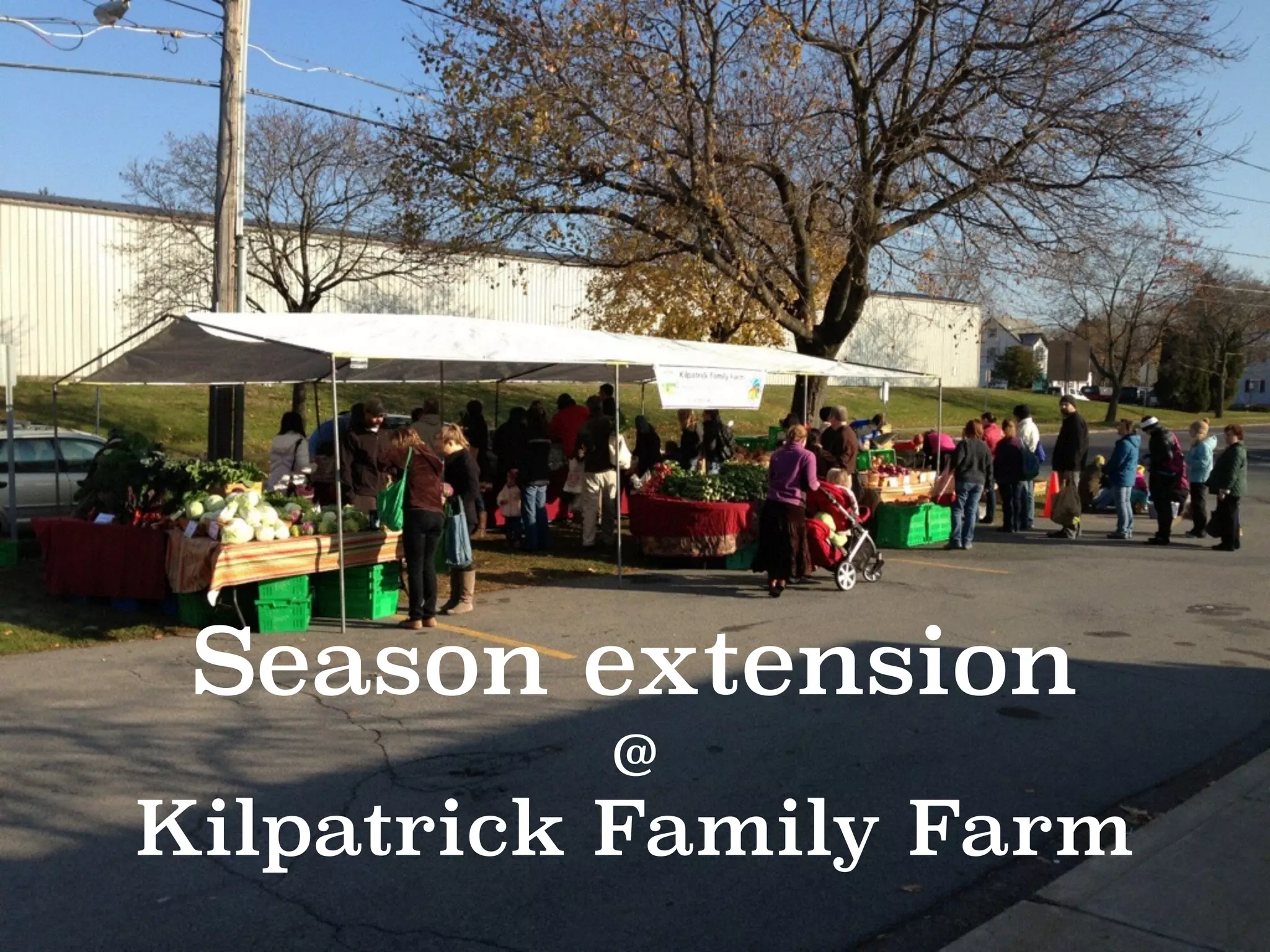
Season extension
@
Kilpatrick Family Farm
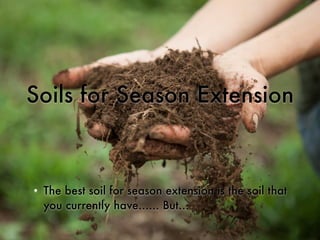
Soils for Season Extension
• The best soil for season extension is the soil that
you currently have...... But...
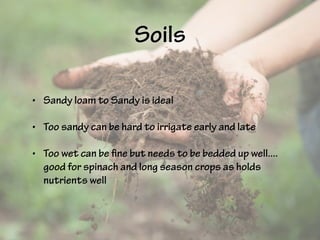
Soils
• Sandy loam to Sandy is ideal
• Too sandy can be hard to irrigate early and late
• Too wet can be fine but needs to be bedded up well....
good for spinach and long season crops as holds
nutrients well
Soil temperature
Matching crops to soils
• different crops have different soil requirements
• sweet potatoes loves very sandy soil
• carrots need deep friable soils
• spinach is fine with clay as long as it is bedded up
• Melons love dry fertile soil
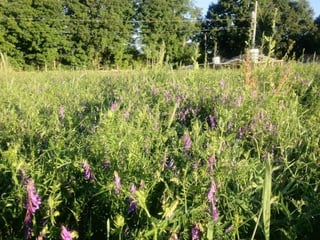
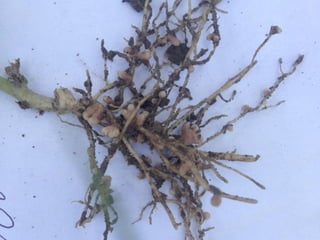
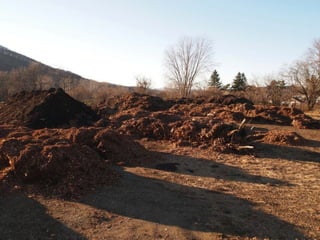
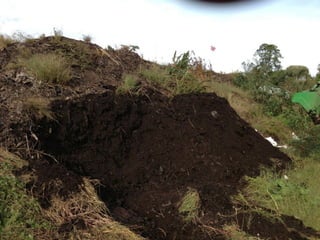
Fertility management
• Season extension is not easy on the plants...
• therefore we want the best environment we can create
• Our goal is to create the BEST soil we can
Disease management
• Season extension is exposing crops to sub-ideal
environments
• Early and late plantings are more vulnerable to wet,
cold conditions which make them ripe for disease.
• As well, the soils are not warm which means that leaf
yellowing/dieback is more pervasive- which leads to
more disease.
Plant Health=
Disease Resistance
Fighting disease...
• good soil health
• variety selection
• adding mycorrhizae
• not working the soil too early or too late- the clump test
• good air circulation- giving plants necessary space, and
uncovering so they can dry out
• clean seed, propagation trays, equipment
Sprays a last resort
• Regalia, rootshield, actinovate
• Oxidate
• Double nickel, greencure, milstop, copper
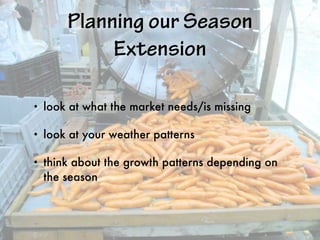
Planning our Season
Extension
• look at what the market needs/is missing
• look at your weather patterns
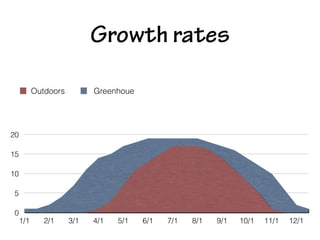
• think about the growth patterns depending on
the season
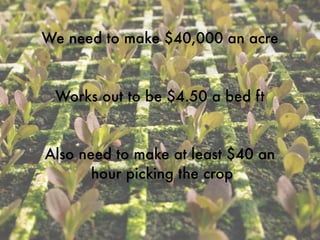
We need to make $40,000 an acre
Also need to make at least $40 an
hour picking the crop
Works out to be $4.50 a bed ft
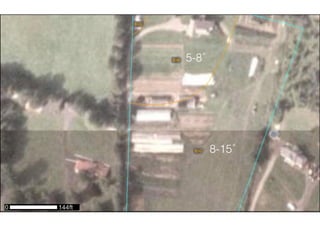
Micro Climates
• Occur on the top of a slope, by large bodies of water, in
areas shielded by large natural barriers
• Can be 3-5 degrees warmer than surrounding areas
• Our Granville field is consistantly 3-4 degrees colder
than the home farm
5-8˚
8-15˚
Growth rates
0
5
10
15
20
1/1 2/1 3/1 4/1 5/1 6/1 7/1 8/1 9/1 10/1 11/1 12/1
Outdoors Greenhoue
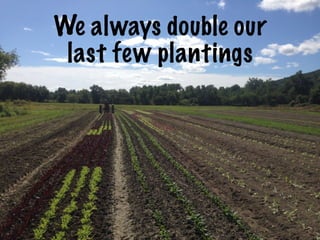
We always double our
last few plantings
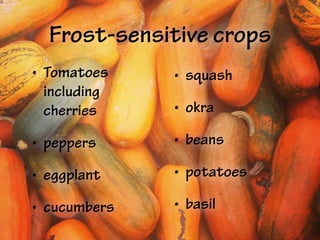
Frost-sensitive crops
• Tomatoes
including
cherries
• peppers
• eggplant
• cucumbers
• squash
• okra
• beans
• potatoes
• basil
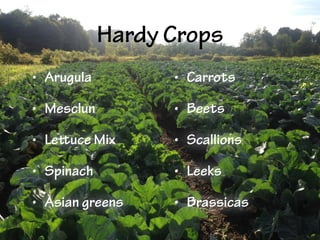
Hardy Crops
• Arugula
• Mesclun
• Lettuce Mix
• Spinach
• Asian greens
• Carrots
• Beets
• Scallions
• Leeks
• Brassicas
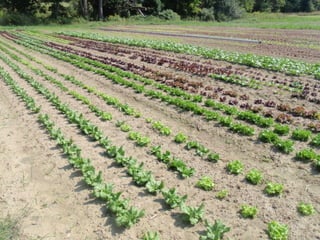
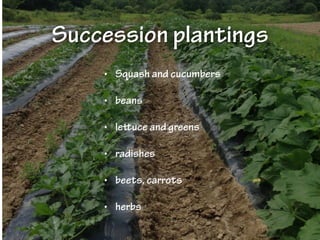
Succession plantings
• Squash and cucumbers
• beans
• lettuce and greens
• radishes
• beets, carrots
• herbs
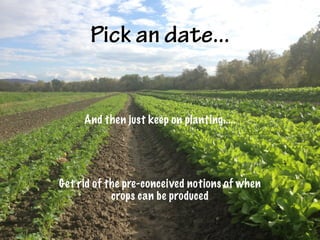
Pick an date...
And then just keep on planting.....
Get rid of the pre-conceived notions of when
crops can be produced
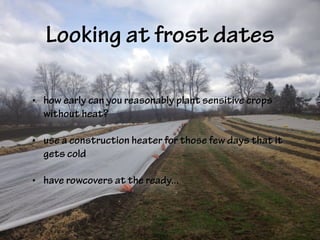
Looking at frost dates
• how early can you reasonably plant sensitive crops
without heat?
• use a construction heater for those few days that it
gets cold
• have rowcovers at the ready...
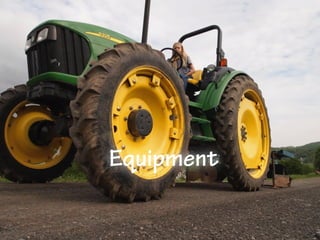
Equipment
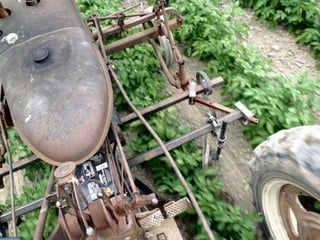
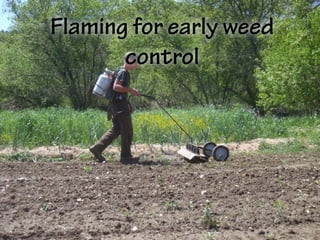
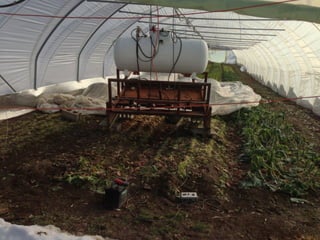
Flaming for early weed
control
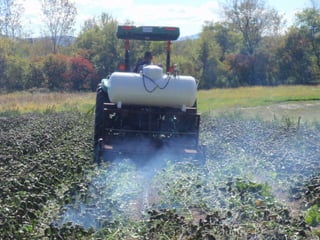
Flaming basics
• either used for stale seed bedding (before the crop is
planted or blind cultivation (before the crop is up)
• idea situation: plant, wait till seeds are germinating
but not above the soil yet, flame, seeds come up in weed
free bed
• flame midday when plants and ground are dry
• hot as possible
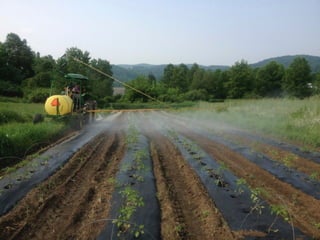
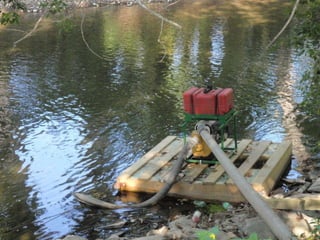
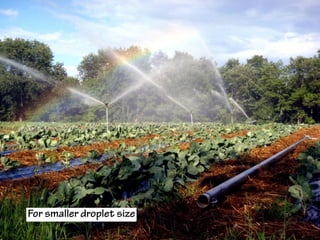
For smaller droplet size
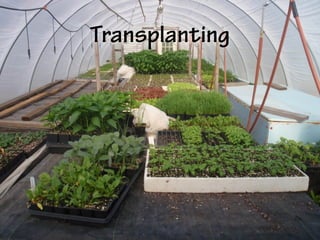
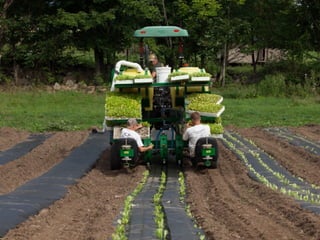
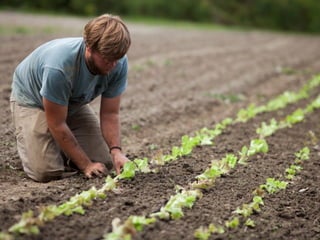
Transplanting
‘/
|:}} Ω
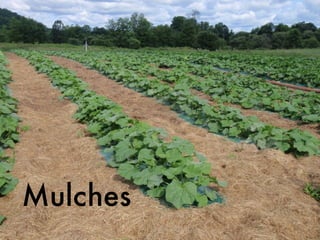
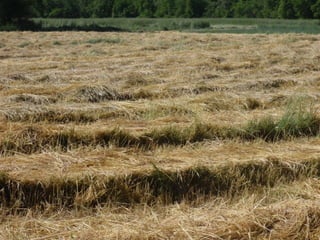
Mulches
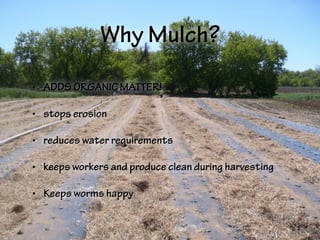
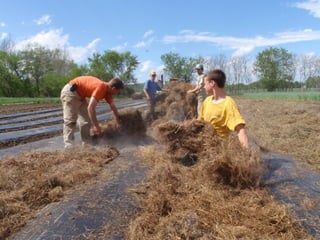
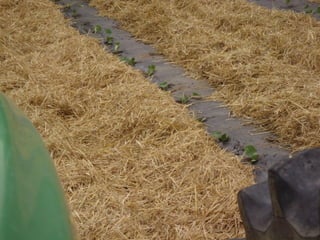
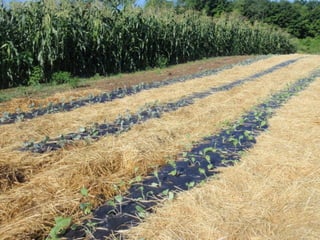
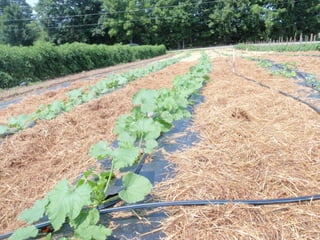
Why Mulch?
• ADDS ORGANIC MATTER!
• stops erosion
• reduces water requirements
• keeps workers and produce clean during harvesting
• Keeps worms happy
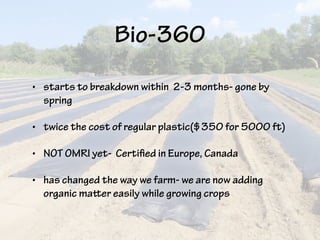
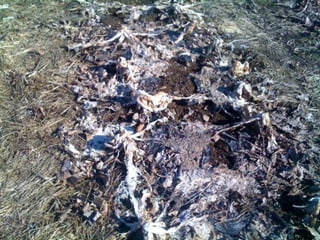
Bio-360
• starts to breakdown within 2-3 months- gone by
spring
• twice the cost of regular plastic($350 for 5000 ft)
• NOT OMRI yet- Certified in Europe, Canada
• has changed the way we farm- we are now adding
organic matter easily while growing crops
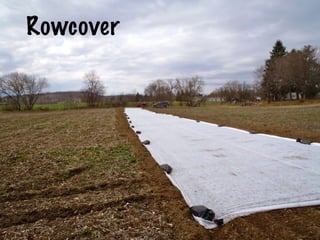
Rowcover
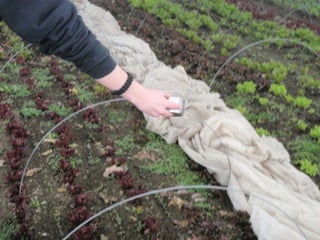
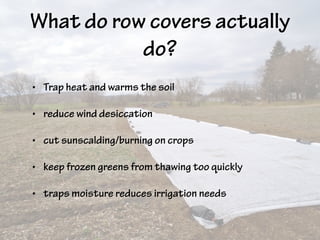
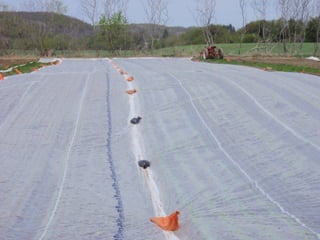
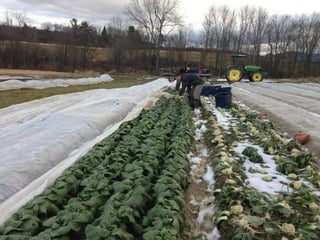
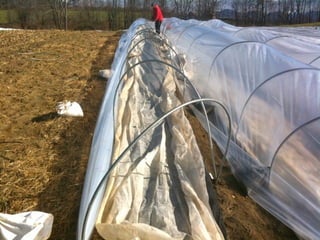
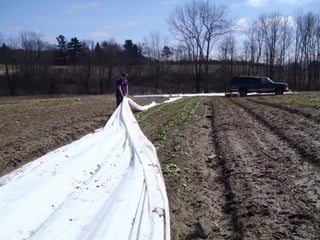
What do row covers actually
do?
• Trap heat and warms the soil
• reduce wind desiccation
• cut sunscalding/burning on crops
• keep frozen greens from thawing too quickly
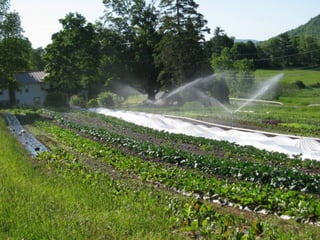
• traps moisture reduces irrigation needs
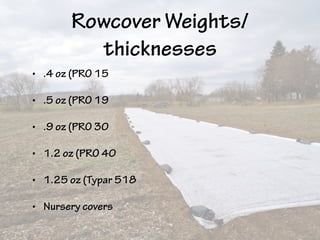
Rowcover Weights/
thicknesses
• .4 oz (PRO 15
• .5 oz (PRO 19
• .9 oz (PRO 30
• 1.2 oz (PRO 40
• 1.25 oz (Typar 518
• Nursery covers
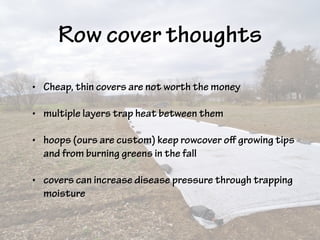
Row cover thoughts
• Cheap, thin covers are not worth the money
• multiple layers trap heat between them
• hoops (ours are custom) keep rowcover off growing tips
and from burning greens in the fall
• covers can increase disease pressure through trapping
moisture
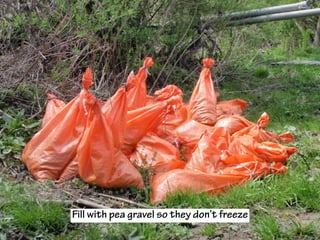
Fill with pea gravel so they don’t freeze
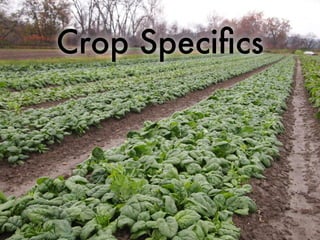
Crop Specifics
Field Greens
See Session one
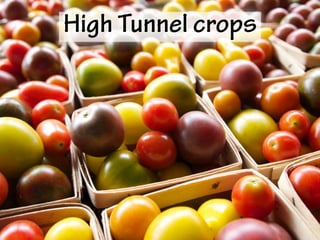
High Tunnel crops
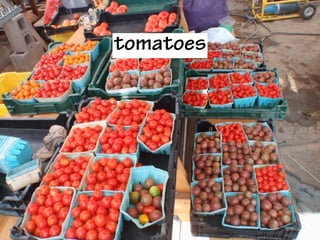
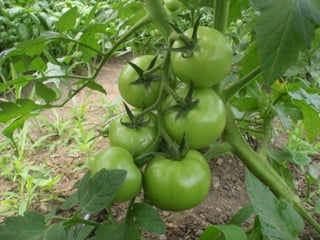
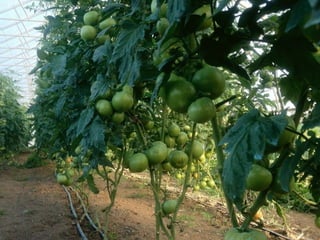
tomatoes
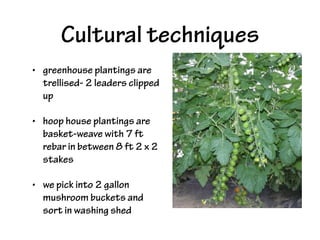
Cultural techniques
• greenhouse plantings are
trellised- 2 leaders clipped
up
• hoop house plantings are
basket-weave with 7 ft
rebar in between 8 ft 2 x 2
stakes
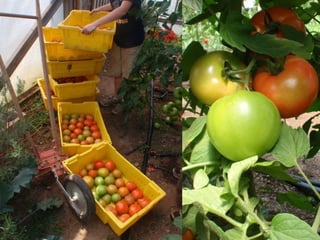
• we pick into 2 gallon
mushroom buckets and
sort in washing shed
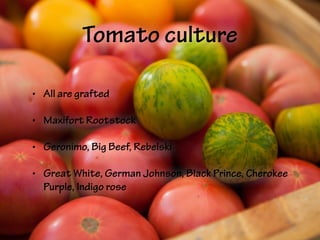
Tomato culture
• All are grafted
• Maxifort Rootstock
• Geronimo, Big Beef, Rebelski
• Great White, German Johnson, Black Prince, Cherokee
Purple, Indigo rose
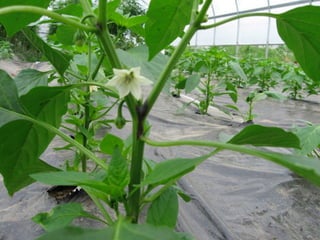
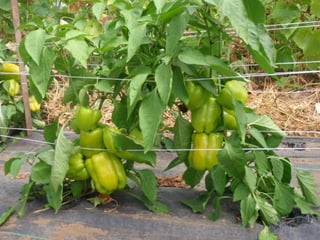
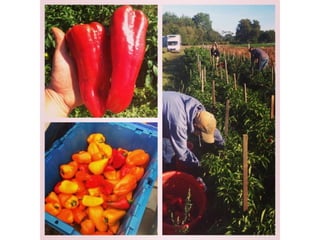
Peppers
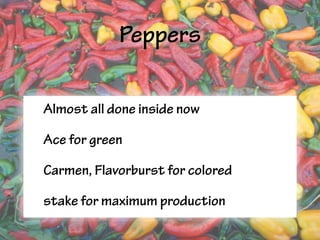
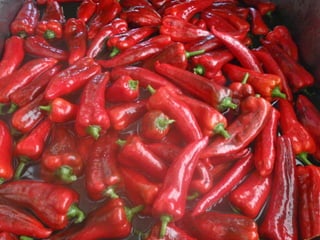
• Almost all done inside now
• Ace for green
• Carmen, Flavorburst for colored
• stake for maximum production
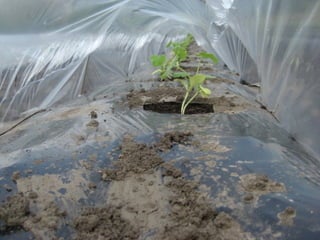
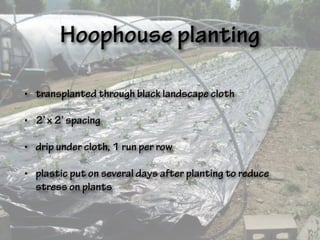
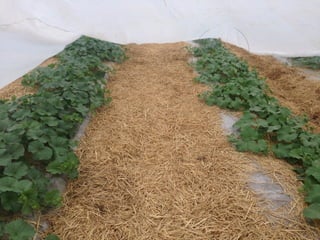
Hoophouse planting
• transplanted through black landscape cloth
• 2’ x 2’ spacing
• drip under cloth, 1 run per row
• plastic put on several days after planting to reduce
stress on plants
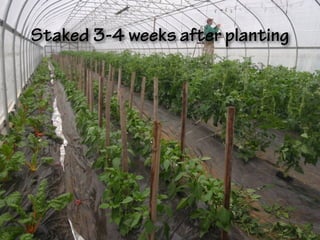
Staked 3-4 weeks after planting
Varieties
• Socrates- smaller euro type- really good flavor
• Tasty Jade- long japanese type, customers love them!
• Diamant- good pickling variety- really productive!
• Need to pick self-pollinating varieties because of
pollination
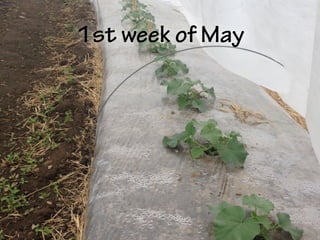
1st week of May
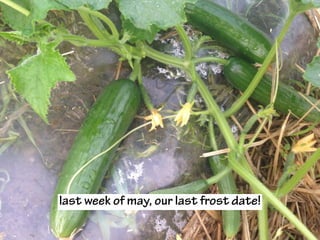
last week of may, our last frost date!
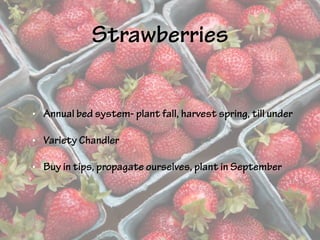
Strawberries
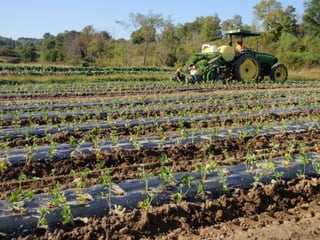
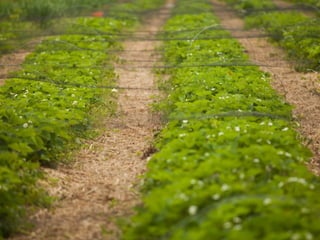
• Annual bed system- plant fall, harvest spring, till under
• Variety Chandler
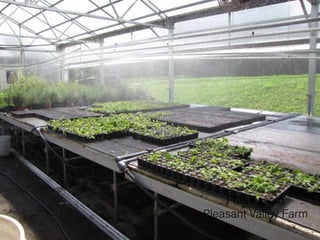
• Buy in tips, propagate ourselves, plant in September
Paul Arnold
Pleasant Valley Farm
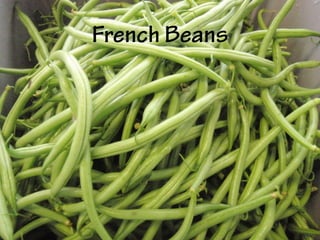
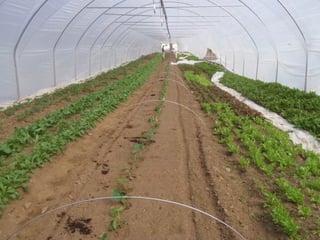
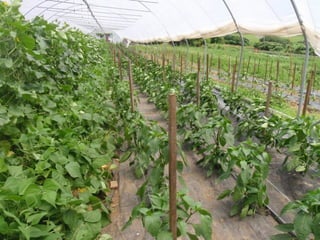
French Beans
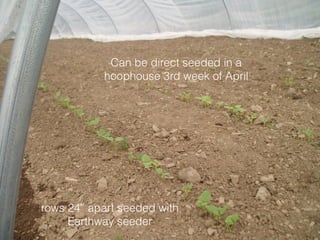
Can be direct seeded in a
hoophouse 3rd week of April
rows 24” apart seeded with
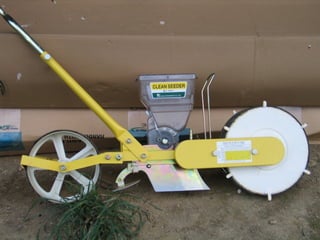
Earthway seeder
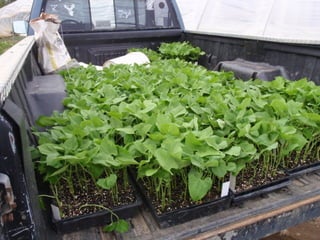
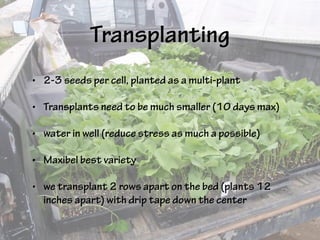
Transplanting
• 2-3 seeds per cell, planted as a multi-plant
• Transplants need to be much smaller (10 days max)
• water in well (reduce stress as much a possible)
• Maxibel best variety
• we transplant 2 rows apart on the bed (plants 12
inches apart) with drip tape down the center
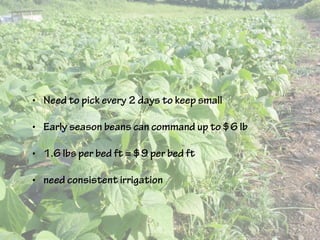
• Need to pick every 2 days to keep small
• Early season beans can command up to $6 lb
• 1.6 lbs per bed ft = $9 per bed ft
• need consistent irrigation
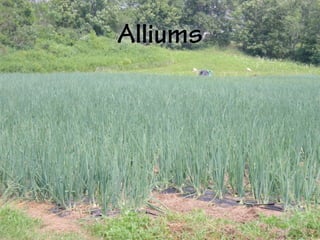
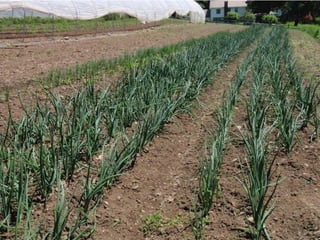
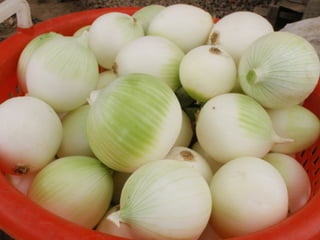
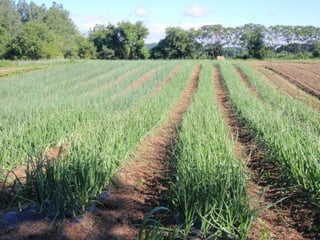
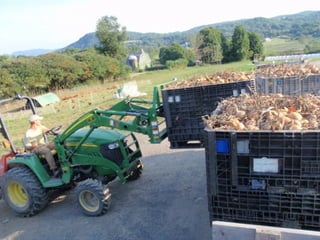
Alliums
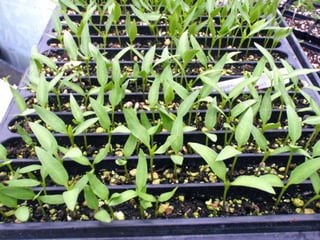
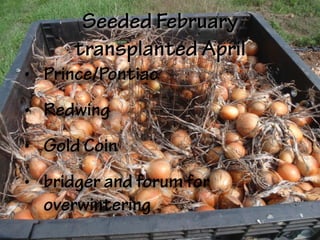
Seeded February
transplanted April
• Prince/Pontiac
• Redwing
• Gold Coin
• bridger and forum for
overwintering
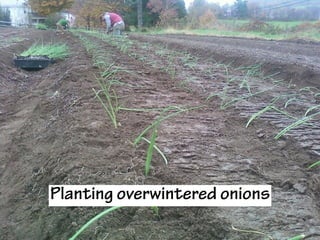
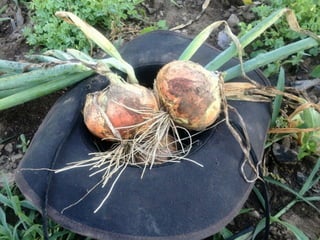
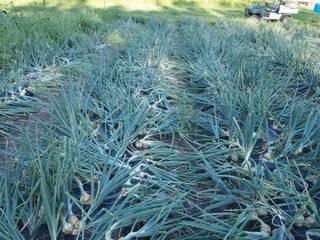
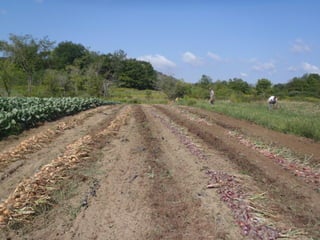
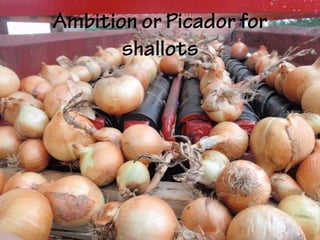
Planting overwintered onions
Ambition or Picador for
shallots
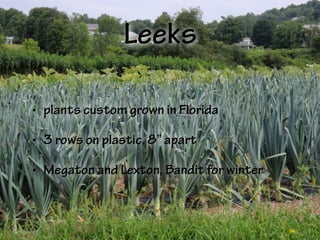
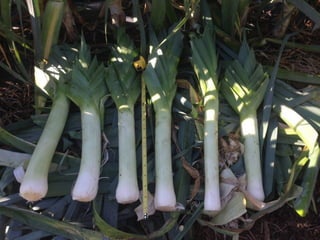
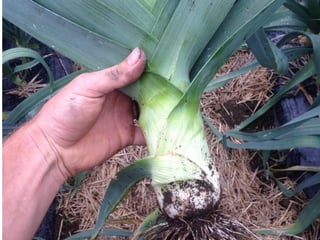
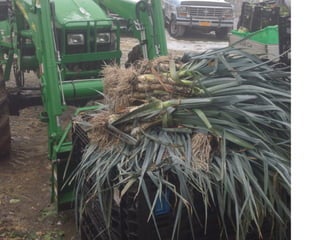
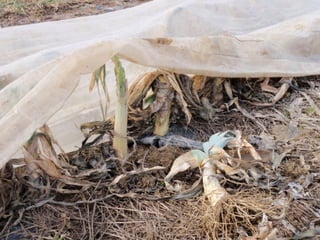
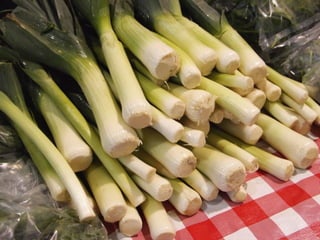
Leeks
• plants custom grown in Florida
• 3 rows on plastic, 8” apart
• Megaton and Lexton, Bandit for winter
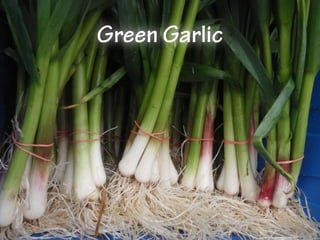
Green Garlic
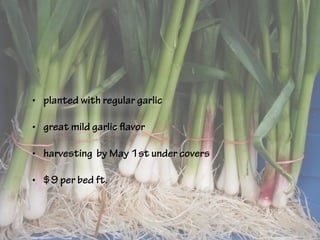
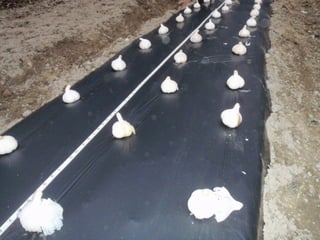
• planted with regular garlic
• great mild garlic flavor
• harvesting by May 1st under covers
• $9 per bed ft.
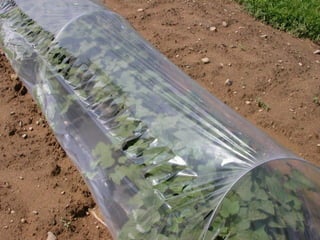
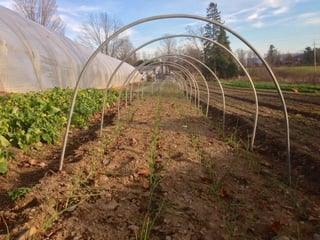
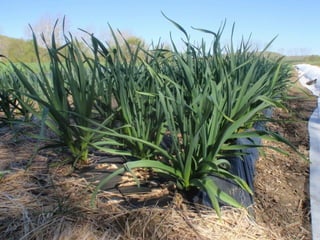
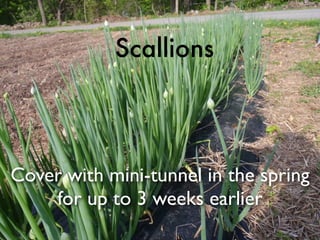
Cover with mini-tunnel in the spring
for up to 3 weeks earlier
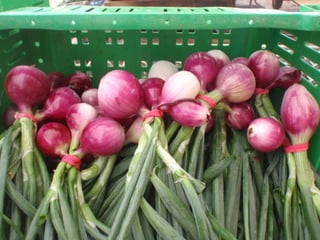
Scallions
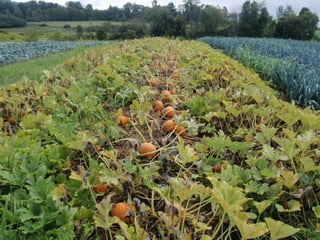
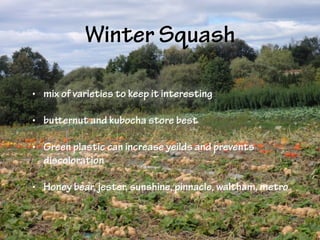
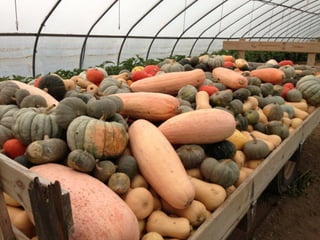
Winter Squash
• mix of varieties to keep it interesting
• butternut and kubocha store best
• Green plastic can increase yeilds and prevents
discoloration
• Honey bear, jester, sunshine, pinnacle, waltham, metro
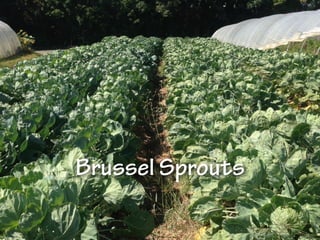
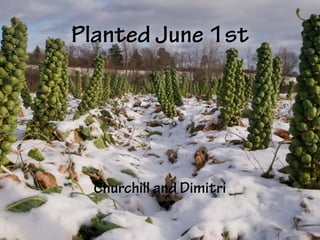
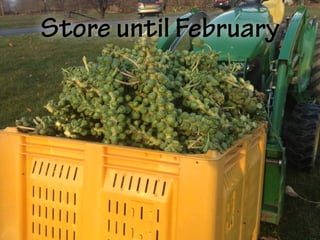
Brussel Sprouts
Planted June 1st
Churchill and Dimitri
Store until February
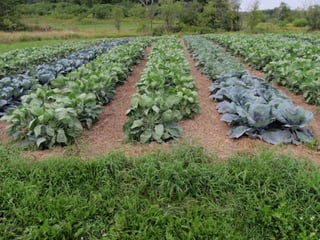
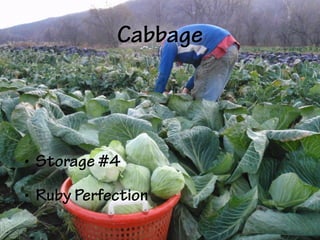
Cabbage
• Storage #4
• Ruby Perfection
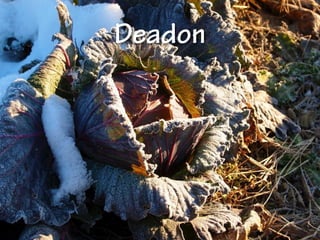
Deadon
photo
courtesy
of
beautifulc
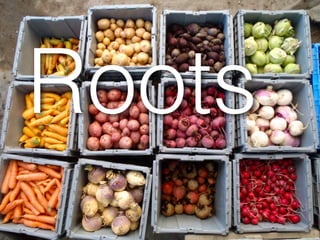
Roots
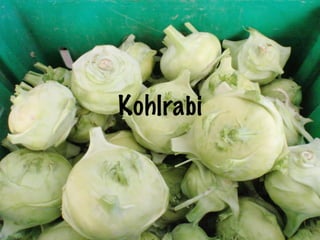
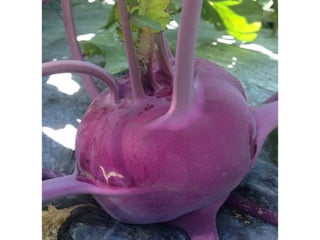
Kohlrabi
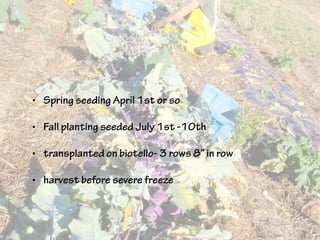
• Spring seeding April 1st or so
• Fall planting seeded July 1st -10th
• transplanted on biotello- 3 rows 8” in row
• harvest before severe freeze
By the numbers...
• We charge $3 a lb or 2.50 each for large fist sized
• good yield equals around $8 per bed foot
• transplanted as soon as will come out of trays.
• average fertility, although needs extra boron
• varieties: winner, kolibri, kossack
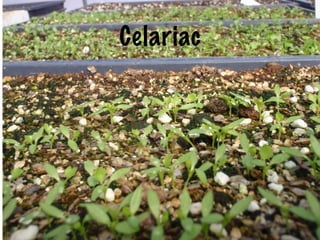
Celariac
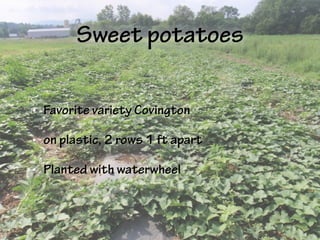
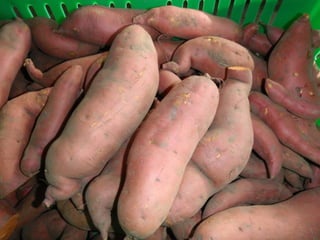
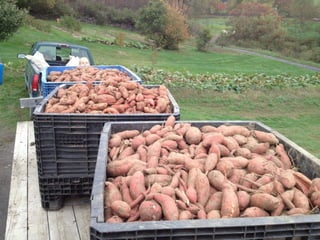
Sweet potatoes
• Favorite variety Covington
• on plastic, 2 rows 1 ft apart
• Planted with waterwheel
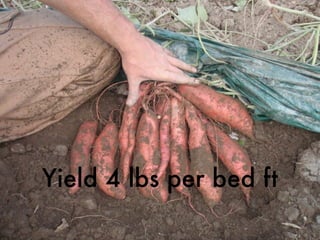
Yield 4 lbs per bed ft
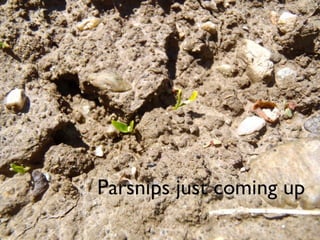
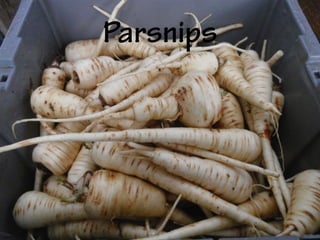
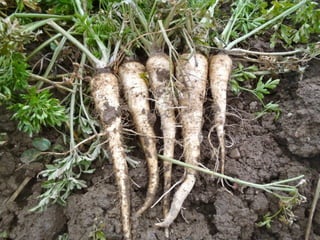
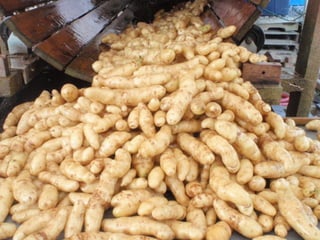
Parsnips
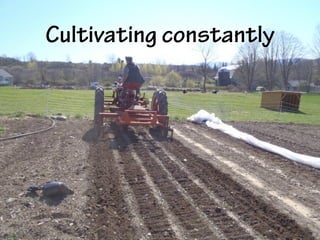
Cultivating constantly
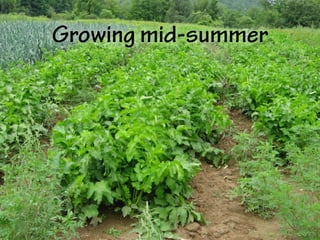
Growing mid-summer
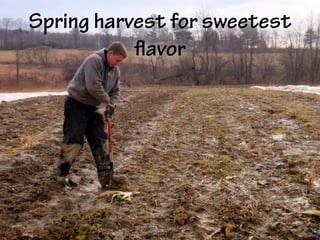
Spring harvest for sweetest
flavor
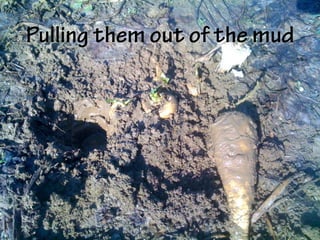
Pulling them out of the mud
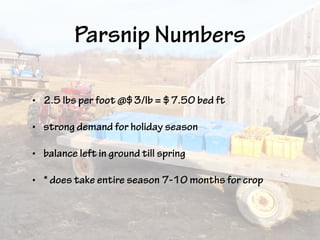
Parsnip Numbers
• 2.5 lbs per foot @$3/lb = $7.50 bed ft
• strong demand for holiday season
• balance left in ground till spring
• * does take entire season 7-10 months for crop
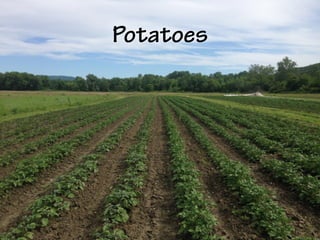
Potatoes
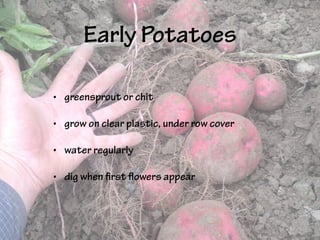
Early Potatoes
• greensprout or chit
• grow on clear plastic, under row cover
• water regularly
• dig when first flowers appear
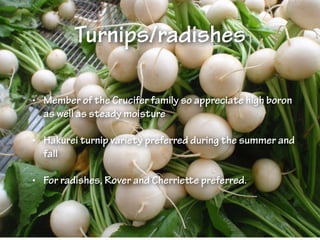
Turnips/radishes
• Member of the Crucifer family so appreciate high boron
as well as steady moisture
• Hakurei turnip variety preferred during the summer and
fall
• For radishes, Rover and Cherriette preferred.
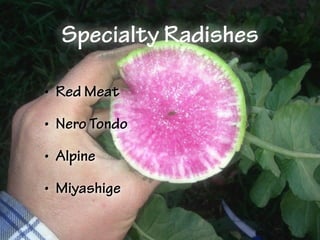
Specialty Radishes
• Red Meat
• Nero Tondo
• Alpine
• Miyashige
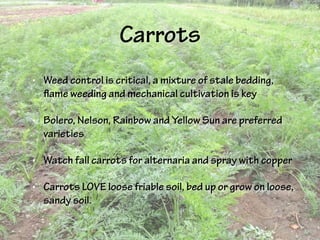
Carrots
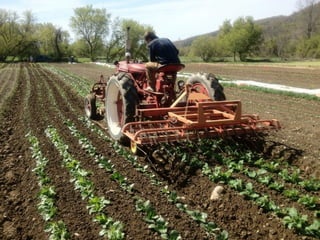
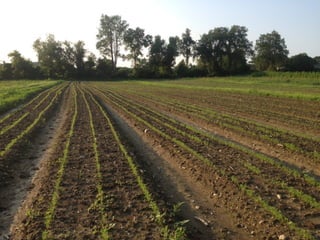
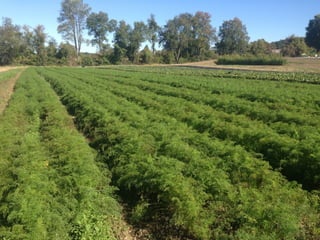
• Weed control is critical, a mixture of stale bedding,
flame weeding and mechanical cultivation is key
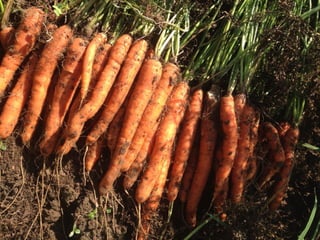
• Bolero, Nelson, Rainbow and Yellow Sun are preferred
varieties
• Watch fall carrots for alternaria and spray with copper
• Carrots LOVE loose friable soil, bed up or grow on loose,
sandy soil.
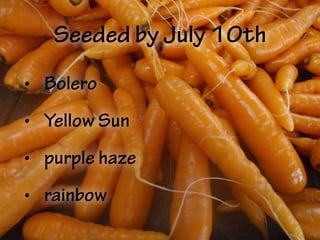
Seeded by July 10th
• Bolero
• Yellow Sun
• purple haze
• rainbow
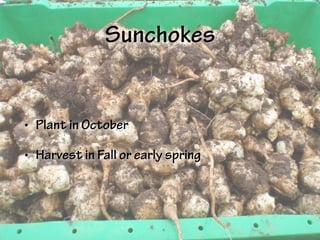
Sunchokes
• Plant in October
• Harvest in Fall or early spring
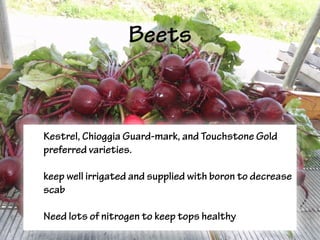
Beets
• Kestrel, Chioggia Guard-mark, and Touchstone Gold
preferred varieties.
• keep well irrigated and supplied with boron to decrease
scab
• Need lots of nitrogen to keep tops healthy
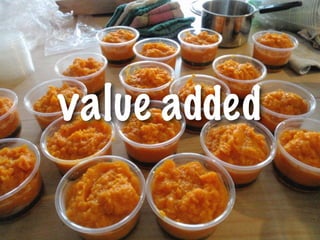
value added
Connect with us!
@michaelkilpatrick21
michael-kilpatrick.com
www.kilpatrickfamilyfarm.com
www.michael-kilpatrick.com
@michaelkilpatrick1

Thinking outside the box with Season Extension