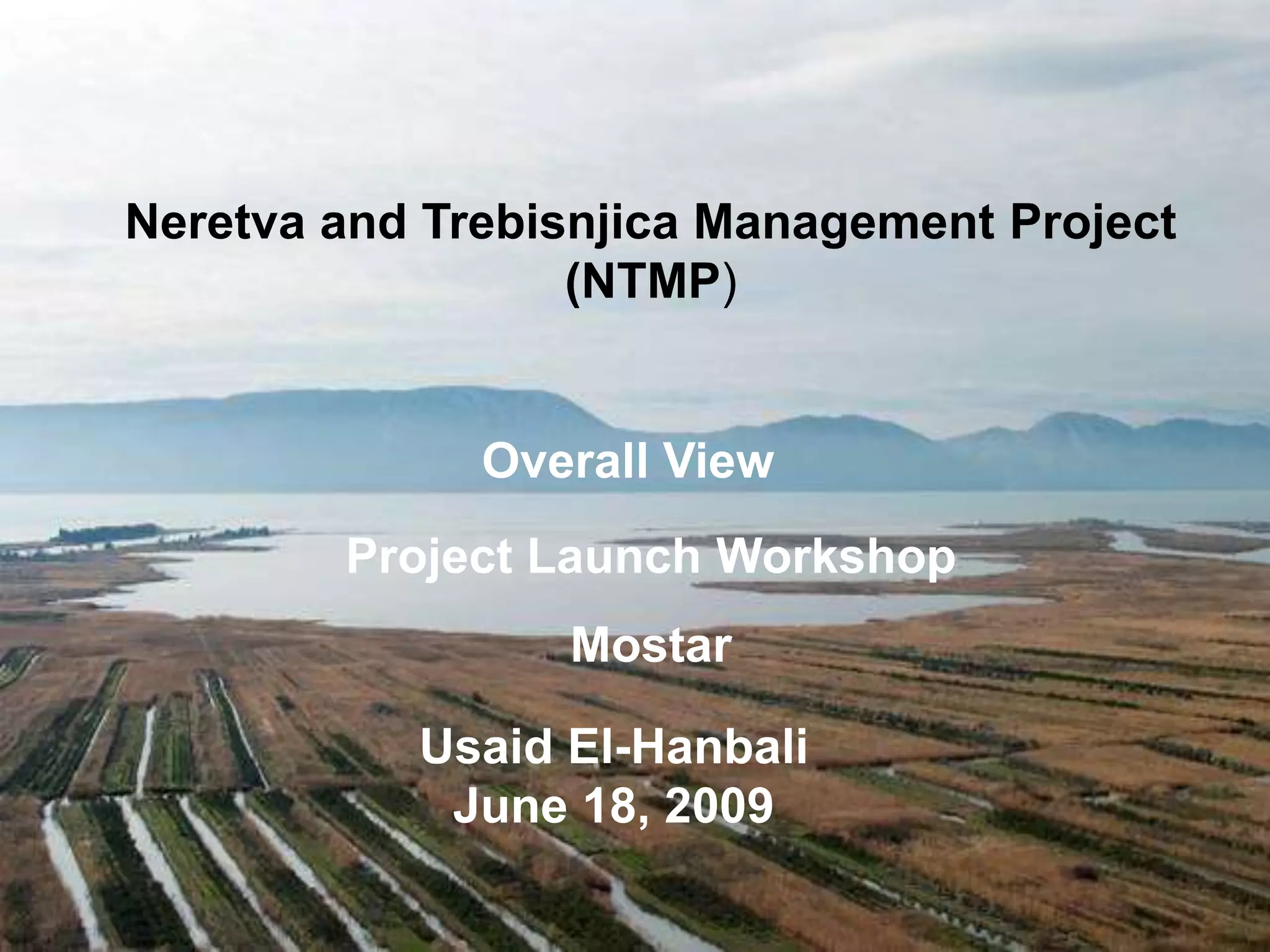
Neretva and Trebisnjica Management Project 
(NTMP) 
Overall View 
Project Launch Workshop 
Mostar 
Usaid El-Hanbali 
June 18, 2009
Project Development 
Objectives 
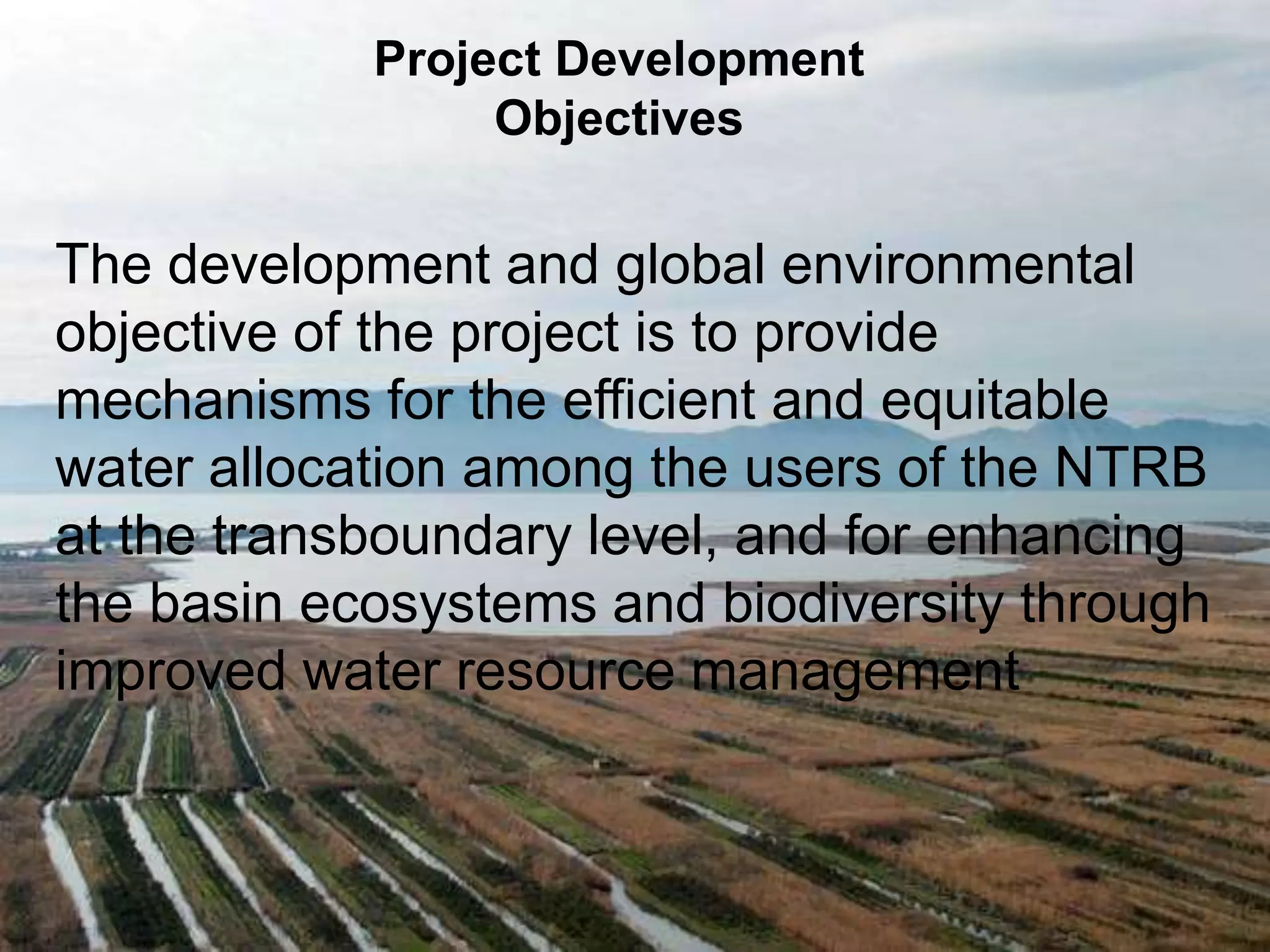
The development and global environmental 
objective of the project is to provide 
mechanisms for the efficient and equitable 
water allocation among the users of the NTRB 
at the transboundary level, and for enhancing 
the basin ecosystems and biodiversity through 
improved water resource management
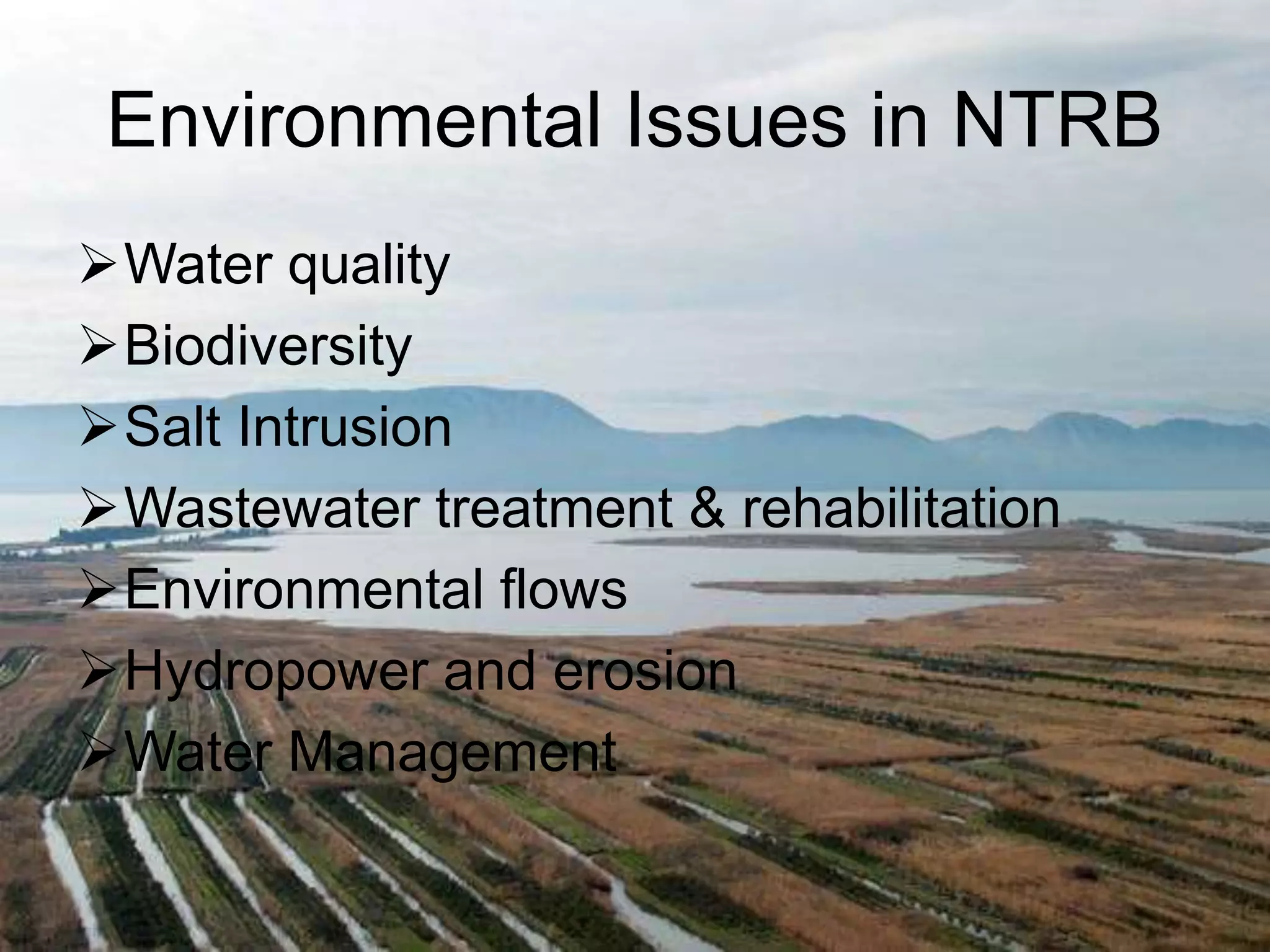
Environmental Issues in NTRB 
Water quality 
Biodiversity 
Salt Intrusion 
Wastewater treatment & rehabilitation 
Environmental flows 
Hydropower and erosion 
Water Management
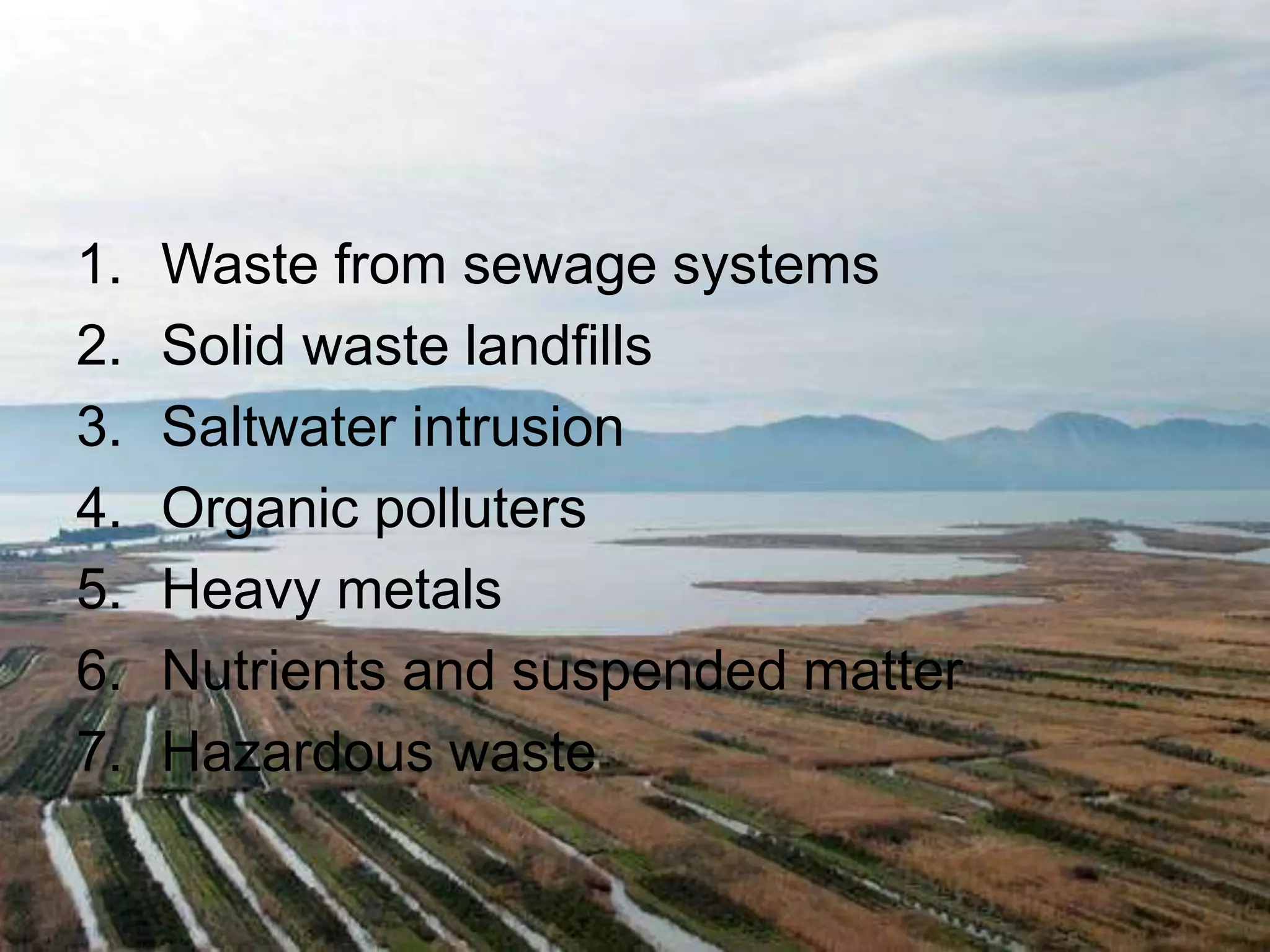
1. Waste from sewage systems 
2. Solid waste landfills 
3. Saltwater intrusion 
4. Organic polluters 
5. Heavy metals 
6. Nutrients and suspended matter 
7. Hazardous waste
Project Components 
1. Improved transboundary water resource 
management 
2. Improved management and use of 
wetlands ecosystems and biodiversity 
3. High priority investments for water 
pollution control 
4. Public Participation and Management of 
Project Implementation
Project Key Indicators 
Preparation and Adoption of a River Basin 
Management Plan (RBMP) for the Neretva 
and Trebisnjica rivers. 
Reduction of water nutrient and other 
pollution from municipal and industrial 
sources in selected municipalities in the 
basin. 
Improved maintenance of environmental 
flows, and ecosystem health. 
Reduction of salt water intrusion as a 
result of implementation of a pilot scheme 
in Neretva Delta.
Lessons learned 
 Involve stakeholders, especially for transboundary 
projects. Project design included participation from 
local communities and relevant stakeholders. 
 Need for consistent and accurate data and 
information are needed to make successful and 
sound judgments on water management issues. 
Commitment of local communities to invest is 
critical for investment sustainability. Projects of a 
longer duration allow for personal relations and 
trust to develop, and that can facilitate 
transboundary cooperation and consensus-building.
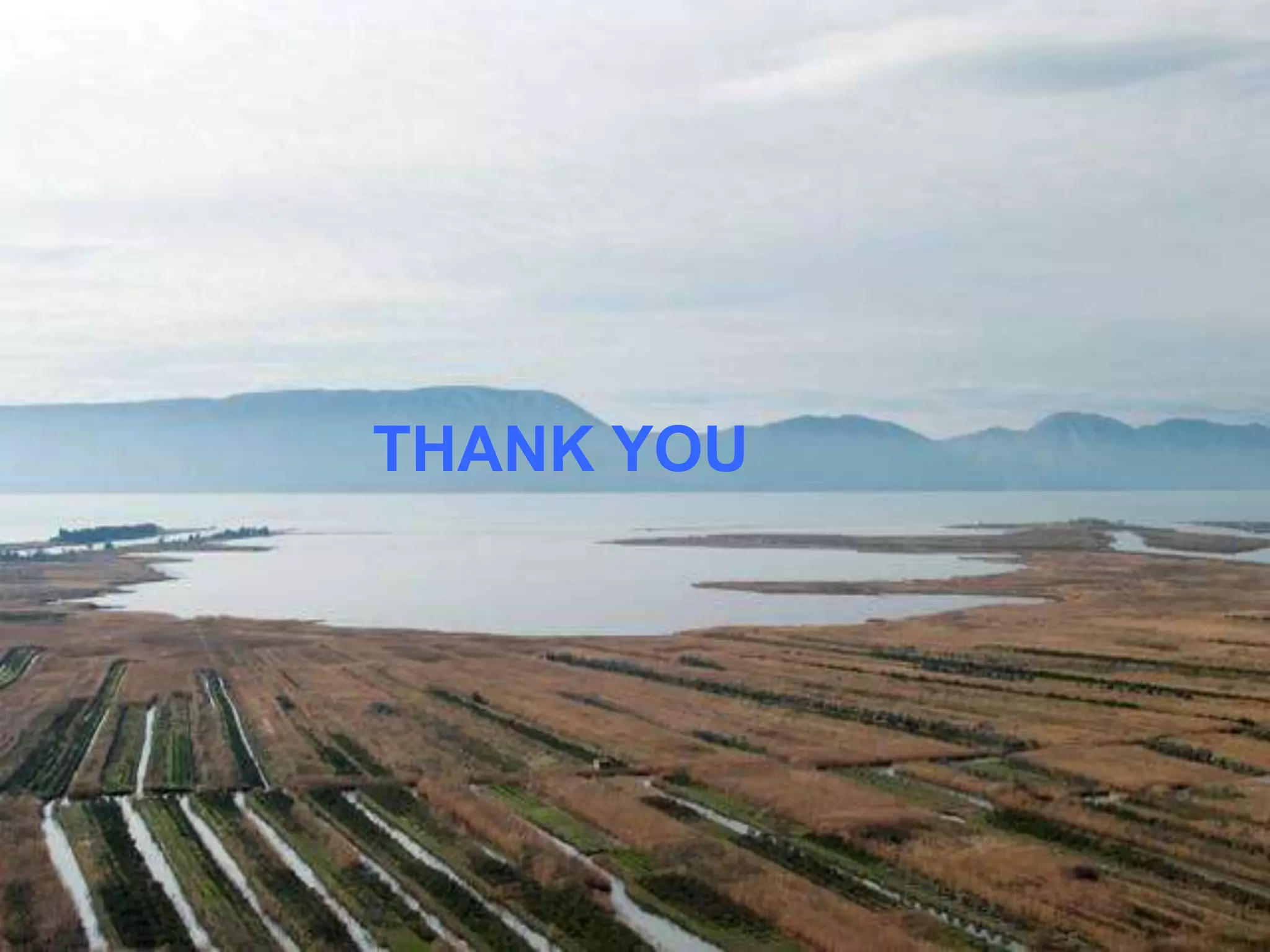
THANK YOU

Overall View Project Launch Workshop Mostar Presentation

  • 1.
    Neretva and TrebisnjicaManagement Project (NTMP) Overall View Project Launch Workshop Mostar Usaid El-Hanbali June 18, 2009
  • 2.
    Project Development Objectives The development and global environmental objective of the project is to provide mechanisms for the efficient and equitable water allocation among the users of the NTRB at the transboundary level, and for enhancing the basin ecosystems and biodiversity through improved water resource management
  • 4.
    Environmental Issues inNTRB Water quality Biodiversity Salt Intrusion Wastewater treatment & rehabilitation Environmental flows Hydropower and erosion Water Management
  • 5.
    1. Waste fromsewage systems 2. Solid waste landfills 3. Saltwater intrusion 4. Organic polluters 5. Heavy metals 6. Nutrients and suspended matter 7. Hazardous waste
  • 6.
    Project Components 1.Improved transboundary water resource management 2. Improved management and use of wetlands ecosystems and biodiversity 3. High priority investments for water pollution control 4. Public Participation and Management of Project Implementation
  • 7.
    Project Key Indicators Preparation and Adoption of a River Basin Management Plan (RBMP) for the Neretva and Trebisnjica rivers. Reduction of water nutrient and other pollution from municipal and industrial sources in selected municipalities in the basin. Improved maintenance of environmental flows, and ecosystem health. Reduction of salt water intrusion as a result of implementation of a pilot scheme in Neretva Delta.
  • 8.
    Lessons learned Involve stakeholders, especially for transboundary projects. Project design included participation from local communities and relevant stakeholders.  Need for consistent and accurate data and information are needed to make successful and sound judgments on water management issues. Commitment of local communities to invest is critical for investment sustainability. Projects of a longer duration allow for personal relations and trust to develop, and that can facilitate transboundary cooperation and consensus-building.
  • 9.