OrganizingLLL:opportunitiesandobstaclesLuís TinocaInstituteofEducationUniversityofLisbon
AgendaWhy?How?ExamplesImplications
Why?
Did You Know? 3.0 (Official Video) -2009 Edition
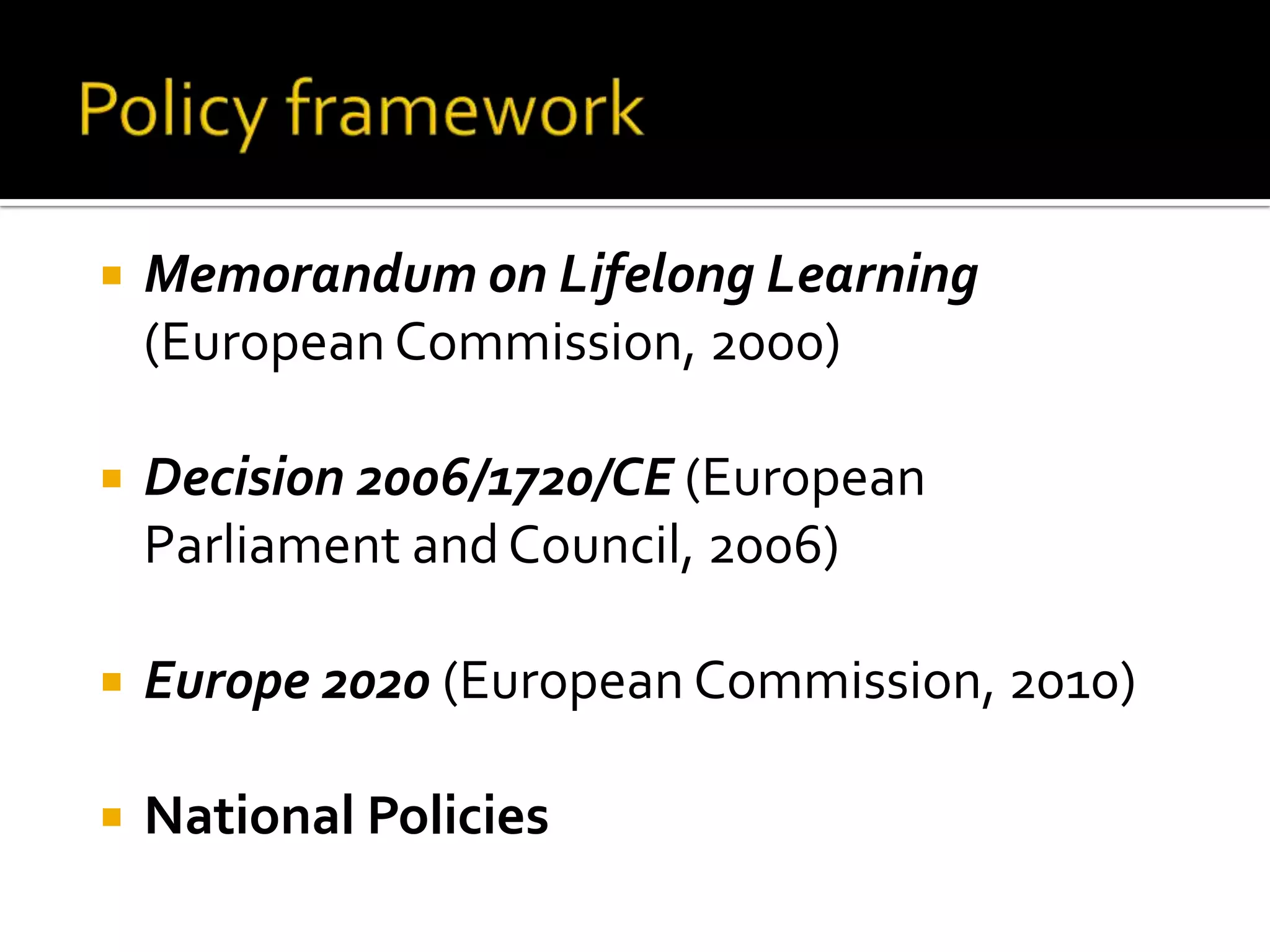
Policy frameworkMemorandum on Lifelong Learning (European Commission, 2000) Decision 2006/1720/CE (European Parliament and Council, 2006) Europe 2020 (European Commission, 2010)National Policies
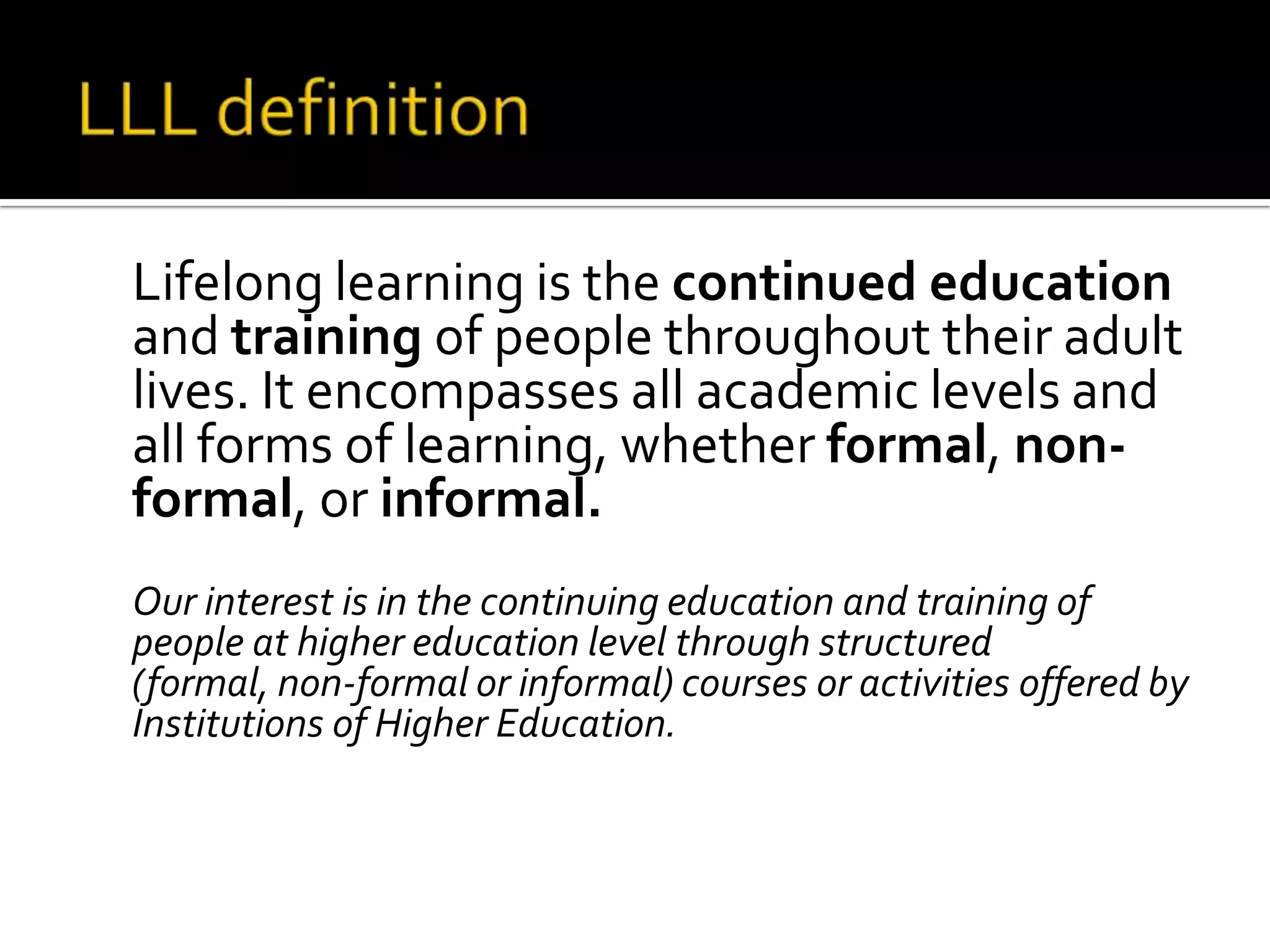
LLL definition	Lifelong learning is the continued education and training of people throughout their adult lives. It encompasses all academic levels and all forms of learning, whether formal, non-formal, or informal.	Our interest is in the continuing education and training of people at higher education level through structured (formal, non-formal or informal) courses or activities offered by Institutions of Higher Education.
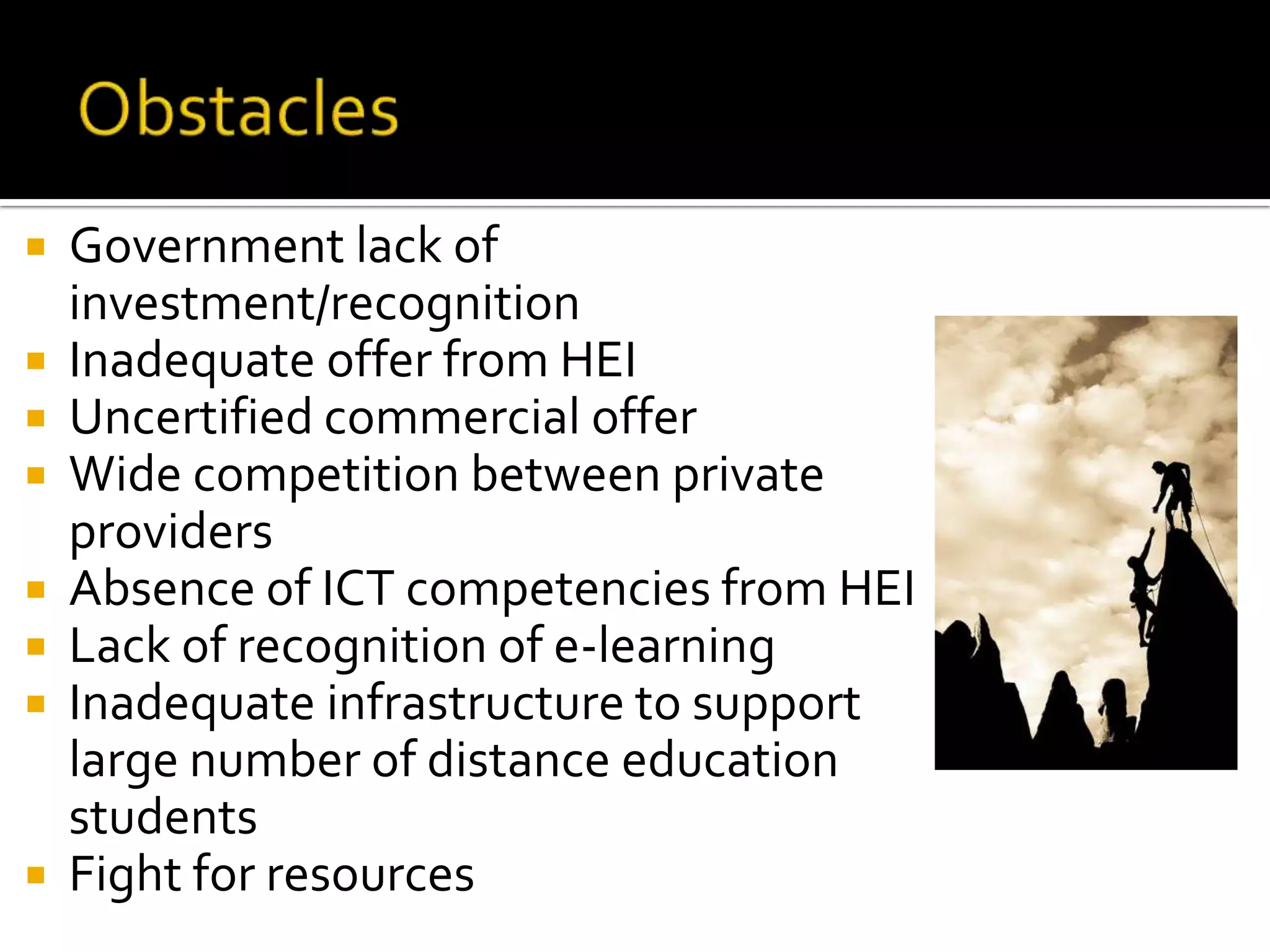
ObstaclesGovernment lack of investment/recognitionInadequate offer from HEIUncertified commercial offer Wide competition between private providersAbsence of ICT competencies from HEILack of recognition of e-learning Inadequate infrastructure to support large number of distance education studentsFight for resources
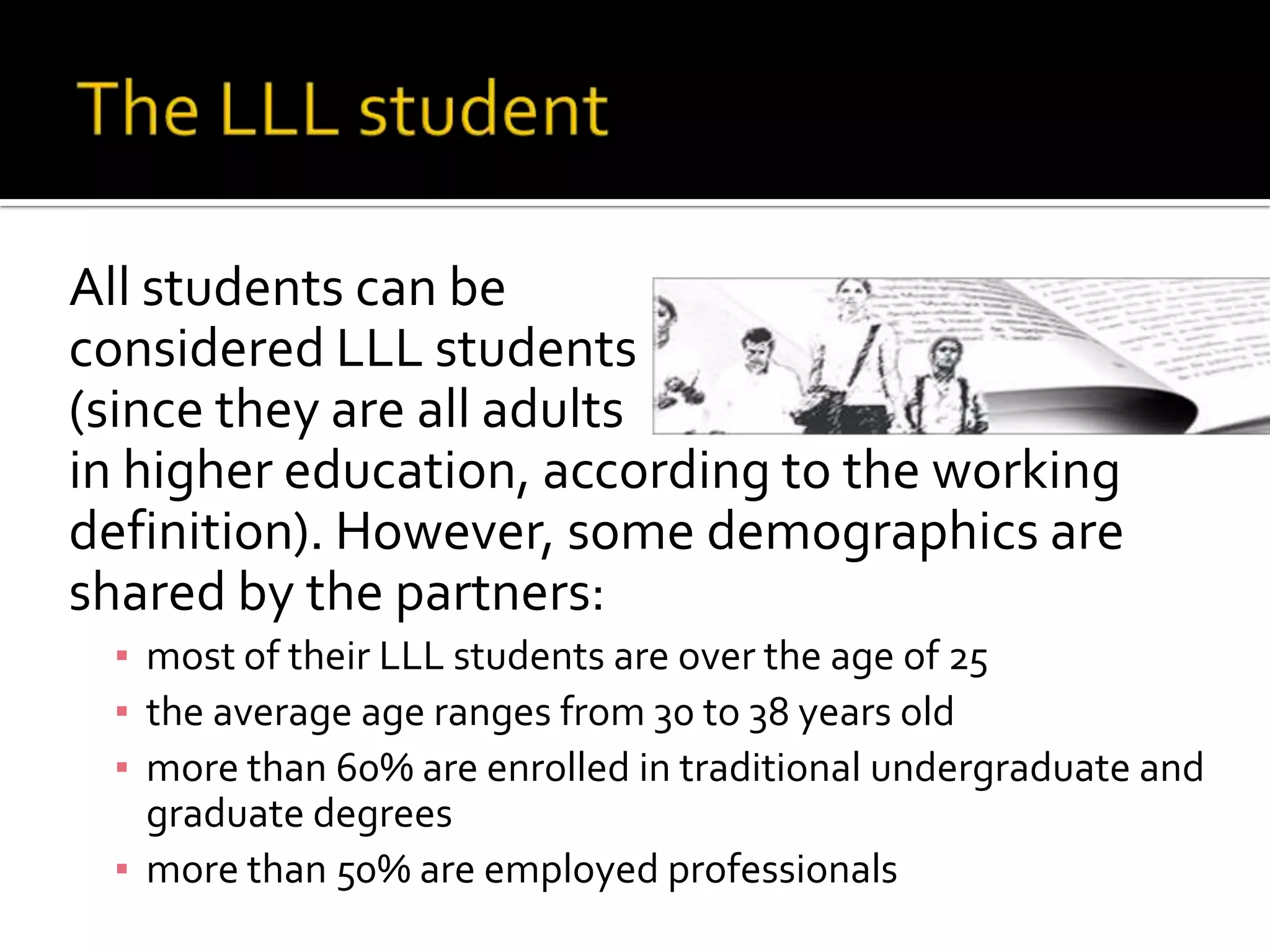
The LLL student	All students can be 	considered LLL students	(since they are all adults	in higher education, according to the working definition). However, some demographics are shared by the partners: most of their LLL students are over the age of 25the average age ranges from 30 to 38 years oldmore than 60% are enrolled in traditional undergraduate and graduate degreesmore than 50% are employed professionals
How?
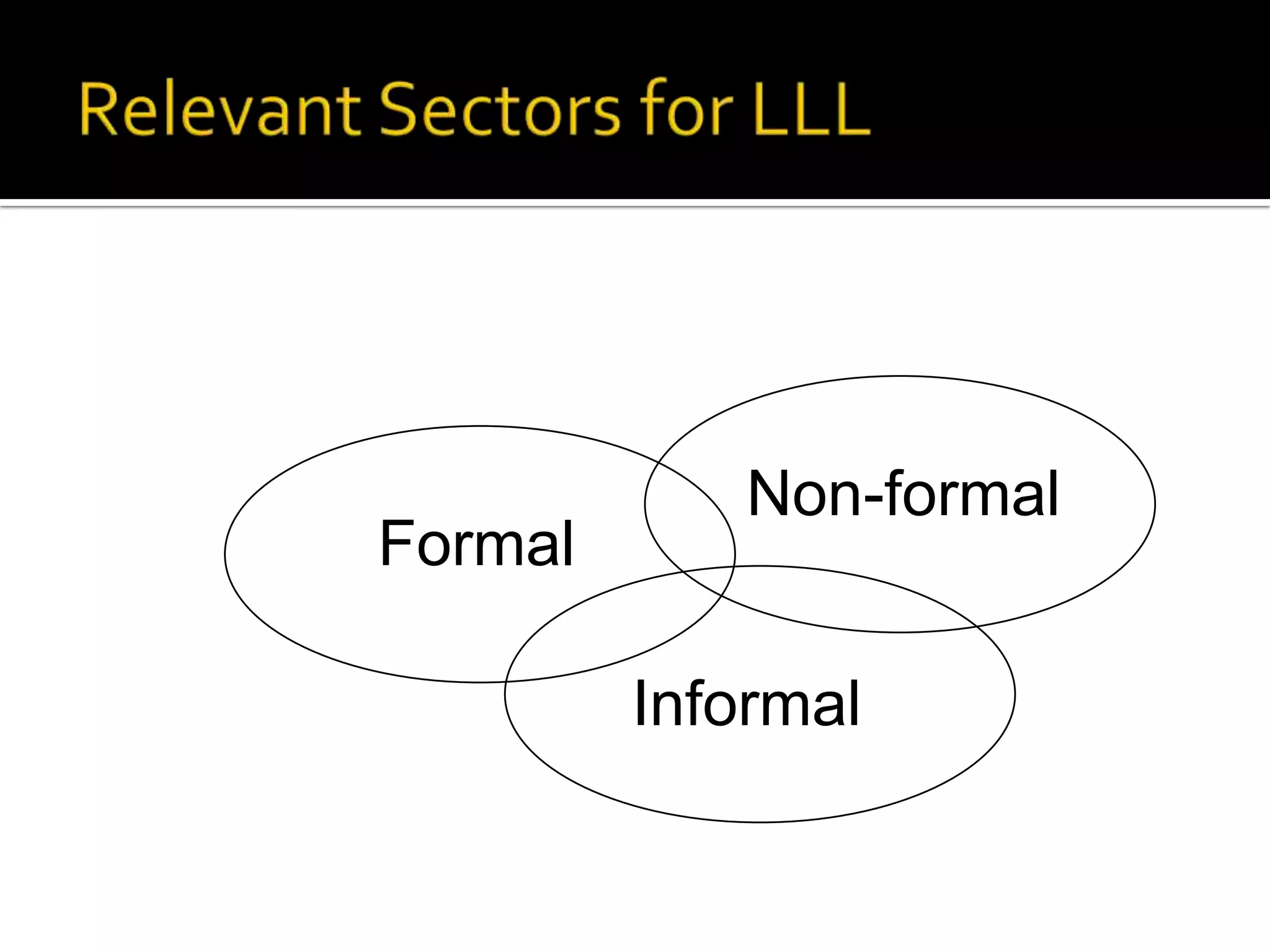
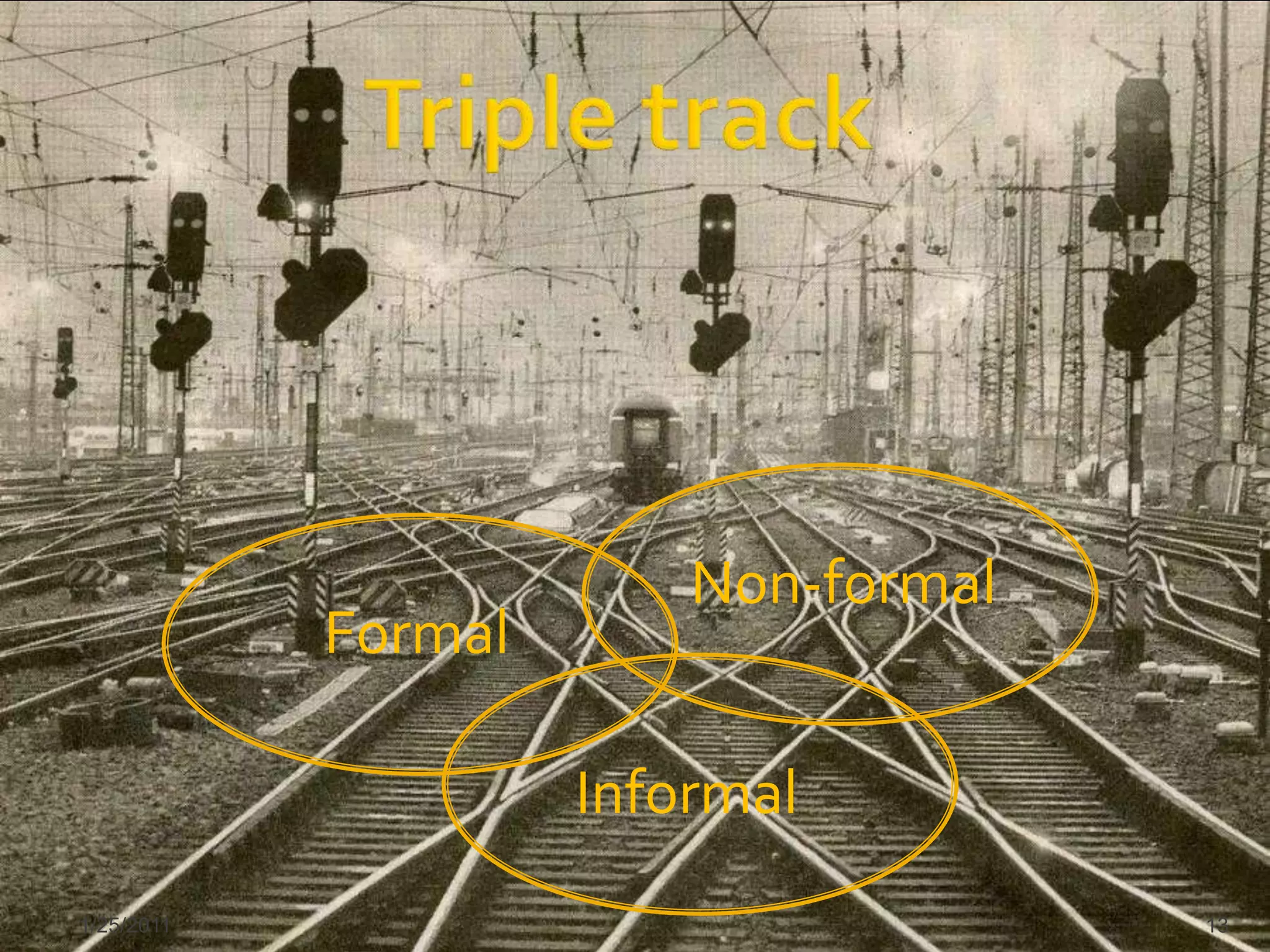
Relevant Sectors for LLLNon-formalFormalInformal
Triple track1/25/201113Non-formalFormalInformal
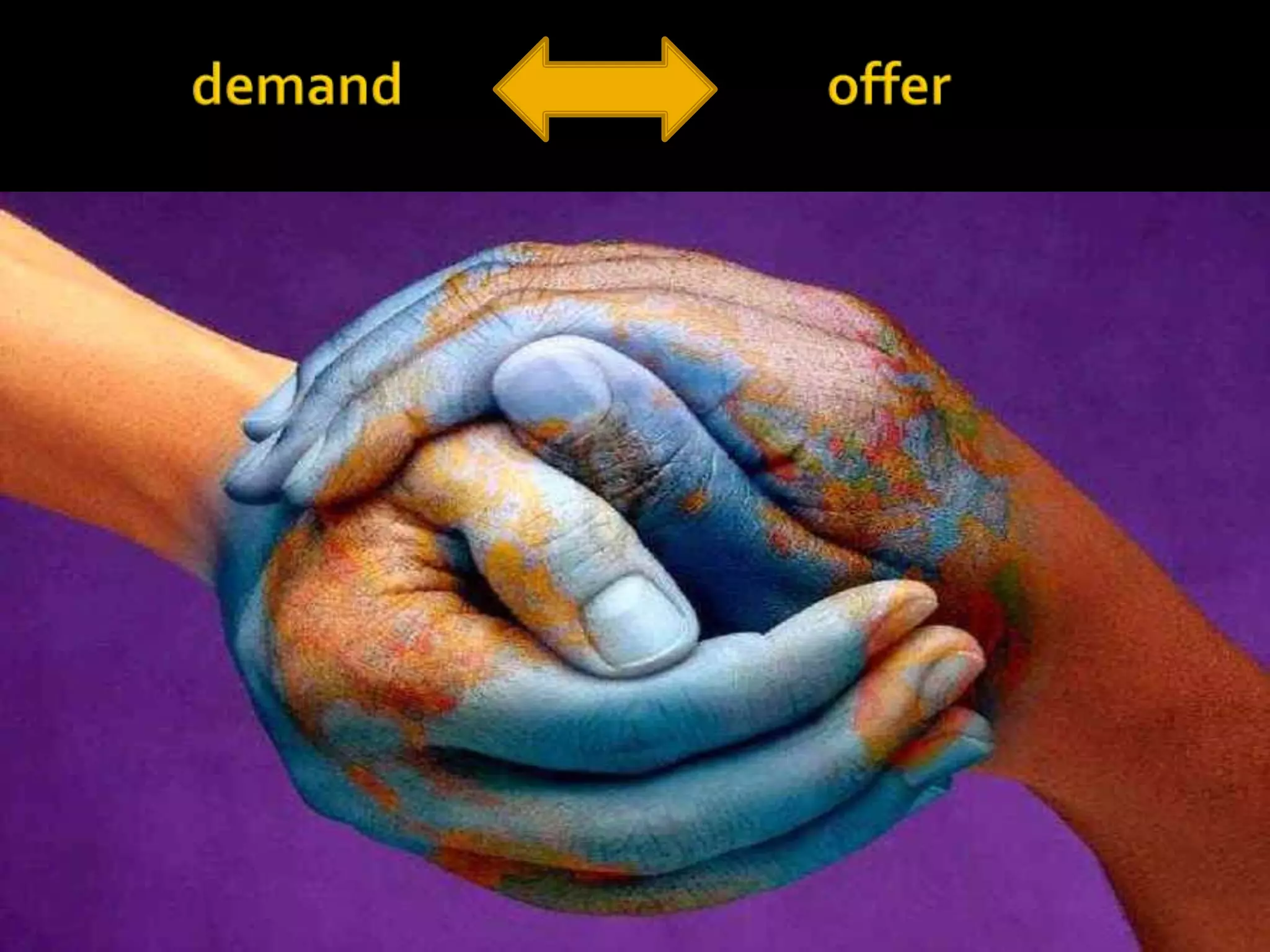
demandoffer
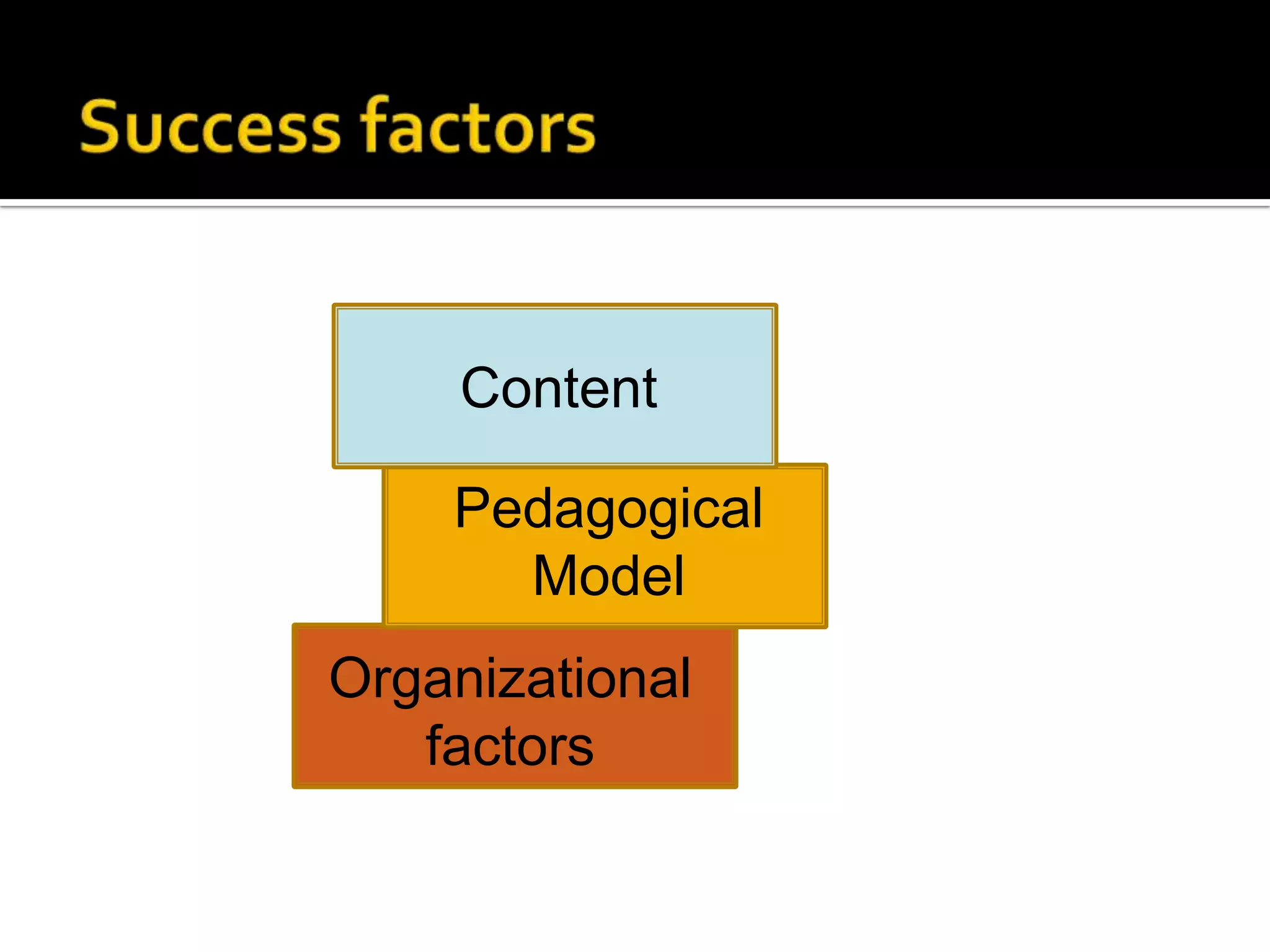
SuccessfactorsContentPedagogicalModelOrganizationalfactors
Organizational factorsTimeLocationSupport structure First class logisticsFees are affordableStudent funding and scholarship system adjusted to the living circumstances of lifelong learners.Program evaluation Overall quality of the whole system
ContentNeeds analysis Certification / University connectionHigh quality and informed by the 	latest researchThe topic of the course 	(current, relevant to the field, novelty)Interdisciplinary Inclusion of speakers/experts 	who are active professionals Involvement/collaboration of 	external stakeholders
Pedagogical ModelAccessibilityAuthenticityQuality learning materials 	supported by e-Learning portalLearner-oriented flexible 	educational model Excellent tutorial supportContinuous feed-back to studentsThe provision of clear information 	from the beginning of the course.
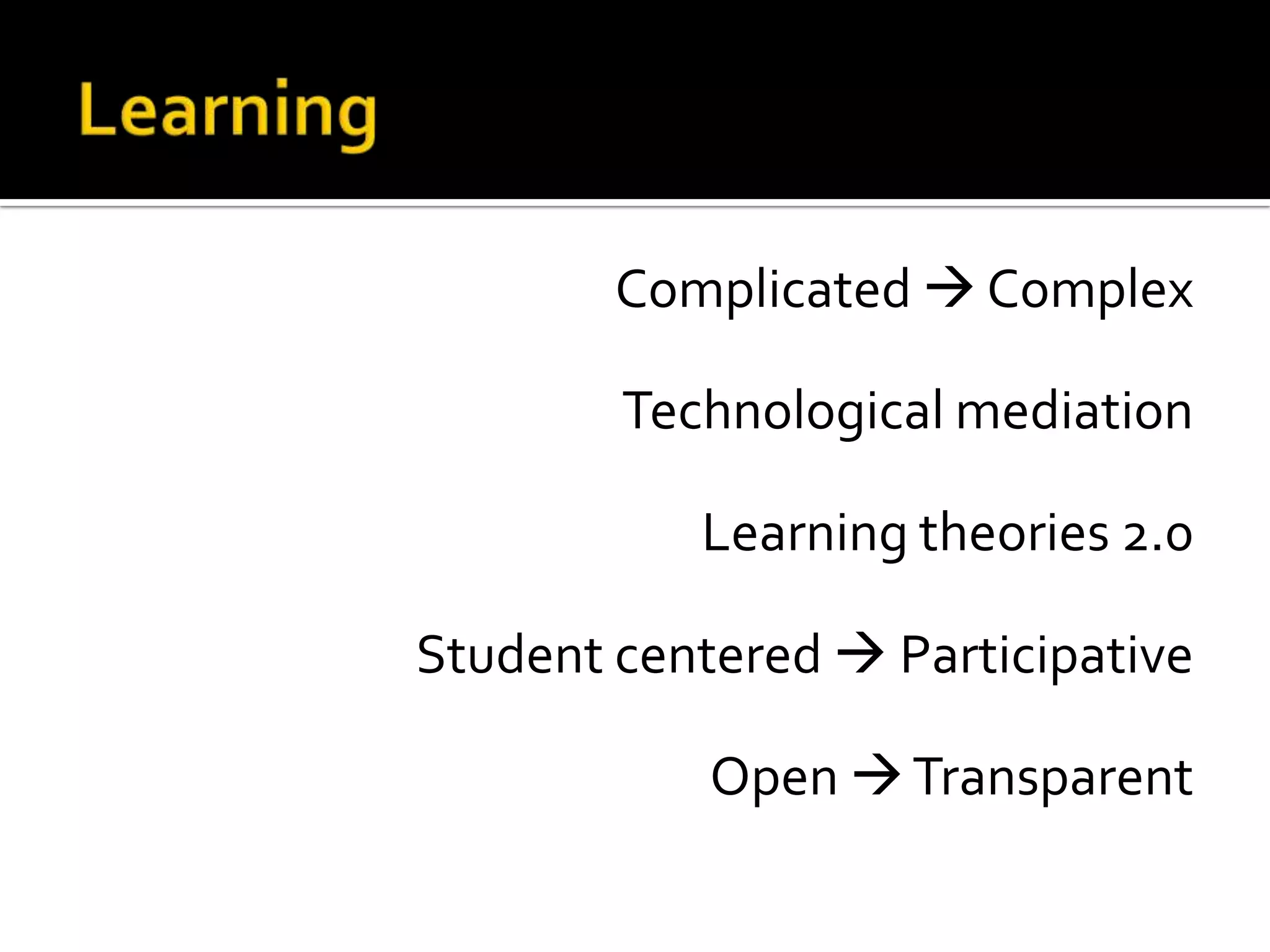
LearningComplicated ComplexTechnologicalmediationLearningtheories 2.0StudentcenteredParticipativeOpenTransparent
25-01-2011Luís Tinoca, Laboratório de Educação a Distância (LEaD), Universidade Aberta20
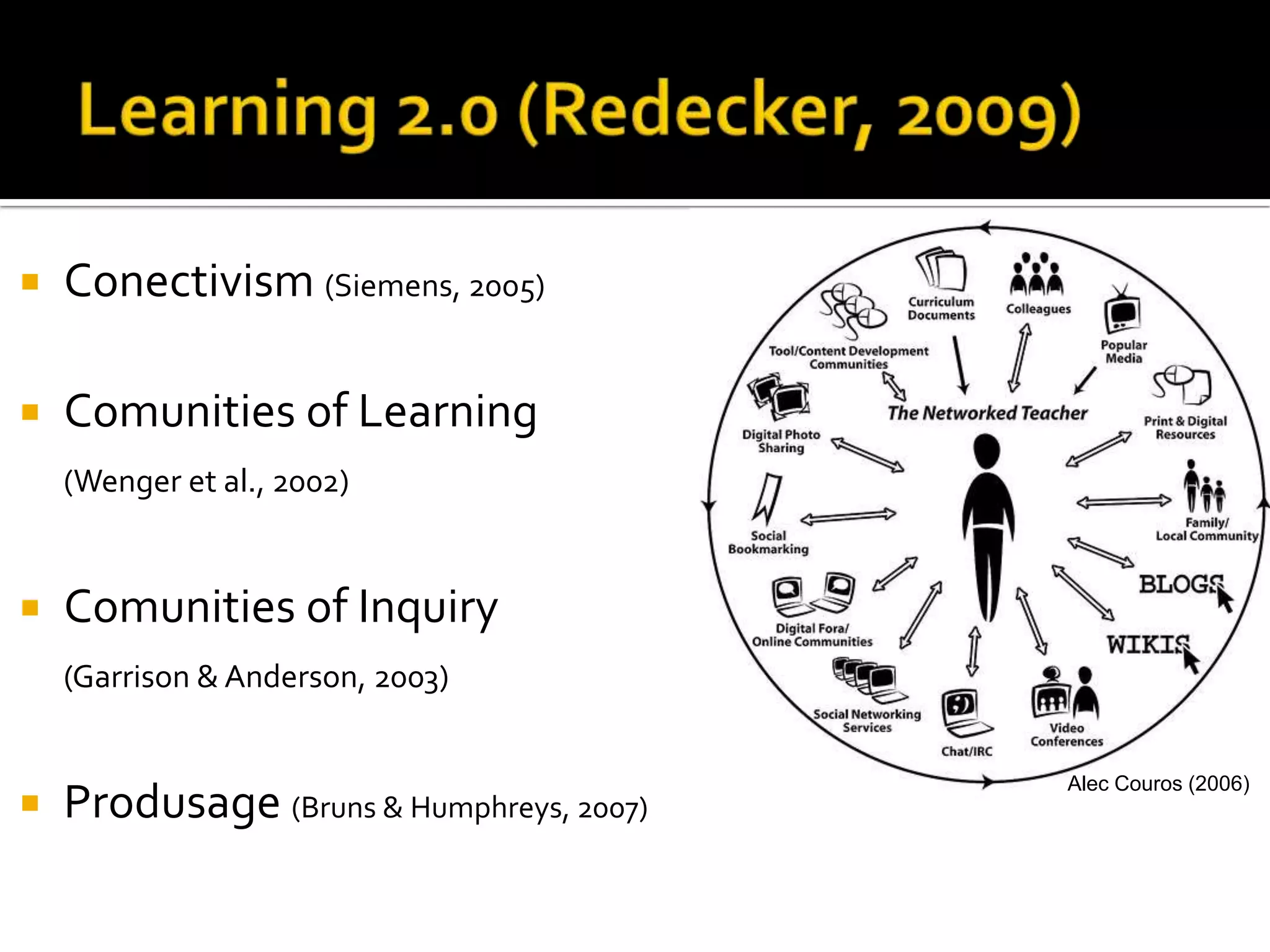
Learning 2.0 (Redecker, 2009)Conectivism(Siemens, 2005) ComunitiesofLearning(Wenger et al., 2002)ComunitiesofInquiry(Garrison & Anderson, 2003)Produsage (Bruns & Humphreys, 2007)Alec Couros (2006)
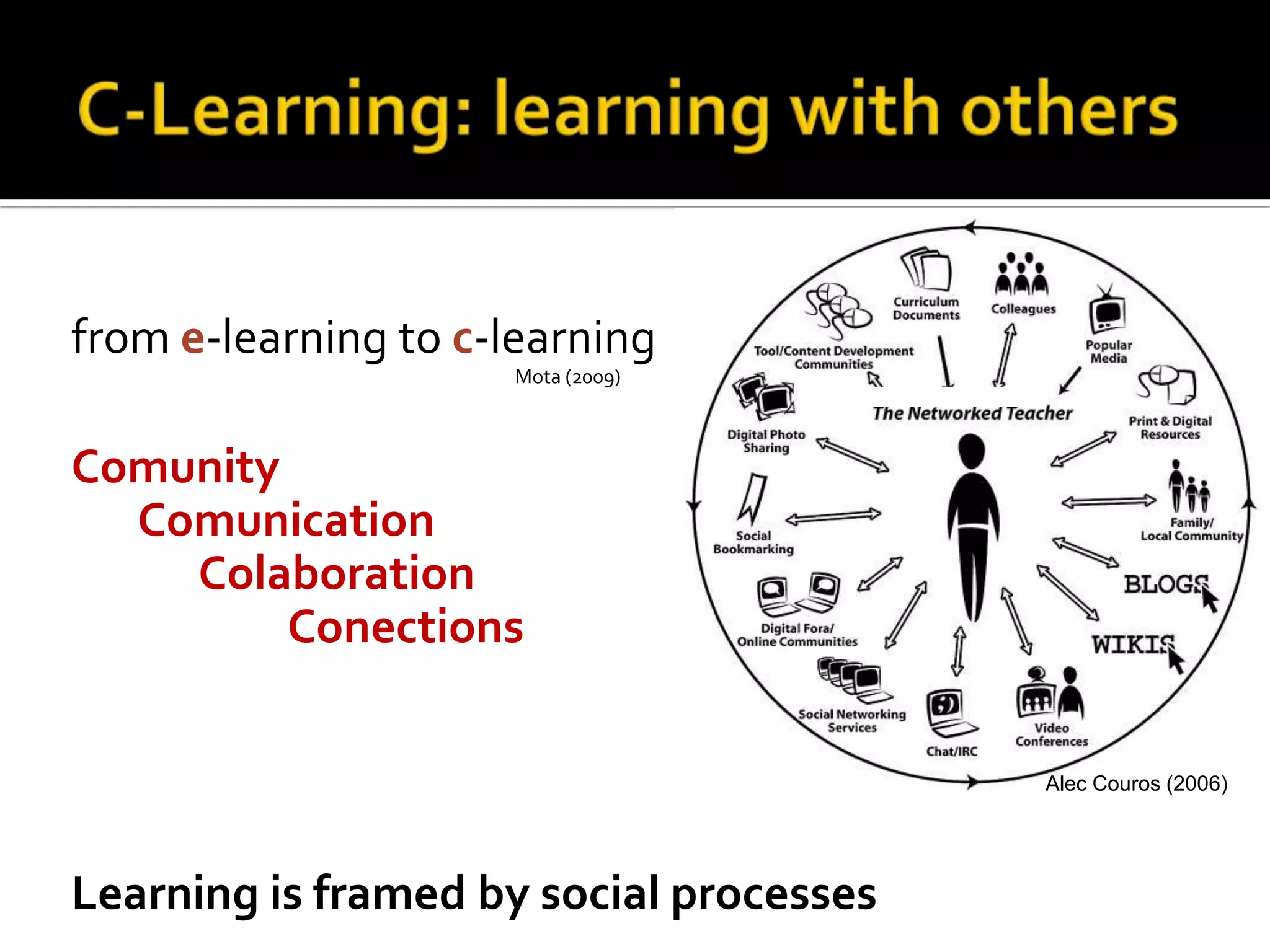
C-Learning: learningwithothersfrome-learning to c-learning				               Mota (2009)ComunityComunicationColaborationConectionsLearningisframedby social processesAlec Couros (2006)
Examples
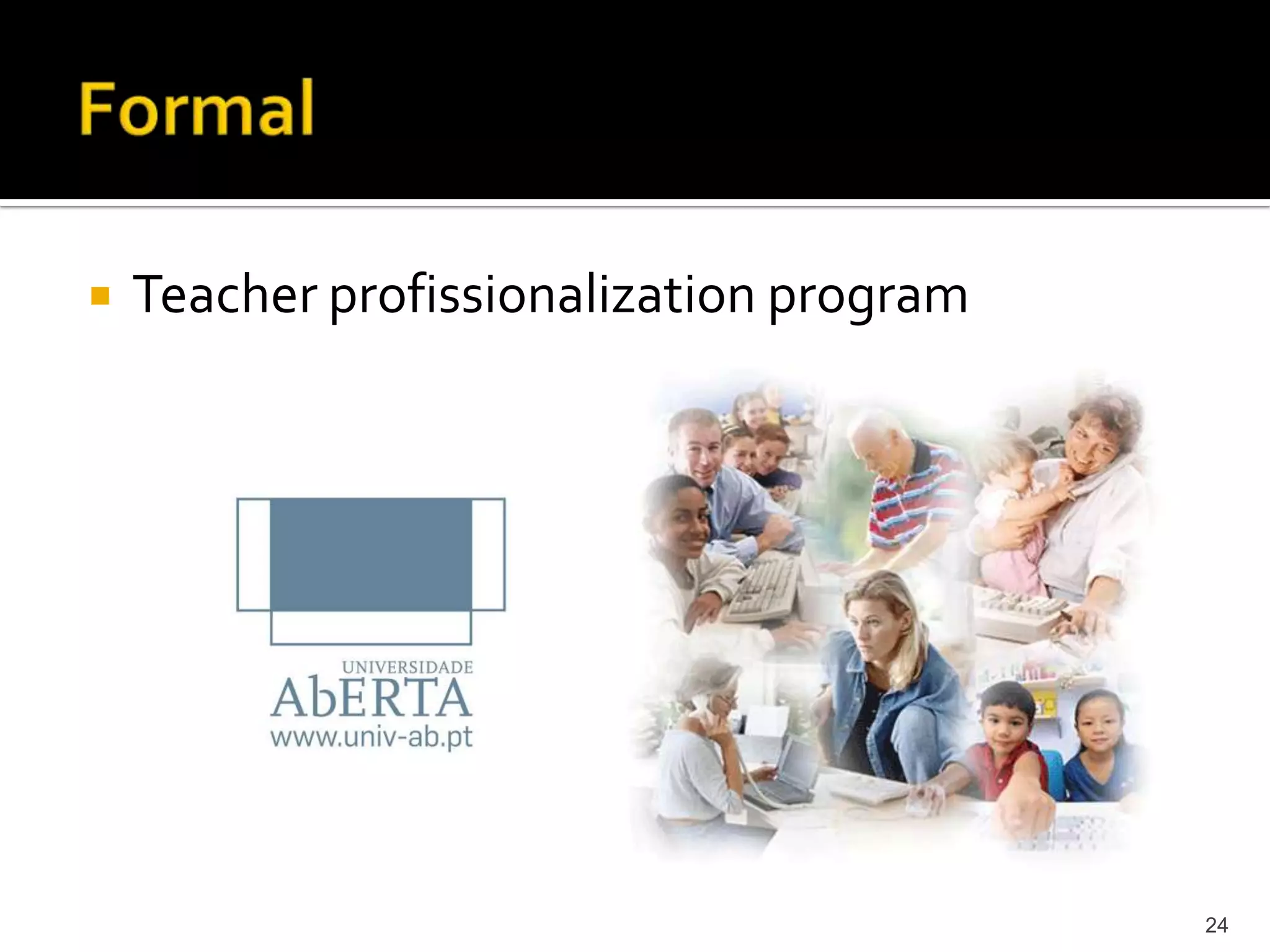
Formal 24TeacherprofissionalizationprogramNon formal PentalfaProgram25
InformalMedia and museums 26
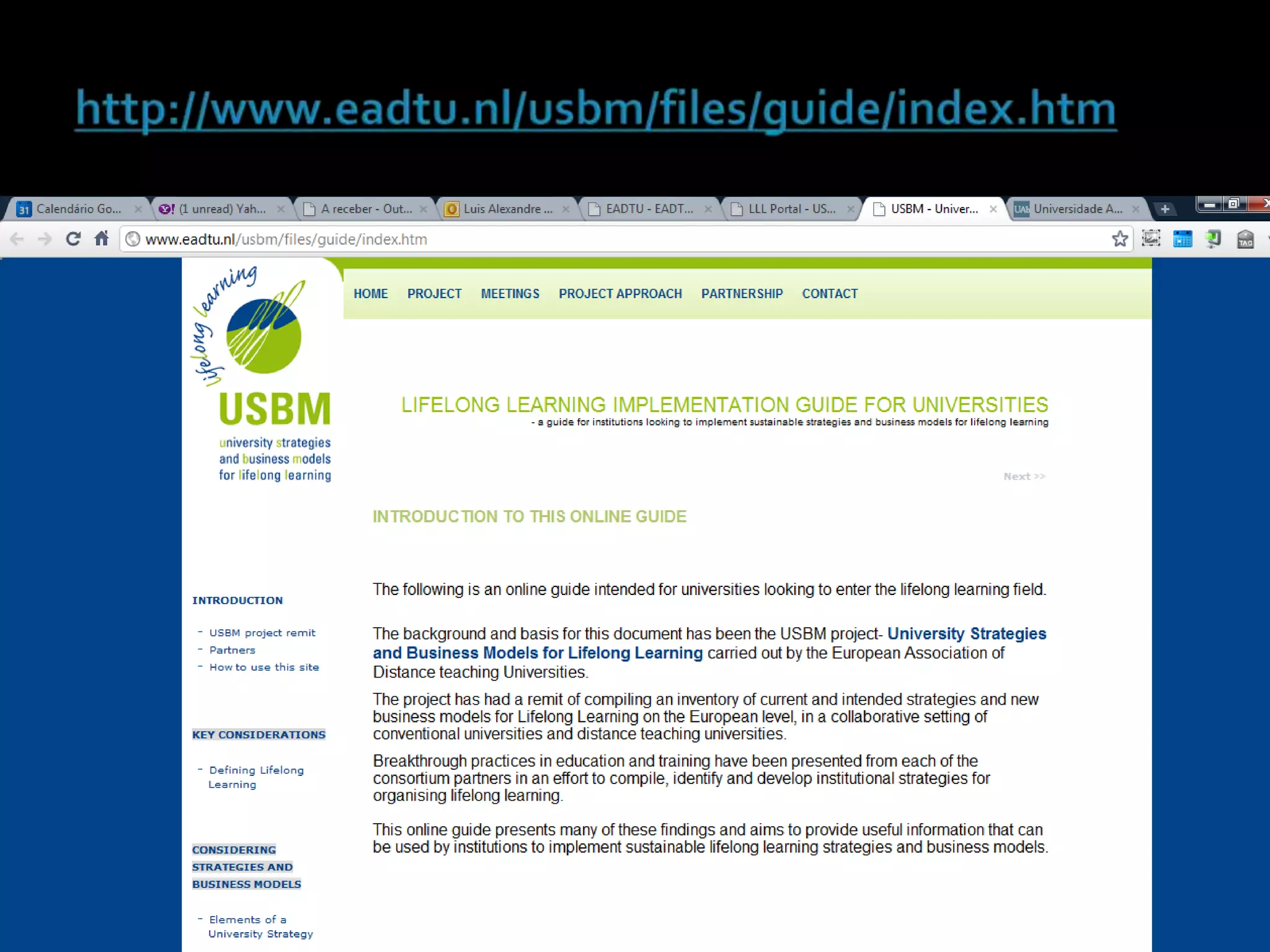
http://www.eadtu.nl/usbm/files/guide/index.htm1/25/201127
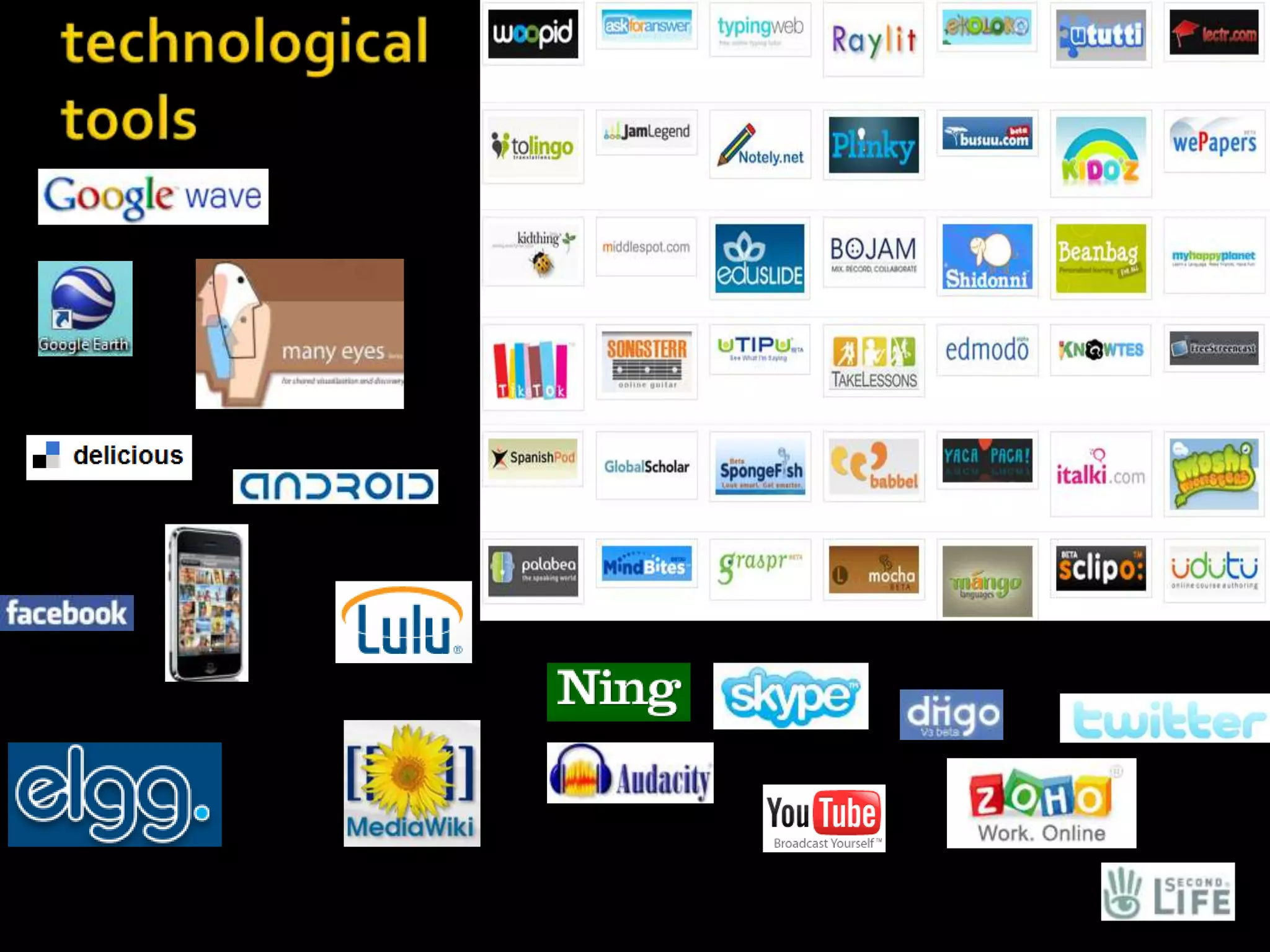
technologicaltools
3 simple cases
Blogs
BlogsBlog (web + log)IndividualorcolectivShare andexchangeinformation(text, graphs, audio, video, …)Co-Winner, Word-of-the-Year: 2004
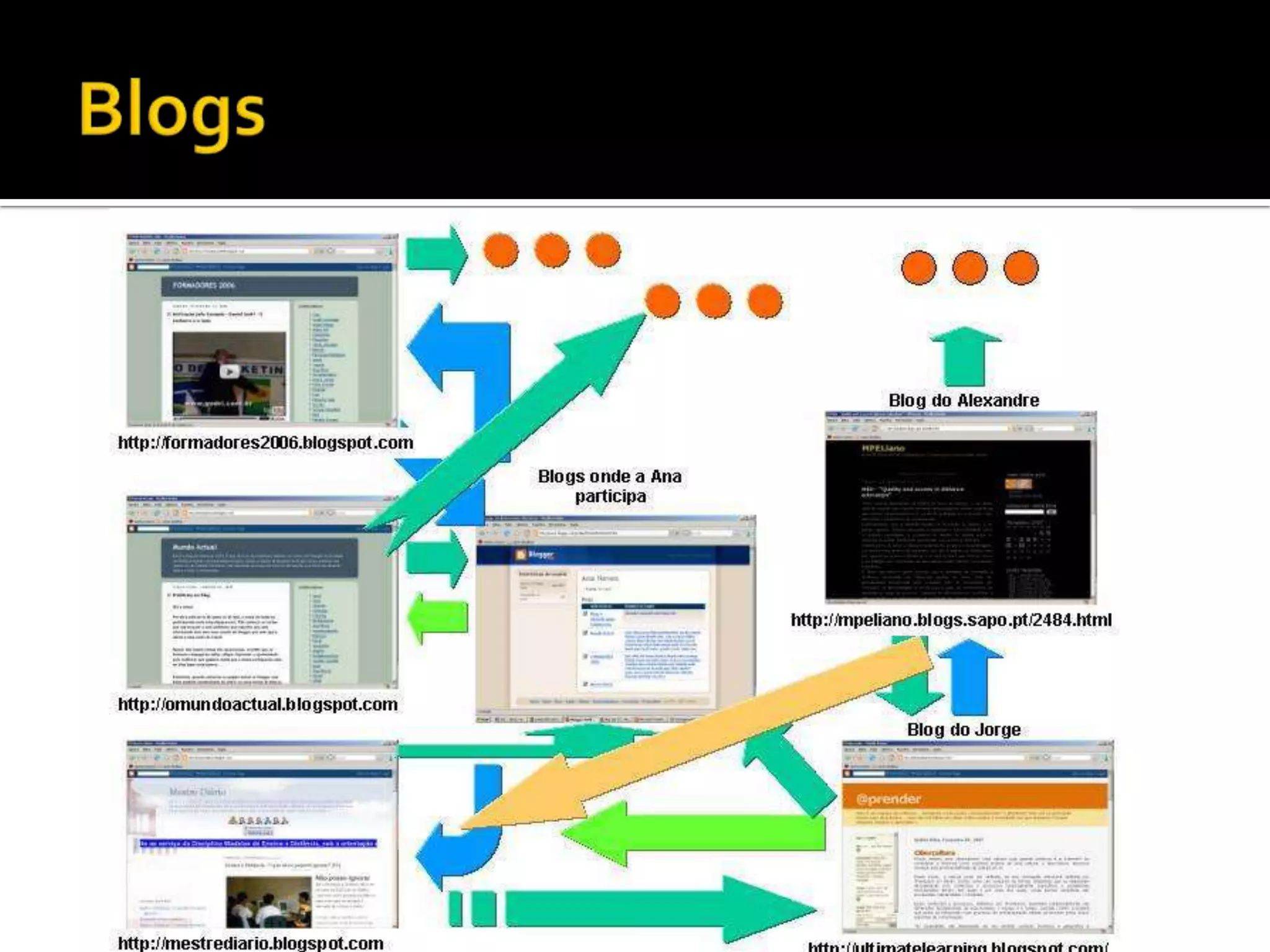
Blogs
Wikis
WikisWiki softwareCreatingandeditinginterconnectedwebpagesCollaborativeknowledgeconstruction
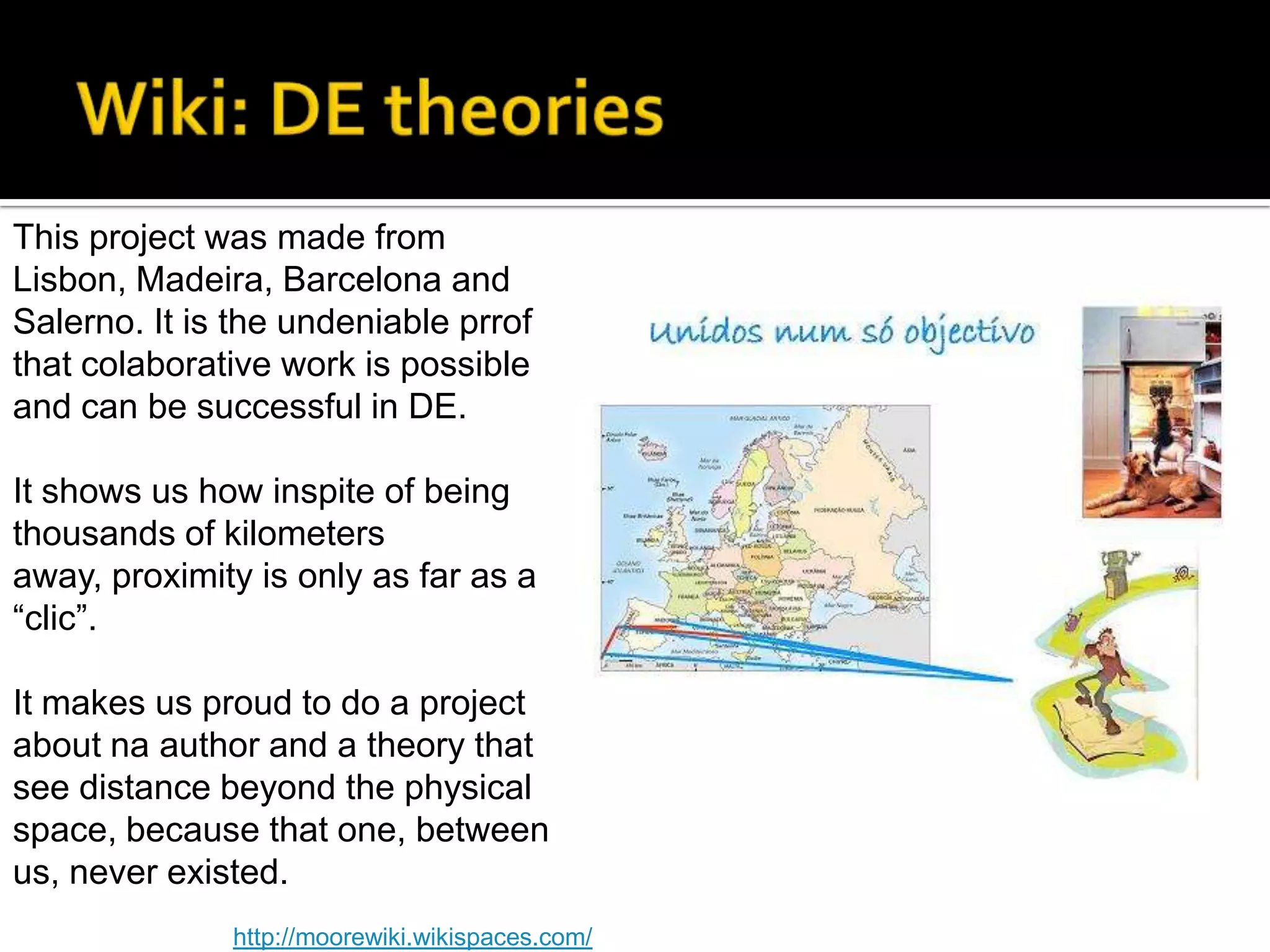
Wiki: DE theoriesThisprojectwasmadefromLisbon, Madeira, Barcelona andSalerno. Itistheundeniableprrofthatcolaborativeworkispossibleandcanbesuccessfulin DE. It shows ushowinspiteofbeingthousandsofkilometersaway, proximityisonly as far as a “clic”. Itmakesusproud to do a projectabout na authorand a theorythatseedistancebeyondthephysicalspace, becausethatone, betweenus, neverexisted.http://moorewiki.wikispaces.com/
Social Bookmarking
Social Bookmarkingstorage
organize
search
manage
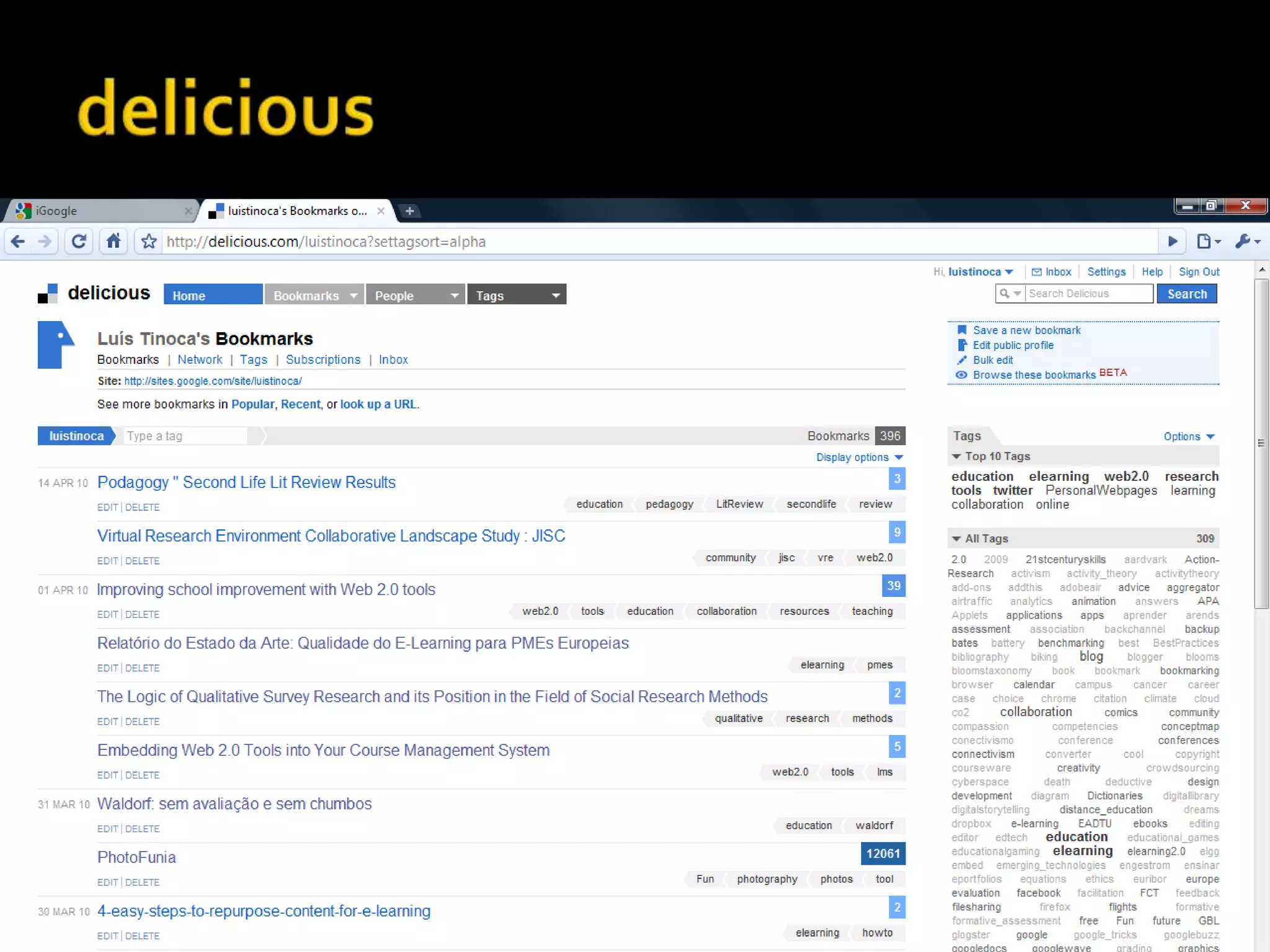
sharedelicious1/25/201138
Implications
tranparencyorprivacy?
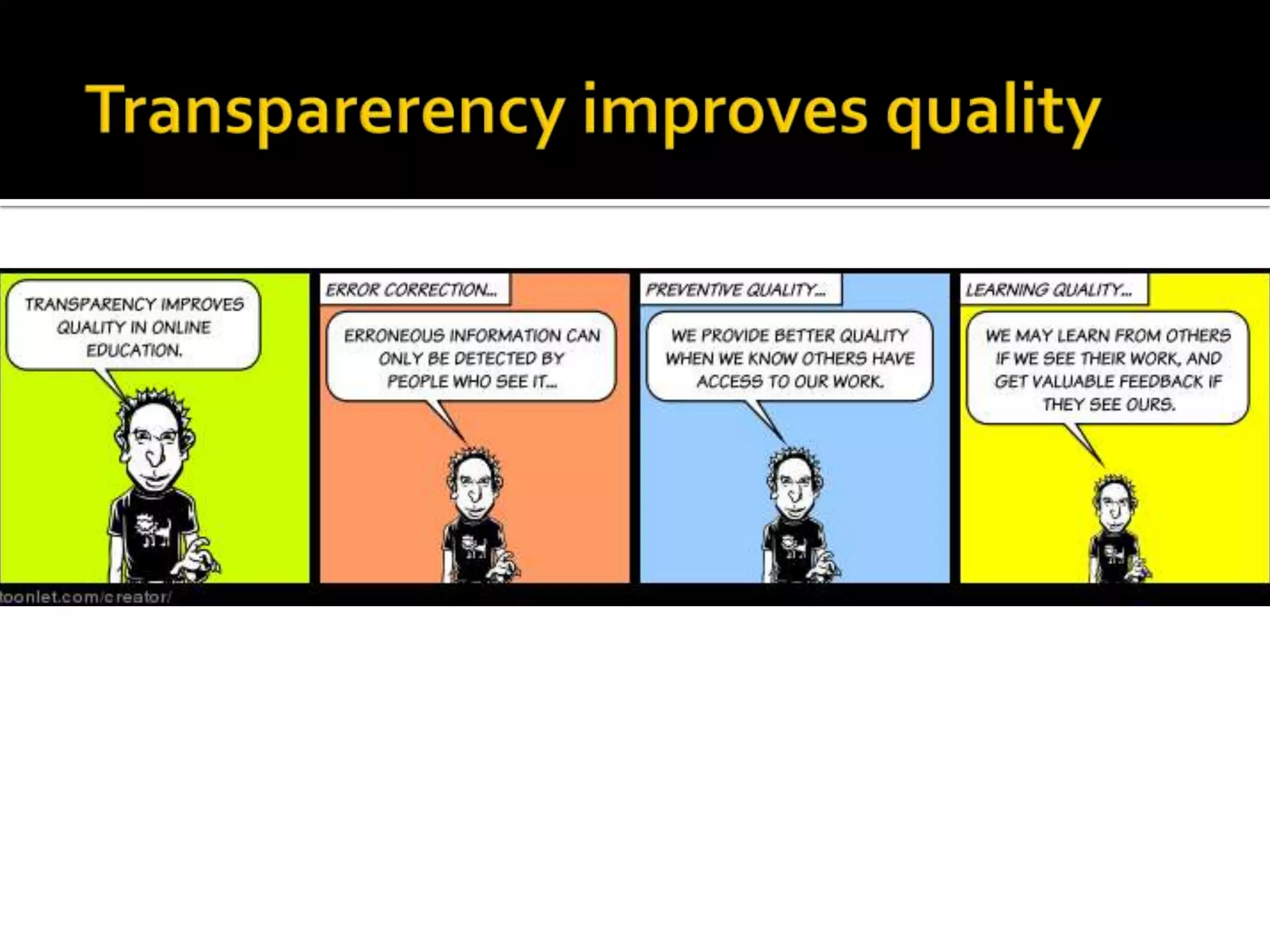
Transparerencyimprovesquality
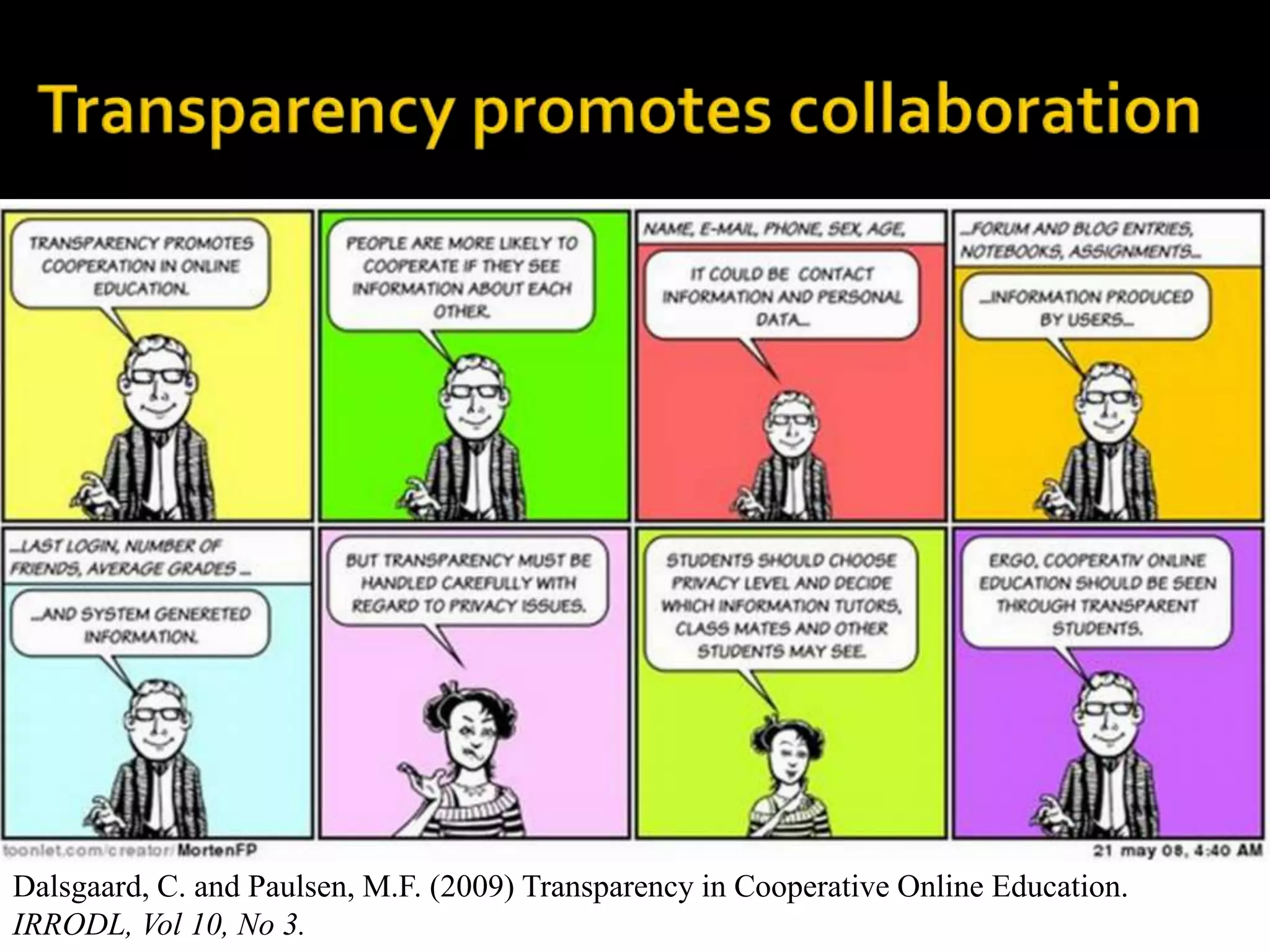
TransparencypromotescollaborationDalsgaard, C. and Paulsen, M.F. (2009) Transparency in Cooperative Online Education. IRRODL, Vol 10, No 3.
“Tell me howyouassessI´lltellyouhowyouteach”Abrantes (1990)
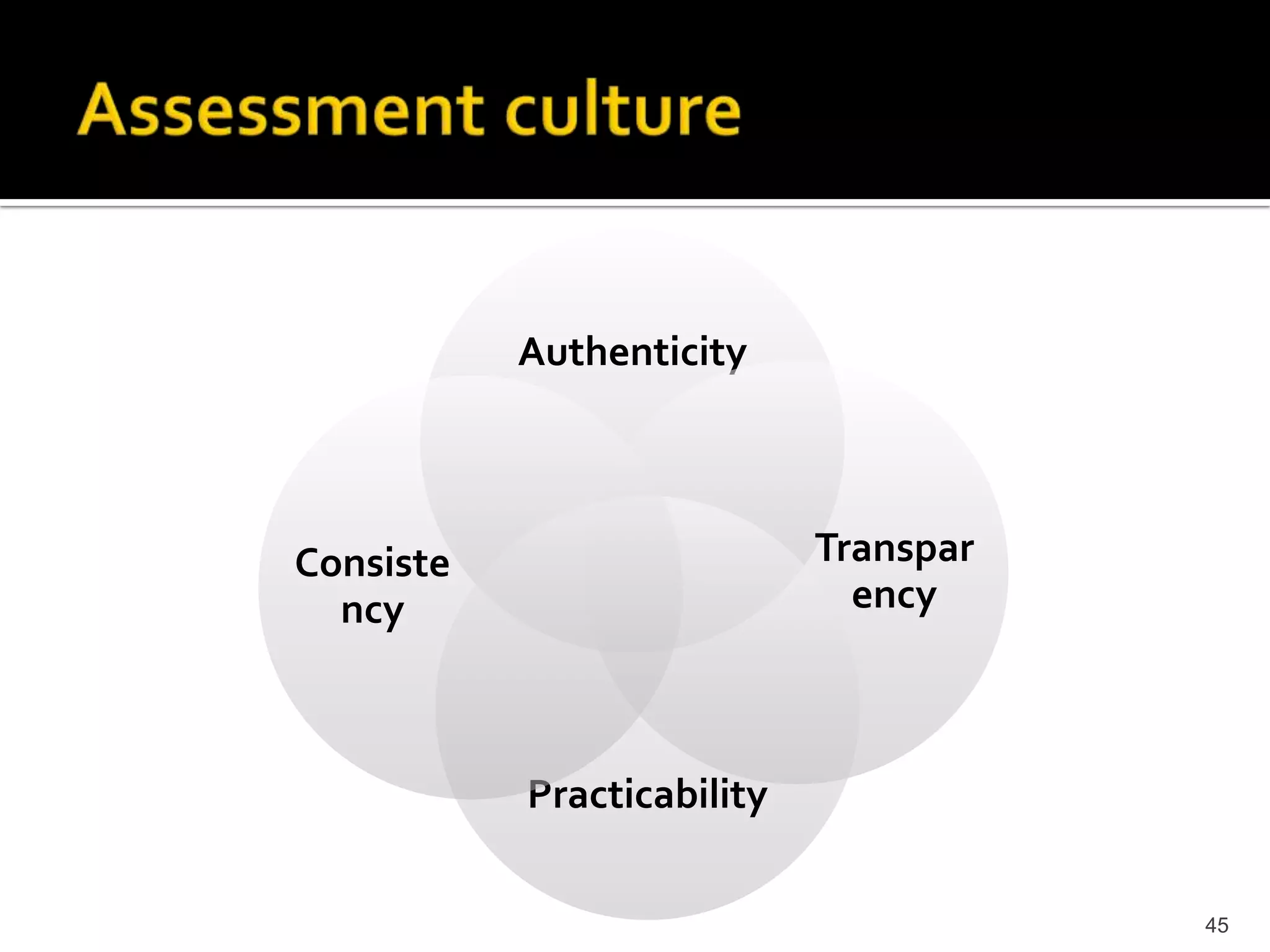
Assessment culture45

Organizing lll opportunities and obstacles guest lecture