July 2, 2012


    Note taking
    skills
    Tips


1                  Note - taking
2           July 2, 2012


When to use it?
 Specially for long consecutive
  interpretation.
 Dates, names, places.


                                   Note - taking
3        July 2, 2012


Make it personal!!!
 Special   note taking system


                                 Note - taking
4    July 2, 2012


Possibilities
 Simple outlines
 Charges
 Diagrams
 graphs


                        Note - taking
5   July 2, 2012


How to write them
 Longhand  writing
 Shorthand writing
 Pictograms
6                 July 2, 2012


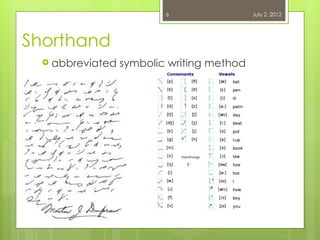
Shorthand
   abbreviated   symbolic writing method
7   July 2, 2012


Pictograms
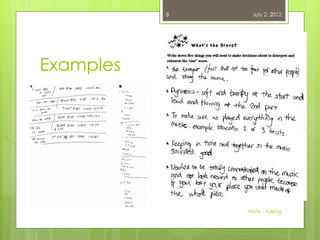
8    July 2, 2012


Examples


               Note - taking
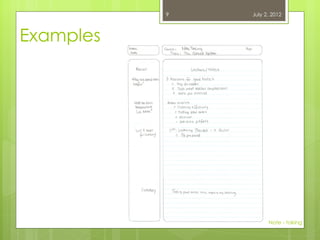
9   July 2, 2012


Examples


                     Note - taking
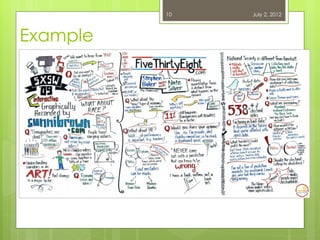
10   July 2, 2012


Example
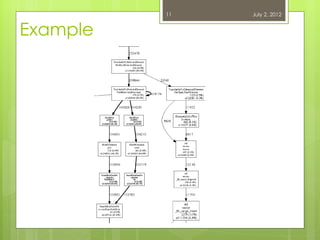
11   July 2, 2012


Example
12   July 2, 2012


Ideograms
   "We are particularly glad to inform
    you about an important increase in
    our company’s revenues, which rose
    by 10 percent, from 3.5 to 3.85 billion
    (*) dollars. This derives from huge sales
    of helicopters. The United States of
    America bought 50 and South Africa
    20 of them. On the other hand we
    must relocate parts of our production
    in these countries."
13               July 2, 2012


Important!!!
 Aneffective note-taking system allows
 you to concentrate on the ideas and
 concepts contained in the message, not
 on taking the notes. It is important to
 adopt a strategy or strategies that work
 best for you.
14                       July 2, 2012


Advice
   Contrary to what one might think, it is not appropriate to note the
    speech in shorthand since this would duplicate the task: First
    decipher the notes and then translate the language. The notes
    taken must thus be readable in any language just like pictograms
    which are understood worldwide (just think of the sketches
    symbolizing the different disciplines at the Olympic Games) since not
    related to any specific language.

   The interpreter must listen with utmost concentration to the speaker
    and only write the information which he or she judges sufficient to
    render the original, respecting its structure like names and titles of
    person or companies, figures, etc.

   Again, it must be understood that the aim of interpreting notes is not
    to transcribe the speech, i.e. it is not a different form of shorthand.
    The idea is to write the minimum that will, at a quick glance, elicit in
    the interpreter's mind the ideas of the speech, so that it can be re-
    expressed in a different language.
15                July 2, 2012


Extra!!! – Memory Training
 Check   your learning style
 Train your short - term memory capacity:
  your ability to recall depends on how well
  you can organize what you have heard by
  finding patterns.
 Increase your analytical skills by reading a
  newspaper or magazine. After finishing
  each story, try to summarize what you read
  in a single sentence. Do this in all your
  working languages.
16              July 2, 2012


 Tryprevious exercise after listening to a
  news report or a radio or television talk
  show. Summarize the main idea in a single
  sentence.
17                          July 2, 2012


Exercise
 a. Listen to the passage without taking notes and try to repeat as much as
 possible.

 b. Listen to the passage and write down keywords to help you remember the
 content. Then repeat as much information as possible. Compare the results
 you achieved with and without notes. Which worked best for you?

 c. As you listen to the passage, try to condense it into a few meaningful units.
 Organize the information into groups. For example, if a person were to list the
 schools she had attended and the subjects she studied, you could group the
 schools by location and the subjects studied by topic. Numbers can be
 grouped the way people recite phone or social security numbers, in groups
 of two, three, or four numbers, rather than as a string of unrelated numbers.
 Please note that when interpreting testimony you should maintain the
 speaker’s work sequence as spoken, except to accommodate the syntax of
 the target language.

 d. Do not allow your opinions to color your rendition of a speaker’s words,
 even if you have strong opinions about the subject matter. Pay close
 attention to your reaction to the text while listening and maintain the same
 level of language (register) as the speaker.

Note taking skills

  • 1.
    July 2, 2012 Note taking skills Tips 1 Note - taking
  • 2.
    2 July 2, 2012 When to use it?  Specially for long consecutive interpretation.  Dates, names, places. Note - taking
  • 3.
    3 July 2, 2012 Make it personal!!!  Special note taking system Note - taking
  • 4.
    4 July 2, 2012 Possibilities  Simple outlines  Charges  Diagrams  graphs Note - taking
  • 5.
    5 July 2, 2012 How to write them  Longhand writing  Shorthand writing  Pictograms
  • 6.
    6 July 2, 2012 Shorthand  abbreviated symbolic writing method
  • 7.
    7 July 2, 2012 Pictograms
  • 8.
    8 July 2, 2012 Examples Note - taking
  • 9.
    9 July 2, 2012 Examples Note - taking
  • 10.
    10 July 2, 2012 Example
  • 11.
    11 July 2, 2012 Example
  • 12.
    12 July 2, 2012 Ideograms  "We are particularly glad to inform you about an important increase in our company’s revenues, which rose by 10 percent, from 3.5 to 3.85 billion (*) dollars. This derives from huge sales of helicopters. The United States of America bought 50 and South Africa 20 of them. On the other hand we must relocate parts of our production in these countries."
  • 13.
    13 July 2, 2012 Important!!!  Aneffective note-taking system allows you to concentrate on the ideas and concepts contained in the message, not on taking the notes. It is important to adopt a strategy or strategies that work best for you.
  • 14.
    14 July 2, 2012 Advice  Contrary to what one might think, it is not appropriate to note the speech in shorthand since this would duplicate the task: First decipher the notes and then translate the language. The notes taken must thus be readable in any language just like pictograms which are understood worldwide (just think of the sketches symbolizing the different disciplines at the Olympic Games) since not related to any specific language.  The interpreter must listen with utmost concentration to the speaker and only write the information which he or she judges sufficient to render the original, respecting its structure like names and titles of person or companies, figures, etc.  Again, it must be understood that the aim of interpreting notes is not to transcribe the speech, i.e. it is not a different form of shorthand. The idea is to write the minimum that will, at a quick glance, elicit in the interpreter's mind the ideas of the speech, so that it can be re- expressed in a different language.
  • 15.
    15 July 2, 2012 Extra!!! – Memory Training  Check your learning style  Train your short - term memory capacity: your ability to recall depends on how well you can organize what you have heard by finding patterns.  Increase your analytical skills by reading a newspaper or magazine. After finishing each story, try to summarize what you read in a single sentence. Do this in all your working languages.
  • 16.
    16 July 2, 2012  Tryprevious exercise after listening to a news report or a radio or television talk show. Summarize the main idea in a single sentence.
  • 17.
    17 July 2, 2012 Exercise a. Listen to the passage without taking notes and try to repeat as much as possible. b. Listen to the passage and write down keywords to help you remember the content. Then repeat as much information as possible. Compare the results you achieved with and without notes. Which worked best for you? c. As you listen to the passage, try to condense it into a few meaningful units. Organize the information into groups. For example, if a person were to list the schools she had attended and the subjects she studied, you could group the schools by location and the subjects studied by topic. Numbers can be grouped the way people recite phone or social security numbers, in groups of two, three, or four numbers, rather than as a string of unrelated numbers. Please note that when interpreting testimony you should maintain the speaker’s work sequence as spoken, except to accommodate the syntax of the target language. d. Do not allow your opinions to color your rendition of a speaker’s words, even if you have strong opinions about the subject matter. Pay close attention to your reaction to the text while listening and maintain the same level of language (register) as the speaker.