Surprising Realities
about Radiology
Nitin Doshi shares a few tidbits you may not know about
the science and history of radiology.
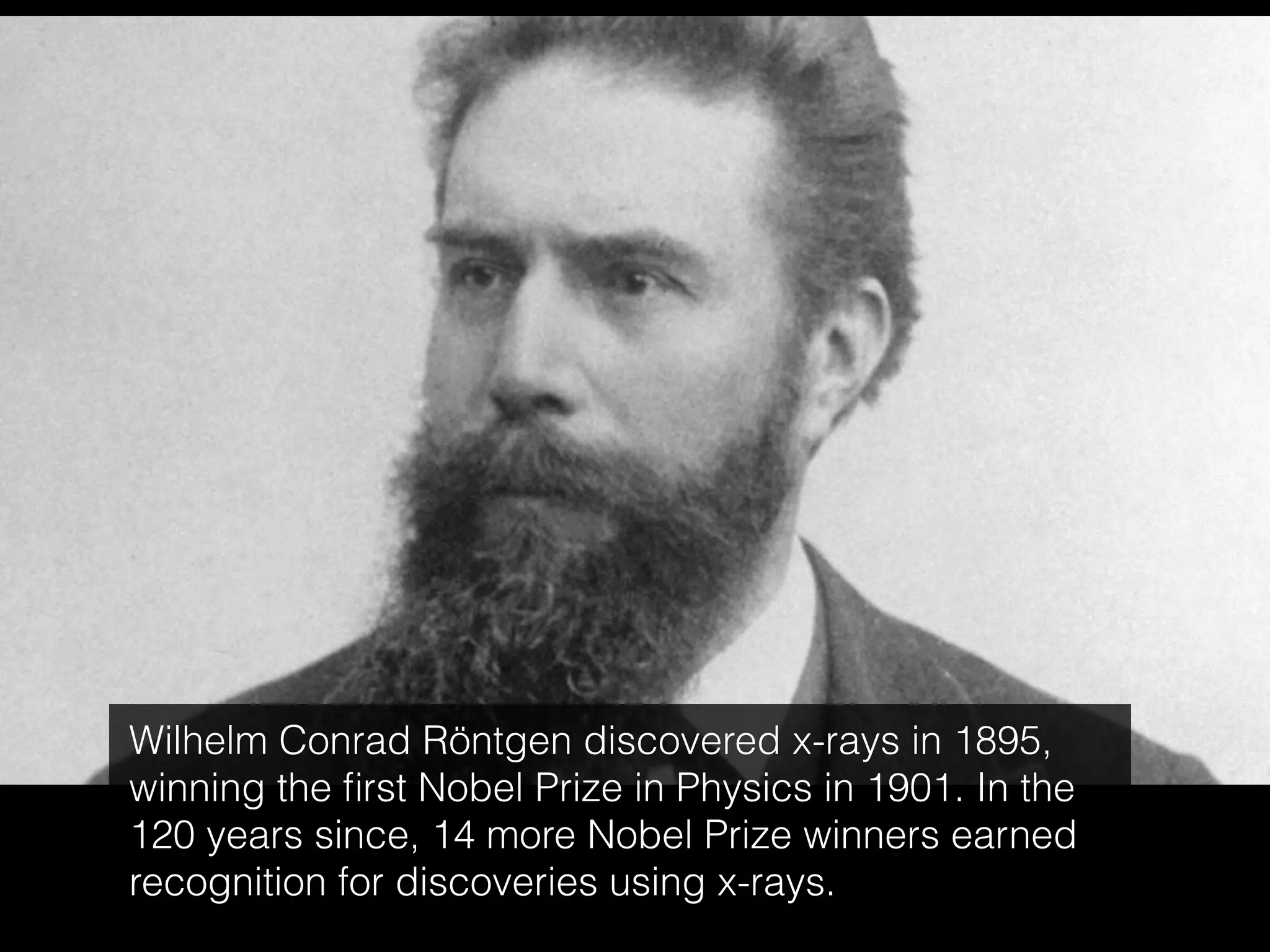
Wilhelm Conrad Röntgen discovered x-rays in 1895,
winning the first Nobel Prize in Physics in 1901. In the
120 years since, 14 more Nobel Prize winners earned
recognition for discoveries using x-rays.
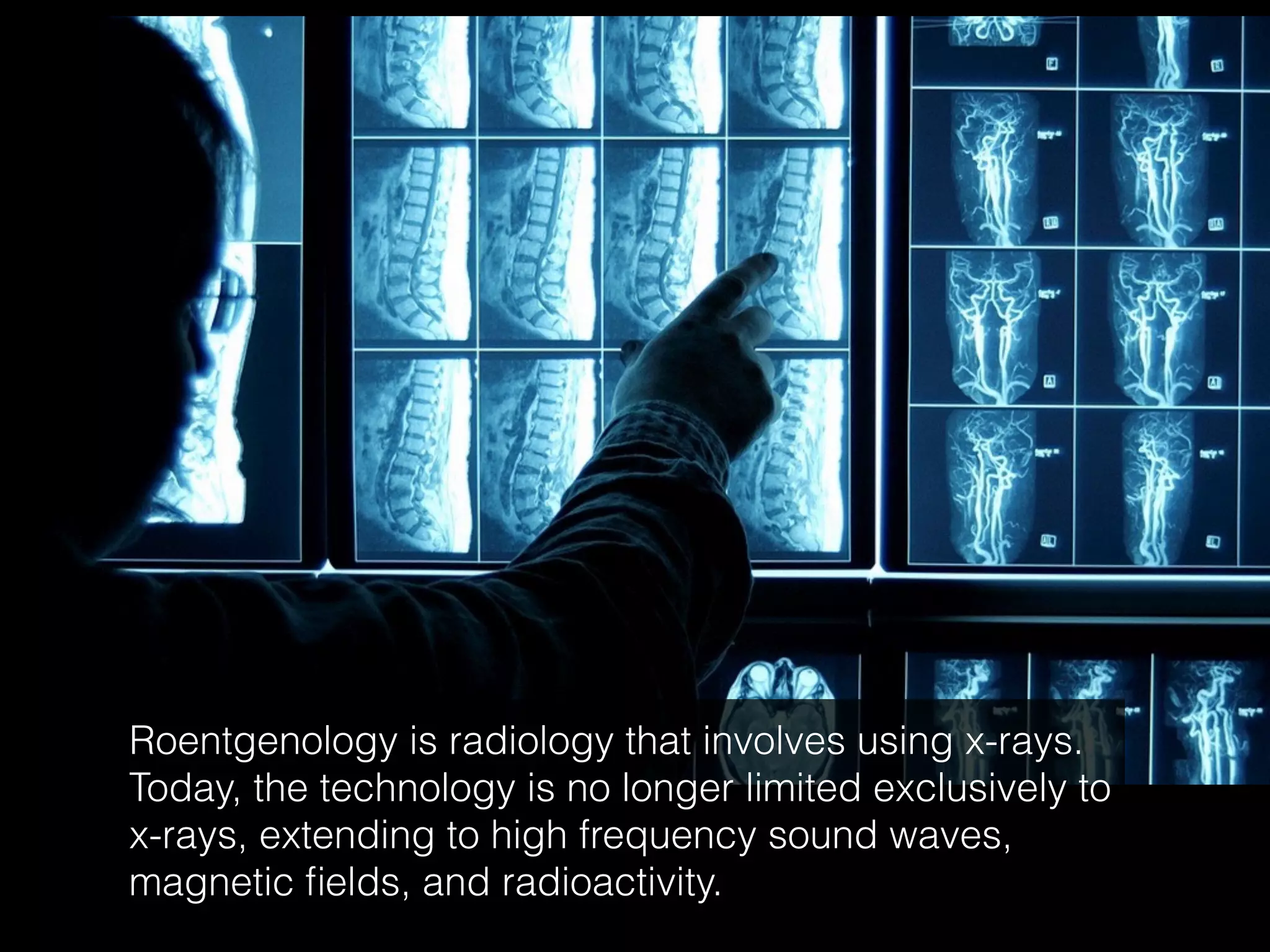
Roentgenology is radiology that involves using x-rays.
Today, the technology is no longer limited exclusively to
x-rays, extending to high frequency sound waves,
magnetic fields, and radioactivity.
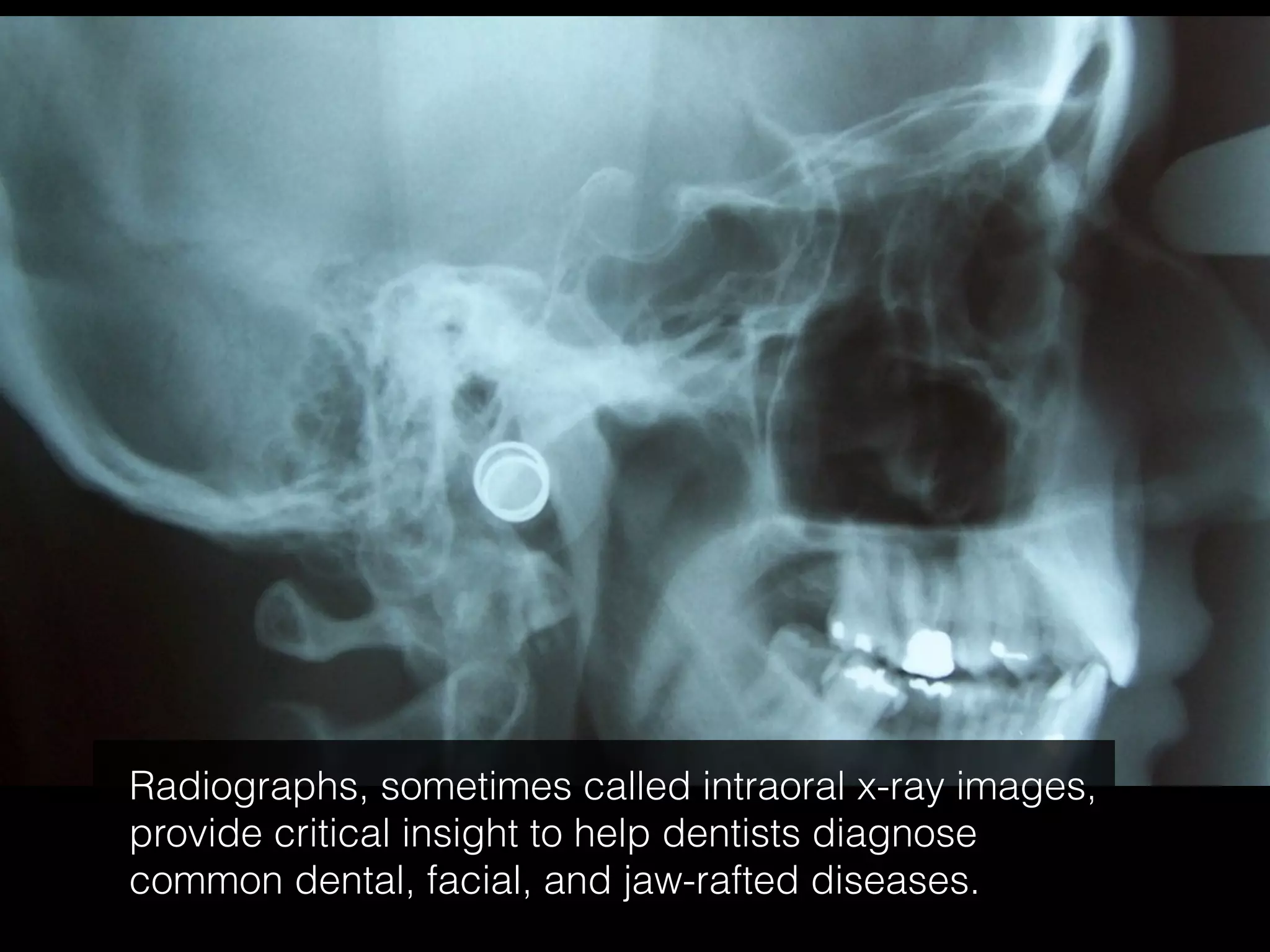
Radiographs, sometimes called intraoral x-ray images,
provide critical insight to help dentists diagnose
common dental, facial, and jaw-rafted diseases.
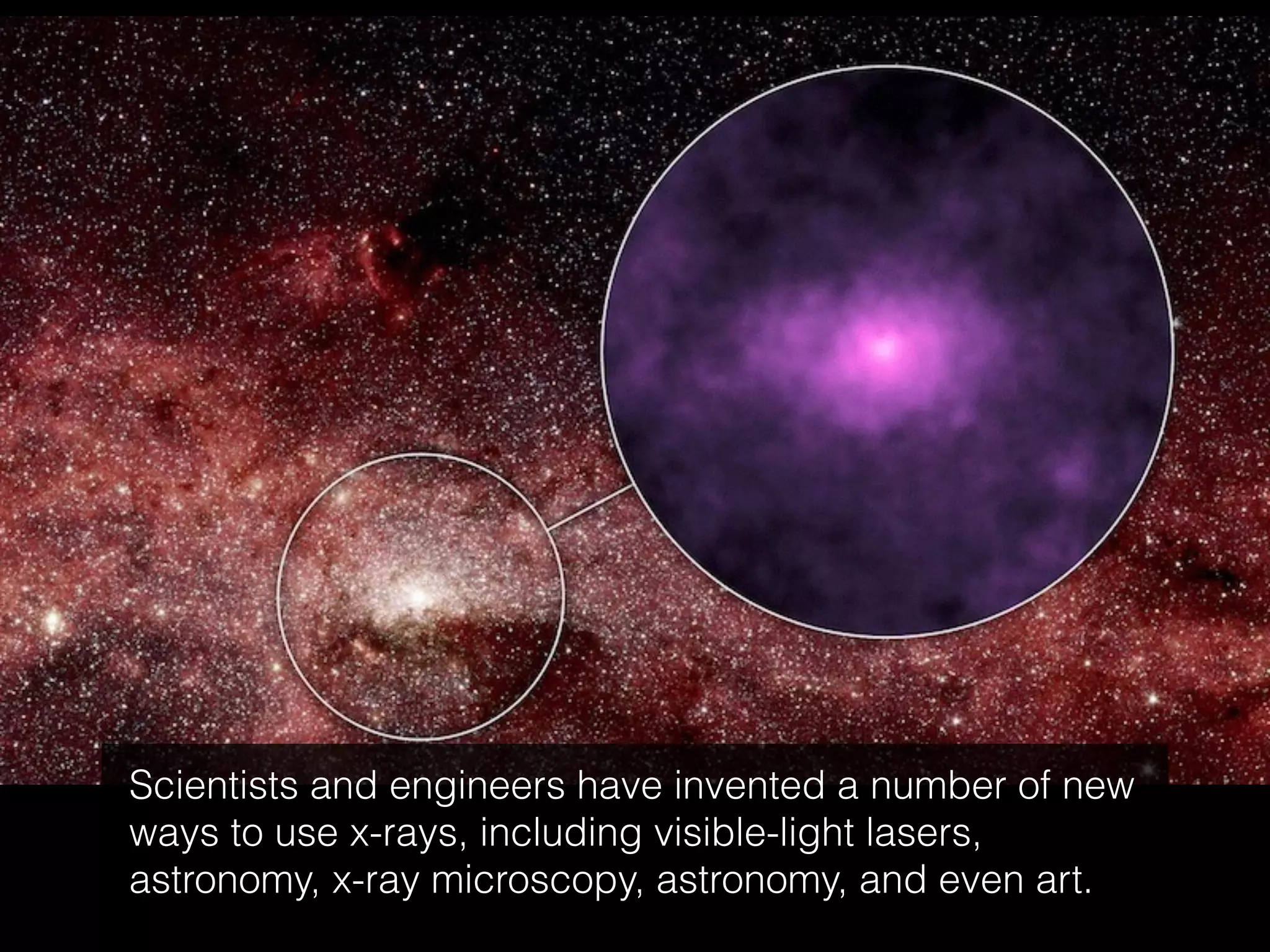
Scientists and engineers have invented a number of new
ways to use x-rays, including visible-light lasers,
astronomy, x-ray microscopy, astronomy, and even art.
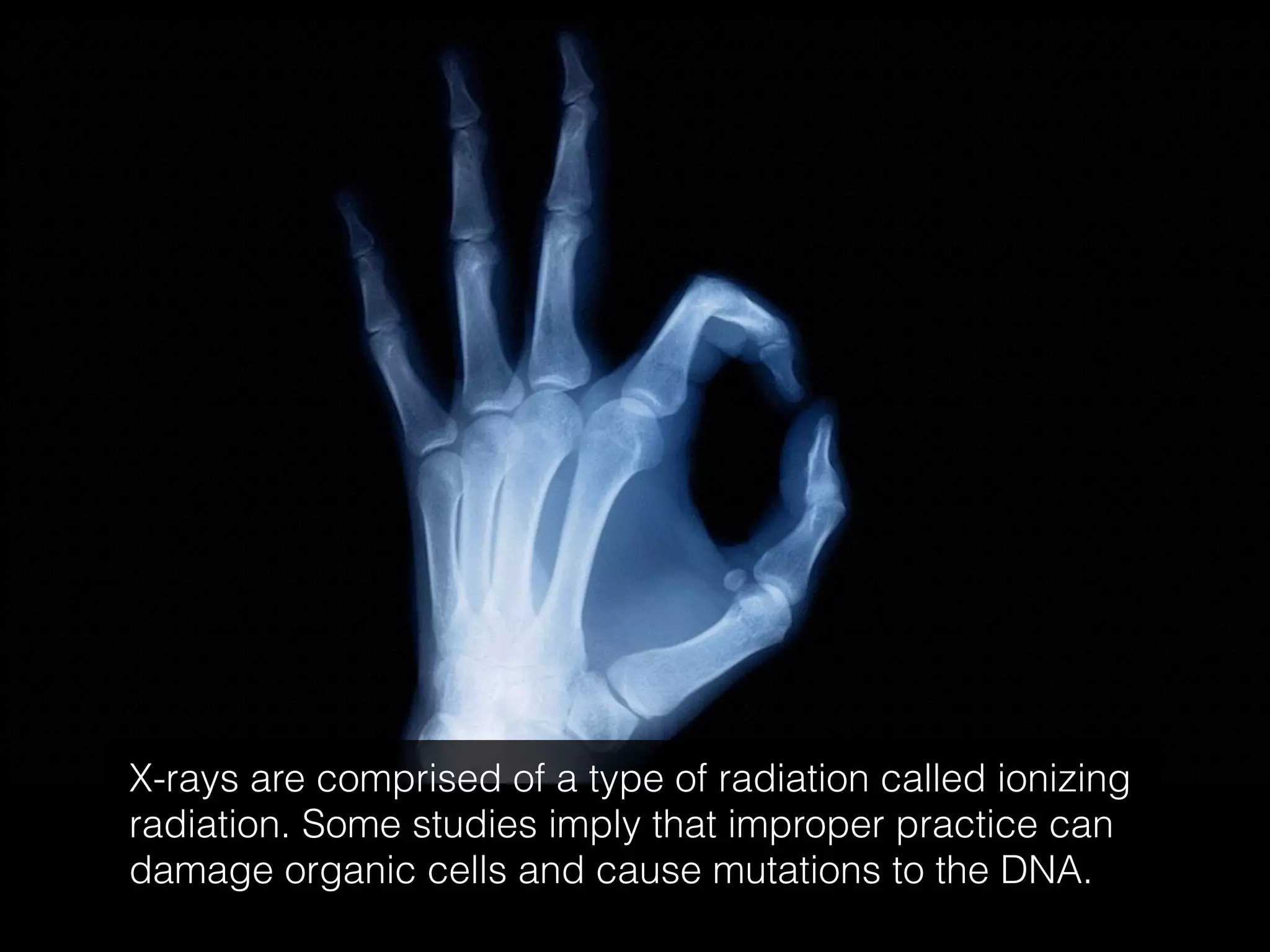
X-rays are comprised of a type of radiation called ionizing
radiation. Some studies imply that improper practice can
damage organic cells and cause mutations to the DNA.
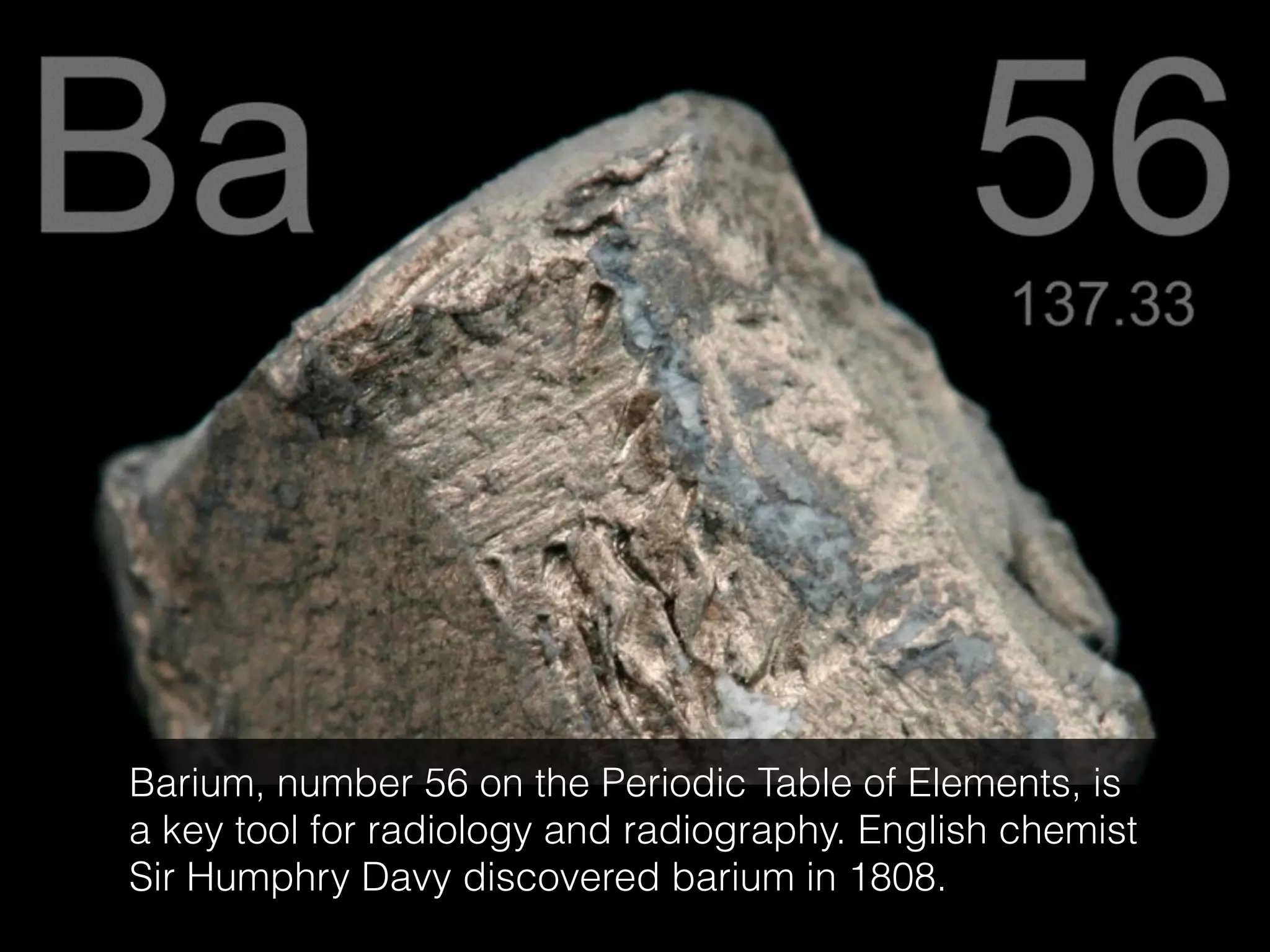
Barium, number 56 on the Periodic Table of Elements, is
a key tool for radiology and radiography. English chemist
Sir Humphry Davy discovered barium in 1808.
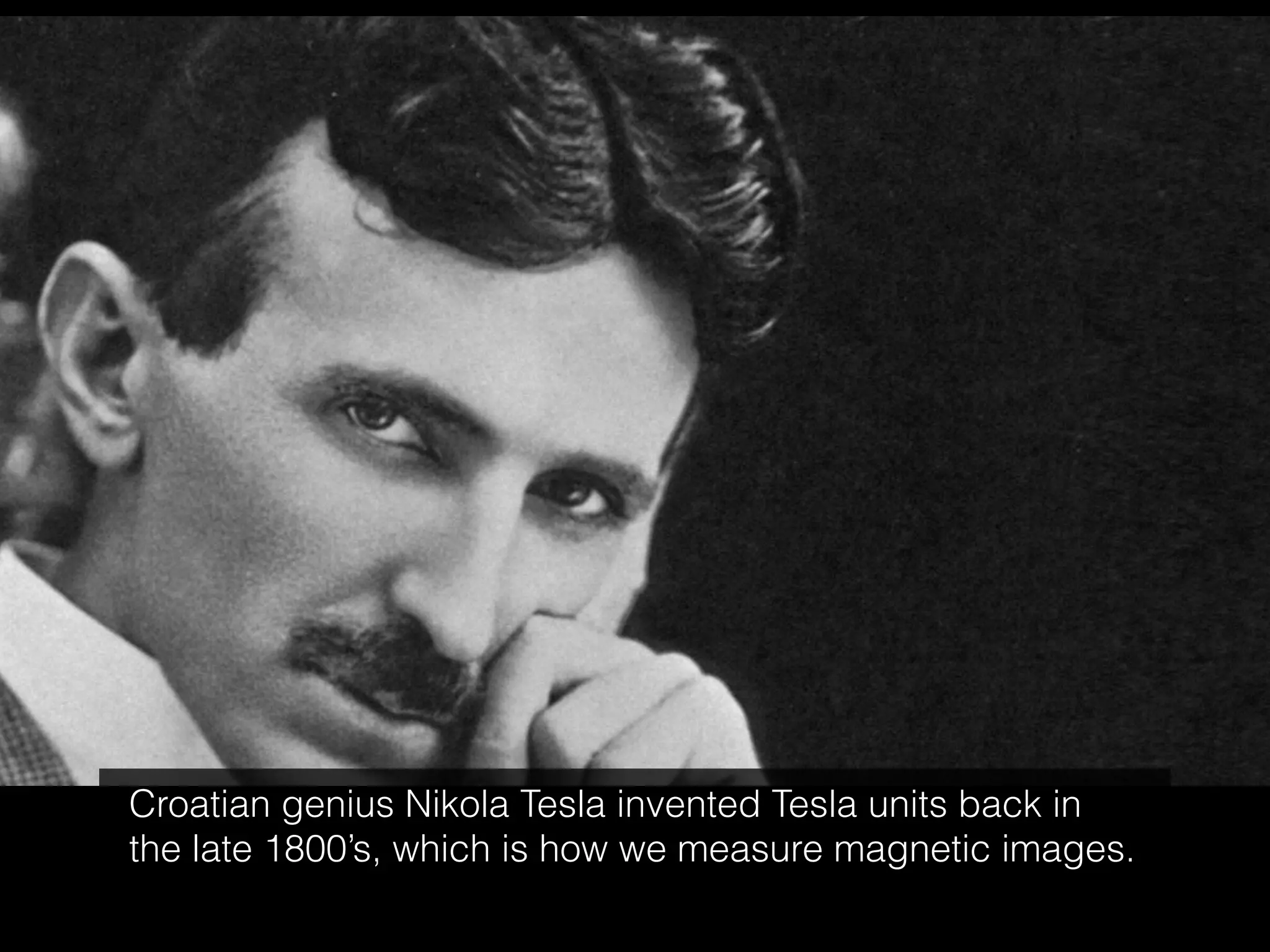
Croatian genius Nikola Tesla invented Tesla units back in
the late 1800’s, which is how we measure magnetic images.

Nitin Doshi - Radiology Facts

  • 1.
    Surprising Realities about Radiology NitinDoshi shares a few tidbits you may not know about the science and history of radiology.
  • 2.
    Wilhelm Conrad Röntgendiscovered x-rays in 1895, winning the first Nobel Prize in Physics in 1901. In the 120 years since, 14 more Nobel Prize winners earned recognition for discoveries using x-rays.
  • 3.
    Roentgenology is radiologythat involves using x-rays. Today, the technology is no longer limited exclusively to x-rays, extending to high frequency sound waves, magnetic fields, and radioactivity.
  • 4.
    Radiographs, sometimes calledintraoral x-ray images, provide critical insight to help dentists diagnose common dental, facial, and jaw-rafted diseases.
  • 5.
    Scientists and engineershave invented a number of new ways to use x-rays, including visible-light lasers, astronomy, x-ray microscopy, astronomy, and even art.
  • 6.
    X-rays are comprisedof a type of radiation called ionizing radiation. Some studies imply that improper practice can damage organic cells and cause mutations to the DNA.
  • 7.
    Barium, number 56on the Periodic Table of Elements, is a key tool for radiology and radiography. English chemist Sir Humphry Davy discovered barium in 1808.
  • 8.
    Croatian genius NikolaTesla invented Tesla units back in the late 1800’s, which is how we measure magnetic images.