Organizing and Managing a
Multigrade Classroom
Overview
A multigrade class is composed of learners with different grade
levels inside a single classroom handled by one teacher. That being the
case, there can be varied activities going on simultaneously in a
multigrade classroom. Some learners might be working on a group
project, some might be having a discussion with the teacher, and
others might be doing independent work. The task of the teacher is to
organize and manage the classroom such that, with minimal
interruption, these varied activities can happen. This can be a
challenging task; however, the outcome is worthwhile for it can help
achieve favorable results and minimize the occurrence of classroom
problems.
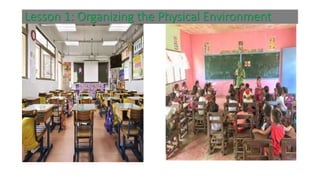
Lesson 1: Organizing the Physical Environment
Physical Environment
 Physical environment refers to the overall design and layout of a
given classroom and its learning areas.
 Its preparation requires organizing the space, furniture, and
resources in order to maximize learning opportunities and students’
involvement.
 The organization of the physical environment includes creating a
floor plan, arranging the tables, chairs, and other furniture and
materials, displaying visual materials, and others that are related to
designing and arranging the classroom.
 In a monograde classroom, the desks are usually lined up facing the
blackboard.
The essential areas in a multigrade classroom are as follows:
 Group Instruction Area – where discussion and group work happen
 Individual Work – where students do independent work
 Teacher Work Area – where the teacher plans and prepares the lesson
 Additional Areas – to cater to the needs of the students (reading area,
arts and crafts area, resource and materials area, and personal hygiene)
General Guidelines in Setting Up a Multigrade
Classroom
 Divide your classroom space into different areas based on the activities
that will possibly occur. Consider learner’s age, and size difference
 allocate an area for teacher-controlled resources.
 Chairs, desks or tables can be grouped together for collaborative work.
 Make use of low cupboards, cubbyholes or partitions to divide the room
into different areas.
 Review your floor plan considering the class traffic
patterns.
 Be ready to transform your classroom when needed.
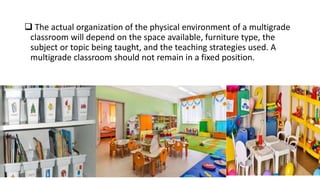
 The actual organization of the physical environment of a multigrade
classroom will depend on the space available, furniture type, the
subject or topic being taught, and the teaching strategies used. A
multigrade classroom should not remain in a fixed position.
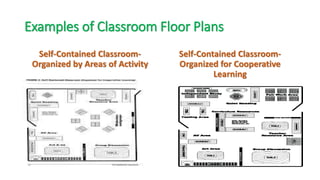
Examples of Classroom Floor Plans
Self-Contained Classroom-
Organized by Areas of Activity
Self-Contained Classroom-
Organized for Cooperative
Learning
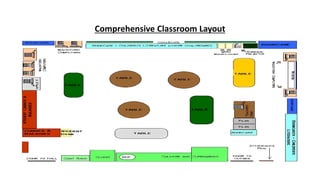
Comprehensive Classroom Layout
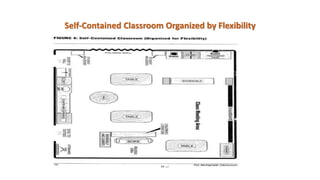
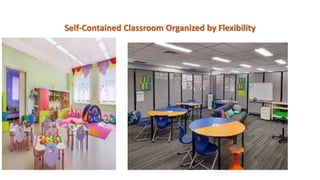
Self-Contained Classroom Organized by Flexibility
Activity
Create two classroom floor plans. The first should depict a
monograde classroom that you are familiar with. Demonstrate how
the room is set up and where the furniture and materials are placed.
On the other hand, the second-floor plan should show a multigrade
classroom. Illustrate how you’d organize things differently to
efficiently use the classroom space.
Multigrade Class and It's Importance in the Education

Multigrade Class and It's Importance in the Education

  • 1.
    Organizing and Managinga Multigrade Classroom
  • 2.
    Overview A multigrade classis composed of learners with different grade levels inside a single classroom handled by one teacher. That being the case, there can be varied activities going on simultaneously in a multigrade classroom. Some learners might be working on a group project, some might be having a discussion with the teacher, and others might be doing independent work. The task of the teacher is to organize and manage the classroom such that, with minimal interruption, these varied activities can happen. This can be a challenging task; however, the outcome is worthwhile for it can help achieve favorable results and minimize the occurrence of classroom problems.
  • 3.
    Lesson 1: Organizingthe Physical Environment
  • 4.
    Physical Environment  Physicalenvironment refers to the overall design and layout of a given classroom and its learning areas.  Its preparation requires organizing the space, furniture, and resources in order to maximize learning opportunities and students’ involvement.  The organization of the physical environment includes creating a floor plan, arranging the tables, chairs, and other furniture and materials, displaying visual materials, and others that are related to designing and arranging the classroom.  In a monograde classroom, the desks are usually lined up facing the blackboard.
  • 5.
    The essential areasin a multigrade classroom are as follows:  Group Instruction Area – where discussion and group work happen  Individual Work – where students do independent work  Teacher Work Area – where the teacher plans and prepares the lesson  Additional Areas – to cater to the needs of the students (reading area, arts and crafts area, resource and materials area, and personal hygiene)
  • 6.
    General Guidelines inSetting Up a Multigrade Classroom  Divide your classroom space into different areas based on the activities that will possibly occur. Consider learner’s age, and size difference  allocate an area for teacher-controlled resources.  Chairs, desks or tables can be grouped together for collaborative work.  Make use of low cupboards, cubbyholes or partitions to divide the room into different areas.  Review your floor plan considering the class traffic patterns.  Be ready to transform your classroom when needed.
  • 7.
     The actualorganization of the physical environment of a multigrade classroom will depend on the space available, furniture type, the subject or topic being taught, and the teaching strategies used. A multigrade classroom should not remain in a fixed position.
  • 8.
    Examples of ClassroomFloor Plans Self-Contained Classroom- Organized by Areas of Activity Self-Contained Classroom- Organized for Cooperative Learning
  • 9.
  • 10.
  • 11.
  • 12.
    Activity Create two classroomfloor plans. The first should depict a monograde classroom that you are familiar with. Demonstrate how the room is set up and where the furniture and materials are placed. On the other hand, the second-floor plan should show a multigrade classroom. Illustrate how you’d organize things differently to efficiently use the classroom space.