

Mobile in Emerging Economies:
Impact Areas and Opportunities


       Dr. Madanmohan Rao
     Editor: “Asia Unplugged,”
          “AfricaDotEdu”

    http://twitter.com/MadanRao
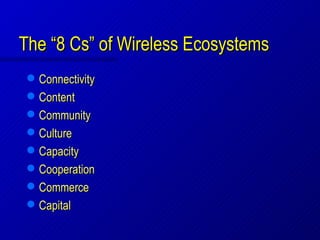
The “8 Cs” of Wireless Ecosystems
    Connectivity
    Content
    Community
    Culture
    Capacity
    Cooperation
    Commerce
    Capital
Dimensions of the Wireless Ecosystem
    Wireless as Instrument
     – Providing affordable access to ICTs, local language
       content/tools, sectoral benefits (news, education,
       healthcare, environment, business, government)
    Wireless as an Industry
     – Boosting digital content industries, venture capital,
       stockmarkets, technical skills, regulation, global
       alliances
Classification of Wireless Information Societies
 Restrictive          eg. Myanmar
 Embryonic            eg. Afghanistan
 Emerging             eg. Nepal
 Negotiating          eg. China
 Intermediate         eg. India
 Mature               eg. Australia
 Advanced             eg. Japan, South Korea
New Media and Emerging Economies
    Disaster reporting and relief
    Human rights, freedom of expression
    Healthcare (epidemics/pandemics)
    Poverty alleviation
    Improving education, environment
    Social inclusion, access to capital
    Connecting diaspora
    Cultural preservation
    Government transparency, accountability
    Enhancing private sector, SMEs, informal labour
Disaster Reporting and Relief
   Mobile alerting systems (eg. SMS warnings)
   Citizen reporting and collaboration
   RFID tagging on relief shipments
   Mesh, WiMax “in a box”
   Examples
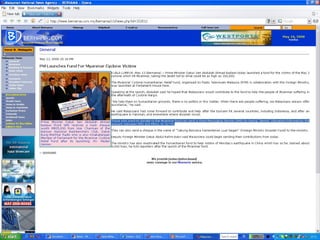
    –   Cyclone Nargis in Myanmar
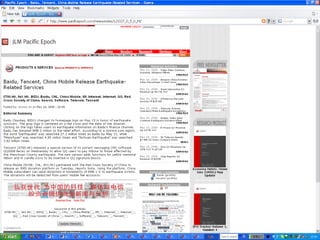
    –   Earthquake in China
    –   Terrorist attacks in India
    –   AIDS/HIV in Africa
Mobile Media in Asia
   Japan: cutting edge of broad-based ecosystems;
    reduce the digital divide (eg. for disabled citizens)
   South Korea: leader in WiBro, mobile banking/gaming
   China: government concern - use of SMS/blogs for
    spreading rumours and political messages
   India: connecting startups with social entrepreneurs
   Philippines: m-payments (remittances)
   Nepal: communicating across mountainous regions
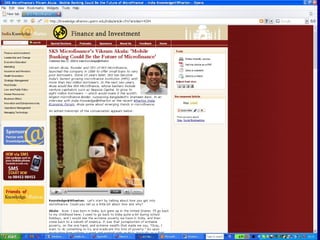
   Bangladesh - Grameen Telephone: shared access +
    microfinance (village “phone ladies”)
Mobile Payment
 M-PESA in Kenya
 Zain’s Zap
 MTN’s MobileMoney
 PLDT’s Smart Money
Mobile Activism in Developing Countries
     NGO Breakthrough in Bangalore has SMS HIV/AIDS
      helpline for answering queries; also domestic violence
     IKSL.in offers agri "voice SMS" messages and helpline
      to Indian farmers in local languages
     Suruk.com offers SMS-based info/rating services for
      autorickshaw (tuktuk) drivers
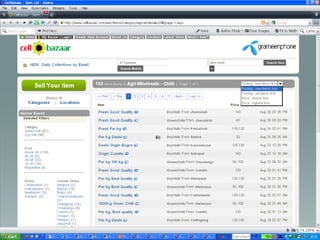
     Informal labour: GreenMango, BabaJobs, CellBazaar
     Greenpeace: SMS to raise funds (India), monitor forest
      destruction (Argentina), send climate alerts (Australia)
Startups: Networks, Innovation, Awards
 MobileMonday!
 India: NASSCOM Foundation, MSSRF
 Frost & Sullivan: African Excellence Awards
 South African Innovation Fund
Opportunities: Startups, Services
 Hardware: chips, tags, multiprotocol readers (eg.
  Intermec, ThinkMagic)
 Content/service (eg. Yulop)
 Integration (eg. OATsystems)
 Offshoring (eg. TCS, Infosys/OnMobile – India)
 Support services (eg. certification)
 Investors: VC, corporate (eg. UPS Strategic
  Enterprise Fund: Savi, Impinj)
Issues for Entrepreneurs
   Industry lifecycles: size, growth; rural areas
   Mentoring
   Getting/publishing case studies and research
   Top-down v/s disruptive
   RoI, metrics
   Localising, globalising
   Alliance strategies
   Exit strategies
Year 2030: Outlook
   Spectrum issues
   e-Waste
   Energy
   Theoretical frameworks for mobile media
   Innovation: “micro-multinationals,” “global brain”
   Personal knowledge management
   Visioning/scenario strategies
    – eg. 20 Year Stepping: 1950, 1970, 1990, 2010, 2030, 2050
   “Silver” technologies and applications
The MobileMonday Advantage
   Local-to-local
    – Peer networks, cooperation, awards
   Local-to-global
    – Global MobileMonday resources: promotion, events,
      awards, knowledge
   Global-to-local
    – Global MobileMonday resources: knowledge, people
The MobileMonday Advantage
   People
    – Chapter founders, mobile startups, investors
   Knowledge
    – Research reports, news, books
   Events
    – City/regional/global (eg. GSMA, Communicasia,
      CTIA, DigitalAfrica)
   Partnerships
    – Innovation Councils, World Bank
Tweets: http://twitter.com/MadanRao

     madan@techsparks.com
    digitalnomad@hotmail.com

Mobile Monday Malta Launch - Dr. Madanmohan Rao

  • 1.
    Mobile in EmergingEconomies: Impact Areas and Opportunities Dr. Madanmohan Rao Editor: “Asia Unplugged,” “AfricaDotEdu” http://twitter.com/MadanRao
  • 4.
    The “8 Cs”of Wireless Ecosystems  Connectivity  Content  Community  Culture  Capacity  Cooperation  Commerce  Capital
  • 5.
    Dimensions of theWireless Ecosystem  Wireless as Instrument – Providing affordable access to ICTs, local language content/tools, sectoral benefits (news, education, healthcare, environment, business, government)  Wireless as an Industry – Boosting digital content industries, venture capital, stockmarkets, technical skills, regulation, global alliances
  • 6.
    Classification of WirelessInformation Societies  Restrictive eg. Myanmar  Embryonic eg. Afghanistan  Emerging eg. Nepal  Negotiating eg. China  Intermediate eg. India  Mature eg. Australia  Advanced eg. Japan, South Korea
  • 7.
    New Media andEmerging Economies  Disaster reporting and relief  Human rights, freedom of expression  Healthcare (epidemics/pandemics)  Poverty alleviation  Improving education, environment  Social inclusion, access to capital  Connecting diaspora  Cultural preservation  Government transparency, accountability  Enhancing private sector, SMEs, informal labour
  • 8.
    Disaster Reporting andRelief  Mobile alerting systems (eg. SMS warnings)  Citizen reporting and collaboration  RFID tagging on relief shipments  Mesh, WiMax “in a box”  Examples – Cyclone Nargis in Myanmar – Earthquake in China – Terrorist attacks in India – AIDS/HIV in Africa
  • 11.
    Mobile Media inAsia  Japan: cutting edge of broad-based ecosystems; reduce the digital divide (eg. for disabled citizens)  South Korea: leader in WiBro, mobile banking/gaming  China: government concern - use of SMS/blogs for spreading rumours and political messages  India: connecting startups with social entrepreneurs  Philippines: m-payments (remittances)  Nepal: communicating across mountainous regions  Bangladesh - Grameen Telephone: shared access + microfinance (village “phone ladies”)
  • 13.
    Mobile Payment  M-PESAin Kenya  Zain’s Zap  MTN’s MobileMoney  PLDT’s Smart Money
  • 14.
    Mobile Activism inDeveloping Countries  NGO Breakthrough in Bangalore has SMS HIV/AIDS helpline for answering queries; also domestic violence  IKSL.in offers agri "voice SMS" messages and helpline to Indian farmers in local languages  Suruk.com offers SMS-based info/rating services for autorickshaw (tuktuk) drivers  Informal labour: GreenMango, BabaJobs, CellBazaar  Greenpeace: SMS to raise funds (India), monitor forest destruction (Argentina), send climate alerts (Australia)
  • 18.
    Startups: Networks, Innovation,Awards  MobileMonday!  India: NASSCOM Foundation, MSSRF  Frost & Sullivan: African Excellence Awards  South African Innovation Fund
  • 19.
    Opportunities: Startups, Services Hardware: chips, tags, multiprotocol readers (eg. Intermec, ThinkMagic)  Content/service (eg. Yulop)  Integration (eg. OATsystems)  Offshoring (eg. TCS, Infosys/OnMobile – India)  Support services (eg. certification)  Investors: VC, corporate (eg. UPS Strategic Enterprise Fund: Savi, Impinj)
  • 20.
    Issues for Entrepreneurs  Industry lifecycles: size, growth; rural areas  Mentoring  Getting/publishing case studies and research  Top-down v/s disruptive  RoI, metrics  Localising, globalising  Alliance strategies  Exit strategies
  • 21.
    Year 2030: Outlook  Spectrum issues  e-Waste  Energy  Theoretical frameworks for mobile media  Innovation: “micro-multinationals,” “global brain”  Personal knowledge management  Visioning/scenario strategies – eg. 20 Year Stepping: 1950, 1970, 1990, 2010, 2030, 2050  “Silver” technologies and applications
  • 22.
    The MobileMonday Advantage  Local-to-local – Peer networks, cooperation, awards  Local-to-global – Global MobileMonday resources: promotion, events, awards, knowledge  Global-to-local – Global MobileMonday resources: knowledge, people
  • 23.
    The MobileMonday Advantage  People – Chapter founders, mobile startups, investors  Knowledge – Research reports, news, books  Events – City/regional/global (eg. GSMA, Communicasia, CTIA, DigitalAfrica)  Partnerships – Innovation Councils, World Bank
  • 24.
    Tweets: http://twitter.com/MadanRao madan@techsparks.com digitalnomad@hotmail.com