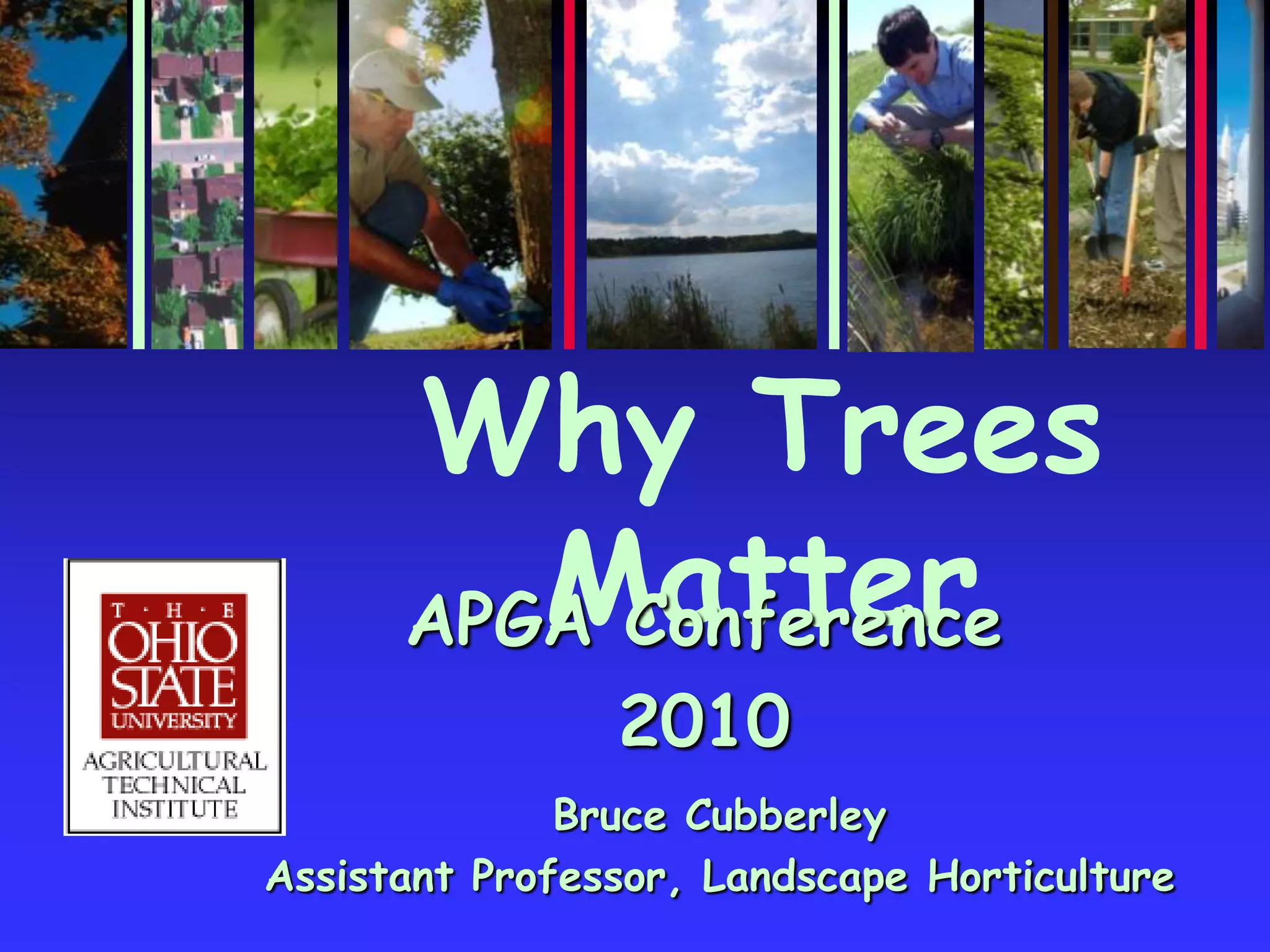
Why Trees MatterAPGA Conference2010Bruce CubberleyAssistant Professor, Landscape Horticulture
Why Trees Matter aka the Next STEP ProgramOhio State University Extension Secrest Arboretum (OARDC)Ohio DNR Urban ForestersOhio State University researchersPrivate tree industry researchersDavey Tree Expert CompanyRainbow TreeCare
Why Trees Matter ProgramsOhio Street Tree Evaluation ProgramTree Research Evaluation and Educationi-Tree Case StudiesMaster Gardener Tree Specialization TrainingGreening Of The Highways (Vineland Research Station—Ontario, Canada)
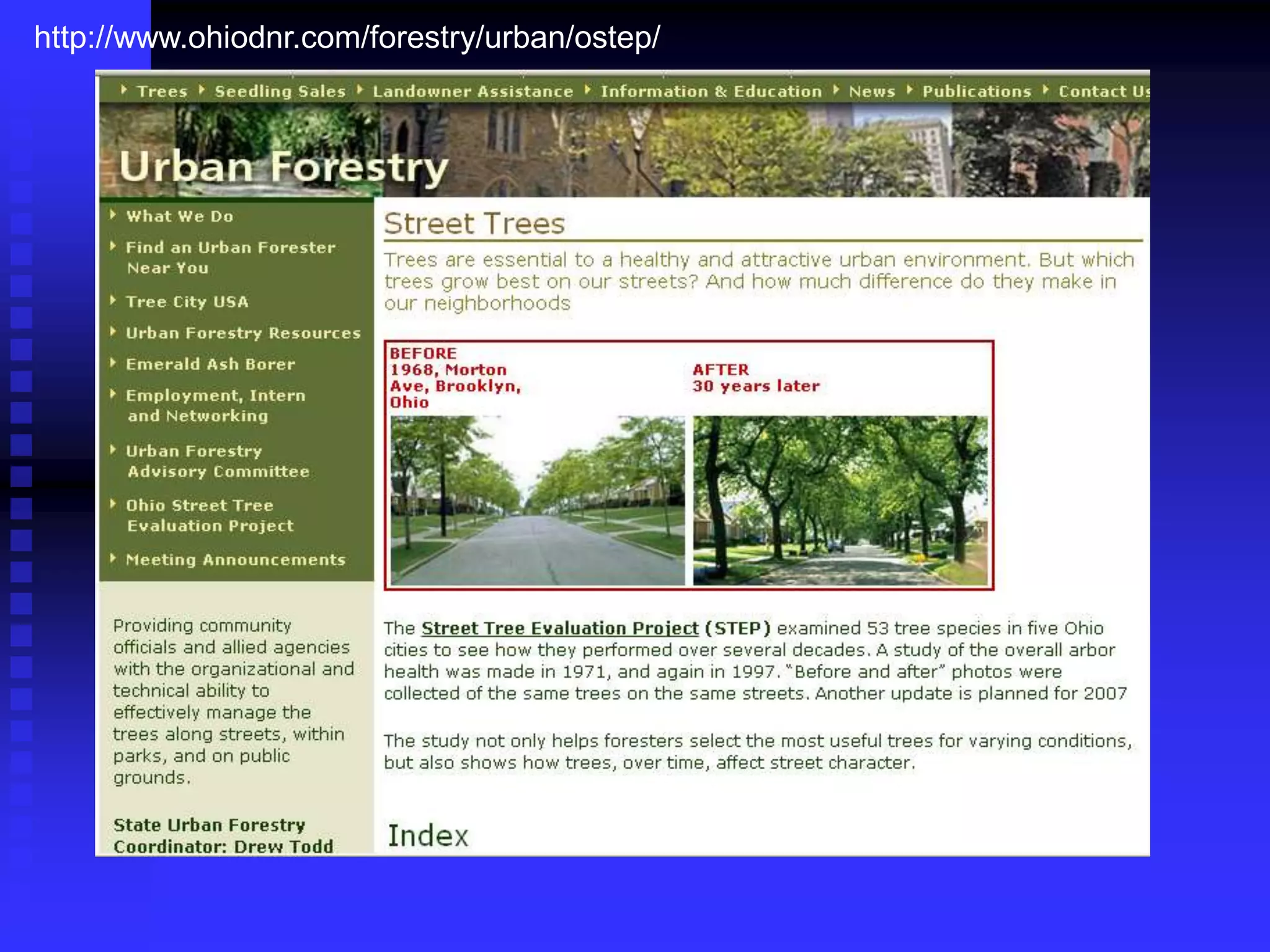
Ohio Street Tree Evaluation ProjectStarted by L.C. Chadwick in mid-60s96 Original Sites; Now Over 140 SitesWhich trees are best for our community forests The “best bang for the buck(eye)”
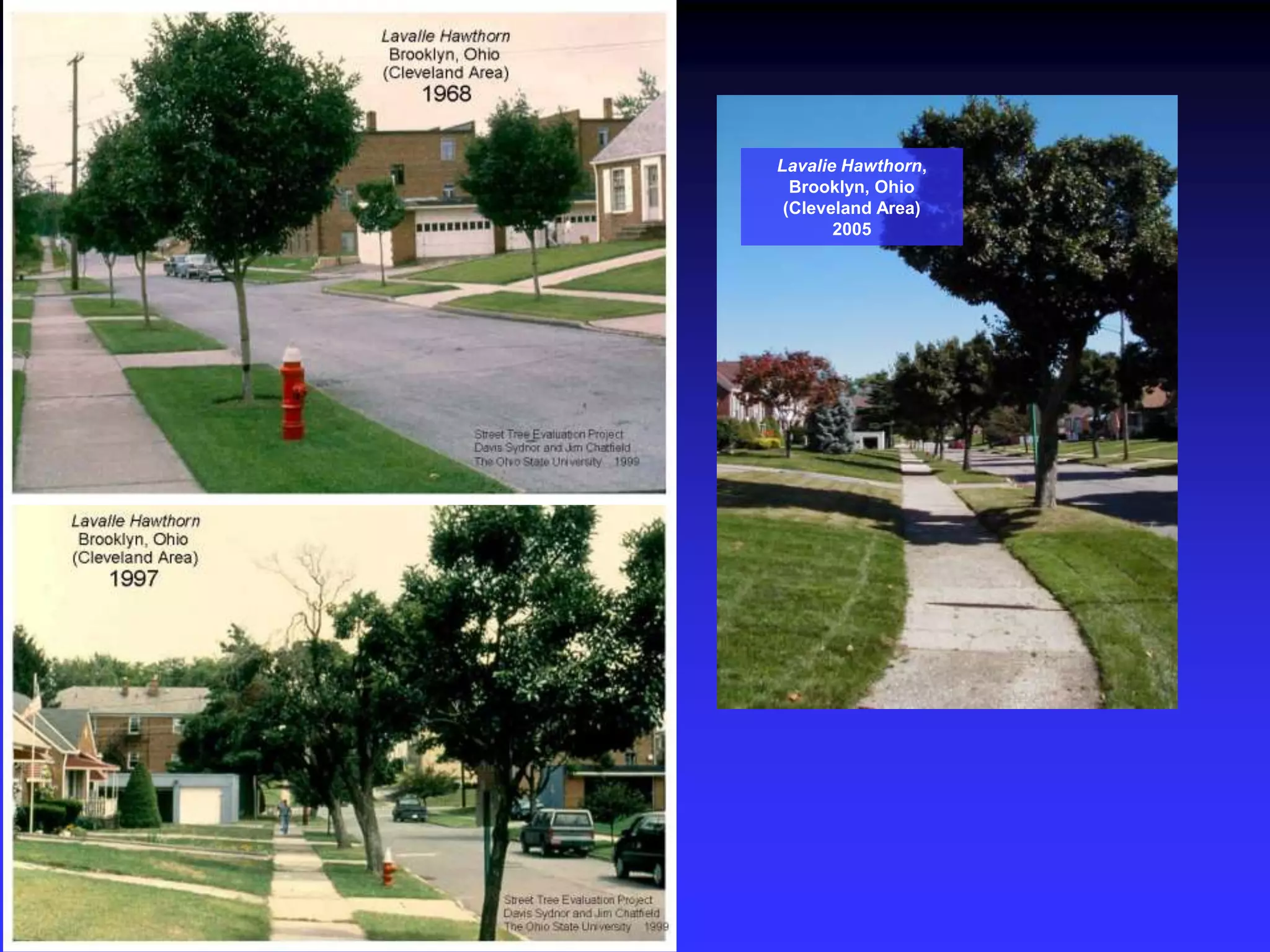
Lavalie Hawthorn, Brooklyn, Ohio(Cleveland Area)2005
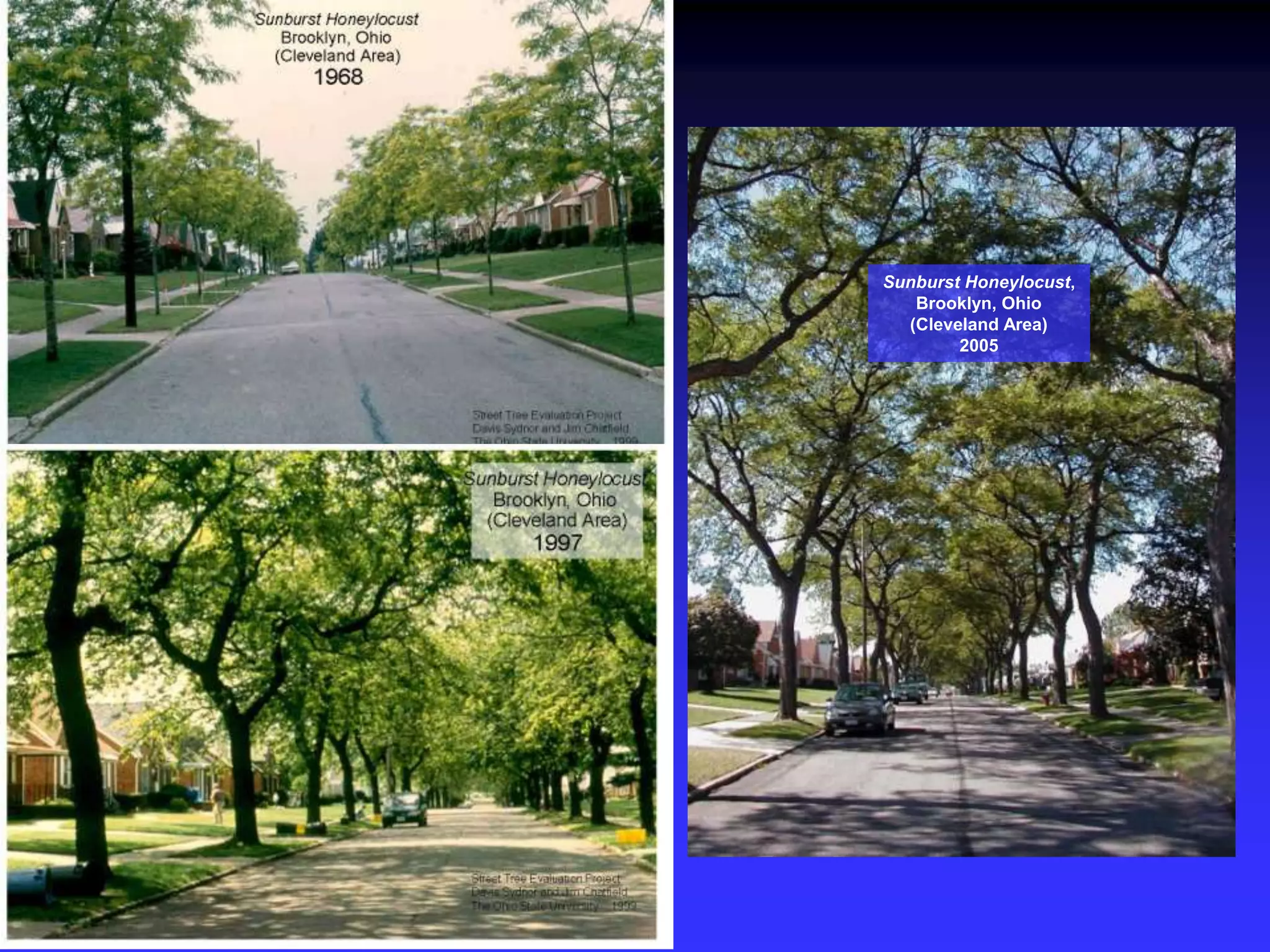
Sunburst Honeylocust, Brooklyn, Ohio(Cleveland Area)2005
http://www.ohiodnr.com/forestry/urban/ostep/
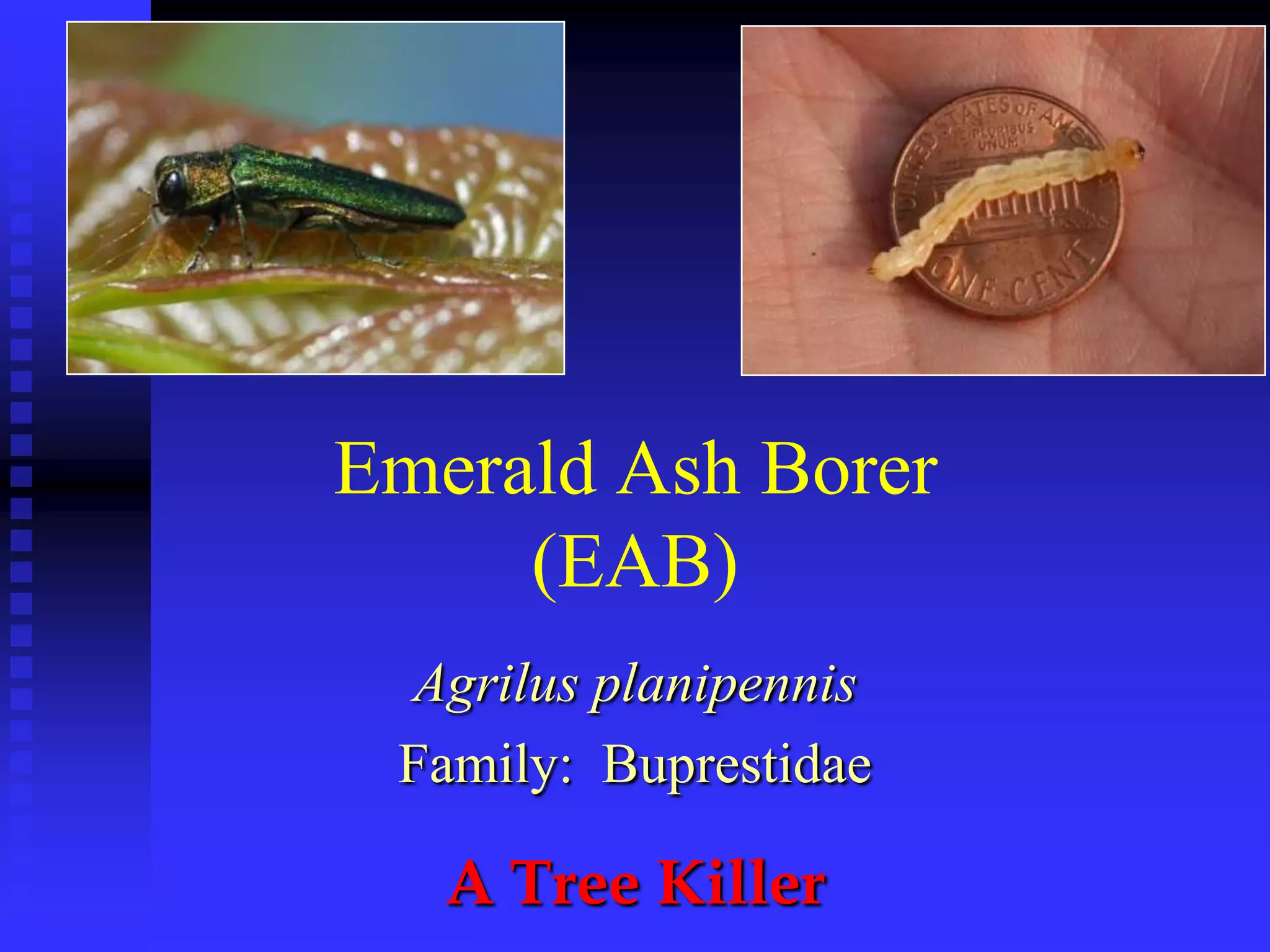
Emerald Ash Borer(EAB)Agrilus planipennisFamily:  BuprestidaeA Tree Killer
Teachable MomentInvasive Species Teachable MomentsUnited States Forest Service i-Tree Tools Environmental/Economic Impacts of Trees:Carbon Sequestration
Storm Water Remediation
Energy Savings
Increased Property ValueWhy i-Tree Mattersi-Tree is a software model developed by the United States Forest Service.It is a partnership between the USFS, Davey Tree Expert Company (based in Ohio), the National Arbor Day Foundation, and the International Society of ArboricultureIt is a powerful research tool for determining the environmental services of trees in community forests. i-Tree programs range from complex--i-Tree Streets to analyze entire urban forests, to i-Tree Eco, a tree calculator tool that requires only tree species and diameter at breast height (dbh) to provide environmental service printouts.
i-Tree is Scale-ableFrom regional canopy goals in the Sacramento Municipal Utility District of Seven Counties……To a London planetree in your yard: or a yard of someone you know. Simply identify and measure the tree.
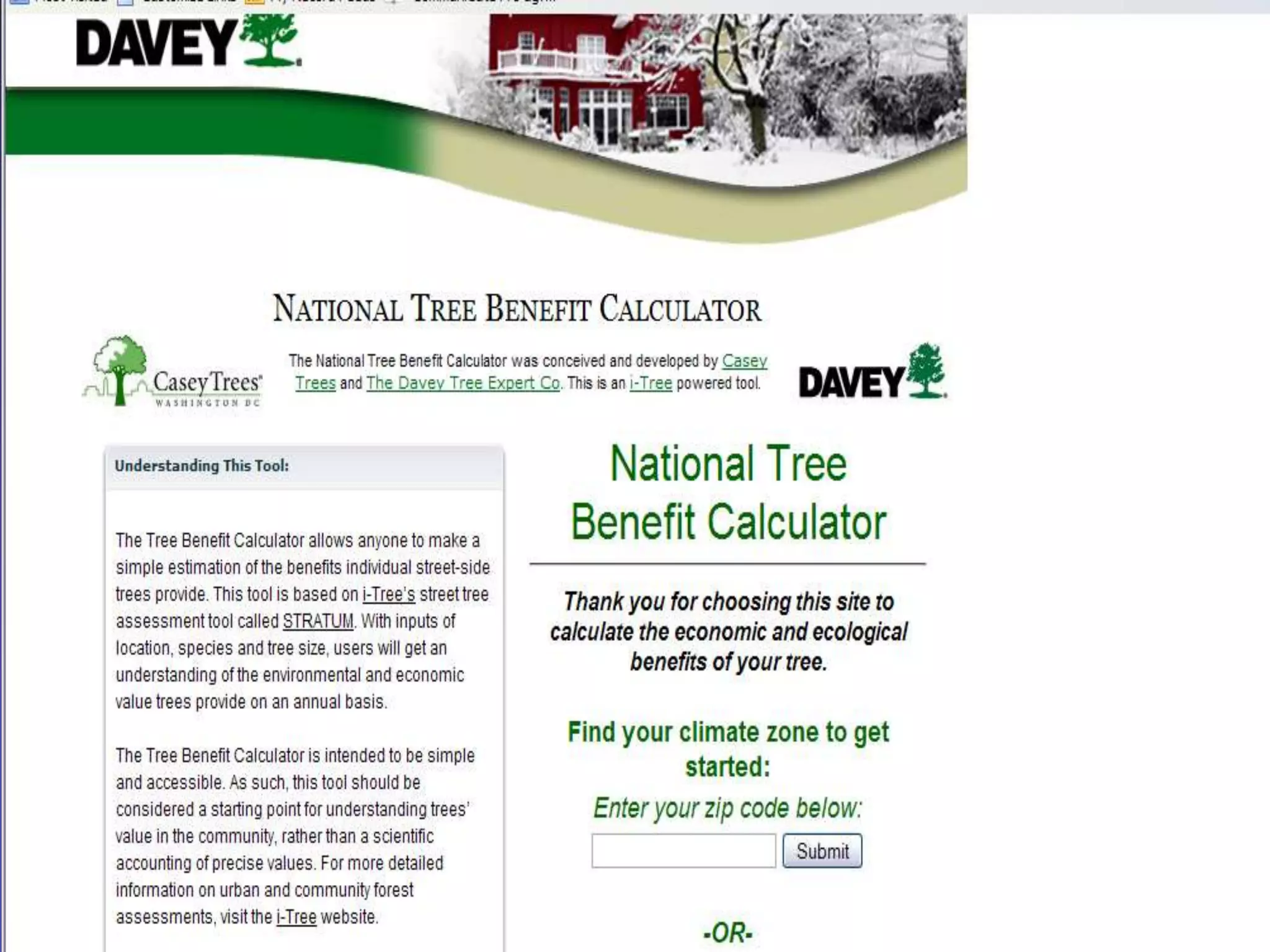
http://www.treebenefits.com/calculator/
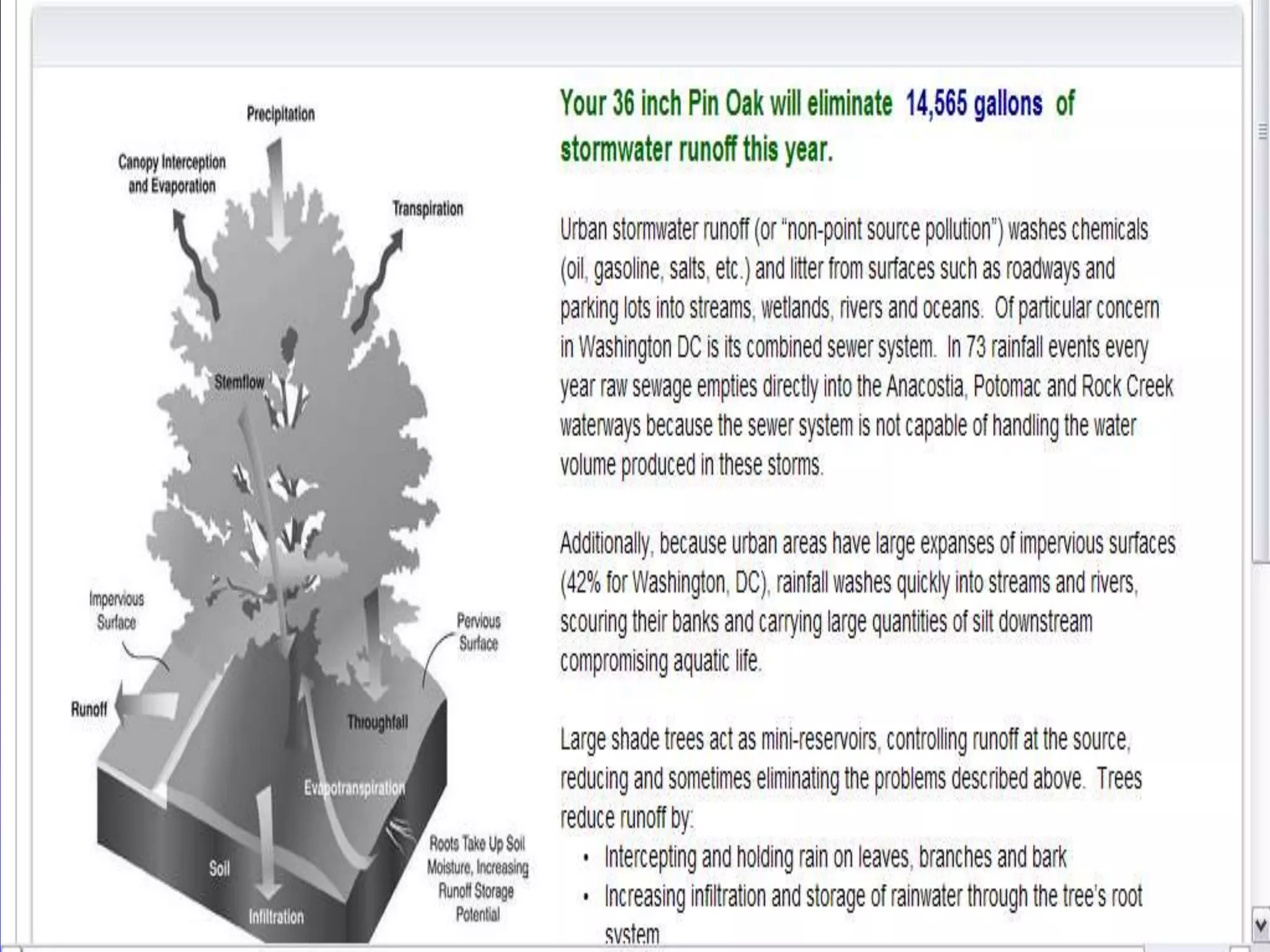
From i-Tree: treebenefits.comTrees act as mini-reservoirs, controlling runoff at the source. Trees reduce runoff by:Intercepting and holding rain on leaves, branches and barkIncreasing infiltration and storage of rainwater through the tree's root systemReducing soil erosion by slowing rainfall before it strikes the soil
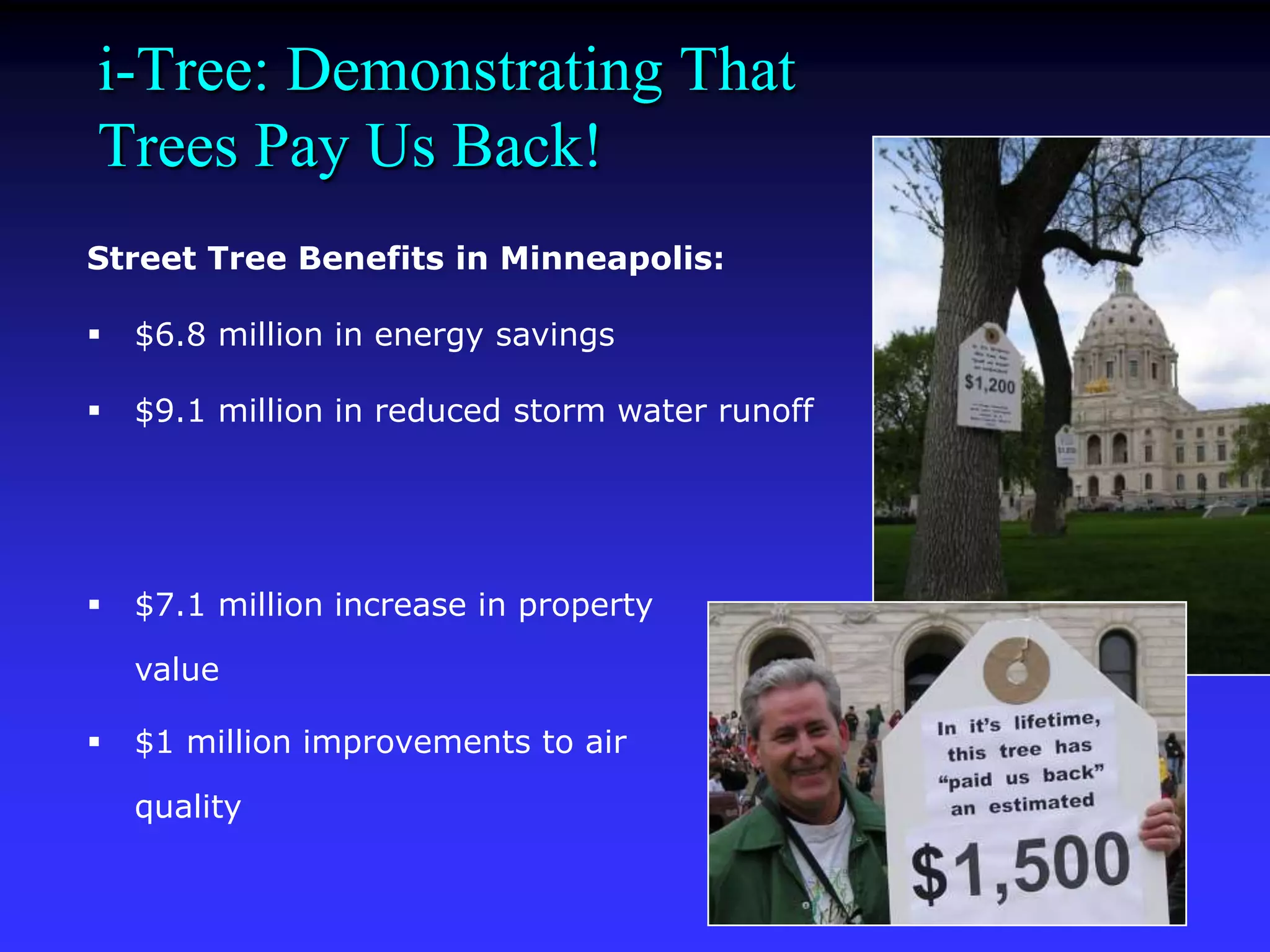
i-Tree: Demonstrating That Trees Pay Us Back!Street Tree Benefits in Minneapolis:$6.8 million in energy savings
$9.1 million in reduced storm water runoff
$7.1 million increase in property value
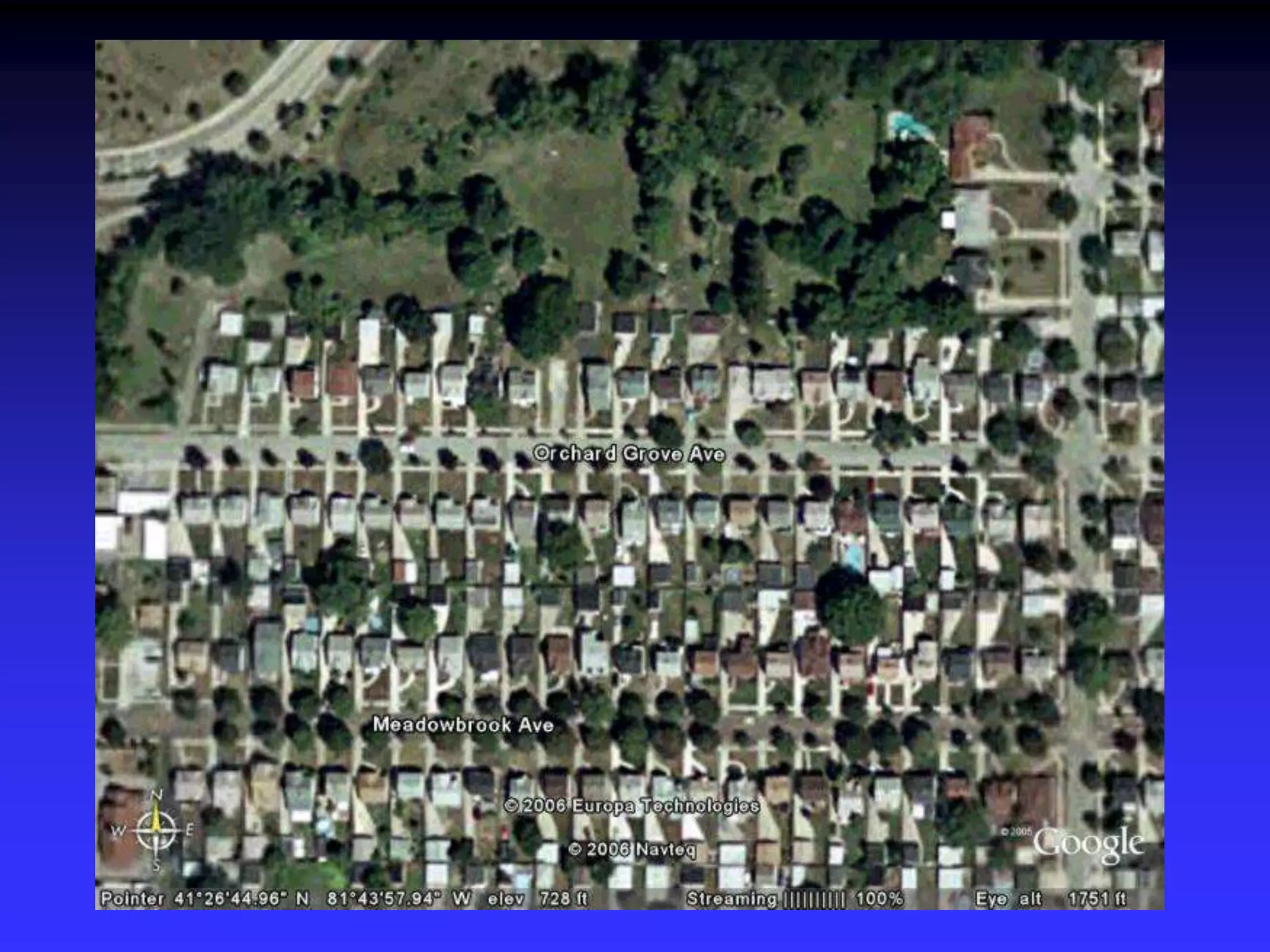
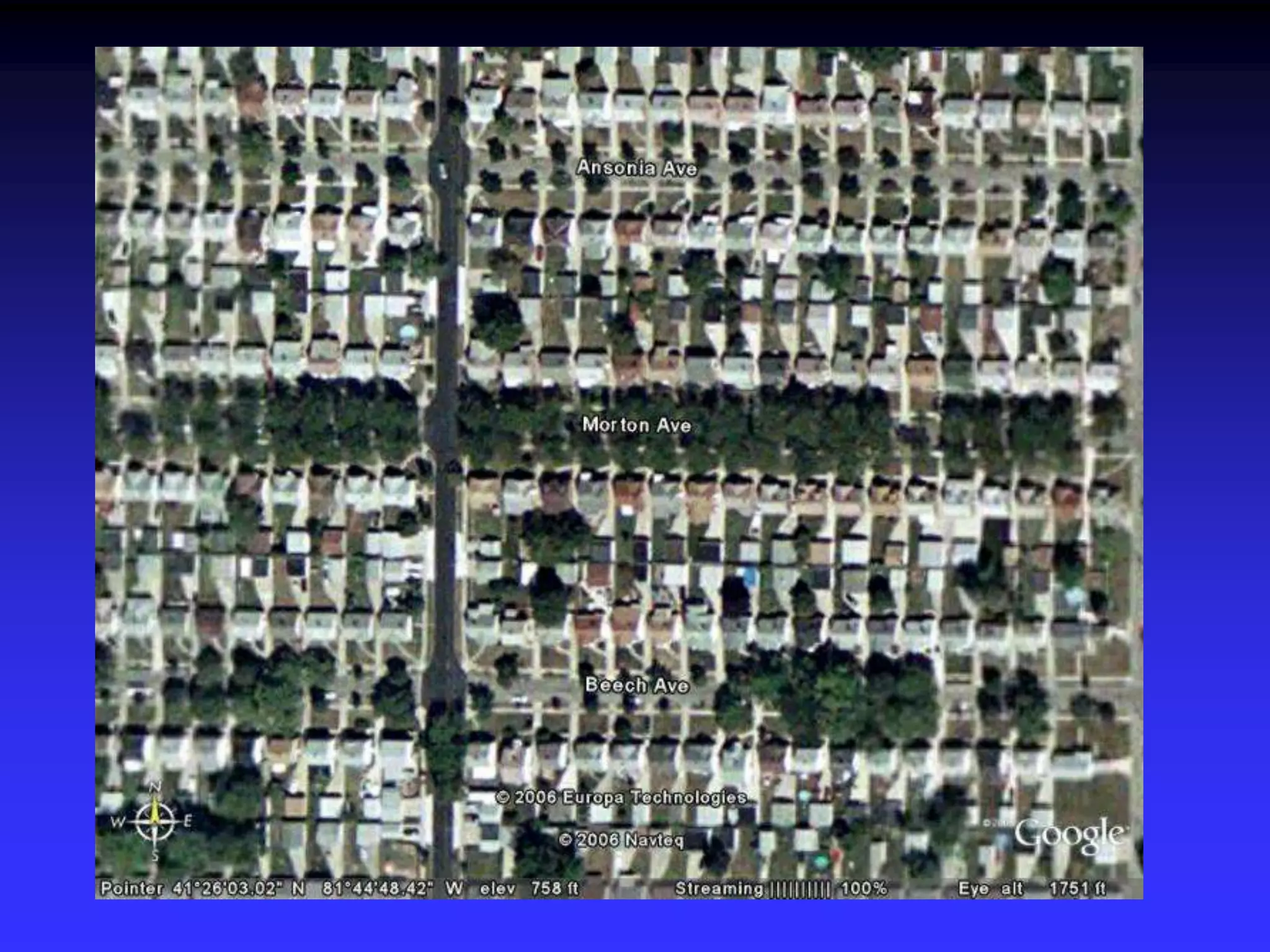
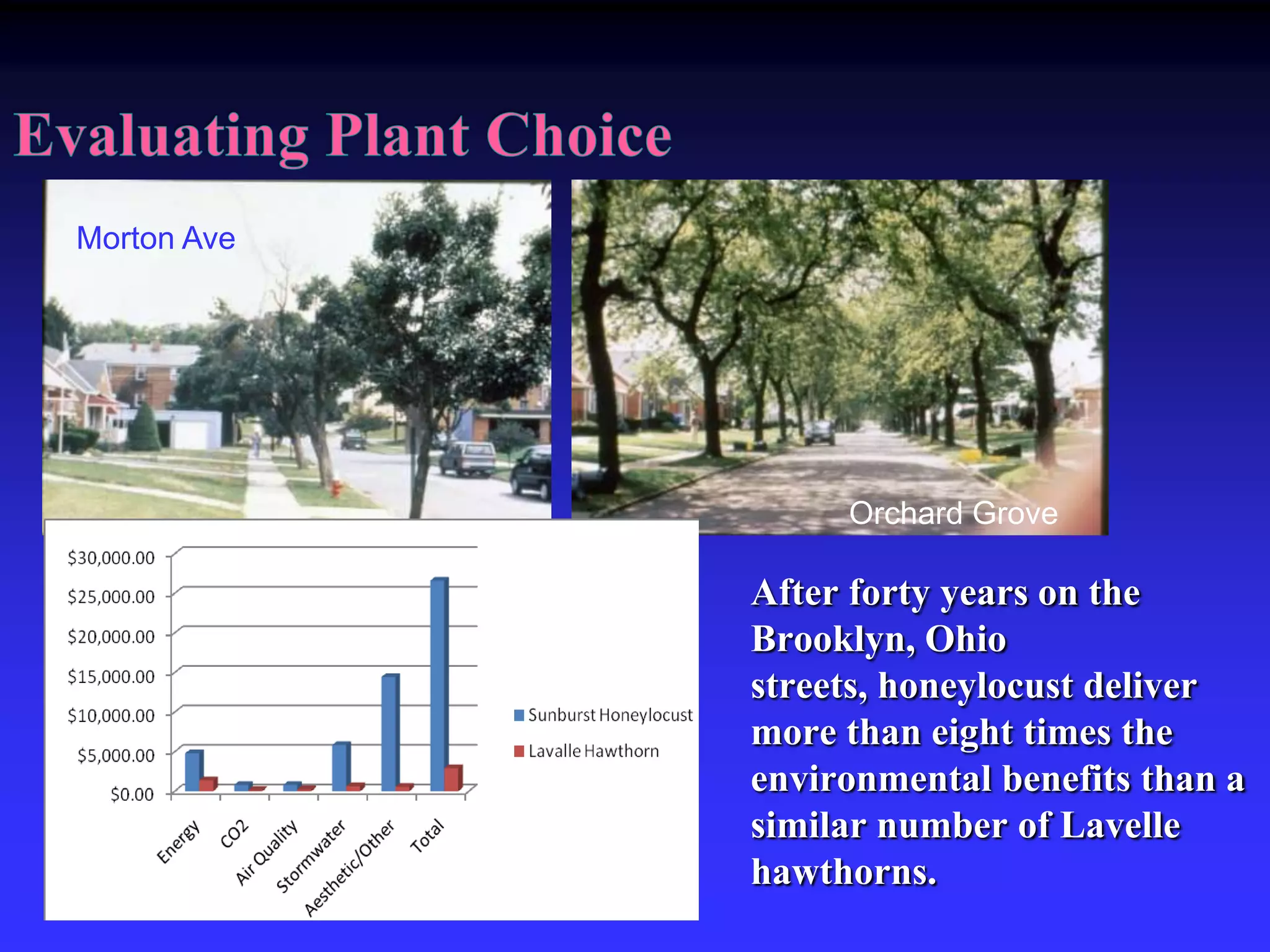
$1 million improvements to air qualityEvaluating Plant ChoiceMorton AveOrchard GroveAfter forty years on the Brooklyn, Ohio streets, honeylocust deliver more than eight times the environmental benefits than a similar number of Lavelle hawthorns.

Horticulture and Garden Operations Mini Series: Why Trees Matter

  • 1.
    Why Trees MatterAPGAConference2010Bruce CubberleyAssistant Professor, Landscape Horticulture
  • 2.
    Why Trees Matteraka the Next STEP ProgramOhio State University Extension Secrest Arboretum (OARDC)Ohio DNR Urban ForestersOhio State University researchersPrivate tree industry researchersDavey Tree Expert CompanyRainbow TreeCare
  • 3.
    Why Trees MatterProgramsOhio Street Tree Evaluation ProgramTree Research Evaluation and Educationi-Tree Case StudiesMaster Gardener Tree Specialization TrainingGreening Of The Highways (Vineland Research Station—Ontario, Canada)
  • 4.
    Ohio Street TreeEvaluation ProjectStarted by L.C. Chadwick in mid-60s96 Original Sites; Now Over 140 SitesWhich trees are best for our community forests The “best bang for the buck(eye)”
  • 6.
    Lavalie Hawthorn, Brooklyn,Ohio(Cleveland Area)2005
  • 7.
    Sunburst Honeylocust, Brooklyn,Ohio(Cleveland Area)2005
  • 10.
  • 12.
    Emerald Ash Borer(EAB)AgrilusplanipennisFamily: BuprestidaeA Tree Killer
  • 13.
    Teachable MomentInvasive SpeciesTeachable MomentsUnited States Forest Service i-Tree Tools Environmental/Economic Impacts of Trees:Carbon Sequestration
  • 14.
  • 15.
  • 16.
    Increased Property ValueWhyi-Tree Mattersi-Tree is a software model developed by the United States Forest Service.It is a partnership between the USFS, Davey Tree Expert Company (based in Ohio), the National Arbor Day Foundation, and the International Society of ArboricultureIt is a powerful research tool for determining the environmental services of trees in community forests. i-Tree programs range from complex--i-Tree Streets to analyze entire urban forests, to i-Tree Eco, a tree calculator tool that requires only tree species and diameter at breast height (dbh) to provide environmental service printouts.
  • 17.
    i-Tree is Scale-ableFromregional canopy goals in the Sacramento Municipal Utility District of Seven Counties……To a London planetree in your yard: or a yard of someone you know. Simply identify and measure the tree.
  • 18.
  • 25.
    From i-Tree: treebenefits.comTreesact as mini-reservoirs, controlling runoff at the source. Trees reduce runoff by:Intercepting and holding rain on leaves, branches and barkIncreasing infiltration and storage of rainwater through the tree's root systemReducing soil erosion by slowing rainfall before it strikes the soil
  • 26.
    i-Tree: Demonstrating ThatTrees Pay Us Back!Street Tree Benefits in Minneapolis:$6.8 million in energy savings
  • 27.
    $9.1 million inreduced storm water runoff
  • 28.
    $7.1 million increasein property value
  • 29.
    $1 million improvementsto air qualityEvaluating Plant ChoiceMorton AveOrchard GroveAfter forty years on the Brooklyn, Ohio streets, honeylocust deliver more than eight times the environmental benefits than a similar number of Lavelle hawthorns.
  • 30.
    Trees Count! NewYork City’s Street Tree CensusNYC Forestry Programs
  • 31.
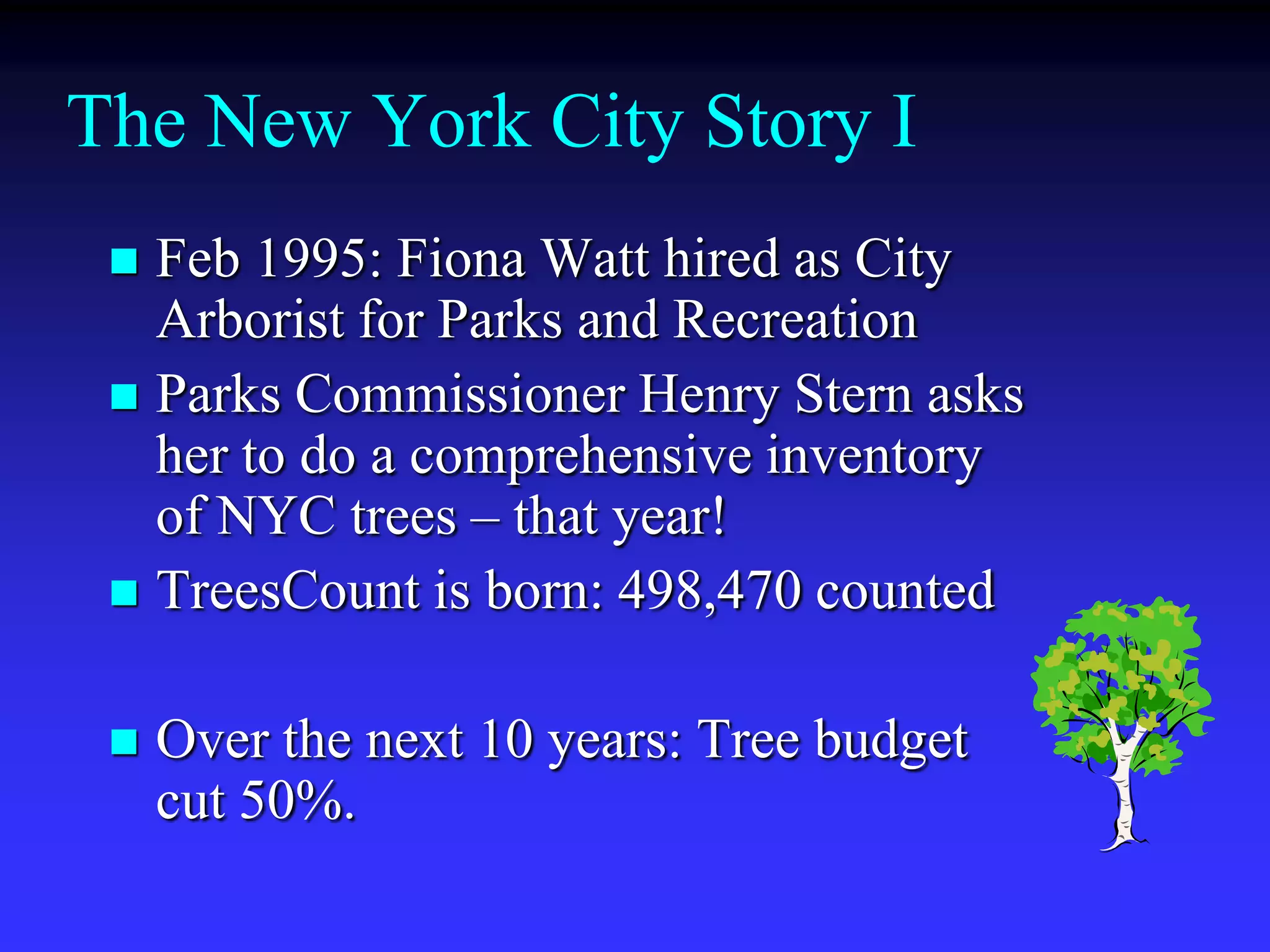
    The New YorkCity Story IFeb 1995: Fiona Watt hired as City Arborist for Parks and RecreationParks Commissioner Henry Stern asks her to do a comprehensive inventory of NYC trees – that year!TreesCount is born: 498,470 countedOver the next 10 years: Tree budget cut 50%.
  • 32.
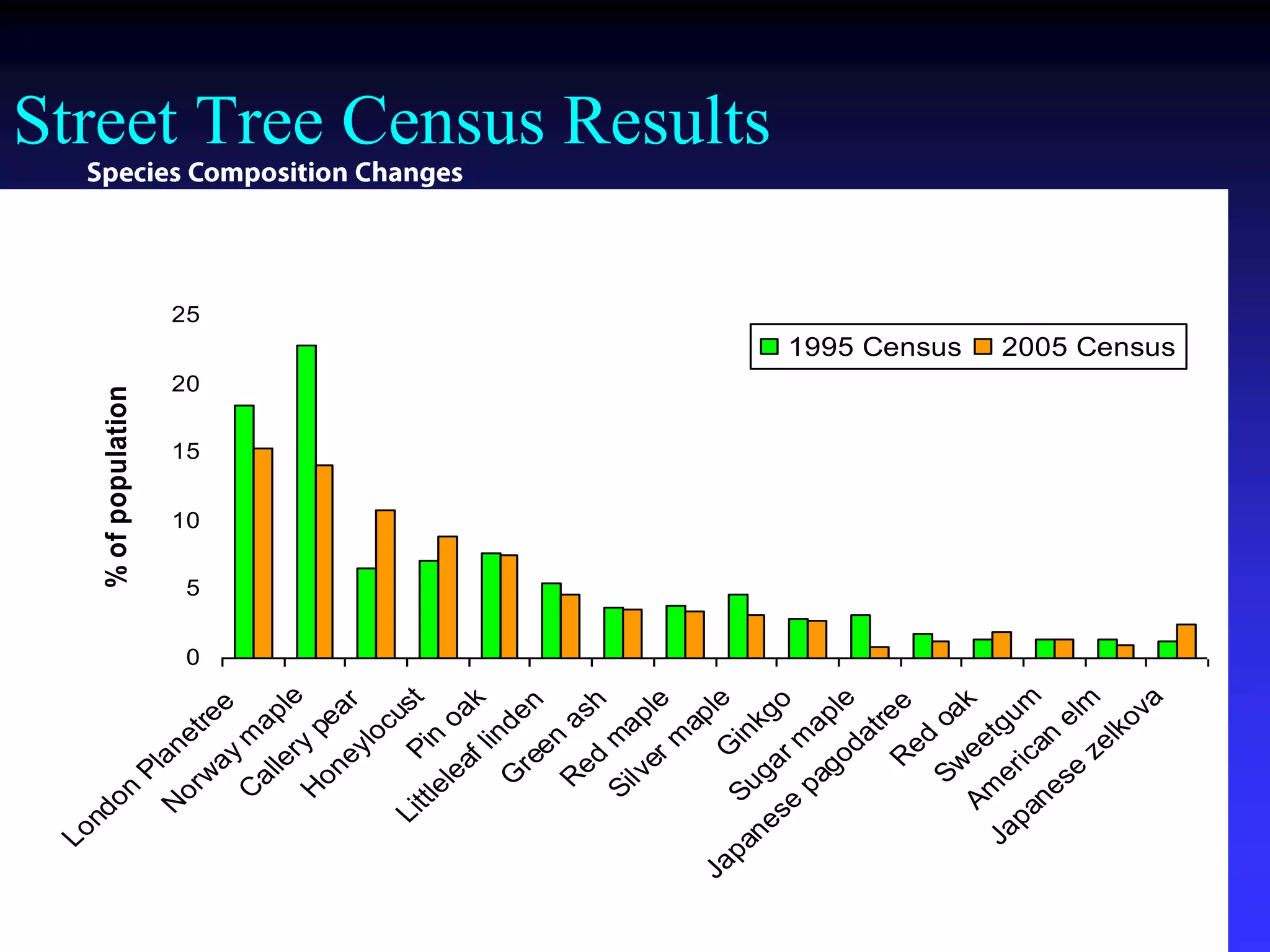
    Street Tree CensusResultsSpecies Composition Changes
  • 33.
    New York CityStory II2005: Second TreesCount Tree Inventory conducted.NYC Linked with USFS Stratum i-Tree AnalysisBenefits documented: $122 million annual benefits from trees. $5.60 for every $1.00 spentTree budget increased from $22 million to $62 million.

Editor's Notes

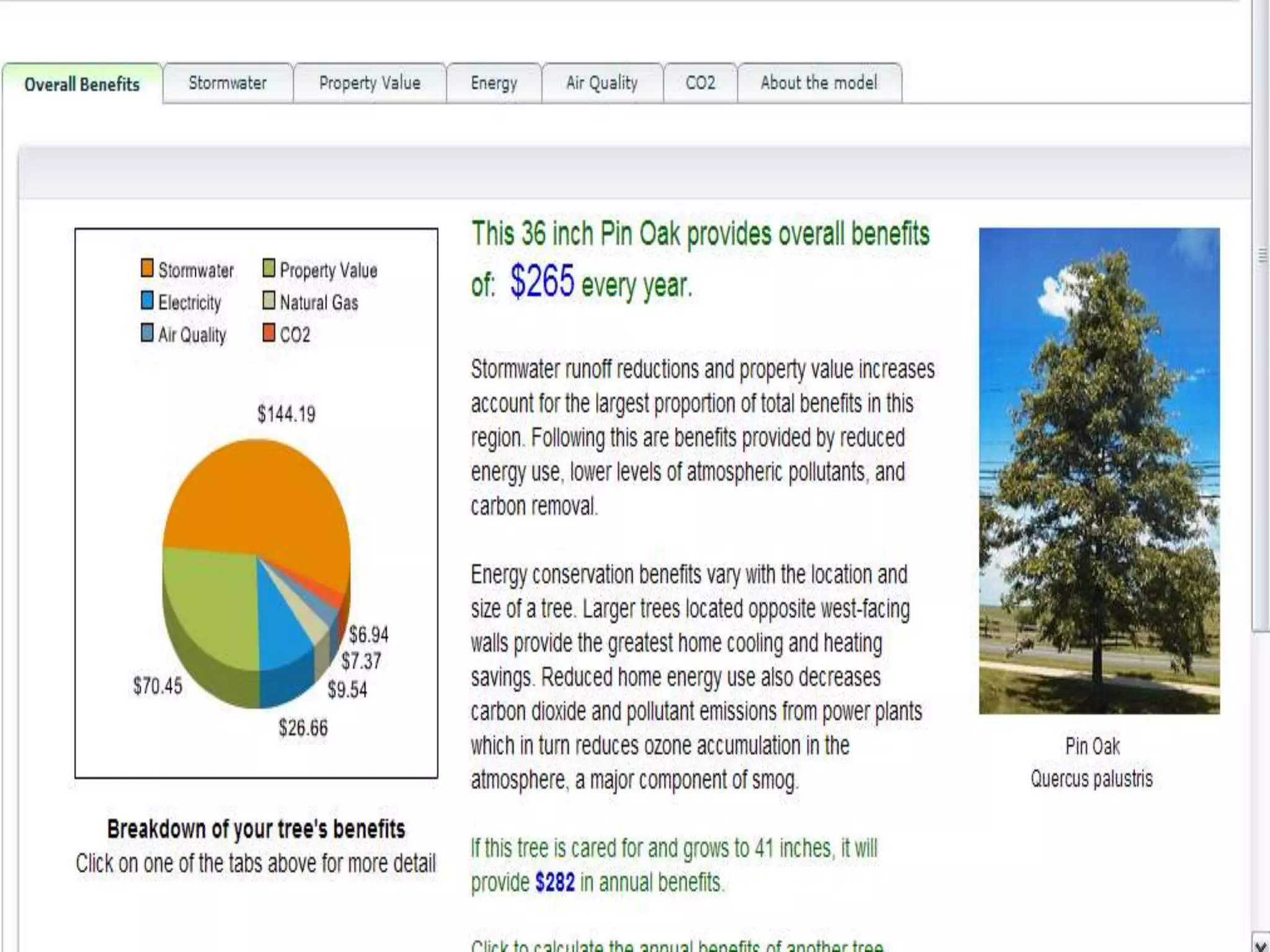
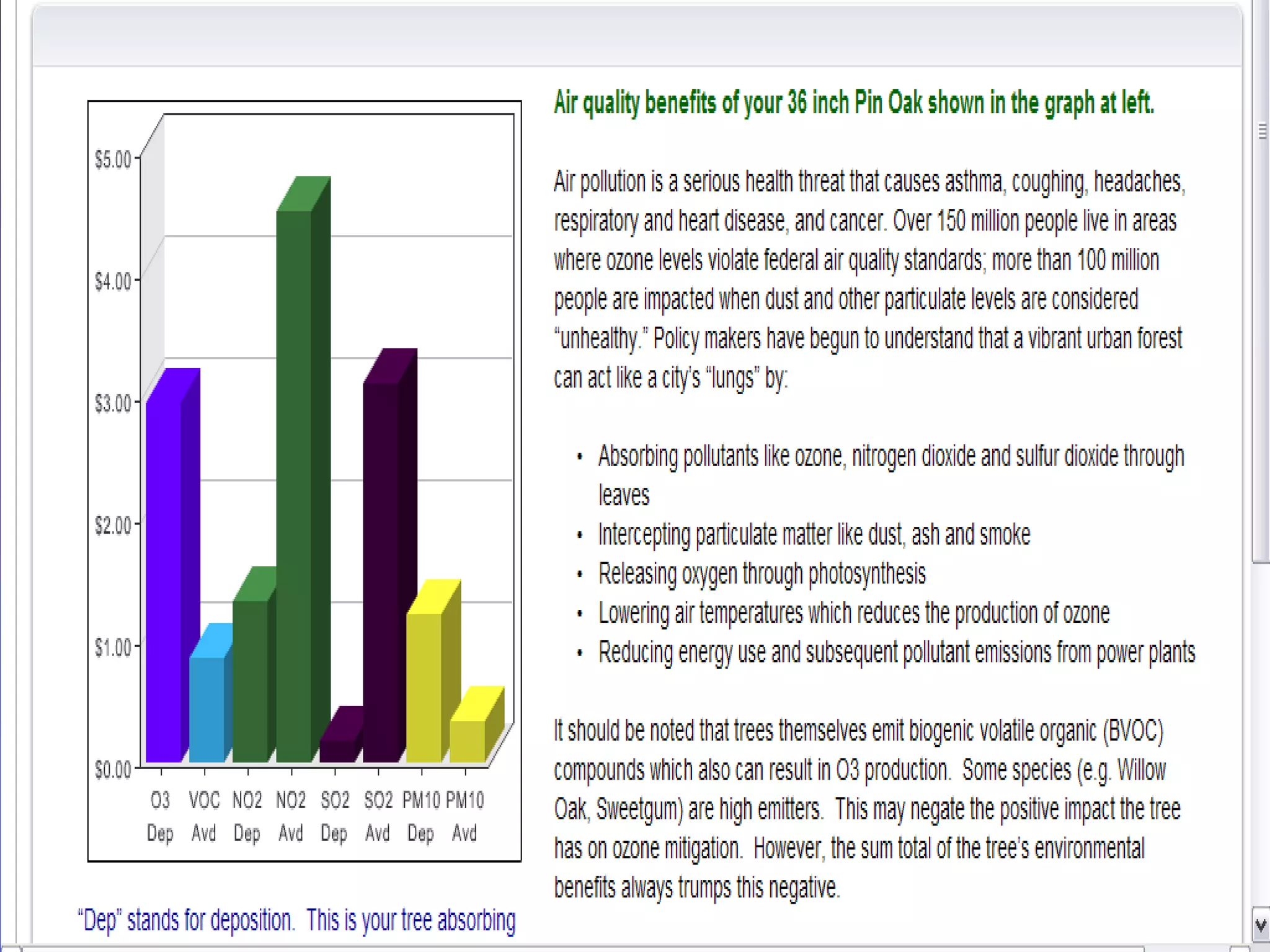
  • #18 i-Tree is also very scalable, including providing informatin for individual trees. Want to tell your customer the benefits of trees in the landscape you design? Go to treebenefits.com, type in their zip code, enter a species of tree and its size, then show them what benefits it will provide once it grows to that size. For a large 36 inch pin oak that will grow in Wooster if you plant it , there is $265 dollars in annual benefits.
  • #19 Including $144 in stormwater remediation benefits, by that tree eliminating 14, 565 gallons stormwater runoff per year.
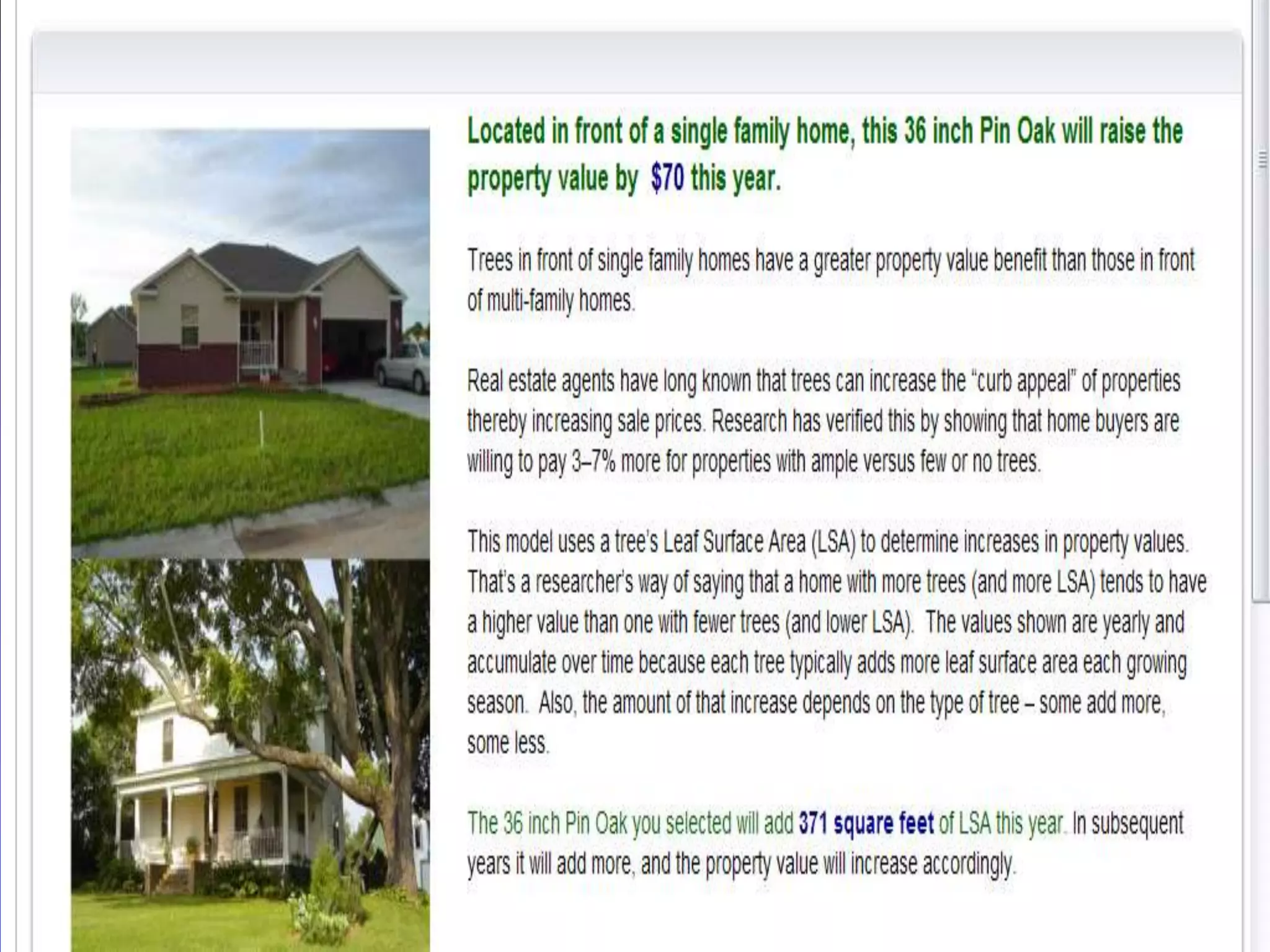
  • #20 And $70 increase in property values due to this 36 inch pin oak.
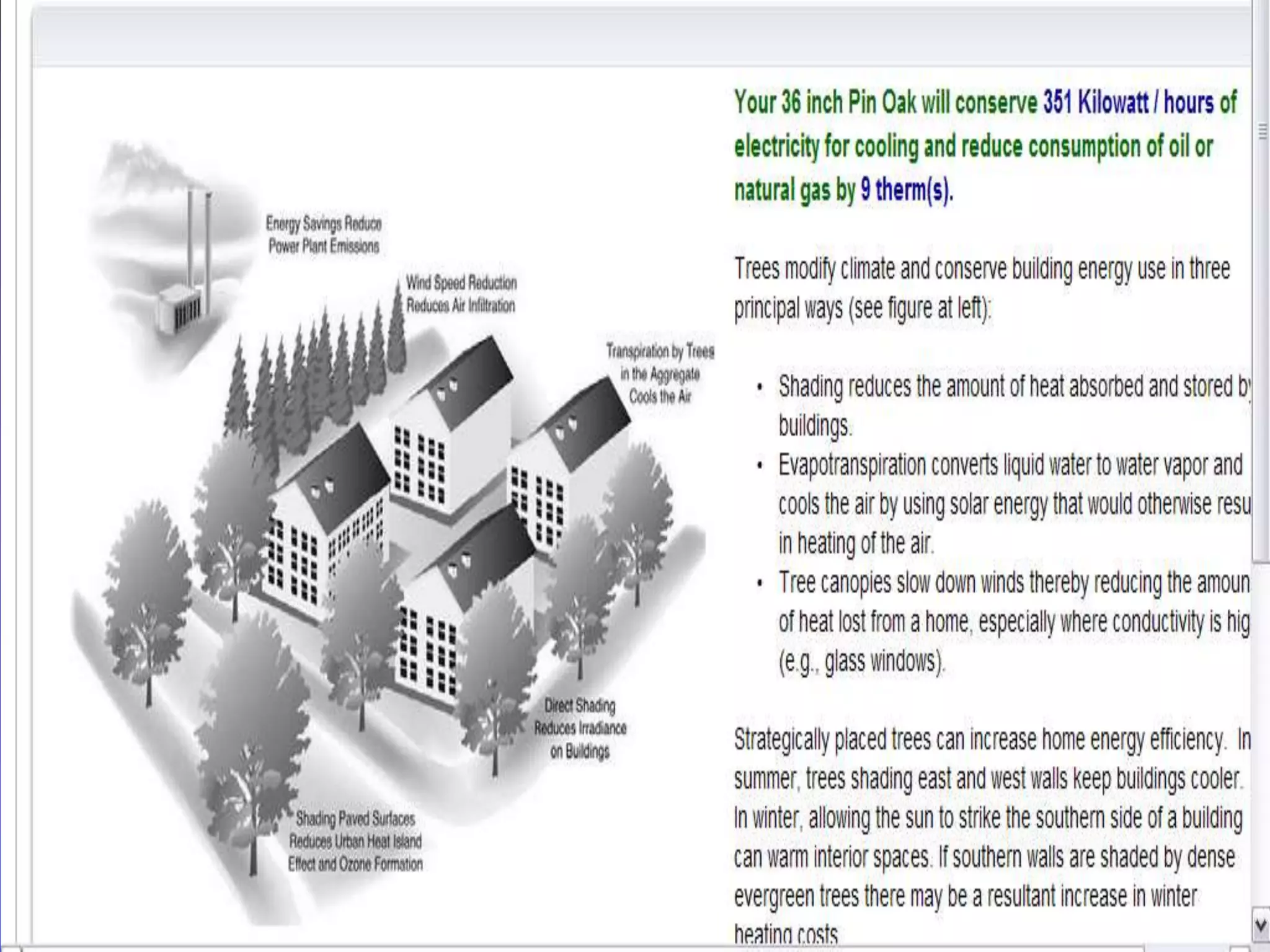
  • #21 And the conservation of electricity and natural gas resources.
  • #22 And improvement of air quality benefits.
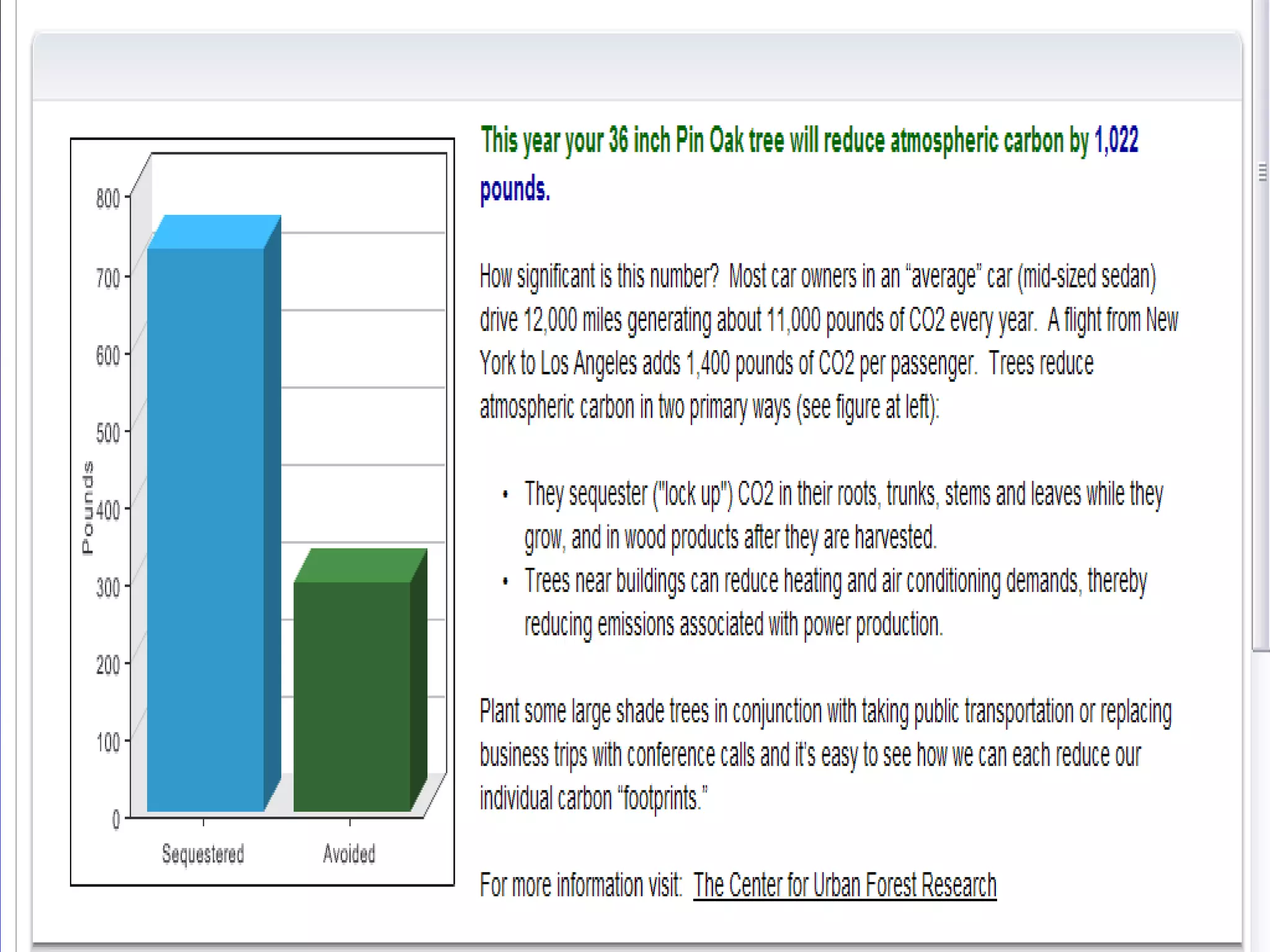
  • #23 As well as reduction of atmospheric carbon and the role this can play in environmental effects of increasing carbon dioxide.
  • #26 And kooking at the i-Tree analysis of these two plantings, the environmental and aesthetic benefits of the honeylocust planting was eight times the benefits of the hawthorns. Tree selection matters!
  • #28 The first Census was in 1995. The goal was to count all trees identified as street trees (those in yards and parks were not included) in the five boroughs of New York City. They did it, and counted and collected information on about a half million trees. They wanted information on species numbers, hazared condition of trees, and of course they also hoped that enlisting over 1300 volunteers would result in a buzz that would reslult in political clout to increase badly-underfunded tree care budgets. Alas, the result was that due to a number of factors, between 1995 and 2005, the street tree budget was cut about in half. Not encouraging.
  • #30 But here is the next chapter of the story. A second Trees Count! Program was conducted in 2005. The difference was that this time the i-Tree program was in development, and provided data documenting the annual benefits of trees: about $122 million, or $5.60 for every $1.00 spent. The result: New York City’s Mayor Michael Bloomberg increased the street tree budget from $22 million to $62 million. The benefits of trees were far clearer with the i-Tree analysis and the desire for sustainable, green programs.