LECTURE 2: CELL AND STRUCTURE OF MICROORGANISM
Prokaryotes and Eukaryotes
Microorganisms and all other living organisms are classified as prokaryotes or eukaryotes.
Prokaryotes and eukaryotes are distinguished on the basis of their cellular characteristics.
For example, prokaryotic cells lack a nucleus and other membrane‐bound structures
known as organelles, while eukaryotic cells have both a nucleus and organelles
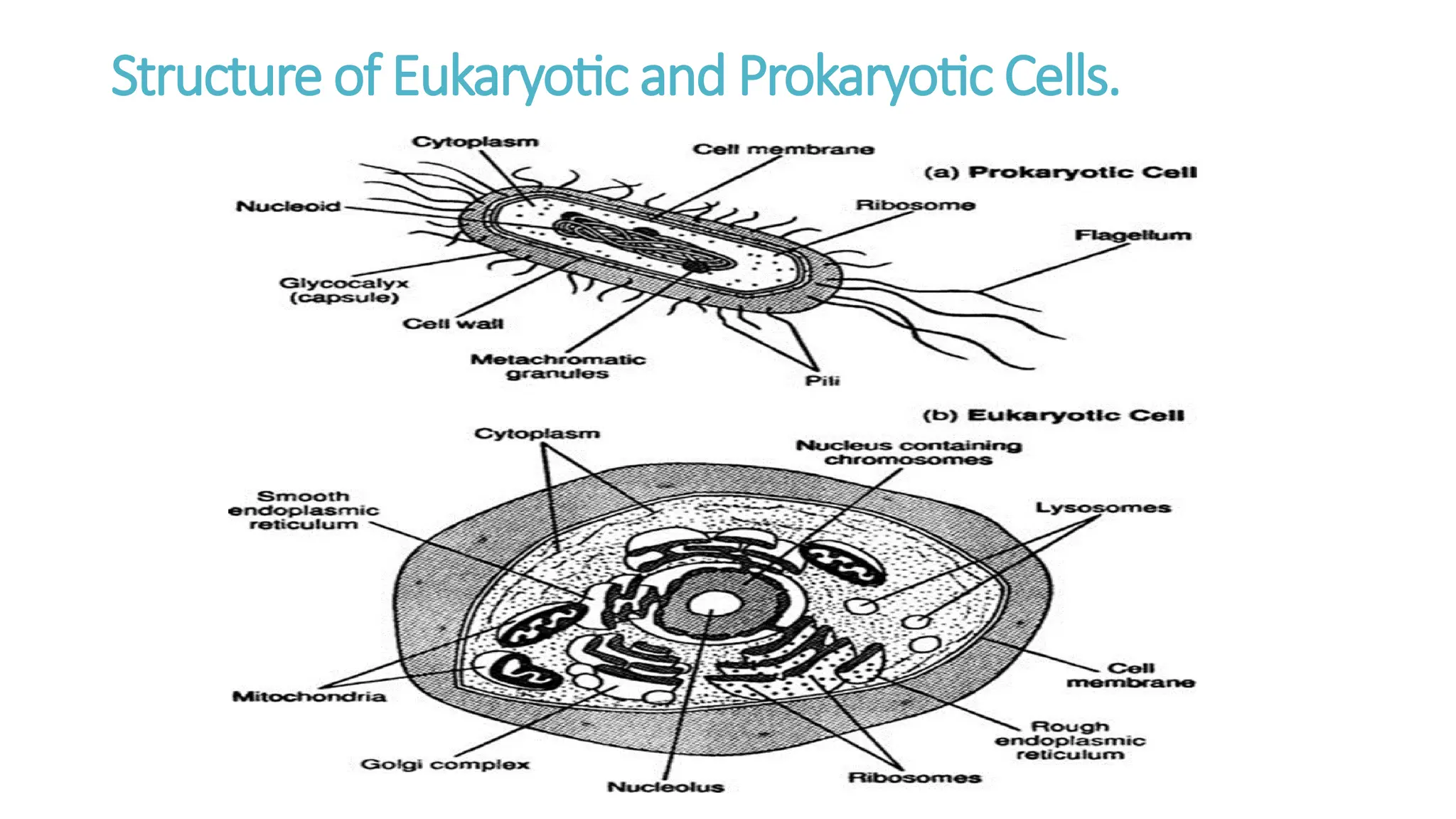
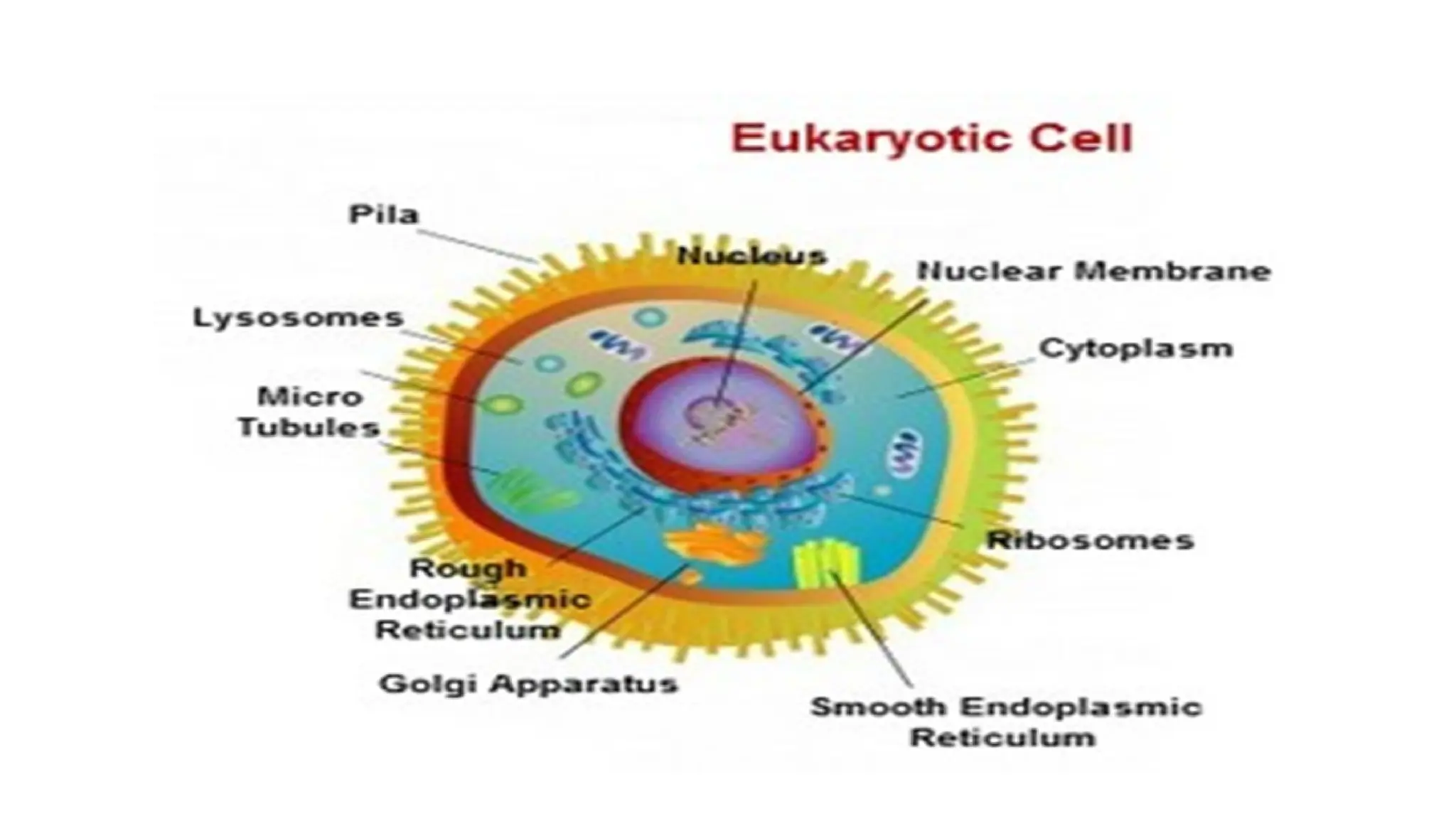
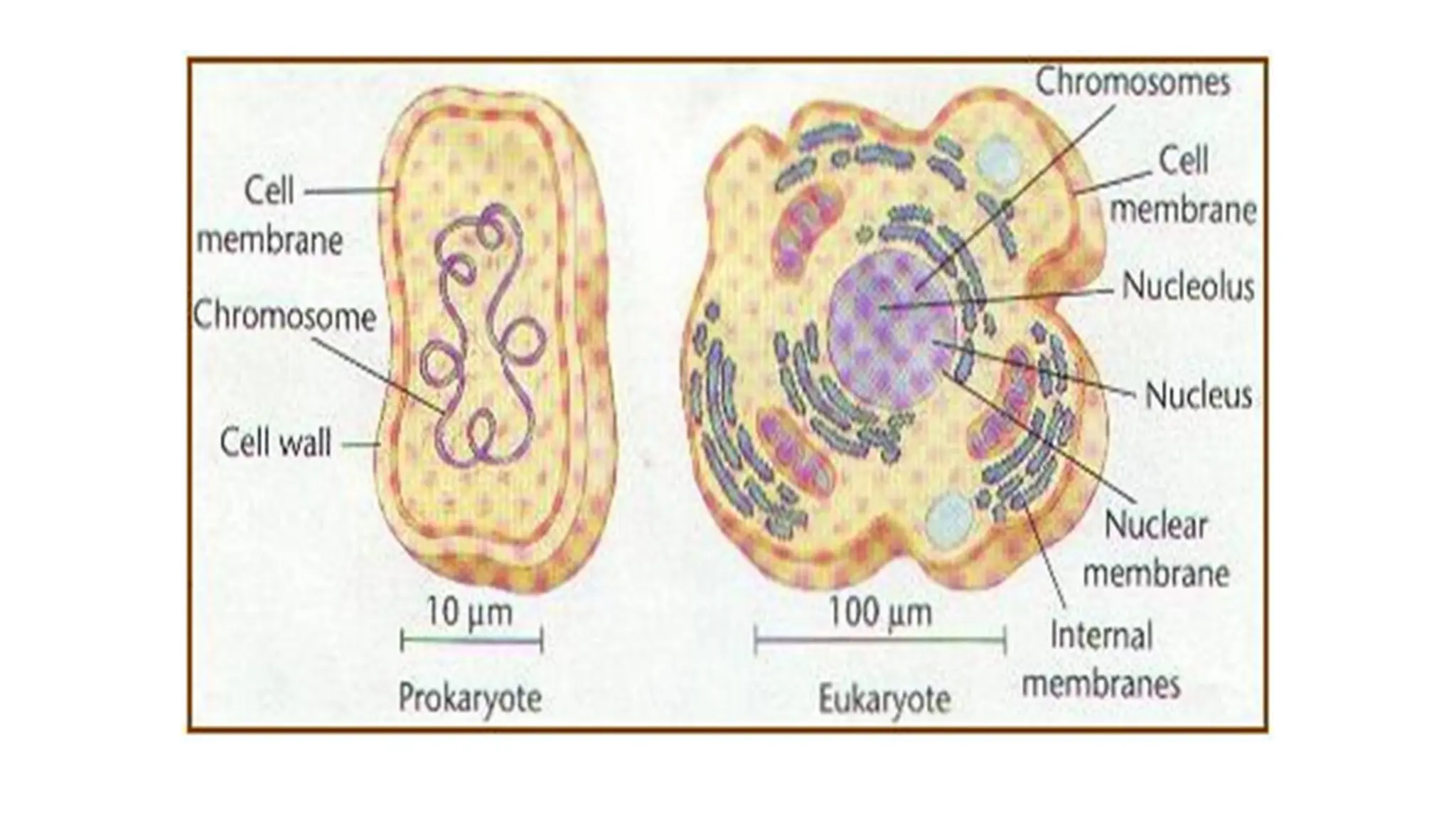
Structure of Eukaryotic and Prokaryotic Cells.
CELL
The cell is the basic functional unit of life. The term cell is derived from the Latin
word and was first observed by a scientist named Robert Hook in the year 1665.
All living organisms are composed of one or many cells to perform their
individual functions.
A cell is a smallest unit of a life, which is able to control and perform several
functions in all living organisms.
Is a cell necessary for a life?
Yes, all living organisms on planet earth require a cell. Cell plays a
vital role in keeping us alive by controlling all types of biochemical
functions inside an organism. A new cell produces through cell
division of pre-existing cells.
Types of Cell
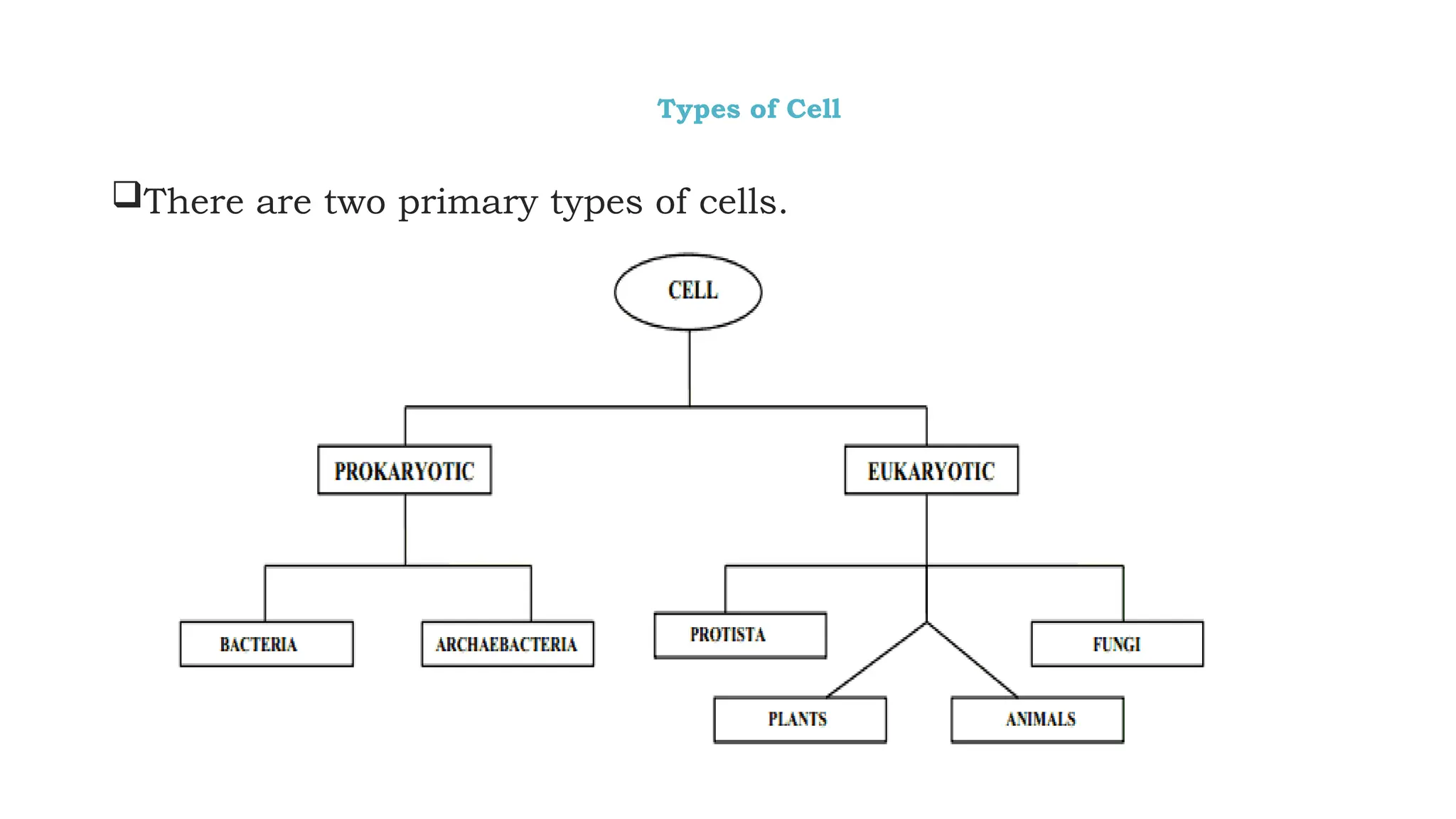
There are two primary types of cells.
Eukaryotic Cells
Eukaryotic cells are those cells, which are complex and larger than
the prokaryotic cells.
The term eukaryote is derived from the Greek word-
“eukaryote” meaning true or good nuclei.
This cell includes all life kingdoms except monera. Eukaryotic cells
can be easily distinguished through a membrane-bound nucleus.
The life, which is present and visible by our naked eye, is all made up
of these cells. Eukaryotic cells are membrane-bound organelles, which
have a multiple membrane-bound organelles to carry out specific cell
tasks.
They have different internal membranes, which are known as
organelles. These organelles play a vital role in cell maintenance and
other functions.
These organelles generally consist of cell wall, plasma membrane,
nucleus, mitochondria, chloroplasts (plastids), endoplasmic reticulum,
ribosome, Golgi apparatus, lysosomes, vacuoles, cytoplasm and
chromosomes.
Parts of Eukaryotic Cell and their Functions
Cell wall: It helps in protecting the plasma membrane and plays a vital role in supporting and protecting the
cells. It is a thick outer layer made of tough cellulose. Cell walls are present in plant cells and are absent in
animal cells.
Plasma membrane: The plasma membrane is present in animal cells, plant cells and even in eukaryotic cells. It
is a double layered, thin barrier, surrounding the cell that controls the entry and exit of certain substances. It also
refers to a thin, fluid entity that manages to be very flexible and it is stable. It is also called as cell membrane. It is
the living ultra-thin biological membrane ranging from 6 to 8nm and composed of a dynamic layer that chemically
comprises a molecule of lipids and proteins that are arranged in a fluid mosaic pattern. It acts as a protective
barrier. This membrane plays a vital role in:
It acts as a boundary and separates the internal and external organelles of a cell.
Transportation of materials.
Cell to cell recognition.
Enzymatic activity.
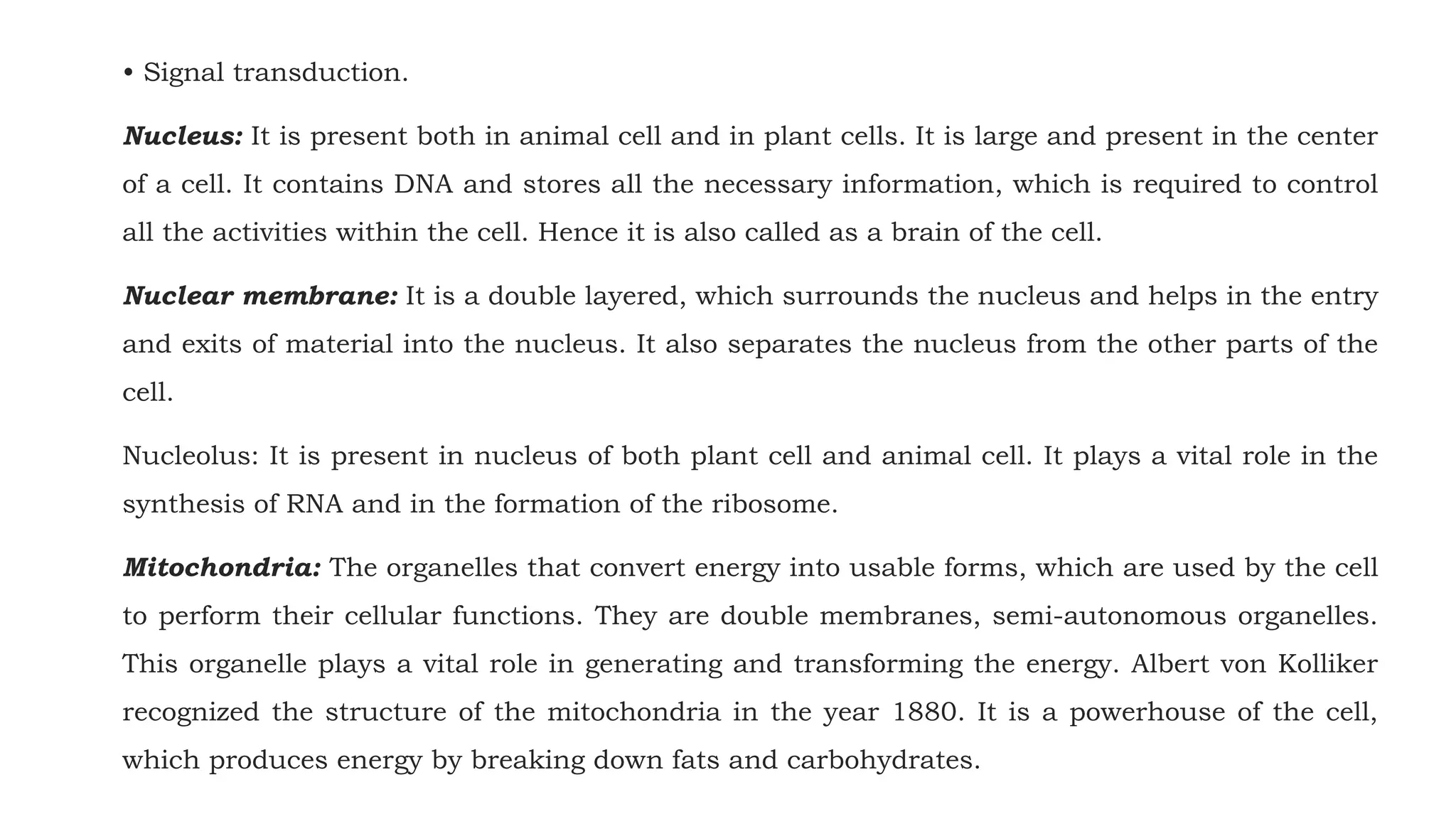
• Signal transduction.
Nucleus: It is present both in animal cell and in plant cells. It is large and present in the center
of a cell. It contains DNA and stores all the necessary information, which is required to control
all the activities within the cell. Hence it is also called as a brain of the cell.
Nuclear membrane: It is a double layered, which surrounds the nucleus and helps in the entry
and exits of material into the nucleus. It also separates the nucleus from the other parts of the
cell.
Nucleolus: It is present in nucleus of both plant cell and animal cell. It plays a vital role in the
synthesis of RNA and in the formation of the ribosome.
Mitochondria: The organelles that convert energy into usable forms, which are used by the cell
to perform their cellular functions. They are double membranes, semi-autonomous organelles.
This organelle plays a vital role in generating and transforming the energy. Albert von Kolliker
recognized the structure of the mitochondria in the year 1880. It is a powerhouse of the cell,
which produces energy by breaking down fats and carbohydrates.
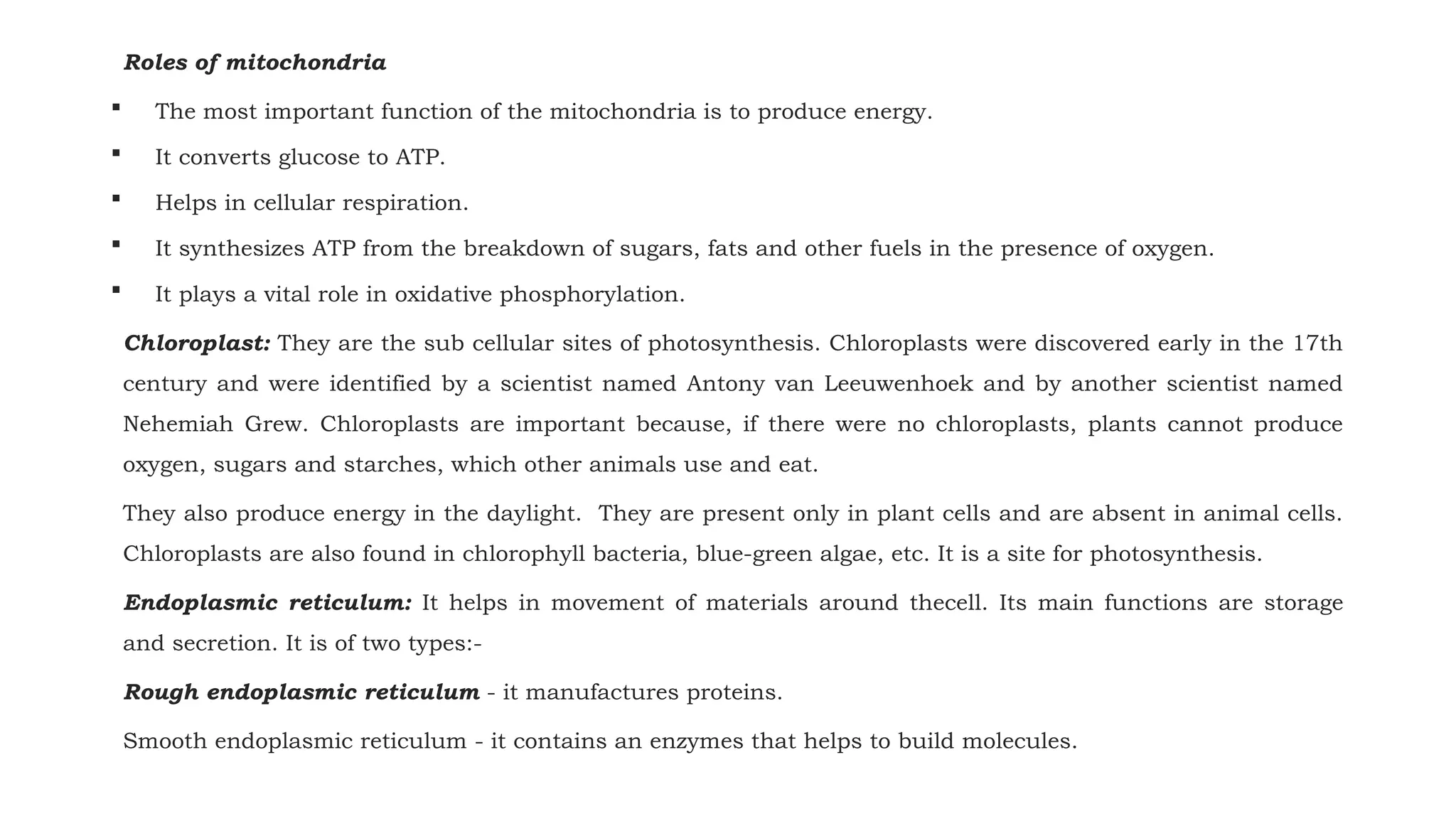
Roles of mitochondria
 The most important function of the mitochondria is to produce energy.
 It converts glucose to ATP.
 Helps in cellular respiration.
 It synthesizes ATP from the breakdown of sugars, fats and other fuels in the presence of oxygen.
 It plays a vital role in oxidative phosphorylation.
Chloroplast: They are the sub cellular sites of photosynthesis. Chloroplasts were discovered early in the 17th
century and were identified by a scientist named Antony van Leeuwenhoek and by another scientist named
Nehemiah Grew. Chloroplasts are important because, if there were no chloroplasts, plants cannot produce
oxygen, sugars and starches, which other animals use and eat.
They also produce energy in the daylight. They are present only in plant cells and are absent in animal cells.
Chloroplasts are also found in chlorophyll bacteria, blue-green algae, etc. It is a site for photosynthesis.
Endoplasmic reticulum: It helps in movement of materials around thecell. Its main functions are storage
and secretion. It is of two types:-
Rough endoplasmic reticulum - it manufactures proteins.
Smooth endoplasmic reticulum - it contains an enzymes that helps to build molecules.
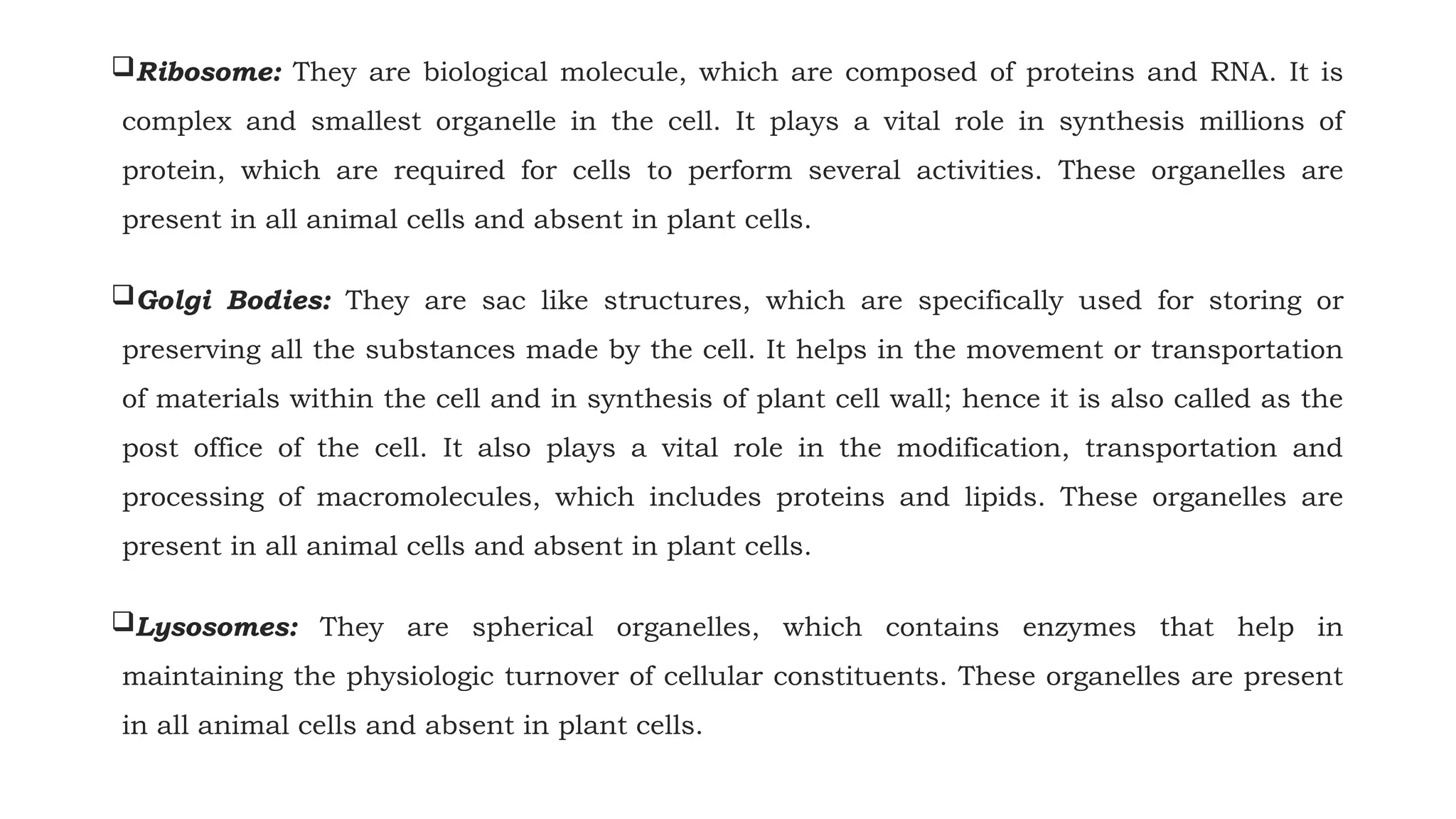
Ribosome: They are biological molecule, which are composed of proteins and RNA. It is
complex and smallest organelle in the cell. It plays a vital role in synthesis millions of
protein, which are required for cells to perform several activities. These organelles are
present in all animal cells and absent in plant cells.
Golgi Bodies: They are sac like structures, which are specifically used for storing or
preserving all the substances made by the cell. It helps in the movement or transportation
of materials within the cell and in synthesis of plant cell wall; hence it is also called as the
post office of the cell. It also plays a vital role in the modification, transportation and
processing of macromolecules, which includes proteins and lipids. These organelles are
present in all animal cells and absent in plant cells.
Lysosomes: They are spherical organelles, which contains enzymes that help in
maintaining the physiologic turnover of cellular constituents. These organelles are present
in all animal cells and absent in plant cells.
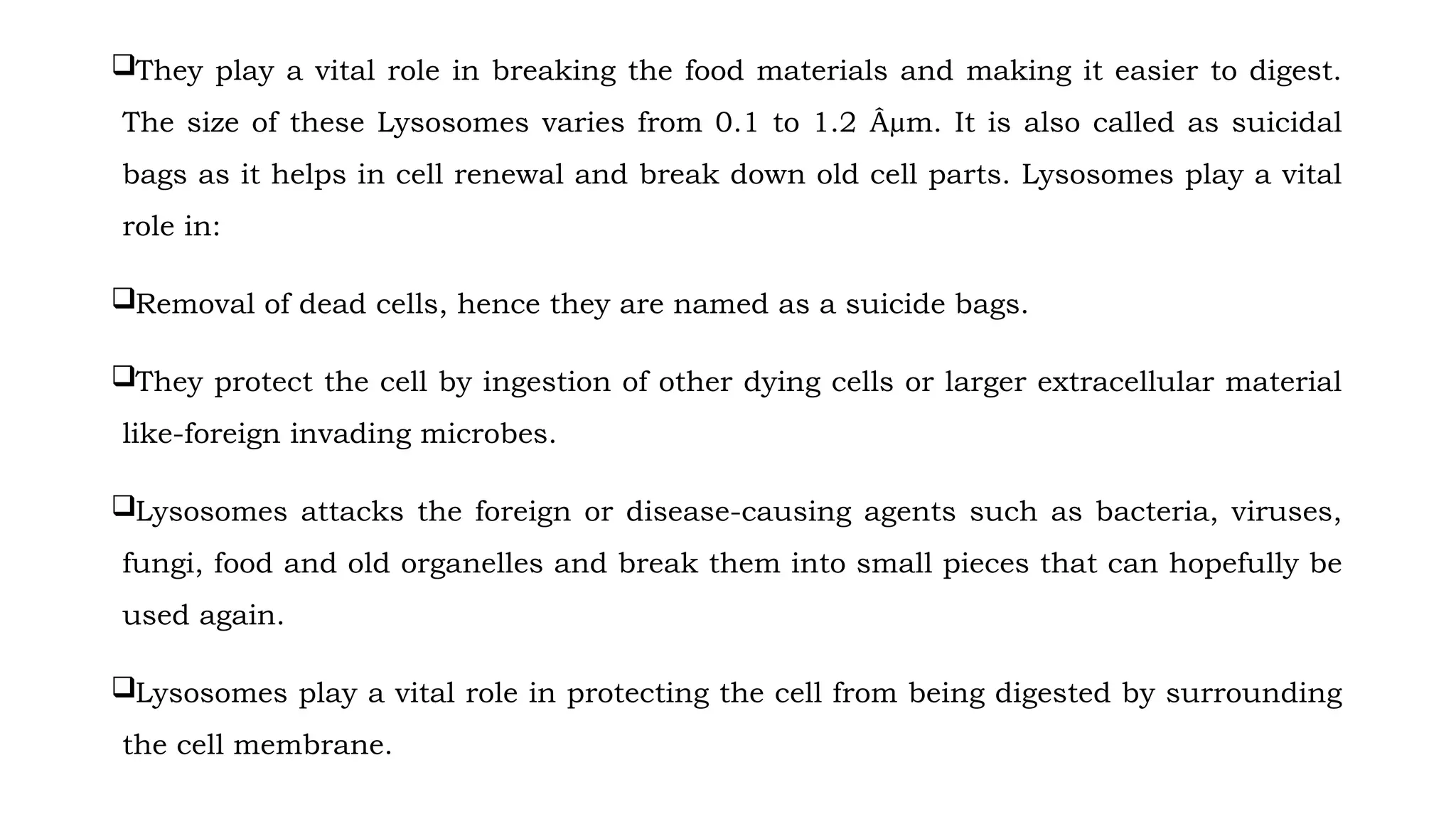
They play a vital role in breaking the food materials and making it easier to digest.
The size of these Lysosomes varies from 0.1 to 1.2 µm. It is also called as suicidal
bags as it helps in cell renewal and break down old cell parts. Lysosomes play a vital
role in:
Removal of dead cells, hence they are named as a suicide bags.
They protect the cell by ingestion of other dying cells or larger extracellular material
like-foreign invading microbes.
Lysosomes attacks the foreign or disease-causing agents such as bacteria, viruses,
fungi, food and old organelles and break them into small pieces that can hopefully be
used again.
Lysosomes play a vital role in protecting the cell from being digested by surrounding
the cell membrane.

Vacuoles: They are vesicle that helps in the digestion. They are present both in
plant cells and in animal cells. In plant cells it helps in maintaining its shape and
it also stores water, food, enzymes, wastes, etc.

Cytoplasm: It refers to the jelly like material with organelles in it. It is present
both in plant and in animal cells. They consist of inner region of the plasma
membrane and also the outer region of DNA.

The cytoplasm is made of components, which benefits the cell by keeping the
organelles separate from each other. This helps to keep a cell in stable. Cytoplasm
also contains some important organelles like endoplasmic reticulum, lysosomes,
mitochondria and Golgi apparatus. Along with these organelles, it also contains
chloroplast in plant cells. Every organelle is bound by a fatty membrane, which
have some specific functions. A cytoplasm plays a vital role in:
Storage and manufacturing of energy.
Maintains the cell shape and its consistency and provides suspension to the
organelles.
 All types of cell functions like: cell expansion, growth and replication are carried
out in the cytoplasm of a cell.
 All types of cellular activities take place in this cytoplasm.
Cytoplasm also helps in the movement of different elements or molecules present
within the cell.

Chromosomes: The term chromosome is derived from the Greek word ‘Chroma’
meaning colour and ‘Somes’ meaning the body. Chromosomes are small, coloured
thread like structures present in the nucleoplasm of living cells, which helps in the
inheritance or transmission of characters in form of Genes from one generation to
another generation. It is made up of DNA and stored in the nucleus, which contains
the instructions for traits and characteristics. A chromosome plays a vital role in:

Self-duplication.

They help in transmitting or transferring the characters from one generation to
another generation (or) from parents to offspring.

Controls the biological processes in the body of an organism.

They control cell metabolism by directing the formatting of necessary proteins.

They help in cell differentiation during development.

A chromosome also helps in determining a sex of an individual.
Centrosomes: They are the small hollow cylindrical shaped organelles, which are
composed of nine bundles of micro tubules. They play a vital role in cell division or in
the cell cycle. Centrosomes are present only in animal cells and are absent in plant
cells. Centrosomes are also called by centrioles.
•
Prokaryotic and Eukaryotic Cells
The difference between the prokaryotes and eukaryotes is said to be the most
important distinction among the groups of organisms.
The main difference is that the eukaryotic cells contain cellular organelles that
are membrane bound, like the nucleus.
The prokaryotic cells do not have membrane bound cellular organelles. The
cellular structure of the prokaryotes and eukaryotes differ in the presence of
cellular structures like the mitochondria and chloroplasts, cell wall and the
structure of chromosomal DNA.
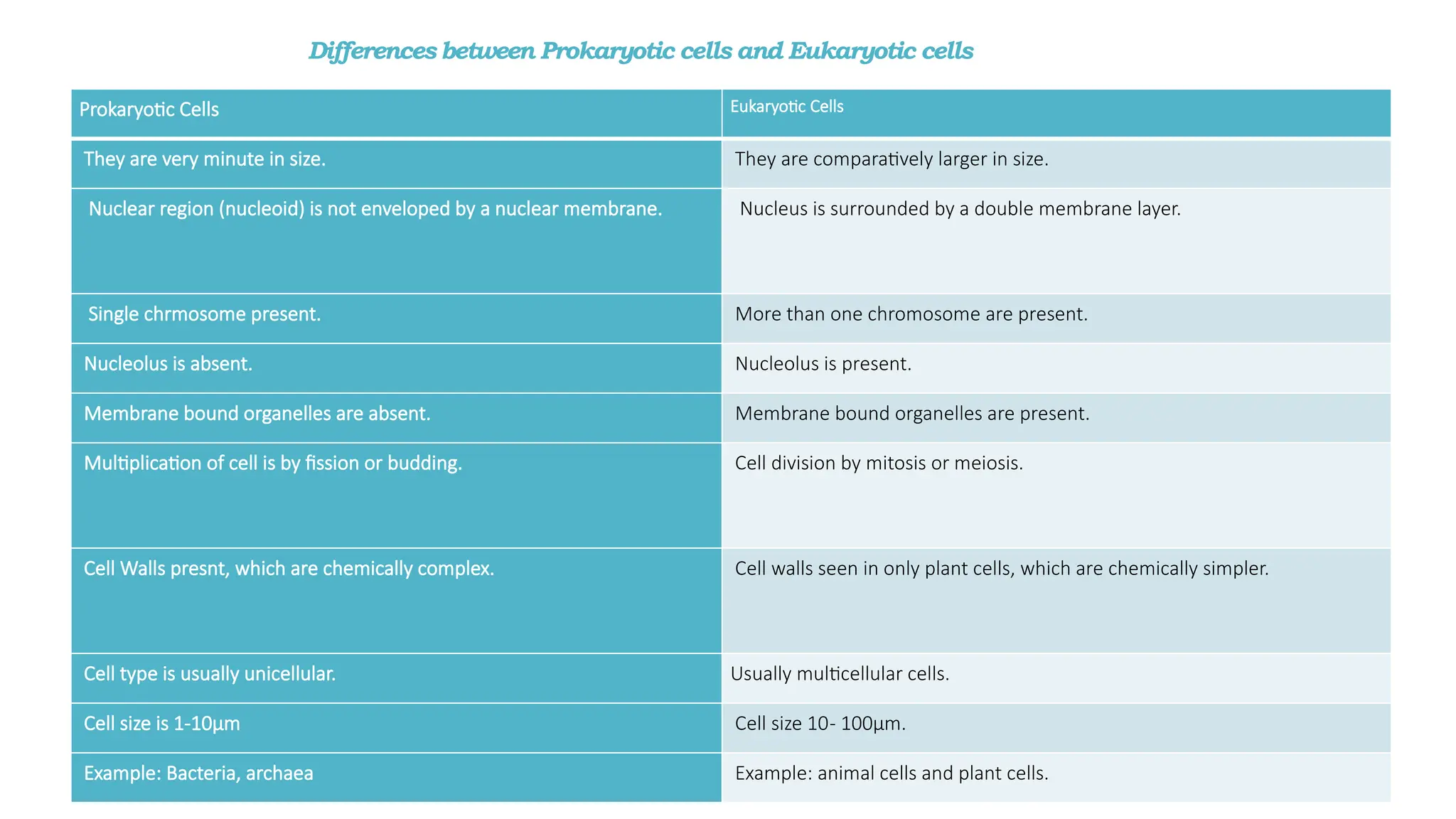
Differences between Prokaryotic cells and Eukaryotic cells
Prokaryotic Cells Eukaryotic Cells
They are very minute in size. They are comparatively larger in size.
Nuclear region (nucleoid) is not enveloped by a nuclear membrane. Nucleus is surrounded by a double membrane layer.
Single chrmosome present. More than one chromosome are present.
Nucleolus is absent. Nucleolus is present.
Membrane bound organelles are absent. Membrane bound organelles are present.
Multiplication of cell is by fission or budding. Cell division by mitosis or meiosis.
Cell Walls presnt, which are chemically complex. Cell walls seen in only plant cells, which are chemically simpler.
Cell type is usually unicellular. Usually multicellular cells.
Cell size is 1-10μm Cell size 10- 100µm.
Example: Bacteria, archaea Example: animal cells and plant cells.
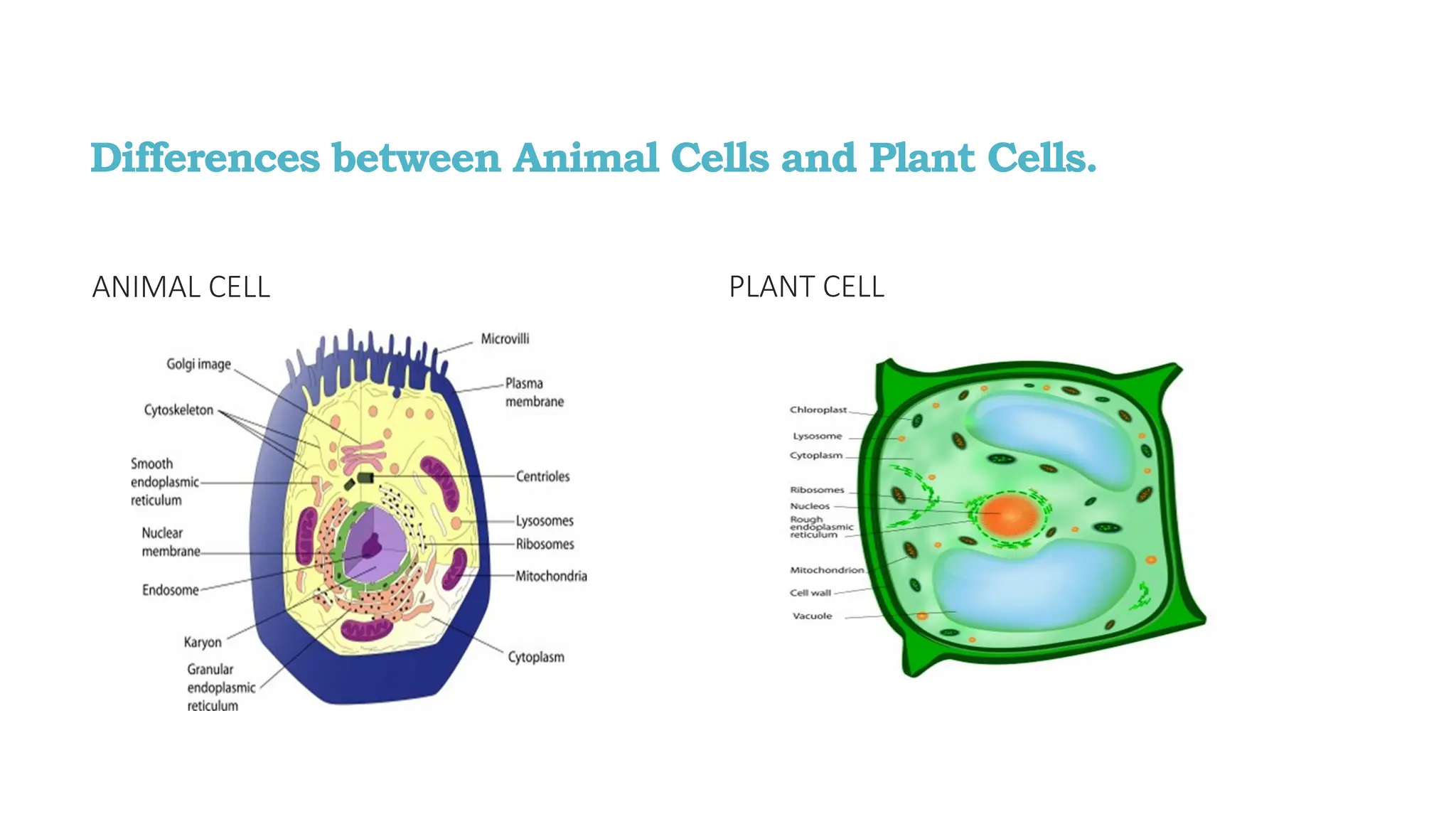
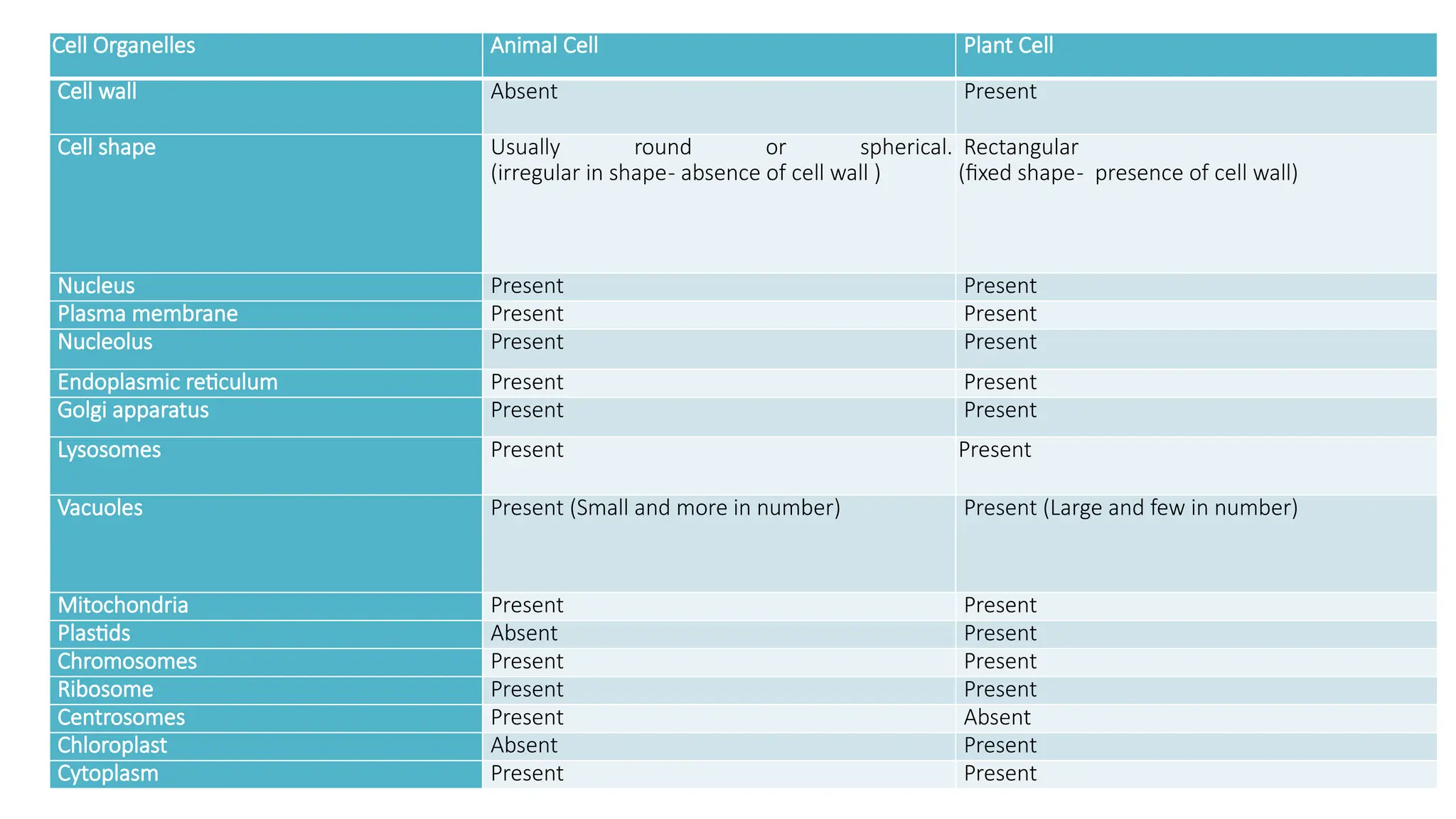
Differences between Animal Cells and Plant Cells.
ANIMAL CELL PLANT CELL
Cell Organelles Animal Cell Plant Cell
Cell wall Absent Present
Cell shape Usually round or spherical.
(irregular in shape- absence of cell wall )
Rectangular
(fixed shape- presence of cell wall)
Nucleus Present Present
Plasma membrane Present Present
Nucleolus Present Present
Endoplasmic reticulum Present Present
Golgi apparatus Present Present
Lysosomes Present Present
Vacuoles Present (Small and more in number) Present (Large and few in number)
Mitochondria Present Present
Plastids Absent Present
Chromosomes Present Present
Ribosome Present Present
Centrosomes Present Absent
Chloroplast Absent Present
Cytoplasm Present Present
Bacteria
Bacteria are found in nearly every habitat on earth, including within and on
humans. Most bacteria are harmless or helpful, but some are pathogens, causing
disease in humans and other animals. Bacteria are prokaryotic because their
genetic material (DNA) is not housed within a true nucleus. Most bacteria have
cell walls that contain peptidoglycan.
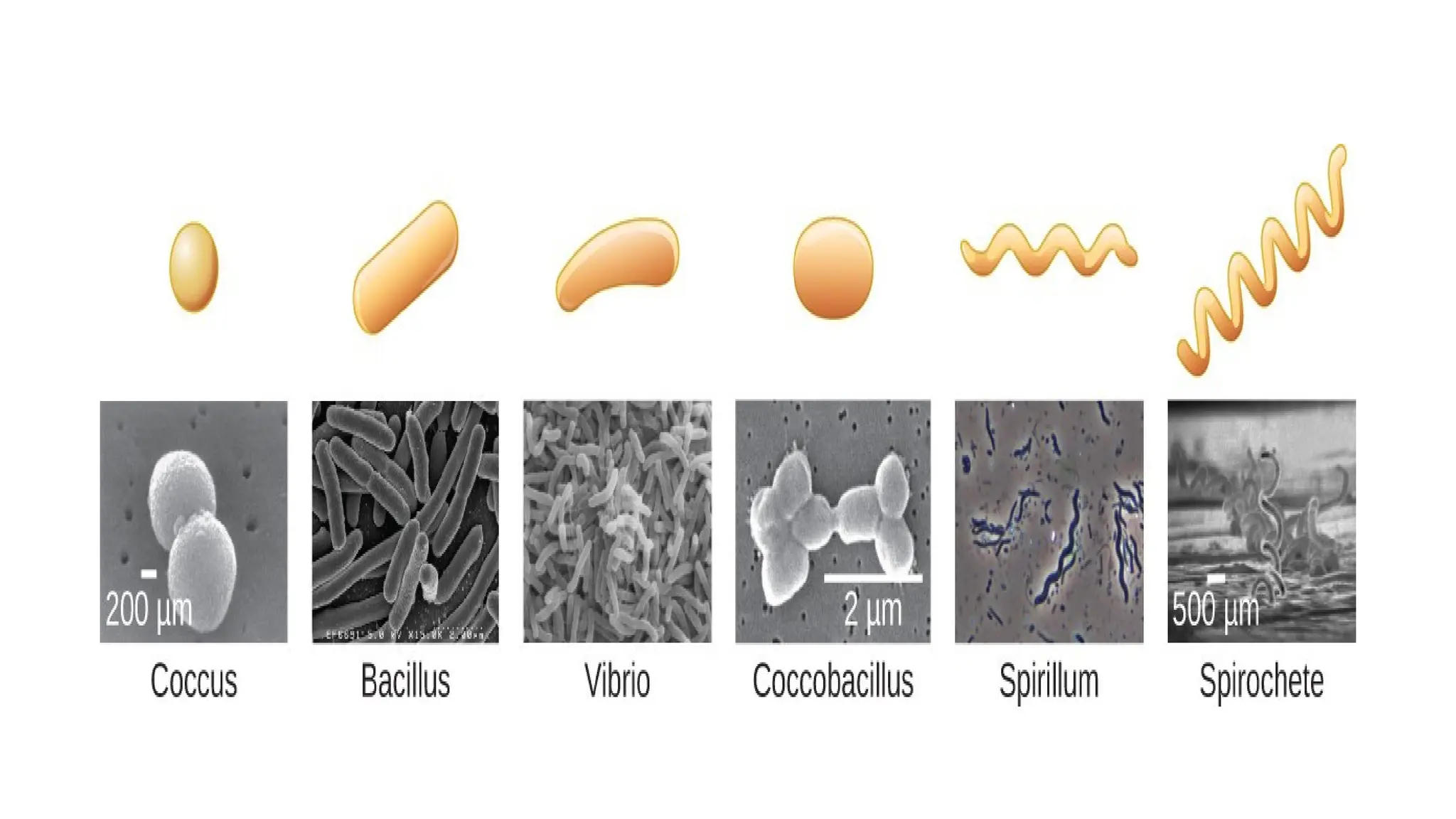
Bacteria are often described in terms of their general shape. Common shapes
include spherical (coccus), rod-shaped (bacillus), or curved (spirillum, spirochete,
or vibrio). Figure 2 shows examples of these shapes.
They have a wide range of metabolic capabilities and can grow in a
variety of environments, using different combinations of nutrients.
Some bacteria are photosynthetic, such as oxygenic cyanobacteria
and anoxygenic green sulfur and green non sulfur bacteria; these
bacteria use energy derived from sunlight, and fix carbon dioxide for
growth.
Other types of bacteria are non-photosynthetic, obtaining their
energy from organic or inorganic compounds in their environment.
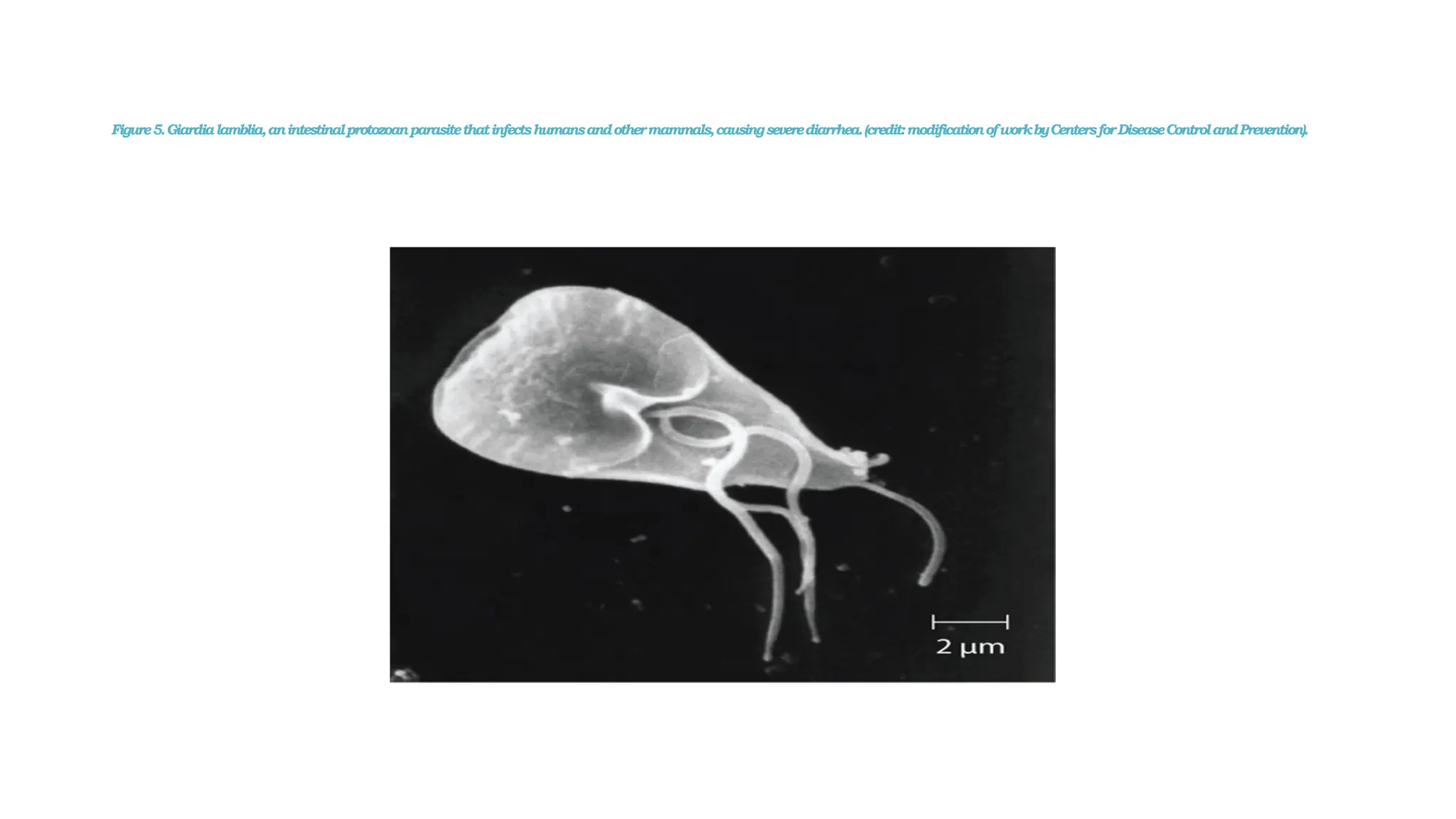
Protozoa
Protozoa (singular: protozoan) are protists that make up the backbone
of many food webs by providing nutrients for other organisms. Protozoa
are very diverse.
Some protozoa move with help from hair-like structures called cilia or
whip-like structures called flagella. Others extend part of their cell
membrane and cytoplasm to propel themselves forward.
These cytoplasmic extensions are called pseudopods (“false feet”).
Some protozoa are photosynthetic; others feed on organic material.
Some are free-living, whereas others are parasitic, only able to survive
by extracting nutrients from a host organism. Most protozoa are
harmless, but some are pathogens that can cause disease in animals
or humans.
Figure5.Giardialamblia,anintestinalprotozoanparasitethatinfectshumansandothermammals,causingseverediarrhea.(credit:modificationofworkbyCentersforDiseaseControlandPrevention).
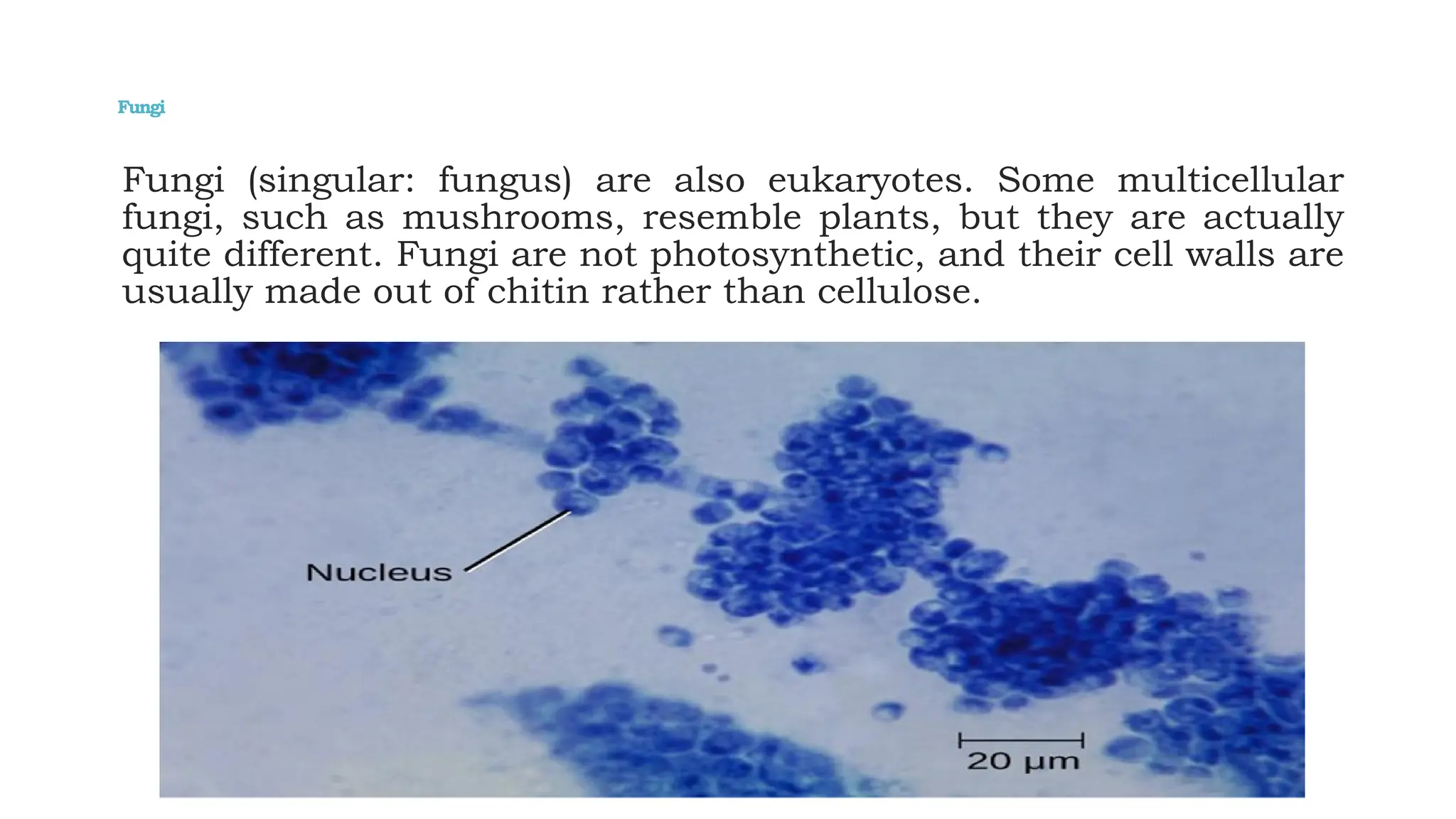
Fungi
Fungi (singular: fungus) are also eukaryotes. Some multicellular
fungi, such as mushrooms, resemble plants, but they are actually
quite different. Fungi are not photosynthetic, and their cell walls are
usually made out of chitin rather than cellulose.
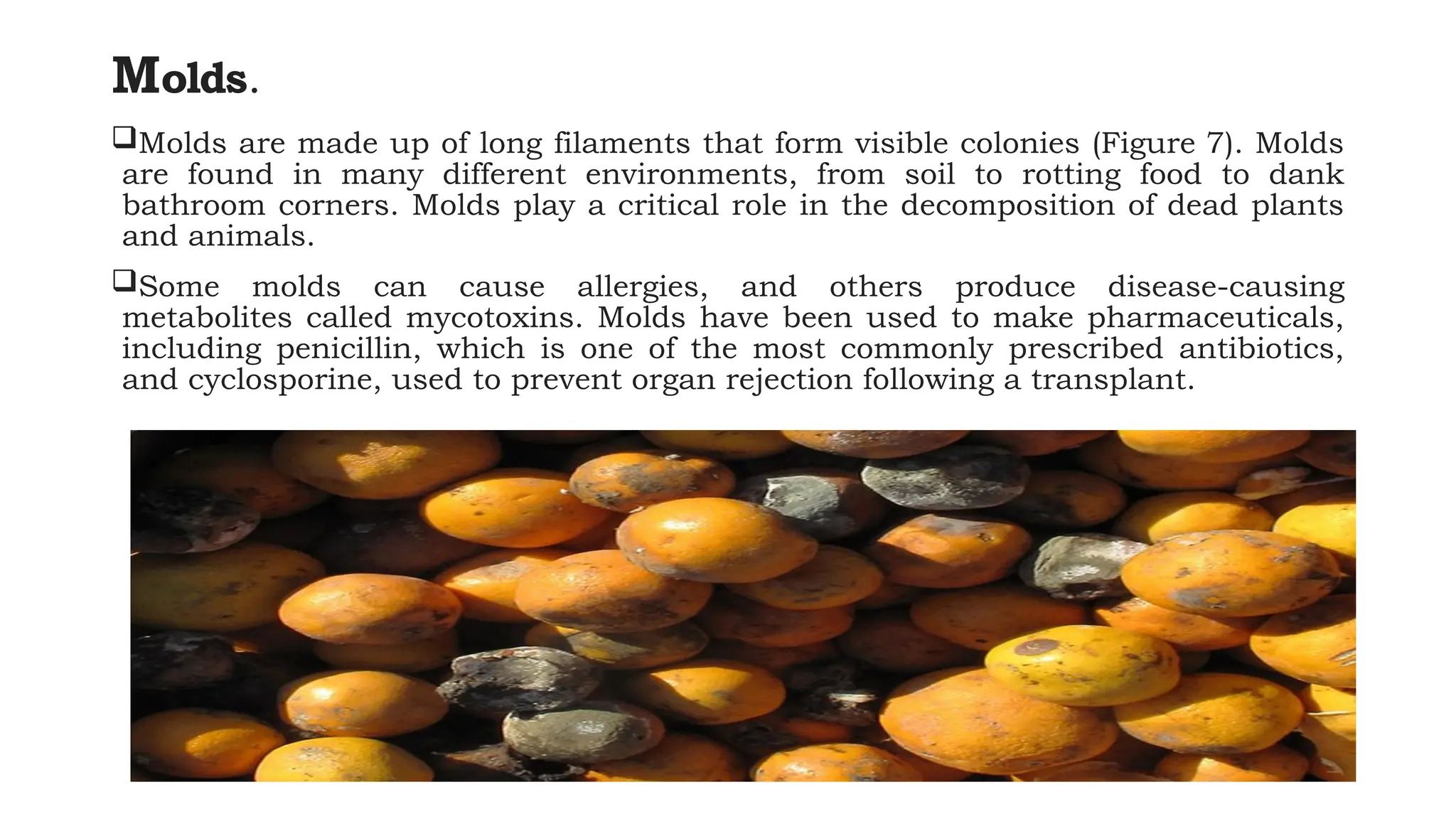
Molds.
Molds are made up of long filaments that form visible colonies (Figure 7). Molds
are found in many different environments, from soil to rotting food to dank
bathroom corners. Molds play a critical role in the decomposition of dead plants
and animals.
Some molds can cause allergies, and others produce disease-causing
metabolites called mycotoxins. Molds have been used to make pharmaceuticals,
including penicillin, which is one of the most commonly prescribed antibiotics,
and cyclosporine, used to prevent organ rejection following a transplant.
Viruses
Viruses are acellular microorganisms, which means they are not composed of
cells. Essentially, a virus consists of proteins and genetic material—either DNA or
RNA, but never both—that are inert outside of a host organism.
However, by incorporating themselves into a host cell, viruses are able to co-opt
the host’s cellular mechanisms to multiply and infect other hosts.
Viruses can infect all types of cells, from human cells to the cells of other
microorganisms. In humans, viruses are responsible for numerous diseases, from
the common cold to deadly Ebola (Figure 9). However, many viruses do not cause
disease.
Figure 9. (a) Members of the Coronavirus family can cause respiratory infections like the
common cold, severe acute respiratory syndrome (SARS), and Middle East respiratory syndrome
(MERS). Here they are viewed under a transmission electron microscope (TEM). (b) Ebolavirus, a
member of the Filovirus family, as visualized using a TEM. (credit a: modification of work by
Centers for Disease Control and Prevention; credit b: modification of work by Thomas W.
Geisbert).

microbiology introduction powerpoint doc

  • 1.
    LECTURE 2: CELLAND STRUCTURE OF MICROORGANISM Prokaryotes and Eukaryotes Microorganisms and all other living organisms are classified as prokaryotes or eukaryotes. Prokaryotes and eukaryotes are distinguished on the basis of their cellular characteristics. For example, prokaryotic cells lack a nucleus and other membrane‐bound structures known as organelles, while eukaryotic cells have both a nucleus and organelles
  • 2.
    Structure of Eukaryoticand Prokaryotic Cells.
  • 3.
    CELL The cell isthe basic functional unit of life. The term cell is derived from the Latin word and was first observed by a scientist named Robert Hook in the year 1665. All living organisms are composed of one or many cells to perform their individual functions. A cell is a smallest unit of a life, which is able to control and perform several functions in all living organisms. Is a cell necessary for a life? Yes, all living organisms on planet earth require a cell. Cell plays a vital role in keeping us alive by controlling all types of biochemical functions inside an organism. A new cell produces through cell division of pre-existing cells.
  • 4.
    Types of Cell Thereare two primary types of cells.
  • 5.
    Eukaryotic Cells Eukaryotic cellsare those cells, which are complex and larger than the prokaryotic cells. The term eukaryote is derived from the Greek word- “eukaryote” meaning true or good nuclei. This cell includes all life kingdoms except monera. Eukaryotic cells can be easily distinguished through a membrane-bound nucleus.
  • 6.
    The life, whichis present and visible by our naked eye, is all made up of these cells. Eukaryotic cells are membrane-bound organelles, which have a multiple membrane-bound organelles to carry out specific cell tasks. They have different internal membranes, which are known as organelles. These organelles play a vital role in cell maintenance and other functions. These organelles generally consist of cell wall, plasma membrane, nucleus, mitochondria, chloroplasts (plastids), endoplasmic reticulum, ribosome, Golgi apparatus, lysosomes, vacuoles, cytoplasm and chromosomes.
  • 8.
    Parts of EukaryoticCell and their Functions Cell wall: It helps in protecting the plasma membrane and plays a vital role in supporting and protecting the cells. It is a thick outer layer made of tough cellulose. Cell walls are present in plant cells and are absent in animal cells. Plasma membrane: The plasma membrane is present in animal cells, plant cells and even in eukaryotic cells. It is a double layered, thin barrier, surrounding the cell that controls the entry and exit of certain substances. It also refers to a thin, fluid entity that manages to be very flexible and it is stable. It is also called as cell membrane. It is the living ultra-thin biological membrane ranging from 6 to 8nm and composed of a dynamic layer that chemically comprises a molecule of lipids and proteins that are arranged in a fluid mosaic pattern. It acts as a protective barrier. This membrane plays a vital role in: It acts as a boundary and separates the internal and external organelles of a cell. Transportation of materials. Cell to cell recognition. Enzymatic activity.
  • 9.
    • Signal transduction. Nucleus:It is present both in animal cell and in plant cells. It is large and present in the center of a cell. It contains DNA and stores all the necessary information, which is required to control all the activities within the cell. Hence it is also called as a brain of the cell. Nuclear membrane: It is a double layered, which surrounds the nucleus and helps in the entry and exits of material into the nucleus. It also separates the nucleus from the other parts of the cell. Nucleolus: It is present in nucleus of both plant cell and animal cell. It plays a vital role in the synthesis of RNA and in the formation of the ribosome. Mitochondria: The organelles that convert energy into usable forms, which are used by the cell to perform their cellular functions. They are double membranes, semi-autonomous organelles. This organelle plays a vital role in generating and transforming the energy. Albert von Kolliker recognized the structure of the mitochondria in the year 1880. It is a powerhouse of the cell, which produces energy by breaking down fats and carbohydrates.
  • 10.
    Roles of mitochondria The most important function of the mitochondria is to produce energy.  It converts glucose to ATP.  Helps in cellular respiration.  It synthesizes ATP from the breakdown of sugars, fats and other fuels in the presence of oxygen.  It plays a vital role in oxidative phosphorylation. Chloroplast: They are the sub cellular sites of photosynthesis. Chloroplasts were discovered early in the 17th century and were identified by a scientist named Antony van Leeuwenhoek and by another scientist named Nehemiah Grew. Chloroplasts are important because, if there were no chloroplasts, plants cannot produce oxygen, sugars and starches, which other animals use and eat. They also produce energy in the daylight. They are present only in plant cells and are absent in animal cells. Chloroplasts are also found in chlorophyll bacteria, blue-green algae, etc. It is a site for photosynthesis. Endoplasmic reticulum: It helps in movement of materials around thecell. Its main functions are storage and secretion. It is of two types:- Rough endoplasmic reticulum - it manufactures proteins. Smooth endoplasmic reticulum - it contains an enzymes that helps to build molecules.
  • 11.
    Ribosome: They arebiological molecule, which are composed of proteins and RNA. It is complex and smallest organelle in the cell. It plays a vital role in synthesis millions of protein, which are required for cells to perform several activities. These organelles are present in all animal cells and absent in plant cells. Golgi Bodies: They are sac like structures, which are specifically used for storing or preserving all the substances made by the cell. It helps in the movement or transportation of materials within the cell and in synthesis of plant cell wall; hence it is also called as the post office of the cell. It also plays a vital role in the modification, transportation and processing of macromolecules, which includes proteins and lipids. These organelles are present in all animal cells and absent in plant cells. Lysosomes: They are spherical organelles, which contains enzymes that help in maintaining the physiologic turnover of cellular constituents. These organelles are present in all animal cells and absent in plant cells.
  • 12.
    They play avital role in breaking the food materials and making it easier to digest. The size of these Lysosomes varies from 0.1 to 1.2 µm. It is also called as suicidal bags as it helps in cell renewal and break down old cell parts. Lysosomes play a vital role in: Removal of dead cells, hence they are named as a suicide bags. They protect the cell by ingestion of other dying cells or larger extracellular material like-foreign invading microbes. Lysosomes attacks the foreign or disease-causing agents such as bacteria, viruses, fungi, food and old organelles and break them into small pieces that can hopefully be used again. Lysosomes play a vital role in protecting the cell from being digested by surrounding the cell membrane.
  • 13.
     Vacuoles: They arevesicle that helps in the digestion. They are present both in plant cells and in animal cells. In plant cells it helps in maintaining its shape and it also stores water, food, enzymes, wastes, etc.  Cytoplasm: It refers to the jelly like material with organelles in it. It is present both in plant and in animal cells. They consist of inner region of the plasma membrane and also the outer region of DNA.  The cytoplasm is made of components, which benefits the cell by keeping the organelles separate from each other. This helps to keep a cell in stable. Cytoplasm also contains some important organelles like endoplasmic reticulum, lysosomes, mitochondria and Golgi apparatus. Along with these organelles, it also contains chloroplast in plant cells. Every organelle is bound by a fatty membrane, which have some specific functions. A cytoplasm plays a vital role in:
  • 14.
    Storage and manufacturingof energy. Maintains the cell shape and its consistency and provides suspension to the organelles.  All types of cell functions like: cell expansion, growth and replication are carried out in the cytoplasm of a cell.  All types of cellular activities take place in this cytoplasm. Cytoplasm also helps in the movement of different elements or molecules present within the cell.
  • 15.
     Chromosomes: The termchromosome is derived from the Greek word ‘Chroma’ meaning colour and ‘Somes’ meaning the body. Chromosomes are small, coloured thread like structures present in the nucleoplasm of living cells, which helps in the inheritance or transmission of characters in form of Genes from one generation to another generation. It is made up of DNA and stored in the nucleus, which contains the instructions for traits and characteristics. A chromosome plays a vital role in:  Self-duplication.  They help in transmitting or transferring the characters from one generation to another generation (or) from parents to offspring.  Controls the biological processes in the body of an organism.  They control cell metabolism by directing the formatting of necessary proteins.  They help in cell differentiation during development.  A chromosome also helps in determining a sex of an individual.
  • 16.
    Centrosomes: They arethe small hollow cylindrical shaped organelles, which are composed of nine bundles of micro tubules. They play a vital role in cell division or in the cell cycle. Centrosomes are present only in animal cells and are absent in plant cells. Centrosomes are also called by centrioles. •
  • 17.
    Prokaryotic and EukaryoticCells The difference between the prokaryotes and eukaryotes is said to be the most important distinction among the groups of organisms. The main difference is that the eukaryotic cells contain cellular organelles that are membrane bound, like the nucleus. The prokaryotic cells do not have membrane bound cellular organelles. The cellular structure of the prokaryotes and eukaryotes differ in the presence of cellular structures like the mitochondria and chloroplasts, cell wall and the structure of chromosomal DNA.
  • 19.
    Differences between Prokaryoticcells and Eukaryotic cells Prokaryotic Cells Eukaryotic Cells They are very minute in size. They are comparatively larger in size. Nuclear region (nucleoid) is not enveloped by a nuclear membrane. Nucleus is surrounded by a double membrane layer. Single chrmosome present. More than one chromosome are present. Nucleolus is absent. Nucleolus is present. Membrane bound organelles are absent. Membrane bound organelles are present. Multiplication of cell is by fission or budding. Cell division by mitosis or meiosis. Cell Walls presnt, which are chemically complex. Cell walls seen in only plant cells, which are chemically simpler. Cell type is usually unicellular. Usually multicellular cells. Cell size is 1-10μm Cell size 10- 100µm. Example: Bacteria, archaea Example: animal cells and plant cells.
  • 20.
    Differences between AnimalCells and Plant Cells. ANIMAL CELL PLANT CELL
  • 21.
    Cell Organelles AnimalCell Plant Cell Cell wall Absent Present Cell shape Usually round or spherical. (irregular in shape- absence of cell wall ) Rectangular (fixed shape- presence of cell wall) Nucleus Present Present Plasma membrane Present Present Nucleolus Present Present Endoplasmic reticulum Present Present Golgi apparatus Present Present Lysosomes Present Present Vacuoles Present (Small and more in number) Present (Large and few in number) Mitochondria Present Present Plastids Absent Present Chromosomes Present Present Ribosome Present Present Centrosomes Present Absent Chloroplast Absent Present Cytoplasm Present Present
  • 22.
    Bacteria Bacteria are foundin nearly every habitat on earth, including within and on humans. Most bacteria are harmless or helpful, but some are pathogens, causing disease in humans and other animals. Bacteria are prokaryotic because their genetic material (DNA) is not housed within a true nucleus. Most bacteria have cell walls that contain peptidoglycan. Bacteria are often described in terms of their general shape. Common shapes include spherical (coccus), rod-shaped (bacillus), or curved (spirillum, spirochete, or vibrio). Figure 2 shows examples of these shapes.
  • 24.
    They have awide range of metabolic capabilities and can grow in a variety of environments, using different combinations of nutrients. Some bacteria are photosynthetic, such as oxygenic cyanobacteria and anoxygenic green sulfur and green non sulfur bacteria; these bacteria use energy derived from sunlight, and fix carbon dioxide for growth. Other types of bacteria are non-photosynthetic, obtaining their energy from organic or inorganic compounds in their environment.
  • 25.
    Protozoa Protozoa (singular: protozoan)are protists that make up the backbone of many food webs by providing nutrients for other organisms. Protozoa are very diverse. Some protozoa move with help from hair-like structures called cilia or whip-like structures called flagella. Others extend part of their cell membrane and cytoplasm to propel themselves forward. These cytoplasmic extensions are called pseudopods (“false feet”). Some protozoa are photosynthetic; others feed on organic material. Some are free-living, whereas others are parasitic, only able to survive by extracting nutrients from a host organism. Most protozoa are harmless, but some are pathogens that can cause disease in animals or humans.
  • 26.
  • 27.
    Fungi Fungi (singular: fungus)are also eukaryotes. Some multicellular fungi, such as mushrooms, resemble plants, but they are actually quite different. Fungi are not photosynthetic, and their cell walls are usually made out of chitin rather than cellulose.
  • 28.
    Molds. Molds are madeup of long filaments that form visible colonies (Figure 7). Molds are found in many different environments, from soil to rotting food to dank bathroom corners. Molds play a critical role in the decomposition of dead plants and animals. Some molds can cause allergies, and others produce disease-causing metabolites called mycotoxins. Molds have been used to make pharmaceuticals, including penicillin, which is one of the most commonly prescribed antibiotics, and cyclosporine, used to prevent organ rejection following a transplant.
  • 29.
    Viruses Viruses are acellularmicroorganisms, which means they are not composed of cells. Essentially, a virus consists of proteins and genetic material—either DNA or RNA, but never both—that are inert outside of a host organism. However, by incorporating themselves into a host cell, viruses are able to co-opt the host’s cellular mechanisms to multiply and infect other hosts. Viruses can infect all types of cells, from human cells to the cells of other microorganisms. In humans, viruses are responsible for numerous diseases, from the common cold to deadly Ebola (Figure 9). However, many viruses do not cause disease.
  • 30.
    Figure 9. (a)Members of the Coronavirus family can cause respiratory infections like the common cold, severe acute respiratory syndrome (SARS), and Middle East respiratory syndrome (MERS). Here they are viewed under a transmission electron microscope (TEM). (b) Ebolavirus, a member of the Filovirus family, as visualized using a TEM. (credit a: modification of work by Centers for Disease Control and Prevention; credit b: modification of work by Thomas W. Geisbert).