Toxin (Latin toxicum,poison) - a substance,
such as a metabolic product of the organism,
that alters the normal metabolism of host cells
with deleterious effects on the host.
● Toxemia- the condition caused by toxins that
have entered the blood of the host.
● Some toxins are so potent that even if the
bacteria that produced them are eliminated
(e.g., by antibiotic chemotherapy), the disease
conditions persist.
● Toxins produced by bacteria can be divided into
two main categories: exotoxins and endotoxins.
5.
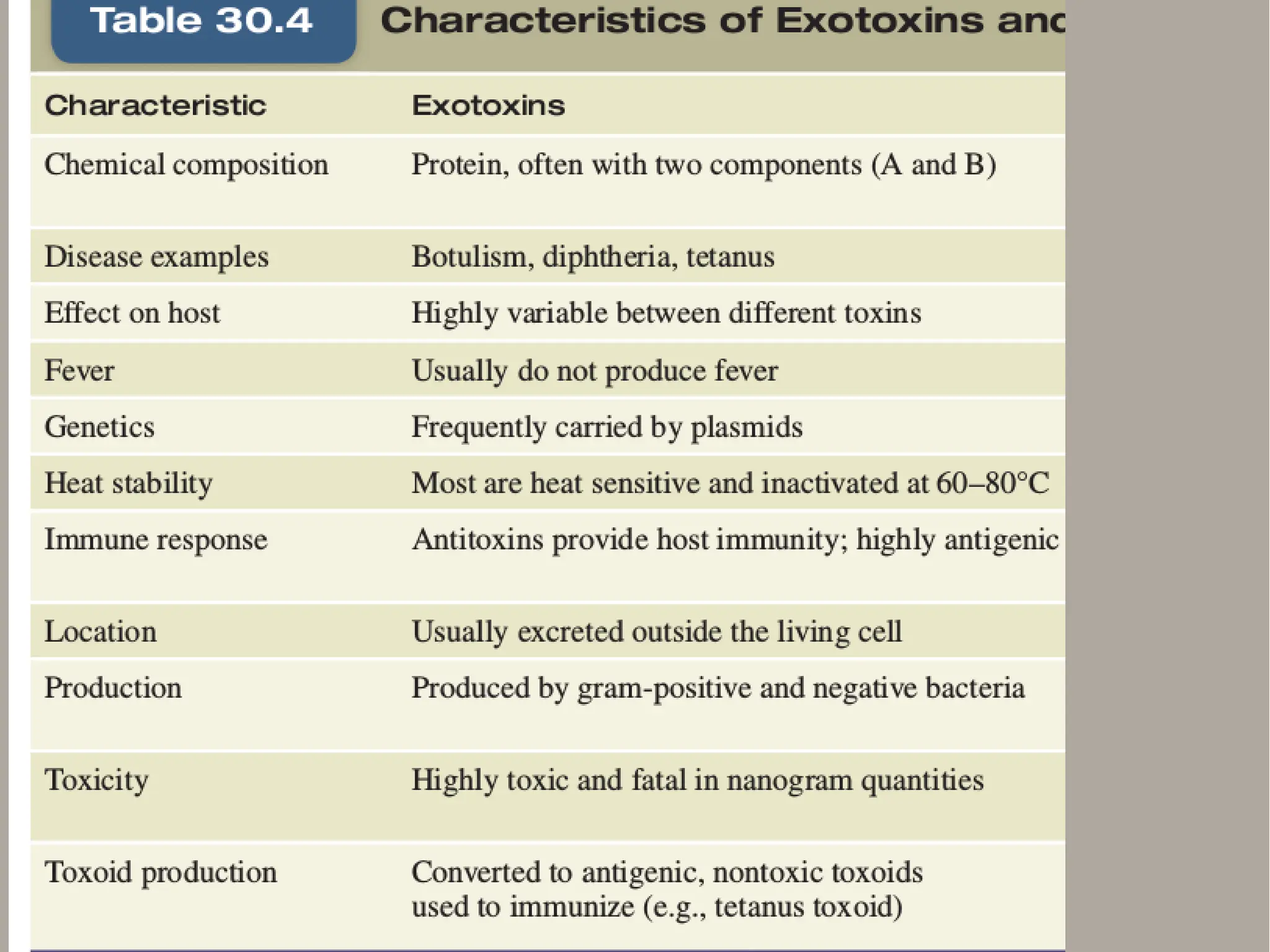
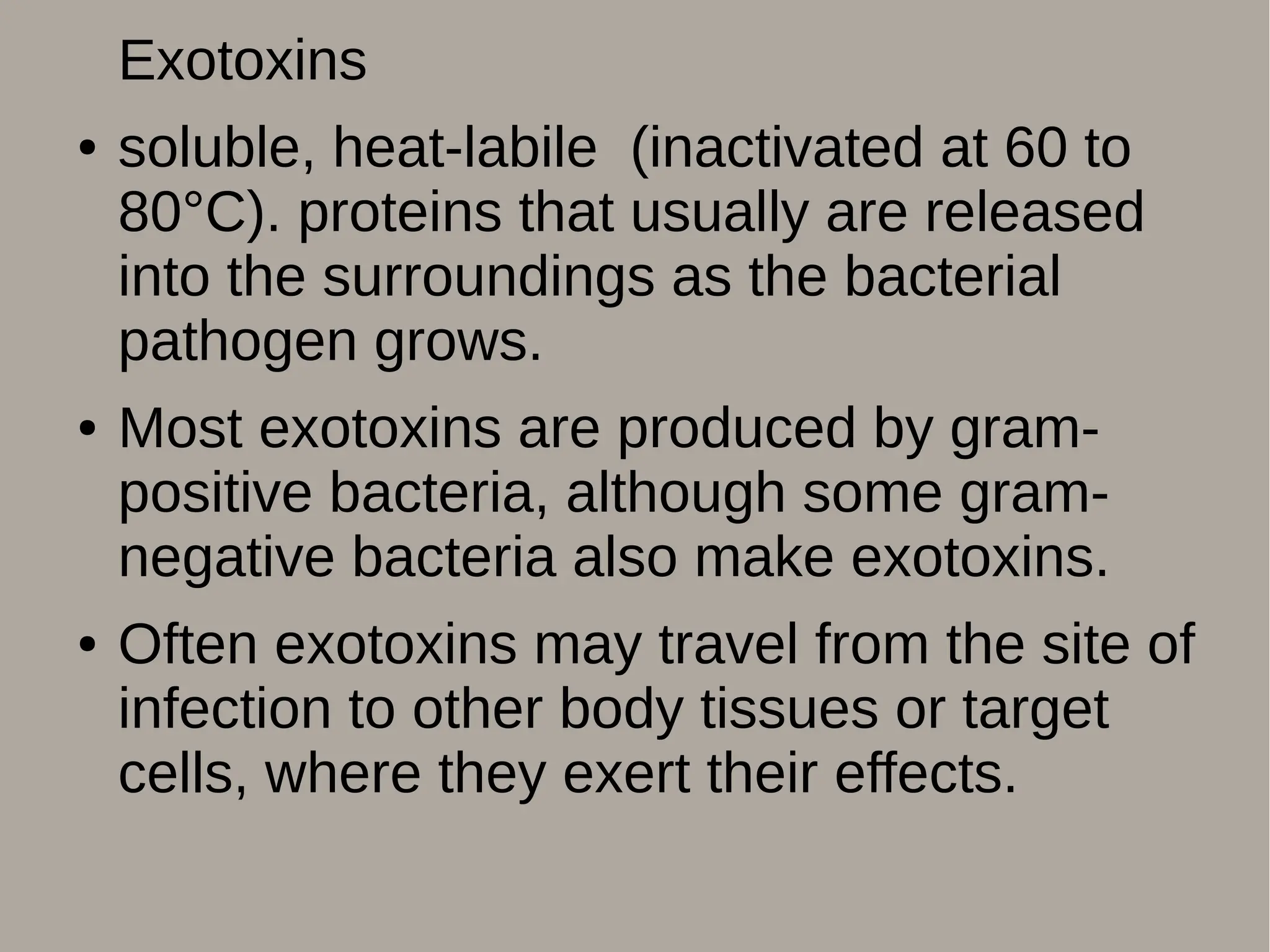
Exotoxins
● soluble, heat-labile(inactivated at 60 to
80°C). proteins that usually are released
into the surroundings as the bacterial
pathogen grows.
● Most exotoxins are produced by gram-
positive bacteria, although some gram-
negative bacteria also make exotoxins.
● Often exotoxins may travel from the site of
infection to other body tissues or target
cells, where they exert their effects.
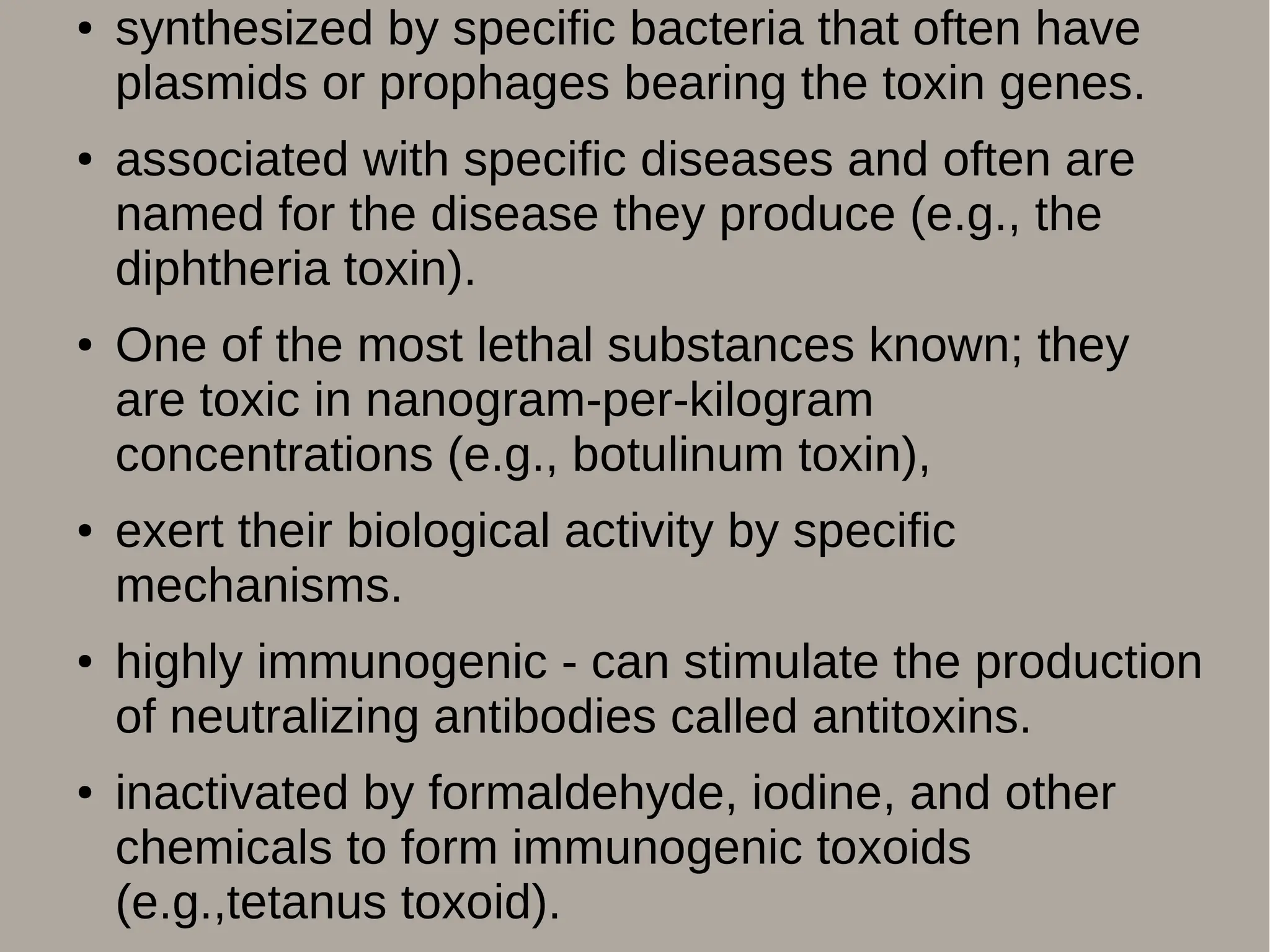
6.
● synthesized byspecific bacteria that often have
plasmids or prophages bearing the toxin genes.
● associated with specific diseases and often are
named for the disease they produce (e.g., the
diphtheria toxin).
● One of the most lethal substances known; they
are toxic in nanogram-per-kilogram
concentrations (e.g., botulinum toxin),
● exert their biological activity by specific
mechanisms.
● highly immunogenic - can stimulate the production
of neutralizing antibodies called antitoxins.
● inactivated by formaldehyde, iodine, and other
chemicals to form immunogenic toxoids
(e.g.,tetanus toxoid).
7.
Types of exotoxins-
●grouped into four based on their structure and
physiological activities.
● (1)- AB toxin1, B portion of the toxin binds to a
host cell receptor and is separate from the A
portion, which enters the cell and has enzyme
activity that causes the toxicity
● (2) AB toxin2, consists of those toxins that affect a
specific host site (nervous tissue [neurotoxins], the
intestines [enterotoxins], general tissues
[cytotoxins]).
● (3)membrane dirupting toxins- no separable A and
B portions and acts by disorganizing host cell
membranes.
● (4)superantigens act by stimulating T cells directly
to release cytokines.
8.
AB Toxins
● ABtoxins are composed of an enzymatic
subunit (A) that is responsible for the toxic
effect once inside the host cell and a binding
subunit (B)
● Isolated A subunits are enzymatically active but
lack binding and cell entry capability, whereas
isolated B subunits bind to target cells but are
nontoxic and biologically inactive.
● The B subunit recognizes and binds to specific
receptors on the target cell or tissue.
● The B subunit therefore determines what cell
type the toxin will affect.
10.
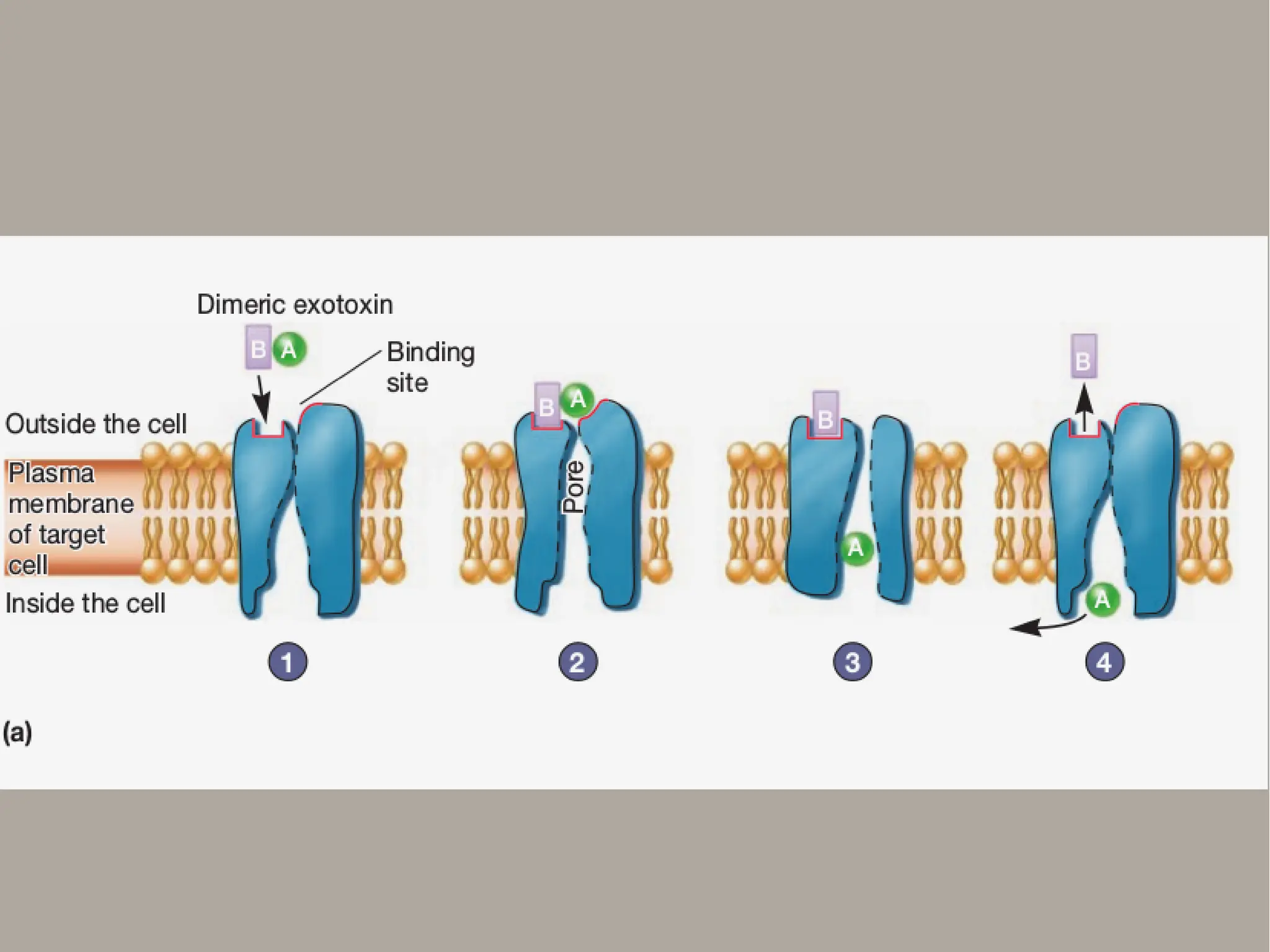
● Several mechanismsfor the entry of A
subunits or fragments into target cells
have been proposed.
● In one mechanism, the B subunit inserts
into the plasma membrane and creates a
pore through which the A subunit enters.
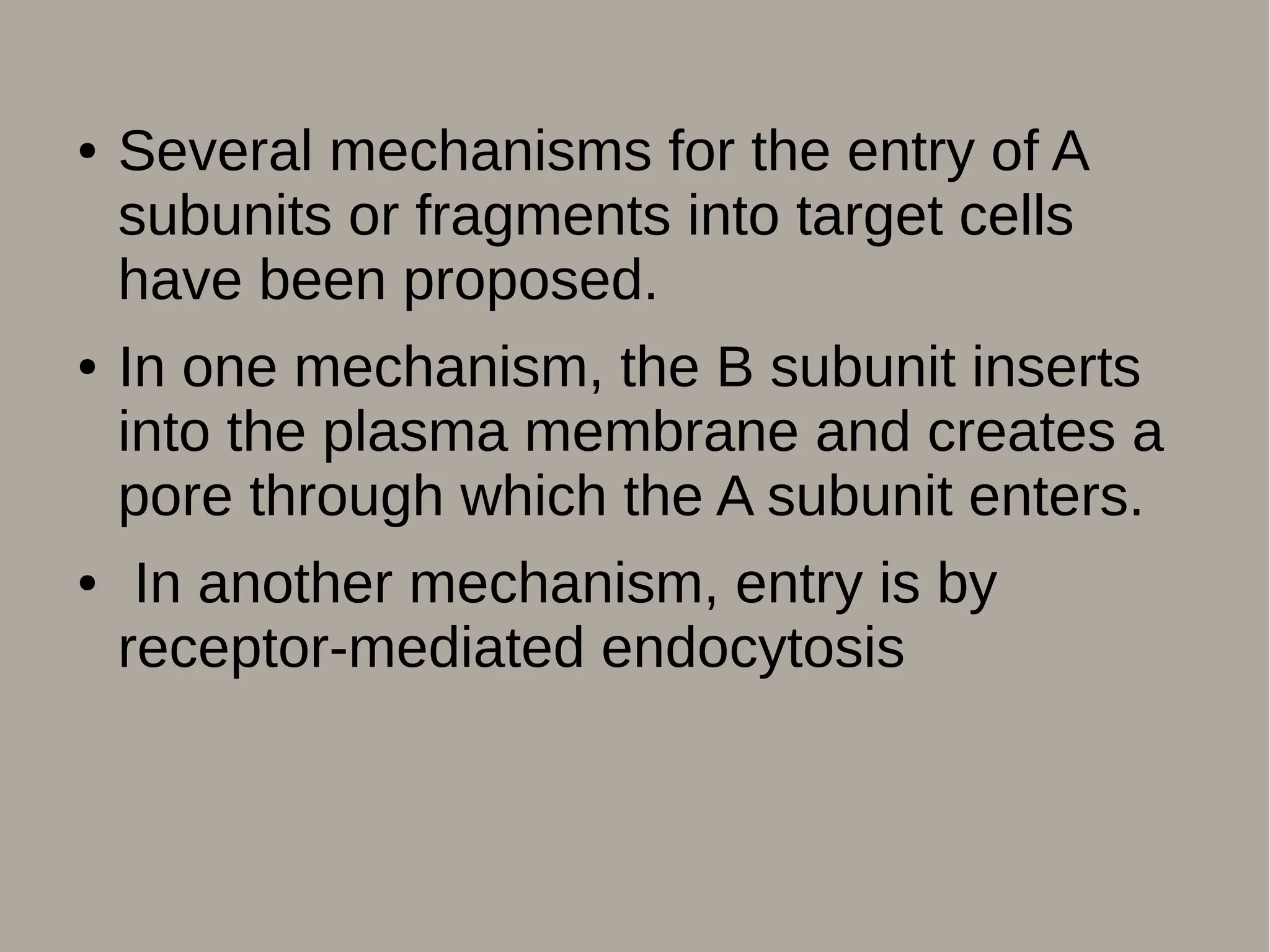
● In another mechanism, entry is by
receptor-mediated endocytosis
12.
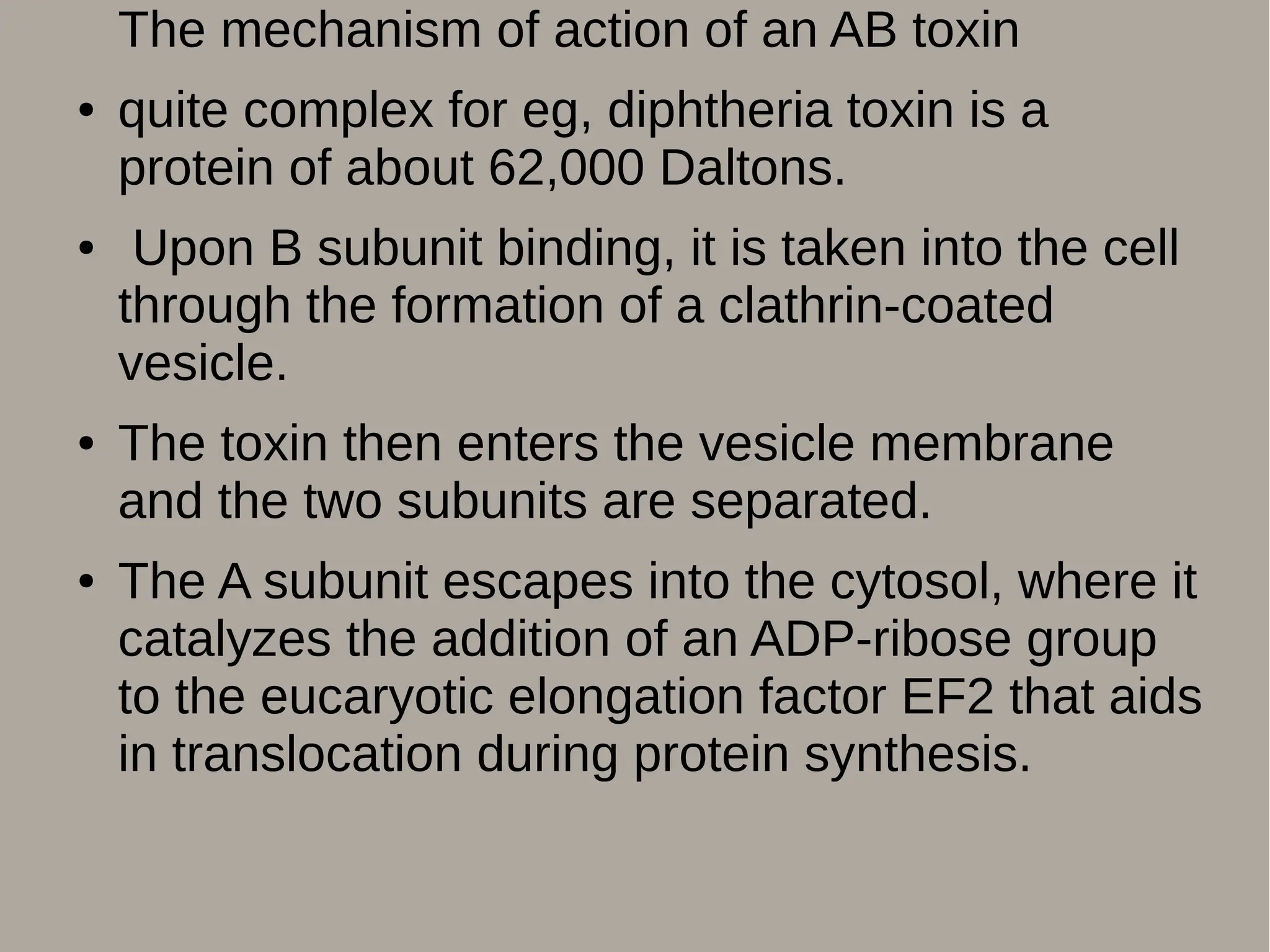
The mechanism ofaction of an AB toxin
● quite complex for eg, diphtheria toxin is a
protein of about 62,000 Daltons.
● Upon B subunit binding, it is taken into the cell
through the formation of a clathrin-coated
vesicle.
● The toxin then enters the vesicle membrane
and the two subunits are separated.
● The A subunit escapes into the cytosol, where it
catalyzes the addition of an ADP-ribose group
to the eucaryotic elongation factor EF2 that aids
in translocation during protein synthesis.
13.
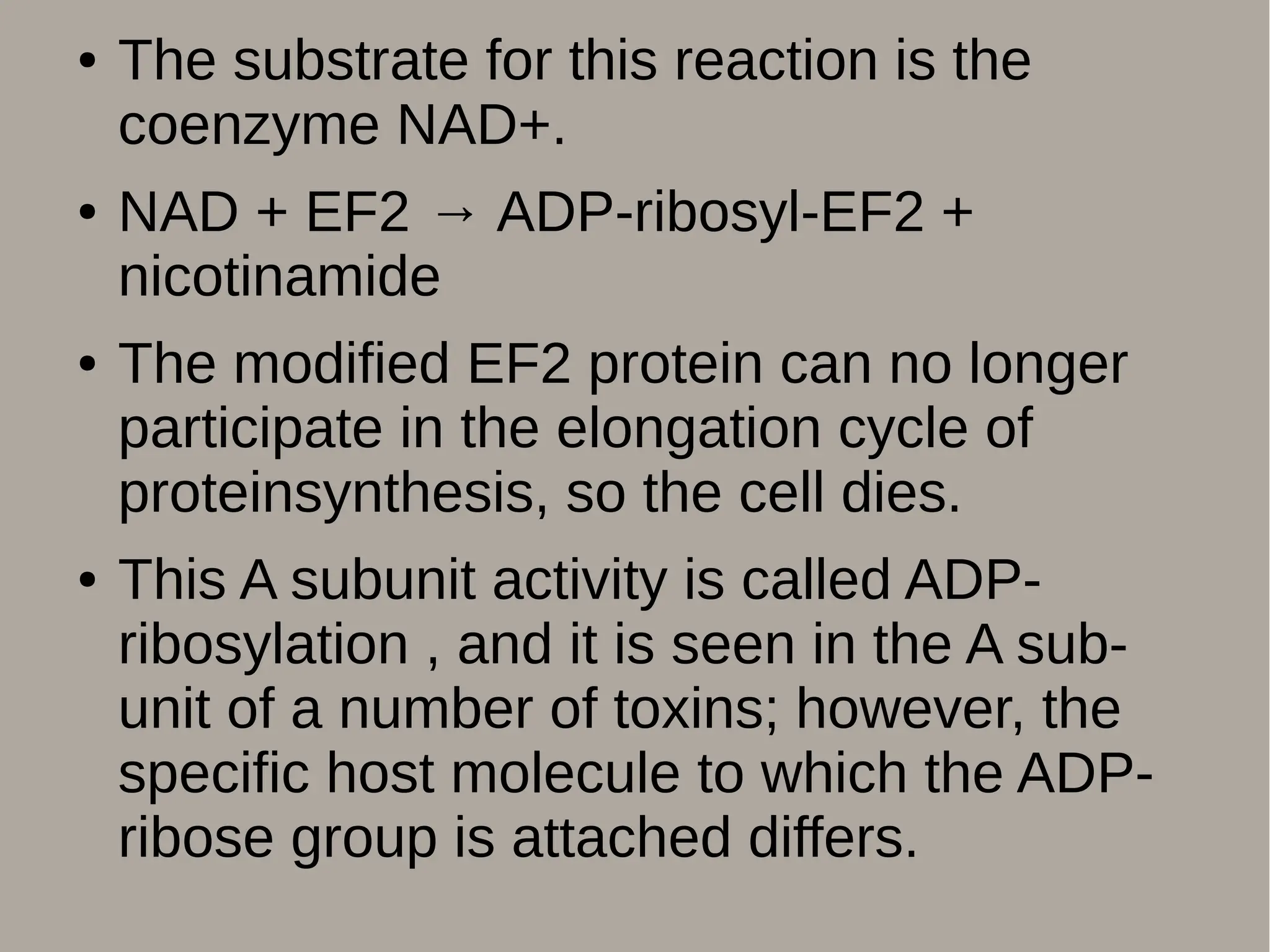
● The substratefor this reaction is the
coenzyme NAD+.
● NAD + EF2 → ADP-ribosyl-EF2 +
nicotinamide
● The modified EF2 protein can no longer
participate in the elongation cycle of
proteinsynthesis, so the cell dies.
● This A subunit activity is called ADP-
ribosylation , and it is seen in the A sub-
unit of a number of toxins; however, the
specific host molecule to which the ADP-
ribose group is attached differs.
14.
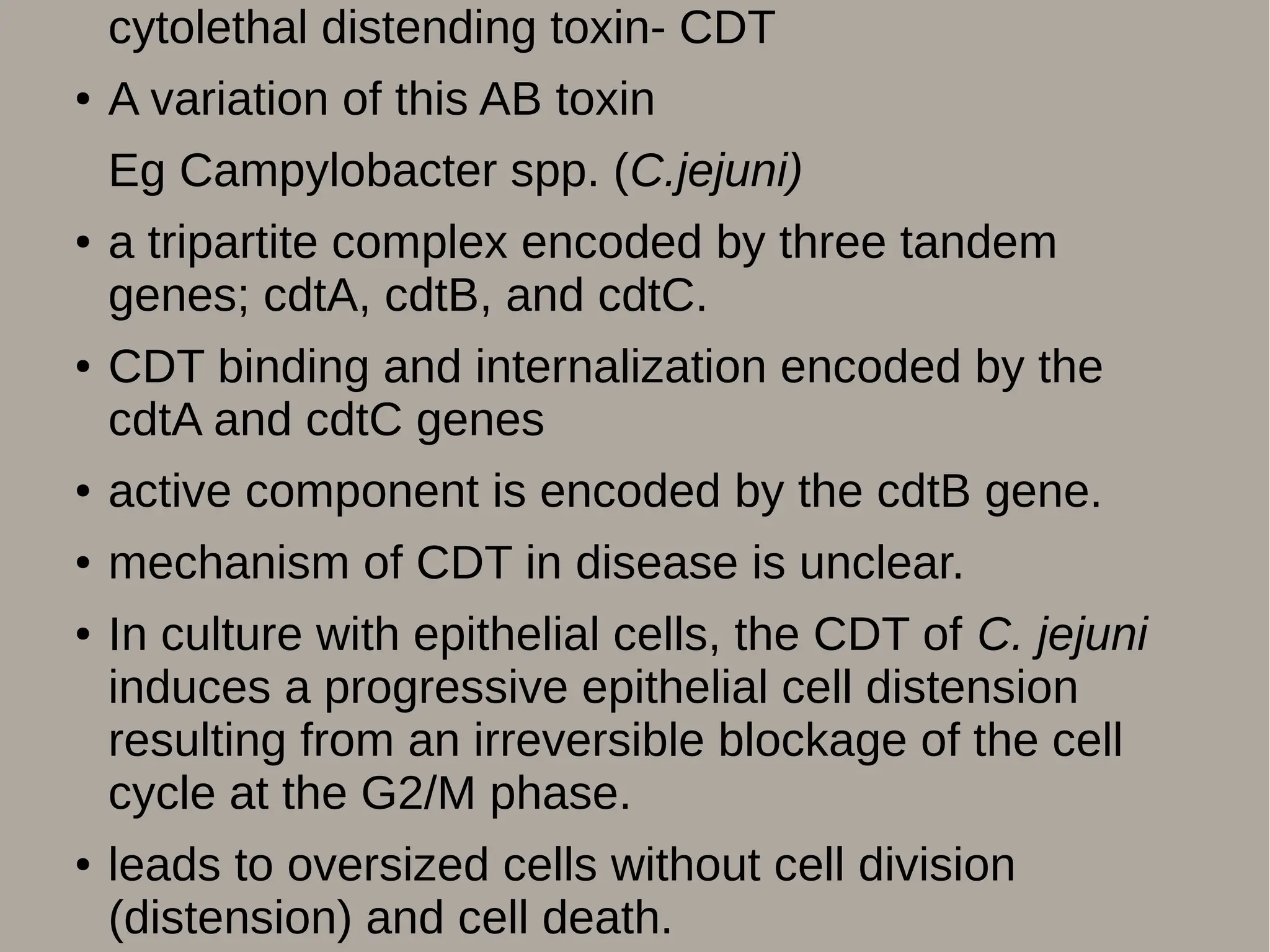
cytolethal distending toxin-CDT
● A variation of this AB toxin
Eg Campylobacter spp. (C.jejuni)
● a tripartite complex encoded by three tandem
genes; cdtA, cdtB, and cdtC.
● CDT binding and internalization encoded by the
cdtA and cdtC genes
● active component is encoded by the cdtB gene.
● mechanism of CDT in disease is unclear.
● In culture with epithelial cells, the CDT of C. jejuni
induces a progressive epithelial cell distension
resulting from an irreversible blockage of the cell
cycle at the G2/M phase.
● leads to oversized cells without cell division
(distension) and cell death.
15.
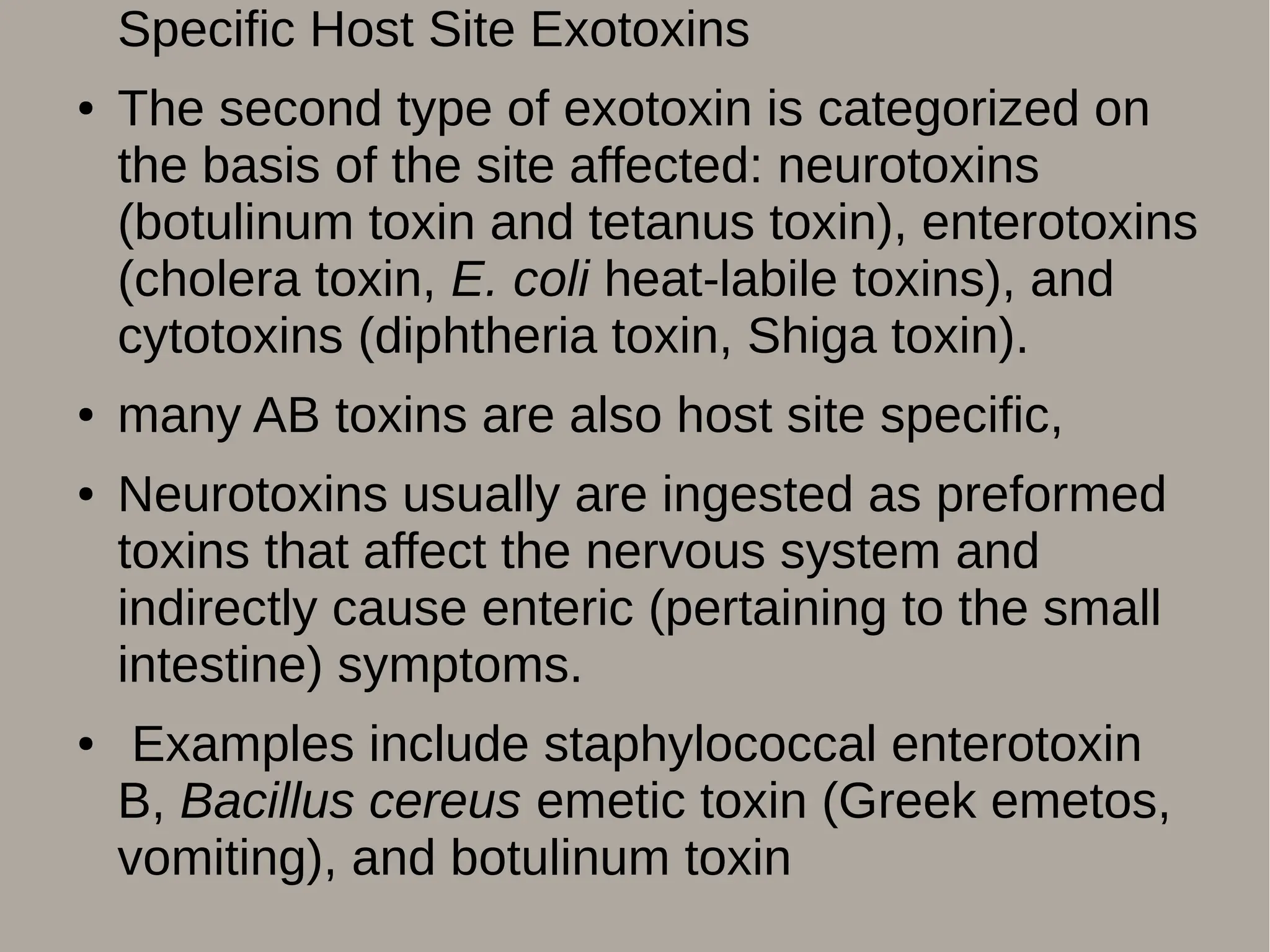
Specific Host SiteExotoxins
● The second type of exotoxin is categorized on
the basis of the site affected: neurotoxins
(botulinum toxin and tetanus toxin), enterotoxins
(cholera toxin, E. coli heat-labile toxins), and
cytotoxins (diphtheria toxin, Shiga toxin).
● many AB toxins are also host site specific,
● Neurotoxins usually are ingested as preformed
toxins that affect the nervous system and
indirectly cause enteric (pertaining to the small
intestine) symptoms.
● Examples include staphylococcal enterotoxin
B, Bacillus cereus emetic toxin (Greek emetos,
vomiting), and botulinum toxin
16.
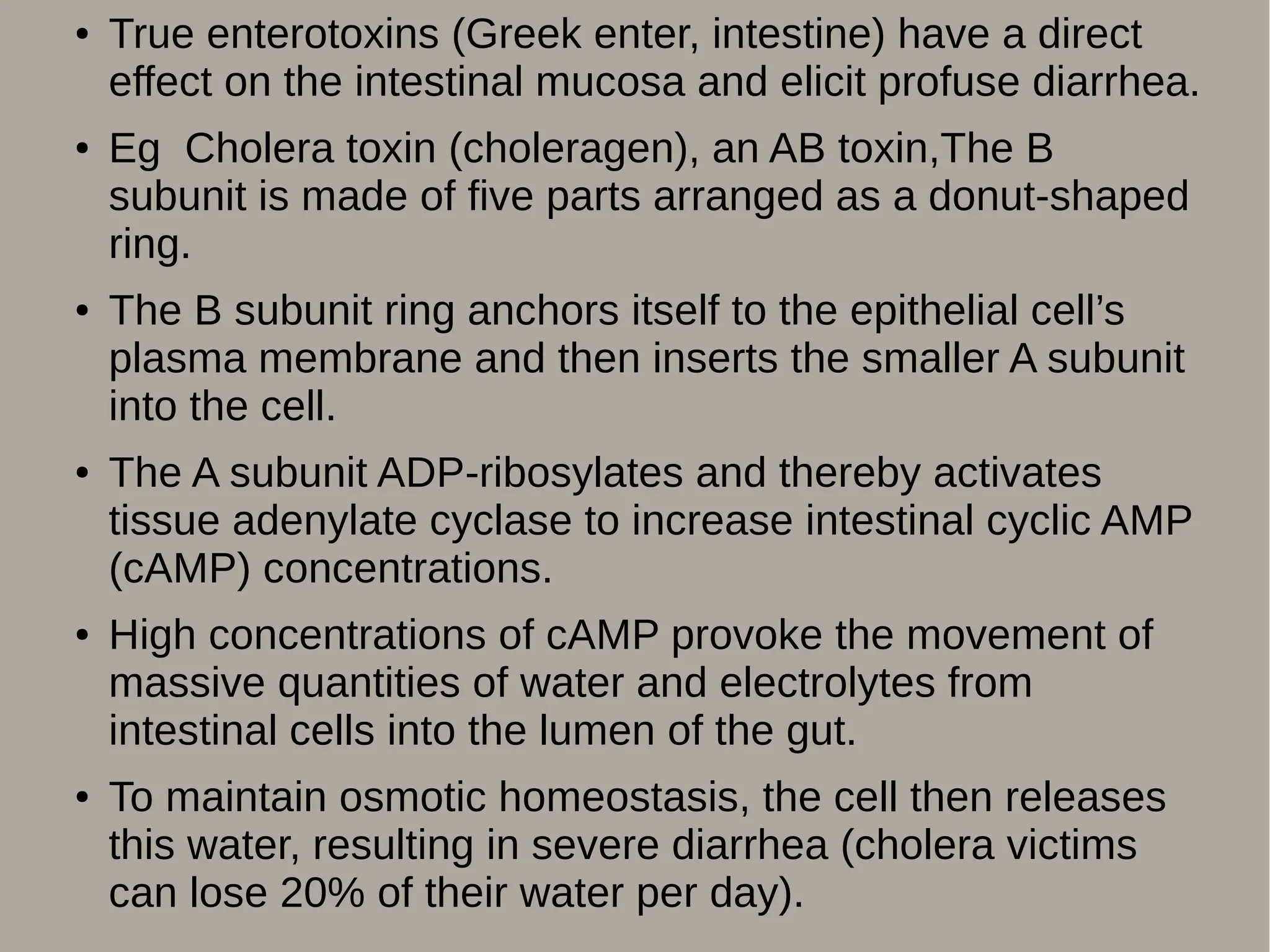
● True enterotoxins(Greek enter, intestine) have a direct
effect on the intestinal mucosa and elicit profuse diarrhea.
● Eg Cholera toxin (choleragen), an AB toxin,The B
subunit is made of five parts arranged as a donut-shaped
ring.
● The B subunit ring anchors itself to the epithelial cell’s
plasma membrane and then inserts the smaller A subunit
into the cell.
● The A subunit ADP-ribosylates and thereby activates
tissue adenylate cyclase to increase intestinal cyclic AMP
(cAMP) concentrations.
● High concentrations of cAMP provoke the movement of
massive quantities of water and electrolytes from
intestinal cells into the lumen of the gut.
● To maintain osmotic homeostasis, the cell then releases
this water, resulting in severe diarrhea (cholera victims
can lose 20% of their water per day).
17.
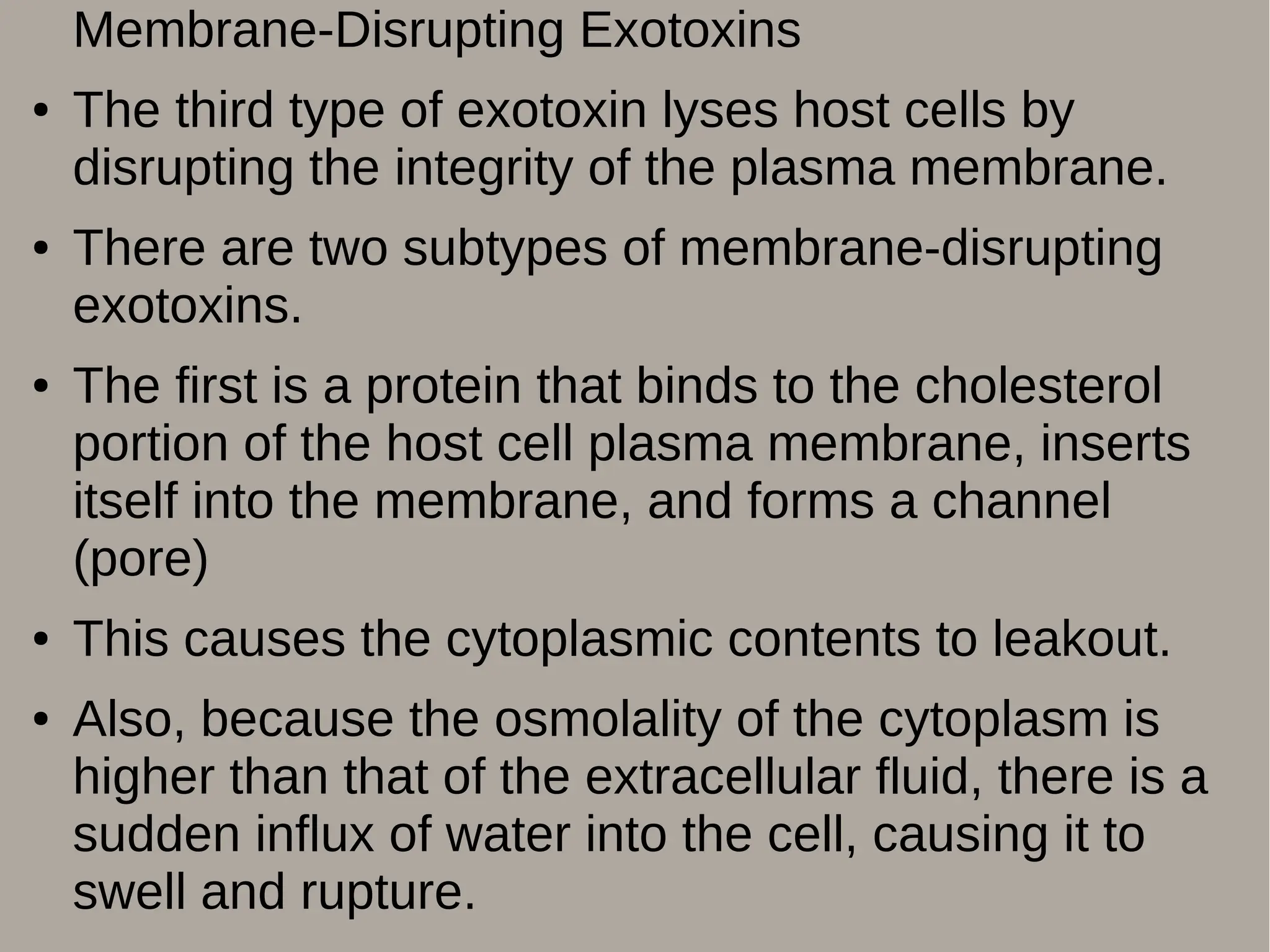
Membrane-Disrupting Exotoxins
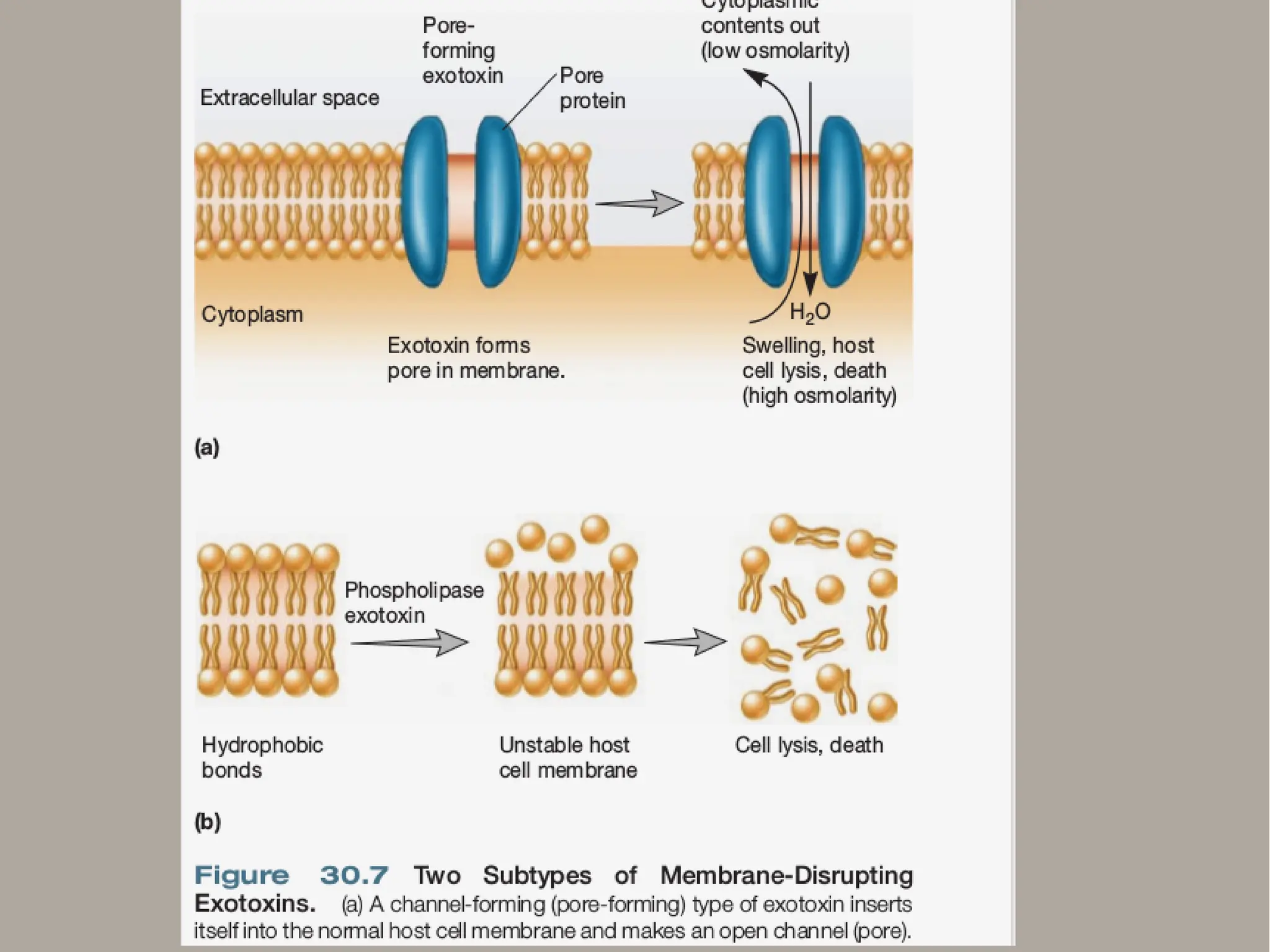
● Thethird type of exotoxin lyses host cells by
disrupting the integrity of the plasma membrane.
● There are two subtypes of membrane-disrupting
exotoxins.
● The first is a protein that binds to the cholesterol
portion of the host cell plasma membrane, inserts
itself into the membrane, and forms a channel
(pore)
● This causes the cytoplasmic contents to leakout.
● Also, because the osmolality of the cytoplasm is
higher than that of the extracellular fluid, there is a
sudden influx of water into the cell, causing it to
swell and rupture.
18.
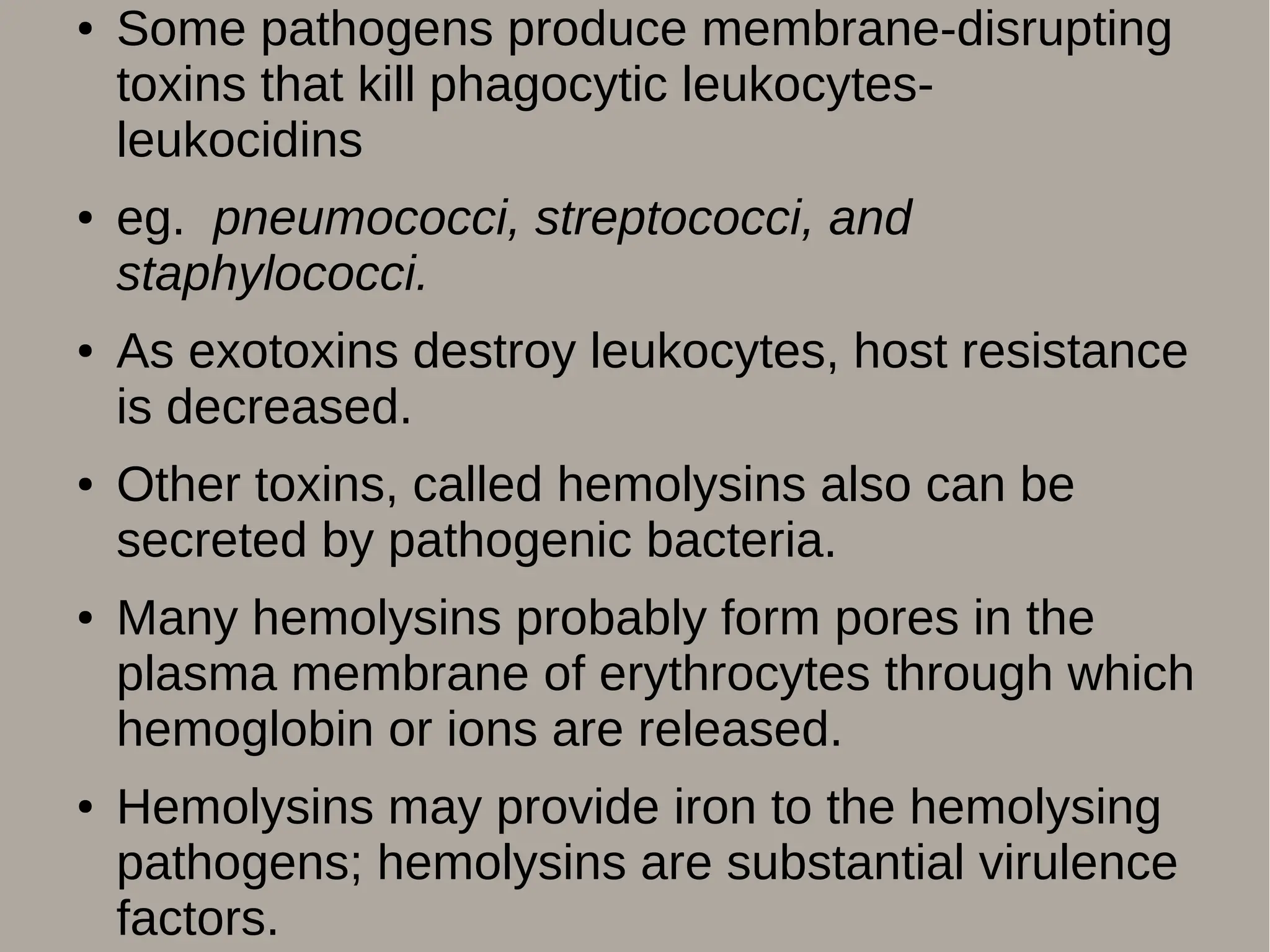
● Some pathogensproduce membrane-disrupting
toxins that kill phagocytic leukocytes-
leukocidins
● eg. pneumococci, streptococci, and
staphylococci.
● As exotoxins destroy leukocytes, host resistance
is decreased.
● Other toxins, called hemolysins also can be
secreted by pathogenic bacteria.
● Many hemolysins probably form pores in the
plasma membrane of erythrocytes through which
hemoglobin or ions are released.
● Hemolysins may provide iron to the hemolysing
pathogens; hemolysins are substantial virulence
factors.
19.
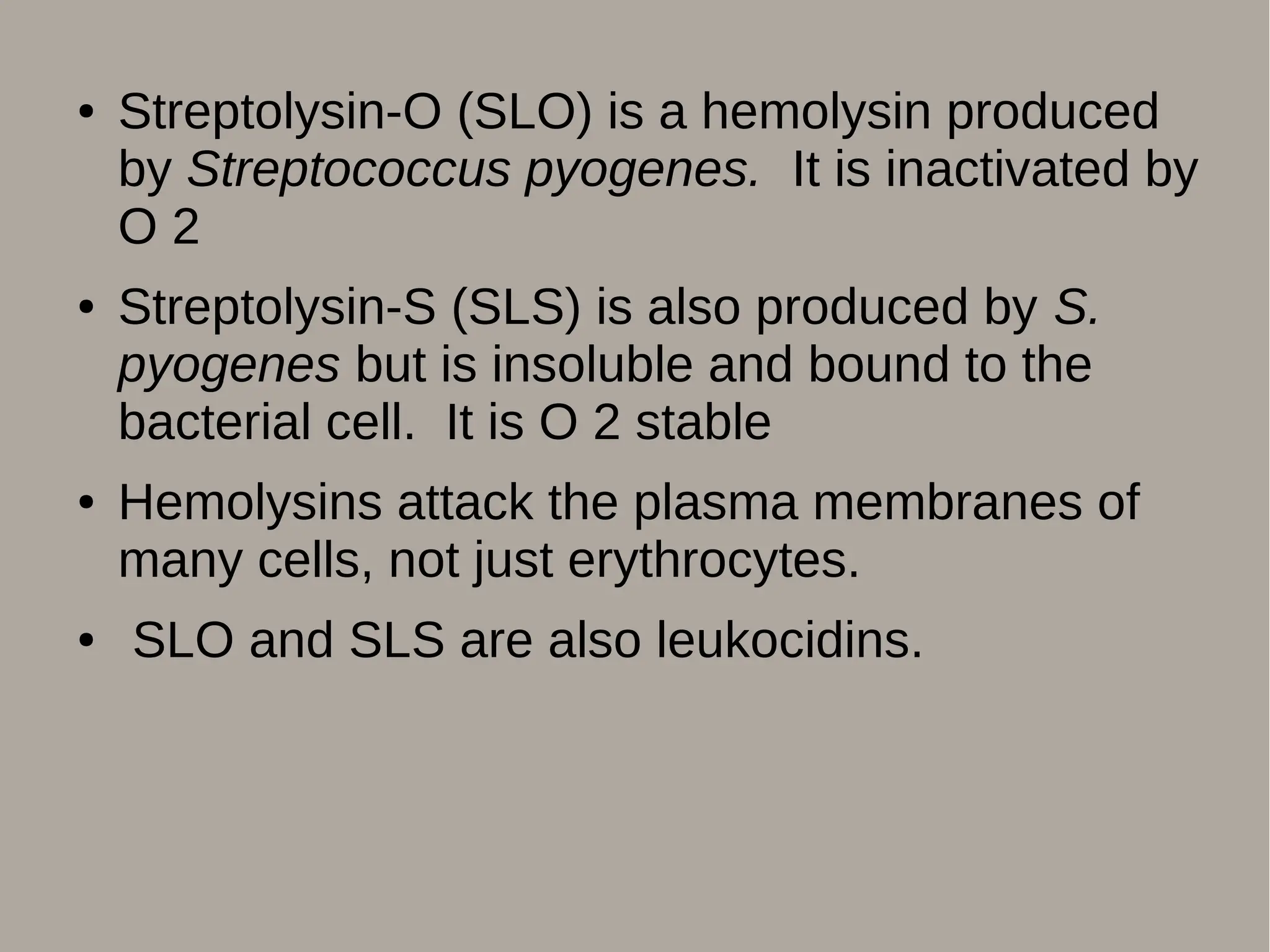
● Streptolysin-O (SLO)is a hemolysin produced
by Streptococcus pyogenes. It is inactivated by
O 2
● Streptolysin-S (SLS) is also produced by S.
pyogenes but is insoluble and bound to the
bacterial cell. It is O 2 stable
● Hemolysins attack the plasma membranes of
many cells, not just erythrocytes.
● SLO and SLS are also leukocidins.
20.
2nd type ofmembrane-disrupting toxins-
phospholipase enzymes.
● Phospholipases remove the charged head
group from the lipid portion of the phospholipids
in the host-cell plasma membrane.
● This destabilizes the membrane so that the cell
lyses and dies.
● eg. gas gangrene caused by Clostridium
perfringens. In this disease, the phospholipase
activity of -toxin almost completely destroys
the local population of white blood cells that are
drawn in by inflammation to fight the infection.
22.
Superantigens provoke asmany as 30%
of a person’s T cells to release cytokines.
● eg. staphylococcal enterotoxin B (SEB),
which also exhibits superantigen activity at
nanogram concentrations.
● It is classified as a select agent because it
has the potential to be misused as a
bioterror agent.
23.
● like allsuperantigens, SEB exerts its
activity by bridging the unfilled class II
MHC molecules of antigen-presenting cells
to T-cell receptors.
● Because no processed antigen is involved,
many T cells are activated at once.
● This activation of T cells results in normal
cytokine release;
● however, because so many T cells release
cytokines, cells and tissues are
overwhelmed.
● Cytokines stimulate endothelial damage,
circulatory shock, and multiorgan failure.
24.
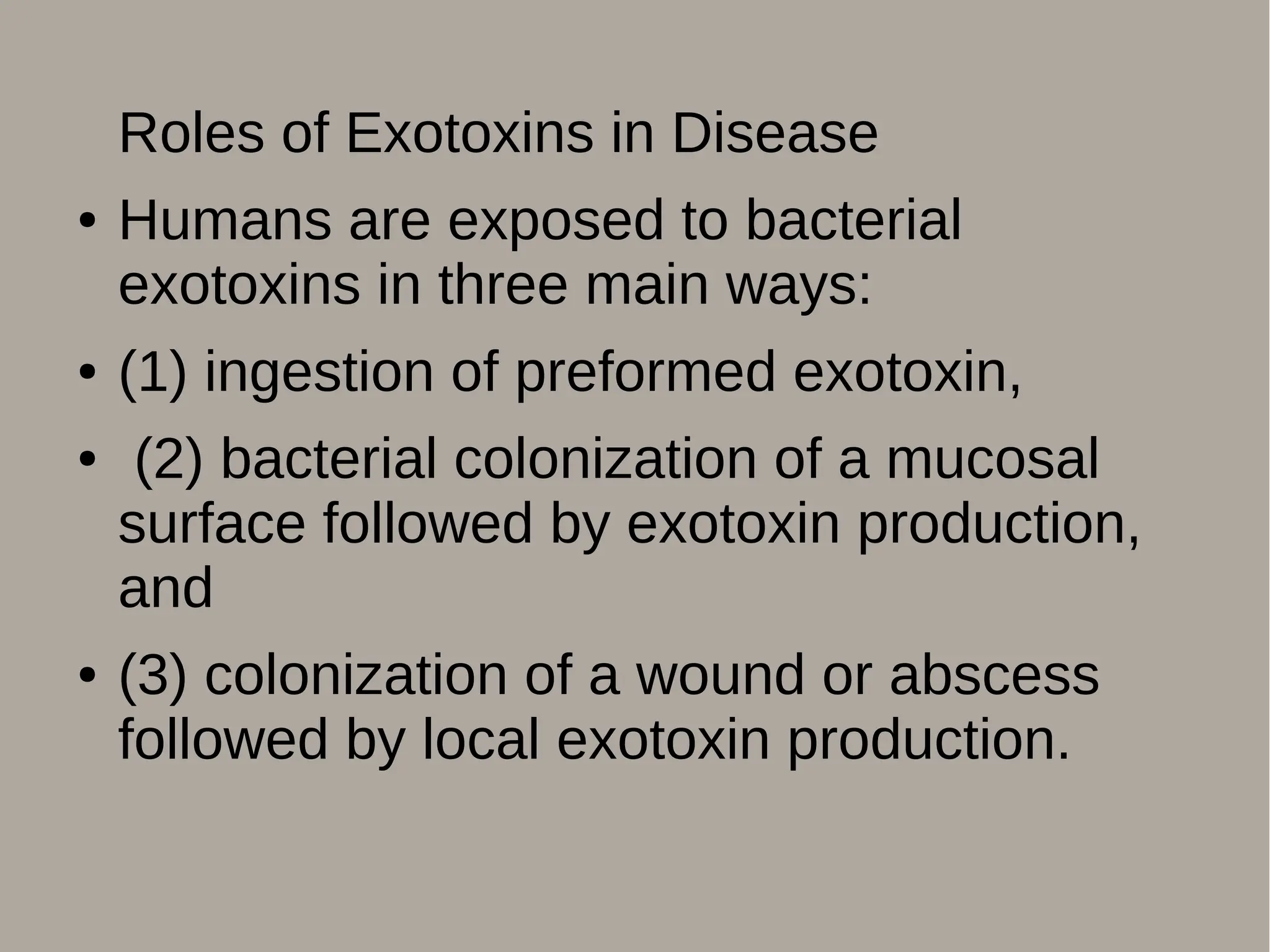
Roles of Exotoxinsin Disease
● Humans are exposed to bacterial
exotoxins in three main ways:
● (1) ingestion of preformed exotoxin,
● (2) bacterial colonization of a mucosal
surface followed by exotoxin production,
and
● (3) colonization of a wound or abscess
followed by local exotoxin production.
25.
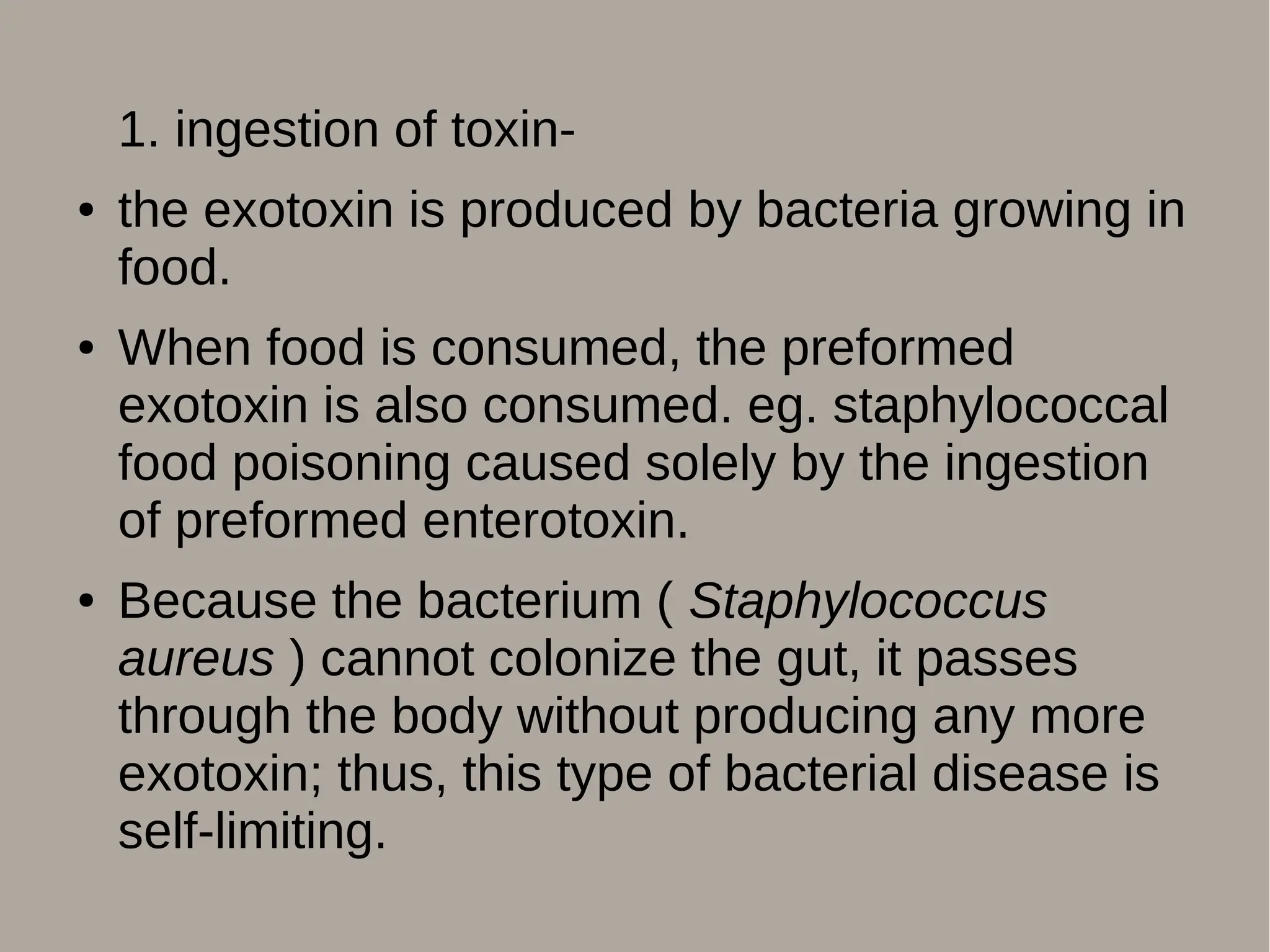
1. ingestion oftoxin-
● the exotoxin is produced by bacteria growing in
food.
● When food is consumed, the preformed
exotoxin is also consumed. eg. staphylococcal
food poisoning caused solely by the ingestion
of preformed enterotoxin.
● Because the bacterium ( Staphylococcus
aureus ) cannot colonize the gut, it passes
through the body without producing any more
exotoxin; thus, this type of bacterial disease is
self-limiting.
26.
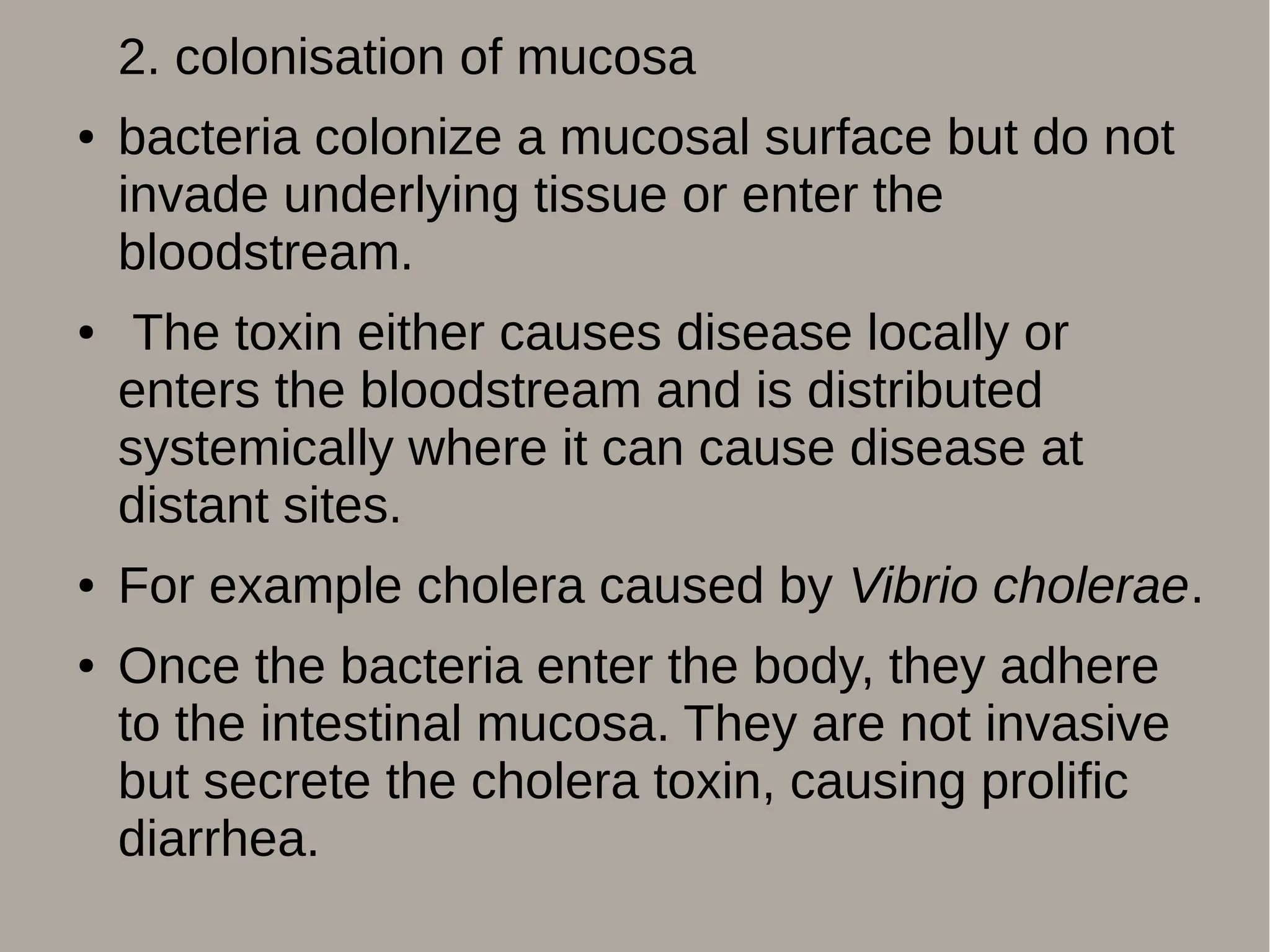
2. colonisation ofmucosa
● bacteria colonize a mucosal surface but do not
invade underlying tissue or enter the
bloodstream.
● The toxin either causes disease locally or
enters the bloodstream and is distributed
systemically where it can cause disease at
distant sites.
● For example cholera caused by Vibrio cholerae.
● Once the bacteria enter the body, they adhere
to the intestinal mucosa. They are not invasive
but secrete the cholera toxin, causing prolific
diarrhea.
27.
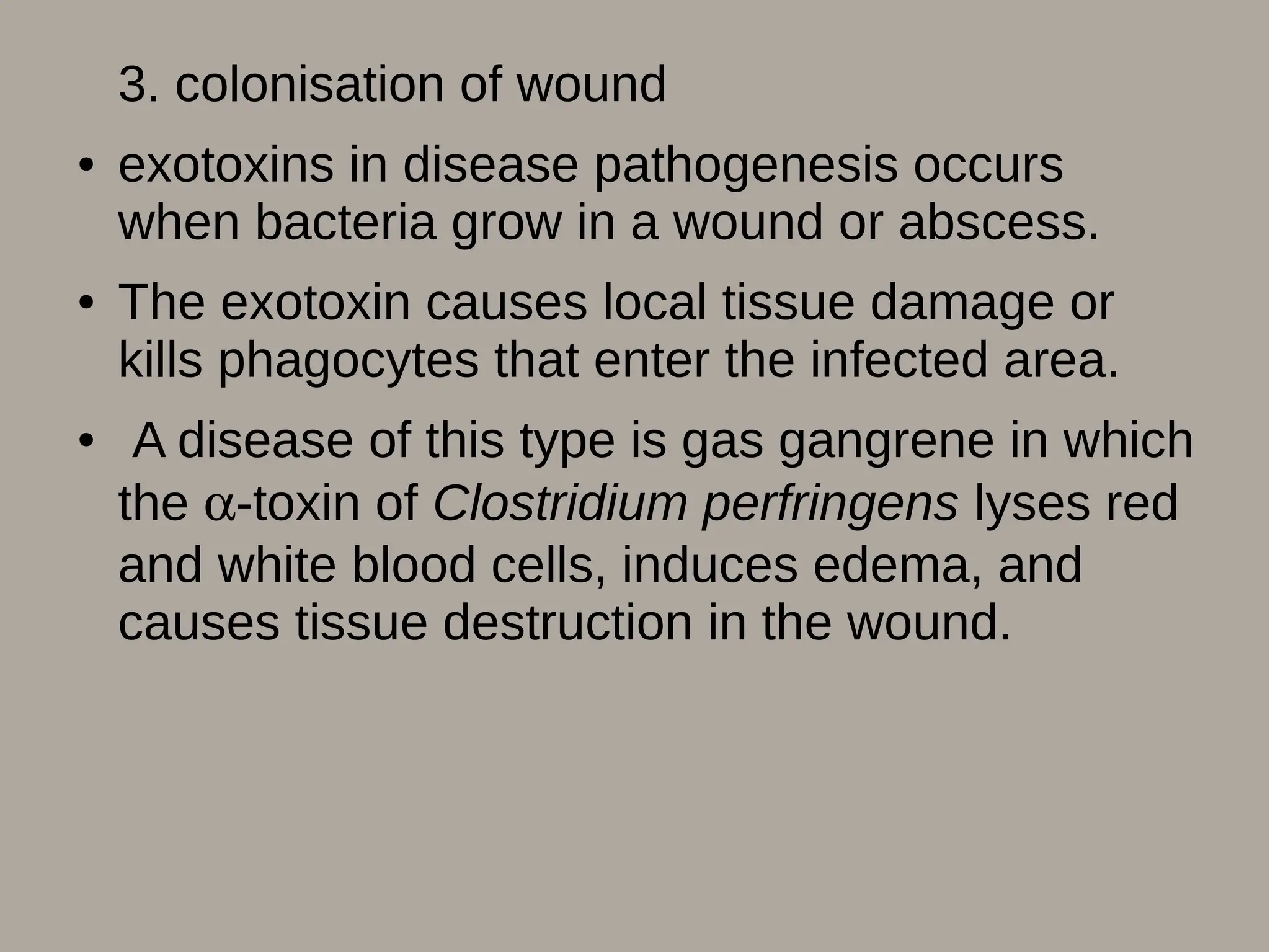
3. colonisation ofwound
● exotoxins in disease pathogenesis occurs
when bacteria grow in a wound or abscess.
● The exotoxin causes local tissue damage or
kills phagocytes that enter the infected area.
● A disease of this type is gas gangrene in which
the -toxin of Clostridium perfringens lyses red
and white blood cells, induces edema, and
causes tissue destruction in the wound.
28.
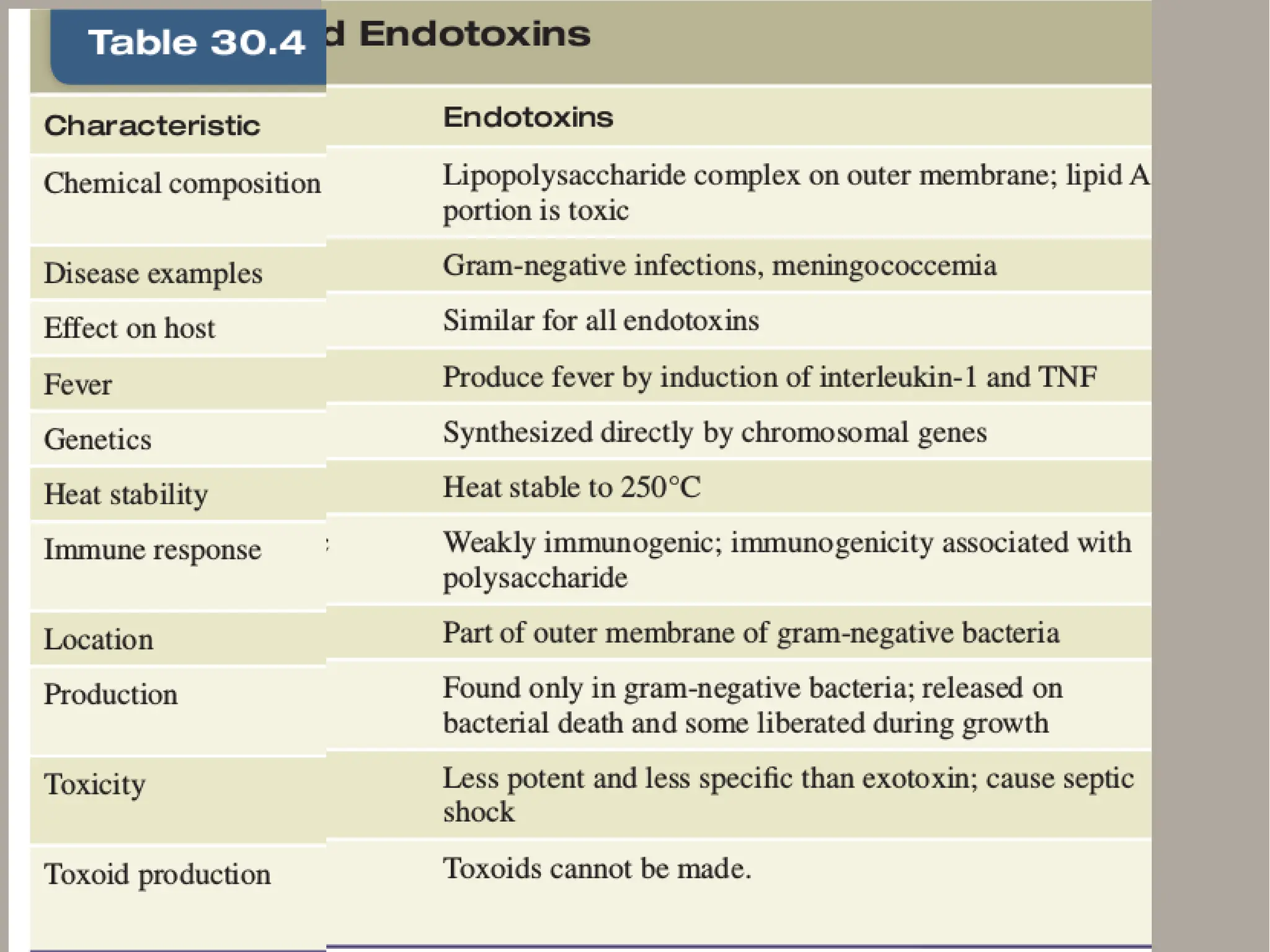
Endotoxins
● Gram-negative bacteriahave lipopolysaccharide
(LPS) in the outer membrane of their cell wall that,
under certain circumstances, is toxic to specific
hosts.
● This LPS is called an endotoxin because it is bound
to the bacterium and is released when the
microorganism lyses.
● Some is also released during bacterial
multiplication.
● The toxic component of the LPS is the lipid portion,
called lipid A.
● It appears to be a complex array of lipid residues
● It is heat stable and toxic in nanograms but only
weakly immunogenic
29.
● the lipidA of various gram-negatives produces
similar systemic effects regardless of the
microbe from which it is derived.
● These include fever (i.e., endotoxin is
pyrogenic), shock, blood coagulation, weakness,
diarrhea, inflammation, intestinal hemorrhage,
and fibrinolysis (enzymatic breakdown of fibrin,
the major protein component of blood clots).
● The main biological effect of lipid A is an indirect
one, mediated by host molecules and systems
rather than by lipid A itself. For example,
endotoxins can initially activate Hageman Factor
(blood clotting factor XII), which in turn activates
up to four humoral systems: coagulation,
complement, fibrinolytic, and kininogen systems.
30.
● Endotoxins alsoindirectly induce a fever in the
host by causing macrophages to release
endogenous pyrogens that reset the
hypothalamic thermostat
● One important endogenous pyrogen is the
cytokine interleukin-1 (IL-1).
● Other cytokines released by macrophages,
such as the tumor necrosis factor, also produce
fever.
● The net effect is often called septic shock and
can also be induced by certain pathogenic fungi
and gram-positive bacteria
31.
Mycotoxins - proteintoxins produced as
secondary metabolites by fungi.
● eg. Aspergillus flavus and A. Parasiticus
produce aflatoxins, and Stachybotrys produces
satratoxins, also known as trichothecene
mycotoxins .
● These fungi commonly contaminate food crops
and water-damaged buildings, respectively.
● An estimated 4.5 billion people in developing
countries may be exposed chronically to
aflatoxins through their diet.
32.
● Exposure toaflatoxins is known to cause both chronic
and acute liver disease and liver cancer.
● Aflatoxins are extremely carcinogenic, mutagenic,
and immunosuppressive.
● Approximately 18 different types of aflatoxins exist.
● Aflatoxins are difuranocoumarins and classified in two
broad groups according to their chemical structure.
● Aflatoxins fluoresce strongly at 365 nm (ultraviolet
light) appearing blue or green, depending on the afl
atoxin chemistry.
● The Stachybotrys trichothecene mycotoxins are potent
inhibitors of DNA, RNA, and protein synthesis.
● They induce inflammation, disrupt surfactant
phospholipids in the lungs, and may lead to
pathological changes in tissues.
33.
● The fungusClaviceps purpurea also produces
toxic substances.
● The products are generically referred to as ergots,
reflecting the name of the tuberlike structure of the
fungi.
● The ergot is a fungal resting stage and is
composed of a compact mass of hyphae.
● The ergots from various Claviceps spp. Produce
alkaloids that have varying physiological effects on
humans.
● One such alkaloid is lysergic acid, a psychotropic
hallucinogen. The ergot alkaloids have long been
suspected as the cause of St. Anthony’s fi re in the
eighth to sixteenth centuries in Europe and the
hallucinations associated with the Salem witch
trials of early American infamy.
![Types of exotoxins-
● grouped into four based on their structure and
physiological activities.
● (1)- AB toxin1, B portion of the toxin binds to a
host cell receptor and is separate from the A
portion, which enters the cell and has enzyme
activity that causes the toxicity
● (2) AB toxin2, consists of those toxins that affect a
specific host site (nervous tissue [neurotoxins], the
intestines [enterotoxins], general tissues
[cytotoxins]).
● (3)membrane dirupting toxins- no separable A and
B portions and acts by disorganizing host cell
membranes.
● (4)superantigens act by stimulating T cells directly
to release cytokines.](https://image.slidesharecdn.com/toxins-250821040503-c88e632f/75/microbial-toxins-types-mode-of-action-pdf-7-2048.jpg)