Literacy First: Year 2Incorporating Reading Strategies in the math classroomMeghan Sharp & Melaine RickardTurrentine Middle SchoolMarch 2011
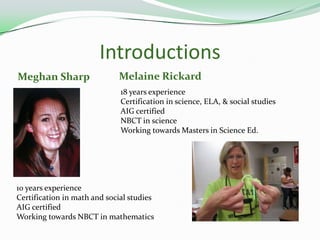
IntroductionsMeghan SharpMelaine Rickard18 years experienceCertification in science, ELA, & social studiesAIG certifiedNBCT in scienceWorking towards Masters in Science Ed.10 years experienceCertification in math and social studiesAIG certifiedWorking towards NBCT in mathematics
What is Literacy First?Three year program purchased by the district to improve reading levels of students who are multiple grade levels behindExtensive training for content area teachers for one year and then we “fly solo” incorporating strategies into our disciplinesMonthly visits to evaluate progressStrategies used are proven to increase student success rates
Focus Strategies Visualization/Picture WalkWord SortsSQ3R/SQRP2
VisualizationTalk about what are the key words that help you “see” textColorTextureShape SizemovementRead textCreate a sketch of what they see from the text
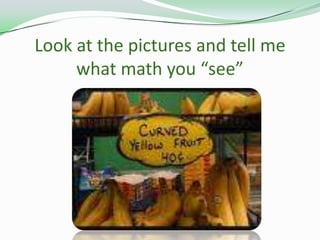
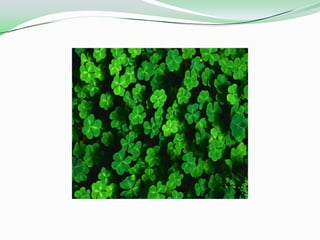
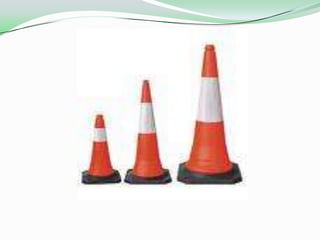
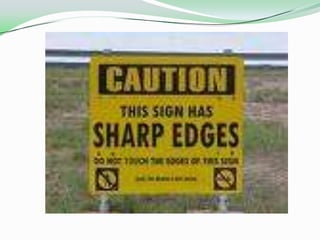
Look at the pictures and tell me what math you “see”
Picture WalkSame skill as visualization but the opposite orderFind some interesting pictures that can have mathematical implications.Students view each picture and write what math they “see” in the picture.Great for an opening activity for a unit, bell ringer activity, assessment piece, or student assignment.Low tech-print pictures or draw pictures and hang around room for silent discussionHigh tech-make a graffiti wall in Smartboard
Word SortsUsed to help students identify patterns Used as pre assessment, drill and practice, and assessment.Can be whole class using the Smart Board, small group using cards, individual using cut/paste papers
Word SortTake the sort out in front of you and let’s try itI use it for:Rational and irrationalVocabularyEquations and answersGraph and the equation3 D shapes
SQ3RNon fiction text strategySurvey-look over the sectionQuestion-using the headings, write some questions that the reader has and thinks are going to be answered in the textRead-just do it!Record-write down any notes or answers to the original questionsReview-review your notes, check to see if questions were answers
Reading to learn mathematics text more efficiently to understand the information betterSQRP2(SQ3R for math)
SurveyRead any introductions, titles, subheadings, captions, examples, vocabulary terms, and problems at the end of the chapterAsk yourself:What is the title of this chapter?Are there any subheadings? What does it say I will learn?Is there any new vocabulary?Are there any key concepts?Are there any study tips, graphs, or charts?
QuestionsFormulate some questions you have about the topic or any of the “stuff” you surveyedUse the basic signal words!Examples:Who is this theorem/formula named after?What basic math skills do I need in order to apply this new information?When am I ever going to use this?Where would I see this formula/theorem used?Why is this important?How do I do this?
ReadIn order to do this you should have already looked up or learned the vocabulary learned any symbols formulated questions that you are going to search for answers Make sure to write down any thing you find that will help answer your questions that you formulated
ProblemsLook back at the sample problems in the sectionPut the sample problems in your own wordsDraw diagrams and add labelsAsk your self:What concepts, formulas, and/or rules were applied?What method (s) were used to solve the problem? Why?What was the first step? Second step? Third step? Etc.Have any steps been combined?What differences or similarities are there between examples in the sample problems and the practice problems?
PracticeTry some problems on your own!Use the notes you took when you worked on problems Ask yourself:What method, formula, or rules should I apply?What method should I use? Why?How do I begin?Can I do this problem another way? Should I?Can this answer be simplified?What other kind of problems have I seen that this one is like?
They’re Going SteadyUse the SQRP2 strategy to evaluate the textWalk around the room and post your brainpower!
Thank you for coming!Please visit my website for more information or this presentation:http://sharp-8th-grade-math.tum.abss.k12.nc.usOr e mail questions:Meghan_sharp@abss.k12.nc.us

Meghan sharp & melaine rickard literacy first presentation

  • 1.
    Literacy First: Year2Incorporating Reading Strategies in the math classroomMeghan Sharp & Melaine RickardTurrentine Middle SchoolMarch 2011
  • 2.
    IntroductionsMeghan SharpMelaine Rickard18years experienceCertification in science, ELA, & social studiesAIG certifiedNBCT in scienceWorking towards Masters in Science Ed.10 years experienceCertification in math and social studiesAIG certifiedWorking towards NBCT in mathematics
  • 3.
    What is LiteracyFirst?Three year program purchased by the district to improve reading levels of students who are multiple grade levels behindExtensive training for content area teachers for one year and then we “fly solo” incorporating strategies into our disciplinesMonthly visits to evaluate progressStrategies used are proven to increase student success rates
  • 4.
  • 5.
    VisualizationTalk about whatare the key words that help you “see” textColorTextureShape SizemovementRead textCreate a sketch of what they see from the text
  • 6.
    Look at thepictures and tell me what math you “see”
  • 10.
    Picture WalkSame skillas visualization but the opposite orderFind some interesting pictures that can have mathematical implications.Students view each picture and write what math they “see” in the picture.Great for an opening activity for a unit, bell ringer activity, assessment piece, or student assignment.Low tech-print pictures or draw pictures and hang around room for silent discussionHigh tech-make a graffiti wall in Smartboard
  • 11.
    Word SortsUsed tohelp students identify patterns Used as pre assessment, drill and practice, and assessment.Can be whole class using the Smart Board, small group using cards, individual using cut/paste papers
  • 12.
    Word SortTake thesort out in front of you and let’s try itI use it for:Rational and irrationalVocabularyEquations and answersGraph and the equation3 D shapes
  • 13.
    SQ3RNon fiction textstrategySurvey-look over the sectionQuestion-using the headings, write some questions that the reader has and thinks are going to be answered in the textRead-just do it!Record-write down any notes or answers to the original questionsReview-review your notes, check to see if questions were answers
  • 14.
    Reading to learnmathematics text more efficiently to understand the information betterSQRP2(SQ3R for math)
  • 15.
    SurveyRead any introductions,titles, subheadings, captions, examples, vocabulary terms, and problems at the end of the chapterAsk yourself:What is the title of this chapter?Are there any subheadings? What does it say I will learn?Is there any new vocabulary?Are there any key concepts?Are there any study tips, graphs, or charts?
  • 16.
    QuestionsFormulate some questionsyou have about the topic or any of the “stuff” you surveyedUse the basic signal words!Examples:Who is this theorem/formula named after?What basic math skills do I need in order to apply this new information?When am I ever going to use this?Where would I see this formula/theorem used?Why is this important?How do I do this?
  • 17.
    ReadIn order todo this you should have already looked up or learned the vocabulary learned any symbols formulated questions that you are going to search for answers Make sure to write down any thing you find that will help answer your questions that you formulated
  • 18.
    ProblemsLook back atthe sample problems in the sectionPut the sample problems in your own wordsDraw diagrams and add labelsAsk your self:What concepts, formulas, and/or rules were applied?What method (s) were used to solve the problem? Why?What was the first step? Second step? Third step? Etc.Have any steps been combined?What differences or similarities are there between examples in the sample problems and the practice problems?
  • 19.
    PracticeTry some problemson your own!Use the notes you took when you worked on problems Ask yourself:What method, formula, or rules should I apply?What method should I use? Why?How do I begin?Can I do this problem another way? Should I?Can this answer be simplified?What other kind of problems have I seen that this one is like?
  • 20.
    They’re Going SteadyUsethe SQRP2 strategy to evaluate the textWalk around the room and post your brainpower!
  • 21.
    Thank you forcoming!Please visit my website for more information or this presentation:http://sharp-8th-grade-math.tum.abss.k12.nc.usOr e mail questions:Meghan_sharp@abss.k12.nc.us