Quarter III: Media-based Arts and
Design in the Philippines
The previous quarter provided an
overview of the phenomenal
capabilities and possibilities of the
electronic or digital media available
in today’s technology driven world.
These have enabled amazingly
innovative art forms to evolve far
beyond traditional painting,
sculpture, and architecture.
As quickly as technology is able to
develop new devices, gadgets, and
techniques, modern artists and
designers adapt them to enhance
their creative expression.
In this quarter, the modern
techniques and trends in
photography, film, print media,
digital media, and product and
industrial design will be explored.
 Most notably the talent, creativity,
and quality workmanship of
Filipino artists and designers in all
these fields will be recognized and
celebrated.
Not only have these brought
Philippine artistry to the world’s
attention, but they have opened up
an entire range of opportunities for
young Filipinos to develop and
apply these talents—and earn a
living while doing so.
Technological advances continue
to be a major driving force in the
directions that each of these art
forms has taken.
Among the results have been
exciting innovations in materials
manipulation, coloring and
embellishment techniques, and
creation and production processes
applied to all today’s media—
whether physical and tangible, or
virtual in cyber space.
In this quarter, the modern
techniques and trends in
photography, film, print media,
digital media, and product and
industrial design will be explored.
Most notably the talent, creativity,
and quality workmanship of
Filipino artists and designers in all
these fields will be recognized and
celebrated.
Not only have these brought
Philippine artistry to the world’s
attention, but they have opened up
an entire range of opportunities for
young Filipinos to develop and
apply these talents—and earn a
living while doing so.
Technological advances continue
to be a major driving force in the
directions that each of these art
forms has taken.
Among the results have been
exciting innovations in materials
manipulation, coloring and
embellishment techniques, and
creation and production processes
applied to all today’s media—
whether physical and tangible, or
virtual in cyber space.
Photography
In its early stages during the late
19th century, photography was
viewed as a purely technical
process, that of recording visible
images by light action on light-
sensitive materials.
Its very name—from the Greek
“photos” (meaning light) and
“graphos” (meaning writing)—
states this process literally.
In comparison to the highly-
regarded arts of painting and
sculpture, then, photography was
not immediately considered art.
But it was not long before the
artistry of 20th century
photographers elevated this “light
writing” to an aesthetic form in its
own right.
The Photographer as Artist
Focusing a camera at a subject and
clicking the shutter is photography as
process.
Discerning a significant moment or a
unique expression, framing it in the
camera viewfinder with an eye for
composition, and then clicking the
shutter is photography as art.
 That discernment and that eye for
composition are the factors that
elevate a photographer from a
mere recorder of images to an
artist.
-In a pictorial shoot, the
photographer may position
lighting, modify the lens setting, or
use filters to create an effect he or
she has conceptualized
beforehand.
 The tools and techniques may
not be those of the traditional
artist, but the aesthetic
principles are the same.
 For today’s photographers, the
process goes even further.
They may take the exposed film into a
dark room or subject the digital
images to their photo editing
software—and there manipulate the
images with the myriad of photo
enhancement techniques and tools
currently available.
 Whether left untouched from the
instant the image was captured or
was digitally or manually altered, the
resulting photographs can be
startlingly impactful.
It becomes clear how the
photographer has captured the
elements of form, color, light and
shadow, texture, and composition to
create a true work of art.
 Being a modern art form means
that photography is now viewed
as being more than just
beautiful. It is also considered
one of the most powerful means
of communication.
Photography as Communication
 Next to the printed word, the
photographic image is
today’s most important
means of conveying
information and ideas,
expressing emotions, even
championing causes.
 This power comes from two
distinctive characteristics of
photography: Immediacy and detail.
An image recorded by a camera has
a sense of authenticity. Because the
lens captures the image objectively,
the resulting photograph is regarded
as ‘true to life’ and ‘of the moment.’
 At the same time, the camera
takes in every detail of an image.
thus the photograph has a sense
of completeness.
 For these reasons, photographs are
vital tools in communication fields
such as journalism, advertising,
education, and even in courts of law.
They have also been used to
eloquently speak out against social
and political issues.
NOTEWORTHY
PHILIPPINE
PHOTOGRAPHERS
 The Philippines has joined the
rest of the world in applying the
wonders of modern photography
to every aspect of life—from
personal to professional to
national to global.
 And with our country’s natural
beauty, a number of local
photographers have taken on
the Philippines and our people
as a major focus of their lenses.
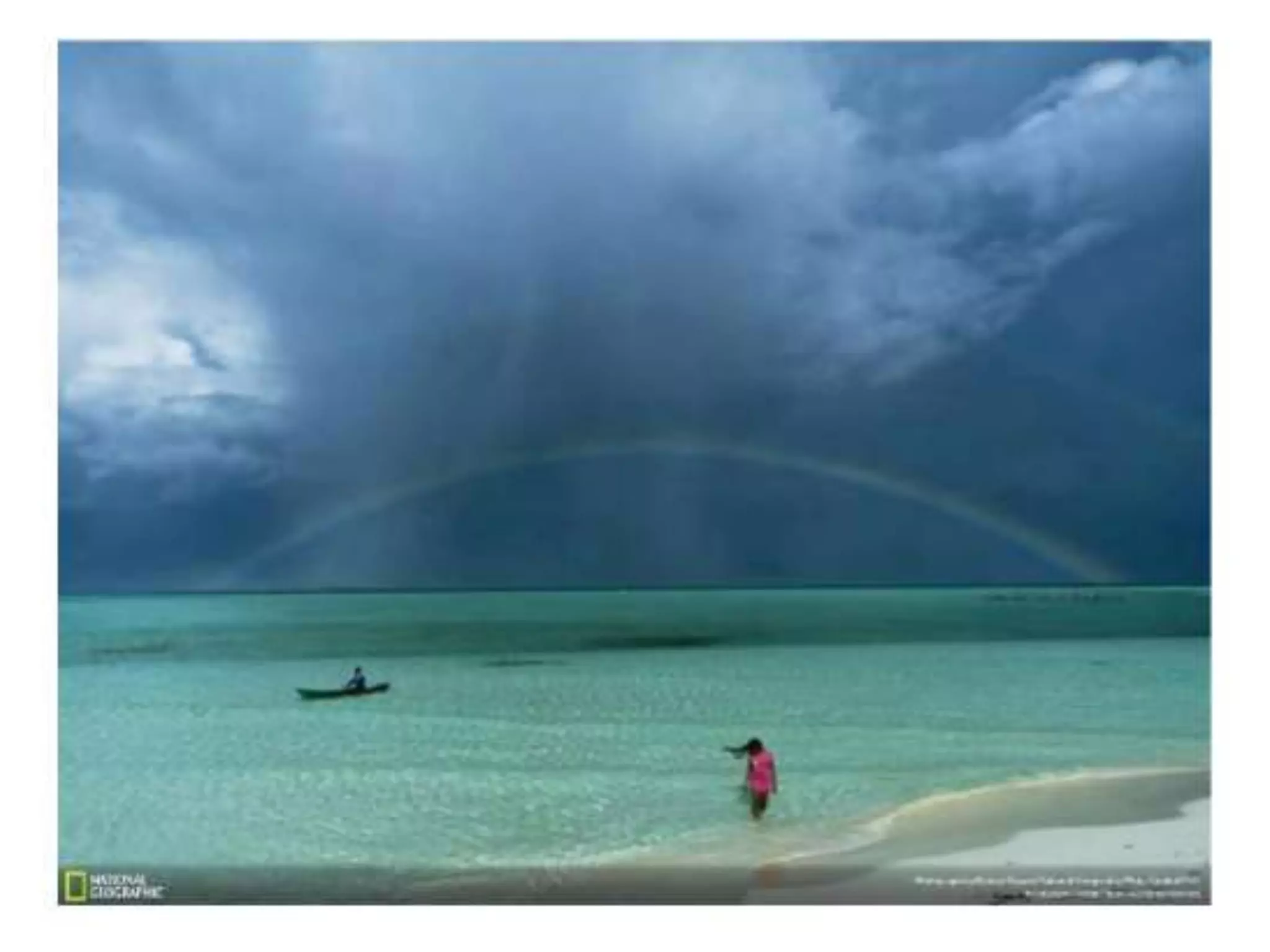
 George Tapan is an award-winning
travel photographer who has won two
pacific asia tourism association
(pata) gold awards, an Asean tourism
association award, and first place in
the 2011 National Geographic photo
contest.
His highly acclaimed work has been
published in five travel photography
books.
• GROUP ACTIVITY
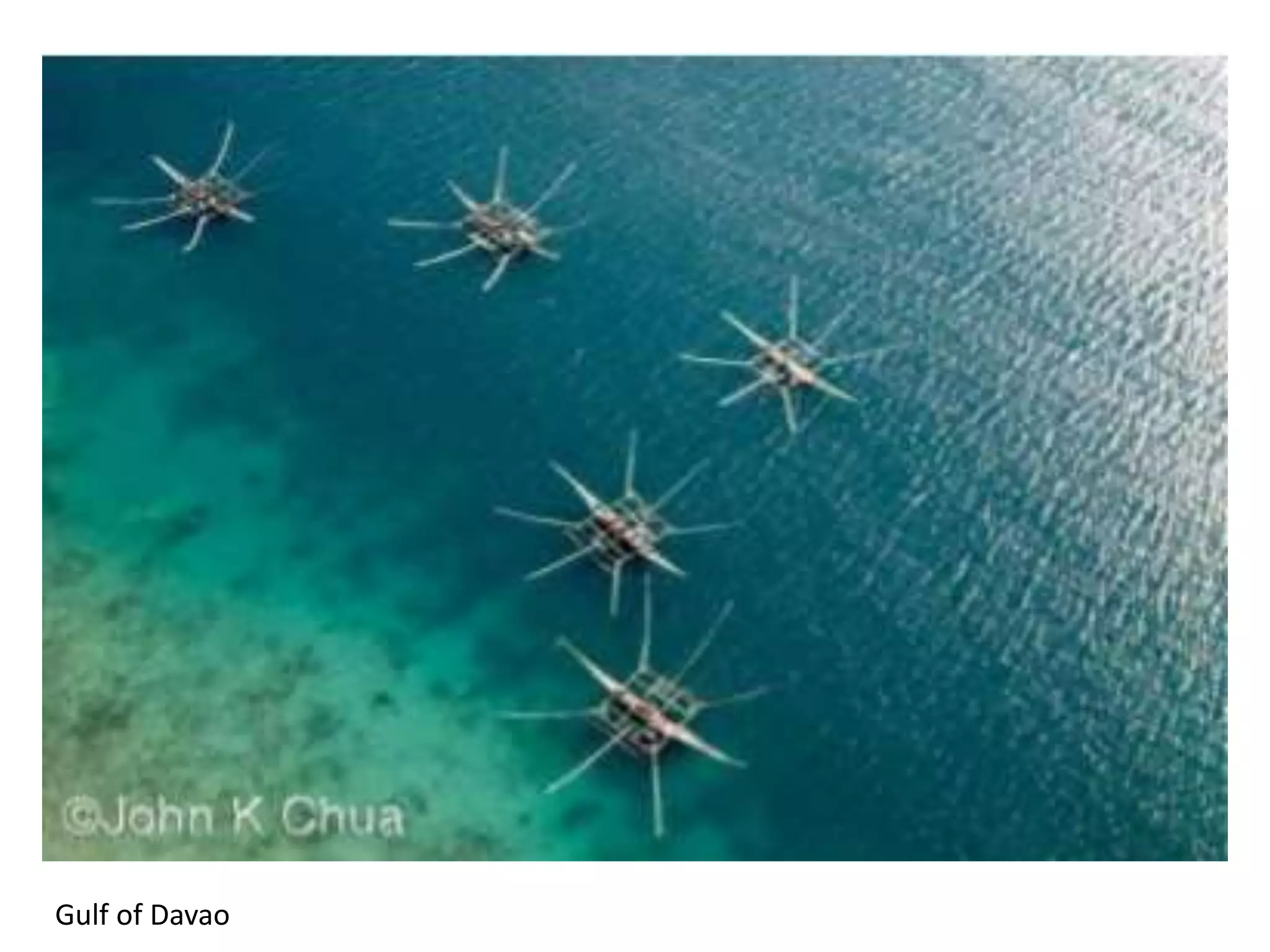
John K. Chua is best known
as an advertising and
commercial
photographer,
with over 40 years of
experience in this field
and numerous local
and international
awards for his work.
At the same time, he has applied
his photo artistry to showcasing the
beauty of the Philippines.
Snake Island, Palawan
Gulf of Davao
Values Integrations:
 Responsible use of one’s
gadgets
Think-Pair-Share
Guide Question:
Why is photography truly a modern
art form?
Study Read in Advance
Film

Media based arts and designs in the philippines

  • 11.
    Quarter III: Media-basedArts and Design in the Philippines The previous quarter provided an overview of the phenomenal capabilities and possibilities of the electronic or digital media available in today’s technology driven world.
  • 12.
    These have enabledamazingly innovative art forms to evolve far beyond traditional painting, sculpture, and architecture. As quickly as technology is able to develop new devices, gadgets, and techniques, modern artists and designers adapt them to enhance their creative expression.
  • 13.
    In this quarter,the modern techniques and trends in photography, film, print media, digital media, and product and industrial design will be explored.  Most notably the talent, creativity, and quality workmanship of Filipino artists and designers in all these fields will be recognized and celebrated.
  • 14.
    Not only havethese brought Philippine artistry to the world’s attention, but they have opened up an entire range of opportunities for young Filipinos to develop and apply these talents—and earn a living while doing so.
  • 15.
    Technological advances continue tobe a major driving force in the directions that each of these art forms has taken. Among the results have been exciting innovations in materials manipulation, coloring and embellishment techniques, and creation and production processes applied to all today’s media— whether physical and tangible, or virtual in cyber space.
  • 16.
    In this quarter,the modern techniques and trends in photography, film, print media, digital media, and product and industrial design will be explored. Most notably the talent, creativity, and quality workmanship of Filipino artists and designers in all these fields will be recognized and celebrated.
  • 17.
    Not only havethese brought Philippine artistry to the world’s attention, but they have opened up an entire range of opportunities for young Filipinos to develop and apply these talents—and earn a living while doing so.
  • 18.
    Technological advances continue tobe a major driving force in the directions that each of these art forms has taken.
  • 19.
    Among the resultshave been exciting innovations in materials manipulation, coloring and embellishment techniques, and creation and production processes applied to all today’s media— whether physical and tangible, or virtual in cyber space.
  • 20.
    Photography In its earlystages during the late 19th century, photography was viewed as a purely technical process, that of recording visible images by light action on light- sensitive materials. Its very name—from the Greek “photos” (meaning light) and “graphos” (meaning writing)— states this process literally.
  • 21.
    In comparison tothe highly- regarded arts of painting and sculpture, then, photography was not immediately considered art. But it was not long before the artistry of 20th century photographers elevated this “light writing” to an aesthetic form in its own right.
  • 22.
    The Photographer asArtist Focusing a camera at a subject and clicking the shutter is photography as process. Discerning a significant moment or a unique expression, framing it in the camera viewfinder with an eye for composition, and then clicking the shutter is photography as art.
  • 23.
     That discernmentand that eye for composition are the factors that elevate a photographer from a mere recorder of images to an artist.
  • 24.
    -In a pictorialshoot, the photographer may position lighting, modify the lens setting, or use filters to create an effect he or she has conceptualized beforehand.
  • 25.
     The toolsand techniques may not be those of the traditional artist, but the aesthetic principles are the same.
  • 26.
     For today’sphotographers, the process goes even further. They may take the exposed film into a dark room or subject the digital images to their photo editing software—and there manipulate the images with the myriad of photo enhancement techniques and tools currently available.
  • 27.
     Whether leftuntouched from the instant the image was captured or was digitally or manually altered, the resulting photographs can be startlingly impactful. It becomes clear how the photographer has captured the elements of form, color, light and shadow, texture, and composition to create a true work of art.
  • 28.
     Being amodern art form means that photography is now viewed as being more than just beautiful. It is also considered one of the most powerful means of communication. Photography as Communication
  • 29.
     Next tothe printed word, the photographic image is today’s most important means of conveying information and ideas, expressing emotions, even championing causes.
  • 30.
     This powercomes from two distinctive characteristics of photography: Immediacy and detail. An image recorded by a camera has a sense of authenticity. Because the lens captures the image objectively, the resulting photograph is regarded as ‘true to life’ and ‘of the moment.’
  • 31.
     At thesame time, the camera takes in every detail of an image. thus the photograph has a sense of completeness.
  • 32.
     For thesereasons, photographs are vital tools in communication fields such as journalism, advertising, education, and even in courts of law. They have also been used to eloquently speak out against social and political issues.
  • 33.
  • 34.
     The Philippineshas joined the rest of the world in applying the wonders of modern photography to every aspect of life—from personal to professional to national to global.
  • 35.
     And withour country’s natural beauty, a number of local photographers have taken on the Philippines and our people as a major focus of their lenses.
  • 36.
     George Tapanis an award-winning travel photographer who has won two pacific asia tourism association (pata) gold awards, an Asean tourism association award, and first place in the 2011 National Geographic photo contest. His highly acclaimed work has been published in five travel photography books.
  • 39.
  • 42.
    John K. Chuais best known as an advertising and commercial photographer, with over 40 years of experience in this field and numerous local and international awards for his work.
  • 43.
    At the sametime, he has applied his photo artistry to showcasing the beauty of the Philippines.
  • 44.
  • 45.
  • 46.
  • 47.
    Think-Pair-Share Guide Question: Why isphotography truly a modern art form?
  • 48.
    Study Read inAdvance Film