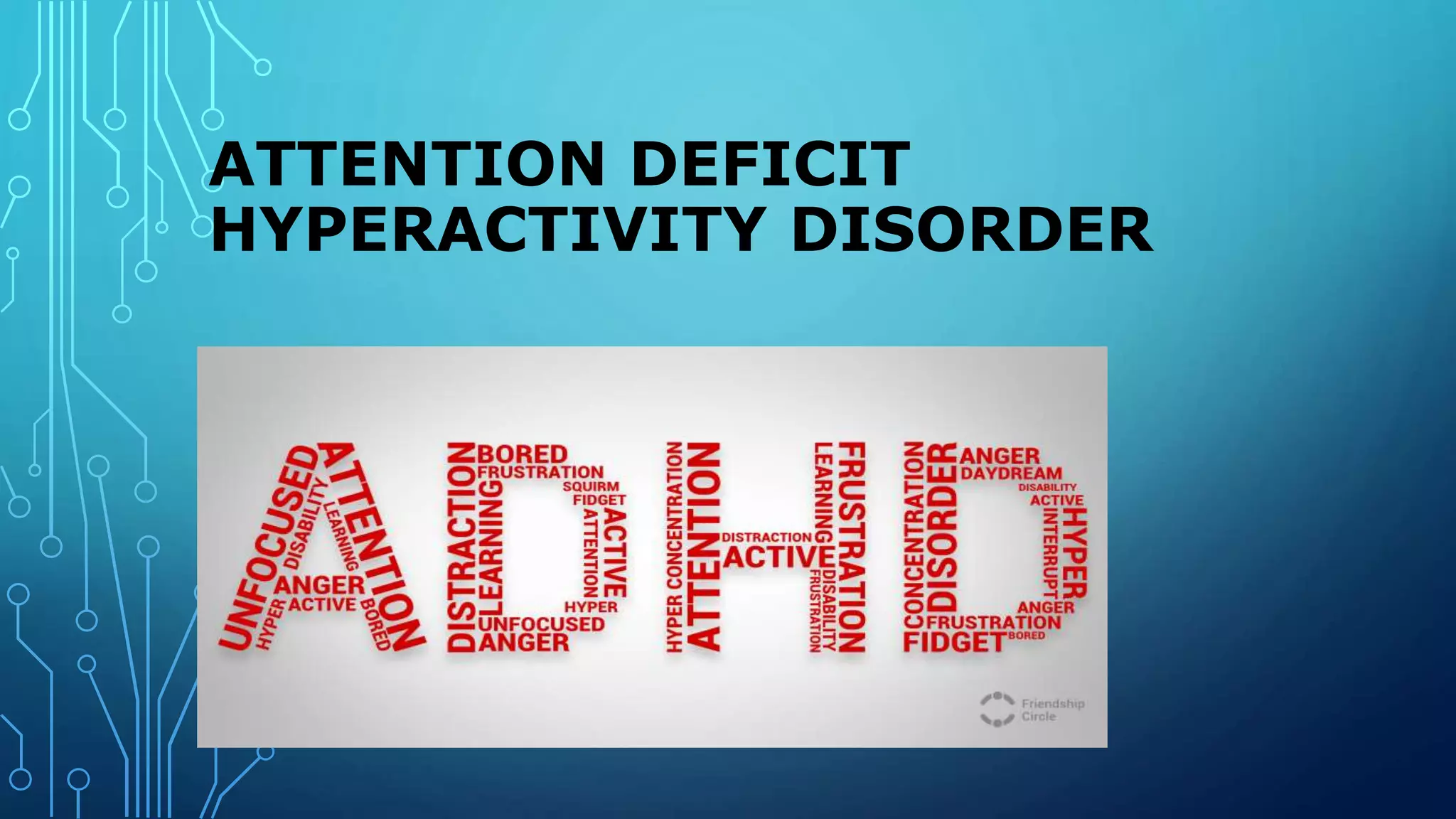
ATTENTION DEFICIT
HYPERACTIVITY DISORDER
WHAT IS ATTENTION DEFICIT
HYPERACTIVITY DISORDER?
Name changed from ADD to ADHD in 1994 (APA)
Neurobehavioral disorder (NIH)
3-5% American children affected
Affects ability to stay on task – age appropriate inhibitions
DSM-5 Criteria
Six+ symptoms – by age 16
Five+ adolescents age 17 & adults
Symptoms present by age 12
Symptoms present for at least 6 months
Symptoms present in two or more settings
Inappropriate for developmental level
Three subtypes of ADHD:
 Predominantly Inattentive
 Predominantly Hyperactive-Impulsive
 Combined Presentation
PHYSIOLOGICAL ASPECTS OF ADHD
 Most studied condition in child psychiatry
 Exact causes and the mechanisms
not understood
 Neurological disorder
 Two neurotransmitters involved
 Norepinephrine
 Dopamine
Brain imaging:
 Brain matures in a normal pattern delayed
approximately 3 years
 Brain regions – thinking, paying attention
and planning
 Cortex – overall delayed maturation
 Corpus Callosum – abnormal growth
patterns
Heritability
 Familial studies – risk among parents and
siblings of children with ADHD increased 2 to 8
fold
 Adoption studies – biological relatives more likely
than adoptive relatives
 Pooled analysis of 20 twin studies – heritability
76%
 Recent study (Burt, 2009) – 60% heritability
 Plethora genes – small but significant effect
Comorbidity:
 Learning disability
 Oppositional defiant disorder
 Conduct disorder
 Anxiety
 Depression
 Bipolar disorder
 Tourette syndrome
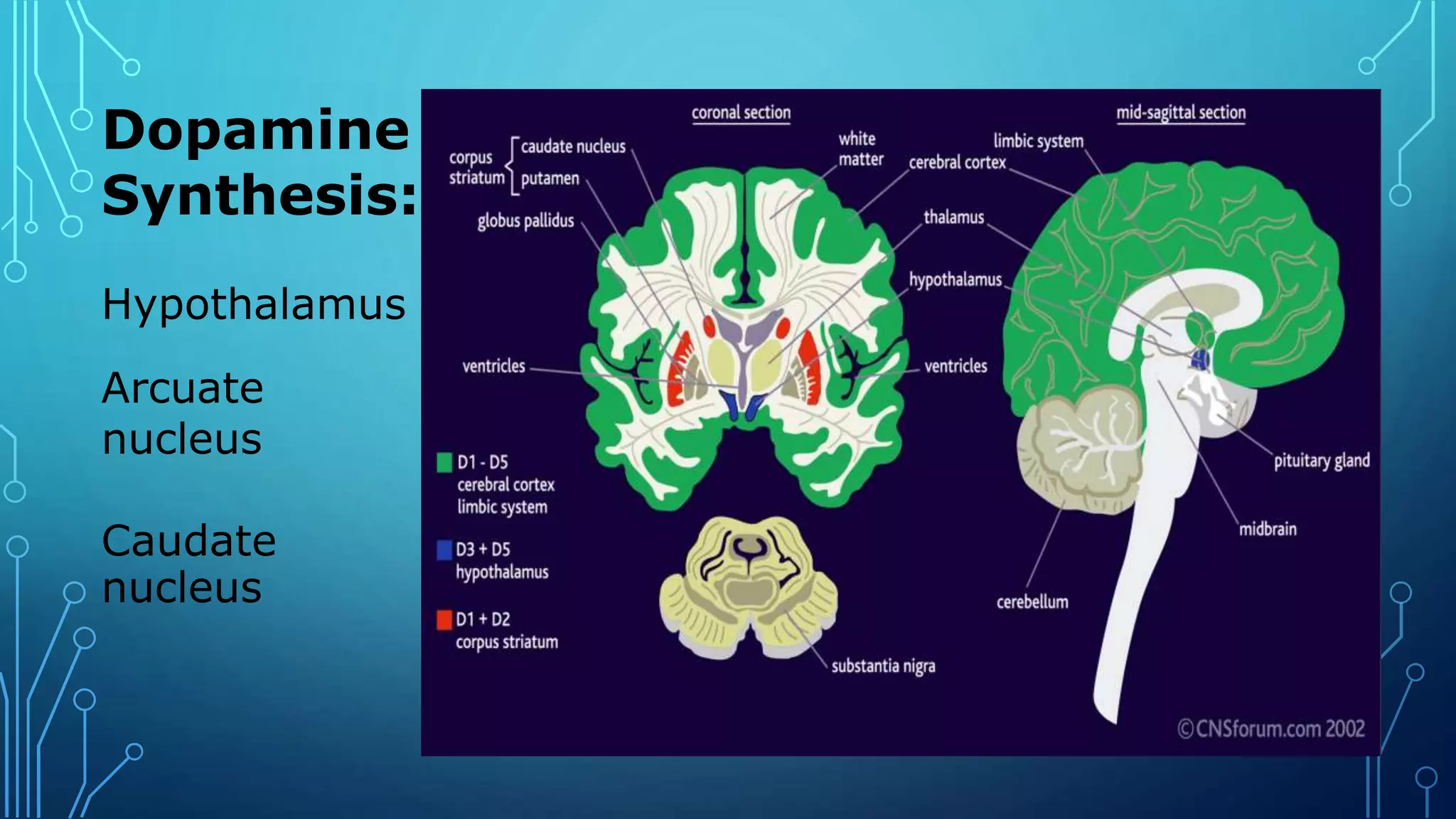
Dopamine & ADHD:
What is dopamine?
 Neurotransmitter – Chemical messenger carries
signals between neurons and other cells in body
 Neurohormone - hormone secreted by a specialized
neuron into the bloodstream, cerebral spinal fluid
or the intercellular spaces in the nervous system
Dopamine and ADHD
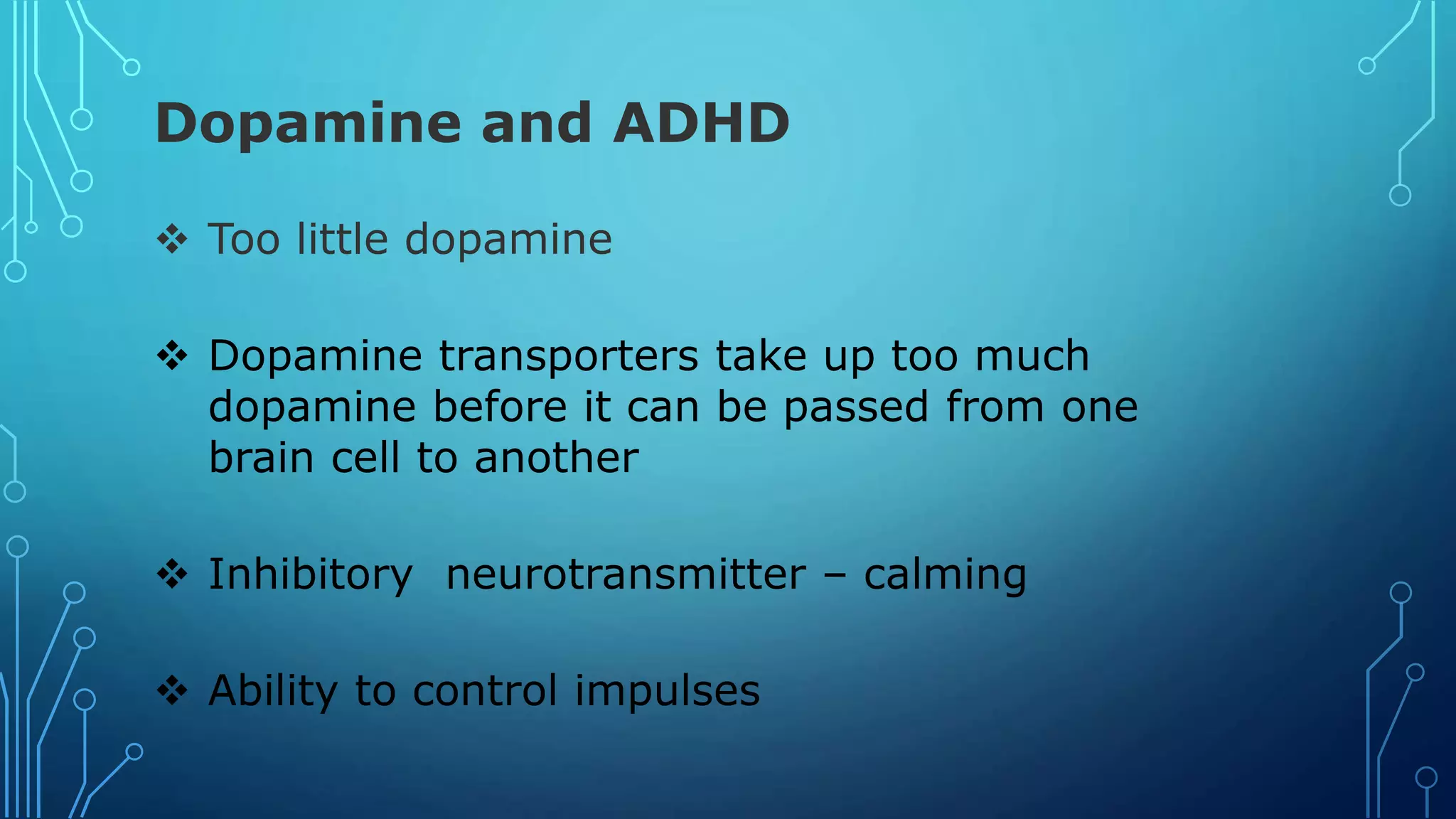
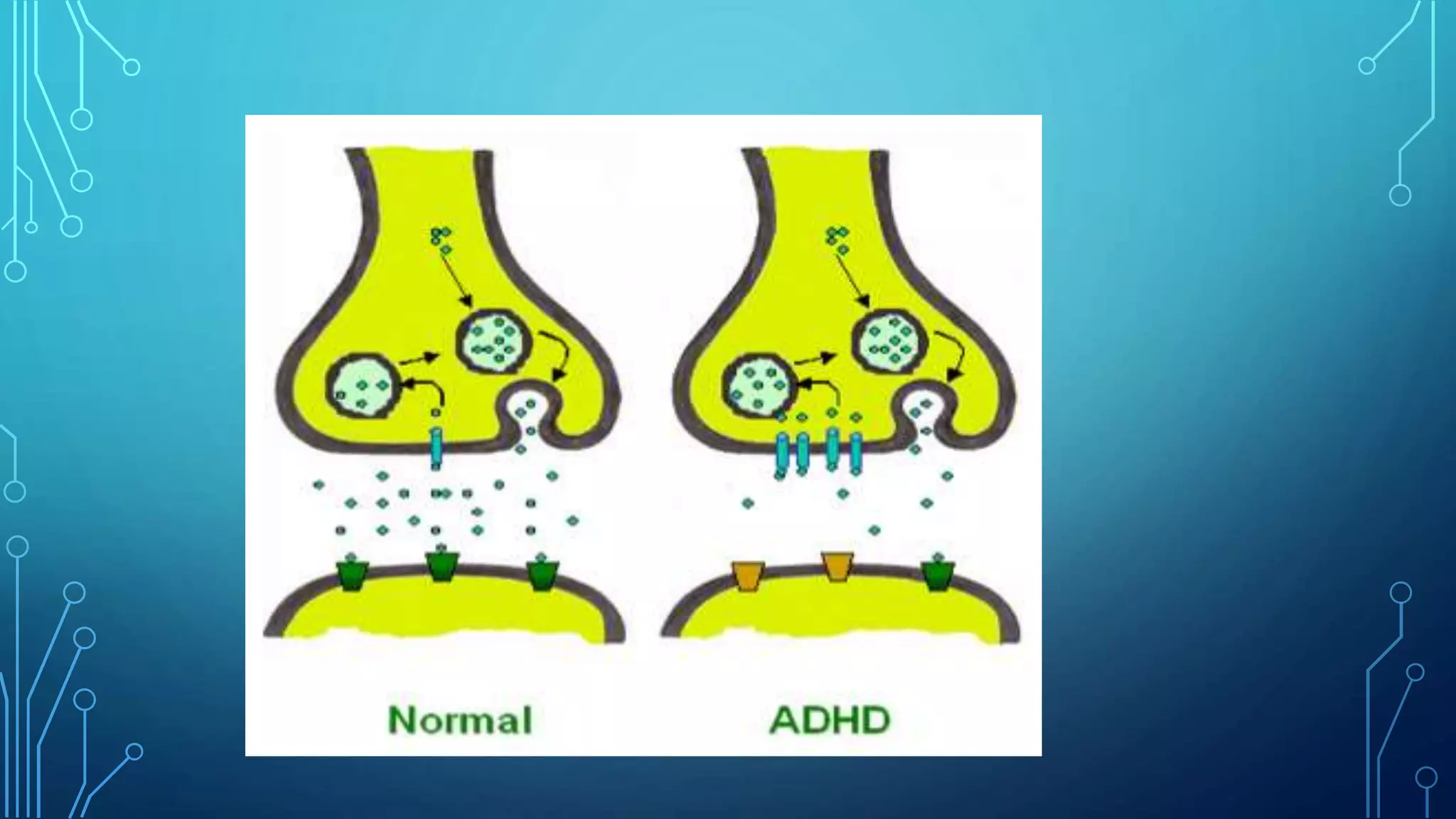
 Too little dopamine
 Dopamine transporters take up too much
dopamine before it can be passed from one
brain cell to another
 Inhibitory neurotransmitter – calming
 Ability to control impulses
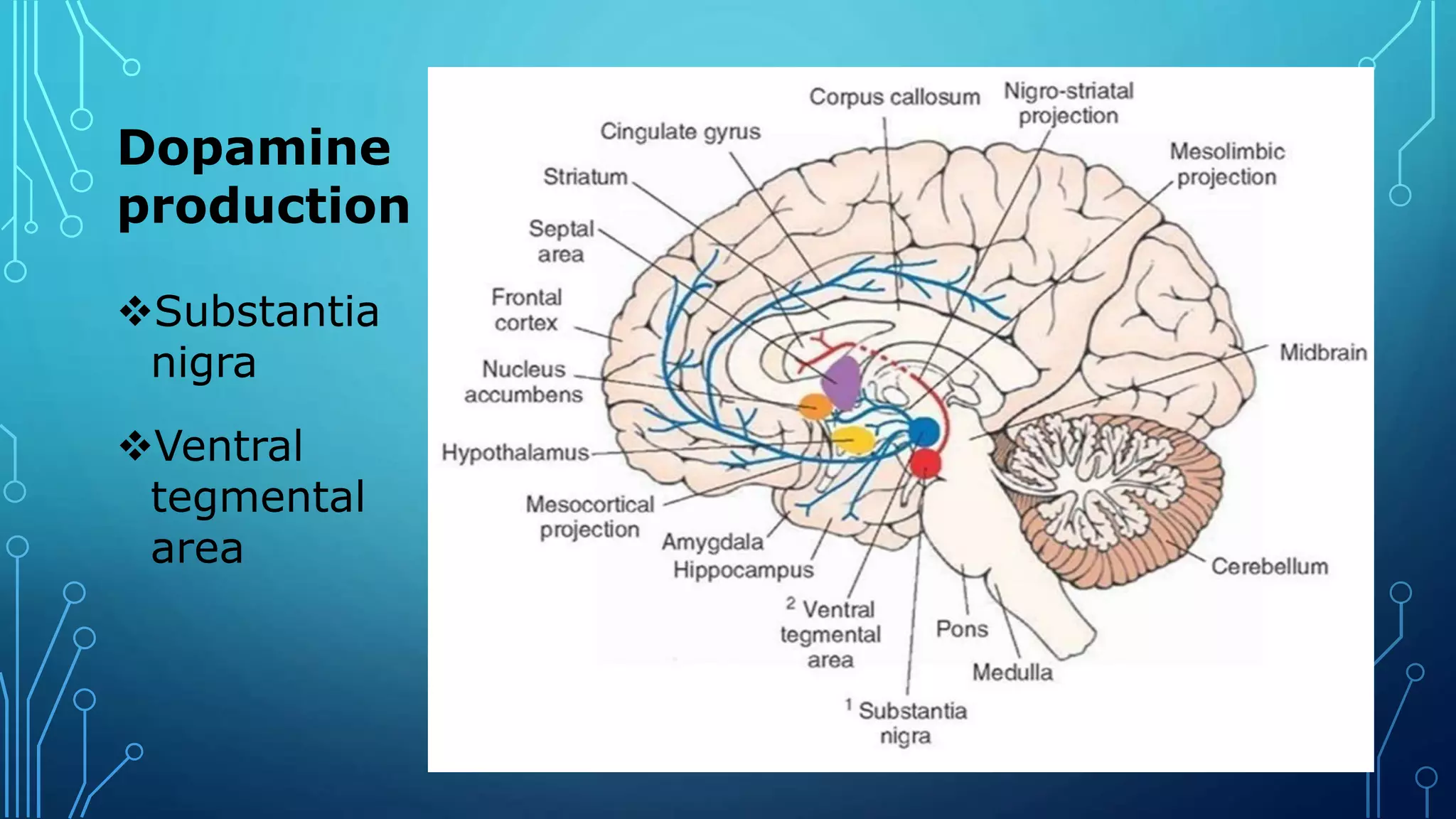
Dopamine
production
Substantia
nigra
Ventral
tegmental
area
Dopamine
Synthesis:
Hypothalamus
Arcuate
nucleus
Caudate
nucleus
Treatment:
Medications:
 Stimulants (Ritalin®, Adderall®)
 Non-stimulants (Strattera®, Intuniv®)
Behavioral Therapy:
 Individual
 Family
PEER REVIEWED
JOURNAL ARTICLES
LINEAR AND NON-LINEAR EEG ANALYSIS OF
ADOLESCENTS WITH ATTENTION-
DEFICIT/HYPERACTIVITY DISORDER DURING
A COGNITIVE TASK
Empirical study
Adolescent boys
EEG dynamics
Cognitive task
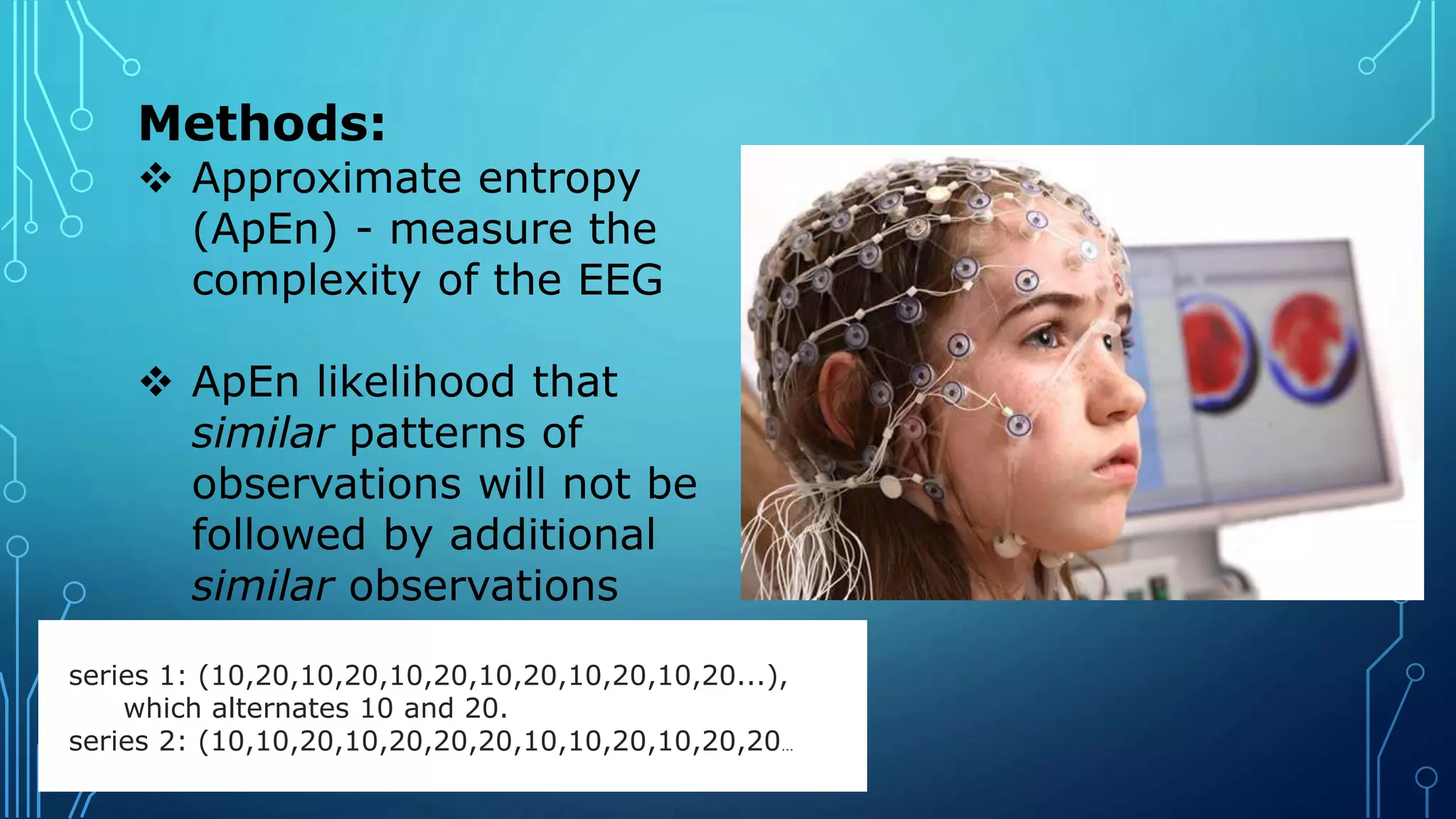
Methods:
 Approximate entropy
(ApEn) - measure the
complexity of the EEG
 ApEn likelihood that
similar patterns of
observations will not be
followed by additional
similar observations
series 1: (10,20,10,20,10,20,10,20,10,20,10,20...),
which alternates 10 and 20.
series 2: (10,10,20,10,20,20,20,10,10,20,10,20,20...
Results:
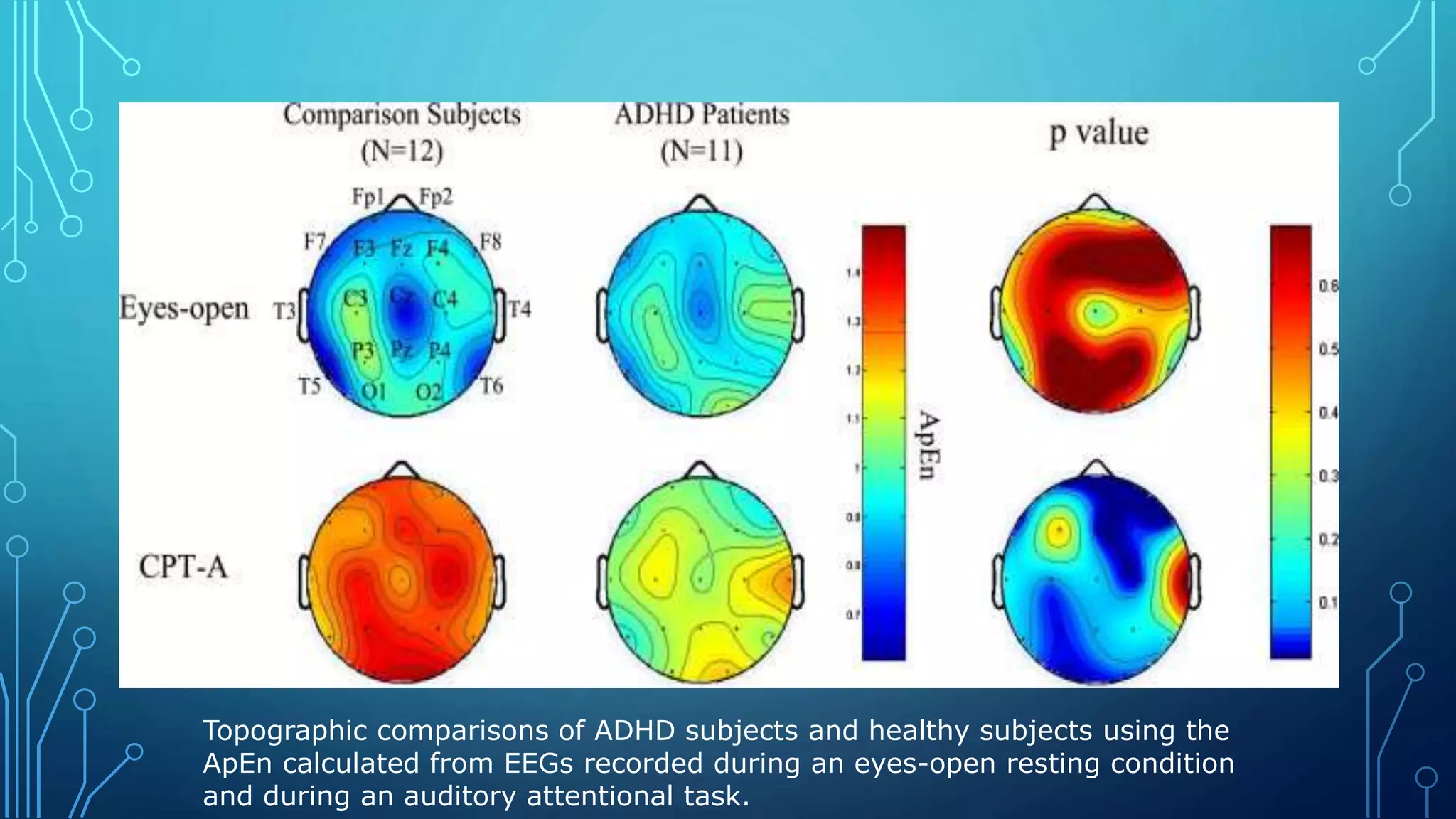
 Mean ApEn – significantly lower in adolescents
with ADHD than control group when performing
cognitive task (not at rest)
 Impaired cortical (cerebral cortex) information
processing
 Lower complexity of the EEG
Topographic comparisons of ADHD subjects and healthy subjects using the
ApEn calculated from EEGs recorded during an eyes-open resting condition
and during an auditory attentional task.
Objective Diagnosis of ADHD Using IMUs
 Empirical study
 Miniature wireless inertial sensors
 Levels and patterns of movement in children
using inertial measurement units (IMUs)
 Accelerometers – tool measures acceleration
 Gyroscopes – tool measures orientation
 The IMUs were used to analyze and characterize the
subjects' motion
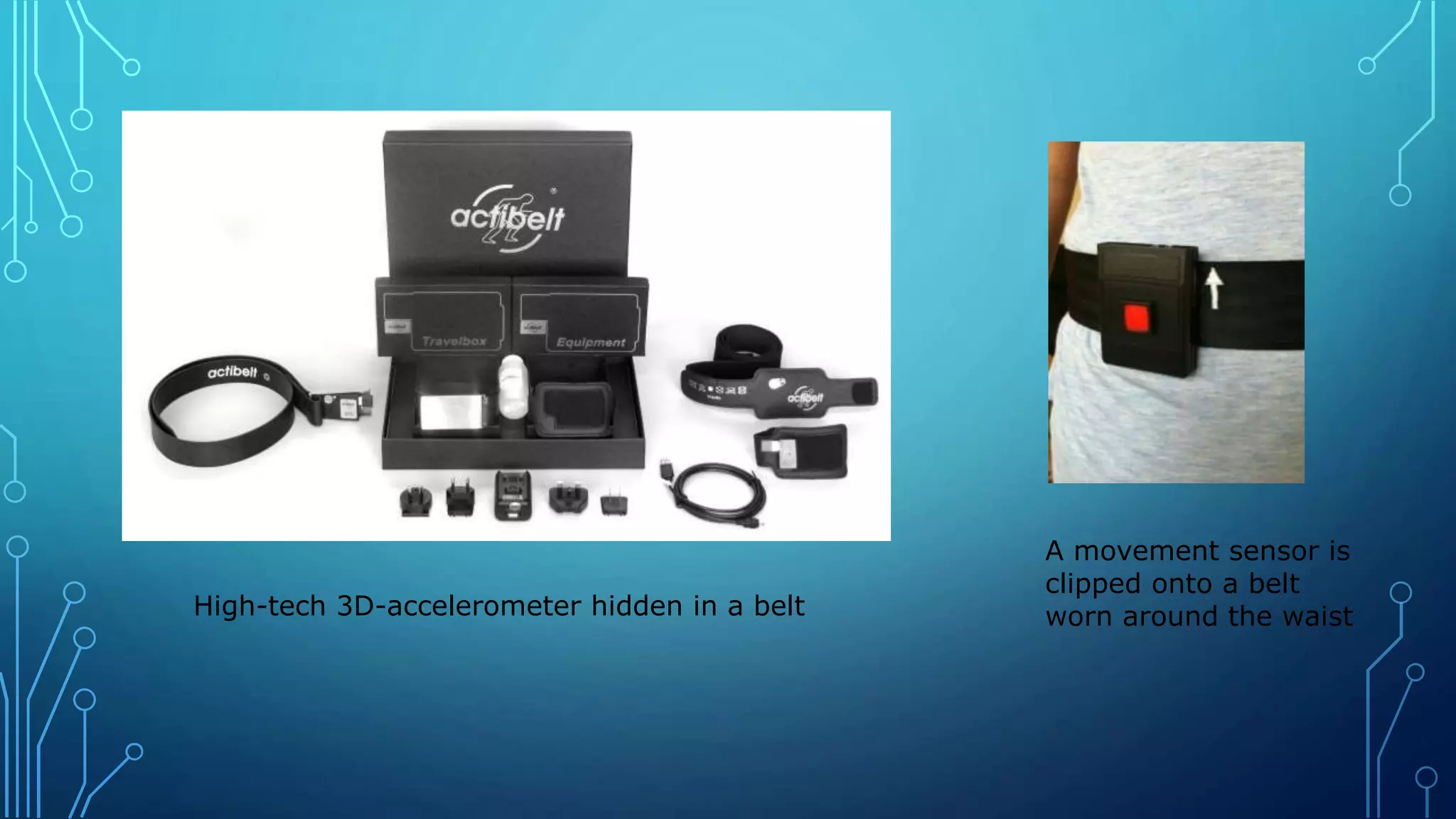
High-tech 3D-accelerometer hidden in a belt
A movement sensor is
clipped onto a belt
worn around the waist
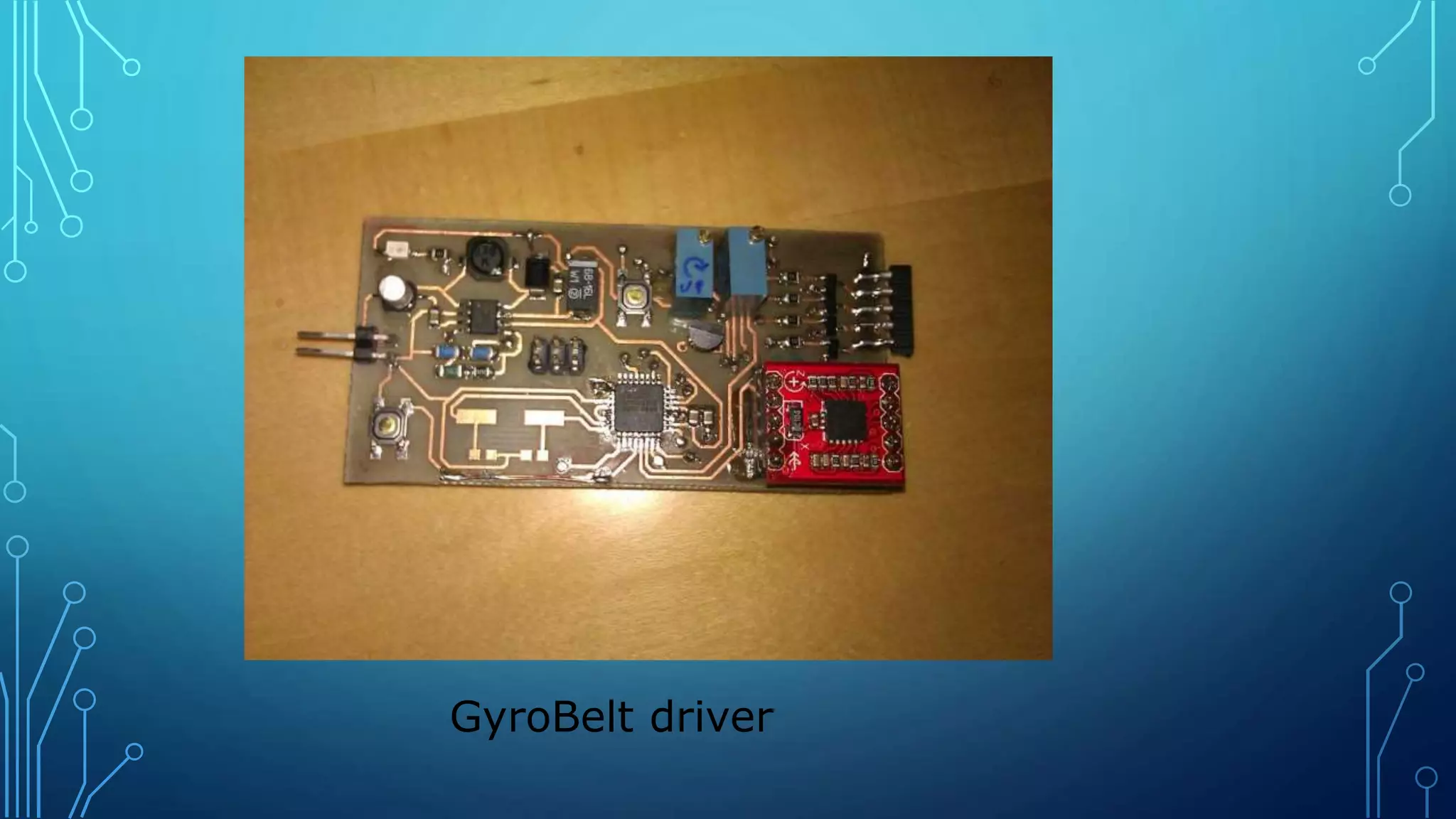
GyroBelt driver
Results:
 IMU’s promising tool for objective ADHD diagnosis
 Previous studies – Acceleration measurements
 Gyroscope measurements have a good predictive
capability for discrimination between ADHD and
non-ADHD subjects
 More than half the selected features came from
the sensor at the child's waist - “global” motion is
a better indicator of hyperactivity than “local”
motions (foot tapping, finger drumming etc.)
Why Attention-Deficit/Hyperactivity
Disorder Is Not a True Medical Syndrome
 Theoretical study
 Thesis - Attention-Deficit/Hyperactivity Disorder (ADHD)
cannot be a valid diagnostic category.
 Critical of DSM criteria
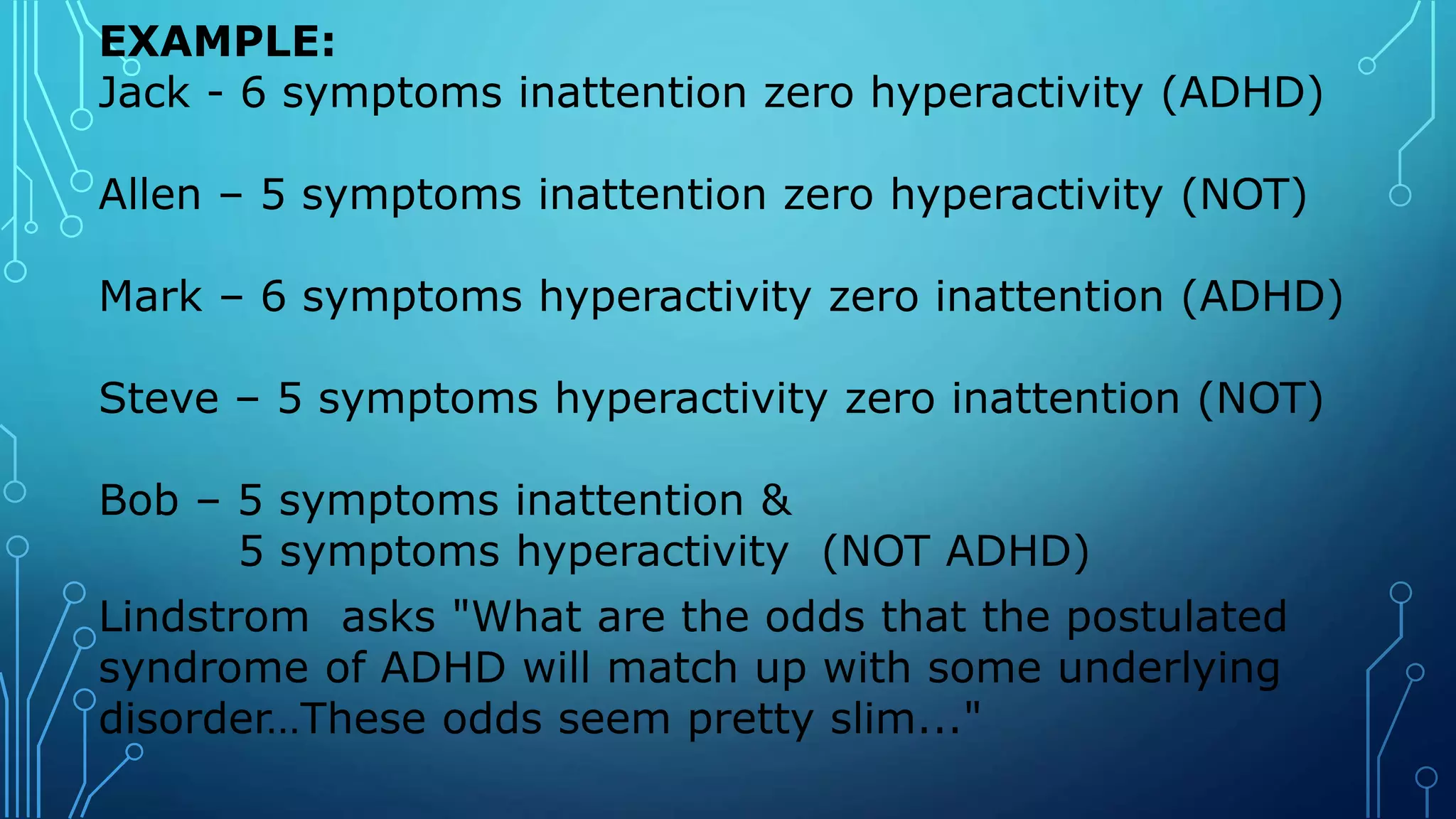
EXAMPLE:
Jack - 6 symptoms inattention zero hyperactivity (ADHD)
Allen – 5 symptoms inattention zero hyperactivity (NOT)
Mark – 6 symptoms hyperactivity zero inattention (ADHD)
Steve – 5 symptoms hyperactivity zero inattention (NOT)
Bob – 5 symptoms inattention &
5 symptoms hyperactivity (NOT ADHD)
Lindstrom asks "What are the odds that the postulated
syndrome of ADHD will match up with some underlying
disorder…These odds seem pretty slim..."
Non pathological reasons for ADHD
 Boring teachers
 Boring lessons
 Boring books
 Infrequent rewards
Conclusions:
 Symptoms like inattentiveness, hyperactivity
or impulsivity - symptoms of real disorders it is
not likely that there is one organic or mental
dysfunction that accounts for the complex of
symptoms labeled ADHD
 No reason to think the huge behavioral
category of ADHD can be traced back to some
unknown type of harmful dysfunction in the
individual.
Conclusions continued:
 No reason to think that clinical levels of hyperactivity
and inattentiveness always must be caused by
pathology.
 As with nausea, physicians should view hyperactivity
and inattentiveness as nothing more than possible
symptoms of disorder
ADHD and Community Psychology
 Objective methods of diagnosis
 Provide information on benefits and dangers
of medication
 Determine if system changes can have an
affect on symptoms
Mcp 677  attention deficit hyperactivity disorder presentation

Mcp 677 attention deficit hyperactivity disorder presentation

  • 1.
  • 2.
    WHAT IS ATTENTIONDEFICIT HYPERACTIVITY DISORDER? Name changed from ADD to ADHD in 1994 (APA) Neurobehavioral disorder (NIH) 3-5% American children affected Affects ability to stay on task – age appropriate inhibitions
  • 3.
    DSM-5 Criteria Six+ symptoms– by age 16 Five+ adolescents age 17 & adults Symptoms present by age 12 Symptoms present for at least 6 months Symptoms present in two or more settings Inappropriate for developmental level
  • 4.
    Three subtypes ofADHD:  Predominantly Inattentive  Predominantly Hyperactive-Impulsive  Combined Presentation
  • 5.
    PHYSIOLOGICAL ASPECTS OFADHD  Most studied condition in child psychiatry  Exact causes and the mechanisms not understood  Neurological disorder  Two neurotransmitters involved  Norepinephrine  Dopamine
  • 6.
    Brain imaging:  Brainmatures in a normal pattern delayed approximately 3 years  Brain regions – thinking, paying attention and planning  Cortex – overall delayed maturation  Corpus Callosum – abnormal growth patterns
  • 7.
    Heritability  Familial studies– risk among parents and siblings of children with ADHD increased 2 to 8 fold  Adoption studies – biological relatives more likely than adoptive relatives  Pooled analysis of 20 twin studies – heritability 76%  Recent study (Burt, 2009) – 60% heritability  Plethora genes – small but significant effect
  • 8.
    Comorbidity:  Learning disability Oppositional defiant disorder  Conduct disorder  Anxiety  Depression  Bipolar disorder  Tourette syndrome
  • 9.
    Dopamine & ADHD: Whatis dopamine?  Neurotransmitter – Chemical messenger carries signals between neurons and other cells in body  Neurohormone - hormone secreted by a specialized neuron into the bloodstream, cerebral spinal fluid or the intercellular spaces in the nervous system
  • 10.
    Dopamine and ADHD Too little dopamine  Dopamine transporters take up too much dopamine before it can be passed from one brain cell to another  Inhibitory neurotransmitter – calming  Ability to control impulses
  • 12.
  • 13.
  • 14.
    Treatment: Medications:  Stimulants (Ritalin®,Adderall®)  Non-stimulants (Strattera®, Intuniv®) Behavioral Therapy:  Individual  Family
  • 15.
  • 16.
    LINEAR AND NON-LINEAREEG ANALYSIS OF ADOLESCENTS WITH ATTENTION- DEFICIT/HYPERACTIVITY DISORDER DURING A COGNITIVE TASK Empirical study Adolescent boys EEG dynamics Cognitive task
  • 17.
    Methods:  Approximate entropy (ApEn)- measure the complexity of the EEG  ApEn likelihood that similar patterns of observations will not be followed by additional similar observations series 1: (10,20,10,20,10,20,10,20,10,20,10,20...), which alternates 10 and 20. series 2: (10,10,20,10,20,20,20,10,10,20,10,20,20...
  • 18.
    Results:  Mean ApEn– significantly lower in adolescents with ADHD than control group when performing cognitive task (not at rest)  Impaired cortical (cerebral cortex) information processing  Lower complexity of the EEG
  • 19.
    Topographic comparisons ofADHD subjects and healthy subjects using the ApEn calculated from EEGs recorded during an eyes-open resting condition and during an auditory attentional task.
  • 20.
    Objective Diagnosis ofADHD Using IMUs  Empirical study  Miniature wireless inertial sensors  Levels and patterns of movement in children using inertial measurement units (IMUs)  Accelerometers – tool measures acceleration  Gyroscopes – tool measures orientation  The IMUs were used to analyze and characterize the subjects' motion
  • 21.
    High-tech 3D-accelerometer hiddenin a belt A movement sensor is clipped onto a belt worn around the waist
  • 22.
  • 23.
    Results:  IMU’s promisingtool for objective ADHD diagnosis  Previous studies – Acceleration measurements  Gyroscope measurements have a good predictive capability for discrimination between ADHD and non-ADHD subjects  More than half the selected features came from the sensor at the child's waist - “global” motion is a better indicator of hyperactivity than “local” motions (foot tapping, finger drumming etc.)
  • 24.
    Why Attention-Deficit/Hyperactivity Disorder IsNot a True Medical Syndrome  Theoretical study  Thesis - Attention-Deficit/Hyperactivity Disorder (ADHD) cannot be a valid diagnostic category.  Critical of DSM criteria
  • 25.
    EXAMPLE: Jack - 6symptoms inattention zero hyperactivity (ADHD) Allen – 5 symptoms inattention zero hyperactivity (NOT) Mark – 6 symptoms hyperactivity zero inattention (ADHD) Steve – 5 symptoms hyperactivity zero inattention (NOT) Bob – 5 symptoms inattention & 5 symptoms hyperactivity (NOT ADHD) Lindstrom asks "What are the odds that the postulated syndrome of ADHD will match up with some underlying disorder…These odds seem pretty slim..."
  • 26.
    Non pathological reasonsfor ADHD  Boring teachers  Boring lessons  Boring books  Infrequent rewards
  • 27.
    Conclusions:  Symptoms likeinattentiveness, hyperactivity or impulsivity - symptoms of real disorders it is not likely that there is one organic or mental dysfunction that accounts for the complex of symptoms labeled ADHD  No reason to think the huge behavioral category of ADHD can be traced back to some unknown type of harmful dysfunction in the individual.
  • 28.
    Conclusions continued:  Noreason to think that clinical levels of hyperactivity and inattentiveness always must be caused by pathology.  As with nausea, physicians should view hyperactivity and inattentiveness as nothing more than possible symptoms of disorder
  • 29.
    ADHD and CommunityPsychology  Objective methods of diagnosis  Provide information on benefits and dangers of medication  Determine if system changes can have an affect on symptoms