Sci 230 - Cell and Molecular Biology
By: Matium, Sheena Dyne G.
Borcelle Zoo
2
1 Cellular Activities
and Checkpoints
Stages of
Interphase
4
3 Transcriptional
Controls
RNA Splicing and
Editing
5
Negative
Translational
Control
Mechanisms
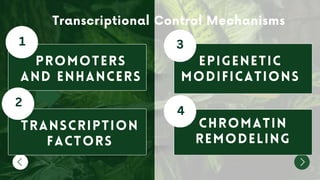
Transcriptional Controls
Transcriptional control governs the
activation or suppression of genes,
dictating when, where, and to what extent
they are transcribed into messenger RNA
(mRNA).
This regulatory mechanism is essential
for coordinating cellular processes,
including cell development,
differentiation, and responses to
environmental stimuli.
01
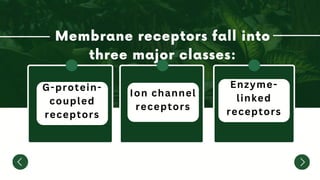
02
1
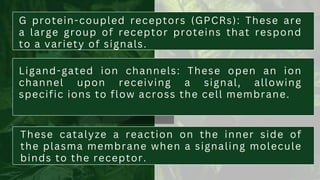
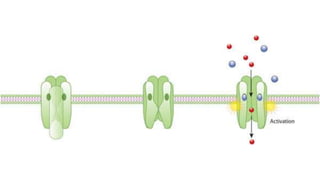
2
3
4
Promoters serve as docking sites for RNA
polymerase, the enzyme responsible for
transcribing DNA into mRNA. They are typically
located proximal to the transcription start site and
contain specific DNA sequences recognized by RNA
polymerase and other transcriptional machinery.
Enhancers are regulatory DNA sequences that can
be situated far from the promoter region, even
thousands of base pairs away, yet still exert
influence over transcriptional activity. Enhancers
function by binding transcription factors, which
then interact with the transcriptional machinery to
modulate gene expression.
1
Transcription factors are a diverse class of
proteins that bind to specific DNA sequences
within promoters, enhancers, or other regulatory
regions. By doing so, they can either enhance or
repress transcriptional activity.
Epigenetic modifications refer to heritable
changes in gene expression that occur without
alterations to the underlying DNA sequence. These
modifications play a pivotal role in transcriptional
control by regulating the accessibility of DNA to
transcriptional machinery.
2
3
Chromatin remodeling complexes are multi-subunit
protein complexes that modulate the structure and
packaging of chromatin, thereby influencing gene
expression.
4
Transcriptional control represents a finely tuned
regulatory network that governs gene expression in
cells, ensuring that genes are activated or
repressed in a precise and coordinated manner.
RNA Splicing and Editing
What is RNA Splicing?
RNA splicing is the process by which the
newly synthesized pre-mRNA, also known
as hnRNA, (heterogeneous nuclear RNA)
is processed and forms the mature
mRNA.
RNA Splicing and Editing
In prokaryotes such as bacteria, the
newly transcribed RNA is ready for
translation and both the processes can
even occur simultaneously in the mRNA.
introns
exons
Spliceosome catalyses the RNA splicing
process. Ribozymes (catalytic RNA)
catalyse their own splicing.
01
1. RNA splicing facilitates the
formation of multiple
functional mRNAs from a
single transcript, which codes
for different proteins
02
2. It also helps in the
regulation of gene expression
and protein content of the
cell.
3. It assists in the evolution
process by forming different
combinations of exons and
thereby making new and
improved proteins.
4. New exons can be inserted
into the introns to create new
proteins without disrupting
the functionality of the
original gene.
RNA Splicing Process
In this process, introns are spliced out. RNA
splicing is catalysed by spliceosomes.
Alternative splicing
Sometimes RNAs can be spliced differently
giving rise to different mRNA molecules that
code for different proteins.
Self-Splicing
Here, the introns can catalyse their own excision
from their parent RNA.
Altering the base sequence is known
as RNA editing and may change the
sequence of the encoded protein
when performed on mRNA.
RNA editing occurs by two distinct mechanisms:
Substitution
Editing: chemical
alteration of
individual
nucleotides (the
equivalent of point
mutations).
Insertion/Deletion
Editing: insertion or
deletion of
nucleotides in the
RNA.
These alterations are catalyzed by enzymes that
recognize a specific target sequence of
nucleotides (much like restriction enzymes):
cytidine deaminases that convert a C in the
RNA to uracil (U);
adenosine deaminases that convert an A to
inosine (I), which the ribosome translates as a
G. Thus a CAG codon (for Gln) can be
converted to a CGG codon (for Arg).
These alterations are mediated by guide RNA
molecules that:
base-pair as best they can with the RNA
to be edited and
serve as a template for the addition (or
removal) of nucleotides in the target
Negative Translational
Control MEchanisms
Negative translational control
mechanisms represent a crucial
aspect of gene expression
regulation, whereby cellular
processes modulate protein
synthesis by inhibiting translation
initiation or elongation.
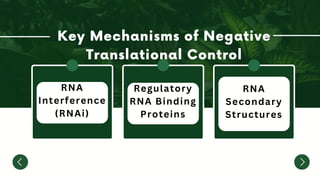
RNA
Interference
(RNAi)
Regulatory
RNA Binding
Proteins
RNA
Secondary
Structures
RNAi is a conserved mechanism for post-
transcriptional gene silencing, mediated by
small RNA molecules such as microRNAs
(miRNAs) and small interfering RNAs (siRNAs)
These small RNAs bind to complementary
sequences within target mRNAs, leading to their
degradation or translational repression.
RNA-binding proteins (RBPs) play key
roles in modulating mRNA stability,
localization, and translation.
The secondary structure of mRNA molecules
can influence translation efficiency by
occluding ribosome binding sites or impeding
ribosome movement along the mRNA.
Stable RNA secondary structures, such as
hairpins or stem-loop structures, can act as
barriers to translation initiation or elongation,
leading to translational repression.
Introduction
Signal
methodo-
logies
Receptor for
Cell Signals
and its
types
Neurotransmitters
One example is follicle-stimulating
hormone, which travels from the
mammalian brain to the ovary, where
it triggers egg release.
Some cells also respond to
mechanical stimuli.
There are several types of cell signaling
methodologies:
Autocrine signaling: In this process, a
cell signals to itself, releasing a ligand
that binds to receptors on its own
surface or inside the cell.
Paracrine signaling: In this process,
cells communicate over relatively
short distances, with the signaling
molecule affecting only nearby cells.
Endocrine signaling: In this process,
signaling molecules (hormones) travel
through the bloodstream, allowing
cells to communicate over long
distances.
Cells have proteins called receptors
that bind to signaling molecules and
initiate a physiological response.
Receptors can also respond directly to
light or pressure, which makes cells
sensitive to events in the atmosphere.
Receptors are generally
transmembrane proteins, which bind
to signaling molecules outside the cell
and subsequently transmit the signal
through a sequence of molecular
switches to internal signaling
pathways.
G-protein-
coupled
receptors
Ion channel
receptors
Enzyme-
linked
receptors
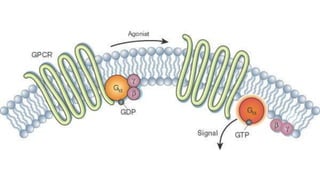
G protein-coupled receptors (GPCRs): These are
a large group of receptor proteins that respond
to a variety of signals.
Ligand-gated ion channels: These open an ion
channel upon receiving a signal, allowing
specific ions to flow across the cell membrane.
These catalyze a reaction on the inner side of
the plasma membrane when a signaling molecule
binds to the receptor.
Matium_Cellbio-Cellcylesanditscheckpoints.pptx

Matium_Cellbio-Cellcylesanditscheckpoints.pptx

  • 1.
    Sci 230 -Cell and Molecular Biology By: Matium, Sheena Dyne G. Borcelle Zoo
  • 2.
    2 1 Cellular Activities andCheckpoints Stages of Interphase
  • 3.
  • 4.
  • 5.
    Transcriptional Controls Transcriptional controlgoverns the activation or suppression of genes, dictating when, where, and to what extent they are transcribed into messenger RNA (mRNA). This regulatory mechanism is essential for coordinating cellular processes, including cell development, differentiation, and responses to environmental stimuli.
  • 6.
  • 7.
    Promoters serve asdocking sites for RNA polymerase, the enzyme responsible for transcribing DNA into mRNA. They are typically located proximal to the transcription start site and contain specific DNA sequences recognized by RNA polymerase and other transcriptional machinery. Enhancers are regulatory DNA sequences that can be situated far from the promoter region, even thousands of base pairs away, yet still exert influence over transcriptional activity. Enhancers function by binding transcription factors, which then interact with the transcriptional machinery to modulate gene expression. 1
  • 8.
    Transcription factors area diverse class of proteins that bind to specific DNA sequences within promoters, enhancers, or other regulatory regions. By doing so, they can either enhance or repress transcriptional activity. Epigenetic modifications refer to heritable changes in gene expression that occur without alterations to the underlying DNA sequence. These modifications play a pivotal role in transcriptional control by regulating the accessibility of DNA to transcriptional machinery. 2 3
  • 9.
    Chromatin remodeling complexesare multi-subunit protein complexes that modulate the structure and packaging of chromatin, thereby influencing gene expression. 4
  • 10.
    Transcriptional control representsa finely tuned regulatory network that governs gene expression in cells, ensuring that genes are activated or repressed in a precise and coordinated manner.
  • 11.
    RNA Splicing andEditing What is RNA Splicing? RNA splicing is the process by which the newly synthesized pre-mRNA, also known as hnRNA, (heterogeneous nuclear RNA) is processed and forms the mature mRNA.
  • 12.
    RNA Splicing andEditing In prokaryotes such as bacteria, the newly transcribed RNA is ready for translation and both the processes can even occur simultaneously in the mRNA. introns exons Spliceosome catalyses the RNA splicing process. Ribozymes (catalytic RNA) catalyse their own splicing.
  • 13.
    01 1. RNA splicingfacilitates the formation of multiple functional mRNAs from a single transcript, which codes for different proteins 02 2. It also helps in the regulation of gene expression and protein content of the cell. 3. It assists in the evolution process by forming different combinations of exons and thereby making new and improved proteins. 4. New exons can be inserted into the introns to create new proteins without disrupting the functionality of the original gene.
  • 14.
    RNA Splicing Process Inthis process, introns are spliced out. RNA splicing is catalysed by spliceosomes. Alternative splicing Sometimes RNAs can be spliced differently giving rise to different mRNA molecules that code for different proteins. Self-Splicing Here, the introns can catalyse their own excision from their parent RNA.
  • 15.
    Altering the basesequence is known as RNA editing and may change the sequence of the encoded protein when performed on mRNA.
  • 16.
    RNA editing occursby two distinct mechanisms: Substitution Editing: chemical alteration of individual nucleotides (the equivalent of point mutations). Insertion/Deletion Editing: insertion or deletion of nucleotides in the RNA.
  • 17.
    These alterations arecatalyzed by enzymes that recognize a specific target sequence of nucleotides (much like restriction enzymes): cytidine deaminases that convert a C in the RNA to uracil (U); adenosine deaminases that convert an A to inosine (I), which the ribosome translates as a G. Thus a CAG codon (for Gln) can be converted to a CGG codon (for Arg).
  • 18.
    These alterations aremediated by guide RNA molecules that: base-pair as best they can with the RNA to be edited and serve as a template for the addition (or removal) of nucleotides in the target
  • 19.
    Negative Translational Control MEchanisms Negativetranslational control mechanisms represent a crucial aspect of gene expression regulation, whereby cellular processes modulate protein synthesis by inhibiting translation initiation or elongation.
  • 20.
  • 21.
    RNAi is aconserved mechanism for post- transcriptional gene silencing, mediated by small RNA molecules such as microRNAs (miRNAs) and small interfering RNAs (siRNAs) These small RNAs bind to complementary sequences within target mRNAs, leading to their degradation or translational repression.
  • 22.
    RNA-binding proteins (RBPs)play key roles in modulating mRNA stability, localization, and translation.
  • 23.
    The secondary structureof mRNA molecules can influence translation efficiency by occluding ribosome binding sites or impeding ribosome movement along the mRNA. Stable RNA secondary structures, such as hairpins or stem-loop structures, can act as barriers to translation initiation or elongation, leading to translational repression.
  • 24.
  • 25.
    Neurotransmitters One example isfollicle-stimulating hormone, which travels from the mammalian brain to the ovary, where it triggers egg release. Some cells also respond to mechanical stimuli.
  • 26.
    There are severaltypes of cell signaling methodologies: Autocrine signaling: In this process, a cell signals to itself, releasing a ligand that binds to receptors on its own surface or inside the cell.
  • 27.
    Paracrine signaling: Inthis process, cells communicate over relatively short distances, with the signaling molecule affecting only nearby cells.
  • 28.
    Endocrine signaling: Inthis process, signaling molecules (hormones) travel through the bloodstream, allowing cells to communicate over long distances.
  • 29.
    Cells have proteinscalled receptors that bind to signaling molecules and initiate a physiological response. Receptors can also respond directly to light or pressure, which makes cells sensitive to events in the atmosphere.
  • 30.
    Receptors are generally transmembraneproteins, which bind to signaling molecules outside the cell and subsequently transmit the signal through a sequence of molecular switches to internal signaling pathways.
  • 31.
  • 32.
    G protein-coupled receptors(GPCRs): These are a large group of receptor proteins that respond to a variety of signals. Ligand-gated ion channels: These open an ion channel upon receiving a signal, allowing specific ions to flow across the cell membrane. These catalyze a reaction on the inner side of the plasma membrane when a signaling molecule binds to the receptor.