Download as PDF, PPTX


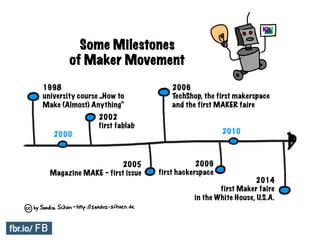
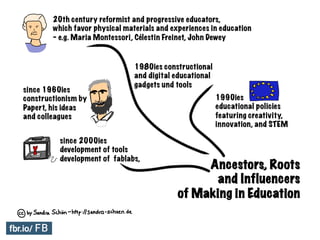
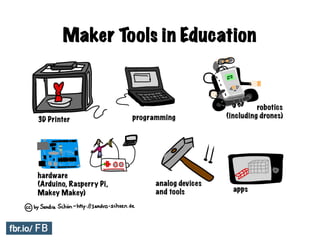
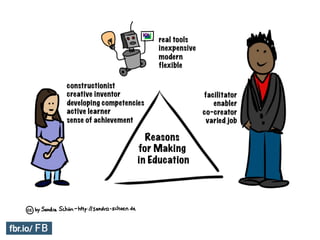
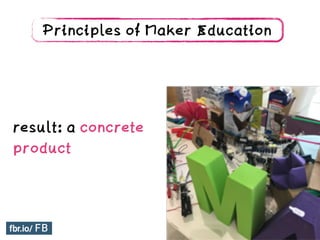
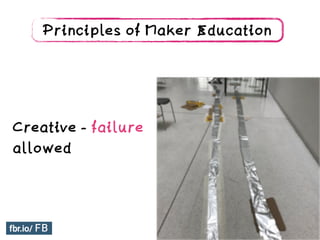
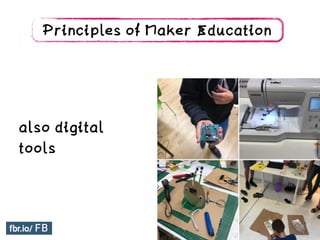
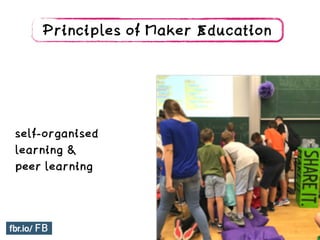
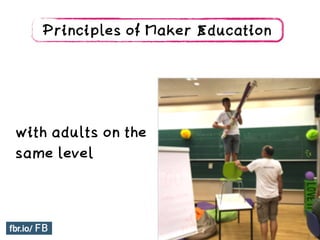
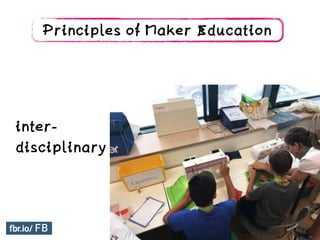
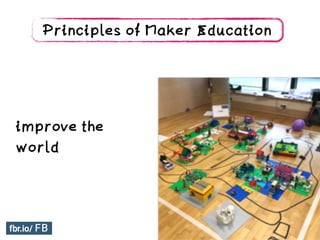
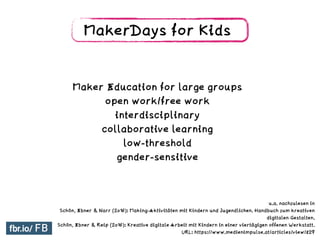
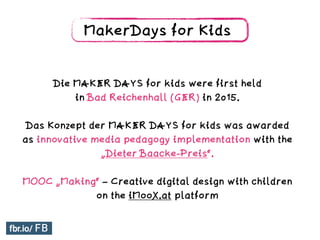
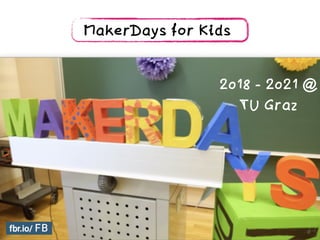
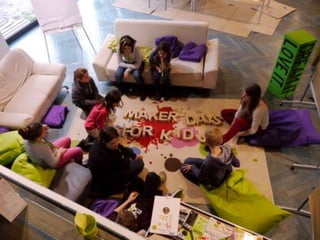
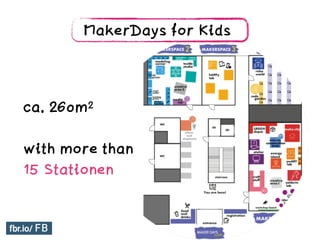
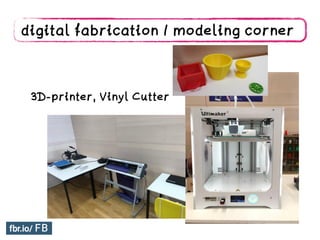
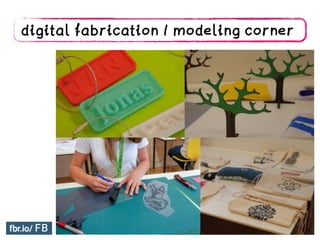
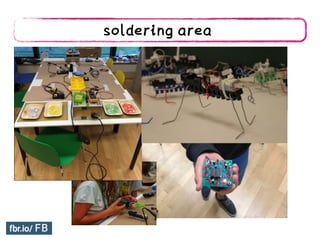
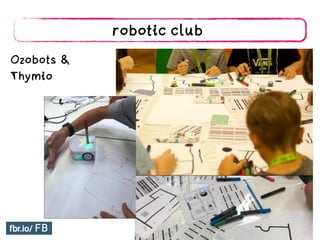
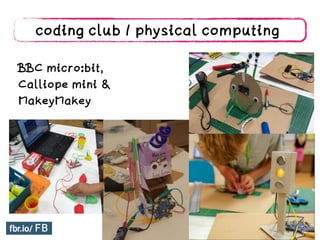
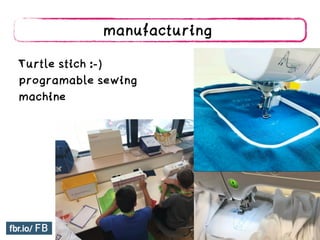
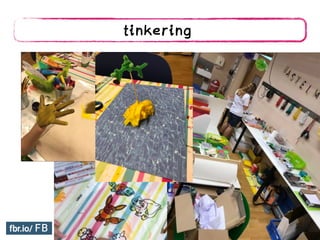
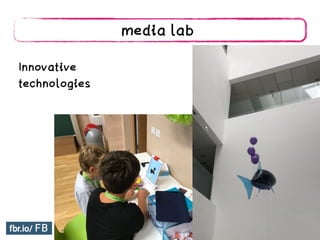
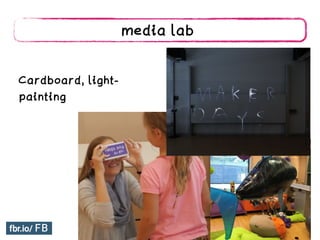
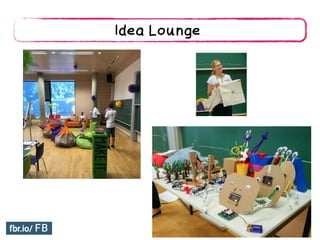
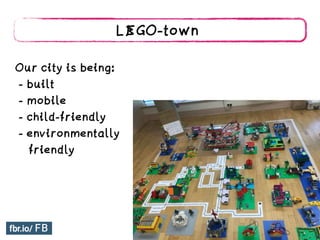
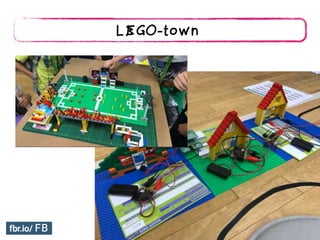
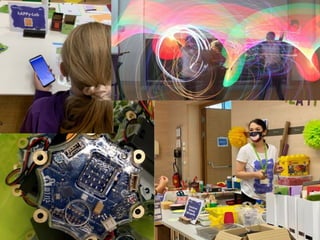

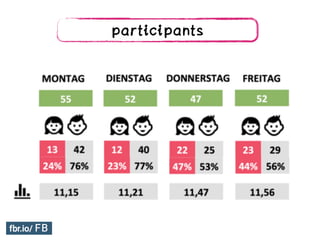

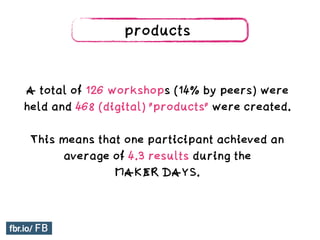
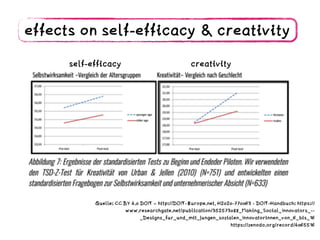

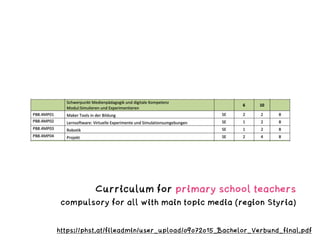
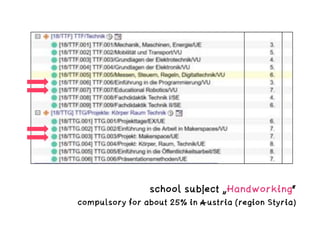
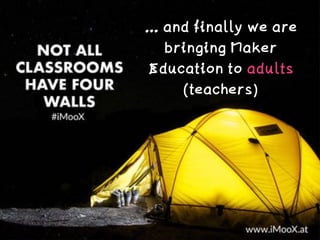

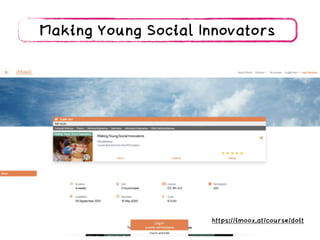
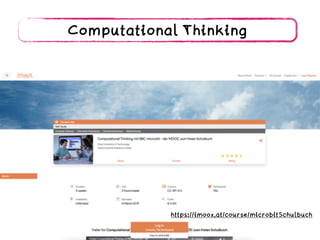
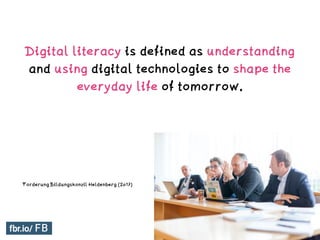


This document discusses the history and principles of maker education. It outlines how maker education began in the late 1990s and early 2000s with the development of makerspaces, Fab Labs, and the first Maker Faire. The key principles of maker education are described as learning through construction, allowing creative failure, using both digital and physical tools, self-organized and peer learning, and working with adults on the same level. Examples are given of MakerDays events for children held in Austria that involve various making stations and have led to student-created digital products and improvements in self-efficacy and creativity. The document advocates for bringing maker education approaches into primary school teacher training and other adult education programs.


![[EN] Breaking the Barriers of Traditional Records Management | Ulrich Kampffm...](https://cdn.slidesharecdn.com/ss_thumbnails/20081212dlm20forumbreaking20the20barrierskff1-140510065101-phpapp02-thumbnail.jpg?width=640&height=640&fit=bounds)


![ReDesign your lecture Canvas [eng]](https://cdn.slidesharecdn.com/ss_thumbnails/redesigncanvas14102020en-201101164407-thumbnail.jpg?width=640&height=640&fit=bounds)
![ReDesign your lecture Canvas [de]](https://cdn.slidesharecdn.com/ss_thumbnails/redesigncanvas14102020de-201101164130-thumbnail.jpg?width=640&height=640&fit=bounds)
![MOOC-Maker Canvas [eng]](https://cdn.slidesharecdn.com/ss_thumbnails/14102020mooc-makercanvasen-201101163251-thumbnail.jpg?width=640&height=640&fit=bounds)
![MOOC-Maker Canvas [de]](https://cdn.slidesharecdn.com/ss_thumbnails/14102020mooc-makercanvasde-201101162419-thumbnail.jpg?width=640&height=640&fit=bounds)


