Ethnolinguistic Groups in Asia
•Ethnolinguistic group
  • A group of people with a distinct language
  and culture that gives them a unique identity
  • 2 bases for ethnolinguistic groupings:
      Ethnicity and Language
•Ethnicity
  • Social identification based on the
  presumption of shared history and a
  common cultural inheritance
oomcnm analugge
raotdintis
Traditions   Place fo rgnoii
             cleap of origin
  Historical cpeereixen
  itlohrasic experience
         Beliefs
         eselbif
- See links
- Recognize that you’re a part of
one country, region and the
whole world
Language (Asia)
 • The primary identifying attribute of
   ethnolinguistic groups
 • Two categories:
   • Tonal
   • Non-tonal
Language (Asia)
 • Foremost basis in cultural
   formation of ethnolinguistic groups
Ethnolinguistic Groups in Asia
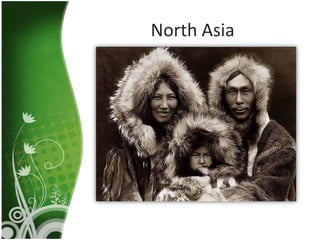
North Asia
Paleosiberian
 Ural-Altaic
   Eskimo
West Asia
Sumerians, Hurris, Elamites,
Lycianes, Kassites, Lydians, Hattis,
Caanites, Haldes, Arabs, Armenians,
Jews, Assyrians, Hittites, Persians,
Kurds, Afghans and Turks
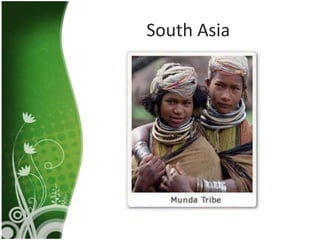
South Asia
Austro-Asiatics (Munda)
     Indo-Aryans
      Dravidians
East Asia
Sino-Tibetans
   Chinese
   Koreans
  Japanese
Southeast Asia
      Austro-Asiatic
 (Mon Khmer and Munda)
      Austronesian
(Languages of Filipinos and
       Indonesians)
 Live in the southern part of India
 Escaped the influence of Aryan culture
  (because of Vindhya Range)
 Boast of an untouched native Indian
  culture
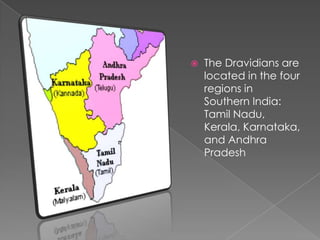
   The Dravidians are
    located in the four
    regions in
    Southern India:
    Tamil Nadu,
    Kerala, Karnataka,
    and Andhra
    Pradesh
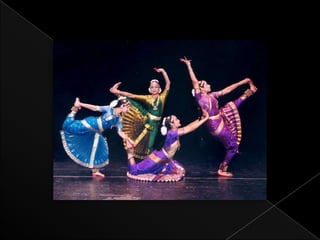
 Developed what is today considered the
  classical culture of India
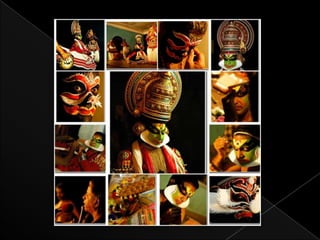
 Produced impressive temples, female
  dancers known as Bharata Natyam, and
  male dancers called Kathakali.
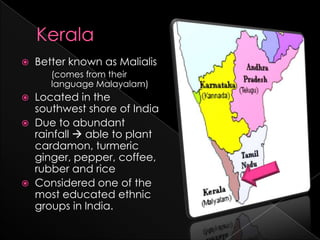
   Better known as Malialis
       (comes from their
       language Malayalam)
   Located in the
    southwest shore of India
   Due to abundant
    rainfall  able to plant
    cardamon, turmeric
    ginger, pepper, coffee,
    rubber and rice
   Considered one of the
    most educated ethnic
    groups in India.
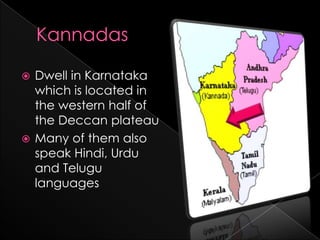
 Dwell in Karnataka
  which is located in
  the western half of
  the Deccan plateau
 Many of them also
  speak Hindi, Urdu
  and Telugu
  languages
 Chinese presence
 The Javanese contributed a lot in arts and
  culture
 Javanese prefer to elect male leaders
 Respect
    › Bapak  for fathers or elderly men
    › Ibu  for mothers or elderly women
    › Anda or saudara  avoided except when you
     are familiar to the person you are speaking to, or
     if speaking to a younger person
 Balinese described as poised, graceful,
  and aesthetically inclined people
 Famous for its beaches and temples
•Aids us in studying Asian history
 •By studying diversity  understanding of various
 culture and process, accord respect for differences
•Recognize the bond between ethnolinguistic groups
which may serve as a key in strengthening unity and
           camaraderie among its people
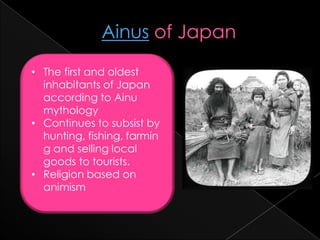
• The first and oldest
  inhabitants of Japan
  according to Ainu
  mythology
• Continues to subsist by
  hunting, fishing, farmin
  g and selling local
  goods to tourists.
• Religion based on
  animism

Lesson 4 (ethnolinguistic groups in asia)

  • 2.
  • 3.
    •Ethnolinguistic group • A group of people with a distinct language and culture that gives them a unique identity • 2 bases for ethnolinguistic groupings: Ethnicity and Language •Ethnicity • Social identification based on the presumption of shared history and a common cultural inheritance
  • 4.
    oomcnm analugge raotdintis Traditions Place fo rgnoii cleap of origin Historical cpeereixen itlohrasic experience Beliefs eselbif
  • 7.
    - See links -Recognize that you’re a part of one country, region and the whole world
  • 8.
    Language (Asia) •The primary identifying attribute of ethnolinguistic groups • Two categories: • Tonal • Non-tonal
  • 9.
    Language (Asia) •Foremost basis in cultural formation of ethnolinguistic groups
  • 15.
  • 16.
  • 17.
    West Asia Sumerians, Hurris,Elamites, Lycianes, Kassites, Lydians, Hattis, Caanites, Haldes, Arabs, Armenians, Jews, Assyrians, Hittites, Persians, Kurds, Afghans and Turks
  • 18.
  • 19.
    East Asia Sino-Tibetans Chinese Koreans Japanese
  • 20.
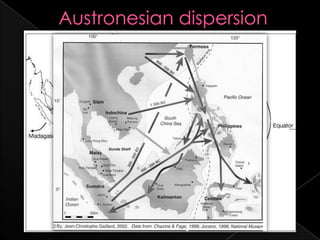
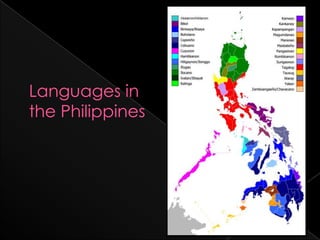
    Southeast Asia Austro-Asiatic (Mon Khmer and Munda) Austronesian (Languages of Filipinos and Indonesians)
  • 22.
     Live inthe southern part of India  Escaped the influence of Aryan culture (because of Vindhya Range)  Boast of an untouched native Indian culture
  • 23.
    The Dravidians are located in the four regions in Southern India: Tamil Nadu, Kerala, Karnataka, and Andhra Pradesh
  • 24.
     Developed whatis today considered the classical culture of India  Produced impressive temples, female dancers known as Bharata Natyam, and male dancers called Kathakali.
  • 31.
    Better known as Malialis (comes from their language Malayalam)  Located in the southwest shore of India  Due to abundant rainfall  able to plant cardamon, turmeric ginger, pepper, coffee, rubber and rice  Considered one of the most educated ethnic groups in India.
  • 32.
     Dwell inKarnataka which is located in the western half of the Deccan plateau  Many of them also speak Hindi, Urdu and Telugu languages
  • 37.
     Chinese presence The Javanese contributed a lot in arts and culture  Javanese prefer to elect male leaders  Respect › Bapak  for fathers or elderly men › Ibu  for mothers or elderly women › Anda or saudara  avoided except when you are familiar to the person you are speaking to, or if speaking to a younger person
  • 38.
     Balinese describedas poised, graceful, and aesthetically inclined people  Famous for its beaches and temples
  • 40.
    •Aids us instudying Asian history •By studying diversity  understanding of various culture and process, accord respect for differences •Recognize the bond between ethnolinguistic groups which may serve as a key in strengthening unity and camaraderie among its people
  • 42.
    • The firstand oldest inhabitants of Japan according to Ainu mythology • Continues to subsist by hunting, fishing, farmin g and selling local goods to tourists. • Religion based on animism