Legal Briefing & Summarizing
Definition and types
• A Legal brief is a short summary of a case.
• It is of two types:
Made by a Law StudentMade by an Attorney
Brief: Made by an Attorney
• The attorney, while submitting a motion in front of the
court, makes a brief outline of the grievance suffered by his
/ her client.
• Also mentions, under application which acts, his/her case
should prevail over the other party (or parties) to that
lawsuit.
• This is called briefing by Attorney, done to save time of the
court.
Briefing by a Law Student:
Summary of a judgment
• Typically this is used for more effective self-
study.
• This document contains a reduced and
summarized form of court opinion.
• Summarizes the trail of a case from its
inception through its judgement.
• Mainly discusses the court’s opinion,
interpretation of laws, and application of the
same in deciding the judgement.
Briefing: Points to remember
• A brief is written in 3rd person and in Past Tense.
• Should contain point-wise sequence of events. Just
outline of the events are required.
• In case of Lawyer’s briefing, events that happened,
and action desired from court, are presented in
Argument form.
Briefing: Points to remember
• The writer of the brief signs in the end, with a
mention of date.
• Since a brief is not a letter, we do not write “Yours
Sincerely” in the end.
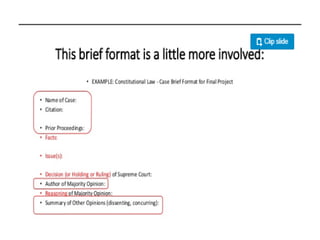
Parts of a Brief
1. Name of the case
This includes name of the two parties involves. It also mentions
the name of the court, and the date of the judgment.
2. Citation
This is a reference to the online or print medium where the case
is published. It allows the readers of the brief to cross check the
facts presented.
Parts of a Brief
3. Prior Proceedings
This is an optional element. If the case has involved multiple courts before
coming to the final court, a point-wise summary of the judgments given by
them is required.
4. Facts
This includes a brief statement of what has exactly happened. An outlining of
incidents, leading to the filing of case in the court is mentioned.
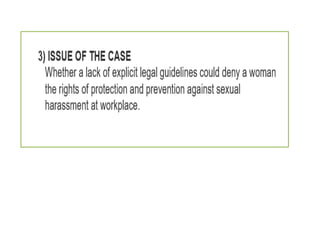
5. Issue of the case
The argument of the case, on which deliberation happens in court.
Format of a Brief: Things to include
6. Holding
This refers to the position taken by the court. Holding simply
means whether the court found a person guilty or otherwise.
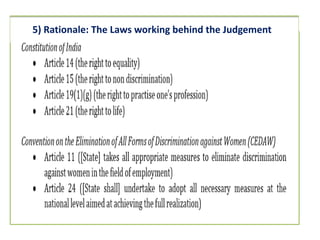
7. Reasoning, or Rationale
This includes application of law to every single points of the case,
to support the Courts argument.
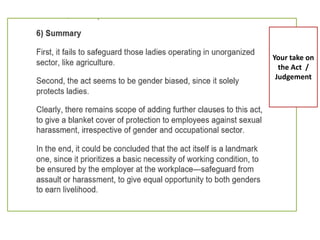
8. Summary
The student states his / her opinion about the act or judgement.
Example:
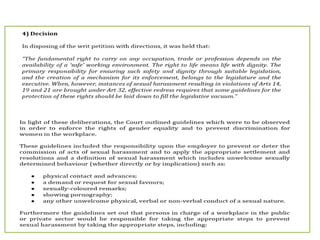
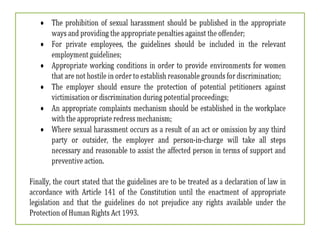
Case brief of Vishakha Judgement
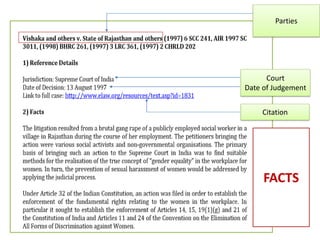
Parties
Court
Date of Judgement
Citation
FACTS
5) Rationale: The Laws working behind the Judgement
Your take on
the Act /
Judgement

Legal briefing and summarizing

  • 1.
    Legal Briefing &Summarizing
  • 2.
    Definition and types •A Legal brief is a short summary of a case. • It is of two types: Made by a Law StudentMade by an Attorney
  • 3.
    Brief: Made byan Attorney • The attorney, while submitting a motion in front of the court, makes a brief outline of the grievance suffered by his / her client. • Also mentions, under application which acts, his/her case should prevail over the other party (or parties) to that lawsuit. • This is called briefing by Attorney, done to save time of the court.
  • 4.
    Briefing by aLaw Student: Summary of a judgment • Typically this is used for more effective self- study. • This document contains a reduced and summarized form of court opinion. • Summarizes the trail of a case from its inception through its judgement. • Mainly discusses the court’s opinion, interpretation of laws, and application of the same in deciding the judgement.
  • 5.
    Briefing: Points toremember • A brief is written in 3rd person and in Past Tense. • Should contain point-wise sequence of events. Just outline of the events are required. • In case of Lawyer’s briefing, events that happened, and action desired from court, are presented in Argument form.
  • 6.
    Briefing: Points toremember • The writer of the brief signs in the end, with a mention of date. • Since a brief is not a letter, we do not write “Yours Sincerely” in the end.
  • 7.
    Parts of aBrief 1. Name of the case This includes name of the two parties involves. It also mentions the name of the court, and the date of the judgment. 2. Citation This is a reference to the online or print medium where the case is published. It allows the readers of the brief to cross check the facts presented.
  • 8.
    Parts of aBrief 3. Prior Proceedings This is an optional element. If the case has involved multiple courts before coming to the final court, a point-wise summary of the judgments given by them is required. 4. Facts This includes a brief statement of what has exactly happened. An outlining of incidents, leading to the filing of case in the court is mentioned. 5. Issue of the case The argument of the case, on which deliberation happens in court.
  • 9.
    Format of aBrief: Things to include 6. Holding This refers to the position taken by the court. Holding simply means whether the court found a person guilty or otherwise. 7. Reasoning, or Rationale This includes application of law to every single points of the case, to support the Courts argument. 8. Summary The student states his / her opinion about the act or judgement.
  • 11.
    Example: Case brief ofVishakha Judgement
  • 12.
  • 16.
    5) Rationale: TheLaws working behind the Judgement
  • 17.
    Your take on theAct / Judgement