a      pren   der           para    crear
Método para un trabajo transdisciplinario de innovación
pedagógica en la escuela


                                  L    earning to be cr             eative
                                 A method for pedagogic innovation in the school.


Isidora Mena Edwards
Psicóloga y Dra. en Ciencias de la Educación

Universidad Católica de Chile
L
School


                                                earning to be cr
Method
a. Develop creativity by understand knowledge
b. As a collaborative planification

Research


                                                eative

                                                                   •
                                           •
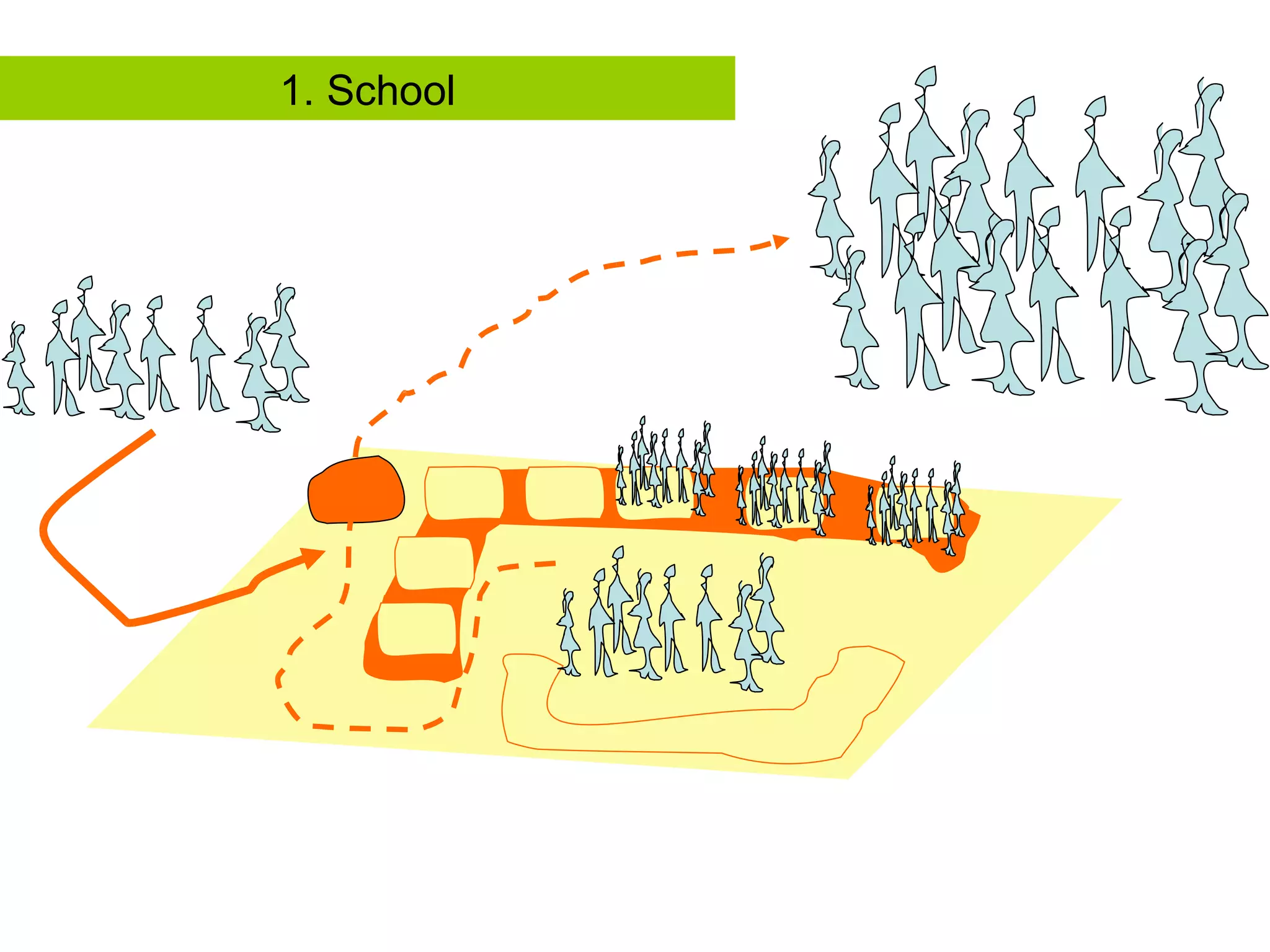
1. School
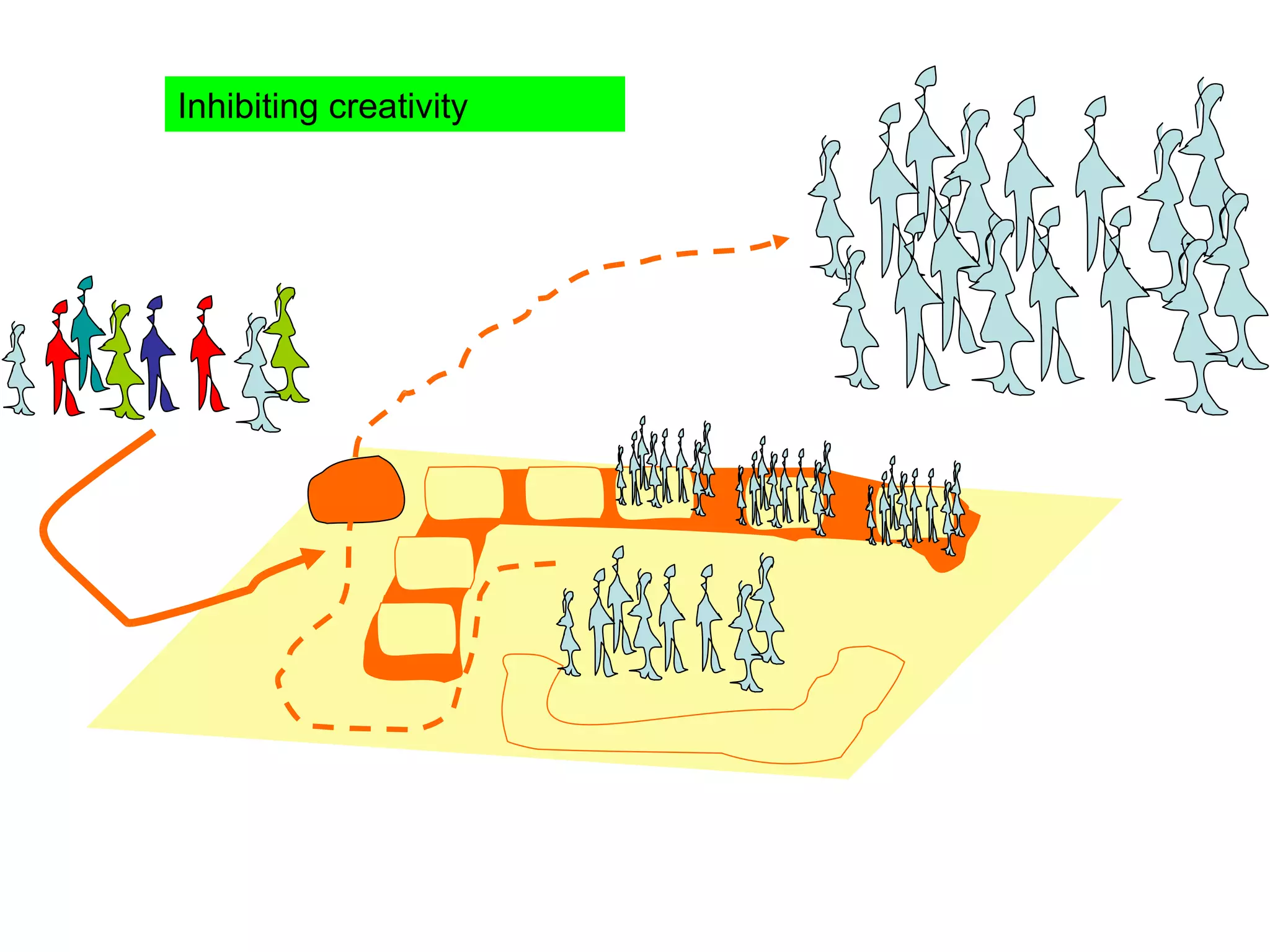
Inhibiting creativity
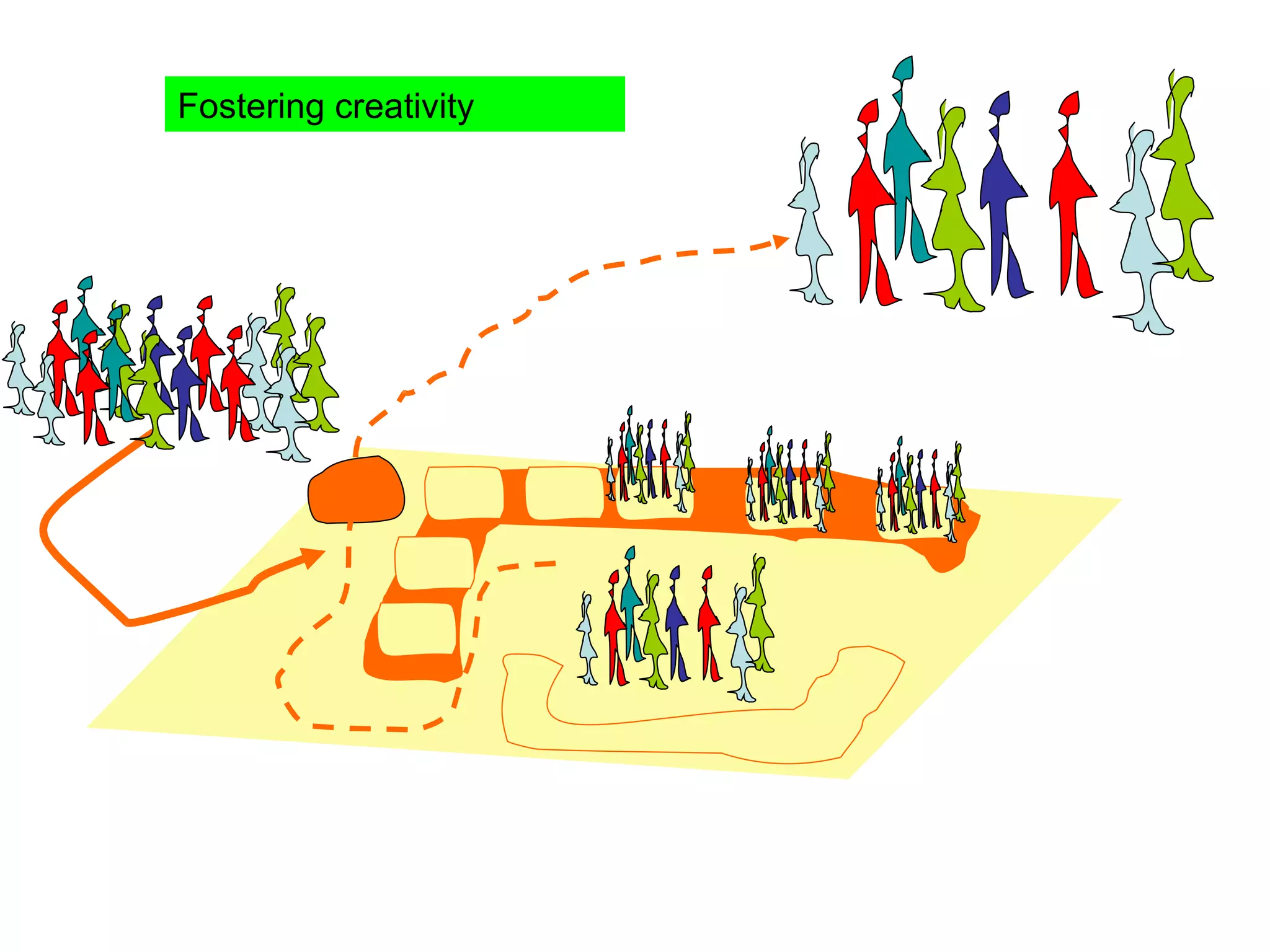
Fostering creativity
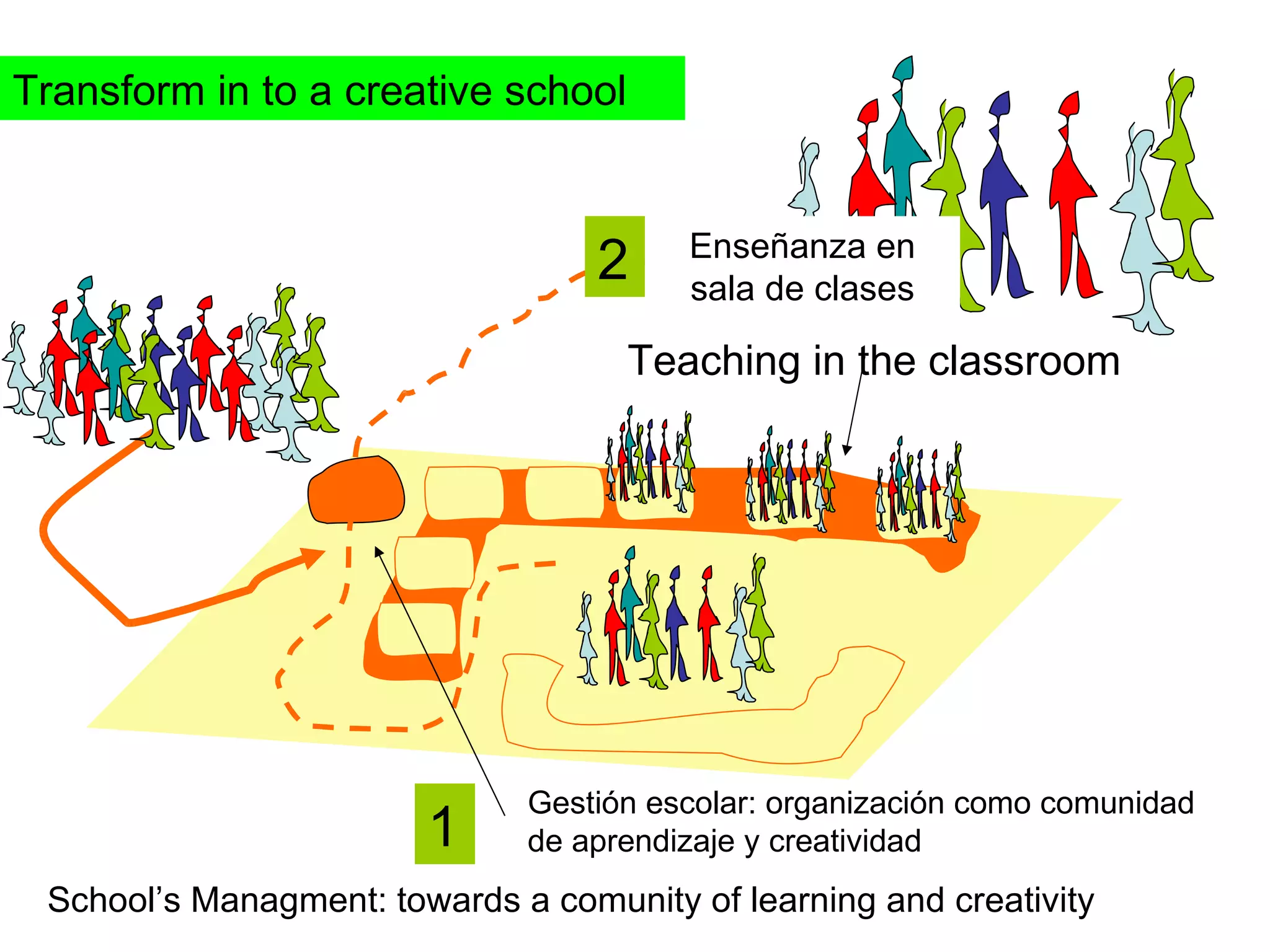
Transform in to a creative school


                                        Enseñanza en
                                   2    sala de clases

                                     Teaching in the classroom


                              Gestión escolar: organización como comunidad
                        1     de aprendizaje y creatividad
 School’s Managment: towards a comunity of learning and creativity
Teaching in the classroom
I will show you work and research aimed to transform every
classroom into a strong community that fosters creativity
and continuous learning.
2. Método / Method

          c) Desarrollar la creatividad a travès de entender el conocimiento

                      Develop creativity by understand knowledge
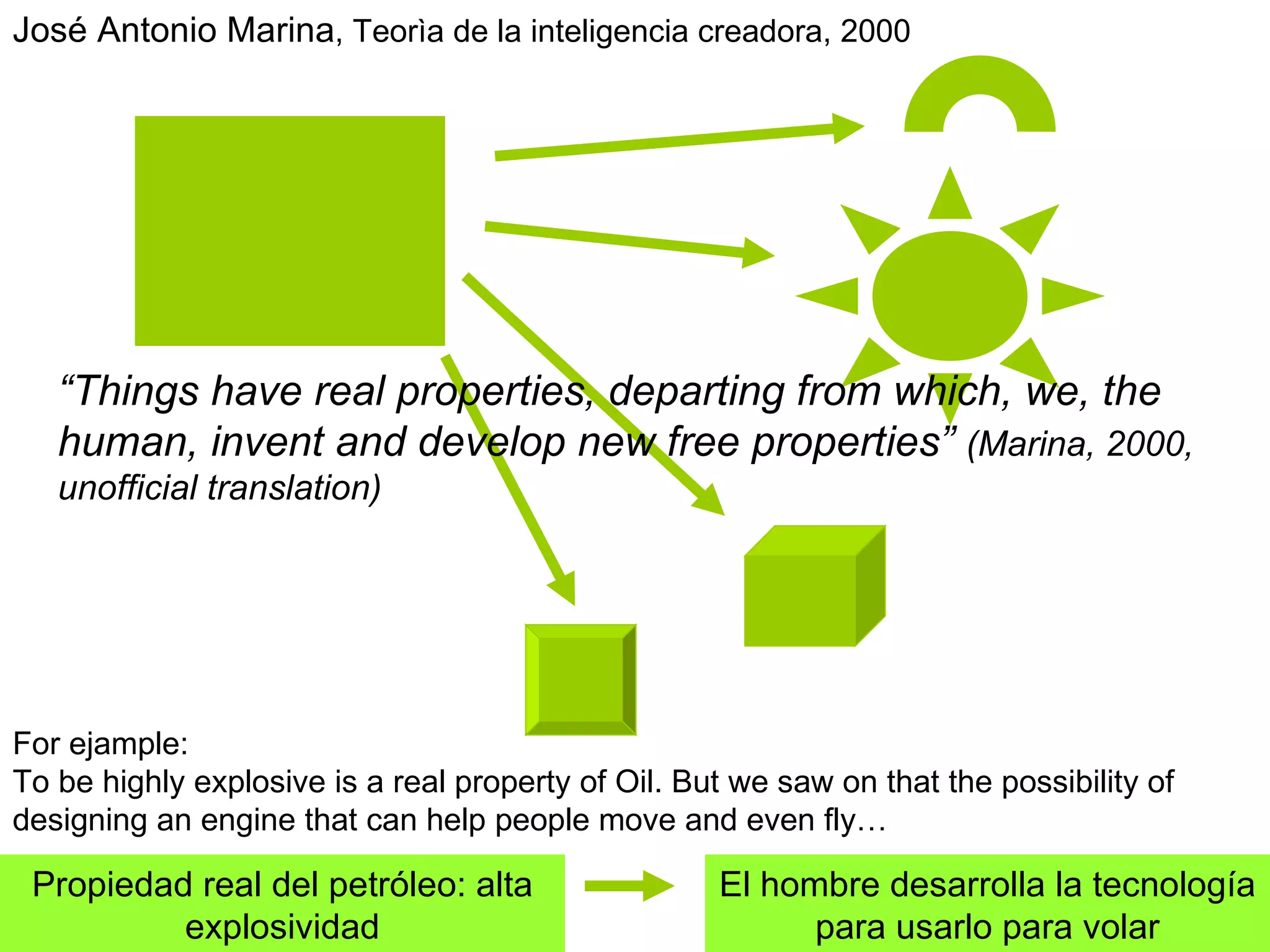
José Antonio Marina, Teorìa de la inteligencia creadora, 2000


   “Things have real properties, departing from which, we, the
   human, invent and develop new free properties” (Marina, 2000,
   unofficial translation)


For ejample:
To be highly explosive is a real property of Oil. But we saw on that the possibility of
designing an engine that can help people move and even fly…

 Propiedad real del petróleo: alta                  El hombre desarrolla la tecnología
          explosividad                                    para usarlo para volar
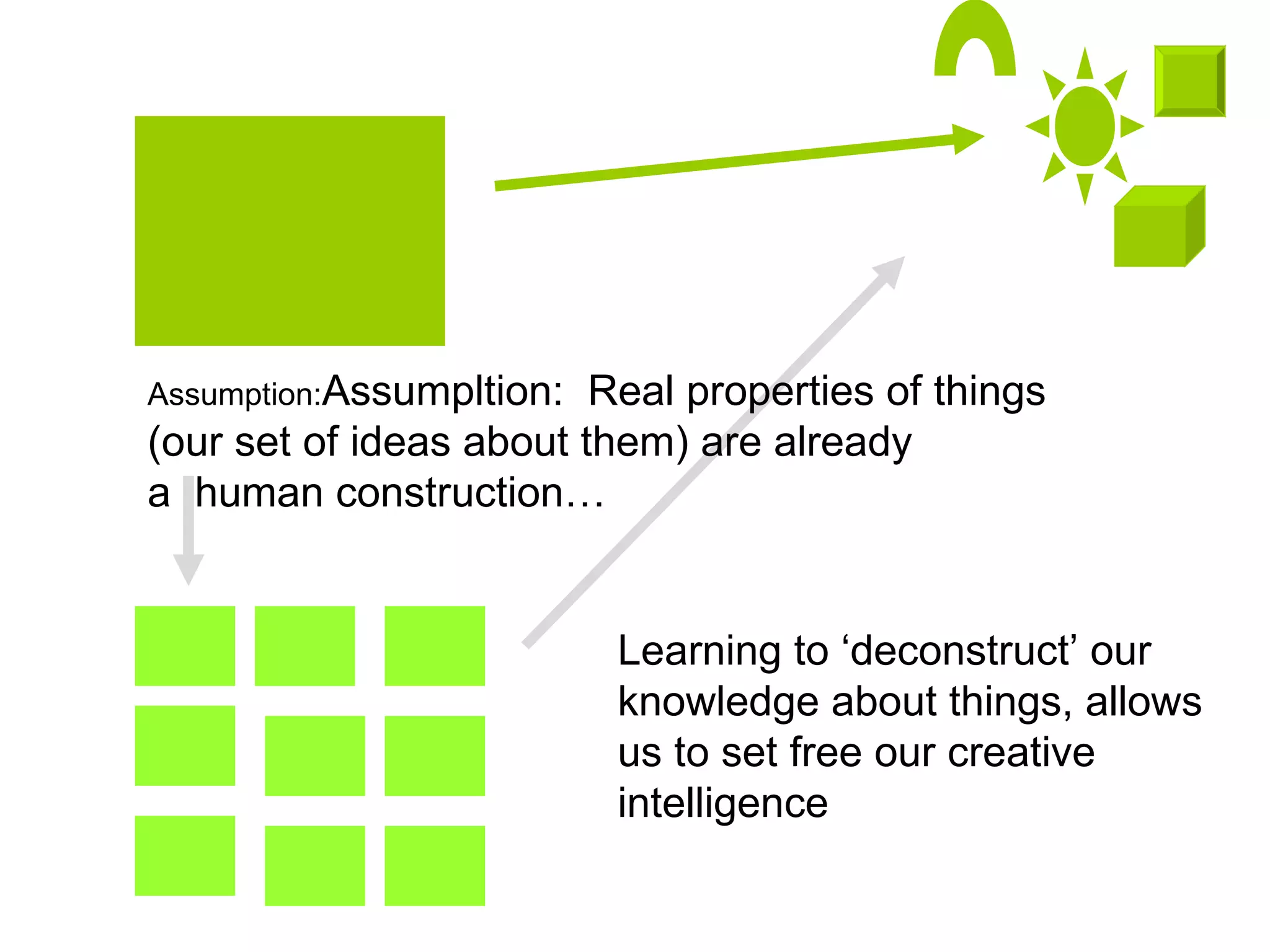
Assumption:Assumpltion:  Real properties of things
(our set of ideas about them) are already
a human construction…


                          Learning to ‘deconstruct’ our
                          knowledge about things, allows
                          us to set free our creative
                          intelligence
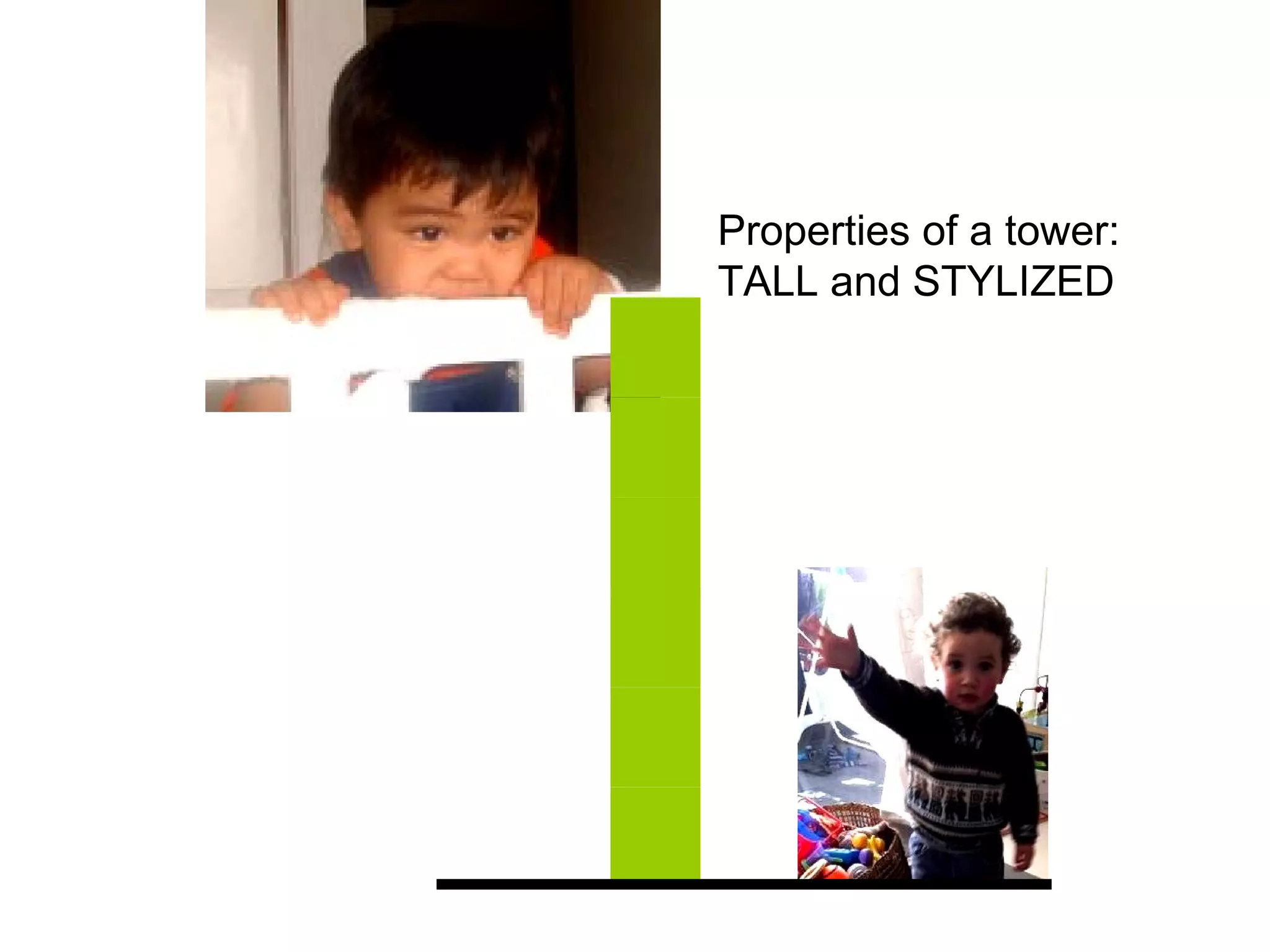
Properties of a tower:
TALL and STYLIZED
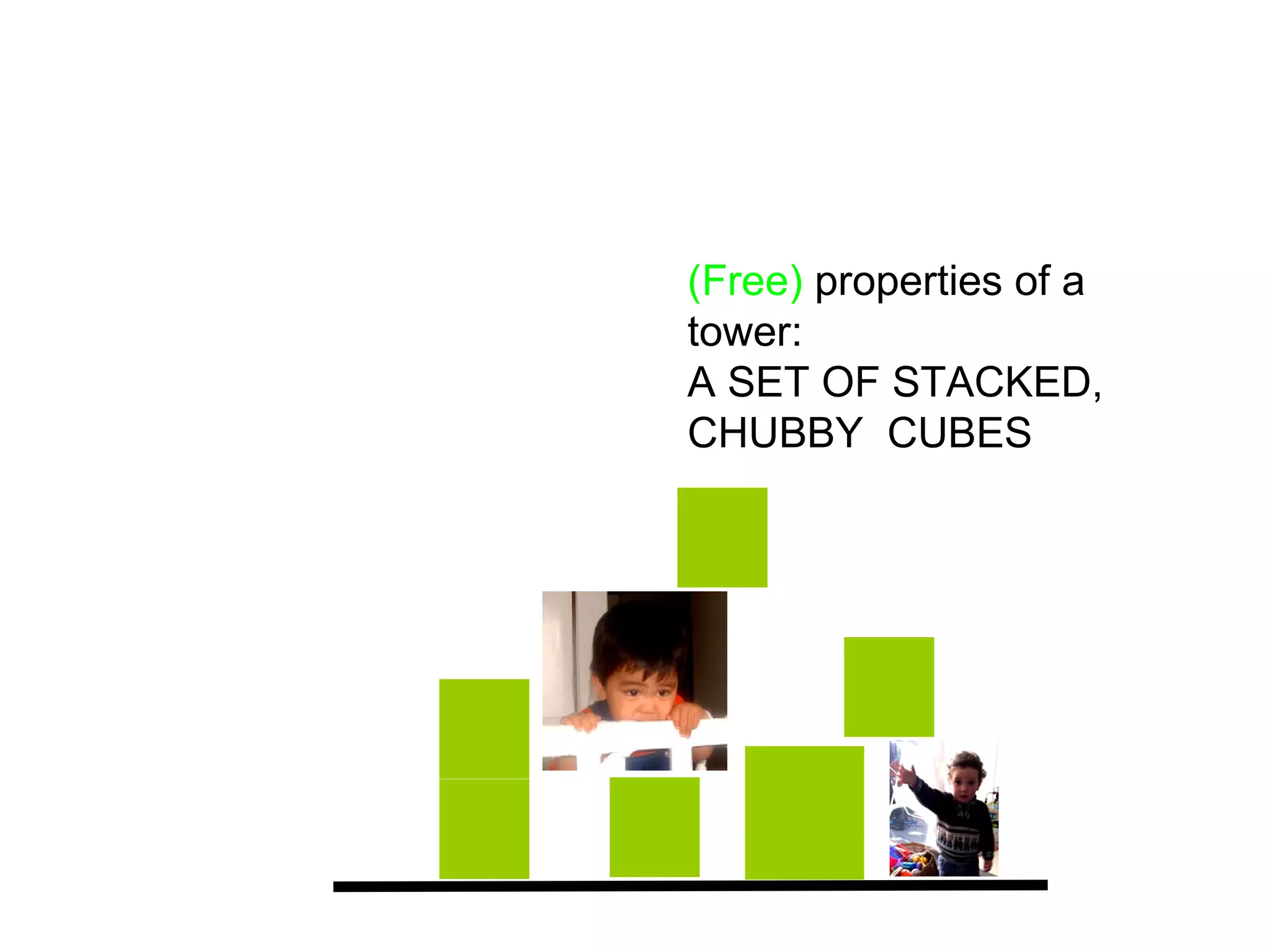
(Free) properties of a
tower:
A SET OF STACKED,
CHUBBY CUBES
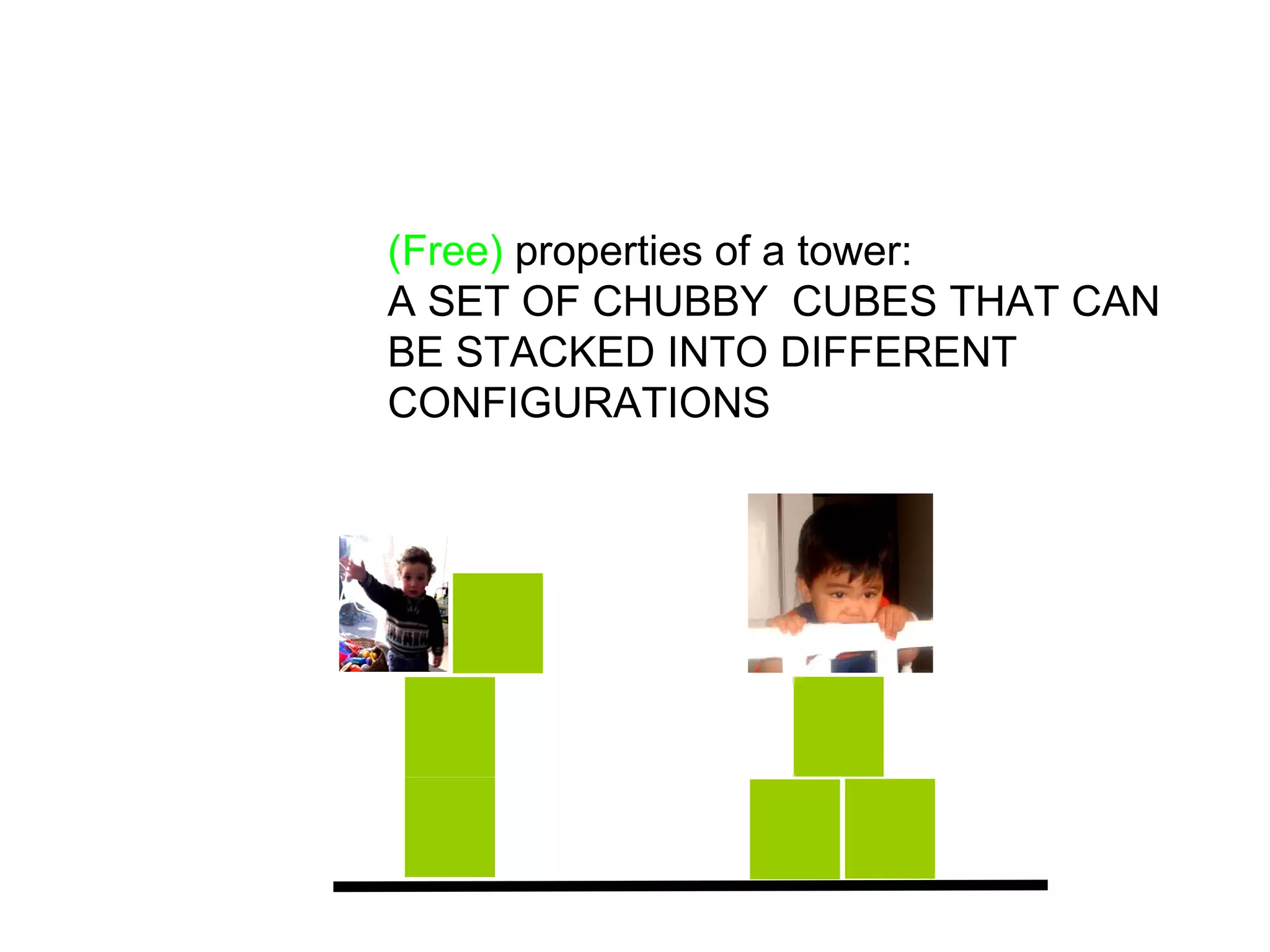
(Free) properties of a tower:
A SET OF CHUBBY CUBES THAT CAN
BE STACKED INTO DIFFERENT
CONFIGURATIONS
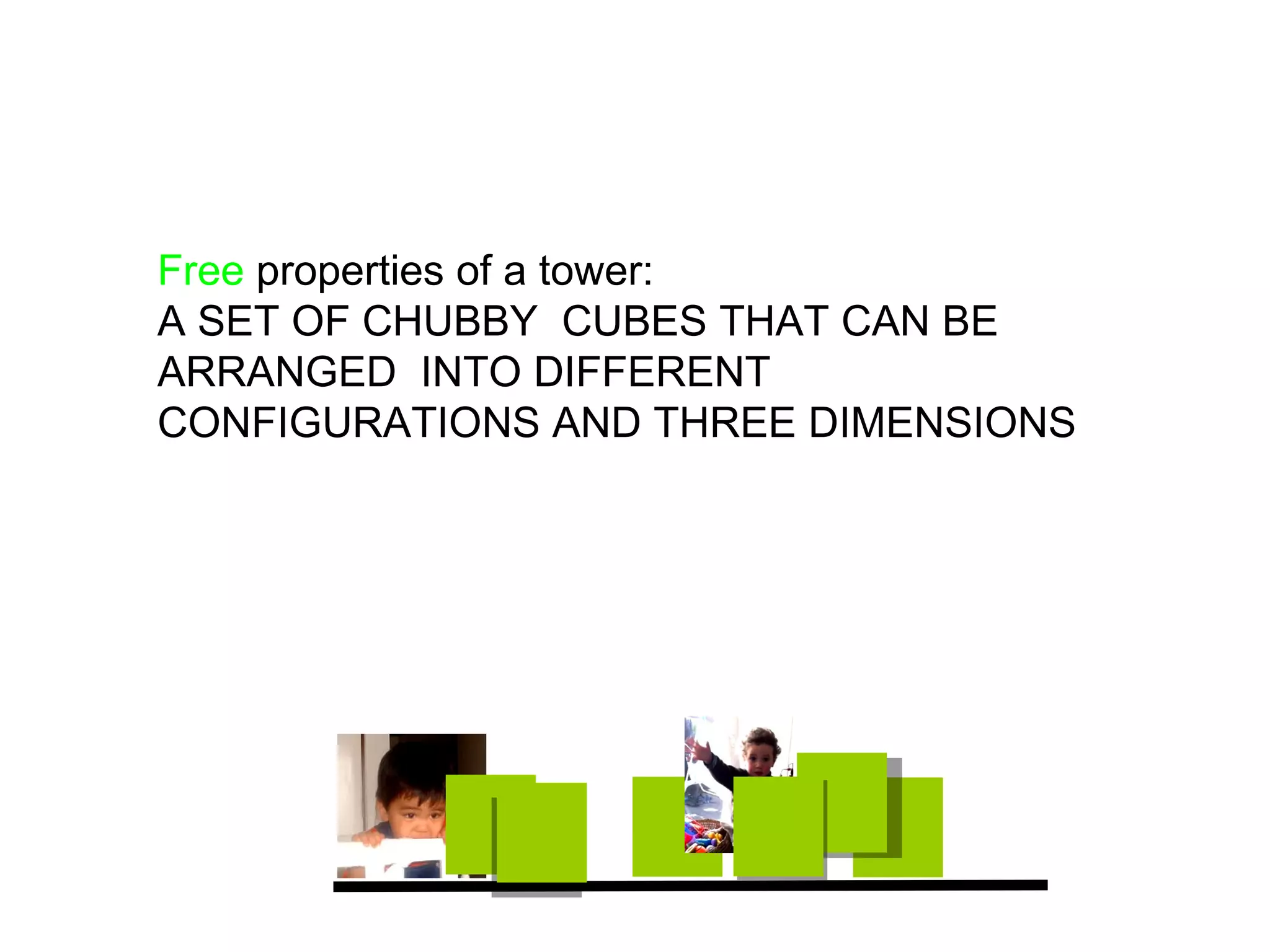
Free properties of a tower:
A SET OF CHUBBY CUBES THAT CAN BE
ARRANGED INTO DIFFERENT
CONFIGURATIONS AND THREE DIMENSIONS
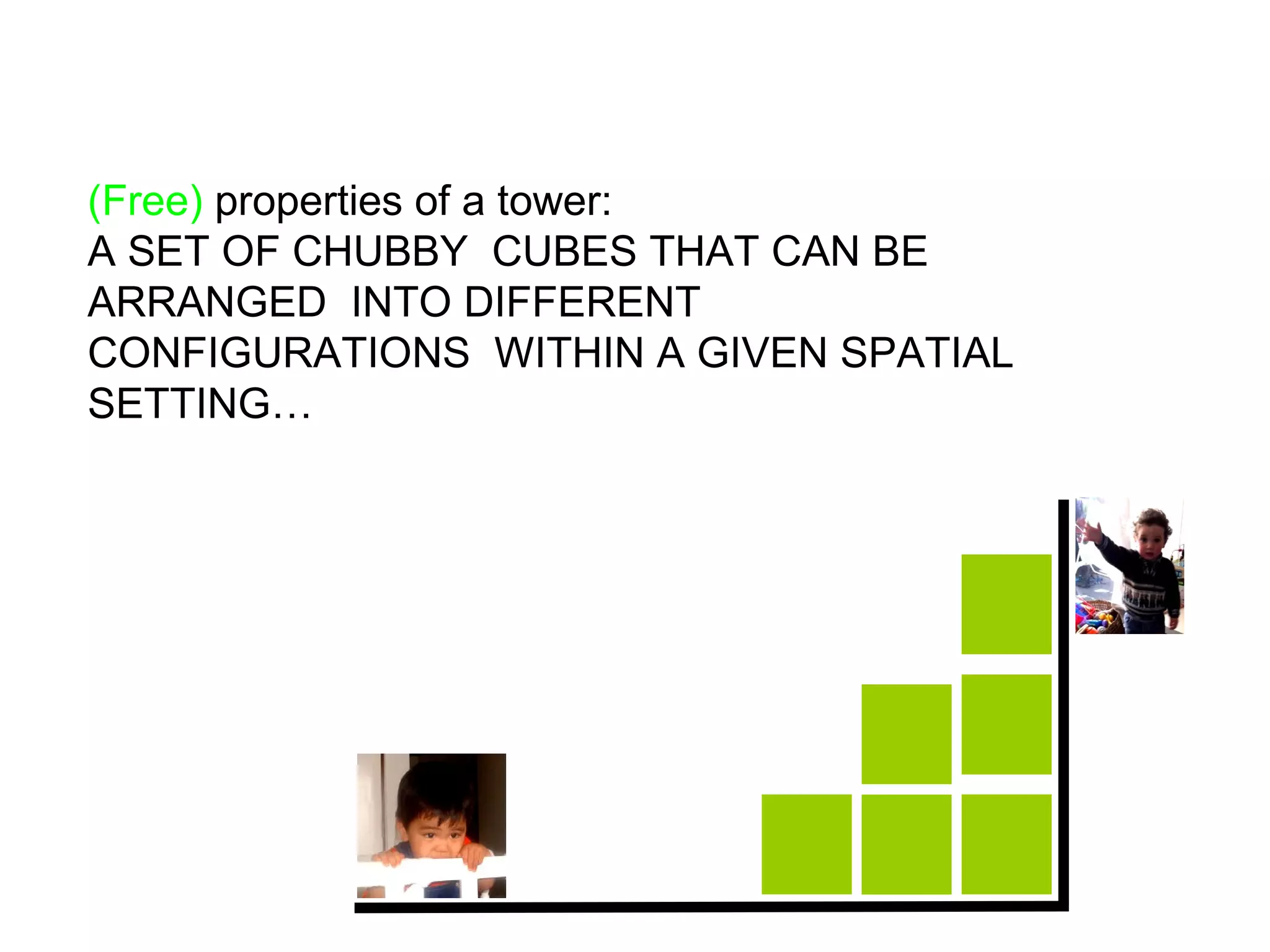
(Free) properties of a tower:
A SET OF CHUBBY CUBES THAT CAN BE
ARRANGED INTO DIFFERENT
CONFIGURATIONS WITHIN A GIVEN SPATIAL
SETTING…
The classroom as the space for learning
The free properties    of the knowledge:
         •    Deep understanding is the base for inventions
         •    Understand components and their relationships
         •    Experience how creative action operates within a
              group
a  pren   der   para   crear

4 principles for effective knowledge transfer


      1. Unveil tensions

      2. Consider multiple perspectives

      3. Reveal essential links and interdependences

      4. Apply knowledge in other distant fields
1 : develar tensiones                  // unveil tensions

•   Recognize the tensions that caused (or could have caused) a given initial query

     i.e
           Why oceans has big waves and lakes do not?

           Why are we sometimes happy and sometimes not, without
            any identifiable events?

           How a plant can grow, if I can´t see it eating like humans
            or animals do?
That question is what produces the emotion /
  motivation for the action to investigate / explore /
  learn

         – Produces cognitive dissonance
         – Proposes a goal, a dream to know why


... And that is the engine for creativity: the
   tensions, conflicts, the unknown…

(autores….)
2:                      e.i
     Considerar múltiples perspectivas
      Consider multiple perspectives


      Observe from different perspectives

      i.e

            Why the oceans have big waves and lakes not?

            1st Perspective: Elements around the sea / lake can
             make a difference ... The wind, the moon
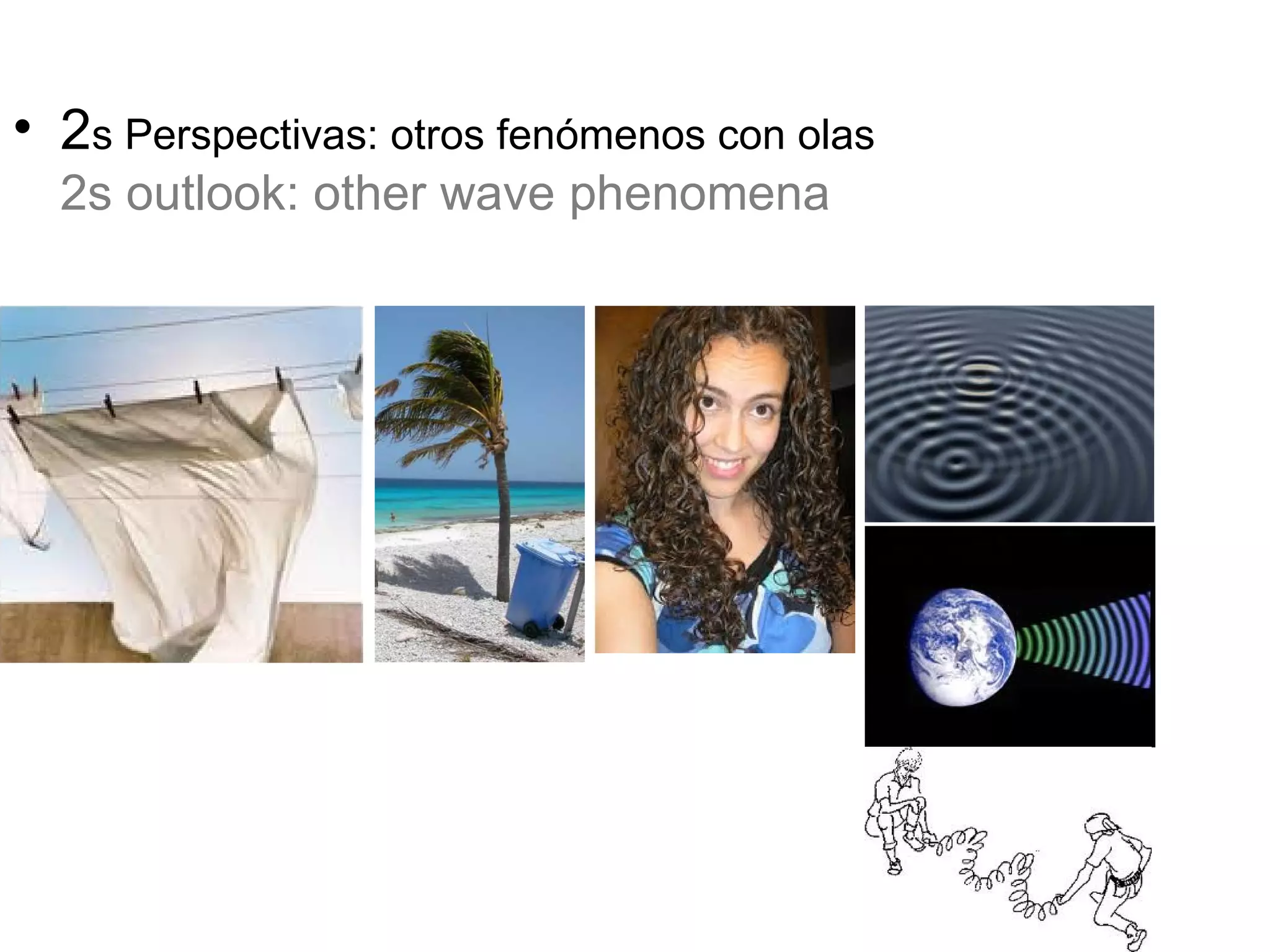
• 2s Perspectivas: otros fenómenos con olas
  2s outlook: other wave phenomena
3 : Develar relaciones esenciales y cercanas
    Reveal essential links and interdependences

   1. Show primary relationships that allow the
   comprehension of the main tensions that lie
   beneath a given phenomenon


    2. Select some close, easy to understand
    tension/relatioinship, useful to illustrate and
    comprehend the phenomenon
i.e
Relaciones primarias              Relaciones secundarias
Primary relationships             Secondary relationships


• Wind / Surface of               • Moon’s effect on tides
                                  • Tectonic movements have
  thewater / gravity
• Conflicted energies in             an effect on waves
                                  • Given geographical
  tension (Eolic-Gravity)
• Sea/Lake bed depth                 settings that increase the
• Positive or negative               effect of wind in the
  feedback loops that                surface of water bodies
                                  • Effects of waves in the
  increase or neutralize
  wave’s energy                     shoreline
4 : Establish far fetched, not directly correlated
     relationships       establecer relaciones lejanas


   i.e
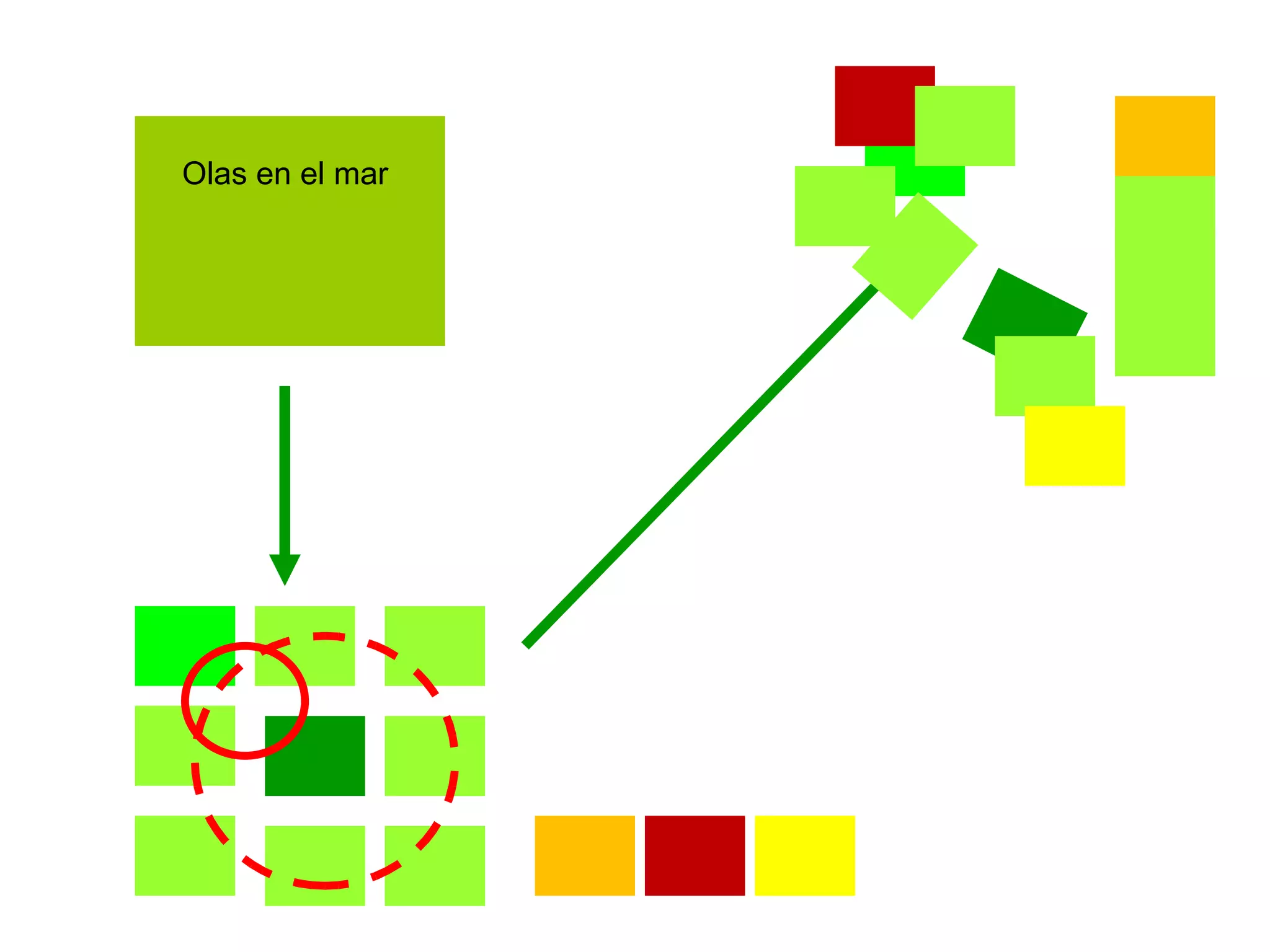
    Write a romantic sentence using your knowledge
    about waves,.

    compare waves and curly hair…(Without seeking
    nformation about hair)
Olas en el mar
a   pren   der        para   crear
1. Learning useful things about reality

2. Learning to be creative:
   •Identifying tensions
   •Dealing with multiple perspectives
   •Making relationships between things
   •Making distant relationships between things
• Aprender cosas relevantes sobre la realidad
•    Aprender a ser creativo
     –   Reconocer tensiones
     –   Perspectivas multiples
     –   Relacionar
     –   Relaciones lejanas
Método
 b)Planificación colaborativa de profesores


 Method
  b) A Teachers collaborative planification
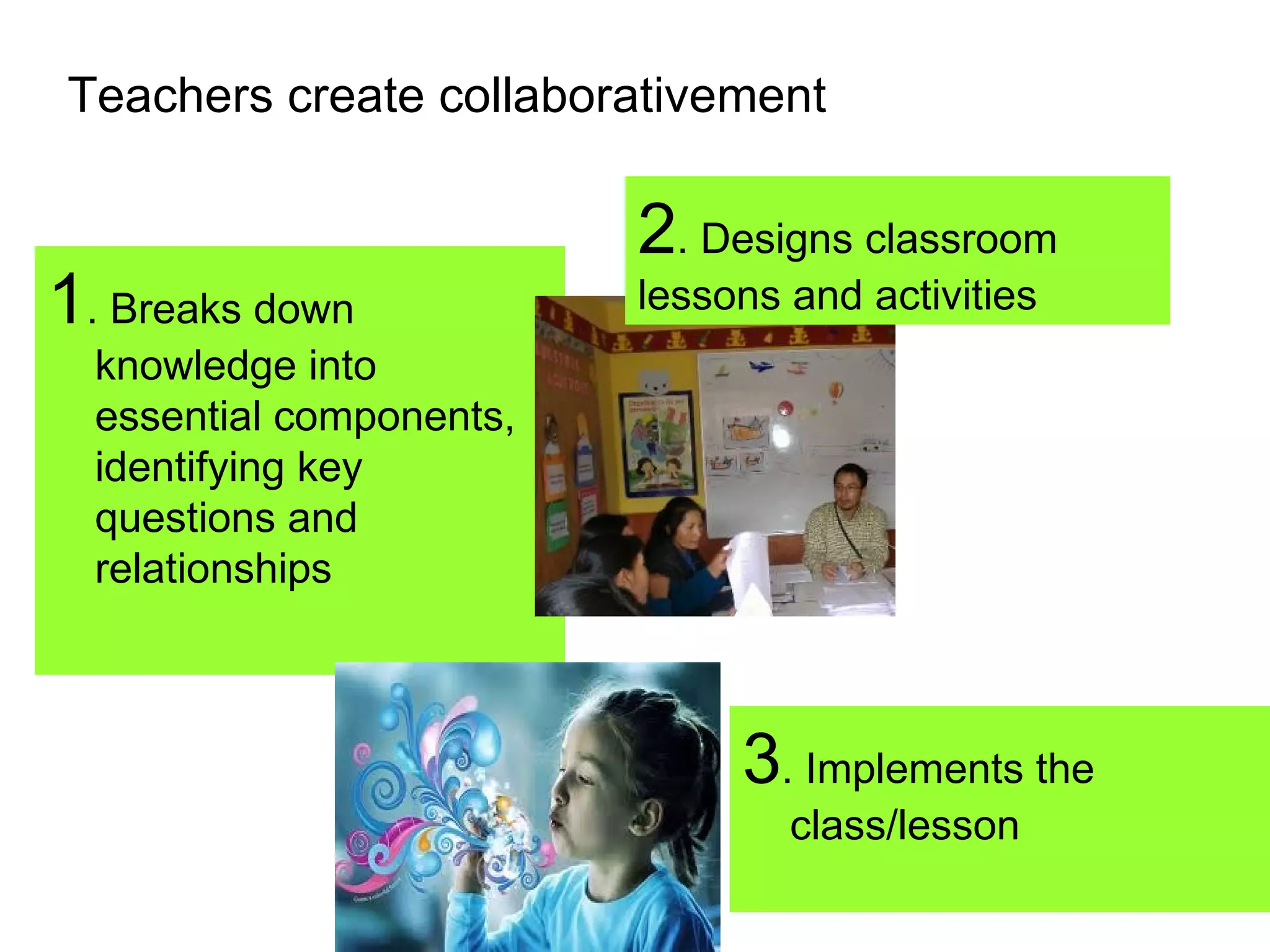
Teachers create collaborativement

                          2. Designs classroom
1. Breaks down            lessons and activities
  knowledge into
  essential components,
  identifying key
  questions and
  relationships


                               3. Implements the
                                  class/lesson
School


                                           L
                                           earning to be cr
Method
 a. Develop creativity by understand
knowledge
 b. As a collaborative planification


Research


                                           eative

                                                              •
                                       •
A cuasi experimental study,
   which objective was to analyze
   the impact in the student’s learning
   once they where taught by teachers trained
   in creativity liberation and promotion
      methodology (learning for creating).

The study compared pre – post
   three experimental institutions and three control,
   in second grade of high school.
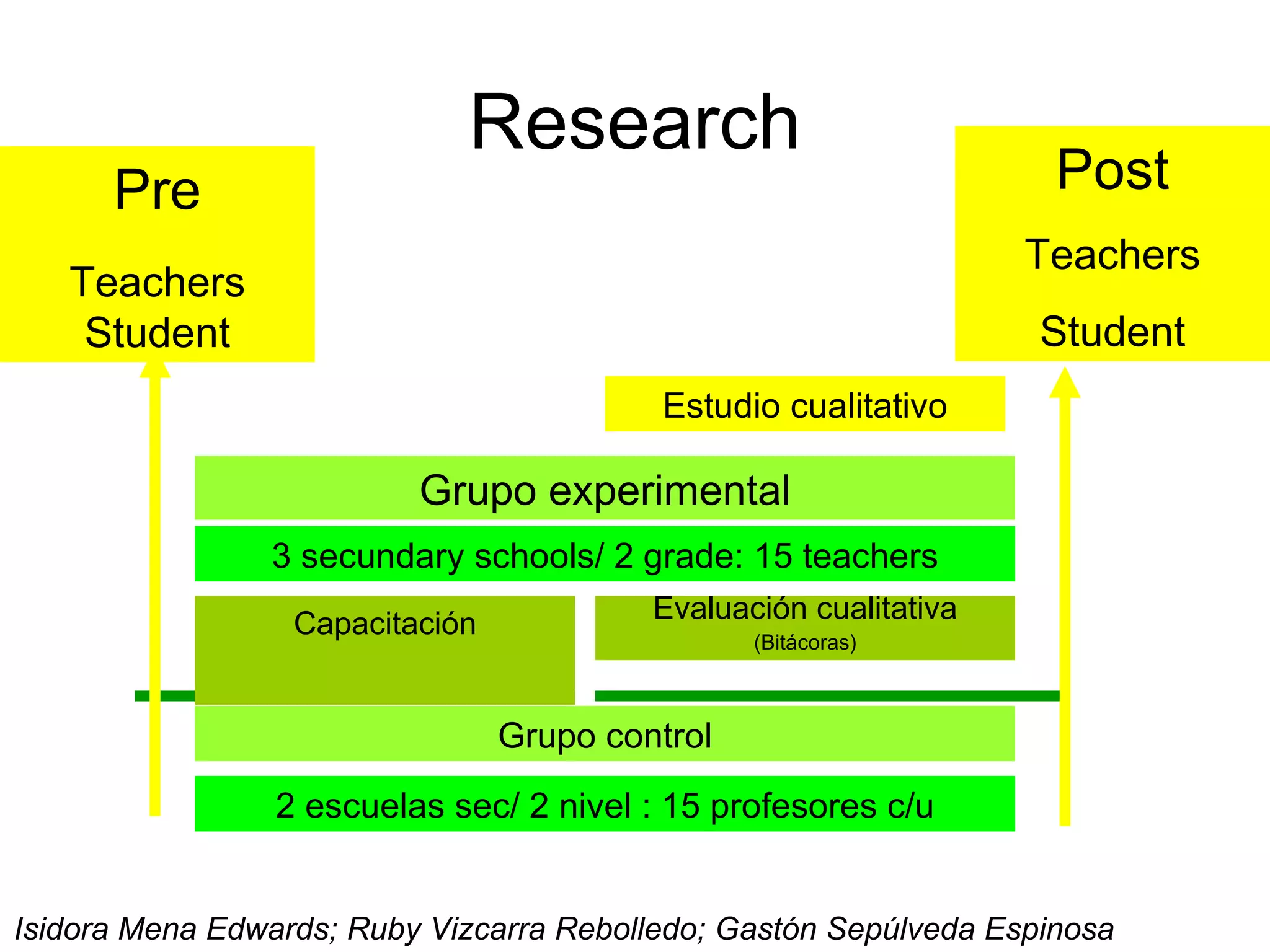
Research
     Pre                                                              Post
     Post                                                             Post
   (profesores+                                                     Teachers
                                                                    (profesores
                                                                           +
   Teachers
   estudiantes)                                                     estudiantes)
    Student                                                          Student
                                            Estudio cualitativo

                           Grupo experimental
                  3 secundary schools/ 2 grade: 15 teachers
                   Capacitación            Evaluación cualitativa
                                                  (Bitácoras)


                                  Grupo control
                  2 escuelas sec/ 2 nivel : 15 profesores c/u


Isidora Mena Edwards; Ruby Vizcarra Rebolledo; Gastón Sepúlveda Espinosa
Instrumentos y análisis cuantitativo

Instrumentos
           Alumnos
           – Prueba de conocimientos relevantes
           – TAC: Test de apropiación creativa (conocimientos)
           – Test de habilidades cognitivas

            Profesores
            – TAC: Test de apropiación creativa (Conocimientos)
            – Test de habilidades cognitivas

Análisis
Cuanti: simples de varianza, ANOVA y multivariado de la covarianza, MANCOVA.
Cuali: categorizaciones abiertas, selectivas y axiales (Flick, 2008)
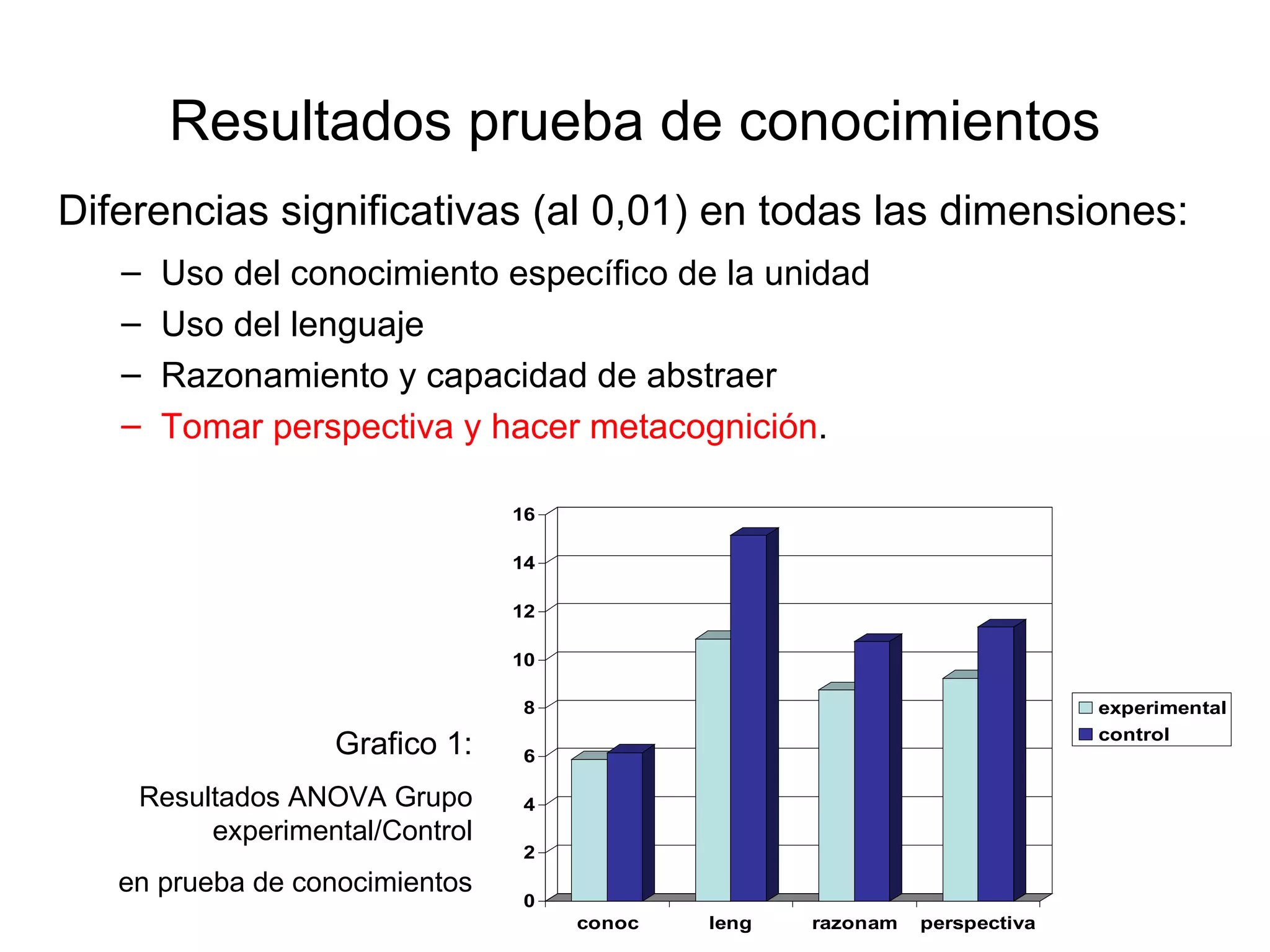
Resultados prueba de conocimientos
Diferencias significativas (al 0,01) en todas las dimensiones:
   –   Uso del conocimiento específico de la unidad
   –   Uso del lenguaje
   –   Razonamiento y capacidad de abstraer
   –   Tomar perspectiva y hacer metacognición.

                                16

                                14

                                12

                                10

                                8                                           experimental
                                                                            control
                  Grafico 1:    6

    Resultados ANOVA Grupo      4
         experimental/Control
                                2
   en prueba de conocimientos
                                0
                                     conoc   leng   razonam   perspectiva
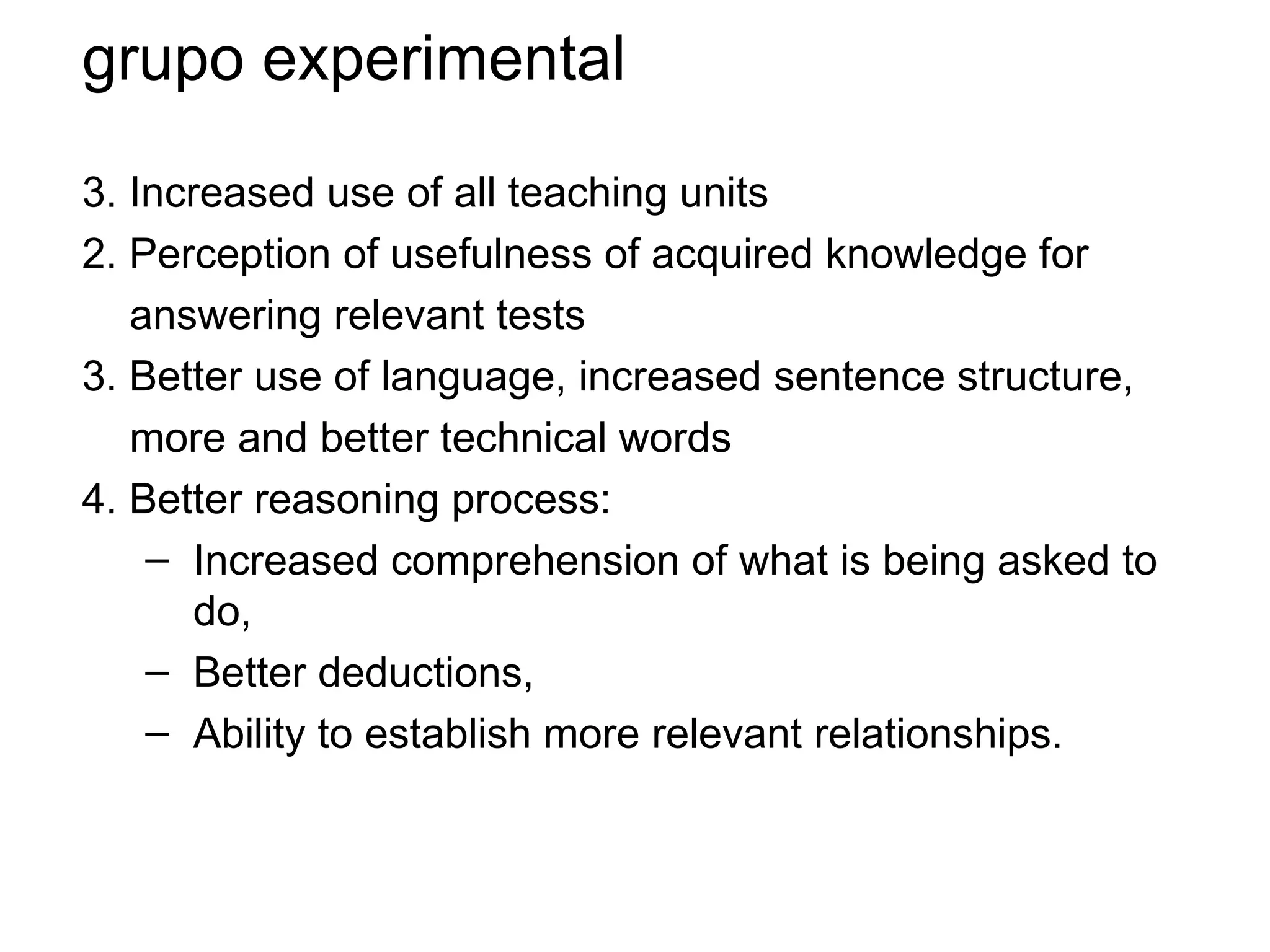
grupo experimental

3. Increased use of all teaching units
2. Perception of usefulness of acquired knowledge for
   answering relevant tests
3. Better use of language, increased sentence structure,
   more and better technical words
4. Better reasoning process:
    – Increased comprehension of what is being asked to
       do,
    – Better deductions,
    – Ability to establish more relevant relationships.
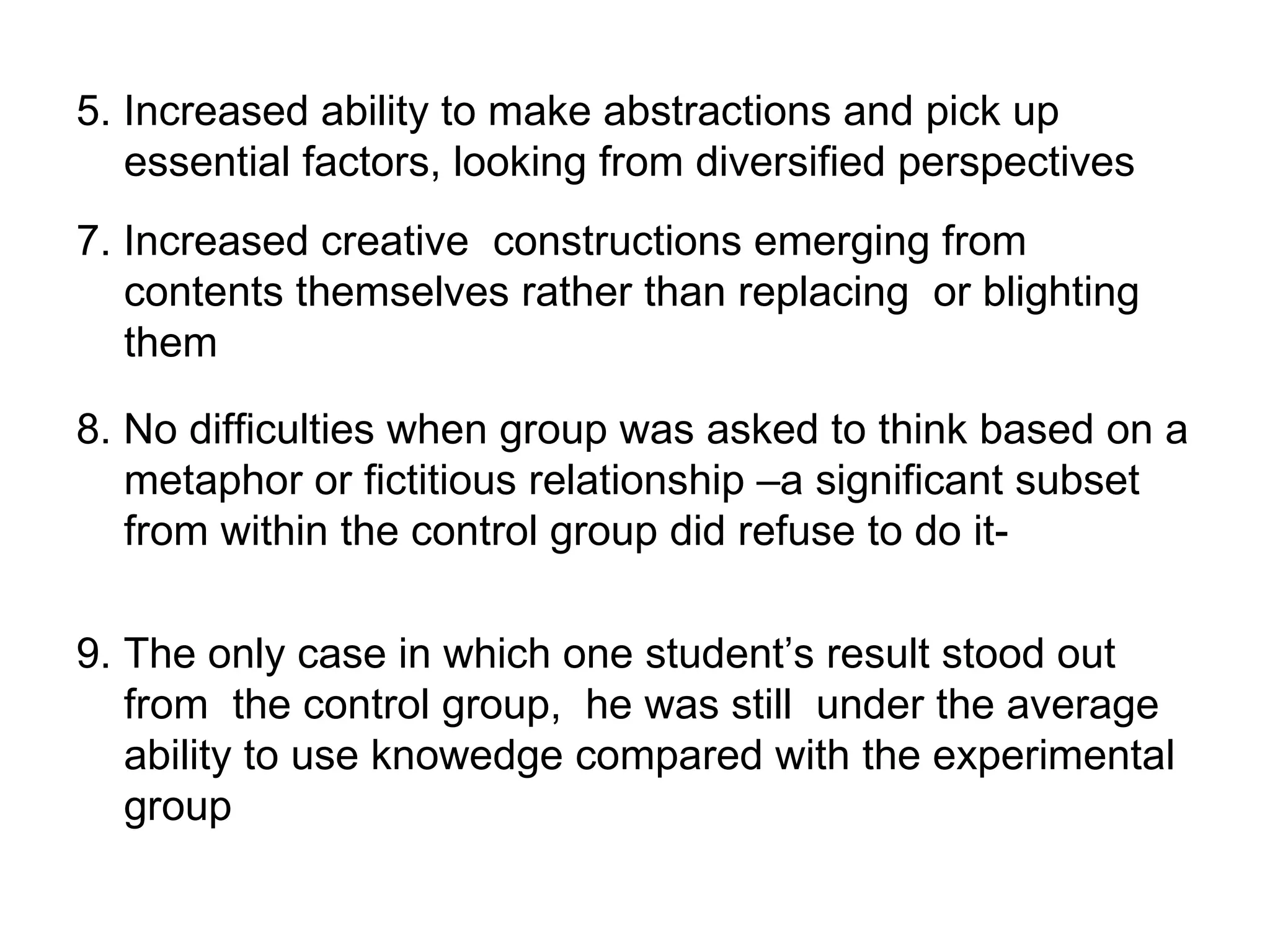
5. Increased ability to make abstractions and pick up
   essential factors, looking from diversified perspectives
7. Increased creative constructions emerging from
   contents themselves rather than replacing or blighting
   them

8. No difficulties when group was asked to think based on a
   metaphor or fictitious relationship –a significant subset
   from within the control group did refuse to do it-

9. The only case in which one student’s result stood out
   from the control group, he was still under the average
   ability to use knowedge compared with the experimental
   group
Qualitative conclusions
       Teachers
       1. Regained interest in acquiring new knowledge
       2. Re-enchantment with proffession and teaching
           vocation
 Students
 3. Openness to and increased pursuit of amazement

 (once experimental phase finished)
      “My teacher stopped teaching in the new (experimental) way
     and now it is boring…but I already learnt that things are really a lot
         more entertaining so I always
     try to think about what really hides inside and beyond what she
         teaches us”
     (Interview to a student,. Müller, 2004)

Learning to be creative

  • 1.
    a pren der para crear Método para un trabajo transdisciplinario de innovación pedagógica en la escuela L earning to be cr eative A method for pedagogic innovation in the school. Isidora Mena Edwards Psicóloga y Dra. en Ciencias de la Educación Universidad Católica de Chile
  • 2.
    L School earning to be cr Method a. Develop creativity by understand knowledge b. As a collaborative planification Research eative • •
  • 3.
  • 4.
  • 5.
  • 6.
    Transform in toa creative school Enseñanza en 2 sala de clases Teaching in the classroom Gestión escolar: organización como comunidad 1 de aprendizaje y creatividad School’s Managment: towards a comunity of learning and creativity
  • 7.
    Teaching in theclassroom I will show you work and research aimed to transform every classroom into a strong community that fosters creativity and continuous learning.
  • 8.
    2. Método /Method c) Desarrollar la creatividad a travès de entender el conocimiento Develop creativity by understand knowledge
  • 9.
    José Antonio Marina,Teorìa de la inteligencia creadora, 2000 “Things have real properties, departing from which, we, the human, invent and develop new free properties” (Marina, 2000, unofficial translation) For ejample: To be highly explosive is a real property of Oil. But we saw on that the possibility of designing an engine that can help people move and even fly… Propiedad real del petróleo: alta El hombre desarrolla la tecnología explosividad para usarlo para volar
  • 10.
    Assumption:Assumpltion: Realproperties of things (our set of ideas about them) are already a human construction… Learning to ‘deconstruct’ our knowledge about things, allows us to set free our creative intelligence
  • 11.
    Properties of atower: TALL and STYLIZED
  • 12.
    (Free) properties ofa tower: A SET OF STACKED, CHUBBY CUBES
  • 13.
    (Free) properties ofa tower: A SET OF CHUBBY CUBES THAT CAN BE STACKED INTO DIFFERENT CONFIGURATIONS
  • 14.
    Free properties ofa tower: A SET OF CHUBBY CUBES THAT CAN BE ARRANGED INTO DIFFERENT CONFIGURATIONS AND THREE DIMENSIONS
  • 15.
    (Free) properties ofa tower: A SET OF CHUBBY CUBES THAT CAN BE ARRANGED INTO DIFFERENT CONFIGURATIONS WITHIN A GIVEN SPATIAL SETTING…
  • 17.
    The classroom asthe space for learning The free properties of the knowledge: • Deep understanding is the base for inventions • Understand components and their relationships • Experience how creative action operates within a group
  • 18.
    a pren der para crear 4 principles for effective knowledge transfer 1. Unveil tensions 2. Consider multiple perspectives 3. Reveal essential links and interdependences 4. Apply knowledge in other distant fields
  • 19.
    1 : develartensiones // unveil tensions • Recognize the tensions that caused (or could have caused) a given initial query i.e Why oceans has big waves and lakes do not? Why are we sometimes happy and sometimes not, without any identifiable events? How a plant can grow, if I can´t see it eating like humans or animals do?
  • 20.
    That question iswhat produces the emotion / motivation for the action to investigate / explore / learn – Produces cognitive dissonance – Proposes a goal, a dream to know why ... And that is the engine for creativity: the tensions, conflicts, the unknown… (autores….)
  • 21.
    2: e.i Considerar múltiples perspectivas Consider multiple perspectives Observe from different perspectives i.e Why the oceans have big waves and lakes not? 1st Perspective: Elements around the sea / lake can make a difference ... The wind, the moon
  • 22.
    • 2s Perspectivas:otros fenómenos con olas 2s outlook: other wave phenomena
  • 23.
    3 : Develarrelaciones esenciales y cercanas Reveal essential links and interdependences 1. Show primary relationships that allow the comprehension of the main tensions that lie beneath a given phenomenon 2. Select some close, easy to understand tension/relatioinship, useful to illustrate and comprehend the phenomenon
  • 24.
    i.e Relaciones primarias Relaciones secundarias Primary relationships Secondary relationships • Wind / Surface of • Moon’s effect on tides • Tectonic movements have thewater / gravity • Conflicted energies in an effect on waves • Given geographical tension (Eolic-Gravity) • Sea/Lake bed depth settings that increase the • Positive or negative effect of wind in the feedback loops that surface of water bodies • Effects of waves in the increase or neutralize wave’s energy shoreline
  • 25.
    4 : Establishfar fetched, not directly correlated relationships establecer relaciones lejanas i.e Write a romantic sentence using your knowledge about waves,. compare waves and curly hair…(Without seeking nformation about hair)
  • 26.
  • 27.
    a pren der para crear 1. Learning useful things about reality 2. Learning to be creative: •Identifying tensions •Dealing with multiple perspectives •Making relationships between things •Making distant relationships between things • Aprender cosas relevantes sobre la realidad • Aprender a ser creativo – Reconocer tensiones – Perspectivas multiples – Relacionar – Relaciones lejanas
  • 28.
    Método b)Planificación colaborativade profesores Method b) A Teachers collaborative planification
  • 29.
    Teachers create collaborativement 2. Designs classroom 1. Breaks down lessons and activities knowledge into essential components, identifying key questions and relationships 3. Implements the class/lesson
  • 30.
    School L earning to be cr Method a. Develop creativity by understand knowledge b. As a collaborative planification Research eative • •
  • 31.
    A cuasi experimentalstudy, which objective was to analyze the impact in the student’s learning once they where taught by teachers trained in creativity liberation and promotion methodology (learning for creating). The study compared pre – post three experimental institutions and three control, in second grade of high school.
  • 32.
    Research Pre Post Post Post (profesores+ Teachers (profesores + Teachers estudiantes) estudiantes) Student Student Estudio cualitativo Grupo experimental 3 secundary schools/ 2 grade: 15 teachers Capacitación Evaluación cualitativa (Bitácoras) Grupo control 2 escuelas sec/ 2 nivel : 15 profesores c/u Isidora Mena Edwards; Ruby Vizcarra Rebolledo; Gastón Sepúlveda Espinosa
  • 33.
    Instrumentos y análisiscuantitativo Instrumentos Alumnos – Prueba de conocimientos relevantes – TAC: Test de apropiación creativa (conocimientos) – Test de habilidades cognitivas Profesores – TAC: Test de apropiación creativa (Conocimientos) – Test de habilidades cognitivas Análisis Cuanti: simples de varianza, ANOVA y multivariado de la covarianza, MANCOVA. Cuali: categorizaciones abiertas, selectivas y axiales (Flick, 2008)
  • 34.
    Resultados prueba deconocimientos Diferencias significativas (al 0,01) en todas las dimensiones: – Uso del conocimiento específico de la unidad – Uso del lenguaje – Razonamiento y capacidad de abstraer – Tomar perspectiva y hacer metacognición. 16 14 12 10 8 experimental control Grafico 1: 6 Resultados ANOVA Grupo 4 experimental/Control 2 en prueba de conocimientos 0 conoc leng razonam perspectiva
  • 35.
    grupo experimental 3. Increaseduse of all teaching units 2. Perception of usefulness of acquired knowledge for answering relevant tests 3. Better use of language, increased sentence structure, more and better technical words 4. Better reasoning process: – Increased comprehension of what is being asked to do, – Better deductions, – Ability to establish more relevant relationships.
  • 36.
    5. Increased abilityto make abstractions and pick up essential factors, looking from diversified perspectives 7. Increased creative constructions emerging from contents themselves rather than replacing or blighting them 8. No difficulties when group was asked to think based on a metaphor or fictitious relationship –a significant subset from within the control group did refuse to do it- 9. The only case in which one student’s result stood out from the control group, he was still under the average ability to use knowedge compared with the experimental group
  • 37.
    Qualitative conclusions Teachers 1. Regained interest in acquiring new knowledge 2. Re-enchantment with proffession and teaching vocation Students 3. Openness to and increased pursuit of amazement (once experimental phase finished) “My teacher stopped teaching in the new (experimental) way and now it is boring…but I already learnt that things are really a lot more entertaining so I always try to think about what really hides inside and beyond what she teaches us” (Interview to a student,. Müller, 2004)

Editor's Notes

  • #2 Good morning. I'm glad to be here, in Portugal, with you, al people interesting in creativity I'm from Chile and I will tell you a strategy for increase creativity in children, trough teaching the regular contents.
  • #4 Student come into the school, and they learn many stuffs. Not only in the class, but also in all the school experience. From the entrance to the classroom, including all the play areas, they learn about how to think, what to do, how to decide, what is well, what is bad.
  • #5 A school can teach all be the same
  • #6 But also school can teach to be diferent. Each in their own identity, and creative freedom
  • #7 School’s Managment: towards a comunity of learning and creativity School in their classes: little comunities of learning an creativity
  • #8 I will tell you, about our work and research, for teaching in the classroom
  • #10 In year two thousands Marina wrote: Stuff have real properties, departing from which, we, the human, invent and develop new free properties For ejample: To be highly explosive is a real property of Oil. But the human saw on that the possibility of designing an engine that can help people move and even fly…
  • #11 Lo azul me gustarìa ponerlo en inglès en el PTT
  • #12 idem
  • #13 idem
  • #14 idem
  • #15 idem
  • #16 idem
  • #20 ¿Por qué el agua en el mar tiene olas y en los lagos no? ¿Porqué a veces estamos contentos y otras no, sin mediar eventos identificables? ¿Còmo crece una planta, si no la veo comer (como a los humanos, animales, peces?)
  • #21 Esa pregunta es la que produce la emoción/motivación por la acción de investigar/explorar/aprender Produce disonancia cognitiva Propone una meta, un sueño: saber por què … y eso es el inicio y motor de la creatividad: las tensiones, los conflictos, lo desconocido