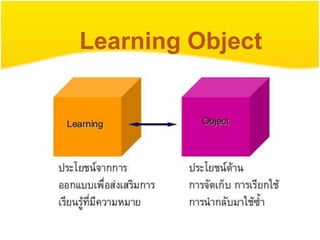
Learning Object
:

•


•   -

•
Transition from passive knowledge
            to active knowledge

•                   •
•
                    • Update
•
                    •
•

•                   •
•
•
•


•
• Closing the gap


• Bridging the digital
  divide
Digital
Learning

•

•

•
Learning Object
   Spectrum
Learning Object
Metadata Learning
          Object
•
             -


•
                 Learning
    Object
•
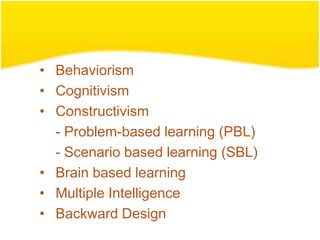
• Behaviorism
• Cognitivism
• Constructivism
  - Problem-based learning (PBL)
  - Scenario based learning (SBL)
• Brain based learning
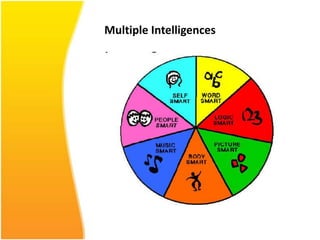
• Multiple Intelligence
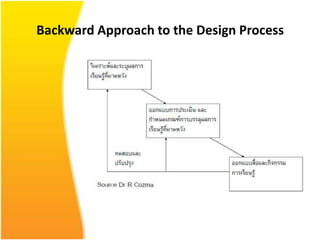
• Backward Design
Problem-based
    Learning (PBL)
•
    Constructivism
•

        real-world problem)


•
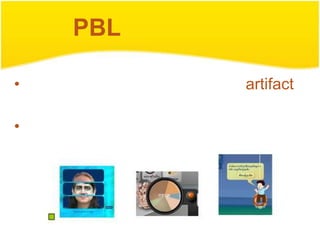
PBL

•         artifact

•
•

•
•

•
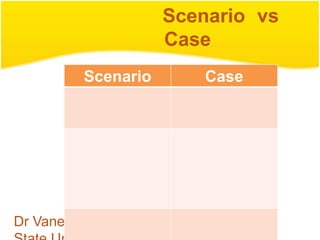
Scenario vs
                     Case
          Scenario          Case


Dr Vanessa Dennen Florida
Brain-based
      learning
•
•
•              Patterns
•
•
•
•

    feedback
•   :


•   :
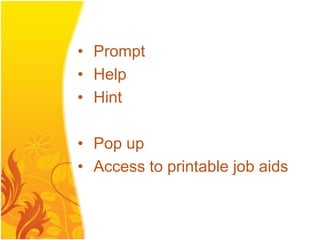
• Prompt
• Help
• Hint

• Pop up
• Access to printable job aids
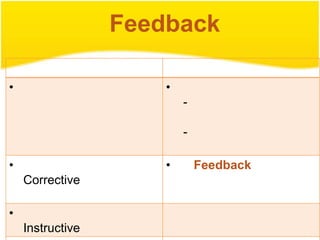
Feedback

•                     •
                          -

                          -

•                     •       Feedback
    Corrective

•
    Instructive
Object

•
•
•
•
•
•
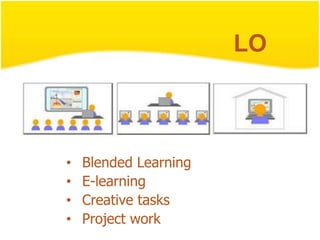
LO


•   Blended Learning
•   E-learning
•   Creative tasks
•   Project work
Designing Learning Objects for
    Teaching and Learning
 Mathematics for Students in
      Secondary School
•


•
•
LOs


•

               Atkins &
Jones, 2004)
•
LOs


  LOs
-

reusability)

Sharability)

interoperability)
                    bite-sized/
granularity)
•


•


•
•
LOs

•


•


•
•

                LOs
•         Storyboard)
•


•   LOs

•
LOs


      LOs


      LOs

LOs
(S.D)
•


    LOs

•
     LOs
Learning Object
Learning Object


Learning Object
1.

Learning Object


Learning Object
storyboard


Learning Object

Learning Object
Learning Object


                Learning
Object


          Learning Object

               Word
Learning Object
Learning Object
    Learning Object
Learning
Object


  object

           Learning
Object
-
                         (           /
)
                             -

           /             (       /
    )
        web master   -
                     -
-

-
-

-
•
•
•   –
•   –
•   –
•   –
•
• http://domainname/index.php?option=com_conten
  t&task=view&id=509&Itemid=74
•
•
•
•
•                                   Web
•      Programming
•
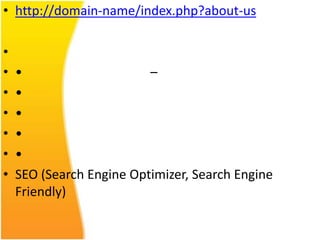
• http://domain-name/index.php?about-us

•
•   •                     –
•   •
•   •
•   •
•   •
•   SEO (Search Engine Optimizer, Search Engine
    Friendly)
Fonts)
-
-
    (Embedded)

-
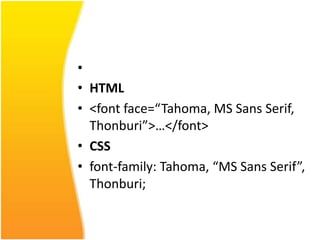
•
• HTML
• <font face=“Tahoma, MS Sans Serif,
  Thonburi”>…</font>
• CSS
• font-family: Tahoma, “MS Sans Serif”,
  Thonburi;
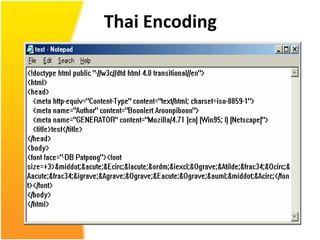
Thai Encoding
Style


    Sound Screen Reader
            Digital Library
    Content

    (Greenstone)
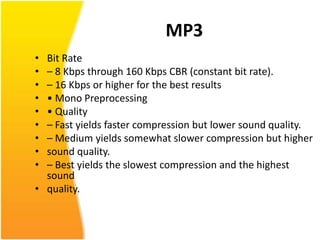
MP3
• Bit Rate
• – 8 Kbps through 160 Kbps CBR (constant bit rate).
• – 16 Kbps or higher for the best results
• • Mono Preprocessing
• • Quality
• – Fast yields faster compression but lower sound quality.
• – Medium yields somewhat slower compression but higher
• sound quality.
• – Best yields the slowest compression and the highest
  sound
• quality.
Metadata
• •
• •
•          Metadata

•             Search Engine
•
• Copy


• •

• •
MULTIMEDIA GRAPHIC
        USER INTERFACE
•


•


•

    Digital)
•
•


•

                       User)


    Interface Design
•
    Interface design)


     Webpage)
    (Multimadia)
Ease of learning)


•


•


•

•            Efficiency of
Memorability)


•


                          Minimize
errors)
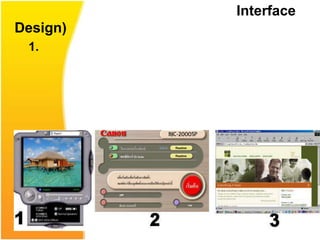
Interface
Design)
 1.
•

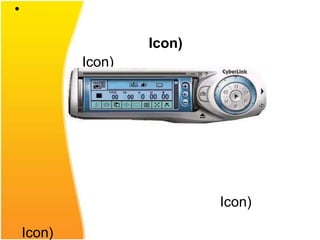
                    Icon)
            Icon)


                            Icon)

    Icon)
Margaret Bearman,1997)

•                                   Consistency)


•                        Clarify)


•                      Simplicity)
•   Visual Appeal)


•      Identity)
•
•
    Jakob Nielsen,2002)
•


•


•
•


•


                              Quit)
                        Web browser
              Icon)    Back)
            Forward)
•

    Help)
•


    Resolution)


•


•
Graphic for user interface


 Graphic for user interface
Instructional
   Media
Perception)
•


•                          Sensory
    Nerve)
•
Learning)
•


•
         Experience)
•
•    Cognitive Domain)

•   Affective Domain)

•     Psychomotor Domain)
•

•             Active Participation)
•           Immediate Feedback)
•   Reinforcement)
•                 Step by Step)
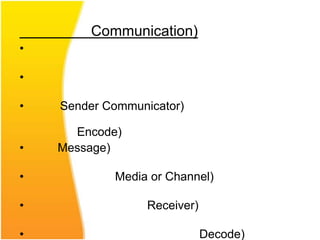
Communication)
•

•

•   Sender Communicator)

      Encode)
•   Message)

•           Media or Channel)

•                 Receiver)

•                             Decode)
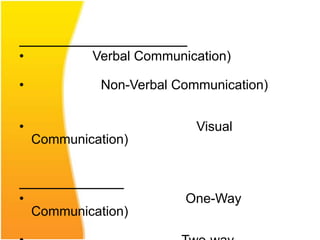
•           Verbal Communication)

•             Non-Verbal Communication)


•                           Visual
    Communication)


•                         One-Way
    Communication)
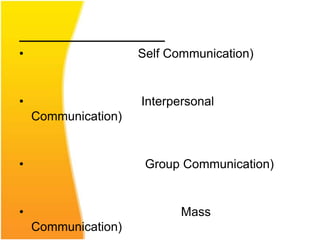
•                    Self Communication)


•                    Interpersonal
    Communication)


•                     Group Communication)


•                           Mass
    Communication)
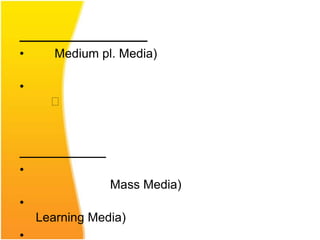
•      Medium pl. Media)

•
      


•
                Mass Media)
•
    Learning Media)
•
Instructional Media
•
    Heinich et al., 1993)
•

•


•
•
•
•

•
•

•


•
•
•
•
•
•
•
•
•
•

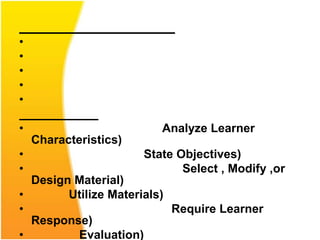
•                         Analyze Learner
    Characteristics)
•                      State Objectives)
•                             Select , Modify ,or
  Design Material)
•       Utilize Materials)
•                          Require Learner
  Response)
•        Evaluation)
•

•

•
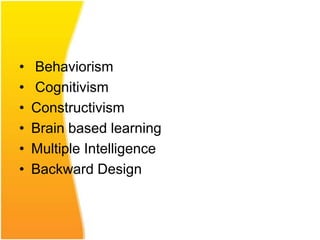
•   Behaviorism
•   Cognitivism
•   Constructivism
•   Brain based learning
•   Multiple Intelligence
•   Backward Design
Behaviorism
• interface
•             feedback

•

•
• Interface
Cognitivism
•
•

•
Constructivism
•
•

•
•

•
Brain-based learning
•
•
•               patterns
•
•
•
Multiple Intelligences
Backward Approach to the Design Process
•
•

•
•            technical, graphical)
•
• Metadata
•
•
•
•               metadata
•
                           Usability Testing)
•

•                      –

•
       -               -
       -
•   Think Aloud Protocol
•
•
•
•


•   prototype

•
•
•       media
• •                    Visual, auditory, text, data
• •
  Search, collect, organize, analyze,
• calculate, produce, communicate
• •
•       Approaches
• • Tutorial, group projects, simulations and role
  play
•
Storyboard
•   • Screen content
•   • Screen layout
•   • Navigation
•   • Functions
•   • Meta data

•   • Prompt
•   • Help
•   • Hint
•
•   • Pop up
•   •
•   •
•
•
• Simulation
                  feedback
•
•
    concept

•
•      feedback
Take Home Message
•

•

•
•                   feedback

•
CAI)
WBI)   E-Learning
-


            -

Tutorial)
Tutorial)


                  Alessi and Trollip 1985, 66


            Association Theory)
            Stimulus)
          Responses)
 Reinforcement)
(Feedback)
System approach)
8.4
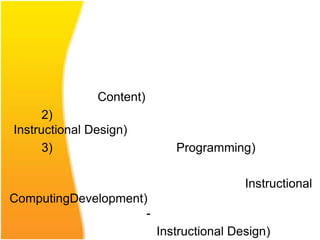
Content)
      2)
Instructional Design)
      3)                     Programming)

                                          Instructional
ComputingDevelopment)
                     -
                          Instructional Design)
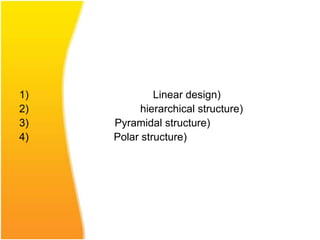
1)            Linear design)
2)         hierarchical structure)
3)   Pyramidal structure)
4)   Polar structure)
Communication)
Behaviorism)
              Scientific Study of Human Behavior)

                                       Stimuli and
Response )

Operant Conditioning)              Reinforcement)

                        Cognitivism)
           Chomsky)
Skinner)
Scheme Theory)

    Cognitivism)
Scheme Theory)


      Pre-existing Knowledge)


                                       CAI)

          Stand Alone)
                                WBI)
Khan, 1997)
        Web Based Instruction)


  Clark, 1996)


           Relan and Gillani, 1997)
-
1)   Electic Structure)
2)       Encyclopaedic
File Server)
 Web Server)
Purpose)


                    Identification)
        Homepage)                        Title)

                    Authority)


                                      Layout
and Design )


                        Links)
1)
2)
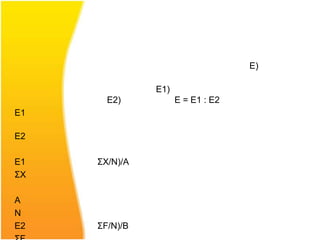
E)

               E1)
       E2)           E = E1 : E2
E1

E2

E1   ΣX/N)/A
ΣX

A
N
E2   ΣF/N)/B
E1 : E2
สร้างสรรค์กิจกรรมการเรียนรู้ที่มีความหมาย ด้วยสื่อ Learning Object

สร้างสรรค์กิจกรรมการเรียนรู้ที่มีความหมาย ด้วยสื่อ Learning Object