A. Introduction & Overview
B. Market Research
C. Marketing strategies
D. Product launch and analysis
E. Result and Inference
Candler enterprises: Multinational
beverage and snack good manufacturer
Pemberton products: Snack food
division of Candler enterprises
Krispy Natural: A new cracker product
after acquisition of Krispy brand by
Pemberton products
 It was a market leader in the U.S. cookie and bakery snacks
segments of the sweet snack market
 The majority of Pemberton’s sales were from packaged food
bars, cookies, and other sweet baked goods
 Pemberton utilized a company-owned direct store delivery
(DSD) distribution system to deliver products directly from
distribution centers to retail stores
 It has achieved a compounded annual growth rate (CAGR) of
14% for revenue over the past five years
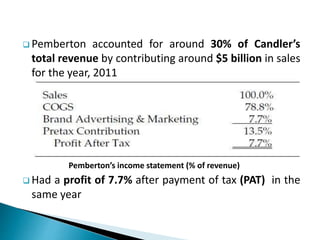
 Pemberton accounted for around 30% of Candler’s
total revenue by contributing around $5 billion in sales
for the year, 2011
Pemberton’s income statement (% of revenue)
 Had a profit of 7.7% after payment of tax (PAT) in the
same year
 Pemberton’s President, Patricia Williams, the
company’s driving force was its culture of innovation
and believed in key strategic priorities for company
building a collection of attractive, durable brands
leveraging leading marketing, sales and DSD systems to
increase revenue and profits
building or acquiring capabilities in salty snack categories
 Retail cracker sales in the United States reached an
estimated $6.9 billion in 2011
 The growth rate for the overall cracker industry from
2008 to 2010 was approximately 2.2% CAGR
 A Mintel study of salty snacks in the United States
reported that 74% of respondents consumed crackers
on a regular basis and 34% ate them as part of regular
weekly diet
 The Mintel study reported that 53% of respondents
considered overall healthfulness an important factor in
their cracker purchase decisions
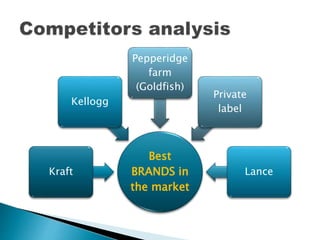
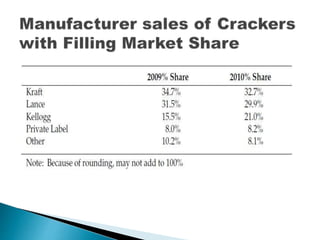
Best
BRANDS in
the market
Kraft
Kellogg
Pepperidge
farm
(Goldfish)
Private
label
Lance
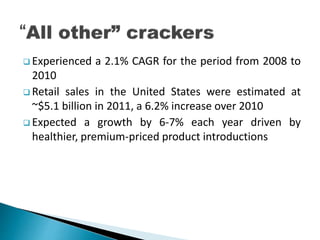
 Experienced a 2.1% CAGR for the period from 2008 to
2010
 Retail sales in the United States were estimated at
~$5.1 billion in 2011, a 6.2% increase over 2010
 Expected a growth by 6-7% each year driven by
healthier, premium-priced product introductions
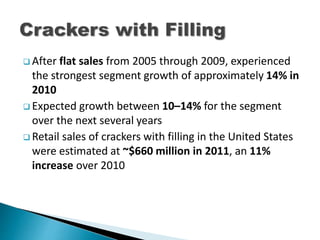
 After flat sales from 2005 through 2009, experienced
the strongest segment growth of approximately 14% in
2010
 Expected growth between 10–14% for the segment
over the next several years
 Retail sales of crackers with filling in the United States
were estimated at ~$660 million in 2011, an 11%
increase over 2010
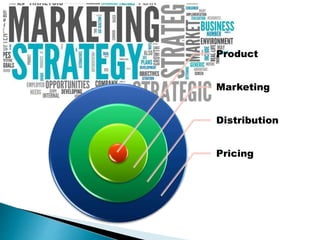
Product
Marketing
Distribution
Pricing
Multiple-serving packaging
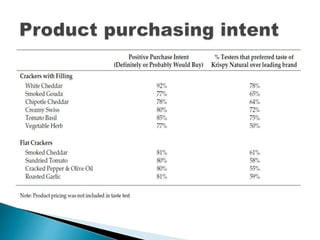
Focused on improving taste
Health conscious
Emphasized on heavy marketing
Promotion to the end customer and
appealing to the trade
Aggressive plans for pull spending
and trade promotions
Effective DSD (Direct-Store-Delivery)
distribution system
Proper management of shelf inventory
and in-store merchandising
Optimizing the system to account for
longer shell life of crackers
Sought a premium strategy
Priced at 155% above the category
average cost per ounce
Same price as that of competitors but
lesser quantity
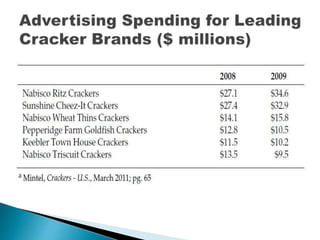
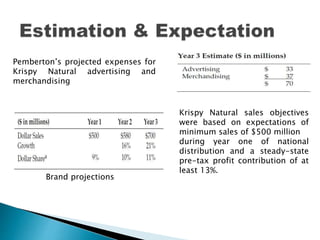
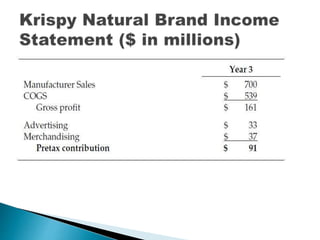
Pemberton’s projected expenses for
Krispy Natural advertising and
merchandising
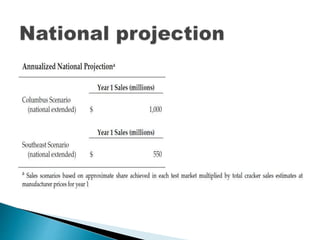
Krispy Natural sales objectives
were based on expectations of
minimum sales of $500 million
during year one of national
distribution and a steady-state
pre-tax profit contribution of at
least 13%.
Brand projections
Five special “Krispy Force” representatives
were hired for this region
These “Krispy Force” reps worked with
Pemberton regional and district sales
managers and focused solely on selling the
new Krispy Natural product line
 Company was able to test its ability to
reposition the product to a more premium
offering
 Regular Pemberton DSD route delivery
representatives worked with regional and
district sales managers, handling sales and
service of the new Krispy Natural line
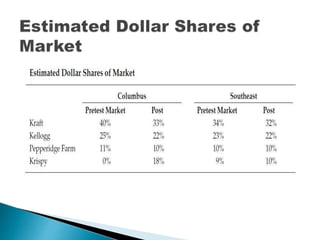
 In Columbus, Pemberton projected by the end of the
16-week test period, Columbus would achieve a 9%
share of the cracker category in the test market
 In the Southeast, company hoped by the end of the
16-week test period to increase share from its
current 9% to 15%
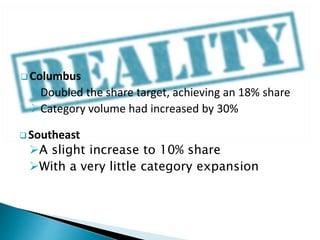
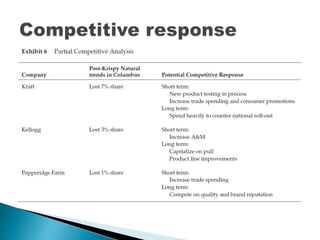
 Columbus
Doubled the share target, achieving an 18% share
Category volume had increased by 30%
 Southeast
A slight increase to 10% share
With a very little category expansion
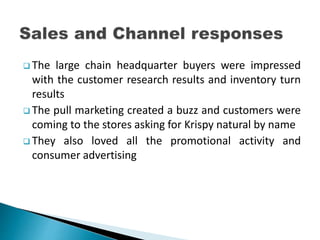
 The large chain headquarter buyers were impressed
with the customer research results and inventory turn
results
 The pull marketing created a buzz and customers were
coming to the stores asking for Krispy natural by name
 They also loved all the promotional activity and
consumer advertising
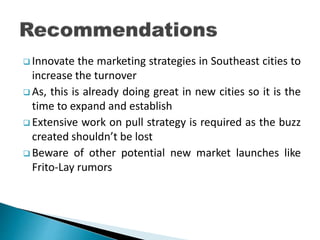
 Innovate the marketing strategies in Southeast cities to
increase the turnover
 As, this is already doing great in new cities so it is the
time to expand and establish
 Extensive work on pull strategy is required as the buzz
created shouldn’t be lost
 Beware of other potential new market launches like
Frito-Lay rumors
Created by Roshan Raj Mohanty, IIT Madras, During a Marketing
Internship by Prof. Sameer Mathur, IIM Lucknow
DISCLAIMER

Krispy natural

  • 3.
    A. Introduction &Overview B. Market Research C. Marketing strategies D. Product launch and analysis E. Result and Inference
  • 5.
    Candler enterprises: Multinational beverageand snack good manufacturer Pemberton products: Snack food division of Candler enterprises Krispy Natural: A new cracker product after acquisition of Krispy brand by Pemberton products
  • 6.
     It wasa market leader in the U.S. cookie and bakery snacks segments of the sweet snack market  The majority of Pemberton’s sales were from packaged food bars, cookies, and other sweet baked goods  Pemberton utilized a company-owned direct store delivery (DSD) distribution system to deliver products directly from distribution centers to retail stores  It has achieved a compounded annual growth rate (CAGR) of 14% for revenue over the past five years
  • 7.
     Pemberton accountedfor around 30% of Candler’s total revenue by contributing around $5 billion in sales for the year, 2011 Pemberton’s income statement (% of revenue)  Had a profit of 7.7% after payment of tax (PAT) in the same year
  • 8.
     Pemberton’s President,Patricia Williams, the company’s driving force was its culture of innovation and believed in key strategic priorities for company building a collection of attractive, durable brands leveraging leading marketing, sales and DSD systems to increase revenue and profits building or acquiring capabilities in salty snack categories
  • 11.
     Retail crackersales in the United States reached an estimated $6.9 billion in 2011  The growth rate for the overall cracker industry from 2008 to 2010 was approximately 2.2% CAGR  A Mintel study of salty snacks in the United States reported that 74% of respondents consumed crackers on a regular basis and 34% ate them as part of regular weekly diet  The Mintel study reported that 53% of respondents considered overall healthfulness an important factor in their cracker purchase decisions
  • 13.
  • 14.
     Experienced a2.1% CAGR for the period from 2008 to 2010  Retail sales in the United States were estimated at ~$5.1 billion in 2011, a 6.2% increase over 2010  Expected a growth by 6-7% each year driven by healthier, premium-priced product introductions
  • 16.
     After flatsales from 2005 through 2009, experienced the strongest segment growth of approximately 14% in 2010  Expected growth between 10–14% for the segment over the next several years  Retail sales of crackers with filling in the United States were estimated at ~$660 million in 2011, an 11% increase over 2010
  • 22.
  • 23.
    Multiple-serving packaging Focused onimproving taste Health conscious
  • 24.
    Emphasized on heavymarketing Promotion to the end customer and appealing to the trade Aggressive plans for pull spending and trade promotions
  • 25.
    Effective DSD (Direct-Store-Delivery) distributionsystem Proper management of shelf inventory and in-store merchandising Optimizing the system to account for longer shell life of crackers
  • 26.
    Sought a premiumstrategy Priced at 155% above the category average cost per ounce Same price as that of competitors but lesser quantity
  • 27.
    Pemberton’s projected expensesfor Krispy Natural advertising and merchandising Krispy Natural sales objectives were based on expectations of minimum sales of $500 million during year one of national distribution and a steady-state pre-tax profit contribution of at least 13%. Brand projections
  • 31.
    Five special “KrispyForce” representatives were hired for this region These “Krispy Force” reps worked with Pemberton regional and district sales managers and focused solely on selling the new Krispy Natural product line
  • 33.
     Company wasable to test its ability to reposition the product to a more premium offering  Regular Pemberton DSD route delivery representatives worked with regional and district sales managers, handling sales and service of the new Krispy Natural line
  • 35.
     In Columbus,Pemberton projected by the end of the 16-week test period, Columbus would achieve a 9% share of the cracker category in the test market  In the Southeast, company hoped by the end of the 16-week test period to increase share from its current 9% to 15%
  • 36.
     Columbus Doubled theshare target, achieving an 18% share Category volume had increased by 30%  Southeast A slight increase to 10% share With a very little category expansion
  • 40.
     The largechain headquarter buyers were impressed with the customer research results and inventory turn results  The pull marketing created a buzz and customers were coming to the stores asking for Krispy natural by name  They also loved all the promotional activity and consumer advertising
  • 43.
     Innovate themarketing strategies in Southeast cities to increase the turnover  As, this is already doing great in new cities so it is the time to expand and establish  Extensive work on pull strategy is required as the buzz created shouldn’t be lost  Beware of other potential new market launches like Frito-Lay rumors
  • 45.
    Created by RoshanRaj Mohanty, IIT Madras, During a Marketing Internship by Prof. Sameer Mathur, IIM Lucknow DISCLAIMER