DR. DELJO DAVIS
PMC JJM, J&K
INTRODUCTION
All water quality
experiments are managed
by FTK kits there is
immediate change
needed IS 3025 procedure
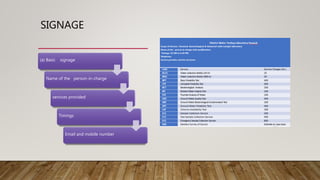
SIGNAGE
(a) Basic signage
Name of the person-in-charge
services provided
Timings
Email and mobile number
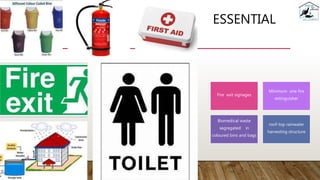
ESSENTIAL
Fire exit signages
Minimum one fire
extinguisher
Biomedical waste
segregated in
coloured bins and bags
roof-top rainwater
harvesting structure
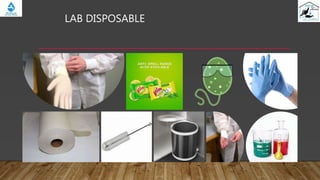
LAB DISPOSABLE
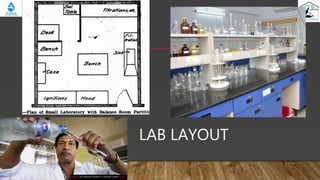
LAB LAYOUT
This Photo by Unknown Author is licensed under CC BY
Sanitary
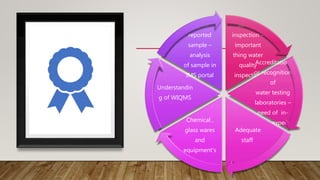
inspection –
important
thing water
quality
inspection
Accreditation
or recognition
of
water testing
laboratories –
need of in-
house experts
Adequate
staff
Chemical ,
glass wares
and
equipment's
Understandin
g of WIQMS
Gap in
reported
sample –
analysis
of sample in
IMS portal
This Photo by Unknown Author is licensed under CC BY
This Photo by Unknown Author is licensed under CC BY-NC
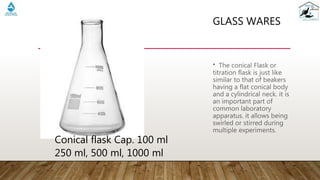
GLASS WARES
Conical flask Cap. 100 ml
250 ml, 500 ml, 1000 ml
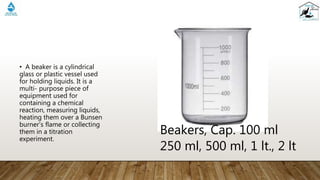
• A beaker is a cylindrical
glass or plastic vessel used
for holding liquids. It is a
multi- purpose piece of
equipment used for
containing a chemical
reaction, measuring liquids,
heating them over a Bunsen
burner’s flame or collecting
them in a titration
experiment.
Beakers, Cap. 100 ml
250 ml, 500 ml, 1 lt., 2 lt
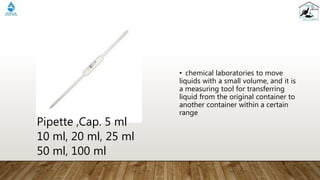
• chemical laboratories to move
liquids with a small volume, and it is
a measuring tool for transferring
liquid from the original container to
another container within a certain
range
Pipette ,Cap. 5 ml
10 ml, 20 ml, 25 ml
50 ml, 100 ml
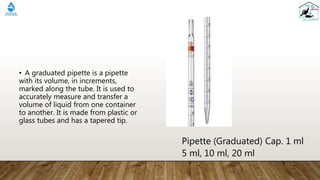
• A graduated pipette is a pipette
with its volume, in increments,
marked along the tube. It is used to
accurately measure and transfer a
volume of liquid from one container
to another. It is made from plastic or
glass tubes and has a tapered tip.
Pipette (Graduated) Cap. 1 ml
5 ml, 10 ml, 20 ml
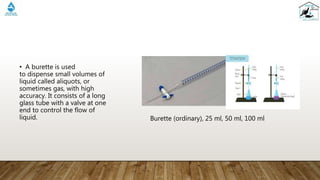
• A burette is used
to dispense small volumes of
liquid called aliquots, or
sometimes gas, with high
accuracy. It consists of a long
glass tube with a valve at one
end to control the flow of
liquid. Burette (ordinary), 25 ml, 50 ml, 100 ml
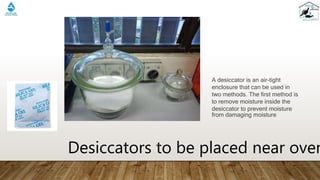
Desiccators to be placed near oven
A desiccator is an air-tight
enclosure that can be used in
two methods. The first method is
to remove moisture inside the
desiccator to prevent moisture
from damaging moisture
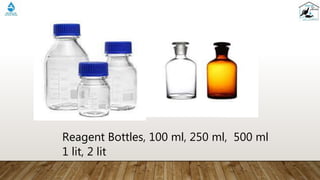
Reagent Bottles, 100 ml, 250 ml, 500 ml
1 lit, 2 lit
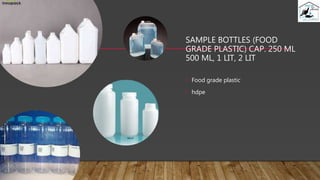
SAMPLE BOTTLES (FOOD
GRADE PLASTIC) CAP. 250 ML
500 ML, 1 LIT, 2 LIT
• Food grade plastic
• hdpe
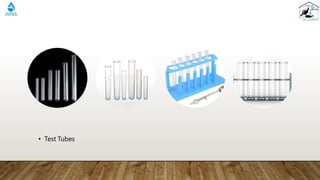
• Test Tubes
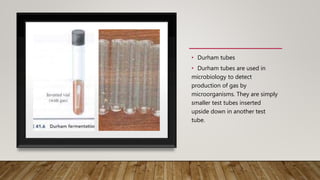
• Durham tubes
• Durham tubes are used in
microbiology to detect
production of gas by
microorganisms. They are simply
smaller test tubes inserted
upside down in another test
tube.
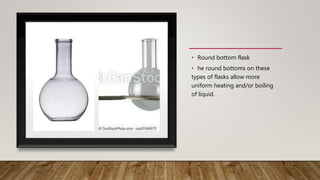
• Round bottom flask
• he round bottoms on these
types of flasks allow more
uniform heating and/or boiling
of liquid.
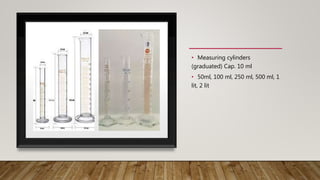
• Measuring cylinders
(graduated) Cap. 10 ml
• 50ml, 100 ml, 250 ml, 500 ml, 1
lit, 2 lit
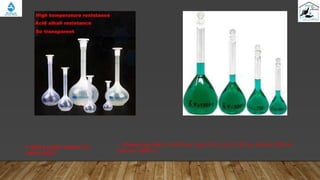
• Measuring flask 5 ml for As, Cap.10 ml, 25 ml, 50 ml, 100 ml, 250 ml,
500 ml, 1000 ml
o dilute a certain solution to a
certain extent
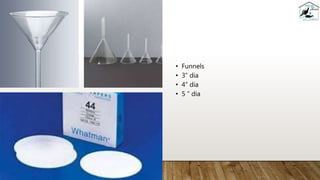
• Funnels
• 3” dia
• 4” dia
• 5 “ dia
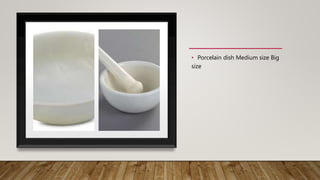
• Porcelain dish Medium size Big
size
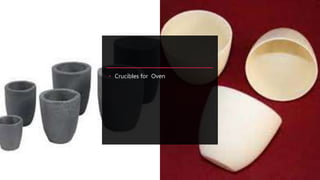
• Crucibles for Oven
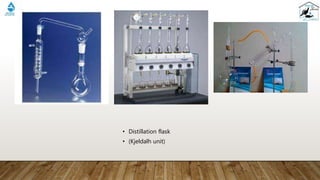
• Distillation flask
• (Kjeldalh unit)
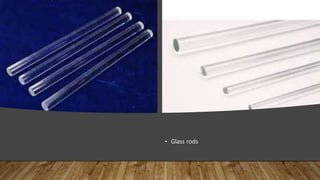
• Glass rods
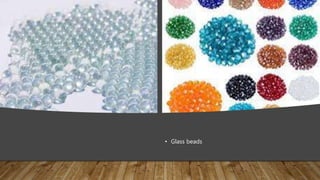
• Glass beads
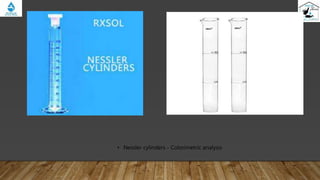
• Nessler cylinders - Colorimetric analysis
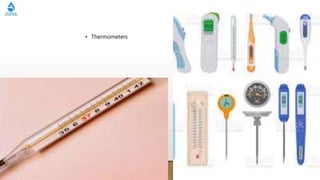
• Thermometers
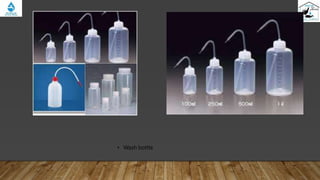
• Wash bottle
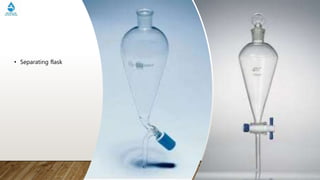
• Separating flask
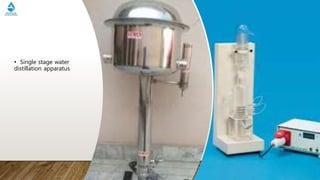
• Single stage water
distillation apparatus
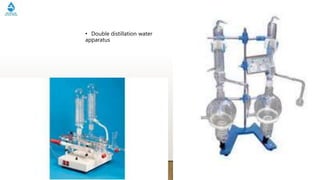
• Double distillation water
apparatus
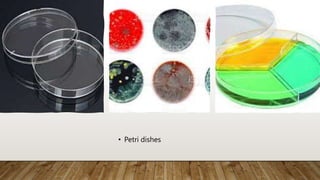
• Petri dishes
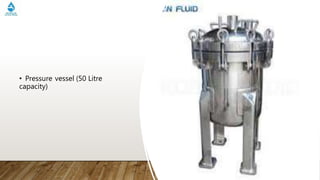
• Pressure vessel (50 Litre
capacity)
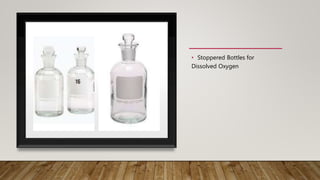
• Stoppered Bottles for
Dissolved Oxygen
INSTRUMENTS
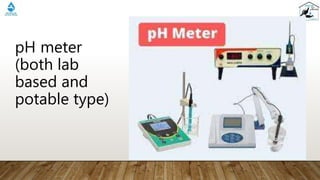
pH meter
(both lab
based and
potable type)
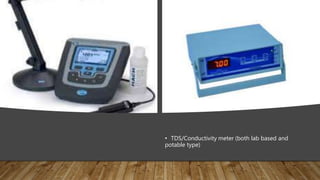
• TDS/Conductivity meter (both lab based and
potable type)
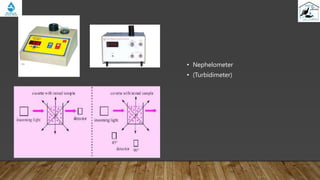
• Nephelometer
• (Turbidimeter)
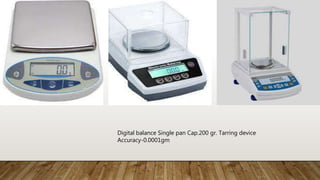
Digital balance Single pan Cap.200 gr. Tarring device
Accuracy-0.0001gm
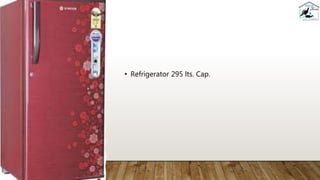
• Refrigerator 295 lts. Cap.
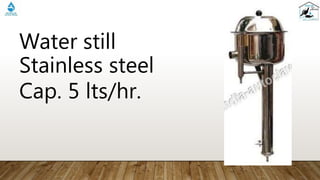
Water still
Stainless steel
Cap. 5 lts/hr.
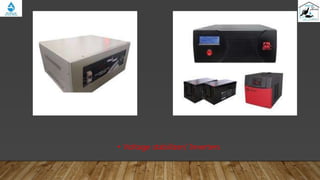
• Voltage stabilizer/ Inverters
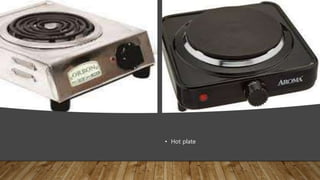
• Hot plate
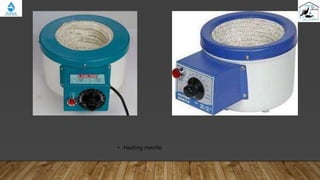
• Heating mentle
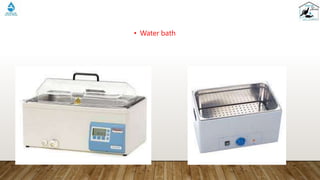
• Water bath
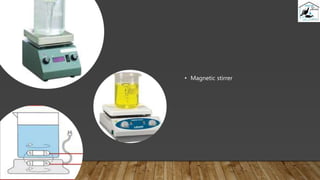
• Magnetic stirrer
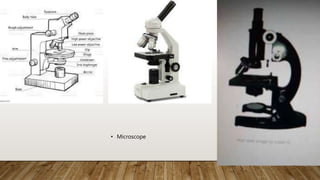
• Microscope
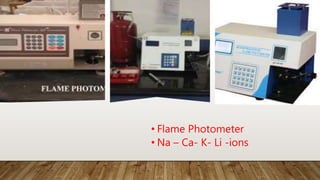
• Flame Photometer
• Na – Ca- K- Li -ions
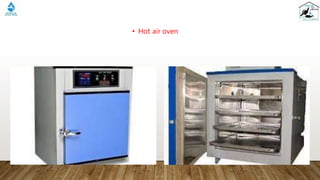
• Hot air oven
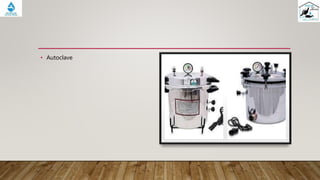
• Autoclave
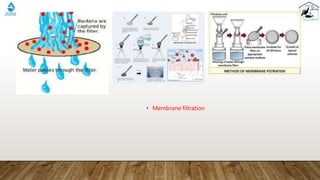
• Membrane filtration
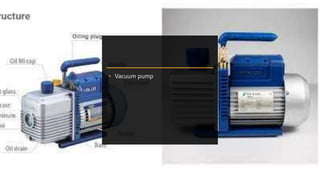
• Vacuum pump
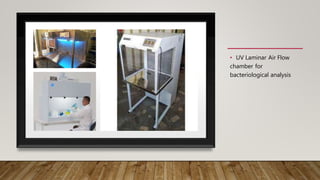
• UV Laminar Air Flow
chamber for
bacteriological analysis
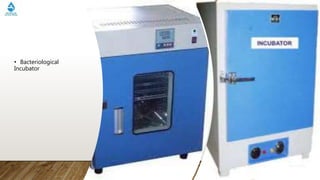
• Bacteriological
Incubator
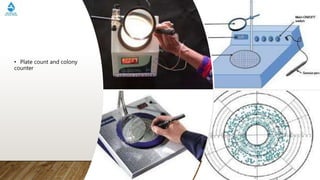
• Plate count and colony
counter
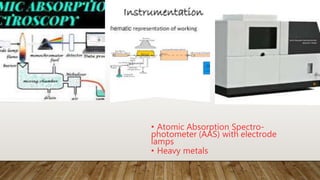
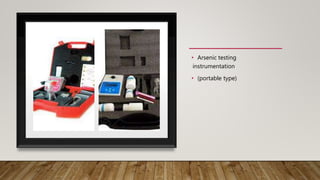
• Arsenic testing
instrumentation
• (portable type)
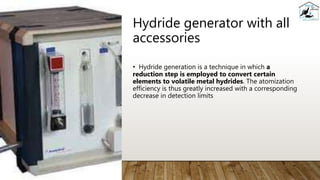
Hydride generator with all
accessories
• Hydride generation is a technique in which a
reduction step is employed to convert certain
elements to volatile metal hydrides. The atomization
efficiency is thus greatly increased with a corresponding
decrease in detection limits
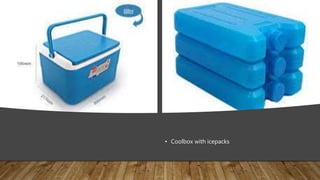
• Coolbox with icepacks
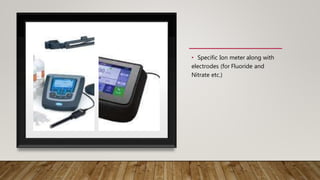
• Specific Ion meter along with
electrodes (for Fluoride and
Nitrate etc.)
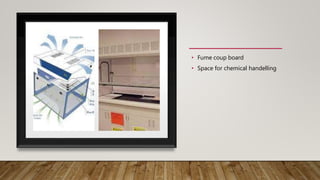
• Fume coup board
• Space for chemical handelling
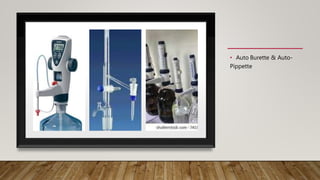
• Auto Burette & Auto-
Pippette
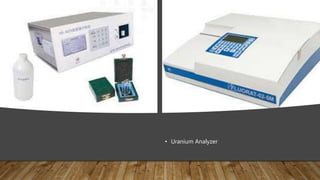
• Uranium Analyzer
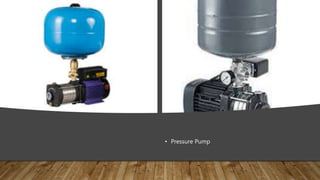
• Pressure Pump
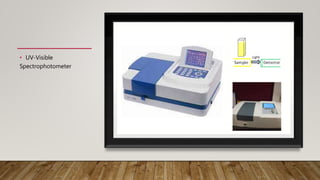
• UV-Visible
Spectrophotometer
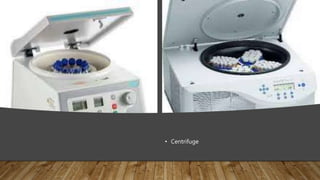
• Centrifuge
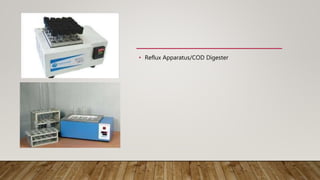
• Reflux Apparatus/COD Digester
NABL REQUIREMENT
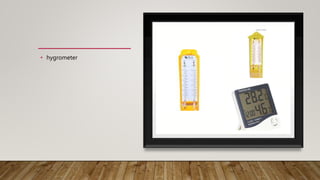
• hygrometer
• AC hot and cool
• Exhaust fan
• Thermo-hygrometer
• Luxmeter
• Inverter facility with 5Kv transformer
• Distillation unit
• wash shower
• Safety equipment such as gloves, goggles, mask aprons, safety
shower, eye shower, fire extinguishers, first aid box
• Procurement register
• Instrument and AMC register with make and made
• burette & pipette
• titration table
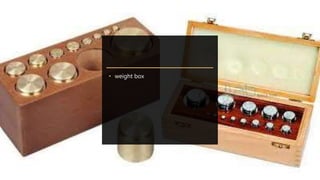
• Master weight box
• Floride ION analyser and Spaands reagents
• Certified reference material for UV-vis spectrophotometer, buffer
solutions
• UV-vis- software
• computer or lap-top, printers
• internet facility
• Layout plan for both chemical and microbiological lab
• Training document
• glassware of Class A grade
• weight box
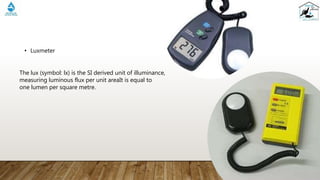
• Luxmeter
The lux (symbol: lx) is the SI derived unit of illuminance,
measuring luminous flux per unit areaIt is equal to
one lumen per square metre.
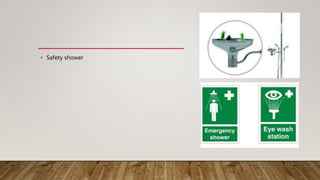
• Safety shower
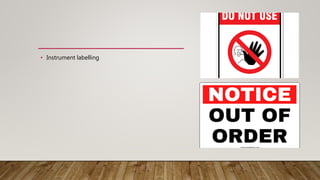
• Instrument labelling
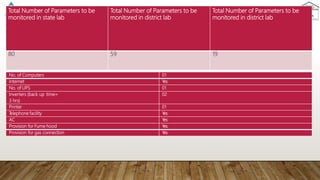
Total Number of Parameters to be
monitored in state lab
Total Number of Parameters to be
monitored in district lab
Total Number of Parameters to be
monitored in district lab
80 59 19
No. of Computers 01
Internet Y
es
No. of UPS 01
Inverters (back up time=
3 hrs)
02
Printer 01
T
elephone facility Y
es
AC Y
es
Provision for Fume hood Y
es
Provision for gas connection Y
es
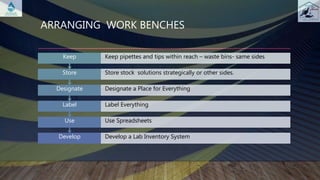
ARRANGING WORK BENCHES
Develop Develop a Lab Inventory System
Use Use Spreadsheets
Label Label Everything
Designate Designate a Place for Everything
Store Store stock solutions strategically or other sides.
Keep Keep pipettes and tips within reach – waste bins- same sides
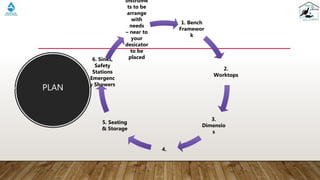
PLAN
1. Bench
Framewor
k
2.
Worktops
3.
Dimensio
s
4.
5. Seating
& Storage
6. Sinks,
Safety
Stations
Emergenc
y Showers
Instrume
ts to be
arrange
with
needs
– near to
your
desicator
to be
placed
THANKS

Know your lab