Ken Wittamore
HYMAR project manager
Topics
 Collaborative research – why bother?
 EU collaborative R&D
 HYMAR – a case study
 Pitfalls
 Benefits
 Conclusion
Collaborative research – why
               bother?
 The development of sophisticated, commercial
  technologies is too expensive for most companies
 Publicly funded, collaborative research provides a way
  forward
 Collaborative research allows:
   Shared risk and cost
   Access to a broader knowledge base
   Faster development
   Opportunity to work with the best of the best
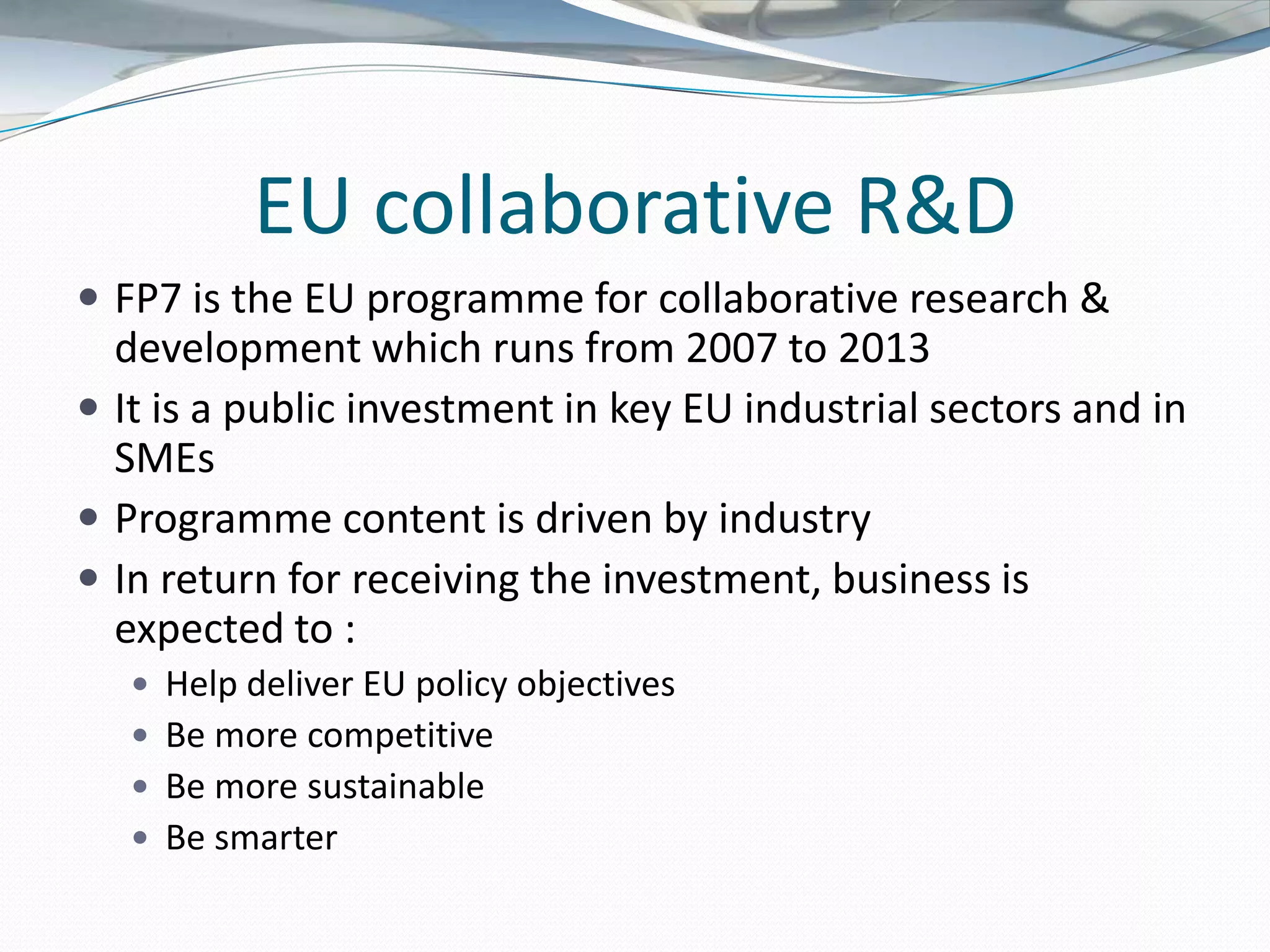
EU collaborative R&D
 FP7 is the EU programme for collaborative research &
  development which runs from 2007 to 2013
 It is a public investment in key EU industrial sectors and in
  SMEs
 Programme content is driven by industry
 In return for receiving the investment, business is
  expected to :
    Help deliver EU policy objectives
    Be more competitive
    Be more sustainable
    Be smarter
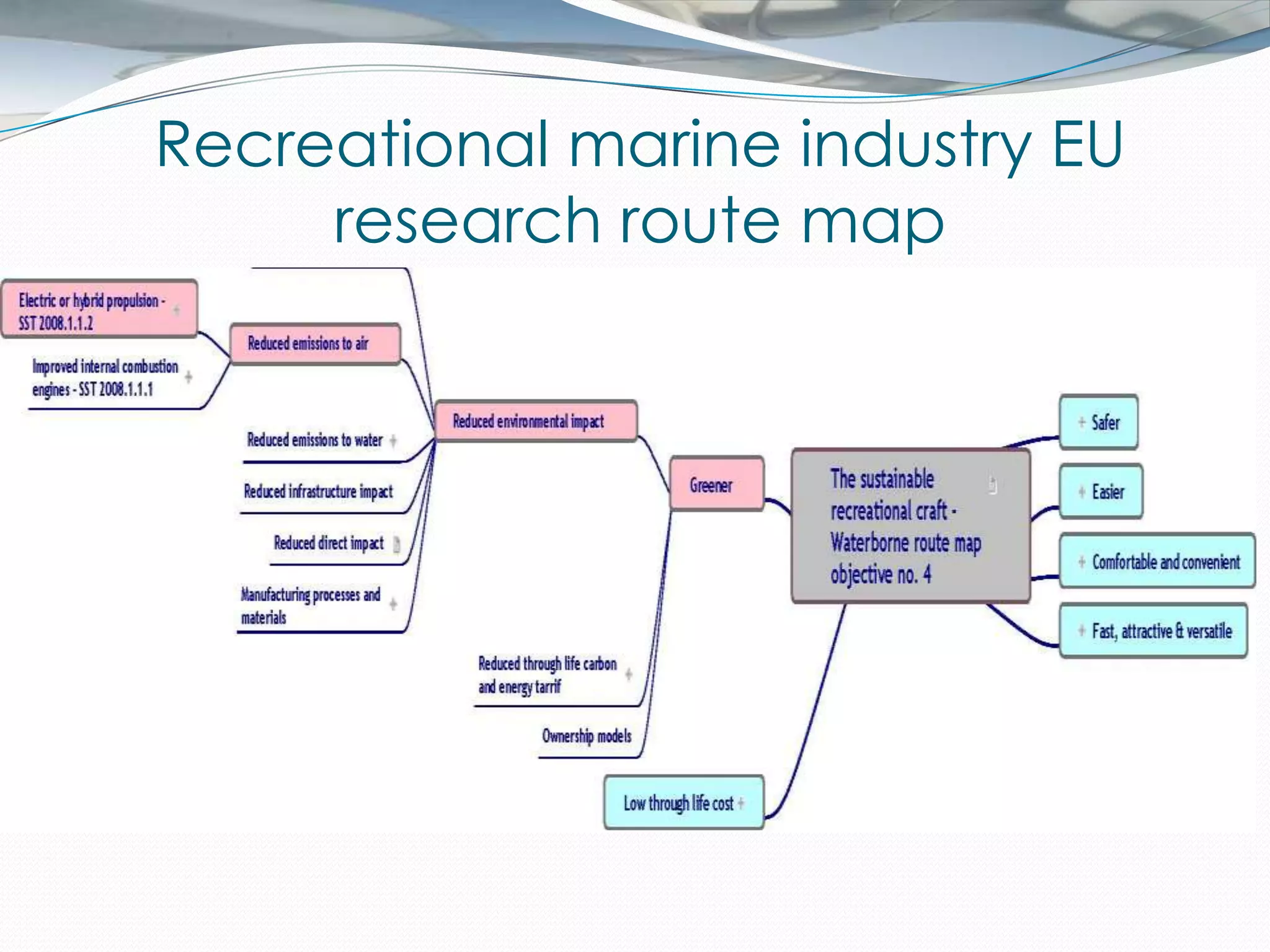
Recreational marine industry EU
     research route map
A case study
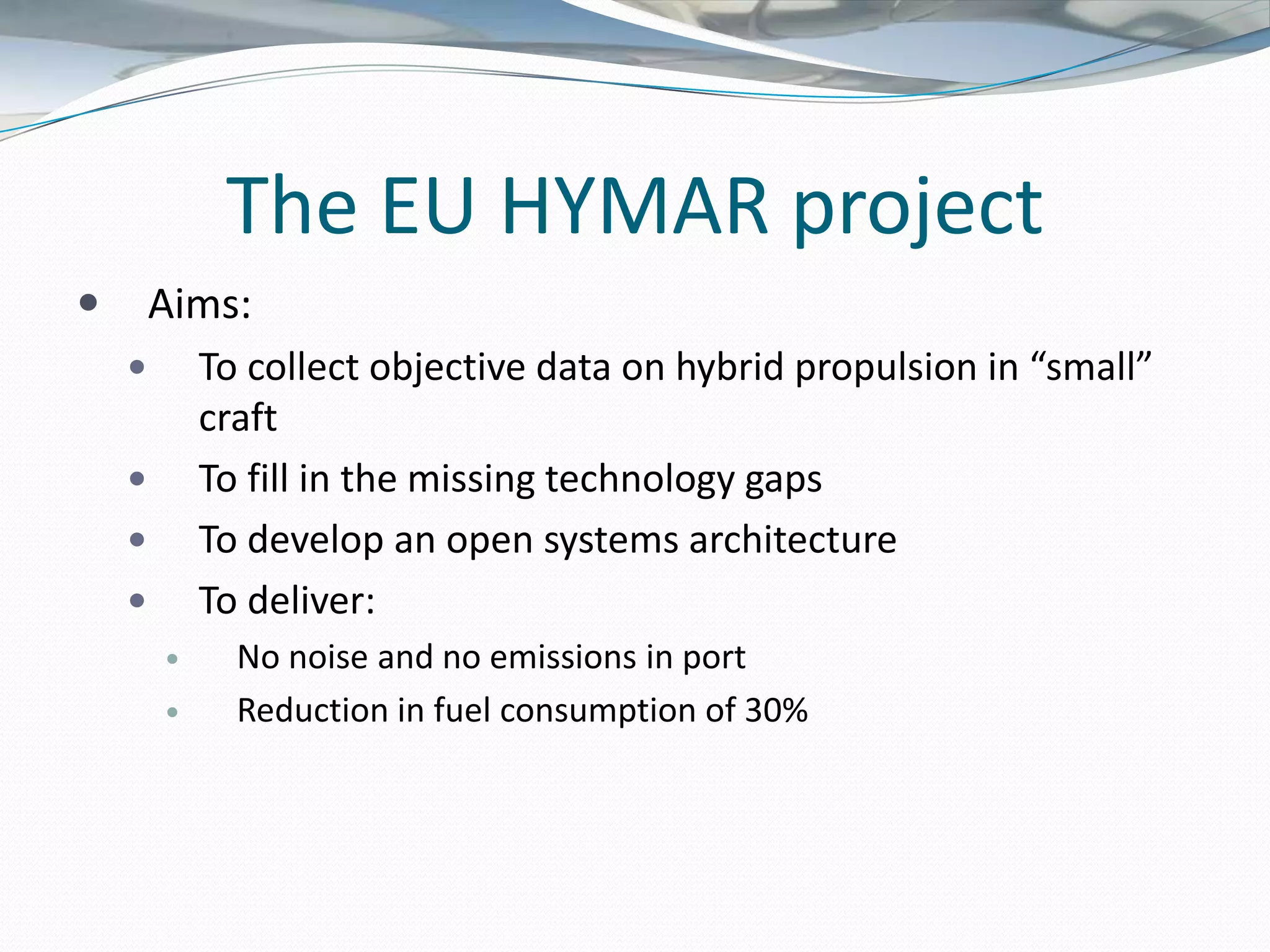
The EU HYMAR project
       Aims:
           To collect objective data on hybrid propulsion in “small”
            craft
           To fill in the missing technology gaps
           To develop an open systems architecture
           To deliver:
             No noise and no emissions in port
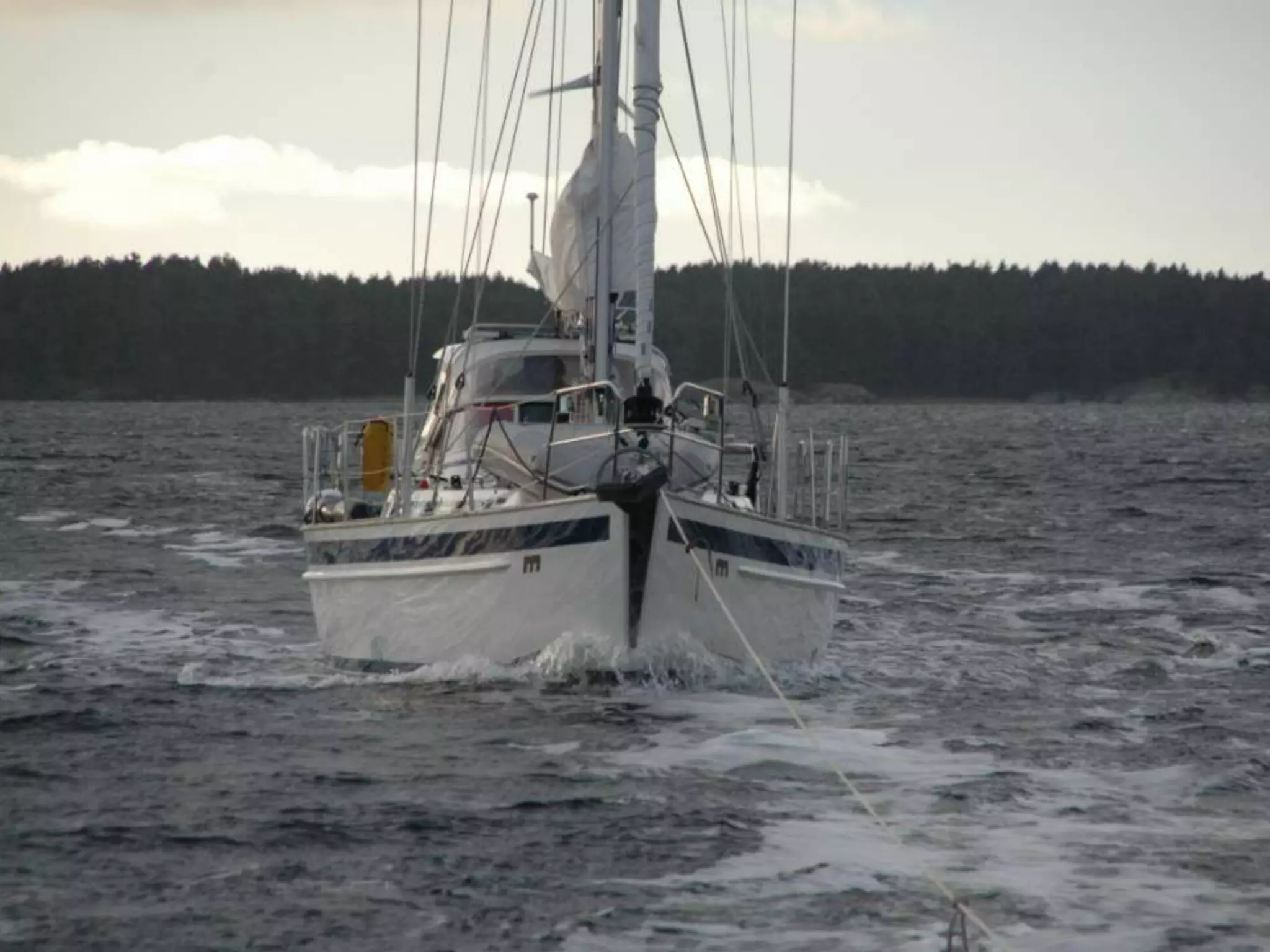
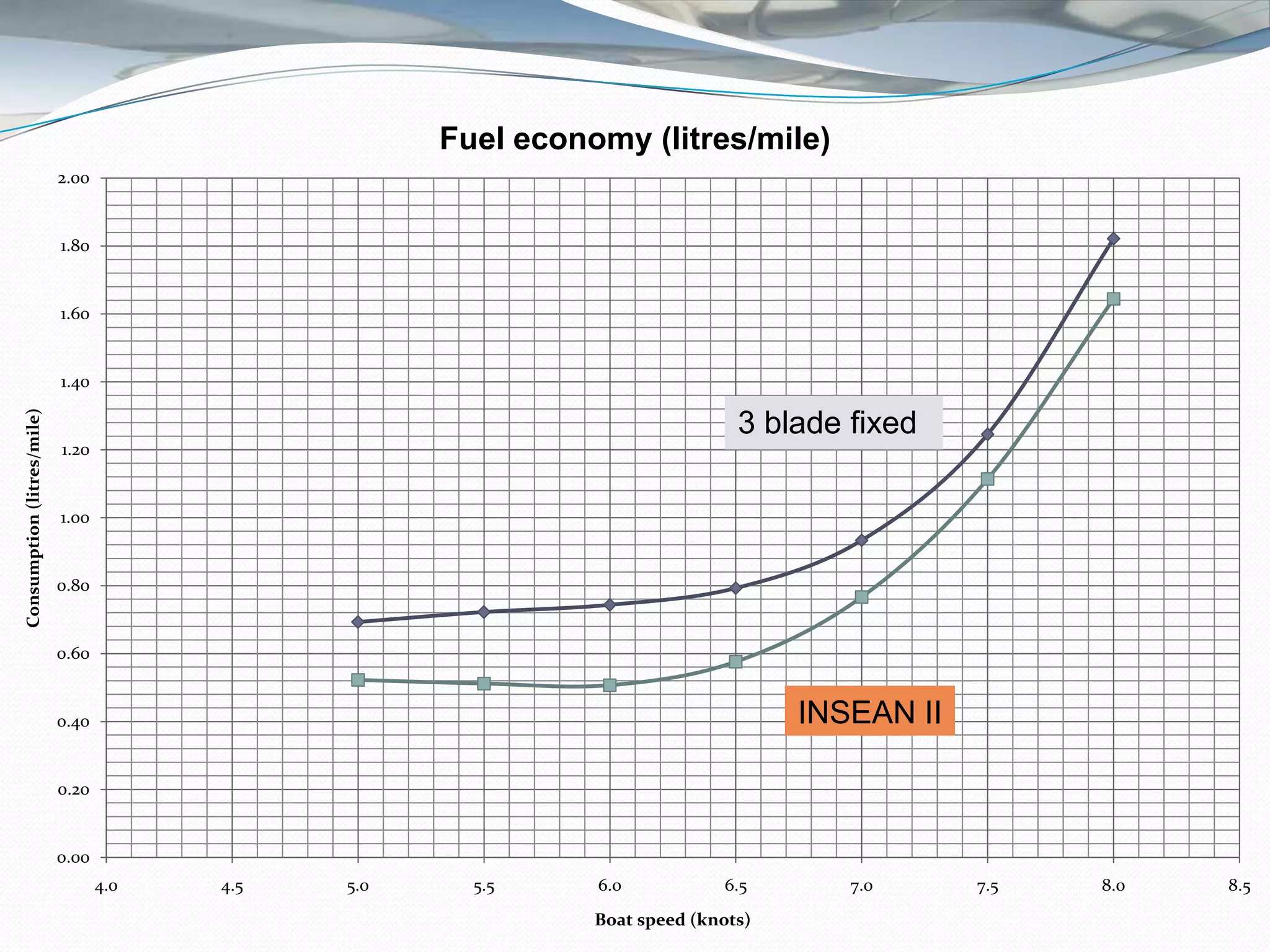
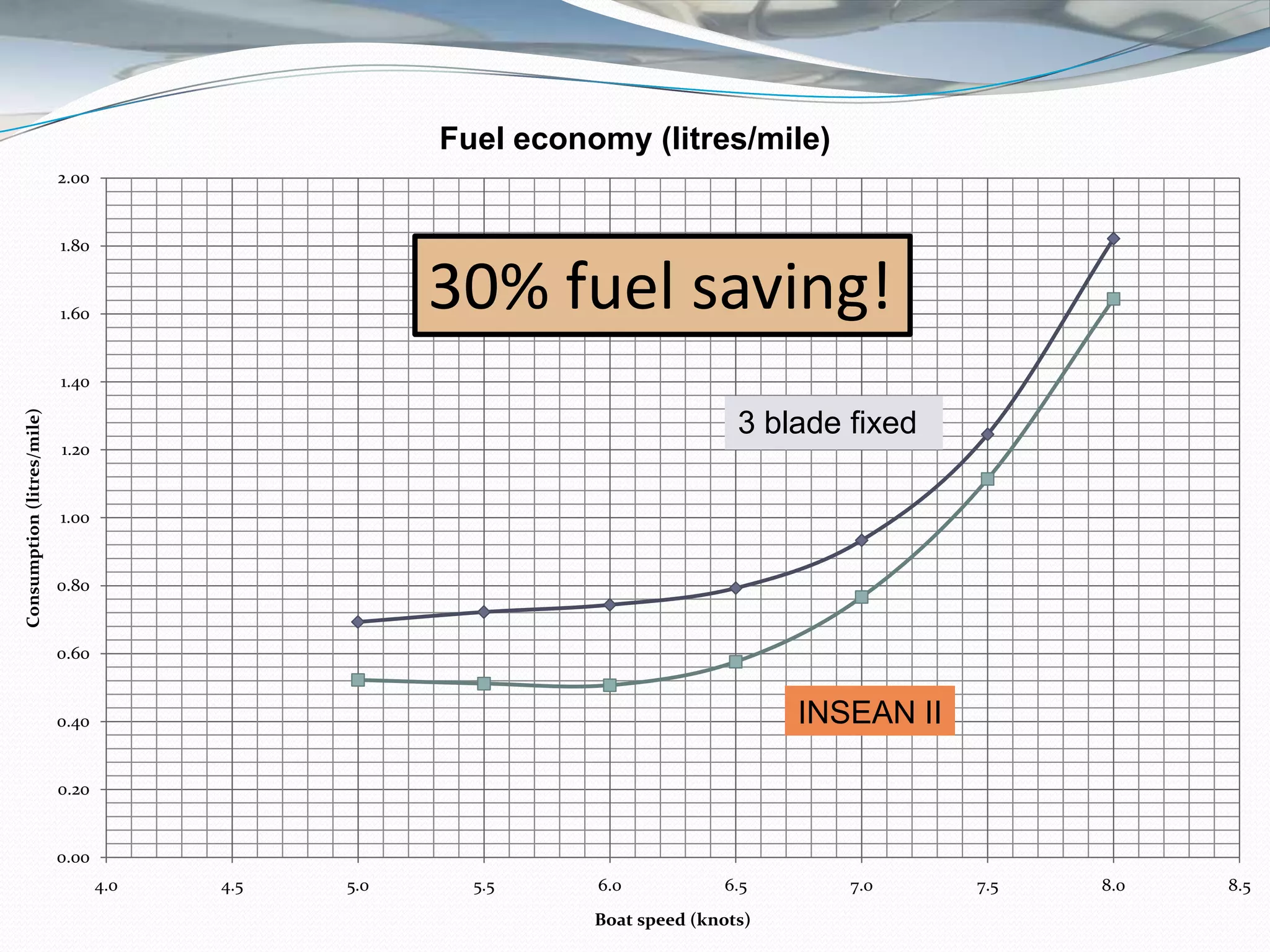
             Reduction in fuel consumption of 30%
The EU HYMAR project
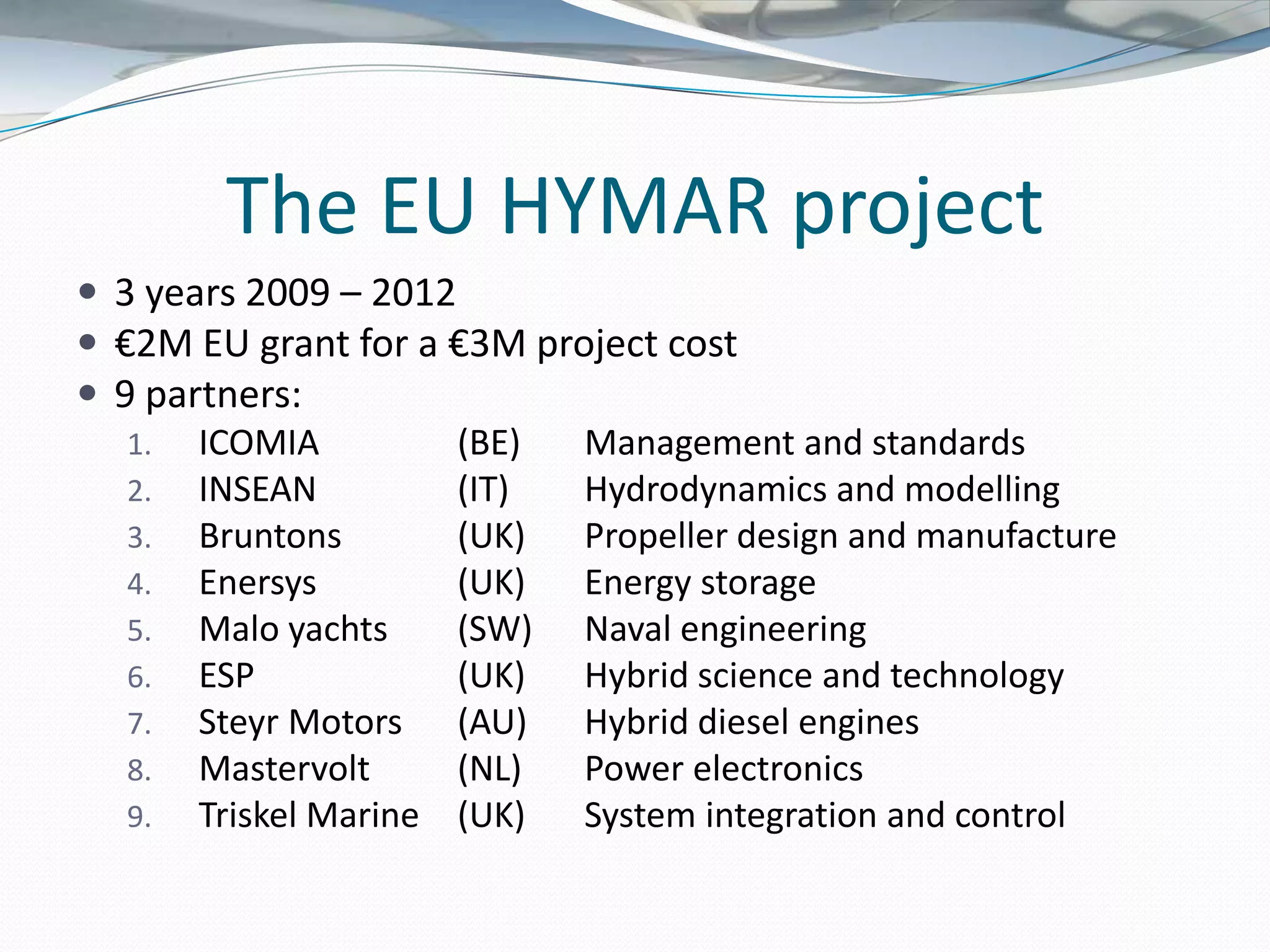
 3 years 2009 – 2012
 €2M EU grant for a €3M project cost
 9 partners:
   1. ICOMIA          (BE)  Management and standards
   2. INSEAN          (IT)  Hydrodynamics and modelling
   3. Bruntons        (UK)  Propeller design and manufacture
   4. Enersys         (UK)  Energy storage
   5. Malo yachts     (SW) Naval engineering
   6. ESP             (UK)  Hybrid science and technology
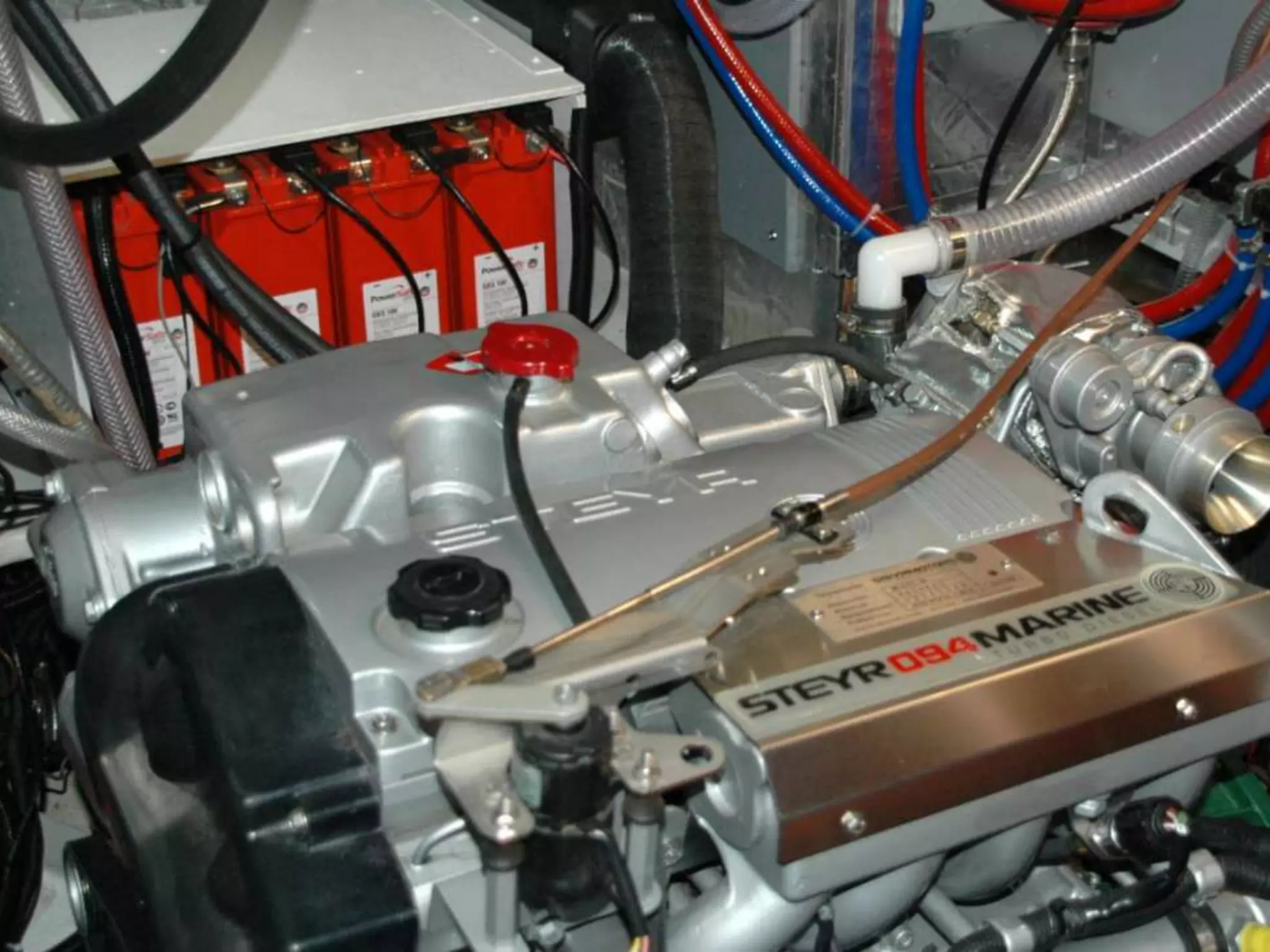
   7. Steyr Motors    (AU) Hybrid diesel engines
   8. Mastervolt      (NL)  Power electronics
   9. Triskel Marine (UK)   System integration and control
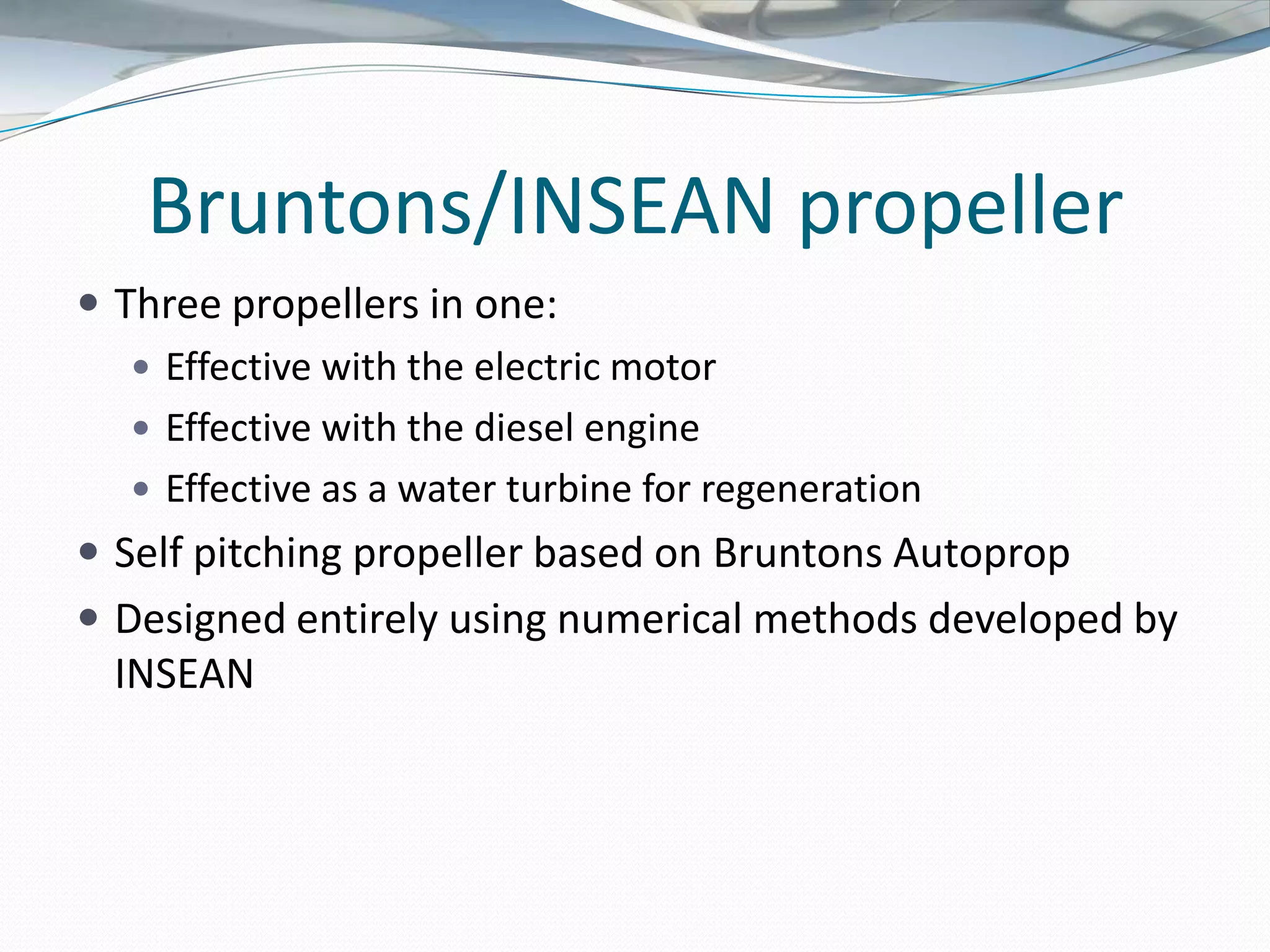
Three into one will go
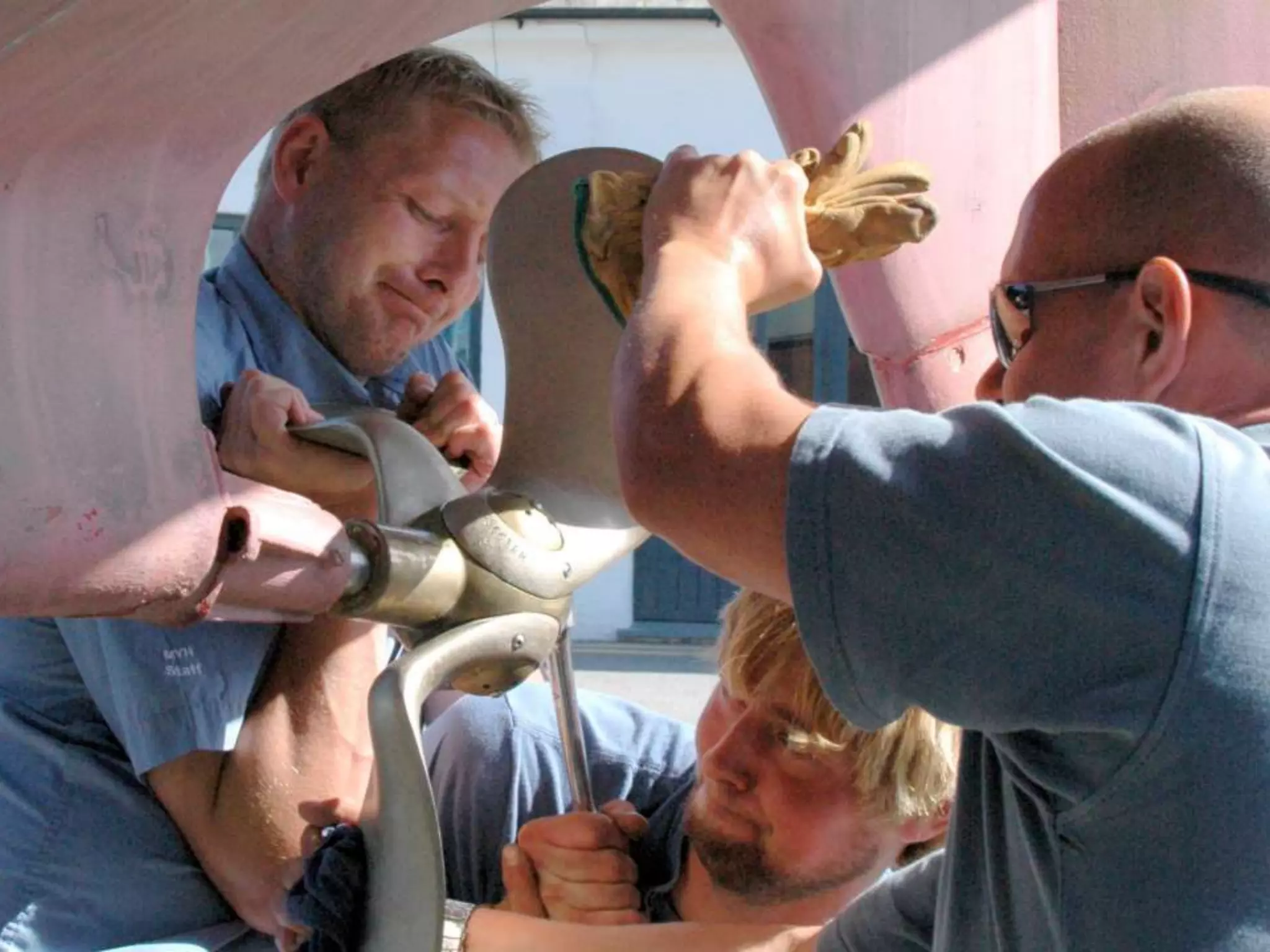
Bruntons/INSEAN propeller
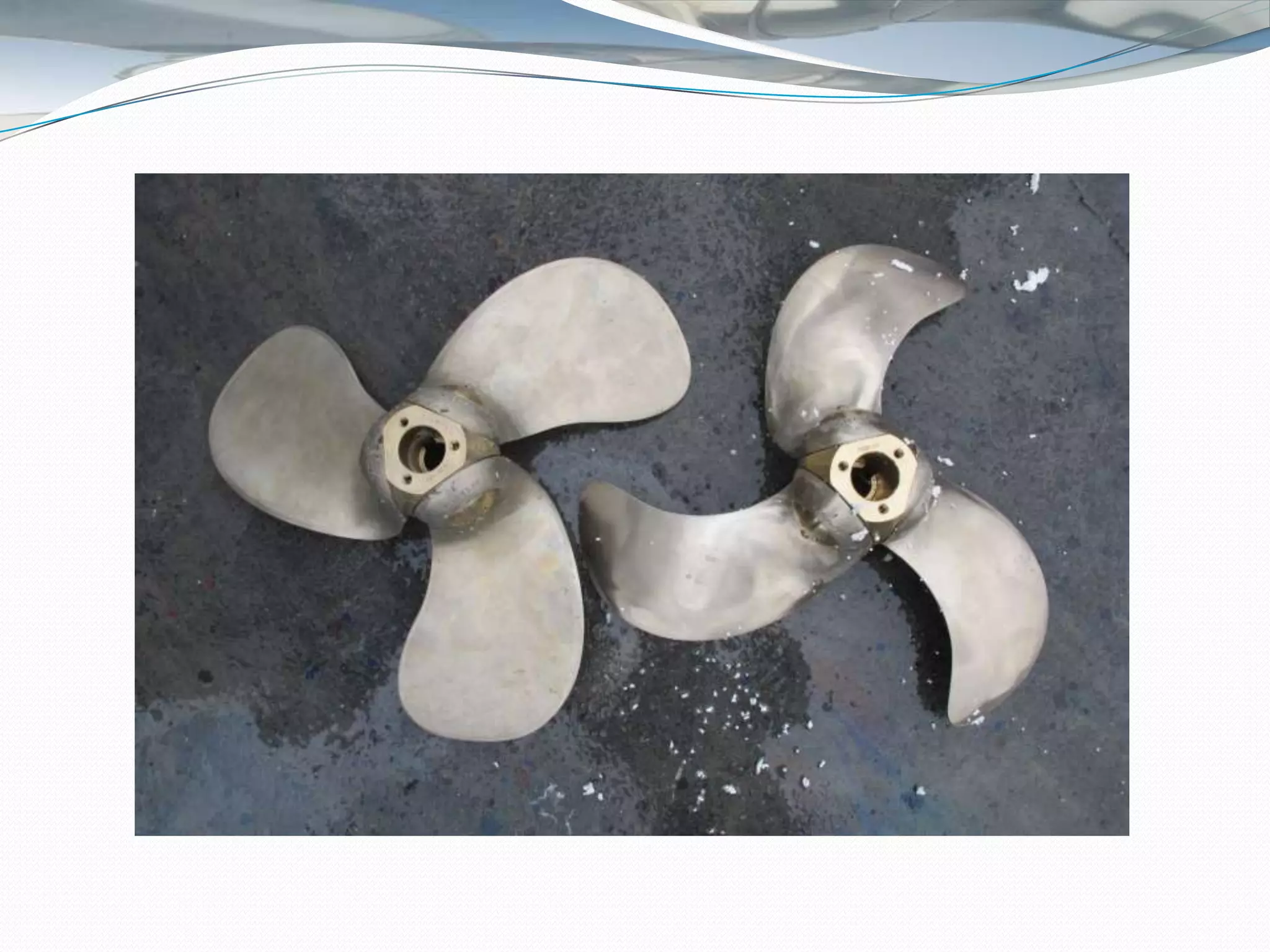
 Three propellers in one:
    Effective with the electric motor
    Effective with the diesel engine
    Effective as a water turbine for regeneration
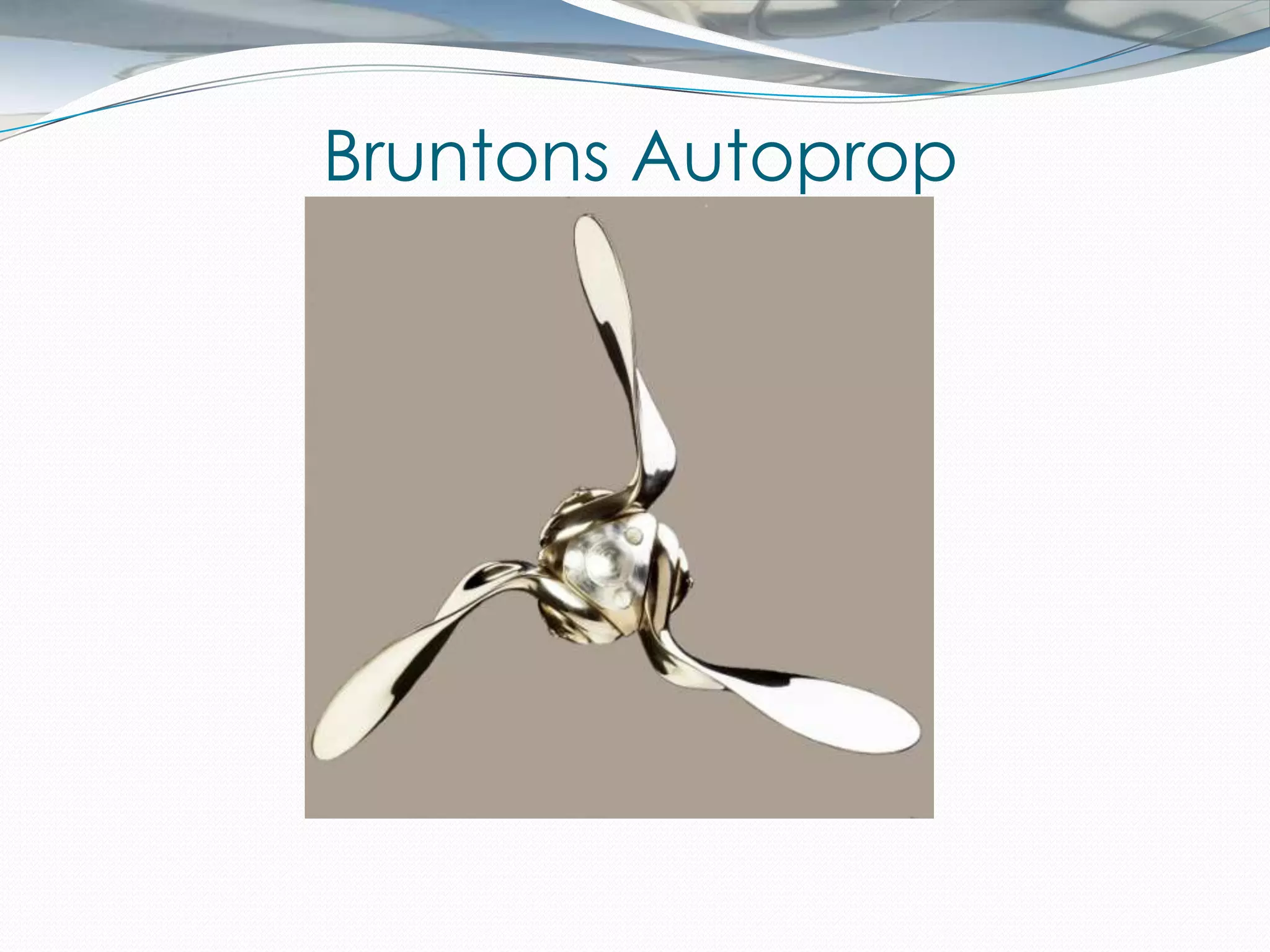
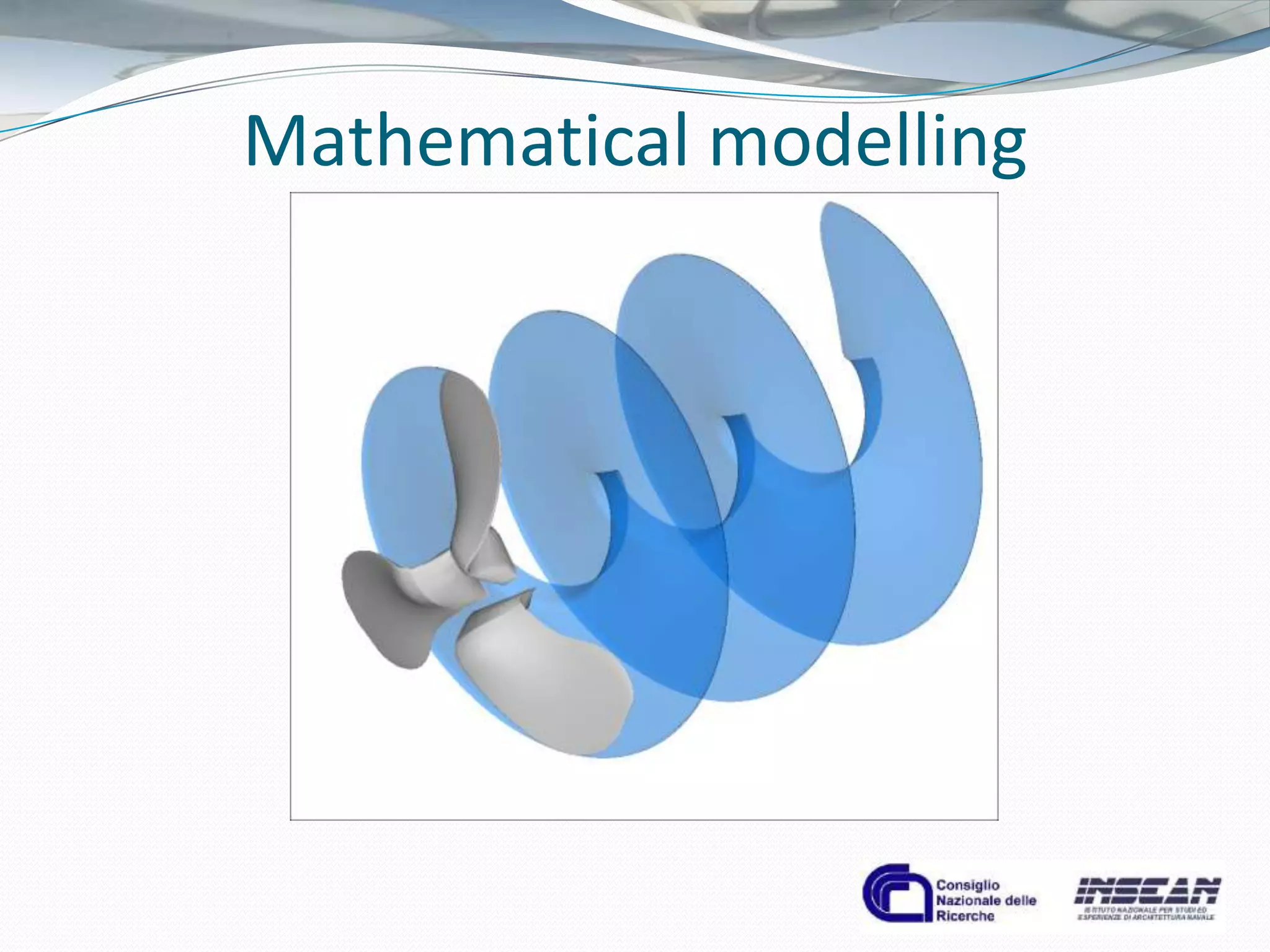
 Self pitching propeller based on Bruntons Autoprop
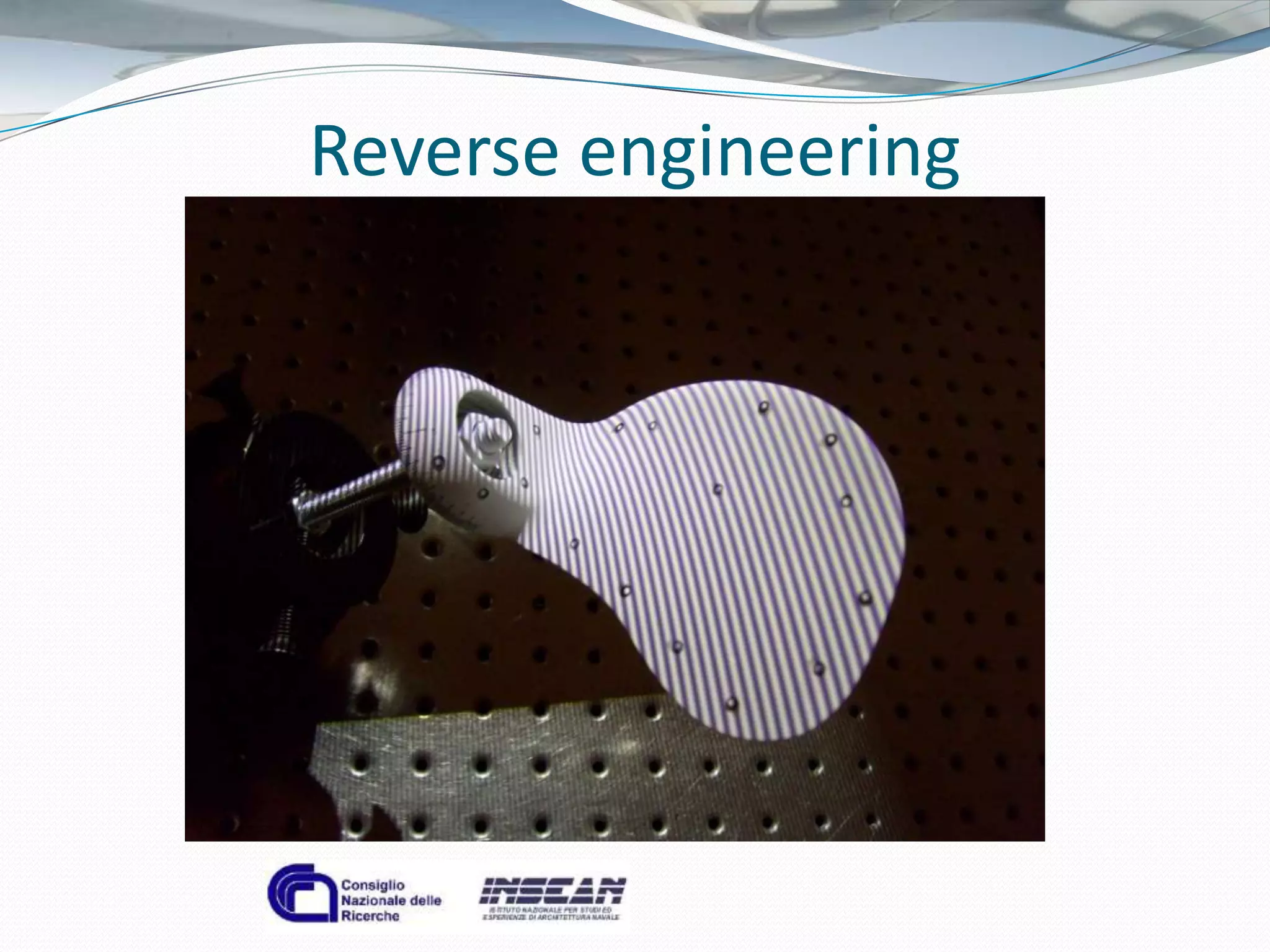
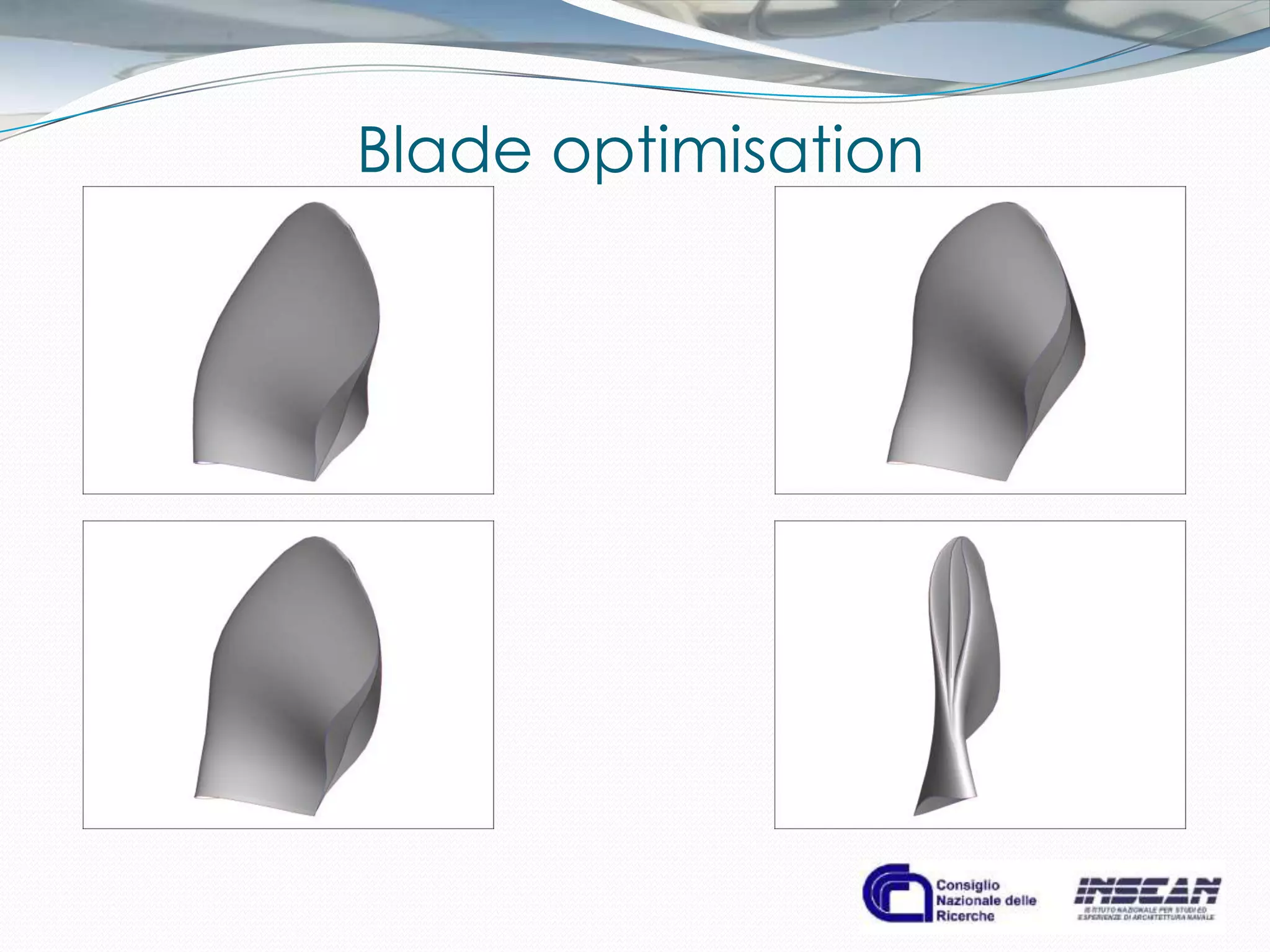
 Designed entirely using numerical methods developed by
 INSEAN
Bruntons Autoprop
Reverse engineering
Mathematical modelling
Blade optimisation
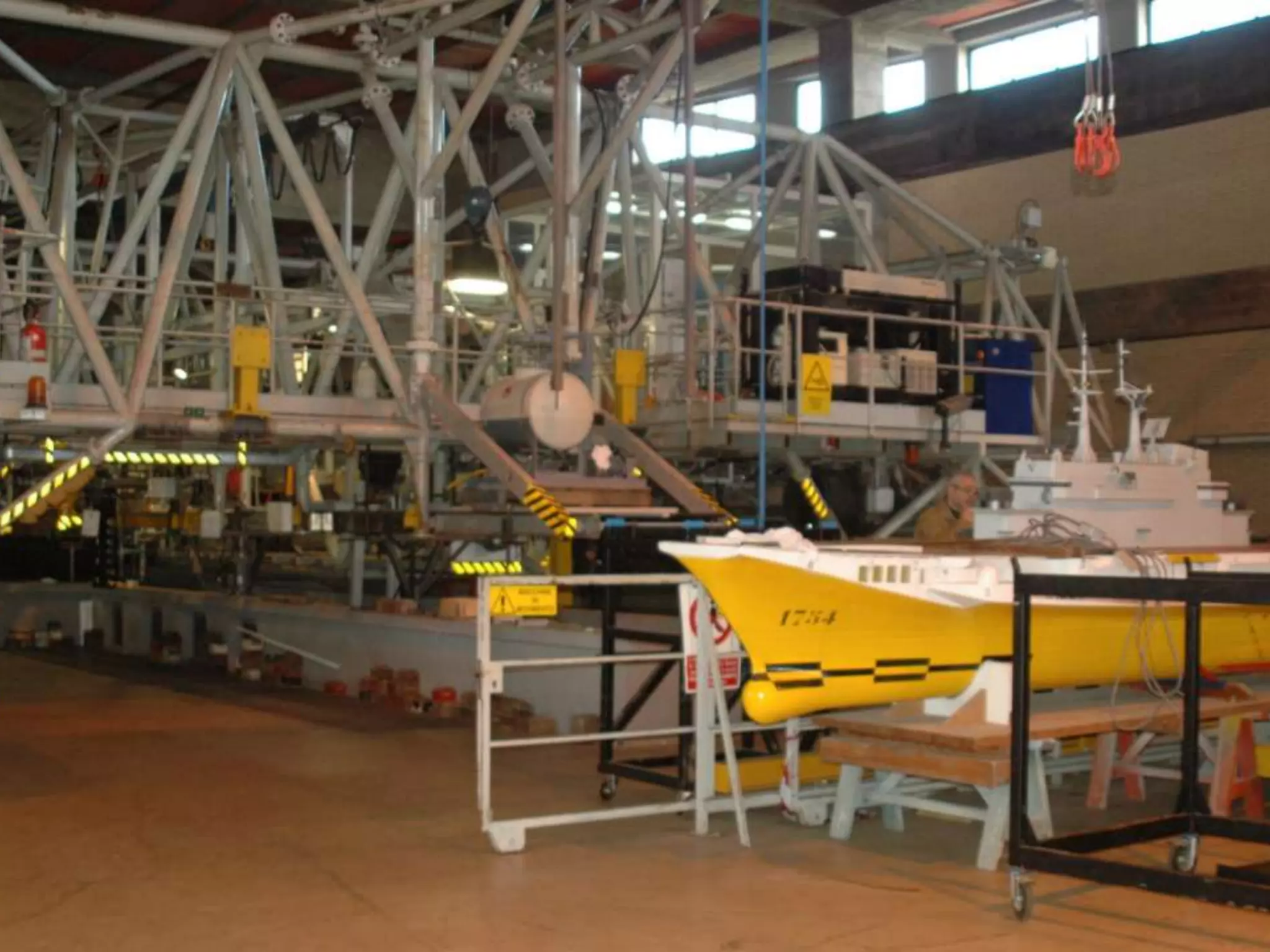
Real engineering
Fuel economy (litres/mile)
                            2.00


                            1.80


                            1.60


                            1.40
Consumption (litres/mile)


                                                                               3 blade fixed
                            1.20


                            1.00


                            0.80


                            0.60


                            0.40                                                    INSEAN II

                            0.20


                            0.00
                                   4.0   4.5   5.0     5.5     6.0           6.5       7.0      7.5   8.0   8.5
                                                               Boat speed (knots)
Fuel economy (litres/mile)
                            2.00


                            1.80


                            1.60
                                                     30% fuel saving!
                            1.40
Consumption (litres/mile)


                                                                               3 blade fixed
                            1.20


                            1.00


                            0.80


                            0.60


                            0.40                                                    INSEAN II

                            0.20


                            0.00
                                   4.0   4.5   5.0     5.5     6.0           6.5       7.0      7.5   8.0   8.5
                                                               Boat speed (knots)
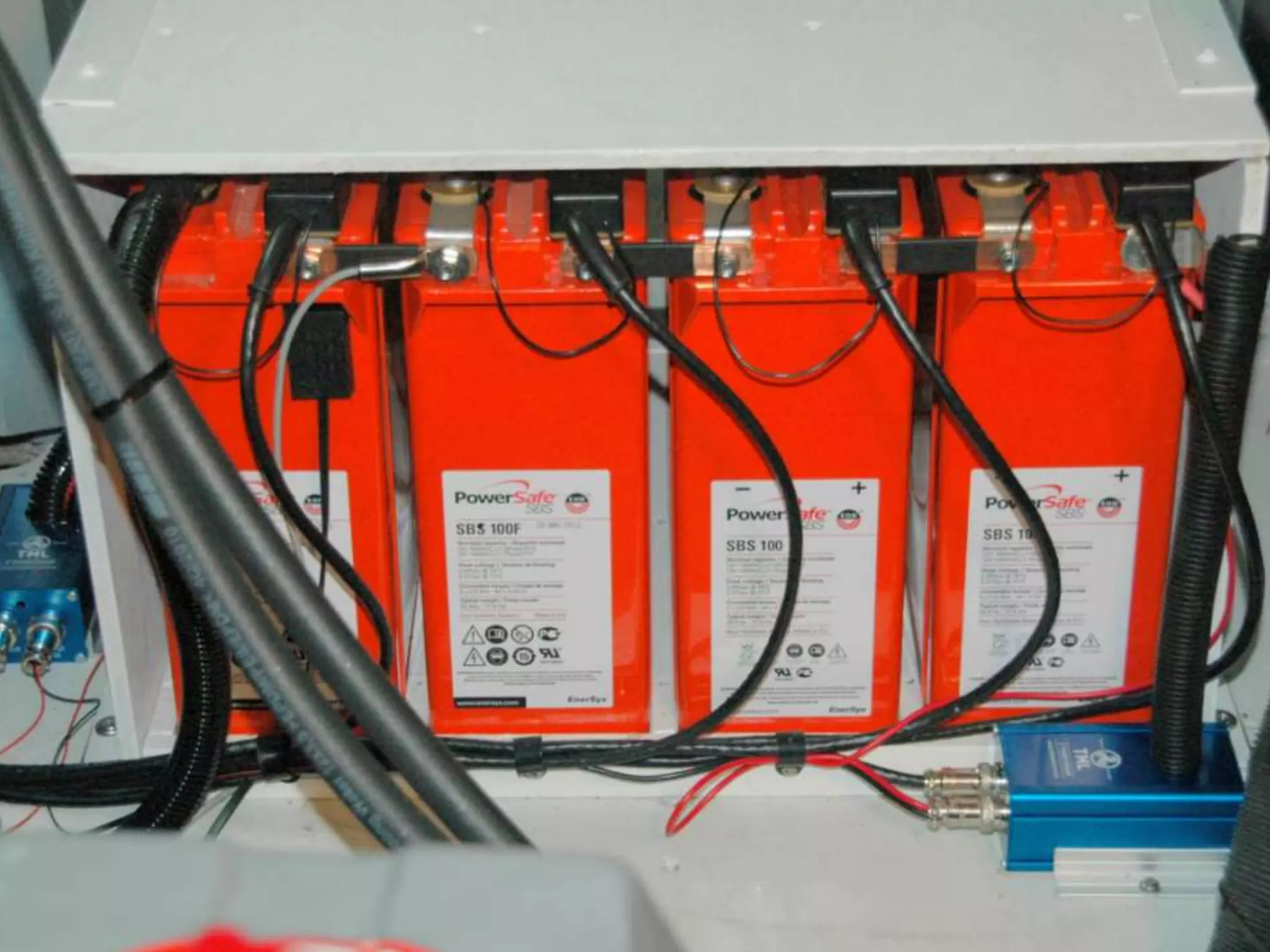
Thin plate pure lead
lead acid batteries from Enersys
Open systems architecture
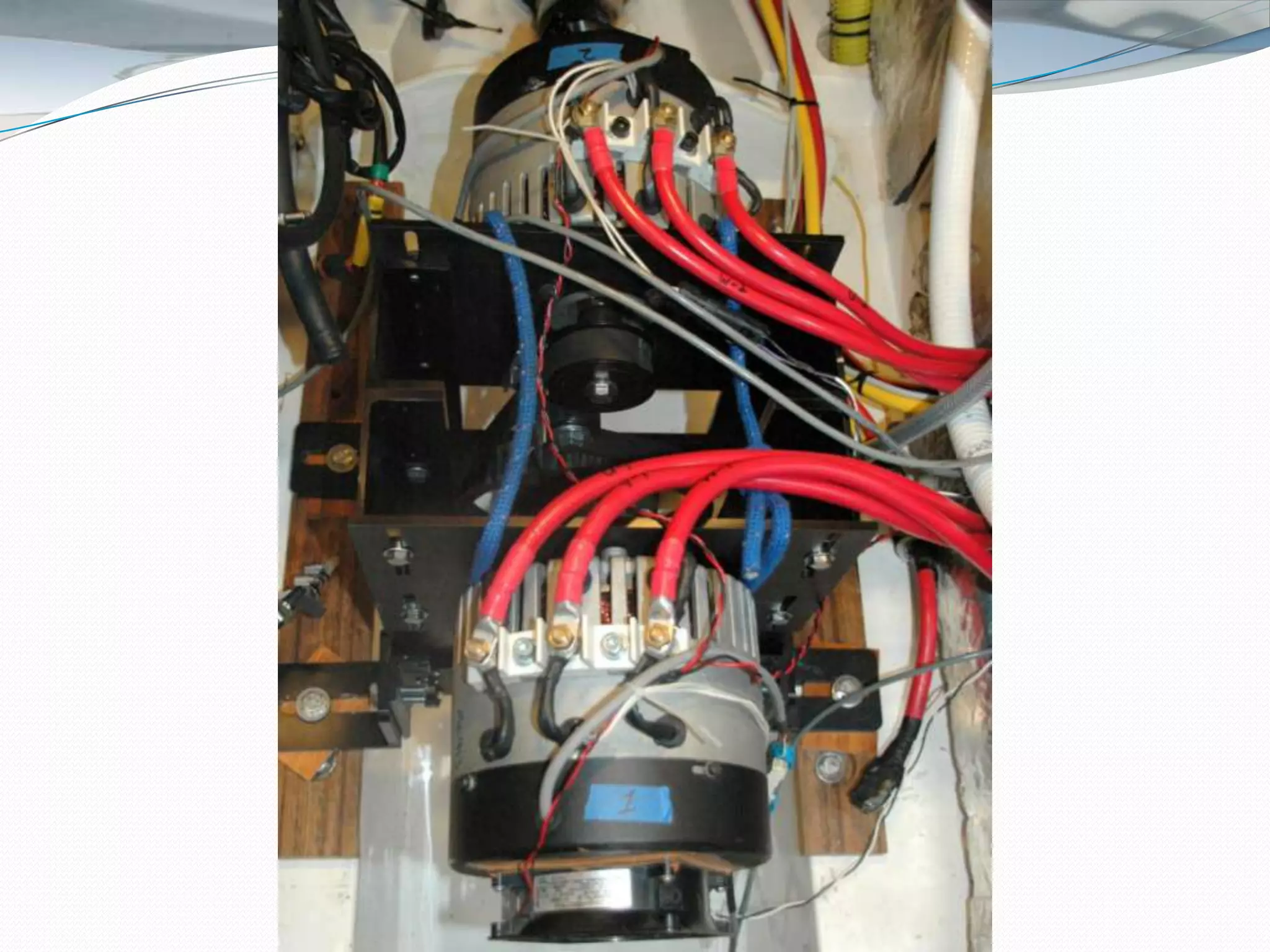
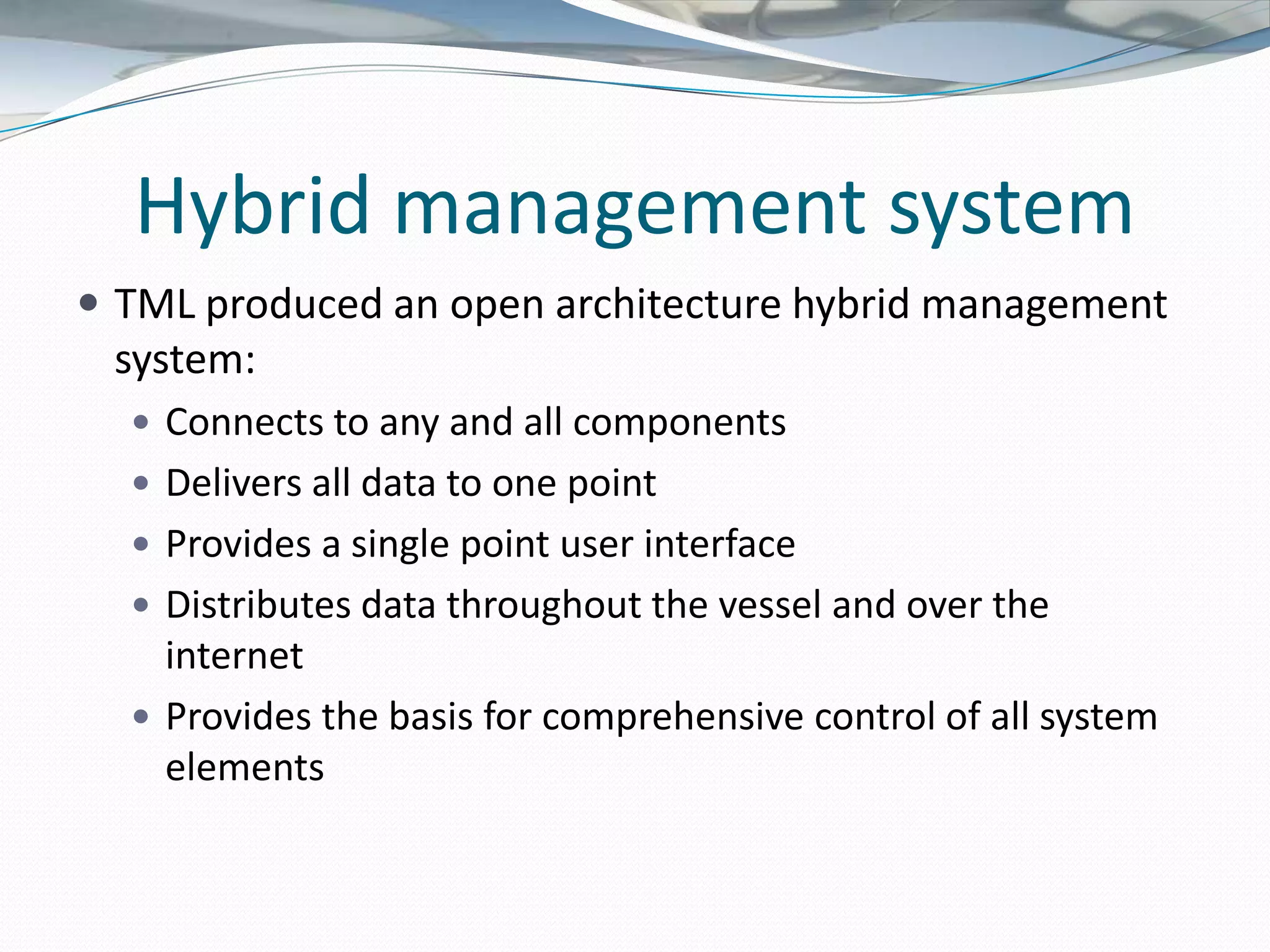
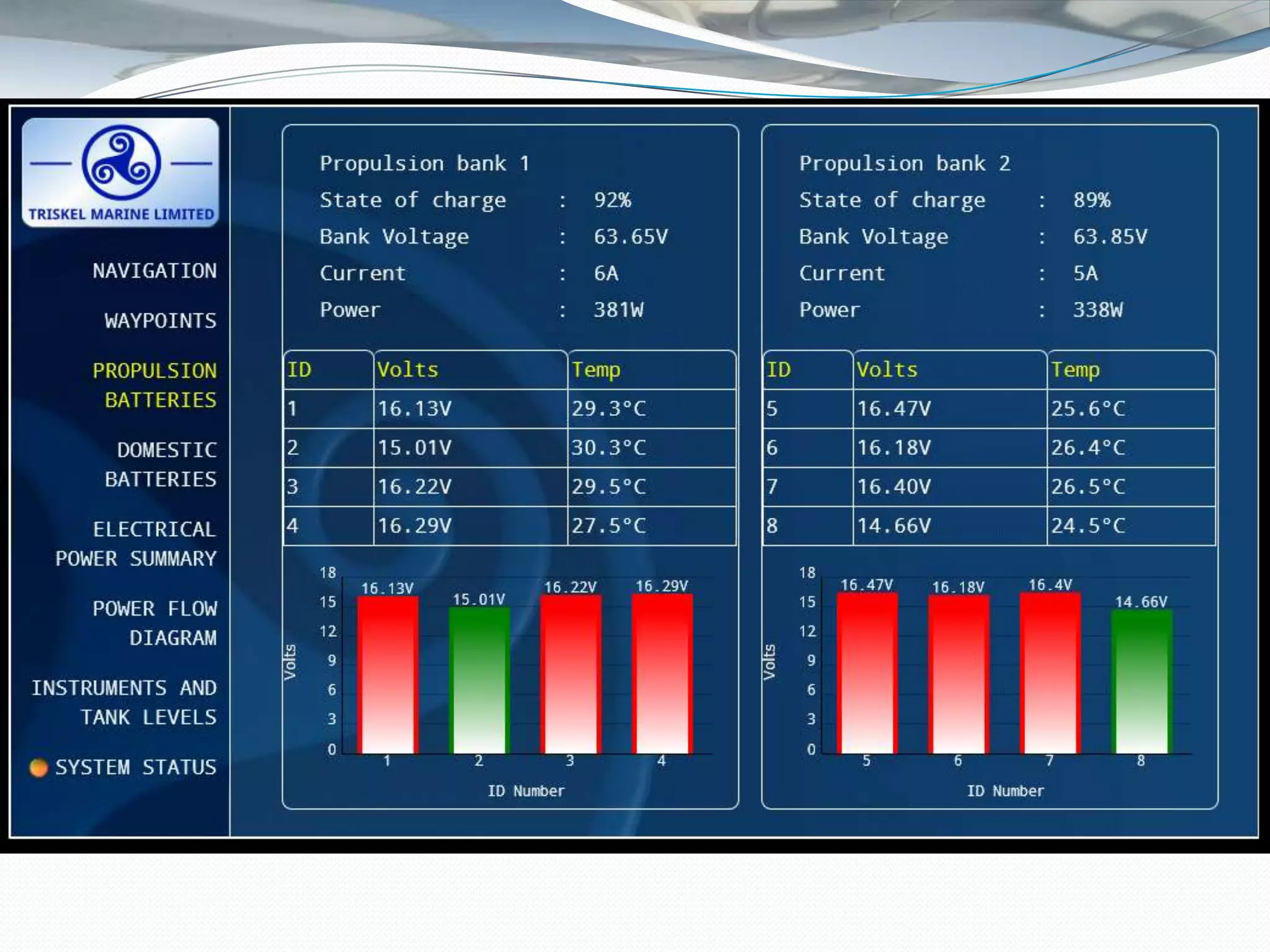
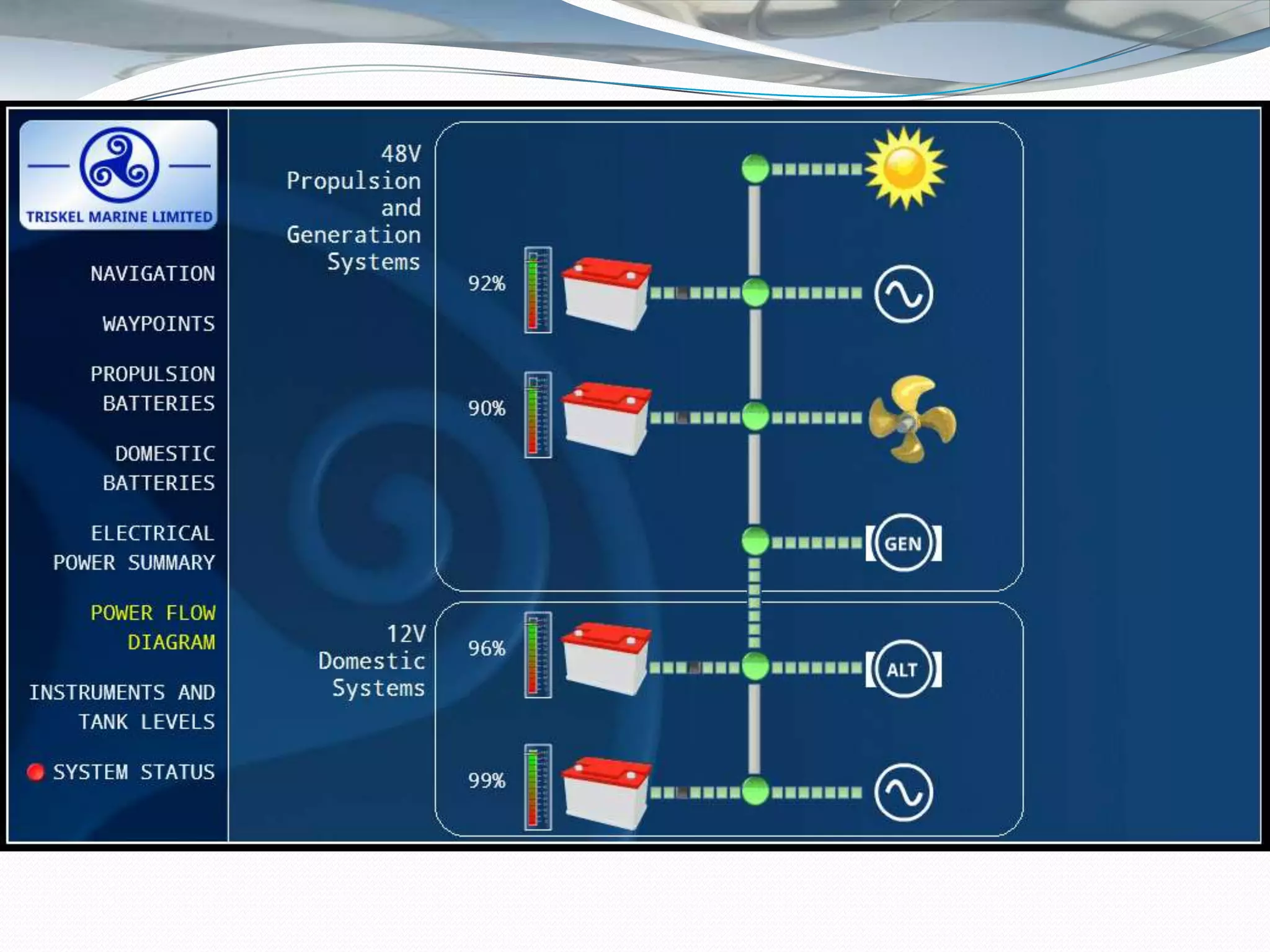
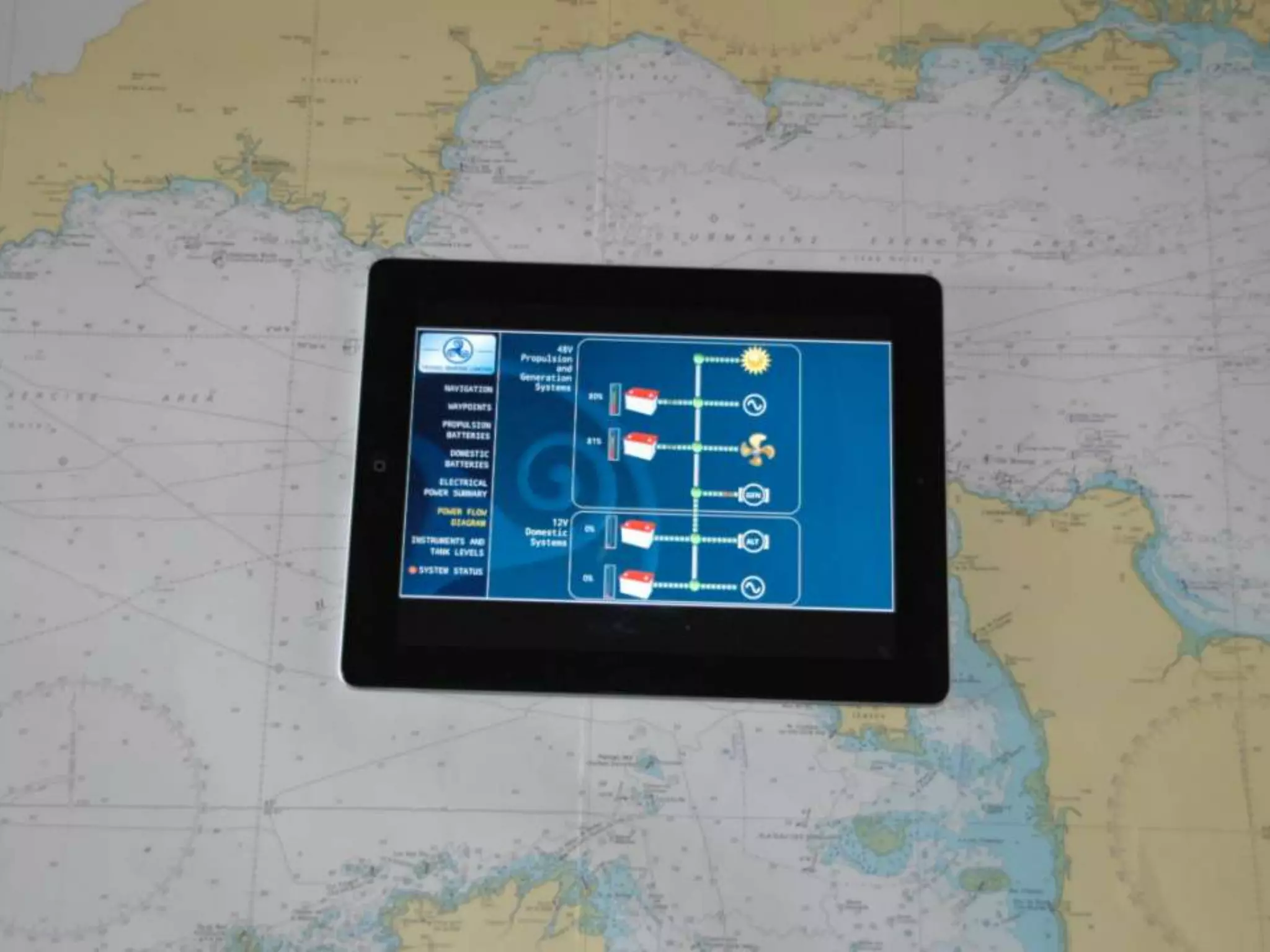
Hybrid management system
 TML produced an open architecture hybrid management
 system:
   Connects to any and all components
   Delivers all data to one point
   Provides a single point user interface
   Distributes data throughout the vessel and over the
    internet
   Provides the basis for comprehensive control of all system
    elements
Technical outcomes
 Fuel reduction of >30%
 No noise and no emissions in port – virtually silent under
    electric power
   Greatly improved energy management
   Potential for complete energy autonomy at sea
   Cheap and plentiful domestic power
   Reduced engine running hours and maintenance costs
   “Access anywhere” to all boat data
Practical outcomes
 New hybrid propeller
 New optimised hybrid batteries
 New energy sensors (voltage and current)
 New energy management system
 New remote “access anywhere” data monitoring
  technology
 New knowledge
Pitfalls
 Select partners with great care
 Be very clear about roles and obligations
 Avoid any industrial overlap or competition between
  partners
 Ensure partners are committed
 Ensure that the objectives deliver value for all
Benefits
 Cash
 Significantly accelerated and expanded product
    development
   Quicker to market
   Access to IP that is normally hidden
   Strong industrial network that endures beyond the
    project itself
   Increased exposure
Just do it!
+44 17 26 83 38 64
+44 77 74 94 06 47
ken@triskelmarine.co.uk

Collaborative R&D case study - FP7 - HYMAR - presented by Ken Wittamore

  • 1.
  • 3.
    Topics  Collaborative research– why bother?  EU collaborative R&D  HYMAR – a case study  Pitfalls  Benefits  Conclusion
  • 4.
    Collaborative research –why bother?  The development of sophisticated, commercial technologies is too expensive for most companies  Publicly funded, collaborative research provides a way forward  Collaborative research allows:  Shared risk and cost  Access to a broader knowledge base  Faster development  Opportunity to work with the best of the best
  • 5.
    EU collaborative R&D FP7 is the EU programme for collaborative research & development which runs from 2007 to 2013  It is a public investment in key EU industrial sectors and in SMEs  Programme content is driven by industry  In return for receiving the investment, business is expected to :  Help deliver EU policy objectives  Be more competitive  Be more sustainable  Be smarter
  • 6.
    Recreational marine industryEU research route map
  • 7.
  • 8.
    The EU HYMARproject  Aims:  To collect objective data on hybrid propulsion in “small” craft  To fill in the missing technology gaps  To develop an open systems architecture  To deliver:  No noise and no emissions in port  Reduction in fuel consumption of 30%
  • 9.
    The EU HYMARproject  3 years 2009 – 2012  €2M EU grant for a €3M project cost  9 partners: 1. ICOMIA (BE) Management and standards 2. INSEAN (IT) Hydrodynamics and modelling 3. Bruntons (UK) Propeller design and manufacture 4. Enersys (UK) Energy storage 5. Malo yachts (SW) Naval engineering 6. ESP (UK) Hybrid science and technology 7. Steyr Motors (AU) Hybrid diesel engines 8. Mastervolt (NL) Power electronics 9. Triskel Marine (UK) System integration and control
  • 14.
  • 15.
    Bruntons/INSEAN propeller  Threepropellers in one:  Effective with the electric motor  Effective with the diesel engine  Effective as a water turbine for regeneration  Self pitching propeller based on Bruntons Autoprop  Designed entirely using numerical methods developed by INSEAN
  • 16.
  • 17.
  • 18.
  • 20.
  • 21.
  • 24.
    Fuel economy (litres/mile) 2.00 1.80 1.60 1.40 Consumption (litres/mile) 3 blade fixed 1.20 1.00 0.80 0.60 0.40 INSEAN II 0.20 0.00 4.0 4.5 5.0 5.5 6.0 6.5 7.0 7.5 8.0 8.5 Boat speed (knots)
  • 25.
    Fuel economy (litres/mile) 2.00 1.80 1.60 30% fuel saving! 1.40 Consumption (litres/mile) 3 blade fixed 1.20 1.00 0.80 0.60 0.40 INSEAN II 0.20 0.00 4.0 4.5 5.0 5.5 6.0 6.5 7.0 7.5 8.0 8.5 Boat speed (knots)
  • 26.
    Thin plate purelead lead acid batteries from Enersys
  • 28.
  • 29.
    Hybrid management system TML produced an open architecture hybrid management system:  Connects to any and all components  Delivers all data to one point  Provides a single point user interface  Distributes data throughout the vessel and over the internet  Provides the basis for comprehensive control of all system elements
  • 34.
    Technical outcomes  Fuelreduction of >30%  No noise and no emissions in port – virtually silent under electric power  Greatly improved energy management  Potential for complete energy autonomy at sea  Cheap and plentiful domestic power  Reduced engine running hours and maintenance costs  “Access anywhere” to all boat data
  • 35.
    Practical outcomes  Newhybrid propeller  New optimised hybrid batteries  New energy sensors (voltage and current)  New energy management system  New remote “access anywhere” data monitoring technology  New knowledge
  • 37.
    Pitfalls  Select partnerswith great care  Be very clear about roles and obligations  Avoid any industrial overlap or competition between partners  Ensure partners are committed  Ensure that the objectives deliver value for all
  • 39.
    Benefits  Cash  Significantlyaccelerated and expanded product development  Quicker to market  Access to IP that is normally hidden  Strong industrial network that endures beyond the project itself  Increased exposure
  • 41.
  • 42.
    +44 17 2683 38 64 +44 77 74 94 06 47 ken@triskelmarine.co.uk