Engineering Code of
          Ethics

           Canon #1 –
Engineers shall hold paramount the
 safety, health and welfare of the
              Public.
Hurricane Katrina and the
             Levees:
     An Engineering Disaster


What Went Wrong and Why


              Prof. Robert B. Gilbert
               Brunswick-Abernathy Professor
Dept. of Civil, Architectural and Environmental Engineering
             The University of Texas at Austin
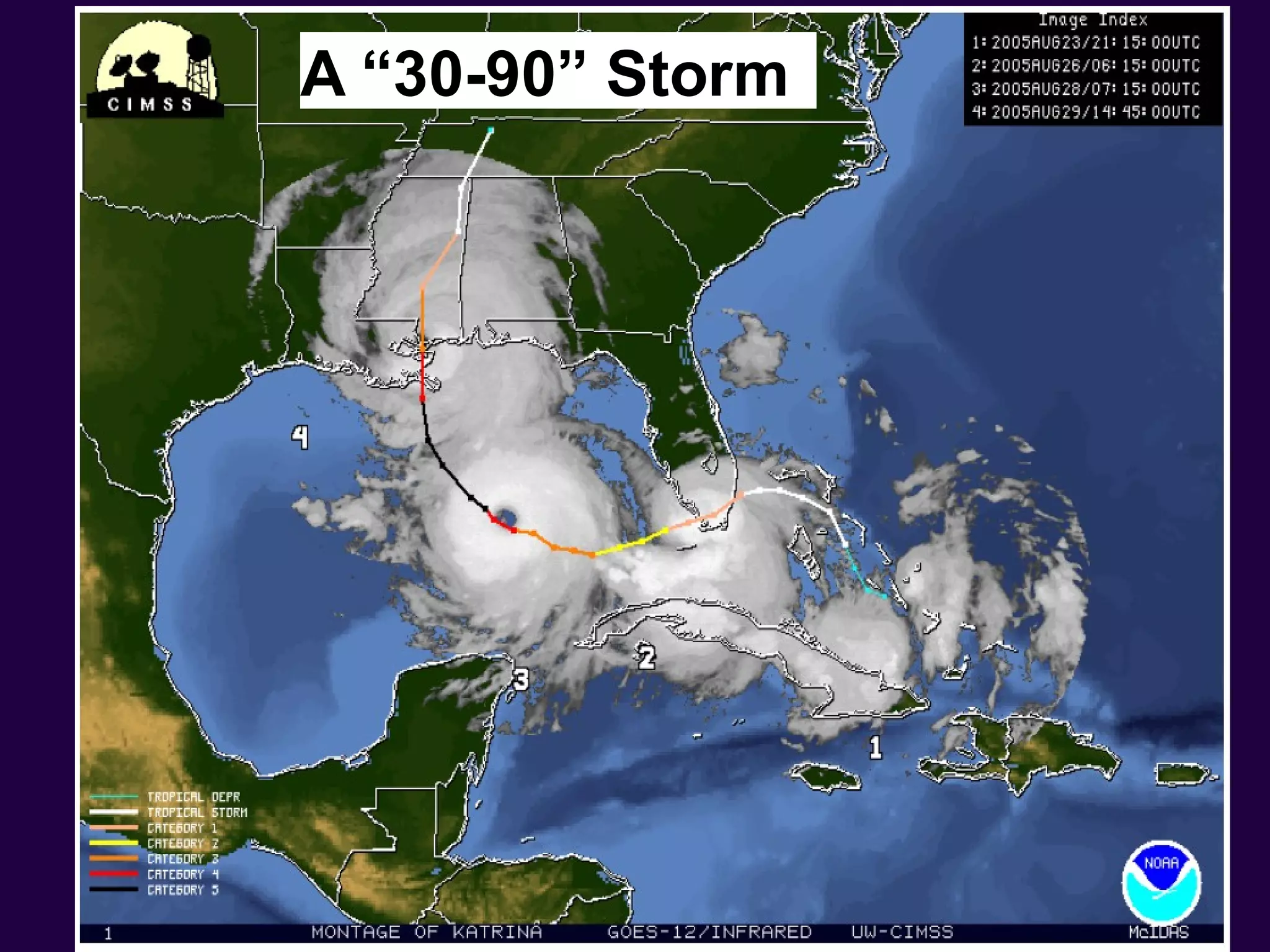
A “30-90” Storm
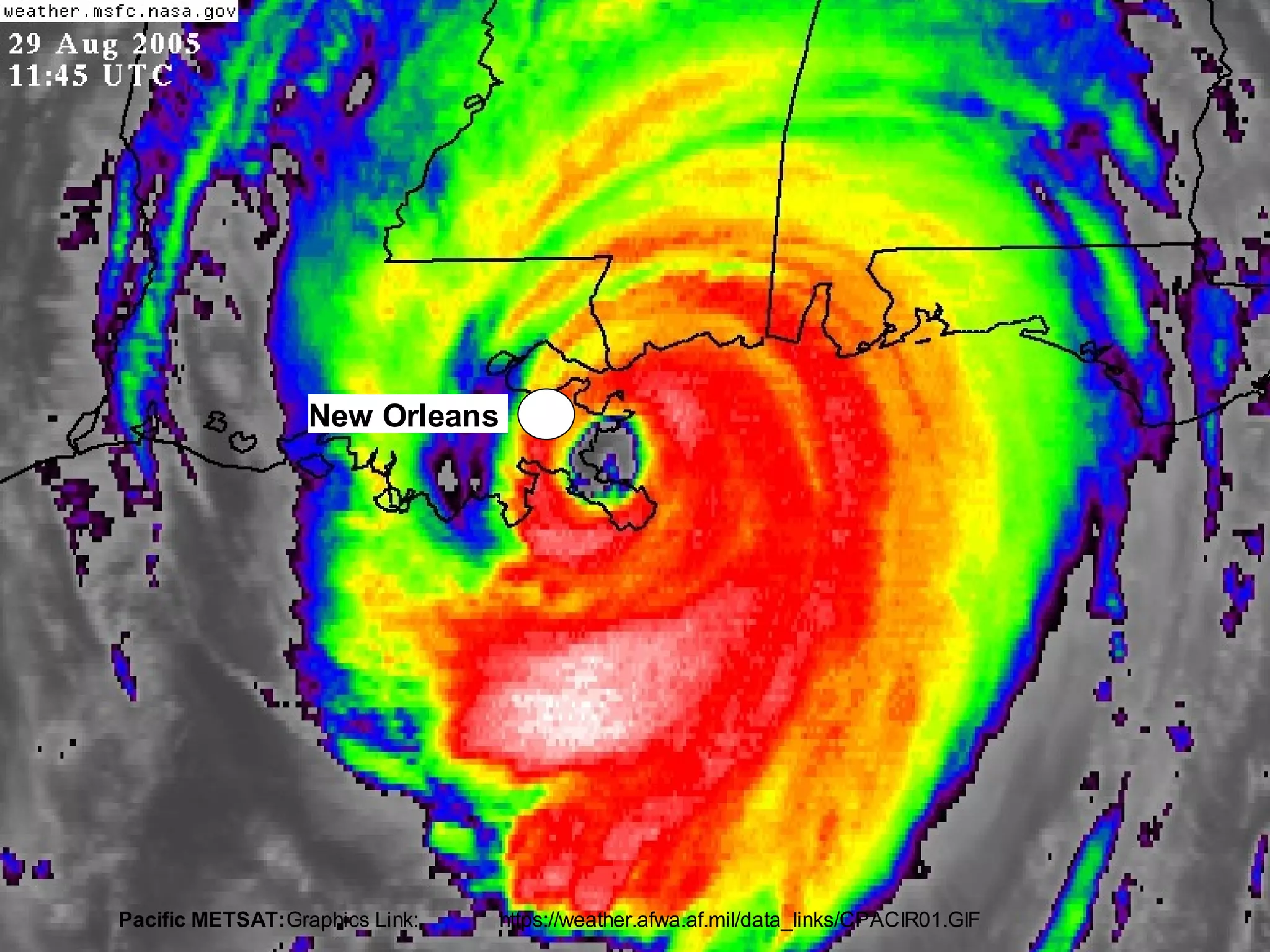
New Orleans


Pacific METSAT:Graphics Link:   https://weather.afwa.af.mil/data_links/CPACIR01.GIF
                                                                                      7
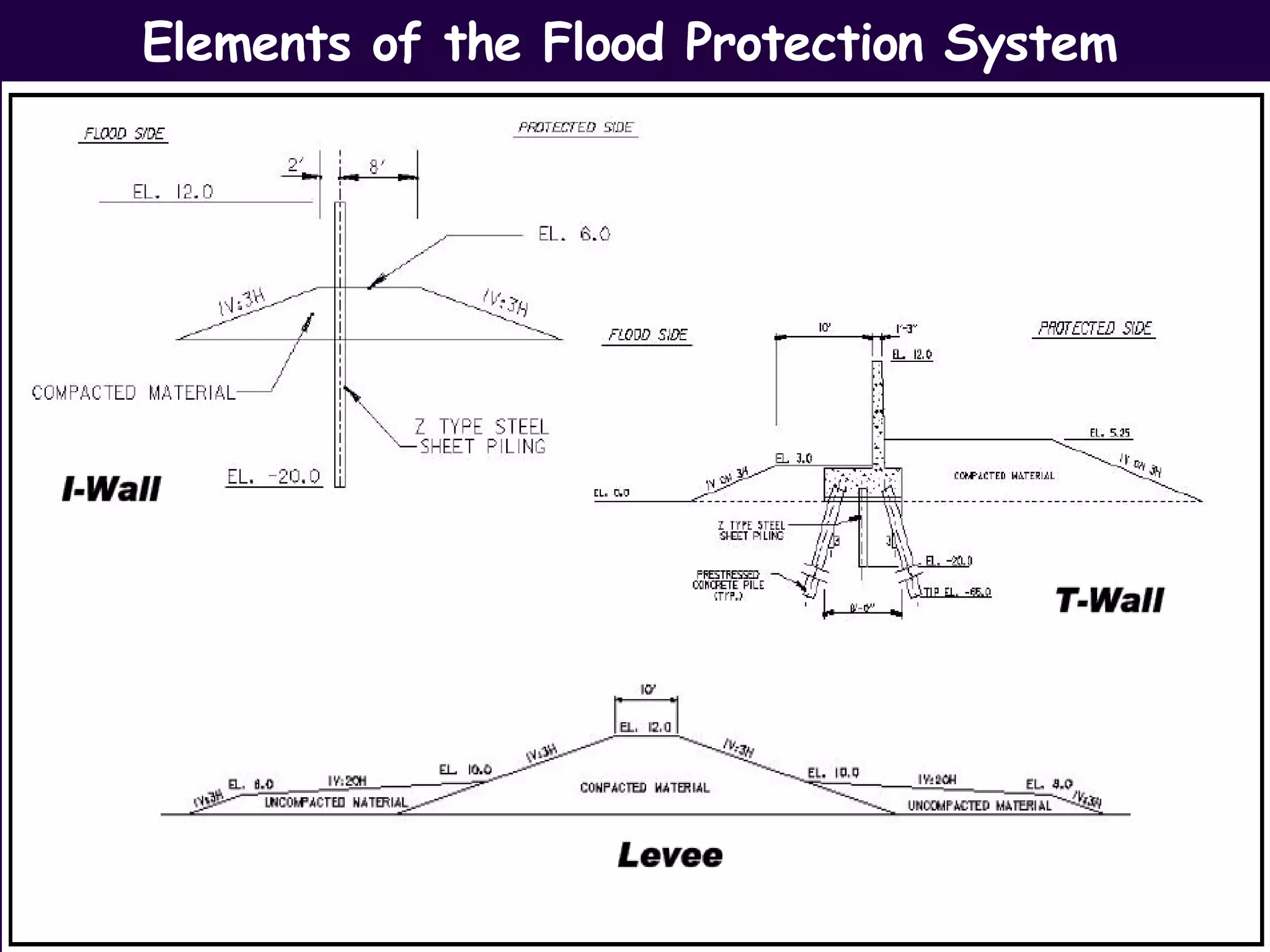
Elements of the Flood Protection System
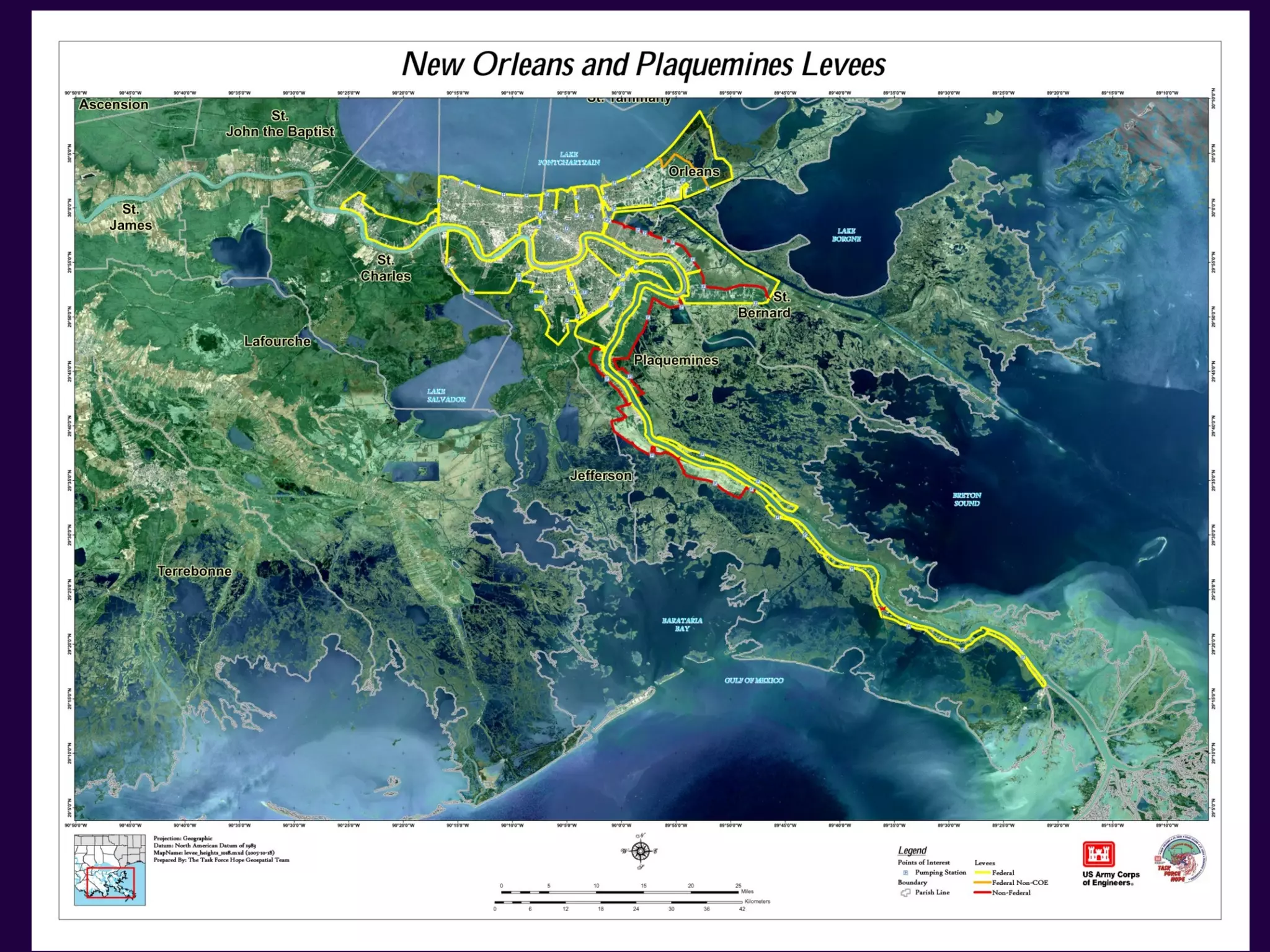
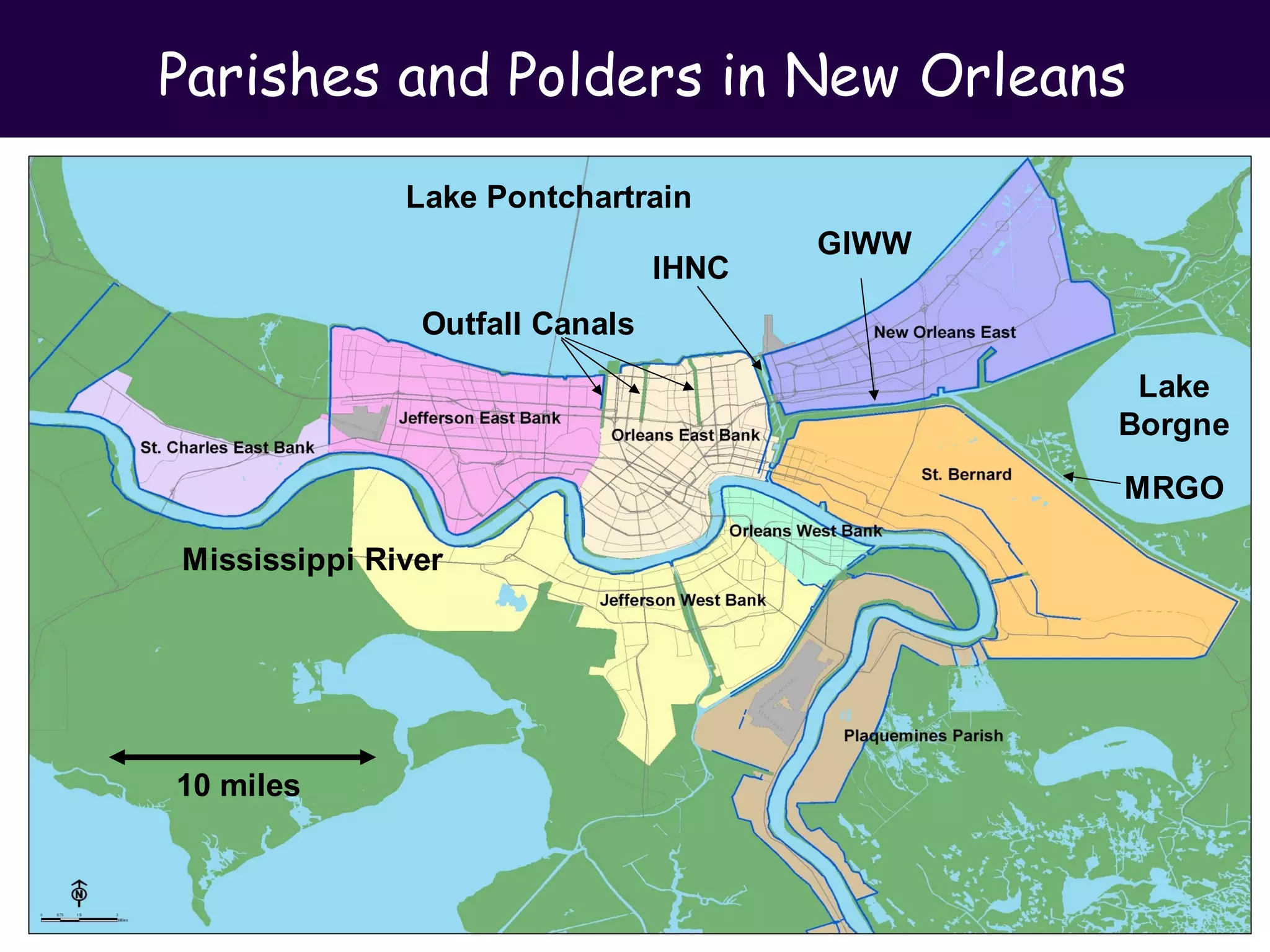
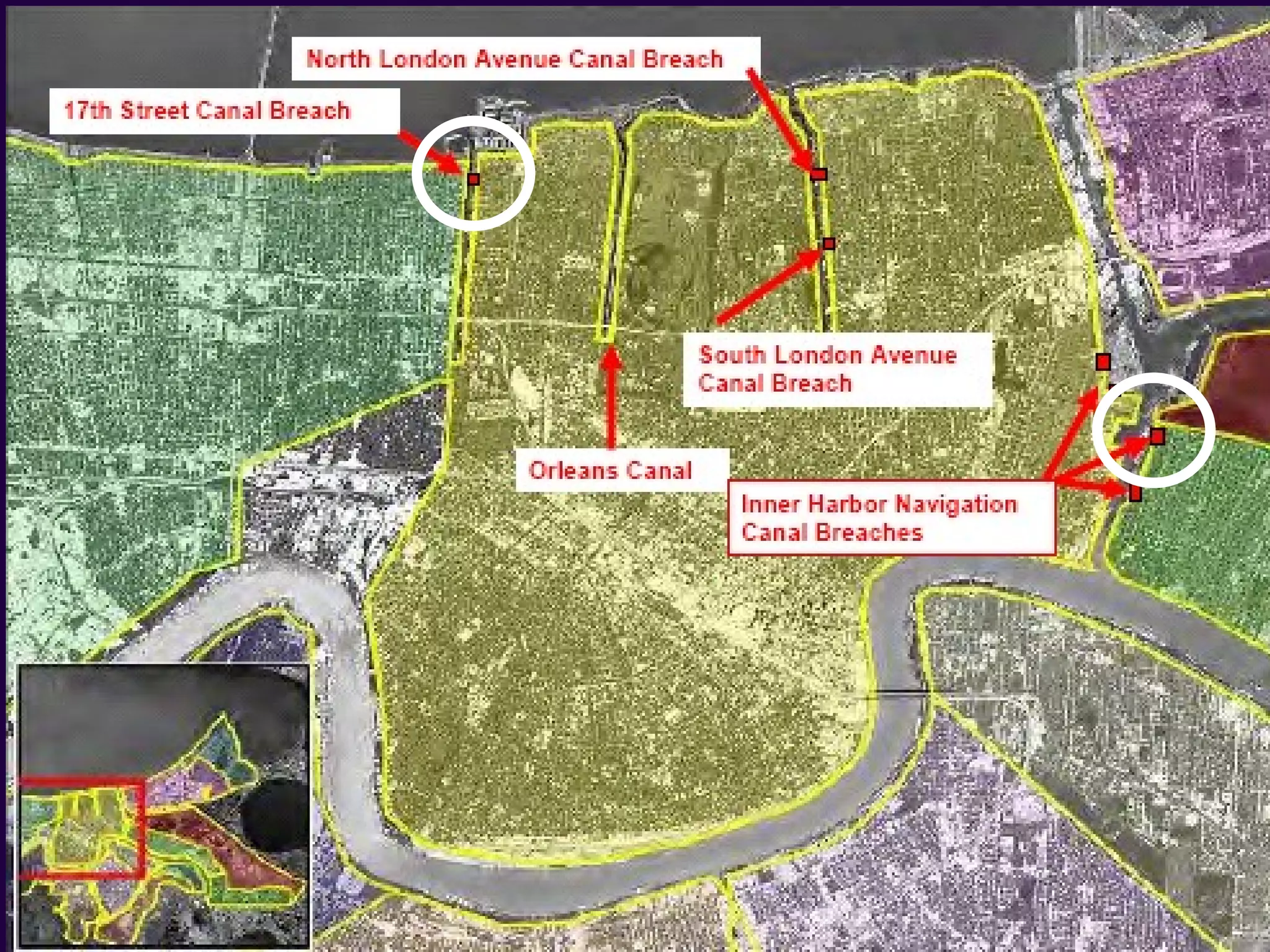
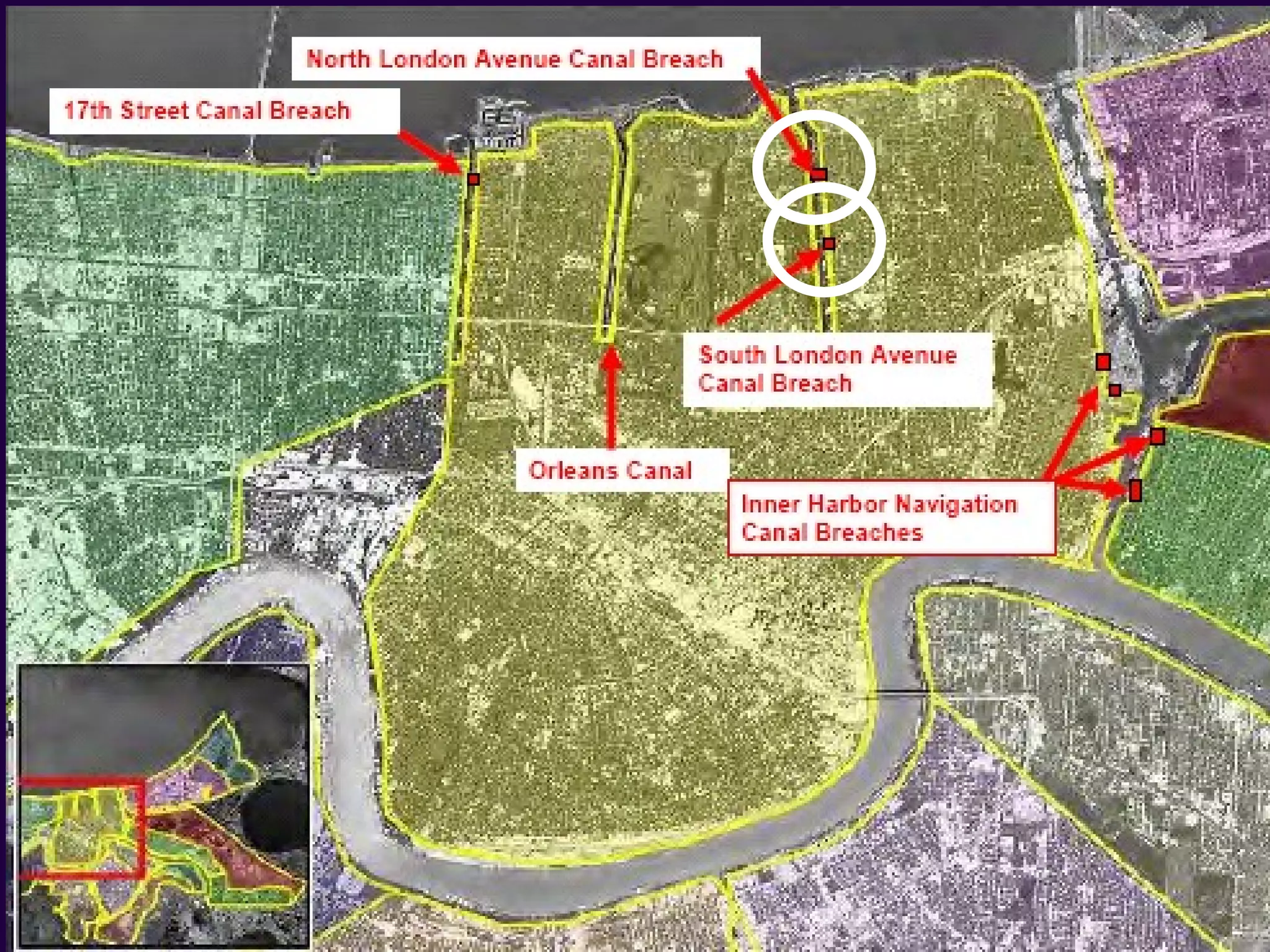
Parishes and Polders in New Orleans
              Lake Pontchartrain
                                       GIWW
                                IHNC
               Outfall Canals
                                               Lake
                                              Borgne

                                              MRGO

Mississippi River


10 miles
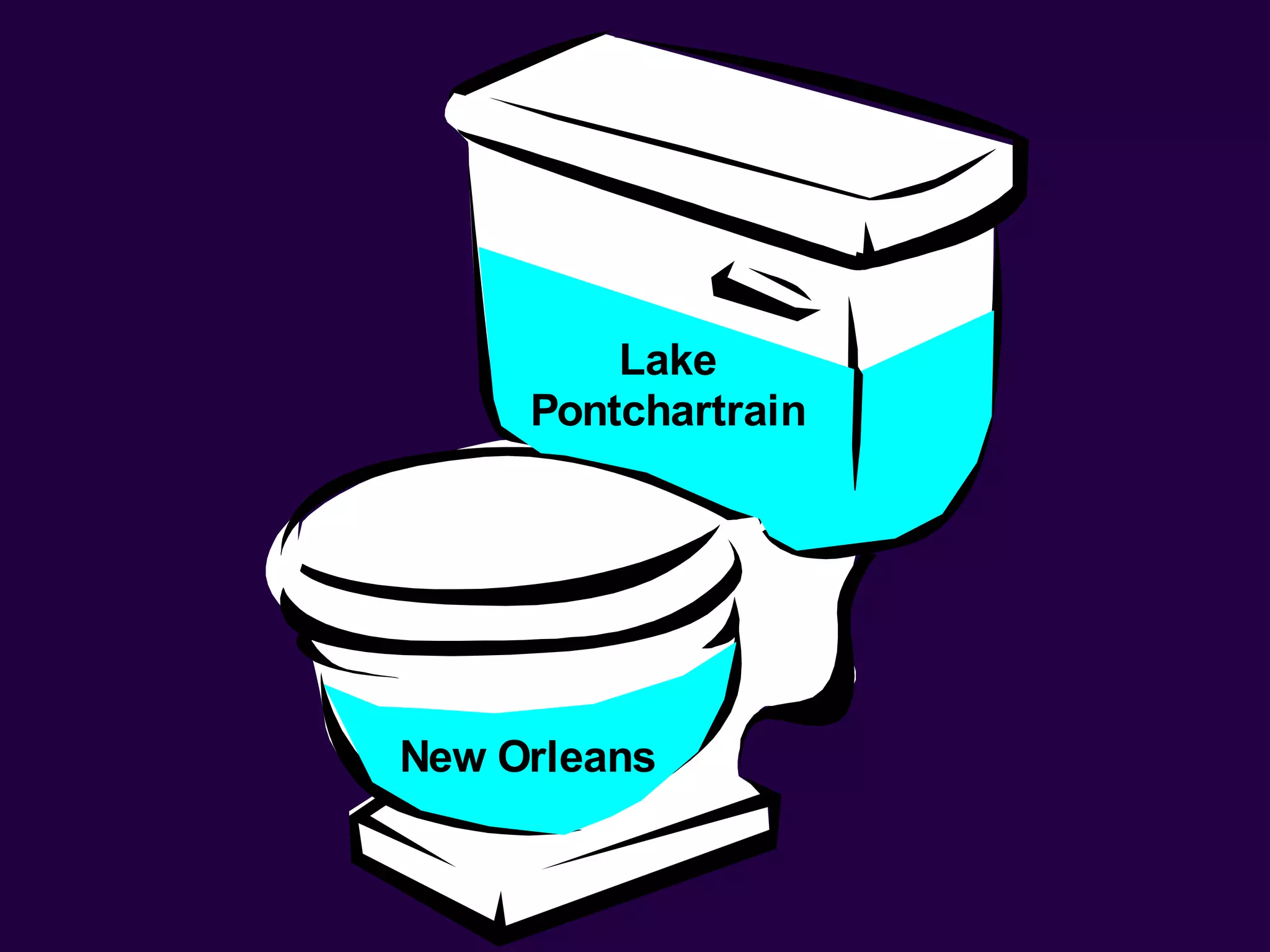
Lake
     Pontchartrain


New Orleans
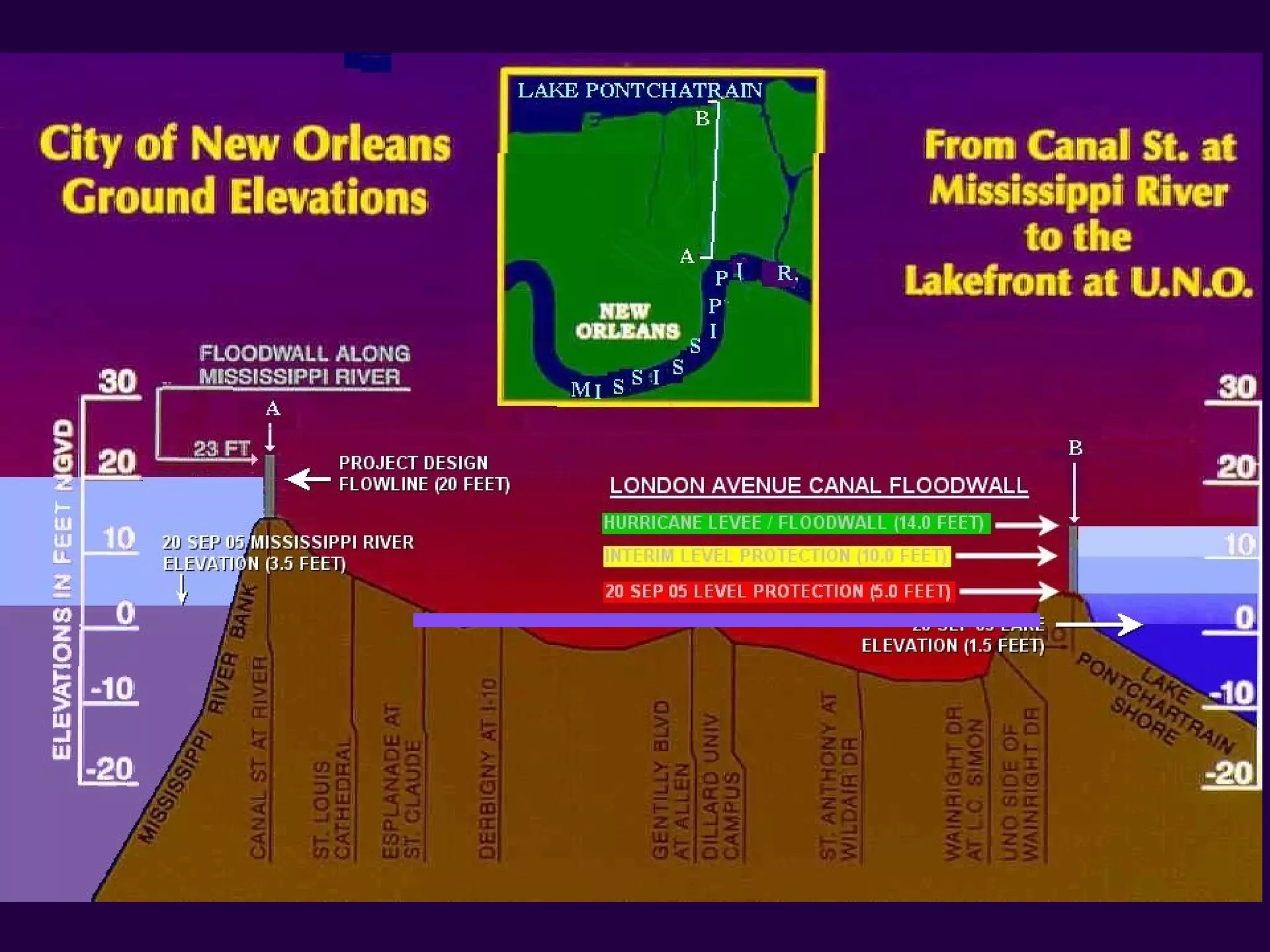
London Avenue Near Mirabeau
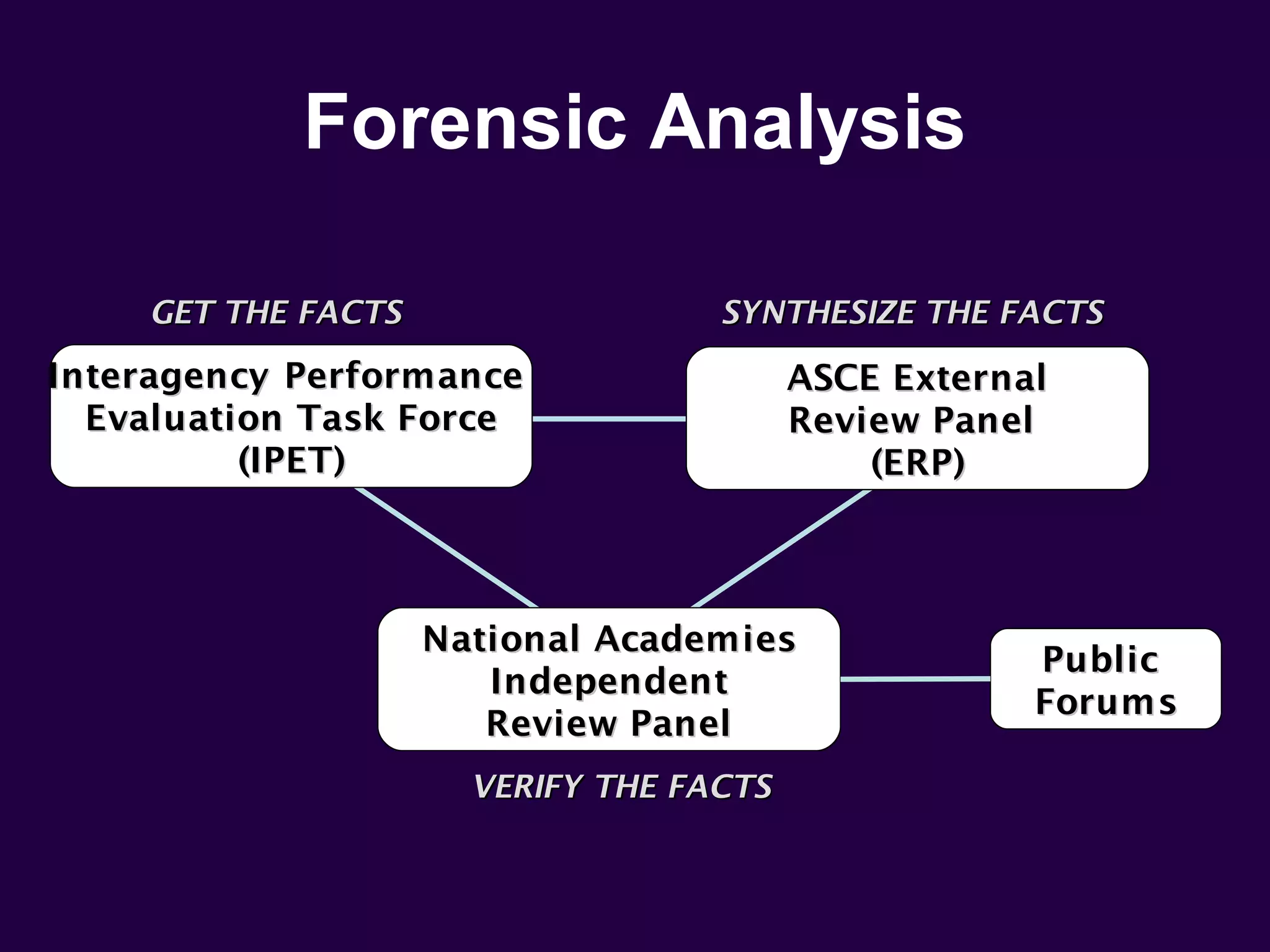
Forensic Analysis

    GET THE FACTS                  SYNTHESIZE THE FACTS

Interagency Performance                  ASCE External
  Evaluation Task Force                  Review Panel
          (IPET)                             (ERP)


                    National Academies
                                                     Public
                       Independent
                                                     Forums
                       Review Panel
                      VERIFY THE FACTS
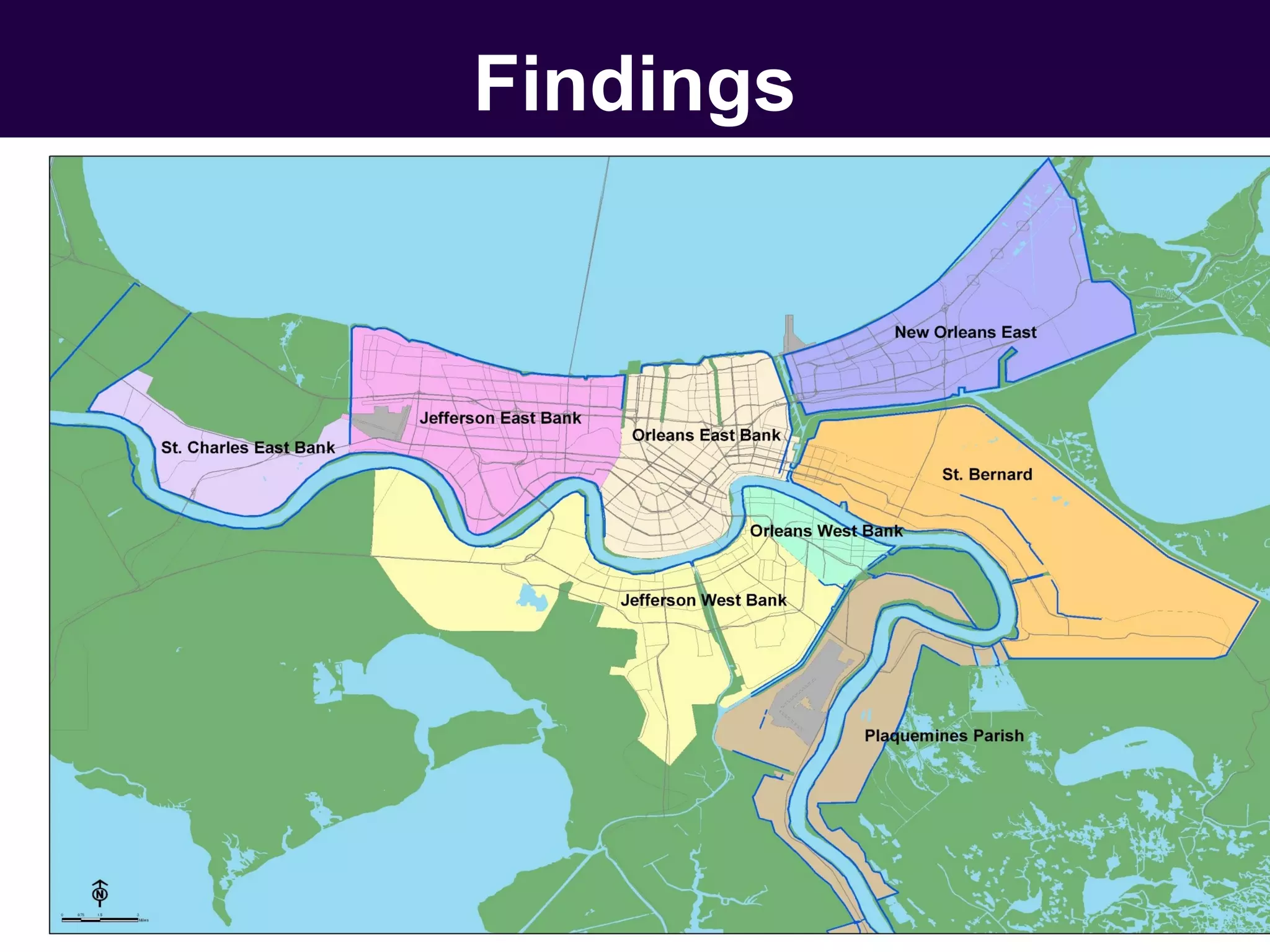
Findings
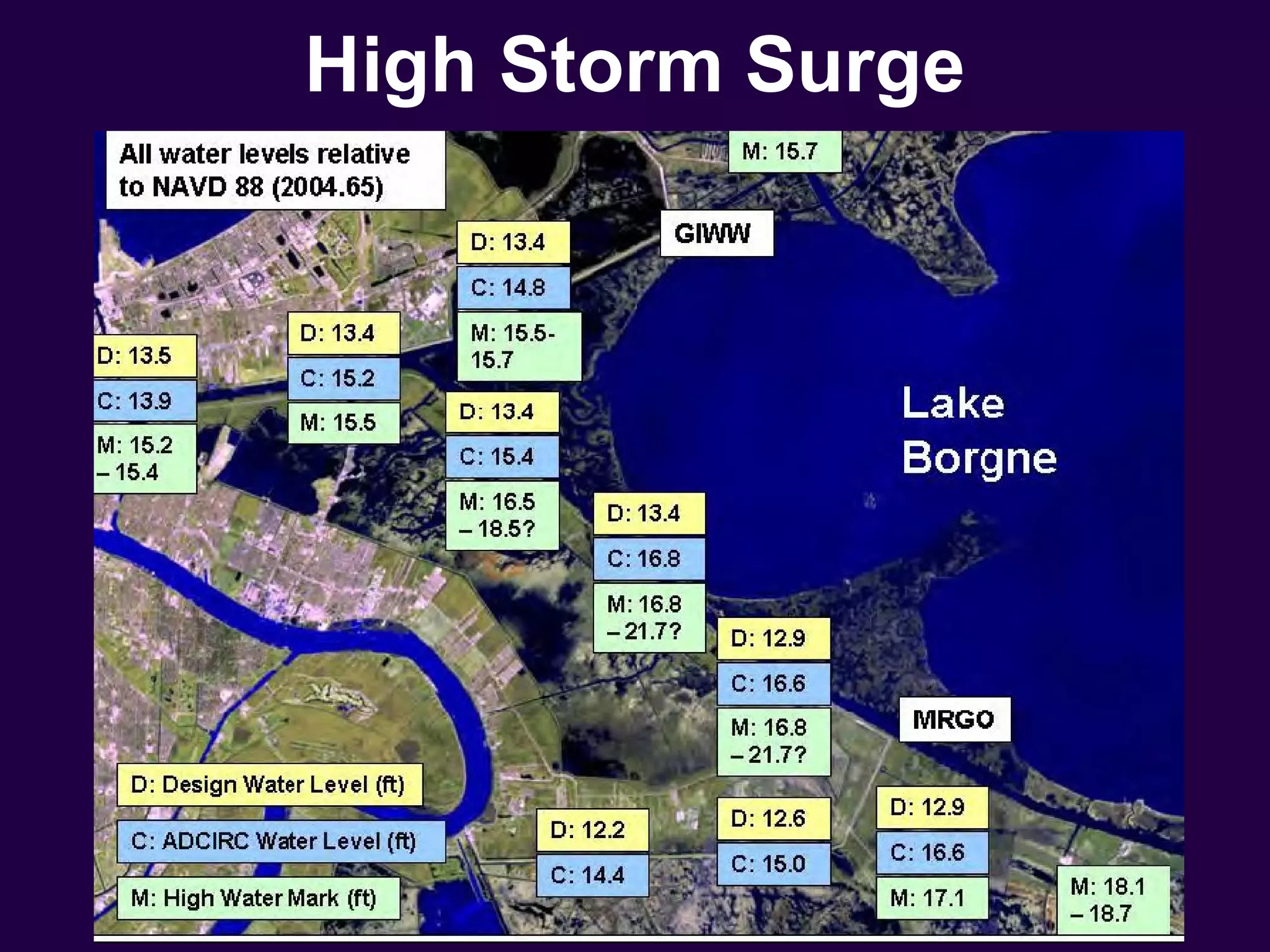
High Storm Surge
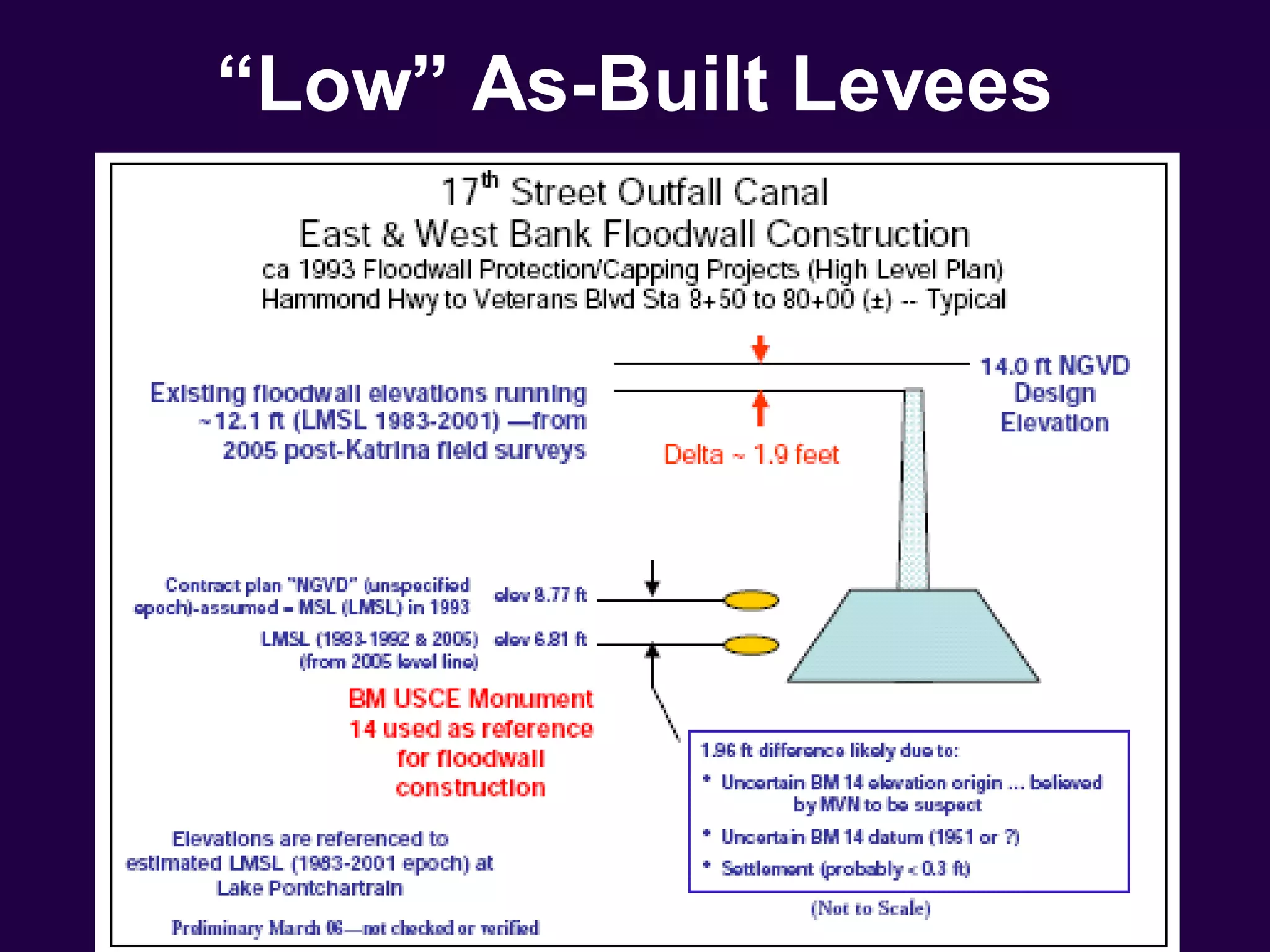
“Low” As-Built Levees
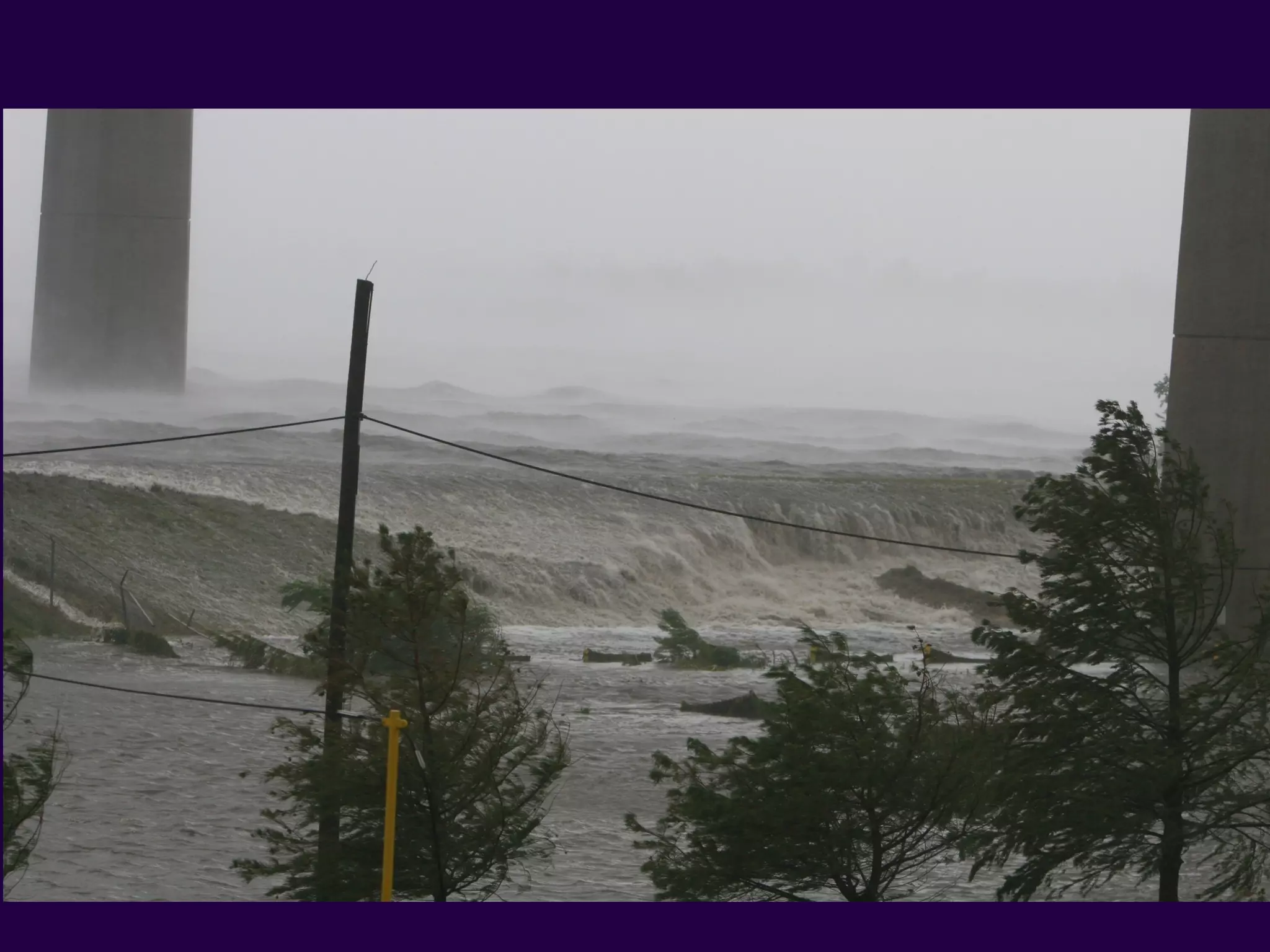
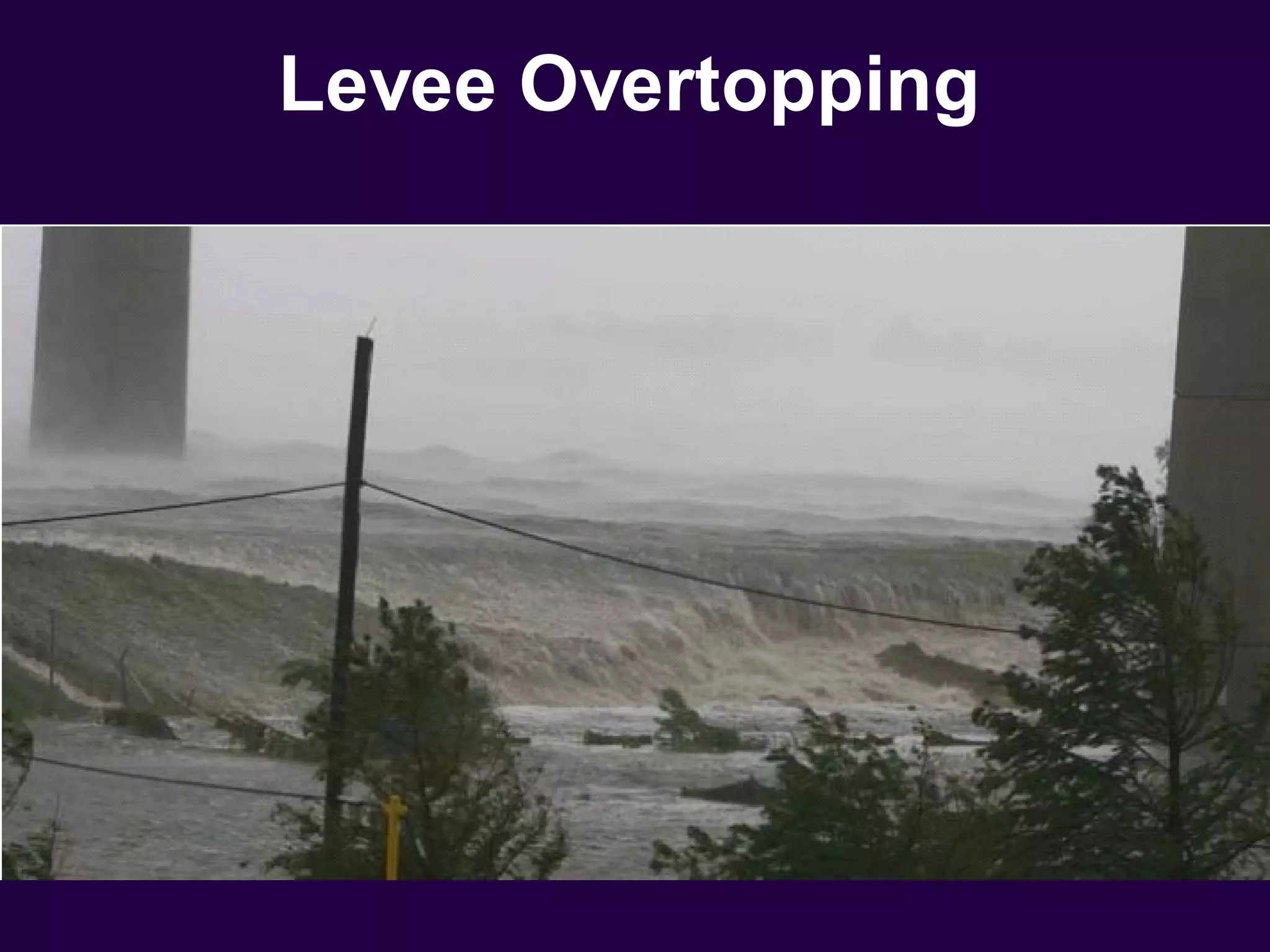
Levee Overtopping
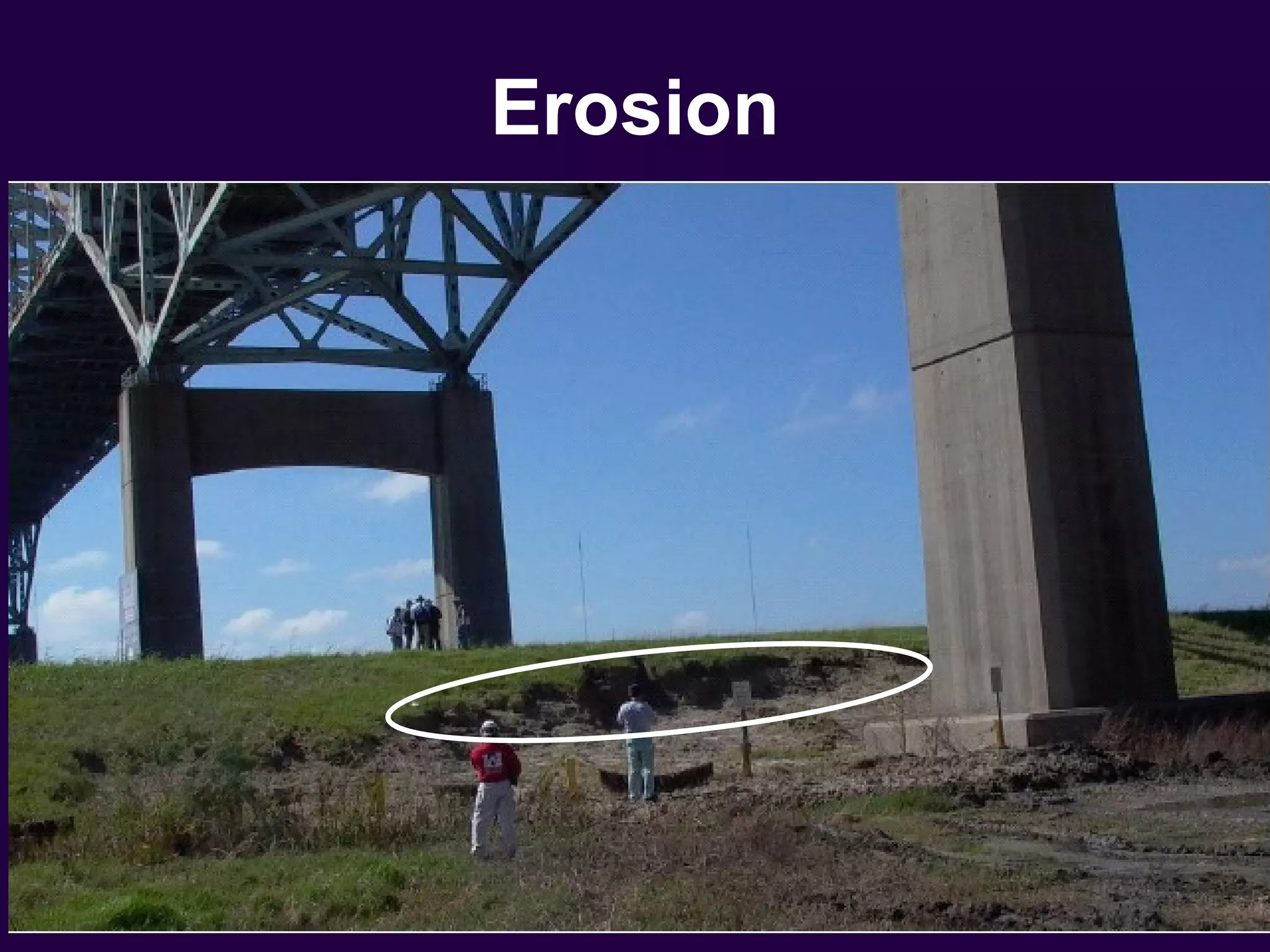
Erosion
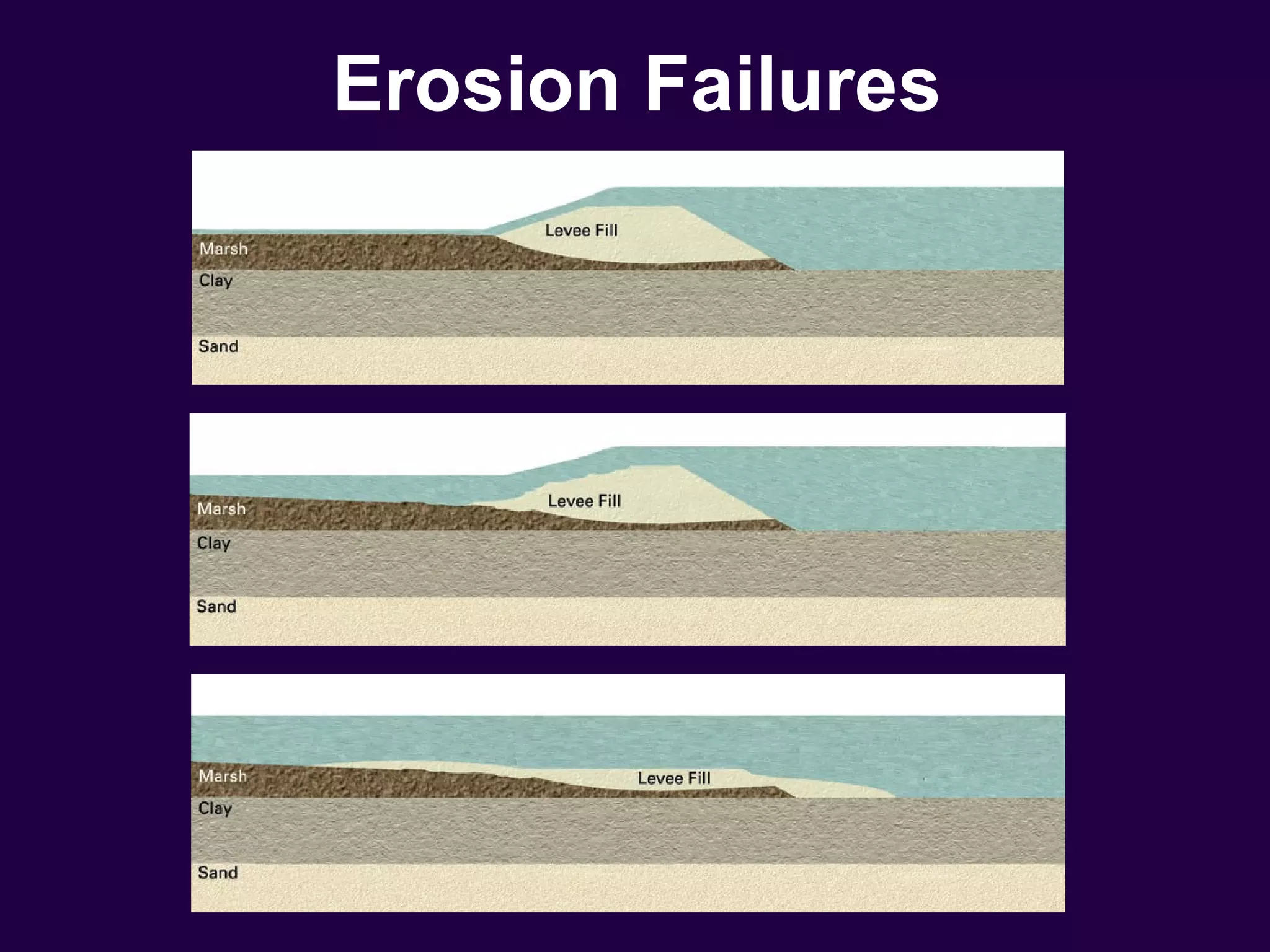
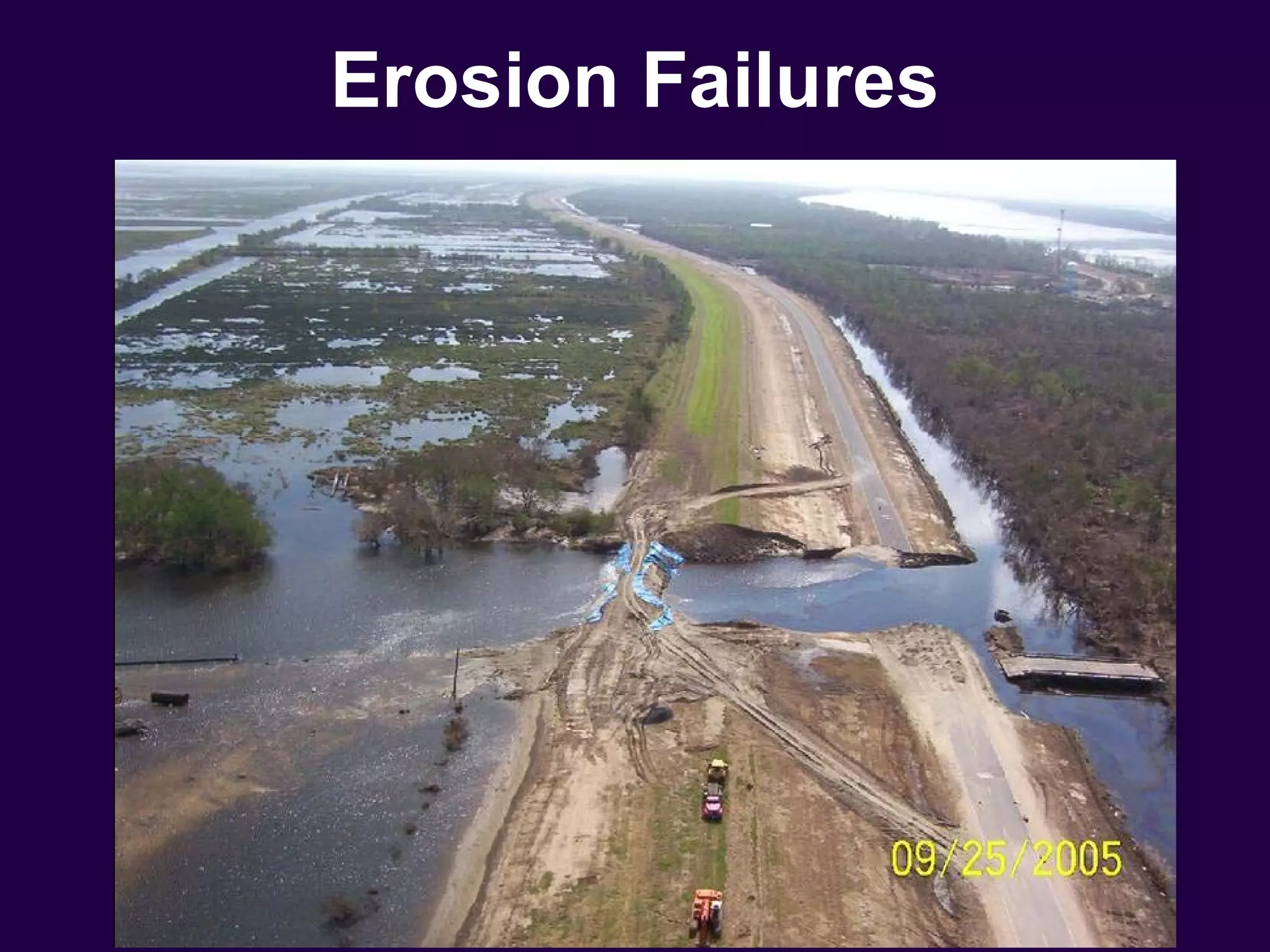
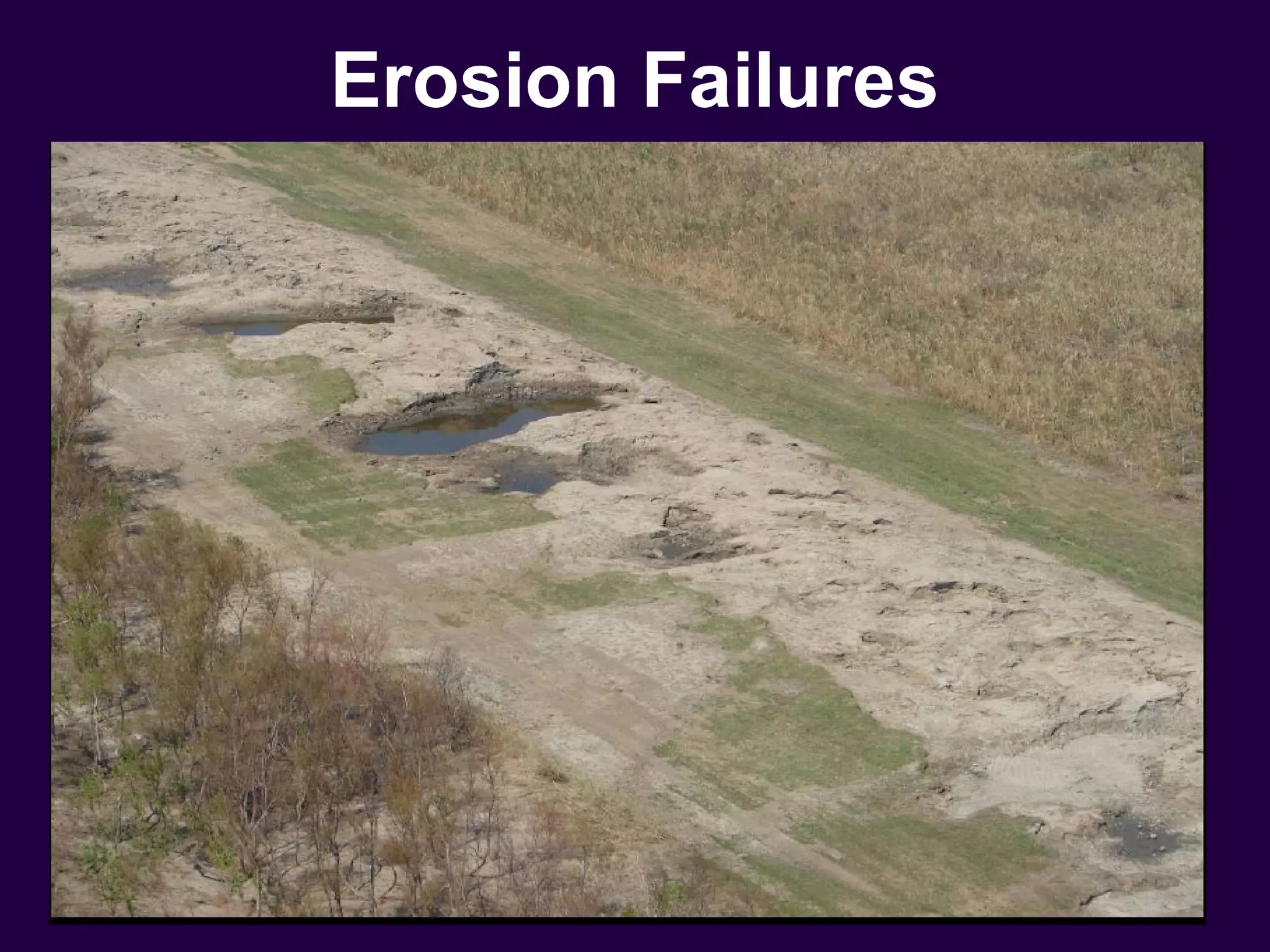
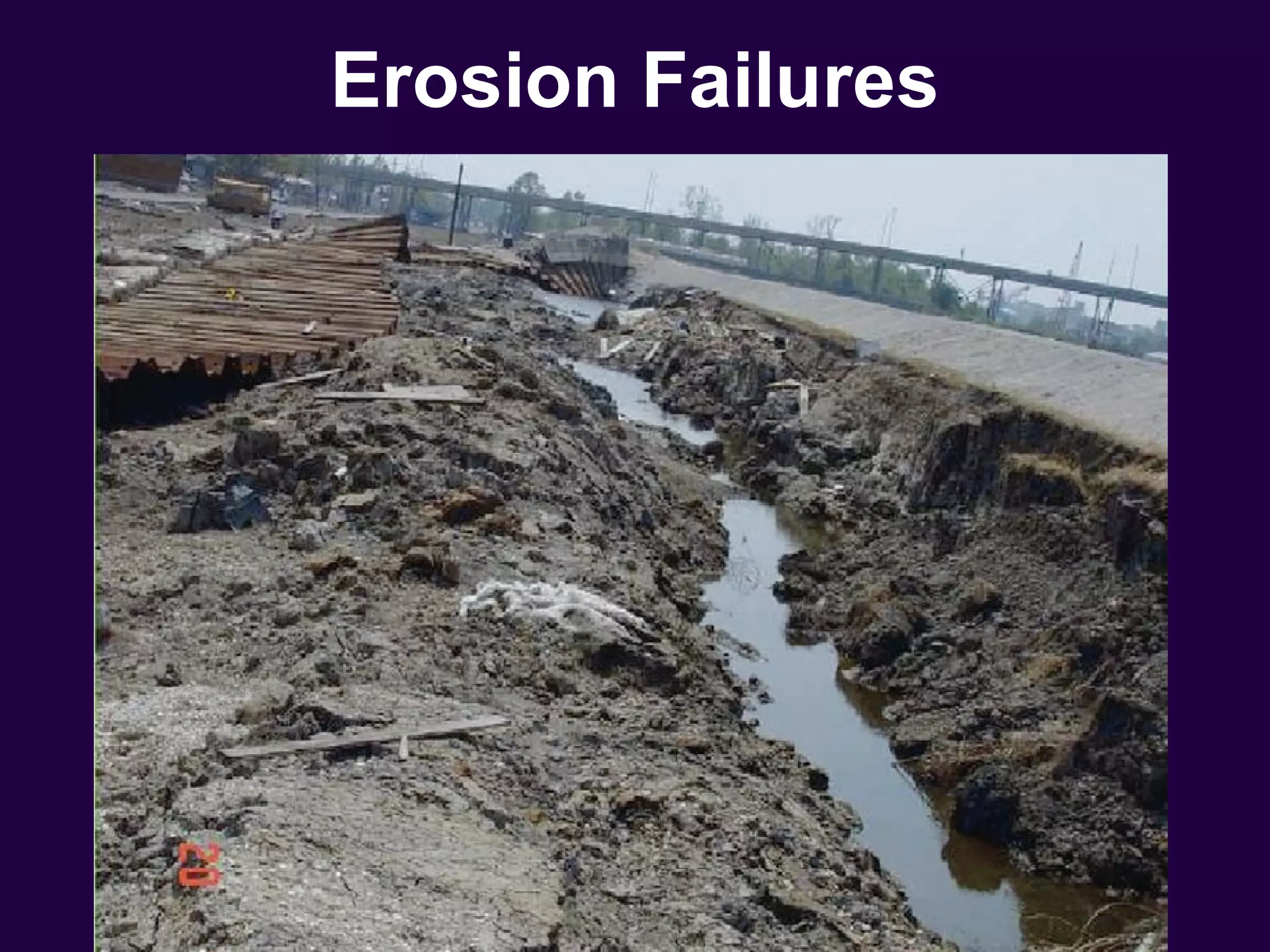
Erosion Failures
Erosion Failures
Erosion Failures
Erosion Failures
Erosion Failures


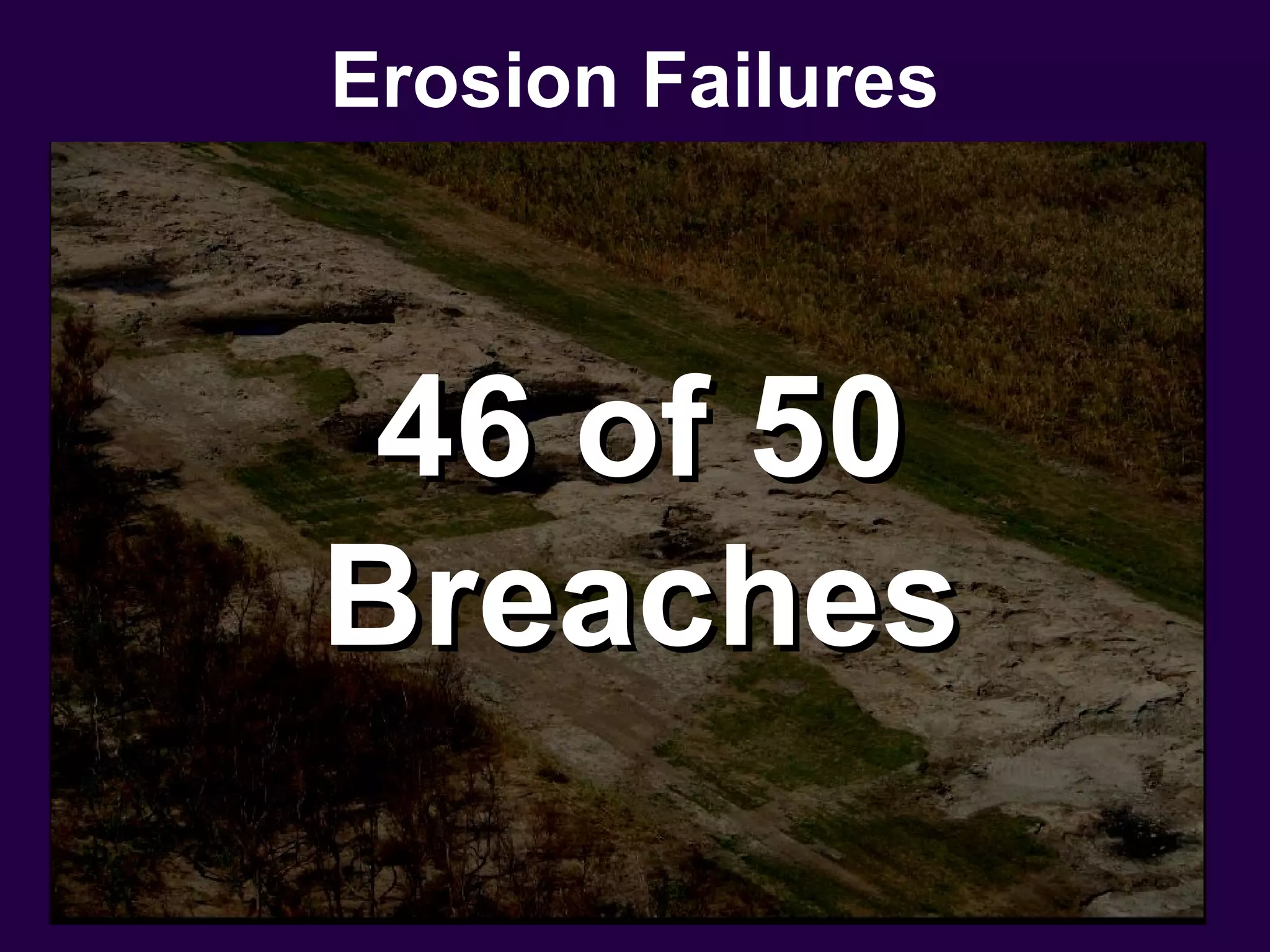
 46 of 50
Breaches
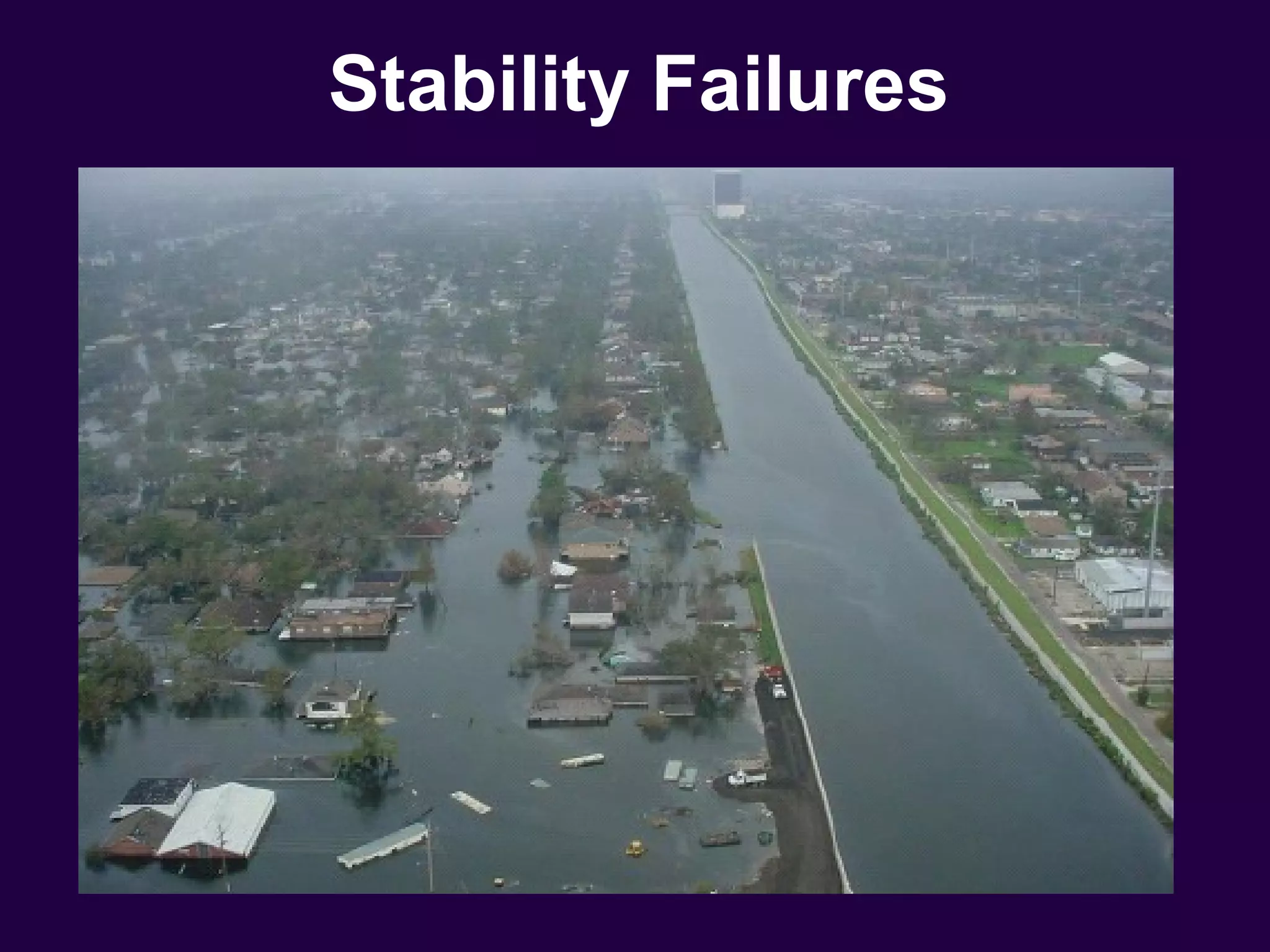
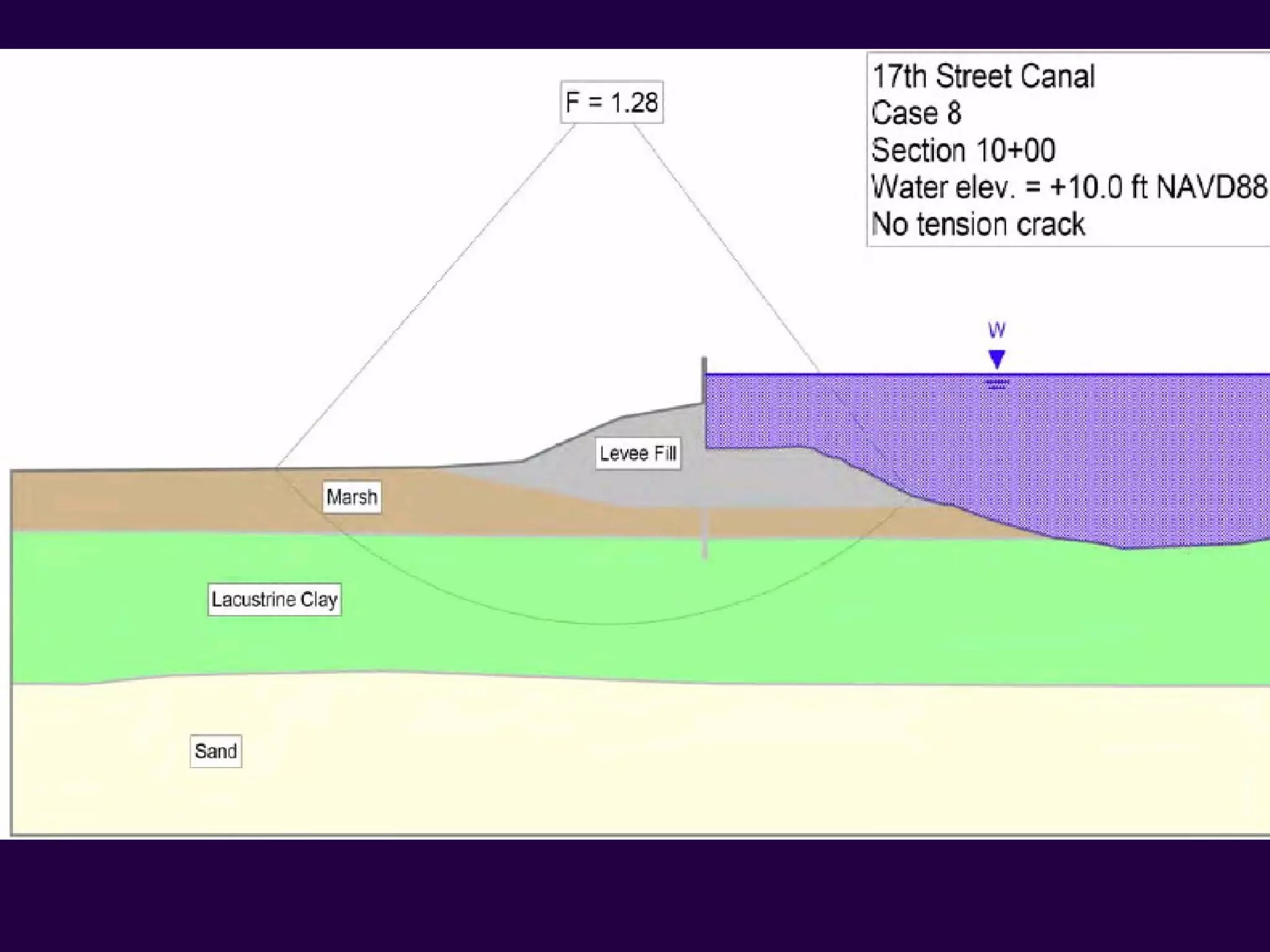
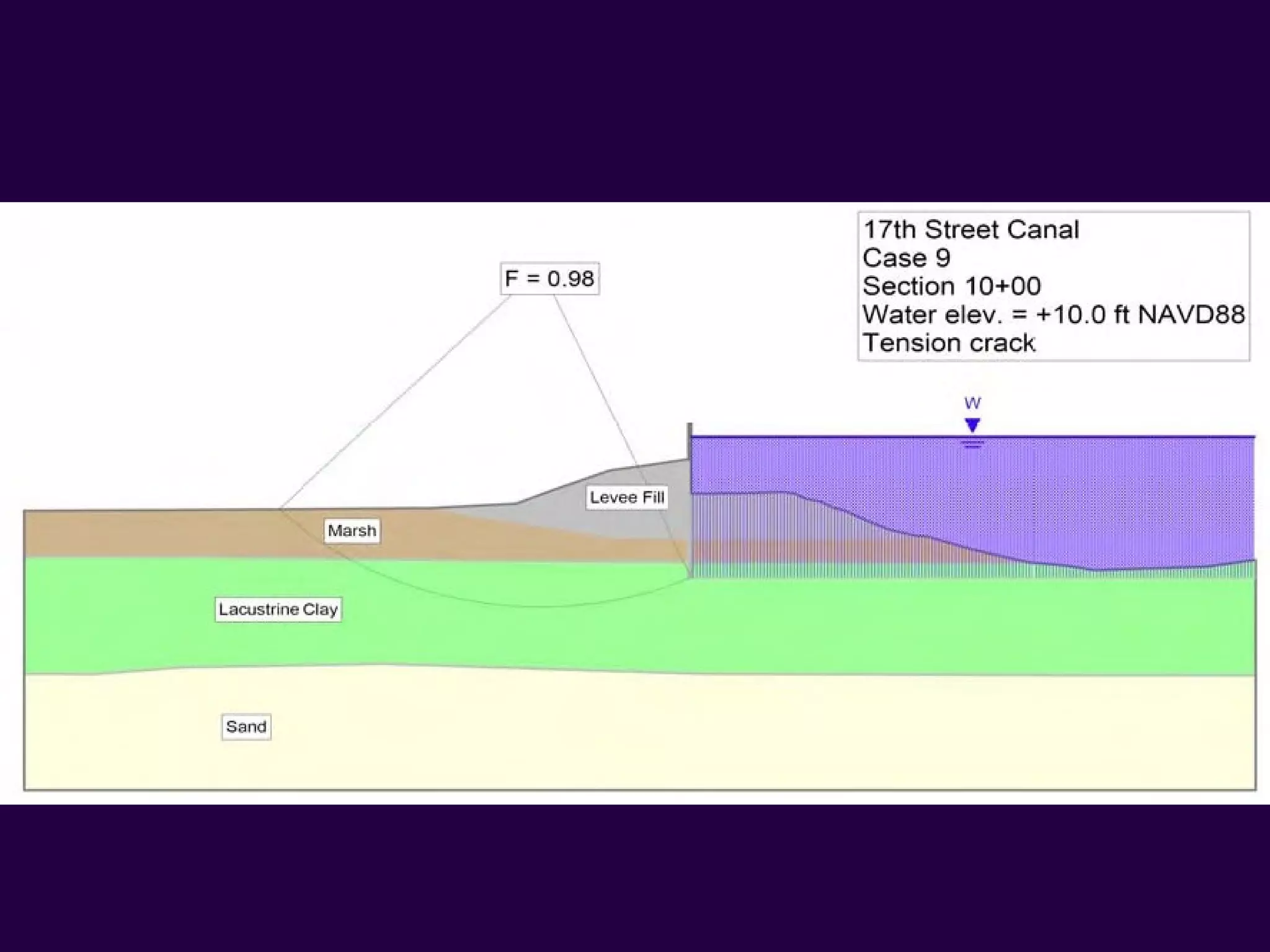
Stability Failures
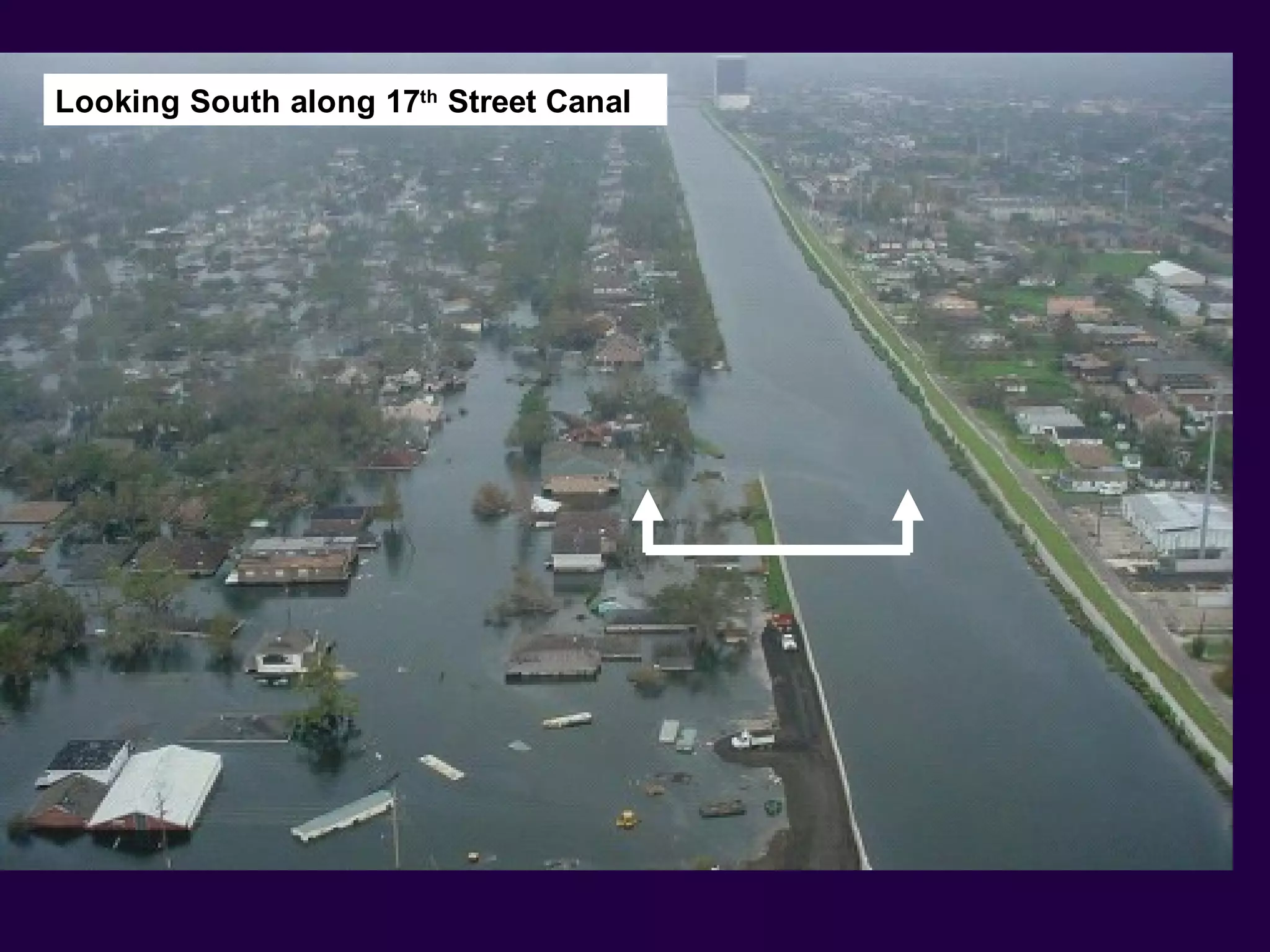
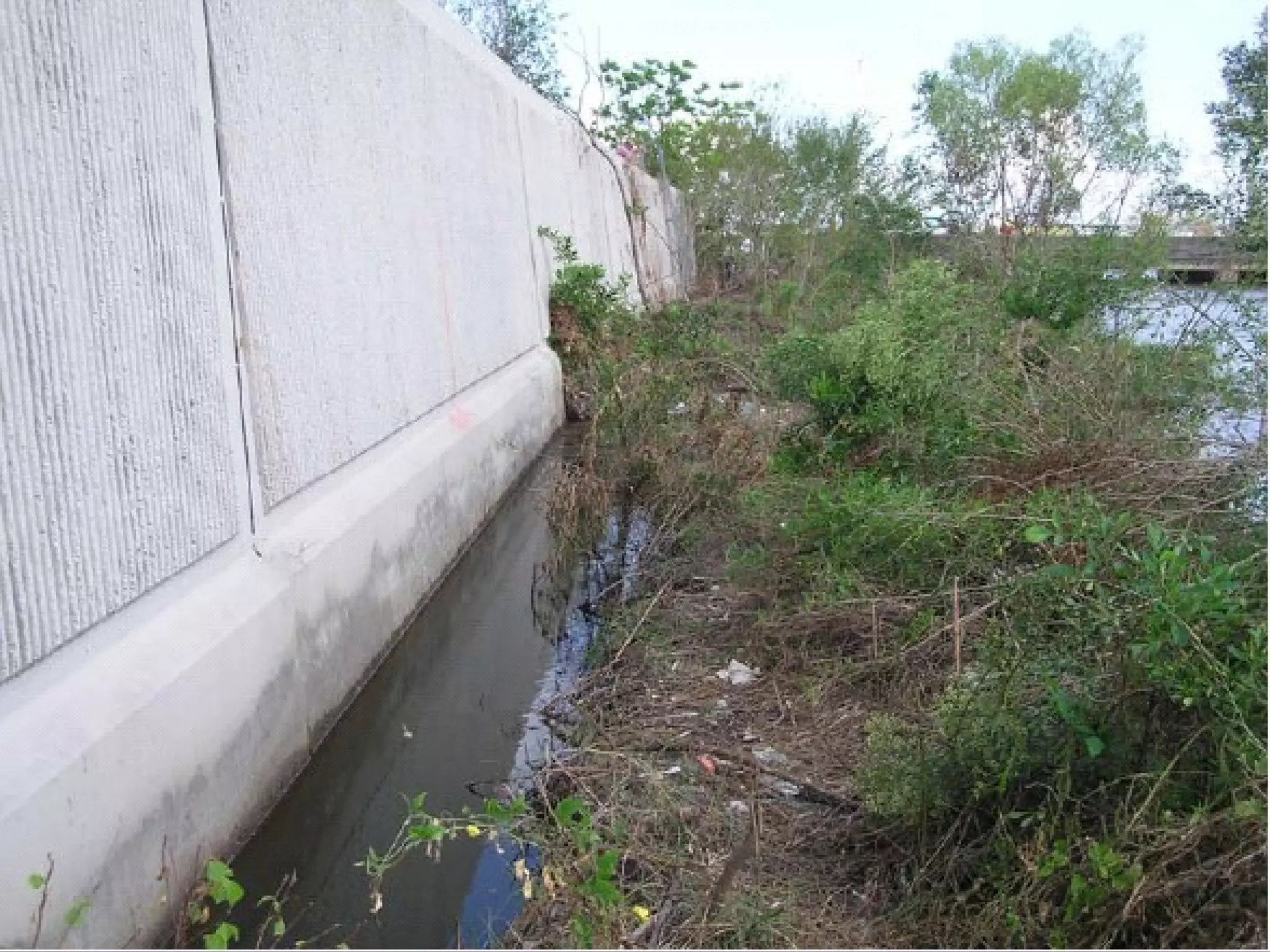
Looking South along 17th Street Canal
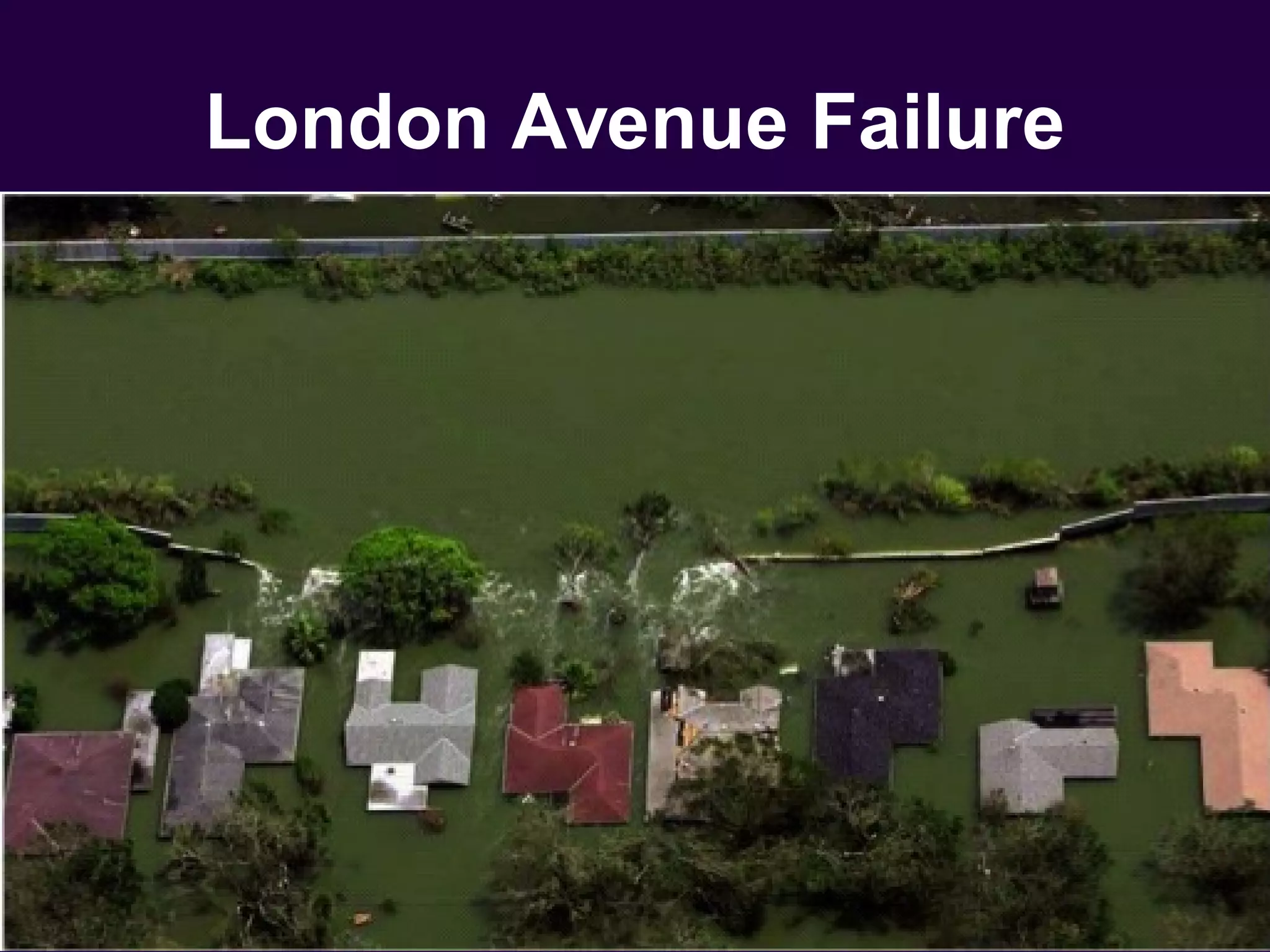
London Avenue Failure
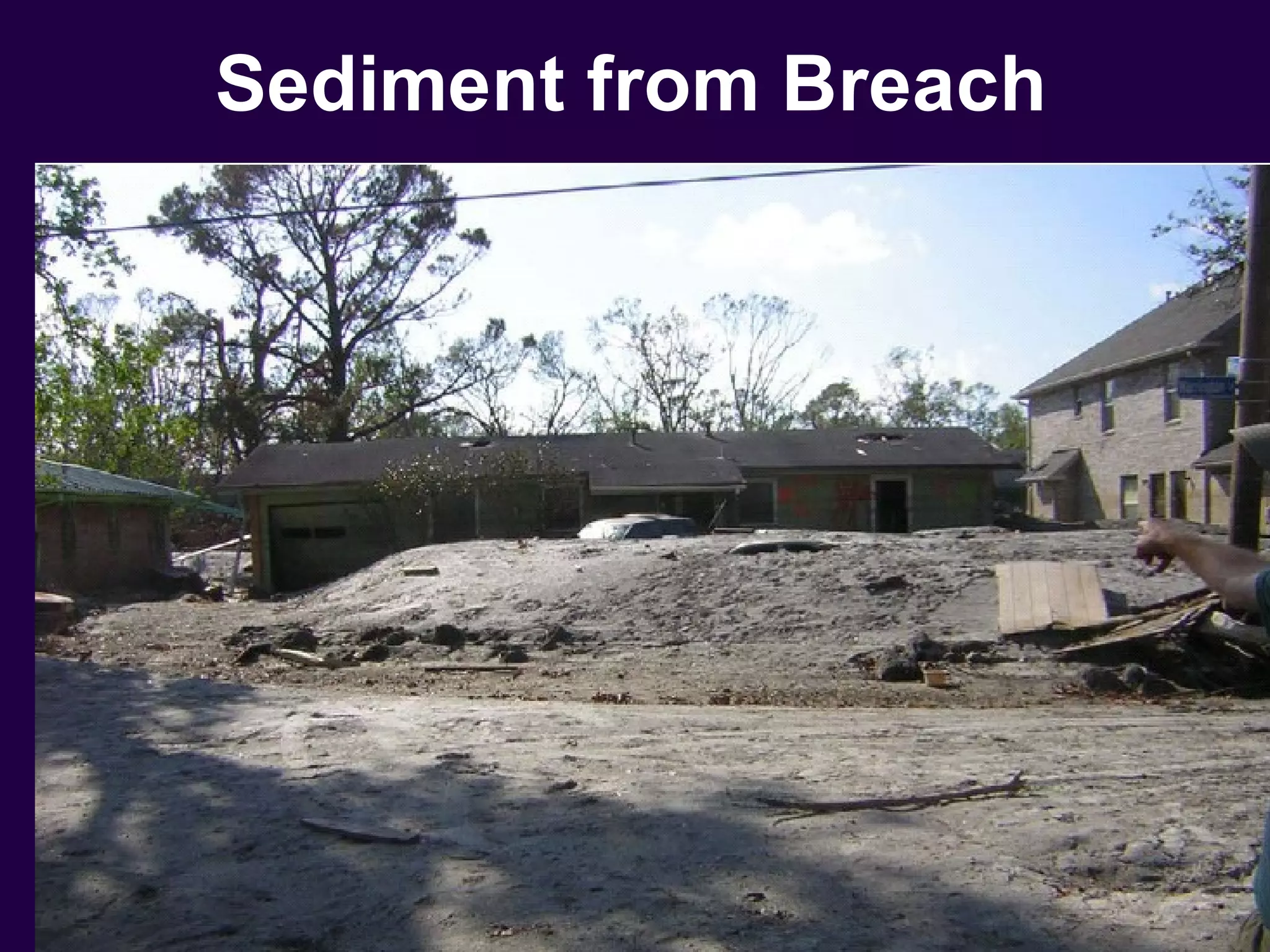
Sediment from Breach
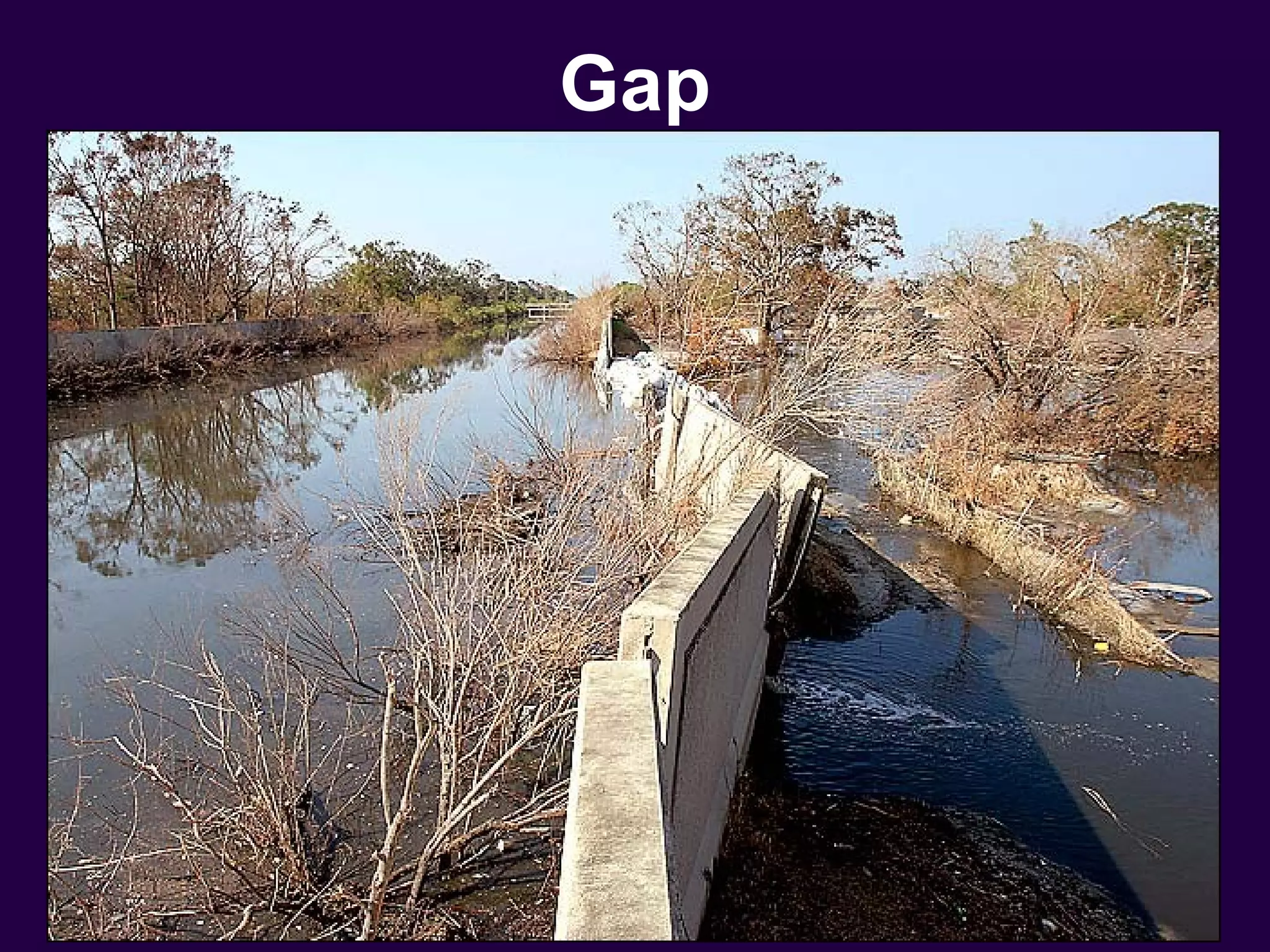
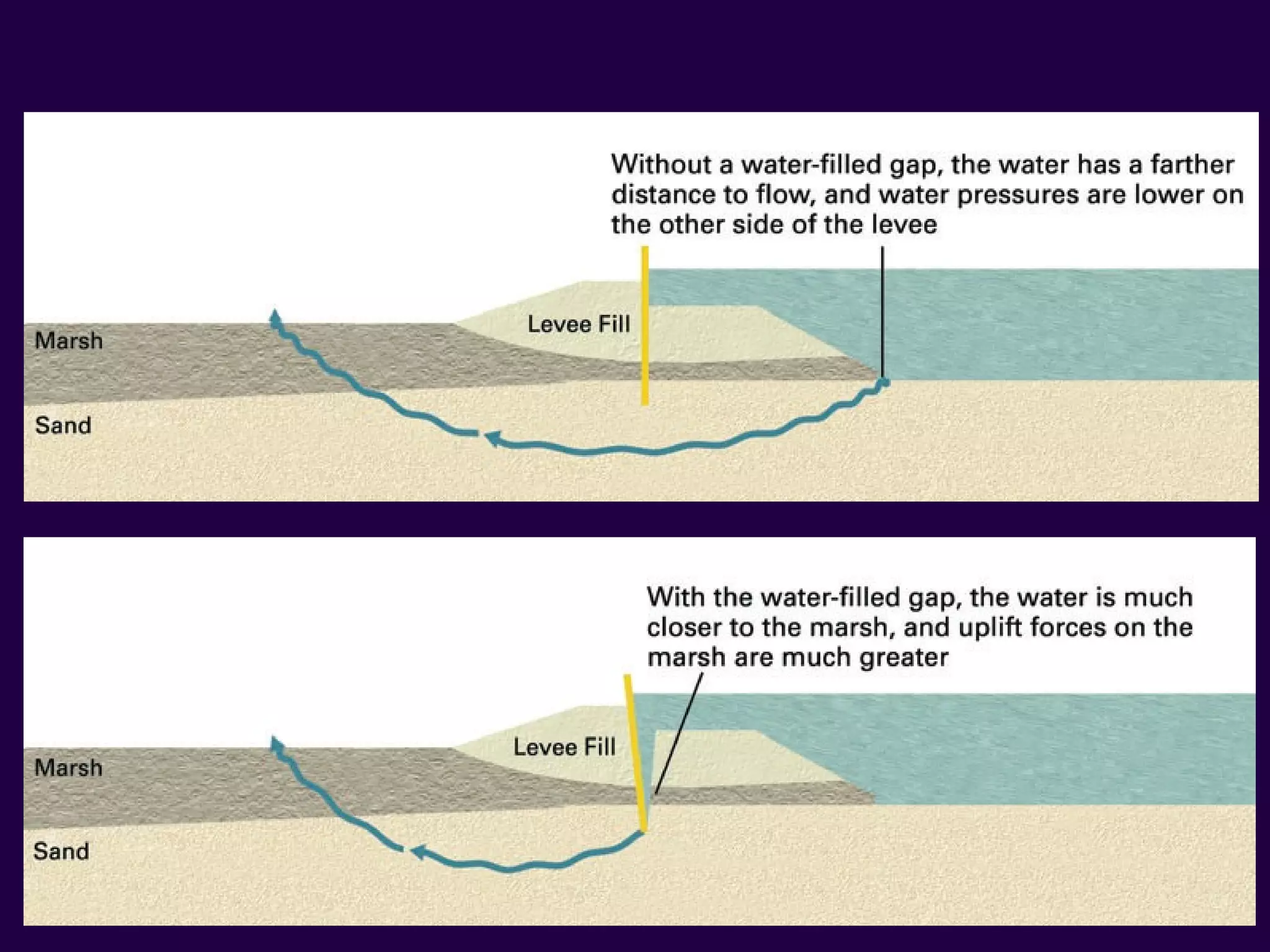
Gap
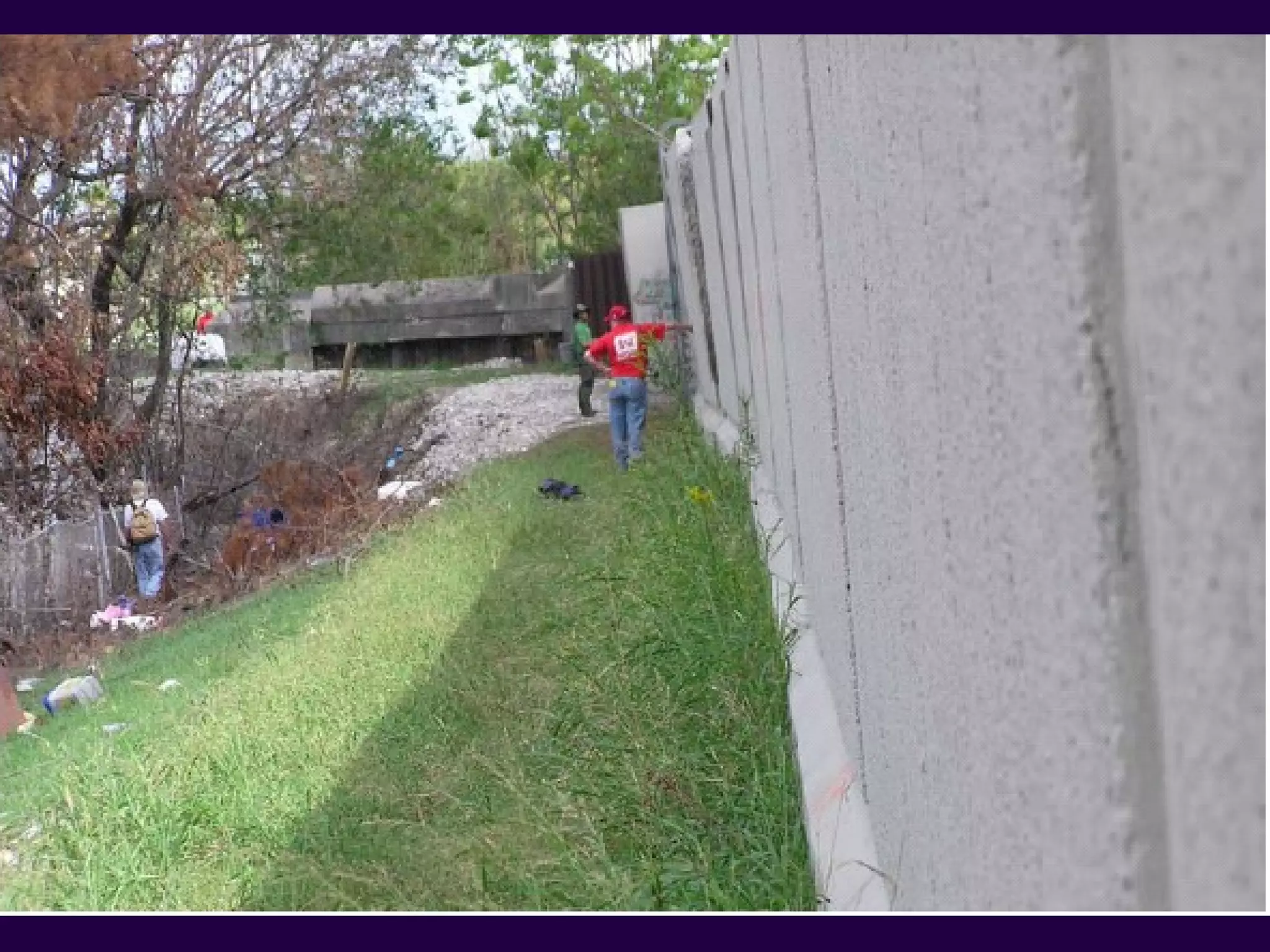
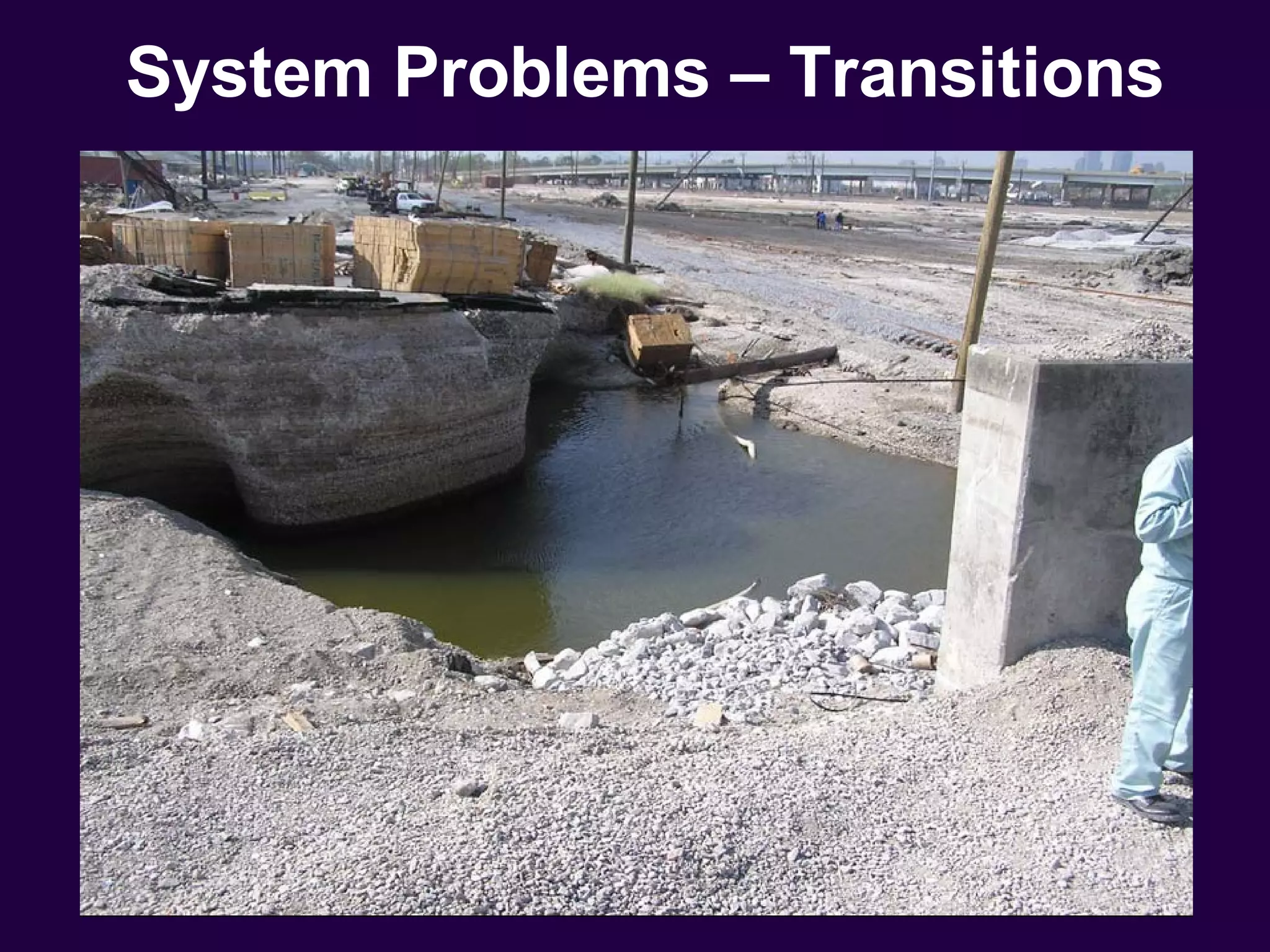
System Problems – Transitions
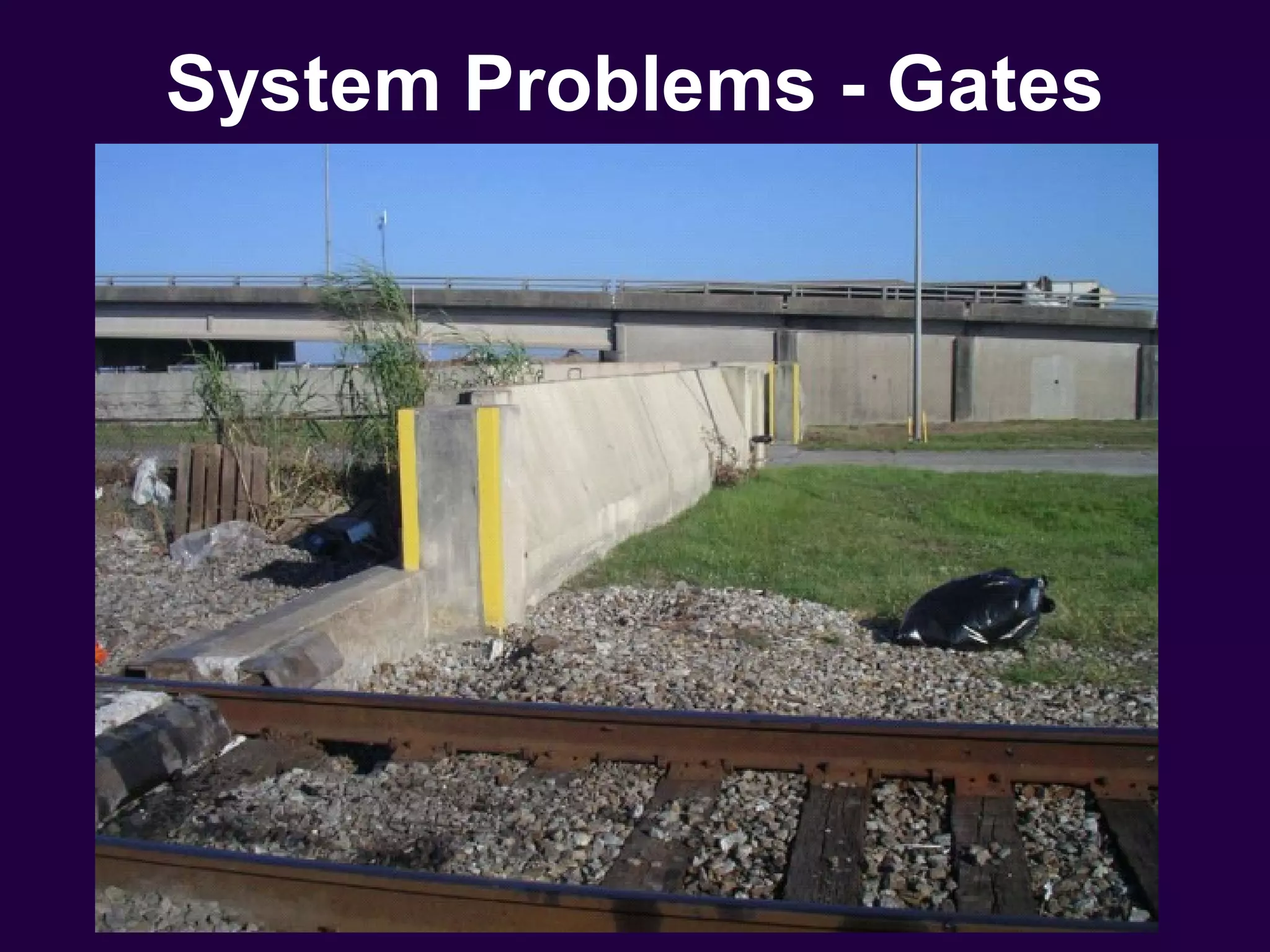
System Problems - Gates
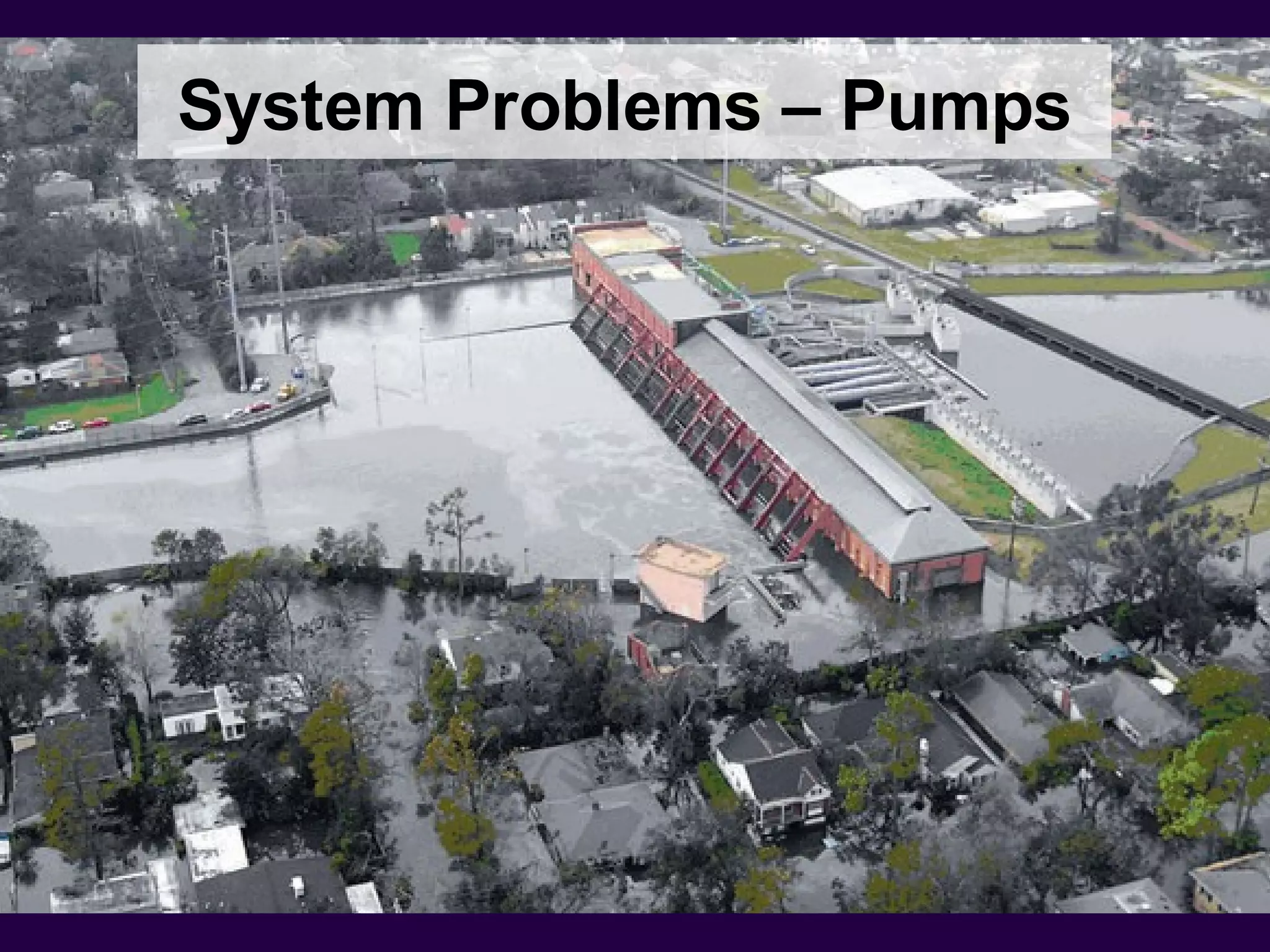
System Problems – Pumps
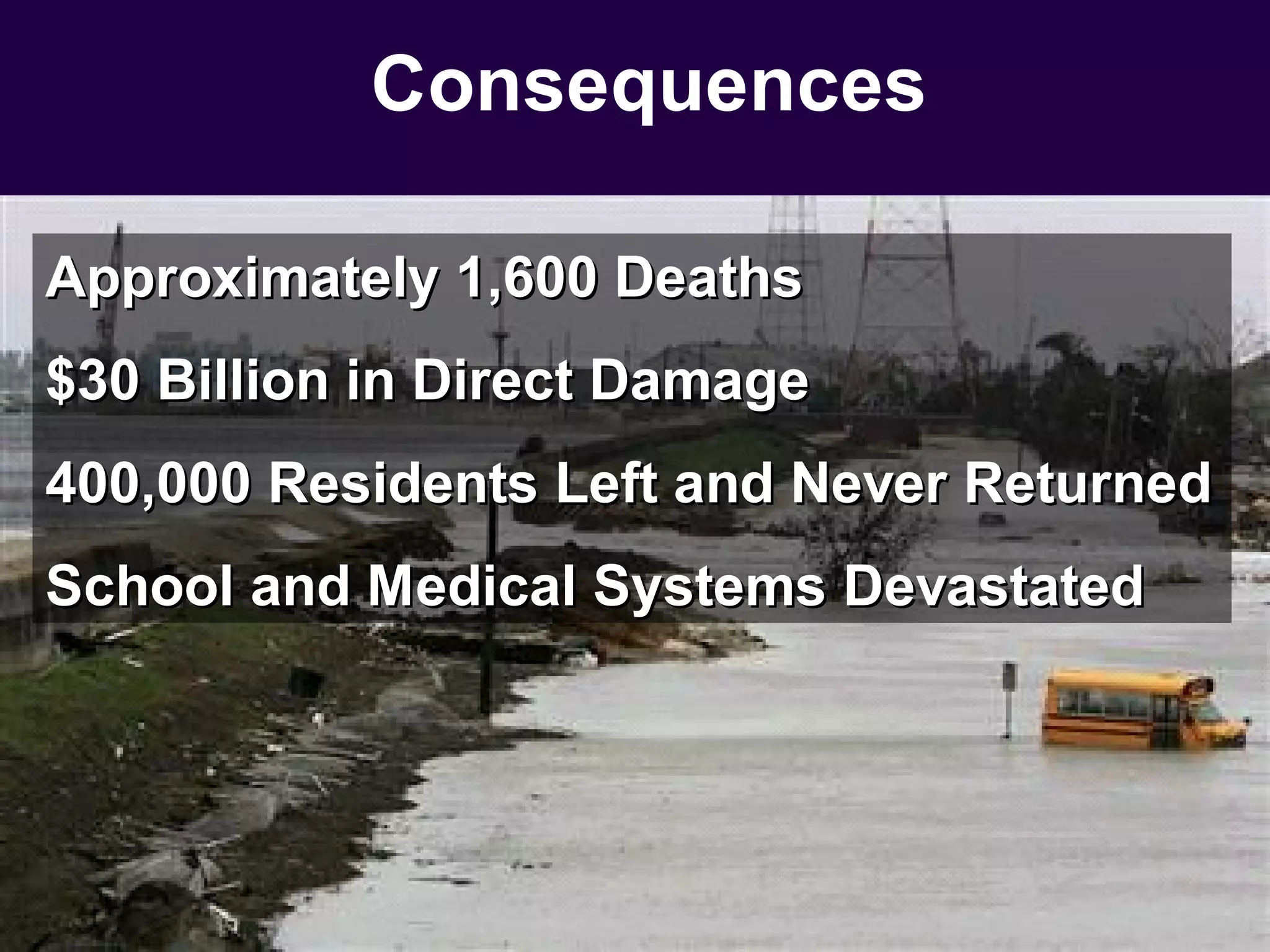
Consequences

Approximately 1,600 Deaths
$30 Billion in Direct Damage
400,000 Residents Left and Never Returned
School and Medical Systems Devastated
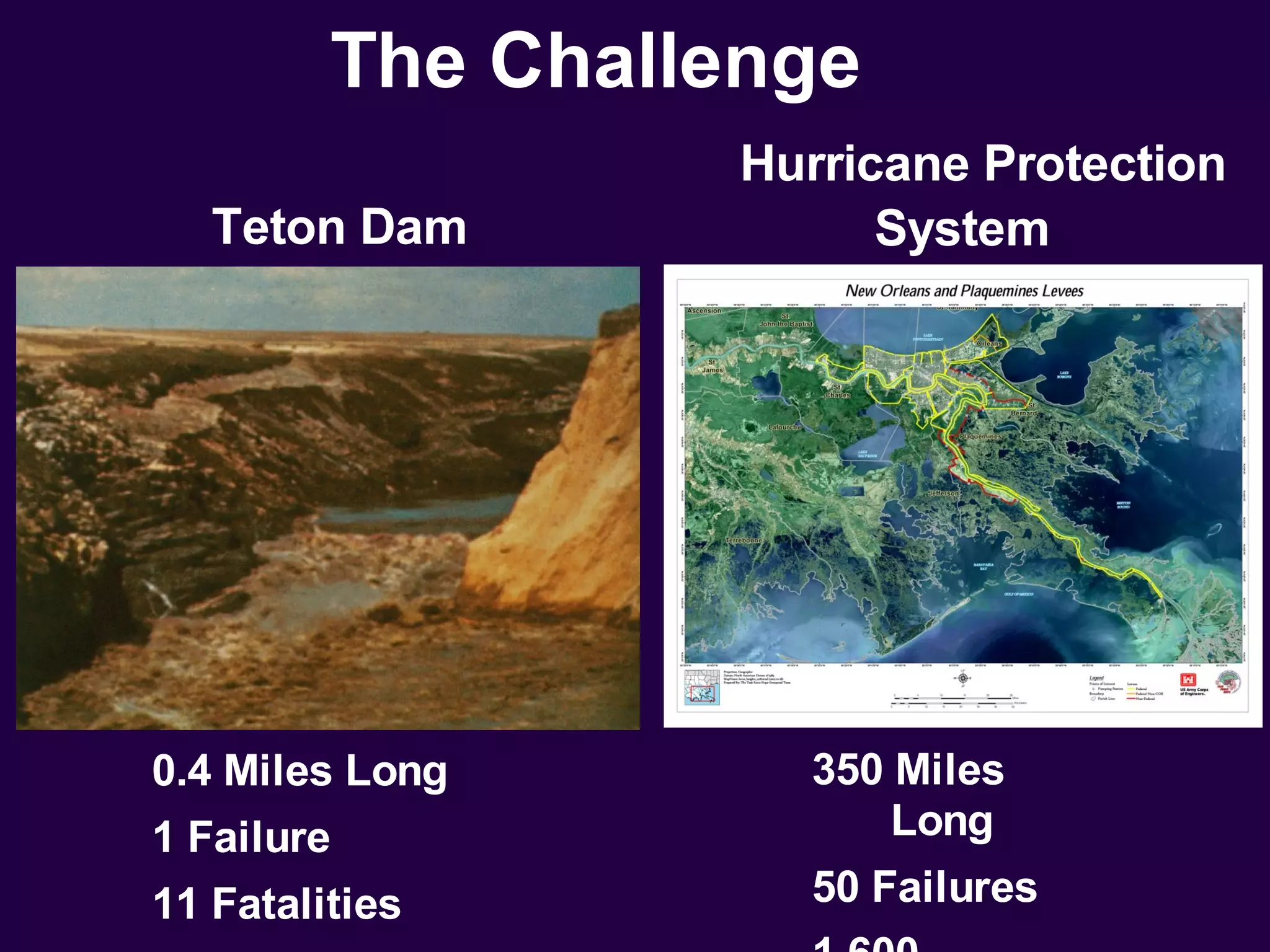
The Challenge
                   Hurricane Protection
   Teton Dam             System


0.4 Miles Long       350 Miles
1 Failure                Long
11 Fatalities        50 Failures
What Must
We Do Next?
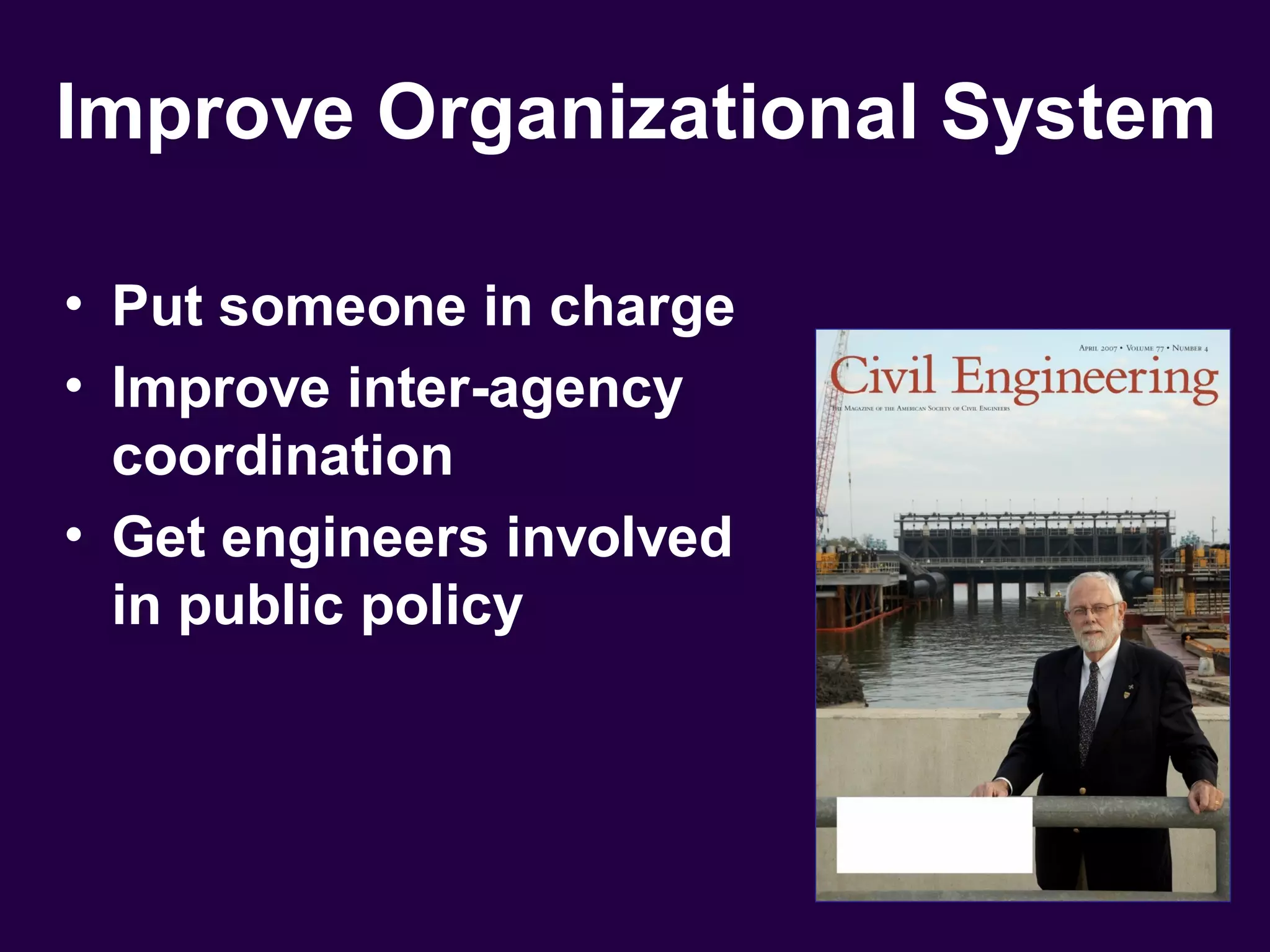
Improve Organizational System

• Put someone in charge
• Improve inter-agency
  coordination
• Get engineers involved
  in public policy
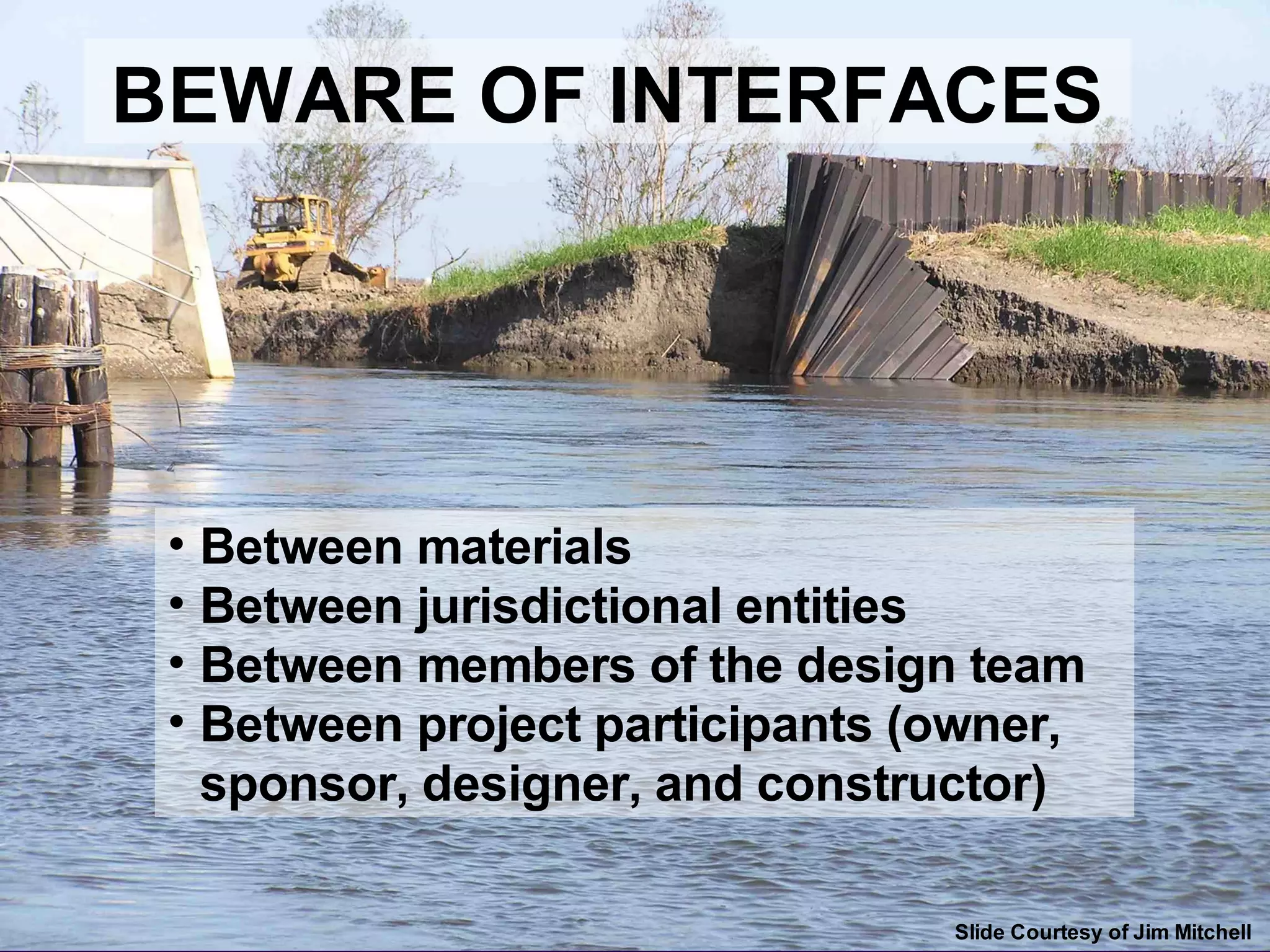
Beware of Interfaces
BEWARE OF INTERFACES


 • Between materials
 • Between jurisdictional entities
 • Between members of the design team
 • Between project participants (owner,
   sponsor, designer, and constructor)

                                 Slide Courtesy of Jim Mitchell
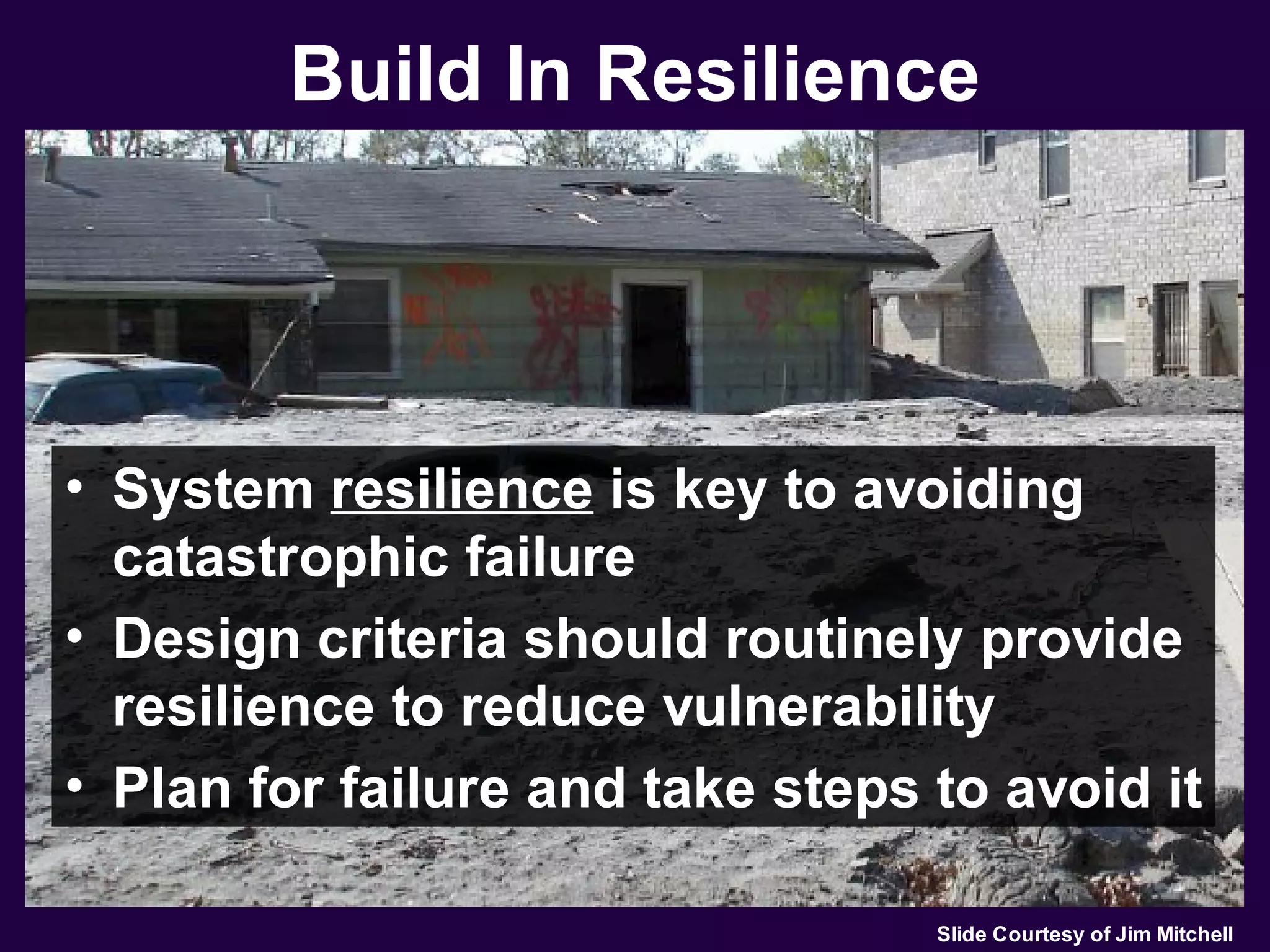
Build In Resilience


• System resilience is key to avoiding
  catastrophic failure
• Design criteria should routinely provide
  resilience to reduce vulnerability
• Plan for failure and take steps to avoid it

                                  Slide Courtesy of Jim Mitchell
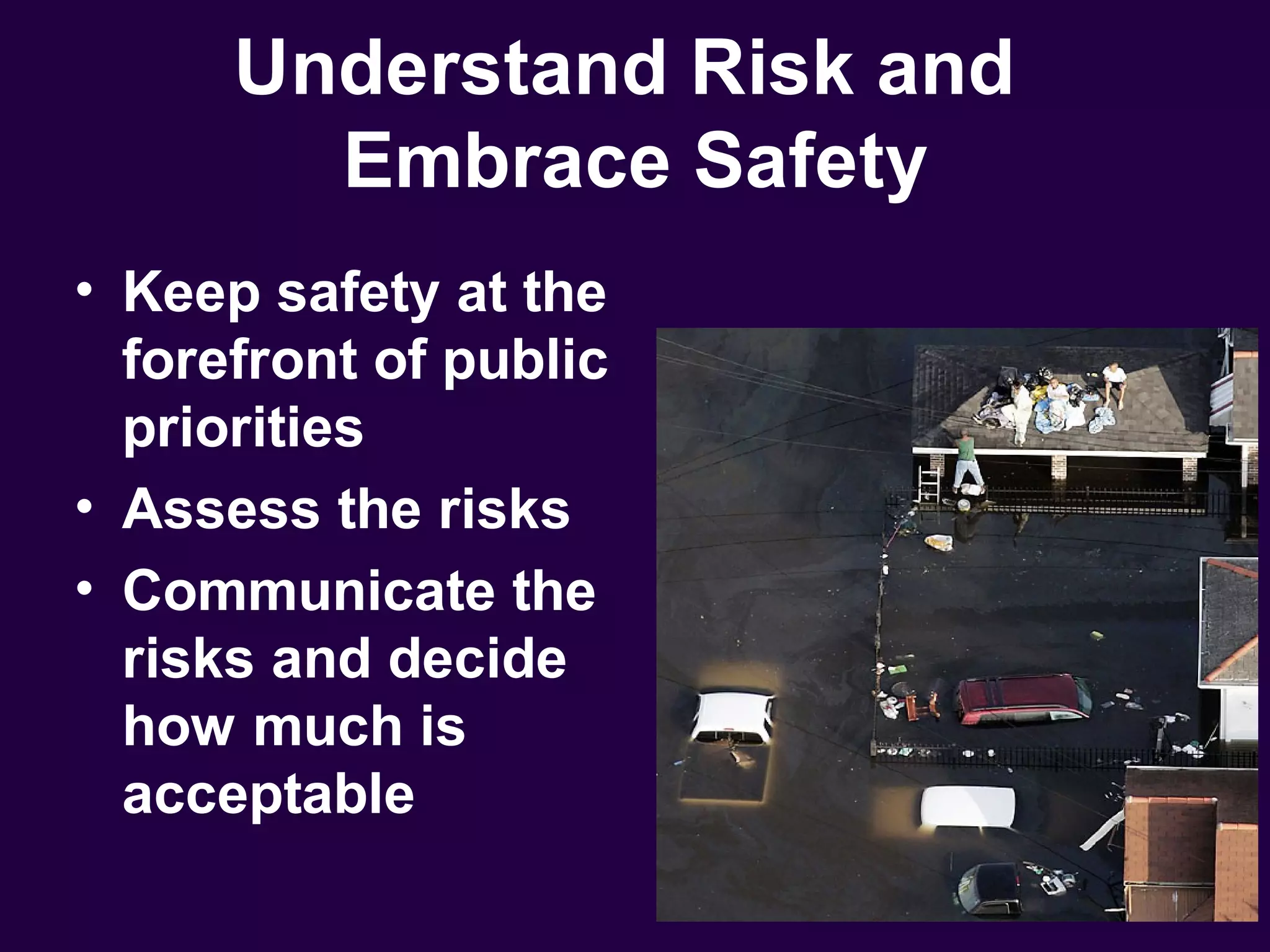
Understand Risk and
        Embrace Safety
• Keep safety at the
  forefront of public
  priorities
• Assess the risks
• Communicate the
  risks and decide
  how much is
  acceptable
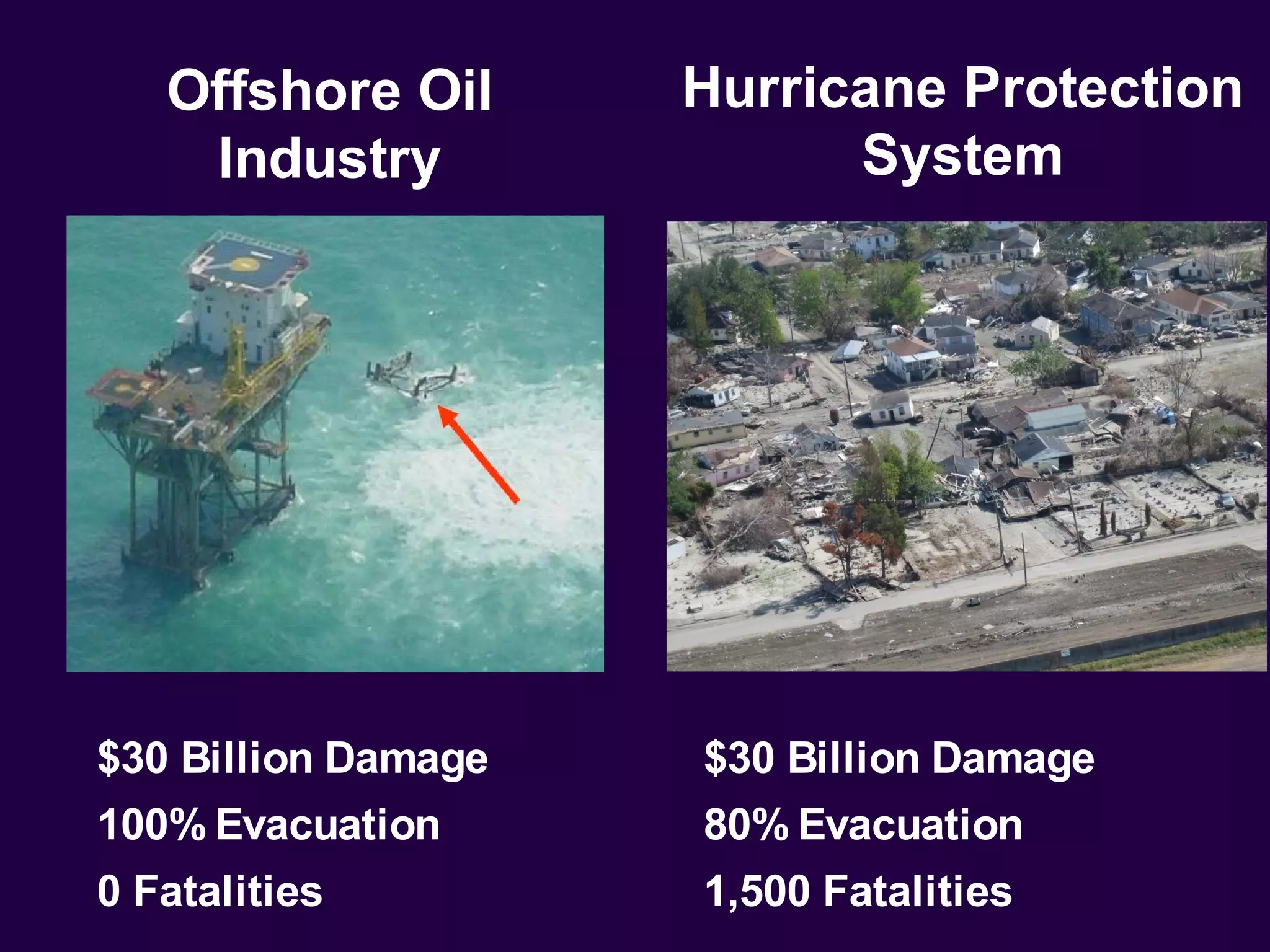
Offshore Oil      Hurricane Protection
    Industry               System


$30 Billion Damage   $30 Billion Damage
100% Evacuation      80% Evacuation
0 Fatalities         1,500 Fatalities
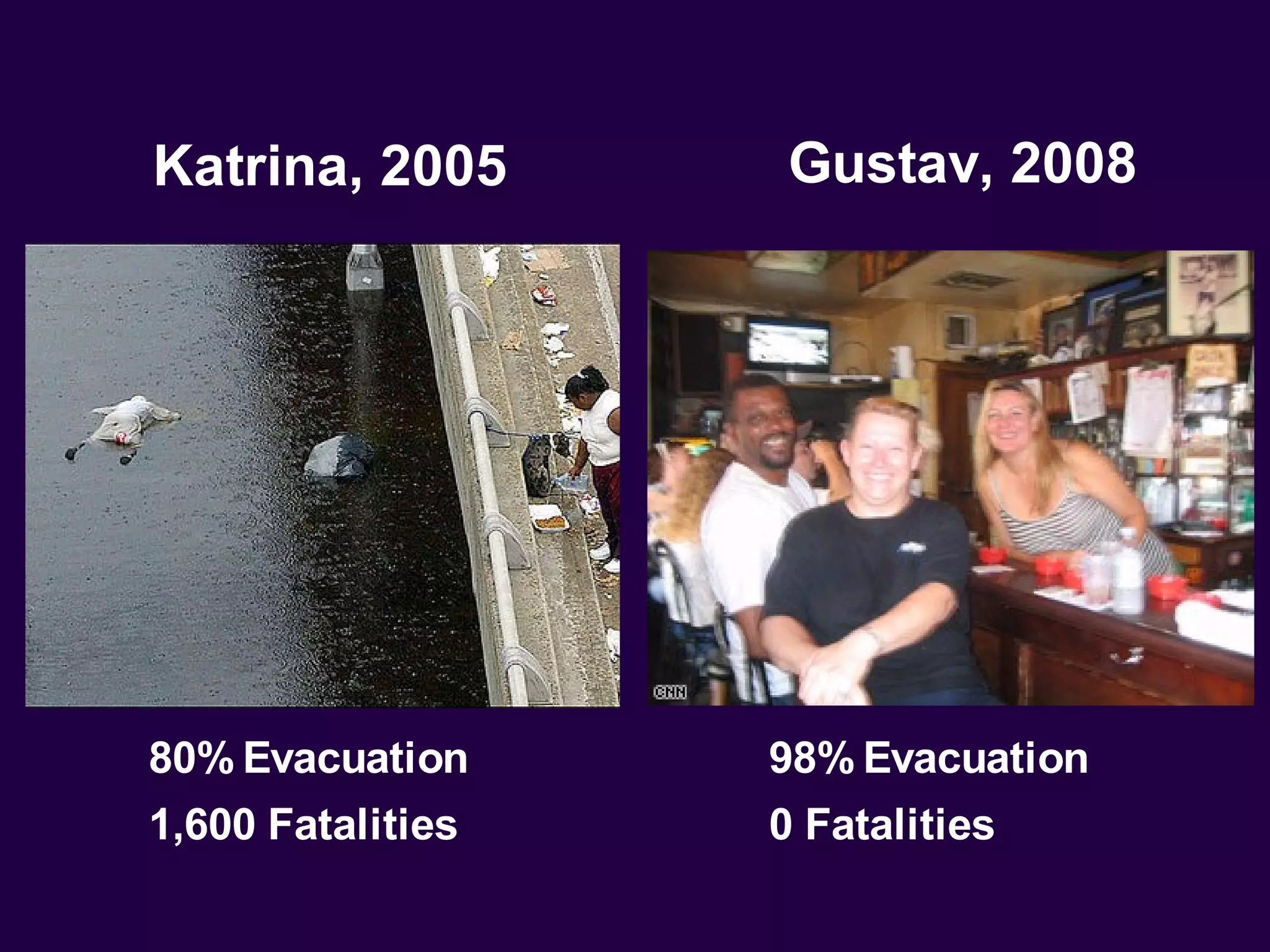
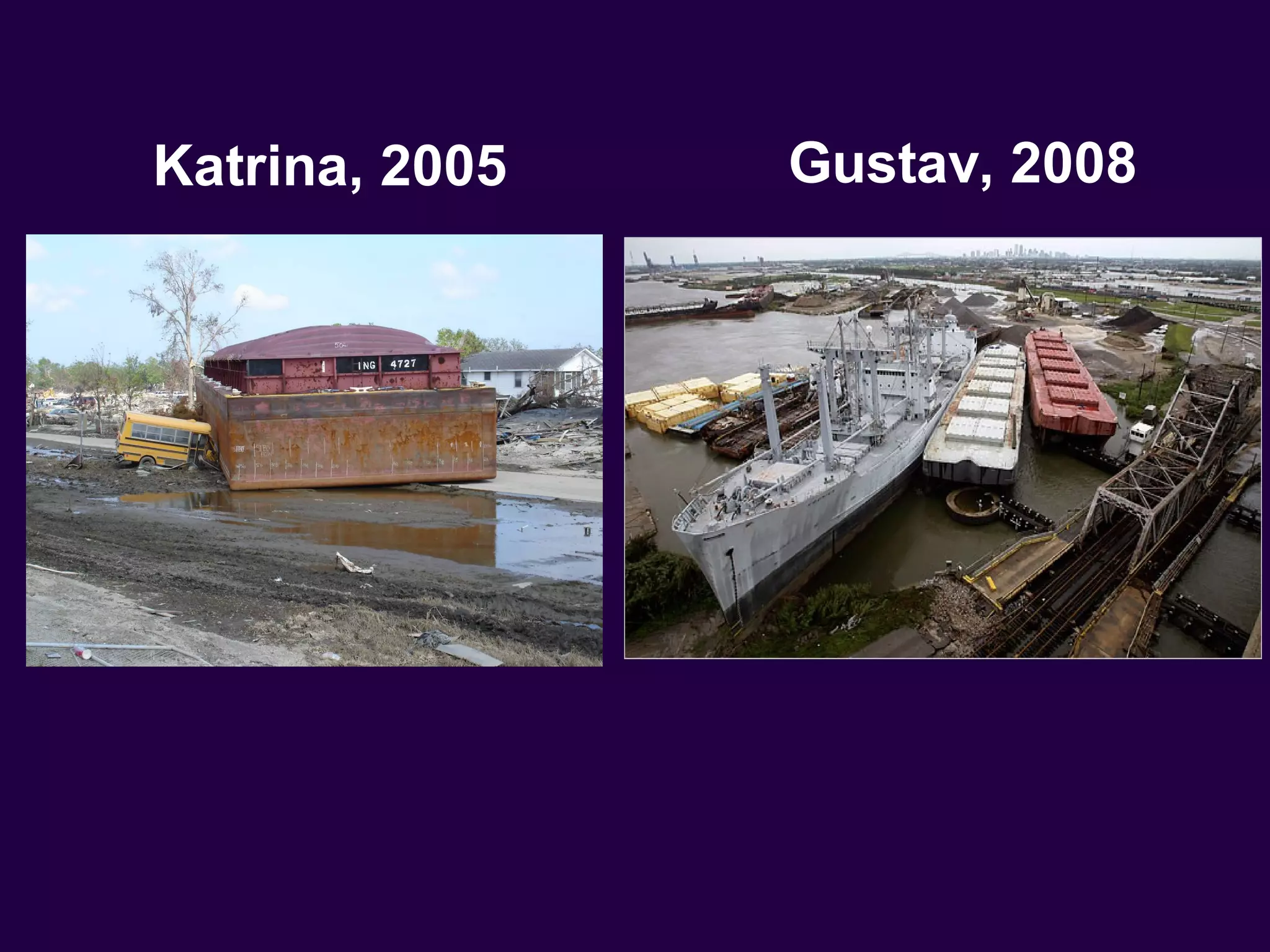
Katrina, 2005       Gustav, 2008


80% Evacuation     98% Evacuation
1,600 Fatalities   0 Fatalities
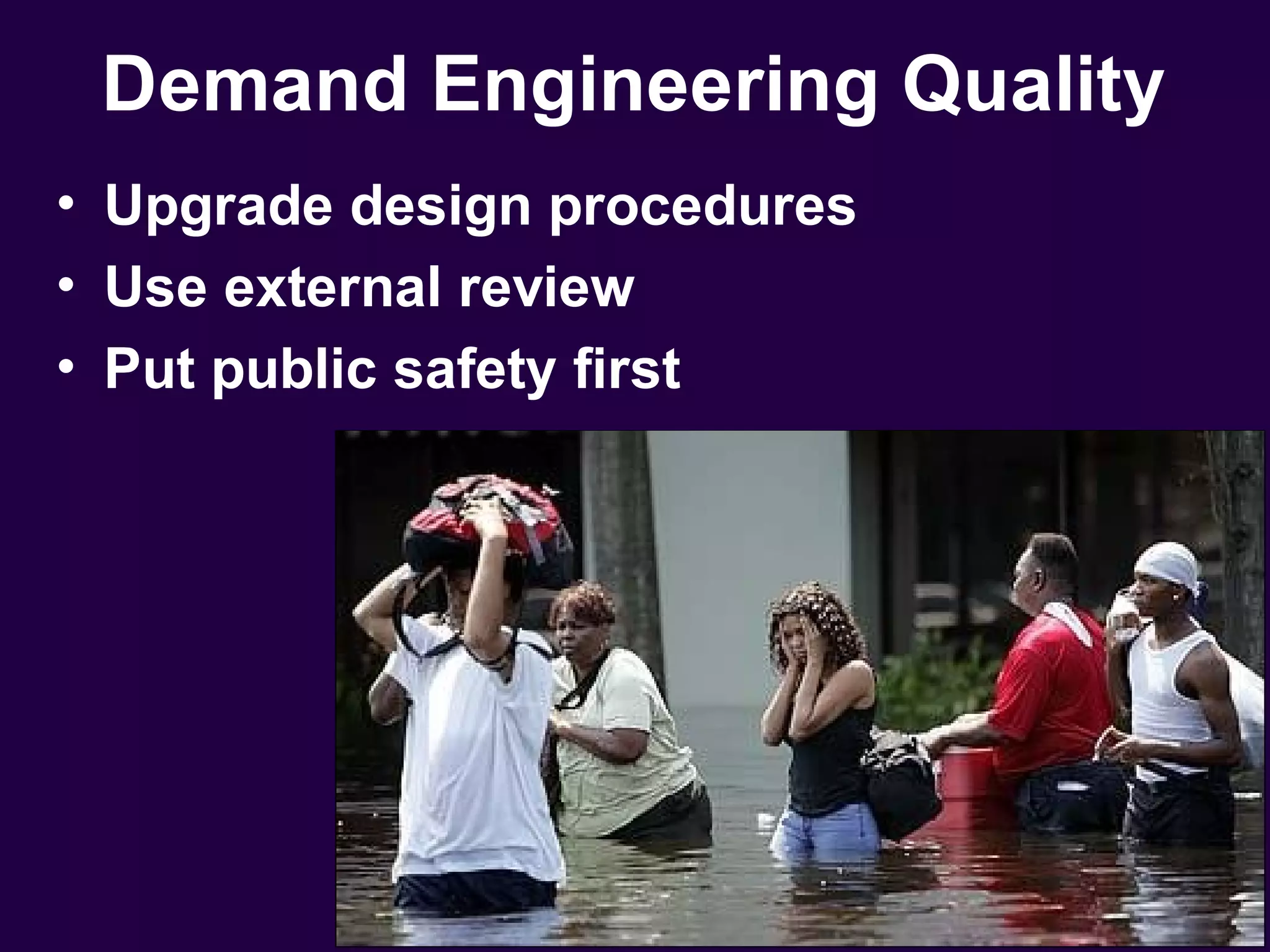
Demand Engineering Quality
• Upgrade design procedures
• Use external review
• Put public safety first
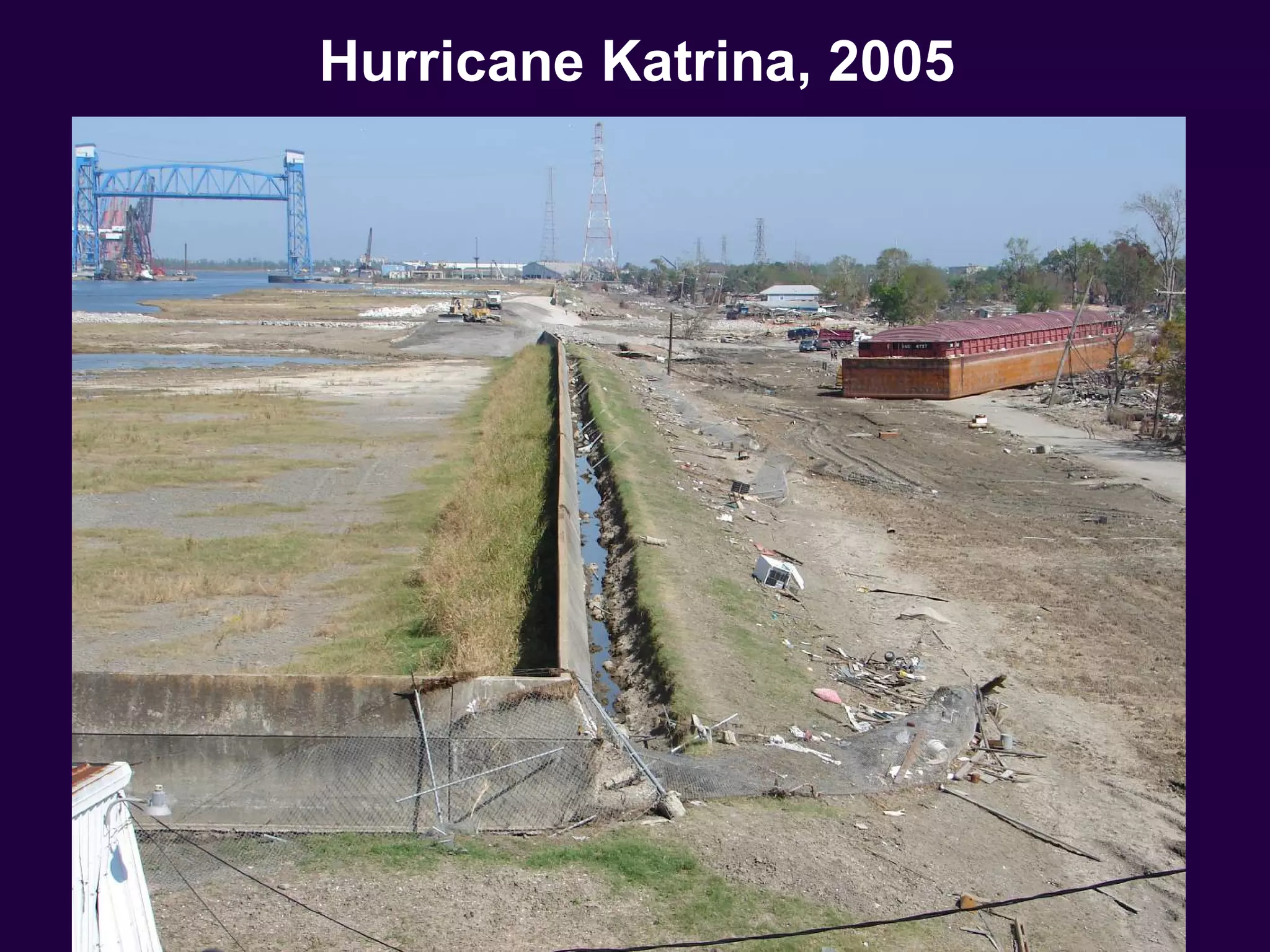
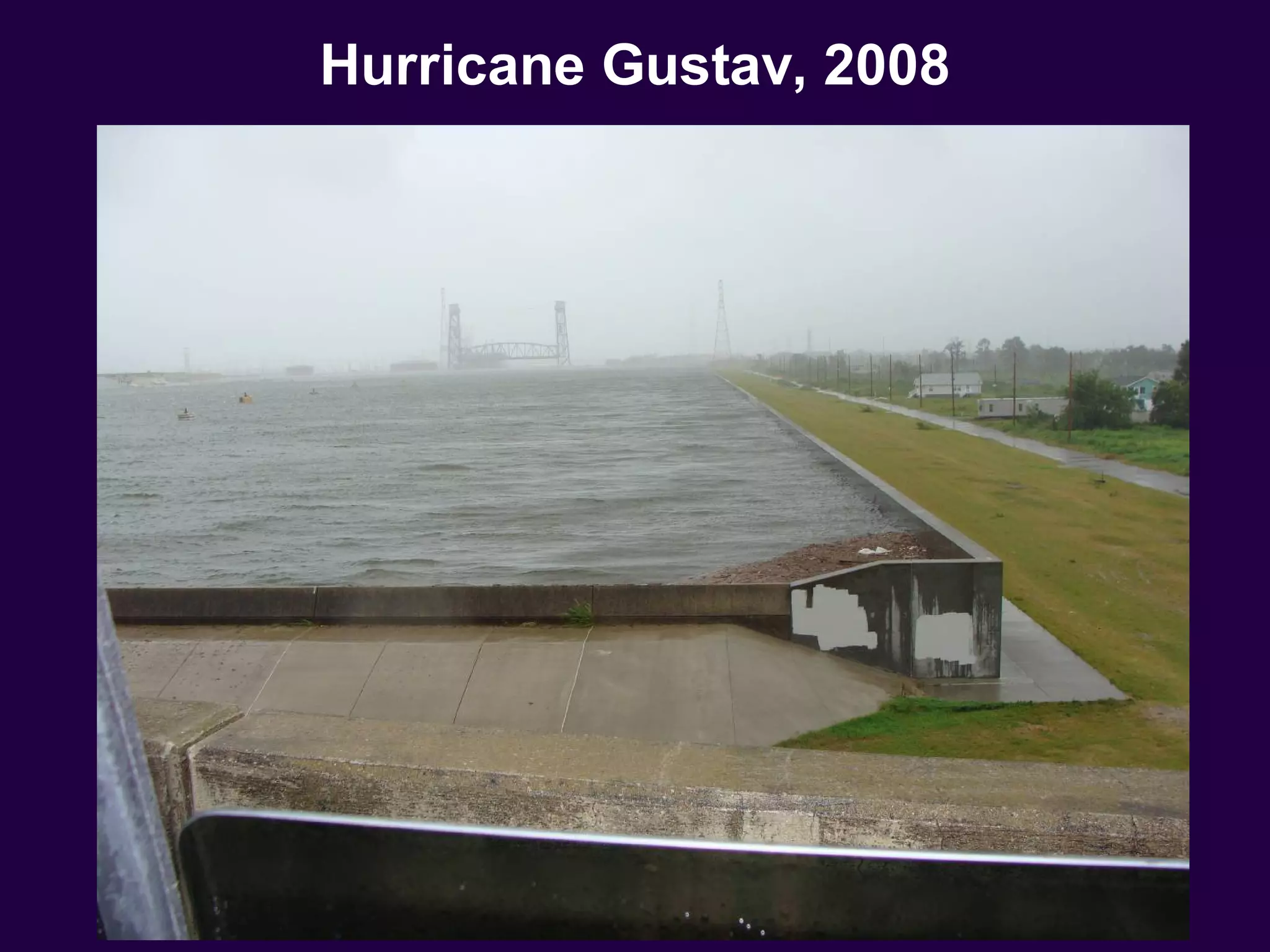
Hurricane Katrina, 2005
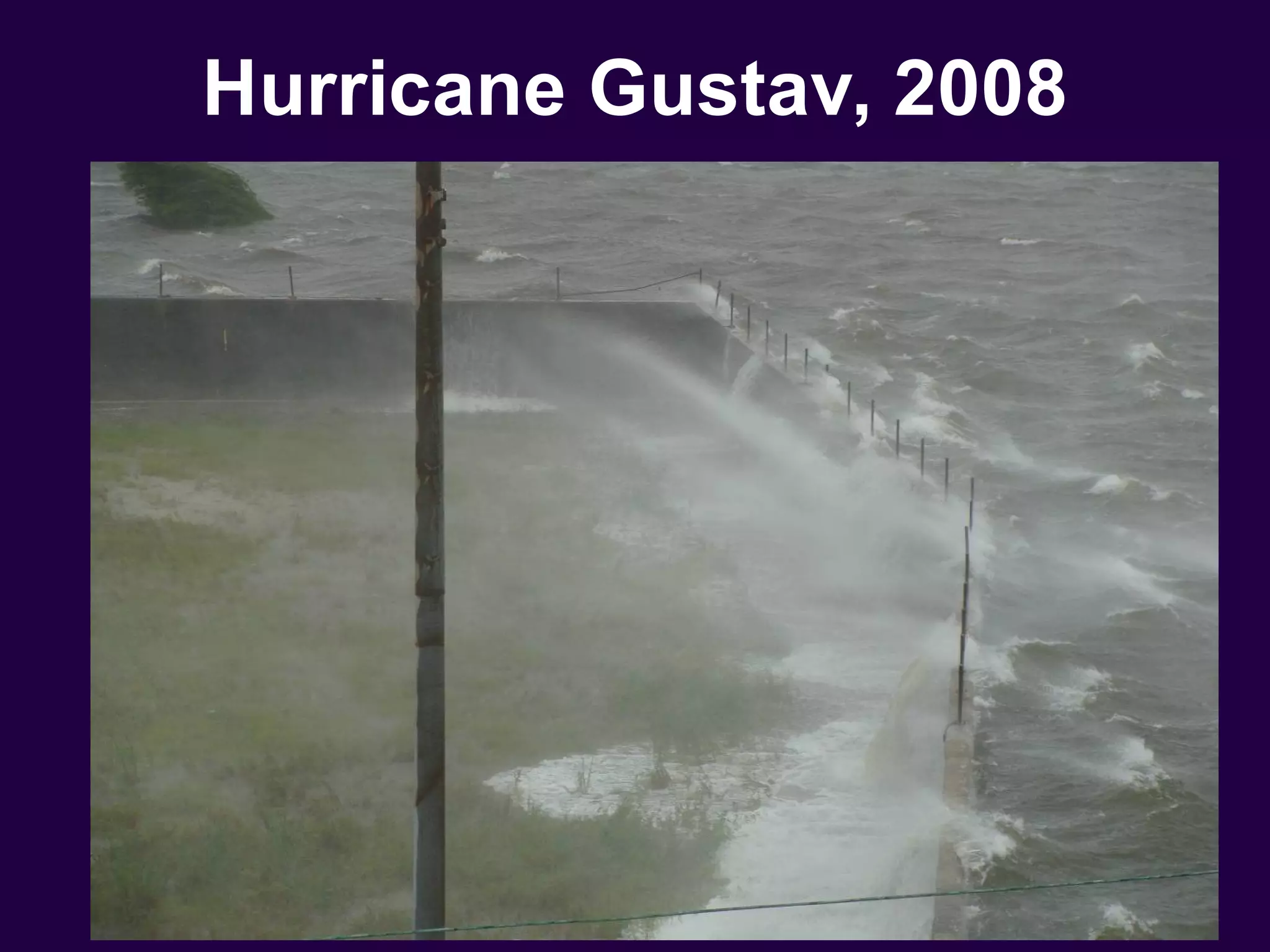
Hurricane Gustav, 2008
Katrina, 2005   Gustav, 2008
Engineering Code of
          Ethics

           Canon #1 –
Engineers shall hold paramount the
 safety, health and welfare of the
              Public.
References
American Society of Civil Engineers, ASCE (2005), “Preliminary Report on the
   Performance of the New Orleans Levee Systems in Hurricane Katrina on
   August 29, 2005,” A Report by the Reconnaissance Teams from ASCE and UC
   Berkeley, Report No. UCB/CITRIS – 05/01, http://www.asce.org.
American Society of Civil Engineers, ASCE (2007), “The New Orleans Hurricane
   Protection System – What Went Wrong and Why,” A Report by the External
   Review Panel of ASCE, In Press, http://www.asce.org.
Interagency Performance Evaluation Task Force, IPET (2006), “Performance
   Evaluation of the New Orleans and Southeast Louisiana Hurricane Protection
   System,” Draft Final Report, U.S. Army Corps of Engineers,
   https://ipet.wes.army.mil.
New Orleans Times Picayune, http://www.nola.com.
University of California at Berkeley (2006), “Investigation of the Performance of
   the New Orleans Flood Protection Systems in Hurricane Katrina on August 29,
   2005,” Independent Levee Investigation Team Final Report,
   http://www.ce.berkeley.edu/~new_orleans.
Katrina sigma xi oct 2009 bob gilbert