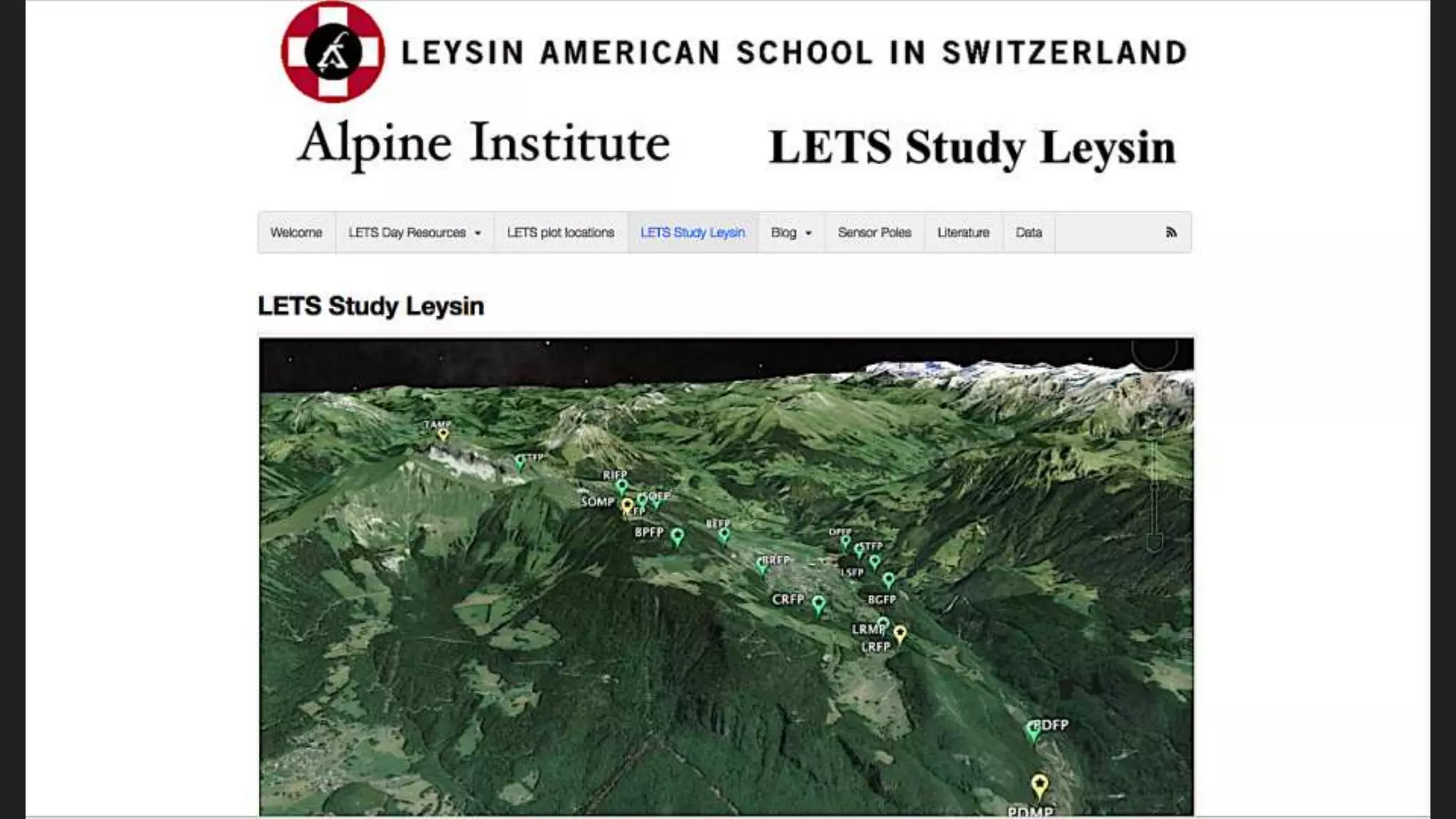
LETS Study Leysin
LETS Study Climate
What is LETS?
-or-
One School’s Experiment in Citizen Science
LETS = Local Elevation Transect Survey
Local -- takes place locally
Elevation -- examines an altitude gradient
Transect -- records data along a line

Survey -- describes a landscape
LETS Study Leysin LETS Study _______
LETS Study Climate
LETS is a Climate
Change Study
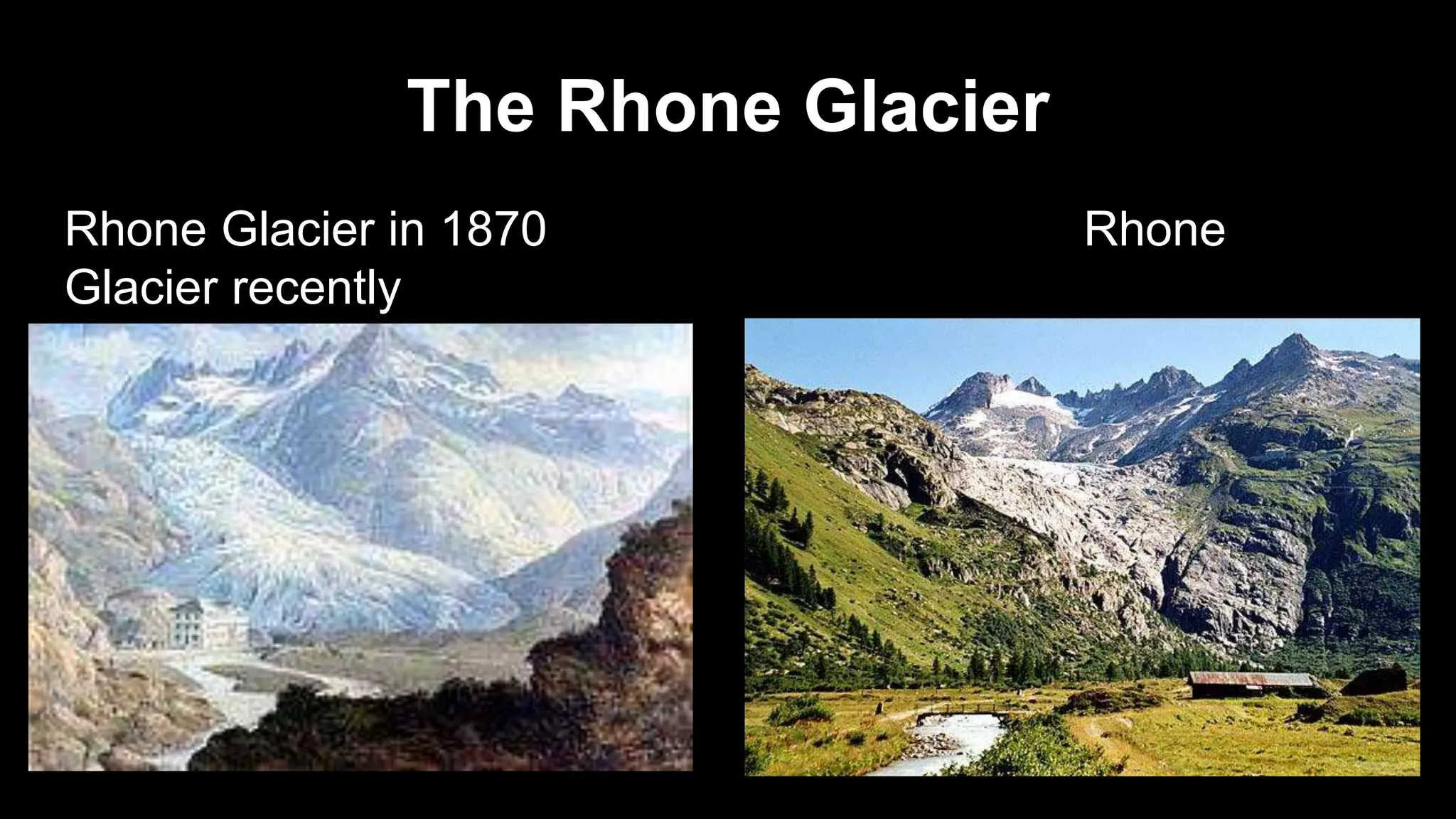
The Rhone Glacier

Rhone Glacier in 1870 Rhone
Glacier recently
LETS Examines Climate
Change Through the Lens of
Forest Ecology
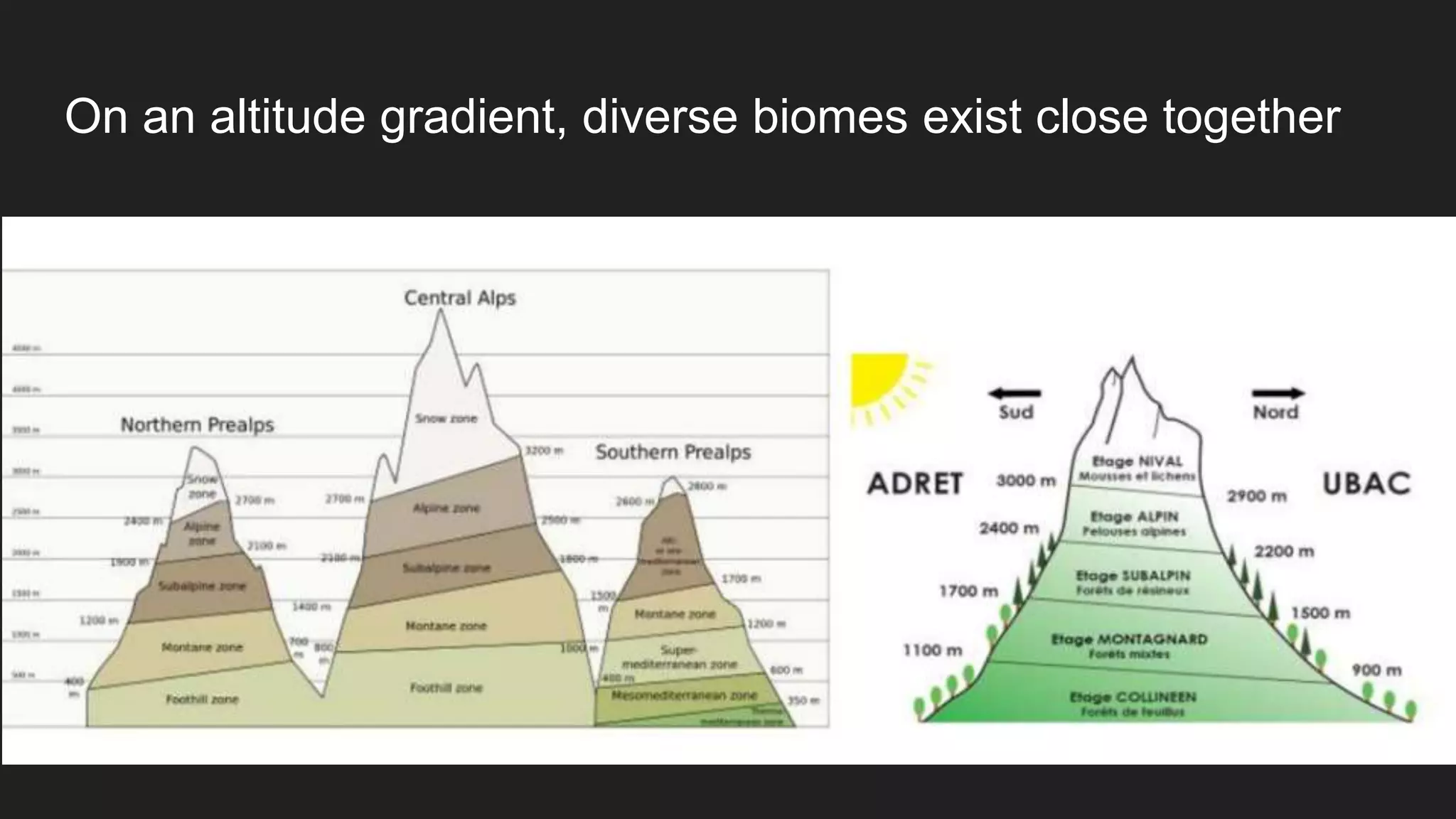
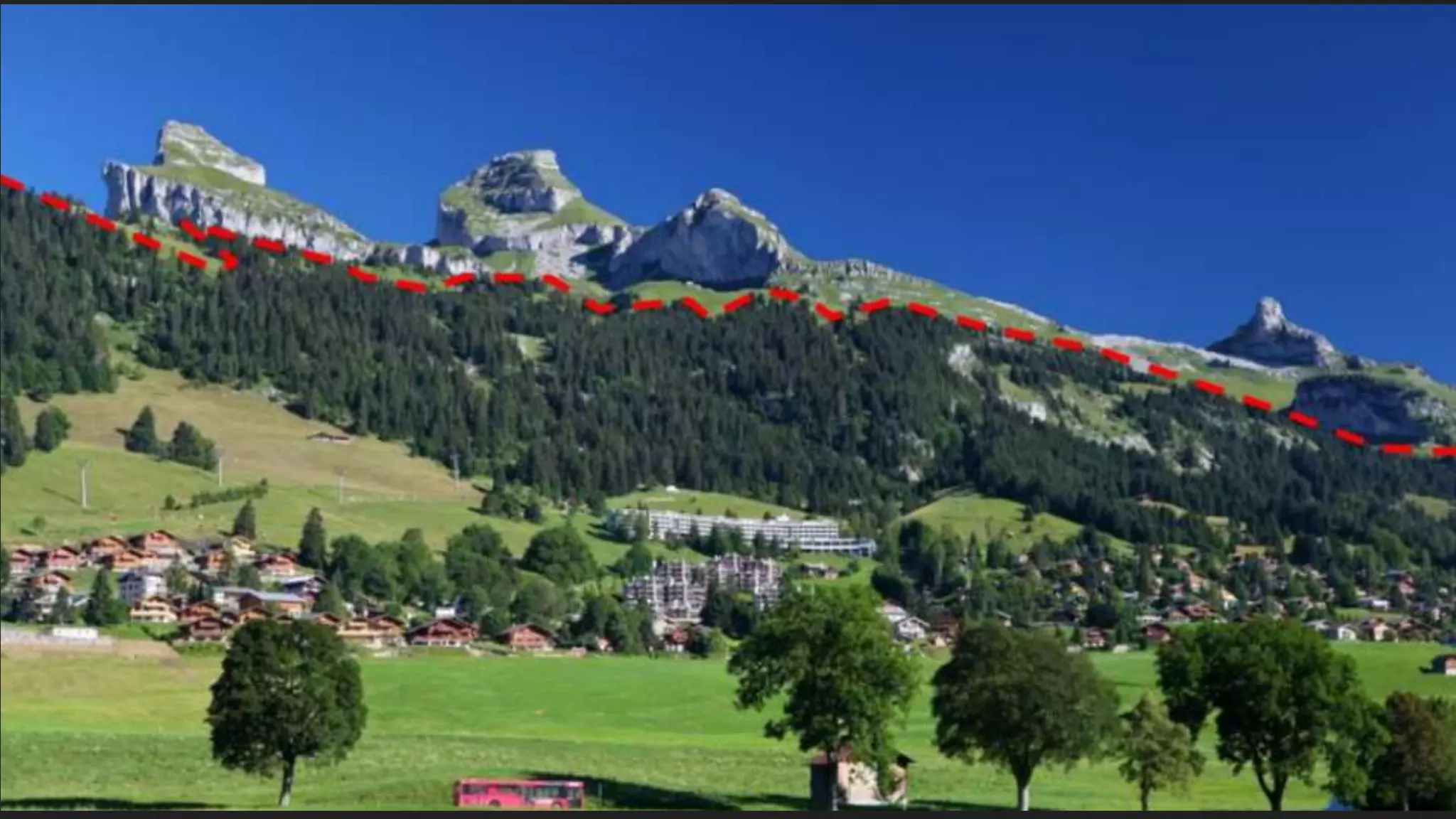
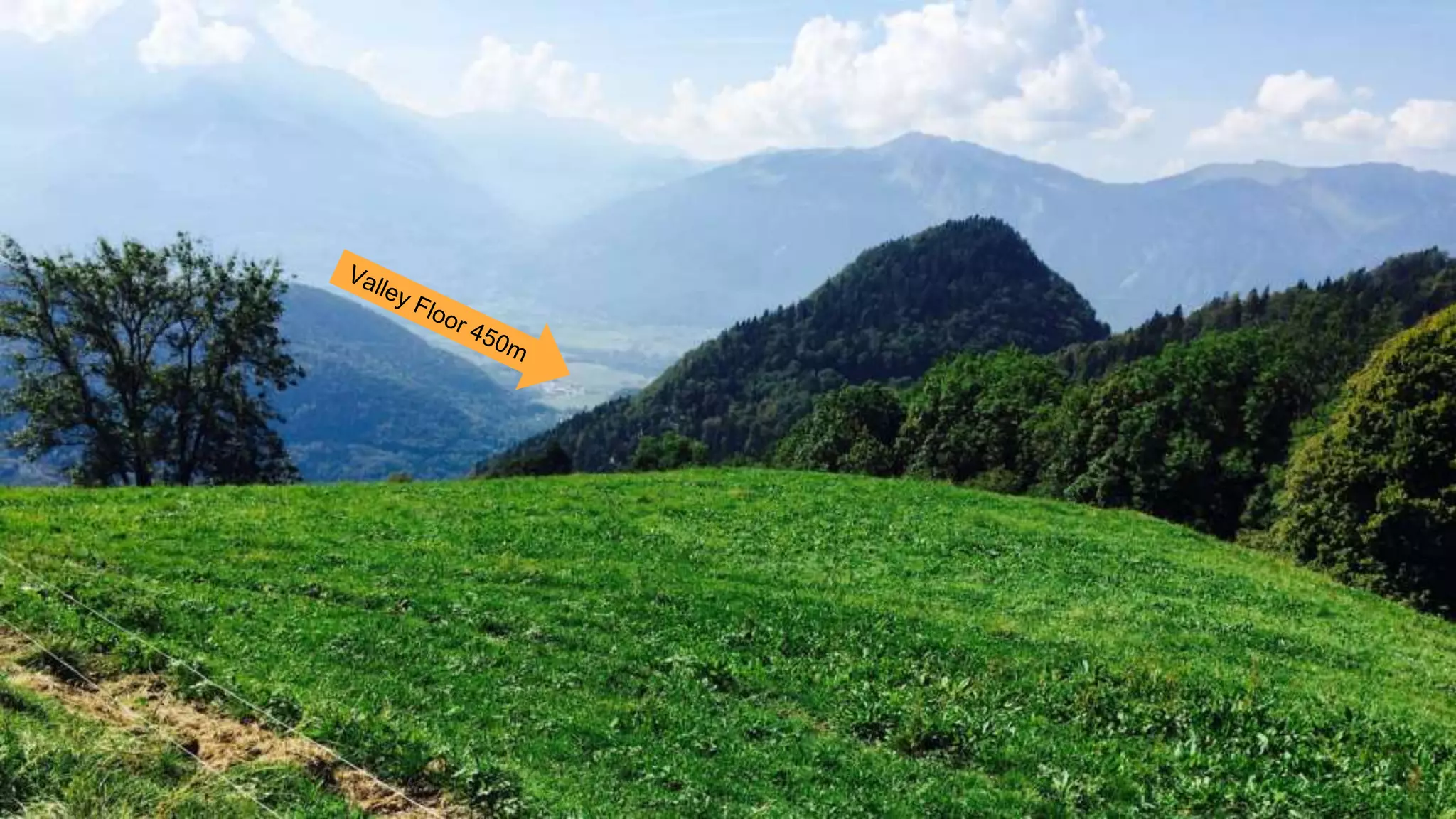
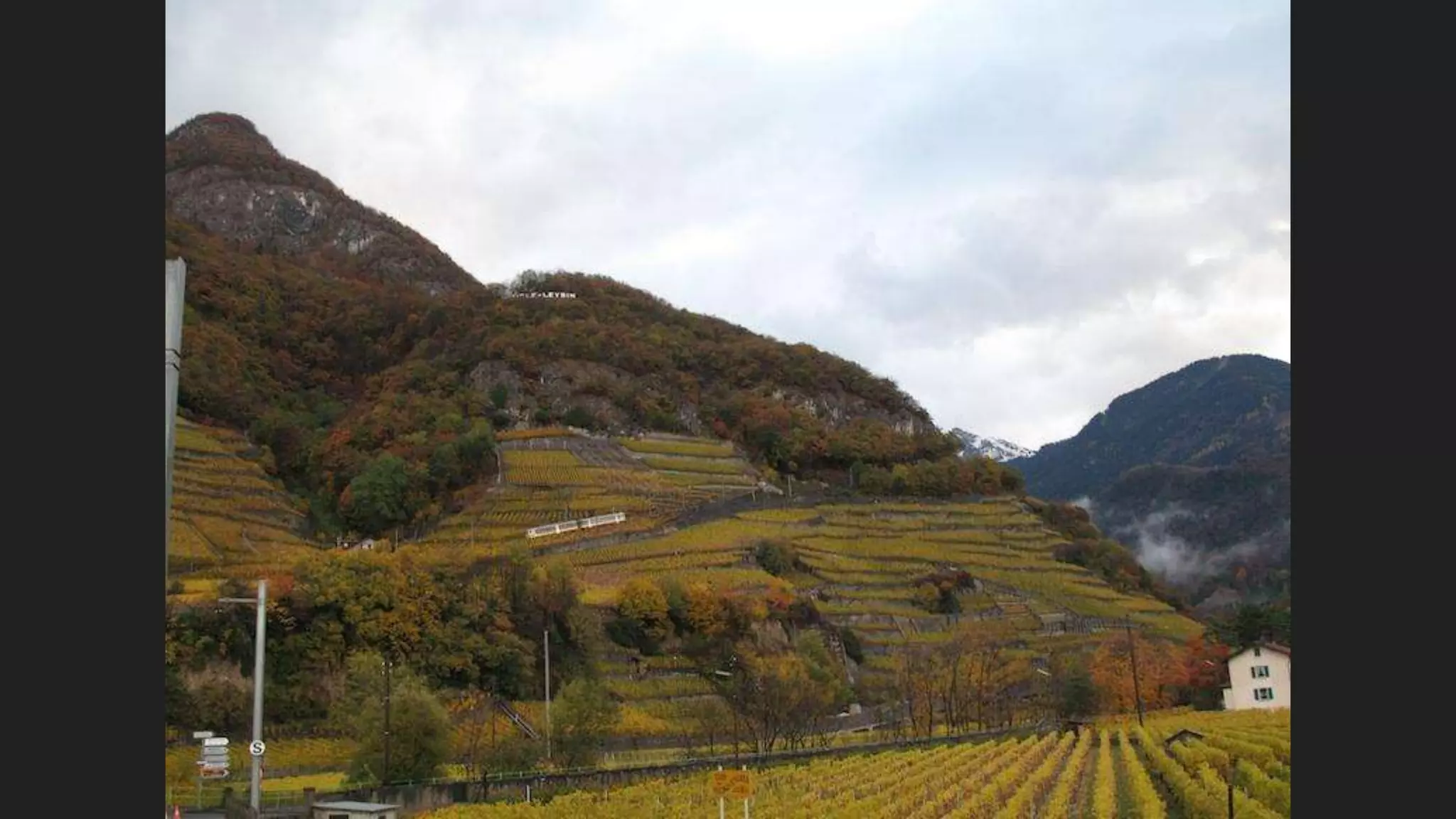
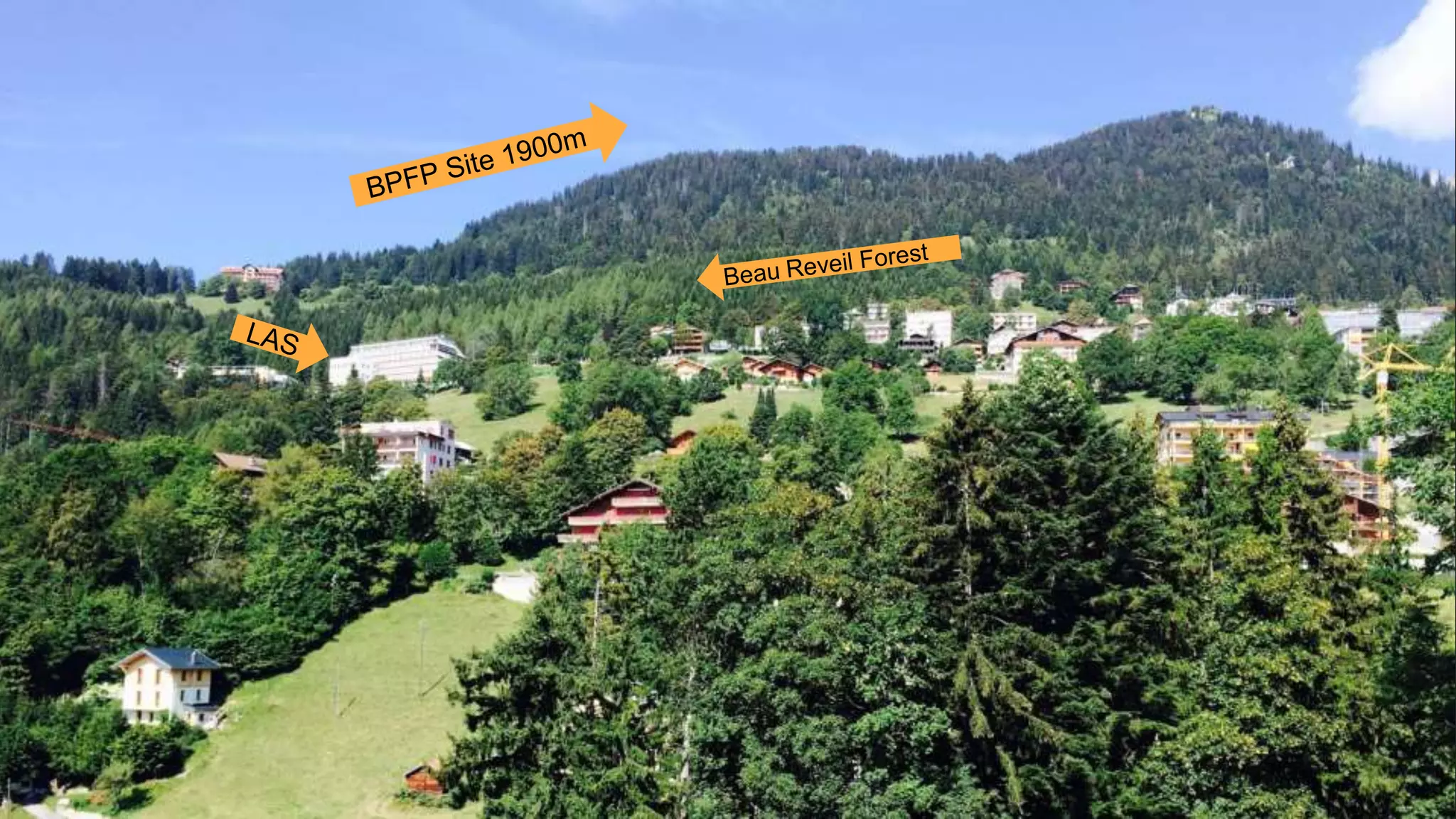
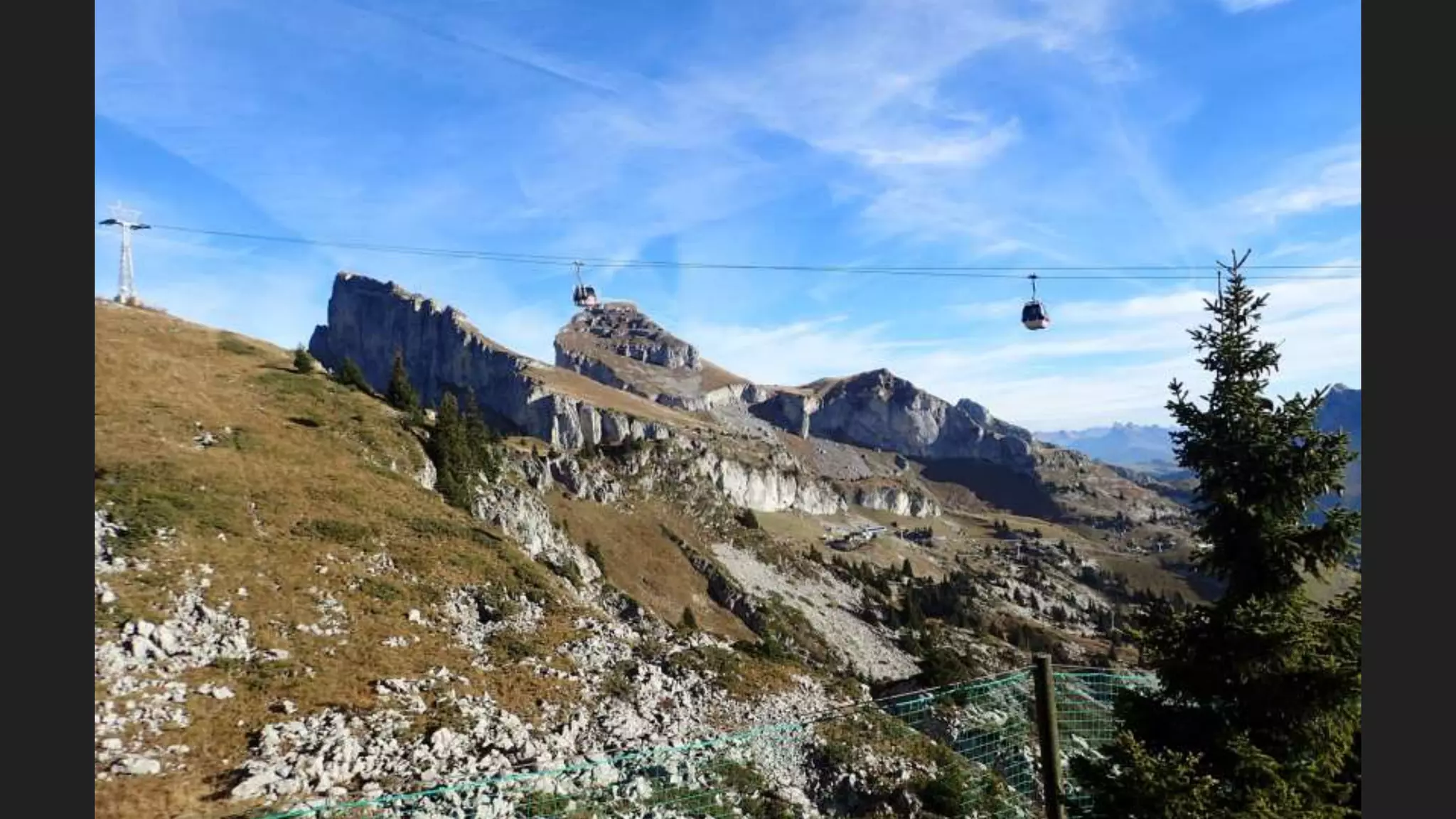
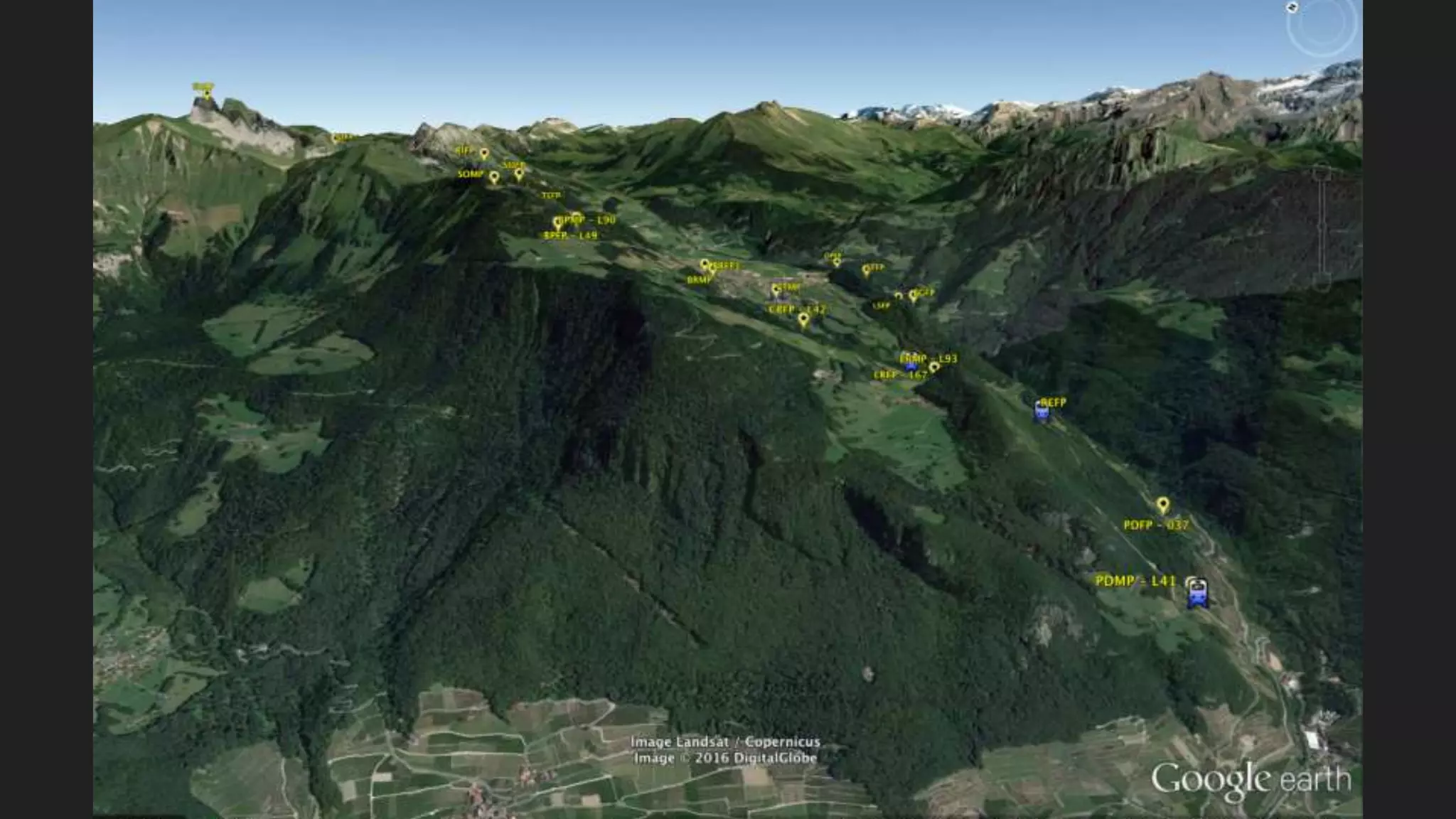
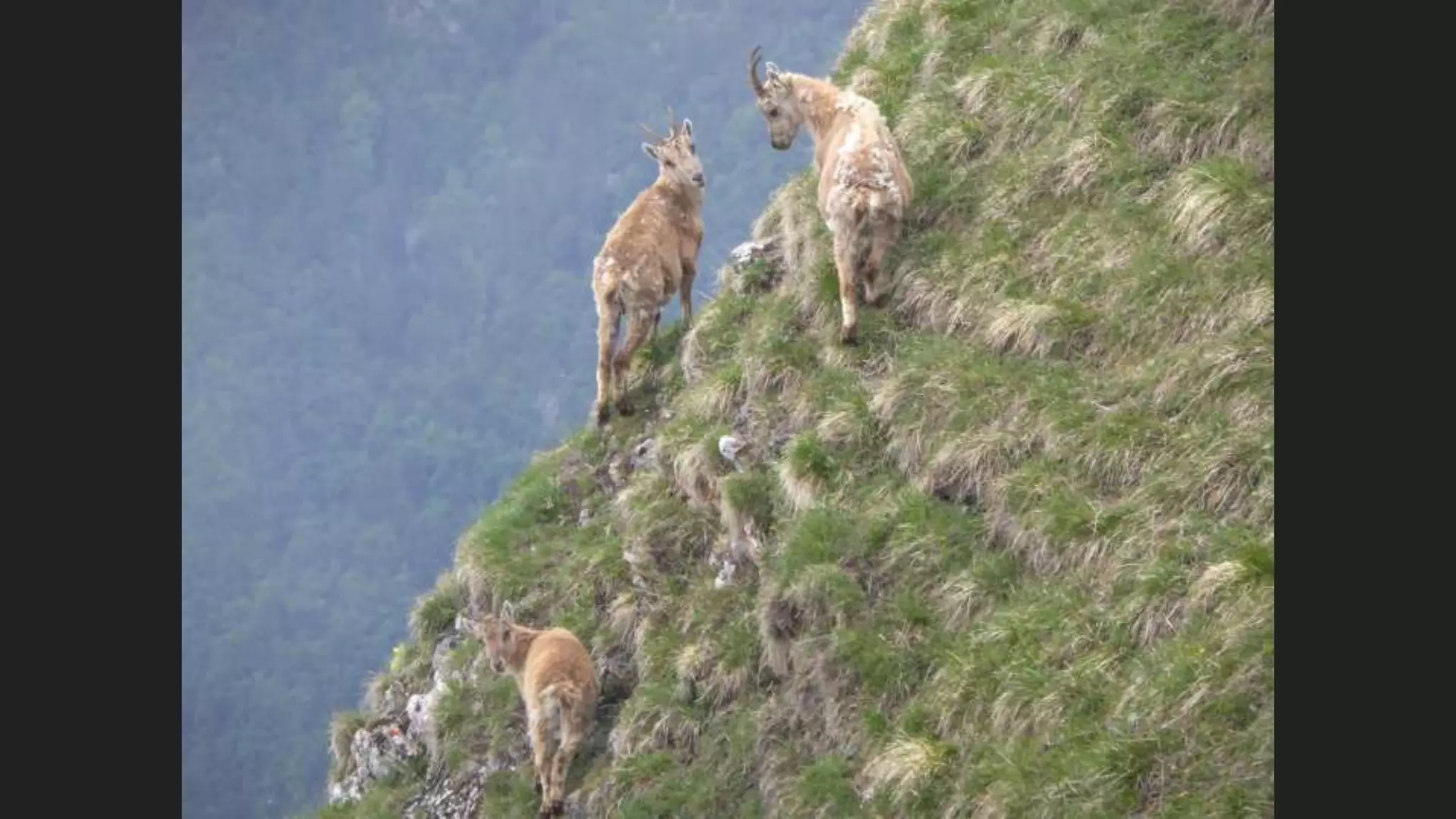
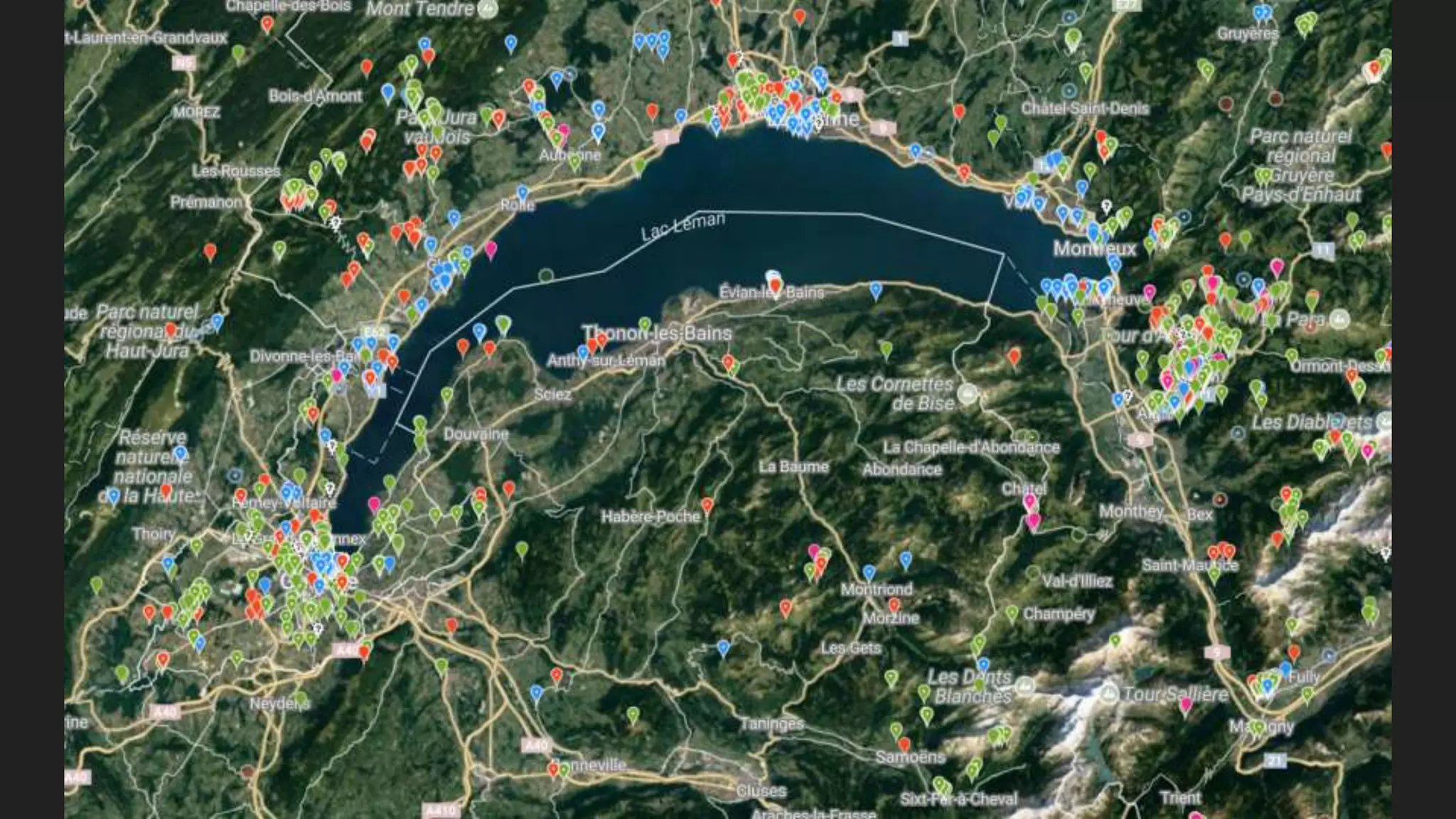
On an altitude gradient, diverse biomes exist close together
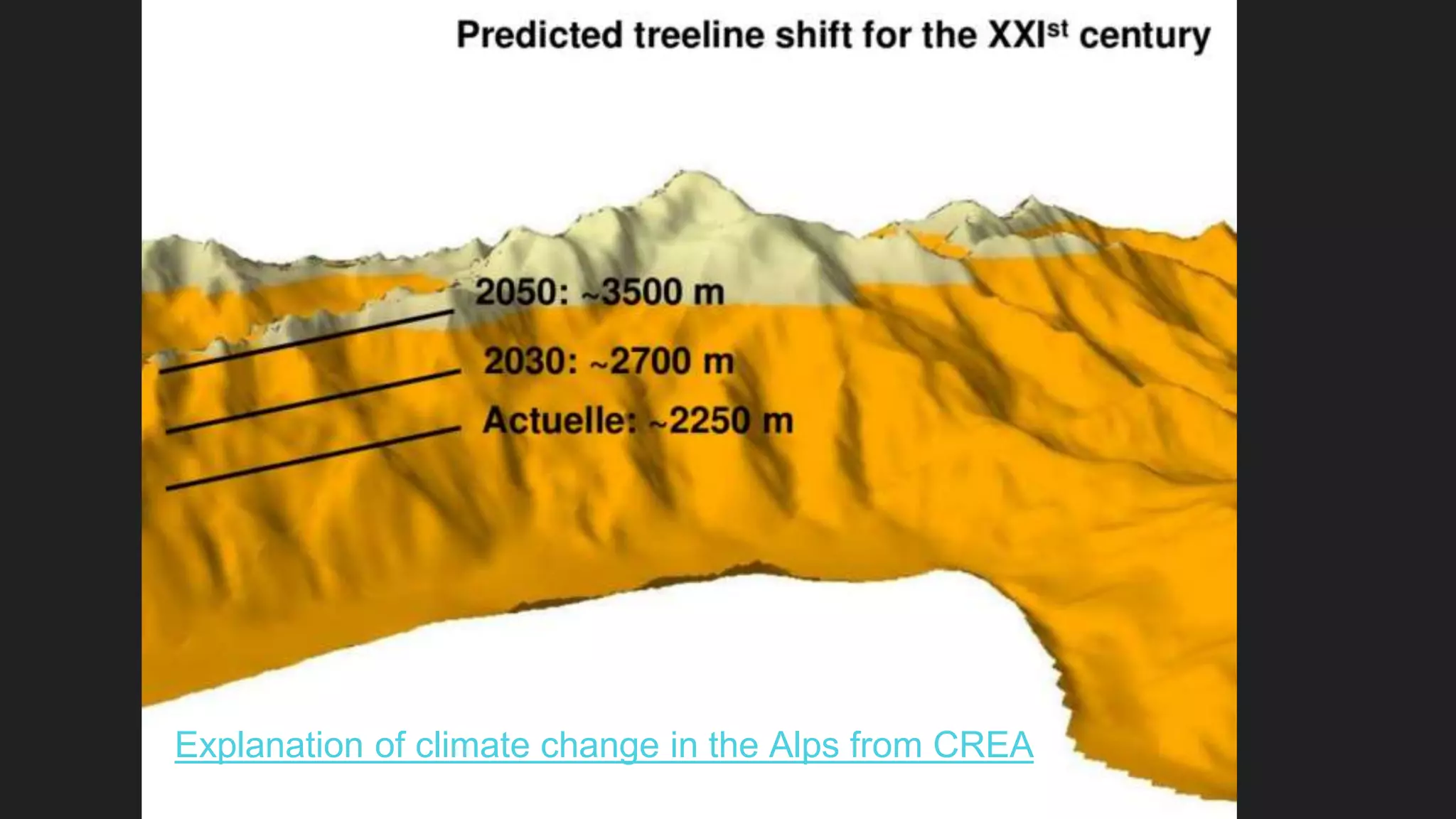
Explanation of climate change in the Alps from CREA
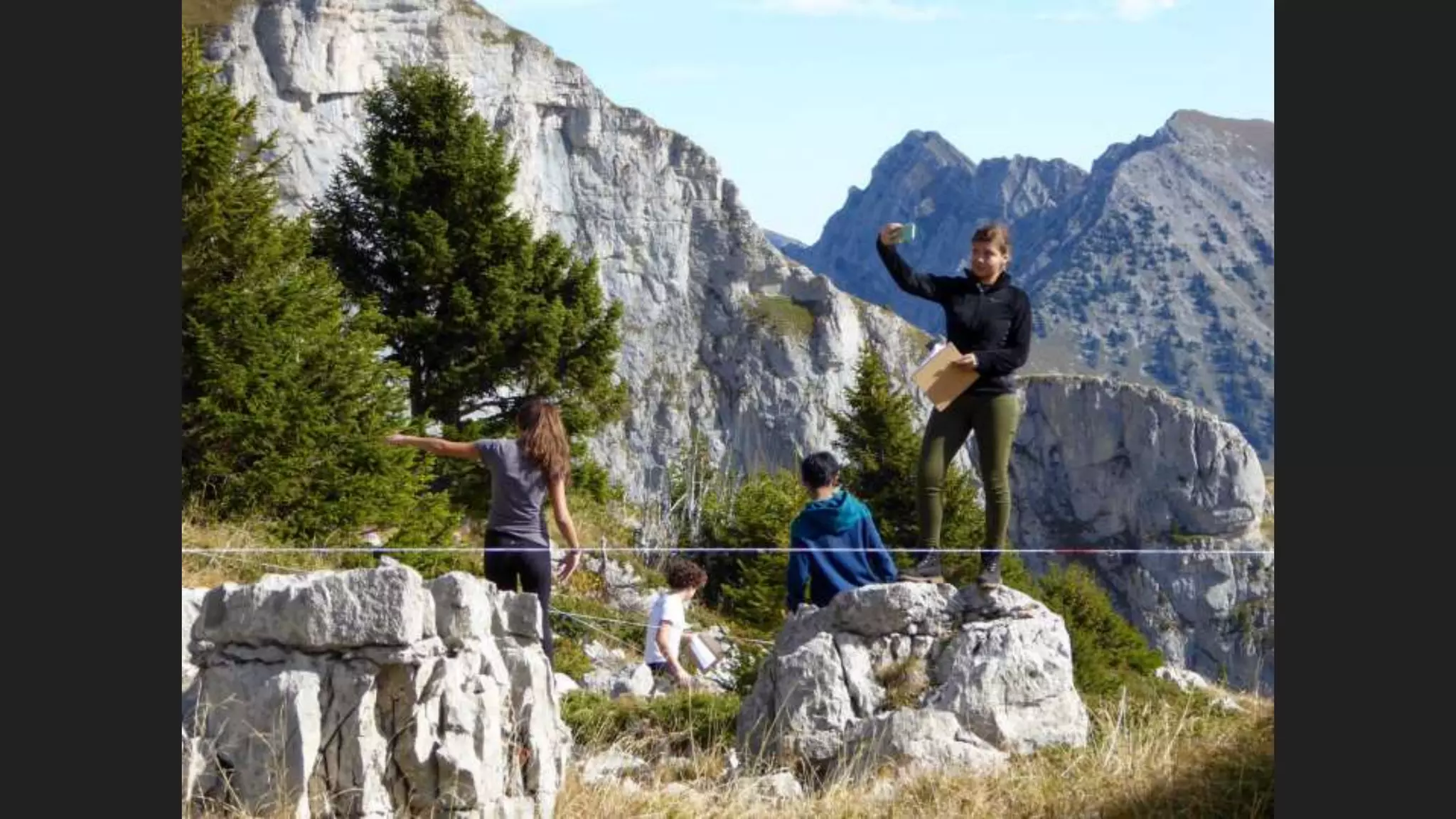
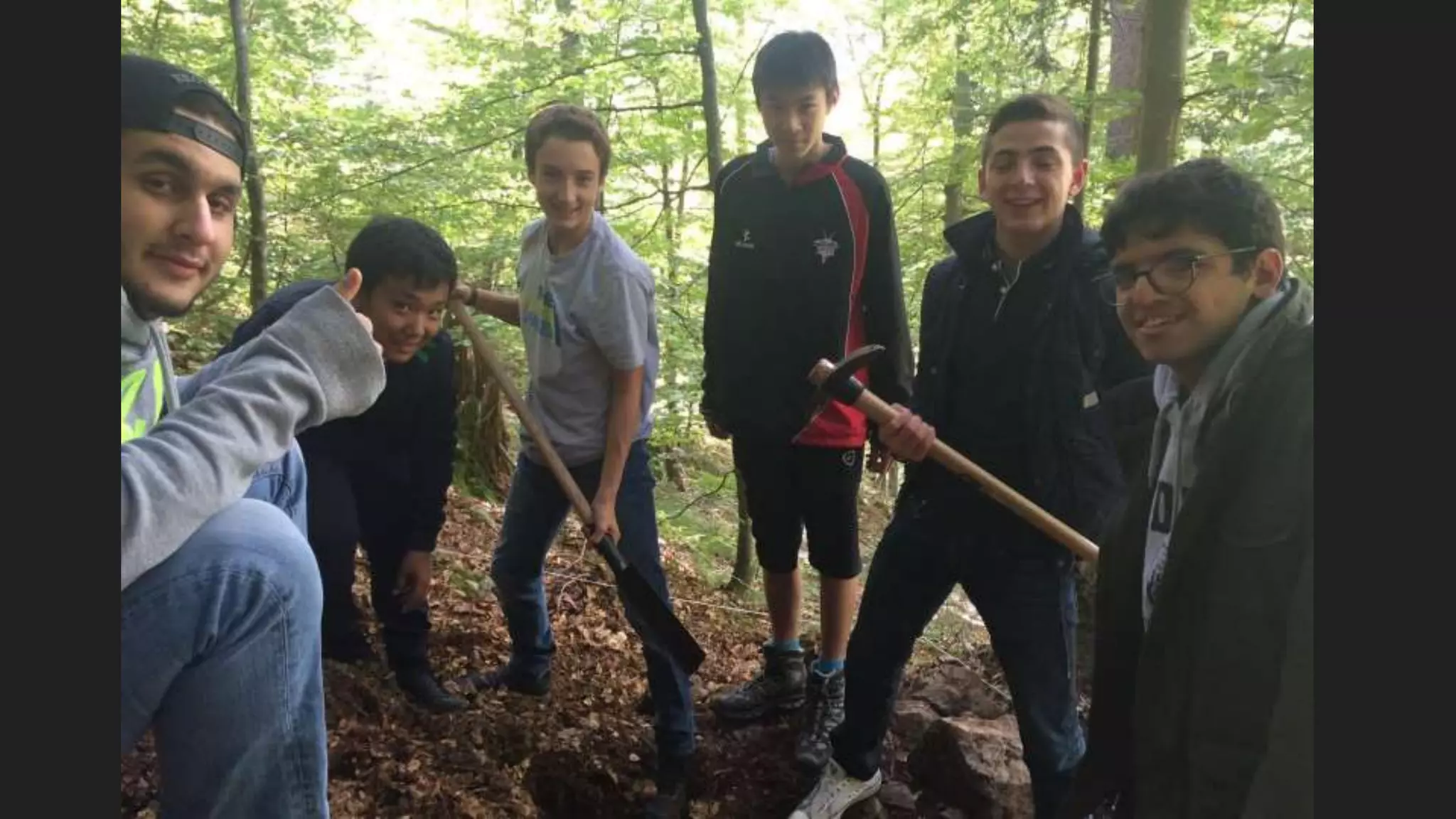
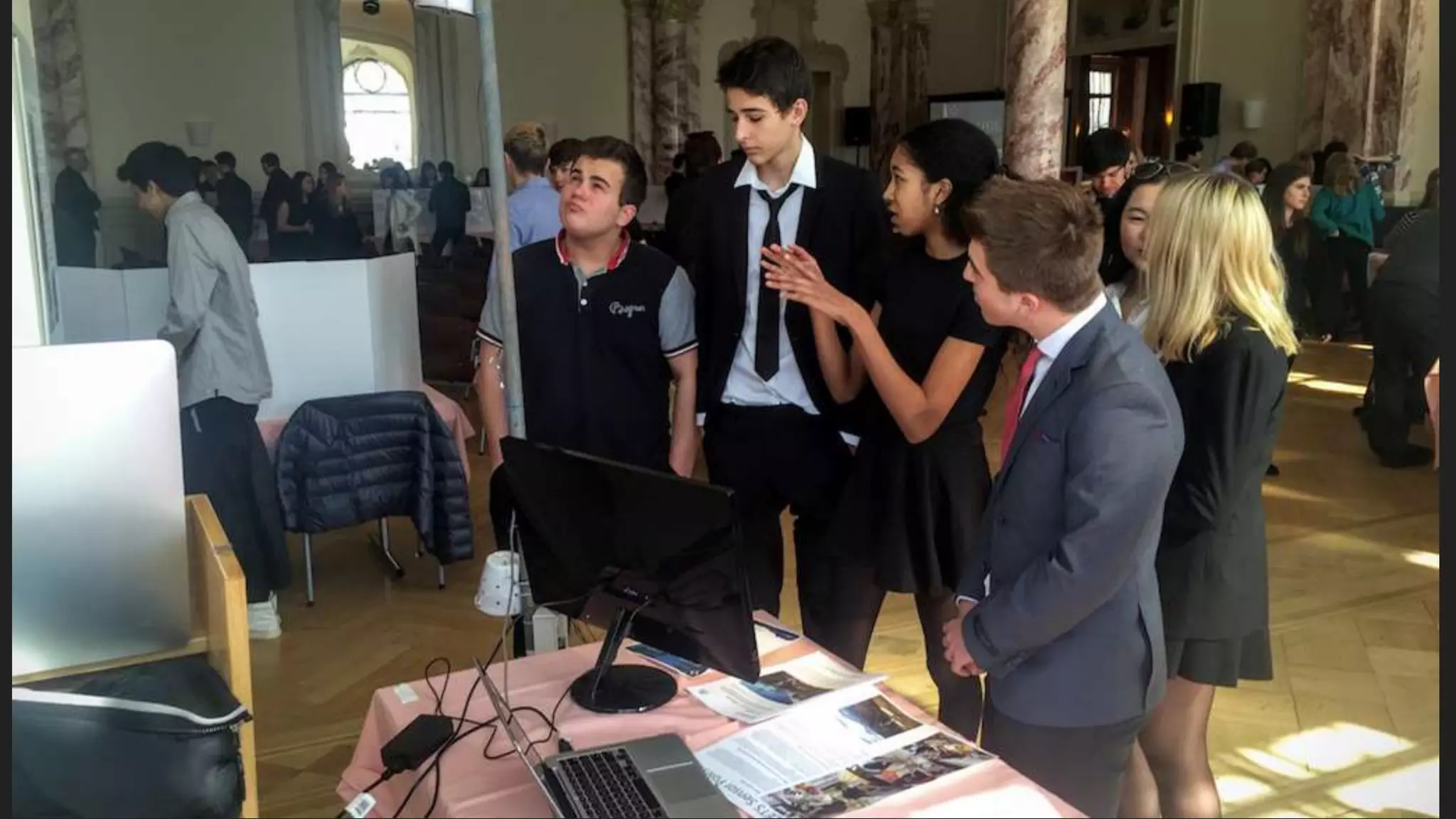
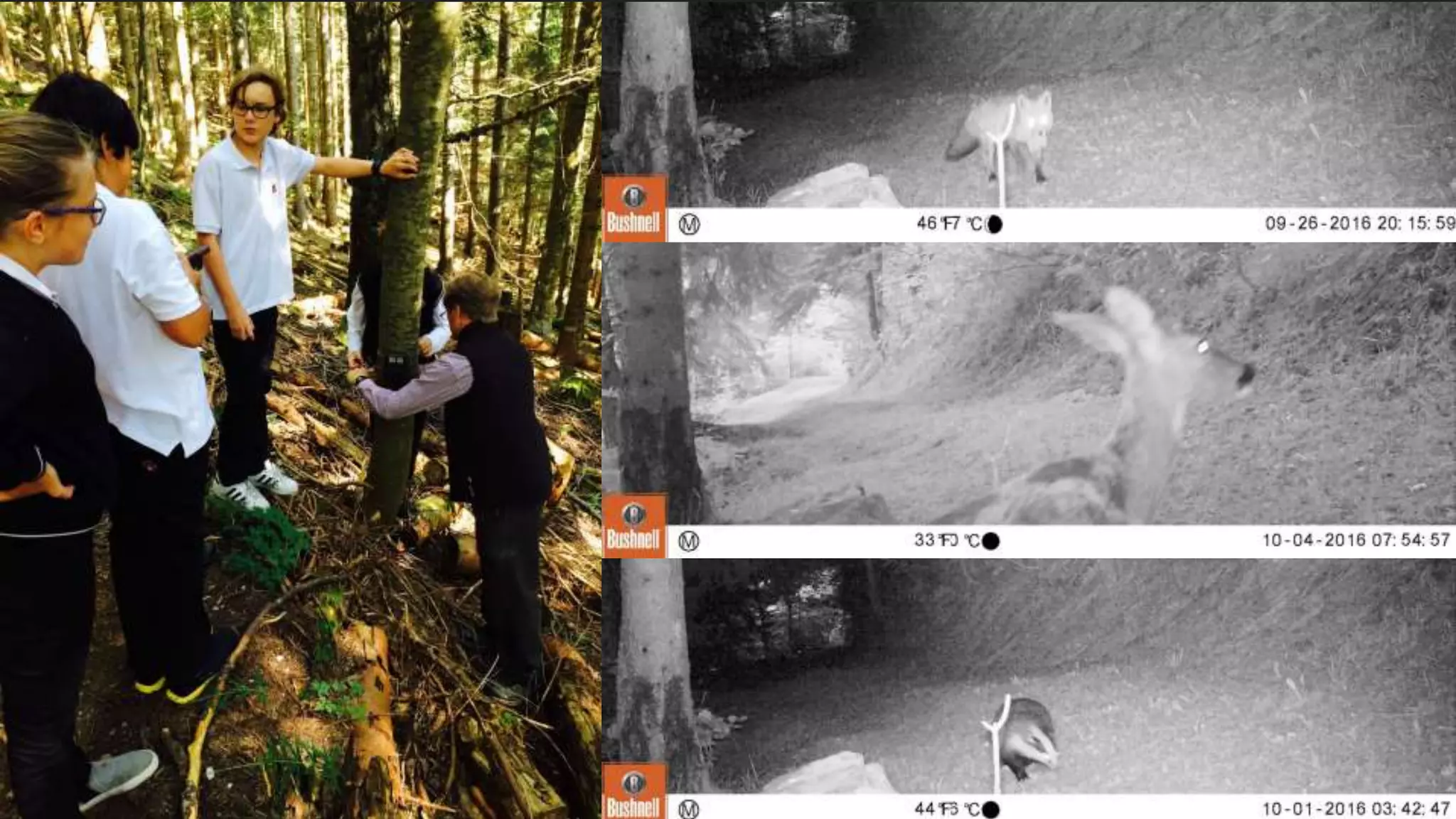
LETS Day Involves
the Whole School
(to date > 500 students and > 30
teachers have participated)
LETS Required
Planning and
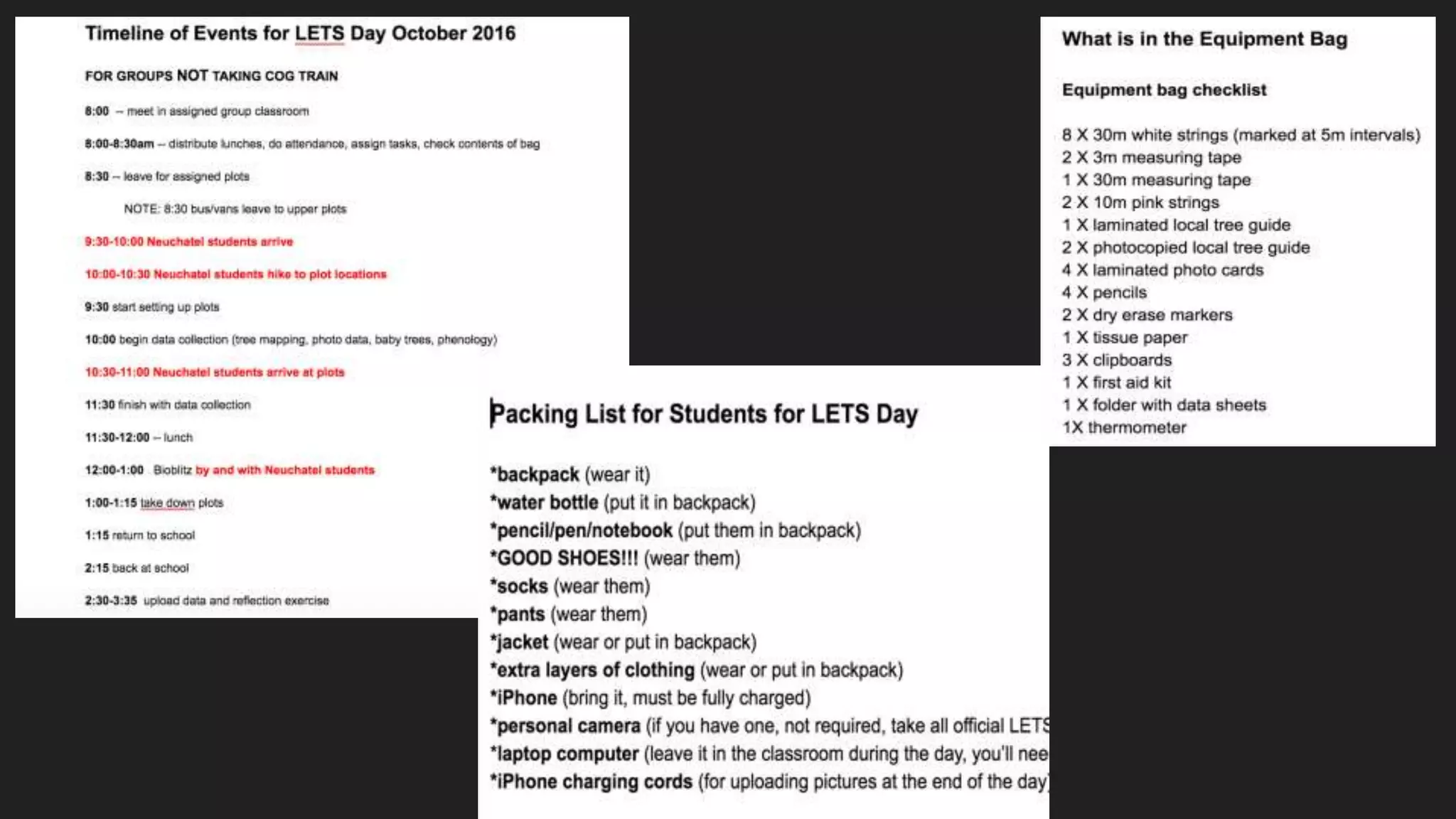
Organization
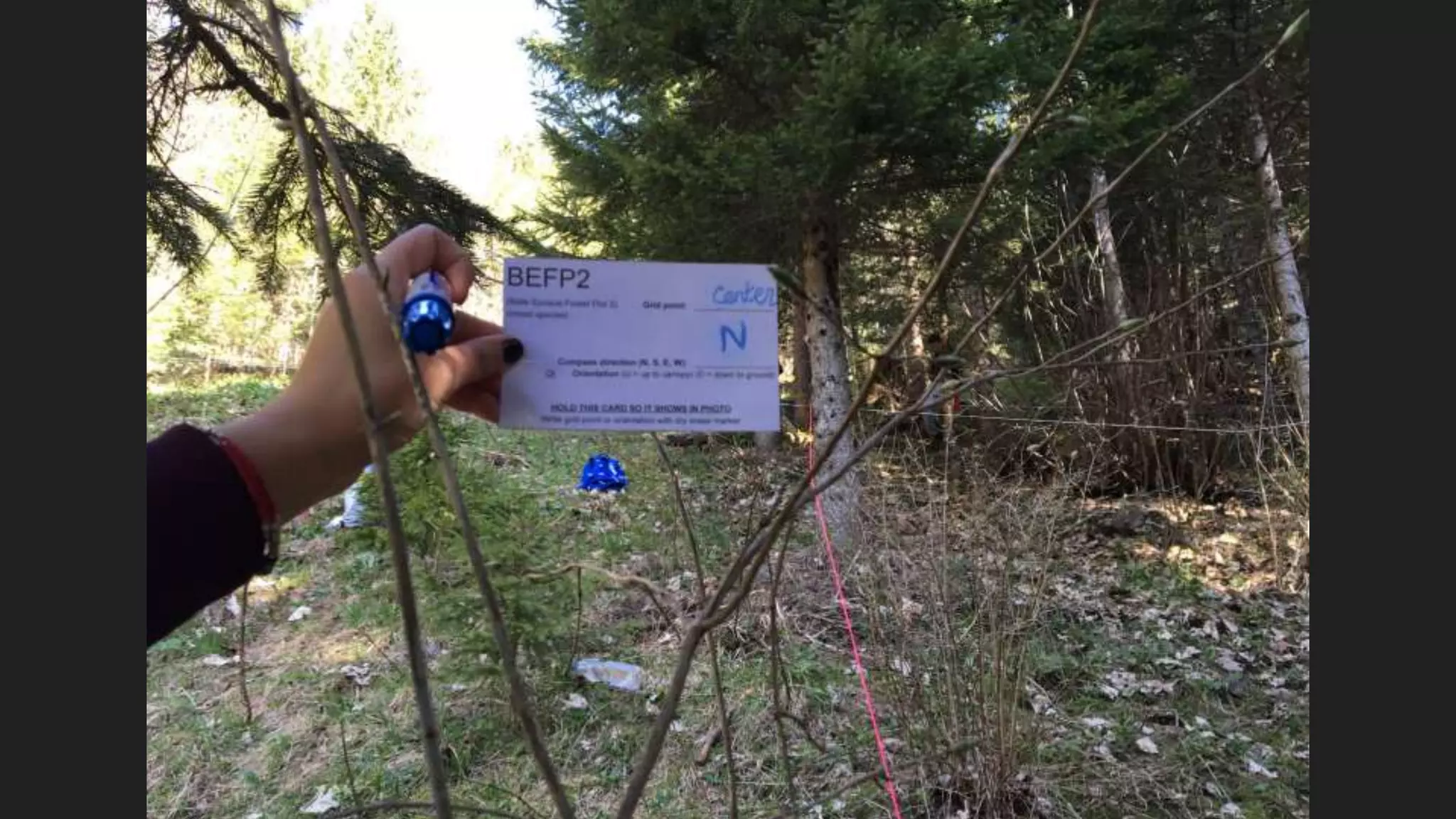
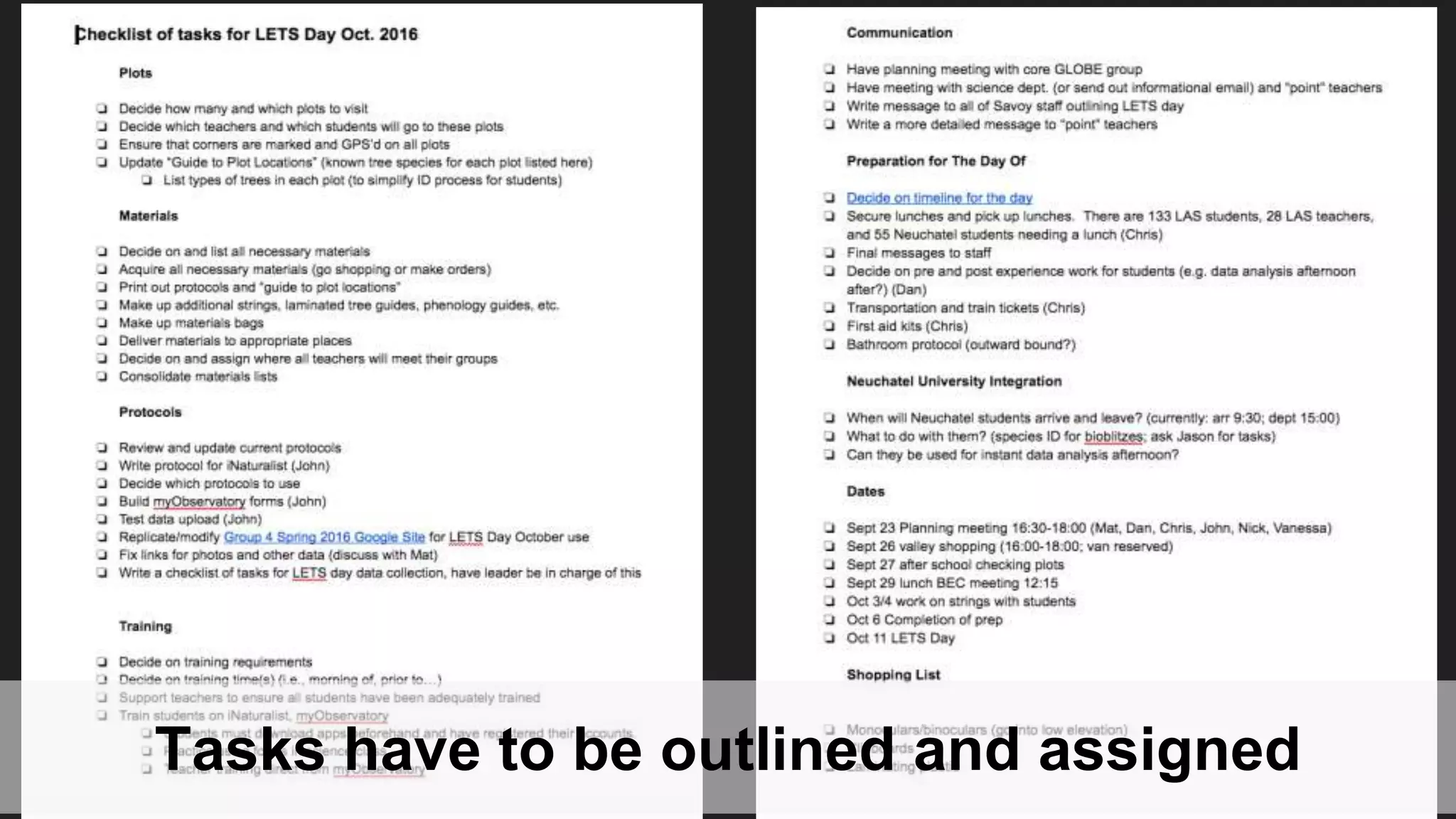
Tasks have to be outlined and assigned
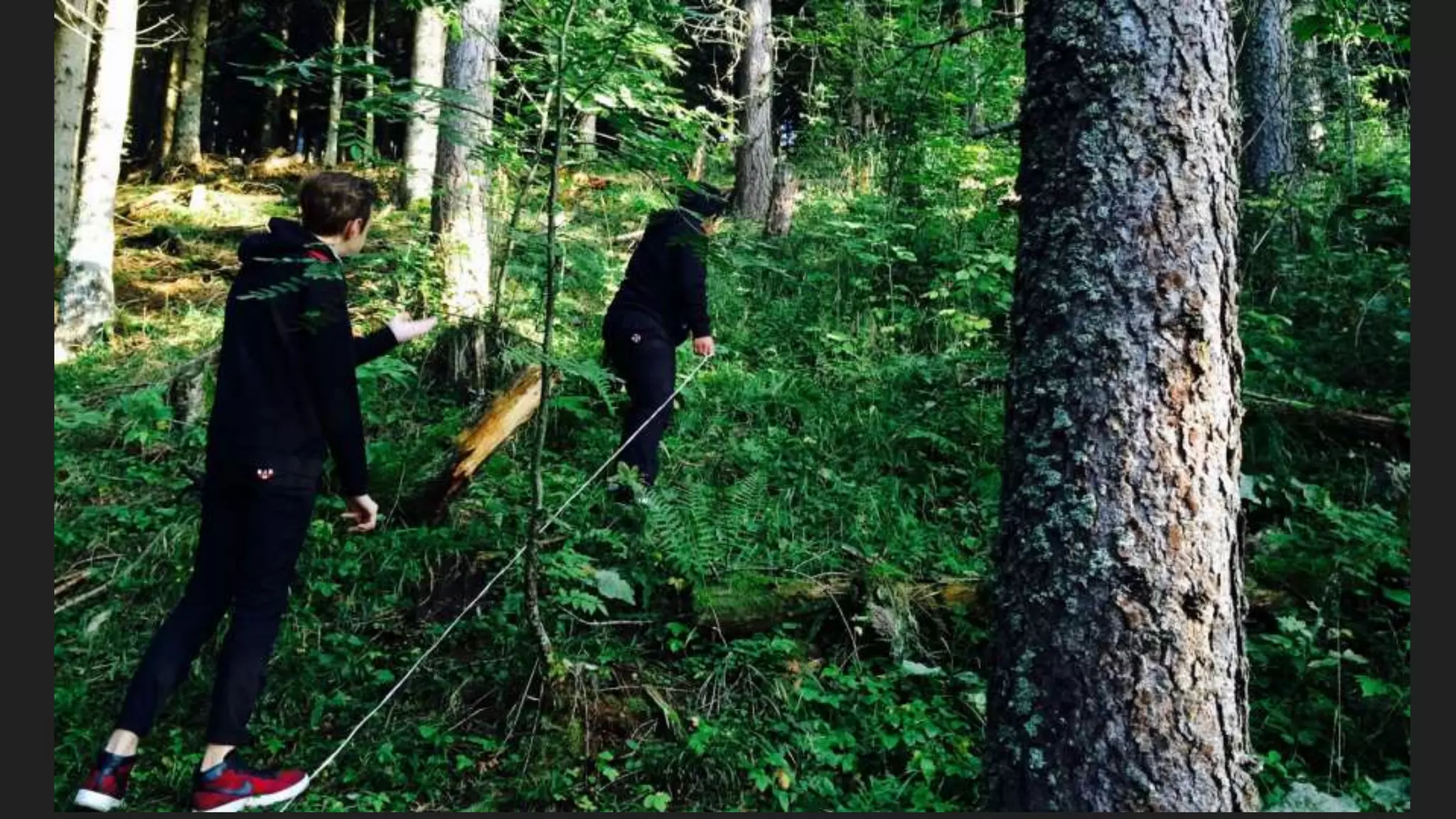
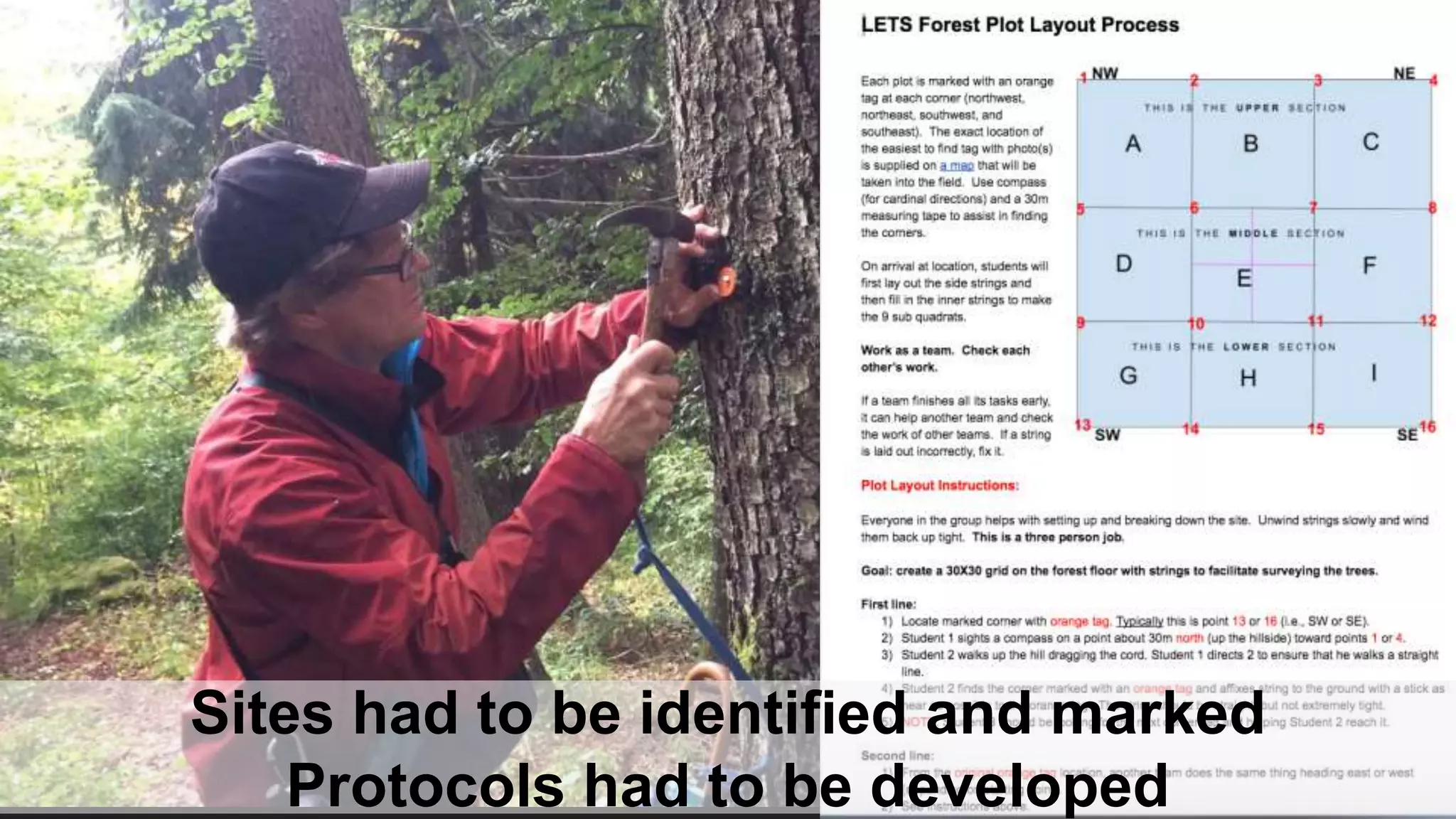
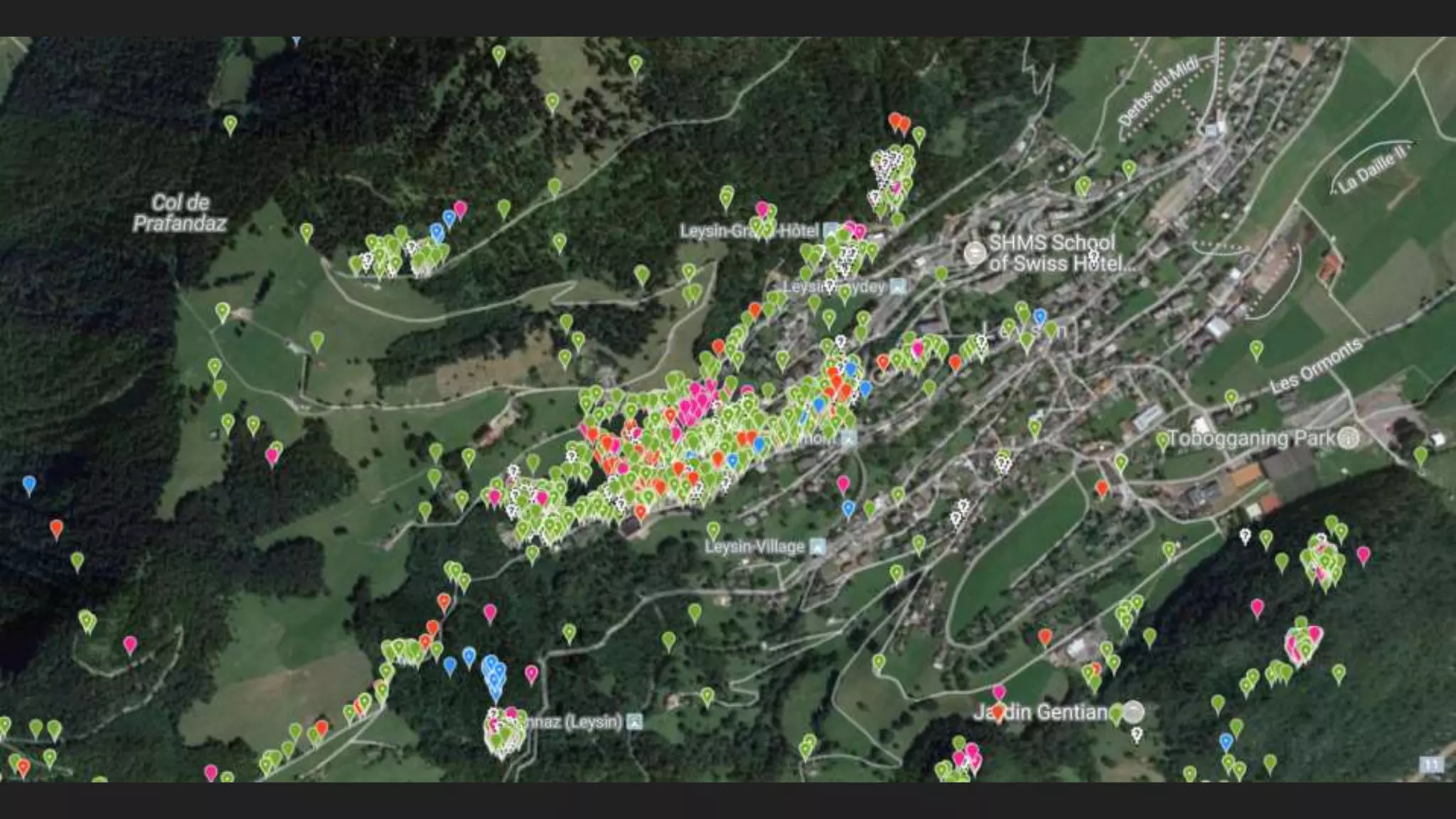
Sites had to be identified and marked
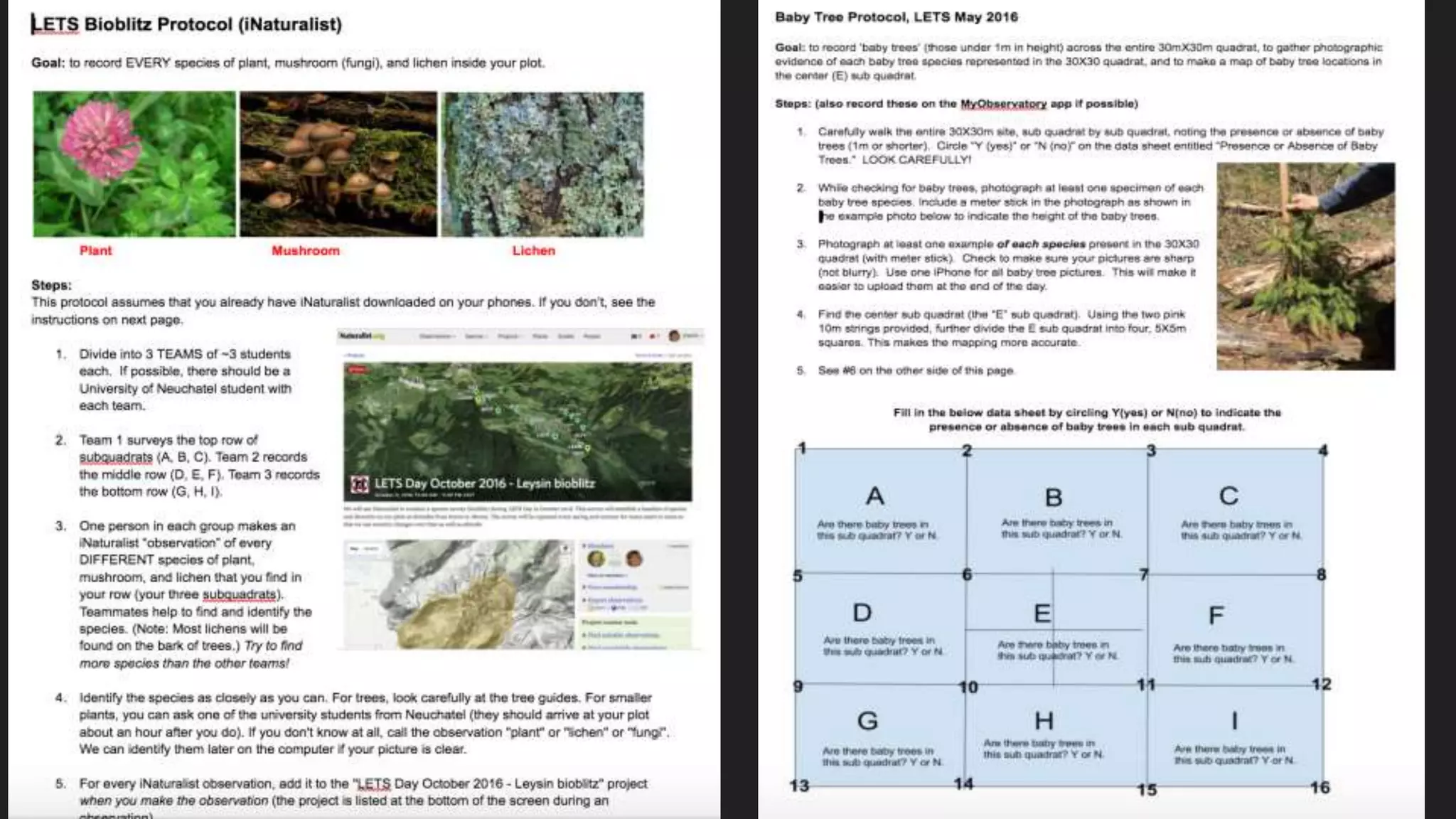
Protocols had to be developed
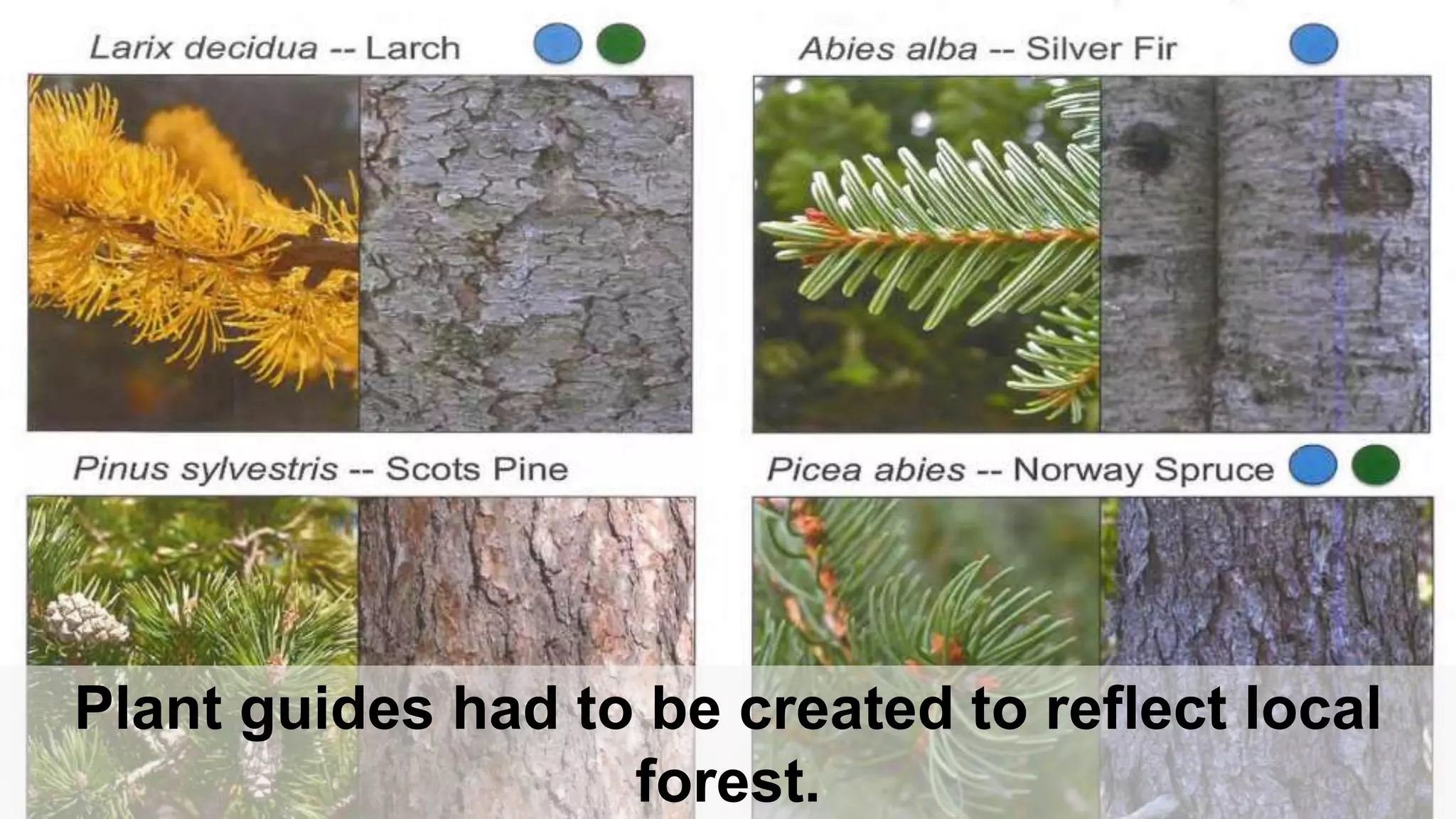
Plant guides had to be created to reflect local
forest.
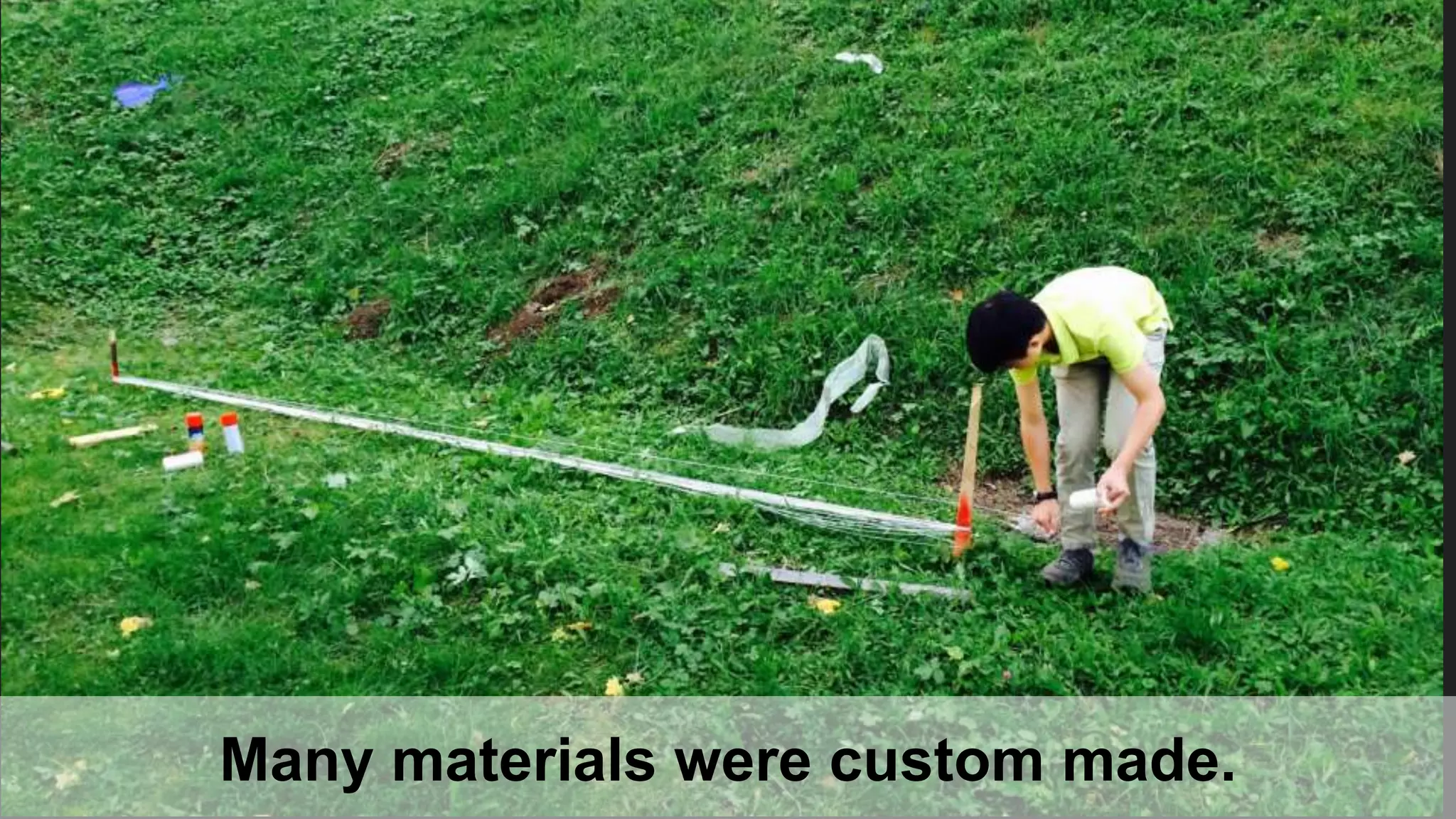
Many materials were custom made.
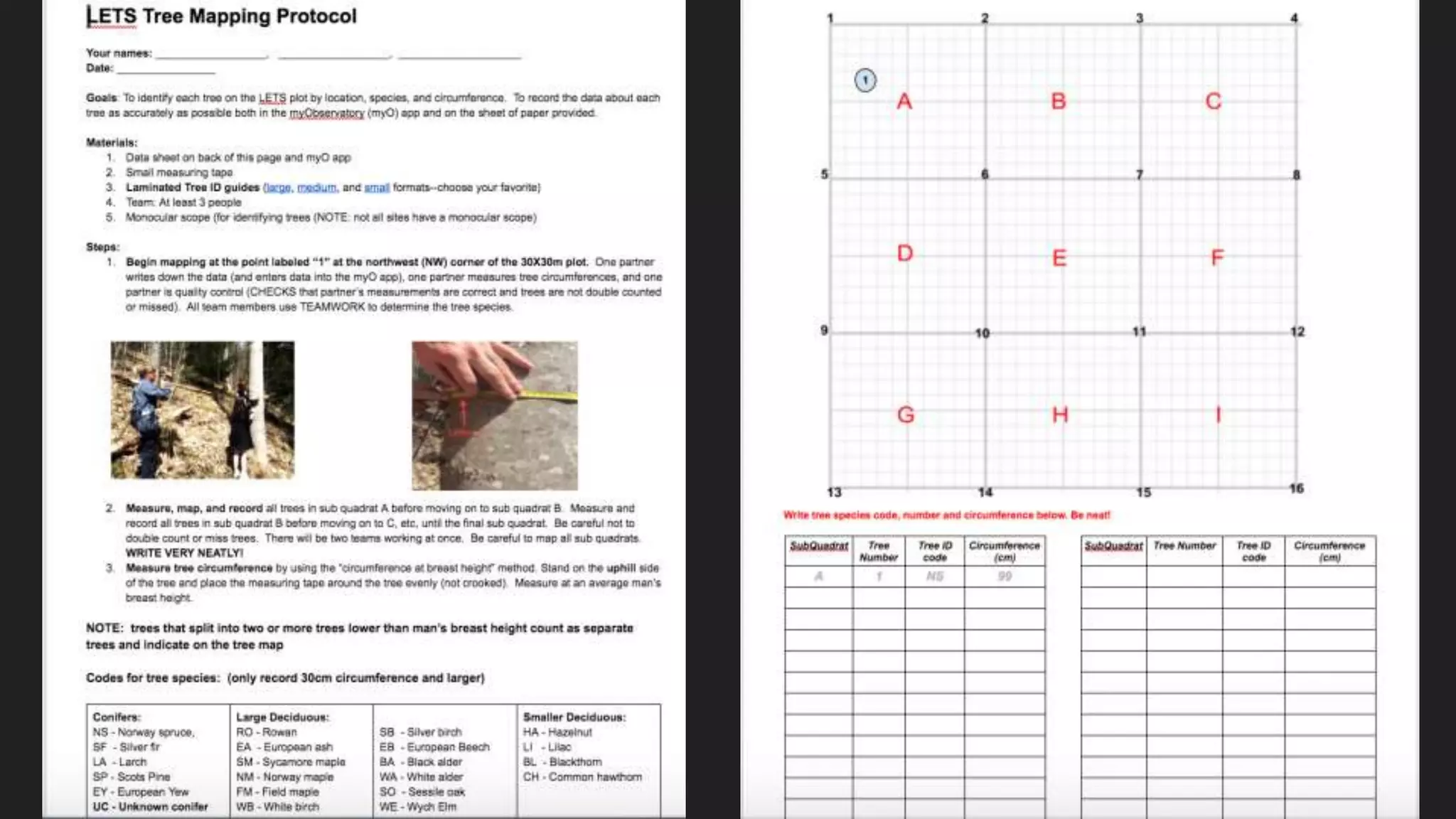
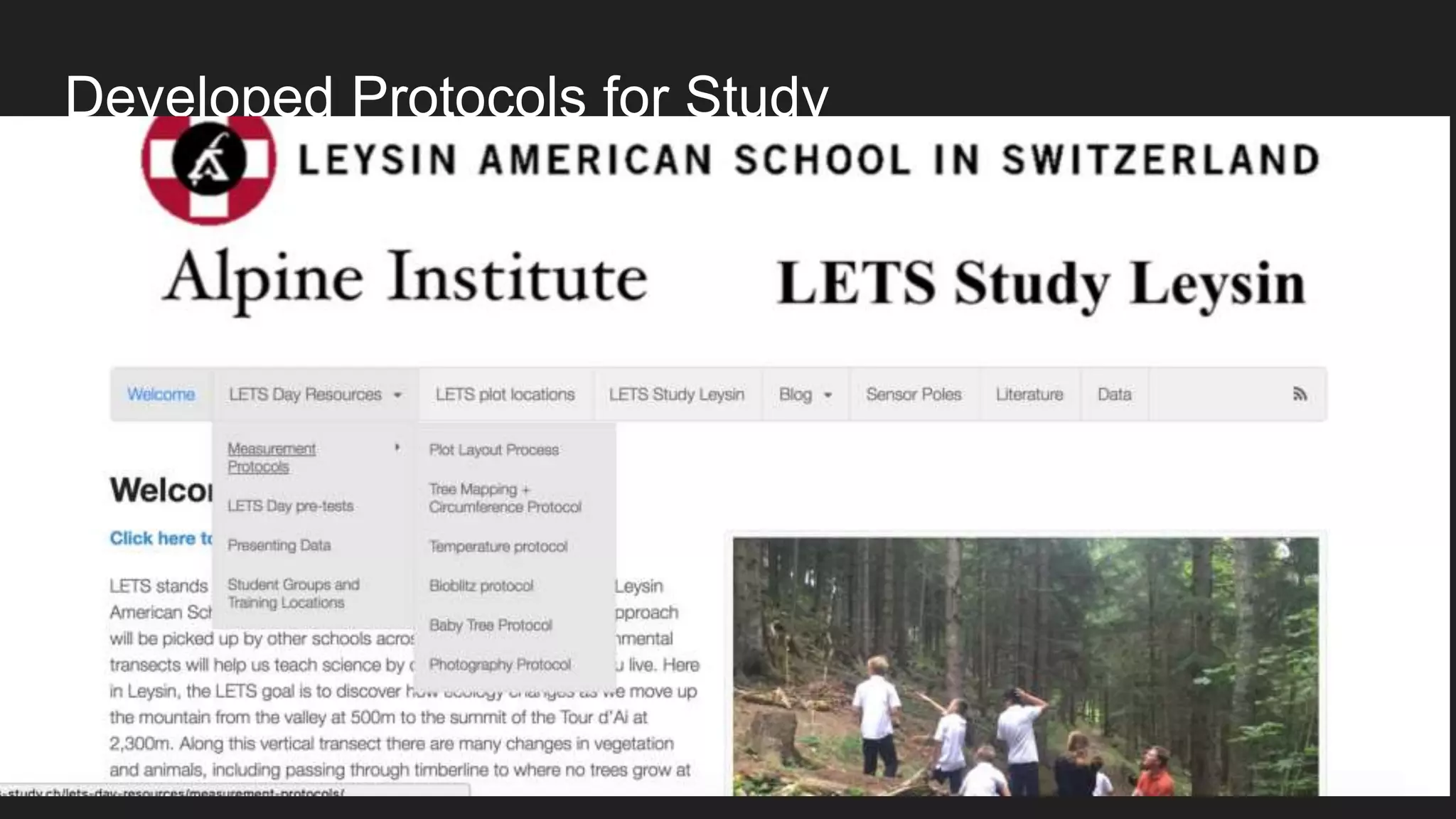
Developed Protocols for Study
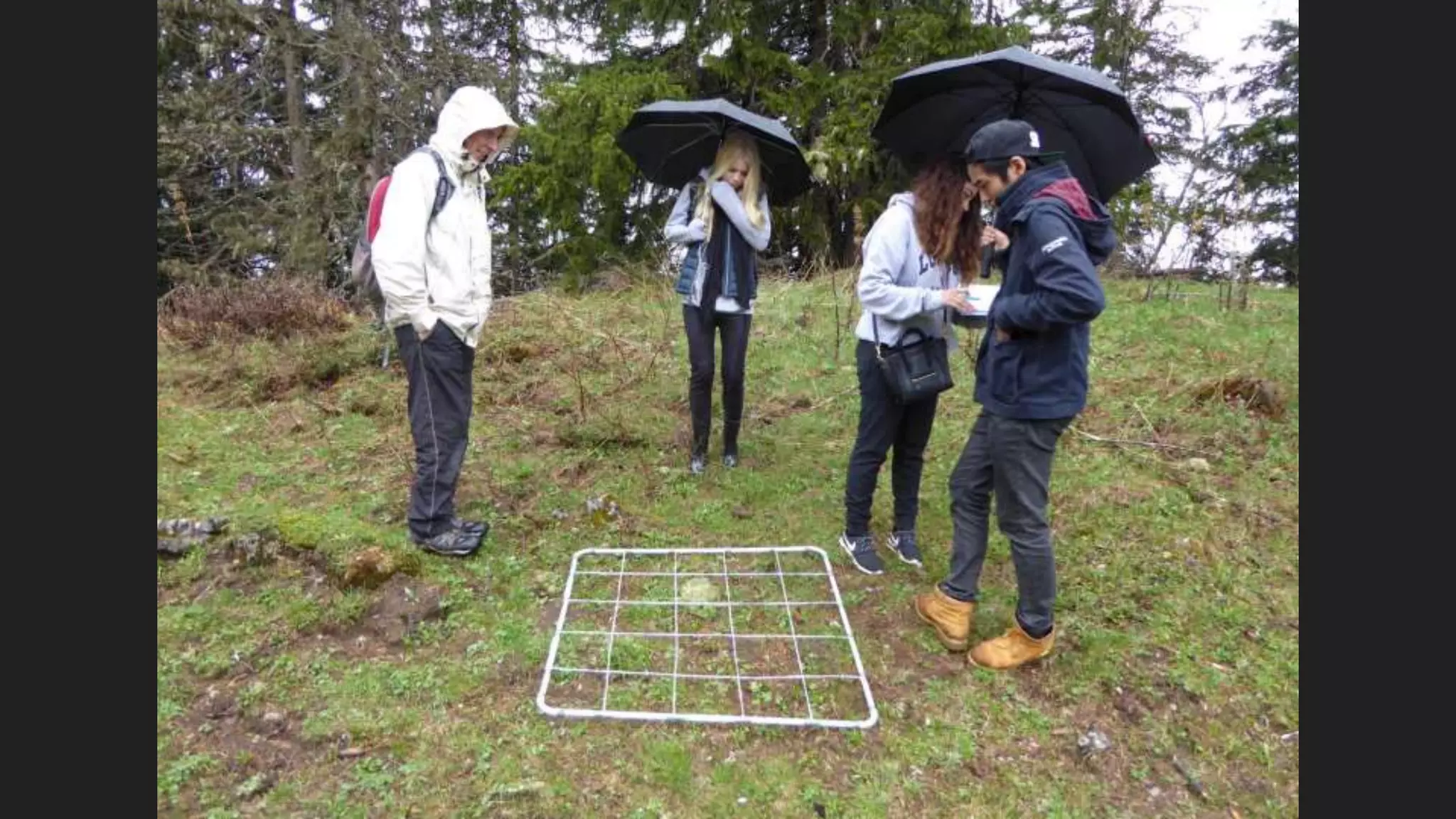
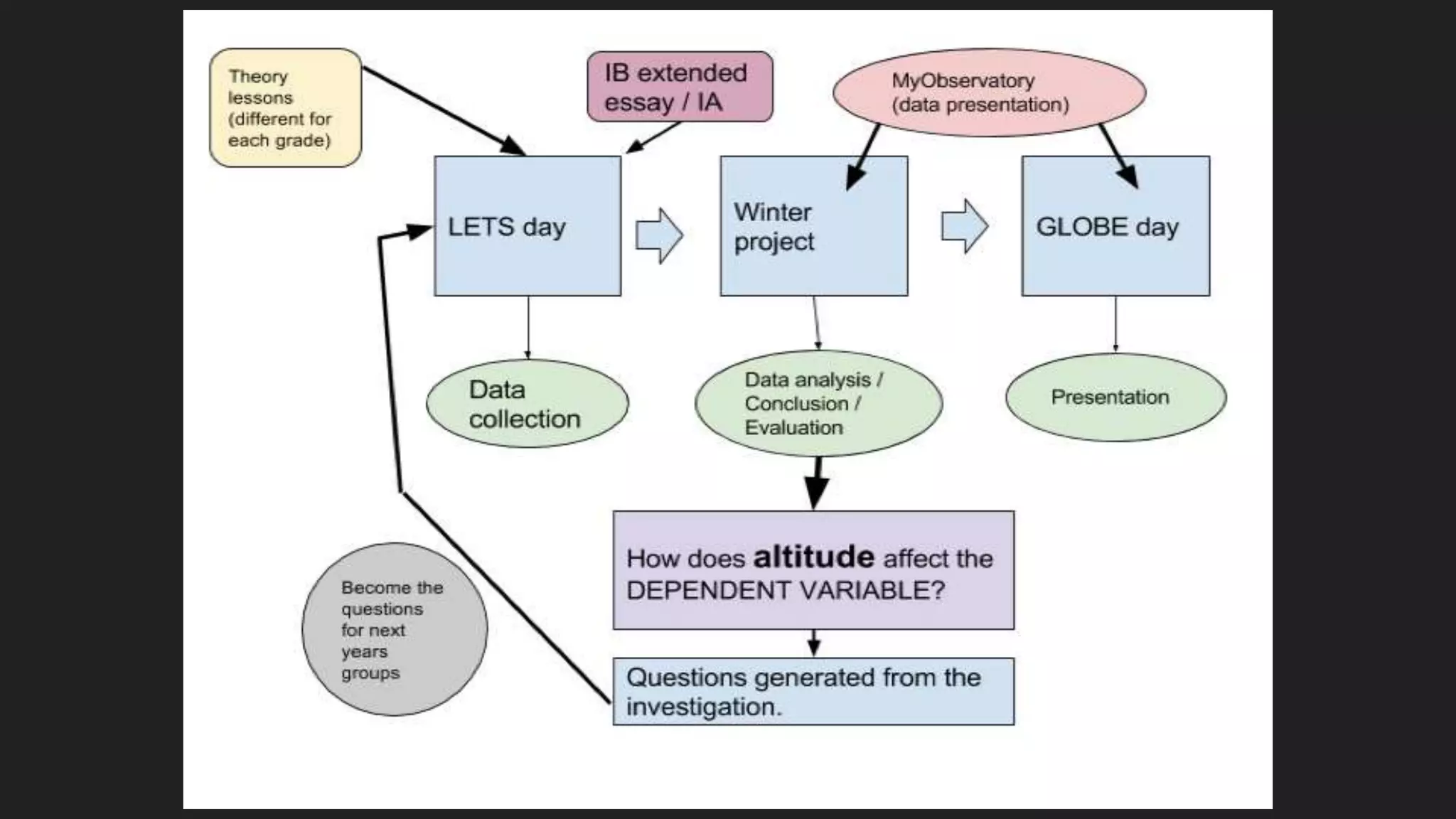
LETS Requires
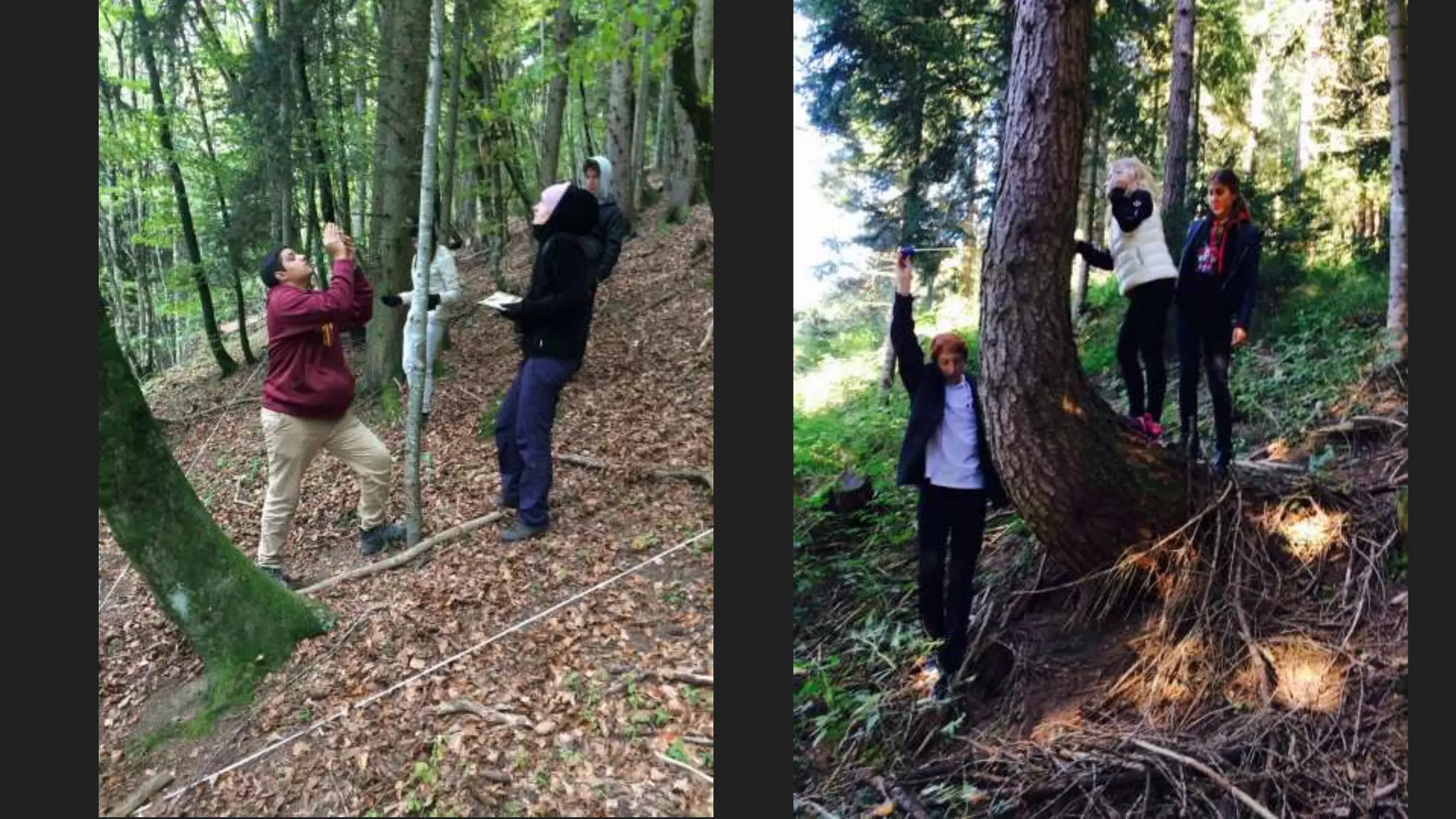
Student Training and
Curriculum
Integration
LETS Results in
Authentic Science
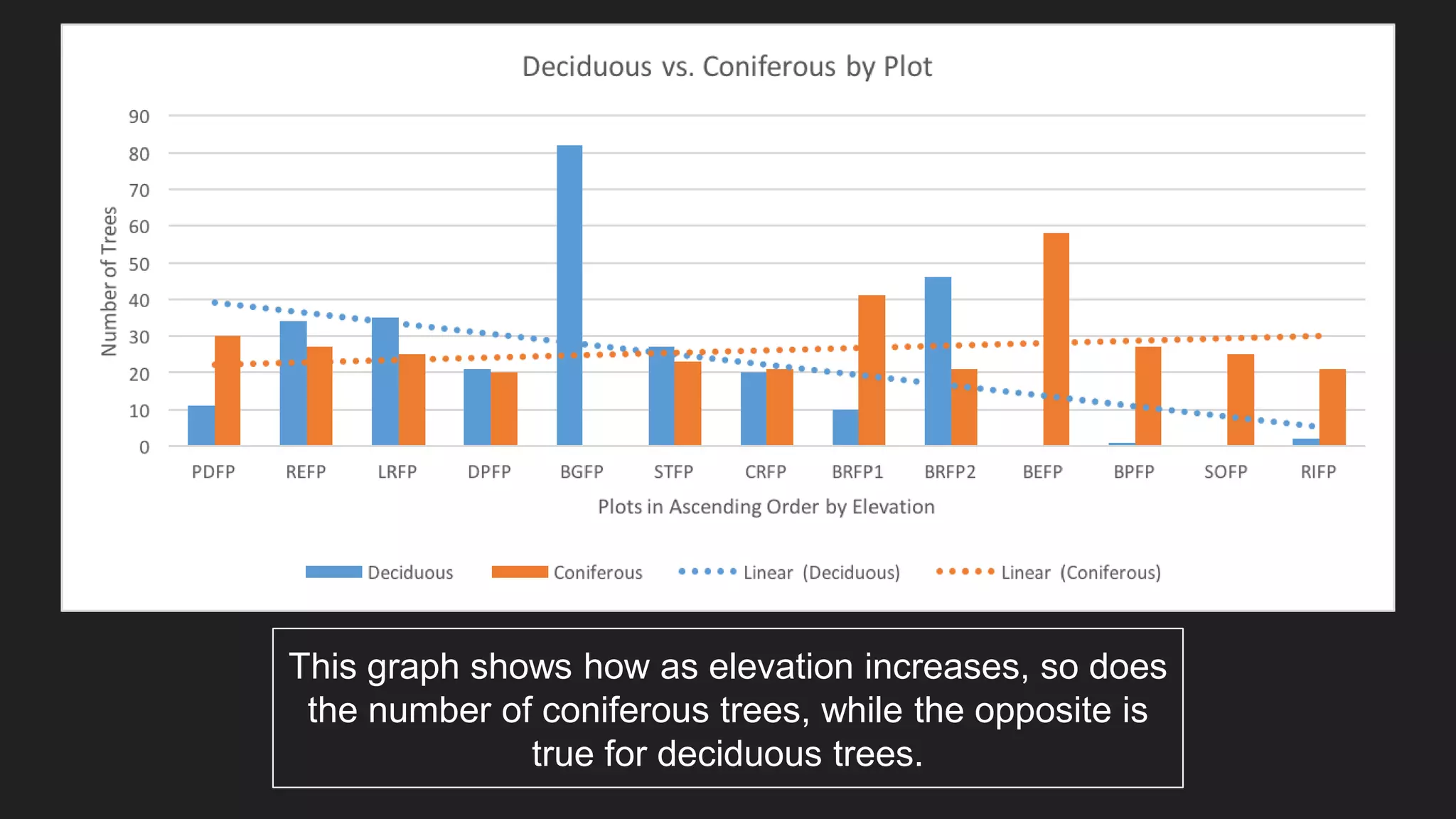
This graph shows how as elevation increases, so does
the number of coniferous trees, while the opposite is
true for deciduous trees.
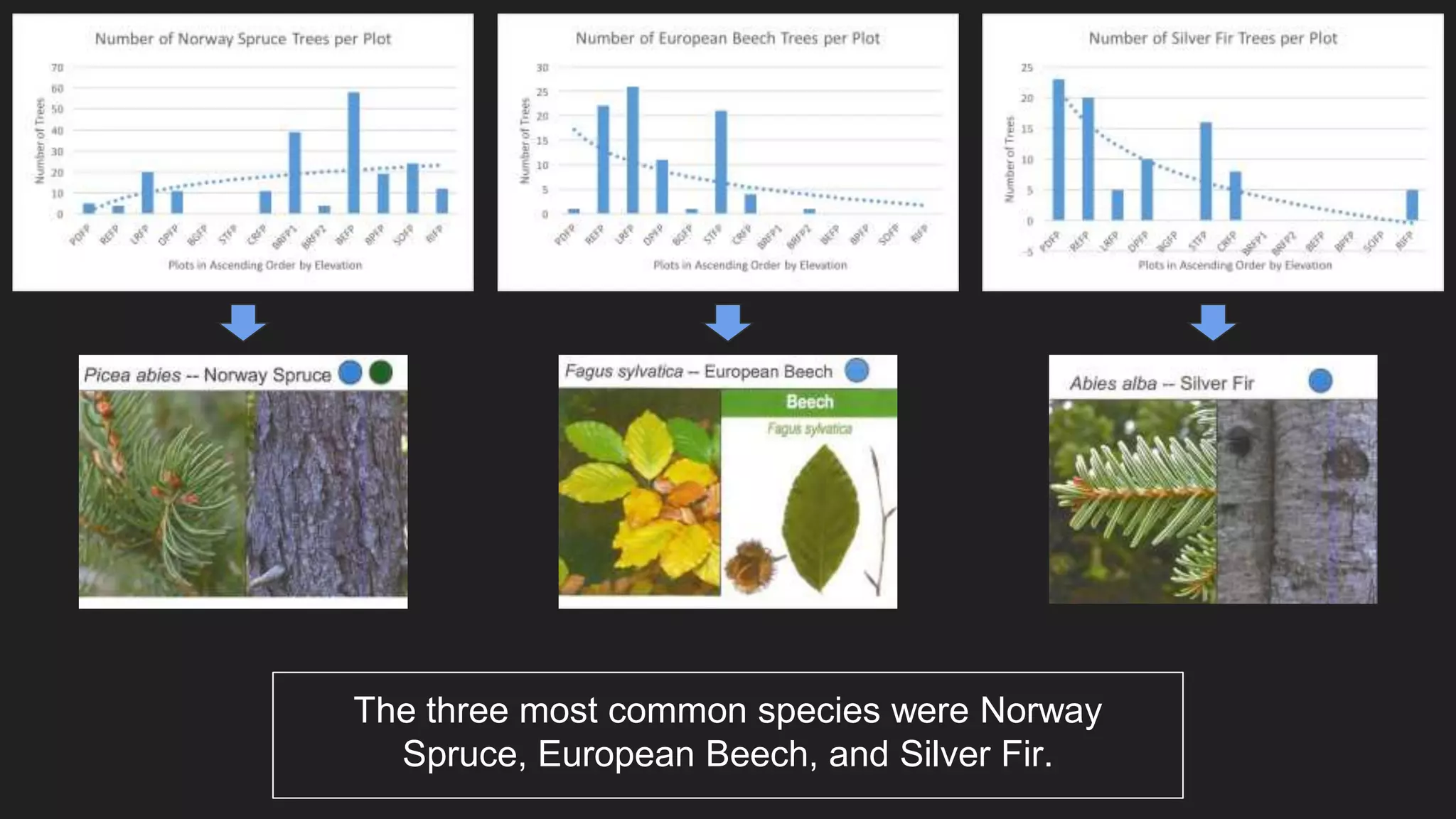
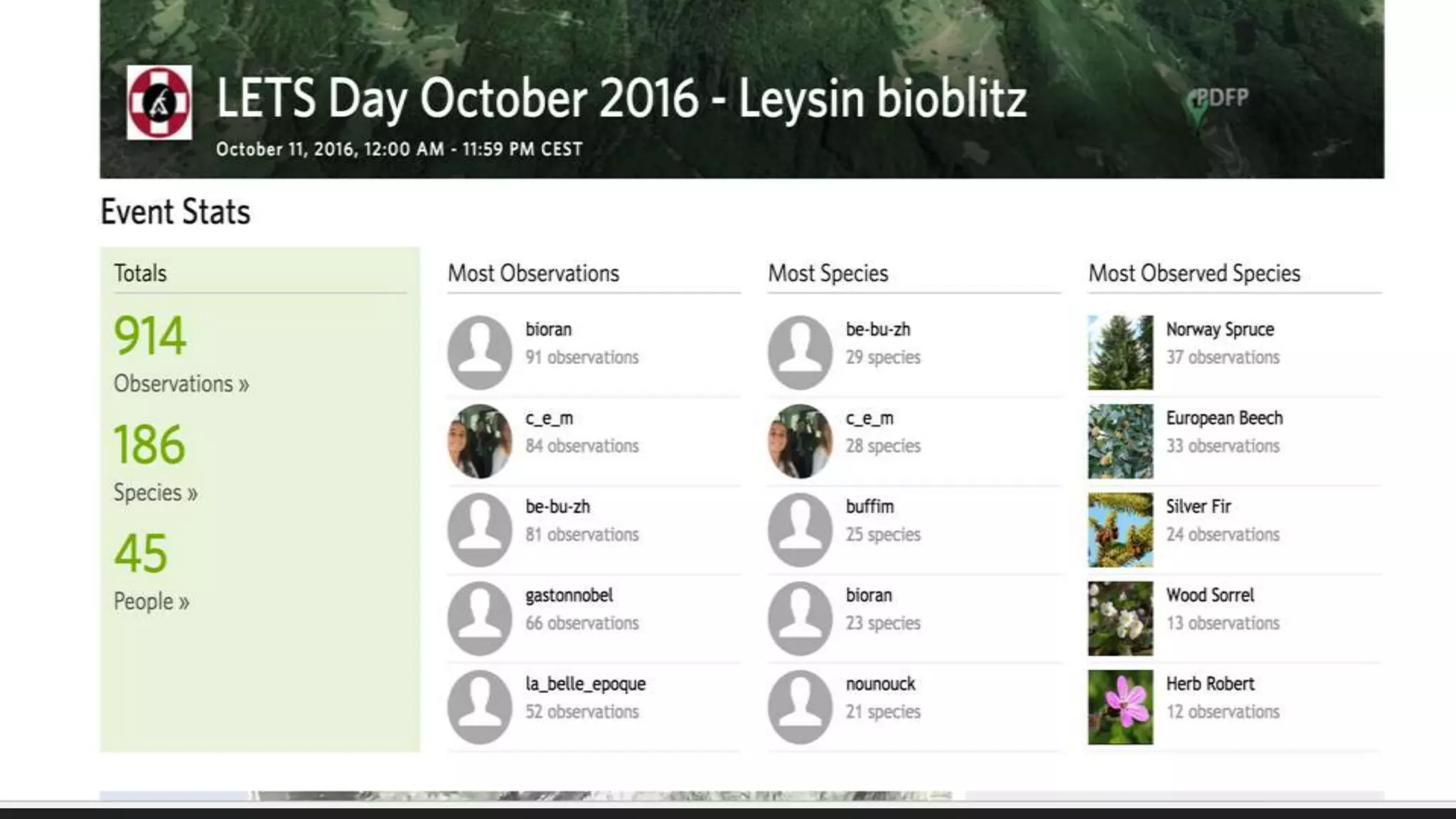
The three most common species were Norway
Spruce, European Beech, and Silver Fir.
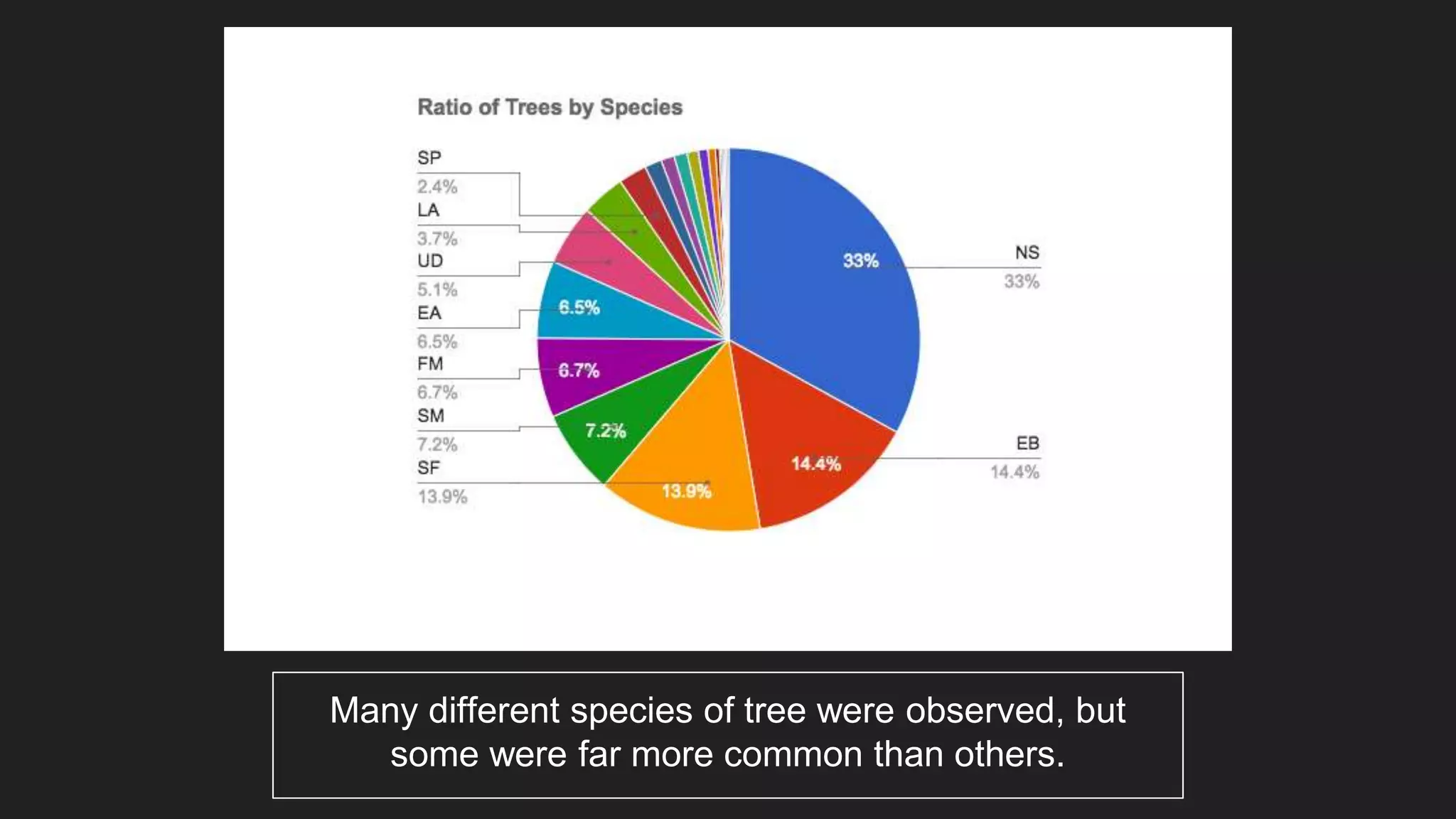
Many different species of tree were observed, but
some were far more common than others.
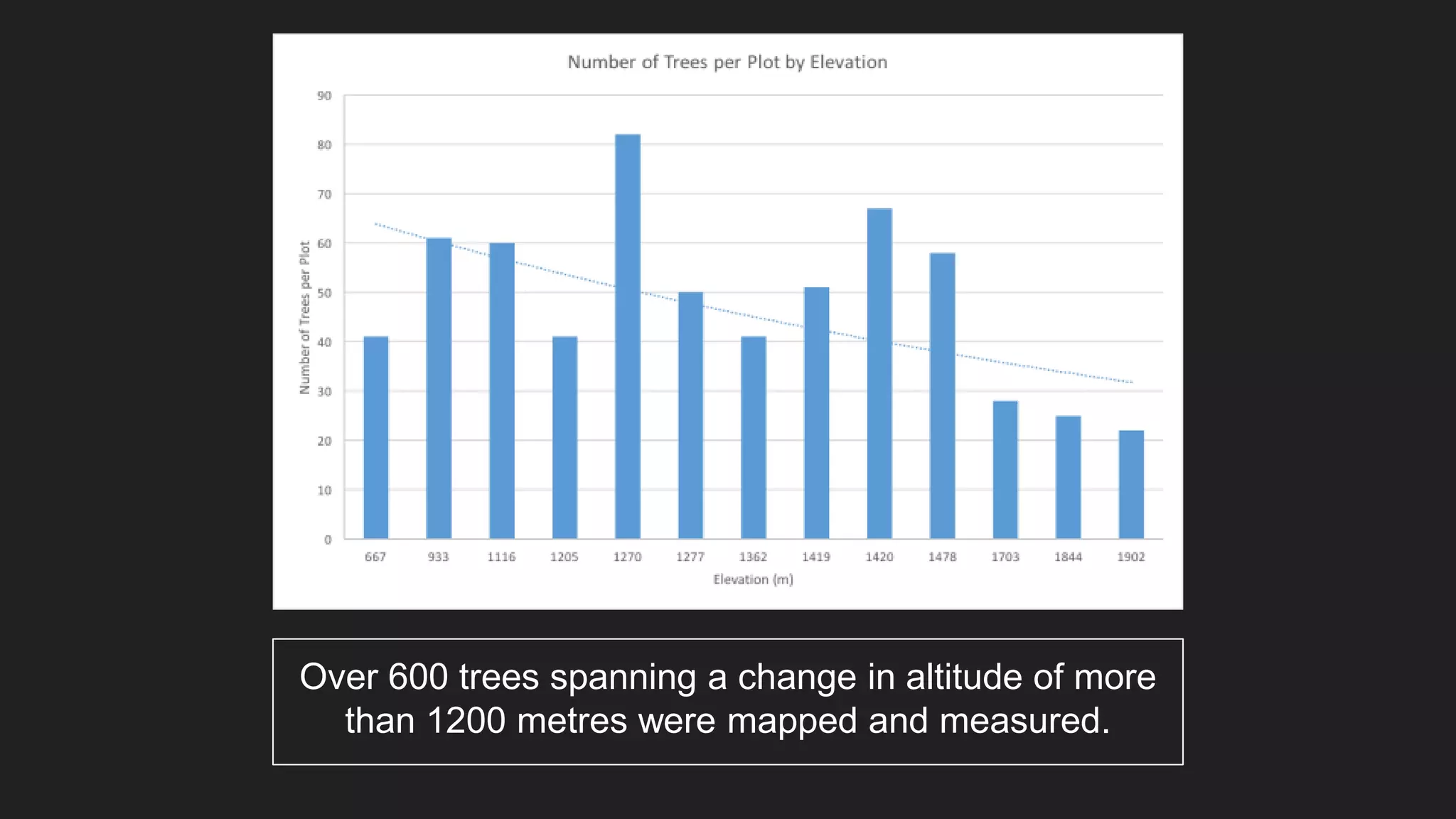
Over 600 trees spanning a change in altitude of more
than 1200 metres were mapped and measured.
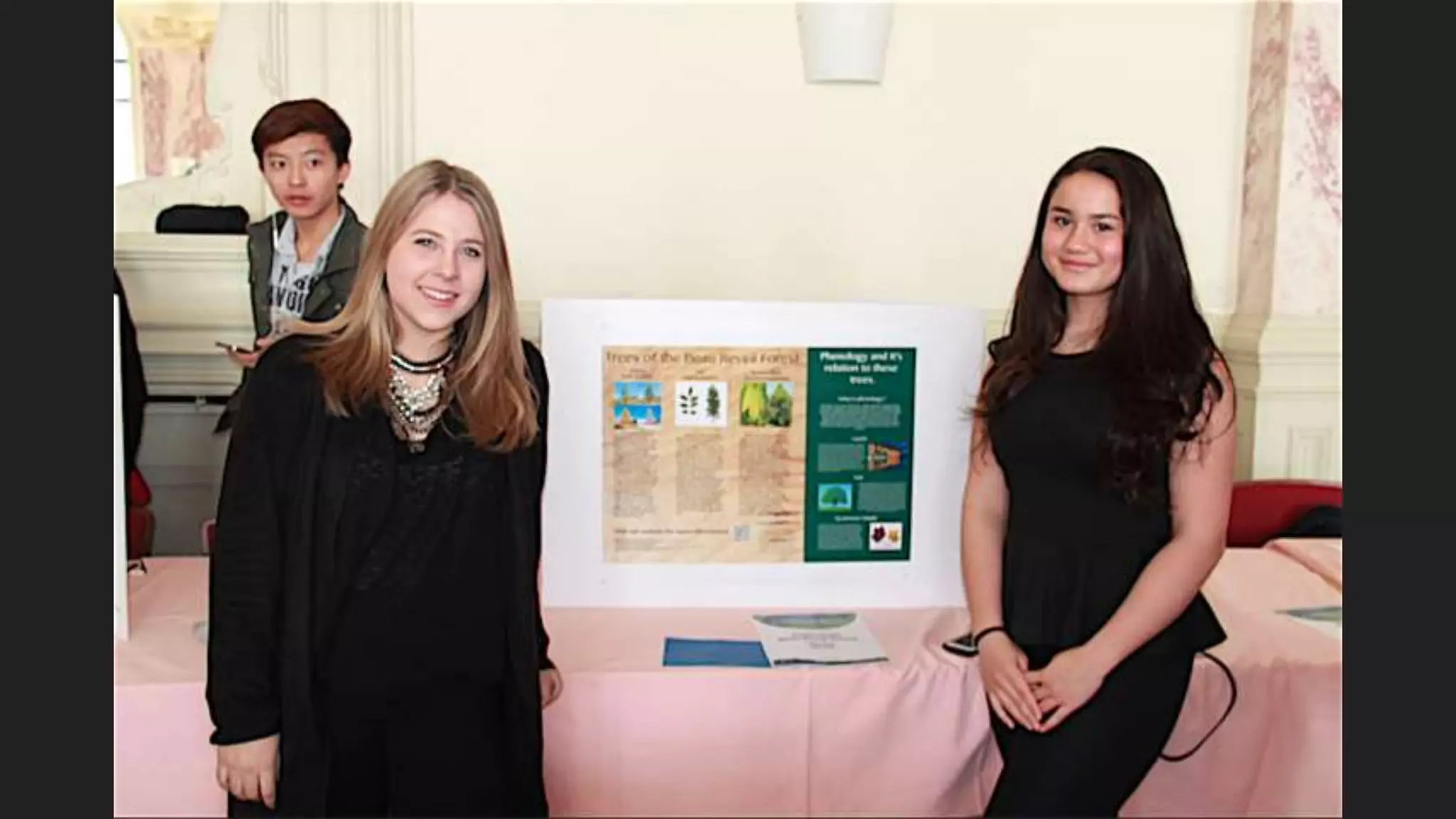
LETS Data is
Presented
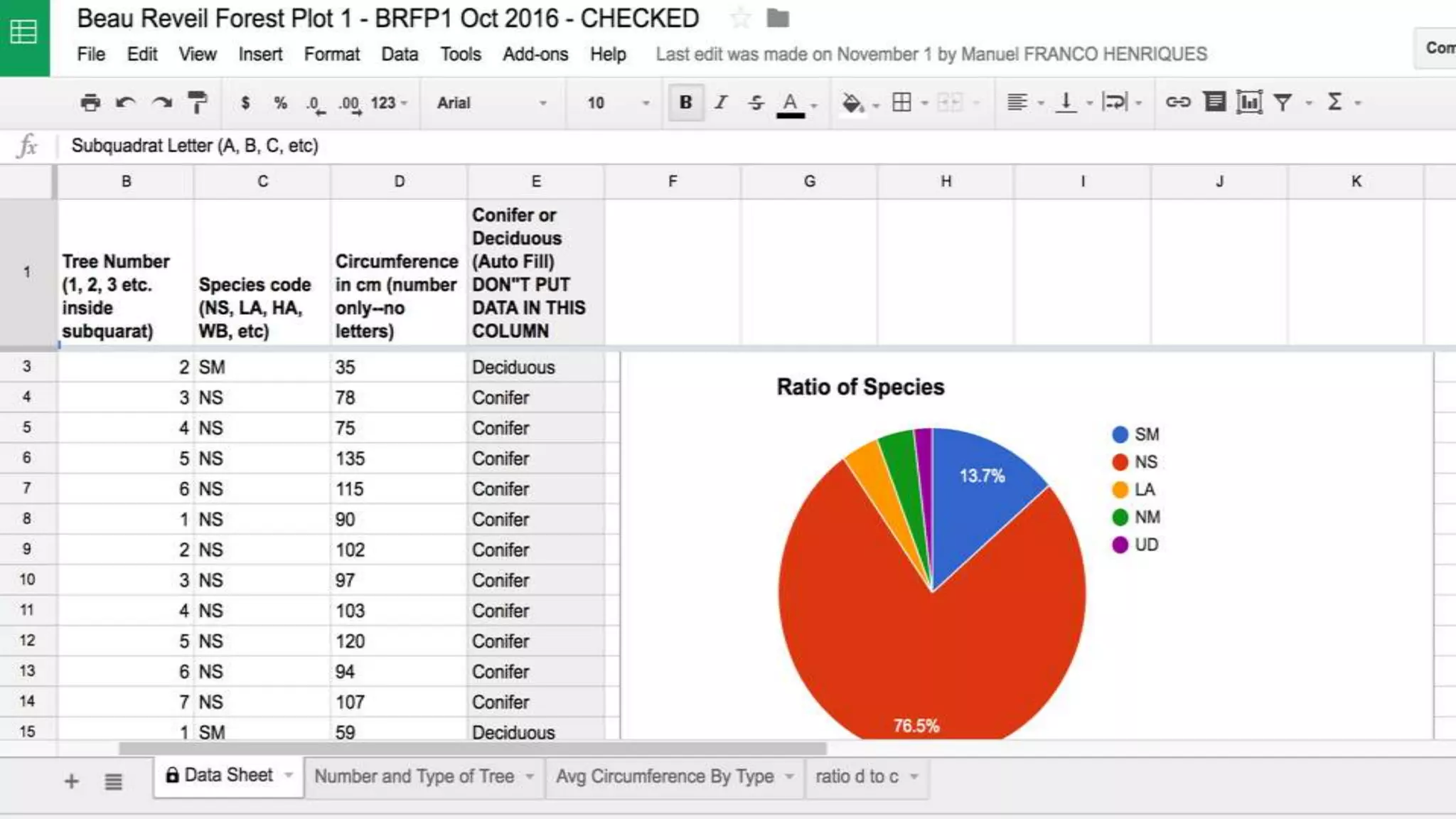
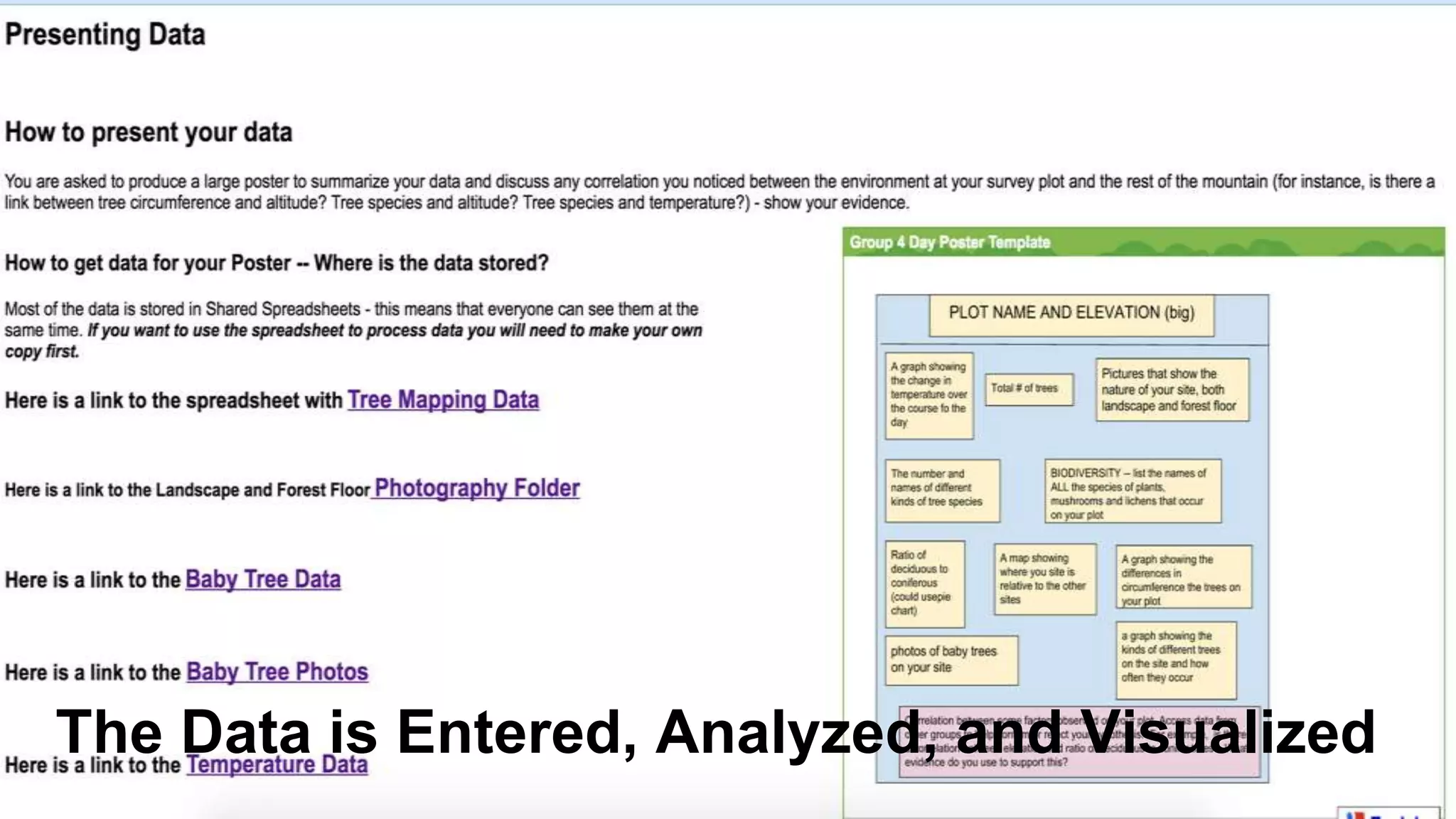
The Data is Entered, Analyzed, and Visualized
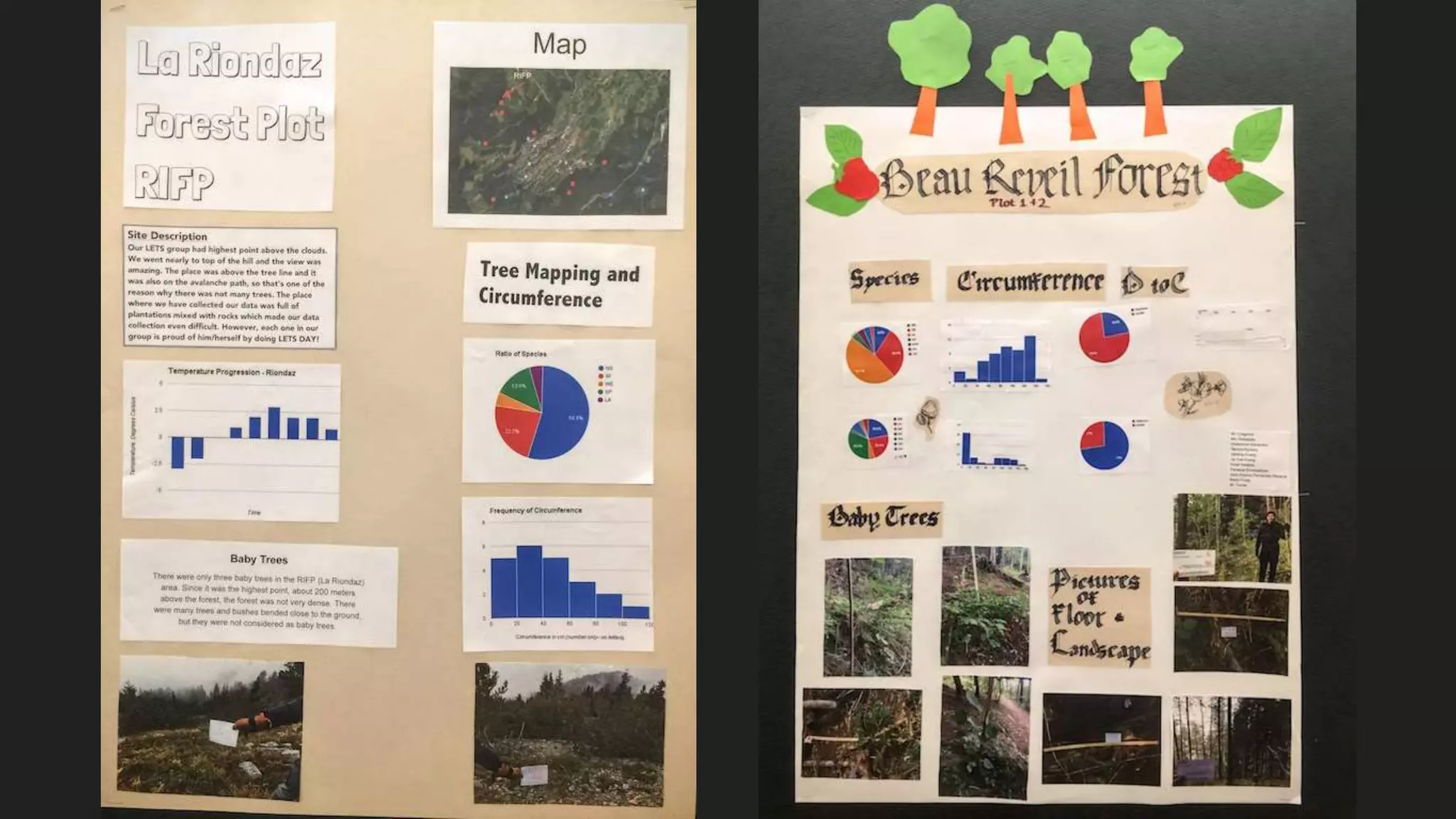
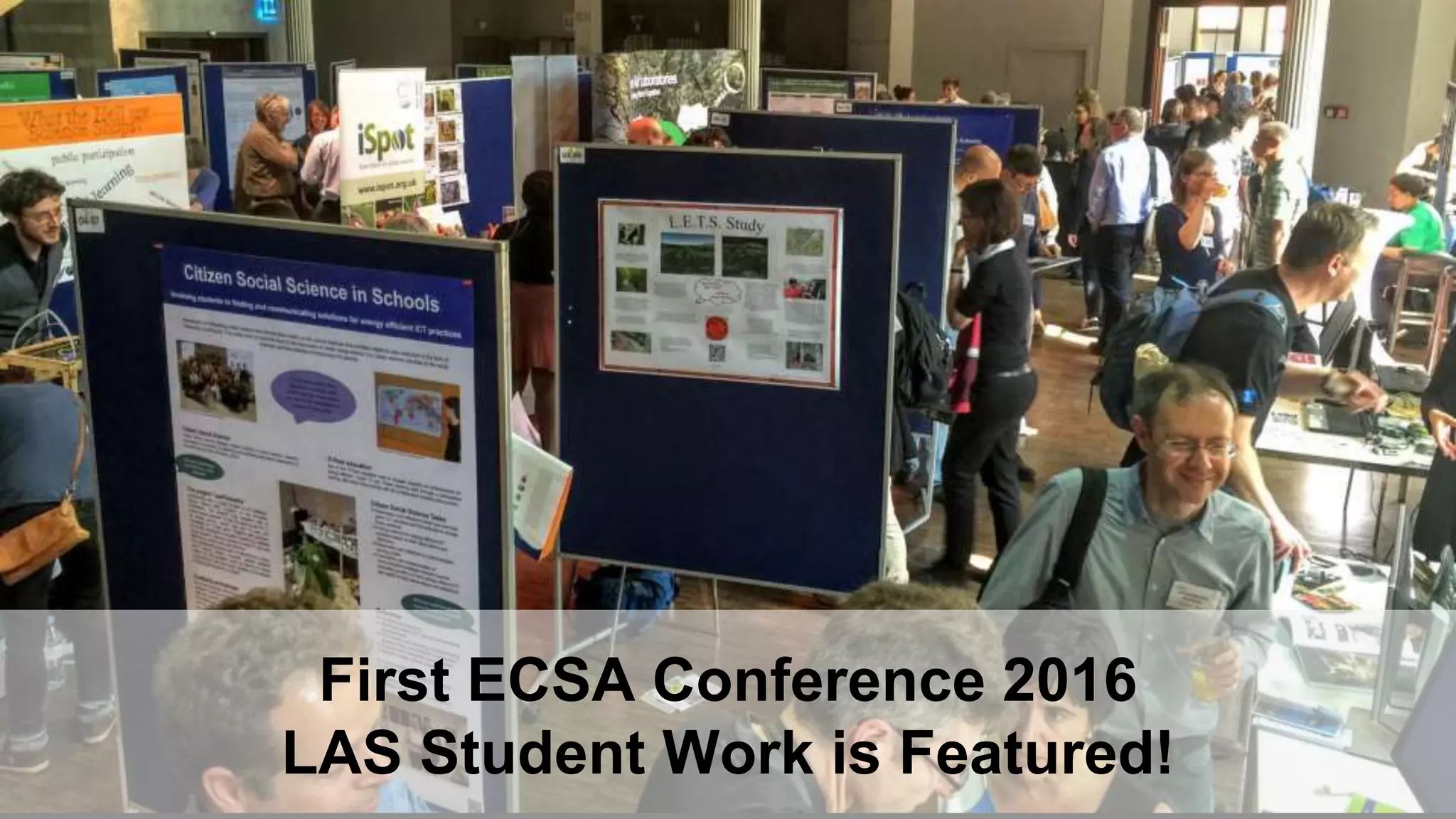
First ECSA Conference 2016
LAS Student Work is Featured!
Students Reflect
on LETS
“Climate change is a big issue and Leysin, being a town on top
of a mountain, can be very affected by it.”
“It was harder than I imagined. It was far away, cold, and I fell
a couple of times because the mountain was very steep.
Overall it was a great experience and I enjoyed it.”
What’s next for
LETS
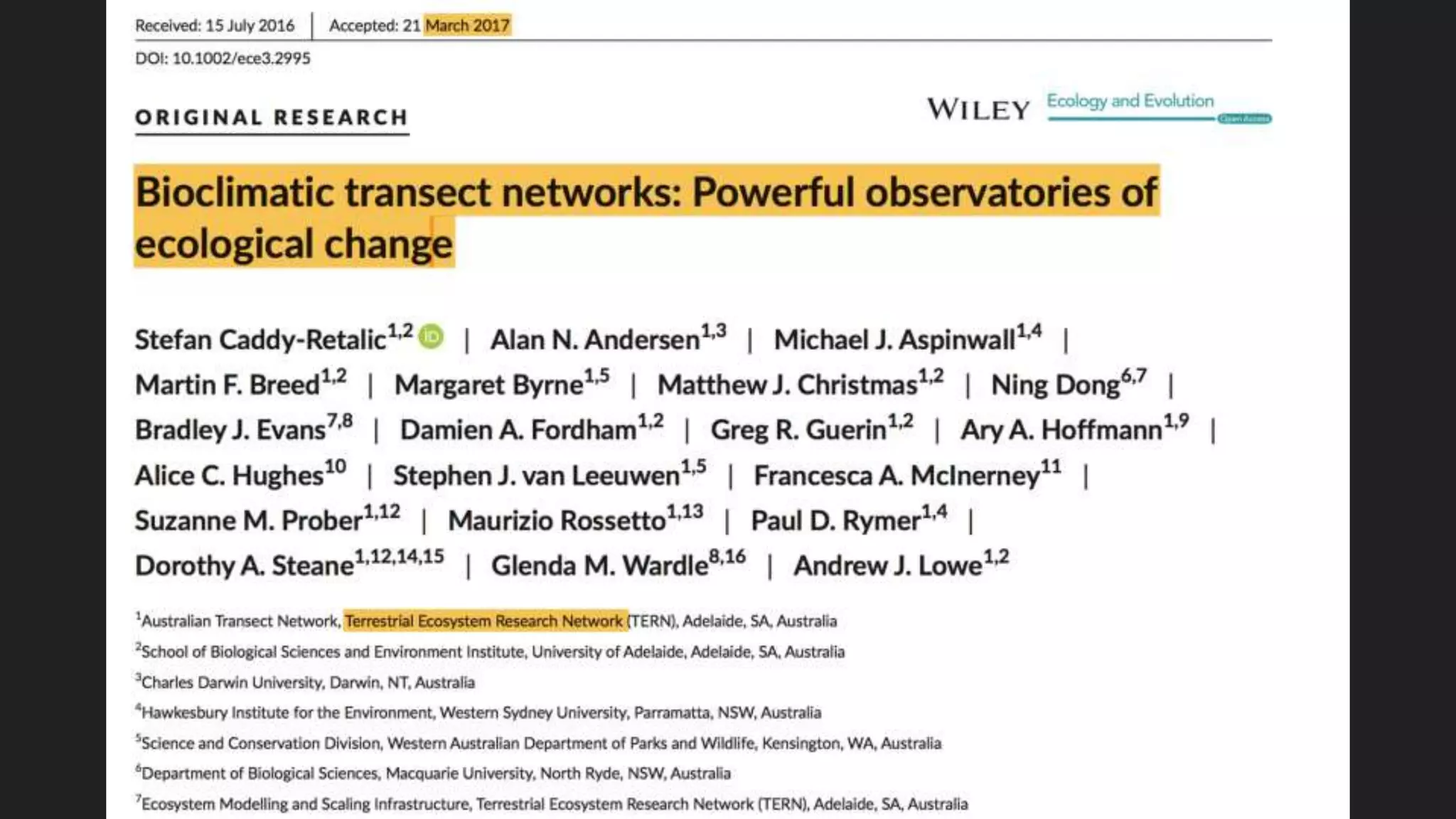
Bioclimactic transect networks:
“Provide cost-effective and robust insights into ecological and evolutionary
adaptation and improve forecasting of ecosystem change.”
“Cost-effective approach for linking biodiversity patterns to environmental drivers
in ecosystems.”
“A classic example of transdisciplinary research, which involves researchers and
the users of that research collaborating to improve on-ground conservation
outcomes.”
“Interpretations of patterns of adaptive change would be strengthened by
replicating studies along analogous environmental gradients.”
Bioclimatic transect networks:
“The benefits of coordinated networks are clear: By
combining resources and expertise, a consortium can build
more than individual researchers, and more reliable results
can be obtained by comparing the results.”
“We conclude that a network of bioclimatic transects is a
powerful and effective platform to answer the most pressing
questions in climate adaptation research.”
John Harlin & Dan Patton: LETS Study Climate: Sharing the Local Elevation Transect Survey, COST workshop

John Harlin & Dan Patton: LETS Study Climate: Sharing the Local Elevation Transect Survey, COST workshop

Editor's Notes

  • #5 Why citizen science? Why LETS? How to run the LETS program? The science of LETS? What’s next? What is iNaturalist?
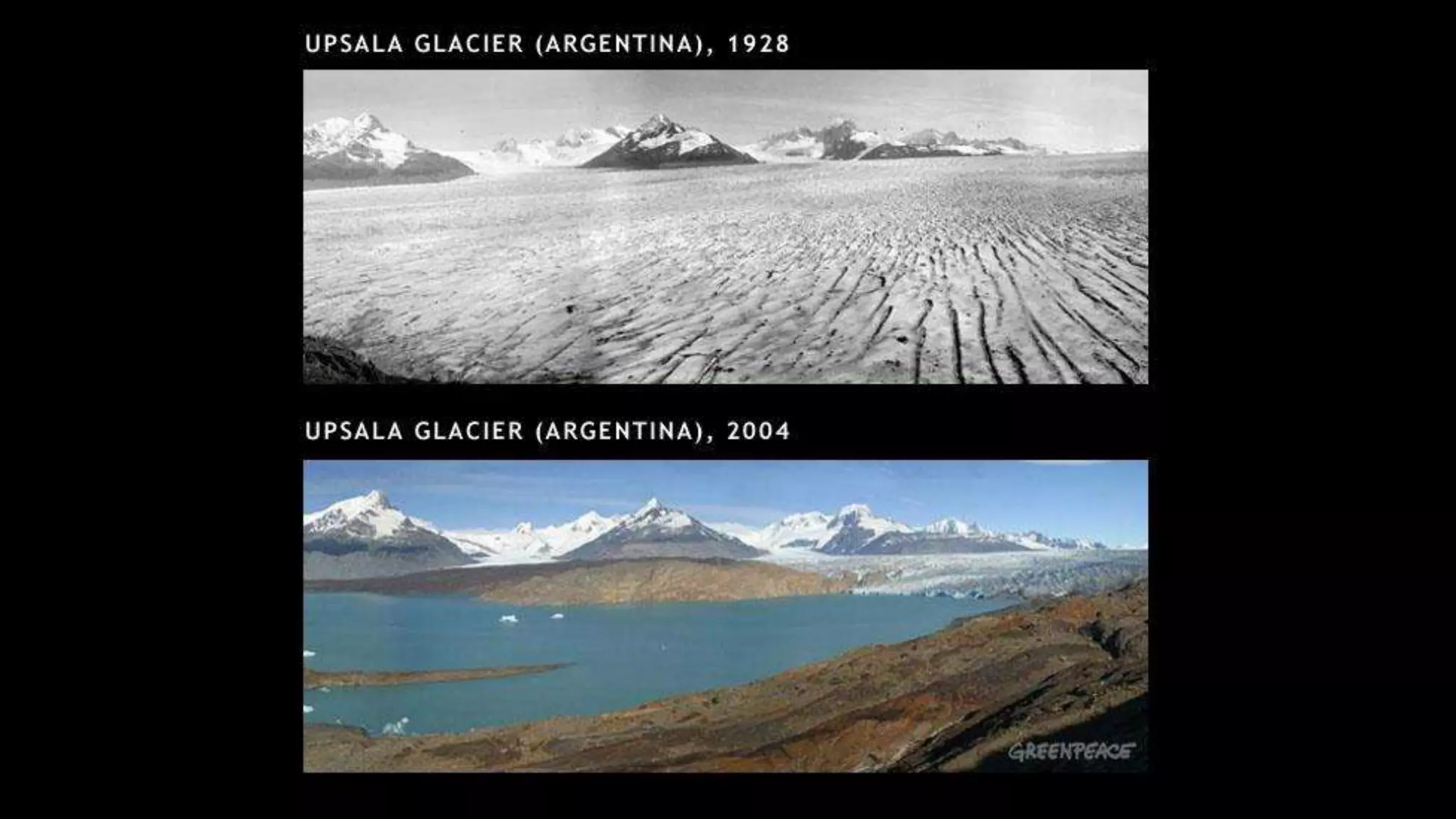
  • #8 Climate change is happening, all you need to do is look around you to see it
  • #9 Here is an example that is quite close to home.
  • #14 See CREA info page for details
  • #17 Explain this
  • #40 Talk about error in this data, don’t say “clearly,” forest management practices, we want to make the science better