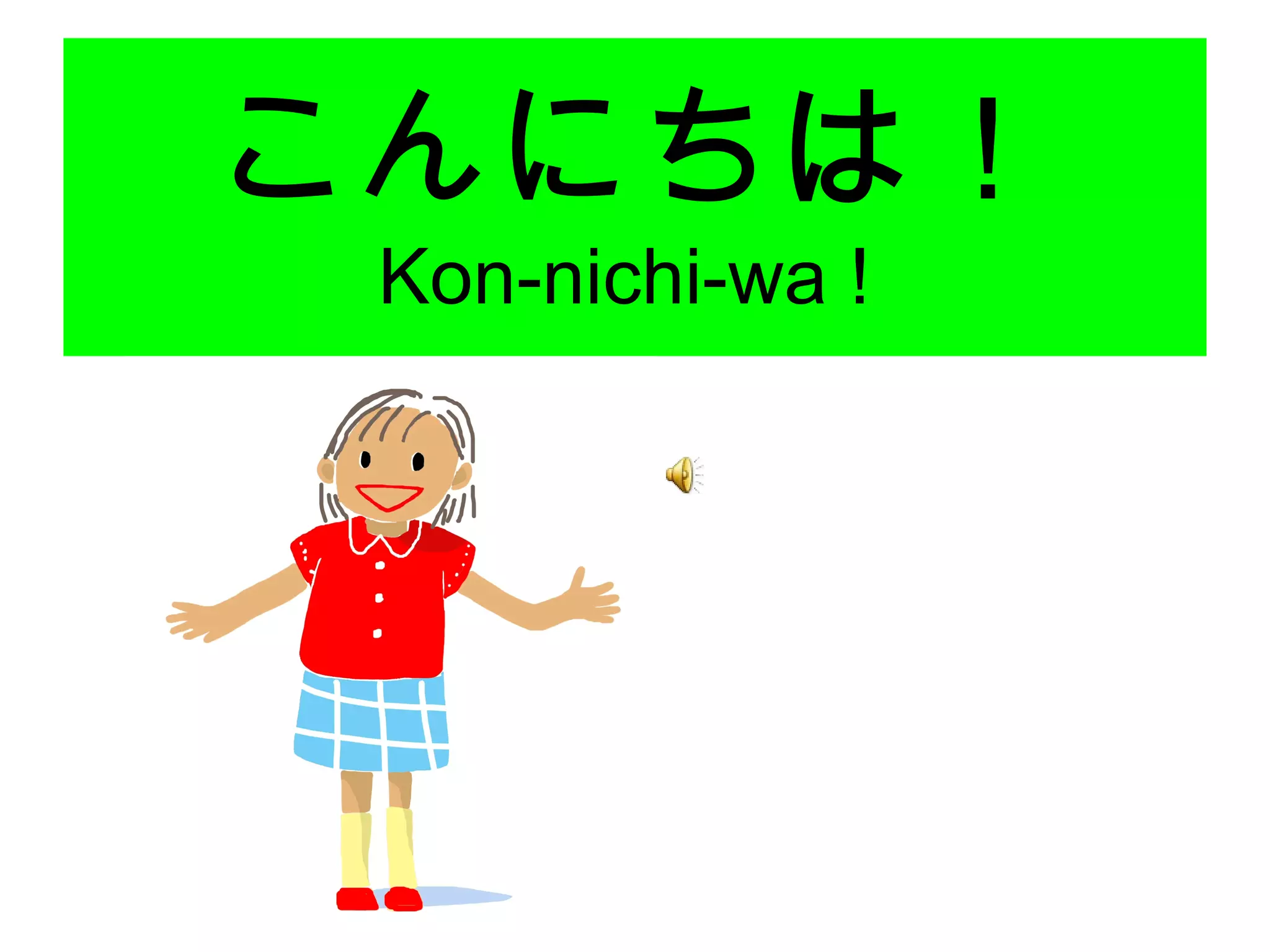
こんにちは! Kon-nichi-wa !
After this class, you will be able to……. say following greetings in Japanese. Morning! Good morning.  Hello/Good afternoon.  Good-bye.  Thank you.
After this class, you will be able to……. I am sorry.  How do you do?/Nice to meet you. Before/After meal greetings.  Greetings when you leave/arrive at  home. Hello (Welcoming customers) Please/Thanks.  No thank you.  Hello (on the telephone).
 
 
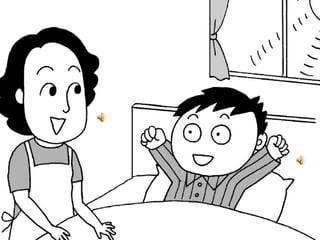
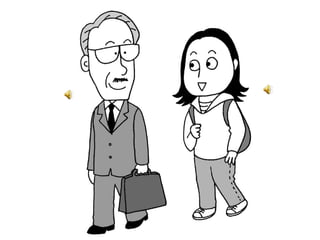
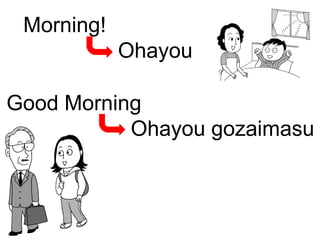
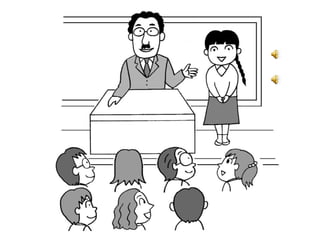
Morning! Ohayou Good Morning Ohayou gozaimasu
 
 
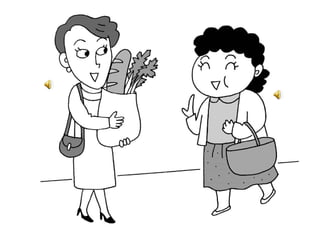
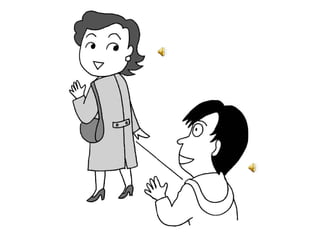
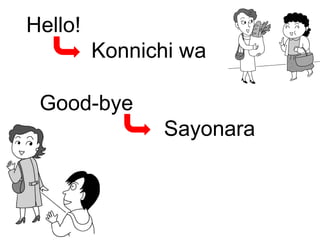
Hello! Konnichi wa Good-bye Sayonara
 
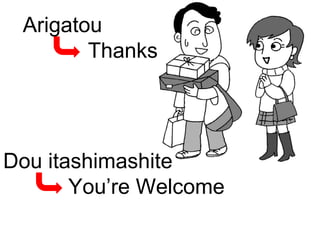
Arigatou Thanks Dou itashimashite You’re Welcome
 
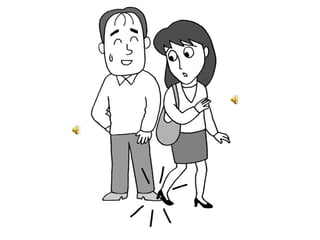
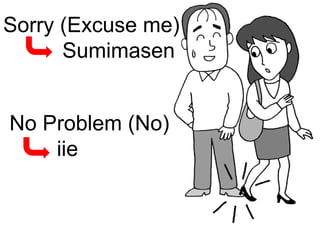
Sorry (Excuse me) Sumimasen  No Problem (No) iie
 
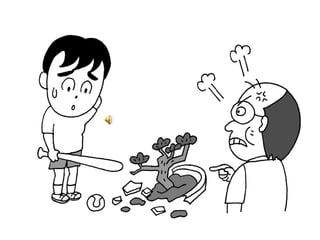
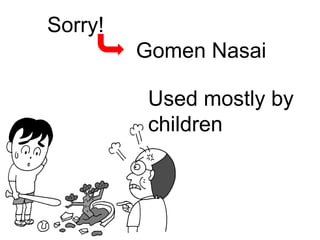
Sorry! Gomen Nasai  Used mostly by children
 
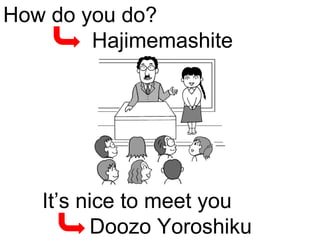
How do you do? Hajimemashite It’s nice to meet you Doozo Yoroshiku
 
 
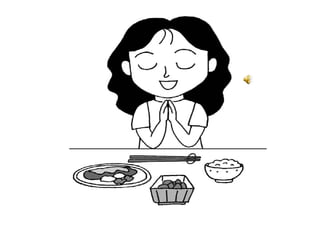
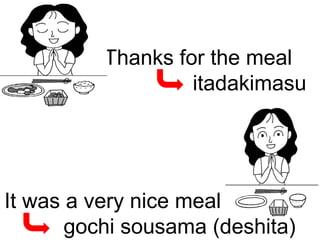
Thanks for the meal itadakimasu It was a very nice meal gochi sousama (deshita)
 
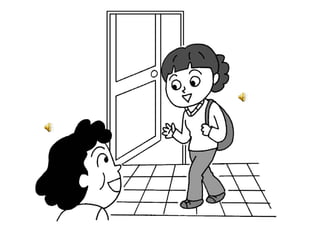
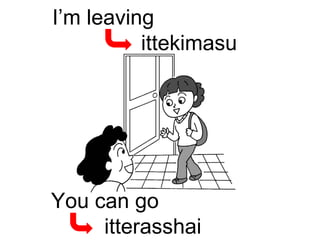
I’m leaving ittekimasu You can go itterasshai
 
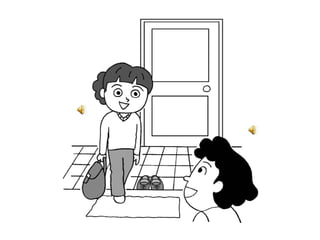
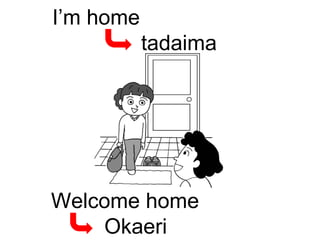
I’m home tadaima Welcome home Okaeri
 
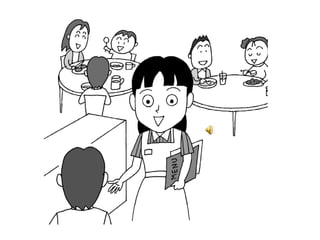
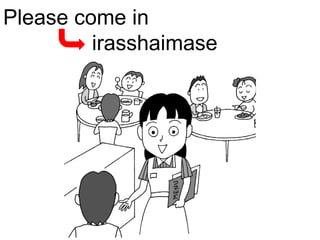
Please come in irasshaimase
 
 
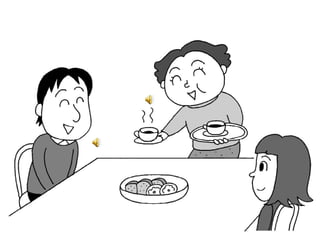
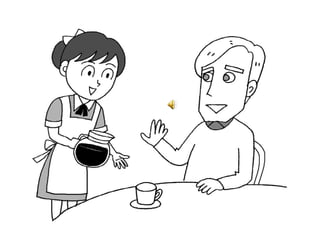
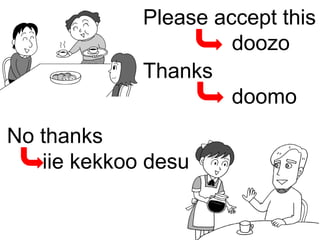
Please accept this doozo No thanks iie kekkoo desu Thanks doomo
 
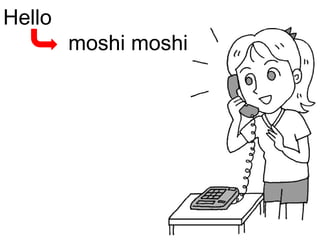
Hello moshi moshi
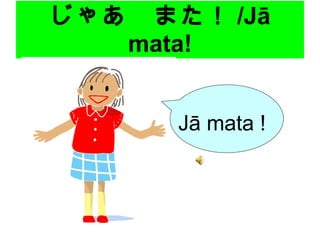
じゃあ また! /J ā   mata! J ā   mata !

Japanese Greetings

Editor's Notes

  • #5 “ Ohay ō ” is a simple morning greeting within family members or between friends.
  • #6 To the elders or the higher in the status, a simple form of “Ohay ō ” is not acceptable. A student is saying “Ohay ō -gozaimasu” to her teacher. “Gozaimasu” is a suffix to make an expression politer. However, not all of greetings have their polite forms.
  • #8 “ Konnichiwa” is almost the English equivalent of “Hello”.
  • #9 “ Say ō nara” is the English equivalent of “Good-bye”.
  • #11 “ Arigat ō ” is the English equivalent of “Thank you” and “ D ō -itashimashite” is “You are welcome” or “ My pleasure”
  • #13 “ Sumimasen” is a word for apology. “Iie” is literally means “No” but in this case it means “ No problem”. It is pronounced slightly differently from the simple denial “Iie” . “ Sumimasen” is a very useful word as it is also used as the English equivalent of “Excuse me.”
  • #15 “ Gomen-nasai” is a word for apology. Comparing to “Sumimasen”, it sounds a little bit childish. Children use Gomen-nasai.
  • #17 When you are introduced to someone, you say “Hajimemashite” which means “This is the first time that I meet you.”. It is a fixed expression and the English equivalent of “How do you do?” or “ Nice to meet you.” “ D ō zo yoroshiku” is also used solely as “Nice to meet you” but usually “Hajimemashite” is followed by “D ō zo yoroshiku.”
  • #19 “ Itadakimas(u)” is a greeting before meal which is the French equivalent of “ Bon appetite”. It literally means “ I am having this meal with appreciation”.
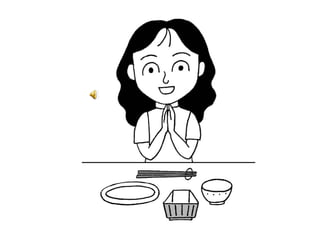
  • #20 “ Gochis ō sama-deshita” or “Gochis ō sama” is a greeting after meal. It literally means “It was a very nice meal.”
  • #22 When a family member leaves home he/she says “Ittekimas(u)” which literally means “I am leaving.” It is a fixed expression and the others who stay at home say “Itterasshai” “ Itterasshai” literally means “You can go”. These expressions don’t have any literal meanings any more.
  • #24 When a family member comes back home, he/she says “Tadaima” to other members. It literally means “right now” and the abbreviation of “I am back right now.” Then others who have stayed at home say ”Okaeri” which means “Welcome back home.”
  • #26 “ Irasshaimase” is a fixed expression of waitresses, waiters, shopkeepers and sellers. It literally means “Please come in” and it is an expression of welcoming customers.
  • #28 “ D ō zo” is a word when you give/offer something to somebody. It literally means “please” and this is the abbreviation of “please accept it.” “ D ō mo” is the abbreviation of “D ō mo arigat ō ” and the English equivalent of “Thanks”.
  • #29 “ Iie, Kekk ō -des(u)” is the English equivalent of “No thank you”
  • #31 “ Moshi-moshi” is a fixed word used as a starter of the telephone conversation.
  • #33 “ J ā mata” is the English equivalent of “See you”.