Introduction to Sports
Psychology
Mr. Doron
Doron’s Top Video Clips!
 Spider Jones 1/2
 Spider Jones 2/2
 Al Pacino’s speech to Football Players
 Al Pacino is Scent of a Woman
 Al Pacino’s moving speech
 Al Pacino in the Insider
Agenda
 Introduction
 Administrative
 Definitions related to sports psychology
 History
 1st Topic: Psychological Characteristics of
Peak Performance
 Highlights
Introduction
 We often hear that the game is 90%
mental or more
 Often more so the higher up the
performance (from recreation  city 
provincials  national  international or
professional
 Unfortunately, at the lower level, athletes
either do not know how to improve their
mental skills or spend little or no time
working on the mental part of their game
Introduction
 Unfortunately, it is often viewed as something
necessary for the weak-minded competitor who
has “issues.” The reality is that the mental game
of sports affects every athlete, no matter what
their strengths or weaknesses may be.
 Psychologist vs psychiatrist
 One does not prescribe medicine while the other
one does
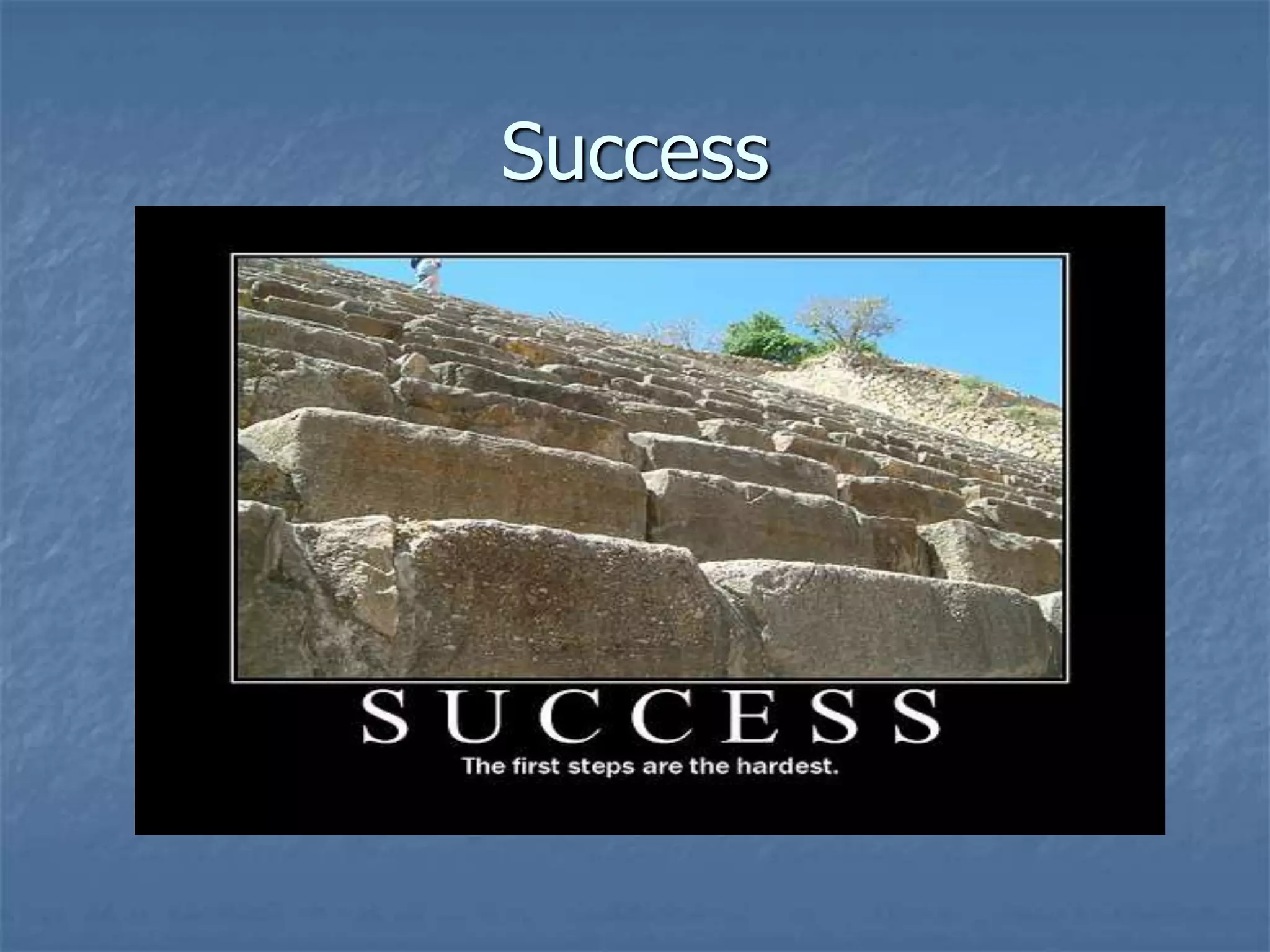
Success
Administrative
 Course Syllabus
 Some marks are based on your presence
and –participation in class.
 If 1-2 are misbehaving, I will deal with
you on my own; if more then that then
the class will be disciplined
 Surprise quizzes, work, staying back after
class etc.
 Let us not even go there once!
Administrative
 1st five minutes – no questions
 this is my time to get myself organized
 Give class instructions for the period
 Sometimes instructions are written on the board so
therefore do it…
 Often teach for the 1st 20 minutes and then you
do the work.
 Questions or Comments – please raise your
hand!
 Internet site for class notes; click here.
PBH Points
 Participation
 Behavior
 Homework
 Do Good things
 Homework done (90% or more), answer questions in
class, correct me if I make a mistake (be nice about
it) = +5 points
 Do Bad things
 Come late to class, disrupt, not do homework = -5
points
 Get kicked out of class – 10 points!
Lates & Absences
 If you are late – enter the class quietly (doorknob might
be unlocked). Do not make a show of it! I keep track of
lates and you may receive a detention.
 If I award points for homework and you are absent, it is
your responsibility to show it to me after class on your
time (not mine). This should take 20 seconds.
 Late assignments = -5% / day.
 If absent, must be handed in upon your return (no
penalty). If you do hand it in the next day, this will be
considered two days late – 5% / day late).
 Get two reliable classmates’ number.
 Tests or quizzes are expected to be written the day you
come back. Make sure your absence is justified to avoid
headaches.
Definitions
 Psychology: The study of human and
animal behavior
 Sports psychology: It is the principles of
psychology used in a sport setting
 Through sport psychology, an athlete can
gain the “mental edge” to reach their
goals, recover from injury, or gain
confidence.
 Sport psychology is the bridge that links
the mental and physical aspects of
training.
Definitions
 Flow: is the mental state of operation in
which the person is fully immersed in what
he or she is doing, characterized by a
feeling of energized focus, full
involvement, and success in the process of
the activity. Proposed by psychologist
Csikszentmihalyi
 Confidence: the belief in oneself
Definitions
 Self-talk: An internal dialogue
 Optimism: The ability to see the positive
side of things
 Pessimism: the tendency to see the most
gloomiest of outcomes
 Focus: concentration at the task at hand
and the ability to exercise distraction
control
Definitions
 Mental imagery: Clear pictures in your
mind of your performance using all the
senses (sight, sound, taste, smell and
touch) to successfully imagine successful
performances
 Motivation: the drive or action towards a
goal
Goal of Sports Psychologists or
Sports Psychology Coaches
 Teach athletes techniques that are commonly
used in sport psychology such as mental
imagery, relaxation, goal setting, building
confidence, learning to focus, create a positive
self-talk and regulating energy levels and
becoming more optimistic.
 Through learning and practicing these
techniques, an athlete or person has the ability
to reach their potential, achieve peak
performance or what is called “flow”.
Positive Quotes
History of Sports Psychology
 The first sports psychologist has said to be
Norman Triplett a North American man
from Indiana, born in 1898. Triplett’s first
finding as a sport psychologist was that
cyclists cycle faster in pairs or a group,
rather than riding solo.
History of Sports Psychology
 Carl Diem, a German who lived in Berlin,
founded the world’s first sports psychology
laboratory in 1920.
 In 1925, Cloman Griffith opened the first
sports psychology lab in North America.
He began his research in factors that
affect sport performance in 1918, and in
1923, offered the first ever sports
psychology course.
History of Sports Psychology
 Today, sport and exercise psychologists
have begun to research and provide
information in the ways that psychological
well-being and vigorous physical activity
are related.
 Just recently have sport psychologists
begun to be recognized for the valuable
contributions they make in assisting
athletes and their coaches in improving
performance during competitive situations.
Positive Quote
Act as if it were impossible to fail.

IntroductiontoSportsPsychology.ppt

  • 1.
  • 2.
    Doron’s Top VideoClips!  Spider Jones 1/2  Spider Jones 2/2  Al Pacino’s speech to Football Players  Al Pacino is Scent of a Woman  Al Pacino’s moving speech  Al Pacino in the Insider
  • 3.
    Agenda  Introduction  Administrative Definitions related to sports psychology  History  1st Topic: Psychological Characteristics of Peak Performance  Highlights
  • 4.
    Introduction  We oftenhear that the game is 90% mental or more  Often more so the higher up the performance (from recreation  city  provincials  national  international or professional  Unfortunately, at the lower level, athletes either do not know how to improve their mental skills or spend little or no time working on the mental part of their game
  • 5.
    Introduction  Unfortunately, itis often viewed as something necessary for the weak-minded competitor who has “issues.” The reality is that the mental game of sports affects every athlete, no matter what their strengths or weaknesses may be.  Psychologist vs psychiatrist  One does not prescribe medicine while the other one does
  • 6.
  • 7.
    Administrative  Course Syllabus Some marks are based on your presence and –participation in class.  If 1-2 are misbehaving, I will deal with you on my own; if more then that then the class will be disciplined  Surprise quizzes, work, staying back after class etc.  Let us not even go there once!
  • 8.
    Administrative  1st fiveminutes – no questions  this is my time to get myself organized  Give class instructions for the period  Sometimes instructions are written on the board so therefore do it…  Often teach for the 1st 20 minutes and then you do the work.  Questions or Comments – please raise your hand!  Internet site for class notes; click here.
  • 9.
    PBH Points  Participation Behavior  Homework  Do Good things  Homework done (90% or more), answer questions in class, correct me if I make a mistake (be nice about it) = +5 points  Do Bad things  Come late to class, disrupt, not do homework = -5 points  Get kicked out of class – 10 points!
  • 10.
    Lates & Absences If you are late – enter the class quietly (doorknob might be unlocked). Do not make a show of it! I keep track of lates and you may receive a detention.  If I award points for homework and you are absent, it is your responsibility to show it to me after class on your time (not mine). This should take 20 seconds.  Late assignments = -5% / day.  If absent, must be handed in upon your return (no penalty). If you do hand it in the next day, this will be considered two days late – 5% / day late).  Get two reliable classmates’ number.  Tests or quizzes are expected to be written the day you come back. Make sure your absence is justified to avoid headaches.
  • 11.
    Definitions  Psychology: Thestudy of human and animal behavior  Sports psychology: It is the principles of psychology used in a sport setting  Through sport psychology, an athlete can gain the “mental edge” to reach their goals, recover from injury, or gain confidence.  Sport psychology is the bridge that links the mental and physical aspects of training.
  • 12.
    Definitions  Flow: isthe mental state of operation in which the person is fully immersed in what he or she is doing, characterized by a feeling of energized focus, full involvement, and success in the process of the activity. Proposed by psychologist Csikszentmihalyi  Confidence: the belief in oneself
  • 13.
    Definitions  Self-talk: Aninternal dialogue  Optimism: The ability to see the positive side of things  Pessimism: the tendency to see the most gloomiest of outcomes  Focus: concentration at the task at hand and the ability to exercise distraction control
  • 14.
    Definitions  Mental imagery:Clear pictures in your mind of your performance using all the senses (sight, sound, taste, smell and touch) to successfully imagine successful performances  Motivation: the drive or action towards a goal
  • 15.
    Goal of SportsPsychologists or Sports Psychology Coaches  Teach athletes techniques that are commonly used in sport psychology such as mental imagery, relaxation, goal setting, building confidence, learning to focus, create a positive self-talk and regulating energy levels and becoming more optimistic.  Through learning and practicing these techniques, an athlete or person has the ability to reach their potential, achieve peak performance or what is called “flow”.
  • 16.
  • 17.
    History of SportsPsychology  The first sports psychologist has said to be Norman Triplett a North American man from Indiana, born in 1898. Triplett’s first finding as a sport psychologist was that cyclists cycle faster in pairs or a group, rather than riding solo.
  • 18.
    History of SportsPsychology  Carl Diem, a German who lived in Berlin, founded the world’s first sports psychology laboratory in 1920.  In 1925, Cloman Griffith opened the first sports psychology lab in North America. He began his research in factors that affect sport performance in 1918, and in 1923, offered the first ever sports psychology course.
  • 19.
    History of SportsPsychology  Today, sport and exercise psychologists have begun to research and provide information in the ways that psychological well-being and vigorous physical activity are related.  Just recently have sport psychologists begun to be recognized for the valuable contributions they make in assisting athletes and their coaches in improving performance during competitive situations.
  • 20.
    Positive Quote Act asif it were impossible to fail.