TheAMPThe Andragogy Modified Project
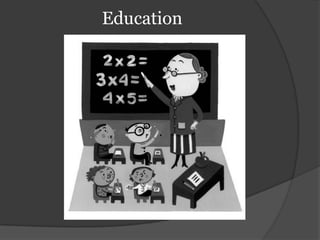
Education
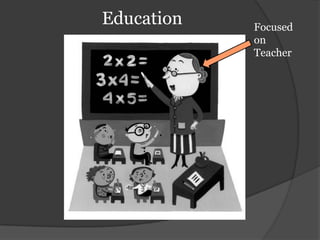
EducationFocused on Teacher
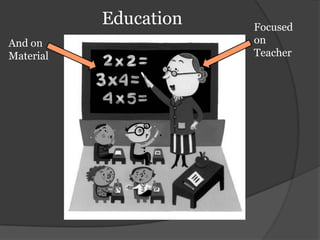
EducationFocused on TeacherAnd on Material
Education is more than that.
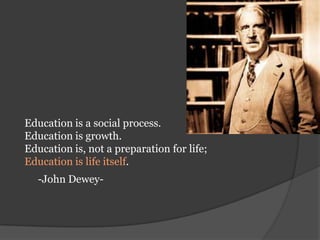
Education is a social process.Education is growth. Education is, not a preparation for life; Education is life itself. -John Dewey-
not just SpecializingEducation isEducation is QuestioningEducation is the AMP model
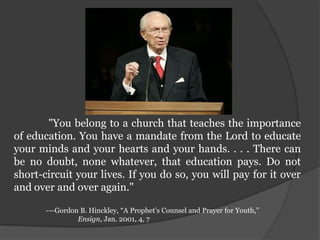
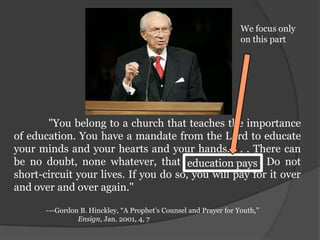
	 "You belong to a church that teaches the importance of education. You have a mandate from the Lord to educate your minds and your hearts and your hands. . . . There can be no doubt, none whatever, that education pays. Do not short-circuit your lives. If you do so, you will pay for it over and over and over again."	-—Gordon B. Hinckley, “A Prophet’s Counsel and Prayer for Youth,” 		Ensign, Jan. 2001, 4, 7 
We focus only on this part	 "You belong to a church that teaches the importance of education. You have a mandate from the Lord to educate your minds and your hearts and your hands. . . . There can be no doubt, none whatever, that ------------------- Do not short-circuit your lives. If you do so, you will pay for it over and over and over again."	-—Gordon B. Hinckley, “A Prophet’s Counsel and Prayer for Youth,” 		Ensign, Jan. 2001, 4, 7 education pays
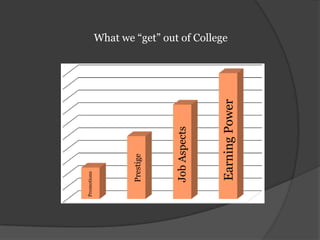
What we “get” out of CollegeEarning PowerJob AspectsPrestigePromotions
Education is more than just specializing for a career. It is learning to learn.
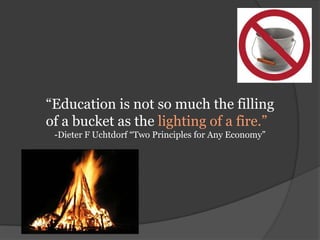
“Education is not so much the filling of a bucket as the lighting of a fire.”-Dieter F Uchtdorf “Two Principles for Any Economy”
So What?
The AMPmodel will help you light your own fire for learning
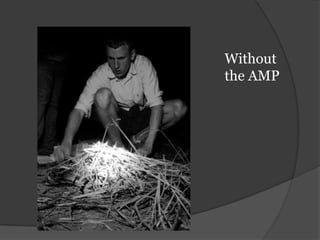
Without the AMP
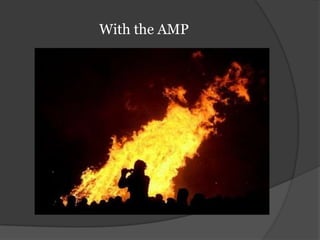
With the AMP
What does theAndragogy Modified Project even mean?
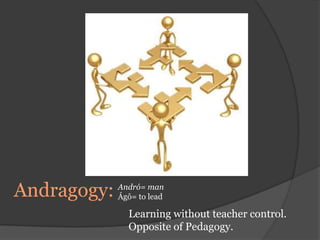
Andró= manÁgô= to leadAndragogy: Learning without teacher control. Opposite of Pedagogy.
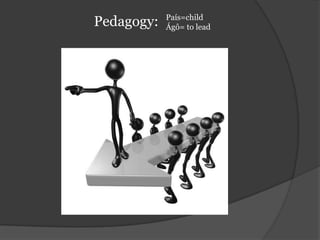
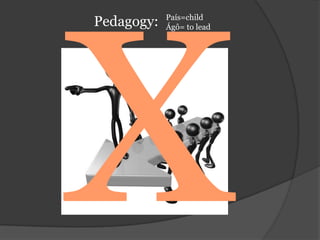
Pedagogy: País=childÁgô= to lead
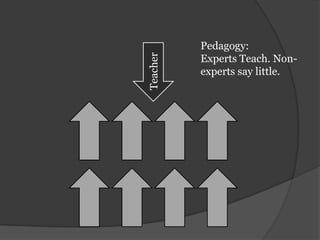
Pedagogy:Experts Teach. Non-experts say little.Teacher
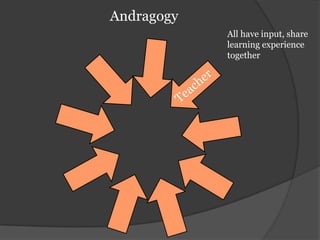
AndragogyAll have input, share learning experience togetherTeacher
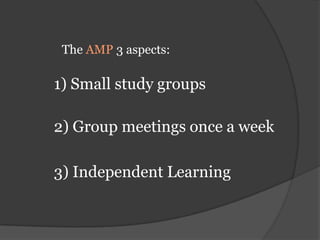
The AMP 3 aspects:1) Small study groups2) Group meetings once a week3) Independent Learning
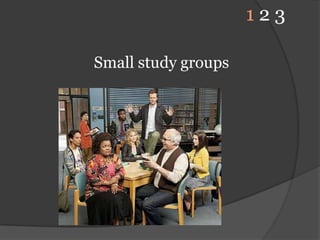
1 2 3Small study groups
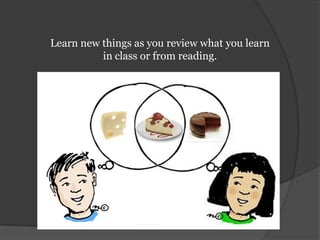
Learn new things as you review what you learn in class or from reading.
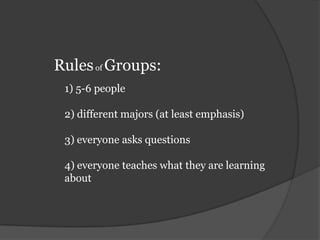
Rules of Groups:1) 5-6 people2) different majors (at least emphasis)3) everyone asks questions4) everyone teaches what they are learning about
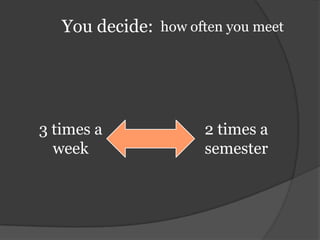
You decide:how often you meet3 times a week2 times a semester
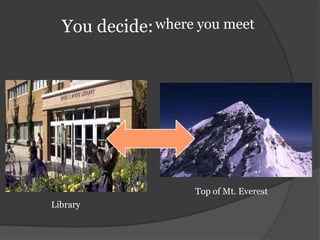
where you meetYou decide:Top of Mt. EverestLibrary
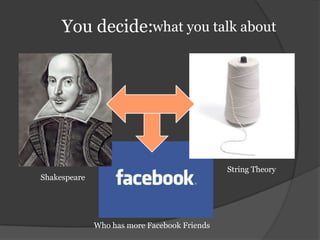
You decide:what you talk aboutString TheoryShakespeareWho has more Facebook Friends
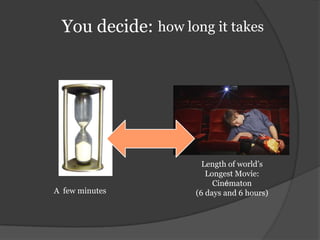
You decide:how long it takesLength of world’s Longest Movie: Cinématon(6 days and 6 hours)A  few minutes
So what?
“Teach other students individually and in groups” –BYU-I Learning Model
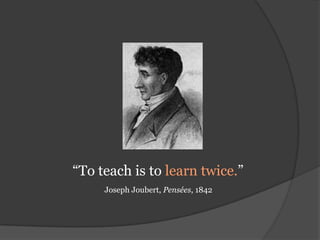
“To teach is to learn twice.”  Joseph Joubert, Pensées, 1842
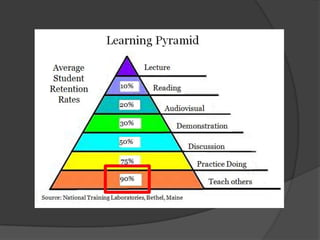
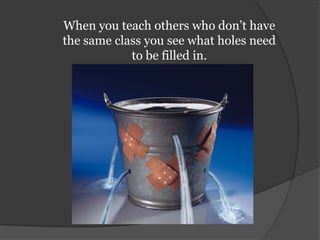
When you teach others who don’t have the same class you see what holes need to be filled in.
1 2 3Group meetings once a week
Presentations on Topics that people are passionate about!
Possible Topics:Psychobiology and Homework:	How to let your brain do the workMuslim and Mormons:More Similar than DifferentYou-Tube: A HistoryAnythingyou are excited about!(Keep it Clean!)
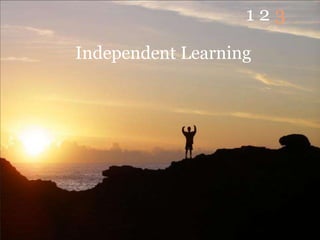
1 2 3Independent Learning
The main focus of the AMP is to learn that you can learn whatever you want whenever you want.Or not.
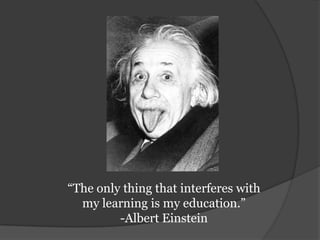
“The only thing that interferes with my learning is my education.”-Albert Einstein
XPedagogy: País=childÁgô= to lead
TheAMPThe Andragogy Modified ProjectWhere Passion Meets Learning!

Intro to the AMP