Welcome!
Agenda for Wednesday, August 28
• Warm-Up: Why study
geography?
• Presentation: The fields
of Geography, 5 themes
• Activity: “Pictionary”
• Practice: Identifying the
5 themes in the
everyday world
• Closure
Warm-Up: Answer as many of the
following as you can. Be prepared to
discuss.
Why is it important to study geography?
In what ways is it useful in real life?
Which careers might be associated with geography?
How can knowledge of geography help you in other
academic areas?
Why We Need to Teach Geography
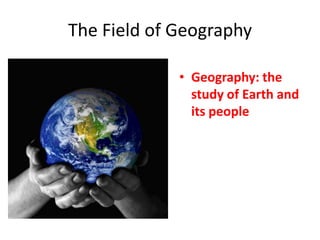
The Field of Geography
• Geography: the
study of Earth and
its people
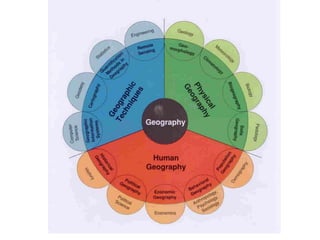
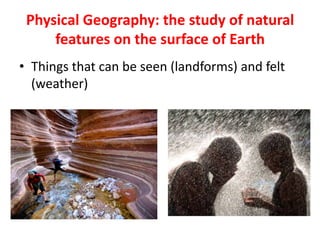
Physical Geography: the study of natural
features on the surface of Earth
• Things that can be seen (landforms) and felt
(weather)
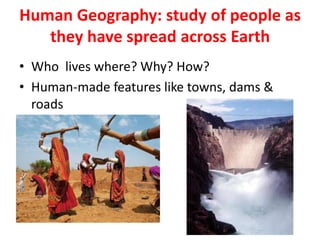
Human Geography: study of people as
they have spread across Earth
• Who lives where? Why? How?
• Human-made features like towns, dams &
roads
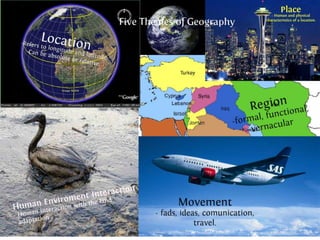
Why Themes?
• The 5 themes are important because they
help the geographer describe the use of
space.
• Location, Place, Movement, Region, Human-
Environment Interaction
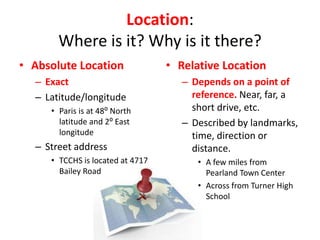
Location:
Where is it? Why is it there?
• Absolute Location
– Exact
– Latitude/longitude
• Paris is at 48⁰ North
latitude and 2⁰ East
longitude
– Street address
• TCCHS is located at 4717
Bailey Road
• Relative Location
– Depends on a point of
reference. Near, far, a
short drive, etc.
– Described by landmarks,
time, direction or
distance.
• A few miles from
Pearland Town Center
• Across from Turner High
School
Think about…
• When might it be important to use absolute
location?
• Describe a scenario where using relative
location would be beneficial.
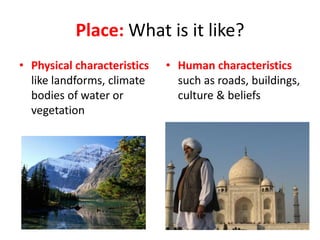
Place: What is it like?
• Physical characteristics
like landforms, climate
bodies of water or
vegetation
• Human characteristics
such as roads, buildings,
culture & beliefs
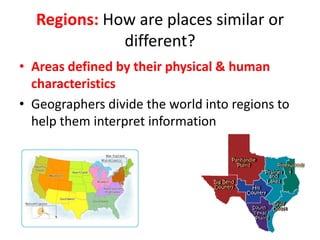
Regions: How are places similar or
different?
• Areas defined by their physical & human
characteristics
• Geographers divide the world into regions to
help them interpret information
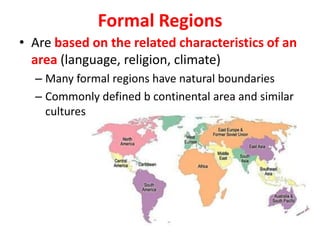
Formal Regions
• Are based on the related characteristics of an
area (language, religion, climate)
– Many formal regions have natural boundaries
– Commonly defined b continental area and similar
cultures
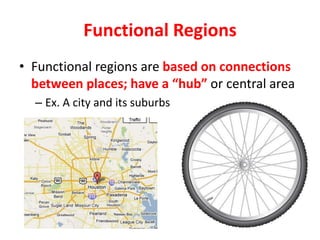
Functional Regions
• Functional regions are based on connections
between places; have a “hub” or central area
– Ex. A city and its suburbs
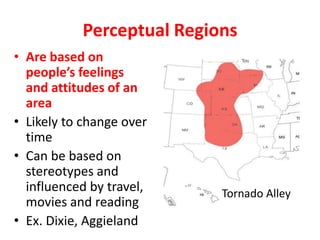
Perceptual Regions
• Are based on
people’s feelings
and attitudes of an
area
• Likely to change over
time
• Can be based on
stereotypes and
influenced by travel,
movies and reading
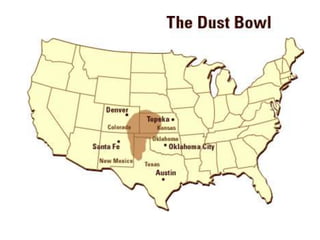
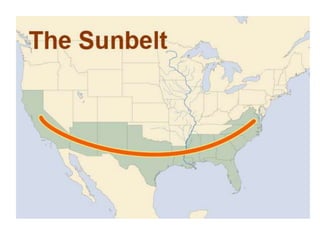
• Ex. Dixie, Aggieland
Tornado Alley
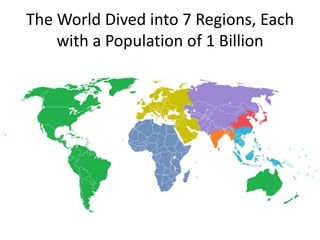
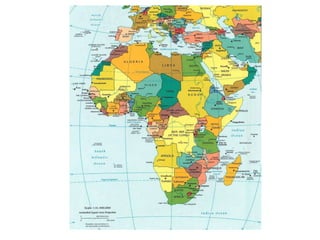
The World Dived into 7 Regions, Each
with a Population of 1 Billion
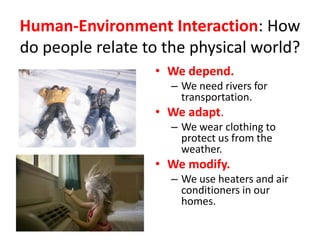
Human-Environment Interaction: How
do people relate to the physical world?
• We depend.
– We need rivers for
transportation.
• We adapt.
– We wear clothing to
protect us from the
weather.
• We modify.
– We use heaters and air
conditioners in our
homes.
What do you think of when I say…
• A hot, sunny climate is perfect for ________.
• A cold climate with a lot of snow is perfect for
________.
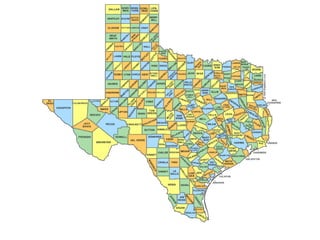
• Summer in Texas is the perfect time to
________.
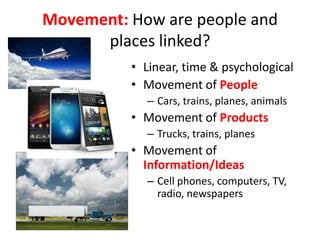
Movement: How are people and
places linked?
• Linear, time & psychological
• Movement of People
– Cars, trains, planes, animals
• Movement of Products
– Trucks, trains, planes
• Movement of
Information/Ideas
– Cell phones, computers, TV,
radio, newspapers
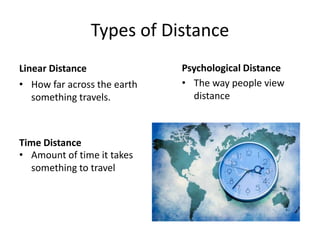
Types of Distance
Linear Distance
• How far across the earth
something travels.
Time Distance
• Amount of time it takes
something to travel
Psychological Distance
• The way people view
distance
Questions…
• How can physical geography affect linear
distance?
• List some modern inventions that have
shortened time distance.
• How far away is “far”? What influences your
perception of what is “far”?
Ask MR. HELP
• M- Movement
• R- Region
• HE- Human Environment Interaction
• L- Location
• P- Place
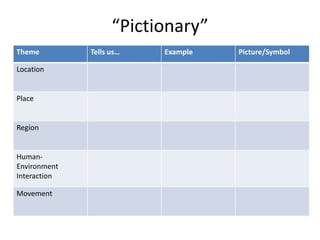
“Pictionary”
Theme Tells us… Example Picture/Symbol
Location
Place
Region
Human-
Environment
Interaction
Movement
Practice
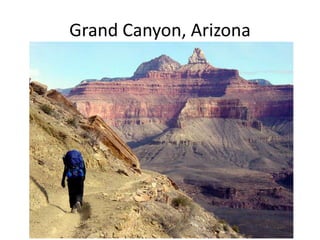
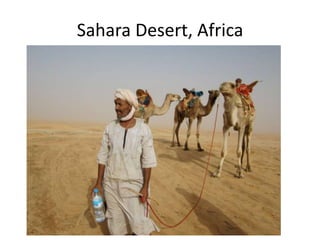
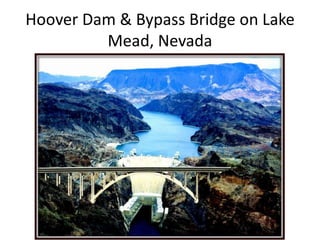
• Identify the themes of geography in the
following photos:
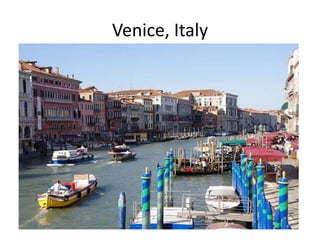
Venice, Italy
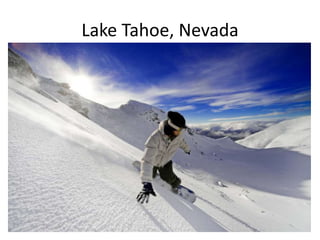
Lake Tahoe, Nevada
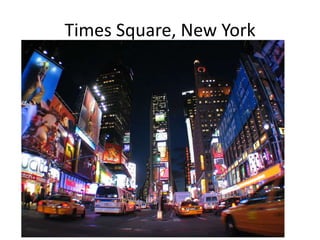
Times Square, New York
Grand Canyon, Arizona
Sahara Desert, Africa
Hoover Dam & Bypass Bridge on Lake
Mead, Nevada
Practice
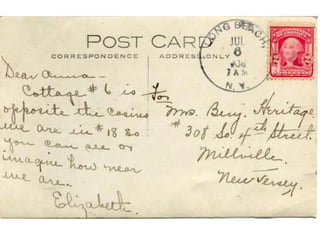
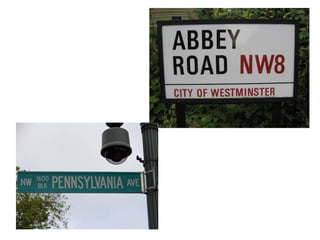
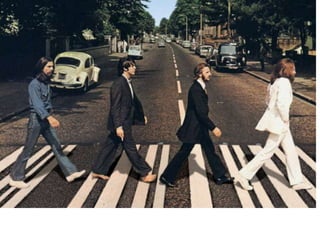
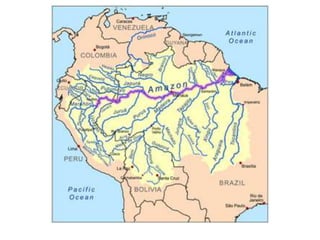
• Are the following regions formal, perceptual,
or functional?
Intro & 5 themes
Intro & 5 themes
Intro & 5 themes
Intro & 5 themes
Intro & 5 themes
Intro & 5 themes

Intro & 5 themes

  • 1.
    Welcome! Agenda for Wednesday,August 28 • Warm-Up: Why study geography? • Presentation: The fields of Geography, 5 themes • Activity: “Pictionary” • Practice: Identifying the 5 themes in the everyday world • Closure
  • 2.
    Warm-Up: Answer asmany of the following as you can. Be prepared to discuss. Why is it important to study geography? In what ways is it useful in real life? Which careers might be associated with geography? How can knowledge of geography help you in other academic areas? Why We Need to Teach Geography
  • 3.
    The Field ofGeography • Geography: the study of Earth and its people
  • 6.
    Physical Geography: thestudy of natural features on the surface of Earth • Things that can be seen (landforms) and felt (weather)
  • 7.
    Human Geography: studyof people as they have spread across Earth • Who lives where? Why? How? • Human-made features like towns, dams & roads
  • 9.
    Why Themes? • The5 themes are important because they help the geographer describe the use of space. • Location, Place, Movement, Region, Human- Environment Interaction
  • 10.
    Location: Where is it?Why is it there? • Absolute Location – Exact – Latitude/longitude • Paris is at 48⁰ North latitude and 2⁰ East longitude – Street address • TCCHS is located at 4717 Bailey Road • Relative Location – Depends on a point of reference. Near, far, a short drive, etc. – Described by landmarks, time, direction or distance. • A few miles from Pearland Town Center • Across from Turner High School
  • 11.
    Think about… • Whenmight it be important to use absolute location? • Describe a scenario where using relative location would be beneficial.
  • 12.
    Place: What isit like? • Physical characteristics like landforms, climate bodies of water or vegetation • Human characteristics such as roads, buildings, culture & beliefs
  • 13.
    Regions: How areplaces similar or different? • Areas defined by their physical & human characteristics • Geographers divide the world into regions to help them interpret information
  • 14.
    Formal Regions • Arebased on the related characteristics of an area (language, religion, climate) – Many formal regions have natural boundaries – Commonly defined b continental area and similar cultures
  • 15.
    Functional Regions • Functionalregions are based on connections between places; have a “hub” or central area – Ex. A city and its suburbs
  • 16.
    Perceptual Regions • Arebased on people’s feelings and attitudes of an area • Likely to change over time • Can be based on stereotypes and influenced by travel, movies and reading • Ex. Dixie, Aggieland Tornado Alley
  • 17.
    The World Divedinto 7 Regions, Each with a Population of 1 Billion
  • 18.
    Human-Environment Interaction: How dopeople relate to the physical world? • We depend. – We need rivers for transportation. • We adapt. – We wear clothing to protect us from the weather. • We modify. – We use heaters and air conditioners in our homes.
  • 19.
    What do youthink of when I say… • A hot, sunny climate is perfect for ________. • A cold climate with a lot of snow is perfect for ________. • Summer in Texas is the perfect time to ________.
  • 20.
    Movement: How arepeople and places linked? • Linear, time & psychological • Movement of People – Cars, trains, planes, animals • Movement of Products – Trucks, trains, planes • Movement of Information/Ideas – Cell phones, computers, TV, radio, newspapers
  • 21.
    Types of Distance LinearDistance • How far across the earth something travels. Time Distance • Amount of time it takes something to travel Psychological Distance • The way people view distance
  • 22.
    Questions… • How canphysical geography affect linear distance? • List some modern inventions that have shortened time distance. • How far away is “far”? What influences your perception of what is “far”?
  • 23.
    Ask MR. HELP •M- Movement • R- Region • HE- Human Environment Interaction • L- Location • P- Place
  • 24.
    “Pictionary” Theme Tells us…Example Picture/Symbol Location Place Region Human- Environment Interaction Movement
  • 25.
    Practice • Identify thethemes of geography in the following photos:
  • 26.
  • 27.
  • 28.
  • 29.
  • 30.
  • 31.
    Hoover Dam &Bypass Bridge on Lake Mead, Nevada
  • 35.
    Practice • Are thefollowing regions formal, perceptual, or functional?