ICT for a global infrastructure for health
                    research
    VPH Models, images and personalization

                            World of Health IT
                   Barcelona, March 15-18th 2010
www.vph-noe.eu


www.aneurist.org


                                         Alejandro F. Frangi, PhD
                           Center for Computational Imaging & Simulation Technologies in Biomedicine
                                           Universitat Pompeu Fabra, Barcelona, Spain
                   Networking Center on Biomedical Research – Bioengineering, Biomaterials and Nanomedicine
                                        Institució Catalana de Recerca i Estudis Avançats
                                                    alejandro.frangi@upf.edu
                                                        www.cilab.upf.edu
Outline

 The vision, the context
      VPH & euHeart
 The clinical application & relevance
      A case study from euHeart: CRT
 Computational atlases
      Of anatomy and function
 Interplay between imaging and modeling
      Imaging trends
      Modeling for imaging
      Imaging for modeling
 Conclusions & outlook

                                           2
Virtual Physiological Human (VPH)
 or the Digital Me
 A European Network of Excellence operated by 12 core EU institutions

“help support and progress
                                                                         13 Core Partners
European research in
                                                             4 UK (UCL, UOXF, UNOTT, USFD)
biomedical modeling and                                         3 France (CNRS, INRIA, ERCIM)
simulation of the human                                                     2 Spain (UPF, IMIM)
body.This will improve our Two important modeling issues 1 Germany1(EMBL [EBI])    Sweden (KI)
ability to predict,                                                            1 Belgium (ULB)
diagnose and treat                                                       1 New Zealand (UOA)
disease, and have a          Model parameter personalization
dramatic impact on the
future of healthcare, the    Populational inference of variability
pharmaceutical and
medical device                                            Associate / General Members
industries.”                                                    19 Candidate General Members
                                                                          3 Candidate Associate Members
                                                                                            (organisations)
                                                                 5 Candidate Associate Members (industry)
                                                                                       9 Associate Projects
   www.vph-noe.eu                                                                           … and growing
                                                                                                              3
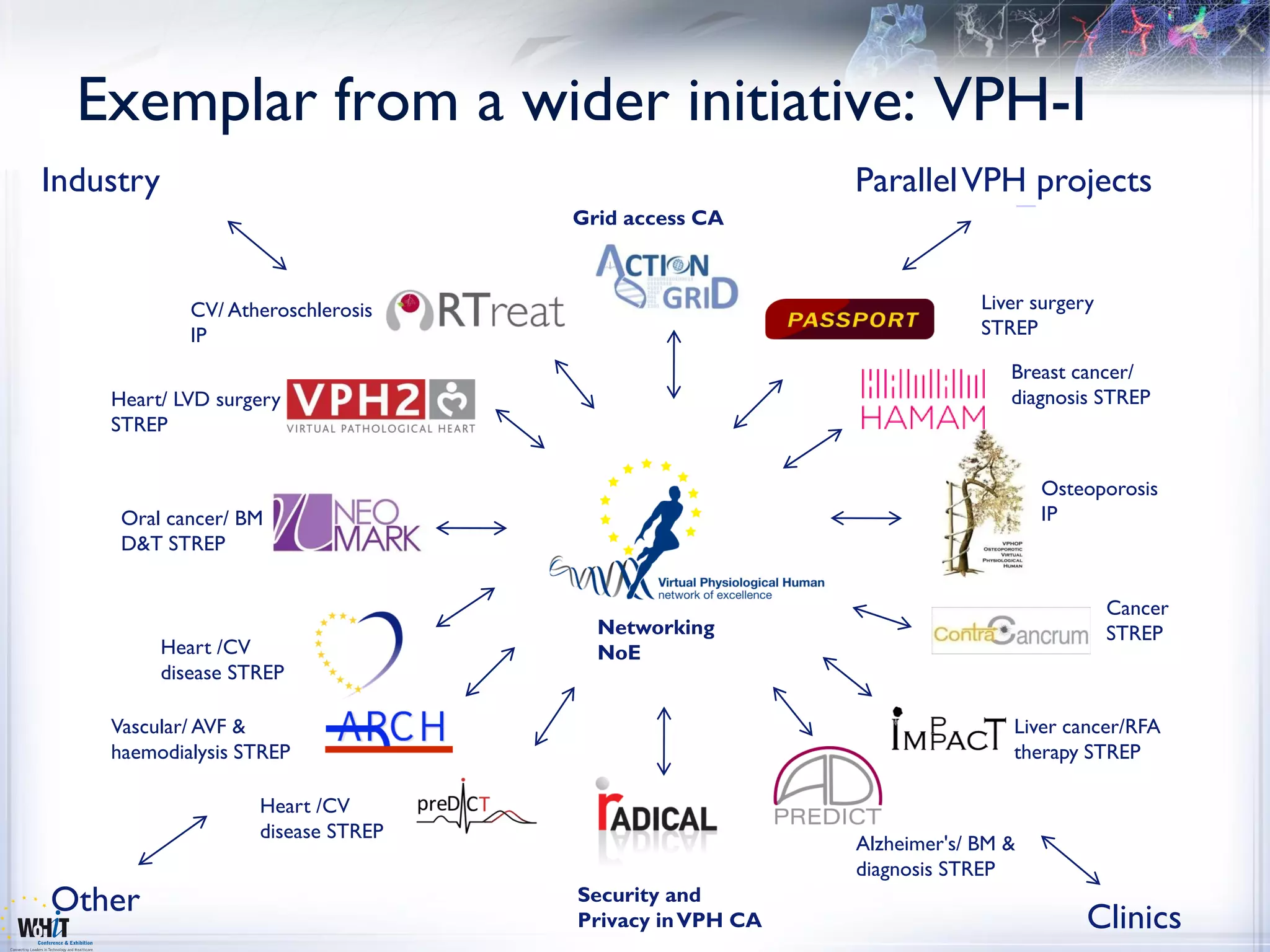
Exemplar from a wider initiative: VPH-I
Industry                                                 Parallel VPH projects
                                     Grid access CA


              CV/ Atheroschlerosis                                    Liver surgery
              IP                                                      STREP

                                                                         Breast cancer/
    Heart/ LVD surgery                                                   diagnosis STREP
    STREP


                                                                             Osteoporosis
     Oral cancer/ BM                                                         IP
     D&T STREP


                                                                                      Cancer
                                       Networking                                     STREP
           Heart /CV                   NoE
           disease STREP

    Vascular/ AVF &                                                      Liver cancer/RFA
    haemodialysis STREP                                                  therapy STREP

                     Heart /CV
                     disease STREP
                                                         Alzheimer's/ BM &
                                                         diagnosis STREP
Other                                Security and
                                     Privacy in VPH CA                            Clinics
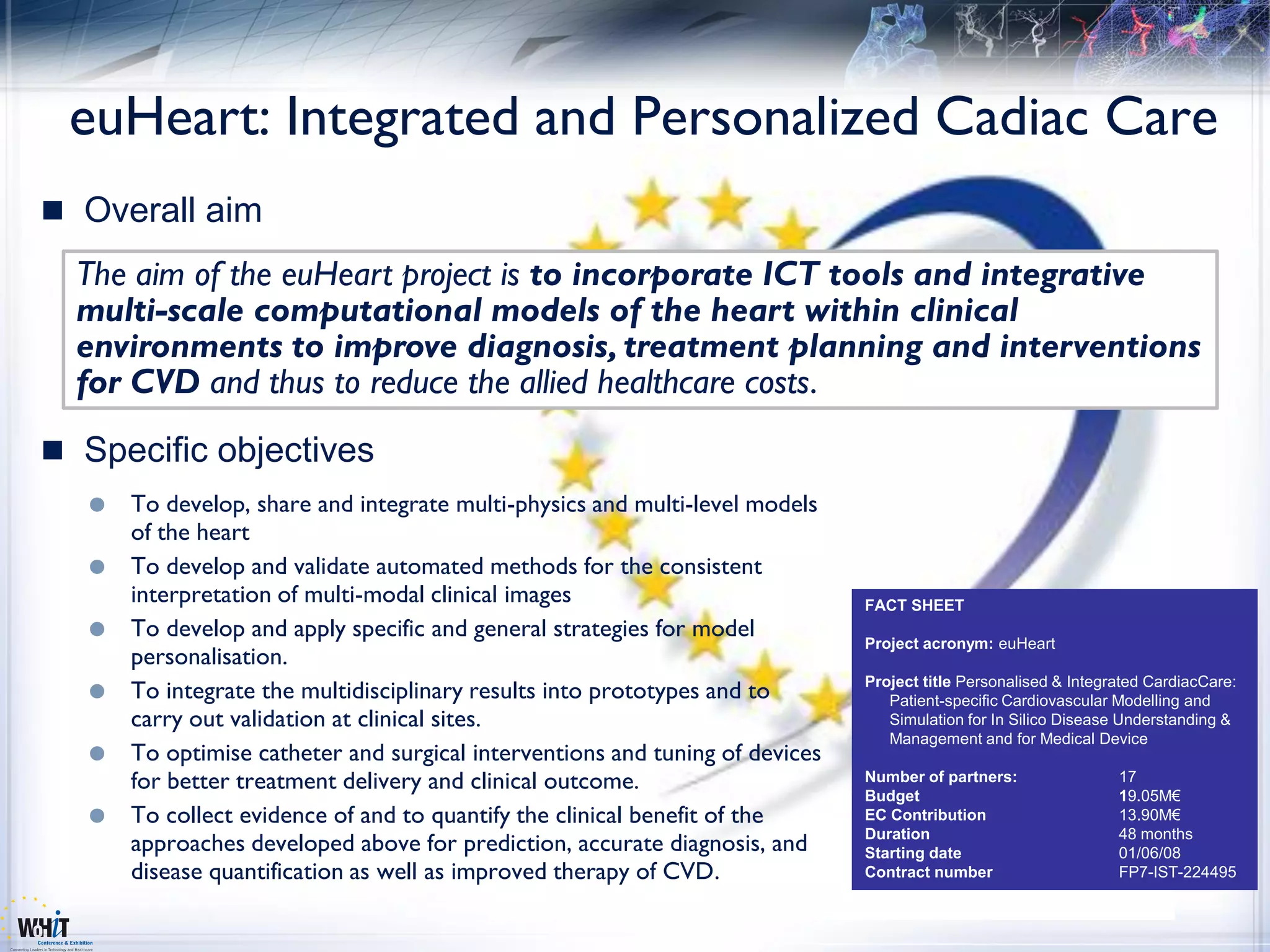
euHeart: Integrated and Personalized Cadiac Care
 Overall aim
  The aim of the euHeart project is to incorporate ICT tools and integrative
  multi-scale computational models of the heart within clinical
  environments to improve diagnosis, treatment planning and interventions
  for CVD and thus to reduce the allied healthcare costs.
 Specific objectives
     To develop, share and integrate multi-physics and multi-level models
      of the heart
     To develop and validate automated methods for the consistent
      interpretation of multi-modal clinical images                           FACT SHEET
     To develop and apply specific and general strategies for model
                                                                              Project acronym: euHeart
      personalisation.
     To integrate the multidisciplinary results into prototypes and to       Project title Personalised & Integrated CardiacCare:
                                                                                 Patient-specific Cardiovascular Modelling and
      carry out validation at clinical sites.                                    Simulation for In Silico Disease Understanding &
                                                                                 Management and for Medical Device
     To optimise catheter and surgical interventions and tuning of devices
      for better treatment delivery and clinical outcome.                     Number of partners:                17
                                                                              Budget                             19.05M€
     To collect evidence of and to quantify the clinical benefit of the      EC Contribution                    13.90M€
                                                                              Duration                           48 months
      approaches developed above for prediction, accurate diagnosis, and      Starting date                      01/06/08
      disease quantification as well as improved therapy of CVD.              Contract number                    FP7-IST-224495
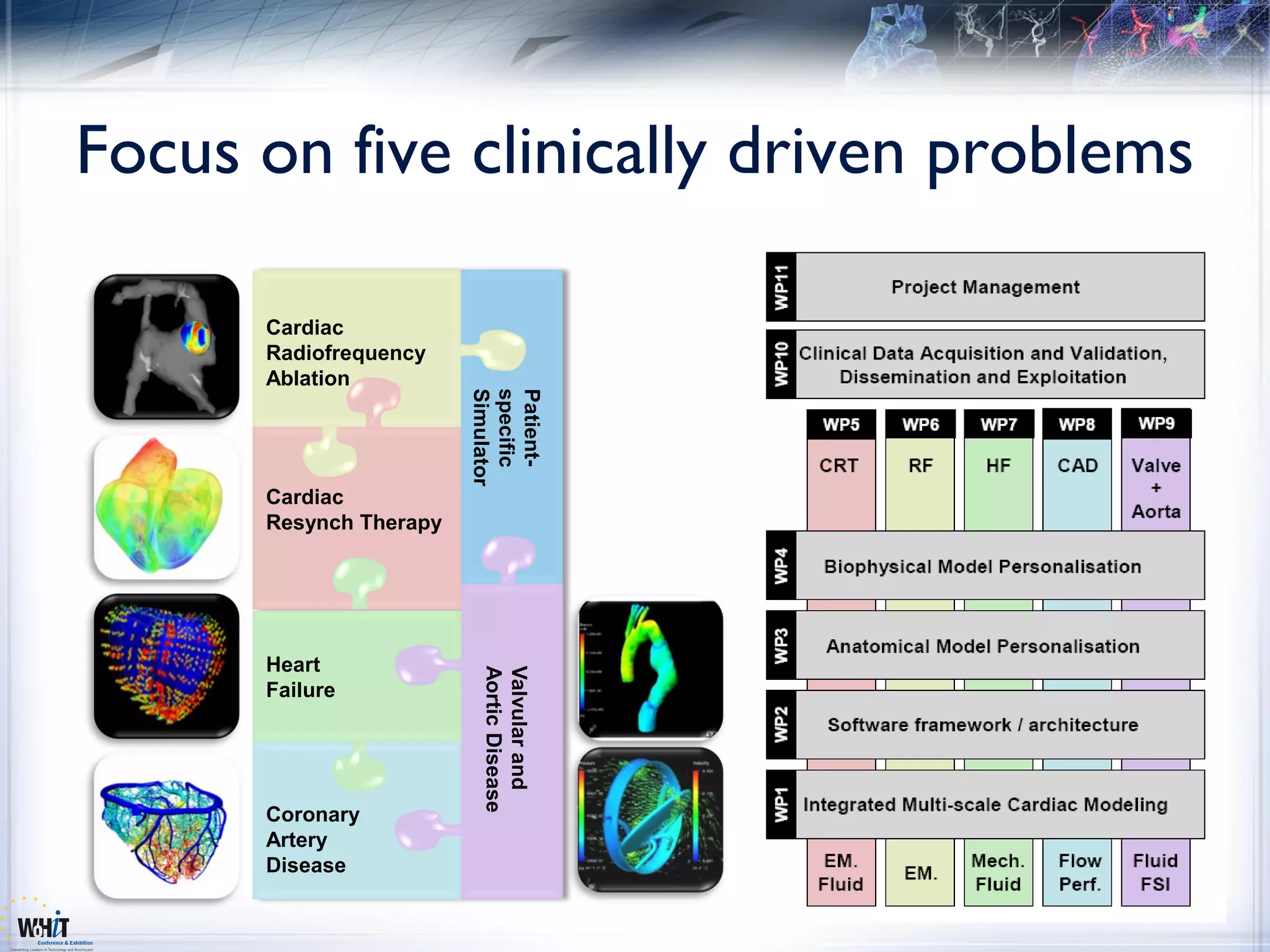
Focus on five clinically driven problems

      Cardiac
      Radiofrequency
      Ablation


                        Simulator
                        specific
                        Patient-
      Cardiac
      Resynch Therapy


      Heart
                         Aortic Disease
                         Valvular and


      Failure


      Coronary
      Artery
      Disease
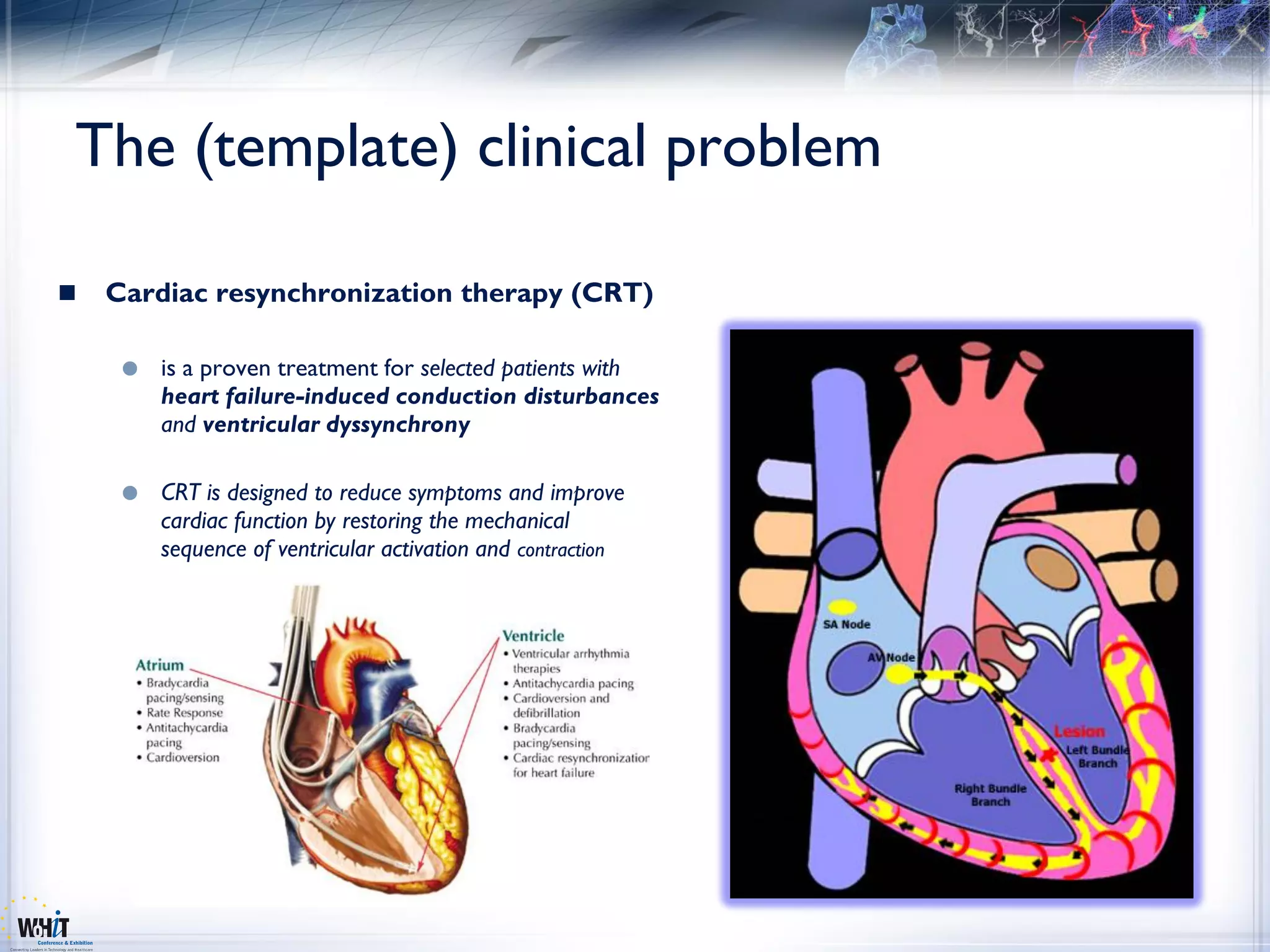
The (template) clinical problem

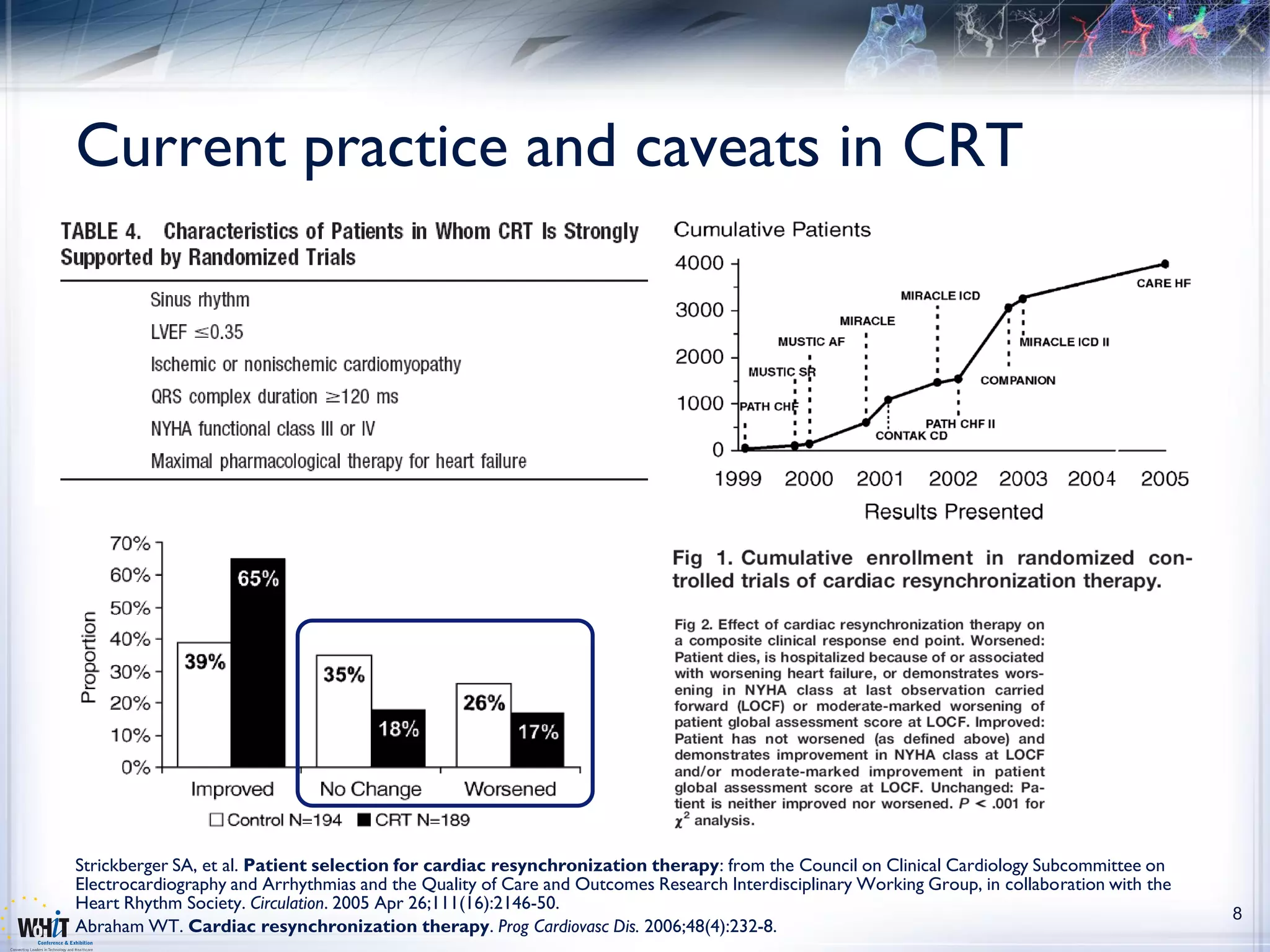
   Cardiac resynchronization therapy (CRT)

        is a proven treatment for selected patients with
         heart failure-induced conduction disturbances
         and ventricular dyssynchrony

        CRT is designed to reduce symptoms and improve
         cardiac function by restoring the mechanical
         sequence of ventricular activation and contraction
Current practice and caveats in CRT


Strickberger SA, et al. Patient selection for cardiac resynchronization therapy: from the Council on Clinical Cardiology Subcommittee on
Electrocardiography and Arrhythmias and the Quality of Care and Outcomes Research Interdisciplinary Working Group, in collaboration with the
Heart Rhythm Society. Circulation. 2005 Apr 26;111(16):2146-50.
                                                                                                                                               8
Abraham WT. Cardiac resynchronization therapy. Prog Cardiovasc Dis. 2006;48(4):232-8.
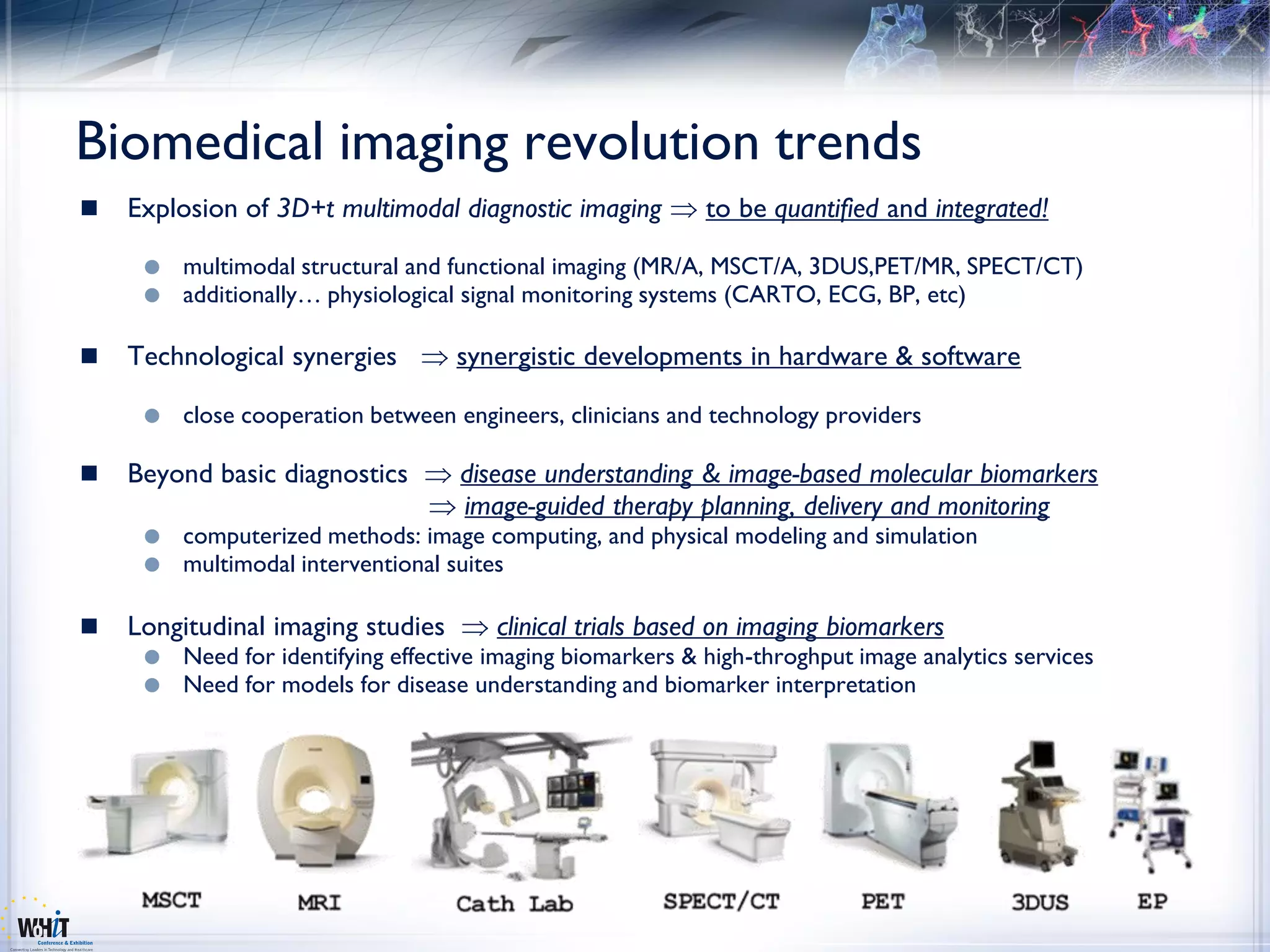
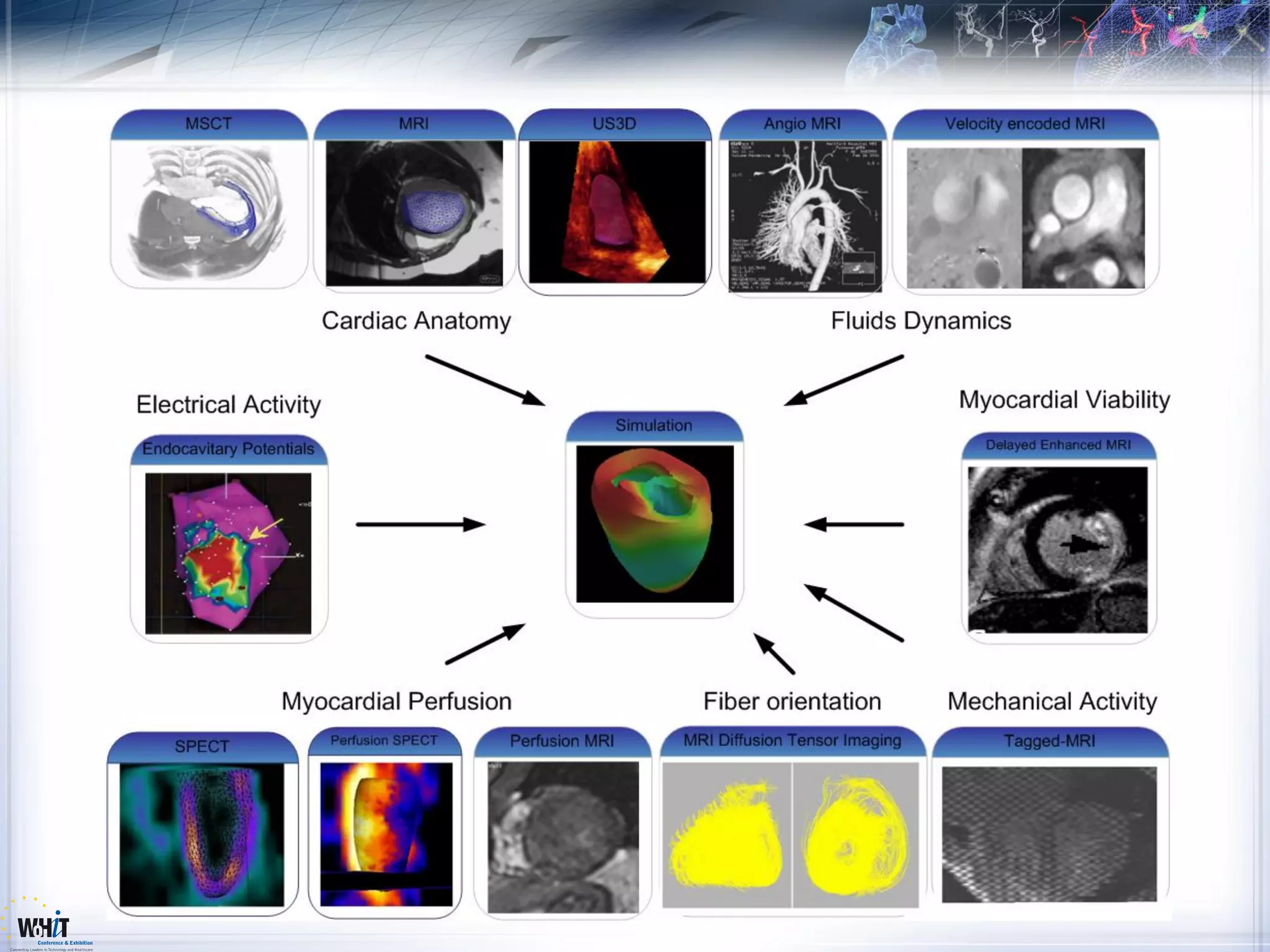
Biomedical imaging revolution trends
   Explosion of 3D+t multimodal diagnostic imaging          to be quantified and integrated!

        multimodal structural and functional imaging (MR/A, MSCT/A, 3DUS,PET/MR, SPECT/CT)
        additionally… physiological signal monitoring systems (CARTO, ECG, BP, etc)

   Technological synergies         synergistic developments in hardware & software

        close cooperation between engineers, clinicians and technology providers

   Beyond basic diagnostics        disease understanding & image-based molecular biomarkers
                                    image-guided therapy planning, delivery and monitoring
        computerized methods: image computing, and physical modeling and simulation
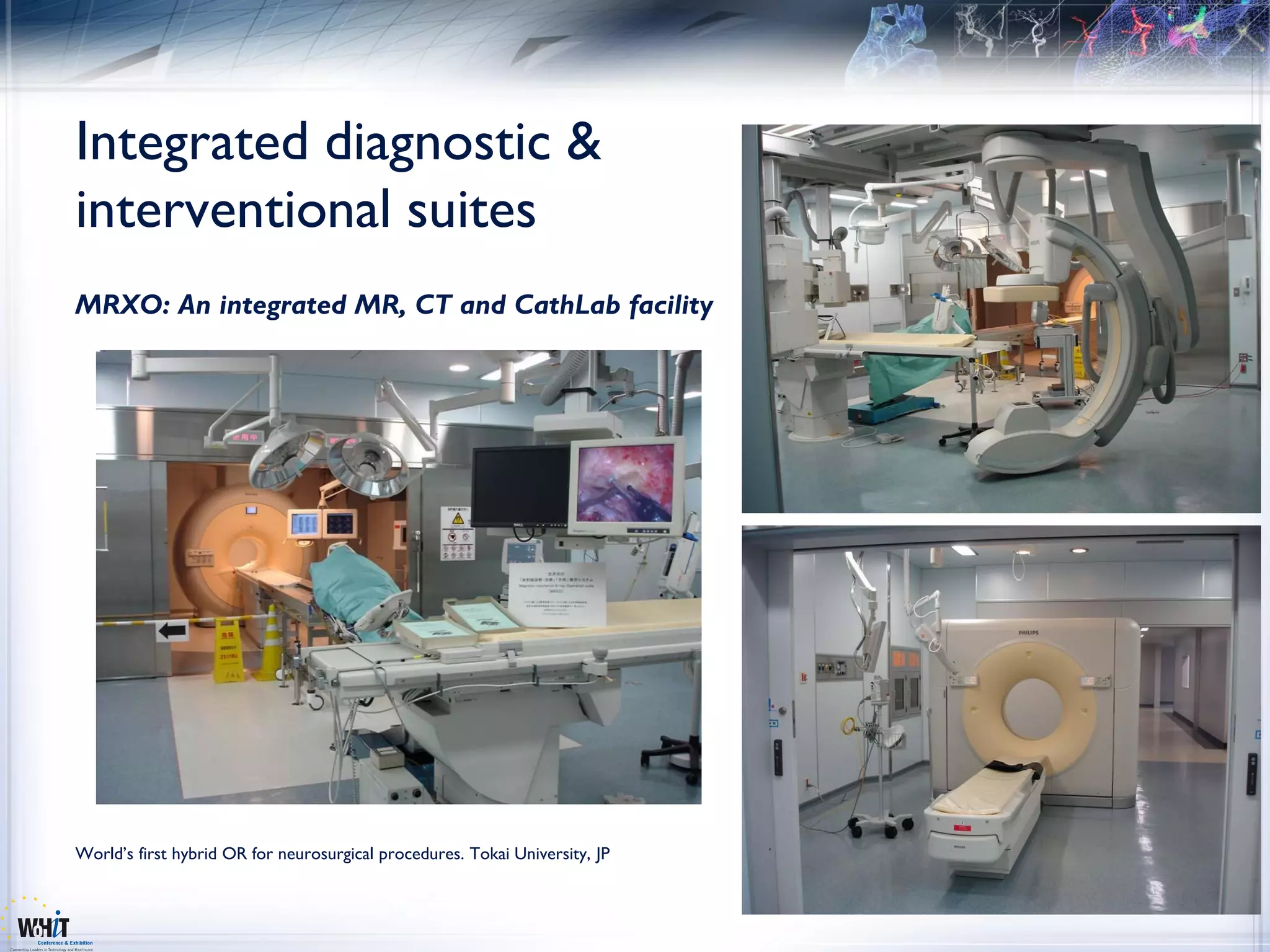
        multimodal interventional suites

   Longitudinal imaging studies        clinical trials based on imaging biomarkers
        Need for identifying effective imaging biomarkers & high-throghput image analytics services
        Need for models for disease understanding and biomarker interpretation
Integrated diagnostic &
interventional suites
MRXO: An integrated MR, CT and CathLab facility


World’s first hybrid OR for neurosurgical procedures. Tokai University, JP
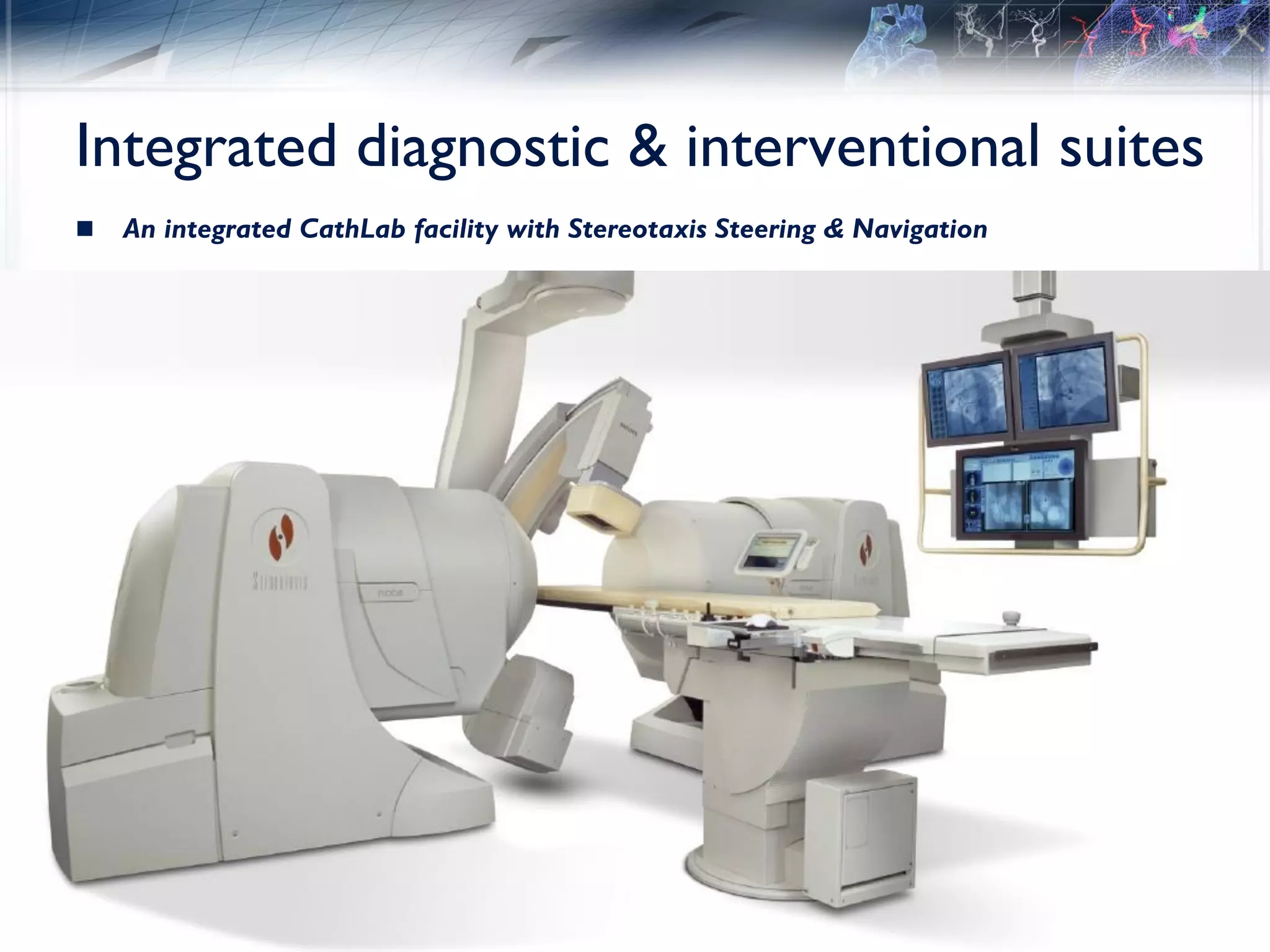
Integrated diagnostic & interventional suites
   An integrated CathLab facility with Stereotaxis Steering & Navigation
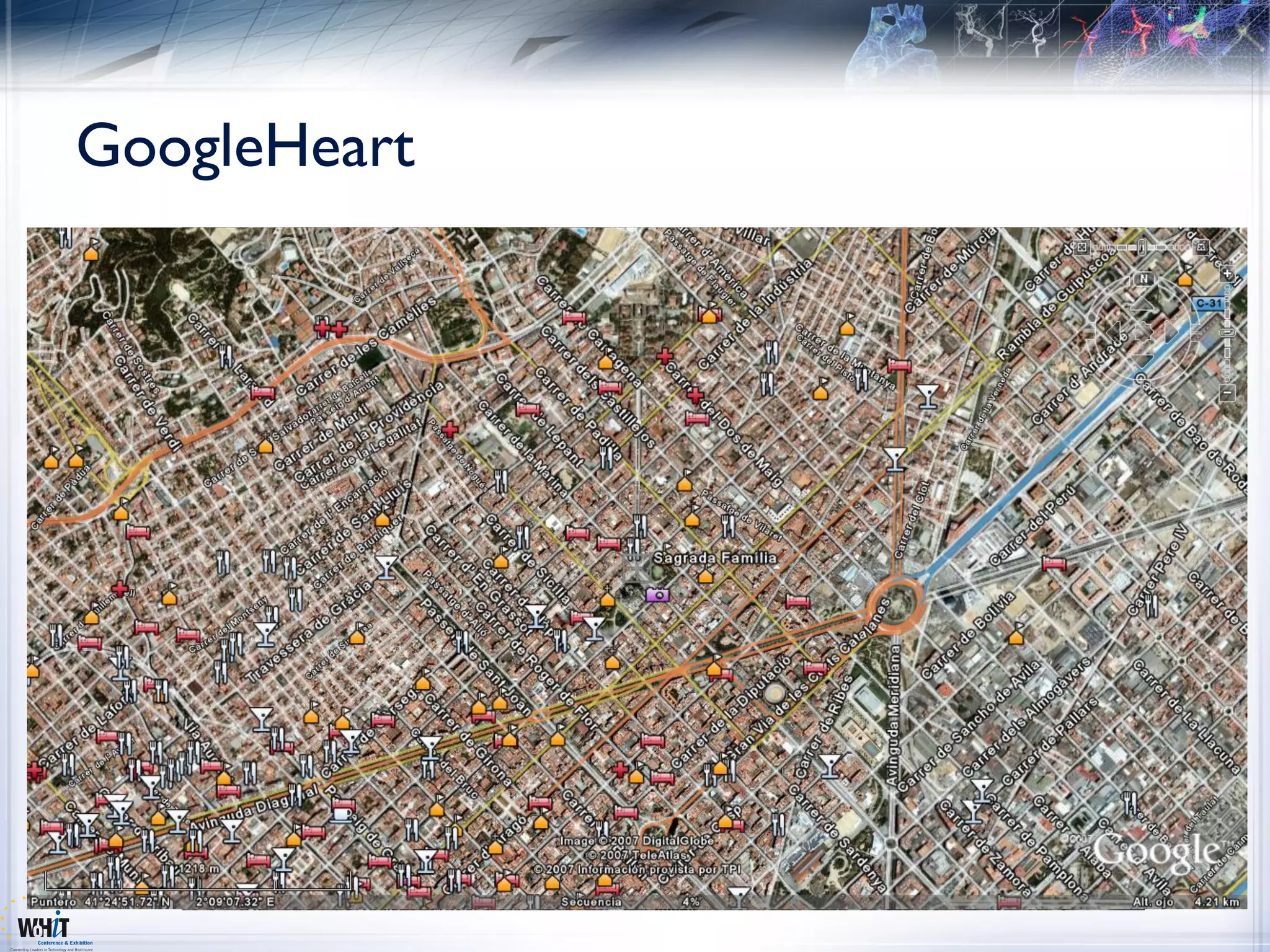
GoogleHeart
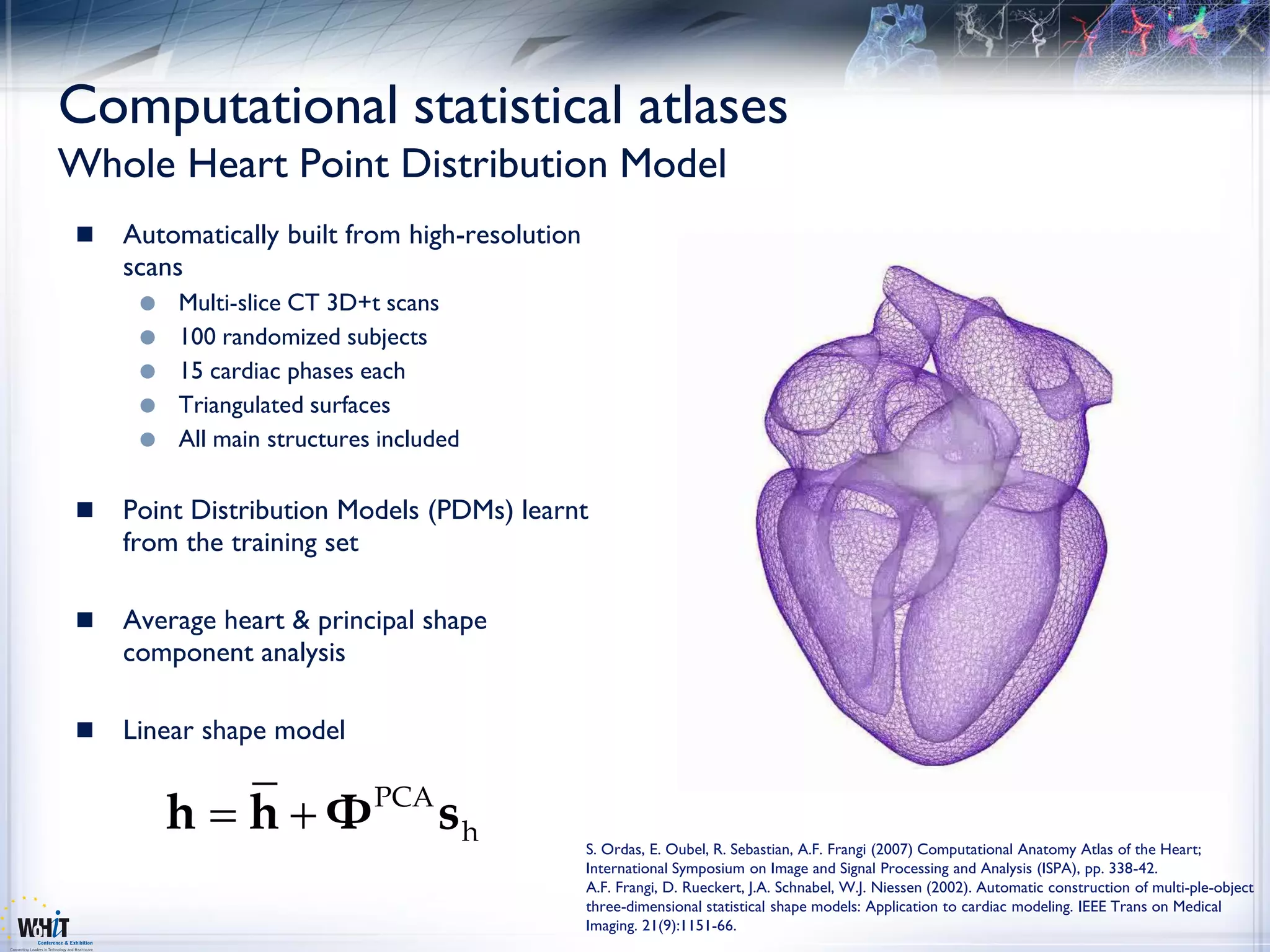
Computational statistical atlases
Whole Heart Point Distribution Model
   Automatically built from high-resolution
    scans
        Multi-slice CT 3D+t scans
        100 randomized subjects
        15 cardiac phases each
        Triangulated surfaces
        All main structures included

   Point Distribution Models (PDMs) learnt
    from the training set

   Average heart & principal shape
    component analysis

   Linear shape model


         h      h Φ PCA s h
                                               S. Ordas, E. Oubel, R. Sebastian, A.F. Frangi (2007) Computational Anatomy Atlas of the Heart;
                                               International Symposium on Image and Signal Processing and Analysis (ISPA), pp. 338-42.
                                               A.F. Frangi, D. Rueckert, J.A. Schnabel, W.J. Niessen (2002). Automatic construction of multi-ple-object
                                               three-dimensional statistical shape models: Application to cardiac modeling. IEEE Trans on Medical
                                               Imaging. 21(9):1151-66.
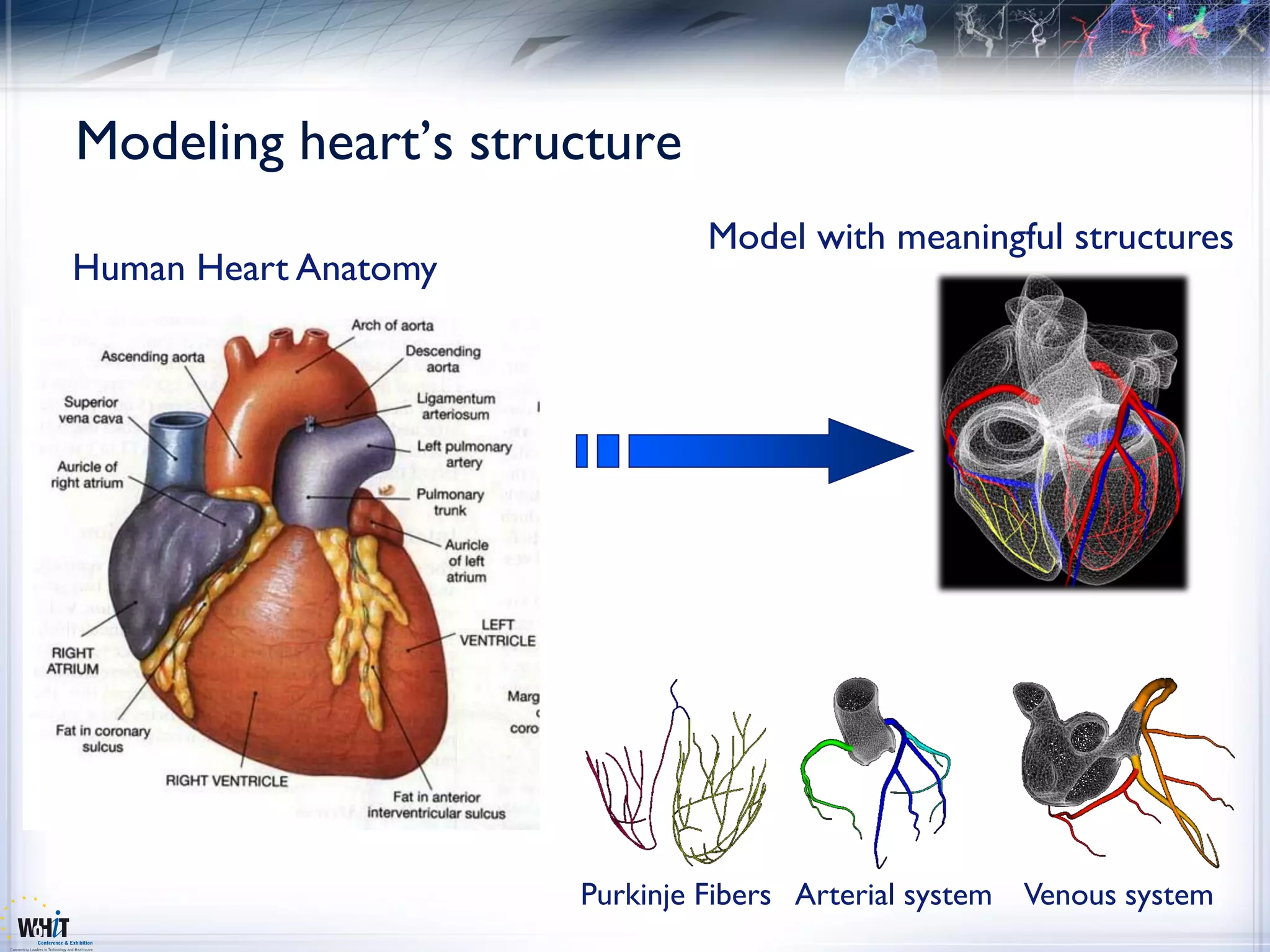
Modeling heart’s structure
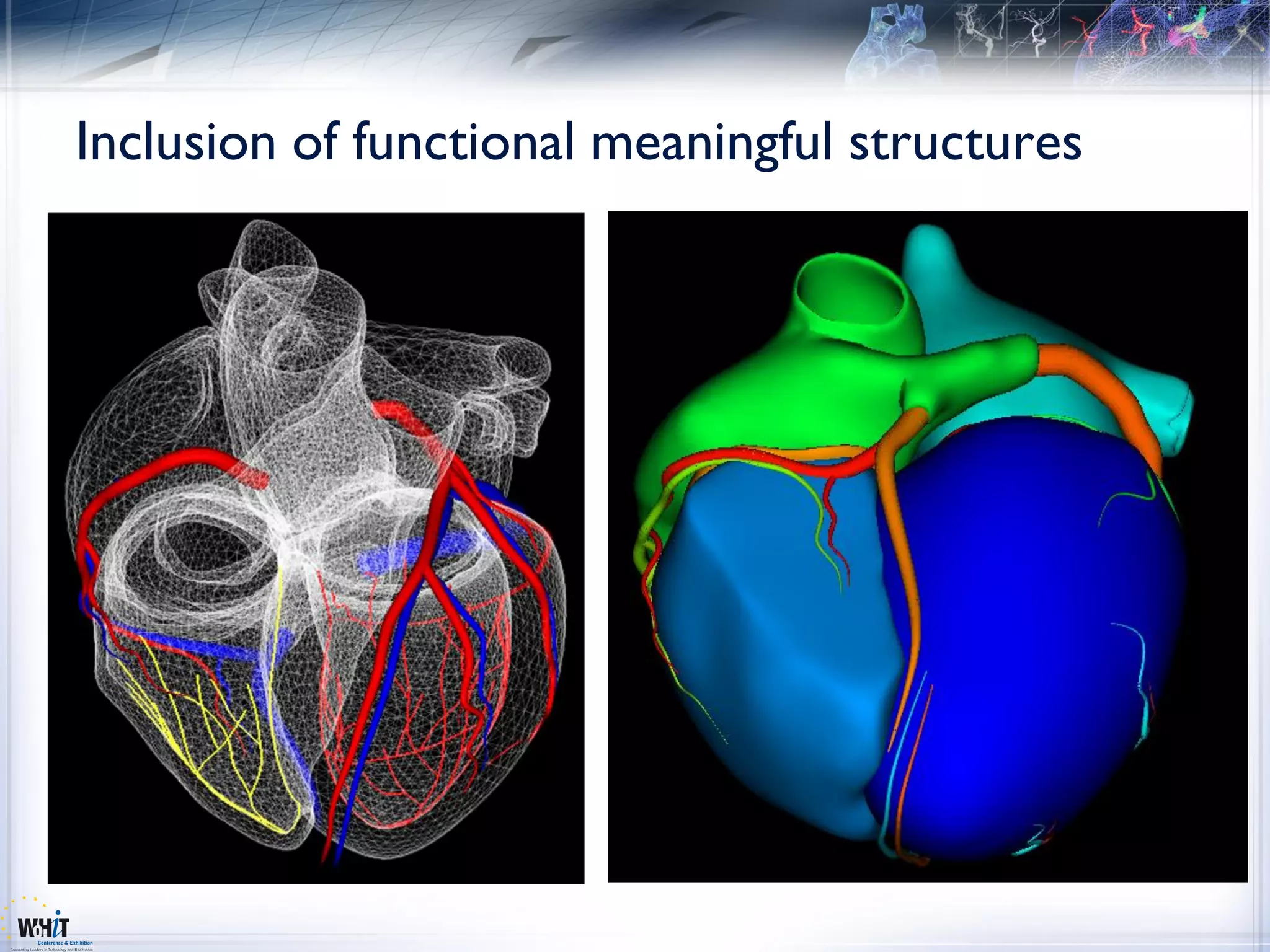
                               Model with meaningful structures
Human Heart Anatomy


                      Purkinje Fibers Arterial system Venous system
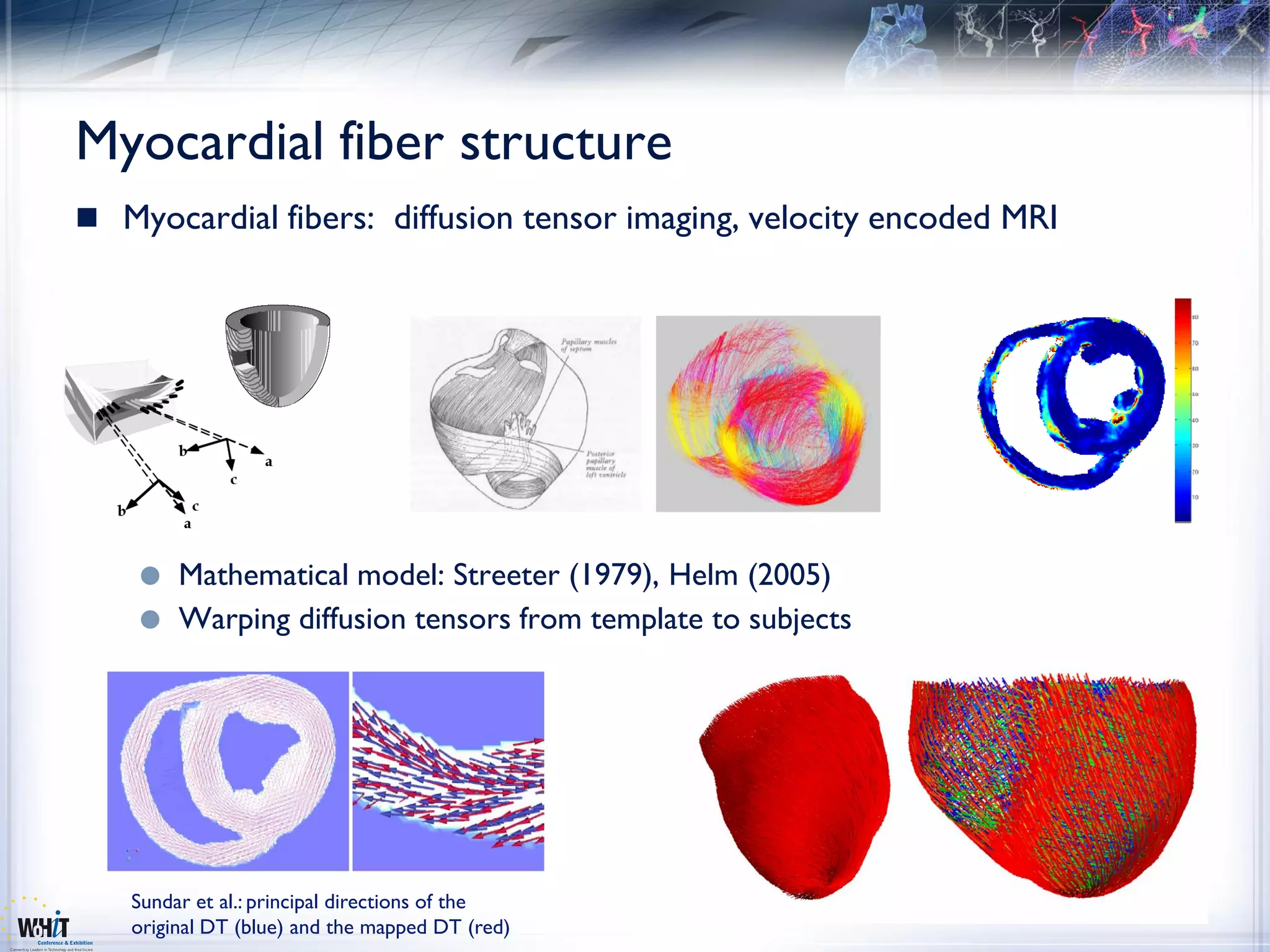
Myocardial fiber structure
 Myocardial fibers: diffusion tensor imaging, velocity encoded MRI


     Mathematical model: Streeter (1979), Helm (2005)
     Warping diffusion tensors from template to subjects


   Sundar et al.: principal directions of the
   original DT (blue) and the mapped DT (red)
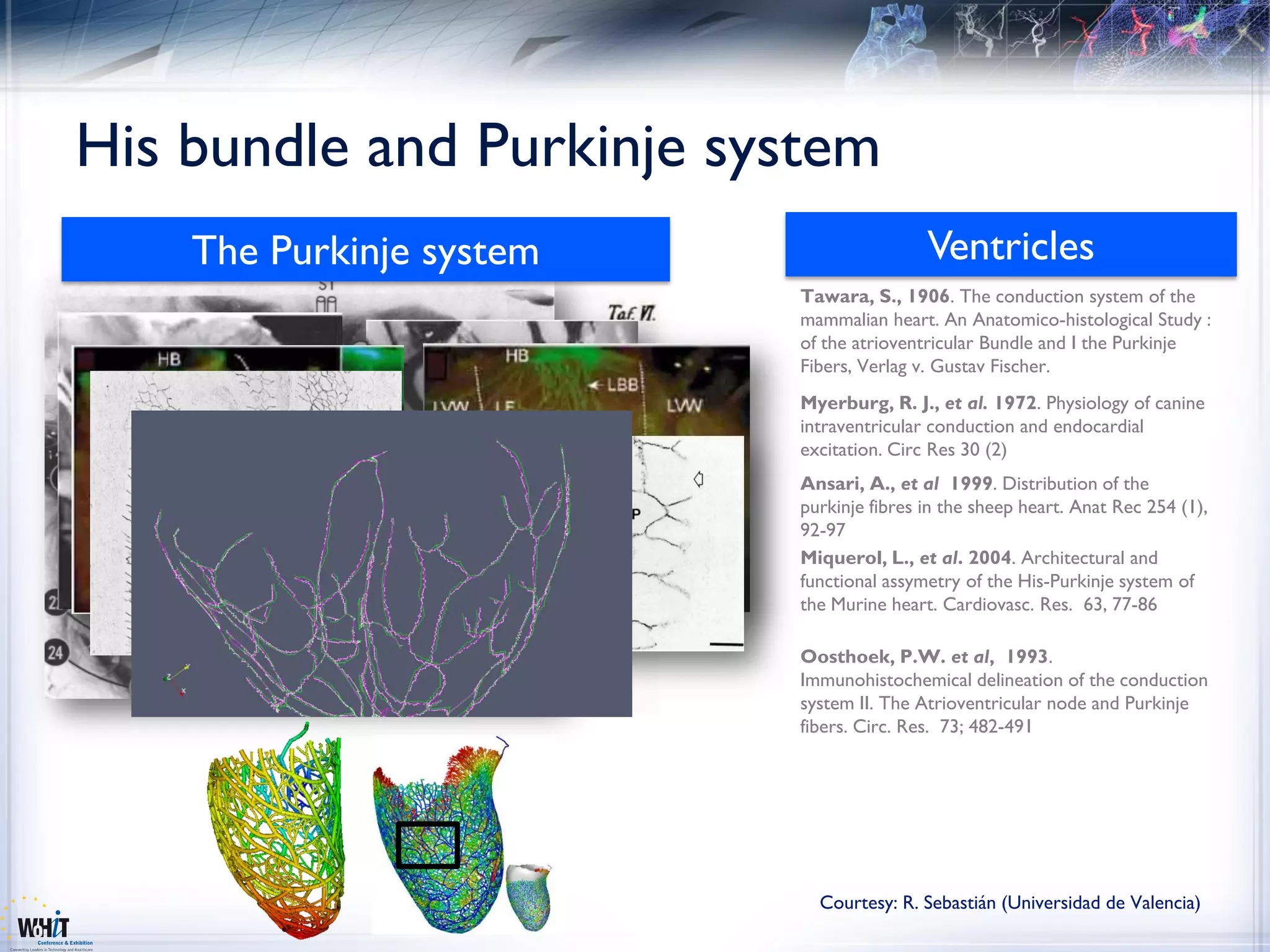
His bundle and Purkinje system
    The Purkinje system                   Ventricles
                          Tawara, S., 1906. The conduction system of the
                          mammalian heart. An Anatomico-histological Study :
                          of the atrioventricular Bundle and I the Purkinje
                          Fibers, Verlag v. Gustav Fischer.
                          Myerburg, R. J., et al. 1972. Physiology of canine
                          intraventricular conduction and endocardial
                          excitation. Circ Res 30 (2)
                          Ansari, A., et al 1999. Distribution of the
                          purkinje fibres in the sheep heart. Anat Rec 254 (1),
                          92-97
                          Miquerol, L., et al. 2004. Architectural and
                          functional assymetry of the His-Purkinje system of
                          the Murine heart. Cardiovasc. Res. 63, 77-86

                          Oosthoek, P.W. et al, 1993.
                          Immunohistochemical delineation of the conduction
                          system II. The Atrioventricular node and Purkinje
                          fibers. Circ. Res. 73; 482-491


                            Courtesy: R. Sebastián (Universidad de Valencia)
Inclusion of functional meaningful structures
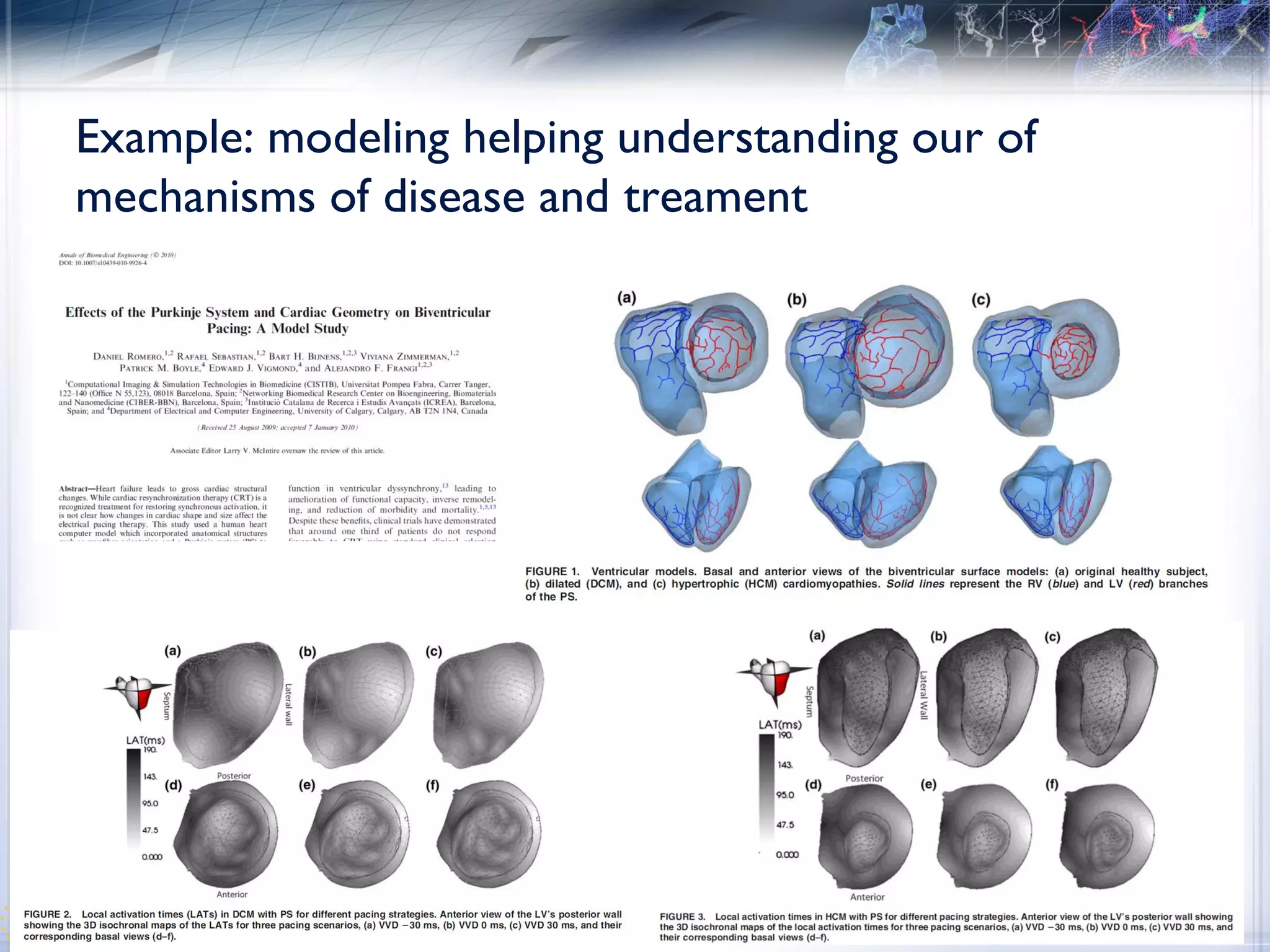
Example: modeling helping understanding our of
mechanisms of disease and treament


                                                 19
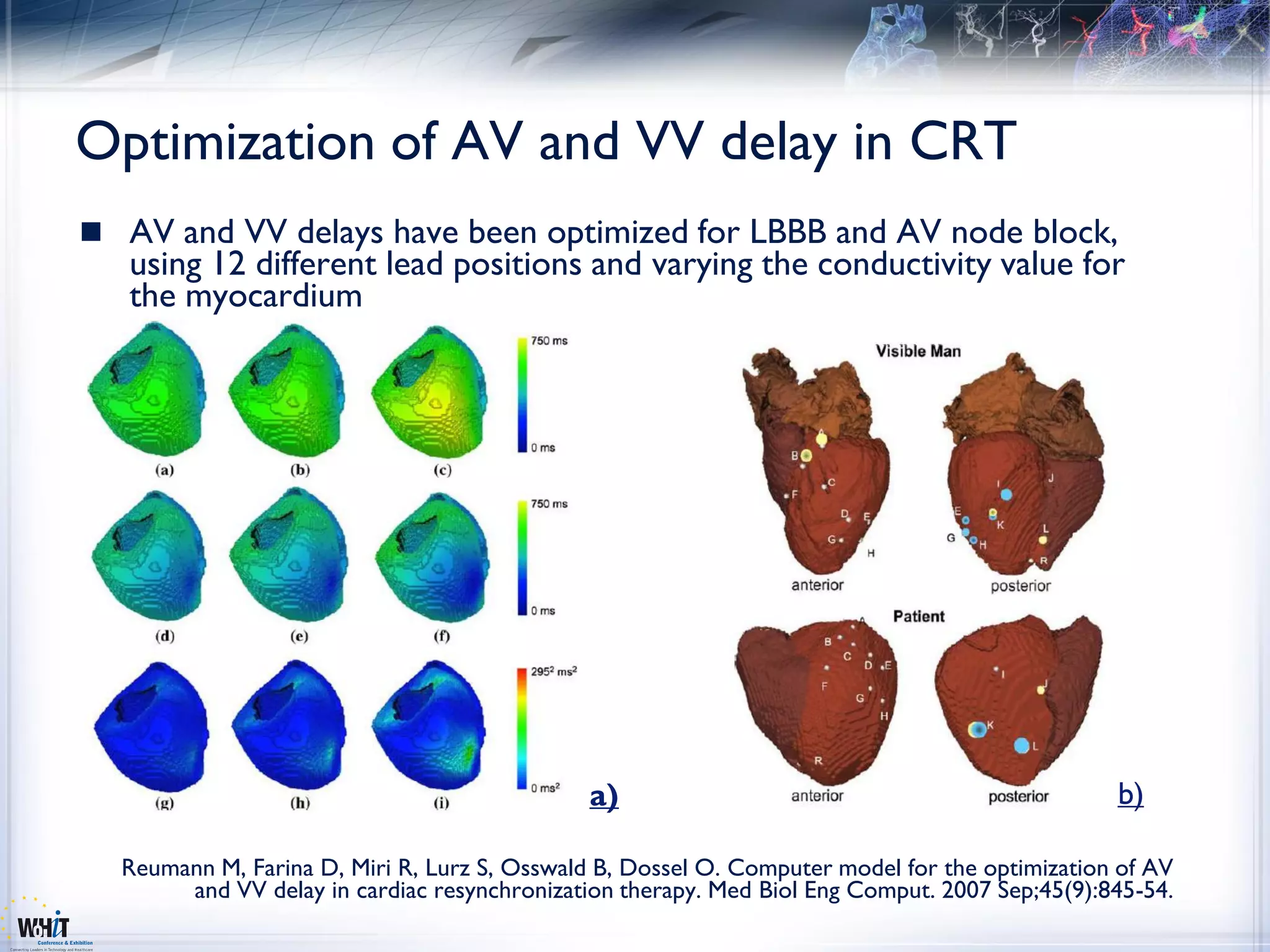
Optimization of AV and VV delay in CRT
 AV and VV delays have been optimized for LBBB and AV node block,
   using 12 different lead positions and varying the conductivity value for
   the myocardium


                                              a)                                               b)

  Reumann M, Farina D, Miri R, Lurz S, Osswald B, Dossel O. Computer model for the optimization of AV
       and VV delay in cardiac resynchronization therapy. Med Biol Eng Comput. 2007 Sep;45(9):845-54.
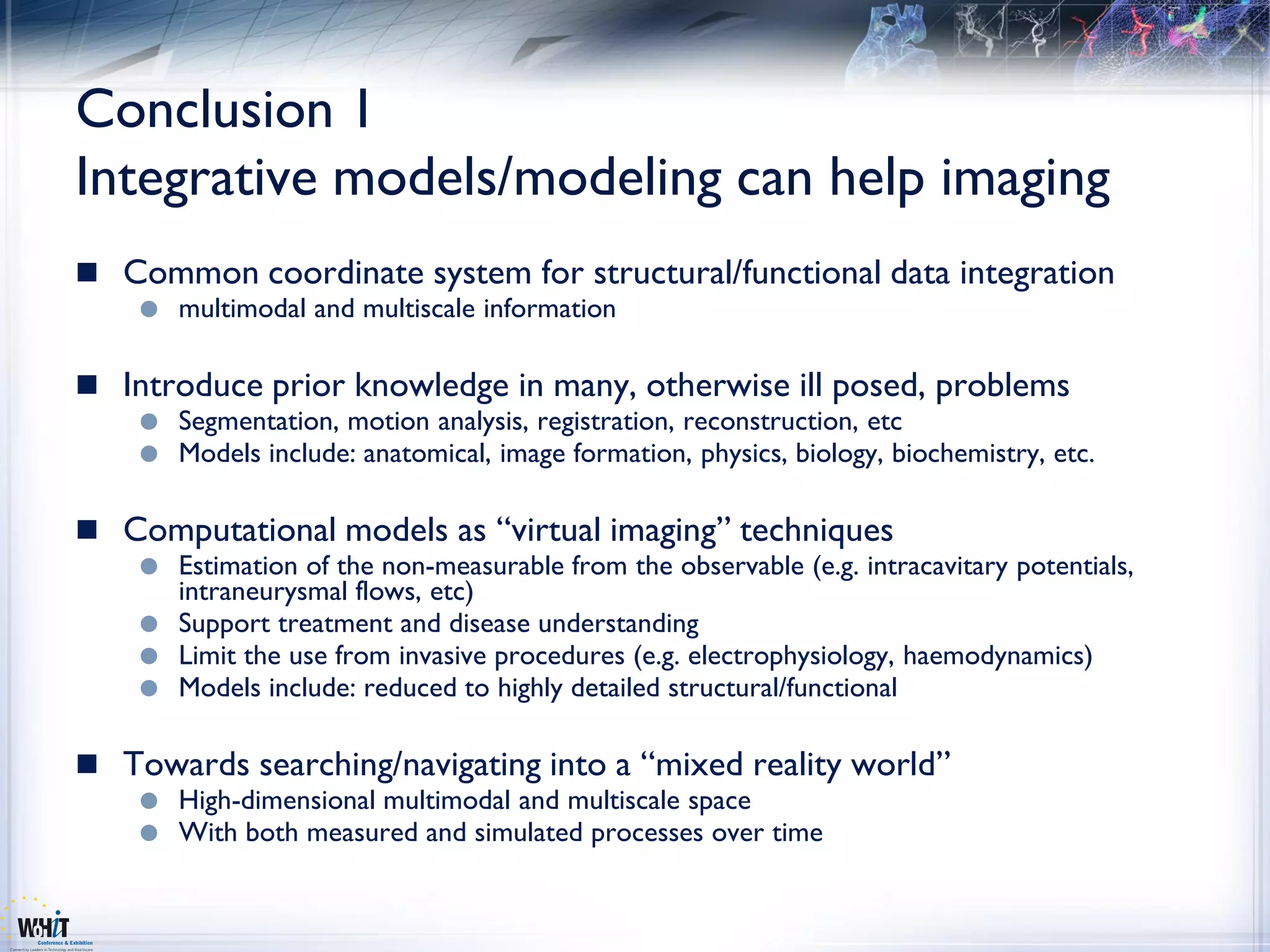
Conclusion 1
Integrative models/modeling can help imaging
 Common coordinate system for structural/functional data integration
       multimodal and multiscale information

 Introduce prior knowledge in many, otherwise ill posed, problems
       Segmentation, motion analysis, registration, reconstruction, etc
       Models include: anatomical, image formation, physics, biology, biochemistry, etc.

 Computational models as “virtual imaging” techniques
     Estimation of the non-measurable from the observable (e.g. intracavitary potentials,
      intraneurysmal flows, etc)
     Support treatment and disease understanding
     Limit the use from invasive procedures (e.g. electrophysiology, haemodynamics)
     Models include: reduced to highly detailed structural/functional


 Towards searching/navigating into a “mixed reality world”
       High-dimensional multimodal and multiscale space
       With both measured and simulated processes over time
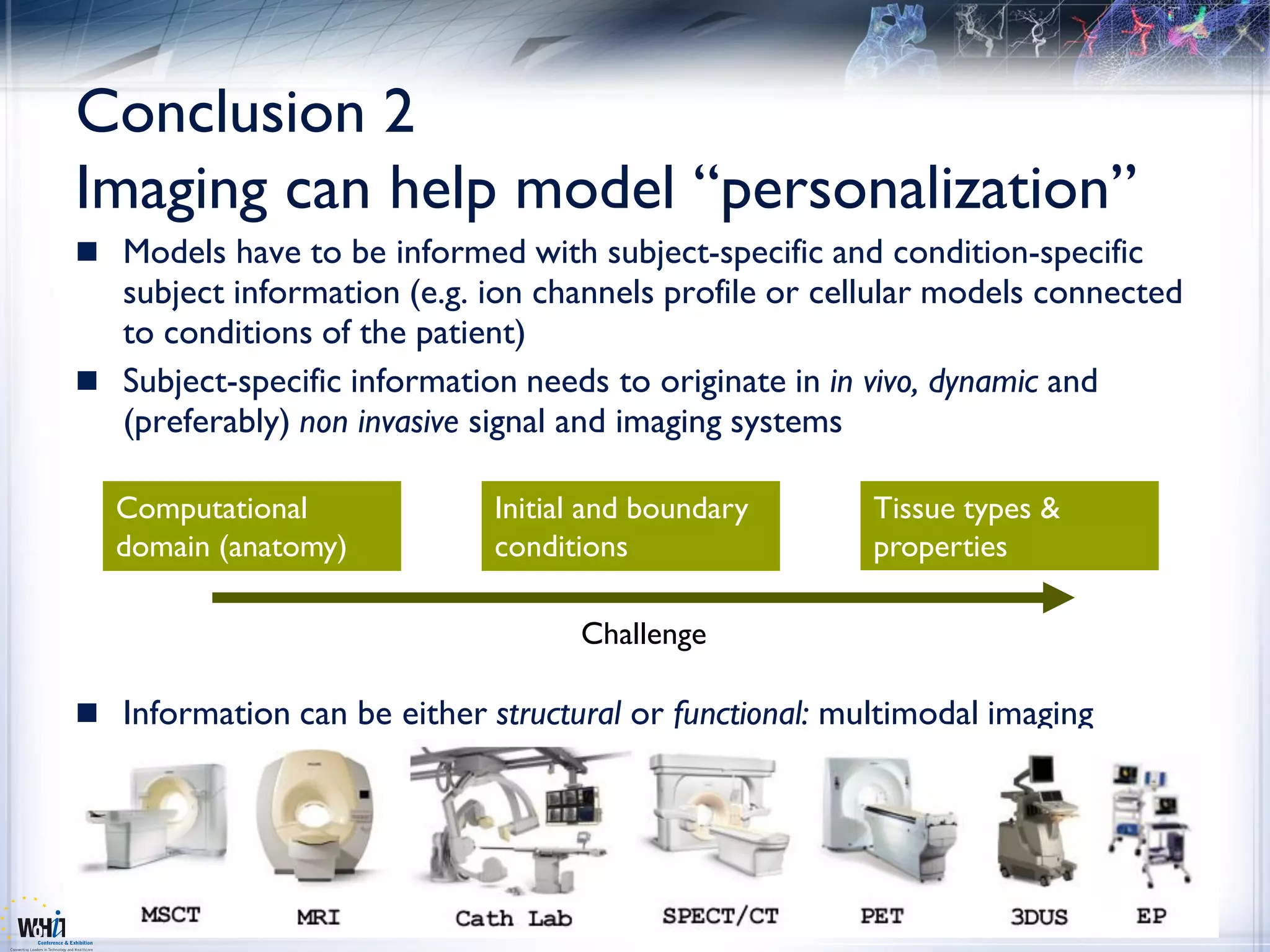
Conclusion 2
Imaging can help model “personalization”
 Models have to be informed with subject-specific and condition-specific
  subject information (e.g. ion channels profile or cellular models connected
  to conditions of the patient)
 Subject-specific information needs to originate in in vivo, dynamic and
  (preferably) non invasive signal and imaging systems

  Computational              Initial and boundary       Tissue types &
  domain (anatomy)           conditions                 properties

                                   Challenge

 Information can be either structural or functional: multimodal imaging
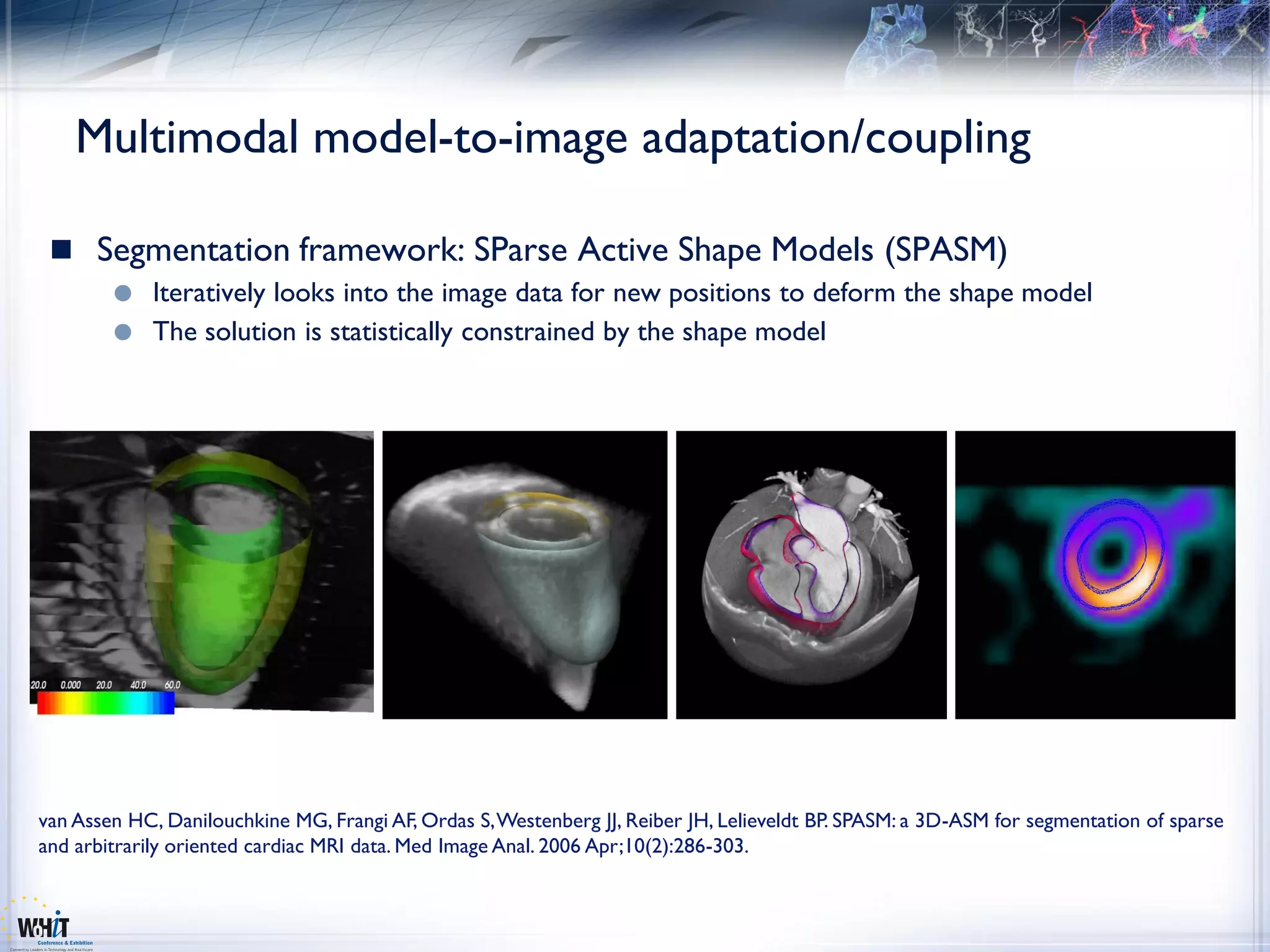
Multimodal model-to-image adaptation/coupling

  Segmentation framework: SParse Active Shape Models (SPASM)
         Iteratively looks into the image data for new positions to deform the shape model
         The solution is statistically constrained by the shape model


van Assen HC, Danilouchkine MG, Frangi AF, Ordas S, Westenberg JJ, Reiber JH, Lelieveldt BP. SPASM: a 3D-ASM for segmentation of sparse
and arbitrarily oriented cardiac MRI data. Med Image Anal. 2006 Apr;10(2):286-303.
Multimodal model-to-image adaptation/coupling
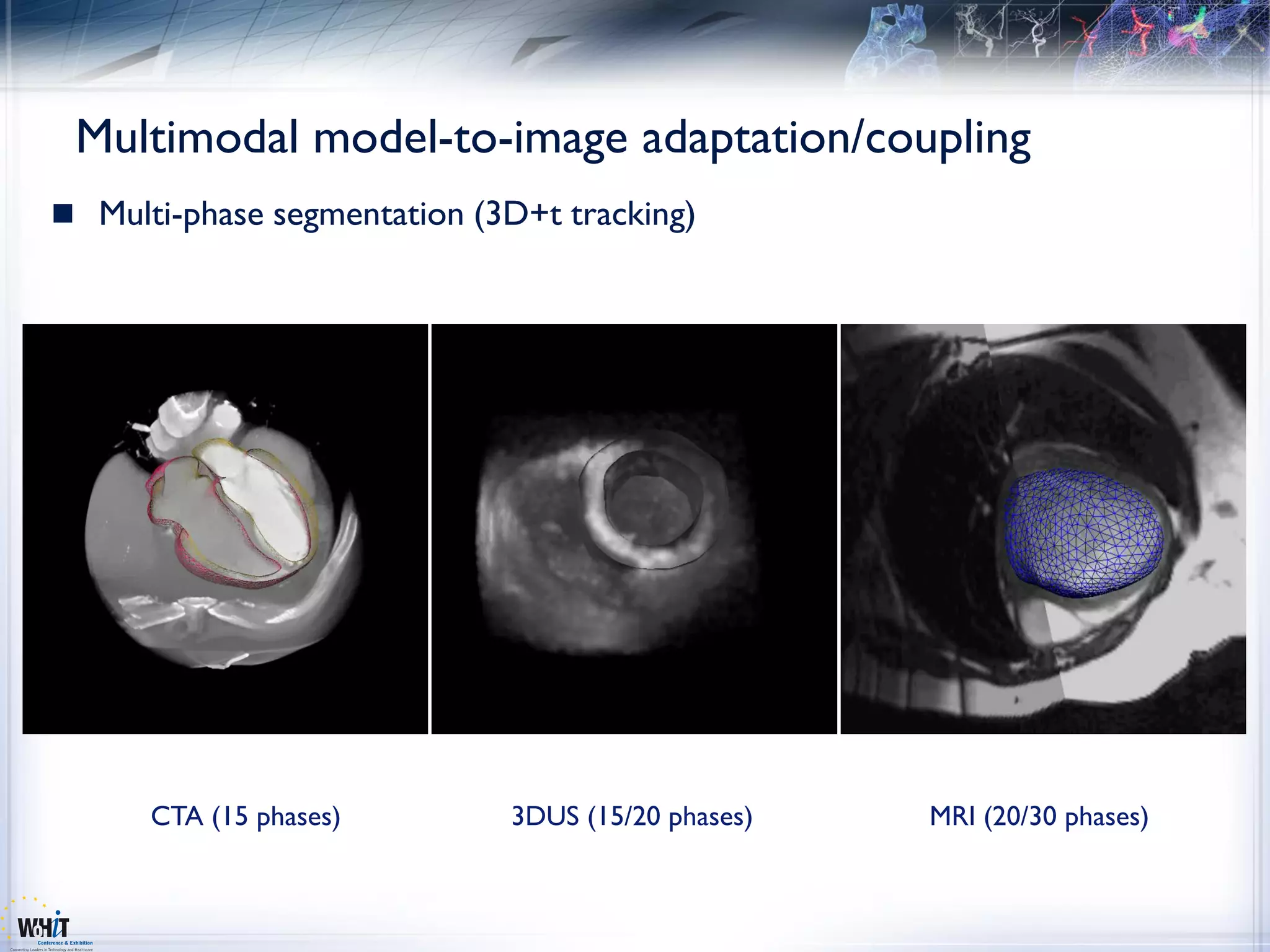
 Multi-phase segmentation (3D+t tracking)


      CTA (15 phases)        3DUS (15/20 phases)   MRI (20/30 phases)
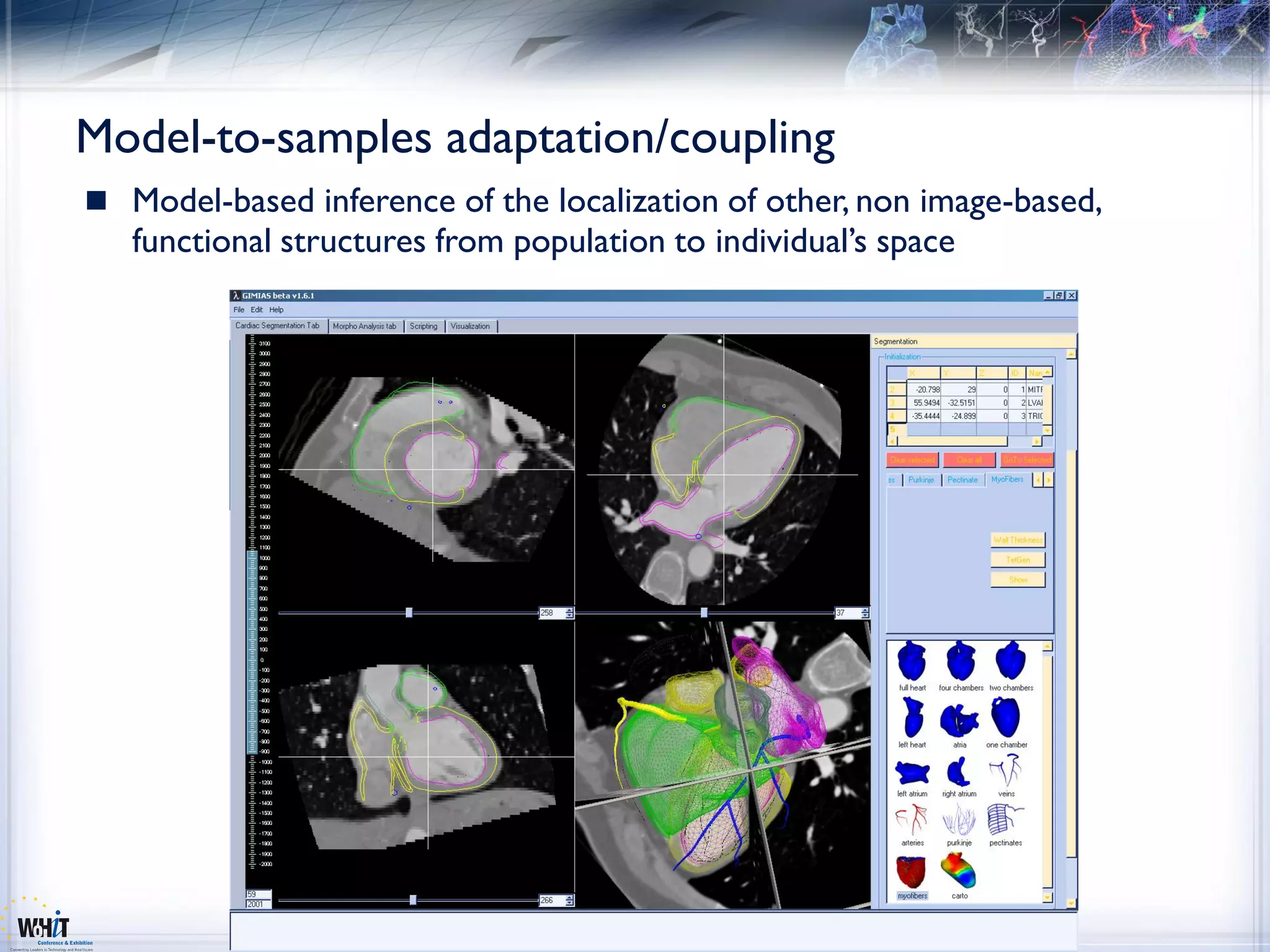
Model-to-samples adaptation/coupling
 Model-based inference of the localization of other, non image-based,
   functional structures from population to individual’s space
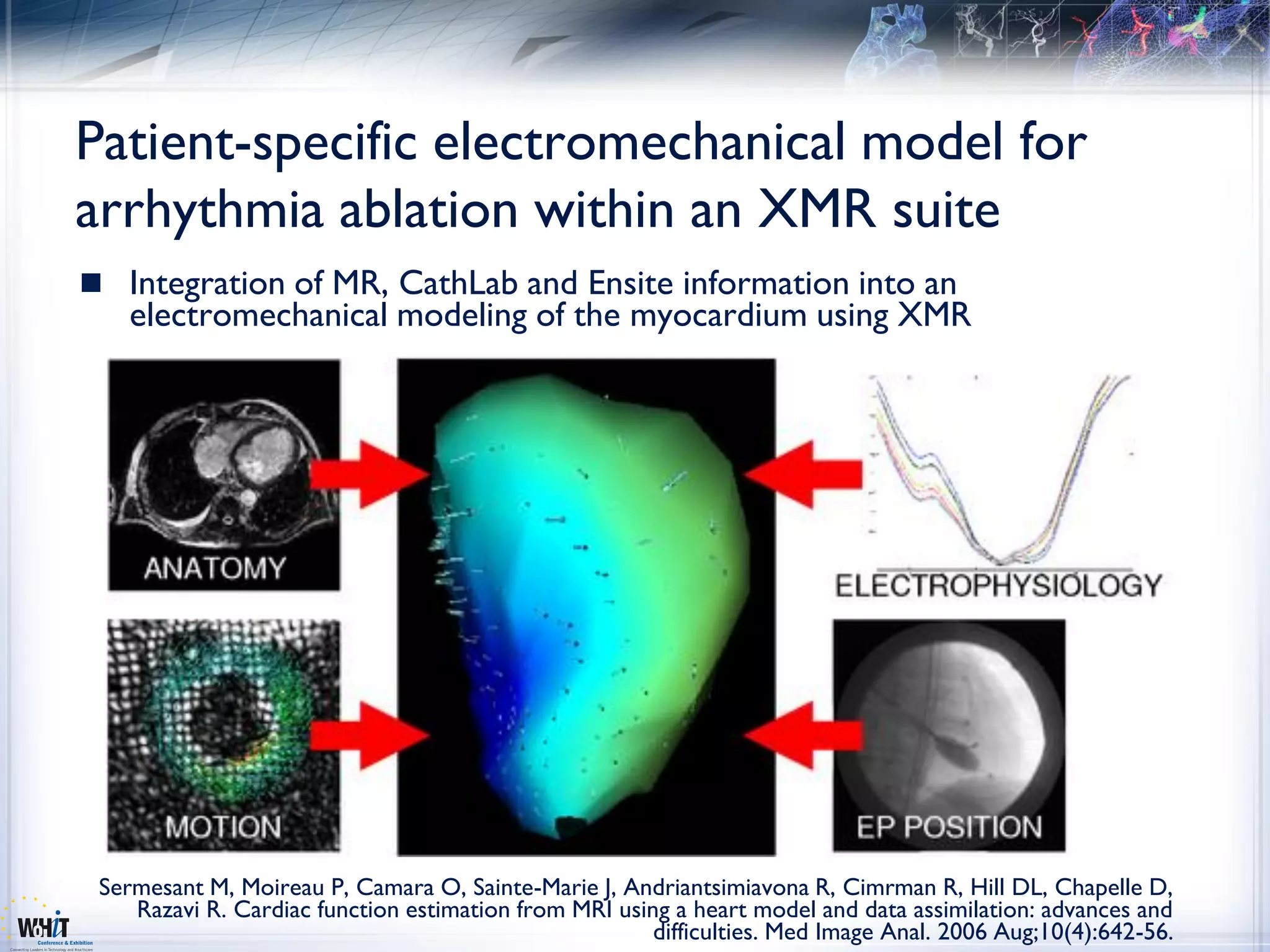
Patient-specific electromechanical model for
arrhythmia ablation within an XMR suite
 Integration of MR, CathLab and Ensite information into an
    electromechanical modeling of the myocardium using XMR


 Sermesant M, Moireau P, Camara O, Sainte-Marie J, Andriantsimiavona R, Cimrman R, Hill DL, Chapelle D,
    Razavi R. Cardiac function estimation from MRI using a heart model and data assimilation: advances and
                                                       difficulties. Med Image Anal. 2006 Aug;10(4):642-56.
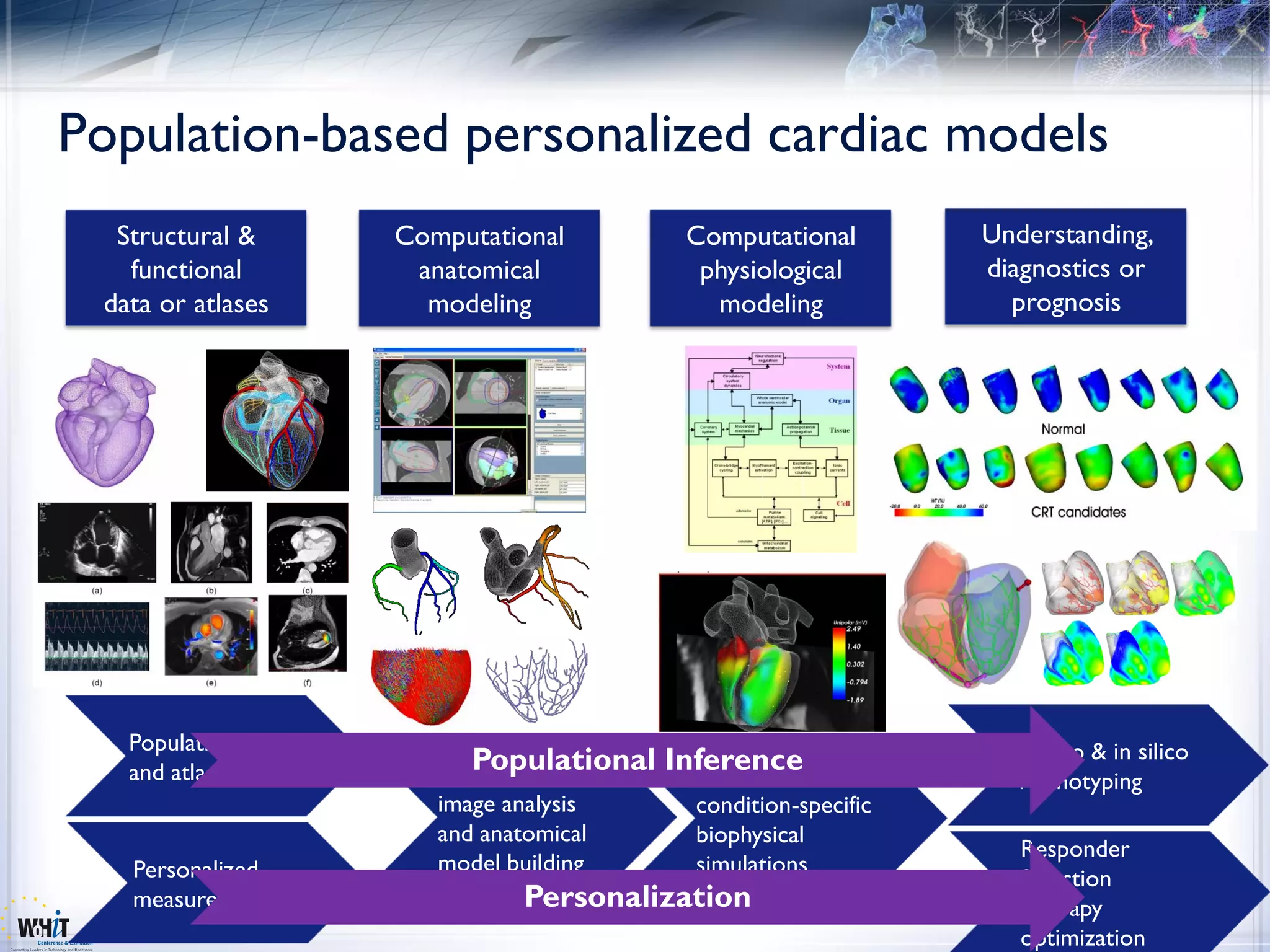
Population-based personalized cardiac models
  Structural &       Computational        Computational         Understanding,
   functional         anatomical           physiological        diagnostics or
 data or atlases       modeling             modeling              prognosis


   Population data                                                 In vivo & in silico
   and atlases             Populational Inference and
                        Multimodal        Personalized             Phenotyping
                        image analysis     condition-specific
                        and anatomical     biophysical
                                                                   Responder
   Personalized         model building     simulations
                                                                   Selection
   measurements                 Personalization                    Therapy
                                                                   optimization
Conclusions & Outlook
 Populational atlases provide a means to define a subject-
  independent coordinate system
 Statistical models provide a natural way to handle and
  parameterize varying dynamic anatomy
 Model-to-image adaptation can be performed efficiently and
  cross-modality thus providing
      patient-specific structural and functional information where available
      and population specific where needed


 Personalization goes beyond imaging integrations
      Integration of multimodal physiological signals
      Biophysical parameter identification from patient/populational data
      Parametric inference from disease condition and other populational
       information

ICT for a global infrastructure for health research VPH Models, images and personalization

  • 1.
    ICT for aglobal infrastructure for health research VPH Models, images and personalization World of Health IT Barcelona, March 15-18th 2010 www.vph-noe.eu www.aneurist.org Alejandro F. Frangi, PhD Center for Computational Imaging & Simulation Technologies in Biomedicine Universitat Pompeu Fabra, Barcelona, Spain Networking Center on Biomedical Research – Bioengineering, Biomaterials and Nanomedicine Institució Catalana de Recerca i Estudis Avançats alejandro.frangi@upf.edu www.cilab.upf.edu
  • 2.
    Outline  The vision,the context  VPH & euHeart  The clinical application & relevance  A case study from euHeart: CRT  Computational atlases  Of anatomy and function  Interplay between imaging and modeling  Imaging trends  Modeling for imaging  Imaging for modeling  Conclusions & outlook 2
  • 3.
    Virtual Physiological Human(VPH) or the Digital Me  A European Network of Excellence operated by 12 core EU institutions “help support and progress 13 Core Partners European research in 4 UK (UCL, UOXF, UNOTT, USFD) biomedical modeling and 3 France (CNRS, INRIA, ERCIM) simulation of the human 2 Spain (UPF, IMIM) body.This will improve our Two important modeling issues 1 Germany1(EMBL [EBI]) Sweden (KI) ability to predict, 1 Belgium (ULB) diagnose and treat 1 New Zealand (UOA) disease, and have a Model parameter personalization dramatic impact on the future of healthcare, the Populational inference of variability pharmaceutical and medical device Associate / General Members industries.” 19 Candidate General Members 3 Candidate Associate Members (organisations) 5 Candidate Associate Members (industry) 9 Associate Projects www.vph-noe.eu … and growing 3
  • 4.
    Exemplar from awider initiative: VPH-I Industry Parallel VPH projects Grid access CA CV/ Atheroschlerosis Liver surgery IP STREP Breast cancer/ Heart/ LVD surgery diagnosis STREP STREP Osteoporosis Oral cancer/ BM IP D&T STREP Cancer Networking STREP Heart /CV NoE disease STREP Vascular/ AVF & Liver cancer/RFA haemodialysis STREP therapy STREP Heart /CV disease STREP Alzheimer's/ BM & diagnosis STREP Other Security and Privacy in VPH CA Clinics
  • 5.
    euHeart: Integrated andPersonalized Cadiac Care  Overall aim The aim of the euHeart project is to incorporate ICT tools and integrative multi-scale computational models of the heart within clinical environments to improve diagnosis, treatment planning and interventions for CVD and thus to reduce the allied healthcare costs.  Specific objectives  To develop, share and integrate multi-physics and multi-level models of the heart  To develop and validate automated methods for the consistent interpretation of multi-modal clinical images FACT SHEET  To develop and apply specific and general strategies for model Project acronym: euHeart personalisation.  To integrate the multidisciplinary results into prototypes and to Project title Personalised & Integrated CardiacCare: Patient-specific Cardiovascular Modelling and carry out validation at clinical sites. Simulation for In Silico Disease Understanding & Management and for Medical Device  To optimise catheter and surgical interventions and tuning of devices for better treatment delivery and clinical outcome. Number of partners: 17 Budget 19.05M€  To collect evidence of and to quantify the clinical benefit of the EC Contribution 13.90M€ Duration 48 months approaches developed above for prediction, accurate diagnosis, and Starting date 01/06/08 disease quantification as well as improved therapy of CVD. Contract number FP7-IST-224495
  • 6.
    Focus on fiveclinically driven problems Cardiac Radiofrequency Ablation Simulator specific Patient- Cardiac Resynch Therapy Heart Aortic Disease Valvular and Failure Coronary Artery Disease
  • 7.
    The (template) clinicalproblem  Cardiac resynchronization therapy (CRT)  is a proven treatment for selected patients with heart failure-induced conduction disturbances and ventricular dyssynchrony  CRT is designed to reduce symptoms and improve cardiac function by restoring the mechanical sequence of ventricular activation and contraction
  • 8.
    Current practice andcaveats in CRT Strickberger SA, et al. Patient selection for cardiac resynchronization therapy: from the Council on Clinical Cardiology Subcommittee on Electrocardiography and Arrhythmias and the Quality of Care and Outcomes Research Interdisciplinary Working Group, in collaboration with the Heart Rhythm Society. Circulation. 2005 Apr 26;111(16):2146-50. 8 Abraham WT. Cardiac resynchronization therapy. Prog Cardiovasc Dis. 2006;48(4):232-8.
  • 9.
    Biomedical imaging revolutiontrends  Explosion of 3D+t multimodal diagnostic imaging to be quantified and integrated!  multimodal structural and functional imaging (MR/A, MSCT/A, 3DUS,PET/MR, SPECT/CT)  additionally… physiological signal monitoring systems (CARTO, ECG, BP, etc)  Technological synergies synergistic developments in hardware & software  close cooperation between engineers, clinicians and technology providers  Beyond basic diagnostics disease understanding & image-based molecular biomarkers image-guided therapy planning, delivery and monitoring  computerized methods: image computing, and physical modeling and simulation  multimodal interventional suites  Longitudinal imaging studies clinical trials based on imaging biomarkers  Need for identifying effective imaging biomarkers & high-throghput image analytics services  Need for models for disease understanding and biomarker interpretation
  • 10.
    Integrated diagnostic & interventionalsuites MRXO: An integrated MR, CT and CathLab facility World’s first hybrid OR for neurosurgical procedures. Tokai University, JP
  • 11.
    Integrated diagnostic &interventional suites  An integrated CathLab facility with Stereotaxis Steering & Navigation
  • 13.
  • 14.
    Computational statistical atlases WholeHeart Point Distribution Model  Automatically built from high-resolution scans  Multi-slice CT 3D+t scans  100 randomized subjects  15 cardiac phases each  Triangulated surfaces  All main structures included  Point Distribution Models (PDMs) learnt from the training set  Average heart & principal shape component analysis  Linear shape model h h Φ PCA s h S. Ordas, E. Oubel, R. Sebastian, A.F. Frangi (2007) Computational Anatomy Atlas of the Heart; International Symposium on Image and Signal Processing and Analysis (ISPA), pp. 338-42. A.F. Frangi, D. Rueckert, J.A. Schnabel, W.J. Niessen (2002). Automatic construction of multi-ple-object three-dimensional statistical shape models: Application to cardiac modeling. IEEE Trans on Medical Imaging. 21(9):1151-66.
  • 15.
    Modeling heart’s structure Model with meaningful structures Human Heart Anatomy Purkinje Fibers Arterial system Venous system
  • 16.
    Myocardial fiber structure Myocardial fibers: diffusion tensor imaging, velocity encoded MRI  Mathematical model: Streeter (1979), Helm (2005)  Warping diffusion tensors from template to subjects Sundar et al.: principal directions of the original DT (blue) and the mapped DT (red)
  • 17.
    His bundle andPurkinje system The Purkinje system Ventricles Tawara, S., 1906. The conduction system of the mammalian heart. An Anatomico-histological Study : of the atrioventricular Bundle and I the Purkinje Fibers, Verlag v. Gustav Fischer. Myerburg, R. J., et al. 1972. Physiology of canine intraventricular conduction and endocardial excitation. Circ Res 30 (2) Ansari, A., et al 1999. Distribution of the purkinje fibres in the sheep heart. Anat Rec 254 (1), 92-97 Miquerol, L., et al. 2004. Architectural and functional assymetry of the His-Purkinje system of the Murine heart. Cardiovasc. Res. 63, 77-86 Oosthoek, P.W. et al, 1993. Immunohistochemical delineation of the conduction system II. The Atrioventricular node and Purkinje fibers. Circ. Res. 73; 482-491 Courtesy: R. Sebastián (Universidad de Valencia)
  • 18.
    Inclusion of functionalmeaningful structures
  • 19.
    Example: modeling helpingunderstanding our of mechanisms of disease and treament 19
  • 20.
    Optimization of AVand VV delay in CRT  AV and VV delays have been optimized for LBBB and AV node block, using 12 different lead positions and varying the conductivity value for the myocardium a) b) Reumann M, Farina D, Miri R, Lurz S, Osswald B, Dossel O. Computer model for the optimization of AV and VV delay in cardiac resynchronization therapy. Med Biol Eng Comput. 2007 Sep;45(9):845-54.
  • 21.
    Conclusion 1 Integrative models/modelingcan help imaging  Common coordinate system for structural/functional data integration  multimodal and multiscale information  Introduce prior knowledge in many, otherwise ill posed, problems  Segmentation, motion analysis, registration, reconstruction, etc  Models include: anatomical, image formation, physics, biology, biochemistry, etc.  Computational models as “virtual imaging” techniques  Estimation of the non-measurable from the observable (e.g. intracavitary potentials, intraneurysmal flows, etc)  Support treatment and disease understanding  Limit the use from invasive procedures (e.g. electrophysiology, haemodynamics)  Models include: reduced to highly detailed structural/functional  Towards searching/navigating into a “mixed reality world”  High-dimensional multimodal and multiscale space  With both measured and simulated processes over time
  • 22.
    Conclusion 2 Imaging canhelp model “personalization”  Models have to be informed with subject-specific and condition-specific subject information (e.g. ion channels profile or cellular models connected to conditions of the patient)  Subject-specific information needs to originate in in vivo, dynamic and (preferably) non invasive signal and imaging systems Computational Initial and boundary Tissue types & domain (anatomy) conditions properties Challenge  Information can be either structural or functional: multimodal imaging
  • 23.
    Multimodal model-to-image adaptation/coupling  Segmentation framework: SParse Active Shape Models (SPASM)  Iteratively looks into the image data for new positions to deform the shape model  The solution is statistically constrained by the shape model van Assen HC, Danilouchkine MG, Frangi AF, Ordas S, Westenberg JJ, Reiber JH, Lelieveldt BP. SPASM: a 3D-ASM for segmentation of sparse and arbitrarily oriented cardiac MRI data. Med Image Anal. 2006 Apr;10(2):286-303.
  • 24.
    Multimodal model-to-image adaptation/coupling Multi-phase segmentation (3D+t tracking) CTA (15 phases) 3DUS (15/20 phases) MRI (20/30 phases)
  • 25.
    Model-to-samples adaptation/coupling  Model-basedinference of the localization of other, non image-based, functional structures from population to individual’s space
  • 26.
    Patient-specific electromechanical modelfor arrhythmia ablation within an XMR suite  Integration of MR, CathLab and Ensite information into an electromechanical modeling of the myocardium using XMR Sermesant M, Moireau P, Camara O, Sainte-Marie J, Andriantsimiavona R, Cimrman R, Hill DL, Chapelle D, Razavi R. Cardiac function estimation from MRI using a heart model and data assimilation: advances and difficulties. Med Image Anal. 2006 Aug;10(4):642-56.
  • 27.
    Population-based personalized cardiacmodels Structural & Computational Computational Understanding, functional anatomical physiological diagnostics or data or atlases modeling modeling prognosis Population data In vivo & in silico and atlases Populational Inference and Multimodal Personalized Phenotyping image analysis condition-specific and anatomical biophysical Responder Personalized model building simulations Selection measurements Personalization Therapy optimization
  • 28.
    Conclusions & Outlook Populational atlases provide a means to define a subject- independent coordinate system  Statistical models provide a natural way to handle and parameterize varying dynamic anatomy  Model-to-image adaptation can be performed efficiently and cross-modality thus providing  patient-specific structural and functional information where available  and population specific where needed  Personalization goes beyond imaging integrations  Integration of multimodal physiological signals  Biophysical parameter identification from patient/populational data  Parametric inference from disease condition and other populational information