Submitted to,
Prof .H.V.Parmar
College of
fisheries
veraval
Submitted by ,
Ketul Patel
Roll no:-26
Reg.no:-j3-00326-2014
 The technique of induction of breeding by
administration of pituitary extract is called
hypophysation technique.
 Brazil was the first country to develop
hypophysation technique on commercial
scale.
 In India the first attempt to induce C.mrigla
to spawn by injection of mammalian pituitry
extract was done by khan in 1937.
 Removal of Pituitary Gland from Donor Fish .
 Storage of Pituitary Glands.
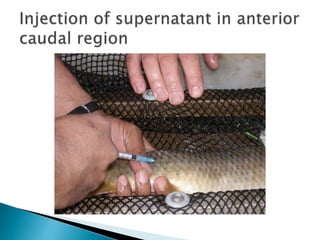
 Preparing and Injecting the Pituitary Extract.
 Release of Induced Donor Fish.
 Select sexually mature and unspent donor
fish (male or female) as pituitary donors.
 Anaesthetise the donor fish using a suitable
anesthetic until deeply sedated and
sacrifice.
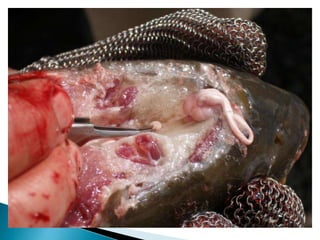
 Wash and remove the fatty tissue away,
hold the hind margin of the brain with a
pair of fine tweezers, gently lift and fold the
brain back on to itself (posterior to anterior
direction) to expose the pituitary gland
lying directly under the brain
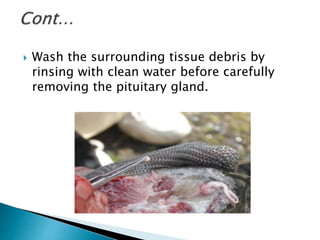
 Wash the surrounding tissue debris by
rinsing with clean water before carefully
removing the pituitary gland.
 Pituitary glands that are not required for
injection immediately can be stored for as
long as 6 months using reagent grade
acetone.
 For long-term storage first place the
pituitary glands in airtight vials containing
acetone for 24 hours and then replace the
acetone with a fresh aliquot.
 These vials can be stored at room
temperature or refrigerated until required
(up to 6 months).
 Just prior to induction of donor fish, take
out the stored pituitary glands from their
respective vials and place on tissue paper to
air dry.
 If working with fresh glands use them
directly for extraction.
 Weigh the required amount of pituitary
gland (based on the weight of the recipient
fish: 4-6 or 10-16mg/kg body weight for
male or female recipient respectively)
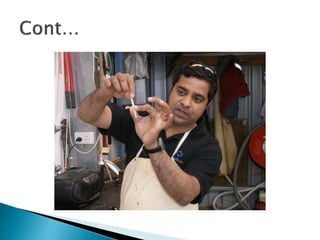
 Carefully transfer the weighed glands to a
microfung tube.
 Add sterile double distilled water to each
vial and grind the tissue finely using a
micro-pestle.
 grinding more distilled water was
added to achieve a concentration of
approximately 40 mg/ml of pituitary
extract and mixed thoroughly.
 The pituitary extract was then
centrifuged at approximately 1-2K
RPM for about a minute to separate
the tissue debris from the extract.
 Suitable sites with water plumes flowing
through the holding pen and traps were
selected for the trial.
 Holding pens were placed directly behind
fish traps, such that pheromone (attractant)
released by the donor fish would be carried
through the traps and into the lake.
 Suitable barriers were installed to avoid
inadvertent access of attracted fish to the
donor fish.
 Fish seed is guaranteed all year round.
 Increase the survival rate of fry
 Improve quality by crossing two different
species.
 Loss the donor
 Whole process is laboratory and highly
technical.
 Very expensive.
Hypophysation.pdf

Hypophysation.pdf

  • 1.
    Submitted to, Prof .H.V.Parmar Collegeof fisheries veraval Submitted by , Ketul Patel Roll no:-26 Reg.no:-j3-00326-2014
  • 2.
     The techniqueof induction of breeding by administration of pituitary extract is called hypophysation technique.  Brazil was the first country to develop hypophysation technique on commercial scale.  In India the first attempt to induce C.mrigla to spawn by injection of mammalian pituitry extract was done by khan in 1937.
  • 3.
     Removal ofPituitary Gland from Donor Fish .  Storage of Pituitary Glands.  Preparing and Injecting the Pituitary Extract.  Release of Induced Donor Fish.
  • 4.
     Select sexuallymature and unspent donor fish (male or female) as pituitary donors.  Anaesthetise the donor fish using a suitable anesthetic until deeply sedated and sacrifice.
  • 5.
     Wash andremove the fatty tissue away, hold the hind margin of the brain with a pair of fine tweezers, gently lift and fold the brain back on to itself (posterior to anterior direction) to expose the pituitary gland lying directly under the brain
  • 7.
     Wash thesurrounding tissue debris by rinsing with clean water before carefully removing the pituitary gland.
  • 8.
     Pituitary glandsthat are not required for injection immediately can be stored for as long as 6 months using reagent grade acetone.  For long-term storage first place the pituitary glands in airtight vials containing acetone for 24 hours and then replace the acetone with a fresh aliquot.  These vials can be stored at room temperature or refrigerated until required (up to 6 months).
  • 9.
     Just priorto induction of donor fish, take out the stored pituitary glands from their respective vials and place on tissue paper to air dry.  If working with fresh glands use them directly for extraction.  Weigh the required amount of pituitary gland (based on the weight of the recipient fish: 4-6 or 10-16mg/kg body weight for male or female recipient respectively)
  • 10.
     Carefully transferthe weighed glands to a microfung tube.  Add sterile double distilled water to each vial and grind the tissue finely using a micro-pestle.
  • 12.
     grinding moredistilled water was added to achieve a concentration of approximately 40 mg/ml of pituitary extract and mixed thoroughly.  The pituitary extract was then centrifuged at approximately 1-2K RPM for about a minute to separate the tissue debris from the extract.
  • 14.
     Suitable siteswith water plumes flowing through the holding pen and traps were selected for the trial.  Holding pens were placed directly behind fish traps, such that pheromone (attractant) released by the donor fish would be carried through the traps and into the lake.  Suitable barriers were installed to avoid inadvertent access of attracted fish to the donor fish.
  • 15.
     Fish seedis guaranteed all year round.  Increase the survival rate of fry  Improve quality by crossing two different species.
  • 16.
     Loss thedonor  Whole process is laboratory and highly technical.  Very expensive.