HYPERTENSION
Learning Outcomes
After attending this presentation audience will be
able to:
• Define Blood pressure, Normal BP and
Hypertension
• Classify Hypertension
• Enlist Predisposing factors of Hypertension
• Describe the consequences of Hypertension
• Explain/plan that how to avoid Hypertension
Blood Pressure
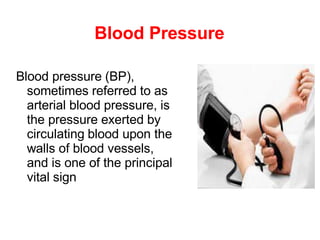
Blood pressure (BP),
sometimes referred to as
arterial blood pressure, is
the pressure exerted by
circulating blood upon the
walls of blood vessels,
and is one of the principal
vital sign
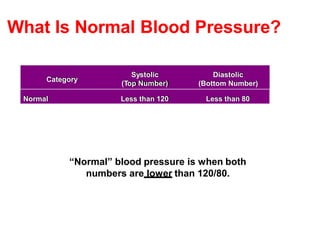
What Is Normal Blood Pressure?
Category
Systolic
(Top Number)
Diastolic
(Bottom Number)
Normal Less than 120 Less than 80
“Normal” blood pressure is when both
numbers are lower than 120/80.
Hypertension
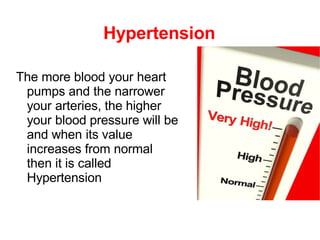
The more blood your heart
pumps and the narrower
your arteries, the higher
your blood pressure will be
and when its value
increases from normal
then it is called
Hypertension
Continue...
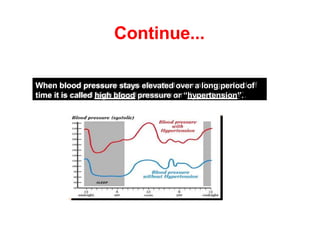
When blood pressure stays elevated over a long period of
time it is called high blood pressure or “hypertension”.
Classification
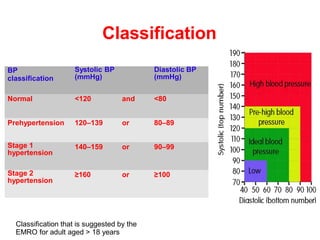
Classification that is suggested by the
EMRO for adult aged > 18 years
BP
classification
Systolic BP
(mmHg)
Diastolic BP
(mmHg)
Normal <120 and <80
Prehypertension 120–139 or 80–89
Stage 1
hypertension
140–159 or 90–99
Stage 2
hypertension
≥160 or ≥100
Types
Essential hypertension
is the form of
hypertension that by
definition, has no
identifiable cause. It is
the most common type
of hypertension,
affecting 95% of
hypertensive patients
Secondary hypertension
is a type of hypertension
which is caused by an
identifiable underlying
secondary cause. It is
much less affecting only
5% of hypertensive
patients
Predisposing Factors for HTN
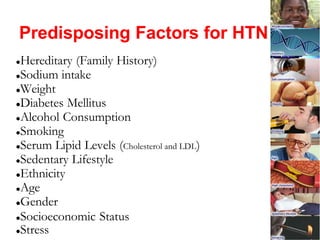
Hereditary (Family History)
Sodium intake
Weight
Diabetes Mellitus
Alcohol Consumption
Smoking
Serum Lipid Levels (Cholesterol and LDL)
Sedentary Lifestyle
Ethnicity
Age
Gender
Socioeconomic Status
Stress
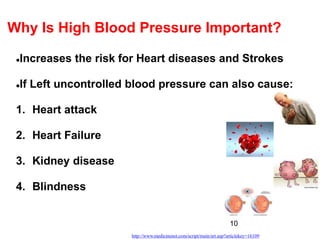
Increases the risk for Heart diseases and Strokes
If Left uncontrolled blood pressure can also cause:
1. Heart attack
2. Heart Failure
3. Kidney disease
4. Blindness
Why Is High Blood Pressure Important?
10
http://www.medicinenet.com/script/main/art.asp?articlekey=16109
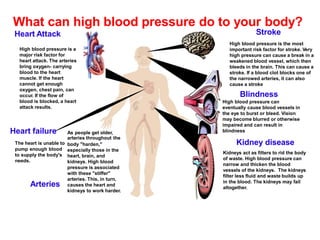
What can high blood pressure do to your body?
Heart Attack
High blood pressure is a
major risk factor for
heart attack. The arteries
bring oxygen- carrying
blood to the heart
muscle. If the heart
cannot get enough
oxygen, chest pain, can
occur. If the flow of
blood is blocked, a heart
attack results.
Stroke
High blood pressure is the most
important risk factor for stroke. Very
high pressure can cause a break in a
weakened blood vessel, which then
bleeds in the brain. This can cause a
stroke. If a blood clot blocks one of
the narrowed arteries, it can also
cause a stroke
Blindness
High blood pressure can
eventually cause blood vessels in
the eye to burst or bleed. Vision
may become blurred or otherwise
impaired and can result in
blindness
Kidney disease
Kidneys act as filters to rid the body
of waste. High blood pressure can
narrow and thicken the blood
vessels of the kidneys. The kidneys
filter less fluid and waste builds up
in the blood. The kidneys may fail
altogether.
As people get older,
arteries throughout the
The heart is unable to body "harden,"
especially those in the
heart, brain, and
kidneys. High blood
pressure is associated
with these "stiffer"
arteries. This, in turn,
causes the heart and
kidneys to work harder.
Arteries
Heart failure
pump enough blood
to supply the body's
needs.
12
You can take action to
prevent getting high
blood pressure or take
steps to control it!
The Good News is…
Maintain Nearly Normal BP
Make sure your blood pressure is
under 140/90 mm Hg
If your systolic pressure (the top
number) is over 140, ask your
doctor what you can do to lower it
14
Aim for a healthy weight
If you are overweight or
obese, carrying this extra
weight increases your risk of
high blood pressure
Your BMI is above the
healthy range (i.e., 25 or
greater), or if your waist
measurement is greater than
35 inches (women) or 40
inches (men) then you have
to reduce your weight
Increase your physical activity
Do at least 30 minutes
of moderate activity,
such as walking, most
days of the week
You can do 30
minutes in three 10-
minute segments
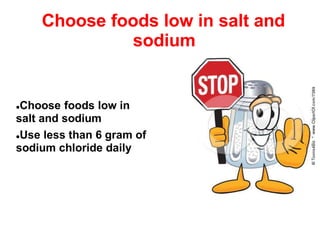
Choose foods low in salt and
sodium
Choose foods low in
salt and sodium
Use less than 6 gram of
sodium chloride daily
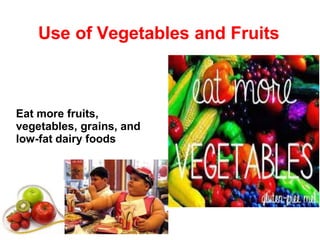
Use of Vegetables and Fruits
Eat more fruits,
vegetables, grains, and
low-fat dairy foods
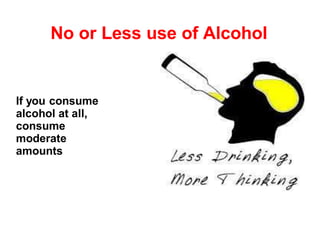
No or Less use of Alcohol
If you consume
alcohol at all,
consume
moderate
amounts
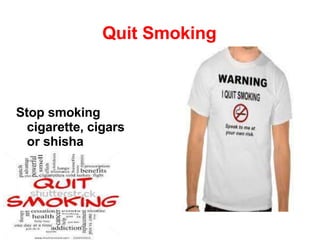
Quit Smoking
Stop smoking
cigarette, cigars
or shisha
Be Happy
Be happy and avoid
tensions
21
22
Thank you…

hypertension-report complete slides.pptx

  • 1.
  • 2.
    Learning Outcomes After attendingthis presentation audience will be able to: • Define Blood pressure, Normal BP and Hypertension • Classify Hypertension • Enlist Predisposing factors of Hypertension • Describe the consequences of Hypertension • Explain/plan that how to avoid Hypertension
  • 3.
    Blood Pressure Blood pressure(BP), sometimes referred to as arterial blood pressure, is the pressure exerted by circulating blood upon the walls of blood vessels, and is one of the principal vital sign
  • 4.
    What Is NormalBlood Pressure? Category Systolic (Top Number) Diastolic (Bottom Number) Normal Less than 120 Less than 80 “Normal” blood pressure is when both numbers are lower than 120/80.
  • 5.
    Hypertension The more bloodyour heart pumps and the narrower your arteries, the higher your blood pressure will be and when its value increases from normal then it is called Hypertension
  • 6.
    Continue... When blood pressurestays elevated over a long period of time it is called high blood pressure or “hypertension”.
  • 7.
    Classification Classification that issuggested by the EMRO for adult aged > 18 years BP classification Systolic BP (mmHg) Diastolic BP (mmHg) Normal <120 and <80 Prehypertension 120–139 or 80–89 Stage 1 hypertension 140–159 or 90–99 Stage 2 hypertension ≥160 or ≥100
  • 8.
    Types Essential hypertension is theform of hypertension that by definition, has no identifiable cause. It is the most common type of hypertension, affecting 95% of hypertensive patients Secondary hypertension is a type of hypertension which is caused by an identifiable underlying secondary cause. It is much less affecting only 5% of hypertensive patients
  • 9.
    Predisposing Factors forHTN Hereditary (Family History) Sodium intake Weight Diabetes Mellitus Alcohol Consumption Smoking Serum Lipid Levels (Cholesterol and LDL) Sedentary Lifestyle Ethnicity Age Gender Socioeconomic Status Stress
  • 10.
    Increases the riskfor Heart diseases and Strokes If Left uncontrolled blood pressure can also cause: 1. Heart attack 2. Heart Failure 3. Kidney disease 4. Blindness Why Is High Blood Pressure Important? 10 http://www.medicinenet.com/script/main/art.asp?articlekey=16109
  • 11.
    What can highblood pressure do to your body? Heart Attack High blood pressure is a major risk factor for heart attack. The arteries bring oxygen- carrying blood to the heart muscle. If the heart cannot get enough oxygen, chest pain, can occur. If the flow of blood is blocked, a heart attack results. Stroke High blood pressure is the most important risk factor for stroke. Very high pressure can cause a break in a weakened blood vessel, which then bleeds in the brain. This can cause a stroke. If a blood clot blocks one of the narrowed arteries, it can also cause a stroke Blindness High blood pressure can eventually cause blood vessels in the eye to burst or bleed. Vision may become blurred or otherwise impaired and can result in blindness Kidney disease Kidneys act as filters to rid the body of waste. High blood pressure can narrow and thicken the blood vessels of the kidneys. The kidneys filter less fluid and waste builds up in the blood. The kidneys may fail altogether. As people get older, arteries throughout the The heart is unable to body "harden," especially those in the heart, brain, and kidneys. High blood pressure is associated with these "stiffer" arteries. This, in turn, causes the heart and kidneys to work harder. Arteries Heart failure pump enough blood to supply the body's needs.
  • 12.
    12 You can takeaction to prevent getting high blood pressure or take steps to control it! The Good News is…
  • 13.
    Maintain Nearly NormalBP Make sure your blood pressure is under 140/90 mm Hg If your systolic pressure (the top number) is over 140, ask your doctor what you can do to lower it
  • 14.
    14 Aim for ahealthy weight If you are overweight or obese, carrying this extra weight increases your risk of high blood pressure Your BMI is above the healthy range (i.e., 25 or greater), or if your waist measurement is greater than 35 inches (women) or 40 inches (men) then you have to reduce your weight
  • 15.
    Increase your physicalactivity Do at least 30 minutes of moderate activity, such as walking, most days of the week You can do 30 minutes in three 10- minute segments
  • 16.
    Choose foods lowin salt and sodium Choose foods low in salt and sodium Use less than 6 gram of sodium chloride daily
  • 17.
    Use of Vegetablesand Fruits Eat more fruits, vegetables, grains, and low-fat dairy foods
  • 18.
    No or Lessuse of Alcohol If you consume alcohol at all, consume moderate amounts
  • 19.
  • 20.
    Be Happy Be happyand avoid tensions
  • 21.
  • 22.