HUMAN-ENVIROMENT
SYSTEM
HUMANS
•Humans have the capacity to interact with its
environment.
•Humans and the environment have that
“mutual” interaction with each other.
•Humans have the capacity to change or
influence the balance of the society.
•Humans always have the capacity to adapt to
its environment.
ENVIRONMENT
•Is a complex of many variables which
surrounds man as well as the living organisms.
•Environment includes water, air and land and
the interrelation ships which exists among and
between water, air and land and human beings
and other living creatures such as plants,
animals and microorganisms.
SYSTEMS
•It may be described as a complex of
interacting components together with the
relationships among them that permit the
identification of a boundary-maintaining entity
or process.
HUMAN-ENVIROMENT
SYSTEM
•It is also known as the Coupled Human and
Natural System, or CHANS)
•It is an integrated scientific framework for
studying the interface and reciprocal interactions
that link human (e.g., economic, social) to natural
(e.g., hydrologic, atmospheric, biological) sub-
systems of the planet (National Science
Foundation).
•This theory follows the idea that social and
natural systems are inseparable.
•Researches in the Human-Environment System
are increasing in frequency in scientific
literature and many deals with topics about the
issue of sustainability and conservation of
ecosystems and society.
•These researches tackle broader investigations
into the complex nature of reciprocating
interactions and feedbacks humans on the
environment and the effect of the environment
on humans.
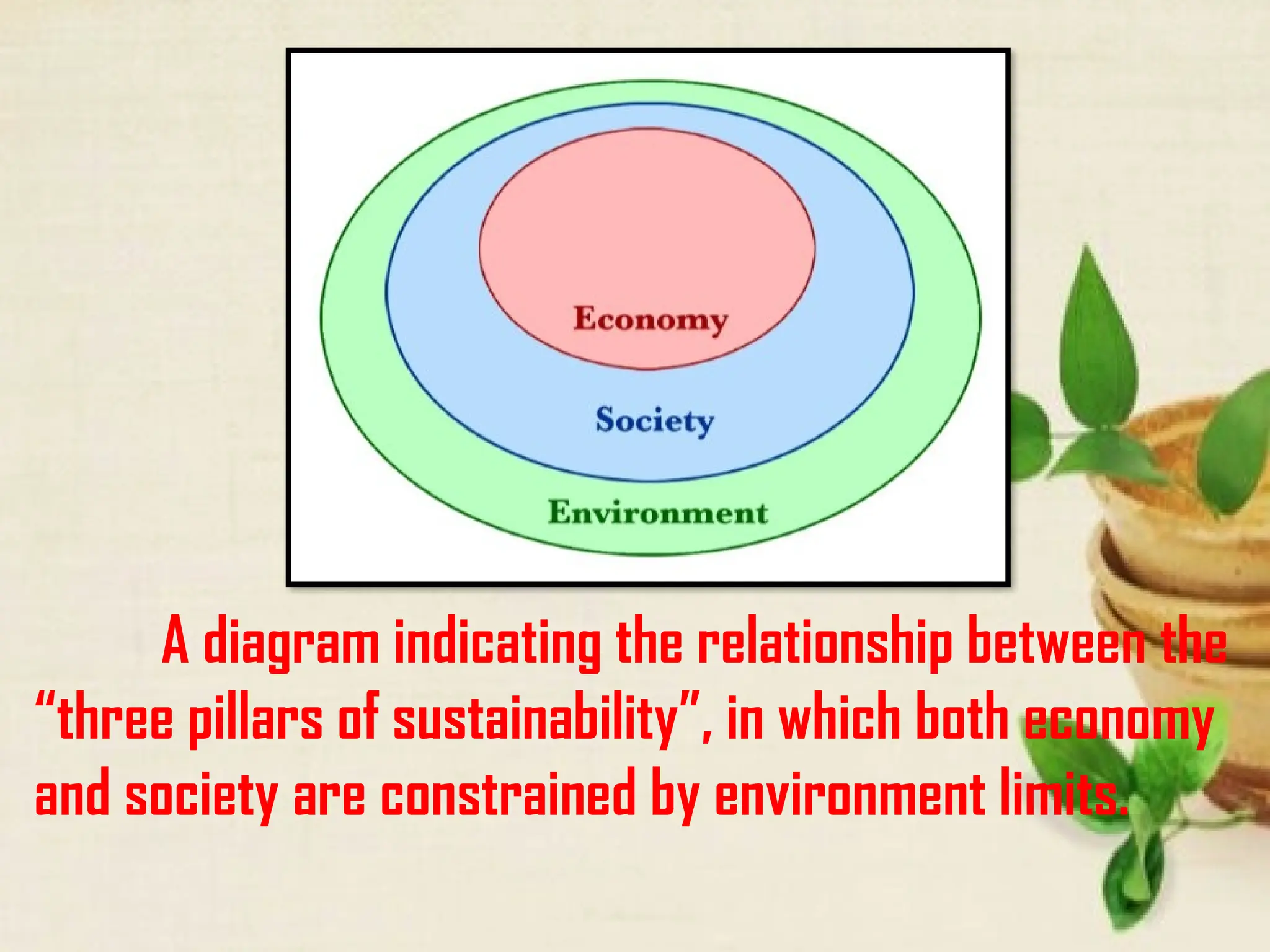
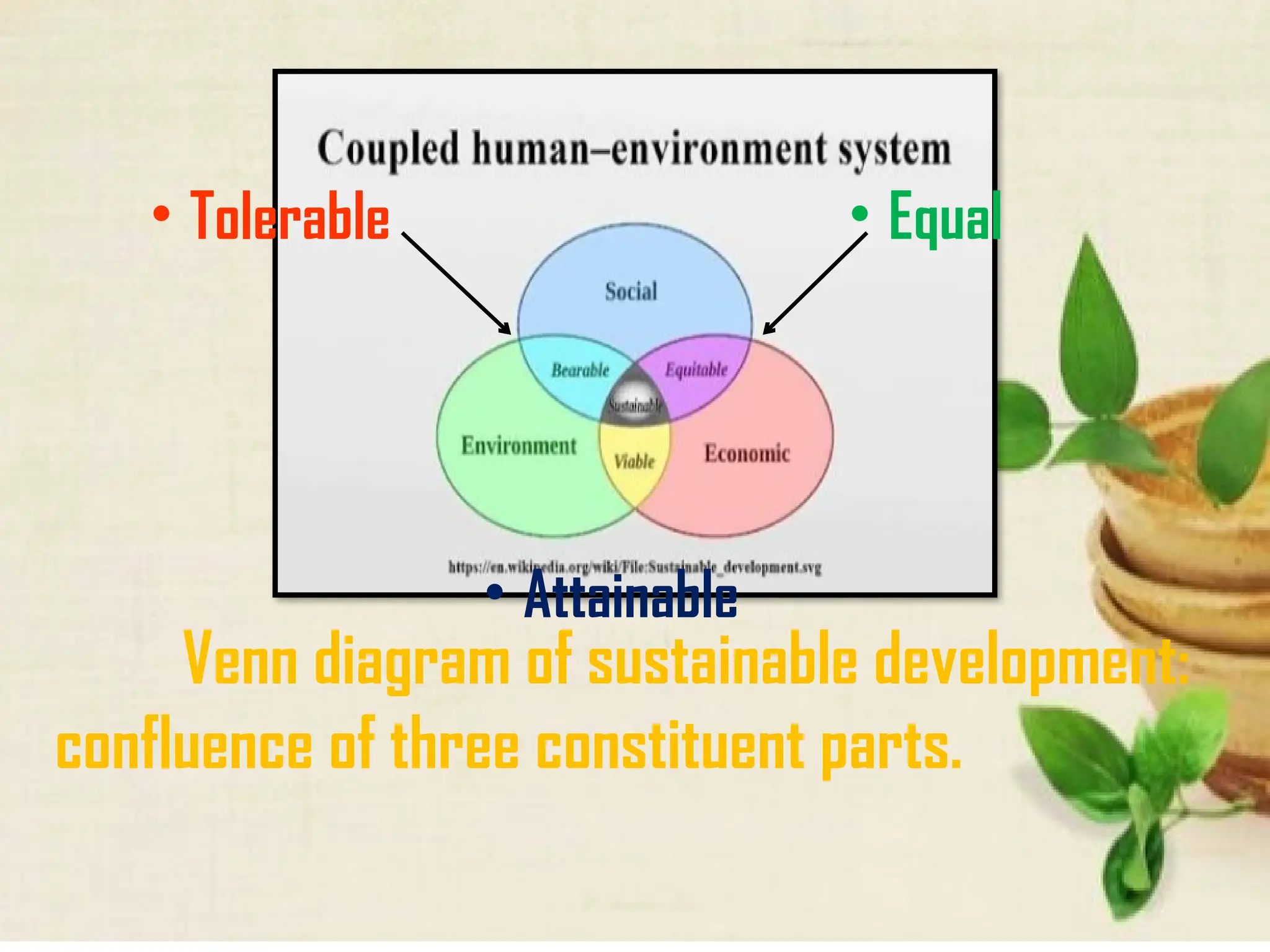
A diagram indicating the relationship between the
“three pillars of sustainability”, in which both economy
and society are constrained by environment limits.
Venn diagram of sustainable development:
confluence of three constituent parts.
• Tolerable
• Attainable
• Equal
ENVIRONMENTAL ISSUES
(ENVIRONMENTAL ACTION AND EFFECTS)
Many of the environmental issues
today relate to humans over use of finite
resources for economic development. As a
species, humans tend to regard the
environment as a never ending source of
materials and energy. Changes in human
lifestyle need to be done in order to create a
sustainable society.
Healthy ecosystems and environments are
necessary to the survival of humans and other
organisms. Ways of reducing negative human
impact are environmental resources
management, environmental protection, and
environmentally-friendly chemical engineering.
Environmental awareness, consciousness and
sensitivity needs to be promoted at all times
HUMAN ACTIONS AND
ITS ENVIRONMENTAL
ISSUES/EFFECTS
1. HUMAN
OVERPOPULATION
Human overpopulation occurs when
the ecological footprint of a human
population in a specific geographical
location exceeds the carrying capacity of
the place occupied by that group.
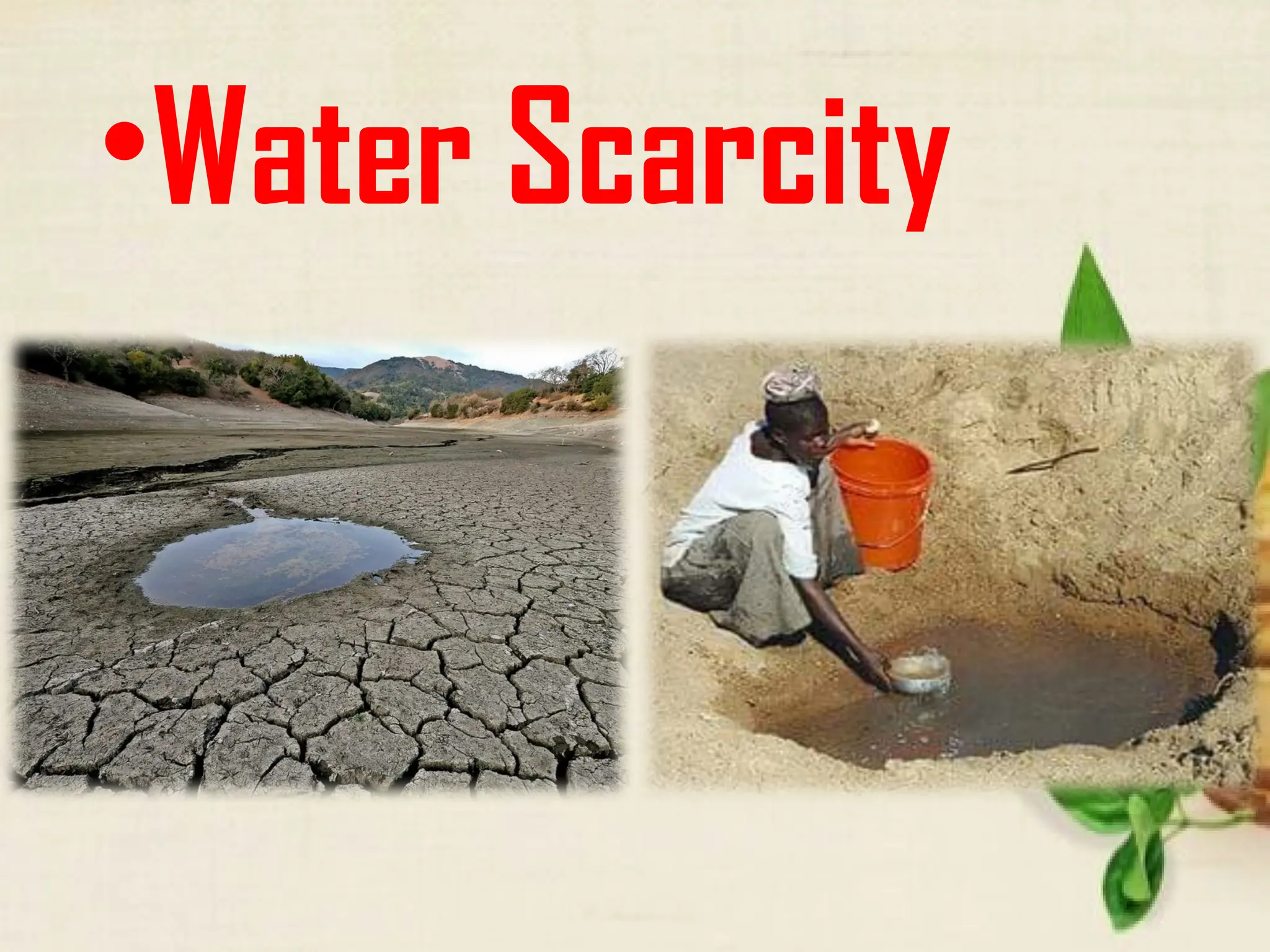
•Water Scarcity
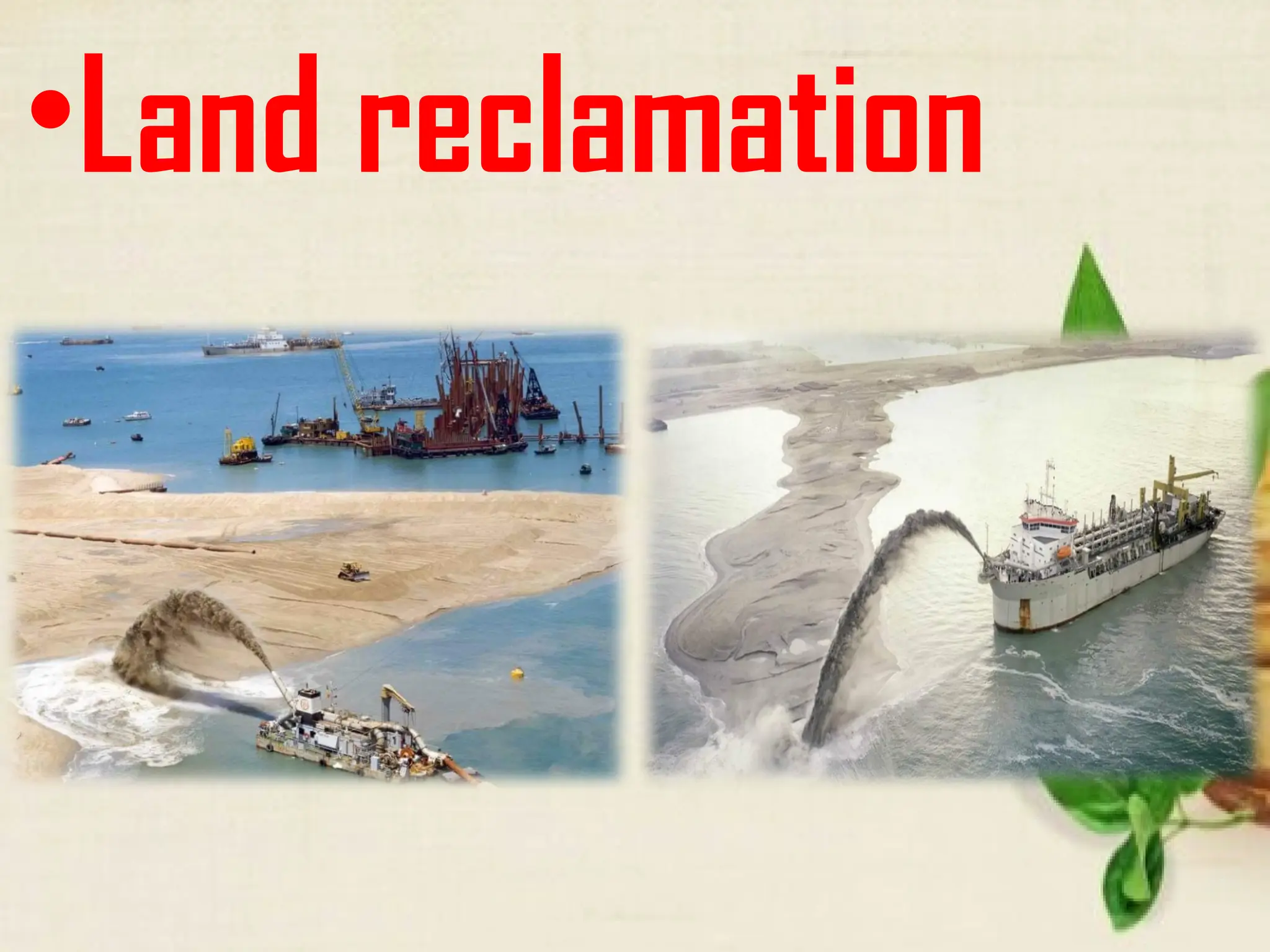
•Land reclamation
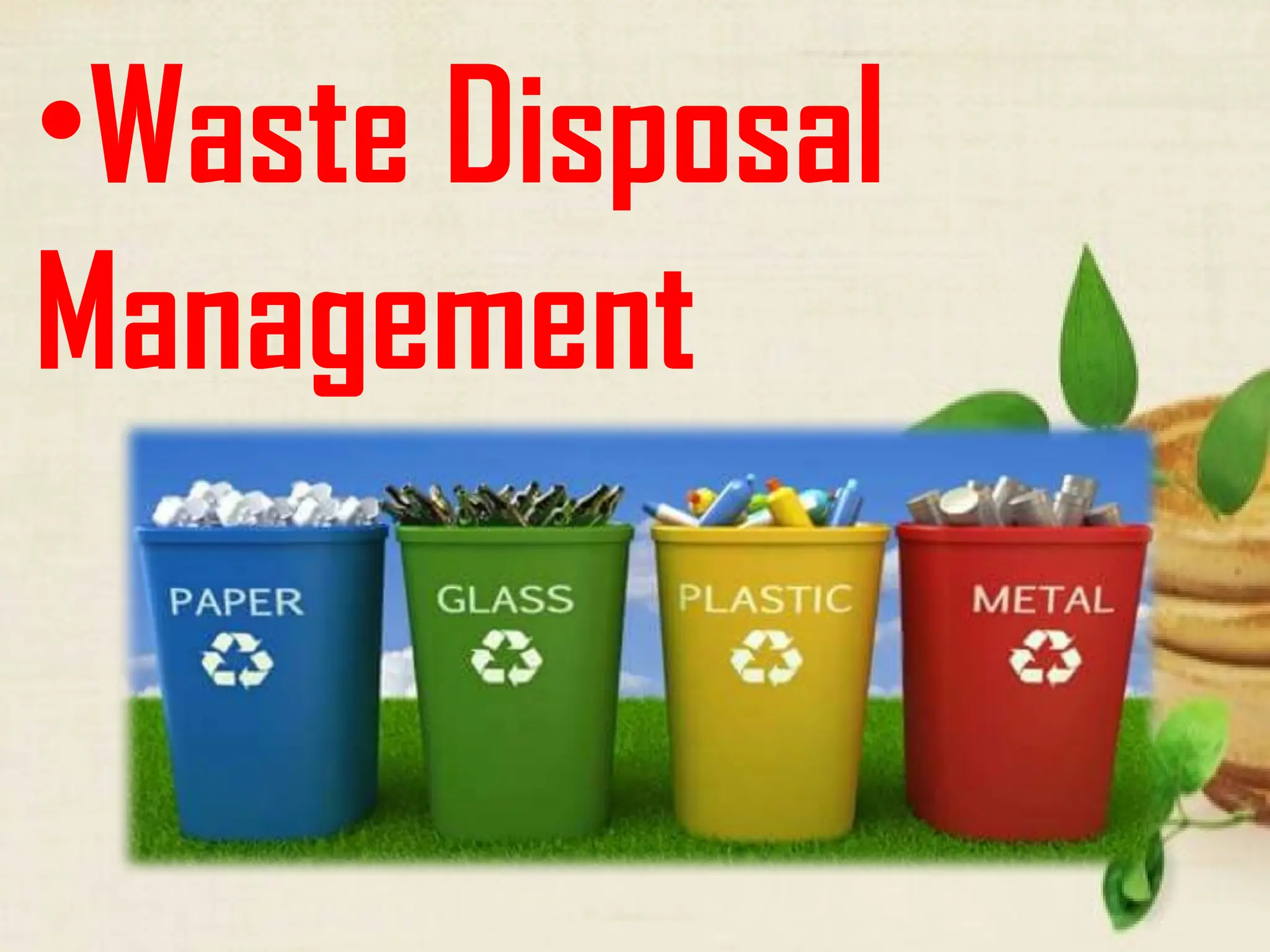
•Waste Disposal
Management
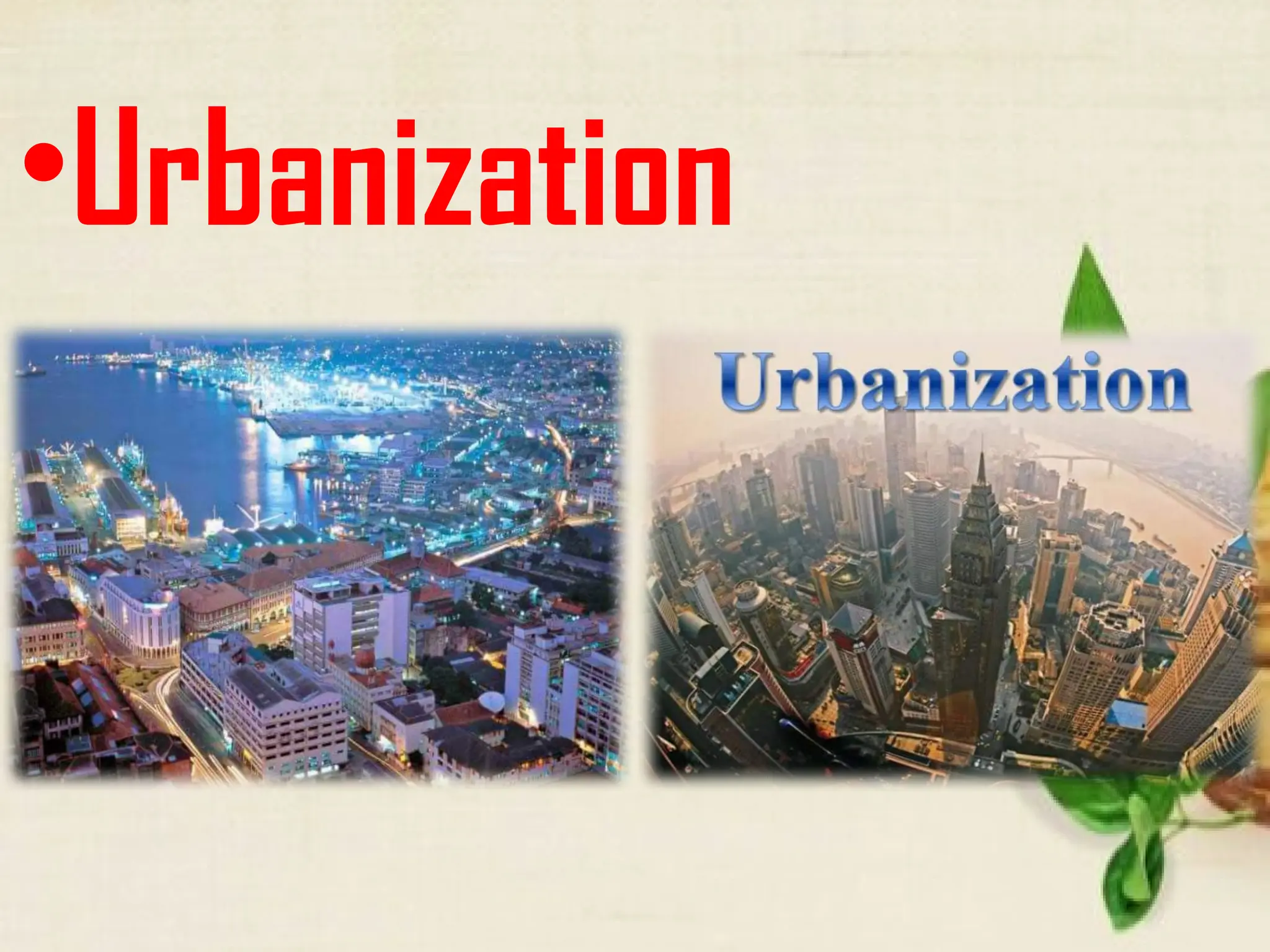
•Urbanization
2. INTENSIVE FARMING
Intensive farming or intensive agriculture is
a kind of agriculture where a lot of capital and
labor are used to increase the yield that can be
obtained per area. The use of large amounts of
pesticides for crops, and for medication for
animal stocks is common.
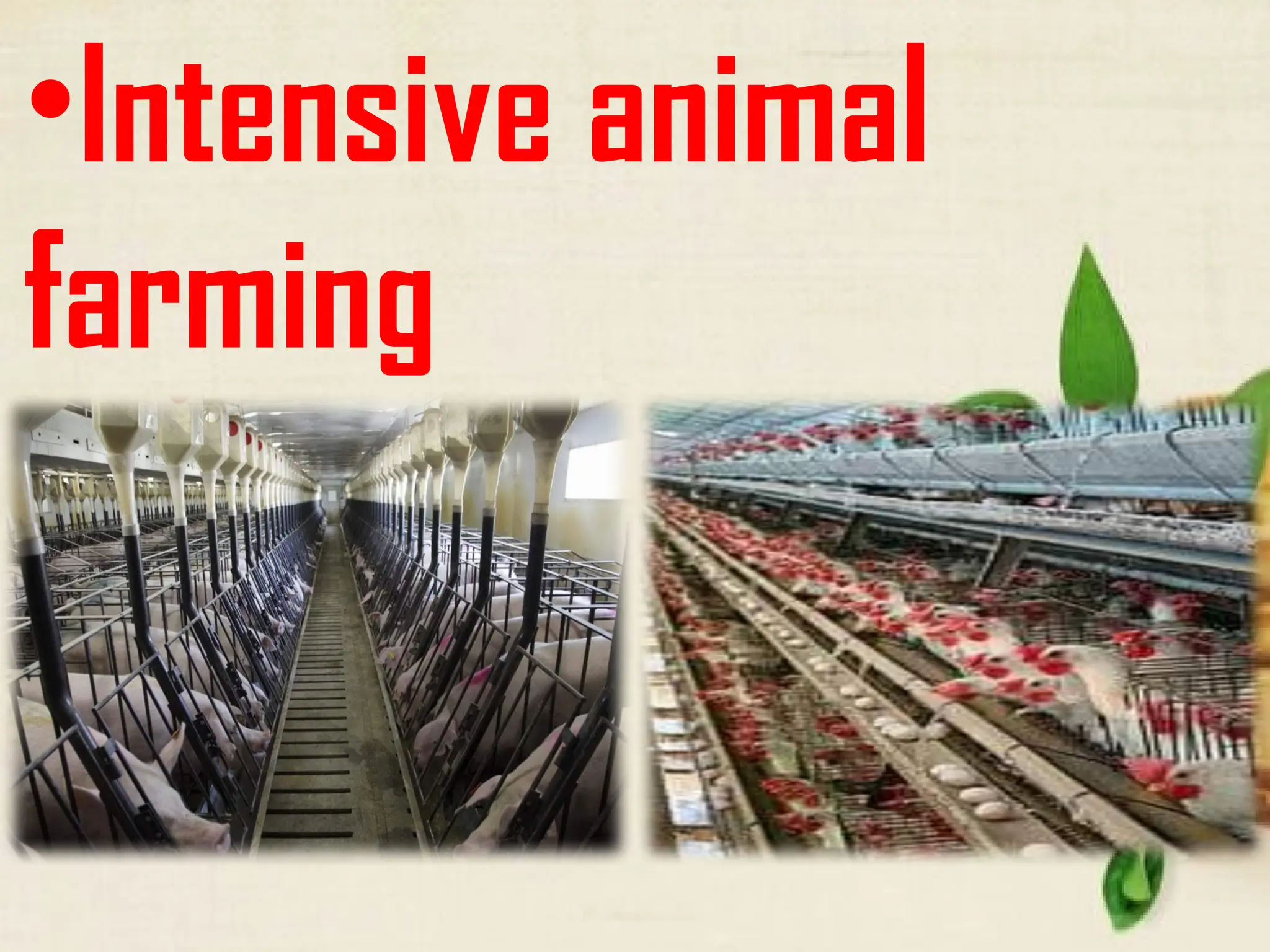
•Intensive animal
farming
•Intensive crop
farming
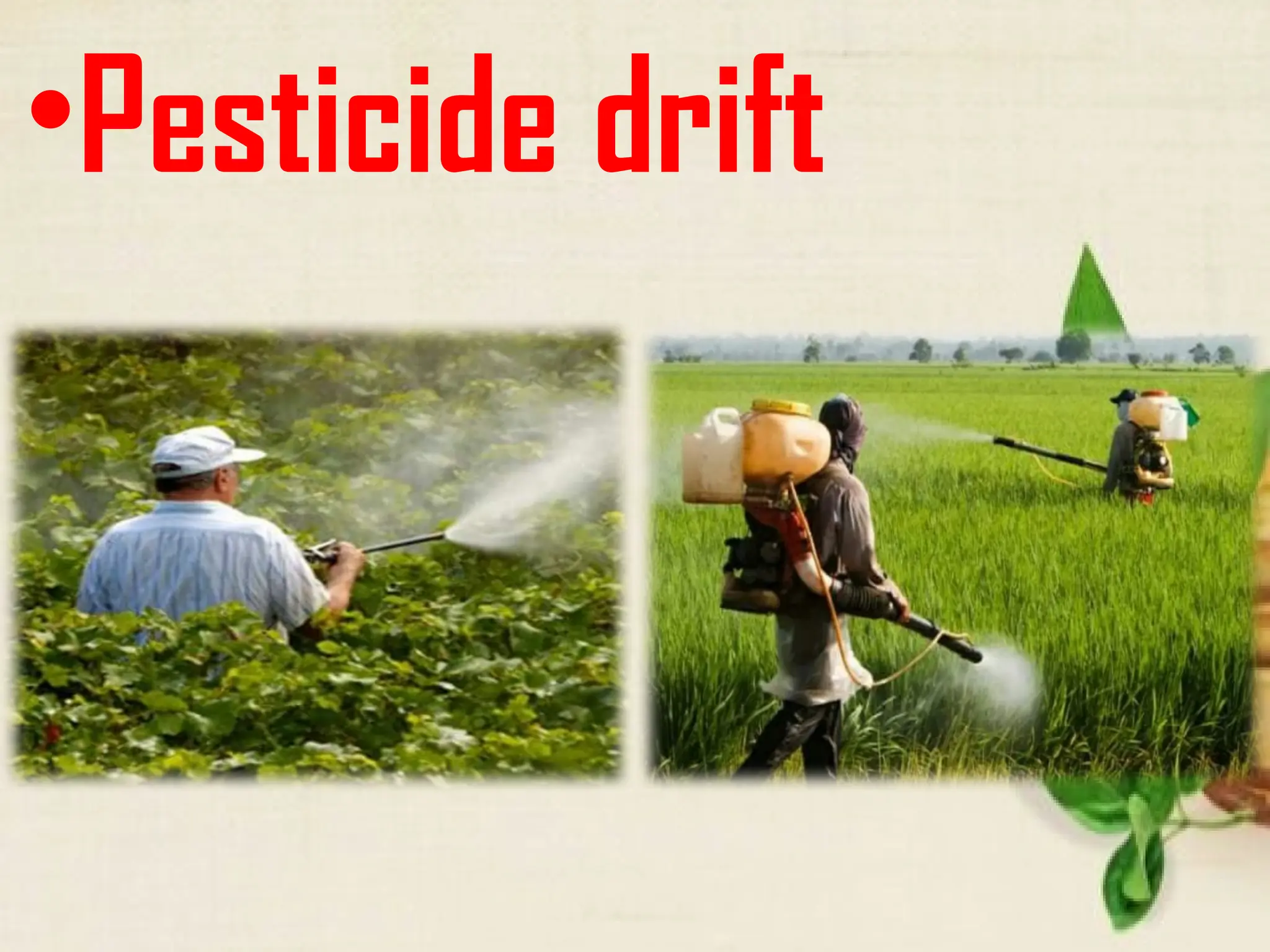
•Pesticide drift
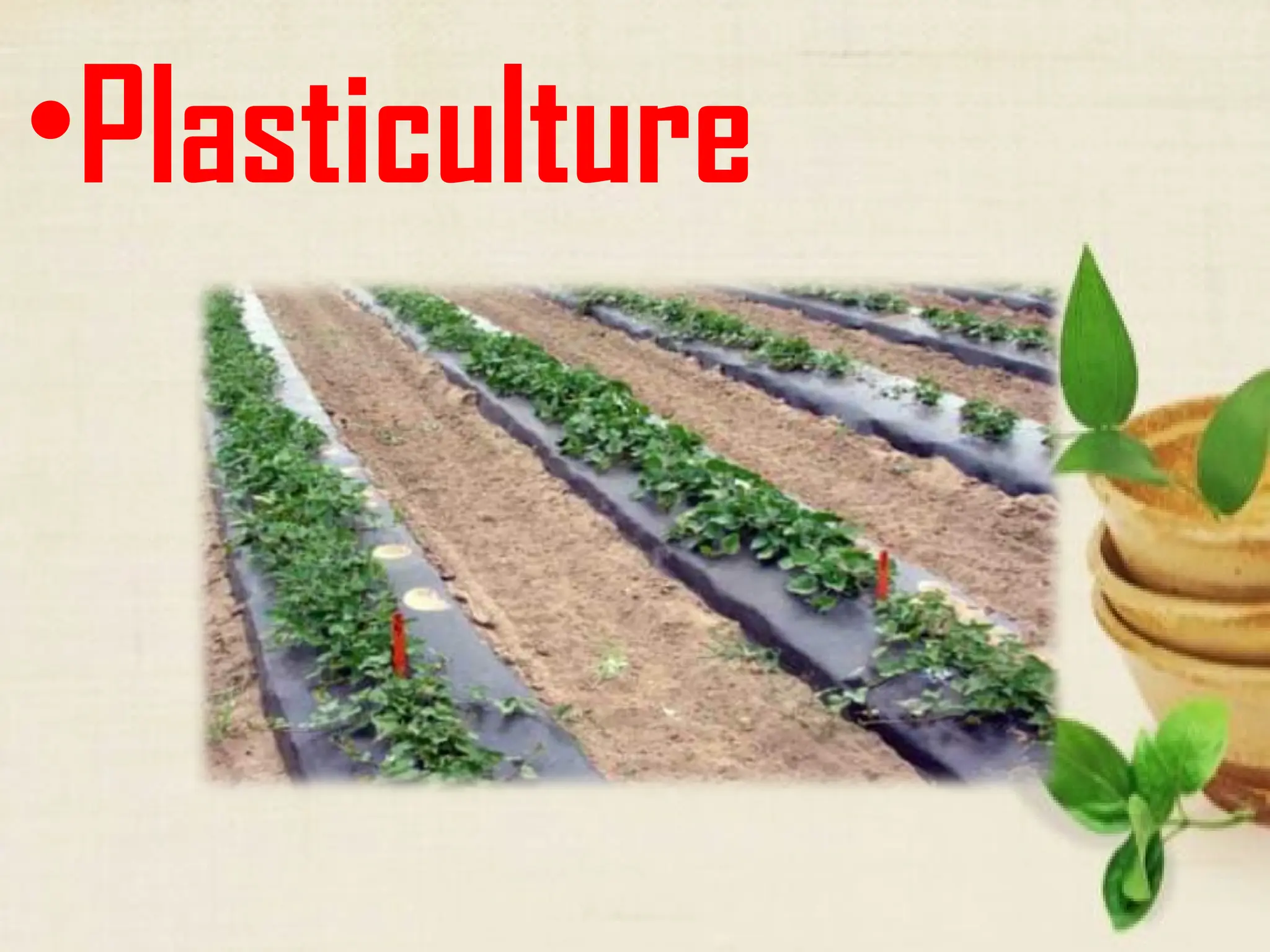
•Plasticulture
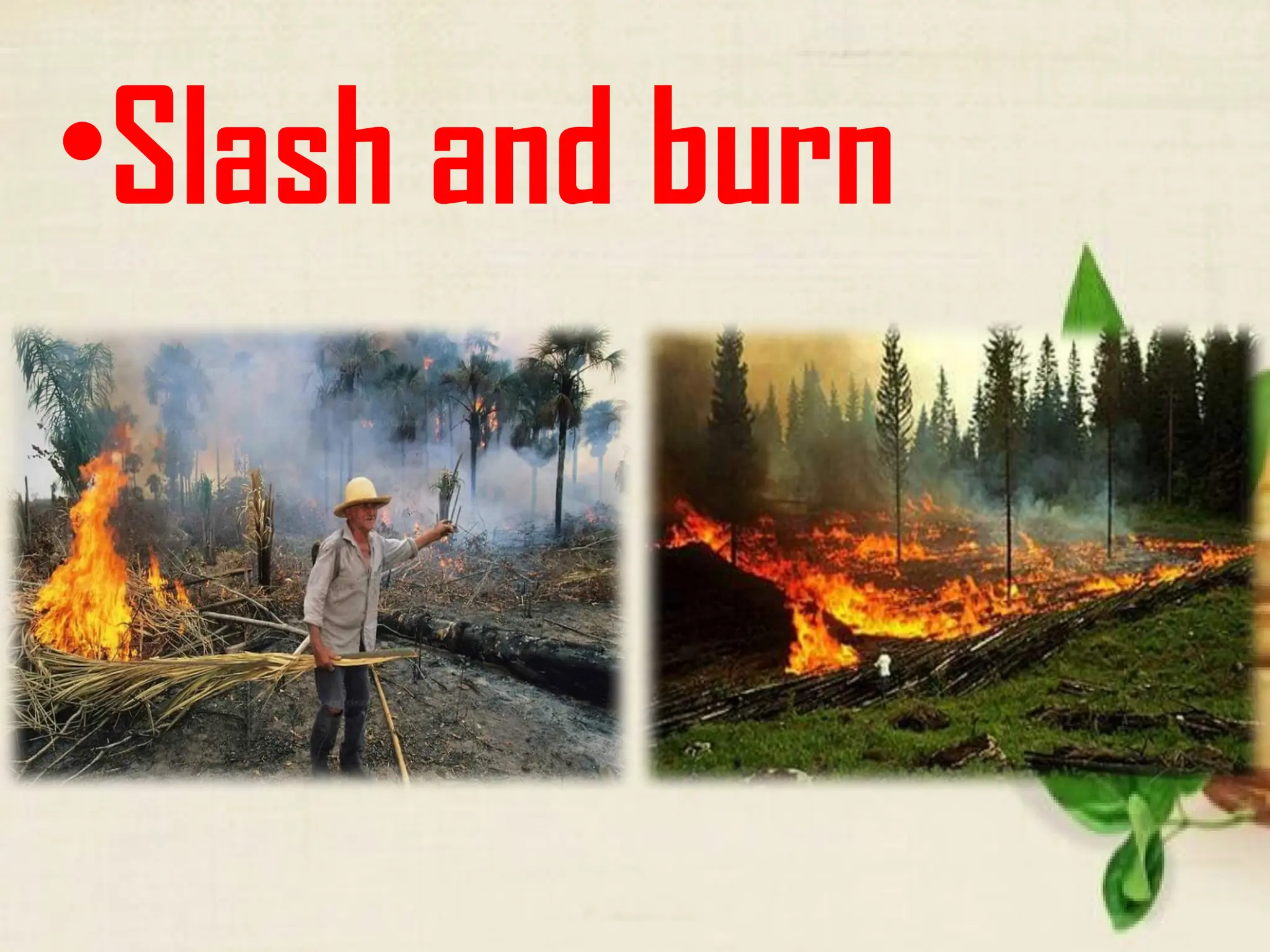
•Slash and burn
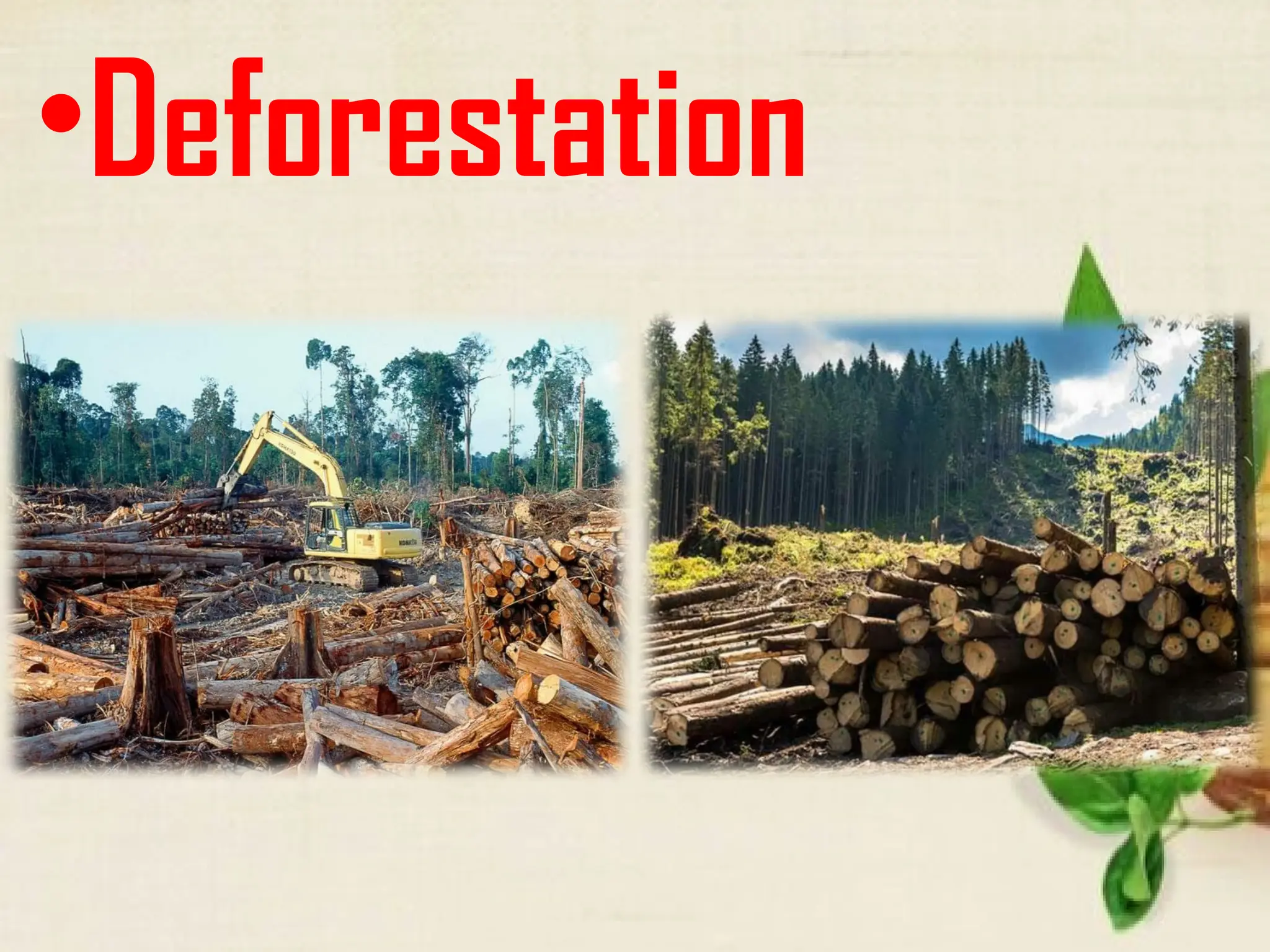
•Deforestation
•Environmental effects of
meat production
3. EXHAUSTIVE
LAND USE
It involves exhaustive management and
modification of natural environment or wilderness
into built environment such as settlements and
semi-natural habitats such as arable fields,
pastures, and managed woods. It also has been
defined as “the total of
arrangements, activities, and inputs that people
undertake in a certain land cover type.
•Habitat fragmentation
•Habitat destruction
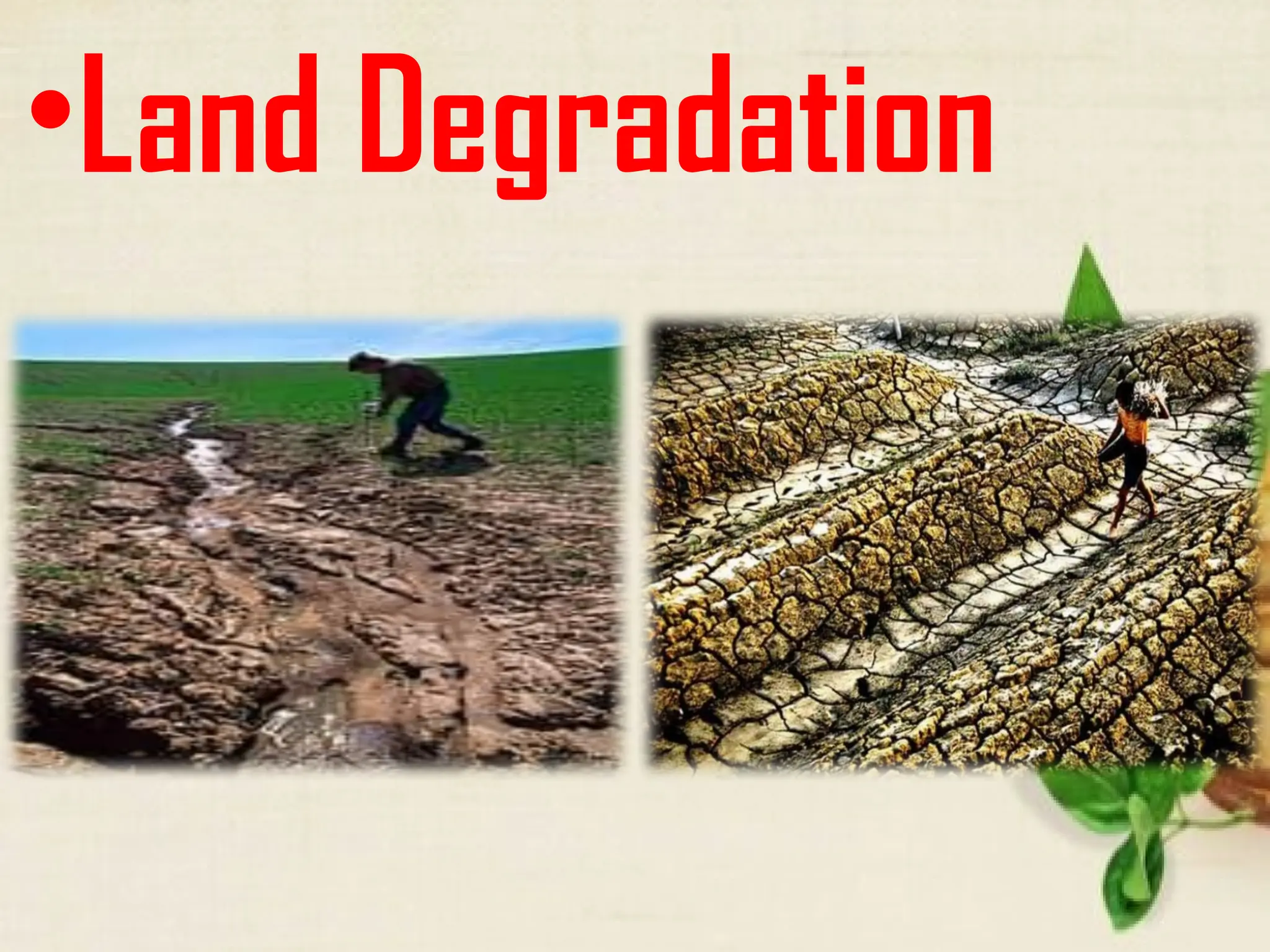
•Land Degradation
•Built Environment
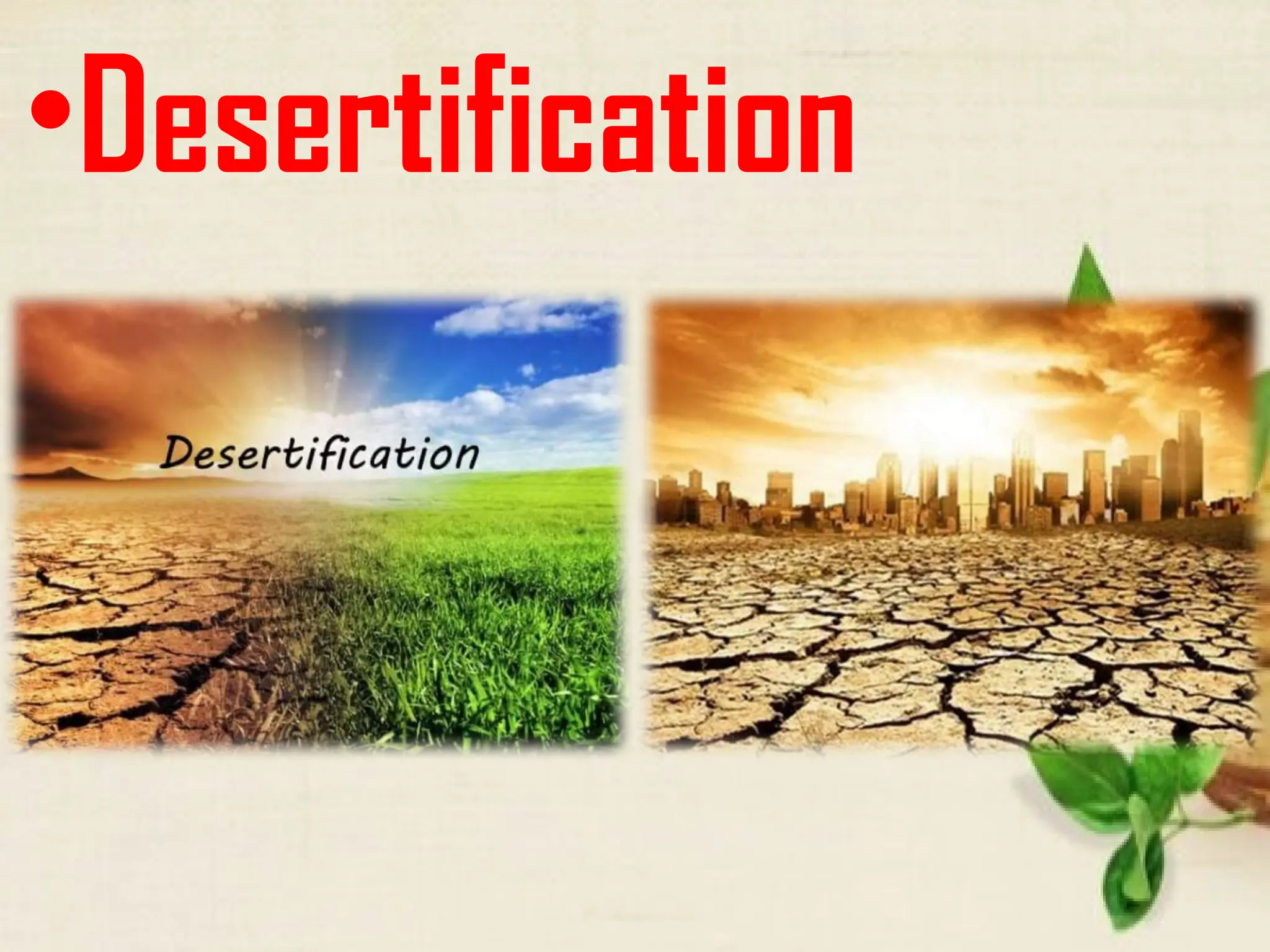
•Desertification
4. HYDROLOGY
It is the scientific study of the movement,
distribution, and quality of water on Earth and
other planets, including the water cycle, water
resources and environmental watershed
sustainability.
•Tile drainage
•Flooding
•Landslide
STRENGTHS AND
WEAKNESSES OF
HUMAN-ENVIRONMENT
SYSTEMS
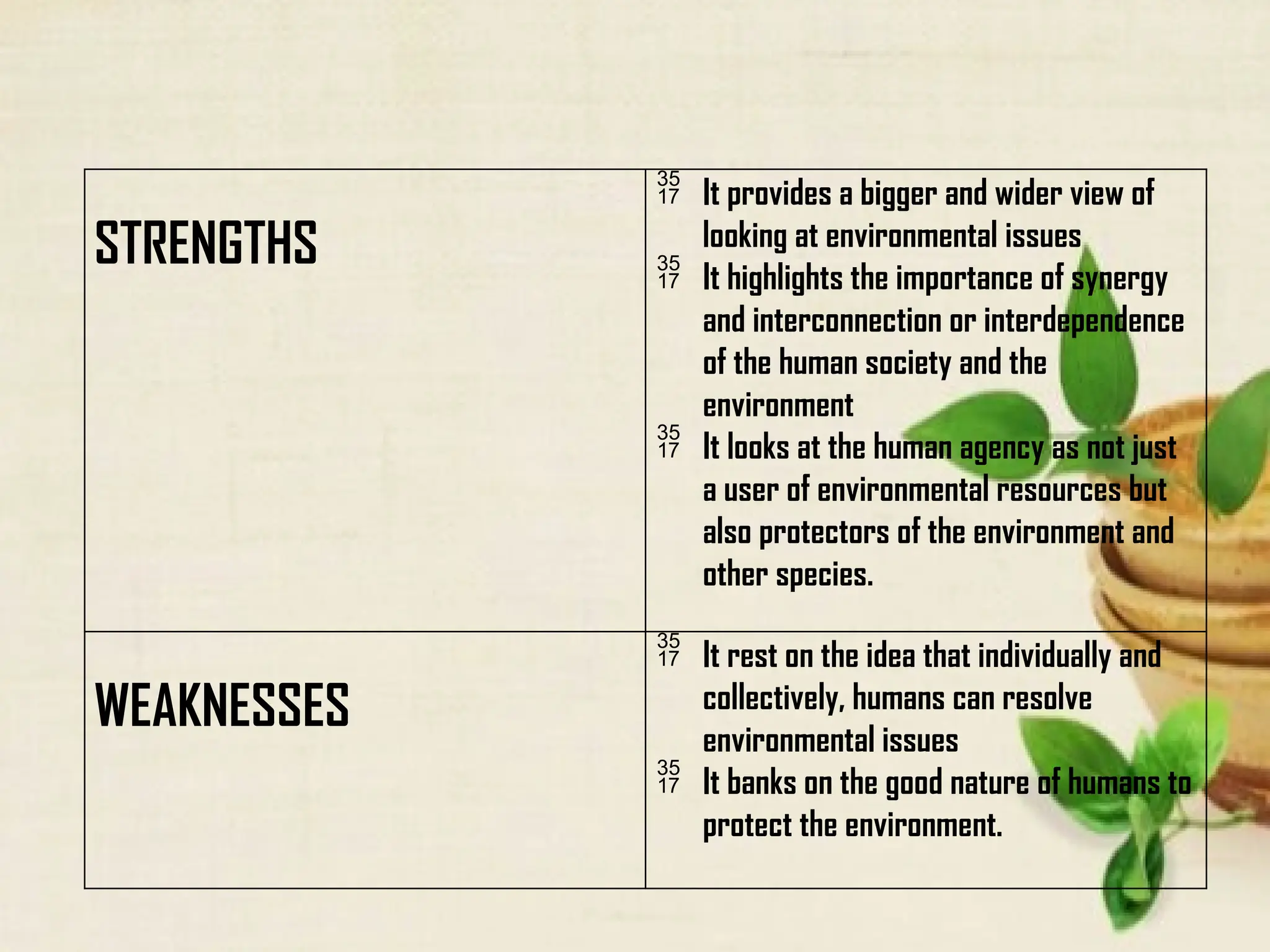
STRENGTHS
 It provides a bigger and wider view of
looking at environmental issues
 It highlights the importance of synergy
and interconnection or interdependence
of the human society and the
environment
 It looks at the human agency as not just
a user of environmental resources but
also protectors of the environment and
other species.
WEAKNESSES
 It rest on the idea that individually and
collectively, humans can resolve
environmental issues
 It banks on the good nature of humans to
protect the environment.
Activity No. 1
1. Make a tableau that explains the
relationship between humans and the
environment.
2. Give a brief explanation on how they
are connected to each other in more than
three sentences.
3. Be creative and show-off your talents
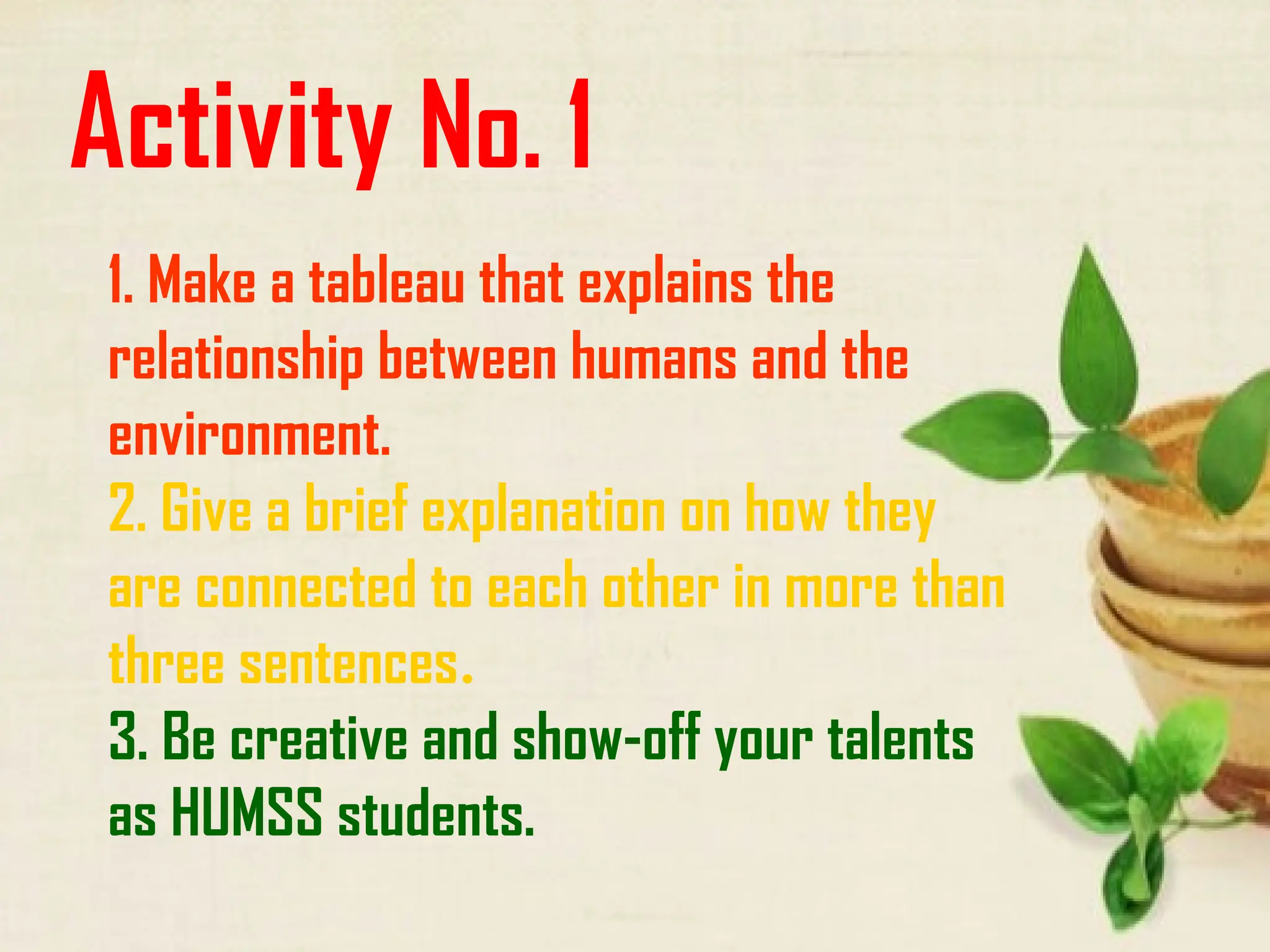
as HUMSS students.
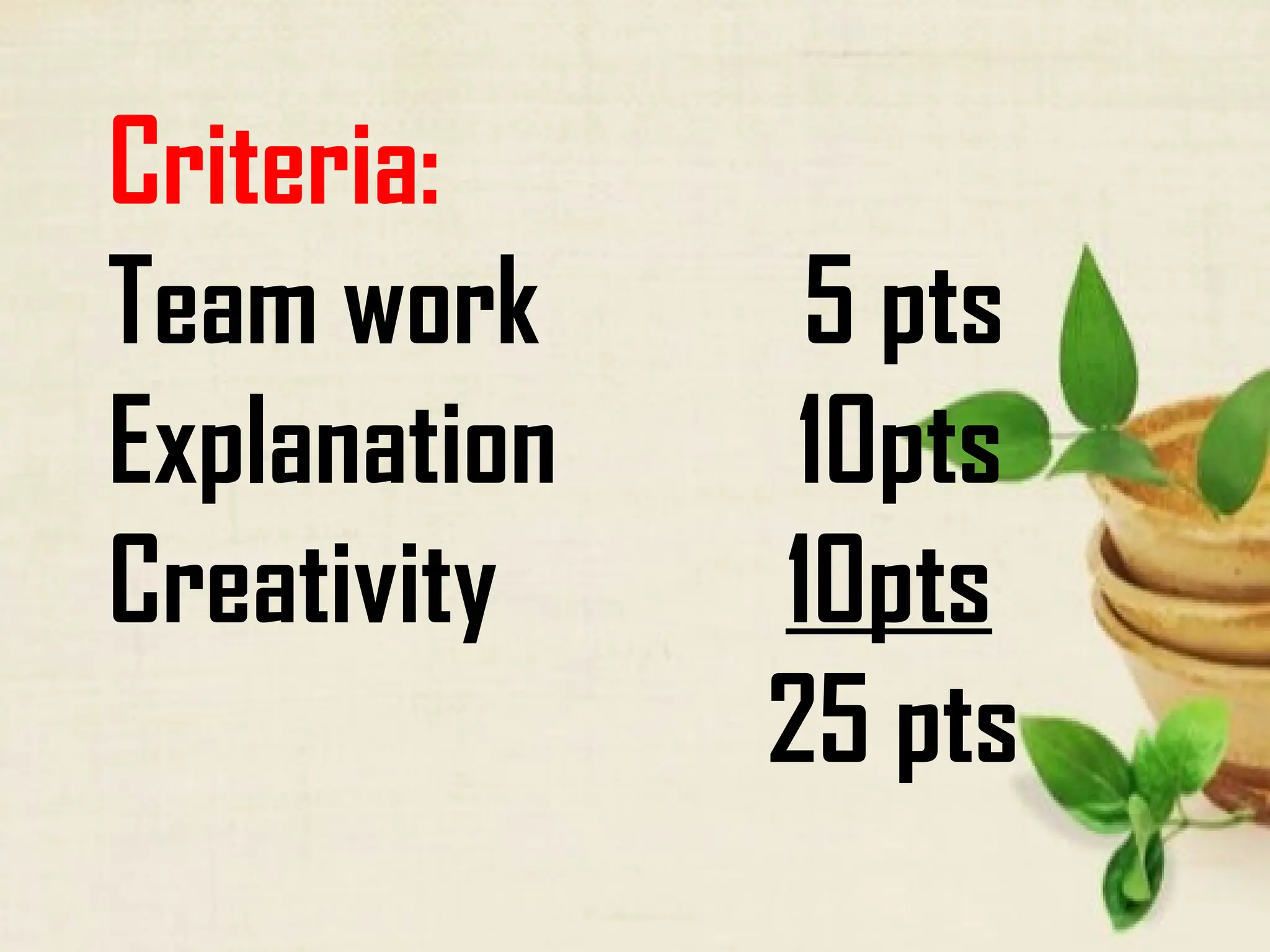
Criteria:
Team work 5 pts
Explanation 10pts
Creativity 10pts
25 pts
THANK YOU
FOR
LISTENING!

human-environmentsystemppt-180213152600 - Copy FE.pptx

  • 1.
  • 2.
    HUMANS •Humans have thecapacity to interact with its environment. •Humans and the environment have that “mutual” interaction with each other. •Humans have the capacity to change or influence the balance of the society. •Humans always have the capacity to adapt to its environment.
  • 3.
    ENVIRONMENT •Is a complexof many variables which surrounds man as well as the living organisms. •Environment includes water, air and land and the interrelation ships which exists among and between water, air and land and human beings and other living creatures such as plants, animals and microorganisms.
  • 4.
    SYSTEMS •It may bedescribed as a complex of interacting components together with the relationships among them that permit the identification of a boundary-maintaining entity or process.
  • 5.
    HUMAN-ENVIROMENT SYSTEM •It is alsoknown as the Coupled Human and Natural System, or CHANS) •It is an integrated scientific framework for studying the interface and reciprocal interactions that link human (e.g., economic, social) to natural
  • 6.
    (e.g., hydrologic, atmospheric,biological) sub- systems of the planet (National Science Foundation). •This theory follows the idea that social and natural systems are inseparable. •Researches in the Human-Environment System are increasing in frequency in scientific literature and many deals with topics about the issue of sustainability and conservation of ecosystems and society.
  • 7.
    •These researches tacklebroader investigations into the complex nature of reciprocating interactions and feedbacks humans on the environment and the effect of the environment on humans.
  • 8.
    A diagram indicatingthe relationship between the “three pillars of sustainability”, in which both economy and society are constrained by environment limits.
  • 9.
    Venn diagram ofsustainable development: confluence of three constituent parts. • Tolerable • Attainable • Equal
  • 10.
    ENVIRONMENTAL ISSUES (ENVIRONMENTAL ACTIONAND EFFECTS) Many of the environmental issues today relate to humans over use of finite resources for economic development. As a species, humans tend to regard the environment as a never ending source of materials and energy. Changes in human lifestyle need to be done in order to create a sustainable society.
  • 11.
    Healthy ecosystems andenvironments are necessary to the survival of humans and other organisms. Ways of reducing negative human impact are environmental resources management, environmental protection, and environmentally-friendly chemical engineering. Environmental awareness, consciousness and sensitivity needs to be promoted at all times
  • 12.
    HUMAN ACTIONS AND ITSENVIRONMENTAL ISSUES/EFFECTS
  • 13.
    1. HUMAN OVERPOPULATION Human overpopulationoccurs when the ecological footprint of a human population in a specific geographical location exceeds the carrying capacity of the place occupied by that group.
  • 14.
  • 15.
  • 16.
  • 17.
  • 18.
    2. INTENSIVE FARMING Intensivefarming or intensive agriculture is a kind of agriculture where a lot of capital and labor are used to increase the yield that can be obtained per area. The use of large amounts of pesticides for crops, and for medication for animal stocks is common.
  • 19.
  • 20.
  • 21.
  • 22.
  • 23.
  • 24.
  • 25.
  • 26.
    3. EXHAUSTIVE LAND USE Itinvolves exhaustive management and modification of natural environment or wilderness into built environment such as settlements and semi-natural habitats such as arable fields, pastures, and managed woods. It also has been defined as “the total of
  • 27.
    arrangements, activities, andinputs that people undertake in a certain land cover type.
  • 28.
  • 29.
  • 30.
  • 31.
  • 32.
  • 33.
    4. HYDROLOGY It isthe scientific study of the movement, distribution, and quality of water on Earth and other planets, including the water cycle, water resources and environmental watershed sustainability.
  • 34.
  • 35.
  • 36.
  • 37.
  • 38.
    STRENGTHS  It providesa bigger and wider view of looking at environmental issues  It highlights the importance of synergy and interconnection or interdependence of the human society and the environment  It looks at the human agency as not just a user of environmental resources but also protectors of the environment and other species. WEAKNESSES  It rest on the idea that individually and collectively, humans can resolve environmental issues  It banks on the good nature of humans to protect the environment.
  • 39.
    Activity No. 1 1.Make a tableau that explains the relationship between humans and the environment. 2. Give a brief explanation on how they are connected to each other in more than three sentences. 3. Be creative and show-off your talents as HUMSS students.
  • 40.
    Criteria: Team work 5pts Explanation 10pts Creativity 10pts 25 pts
  • 41.