1
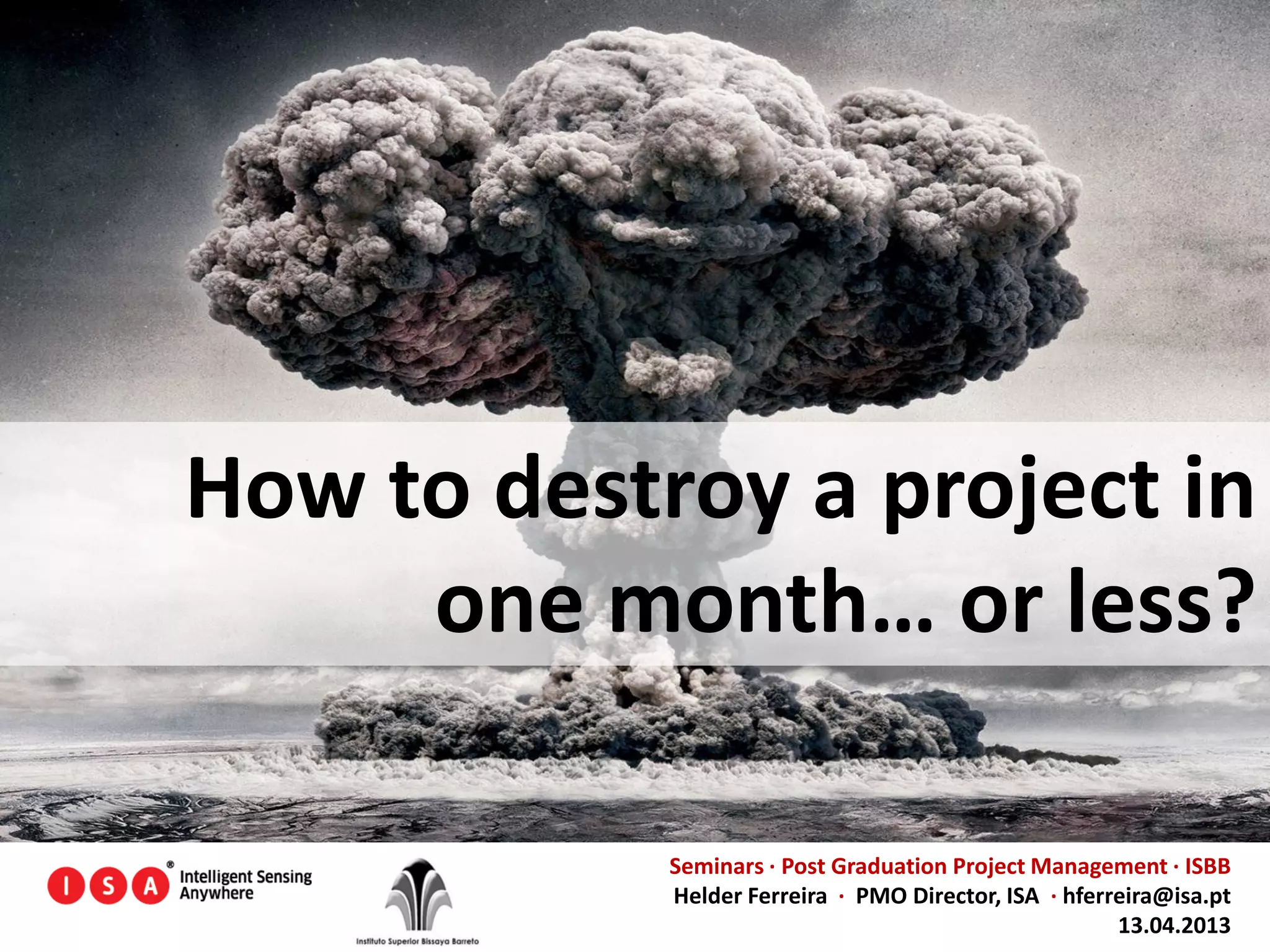
How to destroy a project in
one month… or less?
Seminars ∙ Post Graduation Project Management ∙ ISBB
Helder Ferreira ∙ PMO Director, ISA ∙ hferreira@isa.pt
13.04.2013
2
• Experiência:
– 16 anos execução de projectos IT;
– 10 anos em Gestão de Programas e Projectos;
– 6 anos a liderar Gabinetes de Gestão de Projecto;
– PMBoK, SCRUM, CMMI5, Lean, 6-sigma e ITSM;
• Certificado em:
– Project Management Professional, PMP
– Scrum Master, CSM
– ITIL IT Service Management, ITSM
• Formação:
– Licenciado em Engª Electrotécnica, FEUP
– Mestrado em Engª Informática, FEUP
– Pós-Graduado em Gestão de Projectos, ISBB
Quem sou?
• Currently PMO Director at Intelligent Sensing Anywhere, SA;
• Certifications: PMP - Project Management Professional, CSM – Certified Scrum Master and ITSM – ITIL v3 Service
Management;
• License Degree in Electrotechnical Engineering, Masters in Computer Science and Post-Graduation in Project
Management;
• 16 years executing projects;
• 10 years doing Program/Project Management (Retail, IT, Production, Energy, Internet/Web, Usability, R&D);
• 6 years leading Project Management Offices (PMO);
• PMBoK, SCRUM, XP, CMMI5, Lean, 6-sigma and ITIL.
3
Do you know what is
the current project’s
success rate?
4
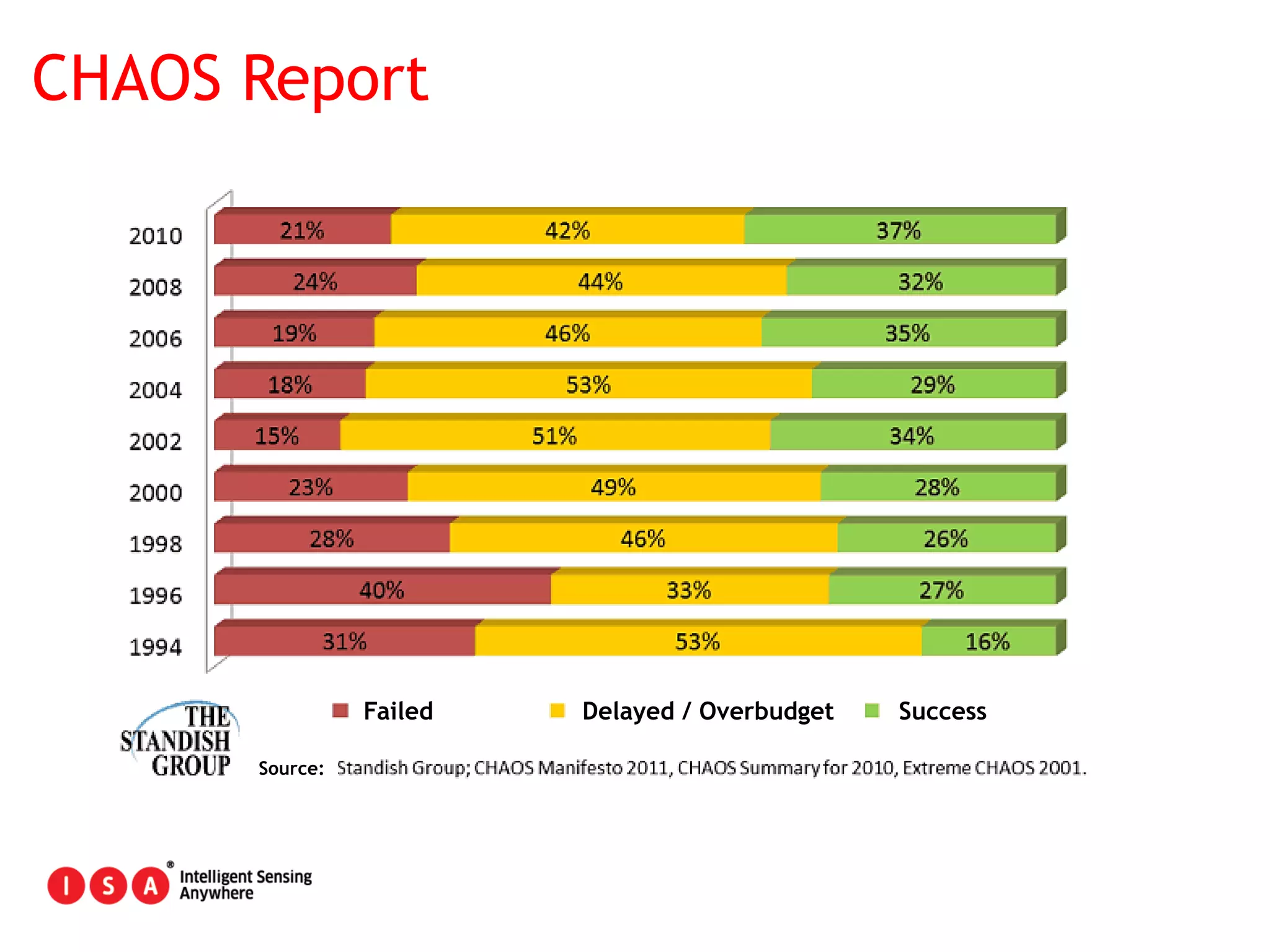
CHAOS Report
5
CHAOS Report
Failed Delayed / Overbudget Success
Source:
6
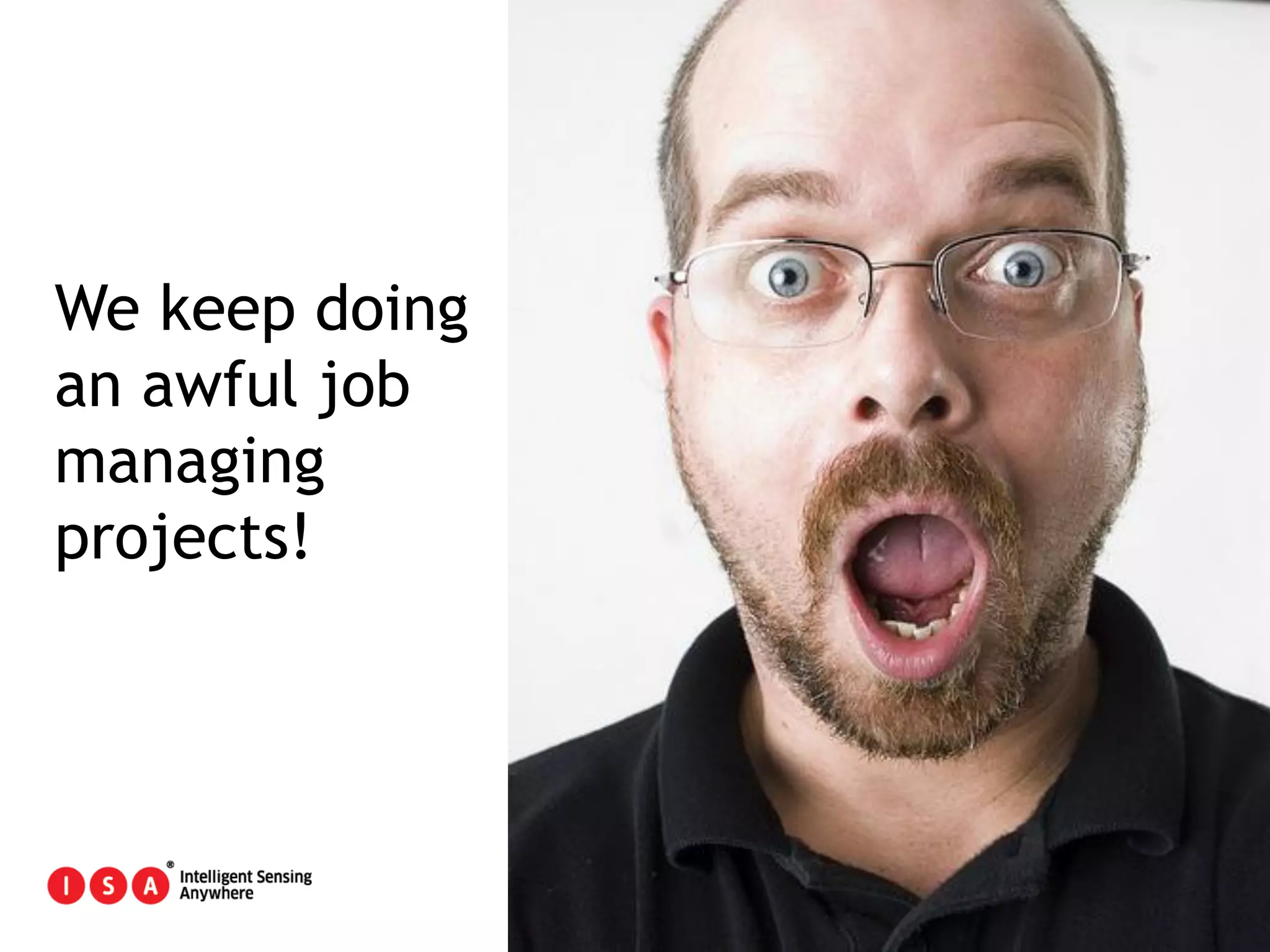
We keep doing
an awful job
managing
projects!
7
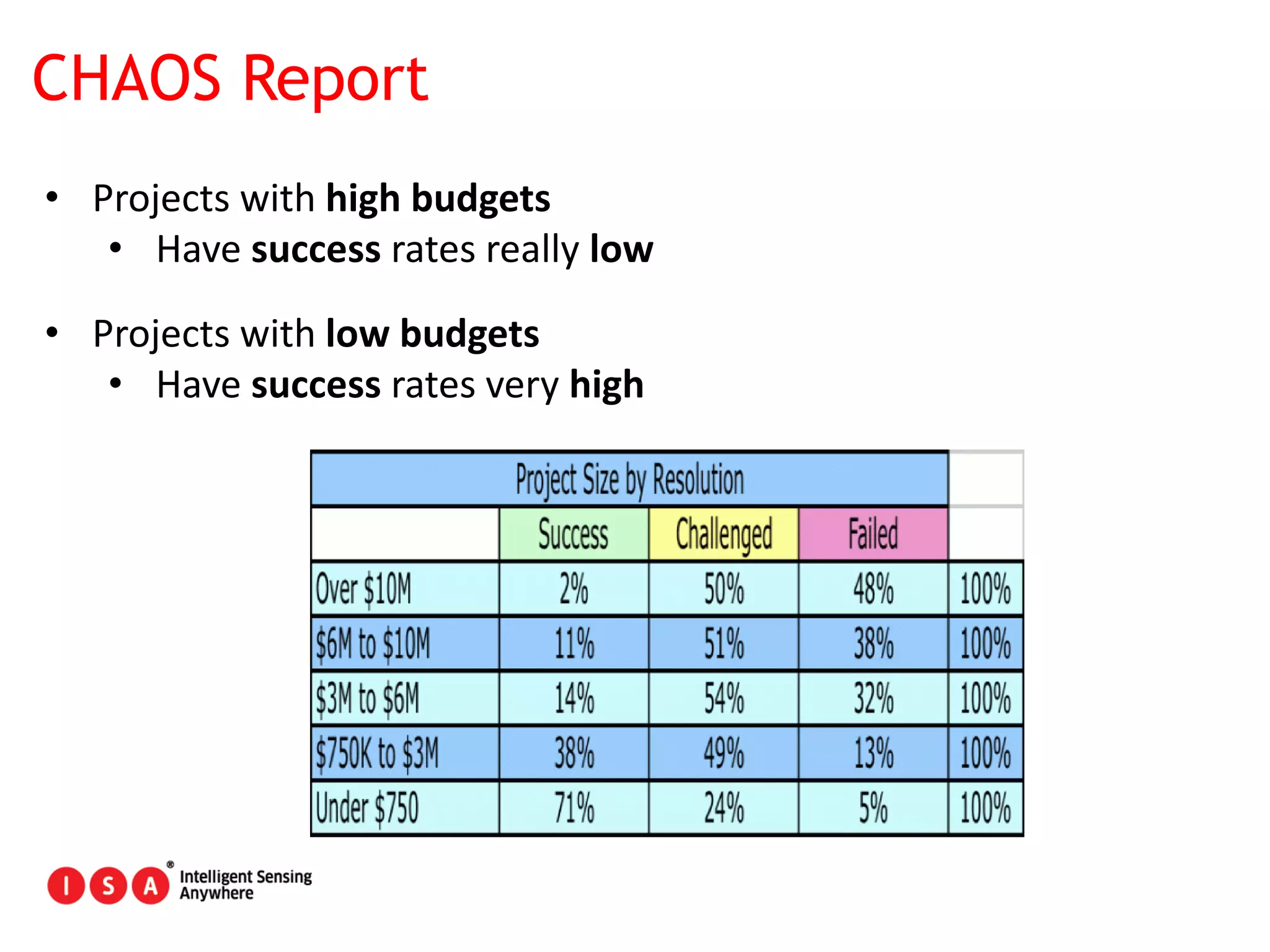
CHAOS Report
• Projects with high budgets
• Have success rates really low
• Projects with low budgets
• Have success rates very high
8
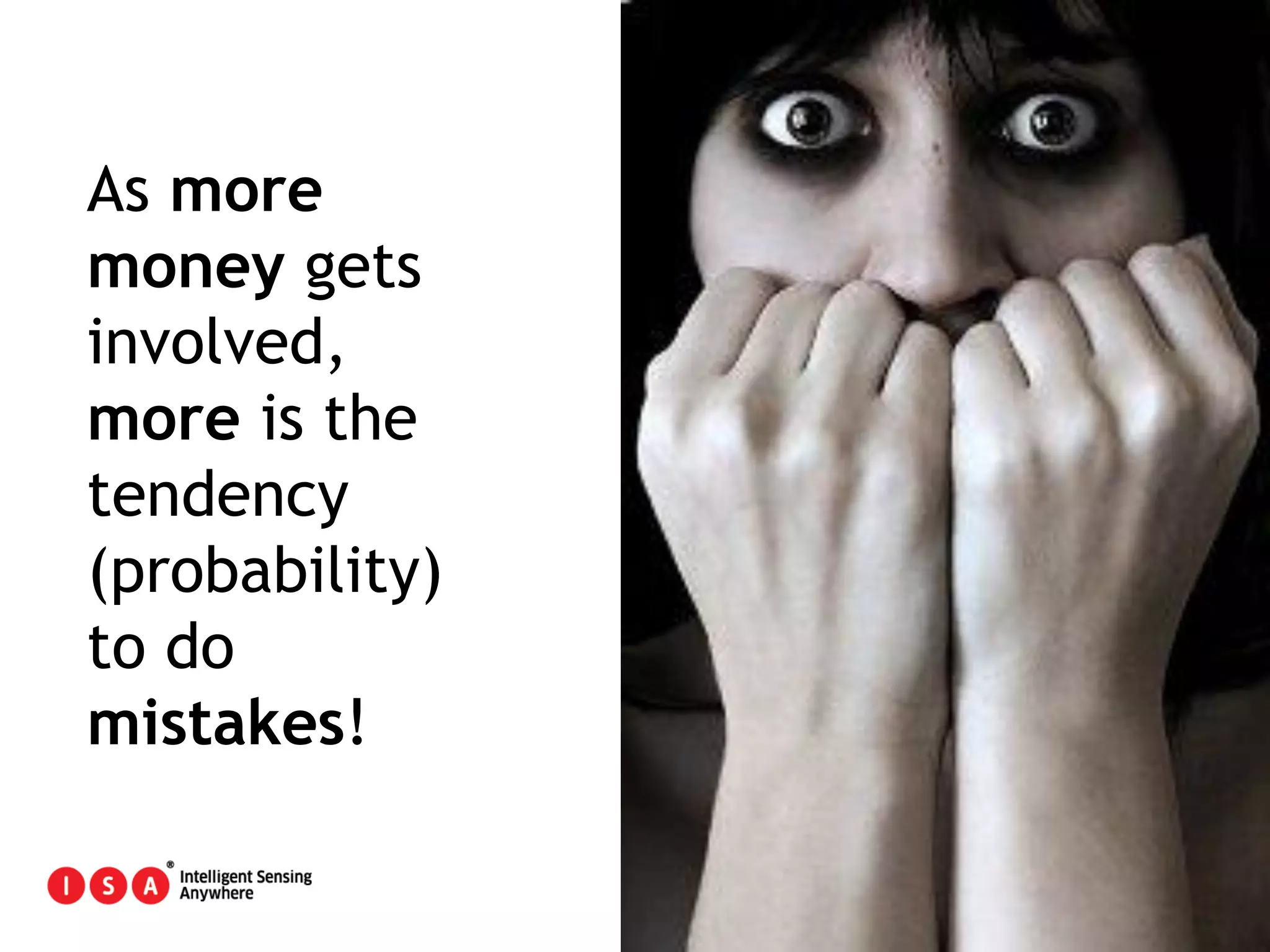
As more
money gets
involved,
more is the
tendency
(probability)
to do
mistakes!
9
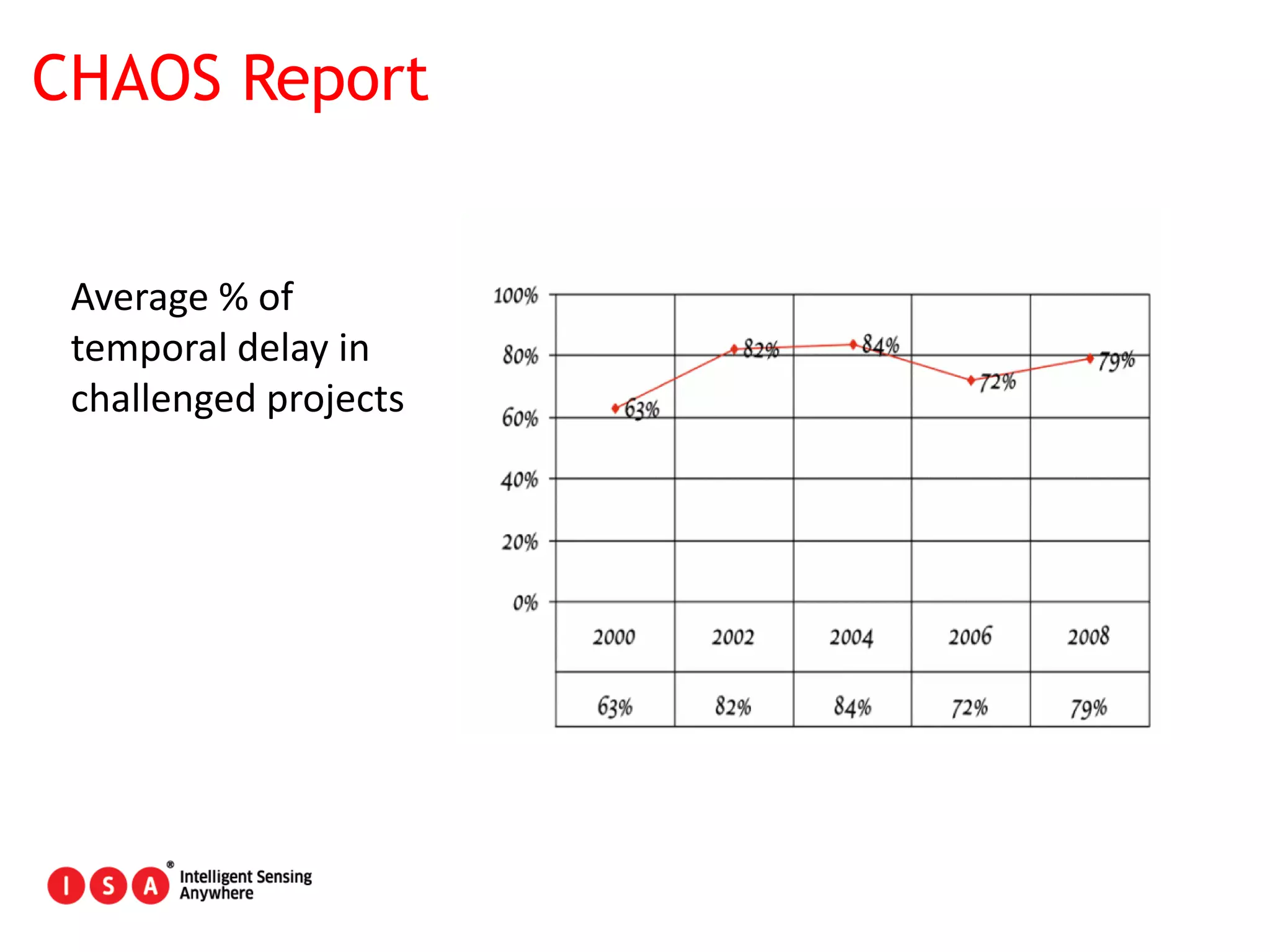
CHAOS Report
Average % of
temporal delay in
challenged projects
10
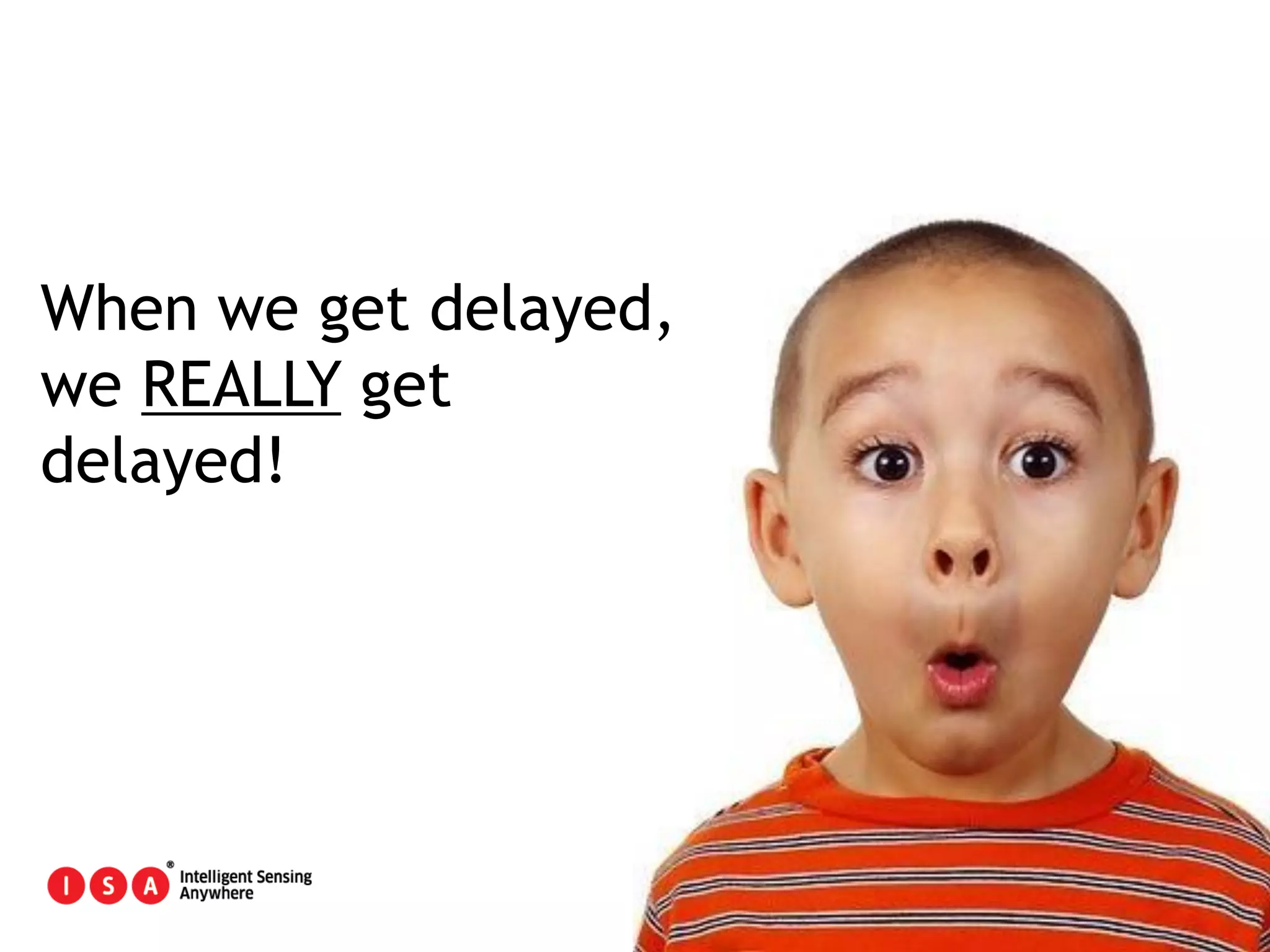
When we get delayed,
we REALLY get
delayed!
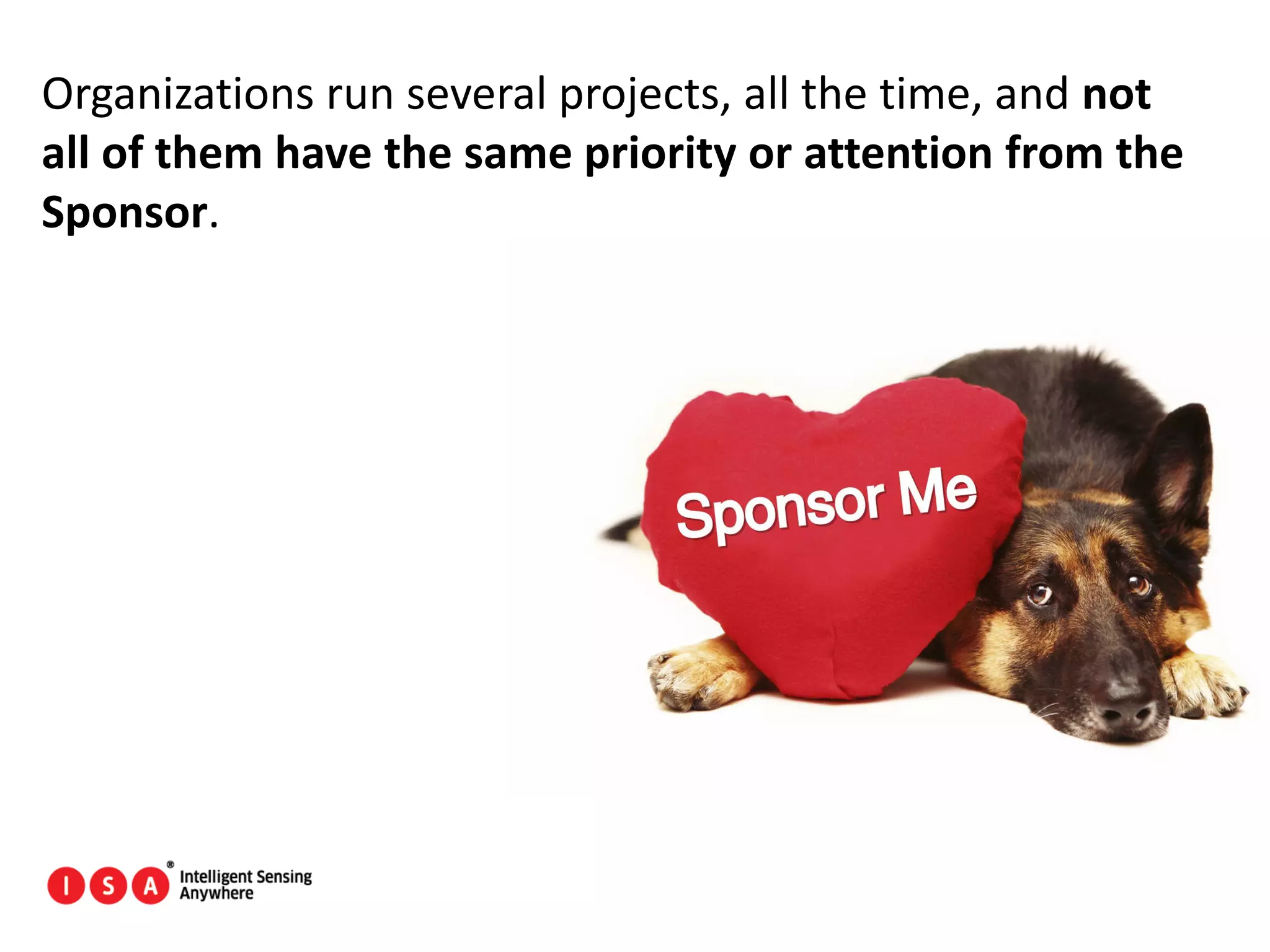
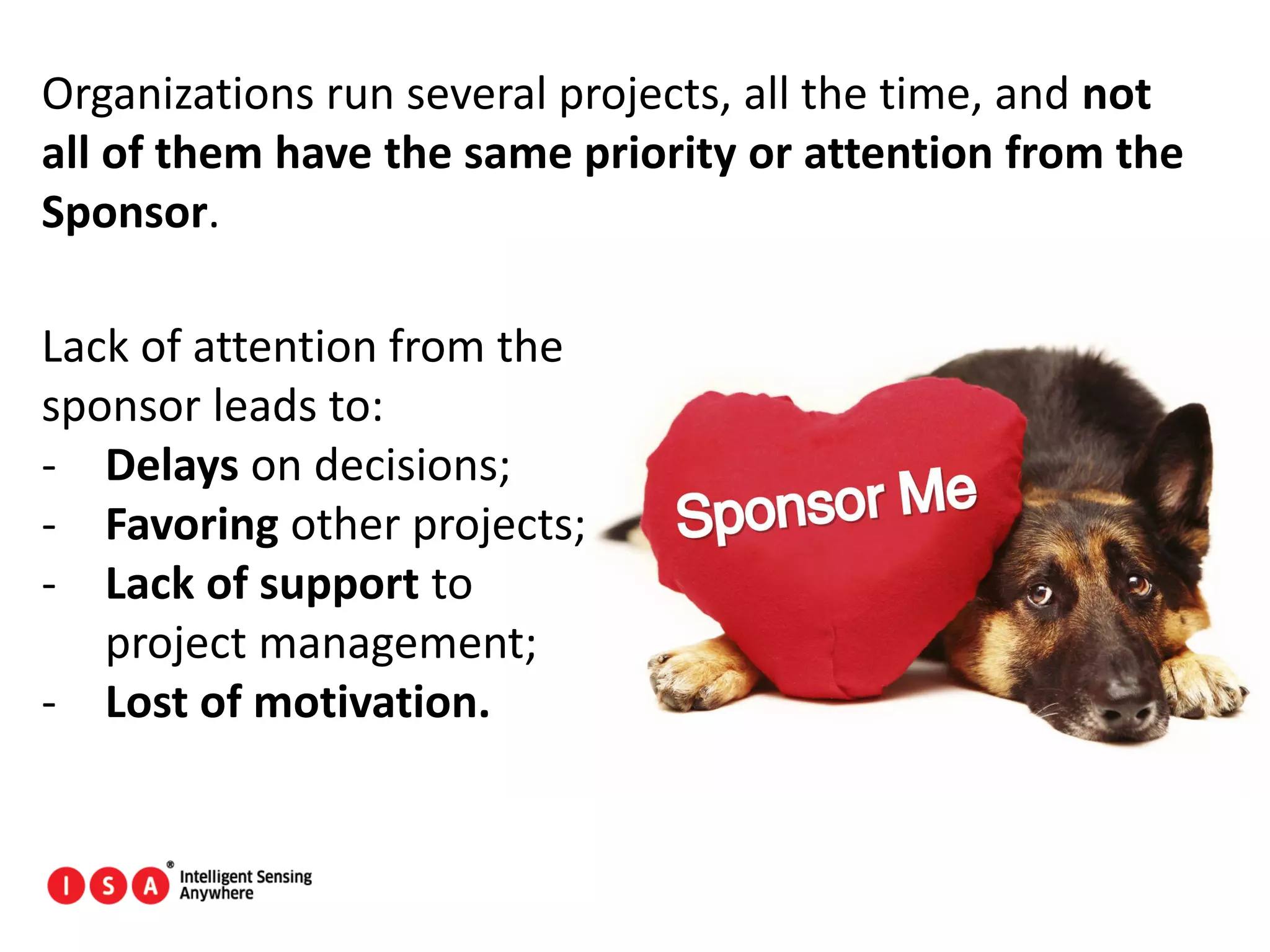
11
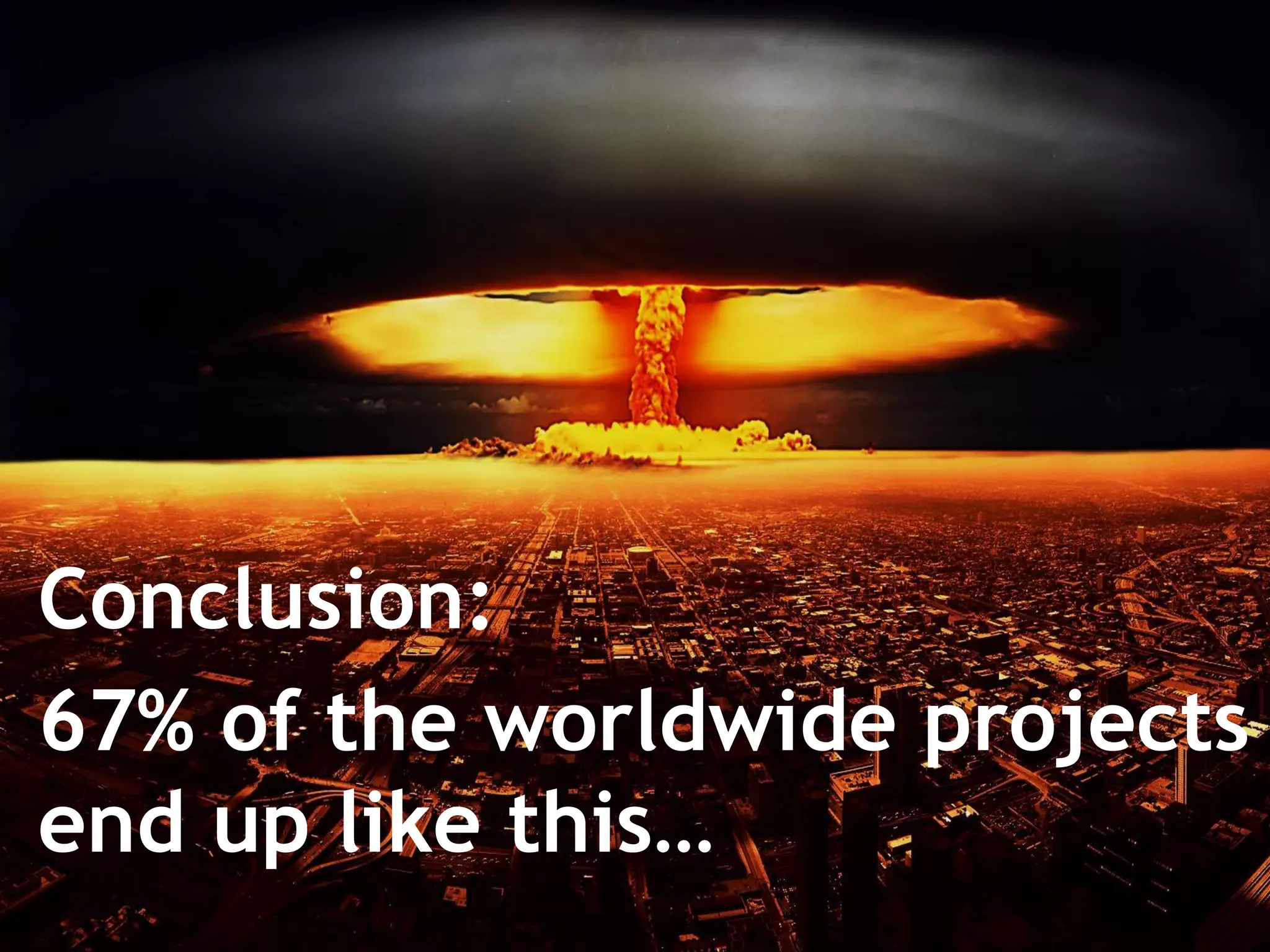
Conclusion:
67% of the worldwide projects
end up like this…
12
So, what is causing
such big disasters on
our projects?
13
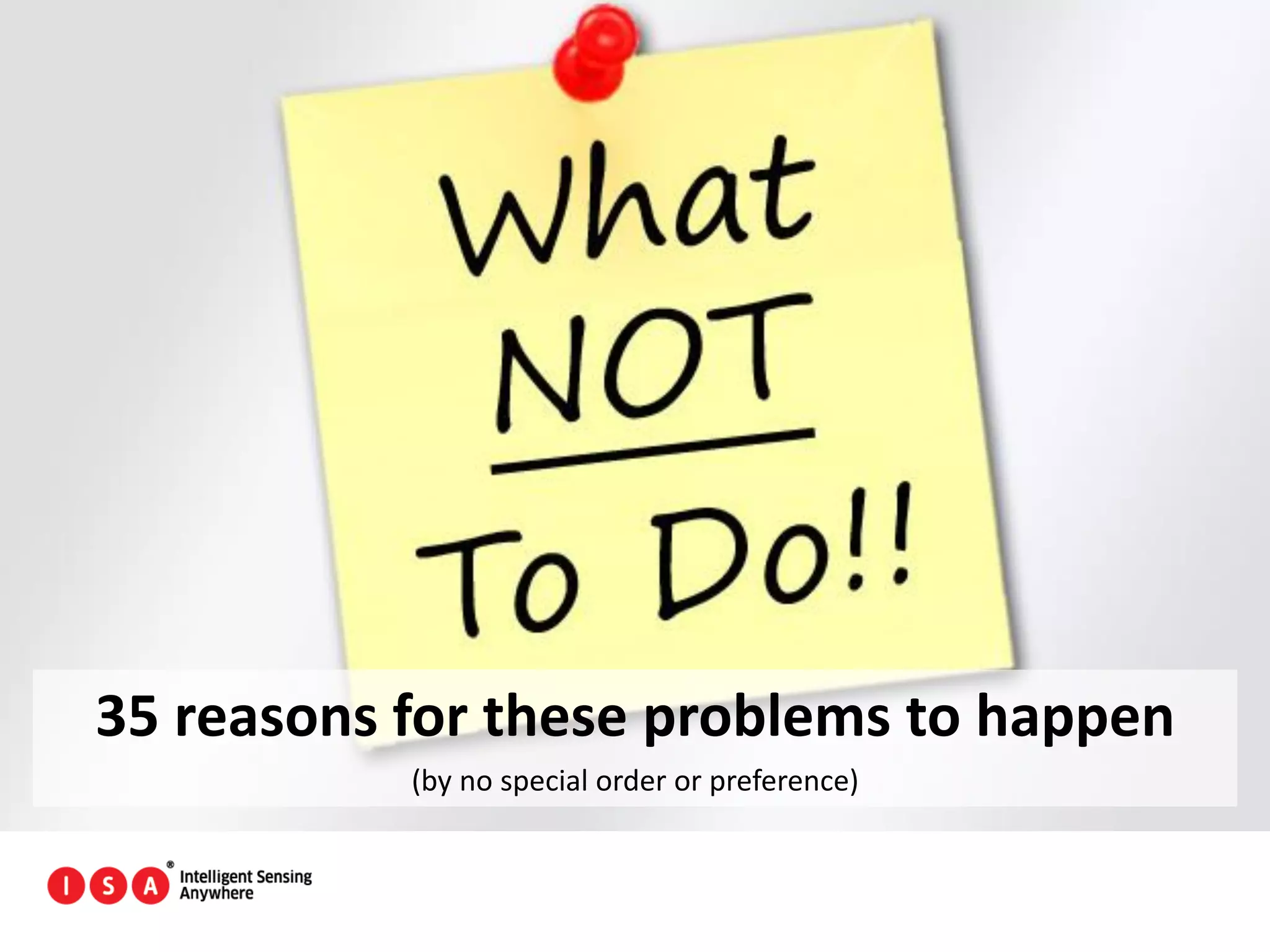
35 reasons for these problems to happen
(by no special order or preference)
14
#1 – The choice of the Project Manager
15
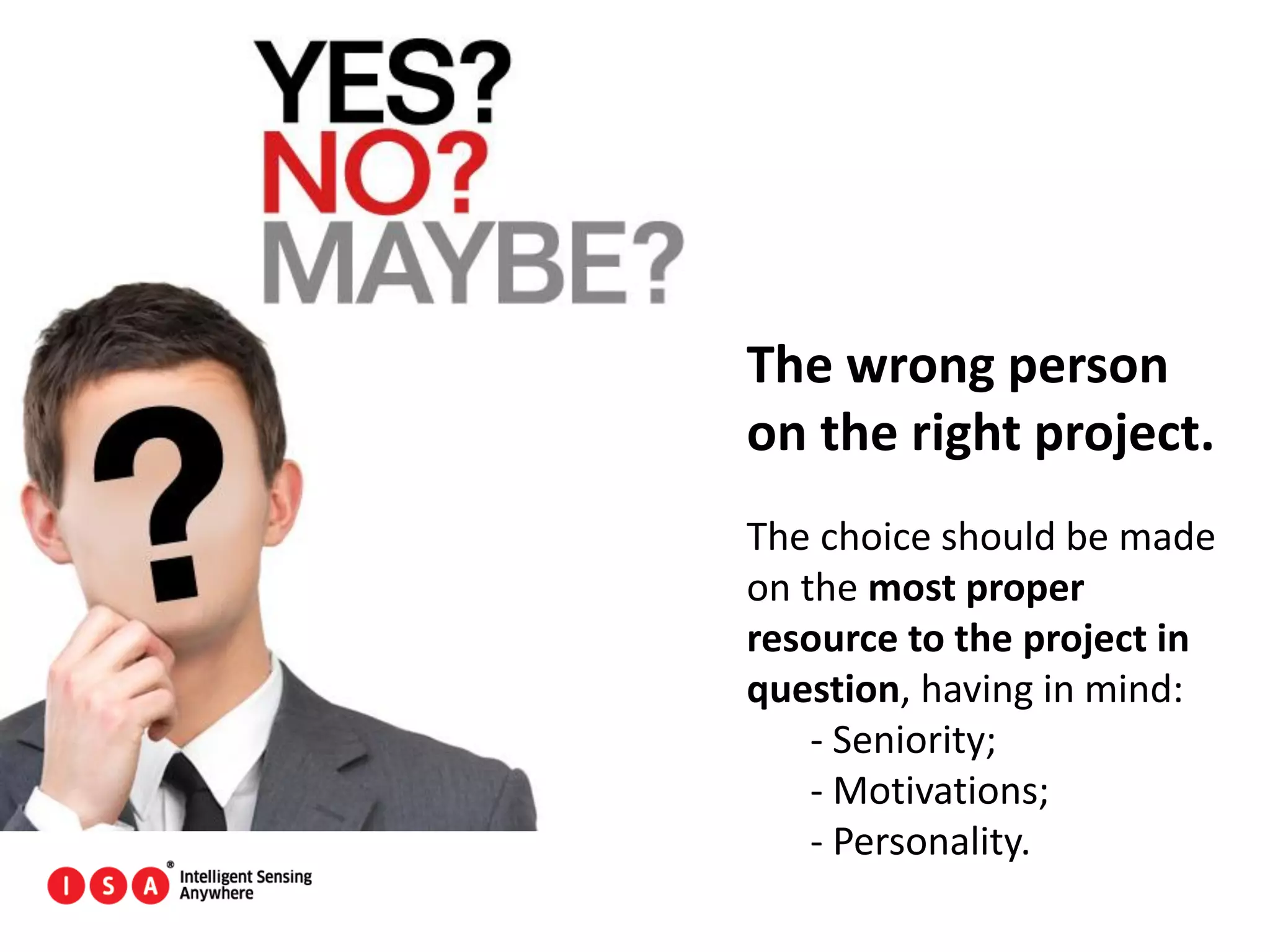
The wrong person
on the right project.
The choice should be made
on the most proper
resource to the project in
question, having in mind:
- Seniority;
- Motivations;
- Personality.
16
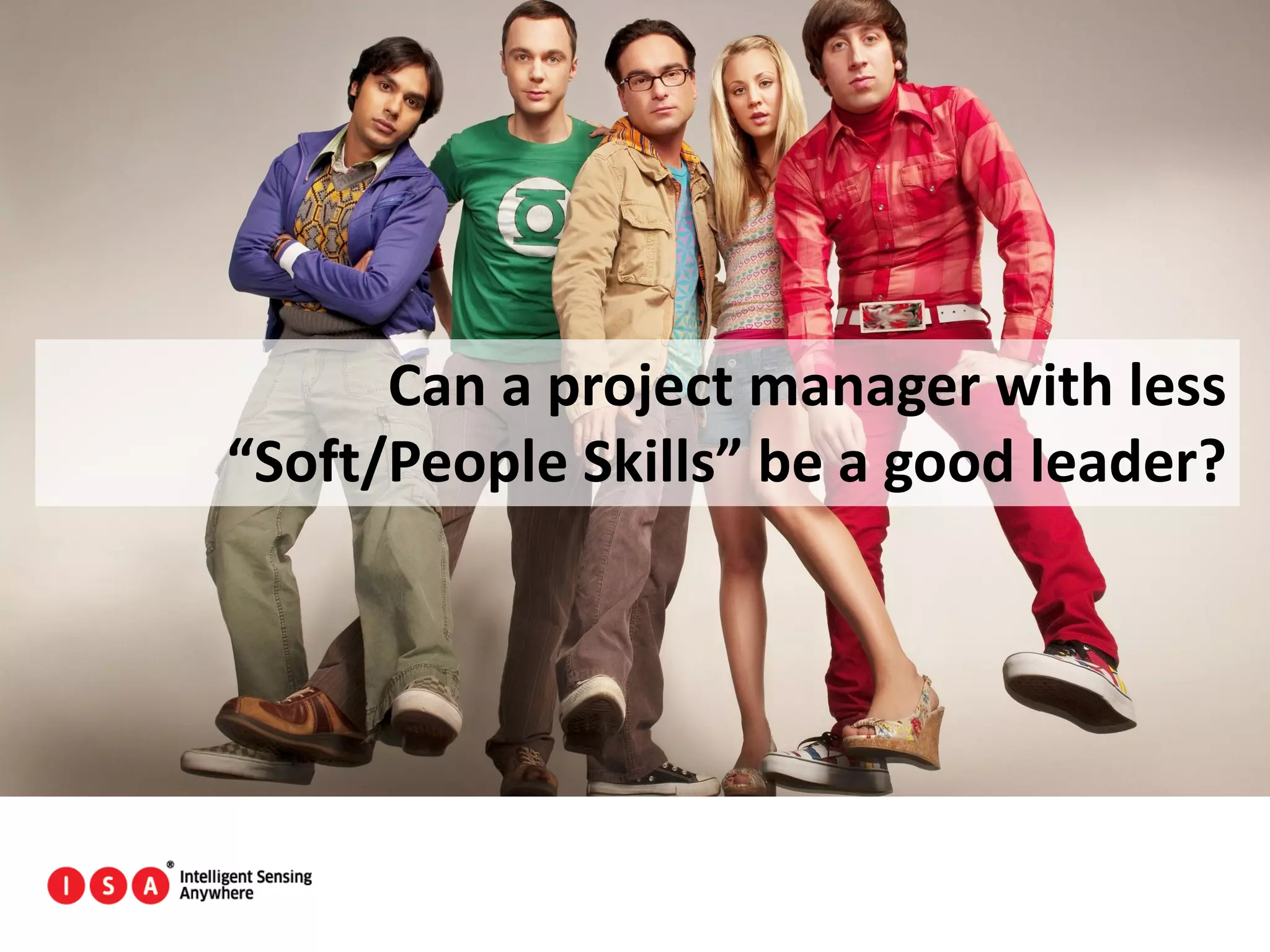
Can a project manager with less
“Soft/People Skills” be a good leader?
17
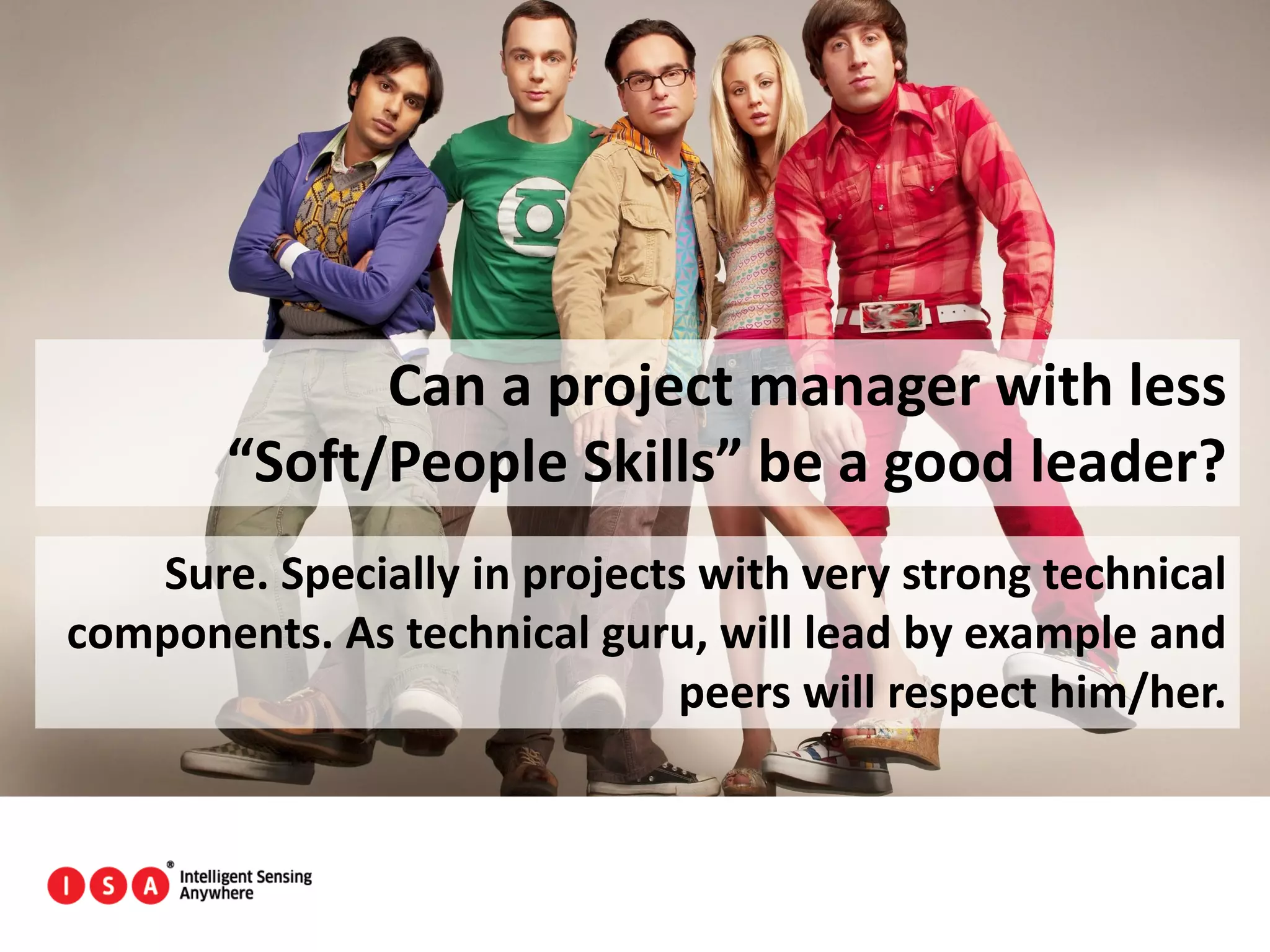
Can a project manager with less
“Soft/People Skills” be a good leader?
Sure. Specially in projects with very strong technical
components. As technical guru, will lead by example and
peers will respect him/her.
18
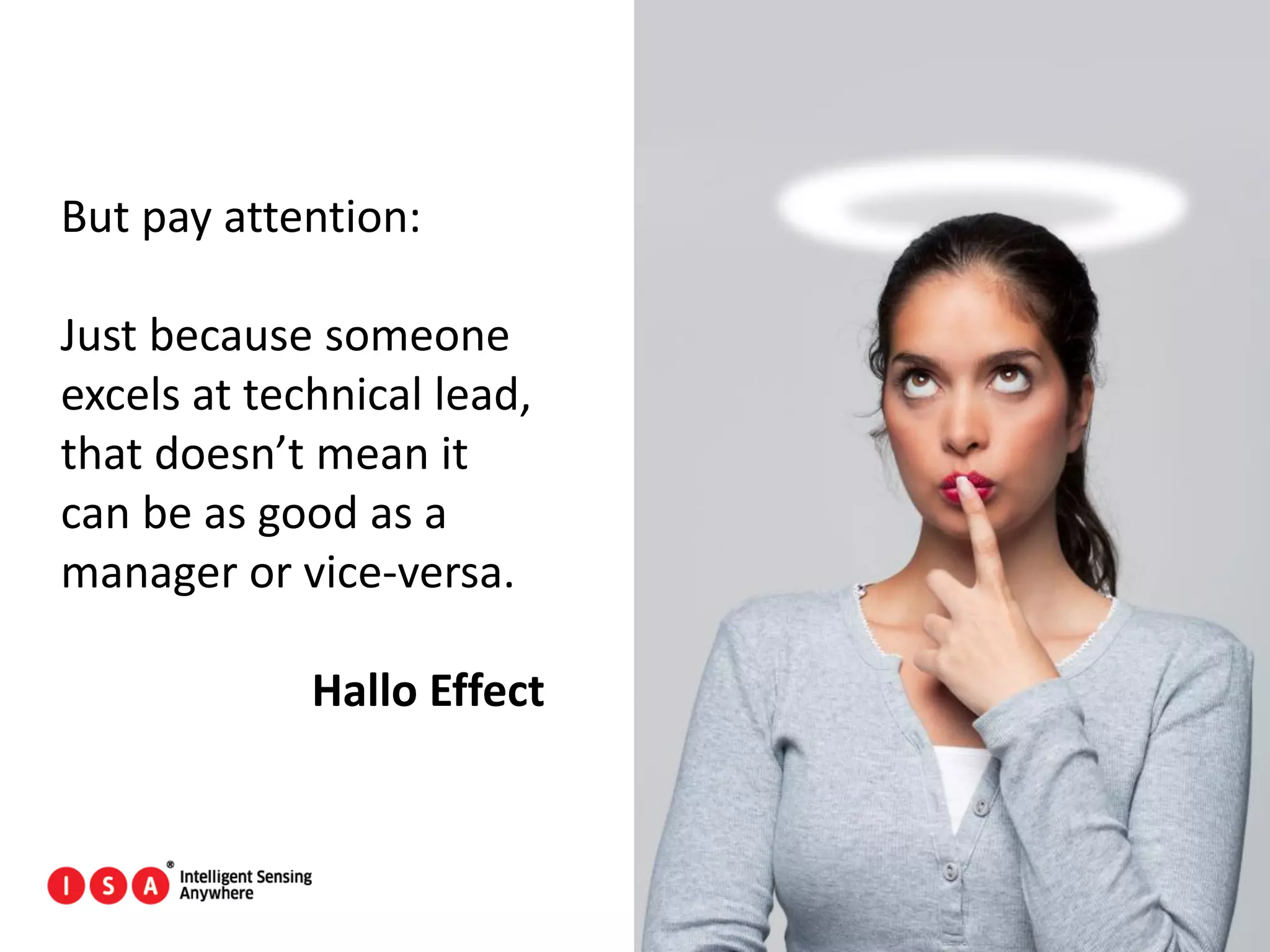
But pay attention:
Just because someone
excels at technical lead,
that doesn’t mean it
can be as good as a
manager or vice-versa.
Hallo Effect
19
#2 – Frequent and uncontrolled scope
changes
20
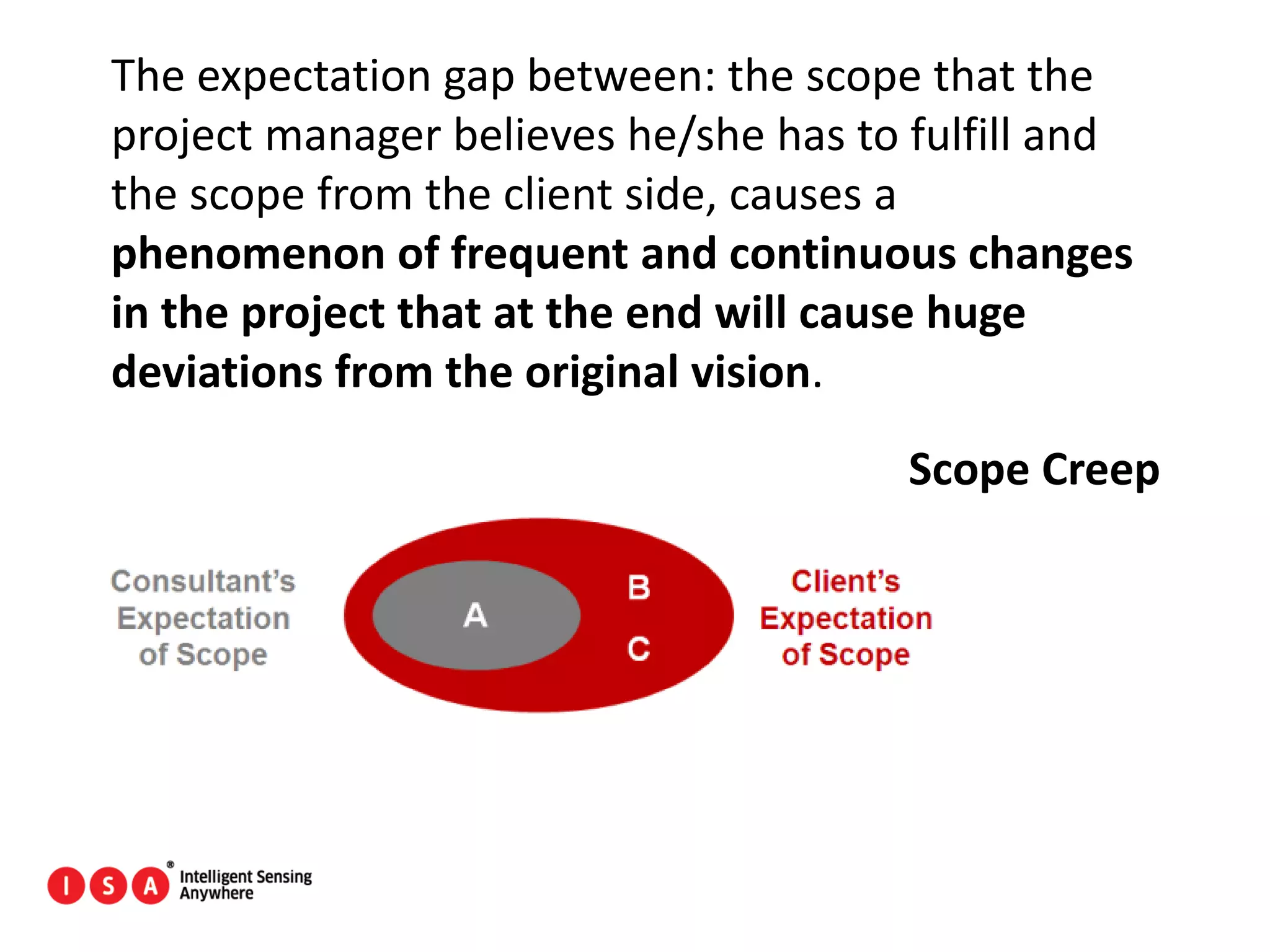
The expectation gap between: the scope that the
project manager believes he/she has to fulfill and
the scope from the client side, causes a
phenomenon of frequent and continuous changes
in the project that at the end will cause huge
deviations from the original vision.
Scope Creep
21
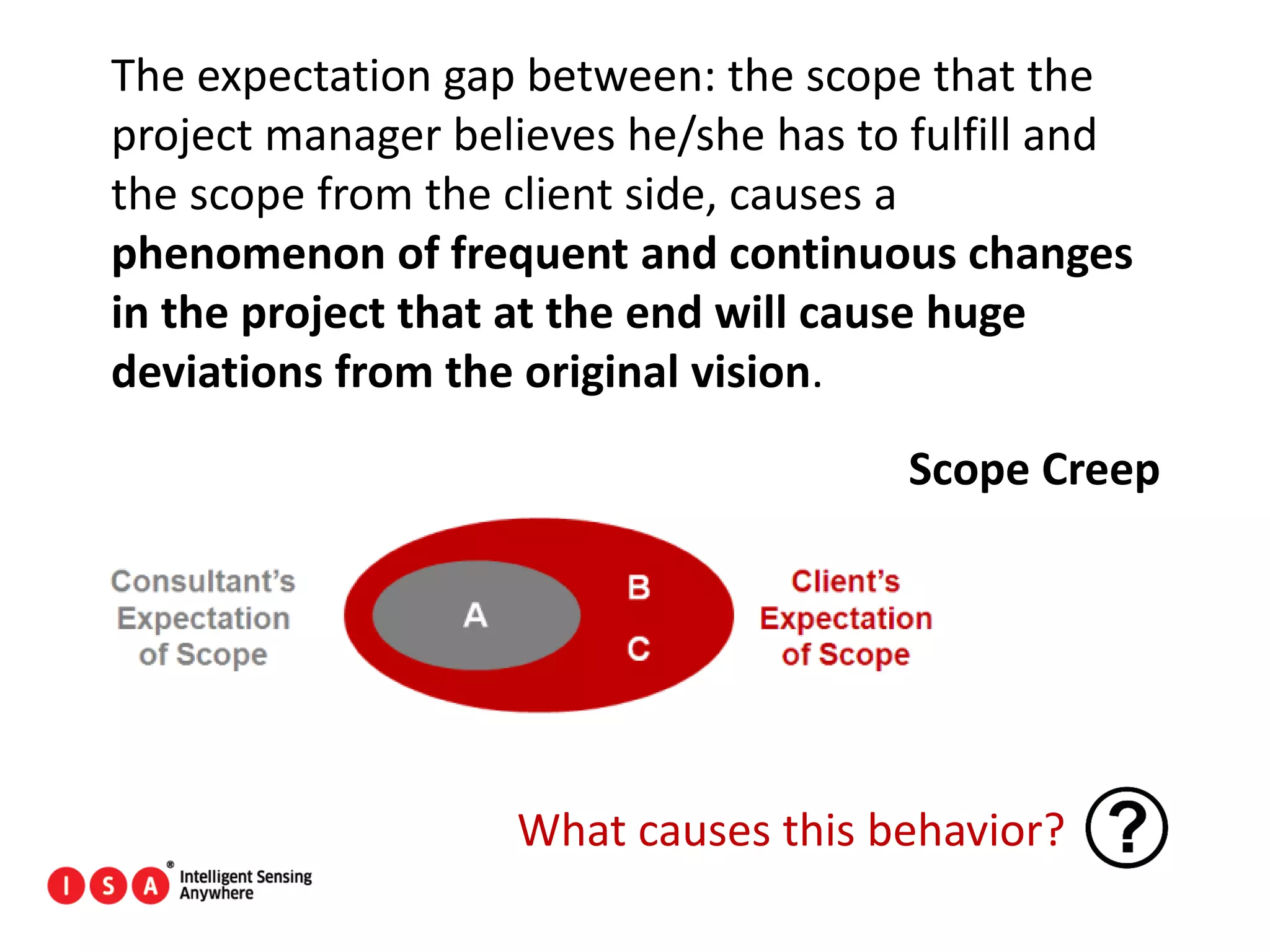
The expectation gap between: the scope that the
project manager believes he/she has to fulfill and
the scope from the client side, causes a
phenomenon of frequent and continuous changes
in the project that at the end will cause huge
deviations from the original vision.
Scope Creep
What causes this behavior?
22
Some probable causes:
- Missing the identification of an important stakeholder;
- The project need or the problem is not clear;
- Sometimes, the client doesn’t know what he/she wants;
- Bad requirements definition.
23
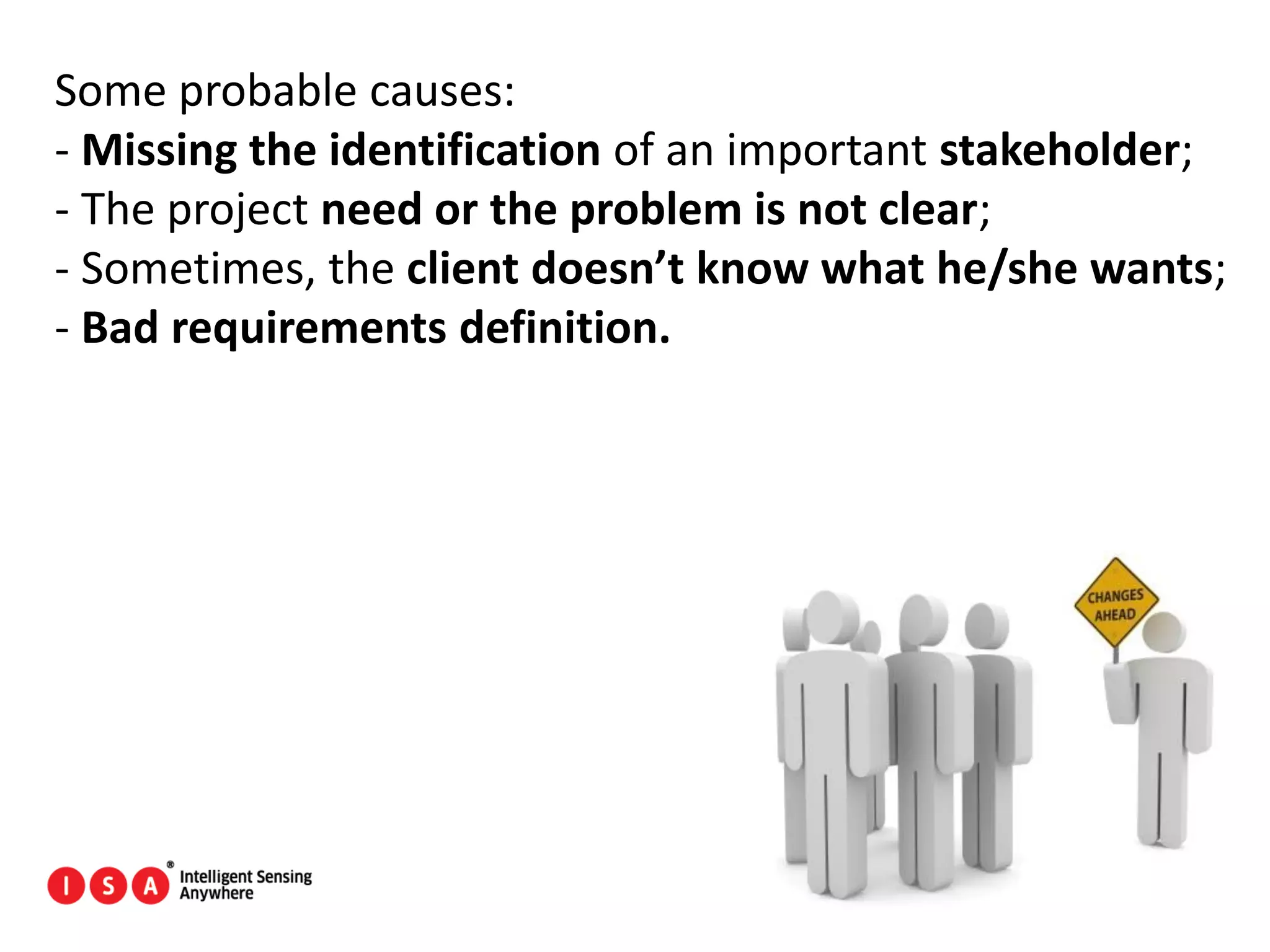
Some probable causes:
- Missing the identification of an important stakeholder;
- The project need or the problem is not clear;
- Sometimes, the client doesn’t know what he/she wants;
- Bad requirements definition.
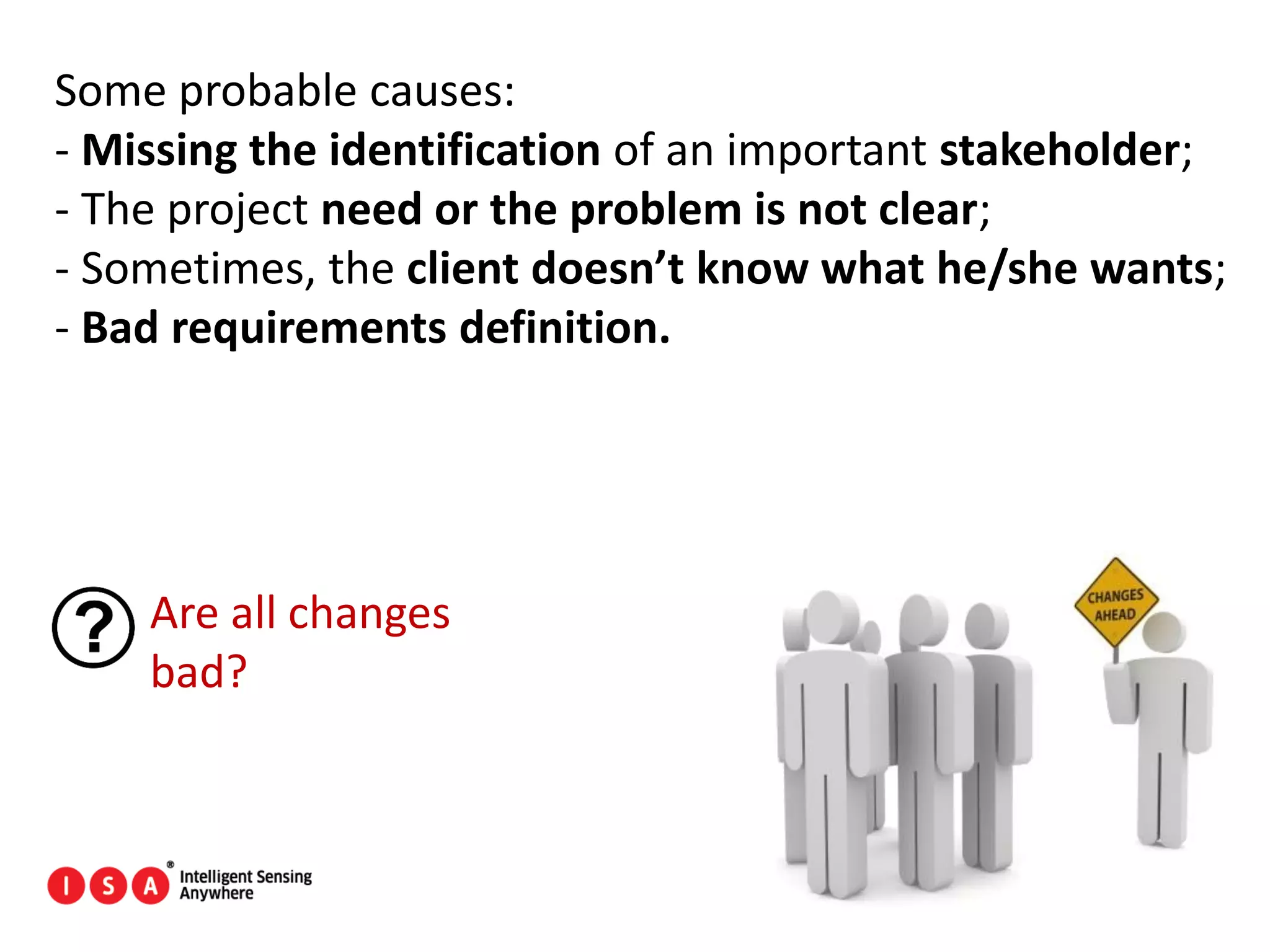
Are all changes
bad?
24
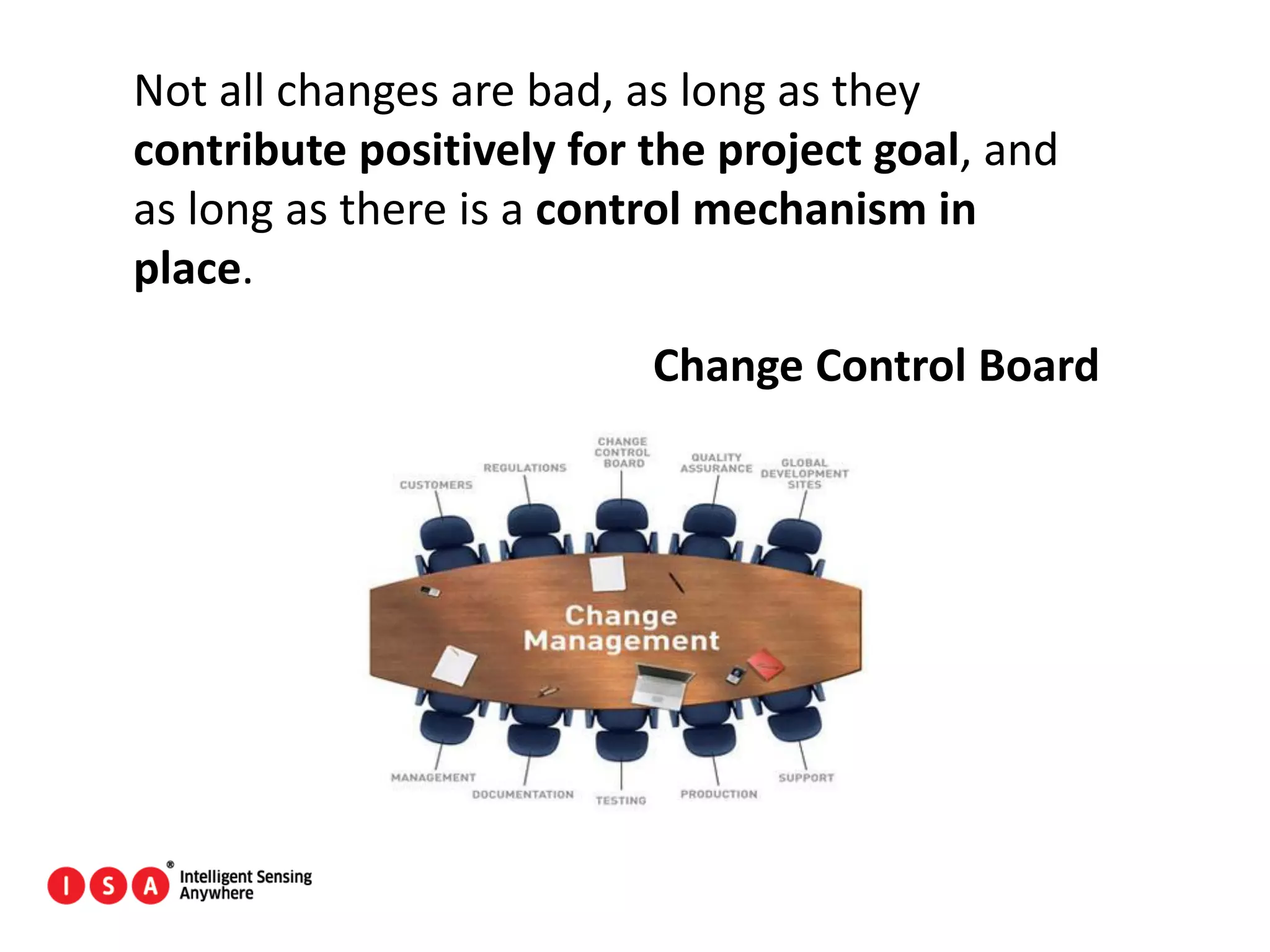
Not all changes are bad, as long as they
contribute positively for the project goal, and
as long as there is a control mechanism in
place.
Change Control Board
25
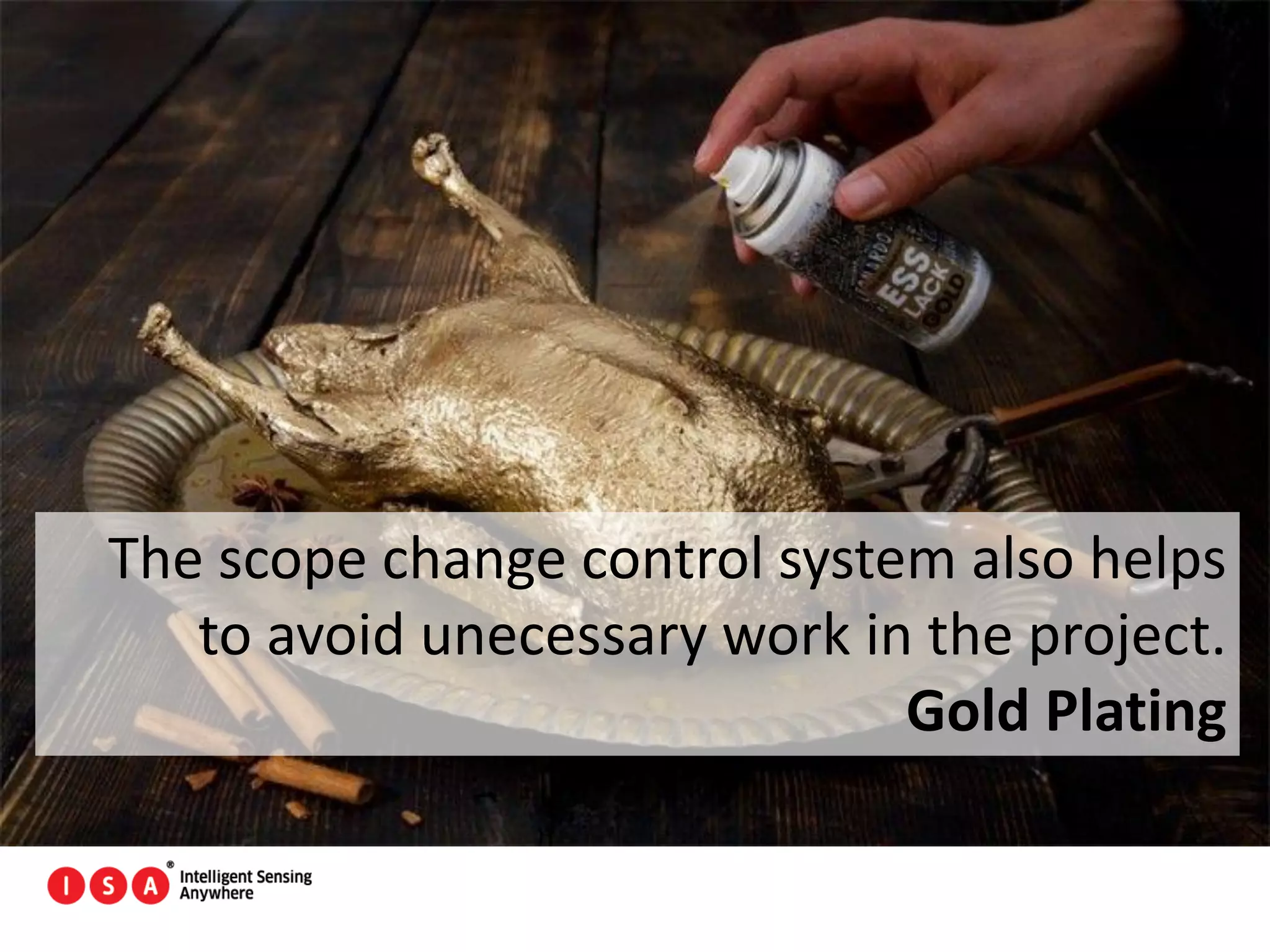
The scope change control system also helps
to avoid unecessary work in the project.
Gold Plating
26
#3 – Effort Estimation Errors
27
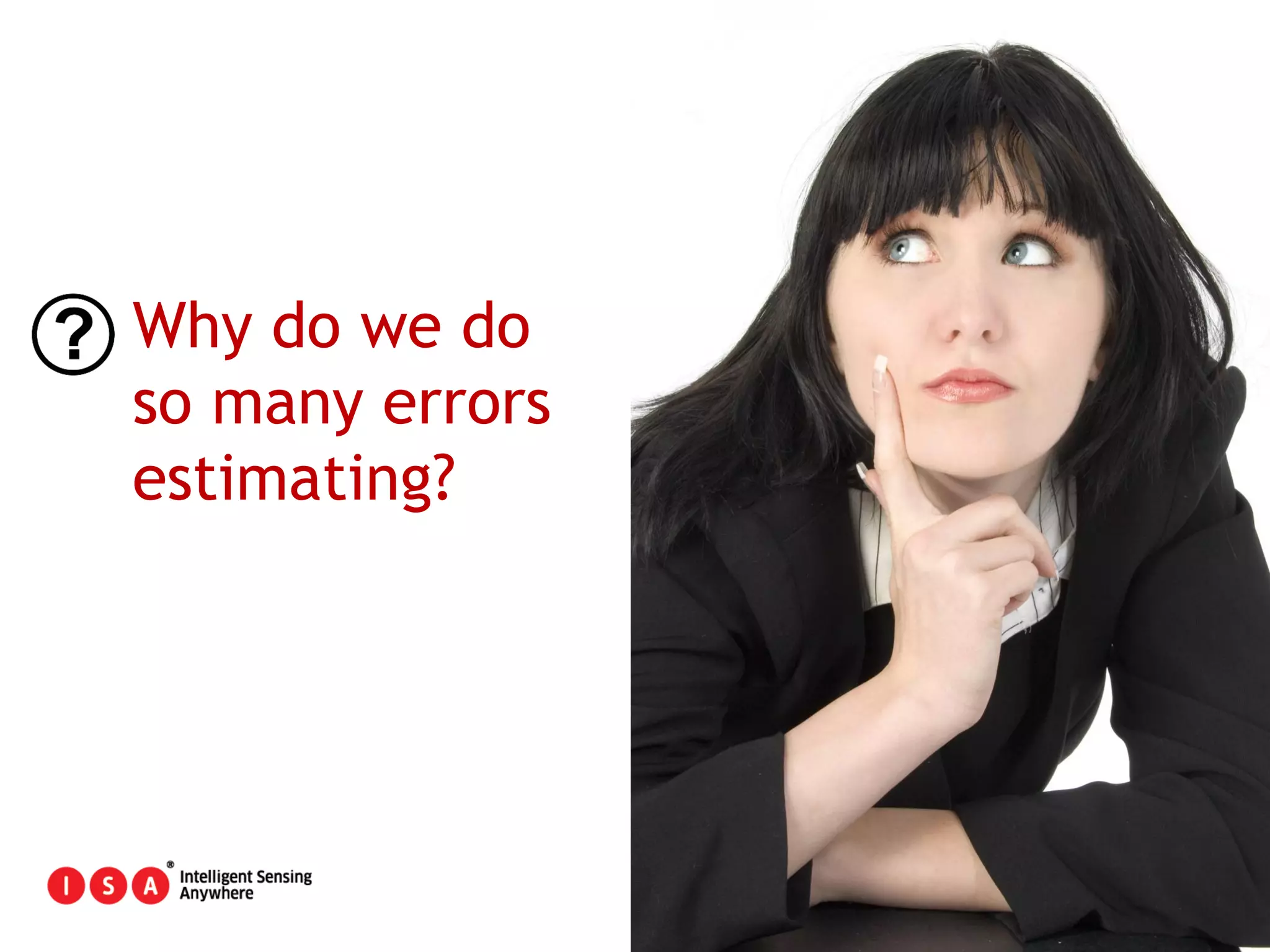
Why do we do
so many errors
estimating?
28
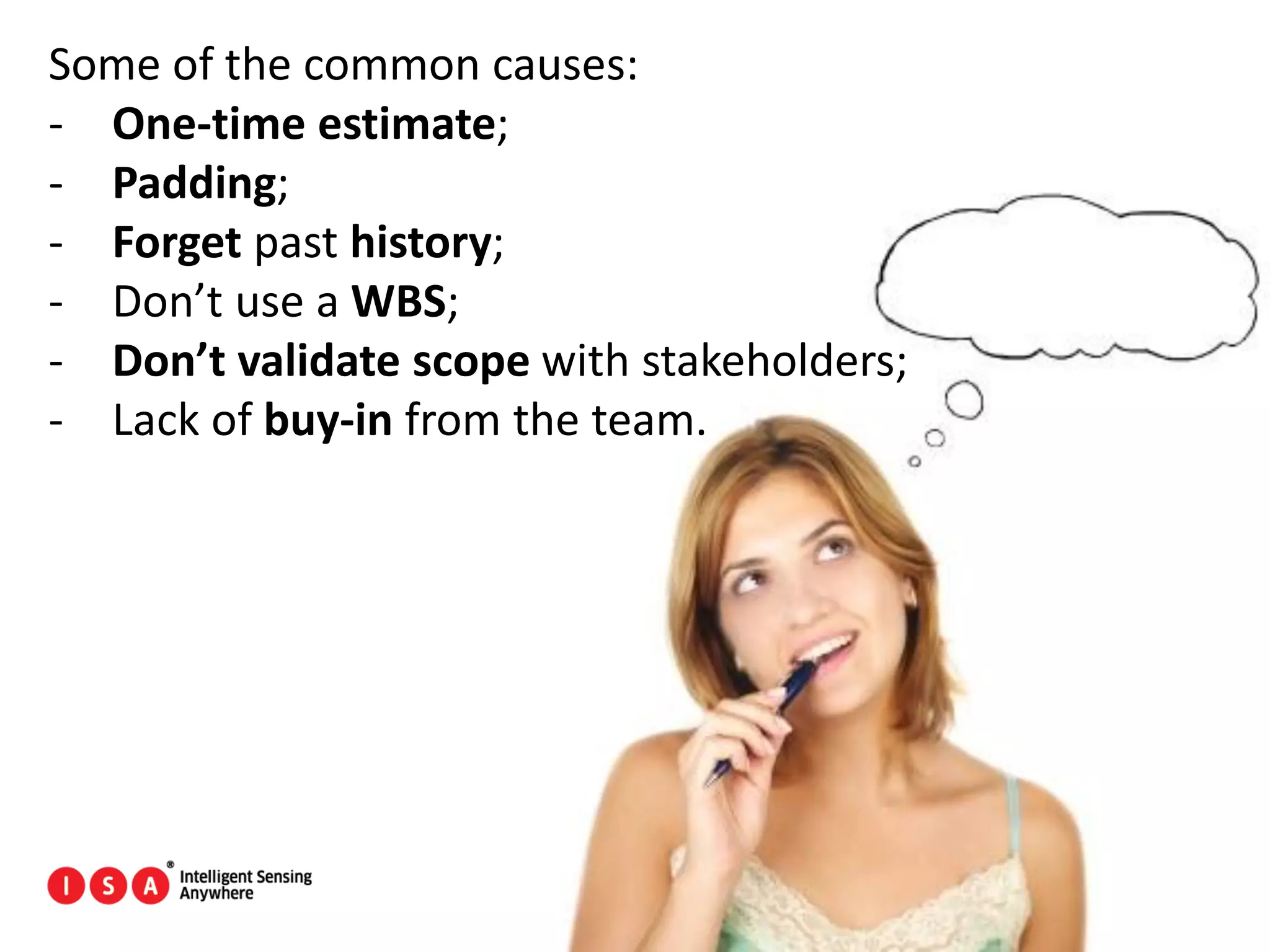
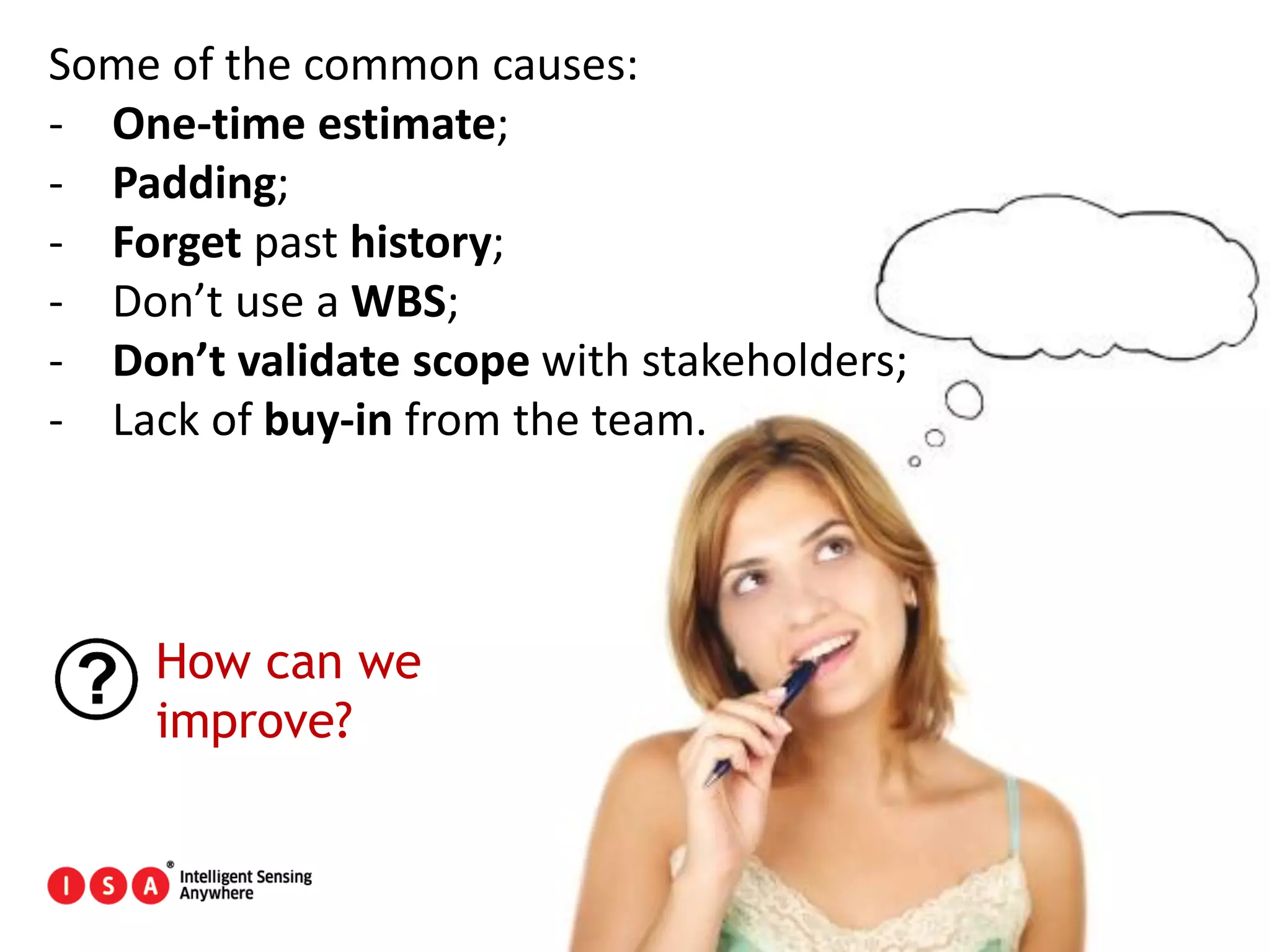
Some of the common causes:
- One-time estimate;
- Padding;
- Forget past history;
- Don’t use a WBS;
- Don’t validate scope with stakeholders;
- Lack of buy-in from the team.
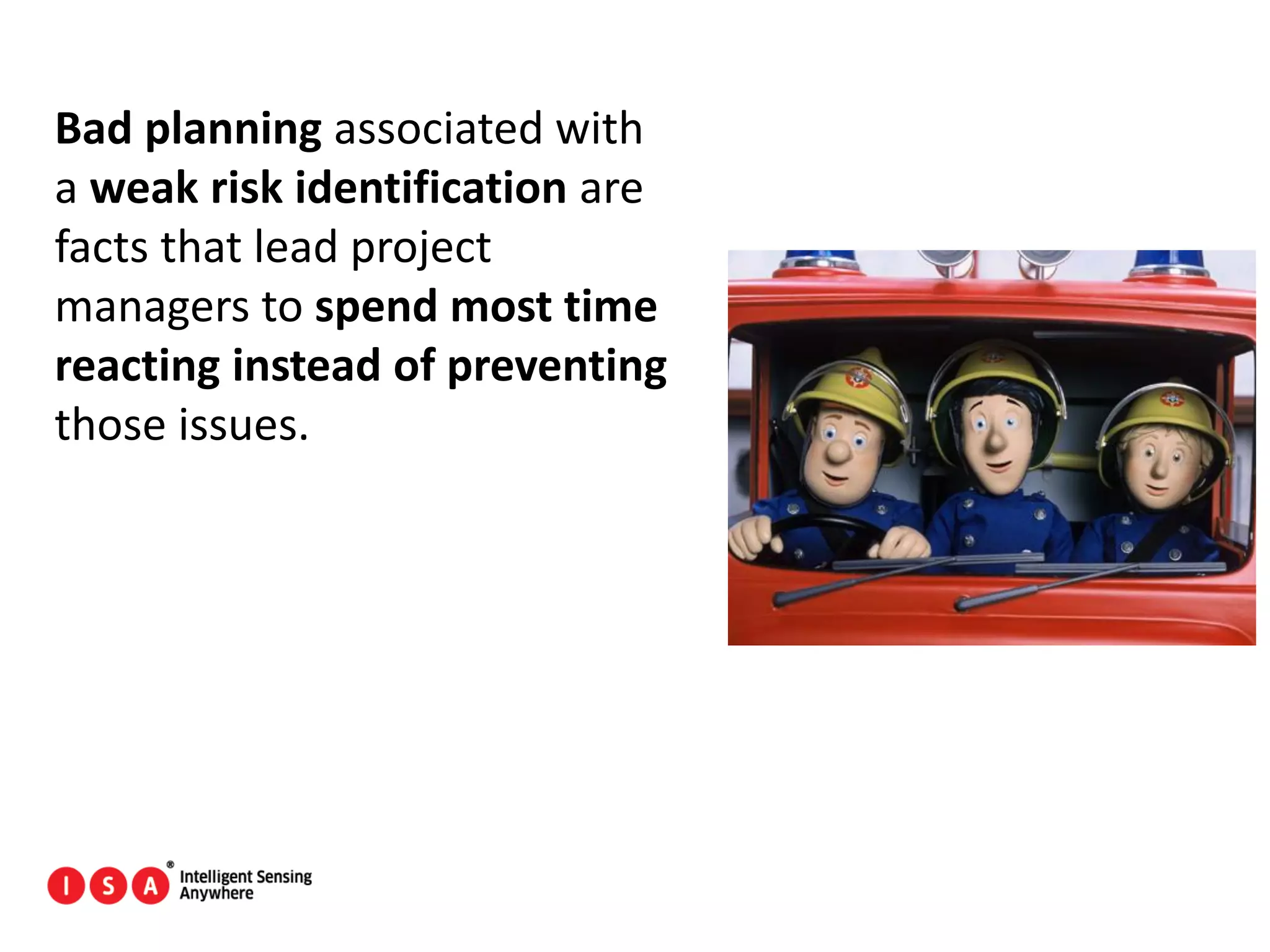
29
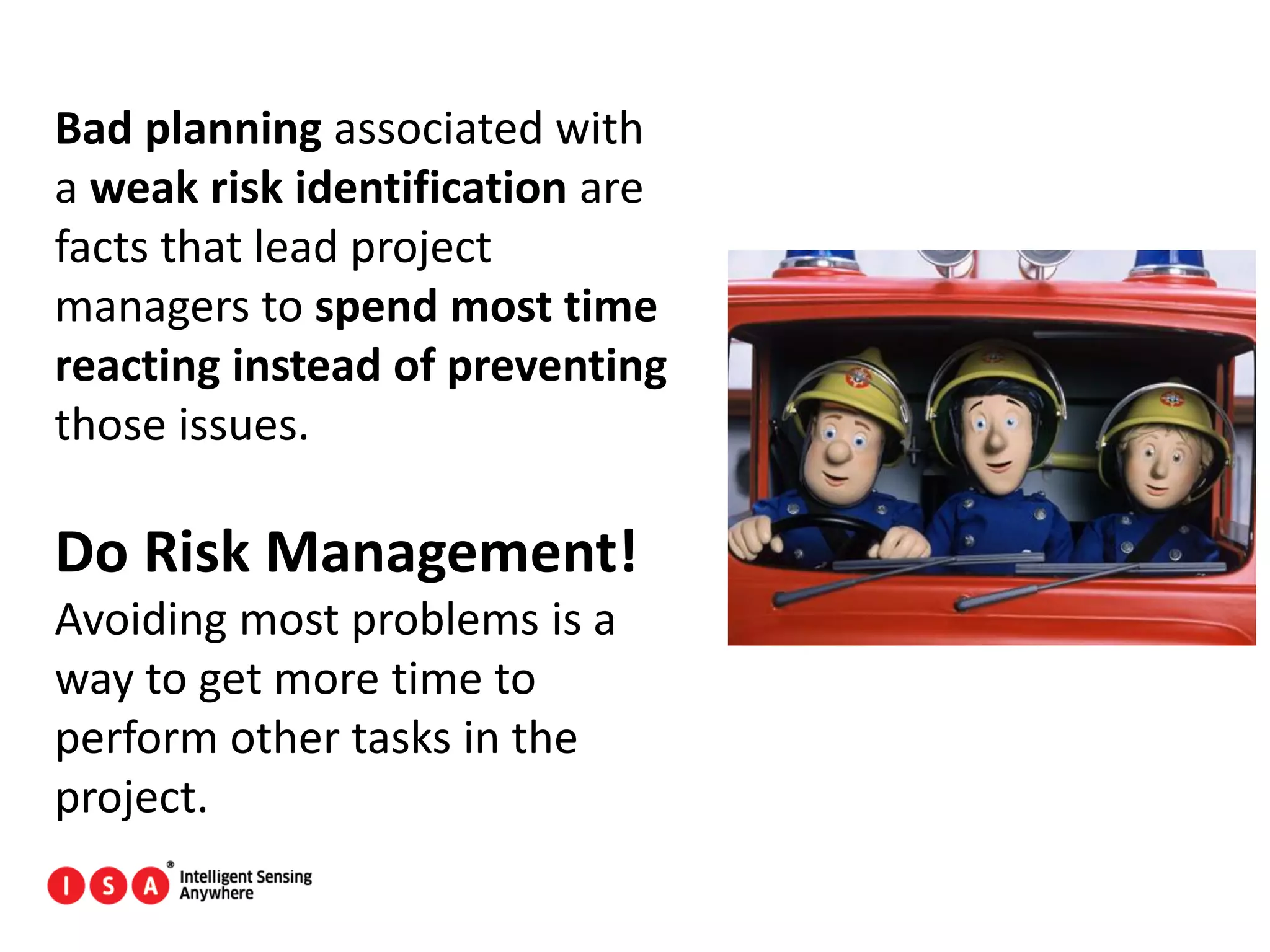
Some of the common causes:
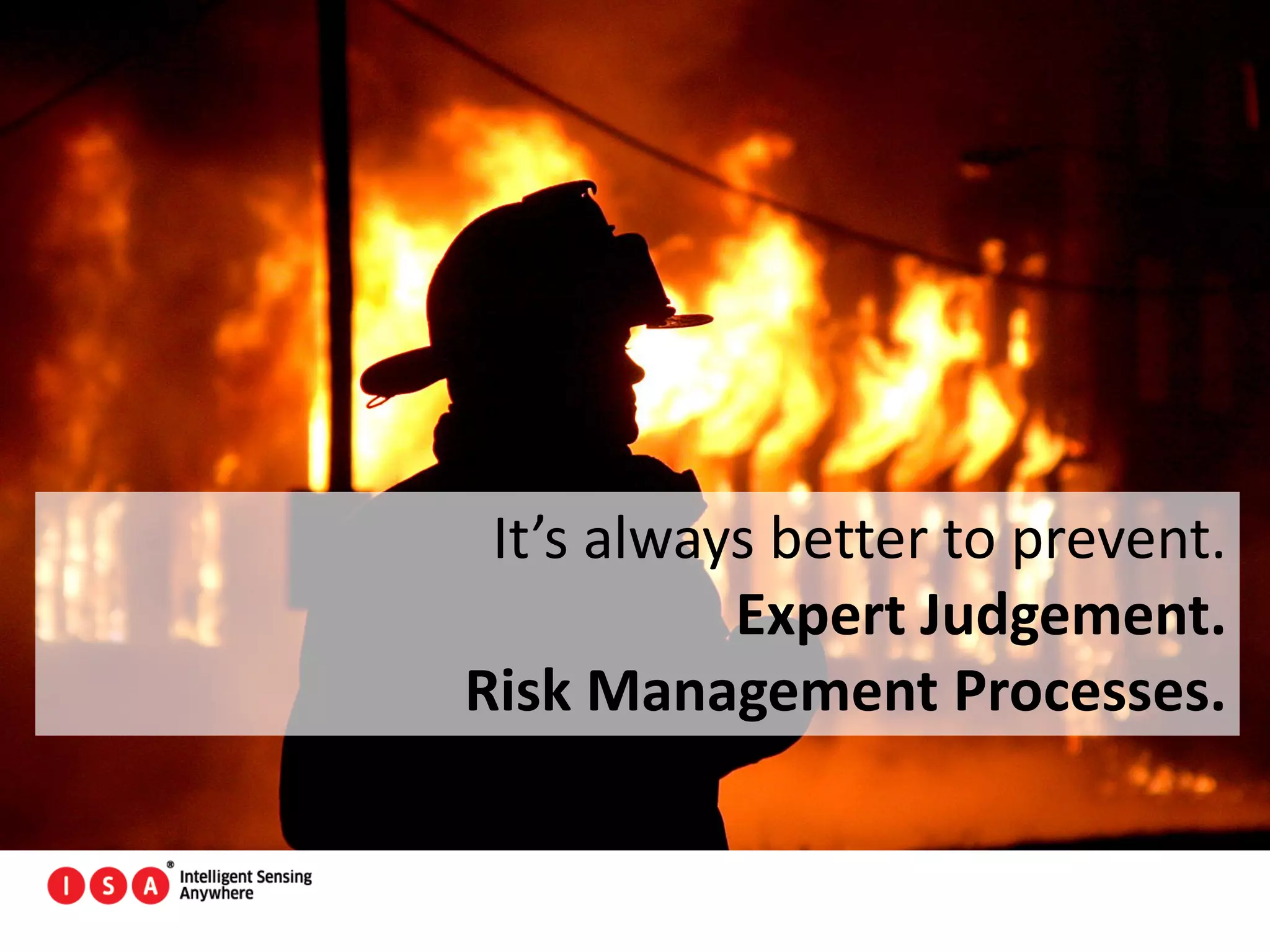
- One-time estimate;
- Padding;
- Forget past history;
- Don’t use a WBS;
- Don’t validate scope with stakeholders;
- Lack of buy-in from the team.
How can we
improve?
30
- Create a WBS with the
team and the client;
- Use 3-point estimate;
- Use Delphi Technique;
- Use the historical data;
- Apply reserves.
31
- Create a WBS with the
team and the client;
- Use 3-point estimate;
- Use Delphi Technique;
- Use the historical data;
- Apply reserves.
Estimating will always be a
Guessing Game.
But it should be an
Educated Guess.
32
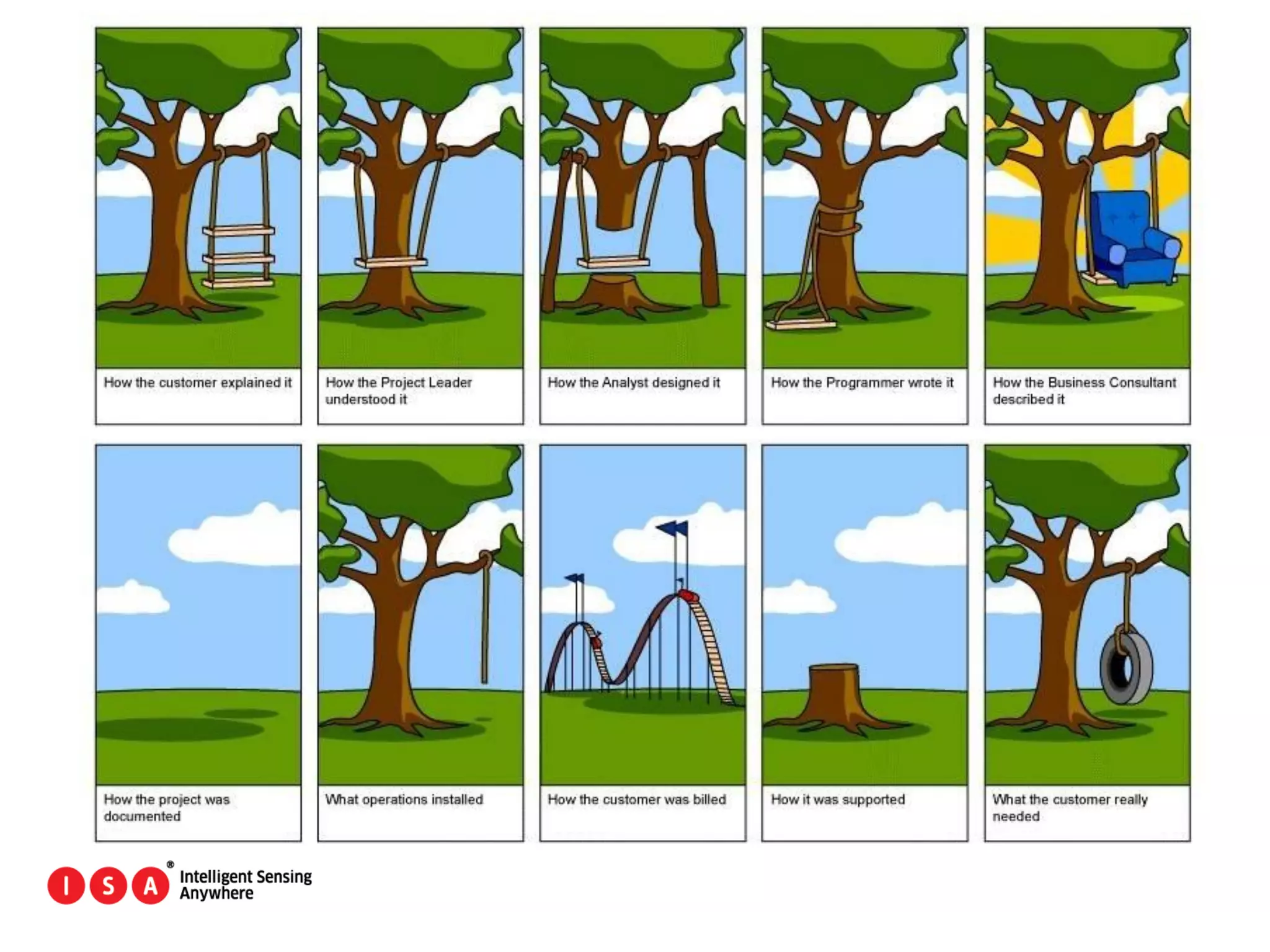
#4 – Lack of communication or
miscommunication
33
34
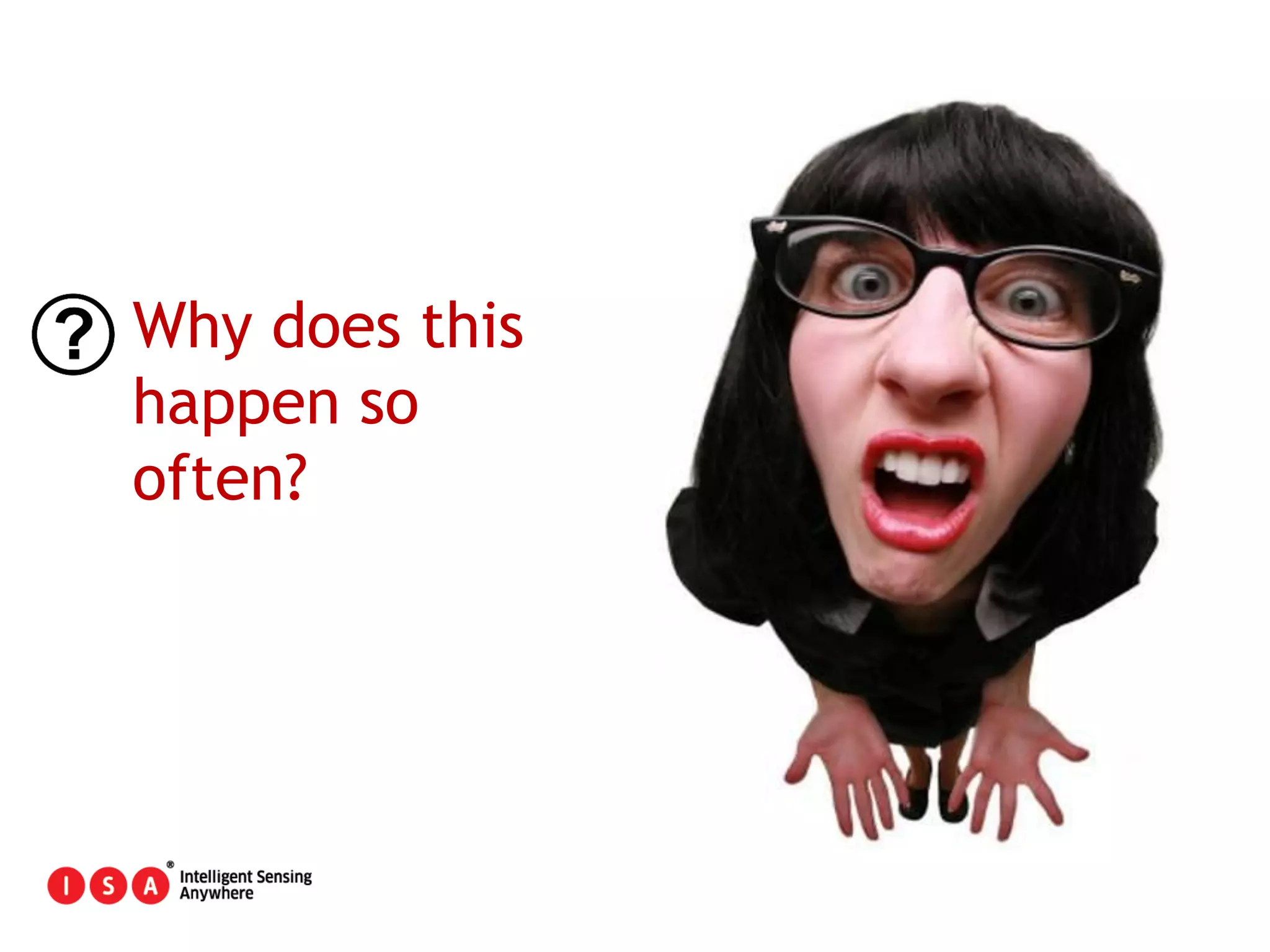
Why does this
happen so
often?
35
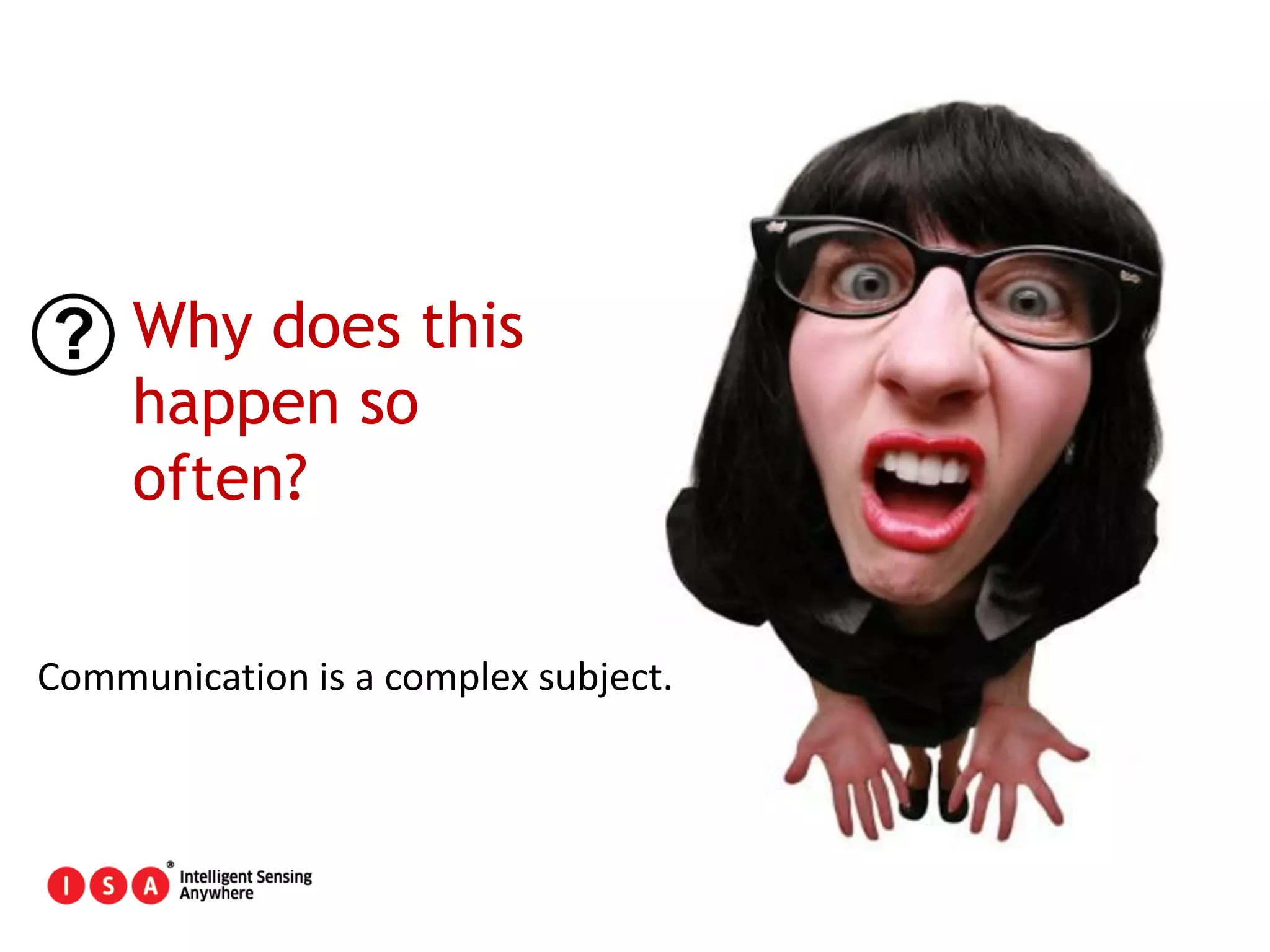
Why does this
happen so
often?
Communication is a complex subject.
36
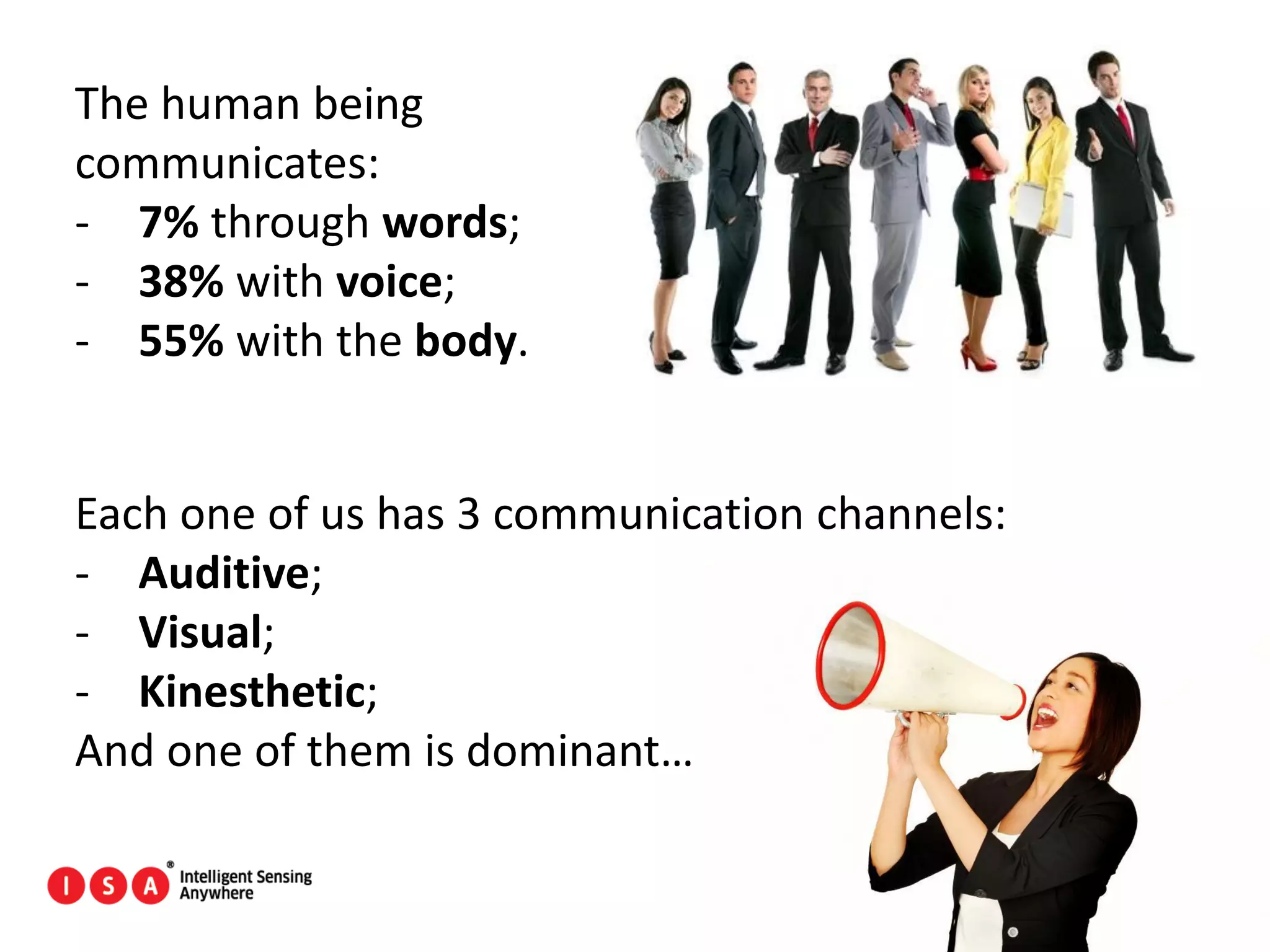
The human being
communicates:
- 7% through words;
- 38% with voice;
- 55% with the body.
Each one of us has 3 communication channels:
- Auditive;
- Visual;
- Kinesthetic;
And one of them is dominant…
37
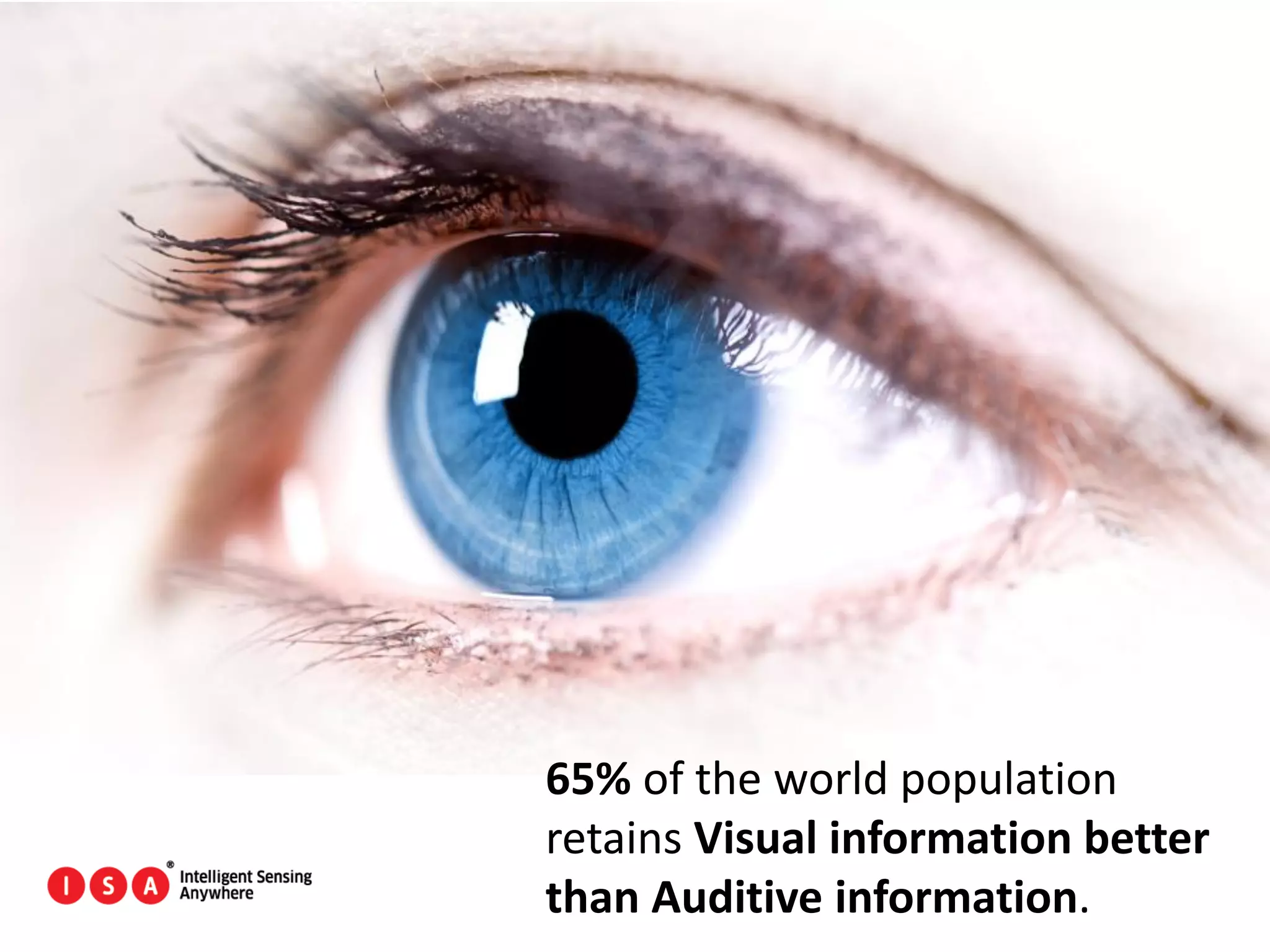
65% of the world population
retains Visual information better
than Auditive information.
38
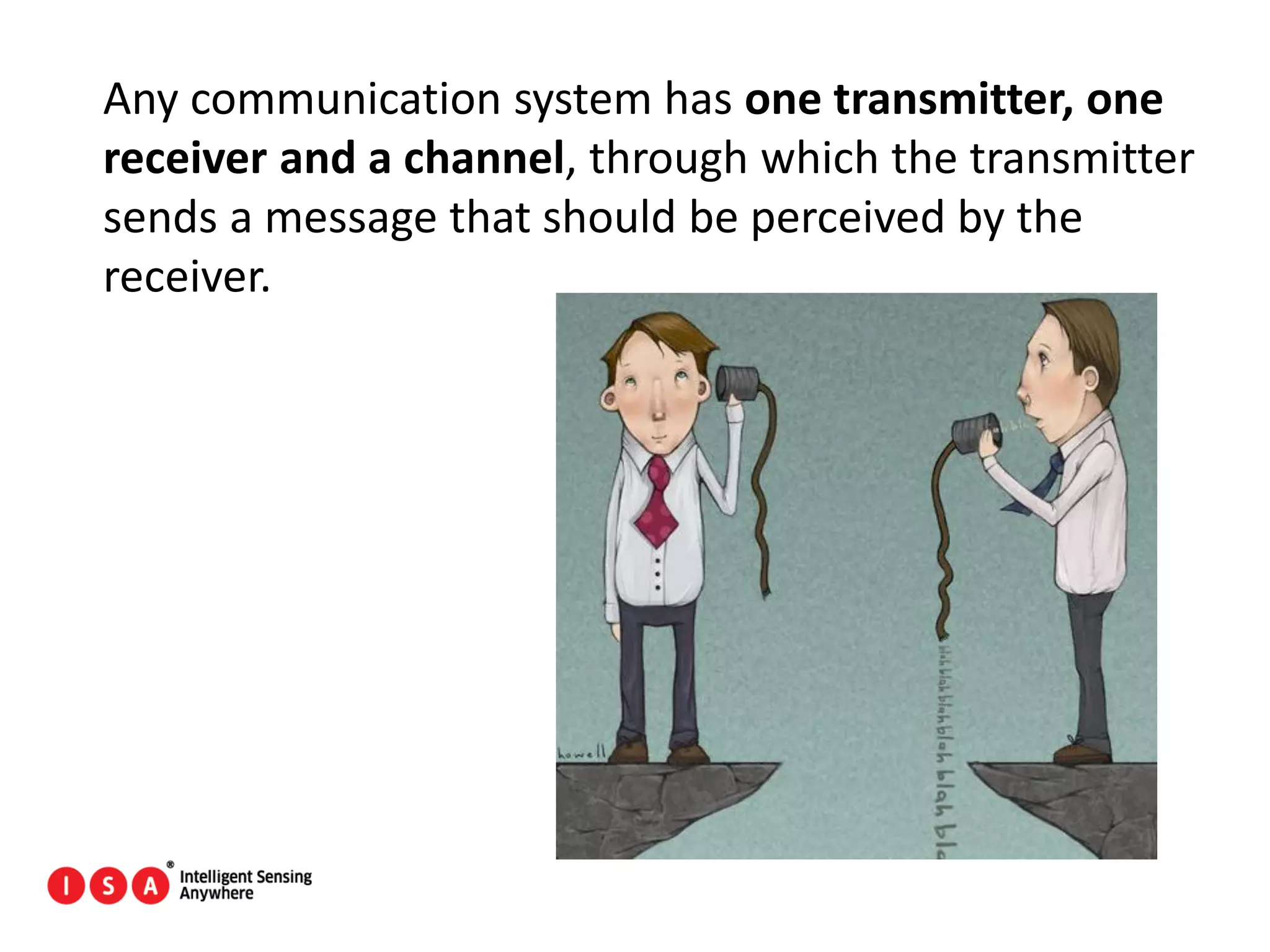
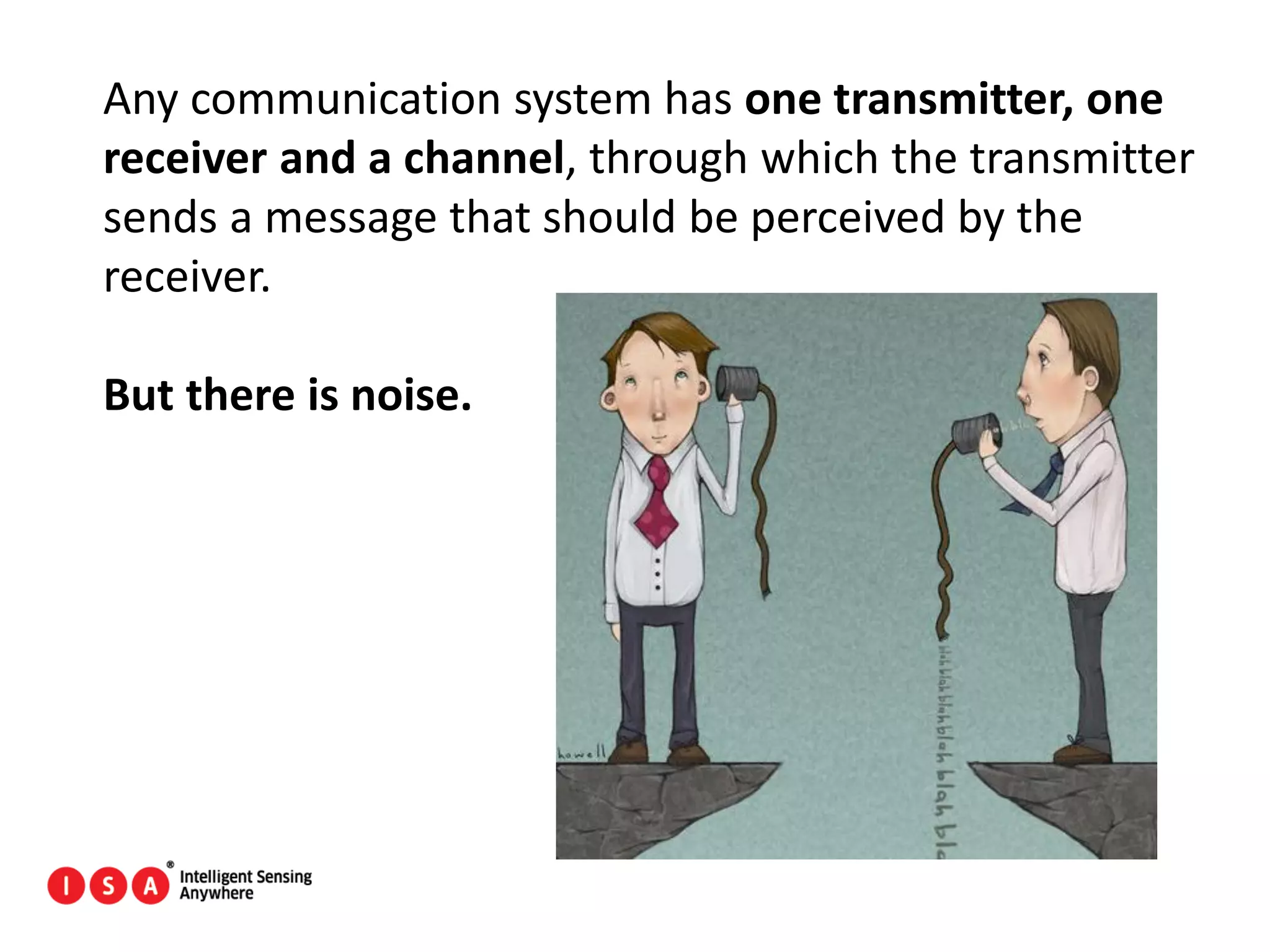
Any communication system has one transmitter, one
receiver and a channel, through which the transmitter
sends a message that should be perceived by the
receiver.
39
Any communication system has one transmitter, one
receiver and a channel, through which the transmitter
sends a message that should be perceived by the
receiver.
But there is noise.
40
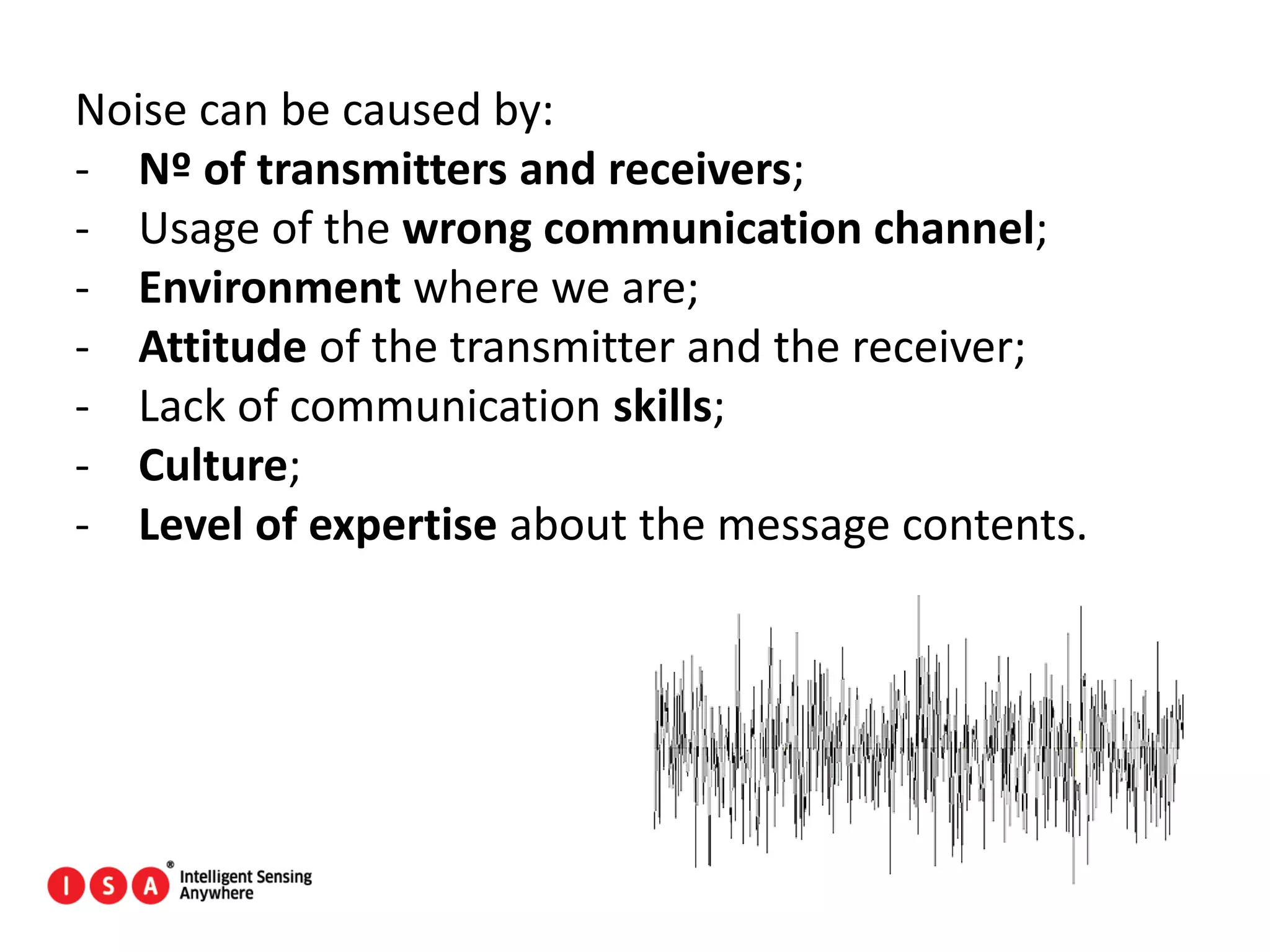
Noise can be caused by:
- Nº of transmitters and receivers;
- Usage of the wrong communication channel;
- Environment where we are;
- Attitude of the transmitter and the receiver;
- Lack of communication skills;
- Culture;
- Level of expertise about the message contents.
41
Noise can be caused by:
- Nº of transmitters and receivers;
- Usage of the wrong communication channel;
- Environment where we are;
- Attitude of the transmitter and the receiver;
- Lack of communication skills;
- Culture;
- Level of expertise about the message contents.
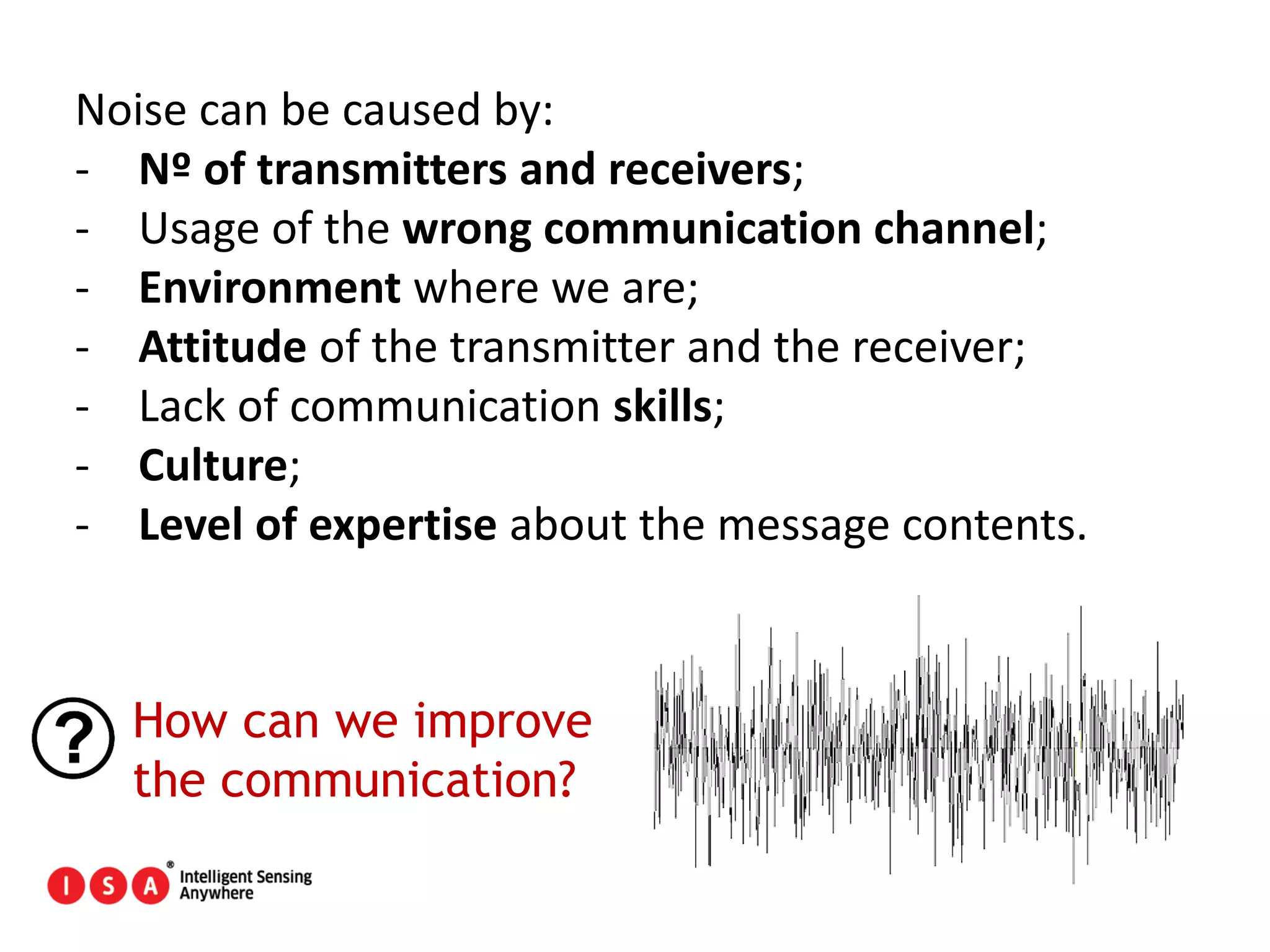
How can we improve
the communication?
42
Pay attention!
Observe. Learn. Imitate. Act.
43
#5 – Lack of risk management
44
Not managing your risks is like walking with
your eyes closed.
45
And those that
do not see…
46
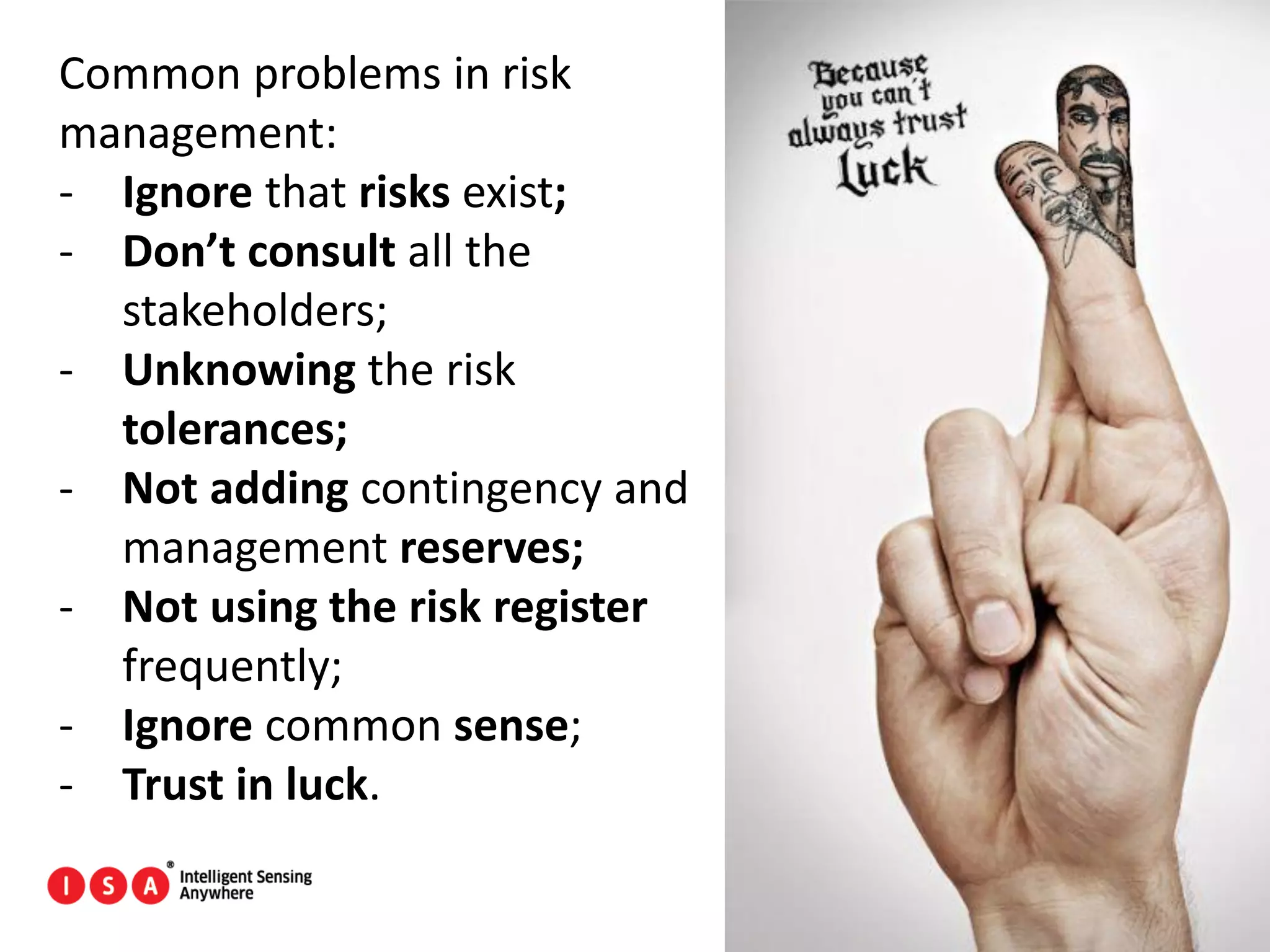
Common problems in risk
management:
- Ignore that risks exist;
- Don’t consult all the
stakeholders;
- Unknowing the risk
tolerances;
- Not adding contingency and
management reserves;
- Not using the risk register
frequently;
- Ignore common sense;
- Trust in luck.
47
#6 – Resources are scarce, shared or stolen
48
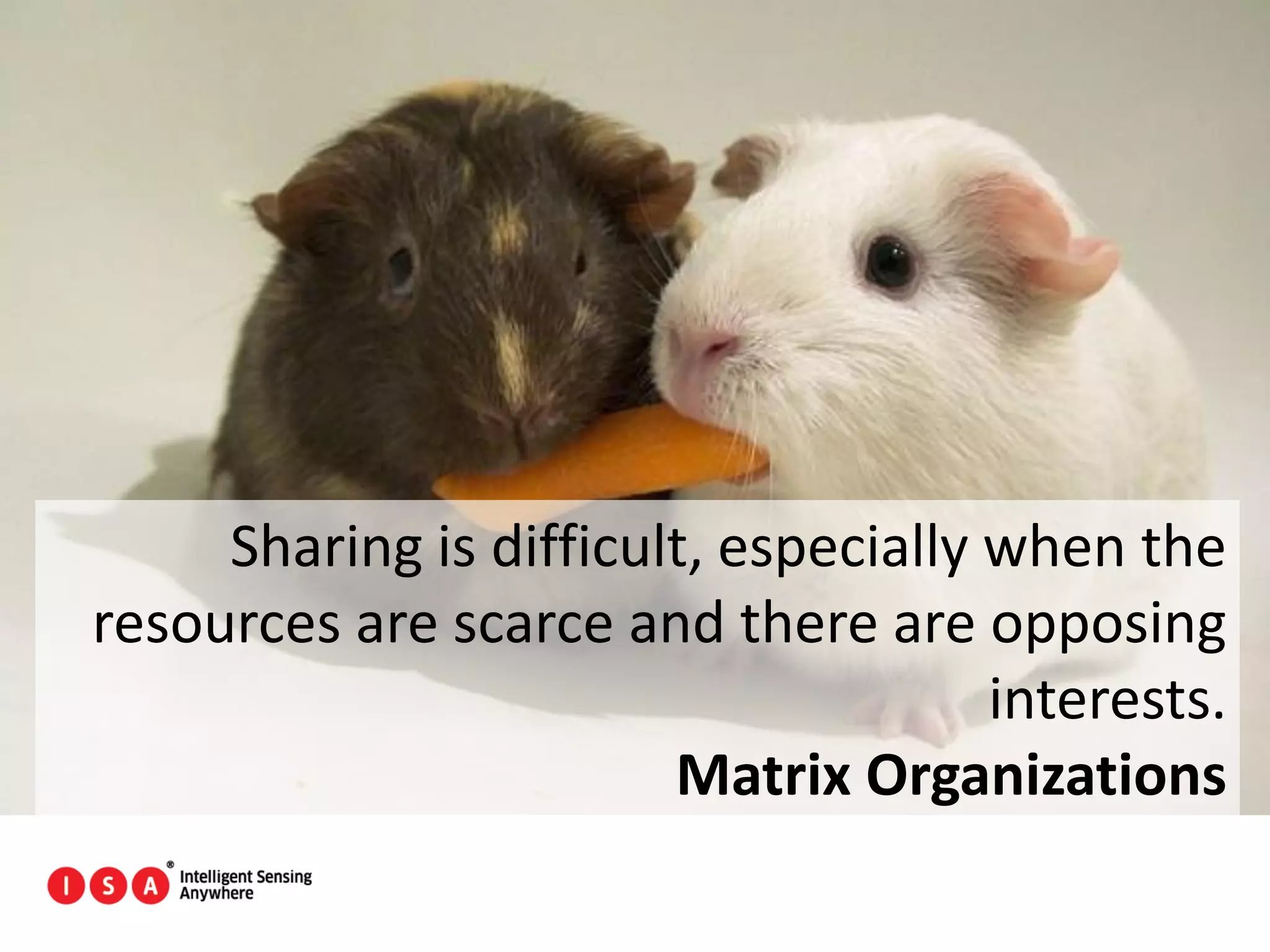
Sharing is difficult, especially when the
resources are scarce and there are opposing
interests.
Matrix Organizations
49
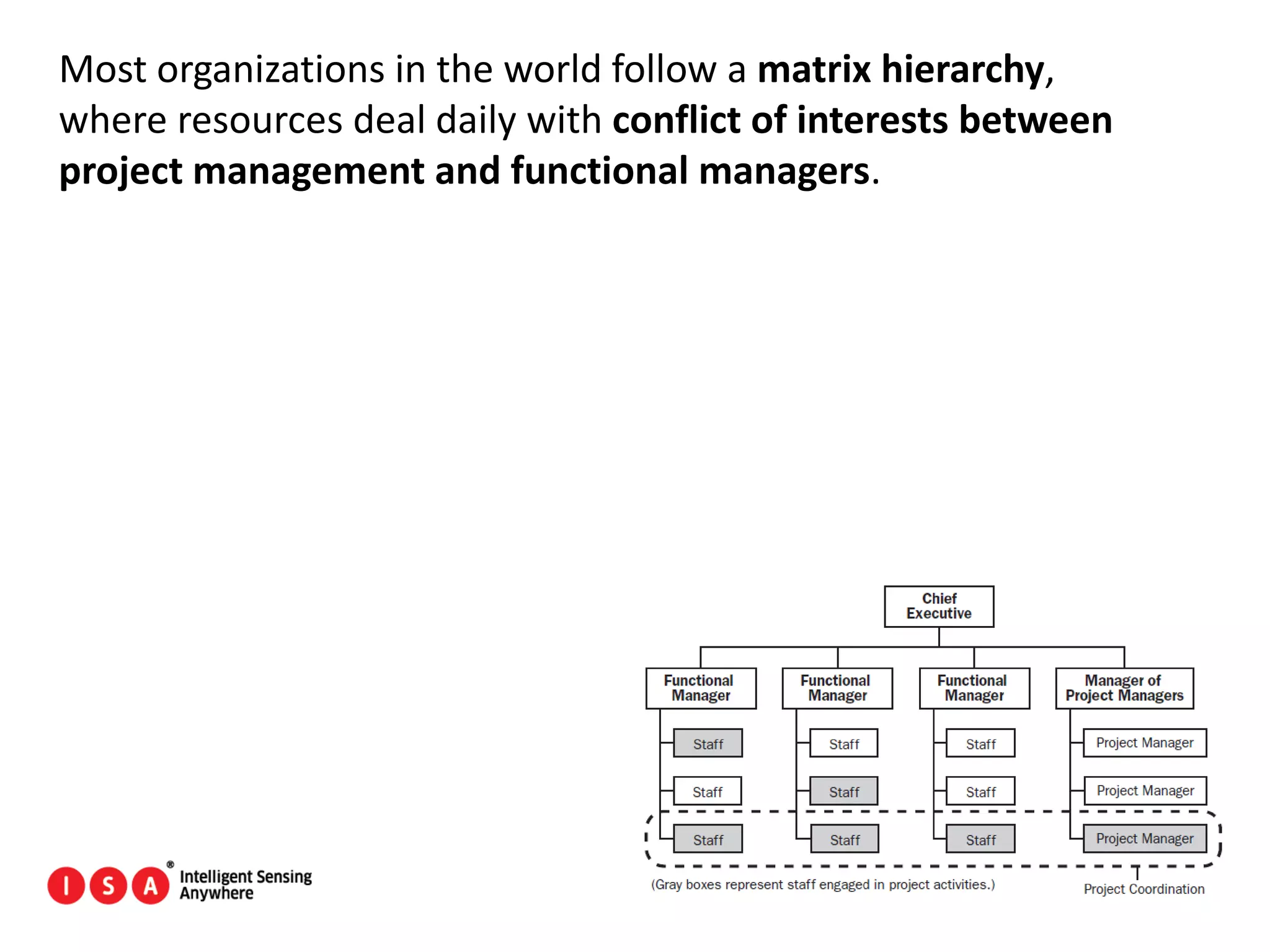
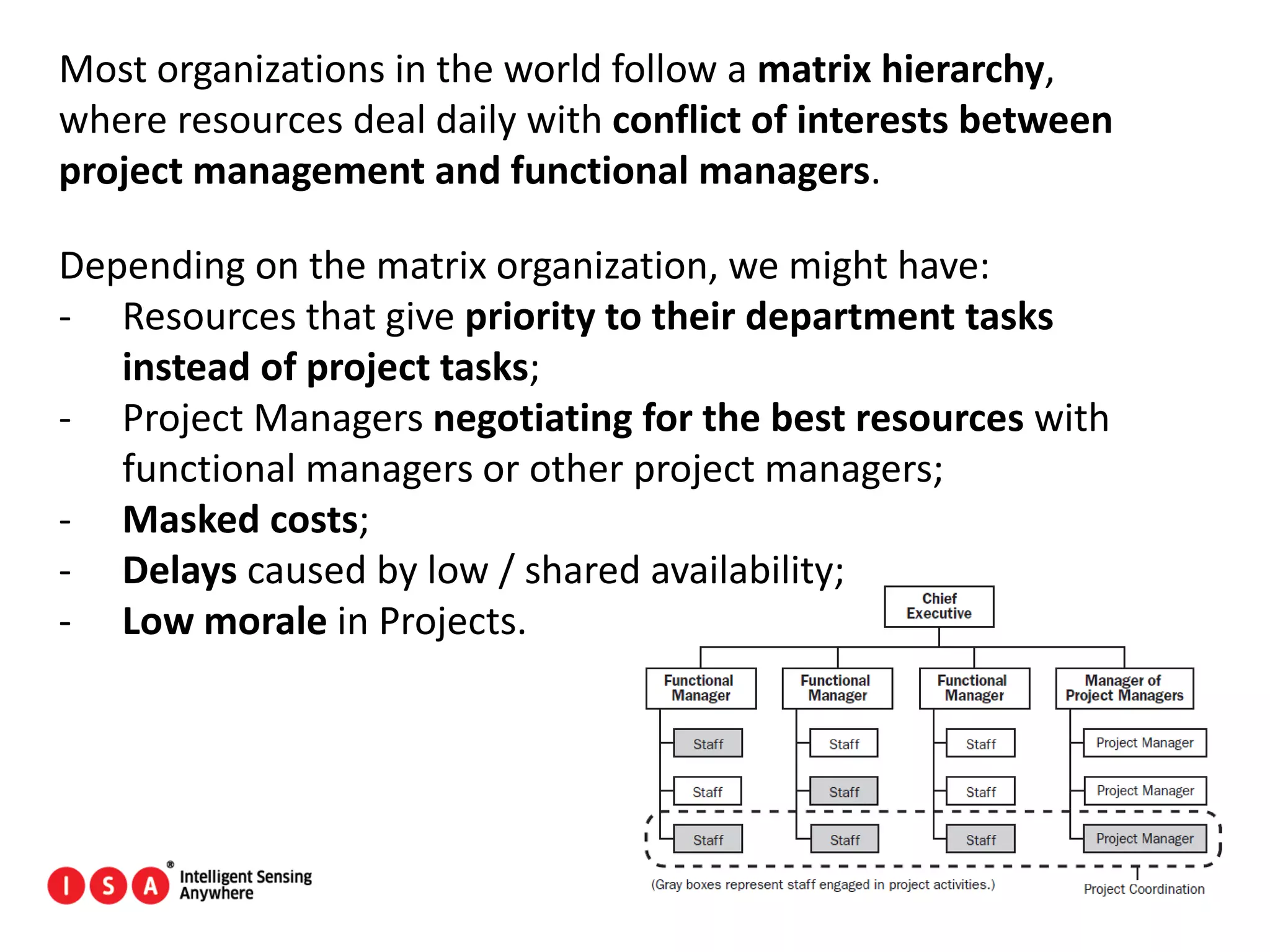
Most organizations in the world follow a matrix hierarchy,
where resources deal daily with conflict of interests between
project management and functional managers.
50
Most organizations in the world follow a matrix hierarchy,
where resources deal daily with conflict of interests between
project management and functional managers.
Depending on the matrix organization, we might have:
- Resources that give priority to their department tasks
instead of project tasks;
- Project Managers negotiating for the best resources with
functional managers or other project managers;
- Masked costs;
- Delays caused by low / shared availability;
- Low morale in Projects.
51
Deal for the best resources.
Meet with the functional managers.
Make your project their project too.
52
#7 – Scope isn’t clear
53
54
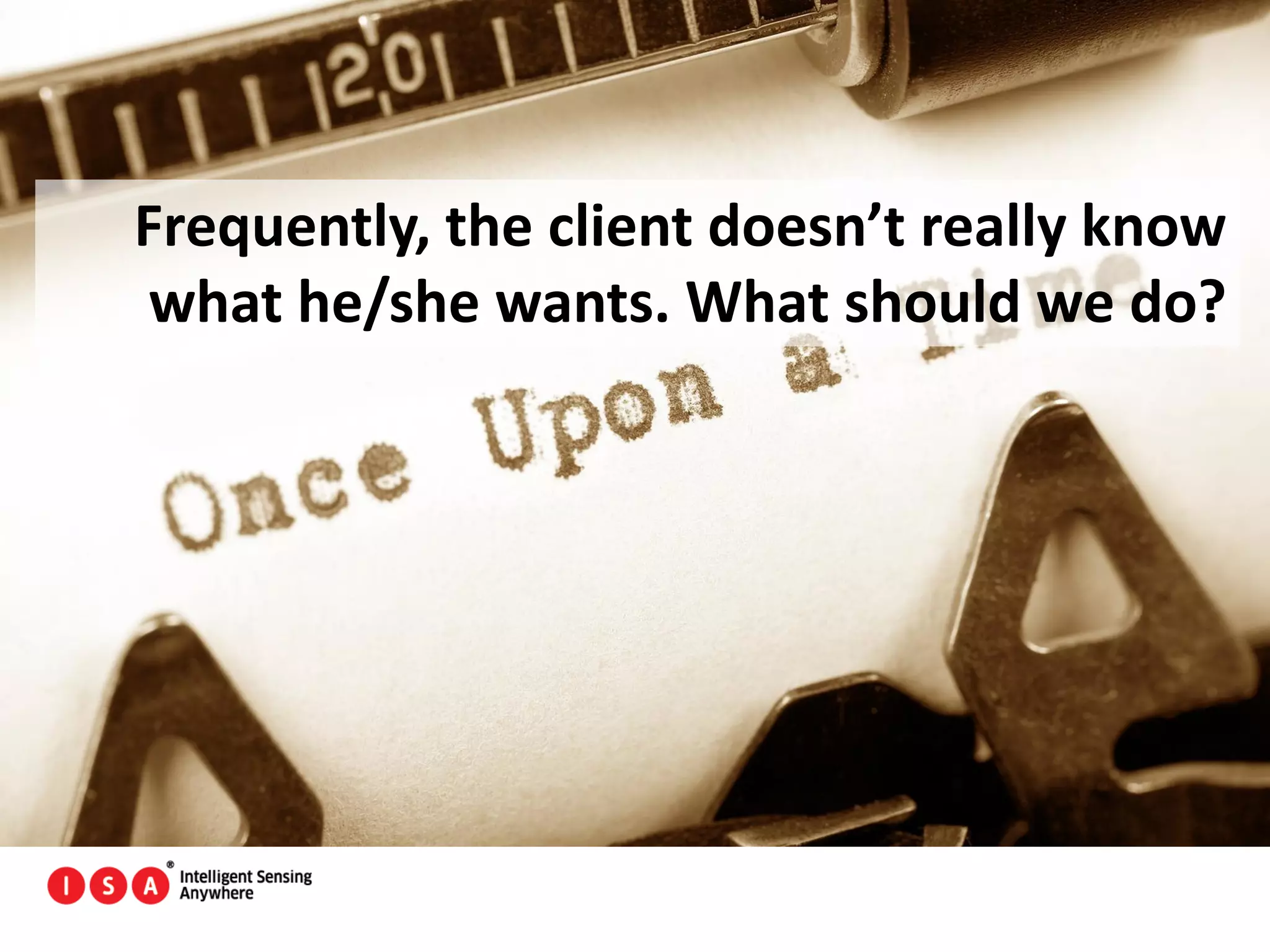
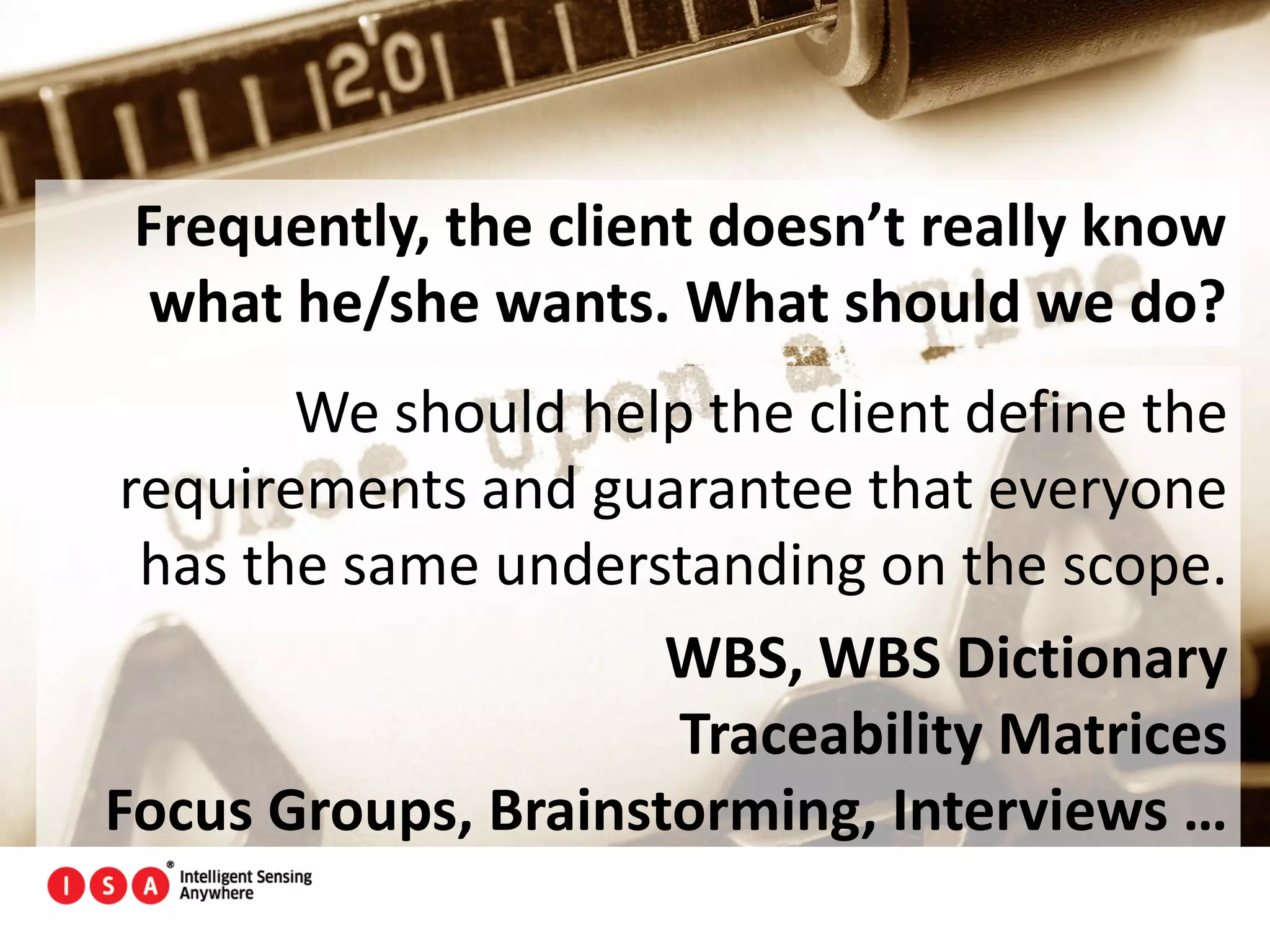
Frequently, the client doesn’t really know
what he/she wants. What should we do?
55
Frequently, the client doesn’t really know
what he/she wants. What should we do?
We should help the client define the
requirements and guarantee that everyone
has the same understanding on the scope.
WBS, WBS Dictionary
Traceability Matrices
Focus Groups, Brainstorming, Interviews …
56
57
#8 – A poor business proposal
58
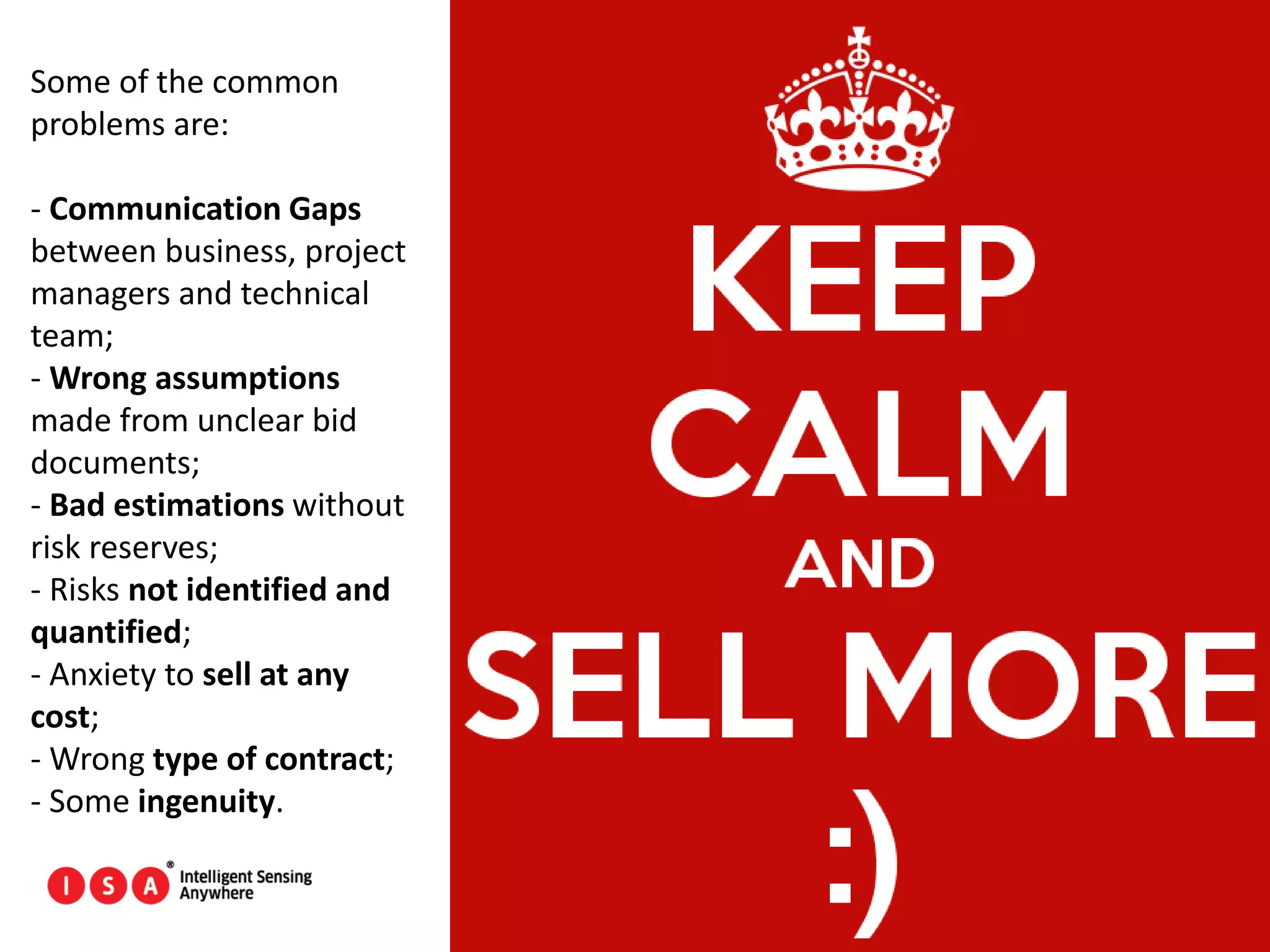
Some of the common
problems are:
- Communication Gaps
between business, project
managers and technical
team;
- Wrong assumptions
made from unclear bid
documents;
- Bad estimations without
risk reserves;
- Risks not identified and
quantified;
- Anxiety to sell at any
cost;
- Wrong type of contract;
- Some ingenuity.
59
Some of the common
problems are:
- Communication Gaps
between business, project
managers and technical
team;
- Wrong assumptions
made from unclear bid
documents;
- Bad estimations without
risk reserves;
- Risks not identified and
quantified;
- Anxiety to sell at any
cost;
- Wrong type of contract;
- Some ingenuity.
BETTER
60
When you have
good bidding
documents and the
contract is well
structured and
documented…
… in case of doubt,
always read well the
documents, your
answer is usually
there.
61
Any business proposal should be seen as a
project.
The team is the commercial, project manager
and technical resources.
Don’t ignore the business proposal!
62
#9 – The absent project manager
63
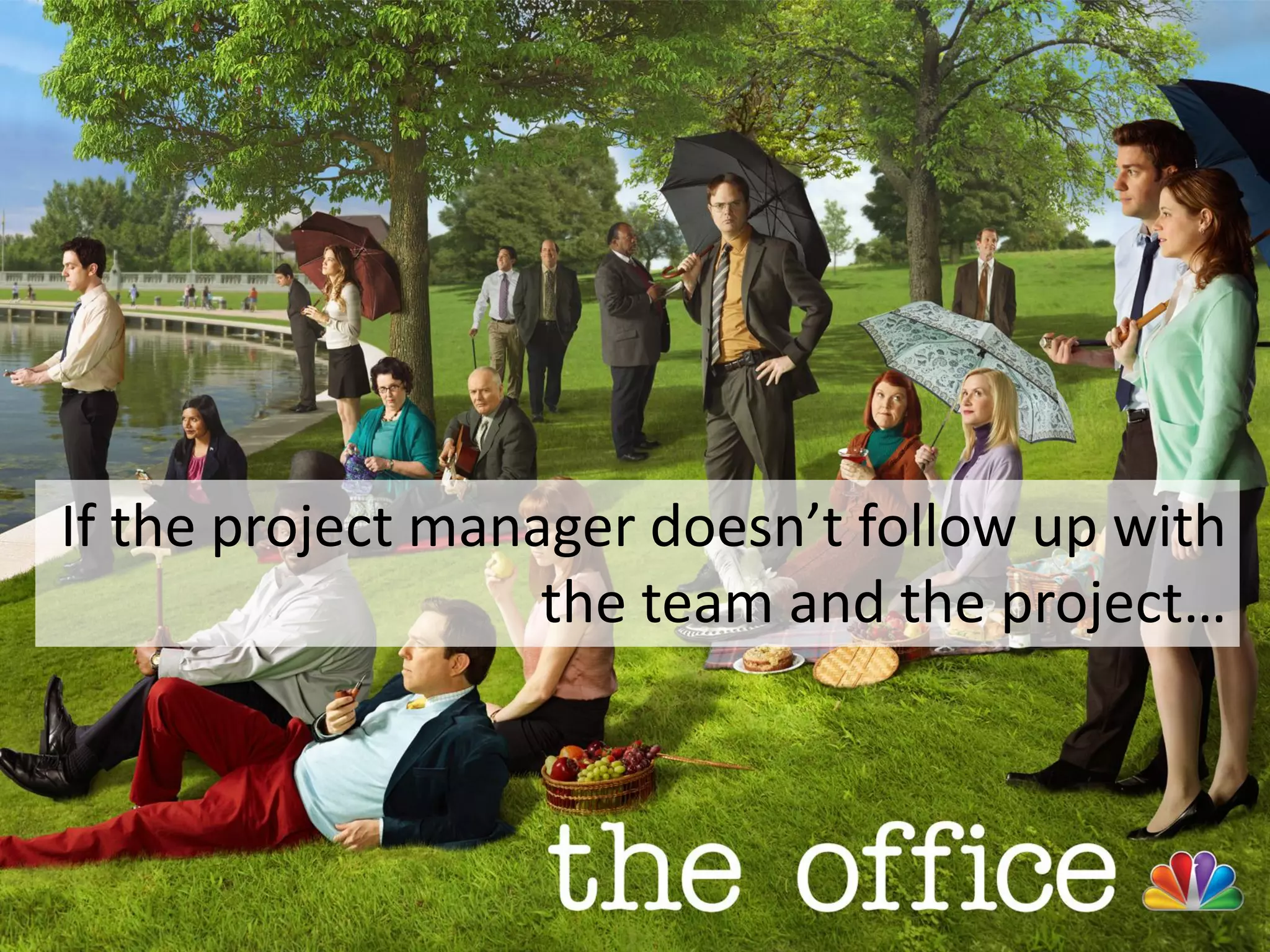
If the project manager doesn’t follow up with
the team and the project…
64
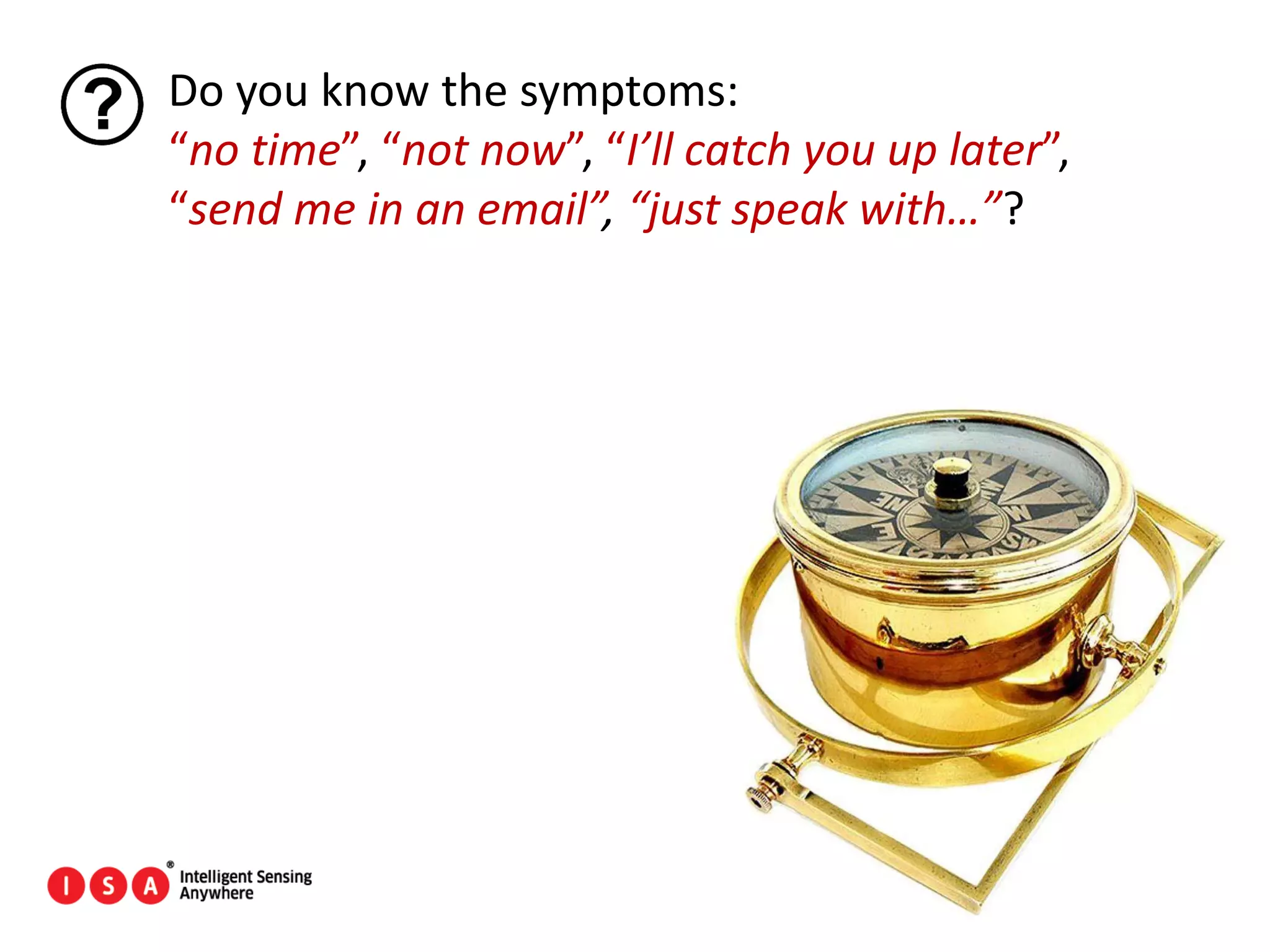
Do you know the symptoms:
“no time”, “not now”, “I’ll catch you up later”,
“send me in an email”, “just speak with…”?
65
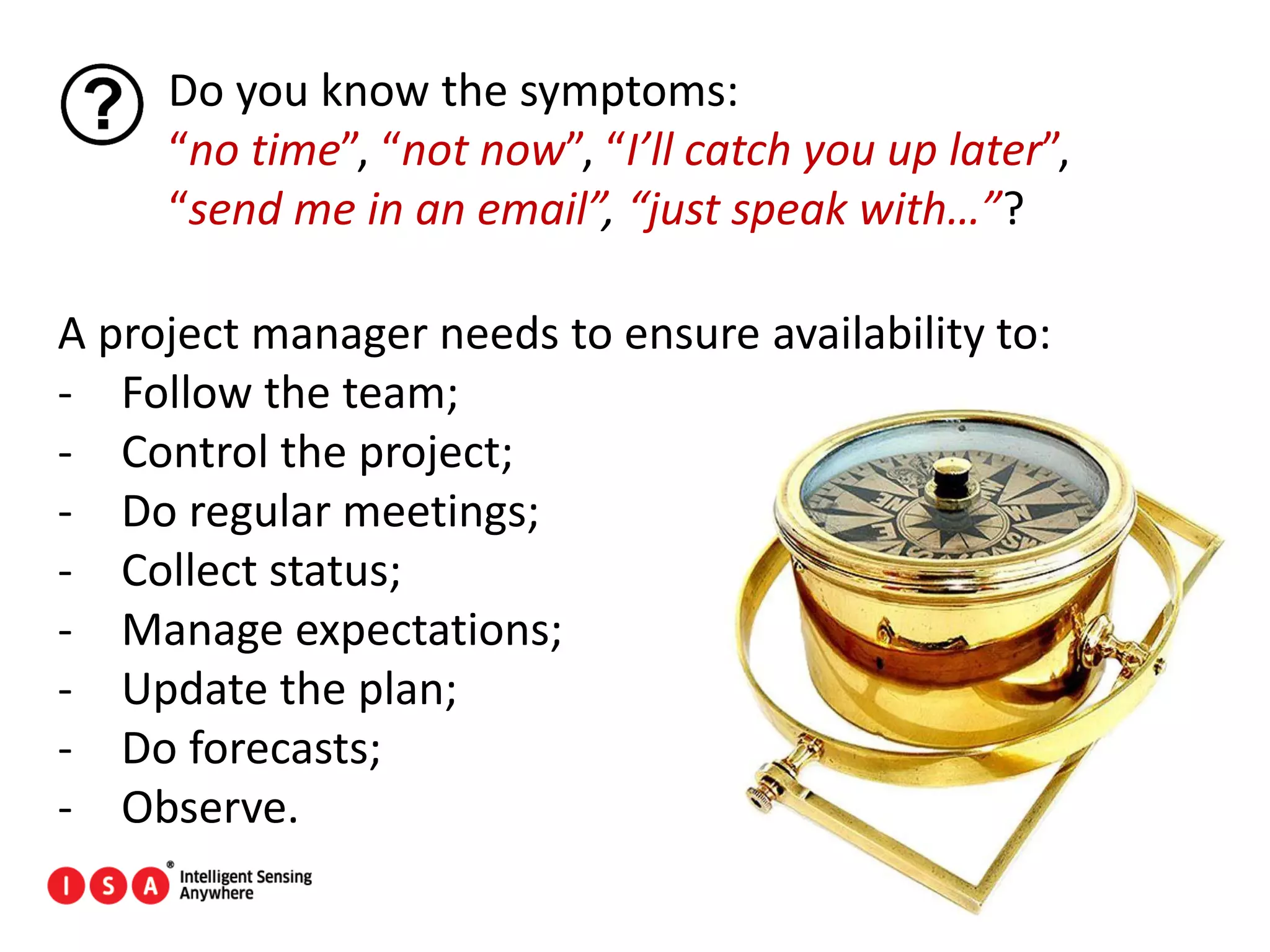
Do you know the symptoms:
“no time”, “not now”, “I’ll catch you up later”,
“send me in an email”, “just speak with…”?
A project manager needs to ensure availability to:
- Follow the team;
- Control the project;
- Do regular meetings;
- Collect status;
- Manage expectations;
- Update the plan;
- Do forecasts;
- Observe.
66
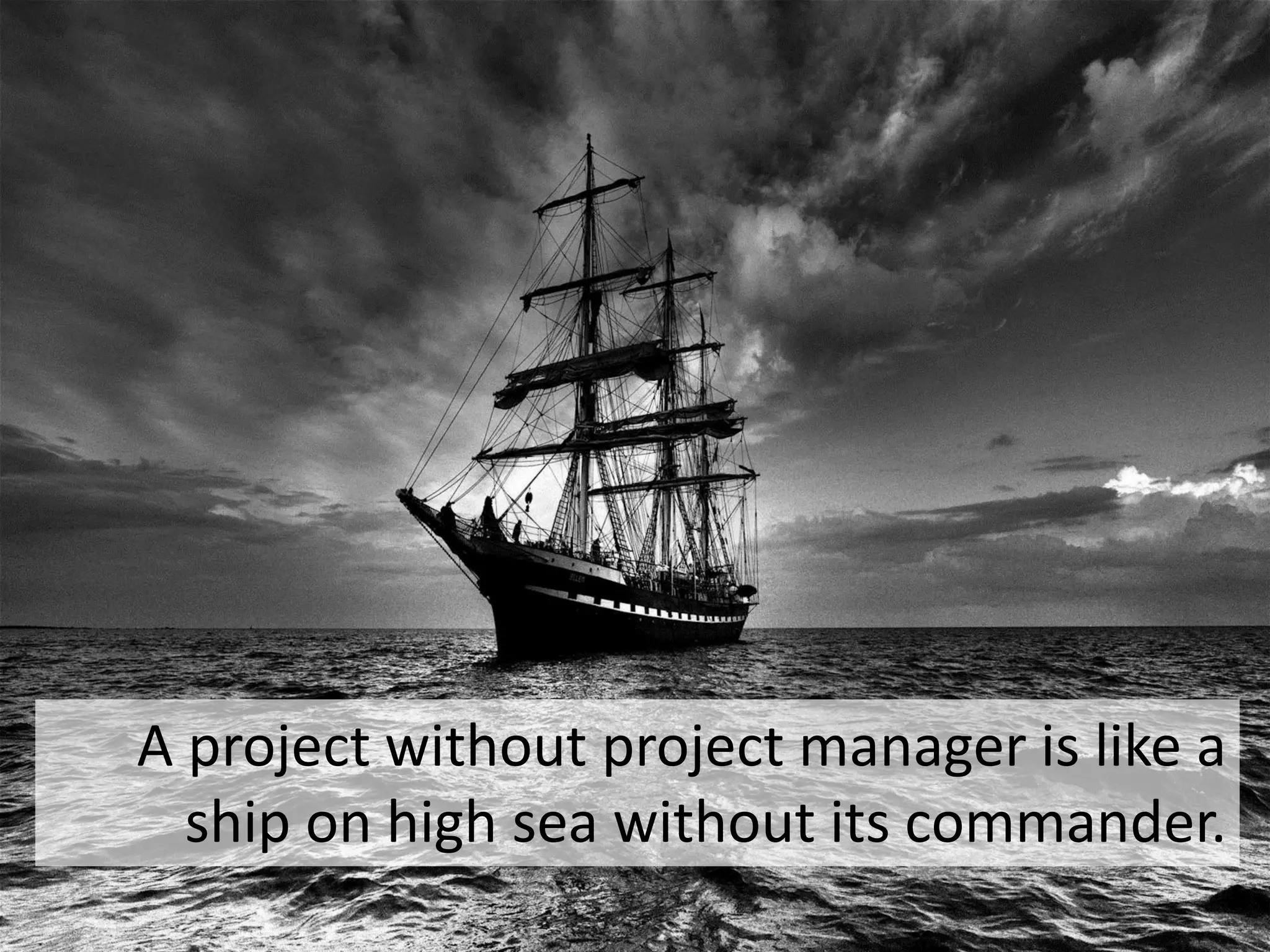
A project without project manager is like a
ship on high sea without its commander.
67
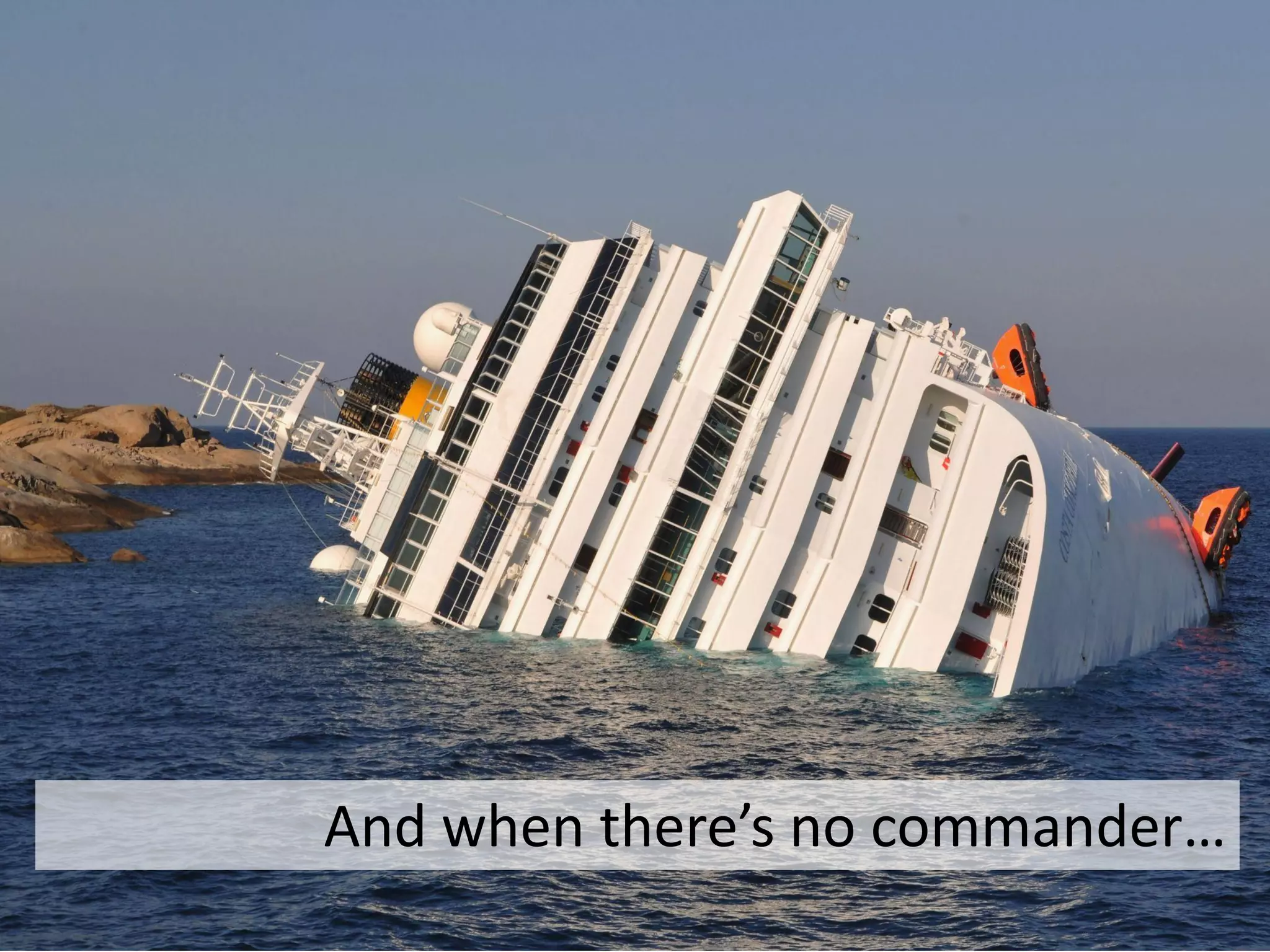
And when there’s no commander…
68
#10 – Lack of sponsor commitment
69
Organizations run several projects, all the time, and not
all of them have the same priority or attention from the
Sponsor.
70
Organizations run several projects, all the time, and not
all of them have the same priority or attention from the
Sponsor.
Lack of attention from the
sponsor leads to:
- Delays on decisions;
- Favoring other projects;
- Lack of support to
project management;
- Lost of motivation.
71
Keep the sponsor on your side.
Keep him updated. Protect your project.
72
#11 – Roles and Responsibilities are not
clear
73
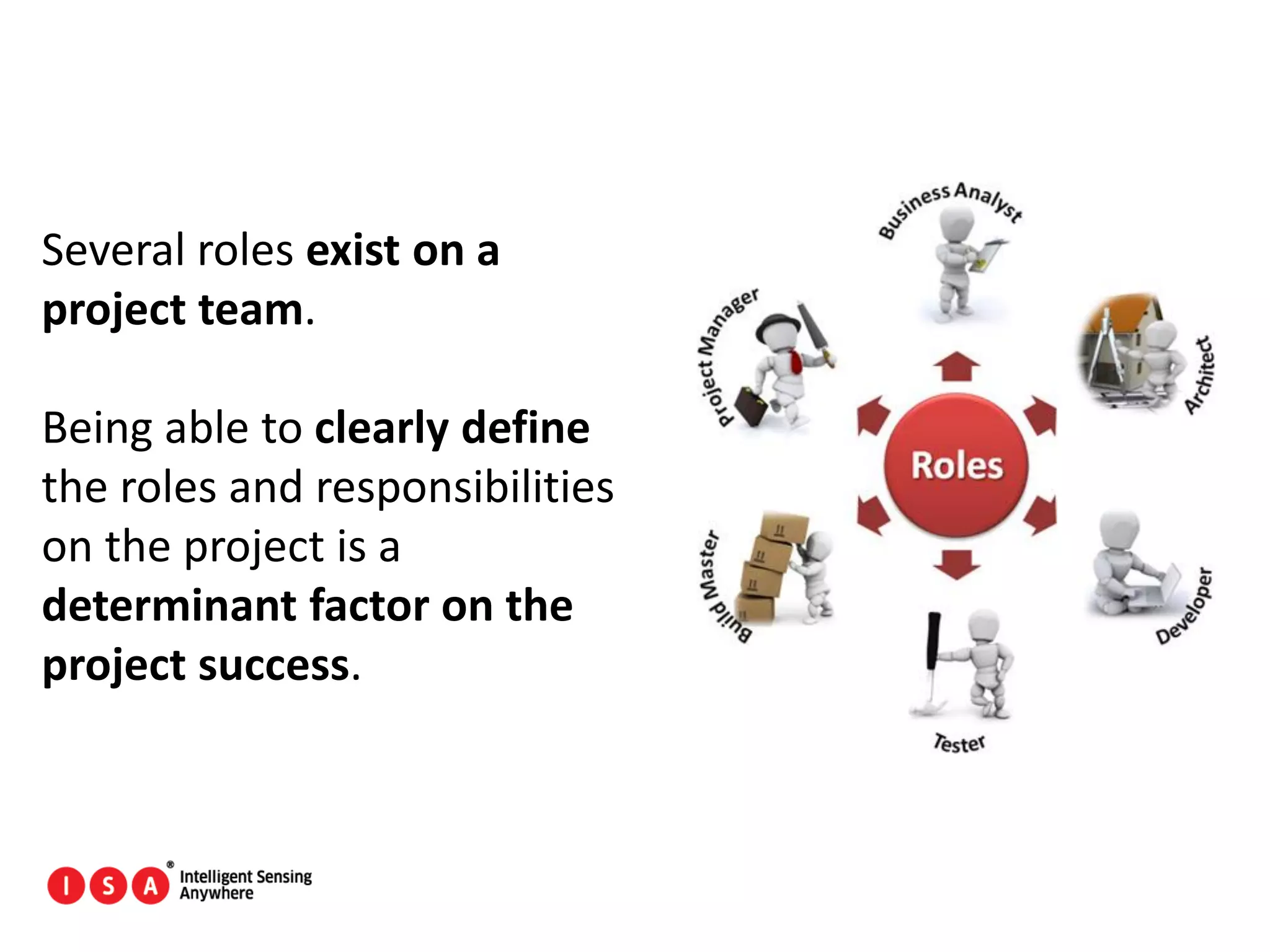
Several roles exist on a
project team.
Being able to clearly define
the roles and responsibilities
on the project is a
determinant factor on the
project success.
74
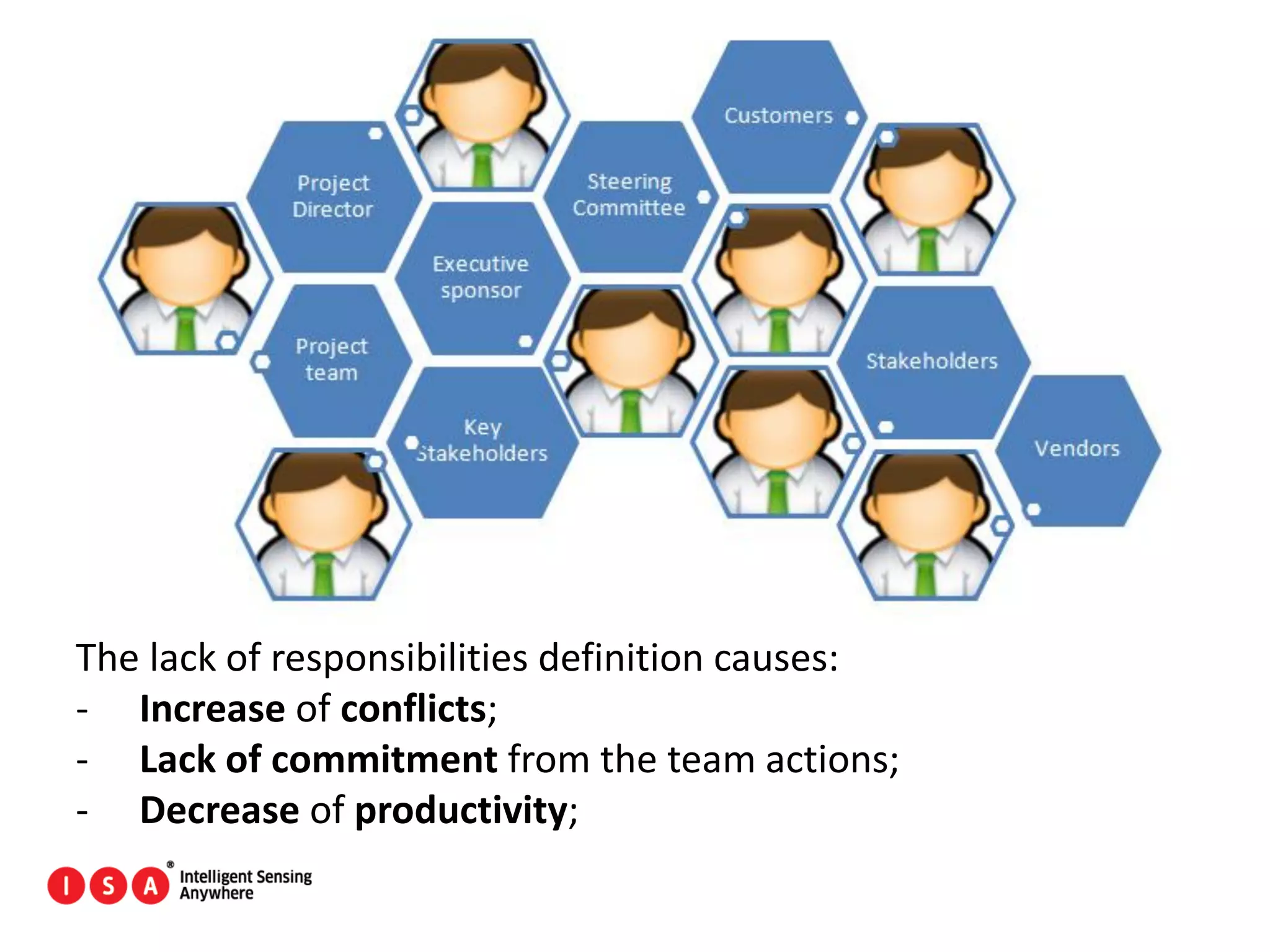
The lack of responsibilities definition causes:
- Increase of conflicts;
- Lack of commitment from the team actions;
- Decrease of productivity;
75
Clearly define the roles and responsibilities of
all persons associated to the project.
RACI Matrices
Stakeholder Register & Analysis
76
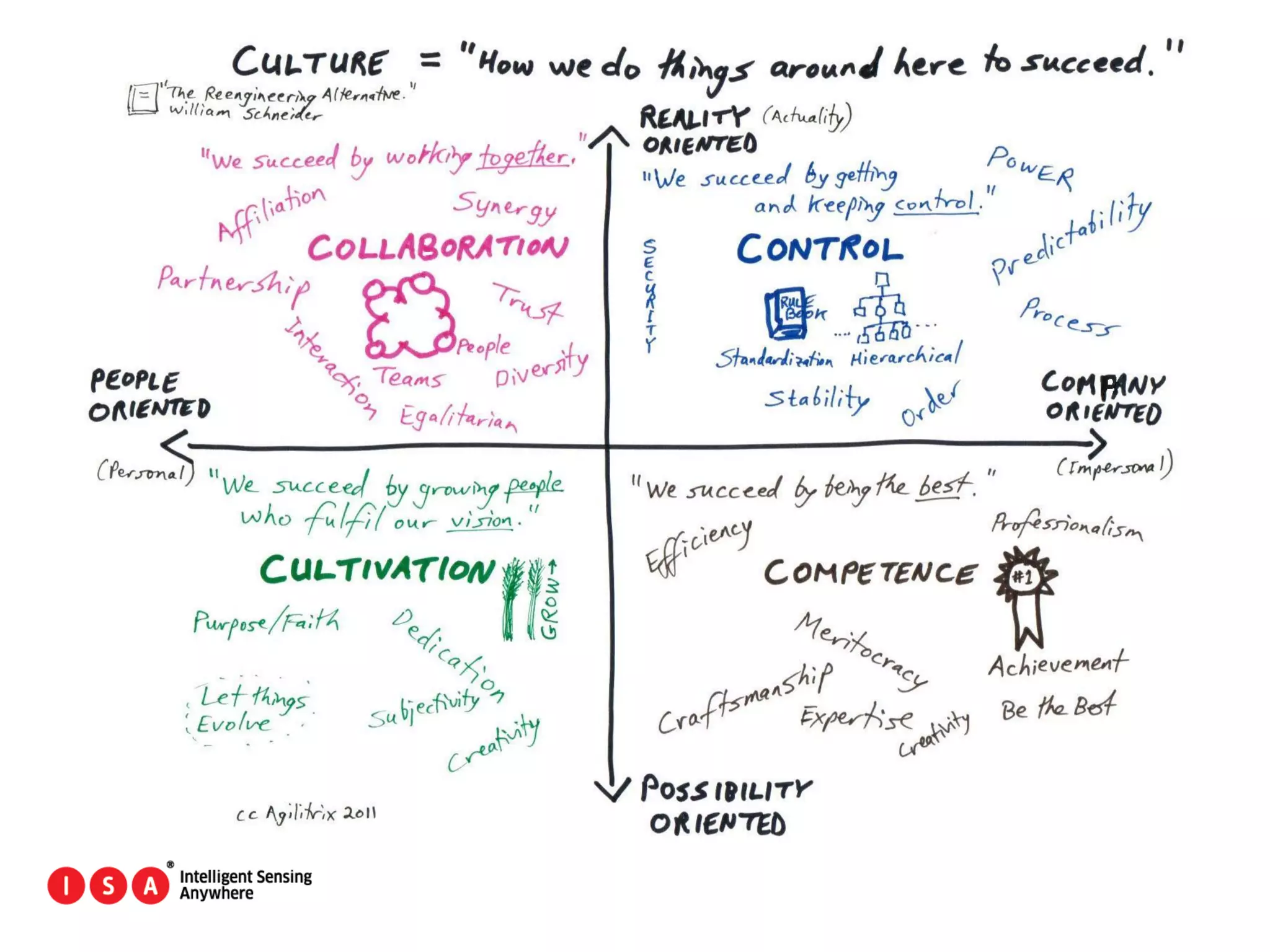
#12 – Ignore the corporate culture
77
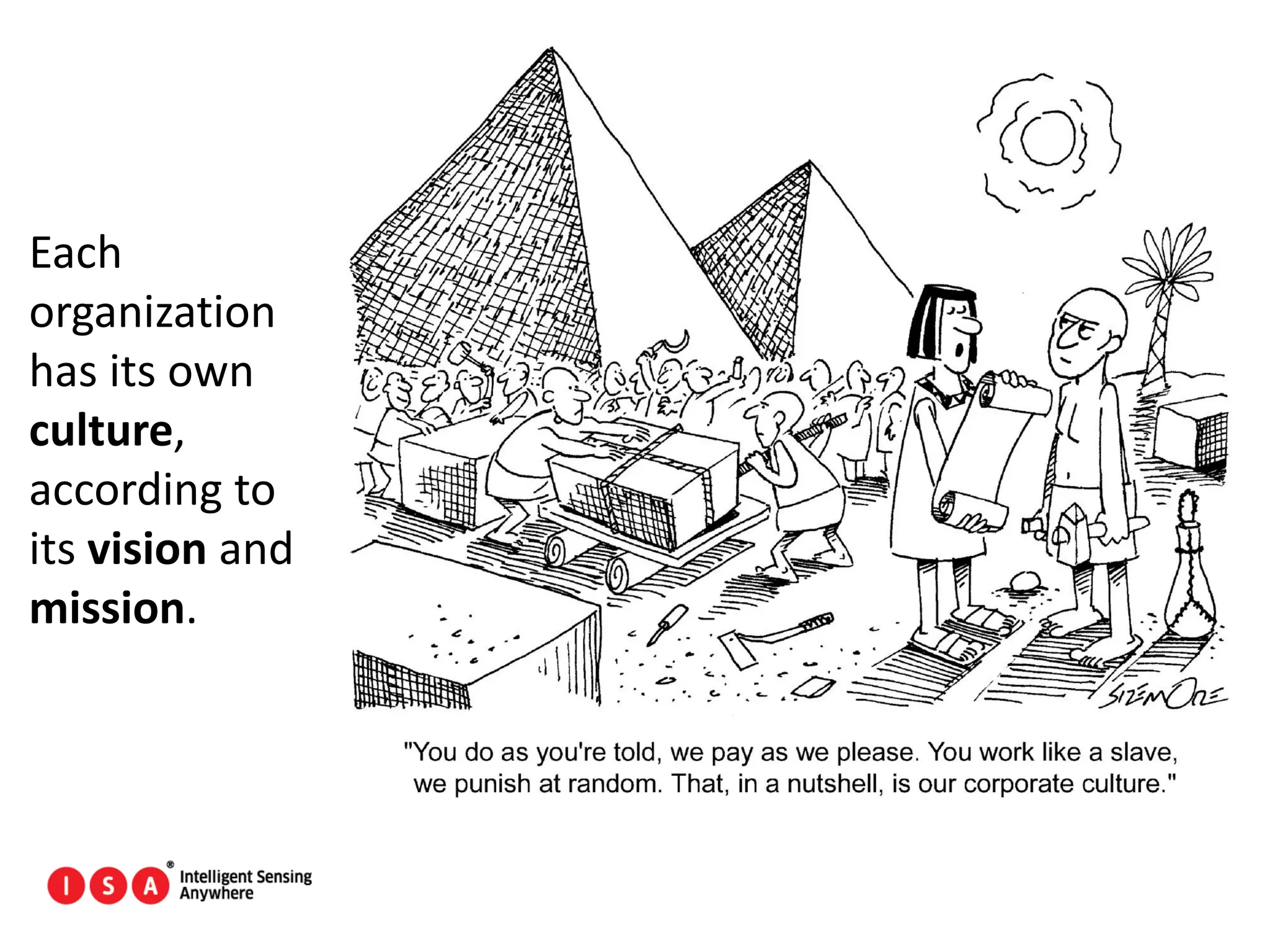
Each
organization
has its own
culture,
according to
its vision and
mission.
78
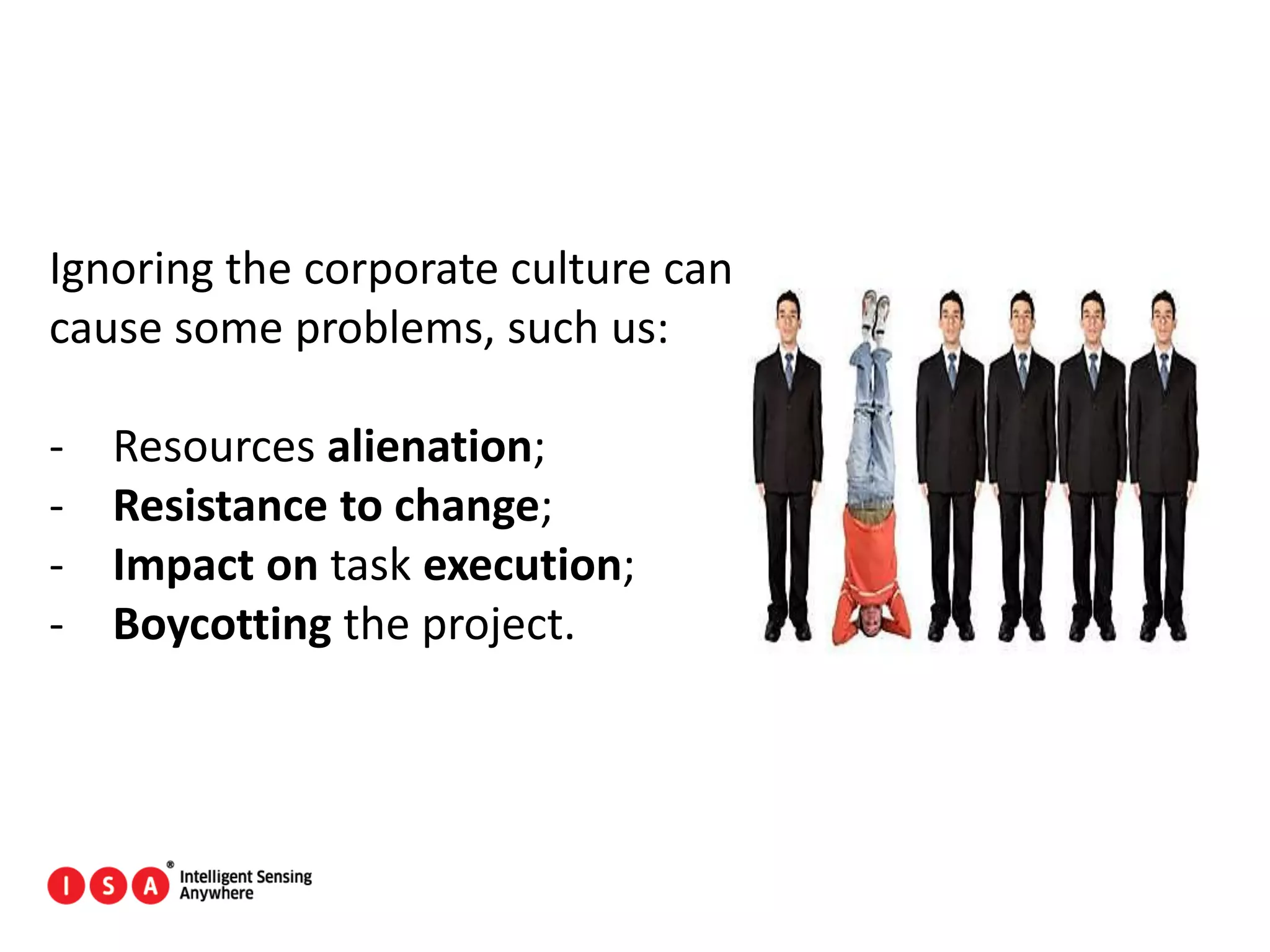
Ignoring the corporate culture can
cause some problems, such us:
- Resources alienation;
- Resistance to change;
- Impact on task execution;
- Boycotting the project.
79
80
Identify the corporate culture and use it as
benefict for your project.
Experimentation & Piloting
Lead by Example
81
#13 – Dealing with complex work without
decomposition
82
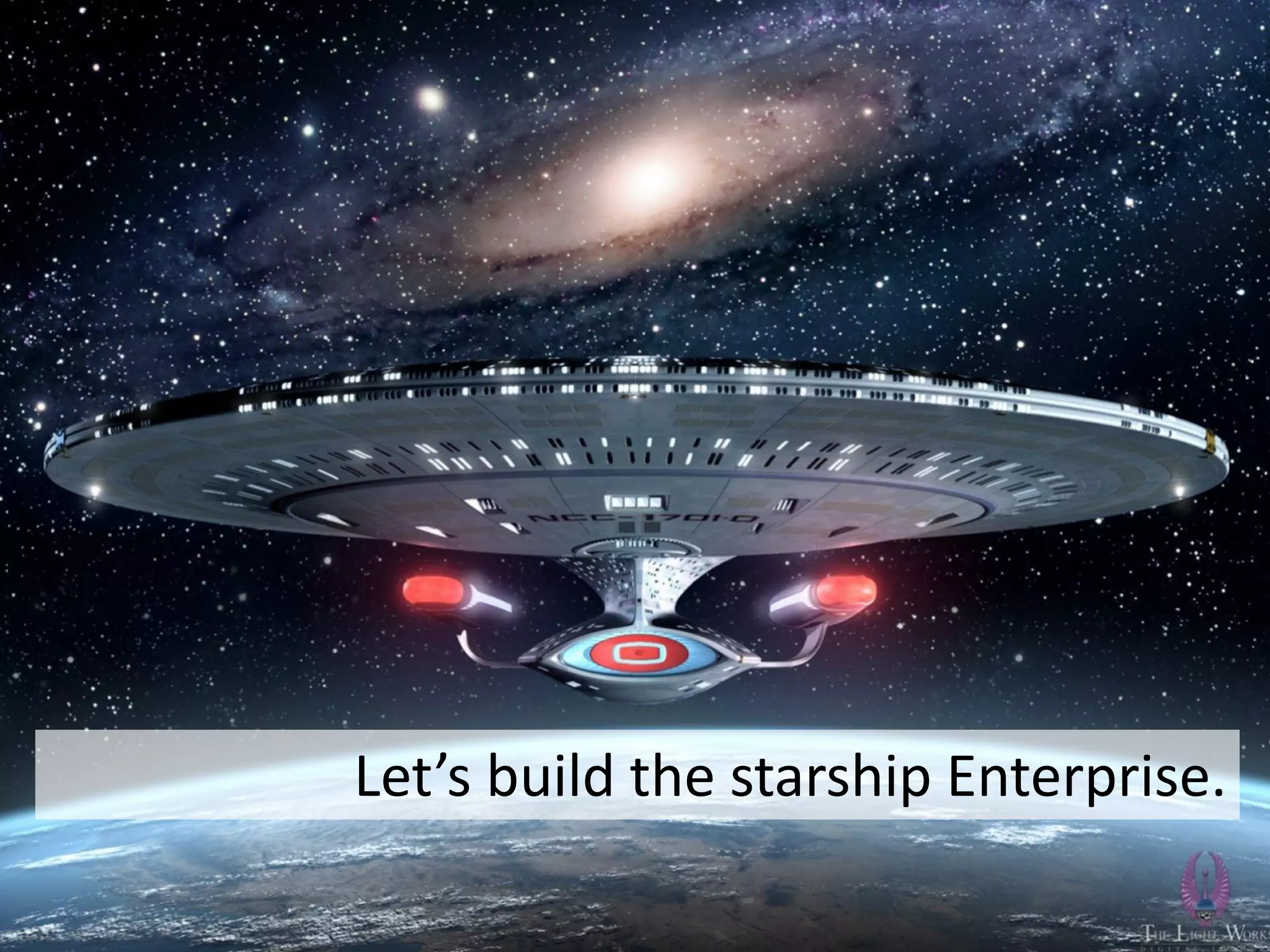
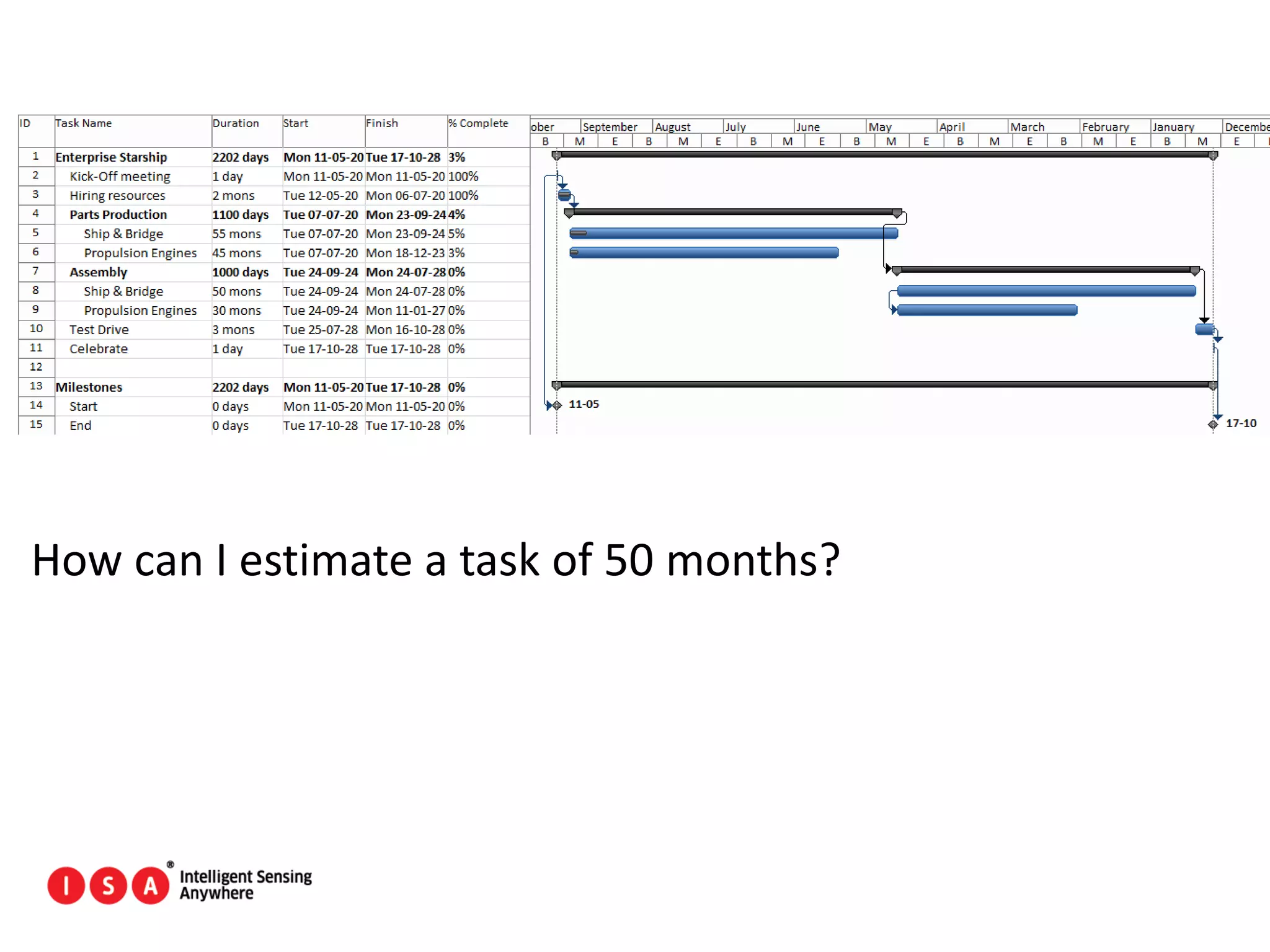
Let’s build the starship Enterprise.
83
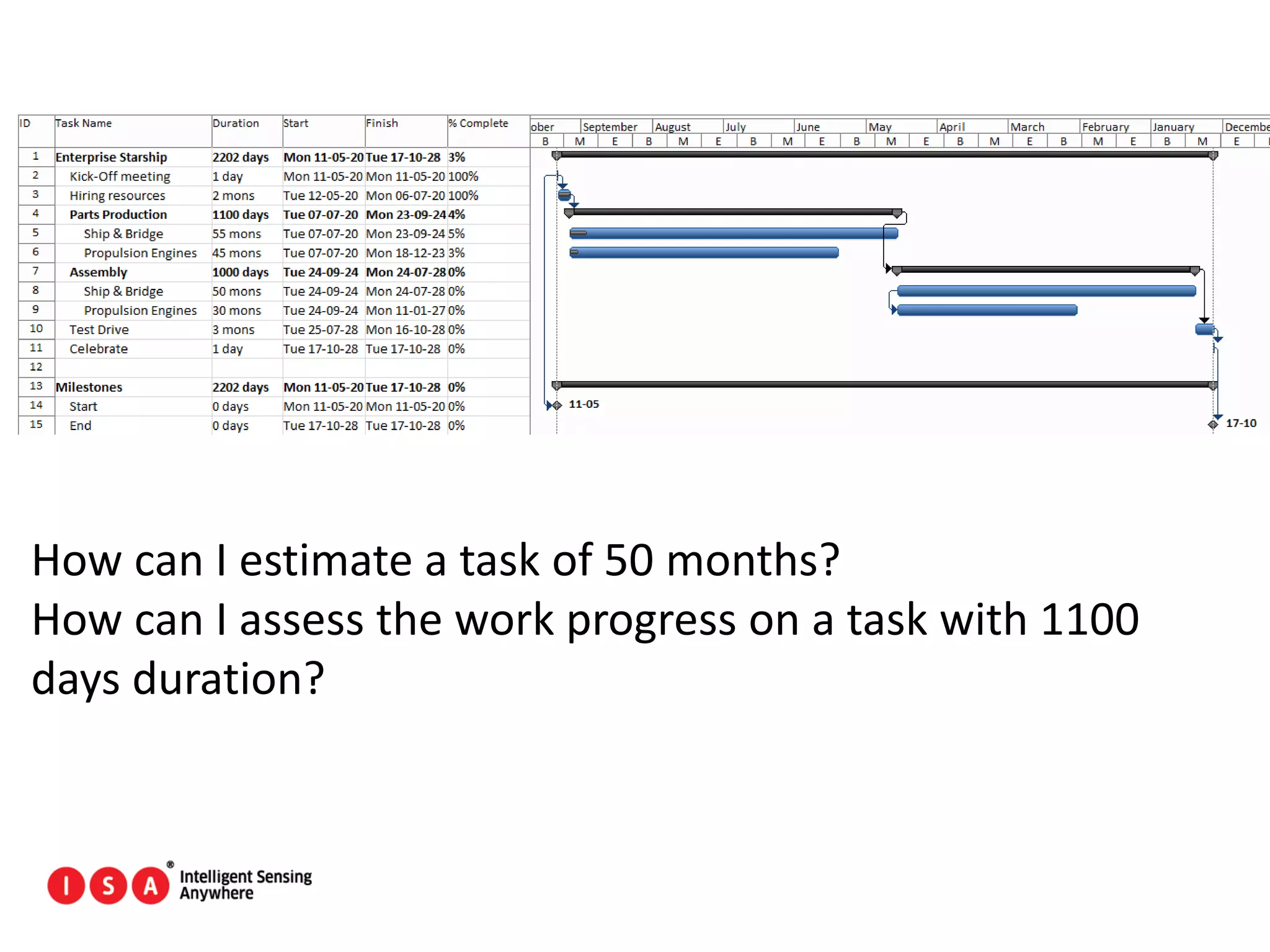
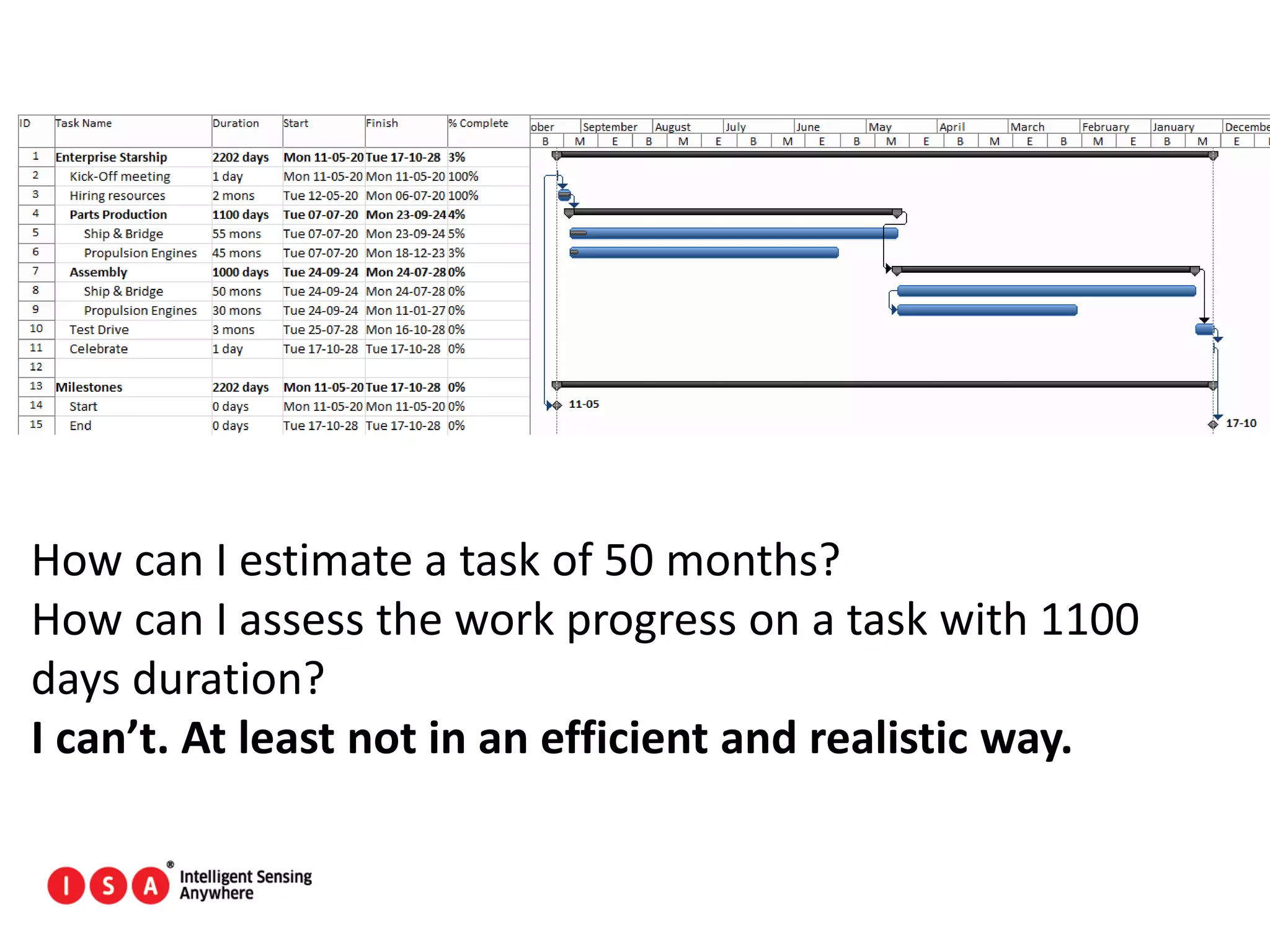
How can I estimate a task of 50 months?
84
How can I estimate a task of 50 months?
How can I assess the work progress on a task with 1100
days duration?
85
How can I estimate a task of 50 months?
How can I assess the work progress on a task with 1100
days duration?
I can’t. At least not in an efficient and realistic way.
86
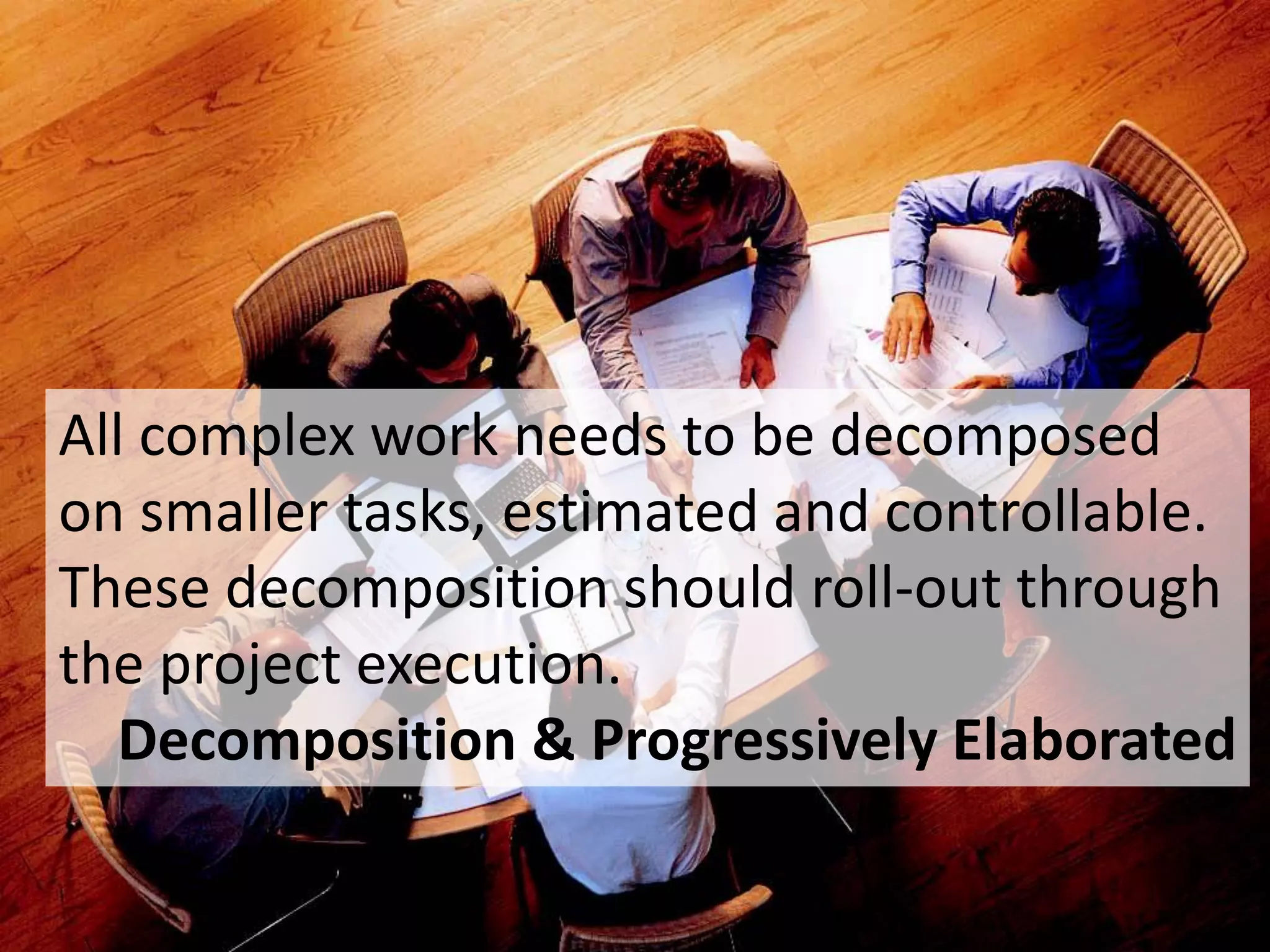
All complex work needs to be decomposed
on smaller tasks, estimated and controllable.
These decomposition should roll-out through
the project execution.
Decomposition & Progressively Elaborated
87
#14 – “Quick Shot” decisions
88
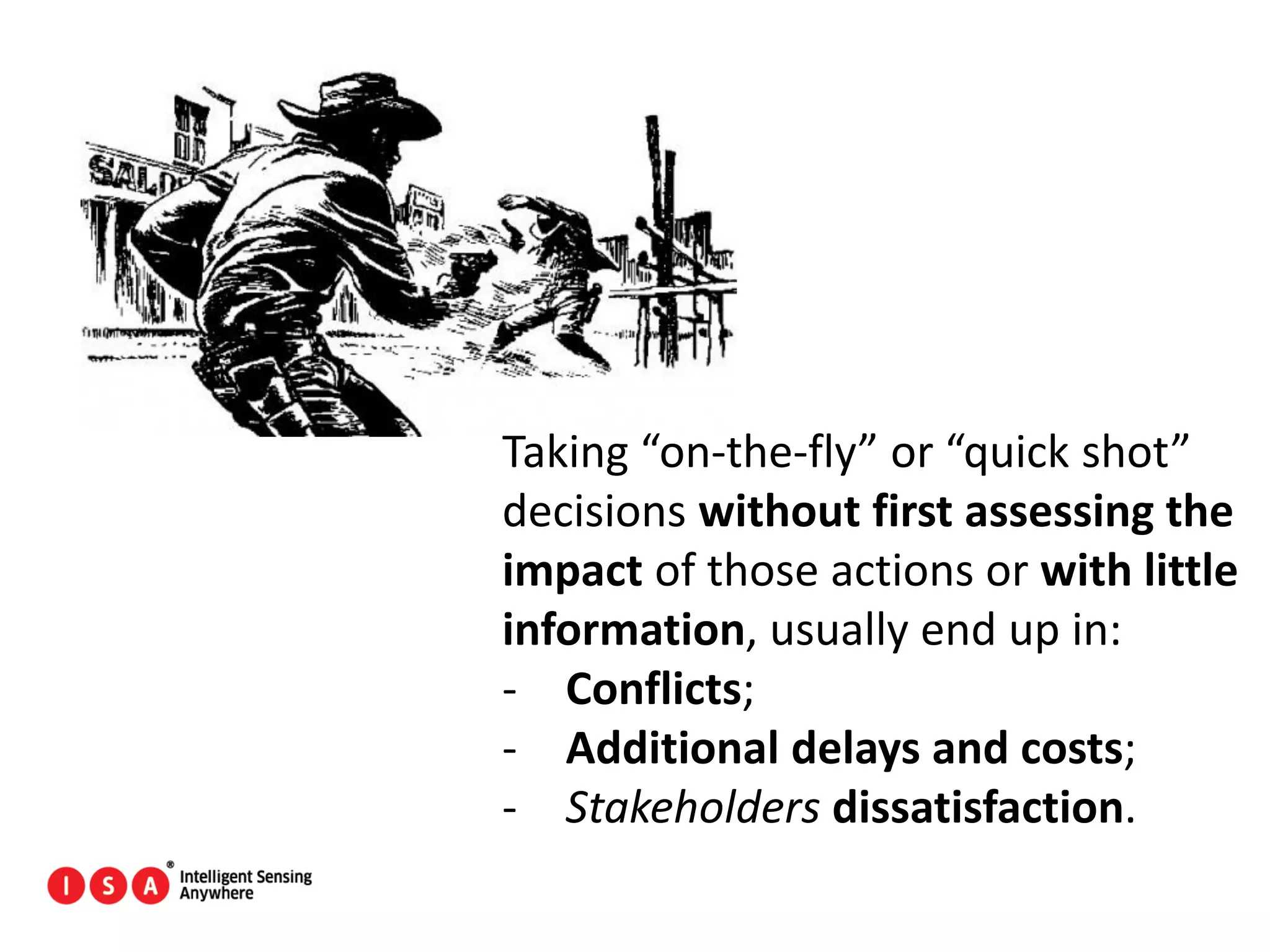
Taking “on-the-fly” or “quick shot”
decisions without first assessing the
impact of those actions or with little
information, usually end up in:
- Conflicts;
- Additional delays and costs;
- Stakeholders dissatisfaction.
89
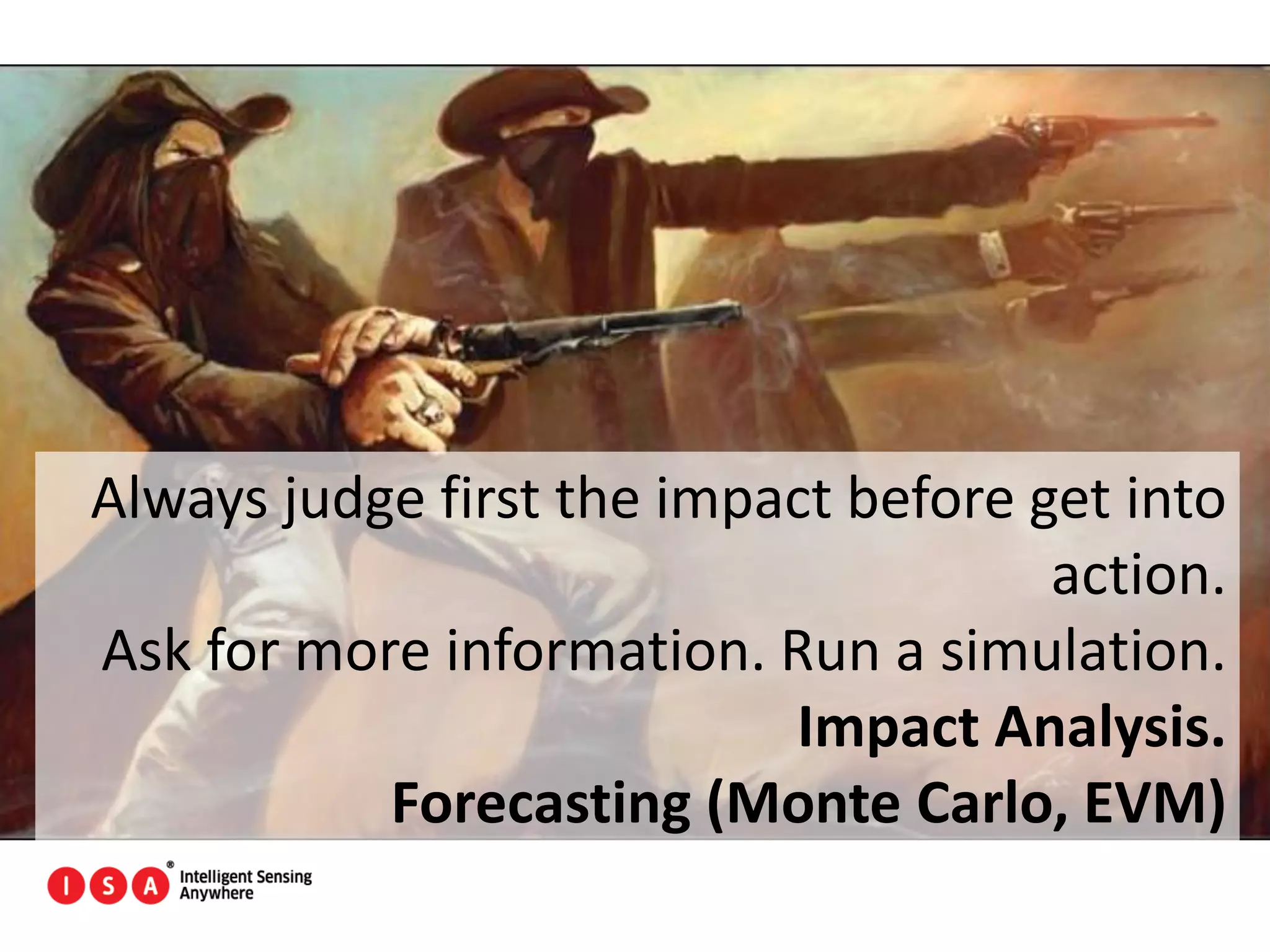
Always judge first the impact before get into
action.
Ask for more information. Run a simulation.
Impact Analysis.
Forecasting (Monte Carlo, EVM)
90
#15 – Not managing expectations
91
What’s the first thing that comes
to your mind when someone
mentions nuns?
92
Was this your expectation?
93
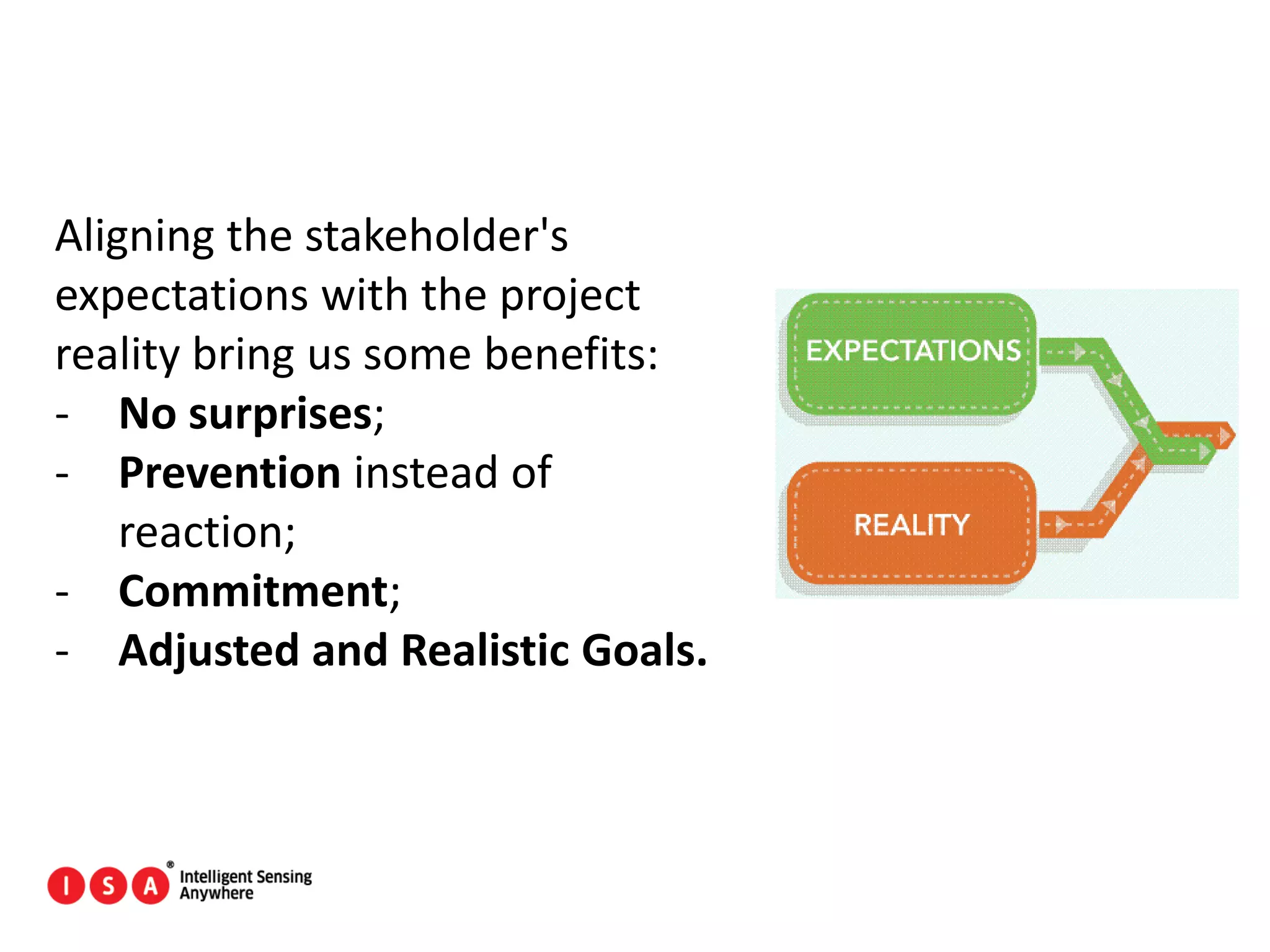
Aligning the stakeholder's
expectations with the project
reality bring us some benefits:
- No surprises;
- Prevention instead of
reaction;
- Commitment;
- Adjusted and Realistic Goals.
94
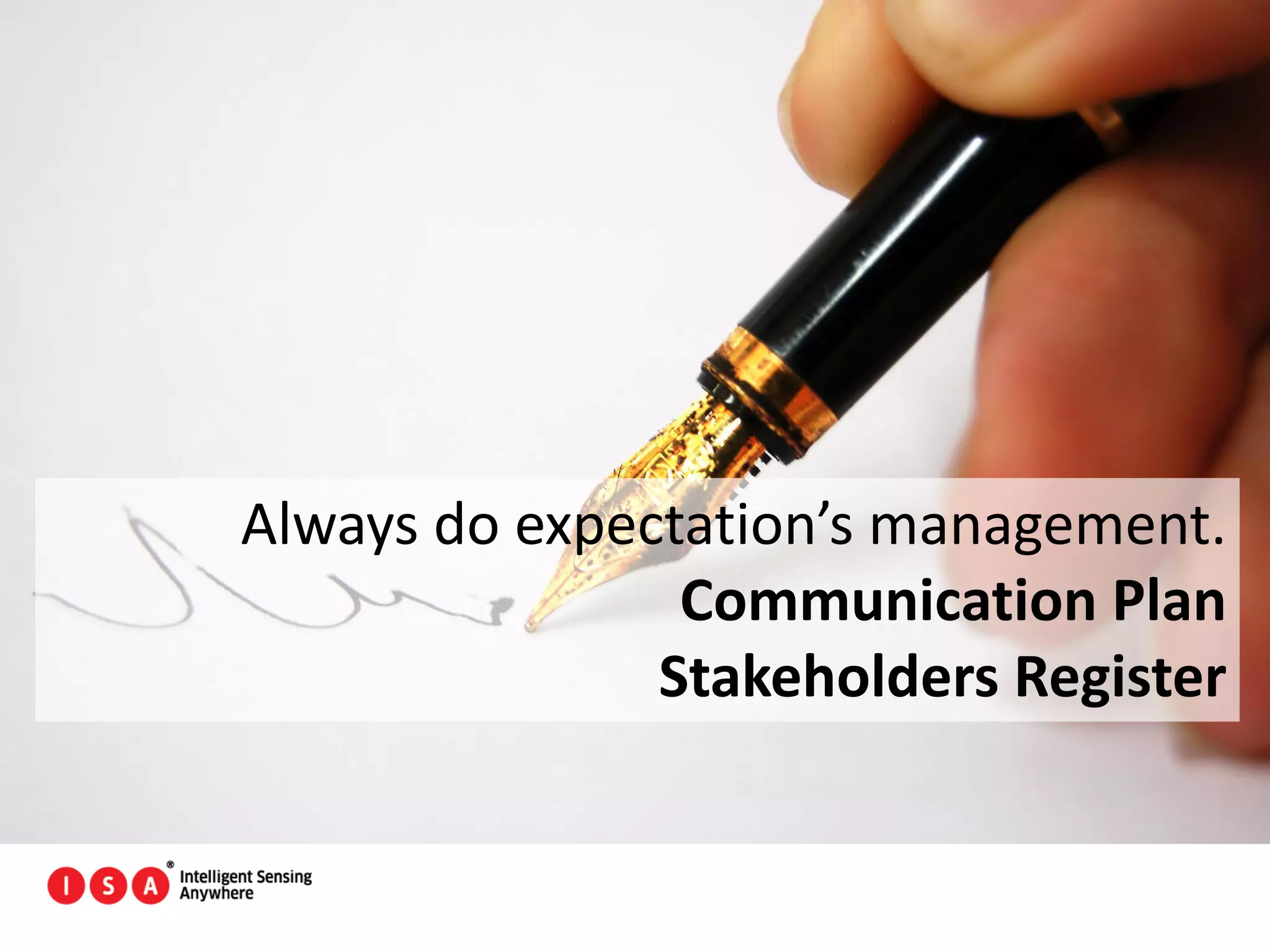
Always do expectation’s management.
Communication Plan
Stakeholders Register
95
#16 – Bureaucracy and useless meetings
96
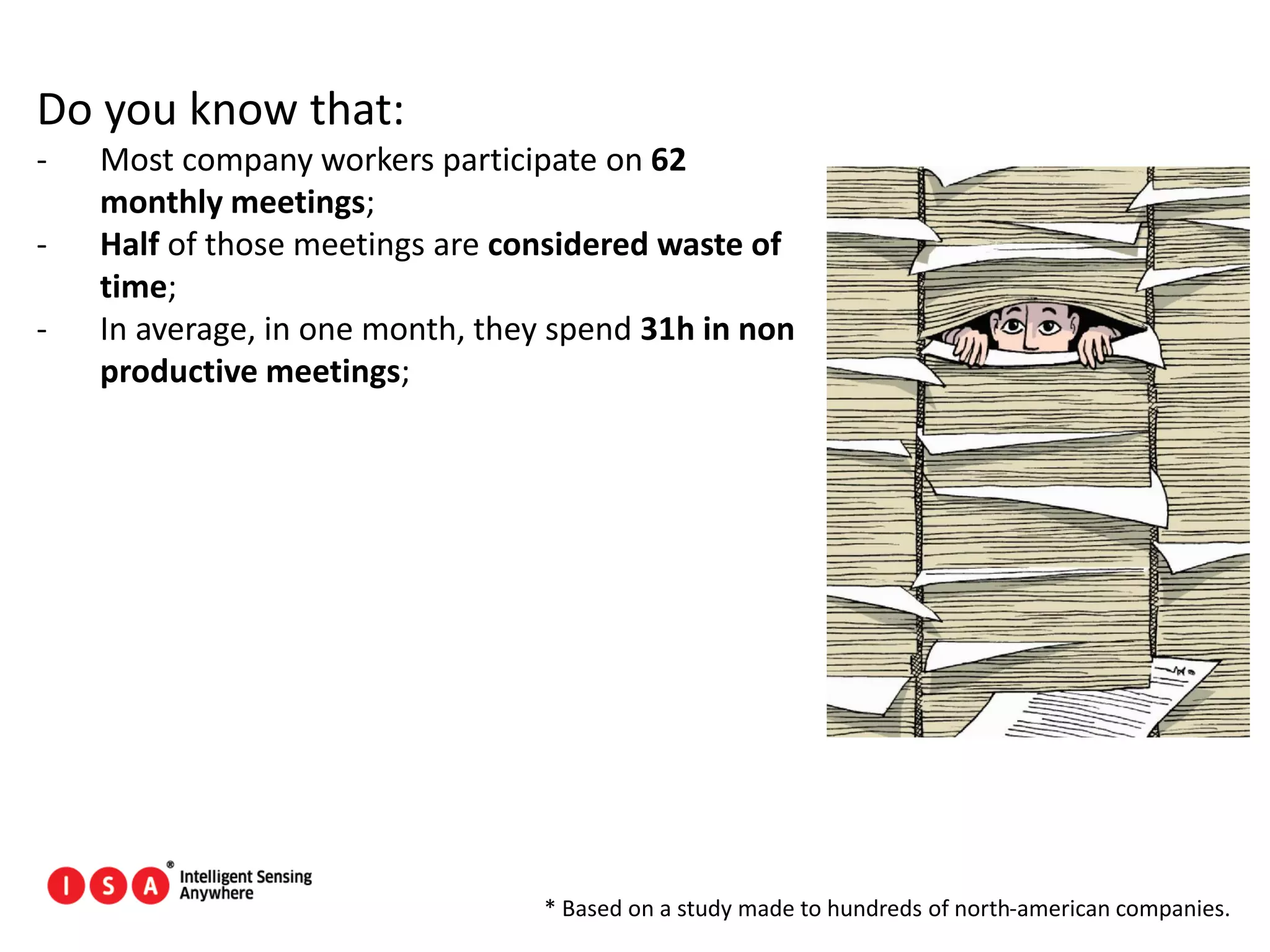
Do you know that:
- Most company workers participate on 62
monthly meetings;
- Half of those meetings are considered waste of
time;
- In average, in one month, they spend 31h in non
productive meetings;
* Based on a study made to hundreds of north-american companies.
97
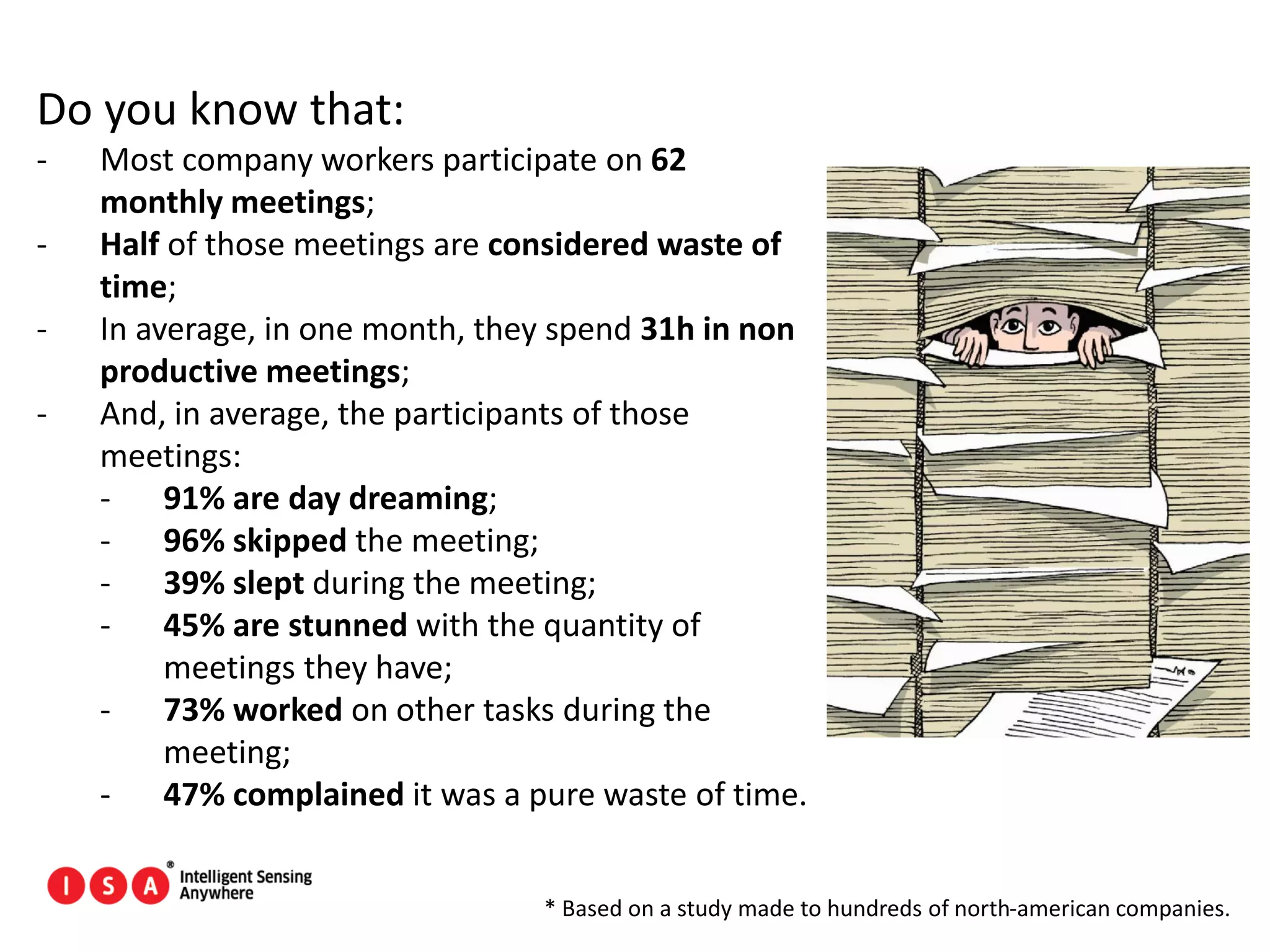
Do you know that:
- Most company workers participate on 62
monthly meetings;
- Half of those meetings are considered waste of
time;
- In average, in one month, they spend 31h in non
productive meetings;
- And, in average, the participants of those
meetings:
- 91% are day dreaming;
- 96% skipped the meeting;
- 39% slept during the meeting;
- 45% are stunned with the quantity of
meetings they have;
- 73% worked on other tasks during the
meeting;
- 47% complained it was a pure waste of time.
* Based on a study made to hundreds of north-american companies.
98
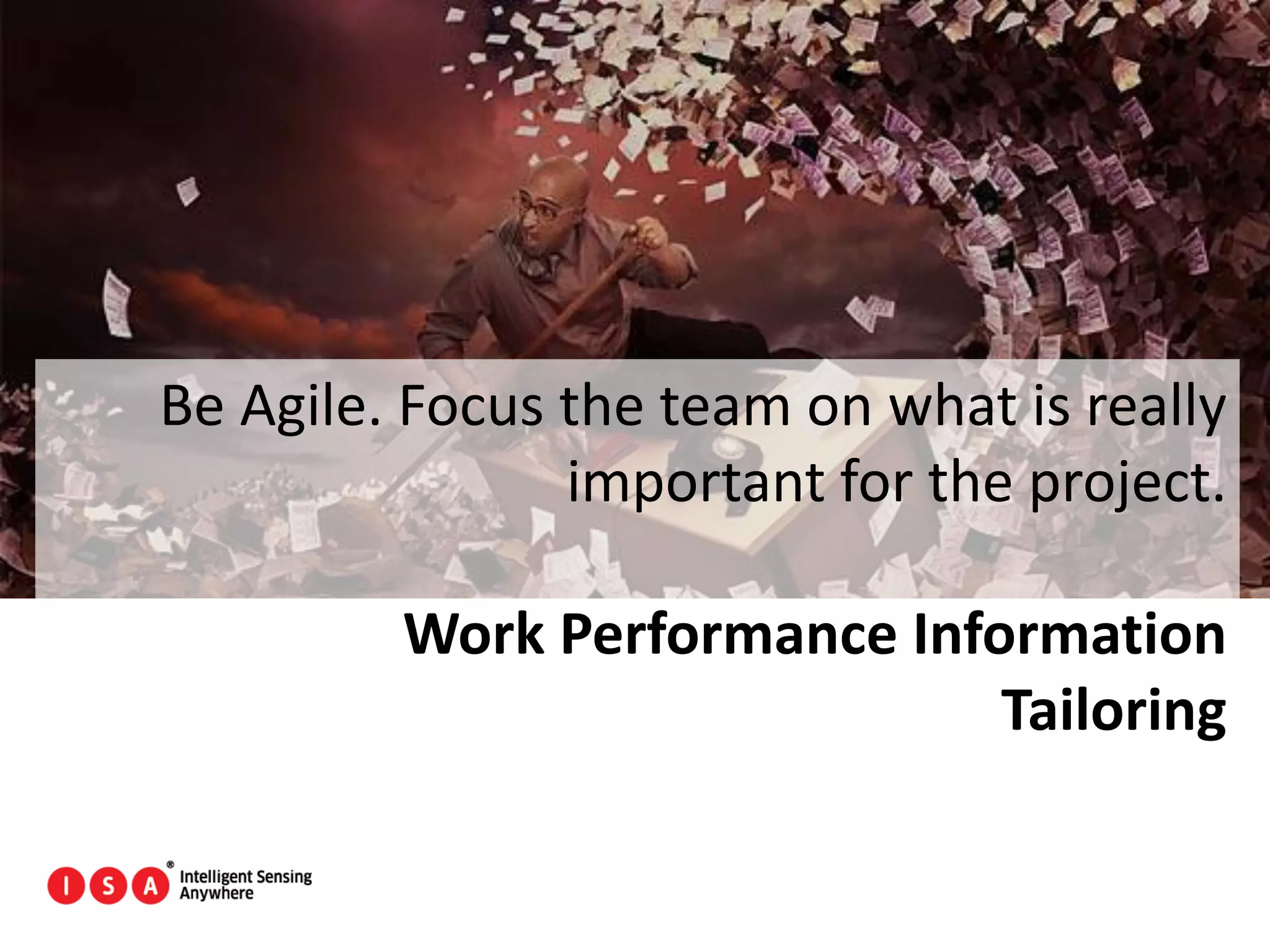
Be Agile. Focus the team on what is really
important for the project.
Work Performance Information
Tailoring
99
#17 – Lack of documentation
100
101
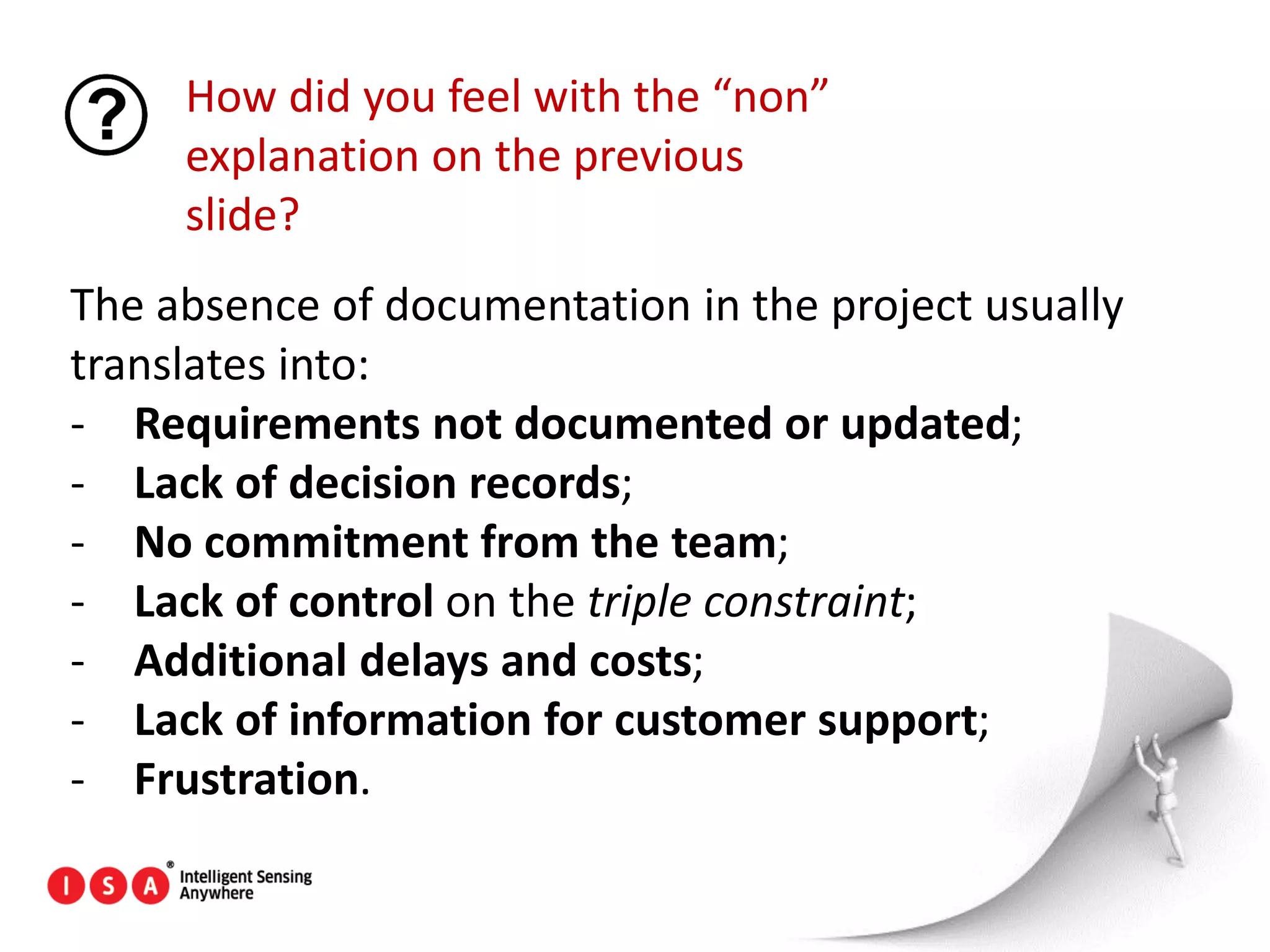
How did you feel with the “non”
explanation on the previous
slide?
102
How did you feel with the “non”
explanation on the previous
slide?
The absence of documentation in the project usually
translates into:
- Requirements not documented or updated;
- Lack of decision records;
- No commitment from the team;
- Lack of control on the triple constraint;
- Additional delays and costs;
- Lack of information for customer support;
- Frustration.
103
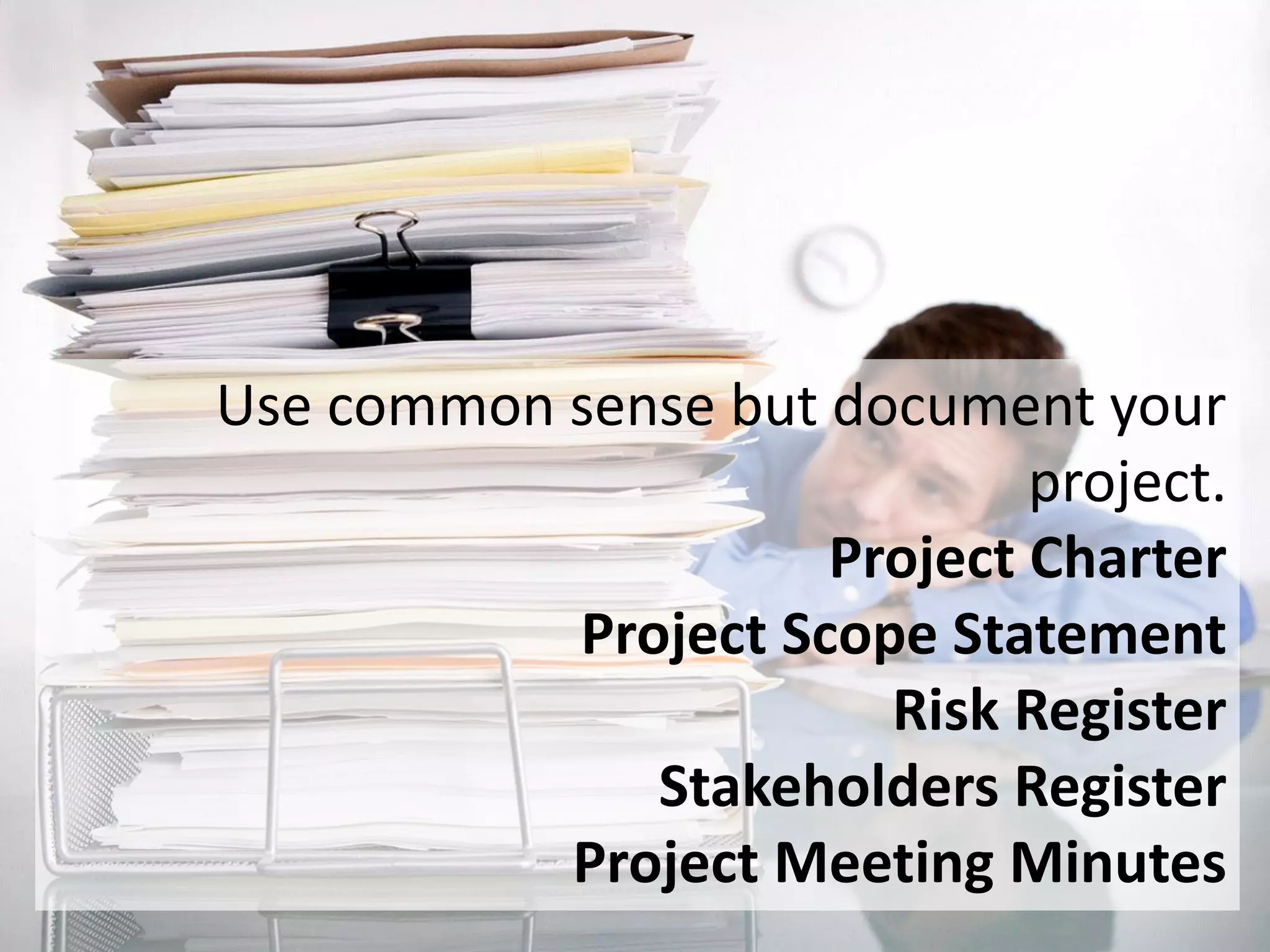
Use common sense but document your
project.
Project Charter
Project Scope Statement
Risk Register
Stakeholders Register
Project Meeting Minutes
104
#18 – No recognition or reward system
105
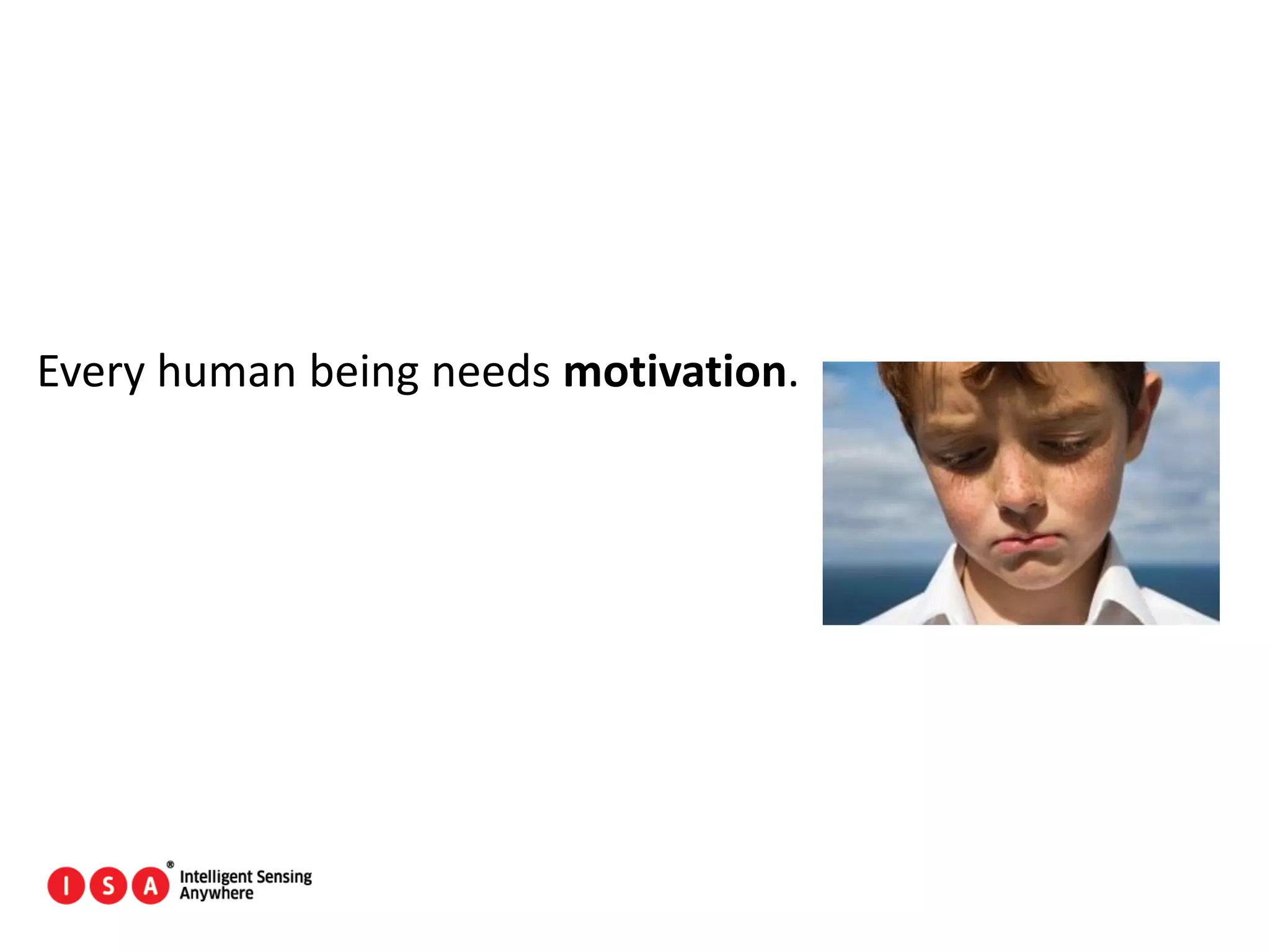
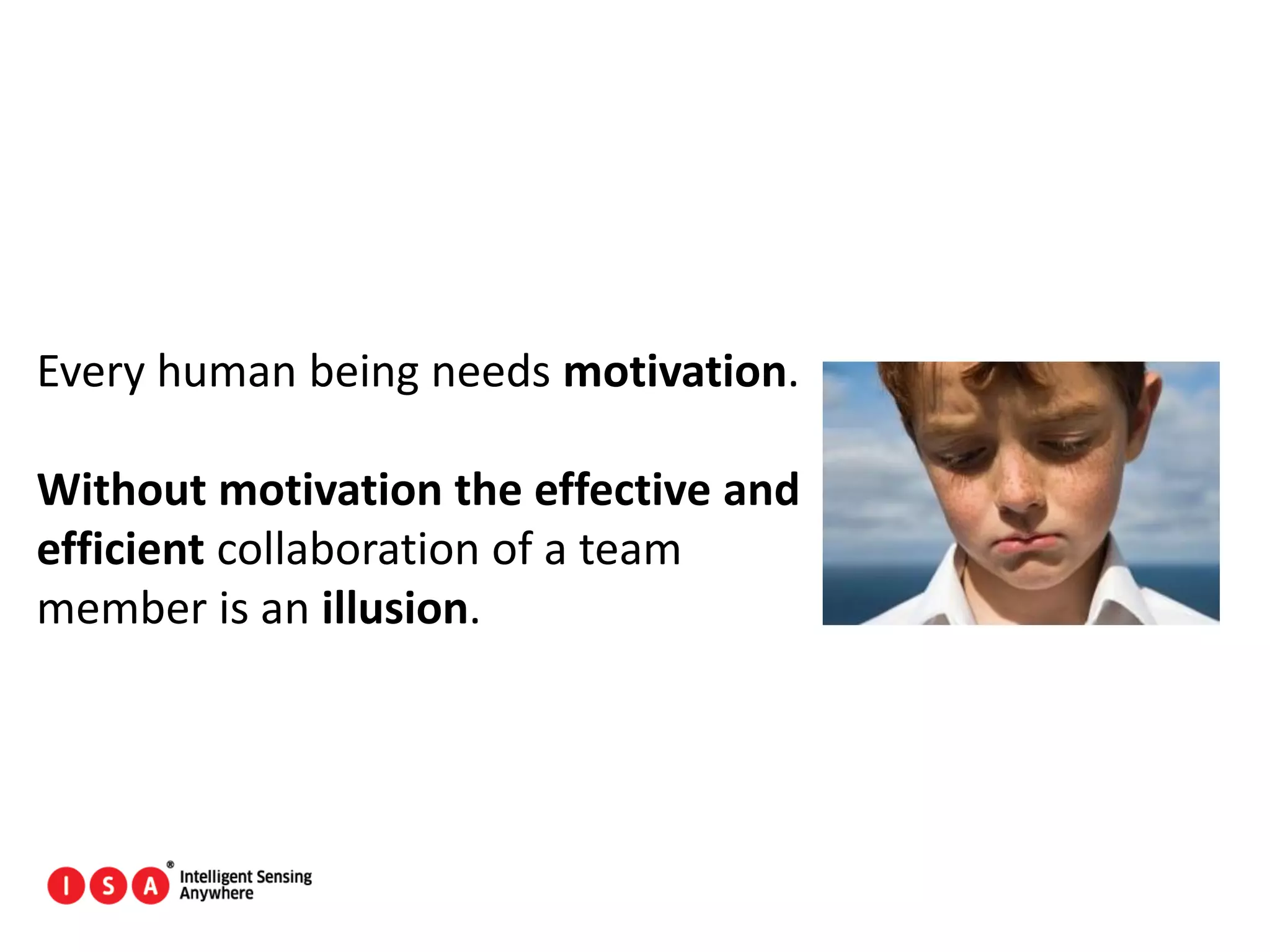
Every human being needs motivation.
106
Every human being needs motivation.
Without motivation the effective and
efficient collaboration of a team
member is an illusion.
107
One way to increase motivation is the existence of a
reward or recognition system, focusing each team
member individually.
108
One way to increase motivation is the existence of a
reward or recognition system, focusing each team
member individually.
Simple systems could be:
- Saying “Thank you”;
- Give monetary prizes;
- Recommend for raises;
- Laud in public;
- Celebrate milestones;
- Give training on a certain
technology.
109
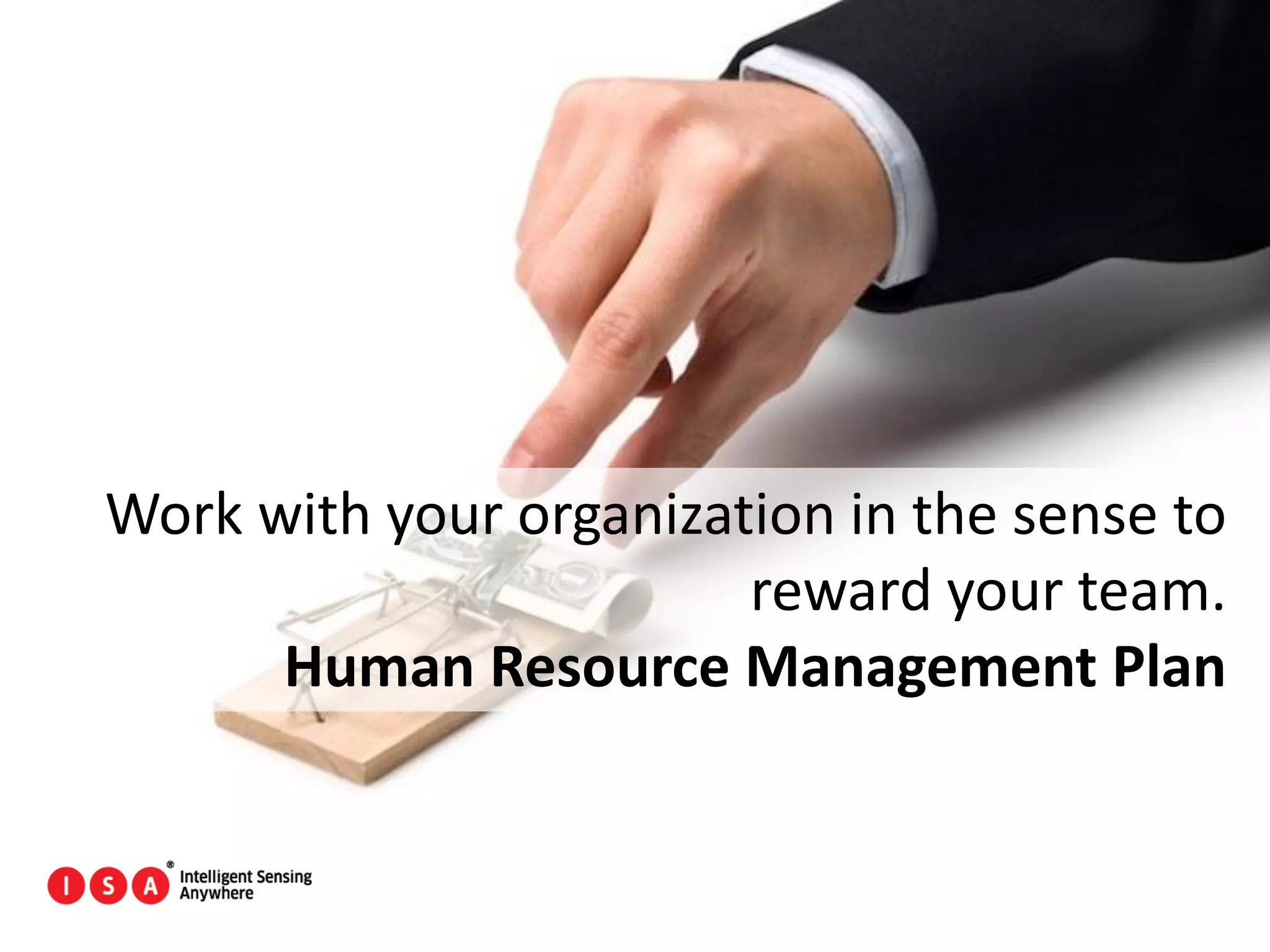
Work with your organization in the sense to
reward your team.
Human Resource Management Plan
110
#19 – Intentional decrease of quality
111
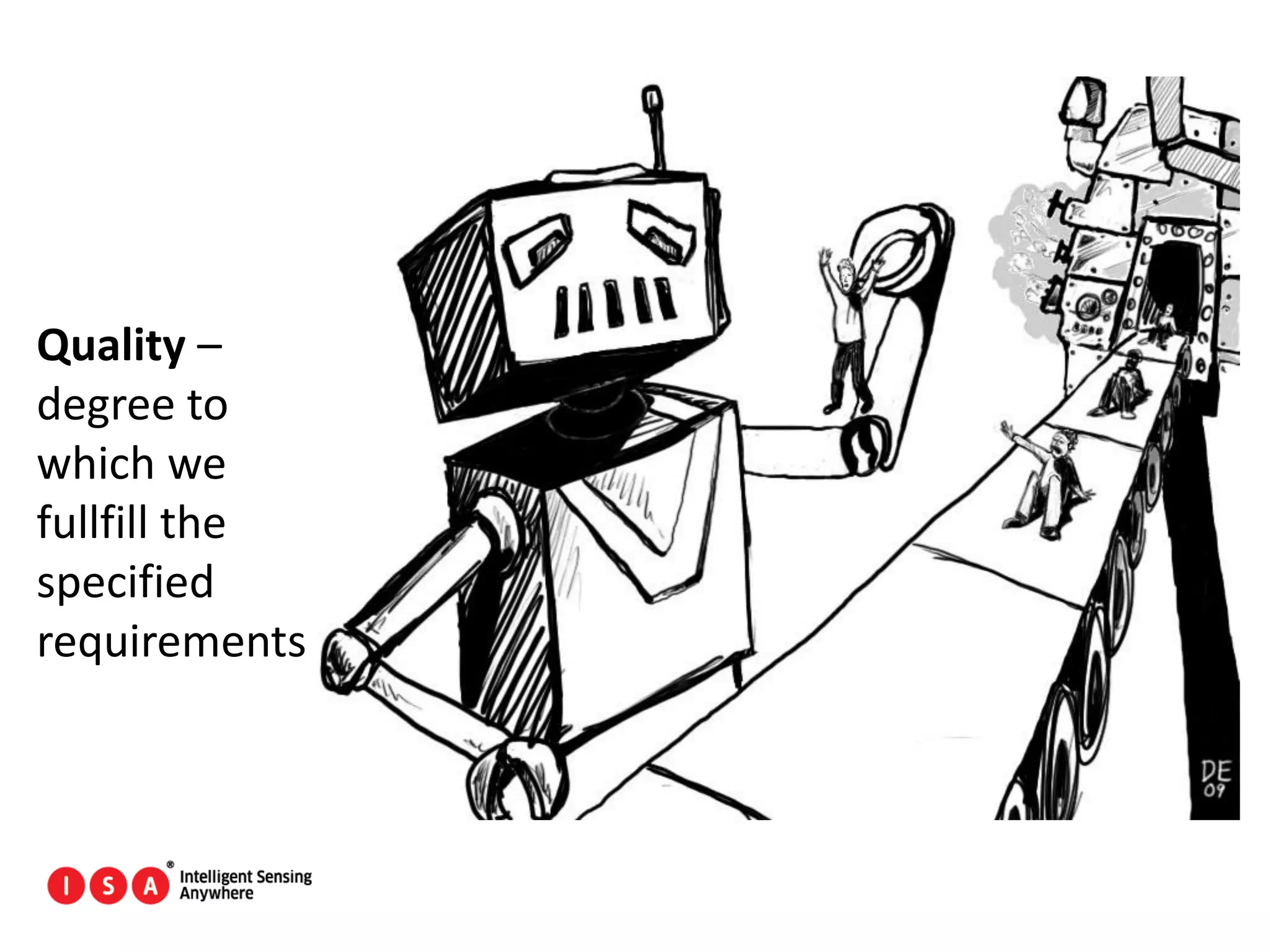
Quality –
degree to
which we
fullfill the
specified
requirements
112
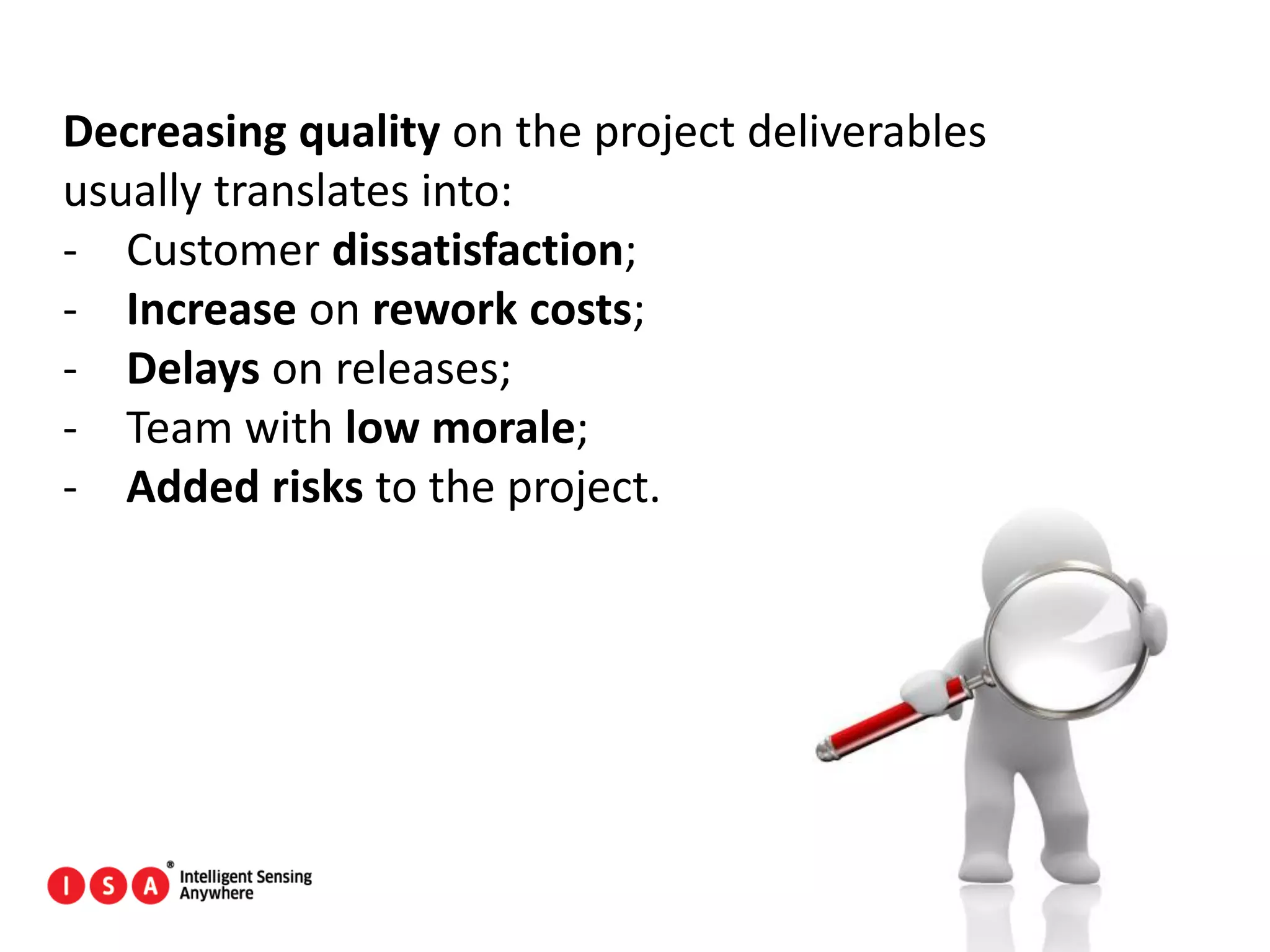
Decreasing quality on the project deliverables
usually translates into:
- Customer dissatisfaction;
- Increase on rework costs;
- Delays on releases;
- Team with low morale;
- Added risks to the project.
113
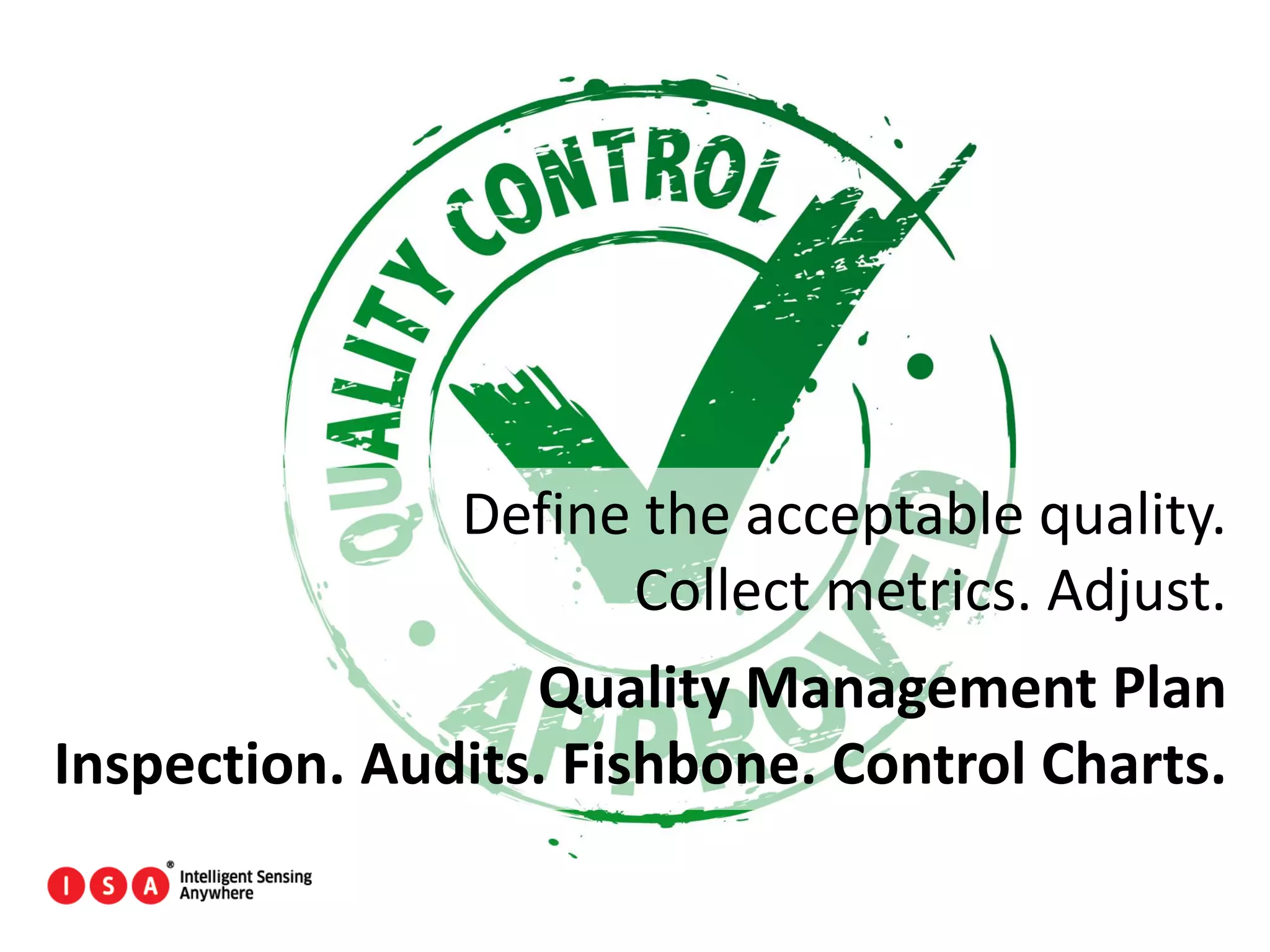
Define the acceptable quality.
Collect metrics. Adjust.
Quality Management Plan
Inspection. Audits. Fishbone. Control Charts.
114
#20 – Tendency to “Make” instead of “Buy”
115
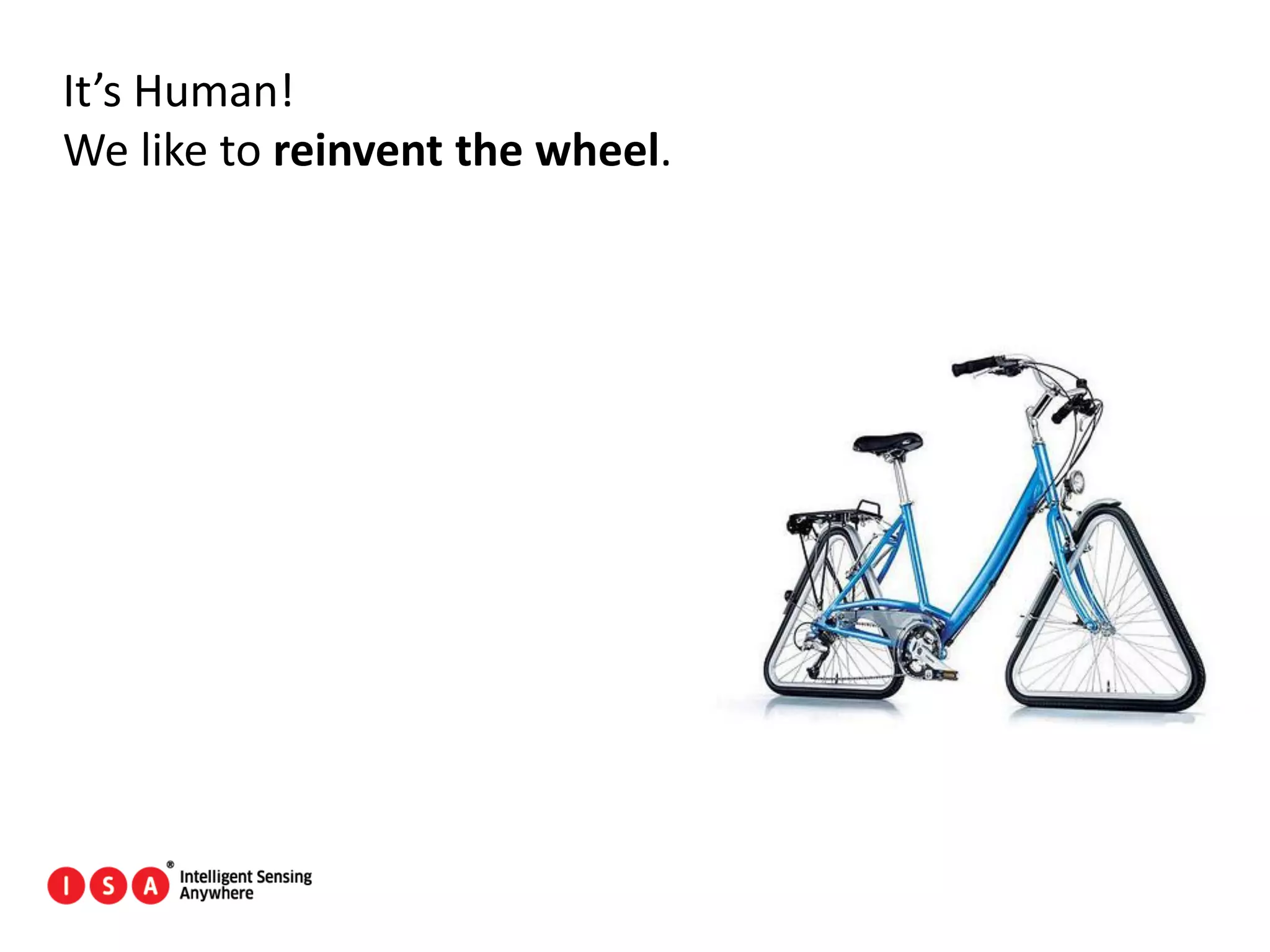
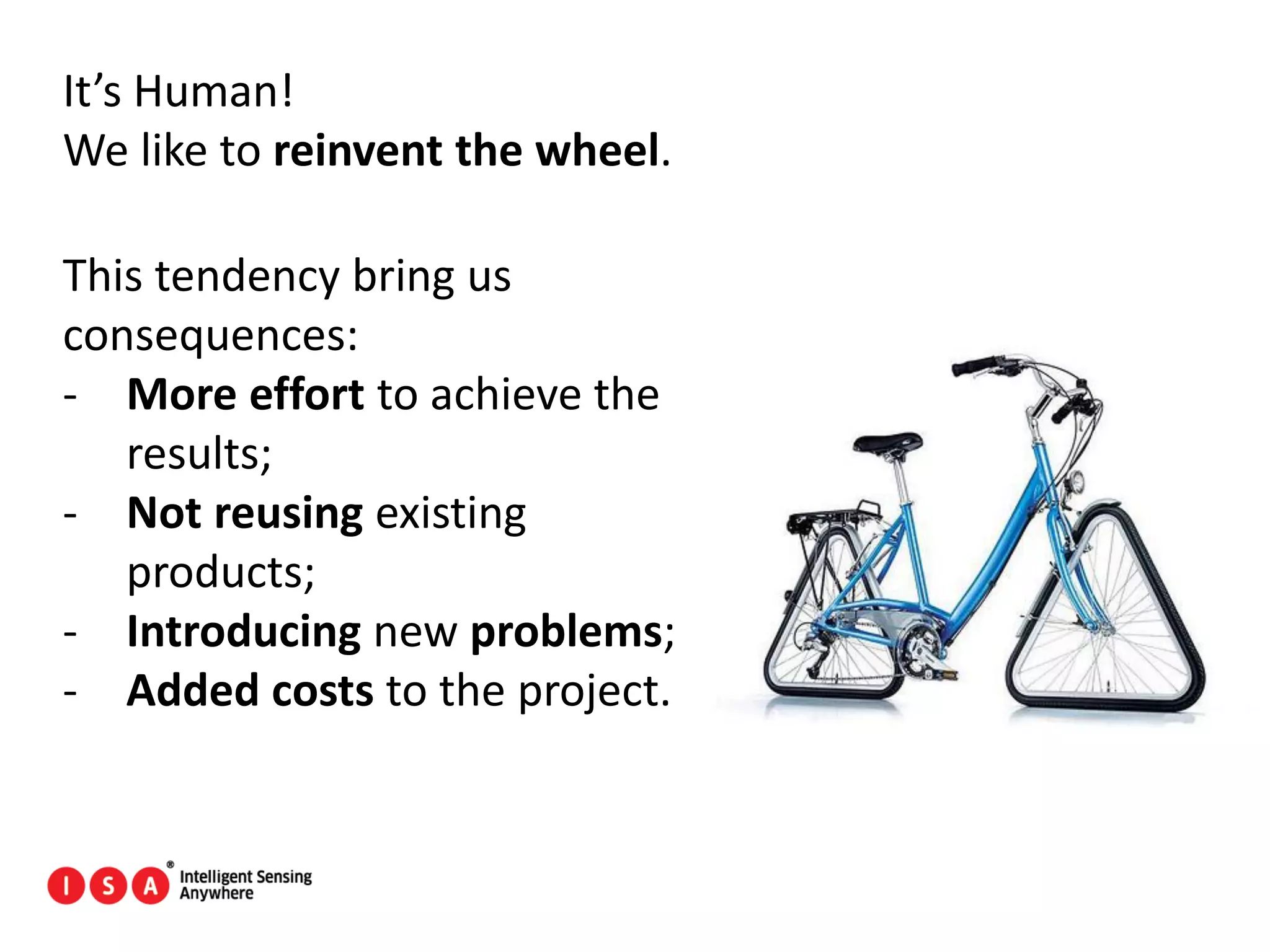
It’s Human!
We like to reinvent the wheel.
116
It’s Human!
We like to reinvent the wheel.
This tendency bring us
consequences:
- More effort to achieve the
results;
- Not reusing existing
products;
- Introducing new problems;
- Added costs to the project.
117
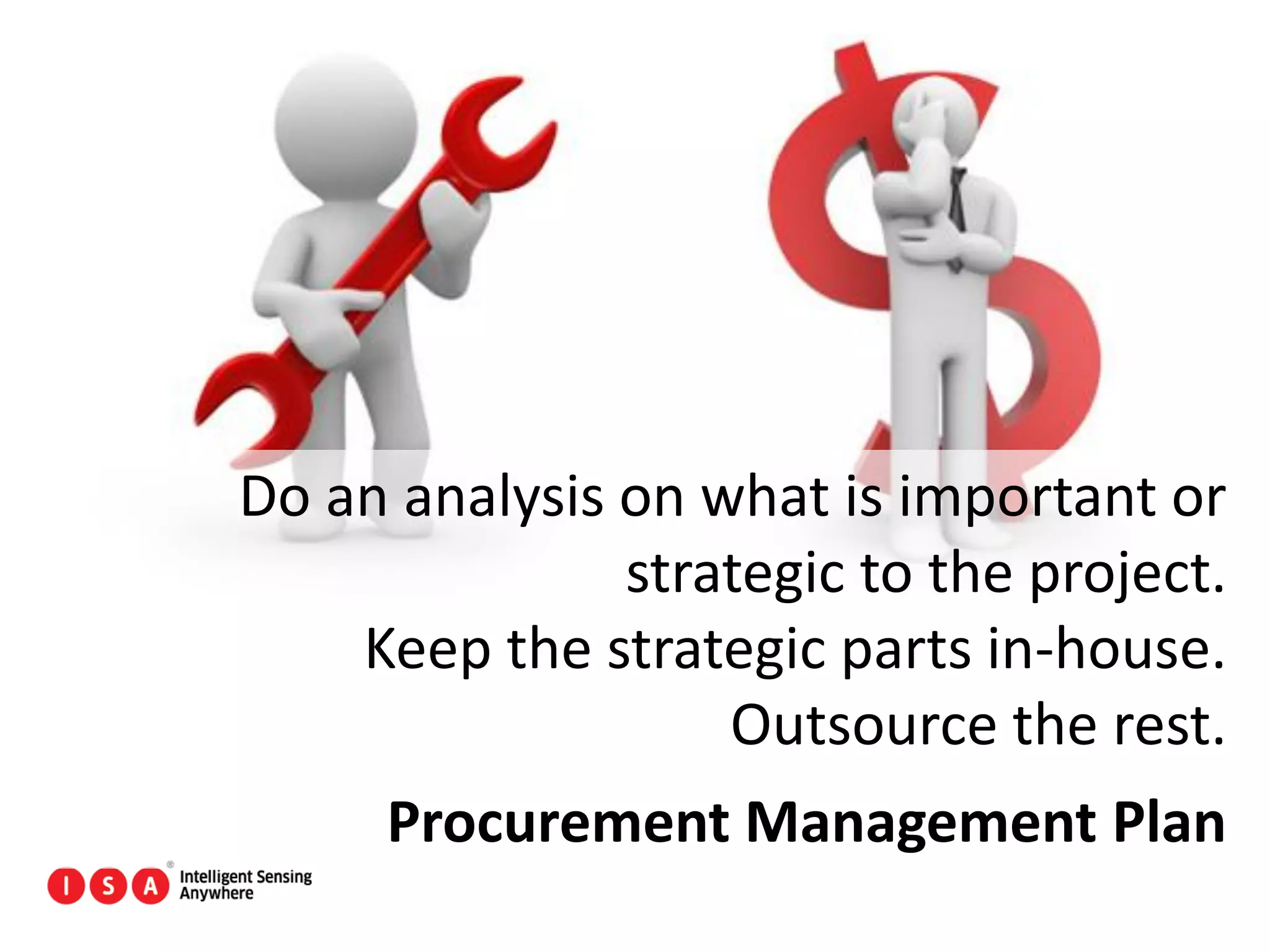
Do an analysis on what is important or
strategic to the project.
Keep the strategic parts in-house.
Outsource the rest.
Procurement Management Plan
118
#21 – Making wrong assumptions
119
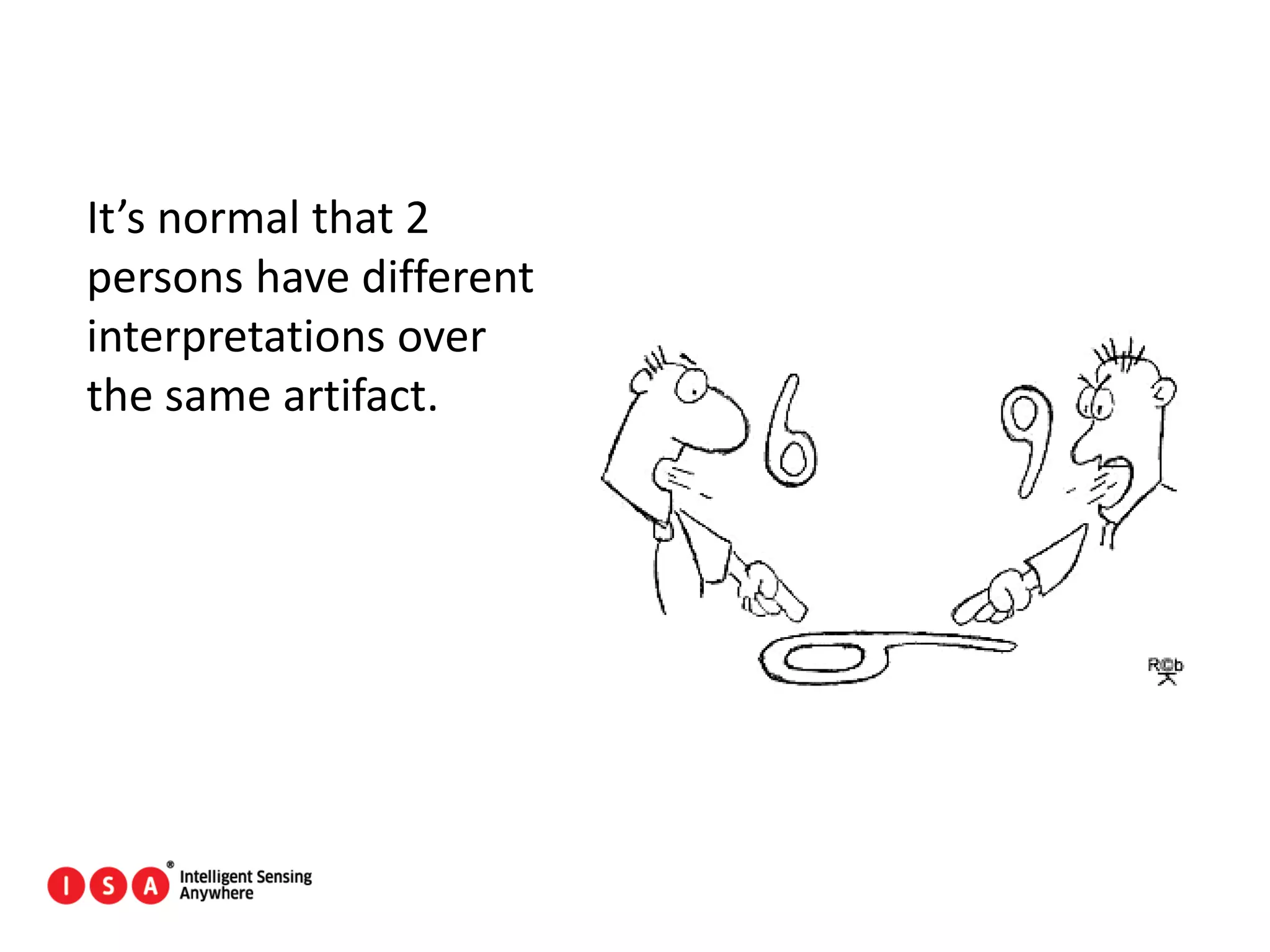
It’s normal that 2
persons have different
interpretations over
the same artifact.
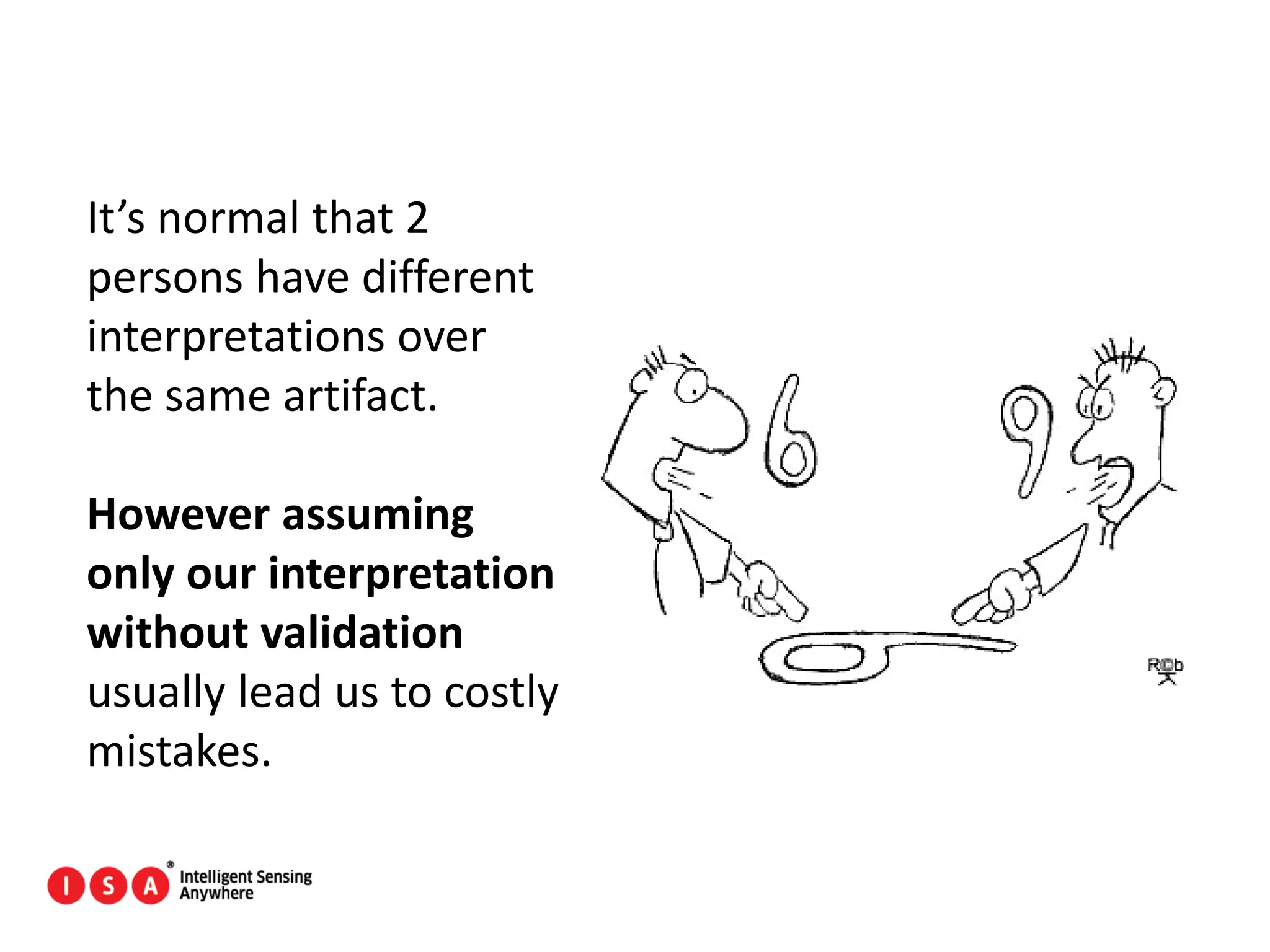
120
It’s normal that 2
persons have different
interpretations over
the same artifact.
However assuming
only our interpretation
without validation
usually lead us to costly
mistakes.
121
Don’t assume!
Read the business proposal.
Talk to the stakeholders.
Get requirements confirmation.
122
#22 – “One size fits all”
123
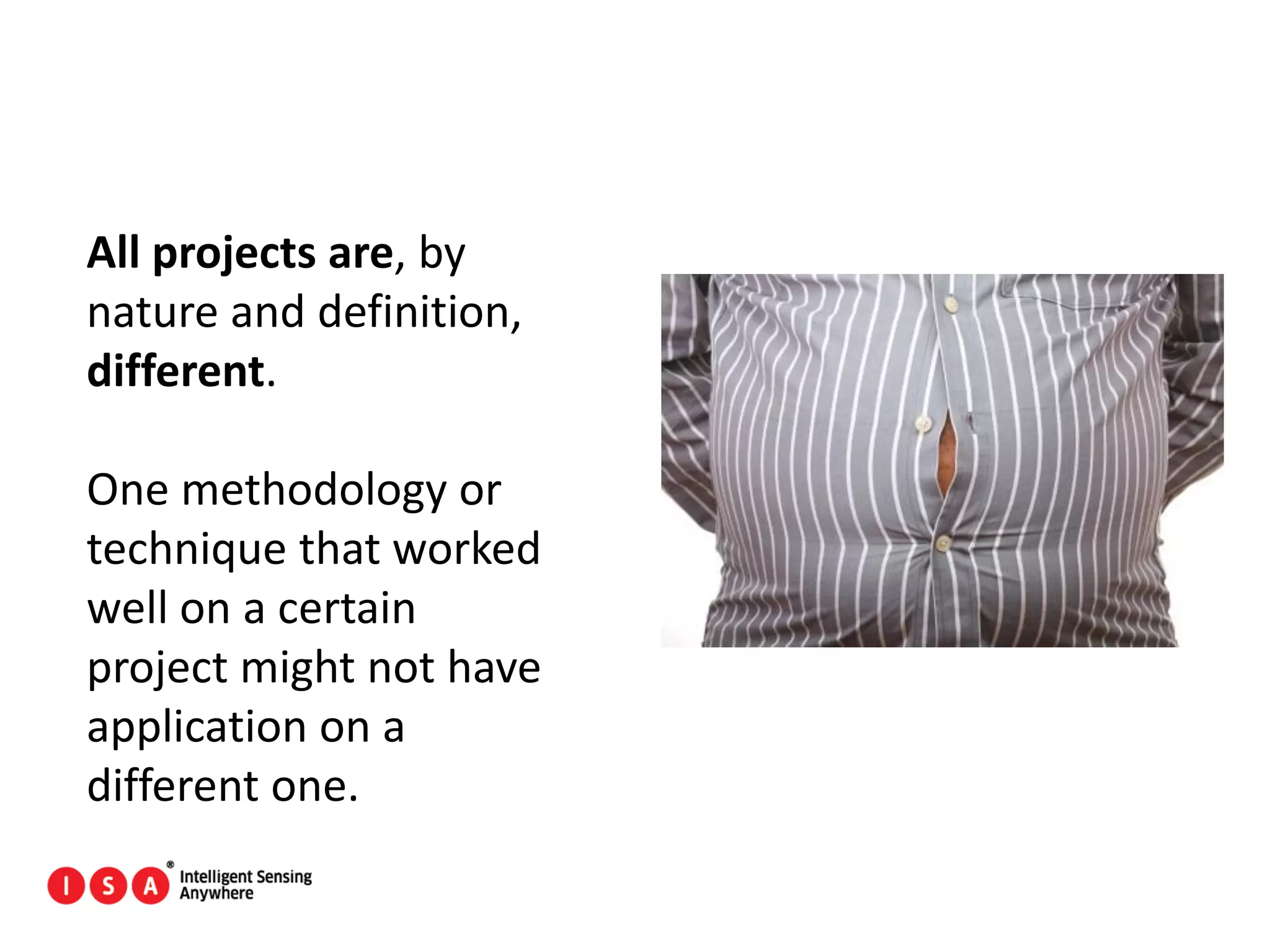
All projects are, by
nature and definition,
different.
One methodology or
technique that worked
well on a certain
project might not have
application on a
different one.
124
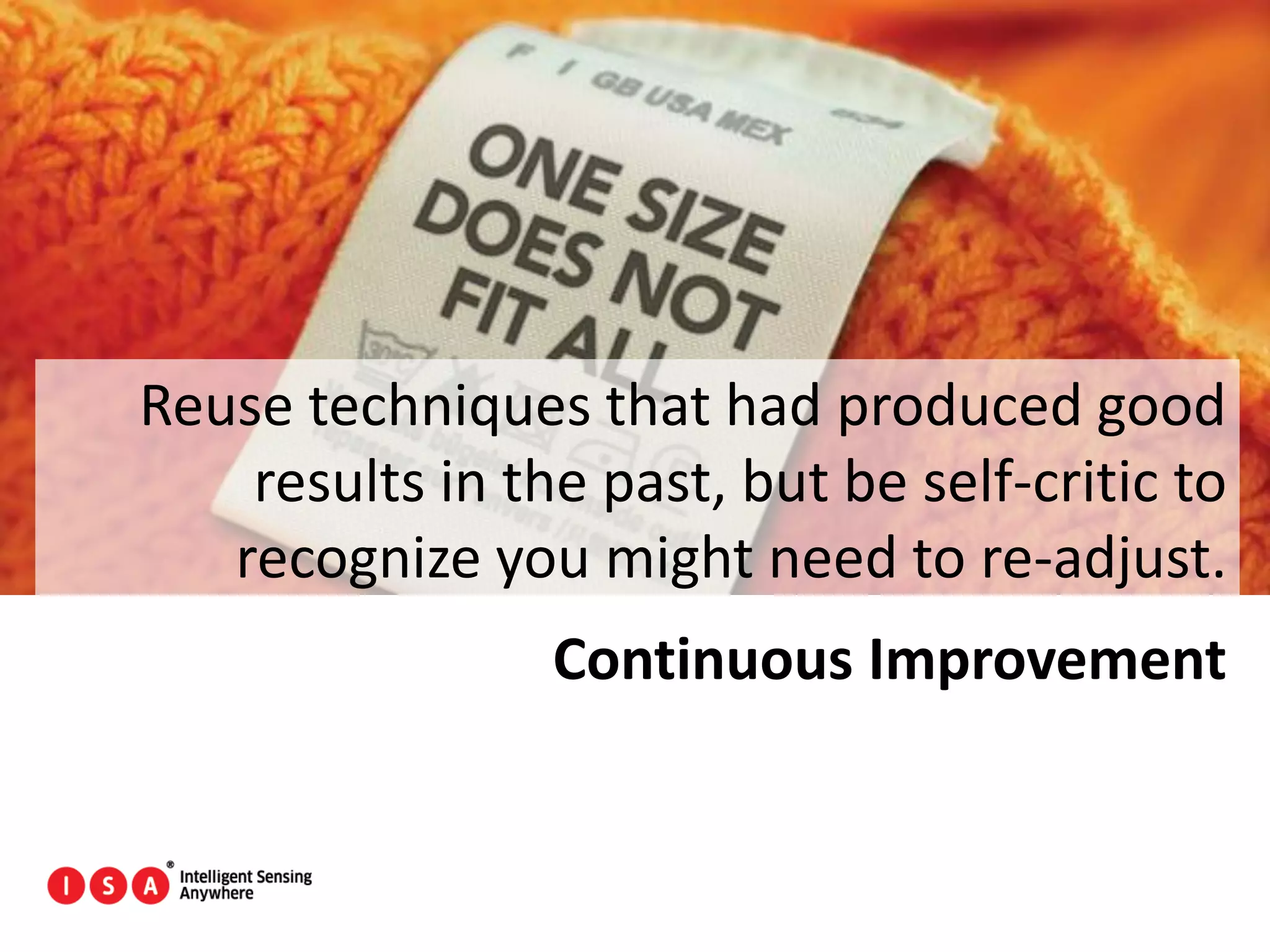
Reuse techniques that had produced good
results in the past, but be self-critic to
recognize you might need to re-adjust.
Continuous Improvement
125
#23 – Plan by using resources with 100%
availability
126
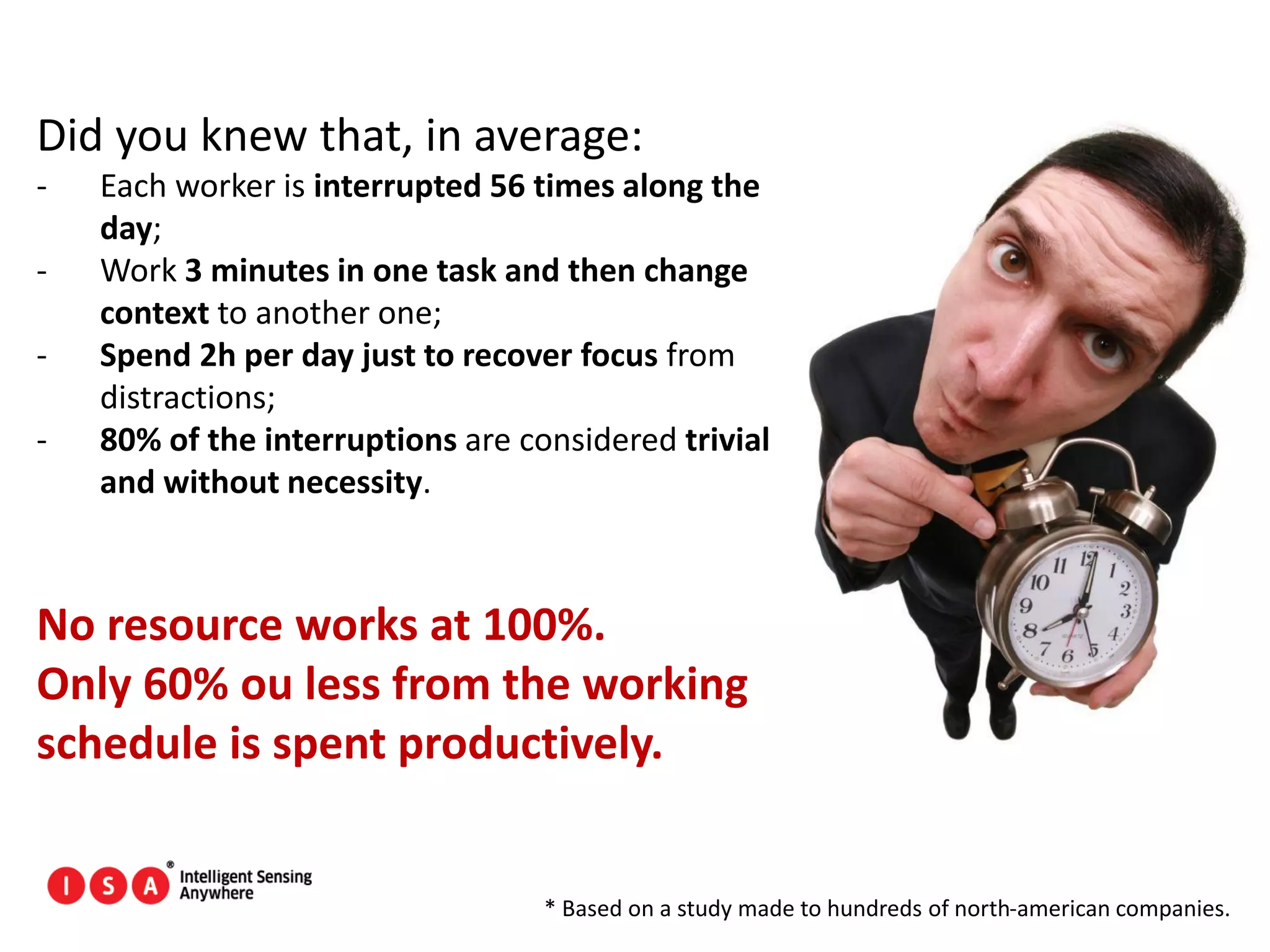
Did you knew that, in average:
- Each worker is interrupted 56 times along the
day;
- Work 3 minutes in one task and then change
context to another one;
- Spend 2h per day just to recover focus from
distractions;
- 80% of the interruptions are considered trivial
and without necessity.
* Based on a study made to hundreds of north-american companies.
127
Did you knew that, in average:
- Each worker is interrupted 56 times along the
day;
- Work 3 minutes in one task and then change
context to another one;
- Spend 2h per day just to recover focus from
distractions;
- 80% of the interruptions are considered trivial
and without necessity.
No resource works at 100%.
Only 60% ou less from the working
schedule is spent productively.
* Based on a study made to hundreds of north-american companies.
128
Plan for less than 100% available resources.
It will be more realistic.
Estimating Durations.
Project Planning.
129
#24 – Ignoring dependencies
130
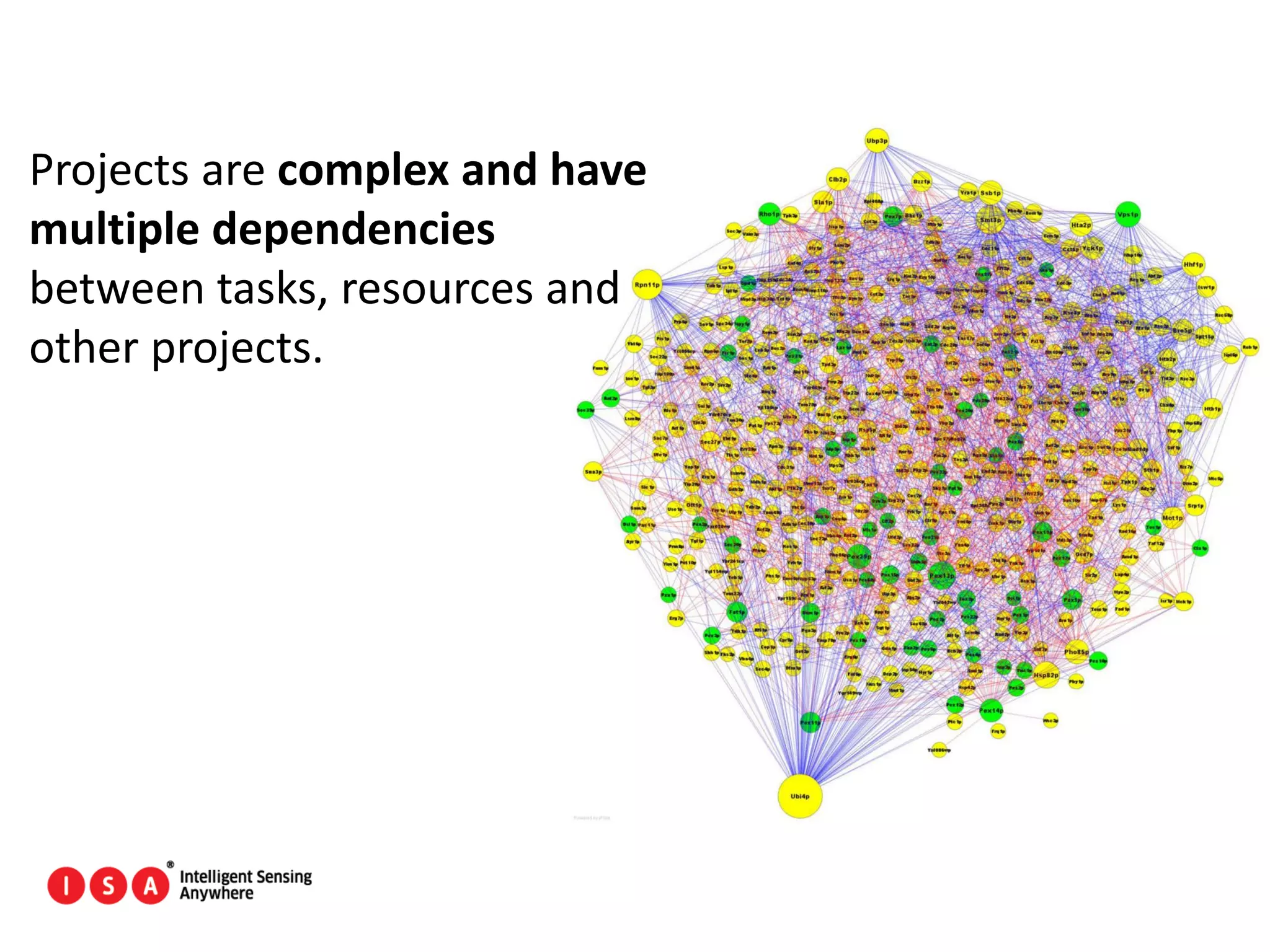
Projects are complex and have
multiple dependencies
between tasks, resources and
other projects.
131
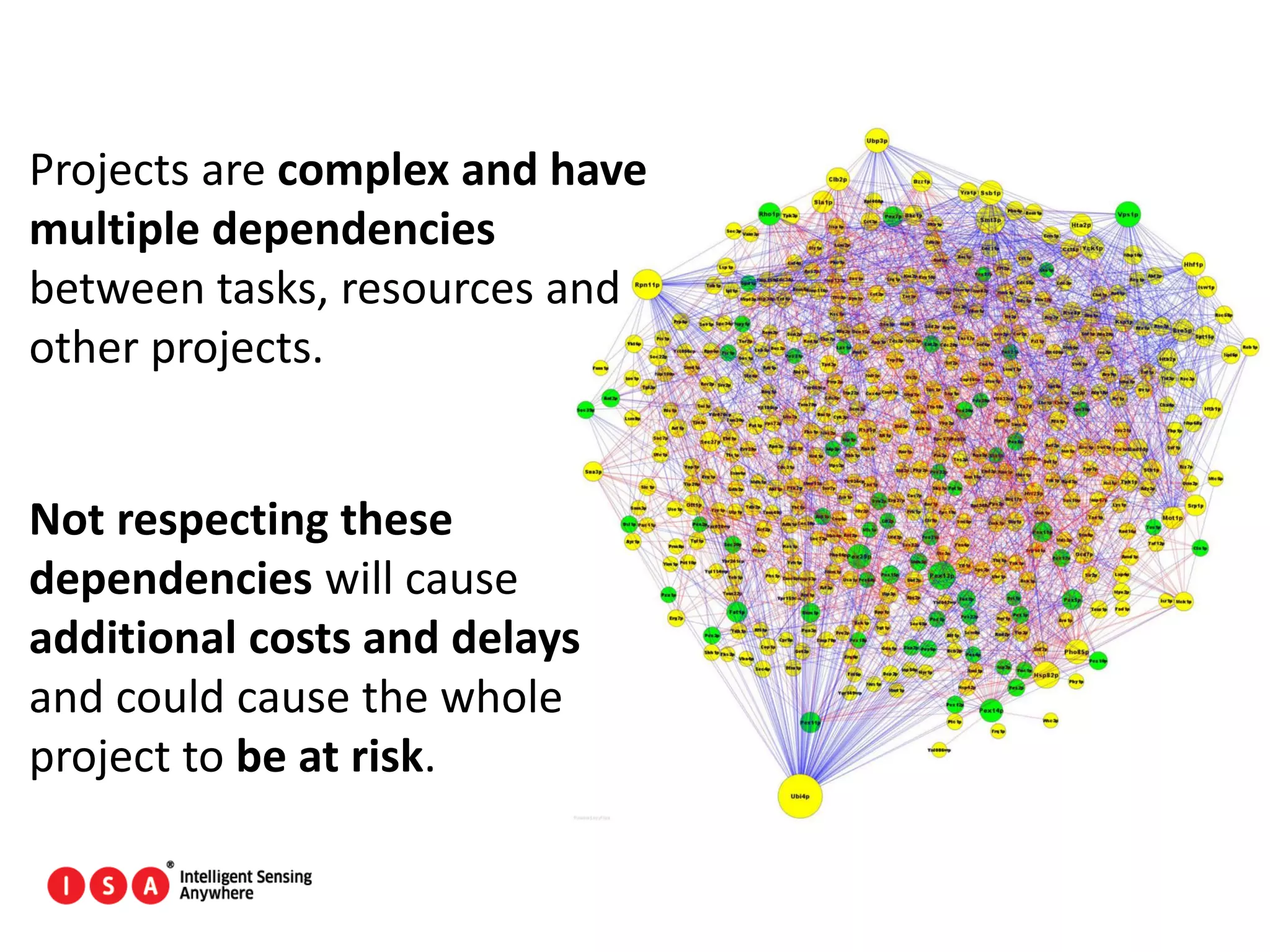
Projects are complex and have
multiple dependencies
between tasks, resources and
other projects.
Not respecting these
dependencies will cause
additional costs and delays
and could cause the whole
project to be at risk.
132
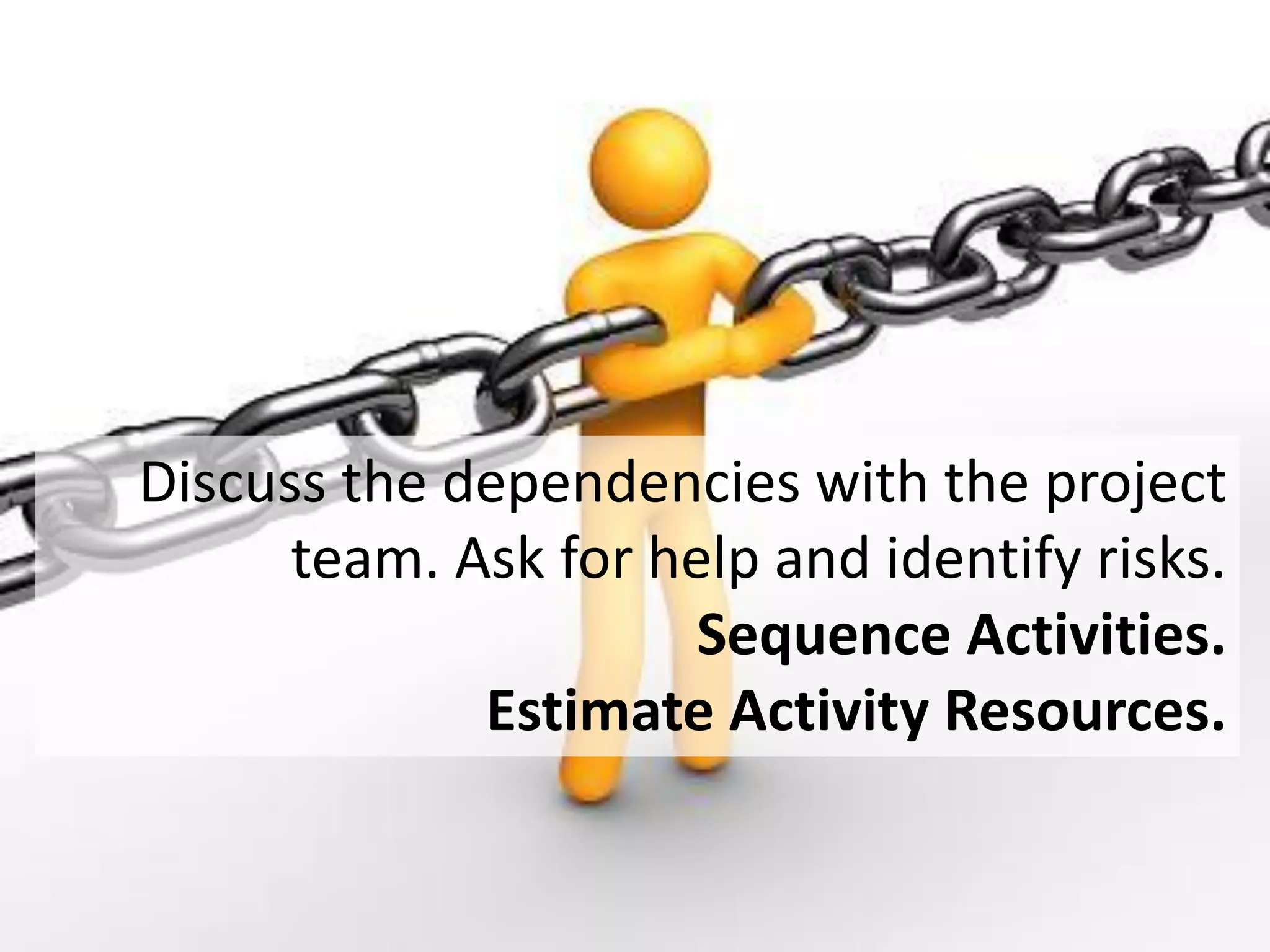
Discuss the dependencies with the project
team. Ask for help and identify risks.
Sequence Activities.
Estimate Activity Resources.
133
#25 - Micromanaging
134
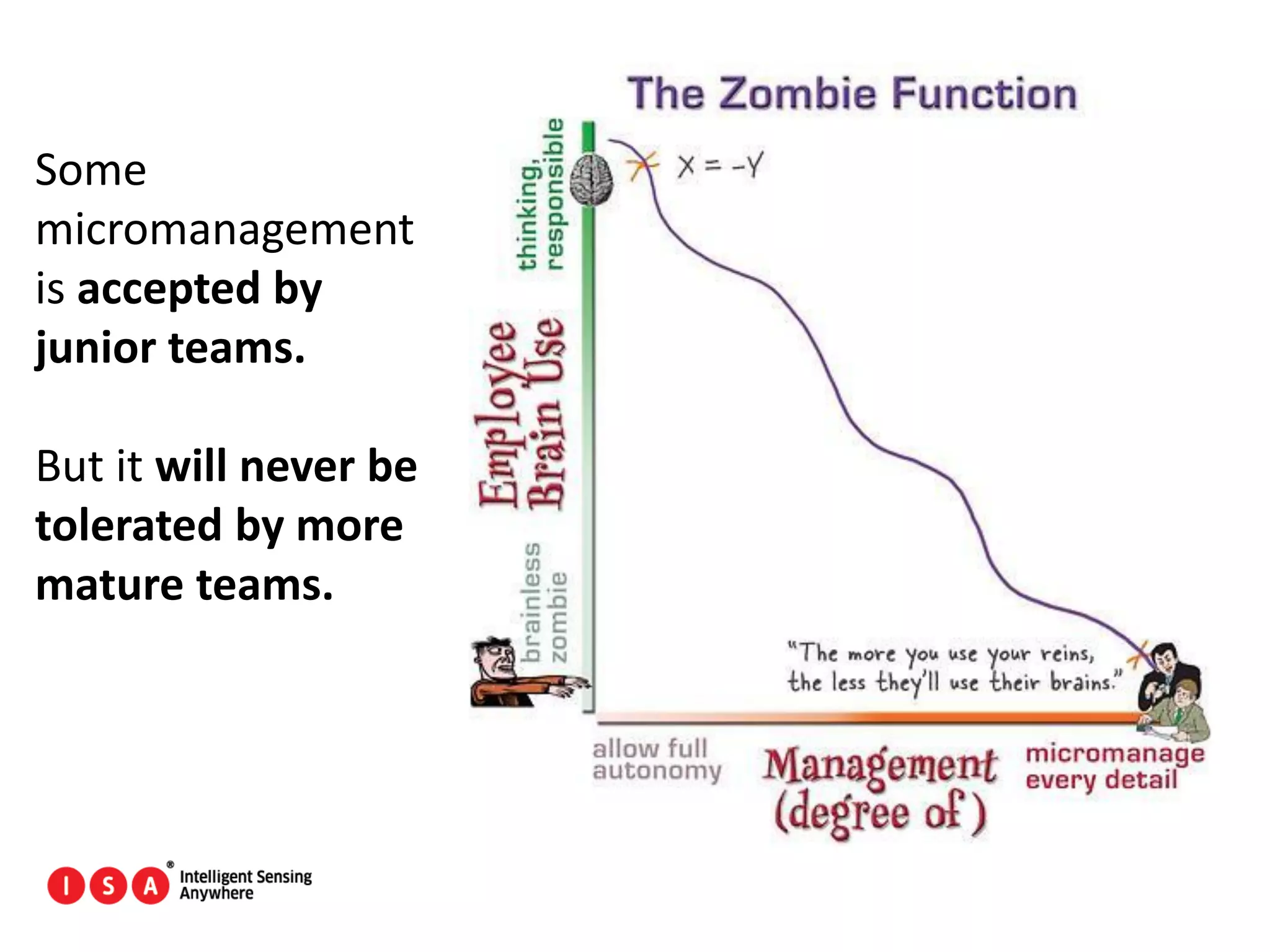
Some
micromanagement
is accepted by
junior teams.
But it will never be
tolerated by more
mature teams.
135
Some
micromanagement
is accepted by
junior teams.
But it will never be
tolerated by more
mature teams.
136
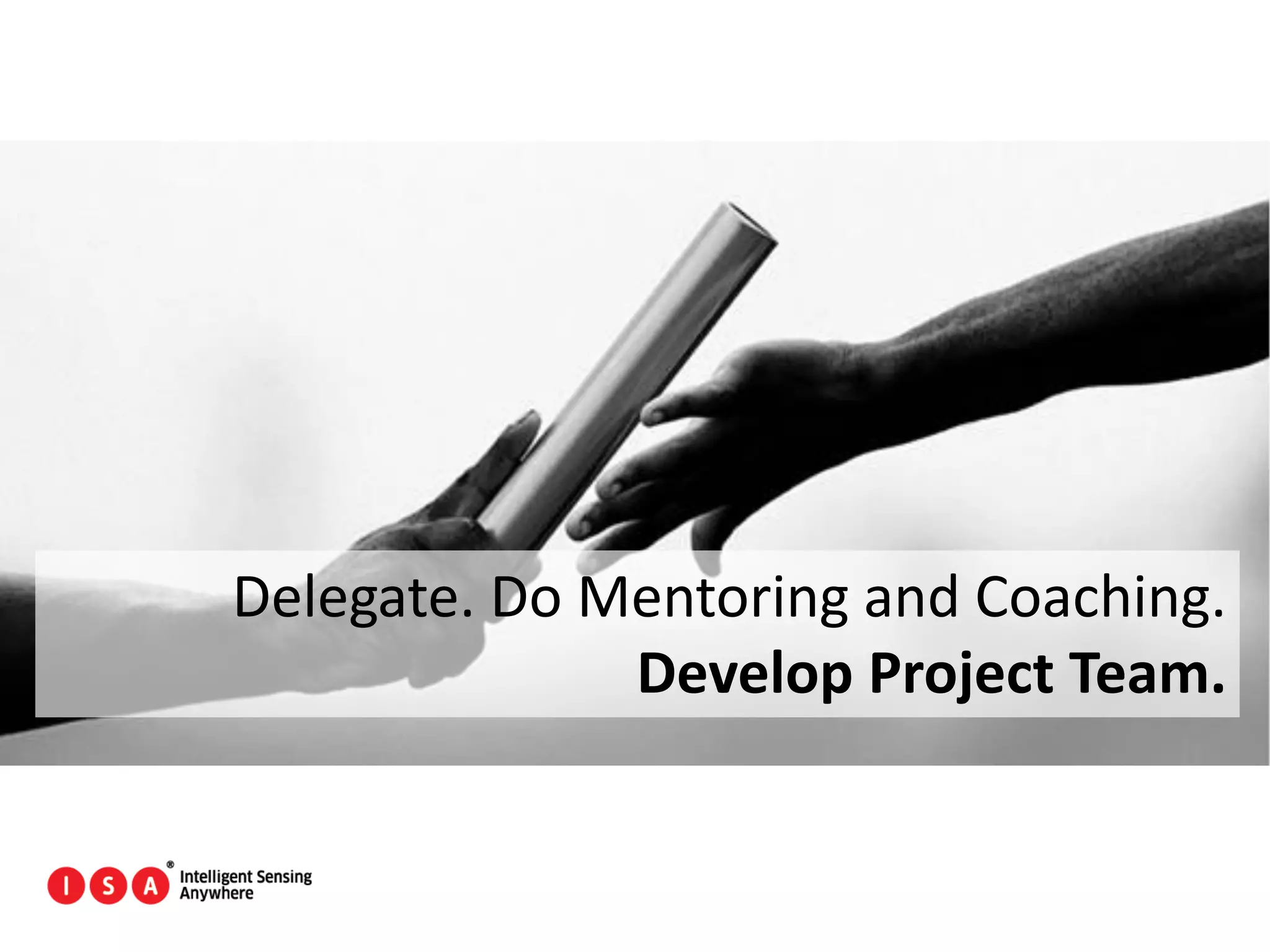
Delegate. Do Mentoring and Coaching.
Develop Project Team.
137
#26 – Ignoring the problems
138
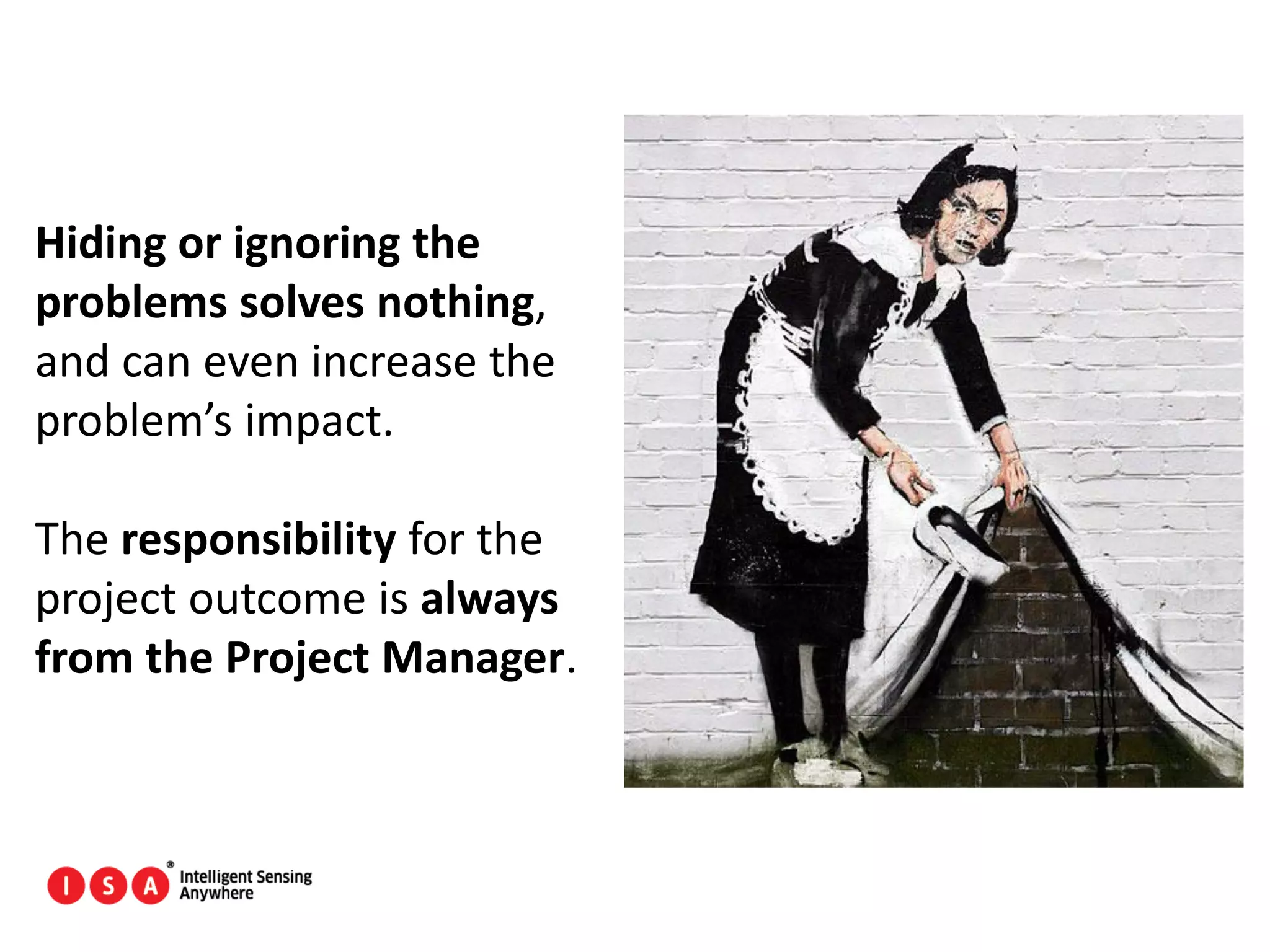
Hiding or ignoring the
problems solves nothing,
and can even increase the
problem’s impact.
The responsibility for the
project outcome is always
from the Project Manager.
139
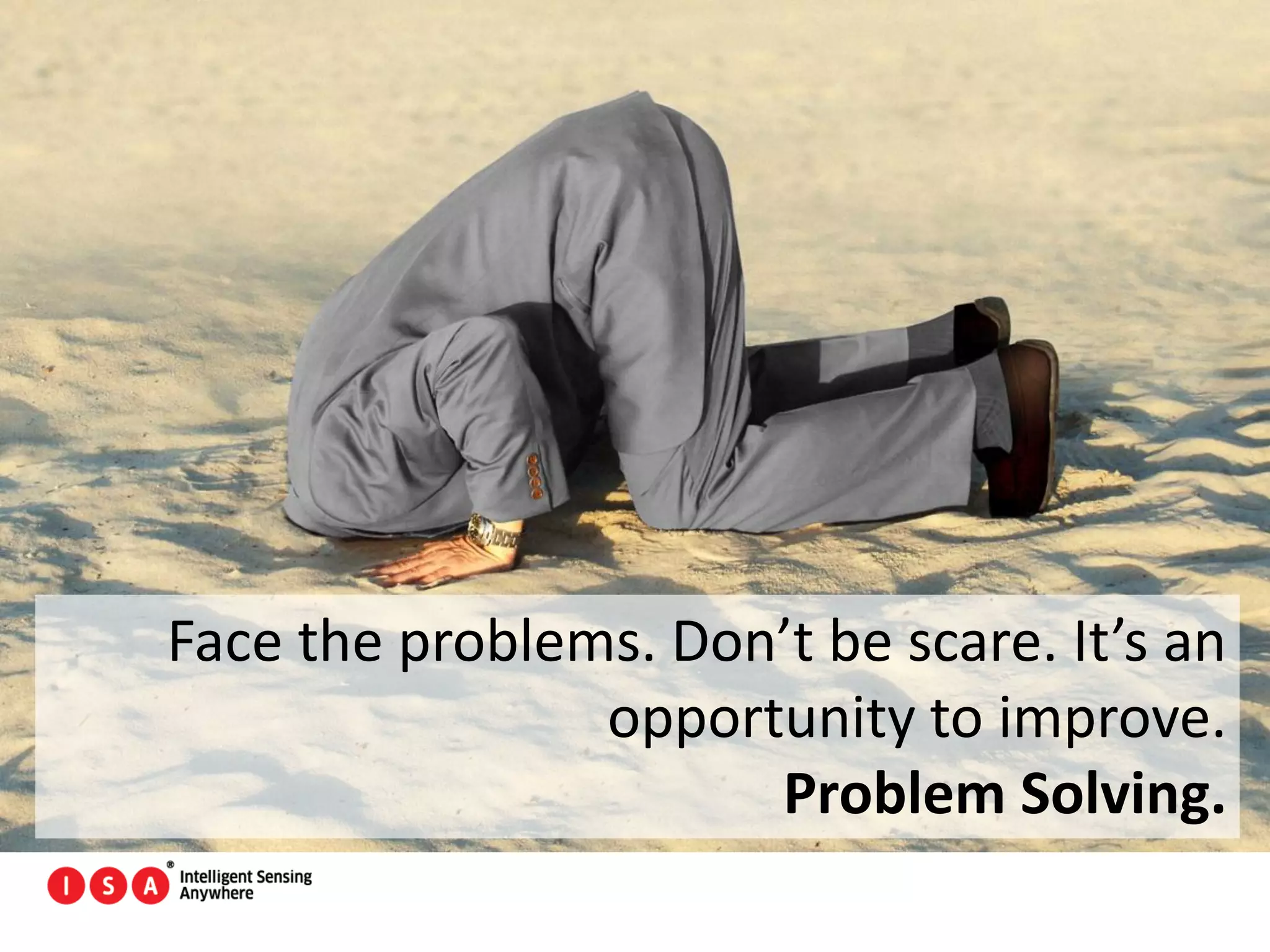
Face the problems. Don’t be scare. It’s an
opportunity to improve.
Problem Solving.
140
#27 – Managing without a defined
methodology or process
141
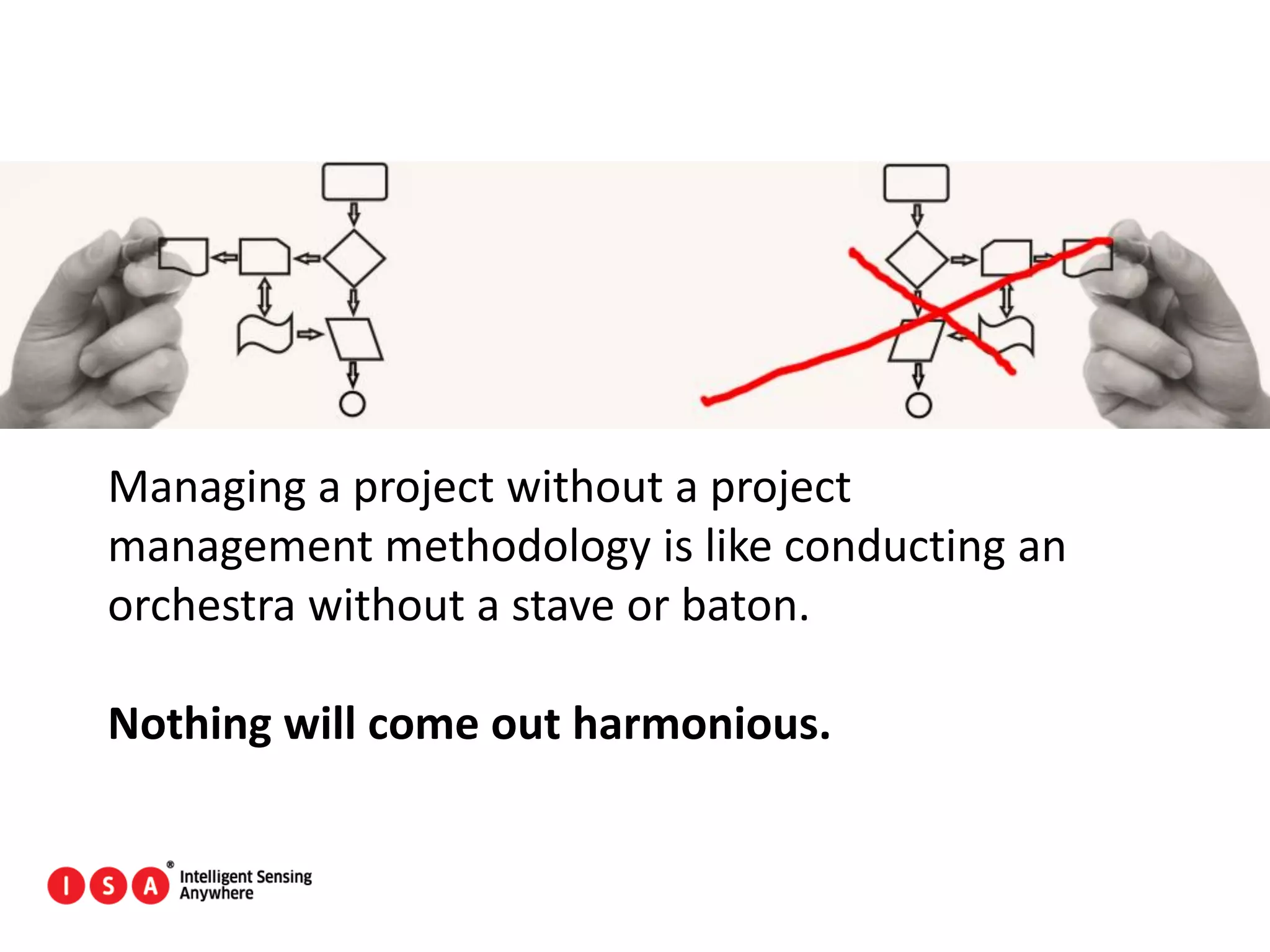
Managing a project without a project
management methodology is like conducting an
orchestra without a stave or baton.
Nothing will come out harmonious.
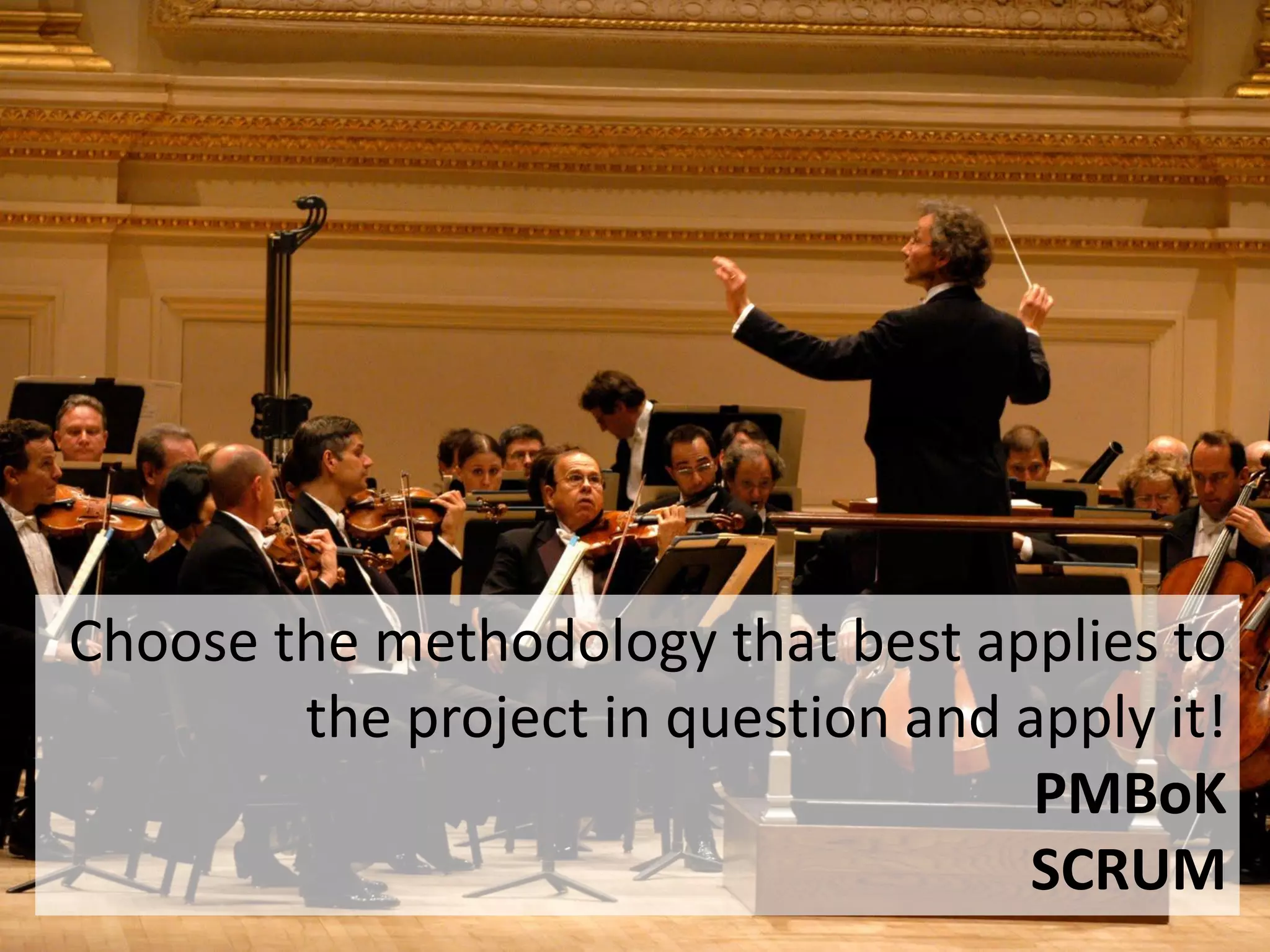
142
Choose the methodology that best applies to
the project in question and apply it!
PMBoK
SCRUM
143
#28 – Not learning from mistakes
144
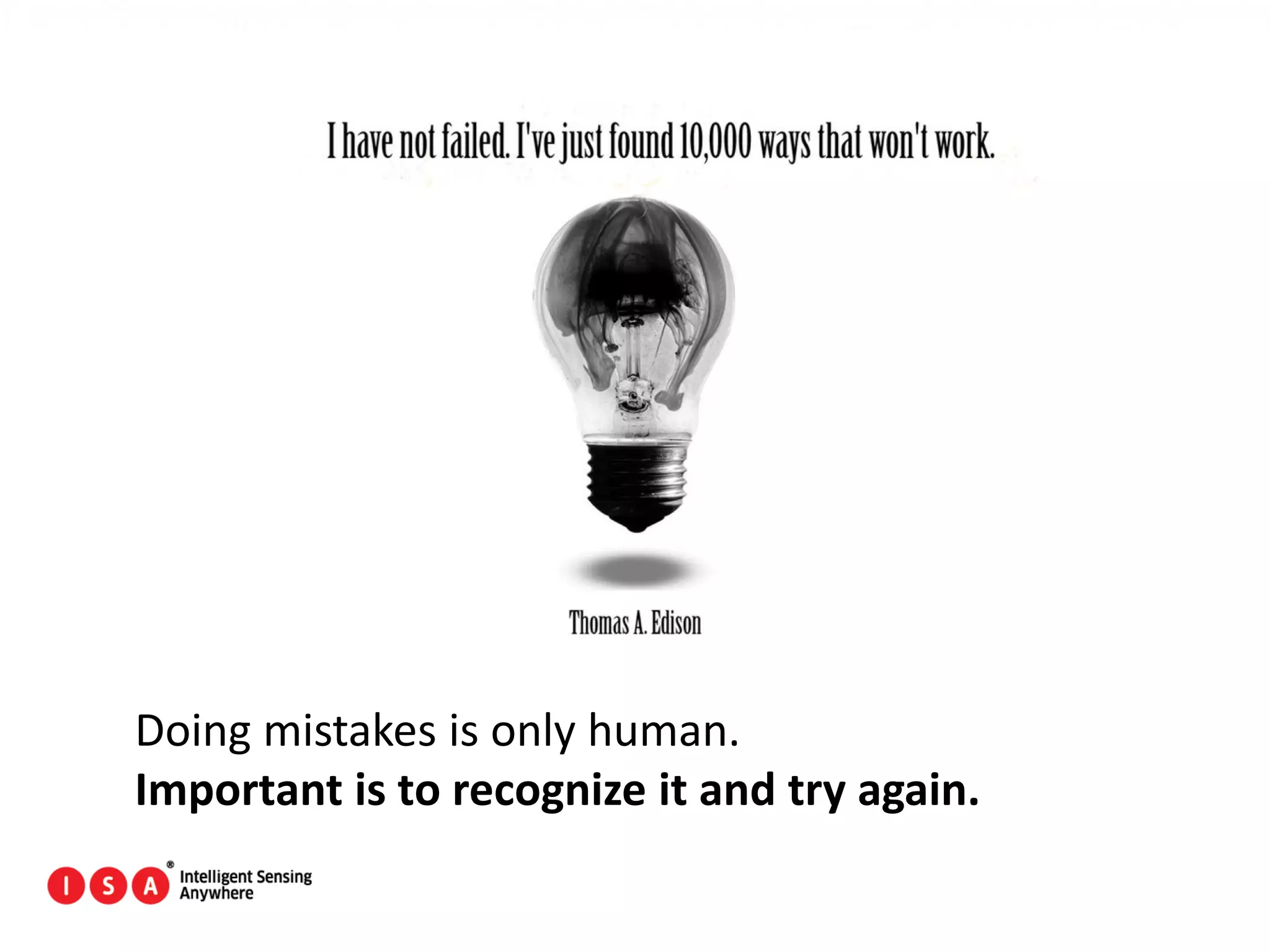
Doing mistakes is only human.
Important is to recognize it and try again.
145
Doing mistakes is only human.
Important is to recognize it and try again.
146
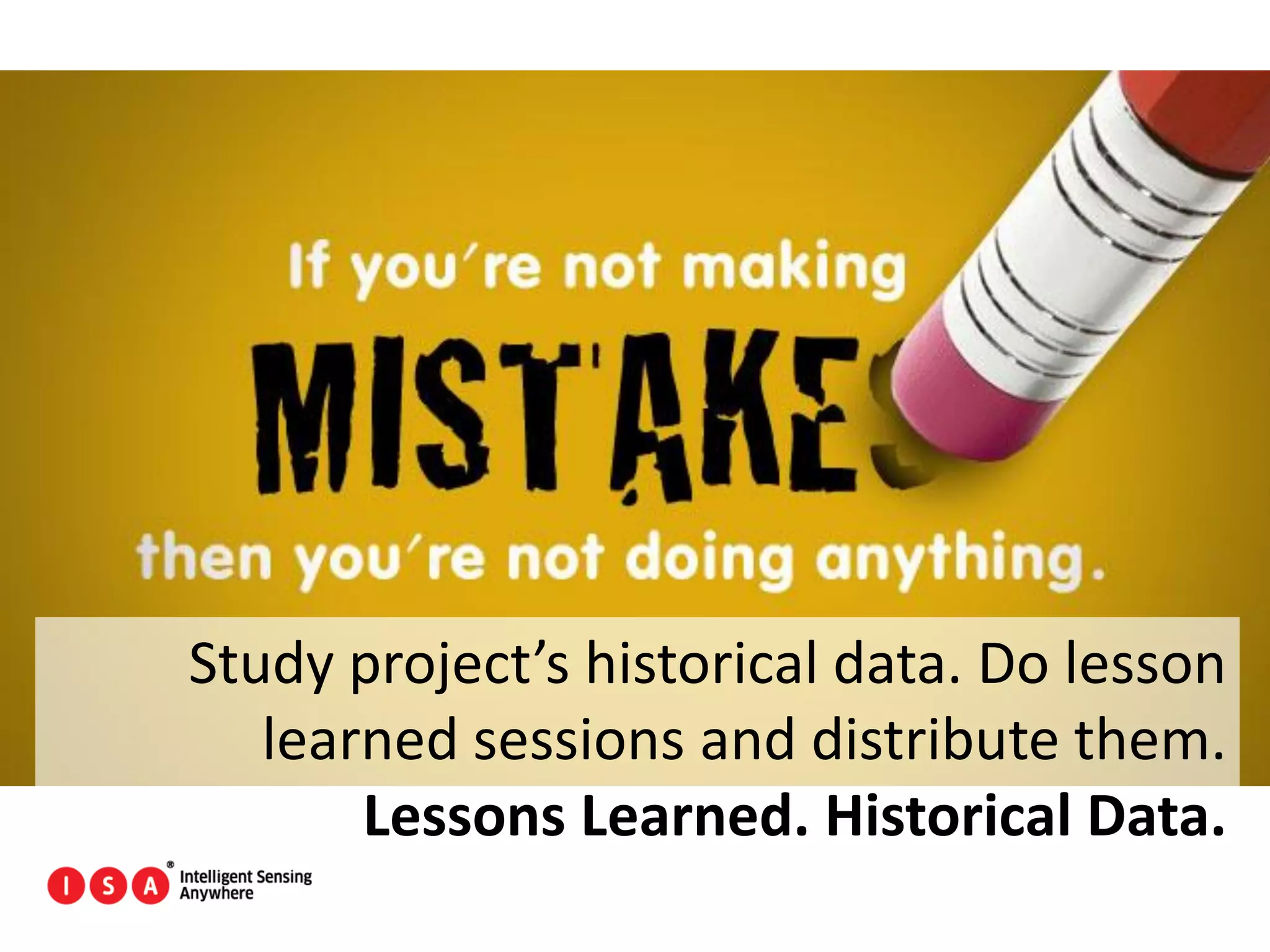
Study project’s historical data. Do lesson
learned sessions and distribute them.
Lessons Learned. Historical Data.
147
I also do mistakes and I will keep doing them in
the future.
This presentation is a portion of my lesson
learned data base!
148
#29 – 9 pregnant women conceive and give
birth to a child in 1 month
149
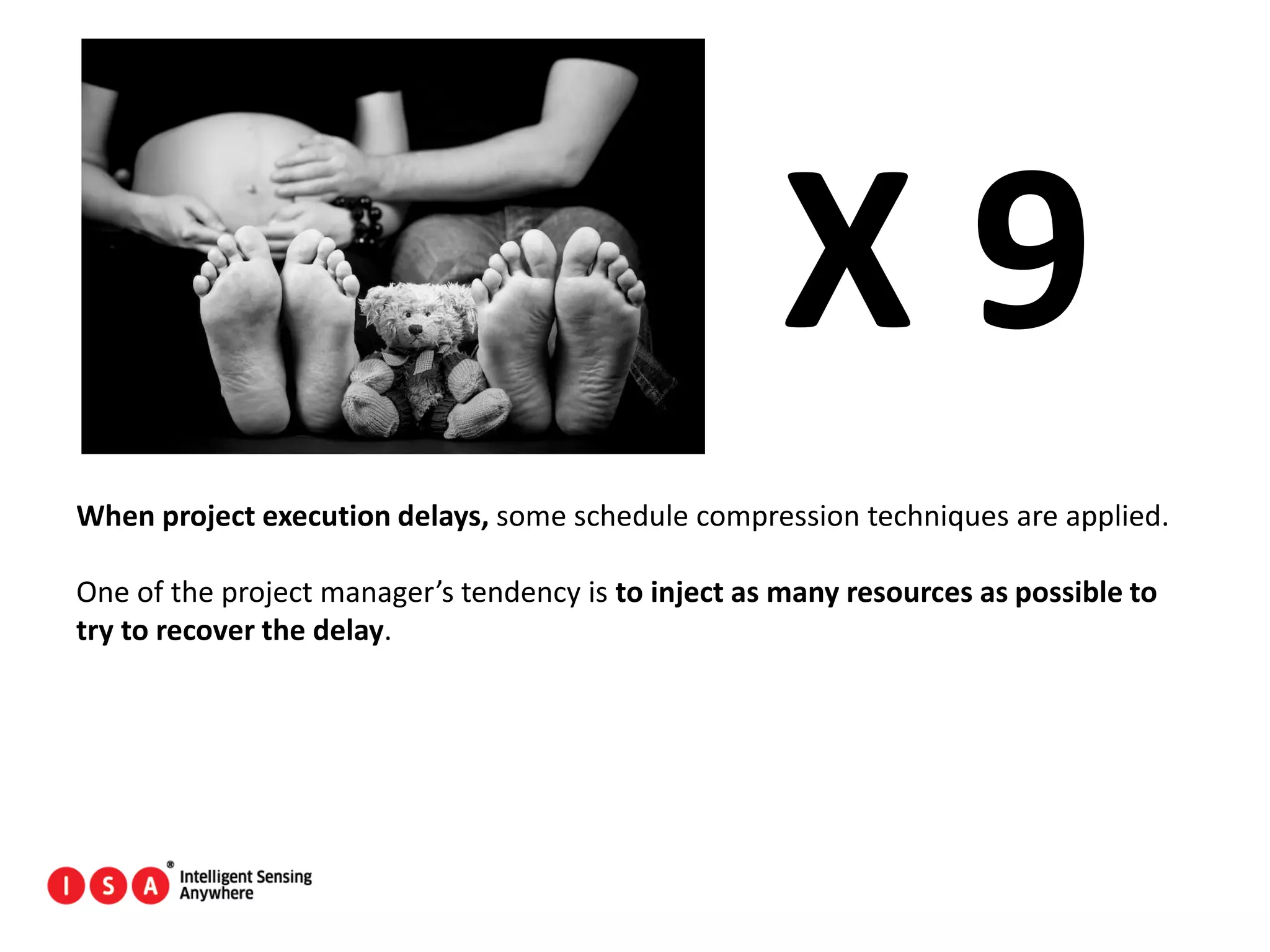
X 9
When project execution delays, some schedule compression techniques are applied.
One of the project manager’s tendency is to inject as many resources as possible to
try to recover the delay.
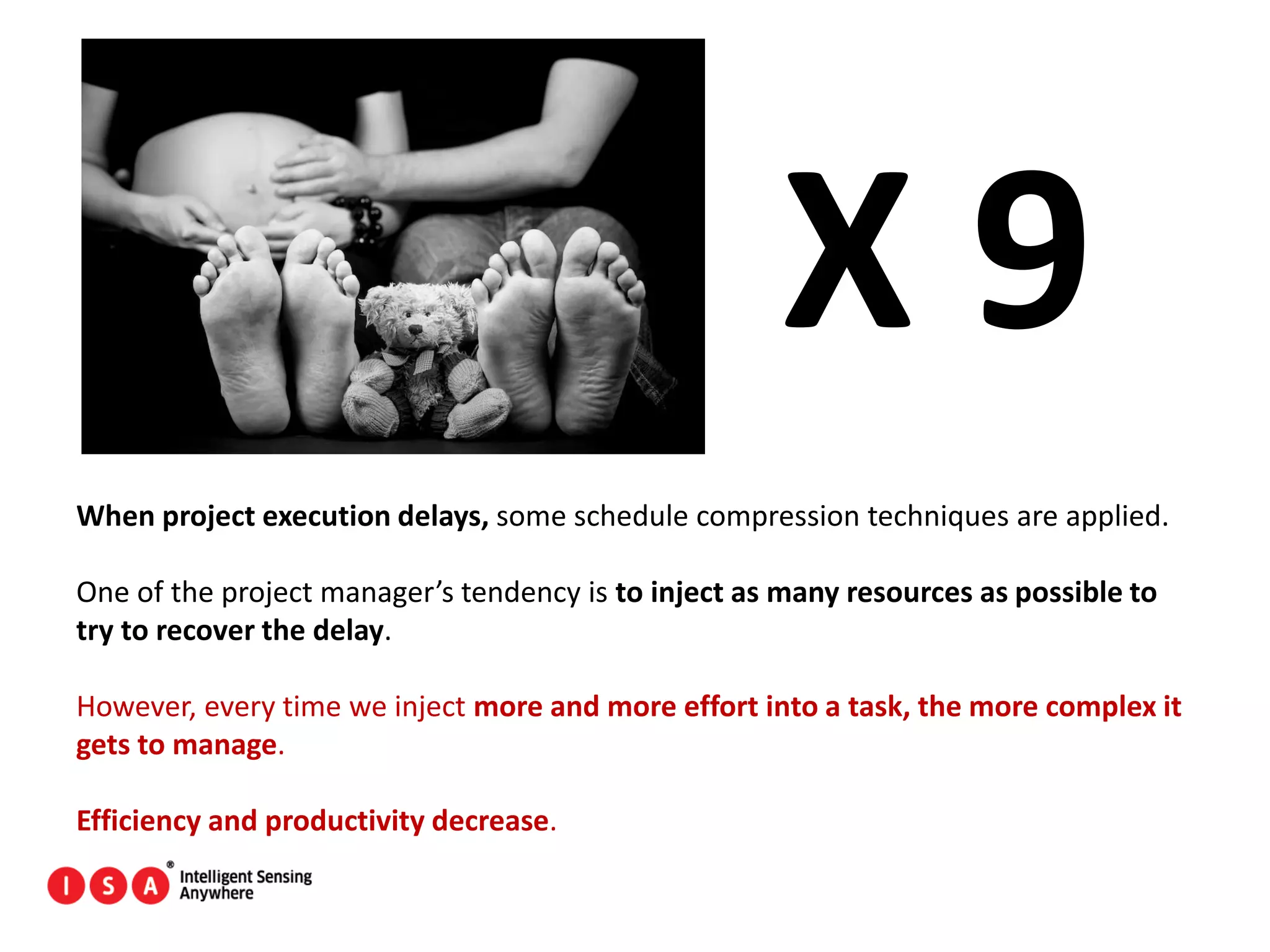
150
X 9
When project execution delays, some schedule compression techniques are applied.
One of the project manager’s tendency is to inject as many resources as possible to
try to recover the delay.
However, every time we inject more and more effort into a task, the more complex it
gets to manage.
Efficiency and productivity decrease.
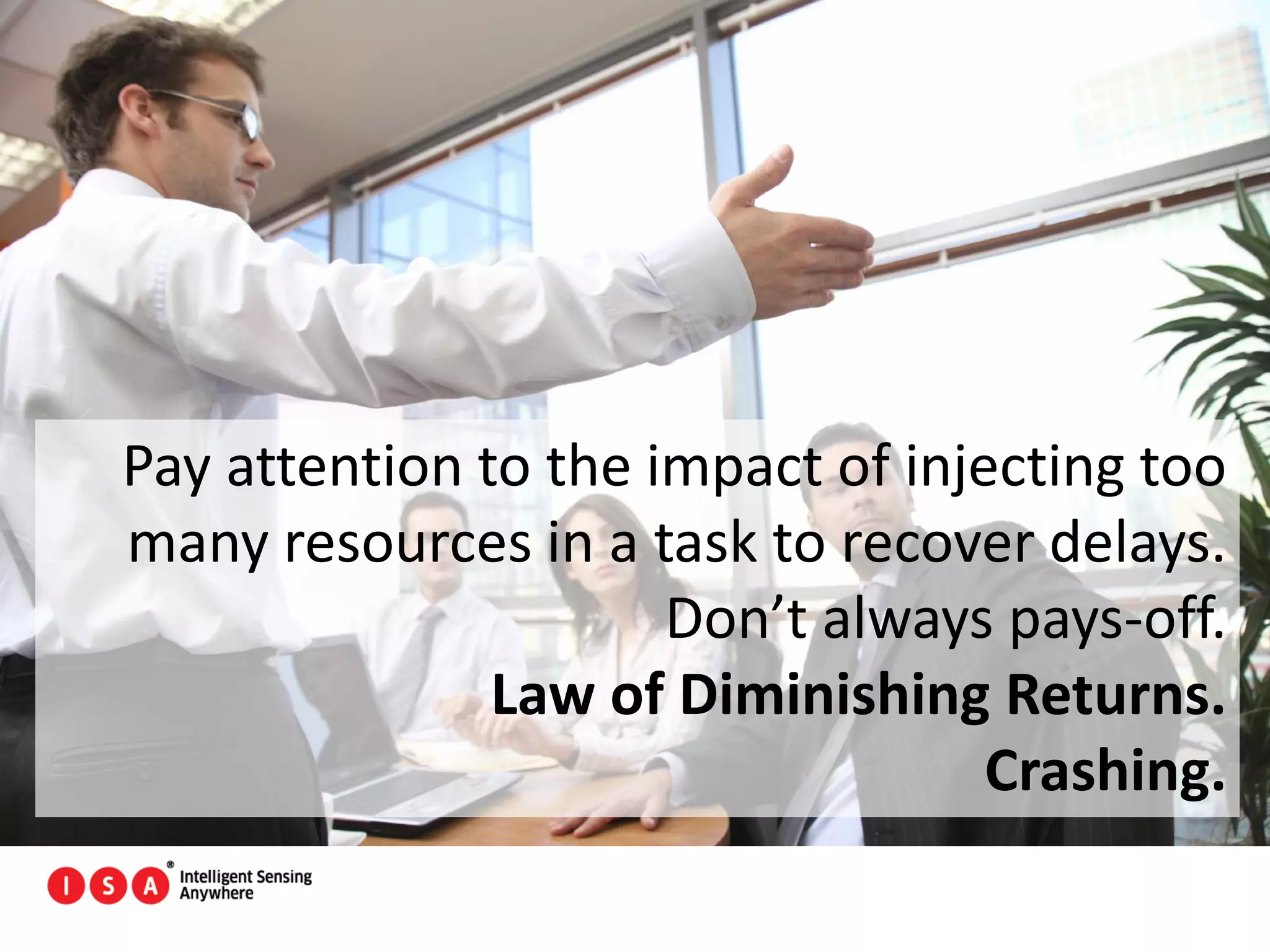
151
Pay attention to the impact of injecting too
many resources in a task to recover delays.
Don’t always pays-off.
Law of Diminishing Returns.
Crashing.
152
#30 – I have a plan but I don’t follow it
153
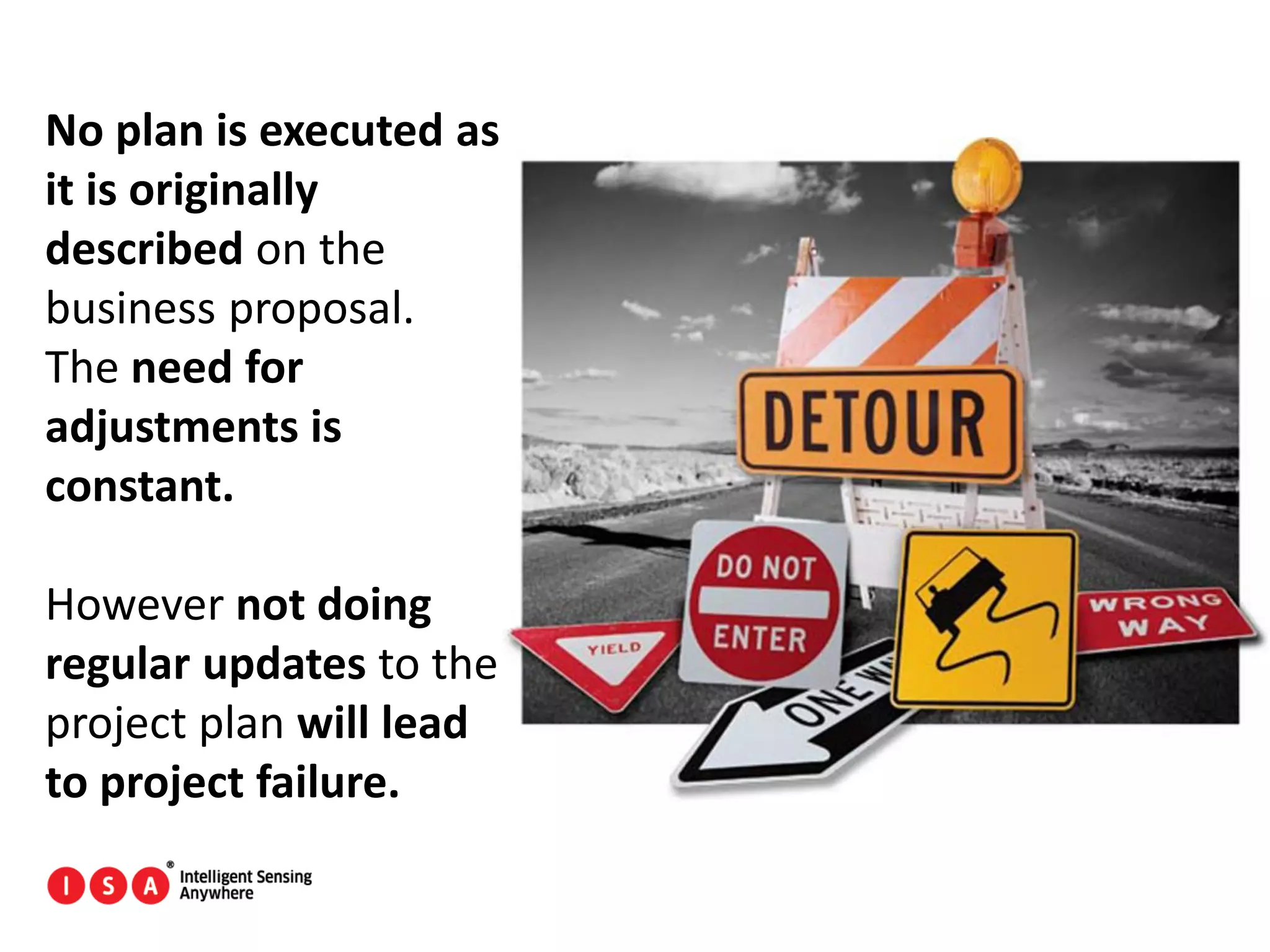
No plan is executed as
it is originally
described on the
business proposal.
The need for
adjustments is
constant.
However not doing
regular updates to the
project plan will lead
to project failure.
154
Consequences from not using or updating the project
plan:
- Team discredit face to planning;
- Difficulty doing forecasts;
- Stakeholders frustration;
- Probably there’s no other project documentation;
- Project’s deviations are not calculated.
155
156
#31 – Being vulnerable to top management
interference
157
158
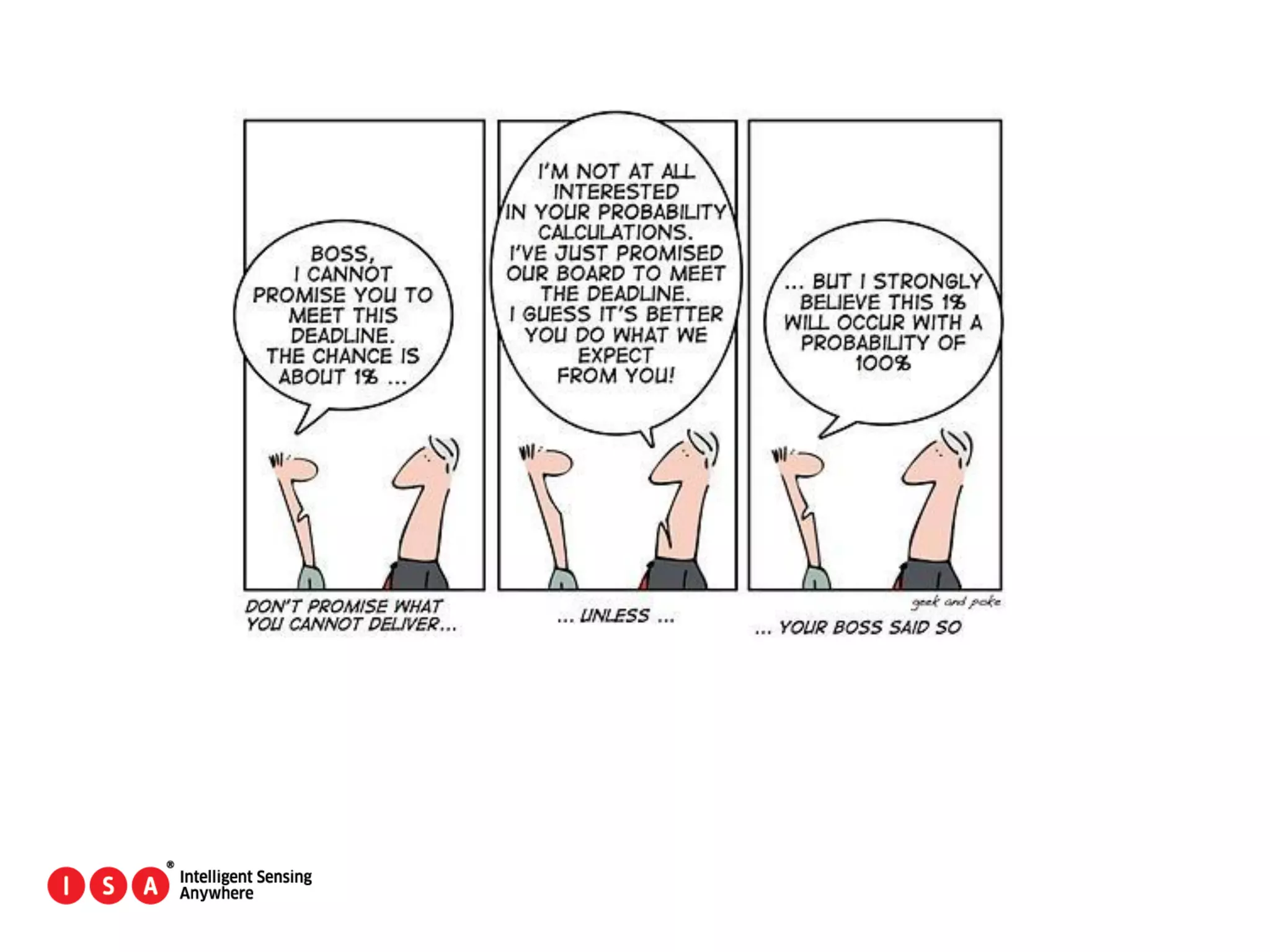
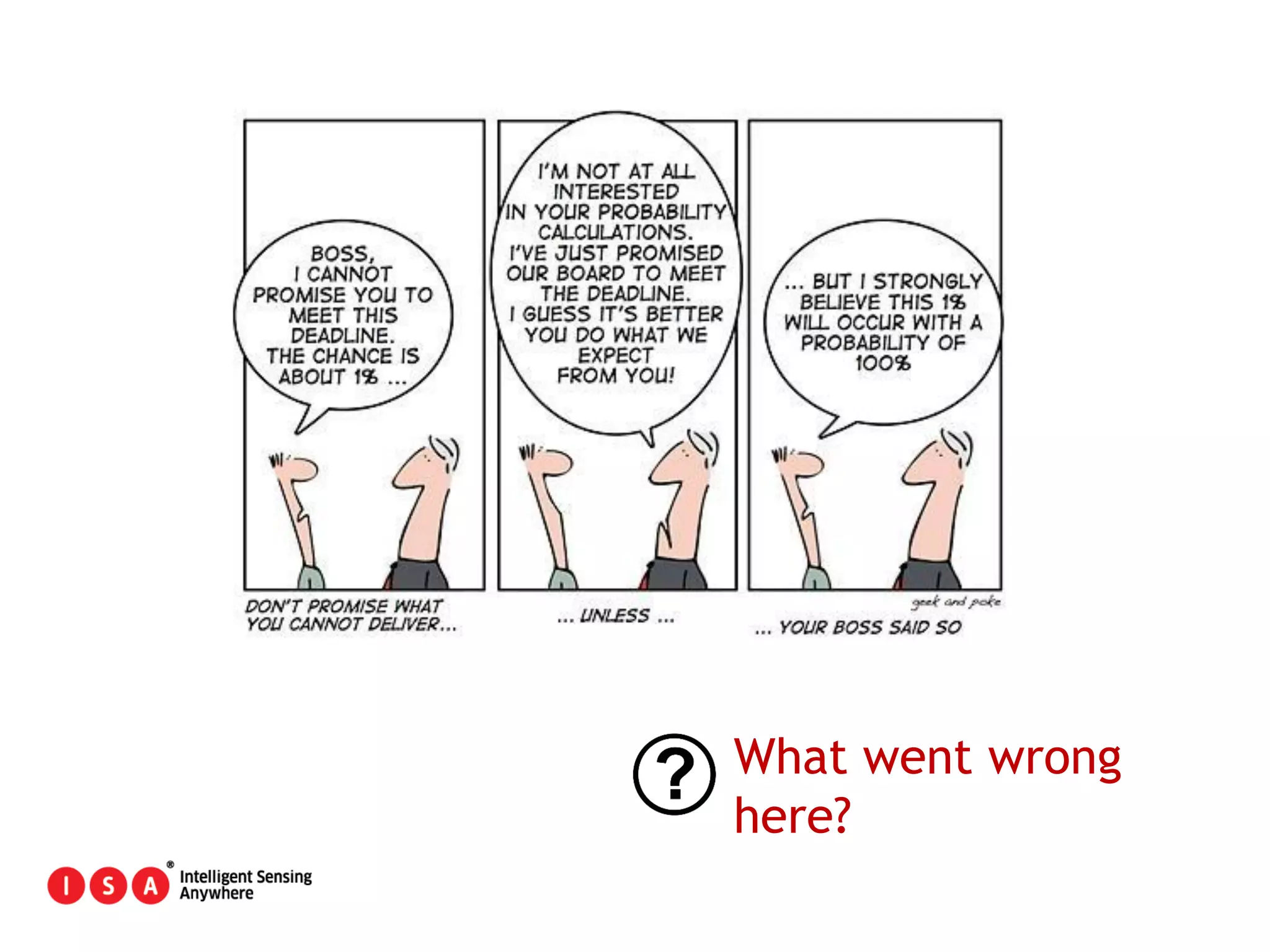
What went wrong
here?
159
The refuge in the “comfort” of the top
management’s decisions is an illusion and it’s
temporary.
160
The refuge in the “comfort” of the top
management’s decisions is an illusion and it’s
temporary.
The decision must be questioned and assessed, as
if it was any other stakeholder. The project
manager should do:
- Impact analysis;
- Validate this impact with the top management;
- Redefine project goals in case it’s a go for
execution.
161
The refuge in the “comfort” of the top
management’s decisions is an illusion and it’s
temporary.
The decision must be questioned and assessed, as
if it was any other stakeholder. The project
manager should do:
- Impact analysis;
- Validate this impact with the top management;
- Redefine project goals in case it’s a go for
execution.
The YES-MAN/WOMAN behavior does not lead to
commitment, autonomy or even the personal
development of the project manager and its team.
162
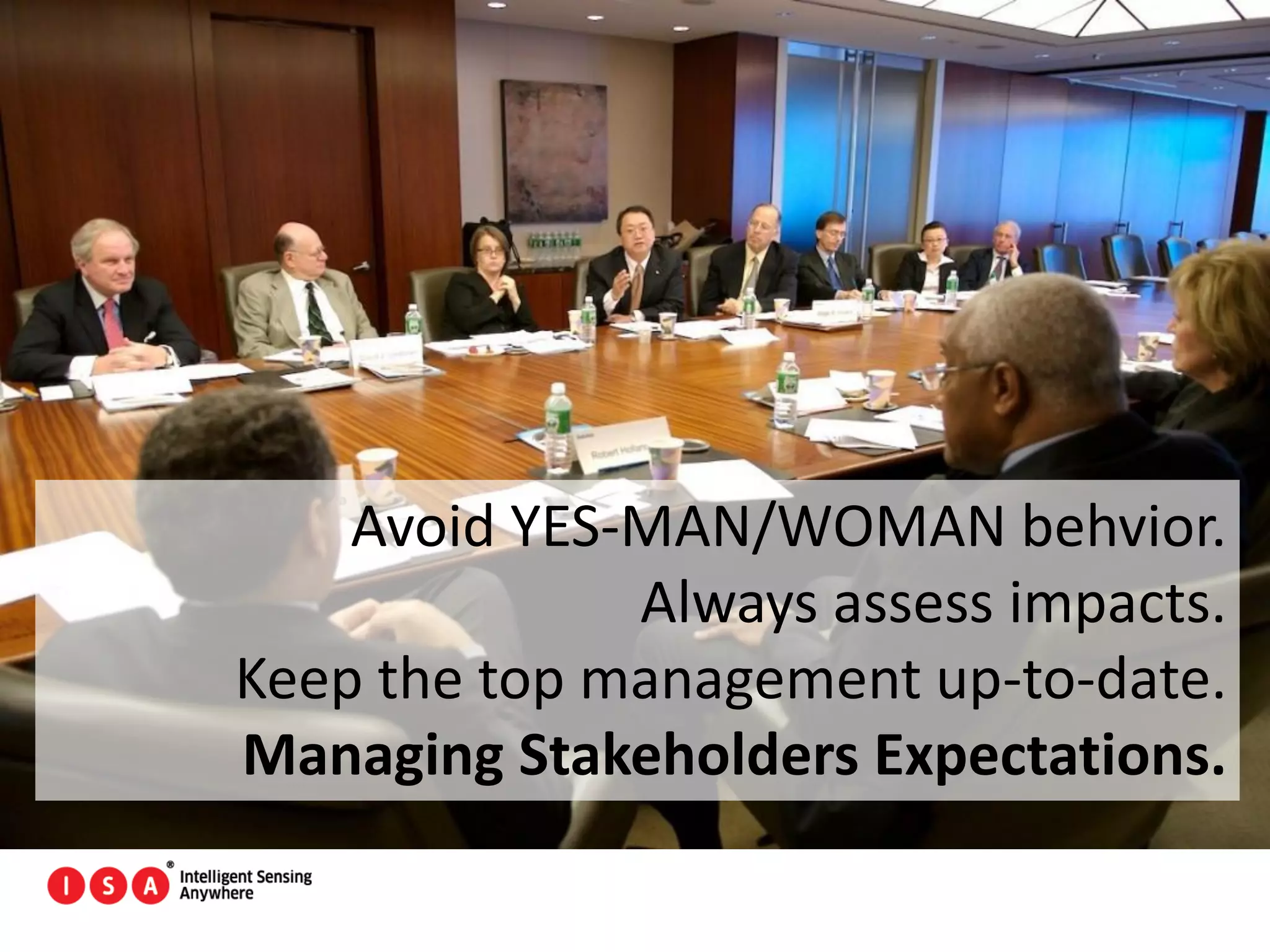
Avoid YES-MAN/WOMAN behvior.
Always assess impacts.
Keep the top management up-to-date.
Managing Stakeholders Expectations.
163
#32 – Poor outsourcing control
164
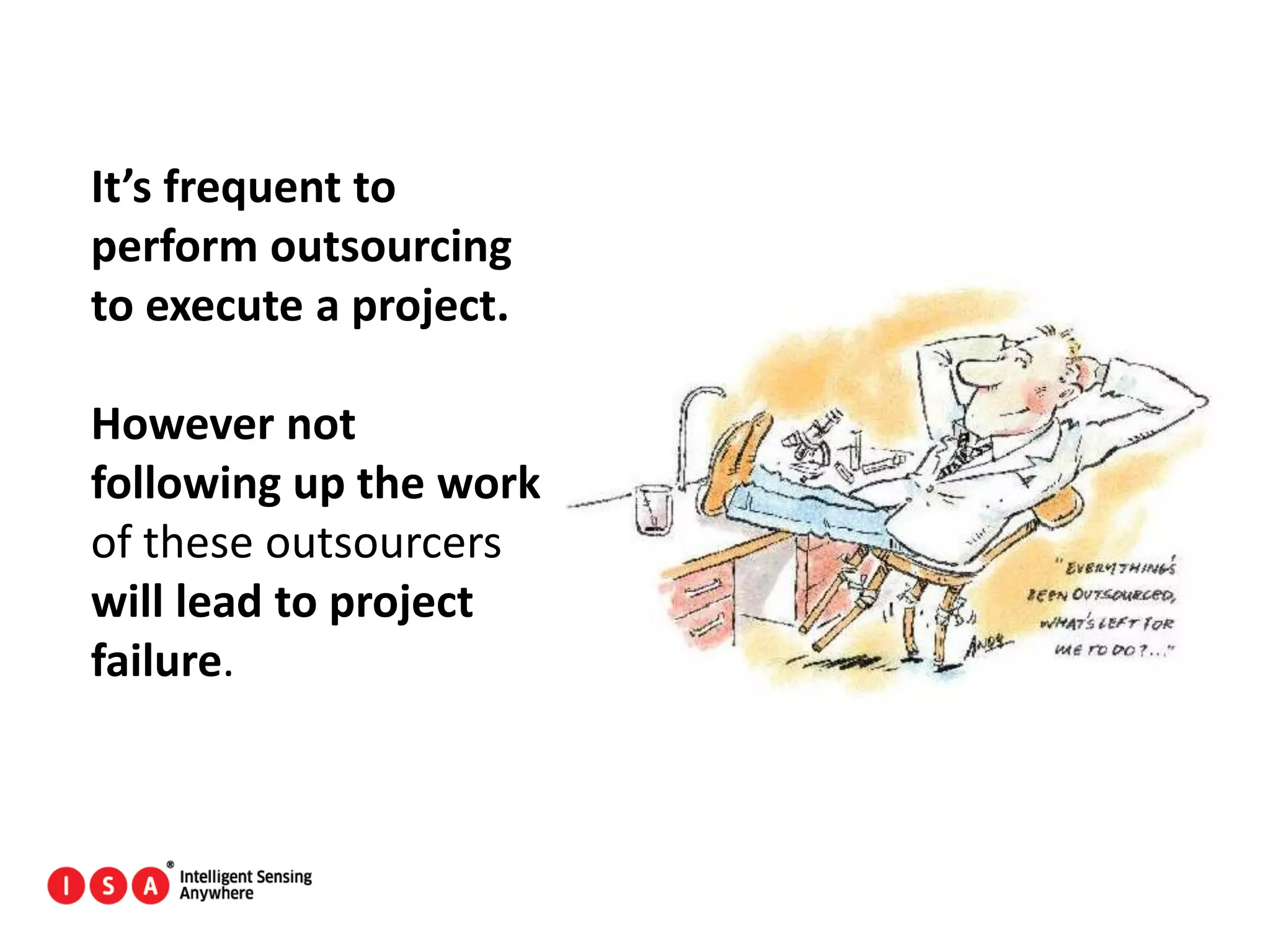
It’s frequent to
perform outsourcing
to execute a project.
However not
following up the work
of these outsourcers
will lead to project
failure.
165
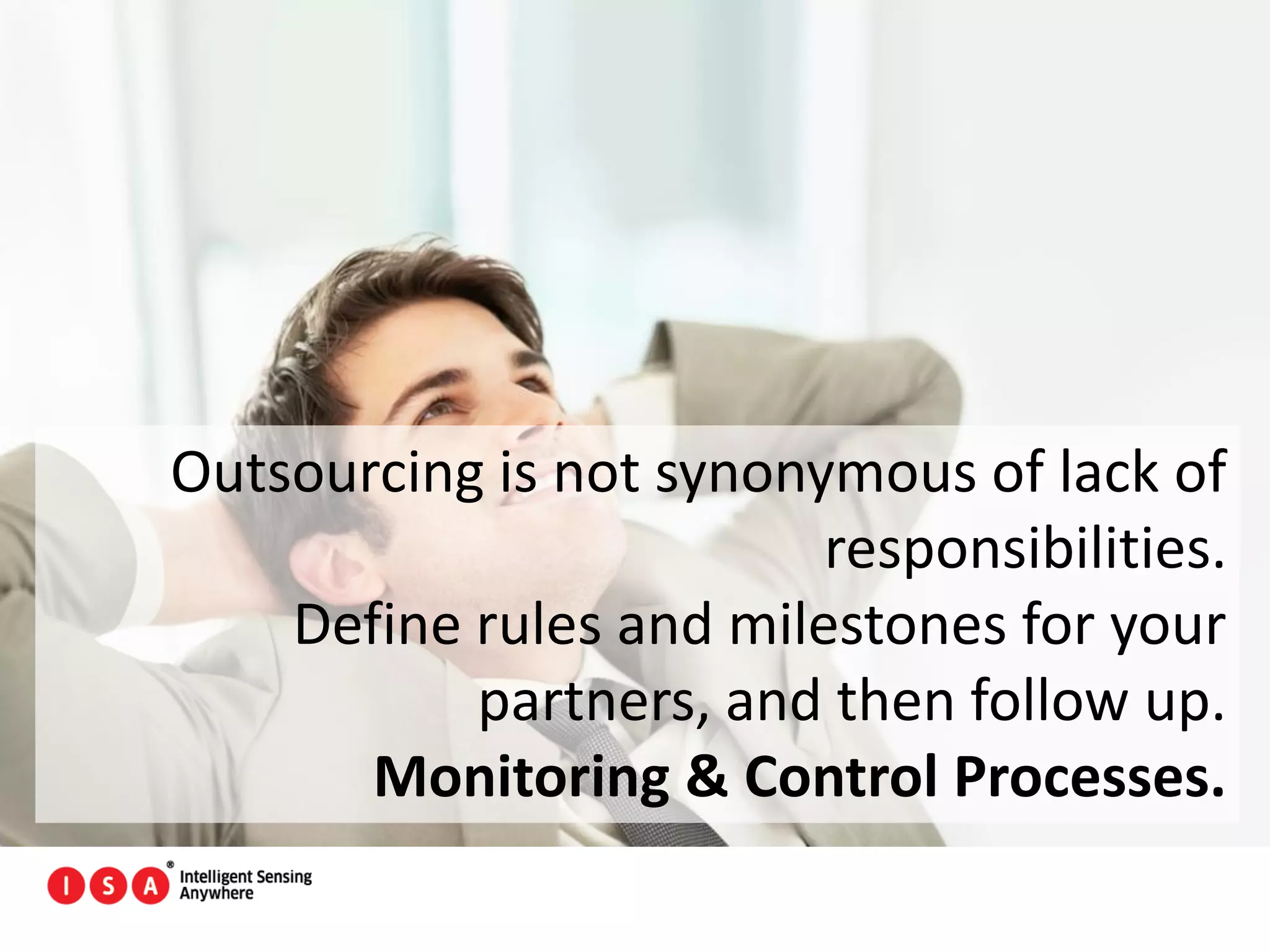
Outsourcing is not synonymous of lack of
responsibilities.
Define rules and milestones for your
partners, and then follow up.
Monitoring & Control Processes.
166
#33 – Reaction instead of prevention
167
Bad planning associated with
a weak risk identification are
facts that lead project
managers to spend most time
reacting instead of preventing
those issues.
168
Bad planning associated with
a weak risk identification are
facts that lead project
managers to spend most time
reacting instead of preventing
those issues.
Do Risk Management!
Avoiding most problems is a
way to get more time to
perform other tasks in the
project.
169
It’s always better to prevent.
Expert Judgement.
Risk Management Processes.
170
#34 – Allowing team conflicts
171
The perfect world
with no conflicts
and everyone is
happy!
172
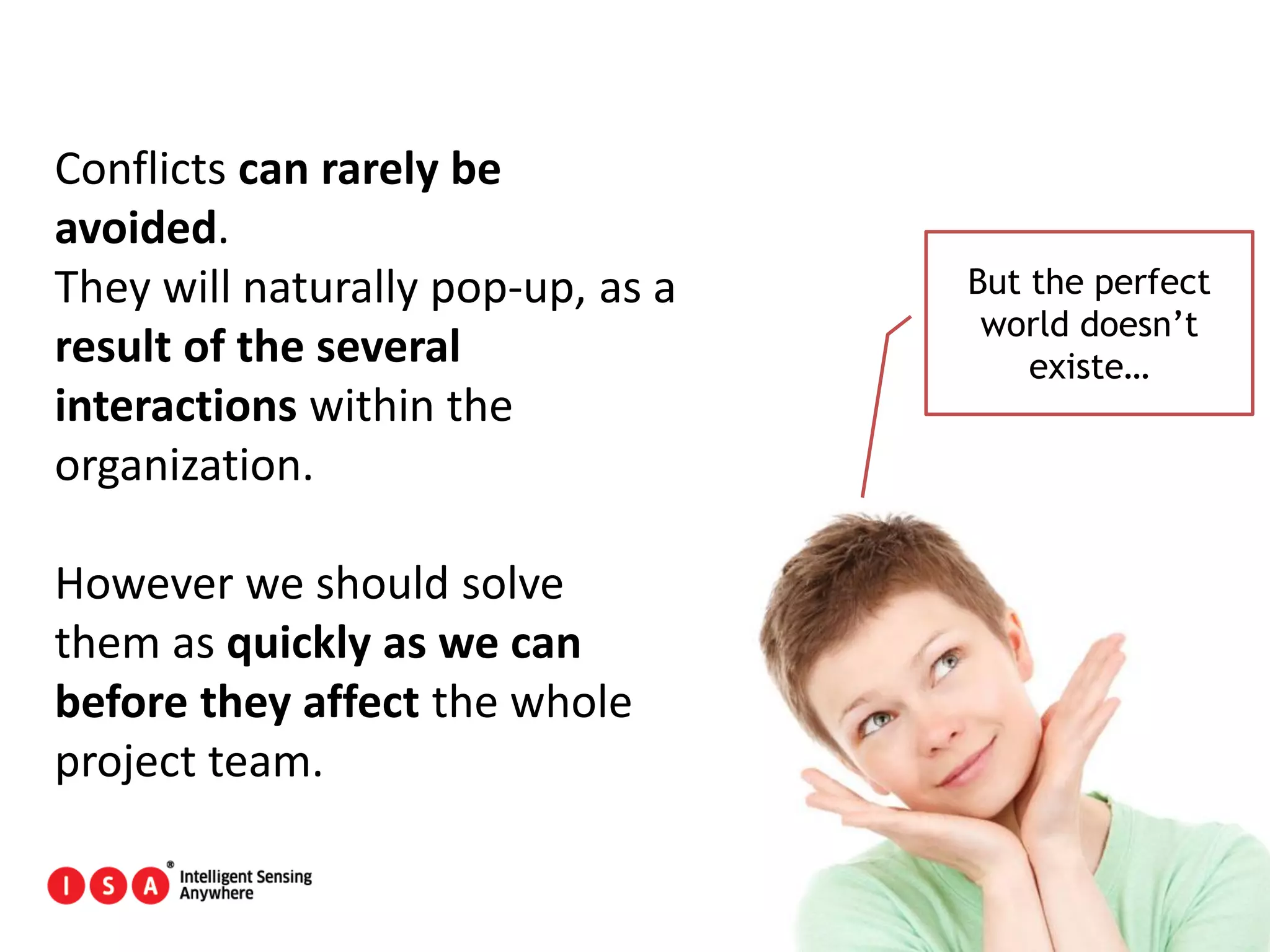
Conflicts can rarely be
avoided.
They will naturally pop-up, as a
result of the several
interactions within the
organization.
However we should solve
them as quickly as we can
before they affect the whole
project team.
But the perfect
world doesn’t
existe…
173
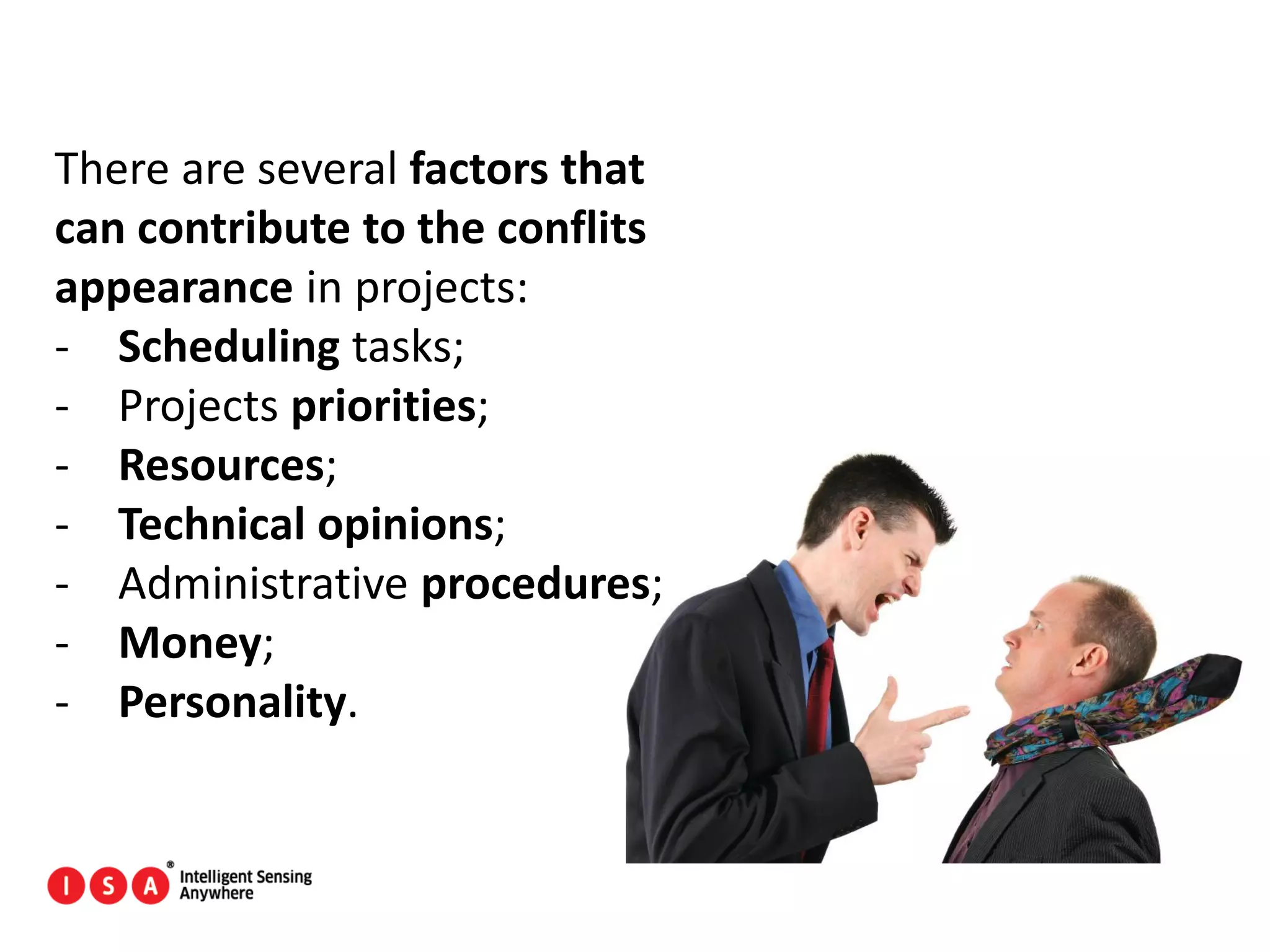
There are several factors that
can contribute to the conflits
appearance in projects:
- Scheduling tasks;
- Projects priorities;
- Resources;
- Technical opinions;
- Administrative procedures;
- Money;
- Personality.
174
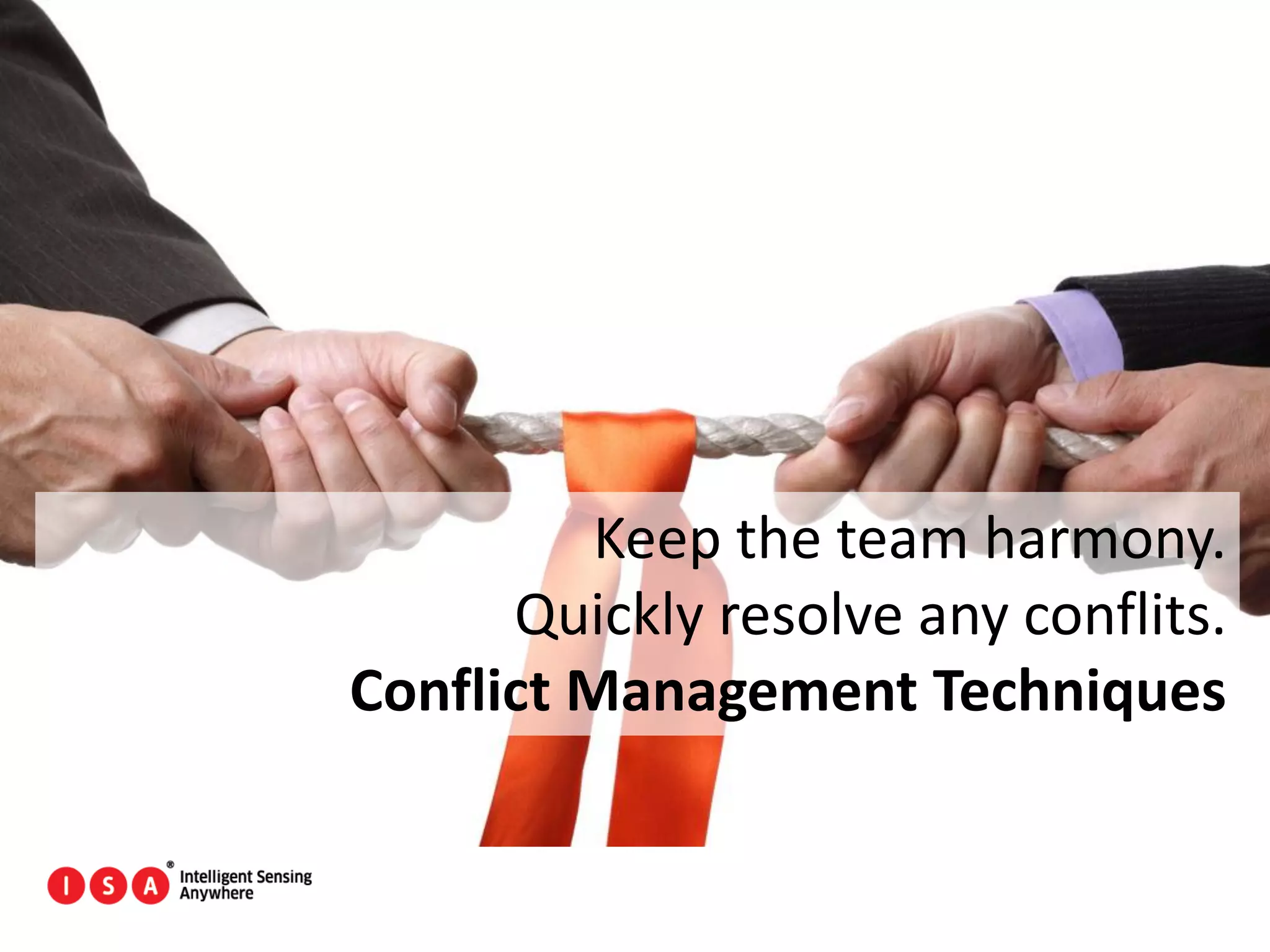
Keep the team harmony.
Quickly resolve any conflits.
Conflict Management Techniques
175
#35 – Courage to cancel a project
176
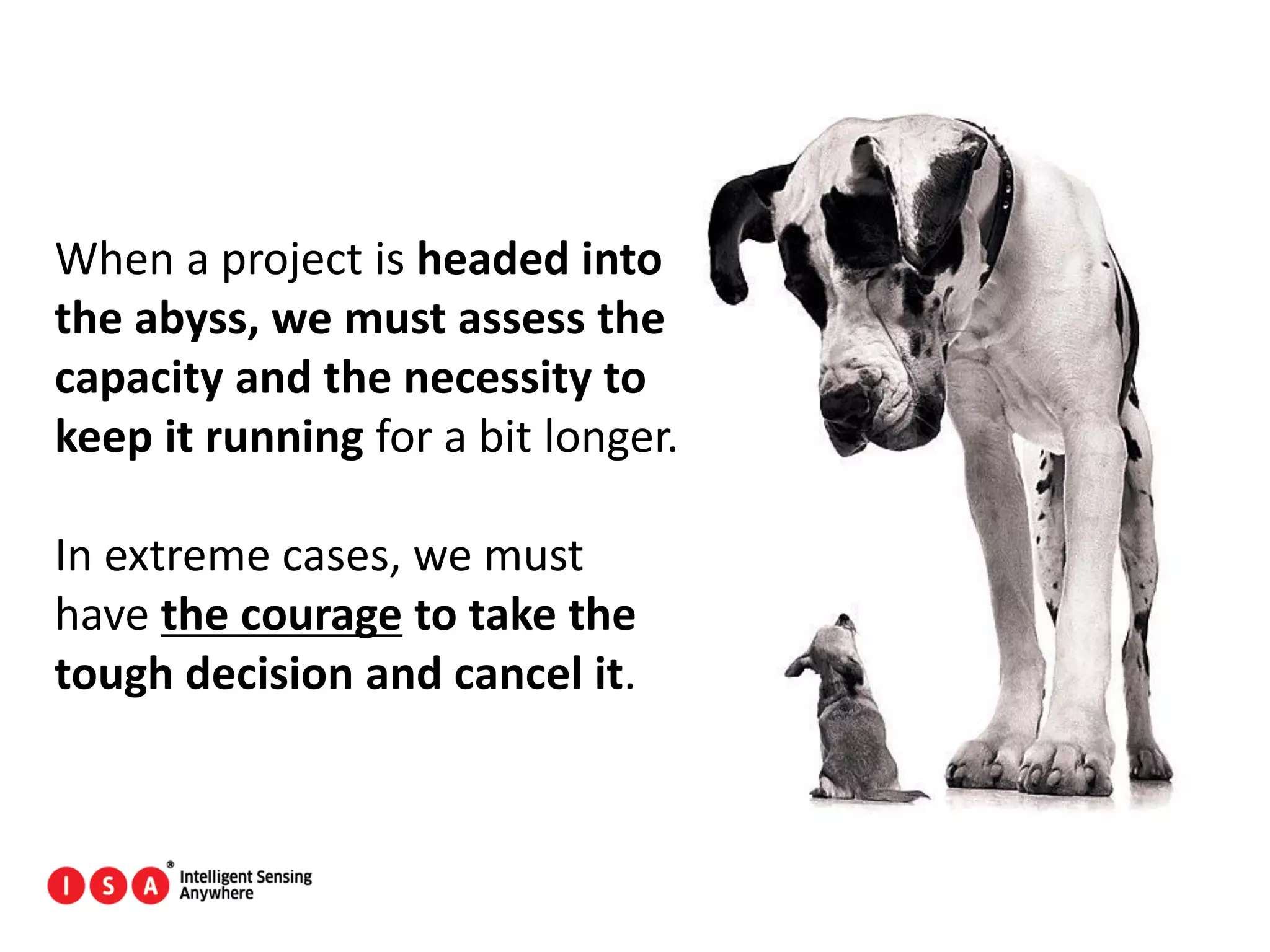
When a project is headed into
the abyss, we must assess the
capacity and the necessity to
keep it running for a bit longer.
In extreme cases, we must
have the courage to take the
tough decision and cancel it.
177
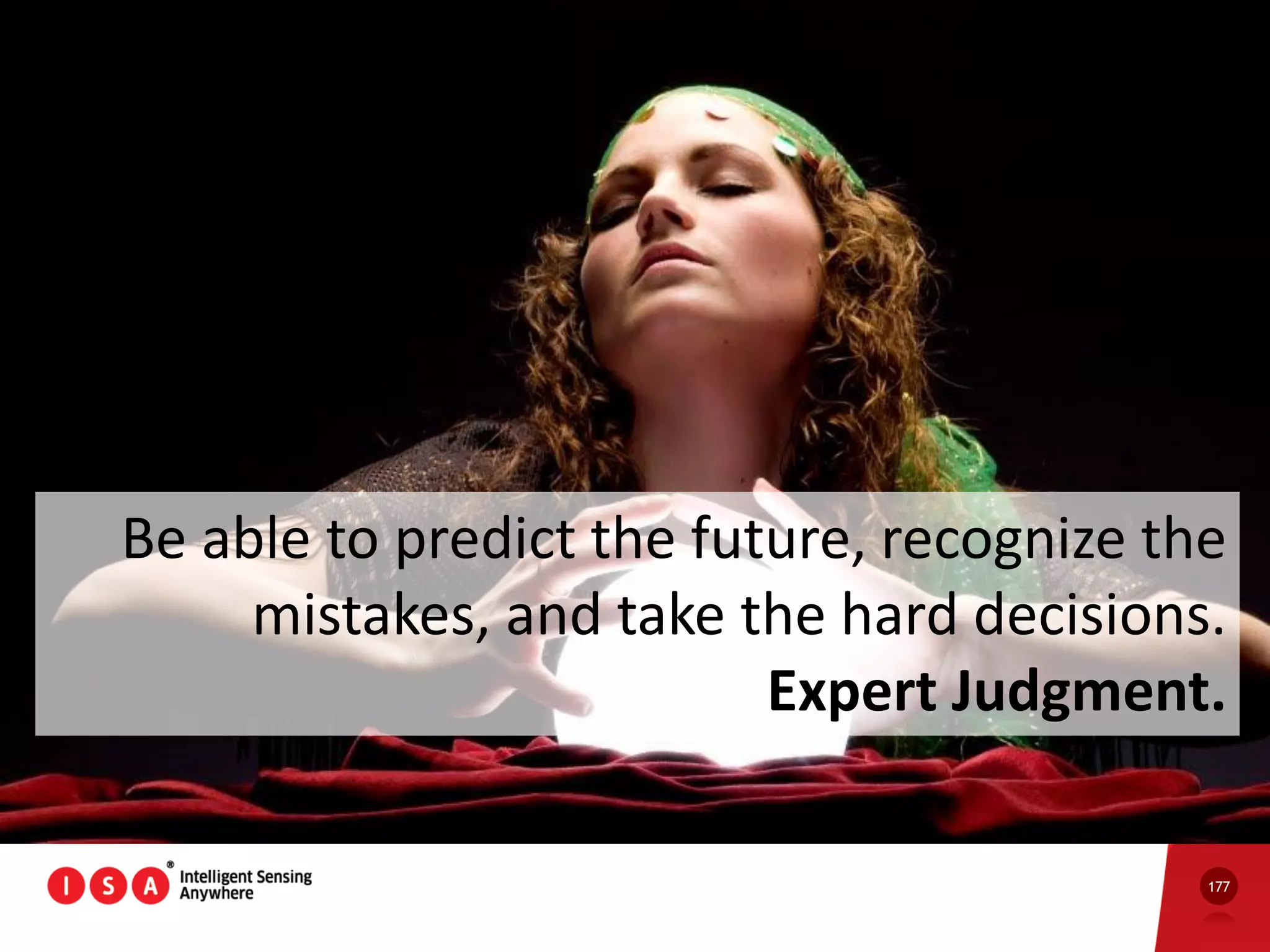
Be able to predict the future, recognize the
mistakes, and take the hard decisions.
Expert Judgment.
178
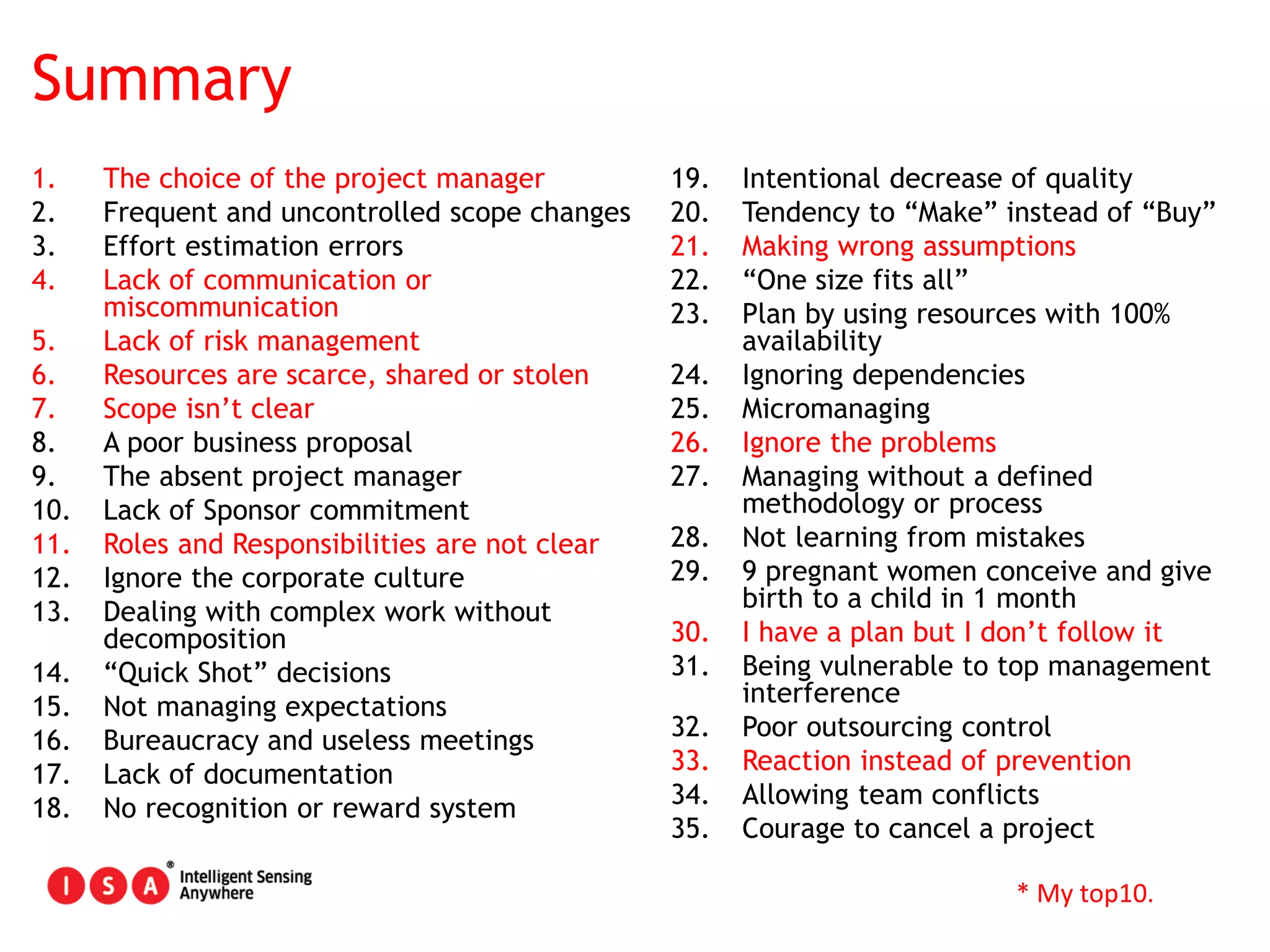
19. Intentional decrease of quality
20. Tendency to “Make” instead of “Buy”
21. Making wrong assumptions
22. “One size fits all”
23. Plan by using resources with 100%
availability
24. Ignoring dependencies
25. Micromanaging
26. Ignore the problems
27. Managing without a defined
methodology or process
28. Not learning from mistakes
29. 9 pregnant women conceive and give
birth to a child in 1 month
30. I have a plan but I don’t follow it
31. Being vulnerable to top management
interference
32. Poor outsourcing control
33. Reaction instead of prevention
34. Allowing team conflicts
35. Courage to cancel a project
1. The choice of the project manager
2. Frequent and uncontrolled scope changes
3. Effort estimation errors
4. Lack of communication or
miscommunication
5. Lack of risk management
6. Resources are scarce, shared or stolen
7. Scope isn’t clear
8. A poor business proposal
9. The absent project manager
10. Lack of Sponsor commitment
11. Roles and Responsibilities are not clear
12. Ignore the corporate culture
13. Dealing with complex work without
decomposition
14. “Quick Shot” decisions
15. Not managing expectations
16. Bureaucracy and useless meetings
17. Lack of documentation
18. No recognition or reward system
Summary
* My top10.
179
Before ending: daily business on projects
http://www.youtube.com/watch?v=HDu5Wo8Yh1k
“Operations keeps the lights on, strategy
provides a light at the end of the tunnel, but
project management is the train engine that
moves the organization forward.”
– Joy Gumz, PMI Technology Advisory Member
Thank you for your attention!

How to destroy a project in one month or less

  • 1.
    1 How to destroya project in one month… or less? Seminars ∙ Post Graduation Project Management ∙ ISBB Helder Ferreira ∙ PMO Director, ISA ∙ hferreira@isa.pt 13.04.2013
  • 2.
    2 • Experiência: – 16anos execução de projectos IT; – 10 anos em Gestão de Programas e Projectos; – 6 anos a liderar Gabinetes de Gestão de Projecto; – PMBoK, SCRUM, CMMI5, Lean, 6-sigma e ITSM; • Certificado em: – Project Management Professional, PMP – Scrum Master, CSM – ITIL IT Service Management, ITSM • Formação: – Licenciado em Engª Electrotécnica, FEUP – Mestrado em Engª Informática, FEUP – Pós-Graduado em Gestão de Projectos, ISBB Quem sou? • Currently PMO Director at Intelligent Sensing Anywhere, SA; • Certifications: PMP - Project Management Professional, CSM – Certified Scrum Master and ITSM – ITIL v3 Service Management; • License Degree in Electrotechnical Engineering, Masters in Computer Science and Post-Graduation in Project Management; • 16 years executing projects; • 10 years doing Program/Project Management (Retail, IT, Production, Energy, Internet/Web, Usability, R&D); • 6 years leading Project Management Offices (PMO); • PMBoK, SCRUM, XP, CMMI5, Lean, 6-sigma and ITIL.
  • 3.
    3 Do you knowwhat is the current project’s success rate?
  • 4.
  • 5.
    5 CHAOS Report Failed Delayed/ Overbudget Success Source:
  • 6.
    6 We keep doing anawful job managing projects!
  • 7.
    7 CHAOS Report • Projectswith high budgets • Have success rates really low • Projects with low budgets • Have success rates very high
  • 8.
    8 As more money gets involved, moreis the tendency (probability) to do mistakes!
  • 9.
    9 CHAOS Report Average %of temporal delay in challenged projects
  • 10.
    10 When we getdelayed, we REALLY get delayed!
  • 11.
    11 Conclusion: 67% of theworldwide projects end up like this…
  • 12.
    12 So, what iscausing such big disasters on our projects?
  • 13.
    13 35 reasons forthese problems to happen (by no special order or preference)
  • 14.
    14 #1 – Thechoice of the Project Manager
  • 15.
    15 The wrong person onthe right project. The choice should be made on the most proper resource to the project in question, having in mind: - Seniority; - Motivations; - Personality.
  • 16.
    16 Can a projectmanager with less “Soft/People Skills” be a good leader?
  • 17.
    17 Can a projectmanager with less “Soft/People Skills” be a good leader? Sure. Specially in projects with very strong technical components. As technical guru, will lead by example and peers will respect him/her.
  • 18.
    18 But pay attention: Justbecause someone excels at technical lead, that doesn’t mean it can be as good as a manager or vice-versa. Hallo Effect
  • 19.
    19 #2 – Frequentand uncontrolled scope changes
  • 20.
    20 The expectation gapbetween: the scope that the project manager believes he/she has to fulfill and the scope from the client side, causes a phenomenon of frequent and continuous changes in the project that at the end will cause huge deviations from the original vision. Scope Creep
  • 21.
    21 The expectation gapbetween: the scope that the project manager believes he/she has to fulfill and the scope from the client side, causes a phenomenon of frequent and continuous changes in the project that at the end will cause huge deviations from the original vision. Scope Creep What causes this behavior?
  • 22.
    22 Some probable causes: -Missing the identification of an important stakeholder; - The project need or the problem is not clear; - Sometimes, the client doesn’t know what he/she wants; - Bad requirements definition.
  • 23.
    23 Some probable causes: -Missing the identification of an important stakeholder; - The project need or the problem is not clear; - Sometimes, the client doesn’t know what he/she wants; - Bad requirements definition. Are all changes bad?
  • 24.
    24 Not all changesare bad, as long as they contribute positively for the project goal, and as long as there is a control mechanism in place. Change Control Board
  • 25.
    25 The scope changecontrol system also helps to avoid unecessary work in the project. Gold Plating
  • 26.
    26 #3 – EffortEstimation Errors
  • 27.
    27 Why do wedo so many errors estimating?
  • 28.
    28 Some of thecommon causes: - One-time estimate; - Padding; - Forget past history; - Don’t use a WBS; - Don’t validate scope with stakeholders; - Lack of buy-in from the team.
  • 29.
    29 Some of thecommon causes: - One-time estimate; - Padding; - Forget past history; - Don’t use a WBS; - Don’t validate scope with stakeholders; - Lack of buy-in from the team. How can we improve?
  • 30.
    30 - Create aWBS with the team and the client; - Use 3-point estimate; - Use Delphi Technique; - Use the historical data; - Apply reserves.
  • 31.
    31 - Create aWBS with the team and the client; - Use 3-point estimate; - Use Delphi Technique; - Use the historical data; - Apply reserves. Estimating will always be a Guessing Game. But it should be an Educated Guess.
  • 32.
    32 #4 – Lackof communication or miscommunication
  • 33.
  • 34.
  • 35.
    35 Why does this happenso often? Communication is a complex subject.
  • 36.
    36 The human being communicates: -7% through words; - 38% with voice; - 55% with the body. Each one of us has 3 communication channels: - Auditive; - Visual; - Kinesthetic; And one of them is dominant…
  • 37.
    37 65% of theworld population retains Visual information better than Auditive information.
  • 38.
    38 Any communication systemhas one transmitter, one receiver and a channel, through which the transmitter sends a message that should be perceived by the receiver.
  • 39.
    39 Any communication systemhas one transmitter, one receiver and a channel, through which the transmitter sends a message that should be perceived by the receiver. But there is noise.
  • 40.
    40 Noise can becaused by: - Nº of transmitters and receivers; - Usage of the wrong communication channel; - Environment where we are; - Attitude of the transmitter and the receiver; - Lack of communication skills; - Culture; - Level of expertise about the message contents.
  • 41.
    41 Noise can becaused by: - Nº of transmitters and receivers; - Usage of the wrong communication channel; - Environment where we are; - Attitude of the transmitter and the receiver; - Lack of communication skills; - Culture; - Level of expertise about the message contents. How can we improve the communication?
  • 42.
  • 43.
    43 #5 – Lackof risk management
  • 44.
    44 Not managing yourrisks is like walking with your eyes closed.
  • 45.
  • 46.
    46 Common problems inrisk management: - Ignore that risks exist; - Don’t consult all the stakeholders; - Unknowing the risk tolerances; - Not adding contingency and management reserves; - Not using the risk register frequently; - Ignore common sense; - Trust in luck.
  • 47.
    47 #6 – Resourcesare scarce, shared or stolen
  • 48.
    48 Sharing is difficult,especially when the resources are scarce and there are opposing interests. Matrix Organizations
  • 49.
    49 Most organizations inthe world follow a matrix hierarchy, where resources deal daily with conflict of interests between project management and functional managers.
  • 50.
    50 Most organizations inthe world follow a matrix hierarchy, where resources deal daily with conflict of interests between project management and functional managers. Depending on the matrix organization, we might have: - Resources that give priority to their department tasks instead of project tasks; - Project Managers negotiating for the best resources with functional managers or other project managers; - Masked costs; - Delays caused by low / shared availability; - Low morale in Projects.
  • 51.
    51 Deal for thebest resources. Meet with the functional managers. Make your project their project too.
  • 52.
    52 #7 – Scopeisn’t clear
  • 53.
  • 54.
    54 Frequently, the clientdoesn’t really know what he/she wants. What should we do?
  • 55.
    55 Frequently, the clientdoesn’t really know what he/she wants. What should we do? We should help the client define the requirements and guarantee that everyone has the same understanding on the scope. WBS, WBS Dictionary Traceability Matrices Focus Groups, Brainstorming, Interviews …
  • 56.
  • 57.
    57 #8 – Apoor business proposal
  • 58.
    58 Some of thecommon problems are: - Communication Gaps between business, project managers and technical team; - Wrong assumptions made from unclear bid documents; - Bad estimations without risk reserves; - Risks not identified and quantified; - Anxiety to sell at any cost; - Wrong type of contract; - Some ingenuity.
  • 59.
    59 Some of thecommon problems are: - Communication Gaps between business, project managers and technical team; - Wrong assumptions made from unclear bid documents; - Bad estimations without risk reserves; - Risks not identified and quantified; - Anxiety to sell at any cost; - Wrong type of contract; - Some ingenuity. BETTER
  • 60.
    60 When you have goodbidding documents and the contract is well structured and documented… … in case of doubt, always read well the documents, your answer is usually there.
  • 61.
    61 Any business proposalshould be seen as a project. The team is the commercial, project manager and technical resources. Don’t ignore the business proposal!
  • 62.
    62 #9 – Theabsent project manager
  • 63.
    63 If the projectmanager doesn’t follow up with the team and the project…
  • 64.
    64 Do you knowthe symptoms: “no time”, “not now”, “I’ll catch you up later”, “send me in an email”, “just speak with…”?
  • 65.
    65 Do you knowthe symptoms: “no time”, “not now”, “I’ll catch you up later”, “send me in an email”, “just speak with…”? A project manager needs to ensure availability to: - Follow the team; - Control the project; - Do regular meetings; - Collect status; - Manage expectations; - Update the plan; - Do forecasts; - Observe.
  • 66.
    66 A project withoutproject manager is like a ship on high sea without its commander.
  • 67.
    67 And when there’sno commander…
  • 68.
    68 #10 – Lackof sponsor commitment
  • 69.
    69 Organizations run severalprojects, all the time, and not all of them have the same priority or attention from the Sponsor.
  • 70.
    70 Organizations run severalprojects, all the time, and not all of them have the same priority or attention from the Sponsor. Lack of attention from the sponsor leads to: - Delays on decisions; - Favoring other projects; - Lack of support to project management; - Lost of motivation.
  • 71.
    71 Keep the sponsoron your side. Keep him updated. Protect your project.
  • 72.
    72 #11 – Rolesand Responsibilities are not clear
  • 73.
    73 Several roles existon a project team. Being able to clearly define the roles and responsibilities on the project is a determinant factor on the project success.
  • 74.
    74 The lack ofresponsibilities definition causes: - Increase of conflicts; - Lack of commitment from the team actions; - Decrease of productivity;
  • 75.
    75 Clearly define theroles and responsibilities of all persons associated to the project. RACI Matrices Stakeholder Register & Analysis
  • 76.
    76 #12 – Ignorethe corporate culture
  • 77.
  • 78.
    78 Ignoring the corporateculture can cause some problems, such us: - Resources alienation; - Resistance to change; - Impact on task execution; - Boycotting the project.
  • 79.
  • 80.
    80 Identify the corporateculture and use it as benefict for your project. Experimentation & Piloting Lead by Example
  • 81.
    81 #13 – Dealingwith complex work without decomposition
  • 82.
    82 Let’s build thestarship Enterprise.
  • 83.
    83 How can Iestimate a task of 50 months?
  • 84.
    84 How can Iestimate a task of 50 months? How can I assess the work progress on a task with 1100 days duration?
  • 85.
    85 How can Iestimate a task of 50 months? How can I assess the work progress on a task with 1100 days duration? I can’t. At least not in an efficient and realistic way.
  • 86.
    86 All complex workneeds to be decomposed on smaller tasks, estimated and controllable. These decomposition should roll-out through the project execution. Decomposition & Progressively Elaborated
  • 87.
    87 #14 – “QuickShot” decisions
  • 88.
    88 Taking “on-the-fly” or“quick shot” decisions without first assessing the impact of those actions or with little information, usually end up in: - Conflicts; - Additional delays and costs; - Stakeholders dissatisfaction.
  • 89.
    89 Always judge firstthe impact before get into action. Ask for more information. Run a simulation. Impact Analysis. Forecasting (Monte Carlo, EVM)
  • 90.
    90 #15 – Notmanaging expectations
  • 91.
    91 What’s the firstthing that comes to your mind when someone mentions nuns?
  • 92.
    92 Was this yourexpectation?
  • 93.
    93 Aligning the stakeholder's expectationswith the project reality bring us some benefits: - No surprises; - Prevention instead of reaction; - Commitment; - Adjusted and Realistic Goals.
  • 94.
    94 Always do expectation’smanagement. Communication Plan Stakeholders Register
  • 95.
    95 #16 – Bureaucracyand useless meetings
  • 96.
    96 Do you knowthat: - Most company workers participate on 62 monthly meetings; - Half of those meetings are considered waste of time; - In average, in one month, they spend 31h in non productive meetings; * Based on a study made to hundreds of north-american companies.
  • 97.
    97 Do you knowthat: - Most company workers participate on 62 monthly meetings; - Half of those meetings are considered waste of time; - In average, in one month, they spend 31h in non productive meetings; - And, in average, the participants of those meetings: - 91% are day dreaming; - 96% skipped the meeting; - 39% slept during the meeting; - 45% are stunned with the quantity of meetings they have; - 73% worked on other tasks during the meeting; - 47% complained it was a pure waste of time. * Based on a study made to hundreds of north-american companies.
  • 98.
    98 Be Agile. Focusthe team on what is really important for the project. Work Performance Information Tailoring
  • 99.
    99 #17 – Lackof documentation
  • 100.
  • 101.
    101 How did youfeel with the “non” explanation on the previous slide?
  • 102.
    102 How did youfeel with the “non” explanation on the previous slide? The absence of documentation in the project usually translates into: - Requirements not documented or updated; - Lack of decision records; - No commitment from the team; - Lack of control on the triple constraint; - Additional delays and costs; - Lack of information for customer support; - Frustration.
  • 103.
    103 Use common sensebut document your project. Project Charter Project Scope Statement Risk Register Stakeholders Register Project Meeting Minutes
  • 104.
    104 #18 – Norecognition or reward system
  • 105.
    105 Every human beingneeds motivation.
  • 106.
    106 Every human beingneeds motivation. Without motivation the effective and efficient collaboration of a team member is an illusion.
  • 107.
    107 One way toincrease motivation is the existence of a reward or recognition system, focusing each team member individually.
  • 108.
    108 One way toincrease motivation is the existence of a reward or recognition system, focusing each team member individually. Simple systems could be: - Saying “Thank you”; - Give monetary prizes; - Recommend for raises; - Laud in public; - Celebrate milestones; - Give training on a certain technology.
  • 109.
    109 Work with yourorganization in the sense to reward your team. Human Resource Management Plan
  • 110.
    110 #19 – Intentionaldecrease of quality
  • 111.
    111 Quality – degree to whichwe fullfill the specified requirements
  • 112.
    112 Decreasing quality onthe project deliverables usually translates into: - Customer dissatisfaction; - Increase on rework costs; - Delays on releases; - Team with low morale; - Added risks to the project.
  • 113.
    113 Define the acceptablequality. Collect metrics. Adjust. Quality Management Plan Inspection. Audits. Fishbone. Control Charts.
  • 114.
    114 #20 – Tendencyto “Make” instead of “Buy”
  • 115.
    115 It’s Human! We liketo reinvent the wheel.
  • 116.
    116 It’s Human! We liketo reinvent the wheel. This tendency bring us consequences: - More effort to achieve the results; - Not reusing existing products; - Introducing new problems; - Added costs to the project.
  • 117.
    117 Do an analysison what is important or strategic to the project. Keep the strategic parts in-house. Outsource the rest. Procurement Management Plan
  • 118.
    118 #21 – Makingwrong assumptions
  • 119.
    119 It’s normal that2 persons have different interpretations over the same artifact.
  • 120.
    120 It’s normal that2 persons have different interpretations over the same artifact. However assuming only our interpretation without validation usually lead us to costly mistakes.
  • 121.
    121 Don’t assume! Read thebusiness proposal. Talk to the stakeholders. Get requirements confirmation.
  • 122.
    122 #22 – “Onesize fits all”
  • 123.
    123 All projects are,by nature and definition, different. One methodology or technique that worked well on a certain project might not have application on a different one.
  • 124.
    124 Reuse techniques thathad produced good results in the past, but be self-critic to recognize you might need to re-adjust. Continuous Improvement
  • 125.
    125 #23 – Planby using resources with 100% availability
  • 126.
    126 Did you knewthat, in average: - Each worker is interrupted 56 times along the day; - Work 3 minutes in one task and then change context to another one; - Spend 2h per day just to recover focus from distractions; - 80% of the interruptions are considered trivial and without necessity. * Based on a study made to hundreds of north-american companies.
  • 127.
    127 Did you knewthat, in average: - Each worker is interrupted 56 times along the day; - Work 3 minutes in one task and then change context to another one; - Spend 2h per day just to recover focus from distractions; - 80% of the interruptions are considered trivial and without necessity. No resource works at 100%. Only 60% ou less from the working schedule is spent productively. * Based on a study made to hundreds of north-american companies.
  • 128.
    128 Plan for lessthan 100% available resources. It will be more realistic. Estimating Durations. Project Planning.
  • 129.
  • 130.
    130 Projects are complexand have multiple dependencies between tasks, resources and other projects.
  • 131.
    131 Projects are complexand have multiple dependencies between tasks, resources and other projects. Not respecting these dependencies will cause additional costs and delays and could cause the whole project to be at risk.
  • 132.
    132 Discuss the dependencieswith the project team. Ask for help and identify risks. Sequence Activities. Estimate Activity Resources.
  • 133.
  • 134.
    134 Some micromanagement is accepted by juniorteams. But it will never be tolerated by more mature teams.
  • 135.
    135 Some micromanagement is accepted by juniorteams. But it will never be tolerated by more mature teams.
  • 136.
    136 Delegate. Do Mentoringand Coaching. Develop Project Team.
  • 137.
  • 138.
    138 Hiding or ignoringthe problems solves nothing, and can even increase the problem’s impact. The responsibility for the project outcome is always from the Project Manager.
  • 139.
    139 Face the problems.Don’t be scare. It’s an opportunity to improve. Problem Solving.
  • 140.
    140 #27 – Managingwithout a defined methodology or process
  • 141.
    141 Managing a projectwithout a project management methodology is like conducting an orchestra without a stave or baton. Nothing will come out harmonious.
  • 142.
    142 Choose the methodologythat best applies to the project in question and apply it! PMBoK SCRUM
  • 143.
    143 #28 – Notlearning from mistakes
  • 144.
    144 Doing mistakes isonly human. Important is to recognize it and try again.
  • 145.
    145 Doing mistakes isonly human. Important is to recognize it and try again.
  • 146.
    146 Study project’s historicaldata. Do lesson learned sessions and distribute them. Lessons Learned. Historical Data.
  • 147.
    147 I also domistakes and I will keep doing them in the future. This presentation is a portion of my lesson learned data base!
  • 148.
    148 #29 – 9pregnant women conceive and give birth to a child in 1 month
  • 149.
    149 X 9 When projectexecution delays, some schedule compression techniques are applied. One of the project manager’s tendency is to inject as many resources as possible to try to recover the delay.
  • 150.
    150 X 9 When projectexecution delays, some schedule compression techniques are applied. One of the project manager’s tendency is to inject as many resources as possible to try to recover the delay. However, every time we inject more and more effort into a task, the more complex it gets to manage. Efficiency and productivity decrease.
  • 151.
    151 Pay attention tothe impact of injecting too many resources in a task to recover delays. Don’t always pays-off. Law of Diminishing Returns. Crashing.
  • 152.
    152 #30 – Ihave a plan but I don’t follow it
  • 153.
    153 No plan isexecuted as it is originally described on the business proposal. The need for adjustments is constant. However not doing regular updates to the project plan will lead to project failure.
  • 154.
    154 Consequences from notusing or updating the project plan: - Team discredit face to planning; - Difficulty doing forecasts; - Stakeholders frustration; - Probably there’s no other project documentation; - Project’s deviations are not calculated.
  • 155.
  • 156.
    156 #31 – Beingvulnerable to top management interference
  • 157.
  • 158.
  • 159.
    159 The refuge inthe “comfort” of the top management’s decisions is an illusion and it’s temporary.
  • 160.
    160 The refuge inthe “comfort” of the top management’s decisions is an illusion and it’s temporary. The decision must be questioned and assessed, as if it was any other stakeholder. The project manager should do: - Impact analysis; - Validate this impact with the top management; - Redefine project goals in case it’s a go for execution.
  • 161.
    161 The refuge inthe “comfort” of the top management’s decisions is an illusion and it’s temporary. The decision must be questioned and assessed, as if it was any other stakeholder. The project manager should do: - Impact analysis; - Validate this impact with the top management; - Redefine project goals in case it’s a go for execution. The YES-MAN/WOMAN behavior does not lead to commitment, autonomy or even the personal development of the project manager and its team.
  • 162.
    162 Avoid YES-MAN/WOMAN behvior. Alwaysassess impacts. Keep the top management up-to-date. Managing Stakeholders Expectations.
  • 163.
    163 #32 – Pooroutsourcing control
  • 164.
    164 It’s frequent to performoutsourcing to execute a project. However not following up the work of these outsourcers will lead to project failure.
  • 165.
    165 Outsourcing is notsynonymous of lack of responsibilities. Define rules and milestones for your partners, and then follow up. Monitoring & Control Processes.
  • 166.
    166 #33 – Reactioninstead of prevention
  • 167.
    167 Bad planning associatedwith a weak risk identification are facts that lead project managers to spend most time reacting instead of preventing those issues.
  • 168.
    168 Bad planning associatedwith a weak risk identification are facts that lead project managers to spend most time reacting instead of preventing those issues. Do Risk Management! Avoiding most problems is a way to get more time to perform other tasks in the project.
  • 169.
    169 It’s always betterto prevent. Expert Judgement. Risk Management Processes.
  • 170.
    170 #34 – Allowingteam conflicts
  • 171.
    171 The perfect world withno conflicts and everyone is happy!
  • 172.
    172 Conflicts can rarelybe avoided. They will naturally pop-up, as a result of the several interactions within the organization. However we should solve them as quickly as we can before they affect the whole project team. But the perfect world doesn’t existe…
  • 173.
    173 There are severalfactors that can contribute to the conflits appearance in projects: - Scheduling tasks; - Projects priorities; - Resources; - Technical opinions; - Administrative procedures; - Money; - Personality.
  • 174.
    174 Keep the teamharmony. Quickly resolve any conflits. Conflict Management Techniques
  • 175.
    175 #35 – Courageto cancel a project
  • 176.
    176 When a projectis headed into the abyss, we must assess the capacity and the necessity to keep it running for a bit longer. In extreme cases, we must have the courage to take the tough decision and cancel it.
  • 177.
    177 Be able topredict the future, recognize the mistakes, and take the hard decisions. Expert Judgment.
  • 178.
    178 19. Intentional decreaseof quality 20. Tendency to “Make” instead of “Buy” 21. Making wrong assumptions 22. “One size fits all” 23. Plan by using resources with 100% availability 24. Ignoring dependencies 25. Micromanaging 26. Ignore the problems 27. Managing without a defined methodology or process 28. Not learning from mistakes 29. 9 pregnant women conceive and give birth to a child in 1 month 30. I have a plan but I don’t follow it 31. Being vulnerable to top management interference 32. Poor outsourcing control 33. Reaction instead of prevention 34. Allowing team conflicts 35. Courage to cancel a project 1. The choice of the project manager 2. Frequent and uncontrolled scope changes 3. Effort estimation errors 4. Lack of communication or miscommunication 5. Lack of risk management 6. Resources are scarce, shared or stolen 7. Scope isn’t clear 8. A poor business proposal 9. The absent project manager 10. Lack of Sponsor commitment 11. Roles and Responsibilities are not clear 12. Ignore the corporate culture 13. Dealing with complex work without decomposition 14. “Quick Shot” decisions 15. Not managing expectations 16. Bureaucracy and useless meetings 17. Lack of documentation 18. No recognition or reward system Summary * My top10.
  • 179.
    179 Before ending: dailybusiness on projects http://www.youtube.com/watch?v=HDu5Wo8Yh1k
  • 180.
    “Operations keeps thelights on, strategy provides a light at the end of the tunnel, but project management is the train engine that moves the organization forward.” – Joy Gumz, PMI Technology Advisory Member Thank you for your attention!