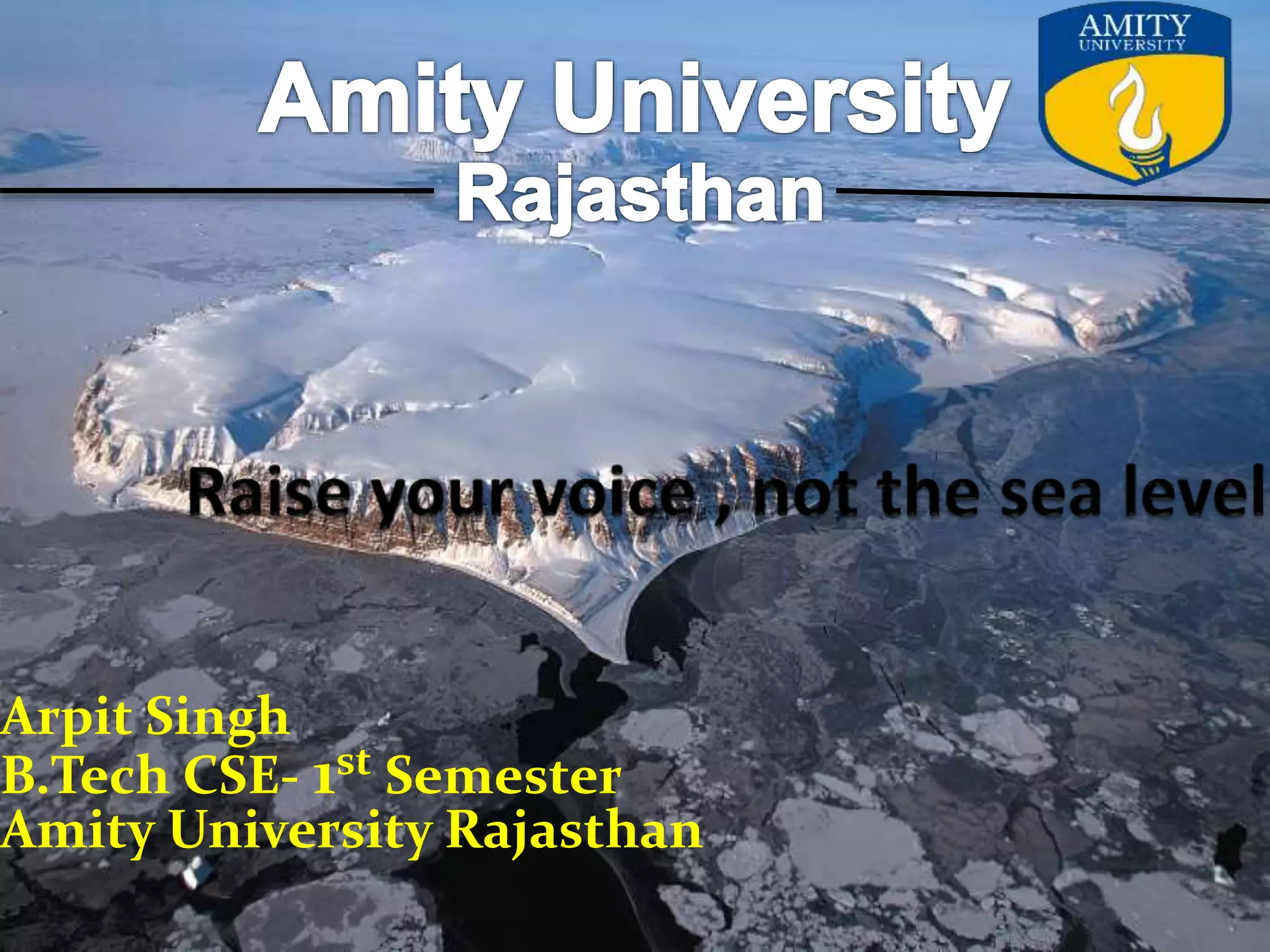
Arpit Singh
B.Tech CSE- 1st Semester
Amity University Rajasthan
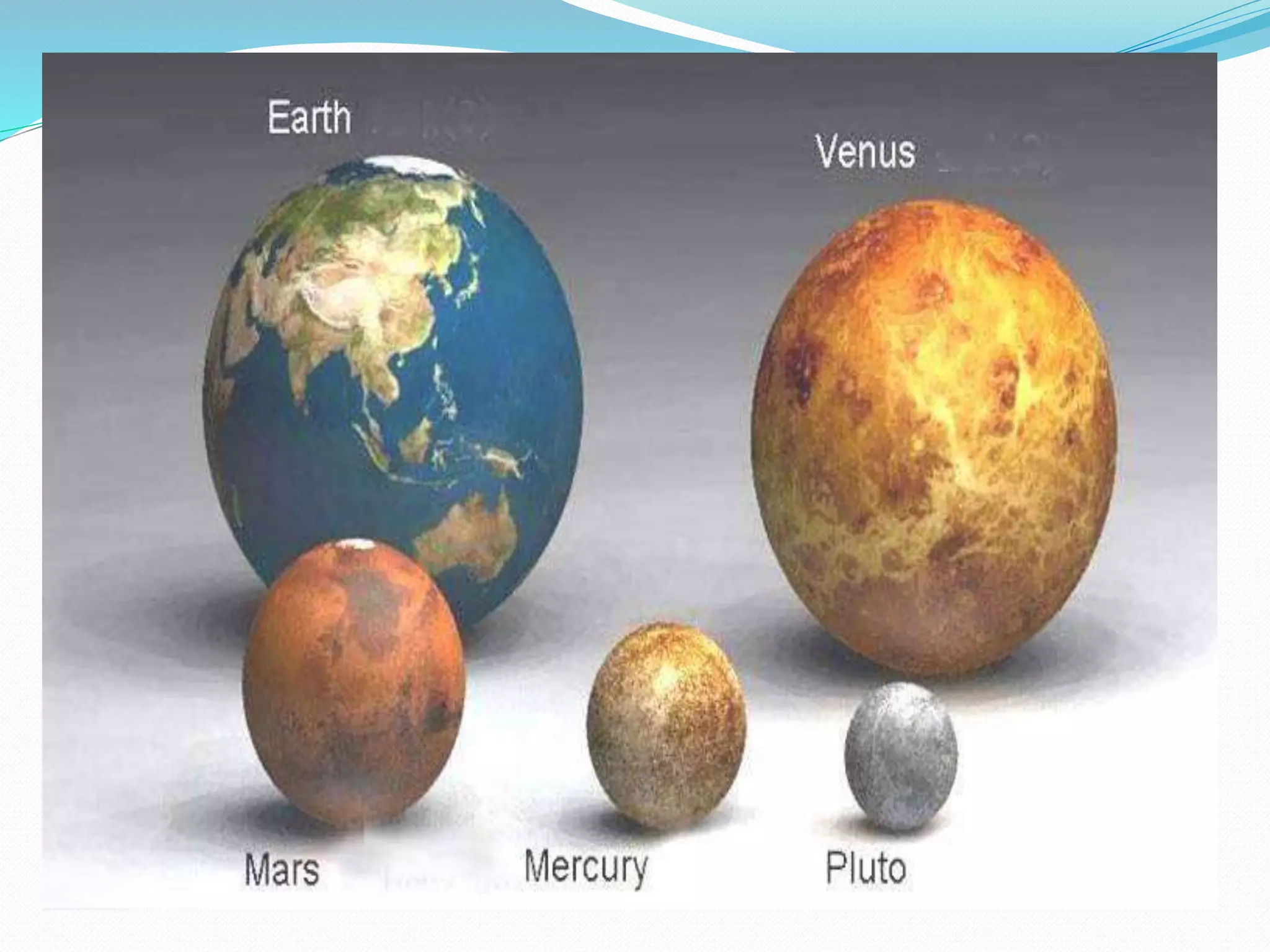
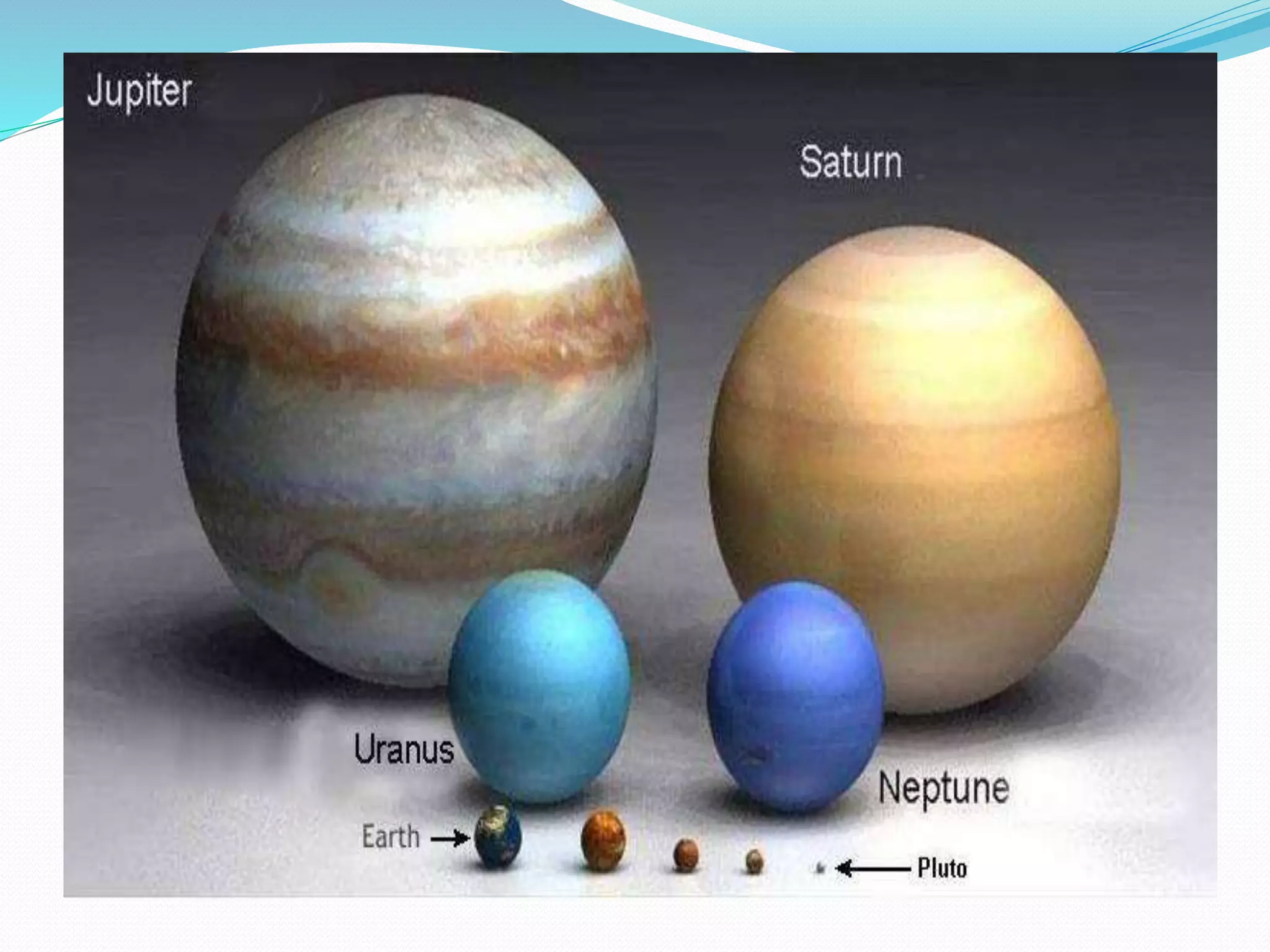
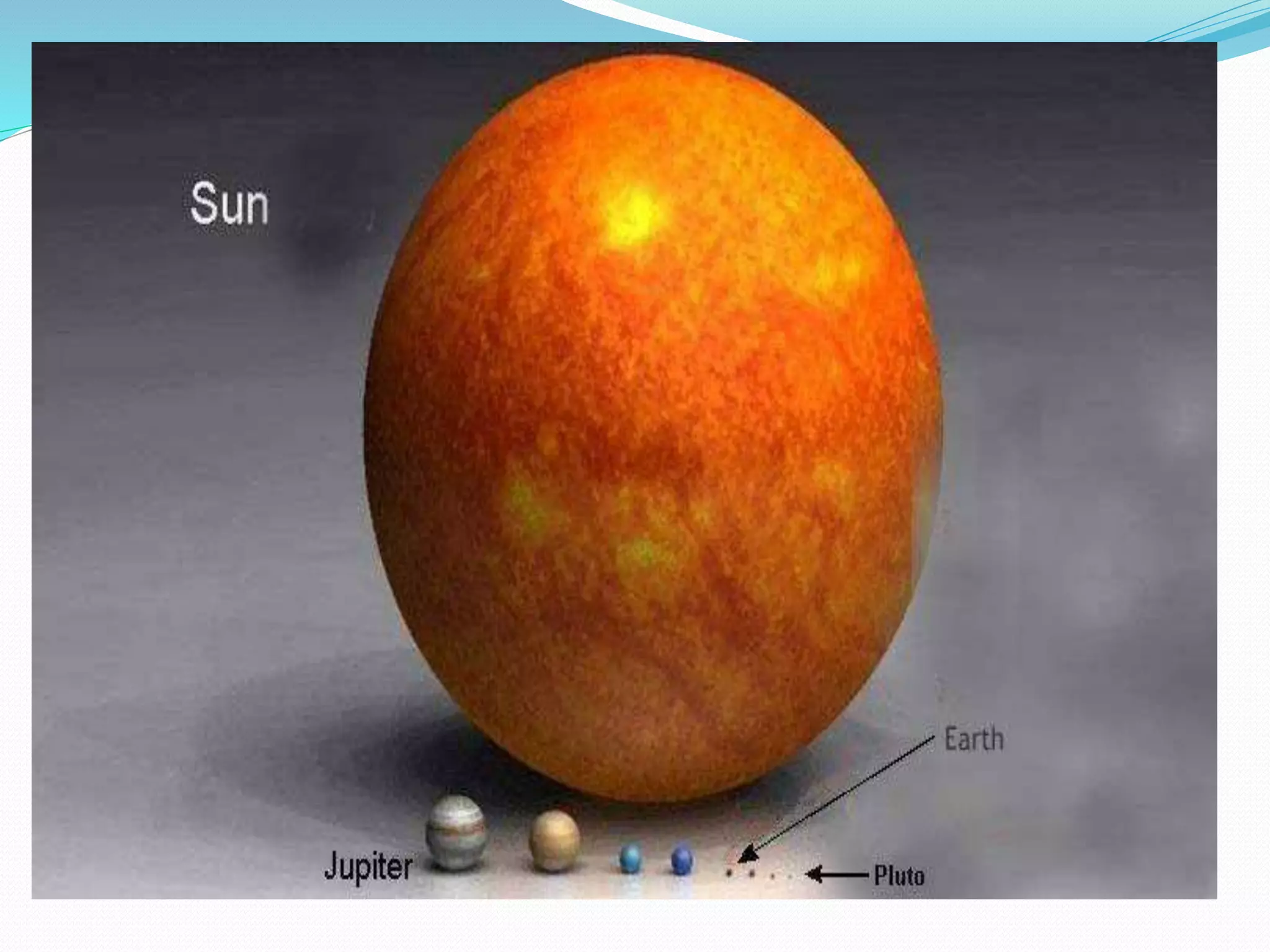
Big, Bigger, Biggest
Small, Smaller,Smallest
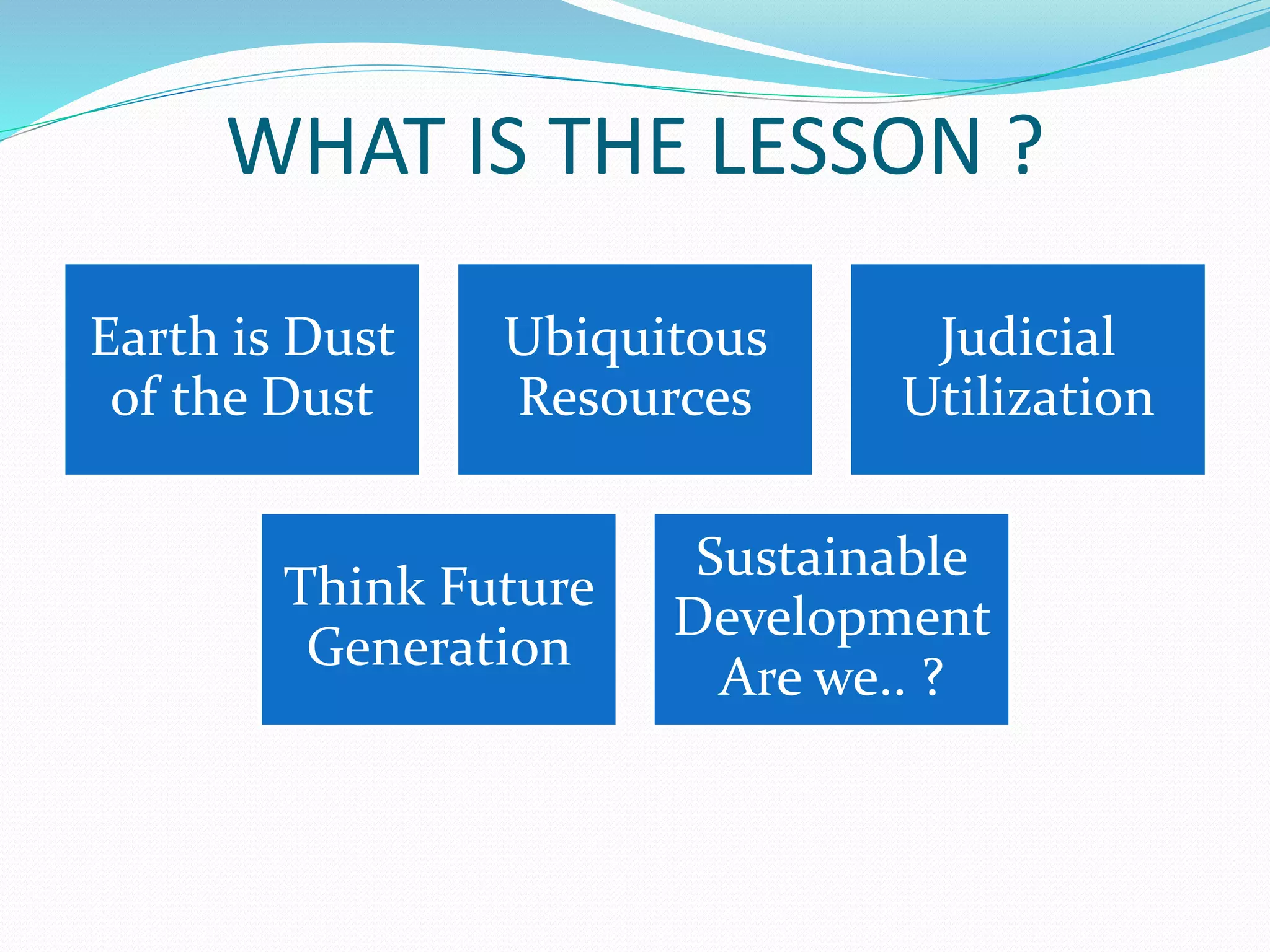
WHAT IS THE LESSON ?
Earth is Dust
of the Dust
Ubiquitous
Resources
Judicial
Utilization
Think Future
Generation
Sustainable
Development
Are we.. ?
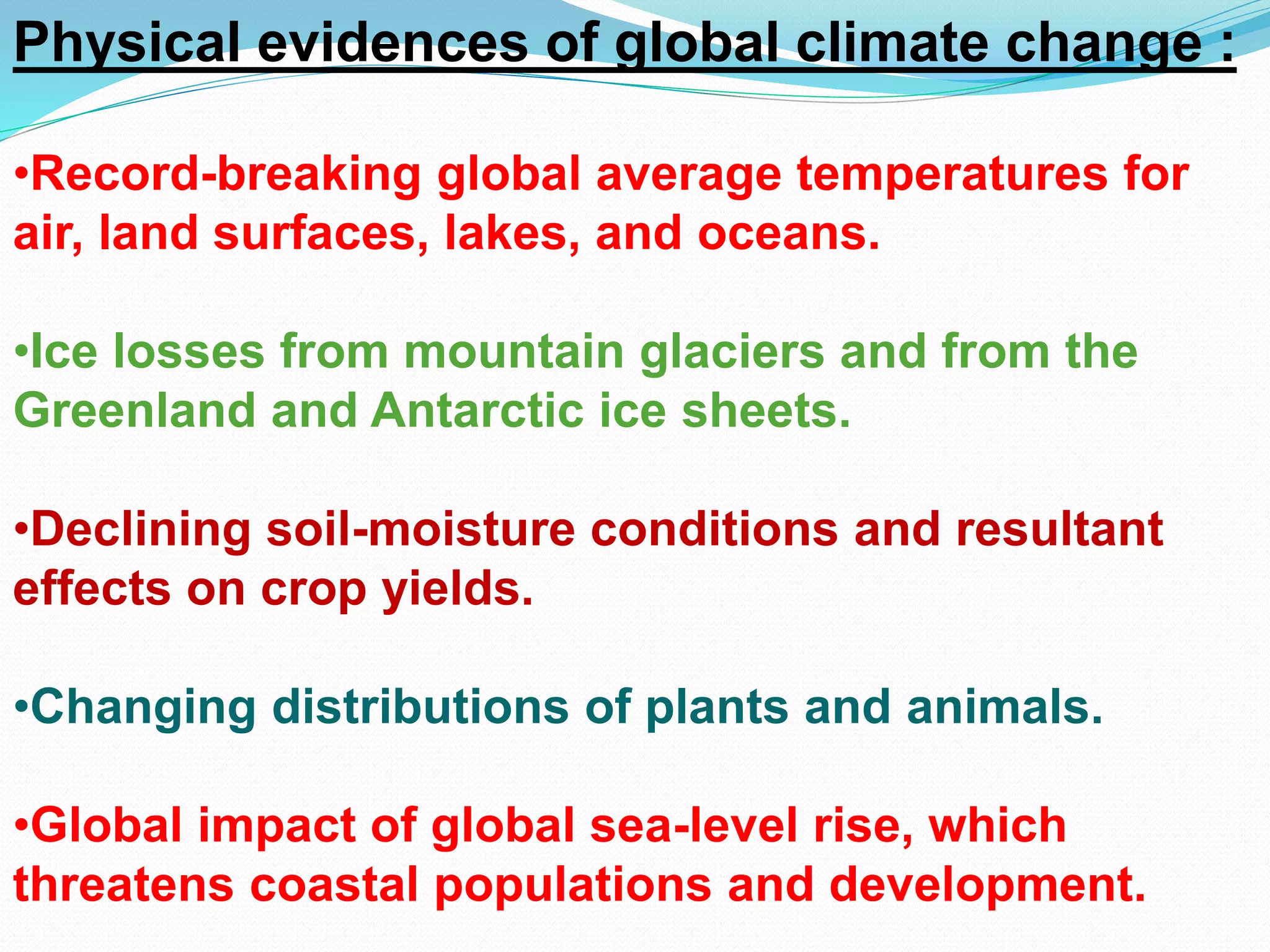
Physical evidences of global climate change :
•Record-breaking global average temperatures for
air, land surfaces, lakes, and oceans.
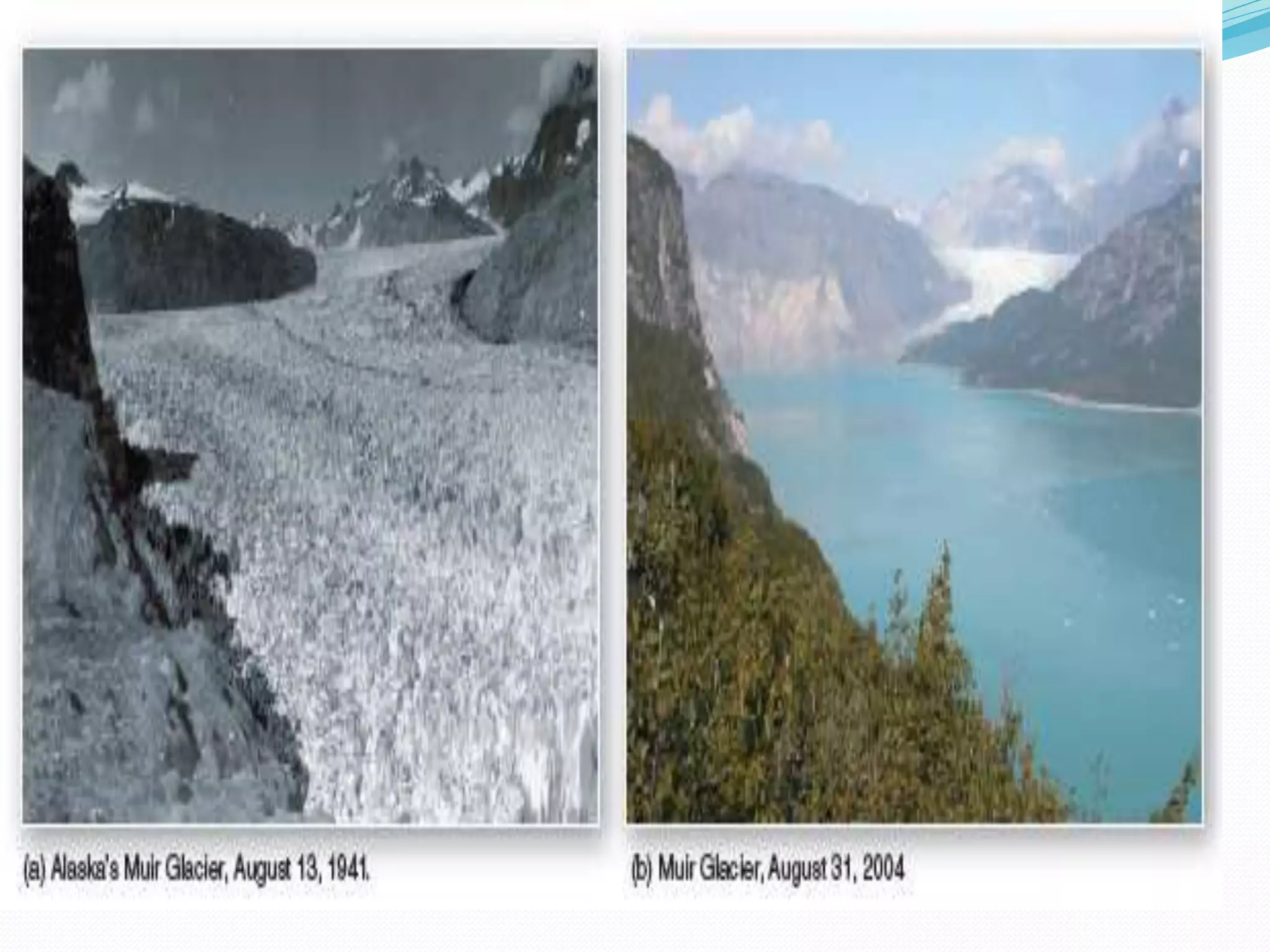
•Ice losses from mountain glaciers and from the
Greenland and Antarctic ice sheets.
•Declining soil-moisture conditions and resultant
effects on crop yields.
•Changing distributions of plants and animals.
•Global impact of global sea-level rise, which
threatens coastal populations and development.
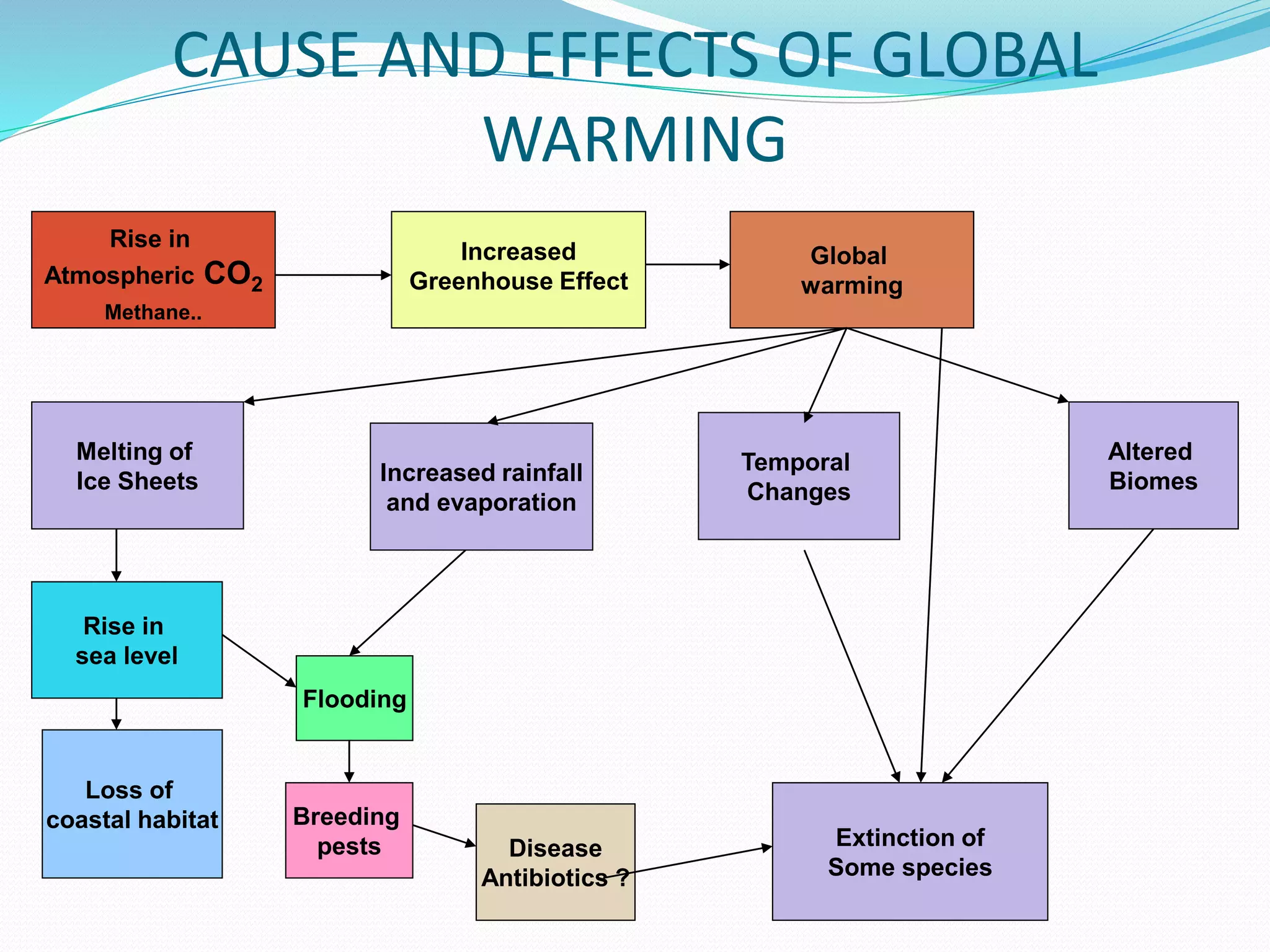
CAUSE AND EFFECTS OF GLOBAL
WARMING
Rise in
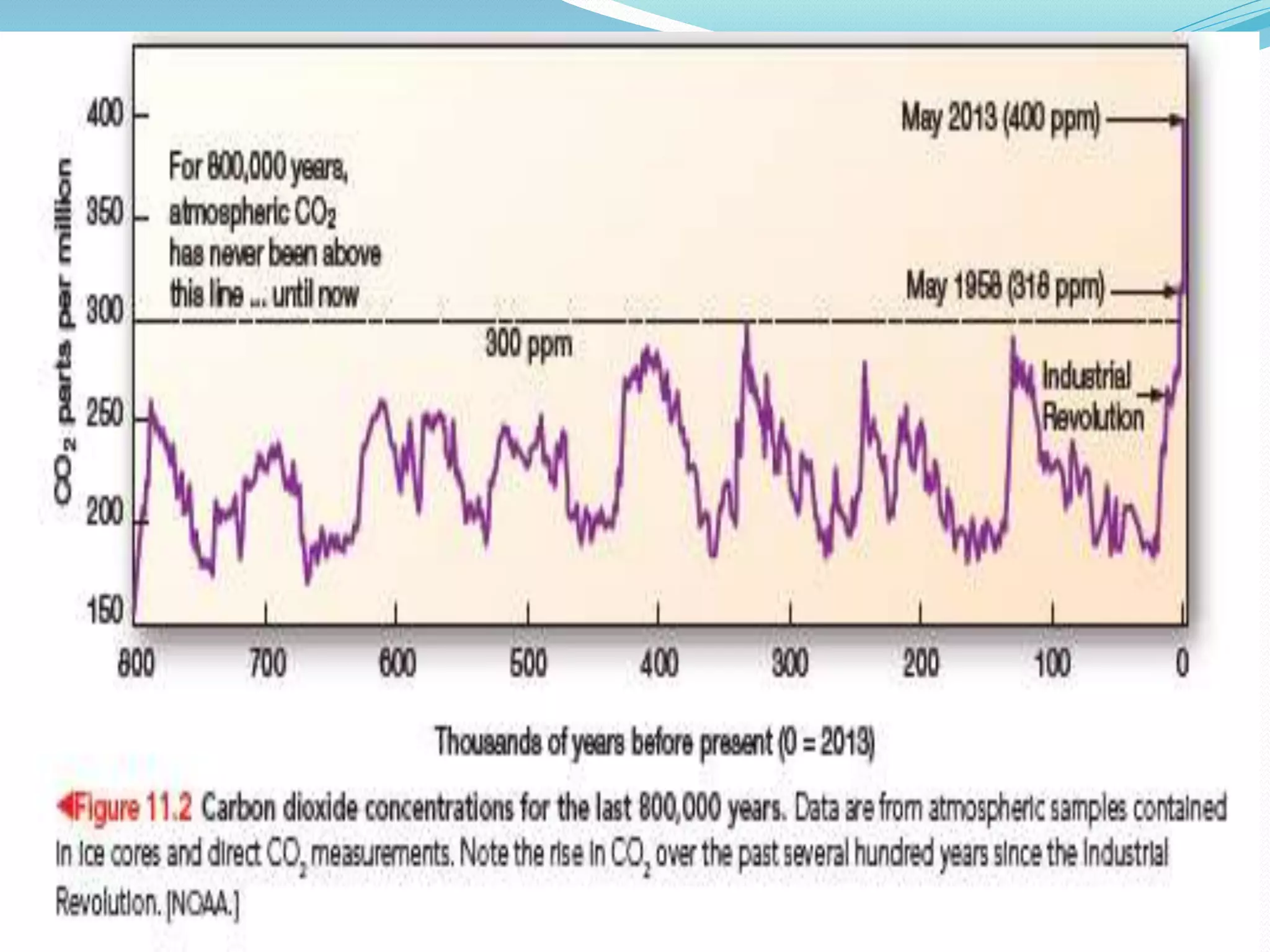
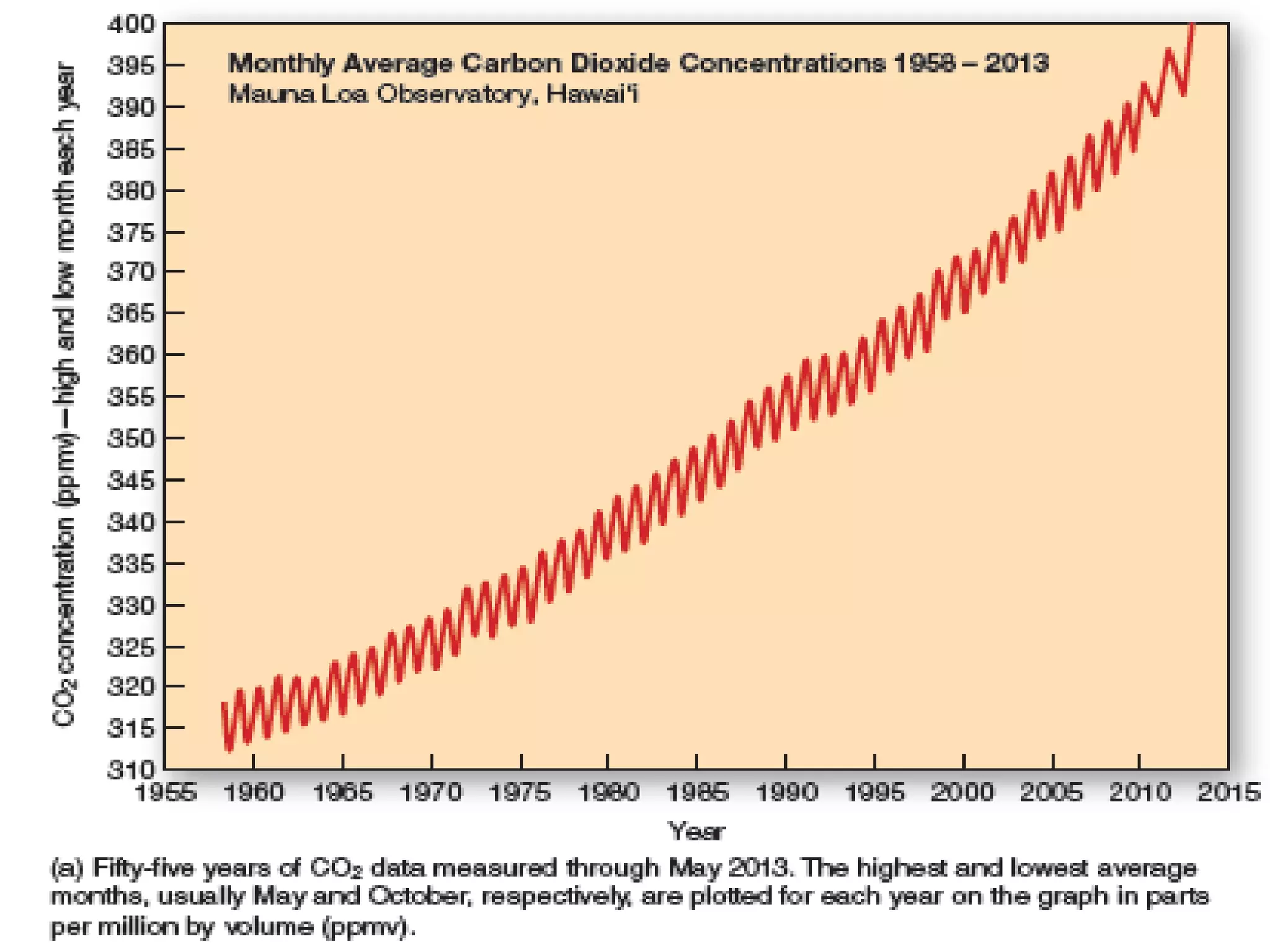
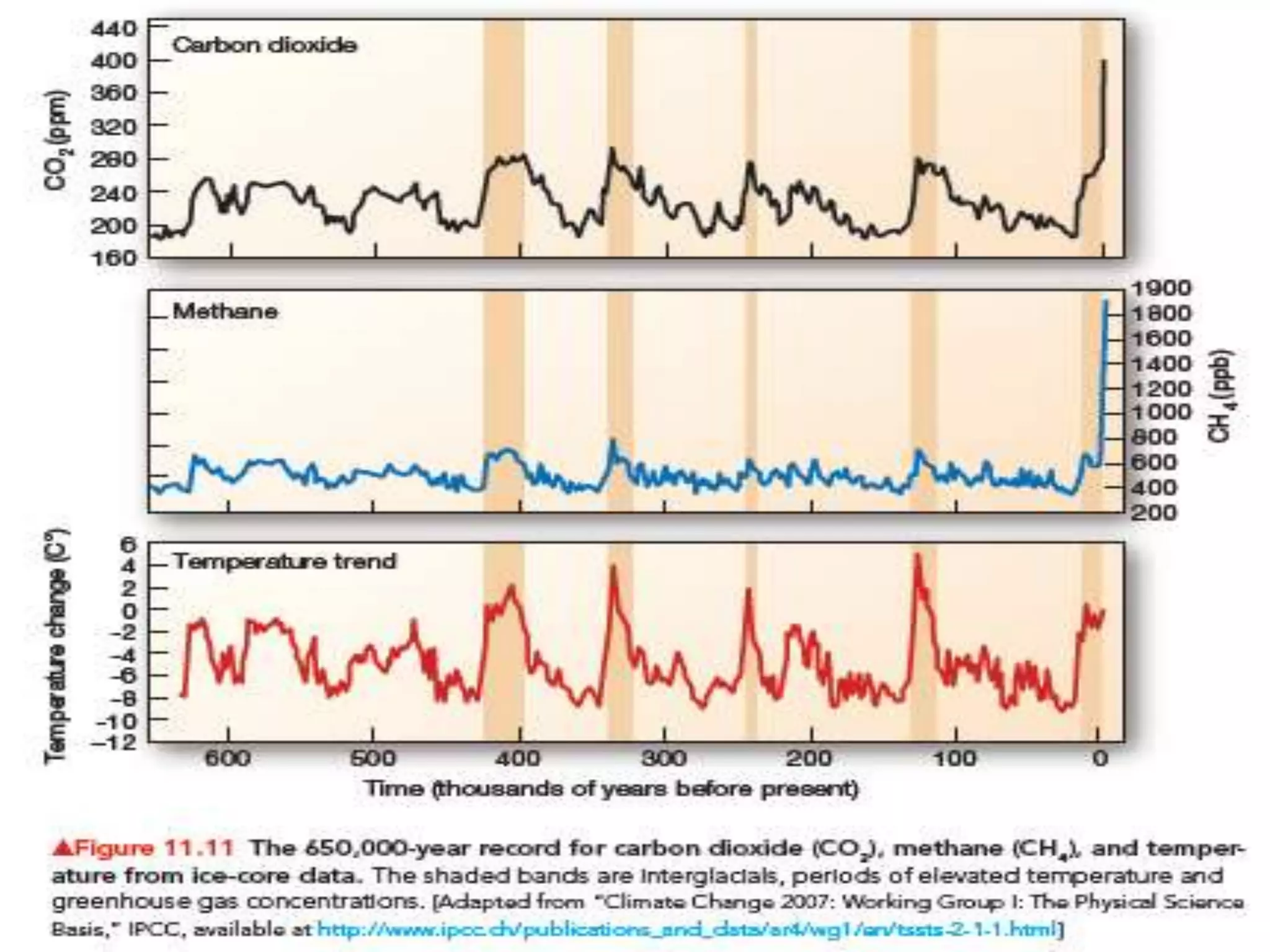
Atmospheric CO2
Methane..
Increased
Greenhouse Effect
Melting of
Ice Sheets
Altered
Biomes
Temporal
Changes
Rise in
sea level
Loss of
coastal habitat
Extinction of
Some species
Global
warming
Increased rainfall
and evaporation
Flooding
Breeding
pests Disease
Antibiotics ?
2
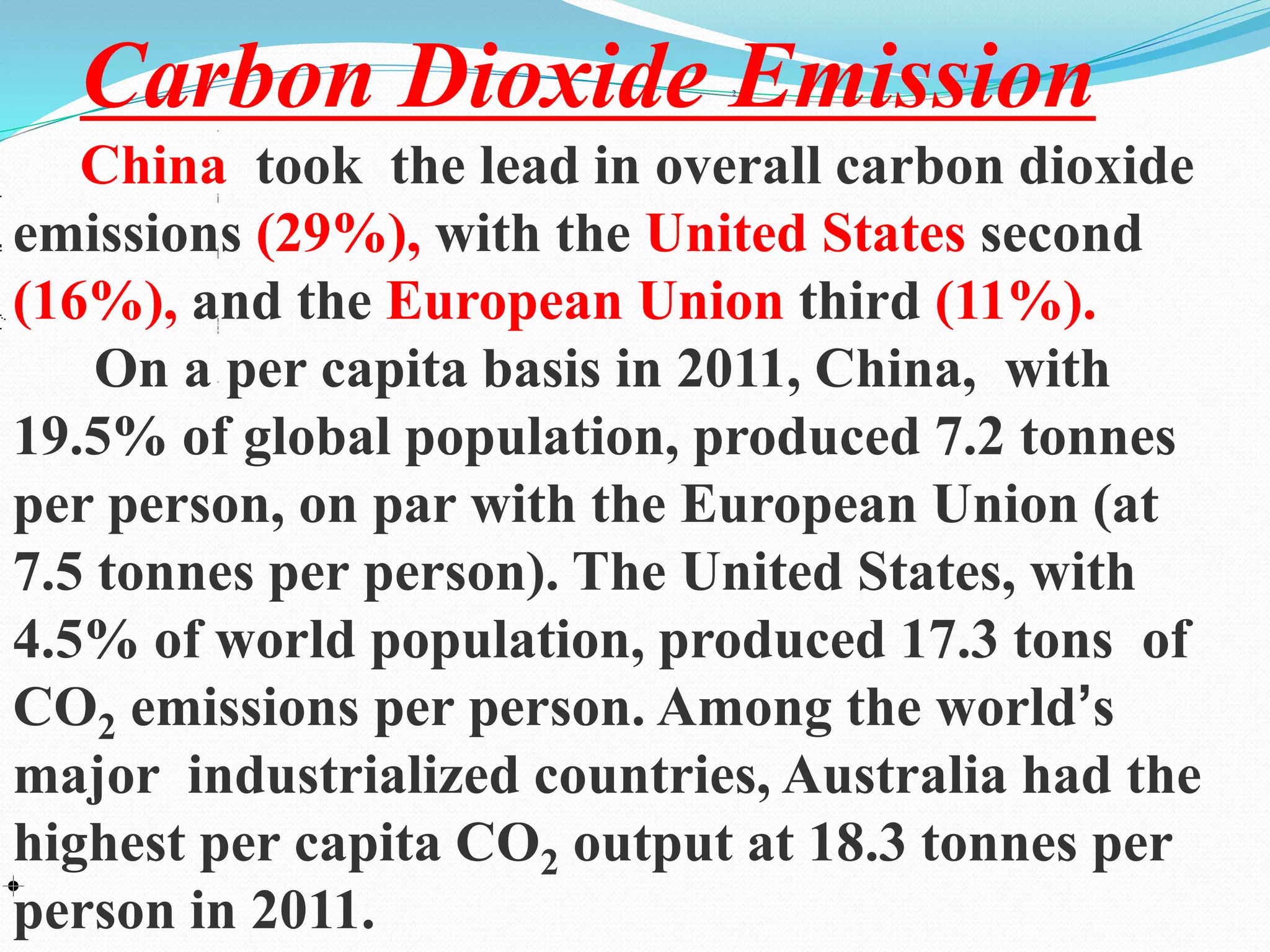
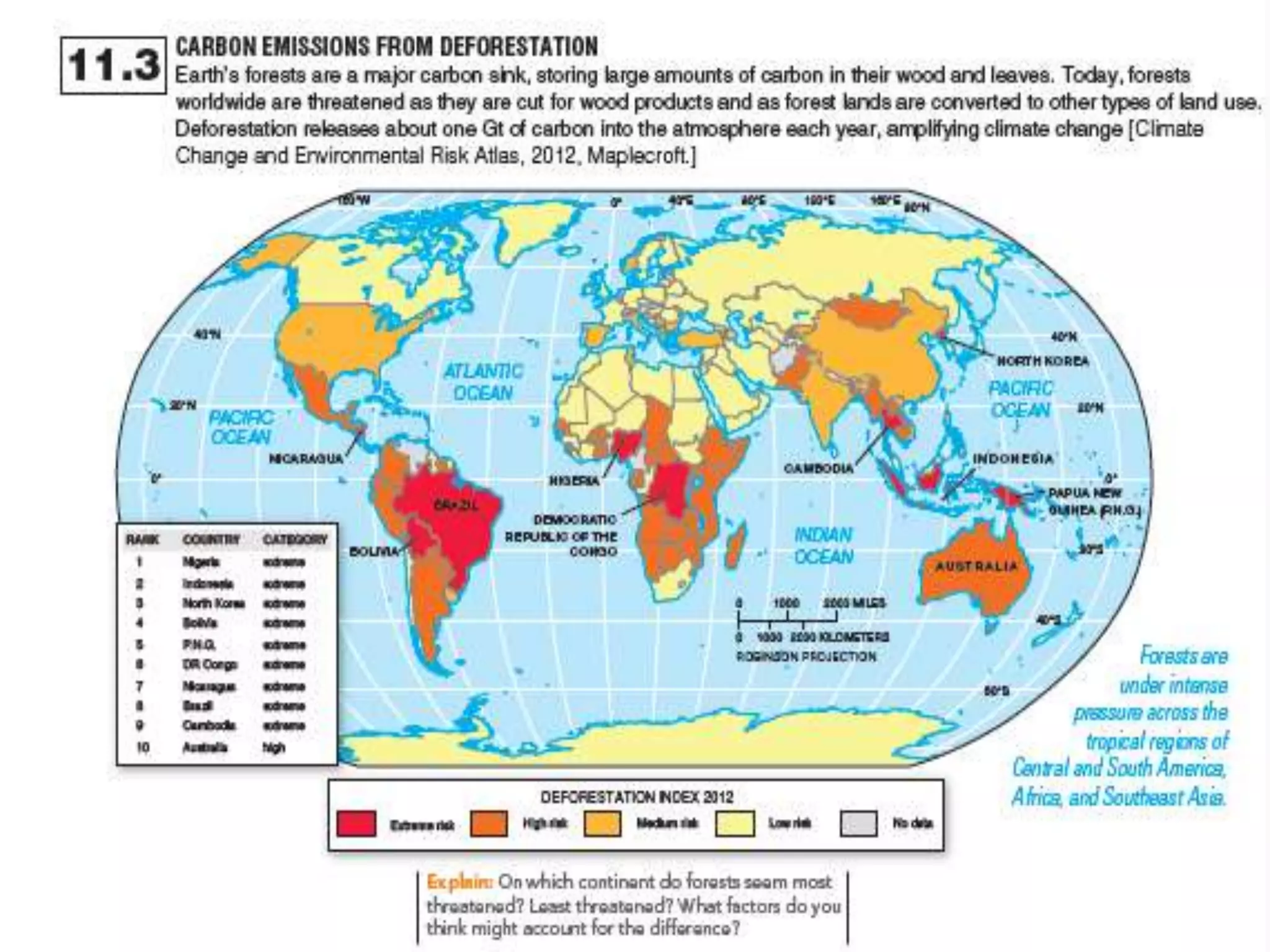
Carbon Dioxide Emission
China took the lead in overall carbon dioxide
emissions (29%), with the United States second
(16%), and the European Union third (11%).
On a per capita basis in 2011, China, with
19.5% of global population, produced 7.2 tonnes
per person, on par with the European Union (at
7.5 tonnes per person). The United States, with
4.5% of world population, produced 17.3 tons of
CO2 emissions per person. Among the world’s
major industrialized countries, Australia had the
highest per capita CO2 output at 18.3 tonnes per
person in 2011.
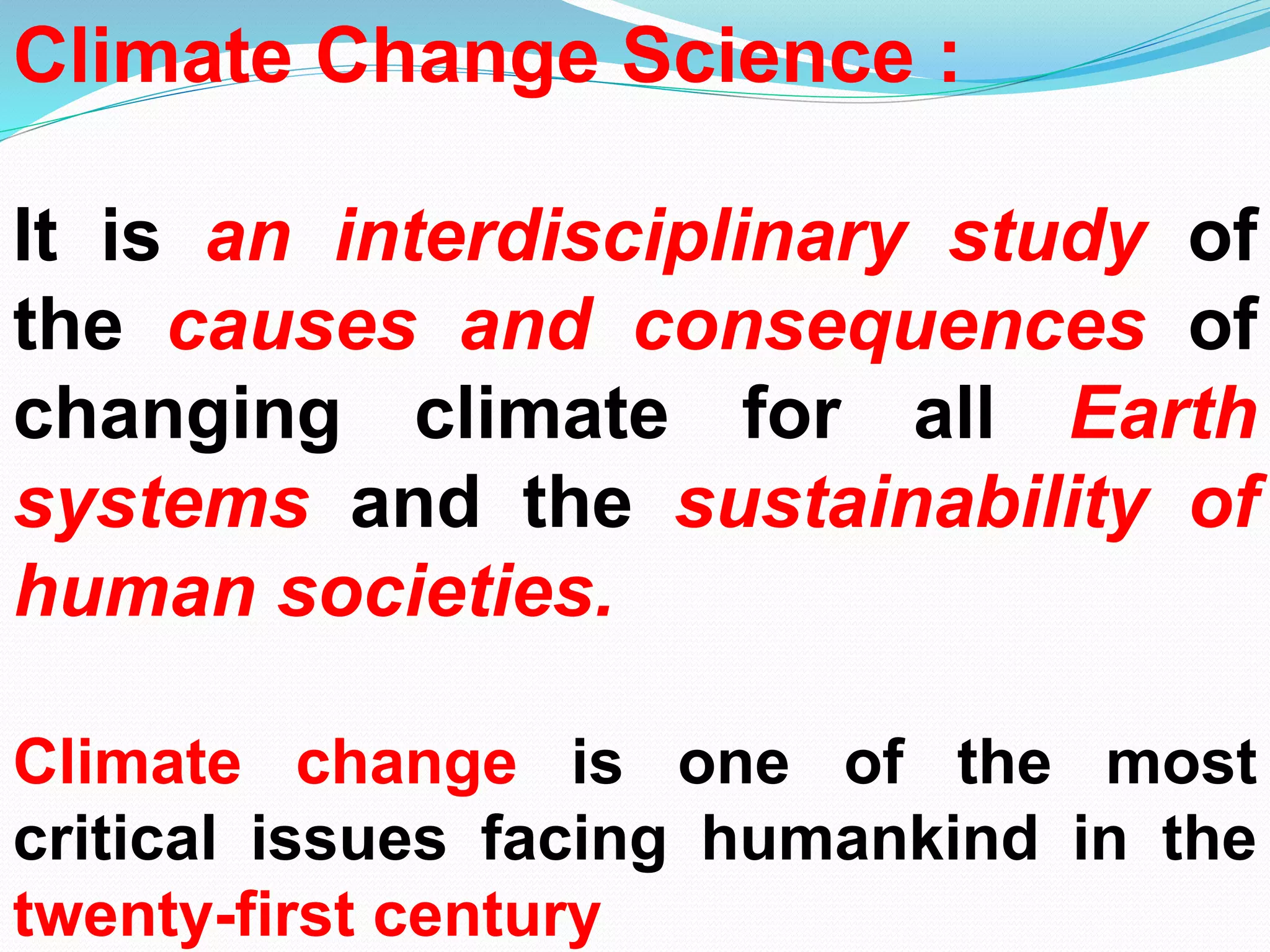
Climate Change Science :
It is an interdisciplinary study of
the causes and consequences of
changing climate for all Earth
systems and the sustainability of
human societies.
Climate change is one of the most
critical issues facing humankind in the
twenty-first century
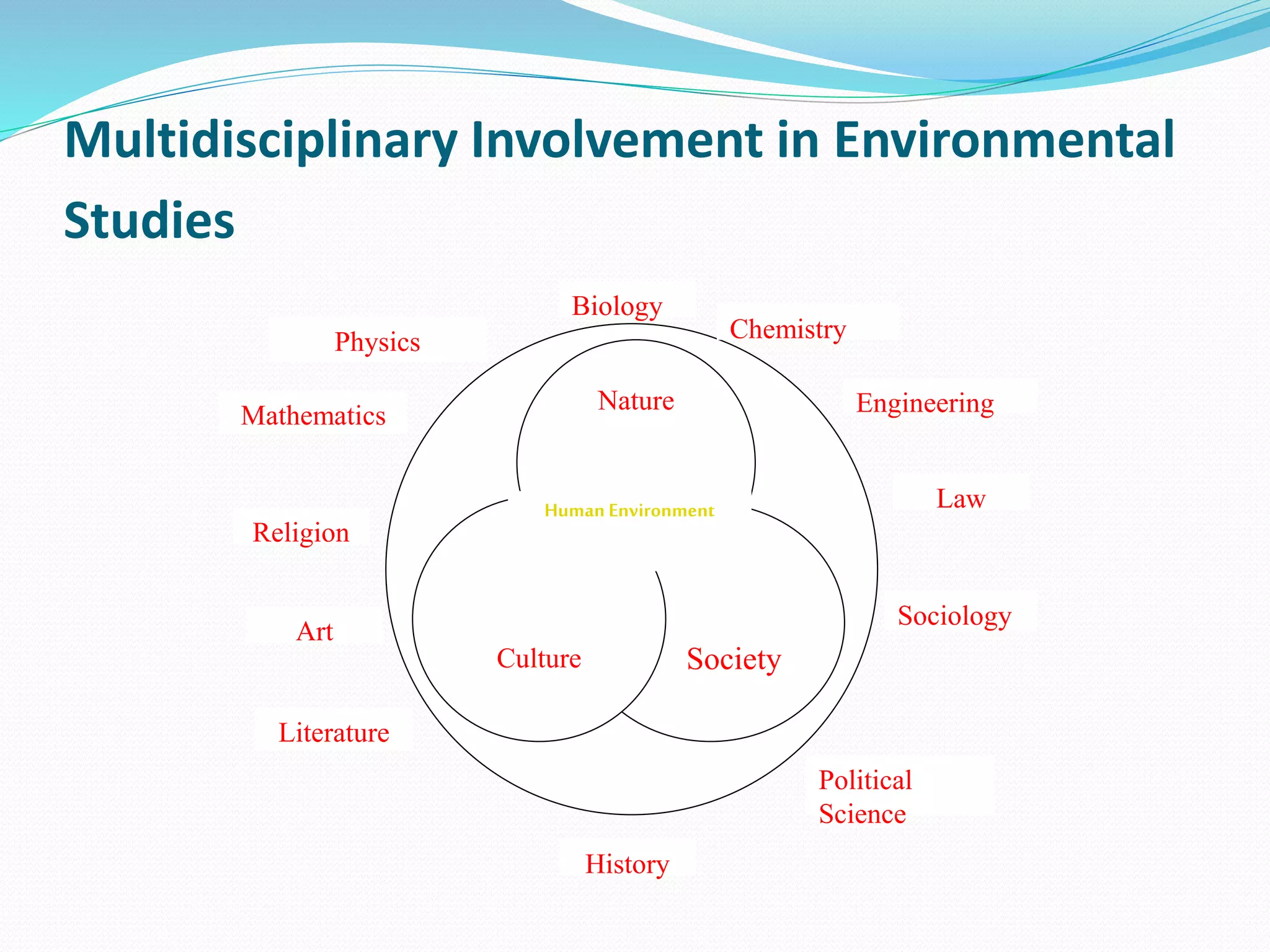
Multidisciplinary Involvement in Environmental
Studies
Nature
SocietyCulture
Biology
Chemistry
Engineering
Physics
Mathematics
Religion
Art
Literature
History
Law
Sociology
Political
Science
Human Environment
 There is still a considerable lack of awareness about the
interrelated nature of all human activities and the
environment.
 It is due to inaccurate and insufficient availability of
information, especially in developing countries.
 Sensor based in situ data collection, remotely sensed
data products, Geographical Information System based
analysis etc., would enhance the precision and quality
of environmental analysis.
 Besides, there is an urgent need to increase the public
sensitivity to environment issues and involvement of
various disciplines in solving environmental problems.
How Environment has changed our world.

How Environment has changed our world.

  • 1.
    Arpit Singh B.Tech CSE-1st Semester Amity University Rajasthan
  • 8.
  • 12.
    WHAT IS THELESSON ? Earth is Dust of the Dust Ubiquitous Resources Judicial Utilization Think Future Generation Sustainable Development Are we.. ?
  • 13.
    Physical evidences ofglobal climate change : •Record-breaking global average temperatures for air, land surfaces, lakes, and oceans. •Ice losses from mountain glaciers and from the Greenland and Antarctic ice sheets. •Declining soil-moisture conditions and resultant effects on crop yields. •Changing distributions of plants and animals. •Global impact of global sea-level rise, which threatens coastal populations and development.
  • 14.
    CAUSE AND EFFECTSOF GLOBAL WARMING Rise in Atmospheric CO2 Methane.. Increased Greenhouse Effect Melting of Ice Sheets Altered Biomes Temporal Changes Rise in sea level Loss of coastal habitat Extinction of Some species Global warming Increased rainfall and evaporation Flooding Breeding pests Disease Antibiotics ?
  • 15.
    2 Carbon Dioxide Emission Chinatook the lead in overall carbon dioxide emissions (29%), with the United States second (16%), and the European Union third (11%). On a per capita basis in 2011, China, with 19.5% of global population, produced 7.2 tonnes per person, on par with the European Union (at 7.5 tonnes per person). The United States, with 4.5% of world population, produced 17.3 tons of CO2 emissions per person. Among the world’s major industrialized countries, Australia had the highest per capita CO2 output at 18.3 tonnes per person in 2011.
  • 16.
    Climate Change Science: It is an interdisciplinary study of the causes and consequences of changing climate for all Earth systems and the sustainability of human societies. Climate change is one of the most critical issues facing humankind in the twenty-first century
  • 17.
    Multidisciplinary Involvement inEnvironmental Studies Nature SocietyCulture Biology Chemistry Engineering Physics Mathematics Religion Art Literature History Law Sociology Political Science Human Environment
  • 18.
     There isstill a considerable lack of awareness about the interrelated nature of all human activities and the environment.  It is due to inaccurate and insufficient availability of information, especially in developing countries.  Sensor based in situ data collection, remotely sensed data products, Geographical Information System based analysis etc., would enhance the precision and quality of environmental analysis.  Besides, there is an urgent need to increase the public sensitivity to environment issues and involvement of various disciplines in solving environmental problems.