CANADIAN WOOD-FRAME
HOUSE CONSTRUCTION
CMHC  HOME TO CANADIANS
Canada Mortgage and Housing Corporation (CMHC) has
been Canada’s national housing agency for more than 65 years.
Together with other housing stakeholders, we help ensure
that the Canadian housing system remains one of the best
in the world.We are committed to helping Canadians access
a wide choice of quality, environmentally sustainable and
affordable housing solutions that will continue to create
vibrant and healthy communities and cities across the country.
For more information, visit our website at www.cmhc.ca or
follow us on Twitter, YouTube and Flickr.
You can also reach us by phone at 1-800-668-2642 or by fax
at 1-800-245-9274.
Outside Canada call 613-748-2003 or fax to 613-748-2016.
Canada Mortgage and Housing Corporation supports the
Government of Canada policy on access to information
for people with disabilities. If you wish to obtain this
publication in alternative formats, call 1-800-668-2642.
CANADIAN WOODFRAME
HOUSE CONSTRUCTION
CMHC offers a range of housing-related information.
For details, call 1-800-668-2642 or visit our website at www.cmhc.ca.
Cette publication est aussi disponible en français sous le titre :
Construction de maison à ossature de bois – Canada (n° de produit 61199).
aterials and techniques carefully and to consult appropriate professional resources to determine
ourses of action suitable for their situations. The figures and text are intended as general practice
uides only. Project and site-specific factors of climate, cost, esthetics and so on must be taken into
onsideration. Any photographs in this book are for illustration purposes only and may not necessarily
present currently accepted standards.
brary and Archives Canada Cataloguing in Publication
urrows, John, 1948-
Canadian Wood-Frame House Construction—Rev. ed.
Third Combined Imperial/Metric Edition”— T.p. verso
pdated to conform to the 2010 National Building Code of Canada and enhanced by John Burrows,
F Burrows Consulting Inc., cf. Acknowledgements
sued also in French under title: Construction de maison à ossature de bois – Canada.
ncludes bibliographical references and index.
SBN 0-660-19535-6
at. no.: NH17-3/2005
Wood-frame houses—Canada—Design and construction.
Wood-frame buildings—Canada—Design and construction.
House construction—Canada. I. Canada Mortgage and Housing Corporation II. Title.
H4818.W6B87 2005 694 C2005-980262-6
1967 Canada Mortgage and Housing Corporation
hird combined metric/imperial edition
evised 2014
his document, or any discrete portion of this document (such as a chapter or section) may be
produced for redistribution, without obtaining the permission of the copyright owner, provided
hat no changes whatsoever (including translation) are made to the text; that the entire document or
screte part is reproduced; that this copyright notice is included in its entirety in any and all copies
the document or any discrete part of the document; and that no use is made of any part of the
ocument, or the name or logo of the owner of the copyright to endorse or promote any product or
rvice. For any use of this document other than reproduction or for the general reference purposes as
t out above, please contact: the Canadian Housing Information Centre (CHIC) at chic@cmhc.ca;
13-748-2367 or 1-800-668-2642. For permission, please provide CHIC with the following
formation: Publication’s name, year and date of issue.
rinted in Canada
roduced by CMHC
anada Mortgage and Housing Corporation
knowledges the individuals and organizations
hat contributed to this latest edition of
anadian Wood-Frame House Construction.
he following people served as reviewers and
erformed the important role of ensuring the
curacy and usefulness of the publication for
omeowners, builders and educators.
Richard Lind,
Everts Lind Enterprises, Lunenberg, N.S.
David Ricketts,
RDH Building Engineering Ltd.,
Vancouver, B.C.
Jasmine Wang,
Canadian Wood Council
Chris McLellan,
Natural Resources Canada
Barry Craig,
CMHC Policy and Research Division
CMHC also expresses its appreciation to
John Burrows of JF Burrows Consulting Inc.,
who updated this edition to conform to the
2010 National Building Code of Canada (NBC
and to the energy efficiency requirements in
the 2012 Interim Changes to the 2010 NBC,
and who enhanced this edition significantly by
adding new features.
CMHC gratefully acknowledges the National
Research Council and the Canadian Wood
Council for the use of their information
included in the tables of this publication.
reface . . . . . . . . . . . . . . . . . . . . . . . . . . . . . . . . . . . . . . . . . . . . . . . . . . . . . . . . . . . . . . . . . . .xi
How to Use This Book . . . . . . . . . . . . . . . . . . . . . . . . . . . . . . . . . . . . . . . . . . . . . . . . . . . . . . . . . x
New Features . . . . . . . . . . . . . . . . . . . . . . . . . . . . . . . . . . . . . . . . . . . . . . . . . . . . . . . . . . . . . . . . . x
hoosing the Size and Spacing . . . . . . . . . . . . . . . . . . . . . . . . . . . . . . . . . . . . . . . . . . . . . . . . . . x
ustainable Housing Insight. . . . . . . . . . . . . . . . . . . . . . . . . . . . . . . . . . . . . . . . . . . . . . . . . . . . . x
Metric and Imperial Dimensions. . . . . . . . . . . . . . . . . . . . . . . . . . . . . . . . . . . . . . . . . . . . . . . . . .x
Chapter 1—Important General Information . . . . . . . . . . . . . . . . . . . . . . . . . . . . . . .
dvantages of Wood-Frame Construction. . . . . . . . . . . . . . . . . . . . . . . . . . . . . . . . . . . . . . . . . .
uilding Design . . . . . . . . . . . . . . . . . . . . . . . . . . . . . . . . . . . . . . . . . . . . . . . . . . . . . . . . . . . . . . .
tructural Design. . . . . . . . . . . . . . . . . . . . . . . . . . . . . . . . . . . . . . . . . . . . . . . . . . . . . . . . . . . . . . .
ire Safety . . . . . . . . . . . . . . . . . . . . . . . . . . . . . . . . . . . . . . . . . . . . . . . . . . . . . . . . . . . . . . . . . . . . .
Space between Houses. . . . . . . . . . . . . . . . . . . . . . . . . . . . . . . . . . . . . . . . . . . . . . . . . . . . . . . . . .
ound Control . . . . . . . . . . . . . . . . . . . . . . . . . . . . . . . . . . . . . . . . . . . . . . . . . . . . . . . . . . . . . . . . .
econdary Suites . . . . . . . . . . . . . . . . . . . . . . . . . . . . . . . . . . . . . . . . . . . . . . . . . . . . . . . . . . . . . . .
oom Height . . . . . . . . . . . . . . . . . . . . . . . . . . . . . . . . . . . . . . . . . . . . . . . . . . . . . . . . . . . . . . . . . .
adon . . . . . . . . . . . . . . . . . . . . . . . . . . . . . . . . . . . . . . . . . . . . . . . . . . . . . . . . . . . . . . . . . . . . . . . .
nergy Efficiency in Housing and Small Buildings . . . . . . . . . . . . . . . . . . . . . . . . . . . . . . . . . .
Material Compatibility . . . . . . . . . . . . . . . . . . . . . . . . . . . . . . . . . . . . . . . . . . . . . . . . . . . . . . . . . .
onstruction Safety. . . . . . . . . . . . . . . . . . . . . . . . . . . . . . . . . . . . . . . . . . . . . . . . . . . . . . . . . . . . .
rotection against Moisture and Termites . . . . . . . . . . . . . . . . . . . . . . . . . . . . . . . . . . . . . . . . . .
Separation from Wet Conditions. . . . . . . . . . . . . . . . . . . . . . . . . . . . . . . . . . . . . . . . . . . . . . . . . .
Preservative Treatment . . . . . . . . . . . . . . . . . . . . . . . . . . . . . . . . . . . . . . . . . . . . . . . . . . . . . . . . .
Termites and Other Insects . . . . . . . . . . . . . . . . . . . . . . . . . . . . . . . . . . . . . . . . . . . . . . . . . . . . . .
ustainable Housing Insight. . . . . . . . . . . . . . . . . . . . . . . . . . . . . . . . . . . . . . . . . . . . . . . . . . . . . .
elated Publications . . . . . . . . . . . . . . . . . . . . . . . . . . . . . . . . . . . . . . . . . . . . . . . . . . . . . . . . . . . 1
Chapter 2—Planning, Design and Construction. . . . . . . . . . . . . . . . . . . . . . . . . . . 1
pprovals, Permits and Inspections. . . . . . . . . . . . . . . . . . . . . . . . . . . . . . . . . . . . . . . . . . . . . . . 1
lanning and Design. . . . . . . . . . . . . . . . . . . . . . . . . . . . . . . . . . . . . . . . . . . . . . . . . . . . . . . . . . . 1
Drawings, Financing and Permits . . . . . . . . . . . . . . . . . . . . . . . . . . . . . . . . . . . . . . . . . . . . . . . . 1
Site Planning. . . . . . . . . . . . . . . . . . . . . . . . . . . . . . . . . . . . . . . . . . . . . . . . . . . . . . . . . . . . . . . . 1
Protection and Care of Materials on the Building Site. . . . . . . . . . . . . . . . . . . . . . . . . . . . . . . . . 1
Excavation, Footings and Foundation . . . . . . . . . . . . . . . . . . . . . . . . . . . . . . . . . . . . . . . . . . . . . 1
Framing. . . . . . . . . . . . . . . . . . . . . . . . . . . . . . . . . . . . . . . . . . . . . . . . . . . . . . . . . . . . . . . . . . . . 1
Floor Framing . . . . . . . . . . . . . . . . . . . . . . . . . . . . . . . . . . . . . . . . . . . . . . . . . . . . . . . . . . . . 1
Flashing. . . . . . . . . . . . . . . . . . . . . . . . . . . . . . . . . . . . . . . . . . . . . . . . . . . . . . . . . . . . . . . . . . . . 1
Attics, Roof Spaces and Roofing . . . . . . . . . . . . . . . . . . . . . . . . . . . . . . . . . . . . . . . . . . . . . . . . . 1
Windows, Doors and Skylights . . . . . . . . . . . . . . . . . . . . . . . . . . . . . . . . . . . . . . . . . . . . . . . . . . 1
Windows and Skylights. . . . . . . . . . . . . . . . . . . . . . . . . . . . . . . . . . . . . . . . . . . . . . . . . . . . . 1
Doors . . . . . . . . . . . . . . . . . . . . . . . . . . . . . . . . . . . . . . . . . . . . . . . . . . . . . . . . . . . . . . . . . . 1
Stairs . . . . . . . . . . . . . . . . . . . . . . . . . . . . . . . . . . . . . . . . . . . . . . . . . . . . . . . . . . . . . . . . . . . . . . 1
Moisture, Air Leakage, Vapour Diffusion and Heat Transfer Control . . . . . . . . . . . . . . . . . . . . . 1
Water Penetration Control . . . . . . . . . . . . . . . . . . . . . . . . . . . . . . . . . . . . . . . . . . . . . . . . . . 1
Air Leakage Control . . . . . . . . . . . . . . . . . . . . . . . . . . . . . . . . . . . . . . . . . . . . . . . . . . . . . . . 1
Vapour Diffusion Control. . . . . . . . . . . . . . . . . . . . . . . . . . . . . . . . . . . . . . . . . . . . . . . . . . . 1
Heat Flow Control . . . . . . . . . . . . . . . . . . . . . . . . . . . . . . . . . . . . . . . . . . . . . . . . . . . . . . . . 1
Plumbing, Electrical, Heating and Ventilation. . . . . . . . . . . . . . . . . . . . . . . . . . . . . . . . . . . . . . . 1
Plumbing . . . . . . . . . . . . . . . . . . . . . . . . . . . . . . . . . . . . . . . . . . . . . . . . . . . . . . . . . . . . . . . 1
Electrical . . . . . . . . . . . . . . . . . . . . . . . . . . . . . . . . . . . . . . . . . . . . . . . . . . . . . . . . . . . . . . . . 1
Heating and Ventilation . . . . . . . . . . . . . . . . . . . . . . . . . . . . . . . . . . . . . . . . . . . . . . . . . . . . 1
Interior Wall and Ceiling Finishes . . . . . . . . . . . . . . . . . . . . . . . . . . . . . . . . . . . . . . . . . . . . . . . . 1
Floor Coverings. . . . . . . . . . . . . . . . . . . . . . . . . . . . . . . . . . . . . . . . . . . . . . . . . . . . . . . . . . . . . . 1
Decks, Porches and Balconies . . . . . . . . . . . . . . . . . . . . . . . . . . . . . . . . . . . . . . . . . . . . . . . . . . . 1
Garages . . . . . . . . . . . . . . . . . . . . . . . . . . . . . . . . . . . . . . . . . . . . . . . . . . . . . . . . . . . . . . . . . . . . 1
tages of Construction . . . . . . . . . . . . . . . . . . . . . . . . . . . . . . . . . . . . . . . . . . . . . . . . . . . . . . . . . 2
Building Layout . . . . . . . . . . . . . . . . . . . . . . . . . . . . . . . . . . . . . . . . . . . . . . . . . . . . . . . . . . . . . 2
Excavation and Footings . . . . . . . . . . . . . . . . . . . . . . . . . . . . . . . . . . . . . . . . . . . . . . . . . . . . . . . 2
Foundations, Drainage and Backfill. . . . . . . . . . . . . . . . . . . . . . . . . . . . . . . . . . . . . . . . . . . . . . . 2
Framing. . . . . . . . . . . . . . . . . . . . . . . . . . . . . . . . . . . . . . . . . . . . . . . . . . . . . . . . . . . . . . . . . . . . 2
Doors and Windows . . . . . . . . . . . . . . . . . . . . . . . . . . . . . . . . . . . . . . . . . . . . . . . . . . . . . . . . . 2
Plumbing, Heating, Electrical and Ventilation Rough-in. . . . . . . . . . . . . . . . . . . . . . . . . . . . . . . 2
Insulation, Air Barrier System and Vapour Barrier . . . . . . . . . . . . . . . . . . . . . . . . . . . . . . . . . . . 2
Exterior Finishes . . . . . . . . . . . . . . . . . . . . . . . . . . . . . . . . . . . . . . . . . . . . . . . . . . . . . . . . . . . . . 2
Interior Finishes . . . . . . . . . . . . . . . . . . . . . . . . . . . . . . . . . . . . . . . . . . . . . . . . . . . . . . . . . . . . . 2
Paint, Cabinets and Fixtures . . . . . . . . . . . . . . . . . . . . . . . . . . . . . . . . . . . . . . . . . . . . . . . . . . . . 2
Landscaping . . . . . . . . . . . . . . . . . . . . . . . . . . . . . . . . . . . . . . . . . . . . . . . . . . . . . . . . . . . . . . . . 2
ustainable Housing Insight. . . . . . . . . . . . . . . . . . . . . . . . . . . . . . . . . . . . . . . . . . . . . . . . . . . . . 2
elated Publications . . . . . . . . . . . . . . . . . . . . . . . . . . . . . . . . . . . . . . . . . . . . . . . . . . . . . . . . . . . 2
Chapter 3—Concrete. . . . . . . . . . . . . . . . . . . . . . . . . . . . . . . . . . . . . . . . . . . . . . . . . . . . . 2
eady-Mix Concrete . . . . . . . . . . . . . . . . . . . . . . . . . . . . . . . . . . . . . . . . . . . . . . . . . . . . . . . . . . . 2
On-Site Mixing . . . . . . . . . . . . . . . . . . . . . . . . . . . . . . . . . . . . . . . . . . . . . . . . . . . . . . . . . . . . . . . 2
lacing Concrete . . . . . . . . . . . . . . . . . . . . . . . . . . . . . . . . . . . . . . . . . . . . . . . . . . . . . . . . . . . . . . 2
uring Concrete . . . . . . . . . . . . . . . . . . . . . . . . . . . . . . . . . . . . . . . . . . . . . . . . . . . . . . . . . . . . . . 2
Grade Marks. . . . . . . . . . . . . . . . . . . . . . . . . . . . . . . . . . . . . . . . . . . . . . . . . . . . . . . . . . . . . . . . . . 2
umber Grades . . . . . . . . . . . . . . . . . . . . . . . . . . . . . . . . . . . . . . . . . . . . . . . . . . . . . . . . . . . . . . . 2
ngineered Wood Products . . . . . . . . . . . . . . . . . . . . . . . . . . . . . . . . . . . . . . . . . . . . . . . . . . . . . 2
heet or Panel Products . . . . . . . . . . . . . . . . . . . . . . . . . . . . . . . . . . . . . . . . . . . . . . . . . . . . . . . . 3
ustainable Housing Insight. . . . . . . . . . . . . . . . . . . . . . . . . . . . . . . . . . . . . . . . . . . . . . . . . . . . . 3
elated Publications . . . . . . . . . . . . . . . . . . . . . . . . . . . . . . . . . . . . . . . . . . . . . . . . . . . . . . . . . . . 3
Chapter 5—Functions of the Building Envelope:
Water, Air, Vapour and Heat Control. . . . . . . . . . . . . . . . . . . . . . . . . . . . . . . . . . . . . . 3
Water Penetration Control . . . . . . . . . . . . . . . . . . . . . . . . . . . . . . . . . . . . . . . . . . . . . . . . . . . . . 3
Basement Floors . . . . . . . . . . . . . . . . . . . . . . . . . . . . . . . . . . . . . . . . . . . . . . . . . . . . . . . . . . . . . 3
Walls Below Grade . . . . . . . . . . . . . . . . . . . . . . . . . . . . . . . . . . . . . . . . . . . . . . . . . . . . . . . . . . . 3
Walls Above Grade . . . . . . . . . . . . . . . . . . . . . . . . . . . . . . . . . . . . . . . . . . . . . . . . . . . . . . . . . . . 3
Roofs. . . . . . . . . . . . . . . . . . . . . . . . . . . . . . . . . . . . . . . . . . . . . . . . . . . . . . . . . . . . . . . . . . . . . . 3
ir Leakage Control . . . . . . . . . . . . . . . . . . . . . . . . . . . . . . . . . . . . . . . . . . . . . . . . . . . . . . . . . . . 3
Air Barrier System . . . . . . . . . . . . . . . . . . . . . . . . . . . . . . . . . . . . . . . . . . . . . . . . . . . . . . . . . . . . 3
Location of the Air Barrier System. . . . . . . . . . . . . . . . . . . . . . . . . . . . . . . . . . . . . . . . . . . . . 3
Air Barrier Details . . . . . . . . . . . . . . . . . . . . . . . . . . . . . . . . . . . . . . . . . . . . . . . . . . . . . . . . . 3
Basement Floors . . . . . . . . . . . . . . . . . . . . . . . . . . . . . . . . . . . . . . . . . . . . . . . . . . . . . . . . . . . . . 3
Walls Below Grade . . . . . . . . . . . . . . . . . . . . . . . . . . . . . . . . . . . . . . . . . . . . . . . . . . . . . . . . . . . 3
Walls Above Grade . . . . . . . . . . . . . . . . . . . . . . . . . . . . . . . . . . . . . . . . . . . . . . . . . . . . . . . . . . . 3
Roofs. . . . . . . . . . . . . . . . . . . . . . . . . . . . . . . . . . . . . . . . . . . . . . . . . . . . . . . . . . . . . . . . . . . . . . 4
apour Diffusion Control . . . . . . . . . . . . . . . . . . . . . . . . . . . . . . . . . . . . . . . . . . . . . . . . . . . . . . 4
Vapour Barrier. . . . . . . . . . . . . . . . . . . . . . . . . . . . . . . . . . . . . . . . . . . . . . . . . . . . . . . . . . . . . . . 4
Location of the Vapour Barrier . . . . . . . . . . . . . . . . . . . . . . . . . . . . . . . . . . . . . . . . . . . . . . . 4
Basement Floors . . . . . . . . . . . . . . . . . . . . . . . . . . . . . . . . . . . . . . . . . . . . . . . . . . . . . . . . . . . . . 4
Walls Below Grade . . . . . . . . . . . . . . . . . . . . . . . . . . . . . . . . . . . . . . . . . . . . . . . . . . . . . . . . . . . 4
Walls Above Grade . . . . . . . . . . . . . . . . . . . . . . . . . . . . . . . . . . . . . . . . . . . . . . . . . . . . . . . . . . . 4
Roofs. . . . . . . . . . . . . . . . . . . . . . . . . . . . . . . . . . . . . . . . . . . . . . . . . . . . . . . . . . . . . . . . . . . . . . 4
Heat Flow Control . . . . . . . . . . . . . . . . . . . . . . . . . . . . . . . . . . . . . . . . . . . . . . . . . . . . . . . . . . . . 4
Insulation . . . . . . . . . . . . . . . . . . . . . . . . . . . . . . . . . . . . . . . . . . . . . . . . . . . . . . . . . . . . . . . . . . 4
Types of Insulation . . . . . . . . . . . . . . . . . . . . . . . . . . . . . . . . . . . . . . . . . . . . . . . . . . . . . . . . . . . 4
Batt Insulation . . . . . . . . . . . . . . . . . . . . . . . . . . . . . . . . . . . . . . . . . . . . . . . . . . . . . . . . . . . 4
Loose-Fill Insulation . . . . . . . . . . . . . . . . . . . . . . . . . . . . . . . . . . . . . . . . . . . . . . . . . . . . . . . 4
Rigid Insulation . . . . . . . . . . . . . . . . . . . . . . . . . . . . . . . . . . . . . . . . . . . . . . . . . . . . . . . . . . 4
Semi-rigid Insulation. . . . . . . . . . . . . . . . . . . . . . . . . . . . . . . . . . . . . . . . . . . . . . . . . . . . . . . 4
Foamed-in-place Insulation. . . . . . . . . . . . . . . . . . . . . . . . . . . . . . . . . . . . . . . . . . . . . . . . . . 4
Amount of Insulation . . . . . . . . . . . . . . . . . . . . . . . . . . . . . . . . . . . . . . . . . . . . . . . . . . . . . . . . . 4
Interior Insulation . . . . . . . . . . . . . . . . . . . . . . . . . . . . . . . . . . . . . . . . . . . . . . . . . . . . . . . . 5
Preserved Wood Foundations . . . . . . . . . . . . . . . . . . . . . . . . . . . . . . . . . . . . . . . . . . . . . . . . . . . 5
Insulating Concrete Form Foundations . . . . . . . . . . . . . . . . . . . . . . . . . . . . . . . . . . . . . . . . . . . . 5
Walls Above Grade . . . . . . . . . . . . . . . . . . . . . . . . . . . . . . . . . . . . . . . . . . . . . . . . . . . . . . . . . . . 5
Floors over Unconditioned Spaces. . . . . . . . . . . . . . . . . . . . . . . . . . . . . . . . . . . . . . . . . . . . . . . . 5
Roofs and Ceilings . . . . . . . . . . . . . . . . . . . . . . . . . . . . . . . . . . . . . . . . . . . . . . . . . . . . . . . . . . . 5
Truss or Rafter-Type Roof Ceilings . . . . . . . . . . . . . . . . . . . . . . . . . . . . . . . . . . . . . . . . . . . . 5
Joist-Type Roof Ceilings . . . . . . . . . . . . . . . . . . . . . . . . . . . . . . . . . . . . . . . . . . . . . . . . . . . . 5
ustainable Housing Insight. . . . . . . . . . . . . . . . . . . . . . . . . . . . . . . . . . . . . . . . . . . . . . . . . . . . . 5
elated Publications . . . . . . . . . . . . . . . . . . . . . . . . . . . . . . . . . . . . . . . . . . . . . . . . . . . . . . . . . . . 5
Chapter 6—Location and Excavation . . . . . . . . . . . . . . . . . . . . . . . . . . . . . . . . . . . . . 6
Marking the Excavation Area. . . . . . . . . . . . . . . . . . . . . . . . . . . . . . . . . . . . . . . . . . . . . . . . . . . . 6
xcavation Size and Depth. . . . . . . . . . . . . . . . . . . . . . . . . . . . . . . . . . . . . . . . . . . . . . . . . . . . . . 6
lacement of the House . . . . . . . . . . . . . . . . . . . . . . . . . . . . . . . . . . . . . . . . . . . . . . . . . . . . . . . . 6
ustainable Housing Insight. . . . . . . . . . . . . . . . . . . . . . . . . . . . . . . . . . . . . . . . . . . . . . . . . . . . . 6
elated Publications . . . . . . . . . . . . . . . . . . . . . . . . . . . . . . . . . . . . . . . . . . . . . . . . . . . . . . . . . . . 6
Chapter 7—Footings, Foundations and Slabs. . . . . . . . . . . . . . . . . . . . . . . . . . . . . . 6
ootings. . . . . . . . . . . . . . . . . . . . . . . . . . . . . . . . . . . . . . . . . . . . . . . . . . . . . . . . . . . . . . . . . . . . . . 6
Wall Footings . . . . . . . . . . . . . . . . . . . . . . . . . . . . . . . . . . . . . . . . . . . . . . . . . . . . . . . . . . . . . . . 6
Wood Footings . . . . . . . . . . . . . . . . . . . . . . . . . . . . . . . . . . . . . . . . . . . . . . . . . . . . . . . . . . . . . . 6
Column Footings . . . . . . . . . . . . . . . . . . . . . . . . . . . . . . . . . . . . . . . . . . . . . . . . . . . . . . . . . . . . 6
Stepped Footings. . . . . . . . . . . . . . . . . . . . . . . . . . . . . . . . . . . . . . . . . . . . . . . . . . . . . . . . . . . . . 6
oundations . . . . . . . . . . . . . . . . . . . . . . . . . . . . . . . . . . . . . . . . . . . . . . . . . . . . . . . . . . . . . . . . . . 7
Formwork for Foundations . . . . . . . . . . . . . . . . . . . . . . . . . . . . . . . . . . . . . . . . . . . . . . . . . . . . . 7
Cast-in-place Foundation Walls. . . . . . . . . . . . . . . . . . . . . . . . . . . . . . . . . . . . . . . . . . . . . . . . . . 7
Floor-Wall Intersections . . . . . . . . . . . . . . . . . . . . . . . . . . . . . . . . . . . . . . . . . . . . . . . . . . . . . . . 7
Control Joints . . . . . . . . . . . . . . . . . . . . . . . . . . . . . . . . . . . . . . . . . . . . . . . . . . . . . . . . . . . . . . . 7
Insulating Concrete Form Foundations . . . . . . . . . . . . . . . . . . . . . . . . . . . . . . . . . . . . . . . . . . . . 7
Concrete Block Foundation Walls . . . . . . . . . . . . . . . . . . . . . . . . . . . . . . . . . . . . . . . . . . . . . . . . 7
Preserved Wood Foundations . . . . . . . . . . . . . . . . . . . . . . . . . . . . . . . . . . . . . . . . . . . . . . . . . . . 7
labs. . . . . . . . . . . . . . . . . . . . . . . . . . . . . . . . . . . . . . . . . . . . . . . . . . . . . . . . . . . . . . . . . . . . . . . . . 8
Basement Floor Slabs. . . . . . . . . . . . . . . . . . . . . . . . . . . . . . . . . . . . . . . . . . . . . . . . . . . . . . . . . . 8
Slabs-on-ground . . . . . . . . . . . . . . . . . . . . . . . . . . . . . . . . . . . . . . . . . . . . . . . . . . . . . . . . . . . . . 8
oundation Dampproofing . . . . . . . . . . . . . . . . . . . . . . . . . . . . . . . . . . . . . . . . . . . . . . . . . . . . . 8
Waterproofing . . . . . . . . . . . . . . . . . . . . . . . . . . . . . . . . . . . . . . . . . . . . . . . . . . . . . . . . . . . . . . . . 8
oundation Drainage . . . . . . . . . . . . . . . . . . . . . . . . . . . . . . . . . . . . . . . . . . . . . . . . . . . . . . . . . . 8
Crawl Space Ventilation and Ground Cover . . . . . . . . . . . . . . . . . . . . . . . . . . . . . . . . . . . . . . . . 8
oundations for Decks and Concrete Steps. . . . . . . . . . . . . . . . . . . . . . . . . . . . . . . . . . . . . . . . 8
Garage Foundations . . . . . . . . . . . . . . . . . . . . . . . . . . . . . . . . . . . . . . . . . . . . . . . . . . . . . . . . . . . 8
ustainable Housing Insight. . . . . . . . . . . . . . . . . . . . . . . . . . . . . . . . . . . . . . . . . . . . . . . . . . . . . 8
elated Publications . . . . . . . . . . . . . . . . . . . . . . . . . . . . . . . . . . . . . . . . . . . . . . . . . . . . . . . . . . . 8
Chapter 8—Framing the House. . . . . . . . . . . . . . . . . . . . . . . . . . . . . . . . . . . . . . . . . . . 8
latform Framing . . . . . . . . . . . . . . . . . . . . . . . . . . . . . . . . . . . . . . . . . . . . . . . . . . . . . . . . . . . . . 9
alloon Framing . . . . . . . . . . . . . . . . . . . . . . . . . . . . . . . . . . . . . . . . . . . . . . . . . . . . . . . . . . . . . . 9
dvanced Framing Techniques . . . . . . . . . . . . . . . . . . . . . . . . . . . . . . . . . . . . . . . . . . . . . . . . . . 9
tructural Strength . . . . . . . . . . . . . . . . . . . . . . . . . . . . . . . . . . . . . . . . . . . . . . . . . . . . . . . . . . . . 9
esistance to Lateral Loads Due to Wind and Earthquake . . . . . . . . . . . . . . . . . . . . . . . . . . . 9
Low to Moderate Exposure Category . . . . . . . . . . . . . . . . . . . . . . . . . . . . . . . . . . . . . . . . . . . . . 9
High Exposure Category . . . . . . . . . . . . . . . . . . . . . . . . . . . . . . . . . . . . . . . . . . . . . . . . . . . . . . . 9
Extreme Exposure Category . . . . . . . . . . . . . . . . . . . . . . . . . . . . . . . . . . . . . . . . . . . . . . . . . . . . 9
ustainable Housing Insight. . . . . . . . . . . . . . . . . . . . . . . . . . . . . . . . . . . . . . . . . . . . . . . . . . . . . 9
elated Publications . . . . . . . . . . . . . . . . . . . . . . . . . . . . . . . . . . . . . . . . . . . . . . . . . . . . . . . . . . . 9
Chapter 9—Floor Framing . . . . . . . . . . . . . . . . . . . . . . . . . . . . . . . . . . . . . . . . . . . . . . . 9
ill Plates and Anchors . . . . . . . . . . . . . . . . . . . . . . . . . . . . . . . . . . . . . . . . . . . . . . . . . . . . . . . . . 9
olumns and Beams . . . . . . . . . . . . . . . . . . . . . . . . . . . . . . . . . . . . . . . . . . . . . . . . . . . . . . . . . . . 9
eam and Joist Installation. . . . . . . . . . . . . . . . . . . . . . . . . . . . . . . . . . . . . . . . . . . . . . . . . . . . . . 9
oundation Wall-Floor Connection . . . . . . . . . . . . . . . . . . . . . . . . . . . . . . . . . . . . . . . . . . . . . . 9
Sill-Plate Method . . . . . . . . . . . . . . . . . . . . . . . . . . . . . . . . . . . . . . . . . . . . . . . . . . . . . . . . . . . . 9
Joist-Embedded Method . . . . . . . . . . . . . . . . . . . . . . . . . . . . . . . . . . . . . . . . . . . . . . . . . . . . . . 9
loor Joists . . . . . . . . . . . . . . . . . . . . . . . . . . . . . . . . . . . . . . . . . . . . . . . . . . . . . . . . . . . 9
Floor Performance. . . . . . . . . . . . . . . . . . . . . . . . . . . . . . . . . . . . . . . . . . . . . . . . . . . . . . . . . . . 10
ubfloor . . . . . . . . . . . . . . . . . . . . . . . . . . . . . . . . . . . . . . . . . . . . . . . . . . . . . . . . . . . . 10
loor Framing at Projections . . . . . . . . . . . . . . . . . . . . . . . . . . . . . . . . . . . . . . . . . . . . . . . . . . . 10
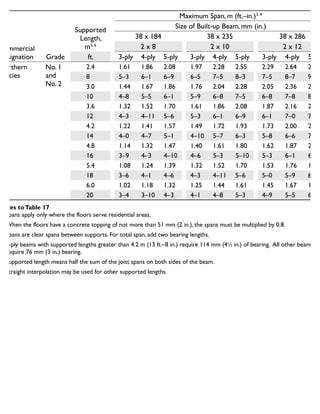
hoosing the Sizes of Built-Up Wood Beams . . . . . . . . . . . . . . . . . . . . . . . . . . . . . . . . . . . . . 10
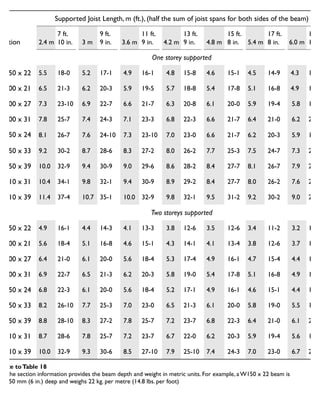
hoosing the Sizes and Spacing of Floor Joists . . . . . . . . . . . . . . . . . . . . . . . . . . . . . . . . . . . . 10
ustainable Housing Insight. . . . . . . . . . . . . . . . . . . . . . . . . . . . . . . . . . . . . . . . . . . . . . . . . . . . 10
elated Publications . . . . . . . . . . . . . . . . . . . . . . . . . . . . . . . . . . . . . . . . . . . . . . . . . . . . . . . . . . 10
Chapter 10—Wall Framing . . . . . . . . . . . . . . . . . . . . . . . . . . . . . . . . . . . . . . . . . . . . . . 10
latform Framing . . . . . . . . . . . . . . . . . . . . . . . . . . . . . . . . . . . . . . . . . . . . . . . . . . . . . . . . . . . . 11
raced Wall Panels. . . . . . . . . . . . . . . . . . . . . . . . . . . . . . . . . . . . . . . . . . . . . . . . . . . . . . . . . . . . 11
tructural Insulated Panels (SIPs) . . . . . . . . . . . . . . . . . . . . . . . . . . . . . . . . . . . . . . . . . . . . . . . 11
hoosing the Size and Spacing of Wall Studs for Platform Framing . . . . . . . . . . . . . . . . . . 11
ustainable Housing Insight. . . . . . . . . . . . . . . . . . . . . . . . . . . . . . . . . . . . . . . . . . . . . . . . . . . . 11
Chapter 11—Ceiling and Roof Framing. . . . . . . . . . . . . . . . . . . . . . . . . . . . . . . . . . 11
itched Roofs . . . . . . . . . . . . . . . . . . . . . . . . . . . . . . . . . . . . . . . . . . . . . . . . . . . . . . . . . . . . . . . . 11
Prefabricated Roof Trusses . . . . . . . . . . . . . . . . . . . . . . . . . . . . . . . . . . . . . . . . . . . . . . . . . . . . 11
Site Assembly of Pitched Roofs . . . . . . . . . . . . . . . . . . . . . . . . . . . . . . . . . . . . . . . . . . . . . . . . . 12
Gable-End Framing and Projections . . . . . . . . . . . . . . . . . . . . . . . . . . . . . . . . . . . . . . . . . . . . . 12
Low-Slope Roofs . . . . . . . . . . . . . . . . . . . . . . . . . . . . . . . . . . . . . . . . . . . . . . . . . . . . . . . . . . . . 12
oof Space Ventilation . . . . . . . . . . . . . . . . . . . . . . . . . . . . . . . . . . . . . . . . . . . . . . . . . . . . . . . . 13
hoosing the Size and Spacing of Ceiling Joists . . . . . . . . . . . . . . . . . . . . . . . . . . . . . . . . . . . 13
hoosing the Size and Spacing of Roof Rafters . . . . . . . . . . . . . . . . . . . . . . . . . . . . . . . . . . . 13
hoosing the Size and Spacing of Roof Joists . . . . . . . . . . . . . . . . . . . . . . . . . . . . . . . . . . . . . 13
ustainable Housing Insight. . . . . . . . . . . . . . . . . . . . . . . . . . . . . . . . . . . . . . . . . . . . . . . . . . . . 13
Chapter 12—Roof Sheathing and Coverings . . . . . . . . . . . . . . . . . . . . . . . . . . . . . 13
oof Sheathing. . . . . . . . . . . . . . . . . . . . . . . . . . . . . . . . . . . . . . . . . . . . . . . . . . . . . . . . . . . . . . . 13
Installing Roof Sheathing . . . . . . . . . . . . . . . . . . . . . . . . . . . . . . . . . . . . . . . . . . . . . . . . . . . . . 13
Roof Sheathing Details . . . . . . . . . . . . . . . . . . . . . . . . . . . . . . . . . . . . . . . . . . . . . . . . . . . . . . . 13
ave Protection . . . . . . . . . . . . . . . . . . . . . . . . . . . . . . . . . . . . . . . . . . . . . . . . . . . . . . . . . . . . . . 13
oof Coverings . . . . . . . . . . . . . . . . . . . . . . . . . . . . . . . . . . . . . . . . . . . . . . . . . . . . . . . . . . . . . . 14
Asphalt Shingles on Slopes 1:3 or Greater . . . . . . . . . . . . . . . . . . . . . . . . . . . . . . . . . . . . . . . . . 14
Asphalt Shingles on Low Slopes of 1:6 to 1:3 . . . . . . . . . . . . . . . . . . . . . . . . . . . . . . . . . . . . . . 14
Wood Shingles . . . . . . . . . . . . . . . . . . . . . . . . . . . . . . . . . . . . . . . . . . . . . . . . . . . . . . . . . . . . . 14
Shakes . . . . . . . . . . . . . . . . . . . . . . . . . . . . . . . . . . . . . . . . . . . . . . . . . . . . . . . . . . . . . . . . . . . . 14
Finish at Ridge and Hips. . . . . . . . . . . . . . . . . . . . . . . . . . . . . . . . . . . . . . . . . . . . . . . . . . . . . . 14
Built-up Roofs. . . . . . . . . . . . . . . . . . . . . . . . . . . . . . . . . . . . . . . . . . . . . . . . . . . . . . . . . . . . . . 14
Sheet Metal Roofing . . . . . . . . . . . . . . . . . . . . . . . . . . . . . . . . . . . . . . . . . . . . . . . . . . . . . . . . . 14
Concrete and Clay Tile Roofing . . . . . . . . . . . . . . . . . . . . . . . . . . . . . . . . . . . . . . . . . . . . . . . . 14
ustainable Housing Insight. . . . . . . . . . . . . . . . . . . . . . . . . . . . . . . . . . . . . . . . . . . . . . . . . . . . 14
Chapter 13—Wall Sheathing and Exterior Finishes . . . . . . . . . . . . . . . . . . . . . . . 14
ypes and Installation of Sheathing . . . . . . . . . . . . . . . . . . . . . . . . . . . . . . . . . . . . . . . . . . . . . 14
heathing Membrane . . . . . . . . . . . . . . . . . . . . . . . . . . . . . . . . . . . . . . . . . . . . . . . . . . . . . . . . . 15
xterior Cladding . . . . . . . . . . . . . . . . . . . . . . . . . . . . . . . . . . . . . . . . . . . . . . . . . . . . . . . . . . . . 15
Metal and Vinyl Sidings . . . . . . . . . . . . . . . . . . . . . . . . . . . . . . . . . . . . . . . . . . . . . . . . . . . . . . 15
Horizontal Application . . . . . . . . . . . . . . . . . . . . . . . . . . . . . . . . . . . . . . . . . . . . . . . . . . . . 15
Lumber Siding . . . . . . . . . . . . . . . . . . . . . . . . . . . . . . . . . . . . . . . . . . . . . . . . . . . . . . . . . . . . . 15
Horizontal Application . . . . . . . . . . . . . . . . . . . . . . . . . . . . . . . . . . . . . . . . . . . . . . . . . . . . 15
Vertical Application. . . . . . . . . . . . . . . . . . . . . . . . . . . . . . . . . . . . . . . . . . . . . . . . . . . . . . . 15
Plywood Panels . . . . . . . . . . . . . . . . . . . . . . . . . . . . . . . . . . . . . . . . . . . . . . . . . . . . . . . . . . . . 15
Hardboard Panels . . . . . . . . . . . . . . . . . . . . . . . . . . . . . . . . . . . . . . . . . . . . . . . . . . . . . . . . . . . 15
Fibre Cement Board Siding. . . . . . . . . . . . . . . . . . . . . . . . . . . . . . . . . . . . . . . . . . . . . . . . . . . . 15
Corner Treatment for Siding . . . . . . . . . . . . . . . . . . . . . . . . . . . . . . . . . . . . . . . . . . . . . . . . . . 15
Wood Shingles and Shakes . . . . . . . . . . . . . . . . . . . . . . . . . . . . . . . . . . . . . . . . . . . . . . . . . . . . 15
Stucco Finishes . . . . . . . . . . . . . . . . . . . . . . . . . . . . . . . . . . . . . . . . . . . . . . . . . . . . . . . . . . . . . 15
Reinforcing . . . . . . . . . . . . . . . . . . . . . . . . . . . . . . . . . . . . . . . . . . . . . . . . . . . . . . . . . . . . . 15
Application . . . . . . . . . . . . . . . . . . . . . . . . . . . . . . . . . . . . . . . . . . . . . . . . . . . . . . . . . . . . . 15
Masonry Veneer . . . . . . . . . . . . . . . . . . . . . . . . . . . . . . . . . . . . . . . . . . . . . . . . . . . . . . . . . . . . 15
Exterior Insulation and Finish Systems (EIFS). . . . . . . . . . . . . . . . . . . . . . . . . . . . . . . . . . . . . . 16
ustainable Housing Insight. . . . . . . . . . . . . . . . . . . . . . . . . . . . . . . . . . . . . . . . . . . . . . . . . . . . 16
Chapter 14—Flashing . . . . . . . . . . . . . . . . . . . . . . . . . . . . . . . . . . . . . . . . . . . . . . . . . . . 16
Designing for Factors that Influence Water Flow . . . . . . . . . . . . . . . . . . . . . . . . . . . . . . . . . . 16
Gravity . . . . . . . . . . . . . . . . . . . . . . . . . . . . . . . . . . . . . . . . . . . . . . . . . . . . . . . . . . . . . . . . . . . 16
Surface Tension . . . . . . . . . . . . . . . . . . . . . . . . . . . . . . . . . . . . . . . . . . . . . . . . . . . . . . . . . . . . . 16
Capillary Action . . . . . . . . . . . . . . . . . . . . . . . . . . . . . . . . . . . . . . . . . . . . . . . . . . . . . . . . . . . . 16
Kinetic Energy . . . . . . . . . . . . . . . . . . . . . . . . . . . . . . . . . . . . . . . . . . . . . . . . . . . . . . . . . . . . . 16
Air Pressure and Pressure Differentials. . . . . . . . . . . . . . . . . . . . . . . . . . . . . . . . . . . . . . . . . . . . 16
ypes of Flashing . . . . . . . . . . . . . . . . . . . . . . . . . . . . . . . . . . . . . . . . . . . . . . . . . . . . . . . . . . . . . 16
Base Flashing. . . . . . . . . . . . . . . . . . . . . . . . . . . . . . . . . . . . . . . . . . . . . . . . . . . . . . . . . . . . . . . 16
Counter Flashing. . . . . . . . . . . . . . . . . . . . . . . . . . . . . . . . . . . . . . . . . . . . . . . . . . . . . . . . . . . . 16
Through-Wall Flashing . . . . . . . . . . . . . . . . . . . . . . . . . . . . . . . . . . . . . . . . . . . . . . . . . . . . . . . 16
Cap Flashing . . . . . . . . . . . . . . . . . . . . . . . . . . . . . . . . . . . . . . . . . . . . . . . . . . . . . . . . . . . . . . . 16
Dampproof Flashing . . . . . . . . . . . . . . . . . . . . . . . . . . . . . . . . . . . . . . . . . . . . . . . . . . . . . . . . . 16
Valley Flashing . . . . . . . . . . . . . . . . . . . . . . . . . . . . . . . . . . . . . . . . . . . . . . . . . . . . . . . . . . . . . 16
Stepped Flashing or Shingled, Stepped Base Flashing for Shingled Roofs. . . . . . . . . . . . . . . . . . 16
Drip Flashing . . . . . . . . . . . . . . . . . . . . . . . . . . . . . . . . . . . . . . . . . . . . . . . . . . . . . . . . . . . . . . 17
lashing Performance Requirements. . . . . . . . . . . . . . . . . . . . . . . . . . . . . . . . . . . . . . . . . . . . . 17
Water Barrier. . . . . . . . . . . . . . . . . . . . . . . . . . . . . . . . . . . . . . . . . . . . . . . . . . . . . . . . . . . . . . . 17
Movement Capability . . . . . . . . . . . . . . . . . . . . . . . . . . . . . . . . . . . . . . . . . . . . . . . . . . . . . . . . 17
Terminations. . . . . . . . . . . . . . . . . . . . . . . . . . . . . . . . . . . . . . . . . . . . . . . . . . . . . . . . . . . . . . . 17
Durability . . . . . . . . . . . . . . . . . . . . . . . . . . . . . . . . . . . . . . . . . . . . . . . . . . . . . . . . . . . . . . . . . 17
Compatibility . . . . . . . . . . . . . . . . . . . . . . . . . . . . . . . . . . . . . . . . . . . . . . . . . . . . . . . . . . . . . . 17
Buildability . . . . . . . . . . . . . . . . . . . . . . . . . . . . . . . . . . . . . . . . . . . . . . . . . . . . . . . . . . . . . . . . 17
Maintenance . . . . . . . . . . . . . . . . . . . . . . . . . . . . . . . . . . . . . . . . . . . . . . . . . . . . . . . . . . . . . . . 17
ight, View and Ventilation. . . . . . . . . . . . . . . . . . . . . . . . . . . . . . . . . . . . . . . . . . . . . . . . . . . . 17
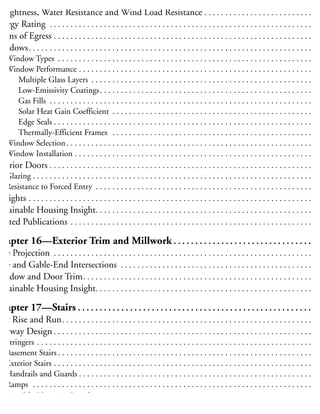
irtightness, Water Resistance and Wind Load Resistance . . . . . . . . . . . . . . . . . . . . . . . . . . 17
nergy Rating . . . . . . . . . . . . . . . . . . . . . . . . . . . . . . . . . . . . . . . . . . . . . . . . . . . . . . . . . . . . . . . 17
Means of Egress . . . . . . . . . . . . . . . . . . . . . . . . . . . . . . . . . . . . . . . . . . . . . . . . . . . . . . . . . . . . . . 17
Windows. . . . . . . . . . . . . . . . . . . . . . . . . . . . . . . . . . . . . . . . . . . . . . . . . . . . . . . . . . . . . . . . . . . . 17
Window Types . . . . . . . . . . . . . . . . . . . . . . . . . . . . . . . . . . . . . . . . . . . . . . . . . . . . . . . . . . . . . 17
Window Performance . . . . . . . . . . . . . . . . . . . . . . . . . . . . . . . . . . . . . . . . . . . . . . . . . . . . . . . . 17
Multiple Glass Layers . . . . . . . . . . . . . . . . . . . . . . . . . . . . . . . . . . . . . . . . . . . . . . . . . . . . . 17
Low-Emissivity Coatings. . . . . . . . . . . . . . . . . . . . . . . . . . . . . . . . . . . . . . . . . . . . . . . . . . . 17
Gas Fills . . . . . . . . . . . . . . . . . . . . . . . . . . . . . . . . . . . . . . . . . . . . . . . . . . . . . . . . . . . . . . . 17
Solar Heat Gain Coefficient . . . . . . . . . . . . . . . . . . . . . . . . . . . . . . . . . . . . . . . . . . . . . . . . 17
Edge Seals . . . . . . . . . . . . . . . . . . . . . . . . . . . . . . . . . . . . . . . . . . . . . . . . . . . . . . . . . . . . . . 17
Thermally-Efficient Frames . . . . . . . . . . . . . . . . . . . . . . . . . . . . . . . . . . . . . . . . . . . . . . . . 17
Window Selection. . . . . . . . . . . . . . . . . . . . . . . . . . . . . . . . . . . . . . . . . . . . . . . . . . . . . . . . . . . 17
Window Installation . . . . . . . . . . . . . . . . . . . . . . . . . . . . . . . . . . . . . . . . . . . . . . . . . . . . . . . . . 17
xterior Doors . . . . . . . . . . . . . . . . . . . . . . . . . . . . . . . . . . . . . . . . . . . . . . . . . . . . . . . . . . . . . . . 18
Glazing . . . . . . . . . . . . . . . . . . . . . . . . . . . . . . . . . . . . . . . . . . . . . . . . . . . . . . . . . . . . . . . . . . . 18
Resistance to Forced Entry . . . . . . . . . . . . . . . . . . . . . . . . . . . . . . . . . . . . . . . . . . . . . . . . . . . . 18
kylights . . . . . . . . . . . . . . . . . . . . . . . . . . . . . . . . . . . . . . . . . . . . . . . . . . . . . . . . . . . . . . . . . . . . 18
ustainable Housing Insight. . . . . . . . . . . . . . . . . . . . . . . . . . . . . . . . . . . . . . . . . . . . . . . . . . . . 18
elated Publications . . . . . . . . . . . . . . . . . . . . . . . . . . . . . . . . . . . . . . . . . . . . . . . . . . . . . . . . . . 18
Chapter 16—Exterior Trim and Millwork . . . . . . . . . . . . . . . . . . . . . . . . . . . . . . . . 18
ave Projection . . . . . . . . . . . . . . . . . . . . . . . . . . . . . . . . . . . . . . . . . . . . . . . . . . . . . . . . . . . . . . 18
ave and Gable-End Intersections . . . . . . . . . . . . . . . . . . . . . . . . . . . . . . . . . . . . . . . . . . . . . . 18
Window and Door Trim. . . . . . . . . . . . . . . . . . . . . . . . . . . . . . . . . . . . . . . . . . . . . . . . . . . . . . . 18
ustainable Housing Insight. . . . . . . . . . . . . . . . . . . . . . . . . . . . . . . . . . . . . . . . . . . . . . . . . . . . 18
Chapter 17—Stairs . . . . . . . . . . . . . . . . . . . . . . . . . . . . . . . . . . . . . . . . . . . . . . . . . . . . . . 18
tair Rise and Run. . . . . . . . . . . . . . . . . . . . . . . . . . . . . . . . . . . . . . . . . . . . . . . . . . . . . . . . . . . . 18
tairway Design . . . . . . . . . . . . . . . . . . . . . . . . . . . . . . . . . . . . . . . . . . . . . . . . . . . . . . . . . . . . . . 18
Stringers . . . . . . . . . . . . . . . . . . . . . . . . . . . . . . . . . . . . . . . . . . . . . . . . . . . . . . . . . . . . . . . . . . 19
Basement Stairs . . . . . . . . . . . . . . . . . . . . . . . . . . . . . . . . . . . . . . . . . . . . . . . . . . . . . . . . . . . . . 19
Exterior Stairs . . . . . . . . . . . . . . . . . . . . . . . . . . . . . . . . . . . . . . . . . . . . . . . . . . . . . . . . . . . . . . 19
Handrails and Guards . . . . . . . . . . . . . . . . . . . . . . . . . . . . . . . . . . . . . . . . . . . . . . . . . . . . . . . . 19
Ramps . . . . . . . . . . . . . . . . . . . . . . . . . . . . . . . . . . . . . . . . . . . . . . . . . . . . . . . . . . . . . . . . . . . 19
ustainable Housing Insight. . . . . . . . . . . . . . . . . . . . . . . . . . . . . . . . . . . . . . . . . . . . . . . . . . . . 19
elated Publications . . . . . . . . . . . . . . . . . . . . . . . . . . . . . . . . . . . . . . . . . . . . . . . . . . . . . . . . . . 19
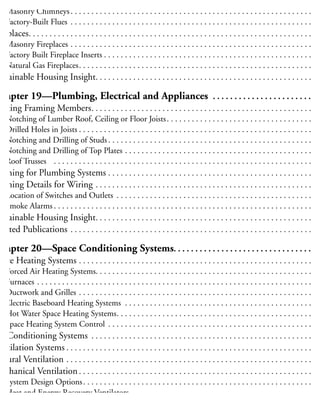
himneys and Flues . . . . . . . . . . . . . . . . . . . . . . . . . . . . . . . . . . . . . . . . . . . . . . . . . . . . . . . . . . 19
Masonry Chimneys. . . . . . . . . . . . . . . . . . . . . . . . . . . . . . . . . . . . . . . . . . . . . . . . . . . . . . . . . . 19
Factory-Built Flues . . . . . . . . . . . . . . . . . . . . . . . . . . . . . . . . . . . . . . . . . . . . . . . . . . . . . . . . . . 19
ireplaces. . . . . . . . . . . . . . . . . . . . . . . . . . . . . . . . . . . . . . . . . . . . . . . . . . . . . . . . . . . . . . . . . . . . 19
Masonry Fireplaces . . . . . . . . . . . . . . . . . . . . . . . . . . . . . . . . . . . . . . . . . . . . . . . . . . . . . . . . . . 19
Factory Built Fireplace Inserts . . . . . . . . . . . . . . . . . . . . . . . . . . . . . . . . . . . . . . . . . . . . . . . . . . 20
Natural Gas Fireplaces. . . . . . . . . . . . . . . . . . . . . . . . . . . . . . . . . . . . . . . . . . . . . . . . . . . . . . . . 20
ustainable Housing Insight. . . . . . . . . . . . . . . . . . . . . . . . . . . . . . . . . . . . . . . . . . . . . . . . . . . . 20
Chapter 19—Plumbing, Electrical and Appliances . . . . . . . . . . . . . . . . . . . . . . . 20
utting Framing Members. . . . . . . . . . . . . . . . . . . . . . . . . . . . . . . . . . . . . . . . . . . . . . . . . . . . . 20
Notching of Lumber Roof, Ceiling or Floor Joists. . . . . . . . . . . . . . . . . . . . . . . . . . . . . . . . . . . 20
Drilled Holes in Joists . . . . . . . . . . . . . . . . . . . . . . . . . . . . . . . . . . . . . . . . . . . . . . . . . . . . . . . . 20
Notching and Drilling of Studs . . . . . . . . . . . . . . . . . . . . . . . . . . . . . . . . . . . . . . . . . . . . . . . . . 20
Notching and Drilling of Top Plates . . . . . . . . . . . . . . . . . . . . . . . . . . . . . . . . . . . . . . . . . . . . . 20
Roof Trusses . . . . . . . . . . . . . . . . . . . . . . . . . . . . . . . . . . . . . . . . . . . . . . . . . . . . . . . . . . . . . . 20
raming for Plumbing Systems . . . . . . . . . . . . . . . . . . . . . . . . . . . . . . . . . . . . . . . . . . . . . . . . . 20
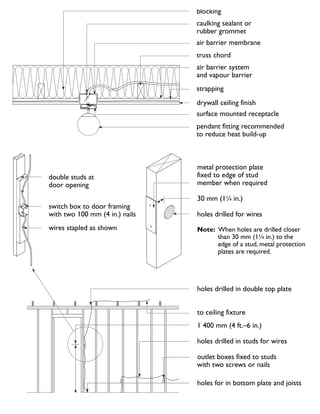
raming Details for Wiring . . . . . . . . . . . . . . . . . . . . . . . . . . . . . . . . . . . . . . . . . . . . . . . . . . . . 20
Location of Switches and Outlets . . . . . . . . . . . . . . . . . . . . . . . . . . . . . . . . . . . . . . . . . . . . . . . 21
Smoke Alarms . . . . . . . . . . . . . . . . . . . . . . . . . . . . . . . . . . . . . . . . . . . . . . . . . . . . . . . . . . . . . . 21
ustainable Housing Insight. . . . . . . . . . . . . . . . . . . . . . . . . . . . . . . . . . . . . . . . . . . . . . . . . . . . 21
elated Publications . . . . . . . . . . . . . . . . . . . . . . . . . . . . . . . . . . . . . . . . . . . . . . . . . . . . . . . . . . 21
Chapter 20—Space Conditioning Systems. . . . . . . . . . . . . . . . . . . . . . . . . . . . . . . . 21
pace Heating Systems . . . . . . . . . . . . . . . . . . . . . . . . . . . . . . . . . . . . . . . . . . . . . . . . . . . . . . . . 21
Forced Air Heating Systems. . . . . . . . . . . . . . . . . . . . . . . . . . . . . . . . . . . . . . . . . . . . . . . . . . . . 21
Furnaces . . . . . . . . . . . . . . . . . . . . . . . . . . . . . . . . . . . . . . . . . . . . . . . . . . . . . . . . . . . . . . . . . . 21
Ductwork and Grilles . . . . . . . . . . . . . . . . . . . . . . . . . . . . . . . . . . . . . . . . . . . . . . . . . . . . . . . . 21
Electric Baseboard Heating Systems . . . . . . . . . . . . . . . . . . . . . . . . . . . . . . . . . . . . . . . . . . . . . 22
Hot Water Space Heating Systems. . . . . . . . . . . . . . . . . . . . . . . . . . . . . . . . . . . . . . . . . . . . . . . 22
Space Heating System Control . . . . . . . . . . . . . . . . . . . . . . . . . . . . . . . . . . . . . . . . . . . . . . . . . 22
ir Conditioning Systems . . . . . . . . . . . . . . . . . . . . . . . . . . . . . . . . . . . . . . . . . . . . . . . . . . . . . 22
entilation Systems . . . . . . . . . . . . . . . . . . . . . . . . . . . . . . . . . . . . . . . . . . . . . . . . . . . . . . . . . . . 22
Natural Ventilation . . . . . . . . . . . . . . . . . . . . . . . . . . . . . . . . . . . . . . . . . . . . . . . . . . . . . . . . . . . 22
Mechanical Ventilation . . . . . . . . . . . . . . . . . . . . . . . . . . . . . . . . . . . . . . . . . . . . . . . . . . . . . . . . 22
System Design Options. . . . . . . . . . . . . . . . . . . . . . . . . . . . . . . . . . . . . . . . . . . . . . . . . . . . . . . 22
Heat and Energy Recovery Ventilators. . . . . . . . . . . . . . . . . . . . . . . . . . . . . . . . . . . . . . . . . . . . 22
Ventilation System Ductwork . . . . . . . . . . . . . . . . . . . . . . . . . . . . . . . . . . . . . . . . . . . . . . . . . . 22
elated Publications . . . . . . . . . . . . . . . . . . . . . . . . . . . . . . . . . . . . . . . . . . . . . . . . . . . . . . . . . . 22
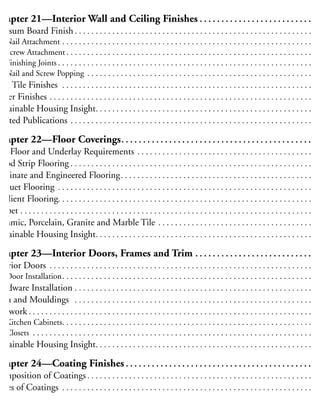
Chapter 21—Interior Wall and Ceiling Finishes . . . . . . . . . . . . . . . . . . . . . . . . . . 22
Gypsum Board Finish . . . . . . . . . . . . . . . . . . . . . . . . . . . . . . . . . . . . . . . . . . . . . . . . . . . . . . . . . 22
Nail Attachment . . . . . . . . . . . . . . . . . . . . . . . . . . . . . . . . . . . . . . . . . . . . . . . . . . . . . . . . . . . . 22
Screw Attachment . . . . . . . . . . . . . . . . . . . . . . . . . . . . . . . . . . . . . . . . . . . . . . . . . . . . . . . . . . . 22
Finishing Joints . . . . . . . . . . . . . . . . . . . . . . . . . . . . . . . . . . . . . . . . . . . . . . . . . . . . . . . . . . . . . 23
Nail and Screw Popping . . . . . . . . . . . . . . . . . . . . . . . . . . . . . . . . . . . . . . . . . . . . . . . . . . . . . . 23
Wall Tile Finishes . . . . . . . . . . . . . . . . . . . . . . . . . . . . . . . . . . . . . . . . . . . . . . . . . . . . . . . . . . . . 23
Other Finishes . . . . . . . . . . . . . . . . . . . . . . . . . . . . . . . . . . . . . . . . . . . . . . . . . . . . . . . . . . . . . . . 23
ustainable Housing Insight. . . . . . . . . . . . . . . . . . . . . . . . . . . . . . . . . . . . . . . . . . . . . . . . . . . . 23
elated Publications . . . . . . . . . . . . . . . . . . . . . . . . . . . . . . . . . . . . . . . . . . . . . . . . . . . . . . . . . . 23
Chapter 22—Floor Coverings. . . . . . . . . . . . . . . . . . . . . . . . . . . . . . . . . . . . . . . . . . . . 23
ub-Floor and Underlay Requirements . . . . . . . . . . . . . . . . . . . . . . . . . . . . . . . . . . . . . . . . . . 23
Wood Strip Flooring . . . . . . . . . . . . . . . . . . . . . . . . . . . . . . . . . . . . . . . . . . . . . . . . . . . . . . . . . . 23
aminate and Engineered Flooring. . . . . . . . . . . . . . . . . . . . . . . . . . . . . . . . . . . . . . . . . . . . . . 23
arquet Flooring . . . . . . . . . . . . . . . . . . . . . . . . . . . . . . . . . . . . . . . . . . . . . . . . . . . . . . . . . . . . . 23
esilient Flooring. . . . . . . . . . . . . . . . . . . . . . . . . . . . . . . . . . . . . . . . . . . . . . . . . . . . . . . . . . . . . 23
arpet . . . . . . . . . . . . . . . . . . . . . . . . . . . . . . . . . . . . . . . . . . . . . . . . . . . . . . . . . . . . . . . . . . . . . . 23
eramic, Porcelain, Granite and Marble Tile . . . . . . . . . . . . . . . . . . . . . . . . . . . . . . . . . . . . . 23
ustainable Housing Insight. . . . . . . . . . . . . . . . . . . . . . . . . . . . . . . . . . . . . . . . . . . . . . . . . . . . 23
Chapter 23—Interior Doors, Frames and Trim . . . . . . . . . . . . . . . . . . . . . . . . . . . 23
nterior Doors . . . . . . . . . . . . . . . . . . . . . . . . . . . . . . . . . . . . . . . . . . . . . . . . . . . . . . . . . . . . . . . 23
Door Installation. . . . . . . . . . . . . . . . . . . . . . . . . . . . . . . . . . . . . . . . . . . . . . . . . . . . . . . . . . . . 23
Hardware Installation . . . . . . . . . . . . . . . . . . . . . . . . . . . . . . . . . . . . . . . . . . . . . . . . . . . . . . . . . 24
rim and Mouldings . . . . . . . . . . . . . . . . . . . . . . . . . . . . . . . . . . . . . . . . . . . . . . . . . . . . . . . . . 24
Millwork . . . . . . . . . . . . . . . . . . . . . . . . . . . . . . . . . . . . . . . . . . . . . . . . . . . . . . . . . . . . . . . . . . . . 24
Kitchen Cabinets. . . . . . . . . . . . . . . . . . . . . . . . . . . . . . . . . . . . . . . . . . . . . . . . . . . . . . . . . . . . 24
Closets . . . . . . . . . . . . . . . . . . . . . . . . . . . . . . . . . . . . . . . . . . . . . . . . . . . . . . . . . . . . . . . . . . . 24
ustainable Housing Insight. . . . . . . . . . . . . . . . . . . . . . . . . . . . . . . . . . . . . . . . . . . . . . . . . . . . 24
Chapter 24—Coating Finishes . . . . . . . . . . . . . . . . . . . . . . . . . . . . . . . . . . . . . . . . . . . 24
omposition of Coatings . . . . . . . . . . . . . . . . . . . . . . . . . . . . . . . . . . . . . . . . . . . . . . . . . . . . . . 24
ypes of Coatings . . . . . . . . . . . . . . . . . . . . . . . . . . . . . . . . . . . . . . . . . . . . . . . . . . . . . . . . . . . . 24
Paint . . . . . . . . . . . . . . . . . . . . . . . . . . . . . . . . . . . . . . . . . . . . . . . . . . . . . . . . . . . . . . . . . . . . . 24
Varnish and polyurethane . . . . . . . . . . . . . . . . . . . . . . . . . . . . . . . . . . . . . . . . . . . . . . . . . . . . . 24
Alkyd and Latex Coatings . . . . . . . . . . . . . . . . . . . . . . . . . . . . . . . . . . . . . . . . . . . . . . . . . . . . . 24
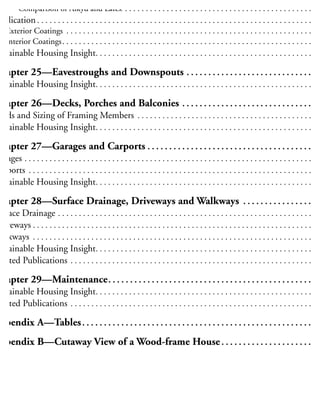
Comparison of Alkyd and Latex . . . . . . . . . . . . . . . . . . . . . . . . . . . . . . . . . . . . . . . . . . . . . 24
pplication . . . . . . . . . . . . . . . . . . . . . . . . . . . . . . . . . . . . . . . . . . . . . . . . . . . . . . . . . . . . . . . . . . 24
Exterior Coatings . . . . . . . . . . . . . . . . . . . . . . . . . . . . . . . . . . . . . . . . . . . . . . . . . . . . . . . . . . . 24
Interior Coatings. . . . . . . . . . . . . . . . . . . . . . . . . . . . . . . . . . . . . . . . . . . . . . . . . . . . . . . . . . . . 24
ustainable Housing Insight. . . . . . . . . . . . . . . . . . . . . . . . . . . . . . . . . . . . . . . . . . . . . . . . . . . . 24
Chapter 25—Eavestroughs and Downspouts . . . . . . . . . . . . . . . . . . . . . . . . . . . . . 25
ustainable Housing Insight. . . . . . . . . . . . . . . . . . . . . . . . . . . . . . . . . . . . . . . . . . . . . . . . . . . . 25
Chapter 26—Decks, Porches and Balconies . . . . . . . . . . . . . . . . . . . . . . . . . . . . . . 25
oads and Sizing of Framing Members . . . . . . . . . . . . . . . . . . . . . . . . . . . . . . . . . . . . . . . . . . 25
ustainable Housing Insight. . . . . . . . . . . . . . . . . . . . . . . . . . . . . . . . . . . . . . . . . . . . . . . . . . . . 25
Chapter 27—Garages and Carports . . . . . . . . . . . . . . . . . . . . . . . . . . . . . . . . . . . . . . 25
Garages . . . . . . . . . . . . . . . . . . . . . . . . . . . . . . . . . . . . . . . . . . . . . . . . . . . . . . . . . . . . . . . . . . . . . 25
arports . . . . . . . . . . . . . . . . . . . . . . . . . . . . . . . . . . . . . . . . . . . . . . . . . . . . . . . . . . . . . . . . . . . . 25
ustainable Housing Insight. . . . . . . . . . . . . . . . . . . . . . . . . . . . . . . . . . . . . . . . . . . . . . . . . . . . 25
Chapter 28—Surface Drainage, Driveways and Walkways . . . . . . . . . . . . . . . . 25
urface Drainage . . . . . . . . . . . . . . . . . . . . . . . . . . . . . . . . . . . . . . . . . . . . . . . . . . . . . . . . . . . . . 25
Driveways . . . . . . . . . . . . . . . . . . . . . . . . . . . . . . . . . . . . . . . . . . . . . . . . . . . . . . . . . . . . . . . . . . . 25
Walkways . . . . . . . . . . . . . . . . . . . . . . . . . . . . . . . . . . . . . . . . . . . . . . . . . . . . . . . . . . . . . . . . . . . 26
ustainable Housing Insight. . . . . . . . . . . . . . . . . . . . . . . . . . . . . . . . . . . . . . . . . . . . . . . . . . . . 26
elated Publications . . . . . . . . . . . . . . . . . . . . . . . . . . . . . . . . . . . . . . . . . . . . . . . . . . . . . . . . . . 26
Chapter 29—Maintenance. . . . . . . . . . . . . . . . . . . . . . . . . . . . . . . . . . . . . . . . . . . . . . . 26
ustainable Housing Insight. . . . . . . . . . . . . . . . . . . . . . . . . . . . . . . . . . . . . . . . . . . . . . . . . . . . 26
elated Publications . . . . . . . . . . . . . . . . . . . . . . . . . . . . . . . . . . . . . . . . . . . . . . . . . . . . . . . . . . 26
ppendix A—Tables. . . . . . . . . . . . . . . . . . . . . . . . . . . . . . . . . . . . . . . . . . . . . . . . . . . . . 26
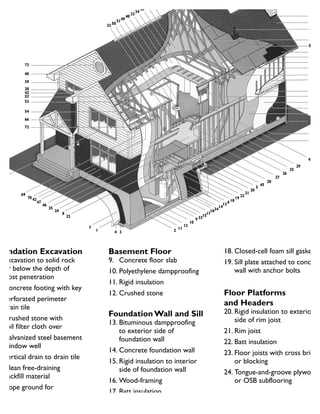
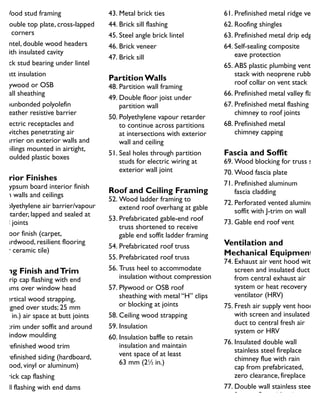
ppendix B—Cutaway View of a Wood-frame House . . . . . . . . . . . . . . . . . . . . . 31
Chapter 1—Important General Information . . . . . . . . . . . . . . . . . . . . . . . . . . . . . . .
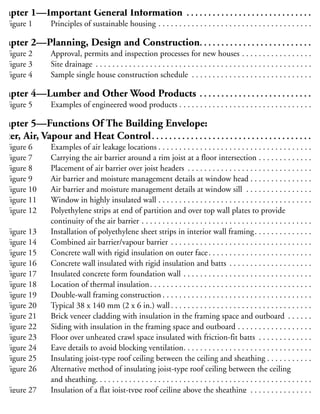
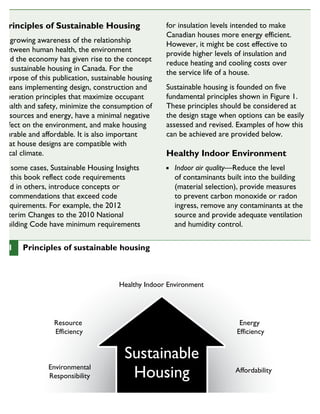
Figure 1 Principles of sustainable housing . . . . . . . . . . . . . . . . . . . . . . . . . . . . . . . . . . . . . . .
Chapter 2—Planning, Design and Construction. . . . . . . . . . . . . . . . . . . . . . . . . . . 1
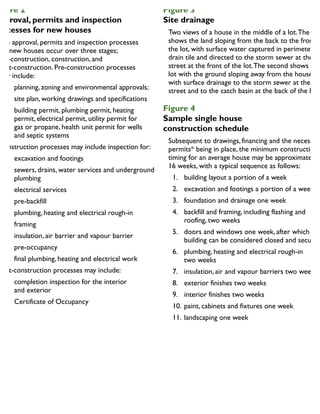
Figure 2 Approval, permits and inspection processes for new houses . . . . . . . . . . . . . . . . . . 1
Figure 3 Site drainage . . . . . . . . . . . . . . . . . . . . . . . . . . . . . . . . . . . . . . . . . . . . . . . . . . . . . 1
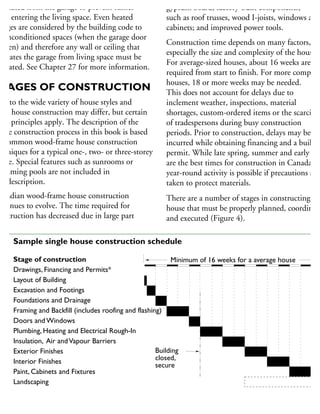
Figure 4 Sample single house construction schedule . . . . . . . . . . . . . . . . . . . . . . . . . . . . . . 2
Chapter 4—Lumber and Other Wood Products . . . . . . . . . . . . . . . . . . . . . . . . . . . 2
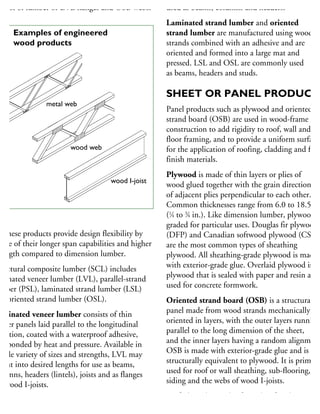
Figure 5 Examples of engineered wood products . . . . . . . . . . . . . . . . . . . . . . . . . . . . . . . . . 3
Chapter 5—Functions Of The Building Envelope:
Water, Air, Vapour and Heat Control. . . . . . . . . . . . . . . . . . . . . . . . . . . . . . . . . . . . . . 3
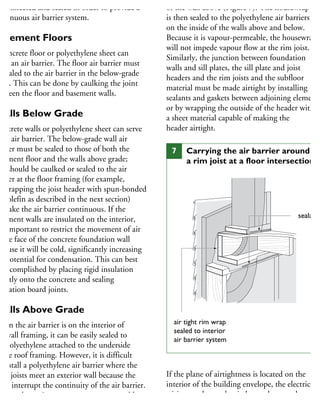
Figure 6 Examples of air leakage locations . . . . . . . . . . . . . . . . . . . . . . . . . . . . . . . . . . . . . . 3
Figure 7 Carrying the air barrier around a rim joist at a floor intersection . . . . . . . . . . . . . . 3
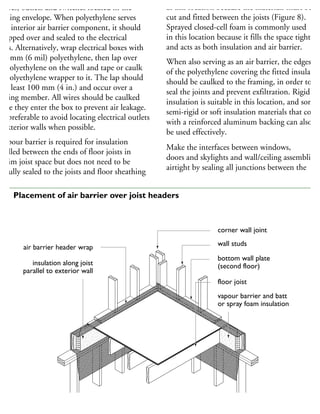
Figure 8 Placement of air barrier over joist headers . . . . . . . . . . . . . . . . . . . . . . . . . . . . . . . 4
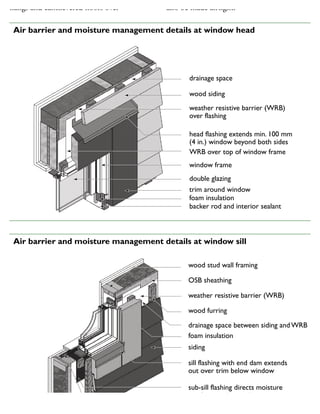
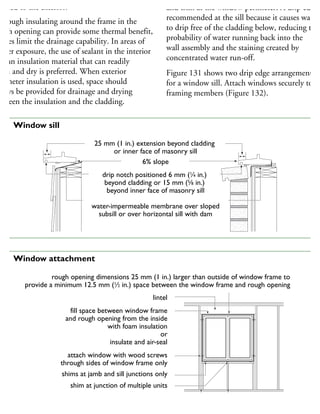
Figure 9 Air barrier and moisture management details at window head . . . . . . . . . . . . . . . . 4
Figure 10 Air barrier and moisture management details at window sill . . . . . . . . . . . . . . . . . 4
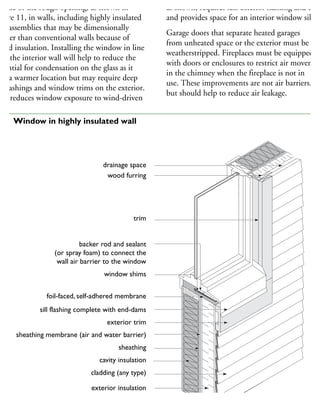
Figure 11 Window in highly insulated wall . . . . . . . . . . . . . . . . . . . . . . . . . . . . . . . . . . . . . . 4
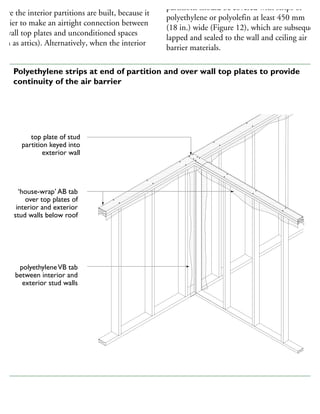
Figure 12 Polyethylene strips at end of partition and over top wall plates to provide
continuity of the air barrier . . . . . . . . . . . . . . . . . . . . . . . . . . . . . . . . . . . . . . . . . . 4
Figure 13 Installation of polyethylene sheet strips in interior wall framing. . . . . . . . . . . . . . . 4
Figure 14 Combined air barrier/vapour barrier . . . . . . . . . . . . . . . . . . . . . . . . . . . . . . . . . . . 4
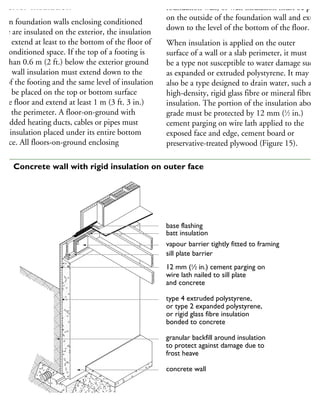
Figure 15 Concrete wall with rigid insulation on outer face. . . . . . . . . . . . . . . . . . . . . . . . . . 4
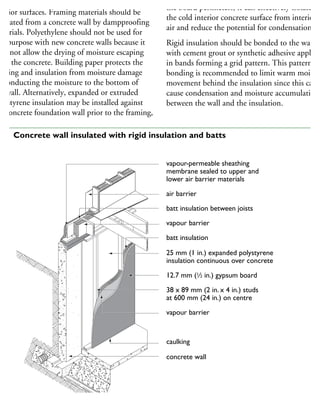
Figure 16 Concrete wall insulated with rigid insulation and batts . . . . . . . . . . . . . . . . . . . . . 5
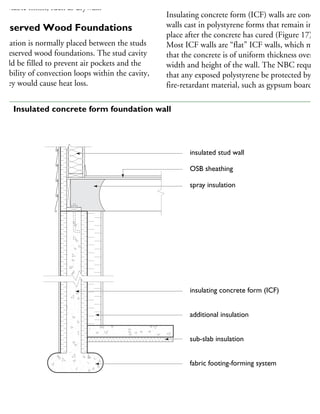
Figure 17 Insulated concrete form foundation wall . . . . . . . . . . . . . . . . . . . . . . . . . . . . . . . . 5
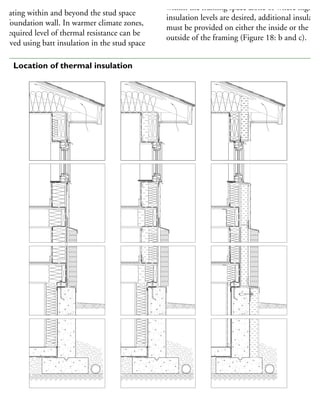
Figure 18 Location of thermal insulation. . . . . . . . . . . . . . . . . . . . . . . . . . . . . . . . . . . . . . . . 5
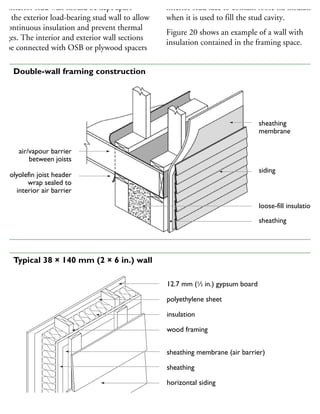
Figure 19 Double-wall framing construction . . . . . . . . . . . . . . . . . . . . . . . . . . . . . . . . . . . . . 5
Figure 20 Typical 38 x 140 mm (2 x 6 in.) wall . . . . . . . . . . . . . . . . . . . . . . . . . . . . . . . . . . . 5
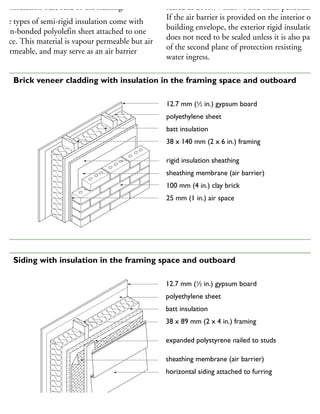
Figure 21 Brick veneer cladding with insulation in the framing space and outboard . . . . . . . 5
Figure 22 Siding with insulation in the framing space and outboard . . . . . . . . . . . . . . . . . . . 5
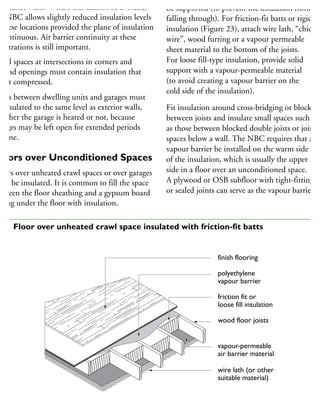
Figure 23 Floor over unheated crawl space insulated with friction-fit batts . . . . . . . . . . . . . . 5
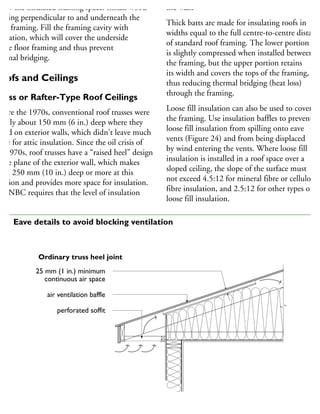
Figure 24 Eave details to avoid blocking ventilation. . . . . . . . . . . . . . . . . . . . . . . . . . . . . . . . 5
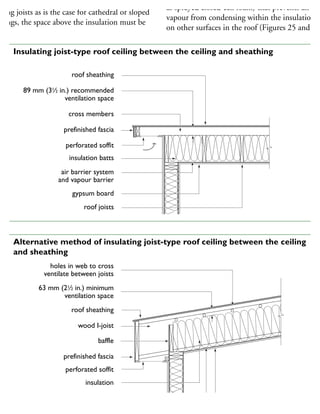
Figure 25 Insulating joist-type roof ceiling between the ceiling and sheathing . . . . . . . . . . . . 5
Figure 26 Alternative method of insulating joist-type roof ceiling between the ceiling
and sheathing. . . . . . . . . . . . . . . . . . . . . . . . . . . . . . . . . . . . . . . . . . . . . . . . . . . . . 5
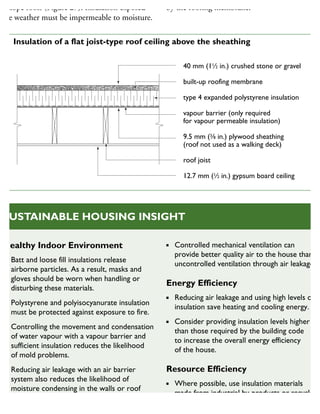
Figure 27 Insulation of a flat joist-type roof ceiling above the sheathing . . . . . . . . . . . . . . . . 5
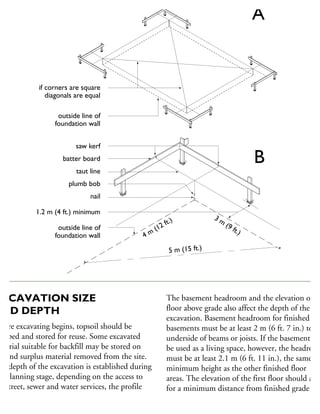
Figure 28 Establishing the lines of the house . . . . . . . . . . . . . . . . . . . . . . . . . . . . . . . . . . . . . 6
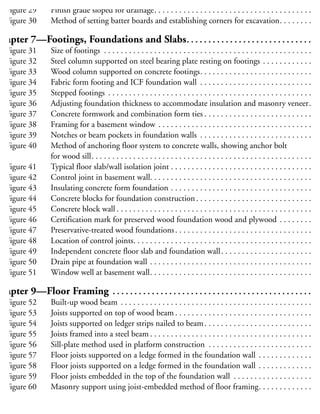
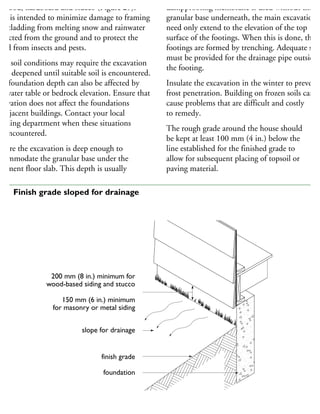
Figure 29 Finish grade sloped for drainage. . . . . . . . . . . . . . . . . . . . . . . . . . . . . . . . . . . . . . . 6
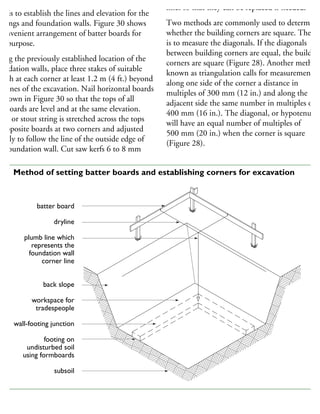
Figure 30 Method of setting batter boards and establishing corners for excavation. . . . . . . . . 6
Chapter 7—Footings, Foundations and Slabs. . . . . . . . . . . . . . . . . . . . . . . . . . . . . . 6
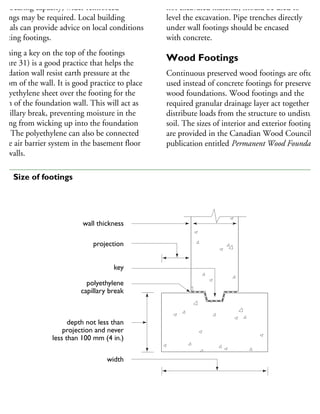
Figure 31 Size of footings . . . . . . . . . . . . . . . . . . . . . . . . . . . . . . . . . . . . . . . . . . . . . . . . . . . 6
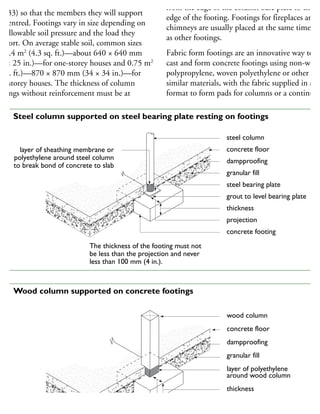
Figure 32 Steel column supported on steel bearing plate resting on footings . . . . . . . . . . . . . 6
Figure 33 Wood column supported on concrete footings. . . . . . . . . . . . . . . . . . . . . . . . . . . . 6
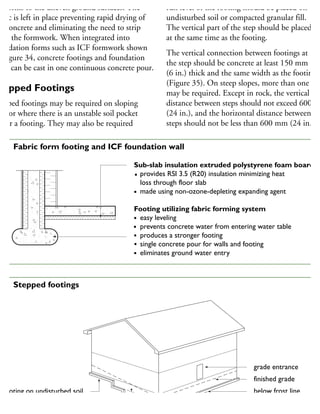
Figure 34 Fabric form footing and ICF foundation wall . . . . . . . . . . . . . . . . . . . . . . . . . . . . 6
Figure 35 Stepped footings . . . . . . . . . . . . . . . . . . . . . . . . . . . . . . . . . . . . . . . . . . . . . . . . . . 6
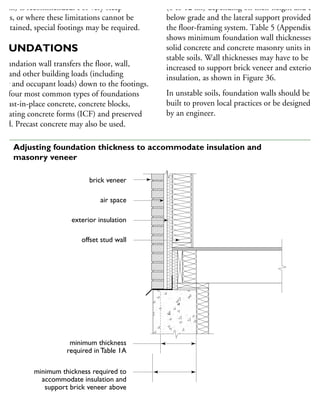
Figure 36 Adjusting foundation thickness to accommodate insulation and masonry veneer. . 7
Figure 37 Concrete formwork and combination form ties . . . . . . . . . . . . . . . . . . . . . . . . . . . 7
Figure 38 Framing for a basement window . . . . . . . . . . . . . . . . . . . . . . . . . . . . . . . . . . . . . . 7
Figure 39 Notches or beam pockets in foundation walls . . . . . . . . . . . . . . . . . . . . . . . . . . . . 7
Figure 40 Method of anchoring floor system to concrete walls, showing anchor bolt
for wood sill. . . . . . . . . . . . . . . . . . . . . . . . . . . . . . . . . . . . . . . . . . . . . . . . . . . . . . 7
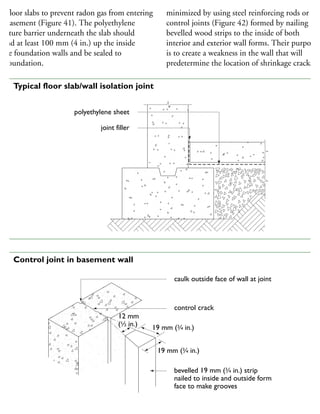
Figure 41 Typical floor slab/wall isolation joint . . . . . . . . . . . . . . . . . . . . . . . . . . . . . . . . . . . 7
Figure 42 Control joint in basement wall. . . . . . . . . . . . . . . . . . . . . . . . . . . . . . . . . . . . . . . . 7
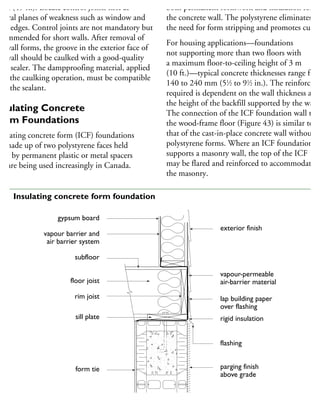
Figure 43 Insulating concrete form foundation . . . . . . . . . . . . . . . . . . . . . . . . . . . . . . . . . . . 7
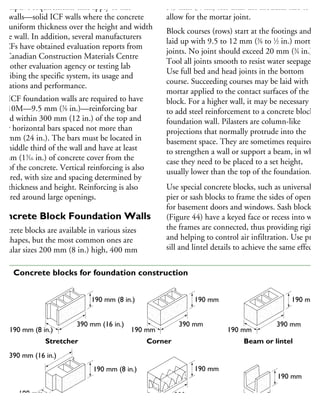
Figure 44 Concrete blocks for foundation construction. . . . . . . . . . . . . . . . . . . . . . . . . . . . . 7
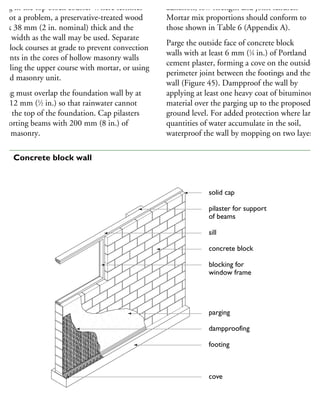
Figure 45 Concrete block wall . . . . . . . . . . . . . . . . . . . . . . . . . . . . . . . . . . . . . . . . . . . . . . . . 7
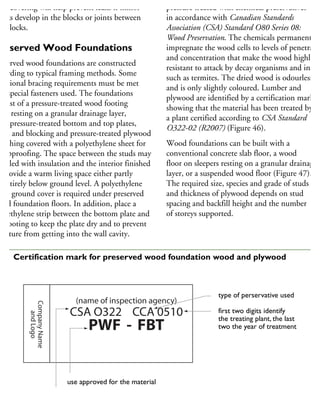
Figure 46 Certification mark for preserved wood foundation wood and plywood . . . . . . . . . 7
Figure 47 Preservative-treated wood foundations. . . . . . . . . . . . . . . . . . . . . . . . . . . . . . . . . . 7
Figure 48 Location of control joints. . . . . . . . . . . . . . . . . . . . . . . . . . . . . . . . . . . . . . . . . . . . 8
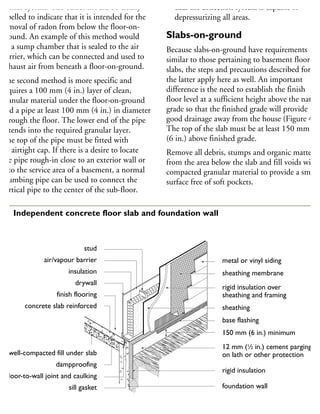
Figure 49 Independent concrete floor slab and foundation wall. . . . . . . . . . . . . . . . . . . . . . . 8
Figure 50 Drain pipe at foundation wall . . . . . . . . . . . . . . . . . . . . . . . . . . . . . . . . . . . . . . . . 8
Figure 51 Window well at basement wall. . . . . . . . . . . . . . . . . . . . . . . . . . . . . . . . . . . . . . . . 8
Chapter 9—Floor Framing . . . . . . . . . . . . . . . . . . . . . . . . . . . . . . . . . . . . . . . . . . . . . . . 9
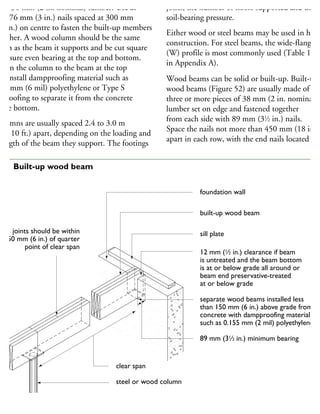
Figure 52 Built-up wood beam . . . . . . . . . . . . . . . . . . . . . . . . . . . . . . . . . . . . . . . . . . . . . . . 9
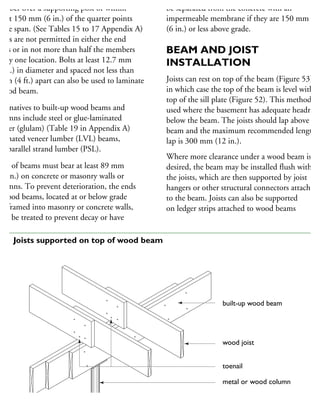
Figure 53 Joists supported on top of wood beam . . . . . . . . . . . . . . . . . . . . . . . . . . . . . . . . . . 9
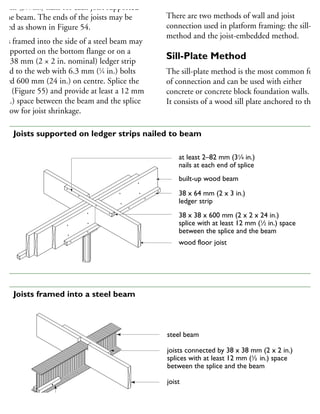
Figure 54 Joists supported on ledger strips nailed to beam. . . . . . . . . . . . . . . . . . . . . . . . . . . 9
Figure 55 Joists framed into a steel beam . . . . . . . . . . . . . . . . . . . . . . . . . . . . . . . . . . . . . . . . 9
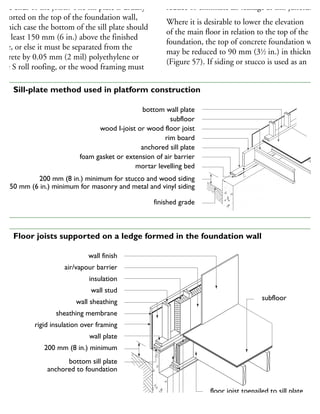
Figure 56 Sill-plate method used in platform construction . . . . . . . . . . . . . . . . . . . . . . . . . . 9
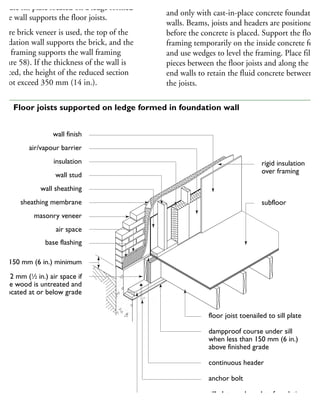
Figure 57 Floor joists supported on a ledge formed in the foundation wall . . . . . . . . . . . . . . 9
Figure 58 Floor joists supported on a ledge formed in the foundation wall . . . . . . . . . . . . . . 9
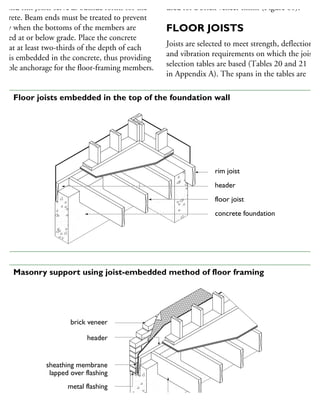
Figure 59 Floor joists embedded in the top of the foundation wall . . . . . . . . . . . . . . . . . . . . 9
Figure 60 Masonry support using joist-embedded method of floor framing. . . . . . . . . . . . . . 9
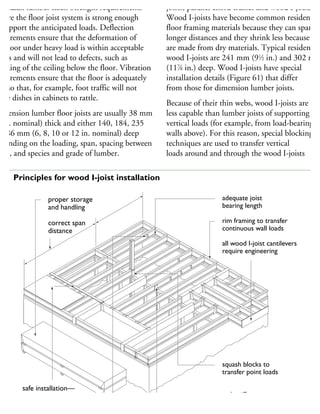
Figure 61 Principles for wood I-joist installation . . . . . . . . . . . . . . . . . . . . . . . . . . . . . . . . . 10
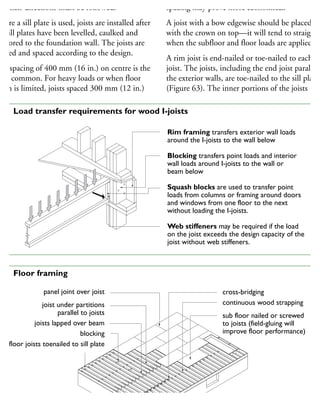
Figure 62 Load transfer requirements for wood I-joists . . . . . . . . . . . . . . . . . . . . . . . . . . . . 10
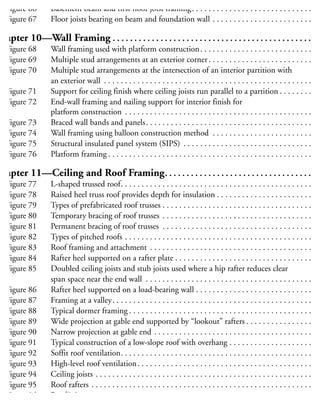
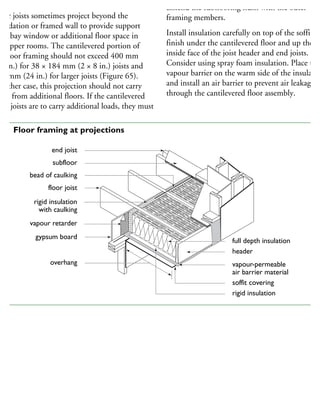
Figure 65 Floor framing at projections. . . . . . . . . . . . . . . . . . . . . . . . . . . . . . . . . . . . . . . . . 10
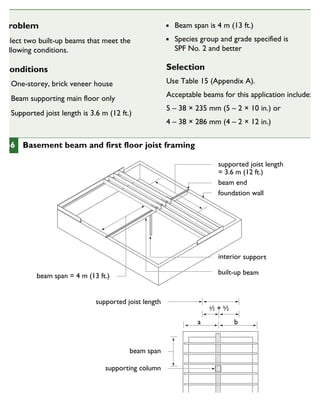
Figure 66 Basement beam and first floor joist framing. . . . . . . . . . . . . . . . . . . . . . . . . . . . . 10
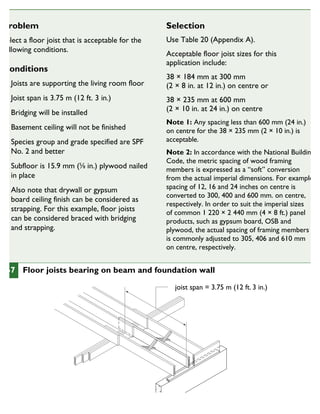
Figure 67 Floor joists bearing on beam and foundation wall . . . . . . . . . . . . . . . . . . . . . . . . 10
Chapter 10—Wall Framing . . . . . . . . . . . . . . . . . . . . . . . . . . . . . . . . . . . . . . . . . . . . . . 10
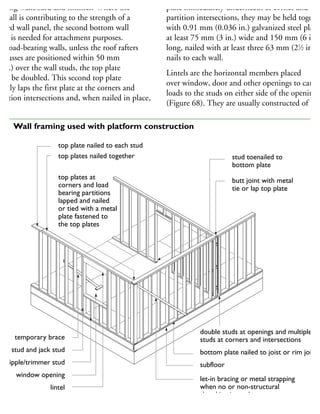
Figure 68 Wall framing used with platform construction. . . . . . . . . . . . . . . . . . . . . . . . . . . 10
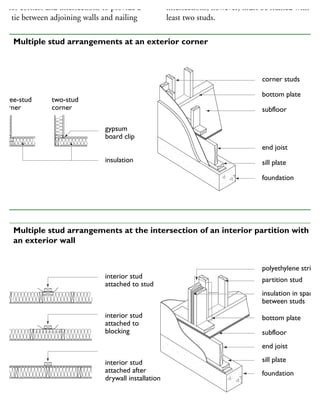
Figure 69 Multiple stud arrangements at an exterior corner. . . . . . . . . . . . . . . . . . . . . . . . . 11
Figure 70 Multiple stud arrangements at the intersection of an interior partition with
an exterior wall . . . . . . . . . . . . . . . . . . . . . . . . . . . . . . . . . . . . . . . . . . . . . . . . . . 11
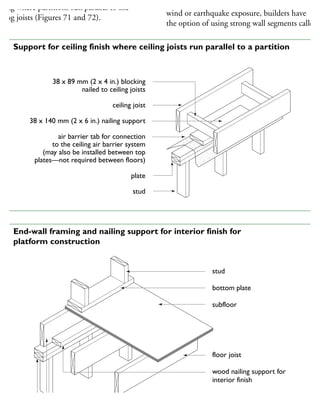
Figure 71 Support for ceiling finish where ceiling joists run parallel to a partition . . . . . . . . 11
Figure 72 End-wall framing and nailing support for interior finish for
platform construction . . . . . . . . . . . . . . . . . . . . . . . . . . . . . . . . . . . . . . . . . . . . . 11
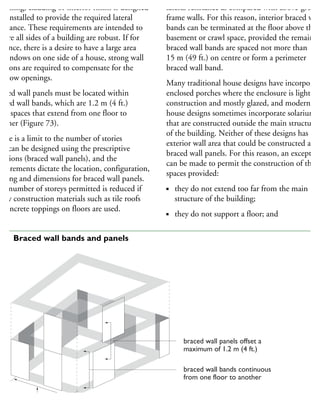
Figure 73 Braced wall bands and panels. . . . . . . . . . . . . . . . . . . . . . . . . . . . . . . . . . . . . . . . 11
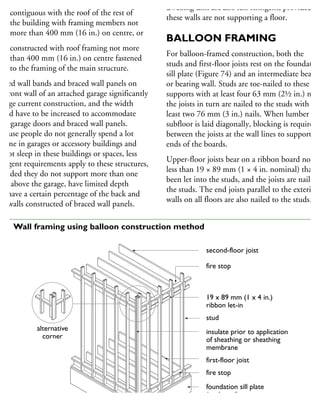
Figure 74 Wall framing using balloon construction method . . . . . . . . . . . . . . . . . . . . . . . . 11
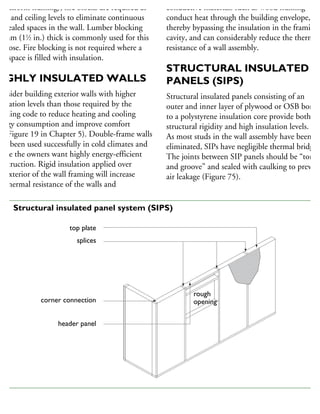
Figure 75 Structural insulated panel system (SIPS) . . . . . . . . . . . . . . . . . . . . . . . . . . . . . . . 11
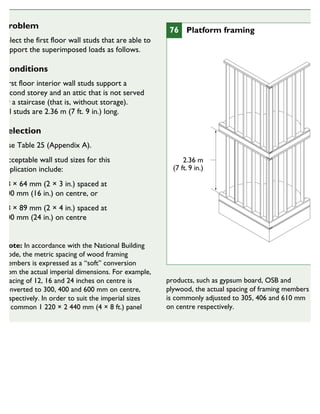
Figure 76 Platform framing . . . . . . . . . . . . . . . . . . . . . . . . . . . . . . . . . . . . . . . . . . . . . . . . . 11
Chapter 11—Ceiling and Roof Framing. . . . . . . . . . . . . . . . . . . . . . . . . . . . . . . . . . 11
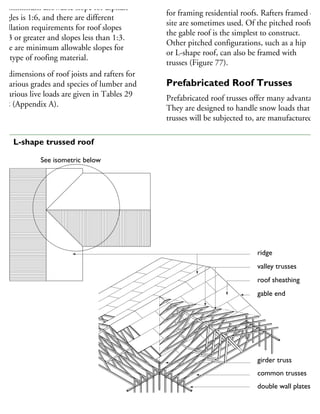
Figure 77 L-shaped trussed roof. . . . . . . . . . . . . . . . . . . . . . . . . . . . . . . . . . . . . . . . . . . . . . 11
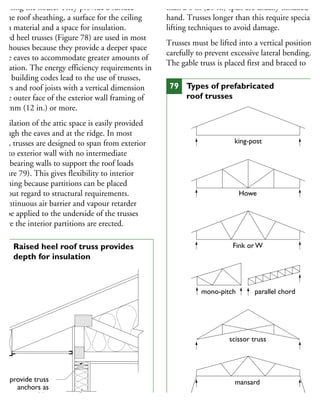
Figure 78 Raised heel truss roof provides depth for insulation . . . . . . . . . . . . . . . . . . . . . . . 12
Figure 79 Types of prefabricated roof trusses . . . . . . . . . . . . . . . . . . . . . . . . . . . . . . . . . . . . 12
Figure 80 Temporary bracing of roof trusses . . . . . . . . . . . . . . . . . . . . . . . . . . . . . . . . . . . . 12
Figure 81 Permanent bracing of roof trusses . . . . . . . . . . . . . . . . . . . . . . . . . . . . . . . . . . . . 12
Figure 82 Types of pitched roofs . . . . . . . . . . . . . . . . . . . . . . . . . . . . . . . . . . . . . . . . . . . . . 12
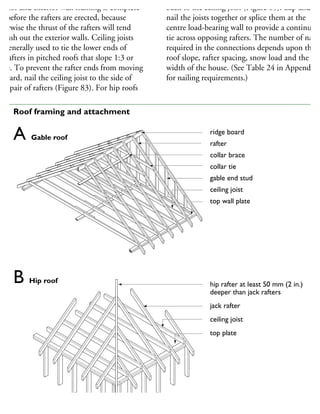
Figure 83 Roof framing and attachment . . . . . . . . . . . . . . . . . . . . . . . . . . . . . . . . . . . . . . . 12
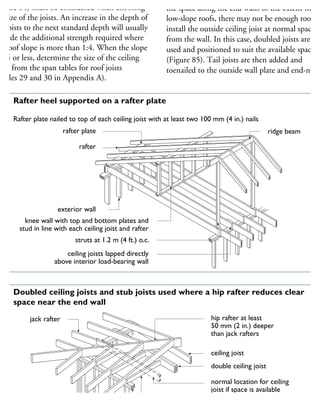
Figure 84 Rafter heel supported on a rafter plate . . . . . . . . . . . . . . . . . . . . . . . . . . . . . . . . . 12
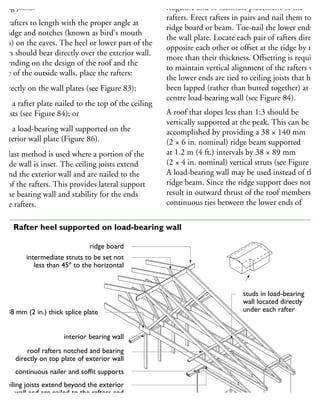
Figure 85 Doubled ceiling joists and stub joists used where a hip rafter reduces clear
span space near the end wall . . . . . . . . . . . . . . . . . . . . . . . . . . . . . . . . . . . . . . . . 12
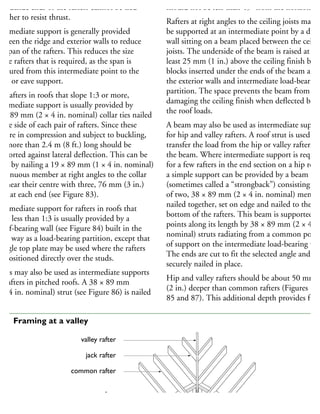
Figure 86 Rafter heel supported on a load-bearing wall . . . . . . . . . . . . . . . . . . . . . . . . . . . . 12
Figure 87 Framing at a valley. . . . . . . . . . . . . . . . . . . . . . . . . . . . . . . . . . . . . . . . . . . . . . . . 12
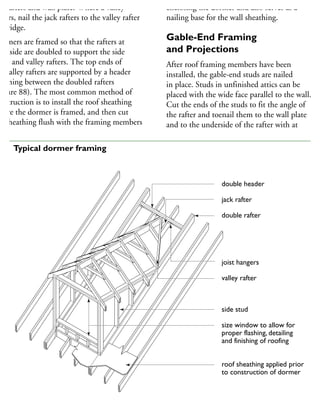
Figure 88 Typical dormer framing . . . . . . . . . . . . . . . . . . . . . . . . . . . . . . . . . . . . . . . . . . . . 12
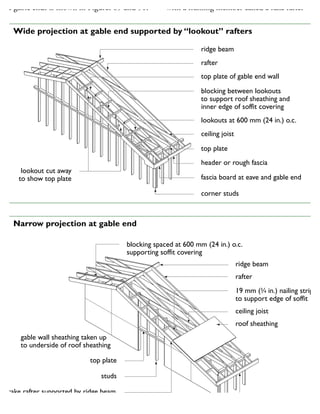
Figure 89 Wide projection at gable end supported by “lookout” rafters . . . . . . . . . . . . . . . . 12
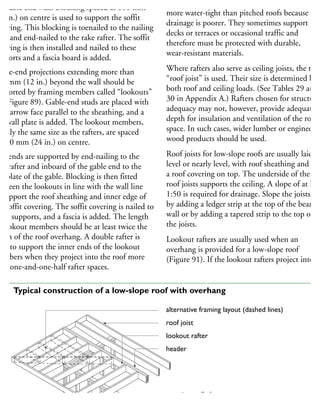
Figure 90 Narrow projection at gable end . . . . . . . . . . . . . . . . . . . . . . . . . . . . . . . . . . . . . . 12
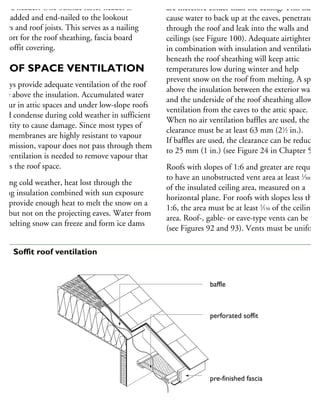
Figure 91 Typical construction of a low-slope roof with overhang . . . . . . . . . . . . . . . . . . . . 12
Figure 92 Soffit roof ventilation. . . . . . . . . . . . . . . . . . . . . . . . . . . . . . . . . . . . . . . . . . . . . . 13
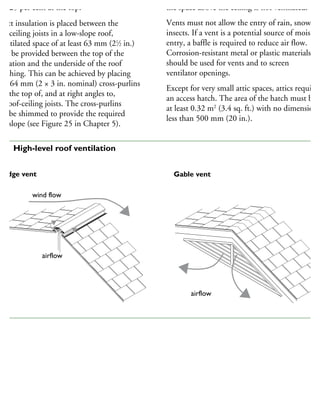
Figure 93 High-level roof ventilation. . . . . . . . . . . . . . . . . . . . . . . . . . . . . . . . . . . . . . . . . . 13
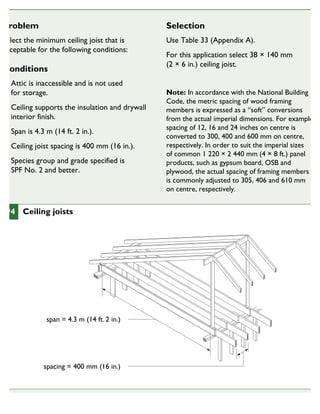
Figure 94 Ceiling joists . . . . . . . . . . . . . . . . . . . . . . . . . . . . . . . . . . . . . . . . . . . . . . . . . . . . 13
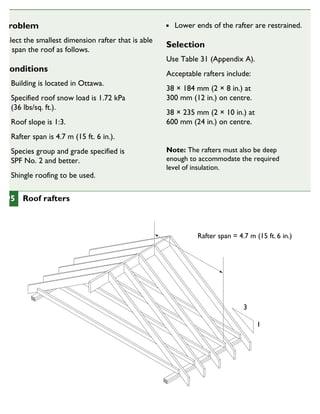
Figure 95 Roof rafters . . . . . . . . . . . . . . . . . . . . . . . . . . . . . . . . . . . . . . . . . . . . . . . . . . . . . 13
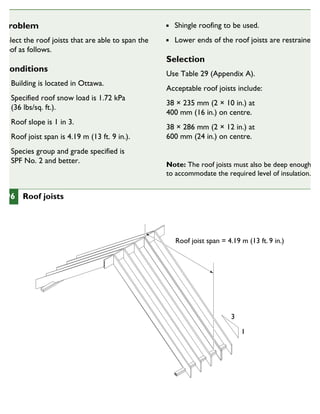
Figure 96 Roof joists . . . . . . . . . . . . . . . . . . . . . . . . . . . . . . . . . . . . . . . . . . . . . . . . . . . . . . 13
Figure 97 Application of structural wood-panel roof sheathing . . . . . . . . . . . . . . . . . . . . . . 13
Figure 98 Installation of wood-board roof sheathing . . . . . . . . . . . . . . . . . . . . . . . . . . . . . . 13
Figure 99 Roof sheathing detail at a valley and at a chimney opening . . . . . . . . . . . . . . . . . 13
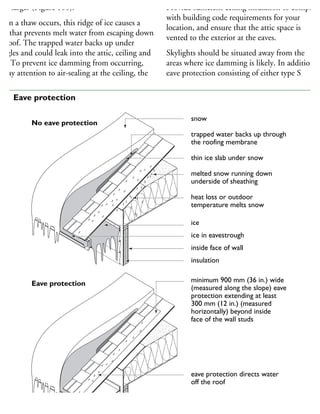
Figure 100 Eave protection . . . . . . . . . . . . . . . . . . . . . . . . . . . . . . . . . . . . . . . . . . . . . . . . . . 13
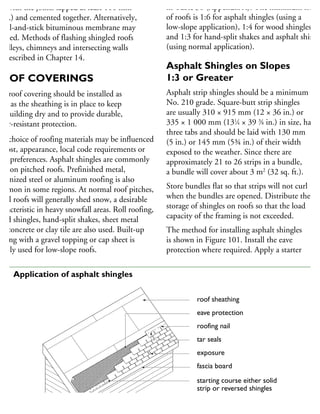
Figure 101 Application of asphalt shingles. . . . . . . . . . . . . . . . . . . . . . . . . . . . . . . . . . . . . . . 14
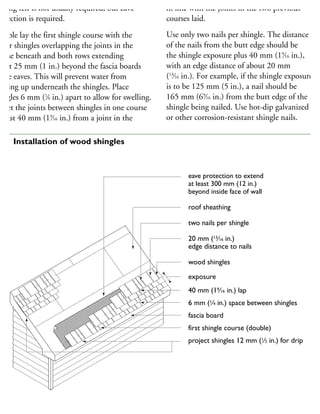
Figure 102 Installation of wood shingles . . . . . . . . . . . . . . . . . . . . . . . . . . . . . . . . . . . . . . . . 14
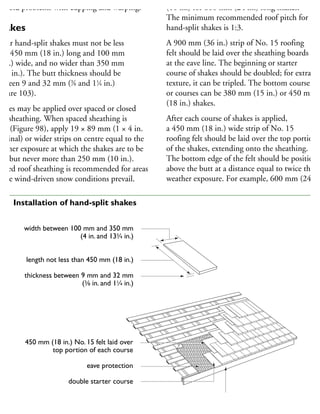
Figure 103 Installation of hand-split shakes. . . . . . . . . . . . . . . . . . . . . . . . . . . . . . . . . . . . . . 14
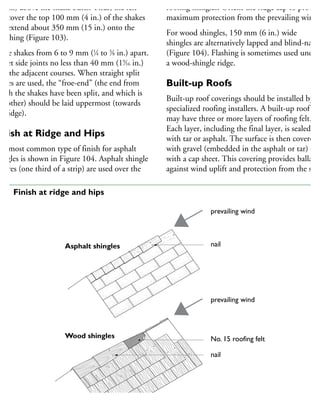
Figure 104 Finish at ridge and hips . . . . . . . . . . . . . . . . . . . . . . . . . . . . . . . . . . . . . . . . . . . . 14
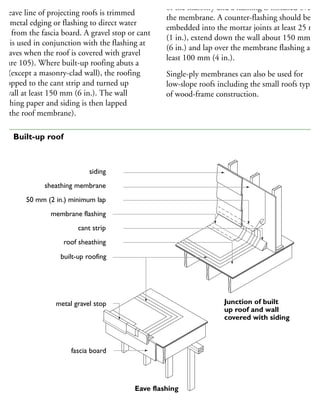
Figure 105 Built-up roof . . . . . . . . . . . . . . . . . . . . . . . . . . . . . . . . . . . . . . . . . . . . . . . . . . . . 14
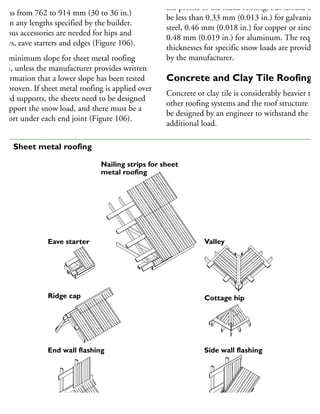
Figure 106 Sheet metal roofing . . . . . . . . . . . . . . . . . . . . . . . . . . . . . . . . . . . . . . . . . . . . . . . 14
Chapter 13—Wall Sheathing and Exterior Surfaces . . . . . . . . . . . . . . . . . . . . . . . 14
Figure 107 Vertical and horizontal application of panel-type sheathing . . . . . . . . . . . . . . . . . 14
Figure 108 Lumber sheathing application . . . . . . . . . . . . . . . . . . . . . . . . . . . . . . . . . . . . . . . 15
Figure 109 Types of siding. . . . . . . . . . . . . . . . . . . . . . . . . . . . . . . . . . . . . . . . . . . . . . . . . . . 15
Figure 110 Horizontal siding. . . . . . . . . . . . . . . . . . . . . . . . . . . . . . . . . . . . . . . . . . . . . . . . . 15
Figure 111 Siding installation . . . . . . . . . . . . . . . . . . . . . . . . . . . . . . . . . . . . . . . . . . . . . . . . 15
Figure 112 Outside-corner treatment of wood siding. . . . . . . . . . . . . . . . . . . . . . . . . . . . . . . 15
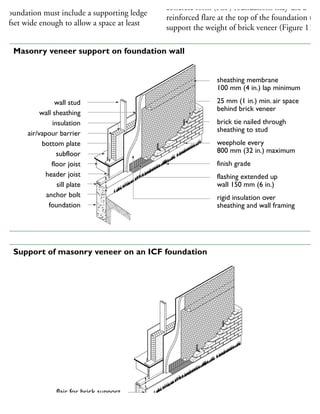
Figure 113 Masonry veneer support on foundation wall . . . . . . . . . . . . . . . . . . . . . . . . . . . . 15
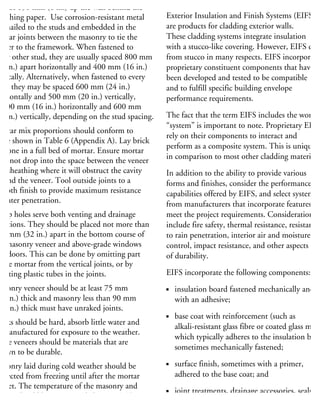
Figure 114 Support of masonry veneer on an ICF foundation. . . . . . . . . . . . . . . . . . . . . . . . 15
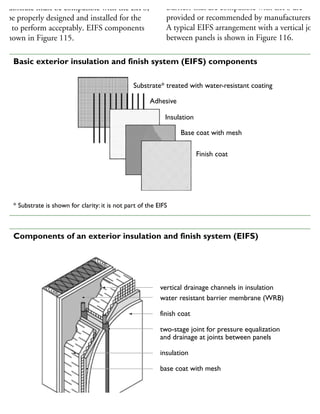
Figure 115 Basic exterior insulation and finish system (EIFS) components . . . . . . . . . . . . . . 16
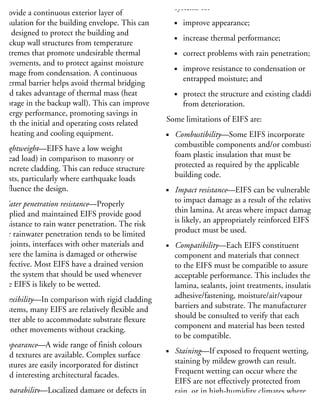
Figure 116 Components of an exterior insulation and finish system (EIFS). . . . . . . . . . . . . . 16
Chapter 14—Flashing . . . . . . . . . . . . . . . . . . . . . . . . . . . . . . . . . . . . . . . . . . . . . . . . . . . 16
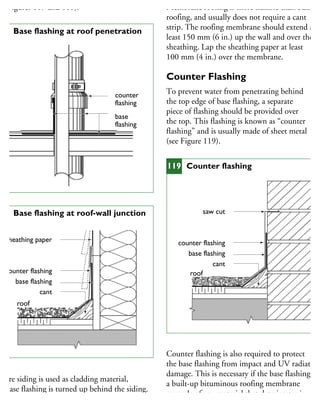
Figure 117 Base flashing at roof penetration . . . . . . . . . . . . . . . . . . . . . . . . . . . . . . . . . . . . . 16
Figure 118 Base flashing at roof-wall junction . . . . . . . . . . . . . . . . . . . . . . . . . . . . . . . . . . . . 16
Figure 119 Counter flashing . . . . . . . . . . . . . . . . . . . . . . . . . . . . . . . . . . . . . . . . . . . . . . . . . 16
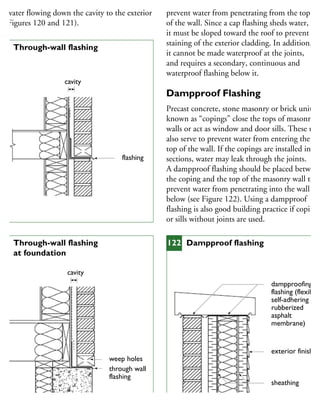
Figure 120 Through-wall flashing . . . . . . . . . . . . . . . . . . . . . . . . . . . . . . . . . . . . . . . . . . . . . 16
Figure 121 Through-wall flashing at foundation . . . . . . . . . . . . . . . . . . . . . . . . . . . . . . . . . . 16
Figure 122 Dampproof flashing. . . . . . . . . . . . . . . . . . . . . . . . . . . . . . . . . . . . . . . . . . . . . . . 16
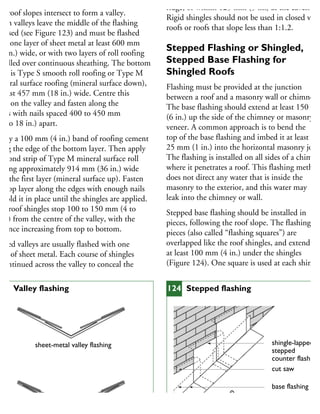
Figure 123 Valley flashing . . . . . . . . . . . . . . . . . . . . . . . . . . . . . . . . . . . . . . . . . . . . . . . . . . . 16
Figure 124 Stepped flashing. . . . . . . . . . . . . . . . . . . . . . . . . . . . . . . . . . . . . . . . . . . . . . . . . . 16
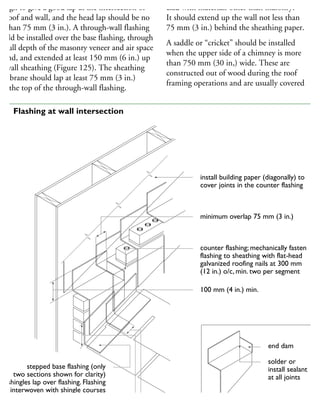
Figure 125 Flashing at wall intersection. . . . . . . . . . . . . . . . . . . . . . . . . . . . . . . . . . . . . . . . . 16
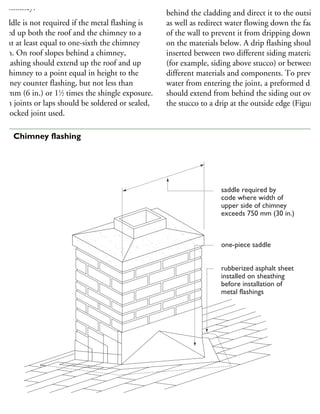
Figure 126 Chimney flashing. . . . . . . . . . . . . . . . . . . . . . . . . . . . . . . . . . . . . . . . . . . . . . . . . 17
Chapter 15—Windows, Exterior Doors and Skylights . . . . . . . . . . . . . . . . . . . . 17
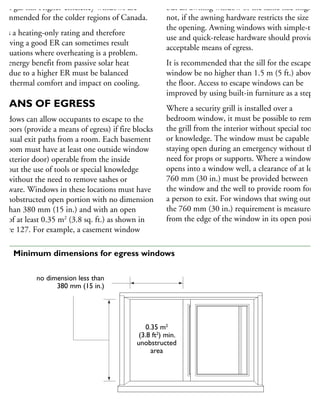
Figure 127 Minimum dimensions for egress windows . . . . . . . . . . . . . . . . . . . . . . . . . . . . . . 17
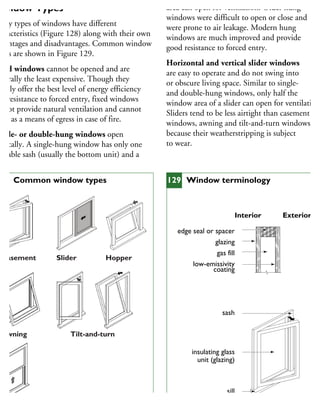
Figure 128 Common window types. . . . . . . . . . . . . . . . . . . . . . . . . . . . . . . . . . . . . . . . . . . . 17
Figure 129 Window terminology. . . . . . . . . . . . . . . . . . . . . . . . . . . . . . . . . . . . . . . . . . . . . . 17
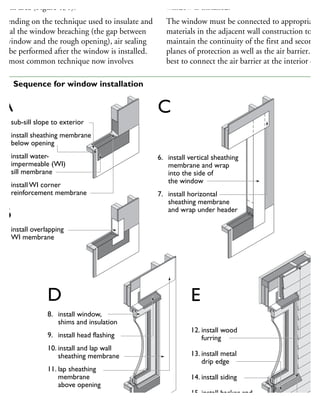
Figure 130 Sequence for window installation. . . . . . . . . . . . . . . . . . . . . . . . . . . . . . . . . . . . . 17
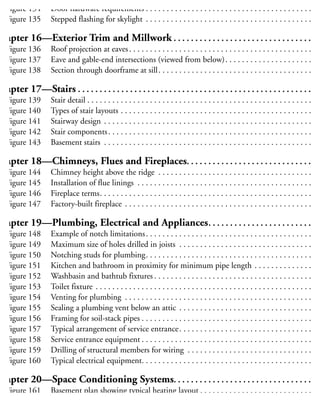
Figure 133 Pre-hung manufactured door. . . . . . . . . . . . . . . . . . . . . . . . . . . . . . . . . . . . . . . . 18
Figure 134 Door hardware requirements . . . . . . . . . . . . . . . . . . . . . . . . . . . . . . . . . . . . . . . . 18
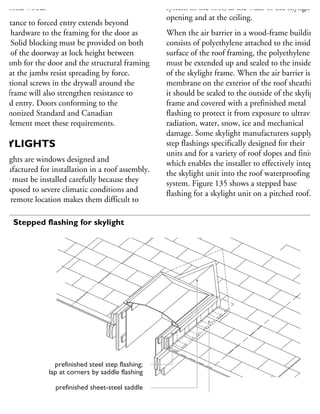
Figure 135 Stepped flashing for skylight . . . . . . . . . . . . . . . . . . . . . . . . . . . . . . . . . . . . . . . . 18
Chapter 16—Exterior Trim and Millwork . . . . . . . . . . . . . . . . . . . . . . . . . . . . . . . . 18
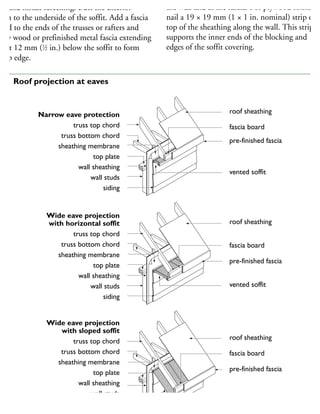
Figure 136 Roof projection at eaves. . . . . . . . . . . . . . . . . . . . . . . . . . . . . . . . . . . . . . . . . . . . 18
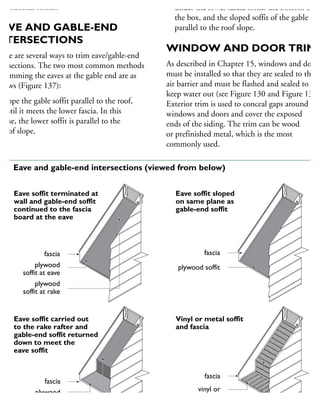
Figure 137 Eave and gable-end intersections (viewed from below). . . . . . . . . . . . . . . . . . . . . 18
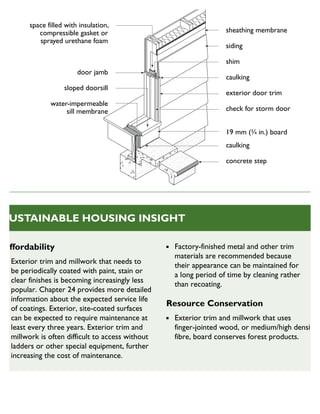
Figure 138 Section through doorframe at sill. . . . . . . . . . . . . . . . . . . . . . . . . . . . . . . . . . . . . 18
Chapter 17—Stairs . . . . . . . . . . . . . . . . . . . . . . . . . . . . . . . . . . . . . . . . . . . . . . . . . . . . . . 18
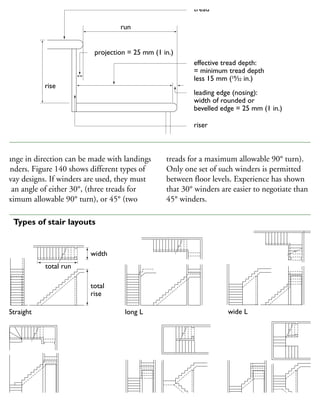
Figure 139 Stair detail . . . . . . . . . . . . . . . . . . . . . . . . . . . . . . . . . . . . . . . . . . . . . . . . . . . . . . 19
Figure 140 Types of stair layouts . . . . . . . . . . . . . . . . . . . . . . . . . . . . . . . . . . . . . . . . . . . . . . 19
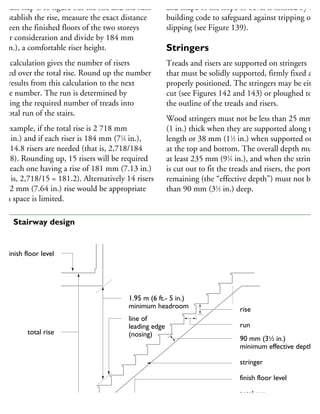
Figure 141 Stairway design . . . . . . . . . . . . . . . . . . . . . . . . . . . . . . . . . . . . . . . . . . . . . . . . . . 19
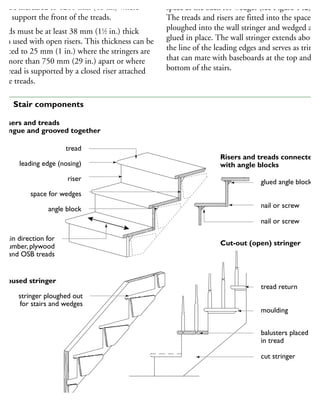
Figure 142 Stair components. . . . . . . . . . . . . . . . . . . . . . . . . . . . . . . . . . . . . . . . . . . . . . . . . 19
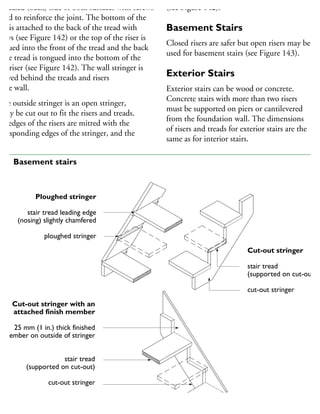
Figure 143 Basement stairs . . . . . . . . . . . . . . . . . . . . . . . . . . . . . . . . . . . . . . . . . . . . . . . . . . 19
Chapter 18—Chimneys, Flues and Fireplaces. . . . . . . . . . . . . . . . . . . . . . . . . . . . . 19
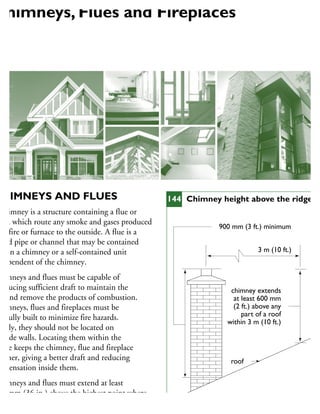
Figure 144 Chimney height above the ridge . . . . . . . . . . . . . . . . . . . . . . . . . . . . . . . . . . . . . 19
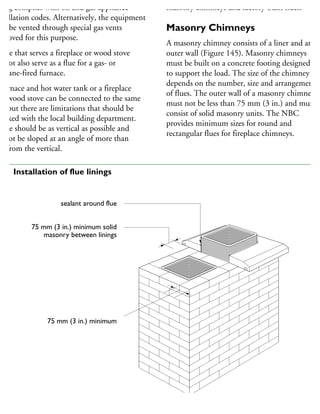
Figure 145 Installation of flue linings . . . . . . . . . . . . . . . . . . . . . . . . . . . . . . . . . . . . . . . . . . 19
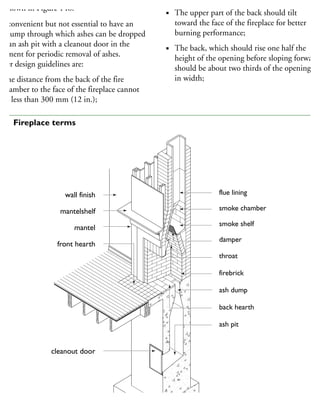
Figure 146 Fireplace terms. . . . . . . . . . . . . . . . . . . . . . . . . . . . . . . . . . . . . . . . . . . . . . . . . . . 19
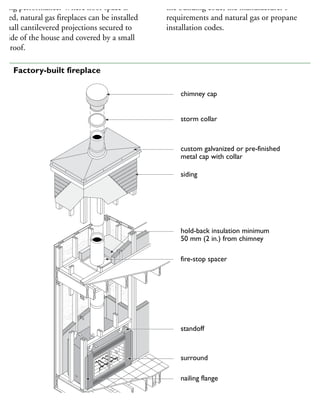
Figure 147 Factory-built fireplace . . . . . . . . . . . . . . . . . . . . . . . . . . . . . . . . . . . . . . . . . . . . . 20
Chapter 19—Plumbing, Electrical and Appliances. . . . . . . . . . . . . . . . . . . . . . . . 20
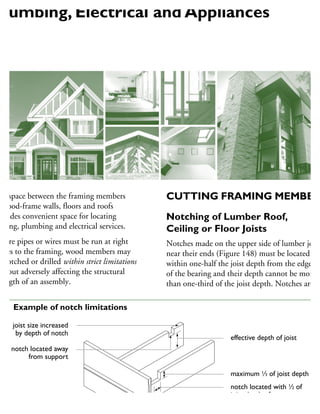
Figure 148 Example of notch limitations. . . . . . . . . . . . . . . . . . . . . . . . . . . . . . . . . . . . . . . . 20
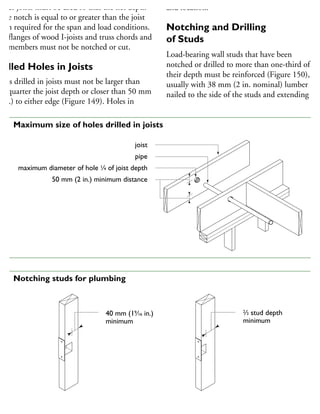
Figure 149 Maximum size of holes drilled in joists . . . . . . . . . . . . . . . . . . . . . . . . . . . . . . . . 20
Figure 150 Notching studs for plumbing. . . . . . . . . . . . . . . . . . . . . . . . . . . . . . . . . . . . . . . . 20
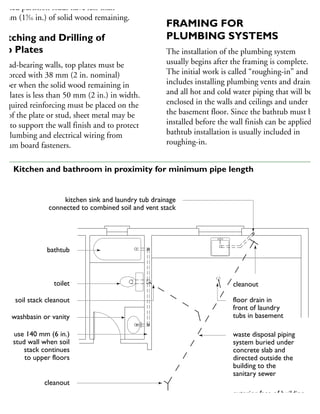
Figure 151 Kitchen and bathroom in proximity for minimum pipe length . . . . . . . . . . . . . . 20
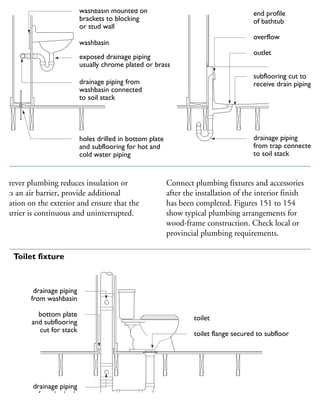
Figure 152 Washbasin and bathtub fixtures . . . . . . . . . . . . . . . . . . . . . . . . . . . . . . . . . . . . . . 20
Figure 153 Toilet fixture . . . . . . . . . . . . . . . . . . . . . . . . . . . . . . . . . . . . . . . . . . . . . . . . . . . . 20
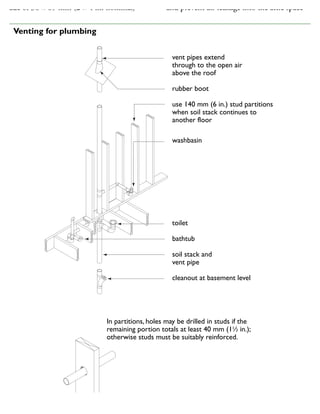
Figure 154 Venting for plumbing . . . . . . . . . . . . . . . . . . . . . . . . . . . . . . . . . . . . . . . . . . . . . 20
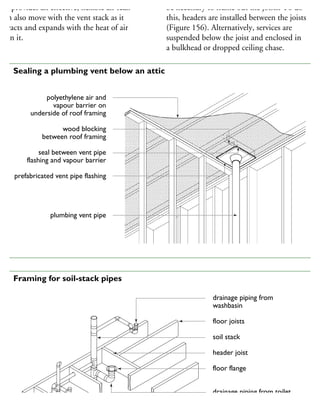
Figure 155 Sealing a plumbing vent below an attic . . . . . . . . . . . . . . . . . . . . . . . . . . . . . . . . 20
Figure 156 Framing for soil-stack pipes . . . . . . . . . . . . . . . . . . . . . . . . . . . . . . . . . . . . . . . . . 20
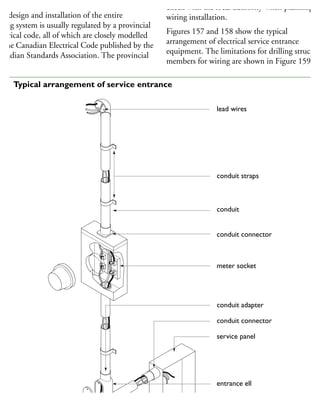
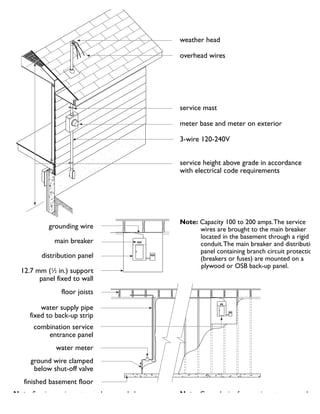
Figure 157 Typical arrangement of service entrance. . . . . . . . . . . . . . . . . . . . . . . . . . . . . . . . 20
Figure 158 Service entrance equipment . . . . . . . . . . . . . . . . . . . . . . . . . . . . . . . . . . . . . . . . . 21
Figure 159 Drilling of structural members for wiring . . . . . . . . . . . . . . . . . . . . . . . . . . . . . . 21
Figure 160 Typical electrical equipment. . . . . . . . . . . . . . . . . . . . . . . . . . . . . . . . . . . . . . . . . 21
Chapter 20—Space Conditioning Systems. . . . . . . . . . . . . . . . . . . . . . . . . . . . . . . . 21
Figure 161 Basement plan showing typical heating layout . . . . . . . . . . . . . . . . . . . . . . . . . . . 21
Figure 162 Isometric view of forced-air heating system . . . . . . . . . . . . . . . . . . . . . . . . . . . . . 21
Figure 163 Common types of heat recovery ventilators . . . . . . . . . . . . . . . . . . . . . . . . . . . . . 22
Figure 164 Application of drywall finish . . . . . . . . . . . . . . . . . . . . . . . . . . . . . . . . . . . . . . . . 22
Figure 165 Finishing of gypsum board. . . . . . . . . . . . . . . . . . . . . . . . . . . . . . . . . . . . . . . . . . 22
Chapter 22—Floor Coverings. . . . . . . . . . . . . . . . . . . . . . . . . . . . . . . . . . . . . . . . . . . . 23
Figure 166 Application of strip flooring. . . . . . . . . . . . . . . . . . . . . . . . . . . . . . . . . . . . . . . . . 23
Figure 167 Installation of ceramic tile floor . . . . . . . . . . . . . . . . . . . . . . . . . . . . . . . . . . . . . . 23
Chapter 23—Interior Doors, Frames and Trim . . . . . . . . . . . . . . . . . . . . . . . . . . . 23
Figure 168 Interior door frame showing typical connection between jamb and head . . . . . . . 23
Figure 169 Door frame and trim showing frame blind-nailed under doorstop . . . . . . . . . . . . 23
Figure 170 Suggested dimensions and location of hardware. . . . . . . . . . . . . . . . . . . . . . . . . . 24
Figure 171 Door installation . . . . . . . . . . . . . . . . . . . . . . . . . . . . . . . . . . . . . . . . . . . . . . . . . 24
Figure 172 Base moulding. . . . . . . . . . . . . . . . . . . . . . . . . . . . . . . . . . . . . . . . . . . . . . . . . . . 24
Figure 173 Kitchen cabinets . . . . . . . . . . . . . . . . . . . . . . . . . . . . . . . . . . . . . . . . . . . . . . . . . 24
Figure 174 Storage closets . . . . . . . . . . . . . . . . . . . . . . . . . . . . . . . . . . . . . . . . . . . . . . . . . . . 24
Chapter 26—Decks, Porches and Balconies . . . . . . . . . . . . . . . . . . . . . . . . . . . . . . 25
Figure 175 Wood deck detail. . . . . . . . . . . . . . . . . . . . . . . . . . . . . . . . . . . . . . . . . . . . . . . . . 25
Figure 176 Deck connection to house . . . . . . . . . . . . . . . . . . . . . . . . . . . . . . . . . . . . . . . . . . 25
Chapter 27—Garages and Carports . . . . . . . . . . . . . . . . . . . . . . . . . . . . . . . . . . . . . . 25
Figure 177 Essential features of attached garages . . . . . . . . . . . . . . . . . . . . . . . . . . . . . . . . . . 25
ppendix B—Cutaway View of a Wood-Frame House . . . . . . . . . . . . . . . . . . . . 31
Cutaway View of a Wood-frame House. . . . . . . . . . . . . . . . . . . . . . . . . . . . . . . . . . . . . . . . . . . 31
anadian Wood-Frame House Construction by
anada Mortgage and Housing Corporation
CMHC) has been a popular publication for
uilders, homeowners (current and prospective)
nd students of housing technology since its
rst edition appeared in 1967. It continues
be a widely used reference for numerous
ollege and university courses and is one of
any continuing efforts by CMHC to provide
cessible, affordable and sustainable housing
r Canadians.
HOW TO USE THIS BOOK
anadian Wood-Frame House Construction is
concise description of Canadian wood-frame
ouse construction and references several
her publications that provide additional
formation. This book is not intended to
e a complete reference on wood-frame
house construction, but it is an introductory
book for understanding and applying
wood-frame house construction principles.
Though Canadian Wood-Frame House
Construction is based on the requirements
of the 2010 edition of the National Building
Code (NBC), it is not a substitute for the
NBC. Readers are encouraged to refer to
the housing-related codes and standards
in their jurisdictions for a complete set of
requirements. The book also provides some
recommendations that go beyond the
requirements of the NBC.
The organization of Canadian Wood-Frame
House Construction generally corresponds
to the construction sequence for a typical
house. In this updated version, information
about the functions of the building envelope
has been moved close to the front (see Chapter 5
anning process.
he chapters are based on major aspects of
ood-frame house construction and reflect
pical practices, some of which vary across
anada. Readers are urged to consult local
uilding departments, trades and suppliers
r additional direction.
deally, users of this book should read the
ook from start to finish. However, if specific
formation is required, each chapter has
een developed as a stand-alone reference.
n order to keep this book to a manageable
ze, a glossary of the numerous housing
rms used in this book is not included.
eaders should consult CMHC’s Glossary
Housing Terms.
valued, to:
Canadian Housing Information Centre
Canada Mortgage and Housing Corporation
700 Montreal Road
Ottawa ON K1A 0P7
chic@cmhc-schl.gc.ca
NEW FEATURES
This edition of Canadian Wood-Frame House
Construction has been updated to reflect the
residential requirements of the 2010 edition of
the National Building Code of Canada (NBC),
including new energy efficiency requirements
in the 2012 Interim Changes to the 2010
NBC. Many other changes have been made
to bring the book in line with current building
science research, construction methods and
construction materials.
This edition also includes “Choosing the
Size and Spacing” text boxes that provide
examples for sizing the typical wood structural
components of a house based on the tables
in the Appendices. For situations not covered
by the tables, consult a structural engineer.
CHOOSINGTHE SIZE AND SPACING
CMHC is committed to providing the Canadian
housing industry with reliable information
on appropriate housing technology that
responds to people and the environment.
In this edition, practical considerations derived
from CMHC’s sustainable housing initiatives
have been included in “Sustainable Housing
Insight” text boxes like this one. These include
technologies, building methods and products
that would make a house more sustainable
or improve performance beyond industry
standard practice.
SUSTAINABLE HOUSING INSIGHT
MPERIAL DIMENSIONS
anadian Wood-Frame House Construction
rovides both metric (SI) and imperial units.
he National Building Code of Canada
ses metric units and these govern whenever
rict interpretations of Code requirements
e required. Imperial units of measure
eet and inches) are still commonly used
r wood-framing materials and house
onstruction technology.
mperial sizes for lumber are nominal sizes
he rough sawn sizes before planing and
mensional changes resulting from drying).
or example, a wood member with a nominal
ze of 2 × 4 in. has a finished size of about
⁄2 × 31
⁄2 in. The metric dimensions for lumber
e actual sizes (for example, 38 × 89 mm).
very reasonable effort has been made to
rovide accurate conversions of metric
mensions to imperial equivalents; however,
remains the responsibility of designers
nd builders to comply with building code
quirements. Some conversion factors are
ven in Table 1 (Appendix A).
onsult the local building department to
etermine the units measurement required
r house plans.
Wood-frame construction has been the option
hosen for millions of houses in North America
nd provides some of the world’s most affordable
nd comfortable housing. From the days when
rly settlers used abundant forest resources for
ousing materials, wood-frame construction has
nce become a sophisticated technology supported
y a wealth of research and is capable of meeting
r exceeding all building science challenges.
ADVANTAGES OF
WOOD-FRAME
CONSTRUCTION
Wood-frame construction can incorporate
mension lumber, engineered wood products
nd structural wood panel sheathing into
all, floor and roof assemblies that are robust,
onomical and fast to build. Current wood-frame
chnology is the result of many years of
evelopment and improvement and extensive
search by the National Research Council,
Like any other building system, wood-frame
construction requires reasonable care in its
design and construction to provide lasting
shelter, comfort and safety. When well-designed
and constructed, wood-frame construction is:
fast and easy to build and renovate;
durable;
built from a renewable resource;
a natural insulator that is easy to insulate to
minimize heating and cooling costs;
strong, light and flexible using basic tools
and fasteners;
easily tailored to the range of wind and snow
loads found throughout Canada;
easily reinforced to withstand extreme wind
and earthquake loads;
adaptable to all climates ranging from hot and
humid to extremely cold climates; and
mportant General Information
Wood-frame housing may be built to
arious designs and specifications. Whether
standard design is used or a custom design
created, building code provisions and good
esign principles must be observed to provide
durable house; to maximize occupant health,
omfort and safety; and to reduce a building’s
nvironmental footprint. Building design
hould provide easy access for people of diverse
hysical capabilities and adapt to occupants’
hanging needs. Obtain professional design
sistance for special requirements such as
arrier-free access for people with disabilities.
TRUCTURAL DESIGN
o agree with the National Building Code,
he metric spacing of wood framing members
expressed as ‘soft’ conversions from the actual
mperial dimensions. For example, spacing of
2, 16 and 24 inches on centre are converted
300, 400 and 600 mm on centre, respectively.
n order to suit the imperial sizes of common
220 × 2440 mm (4 × 8 ft.) panel products, such
gypsum board, OSB and plywood, the actual
pacing of framing members has been adjusted
approximately 305, 406 and 610 mm on
ntre, respectively.
he NBC contains provisions for bracing
resist lateral loads from earthquakes and
gh winds. The provisions are based on a
hree-level risk-based approach developed
om environmental load data. There are no
pecial requirements for areas where the risk
low to moderate. This means that normal
heathing, cladding and finishes provide adequate
sistance. Most of the new requirements apply
areas of high risk, mainly the coastal area of
ritish Columbia. For these areas, builders can
corporate adequate lateral load resistance
ithout the need for further structural engineering
supporting foundation, slab or subfloor to the
underside of the floor or ceiling above. There is
also the option of designing in accordance with
NBC Part 4 or good engineering practice such a
that provided in the Canadian Wood Council’s
Engineering Guide for Wood-Frame Construction
2009. Refer to Chapter 10 for more information
In the few Canadian locations where risk is
extreme, bracing to resist lateral load must be
designed in accordance with NBC Part 4 or
good engineering practice such as that provided
in the Engineering Guide for Wood-Frame
Construction 2009.
FIRE SAFETY
The NBC does not explicitly require fire-rated
floor or wall assemblies in single-family houses.
Wood-frame construction is considered to
provide an acceptable level of fire safety,
dependent to a degree on gypsum board
finishes, which provide essential fire protection
of structural components for a certain period
of time. In addition, occupants are considered
to be familiar with hazards and safety features
of such buildings and to know how to safely
exit the house.
Wood-frame construction can satisfy the fire
safety provisions of the National Building Code
Fire safety is a combination of many factors,
some of which can be minimized by building
requirements, and others that can only be
controlled by the occupants. Examples of
building code fire safety measures include:
limiting the area of unprotected openings
(windows and doors) in buildings close to
property lines to reduce the chance of a fire
spreading from one house to another;
requiring smoke alarms on every floor and
bedrooms to help occupants escape in the
event of fire; and
providing clearances around heating
and cooking appliances to prevent fires
from starting.
ccupants can minimize their exposure to fire
sk by:
maintaining smoke alarms in working order;
ensuring all occupants are aware of escape
routes and of the outdoor gathering point in
the event of fire; and
exercising care when using cooking and
heating appliances.
he requirements for attached housing such
duplexes, houses with a secondary suite,
wnhouses and apartments are often more
omplex because a fire in one unit could spread
an adjacent unit without the occupants in the
fected unit being aware of a problem.
pace between Houses
re spreads from one building to another
rincipally by thermal radiation through
indows and other unprotected openings.
Many things contribute to radiation intensity,
nd several are more significant than cladding.
t any given distance, radiation intensity will
rimarily depend on the total area of windows
diating heat.
he intensity varies inversely as the square of
he distance from the source—if the distance
doubled, the radiation intensity will be only
5 per cent that of the original spacing. For this
ason, the closer one building is to a property
ne or an assumed line between two buildings
n the same property, the smaller the area of
indows and other unprotected openings
the design and construction of overhangs, and
the types of exterior cladding materials that
are permitted. Restrictions generally apply for
houses situated within 2 m (6 ft. 7 in.) of a
property line. Consultation with local building
officials is recommended before applying for a
building permit.
SOUND CONTROL
Sound control between rooms of a house
is provided by means of the materials used
in the floor and wall assemblies and by
reducing flanking paths so that noise is not
transferred around assemblies. There are no
code requirements for additional sound control
measures in single-family houses because house
occupants can take measures to reduce noise.
When a higher level of sound privacy is needed,
acoustical insulation can be installed or other
measures taken with respect to floors and
partition walls.
Houses with a secondary suite are required to
have a higher level of sound privacy because
there could be two separate groups of occupants
in one house. Walls and floors between adjacent
dwellings must have sound-absorbing materials,
resilient channels on one side, and 12.7 mm
(1
⁄2 in.) thick drywall on ceilings and both sides
of walls.
If a house is to be built in an area with a high
level of traffic or airport noise, an acoustic
engineer should be consulted to devise a means
to reduce external noise.
In multi-family buildings (such as semi-detached
or row houses or apartments), sound control
measures are required between all dwellings to
improve occupant comfort.
For more information, refer to the 2010 Nation
secondary suite is located in a house, townhouse
r semi-detached houses (two side-by-side
welling units) and used, for example, as a rental
nit or to accommodate family members in an
dependent area of a house. A secondary suite,
hich may also be referred to as an accessory
uite or secondary unit in some jurisdictions,
ay occupy more than one storey or be on the
me level as or above/below the principal suite
the house.
ome special building requirements apply to
condary suites because the occupants’ activities
one suite can affect the health and safety of
hose in the adjoining suite. These requirements
e simpler and less costly than those pertaining
apartment buildings, for example, and strike
balance between practicality and cost, and the
ealth and safety of the occupants. Consultation
ith local building officials is required before
secondary suite is built. Some of the
onsiderations are as follows:
A secondary suite is a living space and the
ceiling height must be at least 1.95 m (6 ft.
5 in.) and not less than 1.85 m (6 ft. 3
⁄4 in.)
under beams and ducting.
Occupants of both the principal and the
secondary suite must be provided with
adequate escape routes for use in the event
of fire. This means adequate stair, ramp and
door widths and adequate handrails and
guards must be provided.
A continuous smoke-tight barrier consisting of
not less than 12.7 mm (1
⁄2 in.) gypsum board
must be provided between the suites.
Smoke alarms must be interconnected so that
residents in one suite are alerted by a fire in
the adjoining suite.
a secondary suite must be provided.
Heating and ventilating ductwork can spread
smoke and/or fire from one suite to another.
For this reason, separate and independent
forced-air furnaces and ductwork must be
provided for the house and the suite, or,
an alternate heating system such as hot
water or electrical heating must be provided.
If the house has a forced-air heating system,
the easiest way of meeting this requirement
is to heat the secondary suite electrically.
ROOM HEIGHT
Building codes establish minimum ceiling heigh
for living area rooms. In general, the minimum
ceiling height is 2.1 m (6 ft. 11 in.). Unfinished
basement areas must have ceilings at least 2.0 m
(6 ft. 7 in.) high in any location that would be
used for passage.
RADON
Radon is a colourless, odourless, radioactive
gas that occurs naturally in the environment.
Outdoors, its concentration is negligible, but it
can accumulate in buildings to levels that pose
a health risk. Radon can seep from the ground
into buildings through cracks and unsealed
penetrations in the floor and walls abutting
the ground.
Although there are regions in Canada with
high radon levels, all new residential buildings
are now required to provide measures for radon
mitigation because (a) there are no reliable
maps showing where radon is present; (b) high
radon concentrations can be found in one
building and not in neighbouring buildings;
and (c) it is very difficult to detect problematic
ter construction could be expensive, taking
easures during construction can increase safety
nd reduce the cost of future mitigation.
he basement can be protected against radon
an air barrier connecting the basement slab to
he walls is installed to keep radon from entering
he living space. A roughed-in, capped pipe
xtending under the floor slab should also be
rovided, as it could be used to ventilate the
pace below a basement floor later, if radon
ere to become a problem.
nheated crawl spaces do not need to be
rotected against the ingress of radon
ecause required ventilation can prevent radon
cumulation. Rough-ins for a future radon
xtraction system are not needed for heated
awl spaces if they do not have a concrete floor
ab and if they remain accessible. This way,
person could easily install a connection to
he sub-air barrier space to be used for the
don extraction system.
he building owner can easily test the house
r radon. The test equipment is relatively
expensive, and test kits can be ordered
ver the Internet. If test results indicate an
nnual average concentration exceeding
00 Bq/m3
, it may be necessary to complete
he subfloor depressurization system to reduce
don concentration. This requires that the
oughed-in pipe be uncapped and connected
a ventilation system exhausting to the
utside. The building should be retested for
don once the depressurization system has
een completed and activated.
or further information on how to measure
nd remediate existing houses, refer to
ealth Canada’s publications Guide for Radon
Measurements in Residential Dwellings (Homes)
nd Reducing Radon Levels in Existing Homes:
IN HOUSING AND
SMALL BUILDINGS
Once adopted by the provinces and territories,
changes to NBC Part 9 will require that
building envelopes, heating, ventilating and
air conditioning systems and service-water
heating systems meet or exceed minimum
energy efficiency performance requirements.
Where adopted, the new provisions will have
an impact on the design and construction
of houses, so builders should stay alert for
building code amendments in their areas.
MATERIAL COMPATIBILITY
Many types of building materials are used in
a house. Experience has shown that materials
such as sealants and metals can adversely affect
an adjacent material at times, resulting in
premature degradation.
Many sealant products are suited to a wide range
of applications, and there is no simple and
universal product labelling system. Improper
selection can lead to problems such as paint
failure or damage to window frame finishes.
Connecting different metals can cause galvanic
corrosion, leading to premature failure.
Premature failure can also result from job
site-imposed conditions or deadlines. For exampl
in the rush to apply paint in unheated condition
a painter might ignore the temperature range
recommended by the product manufacturer,
resulting in a costly recall.
CONSTRUCTION SAFETY
Care should be taken during construction to
avoid injuries, and the following require attentio
Site work—Chainsaws and other mechanical
equipment must be used with care, and
adequately back-sloped or shored to
prevent slope failure.
Foundation—Concrete formwork must be
strong enough to resist the weight of the
concrete while it is being poured.
Framing—Care is required for the placement
and temporary bracing of wall sections.
Wood trusses are unstable until they have
been braced.
Exterior finishes and roofing—Since this
involves working at heights well above ground,
those doing this work must take proper care
and wear fall protection devices.
Electrical and mechanical—Wiring, gas piping
and heating and electrical appliances must be
installed by qualified personnel to ensure safety
during construction and over the lifespan of
the house.
General—Follow the manufacturer’s
instructions for the use of all equipment
and tools and obtain practice and experience.
Use eye, breathing and hearing protection.
Fall protection and the securing of ladders
and scaffolding are important steps to ensuring
safe construction.
PROTECTION AGAINST
MOISTURE AND TERMITES
Wood-frame construction has a record of
ng-lasting performance. Like all materials,
ood has advantages and disadvantages, and
me precautions are needed to ensure long
rvice life.
Wood will not decay in conditions where it is
ept dry or, if wetted, has an opportunity to
ry. Protection is ensured through good design
service conditions.
Many of the chapters in this book cover, to som
extent, the building materials and principles
intended to reduce damage from moisture
such as:
Chapter 3—Concrete: Good concrete
mix design, placement and curing is
essential for preventing water leakage
in foundations.
Chapter 5—Functions of the Building Envelope
Water, Air, Vapour and Heat Control:
The building envelope must prevent the
movement of water and vapour.
Chapter 7—Footings, Foundations and
Slabs: Foundation dampproofing and,
where high water tables occur, waterproofing
are essential for keeping basements dry.
In addition, roofing, cladding, flashing, vapour
barriers, air barriers, ventilated roof spaces,
windows and doors all play a role in keeping
building materials dry, and they must all work
together as a system.
Separation from Wet Conditions
Wood can be used in exposed locations
without having to be preservative-treated if it is
kept off the ground and installed so that drying
is possible between wettings. Here are some
examples of separation:
Foundation walls should be kept at least
200 mm (8 in.) from the ground where wood
sidings or wood-base sidings are used.
The ground level in a crawl space should
be at least 300 mm (12 in.) below joists
and beams.
basement walls or basement columns) must
be separated by a moisture barrier or the wood
must be treated.
Where the bottom of a beam is below ground
level, it must be surrounded by an air space
to prevent contact with concrete or treated
to prevent decay. The space around the beam
must be left open to allow air to circulate
and must not be filled with insulation,
vapour barriers or airtight materials.
Where untreated framing members are less
than 150 mm (6 in.) above the surface of the
ground, the framing must be separated from
the supporting base by a moisture barrier.
reservative Treatment
n applications where wood cannot be kept
ry, other measures such as the use of
reservative-treated wood must be taken
provide reasonable service life.
lkaline copper quaternary (ACQ) and copper
ole (CA) are the most common preservatives
sed for residential wood products and are
stinguished by the green colour of the
nished product.
orate, another chemical used to treat wood
gainst termites and decay, is usually colourless
nd results in a much deeper penetration of the
hemical into the wood than other methods.
owever, borate tends to leach out of wood
hat is exposed to rain, so it is approved only
r uses where the wood is protected from
rect exposure to moisture.
orrosion-resistant fasteners such as those
hat are hot-dip galvanized or made of
ainless steel should be used with treated
be avoided because the protective coating is
too thin for long-term service.
If preservative-treated lumber must be cut on
the job site, the cut ends should be coated with
a brush-on preservative until it is no longer
absorbed into the wood.
Wear gloves when handling treated wood and
a mask when cutting it (as for the cutting of
many materials). Treated wood should be
discarded in accordance with local regulations
and should never be burned.
Termites and Other Insects
In some areas, wood is subject to attack by
termites, carpenter ants and powder post beetles
The map of known termite locations in Canada
indicates that they are present only in a few
localized areas in the southernmost parts of
British Columbia, Alberta, Saskatchewan,
Manitoba and Ontario.
In these areas, the clearance between structural
wood elements and the ground must be at least
450 mm (18 in.) unless the wood is treated with
a chemical that is toxic to termites (for example,
ACQ and CA). In addition, foundation walls
must extend at least 150 mm (6 in.) above
the ground.
Structural supports must be visible for inspectio
and the detection of mud tubes that termites bui
to travel to a food source. Where the foundation
are insulated or otherwise constructed in a way
that could conceal termite activity, a metal or
plastic barrier must be installed through the
insulation above finished ground level to contro
termite passage.
Principles of Sustainable Housing
A growing awareness of the relationship
between human health, the environment
and the economy has given rise to the concept
of sustainable housing in Canada. For the
purpose of this publication, sustainable housing
means implementing design, construction and
operation principles that maximize occupant
health and safety, minimize the consumption of
resources and energy, have a minimal negative
effect on the environment, and make housing
durable and affordable. It is also important
that house designs are compatible with
local climate.
In some cases, Sustainable Housing Insights
in this book reflect code requirements
and in others, introduce concepts or
recommendations that exceed code
requirements. For example, the 2012
Interim Changes to the 2010 National
Building Code have minimum requirements
for insulation levels intended to make
Canadian houses more energy efficient.
However, it might be cost effective to
provide higher levels of insulation and
reduce heating and cooling costs over
the service life of a house.
Sustainable housing is founded on five
fundamental principles shown in Figure 1.
These principles should be considered at
the design stage when options can be easily
assessed and revised. Examples of how this
can be achieved are provided below.
Healthy Indoor Environment
Indoor air quality—Reduce the level
of contaminants built into the building
(material selection), provide measures
to prevent carbon monoxide or radon
ingress, remove any contaminants at the
source and provide adequate ventilation
and humidity control.
Sustainable
Housing
Healthy Indoor Environment
Resource
Efficiency
Environmental
Responsibility
Energy
Efficiency
Affordability
1 Principles of sustainable housing
SUSTAINABLE HOUSING INSIGHT
Water quality—Connect to a safe supply of
potable water, or where this is not possible,
provide appropriate home treatment to
remove bacteria, chemical contaminants
and unpleasant tastes or odours.
Light and sound—Provide adequate natural
light throughout the house and isolate
internal and external noise sources.
Fire safety—Provide sufficient doors to the
outside and operable windows, which could
serve as means of egress in the event of a
fire or other danger.
Energy Efficiency
Building thermal performance—Minimize the
building volume by using a compact design,
improve the building envelope by using
better insulated and more airtight assemblies,
and install high-performance windows
and doors.
Energy for heating, cooling and ventilation—
Select appropriate energy sources and
provide high-efficiency equipment having
the appropriate capacity.
Renewable energy technologies—Incorporate
wind, solar, biomass (for example, pellet
stoves) and geothermal energy sources
to reduce reliance on fossil fuels and
grid electricity.
Building orientation—Orient the building
and locate the windows to capture solar
gains during cold months and to enhance
natural (passive) ventilation and cooling of
the house during hot months.
Electrical consumption and peak demand—
Provide controls to avoid or minimize
electrical power consumption during
peak periods, such as mornings and early
evenings, and select efficient domestic
appliances and lights.
Resource Efficiency
Use renewable, recycled or reused materials
where possible and avoid the use of
materials that might have a damaging
effect on the environment.
Management of construction waste—Use
materials carefully to reduce waste,
reuse materials where possible and
recycle waste materials.
Water—Install water-efficient plumbing
fixtures and appliances indoors and carefully
plan landscaping and natural drainage to
minimize water consumption outdoors.
Consider using grey water or rainwater
for irrigation.
Durability and longevity—Construct a
durable building structure, envelope and
finishes that resist the effects of climate,
use and abuse.
Environmental Responsibility
Manufacturing—Select appropriate materials
made from environmentally responsible
manufacturing processes, and avoid the
use of materials that might have a damaging
effect on the environment.
Emissions and combustion by-products—Select
high-efficiency, low-emission equipment
and appliances.
Wastewater and sewage—Reduce
wastewater through water conservation
and the provision of appropriate treatment
for private wastewater treatment systems.
2010 National Building Code of Canada,
National Research Council of Canada
Collecting and Using Rainwater at Home: A Guide for Homeowners,
Canada Mortgage and Housing Corporation (product no. 67925)
Engineering Guide for Wood Frame Construction 2009,
Canadian Wood Council (reference no. EGWF-09-E)
Guide for Radon Measurements in Residential Dwellings (Homes),
Health Canada (catalogue no. H128-1/08-543E)
Household Guide to Water Efficiency,
Canada Mortgage and Housing Corporation (product no. 61924)
Reducing Radon Levels in Existing Homes: A Canadian Guide for Professional Contractors,
Health Canada (catalogue no. H128-1/11-653-1E)
RELATED PUBLICATIONS
Community and site planning issues—Design
houses and developments and choose
materials to minimize damage to
the environment.
Hazardous materials: landfill and disposal—
Avoid the use of hazardous materials.
When recycling is not feasible, dispose
of materials in appropriate facilities.
Affordability
Cost—Design housing with an affordable
purchase price and low maintenance
and operating costs. Affordability means
finding the right balance between initial
(construction) cost and ongoing maintenance
and operational costs.
Adaptability—Build housing that serves
current needs and can easily be adapted
for changing needs.
Suitability—Build housing that meets the
needs and expectations of homebuyers.
his chapter provides a summary of the
anning, design and construction essentials for
ch aspect of wood-frame house construction
escribed herein.
he book has been updated to incorporate the
quirements of the 2010 National Building
ode (NBC) and the 2012 Interim Changes
the 2010 NBC for energy efficiency. However,
is not meant to replace the NBC. Consultations
ith municipal building officials during the
esign, plan approval and construction stages
e strongly recommended to ensure that
roblems are avoided.
uilding codes generally describe the minimum
easures required for building performance and
fety. Some builders and consumers may wish
add features that exceed code requirements,
uch as additional insulation to reduce heating
nd cooling costs.
ecent changes to the NBC require that houses
(Chapter 5), service water heating systems
(Chapter 19), and heating, ventilation and
air conditioning systems (Chapter 20).
APPROVALS, PERMITS
AND INSPECTIONS
The system of approvals, permits and inspection
for house construction can be quite complex.
It is important to ensure that the property is
zoned for the intended use before proceeding
with house planning. Some properties may have
development regulations, covenants or restriction
governing the size, location and exterior finishes
of the house.
Requirements for drawings, permits and
inspections vary across Canada, and special
provisions may apply to suit local climatic and
geological conditions. For example, the wet
climates of both the east and west coasts require
a drainage cavity in walls to resist rain penetratio
varying snow loads across Canada result in the
Planning, Design and Construction
Most municipalities will require that the
onstruction documents comply with the
asic requirements of the applicable provincial
r territorial building code, and some have
dditional requirements.
rawings should be to scale and provide
ufficient detail to enable a plans examiner
determine whether the proposed house
Code compliant. Building departments
ill indicate their preferred format for house
rawings and the minimum information needed
obtain a building permit. Good drawings also
nable suppliers and trades to furnish and install
aterials and equipment correctly. A competent
esigner should prepare a complete set of drawings
nd specifications.
gure 2 shows the process of approvals, permits
nd inspections that may apply to a new house.
Municipalities may not inspect the work at every
age of construction; however, most will inspect
electrical, insulation and exterior finishes are
complete. In some areas, it may be necessary to
Completion Inspection
(Interior and Exterior)
Certificate of Occupancy
Zoning and
Environmental Approvals
Site Plan,Working Drawings
and Specifications
Excavation and
Footings Inspection
Plumbing, Heating and
Electrical Rough-In Inspection
Insulation and Air/
Vapour Barrier Inspection
Final Plumbing, Heating
and Electrical Inspection
Sewers, Drains,Water
Service and Underground
Plumbing Inspection
Electrical Service Inspection
Framing Inspection
Pre-Occupancy Inspection
Pre-Backfill Inspection
Building Permit
Plumbing Permit
Heating Permit
Electrical Permit
Utility Permit (Gas/Propane)
Health Unit Permit
(Wells/Septic Systems)
POST-
CONSTRUCTION
STAGE
CONSTRUCTION
STAGE
PRE-CONSTRUCTION
STAGE
processes for new houses
The 2010 NBC includes prescriptive
requirements and performance functional
statements that form the basis for an
objective-based code, which states the
outcome that must be achieved and provides
latitude for users to determine the solution.
For example, while a prescriptive code might
dictate how thick a concrete foundation
wall must be, the performance requirements
explain the need for the wall to resist forces
and allow the user to submit an alternate
design that will work at least as well as
the prescribed wall. The performance
requirements of the Code enable engineers,
architects and other design professionals
to propose alternative solutions to
building officials.
epartments about requirements and procedures.
is important to schedule inspections to avoid
ngthy delays. Determine exactly what work
ust be completed and how much notice
required prior to calling for a particular
spection. Understand the local requirements
nd plan ahead so that administrative aspects
nd delays do not interfere with construction.
PLANNING AND DESIGN
house is best designed for a specific building
te. House size, the number and height of floors,
he location and size of rooms and the type of
eating system are planned early in the design
rocess. These initial plans can be revised as
ore information is obtained and as the design
ecomes more detailed. The project cost should
e checked as the design evolves to ensure that
he desired features fit the budget.
his section provides a brief overview of the
anning and design of a house and things that
hould be considered and perhaps adjusted as
he design progresses. Frequent communication
ith the local building department will help to
nsure the evolving design meets building code
nd local requirements.
Plan for the time required to complete
the design and drawings; and to estimate
costs, arrange for financing and obtain a
building permit.
Arrange for access to the site and temporary
power during this stage.
Site Planning
Carefully plan to ensure the house is well
situated in relation to property lines, road
access, sunshine and shading, trees and other
natural features.
Establish the house elevation to accommodate
storm and wastewater disposal and site
drainage (Figure 3).
Check with the building department for
requirements for foundation drainage and
basement plumbing.
Avoid leading water from roofs and driveways
into the foundation drainage system or onto
neighbouring properties. Drain this water
away from the house to a storm drain or,
where none is provided, to a drainage ditch.
Use gravity drainage for foundations,
waste water and sewage wherever possible.
perimeter drain tile
storm sewer
catch basin
3 Site drainage
etween them.
onsult Chapters 6 and 28 for more information
n site planning.
rotection and Care of Materials
n the Building Site
Materials stored on site must be protected.
ailure to do so can result in waste or construction
efects. When possible, material should be
elivered to the site just before it is used.
he moisture content of framing lumber at the
me of installation must not exceed 19 per cent.
DRY lumber meets the 19 per cent moisture
mit but can re-absorb water if it is left
nprotected on the site. Store wood products
a dry, well-drained area. Lumber and
heathing materials should be stored 200 to
50 mm (8 to 10 in.) above the ground on
at supports. Keep the products covered
ntil ready for use.
ertical wood members exposed to the weather
uring construction can dry relatively quickly
ter wetting but horizontal components need
ore time to dry. After rain, wood members
ust be allowed to air dry before being
nclosed. Allow sufficient time and ventilation
r the materials inside wall cavities to dry
an acceptable level before installing the
apour barrier.
sphalt shingles should be stored so that the
undles can lie flat without bending. Using curved
r buckled shingles will result in an unattractive
oof and a shortened service life.
windows and doors are delivered before they
n be installed, they should be protected from
eather and damage.
att insulation and drywall are very susceptible
water damage and must be protected.
building moisture resulting from concrete curin
drywall finishing and any rain that was admitted
during construction has had time to dissipate.
Distribute heavy materials stored on framing
members, such as gypsum wallboard or asphalt
shingles, to avoid overloading.
Excavation, Footings and
Foundation
A good foundation is essential for structural
support and controlling ground water and form
part of the soil-gas control system (see Chapter 7
for more information).
Determine the water conditions on the
property, how water will be drained away
from the foundation, and whether basement
dampproofing will be adequate for the
water conditions.
Establish the foundation wall thickness based
on the backfill height, the number of storeys
to be supported and the height of the wall.
Consider the space required for beams,
ductwork and plumbing in determining
the basement ceiling height.
Consider using a higher basement ceiling
height if it is likely the basement will
be finished.
Determine whether the basement insulation
will be on the inside or outside of the
foundation walls.
Plan for the foundation to support a masonry
chimney, if there will be one.
Plan for pipes and services that pass through
the foundation.
Provide the required pipe stub connection for
future radon removal, should radon prove to
be a problem after the house is occupied.
Determine the location of anchor bolts in
support before backfilling.
raming
Wood-frame construction is comprised of
ain structural members (the framing) and
heathing (oriented strand board or plywood
hat provides stiffness). The combination of
aming members and sheathing provides
gidity, space for insulation and a framework
r supporting interior finishes and exterior
omponents. See Chapters 8 to 11 for
ore information.
loor Framing
Use span tables to select the joist size for
the lumber species and grade, joist spacing,
span and loads. Where in-floor heating
requires concrete topping, floor joists should
be deeper or more closely spaced.
Consider how plumbing and ductwork will be
installed without disrupting the floor system.
Use floor sheathing and sub-flooring
appropriate for the joist spacing and the
type of floor finish.
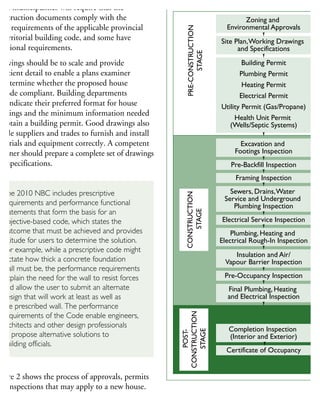
Wall Framing
Wood panel wall sheathing provides significant
resistance to lateral loads from high winds and
earthquakes. In areas with a risk of high winds
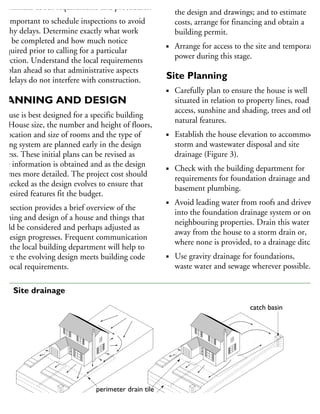
and earthquake loads, thicker sheathing, closer
nailing patterns and the provision of “braced
panels” may be required to strengthen walls.
Select appropriate sheathing thickness and
nailing patterns to provide adequate resistance
to lateral loads.
Select a wall arrangement that will
accommodate the necessary amount of
insulation for your climate zone.
Provide wall framing deep enough for the
Design the roof system to support local snow
and wind loads and the weight of the roofing
materials that will be used.
Consider designing the roof structure to
support future solar thermal and photovoltaic
panels. Consult an engineer to ensure that the
roof design addresses loading and electrical
requirements.
Use raised-heel trusses or deep rafters so there
is room for adequate ceiling insulation where
the roof meets the wall.
Provide adequate ventilation in the roof space
to prevent moisture from accumulating in
the attic.
Exterior Finishes
In addition to enhancing appearance, exterior
finishes serve as a barrier to the elements.
The cladding is the first plane of protection
for water penetration control. Exterior finishes
include a wide variety of cladding materials
(wood siding, brick veneer, vinyl siding,
cementitious siding) as well as flashing, trim
boards and sealant. Windows and doors and
the roof covering are also part of the exterior
finishes. See Chapters 5, 12 and 13 for more
information on exterior finishes.
Flashing
The purpose of flashing is to prevent water from
entering the building envelope and to intercept
any that passes the first plane of protection and
direct it to the exterior. Flashing is usually
required wherever there is a discontinuity on
exterior surfaces (for example, above windows),
where there is a change in cladding materials
(for example, vinyl siding above brick cladding),
and at roof valleys. Carefully plan the location o
flashing to fit with roofing materials, brick joint
sheathing membranes, windows, skylights and
nconditioned attics must be separated from
he conditioned environment by insulation,
n air barrier system and a vapour barrier.
hey should be vented to remove any moisture
hat has entered from the conditioned interior
nvironment or the exterior environment.
he roof shape must effectively shed water
nd be covered with roofing materials and
ashing that will prevent water from entering.
ee Chapter 12 for more information.
Windows, Doors and Skylights
Windows, doors and skylights separate the indoor
nd outdoor environments, provide security
nd natural light, and must also provide a
egree of thermal insulation. See Chapter 15
r more information.
Windows and Skylights
Choose windows and skylights to bring in
light and fresh air, and to reduce winter heat
loss (thereby minimizing heating costs) and
summer solar heat gain (to keep cooling
costs down).
Manufactured windows are classified
according to key performance attributes
such as insulating value (thermal conductance
or ER value) and their resistance to solar
heat gain, water penetration and wind and
air leakage.
Windows near the ground must provide
resistance to forced entry.
Consider the location, type and mode of
operation, and the size of the rough openings
required for framing. Some types of windows
are easier to open for children and people
with disabilities.
Carefully design how windows will be flashed
and drained to prevent water from entering
the interior space and the adjacent wall
arrangement and placement of windows
carefully to balance views, ventilation and
appearance with thermal efficiency.
Doors
Exterior doors must meet most of the same
performance requirements as windows for
heat, air and moisture control. Doors should
be located under overhang protection (roof
eaves, recessed under floors above, or canopies
whenever possible.
Choose doors that are insulated to reduce
heat loss and that have durable seals and
weatherstripping.
Manufactured exterior doors, frames, locks,
latches and hinges meet a standard for
resistance to forced entry. Any site-built
exterior doors must also resist forced entry.
Consider installing wide or double doors if
you have exceptionally large appliances or
furniture (such as a piano), or to make a
house accessible to wheelchairs.
Doors for wheelchair access should have
special thresholds of 12 mm (1
⁄2 in.) or less
in height.
Stairs
Stairs provide access for people, furniture and
appliances; and must be wide enough and
have sufficient headroom to provide safe passage
Falls on stairs are a major source of accidents,
and risk is reduced by strict adherence to code
requirements for the width, rise and run of stair
See Chapter 17 for more information.
Open stairs must be surrounded by guards an
railings that meet code requirements for heigh
and lateral load resistance. Guards must be
high enough to keep adults from falling over
persons with disabilities need access to another
floor level.
Stairs can be built on site in rough form for
use during construction, then finished when
the house is nearing completion. Alternatively,
a temporary stair or ladder can be used during
construction and replaced with a finished stair
when the house is complete. In the latter case,
the stair design must account for the thickness
of the floor finishes and the stair opening must
provide extra room in which to manoeuvre the
finished stair.
Moisture, Air Leakage,
Vapour Diffusion and Heat
Transfer Control
n modern wood-frame houses, continuous
sulation is needed to provide energy efficiency
nd comfort. A continuous air barrier system will
strict air movement into and out of a house,
elp provide thermal comfort, reduce heat loss
nd avoid moisture condensation in the walls and
ilings that can cause damage. A vapour barrier
revents water vapour from migrating into the
aming and insulation. A sheathing membrane
installed over the exterior sheathing to prevent
ward migration of water that penetrates beyond
he cladding. The membrane should also allow
apour that has migrated from the conditioned
pace to dissipate to the exterior. The functions
erformed by various materials in the building
nvelope are described in the following sections.
ee Chapter 5 for more information on this topic.
Water Penetration Control
Cladding (wood siding, brick, vinyl siding,
stone, stucco, etc.) forms a first plane of
protection and is detailed to limit the amount
of water that gets past it.
the building envelope and allows water vapou
to drain and diffuse out of a wall assembly.
Several materials can be used as sheathing
membrane including asphalt-impregnated
paper (tar paper), spun-bonded polyolefin
(housewrap) and self-adhering or liquid
waterproof membranes.
A rainscreen (a drained and vented air
space acting as a capillary break between the
cladding and sheathing membrane) is require
in wet climates, to allow water that gets past
the cladding to drain to the exterior and to
allow the space to dry. A rainscreen design is
recommended for all walls that will frequently
be wet.
Air Leakage Control
The air barrier system must be continuous
around the entire surface that separates the
conditioned (heated or cooled) environment
from the unconditioned (outdoor)
environment. Therefore, the components
that make up this “environmental separator”
(such as walls, windows, doors and membrane
must be sealed to each other to make the air
barrier system airtight. Consideration must
be given to how the connections are made,
for example, around rim joists between floors
during the design. The air barrier system mus
be capable of resisting wind loads.
For house construction in Canada, the prima
material used in the air barrier system is most
often 0.15 mm (6 mil) polyethylene installed
on the interior (warm side) of the insulation
with all joints and penetrations taped or seale
In this case, the polyethylene also serves as the
vapour barrier. It resists wind loads by being
supported by the insulation and the drywall.
he vapour barrier should be relatively continuous
ut can be interrupted by penetrations such as
oor joists. It does not need to be sealed unless
is also part of the air barrier system.
Heat Flow Control
All assemblies that separate the conditioned
environment from the unconditioned
environment, including attached garages,
must be insulated. This includes roofs, walls,
foundations, windows and doors.
The 2012 Interim Changes to the 2010 NBC
regulate the “effective” insulation value for
each assembly or component of the building
envelope for six different Canadian climate
zones. More than one type of insulation may
be used to provide the effective insulation
value. For example, batt insulation may be
used between wall studs in combination with
rigid insulation installed on the exterior.
The effective insulation value is the
combined insulation value of the studs,
sheathing, drywall and the insulation itself.
Framing members, ducts and pipes reduce the
space available for insulation materials and
reduce the insulating value of the assemblies;
therefore, the effective value is usually lower
than the “nominal” value (the value of the
insulation itself).
Different types of insulation are needed for
different parts of the building. For example,
only water-resistant insulation can be used on
the exterior of the foundation below grade.
lumbing, Electrical, Heating
nd Ventilation
etermine the type of domestic hot water
eating systems to be used early in the design
rocess, considering system efficiencies, local
Plan plumbing and ductwork in conjunction
with floor framing to avoid conflicts. Avoid
penetrating the air barrier system with plumbing
electrical or other components. When fixtures
such as dryer vents, water pipes or electrical
conduit must penetrate the air barrier system,
take special care to seal around the penetrations.
See Chapters 19 and 20 for more information.
Plumbing
Plan for all pipes, conduits and drains that
must be installed in the basement floor.
For radon control, install an inverted ‘T’
shaped PVC pipe in a convenient location
below the basement floor slab, with the vertic
leg extending up through the slab and capped
A fan and exhaust duct can be attached at a
later date to depressurize the gravel below the
slab if radon gas is detected.
If a sump pump is required, a sump pit must
be incorporated into the basement floor.
Locate the pit so that it can be sealed from
the conditioned space to prevent soil gas
and radon from entering the house.
Consider how to finish the basement in
the future and install roughed-in drains
below the floor slab for a future toilet, shower
bathtub and/or sink. Install roughed-in pipin
in the wall or ceiling to the nearest vent.
Electrical
Locate the electrical meter where it can be
easily serviced by the electric utility provider
and not detract from the appearance of the
house. Consider burying a conduit from the
hydro service to the meter to avoid having
overhead wires. The electric service panel
should be installed inside the house near
electrical needs, such as air conditioners,
exterior lighting and electrical appliances.
Consider burying a conduit from the
electrical panel to special landscape features
or structures where you might need power
or lighting.
Consider installing cable and telephone wiring
to the unfinished basement should you opt to
finish the basement in future.
Consider providing electrical rough-ins for
future solar thermal and photovoltaic panels.
Heating and Ventilation
Plan where heating and ventilation ductwork
will be located and how it might affect floor
joists and wall insulation values.
Use low-noise source exhaust fans.
Consider the use of heat recovery ventilation
as an energy efficient means of providing
required ventilation.
Consider installing additional heating
ducts close to the floor in parts of an
unfinished basement that might be finished
in future.
Consider installing an exhaust duct to an
exterior wall cap for a future basement
bathroom.
nterior Wall and Ceiling Finishes
ypsum board (drywall) is the most common
terior finish in Canadian houses. In addition to
roviding a smooth, paintable surface, gypsum
oard provides a degree of fire resistance to
ghtweight structural framing, allowing walls and
oors to remain in place to provide some time
r occupants to become aware of a fire and exit
he building. Interior partitions also play a role
be part of the air barrier system. For more
information, consult Chapters 21 and 23.
Floor Coverings
Floors are subject to wear and tear. Higher-quali
finish flooring can often be cost effective becaus
it will likely last longer than less expensive
flooring. The sub-flooring must be adequate
to support the finished flooring, especially
ceramic tile. Planning the type of finished
flooring to be used can minimize elevation
differences (tripping hazards) between different
flooring materials. See Chapter 22 for more
information. Consider polished concrete as a
finished floor, especially in areas where concrete
can capture and radiate solar heat.
Decks, Porches and Balconies
Decks, porches and balconies are considered
structures in the building code and when
over 600 mm (24 in.) above ground, must
be supported by frost-resistant foundations,
be laterally braced, be designed to accommodate
the weight of people and snow, and have stairs
and railings that meet code requirements.
If planning to build a deck, porch or balcony
in the future, provide for later attachment to
the house in a way that does not allow water to
enter the wall cavity to which the structure is
attached. Any roof over a deck must be designed
to support the snow load. See Chapter 26 for
more information.
Garages
Attached garages are popular and common in
Canadian houses. Because of the risk of carbon
monoxide getting into the house and the likely
storage of paints, gasoline and other chemicals
in the garage, it must be separated from the
isolated from the garage to prevent fumes
om entering the living space. Even heated
arages are considered by the building code to
e unconditioned spaces (when the garage door
open) and therefore any wall or ceiling that
parates the garage from living space must be
sulated. See Chapter 27 for more information.
TAGES OF CONSTRUCTION
ue to the wide variety of house styles and
zes, house construction may differ, but certain
asic principles apply. The description of the
ouse construction process in this book is based
n common wood-frame house construction
chniques for a typical one-, two- or three-storey
ouse. Special features such as sunrooms or
wimming pools are not included in
his description.
anadian wood-frame house construction
ontinues to evolve. The time required for
onstruction has decreased due in large part
gypsum board; factory-built components,
such as roof trusses, wood I-joists, windows and
cabinets; and improved power tools.
Construction time depends on many factors,
especially the size and complexity of the house.
For average-sized houses, about 16 weeks are
required from start to finish. For more complex
houses, 18 or more weeks may be needed.
This does not account for delays due to
inclement weather, inspections, material
shortages, custom-ordered items or the scarcity
of tradespersons during busy construction
periods. Prior to construction, delays may be
incurred while obtaining financing and a buildin
permit. While late spring, summer and early fall
are the best times for construction in Canada,
year-round activity is possible if precautions are
taken to protect materials.
There are a number of stages in constructing a
house that must be properly planned, coordinate
and executed (Figure 4).
Stage of construction
Drawings, Financing and Permits*
Layout of Building
Excavation and Footings
Foundations and Drainage
Framing and Backfill (includes roofing and flashing)
Doors and Windows
Plumbing, Heating and Electrical Rough-In
Insulation, Air andVapour Barriers
Exterior Finishes
Interior Finishes
Paint, Cabinets and Fixtures
Landscaping
* Drawings, financing and permits as well as any other aspects of the pre-construction
stage will have a variable duration depending on site and house characteristics.
Minimum of 16 weeks for a average house
Building
closed,
secure
4 Sample single house construction schedule
he first construction step is to position the
uilding on the property. The services of a
nd surveyor may be required to establish the
stances from the foundation to property lines,
cate the municipal services and establish the
yout and the depth of the excavation.
xcavation and Footings
xcavation for the foundations may proceed once
he building layout has been completed. This can
ten be completed in one day depending on
he type of equipment used and site conditions.
nother few days are needed to trench for and
stall services, form and place footings, remove
oting formwork and lay out the foundation
alls and columns. Placement of the granular
yer and basement floor slab usually occurs
ter when the basement plumbing rough-in
completed. Storing topsoil and good quality
xcavated material suitable for backfilling can
duce the amount of imported fill and topsoil
r landscaping.
oundations, Drainage
nd Backfill
oundations can be placed in one day by a
illed contractor and require at least one week
r concrete to cure before formwork can be
moved. Dampproofing, foundation drainage
stems and backfill requires another day or two.
dditional measures for foundation drainage
uch as waterproofing, sump pumps, ditching or
ry wells may be required. Backfilling should
ot begin before the first floor framing has
een anchored to the foundation and the first
oor sub-floor has been installed because the
oor framing helps to resist the soil pressure.
ontact your building official to inspect the
otings and foundation and municipal
rvice connections.
About two weeks is needed to complete
the framing and install roofing to provide
weather protection during subsequent stages
of construction. Built-in bathtubs and shower
enclosures are usually installed at this time.
Framing dimensions must be appropriate for
these components. Once installed, they should
be protected from damage until the house is
finished. Chimney installation and the building
of stairs or the installation of pre-manufactured
stairs is usually considered part of the framing
stage. Deck framing is usually performed while
the landscaping is being done.
Doors and Windows
Installing doors and windows requires a few
days to complete and includes the installation
of sub-sill membrane, flashing, locks and other
hardware. Jamb extensions are usually part of
the finishing carpentry work, and exterior trim
is usually installed by the trade installing the
exterior finishes. The air sealing of gaps around
window and door openings is usually performed
as part of the insulation, vapour barrier and air
barrier system work. Contact your building
official to inspect the completed house framing,
including windows, doors and skylights.
Plumbing, Heating, Electrical and
Ventilation Rough-in
The water-heating piping is installed. Plumbing
is installed to connect from the water service to
the water heater and fixtures. The electrical pane
is installed. Electrical wiring, smoke and carbon
monoxide alarms, telephone and computer lines
and cable TV are roughed in. The furnace
ductwork or piping are installed, along with
ductwork for exhaust fans and mechanical
ventilation equipment such as heat recovery
ventilators (HRVs). This work takes about two
echanical systems.
nsulation, Air Barrier System
nd Vapour Barrier
nsulation, vapour barriers and air barrier
stems may be installed at the same time as
xterior finishes, provided the insulated assembly
protected against moisture damage such as
hat caused by wind-driven rain. This stage
quires a few days to complete and requires
reful fitting and sealing around mechanical
enetrations, fixtures and electrical boxes.
ontact your building official to inspect the
ompleted insulation, vapour barrier and air
arrier system.
xterior Finishes
ne to two weeks are needed to complete this
age. If an exterior air barrier material such as a
heathing membrane is being used, it is usually
pplied at the same time as the exterior finishes
however, it may also have been installed during
he framing stage). Masonry, siding and stucco,
ffit, fascia, eavestroughing, downspouts and the
ulking and flashing of windows and doors are
l part of the exterior finishes stage. Exterior trim
nd millwork, staining and painting may also be
cluded during this stage.
nterior Finishes
his stage includes the installation of ceiling,
all and floor finishes, shelving and cabinets.
nishing carpentry for interior doors, frames
nd trim along with stair balusters and handrails
usually done immediately after the floor,
all and ceiling finishes have been prepared
r painting and varnishing. The interior
nishing stage normally requires about two
eeks to complete.
Painting is performed at the beginning of
this stage followed by the installation of items
such as ceramic tile backsplashes. Next up for
installation are electrical receptacles, light fixture
and smoke alarms and equipment such as
furnaces, water heaters, mechanical ventilation
systems, stoves and clothes dryers. The heating
contractor will install all grilles and registers for
forced-air systems and radiators for hydronic
or electric baseboard systems. Ensure that all
installations have been inspected and function
properly and that operating instructions and
warranties are provided. A final clean-up of the
dwelling concludes the work. About two weeks
are normally required to complete this stage
of construction.
Landscaping
This final stage includes finished grading,
driveways, steps, walkways, ground cover,
shrubs and trees. Carpentry work associated
with decks and fences, and plumbing work for
items such as irrigation systems may also be don
at this time. Approximately one week is needed
for this final stage; however, the time will vary
depending on the nature of the landscaping.
Additional time is required for special features
such as decks and pools. If a house is completed
in the fall or winter, landscaping will be delayed
until warm weather arrives.
The house can be seen as a system in which
the building, the environment and the
occupants interact. All the components,
systems, materials and assemblies of a
house need to balance one another and
work together to provide affordable
shelter, health and safety for the occupants,
consume as little energy as possible and
have minimal impact on the environment.
Sustainable houses incorporate materials
that (a) do not adversely affect occupant
health; (b) are highly insulated and airtight
to reduce energy use; (c) are planned to
use materials and space efficiently and
can adapt to occupants’ changing needs;
(d) are adapted to the local climate and
cause minimal damage to the environment;
and (e) are designed to minimize capital
and operating costs.
Building with wet materials can lead to
future moisture problems, mold and
related indoor air quality problems.
Construction is a necessary human
endeavour and one that consumes large
amounts of energy and resources. All stages
of construction affect, to varying degrees,
the five principles of sustainable housing:
healthy indoor environment, energy
efficiency, resource efficiency, environmental
responsibility and affordability.
Sustainable houses are designed to last for
generations, and when they are no longer
useful, they can be easily dismantled and
recycled for other uses.
Energy is required to extract raw materials
for the production of construction products
and to manufacture, transport and install
them (their embodied energy). Careful
storage and protection of materials reduces
waste and therefore helps to reduce the
effects of construction on the environment.
Sustainable houses should provide only as
much living volume as is needed.
SUSTAINABLE HOUSING INSIGHT
About Your House: Canada’s Housing Construction System,
Canada Mortgage and Housing Corporation (product no. 62966)
About Your House: Photovoltaics (PV) Systems,
Canada Mortgage and Housing Corporation (product no. 63890)
RELATED PUBLICATIONS
oncrete, both non-reinforced and reinforced,
often used for footings, foundation walls,
asement floor slabs and garage slabs-on-grade.
oncrete for columns, fireplaces, chimneys and
undation walls must have a minimum strength
15 MPa (2,200 psi). Basement floors must
ave a minimum strength of 20 MPa (3,000 psi).
arage and carport floors, exterior steps and
riveways must have a minimum strength of
2 MPa (4,600 psi), and air-entrained concrete
ust be used for exterior applications.
ir entrainment is required to reduce degradation
used by de-icing salts and exposure to freezing
mperatures. The tiny air bubbles also make
oncrete more workable and easier to place than
ain concrete. Air entrainment for exterior
pplications must be between 5 and 8 per cent.
n areas where soils are sulphate reactive, cement
pes 20, 40, 50 or equivalent must be used to
rotect the concrete.
Aggregates used in the manufacturing of concret
should not contain sulphides such as pyrite,
pyrrhotite and marcasite as these compounds
may oxidize and hydrate, leading to volume
increases within the concrete material causing
the concrete to crack and spall, or the release
of sulphate which produces sulphate attack
upon the cement paste.
Whether concrete is delivered from a plant or
mixed on site, additional water should not be
added at the construction site to make concrete
easier to place. Additional water will lower
strength, increase permeability and decrease
freeze-thaw resistance. If more workability is
required, the concrete supplier should be asked
to adjust the mix, possibly by adding a plasticize
or other concrete admixture to improve
workability and placement, while conforming
to the appropriate concrete standards.
Concrete
onsistency and the workability of the concrete.
ump is determined by filling a standard
one-shaped form with concrete and measuring
he amount of settlement or slump that the
oncrete exhibits when the cone is removed.
READY-MIX CONCRETE
eady-mix concrete is available in most
rban areas. Manufactured in plants to
tablished mix designs, the quality of
ady-mix concrete can be tailored to
eet strength, durability, and workability
quirements of a particular application.
Workability is attained by the ready-mix
rovider meeting the water-cement ratios
t out in CSA Standard A23.1-09: Concrete
aterials and methods of concrete construction.
ON-SITE MIXING
When mixing must be done on site, the water
nd aggregate should be clean and free of
rganic material or other substances that might
amage the concrete. The aggregates should
so be well-graded, in other words, with the
orrect proportion and size of fine and
ourse aggregates.
he air-entraining admixtures must be added
cording to manufacturer’s recommendations—
dding too much will decrease concrete strength.
ir-entraining admixtures should be used only
concrete mixed in a motorized mixer.
n-site mixing can use premixed bags of
ment and aggregate. In such cases, follow the
anufacturer’s instructions to obtain the desired
rength and durability. If site-mixed concrete is
be proportioned on site, determine the correct
tios of fine and coarse aggregates, cement and
free water to collect on the surface.
The concrete mixes in Table 2 (Appendix A) are
considered acceptable for site-mixed concrete
if the water to cement ratio is: 0.70 for walls,
columns, fireplaces, chimneys, footings,
foundation walls, and grade beams and piers;
0.65 for floors other than those in garages and
carports; and 0.45 for garage and carport floors
and exterior steps. Aggregate used in these mixes
must not be larger than one-fifth the distance
between vertical forms or one-third the thicknes
of the flatwork.
PLACING CONCRETE
Place concrete into forms continuously in
horizontal lifts not exceeding 1.2 m (4 ft.) in
depth. Do not allow concrete to fall into the
forms from a height of more than 2.4 m (8 ft.)
as this causes the concrete to segregate. For highe
drops, use a pipe to deposit the concrete. Buggie
wheelbarrows, chutes or pumping can be used
to move the concrete to locations not accessible
to ready-mix trucks. The chutes should be
metal or metal-lined with round bottoms
and sloped with a rise-to-run inclination
between 1:2 and 1:3.
Do not deposit the concrete in a pile. Spread
and level it by raking or shovelling. Use vibrator
to consolidate the concrete but not to move it
horizontally. Compact the concrete uniformly b
means of tamping hand tools (puddling sticks)
or, preferably, by a vibrator.
If it is necessary to interrupt concrete placement
the surface of the concrete placed in the forms
should be levelled. If partial setting has started
by the time concrete placement is ready to
resume, roughen and dampen the surface to
grout (1 part cement to 2 parts sand) about
2 mm (1
⁄2 in.) thick over the roughened surface
etween the two lifts. Place the new lift
mmediately after the grout has been applied.
When mixing and placing concrete (in all
mperature conditions), maintain its temperature
etween 10°C (50°F) and 25°C (77°F). Do not
ace concrete against frozen soil and always
move any ice and snow from the formwork.
CURING CONCRETE
ewly placed concrete must be cured for a
t period of time to allow the concrete to
hieve its potential strength, water tightness
nd durability, and to minimize cracking.
o cure, concrete must be kept damp and
ithin a limited temperature range. Wall forms
hould be left in place for at least three days
retain moisture for proper curing, and longer
possible. After the forms have been removed,
he curing should continue at least another
ay if the concrete temperature is kept above
1°C (70°F), and for another three days if
he concrete temperature is kept between
0°C (50°F) and 21°C (70°F).
water to run down the wall. When water curing
is not practical, spray-on curing compounds
that inhibit evaporation can be used. If a
dampproofing compound is applied to the
wall, curing can progress without the need
for spraying.
In hot weather, concrete should be protected
from rapid drying. Wood forms should be
sprinkled with water while they are in place
to deter concrete drying.
In freezing weather, freshly placed concrete
footings should be protected with a thick
layer of straw or other insulating material.
For walls, it may be necessary to insulate the
forms or to erect an enclosure and use space
heating appliances.
Cure concrete slab-on-grade by spraying with
water, covering with burlap kept continuously
moist, polyethylene sheeting or other means
to prevent moisture loss.
Allowing concrete to cure properly is an importan
step in the construction process. Attention to th
step will help avoid costly problems.
CSA Standard A23.1-09/A23.2-09: Concrete materials and methods of concrete
construction/Test methods and standard practices for concrete,
Canadian Standards Association
RELATED PUBLICATIONS
Environmental Responsibility
and Affordability
Consider using concrete with high fly-ash
content to improve workability and reduce
the amount of cement and aggregate needed
in the mix.
The cement in concrete is made by cooking
limestone at a very high temperature,
which means it takes a lot of energy to
manufacture. To reduce environmental
impact and material costs:
Estimate concrete quantities carefully
when ordering.
Ensure formwork is adequate to retain
the concrete after placement to avoid
swelled or failed forms that may result
in wastage.
Use concrete with the required
strength for the application and allow
it to cure so that it develops its full
potential strength and can have a long,
satisfactory service life.
For sloped sites, use a stepped foundation
to reduce the quantity of wall and
footing concrete.
Consider using fabric-type forms for
footings to reduce formwork and protect
footings from rising damp.
SUSTAINABLE HOUSING INSIGHT
Many types of wood components can be used
wood-frame construction. The framing forms
he structural shell that encloses and divides
paces, to which finishes are applied.
umber is commonly referred to by its
ominal dimensions (size before planing
nd drying), which are larger than its actual,
nished dimensions. For example nominal
by 4 in. lumber is actually about 11
⁄2 by 31
⁄2
. Timber is lumber 114 mm or more (5 in.
ominal) thick in its smaller dimension. Table 7
Appendix A) shows the grades, common grade
ixes, principal uses and grade categories for the
arious sizes of dimension lumber. There are also
ecking, board and finish lumber groupings.
Metric sizes of softwood lumber are expressed
millimetres of actual thickness and width
ter surfacing. The concept of “nominal size”
not used with metric dimensions; therefore,
etric lumber dimensions are actual sizes.
able 8 (Appendix A) relates the current
GRADE MARKS
Lumber used for construction in Canada is
grade-stamped to show that it conforms to the
National Lumber Grades Authority (NLGA)
grading rules for Canadian lumber. The grading
and grade marking of lumber must also conform
to CSA Standard O141-05 (R2009): Softwood
Lumber. A grade stamp indicates the grading
agency, the species or species combination
designation, the grade, the moisture content
at the time of manufacture and the mill number
Facsimiles of Canadian grade marks are shown
in Table 9 (Appendix A).
“S-GRN” in the grade mark signifies that the
lumber was surfaced at a moisture content
higher than 19 per cent to a size that would
allow for natural shrinkage during seasoning.
“S-DRY” in the mark indicates the lumber was
surfaced at a moisture content not exceeding
19 per cent. KD (kiln-dried) indicates that
lumber has been dried in a kiln to a moisture
Lumber and Other Wood Products
efore installation. The best way to limit
oisture in new construction is to use
DRY lumber.
UMBER GRADES
ach piece of construction lumber is examined
nd assigned a grade depending on its physical
haracteristics such as the size and location of
nots and the slope of the grain. The assigned
ade is an estimate of its strength.
oftwood lumber species having similar
rength properties may be combined into
single-species combination and marketed
nder a group designation. The most common
oup is spruce-pine-fir (SPF). The Canadian
ommercial species combinations and their
haracteristics are shown in Table 10
Appendix A).
elect Structural grade is used where
gh-strength, stiffness and good appearance
e required. No. 1 grade may contain some
ercentage of Select Structural material, but
ermitted knots are slightly larger. Tests have
hown that No. 1 and No. 2 grades of lumber
ave the same strength and therefore, No. 2
nd better is a typical grade category for most
eneral construction uses.
here are two types of machine-graded lumber:
achine-stress-rated (MSR) lumber; and
achine-evaluated lumber (MEL). Both MSR
nd MEL are produced using non-destructive
iffness measuring machines.
he grade stamp on MSR and MEL
dicates strength properties. MSR and MEL
e most often used in applications where
rength is crucial, such as for manufacturing
ood trusses.
deep lumber used for wall studs.
Finger-jointed structural lumber manufactured
to the requirements of NLGA SPS 1 is
interchangeable with non-finger-jointed
lumber of the same species, grade and length,
and can be used for joists, rafters and other
applications. Finger-jointed stud lumber
manufactured to the requirements of NLGA
SPS 3 can only be used as vertical, end-loaded
members in compression (such as wall studs).
Construction and Standard grades are used
for structural purposes. Construction grade
lumber has strength properties similar to
No. 3 grade, and Standard grade is lower.
Utility and Economy grades are not used for
structural purposes.
The National Building Code lists the
minimum grades for various uses of lumber
in wood-frame construction. Tables giving
maximum allowable spans for visually graded
lumber and for MSR lumber, when used as
joists and rafters, are available from the
Canadian Wood Council.
ENGINEERED WOOD
PRODUCTS
Several types of engineered wood products
(EWPs) are routinely used in wood-frame
house construction. These products can provide
equivalent or superior strength compared with
dimension lumber and are typically manufacture
using less wood fibre and available in long
lengths. They include: wood I-joists, glulam,
plywood, oriented strand board (OSB),
laminated veneer lumber (LVL) and others.
Dimension lumber and other wood products
are often combined in the manufacture of EWP
onsist of lumber or LVL flanges and OSB webs.
ll these products provide design flexibility by
rtue of their longer span capabilities and higher
rength compared to dimension lumber.
ructural composite lumber (SCL) includes
minated veneer lumber (LVL), parallel-strand
mber (PSL), laminated strand lumber (LSL)
nd oriented strand lumber (OSL).
aminated veneer lumber consists of thin
eneer panels laid parallel to the longitudinal
rection, coated with a waterproof adhesive,
nd bonded by heat and pressure. Available in
wide variety of sizes and strengths, LVL may
e cut into desired lengths for use as beams,
olumns, headers (lintels), joists and as flanges
r wood I-joists.
arallel-strand lumber is manufactured using
hin veneer panels cut into narrow strips and
used as beams, columns and headers.
Laminated strand lumber and oriented
strand lumber are manufactured using wood
strands combined with an adhesive and are
oriented and formed into a large mat and
pressed. LSL and OSL are commonly used
as beams, headers and studs.
SHEET OR PANEL PRODUCTS
Panel products such as plywood and oriented
strand board (OSB) are used in wood-frame
construction to add rigidity to roof, wall and
floor framing, and to provide a uniform surface
for the application of roofing, cladding and floo
finish materials.
Plywood is made of thin layers or plies of
wood glued together with the grain direction
of adjacent plies perpendicular to each other.
Common thicknesses range from 6.0 to 18.5 mm
(1
⁄4 to 3
⁄4 in.). Like dimension lumber, plywood is
graded for particular uses. Douglas fir plywood
(DFP) and Canadian softwood plywood (CSP)
are the most common types of sheathing
plywood. All sheathing-grade plywood is made
with exterior-grade glue. Overlaid plywood is
plywood that is sealed with paper and resin and
used for concrete formwork.
Oriented strand board (OSB) is a structural
panel made from wood strands mechanically
oriented in layers, with the outer layers running
parallel to the long dimension of the sheet,
and the inner layers having a random alignment
OSB is made with exterior-grade glue and is
structurally equivalent to plywood. It is primaril
used for roof or wall sheathing, sub-flooring,
siding and the webs of wood I-joists.
Waferboard is made of wood wafers that, unlik
OSB, are not oriented. It has been replaced by
metal web
wood web
wood I-joist
5 Examples of engineered
wood products
nd asphalt-impregnated, which is used primarily
r wall sheathing. Medium-density fibreboard
often used for interior mouldings, trims and
sings.
articleboard is composed of fine wood particles
eld together with phenolic glue and pressed
to panels usually 1.22 × 2.44 m (4 × 8 ft.) or
as shelving and other cabinetry. It is also used as
a substrate for plastic laminate counter tops.
Hardboard is made of wood fibre, like
fibreboard, but is denser and harder. It is used
for furniture and cabinetry products. Hardboard
siding is prefinished and is an alternative to
wood, vinyl or aluminum.
Healthy Indoor Environment
Glued wood products made for structural
uses such as for floor joists or sheathing
(plywood and OSB) must be made from
water-resistant adhesives so that wetting
during storage and construction will not
weaken them. Such adhesives have very
low volatile organic compound (VOC)
emission rates.
Glued wood products made for interior
uses such as particleboard and other
wood products often used for furniture
and cabinetry use more economical glues
that have higher emission rates. Sealing the
faces and edges of a panel with a laminate
drastically reduces emissions. Low-emission
boards are available.
Energy Efficiency
Though a fairly good insulator, wood is
not as effective as non-structural materials
made specifically for thermal insulation.
The wood structural members have a
lower insulating value than the surrounding
insulation. These “thermal bridges” conduct
heat towards the cold and reduce the
overall insulating value of a wall, roof or
floor assembly. NBC insulation requirements
are based on effective RSI-values, which take
into account the lower insulation value of
studs and other thermal bridges.
Wood framing provides space for insulation,
which can result in highly insulated structural
components that take up very little space.
Where higher insulation levels are required,
consider using wood-framing materials
such as “I” joists that allow more space
for insulation, yet use minimal amounts
of dimensional wood.
Resource Efficiency
The use of engineered wood products such
as wood I-joists is common because of their
span and performance capabilities and their
efficient use of wood fibre. Finger-jointed
lumber makes use of short lengths of lumber.
Advanced framing, or optimum value
engineering, uses design restrictions to
reduce the amount of wood framing in a
building. This can lead to a 15–20 per cent
reduction in the quantity of wood used.
SUSTAINABLE HOUSING INSIGHT
Wood Products,
Canadian Wood Council (web content available at www.cwc.ca)
CSA Standard O141-05 (R2009): Softwood Lumber,
Canadian Standards Association
RELATED PUBLICATIONS
Environmental Responsibility
Attention is needed to reduce wood waste.
Order carefully, use off-cuts, and choose
framing spacings that minimize usage.
Affordability
Part of the cost of wood products is the
energy used to dry and transport them to
the site. Careful planning, proper storage
and handling, and good construction
practices will minimize waste and cost.
his chapter contains information about
mportant functions that impact all parts of the
uilding envelope and influence the design of
onstruction elements covered in Chapters 7
15. They are introduced early in this book to
elp ensure the design of the building envelope
considered from the outset and at each stage
house design.
he building envelope is the outer “skin” of
he building that acts as a barrier or separator
etween the exterior and interior environments
a building. It is comprised of the foundation
alls and basement floor, the above-grade
xterior walls, attic, ceiling and roof, as well as
penings including windows, doors, skylights
nd mechanical and electrical penetrations.
very building envelope is a system and many
ter-related issues affect its performance and
urability. The designer and the builder must
refully consider the interaction between the
terior and exterior environments as well as
he materials and components that comprise
The durability of the building envelope of
wood-frame structures is directly affected by
four inter-related physical processes of moisture,
Functions of the Building Envelope:
Water,Air,Vapour and Heat Control
Important: The building envelope performs
several functions (such as structural support,
fire protection and noise control), which are
discussed in later chapters. This chapter
focuses on the building envelope’s functions
as an environmental separator: the control
of water, air, vapour and heat, because these
physical processes have a crucial effect on
building performance:
they affect comfort, durability and cost
of operation;
they require careful planning and
construction; and
if inadequately controlled, they can
lead to problems that are difficult or
expensive to correct.
tensities. The assemblies and materials that
omprise the building envelope are selected
nd arranged to effectively control these
ur processes:
Water penetration control prevents water
from entering the interior space or building
envelope assemblies and causing premature
deterioration of materials. This is the most
important function because water potentially
causes the most rapid and destructive
deterioration of the building envelope.
Air leakage control through the materials,
interfaces and joints of the building envelope
provides occupant comfort, minimizes heating
and cooling energy use; and limits the
potential for condensation. Uncontrolled air
leakage allows moisture to move through
the building envelope, which can also result
in severe deterioration of the building
envelope assemblies.
Vapour diffusion control through the
materials that comprise the building
envelope limits the potential for condensation.
Water vapour diffusion through the building
envelope is a very slow and uniform physical
process. As a result, the accumulation of
condensation-related moisture occurs slowly
and is less likely to lead to damage.
Heat flow control through the materials
that comprise the building envelope provides
occupant comfort, minimizes heating and
cooling energy use; and limits the potential
for condensation.
he designer must choose appropriate assemblies
materials and develop appropriate interface
nd penetration details to address all of these
ontrol functions. The following sections describe
ow design and construction of wood-frame
ouses can control water penetration, air leakage,
CONTROL
The building envelope for a wood-frame house
controls exterior precipitation (usually water
from rain, snow and ice melt) by deflecting
moisture away from a wall, draining any moistu
that penetrates into the building envelope back
to the exterior, and allowing any accumulated
moisture to dry over time. See Chapters 12 to 1
for specific construction details.
All walls are required to have a primary and a
secondary line of defence against rain penetratio
The first plane of protection is typically the
cladding (for example, siding, masonry or
stucco). It includes accessories such as trim
or caps that are part of the cladding system.
The second plane of protection ordinarily
consists of a sheathing membrane or insulating
sheathing, flashing, sealants and other materials,
and is intended to:
intercept any water that has penetrated the
first plane; and
drain those relatively small quantities of
incidental water to the exterior.
Both the first and second planes of protection
must provide adequate protection of the wall
assembly where penetrations have been made
for windows, doors, ventilation ducts, piping,
wiring and electrical outlets; and at the interface
with other wall assemblies. These penetrations
and interfaces at openings are where most
wall assemblies develop problems over
their lifetime.
Deflection: components and features of the
building envelope (such as overhangs) that limit
the exposure of assemblies and details to water
running along surfaces of the building envelope
and divert it from the assembly (shingle lapping
materials and drip edges and flashings).
semblies that redirect any water that enters
he envelope downwards and out to the exterior.
rying: features that encourage vapour diffusion
nd air movement to transport water vapour,
nd evaporate moisture from surfaces. These
atures include vapour permeable materials
which allow water to diffuse to the surface
materials), and in some cases, vented or
entilated air cavities located on the interior
de of the cladding.
he following sections describe the water
enetration control aspects of some common
uilding envelope assemblies: basement floors,
elow- or above-grade walls and roofs.
Basement Floors
asement floors are usually constructed on dry
tes or have sufficient drainage such that water
enetration control is not a primary concern.
olyethylene sheet dampproofing is normally
aced over granular material before the concrete
ab is poured to reduce the amount of moisture
ntering the basement from below the slab.
When bulk water penetration is a concern,
waterproof membrane is applied over a slab
least 75 mm (3 in.) thick, and a second slab
least 75 mm (3 in.) thick is poured over the
embrane. The waterproof membrane must
e connected to the wall membrane to form a
omplete seal.
Walls Below Grade
ampproofing (usually a bituminous coating)
ts as the primary barrier (the first plane of
rotection) against water penetration from the
xterior side of the foundation wall. The concrete
undation wall can be considered a second plane
protection. The use of a drainage composite
roduct can also provide improved drainage at
he exterior surface of the wall. Neither of these
be taken to provide adequate water penetration
control (such as using a waterproof membrane,
and crack and control joint waterproofing
details). See Chapter 7 for more information.
Walls Above Grade
Cladding such as wood siding, stucco or brick
veneer provides a first plane of protection
against precipitation ingress in above-grade
wall assemblies. In geographic locations where
the probability of wetting due to precipitation is
high and the drying potential of the walls is low
a capillary break (an air space) must be provided
between the first and second plane of protection
in exterior walls. This configuration is common
called a rainscreen. The need for a rainscreen
is determined by the Moisture Index (MI) for
a particular geographic location. MI values are
provided for many locations in Canada as part
of the climatic data tabulated in building codes.
The capillary break, or air space, allows
precipitation that penetrates past the cladding
to readily drain on the backside of the cladding,
or alternately on the sheathing membrane,
which provides a second plane of protection
against precipitation ingress. The air space also
allows materials to dry by means of evaporation
and exchange of air.
Capillary breaks can be provided by:
a 10 mm (7
⁄16 in.) gap between the sheathing
membrane and the cladding (usually furring
strips are used) so that water droplets do
not infiltrate between the cladding and the
sheathing and can drain back to the exterior;
a mesh material not less than 10 mm (7
⁄16 in.)
thick and at least 80 per cent open;
common horizontal metal and vinyl siding,
without contoured insulated backing, that
is loosely fastened to the sheathing and is
n order to be effective, a capillary break must be
rovided over the full height and width of a wall,
xcept where openings (such as windows and
oors), service penetrations (such as pipes, ducts
nd electrical outlets) or flashings are present.
Where furring is used to provide the gap, it must
ot cover more than 20 per cent of the wall area.
screen should be installed at the bottom of
he capillary break or air space at foundations,
indows and doors to prevent insects from
etting in. The top of the capillary break should
ot vent into the attic space as this can lead to
ondensation on surfaces in the attic. Although
ocking at the top of the capillary break restricts
entilation, it does not impede drainage, which is
he more important aspect of water penetration
ontrol for rainscreen construction.
n conventional wood-frame construction,
heathing membranes are applied over the
SB or plywood sheathing in horizontal
rips, shingle-lapped at the joints and stapled.
When rigid or semi-rigid insulation is applied
ver the exterior of wall sheathing, the sheathing
embrane may be applied over the outside
ce of the insulation (when the outboard
sulation type must be protected from
etting) and fastened through to the frame
all. Alternatively, the sheathing membrane
ay be applied over the wall sheathing and
n the inside face of the insulation (when the
utboard insulation type does not need to be
rotected from wetting). Some rigid insulation
roducts such as extruded polystyrene are also
latively vapour impermeable. If used, care must
e taken in the selection of cladding material and
etailing to ensure that no significant amounts
water reach the interface between the extruded
olystyrene insulation and the vapour permeable
heathing membrane. This risk may dictate the
se of insulation products with high vapour
the cladding (the first plane of protection) and
directs it outward over flashings, at openings,
at changes in cladding materials and at the base
of walls. The sheathing membrane must be
permeable enough to permit water vapour to
diffuse from a wall assembly to the exterior.
One layer of sheathing membrane is generally
used and may be applied horizontally or vertical
with 100 mm (4 in.) or greater laps at the joints
A second layer may be required for added
moisture protection.
Common breather-type sheathing membranes
on walls are asphalt-saturated felt, building
paper and spun-bonded polyolefin (housewrap).
Vapour permeable liquid membranes and
self-adhered sheet products are also used
for sheathing membranes. Some sheathing
membrane materials (such as spun-bonded
polyolefin) can also be utilized as part of the
air barrier system, where they are required to
be structurally supported. Self-adhered vapour
permeable sheet membranes are desirable in thes
situations because the adhesion helps to provide
the necessary structural support.
Where wall sheathing is not used, two layers
of sheathing membrane are needed unless
large panel siding such as plywood is used.
Apply both layers vertically with 100 mm (4 in.
or greater laps at the studs. Staple both layers
to the framing members, the top layer with
staples spaced 150 mm (6 in.) or less along the
edges of the sheet to hold it securely in place.
See Chapter 10 for more information.
Roofs
On pitched roofs with slopes where the rise
and run are equal to or greater than 1:6,
asphalt-saturated sheathing paper is applied
over the roof sheathing to provide a secondary
plane of protection to water that may penetrate
r more layers of bituminous membrane with
ints shingle-lapped and welded, self-adhering
peel-and-stick”membrane, reinforced liquid
pplied membranes, or an EPDM (ethylene
ropylene diene monomer) rubber membrane.
he lower pitch of these roofs does not shed
r drain water as readily as a steeper pitch,
nd therefore requires a more robust and
ompletely waterproof membrane.
AIR LEAKAGE CONTROL
Water vapour can be driven through the
uilding envelope by air movement (which
n be controlled by an air barrier system)
nd vapour diffusion (which can be controlled
y the use of low-vapour-permeable materials
aced at appropriate locations relative to the
sulating materials). This section describes
ow the air barrier in the building envelope
ontrols air movement. Vapour diffusion is
scussed in the “Vapour Diffusion Control”.
Wood-frame houses should be constructed as
rtight as possible. In addition to protecting
he building envelope, airtightness promotes
nergy efficiency, eliminates thermal comfort
sues related to drafts, allows for better control
natural and mechanical ventilation, reduces
he transmission of outdoor noise and controls
dours. Air leakage through the building
nvelope can also result in water vapour
ondensing on cold surfaces, and this moisture
n lead to deterioration of materials within the
uilding envelope if allowed to accumulate for
ufficient time. Airtightness is cumulative—good
orkmanship in the construction of each element
the entire building envelope is essential to its
roper performance.
ir leakage through the building envelope
ccurs as a result of differences in air pressure
om inside to outside the building caused by
or cracks in the building envelope, carrying with
it any water vapour it contains. This is called
“exfiltration.” The reverse, called “infiltration,”
is true when the air pressure outside is greater
than inside, and air will flow in through holes
and cracks.
Air Barrier System
The NBC stipulates that the building envelope
must be designed and constructed with a
continuous air barrier system comprised of
air barrier assemblies to control air leakage into
or out of the conditioned space. Air leakage
control requires a continuous air barrier system
carried through the basement floor and walls,
above-grade exterior walls and ceilings adjacent
to roofs. Air leakage control within building
envelope assemblies can be accomplished by
incorporating materials with low air permeabilit
which are fairly common in house construction.
However, joints and penetrations must also be
sealed to stop air leakage, and the air barrier mu
be supported to prevent deformation or tearing.
Polyethylene sheets are commonly used as an
air barrier in wood-frame construction and are
relatively easy to secure, seal and support on
wood framing.
In addition to polyethylene sheets, other
materials such as spun-bonded polyolefin,
gypsum board, sealants, gaskets, spray-applied
foam, rigid insulation, concrete, plywood or
OSB sheathing, metal and glass can be used as
part of the air barrier. All joints, connections an
penetrations must be sealed using tapes, gaskets,
foams, sealants and membranes in order for the
building envelope to be airtight.
Location of the Air Barrier System
Because air movement through holes and cracks
in the building envelope plays a much greater
ore important than the vapour barrier in
reventing moisture from moving through
he building envelope.
he air barrier system can be located anywhere
the assembly. However, in Canadian
ood-frame house construction, a combined
r barrier and vapour barrier is often provided
y 0.15 mm (6 mil) sheet polyethylene under
he gypsum board wall and ceiling finish
hat is sealed at joints, penetrations and
terruptions, such as windows and floor
nctions. When combined in this manner,
he air and vapour barrier must be located
n the warm side of the insulation to minimize
he possibility of condensation in a wall or
oof cavity due to vapour diffusion.
here may be reason for separating the
r barrier system from the vapour barrier.
or example, it may be beneficial to locate
n air barrier on the exterior side when
sulation is added outside the wall framing.
owever, when an air barrier membrane is
aced outside the insulation (for example,
ousewrap), it must be permeable to vapour
order for the assembly to dry towards the
xterior. This is explained in more detail in
he “Vapour Diffusion Control” section.
olyethylene is commonly used for the
r barrier in roofs and attics. It is usually
tached to the roof framing on the warm
de of the attic insulation and to the wall
r barrier. For the polyethylene to perform
an air barrier, it must be structurally
upported. In typical house construction,
his is accomplished by having the sealed
olyethylene layer supported on one side
y drywall and on the other by framing
nd insulation.
the concrete floor and to the air barrier for the
upper floors. If radon or soil gases are present,
they can be controlled by sealing the concrete
floor to the walls, and by sealing at drains,
cracks and penetrations.
Air Barrier Details
Many places in the building envelope such as
rim joists, tops and ends of partition walls,
openings, services, vent stacks, chimneys,
unusual framing details and electrical, plumbing
and mechanical penetrations are prone to air
leakage (Figure 6) and must be carefully sealed i
a durable manner (that is for the life of the
building). Durability is important because the a
barrier is seldom accessible for maintenance or
repairs once the building envelope construction
has been completed.
Typical air leakage
paths into an attic
through ceiling
penetrations
6 Examples of air leakage locations
e connected and sealed in order to provide a
ontinuous air barrier system.
Basement Floors
concrete floor or polyethylene sheet can
rve an air barrier. The floor air barrier must
e sealed to the air barrier in the below-grade
alls. This can be done by caulking the joint
etween the floor and basement walls.
Walls Below Grade
oncrete walls or polyethylene sheet can serve
an air barrier. The below-grade wall air
arrier must be sealed to those of both the
asement floor and the walls above grade;
nd should be caulked or sealed to the air
arrier at the floor framing (for example,
y wrapping the joist header with spun-bonded
olyolefin as described in the next section)
make the air barrier continuous. If the
asement walls are insulated on the interior,
is important to restrict the movement of air
the face of the concrete foundation wall
ecause it will be cold, significantly increasing
he potential for condensation. This can best
e accomplished by placing rigid insulation
rectly onto the concrete and sealing
sulation board joints.
Walls Above Grade
When the air barrier is on the interior of
he wall framing, it can be easily sealed to
he polyethylene attached to the underside
the roof framing. However, it is difficult
install a polyethylene air barrier where the
oor joists meet an exterior wall because the
ists interrupt the continuity of the air barrier.
is good practice to wrap vapour-permeable
nd air-impermeable) spun-bonded polyolefin
of the wall above (Figure 7). The housewrap
is then sealed to the polyethylene air barriers
on the inside of the walls above and below.
Because it is vapour-permeable, the housewrap
will not impede vapour flow at the rim joist.
Similarly, the junction between foundation
walls and sill plates, the sill plate and joist
headers and the rim joists and the subfloor
material must be made airtight by installing
sealants and gaskets between adjoining elements
or by wrapping the outside of the header with
a sheet material capable of making the
header airtight.
If the plane of airtightness is located on the
interior of the building envelope, the electrical
wiring, outlets and switches and recessed
light fixtures penetrating through the plane
air tight rim wrap
sealed to interior
air barrier system
sealant
7 Carrying the air barrier around
a rim joist at a floor intersection
xtures, outlets and switches located in the
uilding envelope. When polyethylene serves
an interior air barrier component, it should
e lapped over and sealed to the electrical
oxes. Alternatively, wrap electrical boxes with
15 mm (6 mil) polyethylene, then lap over
he polyethylene on the wall and tape or caulk
he polyethylene wrapper to it. The lap should
e at least 100 mm (4 in.) and occur over a
aming member. All wires should be caulked
here they enter the box to prevent air leakage.
is preferable to avoid locating electrical outlets
n exterior walls when possible.
vapour barrier is required for insulation
stalled between the ends of floor joists in
he rim joist space but does not need to be
refully sealed to the joists and floor sheathing
at this location because the materials must be
cut and fitted between the joists (Figure 8).
Sprayed closed-cell foam is commonly used
in this location because it fills the space tightly
and acts as both insulation and air barrier.
When also serving as an air barrier, the edges
of the polyethylene covering the fitted insulation
should be caulked to the framing, in order to
seal the joints and prevent exfiltration. Rigid
insulation is suitable in this location, and some
semi-rigid or soft insulation materials that come
with a reinforced aluminum backing can also
be used effectively.
Make the interfaces between windows,
doors and skylights and wall/ceiling assemblies
airtight by sealing all junctions between the
corner wall joint
wall studs
bottom wall plate
(second floor)
floor joist
vapour barrier and batt
or spray foam insulation
air barrier header wrap
insulation along joist
parallel to exterior wall
8 Placement of air barrier over joist headers
verhangs and cantilevered floors over also be made airtight.
drainage space
wood siding
weather resistive barrier (WRB)
over flashing
head flashing extends min. 100 mm
(4 in.) window beyond both sides
WRB over top of window frame
window frame
double glazing
trim around window
foam insulation
backer rod and interior sealant
9 Air barrier and moisture management details at window head
wood stud wall framing
OSB sheathing
weather resistive barrier (WRB)
wood furring
drainage space between siding and WRB
foam insulation
siding
sill flashing with end dam extends
out over trim below window
sub-sill flashing directs moisture
out from under window to
drainage space
10 Air barrier and moisture management details at window sill
iddle of the rough opening, as shown in
gure 11, in walls, including highly insulated
all assemblies that may be dimensionally
hicker than conventional walls because of
dded insulation. Installing the window in line
ith the interior wall will help to reduce the
otential for condensation on the glass as it
in a warmer location but may require deep
ll flashings and window trims on the exterior.
his reduces window exposure to wind-driven
as shown, requires less exterior flashing and trim
and provides space for an interior window sill.
Garage doors that separate heated garages
from unheated space or the exterior must be
weatherstripped. Fireplaces must be equipped
with doors or enclosures to restrict air movemen
in the chimney when the fireplace is not in
use. These improvements are not air barriers,
but should help to reduce air leakage.
trim
backer rod and sealant
(or spray foam) to connect the
wall air barrier to the window
window shims
foil-faced, self-adhered membrane
sill flashing complete with end-dams
exterior trim
sheathing membrane (air and water barrier)
sheathing
cavity insulation
cladding (any type)
drainage space
wood furring
exterior insulation
drainage space
11 Window in highly insulated wall
is common to install the ceiling air barrier
efore the interior partitions are built, because it
easier to make an airtight connection between
he wall top plates and unconditioned spaces
uch as attics). Alternatively, when the interior
partitions should be covered with strips of
polyethylene or polyolefin at least 450 mm
(18 in.) wide (Figure 12), which are subsequent
lapped and sealed to the wall and ceiling air
barrier materials.
top plate of stud
partition keyed into
exterior wall
‘house-wrap’ AB tab
over top plates of
interior and exterior
stud walls below roof
polyethyleneVB tab
between interior and
exterior stud walls
12 Polyethylene strips at end of partition and over wall top plates to provide
continuity of the air barrier
Figure 13).
he air barrier can be lapped under and taped
the strip of polyethylene at the top of the wall.
his is sealed to the polyethylene attached to the
nderside of the roof framing to ensure that the
r barrier system is continuous at the junction
etween the walls and roof.
o reduce air leakage through the attic hatch,
stall a compressible gasket between the
pening portion and the frame and latches
keep the hatch closed.
VAPOUR DIFFUSION
CONTROL
Water vapour can migrate through building
nvelope assemblies by penetrating through
aterials by ‘diffusion’. Many activities such
cooking, dishwashing, laundering and
athing release considerable amounts of
ater vapour into the air and increase its
umidity. As water vapour diffuses through
semblies, it can condense on cold surfaces
uch as the inside face of the exterior sheathing
nd cause deterioration.
In the winter, the air inside the house may
contain more water vapour than the outside air.
This causes a difference in vapour pressure and
creates a driving force that can lead to water
vapour diffusing through materials into the
building envelope. Many building materials
are permeable to the passage of water vapour,
but those classified as vapour barriers, such as
polyethylene sheet, have very low permeability
and are very resistant to diffusion.
Location of the Vapour Barrier
To prevent condensation from forming
within building envelope assemblies, materials
that act as vapour barriers (vapour retarders),
including certain types of insulation, must be
located within the assembly so that moisture
moving from the inside to the outside does not
condense and accumulate within the assembly.
This means that vapour barriers should be
located on the warm side of insulating materials
(Figure 14). An exception to this rule is permitte
for walls where no more than one third of the
total thermal resistance or RSI-value (R-value) is
located on the interior side of the vapour barrier
double top plate
polyethylene or polyolefin
air barrier tab
stud
13 Installation of polyethylene sheet strips in interior wall framing
the vapour barrier to prevent condensation
om vapour diffusion in most Canadian
imate zones.
olyethylene film is the most common
apour barrier used in Canadian houses.
ther materials serve as vapour barriers such
metal foil, polystyrene insulation, sprayed
olyurethane foam, polyisocyanurate insulation,
etal and glass.
vapour barrier must be continuous but does
ot need to be sealed. (An air barrier needs to
e continuous and must be sealed). As a result,
heet polyethylene can only serve as both vapour
arrier and air barrier if it is sealed to form a
ontinuous airtight assembly around the
erimeter of the house.
Dampproofing and air barrier protection agains
radon leakage into conditioned spaces is usually
provided by a sealed polyethylene barrier under
the basement slab. This arrangement also
constitutes a vapour barrier.
Walls Below Grade
Dampproofing on the exterior wall is required
to keep moisture out (see “Water Penetration
Control: Walls Below Grade”). If insulation is
located on the exterior (see Figure 15), a vapour
barrier is not required. If there is insulation on
the interior wall (see Figure 16), an interior
dampproofing membrane may be required,
if moisture-sensitive materials (for example,
framing and batt insulation) are situated close
to the concrete foundation walls. In this case,
staple polyethylene to studs and plate
and lap all seams by at least 100 mm (4 in.)
0.15 mm (6 mil) polyethylene
plate
stud
place a bead of acoustical sealant around
perimeter and over top of polyethylene
at seam ensuring that the sealant
is continuous and in line with
the stud and plate.
A B
14 Combined air barrier/vapour barrier
nd the concrete wall. The vapour barrier is
pically sheet polyethylene.
Walls Above Grade
or wood-frame residential construction, the
ost common vapour barrier for above-grade
alls is sheet polyethylene. Vapour barrier paint
n gypsum board or plaster can also be used.
paces between floor joists at floor/wall junctions
so require a vapour barrier. The most common
e sheet polyethylene as shown in Figure 16
r rigid insulation. The vapour barrier must
e tightly fitted into these spaces, but does
ot need to be sealed.
oofs
heet polyethylene is usually used as a vapour
arrier in ceilings separating conditioned space
om attic space.
HEAT FLOW CONTROL
he National Building Code has requirements
r minimum insulating values in building
semblies. The building envelope must be
esigned to ensure adequate performance of
he insulation by preventing the decrease of the
fective thermal resistance due to air leakage,
onvective loop heat flow, thermal bridging or
oisture. The required levels of insulation are
etermined by the number of heating-degree
ays (NBC Appendix C) where the building
located.
nsulation
he effectiveness of a building assembly such as
wall or ceiling in resisting the flow of heat is
easured as its thermal resistance or RSI-value
metric units (R-value in imperial units).
lthough materials used for structure, cladding
sufficient levels of thermal resistance. Insulating
materials have nominal thermal resistance values
determined by laboratory testing. Construction
assemblies have effective thermal resistance values
which usually are lower than nominal values
because they take into account thermal bridging
through materials caused by framing members
and fasteners that have less insulating value than
the insulation material itself.
Wherever one component of a building envelop
meets another part and the planes of insulation
do not physically join, the insulation must be
overlapped for a distance of at least four times th
distance separating the insulation. For example,
where above-grade walls with insulation on the
exterior meet a foundation wall with insulation
on the interior, the insulation is separated by the
thickness of the foundation wall. In this situatio
interior insulation must overlap the exterior
insulation by four times the thickness of the
foundation wall.
Types of Insulation
Insulation is manufactured from a variety
of materials and in various forms. The most
common types of insulation used in wood-frame
housing are described below.
Batt Insulation
Batt insulation is made from fibres of glass,
mineral or steel-mill slag spun together with
a binding agent. The product comes in lengths
and widths to fit standard framing spaces and
in a range of thicknesses that provide different
RSI-values (R-values). Most batt insulation is
called “friction fit” because it is made slightly
wider than the standard framing space and
held in place by friction. Batts should not be
compressed to fit a smaller space because this
oose-fill insulation is made of materials
uch as cellulose fibre and mineral wool
bre and is installed by pouring or blowing
into spaces between the framing. In attics,
he loose fill extends above the top of the
iling joists to raise the insulating level and
duce thermal bridging caused by the framing
embers. Loose fill insulation in walls must
e installed behind a membrane that permits
sual inspection to ensure there are no gaps
r voids before the interior finish is applied.
igid Insulation
igid insulation is manufactured in sheets or
oards using materials such as polyisocyanurate
nd expanded or extruded foamed plastic
nd is usually applied to flat surfaces such as
alls. Extruded polystyrene has low moisture
ermeability and can be used in damp conditions
uch as on below-grade walls.
emi-rigid Insulation
emi-rigid insulation boards are made of glass or
ineral fibres and usually applied to flat surfaces
uch as walls. They are more flexible than rigid
sulation products and not as easily damaged by
mpact or bending. Some semi-rigid insulation
as good drainage properties and can be used on
elow-grade walls.
oamed-in-place Insulation
pecially formulated polyurethane and
ocyanurate insulations can be installed
y spraying or injecting under pressure.
he liquid sets into a rigid mass within minutes
installation. Some products develop heat or
xpand during the curing process. Ensure that the
roducts being installed are approved for use in
ouses, and have a qualified contractor perform
he installation under well-ventilated conditions.
The NBC (9.36) has requirements for
minimum effective levels of thermal insulation
for houses. Compliance can be assured by
following prescriptive requirements, or by
demonstrating that the calculated performance
meets or exceeds the performance of a reference
house. For buildings other than housing and
small buildings, the insulation requirements
are contained in the National Energy Code
for Buildings.
The prescribed amount of insulation is based
on climate severity as determined by heating
degree-days (HDDs). The HDD value is the
cumulative sum of the differences between
18°C (64°F) and the mean temperature for
every hour of every day in the year when the
mean temperature is below 18°C (64°F)
(NBC Appendix C).
As shown in Tables 11 to 13 (Appendix A),
the NBC prescribes minimum insulation
values for each part of the building envelope
depending on climate zone. Compliance can
also be demonstrated by modeling the proposed
house and showing that it uses no more energy
than a similar “reference” house that meets
the prescribed minimum requirements in the
building code.
All walls, floors and ceilings that separate heated
space from unheated space or the outside air
must be insulated to at least the levels required
in the NBC for those locations, unless the house
is intended for seasonal use only. Trade-offs are
permitted between some building assemblies.
For example, the thermal resistance of a wall
could be less than the minimum required if
additional insulation is provided elsewhere,
so that the overall insulation value is maintained
on an area-weighted average basis.
quirements, the insulating values can be
duced in most cases. Refer to the NBC for
sulation requirements for building assemblies
hen HRVs are installed.
he NBC requires the building envelope to
ave a minimum effective thermal resistance
ut allows some minor penetrations such as
pes, ducts, equipment with through-the-wall
enting, packaged terminal air-conditioners or
eat pumps, shelf angles, anchors and ties and
sociated fasteners, and minor structural
embers, as permitted thermal bridging
ements. Unheated and unventilated enclosed
paces, such as porches and garages, are not
quired to be insulated.
Major structural penetrations through the
uilding envelope such as floor and roof
ecks, balcony slabs, beams, columns and
rnamentation or appendages must be taken
to account in determining effective thermal
sistance when the sum of their areas is greater
han 2 per cent of the penetrated gross wall area.
xcept for a balcony or canopy, any ornament
hat penetrates an exterior wall or insulated
oof or ceiling and breaks the continuity of the
sulation must be insulated (a) on both of
s sides inward or outward from the building
nvelope for a distance equal to 4 times the
hickness of the penetrated wall insulation;
nd (b) to an effective thermal resistance no
ss than that required for the exterior wall.
Mechanical ducts, chases and electrical
stem components such as pipes, conduits,
binets, panels or recessed heaters located in
he building envelope must have an effective
hermal resistance not less than that of abutting
semblies. Expansion or construction joints,
r joints between walls and doors or fenestration,
ust be insulated to provide thermal continuity
ross the joints.
and roof assemblies inclined 60° or more
from horizontal are considered to be wall
assemblies for the purposes of determining
the effective thermal resistance. In calculating
the effective thermal resistance of roof assemblie
all related structural framing must be taken
into account.
It is relatively easy and economical to insulate
wood-frame construction by filling the spaces
between the framing members with interior
insulation, which usually costs less than insulatio
intended for exterior use. Typically, insulated
wood frame walls use 38 × 140 mm (2 × 6 in.)
studs with wood sheathing and batt insulation.
However, in colder Canadian climate zones,
additional insulation is required either in the
exterior or interior side of the framing members
(see Table 11 Effective thermal resistance of
assemblies in buildings with a heat recovery
ventilator in Appendix A).
Methods of insulating these different areas are
explained in the following sections. The figures
show a number of possible methods of insulatin
building elements, but there are other
acceptable methods.
Basement Floors
Insulation is generally not required under
basement floors that do not contain heating
elements. RSI 2.32 (R13) insulation must
be placed under heated floor slabs in climate
zones up to 4999 HDD, and RSI 2.85 (R17)
is required in colder climates. Extruded
polystyrene is commonly used under basement
floors because it is resistant to damage from
water and is strong enough to support most
floor loads.
xterior Insulation
When foundation walls enclosing conditioned
pace are insulated on the exterior, the insulation
ust extend at least to the bottom of the floor of
he conditioned space. If the top of a footing is
ss than 0.6 m (2 ft.) below the exterior ground
vel, wall insulation must extend down to the
p of the footing and the same level of insulation
ust be placed on the top or bottom surface
the floor and extend at least 1 m (3 ft. 3 in.)
om the perimeter. A floor-on-ground with
mbedded heating ducts, cables or pipes must
ave insulation placed under its entire bottom
urface. All floors-on-ground enclosing
foundation wall, or wall insulation must be place
on the outside of the foundation wall and extend
down to the level of the bottom of the floor.
When insulation is applied on the outer
surface of a wall or a slab perimeter, it must
be a type not susceptible to water damage such
as expanded or extruded polystyrene. It may
also be a type designed to drain water, such as
high-density, rigid glass fibre or mineral fibre
insulation. The portion of the insulation above
grade must be protected by 12 mm (1
⁄2 in.)
cement parging on wire lath applied to the
exposed face and edge, cement board or
preservative-treated plywood (Figure 15).
base flashing
batt insulation
vapour barrier tightly fitted to framing
sill plate barrier
12 mm (1
⁄2 in.) cement parging on
wire lath nailed to sill plate
and concrete
type 4 extruded polystyrene,
or type 2 expanded polystyrene,
or rigid glass fibre insulation
bonded to concrete
granular backfill around insulation
to protect against damage due to
frost heave
concrete wall
15 Concrete wall with rigid insulation on outer face
oundation walls may be insulated on their
terior surfaces. Framing materials should be
parated from a concrete wall by dampproofing
aterials. Polyethylene should not be used for
his purpose with new concrete walls because it
oes not allow the drying of moisture escaping
om the concrete. Building paper protects the
aming and insulation from moisture damage
y conducting the moisture to the bottom of
he wall. Alternatively, expanded or extruded
olystyrene insulation may be installed against
he concrete foundation wall prior to the framing,
the board perimeters, it can effectively isolate
the cold interior concrete surface from interior
air and reduce the potential for condensation.
Rigid insulation should be bonded to the wall
with cement grout or synthetic adhesive applied
in bands forming a grid pattern. This pattern of
bonding is recommended to limit warm moist a
movement behind the insulation since this can
cause condensation and moisture accumulation
between the wall and the insulation.
vapour-permeable sheathing
membrane sealed to upper and
lower air barrier materials
air barrier
batt insulation between joists
vapour barrier
batt insulation
25 mm (1 in.) expanded polystyrene
insulation continuous over concrete
12.7 mm (1
⁄2 in.) gypsum board
38 x 89 mm (2 in. x 4 in.) studs
at 600 mm (24 in.) on centre
vapour barrier
caulking
concrete wall
16 Concrete wall insulated with rigid insulation and batts
ceptable finish, such as drywall.
reserved Wood Foundations
nsulation is normally placed between the studs
preserved wood foundations. The stud cavity
hould be filled to prevent air pockets and the
ossibility of convection loops within the cavity,
they would cause heat loss.
Insulating concrete form (ICF) walls are concret
walls cast in polystyrene forms that remain in
place after the concrete has cured (Figure 17).
Most ICF walls are “flat” ICF walls, which mean
that the concrete is of uniform thickness over th
width and height of the wall. The NBC requires
that any exposed polystyrene be protected by a
fire-retardant material, such as gypsum board.
insulated stud wall
OSB sheathing
spray insulation
insulating concrete form (ICF)
additional insulation
sub-slab insulation
fabric footing-forming system
17 Insulated concrete form foundation wall
gure 18 shows three different approaches for
sulating within and beyond the stud space
nd foundation wall. In warmer climate zones,
he required level of thermal resistance can be
hieved using batt insulation in the stud space
within the framing space alone or where higher
insulation levels are desired, additional insulatio
must be provided on either the inside or the
outside of the framing (Figure 18: b and c).
2 Story outside insulation
(c) Insulation outboard of
2 Story inside insulation
(b) Insulation inboard of
2 Story stud insulation
(a) Insulation within
18 Location of thermal insulation
he interior stud wall should be kept apart
om the exterior load-bearing stud wall to allow
r continuous insulation and prevent thermal
ridges. The interior and exterior wall sections
n be connected with OSB or plywood spacers
interior stud face to contain loose fill insulation,
when it is used to fill the stud cavity.
Figure 20 shows an example of a wall with
insulation contained in the framing space.
sheathing
membrane
siding
loose-fill insulation
sheathing
air/vapour barrier
between joists
polyolefin joist header
wrap sealed to
interior air barrier
19 Double-wall framing construction
12.7 mm (1
⁄2 in.) gypsum board
polyethylene sheet
insulation
wood framing
sheathing membrane (air barrier)
sheathing
horizontal siding
20 Typical 38 × 140 mm (2 × 6 in.) wall
ave insulation outboard of the framing.
ome types of semi-rigid insulation come with
spun-bonded polyolefin sheet attached to one
urface. This material is vapour permeable but air
mpermeable, and may serve as an air barrier
sealed at doors, windows and other penetrations
If the air barrier is provided on the interior of th
building envelope, the exterior rigid insulation
does not need to be sealed unless it is also part
of the second plane of protection resisting
water ingress.
12.7 mm (1
⁄2 in.) gypsum board
polyethylene sheet
batt insulation
38 x 140 mm (2 x 6 in.) framing
rigid insulation sheathing
sheathing membrane (air barrier)
100 mm (4 in.) clay brick
25 mm (1 in.) air space
21 Brick veneer cladding with insulation in the framing space and outboard
Note: Bracing required in walls at corners.
12.7 mm (1
⁄2 in.) gypsum board
polyethylene sheet
batt insulation
38 x 89 mm (2 x 4 in.) framing
expanded polystyrene nailed to studs
sheathing membrane (air barrier)
horizontal siding attached to furring
22 Siding with insulation in the framing space and outboard
exterior walls. Where this cannot be avoided,
he NBC allows slightly reduced insulation levels
these locations provided the plane of insulation
continuous. Air barrier continuity at these
enetrations is still important.
mall spaces at intersections in corners and
ound openings must contain insulation that
not compressed.
Walls between dwelling units and garages must
e insulated to the same level as exterior walls,
hether the garage is heated or not, because
arages may be left open for extended periods
time.
loors over Unconditioned Spaces
oors over unheated crawl spaces or over garages
ust be insulated. It is common to fill the space
etween the floor sheathing and a gypsum board
iling under the floor with insulation.
underside of the floor, the insulation must
be supported (to prevent the insulation from
falling through). For friction-fit batts or rigid
insulation (Figure 23), attach wire lath, “chicken
wire”, wood furring or a vapour permeable
sheet material to the bottom of the joists.
For loose fill-type insulation, provide solid
support with a vapour-permeable material
(to avoid creating a vapour barrier on the
cold side of the insulation).
Fit insulation around cross-bridging or blocking
between joists and insulate small spaces such
as those between blocked double joists or joist
spaces below a wall. The NBC requires that a
vapour barrier be installed on the warm side
of the insulation, which is usually the upper
side in a floor over an unconditioned space.
A plywood or OSB subfloor with tight-fitting
or sealed joints can serve as the vapour barrier.
finish flooring
polyethylene
vapour barrier
friction fit or
loose fill insulation
wood floor joists
vapour-permeable
air barrier material
wire lath (or other
suitable material)
23 Floor over unheated crawl space insulated with friction-fit batts
elow the insulated framing space. Install wood
aming perpendicular to and underneath the
oor framing. Fill the framing cavity with
sulation, which will cover the underside
the floor framing and thus prevent
hermal bridging.
oofs and Ceilings
russ or Rafter-Type Roof Ceilings
efore the 1970s, conventional roof trusses were
sually about 150 mm (6 in.) deep where they
sted on exterior walls, which didn’t leave much
pace for attic insulation. Since the oil crisis of
he 1970s, roof trusses have a “raised heel” design
the plane of the exterior wall, which makes
hem 250 mm (10 in.) deep or more at this
cation and provides more space for insulation.
he NBC requires that the level of insulation
the wall.
Thick batts are made for insulating roofs in
widths equal to the full centre-to-centre distance
of standard roof framing. The lower portion
is slightly compressed when installed between
the framing, but the upper portion retains
its width and covers the tops of the framing,
thus reducing thermal bridging (heat loss)
through the framing.
Loose fill insulation can also be used to cover
the framing. Use insulation baffles to prevent
loose fill insulation from spilling onto eave
vents (Figure 24) and from being displaced
by wind entering the vents. Where loose fill
insulation is installed in a roof space over a
sloped ceiling, the slope of the surface must
not exceed 4.5:12 for mineral fibre or cellulose
fibre insulation, and 2.5:12 for other types of
loose fill insulation.
25 mm (1 in.) minimum
continuous air space
air ventilation baffle
perforated soffit
Ordinary truss heel joint
24 Eave details to avoid blocking ventilation
When roofing is attached directly to the top of
iling joists as is the case for cathedral or sloped
ilings, the space above the insulation must be
as sprayed closed-cell foam) that prevents air
vapour from condensing within the insulation o
on other surfaces in the roof (Figures 25 and 26
roof sheathing
89 mm (31
⁄2 in.) recommended
ventilation space
cross members
prefinished fascia
perforated soffit
insulation batts
air barrier system
and vapour barrier
gypsum board
roof joists
25 Insulating joist-type roof ceiling between the ceiling and sheathing
holes in web to cross
ventilate between joists
63 mm (21
⁄2 in.) minimum
ventilation space
roof sheathing
wood I-joist
baffle
prefinished fascia
perforated soffit
insulation
air barrier system
and vapour barrier
26 Alternative method of insulating joist-type roof ceiling between the ceiling
and sheathing
w-slope roofs (Figure 27). Insulation exposed
the weather must be impermeable to moisture.
by the roofing membrane.
40 mm (11
⁄2 in.) crushed stone or gravel
built-up roofing membrane
type 4 expanded polystyrene insulation
vapour barrier (only required
for vapour permeable insulation)
9.5 mm (3
⁄8 in.) plywood sheathing
(roof not used as a walking deck)
roof joist
12.7 mm (1
⁄2 in.) gypsum board ceiling
27 Insulation of a flat joist-type roof ceiling above the sheathing
Healthy Indoor Environment
Batt and loose fill insulations release
airborne particles. As a result, masks and
gloves should be worn when handling or
disturbing these materials.
Polystyrene and polyisocyanurate insulation
must be protected against exposure to fire.
Controlling the movement and condensation
of water vapour with a vapour barrier and
sufficient insulation reduces the likelihood
of mold problems.
Reducing air leakage with an air barrier
system also reduces the likelihood of
moisture condensing in the walls or roof
and causing decay and mold growth.
Controlled mechanical ventilation can
provide better quality air to the house than
uncontrolled ventilation through air leakage.
Energy Efficiency
Reducing air leakage and using high levels of
insulation save heating and cooling energy.
Consider providing insulation levels higher
than those required by the building code
to increase the overall energy efficiency
of the house.
Resource Efficiency
Where possible, use insulation materials
made from industrial by-products or recycled
waste such as most glass, mineral fibre and
SUSTAINABLE HOUSING INSIGHT
2010 National Building Code of Canada (Part 9.36 and Appendix C),
National Research Council of Canada
2011 National Energy Code for Buildings,
National Research Council of Canada
Building Enclosure Design Guide, Homeowners Protection Office (HPO),
British Columbia
Building Envelope Guide for Houses, Homeowners Protection Office (HPO),
British Columbia
Canadian Home Builders’ Association Builders’ Manual,
Canadian Home Builders’ Association
RELATED PUBLICATIONS
Affordability
The payback period for the cost of installing
additional insulation may likely become
shorter with the passage of time should
energy costs rise.
Vapour and air leakage control is
crucial for prolonging service life
and avoiding expensive repairs to
building assemblies.
MARKING THE
XCAVATION AREA
heck with the municipality or township for
inimum setback and side yard requirements
efore deciding the exact location of the house
n the site. The proximity of the house to a
roperty line can also affect such things as the
ze of window openings, soffits and exterior
adding so that the house does not pose a fire
sk to a neighbouring house.
lways check with local utility companies prior
digging to ensure that the excavation will not
terfere with buried services. Inadvertently
utting telephone, gas or power lines can prove
ostly and result in injury. After the site is
eared, mark the perimeter of the house using
he exact location of the corners of the lot as a
ference. The latter are usually determined by
certified surveyor, marked by small wooden
akes accurately located at each corner, with
ails driven into their tops indicating the outside
Additional markings are needed because
these stakes will eventually be lost during
excavation. Offset markings may be located
by extending the lines of the foundation walls
from the established corners, and fixing these
offset markings either with stakes or marks on
surrounding permanent objects. These marking
are used after excavation to erect batter
boards (Figure 28).
The area to be excavated is staked out, usually
600 to 700 mm (24 to 28 in.) wider than the
corners of the house. This extra width is needed
for easy handling and erection of the formwork,
placement of the drain pipe, application of
dampproofing and placement of the exterior
insulation, if this is intended. Fluorescent paint
may be applied to the ground to mark the
perimeter of the excavation.
Excavations more than 1.2 m (4 ft.) deep must
have a back slope to ensure the safety of those
working near the edge of the excavation.
Location and Excavation
XCAVATION SIZE
AND DEPTH
efore excavating begins, topsoil should be
ripped and stored for reuse. Some excavated
aterial suitable for backfill may be stored on
te and surplus material removed from the site.
he depth of the excavation is established during
he planning stage, depending on the access to
he street, sewer and water services, the profile
the lot, the level of finished grade around
he perimeter of the house and the elevation
The basement headroom and the elevation of th
floor above grade also affect the depth of the
excavation. Basement headroom for finished
basements must be at least 2 m (6 ft. 7 in.) to th
underside of beams or joists. If the basement is t
be used as a living space, however, the headroom
must be at least 2.1 m (6 ft. 11 in.), the same
minimum height as the other finished floor
areas. The elevation of the first floor should allo
for a minimum distance from finished grade to
the beginning of exterior finishing (normally
starting at the top of the foundation)
if corners are square
diagonals are equal
outside line of
foundation wall
saw kerf
batter board
taut line
plumb bob
nail
1.2 m (4 ft.) minimum
outside line of
foundation wall
A
B
4 m
(12 ft.)
5 m (15 ft.)
3 m
(9 ft.)
ywood, hardboard and stucco (Figure 29).
his is intended to minimize damage to framing
nd cladding from melting snow and rainwater
eflected from the ground and to protect the
ood from insects and pests.
oor soil conditions may require the excavation
be deepened until suitable soil is encountered.
he foundation depth can also be affected by
he water table or bedrock elevation. Ensure that
xcavation does not affect the foundations
adjacent buildings. Contact your local
uilding department when these situations
e encountered.
nsure the excavation is deep enough to
commodate the granular base under the
asement floor slab. This depth is usually
dampproofing membrane is used without the
granular base underneath, the main excavation
need only extend to the elevation of the top
surface of the footings. When this is done, the
footings are formed by trenching. Adequate spac
must be provided for the drainage pipe outside
the footing.
Insulate the excavation in the winter to prevent
frost penetration. Building on frozen soils can
cause problems that are difficult and costly
to remedy.
The rough grade around the house should
be kept at least 100 mm (4 in.) below the
line established for the finished grade to
allow for subsequent placing of topsoil or
paving material.
200 mm (8 in.) minimum for
wood-based siding and stucco
150 mm (6 in.) minimum
for masonry or metal siding
slope for drainage
finish grade
foundation
29 Finish grade sloped for drainage
fter the excavation has been completed, the next
ep is to establish the lines and elevation for the
otings and foundation walls. Figure 30 shows
convenient arrangement of batter boards for
his purpose.
sing the previously established location of the
undation walls, place three stakes of suitable
ngth at each corner at least 1.2 m (4 ft.) beyond
he lines of the excavation. Nail horizontal boards
shown in Figure 30 so that the tops of all
he boards are level and at the same elevation.
Wire or stout string is stretched across the tops
opposite boards at two corners and adjusted
xactly to follow the line of the outside edge of
he foundation wall. Cut saw kerfs 6 to 8 mm
lines so that they can be replaced if needed.
Two methods are commonly used to determine
whether the building corners are square. The fir
is to measure the diagonals. If the diagonals
between building corners are equal, the building
corners are square (Figure 28). Another method
known as triangulation calls for measurements
along one side of the corner a distance in
multiples of 300 mm (12 in.) and along the
adjacent side the same number in multiples of
400 mm (16 in.). The diagonal, or hypotenuse,
will have an equal number of multiples of
500 mm (20 in.) when the corner is square
(Figure 28).
batter board
dryline
plumb line which
represents the
foundation wall
corner line
back slope
workspace for
tradespeople
wall-footing junction
footing on
undisturbed soil
using formboards
subsoil
30 Method of setting batter boards and establishing corners for excavation
The location of a house on a building lot
must meet local zoning requirements for
height, size and setbacks from property
lines. The lot must also have access to the
street and, if necessary, provide space for
parking. Once these criteria have been met,
there may be opportunities to situate the
house to take advantage of some sustainable
housing principles.
Healthy Indoor Environment
Schedule noisy activities during normal
work hours to avoid disturbance.
Design surface drainage so that it is
conducted away from the foundation to
swales, ditches and sewers.
Build waterproof foundations and floor
slabs in locations with high water tables.
Energy Efficiency
House orientation affects solar heat
gain through windows, which can lower
winter heating costs and increase summer
cooling costs. Consider locating large
windows facing south, with shading
devices to maximize winter solar gain
and minimize summer heating. In addition,
consider locating smaller windows facing
north to reduce winter heat loss.
Unshaded south-facing roofs and walls are
potential sites for collecting solar energy
(with solar panels for example).
Resource Efficiency
Set foundation elevations so that excavated
fill can be used for rough site-grading.
The builder should choose the proper
elevation to avoid having to dispose of
surplus fill or to import new fill.
Environmental Responsibility
Protect existing trees and landscaping
where possible. Protect drainage ditches
and sewers from silt, soil or chemical
contamination resulting from
construction activities.
Remove, protect and re-use topsoil and
clean fill.
Maintain natural runoff patterns.
Avoid having surface water flowing
onto neighbouring properties.
Design site grading to convey storm water
to areas where it may infiltrate the soil and
replenish groundwater.
Keep excavations clear of chemical
contaminants, refuse or degradable matter
such as branches, stumps and roots.
Affordability
Establish the footing elevation to minimize
rock excavation and facilitate connection to
water and sewer service or on-site systems.
Avoid excessive foundation height or
changes in direction and elevation that
would increase the cost of the foundation.
Set the elevation so that exterior stairs are
not needed. In addition to reducing cost,
a level-entry makes a home more adaptable
to persons with limited mobility.
SUSTAINABLE HOUSING INSIGHT
2010 National Building Code of Canada,
National Research Council of Canada
About Your House: Photovoltaic (PV) Systems,
Canada Mortgage and Housing Corporation (product no. 63890)
Glossary of Housing Terms,
Canada Mortgage and Housing Corporation (product no. 60939)
Landscape Guide for Canadian Homes,
Canada Mortgage and Housing Corporation (product no. 63523)
Collecting and Using Rainwater at Home: A Guide for Homeowners,
Canada Mortgage and Housing Corporation (product no. 67925)
RELATED PUBLICATIONS
OOTINGS
ootings receive house loads through foundation
alls or columns and transmit these loads to
he soil. The type and size of footings must
e suitable for soil conditions and be located
elow the frost level. Alternatively, they must
e placed on material that is not susceptible to
ost action or otherwise protected by exterior
sulation. Insulation may be used to protect
hallow foundations from frost, but this requires
professional design. Because water must be
resent for frost to occur, frost action can be
rther minimized by providing good drainage
ound the foundation to direct water away
om the building.
ootings should rest on undisturbed soil, rock
r compacted granular material. The latter must
ot contain pyritic shale, a material found in the
. Lawrence lowlands and prone to swelling.
Table 3 (Appendix A) shows the minimum
depths for several soil conditions. A foundation
built on fill should extend down to undisturbed
earth or be designed to suit the ability of the fill
to support the building loads.
Wall Footings
The size of wall footings should comply
with building code requirements. Table 4
(Appendix A) shows minimum concrete sizes
for average, stable soil and the number of stories
supported. If the distance to the water table
from the bearing surface is less than the width
of the footings, the footing sizes in Table 4 mus
be doubled.
Footings should project beyond each side of
the wall by at least 100 mm (4 in.), and the
thickness of unreinforced footings should be
no less than their projection beyond the wall.
Footings, Foundations and Slabs
ad-bearing capacity, wider reinforced
otings may be required. Local building
ficials can provide advice on local conditions
fecting footings.
orming a key on the top of the footings
Figure 31) is a good practice that helps the
undation wall resist earth pressure at the
ottom of the wall. It is good practice to place
polyethylene sheet over the footing for the
idth of the foundation wall. This will act as
capillary break, preventing moisture in the
oting from wicking up into the foundation
all. The polyethylene can also be connected
the air barrier system in the basement floor
nd walls.
not excavated material, should be used to
level the excavation. Pipe trenches directly
under wall footings should be encased
with concrete.
Wood Footings
Continuous preserved wood footings are often
used instead of concrete footings for preserved
wood foundations. Wood footings and the
required granular drainage layer act together to
distribute loads from the structure to undisturbe
soil. The sizes of interior and exterior footings
are provided in the Canadian Wood Council
publication entitled Permanent Wood Foundation
wall thickness
projection
key
polyethylene
capillary break
depth not less than
projection and never
less than 100 mm (4 in.)
width
31 Size of footings
ocate footings for posts or columns (Figures 32
nd 33) so that the members they will support
e centred. Footings vary in size depending on
he allowable soil pressure and the load they
upport. On average stable soil, common sizes
e 0.4 m2
(4.3 sq. ft.)—about 640 × 640 mm
25 × 25 in.)—for one-storey houses and 0.75 m2
8 sq. ft.)—870 × 870 mm (34 × 34 in.)—for
wo-storey houses. The thickness of column
otings without reinforcement must be at
from the edge of the column base plate to the
edge of the footing. Footings for fireplaces and
chimneys are usually placed at the same time
as other footings.
Fabric form footings are an innovative way to
cast and form concrete footings using non-wove
polypropylene, woven polyethylene or other
similar materials, with the fabric supplied in a ba
format to form pads for columns or a continuou
steel column
concrete floor
dampproofing
granular fill
steel bearing plate
grout to level bearing plate
thickness
projection
concrete footing
layer of sheathing membrane or
polyethylene around steel column
to break bond of concrete to slab
The thickness of the footing must not
be less than the projection and never
less than 100 mm (4 in.).
32 Steel column supported on steel bearing plate resting on footings
wood column
concrete floor
dampproofing
granular fill
layer of polyethylene
around wood column
thickness
projection
33 Wood column supported on concrete footings
onforms to the uneven ground surfaces. The
bric is left in place preventing rapid drying of
he concrete and eliminating the need to strip
way the formwork. When integrated into
undation forms such as ICF formwork shown
Figure 34, concrete footings and foundation
alls can be cast in one continuous concrete pour.
tepped Footings
epped footings may be required on sloping
tes or where there is an unstable soil pocket
nder a footing. They may also be required
run level of the footing should be placed on
undisturbed soil or compacted granular fill.
The vertical part of the step should be placed
at the same time as the footing.
The vertical connection between footings at
the step should be concrete at least 150 mm
(6 in.) thick and the same width as the footings
(Figure 35). On steep slopes, more than one step
may be required. Except in rock, the vertical
distance between steps should not exceed 600 m
(24 in.), and the horizontal distance between
steps should not be less than 600 mm (24 in.).
grade entrance
finished grade
below frost linefooting on undisturbed soil
600 mm (24 in.)
35 Stepped footings
Sub-slab insulation extruded polystyrene foam board
provides RSI 3.5 (R20) insulation minimizing heat
loss through floor slab
made using non-ozone-depleting expanding agent
Footing utilizing fabric forming system
easy leveling
prevents concrete water from entering water table
produces a stronger footing
single concrete pour for walls and footing
eliminates ground water entry
34 Fabric form footing and ICF foundation wall
16 in.) is recommended. For very steep
opes, or where these limitations cannot be
aintained, special footings may be required.
OUNDATIONS
foundation wall transfers the floor, wall,
oof and other building loads (including
now and occupant loads) down to the footings.
he four most common types of foundations
e cast-in-place concrete, concrete blocks,
sulating concrete forms (ICF) and preserved
ood. Precast concrete may also be used.
(6 to 12 in.) depending on their height and dept
below grade and the lateral support provided by
the floor-framing system. Table 5 (Appendix A)
shows minimum foundation wall thicknesses for
solid concrete and concrete masonry units in
stable soils. Wall thicknesses may have to be
increased to support brick veneer and exterior
insulation, as shown in Figure 36.
In unstable soils, foundation walls should be
built to proven local practices or be designed
by an engineer.
brick veneer
air space
exterior insulation
offset stud wall
minimum thickness
required in Table 1A
minimum thickness required to
accommodate insulation and
support brick veneer above
36 Adjusting foundation thickness to accommodate insulation and
masonry veneer
ormwork for concrete walls must be tight,
ell-braced and tied to withstand the pressure of
he concrete. Reusable forms are made of plywood
r steel. Steel form ties are used to hold the two
des of the formwork together and to serve as
preaders to maintain the necessary width
etween the formwork (Figure 37). The ends
the ties are usually broken off after the
oncrete has cured and the holes are patched.
Where wire ties are used, wood spacer blocks,
hose length equals the finished thickness of
Wire ties hold the forms firmly against the
spacer blocks.
Formwork can also be made with lumber
(tongue-and-groove or shiplap), supporting
members and form ties. It can be built in section
and erected on site. Where the forms are higher
than the top of the concrete pour, mark the
desired elevation on the forms with chalk lines,
pour strips or nails to indicate the desired
concrete elevation.
reusable forms —
plywood or other facing
waler
horizontal bracing
diagonal brace
if required
form tie
stake
block
anchor bolt
cast-in-place concrete wall
wall thickness
break point
37 Concrete formwork and combination form ties
ay be installed at the time the foundation wall
rmwork is erected. Measure and check the
agonals of the frames to ensure that the frames
e square. The framing should be properly
raced to keep the forms vertical and in place
ntil the concrete has set.
foundation formwork prior to pouring the
concrete (Figure 39). Treat wood beams
abutting concrete below grade with preservative
to prevent decay, or leave at least 12 mm (1
⁄2 in.)
of clearance at the sides and ends of the beam
for air circulation.
sill plate
opening for window installation
caulking
preservative-treated
wood blocking
slope to exterior
38 Framing for a basement window
12 mm (1
⁄2 in.) clearance if beam is untreated
and the beam bottom is at or below grade
foundation wall
notch or pocket for beam
wood beam raised
38 mm (11
⁄2 in.) to be
level with sill plate
90 mm (31
⁄2 in.)
minimum bearing
steel bearing plate
separate wood beams installed less than 150 mm (6 in.)
above grade from concrete with dampproofing material,
39 Notches or beam pockets in foundation walls
mposed during early construction. At least
hree days are required, but a week is preferable,
articularly in cold weather.
fter the forms have been removed, seal all holes
nd recesses from the form ties with cement
ortar prior to the application of dampproofing
r waterproofing material.
Cast-in-place Foundation Walls
ace concrete continuously without interruption.
amp or vibrate the concrete to remove air
ockets and to work the material around and
eneath window frames and other blocking.
nchor bolts for sill plates should be placed
hile the concrete is in an unhardened condition.
uch bolts are at least 12.7 mm (1
⁄2 in.) in
ameter, spaced no more than 2.4 m (8 ft.)
should be deformed or bent to provide secure
anchoring. The bolts themselves should be free
of oil, and the concrete should be cured before
the bolts are tightened.
Wood-frame buildings with two or more
floors situated in areas of high exposure to
wind or earthquake require additional anchorag
specifically 12.7 mm (1
⁄2 in.) bolts spaced not
more than 1.7 m (5 ft. 6 in.) on centre or
15.9 mm (5
⁄8 in.) bolts spaced not more than
2.4 m (8 ft.) on centre. In both cases, the first
anchor bolt must be located within 0.5 m
(1 ft. 8 in.) of the end of the foundation and
there must be at least two anchors per braced
wall panel. Engineering design is required for
the anchorage in areas with extreme earthquake
or wind loads.
rim joist
foundation
joist
38 mm (11
⁄2 in.) minimum
joist bearing
anchor bolt, nut and washer
sill plate
mortar bed or foam gasket
40 Method of anchoring floor system to concrete walls, showing anchor bolt for
wood sill
good seal is necessary between foundation walls
nd floor slabs to prevent radon gas from entering
he basement (Figure 41). The polyethylene
oisture barrier underneath the slab should
xtend at least 100 mm (4 in.) up the inside
the foundation walls and be sealed to
he foundation.
Cracking in concrete slabs and walls can be
minimized by using steel reinforcing rods or
control joints (Figure 42) formed by nailing
bevelled wood strips to the inside of both
interior and exterior wall forms. Their purpose
is to create a weakness in the wall that will
predetermine the location of shrinkage cracks.
polyethylene sheet
joint filler
41 Typical floor slab/wall isolation joint
caulk outside face of wall at joint
control crack
bevelled 19 mm (3
⁄4 in.) strip
nailed to inside and outside form
face to make grooves
Note: The combined thickness of inner and outer strips should equal approximately one-fifth of the wall
19 mm (3
⁄4 in.)
19 mm (3
⁄4 in.)
12 mm
(1
⁄2 in.)
12 mm
(1
⁄2 in.)
42 Control joint in basement wall
5 m (49 ft.). Locate control joints first at
atural planes of weakness such as window and
oor edges. Control joints are not mandatory but
commended for short walls. After removal of
he wall forms, the groove in the exterior face of
he wall should be caulked with a good-quality
int sealer. The dampproofing material, applied
ter the caulking operation, must be compatible
ith the sealant.
nsulating Concrete
orm Foundations
nsulating concrete form (ICF) foundations
e made up of two polystyrene faces held
part by permanent plastic or metal spacers
nd are being used increasingly in Canada.
both permanent formwork and insulation for
the concrete wall. The polystyrene eliminates
the need for form stripping and promotes curing
For housing applications—foundations
not supporting more than two floors with
a maximum floor-to-ceiling height of 3 m
(10 ft.)—typical concrete thicknesses range from
140 to 240 mm (51
⁄2 to 91
⁄2 in.). The reinforcing
required is dependent on the wall thickness and
the height of the backfill supported by the wall.
The connection of the ICF foundation wall to
the wood-frame floor (Figure 43) is similar to
that of the cast-in-place concrete wall without
polystyrene forms. Where an ICF foundation
supports a masonry wall, the top of the ICF
may be flared and reinforced to accommodate
the masonry.
exterior finish
vapour-permeable
air-barrier material
lap building paper
over flashing
rigid insulation
flashing
parging finish
above grade
gypsum board
vapour barrier and
air barrier system
subfloor
floor joist
rim joist
sill plate
form tie
gypsum board
43 Insulating concrete form foundation
rescriptive requirements that apply to flat
CF walls—solid ICF walls where the concrete
of uniform thickness over the height and width
the wall. In addition, several manufacturers
ICFs have obtained evaluation reports from
he Canadian Construction Materials Centre
r another evaluation agency or testing lab
escribing the specific system, its usage and
mitations and performance.
at ICF foundation walls are required to have
ne 10M—9.5 mm (3
⁄8 in.)—reinforcing bar
aced within 300 mm (12 in.) of the top and
her horizontal bars spaced not more than
00 mm (24 in.). The bars must be located in
he middle third of the wall and have at least
0 mm (13
⁄16 in.) of concrete cover from the
ce of the concrete. Vertical reinforcing is also
quired, with size and spacing determined by
all thickness and height. Reinforcing is also
quired around large openings.
Concrete Block Foundation Walls
oncrete blocks are available in various sizes
nd shapes, but the most common ones are
odular sizes 200 mm (8 in.) high, 400 mm
9.5 mm (3
⁄8 in.) less than the modular size to
allow for the mortar joint.
Block courses (rows) start at the footings and are
laid up with 9.5 to 12 mm (3
⁄8 to 1
⁄2 in.) mortar
joints. No joint should exceed 20 mm (3
⁄4 in.).
Tool all joints smooth to resist water seepage.
Use full bed and head joints in the bottom
course. Succeeding courses may be laid with
mortar applied to the contact surfaces of the
block. For a higher wall, it may be necessary
to add steel reinforcement to a concrete block
foundation wall. Pilasters are column-like
projections that normally protrude into the
basement space. They are sometimes required
to strengthen a wall or support a beam, in which
case they need to be placed to a set height,
usually lower than the top of the foundation.
Use special concrete blocks, such as universal,
pier or sash blocks to frame the sides of opening
for basement doors and windows. Sash blocks
(Figure 44) have a keyed face or recess into whic
the frames are connected, thus providing rigidity
and helping to control air infiltration. Use prop
sill and lintel details to achieve the same effect.
190 mm
390 mm
190 mm
190 mm
390 mm
190 mm
190 mm
390 mm100 mm
100 mm (4 in.) 50 mm (2 in.)
190 mm
390 mm (16 in.)
190 mm (8 in.)
190 mm (8 in.)
190 mm (8 in.)
190 mm
390 mm (16 in.)
190 mm 190 mm
Stretcher
Sash Solid top Beam or lintel
Beam or lintelCorner
44 Concrete blocks for foundation construction
ling in the top block course. Where termites
e not a problem, a preservative-treated wood
ank 38 mm (2 in. nominal) thick and the
me width as the wall may be used. Separate
he block courses at grade to prevent convection
urrents in the cores of hollow masonry walls
y filling the upper course with mortar, or using
solid masonry unit.
ding must overlap the foundation wall by at
ast 12 mm (1
⁄2 in.) so that rainwater cannot
nter the top of the foundation. Cap pilasters
upporting beams with 200 mm (8 in.) of
lid masonry.
adhesion, low strength and joint failures.
Mortar mix proportions should conform to
those shown in Table 6 (Appendix A).
Parge the outside face of concrete block
walls with at least 6 mm (1
⁄4 in.) of Portland
cement plaster, forming a cove on the outside
perimeter joint between the footings and the
wall (Figure 45). Dampproof the wall by
applying at least one heavy coat of bituminous
material over the parging up to the proposed
ground level. For added protection where large
quantities of water accumulate in the soil,
waterproof the wall by mopping on two layers
solid cap
pilaster for support
of beams
sill
concrete block
blocking for
window frame
parging
dampproofing
footing
cove
45 Concrete block wall
his covering will help prevent leaks if minor
acks develop in the blocks or joints between
he blocks.
reserved Wood Foundations
reserved wood foundations are constructed
cording to typical framing methods. Some
dditional bracing requirements must be met
nd special fasteners used. The foundations
onsist of a pressure-treated wood footing
ate resting on a granular drainage layer,
ith pressure-treated bottom and top plates,
uds and blocking and pressure-treated plywood
heathing covered with a polyethylene sheet for
ampproofing. The space between the studs may
e filled with insulation and the interior finished
provide a warm living space either partly
r entirely below ground level. A polyethylene
heet ground cover is required under preserved
ood foundation floors. In addition, place a
olyethylene strip between the bottom plate and
he footing to keep the plate dry and to prevent
oisture from getting into the wall cavity.
pressure treated with chemical preservatives
in accordance with Canadian Standards
Association (CSA) Standard O80 Series 08:
Wood Preservation. The chemicals permanently
impregnate the wood cells to levels of penetratio
and concentration that make the wood highly
resistant to attack by decay organisms and insect
such as termites. The dried wood is odourless
and is only slightly coloured. Lumber and
plywood are identified by a certification mark
showing that the material has been treated by
a plant certified according to CSA Standard
O322-02 (R2007) (Figure 46).
Wood foundations can be built with a
conventional concrete slab floor, a wood
floor on sleepers resting on a granular drainage
layer, or a suspended wood floor (Figure 47).
The required size, species and grade of studs
and thickness of plywood depends on stud
spacing and backfill height and the number
of storeys supported.
CompanyName
andLogo
(name of inspection agency)
CSA O322 CCA 0510
PWF - FBT
standard CSA O322,
under which material is qualified
type of perservative used
first two digits identify
the treating plant, the last
two the year of treatment
use approved for the material
46 Certification mark for preserved wood foundation wood and plywood
finished grade
(minimum slope of 1 in 12)
free-draining backfill
treated exterior plywood
polyethylene
(stops at grade)
gravel bed 125 mm (5 in.) minimum
300 mm (12 in.) minimum
typical wood-frame wall
framing strap
treated wall stud
treated plywood cover
38 x 89 mm (2 in. x 4 in.)
treated blocking between
studs (backing at panel joint)
treated wall plate
treated footing plate
treated screed board
concrete slab
polyethylene
treated subfloor
treated floor joist
polyethylene
treated wood sleeper
38 x 140 mm (2 x 6 in.) ledger
subfloor
treated top wall plate
floor joist
treated stud
treated wall plate
polyethylene
treated blocking between
studs (backing for panel
joint and nailer for
interior finish)
A
B
C
treated wall plate
treated screed board
concrete strip footing resting
on undisturbed soil
water passages 60 mm (21
⁄2 in.)
minimum diameter at 1.2 m (4 ft.) o.c.
concrete slab on polyethylene
compacted granular drainage layer
polyethylene capillary break
polyethylene and
exterior sheathingD
oncrete slabs are used for basement floors
nd for houses or portions of houses constructed
grade. In small buildings, they are generally
upported by the ground below and not by
erimeter foundations.
Basement Floor Slabs
asement floor slabs are usually installed after
building has been closed-in, sewer and water
nes installed and the basement floor drain put
place. These slabs should be at least 75 mm
3 in.) thick and slope toward the floor drain
r sump pit.
here should be at least one drain (or sump pit)
cated near the laundry area, if one is provided
the basement. Curing concrete gives off
oisture that can seriously affect finish flooring,
rywall or millwork. Therefore, the basement
hould be ventilated to allow moisture to escape
efore finish flooring or millwork is installed.
oor slabs separating conditioned space from the
ound must be constructed with an air barrier
stem to prevent radon or other soil gases from
ntering. An effective air barrier system for
oors-on-ground is provided by:
minimizing concrete cracks;
providing a barrier material under the floor.
In most cases, this will be accomplished by
placing 0.15 mm (6 mil) polyethylene under
the floor; and,
sealing voids, joints and penetrations.
he usual construction sequence for a concrete
oor slab is as follows:
Complete the installation of sewer lines
and other subsurface work before the slab
is placed. Compact backfill in trenches.
to restrict the passage of moisture by
capillary action from the ground to the
slab and to facilitate soil gas remediation
if necessary.
3. Consider installing rigid polystyrene insulatio
over the gravel base in cold climates, when th
basement may contain habitable space, or whe
the basement floor slab will be heated.
4. Apply the layer of 0.15 mm (6 mil)
polyethylene sheet below the slab to
dampproof the floor and provide a barrier
to soil gas, including radon, and seal it to the
foundation wall at the perimeter. Where the
water table is high, waterproofing the slab wil
be necessary.
5. To allow for slight movement due to shrinkag
of the slab during drying and settling of the
sub-base, provide a pre-moulded joint filler
or double layer of sheathing paper, or extend
the under-slab polyethylene (Figure 41)
between the floor slab and wall or column.
Seal the joint filler, sheathing paper or
polyethylene to the polyethylene air barrier/
dampproofing membrane on the wall to keep
radon from entering the living space.
6. Place and consolidate the concrete, then
strike it off with a straightedge to the
proper elevation. This can be determined
by measuring down from the bottom of
properly levelled floor joists. In order to
eliminate local high or low areas and to embe
large aggregate particles, the surface is then
immediately smoothed using a large darby or
bull-type float or by other appropriate means.
Tools used for air-entrained concrete should
have a magnesium surface. Take care not to
overwork the concrete, because this will result
in a less durable surface.
traffic without indentations occurring, edging,
jointing and floating operations can begin.
Performing any of these operations while
bleed water is present will cause serious
dusting or scaling.
Proper control jointing or grooving may
be necessary to avoid minor random
cracking in the slab. Control joints should be
placed on line with interior columns and at
changes in width of the floor slab (Figure 48).
The maximum spacing of control joints should
be between 4.5 and 6.0 m (15 and 20 ft.) in
either direction. Joints may be formed in the
freshly placed concrete by cutting grooves by
hand with a jointing tool as soon as the
concrete is firm enough. The depth of joints
should be about one-quarter the thickness
of the floor slab.
As soon as the floor surface has been finished,
curing should begin. It should continue
for at least five days at air temperatures of
21°C (70°F) or higher, or for seven days at
water on top of the slab (by temporarily
plugging all floor drains), or by covering with
burlap kept continuously wet. If this is not
practical, liquid, membrane-forming curing
compound may be spread on the concrete
surface. Use curing compounds that are
compatible with tile adhesives if the floor
finish is to be tiled.
The 2010 NBC provides specific protection
against future radon ingress into conditioned
spaces in housing by requiring compliance with
one of the following two methods:
The first method requires a gas-permeable
layer between the ground and the air barrier
that allows for depressurization of the space
below the soil gas barrier. This layer could
be coarse sand or a dimpled membrane or
another product that allows the collection
and extraction of gas. An inlet needs to
be provided that allows for effective
depressurization of the gas-permeable layer.
An outlet must be provided that permits
1
2
1
3
3
3
4
5
5
6
1. control joints within 3 m (10 ft.) of corners
2. spacing of joints 6 m (20 ft.) maximum
3. joints incorporate side of opening
4. control joint in floor slab
5. floor slab joint spacing of 6 m (20 ft.) maximum
6. control joint around column footings
(see note)
Note: The diamond-shaped joints (6) may be omitted if column footings are below floor level and the
column is wrapped with two layers of sheathing membrane or joint filler to break the bond.
48 Location of control joints
barrier system. The outlet should be clearly
labelled to indicate that it is intended for the
removal of radon from below the floor-on-
ground. An example of this method would
be a sump chamber that is sealed to the air
barrier, which can be connected and used to
exhaust air from beneath a floor-on-ground.
The second method is more specific and
requires a 100 mm (4 in.) layer of clean,
granular material under the floor-on-ground
and a pipe at least 100 mm (4 in.) in diameter
through the floor. The lower end of the pipe
extends into the required granular layer.
The top of the pipe must be fitted with
an airtight cap. If there is a desire to locate
the pipe rough-in close to an exterior wall or
into the service area of a basement, a normal
plumbing pipe can be used to connect the
vertical pipe to the center of the sub-floor.
that the collection system is capable of
depressurizing all areas.
Slabs-on-ground
Because slabs-on-ground have requirements
similar to those pertaining to basement floor
slabs, the steps and precautions described for
the latter apply here as well. An important
difference is the need to establish the finish
floor level at a sufficient height above the natura
grade so that the finished grade will provide
good drainage away from the house (Figure 49).
The top of the slab must be at least 150 mm
(6 in.) above finished grade.
Remove all debris, stumps and organic matter
from the area below the slab and fill voids with
compacted granular material to provide a smoot
surface free of soft pockets.
stud
air/vapour barrier
insulation
drywall
finish flooring
concrete slab reinforced
well-compacted fill under slab
dampproofing
floor-to-wall joint and caulking
sill gasket
metal or vinyl siding
sheathing membrane
rigid insulation over
sheathing and framing
sheathing
base flashing
150 mm (6 in.) minimum
12 mm (1
⁄2 in.) cement parging
on lath or other protection
rigid insulation
foundation wall
49 Independent concrete floor slab and foundation wall
hysical or ultraviolet damage with parging or
board finish. To resist cracking, reinforce the
ab with 9.5 mm (3
⁄8 in.) thick steel reinforcing
ars spaced 600 mm (24 in.) on centre in both
rections. (The steel bars have a metric product
esignation of 10M.) Alternatively, welded wire
esh can be used that forms a grid of 152 mm
6 in.) squares in which the thickness of the
eel is 3.4 mm (0.15 in.). [The metric product
esignation of this grid is 152 × 152 mm
MW 9.1 × 9.1.)]
mechanical float finish provides a smooth
nished surface.
he requirements for footings and foundations
r houses with slabs-on-ground are similar to
hose for crawl spaces and constructed in the
me manner. A structural slab, which supports
ads from vehicles or the walls above, must be
esigned by an engineer.
OUNDATION
DAMPPROOFING
ampproofing is necessary for all
undations that contain habitable space to
strict the movement of soil moisture into
he wall. Dampproofing materials include
tumen, polyethylene or other sheet material.
n poorly-drained soils or soils with a high water
ble, waterproofing will be required.
ampproof concrete and unit masonry walls
elow grade with a heavy coat of bituminous
aterial applied on the exterior surface from the
otings to the finished grade line. Such a coating
usually sufficient to make the wall resistant
surface water moving down to the footing
rainage system. Mineral fibre insulation or
rainage layers are recommended to drain water
way from the foundation walls.
used must be compatible with the foam
formwork/insulation.
When backfilling walls, avoid causing damage to
the dampproofing, waterproofing, insulation or
drainage layer.
Dampproofing is also required on the interior o
concrete or unit masonry walls that come into
contact with interior wood framing supporting
insulation or interior finishes. When installed
between the foundation wall and interior framin
the dampproofing prevents moisture in the
foundation wall from coming into contact with
the wood framing. It usually consists of building
paper applied on the inside of the wall, and mus
extend from the basement floor and terminate a
the exterior finish grade level.
WATERPROOFING
Waterproofing is needed where there is a
likelihood of hydrostatic water pressure and
requires the services of a qualified professional
to identify which measures are to be taken to
deal with the water and the forces imposed on
the foundation. Waterproofed foundations need
not be dampproofed. For walls, waterproofing
consists of an impermeable membrane, such as
two layers of bitumen-saturated felt. The layers
of felt are attached to the wall and each other
and covered with liquid bitumen. Waterproofin
materials for ICF foundations must be compatib
with the foam formwork/insulation.
Floor slabs must also be waterproofed
where hydrostatic pressure could be an issue.
The waterproofing materials must consist of a
membrane sandwiched between two layers of
concrete, each layer not less than 75 mm
(3 in.) thick. The floor membrane must be
sealed to the wall membrane. In many cases,
ater pressure to prevent structural damage.
OUNDATION DRAINAGE
oundation drainage is required unless it can
e shown that natural, free-draining soil makes
unnecessary. Foundation drainage normally
onsists of a drain pipe installed around the
erimeter of the basement and usually a wall
rainage layer. A layer of granular material
n be used in lieu of a perimeter drain for
undations such as preserved wood foundations,
here the granular layer slopes to a sump.
dequate drainage is essential to prevent
he infiltration of water into the basement.
rain pipe should be laid on solid undisturbed
il around the footings, with the top of the
pe below the level of the basement floor or
awl space, and with a slight slope to the outlet.
over the pipe with a minimum of 150 mm
6 in.) of coarse, clean gravel or crushed rock
Figure 50). The pipe should be wrapped with a
ter fabric “sock” to prevent fine particles in the
4 mm (5
⁄32 in.).
Connect the drain pipe with a tight joint to a
storm sewer or other satisfactory outlet. A sump
may be necessary in some cases.
On wet sites, special drainage features such
as lateral drain pipes under the floor slab may
be needed to avoid hydrostatic pressures on
basement walls and slab. Note that foundation
drainage is not intended to deal with high water
tables. Foundations located on sites with high
water tables must be designed by an engineer.
For a preserved wood foundation, a granular
layer must be employed in combination with
a sump. The granular layer must be at least
125 mm (5 in.) thick under the footings and
extend at least 300 mm (12 in.) beyond the edge
of the footings (Figure 47). Slope the bottom
of the excavation so that it drains to the sump,
which must be drained by gravity to a sewer,
ditch or dry well, or evacuated by pumping.
dampproofing
150 mm (6 in.) coarse gravel or
crushed stone on top and side
footing
perforated plastic drain tile
50 Drain pipe at foundation wall
rainage layers may be applied to the
utside of the basement wall to direct any
filtrating rainwater that comes into contact
ith the foundation wall down to the drain
pe or granular layer and away from the
all. Consult the local building department
determine whether drainage layers or
embranes are required.
Wall drainage layers normally consist of 19 mm
4 in.) or thicker mineral-fibre insulation with
density of at least 57 kg/m3
(3.6 lb./cu. ft.)
r other commercially available wall drainage
aterials. Alternatively, free-draining granular
aterial may be used as backfill. It is important
hat the drainage layer direct water to the drain
pe, avoiding any ponding at the base of the
layer at the base of the wall.
Basement windows that extend below ground
level require window wells (Figure 51) to direct
water away from them. Corrugated steel frames
are commonly used for this purpose.
When the backfill is not a granular material,
the bottom of the window well should be
drained by a pipe or hole 150 mm (6 in)
in diameter installed through the backfill
material to the drain pipe and filled with
crushed stone.
Where a bedroom window with sliders,
casement or inward-opening awning opens
into a window well, it must have a clearance
of at least 760 mm (30 in.) in front of the
provide adequate clearance for
escape from egress window
building foundation
slope directing surface drainage
away from building
basement window
corrugated metal window well
anchored to foundation
backfill
drainage tile filled with crushed
stone leading to weeping tile
51 Window well at basement wall
r outward-opening awning windows.
BACKFILLING
ace backfill after the first floor joists and
ubfloor are in place because they provide lateral
upport for the foundation walls. This applies
concrete, ICF, masonry and preserved wood
undation walls. Table 5 (Appendix A) shows
he maximum height from basement floor to
nished grade for both laterally supported and
terally unsupported foundation walls.
ackfill material within 600 mm (24 in.) of the
undation should be free-draining granular
aterial (not subject to ice lensing). It should
e free of large rocks, clay clumps, construction
aste and pyritic shales. These materials can
use pressure points on the foundation wall,
amage dampproofing or waterproofing
embranes, and impair proper drainage
ound the foundation.
nequal backfill loading against foundation walls
n cause movement or cracking. Therefore,
eposit backfill material uniformly around
he perimeter in small lifts. Compact each
t before the next one is placed. Ensure that
xternally mounted insulation, drainage material,
ampproofing or waterproofing membranes are
ot damaged.
OUNDATION INSULATION
oundation (basement) walls are required to
e insulated if they enclose conditioned space.
asement floors with radiant heating must be
sulated underneath. The levels of insulation
quired are determined by the climate zone in
hich the house is built. See Chapter 5 for more
etailed information.
oundations can be insulated on the interior or
concrete foundation walls insulated on the
interior be left exposed for several months
so that they lose excess moisture before the
insulation is applied. When batt insulation
supported by wood framing is used, interior
dampproofing material must be used to separate
the framing from the concrete walls. With framin
in place, it is relatively economical to add drywa
to create a finished wall. When spray-foam
or polystyrene insulation is installed on the
interior of basement walls, it must be covered
by a barrier such as drywall to protect it in the
event of fire.
Basement walls can also be insulated on the
exterior. Some exterior insulation products also
serve as a wall drainage layer. The portion of
the insulation that extends above grade must be
covered by a protective material.
FOOTINGS AND
FOUNDATIONS FOR
CRAWL SPACES
Crawl spaces are enclosed spaces between
the underside of a floor assembly and the
ground below, where the clearance is less than
the minimum 2 m (6 ft. 6 in.) required for a
basement and less than 25 per cent of their area
above ground is open to the outdoors. Crawl
spaces are often used to give access to ducts,
pipes, cables and other utilities and can be heate
(conditioned) or unheated (unconditioned). If a
crawl space is unheated, it is essential to have an
effective air barrier between the conditioned and
unconditioned space.
As for other types of foundations, footings for
crawl spaces must be placed at a depth below
grade determined by soil conditions and frost
penetration (see Table 3 in Appendix A).
Footing sizes are generally the same as those
side grade is seldom much lower than the
utside grade, the thickness of the foundation
alls may be less than those enclosing a basement.
rawl space insulation, which can be installed
ther at the perimeter of the foundation or
the floor framing under the living space,
discussed in Chapter 5.
Crawl Space Ventilation and
Ground Cover
rawl space walls below the level of the
utside finished grade must be dampproofed.
nstall drain pipe around the footings and
onnect it to a sewer, ditch or dry well. Slope
awl space floors and access trenches toward
he floor drain. For unheated crawl spaces,
stall a ground cover of concrete, asphalt or
15 mm (6 mil) polyethylene or Type S roll
oofing over the ground surface with the joints
pped at least 100 mm (4 in.). For heated crawl
paces, install a 0.15 mm (6 mil) polyethylene
heet with joints lapped at least 300 mm (12 in.),
aled and weighted down, or, covered with at
ast 50 mm (2 in.) of concrete. The ground
over prevents ground moisture from entering
he crawl space area. The crawl space must be
onditioned like the remainder of the house,
r ventilated (see Chapter 20), in which case
he floor above must be insulated and be
rovided an adequate air barrier system and
apour barrier.
OUNDATIONS FOR DECKS
AND CONCRETE STEPS
rost action can cause supports for exterior decks,
alconies and stairs to shift. Movement can cause
ructural damage and may allow water to drain
wards the house. For this reason, balconies with
ground require their supports to be founded on
rock, on coarse-grained soil with good drainage,
or, for other types of soils, the supports must
extend below the frost line (Figure 175 in
Chapter 26).
GARAGE FOUNDATIONS
Foundations for garages are usually concrete
or masonry. Concrete slab-on-ground or
preserved wood foundations are also options.
The minimum depth below grade for a garage
foundation attached to a house should not be
less than that shown in Table 3 (Appendix A).
If fill is required below the floor, use compacted
granular material to avoid settlement after the
floor is placed and loads applied. The concrete
floor should be at least 75 mm (3 in.) thick.
Provide an airtight curb or partition at least
50 mm (2 in.) high at the edges of the slab
adjacent to interior space, and slope the garage
floor to the outdoors.
Place and cure concrete garage floors the same
way as basement floor slabs. Provide control
joints so that the concrete segments are similar
in size. For a single car garage, one control joint
dividing the floor into two roughly square
segments should be sufficient.
The foundation walls should not be less than
150 mm (6 in.) thick and should extend at least
150 mm (6 in.) above grade.
Sill plates should be anchored to the foundation
wall or slab with anchor bolts spaced not more
than 2.4 m (8 ft.) apart and with at least two
bolts in each sill piece. Extra anchors may be
required at the side of the main door and in
areas with high earthquake or wind exposure.
CAN/CSA Standard O80 Series-08: Wood Preservation,
Canadian Standards Association
CAN/CAS Standard S406-92 (R2008): Construction of Preserved Wood Foundations,
Canadian Standards Association
CSA Standard O322-02 (R2007): Procedure for Certification of Pressure-Treated
Wood Materials for Use in Preserved Wood Foundations,
Canadian Standards Association
Permanent Wood Foundations,
Canadian Wood Council (product No. PWPD-06-E)
RELATED PUBLICATIONS
Healthy Indoor Environment
Basements are places where radon and
other soil gases can enter. It is therefore
essential that basement floors and slabs and
any penetrations such as sump pits and floor
drains be airtight. Builders are now required
to provide a stub for a sub-floor radon
collection system that can be connected and
vented outside should radon or soil gases
prove to be a problem.
Damp basements can be conducive to
mold. Dry basements provide a healthier
environment for people and better
conditions for storage. Provide foundation
dampproofing, perimeter drainage and
insulation on the foundation wall to reduce
or eliminate condensation on interior
surfaces. A capillary break between the
footings and the walls is recommended.
Consider shallow basements in properties
with high water tables to reduce the
risk of water entering the foundation.
Shallow basements can have large windows
for better natural illumination and ventilation
and to enhance safety for those having to
exit below-grade living spaces.
Energy Efficiency
The NBC requires that basement walls and
some basement floors be insulated to a level
determined by the number of heating degree
days where a house is built.
Resource Efficiency
Consider using fabric forms for concrete
footings.
Re-use formwork boards for rough framing
and blocking.
SUSTAINABLE HOUSING INSIGHT
Wood-frame construction combines repetitive
aming elements such as wall studs, floor joists
nd roof trusses with floor, wall and roof
heathing to produce rigid building assemblies
pable of resisting wind, earthquake, snow,
ccupant and construction loads. For housing
pplications, the repetitive framing members
e spaced no more than 600 mm (24 in.) apart,
he span of structural members must not exceed
2.2 m (40 ft.), and the design load due to
ccupants and contents must not exceed 2.4 kPa
50 psf). The repetitive framing members may be
mension lumber or engineered wood products
uch as trusses or wood I-joists.
he structural shell consists of the foundation,
oors, walls and roof (see Appendix B). If a
ouse has load-bearing interior walls, they must
e erected at the same time as the exterior walls.
he shell must be framed and sheathed to provide
gidity. Temporary bracing and cross-bracing
ay also be required to allow construction to
The framing method and depth and spacing
of members affect insulation levels and must
be considered carefully. Refer to Chapter 5 for
more information.
This book shows metric dimensions followed by
an approximate imperial equivalent (in brackets
Not all dimensions are exact. Although a 2 × 4 i
framing member is shown in its exact 38 × 89 m
dimensions, the metric dimensions for the
spacing between the framing members are
soft conversions from 12 in. to 300 mm (rather
than 305 mm), 16 in. to 400 mm (rather than
406 mm) and 24 in. to 600 mm (rather than
610 mm), which is consistent with the values
in the National Building Code. It is common
practice in house construction to install joists,
studs, and rafters in increments of 12, 16 and
24 inches, which are whole number fractions
of the dimensions of panel products (gypsum
board, plywood and OSB) that are supported
on the framing. The soft converted metric value
Framing the House
mensions of 305, 406 and 610 mm.
PLATFORM FRAMING
atform construction is the most common
ethod for framing a house. The floor platform
built first and the walls for each story are added
bove each floor. Prefabricated walls can be
sembled on the floor platform, or walls can
e built horizontally on top of the floor and
hen be tilted into place without using heavy
ting equipment. The bottom and top plates,
hich are an integral part of the wall framing,
rovide fire blocks at the floor and ceiling and
so nailing support for wall sheathing and
terior finish.
BALLOON FRAMING
alloon framing was common up to the
rly part of the 20th century and is now
sed only occasionally. Unlike platform framing,
he studs used for exterior and some interior
alls are continuous, passing beyond the floors
the top plates that support the roof framing.
oors are supported by ribbon boards inset into
he wall studs.
nlike platform construction that provides fire
ocking at each wall-floor junction, fire blocks
ust be specifically added to balloon frame
onstruction to prevent fire from spreading from
ne floor to the next through the wall cavity.
ecause there are fewer horizontal members
im joists and wall plates), there is less vertical
hrinkage with balloon framing compared to
atform framing.
n some two-storey houses, the intermediate
ad-bearing wall in an otherwise platform-
amed house is balloon-framed to provide
onvenient passage for heating ducts and pipes.
TECHNIQUES
Consider using advanced framing techniques
(AFT), also referred to as optimum value
engineering, to reduce the amount of wood
framing used in construction by eliminating
wood where it is structurally unnecessary, reduc
the amount of site-generated construction waste
improve the thermal resistance of the building
envelope and reduce construction costs. AFT
requires careful coordination of the location of
roof, floor and wall framing members. Advanced
framing situates trusses, rafters or roof joists and
floor framing members directly over load-bearin
studs so that a single top plate can be used. With
AFT, cripples and jack studs underneath lintels
may be eliminated especially when the location
of door and window openings in the exterior
wall is coordinated with modular stud spacing
and use window sizes that fit between the studs,
and replaced with metal hangers, where larger
openings are located in exterior loadbearing
walls. For non-loadbearing exterior walls, crippl
and jack studs may be removed as they serve no
structural purpose and occupy space that could
otherwise be filled with insulation.
STRUCTURAL STRENGTH
The combination of dimension lumber or
engineered wood and wood panel sheathing
gives wall, floor and roof assemblies the strength
to resist vertical loads (snow, occupants and
contents) and horizontal loads (wind and
earthquake). Partitions, closets and finishes
such as gypsum board (drywall) also add rigidity
Where additional strength is required because
of a high risk of exposure to earthquake or
wind, the floors, walls and roofs can be made
stronger by using thicker sheathing panels
and by placing the fasteners closer together.
ructural unit. This is why the floor must be
olted to the concrete foundation. Additional
onnections are also required between the roof
r floors and walls and between the walls and
he foundations to provide a continuous and
omplete load path, especially in high exposure
tegory areas for wind or earthquake.
RESISTANCE TO LATERAL
OADS DUE TO WIND AND
ARTHQUAKE
ifferent areas of Canada are subject to varying
sks of forces from winds and earthquakes. As a
sult, all buildings must be built to resist these
teral loads. The NBC Appendix C, Climatic
nd Earthquake Information for Building
esign in Canada, provides wind pressures and
rthquake factors used to determine exposure
wind and seismic (earthquake) loads for
uildings. NBC 9.23 provides requirements
r resisting lateral loads for low-rise buildings.
he requirements are based on three levels of
sk: low to moderate; high; and extreme.
ow to Moderate
xposure Category
uildings in the low to moderate exposure
tegory provide resistance to wind and
rthquake loads if they are of traditional
ood-frame construction comprised of exterior
heathing, panel-type cladding or gypsum board
nish. If two or more of these options are chosen,
teral load resistance will be increased. Of the
80 locations identified in NBC Appendix C,
71 and 630 locations fall into this category
r wind and earthquake exposure respectively.
his means that for most locations in Canada,
racing requirements can be met by using
andard wood-framing materials and fastening
practices such as those in the Engineering
Guide for Wood Frame Construction 2009
published by the Canadian Wood Council.
High Exposure Category
Buildings in the high exposure category require
additional features to provide the required
resistance to lateral loads. Nineteen locations
identified in NBC Appendix C fall into this
category for wind and 33 for earthquake
exposure. For wind, affected locations are in
Newfoundland, Quebec, Alberta, Nunavut and
the Northwest Territories. Most of the locations
affected by earthquake risk are in the coastal
region of British Columbia and four in the
Lower St. Lawrence region of Quebec.
The NBC includes prescriptive solutions that
call for the use of strong portions of walls called
braced wall panels. Requirements for location,
spacing, dimensions, fasteners and construction
materials must be met, and these solutions are
subject to limitations based on building height
and whether the construction is comprised of
heavy materials such as concrete roof tiles or
concrete topping on floors. In addition, buildin
in the high exposure category must also address
concerns such as foundation anchorage, sheathin
thickness, and sheathing and drywall fastener
lengths and spacings. Lumber sheathing, if used
must be installed diagonally on both walls and
roofs. Obtaining an engineered design is also
an option.
Extreme Exposure Category
Buildings in the extreme exposure category
must be engineered. Only one of all the location
identified in NBC Appendix C falls into this
category for wind, but three locations do in
terms of earthquake exposure.
Construction is resource-intensive and
any measures that reduce the quantity of
resources needed will make construction more
sustainable. The four Rs—Review, Reduce,
Reuse and Recycle—apply to all building
materials but are particularly applicable to
the large proportion of wood products used
in wood-frame house construction.
Resource Efficiency
Review
Plan house layouts and room sizes for
efficient use of space and to avoid excessive
building area and heated volume.
Plan room dimensions so that standard
material sizes are used wherever possible.
Consider using code-acceptable practices
that use less framing materials such as
advanced framing techniques (also called
optimum value engineering).
Reduce
Estimate quantities carefully to minimize
leftover materials and waste.
Store and protect materials properly to
avoid damage and the need to discard
and replace.
Look for ways to reduce framing materials,
such as by constructing walls with wider
stud spacing and by using fewer studs at
corners, where permitted.
Reuse
Reuse cut-offs for short framing members
and as blocking, strapping and bracing.
Reuse materials and equipment when
they have the same properties as new
ones and are satisfactory for the intended
use. For example, bricks can be reused as
long as they are clean and free of mortar.
Reuse lumber where possible. For example,
use footing formwork lumber for bracing
or strapping.
Recycle
Sort and securely store materials
for recycling.
SUSTAINABLE HOUSING INSIGHT
2010 National Building Code of Canada (Section 9.23, Part 4 and Appendix C),
National Research Council of Canada
Engineering Guide for Wood Frame Construction 2009,
Canadian Wood Council (publication no. EGWF-09-E)
RELATED PUBLICATIONS
he first floor framing consists of sill plates
olted to the foundation walls, with rim (header)
ists and floor joists toe-nailed to the sill plates.
eaders, trimmers and beams are used to carry
ads around floor openings. Main support
eams or load-bearing walls in the basement
e usually required as intermediate supports
r the floor. Other floors are similar except that
he rim joists and floor joists rest on a wall top
ate instead of the sill plate.
ILL PLATES AND ANCHORS
he sill plate should be levelled carefully.
the top of the foundation is level, the sill
ate may be laid directly on caulking placed
n the top of the concrete or over a closed-cell
am gasket or other air-impermeable material
the same width as the sill plate. If the top of
he foundation is uneven or not level, the sill
ate may be laid in a full bed of mortar. All sill
ates must be anchored to the foundation wall
with anchor bolts at least 12.7 mm (½ in.) in
diameter spaced not more than 2.4 m (8 ft.)
on centre or other approved anchors. Buildings
with two or more floors located in areas where
the exposure category to earthquake or wind is
high are required to have stronger anchorage.
COLUMNS AND BEAMS
Wood or steel columns are usually used in
the basement to support beams, which, in turn,
support the inner portion of the first-floor joists
as well as loads from upper floors transferred
through walls, floors and posts.
Cylindrical structural-steel columns (called
“teleposts”) with adjustable lengths and bearing
plates at both ends are commonly used to
support beams. The top plate should be as
wide as the beam it supports and either be
bolted to the flange where a steel beam is used
or nailed where a wood beam is used.
Floor Framing
om 38 mm (2 in. nominal) lumber. Use at
ast 76 mm (3 in.) nails spaced at 300 mm
12 in.) on centre to fasten the built-up members
gether. A wood column should be the same
idth as the beam it supports and be cut square
ensure even bearing at the top and bottom.
asten the column to the beam at the top
nd install dampproofing material such as
15 mm (6 mil) polyethylene or Type S
oll roofing to separate it from the concrete
the bottom.
olumns are usually spaced 2.4 to 3.0 m
8 to 10 ft.) apart, depending on the loading and
rength of the beam they support. The footings
joists, the number of floors supported and the
soil-bearing pressure.
Either wood or steel beams may be used in hous
construction. For steel beams, the wide-flange
(W) profile is most commonly used (Table 18
in Appendix A).
Wood beams can be solid or built-up. Built-up
wood beams (Figure 52) are usually made of
three or more pieces of 38 mm (2 in. nominal)
lumber set on edge and fastened together
from each side with 89 mm (31
⁄2 in.) nails.
Space the nails not more than 450 mm (18 in.)
apart in each row, with the end nails located
foundation wall
built-up wood beam
sill plate
12 mm (1
⁄2 in.) clearance if beam
is untreated and the beam bottom
is at or below grade all around or
beam end preservative-treated
at or below grade
separate wood beams installed less
than 150 mm (6 in.) above grade from
concrete with dampproofing material,
such as 0.155 mm (2 mil) polyethylene
89 mm (31
⁄2 in.) minimum bearing
clear span
steel or wood column
joints should be within
150 mm (6 in.) of quarter
point of clear span
52 Built-up wood beam
each piece. Locate butt joints in each
ember over a supporting post or within
bout 150 mm (6 in.) of the quarter points
the span. (See Tables 15 to 17 Appendix A)
oints are not permitted in either the end
pans or in not more than half the members
any one location. Bolts at least 12.7 mm
2 in.) in diameter and spaced not less than
2 m (4 ft.) apart can also be used to laminate
wood beam.
lternatives to built-up wood beams and
olumns include steel or glue-laminated
mber (glulam) (Table 19 in Appendix A)
minated veneer lumber (LVL) beams,
nd parallel strand lumber (PSL).
nds of beams must bear at least 89 mm
31
⁄2 in.) on concrete or masonry walls or
olumns. To prevent deterioration, the ends
wood beams, located at or below grade
nd framed into masonry or concrete walls,
ust be treated to prevent decay or have
sides. Untreated wood beams should also
be separated from the concrete with an
impermeable membrane if they are 150 mm
(6 in.) or less above grade.
BEAM AND JOIST
INSTALLATION
Joists can rest on top of the beam (Figure 53),
in which case the top of the beam is level with th
top of the sill plate (Figure 52). This method is
used where the basement has adequate headroom
below the beam. The joists should lap above the
beam and the maximum recommended length o
lap is 300 mm (12 in.).
Where more clearance under a wood beam is
desired, the beam may be installed flush with
the joists, which are then supported by joist
hangers or other structural connectors attached
to the beam. Joists can also be supported
on ledger strips attached to wood beams
built-up wood beam
wood joist
toenail
metal or wood column
53 Joists supported on top of wood beam
2 mm (31
⁄4 in.) nails for each joist supported
n the beam. The ends of the joists may be
pliced as shown in Figure 54.
oists framed into the side of a steel beam may
e supported on the bottom flange or on a
8 × 38 mm (2 × 2 in. nominal) ledger strip
olted to the web with 6.3 mm (1
⁄4 in.) bolts
paced 600 mm (24 in.) on centre. Splice the
ists (Figure 55) and provide at least a 12 mm
2 in.) space between the beam and the splice
allow for joist shrinkage.
CONNECTION
There are two methods of wall and joist
connection used in platform framing: the sill-pla
method and the joist-embedded method.
Sill-Plate Method
The sill-plate method is the most common form
of connection and can be used with either
concrete or concrete block foundation walls.
It consists of a wood sill plate anchored to the
at least 2–82 mm (31
⁄4 in.)
nails at each end of splice
built-up wood beam
38 x 64 mm (2 x 3 in.)
ledger strip
38 x 38 x 600 mm (2 x 2 x 24 in.)
splice with at least 12 mm (1
⁄2 in.) space
between the splice and the beam
wood floor joist
54 Joists supported on ledger strips nailed to beam
steel beam
joists connected by 38 x 38 mm (2 x 2 in.)
splices with at least 12 mm (½ in.) space
between the splice and the beam
joist
alternatively, the joists may be supported
on a minimum 38 x 38 mm (2 x 2 in.) wood
55 Joists framed into a steel beam
the ends of the joists. The sill plate is usually
upported on the top of the foundation wall,
which case the bottom of the sill plate should
e at least 150 mm (6 in.) above the finished
ade, or else it must be separated from the
oncrete by 0.05 mm (2 mil) polyethylene or
ype S roll roofing, or the wood framing must
reduce or eliminate air leakage at this juncture.
Where it is desirable to lower the elevation
of the main floor in relation to the top of the
foundation, the top of concrete foundation walls
may be reduced to 90 mm (31
⁄2 in.) in thickness
(Figure 57). If siding or stucco is used as an
bottom wall plate
subfloor
wood I-joist or wood floor joist
rim board
anchored sill plate
foam gasket or extension of air barrier
mortar levelling bed
200 mm (8 in.) minimum for stucco and wood siding
150 mm (6 in.) minimum for masonry and metal and vinyl siding
finished grade
56 Sill-plate method used in platform construction
subfloor
floor joist toenailed to sill plate
continuous header
wall finish
air/vapour barrier
insulation
wall stud
wall sheathing
sheathing membrane
rigid insulation over framing
wall plate
200 mm (8 in.) minimum
bottom sill plate
anchored to foundation
57 Floor joists supported on a ledge formed in the foundation wall
parate sill plate located on a ledge formed
the wall supports the floor joists.
Where brick veneer is used, the top of the
undation wall supports the brick, and the
oor framing supports the wall framing
Figure 58). If the thickness of the wall is
duced, the height of the reduced section
nnot exceed 350 mm (14 in.).
The joist-embedded method is used rarely,
and only with cast-in-place concrete foundation
walls. Beams, joists and headers are positioned
before the concrete is placed. Support the floor
framing temporarily on the inside concrete form
and use wedges to level the framing. Place filler
pieces between the floor joists and along the
end walls to retain the fluid concrete between
the joists.
rigid insulation
over framing
subfloor
floor joist toenailed to sill plate
dampproof course under sill
when less than 150 mm (6 in.)
above finished grade
continuous header
anchor bolt
sill plate anchored to foundation
wall finish
air/vapour barrier
insulation
wall stud
wall sheathing
sheathing membrane
masonry veneer
air space
base flashing
150 mm (6 in.) minimum
12 mm (1
⁄2 in.) air space if
the wood is untreated and
located at or below grade
58 Floor joists supported on ledge formed in foundation wall
nd end rim joists serve as outside forms for the
oncrete. Beam ends must be treated to prevent
ecay when the bottoms of the members are
cated at or below grade. Place the concrete
that at least two-thirds of the depth of each
ist is embedded in the concrete, thus providing
uitable anchorage for the floor-framing members.
used for a brick veneer finish (Figure 60).
FLOOR JOISTS
Joists are selected to meet strength, deflection
and vibration requirements on which the joist
selection tables are based (Tables 20 and 21
in Appendix A). The spans in the tables are
rim joist
header
floor joist
concrete foundation
59 Floor joists embedded in the top of the foundation wall
brick veneer
header
sheathing membrane
lapped over flashing
metal flashing
floor joist
60 Masonry support using joist-embedded method of floor framing
anadian lumber sizes. Strength requirements
nsure the floor joist system is strong enough
support the anticipated loads. Deflection
quirements ensure that the deformation of
he floor under heavy load is within acceptable
mits and will not lead to defects, such as
acking of the ceiling below the floor. Vibration
quirements ensure that the floor is adequately
iff so that, for example, foot traffic will not
use dishes in cabinets to rattle.
imension lumber floor joists are usually 38 mm
2 in. nominal) thick and either 140, 184, 235
r 286 mm (6, 8, 10 or 12 in. nominal) deep
epending on the loading, span, spacing between
ists, and species and grade of lumber.
joists, parallel chord trusses and wood I-joists.
Wood I-joists have become common residential
floor framing materials because they can span
longer distances and they shrink less because the
are made from dry materials. Typical residential
wood I-joists are 241 mm (91
⁄2 in.) and 302 mm
(117
⁄8 in.) deep. Wood I-joists have special
installation details (Figure 61) that differ
from those for dimension lumber joists.
Because of their thin webs, wood I-joists are
less capable than lumber joists of supporting
vertical loads (for example, from load-bearing
walls above). For this reason, special blocking
techniques are used to transfer vertical
loads around and through the wood I-joists
adequate joist
bearing length
rim framing to transfer
continuous wall loads
all wood I-joist cantilevers
require engineering
squash blocks to
transfer point loads
web stiffeners
(where required)
to transfer floor loads
safe installation—
bracing or sheathing
correct placement and
proper storage
and handling
correct span
distance
61 Principles for wood I-joist installation
nd their directions must be followed.
Where a sill plate is used, joists are installed after
he sill plates have been levelled, caulked and
nchored to the foundation wall. The joists are
cated and spaced according to the design.
oist spacing of 400 mm (16 in.) on centre is the
ost common. For heavy loads or when floor
epth is limited, joists spaced 300 mm (12 in.)
spacing may prove more economical.
A joist with a bow edgewise should be placed
with the crown on top—it will tend to straighte
when the subfloor and floor loads are applied.
A rim joist is end-nailed or toe-nailed to each
joist. The joists, including the end joist parallel
the exterior walls, are toe-nailed to the sill plate
(Figure 63). The inner portions of the joists
Rim framing transfers exterior wall loads
around the I-joists to the wall below
Blocking transfers point loads and interior
wall loads around I-joists to the wall or
beam below
Squash blocks are used to transfer point
loads from columns or framing around doors
and windows from one floor to the next
without loading the I-joists.
Web stiffeners may be required if the load
on the joist exceeds the design capacity of the
joist without web stiffeners.
62 Load transfer requirements for wood I-joists
panel joint over joist
joist under partitions
parallel to joists
joists lapped over beam
blocking
floor joists toenailed to sill plate
cross-bridging
continuous wood strapping
sub floor nailed or screwed
to joists (field-gluing will
improve floor performance)
rim joist end nailed to joist
63 Floor framing
he side of the beam (Figure 54).
When a load-bearing wall runs parallel to
he joists, it must be supported by a beam or
ad-bearing wall in the basement. Floor designs
ten require a load-bearing wall located at
ght angles to the floor joists, but offset from
he joist support. Load-bearing interior walls
right angles to floor joists should be located
ot more than 900 mm (36 in.) from the joist
upport when the wall does not support a floor,
nd not more than 600 mm (24 in.) from the
ist support when the wall supports one or more
oors, unless the joist size is designed to support
uch concentrated loads.
on-load-bearing partitions parallel to the
ists should bear on joists or on blocking
etween the joists. The blocking should be
8 × 89 mm (2 × 4 in. nominal) lumber spaced
2 m (4 ft.) or less on centre.
must be doubled if they support header joists
(joists into which other joists are framed) more
than 800 mm (32 in.) long. Header joists
longer than 1.2 m (4 ft.) must also be doubled.
Where unusually large openings occur, trimmer
joists that support header joists more than 2 m
(6 ft. 6 in.) long and header joists that are more
than 3.2 m (10 ft. 6 in.) long must be designed
according to accepted engineering practice.
Nailing and assembly methods generally used
in the framing of floor openings are shown in
Figure 64.
Joist hangers are often used to support long joist
headers and tail joists.
Joist twisting can be reduced and load sharing
between joists improved by cross bridging,
blocking, strapping or a ceiling finish fastened
to the underside of the joists. Where a ceiling
first header
second header
first trimmer joist
second trimmer joist
first trimmer nailed to first header
first header nailed to tail joists
second header nailed to first header
first trimmer nailed to second header
second trimmer nailed to first trimmer
joist hangers may be required as an
alternative to end nailing tail joists
length of opening
64 Framing for floor openings where double headers and double trimmers
are used
nd at distances not greater than 2.1 m
6 ft. 10 in.).
ntermediate restraint may be provided by
he following methods: 19 × 64 mm (1 × 3 in.
ominal) or 38 × 38 mm (2 × 2 in. nominal)
oss-bridging; or continuous 19 × 64 mm
1 × 3 in. nominal) wood strapping nailed to the
ottoms of the joists or both cross-bridging and
rapping. Continuous wood strapping is not
quired when a ceiling finish is provided.
loor Performance
he floor joist span tables incorporate vibration
iteria. The tables recognize that some floor
onstructions are more “bouncy” or “springy”
han others. Therefore, by adding blocking or
creasing subfloor thickness, floors will be less
pringy or bouncy and floor joist spans may
e increased. Alternatively, engineered wood
roducts such as laminated veneer lumber joists,
ood I-joists and parallel-chord trusses may
e used, but vibration criteria must be also be
onsidered for these engineered products.
UBFLOOR
ywood, OSB or tongue-and-grooved lumber
o wider than 184 mm (8 in. nominal) is
pically used for subflooring. Minimum
hicknesses for subflooring are shown in
able 22 (Appendix A).
ywood and OSB are often used as subflooring
nder wood-strip flooring or as a combination
ubfloor and underlay for resilient flooring
r ceramic tile. When used as a combination
ubfloor and underlay, the side joints must
e supported on blocking at least 38 × 38 mm
2 × 2 in. nominal) fitted between the joists
nless the panels have tongue-and-groove edges.
joists and with the end joints staggered and
nailed along the edges at 150 mm (6 in.) on
centre and 300 mm (12 in.) at intermediate
supports. Use ringed underlay nails, which are
designed to resist withdrawal and “nail popping
or approved staples where the panels provide a
combination subfloor and underlay. See Table 2
(Appendix A) for sheathing and subflooring
fastening requirements.
Floor stiffness can be increased and floor squeak
minimized by applying elastomeric glue between
the floor joists and the subfloor. The subfloor,
adhesive and joists act together as a strengthened
floor frame, thus reducing deflection between
adjacent joists.
All subfloor panels that do not have tongue
and groove joints should be covered with an
underlay where a vinyl floor covering or ceramic
tile is used. An underlay is not required where th
edges of the subflooring are supported.
All plywood and OSB panels used for subfloorin
should be the exterior type (manufactured with
waterproof adhesives).
For a lumber subfloor, 19 mm (1 in. nominal)
thick boards are generally used. This thickness
can be reduced to 17 mm (11
⁄16 in.) where joists
are spaced at no more than 400 mm (16 in.) on
centre. Apply the boards so that the end joints
occur over the joists and stagger end joints
throughout the floor. Boards may be applied at
right angles to the joists or diagonally at an angl
of 45°. When the subflooring is laid at right
angles to the joists, place strip flooring at right
angles to the subflooring unless an underlay is
used. Diagonal subflooring permits strip floorin
to be laid either parallel to or across the joists.
Nail the boards with at least two 51 mm (2 in.)
nails at each support. Lumber subflooring must
be covered with a panel-type underlay when the
AT PROJECTIONS
oor joists sometimes project beyond the
undation or framed wall to provide support
r a bay window or additional floor space in
he upper rooms. The cantilevered portion of
he floor framing should not exceed 400 mm
16 in.) for 38 × 184 mm (2 × 8 in.) joists and
00 mm (24 in.) for larger joists (Figure 65).
n either case, this projection should not carry
ads from additional floors. If the cantilevered
oor joists are to carry additional loads, they must
Extend the subflooring flush with the outer
framing members.
Install insulation carefully on top of the soffit
finish under the cantilevered floor and up the
inside face of the joist header and end joists.
Consider using spray foam insulation. Place the
vapour barrier on the warm side of the insulatio
and install an air barrier to prevent air leakage
through the cantilevered floor assembly.
end joist
subfloor
bead of caulking
floor joist
rigid insulation
with caulking
vapour retarder
gypsum board
overhang
full depth insulation
header
vapour-permeable
air barrier material
soffit covering
rigid insulation
65 Floor framing at projections
Problem
Select two built-up beams that meet the
following conditions.
Conditions
One-storey, brick veneer house
Beam supporting main floor only
Supported joist length is 3.6 m (12 ft.)
Beam span is 4 m (13 ft.)
Species group and grade specified is
SPF No. 2 and better
Selection
Use Table 15 (Appendix A).
Acceptable beams for this application include:
5 – 38 × 235 mm (5 – 2 × 10 in.) or
4 – 38 × 286 mm (4 – 2 × 12 in.)
supported joist length
= 3.6 m (12 ft.)
beam end
foundation wall
beam span = 4 m (13 ft.)
interior support
built-up beam
supported joist length
beam span
supporting column
a
⁄2 + b
⁄2
a b
66 Basement beam and first floor joist framing
CHOOSINGTHE SIZES OF BUILT-UP WOOD BEAMS
Problem
Select a floor joist that is acceptable for the
following conditions.
Conditions
Joists are supporting the living room floor
Joist span is 3.75 m (12 ft. 3 in.)
Bridging will be installed
Basement ceiling will not be finished
Species group and grade specified are SPF
No. 2 and better
Subfloor is 15.9 mm (5
⁄8 in.) plywood nailed
in place
Also note that drywall or gypsum
board ceiling finish can be considered as
strapping. For this example, floor joists
can be considered braced with bridging
and strapping.
Selection
Use Table 20 (Appendix A).
Acceptable floor joist sizes for this
application include:
38 × 184 mm at 300 mm
(2 × 8 in. at 12 in.) on centre or
38 × 235 mm at 600 mm
(2 × 10 in. at 24 in.) on centre
Note 1: Any spacing less than 600 mm (24 in.)
on centre for the 38 × 235 mm (2 × 10 in.) is
acceptable.
Note 2: In accordance with the National Building
Code, the metric spacing of wood framing
members is expressed as a “soft” conversion
from the actual imperial dimensions. For example,
spacing of 12, 16 and 24 inches on centre is
converted to 300, 400 and 600 mm. on centre,
respectively. In order to suit the imperial sizes
of common 1 220 × 2 440 mm (4 × 8 ft.) panel
products, such as gypsum board, OSB and
plywood, the actual spacing of framing members
is commonly adjusted to 305, 406 and 610 mm
on centre, respectively.
joist span = 3.75 m (12 ft. 3 in.)
67 Floor joists bearing on beam and foundation wall
CHOOSINGTHE SIZES AND SPACING OF FLOOR JOISTS
Canadian Span Book 2009,
Canadian Wood Council (publication no. SB00-09-E)
Engineering Guide for Wood Frame Construction 2009,
Canadian Wood Council (publication no. EGWF-09-E)
RELATED PUBLICATIONS
Resource Efficiency
The use of engineered wood products
such as wood I-joists is common because
of their span and performance capabilities
and their efficient use of wood fibre.
Advanced framing techniques (also called
optimum value engineering) can reduce
the amount of wood framing materials
by 15–20 per cent, compared with
conventional framing.
Consider using engineered wood beams,
such as LVL and PSL. Engineered wood
products may use lesser-quality wood
fibre and adhesives to provide strength
and rigidity, and usually weigh less and
are easier to install.
SUSTAINABLE HOUSING INSIGHT
Wall framing includes studs, wall plates and
ntels that resist lateral loads and vertical
ads from the upper floors, ceiling and roof.
ll framing lumber should be grade-stamped
nd have a moisture content not exceeding
9 per cent. See Table 24 (Appendix A) for
ailing requirements.
xterior wall studs are the vertical members
which the wall sheathing and cladding are
tached. They are supported on a bottom
ate and, in turn, support the top plate(s).
uds usually consist of 38 × 89 mm (2 × 4 in.
ominal) or 38 × 140 mm (2 × 6 in. nominal)
mber and are commonly spaced 400 mm
16 in.) on centre. This spacing may be changed
300 or 600 mm (12 or 24 in.), depending on
he load and the limitations imposed by the
pe and thickness of the wall covering used
Table 25 in Appendix A).
Insulation is usually installed in the stud spaces.
If the stud space is not deep enough to contain
the required level of insulation, wider studs,
double walls, or rigid or semi-rigid insulation
outside the stud space may be used. In all cases,
the vapour control requirements presented in
Chapter 5 must be observed.
Additional rigid or semi-rigid insulation or
batts installed between 38 × 38 mm (2 × 2 in.)
horizontal furring strips can be attached to
the inside of the studs, or rigid or semi-rigid
insulation sheathing fastened to the outside
of the studs. Wider 38 × 140 mm (2 × 6 in.
nominal) or 38 × 184 (2 × 8 in.) studs can also
be used to provide space for more batt insulation
The studs are attached to horizontal top and
bottom 38 mm (2 in. nominal) wall plates that
are the same width as the studs. If a concrete
topping is used on a floor, it is recommended
Wall Framing
fixing wallboard and finishes. Where the
rywall is contributing to the strength of a
raced wall panel, the second bottom wall
ate is needed for attachment purposes.
or load-bearing walls, unless the roof rafters
r trusses are positioned within 50 mm
2 in.) over the wall studs, the top plate
ust be doubled. This second top plate
sually laps the first plate at the corners and
artition intersections and, when nailed in place,
plate immediately underneath at corner and
partition intersections, they may be held togethe
with 0.91 mm (0.036 in.) galvanized steel plates
at least 75 mm (3 in.) wide and 150 mm (6 in.)
long, nailed with at least three 63 mm (21
⁄2 in.)
nails to each wall.
Lintels are the horizontal members placed
over window, door and other openings to carry
loads to the studs on either side of the opening
(Figure 68). They are usually constructed of at
temporary brace
stud and jack stud
cripple/trimmer stud
window opening
lintel
double studs at openings and multiple
studs at corners and intersections
bottom plate nailed to joist or rim joist
subfloor
let-in bracing or metal strapping
when no or non-structural
sheathing is used
top plate nailed to each stud
top plates nailed together
top plates at
corners and load
bearing partitions
lapped and nailed
or tied with a metal
plate fastened to
the top plates
stud toenailed to
bottom plate
butt joint with metal
tie or lap top plate
68 Wall framing used with platform construction
igid insulation is commonly used as a spacer
etween the members to make the lintel the same
hickness as the wall framing. The depth of a
ntel is determined by the width of the opening
nd vertical loads supported. (See Tables 26
nd 27 in Appendix A) For openings less than
m (10 ft.) wide, provide a full stud on each
de of openings (Figure 68) and a jack stud
n each side to support the lintel. For openings
ider than 3 m (10 ft.), provide double
ck studs on both sides in addition to the
ll studs.
PLATFORM FRAMING
his is a common framing method where each
oor serves a work platform for building and
ecting the walls for the next storey. End-nail
he top and bottom plates to each stud with two
ails at least 82 mm (31
⁄4 in.) long. Apply wall
heathing to the framing prior to erection
eliminate the need for scaffolding for this
peration. Some types of sheathing such as
ywood and OSB will resist lateral loads
nd keep walls square. Others such as rigid
ass-fibre, asphalt-coated fibreboard, polystyrene
r polyurethane board will not, and walls need
be reinforced with diagonal wood or metal
racing let into the studs (Figure 68).
nce a wall section is ready, rotate it into the
ertical position, add temporary braces and
ail the bottom plates to the subfloor and floor
aming members (Figure 68). The braces should
ave their larger dimension on the vertical and
low the vertical position of the wall to be
djusted so that it is plumb.
intersections. When polyethylene is used for
the air barrier system, a strip of the material
should be placed between the interior walls and
the exterior walls, and above the first top plate
of interior walls before the second top plate is
applied for later attachment and sealing to the
rest of the air barrier (see Figures 12 and 13
in Chapter 5).
Interior partitions supporting floor, ceiling or
roof loads are called load-bearing walls; others
are called non-load-bearing or simply partitions.
Interior load-bearing walls are framed in the
same way as exterior walls. Studs are usually
38 × 89 mm (2 × 4 in. nominal) lumber spaced
at 400 mm (16 in.) on centre. This spacing
may be changed to 300 mm (12 in.) or 600 mm
(24 in.) depending on the loads supported and
the type and thickness of the wall finish used
(Table 25 in Appendix A)
Partitions can be built with 38 × 64 mm (2 × 3 i
nominal) or 38 × 89 mm (2 × 4 in. nominal)
studs spaced at 400 or 600 mm (16 or 24 in.) on
centre depending on the type and thickness of
the wall finish used. Where a partition does not
contain a swinging door, 38 × 89 mm (2 × 4 in.
nominal) studs at 400 mm (16 in.) on centre are
sometimes used with the wide face of the stud
parallel to the wall. This is sometimes done for
partitions enclosing closets to save space.
Since there is no vertical load to be supported
by partitions, single studs may be used at door
openings. The top of the opening may be bridge
with a single piece of 38 mm (2 in. nominal)
lumber the same width as the studs. These
members provide a nailing support for wall
finishes, door frames and trim.
xterior corners and intersections to provide a
ood tie between adjoining walls and nailing
intersections, however, must be framed with at
least two studs.
gypsum
board clip
insulation
corner studs
bottom plate
subfloor
end joist
sill plate
foundation
three-stud two-stud
corner corner
69 Multiple stud arrangements at an exterior corner
polyethylene strip
partition stud
insulation in spaces
between studs
bottom plate
subfloor
end joist
sill plate
foundation
interior stud
attached to stud
interior stud
attached to
blocking
interior stud
attached after
drywall installation
70 Multiple stud arrangements at the intersection of an interior partition with
an exterior wall
iling where partitions run parallel to the
iling joists (Figures 71 and 72).
To provide lateral resistance in areas with high
wind or earthquake exposure, builders have
the option of using strong wall segments called
38 x 89 mm (2 x 4 in.) blocking
nailed to ceiling joists
ceiling joist
38 x 140 mm (2 x 6 in.) nailing support
air barrier tab for connection
to the ceiling air barrier system
(may also be installed between top
plates—not required between floors)
plate
stud
71 Support for ceiling finish where ceiling joists run parallel to a partition
stud
bottom plate
subfloor
floor joist
wood nailing support for
interior finish
end joist
72 End-wall framing and nailing support for interior finish for
platform construction
heathing, cladding or interior finish is designed
nd installed to provide the required lateral
sistance. These requirements are intended to
nsure all sides of a building are robust. If for
stance, there is a desire to have a large area
windows on one side of a house, strong wall
ortions are required to compensate for the
indow openings.
raced wall panels must be located within
raced wall bands, which are 1.2 m (4 ft.)
ide spaces that extend from one floor to
nother (Figure 73).
here is a limit to the number of stories
hat can be designed using the prescriptive
lutions (braced wall panels), and the
quirements dictate the location, configuration,
pacing and dimensions for braced wall panels.
he number of storeys permitted is reduced if
eavy construction materials such as tile roofs
r concrete toppings on floors are used.
lateral resistance as compared with above-groun
frame walls. For this reason, interior braced wall
bands can be terminated at the floor above the
basement or crawl space, provided the remainin
braced wall bands are spaced not more than
15 m (49 ft.) on centre or form a perimeter
braced wall band.
Many traditional house designs have incorporate
enclosed porches where the enclosure is light
construction and mostly glazed, and modern
house designs sometimes incorporate solariums
that are constructed outside the main structure
of the building. Neither of these designs has
exterior wall area that could be constructed as
braced wall panels. For this reason, an exception
can be made to permit the construction of these
spaces provided:
they do not extend too far from the main
structure of the building;
they do not support a floor; and
braced wall panels offset a
maximum of 1.2 m (4 ft.)
braced wall bands continuous
from one floor to another
73 Braced wall bands and panels
contiguous with the roof of the rest of
the building with framing members not
more than 400 mm (16 in.) on centre, or
constructed with roof framing not more
than 400 mm (16 in.) on centre fastened
to the framing of the main structure.
raced wall bands and braced wall panels on
he front wall of an attached garage significantly
hange current construction, and the width
ould have to be increased to accommodate
oth garage doors and braced wall panels.
ecause people do not generally spend a lot
time in garages or accessory buildings and
o not sleep in these buildings or spaces, less
ringent requirements apply to these structures,
rovided they do not support more than one
oor above the garage, have limited depth
nd have a certain percentage of the back and
de walls constructed of braced wall panels.
dwelling unit are also less stringent, provided
these walls are not supporting a floor.
BALLOON FRAMING
For balloon-framed construction, both the
studs and first-floor joists rest on the foundation
sill plate (Figure 74) and an intermediate beam
or bearing wall. Studs are toe-nailed to these
supports with at least four 63 mm (2½ in.) nails
the joists in turn are nailed to the studs with at
least two 76 mm (3 in.) nails. When lumber
subfloor is laid diagonally, blocking is required
between the joists at the wall lines to support th
ends of the boards.
Upper-floor joists bear on a ribbon board not
less than 19 × 89 mm (1 × 4 in. nominal) that h
been let into the studs, and the joists are nailed t
the studs. The end joists parallel to the exterior
walls on all floors are also nailed to the studs.
second-floor joist
fire stop
19 x 89 mm (1 x 4 in.)
ribbon let-in
stud
insulate prior to application
of sheathing or sheathing
membrane
first-floor joist
fire stop
foundation sill plate
(anchored)
alternative
corner
74 Wall framing using balloon construction method
platform framing), fire blocks are required at
oor and ceiling levels to eliminate continuous
oncealed spaces in the wall. Lumber blocking
8 mm (11
⁄2 in.) thick is commonly used for this
urpose. Fire blocking is not required where a
all space is filled with insulation.
HIGHLY INSULATED WALLS
onsider building exterior walls with higher
sulation levels than those required by the
uilding code to reduce heating and cooling
nergy consumption and improve comfort
ee Figure 19 in Chapter 5). Double-frame walls
ave been used successfully in cold climates and
here the owners want highly energy-efficient
onstruction. Rigid insulation applied over
he exterior of the wall framing will increase
he thermal resistance of the walls and
conductive materials such as wood framing
conduct heat through the building envelope,
thereby bypassing the insulation in the framing
cavity, and can considerably reduce the thermal
resistance of a wall assembly.
STRUCTURAL INSULATED
PANELS (SIPS)
Structural insulated panels consisting of an
outer and inner layer of plywood or OSB bonde
to a polystyrene insulation core provide both
structural rigidity and high insulation levels.
As most studs in the wall assembly have been
eliminated, SIPs have negligible thermal bridging
The joints between SIP panels should be “tongu
and groove” and sealed with caulking to prevent
air leakage (Figure 75).
top plate
splices
corner connection
header panel
rough
opening
rough
opening
75 Structural insulated panel system (SIPS)
Problem
Select the first floor wall studs that are able to
support the superimposed loads as follows.
Conditions
First floor interior wall studs support a
second storey and an attic that is not served
by a staircase (that is, without storage).
All studs are 2.36 m (7 ft. 9 in.) long.
Selection
Use Table 25 (Appendix A).
Acceptable wall stud sizes for this
application include:
38 × 64 mm (2 × 3 in.) spaced at
400 mm (16 in.) on centre, or
38 × 89 mm (2 × 4 in.) spaced at
600 mm (24 in.) on centre
Note: In accordance with the National Building
Code, the metric spacing of wood framing
members is expressed as a “soft” conversion
from the actual imperial dimensions. For example,
spacing of 12, 16 and 24 inches on centre is
converted to 300, 400 and 600 mm on centre,
respectively. In order to suit the imperial sizes
of common 1 220 × 2 440 mm (4 × 8 ft.) panel
products, such as gypsum board, OSB and
plywood, the actual spacing of framing members
is commonly adjusted to 305, 406 and 610 mm
on centre respectively.
2.36 m
(7 ft. 9 in.)
76 Platform framing
FOR PLATFORM FRAMING
Energy Efficiency
Wood-frame construction provides space
for insulation between the framing members.
The dimensions of the framing may be
increased or framing may be doubled to
provide space for higher insulation levels.
Resource Efficiency
Minimize the amount of waste from
wall framing through proper planning
and practices.
Use dry lumber and store it properly to
reduce damage.
Use studs pre-cut to the required length
for a standard wall height.
For non-standard height walls, select lumber
lengths that minimize the length of off-cuts.
Space studs at 466 mm (19.2 in.) or 600 mm
(24 in.) on centre when possible.
Sort end cuts for reuse for blocking,
bracing, etc.
Lay out walls to maximize the use of full
panels of plywood, OSB and rigid insulation.
Reuse temporary braces as plates for the
walls on the next floor.
SUSTAINABLE HOUSING INSIGHT
roof must have a water-shedding surface
r and vapour barriers to prevent moisture
cumulation in the roof assembly, thermal
sulation and ventilation to remove moisture
hat has escaped from the conditioned space.
n Canada, most houses are framed with
refabricated wood trusses and have an unheated,
entilated attic space. Cathedral ceilings and
at roofs do not have attic spaces, but there
ust still be a vented space above the insulation
remove moisture.
eeper roofs tend to shed water better than
at or low-slope roofs. The slope of a roof
expressed as a rise-to-run ratio with the
ertical component, or rise, always shown
rst. There are two conventions for expressing
he slope of a roof: imperial and ratio.
he imperial convention is based on the
se of a framing square, and the run is
ways expressed as 12, based on 12 inches
a foot. For example, a roof with a slope
of 45° is expressed as a 12
⁄12 slope. A roof with
a 4
⁄12 slope has a rise of 4 inches for every
12 inches of run.
When expressed as a ratio, for slopes less than
45°, the first number (the vertical component) is
always shown as one. A ratio of 1:5, for example
indicates a vertical of 1 unit for every 5 units of
horizontal dimension. For slopes steeper than 45
the second number (the horizontal component) i
always shown as one. A ratio of 5:1, for example
indicates a vertical of 5 units for every one unit
of horizontal dimension. The use of mixed units
such as 1 mm in 10 m should be avoided.
Expressed as a ratio, the imperial designation
of 4
⁄12 is 1:3. In special cases where a high degree
of accuracy is required, angular expressions of
slope are acceptable.
Pitched roofs vary in slope from 1:6 to 1:1
or more. Roof slope affects such factors as
the minimum slope required for various
Ceiling and Roof Framing
he minimum allowable slope for asphalt
hingles is 1:6, and there are different
stallation requirements for roof slopes
1:3 or greater and slopes less than 1:3.
here are minimum allowable slopes for
ch type of roofing material.
he dimensions of roof joists and rafters for
he various grades and species of lumber and
r various live loads are given in Tables 29
32 (Appendix A).
Prefabricated roof trusses are most often used
for framing residential roofs. Rafters framed on
site are sometimes used. Of the pitched roofs,
the gable roof is the simplest to construct.
Other pitched configurations, such as a hip
or L-shape roof, can also be framed with
trusses (Figure 77).
Prefabricated Roof Trusses
Prefabricated roof trusses offer many advantages
They are designed to handle snow loads that the
trusses will be subjected to, are manufactured
See isometric below
ridge
valley trusses
roof sheathing
gable end
girder truss
common trusses
double wall plates
77 L-shape trussed roof
nclosing the house. They provide a surface
r the roof sheathing, a surface for the ceiling
nish material and a space for insulation.
aised heel trusses (Figure 78) are used in most
ew houses because they provide a deeper space
the eaves to accommodate greater amounts of
sulation. The energy efficiency requirements in
ost building codes lead to the use of trusses,
fters and roof joists with a vertical dimension
the outer face of the exterior wall framing of
00 mm (12 in.) or more.
entilation of the attic space is easily provided
hrough the eaves and at the ridge. In most
ses, trusses are designed to span from exterior
all to exterior wall with no intermediate
ad-bearing walls to support the roof loads
Figure 79). This gives flexibility to interior
anning because partitions can be placed
ithout regard to structural requirements.
continuous air barrier and vapour retarder
n be applied to the underside of the trusses
efore the interior partitions are erected.
than a 6 m (20 ft.) span are usually installed by
hand. Trusses longer than this require special
lifting techniques to avoid damage.
Trusses must be lifted into a vertical position
carefully to prevent excessive lateral bending.
The gable truss is placed first and braced to
provide truss
anchors as
requested by
manufacturer
or by code
78 Raised heel roof truss provides
depth for insulation
king-post
Howe
Fink or W
mono-pitch parallel chord
scissor truss
mansard
79 Types of prefabricated
roof trusses
n centre, toe-nailed to the top plates and braced permanently (Figure 81); a) permanent
Note: Gable ends are normally sheathed prior to installation of end braces.
80 Temporary bracing of roof trusses
lateral brace
top chord
ridge line
diagonal brace
nailed to top
chord—repeat at
approximate
6 m (20 ft.)
intervals as
required by truss
manufacturer
lateral bracing
A PlanView B End Elevation
C Side Elevation
38 x 89 mm
(2 x 4 in.) web
bracing as
required by truss
manufacturer
sheathing
blocking
lateral brace
diagonal forms
braced bay—repeat
at both ends and at
approximate 6 m (20 ft.)
intervals as required
by truss manufacturer
81 Permanent bracing of roof trusses
ottom chord plane. The stiffness of the roof is
creased when the sheathing has been applied.
russes must be installed and braced according
the manufacturer’s instructions and must
ot be cut or altered.
ite Assembly of Pitched Roofs
or on-site construction, the gable roof is
he simplest roof constructed with rafters
r trusses (Figure 82), which are the same
ngth and pattern and can be erected rather
sily. Dormers may be added to provide
dditional light, headroom and ventilation
ee Figure 88). The hip roof design uses
ommon rafters fastened to a ridge board,
ith hip rafters providing the support for
he jack rafters (Figure 83b).
discussed in Chapter 5. The size of framing
members found in Tables 29 to 32 (Appendix A
may need to be increased to provide space for
additional insulation to meet energy efficiency
requirements, or additional wood framing may
be added to increase the space in the roof cavity
Ceiling joists are used to support the ceiling
finish and to act as ties between exterior walls
and, in some cases, opposing rafters. They may
also provide support for roof loads transferred
to them by dwarf walls (knee walls) used as
intermediate support for rafters, in which case
they must be sized accordingly. (See Table 33 in
Appendix A for ceiling joist spans.) When ceilin
joists also support floor loads, determine what siz
is needed from the floor joist tables. (See Table 1
and Table 20 in Appendix A)
Flat Monopitch Gable
Hip Gambrel Mansard
82 Types of pitched roofs
terior and exterior wall framing is complete
ut before the rafters are erected, because
herwise the thrust of the rafters will tend
push out the exterior walls. Ceiling joists
e generally used to tie the lower ends of
he rafters in pitched roofs that slope 1:3 or
ore. To prevent the rafter ends from moving
utward, nail the ceiling joist to the side of
ch pair of rafters (Figure 83). For hip roofs
back to the ceiling joist (Figure 85). Lap and
nail the joists together or splice them at the
centre load-bearing wall to provide a continuous
tie across opposing rafters. The number of nails
required in the connections depends upon the
roof slope, rafter spacing, snow load and the
width of the house. (See Table 24 in Appendix A
for nailing requirements.)
ridge board
rafter
collar brace
collar tie
gable end stud
ceiling joist
top wall plate
hip rafter at least 50 mm (2 in.)
deeper than jack rafters
jack rafter
ceiling joist
top plate
A Gable roof
B Hip roof
83 Roof framing and attachment
Figure 84) must be considered when choosing
he size of the joists. An increase in the depth of
he joists to the next standard depth will usually
rovide the additional strength required where
he roof slope is more than 1:4. When the slope
1:4 or less, determine the size of the ceiling
ists from the span tables for roof joists
Tables 29 and 30 in Appendix A).
deeper than common or jack rafters, they reduce
the space along the end walls to the extent that i
low-slope roofs, there may not be enough room t
install the outside ceiling joist at normal spacing
from the wall. In this case, doubled joists are
used and positioned to suit the available space
(Figure 85). Tail joists are then added and
toenailed to the outside wall plate and end-naile
rafter plate
rafter
exterior wall
Rafter plate nailed to top of each ceiling joist with at least two 100 mm (4 in.) nails
knee wall with top and bottom plates and
stud in line with each ceiling joist and rafter
struts at 1.2 m (4 ft.) o.c.
ceiling joists lapped directly
above interior load-bearing wall
ridge beam
84 Rafter heel supported on a rafter plate
hip rafter at least
50 mm (2 in.) deeper
than jack rafters
ceiling joist
double ceiling joist
normal location for ceiling
joist if space is available
stub joist
jack rafter
85 Doubled ceiling joists and stub joists used where a hip rafter reduces clear
space near the end wall
iling joists.
ut rafters to length with the proper angle at
he ridge and notches (known as bird’s mouth
ints) on the eaves. The heel or lower part of the
fters should bear directly over the exterior wall.
epending on the design of the roof and the
hape of the outside walls, place the rafters:
directly on the wall plates (see Figure 83);
on a rafter plate nailed to the top of the ceiling
joists (see Figure 84); or
on a load-bearing wall supported on the
exterior wall plate (Figure 86).
he last method is used where a portion of the
utside wall is inset. The ceiling joists extend
eyond the exterior wall and are nailed to the
de of the rafters. This provides lateral support
r the bearing wall and stability for the ends
the rafters.
ridgeline and to facilitate placement of the
rafters. Erect rafters in pairs and nail them to th
ridge board or beam. Toe-nail the lower ends to
the wall plate. Locate each pair of rafters directly
opposite each other or offset at the ridge by not
more than their thickness. Offsetting is required
to maintain vertical alignment of the rafters whe
the lower ends are tied to ceiling joists that have
been lapped (rather than butted together) at the
centre load-bearing wall (see Figure 84).
A roof that slopes less than 1:3 should be
vertically supported at the peak. This can be
accomplished by providing a 38 × 140 mm
(2 × 6 in. nominal) ridge beam supported
at 1.2 m (4 ft.) intervals by 38 × 89 mm
(2 × 4 in. nominal) vertical struts (see Figure 84)
A load-bearing wall may be used instead of the
ridge beam. Since the ridge support does not
result in outward thrust of the roof members,
continuous ties between the lower ends of
ridge board
intermediate struts to be set not
less than 45º to the horizontal
interior bearing wall
roof rafters notched and bearing
directly on top plate of exterior wall
continuous nailer and soffit supports
ceiling joists extend beyond the exterior
wall and are nailed to the rafters and
toe-nailed to the double wall plate
studs in load-bearing
wall located directly
under each rafter38 mm (2 in.) thick splice plate
86 Rafter heel supported on load-bearing wall
he outside ends of the rafters cannot be tied
gether to resist thrust.
ntermediate support is generally provided
etween the ridge and exterior walls to reduce
he span of the rafters. This reduces the size
the rafters that is required, as the span is
easured from this intermediate point to the
dge or eave support.
or rafters in roofs that slope 1:3 or more,
termediate support is usually provided by
8 × 89 mm (2 × 4 in. nominal) collar ties nailed
the side of each pair of rafters. Since these
es are in compression and subject to buckling,
es more than 2.4 m (8 ft.) long should be
upported against lateral deflection. This can be
one by nailing a 19 × 89 mm (1 × 4 in. nominal)
ontinuous member at right angles to the collar
es near their centre with three, 76 mm (3 in.)
ails at each end (see Figure 83).
ntermediate support for rafters in roofs that
ope less than 1:3 is usually provided by a
warf-bearing wall (see Figure 84) built in the
me way as a load-bearing partition, except that
single top plate may be used where the rafters
e positioned directly over the studs.
ruts may also be used as intermediate supports
r rafters in pitched roofs. A 38 × 89 mm
2 × 4 in. nominal) strut (see Figure 86) is nailed
should not be less than 45° from the horizontal.
Rafters at right angles to the ceiling joists may
be supported at an intermediate point by a dwar
wall sitting on a beam placed between the ceilin
joists. The underside of the beam is raised at
least 25 mm (1 in.) above the ceiling finish by
blocks inserted under the ends of the beam at
the exterior walls and intermediate load-bearing
partition. The space prevents the beam from
damaging the ceiling finish when deflected by
the roof loads.
A beam may also be used as intermediate suppor
for hip and valley rafters. A roof strut is used to
transfer the load from the hip or valley rafter to
the beam. Where intermediate support is require
for a few rafters in the end section on a hip roof
a simple support can be provided by a beam
(sometimes called a “strongback”) consisting
of two, 38 × 89 mm (2 × 4 in. nominal) membe
nailed together, set on edge and nailed to the
bottom of the rafters. This beam is supported at
points along its length by 38 × 89 mm (2 × 4 in
nominal) struts radiating from a common point
of support on the intermediate load-bearing wal
The ends are cut to fit the selected angle and
securely nailed in place.
Hip and valley rafters should be about 50 mm
(2 in.) deeper than common rafters (Figures 83,
85 and 87). This additional depth provides full
valley rafter
jack rafter
common rafter
top plate
corner wall studs
87 Framing at a valley
p rafters and wall plate. Where a valley
ccurs, nail the jack rafters to the valley rafter
nd ridge.
ormers are framed so that the rafters at
ch side are doubled to support the side
uds and valley rafters. The top ends of
he valley rafters are supported by a header
panning between the doubled rafters
Figure 88). The most common method of
onstruction is to install the roof sheathing
efore the dormer is framed, and then cut
he sheathing flush with the framing members
enclosing the dormer and also serves as a
nailing base for the wall sheathing.
Gable-End Framing
and Projections
After roof framing members have been
installed, the gable-end studs are nailed
in place. Studs in unfinished attics can be
placed with the wide face parallel to the wall.
Cut the ends of the studs to fit the angle of
the rafter and toenail them to the wall plate
and to the underside of the rafter with at
double header
jack rafter
double rafter
joist hangers
valley rafter
side stud
size window to allow for
proper flashing, detailing
and finishing of roofing
roof sheathing applied prior
to construction of dormer
88 Typical dormer framing
the gable ends is shown in Figures 89 and 90. with a framing member called a rake rafter
ridge beam
rafter
top plate of gable end wall
blocking between lookouts
to support roof sheathing and
inner edge of soffit covering
lookouts at 600 mm (24 in.) o.c.
ceiling joist
top plate
header or rough fascia
fascia board at eave and gable end
corner studs
lookout cut away
to show top plate
89 Wide projection at gable end supported by “lookout” rafters
blocking spaced at 600 mm (24 in.) o.c.
supporting soffit covering
ridge beam
rafter
19 mm (3
⁄4 in.) nailing strip
to support edge of soffit
ceiling joist
roof sheathing
rough fascia supports
gable wall sheathing taken up
to underside of roof sheathing
top plate
studs
rake rafter supported by ridge beam,
rafter header, blocking and sheathing
90 Narrow projection at gable end
he gable end wall. Blocking spaced at 600 mm
24 in.) on centre is used to support the soffit
overing. This blocking is toenailed to the nailing
rip and end-nailed to the rake rafter. The soffit
overing is then installed and nailed to these
upports and a fascia board is added.
able-end projections extending more than
00 mm (12 in.) beyond the wall should be
upported by framing members called “lookouts”
ee Figure 89). Gable-end studs are placed with
he narrow face parallel to the sheathing, and a
p wall plate is added. The lookout members,
sually the same size as the rafters, are spaced
600 mm (24 in.) on centre.
he ends are supported by end-nailing to the
rst rafter and inboard of the gable end to the
p plate of the gable. Blocking is then fitted
etween the lookouts in line with the wall line
support the roof sheathing and inner edge of
he soffit covering. The soffit covering is nailed to
hese supports, and a fascia is added. The length
lookout members should be at least twice the
idth of the roof overhang. A double rafter is
sed to support the inner ends of the lookout
embers when they project into the roof more
han one-and-one-half rafter spaces.
Low-slope roofs must be constructed
more water-tight than pitched roofs because
drainage is poorer. They sometimes support
decks or terraces or occasional traffic and
therefore must be protected with durable,
wear-resistant materials.
Where rafters also serve as ceiling joists, the term
“roof joist” is used. Their size is determined by
both roof and ceiling loads. (See Tables 29 and
30 in Appendix A.) Rafters chosen for structural
adequacy may not, however, provide adequate
depth for insulation and ventilation of the roof
space. In such cases, wider lumber or engineered
wood products should be used.
Roof joists for low-slope roofs are usually laid
level or nearly level, with roof sheathing and
a roof covering on top. The underside of the
roof joists supports the ceiling. A slope of at leas
1:50 is required for drainage. Slope the joists
by adding a ledger strip at the top of the bearing
wall or by adding a tapered strip to the top of
the joists.
Lookout rafters are usually used when an
overhang is provided for a low-slope roof
(Figure 91). If the lookout rafters project into
alternative framing layout (dashed lines)
roof joist
lookout rafter
header
exterior wall plate
rafter header
91 Typical construction of a low-slope roof with overhang
rm a header. One outside rafter header is
hen added and end-nailed to the lookout
fters and roof joists. This serves as a nailing
upport for the roof sheathing, fascia board
nd soffit covering.
ROOF SPACE VENTILATION
lways provide adequate ventilation of the roof
pace above the insulation. Accumulated water
apour in attic spaces and under low-slope roofs
ould condense during cold weather in sufficient
uantity to cause damage. Since most types of
oof membranes are highly resistant to vapour
ansmission, vapour does not pass through them
nd ventilation is needed to remove vapour that
nters the roof space.
uring cold weather, heat lost through the
iling insulation combined with sun exposure
ay provide enough heat to melt the snow on a
oof but not on the projecting eaves. Water from
he melting snow can freeze and form ice dams
exposed to outdoor temperatures on all sides and
are therefore colder than the ceiling. This may
cause water to back up at the eaves, penetrate
through the roof and leak into the walls and
ceilings (see Figure 100). Adequate airtightening
in combination with insulation and ventilation
beneath the roof sheathing will keep attic
temperatures low during winter and help
prevent snow on the roof from melting. A space
above the insulation between the exterior walls
and the underside of the roof sheathing allows
ventilation from the eaves to the attic space.
When no air ventilation baffles are used, the
clearance must be at least 63 mm (21
⁄2 in.).
If baffles are used, the clearance can be reduced
to 25 mm (1 in.) (see Figure 24 in Chapter 5).
Roofs with slopes of 1:6 and greater are required
to have an unobstructed vent area at least 1
⁄300
of the insulated ceiling area, measured on a
horizontal plane. For roofs with slopes less than
1:6, the area must be at least 1
⁄150 of the ceiling
area. Roof-, gable- or eave-type vents can be use
(see Figures 92 and 93). Vents must be uniform
baffle
perforated soffit
pre-finished fascia
airflow
92 Soffit roof ventilation
ast 25 per cent at the top.
batt insulation is placed between the
oof-ceiling joists in a low-slope roof,
ventilated space of at least 63 mm (21
⁄2 in.)
ust be provided between the top of the
sulation and the underside of the roof
heathing. This can be achieved by placing
8 × 64 mm (2 × 3 in. nominal) cross-purlins
ver the top of, and at right angles to,
he roof-ceiling joists. The cross-purlins
ay be shimmed to provide the required
oof slope (see Figure 25 in Chapter 5).
the space above the ceiling is not ventilated.
Vents must not allow the entry of rain, snow or
insects. If a vent is a potential source of moisture
entry, a baffle is required to reduce air flow.
Corrosion-resistant metal or plastic materials
should be used for vents and to screen
ventilator openings.
Except for very small attic spaces, attics require
an access hatch. The area of the hatch must be
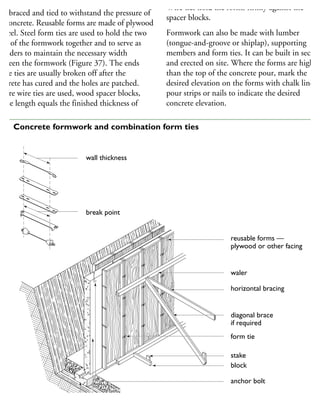
at least 0.32 m2
(3.4 sq. ft.) with no dimension
less than 500 mm (20 in.).
Gable ventRidge vent
airflow
airflow
wind flow
93 High-level roof ventilation
Problem
Select the minimum ceiling joist that is
acceptable for the following conditions:
Conditions
Attic is inaccessible and is not used
for storage.
Ceiling supports the insulation and drywall
interior finish.
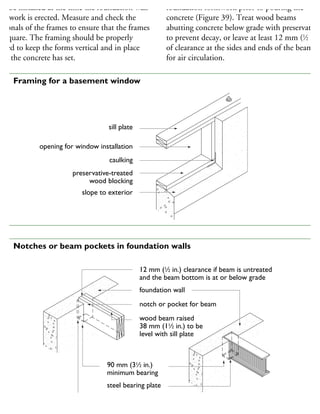
Span is 4.3 m (14 ft. 2 in.).
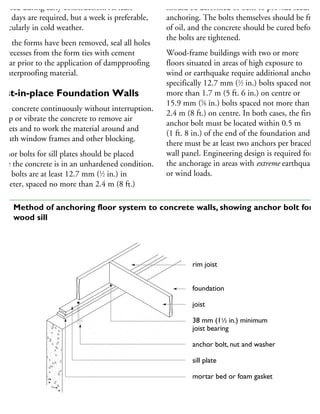
Ceiling joist spacing is 400 mm (16 in.).
Species group and grade specified is
SPF No. 2 and better.
Selection
Use Table 33 (Appendix A).
For this application select 38 × 140 mm
(2 × 6 in.) ceiling joist.
Note: In accordance with the National Building
Code, the metric spacing of wood framing
members is expressed as a “soft” conversions
from the actual imperial dimensions. For example,
spacing of 12, 16 and 24 inches on centre is
converted to 300, 400 and 600 mm on centre,
respectively. In order to suit the imperial sizes
of common 1 220 × 2 440 mm (4 × 8 ft.) panel
products, such as gypsum board, OSB and
plywood, the actual spacing of framing members
is commonly adjusted to 305, 406 and 610 mm
on centre, respectively.
span = 4.3 m (14 ft. 2 in.)
spacing = 400 mm (16 in.)
94 Ceiling joists
CHOOSINGTHE SIZE AND SPACING OF CEILING JOISTS
Problem
Select the smallest dimension rafter that is able
to span the roof as follows.
Conditions
Building is located in Ottawa.
Specified roof snow load is 1.72 kPa
(36 lbs/sq. ft.).
Roof slope is 1:3.
Rafter span is 4.7 m (15 ft. 6 in.).
Species group and grade specified is
SPF No. 2 and better.
Shingle roofing to be used.
Lower ends of the rafter are restrained.
Selection
Use Table 31 (Appendix A).
Acceptable rafters include:
38 × 184 mm (2 × 8 in.) at
300 mm (12 in.) on centre.
38 × 235 mm (2 × 10 in.) at
600 mm (24 in.) on centre.
Note: The rafters must also be deep
enough to accommodate the required
level of insulation.
Rafter span = 4.7 m (15 ft. 6 in.)
3
1
95 Roof rafters
CHOOSINGTHE SIZE AND SPACING OF ROOF RAFTERS
Problem
Select the roof joists that are able to span the
roof as follows.
Conditions
Building is located in Ottawa.
Specified roof snow load is 1.72 kPa
(36 lbs/sq. ft.).
Roof slope is 1 in 3.
Roof joist span is 4.19 m (13 ft. 9 in.).
Species group and grade specified is
SPF No. 2 and better.
Shingle roofing to be used.
Lower ends of the roof joists are restrained.
Selection
Use Table 29 (Appendix A).
Acceptable roof joists include:
38 × 235 mm (2 × 10 in.) at
400 mm (16 in.) on centre.
38 × 286 mm (2 × 12 in.) at
600 mm (24 in.) on centre.
Note: The roof joists must also be deep enough
to accommodate the required level of insulation.
Roof joist span = 4.19 m (13 ft. 9 in.)
3
1
96 Roof joists
CHOOSINGTHE SIZE AND SPACING OF ROOF JOISTS
Energy Efficiency
Use raised heel trusses or rafters/roof joists
that are deep enough to contain high levels
of insulation over exterior walls.
Consider using raised heel trusses that are
deep enough at the eaves to accommodate
higher levels of insulation than required by
the building code.
Consider increasing the depth of roof
framing members or reducing the spacing
between them to accommodate future solar
thermal and photovoltaic panels. Consult a
structural engineer.
Resource Efficiency
Prefabricated roof trusses are widely used
for residential roof framing. Trusses use an
efficient arrangement of select lumber and
metal plates to provide long spans and reduce
the amount of wood required as compared
with framing with lumber rafters and joists.
They provide the following advantages:
Designed to suit local climatic conditions.
Fast to erect leading to earlier close-in.
Ample space for insulation and ventilation.
Available to suit all possible roof shapes.
Eliminate cut-offs at the site.
Affordability
When planned in advance, attic space can
be converted to high-quality living space.
This is economical because it provides
additional space without increasing the
building footprint and makes use of an
existing roof. Consider these factors when
planning attic rooms:
Plan stair locations so access can be
extended to the attic space in the future.
Size ceiling joists as floor joists or design
the attic trusses or rafters for future
habitable space. Use ceiling insulation
that may be moved to the roof assembly
during conversion.
Ensure that the roof assembly will
accommodate sufficient insulation with
a ventilation air space above it.
Steeper roof slopes shed snow and rain
more effectively and enclose more attic
volume than lower slopes.
Rough in or plan for future services such
as electricity, plumbing, heating, ventilation,
cable and telephone.
SUSTAINABLE HOUSING INSIGHT
ROOF SHEATHING
heathing-grade plywood or OSB or lumber
anks are applied over roof trusses, joists or
fters to provide a nailing base for the roof
overing and lateral bracing of the roof framing.
Installing Roof Sheathing
When plywood or OSB is used for roof
sheathing, sheets are laid with the face grain
at right angles to the framing (Figure 97)
and with the joints offset to obtain a good
nails 300 mm (12 in.) o.c. minimum
metal H-clip, blocking or
tongue-and-groove plywood
2-3 mm (1
⁄8 in.) space
nails 150 mm (6 in.) o.c. minimum
grain direction
double top plate
rafter
ceiling joist
97 Application of structural wood-panel roof sheathing
Roof Sheathing and Coverings
hould expansion in the sheathing occur.
he required thicknesses of the plywood,
SB or other roof sheathing are shown in
able 35 (Appendix A). Sheathing thickness
epends on the spacing of the rafters, roof joists
r trusses and whether the edges of the sheets
e supported. To prevent damage to the roof
overing when thinner panels are used, support
he joints with 38 × 38 mm (2 × 2 in. nominal)
ocking nailed securely between the roof
aming members, or by metal H-clips inserted
etween sheets. H-clips are widely used because
stallation is simple and economical.
is good practice to stagger the location of
steners at the edges of adjoining panels.
aple fasteners for 9.5 mm (3
⁄8 in.) roof sheathing
ust be at least 1.6 mm thick, 38.1 mm long
ith a 9.5 mm crown (1
⁄16 in. thick, 11
⁄2 in.
ng with a 3
⁄8 in. crown), and be driven with
he crown parallel to the framing (Table 38 in
ppendix A). Thicker roof sheathing (Table 22
roof to be used as a walking deck.
Lumber sheathing must be laid closed, or edge
to edge (Figure 98) with all ends supported and
joints staggered. For exposure to high wind or
earthquake forces, lumber sheathing must be lai
diagonally or be engineered. The boards are
usually 19 mm (¾ in. nominal) thick, but this
thickness may be reduced to 17 mm (11
⁄16 in.)
where supports are spaced at 400 mm nominal
(16 in. actual) or less on centre.
Boards 184 mm (8 in. nominal) or less in
width are nailed to the framing members with
at least two, 51 mm (2 in.) nails per bearing.
Those wider than 184 mm (8 in. nominal)
should be nailed with at least three, 51 mm
(2 in.) nails per bearing. For areas with high
wind loads, the length of the nails must be
increased to 63 mm (21
⁄2 in.).
Boards wider than 286 mm (12 in. nominal)
should not be used for roof sheathing. For a
wood shingle roof, the roof boards may be space
Spaced method
nailing strip
Closed method
roof boards
joint
rafter
ceiling joist
plate
98 Installation of wood-board roof sheathing
sed in damp climates, permits air movement
nd allows shingles to dry between wettings,
ducing the possibility of decay.
oof Sheathing Details
Where openings occur in the roof structure for
terior chimneys, the roof sheathing and framing
embers should have a clearance of 50 mm
2 in.) on all sides from the finished masonry,
r metal chimney for fire safety (Figure 99).
his clearance may be reduced to 12 mm (1
⁄2 in.)
r exterior masonry chimneys. Roof sheathing
hould be securely nailed to the rafters and
eaders around the opening.
t sheathing at valleys and hips to give a tight
int and securely nail it to the valley or hip
fter (Figure 99). This will provide a solid,
mooth base for flashing (see Chapter 14).
Eave protection is achieved by installing a
membrane along the edge of the roof to
prevent water from entering the roof. It is
not required over unheated garages and
porches, on roofs with a slope of 1:1.5 or
greater or in regions with 3,500 or fewer
heating degree-days. Eave protection should
extend at least 900 mm (36 in.) up the roof
to a point at least 300 mm (12 in.) inside the
inner face of the exterior wall. Eave protection
is installed under the shingle starter course
and is most often a self-adhering bituminous
or roll roofing membrane.
During cold weather, heat loss through the
ceiling insulation combined with sun exposure
may provide enough heat to melt the snow
on a roof but not on the projecting eaves.
Water from the melting snow can freeze and
form ice dams at the eavestrough and roof
rafter
roof sheathing
valley
ridge board
ceiling joist
plate
stud
50 mm (2 in.)
clearance around chimney
header
99 Roof sheathing detail at a valley and at a chimney opening
ow larger (Figure 100).
When a thaw occurs, this ridge of ice causes a
am that prevents melt water from escaping down
he roof. The trapped water backs up under
hingles and could leak into the attic, ceiling and
all. To prevent ice damming from occurring,
o pay attention to air-sealing at the ceiling, the
Provide sufficient ceiling insulation to comply
with building code requirements for your
location, and ensure that the attic space is
vented to the exterior at the eaves.
Skylights should be situated away from the
areas where ice damming is likely. In addition,
eave protection consisting of either type S
minimum 900 mm (36 in.) wide
(measured along the slope) eave
protection extending at least
300 mm (12 in.) (measured
horizontally) beyond inside
face of the wall studs
eave protection directs water
off the roof
snow
trapped water backs up through
the roofing membrane
thin ice slab under snow
melted snow running down
underside of sheathing
heat loss or outdoor
temperature melts snow
ice
ice in eavestrough
inside face of wall
insulation
No eave protection
Eave protection
00 Eave protection
id with the joints lapped at least 100 mm
4 in.) and cemented together. Alternatively,
peel-and-stick bituminous membrane may
e used. Methods of flashing shingled roofs
valleys, chimneys and intersecting walls
e described in Chapter 14.
ROOF COVERINGS
he roof covering should be installed as
on as the sheathing is in place to keep
he building dry and to provide durable,
ater-resistant protection.
he choice of roofing materials may be influenced
y cost, appearance, local code requirements or
cal preferences. Asphalt shingles are commonly
sed on pitched roofs. Prefinished metal,
alvanized steel or aluminum roofing is also
ommon in some regions. At normal roof pitches,
etal roofs will generally shed snow, a desirable
haracteristic in heavy snowfall areas. Roll roofing,
ood shingles, hand-split shakes, sheet metal
nd concrete or clay tile are also used. Built-up
oofing with a gravel topping or cap sheet is
sually used for low-slope roofs.
in Table 36 (Appendix A). The minimum slope
of roofs is 1:6 for asphalt shingles (using a
low-slope application), 1:4 for wood shingles,
and 1:3 for hand-split shakes and asphalt shingle
(using normal application).
Asphalt Shingles on Slopes
1:3 or Greater
Asphalt strip shingles should be a minimum
No. 210 grade. Square-butt strip shingles
are usually 310 × 915 mm (12 × 36 in.) or
335 × 1 000 mm (131
⁄4 × 39 3
⁄8 in.) in size, have
three tabs and should be laid with 130 mm
(5 in.) or 145 mm (5¾ in.) of their width
exposed to the weather. Since there are
approximately 21 to 26 strips in a bundle,
a bundle will cover about 3 m2
(32 sq. ft.).
Store bundles flat so that strips will not curl
when the bundles are opened. Distribute the
storage of shingles on roofs so that the load
capacity of the framing is not exceeded.
The method for installing asphalt shingles
is shown in Figure 101. Install the eave
protection where required. Apply a starter
roof sheathing
eave protection
roofing nail
tar seals
exposure
fascia board
starting course either solid
strip or reversed shingles
with tabs removed
01 Application of asphalt shingles
shingles, so that it extends at least 12 mm
2 in.) beyond the eaves, rakes and fascia board
form a drip edge. Starter strips with metal
rip edges can also be used.
his projection prevents water from backing
p under the shingles by capillary action.
lternatively, a shingle strip laid with the
bs facing up the roof slope may be used
r this purpose. Type M roll roofing may
so be used as a starter strip and, when
ontinued up the roof slope, will also serve
eave protection. Nail the starter strip
ong the bottom edge at 300 mm (12 in.)
tervals. Lay the first course of shingles
ith the butt edge in line with the bottom
the starter strip.
he allowable exposure distance of shingles
ust be respected and depends on the roof
ope and the type and length of shingle used.
halk lines can be used to align the shingle
ourses so that tabs and tab notches are in a
raight line. Asphalt-impregnated building
aper is often placed over the roof sheathing
a shingle underlay, and the lines printed on
he underlay serve as guides to help align the
hingles. Use four large-head roofing nails
er strip that are long enough to penetrate
least 12 mm (1
⁄2 in.) into the roof sheathing.
Most asphalt shingles are self-sealing; a strip
adhesive on the underside of the tab affixes
he shingle to the one beneath.
nterlocking and other special shingles should be
id according to the manufacturer’s directions.
Asphalt Shingles on Low Slopes
f 1:6 to 1:3
are is required to ensure that the roof covering
n a low slope roof is waterproof. Except for
he first two courses, use three thicknesses of
Install starter strips as for higher-sloped roofs,
but apply them over a continuous band of
cement not less than 200 mm (8 in.) wide.
The first course of shingles is then cemented
to the strip with a continuous band of cement
that is 100 mm (4 in.) wider than the shingle
exposure. For example, a 250 mm (10 in.)
band of cement should be used when the shingl
exposure is 150 mm (6 in.). The succeeding
courses of shingles are laid on a band of cement
50 mm (2 in.) wider than the shingle exposure,
so that a 200 mm (8 in.) band is used when
the exposure is 150 mm (6 in.).
To avoid defacing the exposed surface of the
shingles with cement, the band should be
located between 25 and 50 mm (1 and 2 in.)
above the butt edge of each succeeding course
of shingles. Staple or nail each shingle strip
in place with four fasteners located above the
exposed portion of the shingle. If cold-applicatio
cement is used, it should be applied at a rate of
approximately 0.5 L/m2
(1 gal./100 sq. ft.) of
cemented area. Hot-application cement is applie
at a rate of approximately 1 kg/m2
(0.2 lb./sq. ft
of cemented area. This technique is necessary
only for slopes lower than 1:4 since there are
special low-slope shingles of sufficient length to
maintain the three thicknesses necessary at roof
pitches of 1:4 or greater.
Wood Shingles
Western red and white cedar are the principal
species of wood used for shingles because their
heartwoods have high decay resistance and low
shrinkage (they may also be preservative-treated
Other species are also used for shingles but shou
be preservative-treated. Wood shingles common
for houses are No. 1 and No. 2 grade. The widt
of wood shingles varies between a maximum
width of 350 mm (14 in.) and a minimum
oof. As for asphalt shingles, underlay and
oofing felt is not usually required, but eave
rotection is required.
ouble lay the first shingle course with the
pper shingles overlapping the joints in the
ourse beneath and both rows extending
bout 25 mm (1 in.) beyond the fascia boards
the eaves. This will prevent water from
acking up underneath the shingles. Place
hingles 6 mm (1
⁄4 in.) apart to allow for swelling.
ffset the joints between shingles in one course
least 40 mm (19
⁄16 in.) from a joint in the
courses so that the joint in one course is not
in line with the joints in the two previous
courses laid.
Use only two nails per shingle. The distance
of the nails from the butt edge should be
the shingle exposure plus 40 mm (19
⁄16 in.),
with an edge distance of about 20 mm
(13
⁄16 in.). For example, if the shingle exposure
is to be 125 mm (5 in.), a nail should be
165 mm (69
⁄16 in.) from the butt edge of the
shingle being nailed. Use hot-dip galvanized
or other corrosion-resistant shingle nails.
eave protection to extend
at least 300 mm (12 in.)
beyond inside face of wall
roof sheathing
two nails per shingle
20 mm (13
⁄16 in.)
edge distance to nails
wood shingles
exposure
40 mm (19
⁄16 in.) lap
6 mm (1
⁄4 in.) space between shingles
fascia board
first shingle course (double)
project shingles 12 mm (1
⁄2 in.) for drip
02 Installation of wood shingles
avoid problems with cupping and warping.
hakes
edar hand-split shakes must not be less
han 450 mm (18 in.) long and 100 mm
4 in.) wide, and no wider than 350 mm
133
⁄4 in.). The butt thickness should be
etween 9 and 32 mm (3
⁄8 and 11
⁄4 in.)
Figure 103).
hakes may be applied over spaced or closed
oof sheathing. When spaced sheathing is
sed (Figure 98), apply 19 × 89 mm (1 × 4 in.
ominal) or wider strips on centre equal to the
eather exposure at which the shakes are to be
id, but never more than 250 mm (10 in.).
losed roof sheathing is recommended for areas
here wind-driven snow conditions prevail.
(10 in.) for 600 mm (24 in.) long shakes.
The minimum recommended roof pitch for
hand-split shakes is 1:3.
A 900 mm (36 in.) strip of No. 15 roofing
felt should be laid over the sheathing boards
at the eave line. The beginning or starter
course of shakes should be doubled; for extra
texture, it can be tripled. The bottom course
or courses can be 380 mm (15 in.) or 450 mm
(18 in.) shakes.
After each course of shakes is applied,
a 450 mm (18 in.) wide strip of No. 15
roofing felt should be laid over the top portion
of the shakes, extending onto the sheathing.
The bottom edge of the felt should be positione
above the butt at a distance equal to twice the
weather exposure. For example, 600 mm (24 in.
450 mm (18 in.) No. 15 felt laid over
top portion of each course
eave protection
double starter course
fascia
width between 100 mm and 350 mm
(4 in. and 133
⁄4 in.)
length not less than 450 mm (18 in.)
thickness between 9 mm and 32 mm
(3
⁄8 in. and 11
⁄4 in.)
03 Installation of hand-split shakes
20 in.) above the shake butts. Thus, the felt
ill cover the top 100 mm (4 in.) of the shakes
nd extend about 350 mm (15 in.) onto the
heathing (Figure 103).
pace shakes from 6 to 9 mm (1
⁄4 to 3
⁄8 in.) apart.
ffset side joints no less than 40 mm (19
⁄16 in.)
ver the adjacent courses. When straight split
hakes are used, the “froe-end” (the end from
hich the shakes have been split, and which is
moother) should be laid uppermost (towards
he ridge).
inish at Ridge and Hips
he most common type of finish for asphalt
hingles is shown in Figure 104. Asphalt shingle
quares (one third of a strip) are used over the
roofing shingles. Orient the ridge cap to provide
maximum protection from the prevailing wind.
For wood shingles, 150 mm (6 in.) wide
shingles are alternatively lapped and blind-nailed
(Figure 104). Flashing is sometimes used under
a wood-shingle ridge.
Built-up Roofs
Built-up roof coverings should be installed by
specialized roofing installers. A built-up roof
may have three or more layers of roofing felt.
Each layer, including the final layer, is sealed
with tar or asphalt. The surface is then covered
with gravel (embedded in the asphalt or tar) or
with a cap sheet. This covering provides ballast
against wind uplift and protection from the sun
prevailing wind
nail
prevailing wind
No. 15 roofing felt
nail
Asphalt shingles
Wood shingles
04 Finish at ridge and hips
he eave line of projecting roofs is trimmed
ith metal edging or flashing to direct water
way from the fascia board. A gravel stop or cant
rip is used in conjunction with the flashing at
he eaves when the roof is covered with gravel
Figure 105). Where built-up roofing abuts a
all (except a masonry-clad wall), the roofing
mopped to the cant strip and turned up
he wall at least 150 mm (6 in.). The wall
heathing paper and siding is then lapped
ver the roof membrane).
of the masonry and a flashing is installed over
the membrane. A counter-flashing should be
embedded into the mortar joints at least 25 mm
(1 in.), extend down the wall about 150 mm
(6 in.) and lap over the membrane flashing at
least 100 mm (4 in.).
Single-ply membranes can also be used for
low-slope roofs including the small roofs typical
of wood-frame construction.
built-up roofing
metal gravel stop
fascia board
siding
sheathing membrane
50 mm (2 in.) minimum lap
membrane flashing
cant strip
roof sheathing
Eave flashing
and drip
Junction of built
up roof and wall
covered with siding
05 Built-up roof
heet metal roofing is manufactured in
idths from 762 to 914 mm (30 to 36 in.)
nd in any lengths specified by the builder.
arious accessories are needed for hips and
alleys, eave starters and edges (Figure 106).
he minimum slope for sheet metal roofing
1:4, unless the manufacturer provides written
onfirmation that a lower slope has been tested
nd proven. If sheet metal roofing is applied over
paced supports, the sheets need to be designed
support the snow load, and there must be a
upport under each end joint (Figure 106).
the profile of the metal roofing, but should not
be less than 0.33 mm (0.013 in.) for galvanized
steel, 0.46 mm (0.018 in.) for copper or zinc an
0.48 mm (0.019 in.) for aluminum. The require
thicknesses for specific snow loads are provided
by the manufacturer.
Concrete and Clay Tile Roofing
Concrete or clay tile is considerably heavier than
other roofing systems and the roof structure mu
be designed by an engineer to withstand the
additional load.
Nailing strips for sheet
metal roofing
Eave starter
Cottage hipRidge cap
Valley
End wall flashing Side wall flashing
06 Sheet metal roofing
Healthy Indoor Environment
Design and construct the roofing system
to deflect all water away from the roof
and walls, and to prevent water from
infiltrating the living spaces. Moisture in
ceilings, walls and floors can promote
mold growth, which could lead to health
problems among occupants.
Project water-shedding beyond materials
below, and provide drip edges to deflect
water outwards and away from cladding
materials, windows, doors and penetrations.
Energy Efficiency
Consider designing and orienting the roof
so that it may accommodate solar thermal
and/or solar photovoltaic renewable energy
production in future. Choose a roof finish
with a service life equal to or greater than
that of the renewable systems.
Consider increasing roof sheathing thickness
or reducing the spacing between roof
framing members to accommodate future
solar thermal and photovoltaic panels.
Building integrated solar photovoltaics such
as solar roof tiles can produce renewable
energy without compromising the
appearance of the roof.
Resource Efficiency and Affordability
Select the type of roof sheathing that
best suits local requirements for durability,
availability, place of manufacture and
transportation cost.
Select a roof covering that has a good
appearance, is durable and provides the best
balance between initial cost and service life.
Reduce roof waste. Estimate quantities
carefully. As much as possible, make the
dimensions of roof surfaces a multiple of
400 or 600 mm (16 or 24 in.) to reduce
waste from panel roof sheathing.
Metal roofing can be re-used or recycled
after the end of the building’s service life.
Asphalt-fibreglass, metal, and concrete roof
coverings are made from non-renewable
materials. Wood products from a properly
managed forest are renewable.
The service life of asphalt-fibreglass shingles
depends on their quality, roof slope and
their exposure to sun and other weather
conditions. Metal and concrete roof
coverings can last significantly longer.
Wood shingles can also last longer but
this depends on many variables (drainage
and drying, grain direction, susceptibility
to splitting and curling, etc.).
The service life of roof coverings can be
maximized by providing conditions that
allow them to dry between wettings.
This means keeping roofs clear of leaves
and branches and trimming overhanging
branches to permit drying and prevent
the growth of moss.
Concrete roof coverings are very durable
but heavy, and additional roof framing
may be needed to provide adequate
structural support. In areas with a high
earthquake risk, additional structural
reinforcement must be provided to
support heavy roofing materials.
SUSTAINABLE HOUSING INSIGHT
Wall sheathing is the outside covering used over
he wall framework. It is nailed directly to the
all framing members and provides a nailing
ase for some types of siding and backing for
hers. Certain wall sheathing materials such
plywood and OSB are very effective in
roviding lateral bracing.
nsulating sheathing materials will not normally
rovide the required temporary or permanent
racing, and let-in braces of wood or metal are
sed when bracing is needed. Sheathing must
e applied to the gable ends and walls when
he exterior cladding is a type that requires
lid backing (see Figure 68) or intermediate
stening between supports.
everal types of sheathing are used: plywood,
SB, lumber, rigid insulation, fibreboard and
ypsum board. Table 28 (Appendix A) lists types
sheathing and the minimum thickness
ecessary to provide sufficient backing for
xterior finishing materials.
TYPES AND INSTALLATION
OF SHEATHING
OSB is a structural panel made from wood
strands that are bonded together under heat and
pressure with a waterproof, phenolic adhesive.
The strands in the outer faces are oriented along
the longitudinal axis of the panel, giving added
strength and rigidity in the long direction.
The panels are manufactured in sheets 1.2 m
(4 ft.) wide and usually 2.4 m (8 ft.) long.
The O-1 or O-2 designation indicates an
oriented panel, while an R1 designation indicate
a panel containing randomly arranged wafers
(waferboard). It must be at least 7.9 mm (5
⁄16 in.
thick for studs up to 600 mm (24 in.) on centre
and 6.35 mm (1
⁄4 in.) for studs up to 400 mm
(16 in.) on centre. OSB is often identified with
a panel mark rating rather than a thickness.
When using rated OSB, the panel mark rating
must correspond to the stud spacing (Table 28
in Appendix A).
Wall Sheathing and Exterior Finishes
amework before a wall is lifted into position.
his helps maintain squareness, avoids the need
r scaffolding, and speeds construction. Window
penings may be covered by the sheathing panels
hat are cut when window installation occurs.
When sheathing is applied horizontally, vertical
ints should be staggered.
here are two methods of installing sheathing
own to the foundation sill so that it covers
ot only the walls, but the joist header space as
ell. One way is to extend the low end of the
heathing panel beyond the bottom wall plate
nd adding a filler piece at the top. Another way
to use longer 2.74 m (9 ft.) sheathing panels
hat cover the wall down to the sill area. It is
etter to cover the header and sill with the same
all sheet because this reduces air infiltration,
nd when structural panels are in place, it ties
he framing to the sill plates.
eave a 2 to 3 mm (1
⁄8 in.) wide space between
he sheets to permit expansion. Nail the
heathing panels to the framing with nails
along the intermediate supports (Figure 107).
Plywood is a structural panel made from wood
veneers that are glued together so that the grain
direction of each layer is perpendicular to the
adjacent layers. The grain direction of the top
and bottom surfaces is parallel to the length
of the panel. Sheathing grade plywood is made
with waterproof adhesive, unsanded, and may
contain knots. The minimum thickness for
exterior plywood wall sheathing is 7.5 mm
(5
⁄16 in.) for studs 600 mm (24 in.) on centre,
and 6 mm (1
⁄4 in.) for studs up to 400 mm
(16 in.) on centre. Sheets are made 1.22 m
(4 ft.) wide and usually 2.44 m (8 ft.) or
2.74 m (9 ft.) long.
Fibreboard sheathing should be at least 11.1 m
(7
⁄16 in.) thick for studs 600 mm (24 in.) on cent
and 9.5 mm (3
⁄8 in.) for studs 400 mm (16 in.)
on centre. It is made in sheets 1.22 m (4 ft.) wid
and generally 2.44 m (8 ft.) long, and is usually
impregnated with an asphalt material to increase
water resistance.
10 mm (3
⁄8 in.) minimum
edge distance to nail
2-3 mm (1
⁄8 in.) space between sheets
edge nail 150 mm (6 in.) o.c.
nail 300 mm (12 in.) o.c.
window opening
nails
2-3 mm (1
⁄8 in.) space between sheets
edge nail 150 mm (6 in.) o.c.
nail 300 mm (12 in.) o.c.
foundation
Vertical application Horizontal application
07 Vertical and horizontal application of panel-type sheathing
aper or a fibreglass matt facer. It should be
least 12.7 mm (1
⁄2 in.) thick for studs
00 mm (24 in.) on centre and 9.5 mm
8 in.) thick for studs 400 mm (16 in.) on
ntre. It is made in sheets 1.22 m (4 ft.) wide
nd 2.44 m (8 ft.) long. The sheets are applied
orizontally across the studs and nailed to the
aming members.
nsulating sheathing is non-structural. One type
a semi-rigid, glass-fibre panel with an exterior
apour-permeable, waterproof membrane.
nother type is made of mineral fibre and
as no membrane. Other types of rigid panels
e made of expanded polystyrene, extruded
olystyrene, polyurethane, isocyanurate or
henolic material. They are available in different
with a vapour-permeable membrane can serve
as an air barrier when the joints are sealed with
sheathing tape.
Lumber sheathing, which should not be less tha
17 mm (11
⁄16 in.) thick, is used in boards 140 to
286 mm (6 to 12 in. nominal) wide. It is milled
in a shiplap, tongue-and-groove or square-edge
pattern. The boards are nailed at each stud with
two nails for 140 to 184 mm (6 to 8 in.) widths
and three for 235 to 286 mm (10 to 12 in.)
widths. Longer nails are required in areas
susceptible to extreme wind or earthquake force
End joints in the board must be placed over the
centre of the studs with the joints staggered on
different studs. Lumber sheathing may be applie
either horizontally or diagonally (Figure 108)
Horizontal application
joint
foundation
Diagonal application
stud
45º
sheathing
joist
foundation wall
Horizontal and
diagonal wall
lumber sheathing
Diagonal lumber
floor sheathing
08 Lumber sheathing application
uts of the diagonal approach require more
me and materials.
HEATHING MEMBRANE
he sheathing membrane forms part of
second line of defence against the entry
rainwater and may also be, in some
ses, a primary component of the air
arrier system. Since some moisture
ay condense in the wall space in winter,
he sheathing membrane must be capable
allowing it to diffuse outward to prevent
ood decay.
everal types of sheathing membrane are
ommonly used in wood-frame construction:
Building paper is bituminous-impregnated
paper that is produced in 915 mm (36 in.)
wide rolls and applied over the sheathing in
horizontal strips, starting at the bottom of
the frame wall. The paper is stapled to the
sheathing, and each strip is shingle-lapped
over the one beneath it.
Spun-bonded polyolefin (SBPO), also known
as “Housewrap,” is produced in rolls 2.74 m
(9 ft.) wide by up to 45 m (150 ft.) long.
It is applied over the sheathing in horizontal
strips that cover the height of a storey and
is stapled to the sheathing. SBPO is strong
and flexible enough to be turned into window
and door openings and integrated with
the moisture management features at
the openings.
Self-adhesive (“peel-and-stick”) membranes
are used in areas subject to large amounts
of water such as at door and window sills
and heads. Peel-and-stick membranes are
produced in 915 mm (36 in.) wide rolls.
in other sheathing membranes, and seal
the joints between sheathing membranes
and flashings.
Liquid-applied membranes are usually
trowelled over the sheathing, with vertical
grooves for drainage. They provide both
an adhesive and a moisture barrier for the
polystyrene insulation boards used in exterior
insulation finish systems (EIFS).
Refer to Chapter 5 for more information
concerning the design and installation of
moisture barriers.
EXTERIOR CLADDING
Aside from contributing to house appearance
and durability, exterior cladding is an important
part of the water penetration control strategy.
Common types of cladding are made of
metal, vinyl, hardboard, fibre-cement board
or lumber siding; panel siding made of plywood
OSB, hardboard; wood shingles or shakes;
stucco; and masonry cladding such as brick
and stone.
Most siding can be affected by moisture and
must be kept at least 200 mm (8 in.) away from
the ground and at least 50 mm (2 in.) from an
adjoining roof surface. Methods of flashing
over window and door openings and between
different types of wall covering are described
in Chapter 14.
Metal and Vinyl Sidings
Metal and vinyl sidings are factory finished
and manufactured in many shapes and patterns.
They are made to interlock so that only the
upper side of the siding is nailed, while the
bottom edge is locked to the upper part of the
ffit and gable ends as well as windows and
oors, are covered using specially designed
im pieces.
Horizontal Application
repare the wall for cladding by applying the
heathing membrane. In wet and humid coastal
imates, strapping (furring) is required to provide
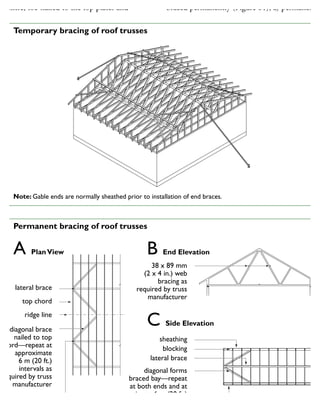
vented space (rainscreen) to facilitate drainage
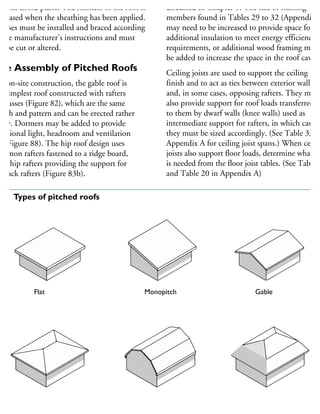
nd drying. Establish a level line around the
ouse for the starter strip, which is normally
aced a minimum of 150 to 200 mm (6 to 8 in.)
bove finished grade. Install all trim pieces for
orners, windows, doors and openings and starter
rips; and then apply the siding in successive
ourses up to the underside of the soffit.
aps of adjacent strips of siding should be
aggered more than 600 mm (24 in.) apart
nd should all face in the same direction away
om the general viewing angle.
changes without buckling, and make sure
to follow the manufacturer’s installation
instructions. Place nails in the centre of the
nail slots, and do not hammer them tight to
the wall.
Vertical Application
Apply the sheathing membrane to prepare
the wall for cladding. Some types of metal
and vinyl siding can be applied directly over
the sheathing membrane. In locations that
require a rainscreen, the strapping (furring)
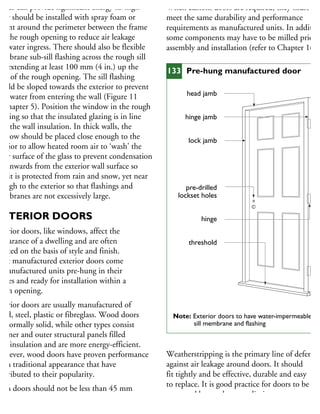
should be applied horizontally and spaced
according to the siding manufacturer’s
recommendations. Provide 10 mm (3
⁄8 in.)
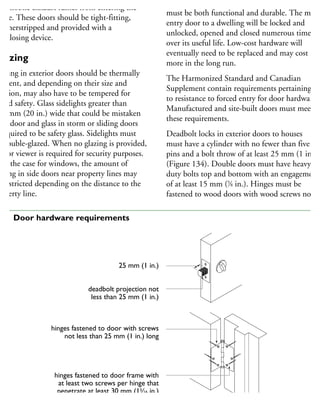
gaps between the butt ends of the strapping
to allow water behind the cladding to drain
downwards and out of the wall.
Metal or vinyl Bevel
Board-on-board
Drop siding
lap
exposure
Tongue-and-groove
withV-joint
09 Types of siding
ardboard horizontal siding (Figure 110) is
ade in a wide range of colours. It often has
plines for interlocking the panels and is installed
a manner similar to metal and vinyl siding.
ome manufacturers require that their hardboard
ding be installed over furring.
umber Siding
umber siding should be sound and free of
notholes, loose knots, checks or splits. Cedar
nd pine are the most commonly used species.
has also become more common to use
ressure-treated lumber for siding or wood
hat has been factory-finished with stain or
aint. The finish should cover the front and
ack surfaces of the siding to reduce water
bsorption. At the time of application, the siding
hould have moisture content similar to what
will be exposed to, that is, between 12 and
8 per cent, depending on a region’s humidity
nd climate.
ainscreen wall assemblies (Figure 110,
r example) are required in wet, humid
imates such as the coastal regions of Canada.
accomplished by mounting the siding on
furring strips nailed on top of the sheathing
membrane to the studs behind.
Corrosion-resistant nails such as hot-dipped
galvanized nails will hold the siding permanentl
and will not disfigure the paint surface. Casing
or siding nails are normally used for this purpos
Drive the heads flush with the face of the siding
If finishing nails are used, set the heads below th
surface and fill the holes with putty. The length
of the nails required depends on the thickness
of the siding and the type of sheathing used
and must be long enough to penetrate at least
25 mm (1 in.) into the nailing support.
Horizontal Application
Bevel or feather-edge siding (see Figure 109)
is installed from the bottom up with the
bottom edge of the lowest course mounted on
a 6 mm (1
⁄4 in.) thick furring strip. Overlap each
succeeding course at least 25 mm (1 in.) over
the lower course. Spacing for the siding should
be planned before the installation starts. Deduct
the minimum lap from the overall width of
sheathing
sheathing membrane
vertical furring strips
horizontal siding
metal starter strip
insect screen
10 Horizontal siding
ad a wall must respect the maximum allowed
xposure. This may lead to an installation in
hich the exposure is less than the maximum
ermitted. Attempt to have the bottom of a
oard placed over the top of a window aligned
ith the top of the window cap (Figure 111).
evel siding must have a butt thickness of at least
2 mm (1
⁄2 in.) for widths of 184 mm (8 in.) or
ss and 14.3 mm (9
⁄16 in.) for widths greater than
84 mm (8 in.). The top edge should not be less
han 5 mm (3
⁄16 in.) thick.
in width. The first board is face-nailed near the
grooved edge and angle-nailed through
the tongue. Each successive board is fitted
tightly to the preceding board and angle-nailed
through the tongue. A nail set is used to finish
off the nailing.
Drop (or matched) siding (see Figure 109)
should be at least 14.3 mm (9
⁄16 in.) thick and
184 mm (8 in. nominal) or less in width. It is
produced in a variety of patterns with matched
or shiplap edges. Stagger the butt joints between
metal flashing
sheathing membrane around
window opening
scribe tight against window
butt joints made over centre
of stud if sheathing omitted
foundation wall
stud
sheathing
siding
bottom plate
header
sill plate
6 mm (1
⁄4 in.) furring strip
extend siding below blocking
200 mm (8 in.) minimum
Installation around a window
Nailing
Starter course
11 Siding installation
eces. Loose joints allow water to get behind
he siding, which can cause paint deterioration
ound the joints and lead to decay at the ends
the boards and inside the wall.
tight, waterproof joint can be made by placing
small bead of caulking compound or putty
ong the end of each board after it is installed,
hen pressing the next board into the compound
nd removing the excess compound. Joints at
indow or door trim can be made the same way.
evel and drop siding should be face-nailed to
ructural sheathing (plywood, OSB or lumber)
r to the wall studs. The size of the nail required
epends on the thickness of the siding and the
pe of sheathing used. A good way to minimize
acking from dimensional change is to drive
ails through the siding just above the lap so
hat they miss the top edge of the piece of siding
eneath (see Figure 111).
ertical Application
umber siding that can be applied vertically
cludes: plain matched boards; patterned
atched boards; square-edge boards covered
the joints with a batten strip; or square-edge
oards spaced apart and covered with another
oard. Vertical siding is usually 14.3 mm (9
⁄16 in.)
hick. Boards should not be wider than 286 mm
12 in. nominal). Vertical boards may be fastened
14.3 mm (9
⁄16 in.) lumber sheathing, 12.5 mm
2 in.) plywood or 12.5 mm (1
⁄2 in.) OSB or
aferboard, or to horizontal furring strips.
he furring (strapping) should be at least
9 × 64 mm (1 × 3 in. nominal) lumber where

he framing is spaced not more than 400 mm
16 in.) on centre or 19 × 89 mm (1 × 4 in.
ominal) lumber where the framing is spaced
ot more than 600 mm (24 in.) on centre.
utt joints in lumber siding should be cut at
are normally wider than the cover boards and
are fastened with one row of nails near the centr
of each board. The cover board is then applied
so that it laps the edges of the underlying boards
at least 25 mm (1 in.). Fasten the cover boards
with one row of nails in the centre. Use a vertica
furring behind so that nailing does not split
the cover board. This arrangement allows all
the boards to adjust to changing moisture
without splitting.
The board-and-batten method uses square-edge
boards that are ordinarily 184 mm (8 in. nomina
or less in width. The boards are applied with the
edges at least 6 mm (1
⁄4 in.) apart and fastened
with one row of nails near the centre of each
board. A batten is used that laps the edges at
least 12 mm (1
⁄2 in.). The batten is fastened with
one row of nails driven in the joint between the
two boards. This allows all boards to adjust to
changing moisture without splitting. Since the
batten also serves to prevent the board edges
from curling outward, the nailing should be
secure and closely spaced.
Plywood Panels
Plywood sheets acceptable for use as a cladding
material are made with a plain or grooved surfac
and are usually applied vertically. The joints ma
be V-grooved or flush or may be covered with
battens. Some products have a resin-impregnate
paper laminated to the face that provides a
smooth, moisture-resistant surface that resists
checking or splitting after painting or staining.
If a rainscreen is not required, plywood
cladding may be applied directly over the
sheathing membrane on unsheathed wall
framing. The minimum thickness used is
6 mm (1
⁄4 in.) for stud spacing of 400 mm
(16 in.) on centre and 8 mm (5
⁄16 in.) for
hickness is 8 mm (5
⁄16 in.) and 11 mm (7
⁄16 in.)
r studs spaced at 400 mm (16 in.) and 600 mm
24 in.), respectively.
ut edges should be protected with a suitable
aint or sealer before installation. A 2 to 3 mm
8 in.) space between the sides and ends of the
anels and butted ends of the battens will permit
xpansion without bulging. Fill vertical joints
ith caulking or cover them with battens.
ash horizontal joints or lap them at least
5 mm (1 in.).
he edges of plywood panels should be
upported and fastened with corrosion-resistant
ails, usually 51 mm (2 in.) long. Space the nails
ot more than 150 mm (6 in.) along the edges
nd 300 mm (12 in.) at intermediate supports.
Hardboard Panels
ardboard is also produced in sheets with
variety of finishes and may be applied over
heathing or to unsheathed walls if a rainscreen
not required. The minimum thickness of
heets should be at least 6 mm (1
⁄4 in.) for
upports that are not more than 400 mm
16 in.) on centre. Fasten the panels to framing
embers or sheathing with corrosion-resistant
300 mm (12 in.) along intermediate supports.
Provide a 2 to 3 mm (1
⁄8 in.) gap between panels
Fibre Cement Board Siding
Fibre cement is a composite material made of
sand, cement and cellulose fibres. In appearance
fibre cement siding most often consists of
overlapping horizontal boards, resembling
wood siding or shingles, and should be installed
in accordance with manufacturer’s directions.
Corner Treatment for Siding
There are several methods used for siding
at corners (Figure 112). For siding applied
horizontally, mitred corners and metal corners
or corner boards are common.
Mitred corners must fit tightly and smoothly
for the full depth of the mitre. To maintain a
tight fit at the mitre, purchase dry siding and
protect it from rain during storage. The siding
can be set in putty or sealant to obtain a tight
joint. At interior corners, siding is usually
butted against a corner strip of 25 or 38 mm
(1 or 11
⁄2 in. nominal) material, depending on
the thickness of the siding.
corner boards
siding
Corner boards Mitred corner Metal corners
12 Outside corner treatment of wood siding
ater is most likely to enter, so that drainage and
rying can occur.
Metal corners that match the colour of the siding
n be used and require less skill than mitred
orners or fitting siding to a corner board.
orner boards are made of 25 or 38 mm
1 or 11
⁄2 in. nominal) material, depending on
he thickness of the siding. The corner boards
e applied against the sheathing with the siding
tted tightly against the narrow edge of the
orner boards. Bed the siding in putty or
alant to obtain a tight joint.
ywood and hardboard are usually lapped at the
orners or fitted to a corner board. Lumber siding
pplied vertically is lapped at the corners.
Wood Shingles and Shakes
Wood shingles or machine-grooved shakes are
metimes used for wall cladding. They are
vailable in lengths of 400, 450 and 600 mm
16, 18 and 24 in.) and may be factory-painted
r stained. Plywood, OSB or lumber sheathing
hould be used under shingles or shakes.
hingles are separated into three grades. The first
ade is composed of clear shingles, all heartwood,
nd all edge grain. The second grade consists of
hingles with clear butts and permits defects in
he part of the shingle that is normally covered in
se. The third grade includes shingles that have
efects other than those permitted in the second
ade and are only suitable for under-coursing.
rst grade material is made in random widths
arying from 65 to 350 mm (21
⁄2 to 14 in.)
nd only a small proportion of the narrow
idth is permitted. Shingles of a uniform width,
nown as dimension shingles, are also available
widths of 100, 125 or 150 mm (4, 5 or 6 in.).
able 37 (Appendix A) shows the commonly
sed exposure and thickness of wood shingles
shingles. When the single-course application is
used, offset the joints in succeeding courses at
least 40 mm (19
⁄16 in.), and ensure that joints
in any two or three courses do not line up.
To obtain deep shadow lines, shingles can
be laid in what is called double-coursing by
using a lower grade shingle under the shingle
exposed to the weather. The exposed shingle
butt extends about 12 mm (1
⁄2 in.) below the
butt of the undercourse. Where double-coursing
is used, wider exposure to the weather is possible
Offset joints in the outer course from joints in
the undercourse by at least 40 mm (19
⁄16 in.).
Fasten shingles and shakes with corrosion-
resistant nails. Shingles up to 200 mm (8 in.)
wide require only two nails and those more than
200 mm (8 in.) wide require three. Drive nails
about 20 mm (13
⁄16 in.) from the edges and
25 mm (1 in.) above the exposure line for
single-course application, and 50 mm (2 in.)
for double coursing.
Stucco Finishes
Stucco is a mixture of Portland cement and
well-graded sand, with hydrated lime or masonr
cement added to make the mixture more plastic
(Table 39 in Appendix A). Other proprietary
stucco mixes are available. Their formulations wi
vary depending on the manufacturer of the mix.
Usually applied in three coats (two base coats an
one finish coat), the stucco is held in place by
stucco mesh or wire lath. A variety of finish coat
are available, from standard coloured cement
finishes to textured acrylics. Acrylic finish coats
are often applied over conventional Portland
cement, with good results. It is important
that the chosen product be durable and
vapour-permeable.
embranes such as spun-bonded polyolefin
n be affected by surfactants (soapy residues).
urfactants can reduce the water repelling
pability of a membrane by changing the
scosity of water and can be produced by a)
rtain types of wood species or b) additives
ixed with the stucco to improve workability
uring installation.
ucco must be kept at least 200 mm (8 in.)
bove finished grade except where it is applied
ver concrete or masonry. In high exposure areas
requent high rainfall and/or strong wind-driven
ins), a furred and drained airspace of no less
han 10 mm (7
⁄16 in.) must be left between the
ucco and the sheathing membrane to create
rainscreen. The top of the cavity should be
ented and baffled to keep rain from blowing
to it. The bottom of the drainage cavity must
e vented to the exterior and be flashed.
einforcing
ucco reinforcing (self-furring welded mesh
r fully primed or galvanized woven mesh)
stretched horizontally over sheathing paper,
ith the joints in the mesh lapped at least
0 mm (2 in.). Reinforce external corners by
xtending the mesh from one side 150 mm
6 in.) around the adjacent corner, or by vertical
rips of reinforcing that extend 150 mm (6 in.)
n either side of the corner.
alvanized steel fasteners should be used
hold the mesh in place such as 3.2 mm
8 in.) diameter nails with heads that are about
1.1 mm (7
⁄16 in.), or 1.98 mm (1
⁄16 in.)
hick staples. Fasteners are spaced 150 mm (6 in.)
ertically and 400 mm (16 in.) horizontally, or
00 mm (4 in.) vertically and 600 mm (24 in.)
orizontally. Other fastening patterns may be
sed, provided there are at least 20 fasteners per
penetrate the sheathing and go into the framing
member (stud or plate) at least 25 mm (1 in.).
Application
A layer of sheathing membrane, lapped 100 mm
(4 in.) at the edges, must be applied over the
sheathing, and all openings must be flashed.
Apply the membrane carefully around window
openings and lap them correctly to ensure that
water does not enter at the window flanges.
Tar-saturated felts or papers should not be used
beneath the stucco but tar-impregnated felts or
paper may be used. The tar can bleed through
the stucco causing unsightly discolouration.
The base coat consists of two layers of stucco.
The first layer or “scratch coat” is applied in
a thickness of 6 mm (1
⁄4 in.) that completely
embeds the wire lath or mesh. The scratch
coat surface must be scored or raked to provide
a bonding key for the second coat. Curing time
will depend on outdoor temperature and weathe
conditions. Up to 48 hours of cure time is
recommended before the second coat is applied.
Just prior to adding the second coat, dampen
the base to ensure a good bond between the
coats. Apply the second coat at least 6 mm
(1
⁄4 in.) thick and firmly trowel it into the scored
surface of the base.
The second coat should be moist-cured for at
least 48 hours and then left to dry for at least fiv
days before the finish coat is applied. The secon
coat should be dampened to ensure a good bond
and the finish coat applied to a depth of at least
3 mm (1
⁄8 in.).
In dry, warm weather, new stucco should be
kept damp to ensure proper curing. In cold
weather, each coat of stucco should be kept at a
temperature of at least 10°C (50°F) for 48 hours
When masonry veneer is used for cladding,
he foundation must include a supporting ledge
r offset wide enough to allow a space at least
concrete form (ICF) foundations may use a
reinforced flare at the top of the foundation to
support the weight of brick veneer (Figure 114).
wall stud
wall sheathing
insulation
air/vapour barrier
bottom plate
subfloor
floor joist
header joist
sill plate
anchor bolt
foundation
sheathing membrane
100 mm (4 in.) lap minimum
25 mm (1 in.) min. air space
behind brick veneer
brick tie nailed through
sheathing to stud
weephole every
800 mm (32 in.) maximum
finish grade
flashing extended up
wall 150 mm (6 in.)
rigid insulation over
sheathing and wall framing
13 Masonry veneer support on foundation wall
flair for brick support
ICF formwork/insulation
14 Support of masonry veneer on an ICF foundation
least 150 mm (6 in.) up the wall behind the
heathing paper. Use corrosion-resistant metal
es nailed to the studs and embedded in the
ortar joints between the masonry to tie the
eneer to the framework. When fastened to
very other stud, they are usually spaced 800 mm
32 in.) apart horizontally and 400 mm (16 in.)
ertically. Alternatively, when fastened to every
ud, they may be spaced 600 mm (24 in.)
orizontally and 500 mm (20 in.) vertically,
r 400 mm (16 in.) horizontally and 600 mm
24 in.) vertically, depending on the stud spacing.
Mortar mix proportions should conform to
hose shown in Table 6 (Appendix A). Lay brick
r stone in a full bed of mortar. Ensure mortar
oes not drop into the space between the veneer
nd sheathing where it will obstruct the cavity
ehind the veneer. Tool outside joints to a
mooth finish to provide maximum resistance
water penetration.
Weep holes serve both venting and drainage
nctions. They should be placed not more than
00 mm (32 in.) apart in the bottom course of
he masonry veneer and above-grade windows
nd doors. This can be done by omitting part
the mortar from the vertical joints, or by
serting plastic tubes in the joints.
Masonry veneer should be at least 75 mm
23
⁄4 in.) thick and masonry less than 90 mm
31
⁄2 in.) thick must have unraked joints.
ricks should be hard, absorb little water and
e manufactured for exposure to the weather.
one veneers should be materials that are
nown to be durable.
Masonry laid during cold weather should be
rotected from freezing until after the mortar
as set. The temperature of the masonry and
ortar should be maintained above 5°C (41°F)
r at least 24 hours after installation.
Systems (EIFS)
Exterior Insulation and Finish Systems (EIFS)
are products for cladding exterior walls.
These cladding systems integrate insulation
with a stucco-like covering. However, EIFS diffe
from stucco in many respects. EIFS incorporate
proprietary constituent components that have
been developed and tested to be compatible
and to fulfill specific building envelope
performance requirements.
The fact that the term EIFS includes the word
“system” is important to note. Proprietary EIFS
rely on their components to interact and
perform as a composite system. This is unique
in comparison to most other cladding materials.
In addition to the ability to provide various
forms and finishes, consider the performance
capabilities offered by EIFS, and select systems
from manufacturers that incorporate features th
meet the project requirements. Considerations
include fire safety, thermal resistance, resistance
to rain penetration, interior air and moisture
control, impact resistance, and other aspects
of durability.
EIFS incorporate the following components:
insulation board fastened mechanically and/o
with an adhesive;
base coat with reinforcement (such as
alkali-resistant glass fibre or coated glass mesh
which typically adheres to the insulation but
sometimes mechanically fastened;
surface finish, sometimes with a primer,
adhered to the base coat; and
joint treatments, drainage accessories, seals an
sealants may also form part of the system.
not considered part of the EIFS. However,
he substrate must be compatible with the EIFS,
nd be properly designed and installed for the
IFS to perform acceptably. EIFS components
e shown in Figure 115.
Barriers that are compatible with EIFS are
provided or recommended by manufacturers.
A typical EIFS arrangement with a vertical joint
between panels is shown in Figure 116.
Substrate* treated with water-resistant coating
Adhesive
Insulation
Base coat with mesh
Finish coat
* Substrate is shown for clarity: it is not part of the EIFS
15 Basic exterior insulation and finish system (EIFS) components
vertical drainage channels in insulation
water resistant barrier membrane (WRB)
finish coat
two-stage joint for pressure equalization
and drainage at joints between panels
insulation
base coat with mesh
16 Components of an exterior insulation and finish system (EIFS)
Continuity of thermal barrier—EIFS can
provide a continuous exterior layer of
insulation for the building envelope. This can
be designed to protect the building and
backup wall structures from temperature
extremes that promote undesirable thermal
movements, and to protect against moisture
damage from condensation. A continuous
thermal barrier helps avoid thermal bridging
and takes advantage of thermal mass (heat
storage in the backup wall). This can improve
energy performance, promoting savings in
both the initial and operating costs related
to heating and cooling equipment.
Lightweight—EIFS have a low weight
(dead load) in comparison to masonry or
concrete cladding. This can reduce structure
costs, particularly where earthquake loads
influence the design.
Water penetration resistance—Properly
applied and maintained EIFS provide good
resistance to rain water penetration. The risk
for rainwater penetration tends to be limited
to joints, interfaces with other materials and
where the lamina is damaged or otherwise
defective. Most EIFS have a drained version
of the system that should be used whenever
the EIFS is likely to be wetted.
Flexibility—In comparison with rigid cladding
systems, many EIFS are relatively flexible and
better able to accommodate substrate flexure
or other movements without cracking.
Appearance—A wide range of finish colours
and textures are available. Complex surface
features are easily incorporated for distinct
and interesting architectural facades.
Reparability—Localized damage or defects in
EIFS can be easily repaired. The appearance
can usually be restored or renewed by
systems to:
improve appearance;
increase thermal performance;
correct problems with rain penetration;
improve resistance to condensation or
entrapped moisture; and
protect the structure and existing cladding
from deterioration.
Some limitations of EIFS are:
Combustibility—Some EIFS incorporate
combustible components and/or combustible
foam plastic insulation that must be
protected as required by the applicable
building code.
Impact resistance—EIFS can be vulnerable
to impact damage as a result of the relatively
thin lamina. At areas where impact damage
is likely, an appropriately reinforced EIFS
product must be used.
Compatibility—Each EIFS constituent
component and materials that connect
to the EIFS must be compatible to assure
acceptable performance. This includes the
lamina, sealants, joint treatments, insulation,
adhesive/fastening, moisture/air/vapour
barriers and substrate. The manufacturer
should be consulted to verify that each
component and material has been tested
to be compatible.
Staining—If exposed to frequent wetting,
staining by mildew growth can result.
Frequent wetting can occur where the
EIFS are not effectively protected from
rain, or in high-humidity climates where
areas are not exposed to direct sunlight
(north elevations, shaded areas, etc.).
systems, EIFS performance is sensitive to
workmanship. Quality control is necessary
to assure the various components are properly
applied and that they effectively work together
to provide the desired performance.
applied EIFS is anticipated and indicated by
field performance, longer term service for
many product formulations has not been
determined. As with all cladding, maintenanc
is a prerequisite to longevity. Problems with
local deterioration or moisture ingress must b
dealt with promptly to achieve an acceptable
service life.
Healthy Indoor Environment
Water entering the house can cause
mold growth.
As the cladding on a house is the first
line of defence against water infiltration,
it should be designed and installed to
resist water penetration. It should also
be maintained in good repair to keep
water out of the wall system.
Energy Efficiency
Consider using high levels of rigid insulation
over the exterior wall framing to reduce
thermal bridging and increase the thermal
insulation in the building envelope.
Exterior Insulation Finish Systems provide
both insulation value and a finished wall
surface, and can effectively reduce thermal
bridging caused by the wall framing.
Resource Efficiency and Affordability
Carefully estimate the amount of cladding
material required including some allowance
for wastage, rejection and future repair.
When ordering materials, investigate the
possibility of returning unused materials for
a partial or full refund.
Store and handle materials to avoid damage.
Reduce cladding and sheathing waste by
applying the 4 Rs: reviewing, reducing,
reusing and recycling materials.
SUSTAINABLE HOUSING INSIGHT
ashings are components of the exterior building
nvelope used to intercept and direct the flow
water to designed drainage paths. They are
quired to minimize the entry of water through
ints and between materials. Flashings are
sually installed wherever there is a discontinuity
n exterior surfaces, such as:
at the top of exposed walls;
at roof-wall junctions;
at roof-chimney junctions;
around penetrations through roofing;
at valleys in roofs;
within walls above and below doors,
windows and other wall penetrations;
at foundation level to lead water out of
the wall cavity; and
at locations where water might enter
the building through a juncture between
two materials.
Flashings are also used to direct water away from
building elements susceptible to deterioration,
staining, erosion, frost damage or corrosion
when exposed to excessive wetting. As discussed
in the previous chapter, flashings are part of the
primary and secondary lines of defence against
rain penetration.
DESIGNING FOR FACTORS
THAT INFLUENCE
WATER FLOW
Flashings must deal with the forces that drive th
flow of water, because water can move upward
and sideways as well as downward. These forces
include gravity, surface tension, capillary action,
kinetic energy and differential pressure.
Flashing
he building should have the following features
deflect water that flows downward from the
ull of gravity:
Surfaces should slope (minimum 6% slope)
in the desired direction of flow, after any
settlement or shrinkage has taken place.
Points of discharge should project out beyond
materials below the flashing, which may
deteriorate when in contact with water or ice.
Terminations on sloped surfaces should be
lapped in shingle fashion so that the natural
direction of the water is over and onto the
next water-shedding surface.
urface Tension
urface tension allows water to flow along
he underside of a surface horizontally, and
ven upward, in narrow spaces such as crevices.
n confined spaces, spacing horizontal surfaces
ore than 9 mm (3
⁄8 in.) apart will prevent the
dherence of water to the two surfaces, thus
lowing the water to drain away. A “drip” edge is
aced at points of discharge to break that surface
nsion and allow water to drop by gravity.
Capillary Action
n porous materials such as concrete and brick,
ater can be drawn into small-diameter openings
less than 5 mm (3
⁄16 in.) by capillary action or
wicking.” The flashing joints should stop this
om occurring. The design of joints and upturns
ust address this particular issue.
Kinetic Energy
ain is often directed at flashings with
gh velocity and significant horizontal
otion. On the upper locations of buildings,
enough to carry the rain drops through even
small unsealed joints or openings. To prevent
this, it is important to overlap and seal all joints
in flashings as well as the joints between the
flashing and the moisture barrier.
Air Pressure and
Pressure Differentials
The combined effect of a positive air pressure
on the outside of a building and a negative
pressure inside, which is called a “pressure
differential,” can drive water through unsealed
or poorly sealed joints. Wind can drive water
through even small holes and gaps. To prevent
this, care must be taken when incorporating
a flashing into the building air barrier.
Alternatively, the joint may be sealed.
Flashings at the top of buildings such as
at parapets are subject to uplift. They should
be anchored to the wall securely and sealed
to prevent water penetration.
TYPES OF FLASHING
Many types of flashing are available, as each
location vulnerable to rain penetration has
different flashing design needs. The most
common types are described below and have
been named to describe how they function
and where they are located.
Base Flashing
When a roof intersects with a wall or another
roof penetration, such as a plumbing vent,
the roofing system should be turned up to
make the junction watertight. The part of
the roofing that is turned up is generally
known as a “base flashing.” It may be made
ee Figures 117 and 118).
Where siding is used as cladding material,
he base flashing is turned up behind the siding.
Where siding abuts a roof, a space of at least
0 mm (2 in.) must be maintained between the
Membrane roofing is more flexible than built-up
roofing, and usually does not require a cant
strip. The roofing membrane should extend at
least 150 mm (6 in.) up the wall and over the
sheathing. Lap the sheathing paper at least
100 mm (4 in.) over the membrane.
Counter Flashing
To prevent water from penetrating behind
the top edge of base flashing, a separate
piece of flashing should be provided over
the top. This flashing is known as “counter
flashing” and is usually made of sheet metal
(see Figure 119).
Counter flashing is also required to protect
the base flashing from impact and UV radiation
damage. This is necessary if the base flashing is
a built-up bituminous roofing membrane
or made of any material that deteriorates in
sunlight. Counter flashings should be installed
counter
flashing
base
flashing
17 Base flashing at roof penetration
sheathing paper
counter flashing
base flashing
cant
roof
18 Base flashing at roof-wall junction saw cut
counter flashing
base flashing
cant
roof
119 Counter flashing
through-wall flashing intercepts and directs
ny water flowing down the cavity to the exterior
ee Figures 120 and 121).
Parapet walls require a metal cap flashing to
prevent water from penetrating from the top
of the wall. Since a cap flashing sheds water,
it must be sloped toward the roof to prevent
staining of the exterior cladding. In addition,
it cannot be made waterproof at the joints,
and requires a secondary, continuous and
waterproof flashing below it.
Dampproof Flashing
Precast concrete, stone masonry or brick units
known as “copings” close the tops of masonry
walls or act as window and door sills. These unit
also serve to prevent water from entering the
top of the wall. If the copings are installed in
sections, water may leak through the joints.
A dampproof flashing should be placed between
the coping and the top of the masonry wall to
prevent water from penetrating into the wall
below (see Figure 122). Using a dampproof
flashing is also good building practice if copings
or sills without joints are used.
flashing
cavity
20 Through-wall flashing
weep holes
through wall
flashing
cavity
21 Through-wall flashing
at foundation
dampproofing
flashing (flexible,
self-adhering
rubberized
asphalt
membrane)
exterior finish
sheathing
122 Dampproof flashing
“valley flashing” should be installed where
wo roof slopes intersect to form a valley.
pen valleys leave the middle of the flashing
xposed (see Figure 123) and must be flashed
ith one layer of sheet metal at least 600 mm
24 in.) wide, or with two layers of roll roofing
stalled over continuous sheathing. The bottom
yer is Type S smooth roll roofing or Type M
ineral surface roofing (mineral surface down),
least 457 mm (18 in.) wide. Centre this
yer on the valley and fasten along the
dges with nails spaced 400 to 450 mm
16 to 18 in.) apart.
pply a 100 mm (4 in.) band of roofing cement
ong the edge of the bottom layer. Then apply
second strip of Type M mineral surface roll
oofing approximately 914 mm (36 in.) wide
ver the first layer (mineral surface up). Fasten
he top layer along the edges with enough nails
hold it in place until the shingles are applied.
he roof shingles stop 100 to 150 mm (4 to
in.) from the centre of the valley, with the
stance increasing from top to bottom.
losed valleys are usually flashed with one
yer of sheet metal. Each course of shingles
continued across the valley to conceal the
ridge, or within 125 mm (5 in.) at the eaves.
Rigid shingles should not be used in closed valle
roofs or roofs that slope less than 1:1.2.
Stepped Flashing or Shingled,
Stepped Base Flashing for
Shingled Roofs
Flashing must be provided at the junction
between a roof and a masonry wall or chimney.
The base flashing should extend at least 150 mm
(6 in.) up the side of the chimney or masonry
veneer. A common approach is to bend the
top of the base flashing and imbed it at least
25 mm (1 in.) into the horizontal masonry joint
The flashing is installed on all sides of a chimne
where it penetrates a roof. This flashing method
does not direct any water that is inside the
masonry to the exterior, and this water may
leak into the chimney or wall.
Stepped base flashing should be installed in
pieces, following the roof slope. The flashing
pieces (also called “flashing squares”) are
overlapped like the roof shingles, and extend
at least 100 mm (4 in.) under the shingles
(Figure 124). One square is used at each shingle
sheet-metal valley flashing
23 Valley flashing
shingle-lapped,
stepped
counter flashing
cut saw
base flashing
ope
dow
n
124 Stepped flashing
nough to give a good lap at the intersection of
he roof and wall, and the head lap should be no
ss than 75 mm (3 in.). A through-wall flashing
hould be installed over the base flashing, through
he full depth of the masonry veneer and air space
ehind, and extended at least 150 mm (6 in.) up
he wall sheathing (Figure 125). The sheathing
embrane should lap at least 75 mm (3 in.)
ver the top of the through-wall flashing.
clad with materials other than masonry.
It should extend up the wall not less than
75 mm (3 in.) behind the sheathing paper.
A saddle or “cricket” should be installed
when the upper side of a chimney is more
than 750 mm (30 in,) wide. These are
constructed out of wood during the roof
framing operations and are usually covered
install building paper (diagonally) to
cover joints in the counter flashing
minimum overlap 75 mm (3 in.)
counter flashing; mechanically fasten
flashing to sheathing with flat-head
galvanized roofing nails at 300 mm
(12 in.) o/c, min. two per segment
100 mm (4 in.) min.
end dam
solder or
install sealant
at all joints
Typical counter flashing segment
stepped base flashing (only
two sections shown for clarity)
shingles lap over flashing. Flashing
interwoven with shingle courses
minimum overlap 100 mm (4 in.)
25 Flashing at wall intersection
he chimney.
saddle is not required if the metal flashing is
rried up both the roof and the chimney to a
eight at least equal to one-sixth the chimney
idth. On roof slopes behind a chimney,
he flashing should extend up the roof and up
he chimney to a point equal in height to the
himney counter flashing, but not less than
50 mm (6 in.) or 11
⁄2 times the shingle exposure.
pen joints or laps should be soldered or sealed,
r a locked joint used.
Drip flashings intercept moisture that has entere
behind the cladding and direct it to the outside,
as well as redirect water flowing down the face
of the wall to prevent it from dripping down
on the materials below. A drip flashing should b
inserted between two different siding materials
(for example, siding above stucco) or between
different materials and components. To prevent
water from entering the joint, a preformed drip
should extend from behind the siding out over
the stucco to a drip at the outside edge (Figure 9
saddle required by
code where width of
upper side of chimney
exceeds 750 mm (30 in.)
one-piece saddle
rubberized asphalt sheet
installed on sheathing
before installation of
metal flashings
26 Chimney flashing
head flashing”), unless they are protected by
n overhang. This flashing is required where the
ertical distance between the window or door
nd the underside of the overhang is more than
ne-quarter the horizontal projection of the
verhang. For example, flashing is required
the top of a window is more than 300 mm
12 in.) below an eave that projects 1.2 m (4 ft.).
ead flashing should extend from the top of the
indow or door to up and under the sheathing
aper or membrane.
Where the sills of windows and doors in exterior
alls are not self-flashing, flashing must be
stalled between the underside of the window
r door and the wall below.
LASHING PERFORMANCE
REQUIREMENTS
he following performance requirements should
e considered when materials to be used as
ashing are selected:
Water Barrier
he flashing assembly that includes materials
nd joints must shed water without allowing
akage. The ability of the flashing to seal and
e detailed to avoid leakage is fundamental.
reating an effective and durable joint seal is
ten difficult. It is good practice to provide
secondary, continuous flexible membrane
ashing under jointed materials such as brick,
one or sheet metal.
Movement Capability
he flashing must be able to accommodate
fferential thermal and structural movements.
s a result, it must either be made of a flexible
aterial or have joints designed to accommodate
service loads, shrinkage and creep of concrete an
wood; and expansion of brick after construction
Terminations
Terminations should be formed into sharp
breaks and to be sufficiently rigid at points of
discharge to adequately project water away from
materials below.
Durability
The flashing must be tough enough to resist
physical damage during construction, as well
as normal wear, which may be related to
the environment and building maintenance
activities. Other factors to be considered
include deterioration from corrosion, metal
incompatibility and galvanic action, deterioratio
due to exposure to ultraviolet (UV) light, extrem
(hot and cold) temperatures, freezing water and
fatigue due to movement.
For more information on durability, consult
the CSA Standard S478-95: Guidelines on
Durability in Buildings. In general, the service
life of flashings must be equal to or more than
that of the wall system or roof system at location
where maintenance or replacement of flashings
would be uneconomical.
Compatibility
Flashings along with their primers and sealants
must all be chemically compatible with adjacent
materials. Avoid contact between dissimilar
metals, as this can lead to galvanic corrosion
when the metals are moist. Water acts as the
electrolyte, and dissimilar metals as electrodes.
Alkaline concrete and mortar aggressively
attack materials such as aluminum and
copper. These materials should be protected
determine whether adjacent materials will
e compatible.
Buildability
reating a flashing detail that is easy to build will
eatly increase the likelihood that the flashing
ill be built to perform acceptably. Ask yourself
he following questions:
Can the installation of flashings be sequenced
to be separate from other construction
activities, or can this be easily incorporated
into other work? For example, coordination
may be required between roofing and masonry
activities at wall-roof junctions.
If the installation of the flashings is to be
incorporated into other work, do the workers
have the required technology and skills?
Is it possible to mould or modify the material
to accommodate unusual conditions, or is it
possible to repair damage?
Maintenance
Besides durability, future maintenance of the
flashing must be considered. Materials or joint
sealants with limited service lives should be
avoided if the flashings are not accessible for
replacement. Metal flashings built into concrete
or masonry cannot be removed to allow for
inspection or repair of the materials underneath
This should be considered when selecting
materials and details for flashings. The flashings
and sealants should be inspected annually,
particularly in areas with the greatest exposure
to water and sunlight.
CSA Standard S478-95: Guidelines on Durability in Buildings,
Canadian Standards Association
RELATED PUBLICATIONS
he proper selection and installation of windows,
oors and skylights is an important aspect of
ood-frame house construction. Although
indows, doors and skylights provide natural
ghting and ventilation and means of egress
the event of emergency, they may allow
oisture to seep into the building envelope,
hich adversely affects the durability. The use
low-performance units and poor installation
n lead to costly repairs.
IGHT, VIEW AND
VENTILATION
Windows and doors with glazing provide light,
ew and ventilation. Except for bedrooms,
hich require windows as a means of egress
om fire, the NBC does not require other rooms
have windows. However, it is recommended
hat certain rooms have windows large enough
admit daylight because of the psychological
enefit they provide occupants and to provide
glazing equal to at least 10 per cent of the area
of a room. Other rooms, such as family rooms,
should have window areas equal to at least
5 per cent of the floor area of the room.
Operable windows provide natural ventilation
and can reduce the need to operate mechanical
ventilation during non-heating seasons.
Windows used for natural ventilation should
have an unobstructed, operable window area
of at least 0.28 m2
(3 sq. ft.). Bathrooms should
have a window area of at least 0.09 m2
(1 sq. ft.)
or else require mechanical ventilation.
Because fire can spread from windows to
adjacent houses, building codes place strict limit
on the amount of glazing in walls that are close
to property lines. Unprotected, glazed openings
are not permitted in walls that are within 1.2 m
(4 ft.) of a property line. The allowable area of
windows in walls more than 1.2 m (4 ft.) from
a property line depends on their distance from
the property line and the area of the wall facing
Windows, Exterior Doors and Skylights
RESISTANCE AND WIND
OAD RESISTANCE
Windows, doors and skylights provide
nvironmental separation (resistance to water
ntry, thermal resistance and airtightness),
erform a structural function by resisting
ind loads, offer stability under operational
ads and withstand forced entry.
Windows, doors and skylights in Canada
e expected to conform to the Harmonized
andard NAFS—North American Fenestration
andard/Specification for windows, doors,
nd skylights (A440-11) and the Canadian
upplement: A440S1-09. It replaces a number
Canadian standards that were previously
ferenced for doors and skylights as well as its
indow predecessor CSA A440. The primary
erformance designator required for a window,
oor or skylight indicates a certain performance
vel and by itself indicates compliance with the
armonized Standard.
he Canadian Supplement contains a checklist
r selecting performance levels for windows,
oors, and skylights. For a window, door or
ylight to bear a label in Canada, it must
eet all of the applicable requirements of both
he Harmonized Standard and the Canadian
upplement, including those pertaining to
rced entry.
he Harmonized Standard includes a
assification system that rates a window,
oor or skylight assembly according to
rtightness, watertightness and wind load
sistance. The ratings achieved are marked
n the window, door or skylight and indicate
he level of performance that can be expected.
uilders must ensure that windows, doors and
ylights are suited for the climates where they
ill be used by determining the test pressure
pressure for a given locale.
ENERGY RATING
Windows, doors and skylights must have
maximum overall thermal transmittance (U)
not greater than the values listed in the NBC
for the applicable heating-degree day category,
or a minimum energy rating not less than
the values listed in the NBC (Table 13 in
Appendix A).
The Energy Rating (ER) is a useful measure
of the overall heating season performance of a
window based on three factors: (1) solar heat
gain; (2) heat loss through frames, spacers and
glass; and (3) air leakage heat loss. The ER ratin
is based on a standard test-size window and
depends on the type of window. For example,
fixed windows typically have a better (higher)
ER rating than operable windows. Because all
windows are evaluated the same way, this rating
method compares the energy performance of
window types made by different manufacturers.
Table 14 compares the thermal efficiencies
of several glass configurations. The window
industry typically uses U value, which is a
measure of thermal transmittance and is the
inverse of R value. A U-value indicates the rate
of heat transfer through an object. The lower
the U-value number, the slower it transfers heat
from a warm area to a cold area.
The energy rating (ER) value is calculated using
a formula that balances a product’s U-value with
its potential solar heat gain coefficient (SHGC)
and its airtightness. The higher the ER number,
the more energy-efficient the product and the
better the product’s thermal performance will
be. It is recommended that new windows have
an ER of at least 25 for operable windows
and at least 33 for fixed windows (or higher,
gon gas fill. Higher-efficiency windows are
commended for the colder regions of Canada.
R is a heating-only rating and therefore
hieving a good ER can sometimes result
situations where overheating is a problem.
he energy benefit from passive solar heat
ain due to a higher ER must be balanced
ith thermal comfort and impact on cooling.
MEANS OF EGRESS
Windows can allow occupants to escape to the
utdoors (provide a means of egress) if fire blocks
he usual exit paths from a room. Each basement
edroom must have at least one outside window
r exterior door) operable from the inside
ithout the use of tools or special knowledge
nd without the need to remove sashes or
ardware. Windows in these locations must have
n unobstructed open portion with no dimension
ss than 380 mm (15 in.) and with an open
ea of at least 0.35 m2
(3.8 sq. ft.) as shown in
gure 127. For example, a casement window
but an awning window of the same size might
not, if the awning hardware restricts the size of
the opening. Awning windows with simple-to-
use and quick-release hardware should provide
acceptable means of egress.
It is recommended that the sill for the escape
window be no higher than 1.5 m (5 ft.) above
the floor. Access to escape windows can be
improved by using built-in furniture as a step.
Where a security grill is installed over a
bedroom window, it must be possible to remove
the grill from the interior without special tools
or knowledge. The window must be capable of
staying open during an emergency without the
need for props or supports. Where a window
opens into a window well, a clearance of at least
760 mm (30 in.) must be provided between
the window and the well to provide room for
a person to exit. For windows that swing out,
the 760 mm (30 in.) requirement is measured
from the edge of the window in its open positio
no dimension less than
380 mm (15 in.)
0.35 m2
(3.8 ft2
) min.
unobstructed
area
Horizontal slider
27 Minimum dimensions for egress windows
Window Types
Many types of windows have different
haracteristics (Figure 128) along with their own
dvantages and disadvantages. Common window
rms are shown in Figure 129.
ixed windows cannot be opened and are
enerally the least expensive. Though they
sually offer the best level of energy efficiency
nd resistance to forced entry, fixed windows
o not provide natural ventilation and cannot
rve as a means of egress in case of fire.
ngle- or double-hung windows open
ertically. A single-hung window has only one
perable sash (usually the bottom unit) and a
area can open for ventilation. Older hung
windows were difficult to open or close and
were prone to air leakage. Modern hung
windows are much improved and provide
good resistance to forced entry.
Horizontal and vertical slider windows
are easy to operate and do not swing into
or obscure living space. Similar to single-
and double-hung windows, only half the
window area of a slider can open for ventilation.
Sliders tend to be less airtight than casement
windows, awning and tilt-and-turn windows
because their weatherstripping is subject
to wear.
Casement Slider Hopper
Awning Tilt-and-turn
Single-hung or Double-hung
28 Common window types
Interior Exterior
edge seal or spacer
glazing
gas fill
low-emissivity
coating
sash
insulating glass
unit (glazing)
sill
129 Window terminology
pes. They are very airtight and offer good
sistance to forced entry. The entire window
ea can be open for ventilation. Casement
indows are well suited to deflecting prevailing
inds into the dwelling for natural ventilation
nd passive cooling. Awning windows have the
dvantage of shedding rain effectively when open.
ilt-and-turn windows are the most flexible of
l window types. Some can act like casement
nd awning windows. Similar to casements,
he entire window area can be open for
entilation. These windows can be very
rtight when fitted with compression-type
osing devices.
Window Performance
everal technological advances have vastly
mproved the performance of windows over
he past 20 years.
Multiple Glass Layers
ondensation on interior window surfaces can be
duced by installing energy-efficient windows,
sing efficient glazing and low-conductivity
ames. Each layer of glass and air space works
increase the inside surface temperature of the
nermost layer of glass, thereby reducing the
otential for condensation. Windows that
parate heated space from unheated space
r the exterior must be at least double-glazed.
ome condensation around the edges of windows
n be expected during cold weather, particularly
the humidity in a house is high. Double-and
iple-glazed windows with glazing that have
w-conductivity edge seals and low-conductivity
ames create warmer interior surface temperatures
nd reduce the potential for condensation.
Much of the heat lost and gained through a
window is due to radiation, a process whereby
warmer objects radiate heat to cooler objects,
as in the case of sunlight passing through a
window and warming objects in a room.
Low-emissivity (low-E) coating is a thin
metallic film deposited on glass that acts as
a mirror to radiate heat back into a room
during cold weather, and back to the outdoors
during hot weather, thereby reducing heating
and cooling bills. It provides a double-glazed
window with about the same energy performanc
as a window with uncoated triple-glazing, but at
less additional cost. Many window manufacture
offer low-E glazing as a standard feature.
Gas Fills
Another innovation is the use of inert gas
between layers of glass in a sealed unit in the
place of air. Inert gases have a higher insulating
value than air because they are heavier, resulting
in lower convective and conductive heat losses
between the panes of glass. Argon is the most
commonly used gas due to its availability and
low cost. Many window manufacturers offer
windows made with inert, gas-sealed units.
Solar Heat Gain Coefficient
The solar heat gain coefficient (SHGC) is the
fraction of incident solar radiation admitted
through a window, both directly transmitted
and absorbed and subsequently released inward.
It is expressed as a number between 0 and 1.
The lower a window’s solar heat gain coefficient
the less solar heat it transmits. Solar heat gain
can provide free heat in the winter but can
also lead to overheating in the summer.
The appropriate SHGC for a given window
depends on the climate, orientation, shading
conditions and other factors.
he thermal efficiency of a sealed glazing
nit can be significantly improved by using
low-conductivity edge spacer between panes
sealed glass units. Aluminum was commonly
sed for window spacers but resulted in cold
eas around the edges of glazing units.
astic, silicone and glass fibre spacers are
ow used to reduce thermal conductivity
the glass edges.
hermally-Efficient Frames
Window frames are typically constructed of
uminum, vinyl (polyvinyl chloride, or PVC),
ood or fibreglass. Each of these materials
as unique properties suited for window
ame construction, but differ in terms of
hermal performance. Aluminum is very
onductive (1,000 times greater than vinyl,
ood or fibreglass) and, therefore, performs
oorly from a thermal efficiency standpoint.
luminum frames must be thermally broken
sing low-conductivity materials such as PVC
r nylon, which improve the performance of
he frame significantly. Frames constructed
wood, PVC and fibreglass all have similar
w-conductivity properties Further improvements
n be made in PVC and fibreglass by filling the
oids and airspaces in the frames with insulation.
While the frames may only make up a small
ortion of the overall window area, the thermal
erformance of a window is significantly
fluenced by the frame selection.
Window Selection
he following list shows window selection factors:
Cost
Warranty
Energy performance
Appearance
In addition, the Harmonized Standard and
Canadian Supplement require manufacturers
to make windows that are:
suitable to local climatic loads (water
penetration resistance, wind load and
airtightness); and
resistant to forced entry.
All manufactured windows and entrance doors
are required to meet forced entry requirements.
All site-built doors and site-built windows locate
within 2 m (6 ft. 6 in.) of the ground must mee
the same requirements.
Window Installation
Windows are usually installed after the
house framing and roof covering have been
completed. Windows should arrive just in
time for installation. If they are delivered early,
store them upright in a secure, dry and level
area in their original packaging with any
temporary bracing left in place. Screens are
susceptible to damage and should be removed,
labelled and stored until construction is complet
Prior to installation, review the manufacturer’s
installation instructions, and ensure that all of
the proper tools, fasteners and materials are
available. Install windows plumb and level withi
the rough opening using shims to position and
temporarily secure them.
Improper window installation can result in
water and air leakage problems and poor
functioning of operable units. Correct window
installation includes lapping and sealing the
water-impermeable sheathing membrane to
the window to form a continuous second
ub-sill area (Figure 130).
epending on the technique used to insulate and
r seal the window breaching (the gap between
he window and the rough opening), air sealing
ay be performed after the window is installed.
he most common technique now involves
window is installed.
The window must be connected to appropriate
materials in the adjacent wall construction to
maintain the continuity of the first and second
planes of protection as well as the air barrier. It i
best to connect the air barrier at the interior edg
A
1. sub-sill slope to exterior
2. install sheathing membrane
below opening
3. install water-
impermeable (WI)
sill membrane
4. install WI corner
reinforcement membrane
B
5. install overlapping
WI membrane
C
6. install vertical sheathing
membrane and wrap
into the side of
the window
7. install horizontal
sheathing membrane
and wrap under header
D
8. install window,
shims and insulation
9. install head flashing
10. install and lap wall
sheathing membrane
11. lap sheathing
membrane
above opening
E
12. install wood
furring
13. install metal
drip edge
14. install siding
15. install backer rod
and exterior and
interior sealants
30 Sequence for window installation
rained to the exterior.
lthough insulating around the frame in the
ough opening can provide some thermal benefit,
does limit the drainage capability. In areas of
gher exposure, the use of sealant in the interior
nd an insulation material that can readily
rain and dry is preferred. When exterior
erimeter insulation is used, space should
ways be provided for drainage and drying
etween the insulation and the cladding.
and trim at the window perimeter. A drip edge i
recommended at the sill because it causes water
to drip free of the cladding below, reducing the
probability of water running back into the
wall assembly and the staining created by
concentrated water run-off.
Figure 131 shows two drip edge arrangements
for a window sill. Attach windows securely to
framing members (Figure 132).
25 mm (1 in.) extension beyond cladding
or inner face of masonry sill
6% slope
drip notch positioned 6 mm (1
⁄4 in.)
beyond cladding or 15 mm (5
⁄8 in.)
beyond inner face of masonry sill
water-impermeable membrane over sloped
subsill or over horizontal sill with dam
31 Window sill
lintel
fill space between window frame
and rough opening from the inside
with foam insulation
or
insulate and air-seal
attach window with wood screws
through sides of window frame only
shims at jamb and sill junctions only
shim at junction of multiple units
jack stud
cripple stud
rough opening dimensions 25 mm (1 in.) larger than outside of window frame to
provide a minimum 12.5 mm (1
⁄2 in.) space between the window frame and rough opening
32 Window attachment
ames can provide significant energy savings.
hey should be installed with spray foam or
alant around the perimeter between the frame
nd the rough opening to reduce air leakage
nd water ingress. There should also be flexible
embrane sub-sill flashing across the rough sill
nd extending at least 100 mm (4 in.) up the
des of the rough opening. The sill flashing
hould be sloped towards the exterior to prevent
ulk water from entering the wall (Figure 11
Chapter 5). Position the window in the rough
pening so that the insulated glazing is in line
ith the wall insulation. In thick walls, the
indow should be placed close enough to the
terior to allow heated room air to ‘wash’ the
ner surface of the glass to prevent condensation
nd inwards from the exterior wall surface so
hat it is protected from rain and snow, yet near
nough to the exterior so that flashings and
embranes are not excessively large.
XTERIOR DOORS
xterior doors, like windows, affect the
ppearance of a dwelling and are often
lected on the basis of style and finish.
Most manufactured exterior doors come
manufactured units pre-hung in their
ames and ready for installation within a
ough opening.
xterior doors are usually manufactured of
ood, steel, plastic or fibreglass. Wood doors
e normally solid, while other types consist
inner and outer structural panels filled
ith insulation and are more energy-efficient.
owever, wood doors have proven performance
nd a traditional appearance that have
ontributed to their popularity.
Main doors should not be less than 45 mm
13
⁄4 in.) thick. They should be at least 810 mm
32 in.) wide and 1.98 m (6 ft. 6 in.) high.
When custom doors are required, they must
meet the same durability and performance
requirements as manufactured units. In addition
some components may have to be milled prior t
assembly and installation (refer to Chapter 16).
Weatherstripping is the primary line of defence
against air leakage around doors. It should
fit tightly and be effective, durable and easy
to replace. It is good practice for doors to be
protected by overhangs to limit exposure to
wetting. Exterior doors should be installed
head jamb
hinge jamb
lock jamb
pre-drilled
lockset holes
hinge
threshold
Note: Exterior doors to have water-impermeable
sill membrane and flashing
133 Pre-hung manufactured door
utomobile exhaust fumes from entering the
ouse. These doors should be tight-fitting,
eatherstripped and provided with a
lf-closing device.
Glazing
lazing in exterior doors should be thermally
ficient, and depending on their size and
cation, may also have to be tempered for
dded safety. Glass sidelights greater than
00 mm (20 in.) wide that could be mistaken
r a door and glass in storm or sliding doors
required to be safety glass. Sidelights must
e double-glazed. When no glazing is provided,
door viewer is required for security purposes.
s is the case for windows, the amount of
azing in side doors near property lines may
e restricted depending on the distance to the
roperty line.
Hardware, in particular locksets and hinges,
must be both functional and durable. The main
entry door to a dwelling will be locked and
unlocked, opened and closed numerous times
over its useful life. Low-cost hardware will
eventually need to be replaced and may cost
more in the long run.
The Harmonized Standard and Canadian
Supplement contain requirements pertaining
to resistance to forced entry for door hardware.
Manufactured and site-built doors must meet
these requirements.
Deadbolt locks in exterior doors to houses
must have a cylinder with no fewer than five
pins and a bolt throw of at least 25 mm (1 in.)
(Figure 134). Double doors must have heavy
duty bolts top and bottom with an engagement
of at least 15 mm (5
⁄8 in.). Hinges must be
fastened to wood doors with wood screws not
25 mm (1 in.)
deadbolt projection not
less than 25 mm (1 in.)
hinges fastened to door with screws
not less than 25 mm (1 in.) long
hinges fastened to door frame with
at least two screws per hinge that
penetrate at least 30 mm (13
⁄16 in.)
into solid wood
34 Door hardware requirements
to solid wood.
esistance to forced entry extends beyond
oor hardware to the framing for the door as
ell. Solid blocking must be provided on both
des of the doorway at lock height between
he jamb for the door and the structural framing
that the jambs resist spreading by force.
dditional screws in the drywall around the
oorframe will also strengthen resistance to
rced entry. Doors conforming to the
armonized Standard and Canadian
upplement meet these requirements.
KYLIGHTS
kylights are windows designed and
anufactured for installation in a roof assembly.
hey must be installed carefully because they
e exposed to severe climatic conditions and
heir remote location makes them difficult to
system in the roof, at the walls of the skylight
opening and at the ceiling.
When the air barrier in a wood-frame building
consists of polyethylene attached to the inside
surface of the roof framing, the polyethylene
must be extended up and sealed to the inside fac
of the skylight frame. When the air barrier is a
membrane on the exterior of the roof sheathing,
it should be sealed to the outside of the skylight
frame and covered with a prefinished metal
flashing to protect it from exposure to ultraviole
radiation, water, snow, ice and mechanical
damage. Some skylight manufacturers supply
step flashings specifically designed for their
units and for a variety of roof slopes and finishes
which enables the installer to effectively integrat
the skylight unit into the roof waterproofing
system. Figure 135 shows a stepped base
flashing for a skylight unit on a pitched roof.
prefinished steel step flashing;
lap at corners by saddle flashing
prefinished sheet-steel saddle
rubberized asphalt sheet (self-sealing)
base flashing turned up and over the curb
35 Stepped flashing for skylight
AAMA/WDMA/CSA 101/I.S.2/A440-11 Standard: NAFS—North American Fenestration
Standard/Specification for windows, doors and skylights,
Canadian Standards Association
CSA A440S1-09: Canadian Supplement to AAMA/WDMA/CSA 101/I.S.2/A440,
NAFS—North American Fenestration Standard/Specification for windows,
doors, and skylights,
Canadian Standards Association
RELATED PUBLICATIONS
Healthy Indoor Environment
Proper window location, size and design can
lead to improved comfort, reduced heat loss
and reduced glare.
Consider using exterior shading for
windows facing south or west to reduce
overheating and glare.
Energy Efficiency
Choose new windows and doors with
durable, tight-fitting seals and gaskets
to reduce heat loss and water ingress.
Tight-fitted and weather stripped storm
doors can reduce heat loss in winter
and heat gain in summer.
Windows and doors are responsible
for much of the heat loss in a house.
Choosing higher-performance windows
and doors should result in substantial
savings in space-heating energy over the
life of the building.
Windows can be customized with low-e
coatings to optimize solar gains and reduce
losses. Window suppliers can advise on the
best choices for the orientation of windows.
SUSTAINABLE HOUSING INSIGHT
xterior trim and millwork include window
nd door trim, soffits, rake, gable and fascia
im that are cut and installed on site and
her accessories such as louvers and shutters
hat are usually shop-manufactured.
rim should be low maintenance, resistant to
eathering, workable and dimensionally stable
ow tendency to warp, shrink or contract
nd expand).
refinished sheet metal is now widely used
ecause it is impermeable to water and can
aintain its finish for many years without
aving to be repainted. Correct detailing and
aling are a must to prevent water from running
ehind the metal trim. When wood trim is
sed, seal the end joints or mitres of lumber
xposed to moisture.
ails or screws used for fastening trim should
e corrosion-resistant, aluminum, galvanized
r stainless steel. They must be compatible
between dissimilar metals, such as aluminum
and steel. If finishing nails are used, they must
be countersunk and then sealed after the prime
coat is applied to prevent rust stains at nail
heads. When the siding is prefinished,
matching pre-painted nails may be used.
EAVE PROJECTION
The eave overhang gives some protection to the
wall. Soffits are usually clad with prefinished
perforated metal or vinyl panels (Figure 136).
These are low maintenance and provide ample
area for venting roof spaces without permitting
insects to enter the space. A narrow eave
projection is sometimes used on roofs with
steep slopes. Soffits should not be used to
vent rainscreen wall spaces.
Plywood was once commonly used for soffits
and still is at times. Apply 6 mm (1
⁄4 in.)
sanded plywood nailed at 150 mm (6 in.)
on centre along the edges and 300 mm (12 in.)
ExteriorTrim and Millwork
ea and install screening. Butt the exterior
nish to the underside of the soffit. Add a fascia
oard to the ends of the trusses or rafters and
pply wood or prefinished metal fascia extending
bout 12 mm (1
⁄2 in.) below the soffit to form
drip edge.
the wall and at the fascia. For plywood soffits,
nail a 19 × 19 mm (1 × 1 in. nominal) strip on
top of the sheathing along the wall. This strip
supports the inner ends of the blocking and
edges of the soffit covering.
Narrow eave protection
truss top chord
truss bottom chord
sheathing membrane
top plate
wall sheathing
wall studs
siding
Wide eave projection
with horizontal soffit
truss top chord
truss bottom chord
sheathing membrane
top plate
wall sheathing
wall studs
siding
roof sheathing
fascia board
pre-finished fascia
vented soffit
roof sheathing
fascia board
pre-finished fascia
vented soffit
Wide eave projection
with sloped soffit
truss top chord
truss bottom chord
sheathing membrane
top plate
wall sheathing
wall studs
siding
roof sheathing
fascia board
pre-finished fascia
vented soffit
36 Roof projection at eaves
horizontal soffits.
AVE AND GABLE-END
NTERSECTIONS
here are several ways to trim eave/gable-end
tersections. The two most common methods
trimming the eaves at the gable end are as
llows (Figure 137):
Slope the gable soffit parallel to the roof,
until it meets the lower fascia. In this
case, the lower soffit is parallel to the
roof slope.
under the lower fascia forms the bottom of
the box, and the sloped soffit of the gable is
parallel to the roof slope.
WINDOW AND DOOR TRIM
As described in Chapter 15, windows and doors
must be installed so that they are sealed to the
air barrier and must be flashed and sealed to
keep water out (see Figure 130 and Figure 138).
Exterior trim is used to conceal gaps around
windows and doors and cover the exposed
ends of the siding. The trim can be wood
or prefinished metal, which is the most
commonly used.
fascia
plywood
soffit at eave
plywood
soffit at rake
fascia
plywood
soffit at eave
plywood
fascia
plywood soffit
fascia
vinyl or
metal soffit at eave
vinyl or
Eave soffit terminated at
wall and gable-end soffit
continued to the fascia
board at the eave
Eave soffit carried out
to the rake rafter and
gable-end soffit returned
down to meet the
eave soffit
Eave soffit sloped
on same plane as
gable-end soffit
Vinyl or metal soffit
and fascia
37 Eave and gable-end intersections (viewed from below)
sheathing membrane
siding
shim
caulking
exterior door trim
check for storm door
19 mm (3
⁄4 in.) board
caulking
concrete step
space filled with insulation,
compressible gasket or
sprayed urethane foam
door jamb
sloped doorsill
water-impermeable
sill membrane
Affordability
Exterior trim and millwork that needs to
be periodically coated with paint, stain or
clear finishes is becoming increasingly less
popular. Chapter 24 provides more detailed
information about the expected service life
of coatings. Exterior, site-coated surfaces
can be expected to require maintenance at
least every three years. Exterior trim and
millwork is often difficult to access without
ladders or other special equipment, further
increasing the cost of maintenance.
Factory-finished metal and other trim
materials are recommended because
their appearance can be maintained for
a long period of time by cleaning rather
than recoating.
Resource Conservation
Exterior trim and millwork that uses
finger-jointed wood, or medium/high density
fibre, board conserves forest products.
SUSTAINABLE HOUSING INSIGHT
airs provide access between floors, and their
onfiguration, clearances and tread design
ust meet or exceed NBC requirements
ensure safety during regular use and safe
nd efficient exiting in the event of fire.
ommon terms for stairs (Figures 139
145) are as follows:
TAIR RISE AND RUN
or safety and ease of use, stairs must comply
ith specific requirements. The rise and the
un must be uniform for all treads in a flight of
airs. For stairs in houses, the minimum run for
ctangular stairs is 210 mm (8¼ in.), and the
aximum is 355 mm (14 in.). The minimum
se is 125 mm (5 in.), and the maximum is
00 mm (8 in.). The minimum tread depth
235 mm (9¼ in.), and the maximum is
55 mm (1315
⁄16 in.).
STAIRWAY DESIGN
Stairs may be site built but are most often factor
manufactured. Stairways in houses can have a
straight, continuous run without an intermediat
landing, or consist of two or more runs with
changes in direction, or may be curved, in which
case special design criteria apply. The minimum
allowable stairway headroom is 1.95 m (6 ft. 5 in
(see Figure 141).
The width of any landing must not be less
than the width of the stairs. Stairs in houses
and houses with a secondary suite must be at
least 860 mm (34 in.) wide measured between
wall faces.
The length of a landing in a house cannot be les
than 860 mm (337
⁄8 in.). The vertical height of
any flight of stairs cannot exceed 3.7 m (12 ft.).
Each step in a flight of stairs should have the
same height.
Stairs
change in direction can be made with landings
r winders. Figure 140 shows different types of
airway designs. If winders are used, they must
rm an angle of either 30°, (three treads for
maximum allowable 90° turn), or 45° (two
treads for a maximum allowable 90° turn).
Only one set of such winders is permitted
between floor levels. Experience has shown
that 30° winders are easier to negotiate than
45° winders.
tread
effective tread depth:
= minimum tread depth
less 15 mm (19
⁄32 in.)
leading edge (nosing):
width of rounded or
bevelled edge = 25 mm (1 in.)
projection = 25 mm (1 in.)
run
rise
riser
long LStraight
narrow U
wide L
wide Udouble L with 30˚ winders
total run
width
total
rise
40 Types of stair layouts
he next step is to figure out the rise and the run.
o establish the rise, measure the exact distance
etween the finished floors of the two storeys
nder consideration and divide by 184 mm
71
⁄4 in.), a comfortable riser height.
his calculation gives the number of risers
eeded over the total rise. Round up the number
hat results from this calculation to the next
hole number. The run is determined by
viding the required number of treads into
he total run of the stairs.
or example, if the total rise is 2 718 mm
107 in.) and if each riser is 184 mm (71
⁄4 in.),
hen 14.8 risers are needed (that is, 2,718/184
14.8). Rounding up, 15 risers will be required
ith each one having a rise of 181 mm (7.13 in.)
hat is, 2,718/15 = 181.2). Alternatively 14 risers
192 mm (7.64 in.) rise would be appropriate
hen space is limited.
and shape of the slope or bevel is limited by the
building code to safeguard against tripping or
slipping (see Figure 139).
Stringers
Treads and risers are supported on stringers
that must be solidly supported, firmly fixed and
properly positioned. The stringers may be either
cut (see Figures 142 and 143) or ploughed to fit
the outline of the treads and risers.
Wood stringers must not be less than 25 mm
(1 in.) thick when they are supported along thei
length or 38 mm (11
⁄2 in.) when supported only
at the top and bottom. The overall depth must b
at least 235 mm (91
⁄4 in.), and when the stringer
is cut out to fit the treads and risers, the portion
remaining (the “effective depth”) must not be le
than 90 mm (31
⁄2 in.) deep.
finish floor level
total rise
1.95 m (6 ft.- 5 in.)
minimum headroom
line of
leading edge
(nosing)
rise
run
90 mm (31
⁄2 in.)
minimum effective depth
stringer
finish floor level
total run
41 Stairway design
ay be increased to 1200 mm (48 in.) where
sers support the front of the treads.
reads must be at least 38 mm (11
⁄2 in.) thick
hen used with open risers. This thickness can be
duced to 25 mm (1 in.) where the stringers are
ot more than 750 mm (29 in.) apart or where
he tread is supported by a closed riser attached
the treads.
space at the back for wedges (see Figure 142).
The treads and risers are fitted into the space
ploughed into the wall stringer and wedged and
glued in place. The wall stringer extends above
the line of the leading edges and serves as trim
that can mate with baseboards at the top and
bottom of the stairs.
tread
leading edge (nosing)
riser
space for wedges
angle block
glued angle block
nail or screw
nail or screw
tread return
moulding
balusters placed
in tread
cut stringer
stringer ploughed out
for stairs and wedges
Risers and treads
tongue and grooved together
Housed stringer
Risers and treads connected
with angle blocks
Cut-out (open) stringer
grain direction for
lumber, plywood
and OSB treads
42 Stair components
oncealed (back) side of both surfaces with screws
dded to reinforce the joint. The bottom of the
ser is attached to the back of the tread with
rews (see Figure 142) or the top of the riser is
ngued into the front of the tread and the back
the tread is tongued into the bottom of the
ext riser (see Figure 142). The wall stringer is
rewed behind the treads and risers
the wall.
the outside stringer is an open stringer,
may be cut out to fit the risers and treads.
he edges of the risers are mitred with the
orresponding edges of the stringer, and the
(see Figure 142).
Basement Stairs
Closed risers are safer but open risers may be
used for basement stairs (see Figure 143).
Exterior Stairs
Exterior stairs can be wood or concrete.
Concrete stairs with more than two risers
must be supported on piers or cantilevered
from the foundation wall. The dimensions
of risers and treads for exterior stairs are the
same as for interior stairs.
Ploughed stringer
stair tread leading edge
(nosing) slightly chamfered
ploughed stringer
Cut-out stringer with an
attached finish member
25 mm (1 in.) thick finished
member on outside of stringer
stair tread
(supported on cut-out)
cut-out stringer
Cut-out stringer
stair tread
(supported on cut-out)
cut-out stringer
43 Basement stairs
4600 psi) and air entrainment of 5 to
per cent. Portions of wood stairs in
ontact with the ground must be treated
ith a wood preservative.
Handrails and Guards
andrails run parallel to stairs to provide support
r stair users. All stairways with three or more
sers in houses must have a handrail from floor
floor, and on both sides if the stair is 1100 mm
43 in.) or wider.
or stairways with enclosing walls, attach the
il brackets to the wall with at least two screws
enetrating at least 32 mm (11
⁄4 in.) into solid
aming members. Space the supports no more
han 1.2 m (4 ft.) apart, with the first and last
upports no more than 300 mm (12 in.) from
he ends of the handrail.
or stairs that are open on one or both sides,
andrails are usually supported by balusters
nd end at newel posts. Handrails should be
etween 800 and 965 mm (32 and 38 in.) above
he tread at the leading edge line, with at least
0 mm (2 in.) clearance from the wall, and be
uilt so that there is no obstruction that could
reak a handhold. The start and end point of
andrails must not obstruct pedestrian traffic
r create a hazard.
uards surround openings to protect against
lling and are required around openings at
ndings, decks and balconies that are more
han 600 mm (24 in.) above the adjacent level,
nd alongside the open portions of stairways.
uards for stairs in houses and houses with a
condary suite must be not less than 900 mm
36 in.) high measured vertically from the
ading edge.
(24 in.) but less than 1800 mm (71 in) above th
ground must be at least 900 mm (36 in.) high.
For decks and landings higher than 1800 mm
(71 in.), guards must be at least 1070 mm
(42 in.) high.
Young children can use horizontal features in
a guard as a ladder, resulting in climbing and
possible falling. Spacing between balusters for
all guards must not permit a 100 mm (4 in.)
sphere from passing through. Some ornamental
features are permitted between guards but must
meet limitations in their form so that they do no
facilitate climbing.
Guards must be strong enough to provide
protection from falls during normal usage.
The specific loads that guards need to resist
to meet this requirement should be verified at
the permit approval stage.
Ramps
When a ramp is required for wheelchair access
(a barrier-free path of travel) to a house or a
house with a secondary suite, certain conditions
must be met so that it is safe and easy to use.
A level area must be provided at the top and the
bottom of the ramp and intermediate level areas
are required every 9 m (29 ft.)or where there is
a change in direction. The clear width must be
at least 870 mm (34¼ in.) and the slope must
not be greater than 1:12. Consult the local
building department for additional information
Energy Efficiency
Ensure that the air barrier system is
continuous and uninterrupted where
stairs occur on exterior walls. To avoid
interruptions, install the air barrier before
the stair is put in place.
SUSTAINABLE HOUSING INSIGHT
About Your House: Accessible Housing by Design—Ramps,
Canada Mortgage and Housing Corporation (product no. 65023)
About Your House: Preventing Falls on Stairs,
Canada Mortgage and Housing Corporation (product no. 63637)
RELATED PUBLICATIONS
CHIMNEYS AND FLUES
chimney is a structure containing a flue or
ues, which route any smoke and gases produced
y a fire or furnace to the outside. A flue is a
aled pipe or channel that may be contained
ithin a chimney or a self-contained unit
dependent of the chimney.
himneys and flues must be capable of
roducing sufficient draft to maintain the
re and remove the products of combustion.
himneys, flues and fireplaces must be
refully built to minimize fire hazards.
deally, they should not be located on
utside walls. Locating them within the
ouse keeps the chimney, flue and fireplace
armer, giving a better draft and reducing
ondensation inside them.
himneys and flues must extend at least
00 mm (36 in.) above the highest point where
he roof meets a chimney and must be at least
chimney extends
at least 600 mm
(2 ft.) above any
part of a roof
within 3 m (10 ft.)
900 mm (3 ft.) minimum
masonry or prefabricated chimney
roof
3 m (10 ft.)
144 Chimney height above the ridge
Chimneys, Flues and Fireplaces
ning complies with oil and gas appliance
stallation codes. Alternatively, the equipment
ay be vented through special gas vents
pproved for this purpose.
flue that serves a fireplace or wood stove
nnot also serve as a flue for a gas- or
ropane-fired furnace.
furnace and hot water tank or a fireplace
nd wood stove can be connected to the same
ue but there are limitations that should be
hecked with the local building department.
flue should be as vertical as possible and
nnot be sloped at an angle of more than
5° from the vertical.
masonry chimneys and factory-built flues.
Masonry Chimneys
A masonry chimney consists of a liner and an
outer wall (Figure 145). Masonry chimneys
must be built on a concrete footing designed
to support the load. The size of the chimney
depends on the number, size and arrangement
of flues. The outer wall of a masonry chimney
must not be less than 75 mm (3 in.) and must
consist of solid masonry units. The NBC
provides minimum sizes for round and
rectangular flues for fireplace chimneys.
sealant around flue
75 mm (3 in.) minimum solid
masonry between linings
75 mm (3 in.) minimum
45 Installation of flue linings
himney height. The rule of thumb is for
he area of the flue opening to be at least
ne-tenth of the area of the fireplace
pening but not less than 200 × 200 mm
8 × 8 in.).
here must be at least 12 mm (1
⁄2 in.)
earance between chimneys and wood
aming for chimneys on exterior walls and
0 mm (2 in.) for interior walls.
he liner must start not less than 200 mm
8 in.) below the lowest flue pipe connection
nd must extend between 50 and 100 mm
2 and 4 in.) above the chimney cap. It can
e clay, concrete, firebrick or metal that
eet established standards. Rectangular
azed clay sections 600 mm (24 in.) long
e most often used. The liner is installed as
he concrete or masonry outer wall is erected.
space of at least 10 mm (7
⁄16 in.) that is
ot filled with mortar is required between
he liner and the surrounding masonry.
he mortar used for the liner must be
uitable for high temperatures.
there are two or more flues in a chimney,
hey should be separated from one another
y at least 75 mm (3 in.) of solid masonry
r concrete, or 90 mm (31
⁄2 in.) of fire
rick where fire-brick liners are used
ee Figure 145).
he top of masonry chimneys should
e capped to keep water away from
asonry joints. The top of the cap should
e sloped away from the flue lining and
xtend beyond the chimney wall at least
5 mm (1 in.) to form a drip edge. A drip
otch should be provided around the
nderside of the cap.
Factory-built flues do not require a foundation
(see Figure 147). The flue sections are comprise
of inner and outer stainless steel liners separated
by insulation. Provide clearance between the
outer wall of the flue and the framing and
provide lateral support with clips attached
to the framing. Use only factory-built flues
that have been tested and approved for use
in Canada.
FIREPLACES
Fireplaces can consist of solid masonry
construction, be factory-built, have steel
inserts for masonry or wood frame construction
or be factory-built natural gas appliances.
Special wood pellet burning appliances are
available as well.
All fireplaces must be designed properly to provid
heat, safely remove combustion by-products and
not pose a fire hazard. Fireplaces should have
an external air supply so that warm, room air
is not used for combustion. A fireplace that is
a solid-fuel-burning appliance requires that
CO alarms be installed in living spaces,
especially near bedrooms.
Masonry Fireplaces
A conventional masonry fireplace has very
low heating efficiency because it draws large
amounts of room air up the flue that must be
replaced by air leakage through the building
envelope elsewhere in the house. This results
in a warm room where the fireplace is located
but a cold house elsewhere due to increased
air leakage. Masonry fireplaces located on an
exterior wall can be a significant source of
alls. The components of a masonry fireplace
e shown in Figure 146.
is convenient but not essential to have an
h dump through which ashes can be dropped
to an ash pit with a cleanout door in the
asement for periodic removal of ashes.
ther design guidelines are:
The distance from the back of the fire
chamber to the face of the fireplace cannot
be less than 300 mm (12 in.);
The upper part of the back should tilt
toward the face of the fireplace for better
burning performance;
The back, which should rise one half the
height of the opening before sloping forward,
should be about two thirds of the opening
in width;
flue lining
smoke chamber
smoke shelf
damper
throat
firebrick
ash dump
back hearth
ash pit
wall finish
mantelshelf
mantel
front hearth
cleanout door
46 Fireplace terms
by projecting the throat toward the face of
the fireplace.
The throat should be as wide and as shallow
as possible, but its area cannot be less than
the area of the flue. The sides of the fireplace
above the throat are drawn together to abut
the flue over the centre of the width of
the fireplace;
The slope of the sides of the smoke chamber
must not be more than 45° from the
vertical: and
Provide an adjustable damper to regulate the
draft. It should be fully closable to minimize
heat loss up the chimney when the fireplace
is not in use.
he lining of the fire chamber must be firebrick
least 50 mm (2 in.) thick and high temperature
ment mortar or steel.
a firebrick liner is used, the back and sides of
he fireplace must be at least 190 mm (8 in.)
hick including the thickness of the masonry
ner. For a steel fireplace liner with an air
rculating chamber surrounding the fire
hamber, the back and sides may be solid
asonry units at least 90 mm (31
⁄2 in.) thick
r hollow units at least 190 mm (8 in.).
he hearth may be even with or above the
oor and consists of two parts: the front or
nish hearth and the back hearth under the fire.
he back hearth is built of firebrick as it must
ithstand more heat. The front hearth guards
gainst flying sparks and is made of reinforced
oncrete at least 100 mm (4 in.) thick that is
ten finished with ceramic tile. The front hearth
ust extend at least 400 mm (16 in.) in front of
he fireplace opening and at least 200 mm (8 in.)
n each side.
and at least 50 mm (2 in.) for wood framing at
an exterior wall.
Factory Built Fireplace Inserts
Factory-made fireplace inserts are available
that reduce the amount of room air used by the
fireplace and achieve better heating performance
To be most effective, the unit should have
draft-tight doors and a separate combustion
air supply from the outside. Airtight wood
stoves are also more efficient than open fireplace
A fireplace insert can be added to a masonry
fireplace to improve safety and efficiency or
can be installed with a framed surround, if the
required clearances are present. Inserts often
have blowers that significantly improve heating
efficiency and circulation. A steel flue liner
is installed inside an existing flue to remove
combustion gases (Figure 146). Special installatio
procedures must be followed. Review installatio
and fire safety requirements with the local
building department. Many if not most
jurisdictions require that solid fuel burning
fireplaces be installed by qualified contractors.
Natural Gas Fireplaces
Natural gas fireplaces have become a more
popular fireplace option in areas served by
natural gas. Aside from being more affordable,
relatively efficient and lightweight, they can
be directly vented through the wall behind
the unit (or up a chimney), can be sealed
combustion (meaning the combustion process
never comes in contact with house air), and can
effectively heat the room where they have
been installed without cooling off the rest
of the house.
A gas-burning, factory-built fireplace
(natural gas or propane) may be installed
in an existing masonry fireplace or in new
eating performance. Where floor space is
mited, natural gas fireplaces can be installed
small cantilevered projections secured to
he side of the house and covered by a small
hed roof.
the building code, the manufacturer’s
requirements and natural gas or propane
installation codes.
chimney cap
storm collar
custom galvanized or pre-finished
metal cap with collar
siding
hold-back insulation minimum
50 mm (2 in.) from chimney
fire-stop spacer
standoff
surround
nailing flange
47 Factory-built fireplace
Wood-burning appliances can provide effective
and affordable home heating with a renewable
energy resource. It is important to select
appropriate appliances, fittings and accessories
that function safely, cleanly and efficiently.
Healthy Indoor Environment
Only use chimneys or flues that have
been certified for use with the appliance.
Follow the manufacturer’s installation
instructions and have the completed
installation inspected by the local building
inspector prior to closing it in.
Wood burning results in the generation
of gases that are harmful to health.
Backdrafting is prevented by not using
spillage-susceptible, fuel-fired appliances
(those that do not have sealed combustion)
or by providing active make-up air to
balance exhaust air flows.
Burning wood releases particulates to
the outdoor environment, which may be
a health concern to people in the vicinity.
Burn dry wood to avoid creosote build-up
that can cause chimney fires.
Store firewood outside to prevent moisture
release inside the house.
Energy Efficiency
Locate the appliance in an area of the
house where its immediate heating output
is needed. Rooms where occupants spend
a great deal of time, such as family rooms
or living rooms, will benefit most from a
wood stove or fireplace. Appliances with
glass doors provide a view of the fire and
improve heating efficiency.
Distribute the heat to other parts of the
home using a forced-air heating system or
a ventilation system with a recirculating
mode of operation.
Use high-efficiency condensing-type
space- and water-heating appliances,
which may be side-wall vented or vented
through the roof. High-efficiency heating
equipment does not lose as much heat
up the flue as lower efficiency equipment.
Resource Efficiency
For wood-burning fireplaces, use wood
from sustainably operated wood lots.
Wood pellets are a fuel source made
from waste wood and are a good
environmental choice. Some pellet
stoves have feed systems that control
the feed rate and heat.
Environmental Responsibility
When selecting a wood-burning
appliance, make sure that the one you
have selected has an Underwriters’
Laboratory certification and is EPA- or
CSA-B415.1-certified to ensure it is
clean-burning, safe and efficient.
Affordability
For people willing to do the extra work
involved in storing and moving wood fuel,
wood heating can be economical compared
with other heating fuels. A backup system
is recommended to maintain minimum
temperatures for times when the house
is not occupied.
SUSTAINABLE HOUSING INSIGHT
he space between the framing members
wood-frame walls, floors and roofs
rovides convenient space for locating
eating, plumbing and electrical services.
Where pipes or wires must be run at right
ngles to the framing, wood members may
e notched or drilled within strict limitations
ithout adversely affecting the structural
rength of an assembly.
CUTTING FRAMING MEMBER
Notching of Lumber Roof,
Ceiling or Floor Joists
Notches made on the upper side of lumber joist
near their ends (Figure 148) must be located
within one-half the joist depth from the edge
of the bearing and their depth cannot be more
than one-third of the joist depth. Notches are
effective depth of joist
maximum 1
⁄3 of joist depth
notch located with 1
⁄2 of
joist depth of support
joist size increased
by depth of notch
notch located away
from support
48 Example of notch limitations
Plumbing, Electrical and Appliances
eeper joists must be used so that the net depth
the notch is equal to or greater than the joist
epth required for the span and load conditions.
he flanges of wood I-joists and truss chords and
eb members must not be notched or cut.
Drilled Holes in Joists
oles drilled in joists must not be larger than
ne-quarter the joist depth or closer than 50 mm
2 in.) to either edge (Figure 149). Holes in
and location.
Notching and Drilling
of Studs
Load-bearing wall studs that have been
notched or drilled to more than one-third of
their depth must be reinforced (Figure 150),
usually with 38 mm (2 in. nominal) lumber
nailed to the side of the studs and extending
joist
pipe
maximum diameter of hole 1
⁄4 of joist depth
50 mm (2 in.) minimum distance
49 Maximum size of holes drilled in joists
40 mm (19
⁄16 in.)
minimum
In partitions, notched studs need not
be reinforced if remaining portion is
In load-bearing walls, notched studs need
not be reinforced if remaining portion is
2
⁄3 stud depth
minimum
50 Notching studs for plumbing
otched partition studs have less than
0 mm (19
⁄16 in.) of solid wood remaining.
Notching and Drilling of
Top Plates
n load-bearing walls, top plates must be
inforced with 38 mm (2 in. nominal)
mber when the solid wood remaining in
he plates is less than 50 mm (2 in.) in width.
required reinforcing must be placed on the
ce of the plate or stud, sheet metal may be
sed to support the wall finish and to protect
he plumbing and electrical wiring from
ypsum board fasteners.
Roof trusses cannot be notched or drilled.
FRAMING FOR
PLUMBING SYSTEMS
The installation of the plumbing system
usually begins after the framing is complete.
The initial work is called “roughing-in” and
includes installing plumbing vents and drains
and all hot and cold water piping that will be
enclosed in the walls and ceilings and under
the basement floor. Since the bathtub must be
installed before the wall finish can be applied,
bathtub installation is usually included in
roughing-in.
bathtub
toilet
soil stack cleanout
washbasin or vanity
use 140 mm (6 in.)
stud wall when soil
stack continues
to upper floors
cleanout
cleanout
floor drain in
front of laundry
tubs in basement
waste disposal piping
system buried under
concrete slab and
directed outside the
building to the
sanitary sewer
exterior face of building
kitchen sink and laundry tub drainage
connected to combined soil and vent stack
51 Kitchen and bathroom in proximity for minimum pipe length
Wherever plumbing reduces insulation or
fects an air barrier, provide additional
sulation on the exterior and ensure that the
r barrier is continuous and uninterrupted.
Connect plumbing fixtures and accessories
after the installation of the interior finish
has been completed. Figures 151 to 154
show typical plumbing arrangements for
wood-frame construction. Check local or
provincial plumbing requirements.
washbasin mounted on
brackets to blocking
or stud wall
washbasin
exposed drainage piping
usually chrome plated or brass
drainage piping from
washbasin connected
to soil stack
holes drilled in bottom plate
and subflooring for hot and
cold water piping
end profile
of bathtub
overflow
outlet
subflooring cut to
receive drain piping
drainage piping
from trap connected
to soil stack
drainage piping
from washbasin
bottom plate
and subflooring
cut for stack
drainage piping
from bathtub
soil stack
toilet
toilet flange secured to subfloor
53 Toilet fixture
e made of 38 × 89 mm (2 × 4 in. nominal) and prevent air leakage into the attic space
vent pipes extend
through to the open air
above the roof
rubber boot
use 140 mm (6 in.) stud partitions
when soil stack continues to
another floor
washbasin
toilet
bathtub
soil stack and
vent pipe
cleanout at basement level
In partitions, holes may be drilled in studs if the
remaining portion totals at least 40 mm (11
⁄2 in.);
otherwise studs must be suitably reinforced.
In load-bearing walls, the remaining portion of the
stud must be at least 2
⁄3 the depth of the studs;
54 Venting for plumbing
ack provides an effective, flexible air seal.
can also move with the vent stack as it
ontracts and expands with the heat of air
ithin it.
be necessary to frame out the joists. To do
this, headers are installed between the joists
(Figure 156). Alternatively, services are
suspended below the joist and enclosed in
a bulkhead or dropped ceiling chase.
polyethylene air and
vapour barrier on
underside of roof framing
wood blocking
between roof framing
seal between vent pipe
flashing and vapour barrier
prefabricated vent pipe flashing
plumbing vent pipe
55 Sealing a plumbing vent below an attic
drainage piping from
washbasin
floor joists
soil stack
header joist
floor flange
drainage piping from toilet
drainage piping from bathtub
56 Framing for soil-stack pipes
OR WIRING
he design and installation of the entire
iring system is usually regulated by a provincial
ectrical code, all of which are closely modelled
n the Canadian Electrical Code published by the
anadian Standards Association. The provincial
check with the local authority when planning a
wiring installation.
Figures 157 and 158 show the typical
arrangement of electrical service entrance
equipment. The limitations for drilling structura
members for wiring are shown in Figure 159.
lead wires
conduit straps
conduit
conduit connector
meter socket
conduit adapter
conduit connector
service panel
entrance ell
57 Typical arrangement of service entrance
weather head
overhead wires
service mast
meter base and meter on exterior
3-wire 120-240V
service height above grade in accordance
with electrical code requirements
grounding wire
main breaker
distribution panel
12.7 mm (1
⁄2 in.) support
panel fixed to wall
Note: Capacity 100 to 200 amps.The service
wires are brought to the main breaker
located in the basement through a rigid
conduit.The main breaker and distribution
panel containing branch circuit protection
(breakers or fuses) are mounted on a
plywood or OSB back-up panel.
floor joists
water supply pipe
fixed to back-up strip
combination service
entrance panel
water meter
ground wire clamped
below shut-off valve
finished basement floor
Note: Ground wire from main entrance panel
must be clamped to the water service
entrance pipe below shut-off valve as
Note: Service equipment must be grounded.
blocking
caulking sealant or
rubber grommet
air barrier membrane
truss chord
air barrier system
and vapour barrier
strapping
drywall ceiling finish
surface mounted receptacle
pendant fitting recommended
to reduce heat build-up
double studs at
door opening
switch box to door framing
with two 100 mm (4 in.) nails
wires stapled as shown
holes drilled in double top plate
to ceiling fixture
1 400 mm (4 ft.–6 in.)
holes drilled in studs for wires
outlet boxes fixed to studs
with two screws or nails
holes for in bottom plate and joists
metal protection plate
fixed to edge of stud
member when required
30 mm (11
⁄4 in.)
holes drilled for wires
Note: When holes are drilled closer
than 30 mm (11
⁄4 in.) to the
edge of a stud, metal protection
plates are required.
ke future needs into account. Modern house
rvices usually require 200 amps.
Wiring is usually started after the house has
een enclosed. The initial phase of wiring is
lled roughing-in and includes the installation
wiring and the boxes for the switches,
ghts and outlets. Figure 160 shows some
pical electrical equipment.
oughing-in is done before the inside finish
applied and usually before insulation is
aced in walls and ceilings. Lighting fixtures,
witches, outlets and cover plates are installed
ter the interior finish and painting operations
e complete.
Plan the location of switches and outlets
carefully. Electrical boxes located in insulated
ceilings and exterior walls must be sealed to
prevent air leakage. Solid plastic airtight
electrical boxes are recommended for use in
exterior walls and ceilings.
Switches are typically located just inside a
door opening so that they may be easily reached
when the door is opened. Switches may activate
a wall outlet for a table or a floor lamp or ceiling
or wall lights. Locate switches about 1.4 m
(4 ft. 6 in.) above the floor, or 1.2 m (4 ft.)
above the floor for a person in a wheelchair
(see About Your House fact sheet Accessible
octagonal boxes for use with
fixture or junction outlets
use approved boxes for switches
and outlets in the house
circuit breakertoggle switch and plateduplex wall outlet and plate
60 Typical electrical equipment
witches and outlets).
hree-way switches can control power from
ore than one location. For example, a living
oom light could have a switch near one entrance
nd one at another door leading to the kitchen
r to a hallway.
n houses with two or more storeys, three-way
witches must be provided at the bottom and
the top of the stairway to control stairway
ghting. Three-way switches are required
r stairs to finished basements, but not for
nfinished basements.
moke Alarms
he National Building Code and most
cal building codes require early-warning,
re- and smoke-detecting devices in dwellings.
moke alarms must be located in or near each
edroom on each storey including basements
nd mounted on or near the ceiling.
electrical circuit. There must be no disconnect
switch between the smoke alarm and the
electrical service panel, and the circuit should
not be connected to a wall outlet.
Where electric power is not available,
battery-powered smoke alarms may be used.
These units are designed to operate for at least
one year and provide a seven-day trouble signal
when the battery runs down.
Smoke alarms in houses are not required to
be interconnected such that one alarm activates
one or more others. However, smoke alarms in
a house with a secondary suite are required to
be wired so that the activation of any one alarm
causes all alarms in both suites to sound.
Only install smoke alarms that are certified
by a recognized testing agency such as the
Underwriters’ Laboratories of Canada.
Healthy Indoor Environment
Smoke alarms should be wired directly
to the electrical panel so they always
function, which renders battery
replacement unnecessary.
Additional smoke alarms in bedrooms
can improve safety, especially when
occupants are asleep.
Energy Efficiency
Select appliances that have low energy
needs as determined by the EnerGuide
rating, or ENERGY STAR label.
Maximize natural lighting from windows,
skylights and light tubes to reduce the
need for artificial lighting during the day.
Use compact fluorescent or light-emitting
diode (LED) bulbs to reduce the amount
of electricity needed for lighting.
Consider installing a drain water heat
recovery stack on shower drain piping.
Install an “all-off” master switch to turn
off non-essential power when there are
no occupants in the house. This can
reduce phantom electrical loads from
appliances and equipment that do not
require continuous power.
SUSTAINABLE HOUSING INSIGHT
About Your House: Accessible Housing by Design—Living Spaces,
Canada Mortgage and Housing Corporation (product no. 66095)
2010 National Plumbing Code of Canada,
National Research Council of Canada
Canadian Electrical Code,
Canadian Standards Association, product no. C22.1
RELATED PUBLICATIONS
Consider making the house ready to accept
solar hot water and photovoltaic systems.
Environmental Responsibility
Select water-conserving toilets,
showerheads, dishwashers and clothes
washers. Low consumption (6 L) and
dual-flush toilets use the least amount
of water for flushing. Water-saving
showerheads and showerheads with a
built-in on/off valve use about half the
water of conventional types.
Water-conserving fixtures and appliances
also reduce the energy needed for providing
potable water and treating waste water.
Consider using landscaping materials or
grass species that need less watering than
standard lawns.
ouses are equipped with a number of space
onditioning systems that maintain healthy
nd comfortable indoor conditions.
pace heating systems not only keep indoor
r temperatures at a comfortable level throughout
old winter months, but they also prevent
umbing systems from freezing. Space heating
stems also help control indoor moisture
onditions by keeping the relative humidity
the indoor air low enough (and surfaces
arm enough) to prevent condensation.
pace cooling systems (typically referred to
“air conditioning” systems) maintain comfort
onditions through hot summer months and
n also help control indoor moisture conditions
y reducing humidity levels.
entilation systems exchange indoor air
ith outdoor air and help control moisture
nd odours.
umidification systems are used to add
oisture to the indoor air–particularly in
Dehumidification systems are used to remove
moisture from the indoor air, usually during
hot and humid summers.
Air filtration systems are used to remove
particulates from the air to protect occupants
from inhaling potentially problematic particulate
reduce the proliferation of dust throughout
the house and protect air handling equipment
from dust build-up.
While a house must have a space heating
and ventilation system, the other systems are
optional and are based on occupant demand
or local trends that may dictate the amenities
that should be provided in a house to make
it marketable. While each of the systems may
be separate, more often than not, they are
integrated. For example, it is common to
combine a space heating and cooling system—
particularly when a forced air system is used.
It is also possible to integrate ventilation and
humidification systems with forced air space
heating systems. Dehumidification systems
Space Conditioning Systems
nd identify the wood frame construction
quired to accommodate installation,
peration and maintenance.
PACE HEATING SYSTEMS
n Canada, natural gas, oil and electricity are the
ost commonly used energy sources. The most
ommon space heating systems are: forced-air
ectric, forced-air fuel-fired, electric baseboard
nd forced-flow hot-water (hydronic) heating,
hich includes in-floor radiant heating systems,
diators and baseboard convectors. Air, ground
water-source heat pumps (typically with electric
ackup heat) coupled with forced air systems are
so available. Solid fuel-burning (wood or wood
ellet) furnaces and wood stoves are also used,
articularly in remote locations where other
ptions are limited. Natural gas fireplaces have
ecome increasingly common, though they
e often supplied for aesthetic and local room
omfort purposes, not for house-wide heating.
pace heating systems are typically installed
y qualified mechanical or electrical contractors
hat are properly trained and certified for the
ork involved. A knowledgeable contractor
and manufacturers’ instructions.
For builders, the main consideration for space
heating systems in wood frame construction is
to ensure required clearances between heating
appliances, piping and ductwork and wood
framing and other combustible materials. Builde
must also provide space for the heating applianc
and the supply and return air duct system for
forced-air systems or supply and return piping
for hydronic systems. Wood framing is often
required to support heating system components
and additional support may have to be provided
beyond that simply needed to frame the house.
Accommodations for venting fuel-fired applianc
directly through exterior walls or up through
chimneys must also be carefully planned
and constructed to ensure safe, effective and
efficient operation.
Forced Air Heating Systems
Forced-air heating systems are comprised of
a heating appliance such as a furnace, fan-coil,
or heat pump and duct work to carry the heated
air to all rooms in the house and return cooler
air back to the heating appliance. Figure 161
dining room
basement
up to toe-space in
kitchen counter
return air duct
copper tubing in conduit
encased in concrete floor
and connected to burner
oil feed and vent pipes
oil storage tank
bedrooms
basement
bedroom
61 Basement plan showing typical heating layout
stem. Work with the heating contractor early
the framing process to map out the location
the furnace, venting system (if needed) as well
the supply and return air branches, trunk ducts
nd plenums. If space is provided through and
ound floor joists and wall framing, and if
ny additional supportive framing needed as
onstruction proceeds is planned, far less cutting
nd repairs will be required later to accommodate
he air distribution system.
Furnaces heat houses by transferring the heat
produced from burning natural gas, propane
or oil, electric elements, or hydronic coils to air
that is distributed throughout the house and
circulated within each room by a supply and
return duct system. Furnaces are controlled
by thermostats installed in a central location.
Today, furnaces tend to be quite compact,
lightweight, and are easily installed in the
basement or crawl space, or in purpose-built
service rooms.
baseboard return air grille
return air—one or two joist
spaces with bottom and end
boxed in with sheet metal
wiring from relay control box
extended to thermostatic wall
control outlet generally located
1.2 m (4 ft.) off first floor level
furnace wiring extended to emergency
switch box normally fixed to underside of
floor joists at bottom of basement stairs
warm air supply
warm air takeoff
floor joists
supply trunk
strap supports
flue pipe
relay control box
heating unit
electrical conduit
fastened to
heating unit
Note: Maintain clearance between conbustible materials and heating appliances in accordance with
62 Isometric view of forced-air heating system
utside. Therefore, a hole of sufficient size
as to be roughed into the foundation wall,
m (header) joist or exterior wall through
hich a combustion air duct can be passed.
is preferable to provide this hole when framing
that the duct can be properly integrated into
he air and vapour barrier, exterior moisture
rotection and insulation systems of the building
nvelope. If not provided during construction,
he mechanical contractor may damage the wall
hen the combustion heating appliance air duct
installed. The air intake must be situated where
now and drifting snow will not block airflow
to the combustion air duct. The air intake
ust also be located to avoid contamination
om local sources such as automobile exhaust
r other exhaust vents including those serving
othes dryers, central vacuums or other fuel-fired
ppliances. Except for approved concentric
ents, the separation between the air intake
nd other vents must be at least 900 mm
36 in. ). Concentric vents must be installed
accordance with CAN/CSA B149.1 Natural
as and Propane Installation Code.
uel-fired systems must also be connected
a combustion venting system that is either
de-wall vented or vented through a chimney.
or side-wall vented systems, plan where the
ent must be passed through the foundation
all, floor rim (header) joist or exterior wall.
ertain clearances from combustible material
ay be required if the vent conducts hot
ombustion gases. As is the case with the
ombustion air duct, it is important that the
ole for the combustion venting system be
oughed in such that the vent is easy to install
nd that there is continuity of the air and vapour
arrier systems, exterior moisture protection and
sulation around the opening. Some fuel-fired
ppliances use one-piece concentric, combustion
r/combustion venting equipment that helps
passage of the chimney or flue vent up through
the house to the roof. Provisions must be made
to ensure the continuity of the attic air and
vapour barrier and insulation around the
chimney or flue in such a way that also respects
the clearances required between the chimney or
flue and combustible materials. Framed chimne
chases may also be provided up an exterior wall,
though the cooler location may undermine
venting performance under certain conditions
(see Chapter 18).
Earthquake vibrations can rupture fuel
supply lines to heating appliances and cause
appliances to tip or move enough to break
fuel lines. In areas subject to earthquake
vibration, appliances must be secured (strapped
or braced) to the structure to resist overturning
and displacement. Even in areas not subject to
earthquakes, local regulations may require the
securing of appliances. Therefore, it may be
necessary to rough in framing or other structura
support prior to the installation of the heating
appliance. If they are located on an exterior
wall, also provide the air and vapour barrier
and thermal insulation in the support framing
so continuity of all materials can be maintained
when the rest of the wall area is finished.
Sometimes humidification equipment may be
added to the forced air system. It is typically
connected to the furnace supply and return
plenums so that it can add moisture to the air
being circulated around the house through the
forced air system. When a humidifier is added to
maintain specific humidity levels, an automatic
humidity control device must be provided.
Ductwork and Grilles
The main supply and return air plenums
connected to the furnace are typically suspended
immediately below the main storey floor joists.
turn air ducts can take advantage of stud
nd floor joist spaces to transfer air back to the
rnace. When an enclosed joist or stud space
used as a return air duct, non-combustible
aterial such as sheet metal should be used
line the joist space that is within 600 mm
24 in.) of the furnace, under floor registers
nd at the bottom of vertical ducts. It should
e noted that framed spaces tend to be very
aky and therefore may not return air from
he different rooms of the house as expected.
ealed sheet metal return ducts provide more
redictable and better performance but are less
ommonly provided due to increased material
nd installation costs.
Where ducts cannot be concealed within the
oor and wall framing, bulkhead chases—typically
igned along wall-ceiling intersections—can
e constructed to conceal the ducts where they
ass through finished rooms. Such framing work
hould be considered at the design stage to avoid
rge and unsightly bulkheads in locations that
trude too much on room space and head room.
rovisions such as access hatches must be made
the framing and room finishes for access to
ny dampers or other adjustable fittings installed
the ductwork system.
he spread of fire is a major concern for
ucts and associated fittings. Heating ducts,
uct connectors, associated fittings and plenums
ust be constructed of steel, aluminum alloy,
opper or appropriate non-combustible material.
n exception is made for systems where the air
mperature will not exceed 120°C (250°F),
hich is typical for most residential space heating
stems. This means that polyvinylchloride
pe-type ducts are permitted for high velocity
eating systems.
eturn air grilles are usually located on inside
partition that houses a supply heating or return
air duct is supported on doubled floor joists,
the joists should be separated by blocking to
provide room for the duct and to avoid cutting
framing members.
A lintel is required when a stud has to be cut to
accommodate a large return air grille. It is frame
in the same way as the door opening shown in
Figure 69. Even if no studs are cut, blocking mu
be tightly secured in place within the stud space
above the return air grille opening to ensure tha
air is returned from the room and not the wall
space above. Return air grilles may also be locate
at high-wall locations near the ceiling. In this
case, the wall framing must accommodate the
cross section of the return air duct branch from
ceiling to floor. Blocking above the return air
grille is not required due to the presence of the
wall top plate.
A return air grille should be provided in each
bedroom, living room, dining room, family room
and any other space where people may spend
time—apart from kitchens and bathrooms. As a
minimum, one or two return air grilles can be
located in central locations on each floor, but th
airflow route between the supply air diffusers
and return air grilles can become restricted
when interior doors are closed. Restricted airflow
routes can reduce the amount of heat delivered
to a room, which, in turn, can cause comfort
and condensation problems within the room.
It can also cause unfavourable air pressures
between rooms and across the building envelope
Transom grilles installed above doorways, or air
transfer grilles installed in interior doors, can he
prevent these problems but sound transmission
and privacy problems may result.
The supply air ducts running between the
main supply air trunk duct and each room
ch room. Plan the framing to allow the
upply ducts to be easily run through joist
paces and partition walls in as direct a path
possible between the furnace trunk duct and
he rooms served. This will help ensure that
roper airflows are achieved. Supply registers
e usually located in the floor under windows
r along outside walls to help counter heat
sses where they occur. Blocking may be
quired to support the edges of the floor
pening around a register.
igh-velocity, forced-air systems that use
mall diameter flexible duct to deliver air
om the furnace to each room are available.
he smaller diameter ducts can be run more
sily through wall and floor framing with
ss cutting and blocking. Other framing
rovisions are similar to conventional forced
r systems.
lthough it is always preferable to run supply
nd return air ducting within the building
nvelope, any ducts and plenums forming part
a heating, ventilating or air conditioning
stem that are located outside the building
nvelope must be sealed and insulated to the
me level required for exterior walls.
lectric Baseboard
Heating Systems
lectric baseboard heating systems are common
some provinces and territories. They are
stalled at the wall-floor intersection in all
ooms, typically under windows. Most rooms
ave thermostats located on interior walls
control the baseboard. As baseboards are
onnected to the electrical system by conventional
iring, there are few implications for wood frame
onstruction. It may be necessary to ensure
here are an adequate number of studs in the
alls behind a baseboard to allow it to be firmly
Heating Systems
Whether or not the hot water system is an
in-floor radiant heating system, baseboard
convectors or radiators, the supply and return
piping is relatively small so preplanning the
structural framing layout to accommodate
the pipes is not usually necessary.
Similar to electric baseboards, hydronic
baseboard convectors are usually located under
windows along outside walls so that warm air
reaches the outside walls. Baseboard convectors
are positioned on the surface of the wall, and
studs or joists need not be cut to install them.
An adequate number of studs or blocking should
be present in the wall behind the convector so
that it can be securely fastened to the wall.
In-floor radiant heating systems consist of
tubing that is either secured to the underside
of the subfloor or embedded in a thin layer
of lightweight concrete poured over the floor.
Specialized subflooring is available in which
the tubing can be run to eliminate the need
for concrete topping.
Service water heaters, boilers and storage
tanks serving hydronic heating systems must
be insulated. The supply and return pipes
connected to the heater or storage tank must
also be insulated. Service water heating systems
with storage tanks must also be equipped with
automatic temperature controls that can be
adjusted between the lowest and the highest
acceptable temperature settings for the
intended use.
Space Heating System Control
Space heating systems must be controlled by
at least one thermostatic control that responds
to the temperature within the heated space.
Except for manually fuelled, solid fuel-fired
appliances, the thermostat must be capable
eat and cool simultaneously.
AIR CONDITIONING SYSTEMS
nce air conditioning (space cooling) systems
e generally coupled with forced air heating
stems, the wood framing considerations
e much the same. For houses with electric
aseboard or hydronic heating, air conditioning
n be provided by a compact, quiet fan-coil
stalled in each room (or in as many or few
ooms as desired) that is connected to an outdoor
ondenser unit. Such systems, often referred
as “mini-split systems”, provide local cooling
ut, if strategically placed in a few central
cations, can cool an entire house.
common feature of most residential
r conditioning systems is the outdoor condenser
the supply and return refrigerant piping between
the indoor and outdoor units. Advanced plannin
with the mechanical contractor should determin
if structural support is to be added to the exterio
wall framing to accommodate a wall-mounted
condenser unit and the location of the conduit
for the refrigerant piping.
Air conditioning systems are typically controlled
by the same thermostat that controls the space
heating system. Mini-split systems are controlled
by unit-mounted thermostats (on the indoor
fan-coil unit) or handheld remote controls.
VENTILATION SYSTEMS
House ventilation is needed to maintain
acceptable indoor air quality (IAQ) and to
control indoor moisture levels. Air quality is
important for human health and well-being.
High interior moisture levels can promote
the growth of mold and mildew and adversely
affect human health and the durability of the
building envelope.
Ventilation can be provided naturally, typically
through operable windows, and mechanically
with fans and other equipment. Non-heating
season ventilation can be provided either natural
or mechanically. Heating season ventilation
must be provided by a mechanical system.
Houses must be designed to make efficient
use of energy by using effective heating,
ventilating and air conditioning equipment
that is properly sized. Install mechanical
equipment inside the plane of insulation or
ensure the equipment is suited for installation
outdoors or in unheated space.
NATURAL VENTILATION
Natural ventilation through operable windows
Carbon Monoxide Detectors
Carbon monoxide (CO) is a colourless,
odourless gas that can accumulate in lethal
concentrations in enclosed spaces without
occupants being aware of it. Fuel-fired space
or water heating equipment is a potential
source of CO. Most well-tuned heat-producing
appliances do not produce CO and even if
they do, it is removed through the venting
system. However, heating appliances can
operate poorly and venting systems can fail.
All residential buildings that have fuel-burning
appliances must have CO detectors located
either in each bedroom, or located not
more than 5 m (16 ft.)—measured along
hallways—from each bedroom door.
In addition, CO detectors are required
where a bedroom shares a wall with a
garage, or shares a wall with an attic space
that abuts a garage.
unpredictable and therefore may not meet
eeds at all times. During the heating season,
atural ventilation results in an unacceptable
vel of heat loss and comfort problems—hence
controlled mechanical ventilation system
required.
he NBC specifies the minimum unobstructed
perable area to the outdoors for rooms that
e not mechanically ventilated. Where air
exhausted from or supplied to a room by
echanical means, no operable windows are
quired. In practice, however, occupants
ormally expect operable windows in most
oms, and in some cases, operable windows
e required as a means of egress in case of fire.
the type, location and orientation of
perable windows are carefully planned,
me measure of natural ventilation and
ummer cooling can be achieved. However,
locations where natural ventilation does
ot provide adequate temperature or humidity
oderation, mechanical air conditioning can
e used to provide the required level of comfort.
MECHANICAL VENTILATION
is well understood that the combination of
n airtight building envelope and an effective
nd efficient mechanical ventilation system can
utperform a leaky house with no mechanical
entilation system. A house that is built tight
nd ventilated right will have lower heating
osts and greater year-round comfort. For this
ason, the NBC requires the installation of a
echanical ventilation system in houses intended
r year-round occupancy. As a minimum,
he system must include a principal fan capable
providing an air flow rate suitable for the
umber of bedrooms; in most cases, supplemental
xhaust fans to ventilate high moisture generation
areas such as kitchens and bathrooms;
and fireplaces) to be drawn back into living space
Mechanical ventilation systems are required
for occupant health and comfort, as well as to
maintain the integrity of the building envelope.
Ventilation systems must be carefully designed t
ensure they can manage the full range of normal
household activities without overventilating
or underventilating.
In households with frequent moisture-generatin
activities such as cooking, bathing and floor
washing, continuous mechanical ventilation at
a low speed may be needed to control indoor
humidity and odours. There may be occasions
when operating the mechanical ventilation
system at its peak capacity on a continuous
basis is needed to control contaminants
arising from activities such as painting or
social events. In households with sedentary
occupants, or when the house is not occupied
for extended periods of time, intermittent
operation of the mechanical ventilation system
may be all that is required to maintain acceptabl
indoor air quality.
System Design Options
Though mechanical ventilation systems are often
designed and installed by qualified mechanical
contractors, it is important for builders to
understand the basics. There are two options
for designing mechanical ventilation systems
for houses. The first option is to apply the
requirements stated in the NBC. The second is
develop a design based on CAN/CSA-F326-M91
Residential Mechanical Ventilation Systems. The
discussion that follows is based on the NBC.
There are three types for mechanical
ventilation systems:
Ventilation system with a forced-air heati
uct running from outside to the return air trunk
uct. The operation of the furnace fan draws
utdoor air into the forced air system where it
ixes with the return air and is then distributed
hroughout the house by the forced-air system
uctwork. Exhaust fans are used to vent
athrooms and the kitchen. A more efficient
ption involves connecting a heat recovery
entilator (HRV) to the furnace ductwork system
the heat of the air exhausted from the house
recovered to warm the incoming outdoor air.
he ventilation and heating system controls
e interlocked so that the furnace fan mixes
nd circulates the outdoor air that is delivered
the distribution ductwork. Installation costs
e lower because one duct system serves both
eating and ventilation. Operating costs may be
gher depending on the efficiency of the furnace
rculating fan (brushless direct current motors
e best). If an HRV is not used, proper design
necessary to ensure that outside air is mixed
nd adequately warmed before entering the
rnace heat exchanger so that it is not damaged.
entilation system with a with a
rced-air heating system (stand-alone ventilation
stem)—This system consists of fans, ducts,
illes and controls that exhaust air from selected
ooms in a house and supply air to rooms that
e not being exhausted. It is usually installed
houses with baseboard, radiator and in-floor
diant heating systems that do not use forced-air
eat distribution. It is designed for ventilation
nly, independent of the need to deliver heating
r cooling. Incoming outdoor air must be
mpered (warmed) during the cold season to
aintain a comfortable air supply temperature.
eat recovery ventilators are often used as it is
mportant to raise the temperature of the outdoor
r as much as possible before it is delivered to a
oom to prevent comfort problems and reduce
through the building envelope into the
house for replacement air, resulting in some
depressurization of the house. Consequently,
exhaust-only ventilation systems should not be
used in houses that have fuel-fired appliances th
use natural draft and unsealed venting systems t
vent combustion products. This includes wood
fireplaces and woodstoves, naturally aspirated ga
furnaces with draft hoods and oil furnaces with
barometric dampers. It should also be noted tha
exhaust-only systems rely on the availability of a
leakage through the envelope to make-up the air
being exhausted. As it is not possible to ensure
uniform air leakage around the house, it is also
not possible to predict with any certainty that an
exhaust-only system will be able to adequately
ventilate any given room in a house.
In the case where interior pools and tubs are
installed, those with an area less than 10 m2
(107 sq. ft.) must be equipped with a pool
cover, and those with larger areas are required
to have exhaust fans capable of recovering at
least 40 per cent of sensible heat.
Heat and Energy
Recovery Ventilators
A heat recovery ventilator (HRV) is a device
designed to recover heat from the exhaust air
and transfer this heat to the incoming outdoor
air during the winter. In air conditioned houses
in the summer, the process is reversed where
the cold is recovered from the outgoing exhaust
air and helps reduce the temperature of the
incoming air. This not only brings down heatin
and costs, but, in the winter it also helps bring
the temperature of the incoming outdoor air
up to a point where it can be introduced into
the occupied space with little risk of comfort
problems. In addition, HRVs temper incoming
air and reduce the risks of the colder outdoor
gher initial capital costs.
n energy recovery ventilator (ERV) is a device
esigned to recover heat and moisture from
he outgoing airstream and transfer it to the
coming outdoor air. In the winter, this not
nly reduces heating costs, but it also helps
revent the indoor house air from becoming
rier than it otherwise would be due to
ontinuous ventilation. In the summer,
he ERV helps reduce the temperature and
umidity of the incoming outdoor air,
ring down cooling costs and increase comfort.
channels in alternate, adjacent plates (Figure 163
During the winter, heat is passed from the
warm exhaust air to the incoming outside air.
ERV plate heat exchangers transfer both heat
and moisture while HRV plate heat exchangers
transfer heat only. The latter must be connected
to the plumbing system or floor drain since the
exchange of heat between adjacent plates causes
moisture from the indoor exhaust air to condens
and drip out of the heat recovery core where it
must be collected and drained.
exhaust fan
supply fan
exhaust
to outside
air supply
from outside
plate heat exchanger
fresh air to house
stale air from house
condensate drain
exhaust fan
supply fan
exhaust
to outside
air supply
heat wheel
stale air from house
fresh air to house
Plate heat exchanger
Wheel heat exchanger
63 Common types of heat recovery ventilators
oisture. Indoor air passing through the heat
heel deposits heat and moisture into a desiccant
aterial. As the wheel rotates into the outside air
ream, the moisture and heat are released into
he air supply (Figure 163).
RVs or HRVs may be installed as a stand-alone
entilation system or as a ventilation system
oupled to a forced-air heating system. In most
eas of Canada, high indoor relative humidity
more of a problem than low indoor relatively
umidity. For this reason, heat recovery
entilators tend to be the ventilator of choice.
roperly installed, HRVs and ERVs deliver
balanced flow of supply and exhaust air,
either pressurizing nor depressurizing the
ouse. Moreover, some types of HRVs can
perate in a recirculation mode to even out
oom to room temperature and humidity
onditions. Recirculation mode can also help
stribute heat from wood-burning appliances
hroughout the house.
Ventilation System Ductwork
he installation of mechanical ventilation
stem ductwork involves many of the same
onsiderations for builders as do forced air
eating systems. Supply and exhaust duct
uns through joist spaces and wall stud
vities must be as direct and straight as
the same pressure flow characteristics as forced
air furnace fans, and they are particularly sensitiv
to pressure losses due to turns, abrupt transition
and leakage.
Penetrations of the building envelope for exhaus
fan ducts or HRV ducts should be carefully
planned to ensure the continuity of the air and
vapour barriers, external moisture protection an
insulation in the building envelope. Except for
exhaust ducts, all ducts and plenums forming
part of a heating, ventilating or air conditioning
system and located outside the building envelop
must be sealed and insulated to the same level
required for exterior walls. Ducts or openings
intended to discharge air to the outdoors must
be equipped with a motorized damper or gravity
or spring-operated backflow damper.
Operation and Maintenance
To be effective, mechanical ventilation
systems must be appropriately maintained and
operated by occupants. This typically includes
cleaning screens and filters, as well as servicing
the equipment according to manufacturer’s
instructions. It is important to provide enough
space to access the equipment. Consult with the
heating contractor prior to finalizing the house
design so that the mechanical ventilation system
may be properly integrated within the house.
Healthy Indoor Environment
Keep construction drywall dust and debris
out of ductwork.
Ventilation is required to remove stale air
and excessively moist air.
Houses equipped with electric baseboards
would benefit from a fully ducted ventilation
system to supply outdoor air to each
room and to exhaust air from kitchen
and bathroom areas.
SUSTAINABLE HOUSING INSIGHT
The comfort zone for relative humidity is
30 to 40%. Lower levels may be necessary
in winter to reduce condensation on
windows. Dehumidifiers can reduce
humidity to a comfortable level.
Provide CO detectors in or near bedrooms
and in rooms adjacent to an attached garage.
Energy Efficiency
Heat recovery ventilators (HRVs) and
energy recovery ventilators (ERVs) can
substantially reduce heat loss in tightly
constructed houses.
Use high-efficiency heating appliances.
Specify high-efficiency motor fan sets
for continuously operating equipment.
To operate efficiently, space-heating,
space-cooling and water-heating equipment
should be the proper size for the heating
and cooling requirements and for hot
water demand.
Environmental Responsibility
Seek ways to use renewable energy
sources such as geothermal and solar
energy, and use non-renewable sources
such as natural gas, oil and propane
less frequently.
Affordability
Energy efficient mechanical systems
reduce operating costs
2010 National Building Code of Canada,
National Research Council of Canada
CAN/CSA-F326-M91: Residential Mechanical Ventilation Systems,
Canadian Standards Association
CAN/CSA B149.1-10: Natural gas and propane installation,
Canadian Standards Association
RELATED PUBLICATIONS
nterior wall and ceiling finishes should have a
easing appearance and resist normal wear and
ar. The most common interior finish used in
ouse construction is painted gypsum board
drywall). Plywood, hardboard, simulated veneer
ardboard and lumber are also used occasionally.
GYPSUM BOARD FINISH
ypsum board is the most widely used interior
nish because of its speed of installation,
w cost, consistent result and fire resistance.
everal types have special characteristics such
additional fire resistance or water resistance
r use in humid areas such as bathrooms.
arious accessories such as corner beads and
oves are also available.
ypsum board is a sheet material composed
gypsum filler between two layers of
aper. Sheets are 1.22 m (4 ft.) wide and
e supplied in various lengths, 2.44 m (8 ft.)
and longer. The edges along the length of the
sheet are tapered on one face to receive joint
compound and tape. To obtain an even surface,
install gypsum on studs and ceiling joists and
furring strips that are straight and aligned.
Although 9.5 mm (3
⁄8 in.) thick gypsum board
may be used on walls with support spacings up
to 400 mm (16 in.) on centre when the boards
are oriented perpendicular to the framing,
12.7 mm (1
⁄2 in.) gypsum board is more common
used because of its extra stiffness and strength.
Where supports are spaced at 600 mm (24 in.)
on centre, the minimum thickness should be
12.7 mm (1
⁄2 in.). When gypsum board supports
insulation, it must be at least 12.7 mm (1
⁄2 in.)
thick. Some ceiling gypsum board is specially
designed to resist sagging when water-based
textured finishes are applied to a ceiling.
A 12.7 mm (1
⁄2 in.) panel can be installed
perpendicular to supports at spacings up
to 600 mm (24 in.).
nterior Wall and Ceiling Finishes
he board is applied with the long dimension at
ght angles to the trusses or joists. When ceilings
e strapped with 19 × 89 mm (1 × 4 in. nominal)
mber, the long dimension would run parallel to
he trusses or joists.
n walls it is more common to apply the sheets
orizontally because horizontal joints are located
a convenient height for taping and sanding.
nds of sheets should terminate at a corner and
ways on a support.
Gypsum board panels can be attached to
wood members by nails or screws (Figure 164).
Nails should be ringed, with 2.3 mm (3
⁄32 in.)
shanks and 5.5 mm (7
⁄32 in.) diameter heads.
The nails should be long enough to penetrate
at least 20 mm (3
⁄4 in.) into wood supports.
Screws should be long enough to penetrate
at least 15 mm (5
⁄8 in.) into wood supports.
The fastener heads are set slightly below the
surface without damaging the paper so that a
slight dimple is formed in the face of the board,
Vertical application
and single nailing
moderate contact
space 150-200 mm
(6 to 8 in.) o. c.
recessed edge
stud
Horizontal application
and double nailing
double-nailing pattern
nail 50 mm (2 in.) apart
300 mm (12 in.) intervals
nail or screw to stud
recessed edge
stud
64 Application of drywall finish
dge of the sheet may be driven with the heads
ush since they will be covered with tape and
int compound.
ypsum board may be “double-nailed,” that
, nails are driven in pairs about 50 mm (2 in.)
part at the required intervals (Figure 164).
or ceilings, double nails are spaced no more
han 300 mm (12 in.) on centre along the
upports. For walls, double nails are spaced
o more than 300 mm (12 in.) on centre.
or single-nailing, the ceiling nails are spaced
o more than 180 mm (7 in.) on centre and
r walls, at 200 mm (8 in.) on centre.
Where gypsum board provides required bracing
braced wall panels in areas exposed to high
ind or earthquake forces, the nail spacing
ust not be more than 200 mm (8 in.).
Special drywall screws are often used to fasten
gypsum board using screw guns. Screws are
usually spaced 300 mm (12 in.) on centre at bot
the edge and intermediate supports. The distanc
can be increased to 400 mm (16 in.) on walls
when the supports are not more than 400 mm
(16 in.) on centre. Where gypsum board provid
required bracing in braced wall panels in areas
exposed to high wind or earthquake forces,
the screw spacing must not be more than
300 mm (12 in.).
If two layers of gypsum board are needed,
such as for sound control or additional fire
rating, fasten the boards in the usual manner
with nails or screws. The fasteners for the
second layer must penetrate as much as for
the first layer.
stud
gypsum board
recessed edge
joint cement
tape
joint cement
feather edge
sharp fold
Indent nail or drywall screw Taping inside corner
Typical joint
65 Finishing of gypsum board
or example, resilient metal channels) for sound
ontrol and/or fire resistance, the channel must
e secured to the structure and the gypsum board
fixed to the channel.
inishing Joints
he taping and finishing of gypsum board should
e done at 10°C (50°F) or higher. Before the
ints are taped, remove all loose paper and
ean the joints. Fill all joints wider than 3 mm
8 in.) with joint compound and let it dry.
rotect external corners with metal corner
eads, and tape inside corners using paper
pe folded as shown in Figure 165.
oint compound is supplied premixed or in
owder form that is mixed with water to a soft
utty consistency. Apply the first layer of joint
ompound in a band 125 mm (5 in.) wide along
he joint. Apply the tape and press it into the
et compound with a trowel or wide-blade putty
nife. Remove excess compound, smooth the
pe and feather the compound band to zero
hickness at its outer edges.
fter the first layer has dried, apply a second
yer in a band 200 mm (8 in.) wide on recessed
ints and 250 mm (10 in.) wide where the edges
the board are not recessed. Feather the edges.
pply a third layer and feather to a band 250 to
00 mm (10 to 12 in.) wide on recessed joints
nd 400 mm (16 in.) on joints that are not
cessed. Make this layer as smooth as possible
reduce sanding. When the third layer has set,
nd the feathered edges lightly with fine sand
aper and avoid damaging the paper surface of
he gypsum board.
ail and screw heads and indentations in the
ntre of the board are filled with two layers
joint compound.
Popping can occur with both drywall nails
and screws. It results from wood shrinkage
and will likely occur, if at all, during the first
heating season as the moisture content in the
wood acclimatizes to the average humidity level
in the house. Popping can be minimized by usin
framing lumber with a moisture content of not
more than 19 per cent as stipulated in the NBC
and nails or screws that are just long enough
to meet code requirements so that a minimum
length of fastener is embedded in the area where
shrinkage takes place.
WALL TILE FINISHES
Ceramic, porcelain, glass, marble and granite
tiles are used for wall finishes in bathrooms and
kitchen areas. Ceramic, porcelain, marble and
granite tiles can be applied with an adhesive
or in a mortar base. Glass tiles are installed
with adhesive. Porcelain tile on walls around
showers or bathtubs must be installed over a
moisture-resistant backing. Typically, adhesive
is used to affix tiles to a moisture-resistant
gypsum board in these areas.
The joint between a bathtub or shower stall and
wall finish is an obvious location for water leakag
Joints must be caulked with sealants that conform
to CGSB standard CAN/CGSB-19.22-M:
Mildew-Resistant Sealing Compound for Tubs
and Tiles.
OTHER FINISHES
Other products such as plywood, OSB,
particleboard and lumber can be used for interio
finishes. Lumber, plywood and medium density
fibreboard (MDF) wainscoting are often used as
decorative finishes. In this application, they are
installed over and attached to the gypsum board
finish. Typical softwood species include cedar,
size from about 300 mm (12 in.) square to
00 × 800 mm (16 × 32 in.). The tiles are tongue
thick when supported not more than 400 mm
(16 in.) on centres.
Healthy Indoor Environment
Use low pollutant-emitting, water-based
paint to finish gypsum board surfaces.
Energy Efficiency
Gypsum board is an effective air barrier
when sealed to other components of the
air barrier system, and can reduce heat
lost through air leakage.
Ensure that the various construction
activities do not damage the air
barrier system.
Resource Efficiency
Use local materials where possible and
avoid those that must be transported
long distances.
Affordability
Drywall is a durable and cost-effective finish
for walls and ceilings. It is inexpensive to
repair and maintain and is the preferred
covering for most occupants.
SUSTAINABLE HOUSING INSIGHT
About Your House: Accessible Housing by Design—Living Spaces,
Canada Mortgage and Housing Corporation (product no. 66095)
CAN/CGSB-19.22-M: Mildew-Resistant Sealing Compound for Tubs and Tiles,
Canadian General Standard Board
RELATED PUBLICATIONS
nished flooring includes products such as
ood strip flooring, engineered (laminate)
ooring, resilient flooring, ceramic tile and
rpet. The two essential properties of finished
ooring are durability and ease of cleaning.
ardwoods such as birch, maple, beech and oak
e used in a variety of widths and thicknesses as
rip flooring. Parquet flooring is also made from
me of these species. Floor coverings should not
e laid until interior wall and ceiling finishes
e completed.
UB-FLOOR AND
UNDERLAY REQUIREMENTS
ub-flooring is required under any finish
ooring that is not capable of supporting
pecified live loads. The thickness of wood-strip
ooring required for various support conditions
is shown in Table 41 (Appendix A). When wood
strip flooring at least 19 mm (3
⁄4 in.) thick is
laid perpendicular to the joists, no underlay
or sub-floor is required for joist spacings
up to 400 mm (16 in.), but all end joints
must be staggered and be located over joists.
When the wood strips must be run parallel
to lumber subflooring, an underlay is required
to provide support. When lumber subflooring
is used under wood strip flooring, it must
be laid diagonally and the wood strips can
be laid either parallel or at right angles to
the joists.
Sub-flooring is required under laminate flooring
parquet flooring, resilient flooring, ceramic tile
and carpet. A panel-type underlay is also require
for these types of flooring when the sub-flooring
is lumber. Some engineered wood flooring does
not require an underlay.
Floor Coverings
ed. For ceramic tile applied with an
dhesive, the edges of the sub-floor must
e supported by means of tongue-and
oove panel edges or blocking. In either
se, underlay is recommended.
ywood or OSB sheets at least 6 mm
4 in.) thick commonly serve as underlay
nd particleboard may also be used. Ensure
hat the particleboard is approved for use
ith the finished flooring material by
hecking the manufacturer’s installation
structions.
ttach the underlay to the subfloor with
nnular grooved nails spaced not more than
50 mm (6 in.) apart along the edges and
200 mm (8 in.) centres in both directions
ver the rest of the panel. Use nails at least
9-mm (3
⁄4 in.) long for 6 mm (1
⁄4 in.) sheets
nd at least 22 mm (7
⁄8 in.) long for 7.9 mm
16 in.) sheets.
aples or screws may also be used. Fill joints
etween the underlay and any surface defects
ith non-shrinking filler compound that will
ond to the underlay. Sand the filler smooth
ter it has set.
WOOD STRIP FLOORING
Wood-finish flooring is widely used in
ving and dining rooms, bedrooms and
allways. Hardwoods such as birch,
aple, beech and oak are used in a variety
widths and thicknesses as strip flooring.
ertical-grain softwoods such as fir or
may be stained and finished after installation
or it may be factory finished.
Wood-strip flooring, which is manufactured
in various widths and thicknesses, comes in
several grades and is bundled in random lengths
Strip flooring looks best when laid lengthwise
in a rectangular room. The tongue-and-groove
strips are profiled on the back to control cuppin
and checking. The top face is slightly wider than
the bottom so that when the strips are driven
together the upper edges touch, but the lower
edges are slightly apart. A tight fit is necessary
to avoid squeaks.
Wood strip flooring should not be brought
into a house until the concrete in basements
has cured (shed moisture) and the gypsum
board finishing has been completed so that
the house humidity level has moderated.
The flooring should be kept in a warm,
dry place until it is installed. If installed
with a high moisture content, it will be
prone to shrinkage as it dries and may
develop openings between the joints.
Various types of nails, including annular and
spiral-grooved types, are used to attach the
flooring. Minimum nail lengths and nail
spacing are listed in Table 42 (Appendix A).
Staples applied with manual and pneumatic
tools are also used.
Many installers use a mallet-driven nailing
tool that drives the nail in the proper location,
at the correct angle, and sets the head to the
proper depth.
own through the board at the grooved edge.
rive the nails into the subfloor or joist and
ear enough to the edge so that the base or
hoe moulding will cover the nail heads.
lso nail the first strip of flooring through
he tongue.
ucceeding strips of flooring can be fastened
ith a hammer by driving nails into each
rip at a 45° angle at the spot where the
ngue adjoins the shoulder. Use a nail
t for the final driving so that the wood
not damaged.
tongue. For all courses of flooring after the
first, the pieces should be selected by length
so that the butt joints are well separated from
those in the previous course. Use a piece of
scrap flooring to force each piece against the
previous course.
LAMINATE AND
ENGINEERED FLOORING
Laminate flooring, an economical option,
is made of a melamine-infused paper laminated
to a particleboard substrate and comes with
General arrangement
stagger butt joints
subfloor
joist
Starter strip
shoe mould
base
wall finish
plate
6 mm (1
⁄4 in.) expansion space
or as recommended by the
flooring manufacturer
when face-nailed and set,
shoe mould will cover nail
Nailing method
finish floor
66 Application of strip flooring
he thin decorative surface cannot be easily
paired if it is scratched.
ngineered flooring is made by gluing wood
eneer to a plywood substrate and applying a
ctory finish. It is generally more economical
han wood strip flooring because only a small
roportion of high-quality wood is used. It is
ade with interlocking joints that make it
sy to install according to the instructions
hat come with the packaging.
PARQUET FLOORING
arquet flooring is made of small pieces of
ood arranged in a pattern and glued to a
acking to make tiles. Typical species used for
arquet flooring are birch, maple, beech and
ak. The tiles have mating edges. Flooring
anufacturers have developed a wide variety
special patterns of flooring referred to as
arquet flooring with specific installation
rections. If parquet flooring is placed over
mber subflooring or panel subflooring
hose edges are not supported (blocked
r tongue-and-groove), panel underlay
required.
RESILIENT FLOORING
esilient flooring is water-resistant and is
sed in bathrooms, kitchens, laundry rooms,
ntrance halls and general storage areas.
he more common types of resilient floor
overing are vinyl and rubber. Both types
e available in tile and sheet form. If resilient
ooring is placed over lumber subflooring or
anel subflooring whose edges are not supported
blocked or tongue-and-groove), panel underlay
required.
esilient flooring is usually cemented to the
nderlay with an adhesive recommended by
especially in kitchens, bathrooms, entranceways
and laundry rooms.
Both tile and sheet material should be
installed according to the manufacturer’s
recommendations. Immediately after the
flooring is laid, it should be rolled in
both directions.
Resilient flooring applied over concrete
slabs must be a type recommended by the
manufacturer for this use and must be affixed
with a compatible waterproof adhesive.
CARPET
Carpet is commonly used in living rooms,
bedrooms and family rooms. It should not
be used in areas where water damage or staining
is likely to occur. When carpet is desired in
such areas, a synthetic-fibre type should be
used. For hygienic reasons, carpet is not
recommended for use in rooms containing
a toilet.
Except for cushion-backed carpeting, felt or
polymeric carpet underlay should be used.
When a subfloor is not constructed as a
combination subfloor and underlay as described
in Chapter 9, an underlay must be installed.
CERAMIC, PORCELAIN,
GRANITE AND MARBLE TILE
Ceramic, porcelain, granite and marble tile
is water-resistant and is typically used in
bathrooms, kitchens, entrances and for
fireplace hearths. It is available in different
colours either with glazed or unglazed surfaces.
Tile may be laid either directly on a concrete,
plywood or OSB base with an adhesive or in a
mortar bed about 30 mm (13
⁄16 in.) thick over
ubflooring or panel subflooring whose edges are
ot supported (blocked or tongue-and-groove),
anel underlay is required. The edges of the
ubfloor joints must be offset.
edding mortar may consist of 1 part Portland
ment, 1
⁄4 part lime and 3 to 5 parts coarse sand.
number of manufacturers have pre-packaged
ortar mixes formulated for various subfloor
onditions. The tiles are pressed into the fresh
ortar. To ensure a good bond between the
int material and base, the joints between
he tiles should be filled the same day the tile
installed.
be smooth and free from surface irregularities.
The adhesive is applied to both the tile and the
base, and each tile is then pressed firmly in place
After the adhesive is well set, the joints between
the tiles are filled with grout recommended by
the tile manufacturer.
Ceramic, porcelain, granite and marble tiles in
shower bases should be laid on a proprietary
or site-constructed, waterproof liner that is
connected to the shower drain. This will preven
water damage to the ceiling below, should the
tile and its cement base develop a crack.
ceramic tile
mortar setting bed
concrete topping
sheathing paper
ledger strips (cleats)
subfloor
floor joists
ceramic tile
plywood underlay
adhesive
subfloor
floor joists
67 Installation of ceramic tile floor
Healthy Indoor Environment
Carpet collects dust and dirt and can be
unsuitable for people with respiratory
ailments. Solid-surface finishes, such as
hardwood, ceramic and vinyl are easy
to clean and are suitable for most people
with environmental sensitivities.
Wood and engineered wood flooring are
durable and easy to clean, and are less likely
to retain dust and allergens than carpet.
Use prefinished flooring or water-based
floor varnish for hardwood flooring.
Environmental Responsibility
Select adhesives that are compatible with
the materials and have low emissions.
Bamboo and cork flooring are natural
alternatives to wood, vinyl composite
tile and ceramic tile.
Affordability
Floors are high-use surfaces and using
better quality flooring materials may
result in lower costs over time.
SUSTAINABLE HOUSING INSIGHT
his chapter covers interior doors, trim and
binetry installed in the finishing stages of
ouse construction.
he decorative treatment for interior doors
nd trim may be paint or natural finish with
ain and varnish. Prefinished products are
so available. The finish selected for woodwork
various rooms may determine the type or
pecies of wood to be used.
NTERIOR DOORS
nterior doors are used to separate living areas
nd provide privacy. Options include single
nd double swinging doors, and pocket doors.
iding doors and folding doors are popular
hoices for clothes closets.
edroom and passageway doors must be at least
60 mm (30 in.) wide and 1.98 m (6 ft. 8 in.)
gh. Doors providing access to laundry and
tility rooms must be at least 810 mm (32 in.)
wide. The standard thickness of interior doors
is 35 mm (13
⁄8 in.). They are available in various
widths and heights.
Install doors so that they open in the direction
of natural entry. Doors should also swing agains
a blank wall wherever possible and not be
obstructed by other swinging doors.
Interior doors are usually made of wood,
wood composites or plastic. There are two
general types of interior doors: flush and panel.
The flush door is made up of facings of
plywood or other sheet material glued to a
light framework. For a natural or varnished
finish, the face plies are selected for quality
and colour. For a painted finish, the face plies
may be less expensive or non-select grades.
The panel door consists of solid stiles and
rails with panel fillers of various materials.
These create relief panels in the door and
are available in a number of designs.
nterior Doors, Frames andTrim
nterior doors are most often purchased
“pre-hung,” meaning that the door,
ardware and frame are provided and holes
nd notches for the hardware are ready for
stallation into the framing rough opening.
oor frames are made up of two jambs and a
ead, together with separate mouldings called
oorstops. Stock jambs are made of 19 mm
4 in. nominal) lumber, cut to widths to suit
cut to size (Figure 168). Frames may also be
rabbeted to form the stop, in which case the
thickness of the frame is usually increased to
32 mm (11
⁄4 in.). If frames come unassembled,
attach them with nails or screws at each corner.
Use shims (usually wood shingles) between
the jamb and rough-opening studs (Figure 169)
to align the frame. Place shims at the ends of
head
dado
jamb
stop
68 Interior door frame showing typical connection between jamb and head
framing studs
wall finish
shingle wedge
nails (under doorstop)
jamb
doorstop
door thickness
casing
69 Door frame and trim showing frame blind-nailed under doorstop
nd then screw or nail the jambs securely to
he studs through the wedges. After nailing,
he wedges are sawed flush with the face of the
all. Drive nails in pairs.
oorstops are usually 10 × 32 mm (3
⁄8 × 11
⁄4 in.)
nd nailed to the jamb with finishing nails after
he door is hung.
gure 170 shows standard clearances and the
cation of door hardware. Where three hinges
e used, the centre one is spaced midway
etween the top and bottom hinges. Standard
nob height is 860 to 960 mm (34 to 38 in.)
om the floor, and locks or latches should
e installed accordingly. Lever-type handles
ermit easier operation by persons with
mited dexterity.
door expands during humid weather and
when clearance is reduced from painting.
The clearance at the bottom may have to be
increased to clear carpet.
Casing is the framing or edging trim used aroun
door openings and comes in several patterns.
Casing is made from wood, finger-jointed wood
and pre-primed medium density fibreboard,
which can be cut and worked like wood. The to
casing joints are usually mitred but other design
such as corner blocks may be used.
Place the casings 5 to 6 mm (3
⁄16 to 1
⁄4 in.)
from the inner edge of the jamb and nail them
to framing studs and jambs with finish nails.
Space nails about 400 mm (16 in.) apart,
countersink and fill them with wood filler.
2 mm (1
⁄16 in.)
175 mm (7 in.)
hinge
2 mm (1
⁄16 in.)
knob
1 mm (1
⁄32 in.)
900 mm (36 in.)
hinge
275 mm (11 in.)
19 mm (3
⁄4 in.)
70 Suggested dimensions and location of hardware
inges must be the proper size for the weight
door they support. For 35 mm (1 3
⁄8 in.)
hick interior doors, use two 76 × 76 mm
3 × 3 in.) butt hinges. For heavier doors,
se three hinges. Fit the door into the jamb
pening to ensure it has the proper clearances,
hen remove it and install the hinges.
not factory prepared, mortise the door to
est the half hinges. The edge of each hinge
hould be at least 3 mm (1
⁄8 in.) back from the
ce of the door. When the hinge halves are
rewed in place, they must be flush with the
urface and square.
Mark the jamb at the hinge locations and
mortise it to accept the other hinge halves
and screw them into place. Place the door
into the frame and insert the hinge pins.
To install the knob/handle and latch, mortise
an inset for the latch and attach the latch and
knob/handle. Mark the latch location on the
jamb, and mortise an inset for the strike
plate (Figure 171) and affix it so it is flush
with or slightly below the face of the jamb.
When the door is latched, the face of the door
should be flush with the edge of the jamb.
Strike plate
stop
wall finish
casing
strike plate
Door stops
casing
jamb
stop
slight bevel
door
hinge
1
71 Door installation
rst (Figure 170). Then attach the doorstop
n the hinge side by leaving a 1 mm (1
⁄32 in.)
earance from the door face to prevent rubbing
hen the door is opened or closed. Nail the
ead doorstop in place. Use finishing nails,
nd countersink and fill them.
ocks are not required for interior doors but
e often installed when privacy is an issue
bathrooms, for example).
TRIM AND MOULDINGS
rim is usually made from solid or finger-jointed
ood or from medium density fibreboard (MDF).
Wood trim is manufactured at a moisture content
around 12 per cent and should be kept dry
uring storage.
olid wood trim should be smooth and
not-free and used if the trim will have a
ear finish. Common species are oak, pine,
r, basswood and poplar.
finished or primed.
Window trim is usually the same pattern
selected for the doors. Casing is applied with
finishing nails on all four sides of the window,
except where a sill is used. In this instance,
the casing terminates on top of the sill, and an
apron is added as a finish trim below the sill.
Base moulding (baseboard) is applied at the
base of walls. Many shapes and sizes are
available in solid wood, finger-jointed wood
and MDF. A two-piece base moulding consists
of a baseboard fitted with a shoe mould at the
bottom (Figure 172). A one-piece base is milled
with a thickened edge at the bottom to cover
the flooring joint. Another type of two-piece
moulding consists of a baseboard and a cap
that fits smoothly against the finished wall.
When a two-piece base is used, the baseboard is
nailed through to the wall plate and studs, high
enough so that the lower edge clears the finish
Two-piece floor moulding
nail
baseboard
mitred or coped joint
shoe mould
nail
mitre joint
finish flooring
One-piece floor moulding
one-piece moulding
72 Base moulding
olds the shoe mould tightly against both the
aseboard and the finish floor. A one-piece base
fitted tightly to the finish floor and nailed to
he wall plate or studs. The one-piece base or the
hoe mould is installed after the resilient floor
r carpet has been laid or after strip flooring has
een sanded.
oints at interior corners may either be mitred or
utted and coped. Butted and coped corners are
ade by butting the first piece of trim against the
orner. The second piece is then coped to match
he profile of the first piece. Exterior corners are
itred. Fasten with finishing nails with heads
ountersunk and filled.
Kitchen cabinets, shelving, mantels and other
items of millwork are often installed at the
same time as the interior trim, usually before
strip flooring is sanded or resilient flooring is
laid. Most cabinets are shop-built to order
based on customized layouts and desired
wood species, finish and hardware.
Kitchen Cabinets
An efficient arrangement of kitchen cabinets,
sink, refrigerator and appliances, such as
microwave ovens and range, provides an
efficient work area and saves steps.
Base units of kitchen cabinets are approximately
900 mm (36 in.) high, and countertops are
625 mm (25 in.) deep (Figure 173). Various
refrigerator wall cabinet
45° corner wall cabinet
refrigerator
corner base cabinet
double sink
range wall cabinet
range hood exhaust
wall cabinet (3 shelves)
light valence
backsplash
sink base cabinet
drawer cabinet
base cabinet (2 shelves)
range/oven
dishwasher
pantry (7 shelves)
bar counter
toe space
73 Kitchen cabinets
tted with revolving shelves to maximize space
tilization. The countertop and backsplash
e usually one piece and faced with plastic
minate or other impervious covering.
o provide workspace, wall cabinets are set
bout 400 mm (16 in.) above the counter.
abinets above the stove and sink are usually
gher. The finishes and cabinetry installed
rectly above cooktop burners must be at
ast 750 mm (30 in.) from the elements or
urners. Where the cabinets are protected by
on-combustible surfaces or are fitted with a
etal hood projecting 125 mm (5 in.) beyond
he edge of the cabinets, the distance between
hem and the burners can be reduced to
00 mm (24 in.).
itchen cabinet shelves are usually 275 to
00 mm (11 to 12 in.) deep. Wall cabinets
ay extend to the ceiling or a space may be
ft above the cabinets.
Clothes closets are commonly provided
with shelves and a closet rod or metal
track. Manufactured storage units may
be used in lieu of a site-built closet or may
be installed in closets to maximize storage
room. Built-in cabinets may also be used
in bedrooms. Larger houses may have
small rooms (walk-in closets) for clothes
storage. Closets on exterior walls should
be avoided—the lack of air circulation and
presence of clothing and other items act
as unintentional insulation, lowering the
interior wall temperature and increasing
the risk of condensation.
A standard interior door (Figure 174),
sliding doors, multiple doors or bi-fold
doors can be used in pairs or other multiple
combinations to provide optimum access
to closet space.
shelves
shelf
closet rod
finger pull
sliding doors
rack
drawers
Linen closet with shelves
Clothes closet
Built-in dresser
74 Storage closets
Healthy Indoor Environment
Select cabinetry built with materials having
low VOC emissions.
Deeply-profiled surfaces and projections
can collect dirt and dust. Consider choosing
doors, trim and cabinets with easy-to-clean
surfaces, hardware and finishes that prevent
the accumulation of dust and dirt.
Environmental Responsibility
High-density fibreboard (HDF),
medium-density fibreboard (MDF) and
particleboard are made from wood
residue, which reduces the number of trees
that need to be harvested. Consider using
low pollutant-emitting products.
If MDF is used in doors, cabinets and trims,
all holes and cuts should be sealed to
prevent off-gassing.
Affordability
Solid doors and trims intended to have
a paint finish can be made from MDF or
finger-jointed wood, options that are less
costly than solid wood.
SUSTAINABLE HOUSING INSIGHT
he choice of coatings and coating techniques
n seem overwhelming. Moreover, terminology
n vary from one manufacturer to another.
his chapter explains the properties and
pplications for the major coatings used
house construction: paint, varnish,
ain and lacquer.
hese types of coatings provide varying
egrees of protection by retarding moisture
uctuation, reducing the effect of ultraviolet
ght, or providing increased resistance to
brasion. These products also accentuate
ood grain and texture or give partial or
ll colour to wood surfaces.
COMPOSITION OF COATINGS
aint, varnish, stain and lacquer have three
ajor components:
olvent: The solvent in a coating product
hins the pigment/resin mixture to make it
effect on the physical properties of the cured
paint film. Water and mineral spirit solvents
are the types of solvent in most house coatings.
Water solvent is more environmentally benign
than mineral spirit solvent. Water solvent
paint, varnish, stain and even lacquer products
are available.
Pigment: The primary purpose of pigment in
a coating is to provide colour and hiding ability,
but some pigments are used to make sanding
easier, control gloss level or simply act as a filler.
Colour pigments give paint colour and opacity.
Those dispersed by the tinting machines used
in paint stores allow colour matching and mixin
to produce any conceivable colour for both
water- and solvent-based products.
Extender pigments are used to control the
gloss of a coating. Gloss is the ability of a
coating to reflect light. Generally, the higher
the gloss of paint coating, the more washable
and wear-resistant it is. Terms such as flat, satin
Coating Finishes
as the desired reflectance.
gment also provides resistance to ultraviolet
ght. For this reason, paint lasts longer in outdoor
xposures than stain or varnish. Rust-inhibiting
gments are used in conjunction with other
gments in metal primers to provide
orrosion protection.
esin: Resin is the film-forming ingredient
hat binds the pigment particles together
ter the paint has dried and gives physical
haracteristics such as adhesion and durability.
lkyd, latex and polyurethane are the resins
sed most frequently in coatings. Nitrocellulose
used most often for lacquer.
s the resin content increases, gloss and
urability increase, but the ability of a coating to
onceal imperfections decreases. For this reason,
high resin content coating would be the desired
ption where a lot of wear is anticipated, and a
w resin content coating is advisable where flaws
ust be masked in a prepared surface such as
ypsum board (drywall).
TYPES OF COATINGS
aint
aint is a coating that provides solid colour.
he vast majority of residential-quality paints
se alkyd or latex as their principal resin
gredients. Properties such as gloss, sheen,
ardness, durability (including ability to be
rubbed without burnishing) and hiding
bility are attained by adjusting the
gment/resin ratio.
he suitability of paint for exterior or interior
pplication is determined by the chemical
omposition of the resin. Resin for exterior
aint provides the elasticity to accommodate
mperature and dimensional changes, and
interior finishes such as drywall or plaster.
They also prepare surfaces to accept paints,
stains or varnishes.
Varnish and polyurethane
Varnish is a clear coating used as a topcoat over
natural or stained wood for interior trim and
architectural woodwork. It also has some exterio
applications. Varnish is like paint but, because
it is used as a clear finish, lacks hiding pigment.
Most varnishes contain a resin combining alkyd
with polyurethane. Water-reducible polyurethan
is also available.
Stain
Stain is a coating with a high solvent content
that causes colouring to be absorbed into the cel
openings of wood surfaces. The degree to which
a stain penetrates can be adjusted for specific
applications. Although some stains penetrate
to the extent that they leave no surface residue,
most penetrate but leave some surface coating.
Stains are specially formulated to meet the
specific requirements of interior and exterior
uses. For exterior applications, stain is usually
used alone but, in some instances, it may
be top-coated with exterior quality varnish.
When used alone, stain will alter the colour
of the wood and provide a degree of protection
from sun and water.
For interior applications, stain is used to alter
the colour of wood and to accent grain and
texture. A transparent topcoat is usually applied
to seal the surface.
Lacquer
Lacquer is a fast-drying, protective top-coating
used for fine finishing of architectural woodwor
and furniture. It is normally used as a transparen
Most paints, varnishes and stains used for
he interior and exterior protection of walls,
im and other general purposes can be
tegorized generally as having either an
kyd or a latex resin base.
lkyd coatings: Alkyd (oil) resins are used
r the manufacture of general purpose paint,
arnish, and stain. Alkyd paints containing a
rge amount of linseed oil give paints flexibility
roperties, which are important when they are
sed as exterior primers and paints.
ncreasing the amount of alkyd and reducing
he amount of linseed oil results in a hard
terior/exterior enamel desirable for high-wear
urfaces. Mixing alkyd and polyurethane resins
rther increases the hardness, which produces
polyurethane enamel. Enamel paint has a high
egree of durability and therefore a fairly
gh gloss.
atex coatings: Latex formulations contain latex
the resin, water as the solvent, and pigment
uch as titanium dioxide, extender pigments
nd colour pigments similar to those found
alkyd paints. Latex is used as the resin for
aint, varnish and solid stains, but not for
mi-transparent stains.
atex resin is comprised of small spheres of
astic material suspended in a water solvent.
s the paint dries, the spheres coalesce to form a
m that covers the painted surface. The amount
resistance the finished surface has to abrasion
om wear and scrubbing depends on the extent
which the pigment is covered by latex. As the
tex resin content increases relative to the
gment, the gloss and durability increase,
ut the hiding power of the coating to conceal
ubsurface irregularities decreases.
xterior and interior latex coatings differ in
he type of latex used for the resin. Acrylic latex
straight acrylic is used.
Acrylic has better adhesion qualities than PVA.
Acrylic latex paint would therefore be better for
coating over alkyd paint than PVA resin latex.
Comparison of Alkyd and Latex
Most alkyd paints contain some vegetable
oils such as linseed oil that have a tendency
to yellow with time. Because latex coatings do
not contain any oil, they have better gloss and
colour retention.
Latex coatings dry faster and give less noxious
odour than alkyd coatings and cleanup is done
with water rather than the spirit or oil based
solvents use for alkyd paints.
Flat latex paint tends to be more durable on
exterior surfaces than alkyd finishes because
the latex is permeable and allows the moisture
content of wood to adjust rather than blister the
paint. This is not the case for gloss latex paints
that have a permeability similar to alkyds.
Alkyd coatings are still preferred for trim such
as doors, frames and baseboards because they are
harder, and flow better, thereby leaving fewer
brush marks than latex coatings.
Because latex coatings are more environmentally
benign than oil-based products, their use
is encouraged.
APPLICATION
Proper surface preparation is essential to a
successful coating finish. The application
temperature is critical. Apply at temperatures
above 10 °C (50°F) to surfaces that are dry,
clean and dust free.
If latex paint is applied at a low temperature,
proper film formation will not occur, making it
susceptible to peeling. At low temperatures,
he durability of exterior coatings depends
n whether the coating permits the movement
moisture, thereby avoiding blistering, and
xcludes the ultraviolet portion of sunlight,
hich causes the coating to deteriorate.
Wood products treated with water-borne
ood preservatives can be coated using the
me products and techniques as for untreated
aterials. As is the case with all wood products
sed in exterior applications, coating performance
ill be best if the moisture content of the
nderlying material is 19 per cent or less.
rimer provides some early protection and
nsures adhesion between wood and topcoats.
rime surfaces for painting as quickly as possible
ter installation. As wood weathers, it takes
n a grey appearance that can seriously affect
dhesion of paint. Sand it off before priming.
se alkyd paints for doors and trim where
urability is needed, and latex paints for wood
adding to allow moisture movement and
inimize the potential for blistering.
arnish made for exterior use contains no
olour pigment and has only limited ability
screen ultraviolet light. This means varnish
and annual coatings afterward.
Interior Coatings
Interior surfaces are painted to provide a
pleasing appearance and to protect them
from damage by moisture that is prevalent
in the kitchen, bathroom and laundry rooms.
Painted surfaces are also easier to clean.
Wall and ceiling gypsum board finishes are
painted. Doors, trim, and interior millwork
may be painted, stained or varnished.
To prevent running or sagging, varnish should
not be applied in thick coats. Two thin coats,
with light sanding and sufficient drying time
between, are adequate for most residential
applications. Items such as stair treads and
handrails may warrant a third coat.
When performing interior painting, provide
sufficient ventilation and lighting. Solvent-based
paints and cleaners should be stored outside the
living space. Dispose of all rags, paints, stains an
thinners in an appropriate manner, usually at
special depots for toxic wastes.
In all cases, follow the manufacturer’s applicatio
instructions to attain proper finish appearance
and performance.
Healthy Indoor Environment
Use water-based low VOC paint,
stain and varnish.
The fumes from oil-based paint, stain and
varnish are flammable and containers
should be stored away from sources of
heat and flame.
Affordability
Paint, stain and varnish are low-cost finishes
that can be easily changed without damage
to materials.
Exterior paint, stain and varnish must be
periodically inspected and repaired to
protect the house from deterioration
and prevent costly replacement.
SUSTAINABLE HOUSING INSIGHT
avestroughs and downspouts are not required
y the NBC but are recommended because
hey direct roof water away from the house,
sulting in reduced groundwater adjacent
the foundation. However, in sub-zero
mperatures, they can impede removal of
oof water and contribute to ice-damming
roblems (see Figure 100 in Chapter 12).
Metal eavestroughs are available in continuous,
ne-piece lengths or in segments that are
oined and sealed on-site. Fittings such
inside and outside corners, downspout
onnectors and elbows are available in sizes
nd angles to suit installation requirements.
astic materials are also used for eavestroughs
nd downspouts.
nstall eavestroughs after the exterior finish
complete. Mount them on the fascia board
close as possible to the shingle overhang,
ith a slight slope toward the downspouts.
Metal brackets fitted inside the trough are
used to attach eavestroughs. Corrosion-resistant
spikes 150 mm (6 in.) long and spaced about
750 mm (30 in.) apart may be used. A metal
spacer tube is placed between the interior surfac
of the eavestrough, and the spike is driven
through the eavestrough and the spacer into
the fascia board and supports.
Downspouts may be rectangular or round.
Those made from metal are usually rectangular
and corrugated for added strength. The corrugate
patterns are also less likely to burst when plugge
with ice.
Goosenecks, composed of elbows and short
sections of downspout piping, are used to bring
the downspout in line with the wall.
Downspouts are fastened to the wall with
straps and hooks. At least two hooks or straps
should be used with each 3 m (10 ft.) length
of downspout.
Eavestroughs and Downspouts
splash block is used to direct the water away positive drainage away from the building.
Healthy Indoor Environment
Eavestroughs and downspouts should
collect rainwater and direct it away from
the foundation walls, which will help to
keep the basement dry.
Environmental Responsibility
Connect downspouts to a storage
container such as a rain barrel or cistern,
and use this water for watering lawns.
SUSTAINABLE HOUSING INSIGHT
ecks, porches and balconies must be
esigned to carry snow and occupant
ads, braced to ensure lateral stability
nd supported by a solid foundation.
hey must also be equipped with adequate
uards and constructed to resist exposure
water. They may be free-standing or
tached to a building.
OADS AND SIZING OF
RAMING MEMBERS
1.9 kPa (40 psf) live snow load and
5 kPa (10 psf) dead load are the minimum
esign loads for sizing wood members for
utdoor decks in Canada. If specified roof
ow loads in a given area exceed 1.9 kPa
0 psf), the snow load must be used in
e deck design. For the sizing of deck
ists and beams, refer to Tables 43 and 44
Appendix A). Posts should be a minimum
140 × 140 mm (6 × 6 in. nominal) unless
calculations show that lesser sizes are adequate.
They should be wide enough to fully support
all beam plies.
Decks, porches and balconies over 600 mm
(24 in.) and less than 1800 mm (71 in.)
above the finished ground level are required
to have guards at least 900 mm (36 in.)
high. Decks higher than 1800 mm (71 in.)
must have guards at least 1070 mm
(42 in.) high.
Figure 175 shows a common arrangement
for a deck foundation, framing and guard.
Outdoor decks differ from standard floor
construction in that individual deck planks
can carry the entire load—there is no subfloor
to distribute the load. For this reason, it is
important to ensure that the decking is thick
enough and adequately supported to withstand
the anticipated loads. Wood decking should
be at least 32 mm (11
⁄4 in.) thick if supported
at 400 mm (16 in.) centres and at least 38 mm
Decks, Porches and Balconies
40 mm (4 and 6 in.).
ow-level decks must be built so that the
ottoms of the deck joists are at least 150 mm
6 in.) above the ground to prevent moisture
eing transferred to the decking from grass or
ound cover. Wood materials should be pressure
eated or made from durable species like eastern
r western cedar.
face down. Thus, any cupping that takes place
will drain rather than puddle. Provide a 3 mm
(1
⁄8 in.) space between the deck planks to permit
drainage and drying.
Because decks, balconies, verandas and similar
platforms support people, they are considered to
be parts of buildings. Usually, pier-type column
are used to support decks.
guard
height
height
of deck
depth of
foundation
100 mm (4 in.)
maximum opening
200 mm (8 in.)
above grade
handrail (or cap)
baluster
post
slope away from building
decking overhangs rim joist 1"
joists
beam
post bolted to joists
post bolted through block
between joists to rim joist
angle bracket
140 x 140 mm (6 x 6 in.) post
post saddle
concrete pier supported by
rock, drained granular material
or below the frost line for
decks > 600 mm (2 ft.) above
Guards
Height of deck Guard height
600 mm (2 ft.) guard not required
> 600 mm (2 ft.) 1,800 mm (5 ft. 11 in.) 900 mm (36 in.)
> 1 800 mm (5 ft. -11 in.) 1 070 mm (42 in.)
75 Wood deck detail
han 600 mm (24 in.) above the ground, the
undation must be below frost level so that
ovement does not cause drainage to be
rected into the house.
the joists are more than 600 mm (24 in.)
bove the ground or support a superstructure
uch as a canopy, the piers must be braced.
pecial attention is required when decks are
olted to the building envelope. The surface
the deck should be located at least 19 mm
4 in.) below the floor level of the building
nd should slope a minimum of one per cent
way from the building to remove rain and
nowmelt. Decks attached directly to the sides of
uildings with siding should have flashing
use other means such as wood blocking for
special-purpose deck hangers for the ledger to
provide a drainage space between the decking
and the siding.
Foundations for decks and other accessible
exterior platforms need not be below the frost
level if the deck or platform is not more than on
storey, is 55 m2
(590 sq. ft.) or less in area does
not support a roof, and its movement will not
affect the structure to which it is attached.
Where these conditions are met and a shallow
foundation is constructed, there must be means
for levelling the structure. Access must be
provided by either a passageway below at least
600 mm (24 in.) high or with removable deckin
sheathing
air space between
vertical strapping
exterior cladding
lap building paper over flashing
continue flashing over first deck board
3 mm (1
⁄8 in.) gap between deck boards
deck sloped 1% or 10 mm (1
⁄8 in.)
per metre (foot)
deck joist
spacer washers and caulking
joist hanger
treated wood ledger
bolts or lag screws
76 Deck connection to house
Environmental Responsibility
When treated wood is used, use fasteners
that are resistant to treatment chemicals.
Stainless steel fasteners are recommended
for treated wood.
Consider using wood composite decking,
steps, handrails and balusters, which have
superior resistance to weather and require
less maintenance than wood.
Affordability
To postpone replacement cost, choose
materials that will be durable and easy
to maintain outdoors.
SUSTAINABLE HOUSING INSIGHT
s built-in or attached garages and carports
e considered part of the dwelling unit to
hich they are attached, they have essentially
e same structural requirements. This also
pplies to garages that are separated from a
ouse by a breezeway. The footings for garages
nd carports must be below frost as required
r the rest of the house (see Chapter 7).
parking structure is considered to be a carport
more than 60 per cent of its perimeter wall
ea is open. Certain requirements apply only
garages and not to carports. For example,
rages are required to have features to prevent
em from exposing the remainder of the
uilding to exhaust fumes, whereas carports
e considered to be naturally vented due to
e open perimeter.
GARAGES
Garages can be attached or detached. Built-in
garages with living accommodation over the
garage area are common in two-storey houses.
In an attached garage, a complete air barrier
is required in walls and ceiling separating the
garage from occupied spaces. Doors separating
a garage from the house are required to be
weatherstripped and be self-closing to keep
garage exhaust and vapours from contaminating
living areas. The operation of motor vehicles in
garages is a potential source of carbon monoxide
(CO), a colourless, odourless gas that can
accumulate in lethal concentrations in enclosed
spaces without occupants being aware of it. If a
garage is heated, the heating system should be
separate from the house heating system to reduc
the risk of garage fumes entering the house.
Garages and Carports
his requires at least 5.6 m (18 ft. 4 in.)
etween the inside face of the front and rear
alls. Additional length may be required to
commodate storage or a work area.
he clear width should be at least 3.05 m
10 ft.) and 3.5 m (11 ft. 6 in.) or more is
etter so that doors on either side of a vehicle
n be opened freely. A two-car garage should
e at least 5.56 m (18 ft. 4 in.) wide.
he framing and exterior finish of the garage’s
dewalls and roof are similar to that of the
ouse. Interior finish is largely a matter of
hoice. For single dwellings, a fire separation
not required between the garage and the
do not enter the living area. The essential featur
of garages are shown in Figure 177.
Every bedroom that shares a wall or floor with
a garage or an attic space that abuts a garage
must be protected by a CO alarm located
either in the bedroom or not more than 5 m
(16 ft.) (measured along hallways) from the
bedroom door.
Common walls between the house and the
garage must be insulated and fitted with air
barriers and vapour barriers. If the garage is to
be heated, the walls and ceiling should include
insulation and an air barrier and should be
covered to protect the barrier from damage.
CO alarms required in
adjacent living spaces
air barrier system, vapour
barrier and insulation
between conditioned and
unconditioned spaces
air barrier system also
serves as a smoke barrier
tight-fitted door and
weather-stripped with
a closer as a barrier to
gas and exhaust fumes
garage door
sloped driveway
Essential features of attached garages
living space
garage
slope to door 1%-2% slope
footings on solid rock or on
undisturbed soil below frost level
living
space
77 Essential features of attached garages
esigned to keep fumes and exhaust from
ntering the house.
here are many types of doors for garages.
he sectional overhead door is the most
ommon. It has rollers at each section fitted
to a track up each side of the door and
ong the ceiling. It also has a counterbalance
pring to ease the operation of the door.
hese doors are usually fitted with
utomatic openers.
Carport roofs are usually supported by posts
located on top of concrete piers. Piers should be
least 190 × 190 mm (8 × 8 in.). Cylindrical pier
are often used for this purpose. The base of the
pier should be sufficiently large to ensure that
the safe bearing pressure for the soil is not
exceeded and far enough below grade to prevent
frost heaving.
Where wood posts are used, the concrete piers
should extend at least 150 mm (6 in.) above
the ground to protect the posts from ground
moisture. Anchor posts securely to both piers
and roof framing to resist wind uplift.
Healthy Indoor Environment
Attached garages are required to have
an airtight barrier and weather-stripped,
self-closing doors between them and living
spaces. Carbon monoxide (CO) detectors
are required for adjacent bedrooms.
SUSTAINABLE HOUSING INSIGHT
te planning and grading must be considered
the initial planning stage (see Chapter 2).
o create a successful landscape plan, the needs
r surface drainage, driveways and walkways
ust be assessed. Driveways and walkways
ould be made of materials in character
ith the house and yard.
URFACE DRAINAGE
onsider drainage in the initial planning
age to remove rain and snowmelt from the
e, and give consideration to the location of
e house on a property, its elevation relative
the site and utilities.
stablish a surface drainage pattern that will
ain the entire lot and direct water away
om the house (see Figure 3 in Chapter 2).
riveways and walkways should help drainage,
ot interfere with it. If a house uses well water,
surface drainage must be directed away
om the well to avoid contaminating the
Slope all surfaces away from the foundation wall
at least 5 per cent, and provide a 10 per cent
slope for the first 2 m (6 ft. 6 in.) to ensure a
positive slope after foundation backfill settles.
Impermeable surfaces adjacent to the house,
such as driveways, should have a slope of at
least 2 per cent.
Build a swale (a gently sloping ditch) where the
drainage slope around the house meets a reverse
slope. For example, if a lot slopes up from the
front to the rear, the swale should be located
at the sides of the house so that the surface
water flows along the swale, around the house,
and out toward the street or roadside ditch
(see Figure 3 in Chapter 2).
DRIVEWAYS
A driveway should be at least 2.4 m (8 ft.) wide
and 3 m (10 ft.) wide when it also serves as a
walkway. It should have a slope suitable for
traction in winter conditions, provide good
Surface Drainage, Driveways andWalkways
ong the length is 5 per cent with a cross slope
2 per cent.
ommon surfacing materials for driveways
e concrete, asphalt and interlocking pavers.
roprietary systems are available that will
upport vehicle loads but allow water to
ssipate and allow grass or ground cover
grow. Gravel surfacing is often used for
ural driveways.
n area to be paved must be graded to a
niform smooth surface and be well compacted.
rovide gravel or crushed stone at least 100 mm
4 in.) thick after compaction. Asphalt should be
least 40 mm (11
⁄2 in.) thick and concrete
least 100 mm (4 in.) deep.
oncrete placing, finishing and curing should
e carried out as described in Chapter 7.
12 mm (1
⁄4 to 1
⁄2 in.) thick pre-moulded joint
filler to isolate the concrete surface from curbs,
the garage floor and the house foundation wall.
WALKWAYS
Cast-in-place concrete, interlocking pavers and
flagstones are commonly used for walkways.
They should be built on a well-compacted
base with a slight slope to drain surface water.
The recommended maximum gradient for a
walkway along its length is 5 per cent with a
maximum cross-slope of 2 per cent. Concrete
walks should be at least 100 mm (4 in.) thick.
Locate control joints spaced about 1.5 times
the walkway width.
Interlocking pavers and flagstones should be
placed over a compacted levelling bed of sand
or stone dust.
Healthy Indoor Environment
Good drainage away from the foundation
helps prevent indoor quality-related
moisture problems.
Environmental Responsibility
Use porous paving materials wherever
possible to allow storm water to be
absorbed in the ground.
SUSTAINABLE HOUSING INSIGHT
Landscape Guide for Canadian Homes,
Canada Mortgage and Housing Corporation (publication no. 63523)
RELATED PUBLICATIONS
house built with suitable material and
onstruction details will require far less
aintenance than one that is not. While modern
aterials have reduced maintenance requirements,
me maintenance can be expected, even during
he first year of occupancy.
or example, settling may occur in the ground
ound the foundation, which can cause surface
ater to pond against the basement or foundation
wall. This should be corrected by placing
additional fill material to restore a proper
slope to carry water away from the foundation.
Regular maintenance will reduce repair and
replacement costs, and increase service life
and resale value. Provide new buyers with a
maintenance manual that outlines operating
and maintenance instructions, particularly for
mechanical systems.
Maintenance
Maintenance Matters (bulletins),
RELATED PUBLICATIONS
Affordability
Build to minimize upkeep
Perform required maintenance to
prolong service life.
SUSTAINABLE HOUSING INSIGHT
Tables
LIST OF TABLES
Table 1 Conversion factors. . . . . . . . . . . . . . . . . . . . . . . . . . . . . . . . . . . . . . . . . . . . . . . . 26
Table 2 Concrete mixes (by volume) . . . . . . . . . . . . . . . . . . . . . . . . . . . . . . . . . . . . . . . . 26
Table 3 Minimum depths of foundations. . . . . . . . . . . . . . . . . . . . . . . . . . . . . . . . . . . . . 26
Table 4 Minimum footing sizes (Length of supported joists 4.9 m [16 ft.] or less)
(Design floor load 2.4 kN/m2
[50 lb./ft.2
] maximum) . . . . . . . . . . . . . . . . . . . . . 26
Table 5 Minimum thickness of foundation walls . . . . . . . . . . . . . . . . . . . . . . . . . . . . . . . 26
Table 6 Mortar mix proportions (by volume) . . . . . . . . . . . . . . . . . . . . . . . . . . . . . . . . . . 26
Table 7 Dimension lumber – grades and uses. . . . . . . . . . . . . . . . . . . . . . . . . . . . . . . . . . 26
Table 8 Sizes for dimension lumber and boards . . . . . . . . . . . . . . . . . . . . . . . . . . . . . . . . 26
Table 9 Facsimiles of lumber grade marks approved for use in Canada . . . . . . . . . . . . . . . 27
Table 10 Commercial species of lumber . . . . . . . . . . . . . . . . . . . . . . . . . . . . . . . . . . . . . . . 27
Table 11 Effective thermal resistance of assemblies in buildings with a
heat-recovery ventilator . . . . . . . . . . . . . . . . . . . . . . . . . . . . . . . . . . . . . . . . . . . . 27
Table 12 Effective thermal resistance of assemblies in buildings without a heat
recovery ventilator . . . . . . . . . . . . . . . . . . . . . . . . . . . . . . . . . . . . . . . . . . . . . . . . 27
Table 13 Required thermal characteristics of windows, doors and skylights . . . . . . . . . . . . 27
Table 14 Comparison of typical window thermal efficiencies . . . . . . . . . . . . . . . . . . . . . . . 27
Table 15 Maximum spans for built-up floor beams supporting not more than one floor . . 27
Table 17 Maximum spans for built-up floor beams supporting not more than three floors. . 28
Table 18 Spans for steel floor beams. . . . . . . . . . . . . . . . . . . . . . . . . . . . . . . . . . . . . . . . . . 28
Table 19 Maximum spans for glue-laminated floor beams – 20f-E grade . . . . . . . . . . . . . . 28
Table 20 Maximum spans for floor joists – general cases . . . . . . . . . . . . . . . . . . . . . . . . . . 28
Table 21 Maximum spans for floor joists – special cases . . . . . . . . . . . . . . . . . . . . . . . . . . . 28
Table 22 Minimum thickness of subflooring . . . . . . . . . . . . . . . . . . . . . . . . . . . . . . . . . . . 28
Table 23 Sheathing and subfloor attachment . . . . . . . . . . . . . . . . . . . . . . . . . . . . . . . . . . . 28
Table 24 Nailing for framing . . . . . . . . . . . . . . . . . . . . . . . . . . . . . . . . . . . . . . . . . . . . . . . 28
Table 25 Size and spacing of studs . . . . . . . . . . . . . . . . . . . . . . . . . . . . . . . . . . . . . . . . . . . 29
Table 26 Maximum spans for spruce, pine or fir lintels – No. 1 or
No. 2 grade – non-structural sheathing . . . . . . . . . . . . . . . . . . . . . . . . . . . . . . . . 29
Table 27 Maximum spans for built-up ridge beams and lintels supporting roof and
ceiling only. No. 1 or No. 2 grade . . . . . . . . . . . . . . . . . . . . . . . . . . . . . . . . . . . . 29
Table 28 Minimum thickness of wall sheathing . . . . . . . . . . . . . . . . . . . . . . . . . . . . . . . . . 29
Table 29 Maximum spans for roof joists – specified roof snow loads 1.0 to 2.0 kPa
(20.9 to 41.8 psf) . . . . . . . . . . . . . . . . . . . . . . . . . . . . . . . . . . . . . . . . . . . . . . . . 29
Table 30 Maximum spans for roof joists – specified roof snow loads 2.5 and 3.0 kPa
(52.2 and 62.7 psf) . . . . . . . . . . . . . . . . . . . . . . . . . . . . . . . . . . . . . . . . . . . . . . . 29
Table 31 Maximum spans for roof rafters – specified roof snow loads 1.0 to 2.0 kPa
(20.9 to 41.8 psf) . . . . . . . . . . . . . . . . . . . . . . . . . . . . . . . . . . . . . . . . . . . . . . . . 30
Table 32 Maximum spans for roof rafters – specified roof snow loads 2.5 and 3.0 kPa
(52.2 and 62.7 psf) . . . . . . . . . . . . . . . . . . . . . . . . . . . . . . . . . . . . . . . . . . . . . . . 30
Table 33 Maximum spans for ceiling joists – attic not accessible by a stairway . . . . . . . . . . 30
Table 34 Minimum rafter-to-joist nailing. . . . . . . . . . . . . . . . . . . . . . . . . . . . . . . . . . . . . . 30
Table 35 Minimum thickness of roof sheathing for sloping roofs . . . . . . . . . . . . . . . . . . . . 30
Table 36 Roofing types and slope limits for roofs . . . . . . . . . . . . . . . . . . . . . . . . . . . . . . . . 30
Table 37 Exposure and thickness of wood shingles and machine-grooved shakes – walls . . 30
Table 38 Stapling table, mm (in.). . . . . . . . . . . . . . . . . . . . . . . . . . . . . . . . . . . . . . . . . . . . 30
Table 39 Stucco mixes (by volume) . . . . . . . . . . . . . . . . . . . . . . . . . . . . . . . . . . . . . . . . . . 30
Table 40 Minimum thickness of flashing materials. . . . . . . . . . . . . . . . . . . . . . . . . . . . . . . 30
Table 41 Dimensions for wood-strip flooring. . . . . . . . . . . . . . . . . . . . . . . . . . . . . . . . . . . 31
Table 42 Nailing of wood-strip flooring . . . . . . . . . . . . . . . . . . . . . . . . . . . . . . . . . . . . . . . 31
Table 43 Built-up beams for exterior decks (lumber not incised) . . . . . . . . . . . . . . . . . . . . 31
Table 44 Joists for exterior decks . . . . . . . . . . . . . . . . . . . . . . . . . . . . . . . . . . . . . . . . . . . . 31
Framing terms
Metric - dimension
Imperial - nominal
(unplaned) dimensions
Lumber 38 x 38 mm 2 x 2 in.
38 x 89 mm 2 x 4 in.
38 x 140 mm 2 x 6 in.
38 x 184 mm 2 x 8 in.
38 x 235 mm 2 x 10 in.
38 x 286 mm 2 x 12 in.
Panels 600 x 2,400 mm 2 x 8 ft.
1,200 x 2,400 mm 4 x 8 ft.
Spacings 300 mm 12 in. O.C.
400 mm 16 in. O.C.
600 mm 24 in. O.C.
Units of Measure
°C x 1.8 + 32 = °F
kg x 2.205 = lb
kPa x 0.1450 = lbf/in2
(psi)
kPa x 20.88 = lbf/ft2
L x 0.2200 = gal (imp.)
L/s x 13.20 = gal/min (gmp)
lx x 0.09290 = ft-candle
m x 3.281 = ft
m2
x 10.76 = ft2
m3
x 35.31 = ft3
mm x 0.03937 = in.
m3
/h x 0.5886 ft3
/min (cfm)
m/s x 196.8 = ft/min
MJ x 947.8 = Btu
N x 0.2248 lbf
Watts x 3.412 = Btu/h
ng/(Pa.s.m2
) x 0.0174 Perms
Pa x 0.004014 = in. of water
Conversion factors
Concrete Strength Cement (part) Water (not more than) Sand (parts) Coarse Aggregate
2,200 psi
(15 MPa)
1 20 L (4.4 imp. gal.) per
40 kg (88 lb.) bag of cement
2 4 parts up to
50 mm (2 in.) in size
1 20 L (4.4 imp. gal.) per
40 kg(88 lb.) bag of cement
- 6 parts pit
run gravel
3,000 psi
(20 MPa)
1 18 L (4.0 imp. gal.) per
40 kg(88 lb.) bag of cement
13
⁄4 3 parts up to
40 mm (11
⁄2 in.)
in size
1 18 L (4.0 imp. gal.) per
40 kg (88 lb.) bag of cement
- 43
⁄4 parts pit
run gravel
Note toTable 2
1. For higher strength concretes, use commercial suppliers to ensure strength and air entrainement requirements are met
Concrete mixes (by volume)
Type of Soil
Foundations containing heated
basement or crawl space
Foundations containing
no heated space
Good soil drainage
to at least the depth
of frost penetration
Poor soil
drainage
Good soil drainage
to at least the depth
of frost penetration
Poor soil
drainage
Clay or soils
not clearly
defined
1.2 m (4 ft.) 1.2 m (4 ft.) 1.2 m (4 ft.) but not
less than the depth
of frost penetration
1.2 m (4 ft.) but not
less than the depth
of frost penetration
Silt No limit No limit Below the depth of
frost penetration
Below the depth
of frost penetration
Coarse
grained soils
No limit No limit No limit Below the depth
of frost penetration
Rock No limit No limit No limit No limit
Table 3
Minimum depths of foundations
No. of Floors
Supported
Minimum Widths of Strip Footings, mm (in.)
Minimum Area of
Column Footings1
,
m2
(sq. ft.)
Supporting
Exterior Walls
Supporting
Interior Walls
1 250 (10)2
200 (8)3
0.4 (4.3)
2 350 (14)2
350 (14)3
0.75 (8)
3 450 (18)2
500 (20)3
1.0 (11)
Notes toTable 4
1. Sizes are based on columns spaced 3 m (9 ft., 10 in.) (on centre). For other column spacings, footing areas must be adjusted
in proportion to the distance between columns.
2. For each storey of masonry veneer over wood-frame construction, footing widths must be increased by 65 mm (21
⁄2 in.).
For each storey of masonry construction other than foundation walls, the footing width must be increased by 130 mm (51
⁄8 in.)
3. For each storey of masonry supported by the footing, the footing width must be increased by 100 mm (4 in.).
Minimum footing sizes (Length of supported joists 4.9 m [16 ft.] or less)
(Design floor load 2.4 kN/m2
[50 lb./ft.2
] maximum)
Maximum Height of Exterior Finish Grade Above
Basement Floor or Inside Grade, m (ft.–in.)
Type of
Foundation Wall
Minimum Wall
Thickness, mm (in.)
Foundation Wall Laterally
Unsupported at the Top1 to 4
Foundation Wall Laterally
Supported at the Top1 to 4
Solid concrete,
15 MPa (2,200 psi)
minimum strength
150 (6) 0.80 (2–7) 1.50 (4–11)
200 (8) 1.20 (3–11) 2.15 (7–0)
250 (10) 1.40 (4–7) 2.30 (7–6)
300 (12) 1.50 (4–11) 2.30 (7–6)
Solid concrete,
20 MPa (2,900 psi)
minimum strength
150 (6) 0.80 (2–7) 1.80 (5–10)
200 (8) 1.20 (3–11) 2.30 (7–6)
250 (10) 1.40 (4–7) 2.30 (7–6)
300 (12) 1.50 (4–11) 2.30 (7–6)
Unit masonry 140 (51
⁄2) 0.60 (1–11) 0.80 (2–7)
240 (97
⁄16) 1.20 (3–11) 1.80 (5–10)
290 (117
⁄16) 1.40 (4–7) 2.20 (7–2)
Notes toTable 5
1. Foundation walls are considered laterally supported at the top if the floor joists are embedded in the top of the foundation
walls, or if the floor system is anchored to the top of the foundation walls with anchor bolts, in which case the joists may
run either parallel or perpendicular to the foundation wall.
2. When a foundation wall contains an opening of more than 1.2 m (3 ft.–11 in.) in length or openings in more than 25 per cen
of its length, the portion of the wall beneath such openings is considered laterally unsupported unless the wall around the
opening is reinforced to withstand the earth pressure.
3. When the length of solid wall between windows is less than the average length of the windows, the combined length of
Table 5
Minimum thickness of foundation walls
Permissible
Use of Mortar
Portland
Cement
Masonry
Cement
(Type H) Lime Aggregate
All locations1 1
⁄2 to 1 1 —
Not less than
21
⁄4 and not
more than
3 times the
sum of the
volumes of
the cement
and lime
1 — 1
⁄4 to 1
⁄2
All locations1
,
except foundation
walls and piers
— 1 —
1 — 1
⁄2 to 11
⁄4
All locations,
except loadbearing
walls of hollow units
1 — 11
⁄4 to 21
⁄2
All non-loadbearing
partitions and all
loadbearing walls
of solid units except
foundation walls
1 — 21
⁄4 to 4
— — 1
Note toTable 6
1. Must not be used for sand-lime brick or concrete brick.
Mortar mix proportions (by volume)
Sizes, mm (in.) Grades
Common
Grade Mix1
Principal Uses
Grade
Category
38 to 89 mm
(2 to 4 in.) thick;
38 to 89 mm
(2 to 4 in.) wide
Select
structural
No. 1 and
No. 2
No. 2
and better
(No. 2 & Btr.)
Most common; used in most
construction. Shows high strength,
stiffness and good appearance.
Preferred for trusses, rafters and
roof joists.
Structural
light
framing
No. 33
— Used in construction where
high strength and appearance
are not important, such as studs
in non-loadbearing walls.
Construction3
Standard3
Standard
and better
(Std. & Btr.)
Most common, used in general
framing work. Has less strength
than No. 2 and better structural
light framing, but is stronger and
allows longer spans than No. 3.
Light
framing
Utility2
— Used most economically where
high strength is not important,
such as studs and plates in partition
walls, blocking and bracing.
Economy2
— Used in temporary or low-cost
construction where strength and
appearance are not important.
38 to 89 mm
(2 to 4 in.) thick;
114 mm (5 in. )
and wider
Select
Structural
No. 1 and
No. 2
No. 2 & Btr. Most common; used in most
construction where high strength
and stiffness are desired such as
floor joists, roof joists and rafters.
Structural
joists and
planks
No. 33
— Used in general construction
where strength is not important.
Economy2
— Used in temporary or low-cost
construction where strength and
appearance are not important.
38 to 89 mm
(2 to 4 in.) thick;
38 mm (2 in.)
and wider
Stud3
— Most common; special purpose
grade intended for all stud uses,
including bearing walls
Stud
Economy
stud2
— Used in temporary or low-cost
construction where strength and
appearance are not important.
Notes toTable 7
1. For ease in grade sorting at the mill, the higher grades are combined and sold as a grade mix. Pieces of lumber in the grade
mix are still individually grade stamped.
2. Except for the utility and economy grades, all grades are stress graded, which means specified strengths have been assigned
and span tables calculated.
3. Construction, Standard, Stud and No. 3 Grades are typically used in designs that are not composed of 3 or more essentially
Dimension lumber – grades and uses
Metric Equivalents, mm Metric
Nomenclature,
mm
Nominal
Sizes, in.
Actual Sizes, in.
Dry Green Dry Green
Dimension
Lumber
38 x 38 40 x 40 38 x 38 2 x 2 11
⁄2 x 11
⁄2 19
⁄16 x 19
⁄16
64 65 64 3 21
⁄2 29
⁄16
89 90 89 4 31
⁄2 39
⁄16
140 143 140 6 51
⁄2 55
⁄8
184 190 184 8 71
⁄4 71
⁄2
235 241 235 10 91
⁄4 91
⁄2
286 292 286 12 111
⁄4 111
⁄2
64 x 64 65 x 65 64 x 64 3 x 3, etc. 21
⁄2 x 21
⁄2 29
⁄16 x 29
⁄16
89 x 89 90 x 90 89 x 89 4 x 4, etc. 31
⁄2 x 31
⁄2 39
⁄16 x 39
⁄16
Boards
19 x 38 21 x 40 19 x 38 1 x 2 3
⁄4 x 11
⁄2
13
⁄16 x 19
⁄16
64 65 64 3 21
⁄2 29
⁄16
89 90 89 4 31
⁄2 39
⁄16
114 117 114 5 41
⁄2 45
⁄8
140 143 140 6 51
⁄2 55
⁄8
184 190 184 8 71
⁄4 71
⁄2
235 241 235 10 91
⁄4 91
⁄2
286 292 286 12 111
⁄4 111
⁄2
25 x 38 26 x 40 25 x 38 11
⁄4 x 2, etc. 1 x 11
⁄2 11
⁄32 x 19
⁄16
32 x 38 33 x 40 32 x 38 11
⁄2 x 2, etc. 11
⁄4 x 11
⁄2 19
⁄32 x 19
⁄16
Sizes for dimension lumber and boards
Alberta Forest Products Association
900, 10707 100 Avenue
Edmonton,Alberta T5J 3M1
Tel: 780-452-2841
Email: info@albertaforestproducts.ca
Website: www.albertaforestproducts.ca
Canadian Mill Services Association
#200, 601-6th Street
New Westminster, British ColumbiaV3L 3C1
Tel: 604-523-1288
Email: info@canserve.org
Website: www.canserve.org
Canadian Softwood Inspection Agency Inc.
Brookswood RPO
P.O. Box 61599
Langley, British ColumbiaV3A 8C8
Tel: 604-535-6192
Email: info@canadiansoftwood.com
Website: www.canadiansoftwood.com
Central Forest Products Association
c/o Alberta Forest Products Association
(see above for contact info)
Council of Forest Industries
1501-700 West Pender Street
Pender Place, Business Building
Vancouver British ColumbiaV6C 1G8
Tel: 604-684-0211
Email: info@cofi.org
Website: www.cofi.org
Macdonald Inspection Service
211-1548 Johnston Road
White Rock, British ColumbiaV4B 3Z8
Tel: 604-535-6192
Website: www.gradestamp.com
Facsimiles of lumber grade marks approved for use in Canada
Maritime Lumber Bureau
P.O. Box 459
Amherst, Nova Scotia B4H 4A1
Tel: 902-667-3889
Website: www.mlb.ca
Newfoundland and Labrador
Lumber Producers Association
P.O. Box 8
Glovertown
Newfoundland and Labrador A0G 2L0
Email: nllpa@personainternet.com
Tel: 709-533-2206
Ontario Forest Industries Association
(Home of CLA Grading and Inspection)
8 King Street East, Suite 1704
Toronto, Ontario M5C 1C3
Tel: 416-368-6188
Email: info@ofia.com
Website: www.ofia.com
Ontario Lumber Manufacturers Agency
244Viau Road
Noelville, Ontario P0M 2N0
Tel: 705-618-3403
Email: info@olma.ca
Website: www.olma.ca
Pacific Lumber Inspection Bureau
P.O. Box 19118
4th Avenue Postal Outlet
Vancouver, British ColumbiaV6K 4R8
Tel: 604-732-1782
Email: info@plib.org
Website: www.plib.org
Québec Forest Industry Council
1175, avenue Lavigerie, bureau 200
Québec City, Quebec G1V 4P1
Tel: 418-657-7916
Email: info@QFIC.g.ca
Website: www.qfic.qc.ca
Facsimiles of lumber grade marks approved for use in Canada
Commercial Species
Group Designation
Grade Stamp
Identification
Species in
Combination Wood Characteristics
Spruce –
Pine – Fir
S – P – F Spruce (all species
except coast sitka
spruce), lodgepole
pine, jack pine,
alpine fir, balsam fir
Woods of similar characteristics.
They work easily, take paint easily and
hold nails well. Generally white to pale
yellow in colour.
Douglas Fir –
Larch
D. Fir – L Douglas fir,
Western larch
High degree of hardness and good
resistance to decay. Good nail holding,
gluing and painting qualities. Colour ranges
from reddish-brown to yellowish white.
Hem – Fir Hem – Fir Pacific coast
hemlock,
amabilis fir
They work easily, take paint well and
hold nails well. Good gluing characteristics.
Colour range pale yellow-brown to white.
Northern
Species
North Western
red cedar
Wood with exceptional resistance to decay.
Moderate in strength. High in appearance
qualities, it works easily and takes fine
finishes. Colour varies from reddish-brown
heartwood to light sapwood.
North Red pine,
ponderosa pine
Fairly strong and easy-to-work woods that
take a good finish and hold nails and screws
well. Moderately durable, they season with
little checking or cupping. Sapwood is a pale
yellow colour; heartwood pale brown to
reddish tinge.
Western white
pine, eastern
white pine
Softest of the Canadian pines, they work
and finish exceptionally well. Not as
strong as most pines but do not tend
to split or splinter. Good nail holding
properties. Low shrinkage, better than
all other Canadian species except the
cedars.Take stains, paints and varnishes
well. Colour of sapwood almost white;
heartwood creamy white to light
straw brown.
Trembling aspen,
largetooth aspen,
balsam poplar
Light woods of moderate strength,
they work easily, finish well and hold
nails well. Generally light in colour,
varying from almost white to greyish white.
Commercial species of lumber
Climate Zone
Heating-degree
days
Heating degree-days of building location,1
in celsius degree-days
Zone 4
<3000
Zone 5
3000 - 3999
Zone 6
4000 - 4999
Zone 7A
5000 - 5999
Zone 7B
6000 - 6999
Zone 8
>7000
Typical
Locations
Vancouver,
BC
Kamloops,
BC
Kelowna, BC
Toronto, ON
Prince
Rupert, BC
Lethbridge,
BC
Ottawa, ON
Montreal,
QC
Halifax, NS
Calgary,AB
Regina, SK
Winnipeg,
MB
Quebec City,
QC
Edmundston,
NB
Cold Lake,
AB
Whitehorse,
YK
NWT and
Nunavut
Minimum EffectiveThermal Resistance
RSI m2
•K/W (R ft2
•˚F•h/Btu)
Building assembly above ground
Ceilings
below attics
6.91 (39.2) 6.91 (39.2) 8.67 (49.2) 8.67 (49.2) 10.43 (59.22)
10.43
(59.22)
Cathedral
ceilings and
flat roofs
4.67 (26.5) 4.67 (26.5) 4.67 (26.5) 5.02 (28.5) 5.02 (28.5) 5.02 (28.5)
Walls2
2.78 (15.8) 2.97 (16.9) 2.97 (16.9) 2.97 (16.9) 3.08 (17.5) 3.08 (17.5)
Floors over
unheated
spaces
4.67 (26.5) 4.67 (26.5) 4.67 (26.5) 5.02 (28.5) 5.02 (28.5) 5.02 (28.5)
Building assembly below grade or in contact with the ground1
Foundation
walls
1.99 (11.3) 2.98 (16.9) 2.98 (16.9) 2.98 (16.9) 2.98 (16.9) 2.98 (16.9)
Unheated
floors3
• below frost
line4, 5
• above frost
line5
Uninsulated
1.96 (11.1)
Uninsulated
1.96 (11.1)
Uninsulated
1.96 (11.1)
Uninsulated
1.96 (11.1)
Uninsulated
1.96 (11.1)
Uninsulated
1.96 (11.1)
Heated and
unheated floors
on permafrost
n/a n/a n/a n/a 4.44 (25.2) 4.44 (25.2)
Heated floors6
2.32 (13.2) 2.32 (13.2) 2.32 (13.2) 2.84 (16.1) 2.84 (16.1) 2.84 (16.1)
Slabs-on-grade
with an integral
footing6
1.96 (11.1) 1.96 (11.1) 1.96 (11.1) 2.84 (16.1) 2.84 (16.1) 3.72 (21.1)
Notes toTable 11
1. See NBC 1.1.3.1.
2. See NBC 9.36.2.8.(3) for requirements concerning the above-ground portion of foundation walls.
3. Does not apply to below-grade floors over heated crawl spaces.
4. Typically applies to floors-on-ground in full-height basements.
Effective thermal resistance of assemblies in buildings with a
heat-recovery ventilator
Climate Zone
Heating-degree
days
Heating degree-days of building location,1
in celsius degree-days
Zone 4
<3000
Zone 5
3000 - 3999
Zone 6
4000 - 4999
Zone 7A
5000 - 5999
Zone 7B
6000 - 6999
Zone 8
>7000
Typical
Locations
Vancouver,
BC
Kamloops,
BC
Kelowna, BC
Toronto, ON
Prince
Rupert, BC
Lethbridge,
BC
Ottawa, ON
Montreal,
QC
Halifax, NS
Calgary,AB
Regina, SK
Winnipeg,
MB
Quebec City,
QC
Edmundston,
NB
Cold Lake,
AB
Whitehorse,
YK
NWT and
Nunavut
Minimum EffectiveThermal Resistance
RSI m2
•K/W (R ft2
•˚F•h/Btu)
Building assembly above ground
Ceilings
below attics
6.91 (39.2) 8.67 (49.2) 8.67 (49.2) 10.43 (59.2) 10.43 (59.2) 10.43 (59.2
Cathedral
ceilings and
flat roofs
4.67 (26.5) 4.67 (26.5) 4.67 (26.5) 5.02 (28.5) 5.02 (28.5) 5.02 (28.5)
Walls2
2.78 (15.8) 3.08 (17.5) 3.08 (17.5) 3.08 (17.5) 3.85 (21.9) 3.85 (21.9)
Floors over
unheated
spaces
4.67 (26.5) 4.67 (26.5) 4.67 (26.5) 5.02 (28.5) 5.02 (28.5) 5.02 (28.5)
Building assembly below grade or in contact with the ground1
Foundation
walls
1.99 (11.3) 2.98 (16.9) 2.98 (16.9) 3.46 (19.6) 3.46 (19.6) 3.97 (22.5)
Unheated
floors3
• below frost
line4, 5
• above frost
line5
Uninsulated
1.96 (11.1)
Uninsulated
1.96 (11.1)
Uninsulated
1.96 (11.1)
Uninsulated
1.96 (11.1)
Uninsulated
1.96 (11.1)
Uninsulated
1.96 (11.1)
Heated and
unheated floors
on permafrost
n/a n/a n/a n/a 4.44 (25.2) 4.44 (25.2)
Heated floors6
2.32 (13.2) 2.32 (13.2) 2.32 (13.2) 2.84 (16.1) 2.84 (16.1) 2.84 (16.1)
Slabs-on-grade
with an integral
footing6
1.96 (11.1) 1.96 (11.1) 1.96 (11.1) 3.72 (21.1) 3.72 (21.1) 4.59 (26.1)
Notes toTable 12
1. See NBC 1.1.3.1.
2. See NBC 9.36.2.8.(3) for requirements concerning the above-ground portion of foundation walls.
3. Does not apply to below-grade floors over heated crawl spaces.
4. Typically applies to floors-on-ground in full-height basements.
Effective thermal resistance of assemblies in buildings without a heat
recovery ventilator
Required thermal characteristics of windows, doors and skylights
Climate Zone
Heating-degree
days
Heating degree-days of building location,1
in celsius degree-days
Zone 4
<3000
Zone 5
3000 - 3999
Zone 6
4000 - 4999
Zone 7A
5000 - 5999
Zone 7B
6000 - 6999
Zone 8
>7000
Typical
Locations
Vancouver,
BC
Kamloops,
BC
Kelowna, BC
Toronto, ON
Prince
Rupert, BC
Lethbridge,
BC
Ottawa, ON
Montreal,
QC
Halifax, NS
Calgary,AB
Regina, SK
Winnipeg,
MB
Quebec City,
QC
Edmundston,
NB
Cold Lake,
AB
Whitehorse,
YK
NWT and
Nunavut
ThermalCharacteristics
Windows
and
Doors2
Maximum U-value,W/(m2
•K)
1.80 1.80 1.60 1.60 1.40 1.40
Minimum Energy Rating
21 21 25 25 29 29
Skylights
Maximum OverallThermalTransmittance
2.90 2.90 2.70 2.70 2.40 2.40
Notes toTable 13
1. See NBC 1.1.3.1.
2. Except skylights and glass block assemblies
Thermal performance of a typical casement window with low conductivity edge seal
Aluminum frame
with thermal break Wood or vinyl frame Fibreglass frame
RSI R U ER RSI R U ER RSI R U ER
Double glazed
clear with air fill
0.28 1.59 0.62 0.6 0.36 2.04 0.49 15.1 0.42 2.38 0.42 21.0
Double glazed
low-E with air fill
0.35 1.99 0.50 7.3 0.47 2.67 0.37 22.9 0.55 3.12 0.32 28.5
Double glazed
low-E with argon
0.37 2.10 0.48 11.0 0.51 2.90 0.34 26.7 0.61 3.46 0.29 32.0
Triple glazed
clear with air fill
0.35 1.99 0.50 7.3 0.50 2.84 0.35 28.2 0.56 3.18 0.31 29.2
Triple glazed
low-E with air fill
0.39 2.21 0.45 12.1 0.60 3.41 0.29 30.5 0.68 3.86 0.26 33.8
Triple glazed
low-E with argon
0.41 2.33 0.43 14.8 0.65 3.69 0.27 33.2 0.75 4.25 0.24 34.6
Comparison of typical window thermal efficiencies
Commercial
Designation Grade
Supported
Length,5, 6
m
Maximum Span, m (ft.–in.)3, 4
Size of Built-up Beam, mm (in.)
38 x 184 38 x 235 38 x 286
2 x 8 2 x 10 2 x 12
ft. 3-ply 4-ply 5-ply 3-ply 4-ply 5-ply 3-ply 4-ply 5-ply
Douglas
Fir – Larch
No. 1
and
No. 2
2.4 2.97 3.42 3.82 3.63 4.19 4.68 4.21 4.86 5.43
8 9–8 11–2 12–6 11–10 13–8 15–3 13–8 15–10 17–8
3.0 2.65 3.06 3.42 3.24 3.75 4.19 3.76 4.35 4.86
10 8–8 10–0 11–2 10–7 12–2 13–8 12–3 14–2 15–1
3.6 2.42 2.80 3.13 2.96 3.42 3.82 3.44 3.97 4.44
12 7–11 9–1 10–2 9–8 11–2 12–5 11–2 12–11 14–5
4.2 2.24 2.59 2.89 2.74 3.17 3.54 3.18 3.67 4.11
14 7–4 8–5 9–5 8–11 10–4 11–6 10–4 11–11 13–4
4.8 2.10 2.42 2.71 2.56 2.96 3.31 2.98 3.44 3.84
16 6–10 7–11 8–10 8–4 9–8 10–9 9–8 11–2 12–6
5.4 1.98 2.28 2.55 2.42 2.79 3.12 2.81 3.24 3.62
18 6–5 7–5 8–4 7–10 9–1 10–2 9–2 10–7 11–9
6.0 1.88 2.17 2.42 2.29 2.65 2.96 2.66 3.07 3.44
20 6–1 7–1 7–11 7–6 8–7 9–8 8–8 10–0 11–2
Hem – Fir No. 1
and
No. 2
2.4 3.11 3.55 3.82 3.80 4.39 4.88 4.41 5.10 5.70
8 10–1 11–7 12–6 12–5 14–4 15–11 14–4 16–07 18–7
3.0 2.78 3.21 3.55 3.40 3.93 4.39 3.95 4.56 5.10
10 9–1 10–5 11–7 11–1 12–9 14–4 12–10 14–10 16–7
3.6 2.54 2.93 3.28 3.11 3.59 4.01 3.60 4.16 4.65
12 8–3 9–7 10–8 10–1 11–8 13–1 11–9 13–7 15–2
4.2 2.35 2.72 3.04 2.88 3.32 3.71 3.34 3.85 4.31
14 7–8 8–10 9–11 9–4 10–10 12–1 10–10 12–6 14–0
4.8 2.20 2.54 2.84 2.69 3.11 3.47 3.12 3.60 4.03
16 7–2 8–3 9–3 8–9 10–1 11–4 10–2 11–9 13–1
5.4 2.07 2.39 2.68 2.54 2.93 3.27 2.94 3.40 3.80
18 6–9 7–10 8–9 8–3 9–6 10–8 9–7 11–1 12–4
6.0 1.97 2.27 2.54 2.41 2.78 3.11 2.79 3.22 3.60
20 6–5 7–5 8–3 7–10 9–0 10–1 9–1 10–6 11–9
Spruce –
Pine – Fir
No. 1
and
No. 2
2.4 3.07 3.38 3.64 3.92 4.32 4.65 4.57 5.25 5.59
8 10–0 11–0 11–11 12–10 14–1 15–2 14–11 17–2 18–3
3.0 2.85 3.14 3.38 3.52 4.01 4.32 4.09 4.72 5.25
10 9–4 10–3 11–0 11–6 13–1 14–1 13–4 15–4 17–2
3.6 2.63 2.95 3.18 3.22 3.71 4.06 3.73 4.31 4.82
12 8–7 9–8 10–5 10–6 12–1 13–3 12–2 14–0 15–8
4.2 2.44 2.80 3.02 2.98 3.44 3.84 3.46 3.99 4.46
14 7–11 9–2 9–10 9–8 11–2 12–6 11–3 13–0 14–6
4.8 2.28 2.63 2.89 2.79 3.22 3.60 3.23 3.73 4.17
16 7–5 8–7 9–5 9–1 10–6 11–8 10–6 12–2 13–7
5.4 2.15 2.48 2.77 2.63 3.03 3.39 3.05 3.52 3.93
18 7–0 8–1 9–0 8–7 9–10 11–0 9–11 11–5 12–1
6.0 2.04 2.35 2.63 2.49 2.88 3.22 2.89 3.34 3.73
Maximum spans for built-up floor beams supporting not more than one floor1, 2
Commercial
Designation Grade
Supported
Length,5, 6
m
Maximum Span, m (ft.–in.)3, 4
Size of Built-up Beam, mm (in.)
38 x 184 38 x 235 38 x 286
2 x 8 2 x 10 2 x 12
ft. 3-ply 4-ply 5-ply 3-ply 4-ply 5-ply 3-ply 4-ply 5-ply
Northern
Species
No. 1
and
No. 2
2.4 2.59 2.99 3.29 3.16 3.65 4.08 3.67 4.24 4.74
8 8–5 9–9 10–9 10–3 11–11 13–3 11–11 13–9 15–5
3.0 2.31 2.67 2.99 2.83 3.27 3.65 3.28 3.79 4.24
10 7–6 8–8 9–9 9–2 10–8 11–11 10–8 12–4 13–9
3.6 2.11 2.44 2.73 2.58 2.98 3.33 3.00 3.46 3.87
12 6–10 7–11 8–10 8–5 9–8 10–10 9–9 11–3 12–7
4.2 1.95 2.26 2.52 2.39 2.76 3.09 2.77 3.20 3.58
14 6–4 7–4 8–3 7–9 9–0 10–1 9–0 10–5 11–8
4.8 1.83 2.11 2.36 2.24 2.58 2.89 2.59 3.00 3.35
16 5–11 6–10 7–8 7–3 8–5 9–5 8–5 9–9 10–1
5.4 1.72 1.99 2.23 2.11 2.43 2.72 2.45 2.82 3.16
18 5–7 6–6 7–3 6–10 7–11 8–10 8–0 9–2 10–3
6.0 1.64 1.89 2.11 2.00 2.31 2.58 2.32 2.68 3.00
20 5–4 6–2 6–10 6–6 7–6 8–5 7–7 8–9 9–9
Notes toTable 15
1. Spans apply only where the floors serve residential areas.
2. When the floors have a concrete topping of not more than 51 mm (2 in.), the spans must be multiplied by 0.8.
3. Spans are clear spans between supports. For total span, add two bearing lengths.
4. 3-ply beams with supported lengths greater than 4.2 m (13 ft.–8 in.) require 114 mm (41
⁄2 in.) of bearing.All other beams
require 76 mm (3 in.) bearing.
5. Supported length means half the sum of the joist spans on both sides of the beam.
6. Straight interpolation may be used for other supported lengths.
Maximum spans for built-up floor beams supporting not more than one floor1, 2
Commercial
Designation Grade
Supported
Length,
m5, 6
Maximum Span, m (ft.–in.)3, 4
Size of Built-up Beam, mm (in.)
38 x 184 38 x 235 38 x 286
2 x 8 2 x 10 2 x 12
ft 3-ply 4-ply 5-ply 3-ply 4-ply 5-ply 3-ply 4-ply 5-ply
Douglas
Fir – Larch
No. 1
and
No. 2
2.4 2.22 2.56 2.87 2.72 3.14 3.51 3.15 3.64 4.07
8 7–3 8–4 9–4 8–10 10–2 11–5 10–3 11–10 13–3
3.0 1.99 2.29 2.56 2.43 2.80 3.14 2.82 3.25 3.64
10 6–6 7–6 8–4 7–11 9–2 10–2 9–2 10–7 11–1
3.6 1.81 2.09 2.34 2.22 2.56 2.86 2.57 2.97 3.32
12 5–11 6–10 7–7 7–3 8–4 9–4 8–4 9–8 10–1
4.2 1.68 1.94 2.17 2.05 2.37 2.65 2.38 2.75 3.07
14 5–6 6–4 7–1 6–8 7–9 8–7 7–9 8–11 10–0
4.8 1.57 1.81 2.03 1.92 2.22 2.48 2.23 2.57 2.88
16 5–1 5–11 6–7 6–3 7–3 8–1 7–3 8–4 9–4
5.4 1.48 1.71 1.91 1.81 2.09 2.34 2.10 2.43 2.71
18 4–10 5–7 6–3 5–11 6–10 7–7 6–10 7–11 8–10
6.0 1.40 1.62 1.81 1.72 1.98 2.22 1.99 2.30 2.57
20 4–7 5–3 5–11 5–7 6–5 7–3 6–6 7–6 8–4
Hem – Fir No. 1
and
No. 2
2.4 2.33 2.69 3.01 2.85 3.29 3.68 3.30 3.82 4.27
8 7–7 8–9 9–9 9–3 10–8 12–0 10–9 12–5 13–1
3.0 2.08 2.41 2.69 2.55 2.94 3.29 2.96 3.41 3.82
10 6–9 7–10 8–9 8–3 9–7 10–8 9–7 11–1 12–5
3.6 1.90 2.20 2.45 2.33 2.68 3.00 2.70 3.12 3.48
12 6–2 7–2 8–0 7–7 8–9 9–9 8–9 10–2 11–4
4.2 1.76 2.03 2.27 2.15 2.49 2.78 2.50 2.88 3.22
14 5–9 6–7 7–5 7–0 8–1 9–1 8–2 9–5 10–6
4.8 1.65 1.90 2.13 2.01 2.33 2.60 2.30 2.70 3.02
16 5–4 6–2 6–11 6–7 7–7 8–6 7–6 8–9 9–10
5.4 1.55 1.79 2.00 1.86 2.19 2.45 2.11 2.54 2.84
18 5–1 5–10 6–6 6–0 7–2 8–0 6–10 8–3 9–3
6.0 1.44 1.70 1.90 1.72 2.08 2.33 1.96 2.41 2.70
20 4–8 5–6 6–2 5–7 6–9 7–7 6–4 7–10 8–9
Spruce –
Pine – Fir
No. 1
and
No. 2
2.4 2.41 2.79 3.03 2.95 3.41 3.81 3.42 3.95 4.42
8 7–10 9–1 9–11 9–7 11–1 12–5 11–2 12–10 14–5
3.0 2.16 2.49 2.79 2.64 3.05 3.41 3.06 3.53 3.95
10 7–0 8–1 9–1 8–7 9–11 11–1 10–0 11–6 12–1
3.6 1.97 2.27 2.54 2.41 2.78 3.11 2.79 3.23 3.61
12 6–5 7–5 8–3 7–10 9–1 10–1 9–1 10–6 10–9
4.2 1.82 2.11 2.35 2.23 2.57 2.88 2.59 2.99 3.34
14 5–11 6–10 7–8 7–3 8–5 9–4 8–5 9–9 10–1
4.8 1.71 1.97 2.20 2.09 2.41 2.69 2.42 2.79 3.12
16 5–7 6–5 7–2 6–9 7–10 8–9 7–11 9–1 10–2
5.4 1.61 1.86 2.08 1.97 2.27 2.54 2.28 2.63 2.95
18 5–3 6–1 6–9 6–5 7–5 8–3 7–5 8–7 9–7
6.0 1.53 1.76 1.97 1.86 2.15 2.41 2.11 2.50 2.79
Maximum spans for built-up floor beams supporting not more than two floors1, 2
Commercial
Designation Grade
Supported
Length,
m5, 6
Maximum Span, m (ft.–in.)3, 4
Size of Built-up Beam, mm (in.)
38 x 184 38 x 235 38 x 286
2 x 8 2 x 10 2 x 12
ft 3-ply 4-ply 5-ply 3-ply 4-ply 5-ply 3-ply 4-ply 5-ply
Northern
Species
No. 1
and
No. 2
2.4 1.94 2.24 2.50 2.37 2.73 3.06 2.75 3.17 3.55
8 6–4 7–3 8–2 7–8 8–11 9–11 8–11 10–4 11–6
3.0 1.73 2.00 2.24 2.12 2.44 2.73 2.46 2.84 3.17
10 5–8 6–6 7–3 6–11 7–11 8–11 8–0 9–3 10–4
3.6 1.58 1.83 2.04 1.93 2.23 2.50 2.24 2.59 2.90
12 5–2 5–11 6–8 6–3 7–3 8–1 7–4 8–5 9–5
4.2 1.46 1.69 1.89 1.79 2.07 2.31 2.08 2.40 2.68
14 4–9 5–6 6–2 5–10 6–9 7–6 6–9 7–10 8–9
4.8 1.37 1.58 1.77 1.67 1.93 2.16 1.94 2.24 2.51
16 4–5 5–2 5–9 5–5 6–3 7–0 6–4 7–4 8–2
5.4 1.29 1.49 1.67 1.58 1.82 2.04 1.83 2.11 2.36
18 4–2 4–10 5–5 5–2 5–11 6–8 6–0 6–11 7–8
6.0 1.22 1.41 1.58 1.50 1.73 1.93 1.74 2.01 2.24
20 4–0 4–7 5–2 4–10 5–8 6–3 5–8 6–6 7–4
Notes toTable 16
1. Spans apply only where the floors serve residential areas.
2. When the floors have a concrete topping of not more than 51 mm (2 in.), the spans must be multiplied by 0.8.
3. Spans are clear spans between supports. For total span, add two bearing lengths.
4. 3-ply beams with supported lengths greater than 4.2 m (13 ft.–8 in.) require 114 mm (41
⁄2 in.) of bearing. All other beams
require 76 mm (3 in.) bearing.
5. Supported length means half the sum of the joist spans on both sides of the beam.
6. Straight interpolation may be used for other supported lengths.
Maximum spans for built-up floor beams supporting not more than two floors1, 2
Commercial
Designation Grade
Supported
Length,
m5, 6
Maximum Span, m (ft.–in.)3, 4
Size of Built-up Beam, mm (in.)
38 x 184 38 x 235 38 x 286
2 x 8 2 x 10 2 x 12
ft. 3-ply 4-ply 5-ply 3-ply 4-ply 5-ply 3-ply 4-ply 5-ply
Douglas
Fir – Larch
No. 1
and
No. 2
2.4 1.85 2.14 2.39 2.26 2.61 2.92 2.63 3.03 3.39
8 6–0 6–11 7–9 7–4 8–6 9–6 8–7 9–10 11–0
3.0 1.66 1.91 2.14 2.02 2.34 2.61 2.35 2.71 3.03
10 5–5 6–3 6–11 6–7 7–7 8–6 7–8 8–10 9–10
3.6 1.51 1.74 1.95 1.85 2.13 2.39 2.14 2.48 2.77
12 4–11 5–8 6–4 6–0 6–11 7–9 7–0 8–1 9–0
4.2 1.40 1.62 1.81 1.71 1.98 2.21 1.99 2.29 2.56
14 4–7 5–3 5–11 5–7 6–5 7–2 6–6 7–6 8–4
4.8 1.31 1.51 1.69 1.60 1.85 2.07 1.86 2.14 2.40
16 4–3 4–11 5–6 5–3 6–0 6–9 6–1 7–0 7–10
5.4 1.23 1.42 1.59 1.51 1.74 1.95 1.75 2.02 2.26
18 4–0 4–8 5–2 4–11 5–8 6–4 5–8 6–7 7–4
6.0 1.17 1.35 1.51 1.43 1.65 1.85 1.66 1.92 2.14
20 3–10 4–5 4–11 4–8 5–5 6–0 5–5 6–3 7–0
Hem – Fir No. 1
and
No. 2
2.4 1.94 2.24 2.51 2.37 2.74 3.06 2.75 3.18 3.56
8 6–4 7–4 8–2 7–9 8–11 10–0 9–0 10–4 11–7
3.0 1.74 2.00 2.24 2.12 2.45 2.74 2.46 2.84 3.18
10 5–8 6–6 7–4 6–11 8–0 8–11 8–0 9–3 10–4
3.6 1.58 1.83 2.05 1.92 2.24 2.50 2.18 2.60 2.90
12 5–2 5–11 6–8 6–3 7–3 8–2 7–1 8–5 9–5
4.2 1.43 1.69 1.89 1.71 2.07 2.32 1.95 2.40 2.69
14 4–8 5–6 6–2 5–7 6–9 7–6 6–4 7–10 8–9
4.8 1.30 1.58 1.77 1.56 1.92 2.17 1.77 2.18 2.51
16 4–2 5–2 5–9 5–1 6–3 7–1 5–9 7–1 8–2
5.4 1.19 1.47 1.67 1.44 1.76 2.04 1.64 2.00 2.35
18 3–10 4–9 5–5 4–8 5–8 6–8 5–4 6–6 7–8
6.0 1.11 1.36 1.58 1.34 1.63 1.92 1.53 1.85 2.18
20 3–7 4–5 5–2 4–4 5–3 6–3 5–0 6–0 7–1
Spruce –
Pine – Fir
No. 1
and
No. 2
2.4 2.01 2.32 2.60 2.46 2.84 3.17 2.85 3.29 3.68
8 6–7 7–7 8–5 8–0 9–3 10–4 9–3 10–9 12–0
3.0 1.80 2.08 2.32 2.20 2.54 2.84 2.55 2.95 3.29
10 5–10 6–9 7–7 7–2 8–3 9–3 8–4 9–7 10–9
3.6 1.64 1.90 2.12 2.01 2.32 2.59 2.33 2.69 3.01
12 5–4 6–2 6–11 6–6 7–7 8–5 7–7 8–9 9–9
4.2 1.52 1.75 1.96 1.85 2.15 2.40 2.10 2.49 2.78
14 4–11 5–9 6–5 6–0 7–0 7–10 6–10 8–1 9–1
4.8 1.40 1.64 1.84 1.68 2.01 2.24 1.91 2.33 2.60
16 4–6 5–4 6–0 5–5 6–6 7–4 6–2 7–7 8–6
5.4 1.28 1.55 1.73 1.54 1.89 2.12 1.76 2.16 2.46
18 4–2 5–0 5–8 5–0 6–2 6–11 5–9 7–0 8–0
6.0 1.19 1.47 1.64 1.44 1.76 2.01 1.64 2.00 2.33
Maximum spans for built-up floor beams supporting not more than three floors1, 2
Commercial
Designation Grade
Supported
Length,
m5, 6
Maximum Span, m (ft.–in.)3, 4
Size of Built-up Beam, mm (in.)
38 x 184 38 x 235 38 x 286
2 x 8 2 x 10 2 x 12
ft. 3-ply 4-ply 5-ply 3-ply 4-ply 5-ply 3-ply 4-ply 5-ply
Northern
Species
No. 1
and
No. 2
2.4 1.61 1.86 2.08 1.97 2.28 2.55 2.29 2.64 2.96
8 5–3 6–1 6–9 6–5 7–5 8–3 7–5 8–7 9–7
3.0 1.44 1.67 1.86 1.76 2.04 2.28 2.05 2.36 2.64
10 4–8 5–5 6–1 5–9 6–8 7–5 6–8 7–8 8–7
3.6 1.32 1.52 1.70 1.61 1.86 2.08 1.87 2.16 2.41
12 4–3 4–11 5–6 5–3 6–1 6–9 6–1 7–0 7–10
4.2 1.22 1.41 1.57 1.49 1.72 1.93 1.73 2.00 2.23
14 4–0 4–7 5–1 4–10 5–7 6–3 5–8 6–6 7–3
4.8 1.14 1.32 1.47 1.40 1.61 1.80 1.62 1.87 2.09
16 3–9 4–3 4–10 4–6 5–3 5–10 5–3 6–1 6–10
5.4 1.08 1.24 1.39 1.32 1.52 1.70 1.53 1.76 1.97
18 3–6 4–1 4–6 4–3 4–11 5–6 5–0 5–9 6–5
6.0 1.02 1.18 1.32 1.25 1.44 1.61 1.45 1.67 1.87
20 3–4 3–10 4–3 4–1 4–8 5–3 4–9 5–5 6–1
Notes toTable 17
1. Spans apply only where the floors serve residential areas.
2. When the floors have a concrete topping of not more than 51 mm (2 in.), the spans must be multiplied by 0.8.
3. Spans are clear spans between supports. For total span, add two bearing lengths.
4. 3-ply beams with supported lengths greater than 4.2 m (13 ft.–8 in.) require 114 mm (41
⁄2 in.) of bearing. All other beams
require 76 mm (3 in.) bearing.
5. Supported length means half the sum of the joist spans on both sides of the beam.
6. Straight interpolation may be used for other supported lengths.
Maximum spans for built-up floor beams supporting not more than three floors1, 2
Section
Supported Joist Length, m (ft.), (half the sum of joist spans for both sides of the beam)
2.4 m
7 ft.
10 in. 3 m
9 ft.
9 in. 3.6 m
11 ft.
9 in. 4.2 m
13 ft.
9 in. 4.8 m
15 ft.
8 in. 5.4 m
17 ft.
8 in. 6.0 m
19 ft
11 in
One storey supported
W150 x 22 5.5 18-0 5.2 17-1 4.9 16-1 4.8 15-8 4.6 15-1 4.5 14-9 4.3 14-1
W200 x 21 6.5 21-3 6.2 20-3 5.9 19-5 5.7 18-8 5.4 17-8 5.1 16-8 4.9 16-1
W200 x 27 7.3 23-10 6.9 22-7 6.6 21-7 6.3 20-8 6.1 20-0 5.9 19-4 5.8 19-0
W200 x 31 7.8 25-7 7.4 24-3 7.1 23-3 6.8 22-3 6.6 21-7 6.4 21-0 6.2 20-3
W250 x 24 8.1 26-7 7.6 24-10 7.3 23-10 7.0 23-0 6.6 21-7 6.2 20-3 5.9 19-4
W250 x 33 9.2 30-2 8.7 28-6 8.3 27-2 8.0 26-2 7.7 25-3 7.5 24-7 7.3 23-1
W250 x 39 10.0 32-9 9.4 30-9 9.0 29-6 8.6 28-2 8.4 27-7 8.1 26-7 7.9 25-1
W310 x 31 10.4 34-1 9.8 32-1 9.4 30-9 8.9 29-2 8.4 27-7 8.0 26-2 7.6 24-1
W310 x 39 11.4 37-4 10.7 35-1 10.0 32-9 9.8 32-1 9.5 31-2 9.2 30-2 9.0 29-6
Two storeys supported
W150 x 22 4.9 16-1 4.4 14-3 4.1 13-3 3.8 12-6 3.5 12-6 3.4 11-2 3.2 10-6
W200 x 21 5.6 18-4 5.1 16-8 4.6 15-1 4.3 14-1 4.1 13-4 3.8 12-6 3.7 12-1
W200 x 27 6.4 21-0 6.1 20-0 5.6 18-4 5.3 17-4 4.9 16-1 4.7 15-4 4.4 14-4
W200 x 31 6.9 22-7 6.5 21-3 6.2 20-3 5.8 19-0 5.4 17-8 5.1 16-8 4.9 16-1
W250 x 24 6.8 22-3 6.1 20-0 5.6 18-4 5.2 17-1 4.9 16-1 4.6 15-1 4.4 14-4
W250 x 33 8.2 26-10 7.7 25-3 7.0 23-0 6.5 21-3 6.1 20-0 5.8 19-0 5.5 18-0
W250 x 39 8.8 28-10 8.3 27-2 7.8 25-7 7.2 23-7 6.8 22-3 6.4 21-0 6.1 20-0
W310 x 31 8.7 28-6 7.8 25-7 7.2 23-7 6.7 22-0 6.2 20-3 5.9 19-4 5.6 18-4
W310 x 39 10.0 32-9 9.3 30-6 8.5 27-10 7.9 25-10 7.4 24-3 7.0 23-0 6.7 22-0
Note toTable 18
1. The section information provides the beam depth and weight in metric units. For example, a W150 x 22 beam is
150 mm (6 in.) deep and weighs 22 kg. per metre (14.8 lbs. per foot)
Spans for steel floor beams
Number
of Floors
Supported
Beam
Width,
mm
(in.)
Supported
Length,
m6, 7
Maximum Span, m (ft.–in.)2 to 5
Beam Depth, mm (in.)
228 266 304 342 380 418 456
ft 9 101
⁄2 12 131
⁄2 15 161
⁄2 18
1 80 (3) 2.4 4.32 5.04 5.76 6.48 7.20 7.92 8.64
8 14–1 16–5 18–9 21–1 23–5 25–9 28–2
3.0 3.87 4.51 5.15 5.80 6.44 7.09 7.73
10 12–7 14–8 16–9 18–10 21–0 23–1 25–2
3.6 3.53 4.12 4.70 5.29 5.88 6.47 7.06
12 11–6 13–5 15–4 17–3 19–2 21–1 23–0
4.2 3.27 3.81 4.36 4.90 5.44 5.99 6.53
14 10–8 12–5 14–2 15–11 17–9 19–6 21–3
4.8 3.06 3.57 4.07 4.58 5.09 5.60 6.11
16 9–11 11–7 13–3 14–11 16–7 18–3 19–11
5.4 2.88 3.36 3.84 4.32 4.80 5.28 5.76
18 9–5 10–11 12–6 14–1 15–8 17–2 18–9
6.0 2.73 3.19 3.64 4.10 4.56 5.01 5.47
20 8–11 10–5 11–10 13–4 14–10 16–4 17–10
1 130 (5) 2.4 5.51 6.43 7.35 8.26 9.18 10.10 11.02
8 17–11 20–11 23–11 26–11 29–11 32–11 35–10
3.0 4.93 5.75 6.57 7.39 8.21 9.03 9.86
10 16–0 18–9 21–5 24–1 26–9 29–5 32–1
3.6 4.50 5.25 6.00 6.75 7.50 8.25 9.00
12 14–8 17–1 19–6 22–0 24–5 26–10 29–3
4.2 4.16 4.86 5.55 6.25 6.94 7.64 8.33
14 13–7 15–10 18–1 20–4 22–7 24–10 27–1
4.8 3.90 4.54 5.19 5.84 6.49 7.14 7.79
16 12–8 14–10 16–11 19–0 21–2 23–3 25–4
5.4 3.67 4.28 4.90 5.51 6.12 6.73 7.35
18 11–11 13–11 15–11 17–11 19–11 21–11 23–11
6.0 3.48 4.07 4.65 5.23 5.81 6.39 6.97
20 11–4 13–3 15–1 17–0 18–11 20–10 22–8
2 80 (3) 2.4 3.28 3.83 4.37 4.92 5.47 6.01 6.56
8 10–8 12–5 14–3 16–0 17–9 19–7 21–4
3.0 2.93 3.42 3.91 4.40 4.89 5.38 5.87
10 9–7 11–2 12–9 14–4 15–11 17–6 19–1
3.6 2.68 3.12 3.57 4.02 4.46 4.91 5.36
12 8–9 10–2 11–7 13–1 14–6 16–0 17–5
4.2 2.48 2.89 3.31 3.72 4.13 4.54 4.96
14 8–1 9–5 10–9 12–1 13–5 14–10 16–2
4.8 2.32 2.71 3.09 3.48 3.86 4.25 4.64
16 7–7 8–10 10–1 11–4 12–7 13–10 15–1
5.4 2.19 2.55 2.91 3.28 3.64 4.01 4.37
18 7–1 8–4 9–6 10–8 11–10 13–1 14–3
6.0 2.07 2.42 2.77 3.11 3.46 3.80 4.15
Maximum spans for glue-laminated floor beams – 20f-E grade1
Number
of Floors
Supported
Beam
Width,
mm
(in.)
Supported
Length,
m6, 7
Maximum Span, m (ft.–in.)2 to 5
Beam Depth, mm (in.)
228 266 304 342 380 418 456
ft 9 101
⁄2 12 131
⁄2 15 161
⁄2 18
2 130 (5) 2.4 4.18 4.88 5.57 6.27 6.97 7.66 8.36
8 13–7 15–10 18–2 20–5 22–8 24–11 27–3
3.0 3.74 4.36 4.99 5.61 6.23 6.85 7.48
10 12–2 14–2 16–3 18–3 20–3 22–4 24–4
3.6 3.41 3.98 4.55 5.12 5.69 6.26 6.83
12 11–1 13–0 14–10 16–8 18–6 20–4 22–3
4.2 3.16 3.69 4.21 4.74 5.27 5.79 6.32
14 10–3 12–0 13–9 15–5 17–2 18–10 20–7
4.8 2.96 3.45 3.94 4.43 4.93 5.42 5.91
16 9–7 11–3 12–10 14–5 16–0 17–8 19–3
5.4 2.79 3.25 3.72 4.18 4.64 5.11 5.57
18 9–1 10–7 12–1 13–7 15–1 16–8 18–2
6.0 2.64 3.08 3.53 3.97 4.41 4.85 5.29
20 8–7 10–0 11–6 12–11 14–4 15–9 17–3
3 80 (3) 2.4 2.75 3.21 3.66 4.12 4.58 5.04 5.50
8 8–11 10–5 11–11 13–5 14–11 16–5 17–11
3.0 2.46 2.87 3.28 3.69 4.10 4.51 4.92
10 8–0 9–4 10–8 12–0 13–4 14–8 16–0
3.6 2.24 2.62 2.99 3.37 3.74 4.11 4.49
12 7–4 8–6 9–9 10–11 12–2 13–5 14–7
4.2 2.08 2.42 2.77 3.12 3.46 3.81 4.15
14 6–9 7–11 9–0 10–2 11–3 12–5 13–6
4.8 1.94 2.27 2.59 2.91 3.24 3.56 3.89
16 6–4 7–5 8–5 9–6 10–6 11–7 12–8
5.4 1.83 2.14 2.44 2.75 3.05 3.36 3.66
18 6–0 6–11 7–11 8–11 9–11 10–11 11–11
6.0 1.74 2.03 2.32 2.61 2.90 3.19 3.48
20 5–8 6–7 7–7 8–6 9–5 10–4 11–4
3 130 (5) 2.4 3.50 4.09 4.67 5.25 5.84 6.42 7.01
8 11–5 13–4 15–2 17–1 19–0 20–11 22–10
3.0 3.13 3.66 4.18 4.70 5.22 5.74 6.27
10 10–2 11–11 13–7 15–4 17–0 18–8 20–5
3.6 2.86 3.34 3.81 4.29 4.77 5.24 5.72
12 9–4 10–10 12–5 14–0 15–6 17–1 18–7
4.2 2.65 3.09 3.53 3.97 4.41 4.85 5.30
14 8–7 10–1 11–6 12–11 14–4 15–10 17–3
4.8 2.48 2.89 3.30 3.72 4.13 4.54 4.95
16 8–1 9–5 10–9 12–1 13–5 14–9 16–1
5.4 2.34 2.72 3.11 3.50 3.89 4.28 4.67
18 7–7 8–10 10–2 11–5 12–8 13–11 15–2
6.0 2.22 2.58 2.95 3.32 3.69 4.06 4.43
20 7–3 8–5 9–7 10–10 12–0 13–3 14–5
Notes toTable 19
1. Spans apply only where the floors serve residential areas.
2. Spans are valid for glue-laminated timber conforming to CAN/CSA-O122-M and CAN/CSA-O177-M.
3. Spans are clear spans between supports. For total span, add two bearing lengths.
4. Provide a minimum bearing length of 89 mm (31
⁄2 in.).
5. Top edge of beam assumed to be fully laterally supported by joists.
Maximum spans for glue-laminated floor beams – 20f-E grade1
Commercial
Designation Grade
Joist
Size,
mm
Maximum Span, m (ft.–in.)
Joist Spacing, mm (in.)
With Strapping With Bridging
With Strapping
and Bridging
300 400 600 300 400 600 300 400 600
in. 12 16 24 12 16 24 12 16 24
Douglas fir – larch
(includes Douglas fir
and western larch)
No. 1
and
No. 2
38 x 140 3.09 2.91 2.62 3.29 2.99 2.62 3.29 2.99 2.62
2 x 6 10–2 9–7 8–7 10–10 9–10 8–7 10–10 9–10 8–7
38 x 184 3.71 3.53 3.36 4.00 3.76 3.44 4.19 3.90 3.44
2 x 8 12–2 11–7 11–0 13–1 12–4 11–3 13–9 12–10 11–3
38 x 235 4.38 4.16 3.96 4.66 4.38 4.11 4.84 4.51 4.20
2 x 10 14–4 13–8 13–0 15–3 14–4 13–6 15–10 14–10 13–1
38 x 286 4.99 4.75 4.52 5.26 4.94 4.65 5.43 5.06 4.72
2 x 12 16–5 15–7 14–10 17–2 16–2 15–3 17–10 16–7 15–6
Hem – fir (includes
western hemlock
and amabilis fir)
No. 1
and
No. 2
38 x 140 3.09 2.91 2.62 3.29 2.99 2.62 3.29 2.99 2.62
2 x 6 10-2 9–7 8–7 10–10 9–10 8–7 10–10 9–10 8–7
38 x 184 3.71 3.53 3.36 4.00 3.76 3.44 4.19 3.90 3.44
2 x 8 12–2 11–7 11–0 13–1 12–4 11–3 13–9 12–10 11–3
38 x 235 4.38 4.16 3.96 4.66 4.38 4.11 4.84 4.51 4.20
2 x 10 14–4 13–8 13–0 15–3 14–4 13–6 15–10 14–10 13–1
38 x 286 4.99 4.75 4.52 5.26 4.94 4.65 5.43 5.06 4.72
2 x 12 16–5 15–7 14–10 17–2 16–2 15–3 17–10 16–7 15–6
Spruce, pine, or fir
(includes spruce
[all species except
coast sitka spruce],
jack pine, lodgepole
pine, balsam fir
and alpine fir)
No. 1
and
No. 2
38 x 140 2.92 2.71 2.49 3.14 2.85 2.49 3.14 2.85 2.49
2 x 6 9–7 8–11 8–2 10–4 9–4 8–2 10–4 9–4 8–2
38 x 184 3.54 3.36 3.20 3.81 3.58 3.27 3.99 3.72 3.27
2 x 8 11–7 11–0 10–6 12–5 11–9 10–9 13–1 12–2 10–9
38 x 235 4.17 3.96 3.77 4.44 4.17 3.92 4.60 4.29 4.00
2 x 10 13–8 13–0 12–4 14–6 13–8 12–10 15–1 14–1 13–2
38 x 286 4.75 4.52 4.30 5.01 4.71 4.42 5.17 4.82 4.49
2 x 12 15–7 14–10 14–1 16–4 15–5 14–6 17–0 15–10 14–9
Northern species
(includes any
Canadian species
covered by the
NLGA Standard
Grading Rules)
No. 1
and
No. 2
38 x 140 2.51 2.33 2.16 2.83 2.57 2.25 2.83 2.57 2.25
2 x 6 8–3 7–8 7–1 9–3 8–5 7–5 9–4 8–5 7–5
38 x 184 3.19 3.04 2.84 3.44 3.23 2.96 3.60 3.36 2.96
2 x 8 10–6 10–0 9–4 11–3 10–7 9–8 11–10 11–0 9–8
38 x 235 3.76 3.58 3.41 4.01 3.77 3.54 4.16 3.88 3.62
2 x 10 12–4 11–9 11–2 13–1 12–4 11–7 13–8 12–9 11–1
38 x 286 4.29 4.08 3.88 4.53 4.25 4.00 4.67 4.35 4.06
2 x 12 14–1 13–5 12–9 14–9 13–11 13–1 15–4 14–4 13–4
Note toTable 20
1. Spans apply only where the floors serve residential areas.
2. Subfloor must comply with minimum requirements from Tables 18 and 19.
Maximum spans for floor joists – general cases1, 2
Commercial
Designation Grade
Joist
Size,
mm
Maximum Span, m (ft.–in.)
Joists with ceilings
attached to Wood Furring
Joists with
concrete topping
Joist Spacing, mm (in.) Joist Spacing, mm (in.)
Without Bridging With Bridging
With or Without
Bridging3
300 400 600 300 400 600 300 400 600
in. 12 16 24 12 16 24 12 16 24
Douglas fir – larch
(includes Douglas fir
and western larch)
No. 1
and
No. 2
38 x 140 3.29 2.99 2.62 3.29 2.99 2.62 3.29 2.99 2.55
2 x 6 10-10 9-10 8-7 10-10 9-10 8-7 10-10 9-10 8-5
38 x 184 4.06 3.83 3.44 4.33 3.93 3.44 4.33 3.81 3.11
2 x 8 13-4 12-7 11-3 14-2 12-11 11-3 14-2 12-6 10-2
38 x 235 4.78 4.50 4.11 5.24 4.98 4.31 5.37 4.65 3.80
2 x 10 15-8 14-9 13-6 17-2 16-4 14-2 17-8 15-3 12-6
38 x 286 5.44 5.12 4.68 5.93 5.64 5.00 6.24 5.40 4.41
2 x 12 17-10 16-10 15-4 19-5 18-6 16-5 20-6 17-9 14-6
Hem – fir (includes
western hemlock
and amabilis fir)
No. 1
and
No. 2
38 x 140 3.29 2.99 2.62 3.29 2.99 2.62 3.29 2.99 2.62
2 x 6 10-10 9-10 8-7 10-10 9-10 8-7 10-10 9-10 8-7
38 x 184 4.06 3.83 3.44 4.33 3.93 3.44 4.33 3.93 3.26
2 x 8 13-4 12-7 11-3 14-2 12-11 11-3 14-2 12-11 10-8
38 x 235 4.78 4.50 4.11 5.24 4.98 4.39 5.53 4.88 3.99
2 x 10 15-8 14-9 13-6 17-2 16-4 14-5 18-2 16-0 13-1
38 x 286 5.44 5.12 4.68 5.93 5.64 5.25 6.54 5.66 4.63
2 x 12 17-10 16-10 15-4 19-5 18-6 17-3 21-6 18-7 15-2
Spruce, pine, or fir
(includes spruce
[all species except
coast sitka spruce],
jack pine, lodgepole
pine, balsam fir
and alpine fir)
No. 1
and
No. 2
38 x 140 3.14 2.85 2.49 3.14 2.85 2.49 3.14 2.85 2.49
2 x 6 10-4 9-4 8-2 10-4 9-4 8-2 10-4 9-4 8-2
38 x 184 3.87 3.64 3.27 4.12 3.75 3.27 4.12 3.75 3.27
2 x 8 12-8 11-11 10-9 13-6 12-4 10-9 13-6 12-4 10-9
38 x 235 4.55 4.28 3.91 4.99 4.75 4.18 5.27 4.79 4.13
2 x 10 14-11 14-1 12-10 16-4 15-7 13-9 17-3 15-8 13-7
38 x 286 5.18 4.88 4.46 5.65 5.37 5.06 6.23 5.81 4.79
2 x 12 17-0 16-0 14-7 18-6 17-7 16-7 20-5 19-1 15-9
Northern species
(includes any
Canadian species
covered by the
NLGA Standard
Grading Rules)
No. 1
and
No. 2
38 x 140 2.83 2.57 2.25 2.83 2.57 2.25 2.83 2.57 2.23
2 x 6 9-4 8-5 7-5 9-4 8-5 7-5 9-4 8-5 7-4
38 x 184 3.50 3.29 2.96 3.72 3.38 2.96 3.72 3.32 2.71
2 x 8 11-6 10-10 9-8 12-3 11-1 9-8 12-3 10-11 8-11
38 x 235 4.11 3.87 3.54 4.51 4.29 3.76 4.69 4.06 3.31
2 x 10 13-6 12-8 11-7 14-9 14-1 12-4 15-4 13-4 10-10
38 x 286 4.68 4.40 4.03 5.10 4.85 4.36 5.44 4.71 3.84
2 x 12 15-4 14-5 13-2 16-9 15-11 14-4 17-10 15-5 12-7
Notes toTable 21
1. Spans apply only where the floors serve residential areas.
2. Subfloor must comply with minimum requirements from Tables 18 and 19.
Maximum spans for floor joists – special cases1, 2
Minimum Subflooring Thickness, mm (in.),
for Maximum Joist Spacing at
400 (16) 500 (20) 600 (24)
Plywood and OSB, O-2 grade 15.5 (5
⁄8) 15.5 (5
⁄8) 18.5 (23
⁄32)
OSB, O-1 grade, and waferboard, R-1 Grade 15.9 (5
⁄8) 15.9 (5
⁄8) 19.0 (3
⁄4)
Particleboard 15.9 (5
⁄8) 19.0 (3
⁄4) 25.4 (1)
Panel mark (performance-rated panels) sub-floor only 1F16 1F20 1F24
Panel mark (performance-rated panels) sub-floor and
underlay
 2F16  2F20 2F24
Lumber 17.0 (11
⁄16) 19.0 (3
⁄4) 19.0 (3
⁄4)
Minimum thickness of subflooring
Element
Minimum Length of Fasteners for Sheathing
and Subfloor Attachment, mm (in.)
Minimum No. or
Maximum Spacing
of Fasteners
Common
or Spiral
Nails
Ring Thread
Nails or
Screws
Roofing
Nails Staples
Plywood, OSB or waferboard
up to 10 mm (3
⁄8 in.) thick
51 (2) 45 (13
⁄4) N/A 38 (11
⁄2)
150 mm (6 in.) o.c.
along edges and
300 mm (12 in.) o.c.
along intermediate
supports
Plywood, OSB or waferboard
10 mm (3
⁄8 in.) to
20 mm (13
⁄16 in.) thick
51 (2) 45 (13
⁄4) N/A 51 (2)
Plywood, OSB or waferboard
over 20 mm (13
⁄16 in.) thick
57 (21
⁄4) 51 (2) N/A N/A
Fibreboard sheathing up to
13 mm (1
⁄2 in.) thick
N/A N/A 44 (13
⁄4) 28 (11
⁄8)
Gypsum sheathing up to
13mm (1
⁄2 in.) thick
N/A N/A 44 (13
⁄4) N/A
Board lumber 184 mm (8 in.)
or less wide
51 (2) 45 (13
⁄4) N/A 51 (2) 2 per support
Board lumber more than 3
Table 23
Sheathing and subfloor attachment
Construction Detail
Minimum Length
of Nails, mm (in.)
Minimum Number or
Maximum Spacing of Nails
Floor joist to plate – toe nail 82 (31
⁄4) 2
Wood or metal strapping to underside of floor joists 57 (21
⁄4) 2
Cross bridging to joists 57 (21
⁄4) 2 at each end
Double header or trimmer joists 76 (3) 300 mm (12 in.) (o.c.)
Floor joist to stud (balloon construction) 76 (3) 2
Ledger strip to wood beam 82 (31
⁄4) 2 per joist
Joist to joist splice (See Table 29) 76 (3) 2 at each end
Tail joist to adjacent header joist (end nailed)
around openings
82
101
(31
⁄4)
(4)
5
3
Each header joist to adjacent trimmer joist
(end nailed) around openings
82
101
(31
⁄4)
(4)
5
3
Stud to wall plate (each end) toe nail or end nail
63
82
(21
⁄2)
(31
⁄4)
4
2
Doubled studs at openings, or studs at walls or
wall intersections and corners
76 (3) 750 mm (30 in.) (o.c.)
Doubled top wall plates 76 (3) 600 mm (24 in.) (o.c.)
Bottom wall plate or sole plate to joists or blocking
(exterior walls)1 82 (31
⁄4) 400 mm (16 in.) (o.c)
Interior walls to framing or subflooring 82 (31
⁄4) 600 mm (24 in.) (o.c.)
Horizontal members over openings in non-loadbearing
walls – each end
82 (31
⁄4) 2
Lintels to studs 82 (31
⁄4) 2 at each end
Ceiling joist to plate – toe nail each end 82 (31
⁄4) 2
Roof rafter, roof truss or roof joist to plate – toe nail 82 (31
⁄4) 3
Continued on p. 290
Nailing for framing1
Construction Detail
Minimum Length
of Nails, mm (in.)
Minimum Number or
Maximum Spacing of Nails
Rafter plate to each ceiling joist 101 (4) 2
Rafter to joist (with ridge supported) 76 (3) 3
Rafter to joist (with ridge unsupported) 76 (3) See Table 30
Gusset plate to each rafter at peak 57 (21
⁄4) 4
Rafter to ridge board – toe nail – end nail 82 (31
⁄4) 3
Collar tie to rafter – each end 76 (3) 3
Collar tie lateral support to each collar tie 57 (21
⁄4) 2
Jack rafter to hip or valley rafter 82 (31
⁄4) 2
Roof strut to rafter 76 (3) 3
Roof strut to loadbearing wall – toe nail 82 (31
⁄4) 2
38 mm x 140 mm (2 in. x 6 in.) or less plank decking
to support
82 (31
⁄4) 2
Plank decking wider than 38 mm x 140 mm (2 in. x 6 in.)
to support
82 (31
⁄4) 3
38 mm (2 in.) edge laid plank decking to support (toe nail) 76 (3) 1
38 mm (2 in.) edge laid plank to each other 76 (3) 450 mm (18 in.) (o.c.)
Note toTable 24
1. Where the bottom wall plate or sole plate of an exterior wall is not nailed to joists or blocking, the exterior wall is
permitted to be fastened to the floor framing by plywood, OSB, or waferboard sheathing that extends down over the
floor framing and is fastened to that framing by nails or staples.The wall can also be fastened by tying the wall framing to
the floor framing with galvanized strips that are 50 mm (2 in.) wide, 0.41 mm (0.016 in.) in thickness or more, spaced not
more than 1.2 m (48 in.) apart and fastened at each end with at least two 63 mm (21
⁄2 in.) nails.
Nailing for framing1
Type of
Wall
Supported Loads
(including dead loads)
Minimum
Stud Size
mm (in.)
Maximum
Stud Spacing,
mm (in.)
Maximum
Unsupported
Height m (ft.–in.)
Interior
No load
38 x 38 (2 x 2)
38 x 89 (2 x 4) flat1
400 (16)
400 (16)
2.4 (8–0)
3.6 (11–10)
Attic not accessible
by a stairway
38 x 64 (2 x 3)
38 x 64 (2 x 3) flat1
38 x 89 (2 x 4)
38 x 89 (2 x 4) flat1
600 (24)
400 (16)
600 (24)
400 (16)
3.0 (9–10)
2.4 (8–0)
3.6 (11–10)
2.4 (8–0)
Attic accessible by a stairway
plus one floor
Roof load plus one floor
Attic not accessible by a
stairway plus two floors 38 x 89 (2 x 4) 400 (16) 3.6 (11–10)
Roof load
Attic accessible by a stairway
Attic not accessible by a
stairway plus one floor
38 x 64 (2 x 3)
38 x 89 (2 x 4)
400 (16)
600 (24)
2.4 (8–0)
3.6 (11–10)
Attic accessible by a stairway
plus two floors
Roof load plus two floors
38 x 89 (2 x 4)
38 x 140 (2 x 6)
300 (12)
400 (16)
3.6 (11–10)
4.2 (13–9)
Attic accessible by a stairway
plus three floors 38 x 140 (2 x 6) 300 (12) 4.2 (13–9)
Exterior
Roof with or without
attic storage
38 x 64 (2 x 3)
38 x 89 (2 x 4)
400 (16)
600 (24)
2.4 (8–0)
3.0 (9–10)
Roof with or without attic
storage plus one floor
38 x 89 (2 x 4)
38 x 140 (2 x 6)
400 (16)
600 (24)
3.0 (9–10)
3.0 (9–10)
Roof with or without attic
storage plus two floors
38 x 89 (2 x 4)
38 x 140 (2 x 6)
300 (12)
400 (16)
3.0 (9–10)
3.6 (11–10)
Roof with or without attic
storage plus three floors 38 x 140 (2 x 6) 300 (12) 1.8 (6–0)
Note toTable 25
1. Studs on the flat are permitted to be used in gable ends of roofs that contain only unfinished space or in non-loadbearing
interior walls within the limits described in the National Building Code of Canada. Studs supporting only a load from an attic
not accessible from a stairway are permitted to be placed on the flat, in accordance with this table, if they are clad on not
less than one side with plywood, OSB, or waferboard sheathing fastened to the face of the studs with a structural adhesive,
and if the portion of the roof supported by the studs does not exceed 2.1 m (6 ft.–10 in.) in width.
Size and spacing of studs
Lintel
Supporting
Lintel Size,
mm
Maximum Span, m (ft.–in.)2,3
Exterior Walls
Specified Snow Load, kPa (psf)6
1.0 1.5 2.0 2.5 3.0 Interior
Wallsin.4
20.9 31.3 41.8 52.2 62.7
2-ply
Limited attic
storage and
ceiling
2-38 x 89
This area intentionally left blank
1.27
2-2 x 4 4–2
2-38 x 140 1.93
2-2 x 6 6–4
2-38 x 184 2.35
2-2 x 8 7–9
2-38 x 235 2.88
2-2 x 10 9–5
2-38 x 286 3.34
2-2 x 12 11–0
Lintel Supporting
Roof and ceiling
only (tributary
width 0.6 m
(2 ft.))6
2-38 x 89 2.55 2.23 2.02 1.88 1.77 1.88
2-2 x 4 8-4 7-4 6-8 6-2 5-10 6-2
2-38 x 140 4.01 3.50 3.18 2.96 2.78 2.96
2-2 x 6 13-2 11-6 10-5 9-8 9-2 9-8
2-38 x 184 5.27 4.61 4.18 3.88 3.66 3.88
2-2 x 8 17-4 15-1 13-9 12-9 12-0 12-9
2-38 x 235 6.37 5.76 5.34 4.96 4.67 4.96
2-2 x 10 20-11 18-11 17-6 16-3 15-4 16-3
2-38 x 286 7.38 6.67 6.21 5.87 5.61 5.87
2-2 x 12 24-3 21-11 20-4 19-3 18-5 19-3
Lintel Supporting
Roof and ceiling
only (tributary
width 4.9 m
(16 ft. 0 in.))1
2-38 x 89 1.27 1.11 1.01 0.93 0.87 0.93
2-2 x 4 4-2 3-8 3-4 3-1 2-10 3-1
2-38 x 140 1.93 1.66 1.48 1.35 1.25 1.35
2-2 x 6 6-4 5-5 4-10 4-5 4-1 4-5
2-38 x 184 2.35 2.02 1.80 1.64 1.52 1.64
2-2 x 8 7-9 6-8 5-11 5-5 5-0 5-5
2-38 x 235 2.88 2.47 2.20 2.01 1.84 2.01
2-2 x 10 9-5 8-1 7-3 6-7 6-1 6-7
2-38 x 286 3.34 2.87 2.56 2.33 2.09 2.33
2-2 x 12 11-0 9-5 8-5 7-8 6-10 7-8
Lintel Supporting
Roof, ceiling and
1 storey1,2,5
2-38 x 89 1.05 0.96 0.89 0.84 0.79 0.74
2-2 x 4 3-5 3-2 2-11 2-9 2-7 2-5
2-38 x 140 1.49 1.37 1.27 1.19 1.13 1.02
2-2 x 6 4-11 4-6 4-2 3-11 3-8 3-4
2-38 x 184 1.82 1.67 1.55 1.44 1.33 1.20
2-2 x 8 6-0 5-6 5-1 4-9 4-4 3-11
2-38 x 235 2.22 2.04 1.89 1.73 1.59 1.45
2-2 x 10 7-3 6-8 6-2 5-8 5-3 4-9
2-38 x 286 2.58 2.36 2.15 1.96 1.81 1.66
Maximum spans for spruce, pine or fir lintels – No. 1 or No. 2 grade –
non-structural sheathing7
Lintel
Supporting
Lintel Size,
mm
Maximum Span, m (ft.–in.)2,3
Exterior Walls
Specified Snow Load, kPa (psf)6
1.0 1.5 2.0 2.5 3.0
Interior
Walls
in.4
20.9 31.3 41.8 52.2 62.7
2-ply
Lintel Supporting
Roof ceiling and
2 storeys1,2,5
2-38 x 89 0.94 0.88 0.83 0.79 0.76 0.64
2-2 x 4 3-1 2-11 2-9 2-7 2-6 2-1
2-38 x 140 1.34 1.26 1.19 1.13 1.06 0.88
2-2 x 6 4-5 4-2 3-11 3-8 3-6 2-11
2-38 x 184 1.63 1.53 1.44 1.33 1.25 1.05
2-2 x 8 5-4 5-0 4-9 4-4 4-1 3-5
2-38 x 235 1.99 1.87 1.72 1.60 1.50 1.27
2-2 x 10 6-6 6-2 5-8 5-3 4-11 4-2
2-38 x 286 2.31 2.12 1.96 1.82 1.71 1.45
2-2 x 12 7-7 6-11 6-5 6-0 5-7 4-9
Lintel Supporting
Roof ceiling and
3 storeys1,2,5
2-38 x 89 0.88 0.83 0.80 0.77 0.74 0.59
2-2 x 4 2-11 2-9 2-7 2-6 2-5 1-11
2-38 x 140 1.25 1.19 1.14 1.08 1.02 0.81
2-2 x 6 4-1 3-11 3-9 3-7 3-4 2-8
2-38 x 184 1.52 1.44 1.35 1.27 1.21 0.97
2-2 x 8 5-0 4-9 4-5 4-2 3-11 3-2
2-38 x 235 1.86 1.73 1.62 1.53 1.45 1.17
2-2 x 10 6-1 5-8 5-4 5-0 4-9 3-10
2-38 x 286 2.11 1.96 1.84 1.74 1.66 1.35
2-2 x 12 6-11 6-5 6-1 5-9 5-5 4-5
Notes toTable 26
1. Lintel spans are calculated based on a maximum floor joist, roof joist or rafter span of 4.9 m (16 ft.–0 in.) and a maximum
roof truss span of 9.8 m (32 ft.–0 in.). Lintel spans may be increased by 5 per cent if rafter and joist spans are no greater
than 4.3 m (14 ft.–1 in.), and roof truss spans are no greater than 8.6 m (28 ft.–3 in.). Spans may be increased by 10 per cent
if rafter and joist spans are no greater than 3.7 m (12 ft.–2 in.), and roof truss spans are no greater than 7.4 m (24 ft.–3 in.).
2. If floor joists span the full width of the building without support, lintel spans shall be reduced by 15 per cent for “Roof,
ceiling and 1 storey”, by 20 per cent for “Roof, ceiling and 2 storeys” and by 25 per cent for “Roof, ceiling and 3 storeys”.
3. For ends of lintels fully supported by walls, provide minimum 38 mm (11
⁄2 in.) of bearing for lintel spans up to 3 m (10 ft.),
or minimum 76 mm (3 in.) of bearing for lintel spans greater than 3 m (10 ft.).
4. A single piece of 89 mm (31
⁄2 in.) thick lumber may be used in lieu of 2 pieces of 38 mm (11
⁄2 in.) thick lumber on edge.
5. Spans apply only where the floors serve residential areas.
6. Spans for 0.6 m (2 ft.) tributary width are calculated for lintels in end walls that support only a 0.6 m (2 ft.) width of roof
and ceiling, but do not support roof joists, roof rafters or roof trusses.
7. When structural sheathing is used, lintel spans may be increased by 15 per cent. Structural sheathing consists of a minimum
9.5 mm (3
⁄8 in.) thick structural panel conforming to CSA O121, CSA O151, CSA O437 or CSA O325 fastened with
at least two rows of fasteners conforming to Table 20 to the exterior face of the lintel, and a single row to the top
Maximum spans for spruce, pine or fir lintels – No. 1 or No. 2 grade –
non-structural sheathing7
Commercial
Designation
Lintel Size,
mm
Maximum Span, m (ft.–in.)1, 2,3
Specified Snow Load, kPa (psf)
1.0 1.5 2.0 2.5 3.0
in. 20.9 31.3 41.8 52.2 62.7
Spruce, pine, or fir
(includes Spruce
[all species except
Coast Sitka
Spruce], Jack Pine,
Lodgepole Pine,
Balsam Fir and
Alpine Fir)
3-ply
2.88 2.48 2.21 2.01 1.86
9–6 8–2 7–3 6–7 6–1
38 x 184
4-ply
3.30 2.86 2.55 2.32 2.14
2 x 8 10–10 9–5 8–4 7–7 7–0
5-ply
3.55 3.10 2.82 2.59 2.40
11–8 10–2 9–3 8–6 7–10
3-ply
3.53 3.03 2.70 2.46 2.27
11–7 9–11 8–10 8–1 7–5
38 x 235
4-ply
4.07 3.50 3.12 2.84 2.62
2 x 10 13–4 11–6 10–3 9–4 8–7
5-ply
4.54 3.91 3.43 3.17 2.93
14–11 12–10 11–5 10–5 9–7
3-ply
4.09 3.52 3.13 2.85 2.63
13–9 11–6 10–3 9–4 8–8
38 x 286
4-ply
4.72 4.06 3.62 3.29 3.04
2 x 12 15–6 13–4 11–10 10–10 10–0
5-ply
5.28 4.54 4.04 3.68 3.40
17–4 14–11 13–3 12–1 11–2
Notes toTable 27
1. Beam and lintel spans are calculated based on a maximum supported length of 4.9 m (16 ft.–0 in.). Spans may be increased
by 5 per cent for supported lengths not more than 4.3 m (14 ft.–1 in.), by 10 per cent for supported lengths not more than
3.7 m (12 ft.–2 in.) and by 25 per cent for supported lengths not more than 2.4 m (7 ft.–10 in.).
2. For ridge beams, supported length means half the sum of the rafter, joist or truss span on both sides of the beam. For lintels,
supported length means half the sum of truss, roof joist or rafter spans supported by the lintel plus the length of the
Maximum spans for built-up ridge beams and lintels supporting roof and ceiling
only. No. 1 or No. 2 grade
Minimum Thickness, mm (in.)
Type of Sheathing
With Supports
400 (16) o.c.
With Supports
500 (20) o.c.
With Supports
600 (24) o.c. Material Standards
Structural
Fibreboard (insulating) 9.5 (3
⁄8) - 11.1 (7
⁄16) CAN/CSA-A247
Gypsum sheathing 9.5 (3
⁄8) - 12.7 (1
⁄2) CAN/CSA-A82.27-M
Plywood (exterior type) 6.0 (1
⁄4) - 7.5 (5
⁄16) CSA O121-M
CSA O151-M
CSA O153-M
OSB, O-1 grade, and
waferboard, R-1 grade
6.35 (1
⁄4) - 7.9 (5
⁄16) CSA O437.0
Panel mark
(performance-rated panels)
W16 W20 W24 CSA O325.0
Lumber 17.0 (11
⁄16) - 17.0 (11
⁄16) See Table 7
Mineral fibre,
rigid board, type 2
25 (1) - 25 (1) CSA A101-M
OSB, O-2 grade 6.0 (1
⁄4) - 7.5 (5
⁄16) CSA O437.0
Phenolic, faced 25 (1) - 25 (1) CAN/CGSB-51.25-M
Non-Structural
Expanded polystyrene
(Types 1 and 2)
38 (11
⁄2) 38 (11
⁄2) CAN/CGSB-51.20-M
Expanded polystyrene
(Types 3 and 4)
25 (1) 25 (1) CAN/CGSB-51.20-M
Urethane and isocyanurate
(Types 1, 2 and 4)
38 (11
⁄2) 38 (11
⁄2) CGSB 51-GP-21M
Urethane and isocyanurate
(Type 3)
25 (1) 25 (1) CGSB 51-GP-21M
Urethane and isocyanurate
(Types 1 and 2), faced
25 (1) 25 (1) CAN/CGSB-51.26-M
Minimum thickness of wall sheathing
Commercial
Designation Grade
Joist
Size,
mm
Maximum Span, m (ft.–in.)
Specified Snow Load, kPa (psf)1
1.0
(20.9)
1.5
(31.3)
2.0
(41.8)
Joist Spacing,
mm (in.)
Joist Spacing,
mm (in.)
Joist Spacing,
mm (in.)
300 400 600 300 400 600 300 400 600
in. 12 16 24 12 16 24 12 16 24
Douglas fir – larch
(includes Douglas
fir and western
arch)
No. 1
and
No. 2
38 x 89 2.59 2.36 2.06 2.27 2.06 1.80 2.06 1.87 1.63
2 x 4 8–6 7–9 6–9 7–5 6–9 5–11 6–9 6–2 5–4
38 x 140 4.08 3.71 3.24 3.57 3.24 2.83 3.24 2.94 2.57
2 x 6 13–5 12–2 10–8 11–8 10–8 9–3 10–8 9–8 8–5
38 x 184 5.36 4.87 4.26 4.69 4.26 3.72 4.26 3.87 3.38
2 x 8 17–7 16–0 14–0 15–4 14–0 12–2 14–0 12–8 11–1
38 x 235 6.85 6.22 5.44 5.98 5.44 4.74 5.44 4.94 4.22
2 x 10 22–6 20–5 17–10 19–8 17–10 15–7 17–10 16–2 13–10
38 x 286 8.34 7.57 6.40 7.28 6.62 5.50 6.62 6.00 4.90
2 x 12 27–4 24–10 21–0 23–11 21–9 18–1 21–9 19–8 16–1
Hem – fir
(includes western
hemlock and
amabilis fir)
No. 1
and
No. 2
38 x 89 2.59 2.36 2.06 2.27 2.06 1.80 2.06 1.87 1.63
2 x 4 8–6 7–9 6–9 7–5 6–9 5–11 6–9 6–2 5–4
38 x 140 4.08 3.71 3.24 3.57 3.24 2.83 3.24 2.94 2.57
2 x 6 13–5 12–2 10–8 11–8 10–8 9–3 10–8 9–8 8–5
38 x 184 5.36 4.87 4.26 4.69 4.26 3.72 4.26 3.87 3.38
2 x 8 17–7 16–0 14–0 15–4 14–0 12–2 14–0 12–8 11–1
38 x 235 6.85 6.22 5.44 5.98 5.44 4.75 5.44 4.94 4.32
2 x 10 22–6 20–5 17–10 19–8 17–10 15–7 17–10 16–2 14–2
38 x 286 8.34 7.57 6.62 7.28 6.62 5.77 6.62 6.01 5.25
2 x 12 27–4 24–10 21–9 23–11 21–9 18–11 21–9 19–9 16–10
Maximum spans for roof joists – specified roof snow loads 1.0 to 2.0 kPa
(20.9 to 41.8 psf)
Commercial
Designation Grade
Joist
Size,
mm
Maximum Span, m (ft.–in.)
Specified Snow Load, kPa (psf)1
1.0
(20.9)
1.5
(31.3)
2.0
(41.8)
Joist Spacing,
mm (in.)
Joist Spacing,
mm (in.)
Joist Spacing,
mm (in.)
300 400 600 300 400 600 300 400 600
in. 12 16 24 12 16 24 12 16 24
Spruce, pine, or fir
(includes spruce
[all species except
coast sitka
spruce], jack pine,
odgepole pine,
balsam fir and
alpine fir)
No. 1
and
No. 2
38 x 89 2.47 2.24 1.96 2.16 1.96 1.71 1.96 1.78 1.56
2 x 4 8–1 7–4 6–5 7–1 6–5 5–7 6–5 5–10 5–1
38 x 140 3.89 3.53 3.08 3.40 3.08 2.69 3.08 2.80 2.45
2 x 6 12–9 11–7 10–1 11–2 10–1 8–10 10–1 9–2 8–0
38 x 184 5.11 4.64 4.05 4.46 4.05 3.54 4.05 3.68 3.22
2 x 8 16–9 15–3 13–4 14–8 13–4 11–7 13–4 12–1 10–7
38 x 35 6.52 5.93 5.18 5.70 5.18 4.52 5.18 4.70 4.11
2 x 10 21–5 19–5 17–0 18–8 17–0 14–10 17–0 15–5 13–6
38 x 286 7.94 7.21 6.30 6.94 6.30 5.50 6.30 5.73 5.00
2 x 12 26–1 23–8 20–8 22–9 20–8 18–1 20–8 18–9 16–5
Northern species
(includes any
Canadian species
covered by the
NLGA Standard
Grading Rules)
No. 1
and
No. 2
38 x 89 2.23 2.03 1.77 1.95 1.77 1.55 1.77 1.61 1.41
2 x 4 7–4 6–8 5–10 6–5 5–10 5–1 5–10 5–3 4–7
38 x 140 3.51 3.19 2.79 3.07 2.79 2.43 2.79 2.53 2.21
2 x 6 11–6 10–6 9–2 10–1 9–2 8–0 9–2 8–4 7–3
38 x 184 4.61 4.19 3.66 4.03 3.66 3.20 3.66 3.33 2.91
2 x 8 15–2 13–9 12–0 13–3 12–0 10–6 12–0 10–11 9–6
38 x 235 5.89 5.35 4.68 5.15 4.68 4.09 4.68 4.25 3.68
2 x 10 19–4 17–7 15–4 16–11 15–4 13–5 15–4 13–11 12–1
38 x 286 7.17 6.52 5.58 6.26 5.69 4.80 5.69 5.17 4.27
2 x 12 23–6 21–5 18–4 20–7 18–8 15–9 18–8 17–0 14–0
Maximum spans for roof joists – specified roof snow loads 1.0 to 2.0 kPa
(20.9 to 41.8 psf)
Commercial
Designation Grade
Joist
Size,
mm
Maximum Span, m (ft.–in.)
Specified Snow Load, kPa (psf)1
2.5 (52.2) 3.0 (62.7)
Joist Spacing, mm (in.) Joist Spacing, mm (in.)
300 400 600 300 400 600
in. 12 16 24 12 16 24
Douglas fir – larch
(includes Douglas
fir and western
larch)
No. 1
and
No. 2
38 x 89 1.91 1.74 1.52 1.80 1.63 1.43
2 x 4 6–3 5–8 5–0 5–11 5–4 4–8
38 x 140 3.01 2.73 2.39 2.83 2.57 2.25
2 x 6 9–10 9–0 7–10 9–3 8–5 7–4
38 x 184 3.95 3.59 3.14 3.72 3.38 2.90
2 x 8 13–0 11–9 10–3 12–2 11–1 9–6
38 x 235 5.05 4.59 3.84 4.75 4.32 3.55
2 x 10 16–7 15–1 12–7 15–7 14–2 11–8
38 x 286 6.14 5.46 4.46 5.78 5.05 4.12
2 x 12 20–2 17–11 14–8 19–0 16–7 13–6
Hem – fir
(includes western
hemlock and
amabilis fir)
No. 1
and
No. 2
38 x 89 1.91 1.74 1.52 1.80 1.63 1.43
2 x 4 6–3 5–8 5–0 5–11 5–4 4–8
38 x 140 3.01 2.73 2.39 2.83 2.57 2.25
2 x 6 9–10 9–0 7–10 9–3 8–5 7–4
38 x 184 3.95 3.59 3.14 3.72 3.38 2.95
2 x 8 13–0 11–9 10–3 12–2 11–1 9–8
38 x 235 5.05 4.59 4.01 4.75 4.32 3.72
2 x 10 16–7 15–1 13–2 15–7 14–2 12–3
38 x 286 6.14 5.58 4.68 5.78 5.25 4.32
2 x 12 20–2 18–4 15–4 19–0 17–3 14–2
Continued on p. 299
Maximum spans for roof joists – specified roof snow loads 2.5 and 3.0 kPa
(52.2 and 62.7 psf)
Commercial
Designation Grade
Joist
Size,
mm
Maximum Span, m (ft.–in.)
Specified Snow Load, kPa (psf)1
2.5 (52.2) 3.0 (62.7)
Joist Spacing,
mm (in.)
Joist Spacing,
mm (in.)
300 400 600 300 400 600
in. 12 16 24 12 16 24
Spruce, pine, or fir
(includes spruce
[all species except
coast sitka
spruce], jack pine,
odgepole pine,
balsam fir and
alpine fir)
No. 1
and
No. 2
38 x 89 1.82 1.65 1.44 1.71 1.56 1.36
2 x 4 6–0 5–5 4–9 5–7 5–1 4–6
38 x 140 2.86 2.60 2.27 2.69 2.45 2.14
2 x 6 9–5 8–6 7–5 8–10 8–0 7–0
38 x 184 3.76 3.42 2.99 3.54 3.22 2.81
2 x 8 12–4 11–3 9–10 11–7 10–7 9–3
38 x 235 4.81 4.37 3.82 4.52 4.11 3.59
2 x 10 15–9 14–4 12–6 14–10 13–6 11–9
38 x 286 5.85 5.31 4.64 5.50 5.00 4.37
2 x 12 19–2 17–5 15–3 18–1 16–5 14–4
Northern species
(includes any
Canadian species
covered by the
NLGA Standard
Grading Rules)
No. 1
and
No. 2
38 x 89 1.64 1.49 1.31 1.55 1.41 1.23
2 x 4 5–5 4–11 4–3 5–1 4–7 4–0
38 x 140 2.59 2.35 2.05 2.43 2.21 1.93
2 x 6 8–6 7–9 6–9 8–0 7–3 6–4
38 x 184 3.40 3.09 2.70 3.20 2.91 2.53
2 x 8 11–2 10–2 8–10 10–6 9–6 8–4
38 x 235 4.34 3.94 3.35 4.09 3.71 3.10
2 x 10 14–3 12–11 11–0 13–5 12–2 10–2
38 x 286 5.28 4.76 3.89 4.97 4.40 3.59
2 x 12 17–4 15–7 12–9 16–4 14–5 11–9
Note toTable 30
Maximum spans for roof joists – specified roof snow loads 2.5 and 3.0 kPa
(52.2 and 62.7 psf)
Commercial
Designation Grade
Rafter
Size,
mm
Maximum Span, m (ft.–in.)
Specified Snow Load, kPa (psf)1
1.0
(20.9)
1.5
(31.3)
2.0
(41.8)
Rafter Spacing,
mm (in.)
Rafter Spacing,
mm (in.)
Rafter Spacing,
mm (in.)
300 400 600 300 400 600 300 400 600
in. 12 16 24 12 16 24 12 16 24
Douglas fir – larch
(includes Douglas
fir and western
larch)
No. 1
and
No. 2
38 x 89 3.27 2.97 2.59 2.86 2.59 2.27 2.59 2.36 2.06
2 x 4 10–9 9–9 8–6 9–4 8–6 7–5 8–6 7–9 6–9
38 x 140 5.14 4.67 3.95 4.49 4.08 3.34 4.08 3.60 2.94
2 x 6 16–10 15–4 12–11 14–9 13–5 10–11 13–5 11–10 9–8
38 x 184 6.76 5.88 4.80 5.74 4.97 4.06 5.06 4.38 3.58
2 x 8 22–2 19–4 15–9 18–10 16–4 13–4 16–7 14–5 11–9
38 x 235 8.30 7.19 5.87 7.02 6.08 4.96 6.19 5.36 4.38
2 x 10 27–3 23–7 19–3 23–0 19–11 16–3 20–4 17–7 14–4
38 x 286 9.63 8.34 6.81 8.14 7.05 5.76 7.18 6.22 5.08
2 x 12 31–7 27–5 22–4 26–9 23–2 18–11 23–7 20–5 16–8
Hem – fir
(includes western
hemlock and
amabilis fir)
No. 1
and
No. 2
38 x 89 3.27 2.97 2.59 2.86 2.59 2.27 2.59 2.36 2.06
2 x 4 10–9 9–9 8–6 9–4 8–6 7–5 8–6 7–9 6–9
38 x 140 5.14 4.67 4.08 4.49 4.08 3.50 4.08 3.71 3.08
2 x 6 16–10 15–4 13–5 14–9 13–5 11–6 13–5 12–2 10–1
38 x 184 6.76 6.14 5.04 5.90 5.21 4.26 5.31 4.60 3.75
2 x 8 22–2 20–2 16–6 19–4 17–1 14–0 17–5 15–1 12–4
38 x 235 8.63 7.54 6.16 7.36 6.37 5.20 6.49 5.62 4.59
2 x 10 28–4 24–9 20–2 24–2 20–11 17–1 21–4 18–5 15–1
38 x 286 10.11 8.75 7.15 8.54 7.40 6.04 7.53 6.52 5.33
2 x 12 33–2 28–9 23–5 28–0 24–3 19–10 24–9 21–5 17–6
Continued on p. 301
Maximum spans for roof rafters – specified roof snow loads 1.0 to 2.0 kPa
(20.9 to 41.8 psf)
Commercial
Designation Grade
Rafter
Size,
mm
Maximum Span, m (ft.–in.)
Specified Snow Load, kPa (psf)1
1.0
(20.9)
1.5
(31.3)
2.0
(41.8)
Rafter Spacing,
mm (in.)
Rafter Spacing,
mm (in.)
Rafter Spacing,
mm (in.)
300 400 600 300 400 600 300 400 600
in. 12 16 24 12 16 24 12 16 24
Spruce, pine, or fir
(includes spruce
[all species except
coast sitka
spruce], jack pine,
lodgepole pine,
balsam fir and
alpine fir)
No. 1
and
No. 2
38 x 89 3.11 2.83 2.47 2.72 2.47 2.16 2.47 2.24 1.96
2 x 4 10–3 9–3 8–1 8–11 8–1 7–1 8–1 7–4 6–5
38 x 140 4.90 4.45 3.89 4.28 3.89 3.40 3.89 3.53 3.08
2 x 6 16–1 14–7 12–9 14–0 12–9 11–2 12–9 11–7 10–1
38 x 184 6.44 5.85 5.11 5.62 5.11 4.41 5.11 4.64 3.89
2 x 8 21–1 19–2 16–9 18–5 16–9 14–6 16–9 15–3 12–9
38 x 235 8.22 7.47 6.38 7.18 6.52 5.39 6.52 5.82 4.75
2 x 10 27–0 24–6 20–11 23–7 21–5 17–8 21–5 19–1 15–7
38 x 286 10.00 9.06 7.40 8.74 7.66 6.25 7.80 6.76 5.52
2 x 12 32–10 29–9 24–3 28–8 25–2 20–6 25–7 22–2 18–1
Northern species
(includes any
Canadian species
covered by the
NLGA Standard
Grading Rules)
No. 1
and
No. 2
38 x 89 2.81 2.55 2.23 2.46 2.23 1.95 2.23 2.03 1.77
2 x 4 9–3 8–5 7–4 8–1 7–4 6–5 7–4 6–8 5–10
38 x 140 4.42 4.02 3.44 3.86 3.51 2.91 3.51 3.14 2.56
2 x 6 14–6 13–2 11–3 12–8 11–6 9–6 11–6 10–4 8–5
38 x 184 5.81 5.13 4.19 5.00 4.33 3.54 4.41 3.82 3.12
2 x 8 19–1 16–10 13–9 16–5 14–3 11–7 14–6 12–6 10–3
38 x 235 7.24 6.27 5.12 6.12 5.30 4.33 5.40 4.67 3.82
2 x 10 23–9 20–7 16–10 20–1 17–5 14–2 17–8 15–4 12–6
38 x 286 8.40 7.27 5.94 7.10 6.15 5.02 6.26 5.42 4.43
2 x 12 27–7 23–10 19–6 23–3 20–2 16–6 20–6 17–9 14–6
Maximum spans for roof rafters – specified roof snow loads 1.0 to 2.0 kPa
(20.9 to 41.8 psf)
Commercial
Designation Grade
Rafter
Size,
mm
Maximum Span, m (ft.–in.)
Specified Snow Load, kPa (psf)1
2.5 (52.2) 3.0 (62.7)
Rafter Spacing, mm (in.) Rafter Spacing, mm (in.)
300 400 600 300 400 600
in. 12 16 24 12 16 24
Douglas fir –
larch (includes
Douglas fir and
western larch)
No. 1
and
No. 2
38 x 89 2.41 2.19 1.86 2.27 2.06 1.71
2 x 4 7–11 7–2 6–1 7–5 6–9 5–7
38 x 140 3.76 3.26 2.66 3.46 3.00 2.45
2 x 6 12–4 10–8 8–9 11–4 9–10 8–0
38 x 184 4.58 3.96 3.24 4.21 3.65 2.98
2 x 8 15–0 13–0 10–7 13–10 12–0 9–9
38 x 235 5.60 4.85 3.96 5.15 4.46 3.64
2 x 10 18–4 15–11 13–0 16–11 14–8 11–11
38 x 286 6.50 5.63 4.59 5.98 5.17 4.23
2 x 12 21–4 18–5 15–1 19–7 17–0 13–10
Hem – fir
(includes western
hemlock and
amabilis fir)
No. 1
and
No. 2
38 x 89 2.41 2.19 1.91 2.27 2.06 1.80
2 x 4 7–11 7–2 6–3 7–5 6–9 5–11
38 x 140 3.79 3.42 2.79 3.57 3.14 2.57
2 x 6 12–5 11–3 9–2 11–8 10–4 8–5
38 x 184 4.80 4.16 3.40 4.42 3.83 3.12
2 x 8 15–9 13–8 11–2 14–6 12–7 10–3
38 x 235 5.87 5.08 4.15 5.40 4.68 3.82
2 x 10 19–3 16–8 13–7 17–9 15–4 12–6
38 x 286 6.81 5.90 4.82 6.27 5.43 4.43
2 x 12 22–4 19–4 15–10 20–7 17–10 14–6
Continued on p. 303
Maximum spans for roof rafters – specified roof snow loads 2.5 and 3.0 kPa
(52.2 and 62.7 psf)
Commercial
Designation Grade
Rafter
Size,
mm
Maximum Span, m (ft.–in.)
Specified Snow Load, kPa (psf)1
2.5 (52.2) 3.0 (62.7)
Rafter Spacing, mm (in.) Rafter Spacing, mm (in.)
300 400 600 300 400 600
in. 12 16 24 12 16 24
pruce, pine, or fir
includes spruce
all species except
oast sitka spruce],
ack pine, lodgepole
ine, balsam fir and
lpine fir)
No. 1
and
No. 2
38 x 89 2.29 2.08 1.82 2.16 1.96 1.71
2 x 4 7–6 6–10 6–0 7–1 6–5 5–7
38 x 140 3.61 3.28 2.86 3.40 3.08 2.66
2 x 6 11–10 10–9 9–5 11–2 10–1 8–9
38 x 184 4.74 4.31 3.52 4.46 3.96 3.23
2 x 8 15–7 14–2 11–6 14–8 13–0 10–7
38 x 235 6.06 5.27 4.30 5.59 4.84 3.96
2 x 10 19–10 17–3 14–1 18–4 15–11 13–0
38 x 286 7.06 6.11 4.99 6.49 5.62 4.59
2 x 12 23–2 20–1 16–4 21–4 18–5 15–1
Northern species
includes any
Canadian species
overed by the
NLGA Standard
Grading Rules)
No. 1
and
No. 2
38 x 89 2.07 1.88 1.62 1.95 1.77 1.49
2 x 4 6–10 6–2 5–4 6–5 5–10 4–11
38 x 140 3.26 2.84 2.32 3.02 2.61 2.13
2 x 6 10–8 9–4 7–7 9–11 8–7 7–0
38 x 184 3.99 3.46 2.82 3.67 3.18 2.60
2 x 8 13–1 11–4 9–3 12–1 10–5 8–6
38 x 235 4.88 4.23 3.45 4.49 3.89 3.17
2 x 10 16–0 13–10 11–4 14–9 12–9 10–5
38 x 286 5.66 4.90 4.00 5.21 4.51 3.68
2 x 12 18–7 16–1 13–2 17–1 14–10 12–1
Note toTable 32
1. To determine the specified snow load in your location, contact your municipal building department.
Maximum spans for roof rafters – specified roof snow loads 2.5 and 3.0 kPa
(52.2 and 62.7 psf)
Commercial
Designation Grade
Joist Size,
mm (in.)
Maximum Span, m (ft.–in.)
Joist Spacing, mm (in.)
300 (12) 400 (16) 600 (24)
Douglas fir – larch
(includes Douglas
fir and western
larch)
No. 1
and
No. 2
38 x 89 (2 x 4) 3.27 (10–9) 2.97 (9–9) 2.59 (8–6)
38 x 140 (2 x 6) 5.14 (16–10) 4.67 (15–4) 4.08 (13–5)
38 x 184 (2 x 8) 6.76 (22–2) 6.14 (20–2) 5.36 (17–7)
38 x 235 (2 x 10) 8.63 (28–4) 7.84 (25–9) 6.85 (22–6)
38 x 286 (2 x 12) 10.50 (34–5) 9.54 (31–3) 8.34 (27–4)
Hem – fir
(includes western
hemlock and
amabilis fir)
No. 1
and
No. 2
38 x 89 (2 x 4) 3.27 (10–9) 2.97 (9–9) 2.59 (8–6)
38 x 140 (2 x 6) 5.14 (16–10) 4.67 (15–4) 4.08 (13–5)
38 x 184 (2 x 8) 6.76 (22–2) 6.14 (20–2) 5.36 (17–7)
38 x 235 (2 x 10) 8.63 (28–4) 7.84 (25–9) 6.85 (22–6)
38 x 286 (2 x 12) 10.50 (34–5) 9.54 (31–3) 8.34 (27–4)
Spruce, pine, or fir
(includes spruce
[all species except
coast sitka spruce],
jack pine, lodgepole
pine, balsam fir and
alpine fir)
No. 1
and
No. 2
38 x 89 (2 x 4) 3.11 (10–3) 2.83 (9–3) 2.47 (8–1)
38 x 140 (2 x 6) 4.90 (16–1) 4.45 (14–7) 3.89 (12–9)
38 x 184 (2 x 8) 6.44 (21–1) 5.85 (19–2) 5.11 (16–9 )
38 x 235 (2 x 10) 8.22 (27–0) 7.47 (24–6) 6.52 (21–5)
38 x 286 (2 x 12) 10.00 (32–10) 9.09 (29–10) 7.94 (26–1)
Northern Species
(includes any
Canadian species
covered by the
NLGA Standard
Grading Rules)
No. 1
and
No. 2
38 x 89 (2 x 4) 2.81 (9–3) 2.55 (8–5) 2.23 (7–4 )
38 x 140 (2 x 6) 4.42 (14–6) 4.02 (13–2) 3.51 (11–6)
38 x 184 (2 x 8) 5.81 (19–1) 5.28 (17–4) 4.61 (15–2)
38 x 235 (2 x 10) 7.42 (24–4) 6.74 (22–2) 5.89 (19–4)
38 x 286 (2 x 12) 9.03 (29–8) 8.21 (26–11) 7.17 (23–6)
Maximum spans for ceiling joists – attic not accessible by a stairway
Roof
Slope
Rafter
Spacing,
mm (in.)
Rafter Tied to Every Joist Rafter Tied to Joist Every
1.2 m (3 ft., 11 in.)
Building Width up to Building Width up to
8 m
(26 ft., 3 in.)
9.8 m
(32 ft., 2 in.)
8 m
(26 ft., 3 in.)
9.8 m
(32 ft., 2 in.)
Roof Snow Load, kPa (psf)3
1
(20)
or
less
1.5
(30)
2.0
(40)
or
more
1
(20)
or
less
1.5
(30)
2.0
(40)
or
more
1
(20)
or
less
1.5
(30)
2.0
(40)
or
more
1
(20)
or
less
1.5
(30)
2.0
(40)
or
more
1:3 400 (16) 4 5 6 5 7 8 11 – – – – –
600 (24) 6 8 9 8 – – 11 – – – – –
1:2.4 400 (16) 4 4 5 5 6 7 7 10 – 9 – –
600 (24) 5 7 8 7 9 11 7 10 – – – –
1:2 400 (16) 4 4 4 4 4 5 6 8 9 8 – –
600 (24) 4 5 6 5 7 8 6 8 9 8 – –
1:1.71 400 (16) 4 4 4 4 4 4 5 7 8 7 9 11
600 (24) 4 4 5 5 6 7 5 7 8 7 9 11
1:1.33 400 (16) 4 4 4 4 4 4 4 5 6 5 6 7
600 (24) 4 4 4 4 4 5 4 5 6 5 6 7
1:1 400 (16) 4 4 4 4 4 4 4 4 4 4 4 5
600 (24) 4 4 4 4 4 4 4 4 4 4 4 5
Notes toTable 34
1. Nails not less than 79 mm (31
⁄8 in.).
2. Ceiling joists must be fastened together with at least one more nail per joist splice than required for the
rafter-to-joist connection.
3. To determine the specified snow load in your location, contact your municipal building department.
Minimum rafter-to-joist nailing1, 2
Sheathing Thickness, mm (in.), for Truss or Rafter Spacing at
300 (12) 400 (16) 500 (20) 600 (24)
Plywood and OSB,
O-2 grade
Supported2
edges 7.5 (5
⁄16) 7.5 (5
⁄16) 9.5 (3
⁄8)
Unsupported edges 7.5 (5
⁄16) 9.5 (3
⁄8) 12.7 (1
⁄2)
OSB, O-1 grade and
waferboard R-1 grade
Supported edges 9.5 (3
⁄8) 9.5 (3
⁄8) 11.1 (7
⁄16)
Unsupported edges 9.5 (3
⁄8) 11.1 (7
⁄16) 12.7 (1
⁄2)
Panel mark
(performance-rated
panels)
Supported2
edges - 1R16 1R20 1R24
Panel mark
(performance-rated
panels)
Unsupported edges - 2R16 2R20 2R24
Lumber3
17 (11
⁄16) 17 (11
⁄16) 19 (3
⁄4)
Notes forTable 35
1. The thickness of sheathing for flat roofs used as walking decks is the same as for subfloors (see Table 18).
2. Supported edges between panels by means of H clips or minimum 38 mm x 38 mm (2 in. x 2 in.) blocking between trusses
or rafters.
3. For eastern white pine and red pine, minimum lumber grade is No. 4 common. For all other species, the minimum grades
shall be standard or No. 3 common.
Minimum thickness of roof sheathing for sloping roofs1
Slope
Type of Roofing Minimum Maximum
Built-up roofing
Asphalt base (graveled)
Asphalt base (without gravel)
Coal-tar base (graveled)
Cold process
1 in 50
1 in 25
1 in 50
1 in 25
1 in 4
1 in 2
1 in 25
1 in 1.33
Asphalt shingles
Normal Application
Low slope application
1 in 3
1 in 6
No limit
No limit
Roll roofing
Smooth and mineral surfaced
480 mm (19 in.) wide selvage asphalt roofing
Cold application felt
1 in 4
1 in 6
1 in 50
No limit
No limit
1 in 1.33
Wood shingles 1 in 4 No limit
Handsplit shakes 1 in 3 No limit
Asbestos-cement corrugated sheets 1 in 4 No limit
Corrugated metal roofing 1 in 4 No limit
Sheet metal shingles 1 in 4 No limit
Slate shingles 1 in 2 No limit
Clay tile 1 in 2 No limit
Glass fibre reinforced polyester roofing panels 1 in 4 No limit
Roofing types and slope limits for roofs
Shake or Shingle
Length, mm (in.)
Maximum Exposure, mm (in.)
Minimum Butt
Thickness, mm (in.)
Single
Coursing
Double
Coursing
400 (16) 190 (71
⁄2) 305 (12) 10 (3
⁄8)
450 (18) 216 (81
⁄2) 356 (14) 11 (7
⁄16)
Table 37
Exposure and thickness of wood shingles and machine-grooved shakes – walls
A) Asphalt shingles to wood decks
1. 1.6 mm (16 gauge) thick, 22.2 (7
⁄8) long, 11.1 (7
⁄16) crown
Corrosion resistant
1
⁄3 more staples than the number of nails required
2. 1.6 mm (16 gauge) thick, 19 (3
⁄4) long, 25.4 (1) crown
Corrosion resistant
Equivalent to number of nails required
B) Cedar shingles to wood decks
1.6 mm (16 gauge) thick, 28.6 (11
⁄8) long, 9.5 (3
⁄8) crown
Corrosion resistant
C) Gypsum plaster lath, 9.5 (3
⁄8) thick
1.6 mm (16 gauge) thick, 25.4 (1) long, 19 (3
⁄4) crown
Gypsum plaster lath, 9.5 (3
⁄8) thick
1.6 mm (16 gauge) thick, 28.6 (11
⁄8) long, 19 (3
⁄4) crown
D) 7.5 and 9.5 (5
⁄16 and 3
⁄8) plywood wall sheathing
1.6 mm (16 gauge) thick, 38.1 (11
⁄2) long, 9.5 (3
⁄8) crown
E) 9.5 (3
⁄8) plywood roof sheathing
1.6 mm (16 gauge) thick, 38.1 (11
⁄2) long, 9.5 (3
⁄8) crown
F) 11.1 and 12.7 (7
⁄16 and 1
⁄2) fibreboard wall sheathing
1.6 mm (16 gauge) thick, 38.1 (11
⁄2) long, 9.5 (3
⁄8) crown
G) 6.4 (1
⁄4) underlayment
1.2 mm (18 gauge) thick, 28.6 (11
⁄8) long, 9.5 (3
⁄8) crown
H) 7.9 and 9.5 (5
⁄16 and 3
⁄8) hardboard underlayment
1.2 mm (18 gauge) thick, 28.6 (11
⁄8) long, 7.9 (5
⁄16) crown
I) Metal plaster lath
2 mm (14 gauge) thick, 38.1 (11
⁄2) long, 19 (3
⁄4) crown
Stapling table, mm (in.)
Material Minimum Thickness, mm (in.)
Roof Flashing Wall Flashing
Cladding Above-Grade Masonry
Exposed Concealed
Aluminum 0.48 (0.019) 0.48 (0.019) 0.48 (0.019) –
Copper 0.46 (0.018) 0.46 (0.018) 0.36 (0.014) 0.36 (0.014)
Copper or aluminum
laminated to felt or
kraft paper – – – 0.05 (0.002)
Galvanized steel 0.33 (0.013) 0.33 (0.013) 0.33 (0.013) 0.33 (0.013)
Lead sheet 1.73 (0.068) 1.73 (0.068) 1.73 (0.068) 1.73 (0.068)
Polyethylene – – – 0.50 (0.02)
Roll roofing, types – – – Standard
Zinc 0.35 (0.014) 0.35 (0.014) 0.35 (0.014) 0.35 (0.014)
Vinyl – 1.02 (0.04) – –
Table 40
Minimum thickness of flashing materials
Portland Cement
Masonry Cement,
Type H Lime Aggregate
1
1
–
1
1
⁄4 to 1
1
31
⁄4 to 4 parts per part
of cementitious material
Stucco mixes (by volume)
Finish Floor Thickness,
mm (in.)
Minimum Length of
Flooring Nails, mm (in.)
Maximum Spacing of
Flooring Nails, mm (in.)
7.9 (5
⁄16) 38 (11
⁄2) 200 (8)
11.1 (7
⁄16) 51 (2) 300 (12)
19.0 (3
⁄4) 57 (21
⁄4) 400 (16)
25.4 (1) 63 (21
⁄2) 400 (16)
31.7 (11
⁄4) 70 (23
⁄4) 600 (24)
38.1 (11
⁄2) 83 (31
⁄4) 600 (24)
Note toTable 42
1. Staples are permitted to be used to fasten wood strip flooring not more than 7.9 mm (5
⁄16 in.) in thickness provided
the staples are not less than 29 mm (13
⁄16 in.) long with a shank diameter of 1.19 mm (0.047 in.) and a width of
4.7 mm (3
⁄16 in.) crowns.
Table 42
Nailing of wood-strip flooring
Type of
Flooring
Maximum Joist
Spacing, mm (in.)
Minimum Thickness of Flooring, mm (in.)
With Subfloor No Subfloor
Matched hardwood
(interior use only)
400 (16)
600 (24)
7.9 (5
⁄16)
7.9 (5
⁄16)
19.0 (3
⁄4)
33.3 (15
⁄16)
Matched softwood
(interior or exterior use)
400 (16)
600 (24)
19.0 (3
⁄4)
19.0 (3
⁄4)
19.0 (3
⁄4)
31.7 (11
⁄4)
Square edge softwood
(exterior use only)
400 (16)
600 (24)
–
–
25.4 (1)
38.1 (11
⁄2)
Dimensions for wood-strip flooring
Post
Spacing
m
Number and Size of Plys mm (in.)
Joist Span
2.4 2.7 3.0 3.3 3.7 4.3
ft. 8 9 10 11 12 14
D.Fir-L 1.2 1-38 x 140 1-38 x 140 1-38 x 140 1-38 x 140 1-38 x 140 1-38 x 184
4 1-2 x 6 1-2 x 6 1-2 x 6 1-2 x 6 1-2 x 6 1-2 x 8
1.8 1-38 x 184 1-38 x 184 1-38 x 235 1-38 x 235 1-38 x 235 2-38 x 184
6 1-2 x 8 1-2 x 8 1-2 x 10 1-2 x 10 1-2 x 10 2-2 x 8
2.4 2-38 x 184 2-38 x 184 2-38 x 184 2-38 x 184 2-38 x 235 2-38 x 235
8 2-2 x 8 2-2 x 8 2-2 x 8 2-2 x 8 2-2 x 10 2-2 x 10
Hem-Fir 1.2 1-38 x 140 1-38 x 140 1-38 x 140 1-38 x 140 1-38 x 140 1-38 x 140
4 1-2 x 6 1-2 x 6 1-2 x 6 1-2 x 6 1-2 x 6 1-2 x 6
1.8 1-38 x 184 1-38 x 184 1-38 x 184 1-38 x 235 1-38 x 235 1-38 x 235
6 1-2 x 8 1-2 x 8 1-2 x 8 1-2 x 10 1-2 x 10 1-2 x 10
2.4 1-38 x 235 2-38 x 184 2-38 x 184 2-38 x 184 2-38 x 184 2-38 x 235
8 1-2 x 10 2-2 x 8 2-2 x 8 2-2 x 8 2-2 x 8 2-2 x 10
S-P-F 1.2 1-38 x 140 1-38 x 140 1-38 x 140 1-38 x 140 1-38 x 140 1-38 x 140
4 1-2 x 6 1-2 x 6 1-2 x 6 1-2 x 6 1-2 x 6 1-2 x 6
1.8 1-38 x 184 1-38 x 184 1-38 x 184 1-38 x 235 1-38 x 235 1-38 x 235
6 1-2 x 8 1-2 x 8 1-2 x 8 1-2 x 10 1-2 x 10 1-2 x 10
2.4 1-38 x 235 2-38 x 184 2-38 x 184 2-38 x 184 2-38 x 184 2-38 x 235
8 1-2 x 10 2-2 x 8 2-2 x 8 2-2 x 8 2-2 x 8 2-2 x 10
Northern
Species
1.2 1-38 x 140 1-38 x 140 1-38 x 140 1-38 x 184 1-38 x 184 1-38 x 184
4 1-2 x 6 1-2 x 6 1-2 x 6 1-2 x 8 1-2 x 8 1-2 x 8
1.8 1-38 x 235 1-38 x 235 1-38 x 235 2-38 x 184 2-38 x 184 2-38 x 184
6 1-2 x 10 1-2 x 10 1-2 x 10 2-2 x 8 2-2 x 8 2-2 x 8
2.4 2-38 x 184 2-38 x 235 2-38 x 235 2-38 x 235 2-38 x 235 2-38 x 286
8 2-2 x 8 1-2 x 10 1-2 x 10 1-2 x 10 1-2 x 10 2-2 x 12
Continued on p. 312
Built-up beams for exterior decks (lumber not incised)
Post
Spacing
m
Number and Size of Plys mm (in.)
Joist Span
2.4 2.7 3.0 3.3 3.7 4.3
ft. 8 9 10 11 12 14
D.Fir-L 1.2 1-38 x 140 1-38 x 140 1-38 x 140 1-38 x 140 1-38 x 184 1-38 x 184
4 1-2 x 6 1-2 x 6 1-2 x 6 1-2 x 6 1-2 x 8 1-2 x 8
1.8 1-38 x 235 1-38 x 235 1-38 x 235 1-38 x 235 2-38 x 184 2-38 x 184
6 1-2 x 10 1-2 x 10 1-2 x 10 1-2 x 10 2-2 x 8 2-2 x 8
2.4 2-38 x 184 2-38 x 184 2-38 x 235 2-38 x 235 2-38 x 235 2-38 x 235
8 2-2 x 8 2-2 x 8 2-2 x 10 2-2 x 10 2-2 x 10 2-2 x 10
Hem-Fir 1.2 1-38 x 140 1-38 x 140 1-38 x 140 1-38 x 140 1-38 x 140 1-38 x 184
4 1-2 x 6 1-2 x 6 1-2 x 6 1-2 x 6 1-2 x 6 1-2 x 8
1.8 1-38 x 184 1-38 x 235 1-38 x 235 1-38 x 235 1-38 x 235 2-38 x 184
6 1-2 x 8 1-2 x 10 1-2 x 10 1-2 x 10 1-2 x 10 2-2 x 8
2.4 2-38 x 184 2-38 x 184 2-38 x 184 2-38 x 235 2-38 x 235 2-38 x 235
8 2-2 x 8 2-2 x 8 2-2 x 8 2-2 x 10 2-2 x 10 2-2 x 10
S-P-F 1.2 1-38 x 140 1-38 x 140 1-38 x 140 1-38 x 140 1-38 x 140 1-38 x 184
4 1-2 x 6 1-2 x 6 1-2 x 6 1-2 x 6 1-2 x 6 1-2 x 8
1.8 1-38 x 184 1-38 x 184 1-38 x 235 1-38 x 235 1-38 x 235 2-38 x 184
6 1-2 x 8 1-2 x 8 1-2 x 10 1-2 x 10 1-2 x 10 2-2 x 8
2.4 2-38 x 184 2-38 x 184 2-38 x 184 2-38 x 184 2-38 x 235 2-38 x 235
8 2-2 x 8 2-2 x 8 2-2 x 8 2-2 x 8 2-2 x 10 2-2 x 10
Northern
Species
1.2 1-38 x 140 1-38 x 140 1-38 x 184 1-38 x 184 1-38 x 184 1-38 x 235
4 1-2 x 6 1-2 x 6 1-2 x 8 1-2 x 8 1-2 x 8 1-2 x 10
1.8 1-38 x 235 2-38 x 184 2-38 x 184 2-38 x 184 2-38 x 184 2-38 x 235
6 1-2 x 10 2-2 x 8 2-2 x 8 2-2 x 8 2-2 x 8 2-2 x 10
2.4 2-38 x 235 2-38 x 235 2-38 x 235 2-38 x 235 2-38 x 286 2-38 x 286
8 2-2 x 10 2-2 x 10 2-2 x 10 2-2 x 10 2-2 x 12 2-2 x 12
Notes toTable 43
1. Incising is knife cutting the surface of wood to help perservatives penetrate the wood.
2. Design based on 2001 CAN/CSA O86.
3. Live load = 40 psf (1.9 kPa), Dead load = 10 psf (0.5 kPa).
4. Lumber No. 2 and Better grade, pressure treated, wet service.
5. Beam selection is for a beam on the edge of a deck. Double the number of plys for middle beams supporting joists on
Built-up beams for exterior decks (lumber incised)
Joist Size
mm
Joist span, m (ft.–in.)
Joists not incised Joists incised
Joist spacing, mm (in.)
400 600 400 600
in. 16 24 16 24
Douglas fir - larch
(includes Douglas fir
and western larch)
38 x 140 2.9 2.3 2.6 2.2
2 x 6 9-6 7-6 8-6 7-2
38 x 184 3.5 2.8 3.2 2.6
2 x 8 11-6 9.2 10-6 8-6
38 x 235 4.3 3.5 3.9 3.2
2 x 10 14-1 11-6 12-9 10-6
Hem - fir (includes
western hemlock
and amabilis fir)
38 x 140 2.9 2.5 2.8 2.3
2 x 6 9-6 8-2 9-2 7-6
38 x 184 3.7 3.0 3.4 2.7
2 x 8 12-1 9-9 11-2 8-10
38 x 235 4.3 3.6 4.1 3.4
2 x 10 14-1 11-9 13-4 11-2
Spruce, pine, or fir
(includes spruce
[all species except
coast sitka spruce],
jack pine, lodgeploe
pine, balsam fir and
alpine fir)
38 x 140 2.8 2.4 2.7 2.3
2 x 6 9-2 7-10 8-10 7-6
38 x 184 3.7 3.1 3.5 2.8
2 x 8 12-1 10-2 11-6 9-2
38 x 235 4.3 3.8 4.3 3.5
2 x 10 14-1 12-6 14-1 11-6
Northern Species
(includes any
Canadian species
covered by the
NLGA Standard
Grading Rules
38 x 140 2.5 2.0 2.3 1.9
2 x 6 8-2 6-7 7-6 6-2
38 x 184 3.0 2.5 2.8 2.3
2 x 8 9-9 8-2 9-2 7-6
38 x 235 3.7 3.0 3.4 2.8
2 x 10 12-1 9-9 11-2 9-2
Notes toTable 44
1. Incising is knife cutting the surface of wood to help perservatives penetrate the wood.
2. Design based on 2001 CAN / CSA O86
Joists for exterior decks
CutawayView of a Wood-frame House
341
7
2
11
12
10
933
1517
34
14
21
16
136
22
19
18
20
5
45
28
27
26
25
29
42
75
44
74
30
43
31
36
41
37
56
60
63
71
64
57
55
65
62
67
3250
5149
48
33
34
58
59
61
53
54
66
72
73
40
39
38
42
52
69
7042
47
46
35
24
8
23
74
oundation Excavation
Excavation to solid rock
or below the depth of
frost penetration
Concrete footing with key
Perforated perimeter
drain tile
Crushed stone with
soil filter cloth over
Galvanized steel basement
window well
Vertical drain to drain tile
Clean free-draining
backfill material
Slope ground for
surface drainage
Basement Floor
9. Concrete floor slab
10. Polyethylene dampproofing
11. Rigid insulation
12. Crushed stone
Foundation Wall and Sill
13. Bituminous dampproofing
to exterior side of
foundation wall
14. Concrete foundation wall
15. Rigid insulation to interior
side of foundation wall
16. Wood-framing
17. Batt insulation
18. Closed-cell foam sill gasket
19. Sill plate attached to concrete
wall with anchor bolts
Floor Platforms
and Headers
20. Rigid insulation to exterior
side of rim joist
21. Rim joist
22. Batt insulation
23. Floor joists with cross bridgin
or blocking
24. Tongue-and-groove plywood
or OSB subflooring
xterior Wall Framing
5. Wood stud framing
6. Double top plate, cross-lapped
at corners
7. Lintel, double wood headers
with insulated cavity
8. Jack stud bearing under lintel
9. Batt insulation
0. Plywood or OSB
wall sheathing
1. Spunbonded polyolefin
weather resistive barrier
2. Electric receptacles and
switches penetrating air
barrier on exterior walls and
ceilings mounted in airtight,
moulded plastic boxes
nterior Finishes
3. Gypsum board interior finish
on walls and ceilings
4. Polyethylene air barrier/vapour
retarder, lapped and sealed at
all joints
5. Floor finish (carpet,
hardwood, resilient flooring
or ceramic tile)
iding Finish andTrim
6. Drip cap flashing with end
dams over window head
7. Vertical wood strapping,
aligned over studs; 25 mm
(1 in.) air space at butt joints
8. J-trim under soffit and around
window moulding
9. Prefinished wood trim
0. Prefinished siding (hardboard,
wood, vinyl or aluminum)
1. Brick cap flashing
2. Sill flashing with end dams
Brick
43. Metal brick ties
44. Brick sill flashing
45. Steel angle brick lintel
46. Brick veneer
47. Brick sill
Partition Walls
48. Partition wall framing
49. Double floor joist under
partition wall
50. Polyethylene vapour retarder
to continue across partitions
at intersections with exterior
wall and ceiling
51. Seal holes through partition
studs for electric wiring at
exterior wall joint
Roof and Ceiling Framing
52. Wood ladder framing to
extend roof overhang at gable
53. Prefabricated gable-end roof
truss shortened to receive
gable end soffit ladder framing
54. Prefabricated roof truss
55. Prefabricated roof truss
56. Truss heel to accommodate
insulation without compression
57. Plywood or OSB roof
sheathing with metal “H” clips
or blocking at joints
58. Ceiling wood strapping
59. Insulation
60. Insulation baffle to retain
insulation and maintain
vent space of at least
63 mm (21
⁄2 in.)
Roof Finishes
61. Prefinished metal ridge vent
62. Roofing shingles
63. Prefinished metal drip edge
64. Self-sealing composite
eave protection
65. ABS plastic plumbing vent
stack with neoprene rubber
roof collar on vent stack
66. Prefinished metal valley flashi
67. Prefinished metal flashing at
chimney to roof joints
68. Prefinished metal
chimney capping
Fascia and Soffit
69. Wood blocking for truss soffi
70. Wood fascia plate
71. Prefinished aluminum
fascia cladding
72. Perforated vented aluminum
soffit with J-trim on wall
73. Gable end roof vent
Ventilation and
Mechanical Equipment
74. Exhaust air vent hood with
screen and insulated duct
from central exhaust air
system or heat recovery
ventilator (HRV)
75. Fresh air supply vent hood
with screen and insulated
duct to central fresh air
system or HRV
76. Insulated double wall
stainless steel fireplace
chimney flue with rain
cap from prefabricated,
zero clearance, fireplace
77. Double wall stainless steel
furnace flue with rain cap
AlternativeText
igure 1
rinciples of sustainable housing
igure 2
pproval, permits and inspection
rocesses for new houses
Construction processes may include inspection for:
1. excavation and footings
2. sewers, drains, water services and underground
plumbing
3. electrical services
4. pre-backfill
5. plumbing, heating and electrical rough-in
6. framing
7. insulation, air barrier and vapour barrier
8. pre-occupancy
9. final plumbing, heating and electrical work
Post-construction processes may include:
1. completion inspection for the interior
and exterior
2. Certificate of Occupancy
Figure 3
Site drainage
Two views of a house in the middle of a lot.The firs
shows the land sloping from the back to the front o
the lot, with surface water captured in perimeter
drain tile and directed to the storm sewer at the
street at the front of the lot.The second shows the
lot with the ground sloping away from the house,
with surface drainage to the storm sewer at the
street and to the catch basin at the back of the lot.
Figure 4
Sample single house
construction schedule
Subsequent to drawings, financing and the necessary
permits* being in place, the minimum construction
timing for an average house may be approximately
16 weeks, with a typical sequence as follows:
1. building layout a portion of a week
2. excavation and footings a portion of a week
3. foundation and drainage one week
4. backfill and framing, including flashing and
roofing, two weeks
5. doors and windows one week, after which the
building can be considered closed and secure
6. plumbing, heating and electrical rough-in
two weeks
7. insulation, air and vapour barriers two weeks
8. exterior finishes two weeks
9. interior finishes two weeks
10. paint, cabinets and fixtures one week
11. landscaping one week
The approval, permits and inspection processes
for new houses occur over three stages;
pre-construction, construction, and
post-construction. Pre-construction processes
may include:
1. planning, zoning and environmental approvals;
2. site plan, working drawings and specifications
3. building permit, plumbing permit, heating
permit, electrical permit, utility permit for
gas or propane, health unit permit for wells
and septic systems
igure 5
xamples of engineered wood products
Three types of engineered joists. Each joist type
includes a top and bottom wooden member,
termed a chord, such as a 38 x 89 mm (2 x 4 in.)
on the flat, or LVL.The truss types differ by the
members which separate these chords.The first
shows a metal web joist, where metal strips,
mounted on each side of the chords, span on
the diagonal from one chord to the other in a
continuous metal ribbon the extent of the joist.
The second shows a wood web joist, where
pieces of wood, the same width as the chords,
span diagonally from the inside of one chord to
the inside of the other, continuously along the
length of the joist, and are attached to the chords
with nailing plates.The third shows a wood I-joist,
where a thin sheet of plywood or OSB spans
between the inside of one chord to the inside
of the other.
igure 6
xamples of air leakage locations
igure 7
arrying the air barrier around
rim joist at a floor intersection
igure 8
lacement of air barrier over
oist headers
igure 9
ir barrier and moisture management
etails at window head
Shown are the following from the framing sheathing
and window out to the siding:
A weather resistive barrier (WRB) extending
from the top of the window frame up a
sufficient distance to extend above the
head flashing.The WRB also extends a
minimum 100 mm (4 in.) both sides of
the window
the exterior window trim is installed over
the WRB
head flashing with end dams is installed above
the exterior window head trim and extends
a minimum 100 mm (4 in.) beyond both sides
of the window, greater if required to cover
the window trim
the WRB on the exterior sheathing is lapped
over the head flashing
the wood furring between the WRB and siding
to create a drainage space for shredding water
is installed over the WRB
the siding is installed over the furring
Figure 10
Air barrier and moisture management
details at window sill
Shown are the following from the framing sheathin
and window out to the siding:
prior to installation of the window in the
rough opening, a sub-sill flashing is installed o
the strip of weather resistive barrier (WRB)
that has been installed on the rough opening
sill, extending down the wall
the window is installed
a weather resistive barrier (WRB) on the
exterior sheathing is lapped under the
sub-sill flashing
a sill flashing with end dams is installed under
the window sill
the wood furring for the drainage space
between the WRB and siding is installed
over the WRB
the sill trim is installed over the WRB or
over the wood furring as per design drawings
and under the sill flashing
the siding is installed
Figure 11
Window in highly insulated wall
Shown are the following from interior to exterior:
Foil-faced, self-adhered membrane applied to
rough framing sill, extending from under the
window frame to the outside face of the
window sill
Window shims to level window
Backer rod and sealant, or spray foam,
to connect wall air barrier to window
Stud cavity with glass fibre (batt) insulation
Sheathing
Sheathing membrane (air and water barrier)
Exterior insulation
Sill flashing with end dams
Exterior wood trim
WATER, AIR, VAPOUR AND HEAT CONTROL
nd over top wall plates to provide
ontinuity of the air barrier
igure 13
nstallation of polyethylene sheet strips
n interior wall framing
igure 14
ombined air barrier/vapour barrier
The polyethylene can be either stapled to the
studs and plates with seams lapped at least
100 mm (4 in.) or attached to the studs and
plates with a continuous bead of acoustical
sealant.The air barrier / vapour barrier consists
of 0.15 mm (6 mil) polyethylene.
igure 15
oncrete wall with rigid insulation
n outer face
igure 16
oncrete wall insulated with rigid
nsulation and batts
igure 17
nsulated concrete form foundation wall
igure 18
ocation of thermal insulation
igure 19
ouble-wall framing construction
Shown are the following from interior to exterior:
12.7 mm (1
⁄2 in.) drywall on the interior
polyethylene sheet
wood framing- studs and sheathing
insulation between studs
sheathing membrane (air barrier)
Furring strips for air space
Horizontal siding on the exterior
Figure 21
Brick veneer cladding with insulation in
the framing space and outboard
Shown are the following from interior to exterior:
12.7 mm (1
⁄2 in.) gypsum board on the interio
Polyethylene sheet
38 x 140 mm (2 x 6 in.) studs
Batt insulation between studs
sheathing
Rigid insulation sheathing
Sheathing membrane (air barrier)
25 mm (1 in.) air space
100 mm (4 in.) clay brick on the exterior
Figure 22
Siding with insulation in the framing
space and outboard
Shown are the following from interior to exterior:
12.7 mm (1
⁄2 in.) gypsum board interior
Polyethylene sheet
38 x 89 mm (2 x 4 in.) framing
Batt insulation between studs
Expanded polystyrene nailed to studs
Sheathing membrane (air barrier)
Vertical wood furring creating air space
Horizontal siding attached to studs
Note: Bracing required in walls at corners
nsulated with friction-fit batts
igure 24
ave details to avoid blocking ventilation
Shown are the following from interior to exterior:
Raised-heel truss with batt or loose-fill
insulation on the ceiling. Includes view of
perforated soffit.
Ordinary truss heel joint with air ventilation
baffle between the truss members at the
plane of building envelope extending up
the underside of the roof sheathing with
a minimum 25 mm (1 in.) continuous air
space above the baffle. Includes view of
perforated soffit.
igure 25
nsulating joist-type roof ceiling between
he ceiling and sheathing
Shown are the following from interior to exterior:
Gypsum board on interior of ceiling
Air and vapour barrier
Roof joists
Insulation batts between roof joists
Cross-members which provide a
recommended 89 mm (31
⁄2 in.)
ventilation space
Perforated soffit and prefinished fascia
outboard of exterior wall
Roof sheathing
joist-type roof ceiling between the
ceiling and sheathing
Shown are the following from interior to exterior:
Ceiling
Air and vapour barrier
Wood I joists with holes in the upper portion
of the web for cross ventilation
Insulation batts between roof joists
Baffles between joists at the plane of the
wall building envelope to contain insulation
in proper area
Roof sheathing
Perforated soffit and prefinished fascia
outboard of exterior wall
Figure 27
Insulation of a flat joist-type roof
ceiling above the sheathing
Shown are the following from interior to exterior:
12.7 mm (1
⁄2 in.) gypsum board ceiling
Wood roof joists
Vapour barrier (only required for vapour
permeable insulation)
9.5 mm (3
⁄8 in.) plywood sheathing (not used
as a walking deck
Type 4 expanded polypropylene insulation
Built-up roofing membrane
40 mm (11
⁄2 in.) crushed stone or gravel
igure 28
stablishing the lines of the house
There are two figures,A and B.The components of
figure A are:
A rectangle indicating location of outside of
foundation wall, including corners.
A wooden framework of stakes and horizontal
boards, termed a batter board, on the outside
of each corner
Figure B is described in the alternative text for
Figure 30
Figure 29
Finish grade sloped for drainage
Figure 30
Method of setting batter boards and
establishing corners for excavation
igure 31
ize of footings
igure 32
teel column supported on steel bearing
late resting on footings
In addition to what is included in the adjacent text:
Concrete footing is placed on the bearing soil
or compacted granular material
The surface of the footing is set so that it
will be level with the bottom of the concrete
floor slab
The portion of the steel column encased
by the floor slab is wrapped with a layer
of sheathing membrane or polyethylene to
break the bond between the column and slab
igure 33
Wood column supported on concrete
ootings
In addition to what is included in the adjacent text:
Concrete footing is placed on the bearing soil
or compacted granular material
The surface of the footing is set so that it
is level with the bottom of the concrete
floor slab
The portion of the wood column encased
by the floor slab is wrapped with a layer
of polyethylene
igure 34
abric form footing and ICF
oundation wall
In addition to what is included in the adjacent text:
The fabric also prevents concrete water
from entering the water table and eliminates
ground water entry
igure 35
tepped footings
Figure 36
Adjusting foundation thickness
to accommodate insulation and
masonry veneer
Figure 37
Concrete formwork and combination
form ties
Figure 38
Framing for a basement window
Figure 39
Notches or beam pockets in foundation
walls
Shown are the following:
Foundation wall
Notch or pocket for beam
Wood beam raised 38 mm (11
⁄2 in.) to be leve
with sill plate
Top of steel beam to be level with top of
foundation wall
90 mm ( 31
⁄2 in.) minimum bearing
Steel bearing plate
Separate wood beams installed less than
150 mm (6 in.) above grade from concrete
with damp-proofing material, such as 0.15 mm
(6 mil) polyethylene
Figure 40
Method of anchoring floor system to
concrete walls, showing anchor bolt
for wood sill
Detail showing a vertical cross-section detail at a
concrete foundation wall, footing and floor slab
intersection. Polyethylene sheet is installed between
the concrete floor slab and the underlying crushed
gravel layer and between the concrete floor slab
edge and the adjacent foundation wall. Joint filler
seals the top of the gap between the floor slab and
the foundation wall.
igure 42
ontrol joint in basement wall
Shown are the following:
Vertical 19 x 19 mm (3
⁄4 x 3
⁄4 in.) strips of wood
bevelled on two sides are nailed opposite one
another on the inside faces of the form with
the narrow 12 mm (1
⁄2 in.) side facing in.
The resulting outside control joint is caulked
Note: The combined thickness of the outer and
nner strips should equal approximately one-fifth of
the wall thickness.This example is for a 200 mm (8 in.)
thick foundation wall, the strips could each be 19 mm
(3
⁄4 in.) thick
igure 43
nsulating concrete form foundation
Shown are the following
The interior face of the ICF, covered with
gypsum board
The ICF with sill plate
The portion of the exterior face of the ICF
that is above grade with a parging finish
igure 44
oncrete blocks for
oundation construction
Shown are the following:
Various block types including: 1) stretcher,
2) corner, 3) 2 types of beam or lintel,
4) sash and 5) Solid top
With the exception of one type of beam or
lintel, block types are rectangular solids with
hollow spaces.The exception is the one type
of beam or lintel which is U-shaped to accept
a beam or lintel
Figure 45
Concrete block wall
Figure 46
Certification mark for preserved wood
foundation wood and plywood
Certification mark showing:
The company name and logo
The name of the inspection agency
CSA 0322, the standard under which the
material is qualified
The type of preservative used
A four digit number, the first two indicating
the treating plant and the second two the
year of treatment
PWF, i.e. the use approved for the material
Figure 47
Preservative-treated wood foundations
Four figures,A to D, are presented.
A. Foundation with concrete floor slab and wood
footings showing:
An excavation that exceeds the intended
outside dimensions of the foundation wall by
at least 300 mm (12 in.)
A minimum 125 mm (5 in.) gravel bed placed
on the bearing soil throughout the excavation
A polyethylene sheet on the gravel bed
extending over the footing plate and up the
exterior face of the treated plywood to grade
when latter installed, stopping at grade
Treated wall footing plates which define the
dimensions of the foundation wall placed on
the gravel
Treated screed boards placed vertically on th
inside edge of the footing plate
A concrete slab to the screed boards
Treated wall plate on the footing plate
Treated wall stud
Treated exterior plywood
A treated plywood cover attached to the
exterior plywood at grade level
Free draining backfill, installed in the
excavation against the exterior wall
A finished grade, sloped a minimum 1 in 12
away from the foundation
B. Foundation with wood sleeper showing:
An excavation that exceeds the intended
outside dimensions of the foundation wall
by at least 300 mm (12 in.)
A minimum 125 mm (5 in.) gravel bed
Treated footing plates which define the
dimensions of the foundation wall placed
on the gravel
A polyethylene sheet on the gravel bed
extending over the footing plate and up the
exterior face of the treated plywood to grade
when installed
Treated wood sleepers the same thickness as
the treated footing plate, placed on the
polyethylene sheet
A pressure treated wall, placed on the footing
plate such that a bearing surface is available on
the interior of the footing plates
Pressure treated joists installed on the
sleepers and the bearing surface on the
interior of the footing plates
A treated subfloor
C. Foundation with suspended wood floor showing:
An excavation that exceeds the intended
outside dimensions of the foundation wall by
at least 300 mm (12 in.)
A minimum 125 mm (5 in.) gravel bed
Treated footing plates which define the
dimensions of the foundation wall placed
on the gravel
A polyethylene sheet on the gravel bed
extending over the footing plate and up the
exterior face of the treated plywood to grade
when latter installed
A pressure treated wood exterior wall
A pressure treated wood interior wall, placed
on the interior treated footing plates
positioned on the vapour barrier.
the inside face of the exterior walls
A subfloor attached to the joist network
D. Foundation on concrete strip footing showing:
The dimensions of the excavation exceed the
intended outside dimensions of the foundatio
wall by at least 300 mm (12 in.)
Strip footing, with 60 mm (21
⁄2 in.) minimum
diameter tubes to facilitate water passages
placed 1.2 m (4 ft.) on centre at the bottom o
Gravel bed on the bearing soil continuously
throughout the excavation except where the
strip footing is positioned.The top of the
gravel bed is at the same elevation as the top
of the footing
A polyethylene sheet is laid on the gravel bed
extending over the top of the concrete footin
and up the exterior face of the treated
plywood to grade when latter installed
The pressure treated exterior wall placed and
fastened on the centre of the footing.
A screed is attached to the inside face of the
exterior wall.The top of the screed defines th
top of the concrete slab
The concrete slab
Figure 48
Location of control joints
Control joints around column footings may be
omitted if column footings are below floor level an
the column is wrapped with two layers of sheathin
membrane or joint filler to break the bond
Figure 49
Independent concrete floor slab and
foundation wall
Figure 50
Drain pipe at foundation wall
Figure 51
Window well at basement wall
igure 52
uilt-up wood beam
In addition to what is included in the adjacent text:
The damp-proofing material could be
0.155 mm (2 mil) polypropylene
igure 53
oists supported on top of wood beam
In addition to what is included in the adjacent text:
Toenail the joists to the wood beams with
at least 2-80 mm (31
⁄2 in.) nails
igure 54
oists supported on ledger strips nailed
o beam
In addition to what is included in the adjacent text:
Where the joists contact the beam, the tops
of opposite joists, which sit above the top of
the beams, are attached to one another with
a 38 x 38 x 600 mm (2 x 2 x 24 in.) splice.
The splice is flush with the top of the joists
and there is a minimum 13 mm (1
⁄2 in.) space
between the top of the beam and underside of
the splice.The splice is nailed to each of the
opposing joists with two 82 mm (31
⁄4 in.) nails
igure 55
oists framed into a steel beam
igure 56
ill-plate method used in platform
onstruction
In addition to what is included in the adjacent text:
A mortar levelling bed can be used between
the top of the foundation wall and underside
of the foam gasket
The minimum distance from finished grade to
top of foundation wall is 150 mm (6 in.) for a
masonry finish and 200 mm (8 in.) for stucco
and sidings
Figure 57
Floor joists supported on a ledge forme
in the foundation wall
In addition to what is included in the text:
The minimum distance from finished grade
to top of foundation wall is 200 mm (8 in.)
The joist network sill plate, header and joists
sit on the top of the ledge on the inside of th
concrete foundation.The sill plate is anchored
to the foundation with anchor bolts and the
rim joist separated from the concrete face by
a 12 mm (1
⁄2 in.) airspace if untreated.
The top of the subfloor on the joist network
is level with the bottom of the wall plate;
Figure 58
Floor joists supported on a ledge forme
in the foundation wall
In addition to what is included in the adjacent text
The minimum distance from finished grade to
top of foundation wall is 150 mm (6 in.)
The joist network sill plate, header and joists,
and subfloor sit on the top of the ledge on th
inside of the concrete foundation.The sill plat
is anchored to the foundation and the joist
header separated from the concrete face by
a 12 mm (1
⁄2 in.) airspace if untreated
The exterior wall framing sits on top of the
sub-floor
Base flashing is placed on the top of the
foundation, extending up the wall sheathing
as well as outboard of the foundation
A sheathing membrane extends down the wa
sheathing and laps over the portion of the ba
flashing that extends up the wall
The brick veneer is attached to the wall frami
Figure 59
Floor joists embedded in the top
of the foundation wall
method of floor framing
Rather than the header joist being positioned
at the outside face of the concrete formwork,
as was the case in the above Figure, it is placed
near the centre of the concrete formwork,
creating a ledger on the outside face of the
concrete once the concrete is placed
The exterior wall framing sits on top of
the sub-floor
Base flashing is placed on the top of the
foundation, extending up the wall sheathing
as well as outboard of the foundation
A sheathing membrane extends down the wall
sheathing and laps over the portion of the base
flashing that extends up the wall
The brick veneer, which is above the ledger,
is attached to the wall framing
igure 61
rinciples for wood I-joist installation
Prior to installation, wood joists must be
properly handled and stored on site
The span distance must be correct for the
joists being used and there must be adequate
bearing length on supports (e.g. a foundation
wall sill plate)
Rim framing is required to transfer continuous
wall loads
Safe installation practices include the use of
temporary bracing across multiple top chords
prior to installation of sub-floor sheathing
Placement and sizing of holes in web must
be correct
All wood I-joist cantilevers require engineering
Web stiffeners (where required) and squash
blocks transfer floor loads
igure 62
oad transfer requirements for
ood I-joists
Rim framing transfers exterior wall loads
around the I-joists to the wall below
Blocking transfers interior wall loads around
windows from one floor to the next without
loading the I-joists
Web stiffeners may be required if the load on
the joist exceeds the design capacity of the
joist without web stiffeners
Figure 63
Floor framing
The floor joists are typically parallel to one
another and to two opposite sides of the
foundation and perpendicular to the other
two sides of the foundation
Cross-bridging and blocking between the jois
and strapping on the underside of the joists
helps stiffen the floor assembly and distribute
floor loads
At least two edges on subfloor panel edges
are flat – these butt together and are joined
over joists
The subfloor is nailed or screwed to
joists (field-gluing will help improve
floor performance)
Figure 64
Framing for floor openings where
double headers and double trimmers
are used
The following sequence is used, with the joist piece
assembled in a fashion so that the inside faces of
the first trimmers and inside faces of the second
headers define the width and length respectively
of the floor opening:
The first trimmers on each side of each head
are nailed to the first headers
The first headers are nailed to the tail joists
The second headers are nailed to the
first headers
The first trimmers are nailed to the
second headers
The second trimmers are nailed to the
first trimmers
Note that joist hangers may be required as
an alternative to end nailing the first headers
into the tail joists
igure 66
asement beam and first floor joist
aming
igure 67
loor joists bearing on beam and
oundation wall
igure 68
Wall framing used with
latform construction
Further wood-frame wall details include:
The studs can be toe-nailed to the bottom
plate or, if the wall has been assembled lying
on the subfloor, end nailed through the bottom
plate to the joists or header joist
Cripple, or trimmer, studs extend from the
horizontal plate defining the bottom of a
window rough opening to the bottom plate.
igure 69
Multiple stud arrangements at an
xterior corner
Three arrangements are:
1. A three corner stud. One wall ends with a
stud in the conventional orientation.A second
stud is nailed to the inside face of that stud
such that it is at right angles to the stud and
flush with the inside corner, and extends the
length of the stud.The end of the second wall,
with a conventional stud, is brought together
with the first wall and nailed.
2. A two corner stud. Both walls end with a
conventional stud.The two walls are brought
together, with the face of one stud against the
side of the other, and nailed. Gypsum board
clips attach the sheets of drywall on each side
of the corner.
3. The third drawing provides an isometric
view of the three corner stud arrangement
in 1 above.
igure 70
Multiple stud arrangements at the
ntersection of an interior partition
ith an exterior wall
Four possible arrangements are:
1. The interior partition intersects with the
exterior wall close to but not on, an exterior
wall stud.A second stud is installed adjacent to
and at right angles to that exterior wall stud
stud of the partition wall is then nailed to the
second stud. If the vapour barrier has not
been installed on the inside surface of the
exterior wall, a strip of polyethylene sufficient
to span between adjacent exterior wall studs
is fastened to that face of the partition wall
which is nailed to the exterior wall.
2. The interior partition intersects with the
exterior wall in the central area of the stud
cavity. Horizontal blocking is installed in the
cavity, spanning from the inside face of one
stud to the inside face of the adjacent stud.
The end stud of the partition wall is then
nailed to the blocking. If the vapour barrier
has not been installed on the inside surface
of the exterior wall, a strip of polyethylene
sufficient to span between adjacent exterior
wall studs is fastened to that face of the
partition wall which is nailed to the blocking.
3. The interior partition intersects with an
exterior wall stud, and the vapour barrier and
drywall have been installed.The end stud of
the partition wall is nailed through the drywa
(and vapour barrier) to the exterior wall stud
4. The interior partition intersects with the
exterior wall partially on an exterior wall stu
A second stud is installed in the exterior wall
small distance from the first stud such that th
partition wall end stud also intersects with th
second stud.The space between the exterior
wall studs is insulated.The end stud of the
partition wall is then nailed to the second stu
If the vapour barrier has not been installed on
the inside surface of the exterior wall, a strip
of polyethylene sufficient to span between
adjacent exterior wall studs is fastened to tha
face of the partition wall which is nailed to th
exterior wall.
Figure 71
Support for ceiling finish where ceiling
joists run parallel to a partition
A 38 x 140 mm (2 x 6 in.) plate is centred
on and nailed to the top surface of the
38 x 89 mm (2 x 4 in.) top plate such
that it extends over each side of the
top plate
two plates
38 x 89 mm (2 x 4 in.) blocking is installed
which spans between the joists on either
side of the wall location.The bottom of the
blocking is installed at sufficient height above
the underside of the joists, in order to be
flush with the top of the 38 x 140 mm
(2 x 6 in.) plate.
The plate is nailed to the blocking
igure 72
nd-wall framing and nailing support for
nterior finish for platform construction
A nailing plate such as a 38 x 89 mm (2 x 4) on
the flat is nailed to the top of the exterior wall
top plate such that a portion is inboard of the
top plate thereby providing a nailing surface
for the attachment of the ceiling interior finish
Figure 74
Wall framing using balloon
construction method
Figure 75
Structural insulated panel
system (SIPS)
Figure 76
Platform framing
igure 77
-shaped trussed roof
Two images of a particular roof configuration
are shown.
1. One is the plan (aerial) view of the roof
which is comprised of two gable roofs that
join forming an L in plan view.The ridge of
one roof section originates from a location
on the ridge of the other (main) section.
The intersecting roof planes result in two
valleys on the roof.
2. A cut-away view of the L-shaped roof shows:
Portions of the roof sheathing
Common trusses on both the main and
intersecting roofs
Valley trusses, which are smaller trusses
placed on the roof sheathing of the main
roof that form the part of the truss
network for the intersecting roof overlying
the main roof
A girder truss, which is a stronger truss
within the intersecting roof truss network.
This truss is placed on the double top
plates of the main roof to provide
additional support.
igure 78
aised heel truss roof provides
epth for insulation
igure 79
ypes of prefabricated roof trusses
igure 80
emporary bracing of roof trusses
In addition to what is included in the text:
Gable ends are normally sheathed prior
to the installation of the end braces
Figure 81
Permanent bracing of roof trusses
One approach for permanently bracing gable roof
trusses is as follows:
Pairs of diagonal braces, originating at the
mid- point of the gable end top chord span
the underside of several trusses, with one
brace extending to the base of the top chord
abover the exterior wall, and the other to the
top chord along the ridge.This is duplicated o
the other plane of the roof and repeated at
approximately 6m (20 ft.) intervals as require
by the truss manufacturer.
Lateral bracing extends from the underside o
the mid-point of a truss web at one end of th
roof to the other on both roof planes.
The bracing is 38 x 89 mm (2 x 4 in.) or as
required by truss manufacturer.
Figure 82
Types of pitched roofs
Six roofs are shown: a gable, a gable dormer,
a shed dormer and a hip roof:
A flat roof is one that is flat or pitched just
enough to provide drainage.
A monolith roof has a single plane with a
moderately sloping surface.
A gable roof is a ridged roof that has only tw
planes. the gable is the triangular portion of
the building wall at each end of the roof.
A hip roof is one which rises by inclined plan
from all four sides of a building which interse
at a centre point or ridge.The intersections o
adjacent roof planes are terms hips.
A gambrel roof is similar to a gable roof but
has its two roof planes broken by an obtuse
angles, so that the lower slope on each is
steeper than the adjacent upper slope.
A mansard roof is similar to a hip roof but ha
its four roof planes broken by an obtuse angle
so that the lower slope on each is steeper
than the adjacent upper slope.
In addition to what is included in the text:
For a gable roof, a ridge board provides the
bearing surface for the top of each rafter.
When required, framing, termed collar ties,
horizontally spans between the upper portions
of a pair of gable roof rafters, providing an
intermediate support for the rafter pairs
When required, a framing member laid flat on
top of, at right angles to and spanning several
collar ties can be installed to prevent lateral
deflection of the collar ties
igure 84
after heel supported on a rafter plate
igure 85
oubled ceiling joists and stub joists
sed where a hip rafter reduces clear
pan space near the end wall
igure 86
after heel supported on a
oad-bearing wall
igure 87
raming at a valley
igure 88
ypical dormer framing
igure 89
Wide projection at gable end
upported by “lookout” rafters
Figure 91
Typical construction of a low-slope
roof with overhang
Figure 92
Soffit roof ventilation
In addition to what is included in the text:
The ventilation air flows through up the
perforated soffit, into the area between the
baffle restraining the insulation and the roof
sheathing and then up toward the top of the
attic space
Figure 93
High-level roof ventilation
Two types of vents are shown:
A ridge vent, which is slightly raised above the
ridge, runs the length of the ridge, and facilitat
the outflow of the ventilation air by means of
the negative pressure from airflow (wind) ove
the roof
A gable vent, which is mounted at the top of
the gable wall
Figure 94
Ceiling joists
Figure 95
Roof rafters
Figure 96
Roof joists
igure 97
pplication of structural wood-panel
oof sheathing
In addition to what is included in the text:
Nails through edges of plywood or OSB
onto supporting members (roof trusses,
joists or rafters) to be placed at 150 mm
(6 in.) on centre
Nails through long side of plywood or
OSB onto supporting members to be
placed at 300 mm (12 in.) on centre
igure 98
nstallation of wood-board
oof sheathing
igure 99
oof sheathing detail at a valley
nd at a chimney opening
igure 100
ave protection
In addition to what is included in the text:
The minimum 900 mm (36 in.) eave protection
up the roof is measured along the slope of
the roof
The minimum 300 mm (12 in.) inside
the inner face of the exterior wall is
measured horizontally
igure 101
pplication of asphalt shingles
igure 102
nstallation of wood shingles
Figure 103
Installation of hand-split shakes
Figure 104
Finish at ridge and hips
Figure 105
Built-up roof
Figure 106
Sheet metal roofing
Nailing strips support the metal roofing in the
7 images shown:
1. Sheet metal pieces on a roof plane, with the
upper piece lapping over the lower piece
2. An eave starter, a narrow piece of sheet meta
is installed at the eave.A full sheet metal piec
is installed over top, extending up the roof
3. In a valley, the sheet metal pieces are cut at
the angle necessary to fit the valley and are
installed over the valley flashing.The sheet
metal pieces cover the upper portion of each
side of the valley flashing, leaving the centre
portion of the flashing exposed
4. Sheet metal ridge caps fit over the two pieces
at the top of the roof planes, i.e. at the ridge
5. Sheet metal ridge caps fit over the two pieces
at the top of the roof planes, i.e. at the hip
6. Sheet metal end wall and roof plane pieces
at an intersection are installed over flashing.
The sheet metal pieces cover the edge of eac
side of the valley flashing, leaving a portion of
the flashing exposed
7. Sheet metal side wall and roof plane pieces
at an intersection are installed over flashing.
The sheet metal pieces cover the edge of eac
side of the valley flashing, leaving the centre
portion of the flashing exposed
igure 107
ertical and horizontal application
f panel-type sheathing
In addition to what is included in the text:
Maintain a minimum distance of 10 mm
(3
⁄8 in.) between the edge of the sheathing
and the nails
igure 108
umber sheathing application
In addition to what is included in the text:
For diagonal application lumber is at
45 degrees to the studs
igure 109
ypes of siding
igure 110
Horizontal siding
In addition to what is included in the text:
A starter strip is installed on the inside face at
the bottom of the lowest piece of horizontal
siding to enable the lowest piece of siding to
have the same angle relative to the sheathing
as subsequent pieces
An insect screen is installed at the bottom
of the horizontal siding to enable drainage
between the back of the horizontal siding
and the sheathing membrane while preventing
insects from accessing the drainage space
igure 111
iding installation
In addition to what is included in the text:
Butt joints are made over the centre of stud
if sheathing omitted
Scribe siding tight against window openings
Figure 112
Outside-corner treatment of wood sidin
Figure 113
Masonry veneer support on
foundation wall
Figure 114
Support of masonry veneer on an
ICF foundation
In addition to what is included in the text:
The flare is created by narrowing the inside
face of the outside insulation at the top of
the wall, thereby thickening the concrete
at the top of the wall
Figure 115
Basic exterior insulation and finish
system (EIFS) components
Figure 116
Components of an exterior insulation
and finish system (EIFS)
From the inside of the wall system to the outside:
A wood frame wall (conventional or
optimum value engineering) with insulation
and sheathing
Water resistant barrier membrane (WRB)
Insulation, with vertical drainage channels
on the face adjacent to the WRB
Base coat with mesh between the base coat
and insulation
Finish coat
A two-stage joint, that extends through the
finish coat, base coat with mesh and insulation
for pressure equalization and drainage at join
between panels
igure 117
ase flashing at roof penetration
Vertical cross section of a plumbing vent pipe
penetrating a roof deck.A base flashing secured
around the pipe, seals the pipe to the roof
waterproofing membrane.A counter flashing
is installed around the pipe over the top edge
of the base to divert water over the base flashing
thereby preventing water from leaking into the
roof between the base flashing and pipe.
igure 118
ase flashing at roof-wall junction
In addition to what is included in the text:
A cant strip, a piece of lumber which
in cross section is an isosceles triangle,
is fastened at the intersection of the roof
and wall, with one short side of the triangular
piece against the wall and the other short
side on the roof
The base flashing, which is flexible, extends
over the roof surface and is bent over the
cant strip and up the wall.
Metal counter flashing is installed, extending
from the base of the cant strip, where it is
folded over itself to elevate it above the base
flashing, up the wall
The built-up roofing is installed to a depth
part way up the cant strip
The wall sheathing paper is lapped over the
counter flashing
The wall siding is installed
igure 119
ounter flashing
In addition to what is included in the text:
A cant strip, a piece of lumber which in cross
section is an isosceles triangle, is fastened
at the intersection of the roof and wall,
with one short side of the triangular piece
against the wall and the other short side
on the roof
The base flashing, which is flexible, extends
over the roof surface and is bent over the
Metal counter flashing is installed, extending
from the base of the cant strip, where it
is folded over itself to elevate it above the
base flashing, up the masonry to the mortar
joint above the counter flashing where it
is fit into a saw cut in the mortar
The built-up roofing is installed to a depth
part way up the cant strip
The wall sheathing paper is lapped over the
counter flashing
The wall siding is installed
Figure 120
Through-wall flashing
In this case the flashing is located at the joist
between two floors, with a wood frame wall and
masonry cladding separated by a drainage cavity.
The brick wall is laid to the elevation of the
bottom of the joist network
An L-bracket is installed against the
sheathing paper at the location of the joist
and extending out just above the existing
brick wall
A flashing is installed that fits under the
sheathing paper on the plywood above the
joist network, extends down onto the
L-bracket, and extends slightly past the face
of the brick cladding, terminating with a
downward tilt
Weep holes are placed in the lower coarse
of the brick work to ensure drainage of any
water in the drainage cavity
Figure 121
Through-wall flashing at foundation
In this case the flashing is located at the junction
between the top of the concrete foundation wall
and first floor joist network with a wood frame wa
and masonry cladding separated by a drainage cavit
A flashing is installed that fits under the
sheathing paper on the plywood above the
joist network, extends down past the joist
network and onto the top of the concrete
foundation wall, and is bent at the outside
edge of the concrete wall, terminating with
Weep holes are placed in the lower coarse
of the brick work to ensure drainage of any
water in the drainage cavity
igure 122
ampproof flashing
In addition to what is included in the text:
Drip edges are cut on the underside
of the coping out board of, and parallel
to, the exterior and interior wall planes.
These help prevent water from migrating
by surface tension on the underside of
the coping to the wall surfaces
igure 123
alley flashing
igure 124
tepped flashing
igure 125
lashing at wall intersection
The procedure is as follows:
Masonry veneer wall and wood frame
substrate are installed and pass through
sloped roof deck.
Install base flashing segment at intersection
between brick courses and sloped roof
deck, with the vertical leg of the flashing
having a minimum height of 100 mm (4 in.)
placed against the surface of the brick.
The 100 mm (4 in.) horizontal leg of the
flashing resting on the roof deck.A minimum
75 mm (3 in.) overlap is required between
consecutive pieces of segmented base flashing
installed in a ship-lapped manner, the upper
flashing on top of the lower flashing. Roof
shingles are interwoven with and overlap
base flashing
A counter flashing segment extends vertically
from the base flashing, over the brick masonry
course, across the air cavity and is mechanically
fastened to the sheathing with flat head
portion of the counter flashing at the wall
sheathing is a minimum 100 mm (4 in) in
height. Ensure there is a minimum overlap
of 100 mm (4 in.) between the vertical leg of
the counter flashing and the underlying
vertical leg of the base flashing.A minimum
75 mm (3 in) overlap is required between
consecutive pieces of segmented counter
flashing installed in a ship-lapped manner,
the upper flashing on top of the lower
counter flashing.
The counter flashing segment is a single
piece of metal shaped and folded such that
a vertical rectangular portion sits against
the sheathing, a rectangular portion sits
flat and horizontally on the top of the brick,
and a vertical trapezoidal portion fits against
the outside surface of the brick with the
lower edge following the slope of the roof.
In addition, an end dam is formed at the
upper end of the horizontal segment by
folding up and connecting a flange to the
upper vertical segment and soldering or
applying sealant to the intersection of the
flange and the portion that sits against
the sheathing.
Building paper or housewrap, installed on
top of the wall sheathing, overlaps the vertica
leg of the counter flashing a minimum of
100 mm (4 in.) measured from the leading
edge of the counter flashing facing the lower
roof level.
Figure 126
Chimney flashing
In addition to what is included in the text:
The saddle is a sloping structure that helps
drain potential any water that accumulates
at the intersection of the upper side of the
chimney and the roof above
Prior to installation of the saddle, a rubberize
asphalt sheet, cut so that the chimney fits
through, is installed on the sheathing
surrounding the chimney and up the slope
behind the chimney to at least the height
of the counter flashing
igure 127
Minimum dimensions for egress windows
igure 128
ommon window types
In addition to what is included in the text:
Hopper windows are hinged at the bottom
and swing into the interior
igure 129
Window terminology
In addition to what is included in the text:
The sash holds the glass in the window and
attaches to the window frame
The sill is the horizontal member forming
the bottom of the window frame
igure 130
equence for window installation
A typical sequence for window installation is:
1. Slope the rough opening sub-sill to
the exterior
2. Install sheathing membrane below opening
3. Install water impermeable (WI) membrane
onto sub-sill and extending to lap down over
the sheathing membrane
4. Install WI corner reinforcing membrane at
each lower corner of the rough opening
5. Install WI membrane lapping over the
reinforcing membrane at the lower corners
and extending up the inside and exterior face
of the vertical rough opening framing members
6. Install strips of vertical sheathing
membrane, lapping over lower membrane
and wrapping into the vertical rough opening
framing members
7. Install horizontal sheathing membrane and
wrap under rough opening header
8. Install shims, window and insulation, the latter
between the window frame and the rough
opening framing
9. Install head flashing
10. Install and lap wall sheathing membrane
11. Lap sheathing membrane above opening over
head flashing
12. Install wood furring for drainage cavity
13. Install metal drip edge at sill
14. Install siding
15. Install backer rod and exterior and interior
sealants
Figure 131
Window sill
Drip edge arrangements are shown for exterior
cladding and for masonry. In both cases a water-
impermeable membrane is placed over either
a sloped sill or a horizontal sill with dams and
the slope of the top of the sill is 6% away from
the window.
For exterior cladding the sill should extended
25 mm (1 in.) beyond the cladding and the drip
notch positioned 6 mm (1
⁄4 in.) beyond the outer
face of the cladding.
For a masonry exterior the brick course
immediately under the window sill, which is
termed the masonry sill, is sloped away from the
wall, is flush with the other courses at the drainage
space face but extends past the outside plane of th
other courses, and has a drip edge on the undersid
outboard of the other courses.The window sill
should extend 25 mm (1 in.) beyond the inner
face of the masonry wall, with the drip edge notch
positioned 15 mm (5
⁄8 in.) beyond the inner face
of the masonry sill.The masonry sill also has a drip
edge, positioned outboard of the outer face of the
masonry wall below.
Figure 132
Window attachment
Always refer to manufacturer’s instructions.
In general:
The rough opening dimensions should be
25 mm (1 in.) larger than the outside of the
window frame to provide a minimum 12.5 mm
(1
⁄2 in.) space between the window frame and
Attach window with wood screws through
sides of window frame only
igure 133
re-hung manufactured door
Pre-hung manufactured exterior doors typically
include the following characteristics:
The door with pre-drilled lockset holes
Three hinges attaching the door to the
hinge jamb
A jamb comprised of a head jamb, two side
jambs (a hinge jamb and a lock jamb) and
a threshold
Exterior doors are to have water-impermeable sill
membrane and flashing
Figure 135
Stepped flashing for skylight
A rubberized asphalt sheet (self-sealing)
surrounds the opening, extending up the roof
slope to above the height of the top of the
(future) saddle flashing and is turned up and
over the curb of the skylight rough opening
The pre-finished steel saddle is installed
The roof shingles and pre-finished step siding
at the skylight are installed
igure 136
oof projection at eaves
igure 137
ave and gable-end intersections
viewed from below)
Figure 138
Section through doorframe at sill
In addition to what is included in the text,
the doorsill should rest on a water-impermeable
sill membrane.
igure 139
tair detail
In addition to what is included in the text:
The tread is the horizontal part of a step
The riser is the vertical part of a step. It is
placed at the back of the tread, or on the
lower floor, and extends the height of the
step to the underside of the next tread up
or the top floor
The run of a tread is the horizontal distance
from the edge of the nosing of the tread
above to the edge of the nosing of the tread
in question
The rise is the vertical distance from the top
of one tread to the top of an adjacent tread
The projection is the horizontal distance from
the face of the riser to the leading edge of the
tread above
The leading edge (nosing) of the tread can
be rounded or bevelled and extends 25 mm
(1 in.) past the face of the riser below
The effective tread depth is the minimum
tread depth less 15 mm (19
⁄32 in.)
igure 140
ypes of stair layouts
Stair layouts include:
Straight
A long L, where a landing is near the top
of the flight of stairs, which turn 90 degrees
A wide L, where a landing is close to the
centre of the flight of stairs, which turn
90 degrees
A narrow U, with a single landing and a
180 degree turn
A double L, with two 90 degree turns (one
made up of 30 degree winder treads) resultin
in a 180 degree turn
A wide U, with two landings, each with a
90 degree turn and separated by a short set
of steps, resulting in a 180 degree turn.
Figure 141
Stairway design
In addition to what is included in the text:
The total run is the horizontal distance from
the face of the bottom most riser to the face
of the topmost riser
The total rise is the distance from finish floor
level to finish floor level
The headroom is determined by measuring
the vertical distance from a sloping line forme
by the leading edge of the nosings (the “leadin
line”) to the underside of the floor above.
The minimum headroom is the smallest of
these distances.
Figure 142
Stair components
Figure 143
Basement stairs
In addition to what is included in the text:
One approach is to utilize a cut-out stringer
and attach to its exterior face a wide, finished
board, 25 mm (1 in.) thick which conceals the
ends of the treads
igure 144
himney height above the ridge
igure 145
nstallation of flue linings
In addition to what is included in the text:
Sealant is placed between the flue and
masonry chimney cap to prevent water entry
between the flue and chimney
The outside face of a flue liner must
surrounded by a minimum 75 mm (3 in.)
solid masonry
igure 146
ireplace terms
In addition to what is included in the text, the
components of a wood-burning fireplace include:
Firebrick on three sides of the fireplace
above the hearth, the forth side being open
to the room
The throat at the top of the fireplace, which
slopes from the back wall toward the front
The damper, which is positioned above the
throat, is typically closed when the fireplace
is not in use and open when the fireplace is
in use
A smoke shelf, a ledge at the bottom of a
smoke chamber, which deflects or breaks
downdrafts from the chimney
A smoke chamber, which is an enlarged area
immediately above the smoke shelf and below
the flue lining
Flue lining, which extends to the top of
the chimney
The back hearth includes an opening to the
ash dump
Figure 147
Factory-built fireplace
Components of the factory-built fireplace include:
Nailing flanges for attaching the fireplace
enclosure to the wood framing adjacent
to, but not in contact with, the sides of
the fireplace
Metal standoffs, which ensure the proper
distance between the top of the fireplace
enclosure and the wood framing above
A ventilated metal surround at the front of
the fireplace enclosure
At the ceiling penetration above the fireplace
the flue pipe penetrates a metal plate, termed
a fire-stop spacer, which is attached to the
subfloor.The adjacent insulation is held back
a minimum 50 mm (2 in.) from the flue pipe
At the roof, the flue penetrates the
framed chimney box through a collar on
a custom galvanized steel cap fitted over
the chimney box.
A narrow round collar, termed a storm collar
is fit over the flue above the steel cap
Finally, a chimney cap is fit over the flue.
igure 148
xample of notch limitations
igure 149
Maximum size of holes drilled in joists
igure 150
Notching studs for plumbing
igure 151
itchen and bathroom in proximity
or minimum pipe length
The kitchen and bathroom share a common
wall on the main floor.A 140 mm (6 in.) stud
wall is required if the soil stack continues to
upper floors
In the bathroom, the head of the bathtub, back
of the toilet, and back of washbasin or vanity
abut the same wall, thereby shortening the
length of hot and cold water lines and waste
lines required.The waste lines join in the
centre of the wall, in this case behind the toilet,
and descend to the basement where a
cleanout is positioned
The kitchen sink is positioned above the
laundry tub in the basement and share a roof
vent and soil (waste) stack to the basement,
where a cleanout is positioned
The waste disposal piping system is buried
under the concrete slab and directed outside
the building to the sanitary sewer.A floor
drain, positioned in front of the basement
laundry tubs, is connected to the system
igure 152
Washbasin and bathtub fixtures
One of the two diagrams is a cross-section of a
washbasin mounted on brackets fastened to
blocking or the stud wall.The exposed drainage
piping is usually chrome plated or brass and includes
a trap.The drainage piping from the washbasin
enters the stud wall where it is connected
to a soil stack. Holes are drilled in the bottom
plate of the wall and subflooring for hot and
cold water piping.
The other diagram is a cross-section of a profile
of a bathtub at the head end which abuts a wall.
The subflooring is cut to receive the drain piping.
The overflow and outlet connect to drainage pipe
(including a trap) before joining the soil stack
Figure 153
Toilet fixture
The figure is a cross-section of a toilet and
connecting waste pipes.The toilet is secured
to the floor with a flange, which also serves to
direct the waste to drainage piping under the
floor which in turn connects to the soil stack
in the wall.This stack also receives the waste
from the washbasin and bathtub.The wall bottom
plate and subflooring are cut to accommodate
the stack.
Figure 154
Venting for plumbing
In addition to what is included in the text:
A rubber boot is placed over the pipe,
onto the roof surface and integrated with
the roofing material
Figure 155
Sealing a plumbing vent below an attic
In order to support the pre-fabricated vent
pipe flashing at the ceiling, wood blocking is
installed between the ceiling framing on eithe
side of the planed vent location
Polyethylene air and vapour barrier is installe
The prefabricated vent pipe and flashing is
installed and the flashing sealed against the
underside of the polyethylene
Figure 156
Framing for soil-stack pipes
The overhead electrical ‘lead’ wires from the utility
are routed down a vertical conduit.The conduit is
fastened to the side of the house with conduit
straps and is attached to the meter base using a
conduit connector.The electrical lead wires are
attached to the ‘top’ (service side) of the meter
socket in the meter base.The electrical wires from
the ‘bottom’ (house side) of the meter socket
continue through conduit to a right angle entrance
ell, at which point the conduit penetrates the
building envelope.The conduit terminates at a
connector to a service panel in the house.
igure 158
ervice entrance equipment
There are three images in this figure
One image provides information related to that
in Figure 159:
The overhead 3-wire 120-240V electrical
‘lead’ wires enter the conduit through a
weather head
The service height (height of the weather
head) above grade must be in accordance
with the electrical code requirements
A second image shows the distribution panel:
The distribution panel has a capacity of
100 to 200 amps
The service wires are bought to the main
breaker located in the basement through
a rigid conduit.The main breaker and
distribution panel containing fuses for the
branch circuits are mounted on a 12.7 mm
(1
⁄2 in.) plywood or OSB back-up panel
Service equipment must be grounded.A ground
wire from the main entrance panel must be clamped
to the water service entrance pipe below the
shut-off valve.The pipe must be metallic.
Four images are shown:
1. A cross-section of a ceiling including a surface
mounted receptacle to which a pendant fittin
is attached.The pendant fitting is
recommended to reduce heat build-up.
2. A switch box on one side of a rough door
opening.The switch box is nailed to the
inside of the full height stud with two
100 mm (4 in.) nails.
3. When holes are drilled in studs for wires,
and are closer than 30 mm (11
⁄4 in.) to the
edge of the stud, metal protection plates
must be fixed to the edge.
4. Holes are drilled in studs, top plates and
bottom plate to facilitate routing of electrical
wiring.The switch box beside the door
framing is located 1.4 m (41
⁄2 ft.) above
the floor.
Figure 160
Typical electrical equipment
Typical electrical equipment includes:
Octagonal boxes for use as junction boxes,
with fixtures or with outlets
Rectangular boxes for switches and outlets
Duplex wall outlets and cover plate
Toggle switch and cover plate
Circuit breakers
igure 161
asement plan showing typical
eating layout
In addition to what is included in the text:
The oil storage tank is located in the
basement. Oil feed and vent pipes penetrate
the building envelope to the outside
The copper tubing attaching the oil tank to
the furnace burner is in a conduit encased in
the concrete floor
The supply duct for the kitchen can terminate
in a grill mounted on the toe-space under the
kitchen counter
igure 162
ometric view of forced-air
eating system
In addition to what is included in the text:
The clearance between combustible materials
and heating appliances must be in accordance
with manufacturer’s instructions
The furnace wiring is extended to an
emergency switch box normally fixed to the
underside of a floor joist at the bottom of
basement stairs
The wiring from the relay control box is
extended to a thermostatic control outlet
generally located 1.2 m (4 ft.) off the first
floor level
Figure 163
Common types of heat recovery
ventilators
In addition to what is included in the text:
In both the plate heat exchanger and wheel
heat exchanger types of exchangers, two fans
a supply and exhaust fan, move the air throug
the exchanger. Both are mounted on the ‘out
side of the exchanger, i.e. the supply fan pulls
in air from the outside and directs it to the
exchanger and the exhaust fan takes air from
the exchanger and exhausts it to the outside.
igure 164
pplication of drywall finish
In addition to what is included in the text:
When the drywall sheets are applied
vertically, nails are spaced 150-200 mm
(6 to 8 in.) on centre
Figure 165
Finishing of gypsum board
In addition to what is included in the text:
The tape for the inside corners is sharply
folded along its length to ensure it fits flat
against both faces at the corner
igure 166
pplication of strip flooring
In addition to what is included in the text:
The first strip of flooring is separated from
the wall by a 6 mm (1
⁄4 in.) expansion space or
as recommended by the flooring manufacturer
When face-nailed and set, shoe mold will
cover nail on first strip of flooring
Figure 167
Installation of ceramic tile floor
In addition to what is included in the text:
When the ceramic tile is installed over a
mortar setting bed, the thickness of the
mortar, about 30 mm (13
⁄16 in.), requires that
the top of the joists supporting the subfloor
under the mortar be lower than adjacent jois
over which other flooring will be placed in
order that the surfaces of the tile and of the
other flooring be flush.A horizontal ledger
strip, or cleat, is attached to the joist that
supports the other flooring.The top of the
cleat is mounted such that the ceramic tile
(on top of the subfloor, concrete topping and
mortar setting bed) will be at the desired
height relevant to the adjacent flooring.
The joists under the ceramic tile are not
as deep as the joists under the adjacent
flooring in order that the underside of
all joists is in a plane.
igure 168
nterior door frame showing
ypical connection between jamb
nd head
In addition to what is included in the text:
A dado the thickness of the head material
is cut in the jambs in the location required
to accept the head material
igure 169
oor frame and trim showing frame
lind-nailed under doorstop
Use NULL alt tag
igure 170
uggested dimensions and location
f hardware
In addition to what is included in the text:
The suggested clearances between the
door and jambs are 2 mm (1
⁄16 in.) for the
latch jam and head, and 1 mm (1
⁄32 in.) for
the hinge jam
The suggested clearance between the bottom
of the door and flooring is 19 mm (3
⁄4 in.)
The suggested distance from the top of
the door to the top of the top hinge is
175 mm (7 in.) and from the bottom of
the door to the bottom of the bottom
hinge 275 mm (11 in.)
igure 171
oor Installation
In addition to what is included in the text:
The latch face of the door should have
a slight bevel along its length.The bevel
should slope in, i.e. material is removed
from the edge of the door that is adjacent
to the doorstop.
Figure 172
Base moulding
In addition to what is included in the text:
The joints at the interior corners of baseboar
can be mitred or coped.The interior corners
of the shoe mould are typically mitred.
Figure 173
Kitchen cabinets
Kitchen design may include the following elements
Overhead wall cabinets including the typical
wall cabinet with three shelves, possibly with
a light valence under to illuminate a work
surface, a corner wall cabinet with a door
at 45 degrees to the cabinets on both sides,
a cabinet above the refrigerator that is less in
height than the typical wall cabinets in order
to accommodate the refrigerator, a cabinet
above the range / oven, also less in height
than the typical wall cabinet in order to allow
the installation of a range hood exhaust unde
the cabinet at an acceptable distance above
the range.
Base wall cabinets can include a typical two
shelf unit, a corner unit, a drawer cabinet,
a cabinet that accommodates a double sink,
and a full height, 7 shelve pantry cabinet
A dishwasher, located near the double sinks
A backsplash
An island, comprised of a base cabinet and
bar counter.
The island and base wall cabinets incorporate
a toe space, an indentation of the face of the
cabinets at the floor
Figure 174
Storage closets
In addition to what is included in the text, clothes
closets may contain a unit of drawers, and racks.
igure 175
Wood deck detail
In addition to what is included in the text:
The ‘height of deck’ is the distance from the
grade to the top of the decking surface
For decks > 600 mm (2 ft.) above ground or
with more than 3 risers, a concrete pier
supported by rock, drained granular material
of extending below the frost line is required.
The concrete pier must extend a minimum
200 mm (8 in.) above grade
Posts, which support the deck framing, are
fastened to a post saddle attached to the
concrete pier.The top of the posts should be
at an elevation such that the finished deck
surface slopes slightly away from the building
Built-up beams rest on and are fastened to the
top of the posts with angle brackets
The joists are positioned on the beam and the
decking laid at right angles to the joists,
overhanging the rim joist 25 mm (1 in.)
The railing posts are bolted to the joists and,
where possible, also to the rim joists
The handrail (or cap) is placed on the top
of the railing posts, defining the guard height
(the height from the top of deck to top
of handrail)
Vertical members termed balusters, spaced no
more than a 100 mm (4 in.) apart edge to
edge, are installed from the surface of the
deck to the underside of the handrail
Figure 176
Deck connection to house
If necessary, the exterior cladding on the
house is carefully removed in the area where
the deck will contact the house, and set aside
A rim joist, also termed a ledger, is installed a
a height such that when the decking is installe
its surface will be at least 19 mm (3
⁄4 in.) below
the elevation of the inside floor surface
The ledger is bolted through spacers installed
between the ledger and the building sheathin
paper (to enable drainage), the building
sheathing paper and sheathing to the interior
rim joist.The area where the bolts penetrate
the building sheathing paper is caulked.
Deck joists are fastened to the ledger using
metal deck hangers and sloped at 5 mm per
metre (1
⁄16 in. per foot) away from the house
The decking is installed, with 6 mm (1
⁄4 in.) gap
between the boards
The decking board adjacent to the wall of the
house is cut on a bevel in cross-section so th
the edge closest to the house is at the level o
the inside floor, and the other edge (adjacent
to the boards) is the same thickness as the
rest of the deck boards.This would require
cutting a board thicker than the rest
Metal flashing is installed on the sheathing
immediately above the deck and the building
sheathing paper lapped over
The flashing extends onto the bevelled face
of the deck board closest to the wall and
down through the gap between the first and
second boards
The vertical strapping and exterior cladding
is installed, or re-installed.The bottom of the
strapping and cladding is slightly above the
flashing on the bevelled face
igure 177
ssential features of attached garages
In addition to what is included in the text:
Footings must bear on solid rock or on
undisturbed soil below frost level
The surface of the garage floor must slope
toward the garage door
The driveway slopes away from the garage
A minimum 50 mm (2 in.) concrete curb or
airtight partition is required between the
garage and living space
An air barrier system, vapour barrier and
insulation between the conditioned and
unconditioned spaces are required.The air
barrier functions as a smoke barrier
utawayView of a Wood-frame House
Specific features and activities related to the
following house construction phases are discussed
below– Foundation Excavation, Basement Floor,
Foundation Wall and Sill, Floor Platforms and
Headers, Exterior Wall Framing, Interior Finishes,
Siding Finish and Trim, Brick, Partition Walls, Roof
and Ceiling Framing, Roof Finishes, Fascia and Soffit,
Ventilation and Mechanical Equipment
House framing guidelines

House framing guidelines

  • 1.
  • 2.
    CMHC  HOMETO CANADIANS Canada Mortgage and Housing Corporation (CMHC) has been Canada’s national housing agency for more than 65 years. Together with other housing stakeholders, we help ensure that the Canadian housing system remains one of the best in the world.We are committed to helping Canadians access a wide choice of quality, environmentally sustainable and affordable housing solutions that will continue to create vibrant and healthy communities and cities across the country. For more information, visit our website at www.cmhc.ca or follow us on Twitter, YouTube and Flickr. You can also reach us by phone at 1-800-668-2642 or by fax at 1-800-245-9274. Outside Canada call 613-748-2003 or fax to 613-748-2016. Canada Mortgage and Housing Corporation supports the Government of Canada policy on access to information for people with disabilities. If you wish to obtain this publication in alternative formats, call 1-800-668-2642.
  • 3.
    CANADIAN WOODFRAME HOUSE CONSTRUCTION CMHCoffers a range of housing-related information. For details, call 1-800-668-2642 or visit our website at www.cmhc.ca. Cette publication est aussi disponible en français sous le titre : Construction de maison à ossature de bois – Canada (n° de produit 61199).
  • 4.
    aterials and techniquescarefully and to consult appropriate professional resources to determine ourses of action suitable for their situations. The figures and text are intended as general practice uides only. Project and site-specific factors of climate, cost, esthetics and so on must be taken into onsideration. Any photographs in this book are for illustration purposes only and may not necessarily present currently accepted standards. brary and Archives Canada Cataloguing in Publication urrows, John, 1948- Canadian Wood-Frame House Construction—Rev. ed. Third Combined Imperial/Metric Edition”— T.p. verso pdated to conform to the 2010 National Building Code of Canada and enhanced by John Burrows, F Burrows Consulting Inc., cf. Acknowledgements sued also in French under title: Construction de maison à ossature de bois – Canada. ncludes bibliographical references and index. SBN 0-660-19535-6 at. no.: NH17-3/2005 Wood-frame houses—Canada—Design and construction. Wood-frame buildings—Canada—Design and construction. House construction—Canada. I. Canada Mortgage and Housing Corporation II. Title. H4818.W6B87 2005 694 C2005-980262-6 1967 Canada Mortgage and Housing Corporation hird combined metric/imperial edition evised 2014 his document, or any discrete portion of this document (such as a chapter or section) may be produced for redistribution, without obtaining the permission of the copyright owner, provided hat no changes whatsoever (including translation) are made to the text; that the entire document or screte part is reproduced; that this copyright notice is included in its entirety in any and all copies the document or any discrete part of the document; and that no use is made of any part of the ocument, or the name or logo of the owner of the copyright to endorse or promote any product or rvice. For any use of this document other than reproduction or for the general reference purposes as t out above, please contact: the Canadian Housing Information Centre (CHIC) at chic@cmhc.ca; 13-748-2367 or 1-800-668-2642. For permission, please provide CHIC with the following formation: Publication’s name, year and date of issue. rinted in Canada roduced by CMHC
  • 5.
    anada Mortgage andHousing Corporation knowledges the individuals and organizations hat contributed to this latest edition of anadian Wood-Frame House Construction. he following people served as reviewers and erformed the important role of ensuring the curacy and usefulness of the publication for omeowners, builders and educators. Richard Lind, Everts Lind Enterprises, Lunenberg, N.S. David Ricketts, RDH Building Engineering Ltd., Vancouver, B.C. Jasmine Wang, Canadian Wood Council Chris McLellan, Natural Resources Canada Barry Craig, CMHC Policy and Research Division CMHC also expresses its appreciation to John Burrows of JF Burrows Consulting Inc., who updated this edition to conform to the 2010 National Building Code of Canada (NBC and to the energy efficiency requirements in the 2012 Interim Changes to the 2010 NBC, and who enhanced this edition significantly by adding new features. CMHC gratefully acknowledges the National Research Council and the Canadian Wood Council for the use of their information included in the tables of this publication.
  • 6.
    reface . .. . . . . . . . . . . . . . . . . . . . . . . . . . . . . . . . . . . . . . . . . . . . . . . . . . . . . . . . . . . . . . . . .xi How to Use This Book . . . . . . . . . . . . . . . . . . . . . . . . . . . . . . . . . . . . . . . . . . . . . . . . . . . . . . . . . x New Features . . . . . . . . . . . . . . . . . . . . . . . . . . . . . . . . . . . . . . . . . . . . . . . . . . . . . . . . . . . . . . . . . x hoosing the Size and Spacing . . . . . . . . . . . . . . . . . . . . . . . . . . . . . . . . . . . . . . . . . . . . . . . . . . x ustainable Housing Insight. . . . . . . . . . . . . . . . . . . . . . . . . . . . . . . . . . . . . . . . . . . . . . . . . . . . . x Metric and Imperial Dimensions. . . . . . . . . . . . . . . . . . . . . . . . . . . . . . . . . . . . . . . . . . . . . . . . . .x Chapter 1—Important General Information . . . . . . . . . . . . . . . . . . . . . . . . . . . . . . . dvantages of Wood-Frame Construction. . . . . . . . . . . . . . . . . . . . . . . . . . . . . . . . . . . . . . . . . . uilding Design . . . . . . . . . . . . . . . . . . . . . . . . . . . . . . . . . . . . . . . . . . . . . . . . . . . . . . . . . . . . . . . tructural Design. . . . . . . . . . . . . . . . . . . . . . . . . . . . . . . . . . . . . . . . . . . . . . . . . . . . . . . . . . . . . . . ire Safety . . . . . . . . . . . . . . . . . . . . . . . . . . . . . . . . . . . . . . . . . . . . . . . . . . . . . . . . . . . . . . . . . . . . . Space between Houses. . . . . . . . . . . . . . . . . . . . . . . . . . . . . . . . . . . . . . . . . . . . . . . . . . . . . . . . . . ound Control . . . . . . . . . . . . . . . . . . . . . . . . . . . . . . . . . . . . . . . . . . . . . . . . . . . . . . . . . . . . . . . . . econdary Suites . . . . . . . . . . . . . . . . . . . . . . . . . . . . . . . . . . . . . . . . . . . . . . . . . . . . . . . . . . . . . . . oom Height . . . . . . . . . . . . . . . . . . . . . . . . . . . . . . . . . . . . . . . . . . . . . . . . . . . . . . . . . . . . . . . . . . adon . . . . . . . . . . . . . . . . . . . . . . . . . . . . . . . . . . . . . . . . . . . . . . . . . . . . . . . . . . . . . . . . . . . . . . . . nergy Efficiency in Housing and Small Buildings . . . . . . . . . . . . . . . . . . . . . . . . . . . . . . . . . . Material Compatibility . . . . . . . . . . . . . . . . . . . . . . . . . . . . . . . . . . . . . . . . . . . . . . . . . . . . . . . . . . onstruction Safety. . . . . . . . . . . . . . . . . . . . . . . . . . . . . . . . . . . . . . . . . . . . . . . . . . . . . . . . . . . . . rotection against Moisture and Termites . . . . . . . . . . . . . . . . . . . . . . . . . . . . . . . . . . . . . . . . . . Separation from Wet Conditions. . . . . . . . . . . . . . . . . . . . . . . . . . . . . . . . . . . . . . . . . . . . . . . . . . Preservative Treatment . . . . . . . . . . . . . . . . . . . . . . . . . . . . . . . . . . . . . . . . . . . . . . . . . . . . . . . . . Termites and Other Insects . . . . . . . . . . . . . . . . . . . . . . . . . . . . . . . . . . . . . . . . . . . . . . . . . . . . . . ustainable Housing Insight. . . . . . . . . . . . . . . . . . . . . . . . . . . . . . . . . . . . . . . . . . . . . . . . . . . . . . elated Publications . . . . . . . . . . . . . . . . . . . . . . . . . . . . . . . . . . . . . . . . . . . . . . . . . . . . . . . . . . . 1 Chapter 2—Planning, Design and Construction. . . . . . . . . . . . . . . . . . . . . . . . . . . 1 pprovals, Permits and Inspections. . . . . . . . . . . . . . . . . . . . . . . . . . . . . . . . . . . . . . . . . . . . . . . 1 lanning and Design. . . . . . . . . . . . . . . . . . . . . . . . . . . . . . . . . . . . . . . . . . . . . . . . . . . . . . . . . . . 1 Drawings, Financing and Permits . . . . . . . . . . . . . . . . . . . . . . . . . . . . . . . . . . . . . . . . . . . . . . . . 1 Site Planning. . . . . . . . . . . . . . . . . . . . . . . . . . . . . . . . . . . . . . . . . . . . . . . . . . . . . . . . . . . . . . . . 1 Protection and Care of Materials on the Building Site. . . . . . . . . . . . . . . . . . . . . . . . . . . . . . . . . 1 Excavation, Footings and Foundation . . . . . . . . . . . . . . . . . . . . . . . . . . . . . . . . . . . . . . . . . . . . . 1 Framing. . . . . . . . . . . . . . . . . . . . . . . . . . . . . . . . . . . . . . . . . . . . . . . . . . . . . . . . . . . . . . . . . . . . 1 Floor Framing . . . . . . . . . . . . . . . . . . . . . . . . . . . . . . . . . . . . . . . . . . . . . . . . . . . . . . . . . . . . 1
  • 7.
    Flashing. . .. . . . . . . . . . . . . . . . . . . . . . . . . . . . . . . . . . . . . . . . . . . . . . . . . . . . . . . . . . . . . . . . . 1 Attics, Roof Spaces and Roofing . . . . . . . . . . . . . . . . . . . . . . . . . . . . . . . . . . . . . . . . . . . . . . . . . 1 Windows, Doors and Skylights . . . . . . . . . . . . . . . . . . . . . . . . . . . . . . . . . . . . . . . . . . . . . . . . . . 1 Windows and Skylights. . . . . . . . . . . . . . . . . . . . . . . . . . . . . . . . . . . . . . . . . . . . . . . . . . . . . 1 Doors . . . . . . . . . . . . . . . . . . . . . . . . . . . . . . . . . . . . . . . . . . . . . . . . . . . . . . . . . . . . . . . . . . 1 Stairs . . . . . . . . . . . . . . . . . . . . . . . . . . . . . . . . . . . . . . . . . . . . . . . . . . . . . . . . . . . . . . . . . . . . . . 1 Moisture, Air Leakage, Vapour Diffusion and Heat Transfer Control . . . . . . . . . . . . . . . . . . . . . 1 Water Penetration Control . . . . . . . . . . . . . . . . . . . . . . . . . . . . . . . . . . . . . . . . . . . . . . . . . . 1 Air Leakage Control . . . . . . . . . . . . . . . . . . . . . . . . . . . . . . . . . . . . . . . . . . . . . . . . . . . . . . . 1 Vapour Diffusion Control. . . . . . . . . . . . . . . . . . . . . . . . . . . . . . . . . . . . . . . . . . . . . . . . . . . 1 Heat Flow Control . . . . . . . . . . . . . . . . . . . . . . . . . . . . . . . . . . . . . . . . . . . . . . . . . . . . . . . . 1 Plumbing, Electrical, Heating and Ventilation. . . . . . . . . . . . . . . . . . . . . . . . . . . . . . . . . . . . . . . 1 Plumbing . . . . . . . . . . . . . . . . . . . . . . . . . . . . . . . . . . . . . . . . . . . . . . . . . . . . . . . . . . . . . . . 1 Electrical . . . . . . . . . . . . . . . . . . . . . . . . . . . . . . . . . . . . . . . . . . . . . . . . . . . . . . . . . . . . . . . . 1 Heating and Ventilation . . . . . . . . . . . . . . . . . . . . . . . . . . . . . . . . . . . . . . . . . . . . . . . . . . . . 1 Interior Wall and Ceiling Finishes . . . . . . . . . . . . . . . . . . . . . . . . . . . . . . . . . . . . . . . . . . . . . . . . 1 Floor Coverings. . . . . . . . . . . . . . . . . . . . . . . . . . . . . . . . . . . . . . . . . . . . . . . . . . . . . . . . . . . . . . 1 Decks, Porches and Balconies . . . . . . . . . . . . . . . . . . . . . . . . . . . . . . . . . . . . . . . . . . . . . . . . . . . 1 Garages . . . . . . . . . . . . . . . . . . . . . . . . . . . . . . . . . . . . . . . . . . . . . . . . . . . . . . . . . . . . . . . . . . . . 1 tages of Construction . . . . . . . . . . . . . . . . . . . . . . . . . . . . . . . . . . . . . . . . . . . . . . . . . . . . . . . . . 2 Building Layout . . . . . . . . . . . . . . . . . . . . . . . . . . . . . . . . . . . . . . . . . . . . . . . . . . . . . . . . . . . . . 2 Excavation and Footings . . . . . . . . . . . . . . . . . . . . . . . . . . . . . . . . . . . . . . . . . . . . . . . . . . . . . . . 2 Foundations, Drainage and Backfill. . . . . . . . . . . . . . . . . . . . . . . . . . . . . . . . . . . . . . . . . . . . . . . 2 Framing. . . . . . . . . . . . . . . . . . . . . . . . . . . . . . . . . . . . . . . . . . . . . . . . . . . . . . . . . . . . . . . . . . . . 2 Doors and Windows . . . . . . . . . . . . . . . . . . . . . . . . . . . . . . . . . . . . . . . . . . . . . . . . . . . . . . . . . 2 Plumbing, Heating, Electrical and Ventilation Rough-in. . . . . . . . . . . . . . . . . . . . . . . . . . . . . . . 2 Insulation, Air Barrier System and Vapour Barrier . . . . . . . . . . . . . . . . . . . . . . . . . . . . . . . . . . . 2 Exterior Finishes . . . . . . . . . . . . . . . . . . . . . . . . . . . . . . . . . . . . . . . . . . . . . . . . . . . . . . . . . . . . . 2 Interior Finishes . . . . . . . . . . . . . . . . . . . . . . . . . . . . . . . . . . . . . . . . . . . . . . . . . . . . . . . . . . . . . 2 Paint, Cabinets and Fixtures . . . . . . . . . . . . . . . . . . . . . . . . . . . . . . . . . . . . . . . . . . . . . . . . . . . . 2 Landscaping . . . . . . . . . . . . . . . . . . . . . . . . . . . . . . . . . . . . . . . . . . . . . . . . . . . . . . . . . . . . . . . . 2 ustainable Housing Insight. . . . . . . . . . . . . . . . . . . . . . . . . . . . . . . . . . . . . . . . . . . . . . . . . . . . . 2 elated Publications . . . . . . . . . . . . . . . . . . . . . . . . . . . . . . . . . . . . . . . . . . . . . . . . . . . . . . . . . . . 2 Chapter 3—Concrete. . . . . . . . . . . . . . . . . . . . . . . . . . . . . . . . . . . . . . . . . . . . . . . . . . . . . 2 eady-Mix Concrete . . . . . . . . . . . . . . . . . . . . . . . . . . . . . . . . . . . . . . . . . . . . . . . . . . . . . . . . . . . 2 On-Site Mixing . . . . . . . . . . . . . . . . . . . . . . . . . . . . . . . . . . . . . . . . . . . . . . . . . . . . . . . . . . . . . . . 2 lacing Concrete . . . . . . . . . . . . . . . . . . . . . . . . . . . . . . . . . . . . . . . . . . . . . . . . . . . . . . . . . . . . . . 2 uring Concrete . . . . . . . . . . . . . . . . . . . . . . . . . . . . . . . . . . . . . . . . . . . . . . . . . . . . . . . . . . . . . . 2
  • 8.
    Grade Marks. .. . . . . . . . . . . . . . . . . . . . . . . . . . . . . . . . . . . . . . . . . . . . . . . . . . . . . . . . . . . . . . . . 2 umber Grades . . . . . . . . . . . . . . . . . . . . . . . . . . . . . . . . . . . . . . . . . . . . . . . . . . . . . . . . . . . . . . . 2 ngineered Wood Products . . . . . . . . . . . . . . . . . . . . . . . . . . . . . . . . . . . . . . . . . . . . . . . . . . . . . 2 heet or Panel Products . . . . . . . . . . . . . . . . . . . . . . . . . . . . . . . . . . . . . . . . . . . . . . . . . . . . . . . . 3 ustainable Housing Insight. . . . . . . . . . . . . . . . . . . . . . . . . . . . . . . . . . . . . . . . . . . . . . . . . . . . . 3 elated Publications . . . . . . . . . . . . . . . . . . . . . . . . . . . . . . . . . . . . . . . . . . . . . . . . . . . . . . . . . . . 3 Chapter 5—Functions of the Building Envelope: Water, Air, Vapour and Heat Control. . . . . . . . . . . . . . . . . . . . . . . . . . . . . . . . . . . . . . 3 Water Penetration Control . . . . . . . . . . . . . . . . . . . . . . . . . . . . . . . . . . . . . . . . . . . . . . . . . . . . . 3 Basement Floors . . . . . . . . . . . . . . . . . . . . . . . . . . . . . . . . . . . . . . . . . . . . . . . . . . . . . . . . . . . . . 3 Walls Below Grade . . . . . . . . . . . . . . . . . . . . . . . . . . . . . . . . . . . . . . . . . . . . . . . . . . . . . . . . . . . 3 Walls Above Grade . . . . . . . . . . . . . . . . . . . . . . . . . . . . . . . . . . . . . . . . . . . . . . . . . . . . . . . . . . . 3 Roofs. . . . . . . . . . . . . . . . . . . . . . . . . . . . . . . . . . . . . . . . . . . . . . . . . . . . . . . . . . . . . . . . . . . . . . 3 ir Leakage Control . . . . . . . . . . . . . . . . . . . . . . . . . . . . . . . . . . . . . . . . . . . . . . . . . . . . . . . . . . . 3 Air Barrier System . . . . . . . . . . . . . . . . . . . . . . . . . . . . . . . . . . . . . . . . . . . . . . . . . . . . . . . . . . . . 3 Location of the Air Barrier System. . . . . . . . . . . . . . . . . . . . . . . . . . . . . . . . . . . . . . . . . . . . . 3 Air Barrier Details . . . . . . . . . . . . . . . . . . . . . . . . . . . . . . . . . . . . . . . . . . . . . . . . . . . . . . . . . 3 Basement Floors . . . . . . . . . . . . . . . . . . . . . . . . . . . . . . . . . . . . . . . . . . . . . . . . . . . . . . . . . . . . . 3 Walls Below Grade . . . . . . . . . . . . . . . . . . . . . . . . . . . . . . . . . . . . . . . . . . . . . . . . . . . . . . . . . . . 3 Walls Above Grade . . . . . . . . . . . . . . . . . . . . . . . . . . . . . . . . . . . . . . . . . . . . . . . . . . . . . . . . . . . 3 Roofs. . . . . . . . . . . . . . . . . . . . . . . . . . . . . . . . . . . . . . . . . . . . . . . . . . . . . . . . . . . . . . . . . . . . . . 4 apour Diffusion Control . . . . . . . . . . . . . . . . . . . . . . . . . . . . . . . . . . . . . . . . . . . . . . . . . . . . . . 4 Vapour Barrier. . . . . . . . . . . . . . . . . . . . . . . . . . . . . . . . . . . . . . . . . . . . . . . . . . . . . . . . . . . . . . . 4 Location of the Vapour Barrier . . . . . . . . . . . . . . . . . . . . . . . . . . . . . . . . . . . . . . . . . . . . . . . 4 Basement Floors . . . . . . . . . . . . . . . . . . . . . . . . . . . . . . . . . . . . . . . . . . . . . . . . . . . . . . . . . . . . . 4 Walls Below Grade . . . . . . . . . . . . . . . . . . . . . . . . . . . . . . . . . . . . . . . . . . . . . . . . . . . . . . . . . . . 4 Walls Above Grade . . . . . . . . . . . . . . . . . . . . . . . . . . . . . . . . . . . . . . . . . . . . . . . . . . . . . . . . . . . 4 Roofs. . . . . . . . . . . . . . . . . . . . . . . . . . . . . . . . . . . . . . . . . . . . . . . . . . . . . . . . . . . . . . . . . . . . . . 4 Heat Flow Control . . . . . . . . . . . . . . . . . . . . . . . . . . . . . . . . . . . . . . . . . . . . . . . . . . . . . . . . . . . . 4 Insulation . . . . . . . . . . . . . . . . . . . . . . . . . . . . . . . . . . . . . . . . . . . . . . . . . . . . . . . . . . . . . . . . . . 4 Types of Insulation . . . . . . . . . . . . . . . . . . . . . . . . . . . . . . . . . . . . . . . . . . . . . . . . . . . . . . . . . . . 4 Batt Insulation . . . . . . . . . . . . . . . . . . . . . . . . . . . . . . . . . . . . . . . . . . . . . . . . . . . . . . . . . . . 4 Loose-Fill Insulation . . . . . . . . . . . . . . . . . . . . . . . . . . . . . . . . . . . . . . . . . . . . . . . . . . . . . . . 4 Rigid Insulation . . . . . . . . . . . . . . . . . . . . . . . . . . . . . . . . . . . . . . . . . . . . . . . . . . . . . . . . . . 4 Semi-rigid Insulation. . . . . . . . . . . . . . . . . . . . . . . . . . . . . . . . . . . . . . . . . . . . . . . . . . . . . . . 4 Foamed-in-place Insulation. . . . . . . . . . . . . . . . . . . . . . . . . . . . . . . . . . . . . . . . . . . . . . . . . . 4 Amount of Insulation . . . . . . . . . . . . . . . . . . . . . . . . . . . . . . . . . . . . . . . . . . . . . . . . . . . . . . . . . 4
  • 9.
    Interior Insulation .. . . . . . . . . . . . . . . . . . . . . . . . . . . . . . . . . . . . . . . . . . . . . . . . . . . . . . . 5 Preserved Wood Foundations . . . . . . . . . . . . . . . . . . . . . . . . . . . . . . . . . . . . . . . . . . . . . . . . . . . 5 Insulating Concrete Form Foundations . . . . . . . . . . . . . . . . . . . . . . . . . . . . . . . . . . . . . . . . . . . . 5 Walls Above Grade . . . . . . . . . . . . . . . . . . . . . . . . . . . . . . . . . . . . . . . . . . . . . . . . . . . . . . . . . . . 5 Floors over Unconditioned Spaces. . . . . . . . . . . . . . . . . . . . . . . . . . . . . . . . . . . . . . . . . . . . . . . . 5 Roofs and Ceilings . . . . . . . . . . . . . . . . . . . . . . . . . . . . . . . . . . . . . . . . . . . . . . . . . . . . . . . . . . . 5 Truss or Rafter-Type Roof Ceilings . . . . . . . . . . . . . . . . . . . . . . . . . . . . . . . . . . . . . . . . . . . . 5 Joist-Type Roof Ceilings . . . . . . . . . . . . . . . . . . . . . . . . . . . . . . . . . . . . . . . . . . . . . . . . . . . . 5 ustainable Housing Insight. . . . . . . . . . . . . . . . . . . . . . . . . . . . . . . . . . . . . . . . . . . . . . . . . . . . . 5 elated Publications . . . . . . . . . . . . . . . . . . . . . . . . . . . . . . . . . . . . . . . . . . . . . . . . . . . . . . . . . . . 5 Chapter 6—Location and Excavation . . . . . . . . . . . . . . . . . . . . . . . . . . . . . . . . . . . . . 6 Marking the Excavation Area. . . . . . . . . . . . . . . . . . . . . . . . . . . . . . . . . . . . . . . . . . . . . . . . . . . . 6 xcavation Size and Depth. . . . . . . . . . . . . . . . . . . . . . . . . . . . . . . . . . . . . . . . . . . . . . . . . . . . . . 6 lacement of the House . . . . . . . . . . . . . . . . . . . . . . . . . . . . . . . . . . . . . . . . . . . . . . . . . . . . . . . . 6 ustainable Housing Insight. . . . . . . . . . . . . . . . . . . . . . . . . . . . . . . . . . . . . . . . . . . . . . . . . . . . . 6 elated Publications . . . . . . . . . . . . . . . . . . . . . . . . . . . . . . . . . . . . . . . . . . . . . . . . . . . . . . . . . . . 6 Chapter 7—Footings, Foundations and Slabs. . . . . . . . . . . . . . . . . . . . . . . . . . . . . . 6 ootings. . . . . . . . . . . . . . . . . . . . . . . . . . . . . . . . . . . . . . . . . . . . . . . . . . . . . . . . . . . . . . . . . . . . . . 6 Wall Footings . . . . . . . . . . . . . . . . . . . . . . . . . . . . . . . . . . . . . . . . . . . . . . . . . . . . . . . . . . . . . . . 6 Wood Footings . . . . . . . . . . . . . . . . . . . . . . . . . . . . . . . . . . . . . . . . . . . . . . . . . . . . . . . . . . . . . . 6 Column Footings . . . . . . . . . . . . . . . . . . . . . . . . . . . . . . . . . . . . . . . . . . . . . . . . . . . . . . . . . . . . 6 Stepped Footings. . . . . . . . . . . . . . . . . . . . . . . . . . . . . . . . . . . . . . . . . . . . . . . . . . . . . . . . . . . . . 6 oundations . . . . . . . . . . . . . . . . . . . . . . . . . . . . . . . . . . . . . . . . . . . . . . . . . . . . . . . . . . . . . . . . . . 7 Formwork for Foundations . . . . . . . . . . . . . . . . . . . . . . . . . . . . . . . . . . . . . . . . . . . . . . . . . . . . . 7 Cast-in-place Foundation Walls. . . . . . . . . . . . . . . . . . . . . . . . . . . . . . . . . . . . . . . . . . . . . . . . . . 7 Floor-Wall Intersections . . . . . . . . . . . . . . . . . . . . . . . . . . . . . . . . . . . . . . . . . . . . . . . . . . . . . . . 7 Control Joints . . . . . . . . . . . . . . . . . . . . . . . . . . . . . . . . . . . . . . . . . . . . . . . . . . . . . . . . . . . . . . . 7 Insulating Concrete Form Foundations . . . . . . . . . . . . . . . . . . . . . . . . . . . . . . . . . . . . . . . . . . . . 7 Concrete Block Foundation Walls . . . . . . . . . . . . . . . . . . . . . . . . . . . . . . . . . . . . . . . . . . . . . . . . 7 Preserved Wood Foundations . . . . . . . . . . . . . . . . . . . . . . . . . . . . . . . . . . . . . . . . . . . . . . . . . . . 7 labs. . . . . . . . . . . . . . . . . . . . . . . . . . . . . . . . . . . . . . . . . . . . . . . . . . . . . . . . . . . . . . . . . . . . . . . . . 8 Basement Floor Slabs. . . . . . . . . . . . . . . . . . . . . . . . . . . . . . . . . . . . . . . . . . . . . . . . . . . . . . . . . . 8 Slabs-on-ground . . . . . . . . . . . . . . . . . . . . . . . . . . . . . . . . . . . . . . . . . . . . . . . . . . . . . . . . . . . . . 8 oundation Dampproofing . . . . . . . . . . . . . . . . . . . . . . . . . . . . . . . . . . . . . . . . . . . . . . . . . . . . . 8 Waterproofing . . . . . . . . . . . . . . . . . . . . . . . . . . . . . . . . . . . . . . . . . . . . . . . . . . . . . . . . . . . . . . . . 8 oundation Drainage . . . . . . . . . . . . . . . . . . . . . . . . . . . . . . . . . . . . . . . . . . . . . . . . . . . . . . . . . . 8
  • 10.
    Crawl Space Ventilationand Ground Cover . . . . . . . . . . . . . . . . . . . . . . . . . . . . . . . . . . . . . . . . 8 oundations for Decks and Concrete Steps. . . . . . . . . . . . . . . . . . . . . . . . . . . . . . . . . . . . . . . . 8 Garage Foundations . . . . . . . . . . . . . . . . . . . . . . . . . . . . . . . . . . . . . . . . . . . . . . . . . . . . . . . . . . . 8 ustainable Housing Insight. . . . . . . . . . . . . . . . . . . . . . . . . . . . . . . . . . . . . . . . . . . . . . . . . . . . . 8 elated Publications . . . . . . . . . . . . . . . . . . . . . . . . . . . . . . . . . . . . . . . . . . . . . . . . . . . . . . . . . . . 8 Chapter 8—Framing the House. . . . . . . . . . . . . . . . . . . . . . . . . . . . . . . . . . . . . . . . . . . 8 latform Framing . . . . . . . . . . . . . . . . . . . . . . . . . . . . . . . . . . . . . . . . . . . . . . . . . . . . . . . . . . . . . 9 alloon Framing . . . . . . . . . . . . . . . . . . . . . . . . . . . . . . . . . . . . . . . . . . . . . . . . . . . . . . . . . . . . . . 9 dvanced Framing Techniques . . . . . . . . . . . . . . . . . . . . . . . . . . . . . . . . . . . . . . . . . . . . . . . . . . 9 tructural Strength . . . . . . . . . . . . . . . . . . . . . . . . . . . . . . . . . . . . . . . . . . . . . . . . . . . . . . . . . . . . 9 esistance to Lateral Loads Due to Wind and Earthquake . . . . . . . . . . . . . . . . . . . . . . . . . . . 9 Low to Moderate Exposure Category . . . . . . . . . . . . . . . . . . . . . . . . . . . . . . . . . . . . . . . . . . . . . 9 High Exposure Category . . . . . . . . . . . . . . . . . . . . . . . . . . . . . . . . . . . . . . . . . . . . . . . . . . . . . . . 9 Extreme Exposure Category . . . . . . . . . . . . . . . . . . . . . . . . . . . . . . . . . . . . . . . . . . . . . . . . . . . . 9 ustainable Housing Insight. . . . . . . . . . . . . . . . . . . . . . . . . . . . . . . . . . . . . . . . . . . . . . . . . . . . . 9 elated Publications . . . . . . . . . . . . . . . . . . . . . . . . . . . . . . . . . . . . . . . . . . . . . . . . . . . . . . . . . . . 9 Chapter 9—Floor Framing . . . . . . . . . . . . . . . . . . . . . . . . . . . . . . . . . . . . . . . . . . . . . . . 9 ill Plates and Anchors . . . . . . . . . . . . . . . . . . . . . . . . . . . . . . . . . . . . . . . . . . . . . . . . . . . . . . . . . 9 olumns and Beams . . . . . . . . . . . . . . . . . . . . . . . . . . . . . . . . . . . . . . . . . . . . . . . . . . . . . . . . . . . 9 eam and Joist Installation. . . . . . . . . . . . . . . . . . . . . . . . . . . . . . . . . . . . . . . . . . . . . . . . . . . . . . 9 oundation Wall-Floor Connection . . . . . . . . . . . . . . . . . . . . . . . . . . . . . . . . . . . . . . . . . . . . . . 9 Sill-Plate Method . . . . . . . . . . . . . . . . . . . . . . . . . . . . . . . . . . . . . . . . . . . . . . . . . . . . . . . . . . . . 9 Joist-Embedded Method . . . . . . . . . . . . . . . . . . . . . . . . . . . . . . . . . . . . . . . . . . . . . . . . . . . . . . 9 loor Joists . . . . . . . . . . . . . . . . . . . . . . . . . . . . . . . . . . . . . . . . . . . . . . . . . . . . . . . . . . . 9 Floor Performance. . . . . . . . . . . . . . . . . . . . . . . . . . . . . . . . . . . . . . . . . . . . . . . . . . . . . . . . . . . 10 ubfloor . . . . . . . . . . . . . . . . . . . . . . . . . . . . . . . . . . . . . . . . . . . . . . . . . . . . . . . . . . . . 10 loor Framing at Projections . . . . . . . . . . . . . . . . . . . . . . . . . . . . . . . . . . . . . . . . . . . . . . . . . . . 10 hoosing the Sizes of Built-Up Wood Beams . . . . . . . . . . . . . . . . . . . . . . . . . . . . . . . . . . . . . 10 hoosing the Sizes and Spacing of Floor Joists . . . . . . . . . . . . . . . . . . . . . . . . . . . . . . . . . . . . 10 ustainable Housing Insight. . . . . . . . . . . . . . . . . . . . . . . . . . . . . . . . . . . . . . . . . . . . . . . . . . . . 10 elated Publications . . . . . . . . . . . . . . . . . . . . . . . . . . . . . . . . . . . . . . . . . . . . . . . . . . . . . . . . . . 10 Chapter 10—Wall Framing . . . . . . . . . . . . . . . . . . . . . . . . . . . . . . . . . . . . . . . . . . . . . . 10 latform Framing . . . . . . . . . . . . . . . . . . . . . . . . . . . . . . . . . . . . . . . . . . . . . . . . . . . . . . . . . . . . 11 raced Wall Panels. . . . . . . . . . . . . . . . . . . . . . . . . . . . . . . . . . . . . . . . . . . . . . . . . . . . . . . . . . . . 11
  • 11.
    tructural Insulated Panels(SIPs) . . . . . . . . . . . . . . . . . . . . . . . . . . . . . . . . . . . . . . . . . . . . . . . 11 hoosing the Size and Spacing of Wall Studs for Platform Framing . . . . . . . . . . . . . . . . . . 11 ustainable Housing Insight. . . . . . . . . . . . . . . . . . . . . . . . . . . . . . . . . . . . . . . . . . . . . . . . . . . . 11 Chapter 11—Ceiling and Roof Framing. . . . . . . . . . . . . . . . . . . . . . . . . . . . . . . . . . 11 itched Roofs . . . . . . . . . . . . . . . . . . . . . . . . . . . . . . . . . . . . . . . . . . . . . . . . . . . . . . . . . . . . . . . . 11 Prefabricated Roof Trusses . . . . . . . . . . . . . . . . . . . . . . . . . . . . . . . . . . . . . . . . . . . . . . . . . . . . 11 Site Assembly of Pitched Roofs . . . . . . . . . . . . . . . . . . . . . . . . . . . . . . . . . . . . . . . . . . . . . . . . . 12 Gable-End Framing and Projections . . . . . . . . . . . . . . . . . . . . . . . . . . . . . . . . . . . . . . . . . . . . . 12 Low-Slope Roofs . . . . . . . . . . . . . . . . . . . . . . . . . . . . . . . . . . . . . . . . . . . . . . . . . . . . . . . . . . . . 12 oof Space Ventilation . . . . . . . . . . . . . . . . . . . . . . . . . . . . . . . . . . . . . . . . . . . . . . . . . . . . . . . . 13 hoosing the Size and Spacing of Ceiling Joists . . . . . . . . . . . . . . . . . . . . . . . . . . . . . . . . . . . 13 hoosing the Size and Spacing of Roof Rafters . . . . . . . . . . . . . . . . . . . . . . . . . . . . . . . . . . . 13 hoosing the Size and Spacing of Roof Joists . . . . . . . . . . . . . . . . . . . . . . . . . . . . . . . . . . . . . 13 ustainable Housing Insight. . . . . . . . . . . . . . . . . . . . . . . . . . . . . . . . . . . . . . . . . . . . . . . . . . . . 13 Chapter 12—Roof Sheathing and Coverings . . . . . . . . . . . . . . . . . . . . . . . . . . . . . 13 oof Sheathing. . . . . . . . . . . . . . . . . . . . . . . . . . . . . . . . . . . . . . . . . . . . . . . . . . . . . . . . . . . . . . . 13 Installing Roof Sheathing . . . . . . . . . . . . . . . . . . . . . . . . . . . . . . . . . . . . . . . . . . . . . . . . . . . . . 13 Roof Sheathing Details . . . . . . . . . . . . . . . . . . . . . . . . . . . . . . . . . . . . . . . . . . . . . . . . . . . . . . . 13 ave Protection . . . . . . . . . . . . . . . . . . . . . . . . . . . . . . . . . . . . . . . . . . . . . . . . . . . . . . . . . . . . . . 13 oof Coverings . . . . . . . . . . . . . . . . . . . . . . . . . . . . . . . . . . . . . . . . . . . . . . . . . . . . . . . . . . . . . . 14 Asphalt Shingles on Slopes 1:3 or Greater . . . . . . . . . . . . . . . . . . . . . . . . . . . . . . . . . . . . . . . . . 14 Asphalt Shingles on Low Slopes of 1:6 to 1:3 . . . . . . . . . . . . . . . . . . . . . . . . . . . . . . . . . . . . . . 14 Wood Shingles . . . . . . . . . . . . . . . . . . . . . . . . . . . . . . . . . . . . . . . . . . . . . . . . . . . . . . . . . . . . . 14 Shakes . . . . . . . . . . . . . . . . . . . . . . . . . . . . . . . . . . . . . . . . . . . . . . . . . . . . . . . . . . . . . . . . . . . . 14 Finish at Ridge and Hips. . . . . . . . . . . . . . . . . . . . . . . . . . . . . . . . . . . . . . . . . . . . . . . . . . . . . . 14 Built-up Roofs. . . . . . . . . . . . . . . . . . . . . . . . . . . . . . . . . . . . . . . . . . . . . . . . . . . . . . . . . . . . . . 14 Sheet Metal Roofing . . . . . . . . . . . . . . . . . . . . . . . . . . . . . . . . . . . . . . . . . . . . . . . . . . . . . . . . . 14 Concrete and Clay Tile Roofing . . . . . . . . . . . . . . . . . . . . . . . . . . . . . . . . . . . . . . . . . . . . . . . . 14 ustainable Housing Insight. . . . . . . . . . . . . . . . . . . . . . . . . . . . . . . . . . . . . . . . . . . . . . . . . . . . 14 Chapter 13—Wall Sheathing and Exterior Finishes . . . . . . . . . . . . . . . . . . . . . . . 14 ypes and Installation of Sheathing . . . . . . . . . . . . . . . . . . . . . . . . . . . . . . . . . . . . . . . . . . . . . 14 heathing Membrane . . . . . . . . . . . . . . . . . . . . . . . . . . . . . . . . . . . . . . . . . . . . . . . . . . . . . . . . . 15 xterior Cladding . . . . . . . . . . . . . . . . . . . . . . . . . . . . . . . . . . . . . . . . . . . . . . . . . . . . . . . . . . . . 15 Metal and Vinyl Sidings . . . . . . . . . . . . . . . . . . . . . . . . . . . . . . . . . . . . . . . . . . . . . . . . . . . . . . 15 Horizontal Application . . . . . . . . . . . . . . . . . . . . . . . . . . . . . . . . . . . . . . . . . . . . . . . . . . . . 15
  • 12.
    Lumber Siding .. . . . . . . . . . . . . . . . . . . . . . . . . . . . . . . . . . . . . . . . . . . . . . . . . . . . . . . . . . . . 15 Horizontal Application . . . . . . . . . . . . . . . . . . . . . . . . . . . . . . . . . . . . . . . . . . . . . . . . . . . . 15 Vertical Application. . . . . . . . . . . . . . . . . . . . . . . . . . . . . . . . . . . . . . . . . . . . . . . . . . . . . . . 15 Plywood Panels . . . . . . . . . . . . . . . . . . . . . . . . . . . . . . . . . . . . . . . . . . . . . . . . . . . . . . . . . . . . 15 Hardboard Panels . . . . . . . . . . . . . . . . . . . . . . . . . . . . . . . . . . . . . . . . . . . . . . . . . . . . . . . . . . . 15 Fibre Cement Board Siding. . . . . . . . . . . . . . . . . . . . . . . . . . . . . . . . . . . . . . . . . . . . . . . . . . . . 15 Corner Treatment for Siding . . . . . . . . . . . . . . . . . . . . . . . . . . . . . . . . . . . . . . . . . . . . . . . . . . 15 Wood Shingles and Shakes . . . . . . . . . . . . . . . . . . . . . . . . . . . . . . . . . . . . . . . . . . . . . . . . . . . . 15 Stucco Finishes . . . . . . . . . . . . . . . . . . . . . . . . . . . . . . . . . . . . . . . . . . . . . . . . . . . . . . . . . . . . . 15 Reinforcing . . . . . . . . . . . . . . . . . . . . . . . . . . . . . . . . . . . . . . . . . . . . . . . . . . . . . . . . . . . . . 15 Application . . . . . . . . . . . . . . . . . . . . . . . . . . . . . . . . . . . . . . . . . . . . . . . . . . . . . . . . . . . . . 15 Masonry Veneer . . . . . . . . . . . . . . . . . . . . . . . . . . . . . . . . . . . . . . . . . . . . . . . . . . . . . . . . . . . . 15 Exterior Insulation and Finish Systems (EIFS). . . . . . . . . . . . . . . . . . . . . . . . . . . . . . . . . . . . . . 16 ustainable Housing Insight. . . . . . . . . . . . . . . . . . . . . . . . . . . . . . . . . . . . . . . . . . . . . . . . . . . . 16 Chapter 14—Flashing . . . . . . . . . . . . . . . . . . . . . . . . . . . . . . . . . . . . . . . . . . . . . . . . . . . 16 Designing for Factors that Influence Water Flow . . . . . . . . . . . . . . . . . . . . . . . . . . . . . . . . . . 16 Gravity . . . . . . . . . . . . . . . . . . . . . . . . . . . . . . . . . . . . . . . . . . . . . . . . . . . . . . . . . . . . . . . . . . . 16 Surface Tension . . . . . . . . . . . . . . . . . . . . . . . . . . . . . . . . . . . . . . . . . . . . . . . . . . . . . . . . . . . . . 16 Capillary Action . . . . . . . . . . . . . . . . . . . . . . . . . . . . . . . . . . . . . . . . . . . . . . . . . . . . . . . . . . . . 16 Kinetic Energy . . . . . . . . . . . . . . . . . . . . . . . . . . . . . . . . . . . . . . . . . . . . . . . . . . . . . . . . . . . . . 16 Air Pressure and Pressure Differentials. . . . . . . . . . . . . . . . . . . . . . . . . . . . . . . . . . . . . . . . . . . . 16 ypes of Flashing . . . . . . . . . . . . . . . . . . . . . . . . . . . . . . . . . . . . . . . . . . . . . . . . . . . . . . . . . . . . . 16 Base Flashing. . . . . . . . . . . . . . . . . . . . . . . . . . . . . . . . . . . . . . . . . . . . . . . . . . . . . . . . . . . . . . . 16 Counter Flashing. . . . . . . . . . . . . . . . . . . . . . . . . . . . . . . . . . . . . . . . . . . . . . . . . . . . . . . . . . . . 16 Through-Wall Flashing . . . . . . . . . . . . . . . . . . . . . . . . . . . . . . . . . . . . . . . . . . . . . . . . . . . . . . . 16 Cap Flashing . . . . . . . . . . . . . . . . . . . . . . . . . . . . . . . . . . . . . . . . . . . . . . . . . . . . . . . . . . . . . . . 16 Dampproof Flashing . . . . . . . . . . . . . . . . . . . . . . . . . . . . . . . . . . . . . . . . . . . . . . . . . . . . . . . . . 16 Valley Flashing . . . . . . . . . . . . . . . . . . . . . . . . . . . . . . . . . . . . . . . . . . . . . . . . . . . . . . . . . . . . . 16 Stepped Flashing or Shingled, Stepped Base Flashing for Shingled Roofs. . . . . . . . . . . . . . . . . . 16 Drip Flashing . . . . . . . . . . . . . . . . . . . . . . . . . . . . . . . . . . . . . . . . . . . . . . . . . . . . . . . . . . . . . . 17 lashing Performance Requirements. . . . . . . . . . . . . . . . . . . . . . . . . . . . . . . . . . . . . . . . . . . . . 17 Water Barrier. . . . . . . . . . . . . . . . . . . . . . . . . . . . . . . . . . . . . . . . . . . . . . . . . . . . . . . . . . . . . . . 17 Movement Capability . . . . . . . . . . . . . . . . . . . . . . . . . . . . . . . . . . . . . . . . . . . . . . . . . . . . . . . . 17 Terminations. . . . . . . . . . . . . . . . . . . . . . . . . . . . . . . . . . . . . . . . . . . . . . . . . . . . . . . . . . . . . . . 17 Durability . . . . . . . . . . . . . . . . . . . . . . . . . . . . . . . . . . . . . . . . . . . . . . . . . . . . . . . . . . . . . . . . . 17 Compatibility . . . . . . . . . . . . . . . . . . . . . . . . . . . . . . . . . . . . . . . . . . . . . . . . . . . . . . . . . . . . . . 17 Buildability . . . . . . . . . . . . . . . . . . . . . . . . . . . . . . . . . . . . . . . . . . . . . . . . . . . . . . . . . . . . . . . . 17 Maintenance . . . . . . . . . . . . . . . . . . . . . . . . . . . . . . . . . . . . . . . . . . . . . . . . . . . . . . . . . . . . . . . 17
  • 13.
    ight, View andVentilation. . . . . . . . . . . . . . . . . . . . . . . . . . . . . . . . . . . . . . . . . . . . . . . . . . . . 17 irtightness, Water Resistance and Wind Load Resistance . . . . . . . . . . . . . . . . . . . . . . . . . . 17 nergy Rating . . . . . . . . . . . . . . . . . . . . . . . . . . . . . . . . . . . . . . . . . . . . . . . . . . . . . . . . . . . . . . . 17 Means of Egress . . . . . . . . . . . . . . . . . . . . . . . . . . . . . . . . . . . . . . . . . . . . . . . . . . . . . . . . . . . . . . 17 Windows. . . . . . . . . . . . . . . . . . . . . . . . . . . . . . . . . . . . . . . . . . . . . . . . . . . . . . . . . . . . . . . . . . . . 17 Window Types . . . . . . . . . . . . . . . . . . . . . . . . . . . . . . . . . . . . . . . . . . . . . . . . . . . . . . . . . . . . . 17 Window Performance . . . . . . . . . . . . . . . . . . . . . . . . . . . . . . . . . . . . . . . . . . . . . . . . . . . . . . . . 17 Multiple Glass Layers . . . . . . . . . . . . . . . . . . . . . . . . . . . . . . . . . . . . . . . . . . . . . . . . . . . . . 17 Low-Emissivity Coatings. . . . . . . . . . . . . . . . . . . . . . . . . . . . . . . . . . . . . . . . . . . . . . . . . . . 17 Gas Fills . . . . . . . . . . . . . . . . . . . . . . . . . . . . . . . . . . . . . . . . . . . . . . . . . . . . . . . . . . . . . . . 17 Solar Heat Gain Coefficient . . . . . . . . . . . . . . . . . . . . . . . . . . . . . . . . . . . . . . . . . . . . . . . . 17 Edge Seals . . . . . . . . . . . . . . . . . . . . . . . . . . . . . . . . . . . . . . . . . . . . . . . . . . . . . . . . . . . . . . 17 Thermally-Efficient Frames . . . . . . . . . . . . . . . . . . . . . . . . . . . . . . . . . . . . . . . . . . . . . . . . 17 Window Selection. . . . . . . . . . . . . . . . . . . . . . . . . . . . . . . . . . . . . . . . . . . . . . . . . . . . . . . . . . . 17 Window Installation . . . . . . . . . . . . . . . . . . . . . . . . . . . . . . . . . . . . . . . . . . . . . . . . . . . . . . . . . 17 xterior Doors . . . . . . . . . . . . . . . . . . . . . . . . . . . . . . . . . . . . . . . . . . . . . . . . . . . . . . . . . . . . . . . 18 Glazing . . . . . . . . . . . . . . . . . . . . . . . . . . . . . . . . . . . . . . . . . . . . . . . . . . . . . . . . . . . . . . . . . . . 18 Resistance to Forced Entry . . . . . . . . . . . . . . . . . . . . . . . . . . . . . . . . . . . . . . . . . . . . . . . . . . . . 18 kylights . . . . . . . . . . . . . . . . . . . . . . . . . . . . . . . . . . . . . . . . . . . . . . . . . . . . . . . . . . . . . . . . . . . . 18 ustainable Housing Insight. . . . . . . . . . . . . . . . . . . . . . . . . . . . . . . . . . . . . . . . . . . . . . . . . . . . 18 elated Publications . . . . . . . . . . . . . . . . . . . . . . . . . . . . . . . . . . . . . . . . . . . . . . . . . . . . . . . . . . 18 Chapter 16—Exterior Trim and Millwork . . . . . . . . . . . . . . . . . . . . . . . . . . . . . . . . 18 ave Projection . . . . . . . . . . . . . . . . . . . . . . . . . . . . . . . . . . . . . . . . . . . . . . . . . . . . . . . . . . . . . . 18 ave and Gable-End Intersections . . . . . . . . . . . . . . . . . . . . . . . . . . . . . . . . . . . . . . . . . . . . . . 18 Window and Door Trim. . . . . . . . . . . . . . . . . . . . . . . . . . . . . . . . . . . . . . . . . . . . . . . . . . . . . . . 18 ustainable Housing Insight. . . . . . . . . . . . . . . . . . . . . . . . . . . . . . . . . . . . . . . . . . . . . . . . . . . . 18 Chapter 17—Stairs . . . . . . . . . . . . . . . . . . . . . . . . . . . . . . . . . . . . . . . . . . . . . . . . . . . . . . 18 tair Rise and Run. . . . . . . . . . . . . . . . . . . . . . . . . . . . . . . . . . . . . . . . . . . . . . . . . . . . . . . . . . . . 18 tairway Design . . . . . . . . . . . . . . . . . . . . . . . . . . . . . . . . . . . . . . . . . . . . . . . . . . . . . . . . . . . . . . 18 Stringers . . . . . . . . . . . . . . . . . . . . . . . . . . . . . . . . . . . . . . . . . . . . . . . . . . . . . . . . . . . . . . . . . . 19 Basement Stairs . . . . . . . . . . . . . . . . . . . . . . . . . . . . . . . . . . . . . . . . . . . . . . . . . . . . . . . . . . . . . 19 Exterior Stairs . . . . . . . . . . . . . . . . . . . . . . . . . . . . . . . . . . . . . . . . . . . . . . . . . . . . . . . . . . . . . . 19 Handrails and Guards . . . . . . . . . . . . . . . . . . . . . . . . . . . . . . . . . . . . . . . . . . . . . . . . . . . . . . . . 19 Ramps . . . . . . . . . . . . . . . . . . . . . . . . . . . . . . . . . . . . . . . . . . . . . . . . . . . . . . . . . . . . . . . . . . . 19 ustainable Housing Insight. . . . . . . . . . . . . . . . . . . . . . . . . . . . . . . . . . . . . . . . . . . . . . . . . . . . 19 elated Publications . . . . . . . . . . . . . . . . . . . . . . . . . . . . . . . . . . . . . . . . . . . . . . . . . . . . . . . . . . 19
  • 14.
    himneys and Flues. . . . . . . . . . . . . . . . . . . . . . . . . . . . . . . . . . . . . . . . . . . . . . . . . . . . . . . . . . 19 Masonry Chimneys. . . . . . . . . . . . . . . . . . . . . . . . . . . . . . . . . . . . . . . . . . . . . . . . . . . . . . . . . . 19 Factory-Built Flues . . . . . . . . . . . . . . . . . . . . . . . . . . . . . . . . . . . . . . . . . . . . . . . . . . . . . . . . . . 19 ireplaces. . . . . . . . . . . . . . . . . . . . . . . . . . . . . . . . . . . . . . . . . . . . . . . . . . . . . . . . . . . . . . . . . . . . 19 Masonry Fireplaces . . . . . . . . . . . . . . . . . . . . . . . . . . . . . . . . . . . . . . . . . . . . . . . . . . . . . . . . . . 19 Factory Built Fireplace Inserts . . . . . . . . . . . . . . . . . . . . . . . . . . . . . . . . . . . . . . . . . . . . . . . . . . 20 Natural Gas Fireplaces. . . . . . . . . . . . . . . . . . . . . . . . . . . . . . . . . . . . . . . . . . . . . . . . . . . . . . . . 20 ustainable Housing Insight. . . . . . . . . . . . . . . . . . . . . . . . . . . . . . . . . . . . . . . . . . . . . . . . . . . . 20 Chapter 19—Plumbing, Electrical and Appliances . . . . . . . . . . . . . . . . . . . . . . . 20 utting Framing Members. . . . . . . . . . . . . . . . . . . . . . . . . . . . . . . . . . . . . . . . . . . . . . . . . . . . . 20 Notching of Lumber Roof, Ceiling or Floor Joists. . . . . . . . . . . . . . . . . . . . . . . . . . . . . . . . . . . 20 Drilled Holes in Joists . . . . . . . . . . . . . . . . . . . . . . . . . . . . . . . . . . . . . . . . . . . . . . . . . . . . . . . . 20 Notching and Drilling of Studs . . . . . . . . . . . . . . . . . . . . . . . . . . . . . . . . . . . . . . . . . . . . . . . . . 20 Notching and Drilling of Top Plates . . . . . . . . . . . . . . . . . . . . . . . . . . . . . . . . . . . . . . . . . . . . . 20 Roof Trusses . . . . . . . . . . . . . . . . . . . . . . . . . . . . . . . . . . . . . . . . . . . . . . . . . . . . . . . . . . . . . . 20 raming for Plumbing Systems . . . . . . . . . . . . . . . . . . . . . . . . . . . . . . . . . . . . . . . . . . . . . . . . . 20 raming Details for Wiring . . . . . . . . . . . . . . . . . . . . . . . . . . . . . . . . . . . . . . . . . . . . . . . . . . . . 20 Location of Switches and Outlets . . . . . . . . . . . . . . . . . . . . . . . . . . . . . . . . . . . . . . . . . . . . . . . 21 Smoke Alarms . . . . . . . . . . . . . . . . . . . . . . . . . . . . . . . . . . . . . . . . . . . . . . . . . . . . . . . . . . . . . . 21 ustainable Housing Insight. . . . . . . . . . . . . . . . . . . . . . . . . . . . . . . . . . . . . . . . . . . . . . . . . . . . 21 elated Publications . . . . . . . . . . . . . . . . . . . . . . . . . . . . . . . . . . . . . . . . . . . . . . . . . . . . . . . . . . 21 Chapter 20—Space Conditioning Systems. . . . . . . . . . . . . . . . . . . . . . . . . . . . . . . . 21 pace Heating Systems . . . . . . . . . . . . . . . . . . . . . . . . . . . . . . . . . . . . . . . . . . . . . . . . . . . . . . . . 21 Forced Air Heating Systems. . . . . . . . . . . . . . . . . . . . . . . . . . . . . . . . . . . . . . . . . . . . . . . . . . . . 21 Furnaces . . . . . . . . . . . . . . . . . . . . . . . . . . . . . . . . . . . . . . . . . . . . . . . . . . . . . . . . . . . . . . . . . . 21 Ductwork and Grilles . . . . . . . . . . . . . . . . . . . . . . . . . . . . . . . . . . . . . . . . . . . . . . . . . . . . . . . . 21 Electric Baseboard Heating Systems . . . . . . . . . . . . . . . . . . . . . . . . . . . . . . . . . . . . . . . . . . . . . 22 Hot Water Space Heating Systems. . . . . . . . . . . . . . . . . . . . . . . . . . . . . . . . . . . . . . . . . . . . . . . 22 Space Heating System Control . . . . . . . . . . . . . . . . . . . . . . . . . . . . . . . . . . . . . . . . . . . . . . . . . 22 ir Conditioning Systems . . . . . . . . . . . . . . . . . . . . . . . . . . . . . . . . . . . . . . . . . . . . . . . . . . . . . 22 entilation Systems . . . . . . . . . . . . . . . . . . . . . . . . . . . . . . . . . . . . . . . . . . . . . . . . . . . . . . . . . . . 22 Natural Ventilation . . . . . . . . . . . . . . . . . . . . . . . . . . . . . . . . . . . . . . . . . . . . . . . . . . . . . . . . . . . 22 Mechanical Ventilation . . . . . . . . . . . . . . . . . . . . . . . . . . . . . . . . . . . . . . . . . . . . . . . . . . . . . . . . 22 System Design Options. . . . . . . . . . . . . . . . . . . . . . . . . . . . . . . . . . . . . . . . . . . . . . . . . . . . . . . 22 Heat and Energy Recovery Ventilators. . . . . . . . . . . . . . . . . . . . . . . . . . . . . . . . . . . . . . . . . . . . 22 Ventilation System Ductwork . . . . . . . . . . . . . . . . . . . . . . . . . . . . . . . . . . . . . . . . . . . . . . . . . . 22
  • 15.
    elated Publications .. . . . . . . . . . . . . . . . . . . . . . . . . . . . . . . . . . . . . . . . . . . . . . . . . . . . . . . . . 22 Chapter 21—Interior Wall and Ceiling Finishes . . . . . . . . . . . . . . . . . . . . . . . . . . 22 Gypsum Board Finish . . . . . . . . . . . . . . . . . . . . . . . . . . . . . . . . . . . . . . . . . . . . . . . . . . . . . . . . . 22 Nail Attachment . . . . . . . . . . . . . . . . . . . . . . . . . . . . . . . . . . . . . . . . . . . . . . . . . . . . . . . . . . . . 22 Screw Attachment . . . . . . . . . . . . . . . . . . . . . . . . . . . . . . . . . . . . . . . . . . . . . . . . . . . . . . . . . . . 22 Finishing Joints . . . . . . . . . . . . . . . . . . . . . . . . . . . . . . . . . . . . . . . . . . . . . . . . . . . . . . . . . . . . . 23 Nail and Screw Popping . . . . . . . . . . . . . . . . . . . . . . . . . . . . . . . . . . . . . . . . . . . . . . . . . . . . . . 23 Wall Tile Finishes . . . . . . . . . . . . . . . . . . . . . . . . . . . . . . . . . . . . . . . . . . . . . . . . . . . . . . . . . . . . 23 Other Finishes . . . . . . . . . . . . . . . . . . . . . . . . . . . . . . . . . . . . . . . . . . . . . . . . . . . . . . . . . . . . . . . 23 ustainable Housing Insight. . . . . . . . . . . . . . . . . . . . . . . . . . . . . . . . . . . . . . . . . . . . . . . . . . . . 23 elated Publications . . . . . . . . . . . . . . . . . . . . . . . . . . . . . . . . . . . . . . . . . . . . . . . . . . . . . . . . . . 23 Chapter 22—Floor Coverings. . . . . . . . . . . . . . . . . . . . . . . . . . . . . . . . . . . . . . . . . . . . 23 ub-Floor and Underlay Requirements . . . . . . . . . . . . . . . . . . . . . . . . . . . . . . . . . . . . . . . . . . 23 Wood Strip Flooring . . . . . . . . . . . . . . . . . . . . . . . . . . . . . . . . . . . . . . . . . . . . . . . . . . . . . . . . . . 23 aminate and Engineered Flooring. . . . . . . . . . . . . . . . . . . . . . . . . . . . . . . . . . . . . . . . . . . . . . 23 arquet Flooring . . . . . . . . . . . . . . . . . . . . . . . . . . . . . . . . . . . . . . . . . . . . . . . . . . . . . . . . . . . . . 23 esilient Flooring. . . . . . . . . . . . . . . . . . . . . . . . . . . . . . . . . . . . . . . . . . . . . . . . . . . . . . . . . . . . . 23 arpet . . . . . . . . . . . . . . . . . . . . . . . . . . . . . . . . . . . . . . . . . . . . . . . . . . . . . . . . . . . . . . . . . . . . . . 23 eramic, Porcelain, Granite and Marble Tile . . . . . . . . . . . . . . . . . . . . . . . . . . . . . . . . . . . . . 23 ustainable Housing Insight. . . . . . . . . . . . . . . . . . . . . . . . . . . . . . . . . . . . . . . . . . . . . . . . . . . . 23 Chapter 23—Interior Doors, Frames and Trim . . . . . . . . . . . . . . . . . . . . . . . . . . . 23 nterior Doors . . . . . . . . . . . . . . . . . . . . . . . . . . . . . . . . . . . . . . . . . . . . . . . . . . . . . . . . . . . . . . . 23 Door Installation. . . . . . . . . . . . . . . . . . . . . . . . . . . . . . . . . . . . . . . . . . . . . . . . . . . . . . . . . . . . 23 Hardware Installation . . . . . . . . . . . . . . . . . . . . . . . . . . . . . . . . . . . . . . . . . . . . . . . . . . . . . . . . . 24 rim and Mouldings . . . . . . . . . . . . . . . . . . . . . . . . . . . . . . . . . . . . . . . . . . . . . . . . . . . . . . . . . 24 Millwork . . . . . . . . . . . . . . . . . . . . . . . . . . . . . . . . . . . . . . . . . . . . . . . . . . . . . . . . . . . . . . . . . . . . 24 Kitchen Cabinets. . . . . . . . . . . . . . . . . . . . . . . . . . . . . . . . . . . . . . . . . . . . . . . . . . . . . . . . . . . . 24 Closets . . . . . . . . . . . . . . . . . . . . . . . . . . . . . . . . . . . . . . . . . . . . . . . . . . . . . . . . . . . . . . . . . . . 24 ustainable Housing Insight. . . . . . . . . . . . . . . . . . . . . . . . . . . . . . . . . . . . . . . . . . . . . . . . . . . . 24 Chapter 24—Coating Finishes . . . . . . . . . . . . . . . . . . . . . . . . . . . . . . . . . . . . . . . . . . . 24 omposition of Coatings . . . . . . . . . . . . . . . . . . . . . . . . . . . . . . . . . . . . . . . . . . . . . . . . . . . . . . 24 ypes of Coatings . . . . . . . . . . . . . . . . . . . . . . . . . . . . . . . . . . . . . . . . . . . . . . . . . . . . . . . . . . . . 24 Paint . . . . . . . . . . . . . . . . . . . . . . . . . . . . . . . . . . . . . . . . . . . . . . . . . . . . . . . . . . . . . . . . . . . . . 24 Varnish and polyurethane . . . . . . . . . . . . . . . . . . . . . . . . . . . . . . . . . . . . . . . . . . . . . . . . . . . . . 24
  • 16.
    Alkyd and LatexCoatings . . . . . . . . . . . . . . . . . . . . . . . . . . . . . . . . . . . . . . . . . . . . . . . . . . . . . 24 Comparison of Alkyd and Latex . . . . . . . . . . . . . . . . . . . . . . . . . . . . . . . . . . . . . . . . . . . . . 24 pplication . . . . . . . . . . . . . . . . . . . . . . . . . . . . . . . . . . . . . . . . . . . . . . . . . . . . . . . . . . . . . . . . . . 24 Exterior Coatings . . . . . . . . . . . . . . . . . . . . . . . . . . . . . . . . . . . . . . . . . . . . . . . . . . . . . . . . . . . 24 Interior Coatings. . . . . . . . . . . . . . . . . . . . . . . . . . . . . . . . . . . . . . . . . . . . . . . . . . . . . . . . . . . . 24 ustainable Housing Insight. . . . . . . . . . . . . . . . . . . . . . . . . . . . . . . . . . . . . . . . . . . . . . . . . . . . 24 Chapter 25—Eavestroughs and Downspouts . . . . . . . . . . . . . . . . . . . . . . . . . . . . . 25 ustainable Housing Insight. . . . . . . . . . . . . . . . . . . . . . . . . . . . . . . . . . . . . . . . . . . . . . . . . . . . 25 Chapter 26—Decks, Porches and Balconies . . . . . . . . . . . . . . . . . . . . . . . . . . . . . . 25 oads and Sizing of Framing Members . . . . . . . . . . . . . . . . . . . . . . . . . . . . . . . . . . . . . . . . . . 25 ustainable Housing Insight. . . . . . . . . . . . . . . . . . . . . . . . . . . . . . . . . . . . . . . . . . . . . . . . . . . . 25 Chapter 27—Garages and Carports . . . . . . . . . . . . . . . . . . . . . . . . . . . . . . . . . . . . . . 25 Garages . . . . . . . . . . . . . . . . . . . . . . . . . . . . . . . . . . . . . . . . . . . . . . . . . . . . . . . . . . . . . . . . . . . . . 25 arports . . . . . . . . . . . . . . . . . . . . . . . . . . . . . . . . . . . . . . . . . . . . . . . . . . . . . . . . . . . . . . . . . . . . 25 ustainable Housing Insight. . . . . . . . . . . . . . . . . . . . . . . . . . . . . . . . . . . . . . . . . . . . . . . . . . . . 25 Chapter 28—Surface Drainage, Driveways and Walkways . . . . . . . . . . . . . . . . 25 urface Drainage . . . . . . . . . . . . . . . . . . . . . . . . . . . . . . . . . . . . . . . . . . . . . . . . . . . . . . . . . . . . . 25 Driveways . . . . . . . . . . . . . . . . . . . . . . . . . . . . . . . . . . . . . . . . . . . . . . . . . . . . . . . . . . . . . . . . . . . 25 Walkways . . . . . . . . . . . . . . . . . . . . . . . . . . . . . . . . . . . . . . . . . . . . . . . . . . . . . . . . . . . . . . . . . . . 26 ustainable Housing Insight. . . . . . . . . . . . . . . . . . . . . . . . . . . . . . . . . . . . . . . . . . . . . . . . . . . . 26 elated Publications . . . . . . . . . . . . . . . . . . . . . . . . . . . . . . . . . . . . . . . . . . . . . . . . . . . . . . . . . . 26 Chapter 29—Maintenance. . . . . . . . . . . . . . . . . . . . . . . . . . . . . . . . . . . . . . . . . . . . . . . 26 ustainable Housing Insight. . . . . . . . . . . . . . . . . . . . . . . . . . . . . . . . . . . . . . . . . . . . . . . . . . . . 26 elated Publications . . . . . . . . . . . . . . . . . . . . . . . . . . . . . . . . . . . . . . . . . . . . . . . . . . . . . . . . . . 26 ppendix A—Tables. . . . . . . . . . . . . . . . . . . . . . . . . . . . . . . . . . . . . . . . . . . . . . . . . . . . . 26 ppendix B—Cutaway View of a Wood-frame House . . . . . . . . . . . . . . . . . . . . . 31
  • 17.
    Chapter 1—Important GeneralInformation . . . . . . . . . . . . . . . . . . . . . . . . . . . . . . . Figure 1 Principles of sustainable housing . . . . . . . . . . . . . . . . . . . . . . . . . . . . . . . . . . . . . . . Chapter 2—Planning, Design and Construction. . . . . . . . . . . . . . . . . . . . . . . . . . . 1 Figure 2 Approval, permits and inspection processes for new houses . . . . . . . . . . . . . . . . . . 1 Figure 3 Site drainage . . . . . . . . . . . . . . . . . . . . . . . . . . . . . . . . . . . . . . . . . . . . . . . . . . . . . 1 Figure 4 Sample single house construction schedule . . . . . . . . . . . . . . . . . . . . . . . . . . . . . . 2 Chapter 4—Lumber and Other Wood Products . . . . . . . . . . . . . . . . . . . . . . . . . . . 2 Figure 5 Examples of engineered wood products . . . . . . . . . . . . . . . . . . . . . . . . . . . . . . . . . 3 Chapter 5—Functions Of The Building Envelope: Water, Air, Vapour and Heat Control. . . . . . . . . . . . . . . . . . . . . . . . . . . . . . . . . . . . . . 3 Figure 6 Examples of air leakage locations . . . . . . . . . . . . . . . . . . . . . . . . . . . . . . . . . . . . . . 3 Figure 7 Carrying the air barrier around a rim joist at a floor intersection . . . . . . . . . . . . . . 3 Figure 8 Placement of air barrier over joist headers . . . . . . . . . . . . . . . . . . . . . . . . . . . . . . . 4 Figure 9 Air barrier and moisture management details at window head . . . . . . . . . . . . . . . . 4 Figure 10 Air barrier and moisture management details at window sill . . . . . . . . . . . . . . . . . 4 Figure 11 Window in highly insulated wall . . . . . . . . . . . . . . . . . . . . . . . . . . . . . . . . . . . . . . 4 Figure 12 Polyethylene strips at end of partition and over top wall plates to provide continuity of the air barrier . . . . . . . . . . . . . . . . . . . . . . . . . . . . . . . . . . . . . . . . . . 4 Figure 13 Installation of polyethylene sheet strips in interior wall framing. . . . . . . . . . . . . . . 4 Figure 14 Combined air barrier/vapour barrier . . . . . . . . . . . . . . . . . . . . . . . . . . . . . . . . . . . 4 Figure 15 Concrete wall with rigid insulation on outer face. . . . . . . . . . . . . . . . . . . . . . . . . . 4 Figure 16 Concrete wall insulated with rigid insulation and batts . . . . . . . . . . . . . . . . . . . . . 5 Figure 17 Insulated concrete form foundation wall . . . . . . . . . . . . . . . . . . . . . . . . . . . . . . . . 5 Figure 18 Location of thermal insulation. . . . . . . . . . . . . . . . . . . . . . . . . . . . . . . . . . . . . . . . 5 Figure 19 Double-wall framing construction . . . . . . . . . . . . . . . . . . . . . . . . . . . . . . . . . . . . . 5 Figure 20 Typical 38 x 140 mm (2 x 6 in.) wall . . . . . . . . . . . . . . . . . . . . . . . . . . . . . . . . . . . 5 Figure 21 Brick veneer cladding with insulation in the framing space and outboard . . . . . . . 5 Figure 22 Siding with insulation in the framing space and outboard . . . . . . . . . . . . . . . . . . . 5 Figure 23 Floor over unheated crawl space insulated with friction-fit batts . . . . . . . . . . . . . . 5 Figure 24 Eave details to avoid blocking ventilation. . . . . . . . . . . . . . . . . . . . . . . . . . . . . . . . 5 Figure 25 Insulating joist-type roof ceiling between the ceiling and sheathing . . . . . . . . . . . . 5 Figure 26 Alternative method of insulating joist-type roof ceiling between the ceiling and sheathing. . . . . . . . . . . . . . . . . . . . . . . . . . . . . . . . . . . . . . . . . . . . . . . . . . . . . 5 Figure 27 Insulation of a flat joist-type roof ceiling above the sheathing . . . . . . . . . . . . . . . . 5
  • 18.
    Figure 28 Establishingthe lines of the house . . . . . . . . . . . . . . . . . . . . . . . . . . . . . . . . . . . . . 6 Figure 29 Finish grade sloped for drainage. . . . . . . . . . . . . . . . . . . . . . . . . . . . . . . . . . . . . . . 6 Figure 30 Method of setting batter boards and establishing corners for excavation. . . . . . . . . 6 Chapter 7—Footings, Foundations and Slabs. . . . . . . . . . . . . . . . . . . . . . . . . . . . . . 6 Figure 31 Size of footings . . . . . . . . . . . . . . . . . . . . . . . . . . . . . . . . . . . . . . . . . . . . . . . . . . . 6 Figure 32 Steel column supported on steel bearing plate resting on footings . . . . . . . . . . . . . 6 Figure 33 Wood column supported on concrete footings. . . . . . . . . . . . . . . . . . . . . . . . . . . . 6 Figure 34 Fabric form footing and ICF foundation wall . . . . . . . . . . . . . . . . . . . . . . . . . . . . 6 Figure 35 Stepped footings . . . . . . . . . . . . . . . . . . . . . . . . . . . . . . . . . . . . . . . . . . . . . . . . . . 6 Figure 36 Adjusting foundation thickness to accommodate insulation and masonry veneer. . 7 Figure 37 Concrete formwork and combination form ties . . . . . . . . . . . . . . . . . . . . . . . . . . . 7 Figure 38 Framing for a basement window . . . . . . . . . . . . . . . . . . . . . . . . . . . . . . . . . . . . . . 7 Figure 39 Notches or beam pockets in foundation walls . . . . . . . . . . . . . . . . . . . . . . . . . . . . 7 Figure 40 Method of anchoring floor system to concrete walls, showing anchor bolt for wood sill. . . . . . . . . . . . . . . . . . . . . . . . . . . . . . . . . . . . . . . . . . . . . . . . . . . . . . 7 Figure 41 Typical floor slab/wall isolation joint . . . . . . . . . . . . . . . . . . . . . . . . . . . . . . . . . . . 7 Figure 42 Control joint in basement wall. . . . . . . . . . . . . . . . . . . . . . . . . . . . . . . . . . . . . . . . 7 Figure 43 Insulating concrete form foundation . . . . . . . . . . . . . . . . . . . . . . . . . . . . . . . . . . . 7 Figure 44 Concrete blocks for foundation construction. . . . . . . . . . . . . . . . . . . . . . . . . . . . . 7 Figure 45 Concrete block wall . . . . . . . . . . . . . . . . . . . . . . . . . . . . . . . . . . . . . . . . . . . . . . . . 7 Figure 46 Certification mark for preserved wood foundation wood and plywood . . . . . . . . . 7 Figure 47 Preservative-treated wood foundations. . . . . . . . . . . . . . . . . . . . . . . . . . . . . . . . . . 7 Figure 48 Location of control joints. . . . . . . . . . . . . . . . . . . . . . . . . . . . . . . . . . . . . . . . . . . . 8 Figure 49 Independent concrete floor slab and foundation wall. . . . . . . . . . . . . . . . . . . . . . . 8 Figure 50 Drain pipe at foundation wall . . . . . . . . . . . . . . . . . . . . . . . . . . . . . . . . . . . . . . . . 8 Figure 51 Window well at basement wall. . . . . . . . . . . . . . . . . . . . . . . . . . . . . . . . . . . . . . . . 8 Chapter 9—Floor Framing . . . . . . . . . . . . . . . . . . . . . . . . . . . . . . . . . . . . . . . . . . . . . . . 9 Figure 52 Built-up wood beam . . . . . . . . . . . . . . . . . . . . . . . . . . . . . . . . . . . . . . . . . . . . . . . 9 Figure 53 Joists supported on top of wood beam . . . . . . . . . . . . . . . . . . . . . . . . . . . . . . . . . . 9 Figure 54 Joists supported on ledger strips nailed to beam. . . . . . . . . . . . . . . . . . . . . . . . . . . 9 Figure 55 Joists framed into a steel beam . . . . . . . . . . . . . . . . . . . . . . . . . . . . . . . . . . . . . . . . 9 Figure 56 Sill-plate method used in platform construction . . . . . . . . . . . . . . . . . . . . . . . . . . 9 Figure 57 Floor joists supported on a ledge formed in the foundation wall . . . . . . . . . . . . . . 9 Figure 58 Floor joists supported on a ledge formed in the foundation wall . . . . . . . . . . . . . . 9 Figure 59 Floor joists embedded in the top of the foundation wall . . . . . . . . . . . . . . . . . . . . 9 Figure 60 Masonry support using joist-embedded method of floor framing. . . . . . . . . . . . . . 9 Figure 61 Principles for wood I-joist installation . . . . . . . . . . . . . . . . . . . . . . . . . . . . . . . . . 10 Figure 62 Load transfer requirements for wood I-joists . . . . . . . . . . . . . . . . . . . . . . . . . . . . 10
  • 19.
    Figure 65 Floorframing at projections. . . . . . . . . . . . . . . . . . . . . . . . . . . . . . . . . . . . . . . . . 10 Figure 66 Basement beam and first floor joist framing. . . . . . . . . . . . . . . . . . . . . . . . . . . . . 10 Figure 67 Floor joists bearing on beam and foundation wall . . . . . . . . . . . . . . . . . . . . . . . . 10 Chapter 10—Wall Framing . . . . . . . . . . . . . . . . . . . . . . . . . . . . . . . . . . . . . . . . . . . . . . 10 Figure 68 Wall framing used with platform construction. . . . . . . . . . . . . . . . . . . . . . . . . . . 10 Figure 69 Multiple stud arrangements at an exterior corner. . . . . . . . . . . . . . . . . . . . . . . . . 11 Figure 70 Multiple stud arrangements at the intersection of an interior partition with an exterior wall . . . . . . . . . . . . . . . . . . . . . . . . . . . . . . . . . . . . . . . . . . . . . . . . . . 11 Figure 71 Support for ceiling finish where ceiling joists run parallel to a partition . . . . . . . . 11 Figure 72 End-wall framing and nailing support for interior finish for platform construction . . . . . . . . . . . . . . . . . . . . . . . . . . . . . . . . . . . . . . . . . . . . . 11 Figure 73 Braced wall bands and panels. . . . . . . . . . . . . . . . . . . . . . . . . . . . . . . . . . . . . . . . 11 Figure 74 Wall framing using balloon construction method . . . . . . . . . . . . . . . . . . . . . . . . 11 Figure 75 Structural insulated panel system (SIPS) . . . . . . . . . . . . . . . . . . . . . . . . . . . . . . . 11 Figure 76 Platform framing . . . . . . . . . . . . . . . . . . . . . . . . . . . . . . . . . . . . . . . . . . . . . . . . . 11 Chapter 11—Ceiling and Roof Framing. . . . . . . . . . . . . . . . . . . . . . . . . . . . . . . . . . 11 Figure 77 L-shaped trussed roof. . . . . . . . . . . . . . . . . . . . . . . . . . . . . . . . . . . . . . . . . . . . . . 11 Figure 78 Raised heel truss roof provides depth for insulation . . . . . . . . . . . . . . . . . . . . . . . 12 Figure 79 Types of prefabricated roof trusses . . . . . . . . . . . . . . . . . . . . . . . . . . . . . . . . . . . . 12 Figure 80 Temporary bracing of roof trusses . . . . . . . . . . . . . . . . . . . . . . . . . . . . . . . . . . . . 12 Figure 81 Permanent bracing of roof trusses . . . . . . . . . . . . . . . . . . . . . . . . . . . . . . . . . . . . 12 Figure 82 Types of pitched roofs . . . . . . . . . . . . . . . . . . . . . . . . . . . . . . . . . . . . . . . . . . . . . 12 Figure 83 Roof framing and attachment . . . . . . . . . . . . . . . . . . . . . . . . . . . . . . . . . . . . . . . 12 Figure 84 Rafter heel supported on a rafter plate . . . . . . . . . . . . . . . . . . . . . . . . . . . . . . . . . 12 Figure 85 Doubled ceiling joists and stub joists used where a hip rafter reduces clear span space near the end wall . . . . . . . . . . . . . . . . . . . . . . . . . . . . . . . . . . . . . . . . 12 Figure 86 Rafter heel supported on a load-bearing wall . . . . . . . . . . . . . . . . . . . . . . . . . . . . 12 Figure 87 Framing at a valley. . . . . . . . . . . . . . . . . . . . . . . . . . . . . . . . . . . . . . . . . . . . . . . . 12 Figure 88 Typical dormer framing . . . . . . . . . . . . . . . . . . . . . . . . . . . . . . . . . . . . . . . . . . . . 12 Figure 89 Wide projection at gable end supported by “lookout” rafters . . . . . . . . . . . . . . . . 12 Figure 90 Narrow projection at gable end . . . . . . . . . . . . . . . . . . . . . . . . . . . . . . . . . . . . . . 12 Figure 91 Typical construction of a low-slope roof with overhang . . . . . . . . . . . . . . . . . . . . 12 Figure 92 Soffit roof ventilation. . . . . . . . . . . . . . . . . . . . . . . . . . . . . . . . . . . . . . . . . . . . . . 13 Figure 93 High-level roof ventilation. . . . . . . . . . . . . . . . . . . . . . . . . . . . . . . . . . . . . . . . . . 13 Figure 94 Ceiling joists . . . . . . . . . . . . . . . . . . . . . . . . . . . . . . . . . . . . . . . . . . . . . . . . . . . . 13 Figure 95 Roof rafters . . . . . . . . . . . . . . . . . . . . . . . . . . . . . . . . . . . . . . . . . . . . . . . . . . . . . 13 Figure 96 Roof joists . . . . . . . . . . . . . . . . . . . . . . . . . . . . . . . . . . . . . . . . . . . . . . . . . . . . . . 13
  • 20.
    Figure 97 Applicationof structural wood-panel roof sheathing . . . . . . . . . . . . . . . . . . . . . . 13 Figure 98 Installation of wood-board roof sheathing . . . . . . . . . . . . . . . . . . . . . . . . . . . . . . 13 Figure 99 Roof sheathing detail at a valley and at a chimney opening . . . . . . . . . . . . . . . . . 13 Figure 100 Eave protection . . . . . . . . . . . . . . . . . . . . . . . . . . . . . . . . . . . . . . . . . . . . . . . . . . 13 Figure 101 Application of asphalt shingles. . . . . . . . . . . . . . . . . . . . . . . . . . . . . . . . . . . . . . . 14 Figure 102 Installation of wood shingles . . . . . . . . . . . . . . . . . . . . . . . . . . . . . . . . . . . . . . . . 14 Figure 103 Installation of hand-split shakes. . . . . . . . . . . . . . . . . . . . . . . . . . . . . . . . . . . . . . 14 Figure 104 Finish at ridge and hips . . . . . . . . . . . . . . . . . . . . . . . . . . . . . . . . . . . . . . . . . . . . 14 Figure 105 Built-up roof . . . . . . . . . . . . . . . . . . . . . . . . . . . . . . . . . . . . . . . . . . . . . . . . . . . . 14 Figure 106 Sheet metal roofing . . . . . . . . . . . . . . . . . . . . . . . . . . . . . . . . . . . . . . . . . . . . . . . 14 Chapter 13—Wall Sheathing and Exterior Surfaces . . . . . . . . . . . . . . . . . . . . . . . 14 Figure 107 Vertical and horizontal application of panel-type sheathing . . . . . . . . . . . . . . . . . 14 Figure 108 Lumber sheathing application . . . . . . . . . . . . . . . . . . . . . . . . . . . . . . . . . . . . . . . 15 Figure 109 Types of siding. . . . . . . . . . . . . . . . . . . . . . . . . . . . . . . . . . . . . . . . . . . . . . . . . . . 15 Figure 110 Horizontal siding. . . . . . . . . . . . . . . . . . . . . . . . . . . . . . . . . . . . . . . . . . . . . . . . . 15 Figure 111 Siding installation . . . . . . . . . . . . . . . . . . . . . . . . . . . . . . . . . . . . . . . . . . . . . . . . 15 Figure 112 Outside-corner treatment of wood siding. . . . . . . . . . . . . . . . . . . . . . . . . . . . . . . 15 Figure 113 Masonry veneer support on foundation wall . . . . . . . . . . . . . . . . . . . . . . . . . . . . 15 Figure 114 Support of masonry veneer on an ICF foundation. . . . . . . . . . . . . . . . . . . . . . . . 15 Figure 115 Basic exterior insulation and finish system (EIFS) components . . . . . . . . . . . . . . 16 Figure 116 Components of an exterior insulation and finish system (EIFS). . . . . . . . . . . . . . 16 Chapter 14—Flashing . . . . . . . . . . . . . . . . . . . . . . . . . . . . . . . . . . . . . . . . . . . . . . . . . . . 16 Figure 117 Base flashing at roof penetration . . . . . . . . . . . . . . . . . . . . . . . . . . . . . . . . . . . . . 16 Figure 118 Base flashing at roof-wall junction . . . . . . . . . . . . . . . . . . . . . . . . . . . . . . . . . . . . 16 Figure 119 Counter flashing . . . . . . . . . . . . . . . . . . . . . . . . . . . . . . . . . . . . . . . . . . . . . . . . . 16 Figure 120 Through-wall flashing . . . . . . . . . . . . . . . . . . . . . . . . . . . . . . . . . . . . . . . . . . . . . 16 Figure 121 Through-wall flashing at foundation . . . . . . . . . . . . . . . . . . . . . . . . . . . . . . . . . . 16 Figure 122 Dampproof flashing. . . . . . . . . . . . . . . . . . . . . . . . . . . . . . . . . . . . . . . . . . . . . . . 16 Figure 123 Valley flashing . . . . . . . . . . . . . . . . . . . . . . . . . . . . . . . . . . . . . . . . . . . . . . . . . . . 16 Figure 124 Stepped flashing. . . . . . . . . . . . . . . . . . . . . . . . . . . . . . . . . . . . . . . . . . . . . . . . . . 16 Figure 125 Flashing at wall intersection. . . . . . . . . . . . . . . . . . . . . . . . . . . . . . . . . . . . . . . . . 16 Figure 126 Chimney flashing. . . . . . . . . . . . . . . . . . . . . . . . . . . . . . . . . . . . . . . . . . . . . . . . . 17 Chapter 15—Windows, Exterior Doors and Skylights . . . . . . . . . . . . . . . . . . . . 17 Figure 127 Minimum dimensions for egress windows . . . . . . . . . . . . . . . . . . . . . . . . . . . . . . 17 Figure 128 Common window types. . . . . . . . . . . . . . . . . . . . . . . . . . . . . . . . . . . . . . . . . . . . 17 Figure 129 Window terminology. . . . . . . . . . . . . . . . . . . . . . . . . . . . . . . . . . . . . . . . . . . . . . 17 Figure 130 Sequence for window installation. . . . . . . . . . . . . . . . . . . . . . . . . . . . . . . . . . . . . 17
  • 21.
    Figure 133 Pre-hungmanufactured door. . . . . . . . . . . . . . . . . . . . . . . . . . . . . . . . . . . . . . . . 18 Figure 134 Door hardware requirements . . . . . . . . . . . . . . . . . . . . . . . . . . . . . . . . . . . . . . . . 18 Figure 135 Stepped flashing for skylight . . . . . . . . . . . . . . . . . . . . . . . . . . . . . . . . . . . . . . . . 18 Chapter 16—Exterior Trim and Millwork . . . . . . . . . . . . . . . . . . . . . . . . . . . . . . . . 18 Figure 136 Roof projection at eaves. . . . . . . . . . . . . . . . . . . . . . . . . . . . . . . . . . . . . . . . . . . . 18 Figure 137 Eave and gable-end intersections (viewed from below). . . . . . . . . . . . . . . . . . . . . 18 Figure 138 Section through doorframe at sill. . . . . . . . . . . . . . . . . . . . . . . . . . . . . . . . . . . . . 18 Chapter 17—Stairs . . . . . . . . . . . . . . . . . . . . . . . . . . . . . . . . . . . . . . . . . . . . . . . . . . . . . . 18 Figure 139 Stair detail . . . . . . . . . . . . . . . . . . . . . . . . . . . . . . . . . . . . . . . . . . . . . . . . . . . . . . 19 Figure 140 Types of stair layouts . . . . . . . . . . . . . . . . . . . . . . . . . . . . . . . . . . . . . . . . . . . . . . 19 Figure 141 Stairway design . . . . . . . . . . . . . . . . . . . . . . . . . . . . . . . . . . . . . . . . . . . . . . . . . . 19 Figure 142 Stair components. . . . . . . . . . . . . . . . . . . . . . . . . . . . . . . . . . . . . . . . . . . . . . . . . 19 Figure 143 Basement stairs . . . . . . . . . . . . . . . . . . . . . . . . . . . . . . . . . . . . . . . . . . . . . . . . . . 19 Chapter 18—Chimneys, Flues and Fireplaces. . . . . . . . . . . . . . . . . . . . . . . . . . . . . 19 Figure 144 Chimney height above the ridge . . . . . . . . . . . . . . . . . . . . . . . . . . . . . . . . . . . . . 19 Figure 145 Installation of flue linings . . . . . . . . . . . . . . . . . . . . . . . . . . . . . . . . . . . . . . . . . . 19 Figure 146 Fireplace terms. . . . . . . . . . . . . . . . . . . . . . . . . . . . . . . . . . . . . . . . . . . . . . . . . . . 19 Figure 147 Factory-built fireplace . . . . . . . . . . . . . . . . . . . . . . . . . . . . . . . . . . . . . . . . . . . . . 20 Chapter 19—Plumbing, Electrical and Appliances. . . . . . . . . . . . . . . . . . . . . . . . 20 Figure 148 Example of notch limitations. . . . . . . . . . . . . . . . . . . . . . . . . . . . . . . . . . . . . . . . 20 Figure 149 Maximum size of holes drilled in joists . . . . . . . . . . . . . . . . . . . . . . . . . . . . . . . . 20 Figure 150 Notching studs for plumbing. . . . . . . . . . . . . . . . . . . . . . . . . . . . . . . . . . . . . . . . 20 Figure 151 Kitchen and bathroom in proximity for minimum pipe length . . . . . . . . . . . . . . 20 Figure 152 Washbasin and bathtub fixtures . . . . . . . . . . . . . . . . . . . . . . . . . . . . . . . . . . . . . . 20 Figure 153 Toilet fixture . . . . . . . . . . . . . . . . . . . . . . . . . . . . . . . . . . . . . . . . . . . . . . . . . . . . 20 Figure 154 Venting for plumbing . . . . . . . . . . . . . . . . . . . . . . . . . . . . . . . . . . . . . . . . . . . . . 20 Figure 155 Sealing a plumbing vent below an attic . . . . . . . . . . . . . . . . . . . . . . . . . . . . . . . . 20 Figure 156 Framing for soil-stack pipes . . . . . . . . . . . . . . . . . . . . . . . . . . . . . . . . . . . . . . . . . 20 Figure 157 Typical arrangement of service entrance. . . . . . . . . . . . . . . . . . . . . . . . . . . . . . . . 20 Figure 158 Service entrance equipment . . . . . . . . . . . . . . . . . . . . . . . . . . . . . . . . . . . . . . . . . 21 Figure 159 Drilling of structural members for wiring . . . . . . . . . . . . . . . . . . . . . . . . . . . . . . 21 Figure 160 Typical electrical equipment. . . . . . . . . . . . . . . . . . . . . . . . . . . . . . . . . . . . . . . . . 21 Chapter 20—Space Conditioning Systems. . . . . . . . . . . . . . . . . . . . . . . . . . . . . . . . 21 Figure 161 Basement plan showing typical heating layout . . . . . . . . . . . . . . . . . . . . . . . . . . . 21 Figure 162 Isometric view of forced-air heating system . . . . . . . . . . . . . . . . . . . . . . . . . . . . . 21 Figure 163 Common types of heat recovery ventilators . . . . . . . . . . . . . . . . . . . . . . . . . . . . . 22
  • 22.
    Figure 164 Applicationof drywall finish . . . . . . . . . . . . . . . . . . . . . . . . . . . . . . . . . . . . . . . . 22 Figure 165 Finishing of gypsum board. . . . . . . . . . . . . . . . . . . . . . . . . . . . . . . . . . . . . . . . . . 22 Chapter 22—Floor Coverings. . . . . . . . . . . . . . . . . . . . . . . . . . . . . . . . . . . . . . . . . . . . 23 Figure 166 Application of strip flooring. . . . . . . . . . . . . . . . . . . . . . . . . . . . . . . . . . . . . . . . . 23 Figure 167 Installation of ceramic tile floor . . . . . . . . . . . . . . . . . . . . . . . . . . . . . . . . . . . . . . 23 Chapter 23—Interior Doors, Frames and Trim . . . . . . . . . . . . . . . . . . . . . . . . . . . 23 Figure 168 Interior door frame showing typical connection between jamb and head . . . . . . . 23 Figure 169 Door frame and trim showing frame blind-nailed under doorstop . . . . . . . . . . . . 23 Figure 170 Suggested dimensions and location of hardware. . . . . . . . . . . . . . . . . . . . . . . . . . 24 Figure 171 Door installation . . . . . . . . . . . . . . . . . . . . . . . . . . . . . . . . . . . . . . . . . . . . . . . . . 24 Figure 172 Base moulding. . . . . . . . . . . . . . . . . . . . . . . . . . . . . . . . . . . . . . . . . . . . . . . . . . . 24 Figure 173 Kitchen cabinets . . . . . . . . . . . . . . . . . . . . . . . . . . . . . . . . . . . . . . . . . . . . . . . . . 24 Figure 174 Storage closets . . . . . . . . . . . . . . . . . . . . . . . . . . . . . . . . . . . . . . . . . . . . . . . . . . . 24 Chapter 26—Decks, Porches and Balconies . . . . . . . . . . . . . . . . . . . . . . . . . . . . . . 25 Figure 175 Wood deck detail. . . . . . . . . . . . . . . . . . . . . . . . . . . . . . . . . . . . . . . . . . . . . . . . . 25 Figure 176 Deck connection to house . . . . . . . . . . . . . . . . . . . . . . . . . . . . . . . . . . . . . . . . . . 25 Chapter 27—Garages and Carports . . . . . . . . . . . . . . . . . . . . . . . . . . . . . . . . . . . . . . 25 Figure 177 Essential features of attached garages . . . . . . . . . . . . . . . . . . . . . . . . . . . . . . . . . . 25 ppendix B—Cutaway View of a Wood-Frame House . . . . . . . . . . . . . . . . . . . . 31 Cutaway View of a Wood-frame House. . . . . . . . . . . . . . . . . . . . . . . . . . . . . . . . . . . . . . . . . . . 31
  • 23.
    anadian Wood-Frame HouseConstruction by anada Mortgage and Housing Corporation CMHC) has been a popular publication for uilders, homeowners (current and prospective) nd students of housing technology since its rst edition appeared in 1967. It continues be a widely used reference for numerous ollege and university courses and is one of any continuing efforts by CMHC to provide cessible, affordable and sustainable housing r Canadians. HOW TO USE THIS BOOK anadian Wood-Frame House Construction is concise description of Canadian wood-frame ouse construction and references several her publications that provide additional formation. This book is not intended to e a complete reference on wood-frame house construction, but it is an introductory book for understanding and applying wood-frame house construction principles. Though Canadian Wood-Frame House Construction is based on the requirements of the 2010 edition of the National Building Code (NBC), it is not a substitute for the NBC. Readers are encouraged to refer to the housing-related codes and standards in their jurisdictions for a complete set of requirements. The book also provides some recommendations that go beyond the requirements of the NBC. The organization of Canadian Wood-Frame House Construction generally corresponds to the construction sequence for a typical house. In this updated version, information about the functions of the building envelope has been moved close to the front (see Chapter 5
  • 24.
    anning process. he chaptersare based on major aspects of ood-frame house construction and reflect pical practices, some of which vary across anada. Readers are urged to consult local uilding departments, trades and suppliers r additional direction. deally, users of this book should read the ook from start to finish. However, if specific formation is required, each chapter has een developed as a stand-alone reference. n order to keep this book to a manageable ze, a glossary of the numerous housing rms used in this book is not included. eaders should consult CMHC’s Glossary Housing Terms. valued, to: Canadian Housing Information Centre Canada Mortgage and Housing Corporation 700 Montreal Road Ottawa ON K1A 0P7 chic@cmhc-schl.gc.ca NEW FEATURES This edition of Canadian Wood-Frame House Construction has been updated to reflect the residential requirements of the 2010 edition of the National Building Code of Canada (NBC), including new energy efficiency requirements in the 2012 Interim Changes to the 2010 NBC. Many other changes have been made to bring the book in line with current building science research, construction methods and construction materials. This edition also includes “Choosing the Size and Spacing” text boxes that provide examples for sizing the typical wood structural components of a house based on the tables in the Appendices. For situations not covered by the tables, consult a structural engineer. CHOOSINGTHE SIZE AND SPACING CMHC is committed to providing the Canadian housing industry with reliable information on appropriate housing technology that responds to people and the environment. In this edition, practical considerations derived from CMHC’s sustainable housing initiatives have been included in “Sustainable Housing Insight” text boxes like this one. These include technologies, building methods and products that would make a house more sustainable or improve performance beyond industry standard practice. SUSTAINABLE HOUSING INSIGHT
  • 25.
    MPERIAL DIMENSIONS anadian Wood-FrameHouse Construction rovides both metric (SI) and imperial units. he National Building Code of Canada ses metric units and these govern whenever rict interpretations of Code requirements e required. Imperial units of measure eet and inches) are still commonly used r wood-framing materials and house onstruction technology. mperial sizes for lumber are nominal sizes he rough sawn sizes before planing and mensional changes resulting from drying). or example, a wood member with a nominal ze of 2 × 4 in. has a finished size of about ⁄2 × 31 ⁄2 in. The metric dimensions for lumber e actual sizes (for example, 38 × 89 mm). very reasonable effort has been made to rovide accurate conversions of metric mensions to imperial equivalents; however, remains the responsibility of designers nd builders to comply with building code quirements. Some conversion factors are ven in Table 1 (Appendix A). onsult the local building department to etermine the units measurement required r house plans.
  • 26.
    Wood-frame construction hasbeen the option hosen for millions of houses in North America nd provides some of the world’s most affordable nd comfortable housing. From the days when rly settlers used abundant forest resources for ousing materials, wood-frame construction has nce become a sophisticated technology supported y a wealth of research and is capable of meeting r exceeding all building science challenges. ADVANTAGES OF WOOD-FRAME CONSTRUCTION Wood-frame construction can incorporate mension lumber, engineered wood products nd structural wood panel sheathing into all, floor and roof assemblies that are robust, onomical and fast to build. Current wood-frame chnology is the result of many years of evelopment and improvement and extensive search by the National Research Council, Like any other building system, wood-frame construction requires reasonable care in its design and construction to provide lasting shelter, comfort and safety. When well-designed and constructed, wood-frame construction is: fast and easy to build and renovate; durable; built from a renewable resource; a natural insulator that is easy to insulate to minimize heating and cooling costs; strong, light and flexible using basic tools and fasteners; easily tailored to the range of wind and snow loads found throughout Canada; easily reinforced to withstand extreme wind and earthquake loads; adaptable to all climates ranging from hot and humid to extremely cold climates; and mportant General Information
  • 27.
    Wood-frame housing maybe built to arious designs and specifications. Whether standard design is used or a custom design created, building code provisions and good esign principles must be observed to provide durable house; to maximize occupant health, omfort and safety; and to reduce a building’s nvironmental footprint. Building design hould provide easy access for people of diverse hysical capabilities and adapt to occupants’ hanging needs. Obtain professional design sistance for special requirements such as arrier-free access for people with disabilities. TRUCTURAL DESIGN o agree with the National Building Code, he metric spacing of wood framing members expressed as ‘soft’ conversions from the actual mperial dimensions. For example, spacing of 2, 16 and 24 inches on centre are converted 300, 400 and 600 mm on centre, respectively. n order to suit the imperial sizes of common 220 × 2440 mm (4 × 8 ft.) panel products, such gypsum board, OSB and plywood, the actual pacing of framing members has been adjusted approximately 305, 406 and 610 mm on ntre, respectively. he NBC contains provisions for bracing resist lateral loads from earthquakes and gh winds. The provisions are based on a hree-level risk-based approach developed om environmental load data. There are no pecial requirements for areas where the risk low to moderate. This means that normal heathing, cladding and finishes provide adequate sistance. Most of the new requirements apply areas of high risk, mainly the coastal area of ritish Columbia. For these areas, builders can corporate adequate lateral load resistance ithout the need for further structural engineering supporting foundation, slab or subfloor to the underside of the floor or ceiling above. There is also the option of designing in accordance with NBC Part 4 or good engineering practice such a that provided in the Canadian Wood Council’s Engineering Guide for Wood-Frame Construction 2009. Refer to Chapter 10 for more information In the few Canadian locations where risk is extreme, bracing to resist lateral load must be designed in accordance with NBC Part 4 or good engineering practice such as that provided in the Engineering Guide for Wood-Frame Construction 2009. FIRE SAFETY The NBC does not explicitly require fire-rated floor or wall assemblies in single-family houses. Wood-frame construction is considered to provide an acceptable level of fire safety, dependent to a degree on gypsum board finishes, which provide essential fire protection of structural components for a certain period of time. In addition, occupants are considered to be familiar with hazards and safety features of such buildings and to know how to safely exit the house. Wood-frame construction can satisfy the fire safety provisions of the National Building Code Fire safety is a combination of many factors, some of which can be minimized by building requirements, and others that can only be controlled by the occupants. Examples of building code fire safety measures include: limiting the area of unprotected openings (windows and doors) in buildings close to property lines to reduce the chance of a fire spreading from one house to another; requiring smoke alarms on every floor and
  • 28.
    bedrooms to helpoccupants escape in the event of fire; and providing clearances around heating and cooking appliances to prevent fires from starting. ccupants can minimize their exposure to fire sk by: maintaining smoke alarms in working order; ensuring all occupants are aware of escape routes and of the outdoor gathering point in the event of fire; and exercising care when using cooking and heating appliances. he requirements for attached housing such duplexes, houses with a secondary suite, wnhouses and apartments are often more omplex because a fire in one unit could spread an adjacent unit without the occupants in the fected unit being aware of a problem. pace between Houses re spreads from one building to another rincipally by thermal radiation through indows and other unprotected openings. Many things contribute to radiation intensity, nd several are more significant than cladding. t any given distance, radiation intensity will rimarily depend on the total area of windows diating heat. he intensity varies inversely as the square of he distance from the source—if the distance doubled, the radiation intensity will be only 5 per cent that of the original spacing. For this ason, the closer one building is to a property ne or an assumed line between two buildings n the same property, the smaller the area of indows and other unprotected openings the design and construction of overhangs, and the types of exterior cladding materials that are permitted. Restrictions generally apply for houses situated within 2 m (6 ft. 7 in.) of a property line. Consultation with local building officials is recommended before applying for a building permit. SOUND CONTROL Sound control between rooms of a house is provided by means of the materials used in the floor and wall assemblies and by reducing flanking paths so that noise is not transferred around assemblies. There are no code requirements for additional sound control measures in single-family houses because house occupants can take measures to reduce noise. When a higher level of sound privacy is needed, acoustical insulation can be installed or other measures taken with respect to floors and partition walls. Houses with a secondary suite are required to have a higher level of sound privacy because there could be two separate groups of occupants in one house. Walls and floors between adjacent dwellings must have sound-absorbing materials, resilient channels on one side, and 12.7 mm (1 ⁄2 in.) thick drywall on ceilings and both sides of walls. If a house is to be built in an area with a high level of traffic or airport noise, an acoustic engineer should be consulted to devise a means to reduce external noise. In multi-family buildings (such as semi-detached or row houses or apartments), sound control measures are required between all dwellings to improve occupant comfort. For more information, refer to the 2010 Nation
  • 29.
    secondary suite islocated in a house, townhouse r semi-detached houses (two side-by-side welling units) and used, for example, as a rental nit or to accommodate family members in an dependent area of a house. A secondary suite, hich may also be referred to as an accessory uite or secondary unit in some jurisdictions, ay occupy more than one storey or be on the me level as or above/below the principal suite the house. ome special building requirements apply to condary suites because the occupants’ activities one suite can affect the health and safety of hose in the adjoining suite. These requirements e simpler and less costly than those pertaining apartment buildings, for example, and strike balance between practicality and cost, and the ealth and safety of the occupants. Consultation ith local building officials is required before secondary suite is built. Some of the onsiderations are as follows: A secondary suite is a living space and the ceiling height must be at least 1.95 m (6 ft. 5 in.) and not less than 1.85 m (6 ft. 3 ⁄4 in.) under beams and ducting. Occupants of both the principal and the secondary suite must be provided with adequate escape routes for use in the event of fire. This means adequate stair, ramp and door widths and adequate handrails and guards must be provided. A continuous smoke-tight barrier consisting of not less than 12.7 mm (1 ⁄2 in.) gypsum board must be provided between the suites. Smoke alarms must be interconnected so that residents in one suite are alerted by a fire in the adjoining suite. a secondary suite must be provided. Heating and ventilating ductwork can spread smoke and/or fire from one suite to another. For this reason, separate and independent forced-air furnaces and ductwork must be provided for the house and the suite, or, an alternate heating system such as hot water or electrical heating must be provided. If the house has a forced-air heating system, the easiest way of meeting this requirement is to heat the secondary suite electrically. ROOM HEIGHT Building codes establish minimum ceiling heigh for living area rooms. In general, the minimum ceiling height is 2.1 m (6 ft. 11 in.). Unfinished basement areas must have ceilings at least 2.0 m (6 ft. 7 in.) high in any location that would be used for passage. RADON Radon is a colourless, odourless, radioactive gas that occurs naturally in the environment. Outdoors, its concentration is negligible, but it can accumulate in buildings to levels that pose a health risk. Radon can seep from the ground into buildings through cracks and unsealed penetrations in the floor and walls abutting the ground. Although there are regions in Canada with high radon levels, all new residential buildings are now required to provide measures for radon mitigation because (a) there are no reliable maps showing where radon is present; (b) high radon concentrations can be found in one building and not in neighbouring buildings; and (c) it is very difficult to detect problematic
  • 30.
    ter construction couldbe expensive, taking easures during construction can increase safety nd reduce the cost of future mitigation. he basement can be protected against radon an air barrier connecting the basement slab to he walls is installed to keep radon from entering he living space. A roughed-in, capped pipe xtending under the floor slab should also be rovided, as it could be used to ventilate the pace below a basement floor later, if radon ere to become a problem. nheated crawl spaces do not need to be rotected against the ingress of radon ecause required ventilation can prevent radon cumulation. Rough-ins for a future radon xtraction system are not needed for heated awl spaces if they do not have a concrete floor ab and if they remain accessible. This way, person could easily install a connection to he sub-air barrier space to be used for the don extraction system. he building owner can easily test the house r radon. The test equipment is relatively expensive, and test kits can be ordered ver the Internet. If test results indicate an nnual average concentration exceeding 00 Bq/m3 , it may be necessary to complete he subfloor depressurization system to reduce don concentration. This requires that the oughed-in pipe be uncapped and connected a ventilation system exhausting to the utside. The building should be retested for don once the depressurization system has een completed and activated. or further information on how to measure nd remediate existing houses, refer to ealth Canada’s publications Guide for Radon Measurements in Residential Dwellings (Homes) nd Reducing Radon Levels in Existing Homes: IN HOUSING AND SMALL BUILDINGS Once adopted by the provinces and territories, changes to NBC Part 9 will require that building envelopes, heating, ventilating and air conditioning systems and service-water heating systems meet or exceed minimum energy efficiency performance requirements. Where adopted, the new provisions will have an impact on the design and construction of houses, so builders should stay alert for building code amendments in their areas. MATERIAL COMPATIBILITY Many types of building materials are used in a house. Experience has shown that materials such as sealants and metals can adversely affect an adjacent material at times, resulting in premature degradation. Many sealant products are suited to a wide range of applications, and there is no simple and universal product labelling system. Improper selection can lead to problems such as paint failure or damage to window frame finishes. Connecting different metals can cause galvanic corrosion, leading to premature failure. Premature failure can also result from job site-imposed conditions or deadlines. For exampl in the rush to apply paint in unheated condition a painter might ignore the temperature range recommended by the product manufacturer, resulting in a costly recall. CONSTRUCTION SAFETY Care should be taken during construction to avoid injuries, and the following require attentio Site work—Chainsaws and other mechanical equipment must be used with care, and
  • 31.
    adequately back-sloped orshored to prevent slope failure. Foundation—Concrete formwork must be strong enough to resist the weight of the concrete while it is being poured. Framing—Care is required for the placement and temporary bracing of wall sections. Wood trusses are unstable until they have been braced. Exterior finishes and roofing—Since this involves working at heights well above ground, those doing this work must take proper care and wear fall protection devices. Electrical and mechanical—Wiring, gas piping and heating and electrical appliances must be installed by qualified personnel to ensure safety during construction and over the lifespan of the house. General—Follow the manufacturer’s instructions for the use of all equipment and tools and obtain practice and experience. Use eye, breathing and hearing protection. Fall protection and the securing of ladders and scaffolding are important steps to ensuring safe construction. PROTECTION AGAINST MOISTURE AND TERMITES Wood-frame construction has a record of ng-lasting performance. Like all materials, ood has advantages and disadvantages, and me precautions are needed to ensure long rvice life. Wood will not decay in conditions where it is ept dry or, if wetted, has an opportunity to ry. Protection is ensured through good design service conditions. Many of the chapters in this book cover, to som extent, the building materials and principles intended to reduce damage from moisture such as: Chapter 3—Concrete: Good concrete mix design, placement and curing is essential for preventing water leakage in foundations. Chapter 5—Functions of the Building Envelope Water, Air, Vapour and Heat Control: The building envelope must prevent the movement of water and vapour. Chapter 7—Footings, Foundations and Slabs: Foundation dampproofing and, where high water tables occur, waterproofing are essential for keeping basements dry. In addition, roofing, cladding, flashing, vapour barriers, air barriers, ventilated roof spaces, windows and doors all play a role in keeping building materials dry, and they must all work together as a system. Separation from Wet Conditions Wood can be used in exposed locations without having to be preservative-treated if it is kept off the ground and installed so that drying is possible between wettings. Here are some examples of separation: Foundation walls should be kept at least 200 mm (8 in.) from the ground where wood sidings or wood-base sidings are used. The ground level in a crawl space should be at least 300 mm (12 in.) below joists and beams.
  • 32.
    basement walls orbasement columns) must be separated by a moisture barrier or the wood must be treated. Where the bottom of a beam is below ground level, it must be surrounded by an air space to prevent contact with concrete or treated to prevent decay. The space around the beam must be left open to allow air to circulate and must not be filled with insulation, vapour barriers or airtight materials. Where untreated framing members are less than 150 mm (6 in.) above the surface of the ground, the framing must be separated from the supporting base by a moisture barrier. reservative Treatment n applications where wood cannot be kept ry, other measures such as the use of reservative-treated wood must be taken provide reasonable service life. lkaline copper quaternary (ACQ) and copper ole (CA) are the most common preservatives sed for residential wood products and are stinguished by the green colour of the nished product. orate, another chemical used to treat wood gainst termites and decay, is usually colourless nd results in a much deeper penetration of the hemical into the wood than other methods. owever, borate tends to leach out of wood hat is exposed to rain, so it is approved only r uses where the wood is protected from rect exposure to moisture. orrosion-resistant fasteners such as those hat are hot-dip galvanized or made of ainless steel should be used with treated be avoided because the protective coating is too thin for long-term service. If preservative-treated lumber must be cut on the job site, the cut ends should be coated with a brush-on preservative until it is no longer absorbed into the wood. Wear gloves when handling treated wood and a mask when cutting it (as for the cutting of many materials). Treated wood should be discarded in accordance with local regulations and should never be burned. Termites and Other Insects In some areas, wood is subject to attack by termites, carpenter ants and powder post beetles The map of known termite locations in Canada indicates that they are present only in a few localized areas in the southernmost parts of British Columbia, Alberta, Saskatchewan, Manitoba and Ontario. In these areas, the clearance between structural wood elements and the ground must be at least 450 mm (18 in.) unless the wood is treated with a chemical that is toxic to termites (for example, ACQ and CA). In addition, foundation walls must extend at least 150 mm (6 in.) above the ground. Structural supports must be visible for inspectio and the detection of mud tubes that termites bui to travel to a food source. Where the foundation are insulated or otherwise constructed in a way that could conceal termite activity, a metal or plastic barrier must be installed through the insulation above finished ground level to contro termite passage.
  • 33.
    Principles of SustainableHousing A growing awareness of the relationship between human health, the environment and the economy has given rise to the concept of sustainable housing in Canada. For the purpose of this publication, sustainable housing means implementing design, construction and operation principles that maximize occupant health and safety, minimize the consumption of resources and energy, have a minimal negative effect on the environment, and make housing durable and affordable. It is also important that house designs are compatible with local climate. In some cases, Sustainable Housing Insights in this book reflect code requirements and in others, introduce concepts or recommendations that exceed code requirements. For example, the 2012 Interim Changes to the 2010 National Building Code have minimum requirements for insulation levels intended to make Canadian houses more energy efficient. However, it might be cost effective to provide higher levels of insulation and reduce heating and cooling costs over the service life of a house. Sustainable housing is founded on five fundamental principles shown in Figure 1. These principles should be considered at the design stage when options can be easily assessed and revised. Examples of how this can be achieved are provided below. Healthy Indoor Environment Indoor air quality—Reduce the level of contaminants built into the building (material selection), provide measures to prevent carbon monoxide or radon ingress, remove any contaminants at the source and provide adequate ventilation and humidity control. Sustainable Housing Healthy Indoor Environment Resource Efficiency Environmental Responsibility Energy Efficiency Affordability 1 Principles of sustainable housing SUSTAINABLE HOUSING INSIGHT
  • 34.
    Water quality—Connect toa safe supply of potable water, or where this is not possible, provide appropriate home treatment to remove bacteria, chemical contaminants and unpleasant tastes or odours. Light and sound—Provide adequate natural light throughout the house and isolate internal and external noise sources. Fire safety—Provide sufficient doors to the outside and operable windows, which could serve as means of egress in the event of a fire or other danger. Energy Efficiency Building thermal performance—Minimize the building volume by using a compact design, improve the building envelope by using better insulated and more airtight assemblies, and install high-performance windows and doors. Energy for heating, cooling and ventilation— Select appropriate energy sources and provide high-efficiency equipment having the appropriate capacity. Renewable energy technologies—Incorporate wind, solar, biomass (for example, pellet stoves) and geothermal energy sources to reduce reliance on fossil fuels and grid electricity. Building orientation—Orient the building and locate the windows to capture solar gains during cold months and to enhance natural (passive) ventilation and cooling of the house during hot months. Electrical consumption and peak demand— Provide controls to avoid or minimize electrical power consumption during peak periods, such as mornings and early evenings, and select efficient domestic appliances and lights. Resource Efficiency Use renewable, recycled or reused materials where possible and avoid the use of materials that might have a damaging effect on the environment. Management of construction waste—Use materials carefully to reduce waste, reuse materials where possible and recycle waste materials. Water—Install water-efficient plumbing fixtures and appliances indoors and carefully plan landscaping and natural drainage to minimize water consumption outdoors. Consider using grey water or rainwater for irrigation. Durability and longevity—Construct a durable building structure, envelope and finishes that resist the effects of climate, use and abuse. Environmental Responsibility Manufacturing—Select appropriate materials made from environmentally responsible manufacturing processes, and avoid the use of materials that might have a damaging effect on the environment. Emissions and combustion by-products—Select high-efficiency, low-emission equipment and appliances. Wastewater and sewage—Reduce wastewater through water conservation and the provision of appropriate treatment for private wastewater treatment systems.
  • 35.
    2010 National BuildingCode of Canada, National Research Council of Canada Collecting and Using Rainwater at Home: A Guide for Homeowners, Canada Mortgage and Housing Corporation (product no. 67925) Engineering Guide for Wood Frame Construction 2009, Canadian Wood Council (reference no. EGWF-09-E) Guide for Radon Measurements in Residential Dwellings (Homes), Health Canada (catalogue no. H128-1/08-543E) Household Guide to Water Efficiency, Canada Mortgage and Housing Corporation (product no. 61924) Reducing Radon Levels in Existing Homes: A Canadian Guide for Professional Contractors, Health Canada (catalogue no. H128-1/11-653-1E) RELATED PUBLICATIONS Community and site planning issues—Design houses and developments and choose materials to minimize damage to the environment. Hazardous materials: landfill and disposal— Avoid the use of hazardous materials. When recycling is not feasible, dispose of materials in appropriate facilities. Affordability Cost—Design housing with an affordable purchase price and low maintenance and operating costs. Affordability means finding the right balance between initial (construction) cost and ongoing maintenance and operational costs. Adaptability—Build housing that serves current needs and can easily be adapted for changing needs. Suitability—Build housing that meets the needs and expectations of homebuyers.
  • 36.
    his chapter providesa summary of the anning, design and construction essentials for ch aspect of wood-frame house construction escribed herein. he book has been updated to incorporate the quirements of the 2010 National Building ode (NBC) and the 2012 Interim Changes the 2010 NBC for energy efficiency. However, is not meant to replace the NBC. Consultations ith municipal building officials during the esign, plan approval and construction stages e strongly recommended to ensure that roblems are avoided. uilding codes generally describe the minimum easures required for building performance and fety. Some builders and consumers may wish add features that exceed code requirements, uch as additional insulation to reduce heating nd cooling costs. ecent changes to the NBC require that houses (Chapter 5), service water heating systems (Chapter 19), and heating, ventilation and air conditioning systems (Chapter 20). APPROVALS, PERMITS AND INSPECTIONS The system of approvals, permits and inspection for house construction can be quite complex. It is important to ensure that the property is zoned for the intended use before proceeding with house planning. Some properties may have development regulations, covenants or restriction governing the size, location and exterior finishes of the house. Requirements for drawings, permits and inspections vary across Canada, and special provisions may apply to suit local climatic and geological conditions. For example, the wet climates of both the east and west coasts require a drainage cavity in walls to resist rain penetratio varying snow loads across Canada result in the Planning, Design and Construction
  • 37.
    Most municipalities willrequire that the onstruction documents comply with the asic requirements of the applicable provincial r territorial building code, and some have dditional requirements. rawings should be to scale and provide ufficient detail to enable a plans examiner determine whether the proposed house Code compliant. Building departments ill indicate their preferred format for house rawings and the minimum information needed obtain a building permit. Good drawings also nable suppliers and trades to furnish and install aterials and equipment correctly. A competent esigner should prepare a complete set of drawings nd specifications. gure 2 shows the process of approvals, permits nd inspections that may apply to a new house. Municipalities may not inspect the work at every age of construction; however, most will inspect electrical, insulation and exterior finishes are complete. In some areas, it may be necessary to Completion Inspection (Interior and Exterior) Certificate of Occupancy Zoning and Environmental Approvals Site Plan,Working Drawings and Specifications Excavation and Footings Inspection Plumbing, Heating and Electrical Rough-In Inspection Insulation and Air/ Vapour Barrier Inspection Final Plumbing, Heating and Electrical Inspection Sewers, Drains,Water Service and Underground Plumbing Inspection Electrical Service Inspection Framing Inspection Pre-Occupancy Inspection Pre-Backfill Inspection Building Permit Plumbing Permit Heating Permit Electrical Permit Utility Permit (Gas/Propane) Health Unit Permit (Wells/Septic Systems) POST- CONSTRUCTION STAGE CONSTRUCTION STAGE PRE-CONSTRUCTION STAGE processes for new houses The 2010 NBC includes prescriptive requirements and performance functional statements that form the basis for an objective-based code, which states the outcome that must be achieved and provides latitude for users to determine the solution. For example, while a prescriptive code might dictate how thick a concrete foundation wall must be, the performance requirements explain the need for the wall to resist forces and allow the user to submit an alternate design that will work at least as well as the prescribed wall. The performance requirements of the Code enable engineers, architects and other design professionals to propose alternative solutions to building officials.
  • 38.
    epartments about requirementsand procedures. is important to schedule inspections to avoid ngthy delays. Determine exactly what work ust be completed and how much notice required prior to calling for a particular spection. Understand the local requirements nd plan ahead so that administrative aspects nd delays do not interfere with construction. PLANNING AND DESIGN house is best designed for a specific building te. House size, the number and height of floors, he location and size of rooms and the type of eating system are planned early in the design rocess. These initial plans can be revised as ore information is obtained and as the design ecomes more detailed. The project cost should e checked as the design evolves to ensure that he desired features fit the budget. his section provides a brief overview of the anning and design of a house and things that hould be considered and perhaps adjusted as he design progresses. Frequent communication ith the local building department will help to nsure the evolving design meets building code nd local requirements. Plan for the time required to complete the design and drawings; and to estimate costs, arrange for financing and obtain a building permit. Arrange for access to the site and temporary power during this stage. Site Planning Carefully plan to ensure the house is well situated in relation to property lines, road access, sunshine and shading, trees and other natural features. Establish the house elevation to accommodate storm and wastewater disposal and site drainage (Figure 3). Check with the building department for requirements for foundation drainage and basement plumbing. Avoid leading water from roofs and driveways into the foundation drainage system or onto neighbouring properties. Drain this water away from the house to a storm drain or, where none is provided, to a drainage ditch. Use gravity drainage for foundations, waste water and sewage wherever possible. perimeter drain tile storm sewer catch basin 3 Site drainage
  • 39.
    etween them. onsult Chapters6 and 28 for more information n site planning. rotection and Care of Materials n the Building Site Materials stored on site must be protected. ailure to do so can result in waste or construction efects. When possible, material should be elivered to the site just before it is used. he moisture content of framing lumber at the me of installation must not exceed 19 per cent. DRY lumber meets the 19 per cent moisture mit but can re-absorb water if it is left nprotected on the site. Store wood products a dry, well-drained area. Lumber and heathing materials should be stored 200 to 50 mm (8 to 10 in.) above the ground on at supports. Keep the products covered ntil ready for use. ertical wood members exposed to the weather uring construction can dry relatively quickly ter wetting but horizontal components need ore time to dry. After rain, wood members ust be allowed to air dry before being nclosed. Allow sufficient time and ventilation r the materials inside wall cavities to dry an acceptable level before installing the apour barrier. sphalt shingles should be stored so that the undles can lie flat without bending. Using curved r buckled shingles will result in an unattractive oof and a shortened service life. windows and doors are delivered before they n be installed, they should be protected from eather and damage. att insulation and drywall are very susceptible water damage and must be protected. building moisture resulting from concrete curin drywall finishing and any rain that was admitted during construction has had time to dissipate. Distribute heavy materials stored on framing members, such as gypsum wallboard or asphalt shingles, to avoid overloading. Excavation, Footings and Foundation A good foundation is essential for structural support and controlling ground water and form part of the soil-gas control system (see Chapter 7 for more information). Determine the water conditions on the property, how water will be drained away from the foundation, and whether basement dampproofing will be adequate for the water conditions. Establish the foundation wall thickness based on the backfill height, the number of storeys to be supported and the height of the wall. Consider the space required for beams, ductwork and plumbing in determining the basement ceiling height. Consider using a higher basement ceiling height if it is likely the basement will be finished. Determine whether the basement insulation will be on the inside or outside of the foundation walls. Plan for the foundation to support a masonry chimney, if there will be one. Plan for pipes and services that pass through the foundation. Provide the required pipe stub connection for future radon removal, should radon prove to be a problem after the house is occupied. Determine the location of anchor bolts in
  • 40.
    support before backfilling. raming Wood-frameconstruction is comprised of ain structural members (the framing) and heathing (oriented strand board or plywood hat provides stiffness). The combination of aming members and sheathing provides gidity, space for insulation and a framework r supporting interior finishes and exterior omponents. See Chapters 8 to 11 for ore information. loor Framing Use span tables to select the joist size for the lumber species and grade, joist spacing, span and loads. Where in-floor heating requires concrete topping, floor joists should be deeper or more closely spaced. Consider how plumbing and ductwork will be installed without disrupting the floor system. Use floor sheathing and sub-flooring appropriate for the joist spacing and the type of floor finish. Wall Framing Wood panel wall sheathing provides significant resistance to lateral loads from high winds and earthquakes. In areas with a risk of high winds and earthquake loads, thicker sheathing, closer nailing patterns and the provision of “braced panels” may be required to strengthen walls. Select appropriate sheathing thickness and nailing patterns to provide adequate resistance to lateral loads. Select a wall arrangement that will accommodate the necessary amount of insulation for your climate zone. Provide wall framing deep enough for the Design the roof system to support local snow and wind loads and the weight of the roofing materials that will be used. Consider designing the roof structure to support future solar thermal and photovoltaic panels. Consult an engineer to ensure that the roof design addresses loading and electrical requirements. Use raised-heel trusses or deep rafters so there is room for adequate ceiling insulation where the roof meets the wall. Provide adequate ventilation in the roof space to prevent moisture from accumulating in the attic. Exterior Finishes In addition to enhancing appearance, exterior finishes serve as a barrier to the elements. The cladding is the first plane of protection for water penetration control. Exterior finishes include a wide variety of cladding materials (wood siding, brick veneer, vinyl siding, cementitious siding) as well as flashing, trim boards and sealant. Windows and doors and the roof covering are also part of the exterior finishes. See Chapters 5, 12 and 13 for more information on exterior finishes. Flashing The purpose of flashing is to prevent water from entering the building envelope and to intercept any that passes the first plane of protection and direct it to the exterior. Flashing is usually required wherever there is a discontinuity on exterior surfaces (for example, above windows), where there is a change in cladding materials (for example, vinyl siding above brick cladding), and at roof valleys. Carefully plan the location o flashing to fit with roofing materials, brick joint sheathing membranes, windows, skylights and
  • 41.
    nconditioned attics mustbe separated from he conditioned environment by insulation, n air barrier system and a vapour barrier. hey should be vented to remove any moisture hat has entered from the conditioned interior nvironment or the exterior environment. he roof shape must effectively shed water nd be covered with roofing materials and ashing that will prevent water from entering. ee Chapter 12 for more information. Windows, Doors and Skylights Windows, doors and skylights separate the indoor nd outdoor environments, provide security nd natural light, and must also provide a egree of thermal insulation. See Chapter 15 r more information. Windows and Skylights Choose windows and skylights to bring in light and fresh air, and to reduce winter heat loss (thereby minimizing heating costs) and summer solar heat gain (to keep cooling costs down). Manufactured windows are classified according to key performance attributes such as insulating value (thermal conductance or ER value) and their resistance to solar heat gain, water penetration and wind and air leakage. Windows near the ground must provide resistance to forced entry. Consider the location, type and mode of operation, and the size of the rough openings required for framing. Some types of windows are easier to open for children and people with disabilities. Carefully design how windows will be flashed and drained to prevent water from entering the interior space and the adjacent wall arrangement and placement of windows carefully to balance views, ventilation and appearance with thermal efficiency. Doors Exterior doors must meet most of the same performance requirements as windows for heat, air and moisture control. Doors should be located under overhang protection (roof eaves, recessed under floors above, or canopies whenever possible. Choose doors that are insulated to reduce heat loss and that have durable seals and weatherstripping. Manufactured exterior doors, frames, locks, latches and hinges meet a standard for resistance to forced entry. Any site-built exterior doors must also resist forced entry. Consider installing wide or double doors if you have exceptionally large appliances or furniture (such as a piano), or to make a house accessible to wheelchairs. Doors for wheelchair access should have special thresholds of 12 mm (1 ⁄2 in.) or less in height. Stairs Stairs provide access for people, furniture and appliances; and must be wide enough and have sufficient headroom to provide safe passage Falls on stairs are a major source of accidents, and risk is reduced by strict adherence to code requirements for the width, rise and run of stair See Chapter 17 for more information. Open stairs must be surrounded by guards an railings that meet code requirements for heigh and lateral load resistance. Guards must be high enough to keep adults from falling over
  • 42.
    persons with disabilitiesneed access to another floor level. Stairs can be built on site in rough form for use during construction, then finished when the house is nearing completion. Alternatively, a temporary stair or ladder can be used during construction and replaced with a finished stair when the house is complete. In the latter case, the stair design must account for the thickness of the floor finishes and the stair opening must provide extra room in which to manoeuvre the finished stair. Moisture, Air Leakage, Vapour Diffusion and Heat Transfer Control n modern wood-frame houses, continuous sulation is needed to provide energy efficiency nd comfort. A continuous air barrier system will strict air movement into and out of a house, elp provide thermal comfort, reduce heat loss nd avoid moisture condensation in the walls and ilings that can cause damage. A vapour barrier revents water vapour from migrating into the aming and insulation. A sheathing membrane installed over the exterior sheathing to prevent ward migration of water that penetrates beyond he cladding. The membrane should also allow apour that has migrated from the conditioned pace to dissipate to the exterior. The functions erformed by various materials in the building nvelope are described in the following sections. ee Chapter 5 for more information on this topic. Water Penetration Control Cladding (wood siding, brick, vinyl siding, stone, stucco, etc.) forms a first plane of protection and is detailed to limit the amount of water that gets past it. the building envelope and allows water vapou to drain and diffuse out of a wall assembly. Several materials can be used as sheathing membrane including asphalt-impregnated paper (tar paper), spun-bonded polyolefin (housewrap) and self-adhering or liquid waterproof membranes. A rainscreen (a drained and vented air space acting as a capillary break between the cladding and sheathing membrane) is require in wet climates, to allow water that gets past the cladding to drain to the exterior and to allow the space to dry. A rainscreen design is recommended for all walls that will frequently be wet. Air Leakage Control The air barrier system must be continuous around the entire surface that separates the conditioned (heated or cooled) environment from the unconditioned (outdoor) environment. Therefore, the components that make up this “environmental separator” (such as walls, windows, doors and membrane must be sealed to each other to make the air barrier system airtight. Consideration must be given to how the connections are made, for example, around rim joists between floors during the design. The air barrier system mus be capable of resisting wind loads. For house construction in Canada, the prima material used in the air barrier system is most often 0.15 mm (6 mil) polyethylene installed on the interior (warm side) of the insulation with all joints and penetrations taped or seale In this case, the polyethylene also serves as the vapour barrier. It resists wind loads by being supported by the insulation and the drywall.
  • 43.
    he vapour barriershould be relatively continuous ut can be interrupted by penetrations such as oor joists. It does not need to be sealed unless is also part of the air barrier system. Heat Flow Control All assemblies that separate the conditioned environment from the unconditioned environment, including attached garages, must be insulated. This includes roofs, walls, foundations, windows and doors. The 2012 Interim Changes to the 2010 NBC regulate the “effective” insulation value for each assembly or component of the building envelope for six different Canadian climate zones. More than one type of insulation may be used to provide the effective insulation value. For example, batt insulation may be used between wall studs in combination with rigid insulation installed on the exterior. The effective insulation value is the combined insulation value of the studs, sheathing, drywall and the insulation itself. Framing members, ducts and pipes reduce the space available for insulation materials and reduce the insulating value of the assemblies; therefore, the effective value is usually lower than the “nominal” value (the value of the insulation itself). Different types of insulation are needed for different parts of the building. For example, only water-resistant insulation can be used on the exterior of the foundation below grade. lumbing, Electrical, Heating nd Ventilation etermine the type of domestic hot water eating systems to be used early in the design rocess, considering system efficiencies, local Plan plumbing and ductwork in conjunction with floor framing to avoid conflicts. Avoid penetrating the air barrier system with plumbing electrical or other components. When fixtures such as dryer vents, water pipes or electrical conduit must penetrate the air barrier system, take special care to seal around the penetrations. See Chapters 19 and 20 for more information. Plumbing Plan for all pipes, conduits and drains that must be installed in the basement floor. For radon control, install an inverted ‘T’ shaped PVC pipe in a convenient location below the basement floor slab, with the vertic leg extending up through the slab and capped A fan and exhaust duct can be attached at a later date to depressurize the gravel below the slab if radon gas is detected. If a sump pump is required, a sump pit must be incorporated into the basement floor. Locate the pit so that it can be sealed from the conditioned space to prevent soil gas and radon from entering the house. Consider how to finish the basement in the future and install roughed-in drains below the floor slab for a future toilet, shower bathtub and/or sink. Install roughed-in pipin in the wall or ceiling to the nearest vent. Electrical Locate the electrical meter where it can be easily serviced by the electric utility provider and not detract from the appearance of the house. Consider burying a conduit from the hydro service to the meter to avoid having overhead wires. The electric service panel should be installed inside the house near
  • 44.
    electrical needs, suchas air conditioners, exterior lighting and electrical appliances. Consider burying a conduit from the electrical panel to special landscape features or structures where you might need power or lighting. Consider installing cable and telephone wiring to the unfinished basement should you opt to finish the basement in future. Consider providing electrical rough-ins for future solar thermal and photovoltaic panels. Heating and Ventilation Plan where heating and ventilation ductwork will be located and how it might affect floor joists and wall insulation values. Use low-noise source exhaust fans. Consider the use of heat recovery ventilation as an energy efficient means of providing required ventilation. Consider installing additional heating ducts close to the floor in parts of an unfinished basement that might be finished in future. Consider installing an exhaust duct to an exterior wall cap for a future basement bathroom. nterior Wall and Ceiling Finishes ypsum board (drywall) is the most common terior finish in Canadian houses. In addition to roviding a smooth, paintable surface, gypsum oard provides a degree of fire resistance to ghtweight structural framing, allowing walls and oors to remain in place to provide some time r occupants to become aware of a fire and exit he building. Interior partitions also play a role be part of the air barrier system. For more information, consult Chapters 21 and 23. Floor Coverings Floors are subject to wear and tear. Higher-quali finish flooring can often be cost effective becaus it will likely last longer than less expensive flooring. The sub-flooring must be adequate to support the finished flooring, especially ceramic tile. Planning the type of finished flooring to be used can minimize elevation differences (tripping hazards) between different flooring materials. See Chapter 22 for more information. Consider polished concrete as a finished floor, especially in areas where concrete can capture and radiate solar heat. Decks, Porches and Balconies Decks, porches and balconies are considered structures in the building code and when over 600 mm (24 in.) above ground, must be supported by frost-resistant foundations, be laterally braced, be designed to accommodate the weight of people and snow, and have stairs and railings that meet code requirements. If planning to build a deck, porch or balcony in the future, provide for later attachment to the house in a way that does not allow water to enter the wall cavity to which the structure is attached. Any roof over a deck must be designed to support the snow load. See Chapter 26 for more information. Garages Attached garages are popular and common in Canadian houses. Because of the risk of carbon monoxide getting into the house and the likely storage of paints, gasoline and other chemicals in the garage, it must be separated from the
  • 45.
    isolated from thegarage to prevent fumes om entering the living space. Even heated arages are considered by the building code to e unconditioned spaces (when the garage door open) and therefore any wall or ceiling that parates the garage from living space must be sulated. See Chapter 27 for more information. TAGES OF CONSTRUCTION ue to the wide variety of house styles and zes, house construction may differ, but certain asic principles apply. The description of the ouse construction process in this book is based n common wood-frame house construction chniques for a typical one-, two- or three-storey ouse. Special features such as sunrooms or wimming pools are not included in his description. anadian wood-frame house construction ontinues to evolve. The time required for onstruction has decreased due in large part gypsum board; factory-built components, such as roof trusses, wood I-joists, windows and cabinets; and improved power tools. Construction time depends on many factors, especially the size and complexity of the house. For average-sized houses, about 16 weeks are required from start to finish. For more complex houses, 18 or more weeks may be needed. This does not account for delays due to inclement weather, inspections, material shortages, custom-ordered items or the scarcity of tradespersons during busy construction periods. Prior to construction, delays may be incurred while obtaining financing and a buildin permit. While late spring, summer and early fall are the best times for construction in Canada, year-round activity is possible if precautions are taken to protect materials. There are a number of stages in constructing a house that must be properly planned, coordinate and executed (Figure 4). Stage of construction Drawings, Financing and Permits* Layout of Building Excavation and Footings Foundations and Drainage Framing and Backfill (includes roofing and flashing) Doors and Windows Plumbing, Heating and Electrical Rough-In Insulation, Air andVapour Barriers Exterior Finishes Interior Finishes Paint, Cabinets and Fixtures Landscaping * Drawings, financing and permits as well as any other aspects of the pre-construction stage will have a variable duration depending on site and house characteristics. Minimum of 16 weeks for a average house Building closed, secure 4 Sample single house construction schedule
  • 46.
    he first constructionstep is to position the uilding on the property. The services of a nd surveyor may be required to establish the stances from the foundation to property lines, cate the municipal services and establish the yout and the depth of the excavation. xcavation and Footings xcavation for the foundations may proceed once he building layout has been completed. This can ten be completed in one day depending on he type of equipment used and site conditions. nother few days are needed to trench for and stall services, form and place footings, remove oting formwork and lay out the foundation alls and columns. Placement of the granular yer and basement floor slab usually occurs ter when the basement plumbing rough-in completed. Storing topsoil and good quality xcavated material suitable for backfilling can duce the amount of imported fill and topsoil r landscaping. oundations, Drainage nd Backfill oundations can be placed in one day by a illed contractor and require at least one week r concrete to cure before formwork can be moved. Dampproofing, foundation drainage stems and backfill requires another day or two. dditional measures for foundation drainage uch as waterproofing, sump pumps, ditching or ry wells may be required. Backfilling should ot begin before the first floor framing has een anchored to the foundation and the first oor sub-floor has been installed because the oor framing helps to resist the soil pressure. ontact your building official to inspect the otings and foundation and municipal rvice connections. About two weeks is needed to complete the framing and install roofing to provide weather protection during subsequent stages of construction. Built-in bathtubs and shower enclosures are usually installed at this time. Framing dimensions must be appropriate for these components. Once installed, they should be protected from damage until the house is finished. Chimney installation and the building of stairs or the installation of pre-manufactured stairs is usually considered part of the framing stage. Deck framing is usually performed while the landscaping is being done. Doors and Windows Installing doors and windows requires a few days to complete and includes the installation of sub-sill membrane, flashing, locks and other hardware. Jamb extensions are usually part of the finishing carpentry work, and exterior trim is usually installed by the trade installing the exterior finishes. The air sealing of gaps around window and door openings is usually performed as part of the insulation, vapour barrier and air barrier system work. Contact your building official to inspect the completed house framing, including windows, doors and skylights. Plumbing, Heating, Electrical and Ventilation Rough-in The water-heating piping is installed. Plumbing is installed to connect from the water service to the water heater and fixtures. The electrical pane is installed. Electrical wiring, smoke and carbon monoxide alarms, telephone and computer lines and cable TV are roughed in. The furnace ductwork or piping are installed, along with ductwork for exhaust fans and mechanical ventilation equipment such as heat recovery ventilators (HRVs). This work takes about two
  • 47.
    echanical systems. nsulation, AirBarrier System nd Vapour Barrier nsulation, vapour barriers and air barrier stems may be installed at the same time as xterior finishes, provided the insulated assembly protected against moisture damage such as hat caused by wind-driven rain. This stage quires a few days to complete and requires reful fitting and sealing around mechanical enetrations, fixtures and electrical boxes. ontact your building official to inspect the ompleted insulation, vapour barrier and air arrier system. xterior Finishes ne to two weeks are needed to complete this age. If an exterior air barrier material such as a heathing membrane is being used, it is usually pplied at the same time as the exterior finishes however, it may also have been installed during he framing stage). Masonry, siding and stucco, ffit, fascia, eavestroughing, downspouts and the ulking and flashing of windows and doors are l part of the exterior finishes stage. Exterior trim nd millwork, staining and painting may also be cluded during this stage. nterior Finishes his stage includes the installation of ceiling, all and floor finishes, shelving and cabinets. nishing carpentry for interior doors, frames nd trim along with stair balusters and handrails usually done immediately after the floor, all and ceiling finishes have been prepared r painting and varnishing. The interior nishing stage normally requires about two eeks to complete. Painting is performed at the beginning of this stage followed by the installation of items such as ceramic tile backsplashes. Next up for installation are electrical receptacles, light fixture and smoke alarms and equipment such as furnaces, water heaters, mechanical ventilation systems, stoves and clothes dryers. The heating contractor will install all grilles and registers for forced-air systems and radiators for hydronic or electric baseboard systems. Ensure that all installations have been inspected and function properly and that operating instructions and warranties are provided. A final clean-up of the dwelling concludes the work. About two weeks are normally required to complete this stage of construction. Landscaping This final stage includes finished grading, driveways, steps, walkways, ground cover, shrubs and trees. Carpentry work associated with decks and fences, and plumbing work for items such as irrigation systems may also be don at this time. Approximately one week is needed for this final stage; however, the time will vary depending on the nature of the landscaping. Additional time is required for special features such as decks and pools. If a house is completed in the fall or winter, landscaping will be delayed until warm weather arrives.
  • 48.
    The house canbe seen as a system in which the building, the environment and the occupants interact. All the components, systems, materials and assemblies of a house need to balance one another and work together to provide affordable shelter, health and safety for the occupants, consume as little energy as possible and have minimal impact on the environment. Sustainable houses incorporate materials that (a) do not adversely affect occupant health; (b) are highly insulated and airtight to reduce energy use; (c) are planned to use materials and space efficiently and can adapt to occupants’ changing needs; (d) are adapted to the local climate and cause minimal damage to the environment; and (e) are designed to minimize capital and operating costs. Building with wet materials can lead to future moisture problems, mold and related indoor air quality problems. Construction is a necessary human endeavour and one that consumes large amounts of energy and resources. All stages of construction affect, to varying degrees, the five principles of sustainable housing: healthy indoor environment, energy efficiency, resource efficiency, environmental responsibility and affordability. Sustainable houses are designed to last for generations, and when they are no longer useful, they can be easily dismantled and recycled for other uses. Energy is required to extract raw materials for the production of construction products and to manufacture, transport and install them (their embodied energy). Careful storage and protection of materials reduces waste and therefore helps to reduce the effects of construction on the environment. Sustainable houses should provide only as much living volume as is needed. SUSTAINABLE HOUSING INSIGHT About Your House: Canada’s Housing Construction System, Canada Mortgage and Housing Corporation (product no. 62966) About Your House: Photovoltaics (PV) Systems, Canada Mortgage and Housing Corporation (product no. 63890) RELATED PUBLICATIONS
  • 49.
    oncrete, both non-reinforcedand reinforced, often used for footings, foundation walls, asement floor slabs and garage slabs-on-grade. oncrete for columns, fireplaces, chimneys and undation walls must have a minimum strength 15 MPa (2,200 psi). Basement floors must ave a minimum strength of 20 MPa (3,000 psi). arage and carport floors, exterior steps and riveways must have a minimum strength of 2 MPa (4,600 psi), and air-entrained concrete ust be used for exterior applications. ir entrainment is required to reduce degradation used by de-icing salts and exposure to freezing mperatures. The tiny air bubbles also make oncrete more workable and easier to place than ain concrete. Air entrainment for exterior pplications must be between 5 and 8 per cent. n areas where soils are sulphate reactive, cement pes 20, 40, 50 or equivalent must be used to rotect the concrete. Aggregates used in the manufacturing of concret should not contain sulphides such as pyrite, pyrrhotite and marcasite as these compounds may oxidize and hydrate, leading to volume increases within the concrete material causing the concrete to crack and spall, or the release of sulphate which produces sulphate attack upon the cement paste. Whether concrete is delivered from a plant or mixed on site, additional water should not be added at the construction site to make concrete easier to place. Additional water will lower strength, increase permeability and decrease freeze-thaw resistance. If more workability is required, the concrete supplier should be asked to adjust the mix, possibly by adding a plasticize or other concrete admixture to improve workability and placement, while conforming to the appropriate concrete standards. Concrete
  • 50.
    onsistency and theworkability of the concrete. ump is determined by filling a standard one-shaped form with concrete and measuring he amount of settlement or slump that the oncrete exhibits when the cone is removed. READY-MIX CONCRETE eady-mix concrete is available in most rban areas. Manufactured in plants to tablished mix designs, the quality of ady-mix concrete can be tailored to eet strength, durability, and workability quirements of a particular application. Workability is attained by the ready-mix rovider meeting the water-cement ratios t out in CSA Standard A23.1-09: Concrete aterials and methods of concrete construction. ON-SITE MIXING When mixing must be done on site, the water nd aggregate should be clean and free of rganic material or other substances that might amage the concrete. The aggregates should so be well-graded, in other words, with the orrect proportion and size of fine and ourse aggregates. he air-entraining admixtures must be added cording to manufacturer’s recommendations— dding too much will decrease concrete strength. ir-entraining admixtures should be used only concrete mixed in a motorized mixer. n-site mixing can use premixed bags of ment and aggregate. In such cases, follow the anufacturer’s instructions to obtain the desired rength and durability. If site-mixed concrete is be proportioned on site, determine the correct tios of fine and coarse aggregates, cement and free water to collect on the surface. The concrete mixes in Table 2 (Appendix A) are considered acceptable for site-mixed concrete if the water to cement ratio is: 0.70 for walls, columns, fireplaces, chimneys, footings, foundation walls, and grade beams and piers; 0.65 for floors other than those in garages and carports; and 0.45 for garage and carport floors and exterior steps. Aggregate used in these mixes must not be larger than one-fifth the distance between vertical forms or one-third the thicknes of the flatwork. PLACING CONCRETE Place concrete into forms continuously in horizontal lifts not exceeding 1.2 m (4 ft.) in depth. Do not allow concrete to fall into the forms from a height of more than 2.4 m (8 ft.) as this causes the concrete to segregate. For highe drops, use a pipe to deposit the concrete. Buggie wheelbarrows, chutes or pumping can be used to move the concrete to locations not accessible to ready-mix trucks. The chutes should be metal or metal-lined with round bottoms and sloped with a rise-to-run inclination between 1:2 and 1:3. Do not deposit the concrete in a pile. Spread and level it by raking or shovelling. Use vibrator to consolidate the concrete but not to move it horizontally. Compact the concrete uniformly b means of tamping hand tools (puddling sticks) or, preferably, by a vibrator. If it is necessary to interrupt concrete placement the surface of the concrete placed in the forms should be levelled. If partial setting has started by the time concrete placement is ready to resume, roughen and dampen the surface to
  • 51.
    grout (1 partcement to 2 parts sand) about 2 mm (1 ⁄2 in.) thick over the roughened surface etween the two lifts. Place the new lift mmediately after the grout has been applied. When mixing and placing concrete (in all mperature conditions), maintain its temperature etween 10°C (50°F) and 25°C (77°F). Do not ace concrete against frozen soil and always move any ice and snow from the formwork. CURING CONCRETE ewly placed concrete must be cured for a t period of time to allow the concrete to hieve its potential strength, water tightness nd durability, and to minimize cracking. o cure, concrete must be kept damp and ithin a limited temperature range. Wall forms hould be left in place for at least three days retain moisture for proper curing, and longer possible. After the forms have been removed, he curing should continue at least another ay if the concrete temperature is kept above 1°C (70°F), and for another three days if he concrete temperature is kept between 0°C (50°F) and 21°C (70°F). water to run down the wall. When water curing is not practical, spray-on curing compounds that inhibit evaporation can be used. If a dampproofing compound is applied to the wall, curing can progress without the need for spraying. In hot weather, concrete should be protected from rapid drying. Wood forms should be sprinkled with water while they are in place to deter concrete drying. In freezing weather, freshly placed concrete footings should be protected with a thick layer of straw or other insulating material. For walls, it may be necessary to insulate the forms or to erect an enclosure and use space heating appliances. Cure concrete slab-on-grade by spraying with water, covering with burlap kept continuously moist, polyethylene sheeting or other means to prevent moisture loss. Allowing concrete to cure properly is an importan step in the construction process. Attention to th step will help avoid costly problems.
  • 52.
    CSA Standard A23.1-09/A23.2-09:Concrete materials and methods of concrete construction/Test methods and standard practices for concrete, Canadian Standards Association RELATED PUBLICATIONS Environmental Responsibility and Affordability Consider using concrete with high fly-ash content to improve workability and reduce the amount of cement and aggregate needed in the mix. The cement in concrete is made by cooking limestone at a very high temperature, which means it takes a lot of energy to manufacture. To reduce environmental impact and material costs: Estimate concrete quantities carefully when ordering. Ensure formwork is adequate to retain the concrete after placement to avoid swelled or failed forms that may result in wastage. Use concrete with the required strength for the application and allow it to cure so that it develops its full potential strength and can have a long, satisfactory service life. For sloped sites, use a stepped foundation to reduce the quantity of wall and footing concrete. Consider using fabric-type forms for footings to reduce formwork and protect footings from rising damp. SUSTAINABLE HOUSING INSIGHT
  • 53.
    Many types ofwood components can be used wood-frame construction. The framing forms he structural shell that encloses and divides paces, to which finishes are applied. umber is commonly referred to by its ominal dimensions (size before planing nd drying), which are larger than its actual, nished dimensions. For example nominal by 4 in. lumber is actually about 11 ⁄2 by 31 ⁄2 . Timber is lumber 114 mm or more (5 in. ominal) thick in its smaller dimension. Table 7 Appendix A) shows the grades, common grade ixes, principal uses and grade categories for the arious sizes of dimension lumber. There are also ecking, board and finish lumber groupings. Metric sizes of softwood lumber are expressed millimetres of actual thickness and width ter surfacing. The concept of “nominal size” not used with metric dimensions; therefore, etric lumber dimensions are actual sizes. able 8 (Appendix A) relates the current GRADE MARKS Lumber used for construction in Canada is grade-stamped to show that it conforms to the National Lumber Grades Authority (NLGA) grading rules for Canadian lumber. The grading and grade marking of lumber must also conform to CSA Standard O141-05 (R2009): Softwood Lumber. A grade stamp indicates the grading agency, the species or species combination designation, the grade, the moisture content at the time of manufacture and the mill number Facsimiles of Canadian grade marks are shown in Table 9 (Appendix A). “S-GRN” in the grade mark signifies that the lumber was surfaced at a moisture content higher than 19 per cent to a size that would allow for natural shrinkage during seasoning. “S-DRY” in the mark indicates the lumber was surfaced at a moisture content not exceeding 19 per cent. KD (kiln-dried) indicates that lumber has been dried in a kiln to a moisture Lumber and Other Wood Products
  • 54.
    efore installation. Thebest way to limit oisture in new construction is to use DRY lumber. UMBER GRADES ach piece of construction lumber is examined nd assigned a grade depending on its physical haracteristics such as the size and location of nots and the slope of the grain. The assigned ade is an estimate of its strength. oftwood lumber species having similar rength properties may be combined into single-species combination and marketed nder a group designation. The most common oup is spruce-pine-fir (SPF). The Canadian ommercial species combinations and their haracteristics are shown in Table 10 Appendix A). elect Structural grade is used where gh-strength, stiffness and good appearance e required. No. 1 grade may contain some ercentage of Select Structural material, but ermitted knots are slightly larger. Tests have hown that No. 1 and No. 2 grades of lumber ave the same strength and therefore, No. 2 nd better is a typical grade category for most eneral construction uses. here are two types of machine-graded lumber: achine-stress-rated (MSR) lumber; and achine-evaluated lumber (MEL). Both MSR nd MEL are produced using non-destructive iffness measuring machines. he grade stamp on MSR and MEL dicates strength properties. MSR and MEL e most often used in applications where rength is crucial, such as for manufacturing ood trusses. deep lumber used for wall studs. Finger-jointed structural lumber manufactured to the requirements of NLGA SPS 1 is interchangeable with non-finger-jointed lumber of the same species, grade and length, and can be used for joists, rafters and other applications. Finger-jointed stud lumber manufactured to the requirements of NLGA SPS 3 can only be used as vertical, end-loaded members in compression (such as wall studs). Construction and Standard grades are used for structural purposes. Construction grade lumber has strength properties similar to No. 3 grade, and Standard grade is lower. Utility and Economy grades are not used for structural purposes. The National Building Code lists the minimum grades for various uses of lumber in wood-frame construction. Tables giving maximum allowable spans for visually graded lumber and for MSR lumber, when used as joists and rafters, are available from the Canadian Wood Council. ENGINEERED WOOD PRODUCTS Several types of engineered wood products (EWPs) are routinely used in wood-frame house construction. These products can provide equivalent or superior strength compared with dimension lumber and are typically manufacture using less wood fibre and available in long lengths. They include: wood I-joists, glulam, plywood, oriented strand board (OSB), laminated veneer lumber (LVL) and others. Dimension lumber and other wood products are often combined in the manufacture of EWP
  • 55.
    onsist of lumberor LVL flanges and OSB webs. ll these products provide design flexibility by rtue of their longer span capabilities and higher rength compared to dimension lumber. ructural composite lumber (SCL) includes minated veneer lumber (LVL), parallel-strand mber (PSL), laminated strand lumber (LSL) nd oriented strand lumber (OSL). aminated veneer lumber consists of thin eneer panels laid parallel to the longitudinal rection, coated with a waterproof adhesive, nd bonded by heat and pressure. Available in wide variety of sizes and strengths, LVL may e cut into desired lengths for use as beams, olumns, headers (lintels), joists and as flanges r wood I-joists. arallel-strand lumber is manufactured using hin veneer panels cut into narrow strips and used as beams, columns and headers. Laminated strand lumber and oriented strand lumber are manufactured using wood strands combined with an adhesive and are oriented and formed into a large mat and pressed. LSL and OSL are commonly used as beams, headers and studs. SHEET OR PANEL PRODUCTS Panel products such as plywood and oriented strand board (OSB) are used in wood-frame construction to add rigidity to roof, wall and floor framing, and to provide a uniform surface for the application of roofing, cladding and floo finish materials. Plywood is made of thin layers or plies of wood glued together with the grain direction of adjacent plies perpendicular to each other. Common thicknesses range from 6.0 to 18.5 mm (1 ⁄4 to 3 ⁄4 in.). Like dimension lumber, plywood is graded for particular uses. Douglas fir plywood (DFP) and Canadian softwood plywood (CSP) are the most common types of sheathing plywood. All sheathing-grade plywood is made with exterior-grade glue. Overlaid plywood is plywood that is sealed with paper and resin and used for concrete formwork. Oriented strand board (OSB) is a structural panel made from wood strands mechanically oriented in layers, with the outer layers running parallel to the long dimension of the sheet, and the inner layers having a random alignment OSB is made with exterior-grade glue and is structurally equivalent to plywood. It is primaril used for roof or wall sheathing, sub-flooring, siding and the webs of wood I-joists. Waferboard is made of wood wafers that, unlik OSB, are not oriented. It has been replaced by metal web wood web wood I-joist 5 Examples of engineered wood products
  • 56.
    nd asphalt-impregnated, whichis used primarily r wall sheathing. Medium-density fibreboard often used for interior mouldings, trims and sings. articleboard is composed of fine wood particles eld together with phenolic glue and pressed to panels usually 1.22 × 2.44 m (4 × 8 ft.) or as shelving and other cabinetry. It is also used as a substrate for plastic laminate counter tops. Hardboard is made of wood fibre, like fibreboard, but is denser and harder. It is used for furniture and cabinetry products. Hardboard siding is prefinished and is an alternative to wood, vinyl or aluminum. Healthy Indoor Environment Glued wood products made for structural uses such as for floor joists or sheathing (plywood and OSB) must be made from water-resistant adhesives so that wetting during storage and construction will not weaken them. Such adhesives have very low volatile organic compound (VOC) emission rates. Glued wood products made for interior uses such as particleboard and other wood products often used for furniture and cabinetry use more economical glues that have higher emission rates. Sealing the faces and edges of a panel with a laminate drastically reduces emissions. Low-emission boards are available. Energy Efficiency Though a fairly good insulator, wood is not as effective as non-structural materials made specifically for thermal insulation. The wood structural members have a lower insulating value than the surrounding insulation. These “thermal bridges” conduct heat towards the cold and reduce the overall insulating value of a wall, roof or floor assembly. NBC insulation requirements are based on effective RSI-values, which take into account the lower insulation value of studs and other thermal bridges. Wood framing provides space for insulation, which can result in highly insulated structural components that take up very little space. Where higher insulation levels are required, consider using wood-framing materials such as “I” joists that allow more space for insulation, yet use minimal amounts of dimensional wood. Resource Efficiency The use of engineered wood products such as wood I-joists is common because of their span and performance capabilities and their efficient use of wood fibre. Finger-jointed lumber makes use of short lengths of lumber. Advanced framing, or optimum value engineering, uses design restrictions to reduce the amount of wood framing in a building. This can lead to a 15–20 per cent reduction in the quantity of wood used. SUSTAINABLE HOUSING INSIGHT
  • 57.
    Wood Products, Canadian WoodCouncil (web content available at www.cwc.ca) CSA Standard O141-05 (R2009): Softwood Lumber, Canadian Standards Association RELATED PUBLICATIONS Environmental Responsibility Attention is needed to reduce wood waste. Order carefully, use off-cuts, and choose framing spacings that minimize usage. Affordability Part of the cost of wood products is the energy used to dry and transport them to the site. Careful planning, proper storage and handling, and good construction practices will minimize waste and cost.
  • 58.
    his chapter containsinformation about mportant functions that impact all parts of the uilding envelope and influence the design of onstruction elements covered in Chapters 7 15. They are introduced early in this book to elp ensure the design of the building envelope considered from the outset and at each stage house design. he building envelope is the outer “skin” of he building that acts as a barrier or separator etween the exterior and interior environments a building. It is comprised of the foundation alls and basement floor, the above-grade xterior walls, attic, ceiling and roof, as well as penings including windows, doors, skylights nd mechanical and electrical penetrations. very building envelope is a system and many ter-related issues affect its performance and urability. The designer and the builder must refully consider the interaction between the terior and exterior environments as well as he materials and components that comprise The durability of the building envelope of wood-frame structures is directly affected by four inter-related physical processes of moisture, Functions of the Building Envelope: Water,Air,Vapour and Heat Control Important: The building envelope performs several functions (such as structural support, fire protection and noise control), which are discussed in later chapters. This chapter focuses on the building envelope’s functions as an environmental separator: the control of water, air, vapour and heat, because these physical processes have a crucial effect on building performance: they affect comfort, durability and cost of operation; they require careful planning and construction; and if inadequately controlled, they can lead to problems that are difficult or expensive to correct.
  • 59.
    tensities. The assembliesand materials that omprise the building envelope are selected nd arranged to effectively control these ur processes: Water penetration control prevents water from entering the interior space or building envelope assemblies and causing premature deterioration of materials. This is the most important function because water potentially causes the most rapid and destructive deterioration of the building envelope. Air leakage control through the materials, interfaces and joints of the building envelope provides occupant comfort, minimizes heating and cooling energy use; and limits the potential for condensation. Uncontrolled air leakage allows moisture to move through the building envelope, which can also result in severe deterioration of the building envelope assemblies. Vapour diffusion control through the materials that comprise the building envelope limits the potential for condensation. Water vapour diffusion through the building envelope is a very slow and uniform physical process. As a result, the accumulation of condensation-related moisture occurs slowly and is less likely to lead to damage. Heat flow control through the materials that comprise the building envelope provides occupant comfort, minimizes heating and cooling energy use; and limits the potential for condensation. he designer must choose appropriate assemblies materials and develop appropriate interface nd penetration details to address all of these ontrol functions. The following sections describe ow design and construction of wood-frame ouses can control water penetration, air leakage, CONTROL The building envelope for a wood-frame house controls exterior precipitation (usually water from rain, snow and ice melt) by deflecting moisture away from a wall, draining any moistu that penetrates into the building envelope back to the exterior, and allowing any accumulated moisture to dry over time. See Chapters 12 to 1 for specific construction details. All walls are required to have a primary and a secondary line of defence against rain penetratio The first plane of protection is typically the cladding (for example, siding, masonry or stucco). It includes accessories such as trim or caps that are part of the cladding system. The second plane of protection ordinarily consists of a sheathing membrane or insulating sheathing, flashing, sealants and other materials, and is intended to: intercept any water that has penetrated the first plane; and drain those relatively small quantities of incidental water to the exterior. Both the first and second planes of protection must provide adequate protection of the wall assembly where penetrations have been made for windows, doors, ventilation ducts, piping, wiring and electrical outlets; and at the interface with other wall assemblies. These penetrations and interfaces at openings are where most wall assemblies develop problems over their lifetime. Deflection: components and features of the building envelope (such as overhangs) that limit the exposure of assemblies and details to water running along surfaces of the building envelope and divert it from the assembly (shingle lapping materials and drip edges and flashings).
  • 60.
    semblies that redirectany water that enters he envelope downwards and out to the exterior. rying: features that encourage vapour diffusion nd air movement to transport water vapour, nd evaporate moisture from surfaces. These atures include vapour permeable materials which allow water to diffuse to the surface materials), and in some cases, vented or entilated air cavities located on the interior de of the cladding. he following sections describe the water enetration control aspects of some common uilding envelope assemblies: basement floors, elow- or above-grade walls and roofs. Basement Floors asement floors are usually constructed on dry tes or have sufficient drainage such that water enetration control is not a primary concern. olyethylene sheet dampproofing is normally aced over granular material before the concrete ab is poured to reduce the amount of moisture ntering the basement from below the slab. When bulk water penetration is a concern, waterproof membrane is applied over a slab least 75 mm (3 in.) thick, and a second slab least 75 mm (3 in.) thick is poured over the embrane. The waterproof membrane must e connected to the wall membrane to form a omplete seal. Walls Below Grade ampproofing (usually a bituminous coating) ts as the primary barrier (the first plane of rotection) against water penetration from the xterior side of the foundation wall. The concrete undation wall can be considered a second plane protection. The use of a drainage composite roduct can also provide improved drainage at he exterior surface of the wall. Neither of these be taken to provide adequate water penetration control (such as using a waterproof membrane, and crack and control joint waterproofing details). See Chapter 7 for more information. Walls Above Grade Cladding such as wood siding, stucco or brick veneer provides a first plane of protection against precipitation ingress in above-grade wall assemblies. In geographic locations where the probability of wetting due to precipitation is high and the drying potential of the walls is low a capillary break (an air space) must be provided between the first and second plane of protection in exterior walls. This configuration is common called a rainscreen. The need for a rainscreen is determined by the Moisture Index (MI) for a particular geographic location. MI values are provided for many locations in Canada as part of the climatic data tabulated in building codes. The capillary break, or air space, allows precipitation that penetrates past the cladding to readily drain on the backside of the cladding, or alternately on the sheathing membrane, which provides a second plane of protection against precipitation ingress. The air space also allows materials to dry by means of evaporation and exchange of air. Capillary breaks can be provided by: a 10 mm (7 ⁄16 in.) gap between the sheathing membrane and the cladding (usually furring strips are used) so that water droplets do not infiltrate between the cladding and the sheathing and can drain back to the exterior; a mesh material not less than 10 mm (7 ⁄16 in.) thick and at least 80 per cent open; common horizontal metal and vinyl siding, without contoured insulated backing, that is loosely fastened to the sheathing and is
  • 61.
    n order tobe effective, a capillary break must be rovided over the full height and width of a wall, xcept where openings (such as windows and oors), service penetrations (such as pipes, ducts nd electrical outlets) or flashings are present. Where furring is used to provide the gap, it must ot cover more than 20 per cent of the wall area. screen should be installed at the bottom of he capillary break or air space at foundations, indows and doors to prevent insects from etting in. The top of the capillary break should ot vent into the attic space as this can lead to ondensation on surfaces in the attic. Although ocking at the top of the capillary break restricts entilation, it does not impede drainage, which is he more important aspect of water penetration ontrol for rainscreen construction. n conventional wood-frame construction, heathing membranes are applied over the SB or plywood sheathing in horizontal rips, shingle-lapped at the joints and stapled. When rigid or semi-rigid insulation is applied ver the exterior of wall sheathing, the sheathing embrane may be applied over the outside ce of the insulation (when the outboard sulation type must be protected from etting) and fastened through to the frame all. Alternatively, the sheathing membrane ay be applied over the wall sheathing and n the inside face of the insulation (when the utboard insulation type does not need to be rotected from wetting). Some rigid insulation roducts such as extruded polystyrene are also latively vapour impermeable. If used, care must e taken in the selection of cladding material and etailing to ensure that no significant amounts water reach the interface between the extruded olystyrene insulation and the vapour permeable heathing membrane. This risk may dictate the se of insulation products with high vapour the cladding (the first plane of protection) and directs it outward over flashings, at openings, at changes in cladding materials and at the base of walls. The sheathing membrane must be permeable enough to permit water vapour to diffuse from a wall assembly to the exterior. One layer of sheathing membrane is generally used and may be applied horizontally or vertical with 100 mm (4 in.) or greater laps at the joints A second layer may be required for added moisture protection. Common breather-type sheathing membranes on walls are asphalt-saturated felt, building paper and spun-bonded polyolefin (housewrap). Vapour permeable liquid membranes and self-adhered sheet products are also used for sheathing membranes. Some sheathing membrane materials (such as spun-bonded polyolefin) can also be utilized as part of the air barrier system, where they are required to be structurally supported. Self-adhered vapour permeable sheet membranes are desirable in thes situations because the adhesion helps to provide the necessary structural support. Where wall sheathing is not used, two layers of sheathing membrane are needed unless large panel siding such as plywood is used. Apply both layers vertically with 100 mm (4 in. or greater laps at the studs. Staple both layers to the framing members, the top layer with staples spaced 150 mm (6 in.) or less along the edges of the sheet to hold it securely in place. See Chapter 10 for more information. Roofs On pitched roofs with slopes where the rise and run are equal to or greater than 1:6, asphalt-saturated sheathing paper is applied over the roof sheathing to provide a secondary plane of protection to water that may penetrate
  • 62.
    r more layersof bituminous membrane with ints shingle-lapped and welded, self-adhering peel-and-stick”membrane, reinforced liquid pplied membranes, or an EPDM (ethylene ropylene diene monomer) rubber membrane. he lower pitch of these roofs does not shed r drain water as readily as a steeper pitch, nd therefore requires a more robust and ompletely waterproof membrane. AIR LEAKAGE CONTROL Water vapour can be driven through the uilding envelope by air movement (which n be controlled by an air barrier system) nd vapour diffusion (which can be controlled y the use of low-vapour-permeable materials aced at appropriate locations relative to the sulating materials). This section describes ow the air barrier in the building envelope ontrols air movement. Vapour diffusion is scussed in the “Vapour Diffusion Control”. Wood-frame houses should be constructed as rtight as possible. In addition to protecting he building envelope, airtightness promotes nergy efficiency, eliminates thermal comfort sues related to drafts, allows for better control natural and mechanical ventilation, reduces he transmission of outdoor noise and controls dours. Air leakage through the building nvelope can also result in water vapour ondensing on cold surfaces, and this moisture n lead to deterioration of materials within the uilding envelope if allowed to accumulate for ufficient time. Airtightness is cumulative—good orkmanship in the construction of each element the entire building envelope is essential to its roper performance. ir leakage through the building envelope ccurs as a result of differences in air pressure om inside to outside the building caused by or cracks in the building envelope, carrying with it any water vapour it contains. This is called “exfiltration.” The reverse, called “infiltration,” is true when the air pressure outside is greater than inside, and air will flow in through holes and cracks. Air Barrier System The NBC stipulates that the building envelope must be designed and constructed with a continuous air barrier system comprised of air barrier assemblies to control air leakage into or out of the conditioned space. Air leakage control requires a continuous air barrier system carried through the basement floor and walls, above-grade exterior walls and ceilings adjacent to roofs. Air leakage control within building envelope assemblies can be accomplished by incorporating materials with low air permeabilit which are fairly common in house construction. However, joints and penetrations must also be sealed to stop air leakage, and the air barrier mu be supported to prevent deformation or tearing. Polyethylene sheets are commonly used as an air barrier in wood-frame construction and are relatively easy to secure, seal and support on wood framing. In addition to polyethylene sheets, other materials such as spun-bonded polyolefin, gypsum board, sealants, gaskets, spray-applied foam, rigid insulation, concrete, plywood or OSB sheathing, metal and glass can be used as part of the air barrier. All joints, connections an penetrations must be sealed using tapes, gaskets, foams, sealants and membranes in order for the building envelope to be airtight. Location of the Air Barrier System Because air movement through holes and cracks in the building envelope plays a much greater
  • 63.
    ore important thanthe vapour barrier in reventing moisture from moving through he building envelope. he air barrier system can be located anywhere the assembly. However, in Canadian ood-frame house construction, a combined r barrier and vapour barrier is often provided y 0.15 mm (6 mil) sheet polyethylene under he gypsum board wall and ceiling finish hat is sealed at joints, penetrations and terruptions, such as windows and floor nctions. When combined in this manner, he air and vapour barrier must be located n the warm side of the insulation to minimize he possibility of condensation in a wall or oof cavity due to vapour diffusion. here may be reason for separating the r barrier system from the vapour barrier. or example, it may be beneficial to locate n air barrier on the exterior side when sulation is added outside the wall framing. owever, when an air barrier membrane is aced outside the insulation (for example, ousewrap), it must be permeable to vapour order for the assembly to dry towards the xterior. This is explained in more detail in he “Vapour Diffusion Control” section. olyethylene is commonly used for the r barrier in roofs and attics. It is usually tached to the roof framing on the warm de of the attic insulation and to the wall r barrier. For the polyethylene to perform an air barrier, it must be structurally upported. In typical house construction, his is accomplished by having the sealed olyethylene layer supported on one side y drywall and on the other by framing nd insulation. the concrete floor and to the air barrier for the upper floors. If radon or soil gases are present, they can be controlled by sealing the concrete floor to the walls, and by sealing at drains, cracks and penetrations. Air Barrier Details Many places in the building envelope such as rim joists, tops and ends of partition walls, openings, services, vent stacks, chimneys, unusual framing details and electrical, plumbing and mechanical penetrations are prone to air leakage (Figure 6) and must be carefully sealed i a durable manner (that is for the life of the building). Durability is important because the a barrier is seldom accessible for maintenance or repairs once the building envelope construction has been completed. Typical air leakage paths into an attic through ceiling penetrations 6 Examples of air leakage locations
  • 64.
    e connected andsealed in order to provide a ontinuous air barrier system. Basement Floors concrete floor or polyethylene sheet can rve an air barrier. The floor air barrier must e sealed to the air barrier in the below-grade alls. This can be done by caulking the joint etween the floor and basement walls. Walls Below Grade oncrete walls or polyethylene sheet can serve an air barrier. The below-grade wall air arrier must be sealed to those of both the asement floor and the walls above grade; nd should be caulked or sealed to the air arrier at the floor framing (for example, y wrapping the joist header with spun-bonded olyolefin as described in the next section) make the air barrier continuous. If the asement walls are insulated on the interior, is important to restrict the movement of air the face of the concrete foundation wall ecause it will be cold, significantly increasing he potential for condensation. This can best e accomplished by placing rigid insulation rectly onto the concrete and sealing sulation board joints. Walls Above Grade When the air barrier is on the interior of he wall framing, it can be easily sealed to he polyethylene attached to the underside the roof framing. However, it is difficult install a polyethylene air barrier where the oor joists meet an exterior wall because the ists interrupt the continuity of the air barrier. is good practice to wrap vapour-permeable nd air-impermeable) spun-bonded polyolefin of the wall above (Figure 7). The housewrap is then sealed to the polyethylene air barriers on the inside of the walls above and below. Because it is vapour-permeable, the housewrap will not impede vapour flow at the rim joist. Similarly, the junction between foundation walls and sill plates, the sill plate and joist headers and the rim joists and the subfloor material must be made airtight by installing sealants and gaskets between adjoining elements or by wrapping the outside of the header with a sheet material capable of making the header airtight. If the plane of airtightness is located on the interior of the building envelope, the electrical wiring, outlets and switches and recessed light fixtures penetrating through the plane air tight rim wrap sealed to interior air barrier system sealant 7 Carrying the air barrier around a rim joist at a floor intersection
  • 65.
    xtures, outlets andswitches located in the uilding envelope. When polyethylene serves an interior air barrier component, it should e lapped over and sealed to the electrical oxes. Alternatively, wrap electrical boxes with 15 mm (6 mil) polyethylene, then lap over he polyethylene on the wall and tape or caulk he polyethylene wrapper to it. The lap should e at least 100 mm (4 in.) and occur over a aming member. All wires should be caulked here they enter the box to prevent air leakage. is preferable to avoid locating electrical outlets n exterior walls when possible. vapour barrier is required for insulation stalled between the ends of floor joists in he rim joist space but does not need to be refully sealed to the joists and floor sheathing at this location because the materials must be cut and fitted between the joists (Figure 8). Sprayed closed-cell foam is commonly used in this location because it fills the space tightly and acts as both insulation and air barrier. When also serving as an air barrier, the edges of the polyethylene covering the fitted insulation should be caulked to the framing, in order to seal the joints and prevent exfiltration. Rigid insulation is suitable in this location, and some semi-rigid or soft insulation materials that come with a reinforced aluminum backing can also be used effectively. Make the interfaces between windows, doors and skylights and wall/ceiling assemblies airtight by sealing all junctions between the corner wall joint wall studs bottom wall plate (second floor) floor joist vapour barrier and batt or spray foam insulation air barrier header wrap insulation along joist parallel to exterior wall 8 Placement of air barrier over joist headers
  • 66.
    verhangs and cantileveredfloors over also be made airtight. drainage space wood siding weather resistive barrier (WRB) over flashing head flashing extends min. 100 mm (4 in.) window beyond both sides WRB over top of window frame window frame double glazing trim around window foam insulation backer rod and interior sealant 9 Air barrier and moisture management details at window head wood stud wall framing OSB sheathing weather resistive barrier (WRB) wood furring drainage space between siding and WRB foam insulation siding sill flashing with end dam extends out over trim below window sub-sill flashing directs moisture out from under window to drainage space 10 Air barrier and moisture management details at window sill
  • 67.
    iddle of therough opening, as shown in gure 11, in walls, including highly insulated all assemblies that may be dimensionally hicker than conventional walls because of dded insulation. Installing the window in line ith the interior wall will help to reduce the otential for condensation on the glass as it in a warmer location but may require deep ll flashings and window trims on the exterior. his reduces window exposure to wind-driven as shown, requires less exterior flashing and trim and provides space for an interior window sill. Garage doors that separate heated garages from unheated space or the exterior must be weatherstripped. Fireplaces must be equipped with doors or enclosures to restrict air movemen in the chimney when the fireplace is not in use. These improvements are not air barriers, but should help to reduce air leakage. trim backer rod and sealant (or spray foam) to connect the wall air barrier to the window window shims foil-faced, self-adhered membrane sill flashing complete with end-dams exterior trim sheathing membrane (air and water barrier) sheathing cavity insulation cladding (any type) drainage space wood furring exterior insulation drainage space 11 Window in highly insulated wall
  • 68.
    is common toinstall the ceiling air barrier efore the interior partitions are built, because it easier to make an airtight connection between he wall top plates and unconditioned spaces uch as attics). Alternatively, when the interior partitions should be covered with strips of polyethylene or polyolefin at least 450 mm (18 in.) wide (Figure 12), which are subsequent lapped and sealed to the wall and ceiling air barrier materials. top plate of stud partition keyed into exterior wall ‘house-wrap’ AB tab over top plates of interior and exterior stud walls below roof polyethyleneVB tab between interior and exterior stud walls 12 Polyethylene strips at end of partition and over wall top plates to provide continuity of the air barrier
  • 69.
    Figure 13). he airbarrier can be lapped under and taped the strip of polyethylene at the top of the wall. his is sealed to the polyethylene attached to the nderside of the roof framing to ensure that the r barrier system is continuous at the junction etween the walls and roof. o reduce air leakage through the attic hatch, stall a compressible gasket between the pening portion and the frame and latches keep the hatch closed. VAPOUR DIFFUSION CONTROL Water vapour can migrate through building nvelope assemblies by penetrating through aterials by ‘diffusion’. Many activities such cooking, dishwashing, laundering and athing release considerable amounts of ater vapour into the air and increase its umidity. As water vapour diffuses through semblies, it can condense on cold surfaces uch as the inside face of the exterior sheathing nd cause deterioration. In the winter, the air inside the house may contain more water vapour than the outside air. This causes a difference in vapour pressure and creates a driving force that can lead to water vapour diffusing through materials into the building envelope. Many building materials are permeable to the passage of water vapour, but those classified as vapour barriers, such as polyethylene sheet, have very low permeability and are very resistant to diffusion. Location of the Vapour Barrier To prevent condensation from forming within building envelope assemblies, materials that act as vapour barriers (vapour retarders), including certain types of insulation, must be located within the assembly so that moisture moving from the inside to the outside does not condense and accumulate within the assembly. This means that vapour barriers should be located on the warm side of insulating materials (Figure 14). An exception to this rule is permitte for walls where no more than one third of the total thermal resistance or RSI-value (R-value) is located on the interior side of the vapour barrier double top plate polyethylene or polyolefin air barrier tab stud 13 Installation of polyethylene sheet strips in interior wall framing
  • 70.
    the vapour barrierto prevent condensation om vapour diffusion in most Canadian imate zones. olyethylene film is the most common apour barrier used in Canadian houses. ther materials serve as vapour barriers such metal foil, polystyrene insulation, sprayed olyurethane foam, polyisocyanurate insulation, etal and glass. vapour barrier must be continuous but does ot need to be sealed. (An air barrier needs to e continuous and must be sealed). As a result, heet polyethylene can only serve as both vapour arrier and air barrier if it is sealed to form a ontinuous airtight assembly around the erimeter of the house. Dampproofing and air barrier protection agains radon leakage into conditioned spaces is usually provided by a sealed polyethylene barrier under the basement slab. This arrangement also constitutes a vapour barrier. Walls Below Grade Dampproofing on the exterior wall is required to keep moisture out (see “Water Penetration Control: Walls Below Grade”). If insulation is located on the exterior (see Figure 15), a vapour barrier is not required. If there is insulation on the interior wall (see Figure 16), an interior dampproofing membrane may be required, if moisture-sensitive materials (for example, framing and batt insulation) are situated close to the concrete foundation walls. In this case, staple polyethylene to studs and plate and lap all seams by at least 100 mm (4 in.) 0.15 mm (6 mil) polyethylene plate stud place a bead of acoustical sealant around perimeter and over top of polyethylene at seam ensuring that the sealant is continuous and in line with the stud and plate. A B 14 Combined air barrier/vapour barrier
  • 71.
    nd the concretewall. The vapour barrier is pically sheet polyethylene. Walls Above Grade or wood-frame residential construction, the ost common vapour barrier for above-grade alls is sheet polyethylene. Vapour barrier paint n gypsum board or plaster can also be used. paces between floor joists at floor/wall junctions so require a vapour barrier. The most common e sheet polyethylene as shown in Figure 16 r rigid insulation. The vapour barrier must e tightly fitted into these spaces, but does ot need to be sealed. oofs heet polyethylene is usually used as a vapour arrier in ceilings separating conditioned space om attic space. HEAT FLOW CONTROL he National Building Code has requirements r minimum insulating values in building semblies. The building envelope must be esigned to ensure adequate performance of he insulation by preventing the decrease of the fective thermal resistance due to air leakage, onvective loop heat flow, thermal bridging or oisture. The required levels of insulation are etermined by the number of heating-degree ays (NBC Appendix C) where the building located. nsulation he effectiveness of a building assembly such as wall or ceiling in resisting the flow of heat is easured as its thermal resistance or RSI-value metric units (R-value in imperial units). lthough materials used for structure, cladding sufficient levels of thermal resistance. Insulating materials have nominal thermal resistance values determined by laboratory testing. Construction assemblies have effective thermal resistance values which usually are lower than nominal values because they take into account thermal bridging through materials caused by framing members and fasteners that have less insulating value than the insulation material itself. Wherever one component of a building envelop meets another part and the planes of insulation do not physically join, the insulation must be overlapped for a distance of at least four times th distance separating the insulation. For example, where above-grade walls with insulation on the exterior meet a foundation wall with insulation on the interior, the insulation is separated by the thickness of the foundation wall. In this situatio interior insulation must overlap the exterior insulation by four times the thickness of the foundation wall. Types of Insulation Insulation is manufactured from a variety of materials and in various forms. The most common types of insulation used in wood-frame housing are described below. Batt Insulation Batt insulation is made from fibres of glass, mineral or steel-mill slag spun together with a binding agent. The product comes in lengths and widths to fit standard framing spaces and in a range of thicknesses that provide different RSI-values (R-values). Most batt insulation is called “friction fit” because it is made slightly wider than the standard framing space and held in place by friction. Batts should not be compressed to fit a smaller space because this
  • 72.
    oose-fill insulation ismade of materials uch as cellulose fibre and mineral wool bre and is installed by pouring or blowing into spaces between the framing. In attics, he loose fill extends above the top of the iling joists to raise the insulating level and duce thermal bridging caused by the framing embers. Loose fill insulation in walls must e installed behind a membrane that permits sual inspection to ensure there are no gaps r voids before the interior finish is applied. igid Insulation igid insulation is manufactured in sheets or oards using materials such as polyisocyanurate nd expanded or extruded foamed plastic nd is usually applied to flat surfaces such as alls. Extruded polystyrene has low moisture ermeability and can be used in damp conditions uch as on below-grade walls. emi-rigid Insulation emi-rigid insulation boards are made of glass or ineral fibres and usually applied to flat surfaces uch as walls. They are more flexible than rigid sulation products and not as easily damaged by mpact or bending. Some semi-rigid insulation as good drainage properties and can be used on elow-grade walls. oamed-in-place Insulation pecially formulated polyurethane and ocyanurate insulations can be installed y spraying or injecting under pressure. he liquid sets into a rigid mass within minutes installation. Some products develop heat or xpand during the curing process. Ensure that the roducts being installed are approved for use in ouses, and have a qualified contractor perform he installation under well-ventilated conditions. The NBC (9.36) has requirements for minimum effective levels of thermal insulation for houses. Compliance can be assured by following prescriptive requirements, or by demonstrating that the calculated performance meets or exceeds the performance of a reference house. For buildings other than housing and small buildings, the insulation requirements are contained in the National Energy Code for Buildings. The prescribed amount of insulation is based on climate severity as determined by heating degree-days (HDDs). The HDD value is the cumulative sum of the differences between 18°C (64°F) and the mean temperature for every hour of every day in the year when the mean temperature is below 18°C (64°F) (NBC Appendix C). As shown in Tables 11 to 13 (Appendix A), the NBC prescribes minimum insulation values for each part of the building envelope depending on climate zone. Compliance can also be demonstrated by modeling the proposed house and showing that it uses no more energy than a similar “reference” house that meets the prescribed minimum requirements in the building code. All walls, floors and ceilings that separate heated space from unheated space or the outside air must be insulated to at least the levels required in the NBC for those locations, unless the house is intended for seasonal use only. Trade-offs are permitted between some building assemblies. For example, the thermal resistance of a wall could be less than the minimum required if additional insulation is provided elsewhere, so that the overall insulation value is maintained on an area-weighted average basis.
  • 73.
    quirements, the insulatingvalues can be duced in most cases. Refer to the NBC for sulation requirements for building assemblies hen HRVs are installed. he NBC requires the building envelope to ave a minimum effective thermal resistance ut allows some minor penetrations such as pes, ducts, equipment with through-the-wall enting, packaged terminal air-conditioners or eat pumps, shelf angles, anchors and ties and sociated fasteners, and minor structural embers, as permitted thermal bridging ements. Unheated and unventilated enclosed paces, such as porches and garages, are not quired to be insulated. Major structural penetrations through the uilding envelope such as floor and roof ecks, balcony slabs, beams, columns and rnamentation or appendages must be taken to account in determining effective thermal sistance when the sum of their areas is greater han 2 per cent of the penetrated gross wall area. xcept for a balcony or canopy, any ornament hat penetrates an exterior wall or insulated oof or ceiling and breaks the continuity of the sulation must be insulated (a) on both of s sides inward or outward from the building nvelope for a distance equal to 4 times the hickness of the penetrated wall insulation; nd (b) to an effective thermal resistance no ss than that required for the exterior wall. Mechanical ducts, chases and electrical stem components such as pipes, conduits, binets, panels or recessed heaters located in he building envelope must have an effective hermal resistance not less than that of abutting semblies. Expansion or construction joints, r joints between walls and doors or fenestration, ust be insulated to provide thermal continuity ross the joints. and roof assemblies inclined 60° or more from horizontal are considered to be wall assemblies for the purposes of determining the effective thermal resistance. In calculating the effective thermal resistance of roof assemblie all related structural framing must be taken into account. It is relatively easy and economical to insulate wood-frame construction by filling the spaces between the framing members with interior insulation, which usually costs less than insulatio intended for exterior use. Typically, insulated wood frame walls use 38 × 140 mm (2 × 6 in.) studs with wood sheathing and batt insulation. However, in colder Canadian climate zones, additional insulation is required either in the exterior or interior side of the framing members (see Table 11 Effective thermal resistance of assemblies in buildings with a heat recovery ventilator in Appendix A). Methods of insulating these different areas are explained in the following sections. The figures show a number of possible methods of insulatin building elements, but there are other acceptable methods. Basement Floors Insulation is generally not required under basement floors that do not contain heating elements. RSI 2.32 (R13) insulation must be placed under heated floor slabs in climate zones up to 4999 HDD, and RSI 2.85 (R17) is required in colder climates. Extruded polystyrene is commonly used under basement floors because it is resistant to damage from water and is strong enough to support most floor loads.
  • 74.
    xterior Insulation When foundationwalls enclosing conditioned pace are insulated on the exterior, the insulation ust extend at least to the bottom of the floor of he conditioned space. If the top of a footing is ss than 0.6 m (2 ft.) below the exterior ground vel, wall insulation must extend down to the p of the footing and the same level of insulation ust be placed on the top or bottom surface the floor and extend at least 1 m (3 ft. 3 in.) om the perimeter. A floor-on-ground with mbedded heating ducts, cables or pipes must ave insulation placed under its entire bottom urface. All floors-on-ground enclosing foundation wall, or wall insulation must be place on the outside of the foundation wall and extend down to the level of the bottom of the floor. When insulation is applied on the outer surface of a wall or a slab perimeter, it must be a type not susceptible to water damage such as expanded or extruded polystyrene. It may also be a type designed to drain water, such as high-density, rigid glass fibre or mineral fibre insulation. The portion of the insulation above grade must be protected by 12 mm (1 ⁄2 in.) cement parging on wire lath applied to the exposed face and edge, cement board or preservative-treated plywood (Figure 15). base flashing batt insulation vapour barrier tightly fitted to framing sill plate barrier 12 mm (1 ⁄2 in.) cement parging on wire lath nailed to sill plate and concrete type 4 extruded polystyrene, or type 2 expanded polystyrene, or rigid glass fibre insulation bonded to concrete granular backfill around insulation to protect against damage due to frost heave concrete wall 15 Concrete wall with rigid insulation on outer face
  • 75.
    oundation walls maybe insulated on their terior surfaces. Framing materials should be parated from a concrete wall by dampproofing aterials. Polyethylene should not be used for his purpose with new concrete walls because it oes not allow the drying of moisture escaping om the concrete. Building paper protects the aming and insulation from moisture damage y conducting the moisture to the bottom of he wall. Alternatively, expanded or extruded olystyrene insulation may be installed against he concrete foundation wall prior to the framing, the board perimeters, it can effectively isolate the cold interior concrete surface from interior air and reduce the potential for condensation. Rigid insulation should be bonded to the wall with cement grout or synthetic adhesive applied in bands forming a grid pattern. This pattern of bonding is recommended to limit warm moist a movement behind the insulation since this can cause condensation and moisture accumulation between the wall and the insulation. vapour-permeable sheathing membrane sealed to upper and lower air barrier materials air barrier batt insulation between joists vapour barrier batt insulation 25 mm (1 in.) expanded polystyrene insulation continuous over concrete 12.7 mm (1 ⁄2 in.) gypsum board 38 x 89 mm (2 in. x 4 in.) studs at 600 mm (24 in.) on centre vapour barrier caulking concrete wall 16 Concrete wall insulated with rigid insulation and batts
  • 76.
    ceptable finish, suchas drywall. reserved Wood Foundations nsulation is normally placed between the studs preserved wood foundations. The stud cavity hould be filled to prevent air pockets and the ossibility of convection loops within the cavity, they would cause heat loss. Insulating concrete form (ICF) walls are concret walls cast in polystyrene forms that remain in place after the concrete has cured (Figure 17). Most ICF walls are “flat” ICF walls, which mean that the concrete is of uniform thickness over th width and height of the wall. The NBC requires that any exposed polystyrene be protected by a fire-retardant material, such as gypsum board. insulated stud wall OSB sheathing spray insulation insulating concrete form (ICF) additional insulation sub-slab insulation fabric footing-forming system 17 Insulated concrete form foundation wall
  • 77.
    gure 18 showsthree different approaches for sulating within and beyond the stud space nd foundation wall. In warmer climate zones, he required level of thermal resistance can be hieved using batt insulation in the stud space within the framing space alone or where higher insulation levels are desired, additional insulatio must be provided on either the inside or the outside of the framing (Figure 18: b and c). 2 Story outside insulation (c) Insulation outboard of 2 Story inside insulation (b) Insulation inboard of 2 Story stud insulation (a) Insulation within 18 Location of thermal insulation
  • 78.
    he interior studwall should be kept apart om the exterior load-bearing stud wall to allow r continuous insulation and prevent thermal ridges. The interior and exterior wall sections n be connected with OSB or plywood spacers interior stud face to contain loose fill insulation, when it is used to fill the stud cavity. Figure 20 shows an example of a wall with insulation contained in the framing space. sheathing membrane siding loose-fill insulation sheathing air/vapour barrier between joists polyolefin joist header wrap sealed to interior air barrier 19 Double-wall framing construction 12.7 mm (1 ⁄2 in.) gypsum board polyethylene sheet insulation wood framing sheathing membrane (air barrier) sheathing horizontal siding 20 Typical 38 × 140 mm (2 × 6 in.) wall
  • 79.
    ave insulation outboardof the framing. ome types of semi-rigid insulation come with spun-bonded polyolefin sheet attached to one urface. This material is vapour permeable but air mpermeable, and may serve as an air barrier sealed at doors, windows and other penetrations If the air barrier is provided on the interior of th building envelope, the exterior rigid insulation does not need to be sealed unless it is also part of the second plane of protection resisting water ingress. 12.7 mm (1 ⁄2 in.) gypsum board polyethylene sheet batt insulation 38 x 140 mm (2 x 6 in.) framing rigid insulation sheathing sheathing membrane (air barrier) 100 mm (4 in.) clay brick 25 mm (1 in.) air space 21 Brick veneer cladding with insulation in the framing space and outboard Note: Bracing required in walls at corners. 12.7 mm (1 ⁄2 in.) gypsum board polyethylene sheet batt insulation 38 x 89 mm (2 x 4 in.) framing expanded polystyrene nailed to studs sheathing membrane (air barrier) horizontal siding attached to furring 22 Siding with insulation in the framing space and outboard
  • 80.
    exterior walls. Wherethis cannot be avoided, he NBC allows slightly reduced insulation levels these locations provided the plane of insulation continuous. Air barrier continuity at these enetrations is still important. mall spaces at intersections in corners and ound openings must contain insulation that not compressed. Walls between dwelling units and garages must e insulated to the same level as exterior walls, hether the garage is heated or not, because arages may be left open for extended periods time. loors over Unconditioned Spaces oors over unheated crawl spaces or over garages ust be insulated. It is common to fill the space etween the floor sheathing and a gypsum board iling under the floor with insulation. underside of the floor, the insulation must be supported (to prevent the insulation from falling through). For friction-fit batts or rigid insulation (Figure 23), attach wire lath, “chicken wire”, wood furring or a vapour permeable sheet material to the bottom of the joists. For loose fill-type insulation, provide solid support with a vapour-permeable material (to avoid creating a vapour barrier on the cold side of the insulation). Fit insulation around cross-bridging or blocking between joists and insulate small spaces such as those between blocked double joists or joist spaces below a wall. The NBC requires that a vapour barrier be installed on the warm side of the insulation, which is usually the upper side in a floor over an unconditioned space. A plywood or OSB subfloor with tight-fitting or sealed joints can serve as the vapour barrier. finish flooring polyethylene vapour barrier friction fit or loose fill insulation wood floor joists vapour-permeable air barrier material wire lath (or other suitable material) 23 Floor over unheated crawl space insulated with friction-fit batts
  • 81.
    elow the insulatedframing space. Install wood aming perpendicular to and underneath the oor framing. Fill the framing cavity with sulation, which will cover the underside the floor framing and thus prevent hermal bridging. oofs and Ceilings russ or Rafter-Type Roof Ceilings efore the 1970s, conventional roof trusses were sually about 150 mm (6 in.) deep where they sted on exterior walls, which didn’t leave much pace for attic insulation. Since the oil crisis of he 1970s, roof trusses have a “raised heel” design the plane of the exterior wall, which makes hem 250 mm (10 in.) deep or more at this cation and provides more space for insulation. he NBC requires that the level of insulation the wall. Thick batts are made for insulating roofs in widths equal to the full centre-to-centre distance of standard roof framing. The lower portion is slightly compressed when installed between the framing, but the upper portion retains its width and covers the tops of the framing, thus reducing thermal bridging (heat loss) through the framing. Loose fill insulation can also be used to cover the framing. Use insulation baffles to prevent loose fill insulation from spilling onto eave vents (Figure 24) and from being displaced by wind entering the vents. Where loose fill insulation is installed in a roof space over a sloped ceiling, the slope of the surface must not exceed 4.5:12 for mineral fibre or cellulose fibre insulation, and 2.5:12 for other types of loose fill insulation. 25 mm (1 in.) minimum continuous air space air ventilation baffle perforated soffit Ordinary truss heel joint 24 Eave details to avoid blocking ventilation
  • 82.
    When roofing isattached directly to the top of iling joists as is the case for cathedral or sloped ilings, the space above the insulation must be as sprayed closed-cell foam) that prevents air vapour from condensing within the insulation o on other surfaces in the roof (Figures 25 and 26 roof sheathing 89 mm (31 ⁄2 in.) recommended ventilation space cross members prefinished fascia perforated soffit insulation batts air barrier system and vapour barrier gypsum board roof joists 25 Insulating joist-type roof ceiling between the ceiling and sheathing holes in web to cross ventilate between joists 63 mm (21 ⁄2 in.) minimum ventilation space roof sheathing wood I-joist baffle prefinished fascia perforated soffit insulation air barrier system and vapour barrier 26 Alternative method of insulating joist-type roof ceiling between the ceiling and sheathing
  • 83.
    w-slope roofs (Figure27). Insulation exposed the weather must be impermeable to moisture. by the roofing membrane. 40 mm (11 ⁄2 in.) crushed stone or gravel built-up roofing membrane type 4 expanded polystyrene insulation vapour barrier (only required for vapour permeable insulation) 9.5 mm (3 ⁄8 in.) plywood sheathing (roof not used as a walking deck) roof joist 12.7 mm (1 ⁄2 in.) gypsum board ceiling 27 Insulation of a flat joist-type roof ceiling above the sheathing Healthy Indoor Environment Batt and loose fill insulations release airborne particles. As a result, masks and gloves should be worn when handling or disturbing these materials. Polystyrene and polyisocyanurate insulation must be protected against exposure to fire. Controlling the movement and condensation of water vapour with a vapour barrier and sufficient insulation reduces the likelihood of mold problems. Reducing air leakage with an air barrier system also reduces the likelihood of moisture condensing in the walls or roof and causing decay and mold growth. Controlled mechanical ventilation can provide better quality air to the house than uncontrolled ventilation through air leakage. Energy Efficiency Reducing air leakage and using high levels of insulation save heating and cooling energy. Consider providing insulation levels higher than those required by the building code to increase the overall energy efficiency of the house. Resource Efficiency Where possible, use insulation materials made from industrial by-products or recycled waste such as most glass, mineral fibre and SUSTAINABLE HOUSING INSIGHT
  • 84.
    2010 National BuildingCode of Canada (Part 9.36 and Appendix C), National Research Council of Canada 2011 National Energy Code for Buildings, National Research Council of Canada Building Enclosure Design Guide, Homeowners Protection Office (HPO), British Columbia Building Envelope Guide for Houses, Homeowners Protection Office (HPO), British Columbia Canadian Home Builders’ Association Builders’ Manual, Canadian Home Builders’ Association RELATED PUBLICATIONS Affordability The payback period for the cost of installing additional insulation may likely become shorter with the passage of time should energy costs rise. Vapour and air leakage control is crucial for prolonging service life and avoiding expensive repairs to building assemblies.
  • 85.
    MARKING THE XCAVATION AREA heckwith the municipality or township for inimum setback and side yard requirements efore deciding the exact location of the house n the site. The proximity of the house to a roperty line can also affect such things as the ze of window openings, soffits and exterior adding so that the house does not pose a fire sk to a neighbouring house. lways check with local utility companies prior digging to ensure that the excavation will not terfere with buried services. Inadvertently utting telephone, gas or power lines can prove ostly and result in injury. After the site is eared, mark the perimeter of the house using he exact location of the corners of the lot as a ference. The latter are usually determined by certified surveyor, marked by small wooden akes accurately located at each corner, with ails driven into their tops indicating the outside Additional markings are needed because these stakes will eventually be lost during excavation. Offset markings may be located by extending the lines of the foundation walls from the established corners, and fixing these offset markings either with stakes or marks on surrounding permanent objects. These marking are used after excavation to erect batter boards (Figure 28). The area to be excavated is staked out, usually 600 to 700 mm (24 to 28 in.) wider than the corners of the house. This extra width is needed for easy handling and erection of the formwork, placement of the drain pipe, application of dampproofing and placement of the exterior insulation, if this is intended. Fluorescent paint may be applied to the ground to mark the perimeter of the excavation. Excavations more than 1.2 m (4 ft.) deep must have a back slope to ensure the safety of those working near the edge of the excavation. Location and Excavation
  • 86.
    XCAVATION SIZE AND DEPTH eforeexcavating begins, topsoil should be ripped and stored for reuse. Some excavated aterial suitable for backfill may be stored on te and surplus material removed from the site. he depth of the excavation is established during he planning stage, depending on the access to he street, sewer and water services, the profile the lot, the level of finished grade around he perimeter of the house and the elevation The basement headroom and the elevation of th floor above grade also affect the depth of the excavation. Basement headroom for finished basements must be at least 2 m (6 ft. 7 in.) to th underside of beams or joists. If the basement is t be used as a living space, however, the headroom must be at least 2.1 m (6 ft. 11 in.), the same minimum height as the other finished floor areas. The elevation of the first floor should allo for a minimum distance from finished grade to the beginning of exterior finishing (normally starting at the top of the foundation) if corners are square diagonals are equal outside line of foundation wall saw kerf batter board taut line plumb bob nail 1.2 m (4 ft.) minimum outside line of foundation wall A B 4 m (12 ft.) 5 m (15 ft.) 3 m (9 ft.)
  • 87.
    ywood, hardboard andstucco (Figure 29). his is intended to minimize damage to framing nd cladding from melting snow and rainwater eflected from the ground and to protect the ood from insects and pests. oor soil conditions may require the excavation be deepened until suitable soil is encountered. he foundation depth can also be affected by he water table or bedrock elevation. Ensure that xcavation does not affect the foundations adjacent buildings. Contact your local uilding department when these situations e encountered. nsure the excavation is deep enough to commodate the granular base under the asement floor slab. This depth is usually dampproofing membrane is used without the granular base underneath, the main excavation need only extend to the elevation of the top surface of the footings. When this is done, the footings are formed by trenching. Adequate spac must be provided for the drainage pipe outside the footing. Insulate the excavation in the winter to prevent frost penetration. Building on frozen soils can cause problems that are difficult and costly to remedy. The rough grade around the house should be kept at least 100 mm (4 in.) below the line established for the finished grade to allow for subsequent placing of topsoil or paving material. 200 mm (8 in.) minimum for wood-based siding and stucco 150 mm (6 in.) minimum for masonry or metal siding slope for drainage finish grade foundation 29 Finish grade sloped for drainage
  • 88.
    fter the excavationhas been completed, the next ep is to establish the lines and elevation for the otings and foundation walls. Figure 30 shows convenient arrangement of batter boards for his purpose. sing the previously established location of the undation walls, place three stakes of suitable ngth at each corner at least 1.2 m (4 ft.) beyond he lines of the excavation. Nail horizontal boards shown in Figure 30 so that the tops of all he boards are level and at the same elevation. Wire or stout string is stretched across the tops opposite boards at two corners and adjusted xactly to follow the line of the outside edge of he foundation wall. Cut saw kerfs 6 to 8 mm lines so that they can be replaced if needed. Two methods are commonly used to determine whether the building corners are square. The fir is to measure the diagonals. If the diagonals between building corners are equal, the building corners are square (Figure 28). Another method known as triangulation calls for measurements along one side of the corner a distance in multiples of 300 mm (12 in.) and along the adjacent side the same number in multiples of 400 mm (16 in.). The diagonal, or hypotenuse, will have an equal number of multiples of 500 mm (20 in.) when the corner is square (Figure 28). batter board dryline plumb line which represents the foundation wall corner line back slope workspace for tradespeople wall-footing junction footing on undisturbed soil using formboards subsoil 30 Method of setting batter boards and establishing corners for excavation
  • 89.
    The location ofa house on a building lot must meet local zoning requirements for height, size and setbacks from property lines. The lot must also have access to the street and, if necessary, provide space for parking. Once these criteria have been met, there may be opportunities to situate the house to take advantage of some sustainable housing principles. Healthy Indoor Environment Schedule noisy activities during normal work hours to avoid disturbance. Design surface drainage so that it is conducted away from the foundation to swales, ditches and sewers. Build waterproof foundations and floor slabs in locations with high water tables. Energy Efficiency House orientation affects solar heat gain through windows, which can lower winter heating costs and increase summer cooling costs. Consider locating large windows facing south, with shading devices to maximize winter solar gain and minimize summer heating. In addition, consider locating smaller windows facing north to reduce winter heat loss. Unshaded south-facing roofs and walls are potential sites for collecting solar energy (with solar panels for example). Resource Efficiency Set foundation elevations so that excavated fill can be used for rough site-grading. The builder should choose the proper elevation to avoid having to dispose of surplus fill or to import new fill. Environmental Responsibility Protect existing trees and landscaping where possible. Protect drainage ditches and sewers from silt, soil or chemical contamination resulting from construction activities. Remove, protect and re-use topsoil and clean fill. Maintain natural runoff patterns. Avoid having surface water flowing onto neighbouring properties. Design site grading to convey storm water to areas where it may infiltrate the soil and replenish groundwater. Keep excavations clear of chemical contaminants, refuse or degradable matter such as branches, stumps and roots. Affordability Establish the footing elevation to minimize rock excavation and facilitate connection to water and sewer service or on-site systems. Avoid excessive foundation height or changes in direction and elevation that would increase the cost of the foundation. Set the elevation so that exterior stairs are not needed. In addition to reducing cost, a level-entry makes a home more adaptable to persons with limited mobility. SUSTAINABLE HOUSING INSIGHT
  • 90.
    2010 National BuildingCode of Canada, National Research Council of Canada About Your House: Photovoltaic (PV) Systems, Canada Mortgage and Housing Corporation (product no. 63890) Glossary of Housing Terms, Canada Mortgage and Housing Corporation (product no. 60939) Landscape Guide for Canadian Homes, Canada Mortgage and Housing Corporation (product no. 63523) Collecting and Using Rainwater at Home: A Guide for Homeowners, Canada Mortgage and Housing Corporation (product no. 67925) RELATED PUBLICATIONS
  • 91.
    OOTINGS ootings receive houseloads through foundation alls or columns and transmit these loads to he soil. The type and size of footings must e suitable for soil conditions and be located elow the frost level. Alternatively, they must e placed on material that is not susceptible to ost action or otherwise protected by exterior sulation. Insulation may be used to protect hallow foundations from frost, but this requires professional design. Because water must be resent for frost to occur, frost action can be rther minimized by providing good drainage ound the foundation to direct water away om the building. ootings should rest on undisturbed soil, rock r compacted granular material. The latter must ot contain pyritic shale, a material found in the . Lawrence lowlands and prone to swelling. Table 3 (Appendix A) shows the minimum depths for several soil conditions. A foundation built on fill should extend down to undisturbed earth or be designed to suit the ability of the fill to support the building loads. Wall Footings The size of wall footings should comply with building code requirements. Table 4 (Appendix A) shows minimum concrete sizes for average, stable soil and the number of stories supported. If the distance to the water table from the bearing surface is less than the width of the footings, the footing sizes in Table 4 mus be doubled. Footings should project beyond each side of the wall by at least 100 mm (4 in.), and the thickness of unreinforced footings should be no less than their projection beyond the wall. Footings, Foundations and Slabs
  • 92.
    ad-bearing capacity, widerreinforced otings may be required. Local building ficials can provide advice on local conditions fecting footings. orming a key on the top of the footings Figure 31) is a good practice that helps the undation wall resist earth pressure at the ottom of the wall. It is good practice to place polyethylene sheet over the footing for the idth of the foundation wall. This will act as capillary break, preventing moisture in the oting from wicking up into the foundation all. The polyethylene can also be connected the air barrier system in the basement floor nd walls. not excavated material, should be used to level the excavation. Pipe trenches directly under wall footings should be encased with concrete. Wood Footings Continuous preserved wood footings are often used instead of concrete footings for preserved wood foundations. Wood footings and the required granular drainage layer act together to distribute loads from the structure to undisturbe soil. The sizes of interior and exterior footings are provided in the Canadian Wood Council publication entitled Permanent Wood Foundation wall thickness projection key polyethylene capillary break depth not less than projection and never less than 100 mm (4 in.) width 31 Size of footings
  • 93.
    ocate footings forposts or columns (Figures 32 nd 33) so that the members they will support e centred. Footings vary in size depending on he allowable soil pressure and the load they upport. On average stable soil, common sizes e 0.4 m2 (4.3 sq. ft.)—about 640 × 640 mm 25 × 25 in.)—for one-storey houses and 0.75 m2 8 sq. ft.)—870 × 870 mm (34 × 34 in.)—for wo-storey houses. The thickness of column otings without reinforcement must be at from the edge of the column base plate to the edge of the footing. Footings for fireplaces and chimneys are usually placed at the same time as other footings. Fabric form footings are an innovative way to cast and form concrete footings using non-wove polypropylene, woven polyethylene or other similar materials, with the fabric supplied in a ba format to form pads for columns or a continuou steel column concrete floor dampproofing granular fill steel bearing plate grout to level bearing plate thickness projection concrete footing layer of sheathing membrane or polyethylene around steel column to break bond of concrete to slab The thickness of the footing must not be less than the projection and never less than 100 mm (4 in.). 32 Steel column supported on steel bearing plate resting on footings wood column concrete floor dampproofing granular fill layer of polyethylene around wood column thickness projection 33 Wood column supported on concrete footings
  • 94.
    onforms to theuneven ground surfaces. The bric is left in place preventing rapid drying of he concrete and eliminating the need to strip way the formwork. When integrated into undation forms such as ICF formwork shown Figure 34, concrete footings and foundation alls can be cast in one continuous concrete pour. tepped Footings epped footings may be required on sloping tes or where there is an unstable soil pocket nder a footing. They may also be required run level of the footing should be placed on undisturbed soil or compacted granular fill. The vertical part of the step should be placed at the same time as the footing. The vertical connection between footings at the step should be concrete at least 150 mm (6 in.) thick and the same width as the footings (Figure 35). On steep slopes, more than one step may be required. Except in rock, the vertical distance between steps should not exceed 600 m (24 in.), and the horizontal distance between steps should not be less than 600 mm (24 in.). grade entrance finished grade below frost linefooting on undisturbed soil 600 mm (24 in.) 35 Stepped footings Sub-slab insulation extruded polystyrene foam board provides RSI 3.5 (R20) insulation minimizing heat loss through floor slab made using non-ozone-depleting expanding agent Footing utilizing fabric forming system easy leveling prevents concrete water from entering water table produces a stronger footing single concrete pour for walls and footing eliminates ground water entry 34 Fabric form footing and ICF foundation wall
  • 95.
    16 in.) isrecommended. For very steep opes, or where these limitations cannot be aintained, special footings may be required. OUNDATIONS foundation wall transfers the floor, wall, oof and other building loads (including now and occupant loads) down to the footings. he four most common types of foundations e cast-in-place concrete, concrete blocks, sulating concrete forms (ICF) and preserved ood. Precast concrete may also be used. (6 to 12 in.) depending on their height and dept below grade and the lateral support provided by the floor-framing system. Table 5 (Appendix A) shows minimum foundation wall thicknesses for solid concrete and concrete masonry units in stable soils. Wall thicknesses may have to be increased to support brick veneer and exterior insulation, as shown in Figure 36. In unstable soils, foundation walls should be built to proven local practices or be designed by an engineer. brick veneer air space exterior insulation offset stud wall minimum thickness required in Table 1A minimum thickness required to accommodate insulation and support brick veneer above 36 Adjusting foundation thickness to accommodate insulation and masonry veneer
  • 96.
    ormwork for concretewalls must be tight, ell-braced and tied to withstand the pressure of he concrete. Reusable forms are made of plywood r steel. Steel form ties are used to hold the two des of the formwork together and to serve as preaders to maintain the necessary width etween the formwork (Figure 37). The ends the ties are usually broken off after the oncrete has cured and the holes are patched. Where wire ties are used, wood spacer blocks, hose length equals the finished thickness of Wire ties hold the forms firmly against the spacer blocks. Formwork can also be made with lumber (tongue-and-groove or shiplap), supporting members and form ties. It can be built in section and erected on site. Where the forms are higher than the top of the concrete pour, mark the desired elevation on the forms with chalk lines, pour strips or nails to indicate the desired concrete elevation. reusable forms — plywood or other facing waler horizontal bracing diagonal brace if required form tie stake block anchor bolt cast-in-place concrete wall wall thickness break point 37 Concrete formwork and combination form ties
  • 97.
    ay be installedat the time the foundation wall rmwork is erected. Measure and check the agonals of the frames to ensure that the frames e square. The framing should be properly raced to keep the forms vertical and in place ntil the concrete has set. foundation formwork prior to pouring the concrete (Figure 39). Treat wood beams abutting concrete below grade with preservative to prevent decay, or leave at least 12 mm (1 ⁄2 in.) of clearance at the sides and ends of the beam for air circulation. sill plate opening for window installation caulking preservative-treated wood blocking slope to exterior 38 Framing for a basement window 12 mm (1 ⁄2 in.) clearance if beam is untreated and the beam bottom is at or below grade foundation wall notch or pocket for beam wood beam raised 38 mm (11 ⁄2 in.) to be level with sill plate 90 mm (31 ⁄2 in.) minimum bearing steel bearing plate separate wood beams installed less than 150 mm (6 in.) above grade from concrete with dampproofing material, 39 Notches or beam pockets in foundation walls
  • 98.
    mposed during earlyconstruction. At least hree days are required, but a week is preferable, articularly in cold weather. fter the forms have been removed, seal all holes nd recesses from the form ties with cement ortar prior to the application of dampproofing r waterproofing material. Cast-in-place Foundation Walls ace concrete continuously without interruption. amp or vibrate the concrete to remove air ockets and to work the material around and eneath window frames and other blocking. nchor bolts for sill plates should be placed hile the concrete is in an unhardened condition. uch bolts are at least 12.7 mm (1 ⁄2 in.) in ameter, spaced no more than 2.4 m (8 ft.) should be deformed or bent to provide secure anchoring. The bolts themselves should be free of oil, and the concrete should be cured before the bolts are tightened. Wood-frame buildings with two or more floors situated in areas of high exposure to wind or earthquake require additional anchorag specifically 12.7 mm (1 ⁄2 in.) bolts spaced not more than 1.7 m (5 ft. 6 in.) on centre or 15.9 mm (5 ⁄8 in.) bolts spaced not more than 2.4 m (8 ft.) on centre. In both cases, the first anchor bolt must be located within 0.5 m (1 ft. 8 in.) of the end of the foundation and there must be at least two anchors per braced wall panel. Engineering design is required for the anchorage in areas with extreme earthquake or wind loads. rim joist foundation joist 38 mm (11 ⁄2 in.) minimum joist bearing anchor bolt, nut and washer sill plate mortar bed or foam gasket 40 Method of anchoring floor system to concrete walls, showing anchor bolt for wood sill
  • 99.
    good seal isnecessary between foundation walls nd floor slabs to prevent radon gas from entering he basement (Figure 41). The polyethylene oisture barrier underneath the slab should xtend at least 100 mm (4 in.) up the inside the foundation walls and be sealed to he foundation. Cracking in concrete slabs and walls can be minimized by using steel reinforcing rods or control joints (Figure 42) formed by nailing bevelled wood strips to the inside of both interior and exterior wall forms. Their purpose is to create a weakness in the wall that will predetermine the location of shrinkage cracks. polyethylene sheet joint filler 41 Typical floor slab/wall isolation joint caulk outside face of wall at joint control crack bevelled 19 mm (3 ⁄4 in.) strip nailed to inside and outside form face to make grooves Note: The combined thickness of inner and outer strips should equal approximately one-fifth of the wall 19 mm (3 ⁄4 in.) 19 mm (3 ⁄4 in.) 12 mm (1 ⁄2 in.) 12 mm (1 ⁄2 in.) 42 Control joint in basement wall
  • 100.
    5 m (49ft.). Locate control joints first at atural planes of weakness such as window and oor edges. Control joints are not mandatory but commended for short walls. After removal of he wall forms, the groove in the exterior face of he wall should be caulked with a good-quality int sealer. The dampproofing material, applied ter the caulking operation, must be compatible ith the sealant. nsulating Concrete orm Foundations nsulating concrete form (ICF) foundations e made up of two polystyrene faces held part by permanent plastic or metal spacers nd are being used increasingly in Canada. both permanent formwork and insulation for the concrete wall. The polystyrene eliminates the need for form stripping and promotes curing For housing applications—foundations not supporting more than two floors with a maximum floor-to-ceiling height of 3 m (10 ft.)—typical concrete thicknesses range from 140 to 240 mm (51 ⁄2 to 91 ⁄2 in.). The reinforcing required is dependent on the wall thickness and the height of the backfill supported by the wall. The connection of the ICF foundation wall to the wood-frame floor (Figure 43) is similar to that of the cast-in-place concrete wall without polystyrene forms. Where an ICF foundation supports a masonry wall, the top of the ICF may be flared and reinforced to accommodate the masonry. exterior finish vapour-permeable air-barrier material lap building paper over flashing rigid insulation flashing parging finish above grade gypsum board vapour barrier and air barrier system subfloor floor joist rim joist sill plate form tie gypsum board 43 Insulating concrete form foundation
  • 101.
    rescriptive requirements thatapply to flat CF walls—solid ICF walls where the concrete of uniform thickness over the height and width the wall. In addition, several manufacturers ICFs have obtained evaluation reports from he Canadian Construction Materials Centre r another evaluation agency or testing lab escribing the specific system, its usage and mitations and performance. at ICF foundation walls are required to have ne 10M—9.5 mm (3 ⁄8 in.)—reinforcing bar aced within 300 mm (12 in.) of the top and her horizontal bars spaced not more than 00 mm (24 in.). The bars must be located in he middle third of the wall and have at least 0 mm (13 ⁄16 in.) of concrete cover from the ce of the concrete. Vertical reinforcing is also quired, with size and spacing determined by all thickness and height. Reinforcing is also quired around large openings. Concrete Block Foundation Walls oncrete blocks are available in various sizes nd shapes, but the most common ones are odular sizes 200 mm (8 in.) high, 400 mm 9.5 mm (3 ⁄8 in.) less than the modular size to allow for the mortar joint. Block courses (rows) start at the footings and are laid up with 9.5 to 12 mm (3 ⁄8 to 1 ⁄2 in.) mortar joints. No joint should exceed 20 mm (3 ⁄4 in.). Tool all joints smooth to resist water seepage. Use full bed and head joints in the bottom course. Succeeding courses may be laid with mortar applied to the contact surfaces of the block. For a higher wall, it may be necessary to add steel reinforcement to a concrete block foundation wall. Pilasters are column-like projections that normally protrude into the basement space. They are sometimes required to strengthen a wall or support a beam, in which case they need to be placed to a set height, usually lower than the top of the foundation. Use special concrete blocks, such as universal, pier or sash blocks to frame the sides of opening for basement doors and windows. Sash blocks (Figure 44) have a keyed face or recess into whic the frames are connected, thus providing rigidity and helping to control air infiltration. Use prop sill and lintel details to achieve the same effect. 190 mm 390 mm 190 mm 190 mm 390 mm 190 mm 190 mm 390 mm100 mm 100 mm (4 in.) 50 mm (2 in.) 190 mm 390 mm (16 in.) 190 mm (8 in.) 190 mm (8 in.) 190 mm (8 in.) 190 mm 390 mm (16 in.) 190 mm 190 mm Stretcher Sash Solid top Beam or lintel Beam or lintelCorner 44 Concrete blocks for foundation construction
  • 102.
    ling in thetop block course. Where termites e not a problem, a preservative-treated wood ank 38 mm (2 in. nominal) thick and the me width as the wall may be used. Separate he block courses at grade to prevent convection urrents in the cores of hollow masonry walls y filling the upper course with mortar, or using solid masonry unit. ding must overlap the foundation wall by at ast 12 mm (1 ⁄2 in.) so that rainwater cannot nter the top of the foundation. Cap pilasters upporting beams with 200 mm (8 in.) of lid masonry. adhesion, low strength and joint failures. Mortar mix proportions should conform to those shown in Table 6 (Appendix A). Parge the outside face of concrete block walls with at least 6 mm (1 ⁄4 in.) of Portland cement plaster, forming a cove on the outside perimeter joint between the footings and the wall (Figure 45). Dampproof the wall by applying at least one heavy coat of bituminous material over the parging up to the proposed ground level. For added protection where large quantities of water accumulate in the soil, waterproof the wall by mopping on two layers solid cap pilaster for support of beams sill concrete block blocking for window frame parging dampproofing footing cove 45 Concrete block wall
  • 103.
    his covering willhelp prevent leaks if minor acks develop in the blocks or joints between he blocks. reserved Wood Foundations reserved wood foundations are constructed cording to typical framing methods. Some dditional bracing requirements must be met nd special fasteners used. The foundations onsist of a pressure-treated wood footing ate resting on a granular drainage layer, ith pressure-treated bottom and top plates, uds and blocking and pressure-treated plywood heathing covered with a polyethylene sheet for ampproofing. The space between the studs may e filled with insulation and the interior finished provide a warm living space either partly r entirely below ground level. A polyethylene heet ground cover is required under preserved ood foundation floors. In addition, place a olyethylene strip between the bottom plate and he footing to keep the plate dry and to prevent oisture from getting into the wall cavity. pressure treated with chemical preservatives in accordance with Canadian Standards Association (CSA) Standard O80 Series 08: Wood Preservation. The chemicals permanently impregnate the wood cells to levels of penetratio and concentration that make the wood highly resistant to attack by decay organisms and insect such as termites. The dried wood is odourless and is only slightly coloured. Lumber and plywood are identified by a certification mark showing that the material has been treated by a plant certified according to CSA Standard O322-02 (R2007) (Figure 46). Wood foundations can be built with a conventional concrete slab floor, a wood floor on sleepers resting on a granular drainage layer, or a suspended wood floor (Figure 47). The required size, species and grade of studs and thickness of plywood depends on stud spacing and backfill height and the number of storeys supported. CompanyName andLogo (name of inspection agency) CSA O322 CCA 0510 PWF - FBT standard CSA O322, under which material is qualified type of perservative used first two digits identify the treating plant, the last two the year of treatment use approved for the material 46 Certification mark for preserved wood foundation wood and plywood
  • 104.
    finished grade (minimum slopeof 1 in 12) free-draining backfill treated exterior plywood polyethylene (stops at grade) gravel bed 125 mm (5 in.) minimum 300 mm (12 in.) minimum typical wood-frame wall framing strap treated wall stud treated plywood cover 38 x 89 mm (2 in. x 4 in.) treated blocking between studs (backing at panel joint) treated wall plate treated footing plate treated screed board concrete slab polyethylene treated subfloor treated floor joist polyethylene treated wood sleeper 38 x 140 mm (2 x 6 in.) ledger subfloor treated top wall plate floor joist treated stud treated wall plate polyethylene treated blocking between studs (backing for panel joint and nailer for interior finish) A B C treated wall plate treated screed board concrete strip footing resting on undisturbed soil water passages 60 mm (21 ⁄2 in.) minimum diameter at 1.2 m (4 ft.) o.c. concrete slab on polyethylene compacted granular drainage layer polyethylene capillary break polyethylene and exterior sheathingD
  • 105.
    oncrete slabs areused for basement floors nd for houses or portions of houses constructed grade. In small buildings, they are generally upported by the ground below and not by erimeter foundations. Basement Floor Slabs asement floor slabs are usually installed after building has been closed-in, sewer and water nes installed and the basement floor drain put place. These slabs should be at least 75 mm 3 in.) thick and slope toward the floor drain r sump pit. here should be at least one drain (or sump pit) cated near the laundry area, if one is provided the basement. Curing concrete gives off oisture that can seriously affect finish flooring, rywall or millwork. Therefore, the basement hould be ventilated to allow moisture to escape efore finish flooring or millwork is installed. oor slabs separating conditioned space from the ound must be constructed with an air barrier stem to prevent radon or other soil gases from ntering. An effective air barrier system for oors-on-ground is provided by: minimizing concrete cracks; providing a barrier material under the floor. In most cases, this will be accomplished by placing 0.15 mm (6 mil) polyethylene under the floor; and, sealing voids, joints and penetrations. he usual construction sequence for a concrete oor slab is as follows: Complete the installation of sewer lines and other subsurface work before the slab is placed. Compact backfill in trenches. to restrict the passage of moisture by capillary action from the ground to the slab and to facilitate soil gas remediation if necessary. 3. Consider installing rigid polystyrene insulatio over the gravel base in cold climates, when th basement may contain habitable space, or whe the basement floor slab will be heated. 4. Apply the layer of 0.15 mm (6 mil) polyethylene sheet below the slab to dampproof the floor and provide a barrier to soil gas, including radon, and seal it to the foundation wall at the perimeter. Where the water table is high, waterproofing the slab wil be necessary. 5. To allow for slight movement due to shrinkag of the slab during drying and settling of the sub-base, provide a pre-moulded joint filler or double layer of sheathing paper, or extend the under-slab polyethylene (Figure 41) between the floor slab and wall or column. Seal the joint filler, sheathing paper or polyethylene to the polyethylene air barrier/ dampproofing membrane on the wall to keep radon from entering the living space. 6. Place and consolidate the concrete, then strike it off with a straightedge to the proper elevation. This can be determined by measuring down from the bottom of properly levelled floor joists. In order to eliminate local high or low areas and to embe large aggregate particles, the surface is then immediately smoothed using a large darby or bull-type float or by other appropriate means. Tools used for air-entrained concrete should have a magnesium surface. Take care not to overwork the concrete, because this will result in a less durable surface.
  • 106.
    traffic without indentationsoccurring, edging, jointing and floating operations can begin. Performing any of these operations while bleed water is present will cause serious dusting or scaling. Proper control jointing or grooving may be necessary to avoid minor random cracking in the slab. Control joints should be placed on line with interior columns and at changes in width of the floor slab (Figure 48). The maximum spacing of control joints should be between 4.5 and 6.0 m (15 and 20 ft.) in either direction. Joints may be formed in the freshly placed concrete by cutting grooves by hand with a jointing tool as soon as the concrete is firm enough. The depth of joints should be about one-quarter the thickness of the floor slab. As soon as the floor surface has been finished, curing should begin. It should continue for at least five days at air temperatures of 21°C (70°F) or higher, or for seven days at water on top of the slab (by temporarily plugging all floor drains), or by covering with burlap kept continuously wet. If this is not practical, liquid, membrane-forming curing compound may be spread on the concrete surface. Use curing compounds that are compatible with tile adhesives if the floor finish is to be tiled. The 2010 NBC provides specific protection against future radon ingress into conditioned spaces in housing by requiring compliance with one of the following two methods: The first method requires a gas-permeable layer between the ground and the air barrier that allows for depressurization of the space below the soil gas barrier. This layer could be coarse sand or a dimpled membrane or another product that allows the collection and extraction of gas. An inlet needs to be provided that allows for effective depressurization of the gas-permeable layer. An outlet must be provided that permits 1 2 1 3 3 3 4 5 5 6 1. control joints within 3 m (10 ft.) of corners 2. spacing of joints 6 m (20 ft.) maximum 3. joints incorporate side of opening 4. control joint in floor slab 5. floor slab joint spacing of 6 m (20 ft.) maximum 6. control joint around column footings (see note) Note: The diamond-shaped joints (6) may be omitted if column footings are below floor level and the column is wrapped with two layers of sheathing membrane or joint filler to break the bond. 48 Location of control joints
  • 107.
    barrier system. Theoutlet should be clearly labelled to indicate that it is intended for the removal of radon from below the floor-on- ground. An example of this method would be a sump chamber that is sealed to the air barrier, which can be connected and used to exhaust air from beneath a floor-on-ground. The second method is more specific and requires a 100 mm (4 in.) layer of clean, granular material under the floor-on-ground and a pipe at least 100 mm (4 in.) in diameter through the floor. The lower end of the pipe extends into the required granular layer. The top of the pipe must be fitted with an airtight cap. If there is a desire to locate the pipe rough-in close to an exterior wall or into the service area of a basement, a normal plumbing pipe can be used to connect the vertical pipe to the center of the sub-floor. that the collection system is capable of depressurizing all areas. Slabs-on-ground Because slabs-on-ground have requirements similar to those pertaining to basement floor slabs, the steps and precautions described for the latter apply here as well. An important difference is the need to establish the finish floor level at a sufficient height above the natura grade so that the finished grade will provide good drainage away from the house (Figure 49). The top of the slab must be at least 150 mm (6 in.) above finished grade. Remove all debris, stumps and organic matter from the area below the slab and fill voids with compacted granular material to provide a smoot surface free of soft pockets. stud air/vapour barrier insulation drywall finish flooring concrete slab reinforced well-compacted fill under slab dampproofing floor-to-wall joint and caulking sill gasket metal or vinyl siding sheathing membrane rigid insulation over sheathing and framing sheathing base flashing 150 mm (6 in.) minimum 12 mm (1 ⁄2 in.) cement parging on lath or other protection rigid insulation foundation wall 49 Independent concrete floor slab and foundation wall
  • 108.
    hysical or ultravioletdamage with parging or board finish. To resist cracking, reinforce the ab with 9.5 mm (3 ⁄8 in.) thick steel reinforcing ars spaced 600 mm (24 in.) on centre in both rections. (The steel bars have a metric product esignation of 10M.) Alternatively, welded wire esh can be used that forms a grid of 152 mm 6 in.) squares in which the thickness of the eel is 3.4 mm (0.15 in.). [The metric product esignation of this grid is 152 × 152 mm MW 9.1 × 9.1.)] mechanical float finish provides a smooth nished surface. he requirements for footings and foundations r houses with slabs-on-ground are similar to hose for crawl spaces and constructed in the me manner. A structural slab, which supports ads from vehicles or the walls above, must be esigned by an engineer. OUNDATION DAMPPROOFING ampproofing is necessary for all undations that contain habitable space to strict the movement of soil moisture into he wall. Dampproofing materials include tumen, polyethylene or other sheet material. n poorly-drained soils or soils with a high water ble, waterproofing will be required. ampproof concrete and unit masonry walls elow grade with a heavy coat of bituminous aterial applied on the exterior surface from the otings to the finished grade line. Such a coating usually sufficient to make the wall resistant surface water moving down to the footing rainage system. Mineral fibre insulation or rainage layers are recommended to drain water way from the foundation walls. used must be compatible with the foam formwork/insulation. When backfilling walls, avoid causing damage to the dampproofing, waterproofing, insulation or drainage layer. Dampproofing is also required on the interior o concrete or unit masonry walls that come into contact with interior wood framing supporting insulation or interior finishes. When installed between the foundation wall and interior framin the dampproofing prevents moisture in the foundation wall from coming into contact with the wood framing. It usually consists of building paper applied on the inside of the wall, and mus extend from the basement floor and terminate a the exterior finish grade level. WATERPROOFING Waterproofing is needed where there is a likelihood of hydrostatic water pressure and requires the services of a qualified professional to identify which measures are to be taken to deal with the water and the forces imposed on the foundation. Waterproofed foundations need not be dampproofed. For walls, waterproofing consists of an impermeable membrane, such as two layers of bitumen-saturated felt. The layers of felt are attached to the wall and each other and covered with liquid bitumen. Waterproofin materials for ICF foundations must be compatib with the foam formwork/insulation. Floor slabs must also be waterproofed where hydrostatic pressure could be an issue. The waterproofing materials must consist of a membrane sandwiched between two layers of concrete, each layer not less than 75 mm (3 in.) thick. The floor membrane must be sealed to the wall membrane. In many cases,
  • 109.
    ater pressure toprevent structural damage. OUNDATION DRAINAGE oundation drainage is required unless it can e shown that natural, free-draining soil makes unnecessary. Foundation drainage normally onsists of a drain pipe installed around the erimeter of the basement and usually a wall rainage layer. A layer of granular material n be used in lieu of a perimeter drain for undations such as preserved wood foundations, here the granular layer slopes to a sump. dequate drainage is essential to prevent he infiltration of water into the basement. rain pipe should be laid on solid undisturbed il around the footings, with the top of the pe below the level of the basement floor or awl space, and with a slight slope to the outlet. over the pipe with a minimum of 150 mm 6 in.) of coarse, clean gravel or crushed rock Figure 50). The pipe should be wrapped with a ter fabric “sock” to prevent fine particles in the 4 mm (5 ⁄32 in.). Connect the drain pipe with a tight joint to a storm sewer or other satisfactory outlet. A sump may be necessary in some cases. On wet sites, special drainage features such as lateral drain pipes under the floor slab may be needed to avoid hydrostatic pressures on basement walls and slab. Note that foundation drainage is not intended to deal with high water tables. Foundations located on sites with high water tables must be designed by an engineer. For a preserved wood foundation, a granular layer must be employed in combination with a sump. The granular layer must be at least 125 mm (5 in.) thick under the footings and extend at least 300 mm (12 in.) beyond the edge of the footings (Figure 47). Slope the bottom of the excavation so that it drains to the sump, which must be drained by gravity to a sewer, ditch or dry well, or evacuated by pumping. dampproofing 150 mm (6 in.) coarse gravel or crushed stone on top and side footing perforated plastic drain tile 50 Drain pipe at foundation wall
  • 110.
    rainage layers maybe applied to the utside of the basement wall to direct any filtrating rainwater that comes into contact ith the foundation wall down to the drain pe or granular layer and away from the all. Consult the local building department determine whether drainage layers or embranes are required. Wall drainage layers normally consist of 19 mm 4 in.) or thicker mineral-fibre insulation with density of at least 57 kg/m3 (3.6 lb./cu. ft.) r other commercially available wall drainage aterials. Alternatively, free-draining granular aterial may be used as backfill. It is important hat the drainage layer direct water to the drain pe, avoiding any ponding at the base of the layer at the base of the wall. Basement windows that extend below ground level require window wells (Figure 51) to direct water away from them. Corrugated steel frames are commonly used for this purpose. When the backfill is not a granular material, the bottom of the window well should be drained by a pipe or hole 150 mm (6 in) in diameter installed through the backfill material to the drain pipe and filled with crushed stone. Where a bedroom window with sliders, casement or inward-opening awning opens into a window well, it must have a clearance of at least 760 mm (30 in.) in front of the provide adequate clearance for escape from egress window building foundation slope directing surface drainage away from building basement window corrugated metal window well anchored to foundation backfill drainage tile filled with crushed stone leading to weeping tile 51 Window well at basement wall
  • 111.
    r outward-opening awningwindows. BACKFILLING ace backfill after the first floor joists and ubfloor are in place because they provide lateral upport for the foundation walls. This applies concrete, ICF, masonry and preserved wood undation walls. Table 5 (Appendix A) shows he maximum height from basement floor to nished grade for both laterally supported and terally unsupported foundation walls. ackfill material within 600 mm (24 in.) of the undation should be free-draining granular aterial (not subject to ice lensing). It should e free of large rocks, clay clumps, construction aste and pyritic shales. These materials can use pressure points on the foundation wall, amage dampproofing or waterproofing embranes, and impair proper drainage ound the foundation. nequal backfill loading against foundation walls n cause movement or cracking. Therefore, eposit backfill material uniformly around he perimeter in small lifts. Compact each t before the next one is placed. Ensure that xternally mounted insulation, drainage material, ampproofing or waterproofing membranes are ot damaged. OUNDATION INSULATION oundation (basement) walls are required to e insulated if they enclose conditioned space. asement floors with radiant heating must be sulated underneath. The levels of insulation quired are determined by the climate zone in hich the house is built. See Chapter 5 for more etailed information. oundations can be insulated on the interior or concrete foundation walls insulated on the interior be left exposed for several months so that they lose excess moisture before the insulation is applied. When batt insulation supported by wood framing is used, interior dampproofing material must be used to separate the framing from the concrete walls. With framin in place, it is relatively economical to add drywa to create a finished wall. When spray-foam or polystyrene insulation is installed on the interior of basement walls, it must be covered by a barrier such as drywall to protect it in the event of fire. Basement walls can also be insulated on the exterior. Some exterior insulation products also serve as a wall drainage layer. The portion of the insulation that extends above grade must be covered by a protective material. FOOTINGS AND FOUNDATIONS FOR CRAWL SPACES Crawl spaces are enclosed spaces between the underside of a floor assembly and the ground below, where the clearance is less than the minimum 2 m (6 ft. 6 in.) required for a basement and less than 25 per cent of their area above ground is open to the outdoors. Crawl spaces are often used to give access to ducts, pipes, cables and other utilities and can be heate (conditioned) or unheated (unconditioned). If a crawl space is unheated, it is essential to have an effective air barrier between the conditioned and unconditioned space. As for other types of foundations, footings for crawl spaces must be placed at a depth below grade determined by soil conditions and frost penetration (see Table 3 in Appendix A). Footing sizes are generally the same as those
  • 112.
    side grade isseldom much lower than the utside grade, the thickness of the foundation alls may be less than those enclosing a basement. rawl space insulation, which can be installed ther at the perimeter of the foundation or the floor framing under the living space, discussed in Chapter 5. Crawl Space Ventilation and Ground Cover rawl space walls below the level of the utside finished grade must be dampproofed. nstall drain pipe around the footings and onnect it to a sewer, ditch or dry well. Slope awl space floors and access trenches toward he floor drain. For unheated crawl spaces, stall a ground cover of concrete, asphalt or 15 mm (6 mil) polyethylene or Type S roll oofing over the ground surface with the joints pped at least 100 mm (4 in.). For heated crawl paces, install a 0.15 mm (6 mil) polyethylene heet with joints lapped at least 300 mm (12 in.), aled and weighted down, or, covered with at ast 50 mm (2 in.) of concrete. The ground over prevents ground moisture from entering he crawl space area. The crawl space must be onditioned like the remainder of the house, r ventilated (see Chapter 20), in which case he floor above must be insulated and be rovided an adequate air barrier system and apour barrier. OUNDATIONS FOR DECKS AND CONCRETE STEPS rost action can cause supports for exterior decks, alconies and stairs to shift. Movement can cause ructural damage and may allow water to drain wards the house. For this reason, balconies with ground require their supports to be founded on rock, on coarse-grained soil with good drainage, or, for other types of soils, the supports must extend below the frost line (Figure 175 in Chapter 26). GARAGE FOUNDATIONS Foundations for garages are usually concrete or masonry. Concrete slab-on-ground or preserved wood foundations are also options. The minimum depth below grade for a garage foundation attached to a house should not be less than that shown in Table 3 (Appendix A). If fill is required below the floor, use compacted granular material to avoid settlement after the floor is placed and loads applied. The concrete floor should be at least 75 mm (3 in.) thick. Provide an airtight curb or partition at least 50 mm (2 in.) high at the edges of the slab adjacent to interior space, and slope the garage floor to the outdoors. Place and cure concrete garage floors the same way as basement floor slabs. Provide control joints so that the concrete segments are similar in size. For a single car garage, one control joint dividing the floor into two roughly square segments should be sufficient. The foundation walls should not be less than 150 mm (6 in.) thick and should extend at least 150 mm (6 in.) above grade. Sill plates should be anchored to the foundation wall or slab with anchor bolts spaced not more than 2.4 m (8 ft.) apart and with at least two bolts in each sill piece. Extra anchors may be required at the side of the main door and in areas with high earthquake or wind exposure.
  • 113.
    CAN/CSA Standard O80Series-08: Wood Preservation, Canadian Standards Association CAN/CAS Standard S406-92 (R2008): Construction of Preserved Wood Foundations, Canadian Standards Association CSA Standard O322-02 (R2007): Procedure for Certification of Pressure-Treated Wood Materials for Use in Preserved Wood Foundations, Canadian Standards Association Permanent Wood Foundations, Canadian Wood Council (product No. PWPD-06-E) RELATED PUBLICATIONS Healthy Indoor Environment Basements are places where radon and other soil gases can enter. It is therefore essential that basement floors and slabs and any penetrations such as sump pits and floor drains be airtight. Builders are now required to provide a stub for a sub-floor radon collection system that can be connected and vented outside should radon or soil gases prove to be a problem. Damp basements can be conducive to mold. Dry basements provide a healthier environment for people and better conditions for storage. Provide foundation dampproofing, perimeter drainage and insulation on the foundation wall to reduce or eliminate condensation on interior surfaces. A capillary break between the footings and the walls is recommended. Consider shallow basements in properties with high water tables to reduce the risk of water entering the foundation. Shallow basements can have large windows for better natural illumination and ventilation and to enhance safety for those having to exit below-grade living spaces. Energy Efficiency The NBC requires that basement walls and some basement floors be insulated to a level determined by the number of heating degree days where a house is built. Resource Efficiency Consider using fabric forms for concrete footings. Re-use formwork boards for rough framing and blocking. SUSTAINABLE HOUSING INSIGHT
  • 114.
    Wood-frame construction combinesrepetitive aming elements such as wall studs, floor joists nd roof trusses with floor, wall and roof heathing to produce rigid building assemblies pable of resisting wind, earthquake, snow, ccupant and construction loads. For housing pplications, the repetitive framing members e spaced no more than 600 mm (24 in.) apart, he span of structural members must not exceed 2.2 m (40 ft.), and the design load due to ccupants and contents must not exceed 2.4 kPa 50 psf). The repetitive framing members may be mension lumber or engineered wood products uch as trusses or wood I-joists. he structural shell consists of the foundation, oors, walls and roof (see Appendix B). If a ouse has load-bearing interior walls, they must e erected at the same time as the exterior walls. he shell must be framed and sheathed to provide gidity. Temporary bracing and cross-bracing ay also be required to allow construction to The framing method and depth and spacing of members affect insulation levels and must be considered carefully. Refer to Chapter 5 for more information. This book shows metric dimensions followed by an approximate imperial equivalent (in brackets Not all dimensions are exact. Although a 2 × 4 i framing member is shown in its exact 38 × 89 m dimensions, the metric dimensions for the spacing between the framing members are soft conversions from 12 in. to 300 mm (rather than 305 mm), 16 in. to 400 mm (rather than 406 mm) and 24 in. to 600 mm (rather than 610 mm), which is consistent with the values in the National Building Code. It is common practice in house construction to install joists, studs, and rafters in increments of 12, 16 and 24 inches, which are whole number fractions of the dimensions of panel products (gypsum board, plywood and OSB) that are supported on the framing. The soft converted metric value Framing the House
  • 115.
    mensions of 305,406 and 610 mm. PLATFORM FRAMING atform construction is the most common ethod for framing a house. The floor platform built first and the walls for each story are added bove each floor. Prefabricated walls can be sembled on the floor platform, or walls can e built horizontally on top of the floor and hen be tilted into place without using heavy ting equipment. The bottom and top plates, hich are an integral part of the wall framing, rovide fire blocks at the floor and ceiling and so nailing support for wall sheathing and terior finish. BALLOON FRAMING alloon framing was common up to the rly part of the 20th century and is now sed only occasionally. Unlike platform framing, he studs used for exterior and some interior alls are continuous, passing beyond the floors the top plates that support the roof framing. oors are supported by ribbon boards inset into he wall studs. nlike platform construction that provides fire ocking at each wall-floor junction, fire blocks ust be specifically added to balloon frame onstruction to prevent fire from spreading from ne floor to the next through the wall cavity. ecause there are fewer horizontal members im joists and wall plates), there is less vertical hrinkage with balloon framing compared to atform framing. n some two-storey houses, the intermediate ad-bearing wall in an otherwise platform- amed house is balloon-framed to provide onvenient passage for heating ducts and pipes. TECHNIQUES Consider using advanced framing techniques (AFT), also referred to as optimum value engineering, to reduce the amount of wood framing used in construction by eliminating wood where it is structurally unnecessary, reduc the amount of site-generated construction waste improve the thermal resistance of the building envelope and reduce construction costs. AFT requires careful coordination of the location of roof, floor and wall framing members. Advanced framing situates trusses, rafters or roof joists and floor framing members directly over load-bearin studs so that a single top plate can be used. With AFT, cripples and jack studs underneath lintels may be eliminated especially when the location of door and window openings in the exterior wall is coordinated with modular stud spacing and use window sizes that fit between the studs, and replaced with metal hangers, where larger openings are located in exterior loadbearing walls. For non-loadbearing exterior walls, crippl and jack studs may be removed as they serve no structural purpose and occupy space that could otherwise be filled with insulation. STRUCTURAL STRENGTH The combination of dimension lumber or engineered wood and wood panel sheathing gives wall, floor and roof assemblies the strength to resist vertical loads (snow, occupants and contents) and horizontal loads (wind and earthquake). Partitions, closets and finishes such as gypsum board (drywall) also add rigidity Where additional strength is required because of a high risk of exposure to earthquake or wind, the floors, walls and roofs can be made stronger by using thicker sheathing panels and by placing the fasteners closer together.
  • 116.
    ructural unit. Thisis why the floor must be olted to the concrete foundation. Additional onnections are also required between the roof r floors and walls and between the walls and he foundations to provide a continuous and omplete load path, especially in high exposure tegory areas for wind or earthquake. RESISTANCE TO LATERAL OADS DUE TO WIND AND ARTHQUAKE ifferent areas of Canada are subject to varying sks of forces from winds and earthquakes. As a sult, all buildings must be built to resist these teral loads. The NBC Appendix C, Climatic nd Earthquake Information for Building esign in Canada, provides wind pressures and rthquake factors used to determine exposure wind and seismic (earthquake) loads for uildings. NBC 9.23 provides requirements r resisting lateral loads for low-rise buildings. he requirements are based on three levels of sk: low to moderate; high; and extreme. ow to Moderate xposure Category uildings in the low to moderate exposure tegory provide resistance to wind and rthquake loads if they are of traditional ood-frame construction comprised of exterior heathing, panel-type cladding or gypsum board nish. If two or more of these options are chosen, teral load resistance will be increased. Of the 80 locations identified in NBC Appendix C, 71 and 630 locations fall into this category r wind and earthquake exposure respectively. his means that for most locations in Canada, racing requirements can be met by using andard wood-framing materials and fastening practices such as those in the Engineering Guide for Wood Frame Construction 2009 published by the Canadian Wood Council. High Exposure Category Buildings in the high exposure category require additional features to provide the required resistance to lateral loads. Nineteen locations identified in NBC Appendix C fall into this category for wind and 33 for earthquake exposure. For wind, affected locations are in Newfoundland, Quebec, Alberta, Nunavut and the Northwest Territories. Most of the locations affected by earthquake risk are in the coastal region of British Columbia and four in the Lower St. Lawrence region of Quebec. The NBC includes prescriptive solutions that call for the use of strong portions of walls called braced wall panels. Requirements for location, spacing, dimensions, fasteners and construction materials must be met, and these solutions are subject to limitations based on building height and whether the construction is comprised of heavy materials such as concrete roof tiles or concrete topping on floors. In addition, buildin in the high exposure category must also address concerns such as foundation anchorage, sheathin thickness, and sheathing and drywall fastener lengths and spacings. Lumber sheathing, if used must be installed diagonally on both walls and roofs. Obtaining an engineered design is also an option. Extreme Exposure Category Buildings in the extreme exposure category must be engineered. Only one of all the location identified in NBC Appendix C falls into this category for wind, but three locations do in terms of earthquake exposure.
  • 117.
    Construction is resource-intensiveand any measures that reduce the quantity of resources needed will make construction more sustainable. The four Rs—Review, Reduce, Reuse and Recycle—apply to all building materials but are particularly applicable to the large proportion of wood products used in wood-frame house construction. Resource Efficiency Review Plan house layouts and room sizes for efficient use of space and to avoid excessive building area and heated volume. Plan room dimensions so that standard material sizes are used wherever possible. Consider using code-acceptable practices that use less framing materials such as advanced framing techniques (also called optimum value engineering). Reduce Estimate quantities carefully to minimize leftover materials and waste. Store and protect materials properly to avoid damage and the need to discard and replace. Look for ways to reduce framing materials, such as by constructing walls with wider stud spacing and by using fewer studs at corners, where permitted. Reuse Reuse cut-offs for short framing members and as blocking, strapping and bracing. Reuse materials and equipment when they have the same properties as new ones and are satisfactory for the intended use. For example, bricks can be reused as long as they are clean and free of mortar. Reuse lumber where possible. For example, use footing formwork lumber for bracing or strapping. Recycle Sort and securely store materials for recycling. SUSTAINABLE HOUSING INSIGHT 2010 National Building Code of Canada (Section 9.23, Part 4 and Appendix C), National Research Council of Canada Engineering Guide for Wood Frame Construction 2009, Canadian Wood Council (publication no. EGWF-09-E) RELATED PUBLICATIONS
  • 118.
    he first floorframing consists of sill plates olted to the foundation walls, with rim (header) ists and floor joists toe-nailed to the sill plates. eaders, trimmers and beams are used to carry ads around floor openings. Main support eams or load-bearing walls in the basement e usually required as intermediate supports r the floor. Other floors are similar except that he rim joists and floor joists rest on a wall top ate instead of the sill plate. ILL PLATES AND ANCHORS he sill plate should be levelled carefully. the top of the foundation is level, the sill ate may be laid directly on caulking placed n the top of the concrete or over a closed-cell am gasket or other air-impermeable material the same width as the sill plate. If the top of he foundation is uneven or not level, the sill ate may be laid in a full bed of mortar. All sill ates must be anchored to the foundation wall with anchor bolts at least 12.7 mm (½ in.) in diameter spaced not more than 2.4 m (8 ft.) on centre or other approved anchors. Buildings with two or more floors located in areas where the exposure category to earthquake or wind is high are required to have stronger anchorage. COLUMNS AND BEAMS Wood or steel columns are usually used in the basement to support beams, which, in turn, support the inner portion of the first-floor joists as well as loads from upper floors transferred through walls, floors and posts. Cylindrical structural-steel columns (called “teleposts”) with adjustable lengths and bearing plates at both ends are commonly used to support beams. The top plate should be as wide as the beam it supports and either be bolted to the flange where a steel beam is used or nailed where a wood beam is used. Floor Framing
  • 119.
    om 38 mm(2 in. nominal) lumber. Use at ast 76 mm (3 in.) nails spaced at 300 mm 12 in.) on centre to fasten the built-up members gether. A wood column should be the same idth as the beam it supports and be cut square ensure even bearing at the top and bottom. asten the column to the beam at the top nd install dampproofing material such as 15 mm (6 mil) polyethylene or Type S oll roofing to separate it from the concrete the bottom. olumns are usually spaced 2.4 to 3.0 m 8 to 10 ft.) apart, depending on the loading and rength of the beam they support. The footings joists, the number of floors supported and the soil-bearing pressure. Either wood or steel beams may be used in hous construction. For steel beams, the wide-flange (W) profile is most commonly used (Table 18 in Appendix A). Wood beams can be solid or built-up. Built-up wood beams (Figure 52) are usually made of three or more pieces of 38 mm (2 in. nominal) lumber set on edge and fastened together from each side with 89 mm (31 ⁄2 in.) nails. Space the nails not more than 450 mm (18 in.) apart in each row, with the end nails located foundation wall built-up wood beam sill plate 12 mm (1 ⁄2 in.) clearance if beam is untreated and the beam bottom is at or below grade all around or beam end preservative-treated at or below grade separate wood beams installed less than 150 mm (6 in.) above grade from concrete with dampproofing material, such as 0.155 mm (2 mil) polyethylene 89 mm (31 ⁄2 in.) minimum bearing clear span steel or wood column joints should be within 150 mm (6 in.) of quarter point of clear span 52 Built-up wood beam
  • 120.
    each piece. Locatebutt joints in each ember over a supporting post or within bout 150 mm (6 in.) of the quarter points the span. (See Tables 15 to 17 Appendix A) oints are not permitted in either the end pans or in not more than half the members any one location. Bolts at least 12.7 mm 2 in.) in diameter and spaced not less than 2 m (4 ft.) apart can also be used to laminate wood beam. lternatives to built-up wood beams and olumns include steel or glue-laminated mber (glulam) (Table 19 in Appendix A) minated veneer lumber (LVL) beams, nd parallel strand lumber (PSL). nds of beams must bear at least 89 mm 31 ⁄2 in.) on concrete or masonry walls or olumns. To prevent deterioration, the ends wood beams, located at or below grade nd framed into masonry or concrete walls, ust be treated to prevent decay or have sides. Untreated wood beams should also be separated from the concrete with an impermeable membrane if they are 150 mm (6 in.) or less above grade. BEAM AND JOIST INSTALLATION Joists can rest on top of the beam (Figure 53), in which case the top of the beam is level with th top of the sill plate (Figure 52). This method is used where the basement has adequate headroom below the beam. The joists should lap above the beam and the maximum recommended length o lap is 300 mm (12 in.). Where more clearance under a wood beam is desired, the beam may be installed flush with the joists, which are then supported by joist hangers or other structural connectors attached to the beam. Joists can also be supported on ledger strips attached to wood beams built-up wood beam wood joist toenail metal or wood column 53 Joists supported on top of wood beam
  • 121.
    2 mm (31 ⁄4in.) nails for each joist supported n the beam. The ends of the joists may be pliced as shown in Figure 54. oists framed into the side of a steel beam may e supported on the bottom flange or on a 8 × 38 mm (2 × 2 in. nominal) ledger strip olted to the web with 6.3 mm (1 ⁄4 in.) bolts paced 600 mm (24 in.) on centre. Splice the ists (Figure 55) and provide at least a 12 mm 2 in.) space between the beam and the splice allow for joist shrinkage. CONNECTION There are two methods of wall and joist connection used in platform framing: the sill-pla method and the joist-embedded method. Sill-Plate Method The sill-plate method is the most common form of connection and can be used with either concrete or concrete block foundation walls. It consists of a wood sill plate anchored to the at least 2–82 mm (31 ⁄4 in.) nails at each end of splice built-up wood beam 38 x 64 mm (2 x 3 in.) ledger strip 38 x 38 x 600 mm (2 x 2 x 24 in.) splice with at least 12 mm (1 ⁄2 in.) space between the splice and the beam wood floor joist 54 Joists supported on ledger strips nailed to beam steel beam joists connected by 38 x 38 mm (2 x 2 in.) splices with at least 12 mm (½ in.) space between the splice and the beam joist alternatively, the joists may be supported on a minimum 38 x 38 mm (2 x 2 in.) wood 55 Joists framed into a steel beam
  • 122.
    the ends ofthe joists. The sill plate is usually upported on the top of the foundation wall, which case the bottom of the sill plate should e at least 150 mm (6 in.) above the finished ade, or else it must be separated from the oncrete by 0.05 mm (2 mil) polyethylene or ype S roll roofing, or the wood framing must reduce or eliminate air leakage at this juncture. Where it is desirable to lower the elevation of the main floor in relation to the top of the foundation, the top of concrete foundation walls may be reduced to 90 mm (31 ⁄2 in.) in thickness (Figure 57). If siding or stucco is used as an bottom wall plate subfloor wood I-joist or wood floor joist rim board anchored sill plate foam gasket or extension of air barrier mortar levelling bed 200 mm (8 in.) minimum for stucco and wood siding 150 mm (6 in.) minimum for masonry and metal and vinyl siding finished grade 56 Sill-plate method used in platform construction subfloor floor joist toenailed to sill plate continuous header wall finish air/vapour barrier insulation wall stud wall sheathing sheathing membrane rigid insulation over framing wall plate 200 mm (8 in.) minimum bottom sill plate anchored to foundation 57 Floor joists supported on a ledge formed in the foundation wall
  • 123.
    parate sill platelocated on a ledge formed the wall supports the floor joists. Where brick veneer is used, the top of the undation wall supports the brick, and the oor framing supports the wall framing Figure 58). If the thickness of the wall is duced, the height of the reduced section nnot exceed 350 mm (14 in.). The joist-embedded method is used rarely, and only with cast-in-place concrete foundation walls. Beams, joists and headers are positioned before the concrete is placed. Support the floor framing temporarily on the inside concrete form and use wedges to level the framing. Place filler pieces between the floor joists and along the end walls to retain the fluid concrete between the joists. rigid insulation over framing subfloor floor joist toenailed to sill plate dampproof course under sill when less than 150 mm (6 in.) above finished grade continuous header anchor bolt sill plate anchored to foundation wall finish air/vapour barrier insulation wall stud wall sheathing sheathing membrane masonry veneer air space base flashing 150 mm (6 in.) minimum 12 mm (1 ⁄2 in.) air space if the wood is untreated and located at or below grade 58 Floor joists supported on ledge formed in foundation wall
  • 124.
    nd end rimjoists serve as outside forms for the oncrete. Beam ends must be treated to prevent ecay when the bottoms of the members are cated at or below grade. Place the concrete that at least two-thirds of the depth of each ist is embedded in the concrete, thus providing uitable anchorage for the floor-framing members. used for a brick veneer finish (Figure 60). FLOOR JOISTS Joists are selected to meet strength, deflection and vibration requirements on which the joist selection tables are based (Tables 20 and 21 in Appendix A). The spans in the tables are rim joist header floor joist concrete foundation 59 Floor joists embedded in the top of the foundation wall brick veneer header sheathing membrane lapped over flashing metal flashing floor joist 60 Masonry support using joist-embedded method of floor framing
  • 125.
    anadian lumber sizes.Strength requirements nsure the floor joist system is strong enough support the anticipated loads. Deflection quirements ensure that the deformation of he floor under heavy load is within acceptable mits and will not lead to defects, such as acking of the ceiling below the floor. Vibration quirements ensure that the floor is adequately iff so that, for example, foot traffic will not use dishes in cabinets to rattle. imension lumber floor joists are usually 38 mm 2 in. nominal) thick and either 140, 184, 235 r 286 mm (6, 8, 10 or 12 in. nominal) deep epending on the loading, span, spacing between ists, and species and grade of lumber. joists, parallel chord trusses and wood I-joists. Wood I-joists have become common residential floor framing materials because they can span longer distances and they shrink less because the are made from dry materials. Typical residential wood I-joists are 241 mm (91 ⁄2 in.) and 302 mm (117 ⁄8 in.) deep. Wood I-joists have special installation details (Figure 61) that differ from those for dimension lumber joists. Because of their thin webs, wood I-joists are less capable than lumber joists of supporting vertical loads (for example, from load-bearing walls above). For this reason, special blocking techniques are used to transfer vertical loads around and through the wood I-joists adequate joist bearing length rim framing to transfer continuous wall loads all wood I-joist cantilevers require engineering squash blocks to transfer point loads web stiffeners (where required) to transfer floor loads safe installation— bracing or sheathing correct placement and proper storage and handling correct span distance 61 Principles for wood I-joist installation
  • 126.
    nd their directionsmust be followed. Where a sill plate is used, joists are installed after he sill plates have been levelled, caulked and nchored to the foundation wall. The joists are cated and spaced according to the design. oist spacing of 400 mm (16 in.) on centre is the ost common. For heavy loads or when floor epth is limited, joists spaced 300 mm (12 in.) spacing may prove more economical. A joist with a bow edgewise should be placed with the crown on top—it will tend to straighte when the subfloor and floor loads are applied. A rim joist is end-nailed or toe-nailed to each joist. The joists, including the end joist parallel the exterior walls, are toe-nailed to the sill plate (Figure 63). The inner portions of the joists Rim framing transfers exterior wall loads around the I-joists to the wall below Blocking transfers point loads and interior wall loads around I-joists to the wall or beam below Squash blocks are used to transfer point loads from columns or framing around doors and windows from one floor to the next without loading the I-joists. Web stiffeners may be required if the load on the joist exceeds the design capacity of the joist without web stiffeners. 62 Load transfer requirements for wood I-joists panel joint over joist joist under partitions parallel to joists joists lapped over beam blocking floor joists toenailed to sill plate cross-bridging continuous wood strapping sub floor nailed or screwed to joists (field-gluing will improve floor performance) rim joist end nailed to joist 63 Floor framing
  • 127.
    he side ofthe beam (Figure 54). When a load-bearing wall runs parallel to he joists, it must be supported by a beam or ad-bearing wall in the basement. Floor designs ten require a load-bearing wall located at ght angles to the floor joists, but offset from he joist support. Load-bearing interior walls right angles to floor joists should be located ot more than 900 mm (36 in.) from the joist upport when the wall does not support a floor, nd not more than 600 mm (24 in.) from the ist support when the wall supports one or more oors, unless the joist size is designed to support uch concentrated loads. on-load-bearing partitions parallel to the ists should bear on joists or on blocking etween the joists. The blocking should be 8 × 89 mm (2 × 4 in. nominal) lumber spaced 2 m (4 ft.) or less on centre. must be doubled if they support header joists (joists into which other joists are framed) more than 800 mm (32 in.) long. Header joists longer than 1.2 m (4 ft.) must also be doubled. Where unusually large openings occur, trimmer joists that support header joists more than 2 m (6 ft. 6 in.) long and header joists that are more than 3.2 m (10 ft. 6 in.) long must be designed according to accepted engineering practice. Nailing and assembly methods generally used in the framing of floor openings are shown in Figure 64. Joist hangers are often used to support long joist headers and tail joists. Joist twisting can be reduced and load sharing between joists improved by cross bridging, blocking, strapping or a ceiling finish fastened to the underside of the joists. Where a ceiling first header second header first trimmer joist second trimmer joist first trimmer nailed to first header first header nailed to tail joists second header nailed to first header first trimmer nailed to second header second trimmer nailed to first trimmer joist hangers may be required as an alternative to end nailing tail joists length of opening 64 Framing for floor openings where double headers and double trimmers are used
  • 128.
    nd at distancesnot greater than 2.1 m 6 ft. 10 in.). ntermediate restraint may be provided by he following methods: 19 × 64 mm (1 × 3 in. ominal) or 38 × 38 mm (2 × 2 in. nominal) oss-bridging; or continuous 19 × 64 mm 1 × 3 in. nominal) wood strapping nailed to the ottoms of the joists or both cross-bridging and rapping. Continuous wood strapping is not quired when a ceiling finish is provided. loor Performance he floor joist span tables incorporate vibration iteria. The tables recognize that some floor onstructions are more “bouncy” or “springy” han others. Therefore, by adding blocking or creasing subfloor thickness, floors will be less pringy or bouncy and floor joist spans may e increased. Alternatively, engineered wood roducts such as laminated veneer lumber joists, ood I-joists and parallel-chord trusses may e used, but vibration criteria must be also be onsidered for these engineered products. UBFLOOR ywood, OSB or tongue-and-grooved lumber o wider than 184 mm (8 in. nominal) is pically used for subflooring. Minimum hicknesses for subflooring are shown in able 22 (Appendix A). ywood and OSB are often used as subflooring nder wood-strip flooring or as a combination ubfloor and underlay for resilient flooring r ceramic tile. When used as a combination ubfloor and underlay, the side joints must e supported on blocking at least 38 × 38 mm 2 × 2 in. nominal) fitted between the joists nless the panels have tongue-and-groove edges. joists and with the end joints staggered and nailed along the edges at 150 mm (6 in.) on centre and 300 mm (12 in.) at intermediate supports. Use ringed underlay nails, which are designed to resist withdrawal and “nail popping or approved staples where the panels provide a combination subfloor and underlay. See Table 2 (Appendix A) for sheathing and subflooring fastening requirements. Floor stiffness can be increased and floor squeak minimized by applying elastomeric glue between the floor joists and the subfloor. The subfloor, adhesive and joists act together as a strengthened floor frame, thus reducing deflection between adjacent joists. All subfloor panels that do not have tongue and groove joints should be covered with an underlay where a vinyl floor covering or ceramic tile is used. An underlay is not required where th edges of the subflooring are supported. All plywood and OSB panels used for subfloorin should be the exterior type (manufactured with waterproof adhesives). For a lumber subfloor, 19 mm (1 in. nominal) thick boards are generally used. This thickness can be reduced to 17 mm (11 ⁄16 in.) where joists are spaced at no more than 400 mm (16 in.) on centre. Apply the boards so that the end joints occur over the joists and stagger end joints throughout the floor. Boards may be applied at right angles to the joists or diagonally at an angl of 45°. When the subflooring is laid at right angles to the joists, place strip flooring at right angles to the subflooring unless an underlay is used. Diagonal subflooring permits strip floorin to be laid either parallel to or across the joists. Nail the boards with at least two 51 mm (2 in.) nails at each support. Lumber subflooring must be covered with a panel-type underlay when the
  • 129.
    AT PROJECTIONS oor joistssometimes project beyond the undation or framed wall to provide support r a bay window or additional floor space in he upper rooms. The cantilevered portion of he floor framing should not exceed 400 mm 16 in.) for 38 × 184 mm (2 × 8 in.) joists and 00 mm (24 in.) for larger joists (Figure 65). n either case, this projection should not carry ads from additional floors. If the cantilevered oor joists are to carry additional loads, they must Extend the subflooring flush with the outer framing members. Install insulation carefully on top of the soffit finish under the cantilevered floor and up the inside face of the joist header and end joists. Consider using spray foam insulation. Place the vapour barrier on the warm side of the insulatio and install an air barrier to prevent air leakage through the cantilevered floor assembly. end joist subfloor bead of caulking floor joist rigid insulation with caulking vapour retarder gypsum board overhang full depth insulation header vapour-permeable air barrier material soffit covering rigid insulation 65 Floor framing at projections
  • 130.
    Problem Select two built-upbeams that meet the following conditions. Conditions One-storey, brick veneer house Beam supporting main floor only Supported joist length is 3.6 m (12 ft.) Beam span is 4 m (13 ft.) Species group and grade specified is SPF No. 2 and better Selection Use Table 15 (Appendix A). Acceptable beams for this application include: 5 – 38 × 235 mm (5 – 2 × 10 in.) or 4 – 38 × 286 mm (4 – 2 × 12 in.) supported joist length = 3.6 m (12 ft.) beam end foundation wall beam span = 4 m (13 ft.) interior support built-up beam supported joist length beam span supporting column a ⁄2 + b ⁄2 a b 66 Basement beam and first floor joist framing CHOOSINGTHE SIZES OF BUILT-UP WOOD BEAMS
  • 131.
    Problem Select a floorjoist that is acceptable for the following conditions. Conditions Joists are supporting the living room floor Joist span is 3.75 m (12 ft. 3 in.) Bridging will be installed Basement ceiling will not be finished Species group and grade specified are SPF No. 2 and better Subfloor is 15.9 mm (5 ⁄8 in.) plywood nailed in place Also note that drywall or gypsum board ceiling finish can be considered as strapping. For this example, floor joists can be considered braced with bridging and strapping. Selection Use Table 20 (Appendix A). Acceptable floor joist sizes for this application include: 38 × 184 mm at 300 mm (2 × 8 in. at 12 in.) on centre or 38 × 235 mm at 600 mm (2 × 10 in. at 24 in.) on centre Note 1: Any spacing less than 600 mm (24 in.) on centre for the 38 × 235 mm (2 × 10 in.) is acceptable. Note 2: In accordance with the National Building Code, the metric spacing of wood framing members is expressed as a “soft” conversion from the actual imperial dimensions. For example, spacing of 12, 16 and 24 inches on centre is converted to 300, 400 and 600 mm. on centre, respectively. In order to suit the imperial sizes of common 1 220 × 2 440 mm (4 × 8 ft.) panel products, such as gypsum board, OSB and plywood, the actual spacing of framing members is commonly adjusted to 305, 406 and 610 mm on centre, respectively. joist span = 3.75 m (12 ft. 3 in.) 67 Floor joists bearing on beam and foundation wall CHOOSINGTHE SIZES AND SPACING OF FLOOR JOISTS
  • 132.
    Canadian Span Book2009, Canadian Wood Council (publication no. SB00-09-E) Engineering Guide for Wood Frame Construction 2009, Canadian Wood Council (publication no. EGWF-09-E) RELATED PUBLICATIONS Resource Efficiency The use of engineered wood products such as wood I-joists is common because of their span and performance capabilities and their efficient use of wood fibre. Advanced framing techniques (also called optimum value engineering) can reduce the amount of wood framing materials by 15–20 per cent, compared with conventional framing. Consider using engineered wood beams, such as LVL and PSL. Engineered wood products may use lesser-quality wood fibre and adhesives to provide strength and rigidity, and usually weigh less and are easier to install. SUSTAINABLE HOUSING INSIGHT
  • 133.
    Wall framing includesstuds, wall plates and ntels that resist lateral loads and vertical ads from the upper floors, ceiling and roof. ll framing lumber should be grade-stamped nd have a moisture content not exceeding 9 per cent. See Table 24 (Appendix A) for ailing requirements. xterior wall studs are the vertical members which the wall sheathing and cladding are tached. They are supported on a bottom ate and, in turn, support the top plate(s). uds usually consist of 38 × 89 mm (2 × 4 in. ominal) or 38 × 140 mm (2 × 6 in. nominal) mber and are commonly spaced 400 mm 16 in.) on centre. This spacing may be changed 300 or 600 mm (12 or 24 in.), depending on he load and the limitations imposed by the pe and thickness of the wall covering used Table 25 in Appendix A). Insulation is usually installed in the stud spaces. If the stud space is not deep enough to contain the required level of insulation, wider studs, double walls, or rigid or semi-rigid insulation outside the stud space may be used. In all cases, the vapour control requirements presented in Chapter 5 must be observed. Additional rigid or semi-rigid insulation or batts installed between 38 × 38 mm (2 × 2 in.) horizontal furring strips can be attached to the inside of the studs, or rigid or semi-rigid insulation sheathing fastened to the outside of the studs. Wider 38 × 140 mm (2 × 6 in. nominal) or 38 × 184 (2 × 8 in.) studs can also be used to provide space for more batt insulation The studs are attached to horizontal top and bottom 38 mm (2 in. nominal) wall plates that are the same width as the studs. If a concrete topping is used on a floor, it is recommended Wall Framing
  • 134.
    fixing wallboard andfinishes. Where the rywall is contributing to the strength of a raced wall panel, the second bottom wall ate is needed for attachment purposes. or load-bearing walls, unless the roof rafters r trusses are positioned within 50 mm 2 in.) over the wall studs, the top plate ust be doubled. This second top plate sually laps the first plate at the corners and artition intersections and, when nailed in place, plate immediately underneath at corner and partition intersections, they may be held togethe with 0.91 mm (0.036 in.) galvanized steel plates at least 75 mm (3 in.) wide and 150 mm (6 in.) long, nailed with at least three 63 mm (21 ⁄2 in.) nails to each wall. Lintels are the horizontal members placed over window, door and other openings to carry loads to the studs on either side of the opening (Figure 68). They are usually constructed of at temporary brace stud and jack stud cripple/trimmer stud window opening lintel double studs at openings and multiple studs at corners and intersections bottom plate nailed to joist or rim joist subfloor let-in bracing or metal strapping when no or non-structural sheathing is used top plate nailed to each stud top plates nailed together top plates at corners and load bearing partitions lapped and nailed or tied with a metal plate fastened to the top plates stud toenailed to bottom plate butt joint with metal tie or lap top plate 68 Wall framing used with platform construction
  • 135.
    igid insulation iscommonly used as a spacer etween the members to make the lintel the same hickness as the wall framing. The depth of a ntel is determined by the width of the opening nd vertical loads supported. (See Tables 26 nd 27 in Appendix A) For openings less than m (10 ft.) wide, provide a full stud on each de of openings (Figure 68) and a jack stud n each side to support the lintel. For openings ider than 3 m (10 ft.), provide double ck studs on both sides in addition to the ll studs. PLATFORM FRAMING his is a common framing method where each oor serves a work platform for building and ecting the walls for the next storey. End-nail he top and bottom plates to each stud with two ails at least 82 mm (31 ⁄4 in.) long. Apply wall heathing to the framing prior to erection eliminate the need for scaffolding for this peration. Some types of sheathing such as ywood and OSB will resist lateral loads nd keep walls square. Others such as rigid ass-fibre, asphalt-coated fibreboard, polystyrene r polyurethane board will not, and walls need be reinforced with diagonal wood or metal racing let into the studs (Figure 68). nce a wall section is ready, rotate it into the ertical position, add temporary braces and ail the bottom plates to the subfloor and floor aming members (Figure 68). The braces should ave their larger dimension on the vertical and low the vertical position of the wall to be djusted so that it is plumb. intersections. When polyethylene is used for the air barrier system, a strip of the material should be placed between the interior walls and the exterior walls, and above the first top plate of interior walls before the second top plate is applied for later attachment and sealing to the rest of the air barrier (see Figures 12 and 13 in Chapter 5). Interior partitions supporting floor, ceiling or roof loads are called load-bearing walls; others are called non-load-bearing or simply partitions. Interior load-bearing walls are framed in the same way as exterior walls. Studs are usually 38 × 89 mm (2 × 4 in. nominal) lumber spaced at 400 mm (16 in.) on centre. This spacing may be changed to 300 mm (12 in.) or 600 mm (24 in.) depending on the loads supported and the type and thickness of the wall finish used (Table 25 in Appendix A) Partitions can be built with 38 × 64 mm (2 × 3 i nominal) or 38 × 89 mm (2 × 4 in. nominal) studs spaced at 400 or 600 mm (16 or 24 in.) on centre depending on the type and thickness of the wall finish used. Where a partition does not contain a swinging door, 38 × 89 mm (2 × 4 in. nominal) studs at 400 mm (16 in.) on centre are sometimes used with the wide face of the stud parallel to the wall. This is sometimes done for partitions enclosing closets to save space. Since there is no vertical load to be supported by partitions, single studs may be used at door openings. The top of the opening may be bridge with a single piece of 38 mm (2 in. nominal) lumber the same width as the studs. These members provide a nailing support for wall finishes, door frames and trim.
  • 136.
    xterior corners andintersections to provide a ood tie between adjoining walls and nailing intersections, however, must be framed with at least two studs. gypsum board clip insulation corner studs bottom plate subfloor end joist sill plate foundation three-stud two-stud corner corner 69 Multiple stud arrangements at an exterior corner polyethylene strip partition stud insulation in spaces between studs bottom plate subfloor end joist sill plate foundation interior stud attached to stud interior stud attached to blocking interior stud attached after drywall installation 70 Multiple stud arrangements at the intersection of an interior partition with an exterior wall
  • 137.
    iling where partitionsrun parallel to the iling joists (Figures 71 and 72). To provide lateral resistance in areas with high wind or earthquake exposure, builders have the option of using strong wall segments called 38 x 89 mm (2 x 4 in.) blocking nailed to ceiling joists ceiling joist 38 x 140 mm (2 x 6 in.) nailing support air barrier tab for connection to the ceiling air barrier system (may also be installed between top plates—not required between floors) plate stud 71 Support for ceiling finish where ceiling joists run parallel to a partition stud bottom plate subfloor floor joist wood nailing support for interior finish end joist 72 End-wall framing and nailing support for interior finish for platform construction
  • 138.
    heathing, cladding orinterior finish is designed nd installed to provide the required lateral sistance. These requirements are intended to nsure all sides of a building are robust. If for stance, there is a desire to have a large area windows on one side of a house, strong wall ortions are required to compensate for the indow openings. raced wall panels must be located within raced wall bands, which are 1.2 m (4 ft.) ide spaces that extend from one floor to nother (Figure 73). here is a limit to the number of stories hat can be designed using the prescriptive lutions (braced wall panels), and the quirements dictate the location, configuration, pacing and dimensions for braced wall panels. he number of storeys permitted is reduced if eavy construction materials such as tile roofs r concrete toppings on floors are used. lateral resistance as compared with above-groun frame walls. For this reason, interior braced wall bands can be terminated at the floor above the basement or crawl space, provided the remainin braced wall bands are spaced not more than 15 m (49 ft.) on centre or form a perimeter braced wall band. Many traditional house designs have incorporate enclosed porches where the enclosure is light construction and mostly glazed, and modern house designs sometimes incorporate solariums that are constructed outside the main structure of the building. Neither of these designs has exterior wall area that could be constructed as braced wall panels. For this reason, an exception can be made to permit the construction of these spaces provided: they do not extend too far from the main structure of the building; they do not support a floor; and braced wall panels offset a maximum of 1.2 m (4 ft.) braced wall bands continuous from one floor to another 73 Braced wall bands and panels
  • 139.
    contiguous with theroof of the rest of the building with framing members not more than 400 mm (16 in.) on centre, or constructed with roof framing not more than 400 mm (16 in.) on centre fastened to the framing of the main structure. raced wall bands and braced wall panels on he front wall of an attached garage significantly hange current construction, and the width ould have to be increased to accommodate oth garage doors and braced wall panels. ecause people do not generally spend a lot time in garages or accessory buildings and o not sleep in these buildings or spaces, less ringent requirements apply to these structures, rovided they do not support more than one oor above the garage, have limited depth nd have a certain percentage of the back and de walls constructed of braced wall panels. dwelling unit are also less stringent, provided these walls are not supporting a floor. BALLOON FRAMING For balloon-framed construction, both the studs and first-floor joists rest on the foundation sill plate (Figure 74) and an intermediate beam or bearing wall. Studs are toe-nailed to these supports with at least four 63 mm (2½ in.) nails the joists in turn are nailed to the studs with at least two 76 mm (3 in.) nails. When lumber subfloor is laid diagonally, blocking is required between the joists at the wall lines to support th ends of the boards. Upper-floor joists bear on a ribbon board not less than 19 × 89 mm (1 × 4 in. nominal) that h been let into the studs, and the joists are nailed t the studs. The end joists parallel to the exterior walls on all floors are also nailed to the studs. second-floor joist fire stop 19 x 89 mm (1 x 4 in.) ribbon let-in stud insulate prior to application of sheathing or sheathing membrane first-floor joist fire stop foundation sill plate (anchored) alternative corner 74 Wall framing using balloon construction method
  • 140.
    platform framing), fireblocks are required at oor and ceiling levels to eliminate continuous oncealed spaces in the wall. Lumber blocking 8 mm (11 ⁄2 in.) thick is commonly used for this urpose. Fire blocking is not required where a all space is filled with insulation. HIGHLY INSULATED WALLS onsider building exterior walls with higher sulation levels than those required by the uilding code to reduce heating and cooling nergy consumption and improve comfort ee Figure 19 in Chapter 5). Double-frame walls ave been used successfully in cold climates and here the owners want highly energy-efficient onstruction. Rigid insulation applied over he exterior of the wall framing will increase he thermal resistance of the walls and conductive materials such as wood framing conduct heat through the building envelope, thereby bypassing the insulation in the framing cavity, and can considerably reduce the thermal resistance of a wall assembly. STRUCTURAL INSULATED PANELS (SIPS) Structural insulated panels consisting of an outer and inner layer of plywood or OSB bonde to a polystyrene insulation core provide both structural rigidity and high insulation levels. As most studs in the wall assembly have been eliminated, SIPs have negligible thermal bridging The joints between SIP panels should be “tongu and groove” and sealed with caulking to prevent air leakage (Figure 75). top plate splices corner connection header panel rough opening rough opening 75 Structural insulated panel system (SIPS)
  • 141.
    Problem Select the firstfloor wall studs that are able to support the superimposed loads as follows. Conditions First floor interior wall studs support a second storey and an attic that is not served by a staircase (that is, without storage). All studs are 2.36 m (7 ft. 9 in.) long. Selection Use Table 25 (Appendix A). Acceptable wall stud sizes for this application include: 38 × 64 mm (2 × 3 in.) spaced at 400 mm (16 in.) on centre, or 38 × 89 mm (2 × 4 in.) spaced at 600 mm (24 in.) on centre Note: In accordance with the National Building Code, the metric spacing of wood framing members is expressed as a “soft” conversion from the actual imperial dimensions. For example, spacing of 12, 16 and 24 inches on centre is converted to 300, 400 and 600 mm on centre, respectively. In order to suit the imperial sizes of common 1 220 × 2 440 mm (4 × 8 ft.) panel products, such as gypsum board, OSB and plywood, the actual spacing of framing members is commonly adjusted to 305, 406 and 610 mm on centre respectively. 2.36 m (7 ft. 9 in.) 76 Platform framing FOR PLATFORM FRAMING
  • 142.
    Energy Efficiency Wood-frame constructionprovides space for insulation between the framing members. The dimensions of the framing may be increased or framing may be doubled to provide space for higher insulation levels. Resource Efficiency Minimize the amount of waste from wall framing through proper planning and practices. Use dry lumber and store it properly to reduce damage. Use studs pre-cut to the required length for a standard wall height. For non-standard height walls, select lumber lengths that minimize the length of off-cuts. Space studs at 466 mm (19.2 in.) or 600 mm (24 in.) on centre when possible. Sort end cuts for reuse for blocking, bracing, etc. Lay out walls to maximize the use of full panels of plywood, OSB and rigid insulation. Reuse temporary braces as plates for the walls on the next floor. SUSTAINABLE HOUSING INSIGHT
  • 143.
    roof must havea water-shedding surface r and vapour barriers to prevent moisture cumulation in the roof assembly, thermal sulation and ventilation to remove moisture hat has escaped from the conditioned space. n Canada, most houses are framed with refabricated wood trusses and have an unheated, entilated attic space. Cathedral ceilings and at roofs do not have attic spaces, but there ust still be a vented space above the insulation remove moisture. eeper roofs tend to shed water better than at or low-slope roofs. The slope of a roof expressed as a rise-to-run ratio with the ertical component, or rise, always shown rst. There are two conventions for expressing he slope of a roof: imperial and ratio. he imperial convention is based on the se of a framing square, and the run is ways expressed as 12, based on 12 inches a foot. For example, a roof with a slope of 45° is expressed as a 12 ⁄12 slope. A roof with a 4 ⁄12 slope has a rise of 4 inches for every 12 inches of run. When expressed as a ratio, for slopes less than 45°, the first number (the vertical component) is always shown as one. A ratio of 1:5, for example indicates a vertical of 1 unit for every 5 units of horizontal dimension. For slopes steeper than 45 the second number (the horizontal component) i always shown as one. A ratio of 5:1, for example indicates a vertical of 5 units for every one unit of horizontal dimension. The use of mixed units such as 1 mm in 10 m should be avoided. Expressed as a ratio, the imperial designation of 4 ⁄12 is 1:3. In special cases where a high degree of accuracy is required, angular expressions of slope are acceptable. Pitched roofs vary in slope from 1:6 to 1:1 or more. Roof slope affects such factors as the minimum slope required for various Ceiling and Roof Framing
  • 144.
    he minimum allowableslope for asphalt hingles is 1:6, and there are different stallation requirements for roof slopes 1:3 or greater and slopes less than 1:3. here are minimum allowable slopes for ch type of roofing material. he dimensions of roof joists and rafters for he various grades and species of lumber and r various live loads are given in Tables 29 32 (Appendix A). Prefabricated roof trusses are most often used for framing residential roofs. Rafters framed on site are sometimes used. Of the pitched roofs, the gable roof is the simplest to construct. Other pitched configurations, such as a hip or L-shape roof, can also be framed with trusses (Figure 77). Prefabricated Roof Trusses Prefabricated roof trusses offer many advantages They are designed to handle snow loads that the trusses will be subjected to, are manufactured See isometric below ridge valley trusses roof sheathing gable end girder truss common trusses double wall plates 77 L-shape trussed roof
  • 145.
    nclosing the house.They provide a surface r the roof sheathing, a surface for the ceiling nish material and a space for insulation. aised heel trusses (Figure 78) are used in most ew houses because they provide a deeper space the eaves to accommodate greater amounts of sulation. The energy efficiency requirements in ost building codes lead to the use of trusses, fters and roof joists with a vertical dimension the outer face of the exterior wall framing of 00 mm (12 in.) or more. entilation of the attic space is easily provided hrough the eaves and at the ridge. In most ses, trusses are designed to span from exterior all to exterior wall with no intermediate ad-bearing walls to support the roof loads Figure 79). This gives flexibility to interior anning because partitions can be placed ithout regard to structural requirements. continuous air barrier and vapour retarder n be applied to the underside of the trusses efore the interior partitions are erected. than a 6 m (20 ft.) span are usually installed by hand. Trusses longer than this require special lifting techniques to avoid damage. Trusses must be lifted into a vertical position carefully to prevent excessive lateral bending. The gable truss is placed first and braced to provide truss anchors as requested by manufacturer or by code 78 Raised heel roof truss provides depth for insulation king-post Howe Fink or W mono-pitch parallel chord scissor truss mansard 79 Types of prefabricated roof trusses
  • 146.
    n centre, toe-nailedto the top plates and braced permanently (Figure 81); a) permanent Note: Gable ends are normally sheathed prior to installation of end braces. 80 Temporary bracing of roof trusses lateral brace top chord ridge line diagonal brace nailed to top chord—repeat at approximate 6 m (20 ft.) intervals as required by truss manufacturer lateral bracing A PlanView B End Elevation C Side Elevation 38 x 89 mm (2 x 4 in.) web bracing as required by truss manufacturer sheathing blocking lateral brace diagonal forms braced bay—repeat at both ends and at approximate 6 m (20 ft.) intervals as required by truss manufacturer 81 Permanent bracing of roof trusses
  • 147.
    ottom chord plane.The stiffness of the roof is creased when the sheathing has been applied. russes must be installed and braced according the manufacturer’s instructions and must ot be cut or altered. ite Assembly of Pitched Roofs or on-site construction, the gable roof is he simplest roof constructed with rafters r trusses (Figure 82), which are the same ngth and pattern and can be erected rather sily. Dormers may be added to provide dditional light, headroom and ventilation ee Figure 88). The hip roof design uses ommon rafters fastened to a ridge board, ith hip rafters providing the support for he jack rafters (Figure 83b). discussed in Chapter 5. The size of framing members found in Tables 29 to 32 (Appendix A may need to be increased to provide space for additional insulation to meet energy efficiency requirements, or additional wood framing may be added to increase the space in the roof cavity Ceiling joists are used to support the ceiling finish and to act as ties between exterior walls and, in some cases, opposing rafters. They may also provide support for roof loads transferred to them by dwarf walls (knee walls) used as intermediate support for rafters, in which case they must be sized accordingly. (See Table 33 in Appendix A for ceiling joist spans.) When ceilin joists also support floor loads, determine what siz is needed from the floor joist tables. (See Table 1 and Table 20 in Appendix A) Flat Monopitch Gable Hip Gambrel Mansard 82 Types of pitched roofs
  • 148.
    terior and exteriorwall framing is complete ut before the rafters are erected, because herwise the thrust of the rafters will tend push out the exterior walls. Ceiling joists e generally used to tie the lower ends of he rafters in pitched roofs that slope 1:3 or ore. To prevent the rafter ends from moving utward, nail the ceiling joist to the side of ch pair of rafters (Figure 83). For hip roofs back to the ceiling joist (Figure 85). Lap and nail the joists together or splice them at the centre load-bearing wall to provide a continuous tie across opposing rafters. The number of nails required in the connections depends upon the roof slope, rafter spacing, snow load and the width of the house. (See Table 24 in Appendix A for nailing requirements.) ridge board rafter collar brace collar tie gable end stud ceiling joist top wall plate hip rafter at least 50 mm (2 in.) deeper than jack rafters jack rafter ceiling joist top plate A Gable roof B Hip roof 83 Roof framing and attachment
  • 149.
    Figure 84) mustbe considered when choosing he size of the joists. An increase in the depth of he joists to the next standard depth will usually rovide the additional strength required where he roof slope is more than 1:4. When the slope 1:4 or less, determine the size of the ceiling ists from the span tables for roof joists Tables 29 and 30 in Appendix A). deeper than common or jack rafters, they reduce the space along the end walls to the extent that i low-slope roofs, there may not be enough room t install the outside ceiling joist at normal spacing from the wall. In this case, doubled joists are used and positioned to suit the available space (Figure 85). Tail joists are then added and toenailed to the outside wall plate and end-naile rafter plate rafter exterior wall Rafter plate nailed to top of each ceiling joist with at least two 100 mm (4 in.) nails knee wall with top and bottom plates and stud in line with each ceiling joist and rafter struts at 1.2 m (4 ft.) o.c. ceiling joists lapped directly above interior load-bearing wall ridge beam 84 Rafter heel supported on a rafter plate hip rafter at least 50 mm (2 in.) deeper than jack rafters ceiling joist double ceiling joist normal location for ceiling joist if space is available stub joist jack rafter 85 Doubled ceiling joists and stub joists used where a hip rafter reduces clear space near the end wall
  • 150.
    iling joists. ut raftersto length with the proper angle at he ridge and notches (known as bird’s mouth ints) on the eaves. The heel or lower part of the fters should bear directly over the exterior wall. epending on the design of the roof and the hape of the outside walls, place the rafters: directly on the wall plates (see Figure 83); on a rafter plate nailed to the top of the ceiling joists (see Figure 84); or on a load-bearing wall supported on the exterior wall plate (Figure 86). he last method is used where a portion of the utside wall is inset. The ceiling joists extend eyond the exterior wall and are nailed to the de of the rafters. This provides lateral support r the bearing wall and stability for the ends the rafters. ridgeline and to facilitate placement of the rafters. Erect rafters in pairs and nail them to th ridge board or beam. Toe-nail the lower ends to the wall plate. Locate each pair of rafters directly opposite each other or offset at the ridge by not more than their thickness. Offsetting is required to maintain vertical alignment of the rafters whe the lower ends are tied to ceiling joists that have been lapped (rather than butted together) at the centre load-bearing wall (see Figure 84). A roof that slopes less than 1:3 should be vertically supported at the peak. This can be accomplished by providing a 38 × 140 mm (2 × 6 in. nominal) ridge beam supported at 1.2 m (4 ft.) intervals by 38 × 89 mm (2 × 4 in. nominal) vertical struts (see Figure 84) A load-bearing wall may be used instead of the ridge beam. Since the ridge support does not result in outward thrust of the roof members, continuous ties between the lower ends of ridge board intermediate struts to be set not less than 45º to the horizontal interior bearing wall roof rafters notched and bearing directly on top plate of exterior wall continuous nailer and soffit supports ceiling joists extend beyond the exterior wall and are nailed to the rafters and toe-nailed to the double wall plate studs in load-bearing wall located directly under each rafter38 mm (2 in.) thick splice plate 86 Rafter heel supported on load-bearing wall
  • 151.
    he outside endsof the rafters cannot be tied gether to resist thrust. ntermediate support is generally provided etween the ridge and exterior walls to reduce he span of the rafters. This reduces the size the rafters that is required, as the span is easured from this intermediate point to the dge or eave support. or rafters in roofs that slope 1:3 or more, termediate support is usually provided by 8 × 89 mm (2 × 4 in. nominal) collar ties nailed the side of each pair of rafters. Since these es are in compression and subject to buckling, es more than 2.4 m (8 ft.) long should be upported against lateral deflection. This can be one by nailing a 19 × 89 mm (1 × 4 in. nominal) ontinuous member at right angles to the collar es near their centre with three, 76 mm (3 in.) ails at each end (see Figure 83). ntermediate support for rafters in roofs that ope less than 1:3 is usually provided by a warf-bearing wall (see Figure 84) built in the me way as a load-bearing partition, except that single top plate may be used where the rafters e positioned directly over the studs. ruts may also be used as intermediate supports r rafters in pitched roofs. A 38 × 89 mm 2 × 4 in. nominal) strut (see Figure 86) is nailed should not be less than 45° from the horizontal. Rafters at right angles to the ceiling joists may be supported at an intermediate point by a dwar wall sitting on a beam placed between the ceilin joists. The underside of the beam is raised at least 25 mm (1 in.) above the ceiling finish by blocks inserted under the ends of the beam at the exterior walls and intermediate load-bearing partition. The space prevents the beam from damaging the ceiling finish when deflected by the roof loads. A beam may also be used as intermediate suppor for hip and valley rafters. A roof strut is used to transfer the load from the hip or valley rafter to the beam. Where intermediate support is require for a few rafters in the end section on a hip roof a simple support can be provided by a beam (sometimes called a “strongback”) consisting of two, 38 × 89 mm (2 × 4 in. nominal) membe nailed together, set on edge and nailed to the bottom of the rafters. This beam is supported at points along its length by 38 × 89 mm (2 × 4 in nominal) struts radiating from a common point of support on the intermediate load-bearing wal The ends are cut to fit the selected angle and securely nailed in place. Hip and valley rafters should be about 50 mm (2 in.) deeper than common rafters (Figures 83, 85 and 87). This additional depth provides full valley rafter jack rafter common rafter top plate corner wall studs 87 Framing at a valley
  • 152.
    p rafters andwall plate. Where a valley ccurs, nail the jack rafters to the valley rafter nd ridge. ormers are framed so that the rafters at ch side are doubled to support the side uds and valley rafters. The top ends of he valley rafters are supported by a header panning between the doubled rafters Figure 88). The most common method of onstruction is to install the roof sheathing efore the dormer is framed, and then cut he sheathing flush with the framing members enclosing the dormer and also serves as a nailing base for the wall sheathing. Gable-End Framing and Projections After roof framing members have been installed, the gable-end studs are nailed in place. Studs in unfinished attics can be placed with the wide face parallel to the wall. Cut the ends of the studs to fit the angle of the rafter and toenail them to the wall plate and to the underside of the rafter with at double header jack rafter double rafter joist hangers valley rafter side stud size window to allow for proper flashing, detailing and finishing of roofing roof sheathing applied prior to construction of dormer 88 Typical dormer framing
  • 153.
    the gable endsis shown in Figures 89 and 90. with a framing member called a rake rafter ridge beam rafter top plate of gable end wall blocking between lookouts to support roof sheathing and inner edge of soffit covering lookouts at 600 mm (24 in.) o.c. ceiling joist top plate header or rough fascia fascia board at eave and gable end corner studs lookout cut away to show top plate 89 Wide projection at gable end supported by “lookout” rafters blocking spaced at 600 mm (24 in.) o.c. supporting soffit covering ridge beam rafter 19 mm (3 ⁄4 in.) nailing strip to support edge of soffit ceiling joist roof sheathing rough fascia supports gable wall sheathing taken up to underside of roof sheathing top plate studs rake rafter supported by ridge beam, rafter header, blocking and sheathing 90 Narrow projection at gable end
  • 154.
    he gable endwall. Blocking spaced at 600 mm 24 in.) on centre is used to support the soffit overing. This blocking is toenailed to the nailing rip and end-nailed to the rake rafter. The soffit overing is then installed and nailed to these upports and a fascia board is added. able-end projections extending more than 00 mm (12 in.) beyond the wall should be upported by framing members called “lookouts” ee Figure 89). Gable-end studs are placed with he narrow face parallel to the sheathing, and a p wall plate is added. The lookout members, sually the same size as the rafters, are spaced 600 mm (24 in.) on centre. he ends are supported by end-nailing to the rst rafter and inboard of the gable end to the p plate of the gable. Blocking is then fitted etween the lookouts in line with the wall line support the roof sheathing and inner edge of he soffit covering. The soffit covering is nailed to hese supports, and a fascia is added. The length lookout members should be at least twice the idth of the roof overhang. A double rafter is sed to support the inner ends of the lookout embers when they project into the roof more han one-and-one-half rafter spaces. Low-slope roofs must be constructed more water-tight than pitched roofs because drainage is poorer. They sometimes support decks or terraces or occasional traffic and therefore must be protected with durable, wear-resistant materials. Where rafters also serve as ceiling joists, the term “roof joist” is used. Their size is determined by both roof and ceiling loads. (See Tables 29 and 30 in Appendix A.) Rafters chosen for structural adequacy may not, however, provide adequate depth for insulation and ventilation of the roof space. In such cases, wider lumber or engineered wood products should be used. Roof joists for low-slope roofs are usually laid level or nearly level, with roof sheathing and a roof covering on top. The underside of the roof joists supports the ceiling. A slope of at leas 1:50 is required for drainage. Slope the joists by adding a ledger strip at the top of the bearing wall or by adding a tapered strip to the top of the joists. Lookout rafters are usually used when an overhang is provided for a low-slope roof (Figure 91). If the lookout rafters project into alternative framing layout (dashed lines) roof joist lookout rafter header exterior wall plate rafter header 91 Typical construction of a low-slope roof with overhang
  • 155.
    rm a header.One outside rafter header is hen added and end-nailed to the lookout fters and roof joists. This serves as a nailing upport for the roof sheathing, fascia board nd soffit covering. ROOF SPACE VENTILATION lways provide adequate ventilation of the roof pace above the insulation. Accumulated water apour in attic spaces and under low-slope roofs ould condense during cold weather in sufficient uantity to cause damage. Since most types of oof membranes are highly resistant to vapour ansmission, vapour does not pass through them nd ventilation is needed to remove vapour that nters the roof space. uring cold weather, heat lost through the iling insulation combined with sun exposure ay provide enough heat to melt the snow on a oof but not on the projecting eaves. Water from he melting snow can freeze and form ice dams exposed to outdoor temperatures on all sides and are therefore colder than the ceiling. This may cause water to back up at the eaves, penetrate through the roof and leak into the walls and ceilings (see Figure 100). Adequate airtightening in combination with insulation and ventilation beneath the roof sheathing will keep attic temperatures low during winter and help prevent snow on the roof from melting. A space above the insulation between the exterior walls and the underside of the roof sheathing allows ventilation from the eaves to the attic space. When no air ventilation baffles are used, the clearance must be at least 63 mm (21 ⁄2 in.). If baffles are used, the clearance can be reduced to 25 mm (1 in.) (see Figure 24 in Chapter 5). Roofs with slopes of 1:6 and greater are required to have an unobstructed vent area at least 1 ⁄300 of the insulated ceiling area, measured on a horizontal plane. For roofs with slopes less than 1:6, the area must be at least 1 ⁄150 of the ceiling area. Roof-, gable- or eave-type vents can be use (see Figures 92 and 93). Vents must be uniform baffle perforated soffit pre-finished fascia airflow 92 Soffit roof ventilation
  • 156.
    ast 25 percent at the top. batt insulation is placed between the oof-ceiling joists in a low-slope roof, ventilated space of at least 63 mm (21 ⁄2 in.) ust be provided between the top of the sulation and the underside of the roof heathing. This can be achieved by placing 8 × 64 mm (2 × 3 in. nominal) cross-purlins ver the top of, and at right angles to, he roof-ceiling joists. The cross-purlins ay be shimmed to provide the required oof slope (see Figure 25 in Chapter 5). the space above the ceiling is not ventilated. Vents must not allow the entry of rain, snow or insects. If a vent is a potential source of moisture entry, a baffle is required to reduce air flow. Corrosion-resistant metal or plastic materials should be used for vents and to screen ventilator openings. Except for very small attic spaces, attics require an access hatch. The area of the hatch must be at least 0.32 m2 (3.4 sq. ft.) with no dimension less than 500 mm (20 in.). Gable ventRidge vent airflow airflow wind flow 93 High-level roof ventilation
  • 157.
    Problem Select the minimumceiling joist that is acceptable for the following conditions: Conditions Attic is inaccessible and is not used for storage. Ceiling supports the insulation and drywall interior finish. Span is 4.3 m (14 ft. 2 in.). Ceiling joist spacing is 400 mm (16 in.). Species group and grade specified is SPF No. 2 and better. Selection Use Table 33 (Appendix A). For this application select 38 × 140 mm (2 × 6 in.) ceiling joist. Note: In accordance with the National Building Code, the metric spacing of wood framing members is expressed as a “soft” conversions from the actual imperial dimensions. For example, spacing of 12, 16 and 24 inches on centre is converted to 300, 400 and 600 mm on centre, respectively. In order to suit the imperial sizes of common 1 220 × 2 440 mm (4 × 8 ft.) panel products, such as gypsum board, OSB and plywood, the actual spacing of framing members is commonly adjusted to 305, 406 and 610 mm on centre, respectively. span = 4.3 m (14 ft. 2 in.) spacing = 400 mm (16 in.) 94 Ceiling joists CHOOSINGTHE SIZE AND SPACING OF CEILING JOISTS
  • 158.
    Problem Select the smallestdimension rafter that is able to span the roof as follows. Conditions Building is located in Ottawa. Specified roof snow load is 1.72 kPa (36 lbs/sq. ft.). Roof slope is 1:3. Rafter span is 4.7 m (15 ft. 6 in.). Species group and grade specified is SPF No. 2 and better. Shingle roofing to be used. Lower ends of the rafter are restrained. Selection Use Table 31 (Appendix A). Acceptable rafters include: 38 × 184 mm (2 × 8 in.) at 300 mm (12 in.) on centre. 38 × 235 mm (2 × 10 in.) at 600 mm (24 in.) on centre. Note: The rafters must also be deep enough to accommodate the required level of insulation. Rafter span = 4.7 m (15 ft. 6 in.) 3 1 95 Roof rafters CHOOSINGTHE SIZE AND SPACING OF ROOF RAFTERS
  • 159.
    Problem Select the roofjoists that are able to span the roof as follows. Conditions Building is located in Ottawa. Specified roof snow load is 1.72 kPa (36 lbs/sq. ft.). Roof slope is 1 in 3. Roof joist span is 4.19 m (13 ft. 9 in.). Species group and grade specified is SPF No. 2 and better. Shingle roofing to be used. Lower ends of the roof joists are restrained. Selection Use Table 29 (Appendix A). Acceptable roof joists include: 38 × 235 mm (2 × 10 in.) at 400 mm (16 in.) on centre. 38 × 286 mm (2 × 12 in.) at 600 mm (24 in.) on centre. Note: The roof joists must also be deep enough to accommodate the required level of insulation. Roof joist span = 4.19 m (13 ft. 9 in.) 3 1 96 Roof joists CHOOSINGTHE SIZE AND SPACING OF ROOF JOISTS
  • 160.
    Energy Efficiency Use raisedheel trusses or rafters/roof joists that are deep enough to contain high levels of insulation over exterior walls. Consider using raised heel trusses that are deep enough at the eaves to accommodate higher levels of insulation than required by the building code. Consider increasing the depth of roof framing members or reducing the spacing between them to accommodate future solar thermal and photovoltaic panels. Consult a structural engineer. Resource Efficiency Prefabricated roof trusses are widely used for residential roof framing. Trusses use an efficient arrangement of select lumber and metal plates to provide long spans and reduce the amount of wood required as compared with framing with lumber rafters and joists. They provide the following advantages: Designed to suit local climatic conditions. Fast to erect leading to earlier close-in. Ample space for insulation and ventilation. Available to suit all possible roof shapes. Eliminate cut-offs at the site. Affordability When planned in advance, attic space can be converted to high-quality living space. This is economical because it provides additional space without increasing the building footprint and makes use of an existing roof. Consider these factors when planning attic rooms: Plan stair locations so access can be extended to the attic space in the future. Size ceiling joists as floor joists or design the attic trusses or rafters for future habitable space. Use ceiling insulation that may be moved to the roof assembly during conversion. Ensure that the roof assembly will accommodate sufficient insulation with a ventilation air space above it. Steeper roof slopes shed snow and rain more effectively and enclose more attic volume than lower slopes. Rough in or plan for future services such as electricity, plumbing, heating, ventilation, cable and telephone. SUSTAINABLE HOUSING INSIGHT
  • 161.
    ROOF SHEATHING heathing-grade plywoodor OSB or lumber anks are applied over roof trusses, joists or fters to provide a nailing base for the roof overing and lateral bracing of the roof framing. Installing Roof Sheathing When plywood or OSB is used for roof sheathing, sheets are laid with the face grain at right angles to the framing (Figure 97) and with the joints offset to obtain a good nails 300 mm (12 in.) o.c. minimum metal H-clip, blocking or tongue-and-groove plywood 2-3 mm (1 ⁄8 in.) space nails 150 mm (6 in.) o.c. minimum grain direction double top plate rafter ceiling joist 97 Application of structural wood-panel roof sheathing Roof Sheathing and Coverings
  • 162.
    hould expansion inthe sheathing occur. he required thicknesses of the plywood, SB or other roof sheathing are shown in able 35 (Appendix A). Sheathing thickness epends on the spacing of the rafters, roof joists r trusses and whether the edges of the sheets e supported. To prevent damage to the roof overing when thinner panels are used, support he joints with 38 × 38 mm (2 × 2 in. nominal) ocking nailed securely between the roof aming members, or by metal H-clips inserted etween sheets. H-clips are widely used because stallation is simple and economical. is good practice to stagger the location of steners at the edges of adjoining panels. aple fasteners for 9.5 mm (3 ⁄8 in.) roof sheathing ust be at least 1.6 mm thick, 38.1 mm long ith a 9.5 mm crown (1 ⁄16 in. thick, 11 ⁄2 in. ng with a 3 ⁄8 in. crown), and be driven with he crown parallel to the framing (Table 38 in ppendix A). Thicker roof sheathing (Table 22 roof to be used as a walking deck. Lumber sheathing must be laid closed, or edge to edge (Figure 98) with all ends supported and joints staggered. For exposure to high wind or earthquake forces, lumber sheathing must be lai diagonally or be engineered. The boards are usually 19 mm (¾ in. nominal) thick, but this thickness may be reduced to 17 mm (11 ⁄16 in.) where supports are spaced at 400 mm nominal (16 in. actual) or less on centre. Boards 184 mm (8 in. nominal) or less in width are nailed to the framing members with at least two, 51 mm (2 in.) nails per bearing. Those wider than 184 mm (8 in. nominal) should be nailed with at least three, 51 mm (2 in.) nails per bearing. For areas with high wind loads, the length of the nails must be increased to 63 mm (21 ⁄2 in.). Boards wider than 286 mm (12 in. nominal) should not be used for roof sheathing. For a wood shingle roof, the roof boards may be space Spaced method nailing strip Closed method roof boards joint rafter ceiling joist plate 98 Installation of wood-board roof sheathing
  • 163.
    sed in dampclimates, permits air movement nd allows shingles to dry between wettings, ducing the possibility of decay. oof Sheathing Details Where openings occur in the roof structure for terior chimneys, the roof sheathing and framing embers should have a clearance of 50 mm 2 in.) on all sides from the finished masonry, r metal chimney for fire safety (Figure 99). his clearance may be reduced to 12 mm (1 ⁄2 in.) r exterior masonry chimneys. Roof sheathing hould be securely nailed to the rafters and eaders around the opening. t sheathing at valleys and hips to give a tight int and securely nail it to the valley or hip fter (Figure 99). This will provide a solid, mooth base for flashing (see Chapter 14). Eave protection is achieved by installing a membrane along the edge of the roof to prevent water from entering the roof. It is not required over unheated garages and porches, on roofs with a slope of 1:1.5 or greater or in regions with 3,500 or fewer heating degree-days. Eave protection should extend at least 900 mm (36 in.) up the roof to a point at least 300 mm (12 in.) inside the inner face of the exterior wall. Eave protection is installed under the shingle starter course and is most often a self-adhering bituminous or roll roofing membrane. During cold weather, heat loss through the ceiling insulation combined with sun exposure may provide enough heat to melt the snow on a roof but not on the projecting eaves. Water from the melting snow can freeze and form ice dams at the eavestrough and roof rafter roof sheathing valley ridge board ceiling joist plate stud 50 mm (2 in.) clearance around chimney header 99 Roof sheathing detail at a valley and at a chimney opening
  • 164.
    ow larger (Figure100). When a thaw occurs, this ridge of ice causes a am that prevents melt water from escaping down he roof. The trapped water backs up under hingles and could leak into the attic, ceiling and all. To prevent ice damming from occurring, o pay attention to air-sealing at the ceiling, the Provide sufficient ceiling insulation to comply with building code requirements for your location, and ensure that the attic space is vented to the exterior at the eaves. Skylights should be situated away from the areas where ice damming is likely. In addition, eave protection consisting of either type S minimum 900 mm (36 in.) wide (measured along the slope) eave protection extending at least 300 mm (12 in.) (measured horizontally) beyond inside face of the wall studs eave protection directs water off the roof snow trapped water backs up through the roofing membrane thin ice slab under snow melted snow running down underside of sheathing heat loss or outdoor temperature melts snow ice ice in eavestrough inside face of wall insulation No eave protection Eave protection 00 Eave protection
  • 165.
    id with thejoints lapped at least 100 mm 4 in.) and cemented together. Alternatively, peel-and-stick bituminous membrane may e used. Methods of flashing shingled roofs valleys, chimneys and intersecting walls e described in Chapter 14. ROOF COVERINGS he roof covering should be installed as on as the sheathing is in place to keep he building dry and to provide durable, ater-resistant protection. he choice of roofing materials may be influenced y cost, appearance, local code requirements or cal preferences. Asphalt shingles are commonly sed on pitched roofs. Prefinished metal, alvanized steel or aluminum roofing is also ommon in some regions. At normal roof pitches, etal roofs will generally shed snow, a desirable haracteristic in heavy snowfall areas. Roll roofing, ood shingles, hand-split shakes, sheet metal nd concrete or clay tile are also used. Built-up oofing with a gravel topping or cap sheet is sually used for low-slope roofs. in Table 36 (Appendix A). The minimum slope of roofs is 1:6 for asphalt shingles (using a low-slope application), 1:4 for wood shingles, and 1:3 for hand-split shakes and asphalt shingle (using normal application). Asphalt Shingles on Slopes 1:3 or Greater Asphalt strip shingles should be a minimum No. 210 grade. Square-butt strip shingles are usually 310 × 915 mm (12 × 36 in.) or 335 × 1 000 mm (131 ⁄4 × 39 3 ⁄8 in.) in size, have three tabs and should be laid with 130 mm (5 in.) or 145 mm (5¾ in.) of their width exposed to the weather. Since there are approximately 21 to 26 strips in a bundle, a bundle will cover about 3 m2 (32 sq. ft.). Store bundles flat so that strips will not curl when the bundles are opened. Distribute the storage of shingles on roofs so that the load capacity of the framing is not exceeded. The method for installing asphalt shingles is shown in Figure 101. Install the eave protection where required. Apply a starter roof sheathing eave protection roofing nail tar seals exposure fascia board starting course either solid strip or reversed shingles with tabs removed 01 Application of asphalt shingles
  • 166.
    shingles, so thatit extends at least 12 mm 2 in.) beyond the eaves, rakes and fascia board form a drip edge. Starter strips with metal rip edges can also be used. his projection prevents water from backing p under the shingles by capillary action. lternatively, a shingle strip laid with the bs facing up the roof slope may be used r this purpose. Type M roll roofing may so be used as a starter strip and, when ontinued up the roof slope, will also serve eave protection. Nail the starter strip ong the bottom edge at 300 mm (12 in.) tervals. Lay the first course of shingles ith the butt edge in line with the bottom the starter strip. he allowable exposure distance of shingles ust be respected and depends on the roof ope and the type and length of shingle used. halk lines can be used to align the shingle ourses so that tabs and tab notches are in a raight line. Asphalt-impregnated building aper is often placed over the roof sheathing a shingle underlay, and the lines printed on he underlay serve as guides to help align the hingles. Use four large-head roofing nails er strip that are long enough to penetrate least 12 mm (1 ⁄2 in.) into the roof sheathing. Most asphalt shingles are self-sealing; a strip adhesive on the underside of the tab affixes he shingle to the one beneath. nterlocking and other special shingles should be id according to the manufacturer’s directions. Asphalt Shingles on Low Slopes f 1:6 to 1:3 are is required to ensure that the roof covering n a low slope roof is waterproof. Except for he first two courses, use three thicknesses of Install starter strips as for higher-sloped roofs, but apply them over a continuous band of cement not less than 200 mm (8 in.) wide. The first course of shingles is then cemented to the strip with a continuous band of cement that is 100 mm (4 in.) wider than the shingle exposure. For example, a 250 mm (10 in.) band of cement should be used when the shingl exposure is 150 mm (6 in.). The succeeding courses of shingles are laid on a band of cement 50 mm (2 in.) wider than the shingle exposure, so that a 200 mm (8 in.) band is used when the exposure is 150 mm (6 in.). To avoid defacing the exposed surface of the shingles with cement, the band should be located between 25 and 50 mm (1 and 2 in.) above the butt edge of each succeeding course of shingles. Staple or nail each shingle strip in place with four fasteners located above the exposed portion of the shingle. If cold-applicatio cement is used, it should be applied at a rate of approximately 0.5 L/m2 (1 gal./100 sq. ft.) of cemented area. Hot-application cement is applie at a rate of approximately 1 kg/m2 (0.2 lb./sq. ft of cemented area. This technique is necessary only for slopes lower than 1:4 since there are special low-slope shingles of sufficient length to maintain the three thicknesses necessary at roof pitches of 1:4 or greater. Wood Shingles Western red and white cedar are the principal species of wood used for shingles because their heartwoods have high decay resistance and low shrinkage (they may also be preservative-treated Other species are also used for shingles but shou be preservative-treated. Wood shingles common for houses are No. 1 and No. 2 grade. The widt of wood shingles varies between a maximum width of 350 mm (14 in.) and a minimum
  • 167.
    oof. As forasphalt shingles, underlay and oofing felt is not usually required, but eave rotection is required. ouble lay the first shingle course with the pper shingles overlapping the joints in the ourse beneath and both rows extending bout 25 mm (1 in.) beyond the fascia boards the eaves. This will prevent water from acking up underneath the shingles. Place hingles 6 mm (1 ⁄4 in.) apart to allow for swelling. ffset the joints between shingles in one course least 40 mm (19 ⁄16 in.) from a joint in the courses so that the joint in one course is not in line with the joints in the two previous courses laid. Use only two nails per shingle. The distance of the nails from the butt edge should be the shingle exposure plus 40 mm (19 ⁄16 in.), with an edge distance of about 20 mm (13 ⁄16 in.). For example, if the shingle exposure is to be 125 mm (5 in.), a nail should be 165 mm (69 ⁄16 in.) from the butt edge of the shingle being nailed. Use hot-dip galvanized or other corrosion-resistant shingle nails. eave protection to extend at least 300 mm (12 in.) beyond inside face of wall roof sheathing two nails per shingle 20 mm (13 ⁄16 in.) edge distance to nails wood shingles exposure 40 mm (19 ⁄16 in.) lap 6 mm (1 ⁄4 in.) space between shingles fascia board first shingle course (double) project shingles 12 mm (1 ⁄2 in.) for drip 02 Installation of wood shingles
  • 168.
    avoid problems withcupping and warping. hakes edar hand-split shakes must not be less han 450 mm (18 in.) long and 100 mm 4 in.) wide, and no wider than 350 mm 133 ⁄4 in.). The butt thickness should be etween 9 and 32 mm (3 ⁄8 and 11 ⁄4 in.) Figure 103). hakes may be applied over spaced or closed oof sheathing. When spaced sheathing is sed (Figure 98), apply 19 × 89 mm (1 × 4 in. ominal) or wider strips on centre equal to the eather exposure at which the shakes are to be id, but never more than 250 mm (10 in.). losed roof sheathing is recommended for areas here wind-driven snow conditions prevail. (10 in.) for 600 mm (24 in.) long shakes. The minimum recommended roof pitch for hand-split shakes is 1:3. A 900 mm (36 in.) strip of No. 15 roofing felt should be laid over the sheathing boards at the eave line. The beginning or starter course of shakes should be doubled; for extra texture, it can be tripled. The bottom course or courses can be 380 mm (15 in.) or 450 mm (18 in.) shakes. After each course of shakes is applied, a 450 mm (18 in.) wide strip of No. 15 roofing felt should be laid over the top portion of the shakes, extending onto the sheathing. The bottom edge of the felt should be positione above the butt at a distance equal to twice the weather exposure. For example, 600 mm (24 in. 450 mm (18 in.) No. 15 felt laid over top portion of each course eave protection double starter course fascia width between 100 mm and 350 mm (4 in. and 133 ⁄4 in.) length not less than 450 mm (18 in.) thickness between 9 mm and 32 mm (3 ⁄8 in. and 11 ⁄4 in.) 03 Installation of hand-split shakes
  • 169.
    20 in.) abovethe shake butts. Thus, the felt ill cover the top 100 mm (4 in.) of the shakes nd extend about 350 mm (15 in.) onto the heathing (Figure 103). pace shakes from 6 to 9 mm (1 ⁄4 to 3 ⁄8 in.) apart. ffset side joints no less than 40 mm (19 ⁄16 in.) ver the adjacent courses. When straight split hakes are used, the “froe-end” (the end from hich the shakes have been split, and which is moother) should be laid uppermost (towards he ridge). inish at Ridge and Hips he most common type of finish for asphalt hingles is shown in Figure 104. Asphalt shingle quares (one third of a strip) are used over the roofing shingles. Orient the ridge cap to provide maximum protection from the prevailing wind. For wood shingles, 150 mm (6 in.) wide shingles are alternatively lapped and blind-nailed (Figure 104). Flashing is sometimes used under a wood-shingle ridge. Built-up Roofs Built-up roof coverings should be installed by specialized roofing installers. A built-up roof may have three or more layers of roofing felt. Each layer, including the final layer, is sealed with tar or asphalt. The surface is then covered with gravel (embedded in the asphalt or tar) or with a cap sheet. This covering provides ballast against wind uplift and protection from the sun prevailing wind nail prevailing wind No. 15 roofing felt nail Asphalt shingles Wood shingles 04 Finish at ridge and hips
  • 170.
    he eave lineof projecting roofs is trimmed ith metal edging or flashing to direct water way from the fascia board. A gravel stop or cant rip is used in conjunction with the flashing at he eaves when the roof is covered with gravel Figure 105). Where built-up roofing abuts a all (except a masonry-clad wall), the roofing mopped to the cant strip and turned up he wall at least 150 mm (6 in.). The wall heathing paper and siding is then lapped ver the roof membrane). of the masonry and a flashing is installed over the membrane. A counter-flashing should be embedded into the mortar joints at least 25 mm (1 in.), extend down the wall about 150 mm (6 in.) and lap over the membrane flashing at least 100 mm (4 in.). Single-ply membranes can also be used for low-slope roofs including the small roofs typical of wood-frame construction. built-up roofing metal gravel stop fascia board siding sheathing membrane 50 mm (2 in.) minimum lap membrane flashing cant strip roof sheathing Eave flashing and drip Junction of built up roof and wall covered with siding 05 Built-up roof
  • 171.
    heet metal roofingis manufactured in idths from 762 to 914 mm (30 to 36 in.) nd in any lengths specified by the builder. arious accessories are needed for hips and alleys, eave starters and edges (Figure 106). he minimum slope for sheet metal roofing 1:4, unless the manufacturer provides written onfirmation that a lower slope has been tested nd proven. If sheet metal roofing is applied over paced supports, the sheets need to be designed support the snow load, and there must be a upport under each end joint (Figure 106). the profile of the metal roofing, but should not be less than 0.33 mm (0.013 in.) for galvanized steel, 0.46 mm (0.018 in.) for copper or zinc an 0.48 mm (0.019 in.) for aluminum. The require thicknesses for specific snow loads are provided by the manufacturer. Concrete and Clay Tile Roofing Concrete or clay tile is considerably heavier than other roofing systems and the roof structure mu be designed by an engineer to withstand the additional load. Nailing strips for sheet metal roofing Eave starter Cottage hipRidge cap Valley End wall flashing Side wall flashing 06 Sheet metal roofing
  • 172.
    Healthy Indoor Environment Designand construct the roofing system to deflect all water away from the roof and walls, and to prevent water from infiltrating the living spaces. Moisture in ceilings, walls and floors can promote mold growth, which could lead to health problems among occupants. Project water-shedding beyond materials below, and provide drip edges to deflect water outwards and away from cladding materials, windows, doors and penetrations. Energy Efficiency Consider designing and orienting the roof so that it may accommodate solar thermal and/or solar photovoltaic renewable energy production in future. Choose a roof finish with a service life equal to or greater than that of the renewable systems. Consider increasing roof sheathing thickness or reducing the spacing between roof framing members to accommodate future solar thermal and photovoltaic panels. Building integrated solar photovoltaics such as solar roof tiles can produce renewable energy without compromising the appearance of the roof. Resource Efficiency and Affordability Select the type of roof sheathing that best suits local requirements for durability, availability, place of manufacture and transportation cost. Select a roof covering that has a good appearance, is durable and provides the best balance between initial cost and service life. Reduce roof waste. Estimate quantities carefully. As much as possible, make the dimensions of roof surfaces a multiple of 400 or 600 mm (16 or 24 in.) to reduce waste from panel roof sheathing. Metal roofing can be re-used or recycled after the end of the building’s service life. Asphalt-fibreglass, metal, and concrete roof coverings are made from non-renewable materials. Wood products from a properly managed forest are renewable. The service life of asphalt-fibreglass shingles depends on their quality, roof slope and their exposure to sun and other weather conditions. Metal and concrete roof coverings can last significantly longer. Wood shingles can also last longer but this depends on many variables (drainage and drying, grain direction, susceptibility to splitting and curling, etc.). The service life of roof coverings can be maximized by providing conditions that allow them to dry between wettings. This means keeping roofs clear of leaves and branches and trimming overhanging branches to permit drying and prevent the growth of moss. Concrete roof coverings are very durable but heavy, and additional roof framing may be needed to provide adequate structural support. In areas with a high earthquake risk, additional structural reinforcement must be provided to support heavy roofing materials. SUSTAINABLE HOUSING INSIGHT
  • 173.
    Wall sheathing isthe outside covering used over he wall framework. It is nailed directly to the all framing members and provides a nailing ase for some types of siding and backing for hers. Certain wall sheathing materials such plywood and OSB are very effective in roviding lateral bracing. nsulating sheathing materials will not normally rovide the required temporary or permanent racing, and let-in braces of wood or metal are sed when bracing is needed. Sheathing must e applied to the gable ends and walls when he exterior cladding is a type that requires lid backing (see Figure 68) or intermediate stening between supports. everal types of sheathing are used: plywood, SB, lumber, rigid insulation, fibreboard and ypsum board. Table 28 (Appendix A) lists types sheathing and the minimum thickness ecessary to provide sufficient backing for xterior finishing materials. TYPES AND INSTALLATION OF SHEATHING OSB is a structural panel made from wood strands that are bonded together under heat and pressure with a waterproof, phenolic adhesive. The strands in the outer faces are oriented along the longitudinal axis of the panel, giving added strength and rigidity in the long direction. The panels are manufactured in sheets 1.2 m (4 ft.) wide and usually 2.4 m (8 ft.) long. The O-1 or O-2 designation indicates an oriented panel, while an R1 designation indicate a panel containing randomly arranged wafers (waferboard). It must be at least 7.9 mm (5 ⁄16 in. thick for studs up to 600 mm (24 in.) on centre and 6.35 mm (1 ⁄4 in.) for studs up to 400 mm (16 in.) on centre. OSB is often identified with a panel mark rating rather than a thickness. When using rated OSB, the panel mark rating must correspond to the stud spacing (Table 28 in Appendix A). Wall Sheathing and Exterior Finishes
  • 174.
    amework before awall is lifted into position. his helps maintain squareness, avoids the need r scaffolding, and speeds construction. Window penings may be covered by the sheathing panels hat are cut when window installation occurs. When sheathing is applied horizontally, vertical ints should be staggered. here are two methods of installing sheathing own to the foundation sill so that it covers ot only the walls, but the joist header space as ell. One way is to extend the low end of the heathing panel beyond the bottom wall plate nd adding a filler piece at the top. Another way to use longer 2.74 m (9 ft.) sheathing panels hat cover the wall down to the sill area. It is etter to cover the header and sill with the same all sheet because this reduces air infiltration, nd when structural panels are in place, it ties he framing to the sill plates. eave a 2 to 3 mm (1 ⁄8 in.) wide space between he sheets to permit expansion. Nail the heathing panels to the framing with nails along the intermediate supports (Figure 107). Plywood is a structural panel made from wood veneers that are glued together so that the grain direction of each layer is perpendicular to the adjacent layers. The grain direction of the top and bottom surfaces is parallel to the length of the panel. Sheathing grade plywood is made with waterproof adhesive, unsanded, and may contain knots. The minimum thickness for exterior plywood wall sheathing is 7.5 mm (5 ⁄16 in.) for studs 600 mm (24 in.) on centre, and 6 mm (1 ⁄4 in.) for studs up to 400 mm (16 in.) on centre. Sheets are made 1.22 m (4 ft.) wide and usually 2.44 m (8 ft.) or 2.74 m (9 ft.) long. Fibreboard sheathing should be at least 11.1 m (7 ⁄16 in.) thick for studs 600 mm (24 in.) on cent and 9.5 mm (3 ⁄8 in.) for studs 400 mm (16 in.) on centre. It is made in sheets 1.22 m (4 ft.) wid and generally 2.44 m (8 ft.) long, and is usually impregnated with an asphalt material to increase water resistance. 10 mm (3 ⁄8 in.) minimum edge distance to nail 2-3 mm (1 ⁄8 in.) space between sheets edge nail 150 mm (6 in.) o.c. nail 300 mm (12 in.) o.c. window opening nails 2-3 mm (1 ⁄8 in.) space between sheets edge nail 150 mm (6 in.) o.c. nail 300 mm (12 in.) o.c. foundation Vertical application Horizontal application 07 Vertical and horizontal application of panel-type sheathing
  • 175.
    aper or afibreglass matt facer. It should be least 12.7 mm (1 ⁄2 in.) thick for studs 00 mm (24 in.) on centre and 9.5 mm 8 in.) thick for studs 400 mm (16 in.) on ntre. It is made in sheets 1.22 m (4 ft.) wide nd 2.44 m (8 ft.) long. The sheets are applied orizontally across the studs and nailed to the aming members. nsulating sheathing is non-structural. One type a semi-rigid, glass-fibre panel with an exterior apour-permeable, waterproof membrane. nother type is made of mineral fibre and as no membrane. Other types of rigid panels e made of expanded polystyrene, extruded olystyrene, polyurethane, isocyanurate or henolic material. They are available in different with a vapour-permeable membrane can serve as an air barrier when the joints are sealed with sheathing tape. Lumber sheathing, which should not be less tha 17 mm (11 ⁄16 in.) thick, is used in boards 140 to 286 mm (6 to 12 in. nominal) wide. It is milled in a shiplap, tongue-and-groove or square-edge pattern. The boards are nailed at each stud with two nails for 140 to 184 mm (6 to 8 in.) widths and three for 235 to 286 mm (10 to 12 in.) widths. Longer nails are required in areas susceptible to extreme wind or earthquake force End joints in the board must be placed over the centre of the studs with the joints staggered on different studs. Lumber sheathing may be applie either horizontally or diagonally (Figure 108) Horizontal application joint foundation Diagonal application stud 45º sheathing joist foundation wall Horizontal and diagonal wall lumber sheathing Diagonal lumber floor sheathing 08 Lumber sheathing application
  • 176.
    uts of thediagonal approach require more me and materials. HEATHING MEMBRANE he sheathing membrane forms part of second line of defence against the entry rainwater and may also be, in some ses, a primary component of the air arrier system. Since some moisture ay condense in the wall space in winter, he sheathing membrane must be capable allowing it to diffuse outward to prevent ood decay. everal types of sheathing membrane are ommonly used in wood-frame construction: Building paper is bituminous-impregnated paper that is produced in 915 mm (36 in.) wide rolls and applied over the sheathing in horizontal strips, starting at the bottom of the frame wall. The paper is stapled to the sheathing, and each strip is shingle-lapped over the one beneath it. Spun-bonded polyolefin (SBPO), also known as “Housewrap,” is produced in rolls 2.74 m (9 ft.) wide by up to 45 m (150 ft.) long. It is applied over the sheathing in horizontal strips that cover the height of a storey and is stapled to the sheathing. SBPO is strong and flexible enough to be turned into window and door openings and integrated with the moisture management features at the openings. Self-adhesive (“peel-and-stick”) membranes are used in areas subject to large amounts of water such as at door and window sills and heads. Peel-and-stick membranes are produced in 915 mm (36 in.) wide rolls. in other sheathing membranes, and seal the joints between sheathing membranes and flashings. Liquid-applied membranes are usually trowelled over the sheathing, with vertical grooves for drainage. They provide both an adhesive and a moisture barrier for the polystyrene insulation boards used in exterior insulation finish systems (EIFS). Refer to Chapter 5 for more information concerning the design and installation of moisture barriers. EXTERIOR CLADDING Aside from contributing to house appearance and durability, exterior cladding is an important part of the water penetration control strategy. Common types of cladding are made of metal, vinyl, hardboard, fibre-cement board or lumber siding; panel siding made of plywood OSB, hardboard; wood shingles or shakes; stucco; and masonry cladding such as brick and stone. Most siding can be affected by moisture and must be kept at least 200 mm (8 in.) away from the ground and at least 50 mm (2 in.) from an adjoining roof surface. Methods of flashing over window and door openings and between different types of wall covering are described in Chapter 14. Metal and Vinyl Sidings Metal and vinyl sidings are factory finished and manufactured in many shapes and patterns. They are made to interlock so that only the upper side of the siding is nailed, while the bottom edge is locked to the upper part of the
  • 177.
    ffit and gableends as well as windows and oors, are covered using specially designed im pieces. Horizontal Application repare the wall for cladding by applying the heathing membrane. In wet and humid coastal imates, strapping (furring) is required to provide vented space (rainscreen) to facilitate drainage nd drying. Establish a level line around the ouse for the starter strip, which is normally aced a minimum of 150 to 200 mm (6 to 8 in.) bove finished grade. Install all trim pieces for orners, windows, doors and openings and starter rips; and then apply the siding in successive ourses up to the underside of the soffit. aps of adjacent strips of siding should be aggered more than 600 mm (24 in.) apart nd should all face in the same direction away om the general viewing angle. changes without buckling, and make sure to follow the manufacturer’s installation instructions. Place nails in the centre of the nail slots, and do not hammer them tight to the wall. Vertical Application Apply the sheathing membrane to prepare the wall for cladding. Some types of metal and vinyl siding can be applied directly over the sheathing membrane. In locations that require a rainscreen, the strapping (furring) should be applied horizontally and spaced according to the siding manufacturer’s recommendations. Provide 10 mm (3 ⁄8 in.) gaps between the butt ends of the strapping to allow water behind the cladding to drain downwards and out of the wall. Metal or vinyl Bevel Board-on-board Drop siding lap exposure Tongue-and-groove withV-joint 09 Types of siding
  • 178.
    ardboard horizontal siding(Figure 110) is ade in a wide range of colours. It often has plines for interlocking the panels and is installed a manner similar to metal and vinyl siding. ome manufacturers require that their hardboard ding be installed over furring. umber Siding umber siding should be sound and free of notholes, loose knots, checks or splits. Cedar nd pine are the most commonly used species. has also become more common to use ressure-treated lumber for siding or wood hat has been factory-finished with stain or aint. The finish should cover the front and ack surfaces of the siding to reduce water bsorption. At the time of application, the siding hould have moisture content similar to what will be exposed to, that is, between 12 and 8 per cent, depending on a region’s humidity nd climate. ainscreen wall assemblies (Figure 110, r example) are required in wet, humid imates such as the coastal regions of Canada. accomplished by mounting the siding on furring strips nailed on top of the sheathing membrane to the studs behind. Corrosion-resistant nails such as hot-dipped galvanized nails will hold the siding permanentl and will not disfigure the paint surface. Casing or siding nails are normally used for this purpos Drive the heads flush with the face of the siding If finishing nails are used, set the heads below th surface and fill the holes with putty. The length of the nails required depends on the thickness of the siding and the type of sheathing used and must be long enough to penetrate at least 25 mm (1 in.) into the nailing support. Horizontal Application Bevel or feather-edge siding (see Figure 109) is installed from the bottom up with the bottom edge of the lowest course mounted on a 6 mm (1 ⁄4 in.) thick furring strip. Overlap each succeeding course at least 25 mm (1 in.) over the lower course. Spacing for the siding should be planned before the installation starts. Deduct the minimum lap from the overall width of sheathing sheathing membrane vertical furring strips horizontal siding metal starter strip insect screen 10 Horizontal siding
  • 179.
    ad a wallmust respect the maximum allowed xposure. This may lead to an installation in hich the exposure is less than the maximum ermitted. Attempt to have the bottom of a oard placed over the top of a window aligned ith the top of the window cap (Figure 111). evel siding must have a butt thickness of at least 2 mm (1 ⁄2 in.) for widths of 184 mm (8 in.) or ss and 14.3 mm (9 ⁄16 in.) for widths greater than 84 mm (8 in.). The top edge should not be less han 5 mm (3 ⁄16 in.) thick. in width. The first board is face-nailed near the grooved edge and angle-nailed through the tongue. Each successive board is fitted tightly to the preceding board and angle-nailed through the tongue. A nail set is used to finish off the nailing. Drop (or matched) siding (see Figure 109) should be at least 14.3 mm (9 ⁄16 in.) thick and 184 mm (8 in. nominal) or less in width. It is produced in a variety of patterns with matched or shiplap edges. Stagger the butt joints between metal flashing sheathing membrane around window opening scribe tight against window butt joints made over centre of stud if sheathing omitted foundation wall stud sheathing siding bottom plate header sill plate 6 mm (1 ⁄4 in.) furring strip extend siding below blocking 200 mm (8 in.) minimum Installation around a window Nailing Starter course 11 Siding installation
  • 180.
    eces. Loose jointsallow water to get behind he siding, which can cause paint deterioration ound the joints and lead to decay at the ends the boards and inside the wall. tight, waterproof joint can be made by placing small bead of caulking compound or putty ong the end of each board after it is installed, hen pressing the next board into the compound nd removing the excess compound. Joints at indow or door trim can be made the same way. evel and drop siding should be face-nailed to ructural sheathing (plywood, OSB or lumber) r to the wall studs. The size of the nail required epends on the thickness of the siding and the pe of sheathing used. A good way to minimize acking from dimensional change is to drive ails through the siding just above the lap so hat they miss the top edge of the piece of siding eneath (see Figure 111). ertical Application umber siding that can be applied vertically cludes: plain matched boards; patterned atched boards; square-edge boards covered the joints with a batten strip; or square-edge oards spaced apart and covered with another oard. Vertical siding is usually 14.3 mm (9 ⁄16 in.) hick. Boards should not be wider than 286 mm 12 in. nominal). Vertical boards may be fastened 14.3 mm (9 ⁄16 in.) lumber sheathing, 12.5 mm 2 in.) plywood or 12.5 mm (1 ⁄2 in.) OSB or aferboard, or to horizontal furring strips. he furring (strapping) should be at least 9 × 64 mm (1 × 3 in. nominal) lumber where he framing is spaced not more than 400 mm 16 in.) on centre or 19 × 89 mm (1 × 4 in. ominal) lumber where the framing is spaced ot more than 600 mm (24 in.) on centre. utt joints in lumber siding should be cut at are normally wider than the cover boards and are fastened with one row of nails near the centr of each board. The cover board is then applied so that it laps the edges of the underlying boards at least 25 mm (1 in.). Fasten the cover boards with one row of nails in the centre. Use a vertica furring behind so that nailing does not split the cover board. This arrangement allows all the boards to adjust to changing moisture without splitting. The board-and-batten method uses square-edge boards that are ordinarily 184 mm (8 in. nomina or less in width. The boards are applied with the edges at least 6 mm (1 ⁄4 in.) apart and fastened with one row of nails near the centre of each board. A batten is used that laps the edges at least 12 mm (1 ⁄2 in.). The batten is fastened with one row of nails driven in the joint between the two boards. This allows all boards to adjust to changing moisture without splitting. Since the batten also serves to prevent the board edges from curling outward, the nailing should be secure and closely spaced. Plywood Panels Plywood sheets acceptable for use as a cladding material are made with a plain or grooved surfac and are usually applied vertically. The joints ma be V-grooved or flush or may be covered with battens. Some products have a resin-impregnate paper laminated to the face that provides a smooth, moisture-resistant surface that resists checking or splitting after painting or staining. If a rainscreen is not required, plywood cladding may be applied directly over the sheathing membrane on unsheathed wall framing. The minimum thickness used is 6 mm (1 ⁄4 in.) for stud spacing of 400 mm (16 in.) on centre and 8 mm (5 ⁄16 in.) for
  • 181.
    hickness is 8mm (5 ⁄16 in.) and 11 mm (7 ⁄16 in.) r studs spaced at 400 mm (16 in.) and 600 mm 24 in.), respectively. ut edges should be protected with a suitable aint or sealer before installation. A 2 to 3 mm 8 in.) space between the sides and ends of the anels and butted ends of the battens will permit xpansion without bulging. Fill vertical joints ith caulking or cover them with battens. ash horizontal joints or lap them at least 5 mm (1 in.). he edges of plywood panels should be upported and fastened with corrosion-resistant ails, usually 51 mm (2 in.) long. Space the nails ot more than 150 mm (6 in.) along the edges nd 300 mm (12 in.) at intermediate supports. Hardboard Panels ardboard is also produced in sheets with variety of finishes and may be applied over heathing or to unsheathed walls if a rainscreen not required. The minimum thickness of heets should be at least 6 mm (1 ⁄4 in.) for upports that are not more than 400 mm 16 in.) on centre. Fasten the panels to framing embers or sheathing with corrosion-resistant 300 mm (12 in.) along intermediate supports. Provide a 2 to 3 mm (1 ⁄8 in.) gap between panels Fibre Cement Board Siding Fibre cement is a composite material made of sand, cement and cellulose fibres. In appearance fibre cement siding most often consists of overlapping horizontal boards, resembling wood siding or shingles, and should be installed in accordance with manufacturer’s directions. Corner Treatment for Siding There are several methods used for siding at corners (Figure 112). For siding applied horizontally, mitred corners and metal corners or corner boards are common. Mitred corners must fit tightly and smoothly for the full depth of the mitre. To maintain a tight fit at the mitre, purchase dry siding and protect it from rain during storage. The siding can be set in putty or sealant to obtain a tight joint. At interior corners, siding is usually butted against a corner strip of 25 or 38 mm (1 or 11 ⁄2 in. nominal) material, depending on the thickness of the siding. corner boards siding Corner boards Mitred corner Metal corners 12 Outside corner treatment of wood siding
  • 182.
    ater is mostlikely to enter, so that drainage and rying can occur. Metal corners that match the colour of the siding n be used and require less skill than mitred orners or fitting siding to a corner board. orner boards are made of 25 or 38 mm 1 or 11 ⁄2 in. nominal) material, depending on he thickness of the siding. The corner boards e applied against the sheathing with the siding tted tightly against the narrow edge of the orner boards. Bed the siding in putty or alant to obtain a tight joint. ywood and hardboard are usually lapped at the orners or fitted to a corner board. Lumber siding pplied vertically is lapped at the corners. Wood Shingles and Shakes Wood shingles or machine-grooved shakes are metimes used for wall cladding. They are vailable in lengths of 400, 450 and 600 mm 16, 18 and 24 in.) and may be factory-painted r stained. Plywood, OSB or lumber sheathing hould be used under shingles or shakes. hingles are separated into three grades. The first ade is composed of clear shingles, all heartwood, nd all edge grain. The second grade consists of hingles with clear butts and permits defects in he part of the shingle that is normally covered in se. The third grade includes shingles that have efects other than those permitted in the second ade and are only suitable for under-coursing. rst grade material is made in random widths arying from 65 to 350 mm (21 ⁄2 to 14 in.) nd only a small proportion of the narrow idth is permitted. Shingles of a uniform width, nown as dimension shingles, are also available widths of 100, 125 or 150 mm (4, 5 or 6 in.). able 37 (Appendix A) shows the commonly sed exposure and thickness of wood shingles shingles. When the single-course application is used, offset the joints in succeeding courses at least 40 mm (19 ⁄16 in.), and ensure that joints in any two or three courses do not line up. To obtain deep shadow lines, shingles can be laid in what is called double-coursing by using a lower grade shingle under the shingle exposed to the weather. The exposed shingle butt extends about 12 mm (1 ⁄2 in.) below the butt of the undercourse. Where double-coursing is used, wider exposure to the weather is possible Offset joints in the outer course from joints in the undercourse by at least 40 mm (19 ⁄16 in.). Fasten shingles and shakes with corrosion- resistant nails. Shingles up to 200 mm (8 in.) wide require only two nails and those more than 200 mm (8 in.) wide require three. Drive nails about 20 mm (13 ⁄16 in.) from the edges and 25 mm (1 in.) above the exposure line for single-course application, and 50 mm (2 in.) for double coursing. Stucco Finishes Stucco is a mixture of Portland cement and well-graded sand, with hydrated lime or masonr cement added to make the mixture more plastic (Table 39 in Appendix A). Other proprietary stucco mixes are available. Their formulations wi vary depending on the manufacturer of the mix. Usually applied in three coats (two base coats an one finish coat), the stucco is held in place by stucco mesh or wire lath. A variety of finish coat are available, from standard coloured cement finishes to textured acrylics. Acrylic finish coats are often applied over conventional Portland cement, with good results. It is important that the chosen product be durable and vapour-permeable.
  • 183.
    embranes such asspun-bonded polyolefin n be affected by surfactants (soapy residues). urfactants can reduce the water repelling pability of a membrane by changing the scosity of water and can be produced by a) rtain types of wood species or b) additives ixed with the stucco to improve workability uring installation. ucco must be kept at least 200 mm (8 in.) bove finished grade except where it is applied ver concrete or masonry. In high exposure areas requent high rainfall and/or strong wind-driven ins), a furred and drained airspace of no less han 10 mm (7 ⁄16 in.) must be left between the ucco and the sheathing membrane to create rainscreen. The top of the cavity should be ented and baffled to keep rain from blowing to it. The bottom of the drainage cavity must e vented to the exterior and be flashed. einforcing ucco reinforcing (self-furring welded mesh r fully primed or galvanized woven mesh) stretched horizontally over sheathing paper, ith the joints in the mesh lapped at least 0 mm (2 in.). Reinforce external corners by xtending the mesh from one side 150 mm 6 in.) around the adjacent corner, or by vertical rips of reinforcing that extend 150 mm (6 in.) n either side of the corner. alvanized steel fasteners should be used hold the mesh in place such as 3.2 mm 8 in.) diameter nails with heads that are about 1.1 mm (7 ⁄16 in.), or 1.98 mm (1 ⁄16 in.) hick staples. Fasteners are spaced 150 mm (6 in.) ertically and 400 mm (16 in.) horizontally, or 00 mm (4 in.) vertically and 600 mm (24 in.) orizontally. Other fastening patterns may be sed, provided there are at least 20 fasteners per penetrate the sheathing and go into the framing member (stud or plate) at least 25 mm (1 in.). Application A layer of sheathing membrane, lapped 100 mm (4 in.) at the edges, must be applied over the sheathing, and all openings must be flashed. Apply the membrane carefully around window openings and lap them correctly to ensure that water does not enter at the window flanges. Tar-saturated felts or papers should not be used beneath the stucco but tar-impregnated felts or paper may be used. The tar can bleed through the stucco causing unsightly discolouration. The base coat consists of two layers of stucco. The first layer or “scratch coat” is applied in a thickness of 6 mm (1 ⁄4 in.) that completely embeds the wire lath or mesh. The scratch coat surface must be scored or raked to provide a bonding key for the second coat. Curing time will depend on outdoor temperature and weathe conditions. Up to 48 hours of cure time is recommended before the second coat is applied. Just prior to adding the second coat, dampen the base to ensure a good bond between the coats. Apply the second coat at least 6 mm (1 ⁄4 in.) thick and firmly trowel it into the scored surface of the base. The second coat should be moist-cured for at least 48 hours and then left to dry for at least fiv days before the finish coat is applied. The secon coat should be dampened to ensure a good bond and the finish coat applied to a depth of at least 3 mm (1 ⁄8 in.). In dry, warm weather, new stucco should be kept damp to ensure proper curing. In cold weather, each coat of stucco should be kept at a temperature of at least 10°C (50°F) for 48 hours
  • 184.
    When masonry veneeris used for cladding, he foundation must include a supporting ledge r offset wide enough to allow a space at least concrete form (ICF) foundations may use a reinforced flare at the top of the foundation to support the weight of brick veneer (Figure 114). wall stud wall sheathing insulation air/vapour barrier bottom plate subfloor floor joist header joist sill plate anchor bolt foundation sheathing membrane 100 mm (4 in.) lap minimum 25 mm (1 in.) min. air space behind brick veneer brick tie nailed through sheathing to stud weephole every 800 mm (32 in.) maximum finish grade flashing extended up wall 150 mm (6 in.) rigid insulation over sheathing and wall framing 13 Masonry veneer support on foundation wall flair for brick support ICF formwork/insulation 14 Support of masonry veneer on an ICF foundation
  • 185.
    least 150 mm(6 in.) up the wall behind the heathing paper. Use corrosion-resistant metal es nailed to the studs and embedded in the ortar joints between the masonry to tie the eneer to the framework. When fastened to very other stud, they are usually spaced 800 mm 32 in.) apart horizontally and 400 mm (16 in.) ertically. Alternatively, when fastened to every ud, they may be spaced 600 mm (24 in.) orizontally and 500 mm (20 in.) vertically, r 400 mm (16 in.) horizontally and 600 mm 24 in.) vertically, depending on the stud spacing. Mortar mix proportions should conform to hose shown in Table 6 (Appendix A). Lay brick r stone in a full bed of mortar. Ensure mortar oes not drop into the space between the veneer nd sheathing where it will obstruct the cavity ehind the veneer. Tool outside joints to a mooth finish to provide maximum resistance water penetration. Weep holes serve both venting and drainage nctions. They should be placed not more than 00 mm (32 in.) apart in the bottom course of he masonry veneer and above-grade windows nd doors. This can be done by omitting part the mortar from the vertical joints, or by serting plastic tubes in the joints. Masonry veneer should be at least 75 mm 23 ⁄4 in.) thick and masonry less than 90 mm 31 ⁄2 in.) thick must have unraked joints. ricks should be hard, absorb little water and e manufactured for exposure to the weather. one veneers should be materials that are nown to be durable. Masonry laid during cold weather should be rotected from freezing until after the mortar as set. The temperature of the masonry and ortar should be maintained above 5°C (41°F) r at least 24 hours after installation. Systems (EIFS) Exterior Insulation and Finish Systems (EIFS) are products for cladding exterior walls. These cladding systems integrate insulation with a stucco-like covering. However, EIFS diffe from stucco in many respects. EIFS incorporate proprietary constituent components that have been developed and tested to be compatible and to fulfill specific building envelope performance requirements. The fact that the term EIFS includes the word “system” is important to note. Proprietary EIFS rely on their components to interact and perform as a composite system. This is unique in comparison to most other cladding materials. In addition to the ability to provide various forms and finishes, consider the performance capabilities offered by EIFS, and select systems from manufacturers that incorporate features th meet the project requirements. Considerations include fire safety, thermal resistance, resistance to rain penetration, interior air and moisture control, impact resistance, and other aspects of durability. EIFS incorporate the following components: insulation board fastened mechanically and/o with an adhesive; base coat with reinforcement (such as alkali-resistant glass fibre or coated glass mesh which typically adheres to the insulation but sometimes mechanically fastened; surface finish, sometimes with a primer, adhered to the base coat; and joint treatments, drainage accessories, seals an sealants may also form part of the system.
  • 186.
    not considered partof the EIFS. However, he substrate must be compatible with the EIFS, nd be properly designed and installed for the IFS to perform acceptably. EIFS components e shown in Figure 115. Barriers that are compatible with EIFS are provided or recommended by manufacturers. A typical EIFS arrangement with a vertical joint between panels is shown in Figure 116. Substrate* treated with water-resistant coating Adhesive Insulation Base coat with mesh Finish coat * Substrate is shown for clarity: it is not part of the EIFS 15 Basic exterior insulation and finish system (EIFS) components vertical drainage channels in insulation water resistant barrier membrane (WRB) finish coat two-stage joint for pressure equalization and drainage at joints between panels insulation base coat with mesh 16 Components of an exterior insulation and finish system (EIFS)
  • 187.
    Continuity of thermalbarrier—EIFS can provide a continuous exterior layer of insulation for the building envelope. This can be designed to protect the building and backup wall structures from temperature extremes that promote undesirable thermal movements, and to protect against moisture damage from condensation. A continuous thermal barrier helps avoid thermal bridging and takes advantage of thermal mass (heat storage in the backup wall). This can improve energy performance, promoting savings in both the initial and operating costs related to heating and cooling equipment. Lightweight—EIFS have a low weight (dead load) in comparison to masonry or concrete cladding. This can reduce structure costs, particularly where earthquake loads influence the design. Water penetration resistance—Properly applied and maintained EIFS provide good resistance to rain water penetration. The risk for rainwater penetration tends to be limited to joints, interfaces with other materials and where the lamina is damaged or otherwise defective. Most EIFS have a drained version of the system that should be used whenever the EIFS is likely to be wetted. Flexibility—In comparison with rigid cladding systems, many EIFS are relatively flexible and better able to accommodate substrate flexure or other movements without cracking. Appearance—A wide range of finish colours and textures are available. Complex surface features are easily incorporated for distinct and interesting architectural facades. Reparability—Localized damage or defects in EIFS can be easily repaired. The appearance can usually be restored or renewed by systems to: improve appearance; increase thermal performance; correct problems with rain penetration; improve resistance to condensation or entrapped moisture; and protect the structure and existing cladding from deterioration. Some limitations of EIFS are: Combustibility—Some EIFS incorporate combustible components and/or combustible foam plastic insulation that must be protected as required by the applicable building code. Impact resistance—EIFS can be vulnerable to impact damage as a result of the relatively thin lamina. At areas where impact damage is likely, an appropriately reinforced EIFS product must be used. Compatibility—Each EIFS constituent component and materials that connect to the EIFS must be compatible to assure acceptable performance. This includes the lamina, sealants, joint treatments, insulation, adhesive/fastening, moisture/air/vapour barriers and substrate. The manufacturer should be consulted to verify that each component and material has been tested to be compatible. Staining—If exposed to frequent wetting, staining by mildew growth can result. Frequent wetting can occur where the EIFS are not effectively protected from rain, or in high-humidity climates where areas are not exposed to direct sunlight (north elevations, shaded areas, etc.).
  • 188.
    systems, EIFS performanceis sensitive to workmanship. Quality control is necessary to assure the various components are properly applied and that they effectively work together to provide the desired performance. applied EIFS is anticipated and indicated by field performance, longer term service for many product formulations has not been determined. As with all cladding, maintenanc is a prerequisite to longevity. Problems with local deterioration or moisture ingress must b dealt with promptly to achieve an acceptable service life. Healthy Indoor Environment Water entering the house can cause mold growth. As the cladding on a house is the first line of defence against water infiltration, it should be designed and installed to resist water penetration. It should also be maintained in good repair to keep water out of the wall system. Energy Efficiency Consider using high levels of rigid insulation over the exterior wall framing to reduce thermal bridging and increase the thermal insulation in the building envelope. Exterior Insulation Finish Systems provide both insulation value and a finished wall surface, and can effectively reduce thermal bridging caused by the wall framing. Resource Efficiency and Affordability Carefully estimate the amount of cladding material required including some allowance for wastage, rejection and future repair. When ordering materials, investigate the possibility of returning unused materials for a partial or full refund. Store and handle materials to avoid damage. Reduce cladding and sheathing waste by applying the 4 Rs: reviewing, reducing, reusing and recycling materials. SUSTAINABLE HOUSING INSIGHT
  • 189.
    ashings are componentsof the exterior building nvelope used to intercept and direct the flow water to designed drainage paths. They are quired to minimize the entry of water through ints and between materials. Flashings are sually installed wherever there is a discontinuity n exterior surfaces, such as: at the top of exposed walls; at roof-wall junctions; at roof-chimney junctions; around penetrations through roofing; at valleys in roofs; within walls above and below doors, windows and other wall penetrations; at foundation level to lead water out of the wall cavity; and at locations where water might enter the building through a juncture between two materials. Flashings are also used to direct water away from building elements susceptible to deterioration, staining, erosion, frost damage or corrosion when exposed to excessive wetting. As discussed in the previous chapter, flashings are part of the primary and secondary lines of defence against rain penetration. DESIGNING FOR FACTORS THAT INFLUENCE WATER FLOW Flashings must deal with the forces that drive th flow of water, because water can move upward and sideways as well as downward. These forces include gravity, surface tension, capillary action, kinetic energy and differential pressure. Flashing
  • 190.
    he building shouldhave the following features deflect water that flows downward from the ull of gravity: Surfaces should slope (minimum 6% slope) in the desired direction of flow, after any settlement or shrinkage has taken place. Points of discharge should project out beyond materials below the flashing, which may deteriorate when in contact with water or ice. Terminations on sloped surfaces should be lapped in shingle fashion so that the natural direction of the water is over and onto the next water-shedding surface. urface Tension urface tension allows water to flow along he underside of a surface horizontally, and ven upward, in narrow spaces such as crevices. n confined spaces, spacing horizontal surfaces ore than 9 mm (3 ⁄8 in.) apart will prevent the dherence of water to the two surfaces, thus lowing the water to drain away. A “drip” edge is aced at points of discharge to break that surface nsion and allow water to drop by gravity. Capillary Action n porous materials such as concrete and brick, ater can be drawn into small-diameter openings less than 5 mm (3 ⁄16 in.) by capillary action or wicking.” The flashing joints should stop this om occurring. The design of joints and upturns ust address this particular issue. Kinetic Energy ain is often directed at flashings with gh velocity and significant horizontal otion. On the upper locations of buildings, enough to carry the rain drops through even small unsealed joints or openings. To prevent this, it is important to overlap and seal all joints in flashings as well as the joints between the flashing and the moisture barrier. Air Pressure and Pressure Differentials The combined effect of a positive air pressure on the outside of a building and a negative pressure inside, which is called a “pressure differential,” can drive water through unsealed or poorly sealed joints. Wind can drive water through even small holes and gaps. To prevent this, care must be taken when incorporating a flashing into the building air barrier. Alternatively, the joint may be sealed. Flashings at the top of buildings such as at parapets are subject to uplift. They should be anchored to the wall securely and sealed to prevent water penetration. TYPES OF FLASHING Many types of flashing are available, as each location vulnerable to rain penetration has different flashing design needs. The most common types are described below and have been named to describe how they function and where they are located. Base Flashing When a roof intersects with a wall or another roof penetration, such as a plumbing vent, the roofing system should be turned up to make the junction watertight. The part of the roofing that is turned up is generally known as a “base flashing.” It may be made
  • 191.
    ee Figures 117and 118). Where siding is used as cladding material, he base flashing is turned up behind the siding. Where siding abuts a roof, a space of at least 0 mm (2 in.) must be maintained between the Membrane roofing is more flexible than built-up roofing, and usually does not require a cant strip. The roofing membrane should extend at least 150 mm (6 in.) up the wall and over the sheathing. Lap the sheathing paper at least 100 mm (4 in.) over the membrane. Counter Flashing To prevent water from penetrating behind the top edge of base flashing, a separate piece of flashing should be provided over the top. This flashing is known as “counter flashing” and is usually made of sheet metal (see Figure 119). Counter flashing is also required to protect the base flashing from impact and UV radiation damage. This is necessary if the base flashing is a built-up bituminous roofing membrane or made of any material that deteriorates in sunlight. Counter flashings should be installed counter flashing base flashing 17 Base flashing at roof penetration sheathing paper counter flashing base flashing cant roof 18 Base flashing at roof-wall junction saw cut counter flashing base flashing cant roof 119 Counter flashing
  • 192.
    through-wall flashing interceptsand directs ny water flowing down the cavity to the exterior ee Figures 120 and 121). Parapet walls require a metal cap flashing to prevent water from penetrating from the top of the wall. Since a cap flashing sheds water, it must be sloped toward the roof to prevent staining of the exterior cladding. In addition, it cannot be made waterproof at the joints, and requires a secondary, continuous and waterproof flashing below it. Dampproof Flashing Precast concrete, stone masonry or brick units known as “copings” close the tops of masonry walls or act as window and door sills. These unit also serve to prevent water from entering the top of the wall. If the copings are installed in sections, water may leak through the joints. A dampproof flashing should be placed between the coping and the top of the masonry wall to prevent water from penetrating into the wall below (see Figure 122). Using a dampproof flashing is also good building practice if copings or sills without joints are used. flashing cavity 20 Through-wall flashing weep holes through wall flashing cavity 21 Through-wall flashing at foundation dampproofing flashing (flexible, self-adhering rubberized asphalt membrane) exterior finish sheathing 122 Dampproof flashing
  • 193.
    “valley flashing” shouldbe installed where wo roof slopes intersect to form a valley. pen valleys leave the middle of the flashing xposed (see Figure 123) and must be flashed ith one layer of sheet metal at least 600 mm 24 in.) wide, or with two layers of roll roofing stalled over continuous sheathing. The bottom yer is Type S smooth roll roofing or Type M ineral surface roofing (mineral surface down), least 457 mm (18 in.) wide. Centre this yer on the valley and fasten along the dges with nails spaced 400 to 450 mm 16 to 18 in.) apart. pply a 100 mm (4 in.) band of roofing cement ong the edge of the bottom layer. Then apply second strip of Type M mineral surface roll oofing approximately 914 mm (36 in.) wide ver the first layer (mineral surface up). Fasten he top layer along the edges with enough nails hold it in place until the shingles are applied. he roof shingles stop 100 to 150 mm (4 to in.) from the centre of the valley, with the stance increasing from top to bottom. losed valleys are usually flashed with one yer of sheet metal. Each course of shingles continued across the valley to conceal the ridge, or within 125 mm (5 in.) at the eaves. Rigid shingles should not be used in closed valle roofs or roofs that slope less than 1:1.2. Stepped Flashing or Shingled, Stepped Base Flashing for Shingled Roofs Flashing must be provided at the junction between a roof and a masonry wall or chimney. The base flashing should extend at least 150 mm (6 in.) up the side of the chimney or masonry veneer. A common approach is to bend the top of the base flashing and imbed it at least 25 mm (1 in.) into the horizontal masonry joint The flashing is installed on all sides of a chimne where it penetrates a roof. This flashing method does not direct any water that is inside the masonry to the exterior, and this water may leak into the chimney or wall. Stepped base flashing should be installed in pieces, following the roof slope. The flashing pieces (also called “flashing squares”) are overlapped like the roof shingles, and extend at least 100 mm (4 in.) under the shingles (Figure 124). One square is used at each shingle sheet-metal valley flashing 23 Valley flashing shingle-lapped, stepped counter flashing cut saw base flashing ope dow n 124 Stepped flashing
  • 194.
    nough to givea good lap at the intersection of he roof and wall, and the head lap should be no ss than 75 mm (3 in.). A through-wall flashing hould be installed over the base flashing, through he full depth of the masonry veneer and air space ehind, and extended at least 150 mm (6 in.) up he wall sheathing (Figure 125). The sheathing embrane should lap at least 75 mm (3 in.) ver the top of the through-wall flashing. clad with materials other than masonry. It should extend up the wall not less than 75 mm (3 in.) behind the sheathing paper. A saddle or “cricket” should be installed when the upper side of a chimney is more than 750 mm (30 in,) wide. These are constructed out of wood during the roof framing operations and are usually covered install building paper (diagonally) to cover joints in the counter flashing minimum overlap 75 mm (3 in.) counter flashing; mechanically fasten flashing to sheathing with flat-head galvanized roofing nails at 300 mm (12 in.) o/c, min. two per segment 100 mm (4 in.) min. end dam solder or install sealant at all joints Typical counter flashing segment stepped base flashing (only two sections shown for clarity) shingles lap over flashing. Flashing interwoven with shingle courses minimum overlap 100 mm (4 in.) 25 Flashing at wall intersection
  • 195.
    he chimney. saddle isnot required if the metal flashing is rried up both the roof and the chimney to a eight at least equal to one-sixth the chimney idth. On roof slopes behind a chimney, he flashing should extend up the roof and up he chimney to a point equal in height to the himney counter flashing, but not less than 50 mm (6 in.) or 11 ⁄2 times the shingle exposure. pen joints or laps should be soldered or sealed, r a locked joint used. Drip flashings intercept moisture that has entere behind the cladding and direct it to the outside, as well as redirect water flowing down the face of the wall to prevent it from dripping down on the materials below. A drip flashing should b inserted between two different siding materials (for example, siding above stucco) or between different materials and components. To prevent water from entering the joint, a preformed drip should extend from behind the siding out over the stucco to a drip at the outside edge (Figure 9 saddle required by code where width of upper side of chimney exceeds 750 mm (30 in.) one-piece saddle rubberized asphalt sheet installed on sheathing before installation of metal flashings 26 Chimney flashing
  • 196.
    head flashing”), unlessthey are protected by n overhang. This flashing is required where the ertical distance between the window or door nd the underside of the overhang is more than ne-quarter the horizontal projection of the verhang. For example, flashing is required the top of a window is more than 300 mm 12 in.) below an eave that projects 1.2 m (4 ft.). ead flashing should extend from the top of the indow or door to up and under the sheathing aper or membrane. Where the sills of windows and doors in exterior alls are not self-flashing, flashing must be stalled between the underside of the window r door and the wall below. LASHING PERFORMANCE REQUIREMENTS he following performance requirements should e considered when materials to be used as ashing are selected: Water Barrier he flashing assembly that includes materials nd joints must shed water without allowing akage. The ability of the flashing to seal and e detailed to avoid leakage is fundamental. reating an effective and durable joint seal is ten difficult. It is good practice to provide secondary, continuous flexible membrane ashing under jointed materials such as brick, one or sheet metal. Movement Capability he flashing must be able to accommodate fferential thermal and structural movements. s a result, it must either be made of a flexible aterial or have joints designed to accommodate service loads, shrinkage and creep of concrete an wood; and expansion of brick after construction Terminations Terminations should be formed into sharp breaks and to be sufficiently rigid at points of discharge to adequately project water away from materials below. Durability The flashing must be tough enough to resist physical damage during construction, as well as normal wear, which may be related to the environment and building maintenance activities. Other factors to be considered include deterioration from corrosion, metal incompatibility and galvanic action, deterioratio due to exposure to ultraviolet (UV) light, extrem (hot and cold) temperatures, freezing water and fatigue due to movement. For more information on durability, consult the CSA Standard S478-95: Guidelines on Durability in Buildings. In general, the service life of flashings must be equal to or more than that of the wall system or roof system at location where maintenance or replacement of flashings would be uneconomical. Compatibility Flashings along with their primers and sealants must all be chemically compatible with adjacent materials. Avoid contact between dissimilar metals, as this can lead to galvanic corrosion when the metals are moist. Water acts as the electrolyte, and dissimilar metals as electrodes. Alkaline concrete and mortar aggressively attack materials such as aluminum and copper. These materials should be protected
  • 197.
    determine whether adjacentmaterials will e compatible. Buildability reating a flashing detail that is easy to build will eatly increase the likelihood that the flashing ill be built to perform acceptably. Ask yourself he following questions: Can the installation of flashings be sequenced to be separate from other construction activities, or can this be easily incorporated into other work? For example, coordination may be required between roofing and masonry activities at wall-roof junctions. If the installation of the flashings is to be incorporated into other work, do the workers have the required technology and skills? Is it possible to mould or modify the material to accommodate unusual conditions, or is it possible to repair damage? Maintenance Besides durability, future maintenance of the flashing must be considered. Materials or joint sealants with limited service lives should be avoided if the flashings are not accessible for replacement. Metal flashings built into concrete or masonry cannot be removed to allow for inspection or repair of the materials underneath This should be considered when selecting materials and details for flashings. The flashings and sealants should be inspected annually, particularly in areas with the greatest exposure to water and sunlight. CSA Standard S478-95: Guidelines on Durability in Buildings, Canadian Standards Association RELATED PUBLICATIONS
  • 198.
    he proper selectionand installation of windows, oors and skylights is an important aspect of ood-frame house construction. Although indows, doors and skylights provide natural ghting and ventilation and means of egress the event of emergency, they may allow oisture to seep into the building envelope, hich adversely affects the durability. The use low-performance units and poor installation n lead to costly repairs. IGHT, VIEW AND VENTILATION Windows and doors with glazing provide light, ew and ventilation. Except for bedrooms, hich require windows as a means of egress om fire, the NBC does not require other rooms have windows. However, it is recommended hat certain rooms have windows large enough admit daylight because of the psychological enefit they provide occupants and to provide glazing equal to at least 10 per cent of the area of a room. Other rooms, such as family rooms, should have window areas equal to at least 5 per cent of the floor area of the room. Operable windows provide natural ventilation and can reduce the need to operate mechanical ventilation during non-heating seasons. Windows used for natural ventilation should have an unobstructed, operable window area of at least 0.28 m2 (3 sq. ft.). Bathrooms should have a window area of at least 0.09 m2 (1 sq. ft.) or else require mechanical ventilation. Because fire can spread from windows to adjacent houses, building codes place strict limit on the amount of glazing in walls that are close to property lines. Unprotected, glazed openings are not permitted in walls that are within 1.2 m (4 ft.) of a property line. The allowable area of windows in walls more than 1.2 m (4 ft.) from a property line depends on their distance from the property line and the area of the wall facing Windows, Exterior Doors and Skylights
  • 199.
    RESISTANCE AND WIND OADRESISTANCE Windows, doors and skylights provide nvironmental separation (resistance to water ntry, thermal resistance and airtightness), erform a structural function by resisting ind loads, offer stability under operational ads and withstand forced entry. Windows, doors and skylights in Canada e expected to conform to the Harmonized andard NAFS—North American Fenestration andard/Specification for windows, doors, nd skylights (A440-11) and the Canadian upplement: A440S1-09. It replaces a number Canadian standards that were previously ferenced for doors and skylights as well as its indow predecessor CSA A440. The primary erformance designator required for a window, oor or skylight indicates a certain performance vel and by itself indicates compliance with the armonized Standard. he Canadian Supplement contains a checklist r selecting performance levels for windows, oors, and skylights. For a window, door or ylight to bear a label in Canada, it must eet all of the applicable requirements of both he Harmonized Standard and the Canadian upplement, including those pertaining to rced entry. he Harmonized Standard includes a assification system that rates a window, oor or skylight assembly according to rtightness, watertightness and wind load sistance. The ratings achieved are marked n the window, door or skylight and indicate he level of performance that can be expected. uilders must ensure that windows, doors and ylights are suited for the climates where they ill be used by determining the test pressure pressure for a given locale. ENERGY RATING Windows, doors and skylights must have maximum overall thermal transmittance (U) not greater than the values listed in the NBC for the applicable heating-degree day category, or a minimum energy rating not less than the values listed in the NBC (Table 13 in Appendix A). The Energy Rating (ER) is a useful measure of the overall heating season performance of a window based on three factors: (1) solar heat gain; (2) heat loss through frames, spacers and glass; and (3) air leakage heat loss. The ER ratin is based on a standard test-size window and depends on the type of window. For example, fixed windows typically have a better (higher) ER rating than operable windows. Because all windows are evaluated the same way, this rating method compares the energy performance of window types made by different manufacturers. Table 14 compares the thermal efficiencies of several glass configurations. The window industry typically uses U value, which is a measure of thermal transmittance and is the inverse of R value. A U-value indicates the rate of heat transfer through an object. The lower the U-value number, the slower it transfers heat from a warm area to a cold area. The energy rating (ER) value is calculated using a formula that balances a product’s U-value with its potential solar heat gain coefficient (SHGC) and its airtightness. The higher the ER number, the more energy-efficient the product and the better the product’s thermal performance will be. It is recommended that new windows have an ER of at least 25 for operable windows and at least 33 for fixed windows (or higher,
  • 200.
    gon gas fill.Higher-efficiency windows are commended for the colder regions of Canada. R is a heating-only rating and therefore hieving a good ER can sometimes result situations where overheating is a problem. he energy benefit from passive solar heat ain due to a higher ER must be balanced ith thermal comfort and impact on cooling. MEANS OF EGRESS Windows can allow occupants to escape to the utdoors (provide a means of egress) if fire blocks he usual exit paths from a room. Each basement edroom must have at least one outside window r exterior door) operable from the inside ithout the use of tools or special knowledge nd without the need to remove sashes or ardware. Windows in these locations must have n unobstructed open portion with no dimension ss than 380 mm (15 in.) and with an open ea of at least 0.35 m2 (3.8 sq. ft.) as shown in gure 127. For example, a casement window but an awning window of the same size might not, if the awning hardware restricts the size of the opening. Awning windows with simple-to- use and quick-release hardware should provide acceptable means of egress. It is recommended that the sill for the escape window be no higher than 1.5 m (5 ft.) above the floor. Access to escape windows can be improved by using built-in furniture as a step. Where a security grill is installed over a bedroom window, it must be possible to remove the grill from the interior without special tools or knowledge. The window must be capable of staying open during an emergency without the need for props or supports. Where a window opens into a window well, a clearance of at least 760 mm (30 in.) must be provided between the window and the well to provide room for a person to exit. For windows that swing out, the 760 mm (30 in.) requirement is measured from the edge of the window in its open positio no dimension less than 380 mm (15 in.) 0.35 m2 (3.8 ft2 ) min. unobstructed area Horizontal slider 27 Minimum dimensions for egress windows
  • 201.
    Window Types Many typesof windows have different haracteristics (Figure 128) along with their own dvantages and disadvantages. Common window rms are shown in Figure 129. ixed windows cannot be opened and are enerally the least expensive. Though they sually offer the best level of energy efficiency nd resistance to forced entry, fixed windows o not provide natural ventilation and cannot rve as a means of egress in case of fire. ngle- or double-hung windows open ertically. A single-hung window has only one perable sash (usually the bottom unit) and a area can open for ventilation. Older hung windows were difficult to open or close and were prone to air leakage. Modern hung windows are much improved and provide good resistance to forced entry. Horizontal and vertical slider windows are easy to operate and do not swing into or obscure living space. Similar to single- and double-hung windows, only half the window area of a slider can open for ventilation. Sliders tend to be less airtight than casement windows, awning and tilt-and-turn windows because their weatherstripping is subject to wear. Casement Slider Hopper Awning Tilt-and-turn Single-hung or Double-hung 28 Common window types Interior Exterior edge seal or spacer glazing gas fill low-emissivity coating sash insulating glass unit (glazing) sill 129 Window terminology
  • 202.
    pes. They arevery airtight and offer good sistance to forced entry. The entire window ea can be open for ventilation. Casement indows are well suited to deflecting prevailing inds into the dwelling for natural ventilation nd passive cooling. Awning windows have the dvantage of shedding rain effectively when open. ilt-and-turn windows are the most flexible of l window types. Some can act like casement nd awning windows. Similar to casements, he entire window area can be open for entilation. These windows can be very rtight when fitted with compression-type osing devices. Window Performance everal technological advances have vastly mproved the performance of windows over he past 20 years. Multiple Glass Layers ondensation on interior window surfaces can be duced by installing energy-efficient windows, sing efficient glazing and low-conductivity ames. Each layer of glass and air space works increase the inside surface temperature of the nermost layer of glass, thereby reducing the otential for condensation. Windows that parate heated space from unheated space r the exterior must be at least double-glazed. ome condensation around the edges of windows n be expected during cold weather, particularly the humidity in a house is high. Double-and iple-glazed windows with glazing that have w-conductivity edge seals and low-conductivity ames create warmer interior surface temperatures nd reduce the potential for condensation. Much of the heat lost and gained through a window is due to radiation, a process whereby warmer objects radiate heat to cooler objects, as in the case of sunlight passing through a window and warming objects in a room. Low-emissivity (low-E) coating is a thin metallic film deposited on glass that acts as a mirror to radiate heat back into a room during cold weather, and back to the outdoors during hot weather, thereby reducing heating and cooling bills. It provides a double-glazed window with about the same energy performanc as a window with uncoated triple-glazing, but at less additional cost. Many window manufacture offer low-E glazing as a standard feature. Gas Fills Another innovation is the use of inert gas between layers of glass in a sealed unit in the place of air. Inert gases have a higher insulating value than air because they are heavier, resulting in lower convective and conductive heat losses between the panes of glass. Argon is the most commonly used gas due to its availability and low cost. Many window manufacturers offer windows made with inert, gas-sealed units. Solar Heat Gain Coefficient The solar heat gain coefficient (SHGC) is the fraction of incident solar radiation admitted through a window, both directly transmitted and absorbed and subsequently released inward. It is expressed as a number between 0 and 1. The lower a window’s solar heat gain coefficient the less solar heat it transmits. Solar heat gain can provide free heat in the winter but can also lead to overheating in the summer. The appropriate SHGC for a given window depends on the climate, orientation, shading conditions and other factors.
  • 203.
    he thermal efficiencyof a sealed glazing nit can be significantly improved by using low-conductivity edge spacer between panes sealed glass units. Aluminum was commonly sed for window spacers but resulted in cold eas around the edges of glazing units. astic, silicone and glass fibre spacers are ow used to reduce thermal conductivity the glass edges. hermally-Efficient Frames Window frames are typically constructed of uminum, vinyl (polyvinyl chloride, or PVC), ood or fibreglass. Each of these materials as unique properties suited for window ame construction, but differ in terms of hermal performance. Aluminum is very onductive (1,000 times greater than vinyl, ood or fibreglass) and, therefore, performs oorly from a thermal efficiency standpoint. luminum frames must be thermally broken sing low-conductivity materials such as PVC r nylon, which improve the performance of he frame significantly. Frames constructed wood, PVC and fibreglass all have similar w-conductivity properties Further improvements n be made in PVC and fibreglass by filling the oids and airspaces in the frames with insulation. While the frames may only make up a small ortion of the overall window area, the thermal erformance of a window is significantly fluenced by the frame selection. Window Selection he following list shows window selection factors: Cost Warranty Energy performance Appearance In addition, the Harmonized Standard and Canadian Supplement require manufacturers to make windows that are: suitable to local climatic loads (water penetration resistance, wind load and airtightness); and resistant to forced entry. All manufactured windows and entrance doors are required to meet forced entry requirements. All site-built doors and site-built windows locate within 2 m (6 ft. 6 in.) of the ground must mee the same requirements. Window Installation Windows are usually installed after the house framing and roof covering have been completed. Windows should arrive just in time for installation. If they are delivered early, store them upright in a secure, dry and level area in their original packaging with any temporary bracing left in place. Screens are susceptible to damage and should be removed, labelled and stored until construction is complet Prior to installation, review the manufacturer’s installation instructions, and ensure that all of the proper tools, fasteners and materials are available. Install windows plumb and level withi the rough opening using shims to position and temporarily secure them. Improper window installation can result in water and air leakage problems and poor functioning of operable units. Correct window installation includes lapping and sealing the water-impermeable sheathing membrane to the window to form a continuous second
  • 204.
    ub-sill area (Figure130). epending on the technique used to insulate and r seal the window breaching (the gap between he window and the rough opening), air sealing ay be performed after the window is installed. he most common technique now involves window is installed. The window must be connected to appropriate materials in the adjacent wall construction to maintain the continuity of the first and second planes of protection as well as the air barrier. It i best to connect the air barrier at the interior edg A 1. sub-sill slope to exterior 2. install sheathing membrane below opening 3. install water- impermeable (WI) sill membrane 4. install WI corner reinforcement membrane B 5. install overlapping WI membrane C 6. install vertical sheathing membrane and wrap into the side of the window 7. install horizontal sheathing membrane and wrap under header D 8. install window, shims and insulation 9. install head flashing 10. install and lap wall sheathing membrane 11. lap sheathing membrane above opening E 12. install wood furring 13. install metal drip edge 14. install siding 15. install backer rod and exterior and interior sealants 30 Sequence for window installation
  • 205.
    rained to theexterior. lthough insulating around the frame in the ough opening can provide some thermal benefit, does limit the drainage capability. In areas of gher exposure, the use of sealant in the interior nd an insulation material that can readily rain and dry is preferred. When exterior erimeter insulation is used, space should ways be provided for drainage and drying etween the insulation and the cladding. and trim at the window perimeter. A drip edge i recommended at the sill because it causes water to drip free of the cladding below, reducing the probability of water running back into the wall assembly and the staining created by concentrated water run-off. Figure 131 shows two drip edge arrangements for a window sill. Attach windows securely to framing members (Figure 132). 25 mm (1 in.) extension beyond cladding or inner face of masonry sill 6% slope drip notch positioned 6 mm (1 ⁄4 in.) beyond cladding or 15 mm (5 ⁄8 in.) beyond inner face of masonry sill water-impermeable membrane over sloped subsill or over horizontal sill with dam 31 Window sill lintel fill space between window frame and rough opening from the inside with foam insulation or insulate and air-seal attach window with wood screws through sides of window frame only shims at jamb and sill junctions only shim at junction of multiple units jack stud cripple stud rough opening dimensions 25 mm (1 in.) larger than outside of window frame to provide a minimum 12.5 mm (1 ⁄2 in.) space between the window frame and rough opening 32 Window attachment
  • 206.
    ames can providesignificant energy savings. hey should be installed with spray foam or alant around the perimeter between the frame nd the rough opening to reduce air leakage nd water ingress. There should also be flexible embrane sub-sill flashing across the rough sill nd extending at least 100 mm (4 in.) up the des of the rough opening. The sill flashing hould be sloped towards the exterior to prevent ulk water from entering the wall (Figure 11 Chapter 5). Position the window in the rough pening so that the insulated glazing is in line ith the wall insulation. In thick walls, the indow should be placed close enough to the terior to allow heated room air to ‘wash’ the ner surface of the glass to prevent condensation nd inwards from the exterior wall surface so hat it is protected from rain and snow, yet near nough to the exterior so that flashings and embranes are not excessively large. XTERIOR DOORS xterior doors, like windows, affect the ppearance of a dwelling and are often lected on the basis of style and finish. Most manufactured exterior doors come manufactured units pre-hung in their ames and ready for installation within a ough opening. xterior doors are usually manufactured of ood, steel, plastic or fibreglass. Wood doors e normally solid, while other types consist inner and outer structural panels filled ith insulation and are more energy-efficient. owever, wood doors have proven performance nd a traditional appearance that have ontributed to their popularity. Main doors should not be less than 45 mm 13 ⁄4 in.) thick. They should be at least 810 mm 32 in.) wide and 1.98 m (6 ft. 6 in.) high. When custom doors are required, they must meet the same durability and performance requirements as manufactured units. In addition some components may have to be milled prior t assembly and installation (refer to Chapter 16). Weatherstripping is the primary line of defence against air leakage around doors. It should fit tightly and be effective, durable and easy to replace. It is good practice for doors to be protected by overhangs to limit exposure to wetting. Exterior doors should be installed head jamb hinge jamb lock jamb pre-drilled lockset holes hinge threshold Note: Exterior doors to have water-impermeable sill membrane and flashing 133 Pre-hung manufactured door
  • 207.
    utomobile exhaust fumesfrom entering the ouse. These doors should be tight-fitting, eatherstripped and provided with a lf-closing device. Glazing lazing in exterior doors should be thermally ficient, and depending on their size and cation, may also have to be tempered for dded safety. Glass sidelights greater than 00 mm (20 in.) wide that could be mistaken r a door and glass in storm or sliding doors required to be safety glass. Sidelights must e double-glazed. When no glazing is provided, door viewer is required for security purposes. s is the case for windows, the amount of azing in side doors near property lines may e restricted depending on the distance to the roperty line. Hardware, in particular locksets and hinges, must be both functional and durable. The main entry door to a dwelling will be locked and unlocked, opened and closed numerous times over its useful life. Low-cost hardware will eventually need to be replaced and may cost more in the long run. The Harmonized Standard and Canadian Supplement contain requirements pertaining to resistance to forced entry for door hardware. Manufactured and site-built doors must meet these requirements. Deadbolt locks in exterior doors to houses must have a cylinder with no fewer than five pins and a bolt throw of at least 25 mm (1 in.) (Figure 134). Double doors must have heavy duty bolts top and bottom with an engagement of at least 15 mm (5 ⁄8 in.). Hinges must be fastened to wood doors with wood screws not 25 mm (1 in.) deadbolt projection not less than 25 mm (1 in.) hinges fastened to door with screws not less than 25 mm (1 in.) long hinges fastened to door frame with at least two screws per hinge that penetrate at least 30 mm (13 ⁄16 in.) into solid wood 34 Door hardware requirements
  • 208.
    to solid wood. esistanceto forced entry extends beyond oor hardware to the framing for the door as ell. Solid blocking must be provided on both des of the doorway at lock height between he jamb for the door and the structural framing that the jambs resist spreading by force. dditional screws in the drywall around the oorframe will also strengthen resistance to rced entry. Doors conforming to the armonized Standard and Canadian upplement meet these requirements. KYLIGHTS kylights are windows designed and anufactured for installation in a roof assembly. hey must be installed carefully because they e exposed to severe climatic conditions and heir remote location makes them difficult to system in the roof, at the walls of the skylight opening and at the ceiling. When the air barrier in a wood-frame building consists of polyethylene attached to the inside surface of the roof framing, the polyethylene must be extended up and sealed to the inside fac of the skylight frame. When the air barrier is a membrane on the exterior of the roof sheathing, it should be sealed to the outside of the skylight frame and covered with a prefinished metal flashing to protect it from exposure to ultraviole radiation, water, snow, ice and mechanical damage. Some skylight manufacturers supply step flashings specifically designed for their units and for a variety of roof slopes and finishes which enables the installer to effectively integrat the skylight unit into the roof waterproofing system. Figure 135 shows a stepped base flashing for a skylight unit on a pitched roof. prefinished steel step flashing; lap at corners by saddle flashing prefinished sheet-steel saddle rubberized asphalt sheet (self-sealing) base flashing turned up and over the curb 35 Stepped flashing for skylight
  • 209.
    AAMA/WDMA/CSA 101/I.S.2/A440-11 Standard:NAFS—North American Fenestration Standard/Specification for windows, doors and skylights, Canadian Standards Association CSA A440S1-09: Canadian Supplement to AAMA/WDMA/CSA 101/I.S.2/A440, NAFS—North American Fenestration Standard/Specification for windows, doors, and skylights, Canadian Standards Association RELATED PUBLICATIONS Healthy Indoor Environment Proper window location, size and design can lead to improved comfort, reduced heat loss and reduced glare. Consider using exterior shading for windows facing south or west to reduce overheating and glare. Energy Efficiency Choose new windows and doors with durable, tight-fitting seals and gaskets to reduce heat loss and water ingress. Tight-fitted and weather stripped storm doors can reduce heat loss in winter and heat gain in summer. Windows and doors are responsible for much of the heat loss in a house. Choosing higher-performance windows and doors should result in substantial savings in space-heating energy over the life of the building. Windows can be customized with low-e coatings to optimize solar gains and reduce losses. Window suppliers can advise on the best choices for the orientation of windows. SUSTAINABLE HOUSING INSIGHT
  • 210.
    xterior trim andmillwork include window nd door trim, soffits, rake, gable and fascia im that are cut and installed on site and her accessories such as louvers and shutters hat are usually shop-manufactured. rim should be low maintenance, resistant to eathering, workable and dimensionally stable ow tendency to warp, shrink or contract nd expand). refinished sheet metal is now widely used ecause it is impermeable to water and can aintain its finish for many years without aving to be repainted. Correct detailing and aling are a must to prevent water from running ehind the metal trim. When wood trim is sed, seal the end joints or mitres of lumber xposed to moisture. ails or screws used for fastening trim should e corrosion-resistant, aluminum, galvanized r stainless steel. They must be compatible between dissimilar metals, such as aluminum and steel. If finishing nails are used, they must be countersunk and then sealed after the prime coat is applied to prevent rust stains at nail heads. When the siding is prefinished, matching pre-painted nails may be used. EAVE PROJECTION The eave overhang gives some protection to the wall. Soffits are usually clad with prefinished perforated metal or vinyl panels (Figure 136). These are low maintenance and provide ample area for venting roof spaces without permitting insects to enter the space. A narrow eave projection is sometimes used on roofs with steep slopes. Soffits should not be used to vent rainscreen wall spaces. Plywood was once commonly used for soffits and still is at times. Apply 6 mm (1 ⁄4 in.) sanded plywood nailed at 150 mm (6 in.) on centre along the edges and 300 mm (12 in.) ExteriorTrim and Millwork
  • 211.
    ea and installscreening. Butt the exterior nish to the underside of the soffit. Add a fascia oard to the ends of the trusses or rafters and pply wood or prefinished metal fascia extending bout 12 mm (1 ⁄2 in.) below the soffit to form drip edge. the wall and at the fascia. For plywood soffits, nail a 19 × 19 mm (1 × 1 in. nominal) strip on top of the sheathing along the wall. This strip supports the inner ends of the blocking and edges of the soffit covering. Narrow eave protection truss top chord truss bottom chord sheathing membrane top plate wall sheathing wall studs siding Wide eave projection with horizontal soffit truss top chord truss bottom chord sheathing membrane top plate wall sheathing wall studs siding roof sheathing fascia board pre-finished fascia vented soffit roof sheathing fascia board pre-finished fascia vented soffit Wide eave projection with sloped soffit truss top chord truss bottom chord sheathing membrane top plate wall sheathing wall studs siding roof sheathing fascia board pre-finished fascia vented soffit 36 Roof projection at eaves
  • 212.
    horizontal soffits. AVE ANDGABLE-END NTERSECTIONS here are several ways to trim eave/gable-end tersections. The two most common methods trimming the eaves at the gable end are as llows (Figure 137): Slope the gable soffit parallel to the roof, until it meets the lower fascia. In this case, the lower soffit is parallel to the roof slope. under the lower fascia forms the bottom of the box, and the sloped soffit of the gable is parallel to the roof slope. WINDOW AND DOOR TRIM As described in Chapter 15, windows and doors must be installed so that they are sealed to the air barrier and must be flashed and sealed to keep water out (see Figure 130 and Figure 138). Exterior trim is used to conceal gaps around windows and doors and cover the exposed ends of the siding. The trim can be wood or prefinished metal, which is the most commonly used. fascia plywood soffit at eave plywood soffit at rake fascia plywood soffit at eave plywood fascia plywood soffit fascia vinyl or metal soffit at eave vinyl or Eave soffit terminated at wall and gable-end soffit continued to the fascia board at the eave Eave soffit carried out to the rake rafter and gable-end soffit returned down to meet the eave soffit Eave soffit sloped on same plane as gable-end soffit Vinyl or metal soffit and fascia 37 Eave and gable-end intersections (viewed from below)
  • 213.
    sheathing membrane siding shim caulking exterior doortrim check for storm door 19 mm (3 ⁄4 in.) board caulking concrete step space filled with insulation, compressible gasket or sprayed urethane foam door jamb sloped doorsill water-impermeable sill membrane Affordability Exterior trim and millwork that needs to be periodically coated with paint, stain or clear finishes is becoming increasingly less popular. Chapter 24 provides more detailed information about the expected service life of coatings. Exterior, site-coated surfaces can be expected to require maintenance at least every three years. Exterior trim and millwork is often difficult to access without ladders or other special equipment, further increasing the cost of maintenance. Factory-finished metal and other trim materials are recommended because their appearance can be maintained for a long period of time by cleaning rather than recoating. Resource Conservation Exterior trim and millwork that uses finger-jointed wood, or medium/high density fibre, board conserves forest products. SUSTAINABLE HOUSING INSIGHT
  • 214.
    airs provide accessbetween floors, and their onfiguration, clearances and tread design ust meet or exceed NBC requirements ensure safety during regular use and safe nd efficient exiting in the event of fire. ommon terms for stairs (Figures 139 145) are as follows: TAIR RISE AND RUN or safety and ease of use, stairs must comply ith specific requirements. The rise and the un must be uniform for all treads in a flight of airs. For stairs in houses, the minimum run for ctangular stairs is 210 mm (8¼ in.), and the aximum is 355 mm (14 in.). The minimum se is 125 mm (5 in.), and the maximum is 00 mm (8 in.). The minimum tread depth 235 mm (9¼ in.), and the maximum is 55 mm (1315 ⁄16 in.). STAIRWAY DESIGN Stairs may be site built but are most often factor manufactured. Stairways in houses can have a straight, continuous run without an intermediat landing, or consist of two or more runs with changes in direction, or may be curved, in which case special design criteria apply. The minimum allowable stairway headroom is 1.95 m (6 ft. 5 in (see Figure 141). The width of any landing must not be less than the width of the stairs. Stairs in houses and houses with a secondary suite must be at least 860 mm (34 in.) wide measured between wall faces. The length of a landing in a house cannot be les than 860 mm (337 ⁄8 in.). The vertical height of any flight of stairs cannot exceed 3.7 m (12 ft.). Each step in a flight of stairs should have the same height. Stairs
  • 215.
    change in directioncan be made with landings r winders. Figure 140 shows different types of airway designs. If winders are used, they must rm an angle of either 30°, (three treads for maximum allowable 90° turn), or 45° (two treads for a maximum allowable 90° turn). Only one set of such winders is permitted between floor levels. Experience has shown that 30° winders are easier to negotiate than 45° winders. tread effective tread depth: = minimum tread depth less 15 mm (19 ⁄32 in.) leading edge (nosing): width of rounded or bevelled edge = 25 mm (1 in.) projection = 25 mm (1 in.) run rise riser long LStraight narrow U wide L wide Udouble L with 30˚ winders total run width total rise 40 Types of stair layouts
  • 216.
    he next stepis to figure out the rise and the run. o establish the rise, measure the exact distance etween the finished floors of the two storeys nder consideration and divide by 184 mm 71 ⁄4 in.), a comfortable riser height. his calculation gives the number of risers eeded over the total rise. Round up the number hat results from this calculation to the next hole number. The run is determined by viding the required number of treads into he total run of the stairs. or example, if the total rise is 2 718 mm 107 in.) and if each riser is 184 mm (71 ⁄4 in.), hen 14.8 risers are needed (that is, 2,718/184 14.8). Rounding up, 15 risers will be required ith each one having a rise of 181 mm (7.13 in.) hat is, 2,718/15 = 181.2). Alternatively 14 risers 192 mm (7.64 in.) rise would be appropriate hen space is limited. and shape of the slope or bevel is limited by the building code to safeguard against tripping or slipping (see Figure 139). Stringers Treads and risers are supported on stringers that must be solidly supported, firmly fixed and properly positioned. The stringers may be either cut (see Figures 142 and 143) or ploughed to fit the outline of the treads and risers. Wood stringers must not be less than 25 mm (1 in.) thick when they are supported along thei length or 38 mm (11 ⁄2 in.) when supported only at the top and bottom. The overall depth must b at least 235 mm (91 ⁄4 in.), and when the stringer is cut out to fit the treads and risers, the portion remaining (the “effective depth”) must not be le than 90 mm (31 ⁄2 in.) deep. finish floor level total rise 1.95 m (6 ft.- 5 in.) minimum headroom line of leading edge (nosing) rise run 90 mm (31 ⁄2 in.) minimum effective depth stringer finish floor level total run 41 Stairway design
  • 217.
    ay be increasedto 1200 mm (48 in.) where sers support the front of the treads. reads must be at least 38 mm (11 ⁄2 in.) thick hen used with open risers. This thickness can be duced to 25 mm (1 in.) where the stringers are ot more than 750 mm (29 in.) apart or where he tread is supported by a closed riser attached the treads. space at the back for wedges (see Figure 142). The treads and risers are fitted into the space ploughed into the wall stringer and wedged and glued in place. The wall stringer extends above the line of the leading edges and serves as trim that can mate with baseboards at the top and bottom of the stairs. tread leading edge (nosing) riser space for wedges angle block glued angle block nail or screw nail or screw tread return moulding balusters placed in tread cut stringer stringer ploughed out for stairs and wedges Risers and treads tongue and grooved together Housed stringer Risers and treads connected with angle blocks Cut-out (open) stringer grain direction for lumber, plywood and OSB treads 42 Stair components
  • 218.
    oncealed (back) sideof both surfaces with screws dded to reinforce the joint. The bottom of the ser is attached to the back of the tread with rews (see Figure 142) or the top of the riser is ngued into the front of the tread and the back the tread is tongued into the bottom of the ext riser (see Figure 142). The wall stringer is rewed behind the treads and risers the wall. the outside stringer is an open stringer, may be cut out to fit the risers and treads. he edges of the risers are mitred with the orresponding edges of the stringer, and the (see Figure 142). Basement Stairs Closed risers are safer but open risers may be used for basement stairs (see Figure 143). Exterior Stairs Exterior stairs can be wood or concrete. Concrete stairs with more than two risers must be supported on piers or cantilevered from the foundation wall. The dimensions of risers and treads for exterior stairs are the same as for interior stairs. Ploughed stringer stair tread leading edge (nosing) slightly chamfered ploughed stringer Cut-out stringer with an attached finish member 25 mm (1 in.) thick finished member on outside of stringer stair tread (supported on cut-out) cut-out stringer Cut-out stringer stair tread (supported on cut-out) cut-out stringer 43 Basement stairs
  • 219.
    4600 psi) andair entrainment of 5 to per cent. Portions of wood stairs in ontact with the ground must be treated ith a wood preservative. Handrails and Guards andrails run parallel to stairs to provide support r stair users. All stairways with three or more sers in houses must have a handrail from floor floor, and on both sides if the stair is 1100 mm 43 in.) or wider. or stairways with enclosing walls, attach the il brackets to the wall with at least two screws enetrating at least 32 mm (11 ⁄4 in.) into solid aming members. Space the supports no more han 1.2 m (4 ft.) apart, with the first and last upports no more than 300 mm (12 in.) from he ends of the handrail. or stairs that are open on one or both sides, andrails are usually supported by balusters nd end at newel posts. Handrails should be etween 800 and 965 mm (32 and 38 in.) above he tread at the leading edge line, with at least 0 mm (2 in.) clearance from the wall, and be uilt so that there is no obstruction that could reak a handhold. The start and end point of andrails must not obstruct pedestrian traffic r create a hazard. uards surround openings to protect against lling and are required around openings at ndings, decks and balconies that are more han 600 mm (24 in.) above the adjacent level, nd alongside the open portions of stairways. uards for stairs in houses and houses with a condary suite must be not less than 900 mm 36 in.) high measured vertically from the ading edge. (24 in.) but less than 1800 mm (71 in) above th ground must be at least 900 mm (36 in.) high. For decks and landings higher than 1800 mm (71 in.), guards must be at least 1070 mm (42 in.) high. Young children can use horizontal features in a guard as a ladder, resulting in climbing and possible falling. Spacing between balusters for all guards must not permit a 100 mm (4 in.) sphere from passing through. Some ornamental features are permitted between guards but must meet limitations in their form so that they do no facilitate climbing. Guards must be strong enough to provide protection from falls during normal usage. The specific loads that guards need to resist to meet this requirement should be verified at the permit approval stage. Ramps When a ramp is required for wheelchair access (a barrier-free path of travel) to a house or a house with a secondary suite, certain conditions must be met so that it is safe and easy to use. A level area must be provided at the top and the bottom of the ramp and intermediate level areas are required every 9 m (29 ft.)or where there is a change in direction. The clear width must be at least 870 mm (34¼ in.) and the slope must not be greater than 1:12. Consult the local building department for additional information
  • 220.
    Energy Efficiency Ensure thatthe air barrier system is continuous and uninterrupted where stairs occur on exterior walls. To avoid interruptions, install the air barrier before the stair is put in place. SUSTAINABLE HOUSING INSIGHT About Your House: Accessible Housing by Design—Ramps, Canada Mortgage and Housing Corporation (product no. 65023) About Your House: Preventing Falls on Stairs, Canada Mortgage and Housing Corporation (product no. 63637) RELATED PUBLICATIONS
  • 221.
    CHIMNEYS AND FLUES chimneyis a structure containing a flue or ues, which route any smoke and gases produced y a fire or furnace to the outside. A flue is a aled pipe or channel that may be contained ithin a chimney or a self-contained unit dependent of the chimney. himneys and flues must be capable of roducing sufficient draft to maintain the re and remove the products of combustion. himneys, flues and fireplaces must be refully built to minimize fire hazards. deally, they should not be located on utside walls. Locating them within the ouse keeps the chimney, flue and fireplace armer, giving a better draft and reducing ondensation inside them. himneys and flues must extend at least 00 mm (36 in.) above the highest point where he roof meets a chimney and must be at least chimney extends at least 600 mm (2 ft.) above any part of a roof within 3 m (10 ft.) 900 mm (3 ft.) minimum masonry or prefabricated chimney roof 3 m (10 ft.) 144 Chimney height above the ridge Chimneys, Flues and Fireplaces
  • 222.
    ning complies withoil and gas appliance stallation codes. Alternatively, the equipment ay be vented through special gas vents pproved for this purpose. flue that serves a fireplace or wood stove nnot also serve as a flue for a gas- or ropane-fired furnace. furnace and hot water tank or a fireplace nd wood stove can be connected to the same ue but there are limitations that should be hecked with the local building department. flue should be as vertical as possible and nnot be sloped at an angle of more than 5° from the vertical. masonry chimneys and factory-built flues. Masonry Chimneys A masonry chimney consists of a liner and an outer wall (Figure 145). Masonry chimneys must be built on a concrete footing designed to support the load. The size of the chimney depends on the number, size and arrangement of flues. The outer wall of a masonry chimney must not be less than 75 mm (3 in.) and must consist of solid masonry units. The NBC provides minimum sizes for round and rectangular flues for fireplace chimneys. sealant around flue 75 mm (3 in.) minimum solid masonry between linings 75 mm (3 in.) minimum 45 Installation of flue linings
  • 223.
    himney height. Therule of thumb is for he area of the flue opening to be at least ne-tenth of the area of the fireplace pening but not less than 200 × 200 mm 8 × 8 in.). here must be at least 12 mm (1 ⁄2 in.) earance between chimneys and wood aming for chimneys on exterior walls and 0 mm (2 in.) for interior walls. he liner must start not less than 200 mm 8 in.) below the lowest flue pipe connection nd must extend between 50 and 100 mm 2 and 4 in.) above the chimney cap. It can e clay, concrete, firebrick or metal that eet established standards. Rectangular azed clay sections 600 mm (24 in.) long e most often used. The liner is installed as he concrete or masonry outer wall is erected. space of at least 10 mm (7 ⁄16 in.) that is ot filled with mortar is required between he liner and the surrounding masonry. he mortar used for the liner must be uitable for high temperatures. there are two or more flues in a chimney, hey should be separated from one another y at least 75 mm (3 in.) of solid masonry r concrete, or 90 mm (31 ⁄2 in.) of fire rick where fire-brick liners are used ee Figure 145). he top of masonry chimneys should e capped to keep water away from asonry joints. The top of the cap should e sloped away from the flue lining and xtend beyond the chimney wall at least 5 mm (1 in.) to form a drip edge. A drip otch should be provided around the nderside of the cap. Factory-built flues do not require a foundation (see Figure 147). The flue sections are comprise of inner and outer stainless steel liners separated by insulation. Provide clearance between the outer wall of the flue and the framing and provide lateral support with clips attached to the framing. Use only factory-built flues that have been tested and approved for use in Canada. FIREPLACES Fireplaces can consist of solid masonry construction, be factory-built, have steel inserts for masonry or wood frame construction or be factory-built natural gas appliances. Special wood pellet burning appliances are available as well. All fireplaces must be designed properly to provid heat, safely remove combustion by-products and not pose a fire hazard. Fireplaces should have an external air supply so that warm, room air is not used for combustion. A fireplace that is a solid-fuel-burning appliance requires that CO alarms be installed in living spaces, especially near bedrooms. Masonry Fireplaces A conventional masonry fireplace has very low heating efficiency because it draws large amounts of room air up the flue that must be replaced by air leakage through the building envelope elsewhere in the house. This results in a warm room where the fireplace is located but a cold house elsewhere due to increased air leakage. Masonry fireplaces located on an exterior wall can be a significant source of
  • 224.
    alls. The componentsof a masonry fireplace e shown in Figure 146. is convenient but not essential to have an h dump through which ashes can be dropped to an ash pit with a cleanout door in the asement for periodic removal of ashes. ther design guidelines are: The distance from the back of the fire chamber to the face of the fireplace cannot be less than 300 mm (12 in.); The upper part of the back should tilt toward the face of the fireplace for better burning performance; The back, which should rise one half the height of the opening before sloping forward, should be about two thirds of the opening in width; flue lining smoke chamber smoke shelf damper throat firebrick ash dump back hearth ash pit wall finish mantelshelf mantel front hearth cleanout door 46 Fireplace terms
  • 225.
    by projecting thethroat toward the face of the fireplace. The throat should be as wide and as shallow as possible, but its area cannot be less than the area of the flue. The sides of the fireplace above the throat are drawn together to abut the flue over the centre of the width of the fireplace; The slope of the sides of the smoke chamber must not be more than 45° from the vertical: and Provide an adjustable damper to regulate the draft. It should be fully closable to minimize heat loss up the chimney when the fireplace is not in use. he lining of the fire chamber must be firebrick least 50 mm (2 in.) thick and high temperature ment mortar or steel. a firebrick liner is used, the back and sides of he fireplace must be at least 190 mm (8 in.) hick including the thickness of the masonry ner. For a steel fireplace liner with an air rculating chamber surrounding the fire hamber, the back and sides may be solid asonry units at least 90 mm (31 ⁄2 in.) thick r hollow units at least 190 mm (8 in.). he hearth may be even with or above the oor and consists of two parts: the front or nish hearth and the back hearth under the fire. he back hearth is built of firebrick as it must ithstand more heat. The front hearth guards gainst flying sparks and is made of reinforced oncrete at least 100 mm (4 in.) thick that is ten finished with ceramic tile. The front hearth ust extend at least 400 mm (16 in.) in front of he fireplace opening and at least 200 mm (8 in.) n each side. and at least 50 mm (2 in.) for wood framing at an exterior wall. Factory Built Fireplace Inserts Factory-made fireplace inserts are available that reduce the amount of room air used by the fireplace and achieve better heating performance To be most effective, the unit should have draft-tight doors and a separate combustion air supply from the outside. Airtight wood stoves are also more efficient than open fireplace A fireplace insert can be added to a masonry fireplace to improve safety and efficiency or can be installed with a framed surround, if the required clearances are present. Inserts often have blowers that significantly improve heating efficiency and circulation. A steel flue liner is installed inside an existing flue to remove combustion gases (Figure 146). Special installatio procedures must be followed. Review installatio and fire safety requirements with the local building department. Many if not most jurisdictions require that solid fuel burning fireplaces be installed by qualified contractors. Natural Gas Fireplaces Natural gas fireplaces have become a more popular fireplace option in areas served by natural gas. Aside from being more affordable, relatively efficient and lightweight, they can be directly vented through the wall behind the unit (or up a chimney), can be sealed combustion (meaning the combustion process never comes in contact with house air), and can effectively heat the room where they have been installed without cooling off the rest of the house. A gas-burning, factory-built fireplace (natural gas or propane) may be installed in an existing masonry fireplace or in new
  • 226.
    eating performance. Wherefloor space is mited, natural gas fireplaces can be installed small cantilevered projections secured to he side of the house and covered by a small hed roof. the building code, the manufacturer’s requirements and natural gas or propane installation codes. chimney cap storm collar custom galvanized or pre-finished metal cap with collar siding hold-back insulation minimum 50 mm (2 in.) from chimney fire-stop spacer standoff surround nailing flange 47 Factory-built fireplace
  • 227.
    Wood-burning appliances canprovide effective and affordable home heating with a renewable energy resource. It is important to select appropriate appliances, fittings and accessories that function safely, cleanly and efficiently. Healthy Indoor Environment Only use chimneys or flues that have been certified for use with the appliance. Follow the manufacturer’s installation instructions and have the completed installation inspected by the local building inspector prior to closing it in. Wood burning results in the generation of gases that are harmful to health. Backdrafting is prevented by not using spillage-susceptible, fuel-fired appliances (those that do not have sealed combustion) or by providing active make-up air to balance exhaust air flows. Burning wood releases particulates to the outdoor environment, which may be a health concern to people in the vicinity. Burn dry wood to avoid creosote build-up that can cause chimney fires. Store firewood outside to prevent moisture release inside the house. Energy Efficiency Locate the appliance in an area of the house where its immediate heating output is needed. Rooms where occupants spend a great deal of time, such as family rooms or living rooms, will benefit most from a wood stove or fireplace. Appliances with glass doors provide a view of the fire and improve heating efficiency. Distribute the heat to other parts of the home using a forced-air heating system or a ventilation system with a recirculating mode of operation. Use high-efficiency condensing-type space- and water-heating appliances, which may be side-wall vented or vented through the roof. High-efficiency heating equipment does not lose as much heat up the flue as lower efficiency equipment. Resource Efficiency For wood-burning fireplaces, use wood from sustainably operated wood lots. Wood pellets are a fuel source made from waste wood and are a good environmental choice. Some pellet stoves have feed systems that control the feed rate and heat. Environmental Responsibility When selecting a wood-burning appliance, make sure that the one you have selected has an Underwriters’ Laboratory certification and is EPA- or CSA-B415.1-certified to ensure it is clean-burning, safe and efficient. Affordability For people willing to do the extra work involved in storing and moving wood fuel, wood heating can be economical compared with other heating fuels. A backup system is recommended to maintain minimum temperatures for times when the house is not occupied. SUSTAINABLE HOUSING INSIGHT
  • 228.
    he space betweenthe framing members wood-frame walls, floors and roofs rovides convenient space for locating eating, plumbing and electrical services. Where pipes or wires must be run at right ngles to the framing, wood members may e notched or drilled within strict limitations ithout adversely affecting the structural rength of an assembly. CUTTING FRAMING MEMBER Notching of Lumber Roof, Ceiling or Floor Joists Notches made on the upper side of lumber joist near their ends (Figure 148) must be located within one-half the joist depth from the edge of the bearing and their depth cannot be more than one-third of the joist depth. Notches are effective depth of joist maximum 1 ⁄3 of joist depth notch located with 1 ⁄2 of joist depth of support joist size increased by depth of notch notch located away from support 48 Example of notch limitations Plumbing, Electrical and Appliances
  • 229.
    eeper joists mustbe used so that the net depth the notch is equal to or greater than the joist epth required for the span and load conditions. he flanges of wood I-joists and truss chords and eb members must not be notched or cut. Drilled Holes in Joists oles drilled in joists must not be larger than ne-quarter the joist depth or closer than 50 mm 2 in.) to either edge (Figure 149). Holes in and location. Notching and Drilling of Studs Load-bearing wall studs that have been notched or drilled to more than one-third of their depth must be reinforced (Figure 150), usually with 38 mm (2 in. nominal) lumber nailed to the side of the studs and extending joist pipe maximum diameter of hole 1 ⁄4 of joist depth 50 mm (2 in.) minimum distance 49 Maximum size of holes drilled in joists 40 mm (19 ⁄16 in.) minimum In partitions, notched studs need not be reinforced if remaining portion is In load-bearing walls, notched studs need not be reinforced if remaining portion is 2 ⁄3 stud depth minimum 50 Notching studs for plumbing
  • 230.
    otched partition studshave less than 0 mm (19 ⁄16 in.) of solid wood remaining. Notching and Drilling of Top Plates n load-bearing walls, top plates must be inforced with 38 mm (2 in. nominal) mber when the solid wood remaining in he plates is less than 50 mm (2 in.) in width. required reinforcing must be placed on the ce of the plate or stud, sheet metal may be sed to support the wall finish and to protect he plumbing and electrical wiring from ypsum board fasteners. Roof trusses cannot be notched or drilled. FRAMING FOR PLUMBING SYSTEMS The installation of the plumbing system usually begins after the framing is complete. The initial work is called “roughing-in” and includes installing plumbing vents and drains and all hot and cold water piping that will be enclosed in the walls and ceilings and under the basement floor. Since the bathtub must be installed before the wall finish can be applied, bathtub installation is usually included in roughing-in. bathtub toilet soil stack cleanout washbasin or vanity use 140 mm (6 in.) stud wall when soil stack continues to upper floors cleanout cleanout floor drain in front of laundry tubs in basement waste disposal piping system buried under concrete slab and directed outside the building to the sanitary sewer exterior face of building kitchen sink and laundry tub drainage connected to combined soil and vent stack 51 Kitchen and bathroom in proximity for minimum pipe length
  • 231.
    Wherever plumbing reducesinsulation or fects an air barrier, provide additional sulation on the exterior and ensure that the r barrier is continuous and uninterrupted. Connect plumbing fixtures and accessories after the installation of the interior finish has been completed. Figures 151 to 154 show typical plumbing arrangements for wood-frame construction. Check local or provincial plumbing requirements. washbasin mounted on brackets to blocking or stud wall washbasin exposed drainage piping usually chrome plated or brass drainage piping from washbasin connected to soil stack holes drilled in bottom plate and subflooring for hot and cold water piping end profile of bathtub overflow outlet subflooring cut to receive drain piping drainage piping from trap connected to soil stack drainage piping from washbasin bottom plate and subflooring cut for stack drainage piping from bathtub soil stack toilet toilet flange secured to subfloor 53 Toilet fixture
  • 232.
    e made of38 × 89 mm (2 × 4 in. nominal) and prevent air leakage into the attic space vent pipes extend through to the open air above the roof rubber boot use 140 mm (6 in.) stud partitions when soil stack continues to another floor washbasin toilet bathtub soil stack and vent pipe cleanout at basement level In partitions, holes may be drilled in studs if the remaining portion totals at least 40 mm (11 ⁄2 in.); otherwise studs must be suitably reinforced. In load-bearing walls, the remaining portion of the stud must be at least 2 ⁄3 the depth of the studs; 54 Venting for plumbing
  • 233.
    ack provides aneffective, flexible air seal. can also move with the vent stack as it ontracts and expands with the heat of air ithin it. be necessary to frame out the joists. To do this, headers are installed between the joists (Figure 156). Alternatively, services are suspended below the joist and enclosed in a bulkhead or dropped ceiling chase. polyethylene air and vapour barrier on underside of roof framing wood blocking between roof framing seal between vent pipe flashing and vapour barrier prefabricated vent pipe flashing plumbing vent pipe 55 Sealing a plumbing vent below an attic drainage piping from washbasin floor joists soil stack header joist floor flange drainage piping from toilet drainage piping from bathtub 56 Framing for soil-stack pipes
  • 234.
    OR WIRING he designand installation of the entire iring system is usually regulated by a provincial ectrical code, all of which are closely modelled n the Canadian Electrical Code published by the anadian Standards Association. The provincial check with the local authority when planning a wiring installation. Figures 157 and 158 show the typical arrangement of electrical service entrance equipment. The limitations for drilling structura members for wiring are shown in Figure 159. lead wires conduit straps conduit conduit connector meter socket conduit adapter conduit connector service panel entrance ell 57 Typical arrangement of service entrance
  • 235.
    weather head overhead wires servicemast meter base and meter on exterior 3-wire 120-240V service height above grade in accordance with electrical code requirements grounding wire main breaker distribution panel 12.7 mm (1 ⁄2 in.) support panel fixed to wall Note: Capacity 100 to 200 amps.The service wires are brought to the main breaker located in the basement through a rigid conduit.The main breaker and distribution panel containing branch circuit protection (breakers or fuses) are mounted on a plywood or OSB back-up panel. floor joists water supply pipe fixed to back-up strip combination service entrance panel water meter ground wire clamped below shut-off valve finished basement floor Note: Ground wire from main entrance panel must be clamped to the water service entrance pipe below shut-off valve as Note: Service equipment must be grounded.
  • 236.
    blocking caulking sealant or rubbergrommet air barrier membrane truss chord air barrier system and vapour barrier strapping drywall ceiling finish surface mounted receptacle pendant fitting recommended to reduce heat build-up double studs at door opening switch box to door framing with two 100 mm (4 in.) nails wires stapled as shown holes drilled in double top plate to ceiling fixture 1 400 mm (4 ft.–6 in.) holes drilled in studs for wires outlet boxes fixed to studs with two screws or nails holes for in bottom plate and joists metal protection plate fixed to edge of stud member when required 30 mm (11 ⁄4 in.) holes drilled for wires Note: When holes are drilled closer than 30 mm (11 ⁄4 in.) to the edge of a stud, metal protection plates are required.
  • 237.
    ke future needsinto account. Modern house rvices usually require 200 amps. Wiring is usually started after the house has een enclosed. The initial phase of wiring is lled roughing-in and includes the installation wiring and the boxes for the switches, ghts and outlets. Figure 160 shows some pical electrical equipment. oughing-in is done before the inside finish applied and usually before insulation is aced in walls and ceilings. Lighting fixtures, witches, outlets and cover plates are installed ter the interior finish and painting operations e complete. Plan the location of switches and outlets carefully. Electrical boxes located in insulated ceilings and exterior walls must be sealed to prevent air leakage. Solid plastic airtight electrical boxes are recommended for use in exterior walls and ceilings. Switches are typically located just inside a door opening so that they may be easily reached when the door is opened. Switches may activate a wall outlet for a table or a floor lamp or ceiling or wall lights. Locate switches about 1.4 m (4 ft. 6 in.) above the floor, or 1.2 m (4 ft.) above the floor for a person in a wheelchair (see About Your House fact sheet Accessible octagonal boxes for use with fixture or junction outlets use approved boxes for switches and outlets in the house circuit breakertoggle switch and plateduplex wall outlet and plate 60 Typical electrical equipment
  • 238.
    witches and outlets). hree-wayswitches can control power from ore than one location. For example, a living oom light could have a switch near one entrance nd one at another door leading to the kitchen r to a hallway. n houses with two or more storeys, three-way witches must be provided at the bottom and the top of the stairway to control stairway ghting. Three-way switches are required r stairs to finished basements, but not for nfinished basements. moke Alarms he National Building Code and most cal building codes require early-warning, re- and smoke-detecting devices in dwellings. moke alarms must be located in or near each edroom on each storey including basements nd mounted on or near the ceiling. electrical circuit. There must be no disconnect switch between the smoke alarm and the electrical service panel, and the circuit should not be connected to a wall outlet. Where electric power is not available, battery-powered smoke alarms may be used. These units are designed to operate for at least one year and provide a seven-day trouble signal when the battery runs down. Smoke alarms in houses are not required to be interconnected such that one alarm activates one or more others. However, smoke alarms in a house with a secondary suite are required to be wired so that the activation of any one alarm causes all alarms in both suites to sound. Only install smoke alarms that are certified by a recognized testing agency such as the Underwriters’ Laboratories of Canada. Healthy Indoor Environment Smoke alarms should be wired directly to the electrical panel so they always function, which renders battery replacement unnecessary. Additional smoke alarms in bedrooms can improve safety, especially when occupants are asleep. Energy Efficiency Select appliances that have low energy needs as determined by the EnerGuide rating, or ENERGY STAR label. Maximize natural lighting from windows, skylights and light tubes to reduce the need for artificial lighting during the day. Use compact fluorescent or light-emitting diode (LED) bulbs to reduce the amount of electricity needed for lighting. Consider installing a drain water heat recovery stack on shower drain piping. Install an “all-off” master switch to turn off non-essential power when there are no occupants in the house. This can reduce phantom electrical loads from appliances and equipment that do not require continuous power. SUSTAINABLE HOUSING INSIGHT
  • 239.
    About Your House:Accessible Housing by Design—Living Spaces, Canada Mortgage and Housing Corporation (product no. 66095) 2010 National Plumbing Code of Canada, National Research Council of Canada Canadian Electrical Code, Canadian Standards Association, product no. C22.1 RELATED PUBLICATIONS Consider making the house ready to accept solar hot water and photovoltaic systems. Environmental Responsibility Select water-conserving toilets, showerheads, dishwashers and clothes washers. Low consumption (6 L) and dual-flush toilets use the least amount of water for flushing. Water-saving showerheads and showerheads with a built-in on/off valve use about half the water of conventional types. Water-conserving fixtures and appliances also reduce the energy needed for providing potable water and treating waste water. Consider using landscaping materials or grass species that need less watering than standard lawns.
  • 240.
    ouses are equippedwith a number of space onditioning systems that maintain healthy nd comfortable indoor conditions. pace heating systems not only keep indoor r temperatures at a comfortable level throughout old winter months, but they also prevent umbing systems from freezing. Space heating stems also help control indoor moisture onditions by keeping the relative humidity the indoor air low enough (and surfaces arm enough) to prevent condensation. pace cooling systems (typically referred to “air conditioning” systems) maintain comfort onditions through hot summer months and n also help control indoor moisture conditions y reducing humidity levels. entilation systems exchange indoor air ith outdoor air and help control moisture nd odours. umidification systems are used to add oisture to the indoor air–particularly in Dehumidification systems are used to remove moisture from the indoor air, usually during hot and humid summers. Air filtration systems are used to remove particulates from the air to protect occupants from inhaling potentially problematic particulate reduce the proliferation of dust throughout the house and protect air handling equipment from dust build-up. While a house must have a space heating and ventilation system, the other systems are optional and are based on occupant demand or local trends that may dictate the amenities that should be provided in a house to make it marketable. While each of the systems may be separate, more often than not, they are integrated. For example, it is common to combine a space heating and cooling system— particularly when a forced air system is used. It is also possible to integrate ventilation and humidification systems with forced air space heating systems. Dehumidification systems Space Conditioning Systems
  • 241.
    nd identify thewood frame construction quired to accommodate installation, peration and maintenance. PACE HEATING SYSTEMS n Canada, natural gas, oil and electricity are the ost commonly used energy sources. The most ommon space heating systems are: forced-air ectric, forced-air fuel-fired, electric baseboard nd forced-flow hot-water (hydronic) heating, hich includes in-floor radiant heating systems, diators and baseboard convectors. Air, ground water-source heat pumps (typically with electric ackup heat) coupled with forced air systems are so available. Solid fuel-burning (wood or wood ellet) furnaces and wood stoves are also used, articularly in remote locations where other ptions are limited. Natural gas fireplaces have ecome increasingly common, though they e often supplied for aesthetic and local room omfort purposes, not for house-wide heating. pace heating systems are typically installed y qualified mechanical or electrical contractors hat are properly trained and certified for the ork involved. A knowledgeable contractor and manufacturers’ instructions. For builders, the main consideration for space heating systems in wood frame construction is to ensure required clearances between heating appliances, piping and ductwork and wood framing and other combustible materials. Builde must also provide space for the heating applianc and the supply and return air duct system for forced-air systems or supply and return piping for hydronic systems. Wood framing is often required to support heating system components and additional support may have to be provided beyond that simply needed to frame the house. Accommodations for venting fuel-fired applianc directly through exterior walls or up through chimneys must also be carefully planned and constructed to ensure safe, effective and efficient operation. Forced Air Heating Systems Forced-air heating systems are comprised of a heating appliance such as a furnace, fan-coil, or heat pump and duct work to carry the heated air to all rooms in the house and return cooler air back to the heating appliance. Figure 161 dining room basement up to toe-space in kitchen counter return air duct copper tubing in conduit encased in concrete floor and connected to burner oil feed and vent pipes oil storage tank bedrooms basement bedroom 61 Basement plan showing typical heating layout
  • 242.
    stem. Work withthe heating contractor early the framing process to map out the location the furnace, venting system (if needed) as well the supply and return air branches, trunk ducts nd plenums. If space is provided through and ound floor joists and wall framing, and if ny additional supportive framing needed as onstruction proceeds is planned, far less cutting nd repairs will be required later to accommodate he air distribution system. Furnaces heat houses by transferring the heat produced from burning natural gas, propane or oil, electric elements, or hydronic coils to air that is distributed throughout the house and circulated within each room by a supply and return duct system. Furnaces are controlled by thermostats installed in a central location. Today, furnaces tend to be quite compact, lightweight, and are easily installed in the basement or crawl space, or in purpose-built service rooms. baseboard return air grille return air—one or two joist spaces with bottom and end boxed in with sheet metal wiring from relay control box extended to thermostatic wall control outlet generally located 1.2 m (4 ft.) off first floor level furnace wiring extended to emergency switch box normally fixed to underside of floor joists at bottom of basement stairs warm air supply warm air takeoff floor joists supply trunk strap supports flue pipe relay control box heating unit electrical conduit fastened to heating unit Note: Maintain clearance between conbustible materials and heating appliances in accordance with 62 Isometric view of forced-air heating system
  • 243.
    utside. Therefore, ahole of sufficient size as to be roughed into the foundation wall, m (header) joist or exterior wall through hich a combustion air duct can be passed. is preferable to provide this hole when framing that the duct can be properly integrated into he air and vapour barrier, exterior moisture rotection and insulation systems of the building nvelope. If not provided during construction, he mechanical contractor may damage the wall hen the combustion heating appliance air duct installed. The air intake must be situated where now and drifting snow will not block airflow to the combustion air duct. The air intake ust also be located to avoid contamination om local sources such as automobile exhaust r other exhaust vents including those serving othes dryers, central vacuums or other fuel-fired ppliances. Except for approved concentric ents, the separation between the air intake nd other vents must be at least 900 mm 36 in. ). Concentric vents must be installed accordance with CAN/CSA B149.1 Natural as and Propane Installation Code. uel-fired systems must also be connected a combustion venting system that is either de-wall vented or vented through a chimney. or side-wall vented systems, plan where the ent must be passed through the foundation all, floor rim (header) joist or exterior wall. ertain clearances from combustible material ay be required if the vent conducts hot ombustion gases. As is the case with the ombustion air duct, it is important that the ole for the combustion venting system be oughed in such that the vent is easy to install nd that there is continuity of the air and vapour arrier systems, exterior moisture protection and sulation around the opening. Some fuel-fired ppliances use one-piece concentric, combustion r/combustion venting equipment that helps passage of the chimney or flue vent up through the house to the roof. Provisions must be made to ensure the continuity of the attic air and vapour barrier and insulation around the chimney or flue in such a way that also respects the clearances required between the chimney or flue and combustible materials. Framed chimne chases may also be provided up an exterior wall, though the cooler location may undermine venting performance under certain conditions (see Chapter 18). Earthquake vibrations can rupture fuel supply lines to heating appliances and cause appliances to tip or move enough to break fuel lines. In areas subject to earthquake vibration, appliances must be secured (strapped or braced) to the structure to resist overturning and displacement. Even in areas not subject to earthquakes, local regulations may require the securing of appliances. Therefore, it may be necessary to rough in framing or other structura support prior to the installation of the heating appliance. If they are located on an exterior wall, also provide the air and vapour barrier and thermal insulation in the support framing so continuity of all materials can be maintained when the rest of the wall area is finished. Sometimes humidification equipment may be added to the forced air system. It is typically connected to the furnace supply and return plenums so that it can add moisture to the air being circulated around the house through the forced air system. When a humidifier is added to maintain specific humidity levels, an automatic humidity control device must be provided. Ductwork and Grilles The main supply and return air plenums connected to the furnace are typically suspended immediately below the main storey floor joists.
  • 244.
    turn air ductscan take advantage of stud nd floor joist spaces to transfer air back to the rnace. When an enclosed joist or stud space used as a return air duct, non-combustible aterial such as sheet metal should be used line the joist space that is within 600 mm 24 in.) of the furnace, under floor registers nd at the bottom of vertical ducts. It should e noted that framed spaces tend to be very aky and therefore may not return air from he different rooms of the house as expected. ealed sheet metal return ducts provide more redictable and better performance but are less ommonly provided due to increased material nd installation costs. Where ducts cannot be concealed within the oor and wall framing, bulkhead chases—typically igned along wall-ceiling intersections—can e constructed to conceal the ducts where they ass through finished rooms. Such framing work hould be considered at the design stage to avoid rge and unsightly bulkheads in locations that trude too much on room space and head room. rovisions such as access hatches must be made the framing and room finishes for access to ny dampers or other adjustable fittings installed the ductwork system. he spread of fire is a major concern for ucts and associated fittings. Heating ducts, uct connectors, associated fittings and plenums ust be constructed of steel, aluminum alloy, opper or appropriate non-combustible material. n exception is made for systems where the air mperature will not exceed 120°C (250°F), hich is typical for most residential space heating stems. This means that polyvinylchloride pe-type ducts are permitted for high velocity eating systems. eturn air grilles are usually located on inside partition that houses a supply heating or return air duct is supported on doubled floor joists, the joists should be separated by blocking to provide room for the duct and to avoid cutting framing members. A lintel is required when a stud has to be cut to accommodate a large return air grille. It is frame in the same way as the door opening shown in Figure 69. Even if no studs are cut, blocking mu be tightly secured in place within the stud space above the return air grille opening to ensure tha air is returned from the room and not the wall space above. Return air grilles may also be locate at high-wall locations near the ceiling. In this case, the wall framing must accommodate the cross section of the return air duct branch from ceiling to floor. Blocking above the return air grille is not required due to the presence of the wall top plate. A return air grille should be provided in each bedroom, living room, dining room, family room and any other space where people may spend time—apart from kitchens and bathrooms. As a minimum, one or two return air grilles can be located in central locations on each floor, but th airflow route between the supply air diffusers and return air grilles can become restricted when interior doors are closed. Restricted airflow routes can reduce the amount of heat delivered to a room, which, in turn, can cause comfort and condensation problems within the room. It can also cause unfavourable air pressures between rooms and across the building envelope Transom grilles installed above doorways, or air transfer grilles installed in interior doors, can he prevent these problems but sound transmission and privacy problems may result. The supply air ducts running between the main supply air trunk duct and each room
  • 245.
    ch room. Planthe framing to allow the upply ducts to be easily run through joist paces and partition walls in as direct a path possible between the furnace trunk duct and he rooms served. This will help ensure that roper airflows are achieved. Supply registers e usually located in the floor under windows r along outside walls to help counter heat sses where they occur. Blocking may be quired to support the edges of the floor pening around a register. igh-velocity, forced-air systems that use mall diameter flexible duct to deliver air om the furnace to each room are available. he smaller diameter ducts can be run more sily through wall and floor framing with ss cutting and blocking. Other framing rovisions are similar to conventional forced r systems. lthough it is always preferable to run supply nd return air ducting within the building nvelope, any ducts and plenums forming part a heating, ventilating or air conditioning stem that are located outside the building nvelope must be sealed and insulated to the me level required for exterior walls. lectric Baseboard Heating Systems lectric baseboard heating systems are common some provinces and territories. They are stalled at the wall-floor intersection in all ooms, typically under windows. Most rooms ave thermostats located on interior walls control the baseboard. As baseboards are onnected to the electrical system by conventional iring, there are few implications for wood frame onstruction. It may be necessary to ensure here are an adequate number of studs in the alls behind a baseboard to allow it to be firmly Heating Systems Whether or not the hot water system is an in-floor radiant heating system, baseboard convectors or radiators, the supply and return piping is relatively small so preplanning the structural framing layout to accommodate the pipes is not usually necessary. Similar to electric baseboards, hydronic baseboard convectors are usually located under windows along outside walls so that warm air reaches the outside walls. Baseboard convectors are positioned on the surface of the wall, and studs or joists need not be cut to install them. An adequate number of studs or blocking should be present in the wall behind the convector so that it can be securely fastened to the wall. In-floor radiant heating systems consist of tubing that is either secured to the underside of the subfloor or embedded in a thin layer of lightweight concrete poured over the floor. Specialized subflooring is available in which the tubing can be run to eliminate the need for concrete topping. Service water heaters, boilers and storage tanks serving hydronic heating systems must be insulated. The supply and return pipes connected to the heater or storage tank must also be insulated. Service water heating systems with storage tanks must also be equipped with automatic temperature controls that can be adjusted between the lowest and the highest acceptable temperature settings for the intended use. Space Heating System Control Space heating systems must be controlled by at least one thermostatic control that responds to the temperature within the heated space. Except for manually fuelled, solid fuel-fired appliances, the thermostat must be capable
  • 246.
    eat and coolsimultaneously. AIR CONDITIONING SYSTEMS nce air conditioning (space cooling) systems e generally coupled with forced air heating stems, the wood framing considerations e much the same. For houses with electric aseboard or hydronic heating, air conditioning n be provided by a compact, quiet fan-coil stalled in each room (or in as many or few ooms as desired) that is connected to an outdoor ondenser unit. Such systems, often referred as “mini-split systems”, provide local cooling ut, if strategically placed in a few central cations, can cool an entire house. common feature of most residential r conditioning systems is the outdoor condenser the supply and return refrigerant piping between the indoor and outdoor units. Advanced plannin with the mechanical contractor should determin if structural support is to be added to the exterio wall framing to accommodate a wall-mounted condenser unit and the location of the conduit for the refrigerant piping. Air conditioning systems are typically controlled by the same thermostat that controls the space heating system. Mini-split systems are controlled by unit-mounted thermostats (on the indoor fan-coil unit) or handheld remote controls. VENTILATION SYSTEMS House ventilation is needed to maintain acceptable indoor air quality (IAQ) and to control indoor moisture levels. Air quality is important for human health and well-being. High interior moisture levels can promote the growth of mold and mildew and adversely affect human health and the durability of the building envelope. Ventilation can be provided naturally, typically through operable windows, and mechanically with fans and other equipment. Non-heating season ventilation can be provided either natural or mechanically. Heating season ventilation must be provided by a mechanical system. Houses must be designed to make efficient use of energy by using effective heating, ventilating and air conditioning equipment that is properly sized. Install mechanical equipment inside the plane of insulation or ensure the equipment is suited for installation outdoors or in unheated space. NATURAL VENTILATION Natural ventilation through operable windows Carbon Monoxide Detectors Carbon monoxide (CO) is a colourless, odourless gas that can accumulate in lethal concentrations in enclosed spaces without occupants being aware of it. Fuel-fired space or water heating equipment is a potential source of CO. Most well-tuned heat-producing appliances do not produce CO and even if they do, it is removed through the venting system. However, heating appliances can operate poorly and venting systems can fail. All residential buildings that have fuel-burning appliances must have CO detectors located either in each bedroom, or located not more than 5 m (16 ft.)—measured along hallways—from each bedroom door. In addition, CO detectors are required where a bedroom shares a wall with a garage, or shares a wall with an attic space that abuts a garage.
  • 247.
    unpredictable and thereforemay not meet eeds at all times. During the heating season, atural ventilation results in an unacceptable vel of heat loss and comfort problems—hence controlled mechanical ventilation system required. he NBC specifies the minimum unobstructed perable area to the outdoors for rooms that e not mechanically ventilated. Where air exhausted from or supplied to a room by echanical means, no operable windows are quired. In practice, however, occupants ormally expect operable windows in most oms, and in some cases, operable windows e required as a means of egress in case of fire. the type, location and orientation of perable windows are carefully planned, me measure of natural ventilation and ummer cooling can be achieved. However, locations where natural ventilation does ot provide adequate temperature or humidity oderation, mechanical air conditioning can e used to provide the required level of comfort. MECHANICAL VENTILATION is well understood that the combination of n airtight building envelope and an effective nd efficient mechanical ventilation system can utperform a leaky house with no mechanical entilation system. A house that is built tight nd ventilated right will have lower heating osts and greater year-round comfort. For this ason, the NBC requires the installation of a echanical ventilation system in houses intended r year-round occupancy. As a minimum, he system must include a principal fan capable providing an air flow rate suitable for the umber of bedrooms; in most cases, supplemental xhaust fans to ventilate high moisture generation areas such as kitchens and bathrooms; and fireplaces) to be drawn back into living space Mechanical ventilation systems are required for occupant health and comfort, as well as to maintain the integrity of the building envelope. Ventilation systems must be carefully designed t ensure they can manage the full range of normal household activities without overventilating or underventilating. In households with frequent moisture-generatin activities such as cooking, bathing and floor washing, continuous mechanical ventilation at a low speed may be needed to control indoor humidity and odours. There may be occasions when operating the mechanical ventilation system at its peak capacity on a continuous basis is needed to control contaminants arising from activities such as painting or social events. In households with sedentary occupants, or when the house is not occupied for extended periods of time, intermittent operation of the mechanical ventilation system may be all that is required to maintain acceptabl indoor air quality. System Design Options Though mechanical ventilation systems are often designed and installed by qualified mechanical contractors, it is important for builders to understand the basics. There are two options for designing mechanical ventilation systems for houses. The first option is to apply the requirements stated in the NBC. The second is develop a design based on CAN/CSA-F326-M91 Residential Mechanical Ventilation Systems. The discussion that follows is based on the NBC. There are three types for mechanical ventilation systems: Ventilation system with a forced-air heati
  • 248.
    uct running fromoutside to the return air trunk uct. The operation of the furnace fan draws utdoor air into the forced air system where it ixes with the return air and is then distributed hroughout the house by the forced-air system uctwork. Exhaust fans are used to vent athrooms and the kitchen. A more efficient ption involves connecting a heat recovery entilator (HRV) to the furnace ductwork system the heat of the air exhausted from the house recovered to warm the incoming outdoor air. he ventilation and heating system controls e interlocked so that the furnace fan mixes nd circulates the outdoor air that is delivered the distribution ductwork. Installation costs e lower because one duct system serves both eating and ventilation. Operating costs may be gher depending on the efficiency of the furnace rculating fan (brushless direct current motors e best). If an HRV is not used, proper design necessary to ensure that outside air is mixed nd adequately warmed before entering the rnace heat exchanger so that it is not damaged. entilation system with a with a rced-air heating system (stand-alone ventilation stem)—This system consists of fans, ducts, illes and controls that exhaust air from selected ooms in a house and supply air to rooms that e not being exhausted. It is usually installed houses with baseboard, radiator and in-floor diant heating systems that do not use forced-air eat distribution. It is designed for ventilation nly, independent of the need to deliver heating r cooling. Incoming outdoor air must be mpered (warmed) during the cold season to aintain a comfortable air supply temperature. eat recovery ventilators are often used as it is mportant to raise the temperature of the outdoor r as much as possible before it is delivered to a oom to prevent comfort problems and reduce through the building envelope into the house for replacement air, resulting in some depressurization of the house. Consequently, exhaust-only ventilation systems should not be used in houses that have fuel-fired appliances th use natural draft and unsealed venting systems t vent combustion products. This includes wood fireplaces and woodstoves, naturally aspirated ga furnaces with draft hoods and oil furnaces with barometric dampers. It should also be noted tha exhaust-only systems rely on the availability of a leakage through the envelope to make-up the air being exhausted. As it is not possible to ensure uniform air leakage around the house, it is also not possible to predict with any certainty that an exhaust-only system will be able to adequately ventilate any given room in a house. In the case where interior pools and tubs are installed, those with an area less than 10 m2 (107 sq. ft.) must be equipped with a pool cover, and those with larger areas are required to have exhaust fans capable of recovering at least 40 per cent of sensible heat. Heat and Energy Recovery Ventilators A heat recovery ventilator (HRV) is a device designed to recover heat from the exhaust air and transfer this heat to the incoming outdoor air during the winter. In air conditioned houses in the summer, the process is reversed where the cold is recovered from the outgoing exhaust air and helps reduce the temperature of the incoming air. This not only brings down heatin and costs, but, in the winter it also helps bring the temperature of the incoming outdoor air up to a point where it can be introduced into the occupied space with little risk of comfort problems. In addition, HRVs temper incoming air and reduce the risks of the colder outdoor
  • 249.
    gher initial capitalcosts. n energy recovery ventilator (ERV) is a device esigned to recover heat and moisture from he outgoing airstream and transfer it to the coming outdoor air. In the winter, this not nly reduces heating costs, but it also helps revent the indoor house air from becoming rier than it otherwise would be due to ontinuous ventilation. In the summer, he ERV helps reduce the temperature and umidity of the incoming outdoor air, ring down cooling costs and increase comfort. channels in alternate, adjacent plates (Figure 163 During the winter, heat is passed from the warm exhaust air to the incoming outside air. ERV plate heat exchangers transfer both heat and moisture while HRV plate heat exchangers transfer heat only. The latter must be connected to the plumbing system or floor drain since the exchange of heat between adjacent plates causes moisture from the indoor exhaust air to condens and drip out of the heat recovery core where it must be collected and drained. exhaust fan supply fan exhaust to outside air supply from outside plate heat exchanger fresh air to house stale air from house condensate drain exhaust fan supply fan exhaust to outside air supply heat wheel stale air from house fresh air to house Plate heat exchanger Wheel heat exchanger 63 Common types of heat recovery ventilators
  • 250.
    oisture. Indoor airpassing through the heat heel deposits heat and moisture into a desiccant aterial. As the wheel rotates into the outside air ream, the moisture and heat are released into he air supply (Figure 163). RVs or HRVs may be installed as a stand-alone entilation system or as a ventilation system oupled to a forced-air heating system. In most eas of Canada, high indoor relative humidity more of a problem than low indoor relatively umidity. For this reason, heat recovery entilators tend to be the ventilator of choice. roperly installed, HRVs and ERVs deliver balanced flow of supply and exhaust air, either pressurizing nor depressurizing the ouse. Moreover, some types of HRVs can perate in a recirculation mode to even out oom to room temperature and humidity onditions. Recirculation mode can also help stribute heat from wood-burning appliances hroughout the house. Ventilation System Ductwork he installation of mechanical ventilation stem ductwork involves many of the same onsiderations for builders as do forced air eating systems. Supply and exhaust duct uns through joist spaces and wall stud vities must be as direct and straight as the same pressure flow characteristics as forced air furnace fans, and they are particularly sensitiv to pressure losses due to turns, abrupt transition and leakage. Penetrations of the building envelope for exhaus fan ducts or HRV ducts should be carefully planned to ensure the continuity of the air and vapour barriers, external moisture protection an insulation in the building envelope. Except for exhaust ducts, all ducts and plenums forming part of a heating, ventilating or air conditioning system and located outside the building envelop must be sealed and insulated to the same level required for exterior walls. Ducts or openings intended to discharge air to the outdoors must be equipped with a motorized damper or gravity or spring-operated backflow damper. Operation and Maintenance To be effective, mechanical ventilation systems must be appropriately maintained and operated by occupants. This typically includes cleaning screens and filters, as well as servicing the equipment according to manufacturer’s instructions. It is important to provide enough space to access the equipment. Consult with the heating contractor prior to finalizing the house design so that the mechanical ventilation system may be properly integrated within the house. Healthy Indoor Environment Keep construction drywall dust and debris out of ductwork. Ventilation is required to remove stale air and excessively moist air. Houses equipped with electric baseboards would benefit from a fully ducted ventilation system to supply outdoor air to each room and to exhaust air from kitchen and bathroom areas. SUSTAINABLE HOUSING INSIGHT
  • 251.
    The comfort zonefor relative humidity is 30 to 40%. Lower levels may be necessary in winter to reduce condensation on windows. Dehumidifiers can reduce humidity to a comfortable level. Provide CO detectors in or near bedrooms and in rooms adjacent to an attached garage. Energy Efficiency Heat recovery ventilators (HRVs) and energy recovery ventilators (ERVs) can substantially reduce heat loss in tightly constructed houses. Use high-efficiency heating appliances. Specify high-efficiency motor fan sets for continuously operating equipment. To operate efficiently, space-heating, space-cooling and water-heating equipment should be the proper size for the heating and cooling requirements and for hot water demand. Environmental Responsibility Seek ways to use renewable energy sources such as geothermal and solar energy, and use non-renewable sources such as natural gas, oil and propane less frequently. Affordability Energy efficient mechanical systems reduce operating costs 2010 National Building Code of Canada, National Research Council of Canada CAN/CSA-F326-M91: Residential Mechanical Ventilation Systems, Canadian Standards Association CAN/CSA B149.1-10: Natural gas and propane installation, Canadian Standards Association RELATED PUBLICATIONS
  • 252.
    nterior wall andceiling finishes should have a easing appearance and resist normal wear and ar. The most common interior finish used in ouse construction is painted gypsum board drywall). Plywood, hardboard, simulated veneer ardboard and lumber are also used occasionally. GYPSUM BOARD FINISH ypsum board is the most widely used interior nish because of its speed of installation, w cost, consistent result and fire resistance. everal types have special characteristics such additional fire resistance or water resistance r use in humid areas such as bathrooms. arious accessories such as corner beads and oves are also available. ypsum board is a sheet material composed gypsum filler between two layers of aper. Sheets are 1.22 m (4 ft.) wide and e supplied in various lengths, 2.44 m (8 ft.) and longer. The edges along the length of the sheet are tapered on one face to receive joint compound and tape. To obtain an even surface, install gypsum on studs and ceiling joists and furring strips that are straight and aligned. Although 9.5 mm (3 ⁄8 in.) thick gypsum board may be used on walls with support spacings up to 400 mm (16 in.) on centre when the boards are oriented perpendicular to the framing, 12.7 mm (1 ⁄2 in.) gypsum board is more common used because of its extra stiffness and strength. Where supports are spaced at 600 mm (24 in.) on centre, the minimum thickness should be 12.7 mm (1 ⁄2 in.). When gypsum board supports insulation, it must be at least 12.7 mm (1 ⁄2 in.) thick. Some ceiling gypsum board is specially designed to resist sagging when water-based textured finishes are applied to a ceiling. A 12.7 mm (1 ⁄2 in.) panel can be installed perpendicular to supports at spacings up to 600 mm (24 in.). nterior Wall and Ceiling Finishes
  • 253.
    he board isapplied with the long dimension at ght angles to the trusses or joists. When ceilings e strapped with 19 × 89 mm (1 × 4 in. nominal) mber, the long dimension would run parallel to he trusses or joists. n walls it is more common to apply the sheets orizontally because horizontal joints are located a convenient height for taping and sanding. nds of sheets should terminate at a corner and ways on a support. Gypsum board panels can be attached to wood members by nails or screws (Figure 164). Nails should be ringed, with 2.3 mm (3 ⁄32 in.) shanks and 5.5 mm (7 ⁄32 in.) diameter heads. The nails should be long enough to penetrate at least 20 mm (3 ⁄4 in.) into wood supports. Screws should be long enough to penetrate at least 15 mm (5 ⁄8 in.) into wood supports. The fastener heads are set slightly below the surface without damaging the paper so that a slight dimple is formed in the face of the board, Vertical application and single nailing moderate contact space 150-200 mm (6 to 8 in.) o. c. recessed edge stud Horizontal application and double nailing double-nailing pattern nail 50 mm (2 in.) apart 300 mm (12 in.) intervals nail or screw to stud recessed edge stud 64 Application of drywall finish
  • 254.
    dge of thesheet may be driven with the heads ush since they will be covered with tape and int compound. ypsum board may be “double-nailed,” that , nails are driven in pairs about 50 mm (2 in.) part at the required intervals (Figure 164). or ceilings, double nails are spaced no more han 300 mm (12 in.) on centre along the upports. For walls, double nails are spaced o more than 300 mm (12 in.) on centre. or single-nailing, the ceiling nails are spaced o more than 180 mm (7 in.) on centre and r walls, at 200 mm (8 in.) on centre. Where gypsum board provides required bracing braced wall panels in areas exposed to high ind or earthquake forces, the nail spacing ust not be more than 200 mm (8 in.). Special drywall screws are often used to fasten gypsum board using screw guns. Screws are usually spaced 300 mm (12 in.) on centre at bot the edge and intermediate supports. The distanc can be increased to 400 mm (16 in.) on walls when the supports are not more than 400 mm (16 in.) on centre. Where gypsum board provid required bracing in braced wall panels in areas exposed to high wind or earthquake forces, the screw spacing must not be more than 300 mm (12 in.). If two layers of gypsum board are needed, such as for sound control or additional fire rating, fasten the boards in the usual manner with nails or screws. The fasteners for the second layer must penetrate as much as for the first layer. stud gypsum board recessed edge joint cement tape joint cement feather edge sharp fold Indent nail or drywall screw Taping inside corner Typical joint 65 Finishing of gypsum board
  • 255.
    or example, resilientmetal channels) for sound ontrol and/or fire resistance, the channel must e secured to the structure and the gypsum board fixed to the channel. inishing Joints he taping and finishing of gypsum board should e done at 10°C (50°F) or higher. Before the ints are taped, remove all loose paper and ean the joints. Fill all joints wider than 3 mm 8 in.) with joint compound and let it dry. rotect external corners with metal corner eads, and tape inside corners using paper pe folded as shown in Figure 165. oint compound is supplied premixed or in owder form that is mixed with water to a soft utty consistency. Apply the first layer of joint ompound in a band 125 mm (5 in.) wide along he joint. Apply the tape and press it into the et compound with a trowel or wide-blade putty nife. Remove excess compound, smooth the pe and feather the compound band to zero hickness at its outer edges. fter the first layer has dried, apply a second yer in a band 200 mm (8 in.) wide on recessed ints and 250 mm (10 in.) wide where the edges the board are not recessed. Feather the edges. pply a third layer and feather to a band 250 to 00 mm (10 to 12 in.) wide on recessed joints nd 400 mm (16 in.) on joints that are not cessed. Make this layer as smooth as possible reduce sanding. When the third layer has set, nd the feathered edges lightly with fine sand aper and avoid damaging the paper surface of he gypsum board. ail and screw heads and indentations in the ntre of the board are filled with two layers joint compound. Popping can occur with both drywall nails and screws. It results from wood shrinkage and will likely occur, if at all, during the first heating season as the moisture content in the wood acclimatizes to the average humidity level in the house. Popping can be minimized by usin framing lumber with a moisture content of not more than 19 per cent as stipulated in the NBC and nails or screws that are just long enough to meet code requirements so that a minimum length of fastener is embedded in the area where shrinkage takes place. WALL TILE FINISHES Ceramic, porcelain, glass, marble and granite tiles are used for wall finishes in bathrooms and kitchen areas. Ceramic, porcelain, marble and granite tiles can be applied with an adhesive or in a mortar base. Glass tiles are installed with adhesive. Porcelain tile on walls around showers or bathtubs must be installed over a moisture-resistant backing. Typically, adhesive is used to affix tiles to a moisture-resistant gypsum board in these areas. The joint between a bathtub or shower stall and wall finish is an obvious location for water leakag Joints must be caulked with sealants that conform to CGSB standard CAN/CGSB-19.22-M: Mildew-Resistant Sealing Compound for Tubs and Tiles. OTHER FINISHES Other products such as plywood, OSB, particleboard and lumber can be used for interio finishes. Lumber, plywood and medium density fibreboard (MDF) wainscoting are often used as decorative finishes. In this application, they are installed over and attached to the gypsum board finish. Typical softwood species include cedar,
  • 256.
    size from about300 mm (12 in.) square to 00 × 800 mm (16 × 32 in.). The tiles are tongue thick when supported not more than 400 mm (16 in.) on centres. Healthy Indoor Environment Use low pollutant-emitting, water-based paint to finish gypsum board surfaces. Energy Efficiency Gypsum board is an effective air barrier when sealed to other components of the air barrier system, and can reduce heat lost through air leakage. Ensure that the various construction activities do not damage the air barrier system. Resource Efficiency Use local materials where possible and avoid those that must be transported long distances. Affordability Drywall is a durable and cost-effective finish for walls and ceilings. It is inexpensive to repair and maintain and is the preferred covering for most occupants. SUSTAINABLE HOUSING INSIGHT About Your House: Accessible Housing by Design—Living Spaces, Canada Mortgage and Housing Corporation (product no. 66095) CAN/CGSB-19.22-M: Mildew-Resistant Sealing Compound for Tubs and Tiles, Canadian General Standard Board RELATED PUBLICATIONS
  • 257.
    nished flooring includesproducts such as ood strip flooring, engineered (laminate) ooring, resilient flooring, ceramic tile and rpet. The two essential properties of finished ooring are durability and ease of cleaning. ardwoods such as birch, maple, beech and oak e used in a variety of widths and thicknesses as rip flooring. Parquet flooring is also made from me of these species. Floor coverings should not e laid until interior wall and ceiling finishes e completed. UB-FLOOR AND UNDERLAY REQUIREMENTS ub-flooring is required under any finish ooring that is not capable of supporting pecified live loads. The thickness of wood-strip ooring required for various support conditions is shown in Table 41 (Appendix A). When wood strip flooring at least 19 mm (3 ⁄4 in.) thick is laid perpendicular to the joists, no underlay or sub-floor is required for joist spacings up to 400 mm (16 in.), but all end joints must be staggered and be located over joists. When the wood strips must be run parallel to lumber subflooring, an underlay is required to provide support. When lumber subflooring is used under wood strip flooring, it must be laid diagonally and the wood strips can be laid either parallel or at right angles to the joists. Sub-flooring is required under laminate flooring parquet flooring, resilient flooring, ceramic tile and carpet. A panel-type underlay is also require for these types of flooring when the sub-flooring is lumber. Some engineered wood flooring does not require an underlay. Floor Coverings
  • 258.
    ed. For ceramictile applied with an dhesive, the edges of the sub-floor must e supported by means of tongue-and oove panel edges or blocking. In either se, underlay is recommended. ywood or OSB sheets at least 6 mm 4 in.) thick commonly serve as underlay nd particleboard may also be used. Ensure hat the particleboard is approved for use ith the finished flooring material by hecking the manufacturer’s installation structions. ttach the underlay to the subfloor with nnular grooved nails spaced not more than 50 mm (6 in.) apart along the edges and 200 mm (8 in.) centres in both directions ver the rest of the panel. Use nails at least 9-mm (3 ⁄4 in.) long for 6 mm (1 ⁄4 in.) sheets nd at least 22 mm (7 ⁄8 in.) long for 7.9 mm 16 in.) sheets. aples or screws may also be used. Fill joints etween the underlay and any surface defects ith non-shrinking filler compound that will ond to the underlay. Sand the filler smooth ter it has set. WOOD STRIP FLOORING Wood-finish flooring is widely used in ving and dining rooms, bedrooms and allways. Hardwoods such as birch, aple, beech and oak are used in a variety widths and thicknesses as strip flooring. ertical-grain softwoods such as fir or may be stained and finished after installation or it may be factory finished. Wood-strip flooring, which is manufactured in various widths and thicknesses, comes in several grades and is bundled in random lengths Strip flooring looks best when laid lengthwise in a rectangular room. The tongue-and-groove strips are profiled on the back to control cuppin and checking. The top face is slightly wider than the bottom so that when the strips are driven together the upper edges touch, but the lower edges are slightly apart. A tight fit is necessary to avoid squeaks. Wood strip flooring should not be brought into a house until the concrete in basements has cured (shed moisture) and the gypsum board finishing has been completed so that the house humidity level has moderated. The flooring should be kept in a warm, dry place until it is installed. If installed with a high moisture content, it will be prone to shrinkage as it dries and may develop openings between the joints. Various types of nails, including annular and spiral-grooved types, are used to attach the flooring. Minimum nail lengths and nail spacing are listed in Table 42 (Appendix A). Staples applied with manual and pneumatic tools are also used. Many installers use a mallet-driven nailing tool that drives the nail in the proper location, at the correct angle, and sets the head to the proper depth.
  • 259.
    own through theboard at the grooved edge. rive the nails into the subfloor or joist and ear enough to the edge so that the base or hoe moulding will cover the nail heads. lso nail the first strip of flooring through he tongue. ucceeding strips of flooring can be fastened ith a hammer by driving nails into each rip at a 45° angle at the spot where the ngue adjoins the shoulder. Use a nail t for the final driving so that the wood not damaged. tongue. For all courses of flooring after the first, the pieces should be selected by length so that the butt joints are well separated from those in the previous course. Use a piece of scrap flooring to force each piece against the previous course. LAMINATE AND ENGINEERED FLOORING Laminate flooring, an economical option, is made of a melamine-infused paper laminated to a particleboard substrate and comes with General arrangement stagger butt joints subfloor joist Starter strip shoe mould base wall finish plate 6 mm (1 ⁄4 in.) expansion space or as recommended by the flooring manufacturer when face-nailed and set, shoe mould will cover nail Nailing method finish floor 66 Application of strip flooring
  • 260.
    he thin decorativesurface cannot be easily paired if it is scratched. ngineered flooring is made by gluing wood eneer to a plywood substrate and applying a ctory finish. It is generally more economical han wood strip flooring because only a small roportion of high-quality wood is used. It is ade with interlocking joints that make it sy to install according to the instructions hat come with the packaging. PARQUET FLOORING arquet flooring is made of small pieces of ood arranged in a pattern and glued to a acking to make tiles. Typical species used for arquet flooring are birch, maple, beech and ak. The tiles have mating edges. Flooring anufacturers have developed a wide variety special patterns of flooring referred to as arquet flooring with specific installation rections. If parquet flooring is placed over mber subflooring or panel subflooring hose edges are not supported (blocked r tongue-and-groove), panel underlay required. RESILIENT FLOORING esilient flooring is water-resistant and is sed in bathrooms, kitchens, laundry rooms, ntrance halls and general storage areas. he more common types of resilient floor overing are vinyl and rubber. Both types e available in tile and sheet form. If resilient ooring is placed over lumber subflooring or anel subflooring whose edges are not supported blocked or tongue-and-groove), panel underlay required. esilient flooring is usually cemented to the nderlay with an adhesive recommended by especially in kitchens, bathrooms, entranceways and laundry rooms. Both tile and sheet material should be installed according to the manufacturer’s recommendations. Immediately after the flooring is laid, it should be rolled in both directions. Resilient flooring applied over concrete slabs must be a type recommended by the manufacturer for this use and must be affixed with a compatible waterproof adhesive. CARPET Carpet is commonly used in living rooms, bedrooms and family rooms. It should not be used in areas where water damage or staining is likely to occur. When carpet is desired in such areas, a synthetic-fibre type should be used. For hygienic reasons, carpet is not recommended for use in rooms containing a toilet. Except for cushion-backed carpeting, felt or polymeric carpet underlay should be used. When a subfloor is not constructed as a combination subfloor and underlay as described in Chapter 9, an underlay must be installed. CERAMIC, PORCELAIN, GRANITE AND MARBLE TILE Ceramic, porcelain, granite and marble tile is water-resistant and is typically used in bathrooms, kitchens, entrances and for fireplace hearths. It is available in different colours either with glazed or unglazed surfaces. Tile may be laid either directly on a concrete, plywood or OSB base with an adhesive or in a mortar bed about 30 mm (13 ⁄16 in.) thick over
  • 261.
    ubflooring or panelsubflooring whose edges are ot supported (blocked or tongue-and-groove), anel underlay is required. The edges of the ubfloor joints must be offset. edding mortar may consist of 1 part Portland ment, 1 ⁄4 part lime and 3 to 5 parts coarse sand. number of manufacturers have pre-packaged ortar mixes formulated for various subfloor onditions. The tiles are pressed into the fresh ortar. To ensure a good bond between the int material and base, the joints between he tiles should be filled the same day the tile installed. be smooth and free from surface irregularities. The adhesive is applied to both the tile and the base, and each tile is then pressed firmly in place After the adhesive is well set, the joints between the tiles are filled with grout recommended by the tile manufacturer. Ceramic, porcelain, granite and marble tiles in shower bases should be laid on a proprietary or site-constructed, waterproof liner that is connected to the shower drain. This will preven water damage to the ceiling below, should the tile and its cement base develop a crack. ceramic tile mortar setting bed concrete topping sheathing paper ledger strips (cleats) subfloor floor joists ceramic tile plywood underlay adhesive subfloor floor joists 67 Installation of ceramic tile floor
  • 262.
    Healthy Indoor Environment Carpetcollects dust and dirt and can be unsuitable for people with respiratory ailments. Solid-surface finishes, such as hardwood, ceramic and vinyl are easy to clean and are suitable for most people with environmental sensitivities. Wood and engineered wood flooring are durable and easy to clean, and are less likely to retain dust and allergens than carpet. Use prefinished flooring or water-based floor varnish for hardwood flooring. Environmental Responsibility Select adhesives that are compatible with the materials and have low emissions. Bamboo and cork flooring are natural alternatives to wood, vinyl composite tile and ceramic tile. Affordability Floors are high-use surfaces and using better quality flooring materials may result in lower costs over time. SUSTAINABLE HOUSING INSIGHT
  • 263.
    his chapter coversinterior doors, trim and binetry installed in the finishing stages of ouse construction. he decorative treatment for interior doors nd trim may be paint or natural finish with ain and varnish. Prefinished products are so available. The finish selected for woodwork various rooms may determine the type or pecies of wood to be used. NTERIOR DOORS nterior doors are used to separate living areas nd provide privacy. Options include single nd double swinging doors, and pocket doors. iding doors and folding doors are popular hoices for clothes closets. edroom and passageway doors must be at least 60 mm (30 in.) wide and 1.98 m (6 ft. 8 in.) gh. Doors providing access to laundry and tility rooms must be at least 810 mm (32 in.) wide. The standard thickness of interior doors is 35 mm (13 ⁄8 in.). They are available in various widths and heights. Install doors so that they open in the direction of natural entry. Doors should also swing agains a blank wall wherever possible and not be obstructed by other swinging doors. Interior doors are usually made of wood, wood composites or plastic. There are two general types of interior doors: flush and panel. The flush door is made up of facings of plywood or other sheet material glued to a light framework. For a natural or varnished finish, the face plies are selected for quality and colour. For a painted finish, the face plies may be less expensive or non-select grades. The panel door consists of solid stiles and rails with panel fillers of various materials. These create relief panels in the door and are available in a number of designs. nterior Doors, Frames andTrim
  • 264.
    nterior doors aremost often purchased “pre-hung,” meaning that the door, ardware and frame are provided and holes nd notches for the hardware are ready for stallation into the framing rough opening. oor frames are made up of two jambs and a ead, together with separate mouldings called oorstops. Stock jambs are made of 19 mm 4 in. nominal) lumber, cut to widths to suit cut to size (Figure 168). Frames may also be rabbeted to form the stop, in which case the thickness of the frame is usually increased to 32 mm (11 ⁄4 in.). If frames come unassembled, attach them with nails or screws at each corner. Use shims (usually wood shingles) between the jamb and rough-opening studs (Figure 169) to align the frame. Place shims at the ends of head dado jamb stop 68 Interior door frame showing typical connection between jamb and head framing studs wall finish shingle wedge nails (under doorstop) jamb doorstop door thickness casing 69 Door frame and trim showing frame blind-nailed under doorstop
  • 265.
    nd then screwor nail the jambs securely to he studs through the wedges. After nailing, he wedges are sawed flush with the face of the all. Drive nails in pairs. oorstops are usually 10 × 32 mm (3 ⁄8 × 11 ⁄4 in.) nd nailed to the jamb with finishing nails after he door is hung. gure 170 shows standard clearances and the cation of door hardware. Where three hinges e used, the centre one is spaced midway etween the top and bottom hinges. Standard nob height is 860 to 960 mm (34 to 38 in.) om the floor, and locks or latches should e installed accordingly. Lever-type handles ermit easier operation by persons with mited dexterity. door expands during humid weather and when clearance is reduced from painting. The clearance at the bottom may have to be increased to clear carpet. Casing is the framing or edging trim used aroun door openings and comes in several patterns. Casing is made from wood, finger-jointed wood and pre-primed medium density fibreboard, which can be cut and worked like wood. The to casing joints are usually mitred but other design such as corner blocks may be used. Place the casings 5 to 6 mm (3 ⁄16 to 1 ⁄4 in.) from the inner edge of the jamb and nail them to framing studs and jambs with finish nails. Space nails about 400 mm (16 in.) apart, countersink and fill them with wood filler. 2 mm (1 ⁄16 in.) 175 mm (7 in.) hinge 2 mm (1 ⁄16 in.) knob 1 mm (1 ⁄32 in.) 900 mm (36 in.) hinge 275 mm (11 in.) 19 mm (3 ⁄4 in.) 70 Suggested dimensions and location of hardware
  • 266.
    inges must bethe proper size for the weight door they support. For 35 mm (1 3 ⁄8 in.) hick interior doors, use two 76 × 76 mm 3 × 3 in.) butt hinges. For heavier doors, se three hinges. Fit the door into the jamb pening to ensure it has the proper clearances, hen remove it and install the hinges. not factory prepared, mortise the door to est the half hinges. The edge of each hinge hould be at least 3 mm (1 ⁄8 in.) back from the ce of the door. When the hinge halves are rewed in place, they must be flush with the urface and square. Mark the jamb at the hinge locations and mortise it to accept the other hinge halves and screw them into place. Place the door into the frame and insert the hinge pins. To install the knob/handle and latch, mortise an inset for the latch and attach the latch and knob/handle. Mark the latch location on the jamb, and mortise an inset for the strike plate (Figure 171) and affix it so it is flush with or slightly below the face of the jamb. When the door is latched, the face of the door should be flush with the edge of the jamb. Strike plate stop wall finish casing strike plate Door stops casing jamb stop slight bevel door hinge 1 71 Door installation
  • 267.
    rst (Figure 170).Then attach the doorstop n the hinge side by leaving a 1 mm (1 ⁄32 in.) earance from the door face to prevent rubbing hen the door is opened or closed. Nail the ead doorstop in place. Use finishing nails, nd countersink and fill them. ocks are not required for interior doors but e often installed when privacy is an issue bathrooms, for example). TRIM AND MOULDINGS rim is usually made from solid or finger-jointed ood or from medium density fibreboard (MDF). Wood trim is manufactured at a moisture content around 12 per cent and should be kept dry uring storage. olid wood trim should be smooth and not-free and used if the trim will have a ear finish. Common species are oak, pine, r, basswood and poplar. finished or primed. Window trim is usually the same pattern selected for the doors. Casing is applied with finishing nails on all four sides of the window, except where a sill is used. In this instance, the casing terminates on top of the sill, and an apron is added as a finish trim below the sill. Base moulding (baseboard) is applied at the base of walls. Many shapes and sizes are available in solid wood, finger-jointed wood and MDF. A two-piece base moulding consists of a baseboard fitted with a shoe mould at the bottom (Figure 172). A one-piece base is milled with a thickened edge at the bottom to cover the flooring joint. Another type of two-piece moulding consists of a baseboard and a cap that fits smoothly against the finished wall. When a two-piece base is used, the baseboard is nailed through to the wall plate and studs, high enough so that the lower edge clears the finish Two-piece floor moulding nail baseboard mitred or coped joint shoe mould nail mitre joint finish flooring One-piece floor moulding one-piece moulding 72 Base moulding
  • 268.
    olds the shoemould tightly against both the aseboard and the finish floor. A one-piece base fitted tightly to the finish floor and nailed to he wall plate or studs. The one-piece base or the hoe mould is installed after the resilient floor r carpet has been laid or after strip flooring has een sanded. oints at interior corners may either be mitred or utted and coped. Butted and coped corners are ade by butting the first piece of trim against the orner. The second piece is then coped to match he profile of the first piece. Exterior corners are itred. Fasten with finishing nails with heads ountersunk and filled. Kitchen cabinets, shelving, mantels and other items of millwork are often installed at the same time as the interior trim, usually before strip flooring is sanded or resilient flooring is laid. Most cabinets are shop-built to order based on customized layouts and desired wood species, finish and hardware. Kitchen Cabinets An efficient arrangement of kitchen cabinets, sink, refrigerator and appliances, such as microwave ovens and range, provides an efficient work area and saves steps. Base units of kitchen cabinets are approximately 900 mm (36 in.) high, and countertops are 625 mm (25 in.) deep (Figure 173). Various refrigerator wall cabinet 45° corner wall cabinet refrigerator corner base cabinet double sink range wall cabinet range hood exhaust wall cabinet (3 shelves) light valence backsplash sink base cabinet drawer cabinet base cabinet (2 shelves) range/oven dishwasher pantry (7 shelves) bar counter toe space 73 Kitchen cabinets
  • 269.
    tted with revolvingshelves to maximize space tilization. The countertop and backsplash e usually one piece and faced with plastic minate or other impervious covering. o provide workspace, wall cabinets are set bout 400 mm (16 in.) above the counter. abinets above the stove and sink are usually gher. The finishes and cabinetry installed rectly above cooktop burners must be at ast 750 mm (30 in.) from the elements or urners. Where the cabinets are protected by on-combustible surfaces or are fitted with a etal hood projecting 125 mm (5 in.) beyond he edge of the cabinets, the distance between hem and the burners can be reduced to 00 mm (24 in.). itchen cabinet shelves are usually 275 to 00 mm (11 to 12 in.) deep. Wall cabinets ay extend to the ceiling or a space may be ft above the cabinets. Clothes closets are commonly provided with shelves and a closet rod or metal track. Manufactured storage units may be used in lieu of a site-built closet or may be installed in closets to maximize storage room. Built-in cabinets may also be used in bedrooms. Larger houses may have small rooms (walk-in closets) for clothes storage. Closets on exterior walls should be avoided—the lack of air circulation and presence of clothing and other items act as unintentional insulation, lowering the interior wall temperature and increasing the risk of condensation. A standard interior door (Figure 174), sliding doors, multiple doors or bi-fold doors can be used in pairs or other multiple combinations to provide optimum access to closet space. shelves shelf closet rod finger pull sliding doors rack drawers Linen closet with shelves Clothes closet Built-in dresser 74 Storage closets
  • 270.
    Healthy Indoor Environment Selectcabinetry built with materials having low VOC emissions. Deeply-profiled surfaces and projections can collect dirt and dust. Consider choosing doors, trim and cabinets with easy-to-clean surfaces, hardware and finishes that prevent the accumulation of dust and dirt. Environmental Responsibility High-density fibreboard (HDF), medium-density fibreboard (MDF) and particleboard are made from wood residue, which reduces the number of trees that need to be harvested. Consider using low pollutant-emitting products. If MDF is used in doors, cabinets and trims, all holes and cuts should be sealed to prevent off-gassing. Affordability Solid doors and trims intended to have a paint finish can be made from MDF or finger-jointed wood, options that are less costly than solid wood. SUSTAINABLE HOUSING INSIGHT
  • 271.
    he choice ofcoatings and coating techniques n seem overwhelming. Moreover, terminology n vary from one manufacturer to another. his chapter explains the properties and pplications for the major coatings used house construction: paint, varnish, ain and lacquer. hese types of coatings provide varying egrees of protection by retarding moisture uctuation, reducing the effect of ultraviolet ght, or providing increased resistance to brasion. These products also accentuate ood grain and texture or give partial or ll colour to wood surfaces. COMPOSITION OF COATINGS aint, varnish, stain and lacquer have three ajor components: olvent: The solvent in a coating product hins the pigment/resin mixture to make it effect on the physical properties of the cured paint film. Water and mineral spirit solvents are the types of solvent in most house coatings. Water solvent is more environmentally benign than mineral spirit solvent. Water solvent paint, varnish, stain and even lacquer products are available. Pigment: The primary purpose of pigment in a coating is to provide colour and hiding ability, but some pigments are used to make sanding easier, control gloss level or simply act as a filler. Colour pigments give paint colour and opacity. Those dispersed by the tinting machines used in paint stores allow colour matching and mixin to produce any conceivable colour for both water- and solvent-based products. Extender pigments are used to control the gloss of a coating. Gloss is the ability of a coating to reflect light. Generally, the higher the gloss of paint coating, the more washable and wear-resistant it is. Terms such as flat, satin Coating Finishes
  • 272.
    as the desiredreflectance. gment also provides resistance to ultraviolet ght. For this reason, paint lasts longer in outdoor xposures than stain or varnish. Rust-inhibiting gments are used in conjunction with other gments in metal primers to provide orrosion protection. esin: Resin is the film-forming ingredient hat binds the pigment particles together ter the paint has dried and gives physical haracteristics such as adhesion and durability. lkyd, latex and polyurethane are the resins sed most frequently in coatings. Nitrocellulose used most often for lacquer. s the resin content increases, gloss and urability increase, but the ability of a coating to onceal imperfections decreases. For this reason, high resin content coating would be the desired ption where a lot of wear is anticipated, and a w resin content coating is advisable where flaws ust be masked in a prepared surface such as ypsum board (drywall). TYPES OF COATINGS aint aint is a coating that provides solid colour. he vast majority of residential-quality paints se alkyd or latex as their principal resin gredients. Properties such as gloss, sheen, ardness, durability (including ability to be rubbed without burnishing) and hiding bility are attained by adjusting the gment/resin ratio. he suitability of paint for exterior or interior pplication is determined by the chemical omposition of the resin. Resin for exterior aint provides the elasticity to accommodate mperature and dimensional changes, and interior finishes such as drywall or plaster. They also prepare surfaces to accept paints, stains or varnishes. Varnish and polyurethane Varnish is a clear coating used as a topcoat over natural or stained wood for interior trim and architectural woodwork. It also has some exterio applications. Varnish is like paint but, because it is used as a clear finish, lacks hiding pigment. Most varnishes contain a resin combining alkyd with polyurethane. Water-reducible polyurethan is also available. Stain Stain is a coating with a high solvent content that causes colouring to be absorbed into the cel openings of wood surfaces. The degree to which a stain penetrates can be adjusted for specific applications. Although some stains penetrate to the extent that they leave no surface residue, most penetrate but leave some surface coating. Stains are specially formulated to meet the specific requirements of interior and exterior uses. For exterior applications, stain is usually used alone but, in some instances, it may be top-coated with exterior quality varnish. When used alone, stain will alter the colour of the wood and provide a degree of protection from sun and water. For interior applications, stain is used to alter the colour of wood and to accent grain and texture. A transparent topcoat is usually applied to seal the surface. Lacquer Lacquer is a fast-drying, protective top-coating used for fine finishing of architectural woodwor and furniture. It is normally used as a transparen
  • 273.
    Most paints, varnishesand stains used for he interior and exterior protection of walls, im and other general purposes can be tegorized generally as having either an kyd or a latex resin base. lkyd coatings: Alkyd (oil) resins are used r the manufacture of general purpose paint, arnish, and stain. Alkyd paints containing a rge amount of linseed oil give paints flexibility roperties, which are important when they are sed as exterior primers and paints. ncreasing the amount of alkyd and reducing he amount of linseed oil results in a hard terior/exterior enamel desirable for high-wear urfaces. Mixing alkyd and polyurethane resins rther increases the hardness, which produces polyurethane enamel. Enamel paint has a high egree of durability and therefore a fairly gh gloss. atex coatings: Latex formulations contain latex the resin, water as the solvent, and pigment uch as titanium dioxide, extender pigments nd colour pigments similar to those found alkyd paints. Latex is used as the resin for aint, varnish and solid stains, but not for mi-transparent stains. atex resin is comprised of small spheres of astic material suspended in a water solvent. s the paint dries, the spheres coalesce to form a m that covers the painted surface. The amount resistance the finished surface has to abrasion om wear and scrubbing depends on the extent which the pigment is covered by latex. As the tex resin content increases relative to the gment, the gloss and durability increase, ut the hiding power of the coating to conceal ubsurface irregularities decreases. xterior and interior latex coatings differ in he type of latex used for the resin. Acrylic latex straight acrylic is used. Acrylic has better adhesion qualities than PVA. Acrylic latex paint would therefore be better for coating over alkyd paint than PVA resin latex. Comparison of Alkyd and Latex Most alkyd paints contain some vegetable oils such as linseed oil that have a tendency to yellow with time. Because latex coatings do not contain any oil, they have better gloss and colour retention. Latex coatings dry faster and give less noxious odour than alkyd coatings and cleanup is done with water rather than the spirit or oil based solvents use for alkyd paints. Flat latex paint tends to be more durable on exterior surfaces than alkyd finishes because the latex is permeable and allows the moisture content of wood to adjust rather than blister the paint. This is not the case for gloss latex paints that have a permeability similar to alkyds. Alkyd coatings are still preferred for trim such as doors, frames and baseboards because they are harder, and flow better, thereby leaving fewer brush marks than latex coatings. Because latex coatings are more environmentally benign than oil-based products, their use is encouraged. APPLICATION Proper surface preparation is essential to a successful coating finish. The application temperature is critical. Apply at temperatures above 10 °C (50°F) to surfaces that are dry, clean and dust free. If latex paint is applied at a low temperature, proper film formation will not occur, making it susceptible to peeling. At low temperatures,
  • 274.
    he durability ofexterior coatings depends n whether the coating permits the movement moisture, thereby avoiding blistering, and xcludes the ultraviolet portion of sunlight, hich causes the coating to deteriorate. Wood products treated with water-borne ood preservatives can be coated using the me products and techniques as for untreated aterials. As is the case with all wood products sed in exterior applications, coating performance ill be best if the moisture content of the nderlying material is 19 per cent or less. rimer provides some early protection and nsures adhesion between wood and topcoats. rime surfaces for painting as quickly as possible ter installation. As wood weathers, it takes n a grey appearance that can seriously affect dhesion of paint. Sand it off before priming. se alkyd paints for doors and trim where urability is needed, and latex paints for wood adding to allow moisture movement and inimize the potential for blistering. arnish made for exterior use contains no olour pigment and has only limited ability screen ultraviolet light. This means varnish and annual coatings afterward. Interior Coatings Interior surfaces are painted to provide a pleasing appearance and to protect them from damage by moisture that is prevalent in the kitchen, bathroom and laundry rooms. Painted surfaces are also easier to clean. Wall and ceiling gypsum board finishes are painted. Doors, trim, and interior millwork may be painted, stained or varnished. To prevent running or sagging, varnish should not be applied in thick coats. Two thin coats, with light sanding and sufficient drying time between, are adequate for most residential applications. Items such as stair treads and handrails may warrant a third coat. When performing interior painting, provide sufficient ventilation and lighting. Solvent-based paints and cleaners should be stored outside the living space. Dispose of all rags, paints, stains an thinners in an appropriate manner, usually at special depots for toxic wastes. In all cases, follow the manufacturer’s applicatio instructions to attain proper finish appearance and performance. Healthy Indoor Environment Use water-based low VOC paint, stain and varnish. The fumes from oil-based paint, stain and varnish are flammable and containers should be stored away from sources of heat and flame. Affordability Paint, stain and varnish are low-cost finishes that can be easily changed without damage to materials. Exterior paint, stain and varnish must be periodically inspected and repaired to protect the house from deterioration and prevent costly replacement. SUSTAINABLE HOUSING INSIGHT
  • 275.
    avestroughs and downspoutsare not required y the NBC but are recommended because hey direct roof water away from the house, sulting in reduced groundwater adjacent the foundation. However, in sub-zero mperatures, they can impede removal of oof water and contribute to ice-damming roblems (see Figure 100 in Chapter 12). Metal eavestroughs are available in continuous, ne-piece lengths or in segments that are oined and sealed on-site. Fittings such inside and outside corners, downspout onnectors and elbows are available in sizes nd angles to suit installation requirements. astic materials are also used for eavestroughs nd downspouts. nstall eavestroughs after the exterior finish complete. Mount them on the fascia board close as possible to the shingle overhang, ith a slight slope toward the downspouts. Metal brackets fitted inside the trough are used to attach eavestroughs. Corrosion-resistant spikes 150 mm (6 in.) long and spaced about 750 mm (30 in.) apart may be used. A metal spacer tube is placed between the interior surfac of the eavestrough, and the spike is driven through the eavestrough and the spacer into the fascia board and supports. Downspouts may be rectangular or round. Those made from metal are usually rectangular and corrugated for added strength. The corrugate patterns are also less likely to burst when plugge with ice. Goosenecks, composed of elbows and short sections of downspout piping, are used to bring the downspout in line with the wall. Downspouts are fastened to the wall with straps and hooks. At least two hooks or straps should be used with each 3 m (10 ft.) length of downspout. Eavestroughs and Downspouts
  • 276.
    splash block isused to direct the water away positive drainage away from the building. Healthy Indoor Environment Eavestroughs and downspouts should collect rainwater and direct it away from the foundation walls, which will help to keep the basement dry. Environmental Responsibility Connect downspouts to a storage container such as a rain barrel or cistern, and use this water for watering lawns. SUSTAINABLE HOUSING INSIGHT
  • 277.
    ecks, porches andbalconies must be esigned to carry snow and occupant ads, braced to ensure lateral stability nd supported by a solid foundation. hey must also be equipped with adequate uards and constructed to resist exposure water. They may be free-standing or tached to a building. OADS AND SIZING OF RAMING MEMBERS 1.9 kPa (40 psf) live snow load and 5 kPa (10 psf) dead load are the minimum esign loads for sizing wood members for utdoor decks in Canada. If specified roof ow loads in a given area exceed 1.9 kPa 0 psf), the snow load must be used in e deck design. For the sizing of deck ists and beams, refer to Tables 43 and 44 Appendix A). Posts should be a minimum 140 × 140 mm (6 × 6 in. nominal) unless calculations show that lesser sizes are adequate. They should be wide enough to fully support all beam plies. Decks, porches and balconies over 600 mm (24 in.) and less than 1800 mm (71 in.) above the finished ground level are required to have guards at least 900 mm (36 in.) high. Decks higher than 1800 mm (71 in.) must have guards at least 1070 mm (42 in.) high. Figure 175 shows a common arrangement for a deck foundation, framing and guard. Outdoor decks differ from standard floor construction in that individual deck planks can carry the entire load—there is no subfloor to distribute the load. For this reason, it is important to ensure that the decking is thick enough and adequately supported to withstand the anticipated loads. Wood decking should be at least 32 mm (11 ⁄4 in.) thick if supported at 400 mm (16 in.) centres and at least 38 mm Decks, Porches and Balconies
  • 278.
    40 mm (4and 6 in.). ow-level decks must be built so that the ottoms of the deck joists are at least 150 mm 6 in.) above the ground to prevent moisture eing transferred to the decking from grass or ound cover. Wood materials should be pressure eated or made from durable species like eastern r western cedar. face down. Thus, any cupping that takes place will drain rather than puddle. Provide a 3 mm (1 ⁄8 in.) space between the deck planks to permit drainage and drying. Because decks, balconies, verandas and similar platforms support people, they are considered to be parts of buildings. Usually, pier-type column are used to support decks. guard height height of deck depth of foundation 100 mm (4 in.) maximum opening 200 mm (8 in.) above grade handrail (or cap) baluster post slope away from building decking overhangs rim joist 1" joists beam post bolted to joists post bolted through block between joists to rim joist angle bracket 140 x 140 mm (6 x 6 in.) post post saddle concrete pier supported by rock, drained granular material or below the frost line for decks > 600 mm (2 ft.) above Guards Height of deck Guard height 600 mm (2 ft.) guard not required > 600 mm (2 ft.) 1,800 mm (5 ft. 11 in.) 900 mm (36 in.) > 1 800 mm (5 ft. -11 in.) 1 070 mm (42 in.) 75 Wood deck detail
  • 279.
    han 600 mm(24 in.) above the ground, the undation must be below frost level so that ovement does not cause drainage to be rected into the house. the joists are more than 600 mm (24 in.) bove the ground or support a superstructure uch as a canopy, the piers must be braced. pecial attention is required when decks are olted to the building envelope. The surface the deck should be located at least 19 mm 4 in.) below the floor level of the building nd should slope a minimum of one per cent way from the building to remove rain and nowmelt. Decks attached directly to the sides of uildings with siding should have flashing use other means such as wood blocking for special-purpose deck hangers for the ledger to provide a drainage space between the decking and the siding. Foundations for decks and other accessible exterior platforms need not be below the frost level if the deck or platform is not more than on storey, is 55 m2 (590 sq. ft.) or less in area does not support a roof, and its movement will not affect the structure to which it is attached. Where these conditions are met and a shallow foundation is constructed, there must be means for levelling the structure. Access must be provided by either a passageway below at least 600 mm (24 in.) high or with removable deckin sheathing air space between vertical strapping exterior cladding lap building paper over flashing continue flashing over first deck board 3 mm (1 ⁄8 in.) gap between deck boards deck sloped 1% or 10 mm (1 ⁄8 in.) per metre (foot) deck joist spacer washers and caulking joist hanger treated wood ledger bolts or lag screws 76 Deck connection to house
  • 280.
    Environmental Responsibility When treatedwood is used, use fasteners that are resistant to treatment chemicals. Stainless steel fasteners are recommended for treated wood. Consider using wood composite decking, steps, handrails and balusters, which have superior resistance to weather and require less maintenance than wood. Affordability To postpone replacement cost, choose materials that will be durable and easy to maintain outdoors. SUSTAINABLE HOUSING INSIGHT
  • 281.
    s built-in orattached garages and carports e considered part of the dwelling unit to hich they are attached, they have essentially e same structural requirements. This also pplies to garages that are separated from a ouse by a breezeway. The footings for garages nd carports must be below frost as required r the rest of the house (see Chapter 7). parking structure is considered to be a carport more than 60 per cent of its perimeter wall ea is open. Certain requirements apply only garages and not to carports. For example, rages are required to have features to prevent em from exposing the remainder of the uilding to exhaust fumes, whereas carports e considered to be naturally vented due to e open perimeter. GARAGES Garages can be attached or detached. Built-in garages with living accommodation over the garage area are common in two-storey houses. In an attached garage, a complete air barrier is required in walls and ceiling separating the garage from occupied spaces. Doors separating a garage from the house are required to be weatherstripped and be self-closing to keep garage exhaust and vapours from contaminating living areas. The operation of motor vehicles in garages is a potential source of carbon monoxide (CO), a colourless, odourless gas that can accumulate in lethal concentrations in enclosed spaces without occupants being aware of it. If a garage is heated, the heating system should be separate from the house heating system to reduc the risk of garage fumes entering the house. Garages and Carports
  • 282.
    his requires atleast 5.6 m (18 ft. 4 in.) etween the inside face of the front and rear alls. Additional length may be required to commodate storage or a work area. he clear width should be at least 3.05 m 10 ft.) and 3.5 m (11 ft. 6 in.) or more is etter so that doors on either side of a vehicle n be opened freely. A two-car garage should e at least 5.56 m (18 ft. 4 in.) wide. he framing and exterior finish of the garage’s dewalls and roof are similar to that of the ouse. Interior finish is largely a matter of hoice. For single dwellings, a fire separation not required between the garage and the do not enter the living area. The essential featur of garages are shown in Figure 177. Every bedroom that shares a wall or floor with a garage or an attic space that abuts a garage must be protected by a CO alarm located either in the bedroom or not more than 5 m (16 ft.) (measured along hallways) from the bedroom door. Common walls between the house and the garage must be insulated and fitted with air barriers and vapour barriers. If the garage is to be heated, the walls and ceiling should include insulation and an air barrier and should be covered to protect the barrier from damage. CO alarms required in adjacent living spaces air barrier system, vapour barrier and insulation between conditioned and unconditioned spaces air barrier system also serves as a smoke barrier tight-fitted door and weather-stripped with a closer as a barrier to gas and exhaust fumes garage door sloped driveway Essential features of attached garages living space garage slope to door 1%-2% slope footings on solid rock or on undisturbed soil below frost level living space 77 Essential features of attached garages
  • 283.
    esigned to keepfumes and exhaust from ntering the house. here are many types of doors for garages. he sectional overhead door is the most ommon. It has rollers at each section fitted to a track up each side of the door and ong the ceiling. It also has a counterbalance pring to ease the operation of the door. hese doors are usually fitted with utomatic openers. Carport roofs are usually supported by posts located on top of concrete piers. Piers should be least 190 × 190 mm (8 × 8 in.). Cylindrical pier are often used for this purpose. The base of the pier should be sufficiently large to ensure that the safe bearing pressure for the soil is not exceeded and far enough below grade to prevent frost heaving. Where wood posts are used, the concrete piers should extend at least 150 mm (6 in.) above the ground to protect the posts from ground moisture. Anchor posts securely to both piers and roof framing to resist wind uplift. Healthy Indoor Environment Attached garages are required to have an airtight barrier and weather-stripped, self-closing doors between them and living spaces. Carbon monoxide (CO) detectors are required for adjacent bedrooms. SUSTAINABLE HOUSING INSIGHT
  • 284.
    te planning andgrading must be considered the initial planning stage (see Chapter 2). o create a successful landscape plan, the needs r surface drainage, driveways and walkways ust be assessed. Driveways and walkways ould be made of materials in character ith the house and yard. URFACE DRAINAGE onsider drainage in the initial planning age to remove rain and snowmelt from the e, and give consideration to the location of e house on a property, its elevation relative the site and utilities. stablish a surface drainage pattern that will ain the entire lot and direct water away om the house (see Figure 3 in Chapter 2). riveways and walkways should help drainage, ot interfere with it. If a house uses well water, surface drainage must be directed away om the well to avoid contaminating the Slope all surfaces away from the foundation wall at least 5 per cent, and provide a 10 per cent slope for the first 2 m (6 ft. 6 in.) to ensure a positive slope after foundation backfill settles. Impermeable surfaces adjacent to the house, such as driveways, should have a slope of at least 2 per cent. Build a swale (a gently sloping ditch) where the drainage slope around the house meets a reverse slope. For example, if a lot slopes up from the front to the rear, the swale should be located at the sides of the house so that the surface water flows along the swale, around the house, and out toward the street or roadside ditch (see Figure 3 in Chapter 2). DRIVEWAYS A driveway should be at least 2.4 m (8 ft.) wide and 3 m (10 ft.) wide when it also serves as a walkway. It should have a slope suitable for traction in winter conditions, provide good Surface Drainage, Driveways andWalkways
  • 285.
    ong the lengthis 5 per cent with a cross slope 2 per cent. ommon surfacing materials for driveways e concrete, asphalt and interlocking pavers. roprietary systems are available that will upport vehicle loads but allow water to ssipate and allow grass or ground cover grow. Gravel surfacing is often used for ural driveways. n area to be paved must be graded to a niform smooth surface and be well compacted. rovide gravel or crushed stone at least 100 mm 4 in.) thick after compaction. Asphalt should be least 40 mm (11 ⁄2 in.) thick and concrete least 100 mm (4 in.) deep. oncrete placing, finishing and curing should e carried out as described in Chapter 7. 12 mm (1 ⁄4 to 1 ⁄2 in.) thick pre-moulded joint filler to isolate the concrete surface from curbs, the garage floor and the house foundation wall. WALKWAYS Cast-in-place concrete, interlocking pavers and flagstones are commonly used for walkways. They should be built on a well-compacted base with a slight slope to drain surface water. The recommended maximum gradient for a walkway along its length is 5 per cent with a maximum cross-slope of 2 per cent. Concrete walks should be at least 100 mm (4 in.) thick. Locate control joints spaced about 1.5 times the walkway width. Interlocking pavers and flagstones should be placed over a compacted levelling bed of sand or stone dust. Healthy Indoor Environment Good drainage away from the foundation helps prevent indoor quality-related moisture problems. Environmental Responsibility Use porous paving materials wherever possible to allow storm water to be absorbed in the ground. SUSTAINABLE HOUSING INSIGHT Landscape Guide for Canadian Homes, Canada Mortgage and Housing Corporation (publication no. 63523) RELATED PUBLICATIONS
  • 286.
    house built withsuitable material and onstruction details will require far less aintenance than one that is not. While modern aterials have reduced maintenance requirements, me maintenance can be expected, even during he first year of occupancy. or example, settling may occur in the ground ound the foundation, which can cause surface ater to pond against the basement or foundation wall. This should be corrected by placing additional fill material to restore a proper slope to carry water away from the foundation. Regular maintenance will reduce repair and replacement costs, and increase service life and resale value. Provide new buyers with a maintenance manual that outlines operating and maintenance instructions, particularly for mechanical systems. Maintenance Maintenance Matters (bulletins), RELATED PUBLICATIONS Affordability Build to minimize upkeep Perform required maintenance to prolong service life. SUSTAINABLE HOUSING INSIGHT
  • 287.
    Tables LIST OF TABLES Table1 Conversion factors. . . . . . . . . . . . . . . . . . . . . . . . . . . . . . . . . . . . . . . . . . . . . . . . 26 Table 2 Concrete mixes (by volume) . . . . . . . . . . . . . . . . . . . . . . . . . . . . . . . . . . . . . . . . 26 Table 3 Minimum depths of foundations. . . . . . . . . . . . . . . . . . . . . . . . . . . . . . . . . . . . . 26 Table 4 Minimum footing sizes (Length of supported joists 4.9 m [16 ft.] or less) (Design floor load 2.4 kN/m2 [50 lb./ft.2 ] maximum) . . . . . . . . . . . . . . . . . . . . . 26 Table 5 Minimum thickness of foundation walls . . . . . . . . . . . . . . . . . . . . . . . . . . . . . . . 26 Table 6 Mortar mix proportions (by volume) . . . . . . . . . . . . . . . . . . . . . . . . . . . . . . . . . . 26 Table 7 Dimension lumber – grades and uses. . . . . . . . . . . . . . . . . . . . . . . . . . . . . . . . . . 26 Table 8 Sizes for dimension lumber and boards . . . . . . . . . . . . . . . . . . . . . . . . . . . . . . . . 26 Table 9 Facsimiles of lumber grade marks approved for use in Canada . . . . . . . . . . . . . . . 27 Table 10 Commercial species of lumber . . . . . . . . . . . . . . . . . . . . . . . . . . . . . . . . . . . . . . . 27 Table 11 Effective thermal resistance of assemblies in buildings with a heat-recovery ventilator . . . . . . . . . . . . . . . . . . . . . . . . . . . . . . . . . . . . . . . . . . . . 27 Table 12 Effective thermal resistance of assemblies in buildings without a heat recovery ventilator . . . . . . . . . . . . . . . . . . . . . . . . . . . . . . . . . . . . . . . . . . . . . . . . 27 Table 13 Required thermal characteristics of windows, doors and skylights . . . . . . . . . . . . 27 Table 14 Comparison of typical window thermal efficiencies . . . . . . . . . . . . . . . . . . . . . . . 27 Table 15 Maximum spans for built-up floor beams supporting not more than one floor . . 27
  • 288.
    Table 17 Maximumspans for built-up floor beams supporting not more than three floors. . 28 Table 18 Spans for steel floor beams. . . . . . . . . . . . . . . . . . . . . . . . . . . . . . . . . . . . . . . . . . 28 Table 19 Maximum spans for glue-laminated floor beams – 20f-E grade . . . . . . . . . . . . . . 28 Table 20 Maximum spans for floor joists – general cases . . . . . . . . . . . . . . . . . . . . . . . . . . 28 Table 21 Maximum spans for floor joists – special cases . . . . . . . . . . . . . . . . . . . . . . . . . . . 28 Table 22 Minimum thickness of subflooring . . . . . . . . . . . . . . . . . . . . . . . . . . . . . . . . . . . 28 Table 23 Sheathing and subfloor attachment . . . . . . . . . . . . . . . . . . . . . . . . . . . . . . . . . . . 28 Table 24 Nailing for framing . . . . . . . . . . . . . . . . . . . . . . . . . . . . . . . . . . . . . . . . . . . . . . . 28 Table 25 Size and spacing of studs . . . . . . . . . . . . . . . . . . . . . . . . . . . . . . . . . . . . . . . . . . . 29 Table 26 Maximum spans for spruce, pine or fir lintels – No. 1 or No. 2 grade – non-structural sheathing . . . . . . . . . . . . . . . . . . . . . . . . . . . . . . . . 29 Table 27 Maximum spans for built-up ridge beams and lintels supporting roof and ceiling only. No. 1 or No. 2 grade . . . . . . . . . . . . . . . . . . . . . . . . . . . . . . . . . . . . 29 Table 28 Minimum thickness of wall sheathing . . . . . . . . . . . . . . . . . . . . . . . . . . . . . . . . . 29 Table 29 Maximum spans for roof joists – specified roof snow loads 1.0 to 2.0 kPa (20.9 to 41.8 psf) . . . . . . . . . . . . . . . . . . . . . . . . . . . . . . . . . . . . . . . . . . . . . . . . 29 Table 30 Maximum spans for roof joists – specified roof snow loads 2.5 and 3.0 kPa (52.2 and 62.7 psf) . . . . . . . . . . . . . . . . . . . . . . . . . . . . . . . . . . . . . . . . . . . . . . . 29 Table 31 Maximum spans for roof rafters – specified roof snow loads 1.0 to 2.0 kPa (20.9 to 41.8 psf) . . . . . . . . . . . . . . . . . . . . . . . . . . . . . . . . . . . . . . . . . . . . . . . . 30 Table 32 Maximum spans for roof rafters – specified roof snow loads 2.5 and 3.0 kPa (52.2 and 62.7 psf) . . . . . . . . . . . . . . . . . . . . . . . . . . . . . . . . . . . . . . . . . . . . . . . 30 Table 33 Maximum spans for ceiling joists – attic not accessible by a stairway . . . . . . . . . . 30 Table 34 Minimum rafter-to-joist nailing. . . . . . . . . . . . . . . . . . . . . . . . . . . . . . . . . . . . . . 30 Table 35 Minimum thickness of roof sheathing for sloping roofs . . . . . . . . . . . . . . . . . . . . 30 Table 36 Roofing types and slope limits for roofs . . . . . . . . . . . . . . . . . . . . . . . . . . . . . . . . 30 Table 37 Exposure and thickness of wood shingles and machine-grooved shakes – walls . . 30 Table 38 Stapling table, mm (in.). . . . . . . . . . . . . . . . . . . . . . . . . . . . . . . . . . . . . . . . . . . . 30 Table 39 Stucco mixes (by volume) . . . . . . . . . . . . . . . . . . . . . . . . . . . . . . . . . . . . . . . . . . 30 Table 40 Minimum thickness of flashing materials. . . . . . . . . . . . . . . . . . . . . . . . . . . . . . . 30 Table 41 Dimensions for wood-strip flooring. . . . . . . . . . . . . . . . . . . . . . . . . . . . . . . . . . . 31 Table 42 Nailing of wood-strip flooring . . . . . . . . . . . . . . . . . . . . . . . . . . . . . . . . . . . . . . . 31 Table 43 Built-up beams for exterior decks (lumber not incised) . . . . . . . . . . . . . . . . . . . . 31 Table 44 Joists for exterior decks . . . . . . . . . . . . . . . . . . . . . . . . . . . . . . . . . . . . . . . . . . . . 31
  • 289.
    Framing terms Metric -dimension Imperial - nominal (unplaned) dimensions Lumber 38 x 38 mm 2 x 2 in. 38 x 89 mm 2 x 4 in. 38 x 140 mm 2 x 6 in. 38 x 184 mm 2 x 8 in. 38 x 235 mm 2 x 10 in. 38 x 286 mm 2 x 12 in. Panels 600 x 2,400 mm 2 x 8 ft. 1,200 x 2,400 mm 4 x 8 ft. Spacings 300 mm 12 in. O.C. 400 mm 16 in. O.C. 600 mm 24 in. O.C. Units of Measure °C x 1.8 + 32 = °F kg x 2.205 = lb kPa x 0.1450 = lbf/in2 (psi) kPa x 20.88 = lbf/ft2 L x 0.2200 = gal (imp.) L/s x 13.20 = gal/min (gmp) lx x 0.09290 = ft-candle m x 3.281 = ft m2 x 10.76 = ft2 m3 x 35.31 = ft3 mm x 0.03937 = in. m3 /h x 0.5886 ft3 /min (cfm) m/s x 196.8 = ft/min MJ x 947.8 = Btu N x 0.2248 lbf Watts x 3.412 = Btu/h ng/(Pa.s.m2 ) x 0.0174 Perms Pa x 0.004014 = in. of water Conversion factors
  • 290.
    Concrete Strength Cement(part) Water (not more than) Sand (parts) Coarse Aggregate 2,200 psi (15 MPa) 1 20 L (4.4 imp. gal.) per 40 kg (88 lb.) bag of cement 2 4 parts up to 50 mm (2 in.) in size 1 20 L (4.4 imp. gal.) per 40 kg(88 lb.) bag of cement - 6 parts pit run gravel 3,000 psi (20 MPa) 1 18 L (4.0 imp. gal.) per 40 kg(88 lb.) bag of cement 13 ⁄4 3 parts up to 40 mm (11 ⁄2 in.) in size 1 18 L (4.0 imp. gal.) per 40 kg (88 lb.) bag of cement - 43 ⁄4 parts pit run gravel Note toTable 2 1. For higher strength concretes, use commercial suppliers to ensure strength and air entrainement requirements are met Concrete mixes (by volume) Type of Soil Foundations containing heated basement or crawl space Foundations containing no heated space Good soil drainage to at least the depth of frost penetration Poor soil drainage Good soil drainage to at least the depth of frost penetration Poor soil drainage Clay or soils not clearly defined 1.2 m (4 ft.) 1.2 m (4 ft.) 1.2 m (4 ft.) but not less than the depth of frost penetration 1.2 m (4 ft.) but not less than the depth of frost penetration Silt No limit No limit Below the depth of frost penetration Below the depth of frost penetration Coarse grained soils No limit No limit No limit Below the depth of frost penetration Rock No limit No limit No limit No limit Table 3 Minimum depths of foundations
  • 291.
    No. of Floors Supported MinimumWidths of Strip Footings, mm (in.) Minimum Area of Column Footings1 , m2 (sq. ft.) Supporting Exterior Walls Supporting Interior Walls 1 250 (10)2 200 (8)3 0.4 (4.3) 2 350 (14)2 350 (14)3 0.75 (8) 3 450 (18)2 500 (20)3 1.0 (11) Notes toTable 4 1. Sizes are based on columns spaced 3 m (9 ft., 10 in.) (on centre). For other column spacings, footing areas must be adjusted in proportion to the distance between columns. 2. For each storey of masonry veneer over wood-frame construction, footing widths must be increased by 65 mm (21 ⁄2 in.). For each storey of masonry construction other than foundation walls, the footing width must be increased by 130 mm (51 ⁄8 in.) 3. For each storey of masonry supported by the footing, the footing width must be increased by 100 mm (4 in.). Minimum footing sizes (Length of supported joists 4.9 m [16 ft.] or less) (Design floor load 2.4 kN/m2 [50 lb./ft.2 ] maximum) Maximum Height of Exterior Finish Grade Above Basement Floor or Inside Grade, m (ft.–in.) Type of Foundation Wall Minimum Wall Thickness, mm (in.) Foundation Wall Laterally Unsupported at the Top1 to 4 Foundation Wall Laterally Supported at the Top1 to 4 Solid concrete, 15 MPa (2,200 psi) minimum strength 150 (6) 0.80 (2–7) 1.50 (4–11) 200 (8) 1.20 (3–11) 2.15 (7–0) 250 (10) 1.40 (4–7) 2.30 (7–6) 300 (12) 1.50 (4–11) 2.30 (7–6) Solid concrete, 20 MPa (2,900 psi) minimum strength 150 (6) 0.80 (2–7) 1.80 (5–10) 200 (8) 1.20 (3–11) 2.30 (7–6) 250 (10) 1.40 (4–7) 2.30 (7–6) 300 (12) 1.50 (4–11) 2.30 (7–6) Unit masonry 140 (51 ⁄2) 0.60 (1–11) 0.80 (2–7) 240 (97 ⁄16) 1.20 (3–11) 1.80 (5–10) 290 (117 ⁄16) 1.40 (4–7) 2.20 (7–2) Notes toTable 5 1. Foundation walls are considered laterally supported at the top if the floor joists are embedded in the top of the foundation walls, or if the floor system is anchored to the top of the foundation walls with anchor bolts, in which case the joists may run either parallel or perpendicular to the foundation wall. 2. When a foundation wall contains an opening of more than 1.2 m (3 ft.–11 in.) in length or openings in more than 25 per cen of its length, the portion of the wall beneath such openings is considered laterally unsupported unless the wall around the opening is reinforced to withstand the earth pressure. 3. When the length of solid wall between windows is less than the average length of the windows, the combined length of Table 5 Minimum thickness of foundation walls
  • 292.
    Permissible Use of Mortar Portland Cement Masonry Cement (TypeH) Lime Aggregate All locations1 1 ⁄2 to 1 1 — Not less than 21 ⁄4 and not more than 3 times the sum of the volumes of the cement and lime 1 — 1 ⁄4 to 1 ⁄2 All locations1 , except foundation walls and piers — 1 — 1 — 1 ⁄2 to 11 ⁄4 All locations, except loadbearing walls of hollow units 1 — 11 ⁄4 to 21 ⁄2 All non-loadbearing partitions and all loadbearing walls of solid units except foundation walls 1 — 21 ⁄4 to 4 — — 1 Note toTable 6 1. Must not be used for sand-lime brick or concrete brick. Mortar mix proportions (by volume)
  • 293.
    Sizes, mm (in.)Grades Common Grade Mix1 Principal Uses Grade Category 38 to 89 mm (2 to 4 in.) thick; 38 to 89 mm (2 to 4 in.) wide Select structural No. 1 and No. 2 No. 2 and better (No. 2 & Btr.) Most common; used in most construction. Shows high strength, stiffness and good appearance. Preferred for trusses, rafters and roof joists. Structural light framing No. 33 — Used in construction where high strength and appearance are not important, such as studs in non-loadbearing walls. Construction3 Standard3 Standard and better (Std. & Btr.) Most common, used in general framing work. Has less strength than No. 2 and better structural light framing, but is stronger and allows longer spans than No. 3. Light framing Utility2 — Used most economically where high strength is not important, such as studs and plates in partition walls, blocking and bracing. Economy2 — Used in temporary or low-cost construction where strength and appearance are not important. 38 to 89 mm (2 to 4 in.) thick; 114 mm (5 in. ) and wider Select Structural No. 1 and No. 2 No. 2 & Btr. Most common; used in most construction where high strength and stiffness are desired such as floor joists, roof joists and rafters. Structural joists and planks No. 33 — Used in general construction where strength is not important. Economy2 — Used in temporary or low-cost construction where strength and appearance are not important. 38 to 89 mm (2 to 4 in.) thick; 38 mm (2 in.) and wider Stud3 — Most common; special purpose grade intended for all stud uses, including bearing walls Stud Economy stud2 — Used in temporary or low-cost construction where strength and appearance are not important. Notes toTable 7 1. For ease in grade sorting at the mill, the higher grades are combined and sold as a grade mix. Pieces of lumber in the grade mix are still individually grade stamped. 2. Except for the utility and economy grades, all grades are stress graded, which means specified strengths have been assigned and span tables calculated. 3. Construction, Standard, Stud and No. 3 Grades are typically used in designs that are not composed of 3 or more essentially Dimension lumber – grades and uses
  • 294.
    Metric Equivalents, mmMetric Nomenclature, mm Nominal Sizes, in. Actual Sizes, in. Dry Green Dry Green Dimension Lumber 38 x 38 40 x 40 38 x 38 2 x 2 11 ⁄2 x 11 ⁄2 19 ⁄16 x 19 ⁄16 64 65 64 3 21 ⁄2 29 ⁄16 89 90 89 4 31 ⁄2 39 ⁄16 140 143 140 6 51 ⁄2 55 ⁄8 184 190 184 8 71 ⁄4 71 ⁄2 235 241 235 10 91 ⁄4 91 ⁄2 286 292 286 12 111 ⁄4 111 ⁄2 64 x 64 65 x 65 64 x 64 3 x 3, etc. 21 ⁄2 x 21 ⁄2 29 ⁄16 x 29 ⁄16 89 x 89 90 x 90 89 x 89 4 x 4, etc. 31 ⁄2 x 31 ⁄2 39 ⁄16 x 39 ⁄16 Boards 19 x 38 21 x 40 19 x 38 1 x 2 3 ⁄4 x 11 ⁄2 13 ⁄16 x 19 ⁄16 64 65 64 3 21 ⁄2 29 ⁄16 89 90 89 4 31 ⁄2 39 ⁄16 114 117 114 5 41 ⁄2 45 ⁄8 140 143 140 6 51 ⁄2 55 ⁄8 184 190 184 8 71 ⁄4 71 ⁄2 235 241 235 10 91 ⁄4 91 ⁄2 286 292 286 12 111 ⁄4 111 ⁄2 25 x 38 26 x 40 25 x 38 11 ⁄4 x 2, etc. 1 x 11 ⁄2 11 ⁄32 x 19 ⁄16 32 x 38 33 x 40 32 x 38 11 ⁄2 x 2, etc. 11 ⁄4 x 11 ⁄2 19 ⁄32 x 19 ⁄16 Sizes for dimension lumber and boards
  • 295.
    Alberta Forest ProductsAssociation 900, 10707 100 Avenue Edmonton,Alberta T5J 3M1 Tel: 780-452-2841 Email: info@albertaforestproducts.ca Website: www.albertaforestproducts.ca Canadian Mill Services Association #200, 601-6th Street New Westminster, British ColumbiaV3L 3C1 Tel: 604-523-1288 Email: info@canserve.org Website: www.canserve.org Canadian Softwood Inspection Agency Inc. Brookswood RPO P.O. Box 61599 Langley, British ColumbiaV3A 8C8 Tel: 604-535-6192 Email: info@canadiansoftwood.com Website: www.canadiansoftwood.com Central Forest Products Association c/o Alberta Forest Products Association (see above for contact info) Council of Forest Industries 1501-700 West Pender Street Pender Place, Business Building Vancouver British ColumbiaV6C 1G8 Tel: 604-684-0211 Email: info@cofi.org Website: www.cofi.org Macdonald Inspection Service 211-1548 Johnston Road White Rock, British ColumbiaV4B 3Z8 Tel: 604-535-6192 Website: www.gradestamp.com Facsimiles of lumber grade marks approved for use in Canada
  • 296.
    Maritime Lumber Bureau P.O.Box 459 Amherst, Nova Scotia B4H 4A1 Tel: 902-667-3889 Website: www.mlb.ca Newfoundland and Labrador Lumber Producers Association P.O. Box 8 Glovertown Newfoundland and Labrador A0G 2L0 Email: nllpa@personainternet.com Tel: 709-533-2206 Ontario Forest Industries Association (Home of CLA Grading and Inspection) 8 King Street East, Suite 1704 Toronto, Ontario M5C 1C3 Tel: 416-368-6188 Email: info@ofia.com Website: www.ofia.com Ontario Lumber Manufacturers Agency 244Viau Road Noelville, Ontario P0M 2N0 Tel: 705-618-3403 Email: info@olma.ca Website: www.olma.ca Pacific Lumber Inspection Bureau P.O. Box 19118 4th Avenue Postal Outlet Vancouver, British ColumbiaV6K 4R8 Tel: 604-732-1782 Email: info@plib.org Website: www.plib.org Québec Forest Industry Council 1175, avenue Lavigerie, bureau 200 Québec City, Quebec G1V 4P1 Tel: 418-657-7916 Email: info@QFIC.g.ca Website: www.qfic.qc.ca Facsimiles of lumber grade marks approved for use in Canada
  • 297.
    Commercial Species Group Designation GradeStamp Identification Species in Combination Wood Characteristics Spruce – Pine – Fir S – P – F Spruce (all species except coast sitka spruce), lodgepole pine, jack pine, alpine fir, balsam fir Woods of similar characteristics. They work easily, take paint easily and hold nails well. Generally white to pale yellow in colour. Douglas Fir – Larch D. Fir – L Douglas fir, Western larch High degree of hardness and good resistance to decay. Good nail holding, gluing and painting qualities. Colour ranges from reddish-brown to yellowish white. Hem – Fir Hem – Fir Pacific coast hemlock, amabilis fir They work easily, take paint well and hold nails well. Good gluing characteristics. Colour range pale yellow-brown to white. Northern Species North Western red cedar Wood with exceptional resistance to decay. Moderate in strength. High in appearance qualities, it works easily and takes fine finishes. Colour varies from reddish-brown heartwood to light sapwood. North Red pine, ponderosa pine Fairly strong and easy-to-work woods that take a good finish and hold nails and screws well. Moderately durable, they season with little checking or cupping. Sapwood is a pale yellow colour; heartwood pale brown to reddish tinge. Western white pine, eastern white pine Softest of the Canadian pines, they work and finish exceptionally well. Not as strong as most pines but do not tend to split or splinter. Good nail holding properties. Low shrinkage, better than all other Canadian species except the cedars.Take stains, paints and varnishes well. Colour of sapwood almost white; heartwood creamy white to light straw brown. Trembling aspen, largetooth aspen, balsam poplar Light woods of moderate strength, they work easily, finish well and hold nails well. Generally light in colour, varying from almost white to greyish white. Commercial species of lumber
  • 298.
    Climate Zone Heating-degree days Heating degree-daysof building location,1 in celsius degree-days Zone 4 <3000 Zone 5 3000 - 3999 Zone 6 4000 - 4999 Zone 7A 5000 - 5999 Zone 7B 6000 - 6999 Zone 8 >7000 Typical Locations Vancouver, BC Kamloops, BC Kelowna, BC Toronto, ON Prince Rupert, BC Lethbridge, BC Ottawa, ON Montreal, QC Halifax, NS Calgary,AB Regina, SK Winnipeg, MB Quebec City, QC Edmundston, NB Cold Lake, AB Whitehorse, YK NWT and Nunavut Minimum EffectiveThermal Resistance RSI m2 •K/W (R ft2 •˚F•h/Btu) Building assembly above ground Ceilings below attics 6.91 (39.2) 6.91 (39.2) 8.67 (49.2) 8.67 (49.2) 10.43 (59.22) 10.43 (59.22) Cathedral ceilings and flat roofs 4.67 (26.5) 4.67 (26.5) 4.67 (26.5) 5.02 (28.5) 5.02 (28.5) 5.02 (28.5) Walls2 2.78 (15.8) 2.97 (16.9) 2.97 (16.9) 2.97 (16.9) 3.08 (17.5) 3.08 (17.5) Floors over unheated spaces 4.67 (26.5) 4.67 (26.5) 4.67 (26.5) 5.02 (28.5) 5.02 (28.5) 5.02 (28.5) Building assembly below grade or in contact with the ground1 Foundation walls 1.99 (11.3) 2.98 (16.9) 2.98 (16.9) 2.98 (16.9) 2.98 (16.9) 2.98 (16.9) Unheated floors3 • below frost line4, 5 • above frost line5 Uninsulated 1.96 (11.1) Uninsulated 1.96 (11.1) Uninsulated 1.96 (11.1) Uninsulated 1.96 (11.1) Uninsulated 1.96 (11.1) Uninsulated 1.96 (11.1) Heated and unheated floors on permafrost n/a n/a n/a n/a 4.44 (25.2) 4.44 (25.2) Heated floors6 2.32 (13.2) 2.32 (13.2) 2.32 (13.2) 2.84 (16.1) 2.84 (16.1) 2.84 (16.1) Slabs-on-grade with an integral footing6 1.96 (11.1) 1.96 (11.1) 1.96 (11.1) 2.84 (16.1) 2.84 (16.1) 3.72 (21.1) Notes toTable 11 1. See NBC 1.1.3.1. 2. See NBC 9.36.2.8.(3) for requirements concerning the above-ground portion of foundation walls. 3. Does not apply to below-grade floors over heated crawl spaces. 4. Typically applies to floors-on-ground in full-height basements. Effective thermal resistance of assemblies in buildings with a heat-recovery ventilator
  • 299.
    Climate Zone Heating-degree days Heating degree-daysof building location,1 in celsius degree-days Zone 4 <3000 Zone 5 3000 - 3999 Zone 6 4000 - 4999 Zone 7A 5000 - 5999 Zone 7B 6000 - 6999 Zone 8 >7000 Typical Locations Vancouver, BC Kamloops, BC Kelowna, BC Toronto, ON Prince Rupert, BC Lethbridge, BC Ottawa, ON Montreal, QC Halifax, NS Calgary,AB Regina, SK Winnipeg, MB Quebec City, QC Edmundston, NB Cold Lake, AB Whitehorse, YK NWT and Nunavut Minimum EffectiveThermal Resistance RSI m2 •K/W (R ft2 •˚F•h/Btu) Building assembly above ground Ceilings below attics 6.91 (39.2) 8.67 (49.2) 8.67 (49.2) 10.43 (59.2) 10.43 (59.2) 10.43 (59.2 Cathedral ceilings and flat roofs 4.67 (26.5) 4.67 (26.5) 4.67 (26.5) 5.02 (28.5) 5.02 (28.5) 5.02 (28.5) Walls2 2.78 (15.8) 3.08 (17.5) 3.08 (17.5) 3.08 (17.5) 3.85 (21.9) 3.85 (21.9) Floors over unheated spaces 4.67 (26.5) 4.67 (26.5) 4.67 (26.5) 5.02 (28.5) 5.02 (28.5) 5.02 (28.5) Building assembly below grade or in contact with the ground1 Foundation walls 1.99 (11.3) 2.98 (16.9) 2.98 (16.9) 3.46 (19.6) 3.46 (19.6) 3.97 (22.5) Unheated floors3 • below frost line4, 5 • above frost line5 Uninsulated 1.96 (11.1) Uninsulated 1.96 (11.1) Uninsulated 1.96 (11.1) Uninsulated 1.96 (11.1) Uninsulated 1.96 (11.1) Uninsulated 1.96 (11.1) Heated and unheated floors on permafrost n/a n/a n/a n/a 4.44 (25.2) 4.44 (25.2) Heated floors6 2.32 (13.2) 2.32 (13.2) 2.32 (13.2) 2.84 (16.1) 2.84 (16.1) 2.84 (16.1) Slabs-on-grade with an integral footing6 1.96 (11.1) 1.96 (11.1) 1.96 (11.1) 3.72 (21.1) 3.72 (21.1) 4.59 (26.1) Notes toTable 12 1. See NBC 1.1.3.1. 2. See NBC 9.36.2.8.(3) for requirements concerning the above-ground portion of foundation walls. 3. Does not apply to below-grade floors over heated crawl spaces. 4. Typically applies to floors-on-ground in full-height basements. Effective thermal resistance of assemblies in buildings without a heat recovery ventilator
  • 300.
    Required thermal characteristicsof windows, doors and skylights Climate Zone Heating-degree days Heating degree-days of building location,1 in celsius degree-days Zone 4 <3000 Zone 5 3000 - 3999 Zone 6 4000 - 4999 Zone 7A 5000 - 5999 Zone 7B 6000 - 6999 Zone 8 >7000 Typical Locations Vancouver, BC Kamloops, BC Kelowna, BC Toronto, ON Prince Rupert, BC Lethbridge, BC Ottawa, ON Montreal, QC Halifax, NS Calgary,AB Regina, SK Winnipeg, MB Quebec City, QC Edmundston, NB Cold Lake, AB Whitehorse, YK NWT and Nunavut ThermalCharacteristics Windows and Doors2 Maximum U-value,W/(m2 •K) 1.80 1.80 1.60 1.60 1.40 1.40 Minimum Energy Rating 21 21 25 25 29 29 Skylights Maximum OverallThermalTransmittance 2.90 2.90 2.70 2.70 2.40 2.40 Notes toTable 13 1. See NBC 1.1.3.1. 2. Except skylights and glass block assemblies
  • 301.
    Thermal performance ofa typical casement window with low conductivity edge seal Aluminum frame with thermal break Wood or vinyl frame Fibreglass frame RSI R U ER RSI R U ER RSI R U ER Double glazed clear with air fill 0.28 1.59 0.62 0.6 0.36 2.04 0.49 15.1 0.42 2.38 0.42 21.0 Double glazed low-E with air fill 0.35 1.99 0.50 7.3 0.47 2.67 0.37 22.9 0.55 3.12 0.32 28.5 Double glazed low-E with argon 0.37 2.10 0.48 11.0 0.51 2.90 0.34 26.7 0.61 3.46 0.29 32.0 Triple glazed clear with air fill 0.35 1.99 0.50 7.3 0.50 2.84 0.35 28.2 0.56 3.18 0.31 29.2 Triple glazed low-E with air fill 0.39 2.21 0.45 12.1 0.60 3.41 0.29 30.5 0.68 3.86 0.26 33.8 Triple glazed low-E with argon 0.41 2.33 0.43 14.8 0.65 3.69 0.27 33.2 0.75 4.25 0.24 34.6 Comparison of typical window thermal efficiencies
  • 302.
    Commercial Designation Grade Supported Length,5, 6 m MaximumSpan, m (ft.–in.)3, 4 Size of Built-up Beam, mm (in.) 38 x 184 38 x 235 38 x 286 2 x 8 2 x 10 2 x 12 ft. 3-ply 4-ply 5-ply 3-ply 4-ply 5-ply 3-ply 4-ply 5-ply Douglas Fir – Larch No. 1 and No. 2 2.4 2.97 3.42 3.82 3.63 4.19 4.68 4.21 4.86 5.43 8 9–8 11–2 12–6 11–10 13–8 15–3 13–8 15–10 17–8 3.0 2.65 3.06 3.42 3.24 3.75 4.19 3.76 4.35 4.86 10 8–8 10–0 11–2 10–7 12–2 13–8 12–3 14–2 15–1 3.6 2.42 2.80 3.13 2.96 3.42 3.82 3.44 3.97 4.44 12 7–11 9–1 10–2 9–8 11–2 12–5 11–2 12–11 14–5 4.2 2.24 2.59 2.89 2.74 3.17 3.54 3.18 3.67 4.11 14 7–4 8–5 9–5 8–11 10–4 11–6 10–4 11–11 13–4 4.8 2.10 2.42 2.71 2.56 2.96 3.31 2.98 3.44 3.84 16 6–10 7–11 8–10 8–4 9–8 10–9 9–8 11–2 12–6 5.4 1.98 2.28 2.55 2.42 2.79 3.12 2.81 3.24 3.62 18 6–5 7–5 8–4 7–10 9–1 10–2 9–2 10–7 11–9 6.0 1.88 2.17 2.42 2.29 2.65 2.96 2.66 3.07 3.44 20 6–1 7–1 7–11 7–6 8–7 9–8 8–8 10–0 11–2 Hem – Fir No. 1 and No. 2 2.4 3.11 3.55 3.82 3.80 4.39 4.88 4.41 5.10 5.70 8 10–1 11–7 12–6 12–5 14–4 15–11 14–4 16–07 18–7 3.0 2.78 3.21 3.55 3.40 3.93 4.39 3.95 4.56 5.10 10 9–1 10–5 11–7 11–1 12–9 14–4 12–10 14–10 16–7 3.6 2.54 2.93 3.28 3.11 3.59 4.01 3.60 4.16 4.65 12 8–3 9–7 10–8 10–1 11–8 13–1 11–9 13–7 15–2 4.2 2.35 2.72 3.04 2.88 3.32 3.71 3.34 3.85 4.31 14 7–8 8–10 9–11 9–4 10–10 12–1 10–10 12–6 14–0 4.8 2.20 2.54 2.84 2.69 3.11 3.47 3.12 3.60 4.03 16 7–2 8–3 9–3 8–9 10–1 11–4 10–2 11–9 13–1 5.4 2.07 2.39 2.68 2.54 2.93 3.27 2.94 3.40 3.80 18 6–9 7–10 8–9 8–3 9–6 10–8 9–7 11–1 12–4 6.0 1.97 2.27 2.54 2.41 2.78 3.11 2.79 3.22 3.60 20 6–5 7–5 8–3 7–10 9–0 10–1 9–1 10–6 11–9 Spruce – Pine – Fir No. 1 and No. 2 2.4 3.07 3.38 3.64 3.92 4.32 4.65 4.57 5.25 5.59 8 10–0 11–0 11–11 12–10 14–1 15–2 14–11 17–2 18–3 3.0 2.85 3.14 3.38 3.52 4.01 4.32 4.09 4.72 5.25 10 9–4 10–3 11–0 11–6 13–1 14–1 13–4 15–4 17–2 3.6 2.63 2.95 3.18 3.22 3.71 4.06 3.73 4.31 4.82 12 8–7 9–8 10–5 10–6 12–1 13–3 12–2 14–0 15–8 4.2 2.44 2.80 3.02 2.98 3.44 3.84 3.46 3.99 4.46 14 7–11 9–2 9–10 9–8 11–2 12–6 11–3 13–0 14–6 4.8 2.28 2.63 2.89 2.79 3.22 3.60 3.23 3.73 4.17 16 7–5 8–7 9–5 9–1 10–6 11–8 10–6 12–2 13–7 5.4 2.15 2.48 2.77 2.63 3.03 3.39 3.05 3.52 3.93 18 7–0 8–1 9–0 8–7 9–10 11–0 9–11 11–5 12–1 6.0 2.04 2.35 2.63 2.49 2.88 3.22 2.89 3.34 3.73 Maximum spans for built-up floor beams supporting not more than one floor1, 2
  • 303.
    Commercial Designation Grade Supported Length,5, 6 m MaximumSpan, m (ft.–in.)3, 4 Size of Built-up Beam, mm (in.) 38 x 184 38 x 235 38 x 286 2 x 8 2 x 10 2 x 12 ft. 3-ply 4-ply 5-ply 3-ply 4-ply 5-ply 3-ply 4-ply 5-ply Northern Species No. 1 and No. 2 2.4 2.59 2.99 3.29 3.16 3.65 4.08 3.67 4.24 4.74 8 8–5 9–9 10–9 10–3 11–11 13–3 11–11 13–9 15–5 3.0 2.31 2.67 2.99 2.83 3.27 3.65 3.28 3.79 4.24 10 7–6 8–8 9–9 9–2 10–8 11–11 10–8 12–4 13–9 3.6 2.11 2.44 2.73 2.58 2.98 3.33 3.00 3.46 3.87 12 6–10 7–11 8–10 8–5 9–8 10–10 9–9 11–3 12–7 4.2 1.95 2.26 2.52 2.39 2.76 3.09 2.77 3.20 3.58 14 6–4 7–4 8–3 7–9 9–0 10–1 9–0 10–5 11–8 4.8 1.83 2.11 2.36 2.24 2.58 2.89 2.59 3.00 3.35 16 5–11 6–10 7–8 7–3 8–5 9–5 8–5 9–9 10–1 5.4 1.72 1.99 2.23 2.11 2.43 2.72 2.45 2.82 3.16 18 5–7 6–6 7–3 6–10 7–11 8–10 8–0 9–2 10–3 6.0 1.64 1.89 2.11 2.00 2.31 2.58 2.32 2.68 3.00 20 5–4 6–2 6–10 6–6 7–6 8–5 7–7 8–9 9–9 Notes toTable 15 1. Spans apply only where the floors serve residential areas. 2. When the floors have a concrete topping of not more than 51 mm (2 in.), the spans must be multiplied by 0.8. 3. Spans are clear spans between supports. For total span, add two bearing lengths. 4. 3-ply beams with supported lengths greater than 4.2 m (13 ft.–8 in.) require 114 mm (41 ⁄2 in.) of bearing.All other beams require 76 mm (3 in.) bearing. 5. Supported length means half the sum of the joist spans on both sides of the beam. 6. Straight interpolation may be used for other supported lengths. Maximum spans for built-up floor beams supporting not more than one floor1, 2
  • 304.
    Commercial Designation Grade Supported Length, m5, 6 MaximumSpan, m (ft.–in.)3, 4 Size of Built-up Beam, mm (in.) 38 x 184 38 x 235 38 x 286 2 x 8 2 x 10 2 x 12 ft 3-ply 4-ply 5-ply 3-ply 4-ply 5-ply 3-ply 4-ply 5-ply Douglas Fir – Larch No. 1 and No. 2 2.4 2.22 2.56 2.87 2.72 3.14 3.51 3.15 3.64 4.07 8 7–3 8–4 9–4 8–10 10–2 11–5 10–3 11–10 13–3 3.0 1.99 2.29 2.56 2.43 2.80 3.14 2.82 3.25 3.64 10 6–6 7–6 8–4 7–11 9–2 10–2 9–2 10–7 11–1 3.6 1.81 2.09 2.34 2.22 2.56 2.86 2.57 2.97 3.32 12 5–11 6–10 7–7 7–3 8–4 9–4 8–4 9–8 10–1 4.2 1.68 1.94 2.17 2.05 2.37 2.65 2.38 2.75 3.07 14 5–6 6–4 7–1 6–8 7–9 8–7 7–9 8–11 10–0 4.8 1.57 1.81 2.03 1.92 2.22 2.48 2.23 2.57 2.88 16 5–1 5–11 6–7 6–3 7–3 8–1 7–3 8–4 9–4 5.4 1.48 1.71 1.91 1.81 2.09 2.34 2.10 2.43 2.71 18 4–10 5–7 6–3 5–11 6–10 7–7 6–10 7–11 8–10 6.0 1.40 1.62 1.81 1.72 1.98 2.22 1.99 2.30 2.57 20 4–7 5–3 5–11 5–7 6–5 7–3 6–6 7–6 8–4 Hem – Fir No. 1 and No. 2 2.4 2.33 2.69 3.01 2.85 3.29 3.68 3.30 3.82 4.27 8 7–7 8–9 9–9 9–3 10–8 12–0 10–9 12–5 13–1 3.0 2.08 2.41 2.69 2.55 2.94 3.29 2.96 3.41 3.82 10 6–9 7–10 8–9 8–3 9–7 10–8 9–7 11–1 12–5 3.6 1.90 2.20 2.45 2.33 2.68 3.00 2.70 3.12 3.48 12 6–2 7–2 8–0 7–7 8–9 9–9 8–9 10–2 11–4 4.2 1.76 2.03 2.27 2.15 2.49 2.78 2.50 2.88 3.22 14 5–9 6–7 7–5 7–0 8–1 9–1 8–2 9–5 10–6 4.8 1.65 1.90 2.13 2.01 2.33 2.60 2.30 2.70 3.02 16 5–4 6–2 6–11 6–7 7–7 8–6 7–6 8–9 9–10 5.4 1.55 1.79 2.00 1.86 2.19 2.45 2.11 2.54 2.84 18 5–1 5–10 6–6 6–0 7–2 8–0 6–10 8–3 9–3 6.0 1.44 1.70 1.90 1.72 2.08 2.33 1.96 2.41 2.70 20 4–8 5–6 6–2 5–7 6–9 7–7 6–4 7–10 8–9 Spruce – Pine – Fir No. 1 and No. 2 2.4 2.41 2.79 3.03 2.95 3.41 3.81 3.42 3.95 4.42 8 7–10 9–1 9–11 9–7 11–1 12–5 11–2 12–10 14–5 3.0 2.16 2.49 2.79 2.64 3.05 3.41 3.06 3.53 3.95 10 7–0 8–1 9–1 8–7 9–11 11–1 10–0 11–6 12–1 3.6 1.97 2.27 2.54 2.41 2.78 3.11 2.79 3.23 3.61 12 6–5 7–5 8–3 7–10 9–1 10–1 9–1 10–6 10–9 4.2 1.82 2.11 2.35 2.23 2.57 2.88 2.59 2.99 3.34 14 5–11 6–10 7–8 7–3 8–5 9–4 8–5 9–9 10–1 4.8 1.71 1.97 2.20 2.09 2.41 2.69 2.42 2.79 3.12 16 5–7 6–5 7–2 6–9 7–10 8–9 7–11 9–1 10–2 5.4 1.61 1.86 2.08 1.97 2.27 2.54 2.28 2.63 2.95 18 5–3 6–1 6–9 6–5 7–5 8–3 7–5 8–7 9–7 6.0 1.53 1.76 1.97 1.86 2.15 2.41 2.11 2.50 2.79 Maximum spans for built-up floor beams supporting not more than two floors1, 2
  • 305.
    Commercial Designation Grade Supported Length, m5, 6 MaximumSpan, m (ft.–in.)3, 4 Size of Built-up Beam, mm (in.) 38 x 184 38 x 235 38 x 286 2 x 8 2 x 10 2 x 12 ft 3-ply 4-ply 5-ply 3-ply 4-ply 5-ply 3-ply 4-ply 5-ply Northern Species No. 1 and No. 2 2.4 1.94 2.24 2.50 2.37 2.73 3.06 2.75 3.17 3.55 8 6–4 7–3 8–2 7–8 8–11 9–11 8–11 10–4 11–6 3.0 1.73 2.00 2.24 2.12 2.44 2.73 2.46 2.84 3.17 10 5–8 6–6 7–3 6–11 7–11 8–11 8–0 9–3 10–4 3.6 1.58 1.83 2.04 1.93 2.23 2.50 2.24 2.59 2.90 12 5–2 5–11 6–8 6–3 7–3 8–1 7–4 8–5 9–5 4.2 1.46 1.69 1.89 1.79 2.07 2.31 2.08 2.40 2.68 14 4–9 5–6 6–2 5–10 6–9 7–6 6–9 7–10 8–9 4.8 1.37 1.58 1.77 1.67 1.93 2.16 1.94 2.24 2.51 16 4–5 5–2 5–9 5–5 6–3 7–0 6–4 7–4 8–2 5.4 1.29 1.49 1.67 1.58 1.82 2.04 1.83 2.11 2.36 18 4–2 4–10 5–5 5–2 5–11 6–8 6–0 6–11 7–8 6.0 1.22 1.41 1.58 1.50 1.73 1.93 1.74 2.01 2.24 20 4–0 4–7 5–2 4–10 5–8 6–3 5–8 6–6 7–4 Notes toTable 16 1. Spans apply only where the floors serve residential areas. 2. When the floors have a concrete topping of not more than 51 mm (2 in.), the spans must be multiplied by 0.8. 3. Spans are clear spans between supports. For total span, add two bearing lengths. 4. 3-ply beams with supported lengths greater than 4.2 m (13 ft.–8 in.) require 114 mm (41 ⁄2 in.) of bearing. All other beams require 76 mm (3 in.) bearing. 5. Supported length means half the sum of the joist spans on both sides of the beam. 6. Straight interpolation may be used for other supported lengths. Maximum spans for built-up floor beams supporting not more than two floors1, 2
  • 306.
    Commercial Designation Grade Supported Length, m5, 6 MaximumSpan, m (ft.–in.)3, 4 Size of Built-up Beam, mm (in.) 38 x 184 38 x 235 38 x 286 2 x 8 2 x 10 2 x 12 ft. 3-ply 4-ply 5-ply 3-ply 4-ply 5-ply 3-ply 4-ply 5-ply Douglas Fir – Larch No. 1 and No. 2 2.4 1.85 2.14 2.39 2.26 2.61 2.92 2.63 3.03 3.39 8 6–0 6–11 7–9 7–4 8–6 9–6 8–7 9–10 11–0 3.0 1.66 1.91 2.14 2.02 2.34 2.61 2.35 2.71 3.03 10 5–5 6–3 6–11 6–7 7–7 8–6 7–8 8–10 9–10 3.6 1.51 1.74 1.95 1.85 2.13 2.39 2.14 2.48 2.77 12 4–11 5–8 6–4 6–0 6–11 7–9 7–0 8–1 9–0 4.2 1.40 1.62 1.81 1.71 1.98 2.21 1.99 2.29 2.56 14 4–7 5–3 5–11 5–7 6–5 7–2 6–6 7–6 8–4 4.8 1.31 1.51 1.69 1.60 1.85 2.07 1.86 2.14 2.40 16 4–3 4–11 5–6 5–3 6–0 6–9 6–1 7–0 7–10 5.4 1.23 1.42 1.59 1.51 1.74 1.95 1.75 2.02 2.26 18 4–0 4–8 5–2 4–11 5–8 6–4 5–8 6–7 7–4 6.0 1.17 1.35 1.51 1.43 1.65 1.85 1.66 1.92 2.14 20 3–10 4–5 4–11 4–8 5–5 6–0 5–5 6–3 7–0 Hem – Fir No. 1 and No. 2 2.4 1.94 2.24 2.51 2.37 2.74 3.06 2.75 3.18 3.56 8 6–4 7–4 8–2 7–9 8–11 10–0 9–0 10–4 11–7 3.0 1.74 2.00 2.24 2.12 2.45 2.74 2.46 2.84 3.18 10 5–8 6–6 7–4 6–11 8–0 8–11 8–0 9–3 10–4 3.6 1.58 1.83 2.05 1.92 2.24 2.50 2.18 2.60 2.90 12 5–2 5–11 6–8 6–3 7–3 8–2 7–1 8–5 9–5 4.2 1.43 1.69 1.89 1.71 2.07 2.32 1.95 2.40 2.69 14 4–8 5–6 6–2 5–7 6–9 7–6 6–4 7–10 8–9 4.8 1.30 1.58 1.77 1.56 1.92 2.17 1.77 2.18 2.51 16 4–2 5–2 5–9 5–1 6–3 7–1 5–9 7–1 8–2 5.4 1.19 1.47 1.67 1.44 1.76 2.04 1.64 2.00 2.35 18 3–10 4–9 5–5 4–8 5–8 6–8 5–4 6–6 7–8 6.0 1.11 1.36 1.58 1.34 1.63 1.92 1.53 1.85 2.18 20 3–7 4–5 5–2 4–4 5–3 6–3 5–0 6–0 7–1 Spruce – Pine – Fir No. 1 and No. 2 2.4 2.01 2.32 2.60 2.46 2.84 3.17 2.85 3.29 3.68 8 6–7 7–7 8–5 8–0 9–3 10–4 9–3 10–9 12–0 3.0 1.80 2.08 2.32 2.20 2.54 2.84 2.55 2.95 3.29 10 5–10 6–9 7–7 7–2 8–3 9–3 8–4 9–7 10–9 3.6 1.64 1.90 2.12 2.01 2.32 2.59 2.33 2.69 3.01 12 5–4 6–2 6–11 6–6 7–7 8–5 7–7 8–9 9–9 4.2 1.52 1.75 1.96 1.85 2.15 2.40 2.10 2.49 2.78 14 4–11 5–9 6–5 6–0 7–0 7–10 6–10 8–1 9–1 4.8 1.40 1.64 1.84 1.68 2.01 2.24 1.91 2.33 2.60 16 4–6 5–4 6–0 5–5 6–6 7–4 6–2 7–7 8–6 5.4 1.28 1.55 1.73 1.54 1.89 2.12 1.76 2.16 2.46 18 4–2 5–0 5–8 5–0 6–2 6–11 5–9 7–0 8–0 6.0 1.19 1.47 1.64 1.44 1.76 2.01 1.64 2.00 2.33 Maximum spans for built-up floor beams supporting not more than three floors1, 2
  • 307.
    Commercial Designation Grade Supported Length, m5, 6 MaximumSpan, m (ft.–in.)3, 4 Size of Built-up Beam, mm (in.) 38 x 184 38 x 235 38 x 286 2 x 8 2 x 10 2 x 12 ft. 3-ply 4-ply 5-ply 3-ply 4-ply 5-ply 3-ply 4-ply 5-ply Northern Species No. 1 and No. 2 2.4 1.61 1.86 2.08 1.97 2.28 2.55 2.29 2.64 2.96 8 5–3 6–1 6–9 6–5 7–5 8–3 7–5 8–7 9–7 3.0 1.44 1.67 1.86 1.76 2.04 2.28 2.05 2.36 2.64 10 4–8 5–5 6–1 5–9 6–8 7–5 6–8 7–8 8–7 3.6 1.32 1.52 1.70 1.61 1.86 2.08 1.87 2.16 2.41 12 4–3 4–11 5–6 5–3 6–1 6–9 6–1 7–0 7–10 4.2 1.22 1.41 1.57 1.49 1.72 1.93 1.73 2.00 2.23 14 4–0 4–7 5–1 4–10 5–7 6–3 5–8 6–6 7–3 4.8 1.14 1.32 1.47 1.40 1.61 1.80 1.62 1.87 2.09 16 3–9 4–3 4–10 4–6 5–3 5–10 5–3 6–1 6–10 5.4 1.08 1.24 1.39 1.32 1.52 1.70 1.53 1.76 1.97 18 3–6 4–1 4–6 4–3 4–11 5–6 5–0 5–9 6–5 6.0 1.02 1.18 1.32 1.25 1.44 1.61 1.45 1.67 1.87 20 3–4 3–10 4–3 4–1 4–8 5–3 4–9 5–5 6–1 Notes toTable 17 1. Spans apply only where the floors serve residential areas. 2. When the floors have a concrete topping of not more than 51 mm (2 in.), the spans must be multiplied by 0.8. 3. Spans are clear spans between supports. For total span, add two bearing lengths. 4. 3-ply beams with supported lengths greater than 4.2 m (13 ft.–8 in.) require 114 mm (41 ⁄2 in.) of bearing. All other beams require 76 mm (3 in.) bearing. 5. Supported length means half the sum of the joist spans on both sides of the beam. 6. Straight interpolation may be used for other supported lengths. Maximum spans for built-up floor beams supporting not more than three floors1, 2
  • 308.
    Section Supported Joist Length,m (ft.), (half the sum of joist spans for both sides of the beam) 2.4 m 7 ft. 10 in. 3 m 9 ft. 9 in. 3.6 m 11 ft. 9 in. 4.2 m 13 ft. 9 in. 4.8 m 15 ft. 8 in. 5.4 m 17 ft. 8 in. 6.0 m 19 ft 11 in One storey supported W150 x 22 5.5 18-0 5.2 17-1 4.9 16-1 4.8 15-8 4.6 15-1 4.5 14-9 4.3 14-1 W200 x 21 6.5 21-3 6.2 20-3 5.9 19-5 5.7 18-8 5.4 17-8 5.1 16-8 4.9 16-1 W200 x 27 7.3 23-10 6.9 22-7 6.6 21-7 6.3 20-8 6.1 20-0 5.9 19-4 5.8 19-0 W200 x 31 7.8 25-7 7.4 24-3 7.1 23-3 6.8 22-3 6.6 21-7 6.4 21-0 6.2 20-3 W250 x 24 8.1 26-7 7.6 24-10 7.3 23-10 7.0 23-0 6.6 21-7 6.2 20-3 5.9 19-4 W250 x 33 9.2 30-2 8.7 28-6 8.3 27-2 8.0 26-2 7.7 25-3 7.5 24-7 7.3 23-1 W250 x 39 10.0 32-9 9.4 30-9 9.0 29-6 8.6 28-2 8.4 27-7 8.1 26-7 7.9 25-1 W310 x 31 10.4 34-1 9.8 32-1 9.4 30-9 8.9 29-2 8.4 27-7 8.0 26-2 7.6 24-1 W310 x 39 11.4 37-4 10.7 35-1 10.0 32-9 9.8 32-1 9.5 31-2 9.2 30-2 9.0 29-6 Two storeys supported W150 x 22 4.9 16-1 4.4 14-3 4.1 13-3 3.8 12-6 3.5 12-6 3.4 11-2 3.2 10-6 W200 x 21 5.6 18-4 5.1 16-8 4.6 15-1 4.3 14-1 4.1 13-4 3.8 12-6 3.7 12-1 W200 x 27 6.4 21-0 6.1 20-0 5.6 18-4 5.3 17-4 4.9 16-1 4.7 15-4 4.4 14-4 W200 x 31 6.9 22-7 6.5 21-3 6.2 20-3 5.8 19-0 5.4 17-8 5.1 16-8 4.9 16-1 W250 x 24 6.8 22-3 6.1 20-0 5.6 18-4 5.2 17-1 4.9 16-1 4.6 15-1 4.4 14-4 W250 x 33 8.2 26-10 7.7 25-3 7.0 23-0 6.5 21-3 6.1 20-0 5.8 19-0 5.5 18-0 W250 x 39 8.8 28-10 8.3 27-2 7.8 25-7 7.2 23-7 6.8 22-3 6.4 21-0 6.1 20-0 W310 x 31 8.7 28-6 7.8 25-7 7.2 23-7 6.7 22-0 6.2 20-3 5.9 19-4 5.6 18-4 W310 x 39 10.0 32-9 9.3 30-6 8.5 27-10 7.9 25-10 7.4 24-3 7.0 23-0 6.7 22-0 Note toTable 18 1. The section information provides the beam depth and weight in metric units. For example, a W150 x 22 beam is 150 mm (6 in.) deep and weighs 22 kg. per metre (14.8 lbs. per foot) Spans for steel floor beams
  • 309.
    Number of Floors Supported Beam Width, mm (in.) Supported Length, m6, 7 MaximumSpan, m (ft.–in.)2 to 5 Beam Depth, mm (in.) 228 266 304 342 380 418 456 ft 9 101 ⁄2 12 131 ⁄2 15 161 ⁄2 18 1 80 (3) 2.4 4.32 5.04 5.76 6.48 7.20 7.92 8.64 8 14–1 16–5 18–9 21–1 23–5 25–9 28–2 3.0 3.87 4.51 5.15 5.80 6.44 7.09 7.73 10 12–7 14–8 16–9 18–10 21–0 23–1 25–2 3.6 3.53 4.12 4.70 5.29 5.88 6.47 7.06 12 11–6 13–5 15–4 17–3 19–2 21–1 23–0 4.2 3.27 3.81 4.36 4.90 5.44 5.99 6.53 14 10–8 12–5 14–2 15–11 17–9 19–6 21–3 4.8 3.06 3.57 4.07 4.58 5.09 5.60 6.11 16 9–11 11–7 13–3 14–11 16–7 18–3 19–11 5.4 2.88 3.36 3.84 4.32 4.80 5.28 5.76 18 9–5 10–11 12–6 14–1 15–8 17–2 18–9 6.0 2.73 3.19 3.64 4.10 4.56 5.01 5.47 20 8–11 10–5 11–10 13–4 14–10 16–4 17–10 1 130 (5) 2.4 5.51 6.43 7.35 8.26 9.18 10.10 11.02 8 17–11 20–11 23–11 26–11 29–11 32–11 35–10 3.0 4.93 5.75 6.57 7.39 8.21 9.03 9.86 10 16–0 18–9 21–5 24–1 26–9 29–5 32–1 3.6 4.50 5.25 6.00 6.75 7.50 8.25 9.00 12 14–8 17–1 19–6 22–0 24–5 26–10 29–3 4.2 4.16 4.86 5.55 6.25 6.94 7.64 8.33 14 13–7 15–10 18–1 20–4 22–7 24–10 27–1 4.8 3.90 4.54 5.19 5.84 6.49 7.14 7.79 16 12–8 14–10 16–11 19–0 21–2 23–3 25–4 5.4 3.67 4.28 4.90 5.51 6.12 6.73 7.35 18 11–11 13–11 15–11 17–11 19–11 21–11 23–11 6.0 3.48 4.07 4.65 5.23 5.81 6.39 6.97 20 11–4 13–3 15–1 17–0 18–11 20–10 22–8 2 80 (3) 2.4 3.28 3.83 4.37 4.92 5.47 6.01 6.56 8 10–8 12–5 14–3 16–0 17–9 19–7 21–4 3.0 2.93 3.42 3.91 4.40 4.89 5.38 5.87 10 9–7 11–2 12–9 14–4 15–11 17–6 19–1 3.6 2.68 3.12 3.57 4.02 4.46 4.91 5.36 12 8–9 10–2 11–7 13–1 14–6 16–0 17–5 4.2 2.48 2.89 3.31 3.72 4.13 4.54 4.96 14 8–1 9–5 10–9 12–1 13–5 14–10 16–2 4.8 2.32 2.71 3.09 3.48 3.86 4.25 4.64 16 7–7 8–10 10–1 11–4 12–7 13–10 15–1 5.4 2.19 2.55 2.91 3.28 3.64 4.01 4.37 18 7–1 8–4 9–6 10–8 11–10 13–1 14–3 6.0 2.07 2.42 2.77 3.11 3.46 3.80 4.15 Maximum spans for glue-laminated floor beams – 20f-E grade1
  • 310.
    Number of Floors Supported Beam Width, mm (in.) Supported Length, m6, 7 MaximumSpan, m (ft.–in.)2 to 5 Beam Depth, mm (in.) 228 266 304 342 380 418 456 ft 9 101 ⁄2 12 131 ⁄2 15 161 ⁄2 18 2 130 (5) 2.4 4.18 4.88 5.57 6.27 6.97 7.66 8.36 8 13–7 15–10 18–2 20–5 22–8 24–11 27–3 3.0 3.74 4.36 4.99 5.61 6.23 6.85 7.48 10 12–2 14–2 16–3 18–3 20–3 22–4 24–4 3.6 3.41 3.98 4.55 5.12 5.69 6.26 6.83 12 11–1 13–0 14–10 16–8 18–6 20–4 22–3 4.2 3.16 3.69 4.21 4.74 5.27 5.79 6.32 14 10–3 12–0 13–9 15–5 17–2 18–10 20–7 4.8 2.96 3.45 3.94 4.43 4.93 5.42 5.91 16 9–7 11–3 12–10 14–5 16–0 17–8 19–3 5.4 2.79 3.25 3.72 4.18 4.64 5.11 5.57 18 9–1 10–7 12–1 13–7 15–1 16–8 18–2 6.0 2.64 3.08 3.53 3.97 4.41 4.85 5.29 20 8–7 10–0 11–6 12–11 14–4 15–9 17–3 3 80 (3) 2.4 2.75 3.21 3.66 4.12 4.58 5.04 5.50 8 8–11 10–5 11–11 13–5 14–11 16–5 17–11 3.0 2.46 2.87 3.28 3.69 4.10 4.51 4.92 10 8–0 9–4 10–8 12–0 13–4 14–8 16–0 3.6 2.24 2.62 2.99 3.37 3.74 4.11 4.49 12 7–4 8–6 9–9 10–11 12–2 13–5 14–7 4.2 2.08 2.42 2.77 3.12 3.46 3.81 4.15 14 6–9 7–11 9–0 10–2 11–3 12–5 13–6 4.8 1.94 2.27 2.59 2.91 3.24 3.56 3.89 16 6–4 7–5 8–5 9–6 10–6 11–7 12–8 5.4 1.83 2.14 2.44 2.75 3.05 3.36 3.66 18 6–0 6–11 7–11 8–11 9–11 10–11 11–11 6.0 1.74 2.03 2.32 2.61 2.90 3.19 3.48 20 5–8 6–7 7–7 8–6 9–5 10–4 11–4 3 130 (5) 2.4 3.50 4.09 4.67 5.25 5.84 6.42 7.01 8 11–5 13–4 15–2 17–1 19–0 20–11 22–10 3.0 3.13 3.66 4.18 4.70 5.22 5.74 6.27 10 10–2 11–11 13–7 15–4 17–0 18–8 20–5 3.6 2.86 3.34 3.81 4.29 4.77 5.24 5.72 12 9–4 10–10 12–5 14–0 15–6 17–1 18–7 4.2 2.65 3.09 3.53 3.97 4.41 4.85 5.30 14 8–7 10–1 11–6 12–11 14–4 15–10 17–3 4.8 2.48 2.89 3.30 3.72 4.13 4.54 4.95 16 8–1 9–5 10–9 12–1 13–5 14–9 16–1 5.4 2.34 2.72 3.11 3.50 3.89 4.28 4.67 18 7–7 8–10 10–2 11–5 12–8 13–11 15–2 6.0 2.22 2.58 2.95 3.32 3.69 4.06 4.43 20 7–3 8–5 9–7 10–10 12–0 13–3 14–5 Notes toTable 19 1. Spans apply only where the floors serve residential areas. 2. Spans are valid for glue-laminated timber conforming to CAN/CSA-O122-M and CAN/CSA-O177-M. 3. Spans are clear spans between supports. For total span, add two bearing lengths. 4. Provide a minimum bearing length of 89 mm (31 ⁄2 in.). 5. Top edge of beam assumed to be fully laterally supported by joists. Maximum spans for glue-laminated floor beams – 20f-E grade1
  • 311.
    Commercial Designation Grade Joist Size, mm Maximum Span,m (ft.–in.) Joist Spacing, mm (in.) With Strapping With Bridging With Strapping and Bridging 300 400 600 300 400 600 300 400 600 in. 12 16 24 12 16 24 12 16 24 Douglas fir – larch (includes Douglas fir and western larch) No. 1 and No. 2 38 x 140 3.09 2.91 2.62 3.29 2.99 2.62 3.29 2.99 2.62 2 x 6 10–2 9–7 8–7 10–10 9–10 8–7 10–10 9–10 8–7 38 x 184 3.71 3.53 3.36 4.00 3.76 3.44 4.19 3.90 3.44 2 x 8 12–2 11–7 11–0 13–1 12–4 11–3 13–9 12–10 11–3 38 x 235 4.38 4.16 3.96 4.66 4.38 4.11 4.84 4.51 4.20 2 x 10 14–4 13–8 13–0 15–3 14–4 13–6 15–10 14–10 13–1 38 x 286 4.99 4.75 4.52 5.26 4.94 4.65 5.43 5.06 4.72 2 x 12 16–5 15–7 14–10 17–2 16–2 15–3 17–10 16–7 15–6 Hem – fir (includes western hemlock and amabilis fir) No. 1 and No. 2 38 x 140 3.09 2.91 2.62 3.29 2.99 2.62 3.29 2.99 2.62 2 x 6 10-2 9–7 8–7 10–10 9–10 8–7 10–10 9–10 8–7 38 x 184 3.71 3.53 3.36 4.00 3.76 3.44 4.19 3.90 3.44 2 x 8 12–2 11–7 11–0 13–1 12–4 11–3 13–9 12–10 11–3 38 x 235 4.38 4.16 3.96 4.66 4.38 4.11 4.84 4.51 4.20 2 x 10 14–4 13–8 13–0 15–3 14–4 13–6 15–10 14–10 13–1 38 x 286 4.99 4.75 4.52 5.26 4.94 4.65 5.43 5.06 4.72 2 x 12 16–5 15–7 14–10 17–2 16–2 15–3 17–10 16–7 15–6 Spruce, pine, or fir (includes spruce [all species except coast sitka spruce], jack pine, lodgepole pine, balsam fir and alpine fir) No. 1 and No. 2 38 x 140 2.92 2.71 2.49 3.14 2.85 2.49 3.14 2.85 2.49 2 x 6 9–7 8–11 8–2 10–4 9–4 8–2 10–4 9–4 8–2 38 x 184 3.54 3.36 3.20 3.81 3.58 3.27 3.99 3.72 3.27 2 x 8 11–7 11–0 10–6 12–5 11–9 10–9 13–1 12–2 10–9 38 x 235 4.17 3.96 3.77 4.44 4.17 3.92 4.60 4.29 4.00 2 x 10 13–8 13–0 12–4 14–6 13–8 12–10 15–1 14–1 13–2 38 x 286 4.75 4.52 4.30 5.01 4.71 4.42 5.17 4.82 4.49 2 x 12 15–7 14–10 14–1 16–4 15–5 14–6 17–0 15–10 14–9 Northern species (includes any Canadian species covered by the NLGA Standard Grading Rules) No. 1 and No. 2 38 x 140 2.51 2.33 2.16 2.83 2.57 2.25 2.83 2.57 2.25 2 x 6 8–3 7–8 7–1 9–3 8–5 7–5 9–4 8–5 7–5 38 x 184 3.19 3.04 2.84 3.44 3.23 2.96 3.60 3.36 2.96 2 x 8 10–6 10–0 9–4 11–3 10–7 9–8 11–10 11–0 9–8 38 x 235 3.76 3.58 3.41 4.01 3.77 3.54 4.16 3.88 3.62 2 x 10 12–4 11–9 11–2 13–1 12–4 11–7 13–8 12–9 11–1 38 x 286 4.29 4.08 3.88 4.53 4.25 4.00 4.67 4.35 4.06 2 x 12 14–1 13–5 12–9 14–9 13–11 13–1 15–4 14–4 13–4 Note toTable 20 1. Spans apply only where the floors serve residential areas. 2. Subfloor must comply with minimum requirements from Tables 18 and 19. Maximum spans for floor joists – general cases1, 2
  • 312.
    Commercial Designation Grade Joist Size, mm Maximum Span,m (ft.–in.) Joists with ceilings attached to Wood Furring Joists with concrete topping Joist Spacing, mm (in.) Joist Spacing, mm (in.) Without Bridging With Bridging With or Without Bridging3 300 400 600 300 400 600 300 400 600 in. 12 16 24 12 16 24 12 16 24 Douglas fir – larch (includes Douglas fir and western larch) No. 1 and No. 2 38 x 140 3.29 2.99 2.62 3.29 2.99 2.62 3.29 2.99 2.55 2 x 6 10-10 9-10 8-7 10-10 9-10 8-7 10-10 9-10 8-5 38 x 184 4.06 3.83 3.44 4.33 3.93 3.44 4.33 3.81 3.11 2 x 8 13-4 12-7 11-3 14-2 12-11 11-3 14-2 12-6 10-2 38 x 235 4.78 4.50 4.11 5.24 4.98 4.31 5.37 4.65 3.80 2 x 10 15-8 14-9 13-6 17-2 16-4 14-2 17-8 15-3 12-6 38 x 286 5.44 5.12 4.68 5.93 5.64 5.00 6.24 5.40 4.41 2 x 12 17-10 16-10 15-4 19-5 18-6 16-5 20-6 17-9 14-6 Hem – fir (includes western hemlock and amabilis fir) No. 1 and No. 2 38 x 140 3.29 2.99 2.62 3.29 2.99 2.62 3.29 2.99 2.62 2 x 6 10-10 9-10 8-7 10-10 9-10 8-7 10-10 9-10 8-7 38 x 184 4.06 3.83 3.44 4.33 3.93 3.44 4.33 3.93 3.26 2 x 8 13-4 12-7 11-3 14-2 12-11 11-3 14-2 12-11 10-8 38 x 235 4.78 4.50 4.11 5.24 4.98 4.39 5.53 4.88 3.99 2 x 10 15-8 14-9 13-6 17-2 16-4 14-5 18-2 16-0 13-1 38 x 286 5.44 5.12 4.68 5.93 5.64 5.25 6.54 5.66 4.63 2 x 12 17-10 16-10 15-4 19-5 18-6 17-3 21-6 18-7 15-2 Spruce, pine, or fir (includes spruce [all species except coast sitka spruce], jack pine, lodgepole pine, balsam fir and alpine fir) No. 1 and No. 2 38 x 140 3.14 2.85 2.49 3.14 2.85 2.49 3.14 2.85 2.49 2 x 6 10-4 9-4 8-2 10-4 9-4 8-2 10-4 9-4 8-2 38 x 184 3.87 3.64 3.27 4.12 3.75 3.27 4.12 3.75 3.27 2 x 8 12-8 11-11 10-9 13-6 12-4 10-9 13-6 12-4 10-9 38 x 235 4.55 4.28 3.91 4.99 4.75 4.18 5.27 4.79 4.13 2 x 10 14-11 14-1 12-10 16-4 15-7 13-9 17-3 15-8 13-7 38 x 286 5.18 4.88 4.46 5.65 5.37 5.06 6.23 5.81 4.79 2 x 12 17-0 16-0 14-7 18-6 17-7 16-7 20-5 19-1 15-9 Northern species (includes any Canadian species covered by the NLGA Standard Grading Rules) No. 1 and No. 2 38 x 140 2.83 2.57 2.25 2.83 2.57 2.25 2.83 2.57 2.23 2 x 6 9-4 8-5 7-5 9-4 8-5 7-5 9-4 8-5 7-4 38 x 184 3.50 3.29 2.96 3.72 3.38 2.96 3.72 3.32 2.71 2 x 8 11-6 10-10 9-8 12-3 11-1 9-8 12-3 10-11 8-11 38 x 235 4.11 3.87 3.54 4.51 4.29 3.76 4.69 4.06 3.31 2 x 10 13-6 12-8 11-7 14-9 14-1 12-4 15-4 13-4 10-10 38 x 286 4.68 4.40 4.03 5.10 4.85 4.36 5.44 4.71 3.84 2 x 12 15-4 14-5 13-2 16-9 15-11 14-4 17-10 15-5 12-7 Notes toTable 21 1. Spans apply only where the floors serve residential areas. 2. Subfloor must comply with minimum requirements from Tables 18 and 19. Maximum spans for floor joists – special cases1, 2
  • 313.
    Minimum Subflooring Thickness,mm (in.), for Maximum Joist Spacing at 400 (16) 500 (20) 600 (24) Plywood and OSB, O-2 grade 15.5 (5 ⁄8) 15.5 (5 ⁄8) 18.5 (23 ⁄32) OSB, O-1 grade, and waferboard, R-1 Grade 15.9 (5 ⁄8) 15.9 (5 ⁄8) 19.0 (3 ⁄4) Particleboard 15.9 (5 ⁄8) 19.0 (3 ⁄4) 25.4 (1) Panel mark (performance-rated panels) sub-floor only 1F16 1F20 1F24 Panel mark (performance-rated panels) sub-floor and underlay  2F16  2F20 2F24 Lumber 17.0 (11 ⁄16) 19.0 (3 ⁄4) 19.0 (3 ⁄4) Minimum thickness of subflooring Element Minimum Length of Fasteners for Sheathing and Subfloor Attachment, mm (in.) Minimum No. or Maximum Spacing of Fasteners Common or Spiral Nails Ring Thread Nails or Screws Roofing Nails Staples Plywood, OSB or waferboard up to 10 mm (3 ⁄8 in.) thick 51 (2) 45 (13 ⁄4) N/A 38 (11 ⁄2) 150 mm (6 in.) o.c. along edges and 300 mm (12 in.) o.c. along intermediate supports Plywood, OSB or waferboard 10 mm (3 ⁄8 in.) to 20 mm (13 ⁄16 in.) thick 51 (2) 45 (13 ⁄4) N/A 51 (2) Plywood, OSB or waferboard over 20 mm (13 ⁄16 in.) thick 57 (21 ⁄4) 51 (2) N/A N/A Fibreboard sheathing up to 13 mm (1 ⁄2 in.) thick N/A N/A 44 (13 ⁄4) 28 (11 ⁄8) Gypsum sheathing up to 13mm (1 ⁄2 in.) thick N/A N/A 44 (13 ⁄4) N/A Board lumber 184 mm (8 in.) or less wide 51 (2) 45 (13 ⁄4) N/A 51 (2) 2 per support Board lumber more than 3 Table 23 Sheathing and subfloor attachment
  • 314.
    Construction Detail Minimum Length ofNails, mm (in.) Minimum Number or Maximum Spacing of Nails Floor joist to plate – toe nail 82 (31 ⁄4) 2 Wood or metal strapping to underside of floor joists 57 (21 ⁄4) 2 Cross bridging to joists 57 (21 ⁄4) 2 at each end Double header or trimmer joists 76 (3) 300 mm (12 in.) (o.c.) Floor joist to stud (balloon construction) 76 (3) 2 Ledger strip to wood beam 82 (31 ⁄4) 2 per joist Joist to joist splice (See Table 29) 76 (3) 2 at each end Tail joist to adjacent header joist (end nailed) around openings 82 101 (31 ⁄4) (4) 5 3 Each header joist to adjacent trimmer joist (end nailed) around openings 82 101 (31 ⁄4) (4) 5 3 Stud to wall plate (each end) toe nail or end nail 63 82 (21 ⁄2) (31 ⁄4) 4 2 Doubled studs at openings, or studs at walls or wall intersections and corners 76 (3) 750 mm (30 in.) (o.c.) Doubled top wall plates 76 (3) 600 mm (24 in.) (o.c.) Bottom wall plate or sole plate to joists or blocking (exterior walls)1 82 (31 ⁄4) 400 mm (16 in.) (o.c) Interior walls to framing or subflooring 82 (31 ⁄4) 600 mm (24 in.) (o.c.) Horizontal members over openings in non-loadbearing walls – each end 82 (31 ⁄4) 2 Lintels to studs 82 (31 ⁄4) 2 at each end Ceiling joist to plate – toe nail each end 82 (31 ⁄4) 2 Roof rafter, roof truss or roof joist to plate – toe nail 82 (31 ⁄4) 3 Continued on p. 290 Nailing for framing1
  • 315.
    Construction Detail Minimum Length ofNails, mm (in.) Minimum Number or Maximum Spacing of Nails Rafter plate to each ceiling joist 101 (4) 2 Rafter to joist (with ridge supported) 76 (3) 3 Rafter to joist (with ridge unsupported) 76 (3) See Table 30 Gusset plate to each rafter at peak 57 (21 ⁄4) 4 Rafter to ridge board – toe nail – end nail 82 (31 ⁄4) 3 Collar tie to rafter – each end 76 (3) 3 Collar tie lateral support to each collar tie 57 (21 ⁄4) 2 Jack rafter to hip or valley rafter 82 (31 ⁄4) 2 Roof strut to rafter 76 (3) 3 Roof strut to loadbearing wall – toe nail 82 (31 ⁄4) 2 38 mm x 140 mm (2 in. x 6 in.) or less plank decking to support 82 (31 ⁄4) 2 Plank decking wider than 38 mm x 140 mm (2 in. x 6 in.) to support 82 (31 ⁄4) 3 38 mm (2 in.) edge laid plank decking to support (toe nail) 76 (3) 1 38 mm (2 in.) edge laid plank to each other 76 (3) 450 mm (18 in.) (o.c.) Note toTable 24 1. Where the bottom wall plate or sole plate of an exterior wall is not nailed to joists or blocking, the exterior wall is permitted to be fastened to the floor framing by plywood, OSB, or waferboard sheathing that extends down over the floor framing and is fastened to that framing by nails or staples.The wall can also be fastened by tying the wall framing to the floor framing with galvanized strips that are 50 mm (2 in.) wide, 0.41 mm (0.016 in.) in thickness or more, spaced not more than 1.2 m (48 in.) apart and fastened at each end with at least two 63 mm (21 ⁄2 in.) nails. Nailing for framing1
  • 316.
    Type of Wall Supported Loads (includingdead loads) Minimum Stud Size mm (in.) Maximum Stud Spacing, mm (in.) Maximum Unsupported Height m (ft.–in.) Interior No load 38 x 38 (2 x 2) 38 x 89 (2 x 4) flat1 400 (16) 400 (16) 2.4 (8–0) 3.6 (11–10) Attic not accessible by a stairway 38 x 64 (2 x 3) 38 x 64 (2 x 3) flat1 38 x 89 (2 x 4) 38 x 89 (2 x 4) flat1 600 (24) 400 (16) 600 (24) 400 (16) 3.0 (9–10) 2.4 (8–0) 3.6 (11–10) 2.4 (8–0) Attic accessible by a stairway plus one floor Roof load plus one floor Attic not accessible by a stairway plus two floors 38 x 89 (2 x 4) 400 (16) 3.6 (11–10) Roof load Attic accessible by a stairway Attic not accessible by a stairway plus one floor 38 x 64 (2 x 3) 38 x 89 (2 x 4) 400 (16) 600 (24) 2.4 (8–0) 3.6 (11–10) Attic accessible by a stairway plus two floors Roof load plus two floors 38 x 89 (2 x 4) 38 x 140 (2 x 6) 300 (12) 400 (16) 3.6 (11–10) 4.2 (13–9) Attic accessible by a stairway plus three floors 38 x 140 (2 x 6) 300 (12) 4.2 (13–9) Exterior Roof with or without attic storage 38 x 64 (2 x 3) 38 x 89 (2 x 4) 400 (16) 600 (24) 2.4 (8–0) 3.0 (9–10) Roof with or without attic storage plus one floor 38 x 89 (2 x 4) 38 x 140 (2 x 6) 400 (16) 600 (24) 3.0 (9–10) 3.0 (9–10) Roof with or without attic storage plus two floors 38 x 89 (2 x 4) 38 x 140 (2 x 6) 300 (12) 400 (16) 3.0 (9–10) 3.6 (11–10) Roof with or without attic storage plus three floors 38 x 140 (2 x 6) 300 (12) 1.8 (6–0) Note toTable 25 1. Studs on the flat are permitted to be used in gable ends of roofs that contain only unfinished space or in non-loadbearing interior walls within the limits described in the National Building Code of Canada. Studs supporting only a load from an attic not accessible from a stairway are permitted to be placed on the flat, in accordance with this table, if they are clad on not less than one side with plywood, OSB, or waferboard sheathing fastened to the face of the studs with a structural adhesive, and if the portion of the roof supported by the studs does not exceed 2.1 m (6 ft.–10 in.) in width. Size and spacing of studs
  • 317.
    Lintel Supporting Lintel Size, mm Maximum Span,m (ft.–in.)2,3 Exterior Walls Specified Snow Load, kPa (psf)6 1.0 1.5 2.0 2.5 3.0 Interior Wallsin.4 20.9 31.3 41.8 52.2 62.7 2-ply Limited attic storage and ceiling 2-38 x 89 This area intentionally left blank 1.27 2-2 x 4 4–2 2-38 x 140 1.93 2-2 x 6 6–4 2-38 x 184 2.35 2-2 x 8 7–9 2-38 x 235 2.88 2-2 x 10 9–5 2-38 x 286 3.34 2-2 x 12 11–0 Lintel Supporting Roof and ceiling only (tributary width 0.6 m (2 ft.))6 2-38 x 89 2.55 2.23 2.02 1.88 1.77 1.88 2-2 x 4 8-4 7-4 6-8 6-2 5-10 6-2 2-38 x 140 4.01 3.50 3.18 2.96 2.78 2.96 2-2 x 6 13-2 11-6 10-5 9-8 9-2 9-8 2-38 x 184 5.27 4.61 4.18 3.88 3.66 3.88 2-2 x 8 17-4 15-1 13-9 12-9 12-0 12-9 2-38 x 235 6.37 5.76 5.34 4.96 4.67 4.96 2-2 x 10 20-11 18-11 17-6 16-3 15-4 16-3 2-38 x 286 7.38 6.67 6.21 5.87 5.61 5.87 2-2 x 12 24-3 21-11 20-4 19-3 18-5 19-3 Lintel Supporting Roof and ceiling only (tributary width 4.9 m (16 ft. 0 in.))1 2-38 x 89 1.27 1.11 1.01 0.93 0.87 0.93 2-2 x 4 4-2 3-8 3-4 3-1 2-10 3-1 2-38 x 140 1.93 1.66 1.48 1.35 1.25 1.35 2-2 x 6 6-4 5-5 4-10 4-5 4-1 4-5 2-38 x 184 2.35 2.02 1.80 1.64 1.52 1.64 2-2 x 8 7-9 6-8 5-11 5-5 5-0 5-5 2-38 x 235 2.88 2.47 2.20 2.01 1.84 2.01 2-2 x 10 9-5 8-1 7-3 6-7 6-1 6-7 2-38 x 286 3.34 2.87 2.56 2.33 2.09 2.33 2-2 x 12 11-0 9-5 8-5 7-8 6-10 7-8 Lintel Supporting Roof, ceiling and 1 storey1,2,5 2-38 x 89 1.05 0.96 0.89 0.84 0.79 0.74 2-2 x 4 3-5 3-2 2-11 2-9 2-7 2-5 2-38 x 140 1.49 1.37 1.27 1.19 1.13 1.02 2-2 x 6 4-11 4-6 4-2 3-11 3-8 3-4 2-38 x 184 1.82 1.67 1.55 1.44 1.33 1.20 2-2 x 8 6-0 5-6 5-1 4-9 4-4 3-11 2-38 x 235 2.22 2.04 1.89 1.73 1.59 1.45 2-2 x 10 7-3 6-8 6-2 5-8 5-3 4-9 2-38 x 286 2.58 2.36 2.15 1.96 1.81 1.66 Maximum spans for spruce, pine or fir lintels – No. 1 or No. 2 grade – non-structural sheathing7
  • 318.
    Lintel Supporting Lintel Size, mm Maximum Span,m (ft.–in.)2,3 Exterior Walls Specified Snow Load, kPa (psf)6 1.0 1.5 2.0 2.5 3.0 Interior Walls in.4 20.9 31.3 41.8 52.2 62.7 2-ply Lintel Supporting Roof ceiling and 2 storeys1,2,5 2-38 x 89 0.94 0.88 0.83 0.79 0.76 0.64 2-2 x 4 3-1 2-11 2-9 2-7 2-6 2-1 2-38 x 140 1.34 1.26 1.19 1.13 1.06 0.88 2-2 x 6 4-5 4-2 3-11 3-8 3-6 2-11 2-38 x 184 1.63 1.53 1.44 1.33 1.25 1.05 2-2 x 8 5-4 5-0 4-9 4-4 4-1 3-5 2-38 x 235 1.99 1.87 1.72 1.60 1.50 1.27 2-2 x 10 6-6 6-2 5-8 5-3 4-11 4-2 2-38 x 286 2.31 2.12 1.96 1.82 1.71 1.45 2-2 x 12 7-7 6-11 6-5 6-0 5-7 4-9 Lintel Supporting Roof ceiling and 3 storeys1,2,5 2-38 x 89 0.88 0.83 0.80 0.77 0.74 0.59 2-2 x 4 2-11 2-9 2-7 2-6 2-5 1-11 2-38 x 140 1.25 1.19 1.14 1.08 1.02 0.81 2-2 x 6 4-1 3-11 3-9 3-7 3-4 2-8 2-38 x 184 1.52 1.44 1.35 1.27 1.21 0.97 2-2 x 8 5-0 4-9 4-5 4-2 3-11 3-2 2-38 x 235 1.86 1.73 1.62 1.53 1.45 1.17 2-2 x 10 6-1 5-8 5-4 5-0 4-9 3-10 2-38 x 286 2.11 1.96 1.84 1.74 1.66 1.35 2-2 x 12 6-11 6-5 6-1 5-9 5-5 4-5 Notes toTable 26 1. Lintel spans are calculated based on a maximum floor joist, roof joist or rafter span of 4.9 m (16 ft.–0 in.) and a maximum roof truss span of 9.8 m (32 ft.–0 in.). Lintel spans may be increased by 5 per cent if rafter and joist spans are no greater than 4.3 m (14 ft.–1 in.), and roof truss spans are no greater than 8.6 m (28 ft.–3 in.). Spans may be increased by 10 per cent if rafter and joist spans are no greater than 3.7 m (12 ft.–2 in.), and roof truss spans are no greater than 7.4 m (24 ft.–3 in.). 2. If floor joists span the full width of the building without support, lintel spans shall be reduced by 15 per cent for “Roof, ceiling and 1 storey”, by 20 per cent for “Roof, ceiling and 2 storeys” and by 25 per cent for “Roof, ceiling and 3 storeys”. 3. For ends of lintels fully supported by walls, provide minimum 38 mm (11 ⁄2 in.) of bearing for lintel spans up to 3 m (10 ft.), or minimum 76 mm (3 in.) of bearing for lintel spans greater than 3 m (10 ft.). 4. A single piece of 89 mm (31 ⁄2 in.) thick lumber may be used in lieu of 2 pieces of 38 mm (11 ⁄2 in.) thick lumber on edge. 5. Spans apply only where the floors serve residential areas. 6. Spans for 0.6 m (2 ft.) tributary width are calculated for lintels in end walls that support only a 0.6 m (2 ft.) width of roof and ceiling, but do not support roof joists, roof rafters or roof trusses. 7. When structural sheathing is used, lintel spans may be increased by 15 per cent. Structural sheathing consists of a minimum 9.5 mm (3 ⁄8 in.) thick structural panel conforming to CSA O121, CSA O151, CSA O437 or CSA O325 fastened with at least two rows of fasteners conforming to Table 20 to the exterior face of the lintel, and a single row to the top Maximum spans for spruce, pine or fir lintels – No. 1 or No. 2 grade – non-structural sheathing7
  • 319.
    Commercial Designation Lintel Size, mm Maximum Span,m (ft.–in.)1, 2,3 Specified Snow Load, kPa (psf) 1.0 1.5 2.0 2.5 3.0 in. 20.9 31.3 41.8 52.2 62.7 Spruce, pine, or fir (includes Spruce [all species except Coast Sitka Spruce], Jack Pine, Lodgepole Pine, Balsam Fir and Alpine Fir) 3-ply 2.88 2.48 2.21 2.01 1.86 9–6 8–2 7–3 6–7 6–1 38 x 184 4-ply 3.30 2.86 2.55 2.32 2.14 2 x 8 10–10 9–5 8–4 7–7 7–0 5-ply 3.55 3.10 2.82 2.59 2.40 11–8 10–2 9–3 8–6 7–10 3-ply 3.53 3.03 2.70 2.46 2.27 11–7 9–11 8–10 8–1 7–5 38 x 235 4-ply 4.07 3.50 3.12 2.84 2.62 2 x 10 13–4 11–6 10–3 9–4 8–7 5-ply 4.54 3.91 3.43 3.17 2.93 14–11 12–10 11–5 10–5 9–7 3-ply 4.09 3.52 3.13 2.85 2.63 13–9 11–6 10–3 9–4 8–8 38 x 286 4-ply 4.72 4.06 3.62 3.29 3.04 2 x 12 15–6 13–4 11–10 10–10 10–0 5-ply 5.28 4.54 4.04 3.68 3.40 17–4 14–11 13–3 12–1 11–2 Notes toTable 27 1. Beam and lintel spans are calculated based on a maximum supported length of 4.9 m (16 ft.–0 in.). Spans may be increased by 5 per cent for supported lengths not more than 4.3 m (14 ft.–1 in.), by 10 per cent for supported lengths not more than 3.7 m (12 ft.–2 in.) and by 25 per cent for supported lengths not more than 2.4 m (7 ft.–10 in.). 2. For ridge beams, supported length means half the sum of the rafter, joist or truss span on both sides of the beam. For lintels, supported length means half the sum of truss, roof joist or rafter spans supported by the lintel plus the length of the Maximum spans for built-up ridge beams and lintels supporting roof and ceiling only. No. 1 or No. 2 grade
  • 320.
    Minimum Thickness, mm(in.) Type of Sheathing With Supports 400 (16) o.c. With Supports 500 (20) o.c. With Supports 600 (24) o.c. Material Standards Structural Fibreboard (insulating) 9.5 (3 ⁄8) - 11.1 (7 ⁄16) CAN/CSA-A247 Gypsum sheathing 9.5 (3 ⁄8) - 12.7 (1 ⁄2) CAN/CSA-A82.27-M Plywood (exterior type) 6.0 (1 ⁄4) - 7.5 (5 ⁄16) CSA O121-M CSA O151-M CSA O153-M OSB, O-1 grade, and waferboard, R-1 grade 6.35 (1 ⁄4) - 7.9 (5 ⁄16) CSA O437.0 Panel mark (performance-rated panels) W16 W20 W24 CSA O325.0 Lumber 17.0 (11 ⁄16) - 17.0 (11 ⁄16) See Table 7 Mineral fibre, rigid board, type 2 25 (1) - 25 (1) CSA A101-M OSB, O-2 grade 6.0 (1 ⁄4) - 7.5 (5 ⁄16) CSA O437.0 Phenolic, faced 25 (1) - 25 (1) CAN/CGSB-51.25-M Non-Structural Expanded polystyrene (Types 1 and 2) 38 (11 ⁄2) 38 (11 ⁄2) CAN/CGSB-51.20-M Expanded polystyrene (Types 3 and 4) 25 (1) 25 (1) CAN/CGSB-51.20-M Urethane and isocyanurate (Types 1, 2 and 4) 38 (11 ⁄2) 38 (11 ⁄2) CGSB 51-GP-21M Urethane and isocyanurate (Type 3) 25 (1) 25 (1) CGSB 51-GP-21M Urethane and isocyanurate (Types 1 and 2), faced 25 (1) 25 (1) CAN/CGSB-51.26-M Minimum thickness of wall sheathing
  • 321.
    Commercial Designation Grade Joist Size, mm Maximum Span,m (ft.–in.) Specified Snow Load, kPa (psf)1 1.0 (20.9) 1.5 (31.3) 2.0 (41.8) Joist Spacing, mm (in.) Joist Spacing, mm (in.) Joist Spacing, mm (in.) 300 400 600 300 400 600 300 400 600 in. 12 16 24 12 16 24 12 16 24 Douglas fir – larch (includes Douglas fir and western arch) No. 1 and No. 2 38 x 89 2.59 2.36 2.06 2.27 2.06 1.80 2.06 1.87 1.63 2 x 4 8–6 7–9 6–9 7–5 6–9 5–11 6–9 6–2 5–4 38 x 140 4.08 3.71 3.24 3.57 3.24 2.83 3.24 2.94 2.57 2 x 6 13–5 12–2 10–8 11–8 10–8 9–3 10–8 9–8 8–5 38 x 184 5.36 4.87 4.26 4.69 4.26 3.72 4.26 3.87 3.38 2 x 8 17–7 16–0 14–0 15–4 14–0 12–2 14–0 12–8 11–1 38 x 235 6.85 6.22 5.44 5.98 5.44 4.74 5.44 4.94 4.22 2 x 10 22–6 20–5 17–10 19–8 17–10 15–7 17–10 16–2 13–10 38 x 286 8.34 7.57 6.40 7.28 6.62 5.50 6.62 6.00 4.90 2 x 12 27–4 24–10 21–0 23–11 21–9 18–1 21–9 19–8 16–1 Hem – fir (includes western hemlock and amabilis fir) No. 1 and No. 2 38 x 89 2.59 2.36 2.06 2.27 2.06 1.80 2.06 1.87 1.63 2 x 4 8–6 7–9 6–9 7–5 6–9 5–11 6–9 6–2 5–4 38 x 140 4.08 3.71 3.24 3.57 3.24 2.83 3.24 2.94 2.57 2 x 6 13–5 12–2 10–8 11–8 10–8 9–3 10–8 9–8 8–5 38 x 184 5.36 4.87 4.26 4.69 4.26 3.72 4.26 3.87 3.38 2 x 8 17–7 16–0 14–0 15–4 14–0 12–2 14–0 12–8 11–1 38 x 235 6.85 6.22 5.44 5.98 5.44 4.75 5.44 4.94 4.32 2 x 10 22–6 20–5 17–10 19–8 17–10 15–7 17–10 16–2 14–2 38 x 286 8.34 7.57 6.62 7.28 6.62 5.77 6.62 6.01 5.25 2 x 12 27–4 24–10 21–9 23–11 21–9 18–11 21–9 19–9 16–10 Maximum spans for roof joists – specified roof snow loads 1.0 to 2.0 kPa (20.9 to 41.8 psf)
  • 322.
    Commercial Designation Grade Joist Size, mm Maximum Span,m (ft.–in.) Specified Snow Load, kPa (psf)1 1.0 (20.9) 1.5 (31.3) 2.0 (41.8) Joist Spacing, mm (in.) Joist Spacing, mm (in.) Joist Spacing, mm (in.) 300 400 600 300 400 600 300 400 600 in. 12 16 24 12 16 24 12 16 24 Spruce, pine, or fir (includes spruce [all species except coast sitka spruce], jack pine, odgepole pine, balsam fir and alpine fir) No. 1 and No. 2 38 x 89 2.47 2.24 1.96 2.16 1.96 1.71 1.96 1.78 1.56 2 x 4 8–1 7–4 6–5 7–1 6–5 5–7 6–5 5–10 5–1 38 x 140 3.89 3.53 3.08 3.40 3.08 2.69 3.08 2.80 2.45 2 x 6 12–9 11–7 10–1 11–2 10–1 8–10 10–1 9–2 8–0 38 x 184 5.11 4.64 4.05 4.46 4.05 3.54 4.05 3.68 3.22 2 x 8 16–9 15–3 13–4 14–8 13–4 11–7 13–4 12–1 10–7 38 x 35 6.52 5.93 5.18 5.70 5.18 4.52 5.18 4.70 4.11 2 x 10 21–5 19–5 17–0 18–8 17–0 14–10 17–0 15–5 13–6 38 x 286 7.94 7.21 6.30 6.94 6.30 5.50 6.30 5.73 5.00 2 x 12 26–1 23–8 20–8 22–9 20–8 18–1 20–8 18–9 16–5 Northern species (includes any Canadian species covered by the NLGA Standard Grading Rules) No. 1 and No. 2 38 x 89 2.23 2.03 1.77 1.95 1.77 1.55 1.77 1.61 1.41 2 x 4 7–4 6–8 5–10 6–5 5–10 5–1 5–10 5–3 4–7 38 x 140 3.51 3.19 2.79 3.07 2.79 2.43 2.79 2.53 2.21 2 x 6 11–6 10–6 9–2 10–1 9–2 8–0 9–2 8–4 7–3 38 x 184 4.61 4.19 3.66 4.03 3.66 3.20 3.66 3.33 2.91 2 x 8 15–2 13–9 12–0 13–3 12–0 10–6 12–0 10–11 9–6 38 x 235 5.89 5.35 4.68 5.15 4.68 4.09 4.68 4.25 3.68 2 x 10 19–4 17–7 15–4 16–11 15–4 13–5 15–4 13–11 12–1 38 x 286 7.17 6.52 5.58 6.26 5.69 4.80 5.69 5.17 4.27 2 x 12 23–6 21–5 18–4 20–7 18–8 15–9 18–8 17–0 14–0 Maximum spans for roof joists – specified roof snow loads 1.0 to 2.0 kPa (20.9 to 41.8 psf)
  • 323.
    Commercial Designation Grade Joist Size, mm Maximum Span,m (ft.–in.) Specified Snow Load, kPa (psf)1 2.5 (52.2) 3.0 (62.7) Joist Spacing, mm (in.) Joist Spacing, mm (in.) 300 400 600 300 400 600 in. 12 16 24 12 16 24 Douglas fir – larch (includes Douglas fir and western larch) No. 1 and No. 2 38 x 89 1.91 1.74 1.52 1.80 1.63 1.43 2 x 4 6–3 5–8 5–0 5–11 5–4 4–8 38 x 140 3.01 2.73 2.39 2.83 2.57 2.25 2 x 6 9–10 9–0 7–10 9–3 8–5 7–4 38 x 184 3.95 3.59 3.14 3.72 3.38 2.90 2 x 8 13–0 11–9 10–3 12–2 11–1 9–6 38 x 235 5.05 4.59 3.84 4.75 4.32 3.55 2 x 10 16–7 15–1 12–7 15–7 14–2 11–8 38 x 286 6.14 5.46 4.46 5.78 5.05 4.12 2 x 12 20–2 17–11 14–8 19–0 16–7 13–6 Hem – fir (includes western hemlock and amabilis fir) No. 1 and No. 2 38 x 89 1.91 1.74 1.52 1.80 1.63 1.43 2 x 4 6–3 5–8 5–0 5–11 5–4 4–8 38 x 140 3.01 2.73 2.39 2.83 2.57 2.25 2 x 6 9–10 9–0 7–10 9–3 8–5 7–4 38 x 184 3.95 3.59 3.14 3.72 3.38 2.95 2 x 8 13–0 11–9 10–3 12–2 11–1 9–8 38 x 235 5.05 4.59 4.01 4.75 4.32 3.72 2 x 10 16–7 15–1 13–2 15–7 14–2 12–3 38 x 286 6.14 5.58 4.68 5.78 5.25 4.32 2 x 12 20–2 18–4 15–4 19–0 17–3 14–2 Continued on p. 299 Maximum spans for roof joists – specified roof snow loads 2.5 and 3.0 kPa (52.2 and 62.7 psf)
  • 324.
    Commercial Designation Grade Joist Size, mm Maximum Span,m (ft.–in.) Specified Snow Load, kPa (psf)1 2.5 (52.2) 3.0 (62.7) Joist Spacing, mm (in.) Joist Spacing, mm (in.) 300 400 600 300 400 600 in. 12 16 24 12 16 24 Spruce, pine, or fir (includes spruce [all species except coast sitka spruce], jack pine, odgepole pine, balsam fir and alpine fir) No. 1 and No. 2 38 x 89 1.82 1.65 1.44 1.71 1.56 1.36 2 x 4 6–0 5–5 4–9 5–7 5–1 4–6 38 x 140 2.86 2.60 2.27 2.69 2.45 2.14 2 x 6 9–5 8–6 7–5 8–10 8–0 7–0 38 x 184 3.76 3.42 2.99 3.54 3.22 2.81 2 x 8 12–4 11–3 9–10 11–7 10–7 9–3 38 x 235 4.81 4.37 3.82 4.52 4.11 3.59 2 x 10 15–9 14–4 12–6 14–10 13–6 11–9 38 x 286 5.85 5.31 4.64 5.50 5.00 4.37 2 x 12 19–2 17–5 15–3 18–1 16–5 14–4 Northern species (includes any Canadian species covered by the NLGA Standard Grading Rules) No. 1 and No. 2 38 x 89 1.64 1.49 1.31 1.55 1.41 1.23 2 x 4 5–5 4–11 4–3 5–1 4–7 4–0 38 x 140 2.59 2.35 2.05 2.43 2.21 1.93 2 x 6 8–6 7–9 6–9 8–0 7–3 6–4 38 x 184 3.40 3.09 2.70 3.20 2.91 2.53 2 x 8 11–2 10–2 8–10 10–6 9–6 8–4 38 x 235 4.34 3.94 3.35 4.09 3.71 3.10 2 x 10 14–3 12–11 11–0 13–5 12–2 10–2 38 x 286 5.28 4.76 3.89 4.97 4.40 3.59 2 x 12 17–4 15–7 12–9 16–4 14–5 11–9 Note toTable 30 Maximum spans for roof joists – specified roof snow loads 2.5 and 3.0 kPa (52.2 and 62.7 psf)
  • 325.
    Commercial Designation Grade Rafter Size, mm Maximum Span,m (ft.–in.) Specified Snow Load, kPa (psf)1 1.0 (20.9) 1.5 (31.3) 2.0 (41.8) Rafter Spacing, mm (in.) Rafter Spacing, mm (in.) Rafter Spacing, mm (in.) 300 400 600 300 400 600 300 400 600 in. 12 16 24 12 16 24 12 16 24 Douglas fir – larch (includes Douglas fir and western larch) No. 1 and No. 2 38 x 89 3.27 2.97 2.59 2.86 2.59 2.27 2.59 2.36 2.06 2 x 4 10–9 9–9 8–6 9–4 8–6 7–5 8–6 7–9 6–9 38 x 140 5.14 4.67 3.95 4.49 4.08 3.34 4.08 3.60 2.94 2 x 6 16–10 15–4 12–11 14–9 13–5 10–11 13–5 11–10 9–8 38 x 184 6.76 5.88 4.80 5.74 4.97 4.06 5.06 4.38 3.58 2 x 8 22–2 19–4 15–9 18–10 16–4 13–4 16–7 14–5 11–9 38 x 235 8.30 7.19 5.87 7.02 6.08 4.96 6.19 5.36 4.38 2 x 10 27–3 23–7 19–3 23–0 19–11 16–3 20–4 17–7 14–4 38 x 286 9.63 8.34 6.81 8.14 7.05 5.76 7.18 6.22 5.08 2 x 12 31–7 27–5 22–4 26–9 23–2 18–11 23–7 20–5 16–8 Hem – fir (includes western hemlock and amabilis fir) No. 1 and No. 2 38 x 89 3.27 2.97 2.59 2.86 2.59 2.27 2.59 2.36 2.06 2 x 4 10–9 9–9 8–6 9–4 8–6 7–5 8–6 7–9 6–9 38 x 140 5.14 4.67 4.08 4.49 4.08 3.50 4.08 3.71 3.08 2 x 6 16–10 15–4 13–5 14–9 13–5 11–6 13–5 12–2 10–1 38 x 184 6.76 6.14 5.04 5.90 5.21 4.26 5.31 4.60 3.75 2 x 8 22–2 20–2 16–6 19–4 17–1 14–0 17–5 15–1 12–4 38 x 235 8.63 7.54 6.16 7.36 6.37 5.20 6.49 5.62 4.59 2 x 10 28–4 24–9 20–2 24–2 20–11 17–1 21–4 18–5 15–1 38 x 286 10.11 8.75 7.15 8.54 7.40 6.04 7.53 6.52 5.33 2 x 12 33–2 28–9 23–5 28–0 24–3 19–10 24–9 21–5 17–6 Continued on p. 301 Maximum spans for roof rafters – specified roof snow loads 1.0 to 2.0 kPa (20.9 to 41.8 psf)
  • 326.
    Commercial Designation Grade Rafter Size, mm Maximum Span,m (ft.–in.) Specified Snow Load, kPa (psf)1 1.0 (20.9) 1.5 (31.3) 2.0 (41.8) Rafter Spacing, mm (in.) Rafter Spacing, mm (in.) Rafter Spacing, mm (in.) 300 400 600 300 400 600 300 400 600 in. 12 16 24 12 16 24 12 16 24 Spruce, pine, or fir (includes spruce [all species except coast sitka spruce], jack pine, lodgepole pine, balsam fir and alpine fir) No. 1 and No. 2 38 x 89 3.11 2.83 2.47 2.72 2.47 2.16 2.47 2.24 1.96 2 x 4 10–3 9–3 8–1 8–11 8–1 7–1 8–1 7–4 6–5 38 x 140 4.90 4.45 3.89 4.28 3.89 3.40 3.89 3.53 3.08 2 x 6 16–1 14–7 12–9 14–0 12–9 11–2 12–9 11–7 10–1 38 x 184 6.44 5.85 5.11 5.62 5.11 4.41 5.11 4.64 3.89 2 x 8 21–1 19–2 16–9 18–5 16–9 14–6 16–9 15–3 12–9 38 x 235 8.22 7.47 6.38 7.18 6.52 5.39 6.52 5.82 4.75 2 x 10 27–0 24–6 20–11 23–7 21–5 17–8 21–5 19–1 15–7 38 x 286 10.00 9.06 7.40 8.74 7.66 6.25 7.80 6.76 5.52 2 x 12 32–10 29–9 24–3 28–8 25–2 20–6 25–7 22–2 18–1 Northern species (includes any Canadian species covered by the NLGA Standard Grading Rules) No. 1 and No. 2 38 x 89 2.81 2.55 2.23 2.46 2.23 1.95 2.23 2.03 1.77 2 x 4 9–3 8–5 7–4 8–1 7–4 6–5 7–4 6–8 5–10 38 x 140 4.42 4.02 3.44 3.86 3.51 2.91 3.51 3.14 2.56 2 x 6 14–6 13–2 11–3 12–8 11–6 9–6 11–6 10–4 8–5 38 x 184 5.81 5.13 4.19 5.00 4.33 3.54 4.41 3.82 3.12 2 x 8 19–1 16–10 13–9 16–5 14–3 11–7 14–6 12–6 10–3 38 x 235 7.24 6.27 5.12 6.12 5.30 4.33 5.40 4.67 3.82 2 x 10 23–9 20–7 16–10 20–1 17–5 14–2 17–8 15–4 12–6 38 x 286 8.40 7.27 5.94 7.10 6.15 5.02 6.26 5.42 4.43 2 x 12 27–7 23–10 19–6 23–3 20–2 16–6 20–6 17–9 14–6 Maximum spans for roof rafters – specified roof snow loads 1.0 to 2.0 kPa (20.9 to 41.8 psf)
  • 327.
    Commercial Designation Grade Rafter Size, mm Maximum Span,m (ft.–in.) Specified Snow Load, kPa (psf)1 2.5 (52.2) 3.0 (62.7) Rafter Spacing, mm (in.) Rafter Spacing, mm (in.) 300 400 600 300 400 600 in. 12 16 24 12 16 24 Douglas fir – larch (includes Douglas fir and western larch) No. 1 and No. 2 38 x 89 2.41 2.19 1.86 2.27 2.06 1.71 2 x 4 7–11 7–2 6–1 7–5 6–9 5–7 38 x 140 3.76 3.26 2.66 3.46 3.00 2.45 2 x 6 12–4 10–8 8–9 11–4 9–10 8–0 38 x 184 4.58 3.96 3.24 4.21 3.65 2.98 2 x 8 15–0 13–0 10–7 13–10 12–0 9–9 38 x 235 5.60 4.85 3.96 5.15 4.46 3.64 2 x 10 18–4 15–11 13–0 16–11 14–8 11–11 38 x 286 6.50 5.63 4.59 5.98 5.17 4.23 2 x 12 21–4 18–5 15–1 19–7 17–0 13–10 Hem – fir (includes western hemlock and amabilis fir) No. 1 and No. 2 38 x 89 2.41 2.19 1.91 2.27 2.06 1.80 2 x 4 7–11 7–2 6–3 7–5 6–9 5–11 38 x 140 3.79 3.42 2.79 3.57 3.14 2.57 2 x 6 12–5 11–3 9–2 11–8 10–4 8–5 38 x 184 4.80 4.16 3.40 4.42 3.83 3.12 2 x 8 15–9 13–8 11–2 14–6 12–7 10–3 38 x 235 5.87 5.08 4.15 5.40 4.68 3.82 2 x 10 19–3 16–8 13–7 17–9 15–4 12–6 38 x 286 6.81 5.90 4.82 6.27 5.43 4.43 2 x 12 22–4 19–4 15–10 20–7 17–10 14–6 Continued on p. 303 Maximum spans for roof rafters – specified roof snow loads 2.5 and 3.0 kPa (52.2 and 62.7 psf)
  • 328.
    Commercial Designation Grade Rafter Size, mm Maximum Span,m (ft.–in.) Specified Snow Load, kPa (psf)1 2.5 (52.2) 3.0 (62.7) Rafter Spacing, mm (in.) Rafter Spacing, mm (in.) 300 400 600 300 400 600 in. 12 16 24 12 16 24 pruce, pine, or fir includes spruce all species except oast sitka spruce], ack pine, lodgepole ine, balsam fir and lpine fir) No. 1 and No. 2 38 x 89 2.29 2.08 1.82 2.16 1.96 1.71 2 x 4 7–6 6–10 6–0 7–1 6–5 5–7 38 x 140 3.61 3.28 2.86 3.40 3.08 2.66 2 x 6 11–10 10–9 9–5 11–2 10–1 8–9 38 x 184 4.74 4.31 3.52 4.46 3.96 3.23 2 x 8 15–7 14–2 11–6 14–8 13–0 10–7 38 x 235 6.06 5.27 4.30 5.59 4.84 3.96 2 x 10 19–10 17–3 14–1 18–4 15–11 13–0 38 x 286 7.06 6.11 4.99 6.49 5.62 4.59 2 x 12 23–2 20–1 16–4 21–4 18–5 15–1 Northern species includes any Canadian species overed by the NLGA Standard Grading Rules) No. 1 and No. 2 38 x 89 2.07 1.88 1.62 1.95 1.77 1.49 2 x 4 6–10 6–2 5–4 6–5 5–10 4–11 38 x 140 3.26 2.84 2.32 3.02 2.61 2.13 2 x 6 10–8 9–4 7–7 9–11 8–7 7–0 38 x 184 3.99 3.46 2.82 3.67 3.18 2.60 2 x 8 13–1 11–4 9–3 12–1 10–5 8–6 38 x 235 4.88 4.23 3.45 4.49 3.89 3.17 2 x 10 16–0 13–10 11–4 14–9 12–9 10–5 38 x 286 5.66 4.90 4.00 5.21 4.51 3.68 2 x 12 18–7 16–1 13–2 17–1 14–10 12–1 Note toTable 32 1. To determine the specified snow load in your location, contact your municipal building department. Maximum spans for roof rafters – specified roof snow loads 2.5 and 3.0 kPa (52.2 and 62.7 psf)
  • 329.
    Commercial Designation Grade Joist Size, mm(in.) Maximum Span, m (ft.–in.) Joist Spacing, mm (in.) 300 (12) 400 (16) 600 (24) Douglas fir – larch (includes Douglas fir and western larch) No. 1 and No. 2 38 x 89 (2 x 4) 3.27 (10–9) 2.97 (9–9) 2.59 (8–6) 38 x 140 (2 x 6) 5.14 (16–10) 4.67 (15–4) 4.08 (13–5) 38 x 184 (2 x 8) 6.76 (22–2) 6.14 (20–2) 5.36 (17–7) 38 x 235 (2 x 10) 8.63 (28–4) 7.84 (25–9) 6.85 (22–6) 38 x 286 (2 x 12) 10.50 (34–5) 9.54 (31–3) 8.34 (27–4) Hem – fir (includes western hemlock and amabilis fir) No. 1 and No. 2 38 x 89 (2 x 4) 3.27 (10–9) 2.97 (9–9) 2.59 (8–6) 38 x 140 (2 x 6) 5.14 (16–10) 4.67 (15–4) 4.08 (13–5) 38 x 184 (2 x 8) 6.76 (22–2) 6.14 (20–2) 5.36 (17–7) 38 x 235 (2 x 10) 8.63 (28–4) 7.84 (25–9) 6.85 (22–6) 38 x 286 (2 x 12) 10.50 (34–5) 9.54 (31–3) 8.34 (27–4) Spruce, pine, or fir (includes spruce [all species except coast sitka spruce], jack pine, lodgepole pine, balsam fir and alpine fir) No. 1 and No. 2 38 x 89 (2 x 4) 3.11 (10–3) 2.83 (9–3) 2.47 (8–1) 38 x 140 (2 x 6) 4.90 (16–1) 4.45 (14–7) 3.89 (12–9) 38 x 184 (2 x 8) 6.44 (21–1) 5.85 (19–2) 5.11 (16–9 ) 38 x 235 (2 x 10) 8.22 (27–0) 7.47 (24–6) 6.52 (21–5) 38 x 286 (2 x 12) 10.00 (32–10) 9.09 (29–10) 7.94 (26–1) Northern Species (includes any Canadian species covered by the NLGA Standard Grading Rules) No. 1 and No. 2 38 x 89 (2 x 4) 2.81 (9–3) 2.55 (8–5) 2.23 (7–4 ) 38 x 140 (2 x 6) 4.42 (14–6) 4.02 (13–2) 3.51 (11–6) 38 x 184 (2 x 8) 5.81 (19–1) 5.28 (17–4) 4.61 (15–2) 38 x 235 (2 x 10) 7.42 (24–4) 6.74 (22–2) 5.89 (19–4) 38 x 286 (2 x 12) 9.03 (29–8) 8.21 (26–11) 7.17 (23–6) Maximum spans for ceiling joists – attic not accessible by a stairway
  • 330.
    Roof Slope Rafter Spacing, mm (in.) Rafter Tiedto Every Joist Rafter Tied to Joist Every 1.2 m (3 ft., 11 in.) Building Width up to Building Width up to 8 m (26 ft., 3 in.) 9.8 m (32 ft., 2 in.) 8 m (26 ft., 3 in.) 9.8 m (32 ft., 2 in.) Roof Snow Load, kPa (psf)3 1 (20) or less 1.5 (30) 2.0 (40) or more 1 (20) or less 1.5 (30) 2.0 (40) or more 1 (20) or less 1.5 (30) 2.0 (40) or more 1 (20) or less 1.5 (30) 2.0 (40) or more 1:3 400 (16) 4 5 6 5 7 8 11 – – – – – 600 (24) 6 8 9 8 – – 11 – – – – – 1:2.4 400 (16) 4 4 5 5 6 7 7 10 – 9 – – 600 (24) 5 7 8 7 9 11 7 10 – – – – 1:2 400 (16) 4 4 4 4 4 5 6 8 9 8 – – 600 (24) 4 5 6 5 7 8 6 8 9 8 – – 1:1.71 400 (16) 4 4 4 4 4 4 5 7 8 7 9 11 600 (24) 4 4 5 5 6 7 5 7 8 7 9 11 1:1.33 400 (16) 4 4 4 4 4 4 4 5 6 5 6 7 600 (24) 4 4 4 4 4 5 4 5 6 5 6 7 1:1 400 (16) 4 4 4 4 4 4 4 4 4 4 4 5 600 (24) 4 4 4 4 4 4 4 4 4 4 4 5 Notes toTable 34 1. Nails not less than 79 mm (31 ⁄8 in.). 2. Ceiling joists must be fastened together with at least one more nail per joist splice than required for the rafter-to-joist connection. 3. To determine the specified snow load in your location, contact your municipal building department. Minimum rafter-to-joist nailing1, 2
  • 331.
    Sheathing Thickness, mm(in.), for Truss or Rafter Spacing at 300 (12) 400 (16) 500 (20) 600 (24) Plywood and OSB, O-2 grade Supported2 edges 7.5 (5 ⁄16) 7.5 (5 ⁄16) 9.5 (3 ⁄8) Unsupported edges 7.5 (5 ⁄16) 9.5 (3 ⁄8) 12.7 (1 ⁄2) OSB, O-1 grade and waferboard R-1 grade Supported edges 9.5 (3 ⁄8) 9.5 (3 ⁄8) 11.1 (7 ⁄16) Unsupported edges 9.5 (3 ⁄8) 11.1 (7 ⁄16) 12.7 (1 ⁄2) Panel mark (performance-rated panels) Supported2 edges - 1R16 1R20 1R24 Panel mark (performance-rated panels) Unsupported edges - 2R16 2R20 2R24 Lumber3 17 (11 ⁄16) 17 (11 ⁄16) 19 (3 ⁄4) Notes forTable 35 1. The thickness of sheathing for flat roofs used as walking decks is the same as for subfloors (see Table 18). 2. Supported edges between panels by means of H clips or minimum 38 mm x 38 mm (2 in. x 2 in.) blocking between trusses or rafters. 3. For eastern white pine and red pine, minimum lumber grade is No. 4 common. For all other species, the minimum grades shall be standard or No. 3 common. Minimum thickness of roof sheathing for sloping roofs1
  • 332.
    Slope Type of RoofingMinimum Maximum Built-up roofing Asphalt base (graveled) Asphalt base (without gravel) Coal-tar base (graveled) Cold process 1 in 50 1 in 25 1 in 50 1 in 25 1 in 4 1 in 2 1 in 25 1 in 1.33 Asphalt shingles Normal Application Low slope application 1 in 3 1 in 6 No limit No limit Roll roofing Smooth and mineral surfaced 480 mm (19 in.) wide selvage asphalt roofing Cold application felt 1 in 4 1 in 6 1 in 50 No limit No limit 1 in 1.33 Wood shingles 1 in 4 No limit Handsplit shakes 1 in 3 No limit Asbestos-cement corrugated sheets 1 in 4 No limit Corrugated metal roofing 1 in 4 No limit Sheet metal shingles 1 in 4 No limit Slate shingles 1 in 2 No limit Clay tile 1 in 2 No limit Glass fibre reinforced polyester roofing panels 1 in 4 No limit Roofing types and slope limits for roofs Shake or Shingle Length, mm (in.) Maximum Exposure, mm (in.) Minimum Butt Thickness, mm (in.) Single Coursing Double Coursing 400 (16) 190 (71 ⁄2) 305 (12) 10 (3 ⁄8) 450 (18) 216 (81 ⁄2) 356 (14) 11 (7 ⁄16) Table 37 Exposure and thickness of wood shingles and machine-grooved shakes – walls
  • 333.
    A) Asphalt shinglesto wood decks 1. 1.6 mm (16 gauge) thick, 22.2 (7 ⁄8) long, 11.1 (7 ⁄16) crown Corrosion resistant 1 ⁄3 more staples than the number of nails required 2. 1.6 mm (16 gauge) thick, 19 (3 ⁄4) long, 25.4 (1) crown Corrosion resistant Equivalent to number of nails required B) Cedar shingles to wood decks 1.6 mm (16 gauge) thick, 28.6 (11 ⁄8) long, 9.5 (3 ⁄8) crown Corrosion resistant C) Gypsum plaster lath, 9.5 (3 ⁄8) thick 1.6 mm (16 gauge) thick, 25.4 (1) long, 19 (3 ⁄4) crown Gypsum plaster lath, 9.5 (3 ⁄8) thick 1.6 mm (16 gauge) thick, 28.6 (11 ⁄8) long, 19 (3 ⁄4) crown D) 7.5 and 9.5 (5 ⁄16 and 3 ⁄8) plywood wall sheathing 1.6 mm (16 gauge) thick, 38.1 (11 ⁄2) long, 9.5 (3 ⁄8) crown E) 9.5 (3 ⁄8) plywood roof sheathing 1.6 mm (16 gauge) thick, 38.1 (11 ⁄2) long, 9.5 (3 ⁄8) crown F) 11.1 and 12.7 (7 ⁄16 and 1 ⁄2) fibreboard wall sheathing 1.6 mm (16 gauge) thick, 38.1 (11 ⁄2) long, 9.5 (3 ⁄8) crown G) 6.4 (1 ⁄4) underlayment 1.2 mm (18 gauge) thick, 28.6 (11 ⁄8) long, 9.5 (3 ⁄8) crown H) 7.9 and 9.5 (5 ⁄16 and 3 ⁄8) hardboard underlayment 1.2 mm (18 gauge) thick, 28.6 (11 ⁄8) long, 7.9 (5 ⁄16) crown I) Metal plaster lath 2 mm (14 gauge) thick, 38.1 (11 ⁄2) long, 19 (3 ⁄4) crown Stapling table, mm (in.)
  • 334.
    Material Minimum Thickness,mm (in.) Roof Flashing Wall Flashing Cladding Above-Grade Masonry Exposed Concealed Aluminum 0.48 (0.019) 0.48 (0.019) 0.48 (0.019) – Copper 0.46 (0.018) 0.46 (0.018) 0.36 (0.014) 0.36 (0.014) Copper or aluminum laminated to felt or kraft paper – – – 0.05 (0.002) Galvanized steel 0.33 (0.013) 0.33 (0.013) 0.33 (0.013) 0.33 (0.013) Lead sheet 1.73 (0.068) 1.73 (0.068) 1.73 (0.068) 1.73 (0.068) Polyethylene – – – 0.50 (0.02) Roll roofing, types – – – Standard Zinc 0.35 (0.014) 0.35 (0.014) 0.35 (0.014) 0.35 (0.014) Vinyl – 1.02 (0.04) – – Table 40 Minimum thickness of flashing materials Portland Cement Masonry Cement, Type H Lime Aggregate 1 1 – 1 1 ⁄4 to 1 1 31 ⁄4 to 4 parts per part of cementitious material Stucco mixes (by volume)
  • 335.
    Finish Floor Thickness, mm(in.) Minimum Length of Flooring Nails, mm (in.) Maximum Spacing of Flooring Nails, mm (in.) 7.9 (5 ⁄16) 38 (11 ⁄2) 200 (8) 11.1 (7 ⁄16) 51 (2) 300 (12) 19.0 (3 ⁄4) 57 (21 ⁄4) 400 (16) 25.4 (1) 63 (21 ⁄2) 400 (16) 31.7 (11 ⁄4) 70 (23 ⁄4) 600 (24) 38.1 (11 ⁄2) 83 (31 ⁄4) 600 (24) Note toTable 42 1. Staples are permitted to be used to fasten wood strip flooring not more than 7.9 mm (5 ⁄16 in.) in thickness provided the staples are not less than 29 mm (13 ⁄16 in.) long with a shank diameter of 1.19 mm (0.047 in.) and a width of 4.7 mm (3 ⁄16 in.) crowns. Table 42 Nailing of wood-strip flooring Type of Flooring Maximum Joist Spacing, mm (in.) Minimum Thickness of Flooring, mm (in.) With Subfloor No Subfloor Matched hardwood (interior use only) 400 (16) 600 (24) 7.9 (5 ⁄16) 7.9 (5 ⁄16) 19.0 (3 ⁄4) 33.3 (15 ⁄16) Matched softwood (interior or exterior use) 400 (16) 600 (24) 19.0 (3 ⁄4) 19.0 (3 ⁄4) 19.0 (3 ⁄4) 31.7 (11 ⁄4) Square edge softwood (exterior use only) 400 (16) 600 (24) – – 25.4 (1) 38.1 (11 ⁄2) Dimensions for wood-strip flooring
  • 336.
    Post Spacing m Number and Sizeof Plys mm (in.) Joist Span 2.4 2.7 3.0 3.3 3.7 4.3 ft. 8 9 10 11 12 14 D.Fir-L 1.2 1-38 x 140 1-38 x 140 1-38 x 140 1-38 x 140 1-38 x 140 1-38 x 184 4 1-2 x 6 1-2 x 6 1-2 x 6 1-2 x 6 1-2 x 6 1-2 x 8 1.8 1-38 x 184 1-38 x 184 1-38 x 235 1-38 x 235 1-38 x 235 2-38 x 184 6 1-2 x 8 1-2 x 8 1-2 x 10 1-2 x 10 1-2 x 10 2-2 x 8 2.4 2-38 x 184 2-38 x 184 2-38 x 184 2-38 x 184 2-38 x 235 2-38 x 235 8 2-2 x 8 2-2 x 8 2-2 x 8 2-2 x 8 2-2 x 10 2-2 x 10 Hem-Fir 1.2 1-38 x 140 1-38 x 140 1-38 x 140 1-38 x 140 1-38 x 140 1-38 x 140 4 1-2 x 6 1-2 x 6 1-2 x 6 1-2 x 6 1-2 x 6 1-2 x 6 1.8 1-38 x 184 1-38 x 184 1-38 x 184 1-38 x 235 1-38 x 235 1-38 x 235 6 1-2 x 8 1-2 x 8 1-2 x 8 1-2 x 10 1-2 x 10 1-2 x 10 2.4 1-38 x 235 2-38 x 184 2-38 x 184 2-38 x 184 2-38 x 184 2-38 x 235 8 1-2 x 10 2-2 x 8 2-2 x 8 2-2 x 8 2-2 x 8 2-2 x 10 S-P-F 1.2 1-38 x 140 1-38 x 140 1-38 x 140 1-38 x 140 1-38 x 140 1-38 x 140 4 1-2 x 6 1-2 x 6 1-2 x 6 1-2 x 6 1-2 x 6 1-2 x 6 1.8 1-38 x 184 1-38 x 184 1-38 x 184 1-38 x 235 1-38 x 235 1-38 x 235 6 1-2 x 8 1-2 x 8 1-2 x 8 1-2 x 10 1-2 x 10 1-2 x 10 2.4 1-38 x 235 2-38 x 184 2-38 x 184 2-38 x 184 2-38 x 184 2-38 x 235 8 1-2 x 10 2-2 x 8 2-2 x 8 2-2 x 8 2-2 x 8 2-2 x 10 Northern Species 1.2 1-38 x 140 1-38 x 140 1-38 x 140 1-38 x 184 1-38 x 184 1-38 x 184 4 1-2 x 6 1-2 x 6 1-2 x 6 1-2 x 8 1-2 x 8 1-2 x 8 1.8 1-38 x 235 1-38 x 235 1-38 x 235 2-38 x 184 2-38 x 184 2-38 x 184 6 1-2 x 10 1-2 x 10 1-2 x 10 2-2 x 8 2-2 x 8 2-2 x 8 2.4 2-38 x 184 2-38 x 235 2-38 x 235 2-38 x 235 2-38 x 235 2-38 x 286 8 2-2 x 8 1-2 x 10 1-2 x 10 1-2 x 10 1-2 x 10 2-2 x 12 Continued on p. 312 Built-up beams for exterior decks (lumber not incised)
  • 337.
    Post Spacing m Number and Sizeof Plys mm (in.) Joist Span 2.4 2.7 3.0 3.3 3.7 4.3 ft. 8 9 10 11 12 14 D.Fir-L 1.2 1-38 x 140 1-38 x 140 1-38 x 140 1-38 x 140 1-38 x 184 1-38 x 184 4 1-2 x 6 1-2 x 6 1-2 x 6 1-2 x 6 1-2 x 8 1-2 x 8 1.8 1-38 x 235 1-38 x 235 1-38 x 235 1-38 x 235 2-38 x 184 2-38 x 184 6 1-2 x 10 1-2 x 10 1-2 x 10 1-2 x 10 2-2 x 8 2-2 x 8 2.4 2-38 x 184 2-38 x 184 2-38 x 235 2-38 x 235 2-38 x 235 2-38 x 235 8 2-2 x 8 2-2 x 8 2-2 x 10 2-2 x 10 2-2 x 10 2-2 x 10 Hem-Fir 1.2 1-38 x 140 1-38 x 140 1-38 x 140 1-38 x 140 1-38 x 140 1-38 x 184 4 1-2 x 6 1-2 x 6 1-2 x 6 1-2 x 6 1-2 x 6 1-2 x 8 1.8 1-38 x 184 1-38 x 235 1-38 x 235 1-38 x 235 1-38 x 235 2-38 x 184 6 1-2 x 8 1-2 x 10 1-2 x 10 1-2 x 10 1-2 x 10 2-2 x 8 2.4 2-38 x 184 2-38 x 184 2-38 x 184 2-38 x 235 2-38 x 235 2-38 x 235 8 2-2 x 8 2-2 x 8 2-2 x 8 2-2 x 10 2-2 x 10 2-2 x 10 S-P-F 1.2 1-38 x 140 1-38 x 140 1-38 x 140 1-38 x 140 1-38 x 140 1-38 x 184 4 1-2 x 6 1-2 x 6 1-2 x 6 1-2 x 6 1-2 x 6 1-2 x 8 1.8 1-38 x 184 1-38 x 184 1-38 x 235 1-38 x 235 1-38 x 235 2-38 x 184 6 1-2 x 8 1-2 x 8 1-2 x 10 1-2 x 10 1-2 x 10 2-2 x 8 2.4 2-38 x 184 2-38 x 184 2-38 x 184 2-38 x 184 2-38 x 235 2-38 x 235 8 2-2 x 8 2-2 x 8 2-2 x 8 2-2 x 8 2-2 x 10 2-2 x 10 Northern Species 1.2 1-38 x 140 1-38 x 140 1-38 x 184 1-38 x 184 1-38 x 184 1-38 x 235 4 1-2 x 6 1-2 x 6 1-2 x 8 1-2 x 8 1-2 x 8 1-2 x 10 1.8 1-38 x 235 2-38 x 184 2-38 x 184 2-38 x 184 2-38 x 184 2-38 x 235 6 1-2 x 10 2-2 x 8 2-2 x 8 2-2 x 8 2-2 x 8 2-2 x 10 2.4 2-38 x 235 2-38 x 235 2-38 x 235 2-38 x 235 2-38 x 286 2-38 x 286 8 2-2 x 10 2-2 x 10 2-2 x 10 2-2 x 10 2-2 x 12 2-2 x 12 Notes toTable 43 1. Incising is knife cutting the surface of wood to help perservatives penetrate the wood. 2. Design based on 2001 CAN/CSA O86. 3. Live load = 40 psf (1.9 kPa), Dead load = 10 psf (0.5 kPa). 4. Lumber No. 2 and Better grade, pressure treated, wet service. 5. Beam selection is for a beam on the edge of a deck. Double the number of plys for middle beams supporting joists on Built-up beams for exterior decks (lumber incised)
  • 338.
    Joist Size mm Joist span,m (ft.–in.) Joists not incised Joists incised Joist spacing, mm (in.) 400 600 400 600 in. 16 24 16 24 Douglas fir - larch (includes Douglas fir and western larch) 38 x 140 2.9 2.3 2.6 2.2 2 x 6 9-6 7-6 8-6 7-2 38 x 184 3.5 2.8 3.2 2.6 2 x 8 11-6 9.2 10-6 8-6 38 x 235 4.3 3.5 3.9 3.2 2 x 10 14-1 11-6 12-9 10-6 Hem - fir (includes western hemlock and amabilis fir) 38 x 140 2.9 2.5 2.8 2.3 2 x 6 9-6 8-2 9-2 7-6 38 x 184 3.7 3.0 3.4 2.7 2 x 8 12-1 9-9 11-2 8-10 38 x 235 4.3 3.6 4.1 3.4 2 x 10 14-1 11-9 13-4 11-2 Spruce, pine, or fir (includes spruce [all species except coast sitka spruce], jack pine, lodgeploe pine, balsam fir and alpine fir) 38 x 140 2.8 2.4 2.7 2.3 2 x 6 9-2 7-10 8-10 7-6 38 x 184 3.7 3.1 3.5 2.8 2 x 8 12-1 10-2 11-6 9-2 38 x 235 4.3 3.8 4.3 3.5 2 x 10 14-1 12-6 14-1 11-6 Northern Species (includes any Canadian species covered by the NLGA Standard Grading Rules 38 x 140 2.5 2.0 2.3 1.9 2 x 6 8-2 6-7 7-6 6-2 38 x 184 3.0 2.5 2.8 2.3 2 x 8 9-9 8-2 9-2 7-6 38 x 235 3.7 3.0 3.4 2.8 2 x 10 12-1 9-9 11-2 9-2 Notes toTable 44 1. Incising is knife cutting the surface of wood to help perservatives penetrate the wood. 2. Design based on 2001 CAN / CSA O86 Joists for exterior decks
  • 339.
    CutawayView of aWood-frame House
  • 340.
    341 7 2 11 12 10 933 1517 34 14 21 16 136 22 19 18 20 5 45 28 27 26 25 29 42 75 44 74 30 43 31 36 41 37 56 60 63 71 64 57 55 65 62 67 3250 5149 48 33 34 58 59 61 53 54 66 72 73 40 39 38 42 52 69 7042 47 46 35 24 8 23 74 oundation Excavation Excavation tosolid rock or below the depth of frost penetration Concrete footing with key Perforated perimeter drain tile Crushed stone with soil filter cloth over Galvanized steel basement window well Vertical drain to drain tile Clean free-draining backfill material Slope ground for surface drainage Basement Floor 9. Concrete floor slab 10. Polyethylene dampproofing 11. Rigid insulation 12. Crushed stone Foundation Wall and Sill 13. Bituminous dampproofing to exterior side of foundation wall 14. Concrete foundation wall 15. Rigid insulation to interior side of foundation wall 16. Wood-framing 17. Batt insulation 18. Closed-cell foam sill gasket 19. Sill plate attached to concrete wall with anchor bolts Floor Platforms and Headers 20. Rigid insulation to exterior side of rim joist 21. Rim joist 22. Batt insulation 23. Floor joists with cross bridgin or blocking 24. Tongue-and-groove plywood or OSB subflooring
  • 341.
    xterior Wall Framing 5.Wood stud framing 6. Double top plate, cross-lapped at corners 7. Lintel, double wood headers with insulated cavity 8. Jack stud bearing under lintel 9. Batt insulation 0. Plywood or OSB wall sheathing 1. Spunbonded polyolefin weather resistive barrier 2. Electric receptacles and switches penetrating air barrier on exterior walls and ceilings mounted in airtight, moulded plastic boxes nterior Finishes 3. Gypsum board interior finish on walls and ceilings 4. Polyethylene air barrier/vapour retarder, lapped and sealed at all joints 5. Floor finish (carpet, hardwood, resilient flooring or ceramic tile) iding Finish andTrim 6. Drip cap flashing with end dams over window head 7. Vertical wood strapping, aligned over studs; 25 mm (1 in.) air space at butt joints 8. J-trim under soffit and around window moulding 9. Prefinished wood trim 0. Prefinished siding (hardboard, wood, vinyl or aluminum) 1. Brick cap flashing 2. Sill flashing with end dams Brick 43. Metal brick ties 44. Brick sill flashing 45. Steel angle brick lintel 46. Brick veneer 47. Brick sill Partition Walls 48. Partition wall framing 49. Double floor joist under partition wall 50. Polyethylene vapour retarder to continue across partitions at intersections with exterior wall and ceiling 51. Seal holes through partition studs for electric wiring at exterior wall joint Roof and Ceiling Framing 52. Wood ladder framing to extend roof overhang at gable 53. Prefabricated gable-end roof truss shortened to receive gable end soffit ladder framing 54. Prefabricated roof truss 55. Prefabricated roof truss 56. Truss heel to accommodate insulation without compression 57. Plywood or OSB roof sheathing with metal “H” clips or blocking at joints 58. Ceiling wood strapping 59. Insulation 60. Insulation baffle to retain insulation and maintain vent space of at least 63 mm (21 ⁄2 in.) Roof Finishes 61. Prefinished metal ridge vent 62. Roofing shingles 63. Prefinished metal drip edge 64. Self-sealing composite eave protection 65. ABS plastic plumbing vent stack with neoprene rubber roof collar on vent stack 66. Prefinished metal valley flashi 67. Prefinished metal flashing at chimney to roof joints 68. Prefinished metal chimney capping Fascia and Soffit 69. Wood blocking for truss soffi 70. Wood fascia plate 71. Prefinished aluminum fascia cladding 72. Perforated vented aluminum soffit with J-trim on wall 73. Gable end roof vent Ventilation and Mechanical Equipment 74. Exhaust air vent hood with screen and insulated duct from central exhaust air system or heat recovery ventilator (HRV) 75. Fresh air supply vent hood with screen and insulated duct to central fresh air system or HRV 76. Insulated double wall stainless steel fireplace chimney flue with rain cap from prefabricated, zero clearance, fireplace 77. Double wall stainless steel furnace flue with rain cap
  • 342.
  • 343.
    igure 1 rinciples ofsustainable housing
  • 344.
    igure 2 pproval, permitsand inspection rocesses for new houses Construction processes may include inspection for: 1. excavation and footings 2. sewers, drains, water services and underground plumbing 3. electrical services 4. pre-backfill 5. plumbing, heating and electrical rough-in 6. framing 7. insulation, air barrier and vapour barrier 8. pre-occupancy 9. final plumbing, heating and electrical work Post-construction processes may include: 1. completion inspection for the interior and exterior 2. Certificate of Occupancy Figure 3 Site drainage Two views of a house in the middle of a lot.The firs shows the land sloping from the back to the front o the lot, with surface water captured in perimeter drain tile and directed to the storm sewer at the street at the front of the lot.The second shows the lot with the ground sloping away from the house, with surface drainage to the storm sewer at the street and to the catch basin at the back of the lot. Figure 4 Sample single house construction schedule Subsequent to drawings, financing and the necessary permits* being in place, the minimum construction timing for an average house may be approximately 16 weeks, with a typical sequence as follows: 1. building layout a portion of a week 2. excavation and footings a portion of a week 3. foundation and drainage one week 4. backfill and framing, including flashing and roofing, two weeks 5. doors and windows one week, after which the building can be considered closed and secure 6. plumbing, heating and electrical rough-in two weeks 7. insulation, air and vapour barriers two weeks 8. exterior finishes two weeks 9. interior finishes two weeks 10. paint, cabinets and fixtures one week 11. landscaping one week The approval, permits and inspection processes for new houses occur over three stages; pre-construction, construction, and post-construction. Pre-construction processes may include: 1. planning, zoning and environmental approvals; 2. site plan, working drawings and specifications 3. building permit, plumbing permit, heating permit, electrical permit, utility permit for gas or propane, health unit permit for wells and septic systems
  • 345.
    igure 5 xamples ofengineered wood products Three types of engineered joists. Each joist type includes a top and bottom wooden member, termed a chord, such as a 38 x 89 mm (2 x 4 in.) on the flat, or LVL.The truss types differ by the members which separate these chords.The first shows a metal web joist, where metal strips, mounted on each side of the chords, span on the diagonal from one chord to the other in a continuous metal ribbon the extent of the joist. The second shows a wood web joist, where pieces of wood, the same width as the chords, span diagonally from the inside of one chord to the inside of the other, continuously along the length of the joist, and are attached to the chords with nailing plates.The third shows a wood I-joist, where a thin sheet of plywood or OSB spans between the inside of one chord to the inside of the other.
  • 346.
    igure 6 xamples ofair leakage locations igure 7 arrying the air barrier around rim joist at a floor intersection igure 8 lacement of air barrier over oist headers igure 9 ir barrier and moisture management etails at window head Shown are the following from the framing sheathing and window out to the siding: A weather resistive barrier (WRB) extending from the top of the window frame up a sufficient distance to extend above the head flashing.The WRB also extends a minimum 100 mm (4 in.) both sides of the window the exterior window trim is installed over the WRB head flashing with end dams is installed above the exterior window head trim and extends a minimum 100 mm (4 in.) beyond both sides of the window, greater if required to cover the window trim the WRB on the exterior sheathing is lapped over the head flashing the wood furring between the WRB and siding to create a drainage space for shredding water is installed over the WRB the siding is installed over the furring Figure 10 Air barrier and moisture management details at window sill Shown are the following from the framing sheathin and window out to the siding: prior to installation of the window in the rough opening, a sub-sill flashing is installed o the strip of weather resistive barrier (WRB) that has been installed on the rough opening sill, extending down the wall the window is installed a weather resistive barrier (WRB) on the exterior sheathing is lapped under the sub-sill flashing a sill flashing with end dams is installed under the window sill the wood furring for the drainage space between the WRB and siding is installed over the WRB the sill trim is installed over the WRB or over the wood furring as per design drawings and under the sill flashing the siding is installed Figure 11 Window in highly insulated wall Shown are the following from interior to exterior: Foil-faced, self-adhered membrane applied to rough framing sill, extending from under the window frame to the outside face of the window sill Window shims to level window Backer rod and sealant, or spray foam, to connect wall air barrier to window Stud cavity with glass fibre (batt) insulation Sheathing Sheathing membrane (air and water barrier) Exterior insulation Sill flashing with end dams Exterior wood trim WATER, AIR, VAPOUR AND HEAT CONTROL
  • 347.
    nd over topwall plates to provide ontinuity of the air barrier igure 13 nstallation of polyethylene sheet strips n interior wall framing igure 14 ombined air barrier/vapour barrier The polyethylene can be either stapled to the studs and plates with seams lapped at least 100 mm (4 in.) or attached to the studs and plates with a continuous bead of acoustical sealant.The air barrier / vapour barrier consists of 0.15 mm (6 mil) polyethylene. igure 15 oncrete wall with rigid insulation n outer face igure 16 oncrete wall insulated with rigid nsulation and batts igure 17 nsulated concrete form foundation wall igure 18 ocation of thermal insulation igure 19 ouble-wall framing construction Shown are the following from interior to exterior: 12.7 mm (1 ⁄2 in.) drywall on the interior polyethylene sheet wood framing- studs and sheathing insulation between studs sheathing membrane (air barrier) Furring strips for air space Horizontal siding on the exterior Figure 21 Brick veneer cladding with insulation in the framing space and outboard Shown are the following from interior to exterior: 12.7 mm (1 ⁄2 in.) gypsum board on the interio Polyethylene sheet 38 x 140 mm (2 x 6 in.) studs Batt insulation between studs sheathing Rigid insulation sheathing Sheathing membrane (air barrier) 25 mm (1 in.) air space 100 mm (4 in.) clay brick on the exterior Figure 22 Siding with insulation in the framing space and outboard Shown are the following from interior to exterior: 12.7 mm (1 ⁄2 in.) gypsum board interior Polyethylene sheet 38 x 89 mm (2 x 4 in.) framing Batt insulation between studs Expanded polystyrene nailed to studs Sheathing membrane (air barrier) Vertical wood furring creating air space Horizontal siding attached to studs Note: Bracing required in walls at corners
  • 348.
    nsulated with friction-fitbatts igure 24 ave details to avoid blocking ventilation Shown are the following from interior to exterior: Raised-heel truss with batt or loose-fill insulation on the ceiling. Includes view of perforated soffit. Ordinary truss heel joint with air ventilation baffle between the truss members at the plane of building envelope extending up the underside of the roof sheathing with a minimum 25 mm (1 in.) continuous air space above the baffle. Includes view of perforated soffit. igure 25 nsulating joist-type roof ceiling between he ceiling and sheathing Shown are the following from interior to exterior: Gypsum board on interior of ceiling Air and vapour barrier Roof joists Insulation batts between roof joists Cross-members which provide a recommended 89 mm (31 ⁄2 in.) ventilation space Perforated soffit and prefinished fascia outboard of exterior wall Roof sheathing joist-type roof ceiling between the ceiling and sheathing Shown are the following from interior to exterior: Ceiling Air and vapour barrier Wood I joists with holes in the upper portion of the web for cross ventilation Insulation batts between roof joists Baffles between joists at the plane of the wall building envelope to contain insulation in proper area Roof sheathing Perforated soffit and prefinished fascia outboard of exterior wall Figure 27 Insulation of a flat joist-type roof ceiling above the sheathing Shown are the following from interior to exterior: 12.7 mm (1 ⁄2 in.) gypsum board ceiling Wood roof joists Vapour barrier (only required for vapour permeable insulation) 9.5 mm (3 ⁄8 in.) plywood sheathing (not used as a walking deck Type 4 expanded polypropylene insulation Built-up roofing membrane 40 mm (11 ⁄2 in.) crushed stone or gravel
  • 349.
    igure 28 stablishing thelines of the house There are two figures,A and B.The components of figure A are: A rectangle indicating location of outside of foundation wall, including corners. A wooden framework of stakes and horizontal boards, termed a batter board, on the outside of each corner Figure B is described in the alternative text for Figure 30 Figure 29 Finish grade sloped for drainage Figure 30 Method of setting batter boards and establishing corners for excavation
  • 350.
    igure 31 ize offootings igure 32 teel column supported on steel bearing late resting on footings In addition to what is included in the adjacent text: Concrete footing is placed on the bearing soil or compacted granular material The surface of the footing is set so that it will be level with the bottom of the concrete floor slab The portion of the steel column encased by the floor slab is wrapped with a layer of sheathing membrane or polyethylene to break the bond between the column and slab igure 33 Wood column supported on concrete ootings In addition to what is included in the adjacent text: Concrete footing is placed on the bearing soil or compacted granular material The surface of the footing is set so that it is level with the bottom of the concrete floor slab The portion of the wood column encased by the floor slab is wrapped with a layer of polyethylene igure 34 abric form footing and ICF oundation wall In addition to what is included in the adjacent text: The fabric also prevents concrete water from entering the water table and eliminates ground water entry igure 35 tepped footings Figure 36 Adjusting foundation thickness to accommodate insulation and masonry veneer Figure 37 Concrete formwork and combination form ties Figure 38 Framing for a basement window Figure 39 Notches or beam pockets in foundation walls Shown are the following: Foundation wall Notch or pocket for beam Wood beam raised 38 mm (11 ⁄2 in.) to be leve with sill plate Top of steel beam to be level with top of foundation wall 90 mm ( 31 ⁄2 in.) minimum bearing Steel bearing plate Separate wood beams installed less than 150 mm (6 in.) above grade from concrete with damp-proofing material, such as 0.15 mm (6 mil) polyethylene Figure 40 Method of anchoring floor system to concrete walls, showing anchor bolt for wood sill
  • 351.
    Detail showing avertical cross-section detail at a concrete foundation wall, footing and floor slab intersection. Polyethylene sheet is installed between the concrete floor slab and the underlying crushed gravel layer and between the concrete floor slab edge and the adjacent foundation wall. Joint filler seals the top of the gap between the floor slab and the foundation wall. igure 42 ontrol joint in basement wall Shown are the following: Vertical 19 x 19 mm (3 ⁄4 x 3 ⁄4 in.) strips of wood bevelled on two sides are nailed opposite one another on the inside faces of the form with the narrow 12 mm (1 ⁄2 in.) side facing in. The resulting outside control joint is caulked Note: The combined thickness of the outer and nner strips should equal approximately one-fifth of the wall thickness.This example is for a 200 mm (8 in.) thick foundation wall, the strips could each be 19 mm (3 ⁄4 in.) thick igure 43 nsulating concrete form foundation Shown are the following The interior face of the ICF, covered with gypsum board The ICF with sill plate The portion of the exterior face of the ICF that is above grade with a parging finish igure 44 oncrete blocks for oundation construction Shown are the following: Various block types including: 1) stretcher, 2) corner, 3) 2 types of beam or lintel, 4) sash and 5) Solid top With the exception of one type of beam or lintel, block types are rectangular solids with hollow spaces.The exception is the one type of beam or lintel which is U-shaped to accept a beam or lintel Figure 45 Concrete block wall Figure 46 Certification mark for preserved wood foundation wood and plywood Certification mark showing: The company name and logo The name of the inspection agency CSA 0322, the standard under which the material is qualified The type of preservative used A four digit number, the first two indicating the treating plant and the second two the year of treatment PWF, i.e. the use approved for the material Figure 47 Preservative-treated wood foundations Four figures,A to D, are presented. A. Foundation with concrete floor slab and wood footings showing: An excavation that exceeds the intended outside dimensions of the foundation wall by at least 300 mm (12 in.) A minimum 125 mm (5 in.) gravel bed placed on the bearing soil throughout the excavation A polyethylene sheet on the gravel bed extending over the footing plate and up the exterior face of the treated plywood to grade when latter installed, stopping at grade Treated wall footing plates which define the dimensions of the foundation wall placed on the gravel Treated screed boards placed vertically on th inside edge of the footing plate A concrete slab to the screed boards Treated wall plate on the footing plate Treated wall stud Treated exterior plywood
  • 352.
    A treated plywoodcover attached to the exterior plywood at grade level Free draining backfill, installed in the excavation against the exterior wall A finished grade, sloped a minimum 1 in 12 away from the foundation B. Foundation with wood sleeper showing: An excavation that exceeds the intended outside dimensions of the foundation wall by at least 300 mm (12 in.) A minimum 125 mm (5 in.) gravel bed Treated footing plates which define the dimensions of the foundation wall placed on the gravel A polyethylene sheet on the gravel bed extending over the footing plate and up the exterior face of the treated plywood to grade when installed Treated wood sleepers the same thickness as the treated footing plate, placed on the polyethylene sheet A pressure treated wall, placed on the footing plate such that a bearing surface is available on the interior of the footing plates Pressure treated joists installed on the sleepers and the bearing surface on the interior of the footing plates A treated subfloor C. Foundation with suspended wood floor showing: An excavation that exceeds the intended outside dimensions of the foundation wall by at least 300 mm (12 in.) A minimum 125 mm (5 in.) gravel bed Treated footing plates which define the dimensions of the foundation wall placed on the gravel A polyethylene sheet on the gravel bed extending over the footing plate and up the exterior face of the treated plywood to grade when latter installed A pressure treated wood exterior wall A pressure treated wood interior wall, placed on the interior treated footing plates positioned on the vapour barrier. the inside face of the exterior walls A subfloor attached to the joist network D. Foundation on concrete strip footing showing: The dimensions of the excavation exceed the intended outside dimensions of the foundatio wall by at least 300 mm (12 in.) Strip footing, with 60 mm (21 ⁄2 in.) minimum diameter tubes to facilitate water passages placed 1.2 m (4 ft.) on centre at the bottom o Gravel bed on the bearing soil continuously throughout the excavation except where the strip footing is positioned.The top of the gravel bed is at the same elevation as the top of the footing A polyethylene sheet is laid on the gravel bed extending over the top of the concrete footin and up the exterior face of the treated plywood to grade when latter installed The pressure treated exterior wall placed and fastened on the centre of the footing. A screed is attached to the inside face of the exterior wall.The top of the screed defines th top of the concrete slab The concrete slab Figure 48 Location of control joints Control joints around column footings may be omitted if column footings are below floor level an the column is wrapped with two layers of sheathin membrane or joint filler to break the bond Figure 49 Independent concrete floor slab and foundation wall Figure 50 Drain pipe at foundation wall Figure 51 Window well at basement wall
  • 353.
    igure 52 uilt-up woodbeam In addition to what is included in the adjacent text: The damp-proofing material could be 0.155 mm (2 mil) polypropylene igure 53 oists supported on top of wood beam In addition to what is included in the adjacent text: Toenail the joists to the wood beams with at least 2-80 mm (31 ⁄2 in.) nails igure 54 oists supported on ledger strips nailed o beam In addition to what is included in the adjacent text: Where the joists contact the beam, the tops of opposite joists, which sit above the top of the beams, are attached to one another with a 38 x 38 x 600 mm (2 x 2 x 24 in.) splice. The splice is flush with the top of the joists and there is a minimum 13 mm (1 ⁄2 in.) space between the top of the beam and underside of the splice.The splice is nailed to each of the opposing joists with two 82 mm (31 ⁄4 in.) nails igure 55 oists framed into a steel beam igure 56 ill-plate method used in platform onstruction In addition to what is included in the adjacent text: A mortar levelling bed can be used between the top of the foundation wall and underside of the foam gasket The minimum distance from finished grade to top of foundation wall is 150 mm (6 in.) for a masonry finish and 200 mm (8 in.) for stucco and sidings Figure 57 Floor joists supported on a ledge forme in the foundation wall In addition to what is included in the text: The minimum distance from finished grade to top of foundation wall is 200 mm (8 in.) The joist network sill plate, header and joists sit on the top of the ledge on the inside of th concrete foundation.The sill plate is anchored to the foundation with anchor bolts and the rim joist separated from the concrete face by a 12 mm (1 ⁄2 in.) airspace if untreated. The top of the subfloor on the joist network is level with the bottom of the wall plate; Figure 58 Floor joists supported on a ledge forme in the foundation wall In addition to what is included in the adjacent text The minimum distance from finished grade to top of foundation wall is 150 mm (6 in.) The joist network sill plate, header and joists, and subfloor sit on the top of the ledge on th inside of the concrete foundation.The sill plat is anchored to the foundation and the joist header separated from the concrete face by a 12 mm (1 ⁄2 in.) airspace if untreated The exterior wall framing sits on top of the sub-floor Base flashing is placed on the top of the foundation, extending up the wall sheathing as well as outboard of the foundation A sheathing membrane extends down the wa sheathing and laps over the portion of the ba flashing that extends up the wall The brick veneer is attached to the wall frami Figure 59 Floor joists embedded in the top of the foundation wall
  • 354.
    method of floorframing Rather than the header joist being positioned at the outside face of the concrete formwork, as was the case in the above Figure, it is placed near the centre of the concrete formwork, creating a ledger on the outside face of the concrete once the concrete is placed The exterior wall framing sits on top of the sub-floor Base flashing is placed on the top of the foundation, extending up the wall sheathing as well as outboard of the foundation A sheathing membrane extends down the wall sheathing and laps over the portion of the base flashing that extends up the wall The brick veneer, which is above the ledger, is attached to the wall framing igure 61 rinciples for wood I-joist installation Prior to installation, wood joists must be properly handled and stored on site The span distance must be correct for the joists being used and there must be adequate bearing length on supports (e.g. a foundation wall sill plate) Rim framing is required to transfer continuous wall loads Safe installation practices include the use of temporary bracing across multiple top chords prior to installation of sub-floor sheathing Placement and sizing of holes in web must be correct All wood I-joist cantilevers require engineering Web stiffeners (where required) and squash blocks transfer floor loads igure 62 oad transfer requirements for ood I-joists Rim framing transfers exterior wall loads around the I-joists to the wall below Blocking transfers interior wall loads around windows from one floor to the next without loading the I-joists Web stiffeners may be required if the load on the joist exceeds the design capacity of the joist without web stiffeners Figure 63 Floor framing The floor joists are typically parallel to one another and to two opposite sides of the foundation and perpendicular to the other two sides of the foundation Cross-bridging and blocking between the jois and strapping on the underside of the joists helps stiffen the floor assembly and distribute floor loads At least two edges on subfloor panel edges are flat – these butt together and are joined over joists The subfloor is nailed or screwed to joists (field-gluing will help improve floor performance) Figure 64 Framing for floor openings where double headers and double trimmers are used The following sequence is used, with the joist piece assembled in a fashion so that the inside faces of the first trimmers and inside faces of the second headers define the width and length respectively of the floor opening: The first trimmers on each side of each head are nailed to the first headers The first headers are nailed to the tail joists The second headers are nailed to the first headers The first trimmers are nailed to the second headers The second trimmers are nailed to the first trimmers Note that joist hangers may be required as an alternative to end nailing the first headers into the tail joists
  • 355.
    igure 66 asement beamand first floor joist aming igure 67 loor joists bearing on beam and oundation wall
  • 356.
    igure 68 Wall framingused with latform construction Further wood-frame wall details include: The studs can be toe-nailed to the bottom plate or, if the wall has been assembled lying on the subfloor, end nailed through the bottom plate to the joists or header joist Cripple, or trimmer, studs extend from the horizontal plate defining the bottom of a window rough opening to the bottom plate. igure 69 Multiple stud arrangements at an xterior corner Three arrangements are: 1. A three corner stud. One wall ends with a stud in the conventional orientation.A second stud is nailed to the inside face of that stud such that it is at right angles to the stud and flush with the inside corner, and extends the length of the stud.The end of the second wall, with a conventional stud, is brought together with the first wall and nailed. 2. A two corner stud. Both walls end with a conventional stud.The two walls are brought together, with the face of one stud against the side of the other, and nailed. Gypsum board clips attach the sheets of drywall on each side of the corner. 3. The third drawing provides an isometric view of the three corner stud arrangement in 1 above. igure 70 Multiple stud arrangements at the ntersection of an interior partition ith an exterior wall Four possible arrangements are: 1. The interior partition intersects with the exterior wall close to but not on, an exterior wall stud.A second stud is installed adjacent to and at right angles to that exterior wall stud stud of the partition wall is then nailed to the second stud. If the vapour barrier has not been installed on the inside surface of the exterior wall, a strip of polyethylene sufficient to span between adjacent exterior wall studs is fastened to that face of the partition wall which is nailed to the exterior wall. 2. The interior partition intersects with the exterior wall in the central area of the stud cavity. Horizontal blocking is installed in the cavity, spanning from the inside face of one stud to the inside face of the adjacent stud. The end stud of the partition wall is then nailed to the blocking. If the vapour barrier has not been installed on the inside surface of the exterior wall, a strip of polyethylene sufficient to span between adjacent exterior wall studs is fastened to that face of the partition wall which is nailed to the blocking. 3. The interior partition intersects with an exterior wall stud, and the vapour barrier and drywall have been installed.The end stud of the partition wall is nailed through the drywa (and vapour barrier) to the exterior wall stud 4. The interior partition intersects with the exterior wall partially on an exterior wall stu A second stud is installed in the exterior wall small distance from the first stud such that th partition wall end stud also intersects with th second stud.The space between the exterior wall studs is insulated.The end stud of the partition wall is then nailed to the second stu If the vapour barrier has not been installed on the inside surface of the exterior wall, a strip of polyethylene sufficient to span between adjacent exterior wall studs is fastened to tha face of the partition wall which is nailed to th exterior wall. Figure 71 Support for ceiling finish where ceiling joists run parallel to a partition A 38 x 140 mm (2 x 6 in.) plate is centred on and nailed to the top surface of the 38 x 89 mm (2 x 4 in.) top plate such that it extends over each side of the top plate
  • 357.
    two plates 38 x89 mm (2 x 4 in.) blocking is installed which spans between the joists on either side of the wall location.The bottom of the blocking is installed at sufficient height above the underside of the joists, in order to be flush with the top of the 38 x 140 mm (2 x 6 in.) plate. The plate is nailed to the blocking igure 72 nd-wall framing and nailing support for nterior finish for platform construction A nailing plate such as a 38 x 89 mm (2 x 4) on the flat is nailed to the top of the exterior wall top plate such that a portion is inboard of the top plate thereby providing a nailing surface for the attachment of the ceiling interior finish Figure 74 Wall framing using balloon construction method Figure 75 Structural insulated panel system (SIPS) Figure 76 Platform framing
  • 358.
    igure 77 -shaped trussedroof Two images of a particular roof configuration are shown. 1. One is the plan (aerial) view of the roof which is comprised of two gable roofs that join forming an L in plan view.The ridge of one roof section originates from a location on the ridge of the other (main) section. The intersecting roof planes result in two valleys on the roof. 2. A cut-away view of the L-shaped roof shows: Portions of the roof sheathing Common trusses on both the main and intersecting roofs Valley trusses, which are smaller trusses placed on the roof sheathing of the main roof that form the part of the truss network for the intersecting roof overlying the main roof A girder truss, which is a stronger truss within the intersecting roof truss network. This truss is placed on the double top plates of the main roof to provide additional support. igure 78 aised heel truss roof provides epth for insulation igure 79 ypes of prefabricated roof trusses igure 80 emporary bracing of roof trusses In addition to what is included in the text: Gable ends are normally sheathed prior to the installation of the end braces Figure 81 Permanent bracing of roof trusses One approach for permanently bracing gable roof trusses is as follows: Pairs of diagonal braces, originating at the mid- point of the gable end top chord span the underside of several trusses, with one brace extending to the base of the top chord abover the exterior wall, and the other to the top chord along the ridge.This is duplicated o the other plane of the roof and repeated at approximately 6m (20 ft.) intervals as require by the truss manufacturer. Lateral bracing extends from the underside o the mid-point of a truss web at one end of th roof to the other on both roof planes. The bracing is 38 x 89 mm (2 x 4 in.) or as required by truss manufacturer. Figure 82 Types of pitched roofs Six roofs are shown: a gable, a gable dormer, a shed dormer and a hip roof: A flat roof is one that is flat or pitched just enough to provide drainage. A monolith roof has a single plane with a moderately sloping surface. A gable roof is a ridged roof that has only tw planes. the gable is the triangular portion of the building wall at each end of the roof. A hip roof is one which rises by inclined plan from all four sides of a building which interse at a centre point or ridge.The intersections o adjacent roof planes are terms hips. A gambrel roof is similar to a gable roof but has its two roof planes broken by an obtuse angles, so that the lower slope on each is steeper than the adjacent upper slope. A mansard roof is similar to a hip roof but ha its four roof planes broken by an obtuse angle so that the lower slope on each is steeper than the adjacent upper slope.
  • 359.
    In addition towhat is included in the text: For a gable roof, a ridge board provides the bearing surface for the top of each rafter. When required, framing, termed collar ties, horizontally spans between the upper portions of a pair of gable roof rafters, providing an intermediate support for the rafter pairs When required, a framing member laid flat on top of, at right angles to and spanning several collar ties can be installed to prevent lateral deflection of the collar ties igure 84 after heel supported on a rafter plate igure 85 oubled ceiling joists and stub joists sed where a hip rafter reduces clear pan space near the end wall igure 86 after heel supported on a oad-bearing wall igure 87 raming at a valley igure 88 ypical dormer framing igure 89 Wide projection at gable end upported by “lookout” rafters Figure 91 Typical construction of a low-slope roof with overhang Figure 92 Soffit roof ventilation In addition to what is included in the text: The ventilation air flows through up the perforated soffit, into the area between the baffle restraining the insulation and the roof sheathing and then up toward the top of the attic space Figure 93 High-level roof ventilation Two types of vents are shown: A ridge vent, which is slightly raised above the ridge, runs the length of the ridge, and facilitat the outflow of the ventilation air by means of the negative pressure from airflow (wind) ove the roof A gable vent, which is mounted at the top of the gable wall Figure 94 Ceiling joists Figure 95 Roof rafters Figure 96 Roof joists
  • 360.
    igure 97 pplication ofstructural wood-panel oof sheathing In addition to what is included in the text: Nails through edges of plywood or OSB onto supporting members (roof trusses, joists or rafters) to be placed at 150 mm (6 in.) on centre Nails through long side of plywood or OSB onto supporting members to be placed at 300 mm (12 in.) on centre igure 98 nstallation of wood-board oof sheathing igure 99 oof sheathing detail at a valley nd at a chimney opening igure 100 ave protection In addition to what is included in the text: The minimum 900 mm (36 in.) eave protection up the roof is measured along the slope of the roof The minimum 300 mm (12 in.) inside the inner face of the exterior wall is measured horizontally igure 101 pplication of asphalt shingles igure 102 nstallation of wood shingles Figure 103 Installation of hand-split shakes Figure 104 Finish at ridge and hips Figure 105 Built-up roof Figure 106 Sheet metal roofing Nailing strips support the metal roofing in the 7 images shown: 1. Sheet metal pieces on a roof plane, with the upper piece lapping over the lower piece 2. An eave starter, a narrow piece of sheet meta is installed at the eave.A full sheet metal piec is installed over top, extending up the roof 3. In a valley, the sheet metal pieces are cut at the angle necessary to fit the valley and are installed over the valley flashing.The sheet metal pieces cover the upper portion of each side of the valley flashing, leaving the centre portion of the flashing exposed 4. Sheet metal ridge caps fit over the two pieces at the top of the roof planes, i.e. at the ridge 5. Sheet metal ridge caps fit over the two pieces at the top of the roof planes, i.e. at the hip 6. Sheet metal end wall and roof plane pieces at an intersection are installed over flashing. The sheet metal pieces cover the edge of eac side of the valley flashing, leaving a portion of the flashing exposed 7. Sheet metal side wall and roof plane pieces at an intersection are installed over flashing. The sheet metal pieces cover the edge of eac side of the valley flashing, leaving the centre portion of the flashing exposed
  • 361.
    igure 107 ertical andhorizontal application f panel-type sheathing In addition to what is included in the text: Maintain a minimum distance of 10 mm (3 ⁄8 in.) between the edge of the sheathing and the nails igure 108 umber sheathing application In addition to what is included in the text: For diagonal application lumber is at 45 degrees to the studs igure 109 ypes of siding igure 110 Horizontal siding In addition to what is included in the text: A starter strip is installed on the inside face at the bottom of the lowest piece of horizontal siding to enable the lowest piece of siding to have the same angle relative to the sheathing as subsequent pieces An insect screen is installed at the bottom of the horizontal siding to enable drainage between the back of the horizontal siding and the sheathing membrane while preventing insects from accessing the drainage space igure 111 iding installation In addition to what is included in the text: Butt joints are made over the centre of stud if sheathing omitted Scribe siding tight against window openings Figure 112 Outside-corner treatment of wood sidin Figure 113 Masonry veneer support on foundation wall Figure 114 Support of masonry veneer on an ICF foundation In addition to what is included in the text: The flare is created by narrowing the inside face of the outside insulation at the top of the wall, thereby thickening the concrete at the top of the wall Figure 115 Basic exterior insulation and finish system (EIFS) components Figure 116 Components of an exterior insulation and finish system (EIFS) From the inside of the wall system to the outside: A wood frame wall (conventional or optimum value engineering) with insulation and sheathing Water resistant barrier membrane (WRB) Insulation, with vertical drainage channels on the face adjacent to the WRB Base coat with mesh between the base coat and insulation Finish coat A two-stage joint, that extends through the finish coat, base coat with mesh and insulation for pressure equalization and drainage at join between panels
  • 362.
    igure 117 ase flashingat roof penetration Vertical cross section of a plumbing vent pipe penetrating a roof deck.A base flashing secured around the pipe, seals the pipe to the roof waterproofing membrane.A counter flashing is installed around the pipe over the top edge of the base to divert water over the base flashing thereby preventing water from leaking into the roof between the base flashing and pipe. igure 118 ase flashing at roof-wall junction In addition to what is included in the text: A cant strip, a piece of lumber which in cross section is an isosceles triangle, is fastened at the intersection of the roof and wall, with one short side of the triangular piece against the wall and the other short side on the roof The base flashing, which is flexible, extends over the roof surface and is bent over the cant strip and up the wall. Metal counter flashing is installed, extending from the base of the cant strip, where it is folded over itself to elevate it above the base flashing, up the wall The built-up roofing is installed to a depth part way up the cant strip The wall sheathing paper is lapped over the counter flashing The wall siding is installed igure 119 ounter flashing In addition to what is included in the text: A cant strip, a piece of lumber which in cross section is an isosceles triangle, is fastened at the intersection of the roof and wall, with one short side of the triangular piece against the wall and the other short side on the roof The base flashing, which is flexible, extends over the roof surface and is bent over the Metal counter flashing is installed, extending from the base of the cant strip, where it is folded over itself to elevate it above the base flashing, up the masonry to the mortar joint above the counter flashing where it is fit into a saw cut in the mortar The built-up roofing is installed to a depth part way up the cant strip The wall sheathing paper is lapped over the counter flashing The wall siding is installed Figure 120 Through-wall flashing In this case the flashing is located at the joist between two floors, with a wood frame wall and masonry cladding separated by a drainage cavity. The brick wall is laid to the elevation of the bottom of the joist network An L-bracket is installed against the sheathing paper at the location of the joist and extending out just above the existing brick wall A flashing is installed that fits under the sheathing paper on the plywood above the joist network, extends down onto the L-bracket, and extends slightly past the face of the brick cladding, terminating with a downward tilt Weep holes are placed in the lower coarse of the brick work to ensure drainage of any water in the drainage cavity Figure 121 Through-wall flashing at foundation In this case the flashing is located at the junction between the top of the concrete foundation wall and first floor joist network with a wood frame wa and masonry cladding separated by a drainage cavit A flashing is installed that fits under the sheathing paper on the plywood above the joist network, extends down past the joist network and onto the top of the concrete foundation wall, and is bent at the outside edge of the concrete wall, terminating with
  • 363.
    Weep holes areplaced in the lower coarse of the brick work to ensure drainage of any water in the drainage cavity igure 122 ampproof flashing In addition to what is included in the text: Drip edges are cut on the underside of the coping out board of, and parallel to, the exterior and interior wall planes. These help prevent water from migrating by surface tension on the underside of the coping to the wall surfaces igure 123 alley flashing igure 124 tepped flashing igure 125 lashing at wall intersection The procedure is as follows: Masonry veneer wall and wood frame substrate are installed and pass through sloped roof deck. Install base flashing segment at intersection between brick courses and sloped roof deck, with the vertical leg of the flashing having a minimum height of 100 mm (4 in.) placed against the surface of the brick. The 100 mm (4 in.) horizontal leg of the flashing resting on the roof deck.A minimum 75 mm (3 in.) overlap is required between consecutive pieces of segmented base flashing installed in a ship-lapped manner, the upper flashing on top of the lower flashing. Roof shingles are interwoven with and overlap base flashing A counter flashing segment extends vertically from the base flashing, over the brick masonry course, across the air cavity and is mechanically fastened to the sheathing with flat head portion of the counter flashing at the wall sheathing is a minimum 100 mm (4 in) in height. Ensure there is a minimum overlap of 100 mm (4 in.) between the vertical leg of the counter flashing and the underlying vertical leg of the base flashing.A minimum 75 mm (3 in) overlap is required between consecutive pieces of segmented counter flashing installed in a ship-lapped manner, the upper flashing on top of the lower counter flashing. The counter flashing segment is a single piece of metal shaped and folded such that a vertical rectangular portion sits against the sheathing, a rectangular portion sits flat and horizontally on the top of the brick, and a vertical trapezoidal portion fits against the outside surface of the brick with the lower edge following the slope of the roof. In addition, an end dam is formed at the upper end of the horizontal segment by folding up and connecting a flange to the upper vertical segment and soldering or applying sealant to the intersection of the flange and the portion that sits against the sheathing. Building paper or housewrap, installed on top of the wall sheathing, overlaps the vertica leg of the counter flashing a minimum of 100 mm (4 in.) measured from the leading edge of the counter flashing facing the lower roof level. Figure 126 Chimney flashing In addition to what is included in the text: The saddle is a sloping structure that helps drain potential any water that accumulates at the intersection of the upper side of the chimney and the roof above Prior to installation of the saddle, a rubberize asphalt sheet, cut so that the chimney fits through, is installed on the sheathing surrounding the chimney and up the slope behind the chimney to at least the height of the counter flashing
  • 364.
    igure 127 Minimum dimensionsfor egress windows igure 128 ommon window types In addition to what is included in the text: Hopper windows are hinged at the bottom and swing into the interior igure 129 Window terminology In addition to what is included in the text: The sash holds the glass in the window and attaches to the window frame The sill is the horizontal member forming the bottom of the window frame igure 130 equence for window installation A typical sequence for window installation is: 1. Slope the rough opening sub-sill to the exterior 2. Install sheathing membrane below opening 3. Install water impermeable (WI) membrane onto sub-sill and extending to lap down over the sheathing membrane 4. Install WI corner reinforcing membrane at each lower corner of the rough opening 5. Install WI membrane lapping over the reinforcing membrane at the lower corners and extending up the inside and exterior face of the vertical rough opening framing members 6. Install strips of vertical sheathing membrane, lapping over lower membrane and wrapping into the vertical rough opening framing members 7. Install horizontal sheathing membrane and wrap under rough opening header 8. Install shims, window and insulation, the latter between the window frame and the rough opening framing 9. Install head flashing 10. Install and lap wall sheathing membrane 11. Lap sheathing membrane above opening over head flashing 12. Install wood furring for drainage cavity 13. Install metal drip edge at sill 14. Install siding 15. Install backer rod and exterior and interior sealants Figure 131 Window sill Drip edge arrangements are shown for exterior cladding and for masonry. In both cases a water- impermeable membrane is placed over either a sloped sill or a horizontal sill with dams and the slope of the top of the sill is 6% away from the window. For exterior cladding the sill should extended 25 mm (1 in.) beyond the cladding and the drip notch positioned 6 mm (1 ⁄4 in.) beyond the outer face of the cladding. For a masonry exterior the brick course immediately under the window sill, which is termed the masonry sill, is sloped away from the wall, is flush with the other courses at the drainage space face but extends past the outside plane of th other courses, and has a drip edge on the undersid outboard of the other courses.The window sill should extend 25 mm (1 in.) beyond the inner face of the masonry wall, with the drip edge notch positioned 15 mm (5 ⁄8 in.) beyond the inner face of the masonry sill.The masonry sill also has a drip edge, positioned outboard of the outer face of the masonry wall below. Figure 132 Window attachment Always refer to manufacturer’s instructions. In general: The rough opening dimensions should be 25 mm (1 in.) larger than the outside of the window frame to provide a minimum 12.5 mm (1 ⁄2 in.) space between the window frame and
  • 365.
    Attach window withwood screws through sides of window frame only igure 133 re-hung manufactured door Pre-hung manufactured exterior doors typically include the following characteristics: The door with pre-drilled lockset holes Three hinges attaching the door to the hinge jamb A jamb comprised of a head jamb, two side jambs (a hinge jamb and a lock jamb) and a threshold Exterior doors are to have water-impermeable sill membrane and flashing Figure 135 Stepped flashing for skylight A rubberized asphalt sheet (self-sealing) surrounds the opening, extending up the roof slope to above the height of the top of the (future) saddle flashing and is turned up and over the curb of the skylight rough opening The pre-finished steel saddle is installed The roof shingles and pre-finished step siding at the skylight are installed
  • 366.
    igure 136 oof projectionat eaves igure 137 ave and gable-end intersections viewed from below) Figure 138 Section through doorframe at sill In addition to what is included in the text, the doorsill should rest on a water-impermeable sill membrane.
  • 367.
    igure 139 tair detail Inaddition to what is included in the text: The tread is the horizontal part of a step The riser is the vertical part of a step. It is placed at the back of the tread, or on the lower floor, and extends the height of the step to the underside of the next tread up or the top floor The run of a tread is the horizontal distance from the edge of the nosing of the tread above to the edge of the nosing of the tread in question The rise is the vertical distance from the top of one tread to the top of an adjacent tread The projection is the horizontal distance from the face of the riser to the leading edge of the tread above The leading edge (nosing) of the tread can be rounded or bevelled and extends 25 mm (1 in.) past the face of the riser below The effective tread depth is the minimum tread depth less 15 mm (19 ⁄32 in.) igure 140 ypes of stair layouts Stair layouts include: Straight A long L, where a landing is near the top of the flight of stairs, which turn 90 degrees A wide L, where a landing is close to the centre of the flight of stairs, which turn 90 degrees A narrow U, with a single landing and a 180 degree turn A double L, with two 90 degree turns (one made up of 30 degree winder treads) resultin in a 180 degree turn A wide U, with two landings, each with a 90 degree turn and separated by a short set of steps, resulting in a 180 degree turn. Figure 141 Stairway design In addition to what is included in the text: The total run is the horizontal distance from the face of the bottom most riser to the face of the topmost riser The total rise is the distance from finish floor level to finish floor level The headroom is determined by measuring the vertical distance from a sloping line forme by the leading edge of the nosings (the “leadin line”) to the underside of the floor above. The minimum headroom is the smallest of these distances. Figure 142 Stair components Figure 143 Basement stairs In addition to what is included in the text: One approach is to utilize a cut-out stringer and attach to its exterior face a wide, finished board, 25 mm (1 in.) thick which conceals the ends of the treads
  • 368.
    igure 144 himney heightabove the ridge igure 145 nstallation of flue linings In addition to what is included in the text: Sealant is placed between the flue and masonry chimney cap to prevent water entry between the flue and chimney The outside face of a flue liner must surrounded by a minimum 75 mm (3 in.) solid masonry igure 146 ireplace terms In addition to what is included in the text, the components of a wood-burning fireplace include: Firebrick on three sides of the fireplace above the hearth, the forth side being open to the room The throat at the top of the fireplace, which slopes from the back wall toward the front The damper, which is positioned above the throat, is typically closed when the fireplace is not in use and open when the fireplace is in use A smoke shelf, a ledge at the bottom of a smoke chamber, which deflects or breaks downdrafts from the chimney A smoke chamber, which is an enlarged area immediately above the smoke shelf and below the flue lining Flue lining, which extends to the top of the chimney The back hearth includes an opening to the ash dump Figure 147 Factory-built fireplace Components of the factory-built fireplace include: Nailing flanges for attaching the fireplace enclosure to the wood framing adjacent to, but not in contact with, the sides of the fireplace Metal standoffs, which ensure the proper distance between the top of the fireplace enclosure and the wood framing above A ventilated metal surround at the front of the fireplace enclosure At the ceiling penetration above the fireplace the flue pipe penetrates a metal plate, termed a fire-stop spacer, which is attached to the subfloor.The adjacent insulation is held back a minimum 50 mm (2 in.) from the flue pipe At the roof, the flue penetrates the framed chimney box through a collar on a custom galvanized steel cap fitted over the chimney box. A narrow round collar, termed a storm collar is fit over the flue above the steel cap Finally, a chimney cap is fit over the flue.
  • 369.
    igure 148 xample ofnotch limitations igure 149 Maximum size of holes drilled in joists igure 150 Notching studs for plumbing igure 151 itchen and bathroom in proximity or minimum pipe length The kitchen and bathroom share a common wall on the main floor.A 140 mm (6 in.) stud wall is required if the soil stack continues to upper floors In the bathroom, the head of the bathtub, back of the toilet, and back of washbasin or vanity abut the same wall, thereby shortening the length of hot and cold water lines and waste lines required.The waste lines join in the centre of the wall, in this case behind the toilet, and descend to the basement where a cleanout is positioned The kitchen sink is positioned above the laundry tub in the basement and share a roof vent and soil (waste) stack to the basement, where a cleanout is positioned The waste disposal piping system is buried under the concrete slab and directed outside the building to the sanitary sewer.A floor drain, positioned in front of the basement laundry tubs, is connected to the system igure 152 Washbasin and bathtub fixtures One of the two diagrams is a cross-section of a washbasin mounted on brackets fastened to blocking or the stud wall.The exposed drainage piping is usually chrome plated or brass and includes a trap.The drainage piping from the washbasin enters the stud wall where it is connected to a soil stack. Holes are drilled in the bottom plate of the wall and subflooring for hot and cold water piping. The other diagram is a cross-section of a profile of a bathtub at the head end which abuts a wall. The subflooring is cut to receive the drain piping. The overflow and outlet connect to drainage pipe (including a trap) before joining the soil stack Figure 153 Toilet fixture The figure is a cross-section of a toilet and connecting waste pipes.The toilet is secured to the floor with a flange, which also serves to direct the waste to drainage piping under the floor which in turn connects to the soil stack in the wall.This stack also receives the waste from the washbasin and bathtub.The wall bottom plate and subflooring are cut to accommodate the stack. Figure 154 Venting for plumbing In addition to what is included in the text: A rubber boot is placed over the pipe, onto the roof surface and integrated with the roofing material Figure 155 Sealing a plumbing vent below an attic In order to support the pre-fabricated vent pipe flashing at the ceiling, wood blocking is installed between the ceiling framing on eithe side of the planed vent location Polyethylene air and vapour barrier is installe The prefabricated vent pipe and flashing is installed and the flashing sealed against the underside of the polyethylene Figure 156 Framing for soil-stack pipes
  • 370.
    The overhead electrical‘lead’ wires from the utility are routed down a vertical conduit.The conduit is fastened to the side of the house with conduit straps and is attached to the meter base using a conduit connector.The electrical lead wires are attached to the ‘top’ (service side) of the meter socket in the meter base.The electrical wires from the ‘bottom’ (house side) of the meter socket continue through conduit to a right angle entrance ell, at which point the conduit penetrates the building envelope.The conduit terminates at a connector to a service panel in the house. igure 158 ervice entrance equipment There are three images in this figure One image provides information related to that in Figure 159: The overhead 3-wire 120-240V electrical ‘lead’ wires enter the conduit through a weather head The service height (height of the weather head) above grade must be in accordance with the electrical code requirements A second image shows the distribution panel: The distribution panel has a capacity of 100 to 200 amps The service wires are bought to the main breaker located in the basement through a rigid conduit.The main breaker and distribution panel containing fuses for the branch circuits are mounted on a 12.7 mm (1 ⁄2 in.) plywood or OSB back-up panel Service equipment must be grounded.A ground wire from the main entrance panel must be clamped to the water service entrance pipe below the shut-off valve.The pipe must be metallic. Four images are shown: 1. A cross-section of a ceiling including a surface mounted receptacle to which a pendant fittin is attached.The pendant fitting is recommended to reduce heat build-up. 2. A switch box on one side of a rough door opening.The switch box is nailed to the inside of the full height stud with two 100 mm (4 in.) nails. 3. When holes are drilled in studs for wires, and are closer than 30 mm (11 ⁄4 in.) to the edge of the stud, metal protection plates must be fixed to the edge. 4. Holes are drilled in studs, top plates and bottom plate to facilitate routing of electrical wiring.The switch box beside the door framing is located 1.4 m (41 ⁄2 ft.) above the floor. Figure 160 Typical electrical equipment Typical electrical equipment includes: Octagonal boxes for use as junction boxes, with fixtures or with outlets Rectangular boxes for switches and outlets Duplex wall outlets and cover plate Toggle switch and cover plate Circuit breakers
  • 371.
    igure 161 asement planshowing typical eating layout In addition to what is included in the text: The oil storage tank is located in the basement. Oil feed and vent pipes penetrate the building envelope to the outside The copper tubing attaching the oil tank to the furnace burner is in a conduit encased in the concrete floor The supply duct for the kitchen can terminate in a grill mounted on the toe-space under the kitchen counter igure 162 ometric view of forced-air eating system In addition to what is included in the text: The clearance between combustible materials and heating appliances must be in accordance with manufacturer’s instructions The furnace wiring is extended to an emergency switch box normally fixed to the underside of a floor joist at the bottom of basement stairs The wiring from the relay control box is extended to a thermostatic control outlet generally located 1.2 m (4 ft.) off the first floor level Figure 163 Common types of heat recovery ventilators In addition to what is included in the text: In both the plate heat exchanger and wheel heat exchanger types of exchangers, two fans a supply and exhaust fan, move the air throug the exchanger. Both are mounted on the ‘out side of the exchanger, i.e. the supply fan pulls in air from the outside and directs it to the exchanger and the exhaust fan takes air from the exchanger and exhausts it to the outside.
  • 372.
    igure 164 pplication ofdrywall finish In addition to what is included in the text: When the drywall sheets are applied vertically, nails are spaced 150-200 mm (6 to 8 in.) on centre Figure 165 Finishing of gypsum board In addition to what is included in the text: The tape for the inside corners is sharply folded along its length to ensure it fits flat against both faces at the corner
  • 373.
    igure 166 pplication ofstrip flooring In addition to what is included in the text: The first strip of flooring is separated from the wall by a 6 mm (1 ⁄4 in.) expansion space or as recommended by the flooring manufacturer When face-nailed and set, shoe mold will cover nail on first strip of flooring Figure 167 Installation of ceramic tile floor In addition to what is included in the text: When the ceramic tile is installed over a mortar setting bed, the thickness of the mortar, about 30 mm (13 ⁄16 in.), requires that the top of the joists supporting the subfloor under the mortar be lower than adjacent jois over which other flooring will be placed in order that the surfaces of the tile and of the other flooring be flush.A horizontal ledger strip, or cleat, is attached to the joist that supports the other flooring.The top of the cleat is mounted such that the ceramic tile (on top of the subfloor, concrete topping and mortar setting bed) will be at the desired height relevant to the adjacent flooring. The joists under the ceramic tile are not as deep as the joists under the adjacent flooring in order that the underside of all joists is in a plane.
  • 374.
    igure 168 nterior doorframe showing ypical connection between jamb nd head In addition to what is included in the text: A dado the thickness of the head material is cut in the jambs in the location required to accept the head material igure 169 oor frame and trim showing frame lind-nailed under doorstop Use NULL alt tag igure 170 uggested dimensions and location f hardware In addition to what is included in the text: The suggested clearances between the door and jambs are 2 mm (1 ⁄16 in.) for the latch jam and head, and 1 mm (1 ⁄32 in.) for the hinge jam The suggested clearance between the bottom of the door and flooring is 19 mm (3 ⁄4 in.) The suggested distance from the top of the door to the top of the top hinge is 175 mm (7 in.) and from the bottom of the door to the bottom of the bottom hinge 275 mm (11 in.) igure 171 oor Installation In addition to what is included in the text: The latch face of the door should have a slight bevel along its length.The bevel should slope in, i.e. material is removed from the edge of the door that is adjacent to the doorstop. Figure 172 Base moulding In addition to what is included in the text: The joints at the interior corners of baseboar can be mitred or coped.The interior corners of the shoe mould are typically mitred. Figure 173 Kitchen cabinets Kitchen design may include the following elements Overhead wall cabinets including the typical wall cabinet with three shelves, possibly with a light valence under to illuminate a work surface, a corner wall cabinet with a door at 45 degrees to the cabinets on both sides, a cabinet above the refrigerator that is less in height than the typical wall cabinets in order to accommodate the refrigerator, a cabinet above the range / oven, also less in height than the typical wall cabinet in order to allow the installation of a range hood exhaust unde the cabinet at an acceptable distance above the range. Base wall cabinets can include a typical two shelf unit, a corner unit, a drawer cabinet, a cabinet that accommodates a double sink, and a full height, 7 shelve pantry cabinet A dishwasher, located near the double sinks A backsplash An island, comprised of a base cabinet and bar counter. The island and base wall cabinets incorporate a toe space, an indentation of the face of the cabinets at the floor Figure 174 Storage closets In addition to what is included in the text, clothes closets may contain a unit of drawers, and racks.
  • 375.
    igure 175 Wood deckdetail In addition to what is included in the text: The ‘height of deck’ is the distance from the grade to the top of the decking surface For decks > 600 mm (2 ft.) above ground or with more than 3 risers, a concrete pier supported by rock, drained granular material of extending below the frost line is required. The concrete pier must extend a minimum 200 mm (8 in.) above grade Posts, which support the deck framing, are fastened to a post saddle attached to the concrete pier.The top of the posts should be at an elevation such that the finished deck surface slopes slightly away from the building Built-up beams rest on and are fastened to the top of the posts with angle brackets The joists are positioned on the beam and the decking laid at right angles to the joists, overhanging the rim joist 25 mm (1 in.) The railing posts are bolted to the joists and, where possible, also to the rim joists The handrail (or cap) is placed on the top of the railing posts, defining the guard height (the height from the top of deck to top of handrail) Vertical members termed balusters, spaced no more than a 100 mm (4 in.) apart edge to edge, are installed from the surface of the deck to the underside of the handrail Figure 176 Deck connection to house If necessary, the exterior cladding on the house is carefully removed in the area where the deck will contact the house, and set aside A rim joist, also termed a ledger, is installed a a height such that when the decking is installe its surface will be at least 19 mm (3 ⁄4 in.) below the elevation of the inside floor surface The ledger is bolted through spacers installed between the ledger and the building sheathin paper (to enable drainage), the building sheathing paper and sheathing to the interior rim joist.The area where the bolts penetrate the building sheathing paper is caulked. Deck joists are fastened to the ledger using metal deck hangers and sloped at 5 mm per metre (1 ⁄16 in. per foot) away from the house The decking is installed, with 6 mm (1 ⁄4 in.) gap between the boards The decking board adjacent to the wall of the house is cut on a bevel in cross-section so th the edge closest to the house is at the level o the inside floor, and the other edge (adjacent to the boards) is the same thickness as the rest of the deck boards.This would require cutting a board thicker than the rest Metal flashing is installed on the sheathing immediately above the deck and the building sheathing paper lapped over The flashing extends onto the bevelled face of the deck board closest to the wall and down through the gap between the first and second boards The vertical strapping and exterior cladding is installed, or re-installed.The bottom of the strapping and cladding is slightly above the flashing on the bevelled face
  • 376.
    igure 177 ssential featuresof attached garages In addition to what is included in the text: Footings must bear on solid rock or on undisturbed soil below frost level The surface of the garage floor must slope toward the garage door The driveway slopes away from the garage A minimum 50 mm (2 in.) concrete curb or airtight partition is required between the garage and living space An air barrier system, vapour barrier and insulation between the conditioned and unconditioned spaces are required.The air barrier functions as a smoke barrier
  • 377.
    utawayView of aWood-frame House Specific features and activities related to the following house construction phases are discussed below– Foundation Excavation, Basement Floor, Foundation Wall and Sill, Floor Platforms and Headers, Exterior Wall Framing, Interior Finishes, Siding Finish and Trim, Brick, Partition Walls, Roof and Ceiling Framing, Roof Finishes, Fascia and Soffit, Ventilation and Mechanical Equipment