The Subcontinent By: Annie Azam
History and Background
Introduction of the Sub-continent
• Mini Continent
• Located in the Southern region of Asia
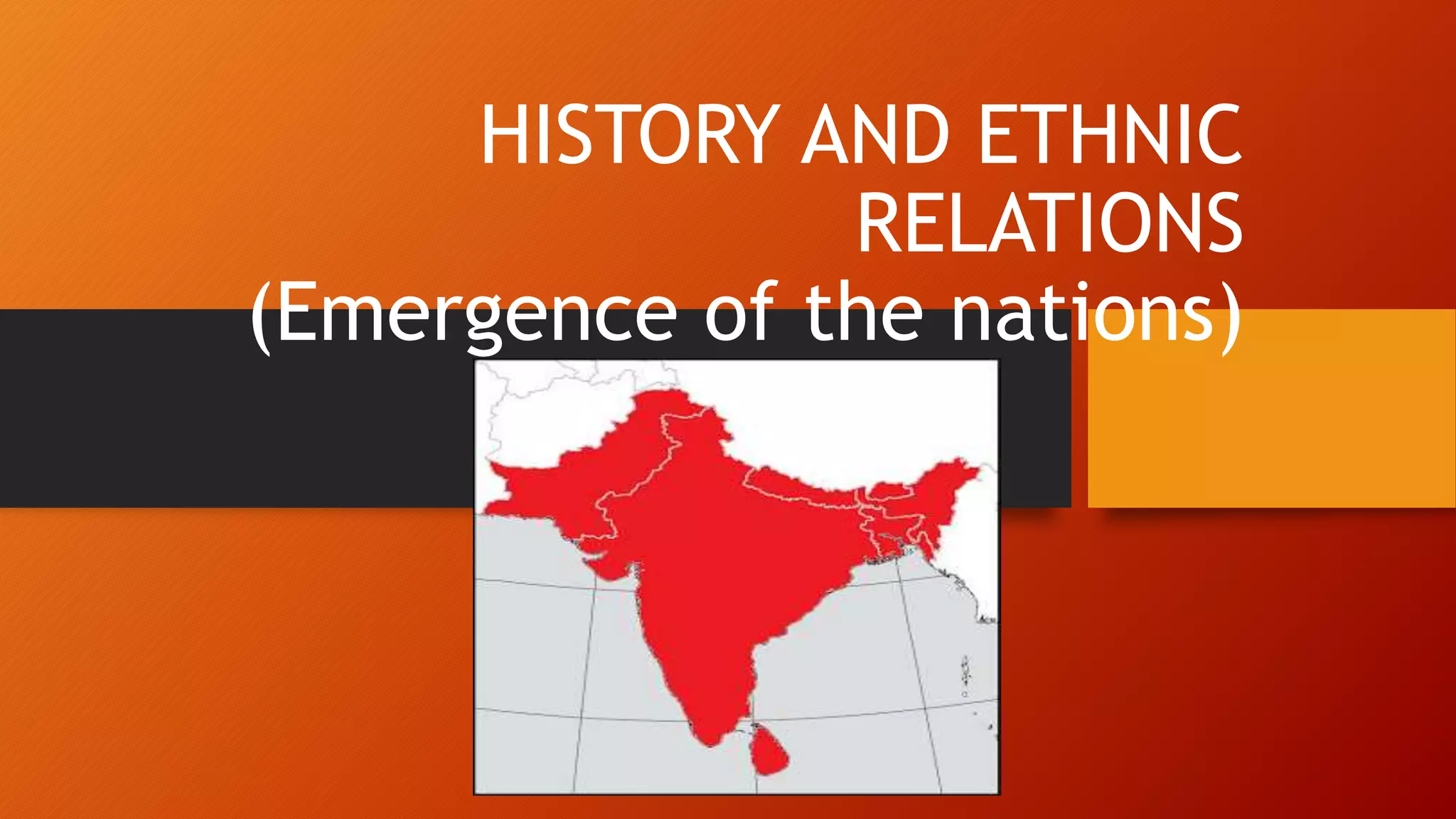
• Subcontient includes Pakistan, India, Bangladesh,
Nepal, Bhutan, Srilanka and Maldives.
Geographical Location
• Himalayas to the North
• Hindukush to the west
• Arabian Sea to the Sout-west
Map of the Sub-continent
Size and Area
• Total Area covered is 4.4 million KM2
Geographical affects
• Geography affected the migration route and
languages of the people living in Sub-
continent.
Importance of Sub-continent in the World
• It connects several parts of Asia and the world.
• Ancient Trade routes
• Ancient routes led to various invasions.
• Economic corridor of CPEC, Today.
The beginning of Indus valley
civilization
Prominient features of indus
valley civilization
 Agriculture was their main economic activity.
 They had irrigation systems.
 They had pottery and jewelry making.
 Their houses made up of clay and bricks.
 Their leaders were priests and kings.
 Their religion was animism and polytheism. They worshiped
many gods , some of them which resemble animals.
 Their social classes were the ruling classes who lived inside
the citadels; the farmers and traders lived outside the
citadels.
Persian Empire in
subcontinent
Presented by:
Bareera Tariq
DP04-F016-15
Introduction
• Achaemenian empire was the first Persian empire
• The first empire to rule the subcontinent
• Largest empire of ancient time
Cyrus the
great (538
BC)
Darius I (522-
486 BC)
Xerxes I
(485-465 BC)
Darius III
(326 BC)
Conclusion
• Achmaenian empire 522-326 BC
• Ruled for almost 200 years
• Persian empire in subcontinent fell.
INTRODUCTION
The mughal empire was the second largest to have
existed in the indian subcontinent, spanning 4 million
square liometers at its zenith.
The first mughal ruler was zagheer ud din muhammad
babur, who snatched dnyasty from sher sah suri
First mughal emperor 1526-1530 Babur
Last mughal emperor 1837-1857
Rulers of mughal empire
• Babur
• Humayun
• Akbar
• Jahangir
• Shah jahan
• Aurangzaib
• Bahadur shah I
• Bahadur shah II
Influence of mughal over Subcontinent
• A major contribution to indian subcontinent was their unique
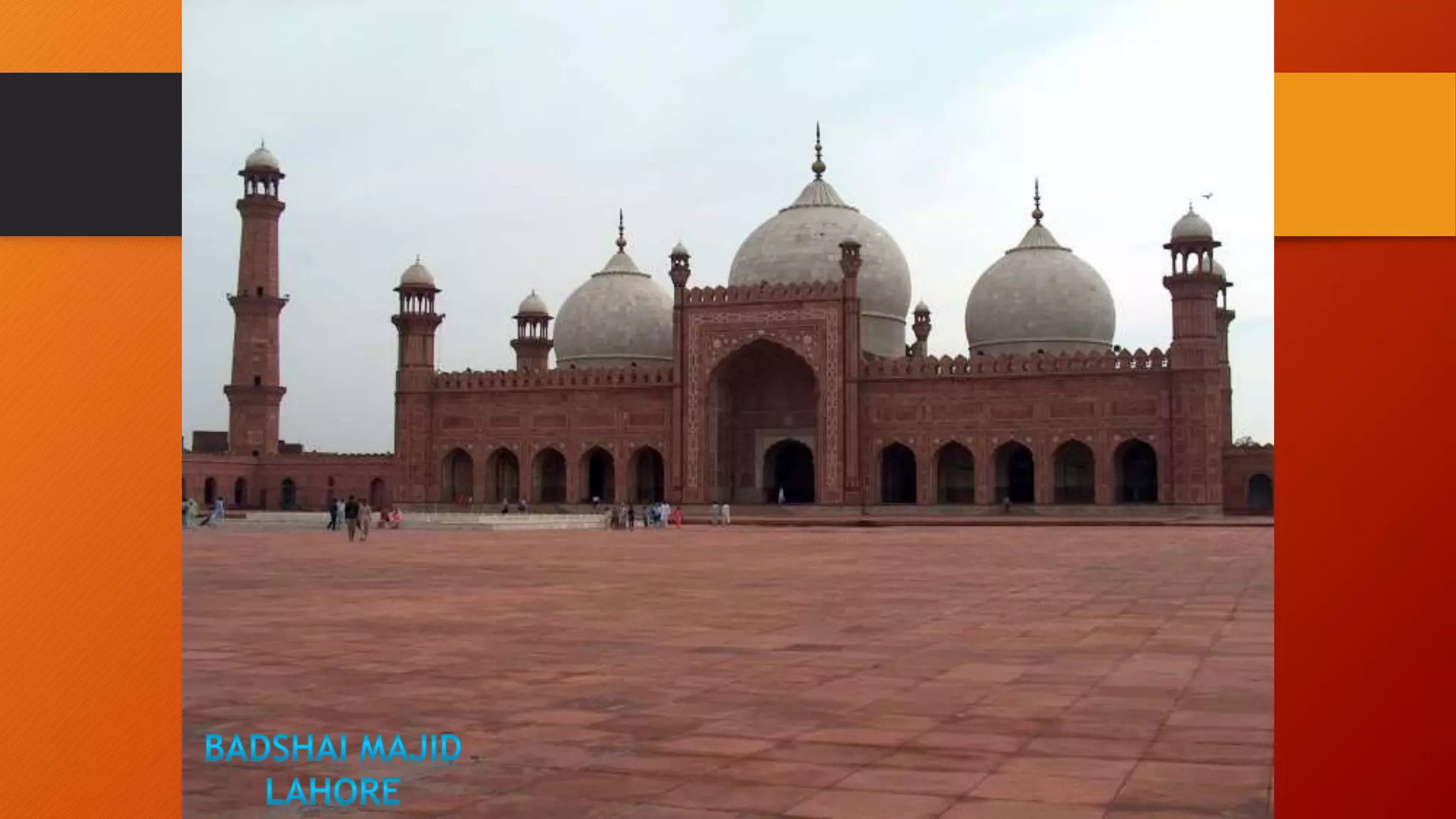
Architecture.
• Shah jahan played unique role in work of architecture
• Taj mahal , one of the best example
• Centralized , imperialistic giovernment which brought together
many smaller kingdoms
• Persian art and culture amalgamated with indian art and culture
• New trade routes to arab and turkic lands
• The development of mughlai cuisine
• Landscape and mughal gardening
Science and technology
• Astronomy (humayun)
• Alchemy ( sake dean mahomed)
• Techonlogy ( Fathullah shirazi , a persian polymath and
mechanical engineer developed volley gun)
•
HISTORY AND ETHNIC
RELATIONS
(Emergence of the nations)
 Early settlers came before 500 B.C.E from Sri Lanka and southern
India.
 Maldivians were buddists but in twelfth century Islam was
proclaimed as their national religion.
MALDIVES
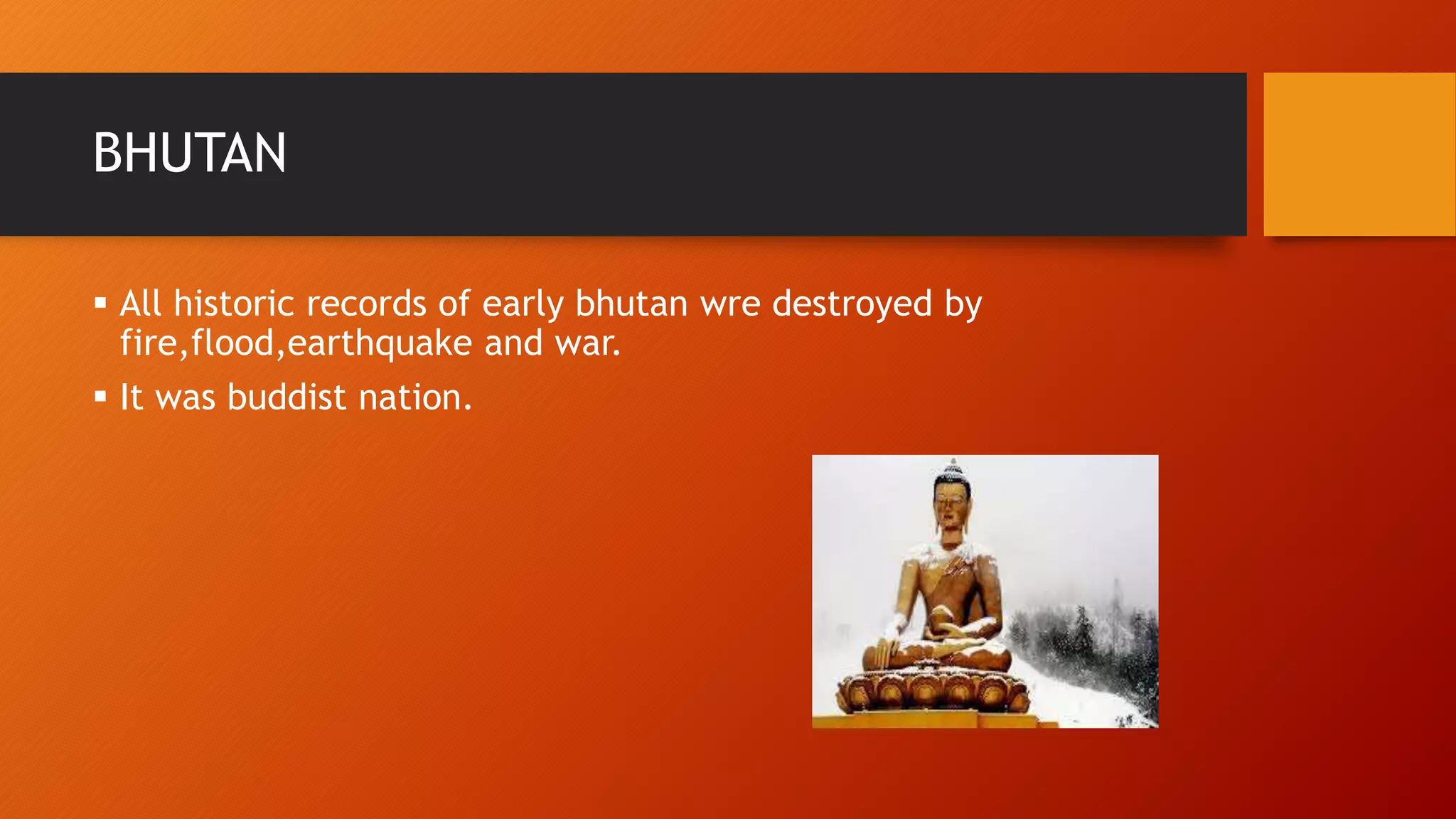
 All historic records of early bhutan wre destroyed by
fire,flood,earthquake and war.
 It was buddist nation.
BHUTAN
 This nation came into existence by Prithvi Narayan Shah’s
conquest.
 In the beginning it was twice the size of modern Nepal but due to
territorial clashes with Chinese and the British it pushed the
borders back to the current configuration.
Nepal
 It was inhibited as early as 10,000 B.C.E
 It had Indo-Aryan language and some version of Brahmanism.
Sri Lanka
 It was part of number of important political entities
including Indian Empires, Buddist Kingdoms, The Mughal
Empire, The British Empire and The Pakistani nation.
Bangladesh
 Pakistan today has many interesting Buddist sites and
historical notes which proves its part in the history.
Pakistan
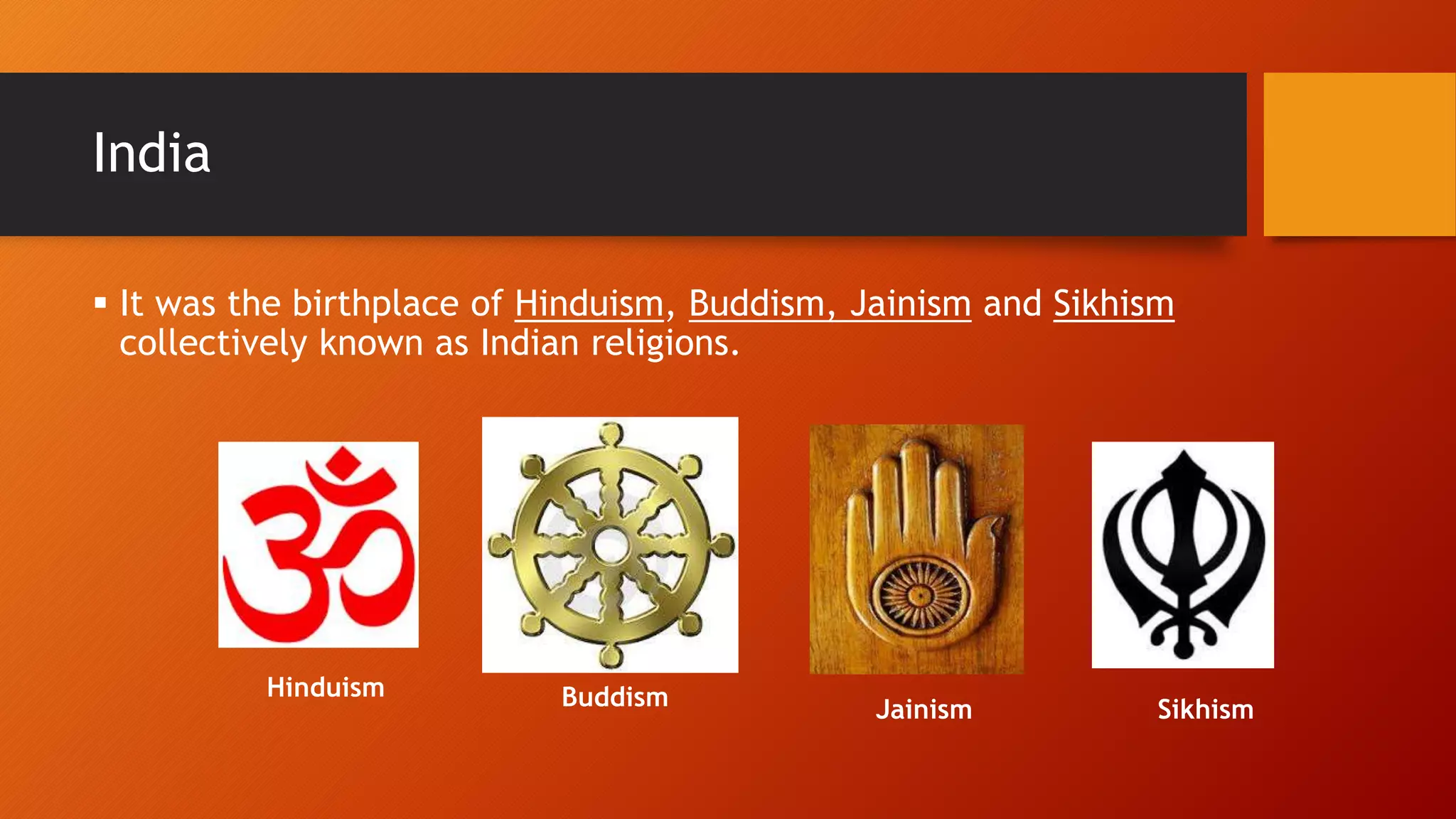
 It was the birthplace of Hinduism, Buddism, Jainism and Sikhism
collectively known as Indian religions.
India
Hinduism Buddism Jainism Sikhism
Historical background of subcontinent

Historical background of subcontinent

  • 2.
    The Subcontinent By:Annie Azam History and Background
  • 3.
    Introduction of theSub-continent • Mini Continent • Located in the Southern region of Asia • Subcontient includes Pakistan, India, Bangladesh, Nepal, Bhutan, Srilanka and Maldives.
  • 4.
    Geographical Location • Himalayasto the North • Hindukush to the west • Arabian Sea to the Sout-west
  • 5.
    Map of theSub-continent
  • 6.
    Size and Area •Total Area covered is 4.4 million KM2
  • 7.
    Geographical affects • Geographyaffected the migration route and languages of the people living in Sub- continent.
  • 8.
    Importance of Sub-continentin the World • It connects several parts of Asia and the world. • Ancient Trade routes • Ancient routes led to various invasions. • Economic corridor of CPEC, Today.
  • 9.
    The beginning ofIndus valley civilization
  • 10.
    Prominient features ofindus valley civilization  Agriculture was their main economic activity.  They had irrigation systems.  They had pottery and jewelry making.  Their houses made up of clay and bricks.
  • 11.
     Their leaderswere priests and kings.  Their religion was animism and polytheism. They worshiped many gods , some of them which resemble animals.  Their social classes were the ruling classes who lived inside the citadels; the farmers and traders lived outside the citadels.
  • 12.
    Persian Empire in subcontinent Presentedby: Bareera Tariq DP04-F016-15
  • 13.
    Introduction • Achaemenian empirewas the first Persian empire • The first empire to rule the subcontinent • Largest empire of ancient time
  • 14.
    Cyrus the great (538 BC) DariusI (522- 486 BC) Xerxes I (485-465 BC) Darius III (326 BC)
  • 15.
    Conclusion • Achmaenian empire522-326 BC • Ruled for almost 200 years • Persian empire in subcontinent fell.
  • 17.
    INTRODUCTION The mughal empirewas the second largest to have existed in the indian subcontinent, spanning 4 million square liometers at its zenith. The first mughal ruler was zagheer ud din muhammad babur, who snatched dnyasty from sher sah suri First mughal emperor 1526-1530 Babur Last mughal emperor 1837-1857
  • 18.
    Rulers of mughalempire • Babur • Humayun • Akbar • Jahangir • Shah jahan • Aurangzaib • Bahadur shah I • Bahadur shah II
  • 19.
    Influence of mughalover Subcontinent • A major contribution to indian subcontinent was their unique Architecture. • Shah jahan played unique role in work of architecture • Taj mahal , one of the best example
  • 21.
    • Centralized ,imperialistic giovernment which brought together many smaller kingdoms • Persian art and culture amalgamated with indian art and culture • New trade routes to arab and turkic lands
  • 22.
    • The developmentof mughlai cuisine • Landscape and mughal gardening
  • 23.
    Science and technology •Astronomy (humayun) • Alchemy ( sake dean mahomed) • Techonlogy ( Fathullah shirazi , a persian polymath and mechanical engineer developed volley gun) •
  • 32.
  • 33.
     Early settlerscame before 500 B.C.E from Sri Lanka and southern India.  Maldivians were buddists but in twelfth century Islam was proclaimed as their national religion. MALDIVES
  • 34.
     All historicrecords of early bhutan wre destroyed by fire,flood,earthquake and war.  It was buddist nation. BHUTAN
  • 35.
     This nationcame into existence by Prithvi Narayan Shah’s conquest.  In the beginning it was twice the size of modern Nepal but due to territorial clashes with Chinese and the British it pushed the borders back to the current configuration. Nepal
  • 36.
     It wasinhibited as early as 10,000 B.C.E  It had Indo-Aryan language and some version of Brahmanism. Sri Lanka
  • 37.
     It waspart of number of important political entities including Indian Empires, Buddist Kingdoms, The Mughal Empire, The British Empire and The Pakistani nation. Bangladesh
  • 38.
     Pakistan todayhas many interesting Buddist sites and historical notes which proves its part in the history. Pakistan
  • 39.
     It wasthe birthplace of Hinduism, Buddism, Jainism and Sikhism collectively known as Indian religions. India Hinduism Buddism Jainism Sikhism