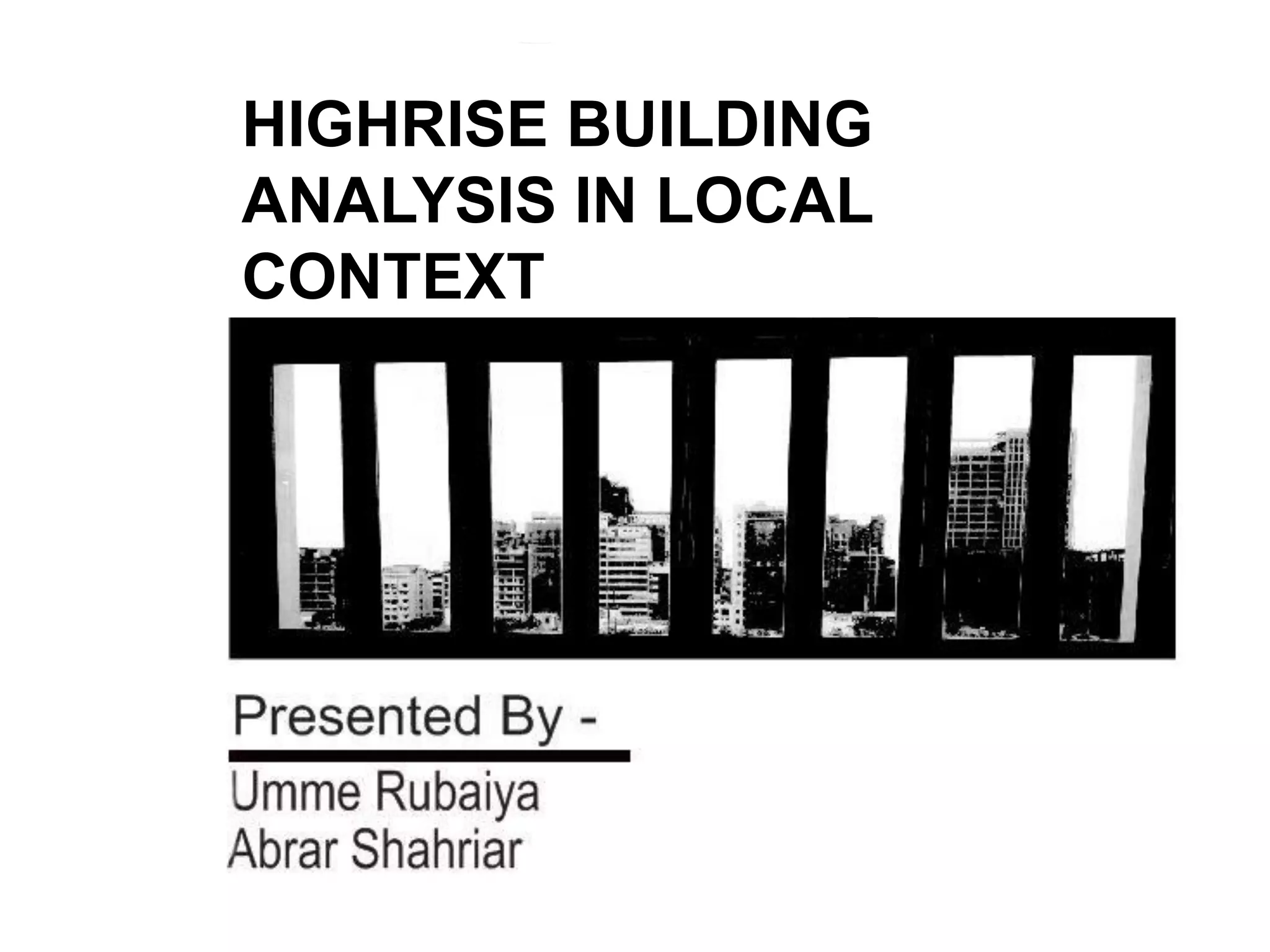

HIGHRISE BUILDING
ANALYSIS IN LOCAL
CONTEXT
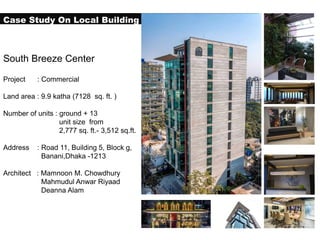
Case Study On Local Building
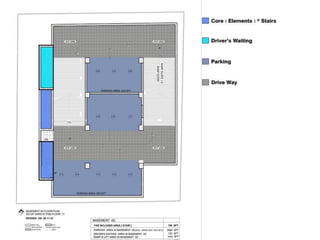
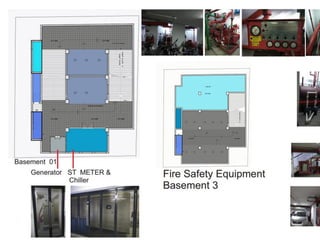
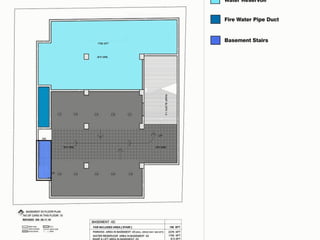
South Breeze Center
Project : Commercial
Land area : 9.9 katha (7128 sq. ft. )
Number of units : ground + 13
unit size from
2,777 sq. ft.- 3,512 sq.ft.
Address : Road 11, Building 5, Block g,
Banani,Dhaka -1213
Architect : Mamnoon M. Chowdhury
Mahmudul Anwar Riyaad
Deanna Alam
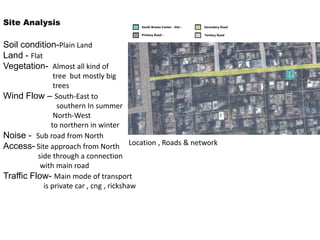
Location , Roads & network
Soil condition-Plain Land
Land - Flat
Vegetation- Almost all kind of
tree but mostly big
trees
Wind Flow – South-East to
southern In summer
North-West
to northern in winter
Noise - Sub road from North
Access- Site approach from North
side through a connection
with main road
Traffic Flow- Main mode of transport
is private car , cng , rickshaw
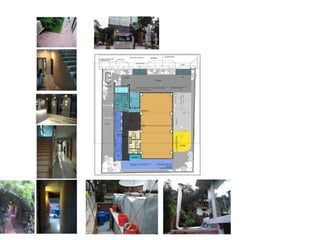
Site Analysis
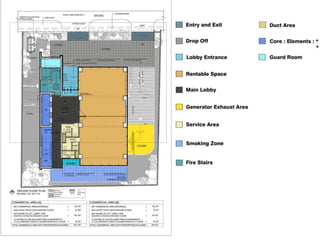
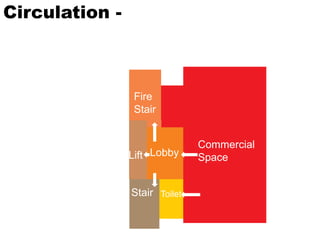
Circulation -
Commercial
Space
Lobby
Fire
Stair
Toilet
Lift
Stair
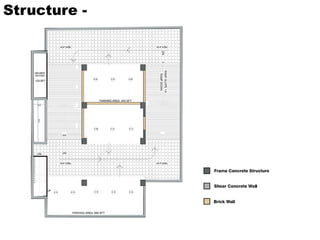
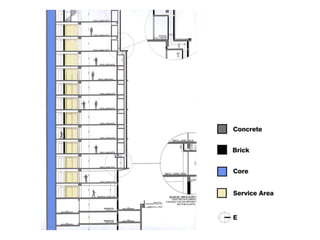
Structure -
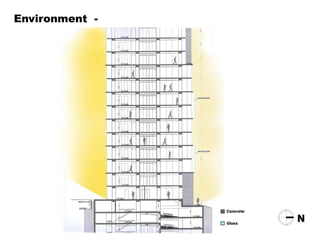
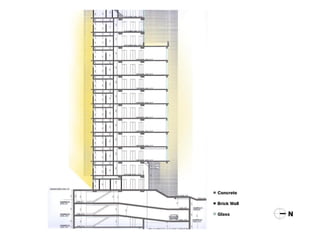
Environment -
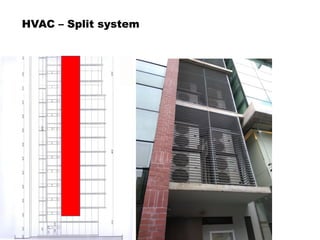
HVAC – Split system
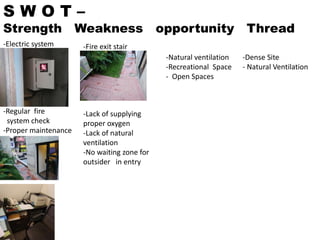
S W O T –
Strength Weakness opportunity Thread
-Electric system
-Regular fire
system check
-Proper maintenance
-Fire exit stair
-Lack of supplying
proper oxygen
-Lack of natural
ventilation
-No waiting zone for
outsider in entry
-Natural ventilation
-Recreational Space
- Open Spaces
-Dense Site
- Natural Ventilation
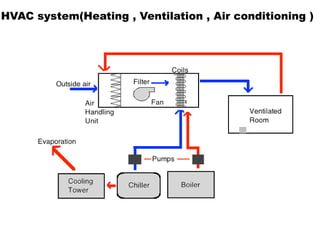
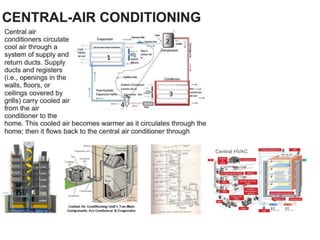
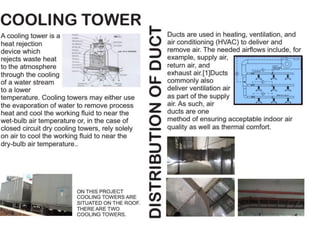
HVAC system(Heating , Ventilation , Air conditioning )
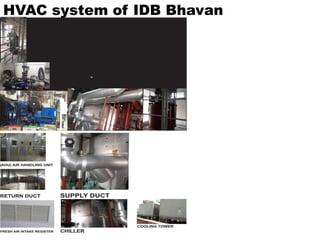
HVAC system of IDB Bhavan
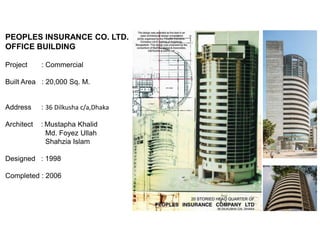
Project : Commercial
Built Area : 20,000 Sq. M.
Address : 36 Dilkusha c/a,Dhaka
Architect : Mustapha Khalid
Md. Foyez Ullah
Shahzia Islam
Designed : 1998
Completed : 2006
PEOPLES INSURANCE CO. LTD.
OFFICE BUILDING
Design Concept
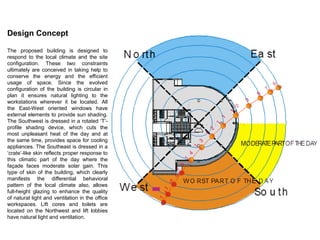
The proposed building is designed to
respond to the local climate and the site
configuration. These two constraints
ultimately are conceived in taking help to
conserve the energy and the efficient
usage of space. Since the evolved
configuration of the building is circular in
plan it ensures natural lighting to the
workstations wherever it be located. All
the East-West oriented windows have
external elements to provide sun shading.
The Southwest is dressed in a rotated ‘T’-
profile shading device, which cuts the
most unpleasant heat of the day and at
the same time, provides space for cooling
appliances. The Southeast is dressed in a
‘crate’-like skin reflects proper response to
this climatic part of the day where the
façade faces moderate solar gain. This
type of skin of the building, which clearly
manifests the differential behavioral
pattern of the local climate also, allows
full-height glazing to enhance the quality
of natural light and ventilation in the office
workspaces. Lift cores and toilets are
located on the Northwest and lift lobbies
have natural light and ventilation.
Design Considerations
1. The Entrance:
The most logical part of the site is
considered as the main entrance to
the building though unconventional
for the formal approach for such
morphology. The double-height
entrance foyer drifts inside the
Entrance Hall thus provide a street
elevation for passersby. Small offices
directly related to public affairs
supplement the ground floor
activities. A separate stair is provided
to facilitate the easy access to 1st
floor, which in turn shall reduce the
pressure on the elevators.
2. The Core:
Planning: The technical essence of high-rise building lies with the
appropriate and optimal design of the service core. The core of
proposed PICL building shares only 22.27 percent of the total usable
area in each floor. It is bundled with Lifts, Alternate Escapes, Electrical
Room, Common Toilets and Fire Hydrants.
Natural Light and Ventilation:
Since the building is not centrally air-conditioned, the toilets shall
be naturally lit and ventilated though the light-shaft. The natural
light and ventilation governed the placement of core with respect
to the other spaces. The light shaft facilitates the toilets a well as
the lift lobby.
Toilets:
The flexibility of the toilet part of the core allows separate toilets
when single or even divided into two offices. It is deliberately
opted that there will be only common toilets when the floor is
divided into four quadrants.
Fire and Safety:
From numerous case studies it is explicit that any unprotected
vertical shaft connecting different floors acts as chimney during
fire hazards. Keeping this in view the proposed two stairs are not
only kept apart from the lift lobby but also encased with fire rated
components. The advantage of this approach is of two folds;
firstly the stairs shall not act as chimney and secondly the users
of the building shall use the stairs for regular purposes which in
turn help them. keeping in mind the easy egress during fire. Both
the alternate escapes are so located that it is accessible from all
parts of the floor even when divided into four offices with out
crossing the lift lobby.
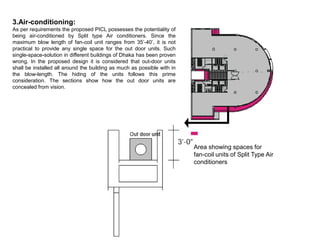
3.Air-conditioning:
As per requirements the proposed PICL possesses the potentiality of
being air-conditioned by Split type Air conditioners. Since the
maximum blow length of fan-coil unit ranges from 35’-40’, it is not
practical to provide any single space for the out door units. Such
single-space-solution in different buildings of Dhaka has been proven
wrong. In the proposed design it is considered that out-door units
shall be installed all around the building as much as possible with in
the blow-length. The hiding of the units follows this prime
consideration. The sections show how the out door units are
concealed from vision.
Area showing spaces for
fan-coil units of Split Type Air
conditioners
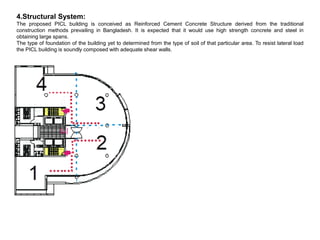
4.Structural System:
The proposed PICL building is conceived as Reinforced Cement Concrete Structure derived from the traditional
construction methods prevailing in Bangladesh. It is expected that it would use high strength concrete and steel in
obtaining large spans.
The type of foundation of the building yet to determined from the type of soil of that particular area. To resist lateral load
the PICL building is soundly composed with adequate shear walls.
Highrise building analysis in local context

Highrise building analysis in local context

  • 1.
  • 2.
    Case Study OnLocal Building South Breeze Center Project : Commercial Land area : 9.9 katha (7128 sq. ft. ) Number of units : ground + 13 unit size from 2,777 sq. ft.- 3,512 sq.ft. Address : Road 11, Building 5, Block g, Banani,Dhaka -1213 Architect : Mamnoon M. Chowdhury Mahmudul Anwar Riyaad Deanna Alam
  • 3.
    Location , Roads& network Soil condition-Plain Land Land - Flat Vegetation- Almost all kind of tree but mostly big trees Wind Flow – South-East to southern In summer North-West to northern in winter Noise - Sub road from North Access- Site approach from North side through a connection with main road Traffic Flow- Main mode of transport is private car , cng , rickshaw Site Analysis
  • 10.
  • 11.
  • 13.
  • 16.
  • 17.
    S W OT – Strength Weakness opportunity Thread -Electric system -Regular fire system check -Proper maintenance -Fire exit stair -Lack of supplying proper oxygen -Lack of natural ventilation -No waiting zone for outsider in entry -Natural ventilation -Recreational Space - Open Spaces -Dense Site - Natural Ventilation
  • 18.
    HVAC system(Heating ,Ventilation , Air conditioning )
  • 19.
    HVAC system ofIDB Bhavan
  • 23.
    Project : Commercial BuiltArea : 20,000 Sq. M. Address : 36 Dilkusha c/a,Dhaka Architect : Mustapha Khalid Md. Foyez Ullah Shahzia Islam Designed : 1998 Completed : 2006 PEOPLES INSURANCE CO. LTD. OFFICE BUILDING
  • 24.
    Design Concept The proposedbuilding is designed to respond to the local climate and the site configuration. These two constraints ultimately are conceived in taking help to conserve the energy and the efficient usage of space. Since the evolved configuration of the building is circular in plan it ensures natural lighting to the workstations wherever it be located. All the East-West oriented windows have external elements to provide sun shading. The Southwest is dressed in a rotated ‘T’- profile shading device, which cuts the most unpleasant heat of the day and at the same time, provides space for cooling appliances. The Southeast is dressed in a ‘crate’-like skin reflects proper response to this climatic part of the day where the façade faces moderate solar gain. This type of skin of the building, which clearly manifests the differential behavioral pattern of the local climate also, allows full-height glazing to enhance the quality of natural light and ventilation in the office workspaces. Lift cores and toilets are located on the Northwest and lift lobbies have natural light and ventilation.
  • 25.
    Design Considerations 1. TheEntrance: The most logical part of the site is considered as the main entrance to the building though unconventional for the formal approach for such morphology. The double-height entrance foyer drifts inside the Entrance Hall thus provide a street elevation for passersby. Small offices directly related to public affairs supplement the ground floor activities. A separate stair is provided to facilitate the easy access to 1st floor, which in turn shall reduce the pressure on the elevators. 2. The Core: Planning: The technical essence of high-rise building lies with the appropriate and optimal design of the service core. The core of proposed PICL building shares only 22.27 percent of the total usable area in each floor. It is bundled with Lifts, Alternate Escapes, Electrical Room, Common Toilets and Fire Hydrants. Natural Light and Ventilation: Since the building is not centrally air-conditioned, the toilets shall be naturally lit and ventilated though the light-shaft. The natural light and ventilation governed the placement of core with respect to the other spaces. The light shaft facilitates the toilets a well as the lift lobby. Toilets: The flexibility of the toilet part of the core allows separate toilets when single or even divided into two offices. It is deliberately opted that there will be only common toilets when the floor is divided into four quadrants. Fire and Safety: From numerous case studies it is explicit that any unprotected vertical shaft connecting different floors acts as chimney during fire hazards. Keeping this in view the proposed two stairs are not only kept apart from the lift lobby but also encased with fire rated components. The advantage of this approach is of two folds; firstly the stairs shall not act as chimney and secondly the users of the building shall use the stairs for regular purposes which in turn help them. keeping in mind the easy egress during fire. Both the alternate escapes are so located that it is accessible from all parts of the floor even when divided into four offices with out crossing the lift lobby.
  • 26.
    3.Air-conditioning: As per requirementsthe proposed PICL possesses the potentiality of being air-conditioned by Split type Air conditioners. Since the maximum blow length of fan-coil unit ranges from 35’-40’, it is not practical to provide any single space for the out door units. Such single-space-solution in different buildings of Dhaka has been proven wrong. In the proposed design it is considered that out-door units shall be installed all around the building as much as possible with in the blow-length. The hiding of the units follows this prime consideration. The sections show how the out door units are concealed from vision. Area showing spaces for fan-coil units of Split Type Air conditioners
  • 27.
    4.Structural System: The proposedPICL building is conceived as Reinforced Cement Concrete Structure derived from the traditional construction methods prevailing in Bangladesh. It is expected that it would use high strength concrete and steel in obtaining large spans. The type of foundation of the building yet to determined from the type of soil of that particular area. To resist lateral load the PICL building is soundly composed with adequate shear walls.