Downloaded 52 times
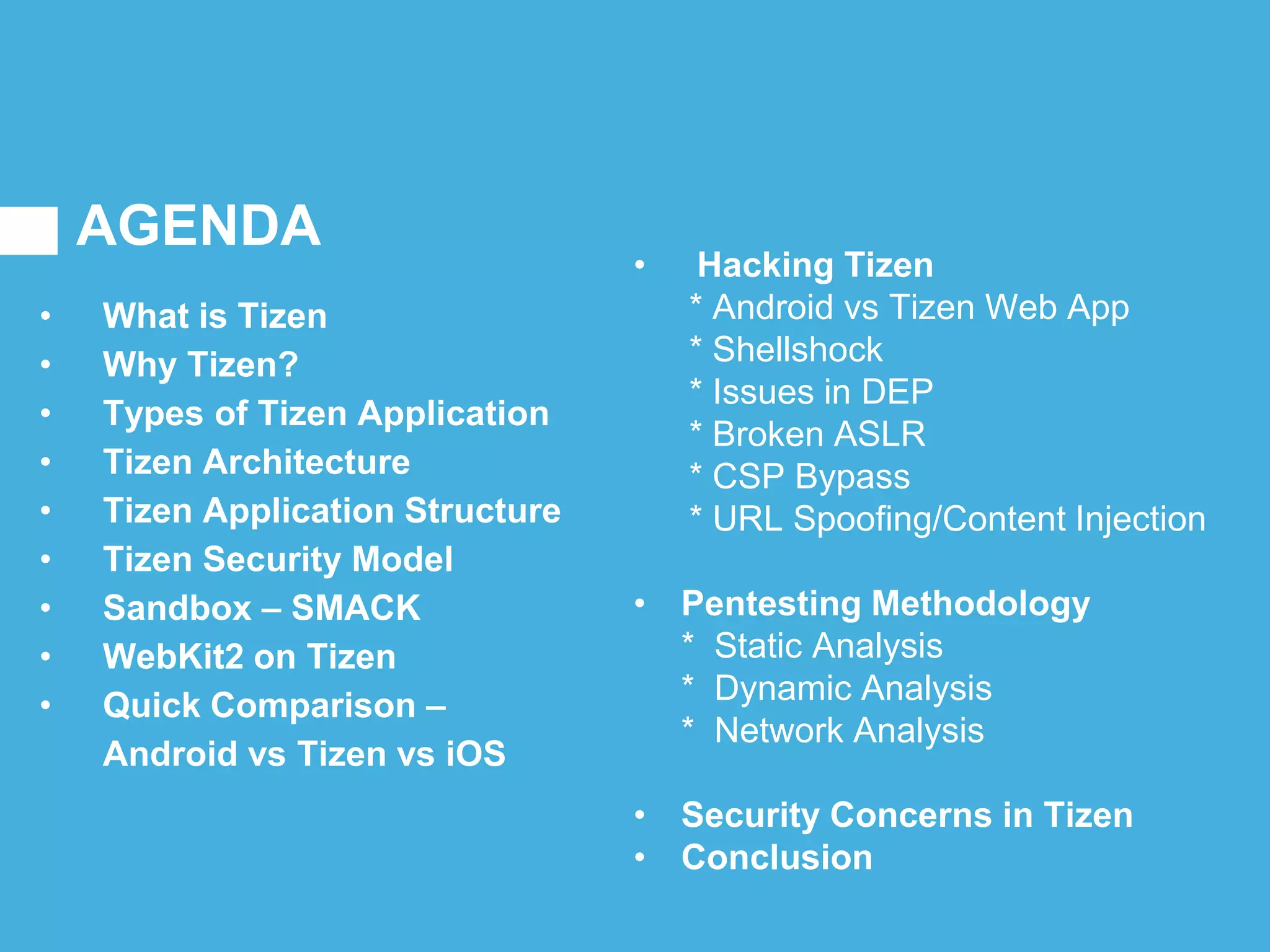
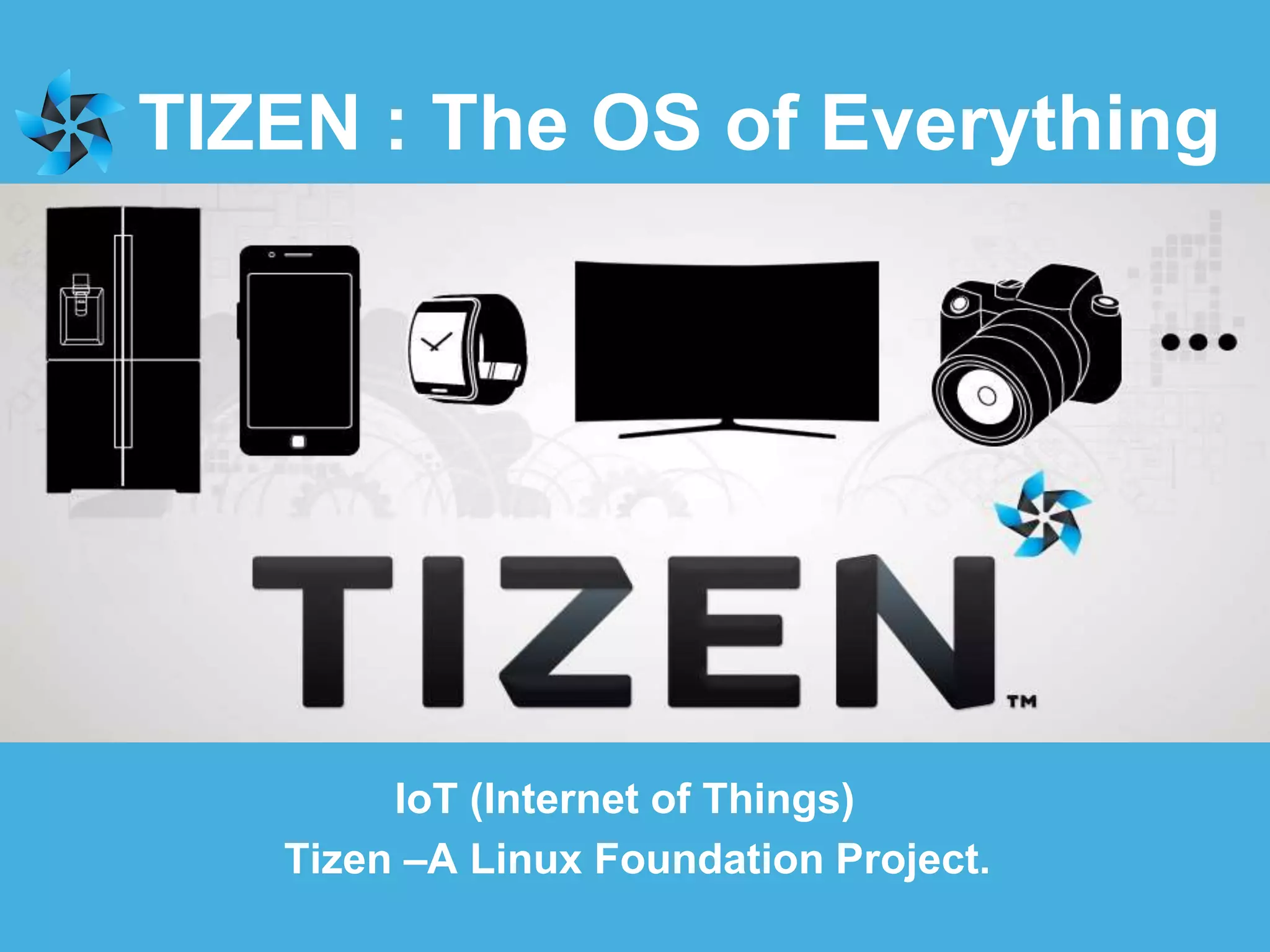
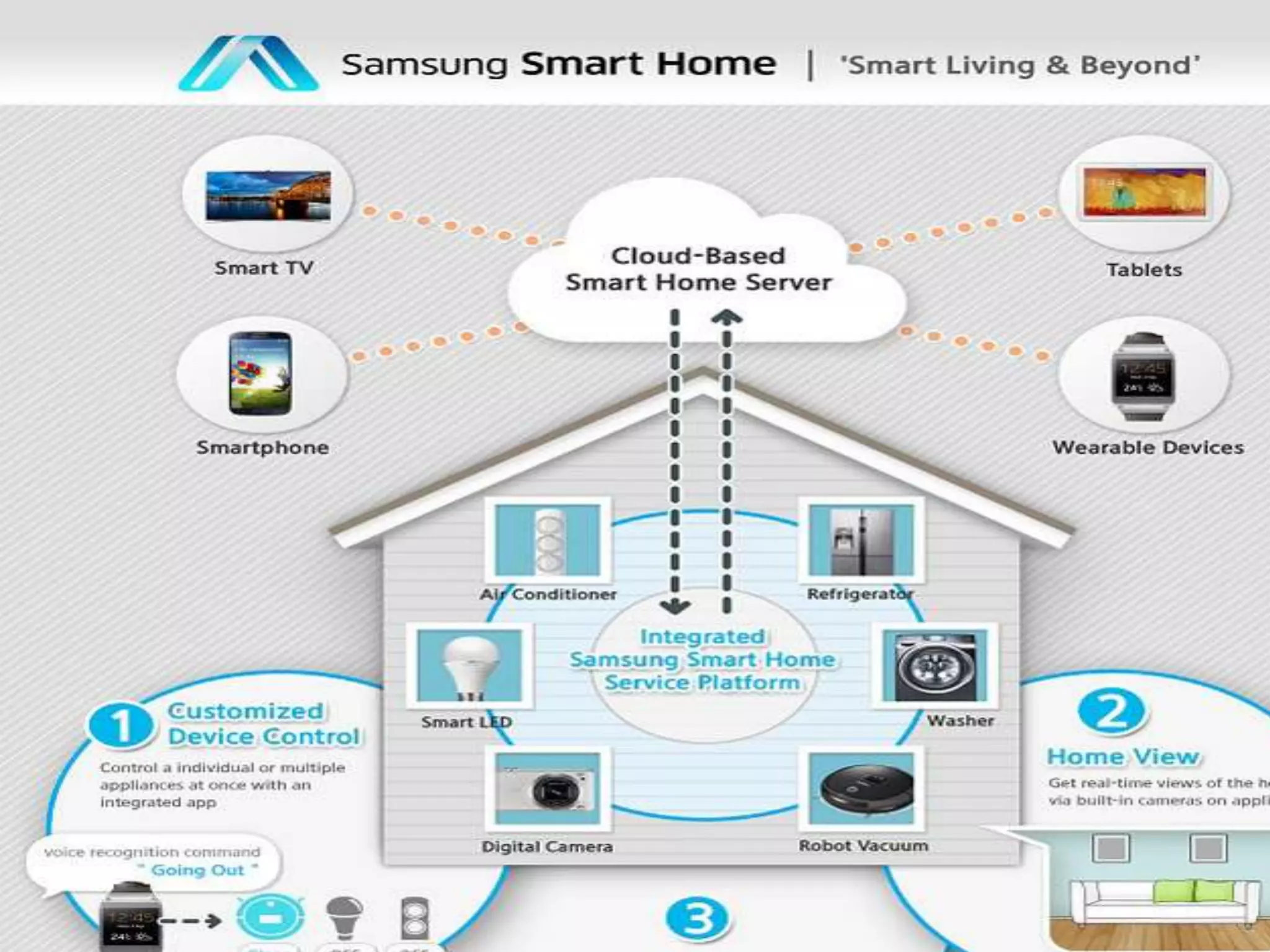
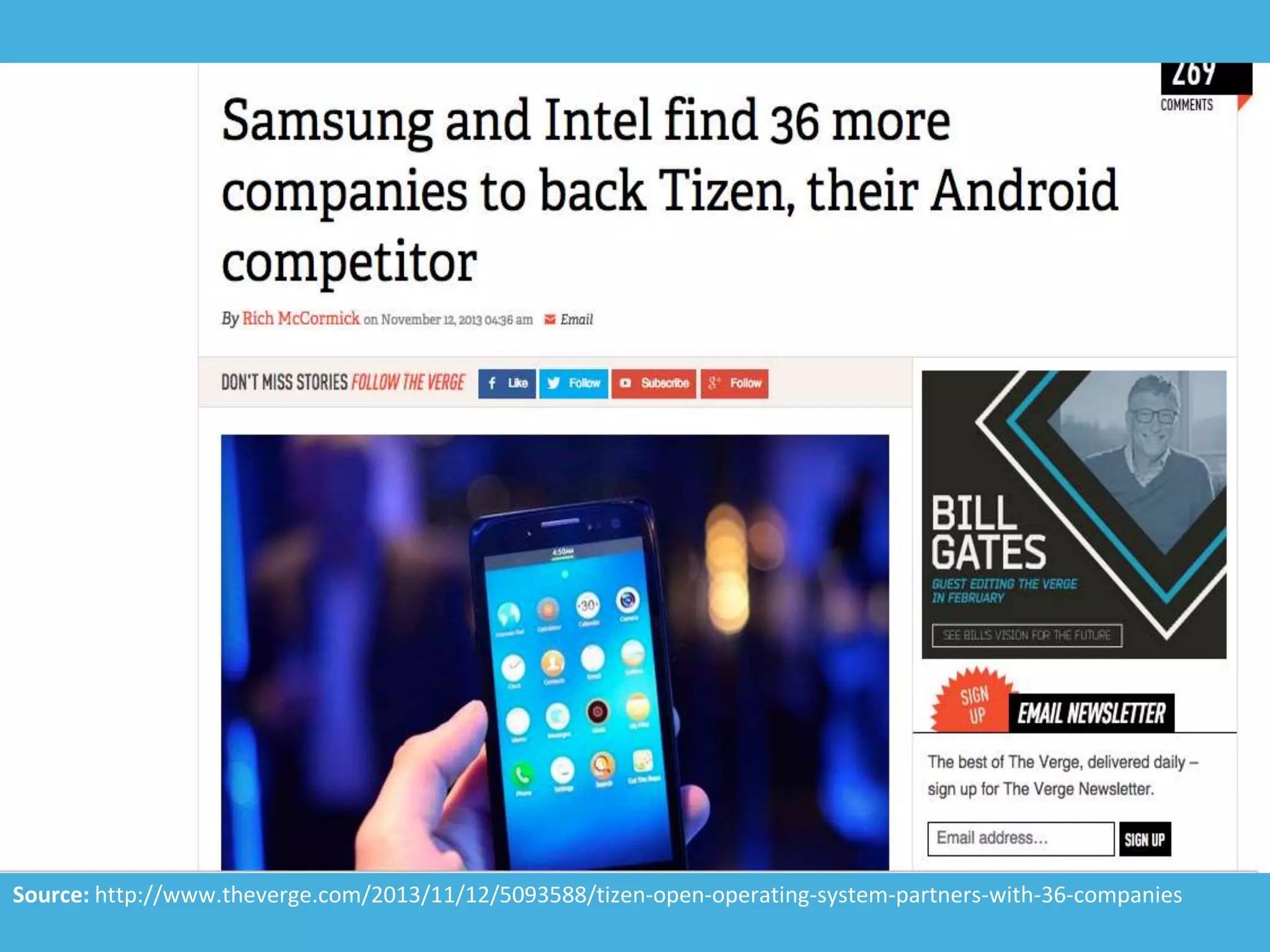
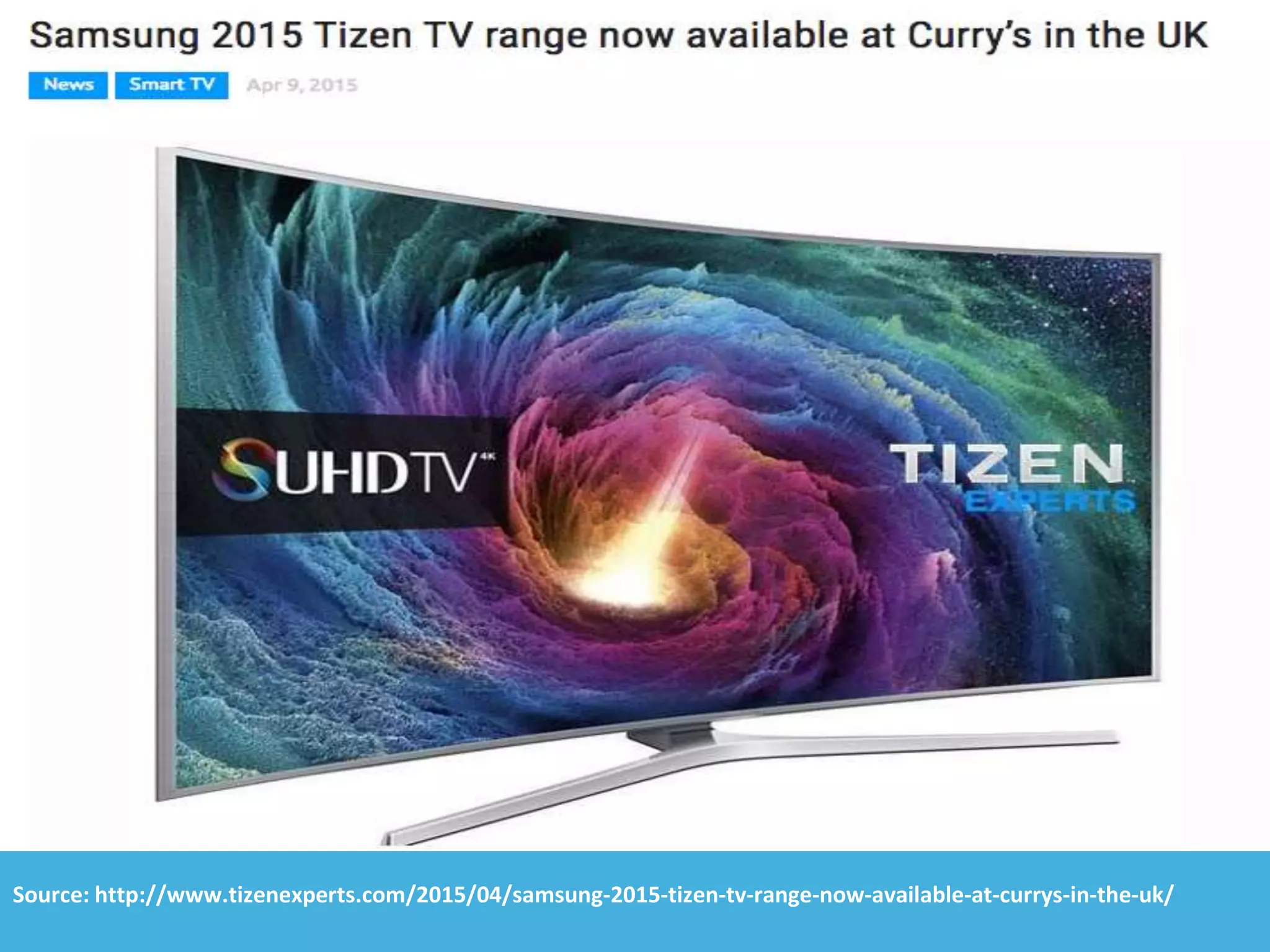
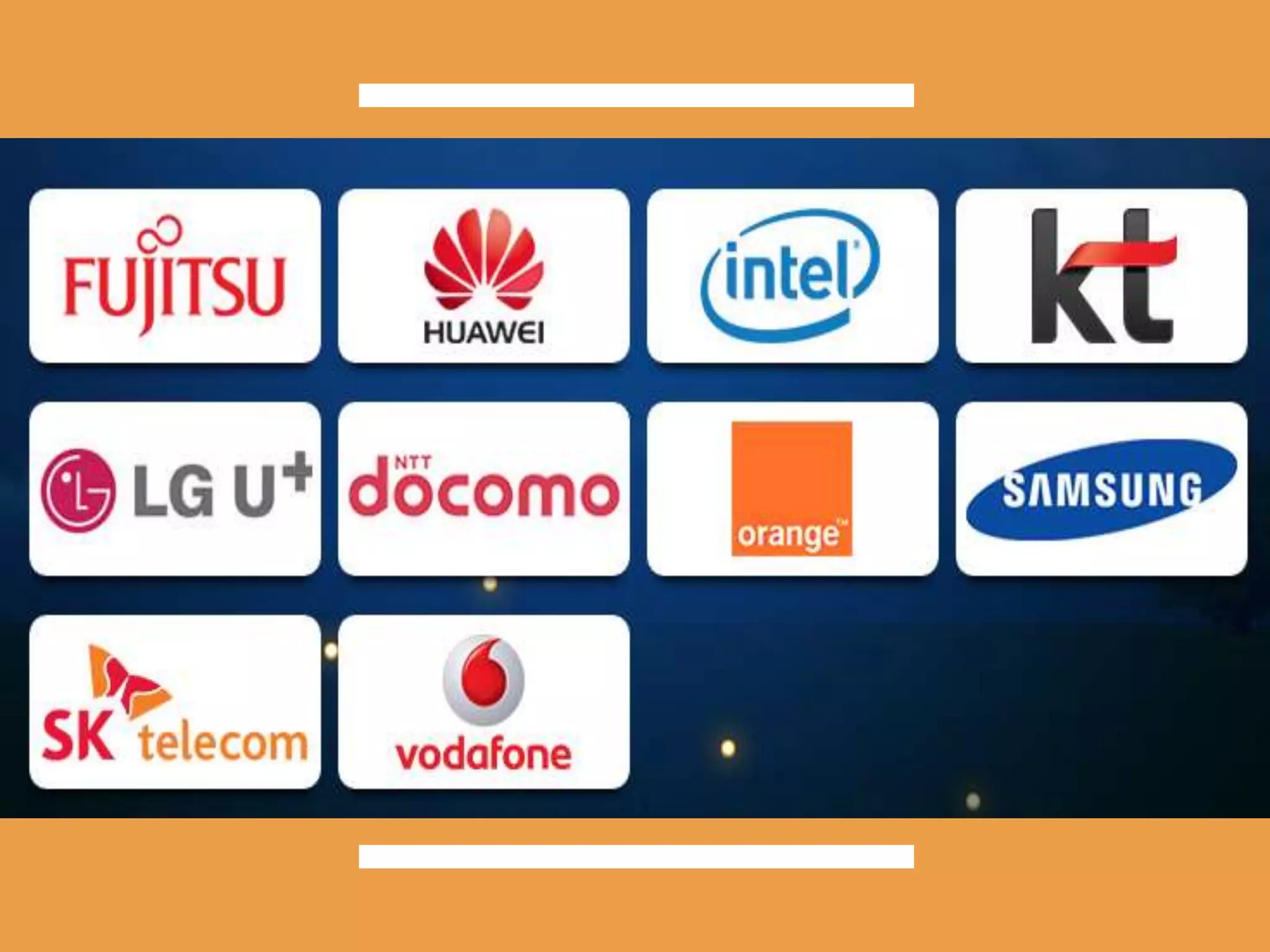
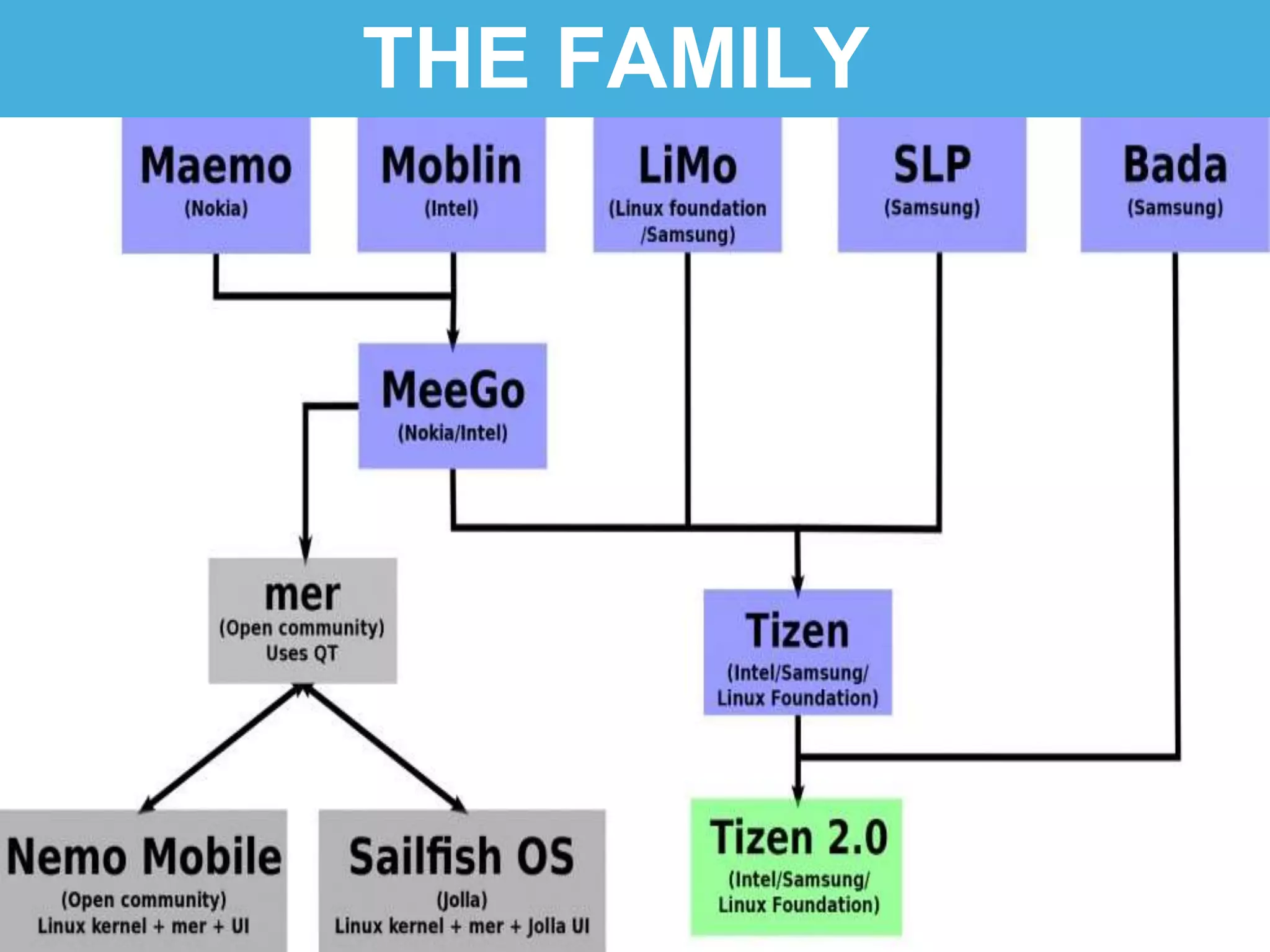
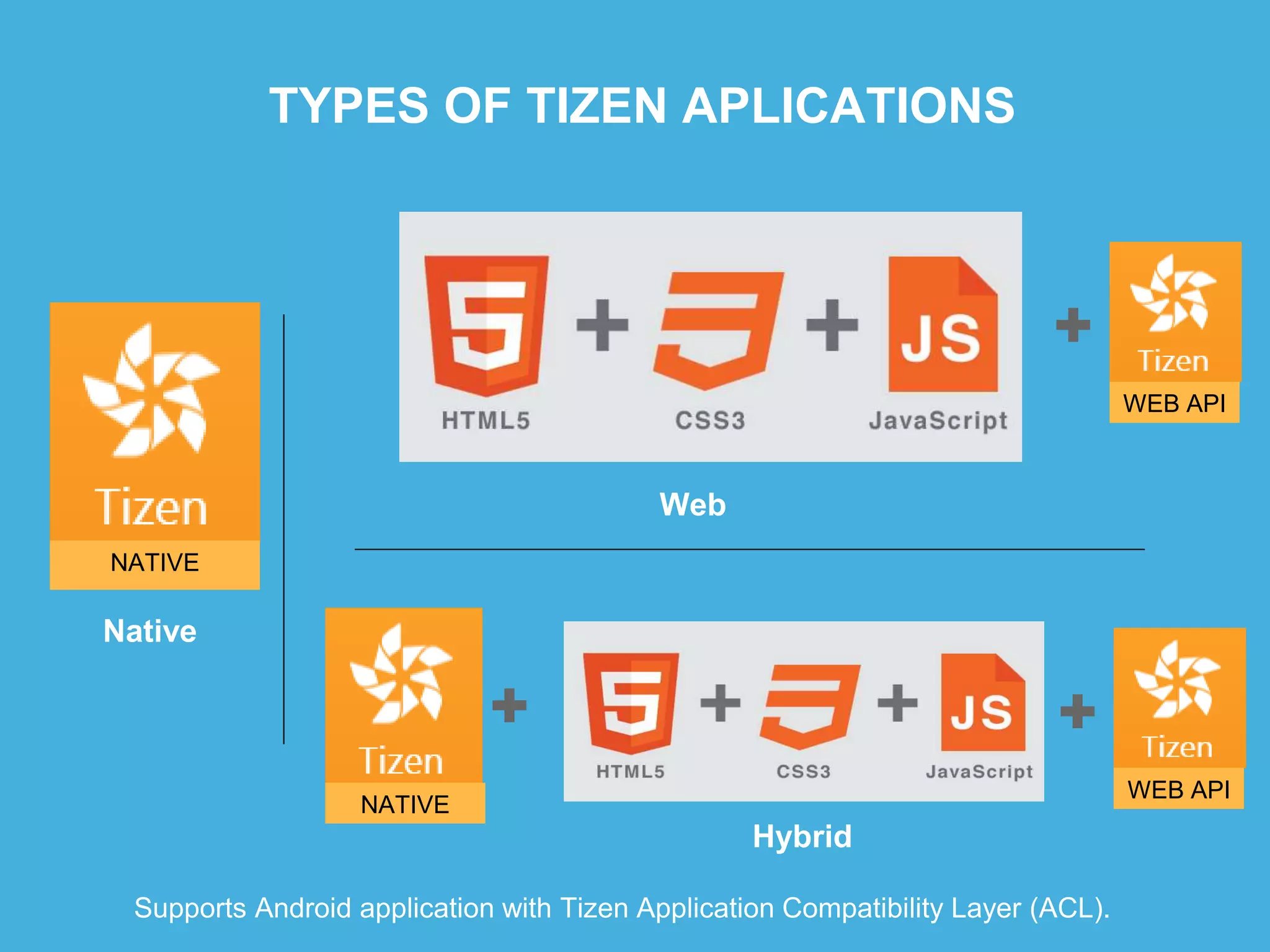
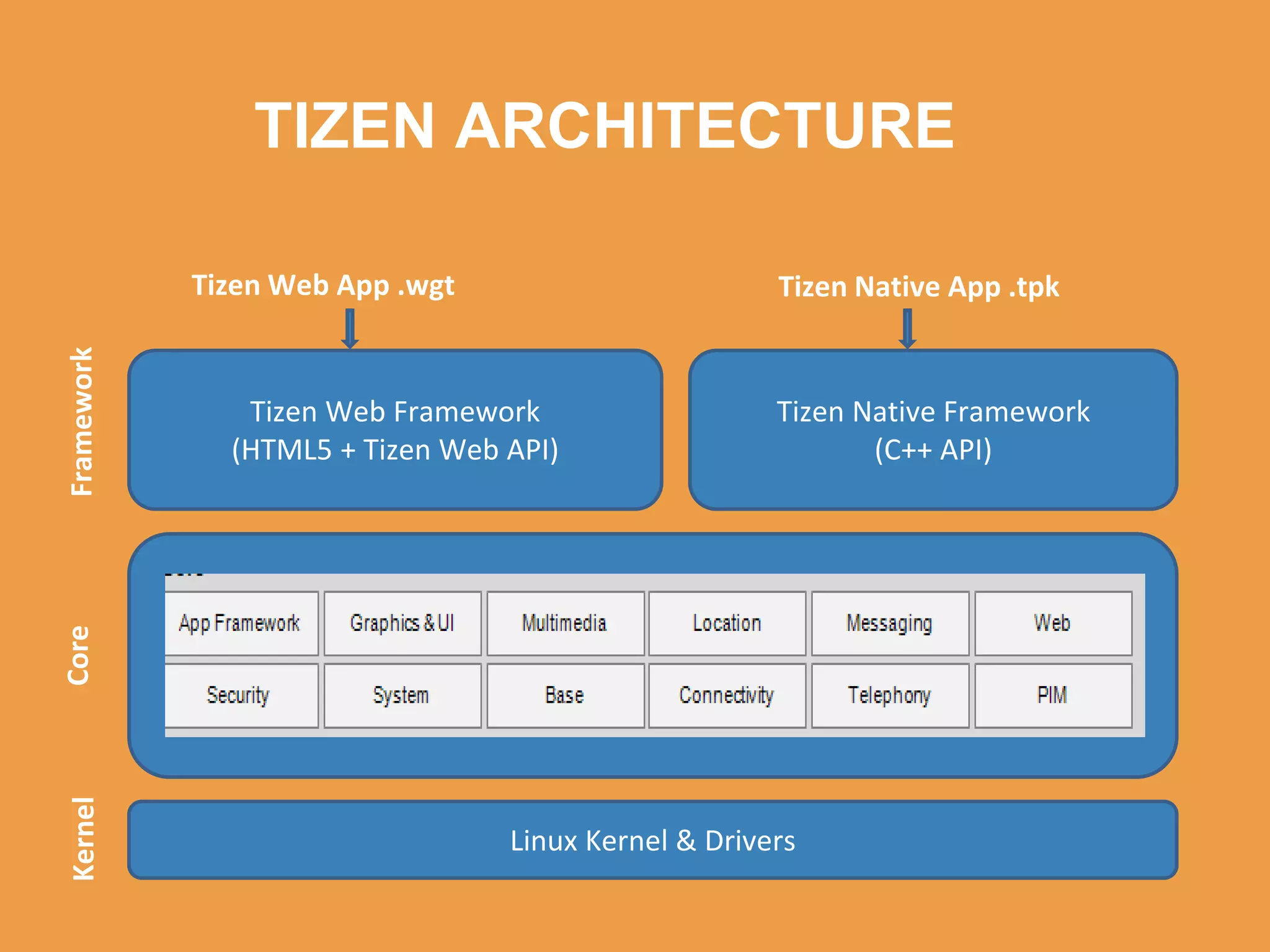
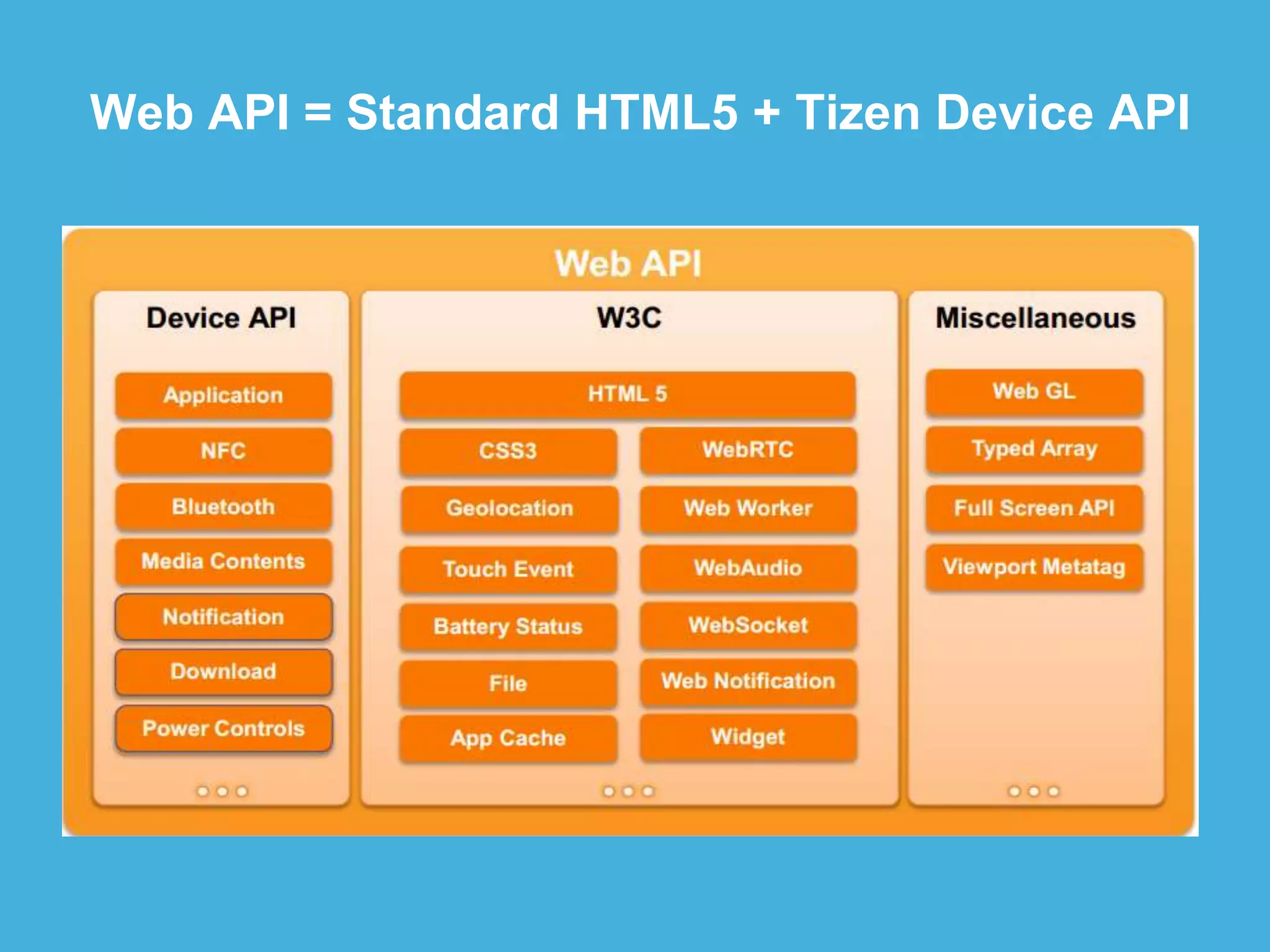
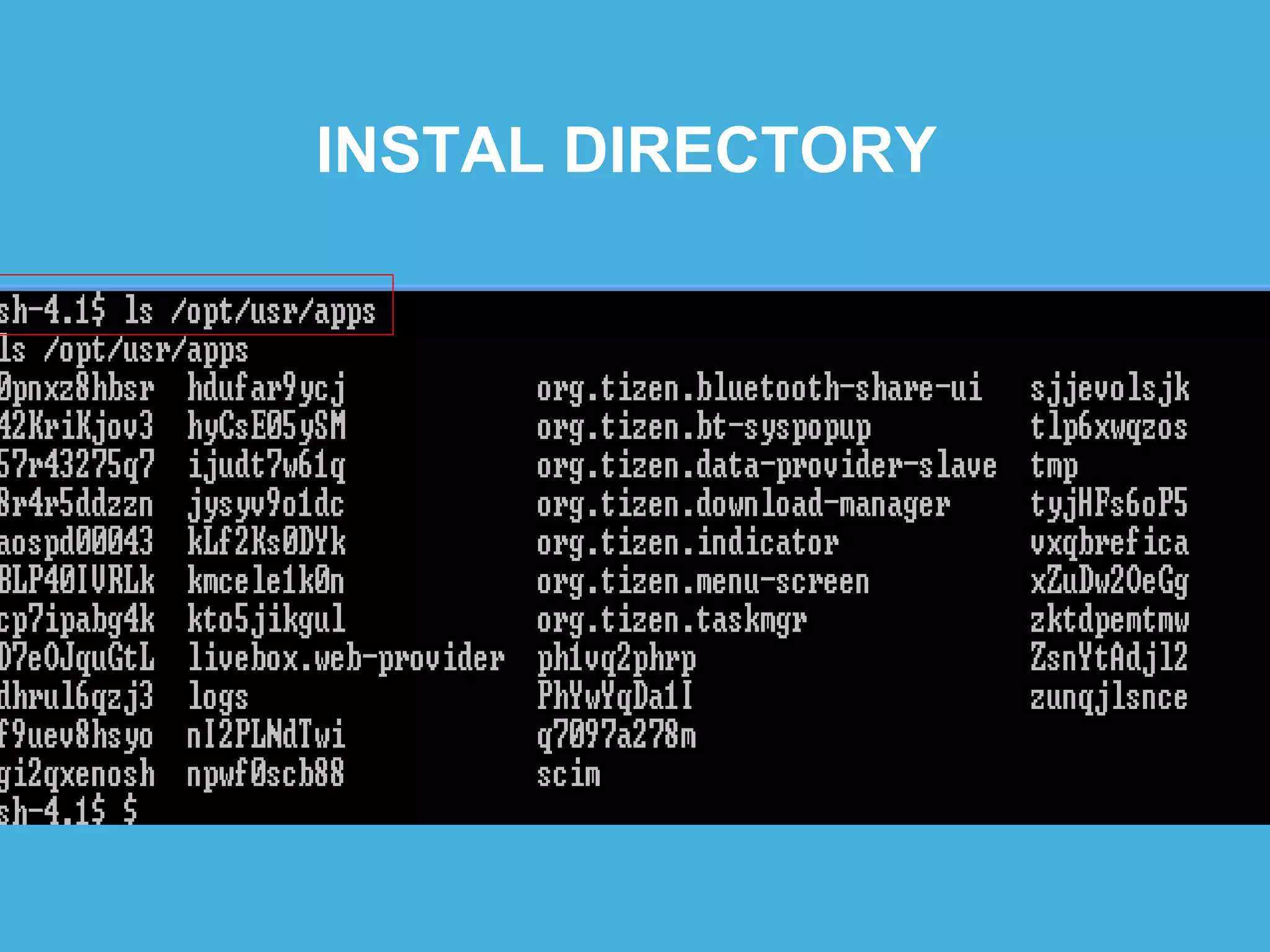
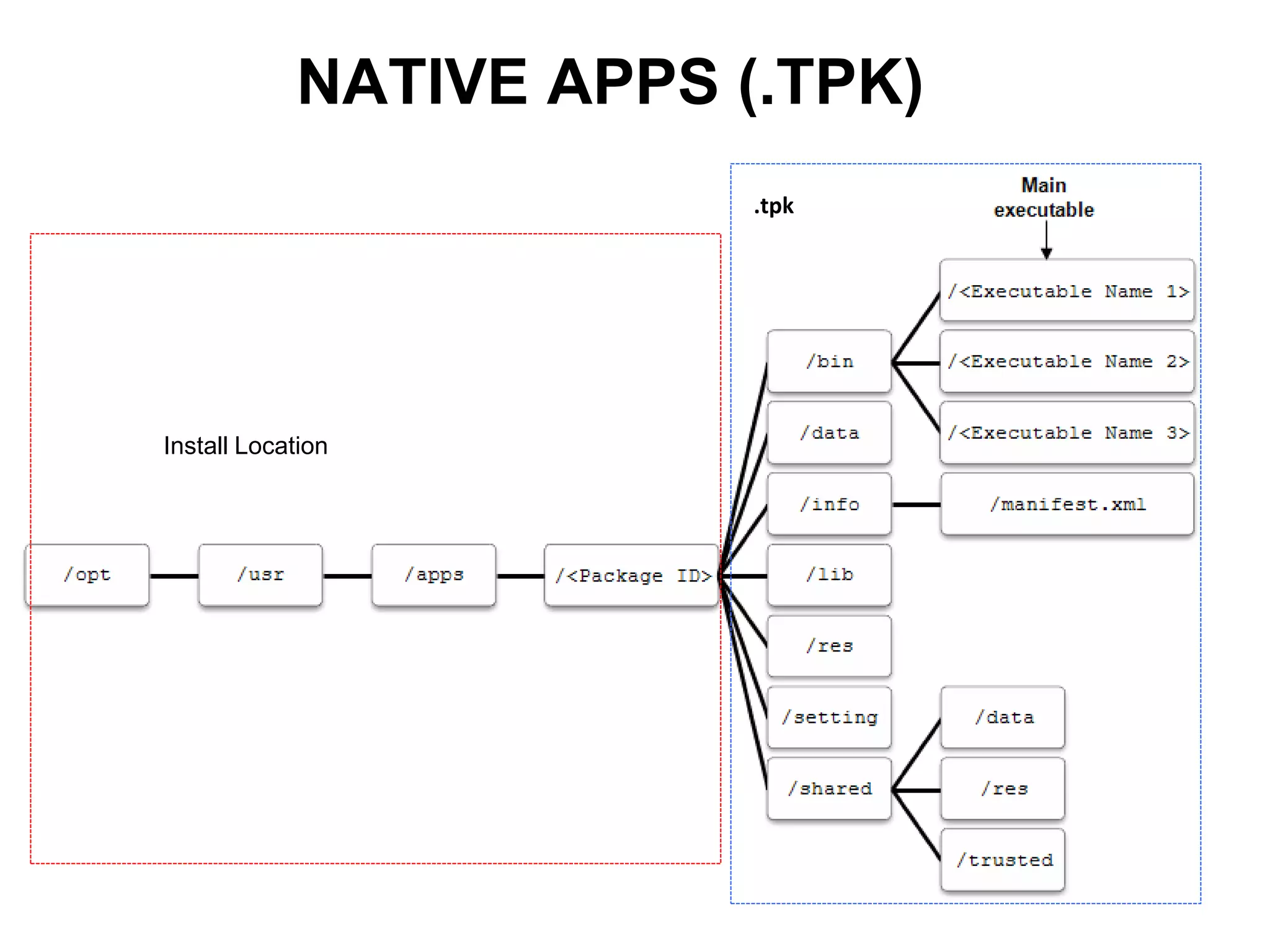
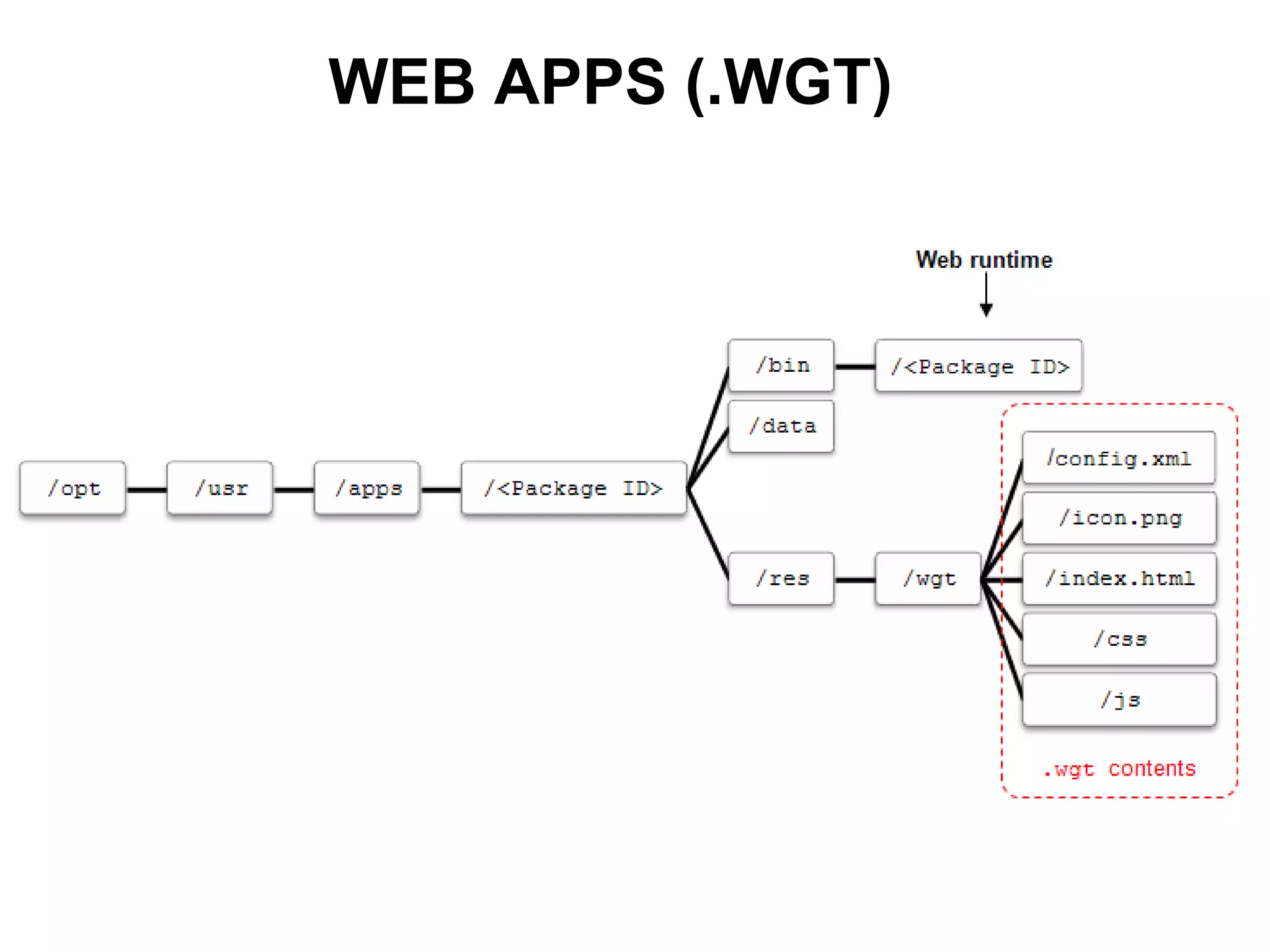
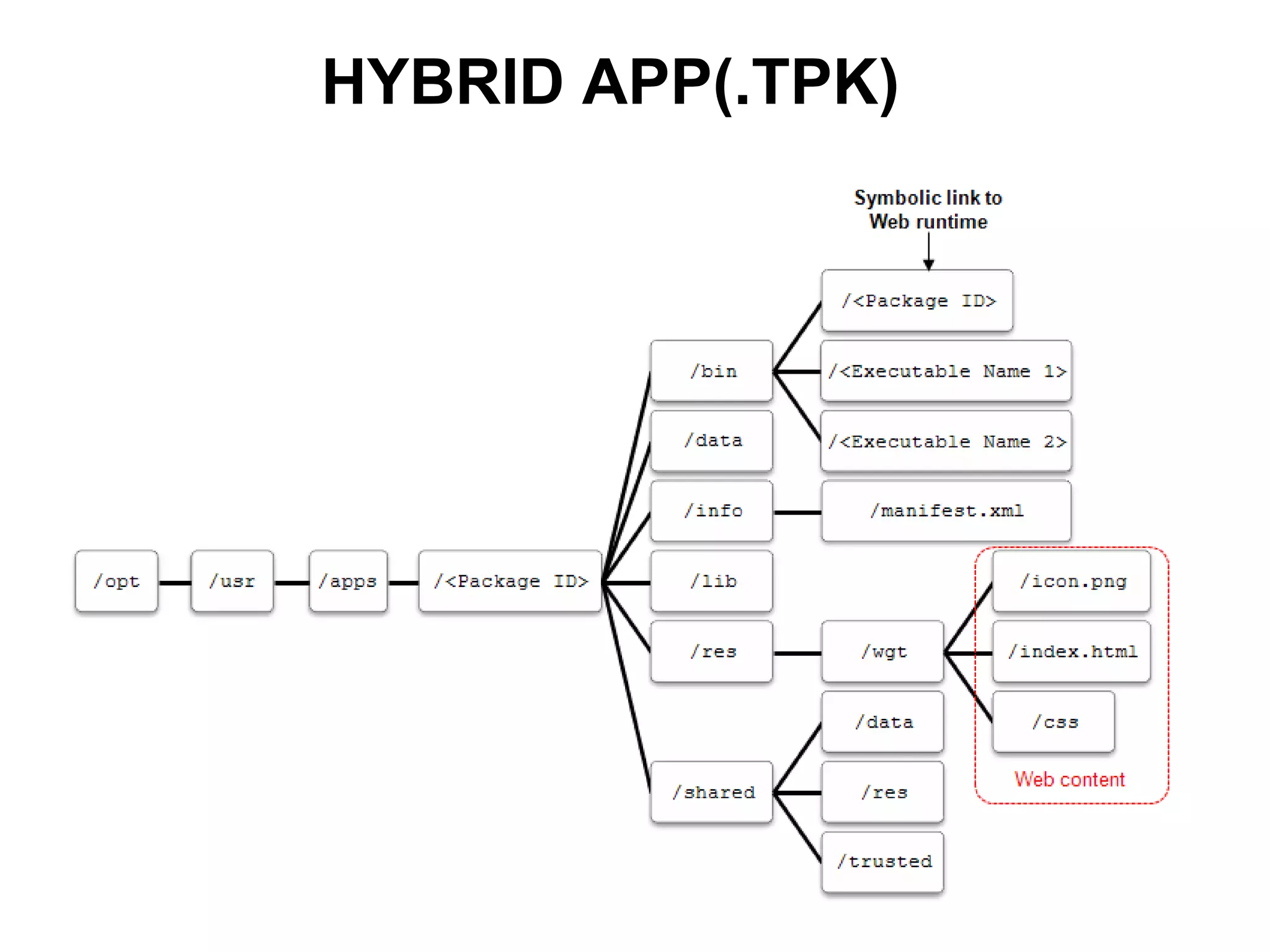
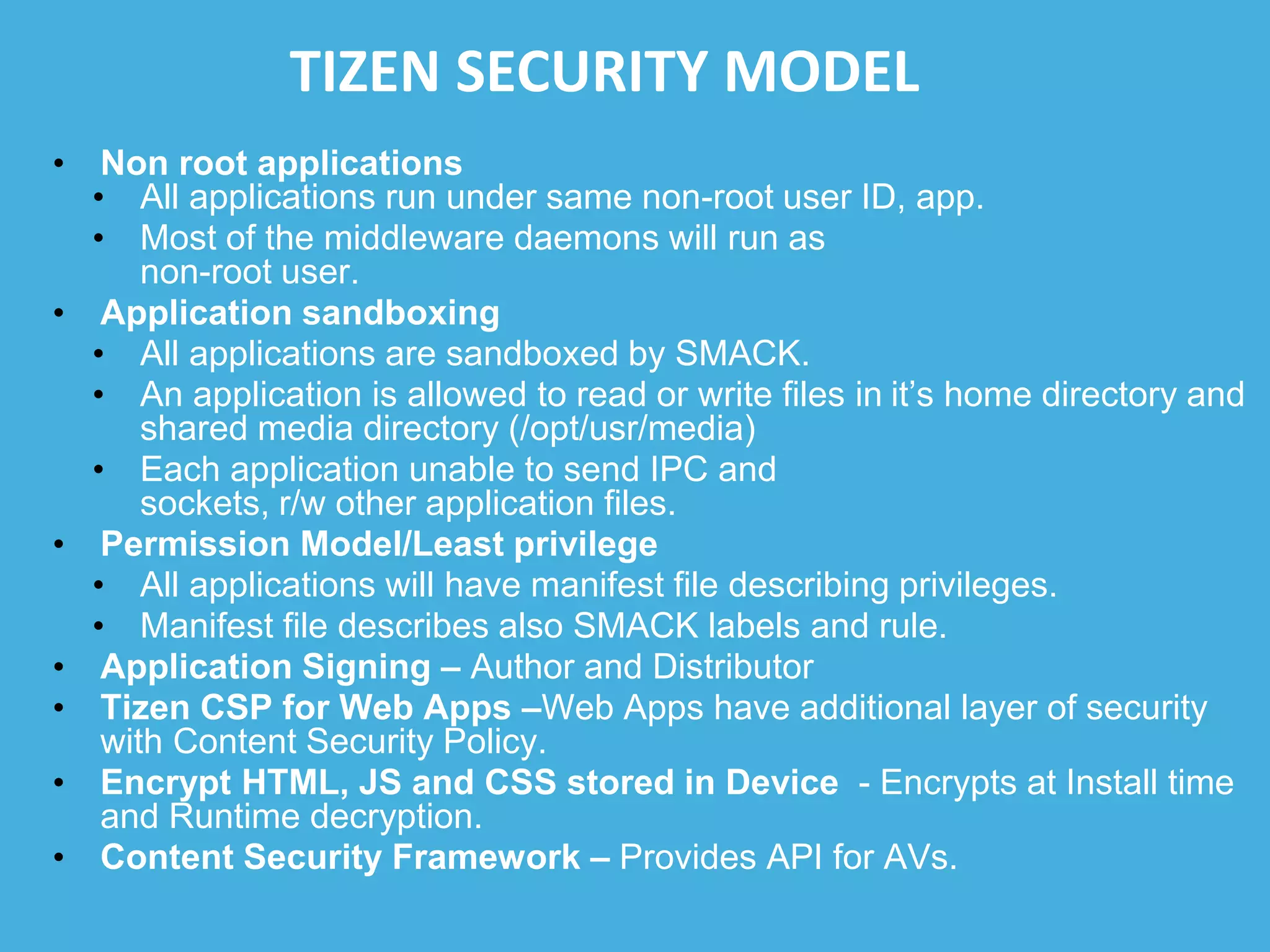
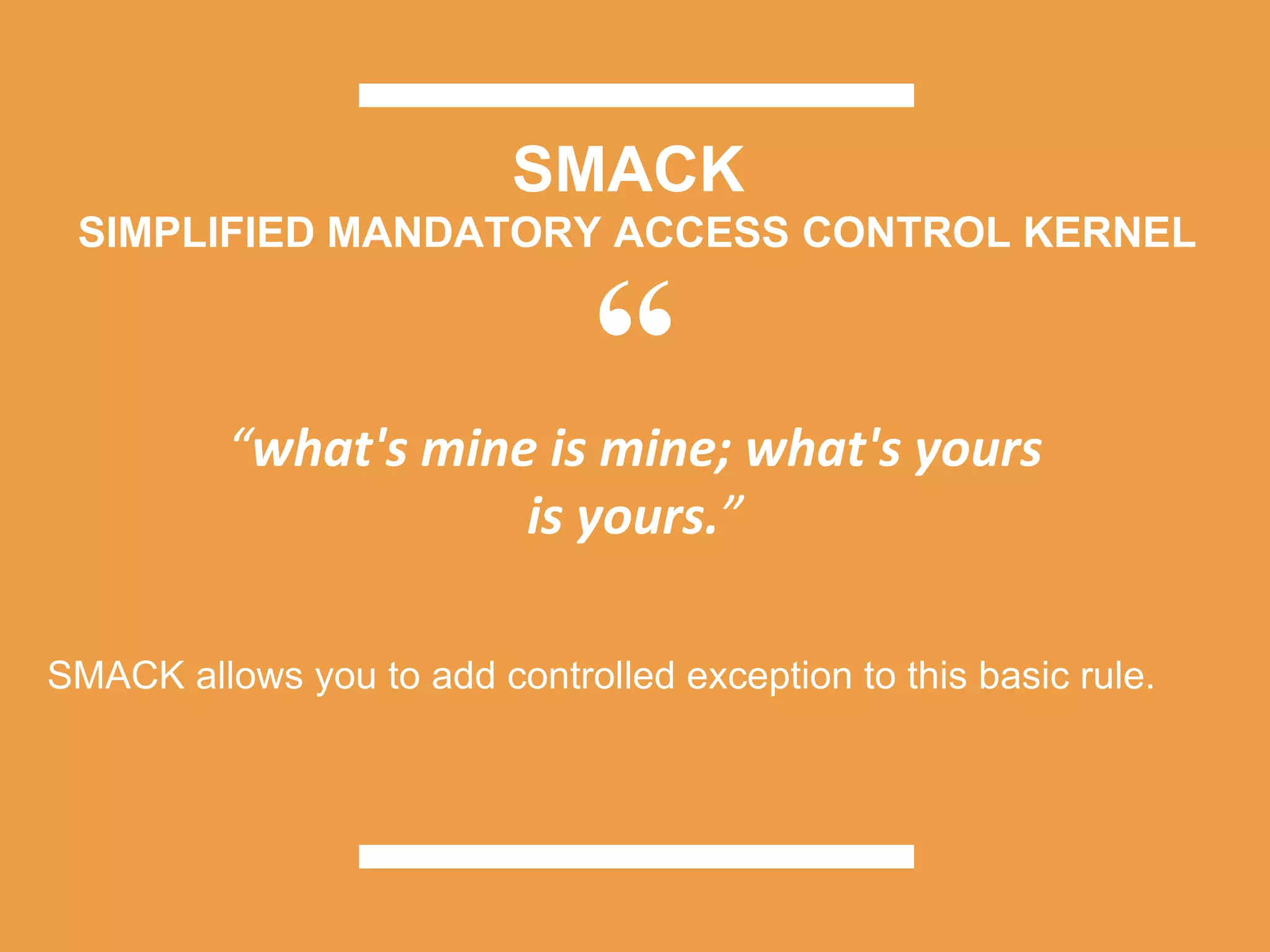
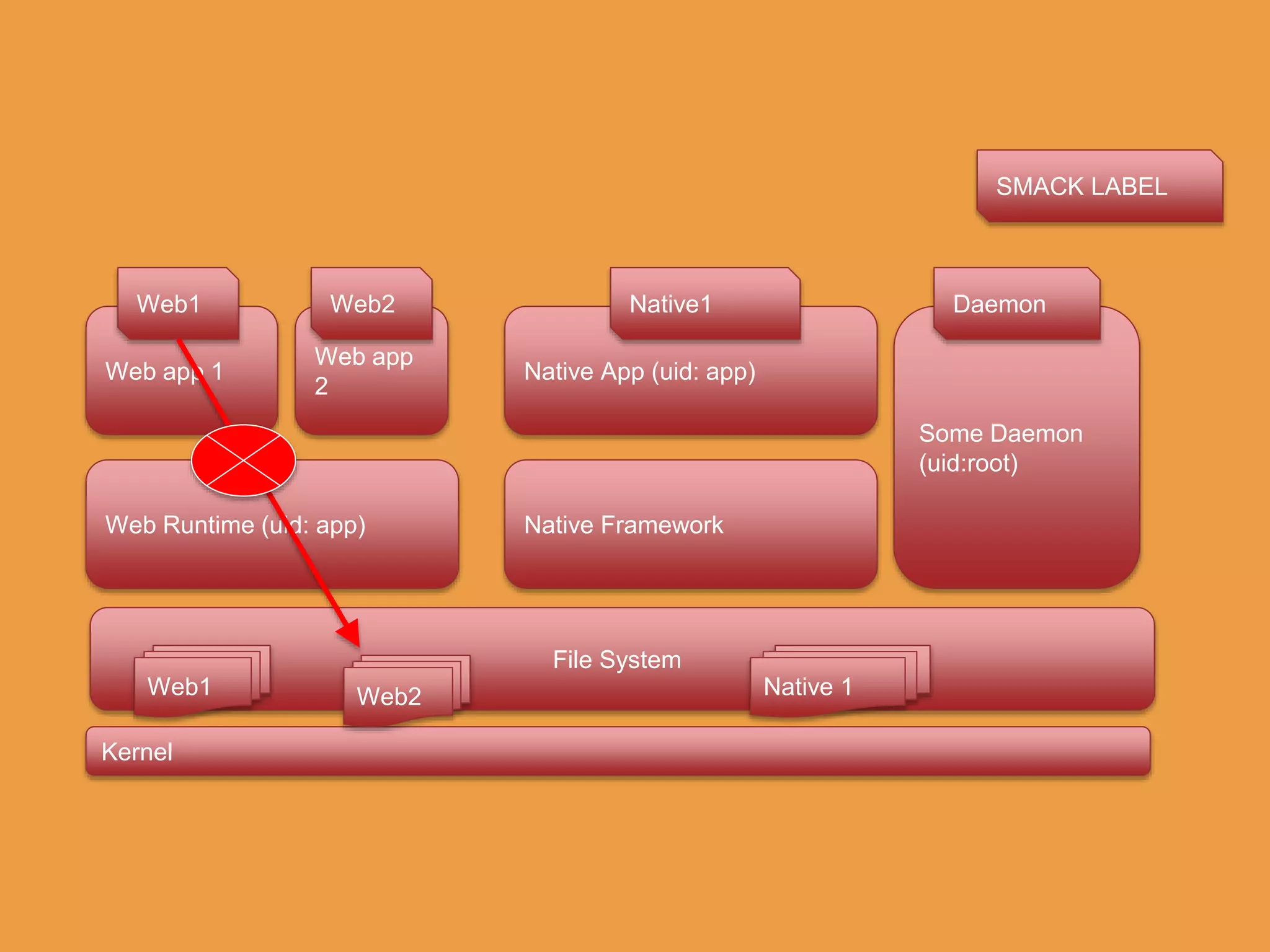
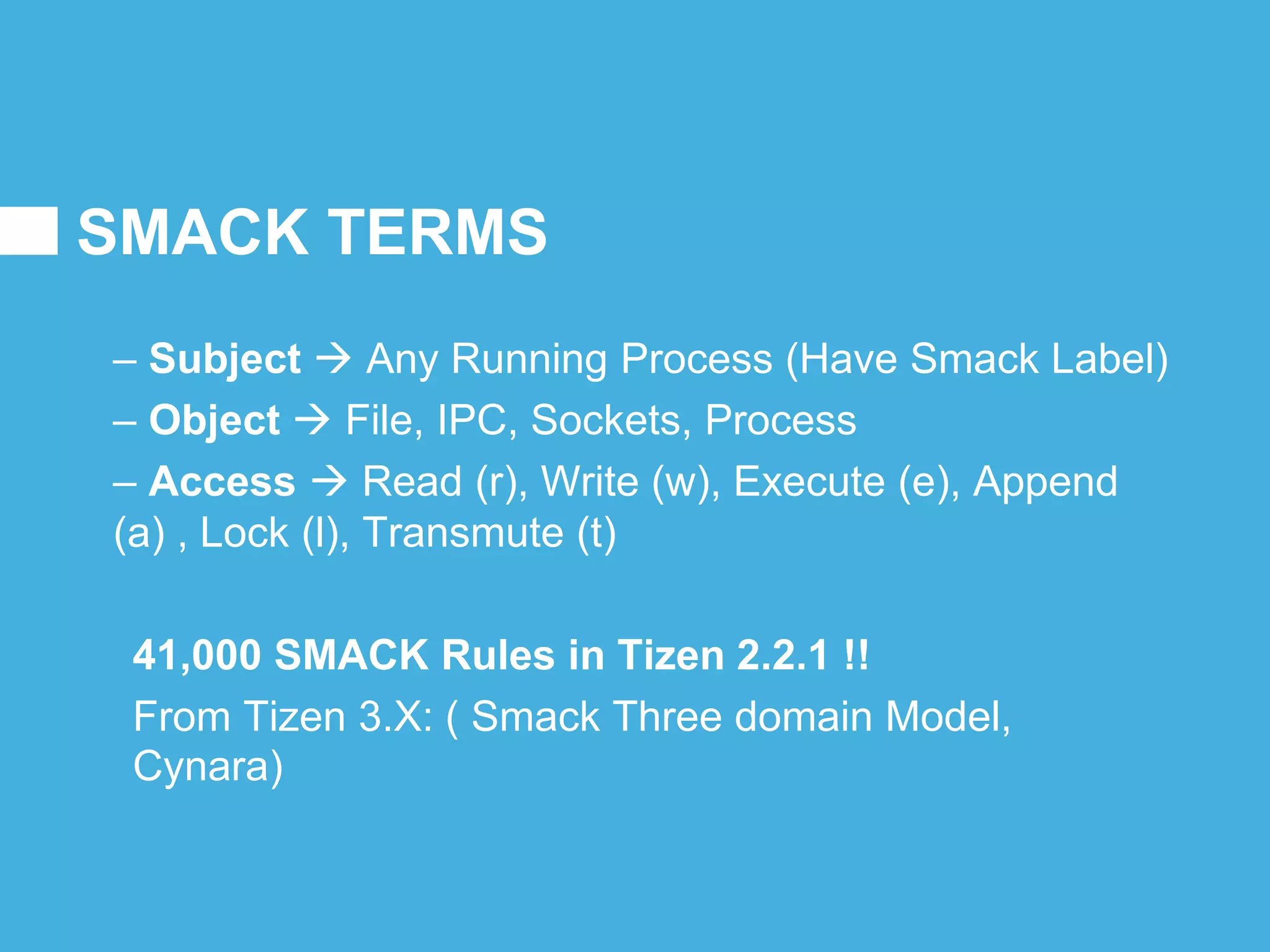
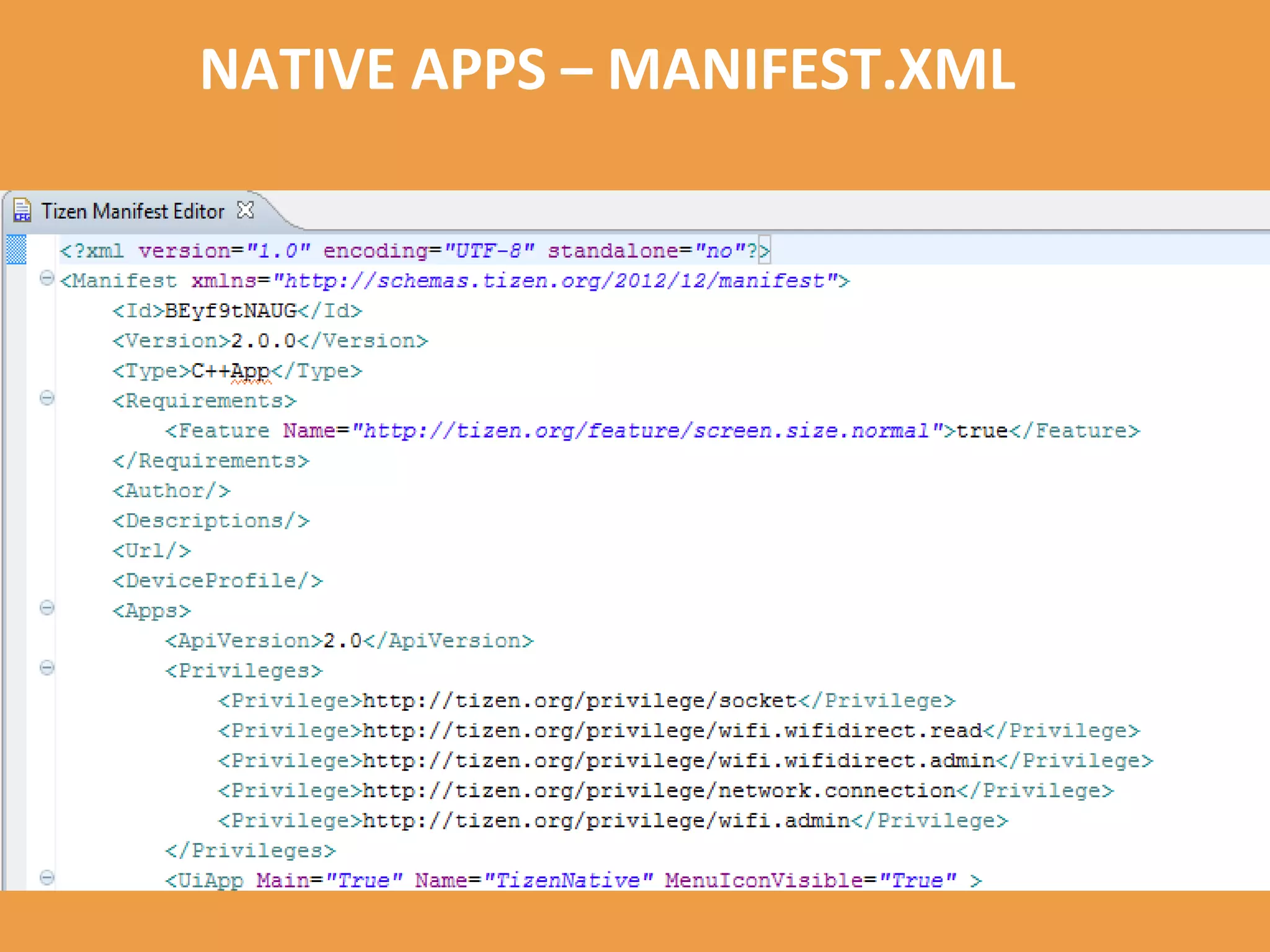
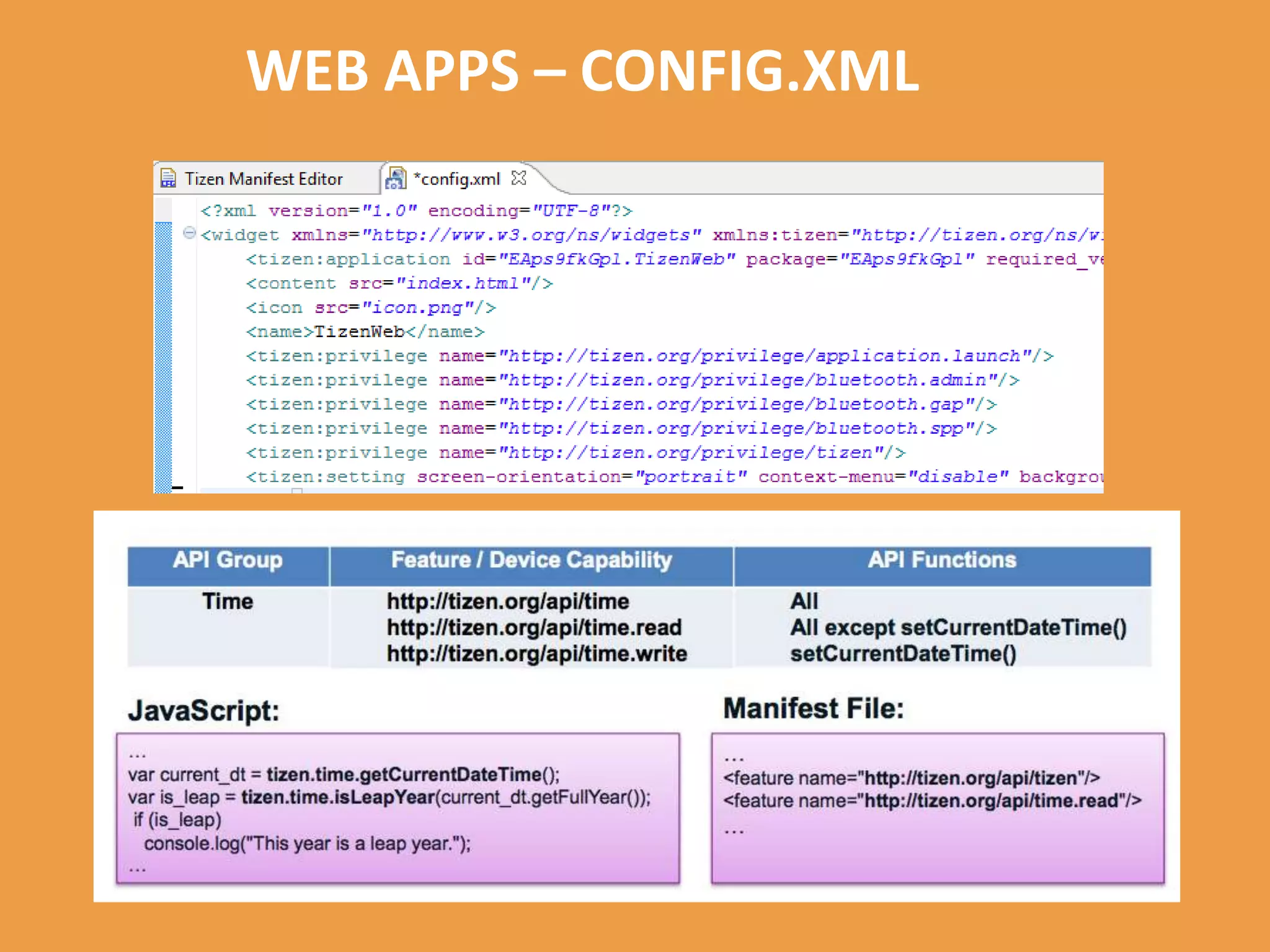
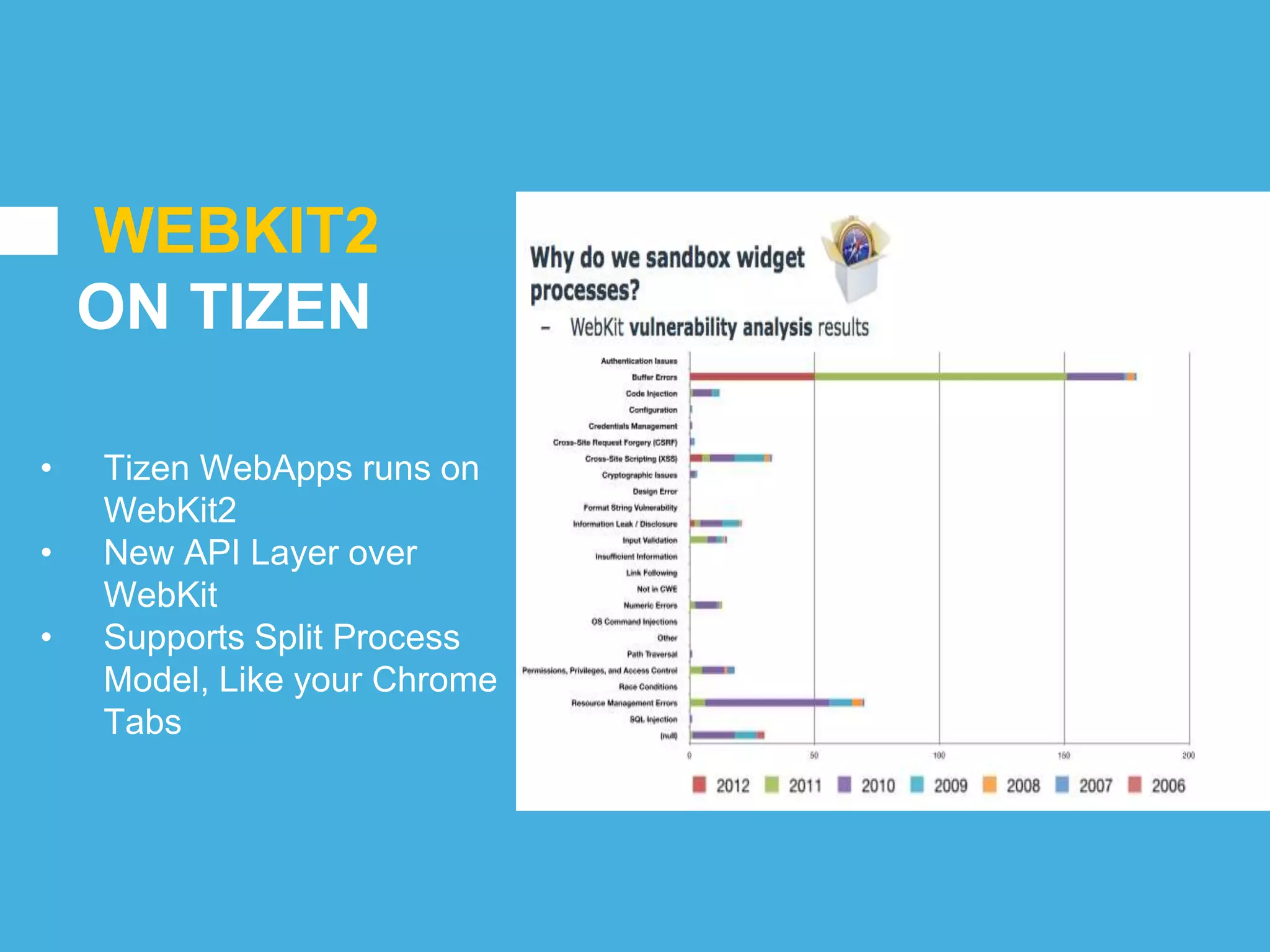
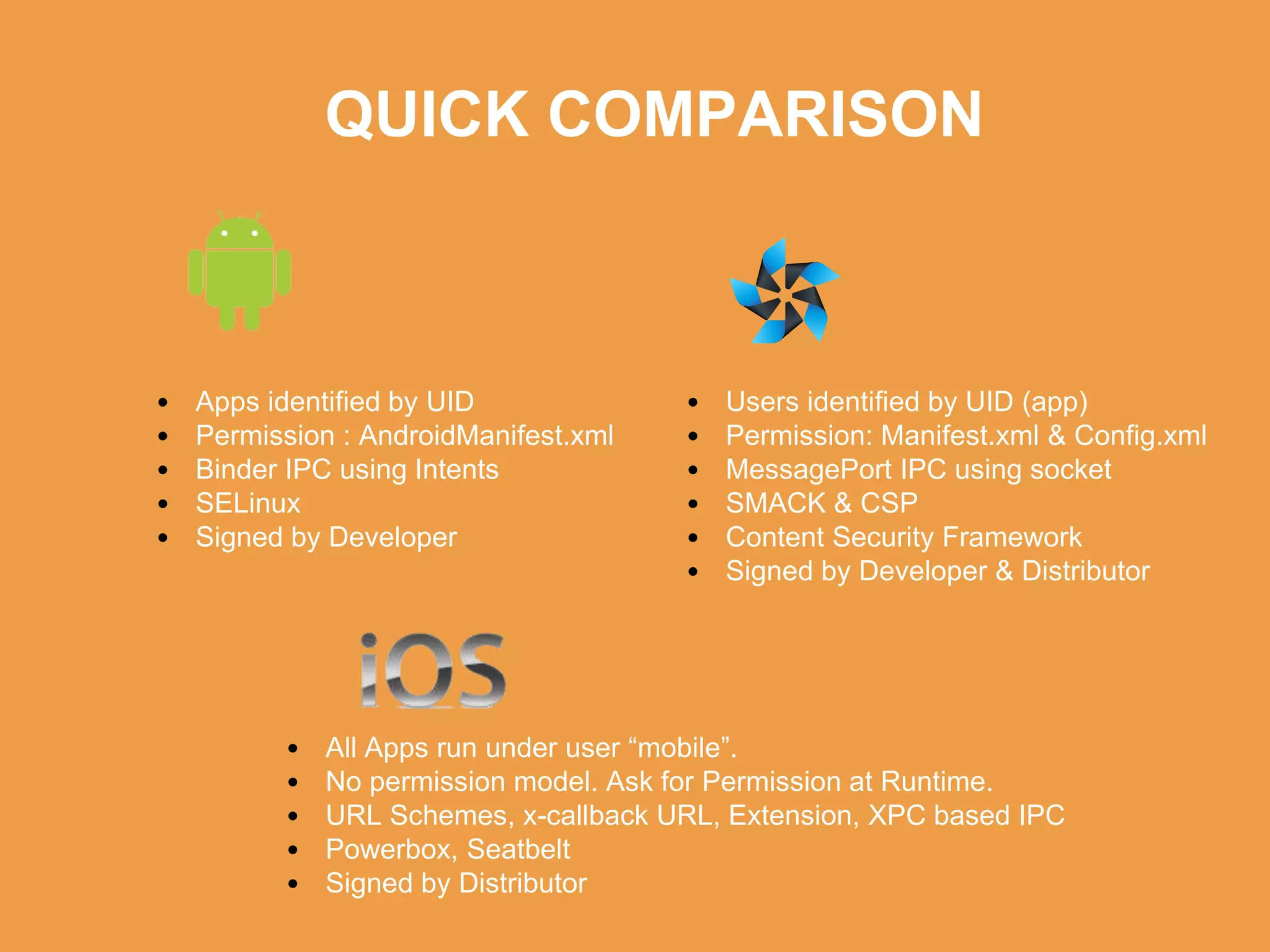
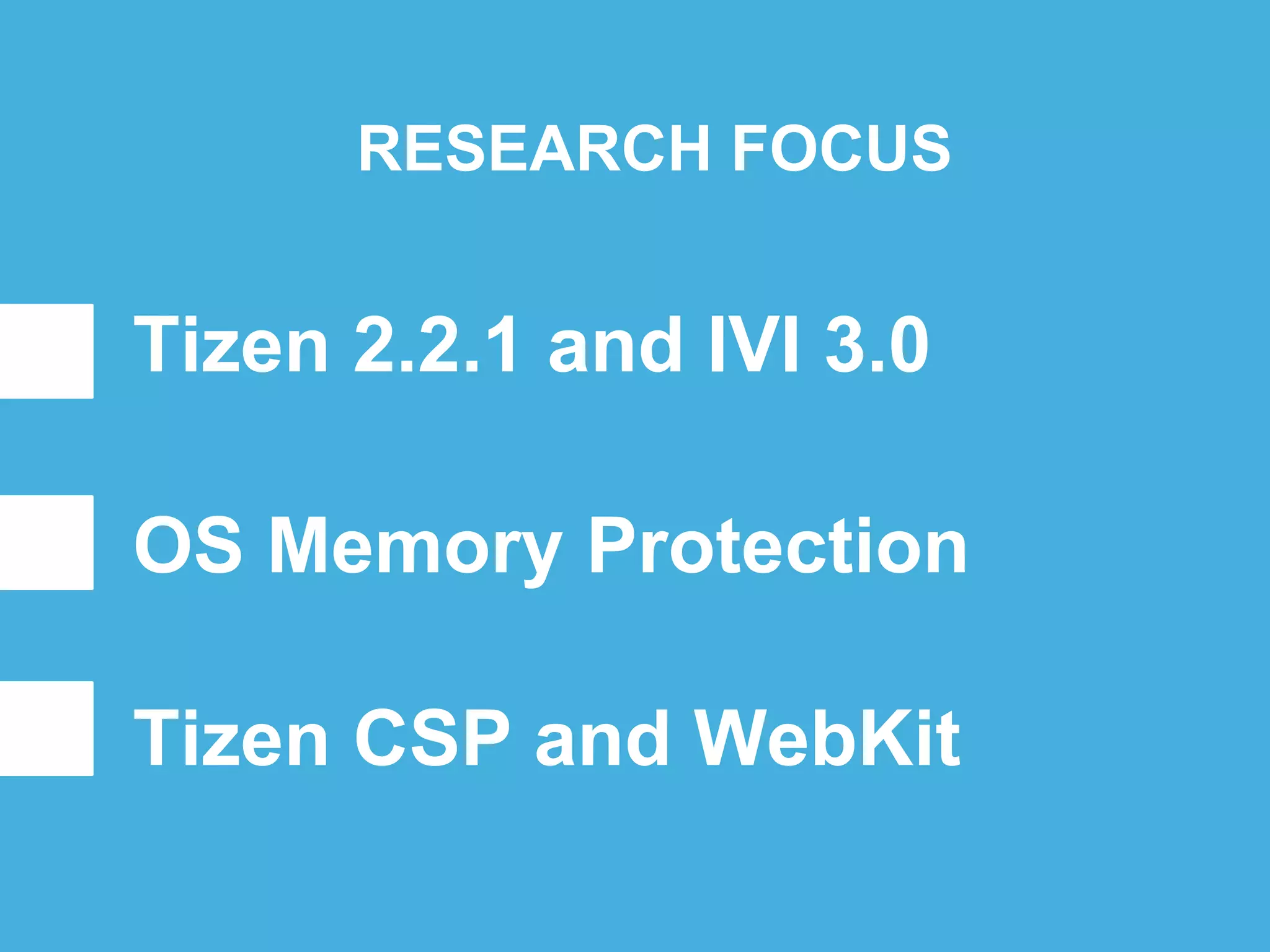
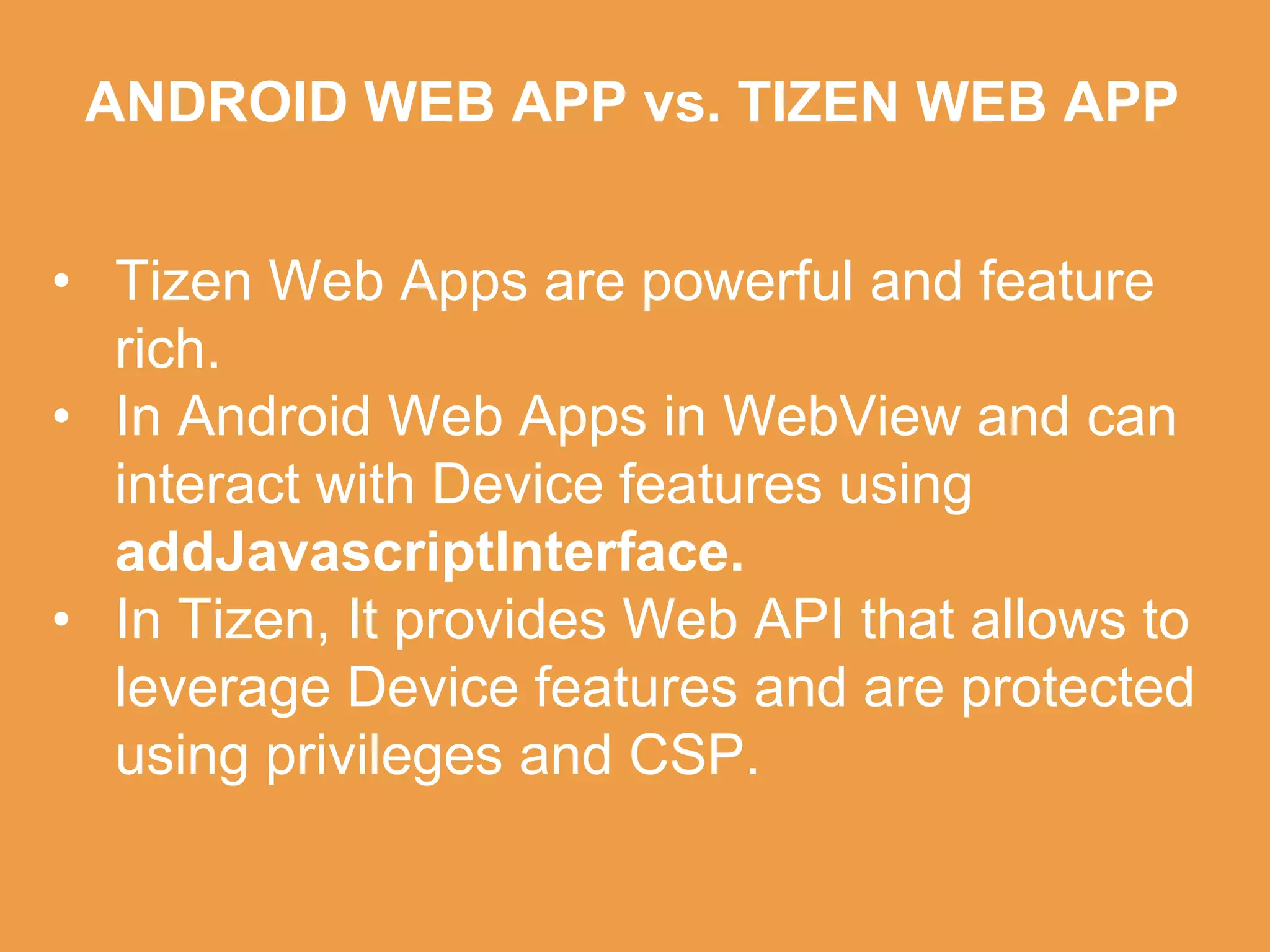
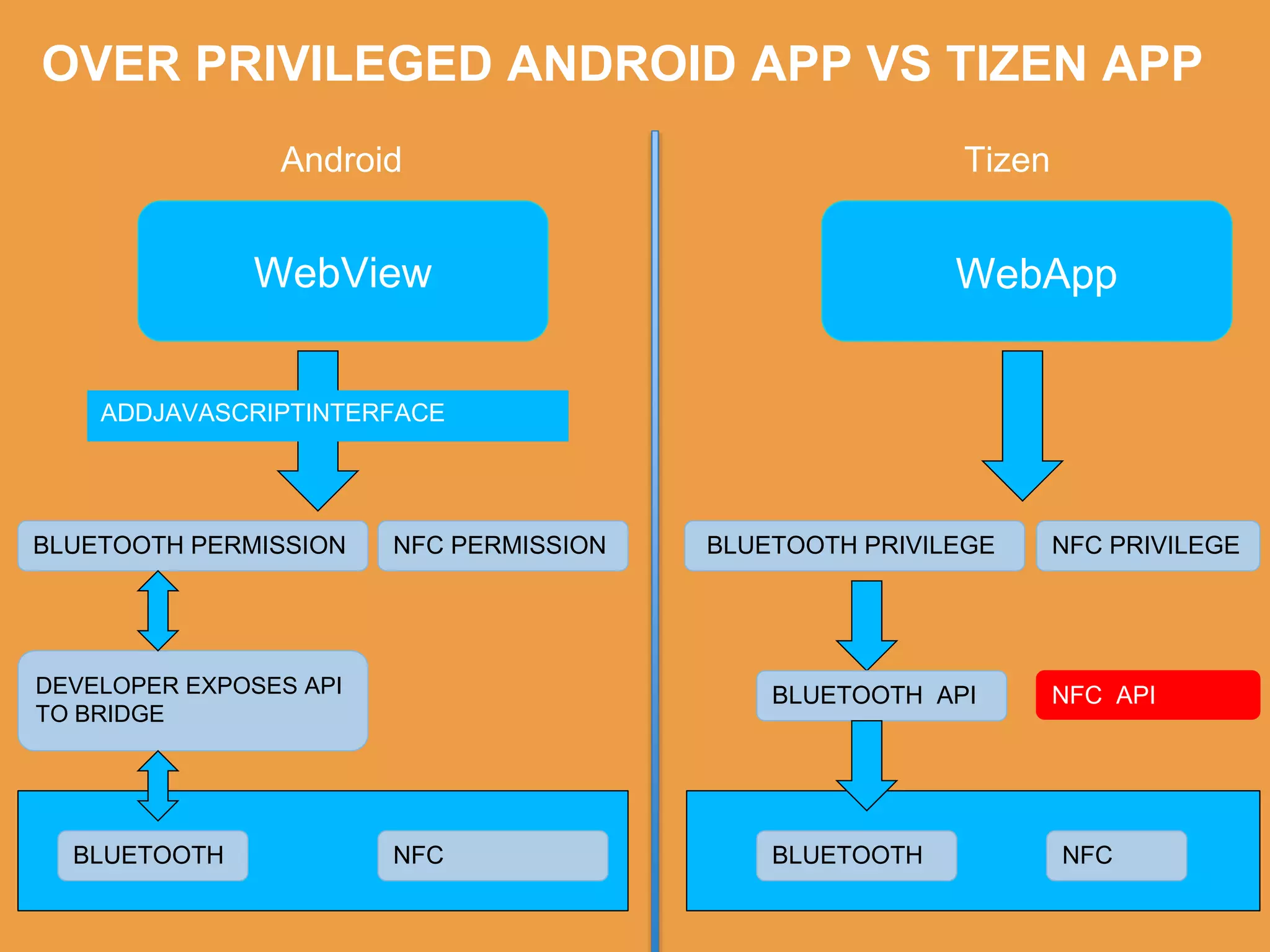
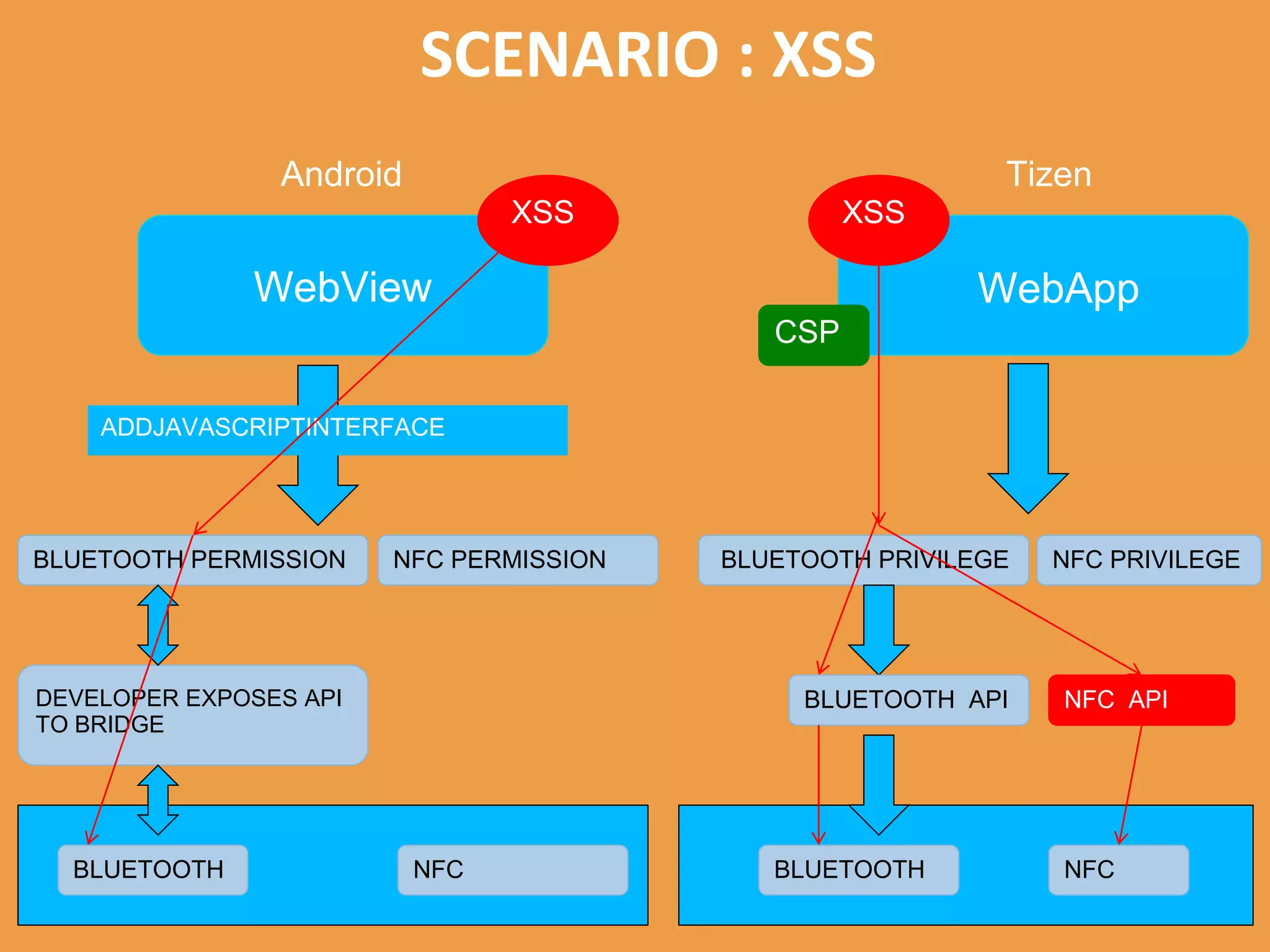
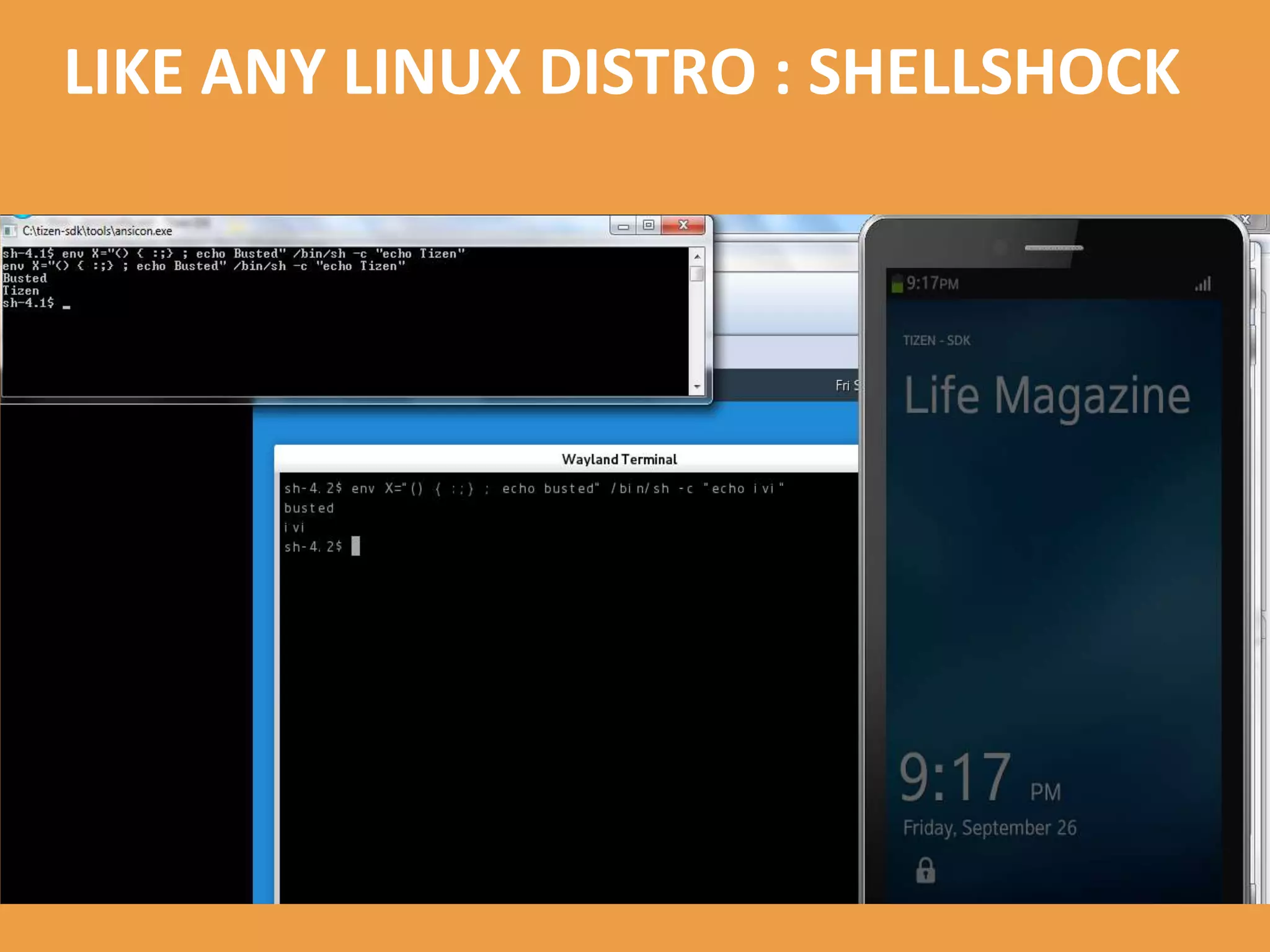
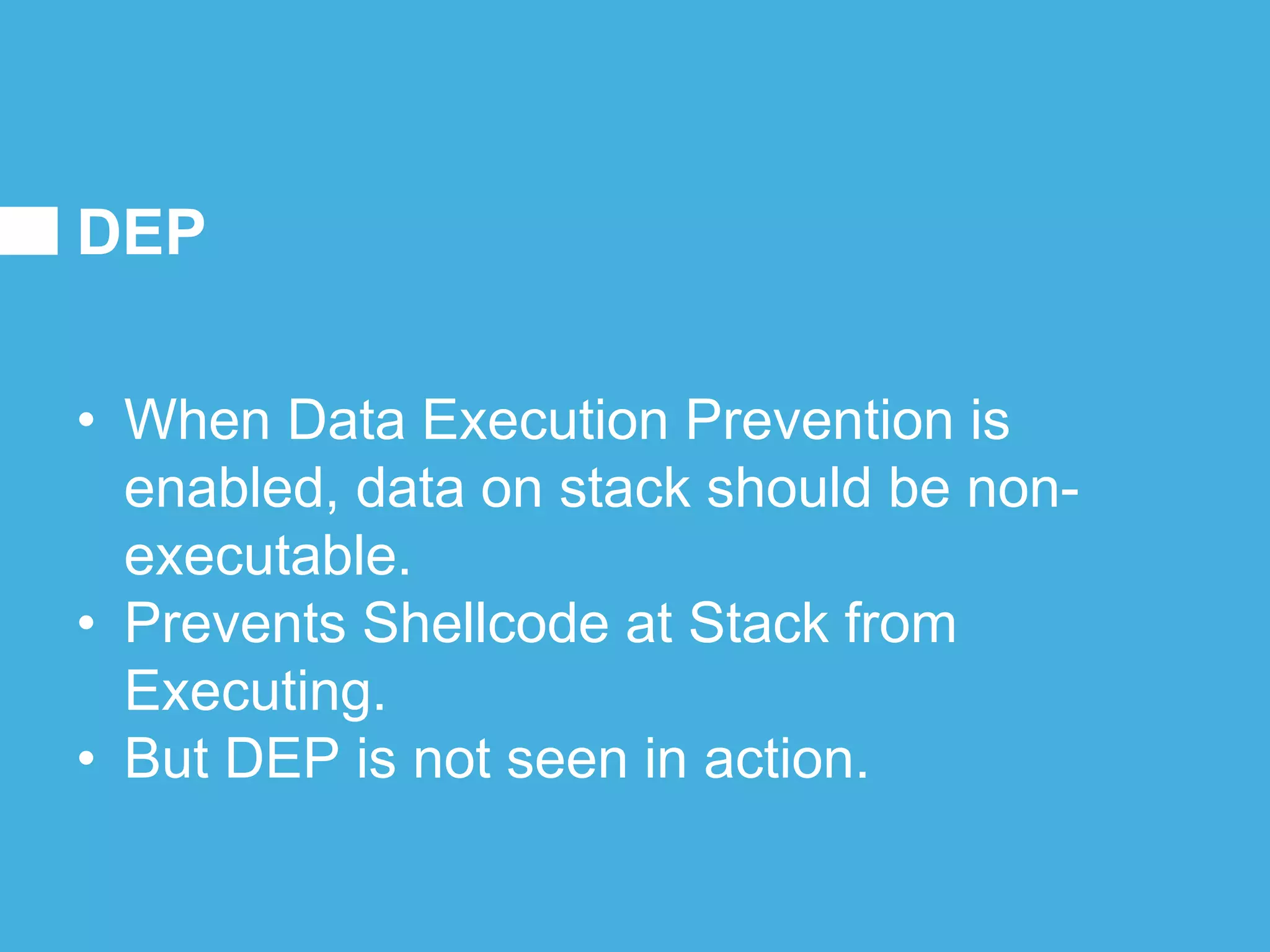
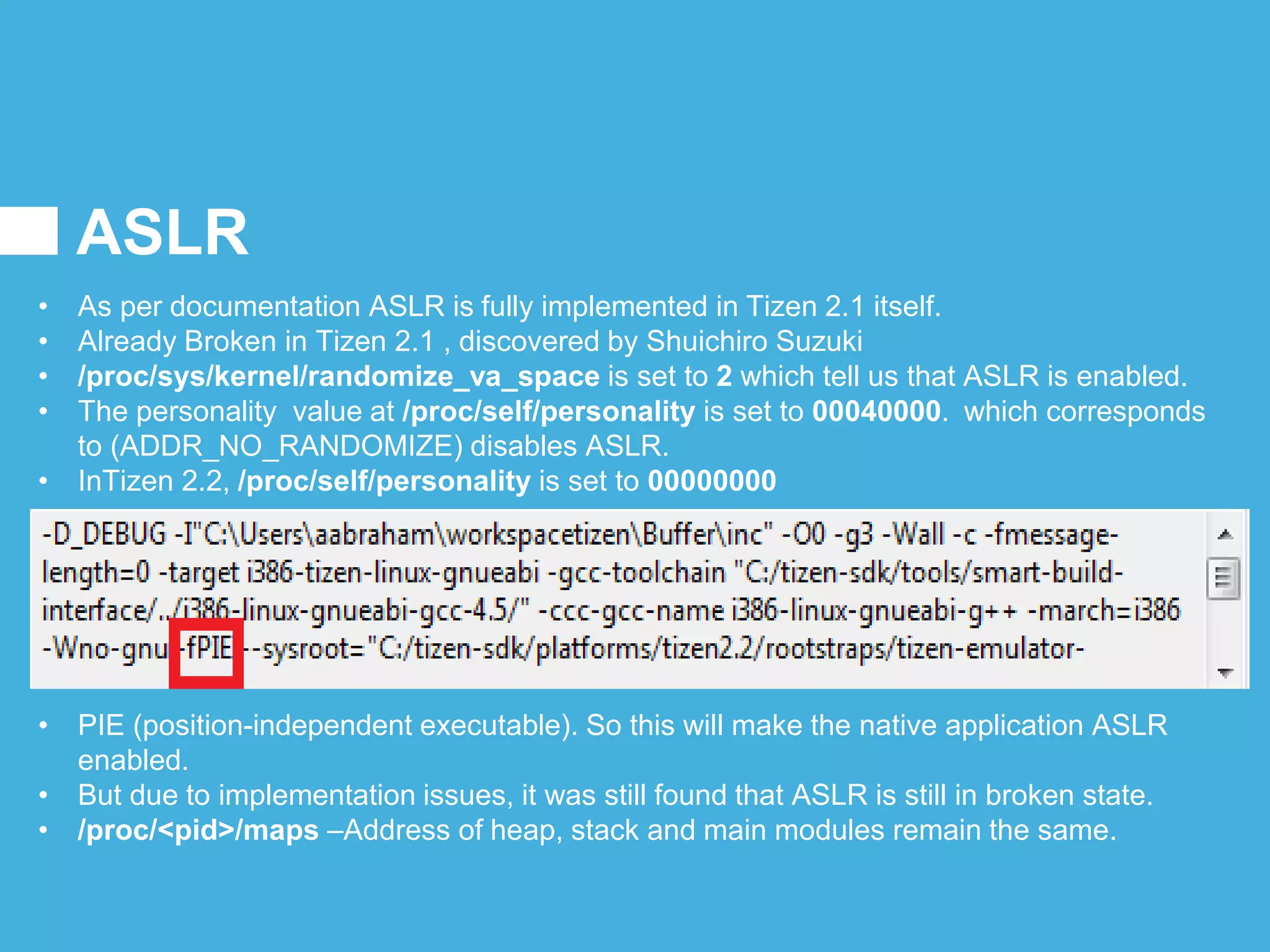
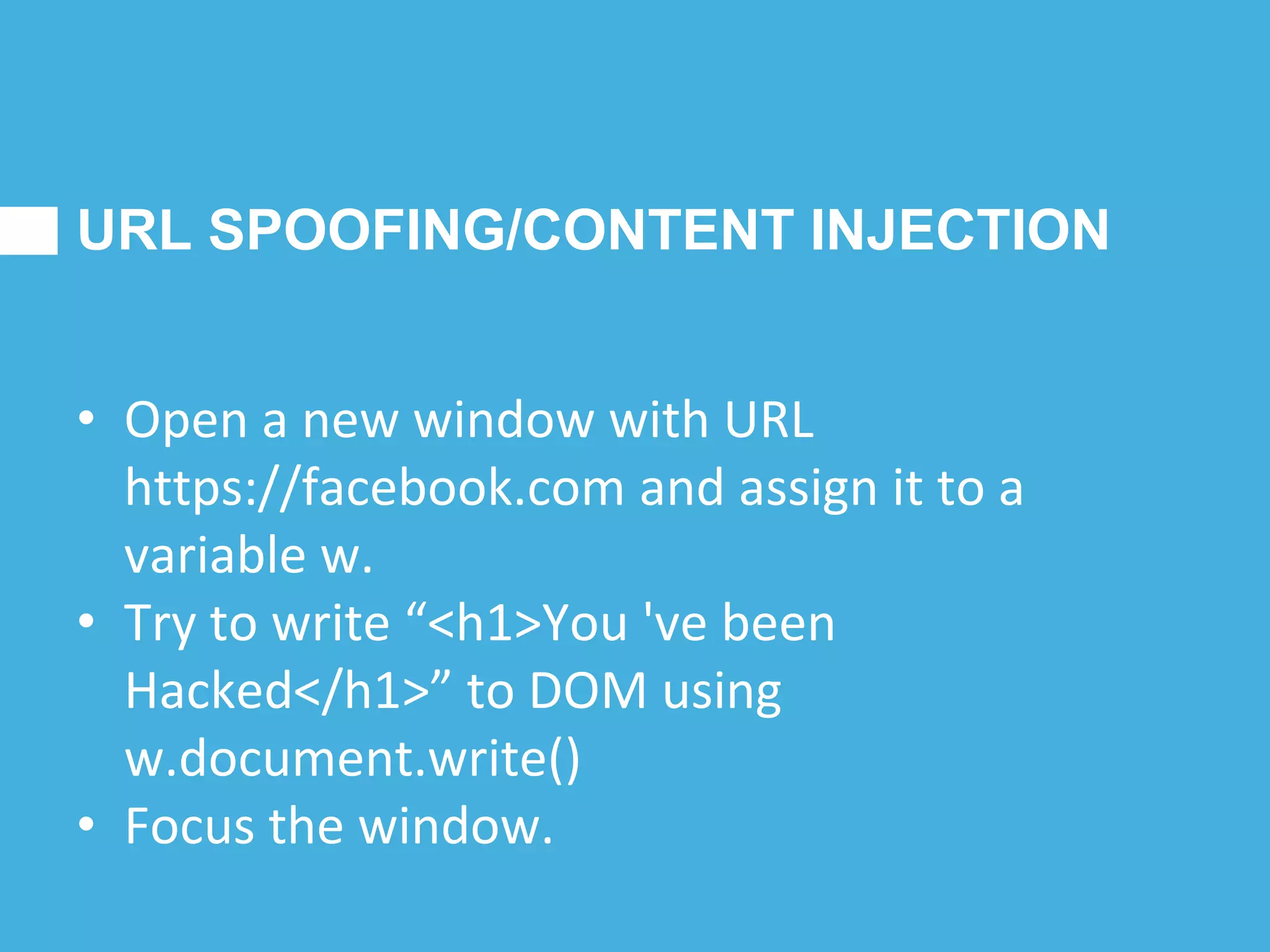
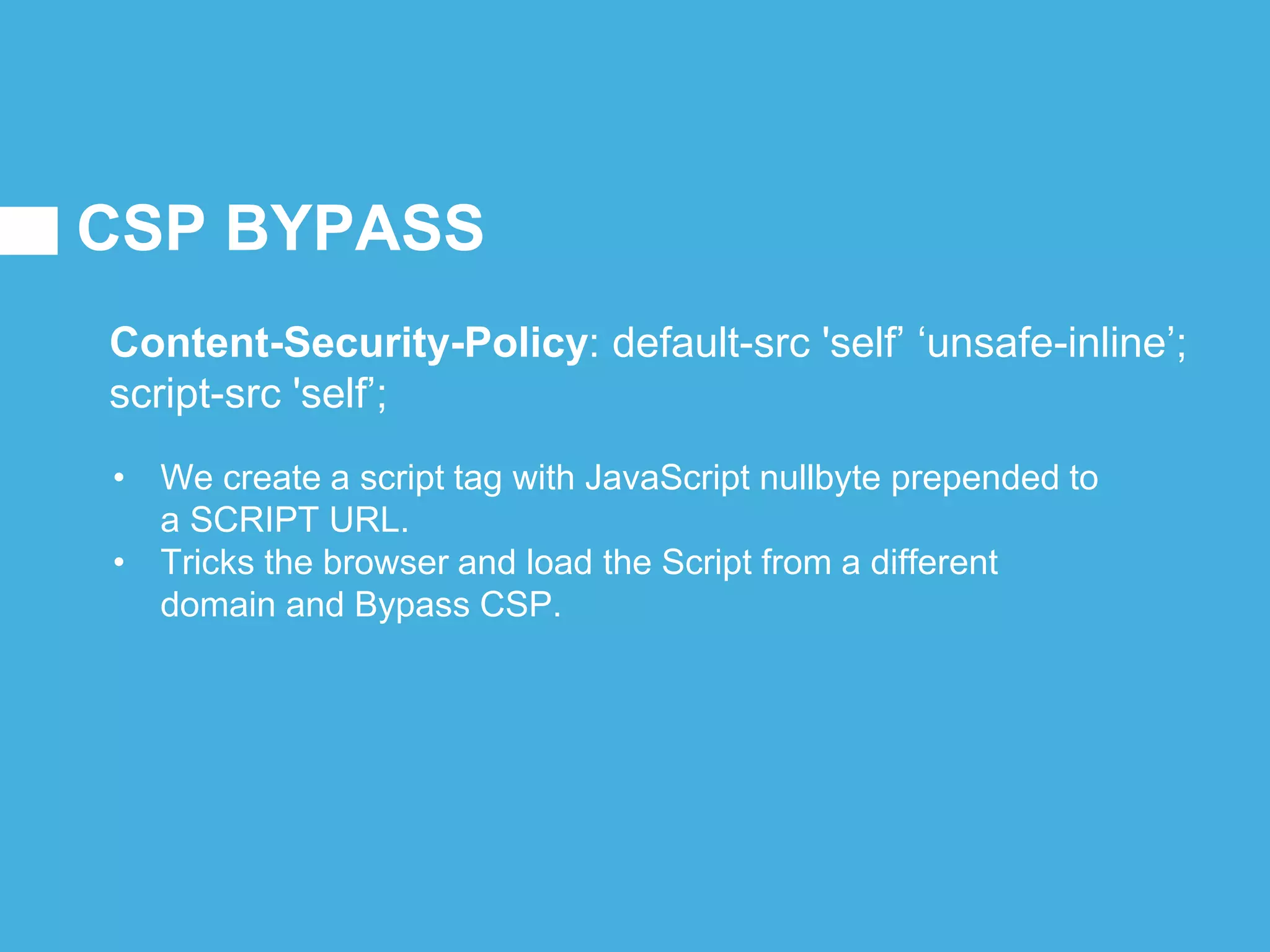
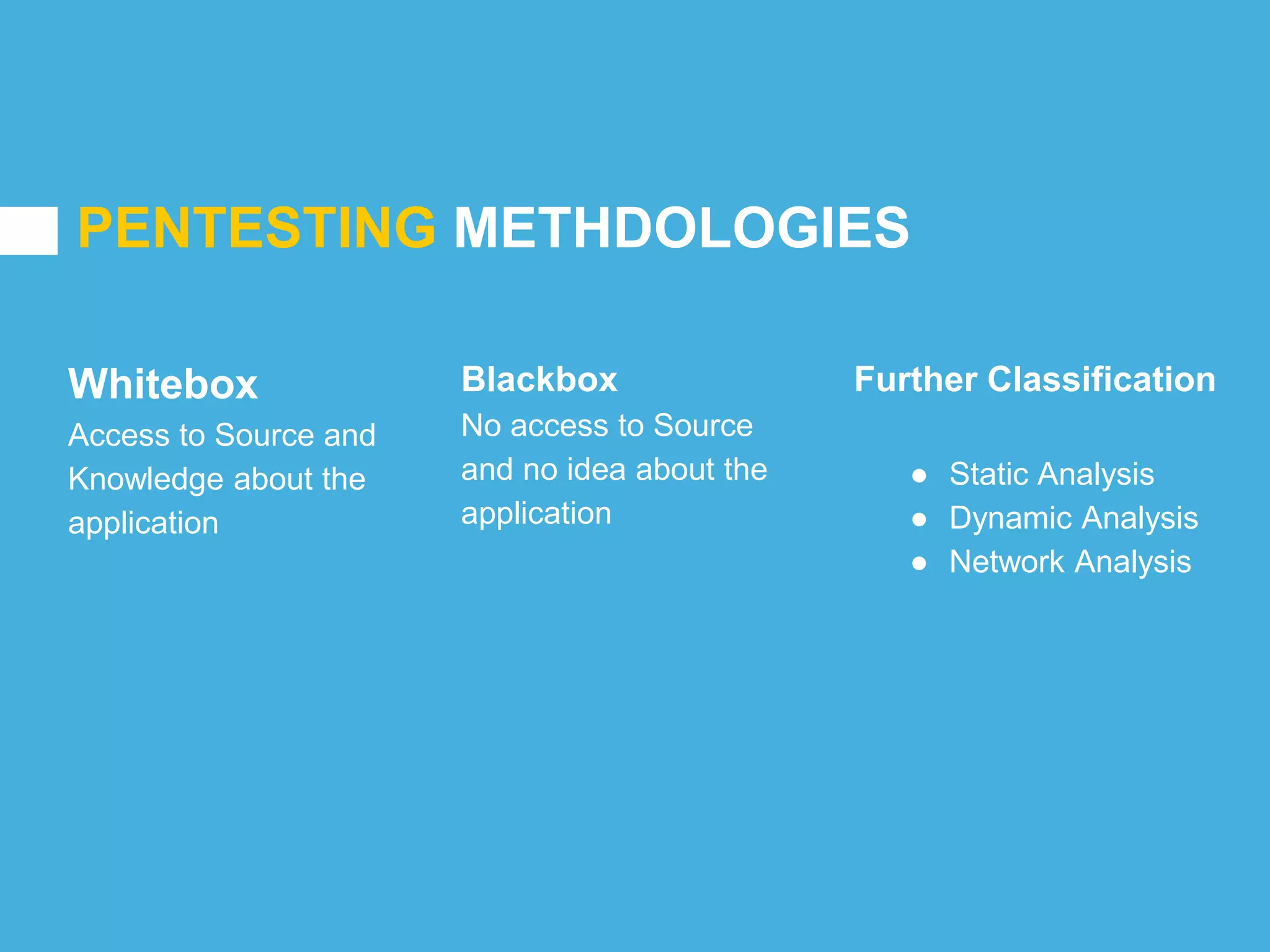
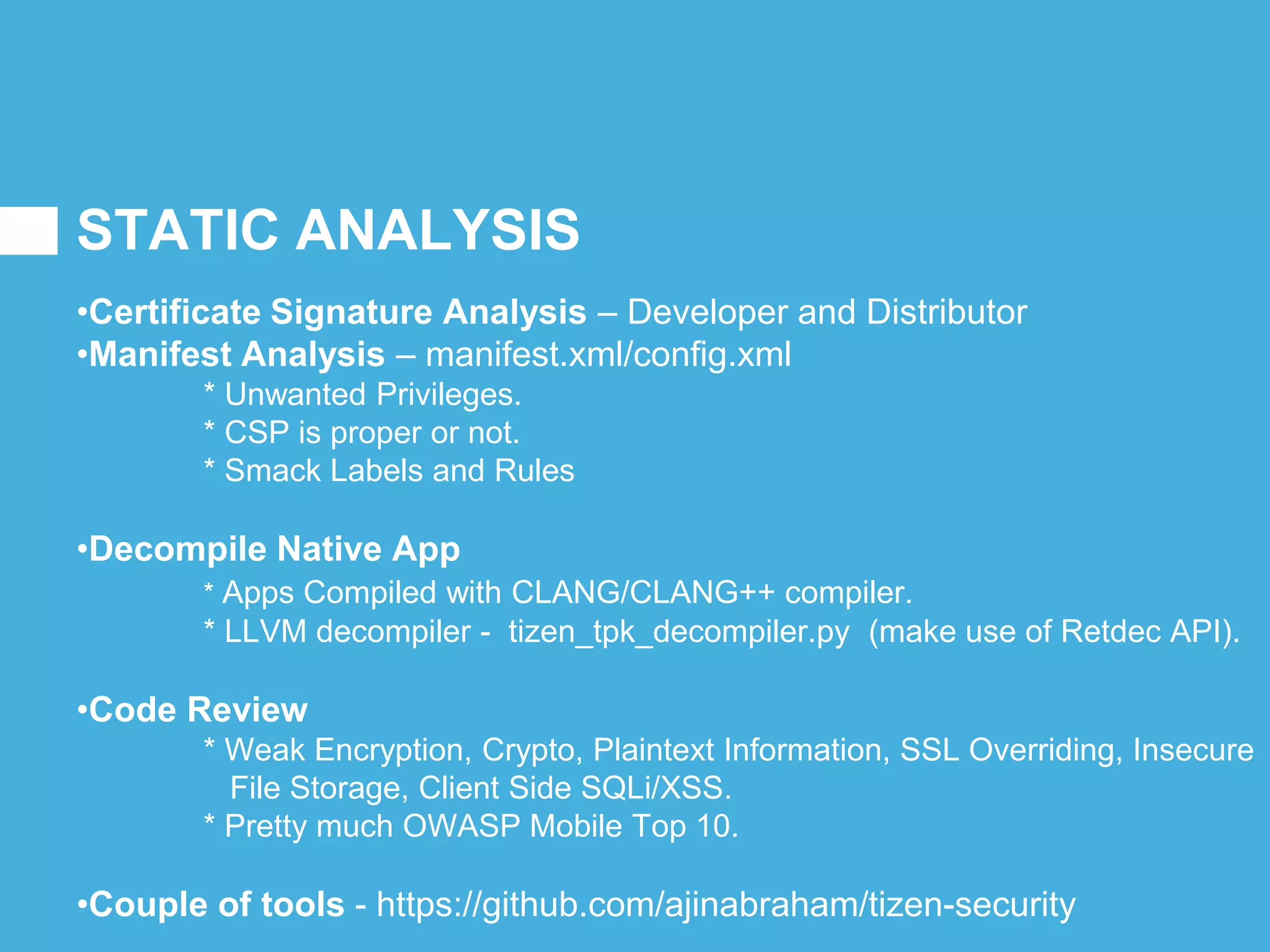
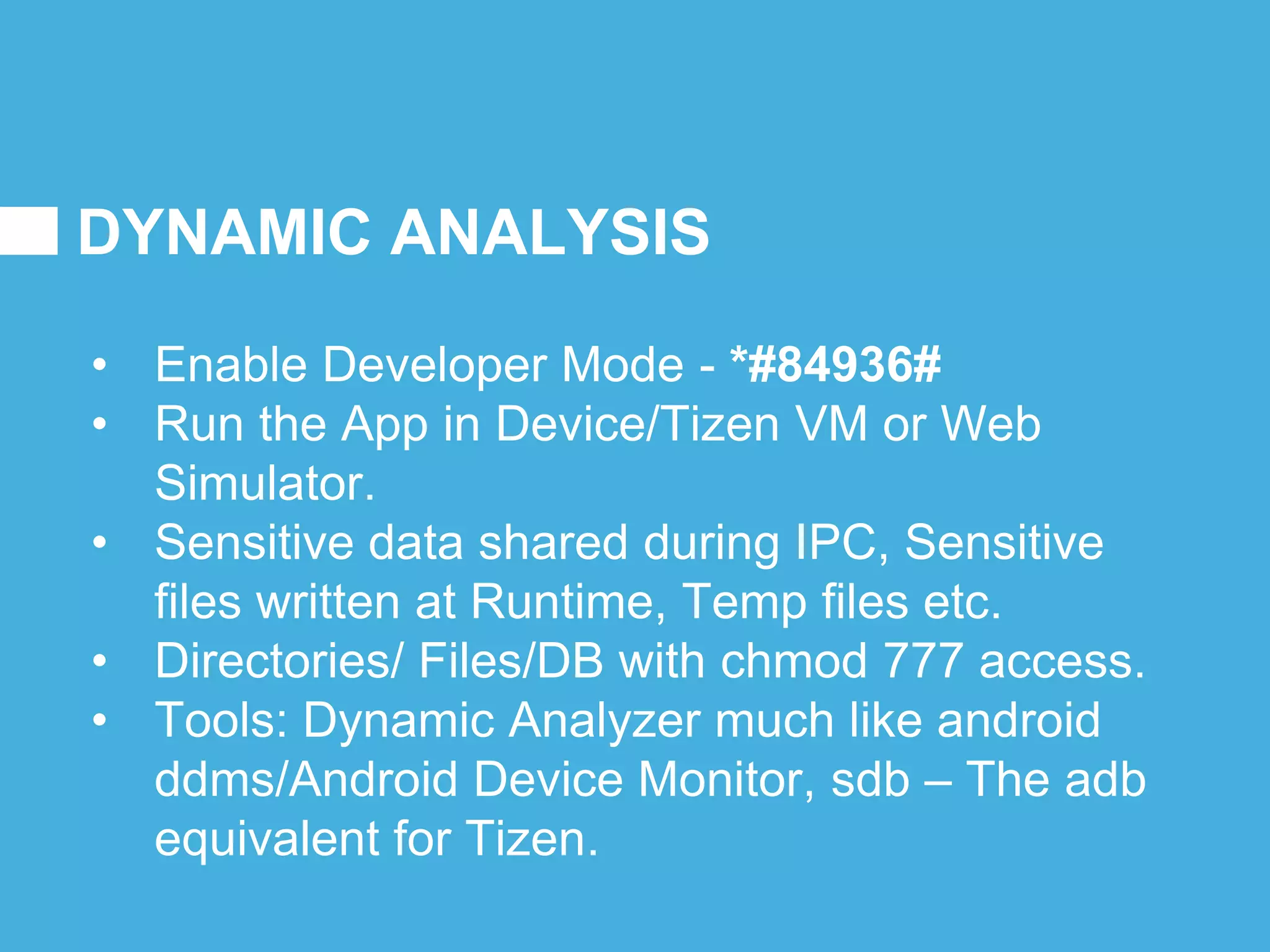
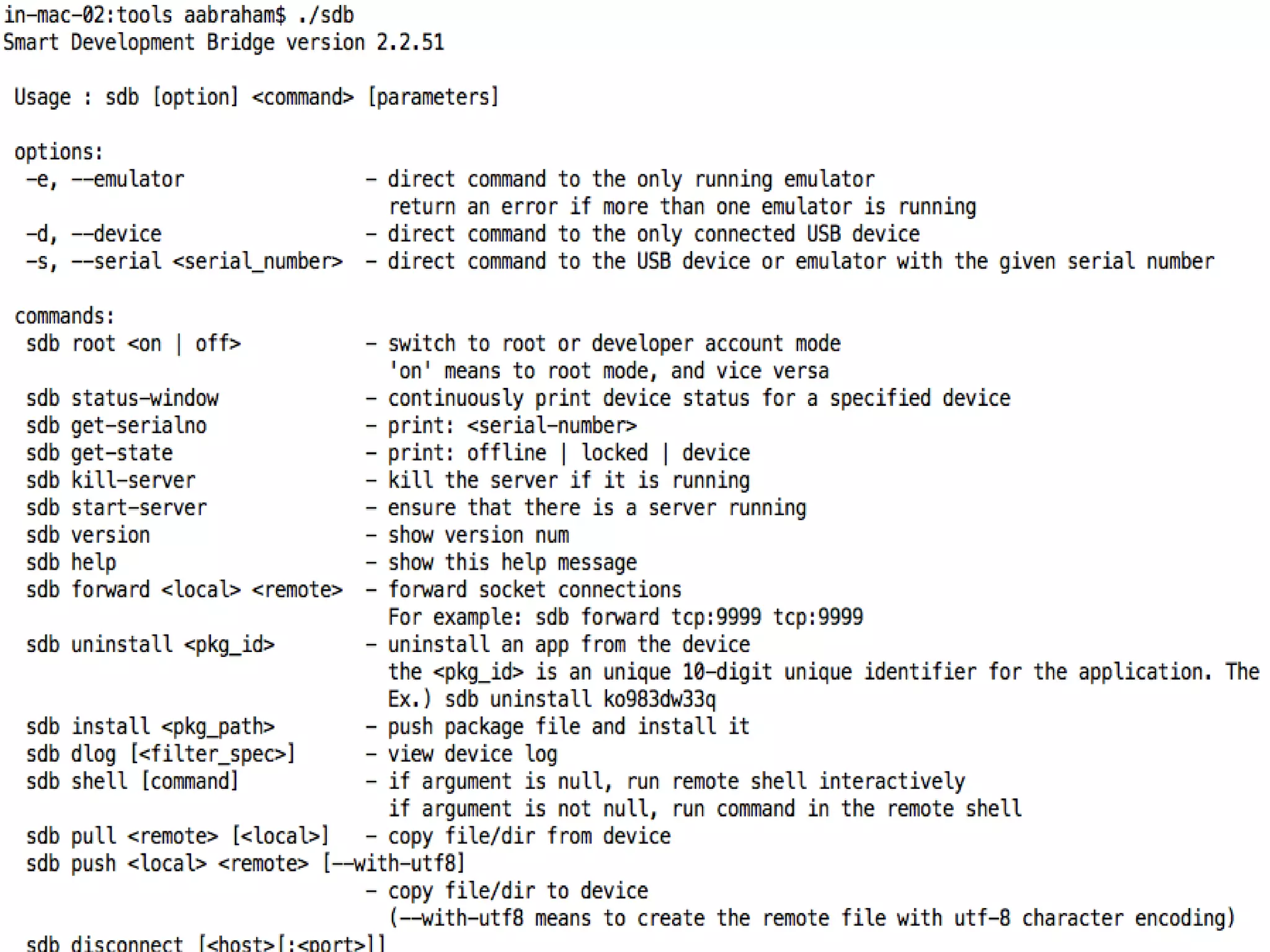
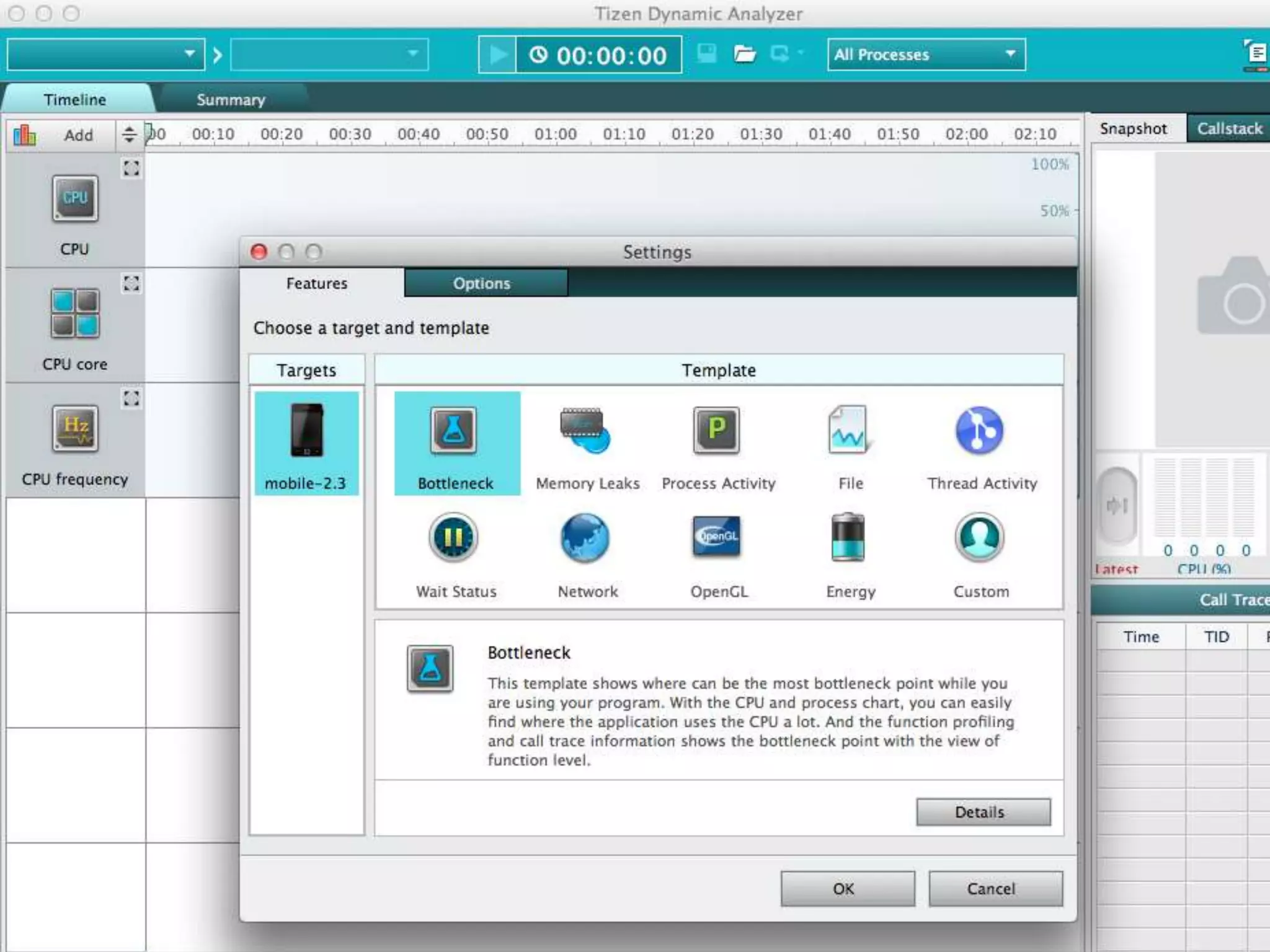
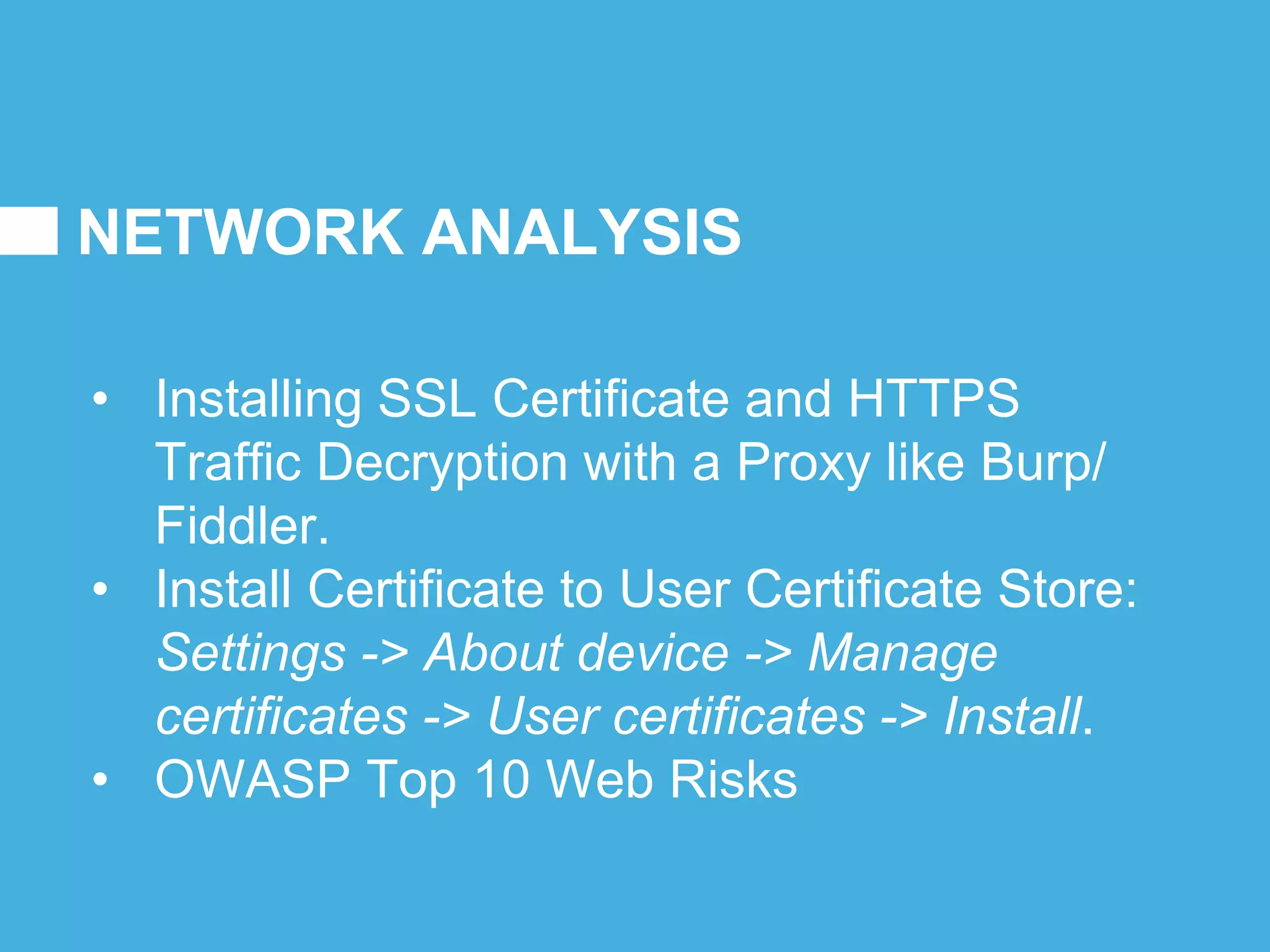
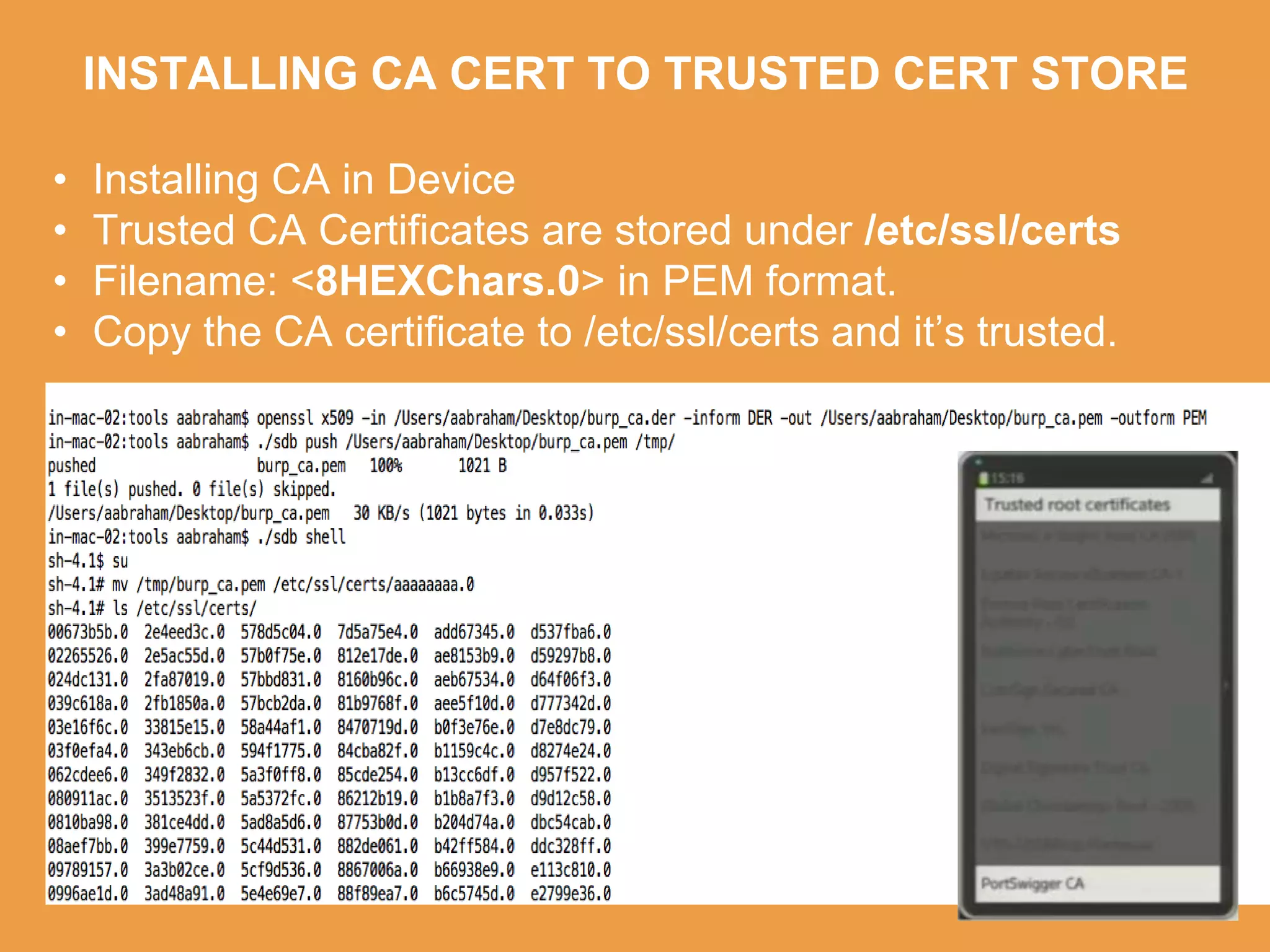
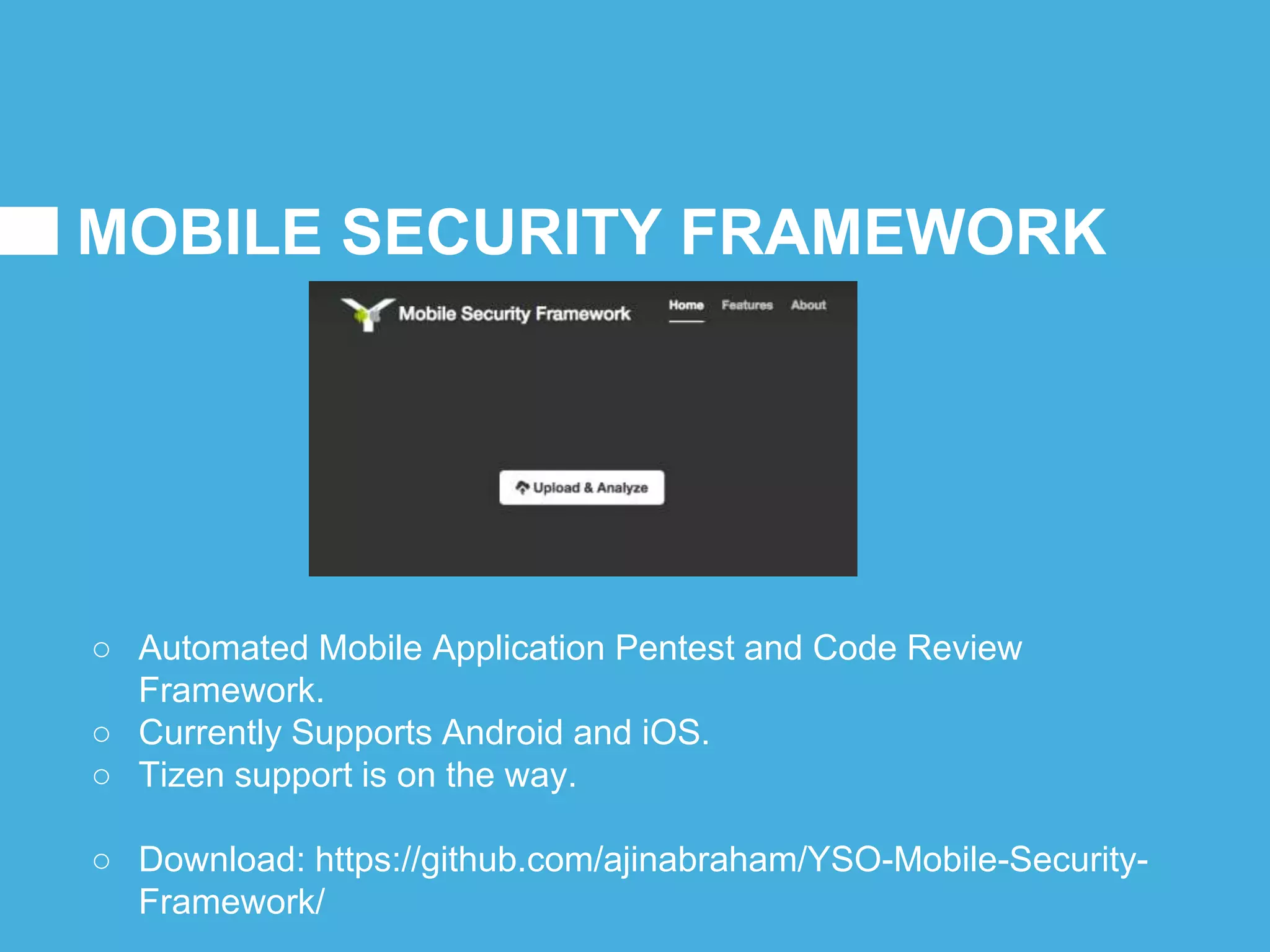

Tizen is an open source operating system that can run on various devices including smart TVs and IoT devices. It uses a security model that isolates applications using SMACK mandatory access control and enforces content security policies for web applications. The presentation discusses hacking techniques tested against Tizen like exploiting shellshock vulnerabilities, bypassing address space layout randomization protections, and circumventing content security policies. It also provides an overview of methodologies for analyzing Tizen application security like static analysis of manifest and configuration files, decompiling native applications, and network analysis using a proxy. Overall the presentation evaluates the security of Tizen and highlights some implementation issues found.


![Fileless Malware [Cyber Security]](https://cdn.slidesharecdn.com/ss_thumbnails/fileless-210821094138-thumbnail.jpg?width=640&height=640&fit=bounds)


![[OpenInfra Days Korea 2018] (Track 1) Kubernetes 환경에서의 Volume 배포와 데이터 관리의 유연성...](https://cdn.slidesharecdn.com/ss_thumbnails/11netapp-180628162322-thumbnail.jpg?width=640&height=640&fit=bounds)

![[1C2]webrtc 개발, 현재와 미래](https://cdn.slidesharecdn.com/ss_thumbnails/1c2webrtc-140927230503-phpapp02-thumbnail.jpg?width=640&height=640&fit=bounds)


![[오픈소스컨설팅] 쿠버네티스와 쿠버네티스 on 오픈스택 비교 및 구축 방법](https://cdn.slidesharecdn.com/ss_thumbnails/osck8svsk8sonopenstackkhoj-210310051504-thumbnail.jpg?width=640&height=640&fit=bounds)


![[Ajou unib.] Tizen v2.4 z3 practice](https://cdn.slidesharecdn.com/ss_thumbnails/tizenv2-160611004432-thumbnail.jpg?width=640&height=640&fit=bounds)


![Vibe Coding vs. Spec-Driven Development [Free Meetup]](https://cdn.slidesharecdn.com/ss_thumbnails/vibecodingvsspecdrivendevelopment-251209105622-43f455e7-thumbnail.jpg?width=640&height=640&fit=bounds)

