Toward an Emotionally Safe
       Classroom
 Improving Academic Achievement
         in Middle School
Charles Schulz
• It’s not an easy life to
  be a child, especially
  when you’re out there
  on your own,
  unprotected by
  supervising adults.
Transition
Charles Schulz
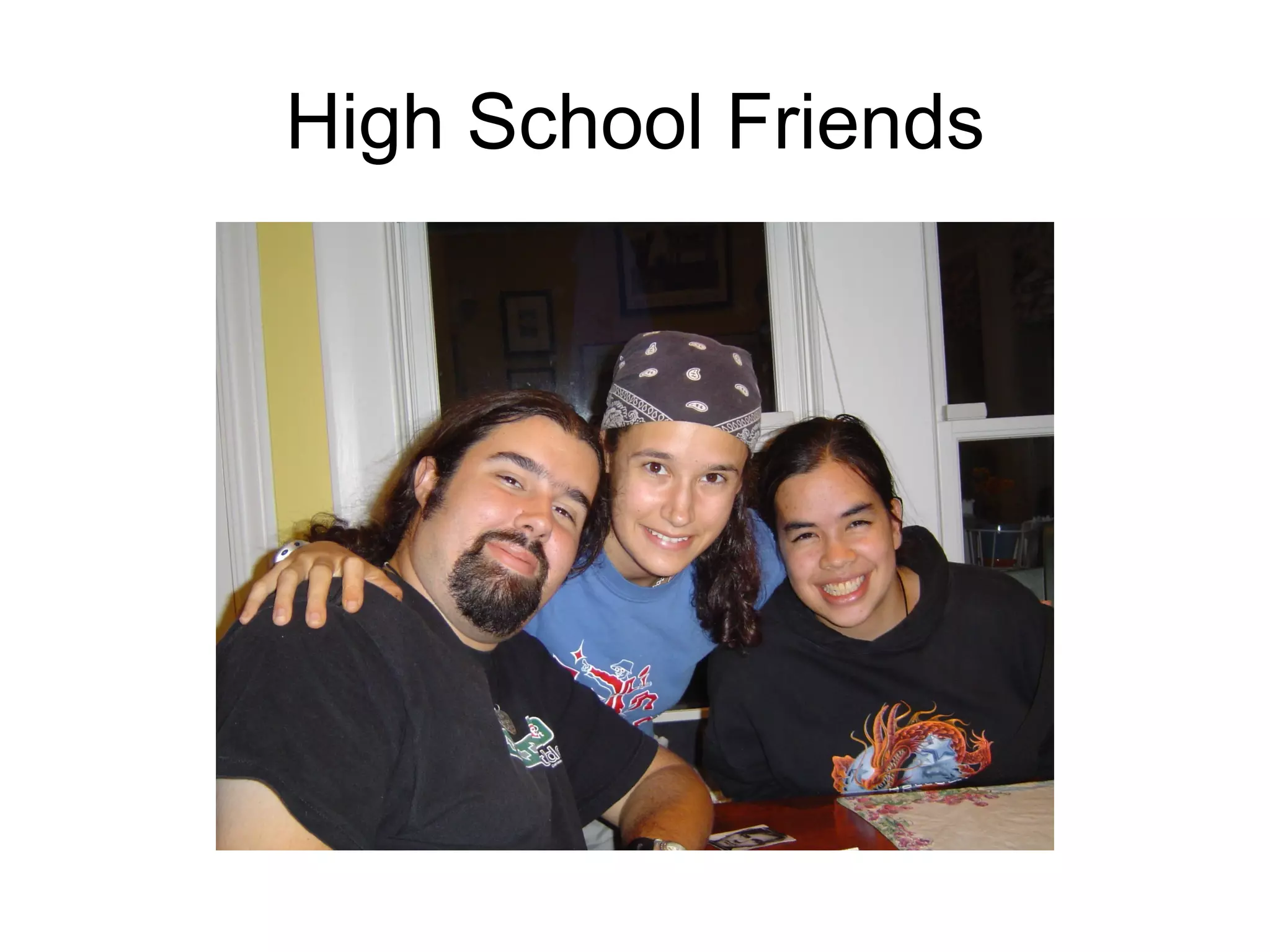
High School Friends
Adolescence
Educational Implications from Brain
             Research
• Create a brain-compatible learning atmosphere:
  –   Eliminate sense of threat
  –   Respect the uniqueness of each learner
  –   Engage learner’s emotions
  –   Facilitate real-life/authentic learning
  –   Provide specific, immediate feedback
  –   Utilize patterns during instruction
  –   Understand the limits of the brain’s attention
  –   Promote active, relevant, choice-driven learning
Mary Pipher, Ph.D.
• There’s been a real loss of community
  between family and schools. Our culture
  is at war with families. There’s a distrust
  in all institutions; many of us don’t make a
  distinction between benevolent and less
  benevolent authority.
          »     The Shelter of Each Other, p.9
Mary Pipher, Ph.D.
• If kids don’t have a modicum of manners,
  an understanding of how to deal with
  conflict, communication skills, and ability
  to process their experiences and deal with
  stress, they can’t learn to do anything…
  how do you sit in class and learn when
  you’re worried about getting beaten up
  after school?
          »        The Shelter of Each Other, p. 31
New Haven Schools
 Dee Speese-Linehan, Director of
      Social Development
• Classes were in session and the halls
  almost empty. Dee first noticed the little
  boy, small but chunky, maybe a second
  grader, then two other boys, a bit older,
  walking near him. One of the two called
  out, “Hey Fatty! You stink up the soccer
  field! You suck at soccer!”
• The object of the taunt took a deep breath
  and squared his shoulders, then turned to
  face his attackers.
• “You’re right,” he said. “I’m not good at
  soccer. And you are really good- one of
  the best in the school. But you know
  what? I am really good at art. I can draw
  almost anything.”
• The air seemed to go out of the boy who had
  hurled the insult, and he said, “You’re not so
  bad. Want me to show you some moves after
  school?” Then the pair walked off in another
  direction, the little guy still in front of Dee.
  “Gimmee five!” she said to him, acknowledging
  he’d handled the situation well. Dee also found
  the second grader’s teacher, to let her know
  what a good job he (and she!) had done!
Mark Greenberg, PATHS

• Daniel, a first grader, no longer bothers other
  kids when he gets angry. Instead, he folds his
  arms and goes into his imaginary turtle shell to
  calm down. His teacher, seeing his signal,
  praises him. Daniel takes out his feeling cards
  and shows his teacher how he feels. They
  dialogue about Daniel’s problem and together
  devise an acceptable way to handle it.
Roy Araujo, Principal
    Hill Central (K-8) New Haven
• In the summer of 2004, Roy took over as
  principle. The school had been
  experiencing serious problems. Student
  discipline and staff morale were at all-time
  lows. Roy had worked for five years as a
  trainer in the school district’s Social
  Development Department.
• Under his leadership, Hill Central’s climate
  changed dramatically soon after his first
  year as principal began. The school
  became a welcoming, friendly place, and
  referrals to the principal’s office dropped
  from hundreds during a typical school year
  to hardly any at all.
• “I use the social problem-solving method from
  the sixth-grade curriculum a lot,” says Aruajo,
  referring to a problem-solving process
  developed for New Haven’s SEL curriculum.
  “When children come to my office, I go through
  the steps. I explain that it’s not about
  punishment; it’s about correcting misbehavior
  and taking responsibility. I emphasize that we
  are a family at this school, just as children have
  a family at home. I tell the students they have
  the power to make it a good day or bad day.
  They have choices.”
Empathy
• “Look at both sides of the issue.”
• “Don’t jump to conclusions.”
• “Make sure you understand the other
  person’s perspective.”
• “Develop a relationship/Create a bond.”
• “Use active listening skills to diffuse anger
  or resolve tension.”
        – Teachers in Collaboration and Consultation
(2003-2006) Dr. Larry Leverett,
  Superintendent, Greenwich, CT
• Each day our students arrive at the doors
  of classrooms across America with
  challenges that serve as barriers to their
  success as learners….Regardless of who
  they are, where they come from, or the
  extent of their poverty or wealth, the reality
  is that many lack the personal, social and
  emotional competencies to receive the
  maximum benefit of a rigorous standards-
  based instructional program.
Mary Pipher, Ph.D.
• Everything terrible is really something
  helpless that needs help from us.
  Unacknowledged emotions do NOT
  disappear; they fester. Ignoring dark
  emotions leads to addiction and violence.
  In fact, most of the truly rotten behavior in
  the world comes from running away from
  feelings.
          »   Writing to Change the World, p. 100
How has learning about EI helped
              you?
• “I’ve learned to do things by myself, more than I
  did before.”
• “I like to interact with other people, to find out
  about them.”
• “It’s not only about yourself, but looking at other
  people and seeing how they are reacting.”
• “We have to make a lot of choices in life and EI
  teaches us how to make good choices.”
• “Learning about different strengths lets you
  choose the stuff you are good at and work on
  the stuff you’re not so good at.”
EI teaches students how the brain
       works. Is this helpful?
• “EI helps kids know about how your mind
  controls your body in what you do.”
• “EI conversations make me use my brain.”
• “Learning about the brain makes EI real.”
• “The brain connects emotions and
  thinking.”
Empathy
• “Sometimes what you think you see is not
  what is really happening.”
• “You need to talk to the person and find
  out what they are talking about…so you
  don’t make a wrong judgment.”
• “You shouldn’t make assumptions before
  you check out what is happening.”
• “You need to think about how you are to
  other people.”
Value of EI Curriculum
• “We learn how emotions work and then they
  help you with situations in real life.”
• “EI helps you relax and deal with things better.”
• “I learned what to do with emotions and how to
  handle them, like what to do with anger.”
• “I learned how to work better with people.”
• “I have learned that I am not the only one having
  problems!”
Final Student Comments
• “When I was in third grade, it would have
  been really nice to have this EI class
  because I didn’t know how to solve
  dilemmas in 3rd grade, and it would have
  been nice to know how to solve dilemmas
  in 3rd grade.”
• “We’ve learned that it takes a lot of work
  and support, but you can do anything!”

H A W A I I P R E S E N T A T I O N

  • 1.
    Toward an EmotionallySafe Classroom Improving Academic Achievement in Middle School
  • 2.
    Charles Schulz • It’snot an easy life to be a child, especially when you’re out there on your own, unprotected by supervising adults.
  • 3.
  • 4.
  • 5.
  • 6.
    Educational Implications fromBrain Research • Create a brain-compatible learning atmosphere: – Eliminate sense of threat – Respect the uniqueness of each learner – Engage learner’s emotions – Facilitate real-life/authentic learning – Provide specific, immediate feedback – Utilize patterns during instruction – Understand the limits of the brain’s attention – Promote active, relevant, choice-driven learning
  • 8.
    Mary Pipher, Ph.D. •There’s been a real loss of community between family and schools. Our culture is at war with families. There’s a distrust in all institutions; many of us don’t make a distinction between benevolent and less benevolent authority. » The Shelter of Each Other, p.9
  • 9.
    Mary Pipher, Ph.D. •If kids don’t have a modicum of manners, an understanding of how to deal with conflict, communication skills, and ability to process their experiences and deal with stress, they can’t learn to do anything… how do you sit in class and learn when you’re worried about getting beaten up after school? » The Shelter of Each Other, p. 31
  • 10.
    New Haven Schools Dee Speese-Linehan, Director of Social Development • Classes were in session and the halls almost empty. Dee first noticed the little boy, small but chunky, maybe a second grader, then two other boys, a bit older, walking near him. One of the two called out, “Hey Fatty! You stink up the soccer field! You suck at soccer!”
  • 11.
    • The objectof the taunt took a deep breath and squared his shoulders, then turned to face his attackers. • “You’re right,” he said. “I’m not good at soccer. And you are really good- one of the best in the school. But you know what? I am really good at art. I can draw almost anything.”
  • 12.
    • The airseemed to go out of the boy who had hurled the insult, and he said, “You’re not so bad. Want me to show you some moves after school?” Then the pair walked off in another direction, the little guy still in front of Dee. “Gimmee five!” she said to him, acknowledging he’d handled the situation well. Dee also found the second grader’s teacher, to let her know what a good job he (and she!) had done!
  • 13.
    Mark Greenberg, PATHS •Daniel, a first grader, no longer bothers other kids when he gets angry. Instead, he folds his arms and goes into his imaginary turtle shell to calm down. His teacher, seeing his signal, praises him. Daniel takes out his feeling cards and shows his teacher how he feels. They dialogue about Daniel’s problem and together devise an acceptable way to handle it.
  • 14.
    Roy Araujo, Principal Hill Central (K-8) New Haven • In the summer of 2004, Roy took over as principle. The school had been experiencing serious problems. Student discipline and staff morale were at all-time lows. Roy had worked for five years as a trainer in the school district’s Social Development Department.
  • 15.
    • Under hisleadership, Hill Central’s climate changed dramatically soon after his first year as principal began. The school became a welcoming, friendly place, and referrals to the principal’s office dropped from hundreds during a typical school year to hardly any at all.
  • 16.
    • “I usethe social problem-solving method from the sixth-grade curriculum a lot,” says Aruajo, referring to a problem-solving process developed for New Haven’s SEL curriculum. “When children come to my office, I go through the steps. I explain that it’s not about punishment; it’s about correcting misbehavior and taking responsibility. I emphasize that we are a family at this school, just as children have a family at home. I tell the students they have the power to make it a good day or bad day. They have choices.”
  • 17.
    Empathy • “Look atboth sides of the issue.” • “Don’t jump to conclusions.” • “Make sure you understand the other person’s perspective.” • “Develop a relationship/Create a bond.” • “Use active listening skills to diffuse anger or resolve tension.” – Teachers in Collaboration and Consultation
  • 18.
    (2003-2006) Dr. LarryLeverett, Superintendent, Greenwich, CT • Each day our students arrive at the doors of classrooms across America with challenges that serve as barriers to their success as learners….Regardless of who they are, where they come from, or the extent of their poverty or wealth, the reality is that many lack the personal, social and emotional competencies to receive the maximum benefit of a rigorous standards- based instructional program.
  • 19.
    Mary Pipher, Ph.D. •Everything terrible is really something helpless that needs help from us. Unacknowledged emotions do NOT disappear; they fester. Ignoring dark emotions leads to addiction and violence. In fact, most of the truly rotten behavior in the world comes from running away from feelings. » Writing to Change the World, p. 100
  • 20.
    How has learningabout EI helped you? • “I’ve learned to do things by myself, more than I did before.” • “I like to interact with other people, to find out about them.” • “It’s not only about yourself, but looking at other people and seeing how they are reacting.” • “We have to make a lot of choices in life and EI teaches us how to make good choices.” • “Learning about different strengths lets you choose the stuff you are good at and work on the stuff you’re not so good at.”
  • 21.
    EI teaches studentshow the brain works. Is this helpful? • “EI helps kids know about how your mind controls your body in what you do.” • “EI conversations make me use my brain.” • “Learning about the brain makes EI real.” • “The brain connects emotions and thinking.”
  • 22.
    Empathy • “Sometimes whatyou think you see is not what is really happening.” • “You need to talk to the person and find out what they are talking about…so you don’t make a wrong judgment.” • “You shouldn’t make assumptions before you check out what is happening.” • “You need to think about how you are to other people.”
  • 23.
    Value of EICurriculum • “We learn how emotions work and then they help you with situations in real life.” • “EI helps you relax and deal with things better.” • “I learned what to do with emotions and how to handle them, like what to do with anger.” • “I learned how to work better with people.” • “I have learned that I am not the only one having problems!”
  • 24.
    Final Student Comments •“When I was in third grade, it would have been really nice to have this EI class because I didn’t know how to solve dilemmas in 3rd grade, and it would have been nice to know how to solve dilemmas in 3rd grade.” • “We’ve learned that it takes a lot of work and support, but you can do anything!”