Gut Microbiome
TABLE OF CONTENTS
What is Gut microbiome?
01
Where and How much
02
Composition
03
Significance
04
What is Gut microbiome?
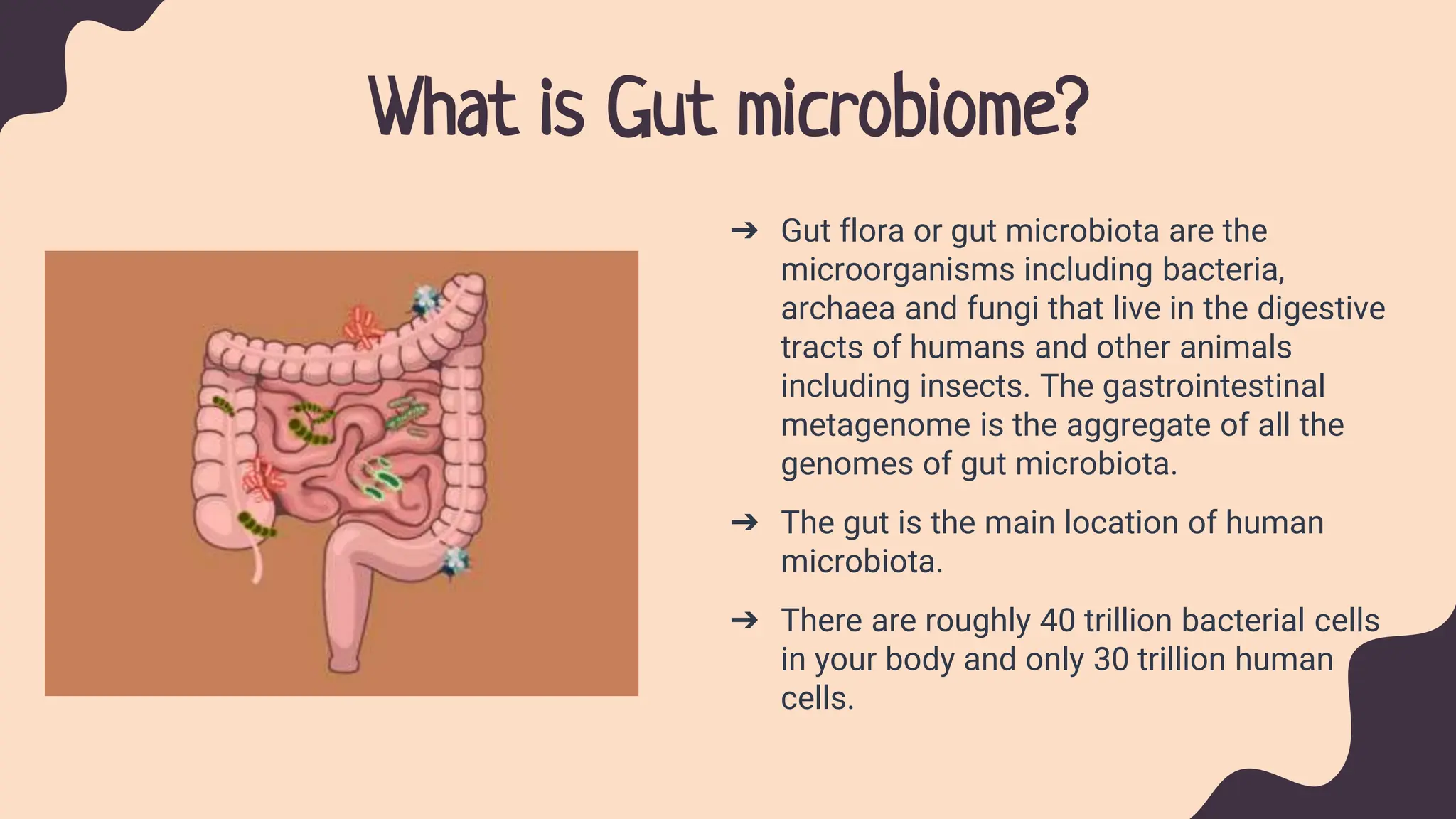
➔ Gut flora or gut microbiota are the
microorganisms including bacteria,
archaea and fungi that live in the digestive
tracts of humans and other animals
including insects. The gastrointestinal
metagenome is the aggregate of all the
genomes of gut microbiota.
➔ The gut is the main location of human
microbiota.
➔ There are roughly 40 trillion bacterial cells
in your body and only 30 trillion human
cells.
Where & How much?
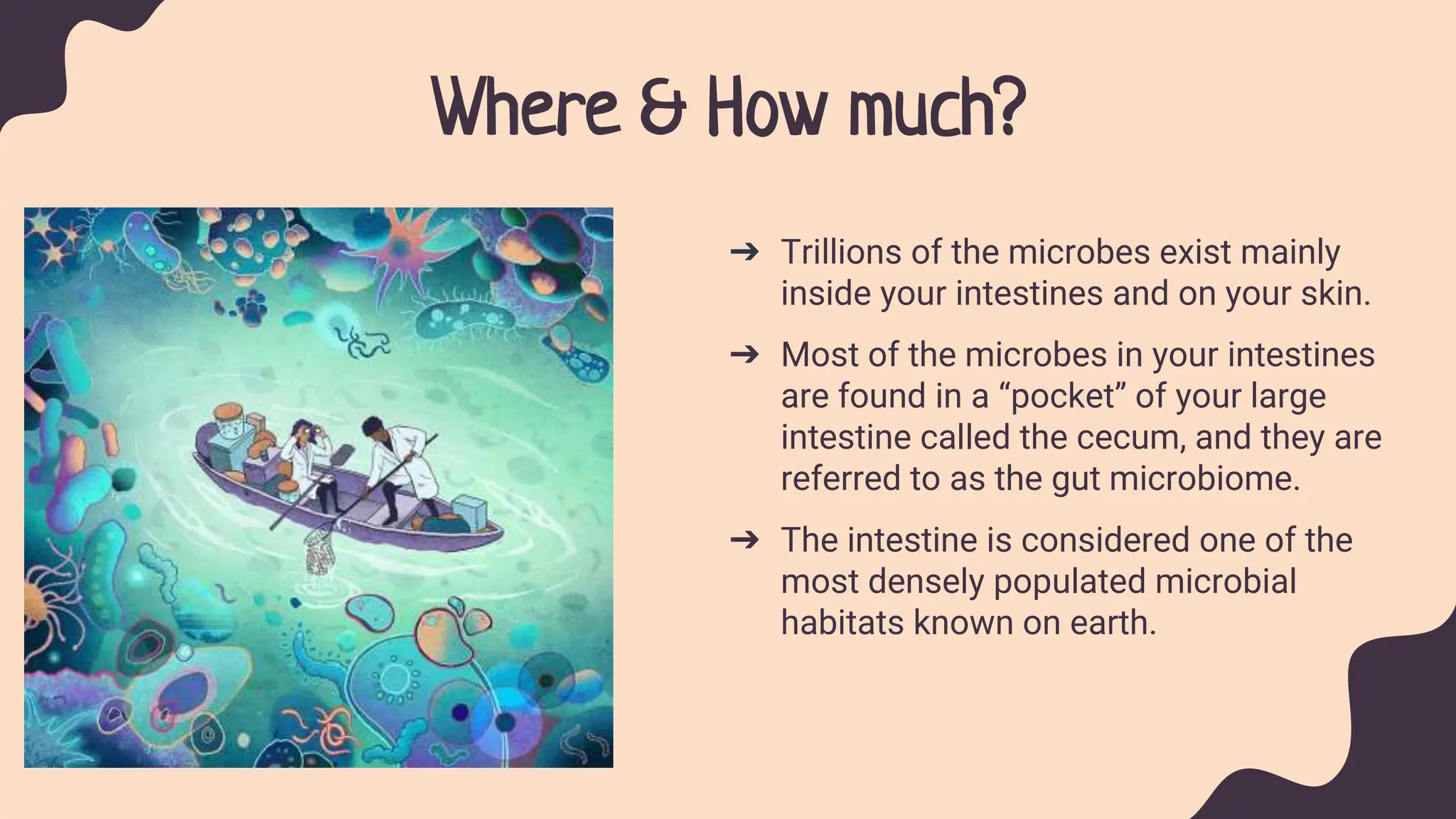
➔ Trillions of the microbes exist mainly
inside your intestines and on your skin.
➔ Most of the microbes in your intestines
are found in a “pocket” of your large
intestine called the cecum, and they are
referred to as the gut microbiome.
➔ The intestine is considered one of the
most densely populated microbial
habitats known on earth.
Where & How much?
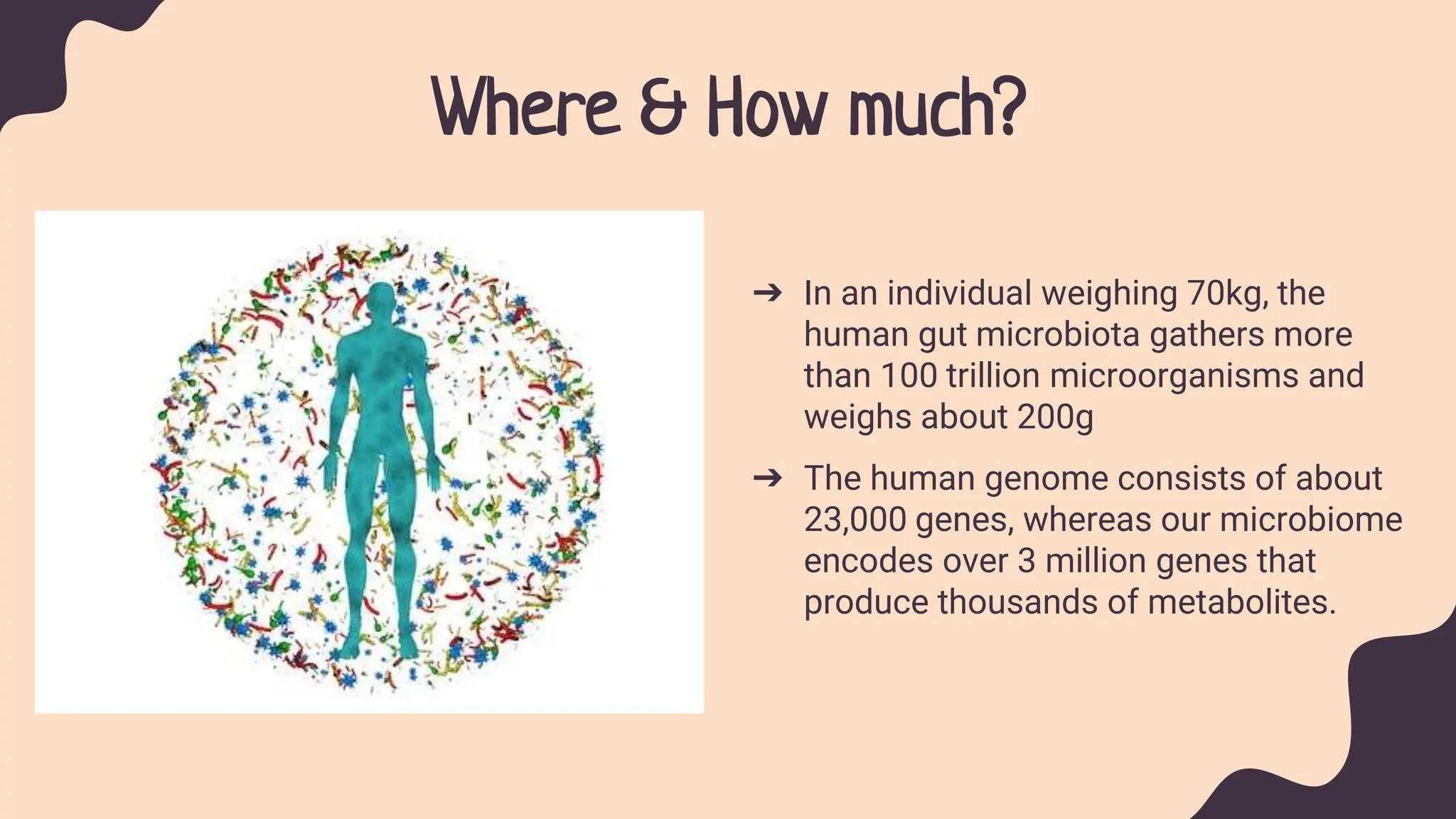
➔ In an individual weighing 70kg, the
human gut microbiota gathers more
than 100 trillion microorganisms and
weighs about 200g
➔ The human genome consists of about
23,000 genes, whereas our microbiome
encodes over 3 million genes that
produce thousands of metabolites.
Composition
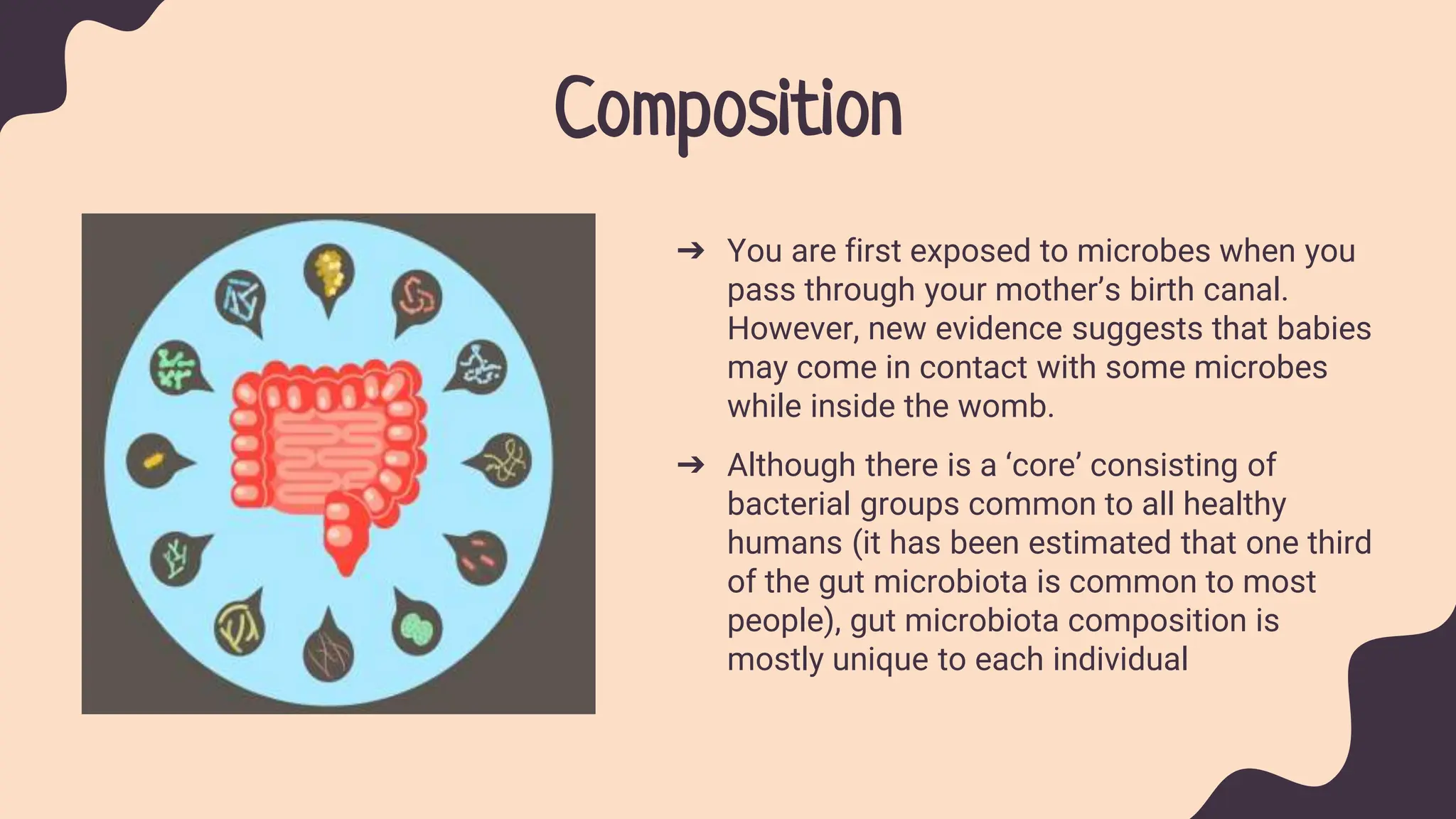
➔ You are first exposed to microbes when you
pass through your mother’s birth canal.
However, new evidence suggests that babies
may come in contact with some microbes
while inside the womb.
➔ Although there is a ‘core’ consisting of
bacterial groups common to all healthy
humans (it has been estimated that one third
of the gut microbiota is common to most
people), gut microbiota composition is
mostly unique to each individual
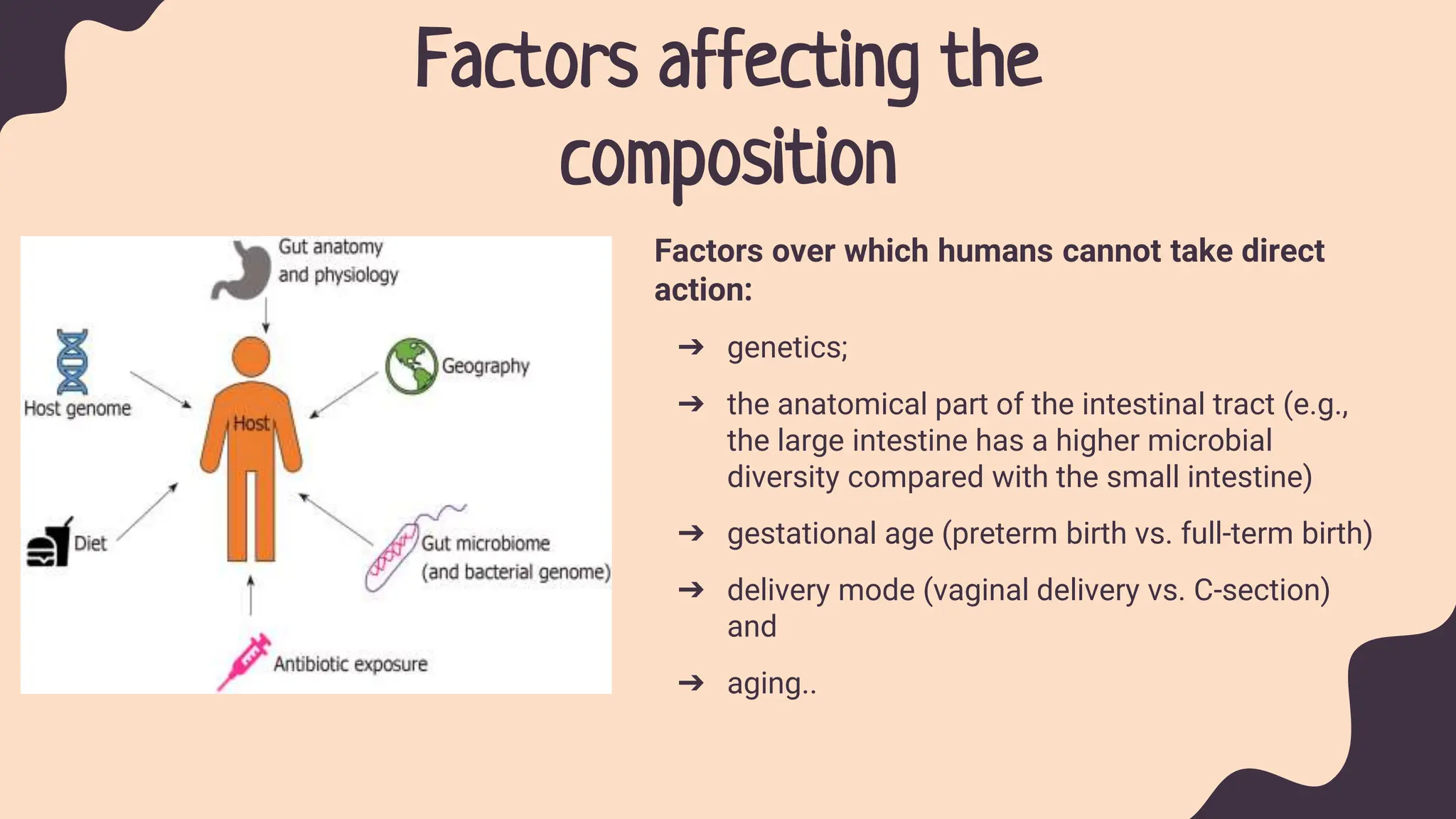
Factors affecting the
composition
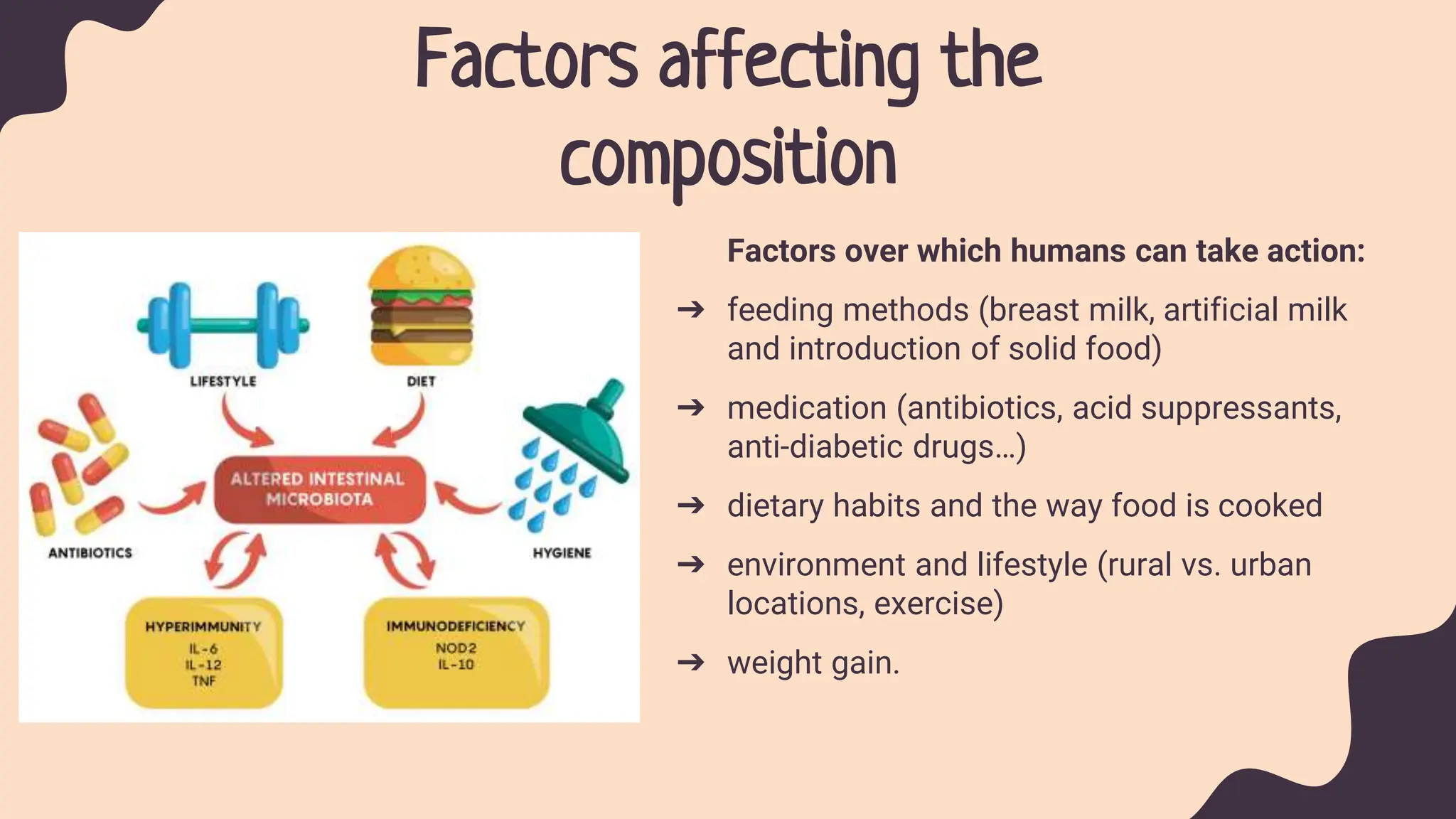
Factors over which humans can take action:
➔ feeding methods (breast milk, artificial milk
and introduction of solid food)
➔ medication (antibiotics, acid suppressants,
anti-diabetic drugs…)
➔ dietary habits and the way food is cooked
➔ environment and lifestyle (rural vs. urban
locations, exercise)
➔ weight gain.
Factors affecting the
composition
Factors over which humans cannot take direct
action:
➔ genetics;
➔ the anatomical part of the intestinal tract (e.g.,
the large intestine has a higher microbial
diversity compared with the small intestine)
➔ gestational age (preterm birth vs. full-term birth)
➔ delivery mode (vaginal delivery vs. C-section)
and
➔ aging..
Who Gut The Throne In Your Microbiome?
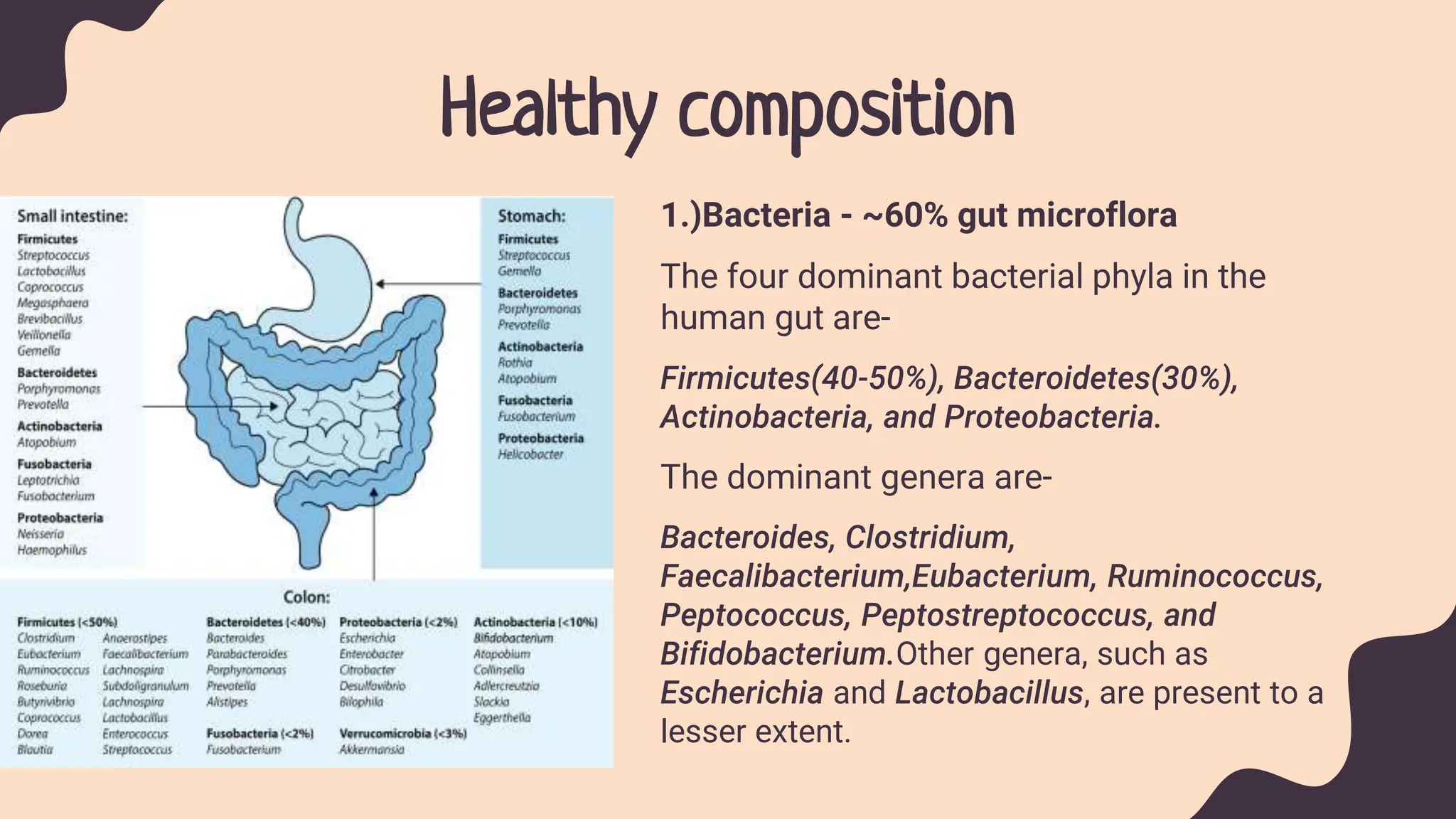
Healthy composition
1.)Bacteria - ~60% gut microflora
The four dominant bacterial phyla in the
human gut are-
Firmicutes(40-50%), Bacteroidetes(30%),
Actinobacteria, and Proteobacteria.
The dominant genera are-
Bacteroides, Clostridium,
Faecalibacterium,Eubacterium, Ruminococcus,
Peptococcus, Peptostreptococcus, and
Bifidobacterium.Other genera, such as
Escherichia and Lactobacillus, are present to a
lesser extent.
Healthy composition
2.)Fungi-
Dominant genera-
Candida, Saccharomyces, Aspergillus,
Penicillium, Rhodotorula, Trametes,
Pleospora, Sclerotinia, Bullera, and
Galactomyces.
3.)Archaea
4.)Viruses
5.)Protists
Numbers unknown
Of gut microbiome
Significance
As your microbiome grows, it affects your body in a number of ways, including:
1. Digesting breast milk: Some of the bacteria that first begin to grow inside babies’
intestines are called Bifidobacteria. They digest the healthy sugars in breast milk
that are important for growth.
2. Digesting fiber: Certain bacteria digest fiber, producing short-chain fatty acids,
which are important for gut health. Fiber may help prevent weight gain, diabetes,
heart disease and the risk of cancer.
3. Helping control your immune system: The gut microbiome also controls how
your immune system works. By communicating with immune cells, the gut
microbiome can control how your body responds to infection .
4. Helping control brain health: New research suggests that the gut microbiome
may also affect the central nervous system, which controls brain function
The Gut Microbiome May Affect Your
Weight
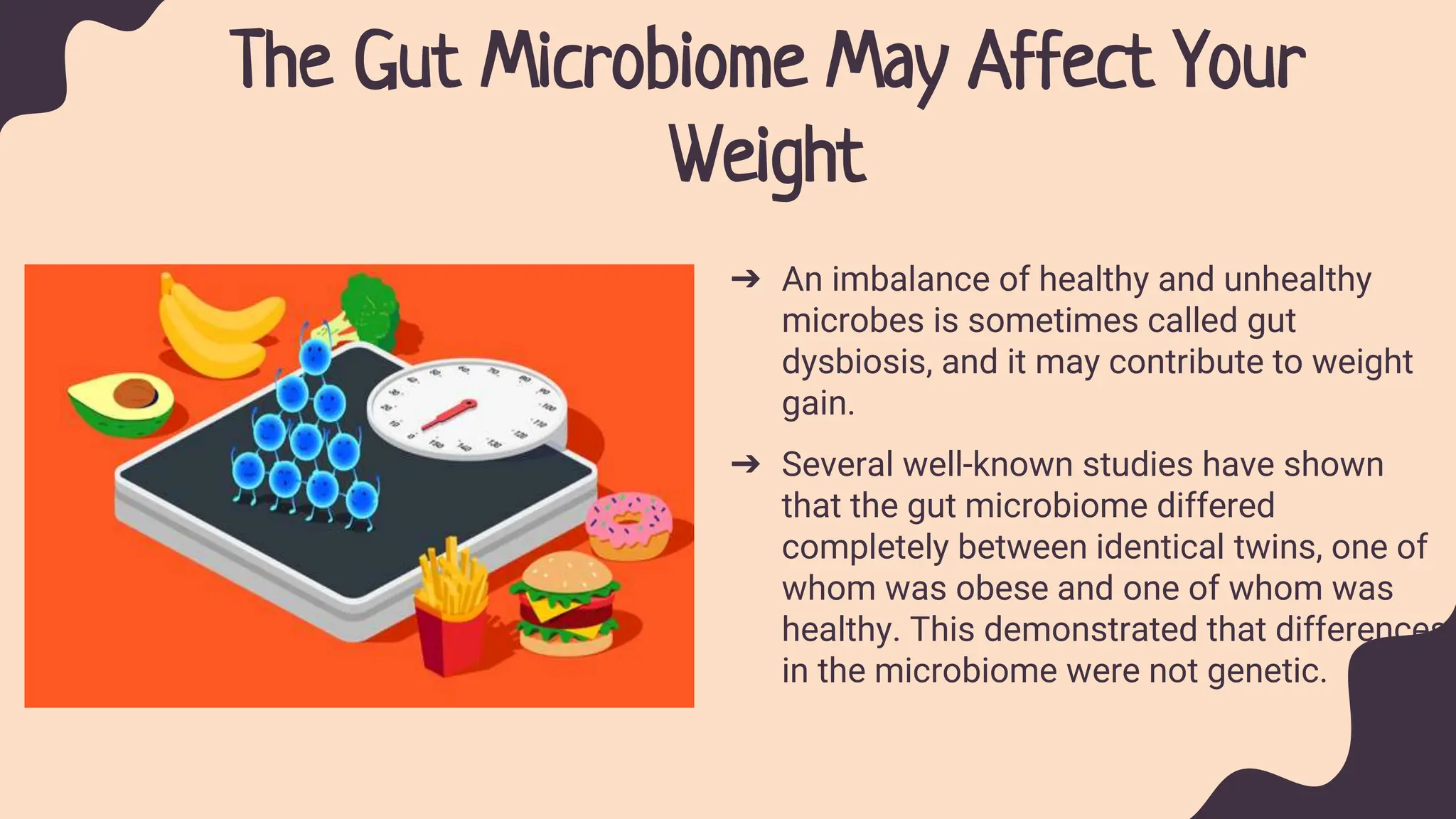
➔ An imbalance of healthy and unhealthy
microbes is sometimes called gut
dysbiosis, and it may contribute to weight
gain.
➔ Several well-known studies have shown
that the gut microbiome differed
completely between identical twins, one of
whom was obese and one of whom was
healthy. This demonstrated that differences
in the microbiome were not genetic.
It Affects Gut Health
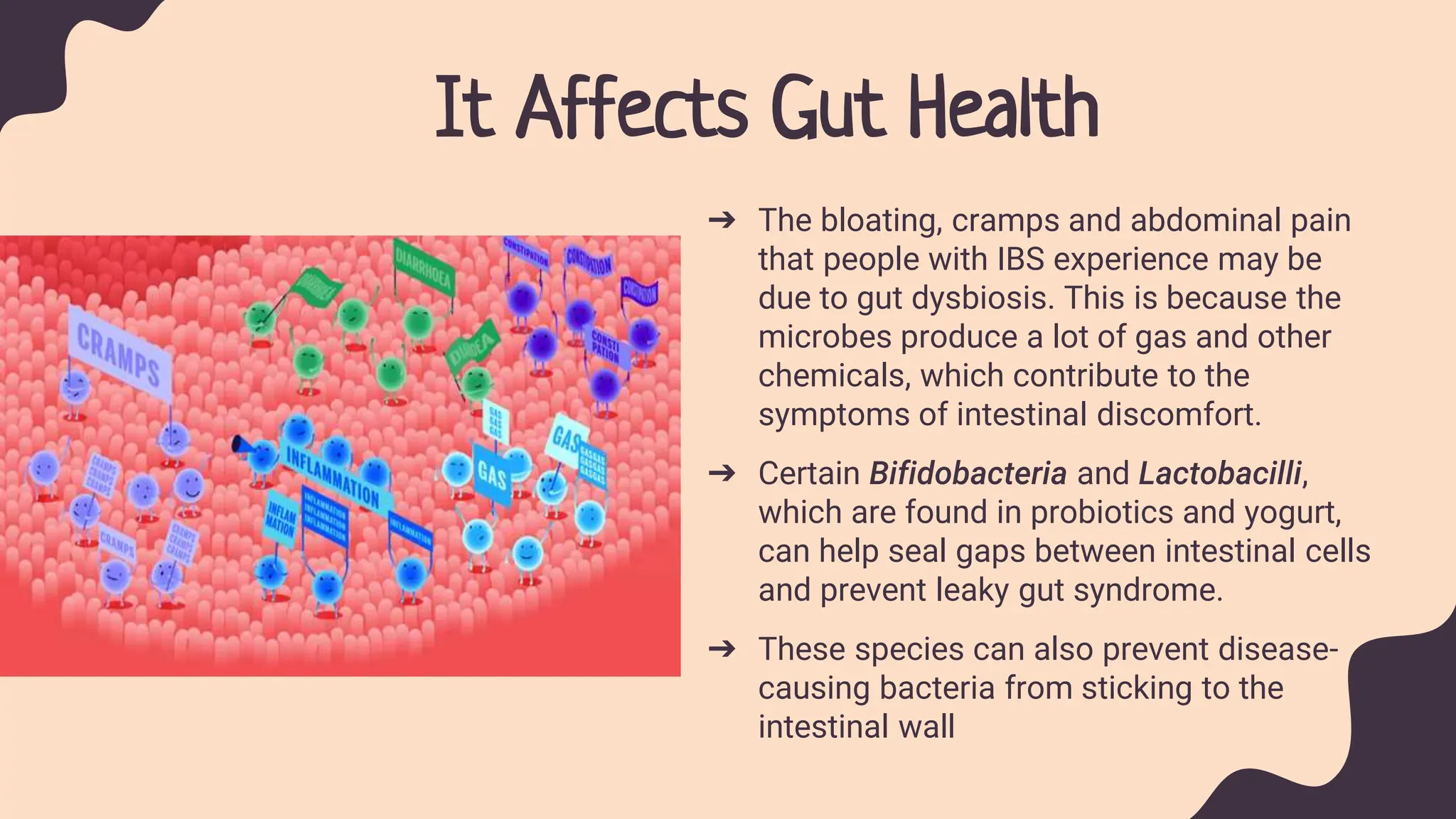
➔ The bloating, cramps and abdominal pain
that people with IBS experience may be
due to gut dysbiosis. This is because the
microbes produce a lot of gas and other
chemicals, which contribute to the
symptoms of intestinal discomfort.
➔ Certain Bifidobacteria and Lactobacilli,
which are found in probiotics and yogurt,
can help seal gaps between intestinal cells
and prevent leaky gut syndrome.
➔ These species can also prevent disease-
causing bacteria from sticking to the
intestinal wall
The Gut Microbiome May Benefit Heart Health
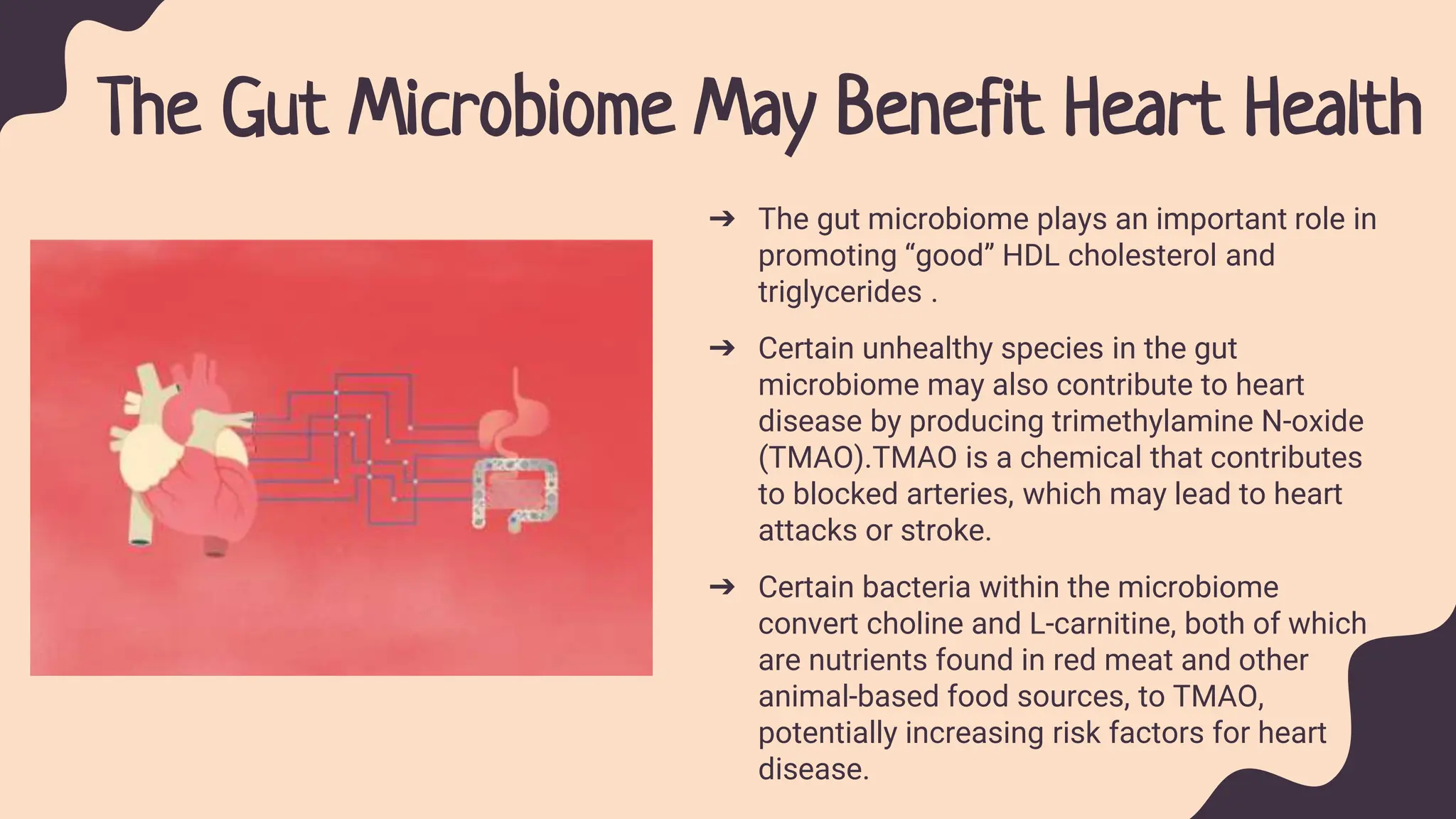
➔ The gut microbiome plays an important role in
promoting “good” HDL cholesterol and
triglycerides .
➔ Certain unhealthy species in the gut
microbiome may also contribute to heart
disease by producing trimethylamine N-oxide
(TMAO).TMAO is a chemical that contributes
to blocked arteries, which may lead to heart
attacks or stroke.
➔ Certain bacteria within the microbiome
convert choline and L-carnitine, both of which
are nutrients found in red meat and other
animal-based food sources, to TMAO,
potentially increasing risk factors for heart
disease.
Control Blood Sugar and Lower the Risk of Diabetes
➔ The gut microbiome also may help control
blood sugar, which could affect the risk of
type 1 and 2 diabetes.
➔ One recent study examined 33 infants who
had a genetically high risk of developing
type 1 diabetes.
➔ It found that the diversity of the
microbiome dropped suddenly before the
onset of type 1 diabetes. It also found that
levels of a number of unhealthy bacterial
species increased just before the onset of
type 1 diabetes
May Affect Brain Health
➔ Certain species of bacteria can help produce
chemicals in the brain called
neurotransmitters. For example, serotonin is
an antidepressant neurotransmitter that’s
mostly made in the gut.
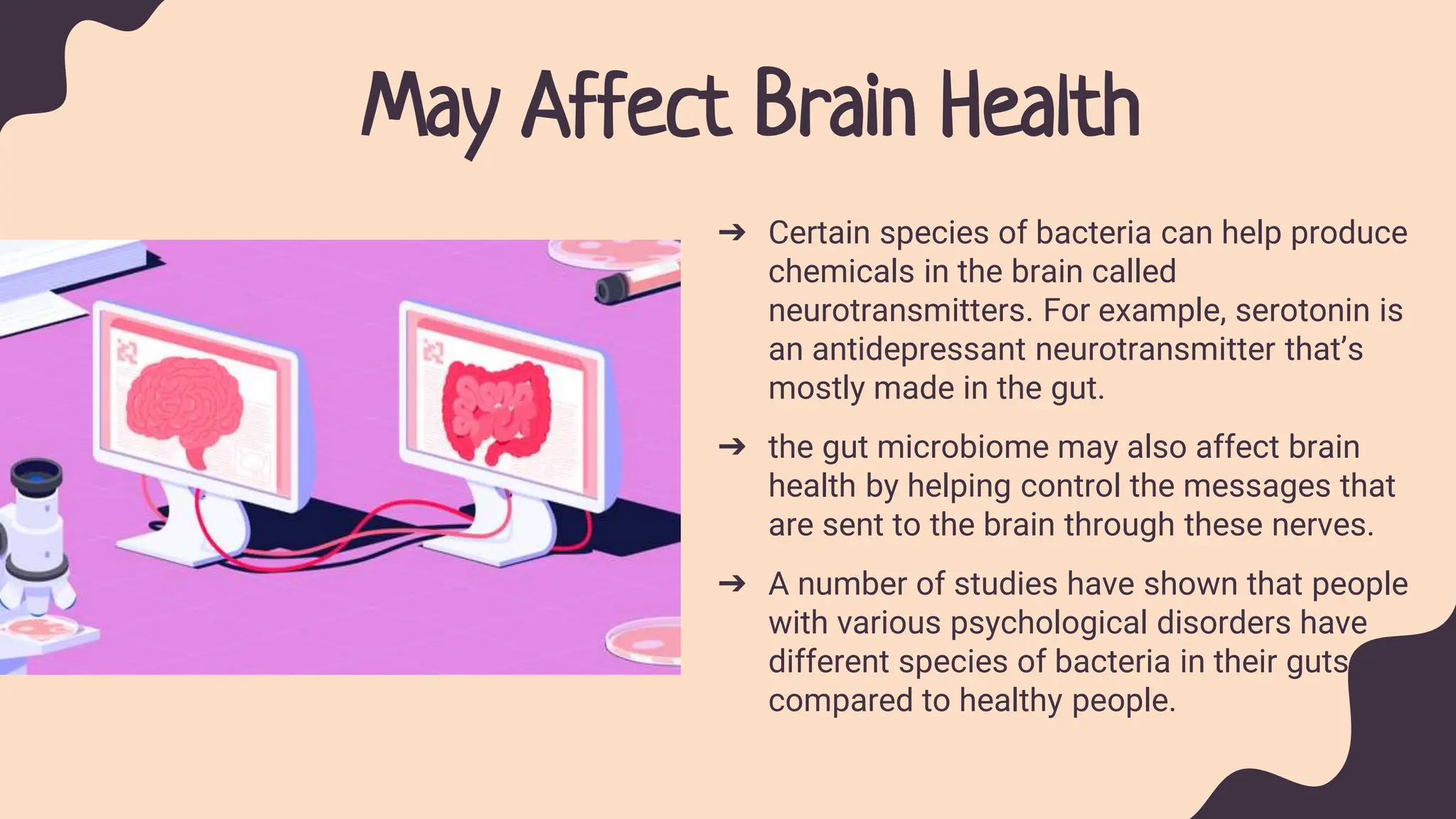
➔ the gut microbiome may also affect brain
health by helping control the messages that
are sent to the brain through these nerves.
➔ A number of studies have shown that people
with various psychological disorders have
different species of bacteria in their guts,
compared to healthy people.
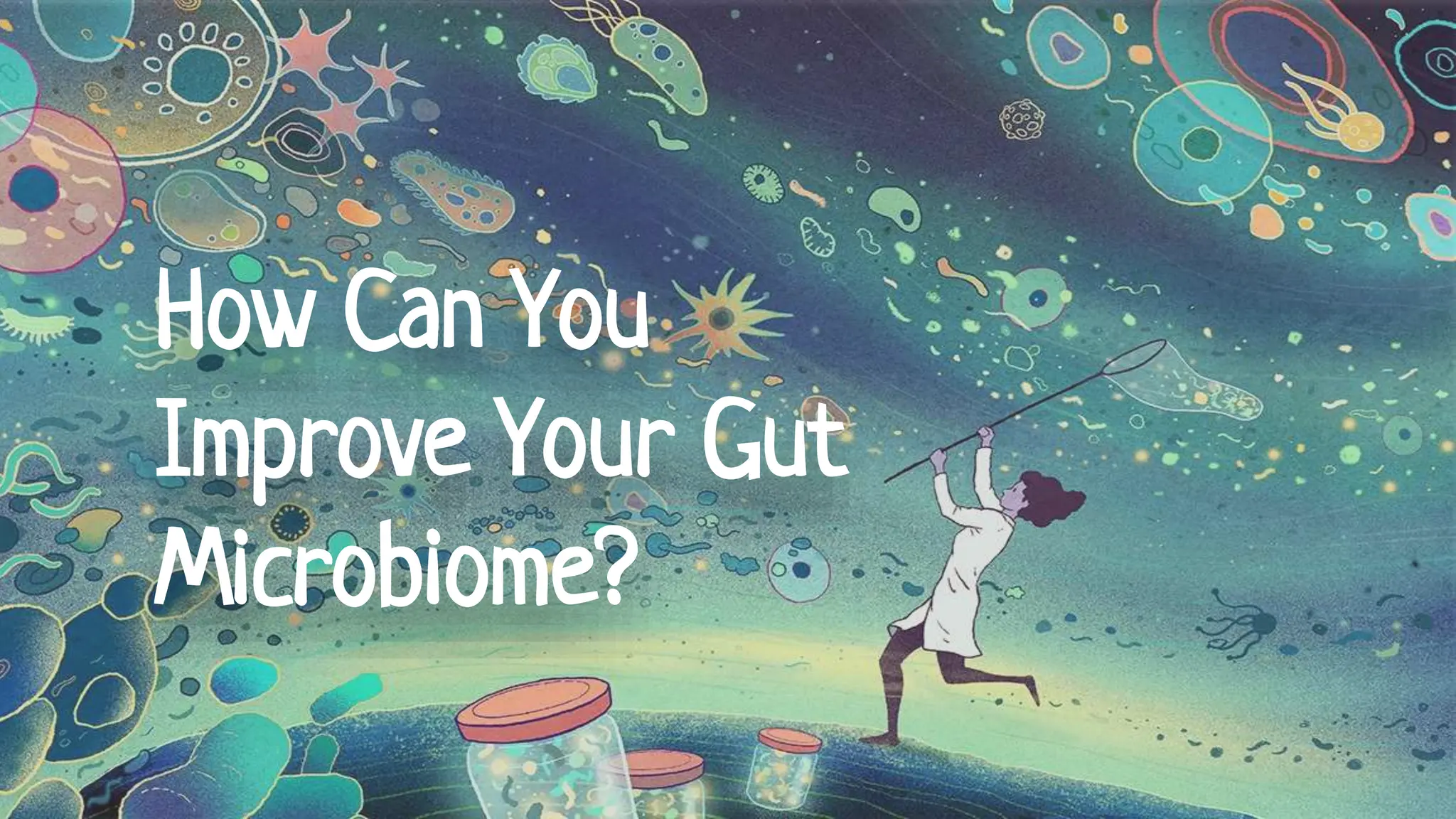
How Can You
Improve Your Gut
Microbiome?
➔ Eat a diverse range of foods: This can lead to a diverse microbiome, which
is an indicator of good gut health. In particular, legumes, beans and fruit
contain lots of fiber and can promote the growth of healthy Bifidobacteria .
➔ Eat fermented foods: Fermented foods such as yogurt, sauerkraut and kefir
all contain healthy bacteria, mainly Lactobacilli, and can reduce the amount
of disease-causing species in the gut .
➔ Limit your intake of artificial sweeteners: Some evidence has shown that
artificial sweeteners like aspartame increase blood sugar by stimulating the
growth of unhealthy bacteria like Enterobacteriaceae in the gut microbiome.
➔ Eat prebiotic foods: Prebiotics are a type of fiber that stimulates the growth
of healthy bacteria. Prebiotic-rich foods include artichokes, bananas,
asparagus, oats and apples .
➔ Breastfeed for at least six months: Breastfeeding is very important for the
development of the gut microbiome. Children who are breastfed for at least
six months have more beneficial Bifidobacteria than those who are bottle-
fed .
➔ Eat whole grains: Whole grains contain lots of fiber and beneficial carbs like
beta-glucan, which are digested by gut bacteria to benefit weight, cancer
risk, diabetes and other disorders .
➔ Try a plant-based diet: Vegetarian diets may help reduce levels of disease-
causing bacteria such as E. coli, as well as inflammation and cholesterol .
➔ Eat foods rich in polyphenols: Polyphenols are plant compounds found in
red wine, green tea, dark chocolate, olive oil and whole grains. They are
broken down by the microbiome to stimulate healthy bacterial growth.
➔ Take a probiotic supplement: Probiotics are live bacteria that can help
restore the gut to a healthy state after dysbiosis. They do this by
“reseeding” it with healthy microbes .
➔ Take antibiotics only when necessary: Antibiotics kill many bad and
good bacteria in the gut microbiome, possibly contributing to weight
gain and antibiotic resistance. Thus, only take antibiotics when
medically necessary.
Benefits of Healthy gut
Immunity boost
Longevity
Happier mind
RESEARCH RESOURCES
● Healthline.com-
https://www.healthline.com/nutrition/gut-
microbiome-and-health#TOC_TITLE_HDR_4
● gutmicrobiotaforhealth.com
● Image source- atlasbiomed.com
Thank you
Presentor-
Presented to-

Gut Microbiome Class-10.pdf...............................

  • 1.
  • 3.
    TABLE OF CONTENTS Whatis Gut microbiome? 01 Where and How much 02 Composition 03 Significance 04
  • 4.
    What is Gutmicrobiome? ➔ Gut flora or gut microbiota are the microorganisms including bacteria, archaea and fungi that live in the digestive tracts of humans and other animals including insects. The gastrointestinal metagenome is the aggregate of all the genomes of gut microbiota. ➔ The gut is the main location of human microbiota. ➔ There are roughly 40 trillion bacterial cells in your body and only 30 trillion human cells.
  • 5.
    Where & Howmuch? ➔ Trillions of the microbes exist mainly inside your intestines and on your skin. ➔ Most of the microbes in your intestines are found in a “pocket” of your large intestine called the cecum, and they are referred to as the gut microbiome. ➔ The intestine is considered one of the most densely populated microbial habitats known on earth.
  • 6.
    Where & Howmuch? ➔ In an individual weighing 70kg, the human gut microbiota gathers more than 100 trillion microorganisms and weighs about 200g ➔ The human genome consists of about 23,000 genes, whereas our microbiome encodes over 3 million genes that produce thousands of metabolites.
  • 7.
    Composition ➔ You arefirst exposed to microbes when you pass through your mother’s birth canal. However, new evidence suggests that babies may come in contact with some microbes while inside the womb. ➔ Although there is a ‘core’ consisting of bacterial groups common to all healthy humans (it has been estimated that one third of the gut microbiota is common to most people), gut microbiota composition is mostly unique to each individual
  • 8.
    Factors affecting the composition Factorsover which humans can take action: ➔ feeding methods (breast milk, artificial milk and introduction of solid food) ➔ medication (antibiotics, acid suppressants, anti-diabetic drugs…) ➔ dietary habits and the way food is cooked ➔ environment and lifestyle (rural vs. urban locations, exercise) ➔ weight gain.
  • 9.
    Factors affecting the composition Factorsover which humans cannot take direct action: ➔ genetics; ➔ the anatomical part of the intestinal tract (e.g., the large intestine has a higher microbial diversity compared with the small intestine) ➔ gestational age (preterm birth vs. full-term birth) ➔ delivery mode (vaginal delivery vs. C-section) and ➔ aging..
  • 10.
    Who Gut TheThrone In Your Microbiome?
  • 11.
    Healthy composition 1.)Bacteria -~60% gut microflora The four dominant bacterial phyla in the human gut are- Firmicutes(40-50%), Bacteroidetes(30%), Actinobacteria, and Proteobacteria. The dominant genera are- Bacteroides, Clostridium, Faecalibacterium,Eubacterium, Ruminococcus, Peptococcus, Peptostreptococcus, and Bifidobacterium.Other genera, such as Escherichia and Lactobacillus, are present to a lesser extent.
  • 12.
    Healthy composition 2.)Fungi- Dominant genera- Candida,Saccharomyces, Aspergillus, Penicillium, Rhodotorula, Trametes, Pleospora, Sclerotinia, Bullera, and Galactomyces. 3.)Archaea 4.)Viruses 5.)Protists Numbers unknown
  • 13.
  • 14.
    As your microbiomegrows, it affects your body in a number of ways, including: 1. Digesting breast milk: Some of the bacteria that first begin to grow inside babies’ intestines are called Bifidobacteria. They digest the healthy sugars in breast milk that are important for growth. 2. Digesting fiber: Certain bacteria digest fiber, producing short-chain fatty acids, which are important for gut health. Fiber may help prevent weight gain, diabetes, heart disease and the risk of cancer. 3. Helping control your immune system: The gut microbiome also controls how your immune system works. By communicating with immune cells, the gut microbiome can control how your body responds to infection . 4. Helping control brain health: New research suggests that the gut microbiome may also affect the central nervous system, which controls brain function
  • 15.
    The Gut MicrobiomeMay Affect Your Weight ➔ An imbalance of healthy and unhealthy microbes is sometimes called gut dysbiosis, and it may contribute to weight gain. ➔ Several well-known studies have shown that the gut microbiome differed completely between identical twins, one of whom was obese and one of whom was healthy. This demonstrated that differences in the microbiome were not genetic.
  • 16.
    It Affects GutHealth ➔ The bloating, cramps and abdominal pain that people with IBS experience may be due to gut dysbiosis. This is because the microbes produce a lot of gas and other chemicals, which contribute to the symptoms of intestinal discomfort. ➔ Certain Bifidobacteria and Lactobacilli, which are found in probiotics and yogurt, can help seal gaps between intestinal cells and prevent leaky gut syndrome. ➔ These species can also prevent disease- causing bacteria from sticking to the intestinal wall
  • 17.
    The Gut MicrobiomeMay Benefit Heart Health ➔ The gut microbiome plays an important role in promoting “good” HDL cholesterol and triglycerides . ➔ Certain unhealthy species in the gut microbiome may also contribute to heart disease by producing trimethylamine N-oxide (TMAO).TMAO is a chemical that contributes to blocked arteries, which may lead to heart attacks or stroke. ➔ Certain bacteria within the microbiome convert choline and L-carnitine, both of which are nutrients found in red meat and other animal-based food sources, to TMAO, potentially increasing risk factors for heart disease.
  • 18.
    Control Blood Sugarand Lower the Risk of Diabetes ➔ The gut microbiome also may help control blood sugar, which could affect the risk of type 1 and 2 diabetes. ➔ One recent study examined 33 infants who had a genetically high risk of developing type 1 diabetes. ➔ It found that the diversity of the microbiome dropped suddenly before the onset of type 1 diabetes. It also found that levels of a number of unhealthy bacterial species increased just before the onset of type 1 diabetes
  • 19.
    May Affect BrainHealth ➔ Certain species of bacteria can help produce chemicals in the brain called neurotransmitters. For example, serotonin is an antidepressant neurotransmitter that’s mostly made in the gut. ➔ the gut microbiome may also affect brain health by helping control the messages that are sent to the brain through these nerves. ➔ A number of studies have shown that people with various psychological disorders have different species of bacteria in their guts, compared to healthy people.
  • 20.
    How Can You ImproveYour Gut Microbiome?
  • 21.
    ➔ Eat adiverse range of foods: This can lead to a diverse microbiome, which is an indicator of good gut health. In particular, legumes, beans and fruit contain lots of fiber and can promote the growth of healthy Bifidobacteria . ➔ Eat fermented foods: Fermented foods such as yogurt, sauerkraut and kefir all contain healthy bacteria, mainly Lactobacilli, and can reduce the amount of disease-causing species in the gut . ➔ Limit your intake of artificial sweeteners: Some evidence has shown that artificial sweeteners like aspartame increase blood sugar by stimulating the growth of unhealthy bacteria like Enterobacteriaceae in the gut microbiome. ➔ Eat prebiotic foods: Prebiotics are a type of fiber that stimulates the growth of healthy bacteria. Prebiotic-rich foods include artichokes, bananas, asparagus, oats and apples .
  • 22.
    ➔ Breastfeed forat least six months: Breastfeeding is very important for the development of the gut microbiome. Children who are breastfed for at least six months have more beneficial Bifidobacteria than those who are bottle- fed . ➔ Eat whole grains: Whole grains contain lots of fiber and beneficial carbs like beta-glucan, which are digested by gut bacteria to benefit weight, cancer risk, diabetes and other disorders . ➔ Try a plant-based diet: Vegetarian diets may help reduce levels of disease- causing bacteria such as E. coli, as well as inflammation and cholesterol . ➔ Eat foods rich in polyphenols: Polyphenols are plant compounds found in red wine, green tea, dark chocolate, olive oil and whole grains. They are broken down by the microbiome to stimulate healthy bacterial growth.
  • 23.
    ➔ Take aprobiotic supplement: Probiotics are live bacteria that can help restore the gut to a healthy state after dysbiosis. They do this by “reseeding” it with healthy microbes . ➔ Take antibiotics only when necessary: Antibiotics kill many bad and good bacteria in the gut microbiome, possibly contributing to weight gain and antibiotic resistance. Thus, only take antibiotics when medically necessary.
  • 24.
    Benefits of Healthygut Immunity boost Longevity Happier mind
  • 25.
  • 26.
  • 27.