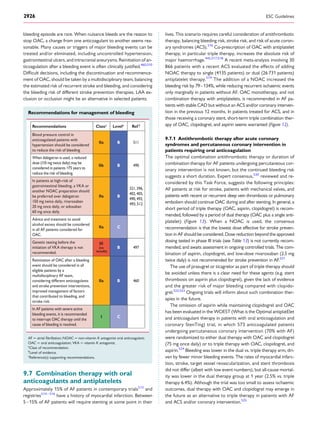
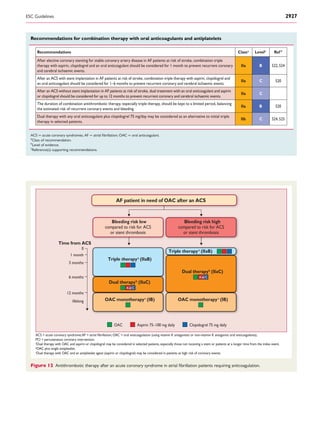
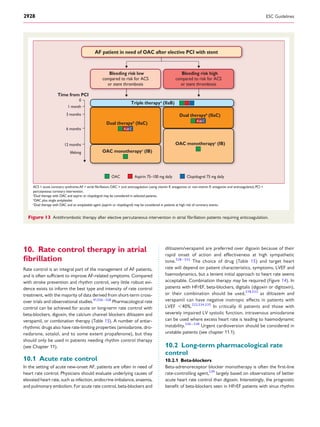
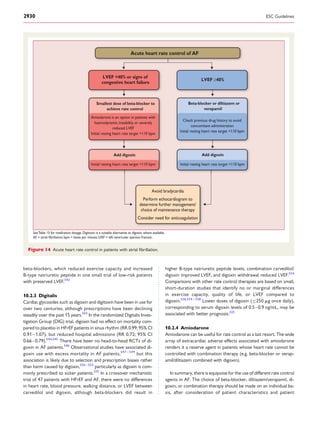
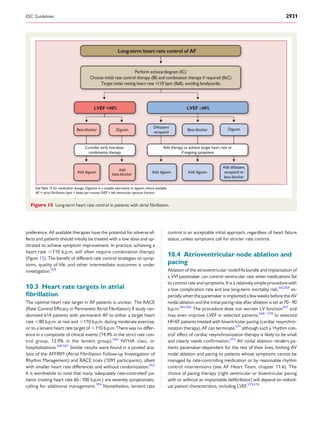
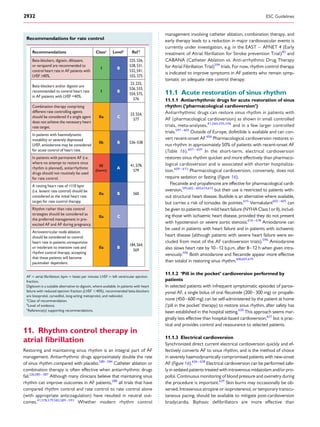
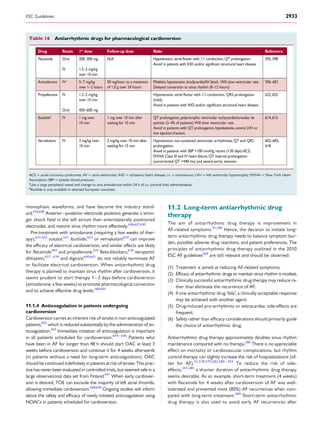
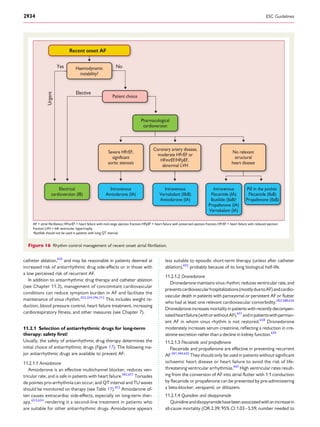
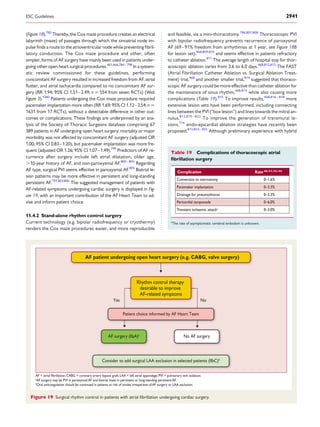
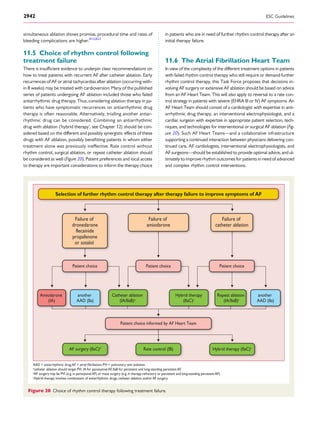
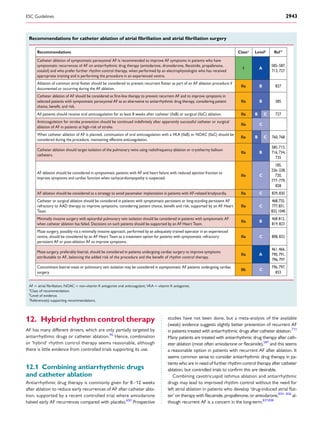
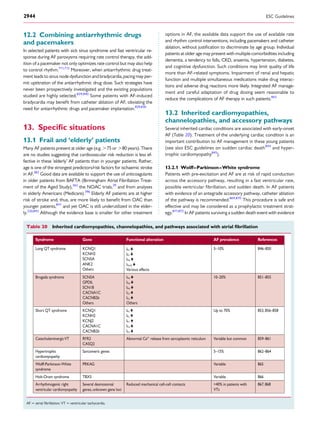
ESC GUIDELINES
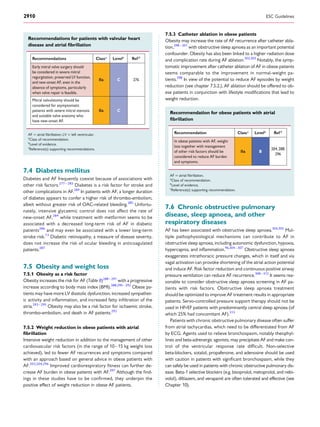
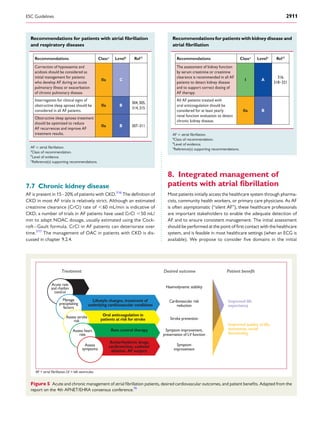
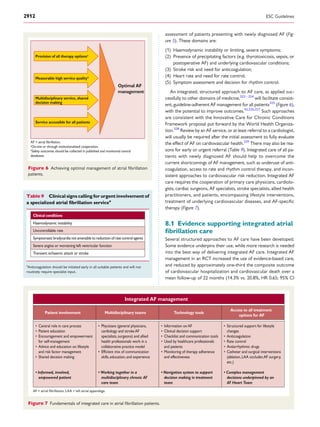
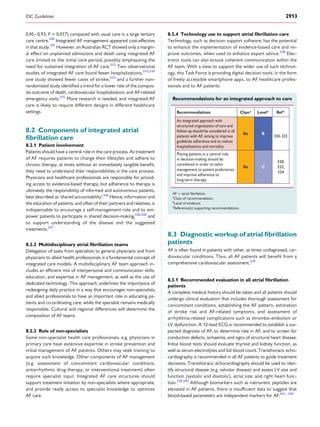
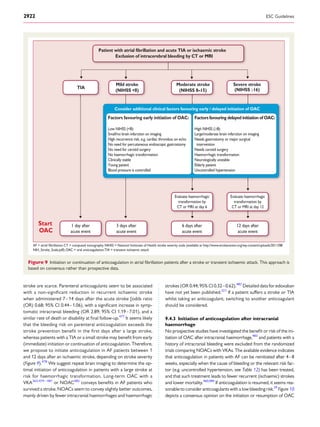
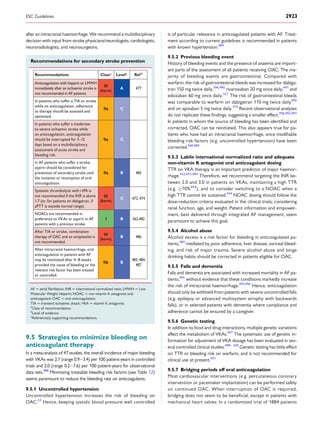
2016 ESC Guidelines for the management of atrial
fibrillation developed in collaboration with EACTS
The Task Force for the management of atrial fibrillation of the
European Society of Cardiology (ESC)
Developed with the special contribution of the European Heart
Rhythm Association (EHRA) of the ESC
Endorsed by the European Stroke Organisation (ESO)
Authors/Task Force Members: Paulus Kirchhof (Chairperson) (UK/Germany),*
Stefano Benussi*1
(Co-Chairperson) (Switzerland), Dipak Kotecha (UK),
Anders Ahlsson1
(Sweden), Dan Atar (Norway), Barbara Casadei (UK),
Manuel Castella1
(Spain), Hans-Christoph Diener2
(Germany), Hein Heidbuchel
(Belgium), Jeroen Hendriks (The Netherlands), Gerhard Hindricks (Germany),
Antonis S. Manolis (Greece), Jonas Oldgren (Sweden), Bogdan Alexandru Popescu
(Romania), Ulrich Schotten (The Netherlands), Bart Van Putte1
(The Netherlands),
and Panagiotis Vardas (Greece)
Document Reviewers: Stefan Agewall (CPG Review Co-ordinator) (Norway), John Camm (CPG Review
Co-ordinator) (UK), Gonzalo Baron Esquivias (Spain), Werner Budts (Belgium), Scipione Carerj (Italy),
Filip Casselman (Belgium), Antonio Coca (Spain), Raffaele De Caterina (Italy), Spiridon Deftereos (Greece),
Dobromir Dobrev (Germany), Jose´ M. Ferro (Portugal), Gerasimos Filippatos (Greece), Donna Fitzsimons (UK),
* Corresponding authors: Paulus Kirchhof, Institute of Cardiovascular Sciences, University of Birmingham, SWBH and UHB NHS trusts, IBR, Room 136, Wolfson Drive, Birmingham
B15 2TT, United Kingdom, Tel: +44 121 4147042, E-mail: p.kirchhof@bham.ac.uk; Stefano Benussi, Department of Cardiovascular Surgery, University Hospital Zurich, Ra¨mistrasse
100, 8091 Zu¨rich, Switzerland, Tel: +41(0)788933835, E-mail: stefano.benussi@usz.ch.
1
Representing the European Association for Cardio-Thoracic Surgery (EACTS)
2
Representing the European Stroke Association (ESO)
ESC Committee for Practice Guidelines (CPG) and National Cardiac Societies Reviewers can be found in the Appendix.
ESC entities having participated in the development of this document:
Associations: European Association for Cardiovascular Prevention and Rehabilitation (EACPR), European Association of Cardiovascular Imaging (EACVI), European Heart Rhythm
Association (EHRA), Heart Failure Association (HFA).
Councils: Council on Cardiovascular Nursing and Allied Professions, Council for Cardiology Practice, Council on Cardiovascular Primary Care, Council on Hypertension.
Working Groups: Cardiac Cellular Electrophysiology, Cardiovascular Pharmacotherapy, Grown-up Congenital Heart Disease, Thrombosis, Valvular Heart Disease.
The content of these European Society of Cardiology (ESC) Guidelines has been published for personal and educational use only. No commercial use is authorized. No part of the ESC
Guidelines may be translated or reproduced in any form without written permission from the ESC. Permission can be obtained upon submission of a written request to Oxford Uni-
versity Press, the publisher of the European Heart Journal and the party authorized to handle such permissions on behalf of the ESC (journals.permissions@oup.com).
Disclaimer. The ESC Guidelines represent the views of the ESC and were produced after careful consideration of the scientific and medical knowledge and the evidence available at
the time of their publication. The ESC is not responsible in the event of any contradiction, discrepancy and/or ambiguity between the ESC Guidelines and any other official recom-
mendations or guidelines issued by the relevant public health authorities, in particular in relation to good use of healthcare or therapeutic strategies. Health professionals are encour-
aged to take the ESC Guidelines fully into account when exercising their clinical judgment, as well as in the determination and the implementation of preventive, diagnostic or
therapeutic medical strategies; however, the ESC Guidelines do not override, in any way whatsoever, the individual responsibility of health professionals to make appropriate and
accurate decisions in consideration of each patient’s health condition and in consultation with that patient and, where appropriate and/or necessary, the patient’s caregiver. Nor
do the ESC Guidelines exempt health professionals from taking into full and careful consideration the relevant official updated recommendations or guidelines issued by the competent
public health authorities, in order to manage each patient’s case in light of the scientifically accepted data pursuant to their respective ethical and professional obligations. It is also the
health professional’s responsibility to verify the applicable rules and regulations relating to drugs and medical devices at the time of prescription.
& The European Society of Cardiology 2016. All rights reserved. For permissions please email: journals.permissions@oup.com.
doi:10.1093/eurheartj/ehw210
European Heart Journal (2016) 37, 2893–2962
Bulent Gorenek (Turkey), Maxine Guenoun (France), Stefan H. Hohnloser (Germany), Philippe Kolh (Belgium),
Gregory Y. H. Lip (UK), Athanasios Manolis (Greece), John McMurray (UK), Piotr Ponikowski (Poland), Raphael Rosenhek
(Austria), Frank Ruschitzka (Switzerland), Irina Savelieva (UK), Sanjay Sharma (UK), Piotr Suwalski (Poland),
Juan Luis Tamargo (Spain), Clare J. Taylor (UK), Isabelle C. Van Gelder (The Netherlands), Adriaan A. Voors (The
Netherlands), Stephan Windecker (Switzerland), Jose Luis Zamorano (Spain), and Katja Zeppenfeld (The Netherlands)
The disclosure forms of all experts involved in the development of these guidelines are available on the ESC website
http://www.escardio.org/guidelines.
------------------------------------------------------------------------------------------------------------------------------------------------------
Keywords Guidelines † Atrial fibrillation † Anticoagulation † Vitamin K antagonists † Non-vitamin K antagonist oral
anticoagulants † Left atrial appendage occlusion † Rate control † Cardioversion † Rhythm control †
Antiarrhythmic drugs † Upstream therapy † Catheter ablation † AF surgery † Valve repair † Pulmonary
vein isolation † Left atrial ablation
Table of Contents
Abbreviations and acronyms . . . . . . . . . . . . . . . . . . . . . . . . 4
1. Preamble . . . . . . . . . . . . . . . . . . . . . . . . . . . . . . . . . . . 5
2. Introduction . . . . . . . . . . . . . . . . . . . . . . . . . . . . . . . . . 7
3. Epidemiology and impact for patients . . . . . . . . . . . . . . . . . 7
3.1 Incidence and prevalence of atrial fibrillation . . . . . . . . 7
3.2 Morbidity, mortality, and healthcare burden of atrial
fibrillation . . . . . . . . . . . . . . . . . . . . . . . . . . . . . . . . . . 7
3.3 Impact of evidence-based management on outcomes in
atrial fibrillation patients . . . . . . . . . . . . . . . . . . . . . . . . 8
3.4 Gender . . . . . . . . . . . . . . . . . . . . . . . . . . . . . . . . 9
4. Pathophysiological and genetic aspects that guide management 9
4.1 Genetic predisposition . . . . . . . . . . . . . . . . . . . . . . 9
4.2 Mechanisms leading to atrial fibrillation . . . . . . . . . . . . 9
4.2.1 Remodelling of atrial structure and ion channel
function . . . . . . . . . . . . . . . . . . . . . . . . . . . . . . . . . 9
4.2.2 Electrophysiological mechanisms of atrial fibrillation . 9
4.2.2.1 Focal initiation and maintenance of atrial
fibrillation. . . . . . . . . . . . . . . . . . . . . . . . . . . . . . 9
4.2.2.2 The multiple wavelet hypothesis and rotors as
sources of atrial fibrillation. . . . . . . . . . . . . . . . . . . 10
5. Diagnosis and timely detection of atrial fibrillation . . . . . . . . 10
5.1 Overt and silent atrial fibrillation . . . . . . . . . . . . . . . . 10
5.2 Screening for silent atrial fibrillation . . . . . . . . . . . . . . 11
5.2.1 Screening for atrial fibrillation by electrocardiogram in
the community . . . . . . . . . . . . . . . . . . . . . . . . . . . . . 11
5.2.2 Prolonged monitoring for paroxysmal atrial
fibrillation . . . . . . . . . . . . . . . . . . . . . . . . . . . . . . . . 12
5.2.3 Patients with pacemakers and implanted devices . . . 12
5.2.4 Detection of atrial fibrillation in stroke survivors . . . 13
5.3 Electrocardiogram detection of atrial flutter . . . . . . . . . 13
6. Classification of atrial fibrillation . . . . . . . . . . . . . . . . . . . . 13
6.1 Atrial fibrillation pattern . . . . . . . . . . . . . . . . . . . . . 13
6.2 Atrial fibrillation types reflecting different causes of the
arrhythmia . . . . . . . . . . . . . . . . . . . . . . . . . . . . . . . . . 14
6.3 Symptom burden in atrial fibrillation . . . . . . . . . . . . . . 14
7. Detection and management of risk factors and concomitant
cardiovascular diseases . . . . . . . . . . . . . . . . . . . . . . . . . . . . 15
7.1 Heart failure . . . . . . . . . . . . . . . . . . . . . . . . . . . . . 15
7.1.1 Patients with atrial fibrillation and heart failure with
reduced ejection fraction . . . . . . . . . . . . . . . . . . . . . . 16
7.1.2 Atrial fibrillation patients with heart failure with
preserved ejection fraction . . . . . . . . . . . . . . . . . . . . . 16
7.1.3 Atrial fibrillation patients with heart failure with mid-
range ejection fraction . . . . . . . . . . . . . . . . . . . . . . . . 16
7.1.4 Prevention of atrial fibrillation in heart failure . . . . . 16
7.2 Hypertension . . . . . . . . . . . . . . . . . . . . . . . . . . . . 17
7.3 Valvular heart disease . . . . . . . . . . . . . . . . . . . . . . . 17
7.4 Diabetes mellitus . . . . . . . . . . . . . . . . . . . . . . . . . . 18
7.5 Obesity and weight loss . . . . . . . . . . . . . . . . . . . . . . 18
7.5.1 Obesity as a risk factor . . . . . . . . . . . . . . . . . . . 18
7.5.2 Weight reduction in obese patients with atrial
fibrillation . . . . . . . . . . . . . . . . . . . . . . . . . . . . . . . . 18
7.5.3 Catheter ablation in obese patients . . . . . . . . . . . 18
7.6 Chronic obstructive pulmonary disease, sleep apnoea, and
other respiratory diseases . . . . . . . . . . . . . . . . . . . . . . . 18
7.7 Chronic kidney disease . . . . . . . . . . . . . . . . . . . . . . 19
8. Integrated management of patients with atrial fibrillation . . . . 19
8.1 Evidence supporting integrated atrial fibrillation care . . . 20
8.2 Components of integrated atrial fibrillation care . . . . . . 21
8.2.1 Patient involvement . . . . . . . . . . . . . . . . . . . . . . 21
8.2.2 Multidisciplinary atrial fibrillation teams . . . . . . . . . 21
8.2.3 Role of non-specialists . . . . . . . . . . . . . . . . . . . . 21
8.2.4 Technology use to support atrial fibrillation care . . . 21
8.3 Diagnostic workup of atrial fibrillation patients . . . . . . . 21
8.3.1 Recommended evaluation in all atrial fibrillation
patients . . . . . . . . . . . . . . . . . . . . . . . . . . . . . . . . . 21
8.3.2 Additional investigations in selected patients with
atrial fibrillation . . . . . . . . . . . . . . . . . . . . . . . . . . . . 22
8.4 Structured follow-up . . . . . . . . . . . . . . . . . . . . . . . . 22
8.5 Defining goals of atrial fibrillation management . . . . . . . 22
9. Stroke prevention therapy in atrial fibrillation patients . . . . . . 22
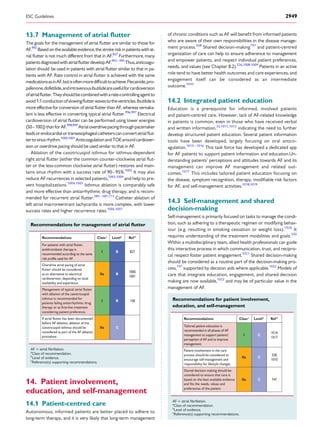
9.1 Prediction of stroke and bleeding risk . . . . . . . . . . . . . 22
9.1.1 Clinical risk scores for stroke and systemic embolism 22
9.1.2 Anticoagulation in patients with a CHA2DS2-VASc
score of 1 in men and 2 in women . . . . . . . . . . . . . . . . 22
9.1.3 Clinical risk scores for bleeding . . . . . . . . . . . . . . 23
ESC Guidelines
Online publish-ahead-of-print 27 August 2016
2894
9.2 Stroke prevention . . . . . . . . . . . . . . . . . . . . . . . . . . 24
9.2.1 Vitamin K antagonists . . . . . . . . . . . . . . . . . . . . 24
9.2.2 Non-vitamin K antagonist oral anticoagulants . . . . . 24
9.2.2.1 Apixaban . . . . . . . . . . . . . . . . . . . . . . . . . 25
9.2.2.2 Dabigatran . . . . . . . . . . . . . . . . . . . . . . . . 25
9.2.2.3 Edoxaban . . . . . . . . . . . . . . . . . . . . . . . . . 25
9.2.2.4 Rivaroxaban . . . . . . . . . . . . . . . . . . . . . . . 26
9.2.3 Non-vitamin K antagonist oral anticoagulants or
vitamin K antagonists . . . . . . . . . . . . . . . . . . . . . . . . . 27
9.2.4 Oral anticoagulation in atrial fibrillation patients with
chronic kidney disease . . . . . . . . . . . . . . . . . . . . . . . . 27
9.2.5 Oral anticoagulation in atrial fibrillation patients on
dialysis . . . . . . . . . . . . . . . . . . . . . . . . . . . . . . . . . . 27
9.2.6 Patients with atrial fibrillation requiring kidney
transplantation . . . . . . . . . . . . . . . . . . . . . . . . . . . . . 28
9.2.7 Antiplatelet therapy as an alternative to oral
anticoagulants . . . . . . . . . . . . . . . . . . . . . . . . . . . . . 28
9.3 Left atrial appendage occlusion and exclusion . . . . . . . . 29
9.3.1 Left atrial appendage occlusion devices . . . . . . . . . 29
9.3.2 Surgical left atrial appendage occlusion or exclusion . 29
9.4 Secondary stroke prevention . . . . . . . . . . . . . . . . . . 29
9.4.1 Treatment of acute ischaemic stroke . . . . . . . . . . 29
9.4.2 Initiation of anticoagulation after transient ischaemic
attack or ischaemic stroke . . . . . . . . . . . . . . . . . . . . . 29
9.4.3 Initiation of anticoagulation after intracranial
haemorrhage . . . . . . . . . . . . . . . . . . . . . . . . . . . . . . 30
9.5 Strategies to minimize bleeding on anticoagulant therapy 31
9.5.1 Uncontrolled hypertension . . . . . . . . . . . . . . . . . 31
9.5.2 Previous bleeding event . . . . . . . . . . . . . . . . . . . 31
9.5.3 Labile international normalized ratio and adequate
non-vitamin K antagonist oral anticoagulant dosing . . . . . 31
9.5.4 Alcohol abuse . . . . . . . . . . . . . . . . . . . . . . . . . 31
9.5.5 Falls and dementia . . . . . . . . . . . . . . . . . . . . . . 31
9.5.6 Genetic testing . . . . . . . . . . . . . . . . . . . . . . . . . 31
9.5.7 Bridging periods off oral anticoagulation . . . . . . . . 31
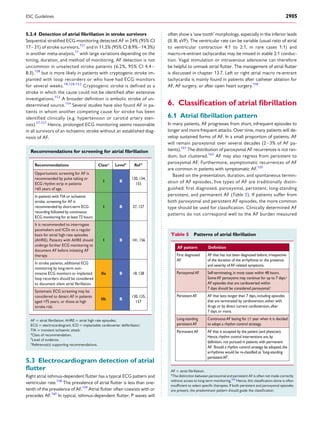
9.6 Management of bleeding events in anticoagulated patients
with atrial fibrillation . . . . . . . . . . . . . . . . . . . . . . . . . . . 32
9.6.1 Management of minor, moderate, and severe
bleeding . . . . . . . . . . . . . . . . . . . . . . . . . . . . . . . . . 32
9.6.2 Oral anticoagulation in atrial fibrillation patients at risk
of or having a bleeding event . . . . . . . . . . . . . . . . . . . 33
9.7 Combination therapy with oral anticoagulants and
antiplatelets . . . . . . . . . . . . . . . . . . . . . . . . . . . . . . . . 34
9.7.1 Antithrombotic therapy after acute coronary
syndromes and percutaneous coronary intervention in
patients requiring oral anticoagulation . . . . . . . . . . . . . . 34
10. Rate control therapy in atrial fibrillation . . . . . . . . . . . . . . 36
10.1 Acute rate control . . . . . . . . . . . . . . . . . . . . . . . . 36
10.2 Long-term pharmacological rate control . . . . . . . . . . 36
10.2.1 Beta-blockers . . . . . . . . . . . . . . . . . . . . . . . . . 36
10.2.2 Non-dihydropyridine calcium channel blockers . . . 37
10.2.3 Digitalis . . . . . . . . . . . . . . . . . . . . . . . . . . . . . 38
10.2.4 Amiodarone . . . . . . . . . . . . . . . . . . . . . . . . . . 38
10.3 Heart rate targets in atrial fibrillation . . . . . . . . . . . . 39
10.4 Atrioventricular node ablation and pacing . . . . . . . . . 39
11. Rhythm control therapy in atrial fibrillation . . . . . . . . . . . . 40
11.1 Acute restoration of sinus rhythm . . . . . . . . . . . . . . 40
11.1.1 Antiarrhythmic drugs for acute restoration of sinus
rhythm (‘pharmacological cardioversion’) . . . . . . . . . . . . 40
11.1.2 ‘Pill in the pocket’ cardioversion performed by
patients . . . . . . . . . . . . . . . . . . . . . . . . . . . . . . . . . 40
11.1.3 Electrical cardioversion . . . . . . . . . . . . . . . . . . 40
11.1.4 Anticoagulation in patients undergoing
cardioversion . . . . . . . . . . . . . . . . . . . . . . . . . . . . . . 41
11.2 Long-term antiarrhythmic drug therapy . . . . . . . . . . . 41
11.2.1 Selection of antiarrhythmic drugs for long-term
therapy: safety first! . . . . . . . . . . . . . . . . . . . . . . . . . . 42
11.2.1.1 Amiodrone . . . . . . . . . . . . . . . . . . . . . . . 42
11.2.1.2 Dronedarone . . . . . . . . . . . . . . . . . . . . . 42
11.2.1.3 Flecainide and propafenone . . . . . . . . . . . . 42
11.2.1.4 Quinidine and disopyramide . . . . . . . . . . . . 42
11.2.1.5 Sotalol . . . . . . . . . . . . . . . . . . . . . . . . . . 43
11.2.1.6 Dofetilide . . . . . . . . . . . . . . . . . . . . . . . . 43
11.2.2 Twelve-lead electrocardiogram as a tool to identify
patients at risk of pro-arrhythmia . . . . . . . . . . . . . . . . . 43
11.2.3 New antiarrhythmic drugs . . . . . . . . . . . . . . . . . 43
11.2.4 Antiarrhythmic effects of non-antiarrhythmic drugs 44
11.3 Catheter ablation . . . . . . . . . . . . . . . . . . . . . . . . . 46
11.3.1 Indications . . . . . . . . . . . . . . . . . . . . . . . . . . . 46
11.3.2 Techniques and technologies . . . . . . . . . . . . . . . 46
11.3.3 Outcome and complications . . . . . . . . . . . . . . . 47
11.3.3.1 Outcome of catheter ablation for atrial
fibrillation. . . . . . . . . . . . . . . . . . . . . . . . . . . . . . 47
11.3.3.2 Complications of catheter ablation for atrial
fibrillation. . . . . . . . . . . . . . . . . . . . . . . . . . . . . . 47
11.3.4 Anticoagulation:– before, during, and after ablation 47
11.3.5 Ablation of atrial fibrillation in heart failure patients 48
11.3.6 Follow-up after catheter ablation . . . . . . . . . . . . 48
11.4 Atrial fibrillation surgery . . . . . . . . . . . . . . . . . . . . . 48
11.4.1 Concomitant atrial fibrillation surgery . . . . . . . . . 48
11.4.2 Stand-alone rhythm control surgery . . . . . . . . . . 49
11.5 Choice of rhythm control following treatment failure . . 50
11.6 The atrial fibrillation Heart Team . . . . . . . . . . . . . . . 50
12. Hybrid rhythm control therapy . . . . . . . . . . . . . . . . . . . . 51
12.1 Combining antiarrhythmic drugs and catheter ablation . 51
12.2 Combining antiarrhythmic drugs and pacemakers . . . . 52
13. Specific situations . . . . . . . . . . . . . . . . . . . . . . . . . . . . . 52
13.1 Frail and ‘elderly’ patients . . . . . . . . . . . . . . . . . . . . 52
13.2 Inherited cardiomyopathies, channelopathies, and
accessory pathways . . . . . . . . . . . . . . . . . . . . . . . . . . . 52
13.2.1 Wolff–Parkinson–White syndrome . . . . . . . . . . 52
13.2.2 Hypertrophic cardiomyopathy . . . . . . . . . . . . . . 53
13.2.3 Channelopathies and arrhythmogenic right
ventricular cardiomyopathy . . . . . . . . . . . . . . . . . . . . 53
13.3 Sports and atrial fibrillation . . . . . . . . . . . . . . . . . . . 54
13.4 Pregnancy . . . . . . . . . . . . . . . . . . . . . . . . . . . . . . 54
13.4.1 Rate control . . . . . . . . . . . . . . . . . . . . . . . . . 54
13.4.2 Rhythm control . . . . . . . . . . . . . . . . . . . . . . . 54
13.4.3 Anticoagulation . . . . . . . . . . . . . . . . . . . . . . . 54
13.5 Post-operative atrial fibrillation . . . . . . . . . . . . . . . . 55
13.5.1 Prevention of post-operative atrial fibrillation . . . . 55
13.5.2 Anticoagulation . . . . . . . . . . . . . . . . . . . . . . . 55
13.5.3 Rhythm control therapy in post-operative atrial
fibrillation . . . . . . . . . . . . . . . . . . . . . . . . . . . . . . . . 55
13.6 Atrial arrhythmias in grown-up patients with congenital
heart disease . . . . . . . . . . . . . . . . . . . . . . . . . . . . . . . . 56
13.6.1 General management of atrial arrhythmias in grown-
up patients with congenital heart disease . . . . . . . . . . . . 56
ESC Guidelines 2895
13.6.2 Atrial tachyarrhythmias and atrial septal defects . . . 56
13.6.3 Atrial tachyarrhythmias after Fontan operation . . . 56
13.6.4 Atrial tachyarrhythmias after tetralogy of Fallot
correction . . . . . . . . . . . . . . . . . . . . . . . . . . . . . . . . 56
13.7 Management of atrial flutter . . . . . . . . . . . . . . . . . . 57
14. Patient involvement, education, and self-management . . . . . 57
14.1 Patient-centred care . . . . . . . . . . . . . . . . . . . . . . . 57
14.2 Integrated patient education . . . . . . . . . . . . . . . . . . 57
14.3 Self-management and shared decision-making . . . . . . . 57
15. Gaps in evidence . . . . . . . . . . . . . . . . . . . . . . . . . . . . . 58
15.1 Major health modifiers causing atrial fibrillation . . . . . . 58
15.2 How much atrial fibrillation constitutes a mandate for
therapy? . . . . . . . . . . . . . . . . . . . . . . . . . . . . . . . . . . . 58
15.3 Atrial high-rate episodes and need for anticoagulation . 58
15.4 Stroke risk in specific populations . . . . . . . . . . . . . . . 58
15.5 Anticoagulation in patients with severe chronic kidney
disease . . . . . . . . . . . . . . . . . . . . . . . . . . . . . . . . . . . . 58
15.6 Left atrial appendage occlusion for stroke prevention . . 58
15.7 Anticoagulation in atrial fibrillation patients after a
bleeding or stroke event . . . . . . . . . . . . . . . . . . . . . . . . 58
15.8 Anticoagulation and optimal timing of non-acute
cardioversion . . . . . . . . . . . . . . . . . . . . . . . . . . . . . . . 58
15.9 Competing causes of stroke or transient ischaemic attack
in atrial fibrillation patients . . . . . . . . . . . . . . . . . . . . . . . 58
15.10 Anticoagulation in patients with biological heart valves
(including transcatheter aortic valve implantation) and non-
rheumatic valve disease . . . . . . . . . . . . . . . . . . . . . . . . . 59
15.11 Anticoagulation after ‘successful’ catheter ablation . . . 59
15.12 Comparison of rate control agents . . . . . . . . . . . . . 59
15.13 Catheter ablation in persistent and long-standing
persistent AF . . . . . . . . . . . . . . . . . . . . . . . . . . . . . . . 59
15.14 Optimal technique for repeat catheter ablation . . . . . 59
15.15 Combination therapy for maintenance of sinus rhythm 59
15.16 Can rhythm control therapy convey a prognostic
benefit in atrial fibrillation patients? . . . . . . . . . . . . . . . . . 59
15.17 Thoracoscopic ‘stand-alone’ atrial fibrillation surgery . 59
15.18 Surgical exclusion of the left atrial appendage . . . . . . 59
15.19 Concomitant atrial fibrillation surgery . . . . . . . . . . . 59
16. To do and not to do messages from the Guidelines . . . . . . 60
17. A short summary of the management of atrial fibrillation
patients . . . . . . . . . . . . . . . . . . . . . . . . . . . . . . . . . . . . . . 62
18. Web addenda . . . . . . . . . . . . . . . . . . . . . . . . . . . . . . . 62
19. Appendix . . . . . . . . . . . . . . . . . . . . . . . . . . . . . . . . . . 62
20. References . . . . . . . . . . . . . . . . . . . . . . . . . . . . . . . . . 63
Abbreviations and acronyms
ABC age, biomarkers, clinical history
ACE angiotensin-converting enzyme
ACS acute coronary syndromes
AF atrial fibrillation
AFFIRM Atrial Fibrillation Follow-up Investigation of
Rhythm Management
AFNET German Competence NETwork on Atrial
Fibrillation
AngII angiotensin II
AHRE atrial high rate episodes
APACHE-AF Apixaban versus Antiplatelet drugs or no
antithrombotic drugs after anticoagulation-
associated intraCerebral HaEmorrhage in
patients with Atrial Fibrillation
ARB angiotensin receptor blocker
ARISTOTLE Apixaban for Reduction in Stroke and Other
Thromboembolic Events in Atrial Fibrillation
ARNI angiotensin receptor neprilysin inhibition
ARTESiA Apixaban for the Reduction of Thrombo-Em-
bolism in Patients With Device-Detected
Sub-Clinical Atrial Fibrillation
ATRIA AnTicoagulation and Risk factors In Atrial
fibrillation
AV Atrioventricular
AXAFA Anticoagulation using the direct factor Xa in-
hibitor apixaban during Atrial Fibrillation
catheter Ablation: Comparison to vitamin K
antagonist therapy
BAFTA Birmingham Atrial Fibrillation Treatment of
the Aged Study
BMI body mass index
b.p.m. beats per minute
CABANA Catheter Ablation versus Antiarrhythmic
Drug Therapy for Atrial Fibrillation Trial
CABG coronary artery bypass graft
CAD coronary artery disease
CHA2DS2-VASc Congestive Heart failure, hypertension, Age
≥75 (doubled), Diabetes, Stroke (doubled),
Vascular disease, Age 65–74, and Sex (female)
CHADS2 Cardiac failure, Hypertension, Age, Diabetes,
Stroke (Doubled)
CI confidence interval
CKD chronic kidney disease
CPG Committee for Practice Guidelines
CrCl creatinine clearance
CT computed tomography
CV cardiovascular
CYP2D6 cytochrome P450 2D6
CYP3A4 cytochrome P450 3A4
DIG Digitalis Investigation Group
EACTS European Association for Cardio-Thoracic
Surgery
EAST Early treatment of Atrial fibrillation for Stroke
prevention Trial
ECG electrocardiogram/electrocardiography
EHRA European Heart Rhythm Association
ENGAGE AF-TIMI
48
Effective Anticoagulation with Factor Xa
Next Generation in Atrial Fibrillation–
Thrombolysis in Myocardial Infarction 48
EORP EURObservational Research Programme
ESC European Society of Cardiology
ESO European stroke Organisation
FAST Atrial Fibrillation Catheter Ablation vs. Surgi-
cal Ablation Treatment
FEV1 forced expiratory volume in 1 s
FFP four-factor prothrombin complex concentrates
FXII factor XII
GDF-15 growth differentiation factor 15
GFR glomerular filtration rate
ESC Guidelines2896
GUCH grown-up congenital heart disease
HARMONY A Study to Evaluate the Effect of Ranolazine
and Dronedarone When Given Alone and
in Combination in Patients With Paroxysmal
Atrial Fibrillation
HAS-BLED hypertension, abnormal renal/liver function
(1 point each), stroke, bleeding history or
predisposition, labile INR, elderly (.65
years), drugs/alcohol concomitantly (1 point
each)
HEMORR2HAGES Hepatic or renal disease, ethanol abuse,
malignancy history, older age .75, reduced
platelet count/function/antiplatelet, rebleed-
ing risk (scores double), hypertension
(uncontrolled), anaemia, genetic factors, ex-
cessive fall risk, stroke history
HF heart failure
HFmrEF heart failure with mid-range ejection fraction
HFpEF heart failure with preserved ejection fraction
HFrEF heart failure with reduced ejection fraction
HR hazard ratio
ICD implantable cardioverter defibrillator
IHD ischaemic heart disease
IL-6 interleukin 6
INR international normalized ratio
i.v. intravenous
LA left atrium/atrial
LAA left atrial appendage
LAAOS Left Atrial Appendage Occlusion Study
LV left ventricular
LVEF left ventricular ejection fraction
LVH left ventricular hypertrophy
MANTRA-PAF Medical ANtiarrhythmic Treatment or Radio-
frequency Ablation in Paroxysmal Atrial
Fibrillation
MERLIN Metabolic Efficiency With Ranolazine for Less
Ischemia in Non ST-Elevation Acute Coron-
ary Syndromes
MRA Mineralocorticoid receptor antagonist
MRI magnetic resonance imaging
NIHSS National Institutes of Health stroke severity
scale
NOAC non-vitamin K antagonist oral anticoagulant
NOAH Non vitamin K antagonist Oral anticoagulants
in patients with Atrial High rate episodes
(NOAH)
NYHA New York Heart Association
OAC oral anticoagulation/oral anticoagulant
OR odds ratio
ORBIT Outcomes Registry for Better Informed
Treatment of Atrial Fibrillation
PAFAC Prevention of Atrial Fibrillation After Cardio-
version trial
PAI-1 plasminogen activator inhibitor 1
PCI percutaneous coronary intervention
PCC prothrombin complex concentrates
PICOT Population, Intervention, Comparison, Out-
come, Time
PREVAIL Prospective Randomized Evaluation of the
Watchman LAA Closure Device In Patients
with AF Versus Long Term Warfarin Therapy
trial
PROTECT AF Watchman Left Atrial Appendage System for
Embolic Protection in Patients With AF trial
PUFA polyunsaturated fatty acid
PVI pulmonary vein isolation
QoL quality of life
RACE Rate Control Efficacy in Permanent Atrial
Fibrillation
RATE-AF Rate Control Therapy Evaluation in Perman-
ent Atrial Fibrillation
RCT randomized controlled trial
RE-CIRCUIT Randomized Evaluation of Dabigatran Etexi-
late Compared to warfarIn in pulmonaRy
Vein Ablation: Assessment of an Uninterrupt-
ed periproCedUral antIcoagulation sTrategy
RE-LY Randomized Evaluation of Long-Term Antic-
oagulation Therapy
RF radiofrequency
ROCKET-AF Rivaroxaban Once Daily Oral Direct Factor
Xa Inhibition Compared with Vitamin K
Antagonism for Prevention of Stroke and
Embolism Trial in Atrial Fibrillation
RR risk ratio
rtPA recombinant tissue plasminogen activator
SAMe-TT2R2 Sex (female), age (,60 years), medical history
(two of the following: hypertension, diabetes,
mi, pad, congestive heart failure, history of
stroke, pulmonary disease, hepatic or renal dis-
ease), treatment (interacting medications e.g.
amiodarone),tobacco use (within2years;scores
double), race (non-Caucasian; scores double)
SD standard deviation
SPAF Stroke Prevention in Atrial Fibrillation
SR sinus rhythm
TF tissue factor
TIA transient ischaemic attack
TIMI Thrombolysis in Myocardial Infarction
TOE transoesophageal echocardiography
TTR time in therapeutic range
UFH unfractionated heparin
VKA vitamin K antagonist
VT Ventricular tachycardia
VVI Ventricular pacing, ventricular sensing, inhib-
ited response pacemaker
WOEST What is the Optimal antiplatElet and anti-
coagulant therapy in patients with oral anti-
coagulation and coronary StenTing
WPW Wolff-Parkinson-White syndrome
1. Preamble
Guidelines summarize and evaluate all available evidence on a par-
ticular issue at the time of the writing process, with the aim of assist-
ing health professionals in selecting the best management strategies
ESC Guidelines 2897
for an individual patient with a given condition, taking into account
the impact on outcome, as well as the risk–benefit ratio of particular
diagnostic or therapeutic means. Guidelines and recommendations
should help health professionals to make decisions in their daily prac-
tice. However, the final decisions concerning an individual patient
must be made by the responsible health professional(s) in consult-
ation with the patient and caregiver as appropriate.
A great number of Guidelines have been issued in recent years by
the European Society of Cardiology (ESC) and by the European As-
sociation for Cardio-Thoracic Surgery (EACTS), as well as by other
societies and organisations. Because of the impact on clinical prac-
tice, quality criteria for the development of guidelines have been es-
tablished in order to make all decisions transparent to the user. The
recommendations for formulating and issuing ESC Guidelines can be
found on the ESC website (http://www.escardio.org/Guidelines-
&-Education/Clinical-Practice-Guidelines/Guidelines-development/
Writing-ESC-Guidelines). ESC Guidelines represent the official pos-
ition of the ESC on a given topic and are regularly updated.
Members of this Task Force were selected by the ESC, including
representation from the European Heart Rhythm Association
(EHRA), and EACTS as well as by the European Stroke Organisa-
tion (ESO) to represent professionals involved with the medical
care of patients with this pathology. Selected experts in the field
undertook a comprehensive review of the published evidence
for management (including diagnosis, treatment, prevention and
rehabilitation) of a given condition according to ESC Committee
for Practice Guidelines (CPG) policy and approved by the EACTS
and ESO. A critical evaluation of diagnostic and therapeutic proce-
dures was performed, including assessment of the risk–benefit ra-
tio. Estimates of expected health outcomes for larger populations
were included, where data exist. The level of evidence and the
strength of the recommendation of particular management op-
tions were weighed and graded according to predefined scales,
as outlined in Tables 1 and 2.
The experts of the writing and reviewing panels provided declar-
ation of interest forms for all relationships that might be perceived as
real or potential sources of conflicts of interest. These forms were
compiled into one file and can be found on the ESC website (http
://www.escardio.org/guidelines). Any changes in declarations of
interest that arise during the writing period must be notified to
the ESC and EACTS and updated. The Task Force received its entire
financial support from the ESC and EACTS without any involvement
from the healthcare industry.
The ESC CPG supervises and co-ordinates the preparation of
new Guidelines produced by task forces, expert groups or consen-
sus panels. The Committee is also responsible for the endorsement
process of these Guidelines. The ESC Guidelines undergo extensive
review by the CPG and external experts, and in this case by EACTS
and ESO-appointed experts. After appropriate revisions the Guide-
lines are approved by all the experts involved in the Task Force. The
finalized document is approved by the CPG, EACTS and ESO for
publication in the European Heart Journal, Europace, and in the
European Journal of Cardio-Thoracic Surgery. The Guidelines
were developed after careful consideration of the scientific and
medical knowledge and the evidence available at the time of their
dating.
The task of developing ESC and EACTS Guidelines covers not
only integration of the most recent research, but also the creation
Table 1 Classes of recommendations
Classes of
recommendations
Suggested wording to
use
Class I Evidence and/or general agreement
that a given treatment or
procedure is beneficial, useful,
effective.
Is recommended/is
indicated
Class II
divergence of opinion about the
usefulness/efficacy of the given
Conflicting evidence and/or a
treatment or procedure.
Class IIa Weight of evidence/opinion is in
favour of usefulness/efficacy.
Should be considered
Class IIb
established by evidence/opinion.
Usefulness/efficacy is less well May be considered
Class III Evidence or general agreement that
the given treatment or procedure
is not useful/effective, and in some
cases may be harmful.
Is not recommended
Definition
Table 2 Levels of evidence
Level of
evidence A
Data derived from multiple randomized
clinical trials or meta-analyses.
Level of
evidence B
Data derived from a single randomized
clinical trial or large non-randomized
studies.
Level of
evidence C
Consensus of opinion of the experts and/
or small studies, retrospective studies,
registries.
ESC Guidelines2898
of educational tools and implementation programmes for the re-
commendations. To implement the guidelines, condensed pocket
guideline versions, summary slides, booklets with essential mes-
sages, summary cards for non-specialists and an electronic version
for digital applications (smartphones, etc.) are produced. These ver-
sions are abridged and thus, if needed, one should always refer to
the full text version, which is freely available on the ESC website.
The National Societies of the ESC are encouraged to endorse,
translate and implement all ESC Guidelines. Implementation pro-
grammes are needed because it has been shown that the outcome
of disease may be favourably influenced by the thorough application
of clinical recommendations.
Surveys and registries are needed to verify that real-life daily prac-
tice is in keeping with what is recommended in the guidelines, thus
completing the loop between clinical research, writing of guidelines,
disseminating them and implementing them into clinical practice.
Health professionals are encouraged to take the ESC and EACTS
Guidelines fully into account when exercising their clinical judgment,
as well as in the determination and the implementation of prevent-
ive, diagnostic or therapeutic medical strategies. However, the ESC
and EACTS Guidelines do not override in any way whatsoever the
individual responsibility of health professionals to make appropriate
and accurate decisions in consideration of each patient’s health con-
dition and in consultation with that patient and the patient’s care-
giver where appropriate and/or necessary. It is also the health
professional’s responsibility to verify the rules and regulations
applicable to drugs and devices at the time of prescription.
2. Introduction
Despite good progress in the management of patients with atrial fib-
rillation (AF), this arrhythmia remains one of the major causes of
stroke, heart failure, sudden death, and cardiovascular morbidity
in the world. Furthermore, the number of patients with AF is pre-
dicted to rise steeply in the coming years. To meet the growing de-
mand for effective care of patients with AF, new information is
continually generated and published, and the last few years have
seen substantial progress. Therefore, it seems timely to publish
this 2nd
edition of the ESC guidelines on AF.
Reflecting the multidisciplinary input into the management of
patients with AF, the Task Force includes cardiologists with varying sub-
specialty expertise, cardiac surgeons, stroke neurologists, and specialist
nurses amongst its members. Supplementing the evidence review
as outlined in the preamble, this Task Force defined three Population,
Intervention, Comparison, Outcome, Time (PICOT) questions on
relevant topics for the guidelines. The ESC commissioned external sys-
tematic reviews to answer these questions, and these reviews have
informed specific recommendations.
Further to adhering to the standards for generating recommenda-
tions that are common to all ESC guidelines (see preamble), this
Task Force discussed each draft recommendation during web-based
conference calls dedicated to specific chapters, followed by consen-
sus modifications and an online vote on each recommendation.
Only recommendations that were supported by at least 75% of
the Task Force members were included in the guidelines.
We hope that these guidelines will help to deliver good care to
all patients with AF based on the current state-of-the-art evidence
in 2016.
3. Epidemiology and impact for
patients
3.1 Incidence and prevalence of atrial
fibrillation
In 2010, the estimated numbers of men and women with AF world-
wide were 20.9 million and 12.6 million, respectively, with higher in-
cidence and prevalence rates in developed countries.1,2
One in four
middle-aged adults in Europe and the US will develop AF.3–5
By 2030,
14–17 million AF patients are anticipated in the European Union,
with 120 000–215 000 newly diagnosed patients per year.2,6,7
Esti-
mates suggest an AF prevalence of approximately 3% in adults aged
20 years or older,8,9
with greater prevalence in older persons1
and
in patients with conditions such as hypertension, heart failure, coron-
ary artery disease (CAD), valvular heart disease, obesity, diabetes
mellitus, or chronic kidney disease (CKD).7,10 – 15
The increase
in AF prevalence can be attributed both to better detection of
silent AF16–18
, alongside increasing age and conditions predisposing
to AF.19
3.2 Morbidity, mortality, and healthcare
burden of atrial fibrillation
AF is independently associated with a two-fold increased risk of
all-cause mortality in women and a 1.5-fold increase in men20 – 22
(Table 3). Death due to stroke can largely be mitigated by anticoa-
gulation, while other cardiovascular deaths, for example due to
heart failure and sudden death, remain common even in AF pa-
tients treated according to the current evidence base.23
AF is
also associated with increased morbidity, such as heart failure
and stroke.21,24,25
Contemporary studies show that 20–30% of pa-
tients with an ischaemic stroke have AF diagnosed before, during,
Table 3 Cardiovascular morbidity and mortality
associated with atrial fibrillation
Event Association with AF
Death Increased mortality,especially cardiovascular
mortality due to sudden death,heart failure or
stroke.
Stroke 20–30% of all strokes are due toAF. A growing
number of patients with stroke are diagnosed with
‘silent’,paroxysmalAF.
Hospitalizations 10–40% ofAF patients are hospitalized every year.
Quality of life Quality of life is impaired inAF patients independent
of other cardiovascular conditions.
Left ventricular
dysfunction and
heart failure
Left ventricular dysfunction is found in 20–30% of all
AF patients. AF causes or aggravates LV dysfunction
in manyAF patients,while others have completely
preserved LV function despite long-standingAF.
Cognitive decline
and vascular
dementia
Cognitive decline and vascular dementia can
develop even in anticoagulatedAF patients.
Brain white matter lesions are more common in
AF patients than in patients withoutAF.
AF ¼ atrial fibrillation; LV ¼ left ventricular.
ESC Guidelines 2899
or after the initial event.17,26,27
White matter lesions in the brain,
cognitive impairment,28 – 30
decreased quality of life,31,32
and
depressed mood33
are common in AF patients, and between
10–40% of AF patients are hospitalized each year.23,34,35
The direct costs of AF already amount to approximately 1% of to-
tal healthcare spending in the UK, and between 6.0–26.0 billion US
dollars in the US for 2008,36,37
driven by AF-related complications
(e.g. stroke) and treatment costs (e.g. hospitalizations). These costs
will increase dramatically unless AF is prevented and treated in a
timely and effective manner.
3.3 Impact of evidence-based
management on outcomes in atrial
fibrillation patients
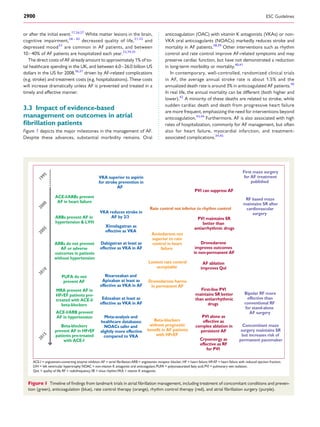
Figure 1 depicts the major milestones in the management of AF.
Despite these advances, substantial morbidity remains. Oral
anticoagulation (OAC) with vitamin K antagonists (VKAs) or non-
VKA oral anticoagulants (NOACs) markedly reduces stroke and
mortality in AF patients.38,39
Other interventions such as rhythm
control and rate control improve AF-related symptoms and may
preserve cardiac function, but have not demonstrated a reduction
in long-term morbidity or mortality.40,41
In contemporary, well-controlled, randomized clinical trials
in AF, the average annual stroke rate is about 1.5% and the
annualized death rate is around 3% in anticoagulated AF patients.40
In real life, the annual mortality can be different (both higher and
lower).42
A minority of these deaths are related to stroke, while
sudden cardiac death and death from progressive heart failure
are more frequent, emphasizing the need for interventions beyond
anticoagulation.43,44
Furthermore, AF is also associated with high
rates of hospitalization, commonly for AF management, but often
also for heart failure, myocardial infarction, and treatment-
associated complications.34,45
Rate control not inferior to rhythm control
Amiodarone not
superior to rate
control in heart
failure
Dronedarone harms
in permanent AF
Beta-blockers
without prognostic
benefit in AF patients
with HFrEF
Lenient rate control
acceptable
PVI can suppress AF
PVI maintains SR
better than
antiarrhythmic drugs
Dronedarone
improves outcomes
in non-permanent AF
AF ablation
improves Qol
First-line PVI
maintains SR better
than antiarrhythmic
drugs
PVI alone as
effective as
complex ablation in
persistent AF
Cryoenergy as
effective as RF
for PVI
VKA superior to aspirin
for stroke prevention in
AF
Dabigatran at least as
effective as VKA in AF
Rixaroxaban and
Apixaban at least as
effective as VKA in AF
Edoxaban at least as
effective as VKA in AF
Meta-analysis and
healthcare databases:
NOACs safer and
slightly more effective
compared to VKA
Ximelagatran as
effective as VKA
VKA reduces stroke in
AF by 2/3
1995
2000
2005
2010
2015
ACE-I/ARBs prevent
AF in heart failure
ARBs prevent AF in
hypertension & LVH
ARBs do not prevent
AF or adverse
outcomes in patients
without hypertension
PUFA do not
prevent AF
ACE-I/ARB prevent
AF in hypertension
Beta-blockers
prevent AF in HFrEF
patients pre-treated
with ACE-I
MRA prevent AF in
HFrEF patients pre-
treated with ACE-I/
beta-blockers
First maze surgery
for AF treatment
published
RF based maze
maintains SR after
cardiovascular
surgery
Bipolar RF more
effective than
conventional RF
for stand-alone
AF surgery
Concomitant maze
surgery maintains SR
but increases risk of
permanent pacemaker
LVH = left ventricular hypertrophy; NOAC = non-vitamin K antagonist oral anticoagulant; PUFA = polyunsaturated fatty acid; PVI = pulmonary vein isolation;
QoL = quality of life; RF = radiofrequency; SR = sinus rhythm;VKA = vitamin K antagonist.
Figure 1 Timeline of findings from landmark trials in atrial fibrillation management, including treatment of concomitant conditions and preven-
tion (green), anticoagulation (blue), rate control therapy (orange), rhythm control therapy (red), and atrial fibrillation surgery (purple).
ESC Guidelines2900
3.4 Gender
In both developed and developing countries, the age-adjusted inci-
dence and prevalence of AF are lower in women, while the risk of
death in women with AF is similar to or higher than that in men with
AF.1,46,47
Female AF patients who have additional stroke risk factors
(particularly older age) are also at greater risk than men of having a
stroke,48,49
even those anticoagulated with warfarin50
(see Chapter
9 for details). Women with diagnosed AF can be more symptomatic
than men and are typically older with more comorbidities.51,52
Bleeding risk on anticoagulation is similar in both sexes,49,50,53
but
women appear less likely to receive specialist care and rhythm con-
trol therapy,54
while the outcomes of catheter ablation or AF sur-
gery are comparable to those in men.55,56
These observations
highlight the need to offer effective diagnostic tools and therapeutic
management equally to women and men.
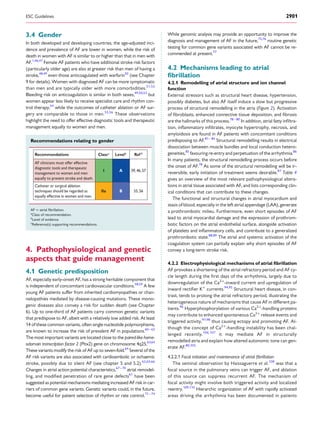
Recommendations relating to gender
Recommendations Classa
Levelb
Ref C
AF clinicians must offer effective
diagnostic tools and therapeutic
management to women and men
equally to prevent stroke and death.
I A 39, 46, 57
Catheter or surgical ablation
techniques should be regarded as
equally effective in women and men.
IIa B 55, 56
AF ¼ atrial fibrillation.
a
Class of recommendation.
b
Level of evidence.
c
Reference(s) supporting recommendations.
4. Pathophysiological and genetic
aspects that guide management
4.1 Genetic predisposition
AF, especially early-onset AF, has a strong heritable component that
is independent of concomitant cardiovascular conditions.58,59
A few
young AF patients suffer from inherited cardiomyopathies or chan-
nelopathies mediated by disease-causing mutations. These mono-
genic diseases also convey a risk for sudden death (see Chapter
6). Up to one-third of AF patients carry common genetic variants
that predispose to AF, albeit with a relatively low added risk. At least
14 of these common variants, often single nucleotide polymorphisms,
are known to increase the risk of prevalent AF in populations.60–62
The most important variants are located close to the paired-like home-
odomain transcription factor 2 (Pitx2) gene on chromosome 4q25.63,64
These variants modify the risk of AF up to seven-fold.64
Several of the
AF risk variants are also associated with cardioembolic or ischaemic
stroke, possibly due to silent AF (see chapter 5 and 5.2).62,65,66
Changes in atrial action potential characteristics,67–70
atrial remodel-
ling, and modified penetration of rare gene defects61
have been
suggested as potential mechanisms mediating increased AF risk in car-
riers of common gene variants. Genetic variants could, in the future,
become useful for patient selection of rhythm or rate control.71–74
While genomic analysis may provide an opportunity to improve the
diagnosis and management of AF in the future,75,76
routine genetic
testing for common gene variants associated with AF cannot be re-
commended at present.77
4.2 Mechanisms leading to atrial
fibrillation
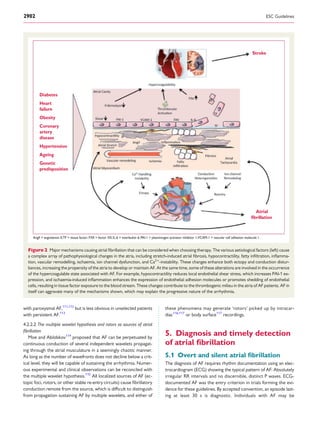
4.2.1 Remodelling of atrial structure and ion channel
function
External stressors such as structural heart disease, hypertension,
possibly diabetes, but also AF itself induce a slow but progressive
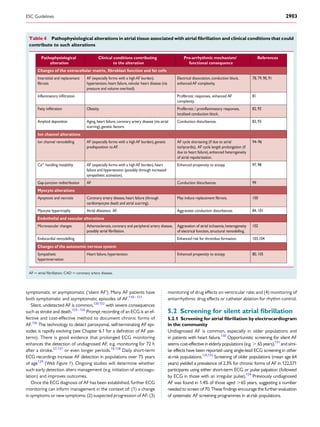
process of structural remodelling in the atria (Figure 2). Activation
of fibroblasts, enhanced connective tissue deposition, and fibrosis
are the hallmarks of this process.78 –80
In addition, atrial fatty infiltra-
tion, inflammatory infiltrates, myocyte hypertrophy, necrosis, and
amyloidosis are found in AF patients with concomitant conditions
predisposing to AF.81 – 84
Structural remodelling results in electrical
dissociation between muscle bundles and local conduction hetero-
geneities,85
favouring re-entry and perpetuation of the arrhythmia.86
In many patients, the structural remodelling process occurs before
the onset of AF.78
As some of the structural remodelling will be ir-
reversible, early initiation of treatment seems desirable.87
Table 4
gives an overview of the most relevant pathophysiological altera-
tions in atrial tissue associated with AF, and lists corresponding clin-
ical conditions that can contribute to these changes.
The functional and structural changes in atrial myocardium and
stasis of blood, especially in the left atrial appendage (LAA), generate
a prothrombotic milieu. Furthermore, even short episodes of AF
lead to atrial myocardial damage and the expression of prothrom-
botic factors on the atrial endothelial surface, alongside activation
of platelets and inflammatory cells, and contribute to a generalized
prothrombotic state.88,89
The atrial and systemic activation of the
coagulation system can partially explain why short episodes of AF
convey a long-term stroke risk.
4.2.2 Electrophysiological mechanisms of atrial fibrillation
AF provokes a shortening of the atrial refractory period and AF cy-
cle length during the first days of the arrhythmia, largely due to
downregulation of the Ca2+
-inward current and upregulation of
inward rectifier K+
currents.94,95
Structural heart disease, in con-
trast, tends to prolong the atrial refractory period, illustrating the
heterogeneous nature of mechanisms that cause AF in different pa-
tients.96
Hyperphosphorylation of various Ca2+
-handling proteins
may contribute to enhanced spontaneous Ca2+
release events and
triggered activity,97,98
thus causing ectopy and promoting AF. Al-
though the concept of Ca2+
-handling instability has been chal-
lenged recently,106,107
it may mediate AF in structurally
remodelled atria and explain how altered autonomic tone can gen-
erate AF.80,105
4.2.2.1 Focal initiation and maintenance of atrial fibrillation
The seminal observation by Haissaguerre et al.108
was that a
focal source in the pulmonary veins can trigger AF, and ablation
of this source can suppress recurrent AF. The mechanism of
focal activity might involve both triggered activity and localized
reentry.109,110
Hierarchic organization of AF with rapidly activated
areas driving the arrhythmia has been documented in patients
ESC Guidelines 2901
with paroxysmal AF,111,112
but is less obvious in unselected patients
with persistent AF.113
4.2.2.2 The multiple wavelet hypothesis and rotors as sources of atrial
fibrillation
Moe and Abildskov114
proposed that AF can be perpetuated by
continuous conduction of several independent wavelets propagat-
ing through the atrial musculature in a seemingly chaotic manner.
As long as the number of wavefronts does not decline below a crit-
ical level, they will be capable of sustaining the arrhythmia. Numer-
ous experimental and clinical observations can be reconciled with
the multiple wavelet hypothesis.115
All localized sources of AF (ec-
topic foci, rotors, or other stable re-entry circuits) cause fibrillatory
conduction remote from the source, which is difficult to distinguish
from propagation sustaining AF by multiple wavelets, and either of
these phenomena may generate ‘rotors’ picked up by intracar-
diac116,117
or body surface117
recordings.
5. Diagnosis and timely detection
of atrial fibrillation
5.1 Overt and silent atrial fibrillation
The diagnosis of AF requires rhythm documentation using an elec-
trocardiogram (ECG) showing the typical pattern of AF: Absolutely
irregular RR intervals and no discernible, distinct P waves. ECG-
documented AF was the entry criterion in trials forming the evi-
dence for these guidelines. By accepted convention, an episode last-
ing at least 30 s is diagnostic. Individuals with AF may be
AngII = angiotensin II;TF = tissue factor; FXII = factor XII; IL-6 = interleukin 6; PAI-1 = plasminogen activator inhibitor 1;VCAM-1 = vascular cell adhesion molecule 1.
Diabetes
Heart
failure
Obesity
Coronary
artery
disease
Hypertension
Ageing
Genetic
predisposition
Stroke
Atrial
fibrillation
Figure 2 Major mechanisms causing atrial fibrillation that can be considered when choosing therapy. The various aetiological factors (left) cause
a complex array of pathophysiological changes in the atria, including stretch-induced atrial fibrosis, hypocontractility, fatty infiltration, inflamma-
tion, vascular remodelling, ischaemia, ion channel dysfunction, and Ca2+
-instability. These changes enhance both ectopy and conduction distur-
bances, increasing the propensity of the atria to develop or maintain AF. At the same time, some of these alterations are involved in the occurrence
of the hypercoagulable state associated with AF. For example, hypocontractility reduces local endothelial shear stress, which increases PAI-1 ex-
pression, and ischaemia-induced inflammation enhances the expression of endothelial adhesion molecules or promotes shedding of endothelial
cells, resulting in tissue factor exposure to the blood stream. These changes contribute to the thrombogenic milieu in the atria of AF patients. AF in
itself can aggravate many of the mechanisms shown, which may explain the progressive nature of the arrhythmia.
ESC Guidelines2902
symptomatic or asymptomatic (‘silent AF’). Many AF patients have
both symptomatic and asymptomatic episodes of AF.118 – 121
Silent, undetected AF is common,120,122
with severe consequences
such as stroke and death.123–125
Prompt recording of an ECG is an ef-
fective and cost-effective method to document chronic forms of
AF.126
The technology to detect paroxysmal, self-terminating AF epi-
sodes is rapidly evolving (see Chapter 6.1 for a definition of AF pat-
terns). There is good evidence that prolonged ECG monitoring
enhances the detection of undiagnosed AF, e.g. monitoring for 72 h
after a stroke,27,127
or even longer periods.18,128
Daily short-term
ECG recordings increase AF detection in populations over 75 years
of age129
(Web Figure 1). Ongoing studies will determine whether
such early detection alters management (e.g. initiation of anticoagu-
lation) and improves outcomes.
Once the ECG diagnosis of AF has been established, further ECG
monitoring can inform management in the context of: (1) a change
in symptoms or new symptoms; (2) suspected progression of AF; (3)
monitoring of drug effects on ventricular rate; and (4) monitoring of
antiarrhythmic drug effects or catheter ablation for rhythm control.
5.2 Screening for silent atrial fibrillation
5.2.1 Screening for atrial fibrillation by electrocardiogram
in the community
Undiagnosed AF is common, especially in older populations and
in patients with heart failure.130
Opportunistic screening for silent AF
seems cost-effective in elderly populations (e.g. . 65 years),131
and simi-
lar effects have been reported using single-lead ECG screening in other
at-risk populations.132,133
Screening of older populations (mean age 64
years) yielded a prevalence of 2.3% for chronic forms of AF in 122,571
participants using either short-term ECG or pulse palpation (followed
by ECG in those with an irregular pulse).134
Previously undiagnosed
AF was found in 1.4% of those aged .65 years, suggesting a number
needed to screen of 70. These findings encourage the further evaluation
of systematic AF screening programmes in at-risk populations.
Table 4 Pathophysiological alterations in atrial tissue associated with atrial fibrillation and clinical conditions that could
contribute to such alterations
Pathophysiological
alteration
Changes of the extracellular matrix, fibroblast function and fat cells
Clinical conditions contributing
to the alteration
Pro-arrhythmic mechanism/
functional consequence
References
Interstitial and replacement
fibrosis
Inflammatory infiltration
Fatty infiltration
AF (especially forms with a highAF burden),
hypertension,heart failure,valvular heart disease (via
pressure and volume overload).
Electrical dissociation,conduction block,
enhancedAF complexity.
78,79,90,91
complexity.
Profibrotic responses, enhanced AF 81
Obesity.
localized conduction block.
Profibrotic / proinflammatory responses, 82,92
Amyloid deposition Aging,heart failure,coronary artery disease (via atrial
scarring),genetic factors.
Conduction disturbances. 83,93
Ion channel alterations
Ion channel remodelling AF (especially forms with a highAF burden),genetic
predisposition toAF.
AF cycle shortening (if due to atrial
tachycardia), AF cycle length prolongation (if
due to heart failure),enhanced heterogeneity
of atrial repolarization.
94–96
Ca2+
handling instability AF (especially forms with a highAF burden),heart
failure and hypertension (possibly through increased
sympathetic activation).
Enhanced propensity to ectopy. 97,98
Gap-junction redistribution AF Conduction disturbances.
May induce replacement fibrosis.
99
Myocyte alterations
Apoptosis and necrosis Coronary artery disease,heart failure (through
cardiomyocyte death and atrial scarring).
100
Myocyte hypertrophy Atrial dilatation, AF. Aggravates conduction disturbances. 84,101
Endothelial and vascular alterations
Microvascular changes Atherosclerosis,coronary and peripheral artery disease,
possibly atrial fibrillation.
Aggravation of atrial ischaemia,heterogeneity
of electrical function,structural remodelling.
102
Endocardial remodelling Enhanced risk for thrombus formation. 103,104
Changes of the autonomic nervous system
Sympathetic
hyperinnervation
Heart failure,hypertension. Enhanced propensity to ectopy. 80,105
AF ¼ atrial fibrillation; CAD ¼ coronary artery disease.
ESC Guidelines 2903
5.2.2 Prolonged monitoring for paroxysmal atrial
fibrillation
Paroxysmal AF is often missed.120
Repeated daily ECG recordings
increased the detection of silent, asymptomatic paroxysmal AF in
an unselected Swedish population aged .75 years.120,135
Several
patient-operated devices136,137
and extended continuous ECG
monitoring using skin patch recorders138
have been validated for
the detection of paroxysmal AF (Web Figure 1).139
The detection
of asymptomatic AF by new technologies, such as smartphone cases
with ECG electrodes, smart watches, and blood pressure machines
with AF detection algorithms, has not yet been formally evaluated
against an established arrhythmia detection method.140
5.2.3 Patients with pacemakers and implanted devices
Implanted pacemakers or defibrillators with an atrial lead allow
continuous monitoring of atrial rhythm. Using this technology, pa-
tients with atrial high rate episodes (AHRE) can be identified. De-
pending on the risk profile of the population studied, such AHRE are
detected in 10–15% of pacemaker patients.141
AHRE are associated
with an increased risk of overt AF [hazard ratio (HR) 5.56; 95% con-
fidence interval (CI) 3.78–8.17; P , 0.001] and ischaemic stroke or
systemic embolism (HR 2.49; 95% CI 1.28–4.85; P ¼ 0.007). The
stroke risk in AHRE patients seems lower than the stroke risk in pa-
tients with diagnosed AF, and not all AHRE represent AF.142
Strokes
often occur without AHRE detected within 30 days before the
event.143 –147
Consequently, it is unclear whether AHRE imply the
same therapeutic requirements as overt AF,148
and the benefit of
OAC in patients with AHRE is tested in ongoing clinical trials [e.g.
Apixaban for the Reduction of Thrombo-Embolism in Patients With
Device-Detected Sub-Clinical Atrial Fibrillation (ARTESiA)
(NCT01938248) and Non vitamin K antagonist Oral anticoagulants
in patients with Atrial High rate episodes (NOAH – AFNET 6)
(NCT02618577)]. At present, pacemakers and implanted devices
should be interrogated on a regular basis for AHRE, and patients
with AHRE should undergo further assessment of stroke risk factors
and for overt AF, including ECG monitoring (Figure 3).149
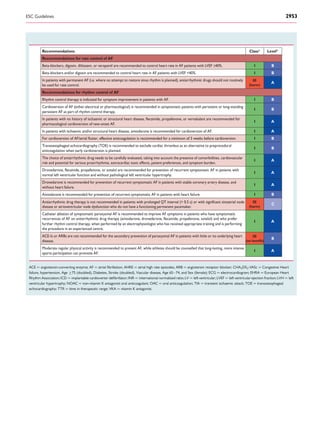
No AF detected
Strokerisklow
AF diagnosed
*
Patient without known AF presenting with atrial high rate episode
(AHRE, >5–6 min and >180 bpm) detected by an implanted device
Assess eligibility for oral anticoagulation using CHA2DS2-VASc score
Verify presence of AF by ECG documentation
e.g. resting ECG
Ambulatory ECG recorder
Patient-operated devices
Review device electrograms (if available) to determine whether it is AF
Consider patient characteristics
(e.g. stroke risk score)
and patient preference
Initiate oral anticoagulation
(IA)
2DS2-VASc = Congestive
Heart failure, hypertension, Age ≥75 (doubled), Diabetes, Stroke (doubled),Vascular disease,Age 65–74, and Sex (female); ECG = electrocardiogram; EHRA = European Heart
Rhythm Association.
*In rare individual circumstances, oral anticoagulation may be considered in patients with AHRE, but without diagnosed AF. This clearly needs discussion with the patient and careful
a
Adapted from the report of the 3rd
AFNET/EHRA consensus conference.150
No antithrombotic
therapy (IB)
Figure 3 Management of AHRE detected by an implanted device.
ESC Guidelines2904
5.2.4 Detection of atrial fibrillation in stroke survivors
Sequential stratified ECG monitoring detected AF in 24% (95% CI
17–31) of stroke survivors,151
and in 11.5% (95% CI 8.9%–14.3%)
in another meta-analysis,17
with large variations depending on the
timing, duration, and method of monitoring. AF detection is not
uncommon in unselected stroke patients (6.2%, 95% CI 4.4–
8.3),128
but is more likely in patients with cryptogenic stroke im-
planted with loop recorders or who have had ECG monitors
for several weeks.18,128,152
Cryptogenic stroke is defined as a
stroke in which the cause could not be identified after extensive
investigations.153
A broader definition is embolic stroke of un-
determined source.154
Several studies have also found AF in pa-
tients in whom another competing cause for stroke has been
identified clinically (e.g. hypertension or carotid artery sten-
osis).27,127
Hence, prolonged ECG monitoring seems reasonable
in all survivors of an ischaemic stroke without an established diag-
nosis of AF.
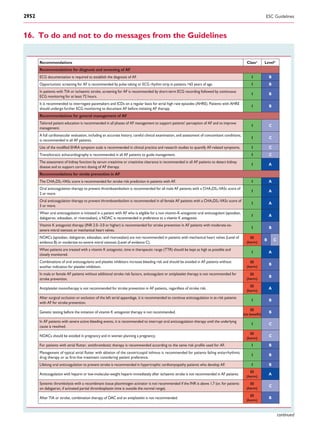
Recommendations for screening for atrial fibrillation
Recommendations Classa
Levelb
Ref C
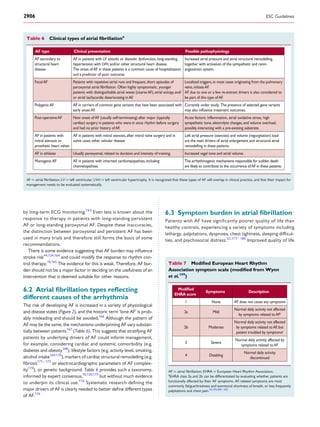
Opportunistic screening for AF is
recommended by pulse taking or
ECG rhythm strip in patients
>65 years of age.
I B
130, 134,
155
In patients with TIA or ischaemic
stroke, screening for AF is
recommended by short-term ECG
recording followed by continuous
ECG monitoring for at least 72 hours.
I B 27, 127
It is recommended to interrogate
pacemakers and ICDs on a regular
basis for atrial high rate episodes
(AHRE). Patients with AHRE should
undergo further ECG monitoring to
document AF before initiating AF
therapy.
I B 141, 156
In stroke patients, additional ECG
monitoring by long-term non-
invasive ECG monitors or implanted
loop recorders should be considered
to document silent atrial fibrillation.
IIa B 18, 128
Systematic ECG screening may be
considered to detect AF in patients
aged >75 years, or those at high
stroke risk.
IIb B
130, 135,
157
AF ¼ atrial fibrillation; AHRE ¼ atrial high rate episodes;
ECG ¼ electrocardiogram; ICD ¼ implantable cardioverter defibrillator;
TIA ¼ transient ischaemic attack.
a
Class of recommendation.
b
Level of evidence.
c
Reference(s) supporting recommendations.
5.3 Electrocardiogram detection of atrial
flutter
Right atrial isthmus-dependent flutter has a typical ECG pattern and
ventricular rate.158
The prevalence of atrial flutter is less than one-
tenth of the prevalence of AF.159
Atrial flutter often coexists with or
precedes AF.160
In typical, isthmus-dependent flutter, P waves will
often show a ‘saw tooth’ morphology, especially in the inferior leads
(II, III, aVF). The ventricular rate can be variable (usual ratio of atrial
to ventricular contraction 4:1 to 2:1, in rare cases 1:1) and
macro-re-entrant tachycardias may be missed in stable 2:1 conduc-
tion. Vagal stimulation or intravenous adenosine can therefore
be helpful to unmask atrial flutter. The management of atrial flutter
is discussed in chapter 13.7. Left or right atrial macro re-entrant
tachycardia is mainly found in patients after catheter ablation for
AF, AF surgery, or after open heart surgery.158
6. Classification of atrial fibrillation
6.1 Atrial fibrillation pattern
In many patients, AF progresses from short, infrequent episodes to
longer and more frequent attacks. Over time, many patients will de-
velop sustained forms of AF. In a small proportion of patients, AF
will remain paroxysmal over several decades (2–3% of AF pa-
tients).161
The distribution of paroxysmal AF recurrences is not ran-
dom, but clustered.162
AF may also regress from persistent to
paroxysmal AF. Furthermore, asymptomatic recurrences of AF
are common in patients with symptomatic AF.120
Based on the presentation, duration, and spontaneous termin-
ation of AF episodes, five types of AF are traditionally distin-
guished: first diagnosed, paroxysmal, persistent, long-standing
persistent, and permanent AF (Table 5). If patients suffer from
both paroxysmal and persistent AF episodes, the more common
type should be used for classification. Clinically determined AF
patterns do not correspond well to the AF burden measured
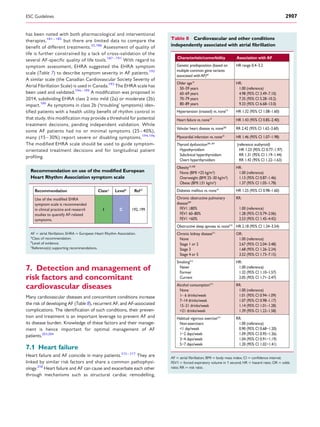
Table 5 Patterns of atrial fibrillation
AF pattern Definition
First diagnosed
AF
AF that has not been diagnosed before,irrespective
of the duration of the arrhythmia or the presence
and severity ofAF-related symptoms.
ParoxysmalAF Self-terminating,in most cases within 48 hours.
SomeAF paroxysms may continue for up to 7 days.a
AF episodes that are cardioverted within
7 days should be considered paroxysmal.a
PersistentAF AF that lasts longer than 7 days,including episodes
that are terminated by cardioversion,either with
drugs or by direct current cardioversion,after
7 days or more.
Long-standing
persistentAF
ContinuousAF lasting for ≥1 year when it is decided
to adopt a rhythm control strategy.
PermanentAF AF that is accepted by the patient (and physician).
Hence,rhythm control interventions are,by
AF. Should a rhythm control strategy be adopted,the
arrhythmia would be re-classified as ‘long-standing
definition, not pursued in patients with permanent
persistentAF’.
AF ¼ atrial fibrillation.
a
The distinction between paroxysmal and persistent AF is often not made correctly
without access to long-term monitoring.163
Hence, this classification alone is often
insufficient to select specific therapies. If both persistent and paroxysmal episodes
are present, the predominant pattern should guide the classification.
ESC Guidelines 2905
by long-term ECG monitoring.163
Even less is known about the
response to therapy in patients with long-standing persistent
AF or long-standing paroxysmal AF. Despite these inaccuracies,
the distinction between paroxysmal and persistent AF has been
used in many trials and therefore still forms the basis of some
recommendations.
There is some evidence suggesting that AF burden may influence
stroke risk44,124,164
and could modify the response to rhythm con-
trol therapy.76,165
The evidence for this is weak. Therefore, AF bur-
den should not be a major factor in deciding on the usefulness of an
intervention that is deemed suitable for other reasons.
6.2 Atrial fibrillation types reflecting
different causes of the arrhythmia
The risk of developing AF is increased in a variety of physiological
and disease states (Figure 2), and the historic term ‘lone AF’ is prob-
ably misleading and should be avoided.166
Although the pattern of
AF may be the same, the mechanisms underpinning AF vary substan-
tially between patients167
(Table 6). This suggests that stratifying AF
patients by underlying drivers of AF could inform management,
for example, considering cardiac and systemic comorbidity (e.g.
diabetes and obesity168
), lifestyle factors (e.g. activity level, smoking,
alcohol intake169,170
), markers of cardiac structural remodelling (e.g.
fibrosis171 –173
or electrocardiographic parameters of AF complex-
ity174
), or genetic background. Table 6 provides such a taxonomy,
informed by expert consensus,76,120,175
but without much evidence
to underpin its clinical use.176
Systematic research defining the
major drivers of AF is clearly needed to better define different types
of AF.176
6.3 Symptom burden in atrial fibrillation
Patients with AF have significantly poorer quality of life than
healthy controls, experiencing a variety of symptoms including
lethargy, palpitations, dyspnoea, chest tightness, sleeping difficul-
ties, and psychosocial distress.32,177 – 180
Improved quality of life
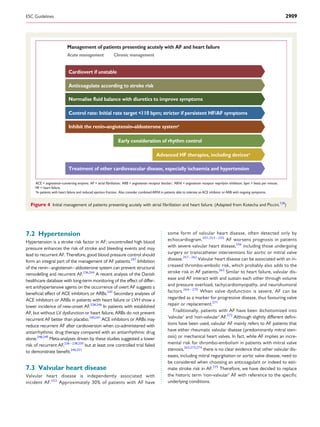
Table 6 Clinical types of atrial fibrillationa
AF type Clinical presentation Possible pathophysiology
AF secondary to
structural heart
disease
AF in patients with LV systolic or diastolic dysfunction,long-standing
hypertension with LVH,and/or other structural heart disease.
The onset ofAF in these patients is a common cause of hospitalization
and a predictor of poor outcome.
Increased atrial pressure and atrial structural remodelling,
together with activation of the sympathetic and renin-
angiotensin system.
FocalAF Patients with repetitive atrial runs and frequent,short episodes of
paroxysmal atrial fibrillation. Often highly symptomatic, younger
patients with distinguishable atrial waves (coarseAF),atrial ectopy,and/
or atrial tachycardia deteriorating inAF.
Localized triggers,in most cases originating from the pulmonary
veins,initiateAF.
AF due to one or a few re-entrant drivers is also considered to
be part of this type ofAF.
PolygenicAF AF in carriers of common gene variants that have been associated with
early onsetAF.
Currently under study. The presence of selected gene variants
may also influence treatment outcomes.
Post-operativeAF New onset ofAF (usually self-terminating) after major (typically
cardiac) surgery in patients who were in sinus rhythm before surgery
and had no prior history ofAF.
sympathetic tone,electrolyte changes,and volume overload,
Acute factors: inflammation, atrial oxidative stress, high
possibly interacting with a pre-existing substrate.
AF in patients with
mitral stenosis or
prosthetic heart valves
AF in patients with mitral stenosis,after mitral valve surgery and in
some cases other valvular disease.
Left atrial pressure (stenosis) and volume (regurgitation) load
are the main drivers of atrial enlargement and structural atrial
remodelling in these patients.
AF in athletes Usually paroxysmal,related to duration and intensity of training. Increased vagal tone and atrial volume.
MonogenicAF AF in patients with inherited cardiomyopathies,including
channelopathies.
The arrhythmogenic mechanisms responsible for sudden death
are likely to contribute to the occurrence ofAF in these patients.
AF ¼ atrial fibrillation; LV ¼ left ventricular; LVH ¼ left ventricular hypertrophy. It is recognized that these types of AF will overlap in clinical practice, and that their impact for
management needs to be evaluated systematically.
Table 7 Modified European Heart Rhythm
Association symptom scale (modified from Wynn
et al.199
)
EHRA score
Modified
Symptoms Description
1 None AF does not cause any symptoms
2a Mild
Normal daily activity not affected
by symptoms related toAFa
2b Moderate
Normal daily activity not affected
by symptoms related toAF,but
patient troubled by symptomsa
3 Severe
Normal daily activity affected by
symptoms related toAF
4 Disabling
Normal daily activity
discontinued
AF ¼ atrial fibrillation; EHRA ¼ European Heart Rhythm Association.
a
EHRA class 2a and 2b can be differentiated by evaluating whether patients are
functionally affected by their AF symptoms. AF-related symptoms are most
commonly fatigue/tiredness and exertional shortness of breath, or less frequently
palpitations and chest pain.42,194,200–202
ESC Guidelines2906
has been noted with both pharmacological and interventional
therapies,181 – 185
but there are limited data to compare the
benefit of different treatments.32,186
Assessment of quality of
life is further constrained by a lack of cross-validation of the
several AF-specific quality of life tools.187 – 191
With regard to
symptom assessment, EHRA suggested the EHRA symptom
scale (Table 7) to describe symptom severity in AF patients.192
A similar scale (the Canadian Cardiovascular Society Severity of
Atrial Fibrillation Scale) is used in Canada.193
The EHRA scale has
been used and validated.194 – 199
A modification was proposed in
2014, subdividing EHRA class 2 into mild (2a) or moderate (2b)
impact.199
As symptoms in class 2b (‘troubling’ symptoms) iden-
tified patients with a health utility benefit of rhythm control in
that study, this modification may provide a threshold for potential
treatment decisions, pending independent validation. While
some AF patients had no or minimal symptoms (25–40%),
many (15–30%) report severe or disabling symptoms.194,196
The modified EHRA scale should be used to guide symptom-
orientated treatment decisions and for longitudinal patient
profiling.
Recommendation on use of the modified European
Heart Rhythm Association symptom scale
Recommendation Classa
Levelb
Ref C
symptom scale is recommended
Use of the modified EHRA
in clinical practice and research
studies to quantify AF-related
symptoms.
I C 192, 199
AF ¼ atrial fibrillation; EHRA ¼ European Heart Rhythm Association.
a
Class of recommendation.
b
Level of evidence.
c
Reference(s) supporting recommendations.
7. Detection and management of
risk factors and concomitant
cardiovascular diseases
Many cardiovascular diseases and concomitant conditions increase
the risk of developing AF (Table 8), recurrent AF, and AF-associated
complications. The identification of such conditions, their preven-
tion and treatment is an important leverage to prevent AF and
its disease burden. Knowledge of these factors and their manage-
ment is hence important for optimal management of AF
patients.203,204
7.1 Heart failure
Heart failure and AF coincide in many patients.215 – 217
They are
linked by similar risk factors and share a common pathophysi-
ology.218
Heart failure and AF can cause and exacerbate each other
through mechanisms such as structural cardiac remodelling,
Table 8 Cardiovascular and other conditions
independently associated with atrial fibrillation
Characteristic/comorbidity Association with AF
Genetic predisposition (based on
multiple common gene variants
associated withAF)64
HR range 0.4–3.2
Older age19
50–59 years
60–69 years
70–79 years
80–89 years
HR:
1.00 (reference)
4.98 (95% CI 3.49–7.10)
7.35 (95% CI 5.28–10.2)
9.33 (95% CI 6.68–13.0)
Hypertension (treated) vs.none19
HR 1.32 (95% CI 1.08–1.60)
Heart failure vs.none19
HR 1.43 (95% CI 0.85–2.40)
Valvular heart disease vs.none205
RR 2.42 (95% CI 1.62–3.60)
Myocardial infarction vs.none19
HR 1.46 (95% CI 1.07–1.98)
Thyroid dysfunction206,207
Hypothyroidism
Subclinical hyperthyroidism
Overt hyperthyroidism
(reference:euthyroid)
HR 1.23 (95% CI 0.77–1.97)
RR 1.31 (95% CI 1.19–1.44)
RR 1.42 (95% CI 1.22–1.63)
Obesity19,208
None (BMI <25 kg/m²)
Overweight (BMI 25–30 kg/m²)
Obese (BMI ≥31 kg/m²)
HR:
1.00 (reference)
1.13 (95% CI 0.87–1.46)
1.37 (95% CI 1.05–1.78)
Diabetes mellitus vs.none19
HR 1.25 (95% CI 0.98–1.60)
Chronic obstructive pulmonary
disease209
FEV1 ≥80%
FEV1 60–80%
FEV1 <60%
RR:
1.00 (reference)
1.28 (95% CI 0.79–2.06)
2.53 (95% CI 1.45–4.42)
Obstructive sleep apnoea vs.none210
HR 2.18 (95% CI 1.34–3.54)
Chronic kidney disease211
None
Stage 1 or 2
Stage 3
Stage 4 or 5
OR:
1.00 (reference)
2.67 (95% CI 2.04–3.48)
1.68 (95% CI 1.26–2.24)
3.52 (95% CI 1.73–7.15)
Smoking212
Never
Former
Current
HR:
1.00 (reference)
1.32 (95% CI 1.10–1.57)
2.05 (95% CI 1.71–2.47)
Alcohol consumption213
None
1– 6 drinks/week
7–14 drinks/week
15–21 drinks/week
>21 drinks/week
RR:
1.00 (reference)
1.01 (95% CI 0.94–1.09)
1.07 (95% CI 0.98–1.17)
1.14 (95% CI 1.01–1.28)
1.39 (95% CI 1.22–1.58)
Habitual vigorous exercise214
Non-exercisers
<1 day/week
1−2 days/week
3−4 days/week
5−7 days/week
RR:
1.00 (reference)
0.90 (95% CI 0.68−1.20)
1.09 (95% CI 0.95−1.26)
1.04 (95% CI 0.91−1.19)
1.20 (95% CI 1.02−1.41)
AF ¼ atrial fibrillation; BMI ¼ body mass index; CI ¼ confidence interval;
FEV1 ¼ forced expiratory volume in 1 second; HR ¼ hazard ratio; OR ¼ odds
ratio; RR ¼ risk ratio.
ESC Guidelines 2907
activation of neurohormonal mechanisms, and rate-related impair-
ment of left ventricular (LV) function. Patients with AF and concomi-
tant heart failure, both with preserved ejection fraction [LV ejection
fraction (LVEF) ≥50%] and reduced ejection fraction (LVEF
,40%),219,220
suffer from a worse prognosis, including increased
mortality.16,221
The recent ESC Guidelines on heart failure222
have also introduced a new category of heart failure with mid-range
ejection fraction (HFmrEF; LVEF 40–49%), although data on AF
patients in this group are limited. Prevention of adverse outcomes
and maintenance of a good quality of life are the aims of manage-
ment in all patients with AF and concomitant heart failure, regard-
less of LVEF.223
The general approach to AF management does
not differ between heart failure patients and others, but a few con-
siderations are worthwhile. Of note, the only therapy with proven
prognostic value in these patients is anticoagulation, and appropriate
OAC should be prescribed in all patients at risk of stroke (see
Chapter 9).
7.1.1 Patients with atrial fibrillation and heart failure with
reduced ejection fraction
In addition to OAC, standard heart failure therapy should be used
in patients with heart failure with reduced ejection fraction
(HFrEF), as detailed in the ESC Guidelines.222
This includes
angiotensin-converting enzyme (ACE) inhibitors or angiotensin
receptor blockers (ARBs), mineralocorticoid antagonists,
defibrillators, cardiac resynchronization therapy,218
and combined
angiotensin receptor neprilysin inhibition (ARNI) in patients
able to tolerate an ACE inhibitor or ARB with ongoing
symptoms.224
Rate control of AF is discussed in detail in Chapter 10. In brief,
only beta-blockers and digoxin are suitable in HFrEF because of
the negative inotropic potential of verapamil and diltiazem. Beta-
blockers are usually the first-line option in patients with clinically
stable HFrEF, although a meta-analysis using individual patient data
from randomized controlled trials (RCTs) found no reduction in
mortality from beta-blockers vs. placebo in those with AF at base-
line (HR 0.97, 95% CI 0.83–1.14).23
Digoxin is commonly pre-
scribed in clinical practice, but no head-to-head RCTs in AF
patients have been performed. In a meta-analysis of observational
studies, digoxin had a neutral effect on mortality in patients with
AF and concomitant heart failure (adjusted observational studies
HR 0.90, 95% CI 0.70–1.16; propensity-matched observational
studies RR 1.08, 95% CI 0.93–1.26).225
Therefore, initial and com-
bination rate control therapy for AF in HFrEF should take account of
individual patient characteristics and symptoms; beta-blocker initi-
ation should be delayed in patients with acute decompensated heart
failure, and digoxin can accumulate and provoke adverse effects in
patients with kidney dysfunction (see Chapter 10).
Patients with AF and HFrEF who present with severe symp-
toms may require rhythm control therapy in addition to rate con-
trol therapy. For patients who develop HFrEF as a result of rapid
AF (tachycardiomyopathy), a rhythm control strategy is pre-
ferred, based on several relatively small patient cohorts and trials
reporting improved LV function after restoration of sinus
rhythm.185,226 – 228
The diagnosis of tachycardiomyopathy can
be challenging, and at times requires the restoration of sinus
rhythm.229
Catheter ablation may be a useful method to restore
LV function and quality of life in AF patients with HFrEF,185,226 –
228
but further data are needed. Figure 4 summarizes the approach
to patients with AF and heart failure.
7.1.2 Atrial fibrillation patients with heart failure with
preserved ejection fraction
The diagnosis of heart failure with preserved ejection fraction
(HFpEF) in patients with AF is problematic because of the difficulty
in separating symptoms that are due to HF from those due to AF.
Although diagnostic differentiation can be achieved by cardioversion
and clinical reassessment but should be reserved for symptomatic
improvement as a specific therapy that improves prognosis in HFpEF
is currently lacking. Echocardiography can support the detection of
HFpEF in patients with symptomatic AF by providing evidence of
relevant structural heart disease [e.g. LV hypertrophy (LVH)] and/
or measurement of diastolic dysfunction. Reduced early diastolic
myocardial velocity e’ by tissue Doppler reflects impaired LV relax-
ation, while the ratio of E/e’ is correlated with invasive measurement of
LV filling pressures.230–234
Natriuretic peptide levels are part of the
diagnostic assessment of HFpEF,222
although natriuretic peptide levels
are elevated in AF patients and the optimum diagnostic cut-off is still
unknown.235
The management of patients with AF
and concomitant HFpEF should focus on the control of fluid
balance and concomitant conditions such as hypertension and
myocardial ischaemia.
7.1.3 Atrial fibrillation patients with heart failure with
mid-range ejection fraction
HFmrEF is a recently defined entity, describing patients with symp-
toms and signs of heart failure, LVEF 40–49%, elevated levels of
natriuretic peptides, and either LV hypertrophy, left atrial (LA) en-
largement, or evidence of diastolic dysfunction.222
However, diag-
nosis is more difficult in patients with AF, as natriuretic peptides
are elevated in AF and LA dilatation is common, regardless of con-
comitant heart failure. LVEF is also variable and difficult to assess in
AF patients because of AF-induced reduction in systolic LV function
and variable cardiac cycle length. Further study of this group is re-
quired before particular treatment strategies in AF patients with
HFmrEF can be recommended.
7.1.4 Prevention of atrial fibrillation in heart failure
Retrospective analyses from large randomized trials have reported a
lower incidence of new-onset AF in patients treated with ACE inhi-
bitors/ARBs compared with placebo.236 – 238
The reduced incidence
of AF with ACE inhibitors/ARBs is less evident in patients with
HFpEF239
and is lost in patients without heart failure.240 –242
Nepri-
lysin inhibition does not seem to add to this effect.224
Beta-blocker
therapy was associated with a 33% reduction in the adjusted odds of
incident AF in HFrEF patients pre-treated with ACE inhibitors/ARBs,
reinforcing the importance of beta-blocker therapy in HFrEF pa-
tients in sinus rhythm.23
Eplerenone, a mineralocorticoid receptor
antagonist, also reduced the risk of new-onset AF in patients with
LVEF ≤35%, New York Heart Association (NYHA) Class II, when
added to ACE inhibitors/ARBs and beta-blockers.243
ESC Guidelines2908
7.2 Hypertension
Hypertension is a stroke risk factor in AF; uncontrolled high blood
pressure enhances the risk of stroke and bleeding events and may
lead to recurrent AF. Therefore, good blood pressure control should
form an integral part of the management of AF patients.247
Inhibition
of the renin–angiotensin–aldosterone system can prevent structural
remodelling and recurrent AF.236,244
A recent analysis of the Danish
healthcare database with long-term monitoring of the effect of differ-
ent antihypertensive agents on the occurrence of overt AF suggests a
beneficial effect of ACE inhibitors or ARBs.245
Secondary analyses of
ACE inhibitors or ARBs in patients with heart failure or LVH show a
lower incidence of new-onset AF.238,246
In patients with established
AF, but without LV dysfunction or heart failure, ARBs do not prevent
recurrent AF better than placebo.240,241
ACE inhibitors or ARBs may
reduce recurrent AF after cardioversion when co-administered with
antiarrhythmic drug therapy compared with an antiarrhythmic drug
alone.248,249
Meta-analyses driven by these studies suggested a lower
risk of recurrent AF,236–238,250
but at least one controlled trial failed
to demonstrate benefit.240,251
7.3 Valvular heart disease
Valvular heart disease is independently associated with
incident AF.252
Approximately 30% of patients with AF have
some form of valvular heart disease, often detected only by
echocardiogram.201,253 – 255
AF worsens prognosis in patients
with severe valvular heart disease,256
including those undergoing
surgery or transcatheter interventions for aortic or mitral valve
disease.257 – 262
Valvular heart disease can be associated with an in-
creased thrombo-embolic risk, which probably also adds to the
stroke risk in AF patients.263
Similar to heart failure, valvular dis-
ease and AF interact with and sustain each other through volume
and pressure overload, tachycardiomyopathy, and neurohumoral
factors.264 – 270
When valve dysfunction is severe, AF can be
regarded as a marker for progressive disease, thus favouring valve
repair or replacement.271
Traditionally, patients with AF have been dichotomized into
‘valvular’ and ‘non-valvular’ AF.272
Although slightly different defini-
tions have been used, valvular AF mainly refers to AF patients that
have either rheumatic valvular disease (predominantly mitral sten-
osis) or mechanical heart valves. In fact, while AF implies an incre-
mental risk for thrombo-embolism in patients with mitral valve
stenosis,263,273,274
there is no clear evidence that other valvular dis-
eases, including mitral regurgitation or aortic valve disease, need to
be considered when choosing an anticoagulant or indeed to esti-
mate stroke risk in AF.275
Therefore, we have decided to replace
the historic term ‘non-valvular’ AF with reference to the specific
underlying conditions.
Cardiovert if unstable
Management of patients presenting acutely with AF and heart failure
Acute management Chronic management
Anticoagulate according to stroke risk
Normalise fluid balance with diuretics to improve symptoms
Control rate: Initial rate target <110 bpm; stricter if persistent HF/AF symptoms
Inhibit the renin–angiotensin–aldosterone systema
Early consideration of rhythm control
Advanced HF therapies, including devicesa
Treatment of other cardiovascular disease, especially ischaemia and hypertension
heart failure.
a
In patients with heart failure and reduced ejection fraction. Also consider combined ARNI in patients able to tolerate an ACE inhibitor or ARB with ongoing symptoms.
Figure 4 Initial management of patients presenting acutely with atrial fibrillation and heart failure. (Adapted from Kotecha and Piccini.128
)
ESC Guidelines 2909
Recommendations for patients with valvular heart
disease and atrial fibrillation
Recommendations Classa
Levelb
Ref C
Early mitral valve surgery should
be considered in severe mitral
regurgitation, preserved LV function,
and new-onset AF, even in the
absence of symptoms, particularly
when valve repair is feasible.
IIa C 276
Mitral valvulotomy should be
considered for asymptomatic
patients with severe mitral stenosis
and suitable valve anatomy who
have new-onset AF.
IIa C
AF ¼ atrial fibrillation; LV ¼ left ventricular.
a
Class of recommendation.
b
Level of evidence.
c
Reference(s) supporting recommendations.
7.4 Diabetes mellitus
Diabetes and AF frequently coexist because of associations with
other risk factors.277 – 283
Diabetes is a risk factor for stroke and
other complications in AF.284
In patients with AF, a longer duration
of diabetes appears to confer a higher risk of thrombo-embolism,
albeit without greater risk of OAC-related bleeding.285
Unfortu-
nately, intensive glycaemic control does not affect the rate of
new-onset AF,284
while treatment with metformin seems to be
associated with a decreased long-term risk of AF in diabetic
patients286
and may even be associated with a lower long-term
stroke risk.13
Diabetic retinopathy, a measure of disease severity,
does not increase the risk of ocular bleeding in anticoagulated
patients.287
7.5 Obesity and weight loss
7.5.1 Obesity as a risk factor
Obesity increases the risk for AF (Table 8)288 – 291
with a progressive
increase according to body mass index (BMI).288,290 – 292
Obese pa-
tients may have more LV diastolic dysfunction, increased sympathet-
ic activity and inflammation, and increased fatty infiltration of the
atria.293 – 295
Obesity may also be a risk factor for ischaemic stroke,
thrombo-embolism, and death in AF patients.292
7.5.2 Weight reduction in obese patients with atrial
fibrillation
Intensive weight reduction in addition to the management of other
cardiovascular risk factors (in the range of 10–15 kg weight loss
achieved), led to fewer AF recurrences and symptoms compared
with an approach based on general advice in obese patients with
AF.203,204,296
Improved cardiorespiratory fitness can further de-
crease AF burden in obese patients with AF.297
Although the find-
ings in these studies have to be confirmed, they underpin the
positive effect of weight reduction in obese AF patients.
7.5.3 Catheter ablation in obese patients
Obesity may increase the rate of AF recurrence after catheter abla-
tion,298– 301
with obstructive sleep apnoea as an important potential
confounder. Obesity has also been linked to a higher radiation dose
and complication rate during AF ablation.302,303
Notably, the symp-
tomatic improvement after catheter ablation of AF in obese patients
seems comparable to the improvement in normal-weight pa-
tients.298
In view of the potential to reduce AF episodes by weight
reduction (see chapter 7.5.2.), AF ablation should be offered to ob-
ese patients in conjunction with lifestyle modifications that lead to
weight reduction.
Recommendation for obese patients with atrial
fibrillation
Recommendation Classa
Levelb
Ref C
In obese patients with AF, weight
loss together with management
of other risk factors should be
considered to reduce AF burden
and symptoms.
IIa B
204, 288,
296
AF ¼ atrial fibrillation.
a
Class of recommendation.
b
Level of evidence.
c
Reference(s) supporting recommendation.
7.6 Chronic obstructive pulmonary
disease, sleep apnoea, and other
respiratory diseases
AF has been associated with obstructive sleep apnoea.304,305
Mul-
tiple pathophysiological mechanisms can contribute to AF in
obstructive sleep apnoea, including autonomic dysfunction, hypoxia,
hypercapnia, and inflammation.96,304 – 307
Obstructive sleep apnoea
exaggerates intrathoracic pressure changes, which in itself and via
vagal activation can provoke shortening of the atrial action potential
and induce AF. Risk factor reduction and continuous positive airway
pressure ventilation can reduce AF recurrence.308 – 312
It seems rea-
sonable to consider obstructive sleep apnoea screening in AF pa-
tients with risk factors. Obstructive sleep apnoea treatment
should be optimized to improve AF treatment results in appropriate
patients. Servo-controlled pressure support therapy should not be
used in HFrEF patients with predominantly central sleep apnoea (of
which 25% had concomitant AF).313
Patients with chronic obstructive pulmonary disease often suffer
from atrial tachycardias, which need to be differentiated from AF
by ECG. Agents used to relieve bronchospasm, notably theophyl-
lines and beta-adrenergic agonists, may precipitate AF and make con-
trol of the ventricular response rate difficult. Non-selective
beta-blockers, sotalol, propafenone, and adenosine should be used
with caution in patients with significant bronchospasm, while they
can safely be used in patients with chronic obstructive pulmonary dis-
ease. Beta-1 selective blockers (e.g. bisoprolol, metoprolol, and nebi-
volol), diltiazem, and verapamil are often tolerated and effective (see
Chapter 10).
ESC Guidelines2910
Recommendations for patients with atrial fibrillation
and respiratory diseases
Recommendations Classa
Levelb
Ref C
Correction of hypoxaemia and
acidosis should be considered as
initial management for patients
who develop AF during an acute
pulmonary illness or exacerbation
of chronic pulmonary disease.
IIa C
Interrogation for clinical signs of
obstructive sleep apnoea should be
considered in all AF patients.
IIa B
304,305,
314,315
Obstructive sleep apnoea treatment
should be optimized to reduce
AF recurrences and improve AF
treatment results.
IIa B 307–311
AF ¼ atrial fibrillation.
a
Class of recommendation.
b
Level of evidence.
c
Reference(s) supporting recommendations.
7.7 Chronic kidney disease
AF is present in 15–20% of patients with CKD.316
The definition of
CKD in most AF trials is relatively strict. Although an estimated
creatinine clearance (CrCl) rate of ,60 mL/min is indicative of
CKD, a number of trials in AF patients have used CrCl ,50 mL/
min to adapt NOAC dosage, usually estimated using the Cock-
roft–Gault formula. CrCl in AF patients can deteriorate over
time.317
The management of OAC in patients with CKD is dis-
cussed in chapter 9.2.4.
Recommendations for patients with kidney disease and
atrial fibrillation
Recommendations Classa
Levelb
Ref C
The assessment of kidney function
by serum creatinine or creatinine
clearance is recommended in all AF
patients to detect kidney disease
and to support correct dosing of
AF therapy.
I A
316,
318−321
All AF patients treated with
oral anticoagulation should be
considered for at least yearly
renal function evaluation to detect
chronic kidney disease.
IIa B
AF ¼ atrial fibrillation.
a
Class of recommendation.
b
Level of evidence.
c
Reference(s) supporting recommendations.
8. Integrated management of
patients with atrial fibrillation
Most patients initially access the healthcare system through pharma-
cists, community health workers, or primary care physicians. As AF
is often asymptomatic (“silent AF”), these healthcare professionals
are important stakeholders to enable the adequate detection of
AF and to ensure consistent management. The initial assessment
should be performed at the point of first contact with the healthcare
system, and is feasible in most healthcare settings (when an ECG is
available). We propose to consider five domains in the initial
Acute rate
and rhythm
control
Manage
precipitating
factors
Assess stroke
risk
Assess heart
rate
Assess
symptoms
Haemodynamic stability
Cardiovascular risk
reduction
Improved life
expectancy
Improved quality of life,
autonomy, social
functioning
Lifestyle changes, treatment of
underlying cardiovascular conditions
Oral anticoagulation in
patients at risk for stroke
Rate control therapy
Antiarrhythmic drugs,
cardioversion, catheter
ablation, AF surgery
Stroke prevention
Symptom improvement,
preservation of LV function
Symptom
improvement
Treatment Desired outcome Patient benefit
Figure 5 Acute and chronic management of atrial fibrillation patients, desired cardiovascular outcomes, and patient benefits. Adapted from the
report on the 4th AFNET/EHRA consensus conference.76
ESC Guidelines 2911
assessment of patients presenting with newly diagnosed AF (Fig-
ure 5). These domains are:
(1) Haemodynamic instability or limiting, severe symptoms;
(2) Presence of precipitating factors (e.g. thyrotoxicosis, sepsis, or
postoperative AF) and underlying cardiovascular conditions;
(3) Stroke risk and need for anticoagulation;
(4) Heart rate and need for rate control;
(5) Symptom assessment and decision for rhythm control.
An integrated, structured approach to AF care, as applied suc-
cessfully to other domains of medicine,322 – 324
will facilitate consist-
ent, guideline-adherent AF management for all patients325
(Figure 6),
with the potential to improve outcomes.42,326,327
Such approaches
are consistent with the Innovative Care for Chronic Conditions
Framework proposal put forward by the World Health Organiza-
tion.328
Review by an AF service, or at least referral to a cardiologist,
will usually be required after the initial assessment to fully evaluate
the effect of AF on cardiovascular health.329
There may also be rea-
sons for early or urgent referral (Table 9). Integrated care of all pa-
tients with newly diagnosed AF should help to overcome the
current shortcomings of AF management, such as underuse of anti-
coagulation, access to rate and rhythm control therapy, and incon-
sistent approaches to cardiovascular risk reduction. Integrated AF
care requires the cooperation of primary care physicians, cardiolo-
gists, cardiac surgeons, AF specialists, stroke specialists, allied health
practitioners, and patients, encompassing lifestyle interventions,
treatment of underlying cardiovascular diseases, and AF-specific
therapy (Figure 7).
8.1 Evidence supporting integrated atrial
fibrillation care
Several structured approaches to AF care have been developed.
Some evidence underpins their use, while more research is needed
into the best way of delivering integrated AF care. Integrated AF
management in an RCT increased the use of evidence-based care,
and reduced by approximately one-third the composite outcome
of cardiovascular hospitalization and cardiovascular death over a
mean follow-up of 22 months (14.3% vs. 20.8%, HR 0.65; 95% CI
Provision of all therapy optionsa
Measurable high service qualityb
Optimal AF
management
Multidisciplinary service, shared
decision making
Service accessible for all patients
a
On-site or through institutionalized cooperation.
b
Safety outcomes should be collected in published and monitored central
databases.
Figure 6 Achieving optimal management of atrial fibrillation
patients.
Table 9 Clinical signs calling for urgent involvement of
a specialized atrial fibrillation servicea
Clinical conditions
Haemodynamic instability
Uncontrollable rate
Symptomatic bradycardia not amenable to reduction of rate control agents
Severe angina or worsening left ventricular function
Transient ischaemic attack or stroke
a
Anticoagulation should be initiated early in all suitable patients and will not
routinely require specialist input.
Integrated AF management
Patient involvement Multidisciplinary teams Technology tools
Access to all treatment
options for AF
• Central role in care process
• Patient education
• Encouragement and empowerment
for self-management
• Advice and education on lifestyle
and risk factor management
• Shared decision making
• Informed, involved,
empowered patient
• Phycisians (general physicians,
cardiology and strokeAF
specialists,surgeons) and allied
health professionals work in a
collaborative practice model
•
skills,education,and experience
• Working together in a
multidisciplinary chronic AF
care team
• Information onAF
• Clinical decision support
• Checklist and communication tools
• Used by healthcare professionals
and patients
• Monitoring of therapy adherence
and effectiveness
• Navigation system to support
decision making in treatment
team
• Structured support for lifestyle
changes
• Anticoagulation
• Rate control
• Antiarrhythmic drugs
• Catheter and surgical interventions
(ablation,LAA occluder,AF surgery,
etc.)
• Complex management
decisions underpinned by an
AF Heart Team
Figure 7 Fundamentals of integrated care in atrial fibrillation patients.
ESC Guidelines2912
0.45–0.93; P ¼ 0.017) compared with usual care in a large tertiary
care centre.330
Integrated AF management appeared cost-effective
in that study.331
However, an Australian RCT showed only a margin-
al effect on unplanned admissions and death using integrated AF
care limited to the initial care period, possibly emphasizing the
need for sustained integration of AF care.332
Two observational
studies of integrated AF care found fewer hospitalizations,333,334
one study showed fewer cases of stroke,333
and a further non-
randomized study identified a trend for a lower rate of the compos-
ite outcome of death, cardiovascular hospitalization, and AF-related
emergency visits.335
More research is needed, and integrated AF
care is likely to require different designs in different healthcare
settings.
8.2 Components of integrated atrial
fibrillation care
8.2.1 Patient involvement
Patients should have a central role in the care process. As treatment
of AF requires patients to change their lifestyles and adhere to
chronic therapy, at times without an immediately tangible benefit,
they need to understand their responsibilities in the care process.
Physicians and healthcare professionals are responsible for provid-
ing access to evidence-based therapy, but adherence to therapy is
ultimately the responsibility of informed and autonomous patients,
best described as ‘shared accountability’.336
Hence, information and
the education of patients, and often of their partners and relatives, is
indispensable to encourage a self-management role and to em-
power patients to participate in shared decision-making,326,328
and
to support understanding of the disease and the suggested
treatments.337
8.2.2 Multidisciplinary atrial fibrillation teams
Delegation of tasks from specialists to general physicians and from
physicians to allied health professionals is a fundamental concept of
integrated care models. A multidisciplinary AF team approach in-
cludes an efficient mix of interpersonal and communication skills,
education, and expertise in AF management, as well as the use of
dedicated technology. This approach underlines the importance of
redesigning daily practice in a way that encourages non-specialists
and allied professionals to have an important role in educating pa-
tients and co-ordinating care, while the specialist remains medically
responsible. Cultural and regional differences will determine the
composition of AF teams.
8.2.3 Role of non-specialists
Some non-specialist health care professionals, e.g. physicians in
primary care have extensive expertise in stroke prevention and
initial management of AF patients. Others may seek training to
acquire such knowledge. Other components of AF management
(e.g. assessment of concomitant cardiovascular conditions,
antiarrhythmic drug therapy, or interventional treatment) often
require specialist input. Integrated AF care structures should
support treatment initiation by non-specialists where appropriate,
and provide ready access to specialist knowledge to optimize
AF care.
8.2.4 Technology use to support atrial fibrillation care
Technology, such as decision support software, has the potential
to enhance the implementation of evidence-based care and im-
prove outcomes, when used to enhance expert advice.338
Elec-
tronic tools can also ensure coherent communication within the
AF team. With a view to support the wider use of such technol-
ogy, this Task Force is providing digital decision tools, in the form
of freely accessible smartphone apps, to AF healthcare profes-
sionals and to AF patients.
Recommendations for an integrated approach to care
Recommendations Classa
Levelb
Ref C
An integrated approach with
structured organization of care and
follow-up should be considered in all
patients with AF, aiming to improve
guidelines adherence and to reduce
hospitalizations and mortality.
IIa B
330–332
Placing patients in a central role
in decision-making should be
considered in order to tailor
management to patient preferences
and improve adherence to
long-term therapy.
IIa C
330,
332,
334
AF ¼ atrial fibrillation
a
Class of recommendation.
b
Level of evidence.
c
Reference(s) supporting recommendations.
8.3 Diagnostic workup of atrial fibrillation
patients
AF is often found in patients with other, at times undiagnosed, car-
diovascular conditions. Thus, all AF patients will benefit from a
comprehensive cardiovascular assessment.339
8.3.1 Recommended evaluation in all atrial fibrillation
patients
A complete medical history should be taken and all patients should
undergo clinical evaluation that includes thorough assessment for
concomitant conditions, establishing the AF pattern, estimation
of stroke risk and AF-related symptoms, and assessment of
arrhythmia-related complications such as thrombo-embolism or
LV dysfunction. A 12-lead ECG is recommended to establish a sus-
pected diagnosis of AF, to determine rate in AF, and to screen for
conduction defects, ischaemia, and signs of structural heart disease.
Initial blood tests should evaluate thyroid and kidney function, as
well as serum electrolytes and full blood count. Transthoracic echo-
cardiography is recommended in all AF patients to guide treatment
decisions. Transthoracic echocardiography should be used to iden-
tify structural disease (e.g. valvular disease) and assess LV size and
function (systolic and diastolic), atrial size, and right heart func-
tion.339,340
Although biomarkers such as natriuretic peptides are
elevated in AF patients, there is insufficient data to suggest that
blood-based parameters are independent markers for AF.341 – 343
ESC Guidelines 2913
8.3.2 Additional investigations in selected patients with
atrial fibrillation
Ambulatory ECG monitoring in AF patients can assess the adequacy
of rate control, relate symptoms with AF recurrences, and detect
focal induction of bouts of paroxysmal AF. Transoesophageal echo-
cardiography (TOE) is useful to further assess valvular heart disease
and to exclude intracardiac thrombi, especially in the LAA, to facili-
tate early cardioversion or catheter ablation.344
Patients with symp-
toms or signs of myocardial ischaemia should undergo coronary
angiography or stress testing as appropriate. In patients with AF
and signs of cerebral ischaemia or stroke, computed tomography
(CT) or magnetic resonance imaging (MRI) of the brain is recom-
mended to detect stroke and support decisions regarding acute
management and long-term anticoagulation. Delayed-enhancement
MRI of the left atrium using gadolinium contrast,345 –347
T1 mapping
using cardiac MRI,347
and intracardiac echo348
may help to guide
treatment decisions in AF, but require external validation in multi-
centre studies.
8.4 Structured follow-up
Most AF patients need regular follow-up to ensure continued
optimal management. Follow-up may be undertaken in primary
care, by specially trained nurses, by cardiologists, or by AF specia-
lists.325,330
A specialist should co-ordinate care and follow-up.
Follow-up should ensure implementation of the management plan,
continued engagement of the patient, and therapy adaptation where
needed.
Recommendations for diagnostic workup of atrial
fibrillation patients
Recommendations Classa
Levelb
Ref C
ECG documentation is required to
establish the diagnosis of AF.
I B 349
A full cardiovascular evaluation,
including an accurate history, careful
clinical examination, and assessment
of concomitant conditions, is
recommended in all AF patients.
I C
Transthoracic echocardiography is
recommended in all AF patients to
guide management.
I C 339
Long-term ECG monitoring should
be considered in selected patients to
assess the adequacy of rate control
in symptomatic patients and to relate
symptoms with AF episodes.
IIa C
AF ¼ atrial fibrillation; ECG ¼ electrocardiogram.
a
Class of recommendation.
b
Level of evidence.
c
Reference(s) supporting recommendations.
8.5 Defining goals of atrial fibrillation
management
AF management comprises therapies with prognostic impact (an-
ticoagulation and treatment of cardiovascular conditions) and
therapies predominantly providing symptomatic benefit (rate
control and rhythm control, Table 10). Therapies with prognostic
benefit need careful explanation to patients when their benefits
are not directly felt. Rhythm control therapy can be successful if
symptoms are controlled, even when AF recurs. Explaining the
expected benefits to each patient at the start of AF management
will prevent unfounded expectations and has the potential to
optimize quality of life.
9. Stroke prevention therapy in
atrial fibrillation patients
OAC therapy can prevent the majority of ischaemic strokes in AF
patients and can prolong life.38,39,42,194,201,329,350 – 352
It is superior
to no treatment or aspirin in patients with different profiles for
stroke risk.353,354
The net clinical benefit is almost universal,
with the exception of patients at very low stroke risk, and OAC
should therefore be used in most patients with AF (Figure 8). Des-
pite this evidence, underuse or premature termination of OAC
therapy is still common. Bleeding events, both severe and nuis-
ance bleeds, a perceived ‘high risk of bleeding’ on anticoagulation,
and the efforts required to monitor and dose-adjust VKA therapy
are among the most common reasons for withholding or ending
OAC.352,355 – 359
However, the considerable stroke risk without
OAC often exceeds the bleeding risk on OAC, even in the elderly,
in patients with cognitive dysfunction, or in patients with frequent
falls or frailty.360,361
The bleeding risk on aspirin is not different to
the bleeding risk on VKA362
or NOAC therapy,354,363
while VKA
and NOACs, but not aspirin, effectively prevent strokes in AF
patients.38,354,362,363
9.1 Prediction of stroke and bleeding
risk
9.1.1 Clinical risk scores for stroke and systemic
embolism
Simple, clinically applicable stroke risk-stratification schemes
in AF patients were developed in the late 1990s in small cohort
studies, and have later been refined and validated in larger
populations.364 – 368
The introduction of the CHA2DS2-VASc
score (Table 11) has simplified the initial decision for OAC in
AF patients. Since its first incorporation in the ESC guidelines in
2010,369
it has been widely used.370
We recommend estimating
stroke risk in AF patients based on the CHA2DS2-VASc score.368
In general, patients without clinical stroke risk factors do not need
antithrombotic therapy, while patients with stroke risk factors (i.e.
CHA2DS2-VASc score of 1 or more for men, and 2 or more for
women) are likely to benefit from OAC.
Other, less established risk factors for stroke include unstable
international normalized ratio (INR) and low time in therapeutic
range (TTR) in patients treated with VKAs; previous bleed or an-
aemia; alcohol excess and other markers for decreased therapy ad-
herence; CKD; elevated high-sensitivity troponin; and elevated
N-terminal pro-B-type natriuretic peptide.
9.1.2 Anticoagulation in patients with a CHA2DS2-VASc
score of 1 in men and 2 in women
Controlled trials studying OAC in AF patients have been enriched
for patients at high risk of stroke,38,39,42,194,201,329,351,352
and
ESC Guidelines2914
hence there is strong evidence that patients with a CHA2DS2-
VASc risk score of 2 or more in men, and 3 or more in women,
benefit from OAC. Fortunately, we now have a growing evidence
base regarding stroke risk in patients with one clinical risk factor
(i.e. a CHA2DS2-VASc score of 1 for men, and 2 for women), al-
though this relies largely on observed stroke rates in patients not
receiving OAC. In many of these patients, anticoagulation seems
to provide a clinical benefit.371 – 375
The rates of stroke and
thrombo-embolism vary considerably in patients with CHA2DS2-
VASc scores of 1 or 2 due to differences in outcomes, populations,
and anticoagulation status (Web Table 1.)371,376,377,1041
We there-
fore commissioned an analysis of stroke risk in men and women
with one additional stroke risk factor to inform these guidelines
(Web Table 1, last line). OAC should be considered for men
with a CHA2DS2-VASc score of 1 and women with a score of 2,
balancing the expected stroke reduction, bleeding risk, and pa-
tient preference. Importantly, age (65 years and older) conveys
a relatively high and continuously increasing stroke risk that also
potentiates other risk factors (such as heart failure and sex).
Hence, an individualized weighing of risk, as well as patient prefer-
ences, should inform the decision to anticoagulate patients with
only one CHA2DS2-VASc risk factor, apart from female sex. Fe-
male sex does not appear to increase stroke risk in the absence
of other stroke risk factors (Web Table 1).378,379
Measurement of cardiac troponin (high-sensitivity troponin T or I)
and N-terminal pro-B-type natriuretic peptide may provide
additional prognostic information in selected AF patients.380 – 382
Biomarker-based risk scores may, in the future, prove helpful to bet-
ter stratify patients (e.g. those at a truly low risk of stroke).75,382
9.1.3 Clinical risk scores for bleeding
Several bleeding risk scores have been developed, mainly in pa-
tients on VKAs. These include HAS-BLED [hypertension, abnor-
mal renal/liver function (1 point each), stroke, bleeding history or
predisposition, labile INR, elderly (.65 years), drugs/alcohol con-
comitantly (1 point each)], ORBIT (Outcomes Registry for Better
Informed Treatment of Atrial Fibrillation), and more recently, the
ABC (age, biomarkers, clinical history) bleeding score, which also
makes use of selected biomarkers.383 – 385
Stroke and bleeding risk
factors overlap (compare Tables 11 and 12). For example, older
age is one of the most important predictors of both ischaemic
stroke and bleeding in AF patients.386,387
A high bleeding risk
score should generally not result in withholding OAC. Rather,
bleeding risk factors should be identified and treatable factors
corrected (see chapter 8.5). Table 12 provides details of modifi-
able bleeding risk factors.
Table 10 Goal-based follow-up
Category Intervention Follow-up aspects Performance indicator
(examples)
Prognostic Comorbidity control
(relevant examples
given)
Obesity
Arterial hypertension
Heart failure
Coronary artery disease
Diabetes
Valvular heart disease
Weight loss
Blood pressure control
Heart failure therapy and hospitalizations
Statin and antiplatelet therapy;
revascularization
Glycaemic control
Valve repair or replacement
Prognostic Anticoagulation
Adherence (NOAC orVKA) and INR (if VKA).
Indication (risk profile; timing, e.g. post-cardioversion).
NOAC dosing (co-medications;age;weight;renal function).
Stroke
Bleeding
Mortality
Mainly symptomatic
Partly prognostic
Rate control Symptoms
Average resting heart rate <110 bpm Heart failure status
Modified EHRA score
LV function
Exercise capacity
Hospitalization
Therapy complications
Symptomatic at present Rhythm control Symptoms vs.side effects
Exclusion of pro-arrhythmia (PR;QRS;QTc interval)
Relevant for
implementation of
therapy and adherence
Patient education and
self-care capabilities
Knowledge (about disease;about treatment;about
management goals)
Capabilities (what to do if…)
Adherence to therapy
Directed evaluation,preferably based on
systematic checklists
Relevant for chronic care
management
Caregiver involvement Who? (spouse;GP;home nurse;pharmacist)
Clearly spelling out participation roles
Knowledge and capabilities
Directed evaluation of task performance
(e.g.via patient card)
Dispensed medication
Log of follow-up visits
bpm ¼ beats per minute; mEHRA symptoms scale ¼ modified European Heart Rhythm Association symptoms scale; GP ¼ general practitioner; INR ¼ international normalized
ratio; LV ¼ left ventricular; NOAC ¼ non-vitamin K antagonist oral anticoagulant; VKA ¼ vitamin K antagonist.
ESC Guidelines 2915
Recommendations for prediction of stroke and
bleeding risk
Recommendations Classa
Levelb
Ref C
The CHA2DS2-VASc score is
recommended for stroke risk
prediction in patients with AF.
I A
368,371,
386
Bleeding risk scores should be
considered in AF patients on oral
risk factors for major bleeding.
anticoagulation to identify modifiable
IIa B
384,386,
387,
389–392
Biomarkers such as high-sensitivity
troponin and natriuretic peptide
stroke and bleeding risk in AF
may be considered to further refine
patients.
IIb B
380–382,
387,393
AF ¼ atrial fibrillation; CHA2DS2-VASc ¼ Congestive Heart failure,
hypertension, Age ≥75 (doubled), Diabetes, Stroke or transient ischaemic
attack or systemic embolism (doubled), Vascular disease, Age 65–74, and Sex
(female).
a
Class of recommendation.
b
Level of evidence.
c
Reference(s) supporting recommendations.
9.2 Stroke prevention
9.2.1 Vitamin K antagonists
Warfarin and other VKAs were the first anticoagulants used in AF
patients. VKA therapy reduces the risk of stroke by two-thirds and
mortality by one-quarter compared with control (aspirin or no ther-
apy).38
VKAs have been used in many patients throughout the world
with good outcomes,394 – 396
and this is reflected in the warfarin
arms of the NOAC trials (see chapter 9.2.2.). The use of VKAs is limited
by the narrow therapeutic interval, necessitating frequent monitoring
and dose adjustments, but VKAs, when delivered with adequate time
in therapeutic range (TTR), are effective for stroke prevention in AF pa-
tients. Clinical parameters can help to identify patients who are likely to
achieve a decent TTR on VKA therapy.397
These have been summar-
ized in the SAMe-TT2R2 score. Patients who fare well on this score,
when treated with a VKA, have on average a higher TTR than patients
who do not fare well on the score.398,399
VKAs are currently the only
treatment with established safety in AF patients with rheumatic mitral
valve disease and/or a mechanical heart valve prosthesis.400
9.2.2 Non-vitamin K antagonist oral anticoagulants
NOACs, including the direct thrombin inhibitor dabigatran and the
factor Xa inhibitors apixaban, edoxaban, and rivaroxaban, are
No
YesMechanical heart valves or moderate or severe
mitral stenosis
Estimate stroke risk based on number of
CHA2DS2-VASc risk factorsa
10b
OAC should be
considered (IIaB)
LAA occluding devices
may be considered in
patients with clear
contra-indications
for OAC (IIbC) NOAC (IA)c
VKA (IA)c,d
No antiplatelet or
anticoagulant
treatment (IIIB)
Oral anticoagulation
indicated
Assess for contra-indications
Correct reversible
bleeding risk factors
a
Congestive heart failure, Hypertension,Age ≥75 years (2 points), Diabetes, prior Stroke/TIA/embolus (2 points),Vascular disease, age 65–74 years, female Sex.
b
Includes women without other stroke risk factors.
c
IIaB for women with only one additional stroke risk factor.
d
IB for patients with mechanical heart valves or mitral stenosis.
≥2
Figure 8 Stroke prevention in atrial fibrillation.
ESC Guidelines2916
suitable alternatives to VKAs for stroke prevention in AF (Table 13).
Their use in clinical practice is increasing rapidly.401
All NOACs have
a predictable effect (onset and offset) without need for regular an-
ticoagulation monitoring. The phase III trials have been conducted
with carefully selected doses of the NOACs, including clear rules
for dose reduction that should be followed in clinical practice
(Table 13).
9.2.2.1 Apixaban
In the ARISTOTLE (Apixaban for Reduction in Stroke and Other
Thrombo-embolic Events in Atrial Fibrillation) trial,319
apixaban 5 mg
twice daily reduced stroke or systemic embolism by 21% compared
with warfarin, combined with a 31% reduction in major bleeding and
an 11% reduction in all-cause mortality (all statistically significant).
Rates of haemorrhagic stroke and intracranial haemorrhage, but not
of ischaemic stroke, were lower on apixaban. Rates of gastrointestinal
bleeding were similar between the two treatment arms.402
Apixaban is the only NOAC that has been compared with aspirin
in AF patients; apixaban significantly reduced stroke or systemic em-
bolism by 55% compared with aspirin, with no or only a small differ-
ence in rates of major bleeding or intracranial haemorrhage.354,403
9.2.2.2 Dabigatran
In the RE-LY (Randomized Evaluation of Long-Term Anticoagula-
tion Therapy) study,318,404
dabigatran 150 mg twice daily reduced
stroke and systemic embolism by 35% compared with warfarin with-
out a significant difference in major bleeding events. Dabigatran
110 mg twice daily was non-inferior to warfarin for prevention of
stroke and systemic embolism, with 20% fewer major bleeding
events. Both dabigatran doses significantly reduced haemorrhagic
stroke and intracranial haemorrhage. Dabigatran 150 mg twice daily
significantly reduced ischaemic stroke by 24% and vascular mortality
by 12%, while gastrointestinal bleeding was significantly increased by
50%. There was a non-significant numerical increase in the rate of
myocardial infarction with both dabigatran doses,318,404
which has
not been replicated in large post-authorization analyses.396
These
observational data have also replicated the benefit of dabigatran
over VKA found in the RE-LY trial in patients who were mainly trea-
ted with the higher dabigatran dose (150 mg twice daily).396
9.2.2.3 Edoxaban
In the ENGAGE AF-TIMI 48 (Effective Anticoagulation with Fac-
tor Xa Next Generation in Atrial Fibrillation–Thrombolysis in
Table 11 Clinical risk factors for stroke, transient
ischaemic attack, and systemic embolism in the
CHA2DS2-VASc score
CHA2DS2-VASc risk factor Points
Congestive heart failure
Signs/symptoms of heart failure or objective evidence of
reduced left ventricular ejection fraction
+1
Hypertension
Resting blood pressure >140/90 mmHg on at least two
occasions or current antihypertensive treatment
+1
Age 75 years or older +2
Diabetes mellitus
Fasting glucose >125 mg/dL (7 mmol/L) or treatment
with oral hypoglycaemic agent and/or insulin
+1
Previous stroke, transient ischaemic attack, or
thromboembolism
+2
Vascular disease
Previous myocardial infarction,peripheral artery disease,
or aortic plaque
+1
Age 65–74 years +1
Sex category (female) +1
CHA2DS2-VASc ¼ Congestive Heart failure, hypertension, Age ≥75 (doubled),
Diabetes, Stroke (doubled), Vascular disease, Age 65–74, and Sex (female).
Table 12 Modifiable and non-modifiable risk factors
for bleeding in anticoagulated patients based on
bleeding risk scores
Hypertension (especially when systolic blood pressure is >160 mmHg)a,b,c
Labile INR or time in therapeutic range <60%a
in patients on vitamin
K antagonists
Medication predisposing to bleeding,such as antiplatelet drugs and
Excess alcohol (≥8 drinks/week)a,b
Anaemiab,c,d
Impaired renal functiona,b,c,d
Impaired liver functiona,b
Reduced platelet count or functionb
Agee
(>65 years)a
(≥75 years)b,c,d
History of major bleedinga,b,c,d
Previous strokea,b
Dialysis-dependent kidney disease or renal transplanta,c
Cirrhotic liver diseasea
Malignancyb
Genetic factorsb
High-sensitivity troponine
Growth differentiation factor-15e
Serum creatinine/estimated CrCle
Modifiable bleeding risk factors
Potentially modifiable bleeding risk factors
Non-modifiable bleeding risk factors
Biomarker-based bleeding risk factors
non-steroidal anti-inflammatory drugsa,d
ABC ¼ age, biomarkers, clinical history; ATRIA ¼ AnTicoagulation and Risk
factors In Atrial fibrillation; CKD ¼ chronic kidney disease; CrCl ¼ creatinine
clearance; HAS-BLED ¼ hypertension, abnormal renal/liver function (1 point
each), stroke, bleeding history or predisposition, labile INR, elderly (.65 years),
drugs/alcohol concomitantly (1 point each); HEMORR2HAGES ¼ hepatic or renal
disease, ethanol abuse, malignancy, older (age .75), reduced platelet count or
function, rebleeding risk (prior bleed; 2 points), hypertension (uncontrolled),
anaemia, genetic factors (CYP 2C9 polymorphisms), excessive fall risk (including
neuropsychiatric disease), and stroke; INR ¼ international normalized ratio;
ORBIT ¼ Outcomes Registry for Better Informed Treatment of Atrial Fibrillation;
TTR ¼ time in therapeutic range; VKA ¼ vitamin K antagonist.
a
Derived from the HAS-BLED score.384
b
Derived from the HEMORR2HAGES score.383
c
Derived from the ATRIA score.385
d
Derived from the ORBIT score.388
e
Derived from the ABC bleeding score.387
ESC Guidelines 2917
Myocardial Infarction 48) trial,321
edoxaban 60 mg once daily and
edoxaban 30 mg once daily (with dose reductions in certain pa-
tients, Table 13), were compared with adjusted-dose warfarin.405
Edoxaban 60 mg once daily was non-inferior to warfarin (Table 13).
In an on-treatment analysis, edoxaban 60 mg once daily significant-
ly reduced stroke or systemic embolism by 21% and significantly
reduced major bleeding events by 20% compared with warfarin,
while edoxaban 30 mg once daily was non-inferior to warfarin
for prevention of stroke and systemic embolism but significantly
reduced major bleeding events by 53%. Cardiovascular death
was reduced in patients randomized to edoxaban 60 mg once
daily or edoxaban 30 mg once daily compared with warfarin.
Only the higher dose regimen has been approved for stroke pre-
vention in AF.
9.2.2.4 Rivaroxaban
In the ROCKET-AF (Rivaroxaban Once Daily Oral Direct Fac-
tor Xa Inhibition Compared with Vitamin K Antagonism for Pre-
vention of Stroke and Embolism Trial in Atrial Fibrillation) trial,320
patients were randomized to rivaroxaban 20 mg once daily
or VKA, with a dose adjustment to 15 mg daily for those with
estimated CrCl 30–49 mL/min by the Cockroft–Gault formula
(Table 13). Rivaroxaban was non-inferior to warfarin for the pre-
vention of stroke and systemic embolism in the intent-to-treat
Table 13 Characteristics of approved non-vitamin K antagonist oral anticoagulants compared
Dabigatran
(RE-LY)
Rivaroxaban
(ROCKET-AF)
Apixaban
(ARISTOTLE)
Edoxaban
(ENGAGE AF-TIMI 48)
Mechanism Oral direct thrombin inhibitor Oral direct factor Xa inhibitor Oral direct factor Xa inhibitor Oral direct factor Xa inhibitor
Bioavailability,% 6 66 fasting,80–100 with food 50 62
Time to peak levels,hours 3 2–4 3 1–2
Half-life,hours 12–17 5–13 9–14 10–14
Excretion 80% renal 66% liver,33% renal 27% renal 50% renal
Dose 150 mg twice daily or 110 mg twice daily 20 mg once daily 5 mg twice daily 60 mg once daily or 30 mg once daily
Dose reduction in selected
patients
Rivaroxaban 15 mg once daily if CrCl 30-49
mL/min
Apixaban 2.5 mg twice daily if at least
2 of age ≥80 years,body weight ≤60 kg
or serum creatinine level ≥1.5 mg/dL
(133 µmol/L)
Edoxaban 60 mg reduced to 30 mg once daily,and
edoxaban 30 mg reduced to 15 mg once daily,if any of
the following:creatinine clearance of 30–50 mL/min,body
weight ≤60 kg,concomitant use of verapamil or quinidine
or dronedarone
Study design Randomized,open-label Randomized,double-blind Randomized,double-blind Randomized,double-blind
Number of patients 18 113 14 264 18 201 21 105
Follow-up period,years 2 1.9 1.8 2.8
Randomized groups Dose-adjusted warfarin vs.blinded doses
of dabigatran (150 mg twice daily, 110 mg twice daily)
Dose-adjusted warfarin vs.rivaroxaban
20 mg once daily
Dose-adjusted warfarin vs.apixaban 5
mg twice daily
Dose-adjusted warfarin vs.edoxaban
(60 mg once daily,30 mg once daily)
Age,years 71.5 ± 8.7 (mean ± SD) 73 (65–78) [median (interquartile range)] 70 (63–76) [median (interquartile
range)]
72 (64–78) [median (interquartile range)]
Male sex,% 63.6 60.3 64.5 61.9
CHADS2 score (mean) 2.1 3.5 2.1 2.8
Warfarin Dabigatran 150 Dabigatran 110 Warfarin Rivaroxaban Warfarin Apixaban Warfarin Edoxaban 60 Edoxaban 30
n = 6022 n = 6076 n = 6015 n = 7133 n = 7131 n = 9081 n = 9120 n = 7036 n = 7035 n = 7034
Event rate,
%/year
Event rate,%/year
(RR vs.warfarin)
Event rate,%/
year (RR vs.
warfarin)
Event rate,%/year Event rate,%/year (HR
vs.warfarin)
Event rate,
%/year
Event rate,%/year (HR
vs.warfarin)
Event rate,
%/year
Event rate,%/year
(HR vs.warfarin)
Event rate,%/year
(HR vs.warfarin)
Stroke/systemic embolism 1.72
1.12 (0.65,
0.52–0.81;
P for non-inferiority
and superiority
<0.001)
1.54 (0.89,
0.73–1.09;
P for non-
inferiority
<0.001)
2.4
2.1 (0.88,0.75–1.03;
P for non-inferiority
<0.001,P for
superiority = 0.12)
1.60
1.27 (0.79,0.66–0.95;
P <0.001 for non-
inferiority,
P = 0.01 for superiority)
1.80
1.57 (0.87,0.73–1.04;
P <0.001 for non-
inferiority,P = 0.08 for
superiority)
2.04 (1.13,0.96–1.34;
P = 0.005 for non-
inferiority,P = 0.10
for superiority)
Ischaemic stroke 1.22
0.93 (0.76,
0.59–0.97;
P = 0.03)
1.34 (1.10,
0.88–1.37;
P = 0.42)
1.42
1.34 (0.94;0.75–1.17;
P = 0.581)
1.05
0.97 (0.92,0.74–1.13;
P = 0.42)
1.25
1.25 (1.00,0.83–1.19;
P = 0.97)
1.77 (1.41,1.19–1.67;
P <0.001)
Haemorrhagic stroke 0.38
0.10 (0.26,
0.14–0.49;
P <0.001)
0.12 (0.31,
0.17–0.56;
P <0.001)
0.44
0.26 (0.59;0.37–0.93;
P = 0.024)
0.47
0.24 (0.51,0.35–0.75;
P <0.001)
0.47
0.26 (0.54,0.38–0.77;
P <0.001)
0.16 (0.33,0.22–0.50;
P <0.001)
Major bleeding 3.61
3.40 (0.94,
0.82–1.08;
P = 0.41)
2.92 (0.80,
0.70–0.93;
P = 0.003)
3.45 3.60 (1.04;0.90-2.30;
P = 0.58)
3.09
2.13 (0.69,0.60–0.80;
P <0.001)
3.43
2.75 (0.80,0.71–0.91;
P <0.001)
1.61 (0.47,0.41–0.55;
P <0.001)
Intracranial bleeding 0.77
0.32 (0.42,
0.29–0.61;
P <0.001)
0.23 (0.29
0.19–0.45;
P <0.001)
0.74
0.49 (0.67;0.47–0.93;
P = 0.02)
0.80
0.33 (0.42,0.30–0.58;
P <0.001)
0.85
0.39 (0.47,0.34–0.63;
P <0.001)
0.26 (0.30,0.21–0.43;
P <0.001)
Gastrointestinal major
bleeding
1.09
1.60 (1.48,
1.19–1.86;
P <0.001)
1.13 (1.04,
0.82–1.33;
P = 0.74)
1.24
2.00 (1.61;1.30-1.99;
P < 0.001)
0.86
0.76 (0.89,0.70–1.15;
P = 0.37)
1.23
1.51 (1.23,1.02–1.50;
P = 0.03)
0.82 (0.67,0.53–0.83;
P <0.001)
Myocardial infarction 0.64
0.81 (1.27,
0.94-1.71;
P = 0.12)
0.82 (1.29,0.96-
1.75;
P = 0.09)
1.12
0.91 (0.81;0.63–1.06;
P = 0.12)
0.61
0.53 (0.88,0.66–1.17;
P = 0.37)
0.75
0.70 (0.94,0.74–1.19;
P = 0.60)
0.89 (1.19,0.95–1.49;
P = 0.13)
Death from any cause 4.13
3.64 (0.88,
0.77–1.00;
P = 0.051)
3.75 (0.91,
0.80–1.03;
P = 0.13)
2.21
1.87 (0.85;0.70–1.02;
P = 0.07)
3.94
3.52 (0.89,0.80–0.99;
P = 0.047)
4.35
3.99 (0.92,0.83–1.01;
P = 0.08)
3.80 (0.87,0.79–0.96;
P = 0.006)
ESC Guidelines2918
analysis, while the per-protocol on-treatment analysis achieved
statistical superiority with a 21% reduction in stroke or systemic
embolism compared with warfarin. Rivaroxaban did not reduce
the rates of mortality, ischaemic stroke, or major bleeding events
compared to VKA. There was an increase in gastrointestinal
bleeding events, but a significant reduction in haemorrhagic stroke
and intracranial haemorrhage with rivaroxaban compared with
warfarin. Comparable event rates have been reported in post-
authorization analyses, which are part of the post-approval risk
management process.406,407
9.2.3 Non-vitamin K antagonist oral anticoagulants or
vitamin K antagonists
Both VKAs and NOACs are effective for the prevention of stroke
in AF. A meta-analysis39
based on the high-dose treatment groups
of the pivotal studies of warfarin vs. NOACs included 42 411 pa-
tients receiving a NOAC and 29 272 receiving warfarin. NOACs in
these dosages significantly reduced stroke or systemic embolic
events by 19% compared with warfarin (RR 0.81; 95% CI 0.73–
0.91; P , 0.0001), mainly driven by a reduction in haemorrhagic
stroke (RR 0.49; 95% CI 0.38–0.64; P , 0.0001). Mortality was
10% lower in patients randomized to NOAC therapy (RR 0.90;
95% CI 0.85–0.95; P ¼ 0.0003) and intracranial haemorrhage
was halved (RR 0.48; 95% CI 0.39–0.59; P , 0.0001), while
gastrointestinal bleeding events were more frequent (RR 1.25;
95% CI 1.01–1.55; P ¼ 0.04).39
The stroke reduction with
NOACs was consistent in all evaluated subgroups, while there
was a suggestion of greater relative reduction in bleeding with
NOACs at centres with poor INR control (interaction P ¼
0.022). Notably, the substantial reduction in intracranial haemor-
rhage by NOACs compared with warfarin seems unrelated to the
quality of INR control.408,409
9.2.4 Oral anticoagulation in atrial fibrillation patients
with chronic kidney disease
CKD is associated with stroke and bleeding in large data sets.410,411
Anticoagulation can be safely used in AF patients with moderate or
moderate-to-severe CKD [glomerular filtration rate (GFR) ≥15
mL/min]: the SPAF (Stroke Prevention in Atrial Fibrillation) III trial
randomized 805/1936 participants with stage 3 CKD (estimated
GFR ,59 mL/min/1.73 m2
), and reported good outcomes on war-
farin (INR 2–3).412
This finding is supported by a large Swedish data-
base, in which stroke risk was lower in CKD patients with AF treated
with warfarin (adjusted HR 0.76; 95% CI 0.72–0.80),413
while bleed-
ing was also slightly increased, especially during therapy initiation.414
In a meta-analysis of the major NOAC trials, patients with mild or
moderate CKD suffered fewer strokes, systemic emboli, or major
bleeding events on NOACs than on warfarin.415
Kidney function
should be regularly monitored in AF patients on OACs to allow
dose adaptation for those on NOACs (Table 14) and to refine
risk estimation.416
9.2.5 Oral anticoagulation in atrial fibrillation patients on
dialysis
Approximately one in eight dialysis patients suffer from AF, with
an incidence rate of 2.7/100 patient-years.417
AF is associated
Table 14 Dose adjustment for NOACs as evaluated in the PHASE III trials (adapted from Hart et al.316
)
Dabigatran Rivaroxaban Apixaban Edoxaban
Renal clearance 80% 35% 25% 50%
Number of patients 18 113 14 264 18 201 21 105
Dose 150 mg or
110 mg twice daily
20 mg once daily 5 mg twice daily 60 mg (or 30 mg)
once daily
Exclusion criteria
for CKD
CrCl <30 mL/min CrCl <30 mL/min Serum creatinine >2.5 mg/dL or
CrCl <25 mL/min
CrCl <30 mL/min
Dose adjustment with
CKD
None 15 mg once daily
if CrCl 30–49 mL/min
2.5 mg twice daily if serum
creatinine ≥1.5 mg/dL
(133 µmol/L) plus age ≥80 years
or weight ≤60 kg
30 mg (or 15 mg) once daily if
CrCl <50 mL/min
Percentage of patients
with CKD
20% with
CrCl 30–49 mL/min
21% with
CrCl 30–49 mL/min
15% with
CrCl 30–50 mL/dL
19% with
CrCl <50 mL/min
Reduction of stroke
and systemic embolism
No interaction with
CKD status
No interaction with
CKD status
No interaction with
CKD status
NA
Reduction in major
haemorrhages
compared to warfarin
Reduction in major
haemorrhage with dabigatran
was greater in patients
with eGFR >80 mL/min with
either dose
Major haemorrhage
similar
Reduction in major
haemorrhage with apixaban
NA
(RE-LY) 318, 425
(ROCKET-AF) 320, 426
(ARISTOTLE) 319, 427
(ENGAGE AF-TIMI 48) 321
CKD ¼ chronic kidney disease; CrCl ¼ creatinine clearance; GFR ¼ glomerular filtration rate; NA ¼ not available.
ESC Guidelines 2919
with increased mortality in patients on dialysis.417
There are no
randomized trials assessing OAC in haemodialysis patients,418
and no controlled trials of NOACs in patients with severe CKD
(CrCl ,25–30 mL/min).318 – 321
Warfarin use was associated ei-
ther with a neutral or increased risk of stroke in database analyses
of patients on dialysis,419 – 421
including a population-based ana-
lysis in Canada (adjusted HR for stroke 1.14; 95% CI 0.78–1.67,
adjusted HR for bleeding 1.44; 95% CI 1.13–1.85).422
In contrast,
data from Denmark suggest a benefit of OAC in patients on renal
replacement therapy.423
Hence, controlled studies of anticoagu-
lants (both VKAs and NOACs) in AF patients on dialysis are
needed.424
9.2.6 Patients with atrial fibrillation requiring kidney
transplantation
There are no randomized trials assessing OAC in patients after kid-
ney transplantation. The prescription of NOAC therapy should be
guided by the estimated GFR of the transplanted kidney. Potential
pharmacokinetic interactions of OAC with immunosuppressive
agents should be considered.
9.2.7 Antiplatelet therapy as an alternative to oral
anticoagulants
The evidence supporting antiplatelet monotherapy for stroke pre-
vention in AF is very limited.38,428 – 430
VKA therapy prevents stroke,
systemic embolism, myocardial infarction, and vascular death better
than single or dual antiplatelet therapy with aspirin and clopidogrel
(annual risk of 5.6% for aspirin and clopidogrel vs. 3.9% with VKA
therapy).431
Even greater benefits were seen in VKA-treated pa-
tients with a high TTR.432
Antiplatelet therapy increases bleeding
risk, especially dual antiplatelet therapy (2.0% vs. 1.3% with antipla-
telet monotherapy; P , 0.001),433
with bleeding rates that are simi-
lar to those on OAC.354,362,431,434
Thus, antiplatelet therapy cannot
be recommended for stroke prevention in AF patients.
Recommendations for stroke prevention in patients with atrial fibrillation
Recommendations Classa
Levelb
Ref C
Oral anticoagulation therapy to prevent thromboembolism is recommended for all male AF patients with a CHA2DS2-VASc
score of 2 or more.
I A
38,
318–321,
354,404
Oral anticoagulation therapy to prevent thromboembolism is recommended in all female AF patients with a CHA2DS2-VASc
score of 3 or more.
I A
38,
318–321,
354,404
Oral anticoagulation therapy to prevent thromboembolism should be considered in male AF patients with a
CHA2DS2-VASc score of 1, considering individual characteristics and patient preferences.
IIa B
371,
375–377
Oral anticoagulation therapy to prevent thromboembolism should be considered in female AF patients with a
CHA2DS2-VASc score of 2, considering individual characteristics and patient preferences.
IIa B
371,376,
377
Vitamin K antagonist therapy (INR 2.0–3.0 or higher) is recommended for stroke prevention in AF patients with
moderate-to-severe mitral stenosis or mechanical heart valves.
I B
274,
435–440
When oral anticoagulation is initiated in a patient with AF who is eligible for a NOAC (apixaban, dabigatran, edoxaban, or
rivaroxaban), a NOAC is recommended in preference to a vitamin K antagonist.
I A
39,
318–321,
404
When patients are treated with a vitamin K antagonist, time in therapeutic range (TTR) should be kept as high as
possible and closely monitored.
I A
395,432,
441-444
AF patients already on treatment with a vitamin K antagonist may be considered for NOAC treatment if TTR is not well
controlled despite good adherence, or if patient preference without contra-indications to NOAC (e.g. prosthetic valve).
IIb A
39,318,
319,404,
408
Combinations of oral anticoagulants and platelet inhibitors increase bleeding risk and should be avoided in AF patients
without another indication for platelet inhibition.
III
(harm)
B 429,445
In male or female AF patients without additional stroke risk factors, anticoagulant or antiplatelet therapy is not
recommended for stroke prevention.
III
(harm)
B
368,371,
376,377
Antiplatelet monotherapy is not recommended for stroke prevention in AF patients, regardless of stroke risk.
III
(harm)
A
38,429,
430
NOACs (apixaban, dabigatran, edoxaban, and rivaroxaban) are not recommended in patients with mechanical heart valves
(Level of evidence B) or moderate-to-severe mitral stenosis (Level of evidence C).
III
(harm)
B C
318–321,
400,404
AF ¼ atrial fibrillation; CHA2DS2-VASc ¼ Congestive Heart failure, hypertension, Age ≥75 (doubled), Diabetes, Stroke (doubled), Vascular disease, Age 65–74, and Sex (female);
INR ¼ international normalized ratio; NOAC ¼ non-vitamin K antagonist oral anticoagulant; OAC ¼ oral anticoagulation; TTR ¼ time in therapeutic range; VKA ¼ vitamin K
antagonist.
a
Class of recommendation.
b
Level of evidence.
c
Reference(s) supporting recommendations.
ESC Guidelines2920
9.3 Left atrial appendage occlusion and
exclusion
9.3.1 Left atrial appendage occlusion devices
Interventional LAA occlusion,446 – 449
and limited experience
with percutaneous LAA ligation, has mainly been reported in ob-
servational studies and registries. Only one device (Watchmanw)
has been compared with VKA therapy in randomized trials
[PROTECT AF (Watchman Left Atrial Appendage System for
Embolic Protection in Patients With AF trial), see Web Table 2;
and PREVAIL (Prospective Randomized Evaluation of the Watch-
man LAA Closure Device In Patients with AF Versus Long Term
Warfarin Therapy trial)].449 – 451
In these data sets, LAA occlusion
was non-inferior to VKA treatment for the prevention of stroke in
AF patients with moderate stroke risk, with a possibility of lower
bleeding rates in the patients who continued follow-up.452,453
These data were confirmed in a patient-level meta-analysis of
the two trials and their associated registries.453
LAA occlusion
may also reduce stroke risk in patients with contraindications to
OAC.454,455
The implantation procedure can cause serious com-
plications,446,456 – 458
with high event rates reported in analyses
from insurance databases and systematic reviews, possibly identi-
fying a certain degree of reporting bias.446,456
A large recent Euro-
pean registry reported a high rate of implantation success (98%),
with an acceptable procedure-related complication rate of 4% at
30 days.459
Most patients who historically would be considered
unsuitable for OAC therapy seem to do relatively well on contem-
porarily managed OAC.396,407,460
Adequately powered con-
trolled trials are urgently needed to inform the best use of
these devices, including LAA occluders in patients who are truly
unsuitable for OAC or in patients who suffer a stroke on OAC,
randomized comparisons of LAA occluders with NOACs, and as-
sessment of the minimal antiplatelet therapy acceptable after LAA
occlusion.
9.3.2 Surgical left atrial appendage occlusion or
exclusion
Surgical LAA occlusion or exclusion concomitant to cardiac sur-
gery has been performed for many decades and with various
techniques. Multiple observational studies indicate the feasibility
and safety of surgical LAA occlusion/exclusion, but only limited
controlled trial data are available.461 – 464
Residual LAA flow or in-
complete LAA exclusion can increase stroke risk.465
In most
studies, LAA occlusion/exclusion was performed during other
open heart surgery, and more recently in combination with sur-
gical ablation of AF463
or as a stand-alone thoracoscopic proced-
ure. One randomized trial evaluating the role of concomitant AF
surgery and LAA occlusion reported in 2015, without a clear
benefit of LAA exclusion for stroke prevention in the subgroup
undergoing AF surgery.466
A large randomized trial is currently
underway.467
Recommendations for occlusion or exclusion of the
left atrial appendage
Recommendations Classa
Levelb
Ref C
After surgical occlusion or exclusion
of the LAA, it is recommended to
continue anticoagulation in
at-risk patients with AF for stroke
prevention.
I B 461,462
LAA occlusion may be considered
for stroke prevention in patients
with AF and contra-indications for
long-term anticoagulant treatment
(e.g. those with a previous
life-threatening bleed without a
reversible cause).
IIb B
449,453,
454
Surgical occlusion or exclusion of
the LAA may be considered for
stroke prevention in patients with
AF undergoing cardiac surgery.
IIb B 463
Surgical occlusion or exclusion of the
LAA may be considered for stroke
prevention in patients undergoing
thoracoscopic AF surgery.
IIb B 468
AF ¼ atrial fibrillation; LAA ¼ left atrial appendage.
a
Class of recommendation.
b
Level of evidence.
c
Reference(s) supporting recommendations.
9.4 Secondary stroke prevention
The most important risk factors for stroke in patients with AF are
advanced age and previous cardioembolic stroke or TIA,382
empha-
sizing the need for OAC in these patients. The highest risk of recur-
rent stroke is in the early phase after a first stroke or TIA.469,470
9.4.1 Treatment of acute ischaemic stroke
Systemic thrombolysis with recombinant tissue plasminogen activator
(rtPA) is an effective and approved medical treatment for acute ischae-
mic stroke in patients presenting within 4.5 h of symptom onset.471
Sys-
temic thrombolysis is contraindicated in patients on therapeutic
OAC.472,473
Recombinant tissue plasminogen activator can be given in
patients treated with a VKA if the INR is below 1.7,474
or in dabigatran-
treated patients with a normal activated partial thromboplastin time and
last intake of drug .48 h previously (based on expert consensus).472
Whether specific NOAC antidotes475
could be used followed by sys-
temic thrombolysis needs to be investigated. Thrombectomy can be
performed in anticoagulated patients with distal occlusion of the internal
carotid artery or middle cerebral artery in a 6 h window.476
9.4.2 Initiation of anticoagulation after transient ischaemic
attack or ischaemic stroke
Data on the optimal use of anticoagulants (heparin, low-molecular-
weight heparin, heparinoid, VKA, NOAC) in the first days after a
ESC Guidelines 2921
stroke are scarce. Parenteral anticoagulants seem to be associated
with a non-significant reduction in recurrent ischaemic stroke
when administered 7–14 days after the acute stroke [odds ratio
(OR) 0.68; 95% CI 0.44–1.06), with a significant increase in symp-
tomatic intracranial bleeding (OR 2.89; 95% CI 1.19–7.01), and a
similar rate of death or disability at final follow-up.477
It seems likely
that the bleeding risk on parenteral anticoagulation exceeds the
stroke prevention benefit in the first days after a large stroke,
whereas patients with a TIA or a small stroke may benefit from early
(immediate) initiation or continuation of anticoagulation. Therefore,
we propose to initiate anticoagulation in AF patients between 1
and 12 days after an ischaemic stroke, depending on stroke severity
(Figure 9).478
We suggest repeat brain imaging to determine the op-
timal initiation of anticoagulation in patients with a large stroke at
risk for haemorrhagic transformation. Long-term OAC with a
VKA363,479 – 481
or NOAC482
conveys benefits in AF patients who
survived a stroke. NOACs seem to convey slightly better outcomes,
mainly driven by fewer intracranial haemorrhages and haemorrhagic
strokes (OR 0.44; 95% CI 0.32–0.62).482
Detailed data for edoxaban
have not yet been published.321
If a patient suffers a stroke or TIA
whilst taking an anticoagulant, switching to another anticoagulant
should be considered.
9.4.3 Initiation of anticoagulation after intracranial
haemorrhage
No prospective studies have investigated the benefit or risk of the ini-
tiation of OAC after intracranial haemorrhage,483
and patients with a
history of intracranial bleeding were excluded from the randomized
trials comparing NOACs with VKAs. The available evidence indicates
that anticoagulation in patients with AF can be reinitiated after 4–8
weeks, especially when the cause of bleeding or the relevant risk fac-
tor (e.g. uncontrolled hypertension, see Table 12) has been treated,
and that such treatment leads to fewer recurrent (ischaemic) strokes
and lower mortality.460,484
If anticoagulation is resumed, it seems rea-
sonable to consideranticoagulants with a low bleeding risk.39
Figure 10
depicts a consensus opinion on the initiation or resumption of OAC
Start
OAC
Consider additional clinical factors favouring early / delayed initiation of OAC
TIA
Mild stroke
(NIHSS <8)
Moderate stroke
(NIHSS 8–15)
Evaluate haemorrhagic
transformation by
CT or MRI at day 6
Evaluate haemorrhagic
transformation by
CT or MRI at day 12
6 days after
acute event
12 days after
acute event
1 day after
acute event
3 days after
acute event
Factors favouring early initiation of OAC:
Low NIHSS (<8):
Small/no brain infarction on imaging
High recurrence risk, e.g. cardiac thrombus on echo
No need for percutaneous endoscopic gastrostomy
No need for carotid surgery
No haemorrhagic transformation
Clinically stable
Young patient
Blood pressure is controlled
Factors favouring delayed initiation of OAC:
Large/moderate brain infarction on imaging
Needs gastrostomy or major surgical
intervention
Needs carotid surgery
Haemorrhagic transformation
Neurologically unstable
Elderly patient
Uncontrolled hypertension
Patient with atrial fibrillation and acute TIA or ischaemic stroke
Exclusion of intracerebral bleeding by CT or MRI
NIH_Stroke_Scale.pdf); OAC = oral anticoagulation;TIA = transient ischaemic attack
Severe stroke
(NIHSS ≥16)
High NIHSS (≥8):
Figure 9 Initiation or continuation of anticoagulation in atrial fibrillation patients after a stroke or transient ischaemic attack. This approach is
based on consensus rather than prospective data.
ESC Guidelines2922
after an intracranial haemorrhage. We recommend a multidisciplinary
decision with input from stroke physicians/neurologists, cardiologists,
neuroradiologists, and neurosurgeons.
Recommendations for secondary stroke prevention
Recommendations Classa
Levelb
Ref C
Anticoagulation with heparin or LMWH
immediately after an ischaemic stroke is
not recommended in AF patients.
III
(harm)
A 477
In patients who suffer a TIA or stroke
while on anticoagulation, adherence
to therapy should be assessed and
optimized.
IIa C
In patients who suffer a moderate-
to-severe ischaemic stroke while
on anticoagulation, anticoagulation
should be interrupted for 3–12
days based on a multidisciplinary
assessment of acute stroke and
bleeding risk.
IIa C
In AF patients who suffer a stroke,
aspirin should be considered for
prevention of secondary stroke until
the initiation or resumption of oral
anticoagulation.
IIa B 485
Systemic thrombolysis with rtPA is
not recommended if the INR is above
1.7 (or, for patients on dabigatran, if
aPTT is outside normal range).
III
(harm)
C 472,474
NOACs are recommended in
preference to VKAs or aspirin in AF
patients with a previous stroke.
I B 363,482
After TIA or stroke, combination
therapy of OAC and an antiplatelet is
not recommended.
III
(harm)
B 486
After intracranial haemorrhage, oral
anticoagulation in patients with AF
may be reinitiated after 4–8 weeks
provided the cause of bleeding or the
relevant risk factor has been treated
or controlled.
IIb B
483,484,
487
AF ¼ atrial fibrillation; INR ¼ international normalized ratio; LMWH ¼ Low
Molecular Weight Heparin; NOAC ¼ non-vitamin K antagonist oral
anticoagulant; OAC ¼ oral anticoagulation;
TIA ¼ transient ischaemic attack; VKA ¼ vitamin K antagonist.
a
Class of recommendation.
b
Level of evidence.
c
Reference(s) supporting recommendations.
9.5 Strategies to minimize bleeding on
anticoagulant therapy
In a meta-analysis of 47 studies, the overall incidence of major bleeding
with VKAs was 2.1 (range 0.9–3.4) per 100 patient-years in controlled
trials and 2.0 (range 0.2–7.6) per 100 patient-years for observational
data sets.488
Minimizing treatable bleeding risk factors (see Table 12)
seems paramount to reduce the bleeding rate on anticoagulants.
9.5.1 Uncontrolled hypertension
Uncontrolled hypertension increases the risk of bleeding on
OAC.53
Hence, keeping systolic blood pressure well controlled
is of particular relevance in anticoagulated patients with AF. Treat-
ment according to current guidelines is recommended in patients
with known hypertension.489
9.5.2 Previous bleeding event
History of bleeding events and the presence of anaemia are import-
ant parts of the assessment of all patients receiving OAC. The ma-
jority of bleeding events are gastrointestinal. Compared with
warfarin, the risk of gastrointestinal bleeds was increased for dabiga-
tran 150 mg twice daily,396,490
rivaroxaban 20 mg once daily,491
and
edoxaban 60 mg once daily.321
The risk of gastrointestinal bleeds
was comparable to warfarin on dabigatran 110 mg twice daily490
and on apixaban 5 mg twice daily.319
Recent observational analyses
do not replicate these findings, suggesting a smaller effect.396,492,493
In patients in whom the source of bleeding has been identified and
corrected, OAC can be reinitiated. This also appears true for pa-
tients who have had an intracranial haemorrhage, once modifiable
bleeding risk factors (e.g. uncontrolled hypertension) have been
corrected.460,484
9.5.3 Labile international normalized ratio and adequate
non-vitamin K antagonist oral anticoagulant dosing
TTR on VKA therapy is an important predictor of major haemor-
rhage.432,441,494
Therefore, we recommend targeting the INR be-
tween 2.0 and 3.0 in patients on VKAs, maintaining a high TTR
(e.g. ≥70%494
), and to consider switching to a NOAC when a
high TTR cannot be sustained.444
NOAC dosing should follow the
dose-reduction criteria evaluated in the clinical trials, considering
renal function, age, and weight. Patient information and empower-
ment, best delivered through integrated AF management, seem
paramount to achieve this goal.
9.5.4 Alcohol abuse
Alcohol excess is a risk factor for bleeding in anticoagulated pa-
tients,384
mediated by poor adherence, liver disease, variceal bleed-
ing, and risk of major trauma. Severe alcohol abuse and binge
drinking habits should be corrected in patients eligible for OAC.
9.5.5 Falls and dementia
Falls and dementia are associated with increased mortality in AF pa-
tients,495
without evidence that these conditions markedly increase
the risk of intracranial haemorrhage.495,496
Hence, anticoagulation
should only be withheld from patients with severe uncontrolled falls
(e.g. epilepsy or advanced multisystem atrophy with backwards
falls), or in selected patients with dementia where compliance and
adherence cannot be ensured by a caregiver.
9.5.6 Genetic testing
In addition to food and drug interactions, multiple genetic variations
affect the metabolism of VKAs.497
The systematic use of genetic in-
formation for adjustment of VKA dosage has been evaluated in sev-
eral controlled clinical studies.498 – 500
Genetic testing has little effect
on TTR or bleeding risk on warfarin, and is not recommended for
clinical use at present.501
9.5.7 Bridging periods off oral anticoagulation
Most cardiovascular interventions (e.g. percutaneous coronary
intervention or pacemaker implantation) can be performed safely
on continued OAC. When interruption of OAC is required,
bridging does not seem to be beneficial, except in patients with
mechanical heart valves: In a randomized trial of 1884 patients
ESC Guidelines 2923
with AF, interruption of anticoagulation was non-inferior to hep-
arin bridging for the outcome of arterial thrombo-embolism (inci-
dence of 0.4% and 0.3%, respectively) and resulted in a lower risk
of major bleeding (1.3% and 3.2%, respectively).502
OAC interrup-
tions should be minimized to prevent stroke.
9.6 Management of bleeding events in
anticoagulated patients with atrial
fibrillation
9.6.1 Management of minor, moderate, and severe bleeding
General assessment of an anticoagulated patient with AF experien-
cing a bleeding event should include the assessment of bleeding site,
onset, and severity of the bleeding, the time-point of last intake of
OAC and other antithrombotic drugs, and other factors influencing
bleeding risk such as CKD, alcohol abuse, and concurrent medica-
tions. Laboratory tests should include haemoglobin, haematocrit,
platelet count, renal function, and, for VKA patients, prothrombin
time, activated partial thromboplastin time, and INR. Coagulation
tests do not provide much information in patients on NOACs, ex-
cept for activated partial thromboplastin time in the case of dabiga-
tran. More specific coagulation tests do exist, including diluted
thrombin time (HEMOCLOT) for dabigatran and calibrated quanti-
tative anti-factor Xa assays for factor Xa inhibitors.503
However,
these tests are not always readily available and are often unneces-
sary for bleeding management.504
We propose a simple scheme to manage bleeding events in patients
on OAC (Figure 11). Minor bleeding events should be treated with
supportive measures such as mechanical compression or minor sur-
gery to achieve haemostasis. In patients receiving VKAs, the next dose
of VKA can be postponed. NOACs have a short plasma half-life of ap-
proximately 12 h, and improved haemostasis is expected within 12–
24 h after a delayed or omitted dose. Treatment of moderate bleeding
events may require blood transfusions and fluid replacement. Specific
diagnostic and treatment interventions directed against the cause of
the bleeding (e.g. gastroscopy) should be performed promptly. If
Consider further information to allow informed judgementContra-indication
for OAC
Initiate or resume OAC, choosing
an agent with low intracranial bleeding risk,
after 4–8 weeks (IIbB)
No stroke
protection
(no evidence)
LAA
occlusion
(IIbC)
Factors supporting withholding of OAC:
Bleeding occured on adequately dosed
NOAC or in setting of treatment interruption
or underdosing
Older age
Uncontrolled hypertension
Cortical bleed
Severe intracranial bleed
Multiple microbleeds (e.g. >10)
Cause of bleed cannot be removed or treated
Chronic alcohol abuse
Need for dual antiplatelet therapy after PCI
Factors supporting reinitiation of OAC:
Bleeding occured on VKA or in setting of
overdose
Traumatic or treatable cause
Younger age
Well controlled hypertension
Basal ganglia bleed
No or mild white matter lesions
Surgical removal of subdural haematoma
Subarachnoid bleed: aneurysm clipped or
coiled
High-risk of ischaemic stroke
Patient with AF suffering from an intracranial bleed on OAC
If acute event: establish intensity of anticoagulation (see bleeding flow chart)
Patient or next of kin choice informed
by multidisciplinary team advice
VKA = vitamin K antagonist.
Figure 10 Initiation or resumption of anticoagulation in atrial fibrillation patients after an intracranial bleed. This approach is based on consensus
opinion and retrospective data. In all patients, evaluation by a multidisciplinary panel is required before treatment (stroke physician/neurologist,
cardiologist, neuroradiologist, and neurosurgeon).
ESC Guidelines2924
the intake of NOAC was recent (,2–4 h), charcoal administration
and/or gastric lavage will reduce further exposure. Dialysis clears da-
bigatran but is less effective for the other NOACs.
Immediate reversal of the antithrombotic effect is indicated in se-
vere or life-threatening bleeding events. An agreed institutional
procedure for the management of life-threatening bleeds should be
documented and accessible at all times to ensure adequate initial man-
agement. For VKAs, administration of fresh frozen plasma restores co-
agulation more rapidly than vitamin K, and prothrombin complex
concentrates achieve even faster blood coagulation.505
Registry data
suggest that the combination of plasma and prothrombin complex
concentrates is associated with the lowest case fatality following intra-
cranial haemorrhage on VKA treatment with an INR ≥1.3.506
In a mul-
ticentre randomized trial of 188 patients, four-factor prothrombin
complex concentrates achieved more rapid INR reversal and effective
haemostasis than plasma in patients undergoing urgent surgical or in-
vasive procedures.507
Administration of prothrombin complex con-
centrates may also be considered for severe bleeding on NOAC
treatment if specific antidotes are not available.
Several antidotes to NOACs are under development. Idarucizumab
(approved in 2015 by the US Food and Drug Administration and the
European Medicines Agency) is a clinically available humanized anti-
body fragment that binds dabigatran and rapidly and dose-dependently
reverses its effects without over-correction or thrombin gener-
ation.475
Andexanet alpha, a modified recombinant human factor Xa
that lacks enzymatic activity, reverses the anticoagulant activity of fac-
tor Xa antagonists in healthy subjects within minutes after administra-
tion and for the duration of infusion, with a transient increase in
markers of coagulation activity of uncertain clinical relevance.508
An-
other agent under development is ciraparantag (PER977), an antidote
designed to reverse both direct thrombin and factor Xa inhibitors as
well as the indirect inhibitor enoxaparin.509
The clinical usefulness of
these specific antidotes needs further evaluation.
9.6.2 Oral anticoagulation in atrial fibrillation patients at
risk of or having a bleeding event
While anticoagulation therapy should be paused to control active
bleeding, absolute contraindications to long-term OAC after a
VKA NOAC
Delay VKA until INR <2 Minor
Moderate - severe
Severe or
life-threatening
Delay NOAC for 1 dose or 1 day
Add symptomatic treatment:
Fluid replacement
Blood transfusion
Treat bleeding cause
(e.g. gastroscopy)
Consider to add
Vitamin K (1–10 mg) i.v.
Add symptomatic treatment:
Fluid replacement
Blood transfusion
Treat bleeding cause
(e.g. gastroscopy)
Consider to add oral charcoal
if recently ingested NOAC
Consider PCC and FFP
Consider replacement of platelets
where appropriate
Consider specific antidote, or
PCC if no antidote available
Consider replacement of platelets
where appropriate
Patient with active bleeding
Compress bleeding sites mechanically
Assess haemodynamic status, blood pressure, basic coagulation
parameters, blood count, and kidney function
Obtain anticoagulation history (last NOAC / VKA dose)
FFP = fresh frozen plasma; INR = international normalized ratio; i.v. = intravenous; NOAC = non-vitamin K antagonist oral anticoagulant; OAC = oral anticoagulation; PCC =
prothrombin complex concentrates; VKA = vitamin K antagonist.
Figure 11 Management of active bleeding in patients receiving anticoagulation. Institutions should have an agreed procedure in place.
ESC Guidelines 2925
bleeding episode are rare. When nuisance bleeds are the reason to
stop OAC, a change from one anticoagulant to another seems rea-
sonable. Many causes or triggers of major bleeding events can be
treated and/or eliminated, including uncontrolled hypertension,
gastrointestinal ulcers, and intracranial aneurysms. Reinitiation of an-
ticoagulation after a bleeding event is often clinically justified.460,510
Difficult decisions, including the discontinuation and recommence-
ment of OAC, should be taken by a multidisciplinary team, balancing
the estimated risk of recurrent stroke and bleeding, and considering
the bleeding risk of different stroke prevention therapies. LAA ex-
clusion or occlusion might be an alternative in selected patients.
Recommendations for management of bleeding
Recommendations Classa
Levelb
Ref C
Blood pressure control in
anticoagulated patients with
hypertension should be considered
to reduce the risk of bleeding
IIa B 511
When dabigatran is used, a reduced
dose (110 mg twice daily) may be
considered in patients >75 years to
reduce the risk of bleeding.
IIb B 490
In patients at high-risk of
gastrointestinal bleeding, a VKA or
another NOAC preparation should
be preferred over dabigatran
150 mg twice daily, rivaroxaban
20 mg once daily, or edoxaban
60 mg once daily.
IIa B
321,396,
402,405,
490,492,
493,512
Advice and treatment to avoid
alcohol excess should be considered
in all AF patients considered for
OAC.
IIa C
Genetic testing before the
initiation of VKA therapy is not
recommended.
III
(no
benefit)
B 497
Reinitiation of OAC after a bleeding
event should be considered in all
eligible patients by a
multidisciplinary AF team,
considering different anticoagulants
and stroke prevention interventions,
improved management of factors
that contributed to bleeding, and
stroke risk.
IIa B 460
In AF patients with severe active
bleeding events, it is recommended
to interrupt OAC therapy until the
cause of bleeding is resolved.
I C
AF ¼ atrial fibrillation; NOAC ¼ non-vitamin K antagonist oral anticoagulant;
OAC ¼ oral anticoagulation; VKA ¼ vitamin K antagonist.
a
Class of recommendation.
b
Level of evidence.
c
Reference(s) supporting recommendations.
9.7 Combination therapy with oral
anticoagulants and antiplatelets
Approximately 15% of AF patients in contemporary trials513
and
registries514 – 516
have a history of myocardial infarction. Between
5–15% of AF patients will require stenting at some point in their
lives. This scenario requires careful consideration of antithrombotic
therapy, balancing bleeding risk, stroke risk, and risk of acute coron-
ary syndromes (ACS).516
Co-prescription of OAC with antiplatelet
therapy, in particular triple therapy, increases the absolute risk of
major haemorrhage.445,517,518
A recent meta-analysis involving 30
866 patients with a recent ACS evaluated the effects of adding
NOAC therapy to single (4135 patients) or dual (26 731 patients)
antiplatelet therapy.519
The addition of a NOAC increased the
bleeding risk by 79–134%, while reducing recurrent ischaemic events
only marginally in patients without AF. OAC monotherapy, and not
combination therapy with antiplatelets, is recommended in AF pa-
tients with stable CAD but without an ACS and/or coronary interven-
tion in the previous 12 months. In patients treated for ACS, and in
those receiving a coronary stent, short-term triple combination ther-
apy of OAC, clopidogrel, and aspirin seems warranted (Figure 12).
9.7.1 Antithrombotic therapy after acute coronary
syndromes and percutaneous coronary intervention in
patients requiring oral anticoagulation
The optimal combination antithrombotic therapy or duration of
combination therapy for AF patients undergoing percutaneous cor-
onary intervention is not known, but the continued bleeding risk
suggests a short duration. Expert consensus,520
reviewed and re-
considered by this Task Force, suggests the following principles:
AF patients at risk for stroke, patients with mechanical valves, and
patients with recent or recurrent deep vein thrombosis or pulmonary
embolism should continue OAC during and after stenting. In general, a
short period of triple therapy (OAC, aspirin, clopidogrel) is recom-
mended, followed by a period of dual therapy (OAC plus a single anti-
platelet) (Figure 13). When a NOAC is used, the consensus
recommendation is that the lowest dose effective for stroke preven-
tion in AF should be considered. Dose reduction beyond the approved
dosing tested in phase III trials (see Table 13) is not currently recom-
mended, and awaits assessment in ongoing controlled trials. The com-
bination of aspirin, clopidogrel, and low-dose rivaroxaban (2.5 mg
twice daily) is not recommended for stroke prevention in AF.521
The use of prasugrel or ticagrelor as part of triple therapy should
be avoided unless there is a clear need for these agents (e.g. stent
thrombosis on aspirin plus clopidogrel), given the lack of evidence
and the greater risk of major bleeding compared with clopido-
grel.522,523
Ongoing trials will inform about such combination ther-
apies in the future.
The omission of aspirin while maintaining clopidogrel and OAC
has been evaluated in the WOEST (What is the Optimal antiplatElet
and anticoagulant therapy in patients with oral anticoagulation and
coronary StenTing) trial, in which 573 anticoagulated patients
undergoing percutaneous coronary intervention (70% with AF)
were randomized to either dual therapy with OAC and clopidogrel
(75 mg once daily) or to triple therapy with OAC, clopidogrel, and
aspirin.524
Bleeding was lower in the dual vs. triple therapy arm, dri-
ven by fewer minor bleeding events. The rates of myocardial infarc-
tion, stroke, target vessel revascularization, and stent thrombosis
did not differ (albeit with low event numbers), but all-cause mortal-
ity was lower in the dual therapy group at 1 year (2.5% vs. triple
therapy 6.4%). Although the trial was too small to assess ischaemic
outcomes, dual therapy with OAC and clopidogrel may emerge in
the future as an alternative to triple therapy in patients with AF
and ACS and/or coronary intervention.525
ESC Guidelines2926
Recommendations for combination therapy with oral anticoagulants and antiplatelets
Recommendations Classa
Levelb
Ref C
After elective coronary stenting for stable coronary artery disease in AF patients at risk of stroke, combination triple
therapy with aspirin, clopidogrel and an oral anticoagulant should be considered for 1 month to prevent recurrent coronary
and cerebral ischaemic events.
IIa B 522,524
After an ACS with stent implantation in AF patients at risk of stroke, combination triple therapy with aspirin, clopidogrel and
an oral anticoagulant should be considered for 1–6 months to prevent recurrent coronary and cerebral ischaemic events.
IIa C 520
After an ACS without stent implantation in AF patients at risk of stroke, dual treatment with an oral anticoagulant and aspirin
or clopidogrel should be considered for up to 12 months to prevent recurrent coronary and cerebral ischaemic events.
IIa C
The duration of combination antithrombotic therapy, especially triple therapy, should be kept to a limited period, balancing
the estimated risk of recurrent coronary events and bleeding.
IIa B 520
Dual therapy with any oral anticoagulant plus clopidogrel 75 mg/day may be considered as an alternative to initial triple
therapy in selected patients.
IIb C 524,525
ACS ¼ acute coronary syndromes; AF ¼ atrial fibrillation; OAC ¼ oral anticoagulant.
a
Class of recommendation.
b
Level of evidence.
c
Reference(s) supporting recommendations.
AF patient in need of OAC after an ACS
Bleeding risk low
compared to risk for ACS
or stent thrombosis
Time from ACS
0
1 month
3 months
6 months
12 months
lifelong
Triple therapya
(IIaB)
OAC
Dual therapyb
(IIaC)
OAC monotherapyc
(IB)
Bleeding risk high
compared to risk for ACS
or stent thrombosis
Aspirin 75–100 mg daily Clopidogrel 75 mg daily
Triple therapya
(IIaB)Triple therapy (IIaB)
Dual therapyb
(IIaC)
OAC monotherapyc
(IB)
A or C
A or C
PCI = percutaneous coronary intervention.
a
Dual therapy with OAC and aspirin or clopidogrel may be considered in selected patients, especially those not receiving a stent or patients at a longer time from the index event.
b
OAC plus single antiplatelet.
c
Dual therapy with OAC and an antiplatelet agent (aspirin or clopidogrel) may be considered in patients at high risk of coronary events.
Figure 12 Antithrombotic therapy after an acute coronary syndrome in atrial fibrillation patients requiring anticoagulation.
ESC Guidelines 2927
10. Rate control therapy in atrial
fibrillation
Rate control is an integral part of the management of AF patients,
and is often sufficient to improve AF-related symptoms. Compared
with stroke prevention and rhythm control, very little robust evi-
dence exists to inform the best type and intensity of rate control
treatment, with the majority of data derived from short-term cross-
over trials and observational studies.41,526 –528
Pharmacological rate
control can be achieved for acute or long-term rate control with
beta-blockers, digoxin, the calcium channel blockers diltiazem and
verapamil, or combination therapy (Table 15). A number of antiar-
rhythmic drugs also have rate-limiting properties (amiodarone, dro-
nedarone, sotalol, and to some extent propafenone), but they
should only be used in patients needing rhythm control therapy
(see Chapter 11).
10.1 Acute rate control
In the setting of acute new-onset AF, patients are often in need of
heart rate control. Physicians should evaluate underlying causes of
elevated heart rate, such as infection, endocrine imbalance, anaemia,
and pulmonary embolism. For acute rate control, beta-blockers and
diltiazem/verapamil are preferred over digoxin because of their
rapid onset of action and effectiveness at high sympathetic
tone.528 – 532
The choice of drug (Table 15) and target heart
rate will depend on patient characteristics, symptoms, LVEF and
haemodynamics, but a lenient initial approach to heart rate seems
acceptable. Combination therapy may be required (Figure 14). In
patients with HFrEF, beta-blockers, digitalis (digoxin or digitoxin),
or their combination should be used,218,533
as diltiazem and
verapamil can have negative inotropic effects in patients with
LVEF ,40%.222,534,535
In critically ill patients and those with
severely impaired LV systolic function, intravenous amiodarone
can be used where excess heart rate is leading to haemodynamic
instability.536 – 538
Urgent cardioversion should be considered in
unstable patients (see chapter 11.1).
10.2 Long-term pharmacological rate
control
10.2.1 Beta-blockers
Beta-adrenoreceptor blocker monotherapy is often the first-line
rate-controlling agent,539
largely based on observations of better
acute heart rate control than digoxin. Interestingly, the prognostic
benefit of beta-blockers seen in HFrEF patients with sinus rhythm
AF patient in need of OAC after elective PCI with stent
Bleeding risk low
compared to risk for ACS
or stent thrombosis
Time from PCI
0
1 month
3 months
6 months
12 months
lifelong
OAC
Dual therapyb
(IIaC)
OAC monotherapyc
(IB)
Bleeding risk high
compared to risk for ACS
or stent thrombosis
Aspirin 75–100 mg daily Clopidogrel 75 mg daily
Triple therapya
(IIaB)
Dual therapyb
(IIaC)
OAC monotherapyc
(IB)
A or C
A or C
percutaneous coronary intervention.
a
Dual therapy with OAC and aspirin or clopidogrel may be considered in selected patients.
b
OAC plus single antiplatelet.
c
Dual therapy with OAC and an antiplatelet agent (aspirin or clopidogrel) may be considered in patients at high risk of coronary events.
Figure 13 Antithrombotic therapy after elective percutaneous intervention in atrial fibrillation patients requiring anticoagulation.
ESC Guidelines2928
is lost in those with AF. In an individual patient-level meta-analysis of
RCTs, beta-blockers did not reduce all-cause mortality compared
to placebo in those with AF at baseline (HR 0.97; 95% CI 0.83–
1.14; P ¼ 0.73), whereas there was a clear benefit in patients with
sinus rhythm (HR 0.73; 95% CI 0.67–0.80; P , 0.001).23
The ana-
lysis, which included 3066 participants with HFrEF and AF, showed
consistency across all subgroups and outcomes, with no heterogen-
eity between the 10 RCTs included (I2
¼ 0%). Despite this lack of
prognostic benefit in HFrEF, this Task Force still considers beta-
blockers as a useful first-line rate control agent across all AF
patients, based on the potential for symptomatic and functional im-
provement as a result of rate control, the lack of harm from pub-
lished studies, and the good tolerability profile across all ages in
sinus rhythm and in AF.23,540
10.2.2 Non-dihydropyridine calcium channel blockers
Verapamil or diltiazem provide reasonable rate control in AF pa-
tients.541
They should be avoided in patients with HFrEF because
of their negative inotropic effects.222,534,535
Verapamil or diltiazem
can improve arrhythmia-related symptoms,526
in comparison with
Table 15 Rate control therapy in atrial fibrillation
Therapy Acute intravenous rate
control
Long-term oral rate
control
Comments
Beta-blockersa
Bisoprolol Not available 1.25–20 mg once daily or split. Most common reported adverse
symptoms are lethargy,headache,
peripheral oedema,upper
respiratory tract symptoms,
gastrointestinal upset and
dizziness.Adverse effects include
bradycardia,atrioventricular block
and hypotension.
Bronchospasm is rare – in cases
of asthma,recommend beta-1
selective agents (avoid carvedilol).
Contra-indicated in acute cardiac
failure and a history of severe
bronchospasm.
Carvedilol Not available 3.125–50 mg twice daily.
Metoprolol 2.5–10 mg intravenous bolus
(repeated as required).
100–200 mg total daily dose
(according to preparation).
Nebivolol Not available 2.5–10 mg once daily or split.
Esmolol 0.5 mg/kg intravenous bolus over
1 min;then 0.05–0.25 mg/kg/min.
Calcium-channel blockers
Diltiazem 15–25 mg intravenous bolus
(repeated as required).
60 mg 3 times daily up to
360 mg total daily dose
(120–360 mg once daily
Most common reported adverse
symptoms are dizziness,malaise,
gastrointestinal upset and
oedema. Adverse effects include
bradycardia,atrioventricular block
and hypotension (prolonged
hypotension possible with
verapamil).
Use with caution in combination
with beta-blockers.Reduce dose
with hepatic impairment and
start with smaller dose in renal
impairment.Contra-indicated
in LV failure with pulmonary
congestion or LVEF <40%.
Verapamil 2.5–10 mg intravenous bolus
(repeated as required).
40–120 mg 3 times daily
(120–480 mg once daily
Cardiac glycosides
Digoxin 0.5 mg intravenous bolus
(0.75–1.5 mg over 24 hours in
divided doses).
0.0625–0.25 mg daily dose Most common reported adverse
symptoms are gastrointestinal
upset,dizziness,blurred vision,
headache and rash.In toxic
states (serum levels >2 ng/
mL),digoxin is proarrhythmic
and can aggravate heart failure,
particularly with
co-existent hypokalaemia.
High plasma levels associated with
increased risk of death.Check
renal function before starting and
adapt dose in patients with CKD.
Contra-indicated in patients with
accessory pathways,ventricular
tachycardia and hypertrophic
tract obstruction.Digitoxin 0.4–0.6 mg intravenous bolus. 0.05–0.3 mg daily dose.
Amiodarone 300 mg intravenously diluted in
250 mL 5% dextrose over 30–60
minutes (preferably via central
venous cannula).b
200 mg daily Hypotension,bradycardia,nausea,
QT prolongation,pulmonary
toxicity,skin discolouration,
thyroid dysfunction,corneal
deposits and cutaneous reaction
with extravasation.
Suggested as adjunctive therapy
in patients where heart rate
control cannot be achieved using
combination therapy.
Specific indications
modified release).
lethargy, headache, hot flushes,
Side effect profile
modified release).
cardiomyopathy with outflow
AF ¼ atrial fibrillation; CKD ¼ chronic kidney disease; i.v. ¼ intravenous; LV ¼ left ventricular; LVEF ¼ left ventricular ejection fraction.
a
A number of other beta-blockers are also available, but are not recommended as specific rate control therapy in AF. These include atenolol (25–100 mg once daily with a short
biological half-life), propranolol [non-selective, 1 mg over 1 min and repeat up to 3 mg at 2-min intervals (acute) or 10–40 mg three times daily (long-term)], or labetalol
[non-selective, 1–2 mg/min (acute)].
b
If ongoing requirement for amiodarone, follow with 900 mg i.v. over 24 h diluted in 500–1000 mL via a central venous cannula.
ESC Guidelines 2929
beta-blockers, which reduced exercise capacity and increased
B-type natriuretic peptide in one small trial of low-risk patients
with preserved LVEF.542
10.2.3 Digitalis
Cardiac glycosides such as digoxin and digitoxin have been in use for
over two centuries, although prescriptions have been declining
steadily over the past 15 years.543
In the randomized Digitalis Inves-
tigation Group (DIG) trial, digoxin had no effect on mortality com-
pared to placebo in HFrEF patients in sinus rhythm (RR 0.99; 95% CI
0.91–1.07), but reduced hospital admissions (RR 0.72; 95% CI
0.66–0.79).544,545
There have been no head-to-head RCTs of di-
goxin in AF patients.546
Observational studies have associated di-
goxin use with excess mortality in AF patients,547 – 549
but this
association is likely due to selection and prescription biases rather
than harm caused by digoxin,550– 553
particularly as digoxin is com-
monly prescribed to sicker patients.225
In a crossover mechanistic
trial of 47 patients with HFrEF and AF, there were no differences
in heart rate, blood pressure, walking distance, or LVEF between
carvedilol and digoxin, although beta-blockers did result in
higher B-type natriuretic peptide levels, combination carvedilol/
digoxin improved LVEF, and digoxin withdrawal reduced LVEF.554
Comparisons with other rate control therapies are based on small,
short-duration studies that identify no or marginal differences
in exercise capacity, quality of life, or LVEF compared to
digoxin.526,554 – 558
Lower doses of digoxin (≤250 mg once daily),
corresponding to serum digoxin levels of 0.5–0.9 ng/mL, may be
associated with better prognosis.225
10.2.4 Amiodarone
Amiodarone can be useful for rate control as a last resort. The wide
array of extracardiac adverse effects associated with amiodarone
renders it a reserve agent in patients whose heart rate cannot be
controlled with combination therapy (e.g. beta-blocker or verap-
amil/diltiazem combined with digoxin).
In summary, there is equipoise for the use of different rate control
agents in AF. The choice of beta-blocker, diltiazem/verapamil, di-
goxin, or combination therapy should be made on an individual ba-
sis, after consideration of patient characteristics and patient
Acute heart rate control of AF
LVEF <40% or signs of
congestive heart failure
Smallest dose of beta-blocker to
achieve rate control
Beta-blocker or diltiazem or
verapamil
Amiodarone is an option in patients with
haemodynamic instability or severely
reduced LVEF
Initial resting heart rate target <110 bpm
Check previous drug history to avoid
concomitant administration
Initial resting heart rate target <110 bpm
Avoid bradycardia
Perform echocardiogram to
determine further management/
choice of maintenance therapy
Consider need for anticoagulation
Add digoxin Add digoxin
Initial resting heart rate target <110 bpm Initial resting heart rate target <110 bpm
SeeTable 15 for medication dosage. Digitoxin is a suitable alternative to digoxin, where available.
LVEF ≥40%
Figure 14 Acute heart rate control in patients with atrial fibrillation.
ESC Guidelines2930
preference. All available therapies have the potential for adverse ef-
fects and patients should initially be treated with a low dose and up-
titrated to achieve symptom improvement. In practice, achieving a
heart rate ,110 b.p.m. will often require combination therapy
(Figure 15). The benefit of different rate control strategies on symp-
toms, quality of life, and other intermediate outcomes is under
investigation.559
10.3 Heart rate targets in atrial
fibrillation
The optimal heart rate target in AF patients is unclear. The RACE
(Rate Control Efficacy in Permanent Atrial Fibrillation) II study ran-
domized 614 patients with permanent AF to either a target heart
rate ,80 b.p.m. at rest and ,110 b.p.m. during moderate exercise,
or to a lenient heart rate target of ,110 b.p.m. There was no differ-
ence in a composite of clinical events (14.9% in the strict rate con-
trol group, 12.9% in the lenient group),560
NYHA class, or
hospitalizations.560,561
Similar results were found in a pooled ana-
lysis of the AFFIRM (Atrial Fibrillation Follow-up Investigation of
Rhythm Management) and RACE trials (1091 participants), albeit
with smaller heart rate differences and without randomization.562
It is worthwhile to note that many ‘adequately rate-controlled’ pa-
tients (resting heart rate 60–100 b.p.m.) are severely symptomatic,
calling for additional management.194
Nonetheless, lenient rate
control is an acceptable initial approach, regardless of heart failure
status, unless symptoms call for stricter rate control.
10.4 Atrioventricular node ablation and
pacing
Ablation of the atrioventricular node/His bundle and implantation of
a VVI pacemaker can control ventricular rate when medications fail
to control rate and symptoms. It is a relatively simple procedure with
a low complication rate and low long-term mortality risk,563,564
es-
pecially when the pacemaker is implanted a few weeks before the AV
nodal ablation and the initial pacing rate after ablation is set at 70–90
b.p.m.565,566
The procedure does not worsen LV function567
and
may even improve LVEF in selected patients.568 – 570
In selected
HFrEF patients treated with biventricular pacing (cardiac resynchro-
nization therapy), AF can terminate,571
although such a ‘rhythm con-
trol’ effect of cardiac resynchronization therapy is likely to be small
and clearly needs confirmation.572
AV nodal ablation renders pa-
tients pacemaker-dependent for the rest of their lives, limiting AV
nodal ablation and pacing to patients whose symptoms cannot be
managed by rate-controlling medication or by reasonable rhythm
control interventions (see AF Heart Team, chapter 11.6). The
choice of pacing therapy (right ventricular or biventricular pacing
with or without an implantable defibrillator) will depend on individ-
ual patient characteristics, including LVEF.573,574
Long-term heart rate control of AF
Perform echocardiogram (IC)
Choose initial rate control therapy (IB) and combination therapy if required (IIaC)
Target initial resting heart rate <110 bpm (IIaB), avoiding bradycardia
Consider early low-dose
combination therapy
Add therapy to achieve target heart rate or
if ongoing symptoms
Beta-blocker Digoxin Beta-blocker DigoxinDiltiazem/
verapamil
Add digoxin
Add
beta-blocker
Add digoxin
Add diltiazem,
verapamil or
beta-blocker
Add digoxin
SeeTable 15 for medication dosage. Digitoxin is a suitable alternative to digoxin, where available.
LVEF <40% LVEF ≥40%
Figure 15 Long-term heart rate control in patients with atrial fibrillation.
ESC Guidelines 2931
11. Rhythm control therapy in
atrial fibrillation
Restoring and maintaining sinus rhythm is an integral part of AF
management. Antiarrhythmic drugs approximately double the rate
of sinus rhythm compared with placebo.580–584
Catheter ablation or
combination therapy is often effective when antiarrhythmic drugs
fail.226,585–587
Although many clinicians believe that maintaining sinus
rhythm can improve outcomes in AF patients,588
all trials that have
compared rhythm control and rate control to rate control alone
(with appropriate anticoagulation) have resulted in neutral out-
comes.41,578,579,582,589 – 593
Whether modern rhythm control
management involving catheter ablation, combination therapy, and
early therapy leads to a reduction in major cardiovascular events is
currently under investigation, e.g. in the EAST – AFNET 4 (Early
treatment of Atrial fibrillation for Stroke prevention Trial)40
and
CABANA (Catheter Ablation vs. Anti-arrhythmic Drug Therapy
for Atrial Fibrillation Trial)594
trials. For now, rhythm control therapy
is indicated to improve symptoms in AF patients who remain symp-
tomatic on adequate rate control therapy.
11.1 Acute restoration of sinus rhythm
11.1.1 Antiarrhythmic drugs for acute restoration of sinus
rhythm (‘pharmacological cardioversion’)
Antiarrhythmic drugs can restore sinus rhythm in patients with
AF (pharmacological cardioversion) as shown in small controlled
trials, meta-analyses,41,584,595,596
and in a few larger controlled
trials.597 – 605
Outside of Europe, dofetilide is available and can con-
vert recent-onset AF.606
Pharmacological cardioversion restores si-
nus rhythm in approximately 50% of patients with recent-onset AF
(Table 16).607 – 609
In the short-term, electrical cardioversion
restores sinus rhythm quicker and more effectively than pharmaco-
logical cardioversion and is associated with shorter hospitaliza-
tion.609 – 613
Pharmacological cardioversion, conversely, does not
require sedation or fasting (Figure 16).
Flecainide and propafenone are effective for pharmacological cardi-
oversion,595,602–605,614,615
but their use is restricted to patients with-
out structural heart disease. Ibutilide is an alternative where available,
but carries a risk of torsades de pointes.615
Vernakalant602–605
can
be given to patients with mild heart failure (NYHA Class I or II), includ-
ing those with ischaemic heart disease, provided they do not present
with hypotension or severe aortic stenosis.616–618
Amiodarone can
be used in patients with heart failure and in patients with ischaemic
heart disease (although patients with severe heart failure were ex-
cluded from most of the AF cardioversion trials).596
Amiodarone
also slows heart rate by 10–12 b.p.m. after 8–12 h when given intra-
venously.596
Both amiodarone and flecainide appear more effective
than sotalol in restoring sinus rhythm.600,601,619
11.1.2 ‘Pill in the pocket’ cardioversion performed by
patients
In selected patients with infrequent symptomatic episodes of parox-
ysmal AF, a single bolus of oral flecainide (200–300 mg) or propafe-
none (450–600 mg) can be self-administered by the patient at home
(‘pill in the pocket’ therapy) to restore sinus rhythm, after safety has
been established in the hospital setting.620
This approach seems mar-
ginally less effective than hospital-based cardioversion,621
but is prac-
tical and provides control and reassurance to selected patients.
11.1.3 Electrical cardioversion
Synchronized direct current electrical cardioversion quickly and ef-
fectively converts AF to sinus rhythm, and is the method of choice
in severely haemodynamically compromised patients with new-onset
AF (Figure 16).626–628
Electrical cardioversion can be performed safe-
ly in sedated patients treated with intravenous midazolam and/or pro-
pofol. Continuous monitoring of blood pressure and oximetry during
the procedure is important.629
Skin burns may occasionally be ob-
served. Intravenous atropine or isoproterenol, or temporary transcu-
taneous pacing, should be available to mitigate post-cardioversion
bradycardia. Biphasic defibrillators are more effective than
Recommendations for rate control
Recommendations Classa
Levelb
Ref C
Beta-blockers, digoxin, diltiazem,
or verapamil are recommended to
control heart rate in AF patients with
LVEF ≥40%.
I B
225,526,
528,531,
532,541,
555,575
Beta-blockers and/or digoxin are
recommended to control heart rate
in AF patients with LVEF <40%.
I B
23,225,
526,533,
554,575,
576
Combination therapy comprising
different rate controlling agents
should be considered if a single agent
does not achieve the necessary heart
rate target.
IIa C
23,554,
577
In patients with haemodynamic
instability or severely depressed
LVEF, amiodarone may be considered
for acute control of heart rate.
Ilb B 536–538
In patients with permanent AF (i.e.
where no attempt to restore sinus
rhythm is planned), antiarrhythmic
drugs should not routinely be used
for rate control.
III
(harm)
A
41,578,
579
A resting heart rate of <110 bpm
(i.e. lenient rate control) should be
considered as the initial heart rate
target for rate control therapy.
IIa B 560
Rhythm rather than rate control
strategies should be considered as
the preferred management in pre-
excited AF and AF during pregnancy.
IIa C
Atrioventricular node ablation
should be considered to control
heart rate in patients unresponsive
or intolerant to intensive rate and
rhythm control therapy, accepting
that these patients will become
pacemaker dependent.
IIa B
184,564,
569
AF ¼ atrial fibrillation; bpm ¼ beats per minute; LVEF ¼ left ventricular ejection
fraction.
Digitoxin is a suitable alternative to digoxin, where available. In patients with heart
failure with reduced ejection fraction (LVEF ,40%), recommended beta-blockers
are bisoprolol, carvedilol, long-acting metoprolol, and nebivolol.
a
Class of recommendation.
b
Level of evidence.
c
Reference(s) supporting recommendations.
ESC Guidelines2932
monophasic waveforms, and have become the industry stand-
ard.626,628
Anterior–posterior electrode positions generate a stron-
ger shock field in the left atrium than anterolaterally positioned
electrodes, and restore sinus rhythm more effectively.626,627,630
Pre-treatment with amiodarone (requiring a few weeks of ther-
apy),631,632
sotalol,631
ibutilide,633
or vernakalant634
can improve
the efficacy of electrical cardioversion, and similar effects are likely
for flecainide584
and propafenone.635
Beta-blockers,636
verapamil,
diltiazem,637 – 639
and digoxin640,641
do not reliably terminate AF
or facilitate electrical cardioversion. When antiarrhythmic drug
therapy is planned to maintain sinus rhythm after cardioversion, it
seems prudent to start therapy 1–3 days before cardioversion
(amiodarone: a few weeks) to promote pharmacological conversion
and to achieve effective drug levels.584,601
11.1.4 Anticoagulation in patients undergoing
cardioversion
Cardioversion carries an inherent risk of stroke in non-anticoagulated
patients,642
which is reduced substantially by the administration of an-
ticoagulation.643
Immediate initiation of anticoagulation is important
in all patients scheduled for cardioversion.644 – 646
Patients who
have been in AF for longer than 48 h should start OAC at least 3
weeks before cardioversion and continue it for 4 weeks afterwards
(in patients without a need for long-term anticoagulation). OAC
should be continued indefinitely in patients at risk of stroke. This prac-
tice has never been evaluated in controlled trials, but seemed safe in a
large observational data set from Finland.647
When early cardiover-
sion is desired, TOE can exclude the majority of left atrial thrombi,
allowing immediate cardioversion.648,649
Ongoing studies will inform
about the safety and efficacy of newly initiated anticoagulation using
NOACs in patients scheduled for cardioversion.
11.2 Long-term antiarrhythmic drug
therapy
The aim of antiarrhythmic drug therapy is improvement in
AF-related symptoms.41,580
Hence, the decision to initiate long-
term antiarrhythmic drug therapy needs to balance symptom bur-
den, possible adverse drug reactions, and patient preferences. The
principles of antiarrhythmic drug therapy outlined in the 2010
ESC AF guidelines369
are still relevant and should be observed:
(1) Treatment is aimed at reducing AF-related symptoms;
(2) Efficacy of antiarrhythmic drugs to maintain sinus rhythm is modest;
(3) Clinically successful antiarrhythmic drug therapy may reduce ra-
ther than eliminate the recurrence of AF;
(4) If one antiarrhythmic drug ‘fails’, a clinically acceptable response
may be achieved with another agent;
(5) Drug-induced pro-arrhythmia or extracardiac side-effects are
frequent;
(6) Safety rather than efficacy considerations should primarily guide
the choice of antiarrhythmic drug.
Antiarrhythmic drug therapy approximately doubles sinus rhythm
maintenance compared with no therapy.580
There is no appreciable
effect on mortality or cardiovascular complications, but rhythm
control therapy can slightly increase the risk of hospitalizations (of-
ten for AF).41,578,579,582,589 – 593
To reduce the risk of side-
effects,201,580
a shorter duration of antiarrhythmic drug therapy
seems desirable. As an example, short-term treatment (4 weeks)
with flecainide for 4 weeks after cardioversion of AF was well-
tolerated and prevented most (80%) AF recurrences when com-
pared with long-term treatment.584
Short-term antiarrhythmic
drug therapy is also used to avoid early AF recurrences after
Table 16 Antiarrhythmic drugs for pharmacological cardioversion
Drug Route 1st
dose Follow-up dose Risks Reference
Flecainide Oral
IV
200–300 mg
1.5–2 mg/kg
over 10 min
N/A 595,598
Amiodarone IVa
5–7 mg/kg
over 1–2 hours
50 mg/hour to a maximum
of 1.0 g over 24 hours
Phlebitis,hypotension,bradycardia/AV block. Will slow ventricular rate.
Avoid in patients with IHD and/or significant structural heart disease.
Hypotension, atrial flutter with 1:1 conduction, QT prolongation.
Delayed conversion to sinus rhythm (8–12 hours).
596–601
Propafenone IV
Oral
1.5–2 mg/kg
over 10 min
450–600 mg
(mild).
Avoid in patients with IHD and/or significant structural heart disease.
Hypotension, atrial flutter with 1:1 conduction, QRS prolongation 622,625
Ibutilideb
IV 1 mg over
10 min
1 mg over 10 min after
waiting for 10 min
QT prolongation,polymorphic ventricular tachycardia/torsades de
pointes (3–4% of patients).Will slow ventricular rate.
Avoid in patients with QT prolongation,hypokalemia,severe LVH or
low ejection fraction.
614,615
Vernakalant IV 3 mg/kg over
10 min
2 mg/kg over 10 min after
waiting for 15 min
Hypotension,non-sustained ventricular arrhythmias,QT and QRS
prolongation.
Avoid in patients with SBP <100 mmHg,recent (<30 days)ACS,
NYHA Class III and IV heart failure,QT interval prolongation
(uncorrected QT >440 ms) and severe aortic stenosis.
602–605,
618
ACS ¼ acute coronary syndromes; AV ¼ atrio-ventricular; IHD ¼ ischaemic heart disease; i.v. ¼ intravenous; LVH ¼ left ventricular hypertrophy; NYHA ¼ New York Heart
Association; SBP ¼ systolic blood pressure.
a
Use a large peripheral vessel and change to oral amiodarone within 24 h of i.v. (central line) administration.
b
Ibutilide is only available in selected European countries.
ESC Guidelines 2933
catheter ablation,650
and may be reasonable in patients deemed at
increased risk of antiarrhythmic drug side-effects or in those with
a low perceived risk of recurrent AF.
In addition to antiarrhythmic drug therapy and catheter ablation
(see Chapter 11.3), management of concomitant cardiovascular
conditions can reduce symptom burden in AF and facilitate the
maintenance of sinus rhythm.203,204,296,312
This includes weight re-
duction, blood pressure control, heart failure treatment, increasing
cardiorespiratory fitness, and other measures (see Chapter 7).
11.2.1 Selection of antiarrhythmic drugs for long-term
therapy: safety first!
Usually, the safety of antiarrhythmic drug therapy determines the
initial choice of antiarrhythmic drugs (Figure 17). The following ma-
jor antiarrhythmic drugs are available to prevent AF:
11.2.1.1 Amiodarone
Amiodarone is an effective multichannel blocker, reduces ven-
tricular rate, and is safe in patients with heart failure.582,651
Torsades
de pointes pro-arrhythmia can occur, and QT interval and TU waves
should be monitored on therapy (see Table 17).652
Amiodarone of-
ten causes extracardiac side-effects, especially on long-term ther-
apy,653,654
rendering it a second-line treatment in patients who
are suitable for other antiarrhythmic drugs. Amiodarone appears
less suitable to episodic short-term therapy (unless after catheter
ablation),655
probably because of its long biological half-life.
11.2.1.2 Dronedarone
Dronedarone maintains sinus rhythm, reduces ventricular rate, and
preventscardiovascularhospitalizations(mostlyduetoAF)andcardio-
vascular death in patients with paroxysmal or persistent AF or flutter
who had at least one relevant cardiovascular comorbidity.583,588,656
Dronedarone increases mortalityinpatientswithrecentlydecompen-
satedheartfailure(withorwithoutAF),657
andinpatientswithperman-
ent AF in whom sinus rhythm is not restored.658
Dronedarone
moderately increases serum creatinine, reflecting a reduction in cre-
atinine excretion rather than a decline in kidney function.659
11.2.1.3 Flecainide and propafenone
Flecainide and propafenone are effective in preventing recurrent
AF.581,584,620
They should only be used in patients without significant
ischaemic heart disease or heart failure to avoid the risk of life-
threatening ventricular arrhythmias.660
High ventricular rates result-
ing from the conversion of AF into atrial flutter with 1:1 conduction
by flecainide or propafenone can be prevented by pre-administering
a beta-blocker, verapamil, or diltiazem.
11.2.1.4 Quinidine and disopyramide
Quinidineanddisopyramidehavebeenassociatedwithanincreasein
all-cause mortality (OR 2.39; 95% CI 1.03–5.59; number needed to
Recent onset AF
Haemodynamic
instability?
Yes No
Elective
Urgent
Pharmacological
cardioversion
Electrical
cardioversion (IB)
Intravenous
Amiodarone (IA)
Intravenous
Vernakalant (IIbB)
Amiodarone (IA)
Intravenous
Flecainide (IA)
Ibutilide (IIaB)a
Propafenone (IA)
Vernakalant (IA)
Pill in the pocket
Flecainide (IIaB)
Propafenone (IIaB)
Severe HFrEF,
significant
aortic stenosis
Coronary artery disease,
moderate HFrEF or
HFmrEF/HFpEF,
abnormal LVH
No relevant
structural
heart disease
Patient choice
fraction; LVH = left ventricular hypertrophy.
a
Ibutilide should not be used in patients with long QT interval.
Figure 16 Rhythm control management of recent onset atrial fibrillation.
ESC Guidelines2934
harm109;95%CI34–4985)at1-yearfollow-up,580,661
likelyduetoven-
tricular arrhythmias (torsades de pointes).580,661
Although this
pro-arrhythmic effect is more common at higher doses, they are less
commonly used for rhythm control in AF. Disopyramide may be useful
in ‘vagally mediated’ AF (e.g. AF occurring in athletes and/or during
sleep76
), and has been shown to reduce LV outflow gradient and im-
provesymptomsinpatientswithhypertrophiccardiomyopathy.662–664
11.2.1.5 Sotalol
Sotalol has a relevant risk of torsades de pointes [1% in the Pre-
vention of Atrial Fibrillation After Cardioversion (PAFAC) trial118
].
Its d-enantiomer is associated with increased mortality compared to
placebo in patients with LV dysfunction after a myocardial infarc-
tion,665
probably due to ventricular arrhythmias (OR 2.47; 95% CI
1.2–5.05; number needed to harm 166; 95% CI 61–1159).580,665
On the other hand, d,l-sotalol has been used in AF patients without
safety signals in two controlled trials.581,601
11.2.1.6 Dofetilide
Dofetilide is another potassium channel blocker that is mainly
available outside of Europe. Dofetilide restores and maintains sinus
rhythm in heart failure patients,666
and occasionally in patients re-
fractory to other antiarrhythmic drugs.667
Overall, it seems prudent to limit the use of quinidine, disopyra-
mide, dofetilide, and sotalol to specific situations. Furthermore,
combinations of QT-prolonging antiarrhythmic drugs should gener-
ally be avoided for rhythm control in AF (Table 17).
11.2.2 The twelve-lead electrocardiogram as a tool to
identify patients at risk of pro-arrhythmia
Identifying patients at risk of pro-arrhythmia can help to mitigate the
pro-arrhythmic risk of antiarrhythmic drugs.668
In addition to the clinical
characteristics mentioned above, monitoring PR, QT, and QRS dura-
tions during initiation of antiarrhythmic drug therapy can identify pa-
tients at higher risk of drug-induced pro-arrhythmia on longer-term
treatment.669–671
In addition, the presence of ‘abnormal TU waves’ is
a sign of imminent torsades de pointes.652
Periodic ECG analysis for
pro-arrhythmia signs has been used successfully in recent antiarrhyth-
mic drug trials.118,584,672
Specifically, ECG monitoring was used system-
atically on days 1–3 in patients receiving flecainide, propafenone, or
sotalol to identify those at risk of pro-arrhythmia.118,584,601
Based on
this evaluated practice, we suggest to record an ECG in all patients
before initiation of antiarrhythmic drugs. Scheduled ECGs during the
initiation period seem reasonable (Table 17).
11.2.3 New antiarrhythmic drugs
Several compounds that inhibit the ultrarapid potassium current
(IKur) and other inhibitors of atypical ion channels are in clinical de-
velopment.673 – 675
They are not available for clinical use at present.
The antianginal compound ranolazine inhibits potassium and sodium
currents and increases glucose metabolism at the expense of free
fatty acid metabolism, thereby enhancing the efficient use of oxy-
gen.676,677
Ranolazine was safe in patients with non–ST-segment
elevation myocardial infarction and unstable angina evaluated in
the MERLIN (Metabolic Efficiency With Ranolazine for Less Ische-
mia in Non ST-Elevation Acute Coronary Syndrome) trial.678
In a
post hoc analysis of continuous ECG recordings obtained during
the first 7 days after randomization, patients assigned to ranolazine
had a trend towards fewer episodes of AF than those on placebo [75
(2.4%) vs. 55 (1.7%) patients; P ¼ 0.08].679
In the HARMONY
(A Study to Evaluate the Effect of Ranolazine and Dronedarone
When Given Alone and in Combination in Patients With
Initiation of long term rhythm control therapy to improve symptoms in AF
No or minimal signs
for structural heart disease
Coronary artery disease,
significant valvular heart
disease, abnormal LVH
Heart failure
Dronedarone (IA)
Flecainide (IA)
Propafenone (IA)
Sotalol (IA)a
Catheter
ablation (IIaB)b
Dronedarone (IA)
Sotalol (IA)a
Amiodarone (IA)d
Catheter
ablation (IIaB)b
Catheter
ablation (IIaB)b,c
Amiodarone
(IA)
Patient choice Patient choice Patient choice
a
Sotalol requires careful evaluation of proarrhythmic risk.
b
Catheter ablation should isolate pulmonary veins and can be performed using radiofrequency or cryoballoon catheters.
c
d
Amiodarone is a second-choice therapy in many patients because of its extracardiac side-effects.
Figure 17 Initiation of long-term rhythm control therapy in symptomatic patients with atrial fibrillation.
ESC Guidelines 2935
Paroxysmal Atrial Fibrillation) trial, the highest tested dose of a com-
bination of ranolazine (750 mg twice daily) and dronedarone
(225 mg twice daily) slightly reduced AF burden in 134 subjects
with paroxysmal AF and dual-chamber pacemakers.680
Small, open-
label studies suggest that ranolazine might enhance the antiarrhythmic
effect of amiodarone for cardioversion,681–683
whereas the results
from a controlled trial of ranolazine and the ranolazine–dronedarone
combination to prevent AHRE in pacemaker patients were ambigu-
ous.684
At present, there is insufficient evidence to recommend rano-
lazine as an antiarrhythmic drug, alone or in combination with other
antiarrhythmic drugs. Of note, the ‘funny channel blocker’ ivabradine,
which is used for angina and heart failure, increases the risk of AF.685
11.2.4 Antiarrhythmic effects of non-antiarrhythmic drugs
ACE inhibitors or ARBs appear to prevent new-onset AF in patients
with LV dysfunction and in hypertensive patients with LV hyper-
trophy.219,236,237,239,246,250,686
Neprilysin inhibition needs to be
studied further, but does not seem to enhance this effect.224
A Danish
cohort study also suggested that initial treatment of uncomplicated
hypertension with ACE inhibitors or ARBs reduces incident AF com-
pared with other hypertensive agents.245
ARB therapy did not reduce
the AF burden in patients with AF without structural heart disease.241
Thus, ACE inhibitors or ARBs are unlikely to have a relevant direct
antiarrhythmic effect. However, it might be justified to consider adding
ACE inhibitors or ARB therapy to antiarrhythmic drugs to reduce AF
recurrences after cardioversion.248,249,687
Compared with placebo, beta-blockers are associated with a re-
duced risk of new-onset AF in patients with HFrEF and sinus
rhythm.23
Beta-blockers have also been reported to reduce symp-
tomatic AF recurrences,580,636,688
but this finding may be driven
by the beneficial effect of rate control, which will render AF more
often asymptomatic.
Peri-operative statin therapy appeared to reduce the risk of post-
operative AF in a number of small RCTs689,690
; however, an ad-
equately powered placebo-controlled trial has shown no effect of
peri-operative rosuvastatin therapy on post-operative AF.691
Statin
treatment does not prevent AF in other settings.692,693
Similarly,
polyunsaturated fatty acids failed to show convincing bene-
fit.241,694 – 698
The role of aldosterone antagonists in the manage-
ment of AF has not been extensively investigated in humans.
Although preliminary evidence from trials of eplerenone is encour-
aging for primary prevention,243
at present there is no robust evi-
dence to make any recommendation for the use of aldosterone
antagonists for secondary prevention of AF.699– 701
Table 17 Oral antiarrhythmic drugs used for maintaining sinus rhythm after cardioversion
Drug Dose Main contra-indications and precautions Warning signs
warranting
discontinuation
AV nodal
slowing
Suggested ECG
monitoring
during initiation
Amiodarone 600 mg in divided
doses for
4 weeks,400 mg
for 4 weeks,
then 200 mg
once daily
Caution when using concomitant therapy with
QT-prolonging drugs and in patients with SAN orAV node
and conduction disease.
The dose of VKAs and of digitalis should be reduced.
Increased risk of myopathy with statins.
Caution in patients with pre-existing liver disease.
QT prolongation
>500 ms
10–12 bpm
inAF
Baseline,1 week,
4 weeks
Dronedarone 400 mg
twice daily
Contra-indicated in NYHA Class III or IV or unstable heart
failure,during concomitant therapy with QT-prolonging drugs,
or powerful CYP3A4 inhibitors (e.g.verapamil,diltiazem,azole
antifungal agents),and when CrCl <30 ml/min.
The dose of digitalis,beta-blockers,and of some statins should
be reduced.
Elevations in serum creatinine of 0.1–0.2 mg/dL are common
Caution in patients with pre-existing liver disease.
QT prolongation
>500 ms
10–12 bpm
inAF
Baseline,1 week,
4 weeks
Flecainide
Flecainide slow
release
100–150 mg
twice daily
200 mg
once daily
Contra-indicated if CrCl <50 mg/mL,liver disease,IHD or
reduced LV ejection fraction.
Caution in the presence of SAN orAV node or conduction
disease.
antidepressants) increase plasma concentration.
QRS duration
increases >25%
above baseline
None Baseline,day 1,
day 2–3
Propafenone
Propafenone
SR
150–300 mg
three times daily
225–425 mg
twice daily
Contra-indicated in IHD or reduced LV ejection fraction.
Caution in the presence of SAN orAV node and conduction
disease,renal or liver impairment,and asthma.
Increases concentration of digitalis and warfarin.
QRS duration
increase >25%
above baseline
Slight Baseline,day 1,
day 2–3
d,l sotalol 80–160 mg
twice daily hypertrophy,systolic heart failure,asthma,pre-existing QT
prolongation,hypokalaemia,CrCl<50 mg/mL.
Moderate renal dysfunction requires careful adaptation of
dose.
QT interval
>500 ms,QT
prolongation by
>60 ms upon
therapy initiation
Similar to
high dose
blockers
Baseline,day 1,
day 2–3
and do not reflect a decline in renal function.
CYP2D6 inhibitors (e.g. fluoxetine or tricyclic
Contra-indicated in the presence of significant LV
AF ¼ atrial fibrillation; AV ¼ atrio-ventricular; bpm ¼ beats per minute; CrCl ¼ creatinine clearance; CYP2D6 ¼ cytochrome P450 2D6; CYP3A4 ¼ cytochrome P450 3A4;
ECG ¼ electrocardiogram; IHD ¼ ischaemic heart disease; LV ¼ left ventricular; LVEF ¼ left ventricular ejection fraction; NYHA ¼ New York Heart Association; SAN ¼ sino-
atrial node; VKA ¼ vitamin K antagonist.
ESC Guidelines2936
Recommendations for rhythm control therapy
Recommendations Classa
Levelb
Ref C
General recommendations
Rhythm control therapy is indicated for symptom improvement in patients with AF. I B
120,586,
601
Management of cardiovascular risk factors and avoidance of AF triggers should be pursued in patients on rhythm control
therapy to facilitate maintenance of sinus rhythm.
IIa B
203,204,
296,312
With the exception of AF associated with haemodynamic instability, the choice between electrical and pharmacological
cardioversion should be guided by patient and physician preferences.
IIa C
Cardioversion of AF
Electrical cardioversion of AF is recommended in patients with acute haemodynamic instability to restore cardiac output. I B
612,
702-704
Cardioversion of AF (either electrical or pharmacological) is recommended in symptomatic patients with persistent or
long-standing persistent AF as part of rhythm control therapy.
I B
584,601,
627,628,
648,705
cardioversion and prevent recurrent AF.
Pre-treatment with amiodarone, flecainide, ibutilide, or propafenone should be considered to enhance success of electrical
IIa B
248,584,
633
recommended for pharmacological cardioversion of new-onset AF.
In patients with no history of ischaemic or structural heart disease, flecainide, propafenone, or vernakalant are
I A
602–605,
614,618,
622,706,
707
In patients with no history of ischaemic or structural heart disease, ibutilide should be considered for pharmacological
conversion of AF.
IIa B
safety assessment.
In selected patients with recent-onset AF and no significant structural or ischaemic heart disease, a single oral dose of
flecainide or propafenone (the ‘pill in the pocket’ approach) should be considered for patient-led cardioversion, following IIa B 620,621
In patients with ischaemic and/or structural heart disease, amiodarone is recommended for cardioversion of AF. I A 597–601
Vernakalant may be considered as an alternative to amiodarone for pharmacological conversion of AF in patients without
hypotension, severe heart failure or severe structural heart disease (especially aortic stenosis).
IIb B
602–605,
616,618
Stroke prevention in patients designated for cardioversion of AF
Anticoagulation with heparin or a NOAC should be initiated as soon as possible before every cardioversion of AF or atrial
IIa B 708,709
cardioversion.
For cardioversion of AF/atrial flutter, effective anticoagulation is recommended for a minimum of 3 weeks before
flutter.
I B 648,708
Transoesophageal echocardiography (TOE) is recommended to exclude cardiac thrombus as an alternative to
preprocedural anticoagulation when early cardioversion is planned.
I B 648,708
IIa B 648
In patients at risk for stroke, anticoagulant therapy should be continued long-term after cardioversion according to the
Early cardioversion can be performed without TOE in patients with a definite duration of AF <48 hours.
long-term anticoagulation recommendations, irrespective of the method of cardioversion or the apparent maintenance
of sinus rhythm. In patients without stroke risk factors, anticoagulation is recommended for 4 weeks after cardioversion.
I B 353,710
I C
A repeat TOE to ensure thrombus resolution should be considered before cardioversion.
In patients where thrombus is identified on TOE, effective anticoagulation is recommended for at least 3 weeks.
IIa C
Anti-arrhythmic drugs for the long-term maintenance of sinus rhythm/prevention of recurrent AF
The choice of AAD needs to be carefully evaluated, taking into account the presence of comorbidities, cardiovascular risk
and potential for serious proarrhythmia, extracardiac toxic effects, patient preferences, and symptom burden.
I A 41,580
patients with normal left ventricular function and without pathological left ventricular hypertrophy.
Dronedarone, flecainide, propafenone, or sotalol are recommended for prevention of recurrent symptomatic AF in
I A
581,583,
584,588,
601
Dronedarone is recommended for prevention of recurrent symptomatic AF in patients with stable coronary artery disease,
and without heart failure.
I A 583,588
Amiodarone is recommended for prevention of recurrent symptomatic AF in patients with heart failure. I B 596–598
Amiodarone is more effective in preventing AF recurrences than other AAD, but extracardiac toxic effects are common
and increase with time. For this reason, other AAD should be considered first.
Patients on AAD therapy should be periodically evaluated to confirm their eligibility for treatment.
IIa C 596–598
IIa C
583,588,
657,658,
660
Continued
ESC Guidelines 2937
11.3 Catheter ablation
Since the initial description of triggers in the pulmonary veins that
initiate paroxysmal AF,108
catheter ablation of AF has developed
from a specialized, experimental procedure into a common treat-
ment to prevent recurrent AF.587,715
This is primarily achieved
through isolation of the pulmonary veins, probably requiring com-
plete isolation for full effectiveness,716
and additional ablation in
the posterior left atrial wall. AF ablation, when performed in experi-
enced centres by adequately trained teams, is more effective than
antiarrhythmic drug therapy in maintaining sinus rhythm, and the
complication rate, though not negligible, is similar to the complica-
tion rate for antiarrhythmic drugs.585,717
11.3.1 Indications
Catheter ablation of AF is effective in restoring and maintaining sinus
rhythm in patients with symptomatic paroxysmal, persistent, and
probably long-standing persistent AF, in general as second-line treat-
ment after failure of or intolerance to antiarrhythmic drug therapy. In
such patients, catheter ablation is more effective than antiarrhythmic
drug therapy.185,586,713,717–720
As first-line treatment for paroxysmal
AF, randomized trials showed only modestly improved rhythm out-
come with catheter ablation compared to antiarrhythmic drug ther-
apy.585,721–723
Complication rates were similar, when ablation was
performed in expert centres, justifying catheter ablation as first-line
therapy in selected patients with paroxysmal AF who ask for interven-
tional therapy. Fewer data are available reporting the effectiveness
and safety of catheter ablation in patients with persistent or long-
standing persistent AF, but all point to lower recurrence rates after
catheter ablation compared to antiarrhythmic drug therapy with or
without cardioversion (Web Figure 2).185,717,723 – 726,1039
In patients
who experience symptomatic recurrences of AF despite antiarrhyth-
mic drug therapy, all RCTs showed better sinus rhythm maintenance
with catheter ablation than on antiarrhythmic drugs.586,713,727,728
There is no current indication for catheter ablation to prevent cardio-
vascular outcomes (or desired withdrawal of anticoagulation), or to
reduce hospitalization.40,594
11.3.2 Techniques and technologies
Complete pulmonary vein isolation (PVI) on an atrial level is the best
documented target for catheter ablation,716,729 – 731
achievable by
point-by-point radiofrequency ablation, linear lesions encircling
the pulmonary veins, or cryoballoon ablation, with similar out-
comes.732 – 734
Complete isolation of the pulmonary veins has better
rhythm outcomes than incomplete isolation.716
PVI was initially
tested in patients with paroxysmal AF, but appears to be non-
inferior to more extensive ablation in persistent AF as well.729,735
More extensive ablations have been used in patients with persistent
Recommendations for rhythm control therapy (continued)
Recommendations Classa
Level b
Ref C
AAD for the long-term maintenance of sinus rhythm/prevention of recurrent AF (continued)
ECG recording during the initiation of AAD therapy should be considered to monitor heart rate, detect QRS and QT
interval prolongation, and the occurrence of AV block.
IIa B
582-584,
588,601
node disease or AV node dysfunction who do not have a functioning permanent pacemaker.
III
(harm)
C
Adding atrial-based bradycardia pacing to drug treatment that induces or exacerbates sinus node dysfunction should be
considered to allow continuation of AAD therapy in patients in whom AF ablation is declined or not indicated.
IIa B 711,712
Continuation of AAD therapy beyond the blanking period after AF ablation should be considered to maintain sinus rhythm
when recurrences seem likely.
IIa B 713
Antiarrhythmic effects of non-antiarrhythmic drugs
ACE-Is, ARBs and beta-blockers should be considered for prevention of new-onset AF in patients with heart failure and
reduced ejection fraction.
IIa A
23,219,
236,237,
239,250,
714
ACE-Is and ARBs should be considered for prevention of new-onset AF in patients with hypertension, particularly with
LV hypertrophy.
IIa B
238,246,
686,714
Pre-treatment with ACE-Is or ARBs may be considered in patients with recurrent AF undergoing electrical cardioversion
and receiving antiarrhythmic drug therapy.
IIb B
236,237,
248,249
ACE-Is or ARBs are not recommended for the secondary prevention of paroxysmal AF in patients with little or no
underlying heart disease.
III
(no B 241,697
AAD therapy is not recommended in patients with prolonged QT interval (>0.5 s) or those with significant sinoatrial
ACE ¼ angiotensin-converting enzyme; AF ¼ atrial fibrillation; ARB ¼ angiotensin receptor blocker; CHA2DS2-VASc ¼ Congestive Heart failure, hypertension, Age ≥75
(doubled), Diabetes, Stroke (doubled), Vascular disease, Age 65–74, and Sex (female); ECG ¼ electrocardiogram; LV ¼ left ventricular; LVH ¼ left ventricular hypertrophy;
NOAC ¼ non-vitamin K antagonist oral anticoagulant; TOE ¼ transoesophageal echocardiography.
a
Class of recommendation.
b
Level of evidence.
c
Reference(s) supporting recommendations.
ESC Guidelines2938
AF, but there are insufficient data to guide the use of these at pre-
sent.117,718,719,735 – 737
Extended ablation procedures (beyond PVI)
consistently require longer procedures and more ionizing radiation,
potentially creating risk for patients. Left atrial macro re-entrant
tachycardia is relatively uncommon after PVI (≈5%). It also seems
rare after cryoballoon ablation,734
but may occur in up to 25% of pa-
tients after left atrial substrate modification ablation, often due to in-
complete ablation lines. Thus, for patients with persistent AF, ablation
of complex fractionated electrograms, ablation of rotors, or routine
deployment of linear lesions or other additional ablations does not
seem justified in the first procedure.735,738,739
However, additional
ablation on top of complete PVI716
may be considered in patients
with recurrent AF after the initial ablation procedure.719,740,741
In pa-
tients with documented right atrial isthmus-dependent flutter under-
going AF ablation, right atrial isthmus ablation is recommended.
Adenosine testing to identify patients in need of additional ablation
remains controversial after evaluation in several reports.739,742– 744
Ablation of so-called ‘rotors’, guided by body surface mapping or
endocardial mapping, is under evaluation and cannot be recom-
mended for routine clinical use at present.
11.3.3 Outcome and complications
11.3.3.1 Outcome of catheter ablation for atrial fibrillation
The rhythm outcome after catheter ablation of AF is difficult to
predict in individual patients.173,227,713,728
Most patients require
more than one procedure to achieve symptom control.713,726,728
In general, better rhythm outcome and lower procedure-related
complications can be expected in younger patients with a short his-
tory of AF and frequent, short AF episodes in the absence of signifi-
cant structural heart disease.745
Catheter ablation is more effective
than antiarrhythmic drug therapy in maintaining sinus rhythm (Web
Figure 2).746,1039
Sinus rhythm without severely symptomatic recur-
rences of AF is found in up to 70% of patients with paroxysmal AF,
and around 50% in persistent AF.713,728,735
Very late recurrence of
AF after years of sinus rhythm is not uncommon and may reflect dis-
ease progression, with important implications for continuation of AF
therapies.728
Multiple variables have been identified as risk factors for
recurrence after catheter ablation of AF, but their predictive power is
weak. The decision for catheter ablation, thus, should be based on a
shared decision-making process747
(see Chapter 8), following thor-
ough explanation of the potential benefits and risks, and of the alter-
natives such as antiarrhythmic drugs or acceptance of the current
symptoms without rhythm control therapy.175
11.3.3.2 Complications of catheter ablation for atrial fibrillation
There is a clear need to systematically capture complications in
clinical practice to improve the quality of AF ablation procedures.175
The median length of hospital stay in AF patients undergoing their
first ablation as part of the EURObservational Research Programme
(EORP) was 3 days (interquartile range 2–4 days), based on data
from 1391 patients from hospitals performing at least 50 ablations
per year. Five to seven per cent of patients will suffer severe com-
plications after catheter ablation of AF, and 2–3% will experience
life-threatening but usually manageable complications.727,748– 750
In-
traprocedural death has been reported, but is rare (,0.2%).751
The
most important severe complications are stroke/TIA (,1%), cardiac
tamponade (1–2%), pulmonary vein stenosis, and severe
oesophageal injury leading to atrio-oesophageal fistula weeks after
ablation (Table 18). ‘Silent strokes’ (i.e. white matter lesions detect-
able by brain MRI) have been observed in around 10% of patients
treated with radiofrequency and cryoballoon ablation.752
The clinical
relevance of this observation is unclear.749
Post-procedural complica-
tions include stroke, with the highest risk within the first week,753
late
pericardial tamponade several days after catheter ablation,751
and oe-
sophageal fistulas, which usually become apparent 7–30 days after
ablation. Timely detection of atrio-oesophageal fistulas can be life-
saving and should be based on the typical triad of infection without
a clear focus, retrosternal pain, and stroke or TIA.748
11.3.4 Anticoagulation: before, during, and after ablation
Patients anticoagulated with VKAs should continue therapy during
ablation (with an INR of 2–3).760
Anticoagulation with NOACs is
an alternative to warfarin.478,761 –765
There is no safety signal from
observational cohorts treated with uninterrupted NOAC therapy
undergoing catheter ablation in experienced centres.761,763,766,767
The first controlled trial comparing continuous NOAC and VKA
therapy in AF ablation patients, enrolling around 200 patients, has
recently been published,768
as well as several observational data
sets.761,769,770
Ongoing studies compare uninterrupted VKA with
NOAC therapy in AF patients undergoing ablation [e.g. AXAFA –
AFNET 5 (Anticoagulation using the direct factor Xa inhibitor
apixaban during Atrial Fibrillation catheter Ablation: Comparison
to vitamin K antagonist therapy; NCT02227550) and RE-CIRCUIT
(Randomized Evaluation of dabigatran etexilate Compared to war-
farin in pulmonaRy vein ablation: assessment of different peri-
proCedUral anticoagulation sTrategies; NCT02348723)]. During
Table 18 Complications related to catheter ablation
of atrial fibrillation
Complication
severity
Complication type
Rate 727, 748,
750, 754-759
Life-threatening
complications
Periprocedural death <0.2%
Oesophageal injury <0.5%
Periprocedural stroke
(includingTIA/air embolism)
<1%
Cardiac tamponade 1–2%
Severe complications Pulmonary vein stenosis <1%
Persistent phrenic nerve palsy 1–2%
Vascular complications 2–4%
Other severe complications ≈1%
Other moderate or minor complications 1–2%
Asymptomatic cerebral
embolism (silent stroke)b
5–20%
Radiation exposure
(perforation/fistula)a
Unknown significance
TIA ¼ transient ischaemic attack.
a
Oesophageal fistula should be suspected in patients presenting with the triad of
unspecific signs of infection, chest pain, and stroke or TIA in the first weeks after an
ablation procedure. It requires immediate therapy.
b
,10% for cryoablation or radiofrequency ablation, .20% for phased
radiofrequency ablation.
ESC Guidelines 2939
ablation, heparin should be given to maintain an activated clotting
time .300 s. Anticoagulation should be maintained for at least 8
weeks after ablation for all patients. The true incidence of thrombo-
embolic events after catheter ablation has never been systematically
studied and the expected stroke risk has been adopted from non-
ablation AF cohorts. Although observational studies suggest a rela-
tively low stroke rate in the first few years after catheter ablation of
AF,737,771 –776
the long-term risk of recurrent AF and the safety pro-
file of anticoagulation in ablated patients need to be considered. In
the absence of controlled trial data, OAC after catheter ablation
should follow general anticoagulation recommendations, regardless
of the presumed rhythm outcome.
11.3.5 Ablation of atrial fibrillation in heart failure patients
Catheter ablation, compared with amiodarone therapy, significantly
reduces recurrent AF in AF patients with HFrEF.777
Selected
patients with HFrEF and AF can achieve recovery of LV systolic func-
tion after catheter ablation (probably reflecting tachycardiomyopa-
thy). Several smaller trials suggest improved LV function after
catheter ablation in HFrEF patients185,226 – 228,778,779
and reduced
hospitalizations,720,777
especially in patients without a previous myo-
cardial infarction.780
Larger trials are warranted to confirm these
findings. Catheter ablation can be demanding in these patients.
Thus, indications for catheter ablation in HFrEF patients should be
carefully balanced, and the procedures performed in experienced
centres.
11.3.6 Follow-up after catheter ablation
Patients and physicians involved in the follow-up after catheter abla-
tion should know the signs and symptoms of late complications to al-
low swift referral for treatment (Table 18). Patients should also be
aware that symptomatic and asymptomatic AF recurrences are fre-
quent after catheter ablation.119,781,782
In line with the primary goal
of rhythm control therapy, asymptomatic episodes should generally
not trigger further rhythm control therapy in routine care. Patients
should be seen at least once by a rhythm specialist in the first 12
months after ablation. Further rhythm control options should be con-
sidered in patients with symptomatic recurrences, including discus-
sion in a Heart Team (Figure 17, Figure 19).
11.4 Atrial fibrillation surgery
11.4.1 Concomitant atrial fibrillation surgery
The Cox maze procedure was first performed 30 years ago as a
‘cut-and-sew’ technique, including isolation of the posterior left at-
rium, a connection to the posterior mitral annulus, a cavotricuspid
connection, a cavocaval connection, and exclusion of the LAA
Figure 18 A: Surgical lesion sets for the biatrial Cox maze procedure. Surgeon’s view showing left atrial lesions (left panel) and right atrial le-
sions (middle and right panel). B: Left atrial lesions in a thoracoscopic minimally invasive surgical procedure (dashed lines), including left atrial
appendage exclusion (double line).
ESC Guidelines2940
(Figure 18).783
Thereby, the Cox maze procedure creates an electrical
labyrinth (maze) of passages through which the sinoatrial node im-
pulse finds a route to the atrioventricular node while preventing fibril-
latory conduction. The Cox maze procedure and other, often
simpler, forms of AF surgery have mainly been used in patients under-
going other open heart surgical procedures.461,466,784–798
In a system-
atic review commissioned for these guidelines, performing
concomitant AF surgery resulted in increased freedom from AF, atrial
flutter, and atrial tachycardia compared to no concomitant AF sur-
gery (RR 1.94; 95% CI 1.51–2.49; n ¼ 554 from seven RCTs) (Web
Figure 3).1040
Patients undergoing the Cox maze procedure required
pacemaker implantation more often (RR 1.69; 95% CI 1.12–2.54; n ¼
1631 from 17 RCTs), without a detectable difference in other out-
comes or complications. These findings are underpinned by an ana-
lysis of the Society of Thoracic Surgeons database comprising 67
389 patients in AF undergoing open heart surgery: mortality or major
morbidity was not affected by concomitant AF surgery (adjusted OR
1.00; 95% CI 0.83–1.20), but pacemaker implantation was more fre-
quent (adjusted OR 1.26; 95% CI 1.07–1.49).799
Predictors of AF re-
currence after surgery include left atrial dilatation, older age,
.10-year history of AF, and non-paroxysmal AF.800–804
Regarding
AF type, surgical PVI seems effective in paroxysmal AF.805
Biatrial le-
sion patterns may be more effective in persistent and long-standing
persistent AF.797,803,806
The suggested management of patients with
AF-related symptoms undergoing cardiac surgery is displayed in Fig-
ure 19, with an important contribution of the AF Heart Team to ad-
vise and inform patient choice.
11.4.2 Stand-alone rhythm control surgery
Current technology (e.g. bipolar radiofrequency or cryothermy)
renders the Cox maze procedurec easier, and more reproducible
and feasible, via a mini-thoracotomy.786,807,808
Thoracoscopic PVI
with bipolar radiofrequency prevents recurrence of paroxysmal
AF (69–91% freedom from arrhythmias at 1 year, see Figure 18B
for lesion set),468,809,810
and seems effective in patients refractory
to catheter ablation.811
The average length of hospital stay for thor-
acoscopic ablation varies from 3.6 to 6.0 days.468,812,813
The FAST
(Atrial Fibrillation Catheter Ablation vs. Surgical Ablation Treat-
ment) trial,468
and another smaller trial,814
suggested that thoraco-
scopic AF surgery could be more effective than catheter ablation for
the maintenance of sinus rhythm,468,814
while also causing more
complications (Table 19).815
To improve results,468,816 – 818
more
extensive lesion sets have been performed, including connecting
lines between the PVI (“box lesion”) and lines towards the mitral an-
nulus.812,819 – 822
To improve the generation of transmural le-
sions,716
endo-epicardial ablation strategies have recently been
proposed.812,823 – 825
Although preliminary experience with hybrid
Rhythm control therapy
desirable to improve
AF-related symptoms
AF surgery (IIaA)a
Yes No
No AF surgery
Patient choice informed by AF Heart Team
Consider to add surgical LAA exclusion in selected patients (IIbC)b
a
AF surgery may be PVI in paroxysmal AF and biatrial maze in persistent or long-standing persistent AF.
b
Oral anticoagulation should be continued in patients at risk of stroke irrespective of AF surgery or LAA exclusion.
AF patient undergoing open heart surgery (e.g. CABG, valve surgery)
Figure 19 Surgical rhythm control in patients with atrial fibrillation undergoing cardiac surgery.
Table 19 Complications of thoracoscopic atrial
fibrillation surgery
Complication Rate468, 815, 822, 826
Conversion to sternotomy 0–1.6%
Pacemaker implantation 0–3.3%
Drainage for pneumothorax 0–3.3%
Pericardial tamponade 0–6.0%
Transient ischaemic attacka
0–3.0%
a
The rate of asymptomatic cerebral embolism is unknown.
ESC Guidelines 2941
simultaneous ablation shows promise, procedural time and rates of
bleeding complications are higher.812,823
11.5 Choice of rhythm control following
treatment failure
There is insufficient evidence to underpin clear recommendations on
how to treat patients with recurrent AF after catheter ablation. Early
recurrences of AF or atrial tachycardias after ablation (occurring with-
in 8 weeks) may be treated with cardioversion. Many of the published
series of patients undergoing AF ablation included those who failed
antiarrhythmic drug therapy. Thus, considering ablation therapy in pa-
tients who have symptomatic recurrences on antiarrhythmic drug
therapy is often reasonable. Alternatively, trialling another antiar-
rhythmic drug can be considered. Combining an antiarrhythmic
drug with ablation (‘hybrid therapy’, see Chapter 12) should be con-
sidered based on the different and possibly synergistic effects of these
drugs with AF ablation, possibly benefitting patients in whom either
treatment alone was previously ineffective. Rate control without
rhythm control, surgical ablation, or repeat catheter ablation should
be considered as well (Figure 20). Patient preferences and local access
to therapy are important considerations to inform the therapy choice
in patients who are in need of further rhythm control therapy after an
initial therapy failure.
11.6 The Atrial Fibrillation Heart Team
In view of the complexity of the different treatment options in patients
with failed rhythm control therapy who still require or demand further
rhythm control therapy, this Task Force proposes that decisions in-
volving AF surgery or extensive AF ablation should be based on advice
from an AF Heart Team. This will also apply to reversal to a rate con-
trol strategy in patients with severe (EHRA III or IV) AF symptoms. An
AF Heart Team should consist of a cardiologist with expertise in anti-
arrhythmic drug therapy, an interventional electrophysiologist, and a
cardiac surgeon with expertise in appropriate patient selection, tech-
niques, and technologies for interventional or surgical AF ablation (Fig-
ure 20). Such AF Heart Teams—and a collaborative infrastructure
supporting a continued interaction between physicians delivering con-
tinued care, AF cardiologists, interventional electrophysiologists, and
AF surgeons—should be established to provide optimal advice, and ul-
timately to improve rhythm outcomes for patients in need of advanced
and complex rhythm control interventions.
Selection of further rhythm control therapy after therapy failure to improve symptoms of AF
Failure of
dronedarone
flecainide
propafenone
or sotalol
Failure of
amiodarone
Failure of
catheter ablation
Amiodarone
(IA)
another
AAD (IIa)
Repeat ablation
(IA/IIaB)a
another
AAD (IIa)
Catheter ablation
(IA/IIaB)a
Hybrid therapy
(IIaC)c
Patient choice Patient choice
Patient choice informed by AF Heart Team
Rate control (IB)AF surgery (IIaC)b
Hybrid therapy (IIaC)c
Patient choice
a
catheter ablation should target PVI. IA for paroxysmal AF, IIaB for persistent and long-standing persistent AF.
b
AF surgery may be PVI (e.g. in paroxysmal AF) or maze surgery (e.g. in therapy-refractory or persistent and long-standing persistent AF).
c
Hybrid therapy involves combination of antiarrhythmic drugs, catheter ablation, and/or AF surgery.
Figure 20 Choice of rhythm control therapy following treatment failure.
ESC Guidelines2942
12. Hybrid rhythm control therapy
AF has many different drivers, which are only partially targeted by
antiarrhythmic drugs or catheter ablation.96
Hence, combination
or ‘hybrid’ rhythm control therapy seems reasonable, although
there is little evidence from controlled trials supporting its use.
12.1 Combining antiarrhythmic drugs
and catheter ablation
Antiarrhythmic drug therapy is commonly given for 8–12 weeks
after ablation to reduce early recurrences of AF after catheter abla-
tion, supported by a recent controlled trial where amiodarone
halved early AF recurrences compared with placebo.650
Prospective
studies have not been done, but a meta-analysis of the available
(weak) evidence suggests slightly better prevention of recurrent AF
in patients treated with antiarrhythmic drugs after catheter ablation.713
Many patients are treated with antiarrhythmic drug therapy after cath-
eter ablation (most often amiodarone or flecainide),587
and this seems
a reasonable option in patients with recurrent AF after ablation. It
seems common sense to consider antiarrhythmic drug therapy in pa-
tients who are in need of further rhythm control therapy after catheter
ablation, but controlled trials to confirm this are desirable.
Combining cavotricuspid isthmus ablation and antiarrhythmic
drugs may lead to improved rhythm control without the need for
left atrial ablation in patients who develop ‘drug-induced atrial flut-
ter’ on therapy with flecainide, propafenone, or amiodarone,834–836
al-
though recurrent AF is a concern in the long-term.837,838
Recommendations for catheter ablation of atrial fibrillation and atrial fibrillation surgery
Recommendations Classa
Levelb
Ref C
Catheter ablation of symptomatic paroxysmal AF is recommended to improve AF symptoms in patients who have
sotalol) and who prefer further rhythm control therapy, when performed by an electrophysiologist who has received
symptomatic recurrences of AF on antiarrhythmic drug therapy (amiodarone, dronedarone, flecainide, propafenone,
appropriate training and is performing the procedure in an experienced centre.
I A
585–587,
713,727
documented or occurring during the AF ablation.
Ablation of common atrial flutter should be considered to prevent recurrent flutter as part of an AF ablation procedure if
IIa B 827
selected patients with symptomatic paroxysmal AF as an alternative to antiarrhythmic drug therapy, considering patient
choice, benefit, and risk.
Catheter ablation of AF should be considered as first-line therapy to prevent recurrent AF and to improve symptoms in
IIa B 585
All patients should receive oral anticoagulation for at least 8 weeks after catheter (IIaB) or surgical (IIaC) ablation. IIa B C 727
ablation of AF in patients at high-risk of stroke.
Anticoagulation for stroke prevention should be continued indefinitely after apparently successful catheter or surgical
IIa C
When catheter ablation of AF is planned, continuation of oral anticoagulation with a VKA (IIaB) or NOAC (IIaC) should be
considered during the procedure, maintaining effective anticoagulation.
IIa B C 760,768
Catheter ablation should target isolation of the pulmonary veins using radiofrequency ablation or cryothermy balloon
catheters.
IIa B
585,715,
716,734,
735
AF ablation should be considered in symptomatic patients with AF and heart failure with reduced ejection fraction to
improve symptoms and cardiac function when tachycardiomyopathy is suspected.
IIa C
185,
226–228,
720,
777–779,
828
AF ablation should be considered as a strategy to avoid pacemaker implantation in patients with AF-related bradycardia. IIa C 829,830
Catheter or surgical ablation should be considered in patients with symptomatic persistent or long-standing persistent AF
Team.
refractory to AAD therapy to improve symptoms, considering patient choice, benefit and risk, supported by an AF Heart IIa C
468,735,
777,831,
832,1040
Minimally invasive surgery with epicardial pulmonary vein isolation should be considered in patients with symptomatic AF
when catheter ablation has failed. Decisions on such patients should be supported by an AF Heart Team.
IIa B
468 812,
819,823
Maze surgery, possibly via a minimally invasive approach, performed by an adequately trained operator in an experienced
centre, should be considered by an AF Heart Team as a treatment option for patients with symptomatic refractory
persistent AF or post-ablation AF to improve symptoms.
IIa C 808,832
Maze surgery, preferably biatrial, should be considered in patients undergoing cardiac surgery to improve symptoms
attributable to AF, balancing the added risk of the procedure and the benefit of rhythm control therapy.
IIa A
461,466,
790,791,
796,797
Concomitant biatrial maze or pulmonary vein isolation may be considered in asymptomatic AF patients undergoing cardiac
surgery.
IIb C
796,797,
833
AF ¼ atrial fibrillation; NOAC ¼ non-vitamin K antagonist oral anticoagulant; VKA ¼ vitamin K antagonist.
a
Class of recommendation.
b
Level of evidence.
c
Reference(s) supporting recommendations.
ESC Guidelines 2943
12.2 Combining antiarrhythmic drugs
and pacemakers
In selected patients with sick sinus syndrome and fast ventricular re-
sponse during AF paroxysms requiring rate control therapy, the add-
ition of a pacemaker not only optimizes rate control but may also help
to control rhythm.711,712
Moreover, when antiarrhythmic drug treat-
ment leads to sinus node dysfunction and bradycardia, pacing may per-
mit uptitration of the antiarrhythmic drug dose. Such strategies have
never been prospectively investigated and the existing populations
studied are highly selected.839,840
Some patients with AF-induced
bradycardia may benefit from catheter ablation of AF, obviating the
need for antiarrhythmic drugs and pacemaker implantation.829,830
13. Specific situations
13.1 Frail and ‘elderly’ patients
Many AF patients present at older age (e.g. .75 or .80 years). There
are no studies suggesting that cardiovascular risk reduction is less ef-
fective in these ‘elderly’ AF patients than in younger patients. Rather,
age is one of the strongest predictors/risk factors for ischaemic stroke
in AF.382
Good data are available to support the use of anticoagulants
in older patients from BAFTA (Birmingham Atrial Fibrillation Treat-
ment of the Aged Study),362
the NOAC trials,39
and from analyses
in elderly Americans (Medicare).396
Elderly AF patients are at higher
risk of stroke and, thus, are more likely to benefit from OAC than
younger patients,841
and yet OAC is still underutilized in the elder-
ly.220,842
Although the evidence base is smaller for other treatment
options in AF, the available data support the use of available rate
and rhythm control interventions, including pacemakers and catheter
ablation, without justification to discriminate by age group. Individual
patients at older age may present with multiple comorbidities including
dementia, a tendency to falls, CKD, anaemia, hypertension, diabetes,
and cognitive dysfunction. Such conditions may limit quality of life
more than AF-related symptoms. Impairment of renal and hepatic
function and multiple simultaneous medications make drug interac-
tions and adverse drug reactions more likely. Integrated AF manage-
ment and careful adaptation of drug dosing seem reasonable to
reduce the complications of AF therapy in such patients.843
13.2 Inherited cardiomyopathies,
channelopathies, and accessory pathways
Several inherited cardiac conditions are associated with early-onset
AF (Table 20). Treatment of the underlying cardiac condition is an
important contribution to AF management in these young patients
(see also ESC guidelines on sudden cardiac death844
and hyper-
trophic cardiomyopathy845
).
13.2.1 Wolff–Parkinson–White syndrome
Patients with pre-excitation and AF are at risk of rapid conduction
across the accessory pathway, resulting in a fast ventricular rate,
possible ventricular fibrillation, and sudden death. In AF patients
with evidence of an antegrade accessory pathway, catheter ablation
of the pathway is recommended.869,870
This procedure is safe and
effective and may be considered as a prophylactic treatment strat-
egy.871,872
In AF patients surviving a sudden death event with evidence
Table 20 Inherited cardiomyopathies, channelopathies, and pathways associated with atrial fibrillation
Syndrome Gene Functional alteration AF prevalence References
Long QT syndrome KCNQ1
KCNH2
SCN5A
ANK2
Others
IKs
IKr
INa
INa,K
Various effects
5–10% 846–850
Brugada syndrome SCN5A
GPDIL
SCN1B
CACNA1C
CACNB2b
Others
INa
INa
INa
ICa
ICa
Others
10–20% 851–855
Short QT syndrome KCNQ1
KCNH2
KCNJ2
CACNA1C
CACNB2b
IKs
IKr
IK1
ICa
ICa
Up to 70% 853,856–858
CatecholaminergicVT RYR2
CASQ2
Abnormal Ca2+
release from sarcoplasmic reticulum Variable but common 859–861
Hypertrophic
cardiomyopathy
Sarcomeric genes 5–15% 862–864
Wolff-Parkinson-White
syndrome
PRKAG Variable 865
Holt-Oram syndrome TBX5 Variable 866
Arrhythmogenic right
ventricular cardiomyopathy
Several desmosomal
genes,unknown gene loci
Reduced mechanical cell-cell contacts >40% in patients with
VTs
867,868
AF ¼ atrial fibrillation; VT ¼ ventricular tachycardia.
ESC Guidelines2944
of an accessory pathway, urgent catheter ablation of the pathway is
recommended.869
A documented short pre-excited RR interval
(,250 ms) during spontaneous or induced AF is one of the risk mar-
kers for sudden death in Wolff–Parkinson–White syndrome
(WPW) syndrome, in addition to a history of symptomatic tachycar-
dia, the presence of multiple accessory pathways, and Ebstein’s anom-
aly. Intravenous procainamide, propafenone, or ajmaline can be used
to acutely slow ventricular rate,873,874
whereas digoxin, verapamil,
and diltiazem are contraindicated.875
Intravenous amiodarone should
be used with caution, as there are case reports of accelerated ven-
tricular rhythms and ventricular fibrillation in patients with pre-
excited AF receiving intravenous amiodarone infusion.876
13.2.2 Hypertrophic cardiomyopathy
AF is the most common arrhythmia in patients with hypertrophic car-
diomyopathy, affecting approximately one-quarter of this popula-
tion.877
Observational data highlight a high stroke risk in hypertrophic
cardiomyopathy patients with AF, confirming the need for OAC.878
WhilethereismoreexperiencewithVKAs,therearenodatatosuggest
that NOACs cannot be used in these patients.845
Studies of rate or
rhythmcontrolmedicationsinpatientswithhypertrophiccardiomyop-
athy are relatively scarce. Beta-blockers and diltiazem or verapamil
seem reasonable treatment options for rate control in these patients.
In the absence of significant LV outflow tract obstruction, digoxin can
be used alone or in combination with beta-blockers.845
Amiodarone
seems a safe antiarrhythmic drug in AF patients with hypertrophic car-
diomyopathy,879
andexpertopinionsuggeststhatdisopyramidemaybe
beneficial in those with outflow tract obstruction. AF ablation is
effective to suppress symptomatic AF recurrences.880 – 884
Surgical
treatment of AF may be appropriate in patients with hypertrophic car-
diomyopathy undergoing surgery (e.g. for LV outflow tract obstruction
or mitral valve surgery), but experience is limited.
13.2.3 Channelopathies and arrhythmogenic right
ventricular cardiomyopathy
Many channelopathies and inherited cardiomyopathies are associated
with AF. AF prevalence ranges from 5–20% in patients with long QT
syndrome or Brugada syndrome, and is up to 70% in short QT syn-
drome (Table 20).853,856–858
Penetrance of disease phenotype includ-
ing AF is variable.61,852,885,886
Both shortening as well as prolongation
of the atrial action potential have been demonstrated as likely me-
chanisms underlying AF in these diseases. It seems reasonable to con-
sider antiarrhythmic drugs that reverse the suspected channel defect
in AF patients with inherited cardiomyopathies (e.g. a sodium channel
blocker in LQT3852
, or quinidine in Brugada syndrome887
). More im-
portantly, new-onset AF in young, otherwise healthy individuals
should trigger a careful search for such inherited conditions, including
clinical history, family history, ECG phenotype, and echocardiography
and/or other cardiac imaging.
Monogenic defects only account for 3–5% of all patients with AF,
even in younger populations.846,848,888 – 890
Furthermore, there is no
clear link between detected mutations and specific outcomes or
therapeutic needs. For these reasons, genetic testing is not recom-
mended in the general AF population.77
Other guidelines have de-
scribed the indications for genetic testing in patients with
inherited arrhythmogenic diseases.844,891
Recommendations for inherited cardiomyopathies
Recommendations Classa
Levelb
Ref C
WPW syndrome
Catheter ablation of the accessory pathway in WPW patients with AF and rapid conduction over the accessory pathway
is recommended to prevent sudden cardiac death.
I B 892–894
Catheter ablation of the accessory pathway is recommended without delay in WPW patients who survive sudden cardiac
death.
I C 869
Asymptomatic patients with overt pre-excitation and AF should be considered for accessory pathway ablation after careful
counselling.
IIa B 872,892
Hypertrophic cardiomyopathy
Lifelong oral anticoagulation to prevent stroke is recommended in HCM patients who develop AF. I B 878
Restoration of sinus rhythm by electrical or pharmacological cardioversion to improve symptoms is recommended in
HCM patients with symptomatic new-onset AF.
I B 845
In haemodynamically stable HCM patients with AF, ventricular rate control using beta-blockers and diltiazem/verapamil is
recommended.
I C 845
IIa B 896
Amiodarone should be considered to achieve rhythm control and maintain sinus rhythm in HCM patients with recurrent
Treatment of LV outflow tract obstruction should be considered in AF patients with HCM to improve symptoms.
symptomatic AF.
IIa C 845,897
Inherited cardiomyopathies and channelopathies
Targeted genetic testing should be considered in patients with AF and a suspicion of inherited cardiomyopathies or
channelopathies based on clinical history, family history or electrocardiographic phenotype.
IIa A 852
AF ¼ atrial fibrillation; HCM ¼ hypertrophic cardiomyopathy; LV ¼ left ventricular; WPW ¼ Wolff–Parkinson–White syndrome.
a
Class of recommendation.
b
Level of evidence.
c
Reference(s) supporting recommendations.
ESC Guidelines 2945
13.3 Sports and atrial fibrillation
Physical activity improves cardiovascular health, which translates
into a lower risk of AF.898
Therefore, physical activity is a corner-
stone of preventing AF. Intensive sports practice, especially endur-
ance sports (.1500 h of endurance sports practice),899
increases
the risk of AF later in life,900 – 902
probably mediated by altered auto-
nomic tone, volume load during exercise, atrial hypertrophy, and
dilatation.903,904
This results in a U-shaped relationship of physical
activity and incident AF.214,898,902,905,906
Detraining can reduce AF
in models904
and reduces ventricular arrhythmias in athletes,907
but the role of detraining for AF in human athletes is unknown.
The management of athletes with AF is similar to general AF man-
agement, but requires a few special considerations. Clinical risk fac-
tors will determine the need for anticoagulation. Sports with direct
bodily contact or prone to trauma should be avoided in patients on
OAC. Beta-blockers are not well tolerated and at times prohibited,
and digoxin, verapamil, and diltiazem are often not potent enough to
slow heart rate during exertional AF. Catheter ablation for AF prob-
ably has similar outcomes in athletes as in non-athletes,908,909
but
further data are needed. Pill-in-the-pocket therapy has been used
as well.620
After ingestion of flecainide or propafenone as
pill-in-the-pocket, patients should refrain from sports as long as
AF persists and until two half-lives of the antiarrhythmic drug
have elapsed. Prophylactic ablation of the flutter circuit may be
considered in athletes treated with sodium channel blockers.910
Recommendations for physical activity in patients with
atrial fibrillation
Recommendations Classa
Levelb
Ref C
Moderate regular physical activity is
recommended to prevent AF, while
athletes should be counselled that
long-lasting intense sports
participation can promote AF.
I A
214,898,
900–902,
905,906
AF ablation should be considered to
prevent recurrent AF in athletes.
IIa B 908,909
The ventricular rate while exercising
with AF should be evaluated in
every athlete (by symptoms and/
or by monitoring), and titrated rate
control should be instituted.
IIa C
After ingestion of pill-in-the-pocket
flecainide or propafenone, patients
should refrain from sports as long as
AF persists and until two half-lives of
the antiarrhythmic drug have elapsed.
IIa C 620
AF ¼ atrial fibrillation.
a
Class of recommendation.
b
Level of evidence.
c
Reference(s) supporting recommendations.
13.4 Pregnancy
AF in pregnant women is rare and is usually associated with pre-
existing heart disease. AF is associated with increased complications
for the mother and foetus.911,912
Better treatment of congenital
heart diseases will probably increase the incidence of AF during
pregnancy in the future.913
Pregnant women with AF should be
managed as high-risk pregnancies in close collaboration with cardi-
ologists, obstetricians, and neonatologists.
13.4.1 Rate control
Owing to a lack of specific data, beta-blockers, verapamil, diltiazem,
and digoxin all carry a US Food and Drug Administration pregnancy
safety category of C (benefits may outweigh risk), except for atenolol
(category D: positive evidence of risk). Their use should be at the low-
est dose and for the shortest time required. None of the agents are
teratogenic, but they readily cross the placenta.914
Beta-blockers are
commonly used in pregnant women with cardiovascular conditions
(e.g. for management of gestational hypertension and pre-eclampsia),
but may be associated with intrauterine growth retardation,915
and
hence growth scans after 20 weeks’ gestation are recommended. Di-
goxin is considered safe for maternal and foetal arrhythmias.916
There
are insufficient data to comment on verapamil or diltiazem, hence rate
control using beta-blockers and/or digoxin is recommended.917
With
regards to breastfeeding, all rate control agents are present in breast
milk, although levels of beta-blockers, digoxin, and verapamil are too
low to be considered harmful. Diltiazem will be present at high levels
and should be considered second-line treatment.918
13.4.2 Rhythm control
Rhythm control therapy in pregnant patients with AF has only been
reported in case studies. Amiodarone is associated with severe ad-
verse foetal side-effects and should only be considered for emer-
gency situations.919
Flecainide and sotalol can both be used for
conversion of foetal arrhythmias without major adverse effects,920
and thus are likely to be safe to treat maternal symptomatic AF. Elec-
trical cardioversion can be effective for restoration of sinus rhythm
when tachyarrhythmia is causing haemodynamic instability, with low
rates of adverse outcomes for both mother and foetus.921
However,
in view of the risk of foetal distress, electrical cardioversion should
only be carried out where facilities are available for foetal monitor-
ing and emergency caesarean section. As with other emergencies
during pregnancy, patients should receive 100% oxygen, intravenous
access should be established early, and the mother should be posi-
tioned in the left lateral position to improve venous return.922
13.4.3 Anticoagulation
VKAs should be avoided in the first trimester because of teratogenic
effects, and in the 2–4 weeks preceding delivery to avoid foetal
bleeding. Low-molecular-weight heparins are a safe substitute, as
they do not cross the placenta.923
In the third trimester, frequent
laboratory checks for adequate anticoagulation (e.g. every 10–14
days) and corresponding dose adjustments are advised, given that
in some women high doses of both VKA and heparin may be needed
to maintain adequate anticoagulation. Pregnant patients with AF and
mechanical prosthetic valves who elect to stop VKA treatment in
consultation with their specialist team between 6–12 weeks of ges-
tation, should receive continuous, dose-adjusted unfractionated
heparin or dose-adjusted subcutaneous low-molecular-weight hep-
arin. As only limited data are available about teratogenesis for
NOACs, these drugs should be avoided during pregnancy.
ESC Guidelines2946
Recommendations during pregnancy
Recommendations Classa
Levelb
Ref C
Electrical cardioversion can be
performed safely at all stages of
pregnancy, and is recommended in
patients who are haemodynamically
unstable due to AF, and whenever the
risk of ongoing AF is considered high
for the mother or the foetus.
I C
Anticoagulation is recommended
in pregnant patients with AF
at risk of stroke. To minimize
teratogenic risk and intrauterine
bleeding, dose-adjusted heparin
trimester of pregnancy and in the
is recommended during the first
2–4 weeks before delivery. Vitamin
K antagonists or heparin can be
used in the remaining parts of the
pregnancy.
I B 923
NOACs should be avoided in
pregnancy and in women planning a
pregnancy.
III
(harm)
C
NOAC ¼ non-vitamin K antagonist oral anticoagulants.
a
Class of recommendation.
b
Level of evidence.
c
Reference(s) supporting recommendations.
13.5 Post-operative atrial fibrillation
AF is common after cardiac surgery (occurring in 15–45% of pa-
tients),924 – 926
and is associated with increased length of hospital
stay and higher rates of complications and mortality.927
Post-
operative AF is also not uncommon after other major surgery,
especially in elderly patients. The treatment of post-operative AF
is mainly based on studies of patients undergoing cardiac surgery,
with much less evidence in the non-cardiac surgery setting.
13.5.1 Prevention of post-operative atrial fibrillation
Beta-blockers reduce post-operative AF and supraventricular tachy-
cardias, albeit with high heterogeneity and moderate risk of bias in a
systematic review of published studies. The most commonly studied
drug was propranolol, with AF in 16.3% of the treatment group vs.
31.7% in the control group.925
In the majority of these studies, beta-
blockers were administered post-operatively, a regimen supported
in a recent meta-analysis.928
Amiodarone reduced the incidence of
post-operative AF compared to beta-blocker therapy in several
meta-analyses, also reducing hospital stay.925,929 – 931
Despite initial reports from meta-analyses,689,932,933
pre-operative
treatment with statins did not prevent post-operative AF in a prospect-
ive controlled trial.934
Other therapies have also been studied in small,
hypothesis-generating trials, but have not demonstrated clear beneficial
effects. These include magnesium,925,935,936
n-3 polyunsaturated fatty
acids,937–945
colchicine,946
corticosteroids,947,948
and posterior peri-
cardectomy.949
Post-operative overdrive biatrial pacing has not gained
widespread use despite some suggestion of prophylactic effects.925,950
13.5.2 Anticoagulation
Post-operative AF is associated with an increased early stroke risk, in-
creased morbidity, and 30-day mortality.927,951,952
In the long-term,
patients with an episode of post-operative AF have a two-fold increase
in cardiovascular mortality, and a substantially increased risk of future
AF and ischaemic stroke, compared with patients that remain in sinus
rhythm after surgery.952–958
OAC at discharge has been associated
with a reduced long-term mortality in patients with post,operative
AF,959
without evidence from controlled trials. Good quality data
are needed to determine whether long-term anticoagulation can pre-
vent strokes in patients with post-operative AF at high stroke
risk,368,386
and to assess whether short episodes of post-operative
AF (e.g. ,48 h) carry a similar risk as longer episodes.960
The indica-
tion and timing of OAC in post-operative AF patients should take into
consideration the risk of post-operative bleeding.
13.5.3 Rhythm control therapy in post-operative atrial
fibrillation
In haemodynamically unstable patients, cardioversion and consider-
ation of antiarrhythmic drugs is recommended. Amiodarone or ver-
nakalant have been efficient in converting post-operative AF to sinus
rhythm.603,950,961
A recent medium-sized trial randomizing patients
with post-operative AF to either rhythm control therapy with amio-
darone or to rate control did not find a difference in hospital admis-
sions during a 60-day follow-up,962
underpinning that the aim of
rhythm control therapy should be to improve AF-related symptoms
in post-operative AF. In asymptomatic patients and in those with ac-
ceptable symptoms, rate control or deferred cardioversion pre-
ceded by anticoagulation is a reasonable approach.
Recommendations for preventing postoperative atrial
fibrillation
Recommendations Classa
Levelb
RefC
Peri-operative oral beta-blocker
therapy is recommended for the
prevention of post-operative AF after
cardiac surgery.
I B 925,928
Restoration of sinus rhythm
by electrical cardioversion
or antiarrhythmic drugs is
recommended in postoperative AF
with haemodynamic instability.
I C
Long-term anticoagulation should be
considered in patients with AF after
cardiac surgery at risk for stroke,
considering individual stroke and
bleeding risk.
IIa B 368,386
Antiarrhythmic drugs should
be considered for symptomatic
postoperative AF after cardiac
surgery in an attempt to restore
sinus rhythm.
IIa C
Peri-operative amiodarone should be
considered as prophylactic therapy
to prevent AF after cardiac surgery.
IIa A 905
Asymptomatic postoperative AF
should initially be managed with rate
control and anticoagulation.
IIa B 962
Intravenous vernakalant may be
considered for cardioversion of
postoperative AF in patients without
severe heart failure, hypotension,
or severe structural heart disease
(especially aortic stenosis).
IIb B 603
AF ¼ atrial fibrillation.
a
Class of recommendation.
b
Level of evidence.
c
Reference(s) supporting recommendations.
ESC Guidelines 2947
13.6 Atrial arrhythmias in grown-up
patients with congenital heart disease
Atrial arrhythmias (AF, atrial flutter, atrial tachycardias) often occur
late after surgical repair of congenital heart defects, occurring in 15–
40% of grown-up patients with congenital heart disease (GUCH).
They are associated with heart failure, syncope, thrombo-embolic
events, and sudden death.963– 967
The pathophysiological substrate
is complex, associated with hypertrophy, fibrosis, hypoxaemia,
chronic haemodynamic overload, and surgical scars and patches.
Additionally, related primary anomalies in the conduction pathways
can lead to reentrant atrial and ventricular tachycardia, heart block,
and sinus node dysfunction.963
Macroreentrant atrial tachycardia or
atypical atrial flutter may be seen after nearly any surgical procedure
involving atriotomy or atrial patches.
13.6.1 General management of atrial arrhythmias in
grown-up patients with congenital heart disease
The conventional stroke risk factors should be used to inform deci-
sions on long-term anticoagulation in GUCH patients with AF. In
addition, anticoagulation should be considered in GUCH patients
with atrial arrhythmias when they present with intracardiac repair,
cyanosis, Fontan palliation, or systemic right ventricle.968
Beta-
blockers, verapamil, diltiazem, and digitalis can be used. Care should
be taken to avoid bradycardia and hypotension.
Sodium channel blockers suppress approximately half of atrial ar-
rhythmias in Fontan patients.969
Amiodarone is more effective, but
long-term treatment with an antiarrhythmic drug carries a high risk
of extracardiac side-effects in this relatively young population. Intra-
cardiac thrombi are common in GUCH patients undergoing cardio-
version for AF, but also in patients with atrial tachycardias or atrial
flutter.970
Therefore, both a TOE and anticoagulation for a few
weeks before the planned cardioversion should be considered.964
Radiofrequency ablation may be a good option for symptomatic
GUCH patients with atrial arrhythmias, especially in those with atrial
flutter and other macro re-entrant tachycardias. Interventions
should be performed in adequately qualified centres by specialized
teams.
13.6.2 Atrial tachyarrhythmias and atrial septal defects
Atrial flutterand fibrillationoccurin14–22%ofadults withunoperated
atrial septal defects, especially in older patients,971
and can lead to heart
failure.972
Early repair can reduce but not eliminate the risk of AF.973
Biatrial volume overload,974
pulmonary hypertension,975
and possibly
the arrhythmogenic effect of atrial patches can contribute to these ar-
rhythmias.976
Anticoagulation should be decided upon based on stroke
risk factors. In patients witha historyof paroxysmal or persistent AF, AF
surgery could be considered at the time of surgical closure, or catheter
ablationatthetimeofinterventionalatrialseptaldefectclosure.Catheter
ablationoflateatrialarrhythmiashasbeenshowntobeeffectiveinsmall
cohorts of patients after surgical atrial septal defect.977
13.6.3 Atrial tachyarrhythmias after Fontan operation
Atrial arrhythmias occur in up to 40% of patients with a Fontan circu-
lation, and can manifest as atrial flutter, primary atrial tachycardia, AF,
and accelerated junctional rhythm or junctional tachycardia978
with or
without sinoatrial node dysfunction.979
Patients with atriopulmonary
anastomoses (possibly due to higher atrial volume and pressure
load) and those with early post-operative atrial arrhythmias are
more likely to develop long-term atrial arrhythmias.980
Atrial arrhyth-
mias can also be the first manifestation of obstruction of the atriopul-
monary anastomosis, a complication that must be identified. Right atrial
thrombus formation is common in Fontan patients with atrial arrhyth-
mias and requires oral anticoagulation.981
Operative conversion to to-
tal cavopulmonary artery connection with concomitant arrhythmia
surgery can, in some patients, improve heart failure symptoms and re-
duce recurrent arrhythmias,969,982
with low recurrence rates of clinic-
ally apparent atrial arrhythmias in the first few years after repeat
surgery.983–985
Catheter ablation of atrial arrhythmia in Fontan patients
has been successful in selected patients.986
13.6.4 Atrial tachyarrhythmias after tetralogy of Fallot
correction
After repair of tetralogy of Fallot, approximately one-third of pa-
tients develop atrial arrhythmias, including intra-atrial reentrant
tachycardia, focal atrial tachycardia, and AF.987
Circuits involving
the cavotricuspid isthmus and areas of presumed surgical right atrial
scarring have been described as responsible for atrial arrhythmias.
Recommendations in patients with grown-up congenital heart disease
Recommendations Classa
Levelb
Ref C
IIa C
971,972,
974
In patients who need surgical closure of an atrial septal defect and who have a history of symptomatic atrial arrhythmia, AF
Atrial septal defect closure should be considered before the fourth decade of life to diminish the chance of atrial flutter and
ablation should be considered at the time of surgical closure.
fibrillation.
IIa C
204,988,
989
Cox maze surgery should be considered in patients with symptomatic AF and an indication for corrective repair of
congenital heart defects. All such surgery should be done in experienced centres.
IIa C 988,990
Oral anticoagulation should be considered in all adult patients with intracardiac repair, cyanosis, Fontan palliation or
disease patients with AF, anticoagulation should be considered if CHA
systemic right ventricle and a history of AF, atrial flutter or intra- atrial reentrant tachycardia. In all other congenital heart
2DS2VASC score is ≥1.
IIa C 968
Catheter ablation of atrial arrhythmias associated with congenital heart defects may be considered when performed in
experienced centres.
IIb C 991
In patients with congenital heart disease, transoesophageal echocardiography may be considered together with 3-week
anticoagulation therapy before cardioversion.
IIb C
964,970,
988,990
AF ¼ atrial fibrillation; CHA2DS2-VASc ¼ Congestive Heart failure, hypertension, Age ≥75 (doubled), Diabetes, Stroke (doubled), Vascular disease, Age 65–74, and Sex (female);
GUCH ¼ grown-up patients with congenital heart disease; OAC ¼ oral anticoagulation; TOE ¼ transoesophageal echocardiography.
a
Class of recommendation.
b
Level of evidence.
c
Reference(s) supporting recommendations.
ESC Guidelines2948
13.7 Management of atrial flutter
The goals for the management of atrial flutter are similar to those for
AF.992
Basedontheavailableevidence,thestrokeriskinpatientswithat-
rial flutter is not much different from that in AF.827
Furthermore, many
patientsdiagnosedwithatrialflutterdevelopAF.993–995
Thus,anticoagu-
lation should be used in patients with atrial flutter similar to that in pa-
tients with AF. Rate control in atrial flutter is achieved with the same
medicationsasinAF,butisoftenmoredifficulttoachieve.Flecainide,pro-
pafenone,dofetilide,andintravenousibutilideareusefulforcardioversion
ofatrialflutter.Theyshouldbecombinedwitharate-controllingagentto
avoid1:1conductionofslowingflutterwavestotheventricles.Ibutilideis
more effective for conversion of atrial flutter than AF, whereas vernaka-
lant is less effective in converting typical atrial flutter.996,997
Electrical
cardioversion of atrial flutter can be performed using lower energies
(50–100J)thanforAF.998,999
Atrialoverdrivepacingthroughpacemaker
leadsorendocardialortransesophagealcatheterscanconvertatrialflut-
tertosinusrhythm.1000,1001
AnticoagulationandTOEaroundcardiover-
sion or overdrive pacing should be used similar to that in AF.
Ablation of the cavotricuspid isthmus for isthmus-dependent
right atrial flutter (either the common counter-clockwise atrial flut-
ter or the less-common clockwise atrial flutter) restores and main-
tains sinus rhythm with a success rate of 90–95%.1002
It may also
reduce AF recurrences in selected patients,1003,1004
and help to pre-
vent hospitalizations.1004,1005
Isthmus ablation is comparably safe
and more effective than antiarrhythmic drug therapy, and is recom-
mended for recurrent atrial flutter.585 –587,713
Catheter ablation of
left atrial macroreentrant tachycardia is more complex, with lower
success rates and higher recurrence rates.1006,1007
Recommendations for management of atrial flutter
Recommendations Classa
Levelb
Ref C
antithrombotic therapy is
For patients with atrial flutter,
recommended according to the same
risk profile used for AF.
I B 827
Overdrive atrial pacing of atrial
as an alternative to electrical
flutter should be considered
cardioversion, depending on local
availability and experience.
IIa B
1000,
1001
with ablation of the cavotricuspid
Management of typical atrial flutter
isthmus is recommended for
patients failing antiarrhythmic drug
considering patient preference.
therapy or as first-line treatment
I B 158
before AF ablation, ablation of the
If atrial flutter has been documented
cavotricuspid isthmus should be
considered as part of the AF ablation
procedure.
IIa C
AF ¼ atrial fibrillation.
a
Class of recommendation.
b
Level of evidence.
c
Reference(s) supporting recommendations.
14. Patient involvement,
education, and self-management
14.1 Patient-centred care
Autonomous, informed patients are better placed to adhere to
long-term therapy, and it is very likely that long-term management
of chronic conditions such as AF will benefit from informed patients
who are aware of their own responsibilities in the disease manage-
ment process.328
Shared decision-making747
and patient-centred
organization of care can help to ensure adherence to management
and empower patients, and respect individual patient preferences,
needs, and values (see Chapter 8.2).326,1008,1009
Patients in an active
role tend to have better health outcomes and care experiences, and
engagement itself can be considered as an intermediate
outcome.1010
14.2 Integrated patient education
Education is a prerequisite for informed, involved patients
and patient-centred care. However, lack of AF-related knowledge
in patients is common, even in those who have received verbal
and written information,32,1011,1012
indicating the need to further
develop structured patient education. Several patient information
tools have been developed, largely focusing on oral antico-
agulation.1013 – 1016
This task force has developed a dedicated app
for AF patients to support patient information and education.Un-
derstanding patients’ perceptions and attitudes towards AF and its
management can improve AF management and related out-
comes.1017
This includes tailored patient education focusing on
the disease, symptom recognition, therapy, modifiable risk factors
for AF, and self-management activities.1018,1019
14.3 Self-management and shared
decision-making
Self-management is primarily focused on tasks to manage the condi-
tion, such as adhering to a therapeutic regimen or modifying behav-
iour (e.g. resulting in smoking cessation or weight loss).1020
It
requires understanding of the treatment modalities and goals.350
Within a multidisciplinary team, allied health professionals can guide
this interactive process in which communication, trust, and recipro-
cal respect foster patient engagement.1021
Shared decision-making
should be considered as a routine part of the decision-making pro-
cess,747
supported by decision aids where applicable.1022
Models of
care that integrate education, engagement, and shared decision
making are now available,1023
and may be of particular value in the
management of AF.
Recommendations for patient involvement,
education, and self-management
Recommendations Classa
Levelb
Ref C
Tailored patient education is
recommended in all phases of AF
management to support patients’
perception of AF and to improve
management.
I C
1014,
1017
Patient involvement in the care
process should be considered to
encourage self-management and
responsibility for lifestyle changes.
IIa C
328,
1010
Shared decision making should be
considered to ensure that care is
based on the best available evidence
preferences of the patient.
and fits the needs, values and
IIa C 747
AF ¼ atrial fibrillation.
a
Class of recommendation.
b
Level of evidence.
c
Reference(s) supporting recommendations.
ESC Guidelines 2949
15. Gaps in evidence
There are some areas of AF management that are supported by ex-
cellent evidence from multiple, adequately powered randomized
trials (e.g. oral anticoagulation). Other areas, such as rhythm control
therapy, integrated AF management, and lifestyle modifications are
clearly developing the required evidence, while areas such as rate
control are in dire need of better studies to underpin future guide-
lines. Here, we identify areas in need of further research.
15.1 Major health modifiers causing atrial
fibrillation
Atrial fibrillation has different causes in different patients. More re-
search is needed into the major causes (and electrophysiological
mechanisms) of AF in different patient groups.176,1024
Such research
should consider the major comorbidities associated with AF, and
characterize the response to AF therapy in patients with different,
pathophysiologically distinct types of AF.
15.2 How much atrial fibrillation
constitutes a mandate for therapy?
Technological advances allow screening for an irregular pulse using
patient-operated ECG devices, smartphones, and a variety of other
technologies. These may be very useful to detect silent, undiagnosed
AF.157
Adequately powered studies evaluating the diagnostic accuracy
of such technologies, the diagnostic yield in different populations, the
shortest duration and pattern of atrial arrhythmias conveying a stroke
risk, and the effect of ECG screening on outcomes are needed.
15.3 Atrial high-rate episodes (AHRE)
and need for anticoagulation
All of the information on the benefit of OAC has been generated in
patients with AF diagnosed by ECG. Technological advances allow
ready detection of AHRE in patients with implanted devices and
an atrial lead. Such patients are at increased stroke risk, but it is un-
clear whether they benefit from OAC. Controlled trials evaluating
OAC in AHRE patients are ongoing and will provide evidence on the
best antithrombotic therapy in these patients.
15.4 Stroke risk in specific populations
Several specific AF groups should be studied to better characterize
their risk for AF, stroke, and other AF-related complications (e.g.
patients with one stroke risk factor, and non-Caucasian patients).
Confounding factors (e.g. different therapy of concomitant cardio-
vascular diseases) may help to explain the variability in the reported
rates of incident AF, prevalent AF, and AF complications. This also
applies to the effect of gender in AF patients.47
15.5 Anticoagulation in patients with
severe chronic kidney disease
The use of NOACs has not been tested in patients with creatinine
clearance ,30 mL/min, and there is very little evidence on the
effects of OAC in patients on haemodialysis or on other forms of
renal replacement therapy. Studies evaluating OAC in patients
with severe CKD are needed to inform the best management in
this patient group at high risk for stroke and bleeding.
15.6 Left atrial appendage occlusion for
stroke prevention
The most common justification for LAA occlusion devices in clinical
practice is a perceived high bleeding risk and, less often, contraindica-
tions for OAC.459
Unfortunately, LAA occluders have not been
tested in such populations. Furthermore, LAA occluders have not
been compared with NOAC therapy in patients at risk for bleeding,
or with thoracoscopic LAA clipping. There is a clear need to conduct
adequately designed and powered trials to define the clinical role of
LAA occluders compared with NOAC therapy in patients with rela-
tive or absolute contraindications for anticoagulation, and/or in those
suffering from an ischaemic stroke on anticoagulant therapy.
15.7 Anticoagulation in atrial fibrillation
patients after a bleeding or stroke event
At least 2% of anticoagulated patients with AF will experience a ser-
ious bleeding event per year. Observational data suggest that OAC
can be reinitiated even after an intracerebral bleeding event.460,484
Controlled studies evaluating different anticoagulation and stroke
prevention interventions are urgently needed to provide evidence
on the best management of patients who have suffered a bleeding
event that would usually lead to withholding OAC. Some studies
(e.g. APACHE-AF [Apixaban versus Antiplatelet drugs or no antith-
rombotic drugs after anticoagulation-associated intraCerebral HaEm-
orrhage in patients with Atrial Fibrillation]1025
) are ongoing, but
adequately powered trials are needed. Similarly, prospectively col-
lected data are needed on the stroke prevention and bleeding risk fol-
lowing (re-)initiation of OAC after stroke or intracranial bleeding.
15.8 Anticoagulation and optimal timing
of non-acute cardioversion
Based on retrospective data, previous recommendations on the safe
time-window in which a cardioversion can be performed in new-
onset AF used ≤48 h as the ‘gold standard’ for non-protected
cardioversion. However, new evidence has emerged that
initiating pre-cardioversion anticoagulation in patients with AF epi-
sodes of ,24 h or even ,12 h would provide even better
safety.642,647,1026 – 1028
Further research is needed to establish a clear
safety margin in this clinical situation.
15.9 Competing causes of stroke or
transient ischaemic attack in atrial
fibrillation patients
Prospective RCTs have demonstrated the superiority of carotid
endarterectomy compared to stenting in patients with symptomatic
high-degree stenosis of the internal carotid artery.1029
As endartect-
omy minimizes the need for combination therapy with OAC and
antiplatelets,1030
this approach has appeal in patients with AF to re-
duce bleeding risk. However, few of these studies included patients
with AF. In a large observational study, the composite of in-hospital
mortality, post-procedural stroke, and cardiac complications was
higher in AF patients undergoing carotid stenting (457/7668; 6.0%)
compared with endarterectomy (4438/51 320; 8.6%; P ,
0.0001).1031
Despite adjustment for baseline risk, this may just re-
flect the type of patients referred for each procedure, and further
ESC Guidelines2950
randomized studies are needed to confirm the optimal treatment
strategy in AF patients with carotid disease.
15.10 Anticoagulation in patients with
biological heart valves (including
transcatheter aortic valve implantation)
and specific forms of valvular heart disease
The optimal antithrombotic therapy in the first months after bio-
logical valve replacement (including after catheter-based valve re-
placement) is not known. VKAs remain the mainstay during the
initial post-operative period; NOACs probably deliver the same
protection. In patients without AF, many centres use platelet inhibi-
tors only. NOACs appear to be equally effective as VKAs in patients
with moderate aortic stenosis, based on a subanalysis from the
ROCKET-AF trial,1032
as well as the Loire Valley AF project.1033
Fur-
ther data would be helpful to confirm these observations.1034
The
safety and efficacy of NOACs in patients with rheumatic mitral valve
disease has not been evaluated and should be studied.
15.11 Anticoagulation after ‘successful’
catheter ablation
In view of the long-term recurrence rates of AF, this Task Force re-
commends that OAC is continued in AF patients after ‘successful’
catheter ablation. Nonetheless, observational data suggest that
the stroke risk may be lower after catheter ablation of AF compared
with other AF patients. The ongoing EAST – AFNET 4 trial will in-
form, in a more general way, whether rhythm control therapy can
reduce stroke rates in anticoagulated AF patients. In addition, there
seems to be a place for a controlled trial evaluating the termination
of OAC therapy at an interval after ‘successful’ catheter ablation.
15.12 Comparison of rate control agents
Although the use of rate control therapy is very common in AF pa-
tients, robust data comparing rate control therapies are scant, with
the majority of studies being small uncontrolled trials over short
periods of follow-up. Some studies are ongoing [e.g. RATE-AF
(Rate Control Therapy Evaluation in Permanent Atrial Fibrilla-
tion)559
] and will investigate the potential benefits of different rate-
controlling agents, characteristics, or biomarkers that can help to
personalize the use of rate control, and the adverse event profile
of specific drugs in defined groups of patients.
15.13 Catheter ablation in persistent and
long-standing persistent atrial fibrillation
While a few recent randomized studies support the use of catheter
or surgical ablation in patients with persistent AF and long-standing
persistent AF,1042
there is a clear need for more data evaluating this
intervention in adequately powered randomized trials.
15.14 Optimal technique for repeat
catheter ablation
PVI emerges as the most important target for catheter ablation of AF.
Although a plethora of different additional ablation techniques have
been published, their added value is questionable in patients undergo-
ing a first catheter ablation, including those with persistent AF.735,1042
Many patients are in need of multiple catheter ablation procedures,
and such interventions often follow local or operator-specific proto-
cols without clear evidence to support the choice of ablation target
or intervention. There is a clear clinical need to define the best ap-
proach in patients who are in need of a second ablation procedure.
15.15 Combination therapy for
maintenance of sinus rhythm
In the follow-up after initially successful catheter ablation, even
when done in experienced centres, many patients will experience
symptomatic recurrences of AF. These patients are often managed
with antiarrhythmic drugs. There is a surprising paucity of data
evaluating different rhythm control interventions in patients with re-
current AF after catheter ablation. Such studies seem reasonable
and feasible.
15.16 Can rhythm control therapy convey
a prognostic benefit in atrial fibrillation
patients?
The progress in rhythm control therapy (catheter ablation, new antiar-
rhythmic drugs) and observational long-term analyses suggest that
rhythm control therapy may have a prognostic benefit in anticoagulated
AF patients. Ongoing trials such as CABANA and EAST – AFNET 4
will provide initial answers to this important question, but more data
are needed, including trials of surgical ablation techniques.
15.17 Thoracoscopic ‘stand-alone’ atrial
fibrillation surgery
Minimally invasive epicardial ablation surgery for the treatment of
stand-alone AF was reported a decade ago.1035
The procedure has
since evolved towards a totally thoracoscopic procedure,1036
and le-
sion sets were extended to a complete left atrial maze.822
Rando-
mized trials using a standardized procedure are urgently needed to
clearly define the benefits and risks of thoracoscopic AF ablation,
and to further support decisions of the AF Heart Team.
15.18 Surgical exclusion of the left atrial
appendage
Exclusion of the LAA has been performed by cardiothoracic surgeons
for decades, but prospective randomized studies comparing the rate
of ischaemic stroke with or without left appendage exclusion are pres-
ently lacking. The LAAOS (Left Atrial Appendage Occlusion Study) III
is currently randomizing cardiac surgery patients with AF to undergo
concomitant occlusion or no occlusion of the appendage.467
More
data are also needed to confirm the safety and efficacy of thoraco-
scopic exclusion, following early positive observational data.1037
15.19 Concomitant atrial fibrillation
surgery
Adequately powered randomized trials are needed, employing sys-
tematic follow-up with uniform lesion sets and energy sources, to
evaluate the benefits and risks of concomitant AF surgery in symp-
tomatic AF patients. An RCT on non-uniform lesion sets with long-
term follow-up is due to publish shortly.1038
Such trials will assist the
AF Heart Team to decide on optimal therapy for individual patients,
including the full repertoire of medical and surgical options for the
treatment of AF.
ESC Guidelines 2951
16. To do and not to do messages from the Guidelines
Recommendations Classa
Levelb
Recommendations for diagnosis and screening of AF
ECG documentation is required to establish the diagnosis of AF. I B
Opportunistic screening for AF is recommended by pulse taking or ECG rhythm strip in patients >65 years of age. I B
In patients with TIA or ischaemic stroke, screening for AF is recommended by short-term ECG recording followed by continuous
ECG monitoring for at least 72 hours.
I B
It is recommended to interrogate pacemakers and ICDs on a regular basis for atrial high rate episodes (AHRE). Patients with AHRE
should undergo further ECG monitoring to document AF before initiating AF therapy.
I B
Recommendations for general management of AF
Tailored patient education is recommended in all phases of AF management to support patients’ perception of AF and to improve
management.
I C
A full cardiovascular evaluation, including an accurate history, careful clinical examination, and assessment of concomitant conditions,
is recommended in all AF patients.
I C
I C
Transthoracic echocardiography is recommended in all AF patients to guide management.
Use of the modified EHRA symptom scale is recommended in clinical practice and research studies to quantify AF-related symptoms.
I C
The assessment of kidney function by serum creatinine or creatinine clearance is recommended in all AF patients to detect kidney
disease and to support correct dosing of AF therapy.
I A
Recommendations for stroke prevention in AF
The CHA2DS2-VASc score is recommended for stroke risk prediction in patients with AF. I A
Oral anticoagulation therapy to prevent thromboembolism is recommended for all male AF patients with a CHA2DS2-VASc score of
2 or more.
I A
Oral anticoagulation therapy to prevent thromboembolism is recommended in all female AF patients with a CHA2DS2-VASc score of
3 or more.
I A
When oral anticoagulation is initiated in a patient with AF who is eligible for a non vitamin-K-antagonist oral anticoagulant (apixaban,
dabigatran, edoxaban, or rivaroxaban), a NOAC is recommended in preference to a vitamin K antagonist.
I A
Vitamin K antagonist therapy (INR 2.0–3.0 or higher) is recommended for stroke prevention in AF patients with moderate-to-
severe mitral stenosis or mechanical heart valves.
I B
NOACs (apixaban, dabigatran, edoxaban, and rivaroxaban) are not recommended in patients with mechanical heart valves (Level of
evidence B) or moderate-to-severe mitral stenosis (Level of evidence C).
III
(harm)
B C
When patients are treated with a vitamin K antagonist, time in therapeutic range (TTR) should be kept as high as possible and
closely monitored.
I A
Combinations of oral anticoagulants and platelet inhibitors increase bleeding risk and should be avoided in AF patients without
another indication for platelet inhibition.
III
(harm)
B
In male or female AF patients without additional stroke risk factors, anticoagulant or antiplatelet therapy is not recommended for
stroke prevention.
III
(harm)
B
Antiplatelet monotherapy is not recommended for stroke prevention in AF patients, regardless of stroke risk.
III
(harm)
A
After surgical occlusion or exclusion of the left atrial appendage, it is recommended to continue anticoagulation in at-risk patients
with AF for stroke prevention.
I B
Genetic testing before the initiation of vitamin K antagonist therapy is not recommended.
III
(no benefit)
B
In AF patients with severe active bleeding events, it is recommended to interrupt oral anticoagulation therapy until the underlying
cause is resolved.
I C
NOACs should be avoided in pregnancy and in women planning a pregnancy.
For patients with atrial flutter, antithrombotic therapy is recommended according to the same risk profile used for AF.
Management of typical atrial flutter with ablation of the cavotricuspid isthmus is recommended for patients failing antiarrhythmic
drug therapy or as first-line treatment considering patient preference.
III
(harm)
C
I B
I B
Lifelong oral anticoagulation to prevent stroke is recommended in hypertrophic cardiomyopathy patients who develop AF. I B
Anticoagulation with heparin or low-molecular-weight heparin immediately after ischaemic stroke is not recommended in AF patients.
III
(harm)
A
Systemic thrombolysis with a recombinant tissue plasminogen activator is not recommended if the INR is above 1.7 (or, for patients
on dabigatran, if activated partial thromboplastin time is outside the normal range).
III
(harm)
C
After TIA or stroke, combination therapy of OAC and an antiplatelet is not recommended.
III
(harm)
B
continued
ESC Guidelines2952
Recommendations Classa
Levelb
Recommendations for rate control of AF
Beta-blockers, digoxin, diltiazem, or verapamil are recommended to control heart rate in AF patients with LVEF ≥40%. I B
Beta-blockers and/or digoxin are recommended to control heart rate in AF patients with LVEF <40%. I B
In patients with permanent AF (i.e. where no attempt to restore sinus rhythm is planned), antiarrhythmic drugs should not routinely
be used for rate control.
III
(harm)
A
Recommendations for rhythm control of AF
Rhythm control therapy is indicated for symptom improvement in patients with AF. I B
Cardioversion of AF (either electrical or pharmacological) is recommended in symptomatic patients with persistent or long-standing
persistent AF as part of rhythm control therapy.
I B
pharmacological cardioversion of new-onset AF.
In patients with no history of ischaemic or structural heart disease, flecainide, propafenone, or vernakalant are recommended for
I A
In patients with ischaemic and/or structural heart disease, amiodarone is recommended for cardioversion of AF. I A
I B
Transoesophageal echocardiography (TOE) is recommended to exclude cardiac thrombus as an alternative to preprocedural
For cardioversion of AF/atrial flutter, effective anticoagulation is recommended for a minimum of 3 weeks before cardioversion.
anticoagulation when early cardioversion is planned.
I B
The choice of antiarrhythmic drug needs to be carefully evaluated, taking into account the presence of comorbidities, cardiovascular
risk and potential for serious proarrhythmia, extracardiac toxic effects, patient preferences, and symptom burden.
I A
normal left ventricular function and without pathological left ventricular hypertrophy.
Dronedarone, flecainide, propafenone, or sotalol are recommended for prevention of recurrent symptomatic AF in patients with
I A
Dronedarone is recommended for prevention of recurrent symptomatic AF in patients with stable coronary artery disease, and
without heart failure.
I A
Amiodarone is recommended for prevention of recurrent symptomatic AF in patients with heart failure. I B
disease or atrioventricular node dysfunction who do not have a functioning permanent pacemaker.
Antiarrhythmic drug therapy is not recommended in patients with prolonged QT interval (> 0.5 s) or with significant sinoatrial node III
(harm)
(no benefit)
C
Catheter ablation of symptomatic paroxysmal AF is recommended to improve AF symptoms in patients who have symptomatic
further rhythm control therapy, when performed by an electrophysiologist who has received appropriate training and is performing
recurrences of AF on antiarrhythmic drug therapy (amiodarone, dronedarone, flecainide, propafenone, sotalol) and who prefer
the procedure in an experienced centre.
I A
ACE-Is or ARBs are not recommended for the secondary prevention of paroxysmal AF in patients with little or no underlying heart
disease.
III
B
Moderate regular physical activity is recommended to prevent AF, while athletes should be counselled that long-lasting, more intense
sports participation can promote AF.
I A
ACE ¼ angiotensin-converting enzyme; AF ¼ atrial fibrillation; AHRE ¼ atrial high rate episodes; ARB ¼ angiotensin receptor blocker; CHA2DS2-VASc ¼ Congestive Heart
failure, hypertension, Age ≥75 (doubled), Diabetes, Stroke (doubled), Vascular disease, Age 65–74, and Sex (female); ECG ¼ electrocardiogram; EHRA ¼ European Heart
Rhythm Association; ICD ¼ implantable cardioverter defibrillator; INR ¼ international normalized ratio; LV ¼ left ventricular; LVEF ¼ left ventricular ejection fraction; LVH ¼ left
ventricular hypertrophy; NOAC ¼ non-vitamin K antagonist oral anticoagulant; OAC ¼ oral anticoagulation; TIA ¼ transient ischaemic attack; TOE ¼ transoesophageal
echocardiography; TTR ¼ time in therapeutic range; VKA ¼ vitamin K antagonist.
ESC Guidelines 2953
17. A short summary of the management of atrial
fibrillation patients
Here, we provide 17 simple rules to guide the diagnosis and management
of AF patients according to the 2016 ESC Guidelines for the management
of atrial fibrillation developed in cooperation with EACTS.
(1) Use ECG screening in at-risk populations for AF, especially stroke
survivors and the elderly.
(2) Document AF by ECG before starting treatment.
(3) Evaluate all AF patients by clinical evaluation, ECG, and
echocardiogram for underlying cardiovascular conditions such as
hypertension, heart failure, valvular heart disease, and others.
(4) Provide tailored information and education to AF patients to
empower them to support AF management.
(5) Propose lifestyle changes to all suitable AF patients to make their
management more effective.
(6) Treat underlying cardiovascular conditions adequately, e.g. valve
repair or replacement in AF patients with significant valvular heart
disease, treatment of heart failure, or management of
hypertension, among others.
(7) Use oral anticoagulation in all AF patients unless they are at low
risk for stroke based on the CHA2DS2VASc score or have true
contraindications for anticoagulant therapy.
(8) Anticoagulate patients with atrial flutter similar to AF. Offer
isthmus ablation to symptomatic flutter patients.
(9) Reduce all modifiable bleeding risk factors in all AF patients on
oral anticoagulation, e.g. by treating hypertension, minimizing
the duration and intensity of concomitant antiplatelet and
non-steroidal anti-inflammatory drug therapy, treating anaemia
and eliminating causes for blood loss, maintaining stable INR
values in patients on VKAs, and moderating alcohol intake.
(10) Check ventricular rate in all AF patients and use rate control
medications to achieve lenient rate control.
(11) Evaluate AF-related symptoms in all AF patients using the
modified EHRA symptoms scale. Whenever patients have
AF-related symptoms, aim to improve symptoms by adjustment
of rate control therapy and by offering antiarrhythmic drugs,
cardioversion, or catheter or surgical ablation.
(12) Select antiarrhythmic drugs based on their safety profile and
consider catheter or surgical ablation when antiarrhythmic
drugs fail.
(13) Do not offer routine genetic testing in AF patients unless there is
suspicion of an inherited cardiac condition.
(14) Do not use antiplatelet therapy for stroke prevention in AF.
(15) Do not permanently discontinue oral anticoagulation in AF
patients at increased risk of stroke unless such a decision is taken
by a multidisciplinary team.
(16) Do not use rhythm control therapy in asymptomatic AF patients,
nor in patients with permanent AF.
(17) Do not perform cardioversion or catheter ablation without
anticoagulation, unless an atrial thrombus has been ruled out
transoesophageal echocardiogram.
18. Web addenda
Three additional Web figures and two additional Web tables can be
accessed in the Web addenda to the 2016 ESC AF Guidelines, avail-
able at European Heart Journal online and also via the ESC Website
(www.escardio.org/guidelines).
19. Appendix
ESC Committee for Practice Guidelines (CPG): Jose Luis
Zamorano (Chairperson) (Spain), Victor Aboyans (France), Stephan
Achenbach (Germany), Stefan Agewall (Norway), Lina Badimon
(Spain), Gonzalo Baro´n-Esquivias (Spain), Helmut Baumgartner
(Germany), Jeroen J. Bax (The Netherlands), He´ctor Bueno (Spain),
Scipione Carerj (Italy), Veronica Dean (France), Çetin Erol (Turkey),
Donna Fitzsimons (UK), Oliver Gaemperli (Switzerland), Paulus
Kirchhof (UK/Germany), Philippe Kolh (Belgium), Patrizio Lancellot-
ti (Belgium), Gregory Y. H. Lip (UK), Petros Nihoyannopoulos (UK),
Massimo F. Piepoli (Italy), Piotr Ponikowski (Poland), Marco Roffi
(Switzerland), Adam Torbicki (Poland), Anto´nio Vaz Carneiro
(Portugal), Stephan Windecker (Switzerland).
ESC National Cardiac Societies actively involved in the
review process of the 2016 ESC Guidelines for the management
of atrial fibrillation developed in collaboration with EACTS:
Armenia: Armenian Cardiologists Association, Hamlet
G. Hayrapetyan; Austria: Austrian Society of Cardiology, Franz
Xaver Roithinger; Azerbaijan: Azerbaijan Society of Cardiology,
Farid Aliyev; Belarus: Belorussian Scientific Society of Cardiolo-
gists, Alexandr Chasnoits; Belgium: Belgian Society of Cardiology,
Georges H. Mairesse; Bosnia and Herzegovina: Association of
Cardiologists of Bosnia and Herzegovina, Daniela Loncar Maticˇevic´;
Bulgaria: Bulgarian Society of Cardiology, Tchavdar Shalganov;
Croatia: Croatian Cardiac Society, Bosˇko Skoric´; Cyprus: Cyprus
Society of Cardiology, Loizos Antoniades; Czech Republic: Czech
Society of Cardiology, Milos Taborsky; Denmark: Danish Society
of Cardiology, Steen Pehrson; Egypt: Egyptian Society of Cardi-
ology, Said Khaled; Estonia: Estonian Society of Cardiology, Priit
Kampus; Finland: Finnish Cardiac Society, Antti Hedman;
The Former Yugoslav Republic of Macedonia: Macedonian
Society of Cardiology, Lidija Poposka; France: French Society of
Cardiology, Jean-Yves Le Heuzey; Georgia: Georgian Society of
Cardiology, Kakhaber Estadashvili; Germany: German Cardiac So-
ciety, Dietmar Ba¨nsch; Hungary: Hungarian Society of Cardiology,
Zolta´n Csana´di; Ireland: Irish Cardiac Society, David Keane; Israel:
Israel Heart Society, Roy Beinart; Italy: Italian Federation of Cardi-
ology, Francesco Romeo; Kazakhstan: Association of Cardiolo-
gists of Kazakhstan, Kulzida Koshumbayeva; Kosovo: Kosovo
Society of Cardiology, Gani Bajraktari; Kyrgyzstan: Kyrgyz Society
of Cardiology, Aibek Mirrakhimov, Latvia: Latvian Society of Car-
diology, Oskars Kalejs; Lebanon: Lebanese Society of Cardiology,
Samer Nasr; Lithuania: Lithuanian Society of Cardiology, Germa-
nas Marinskis; Luxembourg: Luxembourg Society of Cardiology,
Carlo Dimmer; Malta: Maltese Cardiac Society, Mark Sammut;
Moldova: Moldavian Society of Cardiology, Aurel Grosu;
Morocco: Moroccan Society of Cardiology, Salima Abdelali;
The Netherlands: Netherlands Society of Cardiology, Martin
E. W. Hemels; Norway: Norwegian Society of Cardiology, Ole-
Gunnar Anfinsen; Poland: Polish Cardiac Society, Beata S´redniawa;
Portugal: Portuguese Society of Cardiology, Pedro Adragao;
Romania: Romanian Society of Cardiology, Gheorghe-Andrei
Dan; Russian Federation: Russian Society of Cardiology, Evgeny
N. Mikhaylov; San Marino: San Marino Society of Cardiology, Mar-
co Zavatta; Serbia: Cardiology Society of Serbia, Tatjana Potpara;
Slovakia: Slovak Society of Cardiology, Peter Hlivak Slovenia: Slo-
venian Society of Cardiology, Igor Zupan; Spain: Spanish Society of
Cardiology, Angel Arenal; Sweden: Swedish Society of Cardiology,
Frieder Braunschweig; Switzerland: Swiss Society of Cardiology,
Dipen Shah; Tunisia: Tunisian Society of Cardiology and Cardio-
Vascular Surgery, Ag Sana Ouali; Turkey: Turkish Society of Cardi-
ology, Mesut Demir; Ukraine: Ukrainian Association of Cardiology,
Oleg Sychov; United Kingdom: British Cardiovascular Society, Ed
Duncan.
ESC Guidelines2954
20. References
1. Chugh SS, Havmoeller R, Narayanan K, Singh D, Rienstra M, Benjamin EJ,
Gillum RF, Kim YH, McAnulty JH Jr, Zheng ZJ, Forouzanfar MH, Naghavi M,
Mensah GA, Ezzati M, Murray CJ. Worldwide epidemiology of atrial fibrillation:
a Global Burden of Disease 2010 Study. Circulation 2014;129:837–847.
2. Colilla S, Crow A, Petkun W, Singer DE, Simon T, Liu X. Estimates of current and
future incidence and prevalence of atrial fibrillation in the U.S. adult population.
Am J Cardiol 2013;112:1142–1147.
3. Heeringa J, van der Kuip DA, Hofman A, Kors JA, van Herpen G, Stricker BH,
Stijnen T, Lip GY, Witteman JC. Prevalence, incidence and lifetime risk of atrial
fibrillation: the Rotterdam study. Eur Heart J 2006;27:949–953.
4. Lloyd-Jones DM, Wang TJ, Leip EP, Larson MG, Levy D, Vasan RS, D’Agostino RB,
Massaro JM, Beiser A, Wolf PA, Benjamin EJ. Lifetime risk for development of atrial
fibrillation: the Framingham Heart Study. Circulation 2004;110:1042–1046.
5. Go AS, Hylek EM, Phillips KA, Chang Y, Henault LE, Selby JV, Singer DE. Preva-
lence of diagnosed atrial fibrillation in adults: national implications for rhythm
management and stroke prevention: the AnTicoagulation and Risk Factors in At-
rial Fibrillation (ATRIA) Study. JAMA 2001;285:2370–2375.
6. Krijthe BP, Kunst A, Benjamin EJ, Lip GY, Franco OH, Hofman A, Witteman JC,
Stricker BH, Heeringa J. Projections on the number of individuals with atrial fib-
rillation in the European Union, from 2000 to 2060. Eur Heart J 2013;34:
2746–2751.
7. Zoni-Berisso M, Lercari F, Carazza T, Domenicucci S. Epidemiology of atrial fib-
rillation: European perspective. Clin Epidemiol 2014;6:213–220.
8. Bjorck S, Palaszewski B, Friberg L, Bergfeldt L. Atrial fibrillation, stroke risk, and
warfarin therapy revisited: a population-based study. Stroke 2013;44:3103–3108.
9. Haim M, Hoshen M, Reges O, Rabi Y, Balicer R, Leibowitz M. Prospective national
study of the prevalence, incidence, management and outcome of a large contem-
porary cohort of patients with incident non-valvular atrial fibrillation. J Am Heart
Assoc 2015;4:e001486.
10. McManus DD, Rienstra M, Benjamin EJ. An update on the prognosis of patients
with atrial fibrillation. Circulation 2012;126:e143–146.
11. Ball J, Carrington MJ, McMurray JJ, Stewart S. Atrial fibrillation: profile and burden
of an evolving epidemic in the 21st century. Int J Cardiol 2013;167:1807–1824.
12. Kannel WB, Wolf PA, Benjamin EJ, Levy D. Prevalence, incidence, prognosis, and
predisposing conditions for atrial fibrillation: population-based estimates. Am J
Cardiol 1998;82:2N–9N.
13. Nguyen TN, Hilmer SN, Cumming RG. Review of epidemiology and management
of atrial fibrillation in developing countries. Int J Cardiol 2013;167:2412–2420.
14. Oldgren J, Healey JS, Ezekowitz M, Commerford P, Avezum A, Pais P, Zhu J,
Jansky P, Sigamani A, Morillo CA, Liu L, Damasceno A, Grinvalds A, Nakamya J,
Reilly PA, Keltai K, Van Gelder IC, Yusufali AH, Watanabe E, Wallentin L,
Connolly SJ, Yusuf S, RE-LY Atrial Fibrillation Registry Investigators. Variations
in cause and management of atrial fibrillation in a prospective registry of 15,400
emergency department patients in 46 countries: the RE-LY Atrial Fibrillation
Registry. Circulation 2014;129:1568–1576.
15. Chiang CE, Naditch-Brule L, Murin J, Goethals M, Inoue H, O’Neill J,
Silva-Cardoso J, Zharinov O, Gamra H, Alam S, Ponikowski P, Lewalter T,
Rosenqvist M, Steg PG. Distribution and risk profile of paroxysmal, persistent,
and permanent atrial fibrillation in routine clinical practice: insight from the real-
life global survey evaluating patients with atrial fibrillation international registry.
Circ Arrhythm Electrophysiol 2012;5:632–639.
16. Wang TJ, Larson MG, Levy D, Vasan RS, Leip EP, Wolf PA, D’Agostino RB,
Murabito JM, Kannel WB, Benjamin EJ. Temporal relations of atrial fibrillation
and congestive heart failure and their joint influence on mortality: the Framingham
Heart Study. Circulation 2003;107:2920–2925.
17. Kishore A, Vail A, Majid A, Dawson J, Lees KR, Tyrrell PJ, Smith CJ. Detection of
atrial fibrillation after ischemic stroke or transient ischemic attack: a systematic re-
view and meta-analysis. Stroke 2014;45:520–526.
18. Sanna T, Diener HC, Passman RS, Di Lazzaro V, Bernstein RA, Morillo CA,
Rymer MM, Thijs V, Rogers T, Beckers F, Lindborg K, Brachmann J, CRYSTAL
AF Investigators. Cryptogenic stroke and underlying atrial fibrillation. N Engl J
Med 2014;370:2478–2486.
19. Schnabel RB, Yin X, Gona P, Larson MG, Beiser AS, McManus DD,
Newton-Cheh C, Lubitz SA, Magnani JW, Ellinor PT, Seshadri S, Wolf PA,
Vasan RS, Benjamin EJ, Levy D. 50 year trends in atrial fibrillation prevalence, in-
cidence, risk factors, and mortality in the Framingham Heart Study: a cohort study.
Lancet 2015;386:154–162.
20. Benjamin EJ, Wolf PA, D’Agostino RB, Silbershatz H, Kannel WB, Levy D. Impact
of atrial fibrillation on the risk of death: the Framingham Heart Study. Circulation
1998;98:946–952.
21. Stewart S, Hart CL, Hole DJ, McMurray JJ. A population-based study of the long-
term risks associated with atrial fibrillation: 20-year follow-up of the Renfrew/
Paisley study. Am J Med 2002;113:359–364.
22. Andersson T, Magnuson A, Bryngelsson IL, Frobert O, Henriksson KM,
Edvardsson N, Poci D. All-cause mortality in 272,186 patients hospitalized with
incident atrial fibrillation 1995-2008: a Swedish nationwide long-term case-
control study. Eur Heart J 2013;34:1061–1067.
23. Kotecha D, Holmes J, Krum H, Altman DG, Manzano L, Cleland JG, Lip GY,
Coats AJ, Andersson B, Kirchhof P, von Lueder TG, Wedel H, Rosano G,
Shibata MC, Rigby A, Flather MD, Beta-Blockers in Heart Failure Collaborative
Group. Efficacy of beta blockers in patients with heart failure plus atrial fibrillation:
an individual-patient data meta-analysis. Lancet 2014;384:2235–2243.
24. Wolf PA, Abbott RD, Kannel WB. Atrial fibrillation as an independent risk factor
for stroke: the Framingham Study. Stroke 1991;22:983–988.
25. Krahn AD, Manfreda J, Tate RB, Mathewson FA, Cuddy TE. The natural history of
atrial fibrillation: incidence, risk factors, and prognosis in the Manitoba Follow-Up
Study. Am J Med 1995;98:476–484.
26. Henriksson KM, Farahmand B, Asberg S, Edvardsson N, Terent A. Comparison of
cardiovascular risk factors and survival in patients with ischemic or hemorrhagic
stroke. Int J Stroke 2012;7:276–281.
27. Grond M, Jauss M, Hamann G, Stark E, Veltkamp R, Nabavi D, Horn M, Weimar C,
Kohrmann M, Wachter R, Rosin L, Kirchhof P. Improved detection of silent atrial
fibrillation using 72-hour Holter ECG in patients with ischemic stroke: a prospect-
ive multicenter cohort study. Stroke 2013;44:3357–3364.
28. Ott A, Breteler MM, de Bruyne MC, van Harskamp F, Grobbee DE, Hofman A.
Atrial fibrillation and dementia in a population-based study. The Rotterdam Study.
Stroke 1997;28:316–321.
29. Knecht S, Oelschlager C, Duning T, Lohmann H, Albers J, Stehling C, Heindel W,
Breithardt G, Berger K, Ringelstein EB, Kirchhof P, Wersching H. Atrial fibrillation
in stroke-free patients is associated with memory impairment and hippocampal
atrophy. Eur Heart J 2008;29:2125–2132.
30. Ball J, Carrington MJ, Stewart S, SAFETY investigators. Mild cognitive impairment
in high-risk patients with chronic atrial fibrillation: a forgotten component of
clinical management? Heart 2013;99:542–547.
31. Marzona I, O’Donnell M, Teo K, Gao P, Anderson C, Bosch J, Yusuf S. Increased
risk of cognitive and functional decline in patients with atrial fibrillation: results of
the ONTARGET and TRANSCEND studies. CMAJ 2012;184:E329–336.
32. Thrall G, Lane D, Carroll D, Lip GY. Quality of life in patients with atrial fibrillation:
a systematic review. Am J Med 2006;119:448.e1–19.
33. von Eisenhart Rothe A, Hutt F, Baumert J, Breithardt G, Goette A, Kirchhof P,
Ladwig KH. Depressed mood amplifies heart-related symptoms in persistent
and paroxysmal atrial fibrillation patients: a longitudinal analysis—data from the
German Competence Network on Atrial Fibrillation. Europace 2015;17:
1354–1362.
34. Steinberg BA, Kim S, Fonarow GC, Thomas L, Ansell J, Kowey PR, Mahaffey KW,
Gersh BJ, Hylek E, Naccarelli G, Go AS, Reiffel J, Chang P, Peterson ED, Piccini JP.
Drivers of hospitalization for patients with atrial fibrillation: Results from the Out-
comes Registry for Better Informed Treatment of Atrial Fibrillation (ORBIT-AF).
Am Heart J 2014;167:735–742.e2.
35. Kirchhof P, Schmalowsky J, Pittrow D, Rosin L, Kirch W, Wegscheider K,
Meinertz T. Management of patients wtih atrial fibrillation by primary care physi-
cians in Germany: 1-year results of the ATRIUM registry. Clin Cardiol 2014;37:
277–284.
36. Stewart S, Murphy N, Walker A, McGuire A, McMurray JJV. Cost of an emerging
epidemic: an economic analysis of atrial fibrillation in the UK. Heart 2004;90:
286–292.
37. Kim MH, Johnston SS, Chu BC, Dalal MR, Schulman KL. Estimation of total incre-
mental health care costs in patients with atrial fibrillation in the United States. Circ
Cardiovasc Qual Outcomes 2011;4:313–320.
38. Hart RG, Pearce LA, Aguilar MI. Meta-analysis: antithrombotic therapy to prevent
stroke in patients who have nonvalvular atrial fibrillation. Ann Intern Med 2007;
146:857–867.
39. Ruff CT, Giugliano RP, Braunwald E, Hoffman EB, Deenadayalu N, Ezekowitz MD,
Camm AJ, Weitz JI, Lewis BS, Parkhomenko A, Yamashita T, Antman EM. Com-
parison of the efficacy and safety of new oral anticoagulants with warfarin in pa-
tients with atrial fibrillation: a meta-analysis of randomised trials. Lancet 2014;383:
955–962.
40. Kirchhof P, Breithardt G, Camm AJ, Crijns HJ, Kuck KH, Vardas P, Wegscheider K.
Improving outcomes in patients with atrial fibrillation: rationale and design of the
Early treatment of Atrial fibrillation for Stroke prevention Trial. Am Heart J 2013;
166:442–448.
41. Al-Khatib SM, Allen LaPointe NM, Chatterjee R, Crowley MJ, Dupre ME, Kong DF,
Lopes RD, Povsic TJ, Raju SS, Shah B, Kosinski AS, McBroom AJ, Sanders GD.
Rate- and rhythm-control therapies in patients with atrial fibrillation: a systematic
review. Ann Intern Med 2014;160:760–773.
42. Lip GY, Laroche C, Ioachim PM, Rasmussen LH, Vitali-Serdoz L, Petrescu L,
Darabantiu D, Crijns HJ, Kirchhof P, Vardas P, Tavazzi L, Maggioni AP,
Boriani G. Prognosis and treatment of atrial fibrillation patients by European
ESC Guidelines 2955
cardiologists: one year follow-up of the EURObservational Research
Programme-Atrial Fibrillation General Registry Pilot Phase (EORP-AF Pilot regis-
try). Eur Heart J 2014;35:3365–3376.
43. Marijon E, Le Heuzey JY, Connolly S, Yang S, Pogue J, Brueckmann M, Eikelboom J,
Themeles E, Ezekowitz M, Wallentin L, Yusuf S, RE-LY Investigators. Causes of
death and influencing factors in patients with atrial fibrillation: a competing-risk
analysis from the randomized evaluation of long-term anticoagulant therapy study.
Circulation 2013;128:2192–2201.
44. Senoo K, Lip GY, Lane DA, Buller HR, Kotecha D. Residual risk of stroke and
death in anticoagulated patients according to the type of atrial fibrillation: AMA-
DEUS Trial. Stroke 2015;46:2523–2528.
45. Soliman EZ, Safford MM, Muntner P, Khodneva Y, Dawood FZ, Zakai NA,
Thacker EL, Judd S, Howard VJ, Howard G, Herrington DM, Cushman M. Atrial
fibrillation and the risk of myocardial infarction. JAMA Intern Med 2014;174:
107–114.
46. Emdin CA, Wong CX, Hsiao AJ, Altman DG, Peters SA, Woodward M,
Odutayo AA. Atrial fibrillation as risk factor for cardiovascular disease and death
in women compared with men: systematic review and meta-analysis of cohort
studies. BMJ 2016;532:h7013.
47. Ko D, Rahman F, Schnabel RB, Yin X, Benjamin EJ, Christophersen IE. Atrial fibril-
lation in women: epidemiology, pathophysiology, presentation, and prognosis. Nat
Rev Cardiol 2016;13:321–332.
48. Andersson T, Magnuson A, Bryngelsson IL, Frobert O, Henriksson KM,
Edvardsson N, Poci D. Gender-related differences in risk of cardiovascular mor-
bidity and all-cause mortality in patients hospitalized with incident atrial fibrillation
without concomitant diseases: A nationwide cohort study of 9519 patients. Int J
Cardiol 2014;177:91–99.
49. Fang MC, Singer DE, Chang Y, Hylek EM, Henault LE, Jensvold NG, Go AS. Gen-
der differences in the risk of ischemic stroke and peripheral embolism in atrial fib-
rillation: the AnTicoagulation and Risk factors In Atrial fibrillation (ATRIA) study.
Circulation 2005;112:1687–1691.
50. Pancholy SB, Sharma PS, Pancholy DS, Patel TM, Callans DJ, Marchlinski FE.
Meta-analysis of gender differences in residual stroke risk and major bleeding in
patients with nonvalvular atrial fibrillation treated with oral anticoagulants. Am J
Cardiol 2014;113:485–490.
51. Potpara TS, Marinkovic JM, Polovina MM, Stankovic GR, Seferovic PM,
Ostojic MC, Lip GY. Gender-related differences in presentation, treatment and
long-term outcome in patients with first-diagnosed atrial fibrillation and structur-
ally normal heart: the Belgrade atrial fibrillation study. Int J Cardiol 2012;161:
39–44.
52. Ball J, Carrington MJ, Wood KA, Stewart S, SAFETY Investigators. Women versus
men with chronic atrial fibrillation: insights from the Standard versus Atrial Fibril-
lation spEcific managemenT studY (SAFETY). PLoS One 2013;8:e65795.
53. Hughes M, Lip GY. Risk factors for anticoagulation-related bleeding complications
in patients with atrial fibrillation: a systematic review. QJM 2007;100:599–607.
54. Roten L, Rimoldi SF, Schwick N, Sakata T, Heimgartner C, Fuhrer J, Delacretaz E,
Tanner H. Gender differences in patients referred for atrial fibrillation manage-
ment to a tertiary center. Pacing Clin Electrophysiol 2009;32:622–626.
55. Forleo GB, Tondo C, De Luca L, Dello Russo A, Casella M, De Sanctis V,
Clementi F, Fagundes RL, Leo R, Romeo F, Mantica M. Gender-related differences
in catheter ablation of atrial fibrillation. Europace 2007;9:613–620.
56. Henry L, Hunt S, Holmes SD, Martin LM, Ad N. Are there gender differences in
outcomes after the Cox-Maze procedure for atrial fibrillation? Innovations (Phila)
2013;8:190–198.
57. Michelena HI, Powell BD, Brady PA, Friedman PA, Ezekowitz MD. Gender in atrial
fibrillation: Ten years later. Gend Med 2010;7:206–217.
58. Fox CS, Parise H, D’Agostino RB Sr, Lloyd-Jones DM, Vasan RS, Wang TJ, Levy D,
Wolf PA, Benjamin EJ. Parental atrial fibrillation as a risk factor for atrial fibrillation
in offspring. JAMA 2004;291:2851–2855.
59. Oyen N, Ranthe MF, Carstensen L, Boyd HA, Olesen MS, Olesen SP, Wohlfahrt J,
Melbye M. Familial aggregation of lone atrial fibrillation in young persons. J Am Coll
Cardiol 2012;60:917–921.
60. Ellinor PT, Lunetta KL, Albert CM, Glazer NL, Ritchie MD, Smith AV, Arking DE,
Muller-Nurasyid M, Krijthe BP, Lubitz SA, Bis JC, Chung MK, Dorr M, Ozaki K,
Roberts JD, Smith JG, Pfeufer A, Sinner MF, Lohman K, Ding J, Smith NL,
Smith JD, Rienstra M, Rice KM, Van Wagoner DR, Magnani JW, Wakili R,
Clauss S, Rotter JI, Steinbeck G, Launer LJ, Davies RW, Borkovich M, Harris TB,
Lin H, Volker U, Volzke H, Milan DJ, Hofman A, Boerwinkle E, Chen LY,
Soliman EZ, Voight BF, Li G, Chakravarti A, Kubo M, Tedrow UB, Rose LM,
Ridker PM, Conen D, Tsunoda T, Furukawa T, Sotoodehnia N, Xu S,
Kamatani N, Levy D, Nakamura Y, Parvez B, Mahida S, Furie KL, Rosand J,
Muhammad R, Psaty BM, Meitinger T, Perz S, Wichmann HE, Witteman JC,
Kao WH, Kathiresan S, Roden DM, Uitterlinden AG, Rivadeneira F,
McKnight B, Sjogren M, Newman AB, Liu Y, Gollob MH, Melander O,
Tanaka T, Stricker BH, Felix SB, Alonso A, Darbar D, Barnard J, Chasman DI,
Heckbert SR, Benjamin EJ, Gudnason V, Kaab S. Meta-analysis identifies six new
susceptibility loci for atrial fibrillation. Nat Genet 2012;44:670–675.
61. Olesen MS, Nielsen MW, Haunso S, Svendsen JH. Atrial fibrillation: the role of
common and rare genetic variants. Eur J Hum Genet 2014;22:297–306.
62. Sinner MF, Tucker NR, Lunetta KL, Ozaki K, Smith JG, Trompet S, Bis JC, Lin H,
Chung MK, Nielsen JB, Lubitz SA, Krijthe BP, Magnani JW, Ye J, Gollob MH,
Tsunoda T, Muller-Nurasyid M, Lichtner P, Peters A, Dolmatova E, Kubo M,
Smith JD, Psaty BM, Smith NL, Jukema JW, Chasman DI, Albert CM, Ebana Y,
Furukawa T, Macfarlane PW, Harris TB, Darbar D, Dorr M, Holst AG,
Svendsen JH, Hofman A, Uitterlinden AG, Gudnason V, Isobe M, Malik R,
Dichgans M, Rosand J, Van Wagoner DR, METASTROKE Consortium, AFGen
Consortium, Benjamin EJ, Milan DJ, Melander O, Heckbert SR, Ford I, Liu Y,
Barnard J, Olesen MS, Stricker BH, Tanaka T, Kaab S, Ellinor PT. Integrating gen-
etic, transcriptional, and functional analyses to identify 5 novel genes for atrial fib-
rillation. Circulation 2014;130:1225–1235.
63. Gudbjartsson DF, Arnar DO, Helgadottir A, Gretarsdottir S, Holm H,
Sigurdsson A, Jonasdottir A, Baker A, Thorleifsson G, Kristjansson K, Palsson A,
Blondal T, Sulem P, Backman VM, Hardarson GA, Palsdottir E, Helgason A,
Sigurjonsdottir R, Sverrisson JT, Kostulas K, Ng MC, Baum L, So WY,
Wong KS, Chan JC, Furie KL, Greenberg SM, Sale M, Kelly P, MacRae CA,
Smith EE, Rosand J, Hillert J, Ma RC, Ellinor PT, Thorgeirsson G, Gulcher JR,
Kong A, Thorsteinsdottir U, Stefansson K. Variants conferring risk of atrial fibril-
lation on chromosome 4q25. Nature 2007;448:353–357.
64. Lubitz SA, Lunetta KL, Lin H, Arking DE, Trompet S, Li G, Krijthe BP, Chasman DI,
Barnard J, Kleber ME, Dorr M, Ozaki K, Smith AV, Muller-Nurasyid M, Walter S,
Agarwal SK, Bis JC, Brody JA, Chen LY, Everett BM, Ford I, Franco OH, Harris TB,
Hofman A, Kaab S, Mahida S, Kathiresan S, Kubo M, Launer LJ, Macfarlane PW,
Magnani JW, McKnight B, McManus DD, Peters A, Psaty BM, Rose LM,
Rotter JI, Silbernagel G, Smith JD, Sotoodehnia N, Stott DJ, Taylor KD,
Tomaschitz A, Tsunoda T, Uitterlinden AG, Van Wagoner DR, Volker U,
Volzke H, Murabito JM, Sinner MF, Gudnason V, Felix SB, Marz W, Chung M,
Albert CM, Stricker BH, Tanaka T, Heckbert SR, Jukema JW, Alonso A,
Benjamin EJ, Ellinor PT. Novel genetic markers associate with atrial fibrillation
risk in Europeans and Japanese. J Am Coll Cardiol 2014;63:1200–1210.
65. Lemmens R, Buysschaert I, Geelen V, Fernandez-Cadenas I, Montaner J,
Schmidt H, Schmidt R, Attia J, Maguire J, Levi C, Jood K, Blomstrand C, Jern C,
Wnuk M, Slowik A, Lambrechts D, Thijs V, International Stroke Genetics Consor-
tium. The association of the 4q25 susceptibility variant for atrial fibrillation with
stroke is limited to stroke of cardioembolic etiology. Stroke 2010;41:1850–1857.
66. Tada H, Shiffman D, Smith JG, Sjogren M, Lubitz SA, Ellinor PT, Louie JZ,
Catanese JJ, Engstrom G, Devlin JJ, Kathiresan S, Melander O. Twelve-single nu-
cleotide polymorphism genetic risk score identifies individuals at increased risk
for future atrial fibrillation and stroke. Stroke 2014;45:2856–2862.
67. Wang J, Klysik E, Sood S, Johnson RL, Wehrens XH, Martin JF. Pitx2 prevents sus-
ceptibility to atrial arrhythmias by inhibiting left-sided pacemaker specification.
Proc Natl Acad Sci U S A 2010;107:9753–9758.
68. Franco D, Chinchilla A, Daimi H, Dominguez JN, Aranega A. Modulation of con-
ductive elements by Pitx2 and their impact on atrial arrhythmogenesis. Cardiovasc
Res 2011;91:223–231.
69. Kirchhof P, Kahr PC, Kaese S, Piccini I, Vokshi I, Scheld HH, Rotering H,
Fortmueller L, Laakmann S, Verheule S, Schotten U, Fabritz L, Brown NA. PITX2c
is expressed in the adult left atrium, and reducing Pitx2c expression promotes at-
rial fibrillation inducibility and complex changes in gene expression. Circ Cardiovasc
Genet 2011;4:123–133.
70. Wang J, Bai Y, Li N, Ye W, Zhang M, Greene SB, Tao Y, Chen Y, Wehrens XH,
Martin JF. Pitx2-microRNA pathway that delimits sinoatrial node development
and inhibits predisposition to atrial fibrillation. Proc Natl Acad Sci U S A 2014;
111:9181–9186.
71. Husser D, Adams V, Piorkowski C, Hindricks G, Bollmann A. Chromosome 4q25
variants and atrial fibrillation recurrence after catheter ablation. J Am Coll Cardiol
2010;55:747–753.
72. Parvez B, Shoemaker MB, Muhammad R, Richardson R, Jiang L, Blair MA,
Roden DM, Darbar D. Common genetic polymorphism at 4q25 locus predicts at-
rial fibrillation recurrence after successful cardioversion. Heart Rhythm 2013;10:
849–855.
73. Benjamin Shoemaker M, Muhammad R, Parvez B, White BW, Streur M, Song Y,
Stubblefield T, Kucera G, Blair M, Rytlewski J, Parvathaneni S, Nagarakanti R,
Saavedra P, Ellis CR, Patrick Whalen S, Roden DM, Darbar RD. Common atrial
fibrillation risk alleles at 4q25 predict recurrence after catheter-based atrial fibril-
lation ablation. Heart Rhythm 2013;10:394–400.
74. Parvez B, Vaglio J, Rowan S, Muhammad R, Kucera G, Stubblefield T, Carter S,
Roden D, Darbar D. Symptomatic response to antiarrhythmic drug therapy is
modulated by a common single nucleotide polymorphism in atrial fibrillation.
J Am Coll Cardiol 2012;60:539–545.
ESC Guidelines2956
75. Kirchhof P, Sipido KR, Cowie MR, Eschenhagen T, Fox KA, Katus H, Schroeder S,
Schunkert H, Priori S, ESC CRT R&D and European Affairs Work Shop on Per-
sonalized Medicine. The continuum of personalized cardiovascular medicine: a
position paper of the European Society of Cardiology. Eur Heart J 2014;35:
3250–3257.
76. Kirchhof P, Breithardt G, Aliot E, Al Khatib S, Apostolakis S, Auricchio A,
Bailleul C, Bax J, Benninger G, Blomstrom-Lundqvist C, Boersma L, Boriani G,
Brandes A, Brown H, Brueckmann M, Calkins H, Casadei B, Clemens A,
Crijns H, Derwand R, Dobrev D, Ezekowitz M, Fetsch T, Gerth A, Gillis A,
Gulizia M, Hack G, Haegeli L, Hatem S, Georg Hausler K, Heidbuchel H,
Hernandez-Brichis J, Jais P, Kappenberger L, Kautzner J, Kim S, Kuck KH,
Lane D, Leute A, Lewalter T, Meyer R, Mont L, Moses G, Mueller M, Munzel F,
Nabauer M, Nielsen JC, Oeff M, Oto A, Pieske B, Pisters R, Potpara T,
Rasmussen L, Ravens U, Reiffel J, Richard-Lordereau I, Schafer H, Schotten U,
Stegink W, Stein K, Steinbeck G, Szumowski L, Tavazzi L, Themistoclakis S,
Thomitzek K, Van Gelder IC, von Stritzky B, Vincent A, Werring D, Willems S,
Lip GY, Camm AJ. Personalized management of atrial fibrillation: Proceedings
from the fourth Atrial Fibrillation competence NETwork/European Heart
Rhythm Association consensus conference. Europace 2013;15:1540–1556.
77. Ackerman MJ, Priori SG, Willems S, Berul C, Brugada R, Calkins H, Camm AJ,
Ellinor PT, Gollob M, Hamilton R, Hershberger RE, Judge DP, Le Marec H,
McKenna WJ, Schulze-Bahr E, Semsarian C, Towbin JA, Watkins H, Wilde A,
Wolpert C, Zipes DP, Heart Rhythm Society, European Heart Rhythm Associ-
ation. HRS/EHRA expert consensus statement on the state of genetic testing
for the channelopathies and cardiomyopathies: this document was developed
as a partnership between the Heart Rhythm Society (HRS) and the European
Heart Rhythm Association (EHRA). Europace 2011;13:1077–1109.
78. Anne W, Willems R, Roskams T, Sergeant P, Herijgers P, Holemans P, Ector H,
Heidbuchel H. Matrix metalloproteinases and atrial remodeling in patients with
mitral valve disease and atrial fibrillation. Cardiovasc Res 2005;67:655–666.
79. Chimenti C, Russo MA, Carpi A, Frustaci A. Histological substrate of human atrial
fibrillation. Biomed Pharmacother 2010;64:177–183.
80. Nguyen BL, Fishbein MC, Chen LS, Chen PS, Masroor S. Histopathological sub-
strate for chronic atrial fibrillation in humans. Heart Rhythm 2009;6:454–460.
81. Frustaci A, Chimenti C, Bellocci F, Morgante E, Russo MA, Maseri A. Histological
substrate of atrial biopsies in patients with lone atrial fibrillation. Circulation 1997;
96:1180–1184.
82. Venteclef N, Guglielmi V, Balse E, Gaborit B, Cotillard A, Atassi F, Amour J,
Leprince P, Dutour A, Clement K, Hatem SN. Human epicardial adipose tissue
induces fibrosis of the atrial myocardium through the secretion of adipo-
fibrokines. Eur Heart J 2013;36:795–805a.
83. Rocken C, Peters B, Juenemann G, Saeger W, Klein HU, Huth C, Roessner A,
Goette A. Atrial amyloidosis: an arrhythmogenic substrate for persistent atrial fib-
rillation. Circulation 2002;106:2091–2097.
84. Schotten U, Ausma J, Stellbrink C, Sabatschus I, Vogel M, Frechen D,
Schoendube F, Hanrath P, Allessie MA. Cellular mechanisms of depressed atrial
contractility in patients with chronic atrial fibrillation. Circulation 2001;103:
691–698.
85. Allessie MA, de Groot NM, Houben RP, Schotten U, Boersma E, Smeets JL,
Crijns HJ. Electropathological substrate of long-standing persistent atrial fibrilla-
tion in patients with structural heart disease: longitudinal dissociation. Circ
Arrhythm Electrophysiol 2010;3:606–615.
86. Spach MS, Josephson ME. Initiating reentry: the role of nonuniform anisotropy in
small circuits. J Cardiovasc Electrophysiol 1994;5:182–209.
87. Shinagawa K, Shi YF, Tardif JC, Leung TK, Nattel S. Dynamic nature of atrial fibril-
lation substrate during development and reversal of heart failure in dogs. Circula-
tion 2002;105:2672–2678.
88. Lim HS, Willoughby SR, Schultz C, Gan C, Alasady M, Lau DH, Leong DP,
Brooks AG, Young GD, Kistler PM, Kalman JM, Worthley MI, Sanders P. Effect
of atrial fibrillation on atrial thrombogenesis in humans: impact of rate and
rhythm. J Am Coll Cardiol 2013;61:852–860.
89. Hijazi Z, Oldgren J, Siegbahn A, Granger CB, Wallentin L. Biomarkers in atrial fib-
rillation: a clinical review. Eur Heart J 2013;34:1475–1480.
90. Xu J, Cui G, Esmailian F, Plunkett M, Marelli D, Ardehali A, Odim J, Laks H, Sen L.
Atrial extracellular matrix remodeling and the maintenance of atrial fibrillation.
Circulation 2004;109:363–368.
91. Gramley F, Lorenzen J, Plisiene J, Rakauskas M, Benetis R, Schmid M,
Autschbach R, Knackstedt C, Schimpf T, Mischke K, Gressner A, Hanrath P,
Kelm M, Schauerte P. Decreased plasminogen activator inhibitor and tissue me-
talloproteinase inhibitor expression may promote increased metalloproteinase
activity with increasing duration of human atrial fibrillation. J Cardiovasc Electrophy-
siol 2007;18:1076–1082.
92. Hatem SN, Sanders P. Epicardial adipose tissue and atrial fibrillation. Cardiovasc Res
2014;102:205–213.
93. Leone O, Boriani G, Chiappini B, Pacini D, Cenacchi G, Martin Suarez S, Rapezzi C,
Bacchi Reggiani ML, Marinelli G. Amyloid deposition as a cause of atrial remodel-
ling in persistent valvular atrial fibrillation. Eur Heart J 2004;25:1237–1241.
94. Dobrev D, Friedrich A, Voigt N, Jost N, Wettwer E, Christ T, Knaut M, Ravens U.
The G protein-gated potassium current I(K,ACh) is constitutively active in pa-
tients with chronic atrial fibrillation. Circulation 2005;112:3697–3706.
95. Van Wagoner DR, Pond AL, Lamorgese M, Rossie SS, McCarthy PM,
Nerbonne JM. Atrial L-type Ca2+ currents and human atrial fibrillation. Circ
Res 1999;85:428–436.
96. Schotten U, Verheule S, Kirchhof P, Goette A. Pathophysiological mechanisms of
atrial fibrillation: a translational appraisal. Physiol Rev 2011;91:265–325.
97. Voigt N, Heijman J, Wang Q, Chiang DY, Li N, Karck M, Wehrens XH, Nattel S,
Dobrev D. Cellular and molecular mechanisms of atrial arrhythmogenesis in pa-
tients with paroxysmal atrial fibrillation. Circulation 2014;129:145–156.
98. Voigt N, Li N, Wang Q, Wang W, Trafford AW, Abu-Taha I, Sun Q, Wieland T,
Ravens U, Nattel S, Wehrens XH, Dobrev D. Enhanced sarcoplasmic reticulum
Ca2+ leak and increased Na+-Ca2+ exchanger function underlie delayed after-
depolarizations in patients with chronic atrial fibrillation. Circulation 2012;125:
2059–2070.
99. Polontchouk L, Haefliger JA, Ebelt B, Schaefer T, Stuhlmann D, Mehlhorn U,
Kuhn-Regnier F, De Vivie ER, Dhein S. Effects of chronic atrial fibrillation on
gap junction distribution in human and rat atria. J Am Coll Cardiol 2001;38:
883–891.
100. Aime-Sempe C, Folliguet T, Rucker-Martin C, Krajewska M, Krajewska S,
Heimburger M, Aubier M, Mercadier JJ, Reed JC, Hatem SN. Myocardial cell death
in fibrillating and dilated human right atria. J Am Coll Cardiol 1999;34:1577–1586.
101. Spach MS, Heidlage JF, Barr RC, Dolber PC. Cell size and communication: role in
structural and electrical development and remodeling of the heart. Heart Rhythm
2004;1:500–515.
102. Skalidis EI, Hamilos MI, Karalis IK, Chlouverakis G, Kochiadakis GE, Vardas PE. Iso-
lated atrial microvascular dysfunction in patients with lone recurrent atrial fibril-
lation. J Am Coll Cardiol 2008;51:2053–2057.
103. Barretto AC, Mady C, Nussbacher A, Ianni BM, Oliveira SA, Jatene A, Ramires JA.
Atrial fibrillation in endomyocardial fibrosis is a marker of worse prognosis. Int J
Cardiol 1998;67:19–25.
104. Levy S. Factors predisposing to the development of atrial fibrillation. Pacing Clin
Electrophysiol 1997;20:2670–2674.
105. Chen PS, Chen LS, Fishbein MC, Lin SF, Nattel S. Role of the autonomic nervous
system in atrial fibrillation: pathophysiology and therapy. Circ Res 2014;114:
1500–1515.
106. Christ T, Rozmaritsa N, Engel A, Berk E, Knaut M, Metzner K, Canteras M,
Ravens U, Kaumann A. Arrhythmias, elicited by catecholamines and serotonin,
vanish in human chronic atrial fibrillation. Proc Natl Acad Sci U S A 2014;111:
11193–11198.
107. Greiser M, Kerfant BG, Williams GS, Voigt N, Harks E, Dibb KM, Giese A,
Meszaros J, Verheule S, Ravens U, Allessie MA, Gammie JS, van der Velden J,
Lederer WJ, Dobrev D, Schotten U. Tachycardia-induced silencing of subcellular
Ca2+ signaling in atrial myocytes. J Clin Invest 2014;124:4759–4772.
108. Haissaguerre M, Jais P, Shah DC, Takahashi A, Hocini M, Quiniou G, Garrigue S, Le
Mouroux A, Le Metayer P, Clementy J. Spontaneous initiation of atrial fibrillation
by ectopic beats originating in the pulmonary veins. N Engl J Med 1998;339:
659–666.
109. Patterson E, Jackman WM, Beckman KJ, Lazzara R, Lockwood D, Scherlag BJ,
Wu R, Po S. Spontaneous pulmonary vein firing in man: relationship to
tachycardia-pause early afterdepolarizations and triggered arrhythmia in canine
pulmonary veins in vitro. J Cardiovasc Electrophysiol 2007;18:1067–1075.
110. Atienza F, Almendral J, Moreno J, Vaidyanathan R, Talkachou A, Kalifa J, Arenal A,
Villacastin JP, Torrecilla EG, Sanchez A, Ploutz-Snyder R, Jalife J, Berenfeld O. Ac-
tivation of inward rectifier potassium channels accelerates atrial fibrillation in hu-
mans: evidence for a reentrant mechanism. Circulation 2006;114:2434–2442.
111. Mandapati R, Skanes A, Chen J, Berenfeld O, Jalife J. Stable microreentrant sources
as a mechanism of atrial fibrillation in the isolated sheep heart. Circulation 2000;
101:194–199.
112. Sahadevan J, Ryu K, Peltz L, Khrestian CM, Stewart RW, Markowitz AH,
Waldo AL. Epicardial mapping of chronic atrial fibrillation in patients: preliminary
observations. Circulation 2004;110:3293–3299.
113. Sanders P, Nalliah CJ, Dubois R, Takahashi Y, Hocini M, Rotter M, Rostock T,
Sacher F, Hsu LF, Jonsson A, O’Neill MD, Jais P, Haissaguerre M. Frequency map-
ping of the pulmonary veins in paroxysmal versus permanent atrial fibrillation.
J Cardiovasc Electrophysiol 2006;17:965–972.
114. Moe GK, Abildskov JA. Atrial fibrillation as a self-sustaining arrhythmia independ-
ent of focal discharge. Am Heart J 1959;58:59–70.
115. Cox JL, Canavan TE, Schuessler RB, Cain ME, Lindsay BD, Stone C, Smith PK,
Corr PB, Boineau JP. The surgical treatment of atrial fibrillation. II. Intraoperative
ESC Guidelines 2957
electrophysiologic mapping and description of the electrophysiologic basis of at-
rial flutter and atrial fibrillation. J Thorac Cardiovasc Surg 1991;101:406–426.
116. Narayan SM, Krummen DE, Shivkumar K, Clopton P, Rappel WJ, Miller JM. Treat-
ment of atrial fibrillation by the ablation of localized sources: CONFIRM (Conven-
tional Ablation for Atrial Fibrillation With or Without Focal Impulse and Rotor
Modulation) trial. J Am Coll Cardiol 2012;60:628–636.
117. Haissaguerre M, Hocini M, Denis A, Shah AJ, Komatsu Y, Yamashita S, Daly M,
Amraoui S, Zellerhoff S, Picat MQ, Quotb A, Jesel L, Lim H, Ploux S,
Bordachar P, Attuel G, Meillet V, Ritter P, Derval N, Sacher F, Bernus O,
Cochet H, Jais P, Dubois R. Driver domains in persistent atrial fibrillation. Circula-
tion 2014;130:530–538.
118. Fetsch T, Bauer P, Engberding R, Koch HP, Lukl J, Meinertz T, Oeff M, Seipel L,
Trappe HJ, Treese N, Breithardt G. Prevention of atrial fibrillation after cardiover-
sion: results of the PAFAC trial. Eur Heart J 2004;25:1385–1394.
119. Hindricks G, Piorkowski C, Tanner H, Kobza R, Gerds-Li JH, Carbucicchio C,
Kottkamp H. Perception of atrial fibrillation before and after radiofrequency cath-
eter ablation: relevance of asymptomatic arrhythmia recurrence. Circulation 2005;
112:307–313.
120. Kirchhof P, Bax J, Blomstrom-Lundquist C, Calkins H, Camm AJ, Cappato R,
Cosio F, Crijns H, Diener HC, Goette A, Israel CW, Kuck KH, Lip GY,
Nattel S, Page RL, Ravens U, Schotten U, Steinbeck G, Vardas P, Waldo A,
Wegscheider K, Willems S, Breithardt G. Early and comprehensive management
of atrial fibrillation: executive summary of the proceedings from the 2nd
AFNET-EHRA consensus conference ‘research perspectives in AF’. Eur Heart J
2009;30:2969–2977c.
121. Xiong Q, Proietti M, Senoo K, Lip GY. Asymptomatic versus symptomatic atrial
fibrillation: A systematic review of age/gender differences and cardiovascular out-
comes. Int J Cardiol 2015;191:172–177.
122. Savelieva I, Camm AJ. Clinical relevance of silent atrial fibrillation: prevalence,
prognosis, quality of life, and management. J Interv Card Electrophysiol 2000;4:
369–382.
123. Friberg L, Hammar N, Rosenqvist M. Stroke in paroxysmal atrial fibrillation: report
from the Stockholm Cohort of Atrial Fibrillation. Eur Heart J 2010;31:967–975.
124. Vanassche T, Lauw MN, Eikelboom JW, Healey JS, Hart RG, Alings M, Avezum A,
Diaz R, Hohnloser SH, Lewis BS, Shestakovska O, Wang J, Connolly SJ. Risk of is-
chaemic stroke according to pattern of atrial fibrillation: analysis of 6563 aspirin-
treated patients in ACTIVE-A and AVERROES. Eur Heart J 2015;36:281–287a.
125. Steinberg BA, Hellkamp AS, Lokhnygina Y, Patel MR, Breithardt G, Hankey GJ,
Becker RC, Singer DE, Halperin JL, Hacke W, Nessel CC, Berkowitz SD,
Mahaffey KW, Fox KA, Califf RM, Piccini JP. Higher risk of death and stroke in pa-
tients with persistent vs. paroxysmal atrial fibrillation: results from the
ROCKET-AF Trial. Eur Heart J 2015;36:288–296.
126. Fitzmaurice DA, Hobbs FD, Jowett S, Mant J, Murray ET, Holder R, Raftery JP,
Bryan S, Davies M, Lip GY, Allan TF. Screening versus routine practice in detection
of atrial fibrillation in patients aged 65 or over: cluster randomised controlled trial.
BMJ 2007;335:383.
127. Rizos T, Guntner J, Jenetzky E, Marquardt L, Reichardt C, Becker R, Reinhardt R,
Hepp T, Kirchhof P, Aleynichenko E, Ringleb P, Hacke W, Veltkamp R. Continuous
stroke unit electrocardiographic monitoring versus 24-hour Holter electrocardi-
ography for detection of paroxysmal atrial fibrillation after stroke. Stroke 2012;43:
2689–2694.
128. Gladstone DJ, Spring M, Dorian P, Panzov V, Thorpe KE, Hall J, Vaid H,
O’Donnell M, Laupacis A, Cote R, Sharma M, Blakely JA, Shuaib A, Hachinski V,
Coutts SB, Sahlas DJ, Teal P, Yip S, Spence JD, Buck B, Verreault S, Casaubon LK,
Penn A, Selchen D, Jin A, Howse D, Mehdiratta M, Boyle K, Aviv R, Kapral MK,
Mamdani M, EMBRACE Investigators and Coordinators. Atrial fibrillation in pa-
tients with cryptogenic stroke. N Engl J Med 2014;370:2467–2477.
129. Friberg L, Engdahl J, Frykman V, Svennberg E, Levin LA, Rosenqvist M. Population
screening of 75- and 76-year-old men and women for silent atrial fibrillation
(STROKESTOP). Europace 2013;15:135–140.
130. Davis RC, Hobbs FD, Kenkre JE, Roalfe AK, Iles R, Lip GY, Davies MK. Prevalence
of atrial fibrillation in the general population and in high-risk groups: the ECHOES
study. Europace 2012;14:1553–1559.
131. Hobbs FD, Fitzmaurice DA, Mant J, Murray E, Jowett S, Bryan S, Raftery J,
Davies M, Lip G. A randomised controlled trial and cost-effectiveness study of
systematic screening (targeted and total population screening) versus routine
practice for the detection of atrial fibrillation in people aged 65 and over. The
SAFE study. Health Technol Assess 2005;9:iii–iv, ix–x, 1–74.
132. Aronsson M, Svennberg E, Rosenqvist M, Engdahl J, Al-Khalili F, Friberg L,
Frykman-Kull V, Levin LA. Cost-effectiveness of mass screening for untreated at-
rial fibrillation using intermittent ECG recording. Europace 2015;17:1023–1029.
133. Levin LA, Husberg M, Sobocinski PD, Kull VF, Friberg L, Rosenqvist M, Davidson T.
A cost-effectiveness analysis of screening for silent atrial fibrillation after ischaemic
stroke. Europace 2015;17:207–214.
134. Lowres N, Neubeck L, Redfern J, Freedman SB. Screening to identify unknown
atrial fibrillation. A systematic review. Thromb Haemost 2013;110:213–222.
135. Engdahl J, Andersson L, Mirskaya M, Rosenqvist M. Stepwise screening of atrial fib-
rillation in a 75-year-old population: implications for stroke prevention. Circulation
2013;127:930–937.
136. Kaleschke G, Hoffmann B, Drewitz I, Steinbeck G, Naebauer M, Goette A,
Breithardt G, Kirchhof P. Prospective, multicentre validation of a simple, patient-
operated electrocardiographic system for the detection of arrhythmias and elec-
trocardiographic changes. Europace 2009;11:1362–1368.
137. Tieleman RG, Plantinga Y, Rinkes D, Bartels GL, Posma JL, Cator R, Hofman C,
Houben RP. Validation and clinical use of a novel diagnostic device for screening
of atrial fibrillation. Europace 2014;16:1291–1295.
138. Barrett PM, Komatireddy R, Haaser S, Topol S, Sheard J, Encinas J, Fought AJ,
Topol EJ. Comparison of 24-hour Holter monitoring with 14-day novel adhesive
patch electrocardiographic monitoring. Am J Med 2014;127:95.e11–97.
139. Lowres N, Neubeck L, Salkeld G, Krass I, McLachlan AJ, Redfern J, Bennett AA,
Briffa T, Bauman A, Martinez C, Wallenhorst C, Lau JK, Brieger DB, Sy RW,
Freedman SB. Feasibility and cost-effectiveness of stroke prevention through
community screening for atrial fibrillation using iPhone ECG in pharmacies. The
SEARCH-AF study. Thromb Haemost 2014;111:1167–1176.
140. Quinn FR, Gladstone D. Screening for undiagnosed atrial fibrillation in the com-
munity. Curr Opin Cardiol 2014;29:28–35.
141. Healey JS, Connolly SJ, Gold MR, Israel CW, Van Gelder IC, Capucci A, Lau CP,
Fain E, Yang S, Bailleul C, Morillo CA, Carlson M, Themeles E, Kaufman ES,
Hohnloser SH, ASSERT Investigators. Subclinical atrial fibrillation and the risk
of stroke. N Engl J Med 2012;366:120–129.
142. Hindricks G, Pokushalov E, Urban L, Taborsky M, Kuck KH, Lebedev D, Rieger G,
Purerfellner H. Performance of a new leadless implantable cardiac monitor in de-
tecting and quantifying atrial fibrillation - results of the XPECT trial. Circ Arrhythm
Electrophysiol 2010;3:141–147.
143. Brambatti M, Connolly SJ, Gold MR, Morillo CA, Capucci A, Muto C, Lau CP, Van
Gelder IC, Hohnloser SH, Carlson M, Fain E, Nakamya J, Mairesse GH, Halytska M,
Deng WQ, Israel CW, Healey JS, ASSERT Investigators. Temporal relationship be-
tween subclinical atrial fibrillation and embolic events. Circulation 2014;129:
2094–2099.
144. Boriani G, Glotzer TV, Santini M, West TM, De Melis M, Sepsi M, Gasparini M,
Lewalter T, Camm JA, Singer DE. Device-detected atrial fibrillation and risk for
stroke: an analysis of .10,000 patients from the SOS AF project (Stroke preven-
tiOn Strategies based on Atrial Fibrillation information from implanted devices).
Eur Heart J 2014;35:508–516.
145. Santini M, Gasparini M, Landolina M, Lunati M, Proclemer A, Padeletti L,
Catanzariti D, Molon G, Botto GL, La Rocca L, Grammatico A, Boriani G. Device-
detected atrial tachyarrhythmias predict adverse outcome in real-world patients
with implantable biventricular defibrillators. J Am Coll Cardiol 2011;57:167–172.
146. Daoud EG, Glotzer TV, Wyse DG, Ezekowitz MD, Hilker C, Koehler J,
Ziegler PD. Temporal relationship of atrial tachyarrhythmias, cerebrovascular
events, and systemic emboli based on stored device data: a subgroup analysis
of TRENDS. Heart Rhythm 2011;8:1416–1423.
147. Glotzer TV, Daoud EG, Wyse DG, Singer DE, Ezekowitz MD, Hilker C, Miller C,
Qi D, Ziegler PD. The relationship between daily atrial tachyarrhythmia burden
from implantable device diagnostics and stroke risk: the TRENDS study. Circ
Arrhythm Electrophysiol 2009;2:474–480.
148. Lamas G. How much atrial fibrillation is too much atrial fibrillation? N Engl J Med
2012;366:178–180.
149. Kirchhof P, Lip GY, Van Gelder IC, Bax J, Hylek E, Kaab S, Schotten U,
Wegscheider K, Boriani G, Brandes A, Ezekowitz M, Diener H, Haegeli L,
Heidbuchel H, Lane D, Mont L, Willems S, Dorian P, Aunes-Jansson M,
Blomstrom-Lundqvist C, Borentain M, Breitenstein S, Brueckmann M, Cater N,
Clemens A, Dobrev D, Dubner S, Edvardsson NG, Friberg L, Goette A,
Gulizia M, Hatala R, Horwood J, Szumowski L, Kappenberger L, Kautzner J,
Leute A, Lobban T, Meyer R, Millerhagen J, Morgan J, Muenzel F, Nabauer M,
Baertels C, Oeff M, Paar D, Polifka J, Ravens U, Rosin L, Stegink W,
Steinbeck G, Vardas P, Vincent A, Walter M, Breithardt G, Camm AJ. Compre-
hensive risk reduction in patients with atrial fibrillation: emerging diagnostic and
therapeutic options—a report from the 3rd Atrial Fibrillation Competence NET-
work/European Heart Rhythm Association consensus conference. Europace
2012;14:8–27.
150. Kirchhof P, Lip GY, Van Gelder IC, Bax J, Hylek E, Kaab S, Schotten U,
Wegscheider K, Boriani G, Ezekowitz M, Diener H, Heidbuchel H, Lane D,
Mont L, Willems S, Dorian P, Vardas P, Breithardt G, Camm AJ. Comprehensive
risk reduction in patients with atrial fibrillation: Emerging diagnostic and thera-
peutic options. Executive summary of the report from the 3rd AFNET/EHRA
consensus conference. Thromb Haemost 2011;106:1012–1019.
ESC Guidelines2958
151. Sposato LA, Cipriano LE, Saposnik G, Ruiz Vargas E, Riccio PM, Hachinski V. Diag-
nosis of atrial fibrillation after stroke and transient ischaemic attack: a systematic
review and meta-analysis. Lancet Neurol 2015;14:377–387.
152. Thijs VN, Brachmann J, Morillo CA, Passman RS, Sanna T, Bernstein RA,
Diener HC, Di Lazzaro V, Rymer MM, Hogge L, Rogers TB, Ziegler PD,
Assar MD. Predictors for atrial fibrillation detection after cryptogenic stroke: Re-
sults from CRYSTAL AF. Neurology 2016;86:261–269.
153. Adams HP Jr, Bendixen BH, Kappelle LJ, Biller J, Love BB, Gordon DL, Marsh EE III.
Classification of subtype of acute ischemic stroke. Definitions for use in a multi-
center clinical trial. TOAST. Trial of Org 10172 in Acute Stroke Treatment. Stroke
1993;24:35–41.
154. Hart RG, Diener HC, Coutts SB, Easton JD, Granger CB, O’Donnell MJ, Sacco RL,
Connolly SJ, Cryptogenic Stroke/ESUS International Working Group. Embolic
strokes of undetermined source: the case for a new clinical construct. Lancet Neu-
rol 2014;13:429–438.
155. Mant J, Fitzmaurice DA, Hobbs FD, Jowett S, Murray ET, Holder R, Davies M,
Lip GY. Accuracy of diagnosing atrial fibrillation on electrocardiogram by primary
care practitioners and interpretative diagnostic software: analysis of data from
screening for atrial fibrillation in the elderly (SAFE) trial. BMJ 2007;335:380.
156. Israel CW, Gronefeld G, Ehrlich JR, Li YG, Hohnloser SH. Long-term risk of re-
current atrial fibrillation as documented by an implantable monitoring device: im-
plications for optimal patient care. J Am Coll Cardiol 2004;43:47–52.
157. Svennberg E, Engdahl J, Al-Khalili F, Friberg L, Frykman V, Rosenqvist M. Mass
Screening for Untreated Atrial Fibrillation: The STROKESTOP Study. Circulation
2015;131:2176–2184.
158. Bun SS, Latcu DG, Marchlinski F, Saoudi N. Atrial flutter: more than just one of a
kind. Eur Heart J 2015;36:2356–2363.
159. Granada J, Uribe W, Chyou PH, Maassen K, Vierkant R, Smith PN, Hayes J, Eaker E,
Vidaillet H. Incidence and predictors of atrial flutter in the general population. J Am
Coll Cardiol 2000;36:2242–2246.
160. Halligan SC, Gersh BJ, Brown RD Jr, Rosales AG, Munger TM, Shen WK,
Hammill SC, Friedman PA. The natural history of lone atrial flutter. Ann Intern
Med 2004;140:265–268.
161. Jahangir A, Lee V, Friedman PA, Trusty JM, Hodge DO, Kopecky SL, Packer DL,
Hammill SC, Shen WK, Gersh BJ. Long-term progression and outcomes with
aging in patients with lone atrial fibrillation: a 30-year follow-up study. Circulation
2007;115:3050–3056.
162. Gillis AM, Rose MS. Temporal patterns of paroxysmal atrial fibrillation following
DDDR pacemaker implantation. Am J Cardiol 2000;85:1445–1450.
163. Charitos EI, Purerfellner H, Glotzer TV, Ziegler PD. Clinical classifications of atrial
fibrillation poorly reflect its temporal persistence: insights from 1,195 patients
continuously monitored with implantable devices. J Am Coll Cardiol 2014;63:
2840–2848.
164. Banerjee A, Taillandier S, Olesen JB, Lane DA, Lallemand B, Lip GY, Fauchier L.
Pattern of atrial fibrillation and risk of outcomes: the Loire Valley Atrial Fibrillation
Project. Int J Cardiol 2013;167:2682–2687.
165. Lee G, Sanders P, Kalman JM. Catheter ablation of atrial arrhythmias: state of the
art. Lancet 2012;380:1509–1519.
166. Wyse DG, Van Gelder IC, Ellinor PT, Go AS, Kalman JM, Narayan SM, Nattel S,
Schotten U, Rienstra M. Lone atrial fibrillation: does it exist? J Am Coll Cardiol 2014;
63:1715–1723.
167. Andrade J, Khairy P, Dobrev D, Nattel S. The clinical profile and pathophysiology
of atrial fibrillation: relationships among clinical features, epidemiology, and me-
chanisms. Circ Res 2014;114:1453–1468.
168. Chao TF, Suenari K, Chang SL, Lin YJ, Lo LW, Hu YF, Tuan TC, Tai CT, Tsao HM,
Li CH, Ueng KC, Wu TJ, Chen SA. Atrial substrate properties and outcome of
catheter ablation in patients with paroxysmal atrial fibrillation associated with dia-
betes mellitus or impaired fasting glucose. Am J Cardiol 2010;106:1615–1620.
169. Albertsen IE, Rasmussen LH, Lane DA, Overvad TF, Skjoth F, Overvad K, Lip GY,
Larsen TB. The impact of smoking on thromboembolism and mortality in patients
with incident atrial fibrillation: insights from the Danish Diet, Cancer, and Health
study. Chest 2014;145:559–566.
170. Overvad TF, Rasmussen LH, Skjoth F, Overvad K, Albertsen IE, Lane DA, Lip GY,
Larsen TB. Alcohol intake and prognosis of atrial fibrillation. Heart 2013;99:
1093–1099.
171. Daccarett M, Badger TJ, Akoum N, Burgon NS, Mahnkopf C, Vergara G,
Kholmovski E, McGann CJ, Parker D, Brachmann J, Macleod RS, Marrouche NF.
Association of left atrial fibrosis detected by delayed-enhancement magnetic res-
onance imaging and the risk of stroke in patients with atrial fibrillation. J Am Coll
Cardiol 2011;57:831–838.
172. Neilan TG, Shah RV, Abbasi SA, Farhad H, Groarke JD, Dodson JA,
Coelho-Filho O, McMullan CJ, Heydari B, Michaud GF, John RM, van der
Geest R, Steigner ML, Blankstein R, Jerosch-Herold M, Kwong RY. The incidence,
pattern, and prognostic value of left ventricular myocardial scar by late gadolinium
enhancement in patients with atrial fibrillation. J Am Coll Cardiol 2013;62:
2205–2214.
173. Marrouche NF, Wilber D, Hindricks G, Jais P, Akoum N, Marchlinski F,
Kholmovski E, Burgon N, Hu N, Mont L, Deneke T, Duytschaever M,
Neumann T, Mansour M, Mahnkopf C, Herweg B, Daoud E, Wissner E,
Bansmann P, Brachmann J. Association of atrial tissue fibrosis identified by delayed
enhancement MRI and atrial fibrillation catheter ablation: the DECAAF study.
JAMA 2014;311:498–506.
174. Bonizzi P, Zeemering S, Karel JM, Di Marco LY, Uldry L, Van Zaen J, Vesin JM,
Schotten U. Systematic comparison of non-invasive measures for the assessment
of atrial fibrillation complexity: a step forward towards standardization of atrial
fibrillation electrogram analysis. Europace 2014;17:318–325.
175. Kirchhof P, Breithardt G, Bax J, Benninger G, Blomstrom-Lundqvist C, Boriani G,
Brandes A, Brown H, Brueckmann M, Calkins H, Calvert M, Christoffels V,
Crijns H, Dobrev D, Ellinor P, Fabritz L, Fetsch T, Freedman SB, Gerth A,
Goette A, Guasch E, Hack G, Haegeli L, Hatem S, Haeusler KG, Heidbuchel H,
Heinrich-Nols J, Hidden-Lucet F, Hindricks G, Juul-Moller S, Kaab S,
Kappenberger L, Kespohl S, Kotecha D, Lane DA, Leute A, Lewalter T,
Meyer R, Mont L, Munzel F, Nabauer M, Nielsen JC, Oeff M, Oldgren J, Oto A,
Piccini JP, Pilmeyer A, Potpara T, Ravens U, Reinecke H, Rostock T, Rustige J,
Savelieva I, Schnabel R, Schotten U, Schwichtenberg L, Sinner MF, Steinbeck G,
Stoll M, Tavazzi L, Themistoclakis S, Tse HF, Van Gelder IC, Vardas PE,
Varpula T, Vincent A, Werring D, Willems S, Ziegler A, Lip GY, Camm AJ. A road-
map to improve the quality of atrial fibrillation management: proceedings from the
fifth Atrial Fibrillation Network/European Heart Rhythm Association consensus
conference. Europace 2016;18:37–50.
176. Fabritz L, Guasch E, Antoniades C, Bardinet I, Benninger G, Betts TR, Brand E,
Breithardt G, Bucklar-Suchankova G, Camm AJ, Cartlidge D, Casadei B,
Chua WW, Crijns HJ, Deeks J, Hatem S, Hidden-Lucet F, Kaab S, Maniadakis N,
Martin S, Mont L, Reinecke H, Sinner MF, Schotten U, Southwood T, Stoll M,
Vardas P, Wakili R, West A, Ziegler A, Kirchhof P. Expert consensus document:
Defining the major health modifiers causing atrial fibrillation: a roadmap to under-
pin personalized prevention and treatment. Nat Rev Cardiol 2016;13:230–237.
177. Dorian P, Jung W, Newman D, Paquette M, Wood K, Ayers GM, Camm J,
Akhtar M, Luderitz B. The impairment of health-related quality of life in patients
with intermittent atrial fibrillation: implications for the assessment of investiga-
tional therapy. J Am Coll Cardiol 2000;36:1303–1309.
178. Sears SF, Serber ER, Alvarez LG, Schwartzman DS, Hoyt RH, Ujhelyi MR. Under-
standing atrial symptom reports: objective versus subjective predictors. Pacing Clin
Electrophysiol 2005;28:801–807.
179. Peinado R, Arribas F, Ormaetxe JM, Badia X. Variation in quality of life with type of
atrial fibrillation. Rev Esp Cardiol 2010;63:1402–1409.
180. Steg PG, Alam S, Chiang CE, Gamra H, Goethals M, Inoue H, Krapf L, Lewalter T,
Merioua I, Murin J, Naditch-Brule L, Ponikowski P, Rosenqvist M, Silva-Cardoso J,
Zharinov O, Brette S, Neill JO, RealiseAF investigators. Symptoms, functional sta-
tus and quality of life in patients with controlled and uncontrolled atrial fibrillation:
data from the RealiseAF cross-sectional international registry. Heart 2012;98:
195–201.
181. Gronefeld GC, Lilienthal J, Kuck KH, Hohnloser SH, Pharmacological Intervention
in Atrial Fibrillation (PIAF) Study investigators. Impact of rate versus rhythm con-
trol on quality of life in patients with persistent atrial fibrillation. Results from a
prospective randomized study. Eur Heart J 2003;24:1430–1436.
182. Pepine CJ. Effects of pharmacologic therapy on health-related quality of life in eld-
erly patients with atrial fibrillation: a systematic review of randomized and nonran-
domized trials. Clin Med Insights Cardiol 2013;7:1–20.
183. Hagens VE, Ranchor AV, Van Sonderen E, Bosker HA, Kamp O, Tijssen JG,
Kingma JH, Crijns HJ, Van Gelder IC, RACE Study Group. Effect of rate or rhythm
control on quality of life in persistent atrial fibrillation. Results from the Rate Con-
trol Versus Electrical Cardioversion (RACE) Study. J Am Coll Cardiol 2004;43:
241–247.
184. Weerasooriya R, Davis M, Powell A, Szili-Torok T, Shah C, Whalley D,
Kanagaratnam L, Heddle W, Leitch J, Perks A, Ferguson L, Bulsara M. The Austra-
lian intervention randomized control of rate in atrial fibrillation trial (AIRCRAFT).
J Am Coll Cardiol 2003;41:1697–1702.
185. Jones DG, Haldar SK, Hussain W, Sharma R, Francis DP, Rahman-Haley SL,
McDonagh TA, Underwood SR, Markides V, Wong T. A randomized trial to as-
sess catheter ablation versus rate control in the management of persistent atrial
fibrillation in heart failure. J Am Coll Cardiol 2013;61:1894–1903.
186. Rienstra M, Lubitz SA, Mahida S, Magnani JW, Fontes JD, Sinner MF, Van Gelder IC,
Ellinor PT, Benjamin EJ. Symptoms and functional status of patients with atrial fib-
rillation: state of the art and future research opportunities. Circulation 2012;125:
2933–2943.
187. Arribas F, Ormaetxe JM, Peinado R, Perulero N, Ramirez P, Badia X. Validation of
the AF-QoL, a disease-specific quality of life questionnaire for patients with atrial
fibrillation. Europace 2010;12:364–370.
ESC Guidelines 2959
188. Spertus J, Dorian P, Bubien R, Lewis S, Godejohn D, Reynolds MR, Lakkireddy DR,
Wimmer AP, Bhandari A, Burk C. Development and validation of the Atrial Fib-
rillation Effect on QualiTy-of-Life (AFEQT) Questionnaire in patients with atrial
fibrillation. Circ Arrhythm Electrophysiol 2011;4:15–25.
189. Dorian P, Burk C, Mullin CM, Bubien R, Godejohn D, Reynolds MR,
Lakkireddy DR, Wimmer AP, Bhandari A, Spertus J. Interpreting changes in quality
of life in atrial fibrillation: How much change is meaningful? Am Heart J 2013;166:
381–387.e8.
190. Ware JE Jr, Gandek B. Overview of the SF-36 Health Survey and the International
Quality of Life Assessment (IQOLA) Project. J Clin Epidemiol 1998;51:903–912.
191. Herdman M, Gudex C, Lloyd A, Janssen M, Kind P, Parkin D, Bonsel G, Badia X.
Development and preliminary testing of the new five-level version of EQ-5D
(EQ-5D-5L). Qual Life Res 2011;20:1727–1736.
192. Kirchhof P, Auricchio A, Bax J, Crijns H, Camm J, Diener HC, Goette A,
Hindricks G, Hohnloser S, Kappenberger L, Kuck KH, Lip GY, Olsson B,
Meinertz T, Priori S, Ravens U, Steinbeck G, Svernhage E, Tijssen J, Vincent A,
Breithardt G. Outcome parameters for trials in atrial fibrillation: executive sum-
mary. Eur Heart J 2007;28:2803–2817.
193. Dorian P, Cvitkovic SS, Kerr CR, Crystal E, Gillis AM, Guerra PG, Mitchell LB,
Roy D, Skanes AC, Wyse DG. A novel, simple scale for assessing the symptom
severity of atrial fibrillation at the bedside: the CCS-SAF scale. Can J Cardiol
2006;22:383–386.
194. Kirchhof P, Ammentorp B, Darius H, De Caterina R, Le Heuzey JY, Schilling RJ,
Schmitt J, Zamorano JL. Management of atrial fibrillation in seven European coun-
tries after the publication of the 2010 ESC Guidelines on atrial fibrillation: primary
results of the PREvention oF thromboemolic events—European Registry in Atrial
Fibrillation (PREFER in AF). Europace 2014;16:6–14.
195. Lip GY, Laroche C, Popescu MI, Rasmussen LH, Vitali-Serdoz L, Dan GA,
Kalarus Z, Crijns HJ, Oliveira MM, Tavazzi L, Maggioni AP, Boriani G. Improved
outcomes with European Society of Cardiology guideline-adherent antithrombo-
tic treatment in high-risk patients with atrial fibrillation: a report from the
EORP-AF General Pilot Registry. Europace 2015;17:1777–1786.
196. Freeman JV, Simon DN, Go AS, Spertus J, Fonarow GC, Gersh BJ, Hylek EM,
Kowey PR, Mahaffey KW, Thomas LE, Chang P, Peterson ED, Piccini JP, Outcomes
Registry for Better Informed Treatment of Atrial Fibrillation (ORBIT-AF) Investi-
gators and Patients. Association Between Atrial Fibrillation Symptoms, Quality of
Life, and Patient Outcomes: Results From the Outcomes Registry for Better In-
formed Treatment of Atrial Fibrillation (ORBIT-AF). Circ Cardiovasc Qual Outcomes
2015;8:393–402.
197. Boriani G, Laroche C, Diemberger I, Fantecchi E, Popescu MI, Rasmussen LH,
Sinagra G, Petrescu L, Tavazzi L, Maggioni AP, Lip GY. Asymptomatic atrial fibril-
lation: clinical correlates, management, and outcomes in the EORP-AF Pilot Gen-
eral Registry. Am J Med 2015;128:509–518 e2.
198. Szymanski FM, Filipiak KJ, Karpinski G, Platek AE, Opolski G. Occurrence of poor
sleep quality in atrial fibrillation patients according to the EHRA score. Acta Cardiol
2014;69:291–296.
199. Wynn GJ, Todd DM, Webber M, Bonnett L, McShane J, Kirchhof P, Gupta D. The
European Heart Rhythm Association symptom classification for atrial fibrillation:
validation and improvement through a simple modification. Europace 2014;16:
965–972.
200. Meinertz T, Kirch W, Rosin L, Pittrow D, Willich SN, Kirchhof P, ATRIUM inves-
tigators. Management of atrial fibrillation by primary care physicians in Germany:
baseline results of the ATRIUM registry. Clin Res Cardiol 2011;100:897–905.
201. Nabauer M, Gerth A, Limbourg T, Schneider S, Oeff M, Kirchhof P, Goette A,
Lewalter T, Ravens U, Meinertz T, Breithardt G, Steinbeck G. The Registry of
the German Competence NETwork on Atrial Fibrillation: Patient characteristics
and initial management. Europace 2009;11:423–434.
202. von Eisenhart Rothe AF, Goette A, Kirchhof P, Breithardt G, Limbourg T,
Calvert M, Baumert J, Ladwig KH. Depression in paroxysmal and persistent atrial
fibrillation patients: a cross-sectional comparison of patients enroled in two large
clinical trials. Europace 2014;16:812–819.
203. Pathak RK, Middeldorp ME, Lau DH, Mehta AB, Mahajan R, Twomey D,
Alasady M, Hanley L, Antic NA, McEvoy RD, Kalman JM, Abhayaratna WP,
Sanders P. Aggressive risk factor reduction study for atrial fibrillation and implica-
tions for the outcome of ablation: the ARREST-AF cohort study. J Am Coll Cardiol
2014;64:2222–2231.
204. Abed HS, Wittert GA, Leong DP, Shirazi MG, Bahrami B, Middeldorp ME,
Lorimer MF, Lau DH, Antic NA, Brooks AG, Abhayaratna WP, Kalman JM,
Sanders P. Effect of weight reduction and cardiometabolic risk factor management
on symptom burden and severity in patients with atrial fibrillation: a randomized
clinical trial. JAMA 2013;310:2050–2060.
205. Psaty BM, Manolio TA, Kuller LH, Kronmal RA, Cushman M, Fried LP, White R,
Furberg CD, Rautaharju PM. Incidence of and risk factors for atrial fibrillation in
older adults. Circulation 1997;96:2455–2461.
206. Selmer C, Olesen JB, Hansen ML, Lindhardsen J, Olsen AM, Madsen JC, Faber J,
Hansen PR, Pedersen OD, Torp-Pedersen C, Gislason GH. The spectrum of thy-
roid disease and risk of new onset atrial fibrillation: a large population cohort
study. BMJ 2012;345:e7895.
207. Kim EJ, Lyass A, Wang N, Massaro JM, Fox CS, Benjamin EJ, Magnani JW. Relation
of hypothyroidism and incident atrial fibrillation (from the Framingham Heart
Study). Am Heart J 2014;167:123–126.
208. Vermond RA, Geelhoed B, Verweij N, Tieleman RG, Van der Harst P, Hillege HL,
Van Gilst WH, Van Gelder IC, Rienstra M. Incidence of atrial fibrillation and rela-
tionship with cardiovascular events, heart failure, and mortality: A community-
based study from the netherlands. J Am Coll Cardiol 2015;66:1000–1007.
209. Buch P, Friberg J, Scharling H, Lange P, Prescott E. Reduced lung function and risk
of atrial fibrillation in the Copenhagen City Heart Study. Eur Respir J 2003;21:
1012–1016.
210. Gami AS, Hodge DO, Herges RM, Olson EJ, Nykodym J, Kara T, Somers VK. Ob-
structive sleep apnea, obesity, and the risk of incident atrial fibrillation. J Am Coll
Cardiol 2007;49:565–571.
212. Chamberlain AM, Agarwal SK, Folsom AR, Duval S, Soliman EZ, Ambrose M,
Eberly LE, Alonso A. Smoking and incidence of atrial fibrillation: results from
the Atherosclerosis Risk in Communities (ARIC) study. Heart Rhythm 2011;8:
1160–1166.
213. Larsson SC, Drca N, Wolk A. Alcohol consumption and risk of atrial fibrillation: a
prospective study and dose-response meta-analysis. J Am Coll Cardiol 2014;64:
281–289.
214. Aizer A, Gaziano JM, Cook NR, Manson JE, Buring JE, Albert CM. Relation of vig-
orous exercise to risk of atrial fibrillation. Am J Cardiol 2009;103:1572–1577.
215. Guha K, McDonagh T. Heart failure epidemiology: European perspective. Curr
Cardiol Rev 2013;9:123–127.
216. Braunschweig F, Cowie MR, Auricchio A. What are the costs of heart failure? Euro-
pace 2011;13:ii13–17.
217. Wodchis WP, Bhatia RS, Leblanc K, Meshkat N, Morra D. A review of the cost of
atrial fibrillation. Value Health 2012;15:240–248.
218. Kotecha D, Piccini JP. Atrial fibrillation in heart failure: what should we do? Eur
Heart J 2015;36:3250–3257.
219. Olsson LG, Swedberg K, Ducharme A, Granger CB, Michelson EL, McMurray JJ,
Puu M, Yusuf S, Pfeffer MA. Atrial fibrillation and risk of clinical events in chronic
heart failure with and without left ventricular systolic dysfunction: results from the
Candesartan in Heart failure-Assessment of Reduction in Mortality and morbidity
(CHARM) program. J Am Coll Cardiol 2006;47:1997–2004.
220. Kotecha D, Chudasama R, Lane DA, Kirchhof P, Lip GY. Atrial fibrillation and
heart failure due to reduced versus preserved ejection fraction: A systematic re-
view and meta-analysis of death and adverse outcomes. Int J Cardiol 2016;203:
660–666.
221. Mamas MA, Caldwell JC, Chacko S, Garratt CJ, Fath-Ordoubadi F, Neyses L. A
meta-analysis of the prognostic significance of atrial fibrillation in chronic heart
failure. Eur J Heart Fail 2009;11:676–683.
223. Lip GY, Heinzel FR, Gaita F, Juanatey JR, Le Heuzey JY, Potpara T, Svendsen JH,
Vos MA, Anker SD, Coats AJ, Haverkamp W, Manolis AS, Chung MK,
Sanders P, Pieske B, Gorenek B, Lane D, Boriani G, Linde C, Hindricks G,
Tsutsui H, Homma S, Brownstein S, Nielsen JC, Lainscak M, Crespo-Leiro M,
Piepoli M, Seferovic P, Savelieva I. European Heart Rhythm Association/Heart Fail-
ure Association joint consensus document on arrhythmias in heart failure, en-
dorsed by the Heart Rhythm Society and the Asia Pacific Heart Rhythm
Society. Europace 2016;18:12–36.
224. McMurray JJ, Packer M, Desai AS, Gong J, Lefkowitz MP, Rizkala AR, Rouleau JL,
Shi VC, Solomon SD, Swedberg K, Zile MR, PARADIGM-HF Investigators and
Committees. Angiotensin-neprilysin inhibition versus enalapril in heart failure. N
Engl J Med 2014;371:993–1004.
225. Ziff OJ, Lane DA, Samra M, Griffith M, Kirchhof P, Lip GY, Steeds RP, Townend J,
Kotecha D. Safety and efficacy of digoxin: systematic review and meta-analysis of
observational and controlled trial data. BMJ 2015;351:h4451.
226. Anselmino M, Matta M, D’Ascenzo F, Bunch TJ, Schilling RJ, Hunter RJ, Pappone C,
Neumann T, Noelker G, Fiala M, Bertaglia E, Frontera A, Duncan E, Nalliah C,
ESC Guidelines2960
222. Ponikowski P, Voors AA, Anker SD, Bueno H, Cleland JGF, Coats AJS, Falk V,
Gonza´lez-Juanatey JR, Harjola V-P, Jankowska EA, Jessup M, Linde C,
Nihoyannopoulos P, Parissis JT, Pieske B, Riley JP, Rosano GMC, Ruilope LM,
Ruschitzka F, Rutten FH, van der Meer P, The Task Force for the diagnosis and
teatment of acute and chronic heart failure of the European Society of Cardiology
(ESC). 2016 ESC Guidelines for the diagnosis and treatment of acute and chronic
heart failure. Eur Heart J 2016; :2129–2200.37
211. Baber U, Howard VJ, Halperin JL, Soliman EZ, Zhang X, McClellan W,
Warnock DG, Muntner P. Association of chronic kidney disease with atrial fibril-
lation among adults in the United States: REasons for Geographic and Racial
ferences in Stroke (REGARDS) Study. Circ Arrhythm Electrophysiol 2011;4:
26–32.
Dif
Jais P, Weerasooriya R, Kalman JM, Gaita F. Catheter ablation of atrial fibrillation in
patients with left ventricular systolic dysfunction: a systematic review and
meta-analysis. Circ Arrhythm Electrophysiol 2014;7:1011–1018.
227. Ganesan AN, Nandal S, Luker J, Pathak RK, Mahajan R, Twomey D, Lau DH,
Sanders P. Catheter ablation of atrial fibrillation in patients with concomitant
left ventricular impairment: a systematic review of efficacy and effect on ejection
fraction. Heart Lung Circ 2015;24:270–280.
228. Khan MN, Jais P, Cummings J, Di Biase L, Sanders P, Martin DO, Kautzner J, Hao S,
Themistoclakis S, Fanelli R, Potenza D, Massaro R, Wazni O, Schweikert R,
Saliba W, Wang P, Al-Ahmad A, Beheiry S, Santarelli P, Starling RC, Dello
Russo A, Pelargonio G, Brachmann J, Schibgilla V, Bonso A, Casella M,
Raviele A, Haissaguerre M, Natale A, PABA-CHF Investigators. Pulmonary-vein
isolation for atrial fibrillation in patients with heart failure. N Engl J Med 2008;
359:1778–1785.
229. Gupta S, Figueredo VM. Tachycardia mediated cardiomyopathy: pathophysiology,
mechanisms, clinical features and management. Int J Cardiol 2014;172:40–46.
230. Kusunose K, Yamada H, Nishio S, Tomita N, Niki T, Yamaguchi K, Koshiba K,
Yagi S, Taketani Y, Iwase T, Soeki T, Wakatsuki T, Akaike M, Sata M. Clinical utility
of single-beat E/e’ obtained by simultaneous recording of flow and tissue Doppler
velocities in atrial fibrillation with preserved systolic function. JACC Cardiovasc
Imaging 2009;2:1147–1156.
231. Li C, Zhang J, Zhou C, Huang L, Tang H, Rao L. Will simultaneous measurement of
E/e’ index facilitate the non-invasive assessment of left ventricular filling pressure
in patients with non-valvular atrial fibrillation? Eur J Echocardiogr 2010;11:
296–301.
232. Senechal M, O’Connor K, Deblois J, Magne J, Dumesnil JG, Pibarot P, Bergeron S,
Poirier P. A simple Doppler echocardiography method to evaluate pulmonary ca-
pillary wedge pressure in patients with atrial fibrillation. Echocardiography 2008;25:
57–63.
233. Sohn DW, Song JM, Zo JH, Chai IH, Kim HS, Chun HG, Kim HC. Mitral annulus
velocity in the evaluation of left ventricular diastolic function in atrial fibrillation.
J Am Soc Echocardiogr 1999;12:927–931.
234. Wada Y, Murata K, Tanaka T, Nose Y, Kihara C, Uchida K, Okuda S, Susa T,
Kishida Y, Matsuzaki M. Simultaneous Doppler tracing of transmitral inflow and
mitral annular velocity as an estimate of elevated left ventricular filling pressure
in patients with atrial fibrillation. Circ J 2012;76:675–681.
235. Kelly JP, Mentz RJ, Mebazaa A, Voors AA, Butler J, Roessig L, Fiuzat M, Zannad F,
Pitt B, O’Connor CM, Lam CS. Patient selection in heart failure with preserved
ejection fraction clinical trials. J Am Coll Cardiol 2015;65:1668–1682.
236. Schneider MP, Hua TA, Bohm M, Wachtell K, Kjeldsen SE, Schmieder RE. Preven-
tion of atrial fibrillation by Renin-Angiotensin system inhibition a meta-analysis.
J Am Coll Cardiol 2010;55:2299–2307.
237. Healey JS, Baranchuk A, Crystal E, Morillo CA, Garfinkle M, Yusuf S, Connolly SJ.
Prevention of atrial fibrillation with angiotensin-converting enzyme inhibitors and
angiotensin receptor blockers: a meta-analysis. J Am Coll Cardiol 2005;45:
1832–1839.
238. Jibrini MB, Molnar J, Arora RR. Prevention of atrial fibrillation by way of abrogation
of the renin-angiotensin system: a systematic review and meta-analysis. Am J Ther
2008;15:36–43.
239. Ducharme A, Swedberg K, Pfeffer MA, Cohen-Solal A, Granger CB, Maggioni AP,
Michelson EL, McMurray JJ, Olsson L, Rouleau JL, Young JB, Olofsson B, Puu M,
Yusuf S, CHARM Investigators. Prevention of atrial fibrillation in patients with
symptomatic chronic heart failure by candesartan in the Candesartan in Heart fail-
ure: Assessment of Reduction in Mortality and morbidity (CHARM) program. Am
Heart J 2006;152:86–92.
240. GISSI-AF Investigators, Disertori M, Latini R, Barlera S, Franzosi MG, Staszewsky L,
Maggioni AP, Lucci D, Di Pasquale G, Tognoni G. Valsartan for prevention of re-
current atrial fibrillation. N Engl J Med 2009;360:1606–1617.
241. Goette A, Schon N, Kirchhof P, Breithardt G, Fetsch T, Hausler KG, Klein HU,
Steinbeck G, Wegscheider K, Meinertz T. Angiotensin II-antagonist in paroxysmal
atrial fibrillation (ANTIPAF) trial. Circ Arrhythm Electrophysiol 2012;5:43–51.
242. Active I Investigators, Yusuf S, Healey JS, Pogue J, Chrolavicius S, Flather M,
Hart RG, Hohnloser SH, Joyner CD, Pfeffer MA, Connolly SJ. Irbesartan in pa-
tients with atrial fibrillation. N Engl J Med 2011;364:928–938.
243. Swedberg K, Zannad F, McMurray JJ, Krum H, van Veldhuisen DJ, Shi H, Vincent J,
Pitt B. Eplerenone and atrial fibrillation in mild systolic heart failure: results from
the EMPHASIS-HF (Eplerenone in Mild Patients Hospitalization And SurvIval
Study in Heart Failure) study. J Am Coll Cardiol 2012;59:1598–1603.
244. Goette A, Staack T, Rocken C, Arndt M, Geller JC, Huth C, Ansorge S, Klein HU,
Lendeckel U. Increased expression of extracellular signal-regulated kinase and
angiotensin-converting enzyme in human atria during atrial fibrillation. J Am Coll
Cardiol 2000;35:1669–1677.
245. Marott SC, Nielsen SF, Benn M, Nordestgaard BG. Antihypertensive treatment
and risk of atrial fibrillation: a nationwide study. Eur Heart J 2014;35:1205–1214.
246. Wachtell K, Lehto M, Gerdts E, Olsen MH, Hornestam B, Dahlof B, Ibsen H,
Julius S, Kjeldsen SE, Lindholm LH, Nieminen MS, Devereux RB. Angiotensin II re-
ceptor blockade reduces new-onset atrial fibrillation and subsequent stroke com-
pared to atenolol: the Losartan Intervention For End Point Reduction in
Hypertension (LIFE) study. J Am Coll Cardiol 2005;45:712–719.
247. Manolis AJ, Rosei EA, Coca A, Cifkova R, Erdine SE, Kjeldsen S, Lip GY,
Narkiewicz K, Parati G, Redon J, Schmieder R, Tsioufis C, Mancia G. Hypertension
and atrial fibrillation: diagnostic approach, prevention and treatment. Position pa-
per of the Working Group ‘Hypertension Arrhythmias and Thrombosis’ of the
European Society of Hypertension. J Hypertens 2012;30:239–252.
248. Madrid AH, Bueno MG, Rebollo JM, Marin I, Pena G, Bernal E, Rodriguez A,
Cano L, Cano JM, Cabeza P, Moro C. Use of irbesartan to maintain sinus rhythm
in patients with long-lasting persistent atrial fibrillation: a prospective and rando-
mized study. Circulation 2002;106:331–336.
249. Ueng K-C, Tsai T-P, Yu W-C, Tsai C-F, Lin M-C, Chan K-C, Chen C-Y, Wu D-J,
Lin C-S, Chen S-A. Use of enalapril to facilitate sinus rhythm maintenance after
external cardioversion of long-standing persistent atrial fibrillation. Results of a
prospective and controlled study. Eur Heart J 2003;24:2090–2098.
250. Anand K, Mooss AN, Hee TT, Mohiuddin SM. Meta-analysis: inhibition of
renin-angiotensin system prevents new-onset atrial fibrillation. Am Heart J 2006;
152:217–222.
251. Tveit A, Seljeflot I, Grundvold I, Abdelnoor M, Smith P, Arnesen H. Effect of can-
desartan and various inflammatory markers on maintenance of sinus rhythm after
electrical cardioversion for atrial fibrillation. Am J Cardiol 2007;99:1544–1548.
252. Furberg CD, Psaty BM, Manolio TA, Gardin JM, Smith VE, Rautaharju PM. Preva-
lence of atrial fibrillation in elderly subjects (the Cardiovascular Health Study). Am
J Cardiol 1994;74:236–241.
253. Vahanian A, Alfieri O, Andreotti F, Antunes MJ, Baron-Esquivias G,
Baumgartner H, Borger MA, Carrel TP, De Bonis M, Evangelista A, Falk V,
Iung B, Lancellotti P, Pierard L, Price S, Schafers HJ, Schuler G, Stepinska J,
Swedberg K, Takkenberg J, Von Oppell UO, Windecker S, Zamorano JL,
Zembala M, Joint Task Force on the Management of Valvular Heart Disease of
the European Society of Cardiology (ESC), European Association for Cardio-
Thoracic Surgery (EACTS). Guidelines on the management of valvular heart dis-
ease (version 2012). Eur Heart J 2012;33:2451–2496.
254. Nishimura RA, Otto CM, Bonow RO, Carabello BA, Erwin JP III, Guyton RA,
O’Gara PT, Ruiz CE, Skubas NJ, Sorajja P, Sundt TM III, Thomas JD. 2014 AHA/
ACC guideline for the management of patients with valvular heart disease: execu-
tive summary: a report of the American College of Cardiology/American Heart
Association Task Force on Practice Guidelines. J Am Coll Cardiol 2014;63:
2438–2488.
255. Nieuwlaat R, Capucci A, Camm AJ, Olsson SB, Andresen D, Davies DW, Cobbe S,
Breithardt G, Le Heuzey JY, Prins MH, Levy S, Crijns HJ. Atrial fibrillation manage-
ment: a prospective survey in ESC member countries: the Euro Heart Survey on
Atrial Fibrillation. Eur Heart J 2005;26:2422–2434.
256. Moretti M, Fabris E, Morosin M, Merlo M, Barbati G, Pinamonti B, Gatti G,
Pappalardo A, Sinagra G. Prognostic significance of atrial fibrillation and severity
of symptoms of heart failure in patients with low gradient aortic stenosis and pre-
served left ventricular ejection fraction. Am J Cardiol 2014;114:1722–1728.
257. Ngaage DL, Schaff HV, Mullany CJ, Barnes S, Dearani JA, Daly RC, Orszulak TA,
Sundt TM III. Influence of preoperative atrial fibrillation on late results of mitral
repair: is concomitant ablation justified? Ann Thorac Surg 2007;84:434–442; dis-
cussion 442–433.
258. Ngaage DL, Schaff HV, Barnes SA, Sundt TM III, Mullany CJ, Dearani JA, Daly RC,
Orszulak TA. Prognostic implications of preoperative atrial fibrillation in patients
undergoing aortic valve replacement: is there an argument for concomitant ar-
rhythmia surgery? Ann Thorac Surg 2006;82:1392–1399.
259. Eguchi K, Ohtaki E, Matsumura T, Tanaka K, Tohbaru T, Iguchi N, Misu K, Asano R,
Nagayama M, Sumiyoshi T, Kasegawa H, Hosoda S. Pre-operative atrial fibrillation
as the key determinant of outcome of mitral valve repair for degenerative mitral
regurgitation. Eur Heart J 2005;26:1866–1872.
260. Lim E, Barlow CW, Hosseinpour AR, Wisbey C, Wilson K, Pidgeon W,
Charman S, Barlow JB, Wells FC. Influence of atrial fibrillation on outcome follow-
ing mitral valve repair. Circulation 2001;104:I59–63.
261. Maan A, Heist EK, Passeri J, Inglessis I, Baker J, Ptaszek L, Vlahakes G, Ruskin JN,
Palacios I, Sundt T, Mansour M. Impact of atrial fibrillation on outcomes in patients
who underwent transcatheter aortic valve replacement. Am J Cardiol 2015;115:
220–226.
262. Barbash IM, Minha S, Ben-Dor I, Dvir D, Torguson R, Aly M, Bond E, Satler LF,
Pichard AD, Waksman R. Predictors and clinical implications of atrial fibrillation
in patients with severe aortic stenosis undergoing transcatheter aortic valve im-
plantation. Catheter Cardiovasc Interv 2015;85:468–477.
263. Halperin JL, Hart RG. Atrial fibrillation and stroke: new ideas, persisting dilemmas.
Stroke 1988;19:937–941.
ESC Guidelines 2961
264. Messika-Zeitoun D, Bellamy M, Avierinos JF, Breen J, Eusemann C, Rossi A,
Behrenbeck T, Scott C, Tajik JA, Enriquez-Sarano M. Left atrial remodelling in mi-
tral regurgitation—methodologic approach, physiological determinants, and out-
come implications: a prospective quantitative Doppler-echocardiographic and
electron beam-computed tomographic study. Eur Heart J 2007;28:1773–1781.
265. Calvo N, Bisbal F, Guiu E, Ramos P, Nadal M, Tolosana JM, Arbelo E, Berruezo A,
Sitges M, Brugada J, Mont L. Impact of atrial fibrillation-induced tachycardiomyo-
pathy in patients undergoing pulmonary vein isolation. Int J Cardiol 2013;168:
4093–4097.
266. Edner M, Caidahl K, Bergfeldt L, Darpo B, Edvardsson N, Rosenqvist M. Prospect-
ive study of left ventricular function after radiofrequency ablation of atrioventricu-
lar junction in patients with atrial fibrillation. Br Heart J 1995;74:261–267.
267. Gertz ZM, Raina A, Saghy L, Zado ES, Callans DJ, Marchlinski FE, Keane MG,
Silvestry FE. Evidence of atrial functional mitral regurgitation due to atrial fibrilla-
tion: reversal with arrhythmia control. J Am Coll Cardiol 2011;58:1474–1481.
268. Kihara T, Gillinov AM, Takasaki K, Fukuda S, Song JM, Shiota M, Shiota T. Mitral
regurgitation associated with mitral annular dilation in patients with lone atrial fib-
rillation: an echocardiographic study. Echocardiography 2009;26:885–889.
269. Zhou X, Otsuji Y, Yoshifuku S, Yuasa T, Zhang H, Takasaki K, Matsukida K,
Kisanuki A, Minagoe S, Tei C. Impact of atrial fibrillation on tricuspid and mitral
annular dilatation and valvular regurgitation. Circ J 2002;66:913–916.
270. Ring L, Dutka DP, Wells FC, Fynn SP, Shapiro LM, Rana BS. Mechanisms of atrial
mitral regurgitation: insights using 3D transoesophageal echo. Eur Heart J Cardio-
vasc Imaging 2014;15:500–508.
271. Vahanian A, Alfieri O, Andreotti F, Antunes MJ, Baron-Esquivias G,
Baumgartner H, Borger MA, Carrel TP, De Bonis M, Evangelista A, Falk V,
Lung B, Lancellotti P, Pierard L, Price S, Schafers HJ, Schuler G, Stepinska J,
Swedberg K, Takkenberg J, Von Oppell UO, Windecker S, Zamorano JL,
Zembala M, ESC Committee for Practice Guidelines (CPG), Joint Task Force
on the Management of Valvular Heart Disease of the European Society of Cardi-
ology (ESC), European Association for Cardio-Thoracic Surgery (EACTS).
Guidelines on the management of valvular heart disease (version 2012): the Joint
Task Force on the Management of Valvular Heart Disease of the European Soci-
ety of Cardiology (ESC) and the European Association for Cardio-Thoracic Sur-
gery (EACTS). Eur J Cardiothorac Surg 2012;42:S1–44.
272. Molteni M, Polo Friz H, Primitz L, Marano G, Boracchi P, Cimminiello C. The def-
inition of valvular and non-valvular atrial fibrillation: results of a physicians’ survey.
Europace 2014;16:1720–1725.
273. Blackshear JL, Odell JA. Appendage obliteration to reduce stroke in cardiac sur-
gical patients with atrial fibrillation. Ann Thorac Surg 1996;61:755–759.
274. Szekely P. Systemic Embolism and Anticoagulant Prophylaxis in Rheumatic Heart
Disease. Br Med J 1964;1:1209–1212.
275. De Caterina R, Camm AJ. What is ‘valvular’ atrial fibrillation? A reappraisal. Eur
Heart J 2014;35:3328–3335.
276. Goldstone AB, Patrick WL, Cohen JE, Aribeana CN, Popat R, Woo YJ. Early sur-
gical intervention or watchful waiting for the management of asymptomatic mitral
regurgitation: a systematic review and meta-analysis. Ann Cardiothorac Surg 2015;4:
220–229.
277. Schoen T, Pradhan AD, Albert CM, Conen D. Type 2 diabetes mellitus and risk of
incident atrial fibrillation in women. J Am Coll Cardiol 2012;60:1421–1428.
278. Du X, Ninomiya T, de Galan B, Abadir E, Chalmers J, Pillai A, Woodward M,
Cooper M, Harrap S, Hamet P, Poulter N, Lip GY, Patel A. Risks of cardiovascular
events and effects of routine blood pressure lowering among patients with type 2
diabetes and atrial fibrillation: results of the ADVANCE study. Eur Heart J 2009;30:
1128–1135.
279. Rizzo MR, Sasso FC, Marfella R, Siniscalchi M, Paolisso P, Carbonara O,
Capoluongo MC, Lascar N, Pace C, Sardu C, Passavanti B, Barbieri M,
Mauro C, Paolisso G. Autonomic dysfunction is associated with brief episodes
of atrial fibrillation in type 2 diabetes. J Diabetes Complications 2015;29:88–92.
280. Olson TM, Terzic A. Human K(ATP) channelopathies: diseases of metabolic
homeostasis. Pflugers Arch 2010;460:295–306.
281. Chung MK, Martin DO, Sprecher D, Wazni O, Kanderian A, Carnes CA, Bauer JA,
Tchou PJ, Niebauer MJ, Natale A, Van Wagoner DR. C-reactive protein elevation
in patients with atrial arrhythmias: inflammatory mechanisms and persistence of
atrial fibrillation. Circulation 2001;104:2886–2891.
282. Donath MY, Shoelson SE. Type 2 diabetes as an inflammatory disease. Nat Rev Im-
munol 2011;11:98–107.
283. Ziolo MT, Mohler PJ. Defining the role of oxidative stress in atrial fibrillation and
diabetes. J Cardiovasc Electrophysiol 2015;26:223–225.
284. Fatemi O, Yuriditsky E, Tsioufis C, Tsachris D, Morgan T, Basile J, Bigger T,
Cushman W, Goff D, Soliman EZ, Thomas A, Papademetriou V. Impact of inten-
sive glycemic control on the incidence of atrial fibrillation and associated cardio-
vascular outcomes in patients with type 2 diabetes mellitus (from the Action to
Control Cardiovascular Risk in Diabetes Study). Am J Cardiol 2014;114:
1217–1222.
285. Overvad TF, Skjoth F, Lip GY, Lane DA, Albertsen IE, Rasmussen LH, Larsen TB.
Duration of Diabetes Mellitus and Risk of Thromboembolism and Bleeding in At-
rial Fibrillation: Nationwide Cohort Study. Stroke 2015;46:2168–2174.
286. Chang S-H, Wu L-S, Chiou M-J, Liu J-R, Yu K-H, Kuo C-F, Wen M-S, Chen W-J,
Yeh Y-H, See L-C. Association of metformin with lower atrial fibrillation risk
among patients with type 2 diabetes mellitus: a population-based dynamic cohort
and in vitro studies. Cardiovasc Diabetol 2014;13:123.
287. Lip GY, Clementy N, Pierre B, Boyer M, Fauchier L. The impact of associated dia-
betic retinopathy on stroke and severe bleeding risk in diabetic patients with atrial
fibrillation: the Loire valley atrial fibrillation project. Chest 2015;147:1103–1110.
288. Huxley RR, Misialek JR, Agarwal SK, Loehr LR, Soliman EZ, Chen LY, Alonso A.
Physical activity, obesity, weight change, and risk of atrial fibrillation: the Athero-
sclerosis Risk in Communities study. Circ Arrhythm Electrophysiol 2014;7:620–625.
289. Murphy NF, MacIntyre K, Stewart S, Hart CL, Hole D, McMurray JJ. Long-term
cardiovascular consequences of obesity: 20-year follow-up of more than 15
000 middle-aged men and women (the Renfrew-Paisley study). Eur Heart J
2006;27:96–106.
290. Wanahita N, Messerli FH, Bangalore S, Gami AS, Somers VK, Steinberg JS. Atrial
fibrillation and obesity—results of a meta-analysis. Am Heart J 2008;155:310–315.
291. Wang TJ, Parise H, Levy D, D’Agostino RB Sr, Wolf PA, Vasan RS, Benjamin EJ.
Obesity and the risk of new-onset atrial fibrillation. JAMA 2004;292:2471–2477.
292. Overvad TF, Rasmussen LH, Skjoth F, Overvad K, Lip GY, Larsen TB. Body mass
index and adverse events in patients with incident atrial fibrillation. Am J Med 2013;
126:640.e649–617.
293. Karason K, Molgaard H, Wikstrand J, Sjostrom L. Heart rate variability in obesity
and the effect of weight loss. Am J Cardiol 1999;83:1242–1247.
294. Russo C, Jin Z, Homma S, Rundek T, Elkind MS, Sacco RL, Di Tullio MR. Effect of
obesity and overweight on left ventricular diastolic function: a community-based
study in an elderly cohort. J Am Coll Cardiol 2011;57:1368–1374.
295. Visser M, Bouter LM, McQuillan GM, Wener MH, Harris TB. Elevated C-reactive
protein levels in overweight and obese adults. JAMA 1999;282:2131–2135.
296. Pathak RK, Middeldorp ME, Meredith M, Mehta AB, Mahajan R, Wong CX,
Twomey D, Elliott AD, Kalman JM, Abhayaratna WP, Lau DH, Sanders P. Long-
Term Effect of Goal-Directed Weight Management in an Atrial Fibrillation Co-
hort: A Long-Term Follow-Up Study (LEGACY). J Am Coll Cardiol 2015;65:
2159–2169.
297. Pathak RK, Elliott A, Middeldorp ME, Meredith M, Mehta AB, Mahajan R,
Hendriks JM, Twomey D, Kalman JM, Abhayaratna WP, Lau DH, Sanders P. Impact
of CARDIOrespiratory FITness on Arrhythmia Recurrence in Obese Individuals
With Atrial Fibrillation: The CARDIO-FIT Study. J Am Coll Cardiol 2015;66:
985–996.
298. Cha YM, Friedman PA, Asirvatham SJ, Shen WK, Munger TM, Rea RF, Brady PA,
Jahangir A, Monahan KH, Hodge DO, Meverden RA, Gersh BJ, Hammill SC,
Packer DL. Catheter ablation for atrial fibrillation in patients with obesity. Circula-
tion 2008;117:2583–2590.
299. Jongnarangsin K, Chugh A, Good E, Mukerji S, Dey S, Crawford T, Sarrazin JF,
Kuhne M, Chalfoun N, Wells D, Boonyapisit W, Pelosi F Jr, Bogun F, Morady F,
Oral H. Body mass index, obstructive sleep apnea, and outcomes of catheter ab-
lation of atrial fibrillation. J Cardiovasc Electrophysiol 2008;19:668–672.
300. Guijian L, Jinchuan Y, Rongzeng D, Jun Q, Jun W, Wenqing Z. Impact of body mass
index on atrial fibrillation recurrence: a meta-analysis of observational studies. Pa-
cing Clin Electrophysiol 2013;36:748–756.
301. Zhuang J, Lu Y, Tang K, Peng W, Xu Y. Influence of body mass index on recurrence
and quality of life in atrial fibrillation patients after catheter ablation: a
meta-analysis and systematic review. Clin Cardiol 2013;36:269–275.
302. Ector J, Dragusin O, Adriaenssens B, Huybrechts W, Willems R, Ector H,
Heidbuchel H. Obesity is a major determinant of radiation dose in patients under-
going pulmonary vein isolation for atrial fibrillation. J Am Coll Cardiol 2007;50:
234–242.
303. Shoemaker MB, Muhammad R, Farrell M, Parvez B, White BW, Streur M,
Stubblefield T, Rytlewski J, Parvathaneni S, Nagarakanti R, Roden DM,
Saavedra P, Ellis C, Whalen SP, Darbar D. Relation of morbid obesity and female
gender to risk of procedural complications in patients undergoing atrial fibrillation
ablation. Am J Cardiol 2013;111:368–373.
304. Vizzardi E, Sciatti E, Bonadei I, D’Aloia A, Curnis A, Metra M. Obstructive sleep
apnoea-hypopnoea and arrhythmias: new updates. J Cardiovasc Med (Hagerstown)
2014, doi 10.2459/JCM.0000000000000043.
305. Digby GC, Baranchuk A. Sleep apnea and atrial fibrillation; 2012 update. Curr Car-
diol Rev 2012;8:265–272.
306. Lin YK, Lai MS, Chen YC, Cheng CC, Huang JH, Chen SA, Chen YJ, Lin CI. Hyp-
oxia and reoxygenation modulate the arrhythmogenic activity of the pulmonary
vein and atrium. Clin Sci (Lond) 2012;122:121–132.
307. Linz D. Atrial fibrillation in obstructive sleep apnea: atrial arrhythmogenic sub-
strate of a different sort. Am J Cardiol 2012;110:1071.
ESC Guidelines2962
308. Patel D, Mohanty P, Di Biase L, Shaheen M, Lewis WR, Quan K, Cummings JE,
Wang P, Al-Ahmad A, Venkatraman P, Nashawati E, Lakkireddy D,
Schweikert R, Horton R, Sanchez J, Gallinghouse J, Hao S, Beheiry S,
Cardinal DS, Zagrodzky J, Canby R, Bailey S, Burkhardt JD, Natale A. Safety and
efficacy of pulmonary vein antral isolation in patients with obstructive sleep apnea:
the impact of continuous positive airway pressure. Circ Arrhythm Electrophysiol
2010;3:445–451.
309. Fein AS, Shvilkin A, Shah D, Haffajee CI, Das S, Kumar K, Kramer DB,
Zimetbaum PJ, Buxton AE, Josephson ME, Anter E. Treatment of obstructive
sleep apnea reduces the risk of atrial fibrillation recurrence after catheter abla-
tion. J Am Coll Cardiol 2013;62:300–305.
310. Naruse Y, Tada H, Satoh M, Yanagihara M, Tsuneoka H, Hirata Y, Ito Y, Kuroki K,
Machino T, Yamasaki H, Igarashi M, Sekiguchi Y, Sato A, Aonuma K. Concomitant
obstructive sleep apnea increases the recurrence of atrial fibrillation following
radiofrequency catheter ablation of atrial fibrillation: clinical impact of continuous
positive airway pressure therapy. Heart Rhythm 2013;10:331–337.
311. Neilan TG, Farhad H, Dodson JA, Shah RV, Abbasi SA, Bakker JP, Michaud GF, van
der Geest R, Blankstein R, Steigner M, John RM, Jerosch-Herold M, Malhotra A,
Kwong RY. Effect of sleep apnea and continuous positive airway pressure on car-
diac structure and recurrence of atrial fibrillation. J Am Heart Assoc 2013;2:
e000421.
312. Li L, Wang ZW, Li J, Ge X, Guo LZ, Wang Y, Guo WH, Jiang CX, Ma CS. Efficacy of
catheter ablation of atrial fibrillation in patients with obstructive sleep apnoea
with and without continuous positive airway pressure treatment: a meta-analysis
of observational studies. Europace 2014;16:1309–1314.
313. Cowie MR, Woehrle H, Wegscheider K, Angermann C, d’Ortho MP, Erdmann E,
Levy P, Simonds AK, Somers VK, Zannad F, Teschler H. Adaptive Servo-
Ventilation for Central Sleep Apnea in Systolic Heart Failure. N Engl J Med
2015;373:1095–1105.
314. Bitter T, Nolker G, Vogt J, Prinz C, Horstkotte D, Oldenburg O. Predictors of re-
currence in patients undergoing cryoballoon ablation for treatment of atrial fibril-
lation: the independent role of sleep-disordered breathing. J Cardiovasc
Electrophysiol 2012;23:18–25.
315. Ng CY, Liu T, Shehata M, Stevens S, Chugh SS, Wang X. Meta-analysis of obstruct-
ive sleep apnea as predictor of atrial fibrillation recurrence after catheter ablation.
Am J Cardiol 2011;108:47–51.
316. Hart RG, Eikelboom JW, Brimble KS, McMurtry MS, Ingram AJ. Stroke prevention
in atrial fibrillation patients with chronic kidney disease. Can J Cardiol 2013;29:
S71–78.
317. Roldan V, Marin F, Fernandez H, Manzano-Fernandez S, Gallego P, Valdes M,
Vicente V, Lip GY. Renal impairment in a "real-life" cohort of anticoagulated pa-
tients with atrial fibrillation (implications for thromboembolism and bleeding). Am
J Cardiol 2013;111:1159–1164.
318. Connolly SJ, Ezekowitz MD, Yusuf S, Eikelboom J, Oldgren J, Parekh A, Pogue J,
Reilly PA, Themeles E, Varrone J, Wang S, Alings M, Xavier D, Zhu J, Diaz R,
Lewis BS, Darius H, Diener HC, Joyner CD, Wallentin L, RE-LY Steering Commit-
tee and Investigators. Dabigatran versus warfarin in patients with atrial fibrillation.
N Engl J Med 2009;361:1139–1151.
319. Granger CB, Alexander JH, McMurray JJ, Lopes RD, Hylek EM, Hanna M,
Al-Khalidi HR, Ansell J, Atar D, Avezum A, Bahit MC, Diaz R, Easton JD,
Ezekowitz JA, Flaker G, Garcia D, Geraldes M, Gersh BJ, Golitsyn S, Goto S,
Hermosillo AG, Hohnloser SH, Horowitz J, Mohan P, Jansky P, Lewis BS,
Lopez-Sendon JL, Pais P, Parkhomenko A, Verheugt FW, Zhu J, Wallentin L, AR-
ISTOTLE Committees and Investigators. Apixaban versus warfarin in patients
with atrial fibrillation. N Engl J Med 2011;365:981–992.
320. Patel MR, Mahaffey KW, Garg J, Pan G, Singer DE, Hacke W, Breithardt G,
Halperin JL, Hankey GJ, Piccini JP, Becker RC, Nessel CC, Paolini JF,
Berkowitz SD, Fox KA, Califf RM, ROCKET AF Investigators. Rivaroxaban versus
warfarin in nonvalvular atrial fibrillation. N Engl J Med 2011;365:883–891.
321. Giugliano RP, Ruff CT, Braunwald E, Murphy SA, Wiviott SD, Halperin JL,
Waldo AL, Ezekowitz MD, Weitz JI, Spinar J, Ruzyllo W, Ruda M, Koretsune Y,
Betcher J, Shi M, Grip LT, Patel SP, Patel I, Hanyok JJ, Mercuri M, Antman EM,
Investigators EA-T. Edoxaban versus warfarin in patients with atrial fibrillation.
N Engl J Med 2013;369:2093–2104.
322. Page K, Marwick TH, Lee R, Grenfell R, Abhayaratna WP, Aggarwal A, Briffa TG,
Cameron J, Davidson PM, Driscoll A, Garton-Smith J, Gascard DJ, Hickey A,
Korczyk D, Mitchell JA, Sanders R, Spicer D, Stewart S, Wade V. A systematic ap-
proach to chronic heart failure care: a consensus statement. Med J Aust 2014;201:
146–150.
323. Stock S, Pitcavage JM, Simic D, Altin S, Graf C, Feng W, Graf TR. Chronic care
model strategies in the United States and Germany deliver patient-centered, high-
quality diabetes care. Health Aff (Millwood) 2014;33:1540–1548.
324. Lundstrom H, Siersma V, Nielsen AB, Brodersen J, Reventlow S, Andersen PK, de
Fine Olivarius N. The effectiveness of structured personal care of type 2 diabetes
on recurrent outcomes: a 19 year follow-up of the study Diabetes Care in Gen-
eral Practice (DCGP). Diabetologia 2014;57:1119–1123.
325. Berti D, Hendriks JM, Brandes A, Deaton C, Crijns HJ, Camm AJ, Hindricks G,
Moons P, Heidbuchel H. A proposal for interdisciplinary, nurse-coordinated atrial
fibrillation expert programmes as a way to structure daily practice. Eur Heart J
2013;34:2725–2730.
326. Wagner EH, Austin BT, Von Korff M. Organizing care for patients with chronic
illness. Milbank Q 1996;74:511–544.
327. Nieuwlaat R, Olsson SB, Lip GY, Camm AJ, Breithardt G, Capucci A, Meeder JG,
Prins MH, Levy S, Crijns HJ, Euro Heart Survey Investigators. Guideline-adherent
antithrombotic treatment is associated with improved outcomes compared with
undertreatment in high-risk patients with atrial fibrillation. The Euro Heart Survey on
Atrial Fibrillation. Am Heart J 2007;153:1006–1012.
328. Nuno R, Coleman K, Bengoa R, Sauto R. Integrated care for chronic conditions:
the contribution of the ICCC Framework. Health Policy 2012;105:55–64.
329. Kirchhof P, Nabauer M, Gerth A, Limbourg T, Lewalter T, Goette A,
Wegscheider K, Treszl A, Meinertz T, Oeff M, Ravens U, Breithardt G,
Steinbeck G. Impact of the type of centre on management of AF patients: surpris-
ing evidence for differences in antithrombotic therapy decisions. Thromb Haemost
2011;105:1010–1023.
330. Hendriks JM, de Wit R, Crijns HJ, Vrijhoef HJ, Prins MH, Pisters R, Pison LA,
Blaauw Y, Tieleman RG. Nurse-led care vs. usual care for patients with atrial fib-
rillation: results of a randomized trial of integrated chronic care vs. routine clinical
care in ambulatory patients with atrial fibrillation. Eur Heart J 2012;33:2692–2699.
331. Hendriks J, Tomini F, van Asselt T, Crijns H, Vrijhoef H. Cost-effectiveness of a
specialized atrial fibrillation clinic vs. usual care in patients with atrial fibrillation.
Europace 2013;15:1128–1135.
332. Stewart S, Ball J, Horowitz JD, Marwick TH, Mahadevan G, Wong C,
Abhayaratna WP, Chan YK, Esterman A, Thompson DR, Scuffham PA,
Carrington MJ. Standard versus atrial fibrillation-specific management strategy
(SAFETY) to reduce recurrent admission and prolong survival: pragmatic, multi-
centre, randomised controlled trial. Lancet 2015;385:775–784.
333. Tran HN, Tafreshi J, Hernandez EA, Pai SM, Torres VI, Pai RG. A multidisciplinary
atrial fibrillation clinic. Curr Cardiol Rev 2013;9:55–62.
334. Conti A, Canuti E, Mariannini Y, Viviani G, Poggioni C, Boni V, Pini R, Vanni S,
Padeletti L, Gensini GF. Clinical management of atrial fibrillation: early interven-
tions, observation, and structured follow-up reduce hospitalizations. Am J Emerg
Med 2012;30:1962–1969.
335. Carter L, Gardner M, Magee K, Fearon A, Morgulis I, Doucette S, Sapp JL, Gray C,
Abdelwahab A, Parkash R. An Integrated Management Approach to Atrial Fibril-
lation. J Am Heart Assoc 2016;5:e002950.
336. Peterson ED, Ho PM, Barton M, Beam C, Burgess LH, Casey DE Jr., Drozda JP Jr.,
Fonarow GC, Goff D Jr., Grady KL, King DE, King ML, Masoudi FA, Nielsen DR,
Stanko S. ACC/AHA/AACVPR/AAFP/ANA Concepts for Clinician-Patient
Shared Accountability in Performance Measures: A Report of the American Col-
lege of Cardiology/American Heart Association Task Force on Performance Mea-
sures. Circulation 2014;130:1984–1994.
337. Lane DA, Aguinaga L, Blomstrom-Lundqvist C, Boriani G, Dan GA, Hills MT,
Hylek EM, LaHaye SA, Lip GY, Lobban T, Mandrola J, McCabe PJ, Pedersen SS,
Pisters R, Stewart S, Wood K, Potpara TS, Gorenek B, Conti JB, Keegan R,
Power S, Hendriks J, Ritter P, Calkins H, Violi F, Hurwitz J. Cardiac tachyarrhyth-
mias and patient values and preferences for their management: the European
Heart Rhythm Association (EHRA) consensus document endorsed by the Heart
Rhythm Society (HRS), Asia Pacific Heart Rhythm Society (APHRS), and Sociedad
Latinoamericana de Estimulacion Cardiaca y Electrofisiologia (SOLEACE). Euro-
pace 2015;17:1747–1769.
338. Hendriks JM, de Wit R, Vrijhoef HJ, Tieleman RG, Crijns HJ. An integrated chronic
care program for patients with atrial fibrillation: study protocol and methodology
for an ongoing prospective randomised controlled trial. Int J Nurs Stud 2010;47:
1310–1316.
339. Donal E, Lip GY, Galderisi M, Goette A, Shah D, Marwan M, Lederlin M,
Mondillo S, Edvardsen T, Sitges M, Grapsa J, Garbi M, Senior R, Gimelli A,
Potpara TS, Van Gelder IC, Gorenek B, Mabo P, Lancellotti P, Kuck KH,
Popescu BA, Hindricks G, Habib G, Cosyns B, Delgado V, Haugaa KH,
Muraru D, Nieman K, Cohen A. EACVI/EHRA Expert Consensus Document
on the role of multi-modality imaging for the evaluation of patients with atrial fib-
rillation. Eur Heart J Cardiovasc Imaging 2016;17:355–383.
340. Lang RM, Badano LP, Mor-Avi V, Afilalo J, Armstrong A, Ernande L,
Flachskampf FA, Foster E, Goldstein SA, Kuznetsova T, Lancellotti P, Muraru D,
Picard MH, Rietzschel ER, Rudski L, Spencer KT, Tsang W, Voigt JU. Recommen-
dations for cardiac chamber quantification by echocardiography in adults: an up-
date from the american society of echocardiography and the European
association of cardiovascular imaging. Eur Heart J Cardiovasc Imaging 2015;16:
233–271.
ESC Guidelines 2962a
341. Filion KB, Agarwal SK, Ballantyne CM, Eberg M, Hoogeveen RC, Huxley RR,
Loehr LR, Nambi V, Soliman EZ, Alonso A. High-sensitivity cardiac troponin T
and the risk of incident atrial fibrillation: The Atherosclerosis Risk in Communities
(ARIC) study. Am Heart J 2015;169:31–38.
342. Aviles RJ, Martin DO, Apperson-Hansen C, Houghtaling PL, Rautaharju P,
Kronmal RA, Tracy RP, Van Wagoner DR, Psaty BM, Lauer MS, Chung MK. Inflam-
mation as a risk factor for atrial fibrillation. Circulation 2003;108:3006–3010.
343. Patton KK, Ellinor PT, Heckbert SR, Christenson RH, DeFilippi C, Gottdiener JS,
Kronmal RA. N-terminal pro-B-type natriuretic peptide is a major predictor of the
development of atrial fibrillation: the Cardiovascular Health Study. Circulation
2009;120:1768–1774.
344. Bartel T, Erbel R, Acute Trial Investigators. Transoesophageal echocardiography
for immediate and safe cardioversion in patients with atrial fibrillation. Eur Heart J
2001;22:2041–2044.
345. Mahnkopf C, Mitlacher M, Brachmann J. [Relevance of magnetic resonance im-
aging for catheter ablation of atrial fibrillation]. Herzschrittmacherther Elektrophysiol
2014;25:252–257.
346. Haemers P, Claus P, Willems R. The use of cardiac magnetic resonance imaging in
the diagnostic workup and treatment of atrial fibrillation. Cardiol Res Pract 2012;
2012:658937.
347. Ling LH, Kistler PM, Ellims AH, Iles LM, Lee G, Hughes GL, Kalman JM, Kaye DM,
Taylor AJ. Diffuse ventricular fibrosis in atrial fibrillation: noninvasive evaluation
and relationships with aging and systolic dysfunction. J Am Coll Cardiol 2012;60:
2402–2408.
348. Lewalter T, Ibrahim R, Albers B, Camm AJ. An update and current expert opinions
on percutaneous left atrial appendage occlusion for stroke prevention in atrial fib-
rillation. Europace 2013;15:652–656.
349. Kirchhof P, Auricchio A, Bax J, Crijns H, Camm J, Diener HC, Goette A,
Hindricks G, Hohnloser S, Kappenberger L, Kuck KH, Lip GY, Olsson B,
Meinertz T, Priori S, Ravens U, Steinbeck G, Svernhage E, Tijssen J, Vincent A,
Breithardt G. Outcome parameters for trials in atrial fibrillation: executive sum-
mary: Recommendations from a consensus conference organized by the German
Atrial Fibrillation Competence NETwork (AFNET) and the European Heart
Rhythm Association (EHRA). Eur Heart J 2007;28:2803–2817.
350. Alonso-Coello P, Montori VM, Sola I, Schunemann HJ, Devereaux P, Charles C,
Roura M, Diaz MG, Souto JC, Alonso R, Oliver S, Ruiz R, Coll-Vinent B,
Diez AI, Gich I, Guyatt G. Values and preferences in oral anticoagulation in pa-
tients with atrial fibrillation, physicians’ and patients’ perspectives: protocol for
a two-phase study. BMC Health Serv Res 2008;8:221.
351. Lip GY, Al-Khatib SM, Cosio FG, Banerjee A, Savelieva I, Ruskin J, Blendea D,
Nattel S, De Bono J, Conroy JM, Hess PL, Guasch E, Halperin JL, Kirchhof P,
MD GC, Camm AJ. Contemporary management of atrial fibrillation: what can
clinical registries tell us about stroke prevention and current therapeutic ap-
proaches? J Am Heart Assoc 2014;3:e001179.
352. Gorst-Rasmussen A, Skjoth F, Larsen TB, Rasmussen LH, Lip GY, Lane DA. Dabi-
gatran adherence in atrial fibrillation patients during the first year after diagnosis: a
nationwide cohort study. J Thromb Haemost 2015;13:495–504.
353. Hart RG, Pearce LA, Aguilar MI. Adjusted-dose warfarin versus aspirin for pre-
venting stroke in patients with atrial fibrillation. Ann Intern Med 2007;147:
590–592.
354. Connolly SJ, Eikelboom J, Joyner C, Diener HC, Hart R, Golitsyn S, Flaker G,
Avezum A, Hohnloser SH, Diaz R, Talajic M, Zhu J, Pais P, Budaj A,
Parkhomenko A, Jansky P, Commerford P, Tan RS, Sim KH, Lewis BS, Van
Mieghem W, Lip GY, Kim JH, Lanas-Zanetti F, Gonzalez-Hermosillo A,
Dans AL, Munawar M, O’Donnell M, Lawrence J, Lewis G, Afzal R, Yusuf S, AVER-
ROES Steering Committee Investigators. Apixaban in patients with atrial fibrilla-
tion. N Engl J Med 2011;364:806–817.
355. Frankel DS, Parker SE, Rosenfeld LE, Gorelick PB. HRS/NSA 2014 Survey of Atrial
Fibrillation and Stroke: Gaps in Knowledge and Perspective, Opportunities for Im-
provement. Heart Rhythm 2015;12:e105–113.
356. Le Heuzey JY, Ammentorp B, Darius H, De Caterina R, Schilling RJ, Schmitt J,
Zamorano JL, Kirchhof P. Differences among western European countries in an-
ticoagulation management of atrial fibrillation. Data from the PREFER IN AF regis-
try. Thromb Haemost 2014;111:833–841.
357. O’Brien EC, Holmes DN, Ansell JE, Allen LA, Hylek E, Kowey PR, Gersh BJ,
Fonarow GC, Koller CR, Ezekowitz MD, Mahaffey KW, Chang P, Peterson ED,
Piccini JP, Singer DE. Physician practices regarding contraindications to oral antic-
oagulation in atrial fibrillation: findings from the Outcomes Registry for Better In-
formed Treatment of Atrial Fibrillation (ORBIT-AF) registry. Am Heart J 2014;
167:601–609.e1.
358. Fang MC, Go AS, Chang Y, Borowsky LH, Pomernacki NK, Udaltsova N,
Singer DE. Warfarin discontinuation after starting warfarin for atrial fibrillation.
Circ Cardiovasc Qual Outcomes 2010;3:624–631.
359. Zalesak M, Siu K, Francis K, Yu C, Alvrtsyan H, Rao Y, Walker D, Sander S,
Miyasato G, Matchar D, Sanchez H. Higher persistence in newly diagnosed
nonvalvular atrial fibrillation patients treated with dabigatran versus warfarin.
Circ Cardiovasc Qual Outcomes 2013;6:567–574.
360. Donze J, Clair C, Hug B, Rodondi N, Waeber G, Cornuz J, Aujesky D. Risk of falls
and major bleeds in patients on oral anticoagulation therapy. Am J Med 2012;125:
773–778.
361. Man-Son-Hing M, Nichol G, Lau A, Laupacis A. Choosing antithrombotic therapy
for elderly patients with atrial fibrillation who are at risk for falls. Arch Intern Med
1999;159:677–685.
362. Mant J, Hobbs FD, Fletcher K, Roalfe A, Fitzmaurice D, Lip GY, Murray E, BAFTA
investigators, Midland Research Practices Network (MidReC). Warfarin versus as-
pirin for stroke prevention in an elderly community population with atrial fibrilla-
tion (the Birmingham Atrial Fibrillation Treatment of the Aged Study, BAFTA): a
randomised controlled trial. Lancet 2007;370:493–503.
363. Diener HC, Eikelboom J, Connolly SJ, Joyner CD, Hart RG, Lip GY, O’Donnell M,
Hohnloser SH, Hankey GJ, Shestakovska O, Yusuf S, AVERROES Steering Com-
mittee and Investigators. Apixaban versus aspirin in patients with atrial fibrillation
and previous stroke or transient ischaemic attack: a predefined subgroup analysis
from AVERROES, a randomised trial. Lancet Neurol 2012;11:225–231.
364. The SPAF III Writing Committee for the Stroke Prevention in Atrial Fibrillation
Investigators. Patients with nonvalvular atrial fibrillation at low risk of stroke dur-
ing treatment with aspirin: Stroke Prevention in Atrial Fibrillation III Study. JAMA
1998;279:1273–1277.
365. Gage BF, Waterman AD, Shannon W, Boechler M, Rich MW, Radford MJ. Valid-
ation of clinical classification schemes for predicting stroke: results from the Na-
tional Registry of Atrial Fibrillation. JAMA 2001;285:2864–2870.
366. van Walraven C, Hart RG, Wells GA, Petersen P, Koudstaal PJ, Gullov AL,
Hellemons BS, Koefed BG, Laupacis A. A clinical prediction rule to identify pa-
tients with atrial fibrillation and a low risk for stroke while taking aspirin. Arch In-
tern Med 2003;163:936–943.
367. Wang TJ, Massaro JM, Levy D, Vasan RS, Wolf PA, D’Agostino RB, Larson MG,
Kannel WB, Benjamin EJ. A risk score for predicting stroke or death in individuals
with new-onset atrial fibrillation in the community: the Framingham Heart Study.
JAMA 2003;290:1049–1056.
368. Lip GY, Nieuwlaat R, Pisters R, Lane DA, Crijns HJ. Refining clinical risk stratifica-
tion for predicting stroke and thromboembolism in atrial fibrillation using a novel
risk factor-based approach: the euro heart survey on atrial fibrillation. Chest 2010;
137:263–272.
369. Camm AJ, Kirchhof P, Lip GY, Schotten U, Savelieva I, Ernst S, Van Gelder IC,
Al-Attar N, Hindricks G, Prendergast B, Heidbuchel H, Alfieri O, Angelini A,
Atar D, Colonna P, De Caterina R, De Sutter J, Goette A, Gorenek B,
Heldal M, Hohloser SH, Kolh P, Le Heuzey JY, Ponikowski P, Rutten FH, ESC
Committee for Practice Guidelines, European Heart Rhythm Association, Euro-
pean Association for Cardio-Thoracic Surgery. Guidelines for the management of
atrial fibrillation: the Task Force for the Management of Atrial Fibrillation of the
European Society of Cardiology (ESC). Europace 2010;12:1360–1420.
370. Kirchhof P, Curtis AB, Skanes AC, Gillis AM, Samuel Wann L, Camm AJ. Atrial fib-
rillation guidelines across the Atlantic: a comparison of the current recommenda-
tions of the European Society of Cardiology/European Heart Rhythm
Association/European Association of Cardiothoracic Surgeons, the American
College of Cardiology Foundation/American Heart Association/Heart Rhythm
Society, and the Canadian Cardiovascular Society. Eur Heart J 2013;34:
1471–1474.
371. Olesen JB, Lip GY, Hansen ML, Hansen PR, Tolstrup JS, Lindhardsen J, Selmer C,
Ahlehoff O, Olsen AM, Gislason GH, Torp-Pedersen C. Validation of risk strati-
fication schemes for predicting stroke and thromboembolism in patients with at-
rial fibrillation: nationwide cohort study. BMJ 2011;342:d124.
372. Chao TF, Liu CJ, Wang KL, Lin YJ, Chang SL, Lo LW, Hu YF, Tuan TC, Chen TJ,
Lip GY, Chen SA. Should atrial fibrillation patients with 1 additional risk factor of
the CHA2DS2-VASc score (beyond sex) receive oral anticoagulation? J Am Coll
Cardiol 2015;65:635–642.
373. Lip GY, Skjoth F, Rasmussen LH, Larsen TB. Oral anticoagulation, aspirin, or no
therapy in patients with nonvalvular AF with 0 or 1 stroke risk factor based on
the CHA2DS2-VASc score. J Am Coll Cardiol 2015;65:1385–1394.
374. Fauchier L, Lecoq C, Clementy N, Bernard A, Angoulvant D, Ivanes F, Babuty D,
Lip GY. Oral Anticoagulation and the Risk of Stroke or Death in Patients With
Atrial Fibrillation and One Additional Stroke Risk Factor: The Loire Valley Atrial
Fibrillation Project. Chest 2016;149:960–968.
375. Joundi RA, Cipriano LE, Sposato LA, Saposnik G, Stroke Outcomes Research
Working Group. Ischemic Stroke Risk in Patients With Atrial Fibrillation and
CHA2DS2-VASc Score of 1: Systematic Review and Meta-Analysis. Stroke 2016;
47:1364–1367.
376. Friberg L, Skeppholm M, Terent A. Benefit of anticoagulation unlikely in patients
with atrial fibrillation and a CHA2DS2-VASc score of 1. J Am Coll Cardiol 2015;65:
225–232.
ESC Guidelines2962b
377. Lip GY, Skjoth F, Nielsen PB, Larsen TB. Non-valvular atrial fibrillation patients
with none or one additional risk factor of the CHA2DS2-VASc score. A compre-
hensive net clinical benefit analysis for warfarin, aspirin, or no therapy. Thromb
Haemost 2015;114:826–834.
378. Mikkelsen AP, Lindhardsen J, Lip GY, Gislason GH, Torp-Pedersen C, Olesen JB.
Female sex as a risk factor for stroke in atrial fibrillation: a nationwide cohort
study. J Thromb Haemost 2012;10:1745–1751.
379. Wagstaff AJ, Overvad TF, Lip GY, Lane DA. Is female sex a risk factor for stroke
and thromboembolism in patients with atrial fibrillation? A systematic review and
meta-analysis. QJM 2014;107:955–967.
380. Hijazi Z, Oldgren J, Andersson U, Connolly SJ, Ezekowitz MD, Hohnloser SH,
Reilly PA, Vinereanu D, Siegbahn A, Yusuf S, Wallentin L. Cardiac biomarkers
are associated with an increased risk of stroke and death in patients with atrial fib-
rillation: a Randomized Evaluation of Long-term Anticoagulation Therapy (RE-LY)
substudy. Circulation 2012;125:1605–1616.
381. Hijazi Z, Wallentin L, Siegbahn A, Andersson U, Christersson C, Ezekowitz J,
Gersh BJ, Hanna M, Hohnloser S, Horowitz J, Huber K, Hylek EM, Lopes RD,
McMurray JJ, Granger CB. N-terminal pro-B-type natriuretic peptide for risk as-
sessment in patients with atrial fibrillation: insights from the ARISTOTLE Trial
(Apixaban for the Prevention of Stroke in Subjects With Atrial Fibrillation).
J Am Coll Cardiol 2013;61:2274–2284.
382. Hijazi Z, Lindback J, Alexander JH, Hanna M, Held C, Hylek EM, Lopes RD,
Oldgren J, Siegbahn A, Stewart RA, White HD, Granger CB, Wallentin L, ARIS-
TOTLE and STABILITY Investigators. The ABC (age, biomarkers, clinical history)
stroke risk score: a biomarker-based risk score for predicting stroke in atrial fib-
rillation. Eur Heart J 2016;37:1582–1590.
383. Gage BF, Yan Y, Milligan PE, Waterman AD, Culverhouse R, Rich MW, Radford MJ.
Clinical classification schemes for predicting hemorrhage: results from the Na-
tional Registry of Atrial Fibrillation (NRAF). Am Heart J 2006;151:713–719.
384. Pisters R, Lane DA, Nieuwlaat R, de Vos CB, Crijns HJ, Lip GY. A novel user-
friendly score (HAS-BLED) to assess 1-year risk of major bleeding in patients
with atrial fibrillation: the Euro Heart Survey. Chest 2010;138:1093–1100.
385. Fang MC, Go AS, Chang Y, Borowsky LH, Pomernacki NK, Udaltsova N,
Singer DE. A new risk scheme to predict warfarin-associated hemorrhage: The
ATRIA (Anticoagulation and Risk Factors in Atrial Fibrillation) Study. J Am Coll Car-
diol 2011;58:395–401.
386. Friberg L, Rosenqvist M, Lip GY. Evaluation of risk stratification schemes for is-
chaemic stroke and bleeding in 182 678 patients with atrial fibrillation: the Swed-
ish Atrial Fibrillation cohort study. Eur Heart J 2012;33:1500–1510.
387. Hijazi Z, Oldgren J, Lindback J, Alexander JH, Connolly SJ, Eikelboom JW,
Ezekowitz MD, Held C, Hylek EM, Lopes RD, Siegbahn A, Yusuf S,
Granger CB, Wallentin L, ARISTOTLE and RE-LY Investigators. The novel
biomarker-based ABC (age, biomarkers, clinical history)-bleeding risk score for
patients with atrial fibrillation: a derivation and validation study. Lancet 2016;
387:2302–2311.
388. O’Brien EC, Simon DN, Thomas LE, Hylek EM, Gersh BJ, Ansell JE, Kowey PR,
Mahaffey KW, Chang P, Fonarow GC, Pencina MJ, Piccini JP, Peterson ED. The
ORBIT bleeding score: a simple bedside score to assess bleeding risk in atrial fib-
rillation. Eur Heart J 2015;36:3258–3264.
389. Loewen P, Dahri K. Risk of bleeding with oral anticoagulants: an updated system-
atic review and performance analysis of clinical prediction rules. Ann Hematol
2011;90:1191–1200.
390. Olesen JB, Lip GY, Hansen PR, Lindhardsen J, Ahlehoff O, Andersson C, Weeke P,
Hansen ML, Gislason GH, Torp-Pedersen C. Bleeding risk in ‘real world’ patients
with atrial fibrillation: comparison of two established bleeding prediction schemes
in a nationwide cohort. J Thromb Haemost 2011;9:1460–1467.
391. Van Staa TP, Setakis E, Di Tanna GL, Lane DA, Lip GY. A comparison of risk strati-
fication schemes for stroke in 79,884 atrial fibrillation patients in general practice.
J Thromb Haemost 2011;9:39–48.
392. Roldan V, Marin F, Manzano-Fernandez S, Gallego P, Vilchez JA, Valdes M,
Vicente V, Lip GY. The HAS-BLED score has better prediction accuracy for major
bleeding than CHADS2 or CHA2DS2-VASc scores in anticoagulated patients
with atrial fibrillation. J Am Coll Cardiol 2013;62:2199–2204.
393. Wallentin L, Hijazi Z, Andersson U, Alexander JH, De Caterina R, Hanna M,
Horowitz JD, Hylek EM, Lopes RD, Asberg S, Granger CB, Siegbahn A, ARIS-
TOTLE Investigators. Growth differentiation factor 15, a marker of oxidative
stress and inflammation, for risk assessment in patients with atrial fibrillation: in-
sights from the Apixaban for Reduction in Stroke and Other Thromboembolic
Events in Atrial Fibrillation (ARISTOTLE) trial. Circulation 2014;130:1847–1858.
394. Raunso J, Selmer C, Olesen JB, Charlot MG, Olsen AM, Bretler DM, Nielsen JD,
Dominguez H, Gadsboll N, Kober L, Gislason GH, Torp-Pedersen C, Hansen ML.
Increased short-term risk of thrombo-embolism or death after interruption of
warfarin treatment in patients with atrial fibrillation. Eur Heart J 2012;33:
1886–1892.
395. Sjogren V, Grzymala-Lubanski B, Renlund H, Friberg L, Lip GY, Svensson PJ,
Sjalander A. Safety and efficacy of well managed warfarin. A report from the
Swedish quality register Auricula. Thromb Haemost 2015;113:1370–1377.
396. Graham DJ, Reichman ME, Wernecke M, Zhang R, Southworth MR, Levenson M,
Sheu TC, Mott K, Goulding MR, Houstoun M, MaCurdy TE, Worrall C, Kelman JA.
Cardiovascular, bleeding, and mortality risks in elderly medicare patients treated
with dabigatran or warfarin for nonvalvular atrial fibrillation. Circulation 2015;131:
157–164.
397. Apostolakis S, Sullivan RM, Olshansky B, Lip GY. Factors affecting quality of antic-
oagulation control among patients with atrial fibrillation on warfarin: the
SAMe-TT(2)R(2) score. Chest 2013;144:1555–1563.
398. Lip GY, Haguenoer K, Saint-Etienne C, Fauchier L. Relationship of the
SAMe-TT(2)R(2) score to poor-quality anticoagulation, stroke, clinically relevant
bleeding, and mortality in patients with atrial fibrillation. Chest 2014;146:
719–726.
399. Gallego P, Roldan V, Marin F, Galvez J, Valdes M, Vicente V, Lip GY. SAMe-TT2R2
score, time in therapeutic range, and outcomes in anticoagulated patients with at-
rial fibrillation. Am J Med 2014;127:1083–1088.
400. Eikelboom JW, Connolly SJ, Brueckmann M, Granger CB, Kappetein AP, Mack MJ,
Blatchford J, Devenny K, Friedman J, Guiver K, Harper R, Khder Y, Lobmeyer MT,
Maas H, Voigt JU, Simoons ML, Van de Werf F, RE-ALIGN Investigators. Dabiga-
tran versus warfarin in patients with mechanical heart valves. N Engl J Med 2013;
369:1206–1214.
401. Olesen JB, Sorensen R, Hansen ML, Lamberts M, Weeke P, Mikkelsen AP, Kober L,
Gislason GH, Torp-Pedersen C, Fosbol EL. Non-vitamin K antagonist oral antic-
oagulation agents in anticoagulant naive atrial fibrillation patients: Danish nation-
wide descriptive data 2011–2013. Europace 2015;17:187–193.
402. Hylek EM, Held C, Alexander JH, Lopes RD, De Caterina R, Wojdyla DM,
Huber K, Jansky P, Steg PG, Hanna M, Thomas L, Wallentin L, Granger CB. Major
bleeding in patients with atrial fibrillation receiving apixaban or warfarin: The AR-
ISTOTLE Trial (Apixaban for Reduction in Stroke and Other Thromboembolic
Events in Atrial Fibrillation): Predictors, Characteristics, and Clinical Outcomes.
J Am Coll Cardiol 2014;63:2141–2147.
403. Flaker GC, Eikelboom JW, Shestakovska O, Connolly SJ, Kaatz S, Budaj A,
Husted S, Yusuf S, Lip GY, Hart RG. Bleeding during treatment with aspirin versus
apixaban in patients with atrial fibrillation unsuitable for warfarin: the apixaban
versus acetylsalicylic acid to prevent stroke in atrial fibrillation patients who
have failed or are unsuitable for vitamin K antagonist treatment (AVERROES) trial.
Stroke 2012;43:3291–3297.
404. Connolly SJ, Ezekowitz MD, Yusuf S, Reilly PA, Wallentin L, Randomized Evalu-
ation of Long-Term Anticoagulation Therapy Investigators. Newly identified
events in the RE-LY trial. N Engl J Med 2010;363:1875–1876.
405. Ruff CT, Giugliano RP, Braunwald E, Morrow DA, Murphy SA, Kuder JF,
Deenadayalu N, Jarolim P, Betcher J, Shi M, Brown K, Patel I, Mercuri M,
Antman EM. Association between edoxaban dose, concentration, anti-Factor
Xa activity, and outcomes: an analysis of data from the randomised, double-blind
ENGAGE AF-TIMI 48 trial. Lancet 2015;385:2288–2295.
406. Beyer-Westendorf J, Forster K, Pannach S, Ebertz F, Gelbricht V, Thieme C,
Michalski F, Kohler C, Werth S, Sahin K, Tittl L, Hansel U, Weiss N. Rates, man-
agement, and outcome of rivaroxaban bleeding in daily care: results from the
Dresden NOAC registry. Blood 2014;124:955–962.
407. Camm AJ, Amarenco P, Haas S, Hess S, Kirchhof P, Kuhls S, van Eickels M,
Turpie AG, XANTUS Investigators. XANTUS: a real-world, prospective, obser-
vational study of patients treated with rivaroxaban for stroke prevention in atrial
fibrillation. Eur Heart J 2016;37:1145–1153.
408. Wallentin L, Yusuf S, Ezekowitz MD, Alings M, Flather M, Franzosi MG, Pais P,
Dans A, Eikelboom J, Oldgren J, Pogue J, Reilly PA, Yang S, Connolly SJ, RE-LY in-
vestigators. Efficacy and safety of dabigatran compared with warfarin at different
levels of international normalised ratio control for stroke prevention in atrial fib-
rillation: an analysis of the RE-LY trial. Lancet 2010;376:975–983.
409. Piccini JP, Hellkamp AS, Lokhnygina Y, Patel MR, Harrell FE, Singer DE, Becker RC,
Breithardt G, Halperin JL, Hankey GJ, Berkowitz SD, Nessel CC, Mahaffey KW,
Fox KA, Califf RM, ROCKET AF Investigators. Relationship between time in thera-
peutic range and comparative treatment effect of rivaroxaban and warfarin: re-
sults from the ROCKET AF trial. J Am Heart Assoc 2014;3:e000521.
410. Olesen JB, Lip GY, Kamper AL, Hommel K, Kober L, Lane DA, Lindhardsen J,
Gislason GH, Torp-Pedersen C. Stroke and bleeding in atrial fibrillation with
chronic kidney disease. N Engl J Med 2012;367:625–635.
411. Albertsen IE, Rasmussen LH, Overvad TF, Graungaard T, Larsen TB, Lip GY. Risk
of stroke or systemic embolism in atrial fibrillation patients treated with warfarin:
A systematic review and meta-analysis. Stroke 2013;44:1329–1336.
412. Hart RG, Pearce LA, Asinger RW, Herzog CA. Warfarin in atrial fibrillation pa-
tients with moderate chronic kidney disease. Clin J Am Soc Nephrol 2011;6:
2599–2604.
ESC Guidelines 2962c
413. Friberg L, Benson L, Lip GY. Balancing stroke and bleeding risks in patients with
atrial fibrillation and renal failure: the Swedish Atrial Fibrillation Cohort study.
Eur Heart J 2014:36:297–306.
414. Jun M, James MT, Manns BJ, Quinn RR, Ravani P, Tonelli M, Perkovic V,
Winkelmayer WC, Ma Z, Hemmelgarn BR. The association between kidney func-
tion and major bleeding in older adults with atrial fibrillation starting warfarin
treatment: population based observational study. BMJ 2015;350:h246.
415. Del-Carpio Munoz F, Gharacholou SM, Munger TM, Friedman PA, Asirvatham SJ,
Packer DL, Noseworthy PA. Meta-Analysis of Renal Function on the Safety and
Efficacy of Novel Oral Anticoagulants for Atrial Fibrillation. Am J Cardiol 2016;
117:69–75.
416. Heidbuchel H, Verhamme P, Alings M, Antz M, Diener HC, Hacke W, Oldgren J,
Sinnaeve P, Camm AJ, Kirchhof P. Updated European Heart Rhythm Association
Practical Guide on the use of non-vitamin K antagonist anticoagulants in patients
with non-valvular atrial fibrillation. Europace 2015;17:1467–1507.
417. Zimmerman D, Sood MM, Rigatto C, Holden RM, Hiremath S, Clase CM. System-
atic review and meta-analysis of incidence, prevalence and outcomes of atrial fib-
rillation in patients on dialysis. Nephrol Dial Transplant 2012;27:3816–3822.
418. Marinigh R, Lane DA, Lip GY. Severe renal impairment and stroke prevention in
atrial fibrillation: implications for thromboprophylaxis and bleeding risk. J Am Coll
Cardiol 2011;57:1339–1348.
419. Wizemann V, Tong L, Satayathum S, Disney A, Akiba T, Fissell RB, Kerr PG,
Young EW, Robinson BM. Atrial fibrillation in hemodialysis patients: clinical fea-
tures and associations with anticoagulant therapy. Kidney Int 2010;77:1098–1106.
420. Chan KE, Lazarus JM, Thadhani R, Hakim RM. Warfarin use associates with in-
creased risk for stroke in hemodialysis patients with atrial fibrillation. J Am Soc Ne-
phrol 2009;20:2223–2233.
421. Winkelmayer WC, Liu J, Setoguchi S, Choudhry NK. Effectiveness and safety of
warfarin initiation in older hemodialysis patients with incident atrial fibrillation.
Clin J Am Soc Nephrol 2011;6:2662–2668.
422. Shah M, Avgil Tsadok M, Jackevicius CA, Essebag V, Eisenberg MJ, Rahme E,
Humphries KH, Tu JV, Behlouli H, Guo H, Pilote L. Warfarin use and the risk
for stroke and bleeding in patients with atrial fibrillation undergoing dialysis. Circu-
lation 2014;129:1196–1203.
423. Bonde AN, Lip GY, Kamper AL, Hansen PR, Lamberts M, Hommel K, Hansen ML,
Gislason GH, Torp-Pedersen C, Olesen JB. Net clinical benefit of antithrombotic
therapy in patients with atrial fibrillation and chronic kidney disease: a nationwide
observational cohort study. J Am Coll Cardiol 2014;64:2471–2482.
424. Chan KE, Edelman ER, Wenger JB, Thadhani RI, Maddux FW. Dabigatran and riv-
aroxaban use in atrial fibrillation patients on hemodialysis. Circulation 2015;131:
972–979.
425. Hijazi Z, Hohnloser SH, Oldgren J, Andersson U, Connolly SJ, Eikelboom JW,
Ezekowitz MD, Reilly PA, Siegbahn A, Yusuf S, Wallentin L. Efficacy and safety
of dabigatran compared with warfarin in relation to baseline renal function in pa-
tients with atrial fibrillation: a RE-LY (Randomized Evaluation of Long-term Antic-
oagulation Therapy) trial analysis. Circulation 2014;129:961–970.
426. Fox KA, Piccini JP, Wojdyla D, Becker RC, Halperin JL, Nessel CC, Paolini JF,
Hankey GJ, Mahaffey KW, Patel MR, Singer DE, Califf RM. Prevention of stroke
and systemic embolism with rivaroxaban compared with warfarin in patients
with non-valvular atrial fibrillation and moderate renal impairment. Eur Heart J
2011;32:2387–2394.
427. Hohnloser SH, Hijazi Z, Thomas L, Alexander JH, Amerena J, Hanna M, Keltai M,
Lanas F, Lopes RD, Lopez-Sendon J, Granger CB, Wallentin L. Efficacy of apixaban
when compared with warfarin in relation to renal function in patients with atrial
fibrillation: insights from the ARISTOTLE trial. Eur Heart J 2012;33:2821–2830.
428. Stroke Prevention in Atrial Fibrillation Investigators. Stroke Prevention in Atrial
Fibrillation Study. Final results. Circulation 1991;84:527–539.
429. Olesen JB, Lip GY, Lindhardsen J, Lane DA, Ahlehoff O, Hansen ML, Raunso J,
Tolstrup JS, Hansen PR, Gislason GH, Torp-Pedersen C. Risks of thromboembol-
ism and bleeding with thromboprophylaxis in patients with atrial fibrillation: A net
clinical benefit analysis using a ‘real world’ nationwide cohort study. Thromb Hae-
most 2011;106:739–749.
430. Sjalander S, Sjalander A, Svensson PJ, Friberg L. Atrial fibrillation patients do not
benefit from acetylsalicylic acid. Europace 2014;16:631–638.
431. ACTIVE Writing Group of the ACTIVE Investigators, Connolly S, Pogue J, Hart R,
Pfeffer M, Hohnloser S, Chrolavicius S, Pfeffer M, Hohnloser S, Yusuf S. Clopido-
grel plus aspirin versus oral anticoagulation for atrial fibrillation in the Atrial fibril-
lation Clopidogrel Trial with Irbesartan for prevention of Vascular Events
(ACTIVE W): a randomised controlled trial. Lancet 2006;367:1903–1912.
432. Connolly SJ, Pogue J, Eikelboom J, Flaker G, Commerford P, Franzosi MG,
Healey JS, Yusuf S, ACTIVE W Investigators. Benefit of oral anticoagulant over
antiplatelet therapy in atrial fibrillation depends on the quality of international
normalized ratio control achieved by centers and countries as measured by
time in therapeutic range. Circulation 2008;118:2029–2037.
433. Connolly SJ, Pogue J, Hart RG, Hohnloser SH, Pfeffer M, Chrolavicius S, Yusuf S,
ACTIVE Investigators. Effect of clopidogrel added to aspirin in patients with atrial
fibrillation. N Engl J Med 2009;360:2066–2078.
434. van Walraven C, Hart RG, Connolly S, Austin PC, Mant J, Hobbs FD, Koudstaal PJ,
Petersen P, Perez-Gomez F, Knottnerus JA, Boode B, Ezekowitz MD, Singer DE.
Effect of age on stroke prevention therapy in patients with atrial fibrillation: the
atrial fibrillation investigators. Stroke 2009;40:1410–1416.
435. Olesen KH. The natural history of 271 patients with mitral stenosis under medical
treatment. Br Heart J 1962;24:349–357.
436. Perez-Gomez F, Alegria E, Berjon J, Iriarte JA, Zumalde J, Salvador A, Mataix L,
NASPEAF Investigators. Comparative effects of antiplatelet, anticoagulant, or
combined therapy in patients with valvular and nonvalvular atrial fibrillation: a ran-
domized multicenter study. J Am Coll Cardiol 2004;44:1557–1566.
437. Rowe JC, Bland EF, Sprague HB, White PD. The course of mitral stenosis without
surgery: ten- and twenty-year perspectives. Ann Intern Med 1960;52:741–749.
438. Wilson JK, Greenwood WF. The natural history of mitral stenosis. Can Med Assoc J
1954;71:323–331.
439. Cannegieter SC, van der Meer FJ, Briet E, Rosendaal FR. Warfarin and aspirin after
heart-valve replacement. N Engl J Med 1994;330:507–508; author reply 508-509.
440. Chiang CW, Lo SK, Ko YS, Cheng NJ, Lin PJ, Chang CH. Predictors of systemic
embolism in patients with mitral stenosis. A prospective study. Ann Intern Med
1998;128:885–889.
441. Wan Y, Heneghan C, Perera R, Roberts N, Hollowell J, Glasziou P, Bankhead C,
Xu Y. Anticoagulation control and prediction of adverse events in patients with
atrial fibrillation: a systematic review. Circ Cardiovasc Qual Outcomes 2008;1:84–91.
442. Morgan CL, McEwan P, Tukiendorf A, Robinson PA, Clemens A, Plumb JM. War-
farin treatment in patients with atrial fibrillation: observing outcomes associated
with varying levels of INR control. Thromb Res 2009;124:37–41.
443. Gallagher AM, Setakis E, Plumb JM, Clemens A, van Staa TP. Risks of stroke and
mortality associated with suboptimal anticoagulation in atrial fibrillation patients.
Thromb Haemost 2011;106:968–977.
444. De Caterina R, Husted S, Wallentin L, Andreotti F, Arnesen H, Bachmann F,
Baigent C, Huber K, Jespersen J, Kristensen SD, Lip GY, Morais J,
Rasmussen LH, Siegbahn A, Verheugt FW, Weitz JI. Vitamin K antagonists in heart
disease: current status and perspectives (Section III). Position paper of the ESC
Working Group on Thrombosis—Task Force on Anticoagulants in Heart Dis-
ease. Thromb Haemost 2013;110:1087–1107.
445. Dans AL, Connolly SJ, Wallentin L, Yang S, Nakamya J, Brueckmann M,
Ezekowitz M, Oldgren J, Eikelboom JW, Reilly PA, Yusuf S. Concomitant use of
antiplatelet therapy with dabigatran or warfarin in the Randomized Evaluation
of Long-Term Anticoagulation Therapy (RE-LY) trial. Circulation 2013;127:
634–640.
446. Bajaj NS, Parashar A, Agarwal S, Sodhi N, Poddar KL, Garg A, Tuzcu EM,
Kapadia SR. Percutaneous left atrial appendage occlusion for stroke prophylaxis
in nonvalvular atrial fibrillation: a systematic review and analysis of observational
studies. JACC Cardiovasc Interv 2014;7:296–304.
447. Lewalter T, Kanagaratnam P, Schmidt B, Rosenqvist M, Nielsen-Kudsk JE,
Ibrahim R, Albers BA, Camm AJ. Ischaemic stroke prevention in patients with at-
rial fibrillation and high bleeding risk: opportunities and challenges for percutan-
eous left atrial appendage occlusion. Europace 2014;16:626–630.
448. Meier B, Blaauw Y, Khattab AA, Lewalter T, Sievert H, Tondo C, Glikson M.
EHRA/EAPCI expert consensus statement on catheter-based left atrial append-
age occlusion. Europace 2014;16:1397–1416.
449. Holmes DR Jr, Kar S, Price MJ, Whisenant B, Sievert H, Doshi SK, Huber K,
Reddy VY. Prospective randomized evaluation of the Watchman Left Atrial Ap-
pendage Closure device in patients with atrial fibrillation versus long-term war-
farin therapy: the PREVAIL trial. J Am Coll Cardiol 2014;64:1–12.
450. Holmes DR, Reddy VY, Turi ZG, Doshi SK, Sievert H, Buchbinder M, Mullin CM,
Sick P. Percutaneous closure of the left atrial appendage versus warfarin therapy
for prevention of stroke in patients with atrial fibrillation: a randomised non-
inferiority trial. Lancet 2009;374:534–542.
451. Reddy VY, Doshi SK, Sievert H, Buchbinder M, Neuzil P, Huber K, Halperin JL,
Holmes D. Percutaneous left atrial appendage closure for stroke prophylaxis in
patients with atrial fibrillation: 2.3-Year Follow-up of the PROTECT AF (Watch-
man Left Atrial Appendage System for Embolic Protection in Patients with Atrial
Fibrillation) Trial. Circulation 2013;127:720–729.
452. Reddy VY, Sievert H, Halperin J, Doshi SK, Buchbinder M, Neuzil P, Huber K,
Whisenant B, Kar S, Swarup V, Gordon N, Holmes D, PROTECT AF Steering
Committee and Investigators. Percutaneous left atrial appendage closure vs war-
farin for atrial fibrillation: a randomized clinical trial. JAMA 2014;312:1988–1998.
453. Holmes DR Jr, Doshi SK, Kar S, Price MJ, Sanchez JM, Sievert H, Valderrabano M,
Reddy VY. Left Atrial Appendage Closure as an Alternative to Warfarin for Stroke
Prevention in Atrial Fibrillation: A Patient-Level Meta-Analysis. J Am Coll Cardiol
2015;65:2614–2623.
ESC Guidelines2962d
454. Reddy VY, Mobius-Winkler S, Miller MA, Neuzil P, Schuler G, Wiebe J, Sick P,
Sievert H. Left atrial appendage closure with the Watchman device in patients
with a contraindication for oral anticoagulation: the ASAP study (ASA Plavix
Feasibility Study With Watchman Left Atrial Appendage Closure Technology).
J Am Coll Cardiol 2013;61:2551–2556.
455. Santoro G, Meucci F, Stolcova M, Rezzaghi M, Mori F, Palmieri C, Paradossi U,
Pastormerlo LE, Rosso G, Berti S. Percutaneous left atrial appendage occlusion
in patients with non-valvular atrial fibrillation: implantation and up to four years
follow-up of the AMPLATZER Cardiac Plug. EuroIntervention 2016;11:1188–1194.
456. Badheka AO, Chothani A, Mehta K, Patel NJ, Deshmukh A, Hoosien M, Shah N,
Singh V, Grover P, Savani GT, Panaich SS, Rathod A, Patel N, Arora S, Bhalara V,
Coffey JO, O’Neill W, Makkar R, Grines CL, Schreiber T, Di Biase L, Natale A,
Viles-Gonzalez JF. Utilization and adverse outcomes of percutaneous left atrial ap-
pendage closure for stroke prevention in atrial fibrillation in the United States: in-
fluence of hospital volume. Circ Arrhythm Electrophysiol 2015;8:42–48.
457. Pison L, Potpara TS, Chen J, Larsen TB, Bongiorni MG, Blomstrom-Lundqvist C.
Left atrial appendage closure-indications, techniques, and outcomes: results of the
European Heart Rhythm Association Survey. Europace 2015;17:642–646.
458. Price MJ, Gibson DN, Yakubov SJ, Schultz JC, Di Biase L, Natale A, Burkhardt JD,
Pershad A, Byrne TJ, Gidney B, Aragon JR, Goldstein J, Moulton K, Patel T,
Knight B, Lin AC, Valderrabano M. Early safety and efficacy of percutaneous left
atrial appendage suture ligation: results from the U.S. transcatheter LAA ligation con-
sortium. J Am Coll Cardiol 2014;64:565–572.
460. Kuramatsu JB, Gerner ST, Schellinger PD, Glahn J, Endres M, Sobesky J,
Flechsenhar J, Neugebauer H, Juttler E, Grau A, Palm F, Rother J, Michels P,
Hamann GF, Huwel J, Hagemann G, Barber B, Terborg C, Trostdorf F,
Bazner H, Roth A, Wohrle J, Keller M, Schwarz M, Reimann G, Volkmann J,
Mullges W, Kraft P, Classen J, Hobohm C, Horn M, Milewski A, Reichmann H,
Schneider H, Schimmel E, Fink GR, Dohmen C, Stetefeld H, Witte O,
Gunther A, Neumann-Haefelin T, Racs AE, Nueckel M, Erbguth F, Kloska SP,
Dorfler A, Kohrmann M, Schwab S, Huttner HB. Anticoagulant reversal, blood
pressure levels, and anticoagulant resumption in patients with anticoagulation-
related intracerebral hemorrhage. JAMA 2015;313:824–836.
461. Budera P, Straka Z, Osmancik P, Vanek T, Jelinek S, Hlavicka J, Fojt R, Cervinka P,
Hulman M, Smid M, Maly M, Widimsky P. Comparison of cardiac surgery with left
atrial surgical ablation vs. cardiac surgery without atrial ablation in patients with
coronary and/or valvular heart disease plus atrial fibrillation: final results of the
PRAGUE-12 randomized multicentre study. Eur Heart J 2012;33:2644–2652.
462. Healey JS, Crystal E, Lamy A, Teoh K, Semelhago L, Hohnloser SH, Cybulsky I,
Abouzahr L, Sawchuck C, Carroll S, Morillo C, Kleine P, Chu V, Lonn E,
Connolly SJ. Left Atrial Appendage Occlusion Study (LAAOS): results of a rando-
mized controlled pilot study of left atrial appendage occlusion during coronary
bypass surgery in patients at risk for stroke. Am Heart J 2005;150:288–293.
463. Tsai YC, Phan K, Munkholm-Larsen S, Tian DH, La Meir M, Yan TD. Surgical left
atrial appendage occlusion during cardiac surgery for patients with atrial fibrilla-
tion: a meta-analysis. Eur J Cardiothorac Surg 2015;47:847–854.
464. Whitlock RP, Vincent J, Blackall MH, Hirsh J, Fremes S, Novick R, Devereaux PJ,
Teoh K, Lamy A, Connolly SJ, Yusuf S, Carrier M, Healey JS. Left Atrial Appendage
Occlusion Study II (LAAOS II). Can J Cardiol 2013;29:1443–1447.
465. Aryana A, Singh SK, Singh SM, GearoidO’Neill P, Bowers MR, Allen SL,
Lewandowski SL, Vierra EC, d’Avila A. Association between incomplete surgical
ligation of left atrial appendage and stroke and systemic embolization. Heart
Rhythm 2015;12:1431–1437.
466. Gillinov AM, Gelijns AC, Parides MK, DeRose JJ Jr, Moskowitz AJ, Voisine P,
Ailawadi G, Bouchard D, Smith PK, Mack MJ, Acker MA, Mullen JC, Rose EA,
Chang HL, Puskas JD, Couderc JP, Gardner TJ, Varghese R, Horvath KA,
Bolling SF, Michler RE, Geller NL, Ascheim DD, Miller MA, Bagiella E,
Moquete EG, Williams P, Taddei-Peters WC, O’Gara PT, Blackstone EH,
Argenziano M, CTSN Investigators. Surgical ablation of atrial fibrillation during
mitral-valve surgery. N Engl J Med 2015;372:1399–1409.
467. Whitlock R, Healey J, Vincent J, Brady K, Teoh K, Royse A, Shah P, Guo Y, Alings M,
Folkeringa RJ, Paparella D, Colli A, Meyer SR, Legare JF, Lamontagne F, Reents W,
Boning A, Connolly S. Rationale and design of the Left Atrial Appendage Occlu-
sion Study (LAAOS) III. Ann Cardiothorac Surg 2014;3:45–54.
468. Boersma LV, Castella M, van Boven W, Berruezo A, Yilmaz A, Nadal M,
Sandoval E, Calvo N, Brugada J, Kelder J, Wijffels M, Mont L. Atrial fibrillation cath-
eter ablation versus surgical ablation treatment (FAST): a 2-center randomized
clinical trial. Circulation 2012;125:23–30.
469. Grau AJ, Weimar C, Buggle F, Heinrich A, Goertler M, Neumaier S, Glahn J,
Brandt T, Hacke W, Diener H. Risk factors, outcome, and treatment in subtypes
of ischemic stroke: the German stroke data bank. Stroke 2001;32:2559–2566.
470. Giles MF, Rothwell PM. Risk of stroke early after transient ischaemic attack: a sys-
tematic review and meta-analysis. Lancet Neurol 2007;6:1063–1072.
471. Emberson J, Lees KR, Lyden P, Blackwell L, Albers G, Bluhmki E, Brott T, Cohen G,
Davis S, Donnan G, Grotta J, Howard G, Kaste M, Koga M, von Kummer R,
Lansberg M, Lindley RI, Murray G, Olivot JM, Parsons M, Tilley B, Toni D,
Toyoda K, Wahlgren N, Wardlaw J, Whiteley W, Del Zoppo GJ, Baigent C,
Sandercock P, Hacke W, Stroke Thrombolysis Trialists’ Collaborative Group. Ef-
fect of treatment delay, age, and stroke severity on the effects of intravenous
thrombolysis with alteplase for acute ischaemic stroke: a meta-analysis of individ-
ual patient data from randomised trials. Lancet 2014;384:1929–1935.
472. Diener HC, Stanford S, Abdul-Rahim A, Christensen L, Hougaard KD, Bakhai A,
Veltkamp R, Worthmann H. Anti-thrombotic therapy in patients with atrial fibril-
lation and intracranial hemorrhage. Expert Rev Neurother 2014;14:1019–1028.
473. Hankey GJ, Norrving B, Hacke W, Steiner T. Management of acute stroke in pa-
tients taking novel oral anticoagulants. Int J Stroke 2014;9:627–632.
474. Xian Y, Liang L, Smith EE, Schwamm LH, Reeves MJ, Olson DM, Hernandez AF,
Fonarow GC, Peterson ED. Risks of intracranial hemorrhage among patients
with acute ischemic stroke receiving warfarin and treated with intravenous tissue
plasminogen activator. JAMA 2012;307:2600–2608.
475. Pollack CV Jr, Reilly PA, Eikelboom J, Glund S, Verhamme P, Bernstein RA,
Dubiel R, Huisman MV, Hylek EM, Kamphuisen PW, Kreuzer J, Levy JH,
Sellke FW, Stangier J, Steiner T, Wang B, Kam CW, Weitz JI. Idarucizumab for Da-
bigatran Reversal. N Engl J Med 2015;373:511–520.
476. Badhiwala JH, Nassiri F, Alhazzani W, Selim MH, Farrokhyar F, Spears J,
Kulkarni AV, Singh S, Alqahtani A, Rochwerg B, Alshahrani M, Murty NK,
Alhazzani A, Yarascavitch B, Reddy K, Zaidat OO, Almenawer SA. Endovascular
Thrombectomy for Acute Ischemic Stroke: A Meta-analysis. JAMA 2015;314:
1832–1843.
477. Paciaroni M, Agnelli G, Micheli S, Caso V. Efficacy and safety of anticoagulant treat-
ment in acute cardioembolic stroke: a meta-analysis of randomized controlled
trials. Stroke 2007;38:423–430.
478. Heidbuchel H, Verhamme P, Alings M, Antz M, Hacke W, Oldgren J, Sinnaeve P,
Camm AJ, Kirchhof P. European Heart Rhythm Association Practical Guide on the
use of new oral anticoagulants in patients with non-valvular atrial fibrillation. Euro-
pace 2013;15:625–651.
479. Diener HC, Connolly SJ, Ezekowitz MD, Wallentin L, Reilly PA, Yang S, Xavier D,
Di Pasquale G, Yusuf S. Dabigatran compared with warfarin in patients with atrial
fibrillation and previous transient ischaemic attack or stroke: a subgroup analysis
of the RE-LY trial. Lancet Neurol 2010;9:1157–1163.
480. Hankey GJ, Patel MR, Stevens SR, Becker RC, Breithardt G, Carolei A, Diener HC,
Donnan GA, Halperin JL, Mahaffey KW, Mas JL, Massaro A, Norrving B,
Nessel CC, Paolini JF, Roine RO, Singer DE, Wong L, Califf RM, Fox KA,
Hacke W, ROCKET AF Steering Committee Investigators. Rivaroxaban com-
pared with warfarin in patients with atrial fibrillation and previous stroke or tran-
sient ischaemic attack: a subgroup analysis of ROCKET AF. Lancet Neurol 2012;11:
315–322.
481. Easton JD, Lopes RD, Bahit MC, Wojdyla DM, Granger CB, Wallentin L, Alings M,
Goto S, Lewis BS, Rosenqvist M, Hanna M, Mohan P, Alexander JH, Diener HC,
ARISTOTLE Committees and Investigators. Apixaban compared with warfarin in
patients with atrial fibrillation and previous stroke or transient ischaemic attack: a
subgroup analysis of the ARISTOTLE trial. Lancet Neurol 2012;11:503–511.
482. Ntaios G, Papavasileiou V, Diener HC, Makaritsis K, Michel P.
Nonvitamin-K-antagonist oral anticoagulants in patients with atrial fibrillation
and previous stroke or transient ischemic attack: a systematic review and
meta-analysis of randomized controlled trials. Stroke 2012;43:3298–3304.
483. Paciaroni M, Agnelli G. Should oral anticoagulants be restarted after
warfarin-associated cerebral haemorrhage in patients with atrial fibrillation?
Thromb Haemost 2014;111:14–18.
484. Nielsen PB, Larsen TB, Skjoth F, Gorst-Rasmussen A, Rasmussen LH, Lip GY. Re-
starting Anticoagulant Treatment After Intracranial Hemorrhage in Patients With
Atrial Fibrillation and the Impact on Recurrent Stroke, Mortality, and Bleeding: A
Nationwide Cohort Study. Circulation 2015;132:517–525.
485. Weber R, Brenck J, Diener HC. Antiplatelet therapy in cerebrovascular disorders.
Handb Exp Pharmacol 2012:519–546.
486. Flaker GC, Gruber M, Connolly SJ, Goldman S, Chaparro S, Vahanian A,
Halinen MO, Horrow J, Halperin JL. Risks and benefits of combining aspirin
with anticoagulant therapy in patients with atrial fibrillation: an exploratory ana-
lysis of stroke prevention using an oral thrombin inhibitor in atrial fibrillation
(SPORTIF) trials. Am Heart J 2006;152:967–973.
487. Yung D, Kapral MK, Asllani E, Fang J, Lee DS, Investigators of the Registry of the
Canadian Stroke Network. Reinitiation of anticoagulation after
warfarin-associated intracranial hemorrhage and mortality risk: the Best Practice
ESC Guidelines 2962e
459. Boersma LV, Schmidt B, Betts TR, Sievert H, Tamburino C, Teiger E, Pokushalov E,
Kische S, Schmitz T, Stein KM, Bergmann MW, EWOLUTION investigators. Im-
plant success and safety of left atrial appendage closure with the WATCHMAN
device: peri-procedural outcomes from the EWOLUTION registry. Eur Heart
J 2016; :2465–2474.37
for Reinitiating Anticoagulation Therapy After Intracranial Bleeding (BRAIN)
study. Can J Cardiol 2012;28:33–39.
488. Roskell NS, Samuel M, Noack H, Monz BU. Major bleeding in patients with atrial
fibrillation receiving vitamin K antagonists: a systematic review of randomized and
observational studies. Europace 2013;15:787–797.
489. Mancia G, Fagard R, Narkiewicz K, Redon J, Zanchetti A, Bohm M, Christiaens T,
Cifkova R, De Backer G, Dominiczak A, Galderisi M, Grobbee DE, Jaarsma T,
Kirchhof P, Kjeldsen SE, Laurent S, Manolis AJ, Nilsson PM, Ruilope LM,
Schmieder RE, Sirnes PA, Sleight P, Viigimaa M, Waeber B, Zannad F, Redon J,
Dominiczak A, Narkiewicz K, Nilsson PM, Burnier M, Viigimaa M,
Ambrosioni E, Caufield M, Coca A, Olsen MH, Schmieder RE, Tsioufis C, van
de Borne P, Zamorano JL, Achenbach S, Baumgartner H, Bax JJ, Bueno H,
Dean V, Deaton C, Erol C, Fagard R, Ferrari R, Hasdai D, Hoes AW,
Kirchhof P, Knuuti J, Kolh P, Lancellotti P, Linhart A, Nihoyannopoulos P,
Piepoli MF, Ponikowski P, Sirnes PA, Tamargo JL, Tendera M, Torbicki A,
Wijns W, Windecker S, Clement DL, Coca A, Gillebert TC, Tendera M,
Rosei EA, Ambrosioni E, Anker SD, Bauersachs J, Hitij JB, Caulfield M, De
Buyzere M, De Geest S, Derumeaux GA, Erdine S, Farsang C,
Funck-Brentano C, Gerc V, Germano G, Gielen S, Haller H, Hoes AW,
Jordan J, Kahan T, Komajda M, Lovic D, Mahrholdt H, Olsen MH, Ostergren J,
Parati G, Perk J, Polonia J, Popescu BA, Reiner Z, Ryden L, Sirenko Y,
Stanton A, Struijker-Boudier H, Tsioufis C, van de Borne P, Vlachopoulos C,
Volpe M, Wood DA. 2013 ESH/ESC guidelines for the management of arterial
hypertension: the Task Force for the Management of Arterial Hypertension of
the European Society of Hypertension (ESH) and of the European Society of Car-
diology (ESC). Eur Heart J 2013;34:2159–2219.
490. Eikelboom JW, Wallentin L, Connolly SJ, Ezekowitz M, Healey JS, Oldgren J,
Yang S, Alings M, Kaatz S, Hohnloser SH, Diener HC, Franzosi MG, Huber K,
Reilly P, Varrone J, Yusuf S. Risk of bleeding with 2 doses of dabigatran compared
with warfarin in older and younger patients with atrial fibrillation: an analysis of
the randomized evaluation of long-term anticoagulant therapy (RE-LY) trial. Cir-
culation 2011;123:2363–2372.
491. Goodman SG, Wojdyla DM, Piccini JP, White HD, Paolini JF, Nessel CC,
Berkowitz SD, Mahaffey KW, Patel MR, Sherwood MW, Becker RC,
Halperin JL, Hacke W, Singer DE, Hankey GJ, Breithardt G, Fox KA, Califf RM,
ROCKET AF Investigators. Factors associated with major bleeding events: insights
from the ROCKET AF trial (rivaroxaban once-daily oral direct factor Xa inhibition
compared with vitamin K antagonism for prevention of stroke and embolism trial
in atrial fibrillation). J Am Coll Cardiol 2014;63:891–900.
492. Chang HY, Zhou M, Tang W, Alexander GC, Singh S. Risk of gastrointestinal
bleeding associated with oral anticoagulants: population based retrospective co-
hort study. BMJ 2015;350:h1585.
493. Abraham NS, Singh S, Alexander GC, Heien H, Haas LR, Crown W, Shah ND.
Comparative risk of gastrointestinal bleeding with dabigatran, rivaroxaban, and
warfarin: population based cohort study. BMJ 2015;350:h1857.
494. Bjo¨rck F, Renlund H, Lip GYH, Wester P, Svensson PJ, Sja¨lander A. Outcomes in a
Warfarin-Treated Population With Atrial Fibrillation. JAMA Cardiology 2016;1:
172–180.
495. Jacobs LG, Billett HH, Freeman K, Dinglas C, Jumaquio L. Anticoagulation for
stroke prevention in elderly patients with atrial fibrillation, including those with
falls and/or early-stage dementia: a single-center, retrospective, observational
study. Am J Geriatr Pharmacother 2009;7:159–166.
496. Banerjee A, Clementy N, Haguenoer K, Fauchier L, Lip GY. Prior history of falls
and risk of outcomes in atrial fibrillation: the Loire Valley Atrial Fibrillation Project.
Am J Med 2014;127:972–978.
497. Palareti G, Cosmi B. Bleeding with anticoagulation therapy – who is at risk, and
how best to identify such patients. Thromb Haemost 2009;102:268–278.
498. van Schie RM, Wadelius MI, Kamali F, Daly AK, Manolopoulos VG, de Boer A,
Barallon R, Verhoef TI, Kirchheiner J, Haschke-Becher E, Briz M, Rosendaal FR,
Redekop WK, Pirmohamed M, Maitland van der Zee AH. Genotype-guided dos-
ing of coumarin derivatives: the European pharmacogenetics of anticoagulant
therapy (EU-PACT) trial design. Pharmacogenomics 2009;10:1687–1695.
499. International Warfarin Pharmacogenetics Consortium, Klein TE, Altman RB,
Eriksson N, Gage BF, Kimmel SE, Lee MT, Limdi NA, Page D, Roden DM,
Wagner MJ, Caldwell MD, Johnson JA. Estimation of the warfarin dose with clin-
ical and pharmacogenetic data. N Engl J Med 2009;360:753–764.
500. Schwarz UI, Ritchie MD, Bradford Y, Li C, Dudek SM, Frye-Anderson A, Kim RB,
Roden DM, Stein CM. Genetic determinants of response to warfarin during initial
anticoagulation. N Engl J Med 2008;358:999–1008.
501. Tang T, Liu J, Zuo K, Cheng J, Chen L, Lu C, Han S, Xu J, Jia Z, Ye M, Pei E, Zhang X,
Li M. Genotype-Guided Dosing of Coumarin Anticoagulants: A Meta-analysis of
Randomized Controlled Trials. J Cardiovasc Pharmacol Ther 2015;20:387–394.
502. Douketis JD, Spyropoulos AC, Kaatz S, Becker RC, Caprini JA, Dunn AS,
Garcia DA, Jacobson A, Jaffer AK, Kong DF, Schulman S, Turpie AG,
Hasselblad V, Ortel TL, BRIDGE Investigators. Perioperative Bridging Anticoagu-
lation in Patients with Atrial Fibrillation. N Engl J Med 2015;373:823–833.
503. Cuker A, Siegal DM, Crowther MA, Garcia DA. Laboratory measurement of the
anticoagulant activity of the non-vitamin K oral anticoagulants. J Am Coll Cardiol
2014;64:1128–1139.
504. Niessner A, Tamargo J, Morais J, Koller L, Wassmann S, Husted SE,
Torp-Pedersen C, Kjeldsen K, Lewis BS, Drexel H, Kaski JC, Atar D, Storey RF,
Lip GY, Verheugt FW, Agewall S. Reversal strategies for non-vitamin K antagonist
oral anticoagulants: a critical appraisal of available evidence and recommendations
for clinical management-a joint position paper of the European Society of Cardi-
ology Working Group on Cardiovascular Pharmacotherapy and European Soci-
ety of Cardiology Working Group on Thrombosis. Eur Heart J;doi:10.1093/
eurheartj/ehv676. Published online ahead of print 24 December 2015.
505. Hanley JP. Warfarin reversal. J Clin Pathol 2004;57:1132–1139.
506. Parry-Jones AR, Di Napoli M, Goldstein JN, Schreuder FH, Tetri S, Tatlisumak T,
Yan B, van Nieuwenhuizen KM, Dequatre-Ponchelle N, Lee-Archer M,
Horstmann S, Wilson D, Pomero F, Masotti L, Lerpiniere C, Godoy DA,
Cohen AS, Houben R, Salman RA, Pennati P, Fenoglio L, Werring D,
Veltkamp R, Wood E, Dewey HM, Cordonnier C, Klijn CJ, Meligeni F,
Davis SM, Huhtakangas J, Staals J, Rosand J, Meretoja A. Reversal strategies for
vitamin K antagonists in acute intracerebral hemorrhage. Ann Neurol 2015;78:
54–62.
507. Goldstein JN, Refaai MA, Milling TJ Jr, Lewis B, Goldberg-Alberts R, Hug BA,
Sarode R. Four-factor prothrombin complex concentrate versus plasma for rapid
vitamin K antagonist reversal in patients needing urgent surgical or invasive inter-
ventions: a phase 3b, open-label, non-inferiority, randomised trial. Lancet 2015;
385:2077–2087.
508. Siegal DM, Curnutte JT, Connolly SJ, Lu G, Conley PB, Wiens BL, Mathur VS,
Castillo J, Bronson MD, Leeds JM, Mar FA, Gold A, Crowther MA. Andexanet
Alfa for the Reversal of Factor Xa Inhibitor Activity. N Engl J Med 2015;373:
2413–2424.
509. Crowther M, Crowther MA. Antidotes for novel oral anticoagulants: current sta-
tus and future potential. Arterioscler Thromb Vasc Biol 2015;35:1736–1745.
510. Staerk L, Lip GY, Olesen JB, Fosbol EL, Pallisgaard JL, Bonde AN, Gundlund A,
Lindhardt TB, Hansen ML, Torp-Pedersen C, Gislason GH. Stroke and recurrent
haemorrhage associated with antithrombotic treatment after gastrointestinal
bleeding in patients with atrial fibrillation: nationwide cohort study. BMJ 2015;
351:h5876.
511. Felmeden DC, Lip GY. Antithrombotic therapy in hypertension: a Cochrane Sys-
tematic review. J Hum Hypertens 2005;19:185–196.
512. Sharma M, Cornelius VR, Patel JP, Davies JG, Molokhia M. Efficacy and Harms of
Direct Oral Anticoagulants in the Elderly for Stroke Prevention in Atrial Fibrilla-
tion and Secondary Prevention of Venous Thromboembolism: Systematic Review
and Meta-Analysis. Circulation 2015;132:194–204.
513. Ruiz-Nodar JM, Marin F, Hurtado JA, Valencia J, Pinar E, Pineda J, Gimeno JR,
Sogorb F, Valdes M, Lip GYH. Anticoagulant and antiplatelet therapy use in 426
patients with atrial fibrillation undergoing percutaneous coronary intervention
and stent implantation implications for bleeding risk and prognosis. J Am Coll Car-
diol 2008;51:818–825.
514. Hansen ML, Sorensen R, Clausen MT, Fog-Petersen ML, Raunso J, Gadsboll N,
Gislason GH, Folke F, Andersen SS, Schramm TK, Abildstrom SZ, Poulsen HE,
Kober L, Torp-Pedersen C. Risk of bleeding with single, dual, or triple therapy
with warfarin, aspirin, and clopidogrel in patients with atrial fibrillation. Arch Intern
Med 2010;170:1433–1441.
515. Lamberts M, Olesen JB, Ruwald MH, Hansen CM, Karasoy D, Kristensen SL,
Kober L, Torp-Pedersen C, Gislason GH, Hansen ML. Bleeding after initiation
of multiple antithrombotic drugs, including triple therapy, in atrial fibrillation pa-
tients following myocardial infarction and coronary intervention: a nationwide co-
hort study. Circulation 2012;126:1185–1193.
516. Windecker S, Kolh P, Alfonso F, Collet JP, Cremer J, Falk V, Filippatos G, Hamm C,
Head SJ, Juni P, Kappetein AP, Kastrati A, Knuuti J, Landmesser U, Laufer G,
Neumann FJ, Richter DJ, Schauerte P, Sousa Uva M, Stefanini GG, Taggart DP,
Torracca L, Valgimigli M, Wijns W, Witkowski A. 2014 ESC/EACTS Guidelines
on myocardial revascularization: The Task Force on Myocardial Revascularization
of the European Society of Cardiology (ESC) and the European Association for
Cardio-Thoracic Surgery (EACTS). Developed with the special contribution of
the European Association of Percutaneous Cardiovascular Interventions (EAPCI).
Eur Heart J 2014;35:2541–2619.
517. Vandvik PO, Lincoff AM, Gore JM, Gutterman DD, Sonnenberg FA,
Alonso-Coello P, Akl EA, Lansberg MG, Guyatt GH, Spencer FA, American Col-
lege of Chest Physicians. Primary and secondary prevention of cardiovascular dis-
ease: Antithrombotic Therapy and Prevention of Thrombosis, 9th ed: American
College of Chest Physicians Evidence-Based Clinical Practice Guidelines. Chest
2012;141:e637S–668S.
ESC Guidelines2962f
518. Rubboli A, Faxon DP, Juhani Airaksinen KE, Schlitt A, Marin F, Bhatt DL, Lip GYH.
The optimal management of patients on oral anticoagulation undergoing coronary
artery stenting. The 10th Anniversary Overview. Thromb Haemost 2014;112:
1080–1087.
519. Oldgren J, Wallentin L, Alexander JH, James S, Jonelid B, Steg G, Sundstrom J. New
oral anticoagulants in addition to single or dual antiplatelet therapy after an acute
coronary syndrome: a systematic review and meta-analysis. Eur Heart J 2013;34:
1670–1680.
520. Lip GY, Windecker S, Huber K, Kirchhof P, Marin F, Ten Berg JM, Haeusler KG,
Boriani G, Capodanno D, Gilard M, Zeymer U, Lane D, Storey RF, Bueno H,
Collet JP, Fauchier L, Halvorsen S, Lettino M, Morais J, Mueller C, Potpara TS,
Rasmussen LH, Rubboli A, Tamargo J, Valgimigli M, Zamorano JL. Management
of antithrombotic therapy in atrial fibrillation patients presenting with acute cor-
onary syndrome and/or undergoing percutaneous coronary or valve interven-
tions: a joint consensus document of the European Society of Cardiology
Working Group on Thrombosis, European Heart Rhythm Association (EHRA),
European Association of Percutaneous Cardiovascular Interventions (EAPCI)
and European Association of Acute Cardiac Care (ACCA) endorsed by the Heart
Rhythm Society (HRS) and Asia-Pacific Heart Rhythm Society (APHRS). Eur Heart
J 2014;35:3155–3179.
521. Mega JL, Braunwald E, Mohanavelu S, Burton P, Poulter R, Misselwitz F, Hricak V,
Barnathan ES, Bordes P, Witkowski A, Markov V, Oppenheimer L, Gibson CM,
ATLAS ACS-TIMI 46 study group. Rivaroxaban versus placebo in patients with
acute coronary syndromes (ATLAS ACS-TIMI 46): a randomised, double-blind,
phase II trial. Lancet 2009;374:29–38.
522. Sarafoff N, Martischnig A, Wealer J, Mayer K, Mehilli J, Sibbing D, Kastrati A. Triple
therapy with aspirin, prasugrel, and vitamin K antagonists in patients with
drug-eluting stent implantation and an indication for oral anticoagulation. J Am
Coll Cardiol 2013;61:2060–2066.
523. Jackson LR II, Ju C, Zettler M, Messenger JC, Cohen DJ, Stone GW, Baker BA,
Effron M, Peterson ED, Wang TY. Outcomes of Patients With Acute Myocardial
Infarction Undergoing Percutaneous Coronary Intervention Receiving an Oral
Anticoagulant and Dual Antiplatelet Therapy: A Comparison of Clopidogrel Ver-
sus Prasugrel From the TRANSLATE-ACS Study. JACC Cardiovasc Interv 2015;8:
1880–1889.
524. Dewilde WJM, Oirbans T, Verheugt FWA, Kelder JC, De Smet BJGL, Herrman J-P,
Adriaenssens T, Vrolix M, Heestermans AACM, Vis MM, Tijsen JGP, van ’t
Hof AW, ten Berg JM. Use of clopidogrel with or without aspirin in patients taking
oral anticoagulant therapy and undergoing percutaneous coronary intervention:
an open-label, randomised, controlled trial. Lancet 2013;381:1107–1115.
525. Braun OO¨ , Bico B, Chaudhry U, Wagner H, Koul S, Tyden P, Schersten F,
Jovinge S, Svensson PJ, Gustav Smith J, van der Pals J. Concomitant use of warfarin
and ticagrelor as an alternative to triple antithrombotic therapy after an acute
coronary syndrome. Thromb Res 2015;135:26–30.
526. Nikolaidou T, Channer KS. Chronic atrial fibrillation: a systematic review of med-
ical heart rate control management. Postgrad Med J 2009;85:303–312.
527. Tamariz LJ, Bass EB. Pharmacological rate control of atrial fibrillation. Cardiol Clin
2004;22:35–45.
528. Segal JB, McNamara RL, Miller MR, Kim N, Goodman SN, Powe NR, Robinson K,
Yu D, Bass EB. The evidence regarding the drugs used for ventricular rate control.
In. J Fam Practice 2000; 49:47–59.
529. Schreck DM, Rivera AR, Tricarico VJ. Emergency management of atrial fibrillation
and flutter: intravenous diltiazem versus intravenous digoxin. Ann Emerg Med
1997;29:135–140.
530. Siu CW, Lau CP, Lee WL, Lam KF, Tse HF. Intravenous diltiazem is superior to
intravenous amiodarone or digoxin for achieving ventricular rate control in pa-
tients with acute uncomplicated atrial fibrillation. Crit Care Med 2009;37:
2174–2179; quiz 2180.
531. Tisdale JE, Padhi ID, Goldberg AD, Silverman NA, Webb CR, Higgins RS, Paone G,
Frank DM, Borzak S. A randomized, double-blind comparison of intravenous dil-
tiazem and digoxin for atrial fibrillation after coronary artery bypass surgery. Am
Heart J 1998;135:739–747.
532. Scheuermeyer FX, Grafstein E, Stenstrom R, Christenson J, Heslop C, Heilbron B,
McGrath L, Innes G. Safety and efficiency of calcium channel blockers versus beta-
blockers for rate control in patients with atrial fibrillation and no acute underlying
medical illness. Acad Emerg Med 2013;20:222–230.
533. Darby AE, Dimarco JP. Management of atrial fibrillation in patients with structural
heart disease. Circulation 2012;125:945–957.
534. Elkayam U. Calcium channel blockers in heart failure. Cardiology 1998;89:38–46.
535. Goldstein RE, Boccuzzi SJ, Cruess D, Nattel S. Diltiazem increases late-onset con-
gestive heart failure in postinfarction patients with early reduction in ejection frac-
tion. The Adverse Experience Committee; and the Multicenter Diltiazem
Postinfarction Research Group. Circulation 1991;83:52–60.
536. Clemo HF, Wood MA, Gilligan DM, Ellenbogen KA. Intravenous amiodarone for
acute heart rate control in the critically ill patient with atrial tachyarrhythmias. Am
J Cardiol 1998;81:594–598.
537. Delle Karth G, Geppert A, Neunteufl T, Priglinger U, Haumer M,
Gschwandtner M, Siostrzonek P, Heinz G. Amiodarone versus diltiazem for
rate control in critically ill patients with atrial tachyarrhythmias. Crit Care Med
2001;29:1149–1153.
538. Hou ZY, Chang MS, Chen CY, Tu MS, Lin SL, Chiang HT, Woosley RL. Acute
treatment of recent-onset atrial fibrillation and flutter with a tailored dosing regi-
men of intravenous amiodarone. A randomized, digoxin-controlled study. Eur Heart J
1995;16:521–528.
539. National Institute for Health and Care Excellence (NICE) guidelines. Atrial fibril-
lation: management. http://www.nice.org.uk/guidance/cg180/ (5 May 2016).
540. Kotecha D, Manzano L, Krum H, Rosano G, Holmes J, Altman DG, Collins P,
Packer M, Wikstrand J, Coats AJS, Cleland JGF, Kirchhof P, von Lueder TG,
Rigby A, Andersson B, Lip GYH, van Veldhuisen DJ, Shibata MC, Wedel H,
Bo¨hm M, Flather MD, Beta-Blockers in Heart Failure Collaborative Group. Effect
of age and sex on efficacy and tolerability of b blockers in patients with heart fail-
ure with reduced ejection fraction: individual patient data meta-analysis. BMJ
2016;353:i1855.
541. Ulimoen SR, Enger S, Carlson J, Platonov PG, Pripp AH, Abdelnoor M, Arnesen H,
Gjesdal K, Tveit A. Comparison of four single-drug regimens on ventricular rate
and arrhythmia-related symptoms in patients with permanent atrial fibrillation.
Am J Cardiol 2013;111:225–230.
542. Ulimoen SR, Enger S, Pripp AH, Abdelnoor M, Arnesen H, Gjesdal K, Tveit A. Cal-
cium channel blockers improve exercise capacity and reduce N-terminal
Pro-B-type natriuretic peptide levels compared with beta-blockers in patients
with permanent atrial fibrillation. Eur Heart J 2014;35:517–524.
543. Goldberger ZD, Alexander GC. Digitalis use in contemporary clinical practice: re-
fitting the foxglove. JAMA Intern Med 2014;174:151–154.
544. The Digitalis Investigation Group. The effect of digoxin on mortality and morbid-
ity in patients with heart failure. N Engl J Med 1997;336:525–533.
545. Ahmed A, Rich MW, Fleg JL, Zile MR, Young JB, Kitzman DW, Love TE,
Aronow WS, Adams KF Jr, Gheorghiade M. Effects of digoxin on morbidity and
mortality in diastolic heart failure: the ancillary digitalis investigation group trial.
Circulation 2006;114:397–403.
548. Hallberg P, Lindback J, Lindahl B, Stenestrand U, Melhus H. Digoxin and mortality
in atrial fibrillation: a prospective cohort study. Eur J Clin Pharmacol 2007;63:
959–971.
549. Whitbeck MG, Charnigo RJ, Khairy P, Ziada K, Bailey AL, Zegarra MM, Shah J,
Morales G, Macaulay T, Sorrell VL, Campbell CL, Gurley J, Anaya P, Nasr H,
Bai R, Di Biase L, Booth DC, Jondeau G, Natale A, Roy D, Smyth S,
Moliterno DJ, Elayi CS. Increased mortality among patients taking digoxin—ana-
lysis from the AFFIRM study. Eur Heart J 2013;34:1481–1488.
550. Gheorghiade M, Fonarow GC, van Veldhuisen DJ, Cleland JG, Butler J, Epstein AE,
Patel K, Aban IB, Aronow WS, Anker SD, Ahmed A. Lack of evidence of increased
mortality among patients with atrial fibrillation taking digoxin: findings from post
hoc propensity-matched analysis of the AFFIRM trial. Eur Heart J 2013;34:
1489–1497.
551. Flory JH, Ky B, Haynes K, S MB, Munson J, Rowan C, Strom BL, Hennessy S. Ob-
servational cohort study of the safety of digoxin use in women with heart failure.
BMJ Open 2012;2:e000888.
552. Andrey JL, Romero S, Garcia-Egido A, Escobar MA, Corzo R,
Garcia-Dominguez G, Lechuga V, Gomez F. Mortality and morbidity of heart fail-
ure treated with digoxin. A propensity-matched study. Int J Clin Pract 2011;65:
1250–1258.
553. Allen LA, Fonarow GC, Simon DN, Thomas LE, Marzec LN, Pokorney SD,
Gersh BJ, Go AS, Hylek EM, Kowey PR, Mahaffey KW, Chang P, Peterson ED,
Piccini JP, ORBIT-AF Investigators. Digoxin Use and Subsequent Outcomes
Among Patients in a Contemporary Atrial Fibrillation Cohort. J Am Coll Cardiol
2015;65:2691–2698.
554. Khand AU, Rankin AC, Martin W, Taylor J, Gemmell I, Cleland JG. Carvedilol
alone or in combination with digoxin for the management of atrial fibrillation in
patients with heart failure? J Am Coll Cardiol 2003;42:1944–1951.
555. Farshi R, Kistner D, Sarma JS, Longmate JA, Singh BN. Ventricular rate control in
chronic atrial fibrillation during daily activity and programmed exercise: a cross-
over open-label study of five drug regimens. J Am Coll Cardiol 1999;33:304–310.
ESC Guidelines 2962g
546. Ziff OJ, Kotecha D. Digoxin: The good and the bad. Trends in Cardiovascular
Medicine :585–595.2016;26
547. Turakhia MP, Santangeli P, Winkelmayer WC, Xu X, Ullal AJ, Than CT, Schmitt S,
Holmes TH, Frayne SM, Phibbs CS, Yang F, Hoang DD, Ho PM, Heidenreich PA.
Increased mortality associated with digoxin in contemporary patients with atrial
fibrillation: findings from the TREAT-AF study. J Am Coll Cardiol 2014;64:
660–668.
556. Koh KK, Kwon KS, Park HB, Baik SH, Park SJ, Lee KH, Kim EJ, Kim SH, Cho SK,
Kim SS. Efficacy and safety of digoxin alone and in combination with low-dose dil-
tiazem or betaxolol to control ventricular rate in chronic atrial fibrillation. Am J
Cardiol 1995;75:88–90.
557. Lewis RV, McMurray J, McDevitt DG. Effects of atenolol, verapamil, and xamoter-
ol on heart rate and exercise tolerance in digitalised patients with chronic atrial
fibrillation. J Cardiovasc Pharmacol 1989;13:1–6.
558. Tsuneda T, Yamashita T, Fukunami M, Kumagai K, Niwano S, Okumura K, Inoue H.
Rate control and quality of life in patients with permanent atrial fibrillation: the
Quality of Life and Atrial Fibrillation (QOLAF) Study. Circ J 2006;70:965–970.
559. ClinicalTrials.gov. Rate Control Therapy Evaluation in Permanent Atrial Fibrilla-
tion (RATE-AF). https://clinicaltrials.gov/ct2/show/NCT02391337 (5 May 2016).
560. Van Gelder IC, Groenveld HF, Crijns HJ, Tuininga YS, Tijssen JG, Alings AM,
Hillege HL, Bergsma-Kadijk JA, Cornel JH, Kamp O, Tukkie R, Bosker HA, Van
Veldhuisen DJ, Van den Berg MP, RACE II Investigators. Lenient versus strict
rate control in patients with atrial fibrillation. N Engl J Med 2010;362:1363–1373.
561. Groenveld HF, Crijns HJ, Van den Berg MP, Van Sonderen E, Alings AM, Tijssen JG,
Hillege HL, Tuininga YS, Van Veldhuisen DJ, Ranchor AV, Van Gelder IC, RACE II
Investigators. The effect of rate control on quality of life in patients with perman-
ent atrial fibrillation: data from the RACE II (Rate Control Efficacy in Permanent
Atrial Fibrillation II) study. J Am Coll Cardiol 2011;58:1795–1803.
562. Van Gelder IC, Wyse DG, Chandler ML, Cooper HA, Olshansky B, Hagens VE,
Crijns HJ, RACE and AFFIRM Investigators. Does intensity of rate-control influ-
ence outcome in atrial fibrillation? An analysis of pooled data from the RACE
and AFFIRM studies. Europace 2006;8:935–942.
563. Queiroga A, Marshall HJ, Clune M, Gammage MD. Ablate and pace revisited: long
term survival and predictors of permanent atrial fibrillation. Heart 2003;89:
1035–1038.
564. Lim KT, Davis MJ, Powell A, Arnolda L, Moulden K, Bulsara M, Weerasooriya R.
Ablate and pace strategy for atrial fibrillation: long-term outcome of AIRCRAFT
trial. Europace 2007;9:498–505.
565. Geelen P, Brugada J, Andries E, Brugada P. Ventricular fibrillation and sudden
death after radiofrequency catheter ablation of the atrioventricular junction.
Pacing Clin Electrophysiol 1997;20:343–348.
566. Wang RX, Lee HC, Hodge DO, Cha YM, Friedman PA, Rea RF, Munger TM,
Jahangir A, Srivathsan K, Shen WK. Effect of pacing method on risk of sudden
death after atrioventricular node ablation and pacemaker implantation in patients
with atrial fibrillation. Heart Rhythm 2013;10:696–701.
567. Chatterjee NA, Upadhyay GA, Ellenbogen KA, McAlister FA, Choudhry NK,
Singh JP. Atrioventricular nodal ablation in atrial fibrillation: a meta-analysis and
systematic review. Circ Arrhythm Electrophysiol 2012;5:68–76.
568. Bradley DJ, Shen WK. Overview of management of atrial fibrillation in symptom-
atic elderly patients: pharmacologic therapy versus AV node ablation. Clin Pharma-
col Ther 2007;81:284–287.
569. Wood MA, Brown-Mahoney C, Kay GN, Ellenbogen KA. Clinical outcomes after
ablation and pacing therapy for atrial fibrillation : a meta-analysis. Circulation 2000;
101:1138–1144.
570. Ozcan C, Jahangir A, Friedman PA, Patel PJ, Munger TM, Rea RF, Lloyd MA,
Packer DL, Hodge DO, Gersh BJ, Hammill SC, Shen WK. Long-term survival after
ablation of the atrioventricular node and implantation of a permanent pacemaker
in patients with atrial fibrillation. N Engl J Med 2001;344:1043–1051.
571. Hess PL, Jackson KP, Hasselblad V, Al-Khatib SM. Is cardiac resynchronization
therapy an antiarrhythmic therapy for atrial fibrillation? A systematic review and
meta-analysis. Curr Cardiol Rep 2013;15:330.
572. Hoppe UC, Casares JM, Eiskjaer H, Hagemann A, Cleland JG, Freemantle N,
Erdmann E. Effect of cardiac resynchronization on the incidence of atrial fibrilla-
tion in patients with severe heart failure. Circulation 2006;114:18–25.
573. Brignole M, Auricchio A, Baron-Esquivias G, Bordachar P, Boriani G,
Breithardt OA, Cleland J, Deharo JC, Delgado V, Elliott PM, Gorenek B,
Israel CW, Leclercq C, Linde C, Mont L, Padeletti L, Sutton R, Vardas PE,
Zamorano JL, Achenbach S, Baumgartner H, Bax JJ, Bueno H, Dean V,
Deaton C, Erol C, Fagard R, Ferrari R, Hasdai D, Hoes AW, Kirchhof P,
Knuuti J, Kolh P, Lancellotti P, Linhart A, Nihoyannopoulos P, Piepoli MF,
Ponikowski P, Sirnes PA, Tamargo JL, Tendera M, Torbicki A, Wijns W,
Windecker S, Kirchhof P, Blomstrom-Lundqvist C, Badano LP, Aliyev F,
Bansch D, Baumgartner H, Bsata W, Buser P, Charron P, Daubert JC,
Dobreanu D, Faerestrand S, Hasdai D, Hoes AW, Le Heuzey JY, Mavrakis H,
McDonagh T, Merino JL, Nawar MM, Nielsen JC, Pieske B, Poposka L,
Ruschitzka F, Tendera M, Van Gelder IC, Wilson CM. 2013 ESC Guidelines on
cardiac pacing and cardiac resynchronization therapy: the Task Force on cardiac
pacing and resynchronization therapy of the European Society of Cardiology
(ESC). Developed in collaboration with the European Heart Rhythm Association
(EHRA). Eur Heart J 2013;34:2281–2329.
574. Chatterjee NA, Upadhyay GA, Ellenbogen KA, Hayes DL, Singh JP. Atrioventricu-
lar nodal ablation in atrial fibrillation: a meta-analysis of biventricular vs. right ven-
tricular pacing mode. Eur J Heart Fail 2012;14:661–667.
575. Lewis RV, Irvine N, McDevitt DG. Relationships between heart rate, exercise tol-
erance and cardiac output in atrial fibrillation: the effects of treatment with di-
goxin, verapamil and diltiazem. Eur Heart J 1988;9:777–781.
576. Mulder BA, Van Veldhuisen DJ, Crijns HJ, Tijssen JG, Hillege HL, Alings M,
Rienstra M, Van den Berg MP, Van Gelder IC, RACE II Investigators. Digoxin in
patients with permanent atrial fibrillation: data from the RACE II study. Heart
Rhythm 2014;11:1543–1550.
577. Koh KK, Song JH, Kwon KS, Park HB, Baik SH, Park YS, In HH, Moon TH, Park GS,
Cho SK, Kim SS. Comparative study of efficacy and safety of low-dose diltiazem or
betaxolol in combination with digoxin to control ventricular rate in chronic atrial
fibrillation: randomized crossover study. Int J Cardiol 1995;52:167–174.
578. Chatterjee S, Sardar P, Lichstein E, Mukherjee D, Aikat S. Pharmacologic rate ver-
sus rhythm-control strategies in atrial fibrillation: an updated comprehensive re-
view and meta-analysis. PACE 2013;36:122–133.
579. de Denus S, Sanoski CA, Carlsson J, Opolski G, Spinler SA. Rate vs rhythm control
in patients with atrial fibrillation: a meta-analysis. Arch Intern Med 2005;165:
258–262.
580. Lafuente-Lafuente C, Longas-Tejero MA, Bergmann JF, Belmin J. Antiarrhythmics
for maintaining sinus rhythm after cardioversion of atrial fibrillation. Cochrane
Database Syst Rev 2012;5:CD005049.
581. Roy D, Talajic M, Dorian P, Connolly S, Eisenberg MJ, Green M, Kus T, Lambert J,
Dubuc M, Gagne P, Nattel S, Thibault B. Amiodarone to prevent recurrence of
atrial fibrillation. Canadian Trial of Atrial Fibrillation Investigators. N Engl J Med
2000;342:913–920.
582. Roy D, Talajic M, Nattel S, Wyse DG, Dorian P, Lee KL, Bourassa MG, Arnold JM,
Buxton AE, Camm AJ, Connolly SJ, Dubuc M, Ducharme A, Guerra PG,
Hohnloser SH, Lambert J, Le Heuzey JY, O’Hara G, Pedersen OD, Rouleau JL,
Singh BN, Stevenson LW, Stevenson WG, Thibault B, Waldo AL. Rhythm control
versus rate control for atrial fibrillation and heart failure. N Engl J Med 2008;358:
2667–2677.
583. Singh BN, Connolly SJ, Crijns HJ, Roy D, Kowey PR, Capucci A, Radzik D,
Aliot EM, Hohnloser SH. Dronedarone for maintenance of sinus rhythm in atrial
fibrillation or flutter. N Engl J Med 2007;357:987–999.
584. Kirchhof P, Andresen D, Bosch R, Borggrefe M, Meinertz T, Parade U, Ravens U,
Samol A, Steinbeck G, Treszl A, Wegscheider K, Breithardt G. Short-term versus
long-term antiarrhythmic drug treatment after cardioversion of atrial fibrillation
(Flec-SL): a prospective, randomised, open-label, blinded endpoint assessment
trial. Lancet 2012;380:238–246.
585. Cosedis Nielsen J, Johannessen A, Raatikainen P, Hindricks G, Walfridsson H,
Kongstad O, Pehrson S, Englund A, Hartikainen J, Mortensen LS, Hansen PS.
Radiofrequency ablation as initial therapy in paroxysmal atrial fibrillation. N Engl
J Med 2012;367:1587–1595.
586. Wilber DJ, Pappone C, Neuzil P, De Paola A, Marchlinski F, Natale A, Macle L,
Daoud EG, Calkins H, Hall B, Reddy V, Augello G, Reynolds MR, Vinekar C,
Liu CY, Berry SM, Berry DA, ThermoCool AF Trial Investigators. Comparison
of antiarrhythmic drug therapy and radiofrequency catheter ablation in patients
with paroxysmal atrial fibrillation: a randomized controlled trial. JAMA 2010;
303:333–340.
587. Arbelo E, Brugada J, Hindricks G, Maggioni AP, Tavazzi L, Vardas P, Laroche C,
Anselme F, Inama G, Jais P, Kalarus Z, Kautzner J, Lewalter T, Mairesse GH,
Perez-Villacastin J, Riahi S, Taborsky M, Theodorakis G, Trines SA, Atrial Fibrilla-
tion Ablation Pilot Study Investigators. The atrial fibrillation ablation pilot study: a
European Survey on Methodology and results of catheter ablation for atrial fibril-
lation conducted by the European Heart Rhythm Association. Eur Heart J 2014;35:
1466–1478.
588. Hohnloser SH, Crijns HJ, van Eickels M, Gaudin C, Page RL, Torp-Pedersen C,
Connolly SJ. Effect of dronedarone on cardiovascular events in atrial fibrillation.
N Engl J Med 2009;360:668–678.
589. Wyse DG, Waldo AL, DiMarco JP, Domanski MJ, Rosenberg Y, Schron EB,
Kellen JC, Greene HL, Mickel MC, Dalquist JE, Corley SD. A comparison of
rate control and rhythm control in patients with atrial fibrillation. N Engl J Med
2002;347:1825–1833.
590. Van Gelder IC, Hagens VE, Bosker HA, Kingma JH, Kamp O, Kingma T, Said SA,
Darmanata JI, Timmermans AJ, Tijssen JG, Crijns HJ, Rate Control versus Electrical
Cardioversion for Persistent Atrial Fibrillation Study Group. A comparison of rate
control and rhythm control in patients with recurrent persistent atrial fibrillation.
N Engl J Med 2002;347:1834–1840.
591. Opolski G, Torbicki A, Kosior DA, Szulc M, Wozakowska-Kaplon B, Kolodziej P,
Achremczyk P, Investigators of the Polish How to Treat Chronic Atrial Fibrillation
Study. Rate control vs rhythm control in patients with nonvalvular persistent atrial
fibrillation: the results of the Polish How to Treat Chronic Atrial Fibrillation (HOT
CAFE) Study. Chest 2004;126:476–486.
ESC Guidelines2962h
592. Kong MH, Shaw LK, O’Connor C, Califf RM, Blazing MA, Al-Khatib SM. Is rhythm-
control superior to rate-control in patients with atrial fibrillation and diastolic
heart failure? Ann Noninvasive Electrocardiol 2010;15:209–217.
593. Kotecha D, Kirchhof P. Rate and rhythm control have comparable effects on mor-
tality and stroke in atrial fibrillation but better data are needed. Evid Based Med
2014;19:222–223.
594. ClinicalTrials.gov. Catheter Ablation vs Anti-arrhythmic Drug Therapy for Atrial
Fibrillation Trial (CABANA). https://clinicaltrials.gov/ct2/show/NCT00911508
(5 May 2016).
595. Khan IA. Oral loading single dose flecainide for pharmacological cardioversion of
recent-onset atrial fibrillation. Int J Cardiol 2003;87:121–128.
596. Chevalier P, Durand-Dubief A, Burri H, Cucherat M, Kirkorian G, Touboul P.
Amiodarone versus placebo and class Ic drugs for cardioversion of recent-onset
atrial fibrillation: a meta-analysis. J Am Coll Cardiol 2003;41:255–262.
597. Letelier LM, Udol K, Ena J, Weaver B, Guyatt GH. Effectiveness of amiodarone for
conversion of atrial fibrillation to sinus rhythm: a meta-analysis. Arch Intern Med
2003;163:777–785.
598. Khan IA, Mehta NJ, Gowda RM. Amiodarone for pharmacological cardioversion
of recent-onset atrial fibrillation. Int J Cardiol 2003;89:239–248.
599. Thomas SP, Guy D, Wallace E, Crampton R, Kijvanit P, Eipper V, Ross DL,
Cooper MJ. Rapid loading of sotalol or amiodarone for management of recent on-
set symptomatic atrial fibrillation: a randomized, digoxin-controlled trial. Am
Heart J 2004;147:E3.
600. Vijayalakshmi K, Whittaker VJ, Sutton A, Campbell P, Wright RA, Hall JA,
Harcombe AA, Linker NJ, Stewart MJ, Davies A, de Belder MA. A randomized trial
of prophylactic antiarrhythmic agents (amiodarone and sotalol) in patients with
atrial fibrillation for whom direct current cardioversion is planned. Am Heart J
2006;151:863.e1–6.
601. Singh BN, Singh SN, Reda DJ, Tang XC, Lopez B, Harris CL, Fletcher RD,
Sharma SC, Atwood JE, Jacobson AK, Lewis HD Jr, Raisch DW, Ezekowitz MD.
Amiodarone versus sotalol for atrial fibrillation. N Engl J Med 2005;352:
1861–1872.
602. Roy D, Pratt CM, Torp-Pedersen C, Wyse DG, Toft E, Juul-Moller S, Nielsen T,
Rasmussen SL, Stiell IG, Coutu B, Ip JH, Pritchett EL, Camm AJ. Vernakalant hydro-
chloride for rapid conversion of atrial fibrillation: a phase 3, randomized, placebo-
controlled trial. Circulation 2008;117:1518–1525.
603. Kowey PR, Dorian P, Mitchell LB, Pratt CM, Roy D, Schwartz PJ, Sadowski J,
Sobczyk D, Bochenek A, Toft E. Vernakalant hydrochloride for the rapid conver-
sion of atrial fibrillation after cardiac surgery: a randomized, double-blind,
placebo-controlled trial. Circ Arrhythm Electrophysiol 2009;2:652–659.
604. Camm AJ, Capucci A, Hohnloser SH, Torp-Pedersen C, Van Gelder IC, Mangal B,
Beatch G. A randomized active-controlled study comparing the efficacy and safety
of vernakalant to amiodarone in recent-onset atrial fibrillation. J Am Coll Cardiol
2011;57:313–321.
605. Bash LD, Buono JL, Davies GM, Martin A, Fahrbach K, Phatak H, Avetisyan R,
Mwamburi M. Systematic review and meta-analysis of the efficacy of cardioversion
by vernakalant and comparators in patients with atrial fibrillation. Cardiovasc Drugs
Ther 2012;26:167–179.
606. Falk RH, Pollak A, Singh SN, Friedrich T. Intravenous dofetilide, a class III antiar-
rhythmic agent, for the termination of sustained atrial fibrillation or flutter. Intra-
venous Dofetilide Investigators. J Am Coll Cardiol 1997;29:385–390.
607. Dankner R, Shahar A, Novikov I, Agmon U, Ziv A, Hod H. Treatment of stable
atrial fibrillation in the emergency department: a population-based comparison
of electrical direct-current versus pharmacological cardioversion or conservative
management. Cardiology 2009;112:270–278.
608. Chen WS, Gao BR, Chen WQ, Li ZZ, Xu ZY, Zhang YH, Yang K, Guan XQ. Com-
parison of pharmacological and electrical cardioversion in permanent atrial fibril-
lation after prosthetic cardiac valve replacement: a prospective randomized trial.
J Int Med Res 2013;41:1067–1073.
609. Gitt AK, Smolka W, Michailov G, Bernhardt A, Pittrow D, Lewalter T. Types and
outcomes of cardioversion in patients admitted to hospital for atrial fibrillation:
results of the German RHYTHM-AF Study. Clin Res Cardiol 2013;102:713–723.
610. Cristoni L, Tampieri A, Mucci F, Iannone P, Venturi A, Cavazza M, Lenzi T. Cardi-
oversion of acute atrial fibrillation in the short observation unit: comparison of a
protocol focused on electrical cardioversion with simple antiarrhythmic treat-
ment. Emerg Med J 2011;28:932–937.
611. Bellone A, Etteri M, Vettorello M, Bonetti C, Clerici D, Gini G, Maino C,
Mariani M, Natalizi A, Nessi I, Rampoldi A, Colombo L. Cardioversion of acute
atrial fibrillation in the emergency department: a prospective randomised trial.
Emerg Med J 2012;29:188–191.
612. Crijns HJ, Weijs B, Fairley AM, Lewalter T, Maggioni AP, Martin A, Ponikowski P,
Rosenqvist M, Sanders P, Scanavacca M, Bash LD, Chazelle F, Bernhardt A,
Gitt AK, Lip GY, Le Heuzey JY. Contemporary real life cardioversion of atrial fib-
rillation: Results from the multinational RHYTHM-AF study. Int J Cardiol 2014;172:
588–594.
613. Lip GY, Gitt AK, Le Heuzey JY, Bash LD, Morabito CJ, Bernhardt AA, Sisk CM,
Chazelle F, Crijns HJ. Overtreatment and undertreatment with anticoagulation
in relation to cardioversion of atrial fibrillation (the RHYTHM-AF study). Am J Car-
diol 2014;113:480–484.
614. Reisinger J, Gatterer E, Lang W, Vanicek T, Eisserer G, Bachleitner T, Niemeth C,
Aicher F, Grander W, Heinze G, Kuhn P, Siostrzonek P. Flecainide versus ibutilide
for immediate cardioversion of atrial fibrillation of recent onset. Eur Heart J 2004;
25:1318–1324.
615. Stambler BS, Wood MA, Ellenbogen KA, Perry KT, Wakefield LK, VanderLugt JT.
Efficacy and safety of repeated intravenous doses of ibutilide for rapid conversion
of atrial flutter or fibrillation. Ibutilide Repeat Dose Study Investigators. Circulation
1996;94:1613–1621.
616. Torp-Pedersen C, Camm AJ, Butterfield NN, Dickinson G, Beatch GN. Vernaka-
lant: conversion of atrial fibrillation in patients with ischemic heart disease. Int J
Cardiol 2013;166:147–151.
617. Savelieva I, Graydon R, Camm AJ. Pharmacological cardioversion of atrial fibrilla-
tion with vernakalant: evidence in support of the ESC Guidelines. Europace 2014;
16:162–173.
618. Simon A, Niederdoeckl J, Skyllouriotis E, Schuetz N, Herkner H, Weiser C,
Laggner AN, Domanovits H, Spiel AO. Vernakalant is superior to ibutilide for
achieving sinus rhythm in patients with recent-onset atrial fibrillation: a rando-
mized controlled trial at the emergency department. Europace;doi:10.1093/euro-
pace/euw052. Published online ahead of print 22 March 2016.
619. Reisinger J, Gatterer E, Heinze G, Wiesinger K, Zeindlhofer E, Gattermeier M,
Poelzl G, Kratzer H, Ebner A, Hohenwallner W, Lenz K, Slany J, Kuhn P. Prospect-
ive comparison of flecainide versus sotalol for immediate cardioversion of atrial
fibrillation. Am J Cardiol 1998;81:1450–1454.
620. Alboni P, Botto GL, Baldi N, Luzi M, Russo V, Gianfranchi L, Marchi P, Calzolari M,
Solano A, Baroffio R, Gaggioli G. Outpatient treatment of recent-onset atrial fib-
rillation with the "pill-in-the-pocket" approach. N Engl J Med 2004;351:
2384–2391.
621. Saborido CM, Hockenhull J, Bagust A, Boland A, Dickson R, Todd D. Systematic
review and cost-effectiveness evaluation of ‘pill-in-the-pocket’ strategy for parox-
ysmal atrial fibrillation compared to episodic in-hospital treatment or continuous
antiarrhythmic drug therapy. Health Technol Assess 2010;14:iii–iv, 1–75.
622. Khan IA. Single oral loading dose of propafenone for pharmacological cardiover-
sion of recent-onset atrial fibrillation. J Am Coll Cardiol 2001;37:542–547.
623. Stroobandt R, Stiels B, Hoebrechts R. Propafenone for conversion and prophy-
laxis of atrial fibrillation. Propafenone Atrial Fibrillation Trial Investigators. Am J Cardiol
1997;79:418–423.
624. Hughes C, Sunderji R, Gin K. Oral propafenone for rapid conversion of recent on-
set atrial fibrillation—A review. Can J Cardiol 1997;13:839–842.
625. Zhang N, Guo JH, Zhang H, Li XB, Zhang P, Xn Y. Comparison of intravenous ibu-
tilide vs. propafenone for rapid termination of recent onset atrial fibrillation. Int J
Clin Pract 2005;59:1395–1400.
626. Mittal S, Ayati S, Stein KM, Schwartzman D, Cavlovich D, Tchou PJ, Markowitz SM,
Slotwiner DJ, Scheiner MA, Lerman BB. Transthoracic cardioversion of atrial fib-
rillation: comparison of rectilinear biphasic versus damped sine wave monophasic
shocks. Circulation 2000;101:1282–1287.
627. Kirchhof P, Eckardt L, Loh P, Weber K, Fischer RJ, Seidl KH, Bo¨cker D,
Breithardt G, Haverkamp W, Borggrefe M. Anterior-posterior versus anterior-
lateral electrode positions for external cardioversion of atrial fibrillation: a rando-
mised trial. Lancet 2002;360:1275–1279.
628. Kirchhof P, Monnig G, Wasmer K, Heinecke A, Breithardt G, Eckardt L, Bocker D.
A trial of self-adhesive patch electrodes and hand-held paddle electrodes for ex-
ternal cardioversion of atrial fibrillation (MOBIPAPA). Eur Heart J 2005;26:
1292–1297.
629. Furniss SS, Sneyd JR. Safe sedation in modern cardiological practice. Heart 2015;
101:1526–1530.
630. Alp N, Rahman S, Bell J, Shahi M. Randomised comparison of antero-lateral versus
antero-posterior paddle positions for DC cardioversion of persistent atrial fibril-
lation. Int J Cardiol 2000;75:211–216.
631. Singh SN, Tang XC, Reda D, Singh BN. Systematic electrocardioversion for atrial
fibrillation and role of antiarrhythmic drugs: a substudy of the SAFE-T trial. Heart
Rhythm 2009;6:152–155.
632. Channer KS, Birchall A, Steeds RP, Walters SJ, Yeo WW, West JN, Muthusamy R,
Rhoden WE, Saeed BT, Batin P, Brooksby WP, Wilson I, Grant S. A randomized
placebo-controlled trial of pre-treatment and short- or long-term maintenance
therapy with amiodarone supporting DC cardioversion for persistent atrial fibril-
lation. Eur Heart J 2004;25:144–150.
633. Oral H, Souza JJ, Michaud GF, Knight BP, Goyal R, Strickberger SA, Morady F. Fa-
cilitating transthoracic cardioversion of atrial fibrillation with ibutilide pretreat-
ment. N Engl J Med 1999;340:1849–1854.
634. Mussigbrodt A, John S, Kosiuk J, Richter S, Hindricks G, Bollmann A. Vernakalant-
facilitated electrical cardioversion: comparison of intravenous vernakalant and
ESC Guidelines 2962i
amiodarone for drug-enhanced electrical cardioversion of atrial fibrillation after
failed electrical cardioversion. Europace 2016;18:51–56.
635. Bianconi L, Mennuni M, Lukic V, Castro A, Chieffi M, Santini M. Effects of oral pro-
pafenone administration before electrical cardioversion of chronic atrial fibrilla-
tion: a placebo-controlled study. J Am Coll Cardiol 1996;28:700–706.
636. Nergardh AK, Rosenqvist M, Nordlander R, Frick M. Maintenance of sinus rhythm
with metoprolol CR initiated before cardioversion and repeated cardioversion of
atrial fibrillation: a randomized double-blind placebo-controlled study. Eur Heart J
2007;28:1351–1357.
637. Hemels ME, Van Noord T, Crijns HJ, Van Veldhuisen DJ, Veeger NJ, Bosker HA,
Wiesfeld AC, Van den Berg MP, Ranchor AV, Van Gelder IC. Verapamil versus di-
goxin and acute versus routine serial cardioversion for the improvement of
rhythm control for persistent atrial fibrillation. J Am Coll Cardiol 2006;48:
1001–1009.
638. Villani GQ, Piepoli MF, Terracciano C, Capucci A. Effects of diltiazem pretreat-
ment on direct-current cardioversion in patients with persistent atrial fibrillation:
a single-blind, randomized, controlled study. Am Heart J 2000;140:e12.
639. De Simone A, Stabile G, Vitale DF, Turco P, Di Stasio M, Petrazzuoli F,
Gasparini M, De Matteis C, Rotunno R, Di Napoli T. Pretreatment with verapamil
in patients with persistent or chronic atrial fibrillation who underwent electrical
cardioversion. J Am Coll Cardiol 1999;34:810–814.
640. The Digitalis in Acute Atrial Fibrillation (DAAF) Trial Group. Intravenous digoxin
in acute atrial fibrillation. Results of a randomized, placebo-controlled multicentre
trial in 239 patients. Eur Heart J 1997;18:649–654.
641. Atarashi H, Inoue H, Fukunami M, Sugi K, Hamada C, Origasa H. Double-blind
placebo-controlled trial of aprindine and digoxin for the prevention of symptom-
atic atrial fibrillation. Circ J 2002;66:553–556.
642. Airaksinen KE, Gronberg T, Nuotio I, Nikkinen M, Ylitalo A, Biancari F,
Hartikainen JE. Thromboembolic complications after cardioversion of acute atrial
fibrillation: the FinCV (Finnish CardioVersion) study. J Am Coll Cardiol 2013;62:
1187–1192.
643. Hansen ML, Jepsen RM, Olesen JB, Ruwald MH, Karasoy D, Gislason GH,
Hansen J, Kober L, Husted S, Torp-Pedersen C. Thromboembolic risk in 16
274 atrial fibrillation patients undergoing direct current cardioversion with and
without oral anticoagulant therapy. Europace 2015;17:18–23.
644. Schadlich PK, Schmidt-Lucke C, Huppertz E, Lehmacher W, Nixdorff U,
Stellbrink C, Brecht JG. Economic evaluation of enoxaparin for anticoagulation
in early cardioversion of persisting nonvalvular atrial fibrillation: a statutory health
insurance perspective from Germany. Am J Cardiovasc Drugs 2007;7:199–217.
645. Schmidt-Lucke C, Paar WD, Stellbrink C, Nixdorff U, Hofmann T, Meurer J,
Grewe R, Daniel WG, Hanrath P, Mugge A, Klein HU, Schmidt-Lucke JA. Quality
of anticoagulation with unfractionated heparin plus phenprocoumon for the pre-
vention of thromboembolic complications in cardioversion for non-valvular atrial
fibrillation. Sub-analysis from the Anticoagulation in Cardioversion using Enoxa-
parin (ACE) trial. Thromb Res 2007;119:27–34.
646. Stellbrink C, Nixdorff U, Hofmann T, Lehmacher W, Daniel WG, Hanrath P,
Geller C, Mugge A, Sehnert W, Schmidt-Lucke C, Schmidt-Lucke JA. Safety and
efficacy of enoxaparin compared with unfractionated heparin and oral anticoagu-
lants for prevention of thromboembolic complications in cardioversion of non-
valvular atrial fibrillation: the Anticoagulation in Cardioversion using Enoxaparin
(ACE) trial. Circulation 2004;109:997–1003.
647. Nuotio I, Hartikainen JE, Gronberg T, Biancari F, Airaksinen KE. Time to cardio-
version for acute atrial fibrillation and thromboembolic complications. JAMA
2014;312:647–649.
648. Klein AL, Grimm RA, Murray RD, Apperson-Hansen C, Asinger RW, Black IW,
Davidoff R, Erbel R, Halperin JL, Orsinelli DA, Porter TR, Stoddard MF. Use of
transesophageal echocardiography to guide cardioversion in patients with atrial
fibrillation. N Engl J Med 2001;344:1411–1420.
649. Cappato R, Ezekowitz MD, Klein AL, Camm AJ, Ma CS, Le Heuzey JY, Talajic M,
Scanavacca M, Vardas PE, Kirchhof P, Hemmrich M, Lanius V, Meng IL,
Wildgoose P, van Eickels M, Hohnloser SH, Investigators XV. Rivaroxaban vs. vita-
min K antagonists for cardioversion in atrial fibrillation. Eur Heart J 2014;35:
3346–3355.
650. Darkner S, Chen X, Hansen J, Pehrson S, Johannessen A, Nielsen JB, Svendsen JH.
Recurrence of arrhythmia following short-term oral AMIOdarone after CATh-
eter ablation for atrial fibrillation: a double-blind, randomized, placebo-controlled
study (AMIO-CAT trial). Eur Heart J 2014;35:3356–3364.
651. Singh SN, Fletcher RD, Fisher SG, Singh BN, Lewis HD, Deedwania PC,
Massie BM, Colling C, Lazzeri D. Amiodarone in patients with congestive heart
failure and asymptomatic ventricular arrhythmia. Survival Trial of Antiarrhythmic
Therapy in Congestive Heart Failure. N Engl J Med 1995;333:77–82.
652. Kirchhof P, Franz MR, Bardai A, Wilde AM. Giant T-U waves precede torsades de
pointes in long QT syndrome: a systematic electrocardiographic analysis in pa-
tients with acquired and congenital QT prolongation. J Am Coll Cardiol 2009;54:
143–149.
653. Goldschlager N, Epstein AE, Naccarelli GV, Olshansky B, Singh B, Collard HR,
Murphy E. A practical guide for clinicians who treat patients with amiodarone:
2007. Heart Rhythm 2007;4:1250–1259.
654. Wolkove N, Baltzan M. Amiodarone pulmonary toxicity. Can Respir J 2009;16:
43–48.
655. Ahmed S, Rienstra M, Crijns HJ, Links TP, Wiesfeld AC, Hillege HL, Bosker HA,
Lok DJ, Van Veldhuisen DJ, Van Gelder IC. Continuous vs episodic prophylactic
treatment with amiodarone for the prevention of atrial fibrillation: a randomized
trial. JAMA 2008;300:1784–1792.
656. Davy JM, Herold M, Hoglund C, Timmermans A, Alings A, Radzik D, Van
Kempen L. Dronedarone for the control of ventricular rate in permanent atrial
fibrillation: the Efficacy and safety of dRonedArone for the cOntrol of ventricular
rate during atrial fibrillation (ERATO) study. Am Heart J 2008;156:527.e1–9.
657. Kober L, Torp-Pedersen C, McMurray JJ, Gotzsche O, Levy S, Crijns H, Amlie J,
Carlsen J, Dronedarone Study Group. Increased mortality after dronedarone
therapy for severe heart failure. N Engl J Med 2008;358:2678–2687.
658. Connolly SJ, Camm AJ, Halperin JL, Joyner C, Alings M, Amerena J, Atar D,
Avezum A, Blomstrom P, Borggrefe M, Budaj A, Chen SA, Ching CK,
Commerford P, Dans A, Davy JM, Delacretaz E, Di Pasquale G, Diaz R,
Dorian P, Flaker G, Golitsyn S, Gonzalez-Hermosillo A, Granger CB,
Heidbuchel H, Kautzner J, Kim JS, Lanas F, Lewis BS, Merino JL, Morillo C,
Murin J, Narasimhan C, Paolasso E, Parkhomenko A, Peters NS, Sim KH,
Stiles MK, Tanomsup S, Toivonen L, Tomcsanyi J, Torp-Pedersen C, Tse HF,
Vardas P, Vinereanu D, Xavier D, Zhu J, Zhu JR, Baret-Cormel L, Weinling E,
Staiger C, Yusuf S, Chrolavicius S, Afzal R, Hohnloser SH. Dronedarone in high-
risk permanent atrial fibrillation. N Engl J Med 2011;365:2268–2276.
659. Tschuppert Y, Buclin T, Rothuizen LE, Decosterd LA, Galleyrand J, Gaud C,
Biollaz J. Effect of dronedarone on renal function in healthy subjects. Br J Clin Phar-
macol 2007;64:785–791.
660. The Cardiac Arrhythmia Suppression Trial (CAST) Investigators. Preliminary re-
port: effect of encainide and flecainide on mortality in a randomized trial of ar-
rhythmia suppression after myocardial infarction. N Engl J Med 1989;321:
406–412.
661. Freemantle N, Lafuente-Lafuente C, Mitchell S, Eckert L, Reynolds M. Mixed treat-
ment comparison of dronedarone, amiodarone, sotalol, flecainide, and propafe-
none, for the management of atrial fibrillation. Europace 2011;13:329–345.
662. Sherrid MV, Barac I, McKenna WJ, Elliott PM, Dickie S, Chojnowska L, Casey S,
Maron BJ. Multicenter study of the efficacy and safety of disopyramide in obstruct-
ive hypertrophic cardiomyopathy. J Am Coll Cardiol 2005;45:1251–1258.
663. Sirak TE, Sherrid MV. Oral disopyramide for the acute treatment of severe out-
flow obstruction in hypertrophic cardiomyopathy in the ICU setting. Chest 2008;
133:1243–1246.
664. Sherrid MV, Shetty A, Winson G, Kim B, Musat D, Alviar CL, Homel P, Balaram SK,
Swistel DG. Treatment of obstructive hypertrophic cardiomyopathy symptoms
and gradient resistant to first-line therapy with beta-blockade or verapamil. Circ
Heart Fail 2013;6:694–702.
665. Waldo AL, Camm AJ, deRuyter H, Friedman PL, MacNeil DJ, Pauls JF, Pitt B,
Pratt CM, Schwartz PJ, Veltri EP. Effect of d-sotalol on mortality in patients
with left ventricular dysfunction after recent and remote myocardial infarction.
The SWORD Investigators. Survival With Oral d-Sotalol. Lancet 1996;348:7–12.
666. Pedersen OD, Bagger H, Keller N, Marchant B, Kober L, Torp-Pedersen C. Effi-
cacy of dofetilide in the treatment of atrial fibrillation-flutter in patients with re-
duced left ventricular function: a Danish investigations of arrhythmia and mortality
on dofetilide (diamond) substudy. Circulation 2001;104:292–296.
667. Shamiss Y, Khaykin Y, Oosthuizen R, Tunney D, Sarak B, Beardsall M, Seabrook C,
Frost L, Wulffhart Z, Tsang B, Verma A. Dofetilide is safe and effective in prevent-
ing atrial fibrillation recurrences in patients accepted for catheter ablation. Euro-
pace 2009;11:1448–1455.
668. Haverkamp W, Breithardt G, Camm AJ, Janse MJ, Rosen MR, Antzelevitch C,
Escande D, Franz M, Malik M, Moss A, Shah R. The potential for QT prolongation
and pro-arrhythmia by non-anti-arrhythmic drugs: clinical and regulatory implica-
tions. Report on a Policy Conference of the European Society of Cardiology. Car-
diovasc Res 2000;47:219–233.
669. Ka¨a¨b S, Hinterseer M, Na¨bauer M, Steinbeck G. Sotalol testing unmasks altered
repolarization in patients with suspected acquired long-QT-syndrome-a case-
control pilot study using i.v. sotalol. Eur Heart J 2003;24:649–657.
670. Fabritz L, Kirchhof P. Predictable and less predictable unwanted cardiac drugs ef-
fects: individual pre-disposition and transient precipitating factors. Basic Clin Phar-
macol Toxicol 2010;106:263–268.
671. Choy AM, Darbar D, Dell’Orto S, Roden DM. Exaggerated QT prolongation after
cardioversion of atrial fibrillation. J Am Coll Cardiol 1999;34:396–401.
672. Patten M, Maas R, Bauer P, Luderitz B, Sonntag F, Dluzniewski M, Hatala R,
Opolski G, Muller HW, Meinertz T. Suppression of paroxysmal atrial tachyar-
rhythmias—results of the SOPAT trial. Eur Heart J 2004;25:1395–1404.
ESC Guidelines2962j
673. Burashnikov A, Barajas-Martinez H, Hu D, Nof E, Blazek J, Antzelevitch C. Atrial-
selective prolongation of refractory period with AVE0118 is due principally to in-
hibition of sodium channel activity. J Cardiovasc Pharmacol 2012;59:539–546.
674. Ford J, Milnes J, Wettwer E, Christ T, Rogers M, Sutton K, Madge D, Virag L, Jost N,
Horvath Z, Matschke K, Varro A, Ravens U. Human electrophysiological and
pharmacological properties of XEN-D0101: a novel atrial-selective Kv1.5/IKur in-
hibitor. J Cardiovasc Pharmacol 2013;61:408–415.
675. Loose S, Mueller J, Wettwer E, Knaut M, Ford J, Milnes J, Ravens U. Effects of IKur
blocker MK-0448 on human right atrial action potentials from patients in sinus
rhythm and in permanent atrial fibrillation. Front Pharmacol 2014;5:26.
676. Schram G, Zhang L, Derakhchan K, Ehrlich JR, Belardinelli L, Nattel S. Ranolazine:
ion-channel-blocking actions and in vivo electrophysiological effects. Br J Pharma-
col 2004;142:1300–1308.
677. McCormack JG, Barr RL, Wolff AA, Lopaschuk GD. Ranolazine stimulates glucose
oxidation in normoxic, ischemic, and reperfused ischemic rat hearts. Circulation
1996;93:135–142.
678. Scirica BM, Morrow DA, Hod H, Murphy SA, Belardinelli L, Hedgepeth CM,
Molhoek P, Verheugt FW, Gersh BJ, McCabe CH, Braunwald E. Effect of ranola-
zine, an antianginal agent with novel electrophysiological properties, on the inci-
dence of arrhythmias in patients with non ST-segment elevation acute coronary
syndrome: results from the Metabolic Efficiency With Ranolazine for Less Ische-
mia in Non ST-Elevation Acute Coronary Syndrome Thrombolysis in Myocardial
Infarction 36 (MERLIN-TIMI 36) randomized controlled trial. Circulation 2007;
116:1647–1652.
679. Scirica BM, Belardinelli L, Chaitman BR, Waks JW, Volo S,
Karwatowska-Prokopczuk E, Murphy SA, Cheng ML, Braunwald E,
Morrow DA. Effect of ranolazine on atrial fibrillation in patients with non-ST ele-
vation acute coronary syndromes: observations from the MERLIN-TIMI 36 trial.
Europace 2015;17:32–37.
680. Reiffel JA, Camm AJ, Belardinelli L, Zeng D, Karwatowska-Prokopczuk E,
Olmsted A, Zareba W, Rosero S, Kowey P, HARMONY Investigators. The HAR-
MONY Trial: Combined Ranolazine and Dronedarone in the Management of Par-
oxysmal Atrial Fibrillation: Mechanistic and Therapeutic Synergism. Circ Arrhythm
Electrophysiol 2015;8:1048–1056.
681. Fragakis N, Koskinas KC, Katritsis DG, Pagourelias ED, Zografos T, Geleris P.
Comparison of effectiveness of ranolazine plus amiodarone versus amiodarone
alone for conversion of recent-onset atrial fibrillation. Am J Cardiol 2012;110:
673–677.
682. Simopoulos V, Tagarakis GI, Daskalopoulou SS, Daskalopoulos ME, Lenos A,
Chryssagis K, Skoularingis I, Molyvdas PA, Tsilimingas NB, Aidonidis I. Ranolazine
enhances the antiarrhythmic activity of amiodarone by accelerating conversion of
new-onset atrial fibrillation after cardiac surgery. Angiology 2014;65:294–297.
683. Koskinas KC, Fragakis N, Katritsis D, Skeberis V, Vassilikos V. Ranolazine enhances
the efficacy of amiodarone for conversion of recent-onset atrial fibrillation. Euro-
pace 2014;16:973–979.
684. De Ferrari GM, Maier LS, Mont L, Schwartz PJ, Simonis G, Leschke M, Gronda E,
Boriani G, Darius H, GuillamonToran, Savelieva L, Dusi I, Marchionni V,
Quintana N, Rendon M, Schumacher K, Tonini G, Melani L, Giannelli S, Alberto
Maggi C, Camm AJ, RAFFAELLO Investigators. Ranolazine in the treatment of at-
rial fibrillation: Results of the dose-ranging RAFFAELLO (Ranolazine in Atrial Fib-
rillation Following An ELectricaL CardiOversion) study. Heart Rhythm 2015;12:
872–878.
685. Martin RI, Pogoryelova O, Koref MS, Bourke JP, Teare MD, Keavney BD. Atrial
fibrillation associated with ivabradine treatment: meta-analysis of randomised
controlled trials. Heart 2014;100:1506–1510.
686. Okin PM, Wachtell K, Devereux RB, Harris KE, Jern S, Kjeldsen SE, Julius S,
Lindholm LH, Nieminen MS, Edelman JM, Hille DA, Dahlof B. Regression of elec-
trocardiographic left ventricular hypertrophy and decreased incidence of new-
onset atrial fibrillation in patients with hypertension. JAMA 2006;296:1242–1248.
687. Savelieva I, Kakouros N, Kourliouros A, Camm AJ. Upstream therapies for man-
agement of atrial fibrillation: review of clinical evidence and implications for Euro-
pean Society of Cardiology guidelines. Part II: secondary prevention. Europace 2011;
13:610–625.
688. Kuhlkamp V, Schirdewan A, Stangl K, Homberg M, Ploch M, Beck OA. Use of
metoprolol CR/XL to maintain sinus rhythm after conversion from persistent at-
rial fibrillation: a randomized, double-blind, placebo-controlled study. J Am Coll
Cardiol 2000;36:139–146.
689. Liakopoulos OJ, Kuhn EW, Slottosch I, Wassmer G, Wahlers T. Preoperative sta-
tin therapy for patients undergoing cardiac surgery. Cochrane Database Syst Rev
2012;4:Cd008493.
690. Kuhn EW, Liakopoulos OJ, Stange S, Deppe AC, Slottosch I, Choi YH, Wahlers T.
Preoperative statin therapy in cardiac surgery: a meta-analysis of 90,000 patients.
Eur J Cardiothorac Surg 2014;45:17–26; discussion 26.
691. Zheng Z, Jayaram R, Jiang L, Emberson J, Zhao Y, Li Q, Du J, Guarguagli S, Hill M,
Chen Z, Collins R, Casadei B. Perioperative Rosuvastatin in Cardiac Surgery. N
Engl J Med 2016;374:1744–1753.
692. Rahimi K, Emberson J, McGale P, Majoni W, Merhi A, Asselbergs FW, Krane V,
Macfarlane PW, PROSPER Executive. Effect of statins on atrial fibrillation: collab-
orative meta-analysis of published and unpublished evidence from randomised
controlled trials. BMJ 2011;342:d1250.
693. Pinho-Gomes AC, Reilly S, Brandes RP, Casadei B. Targeting inflammation and
oxidative stress in atrial fibrillation: role of 3-hydroxy-3-methylglutaryl-coenzyme
a reductase inhibition with statins. Antioxid Redox Signal 2014;20:1268–1285.
694. Bianconi L, Calo L, Mennuni M, Santini L, Morosetti P, Azzolini P, Barbato G,
Biscione F, Romano P, Santini M. n-3 polyunsaturated fatty acids for the preven-
tion of arrhythmia recurrence after electrical cardioversion of chronic persistent
atrial fibrillation: a randomized, double-blind, multicentre study. Europace 2011;
13:174–181.
695. Kowey PR, Reiffel JA, Ellenbogen KA, Naccarelli GV, Pratt CM. Efficacy and safety
of prescription omega-3 fatty acids for the prevention of recurrent symptomatic
atrial fibrillation: a randomized controlled trial. JAMA 2010;304:2363–2372.
696. Mozaffarian D, Marchioli R, Macchia A, Silletta MG, Ferrazzi P, Gardner TJ, Latini R,
Libby P, Lombardi F, O’Gara PT, Page RL, Tavazzi L, Tognoni G, OPERA Investi-
gators. Fish oil and postoperative atrial fibrillation: the Omega-3 Fatty Acids for
Prevention of Post-operative Atrial Fibrillation (OPERA) randomized trial. JAMA
2012;308:2001–2011.
697. Yamashita T, Inoue H, Okumura K, Kodama I, Aizawa Y, Atarashi H, Ohe T,
Ohtsu H, Kato T, Kamakura S, Kumagai K, Kurachi Y, Koretsune Y, Saikawa T,
Sakurai M, Sato T, Sugi K, Nakaya H, Hirai M, Hirayama A, Fukatani M,
Mitamura H, Yamazaki T, Watanabe E, Ogawa S, J-RHYTHM II Investigators. Ran-
domized trial of angiotensin II-receptor blocker vs. dihydropiridine calcium chan-
nel blocker in the treatment of paroxysmal atrial fibrillation with hypertension
(J-RHYTHM II study). Europace 2011;13:473–479.
698. Macchia A, Grancelli H, Varini S, Nul D, Laffaye N, Mariani J, Ferrante D, Badra R,
Figal J, Ramos S, Tognoni G, Doval HC, GESICA Investigators. Omega-3 fatty acids
for the prevention of recurrent symptomatic atrial fibrillation: results of the FOR-
WARD (Randomized Trial to Assess Efficacy of PUFA for the Maintenance of Si-
nus Rhythm in Persistent Atrial Fibrillation) trial. J Am Coll Cardiol 2013;61:
463–468.
699. Dabrowski R, Borowiec A, Smolis-Bak E, Kowalik I, Sosnowski C, Kraska A,
Kazimierska B, Wozniak J, Zareba W, Szwed H. Effect of combined
spironolactone-b-blocker+ enalapril treatment on occurrence of symptomatic
atrial fibrillation episodes in patients with a history of paroxysmal atrial fibrillation
(SPIR-AF study). Am J Cardiol 2010;106:1609–1614.
700. Ito Y, Yamasaki H, Naruse Y, Yoshida K, Kaneshiro T, Murakoshi N, Igarashi M,
Kuroki K, Machino T, Xu D, Kunugita F, Sekiguchi Y, Sato A, Tada H,
Aonuma K. Effect of eplerenone on maintenance of sinus rhythm after catheter
ablation in patients with long-standing persistent atrial fibrillation. Am J Cardiol
2013;111:1012–1018.
701. Swedberg K, Zannad F, McMurray JJ, Krum H, van Veldhuisen DJ, Shi H, Vincent J,
Pitt B, EMPHASIS-Hf Study Investigators. Eplerenone and atrial fibrillation in mild
systolic heart failure: results from the EMPHASIS-HF (Eplerenone in Mild Patients
Hospitalization And SurvIval Study in Heart Failure) study. J Am Coll Cardiol 2012;
59:1598–1603.
702. Coll-Vinent B, Sala X, Fernandez C, Bragulat E, Espinosa G, Miro O, Milla J,
Sanchez M. Sedation for cardioversion in the emergency department: analysis
of effectiveness in four protocols. Ann Emerg Med 2003;42:767–772.
703. del Arco C, Martin A, Laguna P, Gargantilla P. Analysis of current management of
atrial fibrillation in the acute setting: GEFAUR-1 study. Ann Emerg Med 2005;46:
424–430.
704. Scheuermeyer FX, Grafstein E, Heilbron B, Innes G. Emergency department man-
agement and 1-year outcomes of patients with atrial flutter. Ann Emerg Med 2011;
57:564–571.e2.
705. Goldner BG, Baker J, Accordino A, Sabatino L, DiGiulio M, Kalenderian D, Lin D,
Zambrotta V, Stechel J, Maccaro P, Jadonath R. Electrical cardioversion of atrial
fibrillation or flutter with conscious sedation in the age of cost containment.
Am Heart J 1998;136:961–964.
706. Martinez-Marcos FJ, Garcia-Garmendia JL, Ortega-Carpio A,
Fernandez-Gomez JM, Santos JM, Camacho C. Comparison of intravenous flecai-
nide, propafenone, and amiodarone for conversion of acute atrial fibrillation to
sinus rhythm. Am J Cardiol 2000;86:950–953.
707. Buccelletti F, Iacomini P, Botta G, Marsiliani D, Carroccia A, Gentiloni Silveri N,
Franceschi F. Efficacy and safety of vernakalant in recent-onset atrial fibrillation
after the European medicines agency approval: systematic review and
meta-analysis. J Clin Pharmacol 2012;52:1872–1878.
708. Cappato R, Ezekowitz MD, Klein AL, Camm AJ, Ma CS, Le Heuzey JY, Talajic M,
Scanavacca M, Vardas PE, Kirchhof P, Hemmrich M, Lanius V, Meng IL,
Wildgoose P, van Eickels M, Hohnloser SH, X-VeRT Investigators. Rivaroxaban
ESC Guidelines 2962k
vs. vitamin K antagonists for cardioversion in atrial fibrillation. Eur Heart J 2014;35:
3346–3355.
709. Nagarakanti R, Ezekowitz MD, Oldgren J, Yang S, Chernick M, Aikens TH,
Flaker G, Brugada J, Kamensky G, Parekh A, Reilly PA, Yusuf S, Connolly SJ. Da-
bigatran versus warfarin in patients with atrial fibrillation: an analysis of patients
undergoing cardioversion. Circulation 2011;123:131–136.
710. Steinberg JS, Sadaniantz A, Kron J, Krahn A, Denny DM, Daubert J, Campbell WB,
Havranek E, Murray K, Olshansky B, O’Neill G, Sami M, Schmidt S, Storm R,
Zabalgoitia M, Miller J, Chandler M, Nasco EM, Greene HL. Analysis of cause-
specific mortality in the Atrial Fibrillation Follow-up Investigation of Rhythm Man-
agement (AFFIRM) study. Circulation 2004;109:1973–1980.
711. Andersen HR, Nielsen JC, Thomsen PE, Thuesen L, Mortensen PT, Vesterlund T,
Pedersen AK. Long-term follow-up of patients from a randomised trial of atrial
versus ventricular pacing for sick-sinus syndrome. Lancet 1997;350:1210–1216.
712. Connolly SJ, Kerr CR, Gent M, Roberts RS, Yusuf S, Gillis AM, Sami MH, Talajic M,
Tang AS, Klein GJ, Lau C, Newman DM. Effects of physiologic pacing versus ven-
tricular pacing on the risk of stroke and death due to cardiovascular causes. Can-
adian Trial of Physiologic Pacing Investigators. N Engl J Med 2000;342:1385–1391.
713. Calkins H, Reynolds MR, Spector P, Sondhi M, Xu Y, Martin A, Williams CJ,
Sledge I. Treatment of atrial fibrillation with antiarrhythmic drugs or radiofre-
quency ablation: two systematic literature reviews and meta-analyses. Circ
Arrhythm Electrophysiol 2009;2:349–361.
714. Schmieder RE, Kjeldsen SE, Julius S, McInnes GT, Zanchetti A, Hua TA. Reduced
incidence of new-onset atrial fibrillation with angiotensin II receptor blockade: the
VALUE trial. J Hypertens 2008;26:403–411.
715. Calkins H, Kuck KH, Cappato R, Brugada J, Camm AJ, Chen SA, Crijns HJ,
Damiano RJ Jr, Davies DW, DiMarco J, Edgerton J, Ellenbogen K,
Ezekowitz MD, Haines DE, Haissaguerre M, Hindricks G, Iesaka Y, Jackman W,
Jalife J, Jais P, Kalman J, Keane D, Kim YH, Kirchhof P, Klein G, Kottkamp H,
Kumagai K, Lindsay BD, Mansour M, Marchlinski FE, McCarthy PM, Mont JL,
Morady F, Nademanee K, Nakagawa H, Natale A, Nattel S, Packer DL,
Pappone C, Prystowsky E, Raviele A, Reddy V, Ruskin JN, Shemin RJ, Tsao HM,
Wilber D. 2012 HRS/EHRA/ECAS Expert Consensus Statement on Catheter
and Surgical Ablation of Atrial Fibrillation: recommendations for patient selection,
procedural techniques, patient management and follow-up, definitions, end-
points, and research trial design. Europace 2012;14:528–606.
716. Kuck KH, Hoffmann BA, Ernst S, Wegscheider K, Treszl A, Metzner A, Eckardt L,
Lewalter T, Breithardt G, Willems S, Gap-AF–AFNET 1 Investigators. Impact of
Complete Versus Incomplete Circumferential Lines Around the Pulmonary Veins
During Catheter Ablation of Paroxysmal Atrial Fibrillation: Results From the
Gap-Atrial Fibrillation-German Atrial Fibrillation Competence Network 1 Trial.
Circ Arrhythm Electrophysiol 2016;9:e003337.
717. Mont L, Bisbal F, Hernandez-Madrid A, Perez-Castellano N, Vinolas X, Arenal A,
Arribas F, Fernandez-Lozano I, Bodegas A, Cobos A, Matia R, Perez-Villacastin J,
Guerra JM, Avila P, Lopez-Gil M, Castro V, Arana JI, Brugada J, SARA investigators.
Catheter ablation vs. antiarrhythmic drug treatment of persistent atrial fibrillation:
a multicentre, randomized, controlled trial (SARA study). Eur Heart J 2014;35:
501–507.
718. Schreiber D, Rostock T, Frohlich M, Sultan A, Servatius H, Hoffmann BA, Luker J,
Berner I, Schaffer B, Wegscheider K, Lezius S, Willems S, Steven D. Five-year
follow-up after catheter ablation of persistent atrial fibrillation using the stepwise
approach and prognostic factors for success. Circ Arrhythm Electrophysiol 2015;8:
308–317.
719. Scherr D, Khairy P, Miyazaki S, Aurillac-Lavignolle V, Pascale P, Wilton SB,
Ramoul K, Komatsu Y, Roten L, Jadidi A, Linton N, Pedersen M, Daly M,
O’Neill M, Knecht S, Weerasooriya R, Rostock T, Manninger M, Cochet H,
Shah AJ, Yeim S, Denis A, Derval N, Hocini M, Sacher F, Haissaguerre M, Jais P.
Five-year outcome of catheter ablation of persistent atrial fibrillation using ter-
mination of atrial fibrillation as a procedural endpoint. Circ Arrhythm Electrophysiol
2015;8:18–24.
720. Al Halabi S, Qintar M, Hussein A, Alraies MC, Jones DG, Wong T, MacDonald MR,
Petrie MC, Cantillon D, Tarakji KG, Kanj M, Bhargava M, Varma N, Baranowski B,
Wilkoff BL, Wazni O, Callahan T, Saliba W, Chung MK. Catheter Ablation for At-
rial Fibrillation in Heart Failure Patients: A Meta-Analysis of Randomized Con-
trolled Trials. JACC Clin Electrophysiol 2015;1:200–209.
721. Hakalahti A, Biancari F, Nielsen JC, Raatikainen MJ. Radiofrequency ablation vs.
antiarrhythmic drug therapy as first line treatment of symptomatic atrial fibrilla-
tion: systematic review and meta-analysis. Europace 2015;17:370–378.
722. Morillo CA, Verma A, Connolly SJ, Kuck KH, Nair GM, Champagne J, Sterns LD,
Beresh H, Healey JS, Natale A, RAAFT-2 Investigators. Radiofrequency ablation vs
antiarrhythmic drugs as first-line treatment of paroxysmal atrial fibrillation
(RAAFT-2): a randomized trial. JAMA 2014;311:692–700.
723. Wazni OM, Marrouche NF, Martin DO, Verma A, Bhargava M, Saliba W, Bash D,
Schweikert R, Brachmann J, Gunther J, Gutleben K, Pisano E, Potenza D, Fanelli R,
Raviele A, Themistoclakis S, Rossillo A, Bonso A, Natale A. Radiofrequency
ablation vs antiarrhythmic drugs as first-line treatment of symptomatic atrial fib-
rillation: a randomized trial. JAMA 2005;293:2634–2640.
724. Oral H, Pappone C, Chugh A, Good E, Bogun F, Pelosi F Jr, Bates ER,
Lehmann MH, Vicedomini G, Augello G, Agricola E, Sala S, Santinelli V,
Morady F. Circumferential pulmonary-vein ablation for chronic atrial fibrillation.
N Engl J Med 2006;354:934–941.
725. Stabile G, Bertaglia E, Senatore G, De Simone A, Zoppo F, Donnici G, Turco P,
Pascotto P, Fazzari M, Vitale DF. Catheter ablation treatment in patients with
drug-refractory atrial fibrillation: a prospective, multi-centre, randomized, con-
trolled study (Catheter Ablation For The Cure Of Atrial Fibrillation Study). Eur
Heart J 2006;27:216–221.
726. Forleo GB, Mantica M, De Luca L, Leo R, Santini L, Panigada S, De Sanctis V,
Pappalardo A, Laurenzi F, Avella A, Casella M, Dello Russo A, Romeo F,
Pelargonio G, Tondo C. Catheter ablation of atrial fibrillation in patients with dia-
betes mellitus type 2: results from a randomized study comparing pulmonary vein
isolation versus antiarrhythmic drug therapy. J Cardiovasc Electrophysiol 2009;20:
22–28.
727. Cappato R, Calkins H, Chen SA, Davies W, Iesaka Y, Kalman J, Kim YH, Klein G,
Natale A, Packer D, Skanes A, Ambrogi F, Biganzoli E. Updated worldwide survey
on the methods, efficacy, and safety of catheter ablation for human atrial fibrilla-
tion. Circ Arrhythm Electrophysiol 2010;3:32–38.
728. Ganesan AN, Shipp NJ, Brooks AG, Kuklik P, Lau DH, Lim HS, Sullivan T,
Roberts-Thomson KC, Sanders P. Long-term outcomes of catheter ablation of
atrial fibrillation: a systematic review and meta-analysis. J Am Heart Assoc 2013;
2:e004549.
729. McLellan AJ, Ling LH, Azzopardi S, Lee GA, Lee G, Kumar S, Wong MC,
Walters TE, Lee JM, Looi KL, Halloran K, Stiles MK, Lever NA, Fynn SP,
Heck PM, Sanders P, Morton JB, Kalman JM, Kistler PM. A minimal or maximal ab-
lation strategy to achieve pulmonary vein isolation for paroxysmal atrial fibrilla-
tion: a prospective multi-centre randomized controlled trial (the Minimax
study). Eur Heart J 2015;36:1812–1821.
730. Verma A, Sanders P, Macle L, Deisenhofer I, Morillo CA, Chen J, Jiang CY, Ernst S,
Mantovan R. Substrate and Trigger Ablation for Reduction of Atrial Fibrillation
Trial-Part II (STAR AF II): design and rationale. Am Heart J 2012;164:1–6.e6.
733. Schmidt M, Dorwarth U, Andresen D, Brachmann J, Kuck KH, Kuniss M,
Lewalter T, Spitzer S, Willems S, Senges J, Junger C, Hoffmann E. Cryoballoon ver-
sus RF ablation in paroxysmal atrial fibrillation: results from the German Ablation
Registry. J Cardiovasc Electrophysiol 2014;25:1–7.
734. Kuck KH, Brugada J, Furnkranz A, Metzner A, Ouyang F, Chun KR, Elvan A,
Arentz T, Bestehorn K, Pocock SJ, Albenque JP, Tondo C, FIRE AND ICE Inves-
tigators. Cryoballoon or Radiofrequency Ablation for Paroxysmal Atrial Fibrilla-
tion. N Engl J Med 2016;374:2235–2245.
735. Verma A, Jiang CY, Betts TR, Chen J, Deisenhofer I, Mantovan R, Macle L,
Morillo CA, Haverkamp W, Weerasooriya R, Albenque JP, Nardi S, Menardi E,
Novak P, Sanders P, STAR AF II Investigators. Approaches to catheter ablation
for persistent atrial fibrillation. N Engl J Med 2015;372:1812–1822.
736. Dong JZ, Sang CH, Yu RH, Long DY, Tang RB, Jiang CX, Ning M, Liu N, Liu XP,
Du X, Tse HF, Ma CS. Prospective randomized comparison between a fixed
‘2C3L’ approach vs. stepwise approach for catheter ablation of persistent atrial
fibrillation. Europace 2015;17:1798–1806.
737. Hunter RJ, McCready J, Diab I, Page SP, Finlay M, Richmond L, French A, Earley MJ,
Sporton S, Jones M, Joseph JP, Bashir Y, Betts TR, Thomas G, Staniforth A, Lee G,
Kistler P, Rajappan K, Chow A, Schilling RJ. Maintenance of sinus rhythm with an
ablation strategy in patients with atrial fibrillation is associated with a lower risk of
stroke and death. Heart 2012;98:48–53.
738. Providencia R, Lambiase PD, Srinivasan N, Ganesh Babu G, Bronis K, Ahsan S,
Khan FZ, Chow AW, Rowland E, Lowe M, Segal OR. Is There Still a Role for Com-
plex Fractionated Atrial Electrogram Ablation in Addition to Pulmonary Vein Iso-
lation in Patients With Paroxysmal and Persistent Atrial Fibrillation? Meta-Analysis
of 1415 Patients. Circ Arrhythm Electrophysiol 2015;8:1017–1029.
ESC Guidelines2962l
731. Nery PB, Belliveau D, Nair GM, Bernick J, Redpath CJ, Szczotka A, Sadek MM,
Green MS, Wells G, Birnie DH. Relationship Between Pulmonary Vein Recon-
JACC Clin Electrophysiol :22016;
474–483.
nection and Atrial Fibrillation Recurrence.
732. Luik A, Radzewitz A, Kieser M, Walter M, Bramlage P, Hormann P, Schmidt K,
Horn N, Brinkmeier-Theofanopoulou M, Kunzmann K, Riexinger T, Schymik G,
Merkel M, Schmitt C. Cryoballoon Versus Open Irrigated Radiofrequency
Circulation 2015;132:
1311–1319.
Randomized, Controlled, Noninferiority FreezeAF Study.
Ablation in Patients With Paroxysmal Atrial Fibrillation: The Prospective,
739. Mohanty S, Gianni C, Mohanty P, Halbfass P, Metz T, Trivedi C, Deneke T,
Tomassoni G, Bai R, Al-Ahmad A, Bailey S, Burkhardt JD, Gallinghouse GJ,
Horton R, Hranitzky PM, Sanchez JE, Di Biase L, Natale A. Impact of Rotor Abla-
tion in Non-Paroxysmal AF Patients: Results from a Randomized Trial (OASIS).
J Am Coll Cardiol :274–282.682016;
740. Rolf S, Kircher S, Arya A, Eitel C, Sommer P, Richter S, Gaspar T, Bollmann A,
Altmann D, Piedra C, Hindricks G, Piorkowski C. Tailored atrial substrate modi-
fication based on low-voltage areas in catheter ablation of atrial fibrillation. Circ
Arrhythm Electrophysiol 2014;7:825–833.
741. Shah AJ, Pascale P, Miyazaki S, Liu X, Roten L, Derval N, Jadidi AS, Scherr D,
Wilton SB, Pedersen M, Knecht S, Sacher F, Jais P, Haissaguerre M, Hocini M.
Prevalence and types of pitfall in the assessment of mitral isthmus linear conduc-
tion block. Circ Arrhythm Electrophysiol 2012;5:957–967.
742. Macle L, Khairy P, Weerasooriya R, Novak P, Verma A, Willems S, Arentz T,
Deisenhofer I, Veenhuyzen G, Scavee C, Jais P, Puererfellner H, Levesque S,
Andrade JG, Rivard L, Guerra PG, Dubuc M, Thibault B, Talajic M, Roy D,
Nattel S, ADVICE trial investigators. Adenosine-guided pulmonary vein isolation
for the treatment of paroxysmal atrial fibrillation: an international, multicentre,
randomised superiority trial. Lancet 2015;386:672–679.
743. Kobori A, Shizuta S, Inoue K, Kaitani K, Morimoto T, Nakazawa Y, Ozawa T,
Kurotobi T, Morishima I, Miura F, Watanabe T, Masuda M, Naito M,
Fujimoto H, Nishida T, Furukawa Y, Shirayama T, Tanaka M, Okajima K, Yao T,
Egami Y, Satomi K, Noda T, Miyamoto K, Haruna T, Kawaji T, Yoshizawa T,
Toyota T, Yahata M, Nakai K, Sugiyama H, Higashi Y, Ito M, Horie M,
Kusano KF, Shimizu W, Kamakura S, Kimura T, UNDER-ATP Trial Investigators.
Adenosine triphosphate-guided pulmonary vein isolation for atrial fibrillation: the
UNmasking Dormant Electrical Reconduction by Adenosine TriPhosphate
(UNDER-ATP) trial. Eur Heart J 2015;36:3276–3287.
745. Lee G, Sparks PB, Morton JB, Kistler PM, Vohra JK, Medi C, Rosso R, Teh A,
Halloran K, Kalman JM. Low risk of major complications associated with pulmon-
ary vein antral isolation for atrial fibrillation: results of 500 consecutive ablation
procedures in patients with low prevalence of structural heart disease from a sin-
gle center. J Cardiovasc Electrophysiol 2011;22:163–168.
746. Wynn GJ, Das M, Bonnett LJ, Panikker S, Wong T, Gupta D. Efficacy of catheter
ablation for persistent atrial fibrillation: a systematic review and meta-analysis of
evidence from randomized and nonrandomized controlled trials. Circ Arrhythm
Electrophysiol 2014;7:841–852.
747. Seaburg L, Hess EP, Coylewright M, Ting HH, McLeod CJ, Montori VM. Shared
decision making in atrial fibrillation: where we are and where we should be going.
Circulation 2014;129:704–710.
748. Dagres N, Hindricks G, Kottkamp H, Sommer P, Gaspar T, Bode K, Arya A,
Husser D, Rallidis LS, Kremastinos DT, Piorkowski C. Complications of atrial fib-
rillation ablation in a high-volume center in 1,000 procedures: still cause for con-
cern? J Cardiovasc Electrophysiol 2009;20:1014–1019.
749. Deneke T, Jais P, Scaglione M, Schmitt R, L DIB, Christopoulos G, Schade A,
Mugge A, Bansmann M, Nentwich K, Muller P, Krug J, Roos M, Halbfass P,
Natale A, Gaita F, Haines D. Silent cerebral events/lesions related to atrial fibril-
lation ablation: a clinical review. J Cardiovasc Electrophysiol 2015;26:455–463.
750. Gupta A, Perera T, Ganesan A, Sullivan T, Lau DH, Roberts-Thomson KC,
Brooks AG, Sanders P. Complications of catheter ablation of atrial fibrillation: a
systematic review. Circ Arrhythm Electrophysiol 2013;6:1082–1088.
751. Cappato R, Calkins H, Chen SA, Davies W, Iesaka Y, Kalman J, Kim YH, Klein G,
Natale A, Packer D, Ricci C, Skanes A, Ranucci M. Delayed cardiac tamponade
after radiofrequency catheter ablation of atrial fibrillation: a worldwide report.
J Am Coll Cardiol 2011;58:2696–2697.
752. Haeusler KG, Kirchhof P, Endres M. Left atrial catheter ablation and ischemic
stroke. Stroke 2012;43:265–270.
753. Kosiuk J, Kornej J, Bollmann A, Piorkowski C, Myrda K, Arya A, Sommer P,
Richter S, Rolf S, Husser D, Gaspar T, Lip GY, Hindricks G. Early cerebral
thromboembolic complications after radiofrequency catheter ablation of atrial
fibrillation: incidence, characteristics, and risk factors. Heart Rhythm 2014;11:
1934–1940.
754. Gaita F, Leclercq JF, Schumacher B, Scaglione M, Toso E, Halimi F, Schade A,
Froehner S, Ziegler V, Sergi D, Cesarani F, Blandino A. Incidence of silent cerebral
thromboembolic lesions after atrial fibrillation ablation may change according to
technology used: comparison of irrigated radiofrequency, multipolar nonirrigated
catheter and cryoballoon. J Cardiovasc Electrophysiol 2011;22:961–968.
755. Hsu LF, Jais P, Hocini M, Sanders P, Scavee C, Sacher F, Takahashi Y, Rotter M,
Pasquie JL, Clementy J, Haissaguerre M. Incidence and prevention of cardiac tam-
ponade complicating ablation for atrial fibrillation. Pacing Clin Electrophysiol 2005;
28:S106–109.
756. Michowitz Y, Rahkovich M, Oral H, Zado ES, Tilz R, John S, Denis A, Di Biase L,
Winkle RA, Mikhaylov EN, Ruskin JN, Yao Y, Josephson ME, Tanner H, Miller JM,
Champagne J, Della Bella P, Kumagai K, Defaye P, Luria D, Lebedev DS, Natale A,
Jais P, Hindricks G, Kuck KH, Marchlinski FE, Morady F, Belhassen B. Effects of sex
on the incidence of cardiac tamponade after catheter ablation of atrial fibrillation:
results from a worldwide survey in 34 943 atrial fibrillation ablation procedures.
Circ Arrhythm Electrophysiol 2014;7:274–280.
757. Nair KK, Shurrab M, Skanes A, Danon A, Birnie D, Morillo C, Chauhan V, Mangat I,
Ayala-Paredes F, Champagne J, Nault I, Tang A, Verma A, Lashevsky I, Singh SM,
Crystal E. The prevalence and risk factors for atrioesophageal fistula after percu-
taneous radiofrequency catheter ablation for atrial fibrillation: the Canadian ex-
perience. J Interv Card Electrophysiol 2014;39:139–144.
758. Shah RU, Freeman JV, Shilane D, Wang PJ, Go AS, Hlatky MA. Procedural compli-
cations, rehospitalizations, and repeat procedures after catheter ablation for atrial
fibrillation. J Am Coll Cardiol 2012;59:143–149.
759. Straube F, Dorwarth U, Schmidt M, Wankerl M, Ebersberger U, Hoffmann E.
Comparison of the first and second cryoballoon: high-volume single-center safety
and efficacy analysis. Circ Arrhythm Electrophysiol 2014;7:293–299.
760. Di Biase L, Burkhardt JD, Santangeli P, Mohanty P, Sanchez JE, Horton R,
Gallinghouse GJ, Themistoclakis S, Rossillo A, Lakkireddy D, Reddy M, Hao S,
Hongo R, Beheiry S, Zagrodzky J, Rong B, Mohanty S, Elayi CS, Forleo G,
Pelargonio G, Narducci ML, Dello Russo A, Casella M, Fassini G, Tondo C,
Schweikert RA, Natale A. Periprocedural Stroke and Bleeding Complications in
Patients Undergoing Catheter Ablation of Atrial Fibrillation With Different Antic-
oagulation Management: Results From the Role of Coumadin in Preventing
Thromboembolism in Atrial Fibrillation (AF) Patients Undergoing Catheter Abla-
tion (COMPARE) Randomized Trial. Circulation 2014;129:2638–2644.
761. Di Biase L, Lakkireddy D, Trivedi C, Deneke T, Martinek M, Mohanty S, Mohanty P,
Prakash S, Bai R, Reddy M, Gianni C, Horton R, Bailey S, Sigmund E, Derndorfer M,
Schade A, Mueller P, Szoelloes A, Sanchez J, Al-Ahmad A, Hranitzky P,
Gallinghouse GJ, Hongo RH, Beheiry S, Purerfellner H, Burkhardt JD, Natale A.
Feasibility and safety of uninterrupted periprocedural apixaban administration in
patients undergoing radiofrequency catheter ablation for atrial fibrillation: Results
from a multicenter study. Heart Rhythm 2015;12:1162–1168.
762. Hohnloser SH, Camm AJ. Safety and efficacy of dabigatran etexilate during cath-
eter ablation of atrial fibrillation: a meta-analysis of the literature. Europace 2013;
15:1407–1411.
763. Lakkireddy D, Reddy YM, Di Biase L, Vallakati A, Mansour MC, Santangeli P,
Gangireddy S, Swarup V, Chalhoub F, Atkins D, Bommana S, Verma A,
Sanchez JE, Burkhardt JD, Barrett CD, Baheiry S, Ruskin J, Reddy V, Natale A.
Feasibility and safety of uninterrupted rivaroxaban for periprocedural anticoagu-
lation in patients undergoing radiofrequency ablation for atrial fibrillation: results
from a multicenter prospective registry. J Am Coll Cardiol 2014;63:982–988.
764. Providencia R, Marijon E, Albenque JP, Combes S, Combes N, Jourda F, Hireche H,
Morais J, Boveda S. Rivaroxaban and dabigatran in patients undergoing catheter
ablation of atrial fibrillation. Europace 2014;16:1137–1144.
765. Stepanyan G, Badhwar N, Lee RJ, Marcus GM, Lee BK, Tseng ZH, Vedantham V,
Olgin J, Scheinman M, Gerstenfeld EP. Safety of new oral anticoagulants for pa-
tients undergoing atrial fibrillation ablation. J Interv Card Electrophysiol 2014;40:
33–38.
766. Aryal MR, Ukaigwe A, Pandit A, Karmacharya P, Pradhan R, Mainali NR, Pathak R,
Jalota L, Bhandari Y, Donato A. Meta-analysis of efficacy and safety of rivaroxaban
compared with warfarin or dabigatran in patients undergoing catheter ablation for
atrial fibrillation. Am J Cardiol 2014;114:577–582.
767. Kaess BM, Ammar S, Reents T, Dillier R, Lennerz C, Semmler V, Grebmer C,
Bourier F, Buiatti A, Kolb C, Deisenhofer I, Hessling G. Comparison of safety of
left atrial catheter ablation procedures for atrial arrhythmias under continuous
anticoagulation with apixaban versus phenprocoumon. Am J Cardiol 2015;115:
47–51.
768. Cappato R, Marchlinski FE, Hohnloser SH, Naccarelli GV, Xiang J, Wilber DJ,
Ma CS, Hess S, Wells DS, Juang G, Vijgen J, Hugl BJ, Balasubramaniam R, De
Chillou C, Davies DW, Fields LE, Natale A, VENTURE-AF Investigators. Uninter-
rupted rivaroxaban vs. uninterrupted vitamin K antagonists for catheter ablation
in non-valvular atrial fibrillation. Eur Heart J 2015;36:1805–1811.
769. Wu S, Yang YM, Zhu J, Wan HB, Wang J, Zhang H, Shao XH. Meta-Analysis of
Efficacy and Safety of New Oral Anticoagulants Compared With Uninterrupted
Vitamin K Antagonists in Patients Undergoing Catheter Ablation for Atrial Fibril-
lation. Am J Cardiol 2016;117:926–934.
770. Santarpia G, De Rosa S, Polimeni A, Giampa S, Micieli M, Curcio A, Indolfi C. Ef-
ficacy and Safety of Non-Vitamin K Antagonist Oral Anticoagulants versus Vitamin
K Antagonist Oral Anticoagulants in Patients Undergoing Radiofrequency Cath-
eter Ablation of Atrial Fibrillation: A Meta-Analysis. PLoS One 2015;10:e0126512.
771. Karasoy D, Gislason GH, Hansen J, Johannessen A, Kober L, Hvidtfeldt M,
Ozcan C, Torp-Pedersen C, Hansen ML. Oral anticoagulation therapy after radio-
frequency ablation of atrial fibrillation and the risk of thromboembolism and ser-
ious bleeding: long-term follow-up in nationwide cohort of Denmark. Eur Heart J
2015;36:307–314a.
772. Themistoclakis S, Corrado A, Marchlinski FE, Jais P, Zado E, Rossillo A, Di Biase L,
Schweikert RA, Saliba WI, Horton R, Mohanty P, Patel D, Burkhardt DJ,
Wazni OM, Bonso A, Callans DJ, Haissaguerre M, Raviele A, Natale A. The risk
ESC Guidelines 2962m
744. Berntsen RF, Haland TF, Skardal R, Holm T. Focal impulse and rotor modulation as
a stand-alone procedure for treatment of paroxysmal atrial fibrillation. A within-
patient controlled study with implanted cardiac monitoring. Heart Rhythm 2016;
:1768–1774.13
of thromboembolism and need for oral anticoagulation after successful atrial fib-
rillation ablation. J Am Coll Cardiol 2010;55:735–743.
773. Bunch TJ, May HT, Bair TL, Weiss JP, Crandall BG, Osborn JS, Mallender C,
Anderson JL, Muhlestein BJ, Lappe DL, Day JD. Atrial fibrillation ablation patients
have long-term stroke rates similar to patients without atrial fibrillation regardless
of CHADS2 score. Heart Rhythm 2013;10:1272–1277.
774. Nedios S, Kornej J, Koutalas E, Bertagnolli L, Kosiuk J, Rolf S, Arya A, Sommer P,
Husser D, Hindricks G, Bollmann A. Left atrial appendage morphology and
thromboembolic risk after catheter ablation for atrial fibrillation. Heart Rhythm
2014;11:2239–2246.
775. Reynolds MR, Gunnarsson CL, Hunter TD, Ladapo JA, March JL, Zhang M,
Hao SC. Health outcomes with catheter ablation or antiarrhythmic drug therapy
in atrial fibrillation: results of a propensity-matched analysis. Circ Cardiovasc Qual
Outcomes 2012;5:171–181.
776. Gallo C, Battaglia A, Anselmino M, Bianchi F, Grossi S, Nangeroni G, Toso E,
Gaido L, Scaglione M, Ferraris F, Gaita F. Long-term events following atrial fibril-
lation rate control or transcatheter ablation: a multicenter observational study.
J Cardiovasc Med (Hagerstown) 2016;17:187–193.
777. Di Biase L, Mohanty P, Mohanty S, Santangeli P, Trivedi C, Lakkireddy D, Reddy M,
Jais P, Themistoclakis S, Dello Russo A, Casella M, Pelargonio G, Narducci ML,
Schweikert R, Neuzil P, Sanchez J, Horton R, Beheiry S, Hongo R, Hao S,
Rossillo A, Forleo G, Tondo C, Burkhardt JD, Haissaguerre M, Natale A. Ablation
vs. Amiodarone for Treatment of Persistent Atrial Fibrillation in Patients With
Congestive Heart Failure and an Implanted Device: Results From the AATAC
Multicenter Randomized Trial. Circulation;doi:10.1161/CIRCULATIONA-
HA.115.019406. Published online ahead of print 30 March 2016.
778. Hunter RJ, Berriman TJ, Diab I, Kamdar R, Richmond L, Baker V, Goromonzi F,
Sawhney V, Duncan E, Page SP, Ullah W, Unsworth B, Mayet J, Dhinoja M,
Earley MJ, Sporton S, Schilling RJ. A randomized controlled trial of catheter abla-
tion versus medical treatment of atrial fibrillation in heart failure (the CAMTAF
trial). Circ Arrhythm Electrophysiol 2014;7:31–38.
779. MacDonald MR, Connelly DT, Hawkins NM, Steedman T, Payne J, Shaw M,
Denvir M, Bhagra S, Small S, Martin W, McMurray JJ, Petrie MC. Radiofrequency
ablation for persistent atrial fibrillation in patients with advanced heart failure and
severe left ventricular systolic dysfunction: a randomised controlled trial. Heart
2011;97:740–747.
780. Dagres N, Varounis C, Gaspar T, Piorkowski C, Eitel C, Iliodromitis EK, Lekakis JP,
Flevari P, Simeonidou E, Rallidis LS, Tsougos E, Hindricks G, Sommer P,
Anastasiou-Nana M. Catheter ablation for atrial fibrillation in patients with left
ventricular systolic dysfunction. A systematic review and meta-analysis. J Card
Fail 2011;17:964–970.
781. Piorkowski C, Kottkamp H, Tanner H, Kobza R, Nielsen JC, Arya A, Hindricks G.
Value of different follow-up strategies to assess the efficacy of circumferential pul-
monary vein ablation for the curative treatment of atrial fibrillation. J Cardiovasc
Electrophysiol 2005;16:1286–1292.
782. Verma A, Champagne J, Sapp J, Essebag V, Novak P, Skanes A, Morillo CA,
Khaykin Y, Birnie D. Discerning the incidence of symptomatic and asymptomatic
episodes of atrial fibrillation before and after catheter ablation (DISCERN AF): a
prospective, multicenter study. JAMA Intern Med 2013;173:149–156.
783. Cox JL, Boineau JP, Schuessler RB, Ferguson TB Jr., Cain ME, Lindsay BD, Corr PB,
Kater KM, Lappas DG. Successful surgical treatment of atrial fibrillation. Review
and clinical update. JAMA 1991;266:1976–1980.
784. Cox JL, Schuessler RB, D’Agostino HJ Jr, Stone CM, Chang BC, Cain ME, Corr PB,
Boineau JP. The surgical treatment of atrial fibrillation. III. Development of a de-
finitive surgical procedure. J Thorac Cardiovasc Surg 1991;101:569–583.
785. Stulak JM, Suri RM, Burkhart HM, Daly RC, Dearani JA, Greason KL, Joyce LD,
Park SJ, Schaff HV. Surgical ablation for atrial fibrillation for two decades: are
the results of new techniques equivalent to the Cox maze III procedure?
J Thorac Cardiovasc Surg 2014;147:1478–1486.
786. Basu S, Nagendran M, Maruthappu M. How effective is bipolar radiofrequency ab-
lation for atrial fibrillation during concomitant cardiac surgery? Interact Cardiovasc
Thorac Surg 2012;15:741–748.
787. Lin Z, Shan ZG, Liao CX, Chen LW. The effect of microwave and bipolar radio-
frequency ablation in the surgical treatment of permanent atrial fibrillation during
valve surgery. Thorac Cardiovasc Surg 2011;59:460–464.
788. McCarthy PM, Kruse J, Shalli S, Ilkhanoff L, Goldberger JJ, Kadish AH, Arora R,
Lee R. Where does atrial fibrillation surgery fail? Implications for increasing effect-
iveness of ablation. J Thorac Cardiovasc Surg 2010;139:860–867.
789. Abreu Filho CA, Lisboa LA, Dallan LA, Spina GS, Grinberg M, Scanavacca M,
Sosa EA, Ramires JA, Oliveira SA. Effectiveness of the maze procedure using
cooled-tip radiofrequency ablation in patients with permanent atrial fibrillation
and rheumatic mitral valve disease. Circulation 2005;112:I20–25.
790. Blomstrom-Lundqvist C, Johansson B, Berglin E, Nilsson L, Jensen SM, Thelin S,
Holmgren A, Edvardsson N, Kallner G, Blomstrom P. A randomized double-blind
study of epicardial left atrial cryoablation for permanent atrial fibrillation in
patients undergoing mitral valve surgery: the SWEDish Multicentre Atrial Fibrilla-
tion study (SWEDMAF). Eur Heart J 2007;28:2902–2908.
791. Chevalier P, Leizorovicz A, Maureira P, Carteaux JP, Corbineau H, Caus T,
DeBreyne B, Mabot P, Dechillou C, Deharo JC, Barry S, Touboul P, Villemot JP,
Obadia JF. Left atrial radiofrequency ablation during mitral valve surgery: a pro-
spective randomized multicentre study (SAFIR). Arch Cardiovasc Dis 2009;102:
769–775.
792. Deneke T, Khargi K, Grewe PH, Laczkovics A, von Dryander S, Lawo T,
Muller KM, Lemke B. Efficacy of an additional MAZE procedure using cooled-tip
radiofrequency ablation in patients with chronic atrial fibrillation and mitral valve
disease. A randomized, prospective trial. Eur Heart J 2002;23:558–566.
793. Doukas G, Samani NJ, Alexiou C, Oc M, Chin DT, Stafford PG, Ng LL, Spyt TJ. Left
atrial radiofrequency ablation during mitral valve surgery for continuous atrial
fibrillation: a randomized controlled trial. JAMA 2005;294:2323–2329.
794. Schuetz A, Schulze CJ, Sarvanakis KK, Mair H, Plazer H, Kilger E, Reichart B,
Wildhirt SM. Surgical treatment of permanent atrial fibrillation using microwave
energy ablation: a prospective randomized clinical trial. Eur J Cardiothorac Surg
2003;24:475–480; discussion 480.
795. Liu X, Tan HW, Wang XH, Shi HF, Li YZ, Li F, Zhou L, Gu JN. Efficacy of catheter
ablation and surgical CryoMaze procedure in patients with long-lasting persistent
atrial fibrillation and rheumatic heart disease: a randomized trial. Eur Heart J 2010;
31:2633–2641.
796. Cheng DC, Ad N, Martin J, Berglin EE, Chang BC, Doukas G, Gammie JS, Nitta T,
Wolf RK, Puskas JD. Surgical ablation for atrial fibrillation in cardiac surgery: a
meta-analysis and systematic review. Innovations (Phila) 2010;5:84–96.
797. Barnett SD, Ad N. Surgical ablation as treatment for the elimination of atrial fib-
rillation: a meta-analysis. J Thorac Cardiovasc Surg 2006;131:1029–1035.
798. Ad N, Henry L, Massimiano P, Pritchard G, Holmes SD. The state of surgical ab-
lation for atrial fibrillation in patients with mitral valve disease. Curr Opin Cardiol
2013;28:170–180.
799. Gammie JS, Haddad M, Milford-Beland S, Welke KF, Ferguson TB Jr, O’Brien SM,
Griffith BP, Peterson ED. Atrial fibrillation correction surgery: lessons from the
Society of Thoracic Surgeons National Cardiac Database. Ann Thorac Surg 2008;
85:909–914.
800. Chen MC, Chang JP, Chang HW. Preoperative atrial size predicts the success of
radiofrequency maze procedure for permanent atrial fibrillation in patients under-
going concomitant valvular surgery. Chest 2004;125:2129–2134.
801. Sunderland N, Maruthappu M, Nagendran M. What size of left atrium significantly
impairs the success of maze surgery for atrial fibrillation? Interact Cardiovasc Thorac
Surg 2011;13:332–338.
802. Chaiyaroj S, Ngarmukos T, Lertsithichai P. Predictors of sinus rhythm after radio-
frequency maze and mitral valve surgery. Asian Cardiovasc Thorac Ann 2008;16:
292–297.
803. Gillinov AM, Bhavani S, Blackstone EH, Rajeswaran J, Svensson LG, Navia JL,
Pettersson BG, Sabik JF III, Smedira NG, Mihaljevic T, McCarthy PM,
Shewchik J, Natale A. Surgery for permanent atrial fibrillation: impact of patient
factors and lesion set. Ann Thorac Surg 2006;82:502–513; discussion 513–504.
804. Beukema WP, Sie HT, Misier AR, Delnoy PP, Wellens HJ, Elvan A. Predictive fac-
tors of sustained sinus rhythm and recurrent atrial fibrillation after a radiofre-
quency modified Maze procedure. Eur J Cardiothorac Surg 2008;34:771–775.
805. Gillinov AM, Bakaeen F, McCarthy PM, Blackstone EH, Rajeswaran J, Pettersson G,
Sabik JF III, Najam F, Hill KM, Svensson LG, Cosgrove DM, Marrouche N, Natale A.
Surgery for paroxysmal atrial fibrillation in the setting of mitral valve disease: a role
for pulmonary vein isolation? Ann Thorac Surg 2006;81:19–26; discussion 27–18.
806. Onorati F, Mariscalco G, Rubino AS, Serraino F, Santini F, Musazzi A, Klersy C,
Sala A, Renzulli A. Impact of lesion sets on mid-term results of surgical ablation
procedure for atrial fibrillation. J Am Coll Cardiol 2011;57:931–940.
807. Saint LL, Bailey MS, Prasad S, Guthrie TJ, Bell J, Moon MR, Lawton JS, Munfakh NA,
Schuessler RB, Damiano RJ Jr, Maniar HS. Cox-Maze IV results for patients with
lone atrial fibrillation versus concomitant mitral disease. Ann Thorac Surg 2012;93:
789–794; discussion 794–785.
808. Lawrance CP, Henn MC, Miller JR, Sinn LA, Schuessler RB, Maniar HS, Damiano RJ
Jr. A minimally invasive Cox maze IV procedure is as effective as sternotomy while
decreasing major morbidity and hospital stay. J Thorac Cardiovasc Surg 2014;148:
955–961; discussion 962–952.
809. Edgerton JR, Brinkman WT, Weaver T, Prince SL, Culica D, Herbert MA, Mack MJ.
Pulmonary vein isolation and autonomic denervation for the management of par-
oxysmal atrial fibrillation by a minimally invasive surgical approach. J Thorac Cardi-
ovasc Surg 2010;140:823–828.
810. McClelland JH, Duke D, Reddy R. Preliminary results of a limited thoracotomy:
new approach to treat atrial fibrillation. J Cardiovasc Electrophysiol 2007;18:
1289–1295.
811. Castella M, Pereda D, Mestres CA, Gomez F, Quintana E, Mulet J. Thoracoscopic
pulmonary vein isolation in patients with atrial fibrillation and failed percutaneous
ablation. J Thorac Cardiovasc Surg 2010;140:633–638.
ESC Guidelines2962n
812. Krul SP, Driessen AH, van Boven WJ, Linnenbank AC, Geuzebroek GS,
Jackman WM, Wilde AA, de Bakker JM, de Groot JR. Thoracoscopic
video-assisted pulmonary vein antrum isolation, ganglionated plexus ablation,
and periprocedural confirmation of ablation lesions: first results of a hybrid
surgical-electrophysiological approach for atrial fibrillation. Circ Arrhythm Electro-
physiol 2011;4:262–270.
813. La Meir M, Gelsomino S, Lorusso R, Luca F, Pison L, Parise O, Wellens F,
Gensini GF, Maessen J. The hybrid approach for the surgical treatment of lone at-
rial fibrillation: one-year results employing a monopolar radiofrequency source.
J Cardiothorac Surg 2012;7:71.
814. Wang S, Liu L, Zou C. Comparative study of video-assisted thoracoscopic surgery
ablation and radiofrequency catheter ablation on treating paroxysmal atrial fibril-
lation: a randomized, controlled short-term trial. Chin Med J (Engl) 2014;127:
2567–2570.
815. Phan K, Phan S, Thiagalingam A, Medi C, Yan TD. Thoracoscopic surgical ablation
versus catheter ablation for atrial fibrillation. Eur J Cardiothorac Surg 2016;49:
1044–1051.
816. Hu QM, Li Y, Xu CL, Han J, Zhang HB, Han W, Meng X. Analysis of risk factors for
recurrence after video-assisted pulmonary vein isolation of lone atrial fibrillation-
results of 5 years of follow-up. J Thorac Cardiovasc Surg 2014;148:2174–2180.
817. Edgerton JR, Edgerton ZJ, Weaver T, Reed K, Prince S, Herbert MA, Mack MJ. Min-
imally invasive pulmonary vein isolation and partial autonomic denervation for
surgical treatment of atrial fibrillation. Ann Thorac Surg 2008;86:35–38; discussion
39.
818. Wang J, Li Y, Shi J, Han J, Xu C, Ma C, Meng X. Minimally invasive surgical versus
catheter ablation for the long-lasting persistent atrial fibrillation. PLoS One 2011;6:
e22122.
819. Wang JG, Xin M, Han J, Li Y, Luo TG, Wang J, Meng F, Meng X. Ablation in selective
patients with long-standing persistent atrial fibrillation: medium-term results of
the Dallas lesion set. Eur J Cardiothorac Surg 2014;46:213–220.
820. Sirak JH, Schwartzman D. Interim results of the 5-box thoracoscopic maze pro-
cedure. Ann Thorac Surg 2012;94:1880–1884.
821. Kasirajan V, Spradlin EA, Mormando TE, Medina AE, Ovadia P, Schwartzman DS,
Gaines TE, Mumtaz MA, Downing SW, Ellenbogen KA. Minimally invasive surgery
using bipolar radiofrequency energy is effective treatment for refractory atrial fib-
rillation. Ann Thorac Surg 2012;93:1456–1461.
822. Weimar T, Vosseler M, Czesla M, Boscheinen M, Hemmer WB, Doll KN. Ap-
proaching a paradigm shift: endoscopic ablation of lone atrial fibrillation on the
beating heart. Ann Thorac Surg 2012;94:1886–1892.
823. La Meir M, Gelsomino S, Luca F, Pison L, Parise O, Colella A, Gensini GF, Crijns H,
Wellens F, Maessen JG. Minimally invasive surgical treatment of lone atrial fibril-
lation: early results of hybrid versus standard minimally invasive approach employ-
ing radiofrequency sources. Int J Cardiol 2013;167:1469–1475.
824. Gelsomino S, Van Breugel HN, Pison L, Parise O, Crijns HJ, Wellens F,
Maessen JG, La Meir M. Hybrid thoracoscopic and transvenous catheter ablation
of atrial fibrillation. Eur J Cardiothorac Surg 2014;45:401–407.
825. Pison L, La Meir M, van Opstal J, Blaauw Y, Maessen J, Crijns HJ. Hybrid thoraco-
scopic surgical and transvenous catheter ablation of atrial fibrillation. J Am Coll Car-
diol 2012;60:54–61.
826. De Maat GE, Van Gelder IC, Rienstra M, Quast AF, Tan ES, Wiesfeld AC,
Pozzoli A, Mariani MA. Surgical vs. transcatheter pulmonary vein isolation as first
invasive treatment in patients with atrial fibrillation: a matched group comparison.
Europace 2014;16:33–39.
827. Vadmann H, Nielsen PB, Hjortshoj SP, Riahi S, Rasmussen LH, Lip GY, Larsen TB.
Atrial flutter and thromboembolic risk: a systematic review. Heart 2015;101:
1446–1455.
828. Stulak JM, Dearani JA, Daly RC, Zehr KJ, Sundt TM 3rd, Schaff HV. Left ventricular
dysfunction in atrial fibrillation: restoration of sinus rhythm by the Cox-maze pro-
cedure significantly improves systolic function and functional status. Ann Thorac
Surg 2006;82:494–501.
829. Chen YW, Bai R, Lin T, Salim M, Sang CH, Long DY, Yu RH, Tang RB, Guo XY,
Yan XL, Nie JG, Du X, Dong JZ, Ma CS. Pacing or ablation: which is better for par-
oxysmal atrial fibrillation-related tachycardia-bradycardia syndrome? Pacing Clin
Electrophysiol 2014;37:403–411.
830. Khaykin Y, Marrouche NF, Martin DO, Saliba W, Schweikert R, Wexman M,
Strunk B, Beheiry S, Saad E, Bhargava M, Burkhardt JD, Joseph G, Tchou P,
Natale A. Pulmonary vein isolation for atrial fibrillation in patients with symptom-
atic sinus bradycardia or pauses. J Cardiovasc Electrophysiol 2004;15:784–789.
831. Ad N, Henry L, Hunt S. Current role for surgery in treatment of lone atrial fibril-
lation. Semin Thorac Cardiovasc Surg 2012;24:42–50.
832. Weimar T, Schena S, Bailey MS, Maniar HS, Schuessler RB, Cox JL, Damiano RJ Jr.
The cox-maze procedure for lone atrial fibrillation: a single-center experience
over 2 decades. Circ Arrhythm Electrophysiol 2012;5:8–14.
833. Ad N, Henry L, Hunt S, Holmes SD. Do we increase the operative risk by adding
the Cox Maze III procedure to aortic valve replacement and coronary artery by-
pass surgery? J Thorac Cardiovasc Surg 2012;143:936–944.
834. Prakash A, Saksena S, Krol RB, Filipecki A, Philip G. Catheter ablation of inducible
atrial flutter, in combination with atrial pacing and antiarrhythmic drugs ("hybrid
therapy") improves rhythm control in patients with refractory atrial fibrillation.
J Interv Card Electrophysiol 2002;6:165–172.
835. Tai CT, Chiang CE, Lee SH, Chen YJ, Yu WC, Feng AN, Ding YA, Chang MS,
Chen SA. Persistent atrial flutter in patients treated for atrial fibrillation with
amiodarone and propafenone: electrophysiologic characteristics, radiofrequency
catheter ablation, and risk prediction. J Cardiovasc Electrophysiol 1999;10:
1180–1187.
836. Stabile G, De Simone A, Turco P, La Rocca V, Nocerino P, Astarita C, Maresca F,
De Matteis C, Di Napoli T, Stabile E, Vitale DF. Response to flecainide infusion
predicts long-term success of hybrid pharmacologic and ablation therapy in pa-
tients with atrial fibrillation. J Am Coll Cardiol 2001;37:1639–1644.
837. Anastasio N, Frankel DS, Deyell MW, Zado E, Gerstenfeld EP, Dixit S, Cooper J,
Lin D, Marchlinski FE, Callans DJ. Nearly uniform failure of atrial flutter ablation
and continuation of antiarrhythmic agents (hybrid therapy) for the long-term con-
trol of atrial fibrillation. J Interv Card Electrophysiol 2012;35:57–61.
838. Garcia Seara J, Raposeiras Roubin S, Gude Sampedro F, Balboa Barreiro V, Marti-
nez Sande JL, Rodriguez Manero M, Gonzalez Juanatey JR. Failure of hybrid ther-
apy for the prevention of long-term recurrence of atrial fibrillation. Int J Cardiol
2014;176:74–79.
839. Saksena S, Prakash A, Ziegler P, Hummel JD, Friedman P, Plumb VJ, Wyse DG,
Johnson E, Fitts S, Mehra R. Improved suppression of recurrent atrial fibrillation
with dual-site right atrial pacing and antiarrhythmic drug therapy. J Am Coll Cardiol
2002;40:1140–1150; discussion 1151–1142.
840. Wharton JM, Sorrentino RA, Campbell P, Gonzalez-Zuelgaray J, Keating E,
Curtis A, Grill C, Hafley G, Lee K. Effect of pacing modality on atrial tachyarrhyth-
mia recurrence in the tachycardia-bradycardia syndrome: preliminary results of
the Pacemaker Atrial Tachycardia Trial. Circulation 1998;98:I–494.
841. Marinigh R, Lip GY, Fiotti N, Giansante C, Lane DA. Age as a risk factor for stroke
in atrial fibrillation patients: implications for thromboprophylaxis. J Am Coll Cardiol
2010;56:827–837.
842. Gage BF, Boechler M, Doggette AL, Fortune G, Flaker GC, Rich MW, Radford MJ.
Adverse outcomes and predictors of underuse of antithrombotic therapy in
medicare beneficiaries with chronic atrial fibrillation. Stroke 2000;31:822–827.
843. Andreotti F, Rocca B, Husted S, Ajjan RA, Ten Berg J, Cattaneo M, Collet JP, De
Caterina R, Fox KA, Halvorsen S, Huber K, Hylek EM, Lip GY, Montalescot G,
Morais J, Patrono C, Verheugt FW, Wallentin L, Weiss TW, Storey RF, ESC
Thrombosis Working Group. Antithrombotic therapy in the elderly: expert pos-
ition paper of the European Society of Cardiology Working Group on Throm-
bosis. Eur Heart J 2015;36:3238–3249.
844. Priori SG, Blomstrom-Lundqvist C, Mazzanti A, Blom N, Borggrefe M, Camm J,
Elliott PM, Fitzsimons D, Hatala R, Hindricks G, Kirchhof P, Kjeldsen K,
Kuck KH, Hernandez-Madrid A, Nikolaou N, Norekval TM, Spaulding C, Van
Veldhuisen DJ. 2015 ESC Guidelines for the management of patients with ven-
tricular arrhythmias and the prevention of sudden cardiac death: The Task Force
for the Management of Patients with Ventricular Arrhythmias and the Prevention
of Sudden Cardiac Death of the European Society of Cardiology (ESC). Endorsed
by: Association for European Paediatric and Congenital Cardiology (AEPC). Eur
Heart J 2015;36:2793–2867.
845. Elliott PM, Anastasakis A, Borger MA, Borggrefe M, Cecchi F, Charron P,
Hagege AA, Lafont A, Limongelli G, Mahrholdt H, McKenna WJ, Mogensen J,
Nihoyannopoulos P, Nistri S, Pieper PG, Pieske B, Rapezzi C, Rutten FH,
Tillmanns C, Watkins H. 2014 ESC Guidelines on diagnosis and management of
hypertrophic cardiomyopathy: the Task Force for the Diagnosis and Management
of Hypertrophic Cardiomyopathy of the European Society of Cardiology (ESC).
Eur Heart J 2014;35:2733–2779.
846. Johnson JN, Tester DJ, Perry J, Salisbury BA, Reed CR, Ackerman MJ. Prevalence
of early-onset atrial fibrillation in congenital long QT syndrome. Heart Rhythm
2008;5:704–709.
847. Kirchhof P, Eckardt L, Franz MR, Monnig G, Loh P, Wedekind H, Schulze-Bahr E,
Breithardt G, Haverkamp W. Prolonged atrial action potential durations and poly-
morphic atrial tachyarrhythmias in patients with long QT syndrome. J Cardiovasc
Electrophysiol 2003;14:1027–1033.
848. Zellerhoff S, Pistulli R, Monnig G, Hinterseer M, Beckmann BM, Kobe J,
Steinbeck G, Kaab S, Haverkamp W, Fabritz L, Gradaus R, Breithardt G,
Schulze-Bahr E, Bocker D, Kirchhof P. Atrial Arrhythmias in long-QT syndrome
under daily life conditions: a nested case control study. J Cardiovasc Electrophysiol
2009;20:401–407.
849. Moss AJ, Zareba W, Benhorin J, Locati EH, Hall WJ, Robinson JL, Schwartz PJ,
Towbin JA, Vincent GM, Lehmann MH. ECG T-wave patterns in genetically dis-
tinct forms of the hereditary long QT syndrome. Circulation 1995;92:2929–2934.
ESC Guidelines 2962o
850. Schwartz PJ, Priori SG, Spazzolini C, Moss AJ, Vincent GM, Napolitano C,
Denjoy I, Guicheney P, Breithardt G, Keating MT, Towbin JA, Beggs AH,
Brink P, Wilde AA, Toivonen L, Zareba W, Robinson JL, Timothy KW,
Corfield V, Wattanasirichaigoon D, Corbett C, Haverkamp W, Schulze-Bahr E,
Lehmann MH, Schwartz K, Coumel P, Bloise R. Genotype-phenotype correlation
in the long-QT syndrome: gene-specific triggers for life-threatening arrhythmias.
Circulation 2001;103:89–95.
851. Eckardt L, Kirchhof P, Loh P, Schulze-Bahr E, Johna R, Wichter T, Breithardt G,
Haverkamp W, Borggrefe M. Brugada syndrome and supraventricular tachyar-
rhythmias: a novel association? J Cardiovasc Electrophysiol 2001;12:680–685.
852. Kaufman ES. Mechanisms and clinical management of inherited channelopathies:
long QT syndrome, Brugada syndrome, catecholaminergic polymorphic ventricu-
lar tachycardia, and short QT syndrome. Heart Rhythm 2009;6:S51–55.
853. Antzelevitch C, Pollevick GD, Cordeiro JM, Casis O, Sanguinetti MC, Aizawa Y,
Guerchicoff A, Pfeiffer R, Oliva A, Wollnik B, Gelber P, Bonaros EP Jr,
Burashnikov E, Wu Y, Sargent JD, Schickel S, Oberheiden R, Bhatia A, Hsu LF,
Haissaguerre M, Schimpf R, Borggrefe M, Wolpert C. Loss-of-function mutations
in the cardiac calcium channel underlie a new clinical entity characterized by
ST-segment elevation, short QT intervals, and sudden cardiac death. Circulation
2007;115:442–449.
854. London B, Michalec M, Mehdi H, Zhu X, Kerchner L, Sanyal S, Viswanathan PC,
Pfahnl AE, Shang LL, Madhusudanan M, Baty CJ, Lagana S, Aleong R,
Gutmann R, Ackerman MJ, McNamara DM, Weiss R, Dudley SC Jr. Mutation in
glycerol-3-phosphate dehydrogenase 1 like gene (GPD1-L) decreases cardiac
Na+ current and causes inherited arrhythmias. Circulation 2007;116:2260–2268.
855. Watanabe H, Koopmann TT, Le Scouarnec S, Yang T, Ingram CR, Schott JJ,
Demolombe S, Probst V, Anselme F, Escande D, Wiesfeld AC, Pfeufer A,
Kaab S, Wichmann HE, Hasdemir C, Aizawa Y, Wilde AA, Roden DM,
Bezzina CR. Sodium channel beta1 subunit mutations associated with Brugada
syndrome and cardiac conduction disease in humans. J Clin Invest 2008;118:
2260–2268.
856. Brugada R, Hong K, Dumaine R, Cordeiro J, Gaita F, Borggrefe M, Menendez TM,
Brugada J, Pollevick GD, Wolpert C, Burashnikov E, Matsuo K, Wu YS,
Guerchicoff A, Bianchi F, Giustetto C, Schimpf R, Brugada P, Antzelevitch C. Sud-
den death associated with short-QT syndrome linked to mutations in HERG. Cir-
culation 2004;109:30–35.
857. Gaita F, Giustetto C, Bianchi F, Wolpert C, Schimpf R, Riccardi R, Grossi S,
Richiardi E, Borggrefe M. Short QT Syndrome: a familial cause of sudden death.
Circulation 2003;108:965–970.
858. Giustetto C, Di Monte F, Wolpert C, Borggrefe M, Schimpf R, Sbragia P, Leone G,
Maury P, Anttonen O, Haissaguerre M, Gaita F. Short QT syndrome: clinical find-
ings and diagnostic-therapeutic implications. Eur Heart J 2006;27:2440–2447.
859. Bhuiyan ZA, van den Berg MP, van Tintelen JP, Bink-Boelkens MT, Wiesfeld AC,
Alders M, Postma AV, van Langen I, Mannens MM, Wilde AA. Expanding spectrum
of human RYR2-related disease: new electrocardiographic, structural, and genetic
features. Circulation 2007;116:1569–1576.
860. Napolitano C, Priori SG. Diagnosis and treatment of catecholaminergic poly-
morphic ventricular tachycardia. Heart Rhythm 2007;4:675–678.
861. Mohamed U, Napolitano C, Priori SG. Molecular and electrophysiological bases
of catecholaminergic polymorphic ventricular tachycardia. J Cardiovasc Electrophy-
siol 2007;18:791–797.
862. Lee CH, Liu PY, Lin LJ, Chen JH, Tsai LM. Clinical characteristics and outcomes of
hypertrophic cardiomyopathy in Taiwan—a tertiary center experience. Clin Car-
diol 2007;30:177–182.
863. Losi MA, Betocchi S, Aversa M, Lombardi R, Miranda M, D’Alessandro G,
Cacace A, Tocchetti CG, Barbati G, Chiariello M. Determinants of atrial fibrilla-
tion development in patients with hypertrophic cardiomyopathy. Am J Cardiol
2004;94:895–900.
864. Maron BJ, Olivotto I, Bellone P, Conte MR, Cecchi F, Flygenring BP, Casey SA,
Gohman TE, Bongioanni S, Spirito P. Clinical profile of stroke in 900 patients
with hypertrophic cardiomyopathy. J Am Coll Cardiol 2002;39:301–307.
865. Gollob MH, Seger JJ, Gollob TN, Tapscott T, Gonzales O, Bachinski L, Roberts R.
Novel PRKAG2 mutation responsible for the genetic syndrome of ventricular
preexcitation and conduction system disease with childhood onset and absence
of cardiac hypertrophy. Circulation 2001;104:3030–3033.
866. Postma AV, van de Meerakker JB, Mathijssen IB, Barnett P, Christoffels VM, Ilgun A,
Lam J, Wilde AA, Lekanne Deprez RH, Moorman AF. A gain-of-function TBX5
mutation is associated with atypical Holt-Oram syndrome and paroxysmal atrial
fibrillation. Circ Res 2008;102:1433–1442.
867. Marcus FI, Edson S, Towbin JA. Genetics of arrhythmogenic right ventricular car-
diomyopathy: a practical guide for physicians. J Am Coll Cardiol 2013;61:
1945–1948.
868. Chu AF, Zado E, Marchlinski FE. Atrial arrhythmias in patients with arrhythmo-
genic right ventricular cardiomyopathy/dysplasia and ventricular tachycardia. Am
J Cardiol 2010;106:720–722.
869. Blomstrom-Lundqvist C, Scheinman MM, Aliot EM, Alpert JS, Calkins H,
Camm AJ, Campbell WB, Haines DE, Kuck KH, Lerman BB, Miller DD,
Shaeffer CW, Stevenson WG, Tomaselli GF, Antman EM, Smith SC Jr,
Alpert JS, Faxon DP, Fuster V, Gibbons RJ, Gregoratos G, Hiratzka LF,
Hunt SA, Jacobs AK, Russell RO Jr, Priori SG, Blanc JJ, Budaj A, Burgos EF,
Cowie M, Deckers JW, Garcia MA, Klein WW, Lekakis J, Lindahl B,
Mazzotta G, Morais JC, Oto A, Smiseth O, Trappe HJ, European Society of Car-
diology Committee, NASPE-Heart Rhythm Society. ACC/AHA/ESC guidelines
for the management of patients with supraventricular arrhythmias—executive
summary. a report of the American college of cardiology/American heart associ-
ation task force on practice guidelines and the European society of cardiology
committee for practice guidelines (writing committee to develop guidelines for
the management of patients with supraventricular arrhythmias) developed in col-
laboration with NASPE-Heart Rhythm Society. J Am Coll Cardiol 2003;42:
1493–1531.
870. Tischenko A, Fox DJ, Yee R, Krahn AD, Skanes AC, Gula LJ, Klein GJ. When
should we recommend catheter ablation for patients with the
Wolff-Parkinson-White syndrome? Curr Opin Cardiol 2008;23:32–37.
871. Kibos A, Deharo JC, Adoubi A, Assouan X, Djianeb P. [Clinical and electrophysio-
logical study of asymptomatic Wolff-Parkinson-White syndrome]. Ann Cardiol An-
geiol (Paris) 2007;56:237–240.
872. Pappone C, Santinelli V, Manguso F, Augello G, Santinelli O, Vicedomini G,
Gulletta S, Mazzone P, Tortoriello V, Pappone A, Dicandia C, Rosanio S. A rando-
mized study of prophylactic catheter ablation in asymptomatic patients with the
Wolff-Parkinson-White syndrome. N Engl J Med 2003;349:1803–1811.
873. Boahene KA, Klein GJ, Yee R, Sharma AD, Fujimura O. Termination of acute atrial
fibrillation in the Wolff-Parkinson-White syndrome by procainamide and propa-
fenone: importance of atrial fibrillatory cycle length. J Am Coll Cardiol 1990;16:
1408–1414.
874. O’Nunain S, Garratt CJ, Linker NJ, Gill J, Ward DE, Camm AJ. A comparison of
intravenous propafenone and flecainide in the treatment of tachycardias asso-
ciated with the Wolff-Parkinson-White syndrome. Pacing Clin Electrophysiol
1991;14:2028–2034.
875. Manolis AS, Estes NA III. Supraventricular tachycardia. Mechanisms and therapy.
Arch Intern Med 1987;147:1706–1716.
876. Simonian SM, Lotfipour S, Wall C, Langdorf MI. Challenging the superiority of
amiodarone for rate control in Wolff-Parkinson-White and atrial fibrillation. In-
tern Emerg Med 2010;5:421–426.
877. Guttmann OP, Rahman MS, O’Mahony C, Anastasakis A, Elliott PM. Atrial fibril-
lation and thromboembolism in patients with hypertrophic cardiomyopathy: sys-
tematic review. Heart 2014;100:465–472.
878. Olivotto I, Cecchi F, Casey SA, Dolara A, Traverse JH, Maron BJ. Impact of atrial
fibrillation on the clinical course of hypertrophic cardiomyopathy. Circulation
2001;104:2517–2524.
879. Cecchi F, Olivotto I, Montereggi A, Squillatini G, Dolara A, Maron BJ. Prognostic
value of non-sustained ventricular tachycardia and the potential role of amiodar-
one treatment in hypertrophic cardiomyopathy: assessment in an unselected non-
referral based patient population. Heart 1998;79:331–336.
880. Bunch TJ, Munger TM, Friedman PA, Asirvatham SJ, Brady PA, Cha YM, Rea RF,
Shen WK, Powell BD, Ommen SR, Monahan KH, Haroldson JM, Packer DL. Sub-
strate and procedural predictors of outcomes after catheter ablation for atrial fib-
rillation in patients with hypertrophic cardiomyopathy. J Cardiovasc Electrophysiol
2008;19:1009–1014.
881. Di Donna P, Olivotto I, Delcre SD, Caponi D, Scaglione M, Nault I, Montefusco A,
Girolami F, Cecchi F, Haissaguerre M, Gaita F. Efficacy of catheter ablation for at-
rial fibrillation in hypertrophic cardiomyopathy: impact of age, atrial remodelling,
and disease progression. Europace 2010;12:347–355.
882. Gaita F, Di Donna P, Olivotto I, Scaglione M, Ferrero I, Montefusco A, Caponi D,
Conte MR, Nistri S, Cecchi F. Usefulness and safety of transcatheter ablation of
atrial fibrillation in patients with hypertrophic cardiomyopathy. Am J Cardiol
2007;99:1575–1581.
883. Kilicaslan F, Verma A, Saad E, Themistoclakis S, Bonso A, Raviele A, Bozbas H,
Andrews MW, Beheiry S, Hao S, Cummings JE, Marrouche NF, Lakkireddy D,
Wazni O, Yamaji H, Saenz LC, Saliba W, Schweikert RA, Natale A. Efficacy of cath-
eter ablation of atrial fibrillation in patients with hypertrophic obstructive cardio-
myopathy. Heart Rhythm 2006;3:275–280.
884. McCready JW, Smedley T, Lambiase PD, Ahsan SY, Segal OR, Rowland E,
Lowe MD, Chow AW. Predictors of recurrence following radiofrequency abla-
tion for persistent atrial fibrillation. Europace 2011;13:355–361.
885. Ritchie MD, Rowan S, Kucera G, Stubblefield T, Blair M, Carter S, Roden DM,
Darbar D. Chromosome 4q25 variants are genetic modifiers of rare ion channel
mutations associated with familial atrial fibrillation. J Am Coll Cardiol 2012;60:
1173–1181.
886. Mann SA, Otway R, Guo G, Soka M, Karlsdotter L, Trivedi G, Ohanian M,
Zodgekar P, Smith RA, Wouters MA, Subbiah R, Walker B, Kuchar D,
ESC Guidelines2962p
Sanders P, Griffiths L, Vandenberg JI, Fatkin D. Epistatic effects of potassium chan-
nel variation on cardiac repolarization and atrial fibrillation risk. J Am Coll Cardiol
2012;59:1017–1025.
887. Giustetto C, Cerrato N, Gribaudo E, Scrocco C, Castagno D, Richiardi E,
Giachino D, Bianchi F, Barbonaglia L, Ferraro A. Atrial fibrillation in a large popu-
lation with Brugada electrocardiographic pattern: prevalence, management, and
correlation with prognosis. Heart Rhythm 2014;11:259–265.
888. Darbar D, Kannankeril PJ, Donahue BS, Kucera G, Stubblefield T, Haines JL,
George AL Jr, Roden DM. Cardiac sodium channel (SCN5A) variants associated
with atrial fibrillation. Circulation 2008;117:1927–1935.
889. Olson TM, Michels VV, Ballew JD, Reyna SP, Karst ML, Herron KJ, Horton SC,
Rodeheffer RJ, Anderson JL. Sodium channel mutations and susceptibility to heart
failure and atrial fibrillation. JAMA 2005;293:447–454.
890. Ellinor PT, Moore RK, Patton KK, Ruskin JN, Pollak MR, Macrae CA. Mutations in
the long QT gene, KCNQ1, are an uncommon cause of atrial fibrillation. Heart
2004;90:1487–1488.
891. Priori SG, Wilde AA, Horie M, Cho Y, Behr ER, Berul C, Blom N, Brugada J,
Chiang CE, Huikuri H, Kannankeril P, Krahn A, Leenhardt A, Moss A,
Schwartz PJ, Shimizu W, Tomaselli G, Tracy C, Ackerman M, Belhassen B,
Estes NA III, Fatkin D, Kalman J, Kaufman E, Kirchhof P, Schulze-Bahr E,
Wolpert C, Vohra J, Refaat M, Etheridge SP, Campbell RM, Martin ET,
Quek SC. Executive summary: HRS/EHRA/APHRS expert consensus statement
on the diagnosis and management of patients with inherited primary arrhythmia
syndromes. Europace 2013;15:1389–1406.
892. Antz M, Weiss C, Volkmer M, Hebe J, Ernst S, Ouyang F, Kuck KH. Risk of sudden
death after successful accessory atrioventricular pathway ablation in resuscitated
patients with Wolff-Parkinson-White syndrome. J Cardiovasc Electrophysiol 2002;
13:231–236.
893. Timmermans C, Smeets JL, Rodriguez LM, Vrouchos G, van den Dool A,
Wellens HJ. Aborted sudden death in the Wolff-Parkinson-White syndrome.
Am J Cardiol 1995;76:492–494.
894. Bromberg BI, Lindsay BD, Cain ME, Cox JL. Impact of clinical history and electro-
physiologic characterization of accessory pathways on management strategies to
reduce sudden death among children with Wolff-Parkinson-White syndrome.
J Am Coll Cardiol 1996;27:690–695.
895. Al-Khatib SM, Arshad A, Balk EM, Das SR, Hsu JC, Joglar JA, Page RL. Risk strati-
fication for arrhythmic events in patients with asymptomatic pre-excitation: A sys-
tematic review for the 2015 ACC/AHA/HRS guideline for the management of
adult patients with supraventricular tachycardia: A Report of the American Col-
lege of Cardiology/American Heart Association Task Force on Clinical Practice
Guidelines and the Heart Rhythm Society. Heart Rhythm 2016;13:e222–237.
896. Maron BJ, Ommen SR, Semsarian C, Spirito P, Olivotto I, Maron MS. Hypertrophic
cardiomyopathy: present and future, with translation into contemporary cardio-
vascular medicine. J Am Coll Cardiol 2014;64:83–99.
897. Robinson K, Frenneaux MP, Stockins B, Karatasakis G, Poloniecki JD,
McKenna WJ. Atrial fibrillation in hypertrophic cardiomyopathy: a longitudinal
study. J Am Coll Cardiol 1990;15:1279–1285.
898. Mozaffarian D, Furberg CD, Psaty BM, Siscovick D. Physical activity and incidence
of atrial fibrillation in older adults: the cardiovascular health study. Circulation 2008;
118:800–807.
899. Elosua R, Arquer A, Mont L, Sambola A, Molina L, Garcia-Moran E, Brugada J,
Marrugat J. Sport practice and the risk of lone atrial fibrillation: a case-control
study. Int J Cardiol 2006;108:332–337.
900. Mont L, Sambola A, Brugada J, Vacca M, Marrugat J, Elosua R, Pare C, Azqueta M,
Sanz G. Long-lasting sport practice and lone atrial fibrillation. Eur Heart J 2002;23:
477–482.
901. Abdulla J, Nielsen JR. Is the risk of atrial fibrillation higher in athletes than in the
general population? A systematic review and meta-analysis. Europace 2009;11:
1156–1159.
902. Thelle DS, Selmer R, Gjesdal K, Sakshaug S, Jugessur A, Graff-Iversen S, Tverdal A,
Nystad W. Resting heart rate and physical activity as risk factors for lone atrial fib-
rillation: a prospective study of 309,540 men and women. Heart 2013;99:
1755–1760.
903. Wilhelm M, Roten L, Tanner H, Wilhelm I, Schmid JP, Saner H. Atrial remodeling,
autonomic tone, and lifetime training hours in nonelite athletes. Am J Cardiol 2011;
108:580–585.
904. Guasch E, Benito B, Qi X, Cifelli C, Naud P, Shi Y, Mighiu A, Tardif JC,
Tadevosyan A, Chen Y, Gillis MA, Iwasaki YK, Dobrev D, Mont L, Heximer S,
Nattel S. Atrial fibrillation promotion by endurance exercise: demonstration
and mechanistic exploration in an animal model. J Am Coll Cardiol 2013;62:68–77.
905. Andersen K, Farahmand B, Ahlbom A, Held C, Ljunghall S, Michaelsson K,
Sundstrom J. Risk of arrhythmias in 52 755 long-distance cross-country skiers: a
cohort study. Eur Heart J 2013;34:3624–3631.
906. Karjalainen J, Kujala UM, Kaprio J, Sarna S, Viitasalo M. Lone atrial fibrillation in
vigorously exercising middle aged men: case-control study. BMJ 1998;316:
1784–1785.
907. Biffi A, Maron BJ, Culasso F, Verdile L, Fernando F, Di Giacinto B, Di Paolo FM,
Spataro A, Delise P, Pelliccia A. Patterns of ventricular tachyarrhythmias asso-
ciated with training, deconditioning and retraining in elite athletes without cardio-
vascular abnormalities. Am J Cardiol 2011;107:697–703.
908. Calvo N, Mont L, Tamborero D, Berruezo A, Viola G, Guasch E, Nadal M,
Andreu D, Vidal B, Sitges M, Brugada J. Efficacy of circumferential pulmonary
vein ablation of atrial fibrillation in endurance athletes. Europace 2010;12:30–36.
909. Koopman P, Nuyens D, Garweg C, La Gerche A, De Buck S, Van Casteren L,
Alzand B, Willems R, Heidbuchel H. Efficacy of radiofrequency catheter ablation
in athletes with atrial fibrillation. Europace 2011;13:1386–1393.
910. Heidbuchel H, Panhuyzen-Goedkoop N, Corrado D, Hoffmann E, Biffi A,
Delise P, Blomstrom-Lundqvist C, Vanhees L, Ivarhoff P, Dorwarth U,
Pelliccia A. Recommendations for participation in leisure-time physical activity
and competitive sports in patients with arrhythmias and potentially arrhythmo-
genic conditions Part I: Supraventricular arrhythmias and pacemakers. Eur J Cardi-
ovasc Prev Rehabil 2006;13:475–484.
911. Silversides CK, Harris L, Haberer K, Sermer M, Colman JM, Siu SC. Recurrence
rates of arrhythmias during pregnancy in women with previous tachyarrhythmia
and impact on fetal and neonatal outcomes. Am J Cardiol 2006;97:1206–1212.
912. Salam AM, Ertekin E, van Hagen IM, Al Suwaidi J, Ruys TPE, Johnson MR,
Gumbiene L, Frogoudaki AA, Sorour KA, Iserin L, Ladouceur M, van
Oppen ACC, Hall R, Roos-Hesselink JW. Atrial Fibrillation or Flutter During
Pregnancy in Patients With Structural Heart Disease: Data From the ROPAC
(Registry on Pregnancy and Cardiac Disease). JACC Clin Electrophysiol 2015;1:
284–292.
913. Baumgartner H, Bonhoeffer P, De Groot NM, de Haan F, Deanfield JE, Galie N,
Gatzoulis MA, Gohlke-Baerwolf C, Kaemmerer H, Kilner P, Meijboom F,
Mulder BJ, Oechslin E, Oliver JM, Serraf A, Szatmari A, Thaulow E, Vouhe PR,
Walma E. ESC Guidelines for the management of grown-up congenital heart dis-
ease (new version 2010). Eur Heart J 2010;31:2915–2957.
914. Page RL. Treatment of arrhythmias during pregnancy. Am Heart J 1995;130:
871–876.
915. Magee LA, Duley L. Oral beta-blockers for mild to moderate hypertension during
pregnancy. Cochrane Database Syst Rev 2003;3:CD002863.
916. Mitani GM, Steinberg I, Lien EJ, Harrison EC, Elkayam U. The pharmacokinetics of
antiarrhythmic agents in pregnancy and lactation. Clin Pharmacokinet 1987;12:
253–291.
917. Gowda RM, Khan IA, Mehta NJ, Vasavada BC, Sacchi TJ. Cardiac arrhythmias in
pregnancy: clinical and therapeutic considerations. Int J Cardiol 2003;88:129–133.
918. Joint Formulary Committee. British National Formulary (online). http://www
.medicinescomplete.com (2 December 2014).
919. Bartalena L, Bogazzi F, Braverman LE, Martino E. Effects of amiodarone adminis-
tration during pregnancy on neonatal thyroid function and subsequent neurode-
velopment. J Endocrinol Invest 2001;24:116–130.
920. Jaeggi ET, Carvalho JS, De Groot E, Api O, Clur SA, Rammeloo L, McCrindle BW,
Ryan G, Manlhiot C, Blom NA. Comparison of transplacental treatment of fetal
supraventricular tachyarrhythmias with digoxin, flecainide, and sotalol: results
of a nonrandomized multicenter study. Circulation 2011;124:1747–1754.
921. Tromp CHN, Nanne ACM, Pernet PJM, Tukkie R, Bolte AC. Electrical cardiover-
sion during pregnancy: safe or not? Neth Heart J 2011;19:134–136.
922. Ghosh N, Luk A, Derzko C, Dorian P, Chow CM. The acute treatment of mater-
nal supraventricular tachycardias during pregnancy: a review of the literature.
J Obstet Gynaecol Can 2011;33:17–23.
923. Bates SM, Greer IA, Middeldorp S, Veenstra DL, Prabulos AM, Vandvik PO,
American College of Chest Physicians. VTE, thrombophilia, antithrombotic ther-
apy, and pregnancy: Antithrombotic Therapy and Prevention of Thrombosis, 9th
ed: American College of Chest Physicians Evidence-Based Clinical Practice
Guidelines. Chest 2012;141:e691S–736S.
924. Ahlsson AJ, Bodin L, Lundblad OH, Englund AG. Postoperative atrial fibrillation is
not correlated to C-reactive protein. Ann Thorac Surg 2007;83:1332–1337.
925. Arsenault KA, Yusuf AM, Crystal E, Healey JS, Morillo CA, Nair GM, Whitlock RP.
Interventions for preventing post-operative atrial fibrillation in patients undergo-
ing heart surgery. Cochrane Database Syst Rev 2013;1:Cd003611.
926. Mathew JP, Fontes ML, Tudor IC, Ramsay J, Duke P, Mazer CD, Barash PG,
Hsu PH, Mangano DT. A multicenter risk index for atrial fibrillation after cardiac
surgery. JAMA 2004;291:1720–1729.
927. Steinberg BA, Zhao Y, He X, Hernandez AF, Fullerton DA, Thomas KL, Mills R,
Klaskala W, Peterson ED, Piccini JP. Management of postoperative atrial fibrilla-
tion and subsequent outcomes in contemporary patients undergoing cardiac sur-
gery: insights from the Society of Thoracic Surgeons CAPS-Care Atrial Fibrillation
Registry. Clin Cardiol 2014;37:7–13.
ESC Guidelines 2962q
928. Khan MF, Wendel CS, Movahed MR. Prevention of post-coronary artery bypass
grafting (CABG) atrial fibrillation: efficacy of prophylactic beta-blockers in the
modern era: a meta-analysis of latest randomized controlled trials. Ann Noninvasive
Electrocardiol 2013;18:58–68.
929. Burgess DC, Kilborn MJ, Keech AC. Interventions for prevention of post-
operative atrial fibrillation and its complications after cardiac surgery: a
meta-analysis. Eur Heart J 2006;27:2846–2857.
930. Chatterjee S, Sardar P, Mukherjee D, Lichstein E, Aikat S. Timing and route of
amiodarone for prevention of postoperative atrial fibrillation after cardiac sur-
gery: a network regression meta-analysis. Pacing Clin Electrophysiol 2013;36:
1017–1023.
931. Zhu J, Wang C, Gao D, Zhang C, Zhang Y, Lu Y, Gao Y. Meta-analysis of amiodar-
one versus beta-blocker as a prophylactic therapy against atrial fibrillation follow-
ing cardiac surgery. Intern Med J 2012;42:1078–1087.
932. Fauchier L, Clementy N, Babuty D. Statin therapy and atrial fibrillation: systematic
review and updated meta-analysis of published randomized controlled trials. Curr
Opin Cardiol 2013;28:7–18.
933. Zheng H, Xue S, Hu ZL, Shan JG, Yang WG. The use of statins to prevent post-
operative atrial fibrillation after coronary artery bypass grafting: a meta-analysis of
12 studies. J Cardiovasc Pharmacol 2014;64:285–292.
934. Zheng Z, Jayaram R, Jiang L, Emberson J, Zhao Y, Li Q, Du J, Guarguagli S, Hill M,
Chen Z, Collins R, Casadei B. Perioperative Rosuvastatin in Cardiac Surgery.
N Engl J Med 2016;374:1744–1753.
935. Cook RC, Yamashita MH, Kearns M, Ramanathan K, Gin K, Humphries KH.
Prophylactic magnesium does not prevent atrial fibrillation after cardiac surgery:
a meta-analysis. Ann Thorac Surg 2013;95:533–541.
936. De Oliveira GS Jr, Knautz JS, Sherwani S, McCarthy RJ. Systemic magnesium to
reduce postoperative arrhythmias after coronary artery bypass graft surgery: a
meta-analysis of randomized controlled trials. J Cardiothorac Vasc Anesth 2012;
26:643–650.
937. Costanzo S, di Niro V, Di Castelnuovo A, Gianfagna F, Donati MB, de Gaetano G,
Iacoviello L. Prevention of postoperative atrial fibrillation in open heart surgery
patients by preoperative supplementation of n-3 polyunsaturated fatty acids: an
updated meta-analysis. J Thorac Cardiovasc Surg 2013;146:906–911.
938. Farquharson AL, Metcalf RG, Sanders P, Stuklis R, Edwards JR, Gibson RA,
Cleland LG, Sullivan TR, James MJ, Young GD. Effect of dietary fish oil on atrial
fibrillation after cardiac surgery. Am J Cardiol 2011;108:851–856.
939. Heidarsdottir R, Arnar DO, Skuladottir GV, Torfason B, Edvardsson V,
Gottskalksson G, Palsson R, Indridason OS. Does treatment with n-3 polyunsat-
urated fatty acids prevent atrial fibrillation after open heart surgery? Europace
2010;12:356–363.
940. Mariani J, Doval HC, Nul D, Varini S, Grancelli H, Ferrante D, Tognoni G,
Macchia A. N-3 polyunsaturated fatty acids to prevent atrial fibrillation: updated
systematic review and meta-analysis of randomized controlled trials. J Am Heart
Assoc 2013;2:e005033.
941. Rodrigo R, Korantzopoulos P, Cereceda M, Asenjo R, Zamorano J, Villalabeitia E,
Baeza C, Aguayo R, Castillo R, Carrasco R, Gormaz JG. A randomized controlled
trial to prevent post-operative atrial fibrillation by antioxidant reinforcement. J Am
Coll Cardiol 2013;62:1457–1465.
942. Saravanan P, Bridgewater B, West AL, O’Neill SC, Calder PC, Davidson NC.
Omega-3 fatty acid supplementation does not reduce risk of atrial fibrillation after
coronary artery bypass surgery: a randomized, double-blind, placebo-controlled
clinical trial. Circ Arrhythm Electrophysiol 2010;3:46–53.
943. Wu JH, Marchioli R, Silletta MG, Macchia A, Song X, Siscovick DS, Harris WS,
Masson S, Latini R, Albert C, Brown NJ, Lamarra M, Favaloro RR,
Mozaffarian D. Plasma phospholipid omega-3 fatty acids and incidence of post-
operative atrial fibrillation in the OPERA trial. J Am Heart Assoc 2013;2:e000397.
944. Xin W, Wei W, Lin Z, Zhang X, Yang H, Zhang T, Li B, Mi S. Fish oil and atrial
fibrillation after cardiac surgery: a meta-analysis of randomized controlled trials.
PLoS One 2013;8:e72913.
945. Zhang B, Zhen Y, Tao A, Bao Z, Zhang G. Polyunsaturated fatty acids for the pre-
vention of atrial fibrillation after cardiac surgery: an updated meta-analysis of ran-
domized controlled trials. J Cardiol 2014;63:53–59.
946. Imazio M, Brucato A, Ferrazzi P, Pullara A, Adler Y, Barosi A, Caforio AL, Cemin R,
Chirillo F, Comoglio C, Cugola D, Cumetti D, Dyrda O, Ferrua S, Finkelstein Y,
Flocco R, Gandino A, Hoit B, Innocente F, Maestroni S, Musumeci F, Oh J,
Pergolini A, Polizzi V, Ristic A, Simon C, Spodick DH, Tarzia V, Trimboli S,
Valenti A, Belli R, Gaita F, COPPS-2 Investigators. Colchicine for prevention of
postpericardiotomy syndrome and postoperative atrial fibrillation: the COPPS-2
randomized clinical trial. JAMA 2014;312:1016–1023.
947. Cappabianca G, Rotunno C, de Luca Tupputi Schinosa L, Ranieri VM, Paparella D.
Protective effects of steroids in cardiac surgery: a meta-analysis of randomized
double-blind trials. J Cardiothorac Vasc Anesth 2011;25:156–165.
948. Viviano A, Kanagasabay R, Zakkar M. Is perioperative corticosteroid administra-
tion associated with a reduced incidence of postoperative atrial fibrillation in adult
cardiac surgery? Interact Cardiovasc Thorac Surg 2014;18:225–229.
949. Kaleda VI, McCormack DJ, Shipolini AR. Does posterior pericardiotomy reduce
the incidence of atrial fibrillation after coronary artery bypass grafting surgery?
Interact Cardiovasc Thorac Surg 2012;14:384–389.
950. Dunning J, Treasure T, Versteegh M, Nashef SA. Guidelines on the prevention and
management of de novo atrial fibrillation after cardiac and thoracic surgery. Eur J
Cardiothorac Surg 2006;30:852–872.
951. LaPar DJ, Speir AM, Crosby IK, Fonner E Jr, Brown M, Rich JB, Quader M, Kern JA,
Kron IL, Ailawadi G, Investigators for the Virginia Cardiac Surgery Quality Initia-
tive. Postoperative atrial fibrillation significantly increases mortality, hospital re-
admission, and hospital costs. Ann Thorac Surg 2014;98:527–533; discussion 533.
952. Saxena A, Dinh DT, Smith JA, Shardey GC, Reid CM, Newcomb AE. Usefulness of
postoperative atrial fibrillation as an independent predictor for worse early and
late outcomes after isolated coronary artery bypass grafting (multicenter Austra-
lian study of 19,497 patients). Am J Cardiol 2012;109:219–225.
953. Gialdini G, Nearing K, Bhave PD, Bonuccelli U, Iadecola C, Healey JS, Kamel H.
Perioperative atrial fibrillation and the long-term risk of ischemic stroke. JAMA
2014;312:616–622.
954. Ahlsson A, Bodin L, Fengsrud E, Englund A. Patients with postoperative atrial fib-
rillation have a doubled cardiovascular mortality. Scand Cardiovasc J 2009;43:
330–336.
955. Ahlsson A, Fengsrud E, Bodin L, Englund A. Postoperative atrial fibrillation in pa-
tients undergoing aortocoronary bypass surgery carries an eightfold risk of future
atrial fibrillation and a doubled cardiovascular mortality. Eur J Cardiothorac Surg
2010;37:1353–1359.
956. Mariscalco G, Klersy C, Zanobini M, Banach M, Ferrarese S, Borsani P, Cantore C,
Biglioli P, Sala A. Atrial fibrillation after isolated coronary surgery affects late sur-
vival. Circulation 2008;118:1612–1618.
957. Villareal RP, Hariharan R, Liu BC, Kar B, Lee VV, Elayda M, Lopez JA, Rasekh A,
Wilson JM, Massumi A. Postoperative atrial fibrillation and mortality after coron-
ary artery bypass surgery. J Am Coll Cardiol 2004;43:742–748.
958. Phan K, Ha HS, Phan S, Medi C, Thomas SP, Yan TD. New-onset atrial fibrillation
following coronary bypass surgery predicts long-term mortality: a systematic re-
view and meta-analysis. Eur J Cardiothorac Surg 2015;48:817–824.
959. El-Chami MF, Kilgo P, Thourani V, Lattouf OM, Delurgio DB, Guyton RA,
Leon AR, Puskas JD. New-onset atrial fibrillation predicts long-term mortality
after coronary artery bypass graft. J Am Coll Cardiol 2010;55:1370–1376.
960. Anderson E, Dyke C, Levy JH. Anticoagulation strategies for the management of
postoperative atrial fibrillation. Clin Lab Med 2014;34:537–561.
961. Heldal M, Atar D. Pharmacological conversion of recent-onset atrial fibrillation: a
systematic review. Scand Cardiovasc J Suppl 2013;47:2–10.
962. Gillinov AM, Bagiella E, Moskowitz AJ, Raiten JM, Groh MA, Bowdish ME,
Ailawadi G, Kirkwood KA, Perrault LP, Parides MK, Smith RL II, Kern JA,
Dussault G, Hackmann AE, Jeffries NO, Miller MA, Taddei-Peters WC,
Rose EA, Weisel RD, Williams DL, Mangusan RF, Argenziano M, Moquete EG,
O’Sullivan KL, Pellerin M, Shah KJ, Gammie JS, Mayer ML, Voisine P, Gelijns AC,
O’Gara PT, Mack MJ, CTSN. Rate Control versus Rhythm Control for Atrial Fib-
rillation after Cardiac Surgery. N Engl J Med 2016;374:1911–1921.
963. Triedman JK. Arrhythmias in adults with congenital heart disease. Heart 2002;87:
383–389.
964. Ammash NM, Phillips SD, Hodge DO, Connolly HM, Grogan MA, Friedman PA,
Warnes CA, Asirvatham SJ. Outcome of direct current cardioversion for atrial ar-
rhythmias in adults with congenital heart disease. Int J Cardiol 2012;154:270–274.
965. Greason KL, Dearani JA, Theodoro DA, Porter CB, Warnes CA, Danielson GK.
Surgical management of atrial tachyarrhythmias associated with congenital cardiac
anomalies: Mayo Clinic experience. Semin Thorac Cardiovasc Surg Pediatr Card Surg
Annu 2003;6:59–71.
966. Payne L, Zeigler VL, Gillette PC. Acute cardiac arrhythmias following surgery for
congenital heart disease: mechanisms, diagnostic tools, and management. Crit Care
Nurs Clin North Am 2011;23:255–272.
967. Koyak Z, Harris L, de Groot JR, Silversides CK, Oechslin EN, Bouma BJ, Budts W,
Zwinderman AH, Van Gelder IC, Mulder BJ. Sudden cardiac death in adult con-
genital heart disease. Circulation 2012;126:1944–1954.
968. Jensen AS, Idorn L, Norager B, Vejlstrup N, Sondergaard L. Anticoagulation in
adults with congenital heart disease: The who, the when and the how? Heart
2014;101:424–429.
969. Fujita S, Takahashi K, Takeuchi D, Manaka T, Shoda M, Hagiwara N, Kurosawa H,
Nakanishi T. Management of late atrial tachyarrhythmia long after Fontan oper-
ation. J Cardiol 2009;53:410–416.
970. Feltes TF, Friedman RA. Transesophageal echocardiographic detection of atrial
thrombi in patients with nonfibrillation atrial tachyarrhythmias and congenital
heart disease. J Am Coll Cardiol 1994;24:1365–1370.
ESC Guidelines2962r
971. Nagao K, Tsuchihashi K, Tanaka S, Iimura O. [Studies on atrial arrhythmias in atrial
septal defect. The influences of aging on atrial fibrillation]. Nihon Ronen Igakkai
Zasshi 1995;32:27–32.
972. Giamberti A, Chessa M, Abella R, Butera G, Negura D, Foresti S, Carminati M,
Cappato R, Frigiola A. Surgical treatment of arrhythmias in adults with congenital
heart defects. Int J Cardiol 2008;129:37–41.
973. Roos-Hesselink JW, Meijboom FJ, Spitaels SE, van Domburg R, van Rijen EH,
Utens EM, Bogers AJ, Simoons ML. Excellent survival and low incidence of ar-
rhythmias, stroke and heart failure long-term after surgical ASD closure at young
age. A prospective follow-up study of 21-33 years. Eur Heart J 2003;24:190–197.
974. Yamada T, McElderry HT, Muto M, Murakami Y, Kay GN. Pulmonary vein isolation
in patients with paroxysmal atrial fibrillation after direct suture closure of congeni-
tal atrial septal defect. Circ J 2007;71:1989–1992.
975. Van De Bruaene A, Delcroix M, Pasquet A, De Backer J, Paelinck B, Morissens M,
Budts W. The importance of pulmonary artery pressures on late atrial arrhythmia
in transcatheter and surgically closed ASD type secundum. Int J Cardiol 2011;152:
192–195.
976. de Salle P, Goenen M, Lecron J, Jaumin P, Tremouroux J. [Rhythm disorders oc-
curring after surgical closure of the interatrial communication]. Acta Cardiol 1975;
30:239–249.
977. Scaglione M, Caponi D, Ebrille E, Di Donna P, Di Clemente F, Battaglia A,
Raimondo C, Appendino M, Gaita F. Very long-term results of electroanatomic-
guided radiofrequency ablation of atrial arrhythmias in patients with surgically
corrected atrial septal defect. Europace 2014;16:1800–1807.
978. Kanter RJ, Garson A Jr. Atrial arrhythmias during chronic follow-up of surgery for
complex congenital heart disease. Pacing Clin Electrophysiol 1997;20:502–511.
979. Porter CJ, Garson A. Incidence and management of dysrhythmias after Fontan
procedure. Herz 1993;18:318–327.
980. Gelatt M, Hamilton RM, McCrindle BW, Gow RM, Williams WG, Trusler GA,
Freedom RM. Risk factors for atrial tachyarrhythmias after the Fontan operation.
J Am Coll Cardiol 1994;24:1735–1741.
981. Peters NS, Somerville J. Arrhythmias after the Fontan procedure. Br Heart J 1992;
68:199–204.
982. Kwak JG, Kim WH, Lee JR, Kim YJ. Surgical therapy of arrhythmias in single-
ventricle patients undergoing Fontan or Fontan conversion. J Card Surg 2009;
24:738–741.
983. Backer CL, Tsao S, Deal BJ, Mavroudis C. Maze procedure in single ventricle pa-
tients. Semin Thorac Cardiovasc Surg Pediatr Card Surg Annu 2008;11:44–48.
984. Deal BJ, Mavroudis C, Backer CL. The role of concomitant arrhythmia surgery in
patients undergoing repair of congenital heart disease. Pacing Clin Electrophysiol
2008;31:S13–16.
985. Gandhi SK. Atrial arrhythmia surgery in congenital heart disease. J Interv Card Elec-
trophysiol 2007;20:119–125.
986. Correa R, Sherwin ED, Kovach J, Mah DY, Alexander ME, Cecchin F, Walsh EP,
Triedman JK, Abrams DJ. Mechanism and ablation of arrhythmia following total
cavopulmonary connection. Circ Arrhythm Electrophysiol 2015;8:318–325.
987. Khairy P, Aboulhosn J, Gurvitz MZ, Opotowsky AR, Mongeon FP, Kay J,
Valente AM, Earing MG, Lui G, Gersony DR, Cook S, Ting JG, Nickolaus MJ,
Webb G, Landzberg MJ, Broberg CS, Alliance for Adult Research in Congenital
Cardiology. Arrhythmia burden in adults with surgically repaired tetralogy of Fal-
lot: a multi-institutional study. Circulation 2010;122:868–875.
988. Kobayashi J, Yamamoto F, Nakano K, Sasako Y, Kitamura S, Kosakai Y. Maze pro-
cedure for atrial fibrillation associated with atrial septal defect. Circulation 1998;98:
II399–402.
989. Shim H, Yang JH, Park PW, Jeong DS, Jun TG. Efficacy of the maze procedure for
atrial fibrillation associated with atrial septal defect. Korean J Thorac Cardiovasc Surg
2013;46:98–103.
990. Gutierrez SD, Earing MG, Singh AK, Tweddell JS, Bartz PJ. Atrial tachyarrhythmias
and the Cox-maze procedure in congenital heart disease. Congenit Heart Dis 2013;
8:434–439.
991. Sherwin ED, Triedman JK, Walsh EP. Update on interventional electrophysiology
in congenital heart disease: evolving solutions for complex hearts. Circ Arrhythm
Electrophysiol 2013;6:1032–1040.
992. Wellens HJ. Contemporary management of atrial flutter. Circulation 2002;106:
649–652.
993. Bertaglia E, Zoppo F, Bonso A, Proclemer A, Verlato R, Coro L, Mantovan R,
D’Este D, Zerbo F, Pascotto P. Long term follow up of radiofrequency catheter
ablation of atrial flutter: clinical course and predictors of atrial fibrillation occur-
rence. Heart 2004;90:59–63.
994. Seara JG, Roubin SR, Gude Sampedro F, Barreiro VB, Sande JM, Manero MR,
Grandio PC, Alvarez B, Juanatey JG. Risk of atrial fibrillation, stroke, and death
after radiofrequency catheter ablation of typical atrial flutter. Clin Res Cardiol
2014;103:543–552.
995. Brembilla-Perrot B, Girerd N, Sellal JM, Olivier A, Manenti V, Villemin T,
Beurrier D, de Chillou C, Louis P, Selton O, de la Chaise AT. Risk of atrial
fibrillation after atrial flutter ablation: impact of AF history, gender, and antiar-
rhythmic drug medication. J Cardiovasc Electrophysiol 2014;25:813–820.
996. Bronis K, Metaxa S, Koulouris S, Manolis AS. Vernakalant: review of a novel atrial
selective antiarrhythmic agent and its place in current treatment of atrial fibrilla-
tion. Hosp Chronicles 2012;7:171–181.
997. Nair M, George LK, Koshy SK. Safety and efficacy of ibutilide in cardioversion of
atrial flutter and fibrillation. J Am Board Fam Med 2011;24:86–92.
998. Reisinger J, Gstrein C, Winter T, Zeindlhofer E, Hollinger K, Mori M, Schiller A,
Winter A, Geiger H, Siostrzonek P. Optimization of initial energy for cardiover-
sion of atrial tachyarrhythmias with biphasic shocks. Am J Emerg Med 2010;28:
159–165.
999. Pinski SL, Sgarbossa EB, Ching E, Trohman RG. A comparison of 50-J versus 100-J
shocks for direct-current cardioversion of atrial flutter. Am Heart J 1999;137:
439–442.
1000. Manolis AS, Dragazis I, Kapelakis I, Papadimitriou P, Sakellaris N. Transesopha-
geal overdrive pacing: A simple and versatile tool. Hosp Chronicles 2013;8:
143–145.
1001. Poulidakis E, Manolis AS. Transvenous temporary cardiac pacing. Rhythmos 2014;
9:20–27.
1002. Spector P, Reynolds MR, Calkins H, Sondhi M, Xu Y, Martin A, Williams CJ,
Sledge I. Meta-analysis of ablation of atrial flutter and supraventricular tachycar-
dia. Am J Cardiol 2009;104:671–677.
1003. Schmieder S, Ndrepepa G, Dong J, Zrenner B, Schreieck J, Schneider MA,
Karch MR, Schmitt C. Acute and long-term results of radiofrequency ablation
of common atrial flutter and the influence of the right atrial isthmus ablation
on the occurrence of atrial fibrillation. Eur Heart J 2003;24:956–962.
1004. Bandini A, Golia P, Caroli E, Biancoli S, Galvani M. Atrial fibrillation after typical
atrial flutter ablation: a long-term follow-up. J Cardiovasc Med (Hagerstown) 2011;
12:110–115.
1005. Dewland TA, Glidden DV, Marcus GM. Healthcare utilization and clinical out-
comes after catheter ablation of atrial flutter. PLoS One 2014;9:e100509.
1006. Esato M, Hindricks G, Sommer P, Arya A, Gaspar T, Bode K, Bollmann A,
Wetzel U, Hilbert S, Kircher S, Eitel C, Piorkowski C. Color-coded three-
dimensional entrainment mapping for analysis and treatment of atrial macro-
reentrant tachycardia. Heart Rhythm 2009;6:349–358.
1007. Huo Y, Schoenbauer R, Richter S, Rolf S, Sommer P, Arya A, Rastan A, Doll N,
Mohr FW, Hindricks G, Piorkowski C, Gaspar T. Atrial Arrhythmias Following
Surgical AF Ablation: Electrophysiological Findings, Ablation Strategies, and Clin-
ical Outcome. J Cardiovasc Electrophysiol 2014;25:725–738.
1008. Institute of Medicine Committee on Quality of Health Care in America. Crossing
the Quality Chasm: A New Health System for the 21st Century. Washington
(DC): National Academies Press (US); 2001.
1009. Bodenheimer T, Wagner EH, Grumbach K. Improving primary care for patients
with chronic illness. JAMA 2002;288:1775–1779.
1010. Hibbard JH, Greene J. What the evidence shows about patient activation: better
health outcomes and care experiences; fewer data on costs. Health Aff (Millwood)
2013;32:207–214.
1011. McCabe PJ. Self-management of atrial fibrillation: a new frontier for nursing re-
search. Prog Cardiovasc Nurs 2008;23:37–40.
1012. Lip GY, Kamath S, Jafri M, Mohammed A, Bareford D. Ethnic differences in
patient perceptions of atrial fibrillation and anticoagulation therapy: the West
Birmingham Atrial Fibrillation Project. Stroke 2002;33:238–242.
1013. Clarkesmith DE, Pattison HM, Lane DA. Educational and behavioural interven-
tions for anticoagulant therapy in patients with atrial fibrillation. Cochrane Data-
base Syst Rev 2013;6:Cd008600.
1014. Clarkesmith DE, Pattison HM, Lip GY, Lane DA. Educational intervention im-
proves anticoagulation control in atrial fibrillation patients: the TREAT rando-
mised trial. PLoS One 2013;8:e74037.
1015. Smith DE, Xuereb CB, Pattison HM, Lip GY, Lane DA. TRial of an Educational
intervention on patients’ knowledge of Atrial fibrillation and anticoagulant ther-
apy, INR control, and outcome of Treatment with warfarin (TREAT). BMC Car-
diovasc Disord 2010;10:21.
1016. Smith MB, Christensen N, Wang S, Strohecker J, Day JD, Weiss JP, Crandall BG,
Osborn JS, Anderson JL, Horne BD, Muhlestein JB, Lappe DL, Moss H, Oliver J,
Viau K, Bunch TJ. Warfarin knowledge in patients with atrial fibrillation: implica-
tions for safety, efficacy, and education strategies. Cardiology 2010;116:61–69.
1017. Aliot E, Breithardt G, Brugada J, Camm J, Lip GY, Vardas PE, Wagner M, Atrial
Fibrillation AWareness and Risk Education group [comprising the Atrial Fibrilla-
tion Association (AFA), the European Heart Rhythm Association (EHRA),
Stroke Alliance for Europe (SAFE), and the World Heart Federation (WHF)].
An international survey of physician and patient understanding, perception,
and attitudes to atrial fibrillation and its contribution to cardiovascular disease
morbidity and mortality. Europace 2010;12:626–633.
ESC Guidelines 2962s
1018. Hendriks JM, Crijns HJ, Tieleman RG, Vrijhoef HJ. The atrial fibrillation knowl-
edge scale: development, validation and results. Int J Cardiol 2013;168:
1422–1428.
1019. McCabe PJ. What patients want and need to know about atrial fibrillation.
J Multidiscip Healthc 2011;4:413–419.
1020. Lorig KR, Holman H. Self-management education: history, definition, outcomes,
and mechanisms. Ann Behav Med 2003;26:1–7.
1021. Stiggelbout AM, Van der Weijden T, De Wit MP, Frosch D, Legare F,
Montori VM, Trevena L, Elwyn G. Shared decision making: really putting patients
at the centre of healthcare. BMJ 2012;344:e256.
1022. Stacey D, Legare F, Col NF, Bennett CL, Barry MJ, Eden KB, Holmes-Rovner M,
Llewellyn-Thomas H, Lyddiatt A, Thomson R, Trevena L, Wu JH. Decision aids
for people facing health treatment or screening decisions. Cochrane Database Syst
Rev 2014;1:CD001431.
1023. Elwyn G, Frosch D, Thomson R, Joseph-Williams N, Lloyd A, Kinnersley P,
Cording E, Tomson D, Dodd C, Rollnick S, Edwards A, Barry M. Shared decision
making: a model for clinical practice. J Gen Intern Med 2012;27:1361–1367.
1024. Van Wagoner DR, Piccini JP, Albert CM, Anderson ME, Benjamin EJ, Brundel B,
Califf RM, Calkins H, Chen PS, Chiamvimonvat N, Darbar D, Eckhardt LL,
Ellinor PT, Exner DV, Fogel RI, Gillis AM, Healey J, Hohnloser SH, Kamel H,
Lathrop DA, Lip GY, Mehra R, Narayan SM, Olgin J, Packer D, Peters NS,
Roden DM, Ross HM, Sheldon R, Wehrens XH. Progress toward the prevention
and treatment of atrial fibrillation: A summary of the Heart Rhythm Society Re-
search Forum on the Treatment and Prevention of Atrial Fibrillation, Washing-
ton, DC, December 9-10, 2013. Heart Rhythm 2015;12:e5–e29.
1025. van Nieuwenhuizen KM, van der Worp HB, Algra A, Kappelle LJ, Rinkel GJ, van
Gelder IC, Schutgens RE, Klijn CJ, APACHE-AF Investigators. Apixaban versus
Antiplatelet drugs or no antithrombotic drugs after anticoagulation-associated
intraCerebral HaEmorrhage in patients with Atrial Fibrillation (APACHE-AF):
study protocol for a randomised controlled trial. Trials 2015;16:393.
1026. Gronberg T, Nuotio I, Nikkinen M, Ylitalo A, Vasankari T, Hartikainen JE,
Airaksinen KE. Arrhythmic complications after electrical cardioversion of acute
atrial fibrillation: the FinCV study. Europace 2013;15:1432–1435.
1027. Tse HF, Lau CP. Does sinus rhythm beget sinus rhythm? Effects of prompt car-
dioversion on the frequency and persistence of recurrent atrial fibrillation. Card
Electrophysiol Rev 2003;7:359–365.
1028. Van Gelder IC, Hemels ME. The progressive nature of atrial fibrillation: a ration-
ale for early restoration and maintenance of sinus rhythm. Europace 2006;8:
943–949.
1029. Liu ZJ, Fu WG, Guo ZY, Shen LG, Shi ZY, Li JH. Updated systematic review and
meta-analysis of randomized clinical trials comparing carotid artery stenting and
carotid endarterectomy in the treatment of carotid stenosis. Ann Vasc Surg 2012;
26:576–590.
1030. Taylor DW, Barnett HJM, Haynes RB, Ferguson GG, Sackett DL, Thorpe KE,
Simard D, Silver FL, Hachinski V, Clagett GP, barnes R, Spence JD, ASA and Ca-
rotid Endarterectomy (ACE) trial collaborators. Low-dose and high-dose acetyl-
salicylic acid for patients undergoing carotid endarterectomy: a randomised
controlled trial. Lancet 1999;353:2179–2184.
1031. Watanabe M, Chaudhry SA, Adil MM, Alqadri SL, Majidi S, Semaan E, Qureshi AI.
The effect of atrial fibrillation on outcomes in patients undergoing carotid end-
arterectomy or stent placement in general practice. J Vasc Surg 2015;61:
927–932.
1032. Breithardt G, Baumgartner H, Berkowitz SD, Hellkamp AS, Piccini JP, Stevens SR,
Lokhnygina Y, Patel MR, Halperin JL, Singer DE, Hankey GJ, Hacke W,
Becker RC, Nessel CC, Mahaffey KW, Fox KA, Califf RM, ROCHET AF Steering
Committee & Investigators. Clinical characteristics and outcomes with rivarox-
aban vs. warfarin in patients with non-valvular atrial fibrillation but underlying na-
tive mitral and aortic valve disease participating in the ROCKET AF trial. Eur
Heart J 2014;35:3377–3385.
1033. Philippart R, Brunet-Bernard A, Clementy N, Bourguignon T, Mirza A, Babuty D,
Angoulvant D, Lip GY, Fauchier L. Prognostic value of CHA2DS2-VASc score in
patients with ‘non-valvular atrial fibrillation’ and valvular heart disease: the Loire
Valley Atrial Fibrillation Project. Eur Heart J 2015;36:1822–1830.
1034. Breithardt G, Baumgartner H. Valvular heart disease among non-valvular atrial
fibrillation: a misnomer, in search of a new term. Eur Heart J 2015;36:1794–1797.
1035. Wolf RK, Schneeberger EW, Osterday R, Miller D, Merrill W, Flege JB Jr,
Gillinov AM. Video-assisted bilateral pulmonary vein isolation and left atrial ap-
pendage exclusion for atrial fibrillation. J Thorac Cardiovasc Surg 2005;130:
797–802.
1036. Yilmaz A, Van Putte BP, Van Boven WJ. Completely thoracoscopic bilateral pul-
monary vein isolation and left atrial appendage exclusion for atrial fibrillation.
J Thorac Cardiovasc Surg 2008;136:521–522.
1037. Salzberg SP, Plass A, Emmert MY, Desbiolles L, Alkadhi H, Grunenfelder J,
Genoni M. Left atrial appendage clip occlusion: early clinical results. J Thorac Car-
diovasc Surg 2010;139:1269–1274.
1038. Papworth Hospital NHS Foundation Trust. A randomised controlled trial to in-
vestigate the clinical and cost effectiveness of adding an ablation device-based
maze procedure as a routine adjunct to elective cardiac surgery for patients
with pre-existing atrial fibrillation. http://www.isrctn.com/ISRCTN82731440
(5 May 2016).
1039. Amit G, Nyong J, Morillo CA, Casas JP, Adler AJ, Owolabi OO, Perel P, Prieto-
Merino D, Lambiase P. Efficacy and safety of ablation for patients with non-
paroxysmal atrial fibrillation. Cochrane Database of Systematic Reviews 2016;
8: CD012088. DOI: 10.1002/14651858.CD012088.pub2.
1040. Huffman MD, Karmali KN, Berendsen MA, Andrei A-C, Kruse J, McCarthy PM,
Malaisrie CS. Concomitant atrial fibrillation surgery for people undergoing car-
diac surgery. Cochrane Database of Systematic Reviews 2016; 8: CD011814.
DOI: 10.1002/14651858.CD011814.pub2.
1041. Allen V, Banerjee A, SHah AD, Patel, R, Denaxas S, Casas J-P, Hemingway H. Net
clinical benefit of warfarin in individuals with atrial fibrillation across stroke risk
and acros primary and secondary care. Heart, http://dx.doi.org/10.1136/heartjnl-
2016-309910.
1042. Kirchhof P, Calkins H. Catheter ablation in patients with persistent atrial fibrilla-
tion. Eur Heart J 2016;doi:10.1093/eurheartj/ehw260.
ESC Guidelines2962t

Guias Fibrilacion Auricular

  • 1.
    ESC GUIDELINES 2016 ESCGuidelines for the management of atrial fibrillation developed in collaboration with EACTS The Task Force for the management of atrial fibrillation of the European Society of Cardiology (ESC) Developed with the special contribution of the European Heart Rhythm Association (EHRA) of the ESC Endorsed by the European Stroke Organisation (ESO) Authors/Task Force Members: Paulus Kirchhof (Chairperson) (UK/Germany),* Stefano Benussi*1 (Co-Chairperson) (Switzerland), Dipak Kotecha (UK), Anders Ahlsson1 (Sweden), Dan Atar (Norway), Barbara Casadei (UK), Manuel Castella1 (Spain), Hans-Christoph Diener2 (Germany), Hein Heidbuchel (Belgium), Jeroen Hendriks (The Netherlands), Gerhard Hindricks (Germany), Antonis S. Manolis (Greece), Jonas Oldgren (Sweden), Bogdan Alexandru Popescu (Romania), Ulrich Schotten (The Netherlands), Bart Van Putte1 (The Netherlands), and Panagiotis Vardas (Greece) Document Reviewers: Stefan Agewall (CPG Review Co-ordinator) (Norway), John Camm (CPG Review Co-ordinator) (UK), Gonzalo Baron Esquivias (Spain), Werner Budts (Belgium), Scipione Carerj (Italy), Filip Casselman (Belgium), Antonio Coca (Spain), Raffaele De Caterina (Italy), Spiridon Deftereos (Greece), Dobromir Dobrev (Germany), Jose´ M. Ferro (Portugal), Gerasimos Filippatos (Greece), Donna Fitzsimons (UK), * Corresponding authors: Paulus Kirchhof, Institute of Cardiovascular Sciences, University of Birmingham, SWBH and UHB NHS trusts, IBR, Room 136, Wolfson Drive, Birmingham B15 2TT, United Kingdom, Tel: +44 121 4147042, E-mail: p.kirchhof@bham.ac.uk; Stefano Benussi, Department of Cardiovascular Surgery, University Hospital Zurich, Ra¨mistrasse 100, 8091 Zu¨rich, Switzerland, Tel: +41(0)788933835, E-mail: stefano.benussi@usz.ch. 1 Representing the European Association for Cardio-Thoracic Surgery (EACTS) 2 Representing the European Stroke Association (ESO) ESC Committee for Practice Guidelines (CPG) and National Cardiac Societies Reviewers can be found in the Appendix. ESC entities having participated in the development of this document: Associations: European Association for Cardiovascular Prevention and Rehabilitation (EACPR), European Association of Cardiovascular Imaging (EACVI), European Heart Rhythm Association (EHRA), Heart Failure Association (HFA). Councils: Council on Cardiovascular Nursing and Allied Professions, Council for Cardiology Practice, Council on Cardiovascular Primary Care, Council on Hypertension. Working Groups: Cardiac Cellular Electrophysiology, Cardiovascular Pharmacotherapy, Grown-up Congenital Heart Disease, Thrombosis, Valvular Heart Disease. The content of these European Society of Cardiology (ESC) Guidelines has been published for personal and educational use only. No commercial use is authorized. No part of the ESC Guidelines may be translated or reproduced in any form without written permission from the ESC. Permission can be obtained upon submission of a written request to Oxford Uni- versity Press, the publisher of the European Heart Journal and the party authorized to handle such permissions on behalf of the ESC (journals.permissions@oup.com). Disclaimer. The ESC Guidelines represent the views of the ESC and were produced after careful consideration of the scientific and medical knowledge and the evidence available at the time of their publication. The ESC is not responsible in the event of any contradiction, discrepancy and/or ambiguity between the ESC Guidelines and any other official recom- mendations or guidelines issued by the relevant public health authorities, in particular in relation to good use of healthcare or therapeutic strategies. Health professionals are encour- aged to take the ESC Guidelines fully into account when exercising their clinical judgment, as well as in the determination and the implementation of preventive, diagnostic or therapeutic medical strategies; however, the ESC Guidelines do not override, in any way whatsoever, the individual responsibility of health professionals to make appropriate and accurate decisions in consideration of each patient’s health condition and in consultation with that patient and, where appropriate and/or necessary, the patient’s caregiver. Nor do the ESC Guidelines exempt health professionals from taking into full and careful consideration the relevant official updated recommendations or guidelines issued by the competent public health authorities, in order to manage each patient’s case in light of the scientifically accepted data pursuant to their respective ethical and professional obligations. It is also the health professional’s responsibility to verify the applicable rules and regulations relating to drugs and medical devices at the time of prescription. & The European Society of Cardiology 2016. All rights reserved. For permissions please email: journals.permissions@oup.com. doi:10.1093/eurheartj/ehw210 European Heart Journal (2016) 37, 2893–2962
  • 2.
    Bulent Gorenek (Turkey),Maxine Guenoun (France), Stefan H. Hohnloser (Germany), Philippe Kolh (Belgium), Gregory Y. H. Lip (UK), Athanasios Manolis (Greece), John McMurray (UK), Piotr Ponikowski (Poland), Raphael Rosenhek (Austria), Frank Ruschitzka (Switzerland), Irina Savelieva (UK), Sanjay Sharma (UK), Piotr Suwalski (Poland), Juan Luis Tamargo (Spain), Clare J. Taylor (UK), Isabelle C. Van Gelder (The Netherlands), Adriaan A. Voors (The Netherlands), Stephan Windecker (Switzerland), Jose Luis Zamorano (Spain), and Katja Zeppenfeld (The Netherlands) The disclosure forms of all experts involved in the development of these guidelines are available on the ESC website http://www.escardio.org/guidelines. ------------------------------------------------------------------------------------------------------------------------------------------------------ Keywords Guidelines † Atrial fibrillation † Anticoagulation † Vitamin K antagonists † Non-vitamin K antagonist oral anticoagulants † Left atrial appendage occlusion † Rate control † Cardioversion † Rhythm control † Antiarrhythmic drugs † Upstream therapy † Catheter ablation † AF surgery † Valve repair † Pulmonary vein isolation † Left atrial ablation Table of Contents Abbreviations and acronyms . . . . . . . . . . . . . . . . . . . . . . . . 4 1. Preamble . . . . . . . . . . . . . . . . . . . . . . . . . . . . . . . . . . . 5 2. Introduction . . . . . . . . . . . . . . . . . . . . . . . . . . . . . . . . . 7 3. Epidemiology and impact for patients . . . . . . . . . . . . . . . . . 7 3.1 Incidence and prevalence of atrial fibrillation . . . . . . . . 7 3.2 Morbidity, mortality, and healthcare burden of atrial fibrillation . . . . . . . . . . . . . . . . . . . . . . . . . . . . . . . . . . 7 3.3 Impact of evidence-based management on outcomes in atrial fibrillation patients . . . . . . . . . . . . . . . . . . . . . . . . 8 3.4 Gender . . . . . . . . . . . . . . . . . . . . . . . . . . . . . . . . 9 4. Pathophysiological and genetic aspects that guide management 9 4.1 Genetic predisposition . . . . . . . . . . . . . . . . . . . . . . 9 4.2 Mechanisms leading to atrial fibrillation . . . . . . . . . . . . 9 4.2.1 Remodelling of atrial structure and ion channel function . . . . . . . . . . . . . . . . . . . . . . . . . . . . . . . . . 9 4.2.2 Electrophysiological mechanisms of atrial fibrillation . 9 4.2.2.1 Focal initiation and maintenance of atrial fibrillation. . . . . . . . . . . . . . . . . . . . . . . . . . . . . . 9 4.2.2.2 The multiple wavelet hypothesis and rotors as sources of atrial fibrillation. . . . . . . . . . . . . . . . . . . 10 5. Diagnosis and timely detection of atrial fibrillation . . . . . . . . 10 5.1 Overt and silent atrial fibrillation . . . . . . . . . . . . . . . . 10 5.2 Screening for silent atrial fibrillation . . . . . . . . . . . . . . 11 5.2.1 Screening for atrial fibrillation by electrocardiogram in the community . . . . . . . . . . . . . . . . . . . . . . . . . . . . . 11 5.2.2 Prolonged monitoring for paroxysmal atrial fibrillation . . . . . . . . . . . . . . . . . . . . . . . . . . . . . . . . 12 5.2.3 Patients with pacemakers and implanted devices . . . 12 5.2.4 Detection of atrial fibrillation in stroke survivors . . . 13 5.3 Electrocardiogram detection of atrial flutter . . . . . . . . . 13 6. Classification of atrial fibrillation . . . . . . . . . . . . . . . . . . . . 13 6.1 Atrial fibrillation pattern . . . . . . . . . . . . . . . . . . . . . 13 6.2 Atrial fibrillation types reflecting different causes of the arrhythmia . . . . . . . . . . . . . . . . . . . . . . . . . . . . . . . . . 14 6.3 Symptom burden in atrial fibrillation . . . . . . . . . . . . . . 14 7. Detection and management of risk factors and concomitant cardiovascular diseases . . . . . . . . . . . . . . . . . . . . . . . . . . . . 15 7.1 Heart failure . . . . . . . . . . . . . . . . . . . . . . . . . . . . . 15 7.1.1 Patients with atrial fibrillation and heart failure with reduced ejection fraction . . . . . . . . . . . . . . . . . . . . . . 16 7.1.2 Atrial fibrillation patients with heart failure with preserved ejection fraction . . . . . . . . . . . . . . . . . . . . . 16 7.1.3 Atrial fibrillation patients with heart failure with mid- range ejection fraction . . . . . . . . . . . . . . . . . . . . . . . . 16 7.1.4 Prevention of atrial fibrillation in heart failure . . . . . 16 7.2 Hypertension . . . . . . . . . . . . . . . . . . . . . . . . . . . . 17 7.3 Valvular heart disease . . . . . . . . . . . . . . . . . . . . . . . 17 7.4 Diabetes mellitus . . . . . . . . . . . . . . . . . . . . . . . . . . 18 7.5 Obesity and weight loss . . . . . . . . . . . . . . . . . . . . . . 18 7.5.1 Obesity as a risk factor . . . . . . . . . . . . . . . . . . . 18 7.5.2 Weight reduction in obese patients with atrial fibrillation . . . . . . . . . . . . . . . . . . . . . . . . . . . . . . . . 18 7.5.3 Catheter ablation in obese patients . . . . . . . . . . . 18 7.6 Chronic obstructive pulmonary disease, sleep apnoea, and other respiratory diseases . . . . . . . . . . . . . . . . . . . . . . . 18 7.7 Chronic kidney disease . . . . . . . . . . . . . . . . . . . . . . 19 8. Integrated management of patients with atrial fibrillation . . . . 19 8.1 Evidence supporting integrated atrial fibrillation care . . . 20 8.2 Components of integrated atrial fibrillation care . . . . . . 21 8.2.1 Patient involvement . . . . . . . . . . . . . . . . . . . . . . 21 8.2.2 Multidisciplinary atrial fibrillation teams . . . . . . . . . 21 8.2.3 Role of non-specialists . . . . . . . . . . . . . . . . . . . . 21 8.2.4 Technology use to support atrial fibrillation care . . . 21 8.3 Diagnostic workup of atrial fibrillation patients . . . . . . . 21 8.3.1 Recommended evaluation in all atrial fibrillation patients . . . . . . . . . . . . . . . . . . . . . . . . . . . . . . . . . 21 8.3.2 Additional investigations in selected patients with atrial fibrillation . . . . . . . . . . . . . . . . . . . . . . . . . . . . 22 8.4 Structured follow-up . . . . . . . . . . . . . . . . . . . . . . . . 22 8.5 Defining goals of atrial fibrillation management . . . . . . . 22 9. Stroke prevention therapy in atrial fibrillation patients . . . . . . 22 9.1 Prediction of stroke and bleeding risk . . . . . . . . . . . . . 22 9.1.1 Clinical risk scores for stroke and systemic embolism 22 9.1.2 Anticoagulation in patients with a CHA2DS2-VASc score of 1 in men and 2 in women . . . . . . . . . . . . . . . . 22 9.1.3 Clinical risk scores for bleeding . . . . . . . . . . . . . . 23 ESC Guidelines Online publish-ahead-of-print 27 August 2016 2894
  • 3.
    9.2 Stroke prevention. . . . . . . . . . . . . . . . . . . . . . . . . . 24 9.2.1 Vitamin K antagonists . . . . . . . . . . . . . . . . . . . . 24 9.2.2 Non-vitamin K antagonist oral anticoagulants . . . . . 24 9.2.2.1 Apixaban . . . . . . . . . . . . . . . . . . . . . . . . . 25 9.2.2.2 Dabigatran . . . . . . . . . . . . . . . . . . . . . . . . 25 9.2.2.3 Edoxaban . . . . . . . . . . . . . . . . . . . . . . . . . 25 9.2.2.4 Rivaroxaban . . . . . . . . . . . . . . . . . . . . . . . 26 9.2.3 Non-vitamin K antagonist oral anticoagulants or vitamin K antagonists . . . . . . . . . . . . . . . . . . . . . . . . . 27 9.2.4 Oral anticoagulation in atrial fibrillation patients with chronic kidney disease . . . . . . . . . . . . . . . . . . . . . . . . 27 9.2.5 Oral anticoagulation in atrial fibrillation patients on dialysis . . . . . . . . . . . . . . . . . . . . . . . . . . . . . . . . . . 27 9.2.6 Patients with atrial fibrillation requiring kidney transplantation . . . . . . . . . . . . . . . . . . . . . . . . . . . . . 28 9.2.7 Antiplatelet therapy as an alternative to oral anticoagulants . . . . . . . . . . . . . . . . . . . . . . . . . . . . . 28 9.3 Left atrial appendage occlusion and exclusion . . . . . . . . 29 9.3.1 Left atrial appendage occlusion devices . . . . . . . . . 29 9.3.2 Surgical left atrial appendage occlusion or exclusion . 29 9.4 Secondary stroke prevention . . . . . . . . . . . . . . . . . . 29 9.4.1 Treatment of acute ischaemic stroke . . . . . . . . . . 29 9.4.2 Initiation of anticoagulation after transient ischaemic attack or ischaemic stroke . . . . . . . . . . . . . . . . . . . . . 29 9.4.3 Initiation of anticoagulation after intracranial haemorrhage . . . . . . . . . . . . . . . . . . . . . . . . . . . . . . 30 9.5 Strategies to minimize bleeding on anticoagulant therapy 31 9.5.1 Uncontrolled hypertension . . . . . . . . . . . . . . . . . 31 9.5.2 Previous bleeding event . . . . . . . . . . . . . . . . . . . 31 9.5.3 Labile international normalized ratio and adequate non-vitamin K antagonist oral anticoagulant dosing . . . . . 31 9.5.4 Alcohol abuse . . . . . . . . . . . . . . . . . . . . . . . . . 31 9.5.5 Falls and dementia . . . . . . . . . . . . . . . . . . . . . . 31 9.5.6 Genetic testing . . . . . . . . . . . . . . . . . . . . . . . . . 31 9.5.7 Bridging periods off oral anticoagulation . . . . . . . . 31 9.6 Management of bleeding events in anticoagulated patients with atrial fibrillation . . . . . . . . . . . . . . . . . . . . . . . . . . . 32 9.6.1 Management of minor, moderate, and severe bleeding . . . . . . . . . . . . . . . . . . . . . . . . . . . . . . . . . 32 9.6.2 Oral anticoagulation in atrial fibrillation patients at risk of or having a bleeding event . . . . . . . . . . . . . . . . . . . 33 9.7 Combination therapy with oral anticoagulants and antiplatelets . . . . . . . . . . . . . . . . . . . . . . . . . . . . . . . . 34 9.7.1 Antithrombotic therapy after acute coronary syndromes and percutaneous coronary intervention in patients requiring oral anticoagulation . . . . . . . . . . . . . . 34 10. Rate control therapy in atrial fibrillation . . . . . . . . . . . . . . 36 10.1 Acute rate control . . . . . . . . . . . . . . . . . . . . . . . . 36 10.2 Long-term pharmacological rate control . . . . . . . . . . 36 10.2.1 Beta-blockers . . . . . . . . . . . . . . . . . . . . . . . . . 36 10.2.2 Non-dihydropyridine calcium channel blockers . . . 37 10.2.3 Digitalis . . . . . . . . . . . . . . . . . . . . . . . . . . . . . 38 10.2.4 Amiodarone . . . . . . . . . . . . . . . . . . . . . . . . . . 38 10.3 Heart rate targets in atrial fibrillation . . . . . . . . . . . . 39 10.4 Atrioventricular node ablation and pacing . . . . . . . . . 39 11. Rhythm control therapy in atrial fibrillation . . . . . . . . . . . . 40 11.1 Acute restoration of sinus rhythm . . . . . . . . . . . . . . 40 11.1.1 Antiarrhythmic drugs for acute restoration of sinus rhythm (‘pharmacological cardioversion’) . . . . . . . . . . . . 40 11.1.2 ‘Pill in the pocket’ cardioversion performed by patients . . . . . . . . . . . . . . . . . . . . . . . . . . . . . . . . . 40 11.1.3 Electrical cardioversion . . . . . . . . . . . . . . . . . . 40 11.1.4 Anticoagulation in patients undergoing cardioversion . . . . . . . . . . . . . . . . . . . . . . . . . . . . . . 41 11.2 Long-term antiarrhythmic drug therapy . . . . . . . . . . . 41 11.2.1 Selection of antiarrhythmic drugs for long-term therapy: safety first! . . . . . . . . . . . . . . . . . . . . . . . . . . 42 11.2.1.1 Amiodrone . . . . . . . . . . . . . . . . . . . . . . . 42 11.2.1.2 Dronedarone . . . . . . . . . . . . . . . . . . . . . 42 11.2.1.3 Flecainide and propafenone . . . . . . . . . . . . 42 11.2.1.4 Quinidine and disopyramide . . . . . . . . . . . . 42 11.2.1.5 Sotalol . . . . . . . . . . . . . . . . . . . . . . . . . . 43 11.2.1.6 Dofetilide . . . . . . . . . . . . . . . . . . . . . . . . 43 11.2.2 Twelve-lead electrocardiogram as a tool to identify patients at risk of pro-arrhythmia . . . . . . . . . . . . . . . . . 43 11.2.3 New antiarrhythmic drugs . . . . . . . . . . . . . . . . . 43 11.2.4 Antiarrhythmic effects of non-antiarrhythmic drugs 44 11.3 Catheter ablation . . . . . . . . . . . . . . . . . . . . . . . . . 46 11.3.1 Indications . . . . . . . . . . . . . . . . . . . . . . . . . . . 46 11.3.2 Techniques and technologies . . . . . . . . . . . . . . . 46 11.3.3 Outcome and complications . . . . . . . . . . . . . . . 47 11.3.3.1 Outcome of catheter ablation for atrial fibrillation. . . . . . . . . . . . . . . . . . . . . . . . . . . . . . 47 11.3.3.2 Complications of catheter ablation for atrial fibrillation. . . . . . . . . . . . . . . . . . . . . . . . . . . . . . 47 11.3.4 Anticoagulation:– before, during, and after ablation 47 11.3.5 Ablation of atrial fibrillation in heart failure patients 48 11.3.6 Follow-up after catheter ablation . . . . . . . . . . . . 48 11.4 Atrial fibrillation surgery . . . . . . . . . . . . . . . . . . . . . 48 11.4.1 Concomitant atrial fibrillation surgery . . . . . . . . . 48 11.4.2 Stand-alone rhythm control surgery . . . . . . . . . . 49 11.5 Choice of rhythm control following treatment failure . . 50 11.6 The atrial fibrillation Heart Team . . . . . . . . . . . . . . . 50 12. Hybrid rhythm control therapy . . . . . . . . . . . . . . . . . . . . 51 12.1 Combining antiarrhythmic drugs and catheter ablation . 51 12.2 Combining antiarrhythmic drugs and pacemakers . . . . 52 13. Specific situations . . . . . . . . . . . . . . . . . . . . . . . . . . . . . 52 13.1 Frail and ‘elderly’ patients . . . . . . . . . . . . . . . . . . . . 52 13.2 Inherited cardiomyopathies, channelopathies, and accessory pathways . . . . . . . . . . . . . . . . . . . . . . . . . . . 52 13.2.1 Wolff–Parkinson–White syndrome . . . . . . . . . . 52 13.2.2 Hypertrophic cardiomyopathy . . . . . . . . . . . . . . 53 13.2.3 Channelopathies and arrhythmogenic right ventricular cardiomyopathy . . . . . . . . . . . . . . . . . . . . 53 13.3 Sports and atrial fibrillation . . . . . . . . . . . . . . . . . . . 54 13.4 Pregnancy . . . . . . . . . . . . . . . . . . . . . . . . . . . . . . 54 13.4.1 Rate control . . . . . . . . . . . . . . . . . . . . . . . . . 54 13.4.2 Rhythm control . . . . . . . . . . . . . . . . . . . . . . . 54 13.4.3 Anticoagulation . . . . . . . . . . . . . . . . . . . . . . . 54 13.5 Post-operative atrial fibrillation . . . . . . . . . . . . . . . . 55 13.5.1 Prevention of post-operative atrial fibrillation . . . . 55 13.5.2 Anticoagulation . . . . . . . . . . . . . . . . . . . . . . . 55 13.5.3 Rhythm control therapy in post-operative atrial fibrillation . . . . . . . . . . . . . . . . . . . . . . . . . . . . . . . . 55 13.6 Atrial arrhythmias in grown-up patients with congenital heart disease . . . . . . . . . . . . . . . . . . . . . . . . . . . . . . . . 56 13.6.1 General management of atrial arrhythmias in grown- up patients with congenital heart disease . . . . . . . . . . . . 56 ESC Guidelines 2895
  • 4.
    13.6.2 Atrial tachyarrhythmiasand atrial septal defects . . . 56 13.6.3 Atrial tachyarrhythmias after Fontan operation . . . 56 13.6.4 Atrial tachyarrhythmias after tetralogy of Fallot correction . . . . . . . . . . . . . . . . . . . . . . . . . . . . . . . . 56 13.7 Management of atrial flutter . . . . . . . . . . . . . . . . . . 57 14. Patient involvement, education, and self-management . . . . . 57 14.1 Patient-centred care . . . . . . . . . . . . . . . . . . . . . . . 57 14.2 Integrated patient education . . . . . . . . . . . . . . . . . . 57 14.3 Self-management and shared decision-making . . . . . . . 57 15. Gaps in evidence . . . . . . . . . . . . . . . . . . . . . . . . . . . . . 58 15.1 Major health modifiers causing atrial fibrillation . . . . . . 58 15.2 How much atrial fibrillation constitutes a mandate for therapy? . . . . . . . . . . . . . . . . . . . . . . . . . . . . . . . . . . . 58 15.3 Atrial high-rate episodes and need for anticoagulation . 58 15.4 Stroke risk in specific populations . . . . . . . . . . . . . . . 58 15.5 Anticoagulation in patients with severe chronic kidney disease . . . . . . . . . . . . . . . . . . . . . . . . . . . . . . . . . . . . 58 15.6 Left atrial appendage occlusion for stroke prevention . . 58 15.7 Anticoagulation in atrial fibrillation patients after a bleeding or stroke event . . . . . . . . . . . . . . . . . . . . . . . . 58 15.8 Anticoagulation and optimal timing of non-acute cardioversion . . . . . . . . . . . . . . . . . . . . . . . . . . . . . . . 58 15.9 Competing causes of stroke or transient ischaemic attack in atrial fibrillation patients . . . . . . . . . . . . . . . . . . . . . . . 58 15.10 Anticoagulation in patients with biological heart valves (including transcatheter aortic valve implantation) and non- rheumatic valve disease . . . . . . . . . . . . . . . . . . . . . . . . . 59 15.11 Anticoagulation after ‘successful’ catheter ablation . . . 59 15.12 Comparison of rate control agents . . . . . . . . . . . . . 59 15.13 Catheter ablation in persistent and long-standing persistent AF . . . . . . . . . . . . . . . . . . . . . . . . . . . . . . . 59 15.14 Optimal technique for repeat catheter ablation . . . . . 59 15.15 Combination therapy for maintenance of sinus rhythm 59 15.16 Can rhythm control therapy convey a prognostic benefit in atrial fibrillation patients? . . . . . . . . . . . . . . . . . 59 15.17 Thoracoscopic ‘stand-alone’ atrial fibrillation surgery . 59 15.18 Surgical exclusion of the left atrial appendage . . . . . . 59 15.19 Concomitant atrial fibrillation surgery . . . . . . . . . . . 59 16. To do and not to do messages from the Guidelines . . . . . . 60 17. A short summary of the management of atrial fibrillation patients . . . . . . . . . . . . . . . . . . . . . . . . . . . . . . . . . . . . . . 62 18. Web addenda . . . . . . . . . . . . . . . . . . . . . . . . . . . . . . . 62 19. Appendix . . . . . . . . . . . . . . . . . . . . . . . . . . . . . . . . . . 62 20. References . . . . . . . . . . . . . . . . . . . . . . . . . . . . . . . . . 63 Abbreviations and acronyms ABC age, biomarkers, clinical history ACE angiotensin-converting enzyme ACS acute coronary syndromes AF atrial fibrillation AFFIRM Atrial Fibrillation Follow-up Investigation of Rhythm Management AFNET German Competence NETwork on Atrial Fibrillation AngII angiotensin II AHRE atrial high rate episodes APACHE-AF Apixaban versus Antiplatelet drugs or no antithrombotic drugs after anticoagulation- associated intraCerebral HaEmorrhage in patients with Atrial Fibrillation ARB angiotensin receptor blocker ARISTOTLE Apixaban for Reduction in Stroke and Other Thromboembolic Events in Atrial Fibrillation ARNI angiotensin receptor neprilysin inhibition ARTESiA Apixaban for the Reduction of Thrombo-Em- bolism in Patients With Device-Detected Sub-Clinical Atrial Fibrillation ATRIA AnTicoagulation and Risk factors In Atrial fibrillation AV Atrioventricular AXAFA Anticoagulation using the direct factor Xa in- hibitor apixaban during Atrial Fibrillation catheter Ablation: Comparison to vitamin K antagonist therapy BAFTA Birmingham Atrial Fibrillation Treatment of the Aged Study BMI body mass index b.p.m. beats per minute CABANA Catheter Ablation versus Antiarrhythmic Drug Therapy for Atrial Fibrillation Trial CABG coronary artery bypass graft CAD coronary artery disease CHA2DS2-VASc Congestive Heart failure, hypertension, Age ≥75 (doubled), Diabetes, Stroke (doubled), Vascular disease, Age 65–74, and Sex (female) CHADS2 Cardiac failure, Hypertension, Age, Diabetes, Stroke (Doubled) CI confidence interval CKD chronic kidney disease CPG Committee for Practice Guidelines CrCl creatinine clearance CT computed tomography CV cardiovascular CYP2D6 cytochrome P450 2D6 CYP3A4 cytochrome P450 3A4 DIG Digitalis Investigation Group EACTS European Association for Cardio-Thoracic Surgery EAST Early treatment of Atrial fibrillation for Stroke prevention Trial ECG electrocardiogram/electrocardiography EHRA European Heart Rhythm Association ENGAGE AF-TIMI 48 Effective Anticoagulation with Factor Xa Next Generation in Atrial Fibrillation– Thrombolysis in Myocardial Infarction 48 EORP EURObservational Research Programme ESC European Society of Cardiology ESO European stroke Organisation FAST Atrial Fibrillation Catheter Ablation vs. Surgi- cal Ablation Treatment FEV1 forced expiratory volume in 1 s FFP four-factor prothrombin complex concentrates FXII factor XII GDF-15 growth differentiation factor 15 GFR glomerular filtration rate ESC Guidelines2896
  • 5.
    GUCH grown-up congenitalheart disease HARMONY A Study to Evaluate the Effect of Ranolazine and Dronedarone When Given Alone and in Combination in Patients With Paroxysmal Atrial Fibrillation HAS-BLED hypertension, abnormal renal/liver function (1 point each), stroke, bleeding history or predisposition, labile INR, elderly (.65 years), drugs/alcohol concomitantly (1 point each) HEMORR2HAGES Hepatic or renal disease, ethanol abuse, malignancy history, older age .75, reduced platelet count/function/antiplatelet, rebleed- ing risk (scores double), hypertension (uncontrolled), anaemia, genetic factors, ex- cessive fall risk, stroke history HF heart failure HFmrEF heart failure with mid-range ejection fraction HFpEF heart failure with preserved ejection fraction HFrEF heart failure with reduced ejection fraction HR hazard ratio ICD implantable cardioverter defibrillator IHD ischaemic heart disease IL-6 interleukin 6 INR international normalized ratio i.v. intravenous LA left atrium/atrial LAA left atrial appendage LAAOS Left Atrial Appendage Occlusion Study LV left ventricular LVEF left ventricular ejection fraction LVH left ventricular hypertrophy MANTRA-PAF Medical ANtiarrhythmic Treatment or Radio- frequency Ablation in Paroxysmal Atrial Fibrillation MERLIN Metabolic Efficiency With Ranolazine for Less Ischemia in Non ST-Elevation Acute Coron- ary Syndromes MRA Mineralocorticoid receptor antagonist MRI magnetic resonance imaging NIHSS National Institutes of Health stroke severity scale NOAC non-vitamin K antagonist oral anticoagulant NOAH Non vitamin K antagonist Oral anticoagulants in patients with Atrial High rate episodes (NOAH) NYHA New York Heart Association OAC oral anticoagulation/oral anticoagulant OR odds ratio ORBIT Outcomes Registry for Better Informed Treatment of Atrial Fibrillation PAFAC Prevention of Atrial Fibrillation After Cardio- version trial PAI-1 plasminogen activator inhibitor 1 PCI percutaneous coronary intervention PCC prothrombin complex concentrates PICOT Population, Intervention, Comparison, Out- come, Time PREVAIL Prospective Randomized Evaluation of the Watchman LAA Closure Device In Patients with AF Versus Long Term Warfarin Therapy trial PROTECT AF Watchman Left Atrial Appendage System for Embolic Protection in Patients With AF trial PUFA polyunsaturated fatty acid PVI pulmonary vein isolation QoL quality of life RACE Rate Control Efficacy in Permanent Atrial Fibrillation RATE-AF Rate Control Therapy Evaluation in Perman- ent Atrial Fibrillation RCT randomized controlled trial RE-CIRCUIT Randomized Evaluation of Dabigatran Etexi- late Compared to warfarIn in pulmonaRy Vein Ablation: Assessment of an Uninterrupt- ed periproCedUral antIcoagulation sTrategy RE-LY Randomized Evaluation of Long-Term Antic- oagulation Therapy RF radiofrequency ROCKET-AF Rivaroxaban Once Daily Oral Direct Factor Xa Inhibition Compared with Vitamin K Antagonism for Prevention of Stroke and Embolism Trial in Atrial Fibrillation RR risk ratio rtPA recombinant tissue plasminogen activator SAMe-TT2R2 Sex (female), age (,60 years), medical history (two of the following: hypertension, diabetes, mi, pad, congestive heart failure, history of stroke, pulmonary disease, hepatic or renal dis- ease), treatment (interacting medications e.g. amiodarone),tobacco use (within2years;scores double), race (non-Caucasian; scores double) SD standard deviation SPAF Stroke Prevention in Atrial Fibrillation SR sinus rhythm TF tissue factor TIA transient ischaemic attack TIMI Thrombolysis in Myocardial Infarction TOE transoesophageal echocardiography TTR time in therapeutic range UFH unfractionated heparin VKA vitamin K antagonist VT Ventricular tachycardia VVI Ventricular pacing, ventricular sensing, inhib- ited response pacemaker WOEST What is the Optimal antiplatElet and anti- coagulant therapy in patients with oral anti- coagulation and coronary StenTing WPW Wolff-Parkinson-White syndrome 1. Preamble Guidelines summarize and evaluate all available evidence on a par- ticular issue at the time of the writing process, with the aim of assist- ing health professionals in selecting the best management strategies ESC Guidelines 2897
  • 6.
    for an individualpatient with a given condition, taking into account the impact on outcome, as well as the risk–benefit ratio of particular diagnostic or therapeutic means. Guidelines and recommendations should help health professionals to make decisions in their daily prac- tice. However, the final decisions concerning an individual patient must be made by the responsible health professional(s) in consult- ation with the patient and caregiver as appropriate. A great number of Guidelines have been issued in recent years by the European Society of Cardiology (ESC) and by the European As- sociation for Cardio-Thoracic Surgery (EACTS), as well as by other societies and organisations. Because of the impact on clinical prac- tice, quality criteria for the development of guidelines have been es- tablished in order to make all decisions transparent to the user. The recommendations for formulating and issuing ESC Guidelines can be found on the ESC website (http://www.escardio.org/Guidelines- &-Education/Clinical-Practice-Guidelines/Guidelines-development/ Writing-ESC-Guidelines). ESC Guidelines represent the official pos- ition of the ESC on a given topic and are regularly updated. Members of this Task Force were selected by the ESC, including representation from the European Heart Rhythm Association (EHRA), and EACTS as well as by the European Stroke Organisa- tion (ESO) to represent professionals involved with the medical care of patients with this pathology. Selected experts in the field undertook a comprehensive review of the published evidence for management (including diagnosis, treatment, prevention and rehabilitation) of a given condition according to ESC Committee for Practice Guidelines (CPG) policy and approved by the EACTS and ESO. A critical evaluation of diagnostic and therapeutic proce- dures was performed, including assessment of the risk–benefit ra- tio. Estimates of expected health outcomes for larger populations were included, where data exist. The level of evidence and the strength of the recommendation of particular management op- tions were weighed and graded according to predefined scales, as outlined in Tables 1 and 2. The experts of the writing and reviewing panels provided declar- ation of interest forms for all relationships that might be perceived as real or potential sources of conflicts of interest. These forms were compiled into one file and can be found on the ESC website (http ://www.escardio.org/guidelines). Any changes in declarations of interest that arise during the writing period must be notified to the ESC and EACTS and updated. The Task Force received its entire financial support from the ESC and EACTS without any involvement from the healthcare industry. The ESC CPG supervises and co-ordinates the preparation of new Guidelines produced by task forces, expert groups or consen- sus panels. The Committee is also responsible for the endorsement process of these Guidelines. The ESC Guidelines undergo extensive review by the CPG and external experts, and in this case by EACTS and ESO-appointed experts. After appropriate revisions the Guide- lines are approved by all the experts involved in the Task Force. The finalized document is approved by the CPG, EACTS and ESO for publication in the European Heart Journal, Europace, and in the European Journal of Cardio-Thoracic Surgery. The Guidelines were developed after careful consideration of the scientific and medical knowledge and the evidence available at the time of their dating. The task of developing ESC and EACTS Guidelines covers not only integration of the most recent research, but also the creation Table 1 Classes of recommendations Classes of recommendations Suggested wording to use Class I Evidence and/or general agreement that a given treatment or procedure is beneficial, useful, effective. Is recommended/is indicated Class II divergence of opinion about the usefulness/efficacy of the given Conflicting evidence and/or a treatment or procedure. Class IIa Weight of evidence/opinion is in favour of usefulness/efficacy. Should be considered Class IIb established by evidence/opinion. Usefulness/efficacy is less well May be considered Class III Evidence or general agreement that the given treatment or procedure is not useful/effective, and in some cases may be harmful. Is not recommended Definition Table 2 Levels of evidence Level of evidence A Data derived from multiple randomized clinical trials or meta-analyses. Level of evidence B Data derived from a single randomized clinical trial or large non-randomized studies. Level of evidence C Consensus of opinion of the experts and/ or small studies, retrospective studies, registries. ESC Guidelines2898
  • 7.
    of educational toolsand implementation programmes for the re- commendations. To implement the guidelines, condensed pocket guideline versions, summary slides, booklets with essential mes- sages, summary cards for non-specialists and an electronic version for digital applications (smartphones, etc.) are produced. These ver- sions are abridged and thus, if needed, one should always refer to the full text version, which is freely available on the ESC website. The National Societies of the ESC are encouraged to endorse, translate and implement all ESC Guidelines. Implementation pro- grammes are needed because it has been shown that the outcome of disease may be favourably influenced by the thorough application of clinical recommendations. Surveys and registries are needed to verify that real-life daily prac- tice is in keeping with what is recommended in the guidelines, thus completing the loop between clinical research, writing of guidelines, disseminating them and implementing them into clinical practice. Health professionals are encouraged to take the ESC and EACTS Guidelines fully into account when exercising their clinical judgment, as well as in the determination and the implementation of prevent- ive, diagnostic or therapeutic medical strategies. However, the ESC and EACTS Guidelines do not override in any way whatsoever the individual responsibility of health professionals to make appropriate and accurate decisions in consideration of each patient’s health con- dition and in consultation with that patient and the patient’s care- giver where appropriate and/or necessary. It is also the health professional’s responsibility to verify the rules and regulations applicable to drugs and devices at the time of prescription. 2. Introduction Despite good progress in the management of patients with atrial fib- rillation (AF), this arrhythmia remains one of the major causes of stroke, heart failure, sudden death, and cardiovascular morbidity in the world. Furthermore, the number of patients with AF is pre- dicted to rise steeply in the coming years. To meet the growing de- mand for effective care of patients with AF, new information is continually generated and published, and the last few years have seen substantial progress. Therefore, it seems timely to publish this 2nd edition of the ESC guidelines on AF. Reflecting the multidisciplinary input into the management of patients with AF, the Task Force includes cardiologists with varying sub- specialty expertise, cardiac surgeons, stroke neurologists, and specialist nurses amongst its members. Supplementing the evidence review as outlined in the preamble, this Task Force defined three Population, Intervention, Comparison, Outcome, Time (PICOT) questions on relevant topics for the guidelines. The ESC commissioned external sys- tematic reviews to answer these questions, and these reviews have informed specific recommendations. Further to adhering to the standards for generating recommenda- tions that are common to all ESC guidelines (see preamble), this Task Force discussed each draft recommendation during web-based conference calls dedicated to specific chapters, followed by consen- sus modifications and an online vote on each recommendation. Only recommendations that were supported by at least 75% of the Task Force members were included in the guidelines. We hope that these guidelines will help to deliver good care to all patients with AF based on the current state-of-the-art evidence in 2016. 3. Epidemiology and impact for patients 3.1 Incidence and prevalence of atrial fibrillation In 2010, the estimated numbers of men and women with AF world- wide were 20.9 million and 12.6 million, respectively, with higher in- cidence and prevalence rates in developed countries.1,2 One in four middle-aged adults in Europe and the US will develop AF.3–5 By 2030, 14–17 million AF patients are anticipated in the European Union, with 120 000–215 000 newly diagnosed patients per year.2,6,7 Esti- mates suggest an AF prevalence of approximately 3% in adults aged 20 years or older,8,9 with greater prevalence in older persons1 and in patients with conditions such as hypertension, heart failure, coron- ary artery disease (CAD), valvular heart disease, obesity, diabetes mellitus, or chronic kidney disease (CKD).7,10 – 15 The increase in AF prevalence can be attributed both to better detection of silent AF16–18 , alongside increasing age and conditions predisposing to AF.19 3.2 Morbidity, mortality, and healthcare burden of atrial fibrillation AF is independently associated with a two-fold increased risk of all-cause mortality in women and a 1.5-fold increase in men20 – 22 (Table 3). Death due to stroke can largely be mitigated by anticoa- gulation, while other cardiovascular deaths, for example due to heart failure and sudden death, remain common even in AF pa- tients treated according to the current evidence base.23 AF is also associated with increased morbidity, such as heart failure and stroke.21,24,25 Contemporary studies show that 20–30% of pa- tients with an ischaemic stroke have AF diagnosed before, during, Table 3 Cardiovascular morbidity and mortality associated with atrial fibrillation Event Association with AF Death Increased mortality,especially cardiovascular mortality due to sudden death,heart failure or stroke. Stroke 20–30% of all strokes are due toAF. A growing number of patients with stroke are diagnosed with ‘silent’,paroxysmalAF. Hospitalizations 10–40% ofAF patients are hospitalized every year. Quality of life Quality of life is impaired inAF patients independent of other cardiovascular conditions. Left ventricular dysfunction and heart failure Left ventricular dysfunction is found in 20–30% of all AF patients. AF causes or aggravates LV dysfunction in manyAF patients,while others have completely preserved LV function despite long-standingAF. Cognitive decline and vascular dementia Cognitive decline and vascular dementia can develop even in anticoagulatedAF patients. Brain white matter lesions are more common in AF patients than in patients withoutAF. AF ¼ atrial fibrillation; LV ¼ left ventricular. ESC Guidelines 2899
  • 8.
    or after theinitial event.17,26,27 White matter lesions in the brain, cognitive impairment,28 – 30 decreased quality of life,31,32 and depressed mood33 are common in AF patients, and between 10–40% of AF patients are hospitalized each year.23,34,35 The direct costs of AF already amount to approximately 1% of to- tal healthcare spending in the UK, and between 6.0–26.0 billion US dollars in the US for 2008,36,37 driven by AF-related complications (e.g. stroke) and treatment costs (e.g. hospitalizations). These costs will increase dramatically unless AF is prevented and treated in a timely and effective manner. 3.3 Impact of evidence-based management on outcomes in atrial fibrillation patients Figure 1 depicts the major milestones in the management of AF. Despite these advances, substantial morbidity remains. Oral anticoagulation (OAC) with vitamin K antagonists (VKAs) or non- VKA oral anticoagulants (NOACs) markedly reduces stroke and mortality in AF patients.38,39 Other interventions such as rhythm control and rate control improve AF-related symptoms and may preserve cardiac function, but have not demonstrated a reduction in long-term morbidity or mortality.40,41 In contemporary, well-controlled, randomized clinical trials in AF, the average annual stroke rate is about 1.5% and the annualized death rate is around 3% in anticoagulated AF patients.40 In real life, the annual mortality can be different (both higher and lower).42 A minority of these deaths are related to stroke, while sudden cardiac death and death from progressive heart failure are more frequent, emphasizing the need for interventions beyond anticoagulation.43,44 Furthermore, AF is also associated with high rates of hospitalization, commonly for AF management, but often also for heart failure, myocardial infarction, and treatment- associated complications.34,45 Rate control not inferior to rhythm control Amiodarone not superior to rate control in heart failure Dronedarone harms in permanent AF Beta-blockers without prognostic benefit in AF patients with HFrEF Lenient rate control acceptable PVI can suppress AF PVI maintains SR better than antiarrhythmic drugs Dronedarone improves outcomes in non-permanent AF AF ablation improves Qol First-line PVI maintains SR better than antiarrhythmic drugs PVI alone as effective as complex ablation in persistent AF Cryoenergy as effective as RF for PVI VKA superior to aspirin for stroke prevention in AF Dabigatran at least as effective as VKA in AF Rixaroxaban and Apixaban at least as effective as VKA in AF Edoxaban at least as effective as VKA in AF Meta-analysis and healthcare databases: NOACs safer and slightly more effective compared to VKA Ximelagatran as effective as VKA VKA reduces stroke in AF by 2/3 1995 2000 2005 2010 2015 ACE-I/ARBs prevent AF in heart failure ARBs prevent AF in hypertension & LVH ARBs do not prevent AF or adverse outcomes in patients without hypertension PUFA do not prevent AF ACE-I/ARB prevent AF in hypertension Beta-blockers prevent AF in HFrEF patients pre-treated with ACE-I MRA prevent AF in HFrEF patients pre- treated with ACE-I/ beta-blockers First maze surgery for AF treatment published RF based maze maintains SR after cardiovascular surgery Bipolar RF more effective than conventional RF for stand-alone AF surgery Concomitant maze surgery maintains SR but increases risk of permanent pacemaker LVH = left ventricular hypertrophy; NOAC = non-vitamin K antagonist oral anticoagulant; PUFA = polyunsaturated fatty acid; PVI = pulmonary vein isolation; QoL = quality of life; RF = radiofrequency; SR = sinus rhythm;VKA = vitamin K antagonist. Figure 1 Timeline of findings from landmark trials in atrial fibrillation management, including treatment of concomitant conditions and preven- tion (green), anticoagulation (blue), rate control therapy (orange), rhythm control therapy (red), and atrial fibrillation surgery (purple). ESC Guidelines2900
  • 9.
    3.4 Gender In bothdeveloped and developing countries, the age-adjusted inci- dence and prevalence of AF are lower in women, while the risk of death in women with AF is similar to or higher than that in men with AF.1,46,47 Female AF patients who have additional stroke risk factors (particularly older age) are also at greater risk than men of having a stroke,48,49 even those anticoagulated with warfarin50 (see Chapter 9 for details). Women with diagnosed AF can be more symptomatic than men and are typically older with more comorbidities.51,52 Bleeding risk on anticoagulation is similar in both sexes,49,50,53 but women appear less likely to receive specialist care and rhythm con- trol therapy,54 while the outcomes of catheter ablation or AF sur- gery are comparable to those in men.55,56 These observations highlight the need to offer effective diagnostic tools and therapeutic management equally to women and men. Recommendations relating to gender Recommendations Classa Levelb Ref C AF clinicians must offer effective diagnostic tools and therapeutic management to women and men equally to prevent stroke and death. I A 39, 46, 57 Catheter or surgical ablation techniques should be regarded as equally effective in women and men. IIa B 55, 56 AF ¼ atrial fibrillation. a Class of recommendation. b Level of evidence. c Reference(s) supporting recommendations. 4. Pathophysiological and genetic aspects that guide management 4.1 Genetic predisposition AF, especially early-onset AF, has a strong heritable component that is independent of concomitant cardiovascular conditions.58,59 A few young AF patients suffer from inherited cardiomyopathies or chan- nelopathies mediated by disease-causing mutations. These mono- genic diseases also convey a risk for sudden death (see Chapter 6). Up to one-third of AF patients carry common genetic variants that predispose to AF, albeit with a relatively low added risk. At least 14 of these common variants, often single nucleotide polymorphisms, are known to increase the risk of prevalent AF in populations.60–62 The most important variants are located close to the paired-like home- odomain transcription factor 2 (Pitx2) gene on chromosome 4q25.63,64 These variants modify the risk of AF up to seven-fold.64 Several of the AF risk variants are also associated with cardioembolic or ischaemic stroke, possibly due to silent AF (see chapter 5 and 5.2).62,65,66 Changes in atrial action potential characteristics,67–70 atrial remodel- ling, and modified penetration of rare gene defects61 have been suggested as potential mechanisms mediating increased AF risk in car- riers of common gene variants. Genetic variants could, in the future, become useful for patient selection of rhythm or rate control.71–74 While genomic analysis may provide an opportunity to improve the diagnosis and management of AF in the future,75,76 routine genetic testing for common gene variants associated with AF cannot be re- commended at present.77 4.2 Mechanisms leading to atrial fibrillation 4.2.1 Remodelling of atrial structure and ion channel function External stressors such as structural heart disease, hypertension, possibly diabetes, but also AF itself induce a slow but progressive process of structural remodelling in the atria (Figure 2). Activation of fibroblasts, enhanced connective tissue deposition, and fibrosis are the hallmarks of this process.78 –80 In addition, atrial fatty infiltra- tion, inflammatory infiltrates, myocyte hypertrophy, necrosis, and amyloidosis are found in AF patients with concomitant conditions predisposing to AF.81 – 84 Structural remodelling results in electrical dissociation between muscle bundles and local conduction hetero- geneities,85 favouring re-entry and perpetuation of the arrhythmia.86 In many patients, the structural remodelling process occurs before the onset of AF.78 As some of the structural remodelling will be ir- reversible, early initiation of treatment seems desirable.87 Table 4 gives an overview of the most relevant pathophysiological altera- tions in atrial tissue associated with AF, and lists corresponding clin- ical conditions that can contribute to these changes. The functional and structural changes in atrial myocardium and stasis of blood, especially in the left atrial appendage (LAA), generate a prothrombotic milieu. Furthermore, even short episodes of AF lead to atrial myocardial damage and the expression of prothrom- botic factors on the atrial endothelial surface, alongside activation of platelets and inflammatory cells, and contribute to a generalized prothrombotic state.88,89 The atrial and systemic activation of the coagulation system can partially explain why short episodes of AF convey a long-term stroke risk. 4.2.2 Electrophysiological mechanisms of atrial fibrillation AF provokes a shortening of the atrial refractory period and AF cy- cle length during the first days of the arrhythmia, largely due to downregulation of the Ca2+ -inward current and upregulation of inward rectifier K+ currents.94,95 Structural heart disease, in con- trast, tends to prolong the atrial refractory period, illustrating the heterogeneous nature of mechanisms that cause AF in different pa- tients.96 Hyperphosphorylation of various Ca2+ -handling proteins may contribute to enhanced spontaneous Ca2+ release events and triggered activity,97,98 thus causing ectopy and promoting AF. Al- though the concept of Ca2+ -handling instability has been chal- lenged recently,106,107 it may mediate AF in structurally remodelled atria and explain how altered autonomic tone can gen- erate AF.80,105 4.2.2.1 Focal initiation and maintenance of atrial fibrillation The seminal observation by Haissaguerre et al.108 was that a focal source in the pulmonary veins can trigger AF, and ablation of this source can suppress recurrent AF. The mechanism of focal activity might involve both triggered activity and localized reentry.109,110 Hierarchic organization of AF with rapidly activated areas driving the arrhythmia has been documented in patients ESC Guidelines 2901
  • 10.
    with paroxysmal AF,111,112 butis less obvious in unselected patients with persistent AF.113 4.2.2.2 The multiple wavelet hypothesis and rotors as sources of atrial fibrillation Moe and Abildskov114 proposed that AF can be perpetuated by continuous conduction of several independent wavelets propagat- ing through the atrial musculature in a seemingly chaotic manner. As long as the number of wavefronts does not decline below a crit- ical level, they will be capable of sustaining the arrhythmia. Numer- ous experimental and clinical observations can be reconciled with the multiple wavelet hypothesis.115 All localized sources of AF (ec- topic foci, rotors, or other stable re-entry circuits) cause fibrillatory conduction remote from the source, which is difficult to distinguish from propagation sustaining AF by multiple wavelets, and either of these phenomena may generate ‘rotors’ picked up by intracar- diac116,117 or body surface117 recordings. 5. Diagnosis and timely detection of atrial fibrillation 5.1 Overt and silent atrial fibrillation The diagnosis of AF requires rhythm documentation using an elec- trocardiogram (ECG) showing the typical pattern of AF: Absolutely irregular RR intervals and no discernible, distinct P waves. ECG- documented AF was the entry criterion in trials forming the evi- dence for these guidelines. By accepted convention, an episode last- ing at least 30 s is diagnostic. Individuals with AF may be AngII = angiotensin II;TF = tissue factor; FXII = factor XII; IL-6 = interleukin 6; PAI-1 = plasminogen activator inhibitor 1;VCAM-1 = vascular cell adhesion molecule 1. Diabetes Heart failure Obesity Coronary artery disease Hypertension Ageing Genetic predisposition Stroke Atrial fibrillation Figure 2 Major mechanisms causing atrial fibrillation that can be considered when choosing therapy. The various aetiological factors (left) cause a complex array of pathophysiological changes in the atria, including stretch-induced atrial fibrosis, hypocontractility, fatty infiltration, inflamma- tion, vascular remodelling, ischaemia, ion channel dysfunction, and Ca2+ -instability. These changes enhance both ectopy and conduction distur- bances, increasing the propensity of the atria to develop or maintain AF. At the same time, some of these alterations are involved in the occurrence of the hypercoagulable state associated with AF. For example, hypocontractility reduces local endothelial shear stress, which increases PAI-1 ex- pression, and ischaemia-induced inflammation enhances the expression of endothelial adhesion molecules or promotes shedding of endothelial cells, resulting in tissue factor exposure to the blood stream. These changes contribute to the thrombogenic milieu in the atria of AF patients. AF in itself can aggravate many of the mechanisms shown, which may explain the progressive nature of the arrhythmia. ESC Guidelines2902
  • 11.
    symptomatic or asymptomatic(‘silent AF’). Many AF patients have both symptomatic and asymptomatic episodes of AF.118 – 121 Silent, undetected AF is common,120,122 with severe consequences such as stroke and death.123–125 Prompt recording of an ECG is an ef- fective and cost-effective method to document chronic forms of AF.126 The technology to detect paroxysmal, self-terminating AF epi- sodes is rapidly evolving (see Chapter 6.1 for a definition of AF pat- terns). There is good evidence that prolonged ECG monitoring enhances the detection of undiagnosed AF, e.g. monitoring for 72 h after a stroke,27,127 or even longer periods.18,128 Daily short-term ECG recordings increase AF detection in populations over 75 years of age129 (Web Figure 1). Ongoing studies will determine whether such early detection alters management (e.g. initiation of anticoagu- lation) and improves outcomes. Once the ECG diagnosis of AF has been established, further ECG monitoring can inform management in the context of: (1) a change in symptoms or new symptoms; (2) suspected progression of AF; (3) monitoring of drug effects on ventricular rate; and (4) monitoring of antiarrhythmic drug effects or catheter ablation for rhythm control. 5.2 Screening for silent atrial fibrillation 5.2.1 Screening for atrial fibrillation by electrocardiogram in the community Undiagnosed AF is common, especially in older populations and in patients with heart failure.130 Opportunistic screening for silent AF seems cost-effective in elderly populations (e.g. . 65 years),131 and simi- lar effects have been reported using single-lead ECG screening in other at-risk populations.132,133 Screening of older populations (mean age 64 years) yielded a prevalence of 2.3% for chronic forms of AF in 122,571 participants using either short-term ECG or pulse palpation (followed by ECG in those with an irregular pulse).134 Previously undiagnosed AF was found in 1.4% of those aged .65 years, suggesting a number needed to screen of 70. These findings encourage the further evaluation of systematic AF screening programmes in at-risk populations. Table 4 Pathophysiological alterations in atrial tissue associated with atrial fibrillation and clinical conditions that could contribute to such alterations Pathophysiological alteration Changes of the extracellular matrix, fibroblast function and fat cells Clinical conditions contributing to the alteration Pro-arrhythmic mechanism/ functional consequence References Interstitial and replacement fibrosis Inflammatory infiltration Fatty infiltration AF (especially forms with a highAF burden), hypertension,heart failure,valvular heart disease (via pressure and volume overload). Electrical dissociation,conduction block, enhancedAF complexity. 78,79,90,91 complexity. Profibrotic responses, enhanced AF 81 Obesity. localized conduction block. Profibrotic / proinflammatory responses, 82,92 Amyloid deposition Aging,heart failure,coronary artery disease (via atrial scarring),genetic factors. Conduction disturbances. 83,93 Ion channel alterations Ion channel remodelling AF (especially forms with a highAF burden),genetic predisposition toAF. AF cycle shortening (if due to atrial tachycardia), AF cycle length prolongation (if due to heart failure),enhanced heterogeneity of atrial repolarization. 94–96 Ca2+ handling instability AF (especially forms with a highAF burden),heart failure and hypertension (possibly through increased sympathetic activation). Enhanced propensity to ectopy. 97,98 Gap-junction redistribution AF Conduction disturbances. May induce replacement fibrosis. 99 Myocyte alterations Apoptosis and necrosis Coronary artery disease,heart failure (through cardiomyocyte death and atrial scarring). 100 Myocyte hypertrophy Atrial dilatation, AF. Aggravates conduction disturbances. 84,101 Endothelial and vascular alterations Microvascular changes Atherosclerosis,coronary and peripheral artery disease, possibly atrial fibrillation. Aggravation of atrial ischaemia,heterogeneity of electrical function,structural remodelling. 102 Endocardial remodelling Enhanced risk for thrombus formation. 103,104 Changes of the autonomic nervous system Sympathetic hyperinnervation Heart failure,hypertension. Enhanced propensity to ectopy. 80,105 AF ¼ atrial fibrillation; CAD ¼ coronary artery disease. ESC Guidelines 2903
  • 12.
    5.2.2 Prolonged monitoringfor paroxysmal atrial fibrillation Paroxysmal AF is often missed.120 Repeated daily ECG recordings increased the detection of silent, asymptomatic paroxysmal AF in an unselected Swedish population aged .75 years.120,135 Several patient-operated devices136,137 and extended continuous ECG monitoring using skin patch recorders138 have been validated for the detection of paroxysmal AF (Web Figure 1).139 The detection of asymptomatic AF by new technologies, such as smartphone cases with ECG electrodes, smart watches, and blood pressure machines with AF detection algorithms, has not yet been formally evaluated against an established arrhythmia detection method.140 5.2.3 Patients with pacemakers and implanted devices Implanted pacemakers or defibrillators with an atrial lead allow continuous monitoring of atrial rhythm. Using this technology, pa- tients with atrial high rate episodes (AHRE) can be identified. De- pending on the risk profile of the population studied, such AHRE are detected in 10–15% of pacemaker patients.141 AHRE are associated with an increased risk of overt AF [hazard ratio (HR) 5.56; 95% con- fidence interval (CI) 3.78–8.17; P , 0.001] and ischaemic stroke or systemic embolism (HR 2.49; 95% CI 1.28–4.85; P ¼ 0.007). The stroke risk in AHRE patients seems lower than the stroke risk in pa- tients with diagnosed AF, and not all AHRE represent AF.142 Strokes often occur without AHRE detected within 30 days before the event.143 –147 Consequently, it is unclear whether AHRE imply the same therapeutic requirements as overt AF,148 and the benefit of OAC in patients with AHRE is tested in ongoing clinical trials [e.g. Apixaban for the Reduction of Thrombo-Embolism in Patients With Device-Detected Sub-Clinical Atrial Fibrillation (ARTESiA) (NCT01938248) and Non vitamin K antagonist Oral anticoagulants in patients with Atrial High rate episodes (NOAH – AFNET 6) (NCT02618577)]. At present, pacemakers and implanted devices should be interrogated on a regular basis for AHRE, and patients with AHRE should undergo further assessment of stroke risk factors and for overt AF, including ECG monitoring (Figure 3).149 No AF detected Strokerisklow AF diagnosed * Patient without known AF presenting with atrial high rate episode (AHRE, >5–6 min and >180 bpm) detected by an implanted device Assess eligibility for oral anticoagulation using CHA2DS2-VASc score Verify presence of AF by ECG documentation e.g. resting ECG Ambulatory ECG recorder Patient-operated devices Review device electrograms (if available) to determine whether it is AF Consider patient characteristics (e.g. stroke risk score) and patient preference Initiate oral anticoagulation (IA) 2DS2-VASc = Congestive Heart failure, hypertension, Age ≥75 (doubled), Diabetes, Stroke (doubled),Vascular disease,Age 65–74, and Sex (female); ECG = electrocardiogram; EHRA = European Heart Rhythm Association. *In rare individual circumstances, oral anticoagulation may be considered in patients with AHRE, but without diagnosed AF. This clearly needs discussion with the patient and careful a Adapted from the report of the 3rd AFNET/EHRA consensus conference.150 No antithrombotic therapy (IB) Figure 3 Management of AHRE detected by an implanted device. ESC Guidelines2904
  • 13.
    5.2.4 Detection ofatrial fibrillation in stroke survivors Sequential stratified ECG monitoring detected AF in 24% (95% CI 17–31) of stroke survivors,151 and in 11.5% (95% CI 8.9%–14.3%) in another meta-analysis,17 with large variations depending on the timing, duration, and method of monitoring. AF detection is not uncommon in unselected stroke patients (6.2%, 95% CI 4.4– 8.3),128 but is more likely in patients with cryptogenic stroke im- planted with loop recorders or who have had ECG monitors for several weeks.18,128,152 Cryptogenic stroke is defined as a stroke in which the cause could not be identified after extensive investigations.153 A broader definition is embolic stroke of un- determined source.154 Several studies have also found AF in pa- tients in whom another competing cause for stroke has been identified clinically (e.g. hypertension or carotid artery sten- osis).27,127 Hence, prolonged ECG monitoring seems reasonable in all survivors of an ischaemic stroke without an established diag- nosis of AF. Recommendations for screening for atrial fibrillation Recommendations Classa Levelb Ref C Opportunistic screening for AF is recommended by pulse taking or ECG rhythm strip in patients >65 years of age. I B 130, 134, 155 In patients with TIA or ischaemic stroke, screening for AF is recommended by short-term ECG recording followed by continuous ECG monitoring for at least 72 hours. I B 27, 127 It is recommended to interrogate pacemakers and ICDs on a regular basis for atrial high rate episodes (AHRE). Patients with AHRE should undergo further ECG monitoring to document AF before initiating AF therapy. I B 141, 156 In stroke patients, additional ECG monitoring by long-term non- invasive ECG monitors or implanted loop recorders should be considered to document silent atrial fibrillation. IIa B 18, 128 Systematic ECG screening may be considered to detect AF in patients aged >75 years, or those at high stroke risk. IIb B 130, 135, 157 AF ¼ atrial fibrillation; AHRE ¼ atrial high rate episodes; ECG ¼ electrocardiogram; ICD ¼ implantable cardioverter defibrillator; TIA ¼ transient ischaemic attack. a Class of recommendation. b Level of evidence. c Reference(s) supporting recommendations. 5.3 Electrocardiogram detection of atrial flutter Right atrial isthmus-dependent flutter has a typical ECG pattern and ventricular rate.158 The prevalence of atrial flutter is less than one- tenth of the prevalence of AF.159 Atrial flutter often coexists with or precedes AF.160 In typical, isthmus-dependent flutter, P waves will often show a ‘saw tooth’ morphology, especially in the inferior leads (II, III, aVF). The ventricular rate can be variable (usual ratio of atrial to ventricular contraction 4:1 to 2:1, in rare cases 1:1) and macro-re-entrant tachycardias may be missed in stable 2:1 conduc- tion. Vagal stimulation or intravenous adenosine can therefore be helpful to unmask atrial flutter. The management of atrial flutter is discussed in chapter 13.7. Left or right atrial macro re-entrant tachycardia is mainly found in patients after catheter ablation for AF, AF surgery, or after open heart surgery.158 6. Classification of atrial fibrillation 6.1 Atrial fibrillation pattern In many patients, AF progresses from short, infrequent episodes to longer and more frequent attacks. Over time, many patients will de- velop sustained forms of AF. In a small proportion of patients, AF will remain paroxysmal over several decades (2–3% of AF pa- tients).161 The distribution of paroxysmal AF recurrences is not ran- dom, but clustered.162 AF may also regress from persistent to paroxysmal AF. Furthermore, asymptomatic recurrences of AF are common in patients with symptomatic AF.120 Based on the presentation, duration, and spontaneous termin- ation of AF episodes, five types of AF are traditionally distin- guished: first diagnosed, paroxysmal, persistent, long-standing persistent, and permanent AF (Table 5). If patients suffer from both paroxysmal and persistent AF episodes, the more common type should be used for classification. Clinically determined AF patterns do not correspond well to the AF burden measured Table 5 Patterns of atrial fibrillation AF pattern Definition First diagnosed AF AF that has not been diagnosed before,irrespective of the duration of the arrhythmia or the presence and severity ofAF-related symptoms. ParoxysmalAF Self-terminating,in most cases within 48 hours. SomeAF paroxysms may continue for up to 7 days.a AF episodes that are cardioverted within 7 days should be considered paroxysmal.a PersistentAF AF that lasts longer than 7 days,including episodes that are terminated by cardioversion,either with drugs or by direct current cardioversion,after 7 days or more. Long-standing persistentAF ContinuousAF lasting for ≥1 year when it is decided to adopt a rhythm control strategy. PermanentAF AF that is accepted by the patient (and physician). Hence,rhythm control interventions are,by AF. Should a rhythm control strategy be adopted,the arrhythmia would be re-classified as ‘long-standing definition, not pursued in patients with permanent persistentAF’. AF ¼ atrial fibrillation. a The distinction between paroxysmal and persistent AF is often not made correctly without access to long-term monitoring.163 Hence, this classification alone is often insufficient to select specific therapies. If both persistent and paroxysmal episodes are present, the predominant pattern should guide the classification. ESC Guidelines 2905
  • 14.
    by long-term ECGmonitoring.163 Even less is known about the response to therapy in patients with long-standing persistent AF or long-standing paroxysmal AF. Despite these inaccuracies, the distinction between paroxysmal and persistent AF has been used in many trials and therefore still forms the basis of some recommendations. There is some evidence suggesting that AF burden may influence stroke risk44,124,164 and could modify the response to rhythm con- trol therapy.76,165 The evidence for this is weak. Therefore, AF bur- den should not be a major factor in deciding on the usefulness of an intervention that is deemed suitable for other reasons. 6.2 Atrial fibrillation types reflecting different causes of the arrhythmia The risk of developing AF is increased in a variety of physiological and disease states (Figure 2), and the historic term ‘lone AF’ is prob- ably misleading and should be avoided.166 Although the pattern of AF may be the same, the mechanisms underpinning AF vary substan- tially between patients167 (Table 6). This suggests that stratifying AF patients by underlying drivers of AF could inform management, for example, considering cardiac and systemic comorbidity (e.g. diabetes and obesity168 ), lifestyle factors (e.g. activity level, smoking, alcohol intake169,170 ), markers of cardiac structural remodelling (e.g. fibrosis171 –173 or electrocardiographic parameters of AF complex- ity174 ), or genetic background. Table 6 provides such a taxonomy, informed by expert consensus,76,120,175 but without much evidence to underpin its clinical use.176 Systematic research defining the major drivers of AF is clearly needed to better define different types of AF.176 6.3 Symptom burden in atrial fibrillation Patients with AF have significantly poorer quality of life than healthy controls, experiencing a variety of symptoms including lethargy, palpitations, dyspnoea, chest tightness, sleeping difficul- ties, and psychosocial distress.32,177 – 180 Improved quality of life Table 6 Clinical types of atrial fibrillationa AF type Clinical presentation Possible pathophysiology AF secondary to structural heart disease AF in patients with LV systolic or diastolic dysfunction,long-standing hypertension with LVH,and/or other structural heart disease. The onset ofAF in these patients is a common cause of hospitalization and a predictor of poor outcome. Increased atrial pressure and atrial structural remodelling, together with activation of the sympathetic and renin- angiotensin system. FocalAF Patients with repetitive atrial runs and frequent,short episodes of paroxysmal atrial fibrillation. Often highly symptomatic, younger patients with distinguishable atrial waves (coarseAF),atrial ectopy,and/ or atrial tachycardia deteriorating inAF. Localized triggers,in most cases originating from the pulmonary veins,initiateAF. AF due to one or a few re-entrant drivers is also considered to be part of this type ofAF. PolygenicAF AF in carriers of common gene variants that have been associated with early onsetAF. Currently under study. The presence of selected gene variants may also influence treatment outcomes. Post-operativeAF New onset ofAF (usually self-terminating) after major (typically cardiac) surgery in patients who were in sinus rhythm before surgery and had no prior history ofAF. sympathetic tone,electrolyte changes,and volume overload, Acute factors: inflammation, atrial oxidative stress, high possibly interacting with a pre-existing substrate. AF in patients with mitral stenosis or prosthetic heart valves AF in patients with mitral stenosis,after mitral valve surgery and in some cases other valvular disease. Left atrial pressure (stenosis) and volume (regurgitation) load are the main drivers of atrial enlargement and structural atrial remodelling in these patients. AF in athletes Usually paroxysmal,related to duration and intensity of training. Increased vagal tone and atrial volume. MonogenicAF AF in patients with inherited cardiomyopathies,including channelopathies. The arrhythmogenic mechanisms responsible for sudden death are likely to contribute to the occurrence ofAF in these patients. AF ¼ atrial fibrillation; LV ¼ left ventricular; LVH ¼ left ventricular hypertrophy. It is recognized that these types of AF will overlap in clinical practice, and that their impact for management needs to be evaluated systematically. Table 7 Modified European Heart Rhythm Association symptom scale (modified from Wynn et al.199 ) EHRA score Modified Symptoms Description 1 None AF does not cause any symptoms 2a Mild Normal daily activity not affected by symptoms related toAFa 2b Moderate Normal daily activity not affected by symptoms related toAF,but patient troubled by symptomsa 3 Severe Normal daily activity affected by symptoms related toAF 4 Disabling Normal daily activity discontinued AF ¼ atrial fibrillation; EHRA ¼ European Heart Rhythm Association. a EHRA class 2a and 2b can be differentiated by evaluating whether patients are functionally affected by their AF symptoms. AF-related symptoms are most commonly fatigue/tiredness and exertional shortness of breath, or less frequently palpitations and chest pain.42,194,200–202 ESC Guidelines2906
  • 15.
    has been notedwith both pharmacological and interventional therapies,181 – 185 but there are limited data to compare the benefit of different treatments.32,186 Assessment of quality of life is further constrained by a lack of cross-validation of the several AF-specific quality of life tools.187 – 191 With regard to symptom assessment, EHRA suggested the EHRA symptom scale (Table 7) to describe symptom severity in AF patients.192 A similar scale (the Canadian Cardiovascular Society Severity of Atrial Fibrillation Scale) is used in Canada.193 The EHRA scale has been used and validated.194 – 199 A modification was proposed in 2014, subdividing EHRA class 2 into mild (2a) or moderate (2b) impact.199 As symptoms in class 2b (‘troubling’ symptoms) iden- tified patients with a health utility benefit of rhythm control in that study, this modification may provide a threshold for potential treatment decisions, pending independent validation. While some AF patients had no or minimal symptoms (25–40%), many (15–30%) report severe or disabling symptoms.194,196 The modified EHRA scale should be used to guide symptom- orientated treatment decisions and for longitudinal patient profiling. Recommendation on use of the modified European Heart Rhythm Association symptom scale Recommendation Classa Levelb Ref C symptom scale is recommended Use of the modified EHRA in clinical practice and research studies to quantify AF-related symptoms. I C 192, 199 AF ¼ atrial fibrillation; EHRA ¼ European Heart Rhythm Association. a Class of recommendation. b Level of evidence. c Reference(s) supporting recommendations. 7. Detection and management of risk factors and concomitant cardiovascular diseases Many cardiovascular diseases and concomitant conditions increase the risk of developing AF (Table 8), recurrent AF, and AF-associated complications. The identification of such conditions, their preven- tion and treatment is an important leverage to prevent AF and its disease burden. Knowledge of these factors and their manage- ment is hence important for optimal management of AF patients.203,204 7.1 Heart failure Heart failure and AF coincide in many patients.215 – 217 They are linked by similar risk factors and share a common pathophysi- ology.218 Heart failure and AF can cause and exacerbate each other through mechanisms such as structural cardiac remodelling, Table 8 Cardiovascular and other conditions independently associated with atrial fibrillation Characteristic/comorbidity Association with AF Genetic predisposition (based on multiple common gene variants associated withAF)64 HR range 0.4–3.2 Older age19 50–59 years 60–69 years 70–79 years 80–89 years HR: 1.00 (reference) 4.98 (95% CI 3.49–7.10) 7.35 (95% CI 5.28–10.2) 9.33 (95% CI 6.68–13.0) Hypertension (treated) vs.none19 HR 1.32 (95% CI 1.08–1.60) Heart failure vs.none19 HR 1.43 (95% CI 0.85–2.40) Valvular heart disease vs.none205 RR 2.42 (95% CI 1.62–3.60) Myocardial infarction vs.none19 HR 1.46 (95% CI 1.07–1.98) Thyroid dysfunction206,207 Hypothyroidism Subclinical hyperthyroidism Overt hyperthyroidism (reference:euthyroid) HR 1.23 (95% CI 0.77–1.97) RR 1.31 (95% CI 1.19–1.44) RR 1.42 (95% CI 1.22–1.63) Obesity19,208 None (BMI <25 kg/m²) Overweight (BMI 25–30 kg/m²) Obese (BMI ≥31 kg/m²) HR: 1.00 (reference) 1.13 (95% CI 0.87–1.46) 1.37 (95% CI 1.05–1.78) Diabetes mellitus vs.none19 HR 1.25 (95% CI 0.98–1.60) Chronic obstructive pulmonary disease209 FEV1 ≥80% FEV1 60–80% FEV1 <60% RR: 1.00 (reference) 1.28 (95% CI 0.79–2.06) 2.53 (95% CI 1.45–4.42) Obstructive sleep apnoea vs.none210 HR 2.18 (95% CI 1.34–3.54) Chronic kidney disease211 None Stage 1 or 2 Stage 3 Stage 4 or 5 OR: 1.00 (reference) 2.67 (95% CI 2.04–3.48) 1.68 (95% CI 1.26–2.24) 3.52 (95% CI 1.73–7.15) Smoking212 Never Former Current HR: 1.00 (reference) 1.32 (95% CI 1.10–1.57) 2.05 (95% CI 1.71–2.47) Alcohol consumption213 None 1– 6 drinks/week 7–14 drinks/week 15–21 drinks/week >21 drinks/week RR: 1.00 (reference) 1.01 (95% CI 0.94–1.09) 1.07 (95% CI 0.98–1.17) 1.14 (95% CI 1.01–1.28) 1.39 (95% CI 1.22–1.58) Habitual vigorous exercise214 Non-exercisers <1 day/week 1−2 days/week 3−4 days/week 5−7 days/week RR: 1.00 (reference) 0.90 (95% CI 0.68−1.20) 1.09 (95% CI 0.95−1.26) 1.04 (95% CI 0.91−1.19) 1.20 (95% CI 1.02−1.41) AF ¼ atrial fibrillation; BMI ¼ body mass index; CI ¼ confidence interval; FEV1 ¼ forced expiratory volume in 1 second; HR ¼ hazard ratio; OR ¼ odds ratio; RR ¼ risk ratio. ESC Guidelines 2907
  • 16.
    activation of neurohormonalmechanisms, and rate-related impair- ment of left ventricular (LV) function. Patients with AF and concomi- tant heart failure, both with preserved ejection fraction [LV ejection fraction (LVEF) ≥50%] and reduced ejection fraction (LVEF ,40%),219,220 suffer from a worse prognosis, including increased mortality.16,221 The recent ESC Guidelines on heart failure222 have also introduced a new category of heart failure with mid-range ejection fraction (HFmrEF; LVEF 40–49%), although data on AF patients in this group are limited. Prevention of adverse outcomes and maintenance of a good quality of life are the aims of manage- ment in all patients with AF and concomitant heart failure, regard- less of LVEF.223 The general approach to AF management does not differ between heart failure patients and others, but a few con- siderations are worthwhile. Of note, the only therapy with proven prognostic value in these patients is anticoagulation, and appropriate OAC should be prescribed in all patients at risk of stroke (see Chapter 9). 7.1.1 Patients with atrial fibrillation and heart failure with reduced ejection fraction In addition to OAC, standard heart failure therapy should be used in patients with heart failure with reduced ejection fraction (HFrEF), as detailed in the ESC Guidelines.222 This includes angiotensin-converting enzyme (ACE) inhibitors or angiotensin receptor blockers (ARBs), mineralocorticoid antagonists, defibrillators, cardiac resynchronization therapy,218 and combined angiotensin receptor neprilysin inhibition (ARNI) in patients able to tolerate an ACE inhibitor or ARB with ongoing symptoms.224 Rate control of AF is discussed in detail in Chapter 10. In brief, only beta-blockers and digoxin are suitable in HFrEF because of the negative inotropic potential of verapamil and diltiazem. Beta- blockers are usually the first-line option in patients with clinically stable HFrEF, although a meta-analysis using individual patient data from randomized controlled trials (RCTs) found no reduction in mortality from beta-blockers vs. placebo in those with AF at base- line (HR 0.97, 95% CI 0.83–1.14).23 Digoxin is commonly pre- scribed in clinical practice, but no head-to-head RCTs in AF patients have been performed. In a meta-analysis of observational studies, digoxin had a neutral effect on mortality in patients with AF and concomitant heart failure (adjusted observational studies HR 0.90, 95% CI 0.70–1.16; propensity-matched observational studies RR 1.08, 95% CI 0.93–1.26).225 Therefore, initial and com- bination rate control therapy for AF in HFrEF should take account of individual patient characteristics and symptoms; beta-blocker initi- ation should be delayed in patients with acute decompensated heart failure, and digoxin can accumulate and provoke adverse effects in patients with kidney dysfunction (see Chapter 10). Patients with AF and HFrEF who present with severe symp- toms may require rhythm control therapy in addition to rate con- trol therapy. For patients who develop HFrEF as a result of rapid AF (tachycardiomyopathy), a rhythm control strategy is pre- ferred, based on several relatively small patient cohorts and trials reporting improved LV function after restoration of sinus rhythm.185,226 – 228 The diagnosis of tachycardiomyopathy can be challenging, and at times requires the restoration of sinus rhythm.229 Catheter ablation may be a useful method to restore LV function and quality of life in AF patients with HFrEF,185,226 – 228 but further data are needed. Figure 4 summarizes the approach to patients with AF and heart failure. 7.1.2 Atrial fibrillation patients with heart failure with preserved ejection fraction The diagnosis of heart failure with preserved ejection fraction (HFpEF) in patients with AF is problematic because of the difficulty in separating symptoms that are due to HF from those due to AF. Although diagnostic differentiation can be achieved by cardioversion and clinical reassessment but should be reserved for symptomatic improvement as a specific therapy that improves prognosis in HFpEF is currently lacking. Echocardiography can support the detection of HFpEF in patients with symptomatic AF by providing evidence of relevant structural heart disease [e.g. LV hypertrophy (LVH)] and/ or measurement of diastolic dysfunction. Reduced early diastolic myocardial velocity e’ by tissue Doppler reflects impaired LV relax- ation, while the ratio of E/e’ is correlated with invasive measurement of LV filling pressures.230–234 Natriuretic peptide levels are part of the diagnostic assessment of HFpEF,222 although natriuretic peptide levels are elevated in AF patients and the optimum diagnostic cut-off is still unknown.235 The management of patients with AF and concomitant HFpEF should focus on the control of fluid balance and concomitant conditions such as hypertension and myocardial ischaemia. 7.1.3 Atrial fibrillation patients with heart failure with mid-range ejection fraction HFmrEF is a recently defined entity, describing patients with symp- toms and signs of heart failure, LVEF 40–49%, elevated levels of natriuretic peptides, and either LV hypertrophy, left atrial (LA) en- largement, or evidence of diastolic dysfunction.222 However, diag- nosis is more difficult in patients with AF, as natriuretic peptides are elevated in AF and LA dilatation is common, regardless of con- comitant heart failure. LVEF is also variable and difficult to assess in AF patients because of AF-induced reduction in systolic LV function and variable cardiac cycle length. Further study of this group is re- quired before particular treatment strategies in AF patients with HFmrEF can be recommended. 7.1.4 Prevention of atrial fibrillation in heart failure Retrospective analyses from large randomized trials have reported a lower incidence of new-onset AF in patients treated with ACE inhi- bitors/ARBs compared with placebo.236 – 238 The reduced incidence of AF with ACE inhibitors/ARBs is less evident in patients with HFpEF239 and is lost in patients without heart failure.240 –242 Nepri- lysin inhibition does not seem to add to this effect.224 Beta-blocker therapy was associated with a 33% reduction in the adjusted odds of incident AF in HFrEF patients pre-treated with ACE inhibitors/ARBs, reinforcing the importance of beta-blocker therapy in HFrEF pa- tients in sinus rhythm.23 Eplerenone, a mineralocorticoid receptor antagonist, also reduced the risk of new-onset AF in patients with LVEF ≤35%, New York Heart Association (NYHA) Class II, when added to ACE inhibitors/ARBs and beta-blockers.243 ESC Guidelines2908
  • 17.
    7.2 Hypertension Hypertension isa stroke risk factor in AF; uncontrolled high blood pressure enhances the risk of stroke and bleeding events and may lead to recurrent AF. Therefore, good blood pressure control should form an integral part of the management of AF patients.247 Inhibition of the renin–angiotensin–aldosterone system can prevent structural remodelling and recurrent AF.236,244 A recent analysis of the Danish healthcare database with long-term monitoring of the effect of differ- ent antihypertensive agents on the occurrence of overt AF suggests a beneficial effect of ACE inhibitors or ARBs.245 Secondary analyses of ACE inhibitors or ARBs in patients with heart failure or LVH show a lower incidence of new-onset AF.238,246 In patients with established AF, but without LV dysfunction or heart failure, ARBs do not prevent recurrent AF better than placebo.240,241 ACE inhibitors or ARBs may reduce recurrent AF after cardioversion when co-administered with antiarrhythmic drug therapy compared with an antiarrhythmic drug alone.248,249 Meta-analyses driven by these studies suggested a lower risk of recurrent AF,236–238,250 but at least one controlled trial failed to demonstrate benefit.240,251 7.3 Valvular heart disease Valvular heart disease is independently associated with incident AF.252 Approximately 30% of patients with AF have some form of valvular heart disease, often detected only by echocardiogram.201,253 – 255 AF worsens prognosis in patients with severe valvular heart disease,256 including those undergoing surgery or transcatheter interventions for aortic or mitral valve disease.257 – 262 Valvular heart disease can be associated with an in- creased thrombo-embolic risk, which probably also adds to the stroke risk in AF patients.263 Similar to heart failure, valvular dis- ease and AF interact with and sustain each other through volume and pressure overload, tachycardiomyopathy, and neurohumoral factors.264 – 270 When valve dysfunction is severe, AF can be regarded as a marker for progressive disease, thus favouring valve repair or replacement.271 Traditionally, patients with AF have been dichotomized into ‘valvular’ and ‘non-valvular’ AF.272 Although slightly different defini- tions have been used, valvular AF mainly refers to AF patients that have either rheumatic valvular disease (predominantly mitral sten- osis) or mechanical heart valves. In fact, while AF implies an incre- mental risk for thrombo-embolism in patients with mitral valve stenosis,263,273,274 there is no clear evidence that other valvular dis- eases, including mitral regurgitation or aortic valve disease, need to be considered when choosing an anticoagulant or indeed to esti- mate stroke risk in AF.275 Therefore, we have decided to replace the historic term ‘non-valvular’ AF with reference to the specific underlying conditions. Cardiovert if unstable Management of patients presenting acutely with AF and heart failure Acute management Chronic management Anticoagulate according to stroke risk Normalise fluid balance with diuretics to improve symptoms Control rate: Initial rate target <110 bpm; stricter if persistent HF/AF symptoms Inhibit the renin–angiotensin–aldosterone systema Early consideration of rhythm control Advanced HF therapies, including devicesa Treatment of other cardiovascular disease, especially ischaemia and hypertension heart failure. a In patients with heart failure and reduced ejection fraction. Also consider combined ARNI in patients able to tolerate an ACE inhibitor or ARB with ongoing symptoms. Figure 4 Initial management of patients presenting acutely with atrial fibrillation and heart failure. (Adapted from Kotecha and Piccini.128 ) ESC Guidelines 2909
  • 18.
    Recommendations for patientswith valvular heart disease and atrial fibrillation Recommendations Classa Levelb Ref C Early mitral valve surgery should be considered in severe mitral regurgitation, preserved LV function, and new-onset AF, even in the absence of symptoms, particularly when valve repair is feasible. IIa C 276 Mitral valvulotomy should be considered for asymptomatic patients with severe mitral stenosis and suitable valve anatomy who have new-onset AF. IIa C AF ¼ atrial fibrillation; LV ¼ left ventricular. a Class of recommendation. b Level of evidence. c Reference(s) supporting recommendations. 7.4 Diabetes mellitus Diabetes and AF frequently coexist because of associations with other risk factors.277 – 283 Diabetes is a risk factor for stroke and other complications in AF.284 In patients with AF, a longer duration of diabetes appears to confer a higher risk of thrombo-embolism, albeit without greater risk of OAC-related bleeding.285 Unfortu- nately, intensive glycaemic control does not affect the rate of new-onset AF,284 while treatment with metformin seems to be associated with a decreased long-term risk of AF in diabetic patients286 and may even be associated with a lower long-term stroke risk.13 Diabetic retinopathy, a measure of disease severity, does not increase the risk of ocular bleeding in anticoagulated patients.287 7.5 Obesity and weight loss 7.5.1 Obesity as a risk factor Obesity increases the risk for AF (Table 8)288 – 291 with a progressive increase according to body mass index (BMI).288,290 – 292 Obese pa- tients may have more LV diastolic dysfunction, increased sympathet- ic activity and inflammation, and increased fatty infiltration of the atria.293 – 295 Obesity may also be a risk factor for ischaemic stroke, thrombo-embolism, and death in AF patients.292 7.5.2 Weight reduction in obese patients with atrial fibrillation Intensive weight reduction in addition to the management of other cardiovascular risk factors (in the range of 10–15 kg weight loss achieved), led to fewer AF recurrences and symptoms compared with an approach based on general advice in obese patients with AF.203,204,296 Improved cardiorespiratory fitness can further de- crease AF burden in obese patients with AF.297 Although the find- ings in these studies have to be confirmed, they underpin the positive effect of weight reduction in obese AF patients. 7.5.3 Catheter ablation in obese patients Obesity may increase the rate of AF recurrence after catheter abla- tion,298– 301 with obstructive sleep apnoea as an important potential confounder. Obesity has also been linked to a higher radiation dose and complication rate during AF ablation.302,303 Notably, the symp- tomatic improvement after catheter ablation of AF in obese patients seems comparable to the improvement in normal-weight pa- tients.298 In view of the potential to reduce AF episodes by weight reduction (see chapter 7.5.2.), AF ablation should be offered to ob- ese patients in conjunction with lifestyle modifications that lead to weight reduction. Recommendation for obese patients with atrial fibrillation Recommendation Classa Levelb Ref C In obese patients with AF, weight loss together with management of other risk factors should be considered to reduce AF burden and symptoms. IIa B 204, 288, 296 AF ¼ atrial fibrillation. a Class of recommendation. b Level of evidence. c Reference(s) supporting recommendation. 7.6 Chronic obstructive pulmonary disease, sleep apnoea, and other respiratory diseases AF has been associated with obstructive sleep apnoea.304,305 Mul- tiple pathophysiological mechanisms can contribute to AF in obstructive sleep apnoea, including autonomic dysfunction, hypoxia, hypercapnia, and inflammation.96,304 – 307 Obstructive sleep apnoea exaggerates intrathoracic pressure changes, which in itself and via vagal activation can provoke shortening of the atrial action potential and induce AF. Risk factor reduction and continuous positive airway pressure ventilation can reduce AF recurrence.308 – 312 It seems rea- sonable to consider obstructive sleep apnoea screening in AF pa- tients with risk factors. Obstructive sleep apnoea treatment should be optimized to improve AF treatment results in appropriate patients. Servo-controlled pressure support therapy should not be used in HFrEF patients with predominantly central sleep apnoea (of which 25% had concomitant AF).313 Patients with chronic obstructive pulmonary disease often suffer from atrial tachycardias, which need to be differentiated from AF by ECG. Agents used to relieve bronchospasm, notably theophyl- lines and beta-adrenergic agonists, may precipitate AF and make con- trol of the ventricular response rate difficult. Non-selective beta-blockers, sotalol, propafenone, and adenosine should be used with caution in patients with significant bronchospasm, while they can safely be used in patients with chronic obstructive pulmonary dis- ease. Beta-1 selective blockers (e.g. bisoprolol, metoprolol, and nebi- volol), diltiazem, and verapamil are often tolerated and effective (see Chapter 10). ESC Guidelines2910
  • 19.
    Recommendations for patientswith atrial fibrillation and respiratory diseases Recommendations Classa Levelb Ref C Correction of hypoxaemia and acidosis should be considered as initial management for patients who develop AF during an acute pulmonary illness or exacerbation of chronic pulmonary disease. IIa C Interrogation for clinical signs of obstructive sleep apnoea should be considered in all AF patients. IIa B 304,305, 314,315 Obstructive sleep apnoea treatment should be optimized to reduce AF recurrences and improve AF treatment results. IIa B 307–311 AF ¼ atrial fibrillation. a Class of recommendation. b Level of evidence. c Reference(s) supporting recommendations. 7.7 Chronic kidney disease AF is present in 15–20% of patients with CKD.316 The definition of CKD in most AF trials is relatively strict. Although an estimated creatinine clearance (CrCl) rate of ,60 mL/min is indicative of CKD, a number of trials in AF patients have used CrCl ,50 mL/ min to adapt NOAC dosage, usually estimated using the Cock- roft–Gault formula. CrCl in AF patients can deteriorate over time.317 The management of OAC in patients with CKD is dis- cussed in chapter 9.2.4. Recommendations for patients with kidney disease and atrial fibrillation Recommendations Classa Levelb Ref C The assessment of kidney function by serum creatinine or creatinine clearance is recommended in all AF patients to detect kidney disease and to support correct dosing of AF therapy. I A 316, 318−321 All AF patients treated with oral anticoagulation should be considered for at least yearly renal function evaluation to detect chronic kidney disease. IIa B AF ¼ atrial fibrillation. a Class of recommendation. b Level of evidence. c Reference(s) supporting recommendations. 8. Integrated management of patients with atrial fibrillation Most patients initially access the healthcare system through pharma- cists, community health workers, or primary care physicians. As AF is often asymptomatic (“silent AF”), these healthcare professionals are important stakeholders to enable the adequate detection of AF and to ensure consistent management. The initial assessment should be performed at the point of first contact with the healthcare system, and is feasible in most healthcare settings (when an ECG is available). We propose to consider five domains in the initial Acute rate and rhythm control Manage precipitating factors Assess stroke risk Assess heart rate Assess symptoms Haemodynamic stability Cardiovascular risk reduction Improved life expectancy Improved quality of life, autonomy, social functioning Lifestyle changes, treatment of underlying cardiovascular conditions Oral anticoagulation in patients at risk for stroke Rate control therapy Antiarrhythmic drugs, cardioversion, catheter ablation, AF surgery Stroke prevention Symptom improvement, preservation of LV function Symptom improvement Treatment Desired outcome Patient benefit Figure 5 Acute and chronic management of atrial fibrillation patients, desired cardiovascular outcomes, and patient benefits. Adapted from the report on the 4th AFNET/EHRA consensus conference.76 ESC Guidelines 2911
  • 20.
    assessment of patientspresenting with newly diagnosed AF (Fig- ure 5). These domains are: (1) Haemodynamic instability or limiting, severe symptoms; (2) Presence of precipitating factors (e.g. thyrotoxicosis, sepsis, or postoperative AF) and underlying cardiovascular conditions; (3) Stroke risk and need for anticoagulation; (4) Heart rate and need for rate control; (5) Symptom assessment and decision for rhythm control. An integrated, structured approach to AF care, as applied suc- cessfully to other domains of medicine,322 – 324 will facilitate consist- ent, guideline-adherent AF management for all patients325 (Figure 6), with the potential to improve outcomes.42,326,327 Such approaches are consistent with the Innovative Care for Chronic Conditions Framework proposal put forward by the World Health Organiza- tion.328 Review by an AF service, or at least referral to a cardiologist, will usually be required after the initial assessment to fully evaluate the effect of AF on cardiovascular health.329 There may also be rea- sons for early or urgent referral (Table 9). Integrated care of all pa- tients with newly diagnosed AF should help to overcome the current shortcomings of AF management, such as underuse of anti- coagulation, access to rate and rhythm control therapy, and incon- sistent approaches to cardiovascular risk reduction. Integrated AF care requires the cooperation of primary care physicians, cardiolo- gists, cardiac surgeons, AF specialists, stroke specialists, allied health practitioners, and patients, encompassing lifestyle interventions, treatment of underlying cardiovascular diseases, and AF-specific therapy (Figure 7). 8.1 Evidence supporting integrated atrial fibrillation care Several structured approaches to AF care have been developed. Some evidence underpins their use, while more research is needed into the best way of delivering integrated AF care. Integrated AF management in an RCT increased the use of evidence-based care, and reduced by approximately one-third the composite outcome of cardiovascular hospitalization and cardiovascular death over a mean follow-up of 22 months (14.3% vs. 20.8%, HR 0.65; 95% CI Provision of all therapy optionsa Measurable high service qualityb Optimal AF management Multidisciplinary service, shared decision making Service accessible for all patients a On-site or through institutionalized cooperation. b Safety outcomes should be collected in published and monitored central databases. Figure 6 Achieving optimal management of atrial fibrillation patients. Table 9 Clinical signs calling for urgent involvement of a specialized atrial fibrillation servicea Clinical conditions Haemodynamic instability Uncontrollable rate Symptomatic bradycardia not amenable to reduction of rate control agents Severe angina or worsening left ventricular function Transient ischaemic attack or stroke a Anticoagulation should be initiated early in all suitable patients and will not routinely require specialist input. Integrated AF management Patient involvement Multidisciplinary teams Technology tools Access to all treatment options for AF • Central role in care process • Patient education • Encouragement and empowerment for self-management • Advice and education on lifestyle and risk factor management • Shared decision making • Informed, involved, empowered patient • Phycisians (general physicians, cardiology and strokeAF specialists,surgeons) and allied health professionals work in a collaborative practice model • skills,education,and experience • Working together in a multidisciplinary chronic AF care team • Information onAF • Clinical decision support • Checklist and communication tools • Used by healthcare professionals and patients • Monitoring of therapy adherence and effectiveness • Navigation system to support decision making in treatment team • Structured support for lifestyle changes • Anticoagulation • Rate control • Antiarrhythmic drugs • Catheter and surgical interventions (ablation,LAA occluder,AF surgery, etc.) • Complex management decisions underpinned by an AF Heart Team Figure 7 Fundamentals of integrated care in atrial fibrillation patients. ESC Guidelines2912
  • 21.
    0.45–0.93; P ¼0.017) compared with usual care in a large tertiary care centre.330 Integrated AF management appeared cost-effective in that study.331 However, an Australian RCT showed only a margin- al effect on unplanned admissions and death using integrated AF care limited to the initial care period, possibly emphasizing the need for sustained integration of AF care.332 Two observational studies of integrated AF care found fewer hospitalizations,333,334 one study showed fewer cases of stroke,333 and a further non- randomized study identified a trend for a lower rate of the compos- ite outcome of death, cardiovascular hospitalization, and AF-related emergency visits.335 More research is needed, and integrated AF care is likely to require different designs in different healthcare settings. 8.2 Components of integrated atrial fibrillation care 8.2.1 Patient involvement Patients should have a central role in the care process. As treatment of AF requires patients to change their lifestyles and adhere to chronic therapy, at times without an immediately tangible benefit, they need to understand their responsibilities in the care process. Physicians and healthcare professionals are responsible for provid- ing access to evidence-based therapy, but adherence to therapy is ultimately the responsibility of informed and autonomous patients, best described as ‘shared accountability’.336 Hence, information and the education of patients, and often of their partners and relatives, is indispensable to encourage a self-management role and to em- power patients to participate in shared decision-making,326,328 and to support understanding of the disease and the suggested treatments.337 8.2.2 Multidisciplinary atrial fibrillation teams Delegation of tasks from specialists to general physicians and from physicians to allied health professionals is a fundamental concept of integrated care models. A multidisciplinary AF team approach in- cludes an efficient mix of interpersonal and communication skills, education, and expertise in AF management, as well as the use of dedicated technology. This approach underlines the importance of redesigning daily practice in a way that encourages non-specialists and allied professionals to have an important role in educating pa- tients and co-ordinating care, while the specialist remains medically responsible. Cultural and regional differences will determine the composition of AF teams. 8.2.3 Role of non-specialists Some non-specialist health care professionals, e.g. physicians in primary care have extensive expertise in stroke prevention and initial management of AF patients. Others may seek training to acquire such knowledge. Other components of AF management (e.g. assessment of concomitant cardiovascular conditions, antiarrhythmic drug therapy, or interventional treatment) often require specialist input. Integrated AF care structures should support treatment initiation by non-specialists where appropriate, and provide ready access to specialist knowledge to optimize AF care. 8.2.4 Technology use to support atrial fibrillation care Technology, such as decision support software, has the potential to enhance the implementation of evidence-based care and im- prove outcomes, when used to enhance expert advice.338 Elec- tronic tools can also ensure coherent communication within the AF team. With a view to support the wider use of such technol- ogy, this Task Force is providing digital decision tools, in the form of freely accessible smartphone apps, to AF healthcare profes- sionals and to AF patients. Recommendations for an integrated approach to care Recommendations Classa Levelb Ref C An integrated approach with structured organization of care and follow-up should be considered in all patients with AF, aiming to improve guidelines adherence and to reduce hospitalizations and mortality. IIa B 330–332 Placing patients in a central role in decision-making should be considered in order to tailor management to patient preferences and improve adherence to long-term therapy. IIa C 330, 332, 334 AF ¼ atrial fibrillation a Class of recommendation. b Level of evidence. c Reference(s) supporting recommendations. 8.3 Diagnostic workup of atrial fibrillation patients AF is often found in patients with other, at times undiagnosed, car- diovascular conditions. Thus, all AF patients will benefit from a comprehensive cardiovascular assessment.339 8.3.1 Recommended evaluation in all atrial fibrillation patients A complete medical history should be taken and all patients should undergo clinical evaluation that includes thorough assessment for concomitant conditions, establishing the AF pattern, estimation of stroke risk and AF-related symptoms, and assessment of arrhythmia-related complications such as thrombo-embolism or LV dysfunction. A 12-lead ECG is recommended to establish a sus- pected diagnosis of AF, to determine rate in AF, and to screen for conduction defects, ischaemia, and signs of structural heart disease. Initial blood tests should evaluate thyroid and kidney function, as well as serum electrolytes and full blood count. Transthoracic echo- cardiography is recommended in all AF patients to guide treatment decisions. Transthoracic echocardiography should be used to iden- tify structural disease (e.g. valvular disease) and assess LV size and function (systolic and diastolic), atrial size, and right heart func- tion.339,340 Although biomarkers such as natriuretic peptides are elevated in AF patients, there is insufficient data to suggest that blood-based parameters are independent markers for AF.341 – 343 ESC Guidelines 2913
  • 22.
    8.3.2 Additional investigationsin selected patients with atrial fibrillation Ambulatory ECG monitoring in AF patients can assess the adequacy of rate control, relate symptoms with AF recurrences, and detect focal induction of bouts of paroxysmal AF. Transoesophageal echo- cardiography (TOE) is useful to further assess valvular heart disease and to exclude intracardiac thrombi, especially in the LAA, to facili- tate early cardioversion or catheter ablation.344 Patients with symp- toms or signs of myocardial ischaemia should undergo coronary angiography or stress testing as appropriate. In patients with AF and signs of cerebral ischaemia or stroke, computed tomography (CT) or magnetic resonance imaging (MRI) of the brain is recom- mended to detect stroke and support decisions regarding acute management and long-term anticoagulation. Delayed-enhancement MRI of the left atrium using gadolinium contrast,345 –347 T1 mapping using cardiac MRI,347 and intracardiac echo348 may help to guide treatment decisions in AF, but require external validation in multi- centre studies. 8.4 Structured follow-up Most AF patients need regular follow-up to ensure continued optimal management. Follow-up may be undertaken in primary care, by specially trained nurses, by cardiologists, or by AF specia- lists.325,330 A specialist should co-ordinate care and follow-up. Follow-up should ensure implementation of the management plan, continued engagement of the patient, and therapy adaptation where needed. Recommendations for diagnostic workup of atrial fibrillation patients Recommendations Classa Levelb Ref C ECG documentation is required to establish the diagnosis of AF. I B 349 A full cardiovascular evaluation, including an accurate history, careful clinical examination, and assessment of concomitant conditions, is recommended in all AF patients. I C Transthoracic echocardiography is recommended in all AF patients to guide management. I C 339 Long-term ECG monitoring should be considered in selected patients to assess the adequacy of rate control in symptomatic patients and to relate symptoms with AF episodes. IIa C AF ¼ atrial fibrillation; ECG ¼ electrocardiogram. a Class of recommendation. b Level of evidence. c Reference(s) supporting recommendations. 8.5 Defining goals of atrial fibrillation management AF management comprises therapies with prognostic impact (an- ticoagulation and treatment of cardiovascular conditions) and therapies predominantly providing symptomatic benefit (rate control and rhythm control, Table 10). Therapies with prognostic benefit need careful explanation to patients when their benefits are not directly felt. Rhythm control therapy can be successful if symptoms are controlled, even when AF recurs. Explaining the expected benefits to each patient at the start of AF management will prevent unfounded expectations and has the potential to optimize quality of life. 9. Stroke prevention therapy in atrial fibrillation patients OAC therapy can prevent the majority of ischaemic strokes in AF patients and can prolong life.38,39,42,194,201,329,350 – 352 It is superior to no treatment or aspirin in patients with different profiles for stroke risk.353,354 The net clinical benefit is almost universal, with the exception of patients at very low stroke risk, and OAC should therefore be used in most patients with AF (Figure 8). Des- pite this evidence, underuse or premature termination of OAC therapy is still common. Bleeding events, both severe and nuis- ance bleeds, a perceived ‘high risk of bleeding’ on anticoagulation, and the efforts required to monitor and dose-adjust VKA therapy are among the most common reasons for withholding or ending OAC.352,355 – 359 However, the considerable stroke risk without OAC often exceeds the bleeding risk on OAC, even in the elderly, in patients with cognitive dysfunction, or in patients with frequent falls or frailty.360,361 The bleeding risk on aspirin is not different to the bleeding risk on VKA362 or NOAC therapy,354,363 while VKA and NOACs, but not aspirin, effectively prevent strokes in AF patients.38,354,362,363 9.1 Prediction of stroke and bleeding risk 9.1.1 Clinical risk scores for stroke and systemic embolism Simple, clinically applicable stroke risk-stratification schemes in AF patients were developed in the late 1990s in small cohort studies, and have later been refined and validated in larger populations.364 – 368 The introduction of the CHA2DS2-VASc score (Table 11) has simplified the initial decision for OAC in AF patients. Since its first incorporation in the ESC guidelines in 2010,369 it has been widely used.370 We recommend estimating stroke risk in AF patients based on the CHA2DS2-VASc score.368 In general, patients without clinical stroke risk factors do not need antithrombotic therapy, while patients with stroke risk factors (i.e. CHA2DS2-VASc score of 1 or more for men, and 2 or more for women) are likely to benefit from OAC. Other, less established risk factors for stroke include unstable international normalized ratio (INR) and low time in therapeutic range (TTR) in patients treated with VKAs; previous bleed or an- aemia; alcohol excess and other markers for decreased therapy ad- herence; CKD; elevated high-sensitivity troponin; and elevated N-terminal pro-B-type natriuretic peptide. 9.1.2 Anticoagulation in patients with a CHA2DS2-VASc score of 1 in men and 2 in women Controlled trials studying OAC in AF patients have been enriched for patients at high risk of stroke,38,39,42,194,201,329,351,352 and ESC Guidelines2914
  • 23.
    hence there isstrong evidence that patients with a CHA2DS2- VASc risk score of 2 or more in men, and 3 or more in women, benefit from OAC. Fortunately, we now have a growing evidence base regarding stroke risk in patients with one clinical risk factor (i.e. a CHA2DS2-VASc score of 1 for men, and 2 for women), al- though this relies largely on observed stroke rates in patients not receiving OAC. In many of these patients, anticoagulation seems to provide a clinical benefit.371 – 375 The rates of stroke and thrombo-embolism vary considerably in patients with CHA2DS2- VASc scores of 1 or 2 due to differences in outcomes, populations, and anticoagulation status (Web Table 1.)371,376,377,1041 We there- fore commissioned an analysis of stroke risk in men and women with one additional stroke risk factor to inform these guidelines (Web Table 1, last line). OAC should be considered for men with a CHA2DS2-VASc score of 1 and women with a score of 2, balancing the expected stroke reduction, bleeding risk, and pa- tient preference. Importantly, age (65 years and older) conveys a relatively high and continuously increasing stroke risk that also potentiates other risk factors (such as heart failure and sex). Hence, an individualized weighing of risk, as well as patient prefer- ences, should inform the decision to anticoagulate patients with only one CHA2DS2-VASc risk factor, apart from female sex. Fe- male sex does not appear to increase stroke risk in the absence of other stroke risk factors (Web Table 1).378,379 Measurement of cardiac troponin (high-sensitivity troponin T or I) and N-terminal pro-B-type natriuretic peptide may provide additional prognostic information in selected AF patients.380 – 382 Biomarker-based risk scores may, in the future, prove helpful to bet- ter stratify patients (e.g. those at a truly low risk of stroke).75,382 9.1.3 Clinical risk scores for bleeding Several bleeding risk scores have been developed, mainly in pa- tients on VKAs. These include HAS-BLED [hypertension, abnor- mal renal/liver function (1 point each), stroke, bleeding history or predisposition, labile INR, elderly (.65 years), drugs/alcohol con- comitantly (1 point each)], ORBIT (Outcomes Registry for Better Informed Treatment of Atrial Fibrillation), and more recently, the ABC (age, biomarkers, clinical history) bleeding score, which also makes use of selected biomarkers.383 – 385 Stroke and bleeding risk factors overlap (compare Tables 11 and 12). For example, older age is one of the most important predictors of both ischaemic stroke and bleeding in AF patients.386,387 A high bleeding risk score should generally not result in withholding OAC. Rather, bleeding risk factors should be identified and treatable factors corrected (see chapter 8.5). Table 12 provides details of modifi- able bleeding risk factors. Table 10 Goal-based follow-up Category Intervention Follow-up aspects Performance indicator (examples) Prognostic Comorbidity control (relevant examples given) Obesity Arterial hypertension Heart failure Coronary artery disease Diabetes Valvular heart disease Weight loss Blood pressure control Heart failure therapy and hospitalizations Statin and antiplatelet therapy; revascularization Glycaemic control Valve repair or replacement Prognostic Anticoagulation Adherence (NOAC orVKA) and INR (if VKA). Indication (risk profile; timing, e.g. post-cardioversion). NOAC dosing (co-medications;age;weight;renal function). Stroke Bleeding Mortality Mainly symptomatic Partly prognostic Rate control Symptoms Average resting heart rate <110 bpm Heart failure status Modified EHRA score LV function Exercise capacity Hospitalization Therapy complications Symptomatic at present Rhythm control Symptoms vs.side effects Exclusion of pro-arrhythmia (PR;QRS;QTc interval) Relevant for implementation of therapy and adherence Patient education and self-care capabilities Knowledge (about disease;about treatment;about management goals) Capabilities (what to do if…) Adherence to therapy Directed evaluation,preferably based on systematic checklists Relevant for chronic care management Caregiver involvement Who? (spouse;GP;home nurse;pharmacist) Clearly spelling out participation roles Knowledge and capabilities Directed evaluation of task performance (e.g.via patient card) Dispensed medication Log of follow-up visits bpm ¼ beats per minute; mEHRA symptoms scale ¼ modified European Heart Rhythm Association symptoms scale; GP ¼ general practitioner; INR ¼ international normalized ratio; LV ¼ left ventricular; NOAC ¼ non-vitamin K antagonist oral anticoagulant; VKA ¼ vitamin K antagonist. ESC Guidelines 2915
  • 24.
    Recommendations for predictionof stroke and bleeding risk Recommendations Classa Levelb Ref C The CHA2DS2-VASc score is recommended for stroke risk prediction in patients with AF. I A 368,371, 386 Bleeding risk scores should be considered in AF patients on oral risk factors for major bleeding. anticoagulation to identify modifiable IIa B 384,386, 387, 389–392 Biomarkers such as high-sensitivity troponin and natriuretic peptide stroke and bleeding risk in AF may be considered to further refine patients. IIb B 380–382, 387,393 AF ¼ atrial fibrillation; CHA2DS2-VASc ¼ Congestive Heart failure, hypertension, Age ≥75 (doubled), Diabetes, Stroke or transient ischaemic attack or systemic embolism (doubled), Vascular disease, Age 65–74, and Sex (female). a Class of recommendation. b Level of evidence. c Reference(s) supporting recommendations. 9.2 Stroke prevention 9.2.1 Vitamin K antagonists Warfarin and other VKAs were the first anticoagulants used in AF patients. VKA therapy reduces the risk of stroke by two-thirds and mortality by one-quarter compared with control (aspirin or no ther- apy).38 VKAs have been used in many patients throughout the world with good outcomes,394 – 396 and this is reflected in the warfarin arms of the NOAC trials (see chapter 9.2.2.). The use of VKAs is limited by the narrow therapeutic interval, necessitating frequent monitoring and dose adjustments, but VKAs, when delivered with adequate time in therapeutic range (TTR), are effective for stroke prevention in AF pa- tients. Clinical parameters can help to identify patients who are likely to achieve a decent TTR on VKA therapy.397 These have been summar- ized in the SAMe-TT2R2 score. Patients who fare well on this score, when treated with a VKA, have on average a higher TTR than patients who do not fare well on the score.398,399 VKAs are currently the only treatment with established safety in AF patients with rheumatic mitral valve disease and/or a mechanical heart valve prosthesis.400 9.2.2 Non-vitamin K antagonist oral anticoagulants NOACs, including the direct thrombin inhibitor dabigatran and the factor Xa inhibitors apixaban, edoxaban, and rivaroxaban, are No YesMechanical heart valves or moderate or severe mitral stenosis Estimate stroke risk based on number of CHA2DS2-VASc risk factorsa 10b OAC should be considered (IIaB) LAA occluding devices may be considered in patients with clear contra-indications for OAC (IIbC) NOAC (IA)c VKA (IA)c,d No antiplatelet or anticoagulant treatment (IIIB) Oral anticoagulation indicated Assess for contra-indications Correct reversible bleeding risk factors a Congestive heart failure, Hypertension,Age ≥75 years (2 points), Diabetes, prior Stroke/TIA/embolus (2 points),Vascular disease, age 65–74 years, female Sex. b Includes women without other stroke risk factors. c IIaB for women with only one additional stroke risk factor. d IB for patients with mechanical heart valves or mitral stenosis. ≥2 Figure 8 Stroke prevention in atrial fibrillation. ESC Guidelines2916
  • 25.
    suitable alternatives toVKAs for stroke prevention in AF (Table 13). Their use in clinical practice is increasing rapidly.401 All NOACs have a predictable effect (onset and offset) without need for regular an- ticoagulation monitoring. The phase III trials have been conducted with carefully selected doses of the NOACs, including clear rules for dose reduction that should be followed in clinical practice (Table 13). 9.2.2.1 Apixaban In the ARISTOTLE (Apixaban for Reduction in Stroke and Other Thrombo-embolic Events in Atrial Fibrillation) trial,319 apixaban 5 mg twice daily reduced stroke or systemic embolism by 21% compared with warfarin, combined with a 31% reduction in major bleeding and an 11% reduction in all-cause mortality (all statistically significant). Rates of haemorrhagic stroke and intracranial haemorrhage, but not of ischaemic stroke, were lower on apixaban. Rates of gastrointestinal bleeding were similar between the two treatment arms.402 Apixaban is the only NOAC that has been compared with aspirin in AF patients; apixaban significantly reduced stroke or systemic em- bolism by 55% compared with aspirin, with no or only a small differ- ence in rates of major bleeding or intracranial haemorrhage.354,403 9.2.2.2 Dabigatran In the RE-LY (Randomized Evaluation of Long-Term Anticoagula- tion Therapy) study,318,404 dabigatran 150 mg twice daily reduced stroke and systemic embolism by 35% compared with warfarin with- out a significant difference in major bleeding events. Dabigatran 110 mg twice daily was non-inferior to warfarin for prevention of stroke and systemic embolism, with 20% fewer major bleeding events. Both dabigatran doses significantly reduced haemorrhagic stroke and intracranial haemorrhage. Dabigatran 150 mg twice daily significantly reduced ischaemic stroke by 24% and vascular mortality by 12%, while gastrointestinal bleeding was significantly increased by 50%. There was a non-significant numerical increase in the rate of myocardial infarction with both dabigatran doses,318,404 which has not been replicated in large post-authorization analyses.396 These observational data have also replicated the benefit of dabigatran over VKA found in the RE-LY trial in patients who were mainly trea- ted with the higher dabigatran dose (150 mg twice daily).396 9.2.2.3 Edoxaban In the ENGAGE AF-TIMI 48 (Effective Anticoagulation with Fac- tor Xa Next Generation in Atrial Fibrillation–Thrombolysis in Table 11 Clinical risk factors for stroke, transient ischaemic attack, and systemic embolism in the CHA2DS2-VASc score CHA2DS2-VASc risk factor Points Congestive heart failure Signs/symptoms of heart failure or objective evidence of reduced left ventricular ejection fraction +1 Hypertension Resting blood pressure >140/90 mmHg on at least two occasions or current antihypertensive treatment +1 Age 75 years or older +2 Diabetes mellitus Fasting glucose >125 mg/dL (7 mmol/L) or treatment with oral hypoglycaemic agent and/or insulin +1 Previous stroke, transient ischaemic attack, or thromboembolism +2 Vascular disease Previous myocardial infarction,peripheral artery disease, or aortic plaque +1 Age 65–74 years +1 Sex category (female) +1 CHA2DS2-VASc ¼ Congestive Heart failure, hypertension, Age ≥75 (doubled), Diabetes, Stroke (doubled), Vascular disease, Age 65–74, and Sex (female). Table 12 Modifiable and non-modifiable risk factors for bleeding in anticoagulated patients based on bleeding risk scores Hypertension (especially when systolic blood pressure is >160 mmHg)a,b,c Labile INR or time in therapeutic range <60%a in patients on vitamin K antagonists Medication predisposing to bleeding,such as antiplatelet drugs and Excess alcohol (≥8 drinks/week)a,b Anaemiab,c,d Impaired renal functiona,b,c,d Impaired liver functiona,b Reduced platelet count or functionb Agee (>65 years)a (≥75 years)b,c,d History of major bleedinga,b,c,d Previous strokea,b Dialysis-dependent kidney disease or renal transplanta,c Cirrhotic liver diseasea Malignancyb Genetic factorsb High-sensitivity troponine Growth differentiation factor-15e Serum creatinine/estimated CrCle Modifiable bleeding risk factors Potentially modifiable bleeding risk factors Non-modifiable bleeding risk factors Biomarker-based bleeding risk factors non-steroidal anti-inflammatory drugsa,d ABC ¼ age, biomarkers, clinical history; ATRIA ¼ AnTicoagulation and Risk factors In Atrial fibrillation; CKD ¼ chronic kidney disease; CrCl ¼ creatinine clearance; HAS-BLED ¼ hypertension, abnormal renal/liver function (1 point each), stroke, bleeding history or predisposition, labile INR, elderly (.65 years), drugs/alcohol concomitantly (1 point each); HEMORR2HAGES ¼ hepatic or renal disease, ethanol abuse, malignancy, older (age .75), reduced platelet count or function, rebleeding risk (prior bleed; 2 points), hypertension (uncontrolled), anaemia, genetic factors (CYP 2C9 polymorphisms), excessive fall risk (including neuropsychiatric disease), and stroke; INR ¼ international normalized ratio; ORBIT ¼ Outcomes Registry for Better Informed Treatment of Atrial Fibrillation; TTR ¼ time in therapeutic range; VKA ¼ vitamin K antagonist. a Derived from the HAS-BLED score.384 b Derived from the HEMORR2HAGES score.383 c Derived from the ATRIA score.385 d Derived from the ORBIT score.388 e Derived from the ABC bleeding score.387 ESC Guidelines 2917
  • 26.
    Myocardial Infarction 48)trial,321 edoxaban 60 mg once daily and edoxaban 30 mg once daily (with dose reductions in certain pa- tients, Table 13), were compared with adjusted-dose warfarin.405 Edoxaban 60 mg once daily was non-inferior to warfarin (Table 13). In an on-treatment analysis, edoxaban 60 mg once daily significant- ly reduced stroke or systemic embolism by 21% and significantly reduced major bleeding events by 20% compared with warfarin, while edoxaban 30 mg once daily was non-inferior to warfarin for prevention of stroke and systemic embolism but significantly reduced major bleeding events by 53%. Cardiovascular death was reduced in patients randomized to edoxaban 60 mg once daily or edoxaban 30 mg once daily compared with warfarin. Only the higher dose regimen has been approved for stroke pre- vention in AF. 9.2.2.4 Rivaroxaban In the ROCKET-AF (Rivaroxaban Once Daily Oral Direct Fac- tor Xa Inhibition Compared with Vitamin K Antagonism for Pre- vention of Stroke and Embolism Trial in Atrial Fibrillation) trial,320 patients were randomized to rivaroxaban 20 mg once daily or VKA, with a dose adjustment to 15 mg daily for those with estimated CrCl 30–49 mL/min by the Cockroft–Gault formula (Table 13). Rivaroxaban was non-inferior to warfarin for the pre- vention of stroke and systemic embolism in the intent-to-treat Table 13 Characteristics of approved non-vitamin K antagonist oral anticoagulants compared Dabigatran (RE-LY) Rivaroxaban (ROCKET-AF) Apixaban (ARISTOTLE) Edoxaban (ENGAGE AF-TIMI 48) Mechanism Oral direct thrombin inhibitor Oral direct factor Xa inhibitor Oral direct factor Xa inhibitor Oral direct factor Xa inhibitor Bioavailability,% 6 66 fasting,80–100 with food 50 62 Time to peak levels,hours 3 2–4 3 1–2 Half-life,hours 12–17 5–13 9–14 10–14 Excretion 80% renal 66% liver,33% renal 27% renal 50% renal Dose 150 mg twice daily or 110 mg twice daily 20 mg once daily 5 mg twice daily 60 mg once daily or 30 mg once daily Dose reduction in selected patients Rivaroxaban 15 mg once daily if CrCl 30-49 mL/min Apixaban 2.5 mg twice daily if at least 2 of age ≥80 years,body weight ≤60 kg or serum creatinine level ≥1.5 mg/dL (133 µmol/L) Edoxaban 60 mg reduced to 30 mg once daily,and edoxaban 30 mg reduced to 15 mg once daily,if any of the following:creatinine clearance of 30–50 mL/min,body weight ≤60 kg,concomitant use of verapamil or quinidine or dronedarone Study design Randomized,open-label Randomized,double-blind Randomized,double-blind Randomized,double-blind Number of patients 18 113 14 264 18 201 21 105 Follow-up period,years 2 1.9 1.8 2.8 Randomized groups Dose-adjusted warfarin vs.blinded doses of dabigatran (150 mg twice daily, 110 mg twice daily) Dose-adjusted warfarin vs.rivaroxaban 20 mg once daily Dose-adjusted warfarin vs.apixaban 5 mg twice daily Dose-adjusted warfarin vs.edoxaban (60 mg once daily,30 mg once daily) Age,years 71.5 ± 8.7 (mean ± SD) 73 (65–78) [median (interquartile range)] 70 (63–76) [median (interquartile range)] 72 (64–78) [median (interquartile range)] Male sex,% 63.6 60.3 64.5 61.9 CHADS2 score (mean) 2.1 3.5 2.1 2.8 Warfarin Dabigatran 150 Dabigatran 110 Warfarin Rivaroxaban Warfarin Apixaban Warfarin Edoxaban 60 Edoxaban 30 n = 6022 n = 6076 n = 6015 n = 7133 n = 7131 n = 9081 n = 9120 n = 7036 n = 7035 n = 7034 Event rate, %/year Event rate,%/year (RR vs.warfarin) Event rate,%/ year (RR vs. warfarin) Event rate,%/year Event rate,%/year (HR vs.warfarin) Event rate, %/year Event rate,%/year (HR vs.warfarin) Event rate, %/year Event rate,%/year (HR vs.warfarin) Event rate,%/year (HR vs.warfarin) Stroke/systemic embolism 1.72 1.12 (0.65, 0.52–0.81; P for non-inferiority and superiority <0.001) 1.54 (0.89, 0.73–1.09; P for non- inferiority <0.001) 2.4 2.1 (0.88,0.75–1.03; P for non-inferiority <0.001,P for superiority = 0.12) 1.60 1.27 (0.79,0.66–0.95; P <0.001 for non- inferiority, P = 0.01 for superiority) 1.80 1.57 (0.87,0.73–1.04; P <0.001 for non- inferiority,P = 0.08 for superiority) 2.04 (1.13,0.96–1.34; P = 0.005 for non- inferiority,P = 0.10 for superiority) Ischaemic stroke 1.22 0.93 (0.76, 0.59–0.97; P = 0.03) 1.34 (1.10, 0.88–1.37; P = 0.42) 1.42 1.34 (0.94;0.75–1.17; P = 0.581) 1.05 0.97 (0.92,0.74–1.13; P = 0.42) 1.25 1.25 (1.00,0.83–1.19; P = 0.97) 1.77 (1.41,1.19–1.67; P <0.001) Haemorrhagic stroke 0.38 0.10 (0.26, 0.14–0.49; P <0.001) 0.12 (0.31, 0.17–0.56; P <0.001) 0.44 0.26 (0.59;0.37–0.93; P = 0.024) 0.47 0.24 (0.51,0.35–0.75; P <0.001) 0.47 0.26 (0.54,0.38–0.77; P <0.001) 0.16 (0.33,0.22–0.50; P <0.001) Major bleeding 3.61 3.40 (0.94, 0.82–1.08; P = 0.41) 2.92 (0.80, 0.70–0.93; P = 0.003) 3.45 3.60 (1.04;0.90-2.30; P = 0.58) 3.09 2.13 (0.69,0.60–0.80; P <0.001) 3.43 2.75 (0.80,0.71–0.91; P <0.001) 1.61 (0.47,0.41–0.55; P <0.001) Intracranial bleeding 0.77 0.32 (0.42, 0.29–0.61; P <0.001) 0.23 (0.29 0.19–0.45; P <0.001) 0.74 0.49 (0.67;0.47–0.93; P = 0.02) 0.80 0.33 (0.42,0.30–0.58; P <0.001) 0.85 0.39 (0.47,0.34–0.63; P <0.001) 0.26 (0.30,0.21–0.43; P <0.001) Gastrointestinal major bleeding 1.09 1.60 (1.48, 1.19–1.86; P <0.001) 1.13 (1.04, 0.82–1.33; P = 0.74) 1.24 2.00 (1.61;1.30-1.99; P < 0.001) 0.86 0.76 (0.89,0.70–1.15; P = 0.37) 1.23 1.51 (1.23,1.02–1.50; P = 0.03) 0.82 (0.67,0.53–0.83; P <0.001) Myocardial infarction 0.64 0.81 (1.27, 0.94-1.71; P = 0.12) 0.82 (1.29,0.96- 1.75; P = 0.09) 1.12 0.91 (0.81;0.63–1.06; P = 0.12) 0.61 0.53 (0.88,0.66–1.17; P = 0.37) 0.75 0.70 (0.94,0.74–1.19; P = 0.60) 0.89 (1.19,0.95–1.49; P = 0.13) Death from any cause 4.13 3.64 (0.88, 0.77–1.00; P = 0.051) 3.75 (0.91, 0.80–1.03; P = 0.13) 2.21 1.87 (0.85;0.70–1.02; P = 0.07) 3.94 3.52 (0.89,0.80–0.99; P = 0.047) 4.35 3.99 (0.92,0.83–1.01; P = 0.08) 3.80 (0.87,0.79–0.96; P = 0.006) ESC Guidelines2918
  • 27.
    analysis, while theper-protocol on-treatment analysis achieved statistical superiority with a 21% reduction in stroke or systemic embolism compared with warfarin. Rivaroxaban did not reduce the rates of mortality, ischaemic stroke, or major bleeding events compared to VKA. There was an increase in gastrointestinal bleeding events, but a significant reduction in haemorrhagic stroke and intracranial haemorrhage with rivaroxaban compared with warfarin. Comparable event rates have been reported in post- authorization analyses, which are part of the post-approval risk management process.406,407 9.2.3 Non-vitamin K antagonist oral anticoagulants or vitamin K antagonists Both VKAs and NOACs are effective for the prevention of stroke in AF. A meta-analysis39 based on the high-dose treatment groups of the pivotal studies of warfarin vs. NOACs included 42 411 pa- tients receiving a NOAC and 29 272 receiving warfarin. NOACs in these dosages significantly reduced stroke or systemic embolic events by 19% compared with warfarin (RR 0.81; 95% CI 0.73– 0.91; P , 0.0001), mainly driven by a reduction in haemorrhagic stroke (RR 0.49; 95% CI 0.38–0.64; P , 0.0001). Mortality was 10% lower in patients randomized to NOAC therapy (RR 0.90; 95% CI 0.85–0.95; P ¼ 0.0003) and intracranial haemorrhage was halved (RR 0.48; 95% CI 0.39–0.59; P , 0.0001), while gastrointestinal bleeding events were more frequent (RR 1.25; 95% CI 1.01–1.55; P ¼ 0.04).39 The stroke reduction with NOACs was consistent in all evaluated subgroups, while there was a suggestion of greater relative reduction in bleeding with NOACs at centres with poor INR control (interaction P ¼ 0.022). Notably, the substantial reduction in intracranial haemor- rhage by NOACs compared with warfarin seems unrelated to the quality of INR control.408,409 9.2.4 Oral anticoagulation in atrial fibrillation patients with chronic kidney disease CKD is associated with stroke and bleeding in large data sets.410,411 Anticoagulation can be safely used in AF patients with moderate or moderate-to-severe CKD [glomerular filtration rate (GFR) ≥15 mL/min]: the SPAF (Stroke Prevention in Atrial Fibrillation) III trial randomized 805/1936 participants with stage 3 CKD (estimated GFR ,59 mL/min/1.73 m2 ), and reported good outcomes on war- farin (INR 2–3).412 This finding is supported by a large Swedish data- base, in which stroke risk was lower in CKD patients with AF treated with warfarin (adjusted HR 0.76; 95% CI 0.72–0.80),413 while bleed- ing was also slightly increased, especially during therapy initiation.414 In a meta-analysis of the major NOAC trials, patients with mild or moderate CKD suffered fewer strokes, systemic emboli, or major bleeding events on NOACs than on warfarin.415 Kidney function should be regularly monitored in AF patients on OACs to allow dose adaptation for those on NOACs (Table 14) and to refine risk estimation.416 9.2.5 Oral anticoagulation in atrial fibrillation patients on dialysis Approximately one in eight dialysis patients suffer from AF, with an incidence rate of 2.7/100 patient-years.417 AF is associated Table 14 Dose adjustment for NOACs as evaluated in the PHASE III trials (adapted from Hart et al.316 ) Dabigatran Rivaroxaban Apixaban Edoxaban Renal clearance 80% 35% 25% 50% Number of patients 18 113 14 264 18 201 21 105 Dose 150 mg or 110 mg twice daily 20 mg once daily 5 mg twice daily 60 mg (or 30 mg) once daily Exclusion criteria for CKD CrCl <30 mL/min CrCl <30 mL/min Serum creatinine >2.5 mg/dL or CrCl <25 mL/min CrCl <30 mL/min Dose adjustment with CKD None 15 mg once daily if CrCl 30–49 mL/min 2.5 mg twice daily if serum creatinine ≥1.5 mg/dL (133 µmol/L) plus age ≥80 years or weight ≤60 kg 30 mg (or 15 mg) once daily if CrCl <50 mL/min Percentage of patients with CKD 20% with CrCl 30–49 mL/min 21% with CrCl 30–49 mL/min 15% with CrCl 30–50 mL/dL 19% with CrCl <50 mL/min Reduction of stroke and systemic embolism No interaction with CKD status No interaction with CKD status No interaction with CKD status NA Reduction in major haemorrhages compared to warfarin Reduction in major haemorrhage with dabigatran was greater in patients with eGFR >80 mL/min with either dose Major haemorrhage similar Reduction in major haemorrhage with apixaban NA (RE-LY) 318, 425 (ROCKET-AF) 320, 426 (ARISTOTLE) 319, 427 (ENGAGE AF-TIMI 48) 321 CKD ¼ chronic kidney disease; CrCl ¼ creatinine clearance; GFR ¼ glomerular filtration rate; NA ¼ not available. ESC Guidelines 2919
  • 28.
    with increased mortalityin patients on dialysis.417 There are no randomized trials assessing OAC in haemodialysis patients,418 and no controlled trials of NOACs in patients with severe CKD (CrCl ,25–30 mL/min).318 – 321 Warfarin use was associated ei- ther with a neutral or increased risk of stroke in database analyses of patients on dialysis,419 – 421 including a population-based ana- lysis in Canada (adjusted HR for stroke 1.14; 95% CI 0.78–1.67, adjusted HR for bleeding 1.44; 95% CI 1.13–1.85).422 In contrast, data from Denmark suggest a benefit of OAC in patients on renal replacement therapy.423 Hence, controlled studies of anticoagu- lants (both VKAs and NOACs) in AF patients on dialysis are needed.424 9.2.6 Patients with atrial fibrillation requiring kidney transplantation There are no randomized trials assessing OAC in patients after kid- ney transplantation. The prescription of NOAC therapy should be guided by the estimated GFR of the transplanted kidney. Potential pharmacokinetic interactions of OAC with immunosuppressive agents should be considered. 9.2.7 Antiplatelet therapy as an alternative to oral anticoagulants The evidence supporting antiplatelet monotherapy for stroke pre- vention in AF is very limited.38,428 – 430 VKA therapy prevents stroke, systemic embolism, myocardial infarction, and vascular death better than single or dual antiplatelet therapy with aspirin and clopidogrel (annual risk of 5.6% for aspirin and clopidogrel vs. 3.9% with VKA therapy).431 Even greater benefits were seen in VKA-treated pa- tients with a high TTR.432 Antiplatelet therapy increases bleeding risk, especially dual antiplatelet therapy (2.0% vs. 1.3% with antipla- telet monotherapy; P , 0.001),433 with bleeding rates that are simi- lar to those on OAC.354,362,431,434 Thus, antiplatelet therapy cannot be recommended for stroke prevention in AF patients. Recommendations for stroke prevention in patients with atrial fibrillation Recommendations Classa Levelb Ref C Oral anticoagulation therapy to prevent thromboembolism is recommended for all male AF patients with a CHA2DS2-VASc score of 2 or more. I A 38, 318–321, 354,404 Oral anticoagulation therapy to prevent thromboembolism is recommended in all female AF patients with a CHA2DS2-VASc score of 3 or more. I A 38, 318–321, 354,404 Oral anticoagulation therapy to prevent thromboembolism should be considered in male AF patients with a CHA2DS2-VASc score of 1, considering individual characteristics and patient preferences. IIa B 371, 375–377 Oral anticoagulation therapy to prevent thromboembolism should be considered in female AF patients with a CHA2DS2-VASc score of 2, considering individual characteristics and patient preferences. IIa B 371,376, 377 Vitamin K antagonist therapy (INR 2.0–3.0 or higher) is recommended for stroke prevention in AF patients with moderate-to-severe mitral stenosis or mechanical heart valves. I B 274, 435–440 When oral anticoagulation is initiated in a patient with AF who is eligible for a NOAC (apixaban, dabigatran, edoxaban, or rivaroxaban), a NOAC is recommended in preference to a vitamin K antagonist. I A 39, 318–321, 404 When patients are treated with a vitamin K antagonist, time in therapeutic range (TTR) should be kept as high as possible and closely monitored. I A 395,432, 441-444 AF patients already on treatment with a vitamin K antagonist may be considered for NOAC treatment if TTR is not well controlled despite good adherence, or if patient preference without contra-indications to NOAC (e.g. prosthetic valve). IIb A 39,318, 319,404, 408 Combinations of oral anticoagulants and platelet inhibitors increase bleeding risk and should be avoided in AF patients without another indication for platelet inhibition. III (harm) B 429,445 In male or female AF patients without additional stroke risk factors, anticoagulant or antiplatelet therapy is not recommended for stroke prevention. III (harm) B 368,371, 376,377 Antiplatelet monotherapy is not recommended for stroke prevention in AF patients, regardless of stroke risk. III (harm) A 38,429, 430 NOACs (apixaban, dabigatran, edoxaban, and rivaroxaban) are not recommended in patients with mechanical heart valves (Level of evidence B) or moderate-to-severe mitral stenosis (Level of evidence C). III (harm) B C 318–321, 400,404 AF ¼ atrial fibrillation; CHA2DS2-VASc ¼ Congestive Heart failure, hypertension, Age ≥75 (doubled), Diabetes, Stroke (doubled), Vascular disease, Age 65–74, and Sex (female); INR ¼ international normalized ratio; NOAC ¼ non-vitamin K antagonist oral anticoagulant; OAC ¼ oral anticoagulation; TTR ¼ time in therapeutic range; VKA ¼ vitamin K antagonist. a Class of recommendation. b Level of evidence. c Reference(s) supporting recommendations. ESC Guidelines2920
  • 29.
    9.3 Left atrialappendage occlusion and exclusion 9.3.1 Left atrial appendage occlusion devices Interventional LAA occlusion,446 – 449 and limited experience with percutaneous LAA ligation, has mainly been reported in ob- servational studies and registries. Only one device (Watchmanw) has been compared with VKA therapy in randomized trials [PROTECT AF (Watchman Left Atrial Appendage System for Embolic Protection in Patients With AF trial), see Web Table 2; and PREVAIL (Prospective Randomized Evaluation of the Watch- man LAA Closure Device In Patients with AF Versus Long Term Warfarin Therapy trial)].449 – 451 In these data sets, LAA occlusion was non-inferior to VKA treatment for the prevention of stroke in AF patients with moderate stroke risk, with a possibility of lower bleeding rates in the patients who continued follow-up.452,453 These data were confirmed in a patient-level meta-analysis of the two trials and their associated registries.453 LAA occlusion may also reduce stroke risk in patients with contraindications to OAC.454,455 The implantation procedure can cause serious com- plications,446,456 – 458 with high event rates reported in analyses from insurance databases and systematic reviews, possibly identi- fying a certain degree of reporting bias.446,456 A large recent Euro- pean registry reported a high rate of implantation success (98%), with an acceptable procedure-related complication rate of 4% at 30 days.459 Most patients who historically would be considered unsuitable for OAC therapy seem to do relatively well on contem- porarily managed OAC.396,407,460 Adequately powered con- trolled trials are urgently needed to inform the best use of these devices, including LAA occluders in patients who are truly unsuitable for OAC or in patients who suffer a stroke on OAC, randomized comparisons of LAA occluders with NOACs, and as- sessment of the minimal antiplatelet therapy acceptable after LAA occlusion. 9.3.2 Surgical left atrial appendage occlusion or exclusion Surgical LAA occlusion or exclusion concomitant to cardiac sur- gery has been performed for many decades and with various techniques. Multiple observational studies indicate the feasibility and safety of surgical LAA occlusion/exclusion, but only limited controlled trial data are available.461 – 464 Residual LAA flow or in- complete LAA exclusion can increase stroke risk.465 In most studies, LAA occlusion/exclusion was performed during other open heart surgery, and more recently in combination with sur- gical ablation of AF463 or as a stand-alone thoracoscopic proced- ure. One randomized trial evaluating the role of concomitant AF surgery and LAA occlusion reported in 2015, without a clear benefit of LAA exclusion for stroke prevention in the subgroup undergoing AF surgery.466 A large randomized trial is currently underway.467 Recommendations for occlusion or exclusion of the left atrial appendage Recommendations Classa Levelb Ref C After surgical occlusion or exclusion of the LAA, it is recommended to continue anticoagulation in at-risk patients with AF for stroke prevention. I B 461,462 LAA occlusion may be considered for stroke prevention in patients with AF and contra-indications for long-term anticoagulant treatment (e.g. those with a previous life-threatening bleed without a reversible cause). IIb B 449,453, 454 Surgical occlusion or exclusion of the LAA may be considered for stroke prevention in patients with AF undergoing cardiac surgery. IIb B 463 Surgical occlusion or exclusion of the LAA may be considered for stroke prevention in patients undergoing thoracoscopic AF surgery. IIb B 468 AF ¼ atrial fibrillation; LAA ¼ left atrial appendage. a Class of recommendation. b Level of evidence. c Reference(s) supporting recommendations. 9.4 Secondary stroke prevention The most important risk factors for stroke in patients with AF are advanced age and previous cardioembolic stroke or TIA,382 empha- sizing the need for OAC in these patients. The highest risk of recur- rent stroke is in the early phase after a first stroke or TIA.469,470 9.4.1 Treatment of acute ischaemic stroke Systemic thrombolysis with recombinant tissue plasminogen activator (rtPA) is an effective and approved medical treatment for acute ischae- mic stroke in patients presenting within 4.5 h of symptom onset.471 Sys- temic thrombolysis is contraindicated in patients on therapeutic OAC.472,473 Recombinant tissue plasminogen activator can be given in patients treated with a VKA if the INR is below 1.7,474 or in dabigatran- treated patients with a normal activated partial thromboplastin time and last intake of drug .48 h previously (based on expert consensus).472 Whether specific NOAC antidotes475 could be used followed by sys- temic thrombolysis needs to be investigated. Thrombectomy can be performed in anticoagulated patients with distal occlusion of the internal carotid artery or middle cerebral artery in a 6 h window.476 9.4.2 Initiation of anticoagulation after transient ischaemic attack or ischaemic stroke Data on the optimal use of anticoagulants (heparin, low-molecular- weight heparin, heparinoid, VKA, NOAC) in the first days after a ESC Guidelines 2921
  • 30.
    stroke are scarce.Parenteral anticoagulants seem to be associated with a non-significant reduction in recurrent ischaemic stroke when administered 7–14 days after the acute stroke [odds ratio (OR) 0.68; 95% CI 0.44–1.06), with a significant increase in symp- tomatic intracranial bleeding (OR 2.89; 95% CI 1.19–7.01), and a similar rate of death or disability at final follow-up.477 It seems likely that the bleeding risk on parenteral anticoagulation exceeds the stroke prevention benefit in the first days after a large stroke, whereas patients with a TIA or a small stroke may benefit from early (immediate) initiation or continuation of anticoagulation. Therefore, we propose to initiate anticoagulation in AF patients between 1 and 12 days after an ischaemic stroke, depending on stroke severity (Figure 9).478 We suggest repeat brain imaging to determine the op- timal initiation of anticoagulation in patients with a large stroke at risk for haemorrhagic transformation. Long-term OAC with a VKA363,479 – 481 or NOAC482 conveys benefits in AF patients who survived a stroke. NOACs seem to convey slightly better outcomes, mainly driven by fewer intracranial haemorrhages and haemorrhagic strokes (OR 0.44; 95% CI 0.32–0.62).482 Detailed data for edoxaban have not yet been published.321 If a patient suffers a stroke or TIA whilst taking an anticoagulant, switching to another anticoagulant should be considered. 9.4.3 Initiation of anticoagulation after intracranial haemorrhage No prospective studies have investigated the benefit or risk of the ini- tiation of OAC after intracranial haemorrhage,483 and patients with a history of intracranial bleeding were excluded from the randomized trials comparing NOACs with VKAs. The available evidence indicates that anticoagulation in patients with AF can be reinitiated after 4–8 weeks, especially when the cause of bleeding or the relevant risk fac- tor (e.g. uncontrolled hypertension, see Table 12) has been treated, and that such treatment leads to fewer recurrent (ischaemic) strokes and lower mortality.460,484 If anticoagulation is resumed, it seems rea- sonable to consideranticoagulants with a low bleeding risk.39 Figure 10 depicts a consensus opinion on the initiation or resumption of OAC Start OAC Consider additional clinical factors favouring early / delayed initiation of OAC TIA Mild stroke (NIHSS <8) Moderate stroke (NIHSS 8–15) Evaluate haemorrhagic transformation by CT or MRI at day 6 Evaluate haemorrhagic transformation by CT or MRI at day 12 6 days after acute event 12 days after acute event 1 day after acute event 3 days after acute event Factors favouring early initiation of OAC: Low NIHSS (<8): Small/no brain infarction on imaging High recurrence risk, e.g. cardiac thrombus on echo No need for percutaneous endoscopic gastrostomy No need for carotid surgery No haemorrhagic transformation Clinically stable Young patient Blood pressure is controlled Factors favouring delayed initiation of OAC: Large/moderate brain infarction on imaging Needs gastrostomy or major surgical intervention Needs carotid surgery Haemorrhagic transformation Neurologically unstable Elderly patient Uncontrolled hypertension Patient with atrial fibrillation and acute TIA or ischaemic stroke Exclusion of intracerebral bleeding by CT or MRI NIH_Stroke_Scale.pdf); OAC = oral anticoagulation;TIA = transient ischaemic attack Severe stroke (NIHSS ≥16) High NIHSS (≥8): Figure 9 Initiation or continuation of anticoagulation in atrial fibrillation patients after a stroke or transient ischaemic attack. This approach is based on consensus rather than prospective data. ESC Guidelines2922
  • 31.
    after an intracranialhaemorrhage. We recommend a multidisciplinary decision with input from stroke physicians/neurologists, cardiologists, neuroradiologists, and neurosurgeons. Recommendations for secondary stroke prevention Recommendations Classa Levelb Ref C Anticoagulation with heparin or LMWH immediately after an ischaemic stroke is not recommended in AF patients. III (harm) A 477 In patients who suffer a TIA or stroke while on anticoagulation, adherence to therapy should be assessed and optimized. IIa C In patients who suffer a moderate- to-severe ischaemic stroke while on anticoagulation, anticoagulation should be interrupted for 3–12 days based on a multidisciplinary assessment of acute stroke and bleeding risk. IIa C In AF patients who suffer a stroke, aspirin should be considered for prevention of secondary stroke until the initiation or resumption of oral anticoagulation. IIa B 485 Systemic thrombolysis with rtPA is not recommended if the INR is above 1.7 (or, for patients on dabigatran, if aPTT is outside normal range). III (harm) C 472,474 NOACs are recommended in preference to VKAs or aspirin in AF patients with a previous stroke. I B 363,482 After TIA or stroke, combination therapy of OAC and an antiplatelet is not recommended. III (harm) B 486 After intracranial haemorrhage, oral anticoagulation in patients with AF may be reinitiated after 4–8 weeks provided the cause of bleeding or the relevant risk factor has been treated or controlled. IIb B 483,484, 487 AF ¼ atrial fibrillation; INR ¼ international normalized ratio; LMWH ¼ Low Molecular Weight Heparin; NOAC ¼ non-vitamin K antagonist oral anticoagulant; OAC ¼ oral anticoagulation; TIA ¼ transient ischaemic attack; VKA ¼ vitamin K antagonist. a Class of recommendation. b Level of evidence. c Reference(s) supporting recommendations. 9.5 Strategies to minimize bleeding on anticoagulant therapy In a meta-analysis of 47 studies, the overall incidence of major bleeding with VKAs was 2.1 (range 0.9–3.4) per 100 patient-years in controlled trials and 2.0 (range 0.2–7.6) per 100 patient-years for observational data sets.488 Minimizing treatable bleeding risk factors (see Table 12) seems paramount to reduce the bleeding rate on anticoagulants. 9.5.1 Uncontrolled hypertension Uncontrolled hypertension increases the risk of bleeding on OAC.53 Hence, keeping systolic blood pressure well controlled is of particular relevance in anticoagulated patients with AF. Treat- ment according to current guidelines is recommended in patients with known hypertension.489 9.5.2 Previous bleeding event History of bleeding events and the presence of anaemia are import- ant parts of the assessment of all patients receiving OAC. The ma- jority of bleeding events are gastrointestinal. Compared with warfarin, the risk of gastrointestinal bleeds was increased for dabiga- tran 150 mg twice daily,396,490 rivaroxaban 20 mg once daily,491 and edoxaban 60 mg once daily.321 The risk of gastrointestinal bleeds was comparable to warfarin on dabigatran 110 mg twice daily490 and on apixaban 5 mg twice daily.319 Recent observational analyses do not replicate these findings, suggesting a smaller effect.396,492,493 In patients in whom the source of bleeding has been identified and corrected, OAC can be reinitiated. This also appears true for pa- tients who have had an intracranial haemorrhage, once modifiable bleeding risk factors (e.g. uncontrolled hypertension) have been corrected.460,484 9.5.3 Labile international normalized ratio and adequate non-vitamin K antagonist oral anticoagulant dosing TTR on VKA therapy is an important predictor of major haemor- rhage.432,441,494 Therefore, we recommend targeting the INR be- tween 2.0 and 3.0 in patients on VKAs, maintaining a high TTR (e.g. ≥70%494 ), and to consider switching to a NOAC when a high TTR cannot be sustained.444 NOAC dosing should follow the dose-reduction criteria evaluated in the clinical trials, considering renal function, age, and weight. Patient information and empower- ment, best delivered through integrated AF management, seem paramount to achieve this goal. 9.5.4 Alcohol abuse Alcohol excess is a risk factor for bleeding in anticoagulated pa- tients,384 mediated by poor adherence, liver disease, variceal bleed- ing, and risk of major trauma. Severe alcohol abuse and binge drinking habits should be corrected in patients eligible for OAC. 9.5.5 Falls and dementia Falls and dementia are associated with increased mortality in AF pa- tients,495 without evidence that these conditions markedly increase the risk of intracranial haemorrhage.495,496 Hence, anticoagulation should only be withheld from patients with severe uncontrolled falls (e.g. epilepsy or advanced multisystem atrophy with backwards falls), or in selected patients with dementia where compliance and adherence cannot be ensured by a caregiver. 9.5.6 Genetic testing In addition to food and drug interactions, multiple genetic variations affect the metabolism of VKAs.497 The systematic use of genetic in- formation for adjustment of VKA dosage has been evaluated in sev- eral controlled clinical studies.498 – 500 Genetic testing has little effect on TTR or bleeding risk on warfarin, and is not recommended for clinical use at present.501 9.5.7 Bridging periods off oral anticoagulation Most cardiovascular interventions (e.g. percutaneous coronary intervention or pacemaker implantation) can be performed safely on continued OAC. When interruption of OAC is required, bridging does not seem to be beneficial, except in patients with mechanical heart valves: In a randomized trial of 1884 patients ESC Guidelines 2923
  • 32.
    with AF, interruptionof anticoagulation was non-inferior to hep- arin bridging for the outcome of arterial thrombo-embolism (inci- dence of 0.4% and 0.3%, respectively) and resulted in a lower risk of major bleeding (1.3% and 3.2%, respectively).502 OAC interrup- tions should be minimized to prevent stroke. 9.6 Management of bleeding events in anticoagulated patients with atrial fibrillation 9.6.1 Management of minor, moderate, and severe bleeding General assessment of an anticoagulated patient with AF experien- cing a bleeding event should include the assessment of bleeding site, onset, and severity of the bleeding, the time-point of last intake of OAC and other antithrombotic drugs, and other factors influencing bleeding risk such as CKD, alcohol abuse, and concurrent medica- tions. Laboratory tests should include haemoglobin, haematocrit, platelet count, renal function, and, for VKA patients, prothrombin time, activated partial thromboplastin time, and INR. Coagulation tests do not provide much information in patients on NOACs, ex- cept for activated partial thromboplastin time in the case of dabiga- tran. More specific coagulation tests do exist, including diluted thrombin time (HEMOCLOT) for dabigatran and calibrated quanti- tative anti-factor Xa assays for factor Xa inhibitors.503 However, these tests are not always readily available and are often unneces- sary for bleeding management.504 We propose a simple scheme to manage bleeding events in patients on OAC (Figure 11). Minor bleeding events should be treated with supportive measures such as mechanical compression or minor sur- gery to achieve haemostasis. In patients receiving VKAs, the next dose of VKA can be postponed. NOACs have a short plasma half-life of ap- proximately 12 h, and improved haemostasis is expected within 12– 24 h after a delayed or omitted dose. Treatment of moderate bleeding events may require blood transfusions and fluid replacement. Specific diagnostic and treatment interventions directed against the cause of the bleeding (e.g. gastroscopy) should be performed promptly. If Consider further information to allow informed judgementContra-indication for OAC Initiate or resume OAC, choosing an agent with low intracranial bleeding risk, after 4–8 weeks (IIbB) No stroke protection (no evidence) LAA occlusion (IIbC) Factors supporting withholding of OAC: Bleeding occured on adequately dosed NOAC or in setting of treatment interruption or underdosing Older age Uncontrolled hypertension Cortical bleed Severe intracranial bleed Multiple microbleeds (e.g. >10) Cause of bleed cannot be removed or treated Chronic alcohol abuse Need for dual antiplatelet therapy after PCI Factors supporting reinitiation of OAC: Bleeding occured on VKA or in setting of overdose Traumatic or treatable cause Younger age Well controlled hypertension Basal ganglia bleed No or mild white matter lesions Surgical removal of subdural haematoma Subarachnoid bleed: aneurysm clipped or coiled High-risk of ischaemic stroke Patient with AF suffering from an intracranial bleed on OAC If acute event: establish intensity of anticoagulation (see bleeding flow chart) Patient or next of kin choice informed by multidisciplinary team advice VKA = vitamin K antagonist. Figure 10 Initiation or resumption of anticoagulation in atrial fibrillation patients after an intracranial bleed. This approach is based on consensus opinion and retrospective data. In all patients, evaluation by a multidisciplinary panel is required before treatment (stroke physician/neurologist, cardiologist, neuroradiologist, and neurosurgeon). ESC Guidelines2924
  • 33.
    the intake ofNOAC was recent (,2–4 h), charcoal administration and/or gastric lavage will reduce further exposure. Dialysis clears da- bigatran but is less effective for the other NOACs. Immediate reversal of the antithrombotic effect is indicated in se- vere or life-threatening bleeding events. An agreed institutional procedure for the management of life-threatening bleeds should be documented and accessible at all times to ensure adequate initial man- agement. For VKAs, administration of fresh frozen plasma restores co- agulation more rapidly than vitamin K, and prothrombin complex concentrates achieve even faster blood coagulation.505 Registry data suggest that the combination of plasma and prothrombin complex concentrates is associated with the lowest case fatality following intra- cranial haemorrhage on VKA treatment with an INR ≥1.3.506 In a mul- ticentre randomized trial of 188 patients, four-factor prothrombin complex concentrates achieved more rapid INR reversal and effective haemostasis than plasma in patients undergoing urgent surgical or in- vasive procedures.507 Administration of prothrombin complex con- centrates may also be considered for severe bleeding on NOAC treatment if specific antidotes are not available. Several antidotes to NOACs are under development. Idarucizumab (approved in 2015 by the US Food and Drug Administration and the European Medicines Agency) is a clinically available humanized anti- body fragment that binds dabigatran and rapidly and dose-dependently reverses its effects without over-correction or thrombin gener- ation.475 Andexanet alpha, a modified recombinant human factor Xa that lacks enzymatic activity, reverses the anticoagulant activity of fac- tor Xa antagonists in healthy subjects within minutes after administra- tion and for the duration of infusion, with a transient increase in markers of coagulation activity of uncertain clinical relevance.508 An- other agent under development is ciraparantag (PER977), an antidote designed to reverse both direct thrombin and factor Xa inhibitors as well as the indirect inhibitor enoxaparin.509 The clinical usefulness of these specific antidotes needs further evaluation. 9.6.2 Oral anticoagulation in atrial fibrillation patients at risk of or having a bleeding event While anticoagulation therapy should be paused to control active bleeding, absolute contraindications to long-term OAC after a VKA NOAC Delay VKA until INR <2 Minor Moderate - severe Severe or life-threatening Delay NOAC for 1 dose or 1 day Add symptomatic treatment: Fluid replacement Blood transfusion Treat bleeding cause (e.g. gastroscopy) Consider to add Vitamin K (1–10 mg) i.v. Add symptomatic treatment: Fluid replacement Blood transfusion Treat bleeding cause (e.g. gastroscopy) Consider to add oral charcoal if recently ingested NOAC Consider PCC and FFP Consider replacement of platelets where appropriate Consider specific antidote, or PCC if no antidote available Consider replacement of platelets where appropriate Patient with active bleeding Compress bleeding sites mechanically Assess haemodynamic status, blood pressure, basic coagulation parameters, blood count, and kidney function Obtain anticoagulation history (last NOAC / VKA dose) FFP = fresh frozen plasma; INR = international normalized ratio; i.v. = intravenous; NOAC = non-vitamin K antagonist oral anticoagulant; OAC = oral anticoagulation; PCC = prothrombin complex concentrates; VKA = vitamin K antagonist. Figure 11 Management of active bleeding in patients receiving anticoagulation. Institutions should have an agreed procedure in place. ESC Guidelines 2925
  • 34.
    bleeding episode arerare. When nuisance bleeds are the reason to stop OAC, a change from one anticoagulant to another seems rea- sonable. Many causes or triggers of major bleeding events can be treated and/or eliminated, including uncontrolled hypertension, gastrointestinal ulcers, and intracranial aneurysms. Reinitiation of an- ticoagulation after a bleeding event is often clinically justified.460,510 Difficult decisions, including the discontinuation and recommence- ment of OAC, should be taken by a multidisciplinary team, balancing the estimated risk of recurrent stroke and bleeding, and considering the bleeding risk of different stroke prevention therapies. LAA ex- clusion or occlusion might be an alternative in selected patients. Recommendations for management of bleeding Recommendations Classa Levelb Ref C Blood pressure control in anticoagulated patients with hypertension should be considered to reduce the risk of bleeding IIa B 511 When dabigatran is used, a reduced dose (110 mg twice daily) may be considered in patients >75 years to reduce the risk of bleeding. IIb B 490 In patients at high-risk of gastrointestinal bleeding, a VKA or another NOAC preparation should be preferred over dabigatran 150 mg twice daily, rivaroxaban 20 mg once daily, or edoxaban 60 mg once daily. IIa B 321,396, 402,405, 490,492, 493,512 Advice and treatment to avoid alcohol excess should be considered in all AF patients considered for OAC. IIa C Genetic testing before the initiation of VKA therapy is not recommended. III (no benefit) B 497 Reinitiation of OAC after a bleeding event should be considered in all eligible patients by a multidisciplinary AF team, considering different anticoagulants and stroke prevention interventions, improved management of factors that contributed to bleeding, and stroke risk. IIa B 460 In AF patients with severe active bleeding events, it is recommended to interrupt OAC therapy until the cause of bleeding is resolved. I C AF ¼ atrial fibrillation; NOAC ¼ non-vitamin K antagonist oral anticoagulant; OAC ¼ oral anticoagulation; VKA ¼ vitamin K antagonist. a Class of recommendation. b Level of evidence. c Reference(s) supporting recommendations. 9.7 Combination therapy with oral anticoagulants and antiplatelets Approximately 15% of AF patients in contemporary trials513 and registries514 – 516 have a history of myocardial infarction. Between 5–15% of AF patients will require stenting at some point in their lives. This scenario requires careful consideration of antithrombotic therapy, balancing bleeding risk, stroke risk, and risk of acute coron- ary syndromes (ACS).516 Co-prescription of OAC with antiplatelet therapy, in particular triple therapy, increases the absolute risk of major haemorrhage.445,517,518 A recent meta-analysis involving 30 866 patients with a recent ACS evaluated the effects of adding NOAC therapy to single (4135 patients) or dual (26 731 patients) antiplatelet therapy.519 The addition of a NOAC increased the bleeding risk by 79–134%, while reducing recurrent ischaemic events only marginally in patients without AF. OAC monotherapy, and not combination therapy with antiplatelets, is recommended in AF pa- tients with stable CAD but without an ACS and/or coronary interven- tion in the previous 12 months. In patients treated for ACS, and in those receiving a coronary stent, short-term triple combination ther- apy of OAC, clopidogrel, and aspirin seems warranted (Figure 12). 9.7.1 Antithrombotic therapy after acute coronary syndromes and percutaneous coronary intervention in patients requiring oral anticoagulation The optimal combination antithrombotic therapy or duration of combination therapy for AF patients undergoing percutaneous cor- onary intervention is not known, but the continued bleeding risk suggests a short duration. Expert consensus,520 reviewed and re- considered by this Task Force, suggests the following principles: AF patients at risk for stroke, patients with mechanical valves, and patients with recent or recurrent deep vein thrombosis or pulmonary embolism should continue OAC during and after stenting. In general, a short period of triple therapy (OAC, aspirin, clopidogrel) is recom- mended, followed by a period of dual therapy (OAC plus a single anti- platelet) (Figure 13). When a NOAC is used, the consensus recommendation is that the lowest dose effective for stroke preven- tion in AF should be considered. Dose reduction beyond the approved dosing tested in phase III trials (see Table 13) is not currently recom- mended, and awaits assessment in ongoing controlled trials. The com- bination of aspirin, clopidogrel, and low-dose rivaroxaban (2.5 mg twice daily) is not recommended for stroke prevention in AF.521 The use of prasugrel or ticagrelor as part of triple therapy should be avoided unless there is a clear need for these agents (e.g. stent thrombosis on aspirin plus clopidogrel), given the lack of evidence and the greater risk of major bleeding compared with clopido- grel.522,523 Ongoing trials will inform about such combination ther- apies in the future. The omission of aspirin while maintaining clopidogrel and OAC has been evaluated in the WOEST (What is the Optimal antiplatElet and anticoagulant therapy in patients with oral anticoagulation and coronary StenTing) trial, in which 573 anticoagulated patients undergoing percutaneous coronary intervention (70% with AF) were randomized to either dual therapy with OAC and clopidogrel (75 mg once daily) or to triple therapy with OAC, clopidogrel, and aspirin.524 Bleeding was lower in the dual vs. triple therapy arm, dri- ven by fewer minor bleeding events. The rates of myocardial infarc- tion, stroke, target vessel revascularization, and stent thrombosis did not differ (albeit with low event numbers), but all-cause mortal- ity was lower in the dual therapy group at 1 year (2.5% vs. triple therapy 6.4%). Although the trial was too small to assess ischaemic outcomes, dual therapy with OAC and clopidogrel may emerge in the future as an alternative to triple therapy in patients with AF and ACS and/or coronary intervention.525 ESC Guidelines2926
  • 35.
    Recommendations for combinationtherapy with oral anticoagulants and antiplatelets Recommendations Classa Levelb Ref C After elective coronary stenting for stable coronary artery disease in AF patients at risk of stroke, combination triple therapy with aspirin, clopidogrel and an oral anticoagulant should be considered for 1 month to prevent recurrent coronary and cerebral ischaemic events. IIa B 522,524 After an ACS with stent implantation in AF patients at risk of stroke, combination triple therapy with aspirin, clopidogrel and an oral anticoagulant should be considered for 1–6 months to prevent recurrent coronary and cerebral ischaemic events. IIa C 520 After an ACS without stent implantation in AF patients at risk of stroke, dual treatment with an oral anticoagulant and aspirin or clopidogrel should be considered for up to 12 months to prevent recurrent coronary and cerebral ischaemic events. IIa C The duration of combination antithrombotic therapy, especially triple therapy, should be kept to a limited period, balancing the estimated risk of recurrent coronary events and bleeding. IIa B 520 Dual therapy with any oral anticoagulant plus clopidogrel 75 mg/day may be considered as an alternative to initial triple therapy in selected patients. IIb C 524,525 ACS ¼ acute coronary syndromes; AF ¼ atrial fibrillation; OAC ¼ oral anticoagulant. a Class of recommendation. b Level of evidence. c Reference(s) supporting recommendations. AF patient in need of OAC after an ACS Bleeding risk low compared to risk for ACS or stent thrombosis Time from ACS 0 1 month 3 months 6 months 12 months lifelong Triple therapya (IIaB) OAC Dual therapyb (IIaC) OAC monotherapyc (IB) Bleeding risk high compared to risk for ACS or stent thrombosis Aspirin 75–100 mg daily Clopidogrel 75 mg daily Triple therapya (IIaB)Triple therapy (IIaB) Dual therapyb (IIaC) OAC monotherapyc (IB) A or C A or C PCI = percutaneous coronary intervention. a Dual therapy with OAC and aspirin or clopidogrel may be considered in selected patients, especially those not receiving a stent or patients at a longer time from the index event. b OAC plus single antiplatelet. c Dual therapy with OAC and an antiplatelet agent (aspirin or clopidogrel) may be considered in patients at high risk of coronary events. Figure 12 Antithrombotic therapy after an acute coronary syndrome in atrial fibrillation patients requiring anticoagulation. ESC Guidelines 2927
  • 36.
    10. Rate controltherapy in atrial fibrillation Rate control is an integral part of the management of AF patients, and is often sufficient to improve AF-related symptoms. Compared with stroke prevention and rhythm control, very little robust evi- dence exists to inform the best type and intensity of rate control treatment, with the majority of data derived from short-term cross- over trials and observational studies.41,526 –528 Pharmacological rate control can be achieved for acute or long-term rate control with beta-blockers, digoxin, the calcium channel blockers diltiazem and verapamil, or combination therapy (Table 15). A number of antiar- rhythmic drugs also have rate-limiting properties (amiodarone, dro- nedarone, sotalol, and to some extent propafenone), but they should only be used in patients needing rhythm control therapy (see Chapter 11). 10.1 Acute rate control In the setting of acute new-onset AF, patients are often in need of heart rate control. Physicians should evaluate underlying causes of elevated heart rate, such as infection, endocrine imbalance, anaemia, and pulmonary embolism. For acute rate control, beta-blockers and diltiazem/verapamil are preferred over digoxin because of their rapid onset of action and effectiveness at high sympathetic tone.528 – 532 The choice of drug (Table 15) and target heart rate will depend on patient characteristics, symptoms, LVEF and haemodynamics, but a lenient initial approach to heart rate seems acceptable. Combination therapy may be required (Figure 14). In patients with HFrEF, beta-blockers, digitalis (digoxin or digitoxin), or their combination should be used,218,533 as diltiazem and verapamil can have negative inotropic effects in patients with LVEF ,40%.222,534,535 In critically ill patients and those with severely impaired LV systolic function, intravenous amiodarone can be used where excess heart rate is leading to haemodynamic instability.536 – 538 Urgent cardioversion should be considered in unstable patients (see chapter 11.1). 10.2 Long-term pharmacological rate control 10.2.1 Beta-blockers Beta-adrenoreceptor blocker monotherapy is often the first-line rate-controlling agent,539 largely based on observations of better acute heart rate control than digoxin. Interestingly, the prognostic benefit of beta-blockers seen in HFrEF patients with sinus rhythm AF patient in need of OAC after elective PCI with stent Bleeding risk low compared to risk for ACS or stent thrombosis Time from PCI 0 1 month 3 months 6 months 12 months lifelong OAC Dual therapyb (IIaC) OAC monotherapyc (IB) Bleeding risk high compared to risk for ACS or stent thrombosis Aspirin 75–100 mg daily Clopidogrel 75 mg daily Triple therapya (IIaB) Dual therapyb (IIaC) OAC monotherapyc (IB) A or C A or C percutaneous coronary intervention. a Dual therapy with OAC and aspirin or clopidogrel may be considered in selected patients. b OAC plus single antiplatelet. c Dual therapy with OAC and an antiplatelet agent (aspirin or clopidogrel) may be considered in patients at high risk of coronary events. Figure 13 Antithrombotic therapy after elective percutaneous intervention in atrial fibrillation patients requiring anticoagulation. ESC Guidelines2928
  • 37.
    is lost inthose with AF. In an individual patient-level meta-analysis of RCTs, beta-blockers did not reduce all-cause mortality compared to placebo in those with AF at baseline (HR 0.97; 95% CI 0.83– 1.14; P ¼ 0.73), whereas there was a clear benefit in patients with sinus rhythm (HR 0.73; 95% CI 0.67–0.80; P , 0.001).23 The ana- lysis, which included 3066 participants with HFrEF and AF, showed consistency across all subgroups and outcomes, with no heterogen- eity between the 10 RCTs included (I2 ¼ 0%). Despite this lack of prognostic benefit in HFrEF, this Task Force still considers beta- blockers as a useful first-line rate control agent across all AF patients, based on the potential for symptomatic and functional im- provement as a result of rate control, the lack of harm from pub- lished studies, and the good tolerability profile across all ages in sinus rhythm and in AF.23,540 10.2.2 Non-dihydropyridine calcium channel blockers Verapamil or diltiazem provide reasonable rate control in AF pa- tients.541 They should be avoided in patients with HFrEF because of their negative inotropic effects.222,534,535 Verapamil or diltiazem can improve arrhythmia-related symptoms,526 in comparison with Table 15 Rate control therapy in atrial fibrillation Therapy Acute intravenous rate control Long-term oral rate control Comments Beta-blockersa Bisoprolol Not available 1.25–20 mg once daily or split. Most common reported adverse symptoms are lethargy,headache, peripheral oedema,upper respiratory tract symptoms, gastrointestinal upset and dizziness.Adverse effects include bradycardia,atrioventricular block and hypotension. Bronchospasm is rare – in cases of asthma,recommend beta-1 selective agents (avoid carvedilol). Contra-indicated in acute cardiac failure and a history of severe bronchospasm. Carvedilol Not available 3.125–50 mg twice daily. Metoprolol 2.5–10 mg intravenous bolus (repeated as required). 100–200 mg total daily dose (according to preparation). Nebivolol Not available 2.5–10 mg once daily or split. Esmolol 0.5 mg/kg intravenous bolus over 1 min;then 0.05–0.25 mg/kg/min. Calcium-channel blockers Diltiazem 15–25 mg intravenous bolus (repeated as required). 60 mg 3 times daily up to 360 mg total daily dose (120–360 mg once daily Most common reported adverse symptoms are dizziness,malaise, gastrointestinal upset and oedema. Adverse effects include bradycardia,atrioventricular block and hypotension (prolonged hypotension possible with verapamil). Use with caution in combination with beta-blockers.Reduce dose with hepatic impairment and start with smaller dose in renal impairment.Contra-indicated in LV failure with pulmonary congestion or LVEF <40%. Verapamil 2.5–10 mg intravenous bolus (repeated as required). 40–120 mg 3 times daily (120–480 mg once daily Cardiac glycosides Digoxin 0.5 mg intravenous bolus (0.75–1.5 mg over 24 hours in divided doses). 0.0625–0.25 mg daily dose Most common reported adverse symptoms are gastrointestinal upset,dizziness,blurred vision, headache and rash.In toxic states (serum levels >2 ng/ mL),digoxin is proarrhythmic and can aggravate heart failure, particularly with co-existent hypokalaemia. High plasma levels associated with increased risk of death.Check renal function before starting and adapt dose in patients with CKD. Contra-indicated in patients with accessory pathways,ventricular tachycardia and hypertrophic tract obstruction.Digitoxin 0.4–0.6 mg intravenous bolus. 0.05–0.3 mg daily dose. Amiodarone 300 mg intravenously diluted in 250 mL 5% dextrose over 30–60 minutes (preferably via central venous cannula).b 200 mg daily Hypotension,bradycardia,nausea, QT prolongation,pulmonary toxicity,skin discolouration, thyroid dysfunction,corneal deposits and cutaneous reaction with extravasation. Suggested as adjunctive therapy in patients where heart rate control cannot be achieved using combination therapy. Specific indications modified release). lethargy, headache, hot flushes, Side effect profile modified release). cardiomyopathy with outflow AF ¼ atrial fibrillation; CKD ¼ chronic kidney disease; i.v. ¼ intravenous; LV ¼ left ventricular; LVEF ¼ left ventricular ejection fraction. a A number of other beta-blockers are also available, but are not recommended as specific rate control therapy in AF. These include atenolol (25–100 mg once daily with a short biological half-life), propranolol [non-selective, 1 mg over 1 min and repeat up to 3 mg at 2-min intervals (acute) or 10–40 mg three times daily (long-term)], or labetalol [non-selective, 1–2 mg/min (acute)]. b If ongoing requirement for amiodarone, follow with 900 mg i.v. over 24 h diluted in 500–1000 mL via a central venous cannula. ESC Guidelines 2929
  • 38.
    beta-blockers, which reducedexercise capacity and increased B-type natriuretic peptide in one small trial of low-risk patients with preserved LVEF.542 10.2.3 Digitalis Cardiac glycosides such as digoxin and digitoxin have been in use for over two centuries, although prescriptions have been declining steadily over the past 15 years.543 In the randomized Digitalis Inves- tigation Group (DIG) trial, digoxin had no effect on mortality com- pared to placebo in HFrEF patients in sinus rhythm (RR 0.99; 95% CI 0.91–1.07), but reduced hospital admissions (RR 0.72; 95% CI 0.66–0.79).544,545 There have been no head-to-head RCTs of di- goxin in AF patients.546 Observational studies have associated di- goxin use with excess mortality in AF patients,547 – 549 but this association is likely due to selection and prescription biases rather than harm caused by digoxin,550– 553 particularly as digoxin is com- monly prescribed to sicker patients.225 In a crossover mechanistic trial of 47 patients with HFrEF and AF, there were no differences in heart rate, blood pressure, walking distance, or LVEF between carvedilol and digoxin, although beta-blockers did result in higher B-type natriuretic peptide levels, combination carvedilol/ digoxin improved LVEF, and digoxin withdrawal reduced LVEF.554 Comparisons with other rate control therapies are based on small, short-duration studies that identify no or marginal differences in exercise capacity, quality of life, or LVEF compared to digoxin.526,554 – 558 Lower doses of digoxin (≤250 mg once daily), corresponding to serum digoxin levels of 0.5–0.9 ng/mL, may be associated with better prognosis.225 10.2.4 Amiodarone Amiodarone can be useful for rate control as a last resort. The wide array of extracardiac adverse effects associated with amiodarone renders it a reserve agent in patients whose heart rate cannot be controlled with combination therapy (e.g. beta-blocker or verap- amil/diltiazem combined with digoxin). In summary, there is equipoise for the use of different rate control agents in AF. The choice of beta-blocker, diltiazem/verapamil, di- goxin, or combination therapy should be made on an individual ba- sis, after consideration of patient characteristics and patient Acute heart rate control of AF LVEF <40% or signs of congestive heart failure Smallest dose of beta-blocker to achieve rate control Beta-blocker or diltiazem or verapamil Amiodarone is an option in patients with haemodynamic instability or severely reduced LVEF Initial resting heart rate target <110 bpm Check previous drug history to avoid concomitant administration Initial resting heart rate target <110 bpm Avoid bradycardia Perform echocardiogram to determine further management/ choice of maintenance therapy Consider need for anticoagulation Add digoxin Add digoxin Initial resting heart rate target <110 bpm Initial resting heart rate target <110 bpm SeeTable 15 for medication dosage. Digitoxin is a suitable alternative to digoxin, where available. LVEF ≥40% Figure 14 Acute heart rate control in patients with atrial fibrillation. ESC Guidelines2930
  • 39.
    preference. All availabletherapies have the potential for adverse ef- fects and patients should initially be treated with a low dose and up- titrated to achieve symptom improvement. In practice, achieving a heart rate ,110 b.p.m. will often require combination therapy (Figure 15). The benefit of different rate control strategies on symp- toms, quality of life, and other intermediate outcomes is under investigation.559 10.3 Heart rate targets in atrial fibrillation The optimal heart rate target in AF patients is unclear. The RACE (Rate Control Efficacy in Permanent Atrial Fibrillation) II study ran- domized 614 patients with permanent AF to either a target heart rate ,80 b.p.m. at rest and ,110 b.p.m. during moderate exercise, or to a lenient heart rate target of ,110 b.p.m. There was no differ- ence in a composite of clinical events (14.9% in the strict rate con- trol group, 12.9% in the lenient group),560 NYHA class, or hospitalizations.560,561 Similar results were found in a pooled ana- lysis of the AFFIRM (Atrial Fibrillation Follow-up Investigation of Rhythm Management) and RACE trials (1091 participants), albeit with smaller heart rate differences and without randomization.562 It is worthwhile to note that many ‘adequately rate-controlled’ pa- tients (resting heart rate 60–100 b.p.m.) are severely symptomatic, calling for additional management.194 Nonetheless, lenient rate control is an acceptable initial approach, regardless of heart failure status, unless symptoms call for stricter rate control. 10.4 Atrioventricular node ablation and pacing Ablation of the atrioventricular node/His bundle and implantation of a VVI pacemaker can control ventricular rate when medications fail to control rate and symptoms. It is a relatively simple procedure with a low complication rate and low long-term mortality risk,563,564 es- pecially when the pacemaker is implanted a few weeks before the AV nodal ablation and the initial pacing rate after ablation is set at 70–90 b.p.m.565,566 The procedure does not worsen LV function567 and may even improve LVEF in selected patients.568 – 570 In selected HFrEF patients treated with biventricular pacing (cardiac resynchro- nization therapy), AF can terminate,571 although such a ‘rhythm con- trol’ effect of cardiac resynchronization therapy is likely to be small and clearly needs confirmation.572 AV nodal ablation renders pa- tients pacemaker-dependent for the rest of their lives, limiting AV nodal ablation and pacing to patients whose symptoms cannot be managed by rate-controlling medication or by reasonable rhythm control interventions (see AF Heart Team, chapter 11.6). The choice of pacing therapy (right ventricular or biventricular pacing with or without an implantable defibrillator) will depend on individ- ual patient characteristics, including LVEF.573,574 Long-term heart rate control of AF Perform echocardiogram (IC) Choose initial rate control therapy (IB) and combination therapy if required (IIaC) Target initial resting heart rate <110 bpm (IIaB), avoiding bradycardia Consider early low-dose combination therapy Add therapy to achieve target heart rate or if ongoing symptoms Beta-blocker Digoxin Beta-blocker DigoxinDiltiazem/ verapamil Add digoxin Add beta-blocker Add digoxin Add diltiazem, verapamil or beta-blocker Add digoxin SeeTable 15 for medication dosage. Digitoxin is a suitable alternative to digoxin, where available. LVEF <40% LVEF ≥40% Figure 15 Long-term heart rate control in patients with atrial fibrillation. ESC Guidelines 2931
  • 40.
    11. Rhythm controltherapy in atrial fibrillation Restoring and maintaining sinus rhythm is an integral part of AF management. Antiarrhythmic drugs approximately double the rate of sinus rhythm compared with placebo.580–584 Catheter ablation or combination therapy is often effective when antiarrhythmic drugs fail.226,585–587 Although many clinicians believe that maintaining sinus rhythm can improve outcomes in AF patients,588 all trials that have compared rhythm control and rate control to rate control alone (with appropriate anticoagulation) have resulted in neutral out- comes.41,578,579,582,589 – 593 Whether modern rhythm control management involving catheter ablation, combination therapy, and early therapy leads to a reduction in major cardiovascular events is currently under investigation, e.g. in the EAST – AFNET 4 (Early treatment of Atrial fibrillation for Stroke prevention Trial)40 and CABANA (Catheter Ablation vs. Anti-arrhythmic Drug Therapy for Atrial Fibrillation Trial)594 trials. For now, rhythm control therapy is indicated to improve symptoms in AF patients who remain symp- tomatic on adequate rate control therapy. 11.1 Acute restoration of sinus rhythm 11.1.1 Antiarrhythmic drugs for acute restoration of sinus rhythm (‘pharmacological cardioversion’) Antiarrhythmic drugs can restore sinus rhythm in patients with AF (pharmacological cardioversion) as shown in small controlled trials, meta-analyses,41,584,595,596 and in a few larger controlled trials.597 – 605 Outside of Europe, dofetilide is available and can con- vert recent-onset AF.606 Pharmacological cardioversion restores si- nus rhythm in approximately 50% of patients with recent-onset AF (Table 16).607 – 609 In the short-term, electrical cardioversion restores sinus rhythm quicker and more effectively than pharmaco- logical cardioversion and is associated with shorter hospitaliza- tion.609 – 613 Pharmacological cardioversion, conversely, does not require sedation or fasting (Figure 16). Flecainide and propafenone are effective for pharmacological cardi- oversion,595,602–605,614,615 but their use is restricted to patients with- out structural heart disease. Ibutilide is an alternative where available, but carries a risk of torsades de pointes.615 Vernakalant602–605 can be given to patients with mild heart failure (NYHA Class I or II), includ- ing those with ischaemic heart disease, provided they do not present with hypotension or severe aortic stenosis.616–618 Amiodarone can be used in patients with heart failure and in patients with ischaemic heart disease (although patients with severe heart failure were ex- cluded from most of the AF cardioversion trials).596 Amiodarone also slows heart rate by 10–12 b.p.m. after 8–12 h when given intra- venously.596 Both amiodarone and flecainide appear more effective than sotalol in restoring sinus rhythm.600,601,619 11.1.2 ‘Pill in the pocket’ cardioversion performed by patients In selected patients with infrequent symptomatic episodes of parox- ysmal AF, a single bolus of oral flecainide (200–300 mg) or propafe- none (450–600 mg) can be self-administered by the patient at home (‘pill in the pocket’ therapy) to restore sinus rhythm, after safety has been established in the hospital setting.620 This approach seems mar- ginally less effective than hospital-based cardioversion,621 but is prac- tical and provides control and reassurance to selected patients. 11.1.3 Electrical cardioversion Synchronized direct current electrical cardioversion quickly and ef- fectively converts AF to sinus rhythm, and is the method of choice in severely haemodynamically compromised patients with new-onset AF (Figure 16).626–628 Electrical cardioversion can be performed safe- ly in sedated patients treated with intravenous midazolam and/or pro- pofol. Continuous monitoring of blood pressure and oximetry during the procedure is important.629 Skin burns may occasionally be ob- served. Intravenous atropine or isoproterenol, or temporary transcu- taneous pacing, should be available to mitigate post-cardioversion bradycardia. Biphasic defibrillators are more effective than Recommendations for rate control Recommendations Classa Levelb Ref C Beta-blockers, digoxin, diltiazem, or verapamil are recommended to control heart rate in AF patients with LVEF ≥40%. I B 225,526, 528,531, 532,541, 555,575 Beta-blockers and/or digoxin are recommended to control heart rate in AF patients with LVEF <40%. I B 23,225, 526,533, 554,575, 576 Combination therapy comprising different rate controlling agents should be considered if a single agent does not achieve the necessary heart rate target. IIa C 23,554, 577 In patients with haemodynamic instability or severely depressed LVEF, amiodarone may be considered for acute control of heart rate. Ilb B 536–538 In patients with permanent AF (i.e. where no attempt to restore sinus rhythm is planned), antiarrhythmic drugs should not routinely be used for rate control. III (harm) A 41,578, 579 A resting heart rate of <110 bpm (i.e. lenient rate control) should be considered as the initial heart rate target for rate control therapy. IIa B 560 Rhythm rather than rate control strategies should be considered as the preferred management in pre- excited AF and AF during pregnancy. IIa C Atrioventricular node ablation should be considered to control heart rate in patients unresponsive or intolerant to intensive rate and rhythm control therapy, accepting that these patients will become pacemaker dependent. IIa B 184,564, 569 AF ¼ atrial fibrillation; bpm ¼ beats per minute; LVEF ¼ left ventricular ejection fraction. Digitoxin is a suitable alternative to digoxin, where available. In patients with heart failure with reduced ejection fraction (LVEF ,40%), recommended beta-blockers are bisoprolol, carvedilol, long-acting metoprolol, and nebivolol. a Class of recommendation. b Level of evidence. c Reference(s) supporting recommendations. ESC Guidelines2932
  • 41.
    monophasic waveforms, andhave become the industry stand- ard.626,628 Anterior–posterior electrode positions generate a stron- ger shock field in the left atrium than anterolaterally positioned electrodes, and restore sinus rhythm more effectively.626,627,630 Pre-treatment with amiodarone (requiring a few weeks of ther- apy),631,632 sotalol,631 ibutilide,633 or vernakalant634 can improve the efficacy of electrical cardioversion, and similar effects are likely for flecainide584 and propafenone.635 Beta-blockers,636 verapamil, diltiazem,637 – 639 and digoxin640,641 do not reliably terminate AF or facilitate electrical cardioversion. When antiarrhythmic drug therapy is planned to maintain sinus rhythm after cardioversion, it seems prudent to start therapy 1–3 days before cardioversion (amiodarone: a few weeks) to promote pharmacological conversion and to achieve effective drug levels.584,601 11.1.4 Anticoagulation in patients undergoing cardioversion Cardioversion carries an inherent risk of stroke in non-anticoagulated patients,642 which is reduced substantially by the administration of an- ticoagulation.643 Immediate initiation of anticoagulation is important in all patients scheduled for cardioversion.644 – 646 Patients who have been in AF for longer than 48 h should start OAC at least 3 weeks before cardioversion and continue it for 4 weeks afterwards (in patients without a need for long-term anticoagulation). OAC should be continued indefinitely in patients at risk of stroke. This prac- tice has never been evaluated in controlled trials, but seemed safe in a large observational data set from Finland.647 When early cardiover- sion is desired, TOE can exclude the majority of left atrial thrombi, allowing immediate cardioversion.648,649 Ongoing studies will inform about the safety and efficacy of newly initiated anticoagulation using NOACs in patients scheduled for cardioversion. 11.2 Long-term antiarrhythmic drug therapy The aim of antiarrhythmic drug therapy is improvement in AF-related symptoms.41,580 Hence, the decision to initiate long- term antiarrhythmic drug therapy needs to balance symptom bur- den, possible adverse drug reactions, and patient preferences. The principles of antiarrhythmic drug therapy outlined in the 2010 ESC AF guidelines369 are still relevant and should be observed: (1) Treatment is aimed at reducing AF-related symptoms; (2) Efficacy of antiarrhythmic drugs to maintain sinus rhythm is modest; (3) Clinically successful antiarrhythmic drug therapy may reduce ra- ther than eliminate the recurrence of AF; (4) If one antiarrhythmic drug ‘fails’, a clinically acceptable response may be achieved with another agent; (5) Drug-induced pro-arrhythmia or extracardiac side-effects are frequent; (6) Safety rather than efficacy considerations should primarily guide the choice of antiarrhythmic drug. Antiarrhythmic drug therapy approximately doubles sinus rhythm maintenance compared with no therapy.580 There is no appreciable effect on mortality or cardiovascular complications, but rhythm control therapy can slightly increase the risk of hospitalizations (of- ten for AF).41,578,579,582,589 – 593 To reduce the risk of side- effects,201,580 a shorter duration of antiarrhythmic drug therapy seems desirable. As an example, short-term treatment (4 weeks) with flecainide for 4 weeks after cardioversion of AF was well- tolerated and prevented most (80%) AF recurrences when com- pared with long-term treatment.584 Short-term antiarrhythmic drug therapy is also used to avoid early AF recurrences after Table 16 Antiarrhythmic drugs for pharmacological cardioversion Drug Route 1st dose Follow-up dose Risks Reference Flecainide Oral IV 200–300 mg 1.5–2 mg/kg over 10 min N/A 595,598 Amiodarone IVa 5–7 mg/kg over 1–2 hours 50 mg/hour to a maximum of 1.0 g over 24 hours Phlebitis,hypotension,bradycardia/AV block. Will slow ventricular rate. Avoid in patients with IHD and/or significant structural heart disease. Hypotension, atrial flutter with 1:1 conduction, QT prolongation. Delayed conversion to sinus rhythm (8–12 hours). 596–601 Propafenone IV Oral 1.5–2 mg/kg over 10 min 450–600 mg (mild). Avoid in patients with IHD and/or significant structural heart disease. Hypotension, atrial flutter with 1:1 conduction, QRS prolongation 622,625 Ibutilideb IV 1 mg over 10 min 1 mg over 10 min after waiting for 10 min QT prolongation,polymorphic ventricular tachycardia/torsades de pointes (3–4% of patients).Will slow ventricular rate. Avoid in patients with QT prolongation,hypokalemia,severe LVH or low ejection fraction. 614,615 Vernakalant IV 3 mg/kg over 10 min 2 mg/kg over 10 min after waiting for 15 min Hypotension,non-sustained ventricular arrhythmias,QT and QRS prolongation. Avoid in patients with SBP <100 mmHg,recent (<30 days)ACS, NYHA Class III and IV heart failure,QT interval prolongation (uncorrected QT >440 ms) and severe aortic stenosis. 602–605, 618 ACS ¼ acute coronary syndromes; AV ¼ atrio-ventricular; IHD ¼ ischaemic heart disease; i.v. ¼ intravenous; LVH ¼ left ventricular hypertrophy; NYHA ¼ New York Heart Association; SBP ¼ systolic blood pressure. a Use a large peripheral vessel and change to oral amiodarone within 24 h of i.v. (central line) administration. b Ibutilide is only available in selected European countries. ESC Guidelines 2933
  • 42.
    catheter ablation,650 and maybe reasonable in patients deemed at increased risk of antiarrhythmic drug side-effects or in those with a low perceived risk of recurrent AF. In addition to antiarrhythmic drug therapy and catheter ablation (see Chapter 11.3), management of concomitant cardiovascular conditions can reduce symptom burden in AF and facilitate the maintenance of sinus rhythm.203,204,296,312 This includes weight re- duction, blood pressure control, heart failure treatment, increasing cardiorespiratory fitness, and other measures (see Chapter 7). 11.2.1 Selection of antiarrhythmic drugs for long-term therapy: safety first! Usually, the safety of antiarrhythmic drug therapy determines the initial choice of antiarrhythmic drugs (Figure 17). The following ma- jor antiarrhythmic drugs are available to prevent AF: 11.2.1.1 Amiodarone Amiodarone is an effective multichannel blocker, reduces ven- tricular rate, and is safe in patients with heart failure.582,651 Torsades de pointes pro-arrhythmia can occur, and QT interval and TU waves should be monitored on therapy (see Table 17).652 Amiodarone of- ten causes extracardiac side-effects, especially on long-term ther- apy,653,654 rendering it a second-line treatment in patients who are suitable for other antiarrhythmic drugs. Amiodarone appears less suitable to episodic short-term therapy (unless after catheter ablation),655 probably because of its long biological half-life. 11.2.1.2 Dronedarone Dronedarone maintains sinus rhythm, reduces ventricular rate, and preventscardiovascularhospitalizations(mostlyduetoAF)andcardio- vascular death in patients with paroxysmal or persistent AF or flutter who had at least one relevant cardiovascular comorbidity.583,588,656 Dronedarone increases mortalityinpatientswithrecentlydecompen- satedheartfailure(withorwithoutAF),657 andinpatientswithperman- ent AF in whom sinus rhythm is not restored.658 Dronedarone moderately increases serum creatinine, reflecting a reduction in cre- atinine excretion rather than a decline in kidney function.659 11.2.1.3 Flecainide and propafenone Flecainide and propafenone are effective in preventing recurrent AF.581,584,620 They should only be used in patients without significant ischaemic heart disease or heart failure to avoid the risk of life- threatening ventricular arrhythmias.660 High ventricular rates result- ing from the conversion of AF into atrial flutter with 1:1 conduction by flecainide or propafenone can be prevented by pre-administering a beta-blocker, verapamil, or diltiazem. 11.2.1.4 Quinidine and disopyramide Quinidineanddisopyramidehavebeenassociatedwithanincreasein all-cause mortality (OR 2.39; 95% CI 1.03–5.59; number needed to Recent onset AF Haemodynamic instability? Yes No Elective Urgent Pharmacological cardioversion Electrical cardioversion (IB) Intravenous Amiodarone (IA) Intravenous Vernakalant (IIbB) Amiodarone (IA) Intravenous Flecainide (IA) Ibutilide (IIaB)a Propafenone (IA) Vernakalant (IA) Pill in the pocket Flecainide (IIaB) Propafenone (IIaB) Severe HFrEF, significant aortic stenosis Coronary artery disease, moderate HFrEF or HFmrEF/HFpEF, abnormal LVH No relevant structural heart disease Patient choice fraction; LVH = left ventricular hypertrophy. a Ibutilide should not be used in patients with long QT interval. Figure 16 Rhythm control management of recent onset atrial fibrillation. ESC Guidelines2934
  • 43.
    harm109;95%CI34–4985)at1-yearfollow-up,580,661 likelyduetoven- tricular arrhythmias (torsadesde pointes).580,661 Although this pro-arrhythmic effect is more common at higher doses, they are less commonly used for rhythm control in AF. Disopyramide may be useful in ‘vagally mediated’ AF (e.g. AF occurring in athletes and/or during sleep76 ), and has been shown to reduce LV outflow gradient and im- provesymptomsinpatientswithhypertrophiccardiomyopathy.662–664 11.2.1.5 Sotalol Sotalol has a relevant risk of torsades de pointes [1% in the Pre- vention of Atrial Fibrillation After Cardioversion (PAFAC) trial118 ]. Its d-enantiomer is associated with increased mortality compared to placebo in patients with LV dysfunction after a myocardial infarc- tion,665 probably due to ventricular arrhythmias (OR 2.47; 95% CI 1.2–5.05; number needed to harm 166; 95% CI 61–1159).580,665 On the other hand, d,l-sotalol has been used in AF patients without safety signals in two controlled trials.581,601 11.2.1.6 Dofetilide Dofetilide is another potassium channel blocker that is mainly available outside of Europe. Dofetilide restores and maintains sinus rhythm in heart failure patients,666 and occasionally in patients re- fractory to other antiarrhythmic drugs.667 Overall, it seems prudent to limit the use of quinidine, disopyra- mide, dofetilide, and sotalol to specific situations. Furthermore, combinations of QT-prolonging antiarrhythmic drugs should gener- ally be avoided for rhythm control in AF (Table 17). 11.2.2 The twelve-lead electrocardiogram as a tool to identify patients at risk of pro-arrhythmia Identifying patients at risk of pro-arrhythmia can help to mitigate the pro-arrhythmic risk of antiarrhythmic drugs.668 In addition to the clinical characteristics mentioned above, monitoring PR, QT, and QRS dura- tions during initiation of antiarrhythmic drug therapy can identify pa- tients at higher risk of drug-induced pro-arrhythmia on longer-term treatment.669–671 In addition, the presence of ‘abnormal TU waves’ is a sign of imminent torsades de pointes.652 Periodic ECG analysis for pro-arrhythmia signs has been used successfully in recent antiarrhyth- mic drug trials.118,584,672 Specifically, ECG monitoring was used system- atically on days 1–3 in patients receiving flecainide, propafenone, or sotalol to identify those at risk of pro-arrhythmia.118,584,601 Based on this evaluated practice, we suggest to record an ECG in all patients before initiation of antiarrhythmic drugs. Scheduled ECGs during the initiation period seem reasonable (Table 17). 11.2.3 New antiarrhythmic drugs Several compounds that inhibit the ultrarapid potassium current (IKur) and other inhibitors of atypical ion channels are in clinical de- velopment.673 – 675 They are not available for clinical use at present. The antianginal compound ranolazine inhibits potassium and sodium currents and increases glucose metabolism at the expense of free fatty acid metabolism, thereby enhancing the efficient use of oxy- gen.676,677 Ranolazine was safe in patients with non–ST-segment elevation myocardial infarction and unstable angina evaluated in the MERLIN (Metabolic Efficiency With Ranolazine for Less Ische- mia in Non ST-Elevation Acute Coronary Syndrome) trial.678 In a post hoc analysis of continuous ECG recordings obtained during the first 7 days after randomization, patients assigned to ranolazine had a trend towards fewer episodes of AF than those on placebo [75 (2.4%) vs. 55 (1.7%) patients; P ¼ 0.08].679 In the HARMONY (A Study to Evaluate the Effect of Ranolazine and Dronedarone When Given Alone and in Combination in Patients With Initiation of long term rhythm control therapy to improve symptoms in AF No or minimal signs for structural heart disease Coronary artery disease, significant valvular heart disease, abnormal LVH Heart failure Dronedarone (IA) Flecainide (IA) Propafenone (IA) Sotalol (IA)a Catheter ablation (IIaB)b Dronedarone (IA) Sotalol (IA)a Amiodarone (IA)d Catheter ablation (IIaB)b Catheter ablation (IIaB)b,c Amiodarone (IA) Patient choice Patient choice Patient choice a Sotalol requires careful evaluation of proarrhythmic risk. b Catheter ablation should isolate pulmonary veins and can be performed using radiofrequency or cryoballoon catheters. c d Amiodarone is a second-choice therapy in many patients because of its extracardiac side-effects. Figure 17 Initiation of long-term rhythm control therapy in symptomatic patients with atrial fibrillation. ESC Guidelines 2935
  • 44.
    Paroxysmal Atrial Fibrillation)trial, the highest tested dose of a com- bination of ranolazine (750 mg twice daily) and dronedarone (225 mg twice daily) slightly reduced AF burden in 134 subjects with paroxysmal AF and dual-chamber pacemakers.680 Small, open- label studies suggest that ranolazine might enhance the antiarrhythmic effect of amiodarone for cardioversion,681–683 whereas the results from a controlled trial of ranolazine and the ranolazine–dronedarone combination to prevent AHRE in pacemaker patients were ambigu- ous.684 At present, there is insufficient evidence to recommend rano- lazine as an antiarrhythmic drug, alone or in combination with other antiarrhythmic drugs. Of note, the ‘funny channel blocker’ ivabradine, which is used for angina and heart failure, increases the risk of AF.685 11.2.4 Antiarrhythmic effects of non-antiarrhythmic drugs ACE inhibitors or ARBs appear to prevent new-onset AF in patients with LV dysfunction and in hypertensive patients with LV hyper- trophy.219,236,237,239,246,250,686 Neprilysin inhibition needs to be studied further, but does not seem to enhance this effect.224 A Danish cohort study also suggested that initial treatment of uncomplicated hypertension with ACE inhibitors or ARBs reduces incident AF com- pared with other hypertensive agents.245 ARB therapy did not reduce the AF burden in patients with AF without structural heart disease.241 Thus, ACE inhibitors or ARBs are unlikely to have a relevant direct antiarrhythmic effect. However, it might be justified to consider adding ACE inhibitors or ARB therapy to antiarrhythmic drugs to reduce AF recurrences after cardioversion.248,249,687 Compared with placebo, beta-blockers are associated with a re- duced risk of new-onset AF in patients with HFrEF and sinus rhythm.23 Beta-blockers have also been reported to reduce symp- tomatic AF recurrences,580,636,688 but this finding may be driven by the beneficial effect of rate control, which will render AF more often asymptomatic. Peri-operative statin therapy appeared to reduce the risk of post- operative AF in a number of small RCTs689,690 ; however, an ad- equately powered placebo-controlled trial has shown no effect of peri-operative rosuvastatin therapy on post-operative AF.691 Statin treatment does not prevent AF in other settings.692,693 Similarly, polyunsaturated fatty acids failed to show convincing bene- fit.241,694 – 698 The role of aldosterone antagonists in the manage- ment of AF has not been extensively investigated in humans. Although preliminary evidence from trials of eplerenone is encour- aging for primary prevention,243 at present there is no robust evi- dence to make any recommendation for the use of aldosterone antagonists for secondary prevention of AF.699– 701 Table 17 Oral antiarrhythmic drugs used for maintaining sinus rhythm after cardioversion Drug Dose Main contra-indications and precautions Warning signs warranting discontinuation AV nodal slowing Suggested ECG monitoring during initiation Amiodarone 600 mg in divided doses for 4 weeks,400 mg for 4 weeks, then 200 mg once daily Caution when using concomitant therapy with QT-prolonging drugs and in patients with SAN orAV node and conduction disease. The dose of VKAs and of digitalis should be reduced. Increased risk of myopathy with statins. Caution in patients with pre-existing liver disease. QT prolongation >500 ms 10–12 bpm inAF Baseline,1 week, 4 weeks Dronedarone 400 mg twice daily Contra-indicated in NYHA Class III or IV or unstable heart failure,during concomitant therapy with QT-prolonging drugs, or powerful CYP3A4 inhibitors (e.g.verapamil,diltiazem,azole antifungal agents),and when CrCl <30 ml/min. The dose of digitalis,beta-blockers,and of some statins should be reduced. Elevations in serum creatinine of 0.1–0.2 mg/dL are common Caution in patients with pre-existing liver disease. QT prolongation >500 ms 10–12 bpm inAF Baseline,1 week, 4 weeks Flecainide Flecainide slow release 100–150 mg twice daily 200 mg once daily Contra-indicated if CrCl <50 mg/mL,liver disease,IHD or reduced LV ejection fraction. Caution in the presence of SAN orAV node or conduction disease. antidepressants) increase plasma concentration. QRS duration increases >25% above baseline None Baseline,day 1, day 2–3 Propafenone Propafenone SR 150–300 mg three times daily 225–425 mg twice daily Contra-indicated in IHD or reduced LV ejection fraction. Caution in the presence of SAN orAV node and conduction disease,renal or liver impairment,and asthma. Increases concentration of digitalis and warfarin. QRS duration increase >25% above baseline Slight Baseline,day 1, day 2–3 d,l sotalol 80–160 mg twice daily hypertrophy,systolic heart failure,asthma,pre-existing QT prolongation,hypokalaemia,CrCl<50 mg/mL. Moderate renal dysfunction requires careful adaptation of dose. QT interval >500 ms,QT prolongation by >60 ms upon therapy initiation Similar to high dose blockers Baseline,day 1, day 2–3 and do not reflect a decline in renal function. CYP2D6 inhibitors (e.g. fluoxetine or tricyclic Contra-indicated in the presence of significant LV AF ¼ atrial fibrillation; AV ¼ atrio-ventricular; bpm ¼ beats per minute; CrCl ¼ creatinine clearance; CYP2D6 ¼ cytochrome P450 2D6; CYP3A4 ¼ cytochrome P450 3A4; ECG ¼ electrocardiogram; IHD ¼ ischaemic heart disease; LV ¼ left ventricular; LVEF ¼ left ventricular ejection fraction; NYHA ¼ New York Heart Association; SAN ¼ sino- atrial node; VKA ¼ vitamin K antagonist. ESC Guidelines2936
  • 45.
    Recommendations for rhythmcontrol therapy Recommendations Classa Levelb Ref C General recommendations Rhythm control therapy is indicated for symptom improvement in patients with AF. I B 120,586, 601 Management of cardiovascular risk factors and avoidance of AF triggers should be pursued in patients on rhythm control therapy to facilitate maintenance of sinus rhythm. IIa B 203,204, 296,312 With the exception of AF associated with haemodynamic instability, the choice between electrical and pharmacological cardioversion should be guided by patient and physician preferences. IIa C Cardioversion of AF Electrical cardioversion of AF is recommended in patients with acute haemodynamic instability to restore cardiac output. I B 612, 702-704 Cardioversion of AF (either electrical or pharmacological) is recommended in symptomatic patients with persistent or long-standing persistent AF as part of rhythm control therapy. I B 584,601, 627,628, 648,705 cardioversion and prevent recurrent AF. Pre-treatment with amiodarone, flecainide, ibutilide, or propafenone should be considered to enhance success of electrical IIa B 248,584, 633 recommended for pharmacological cardioversion of new-onset AF. In patients with no history of ischaemic or structural heart disease, flecainide, propafenone, or vernakalant are I A 602–605, 614,618, 622,706, 707 In patients with no history of ischaemic or structural heart disease, ibutilide should be considered for pharmacological conversion of AF. IIa B safety assessment. In selected patients with recent-onset AF and no significant structural or ischaemic heart disease, a single oral dose of flecainide or propafenone (the ‘pill in the pocket’ approach) should be considered for patient-led cardioversion, following IIa B 620,621 In patients with ischaemic and/or structural heart disease, amiodarone is recommended for cardioversion of AF. I A 597–601 Vernakalant may be considered as an alternative to amiodarone for pharmacological conversion of AF in patients without hypotension, severe heart failure or severe structural heart disease (especially aortic stenosis). IIb B 602–605, 616,618 Stroke prevention in patients designated for cardioversion of AF Anticoagulation with heparin or a NOAC should be initiated as soon as possible before every cardioversion of AF or atrial IIa B 708,709 cardioversion. For cardioversion of AF/atrial flutter, effective anticoagulation is recommended for a minimum of 3 weeks before flutter. I B 648,708 Transoesophageal echocardiography (TOE) is recommended to exclude cardiac thrombus as an alternative to preprocedural anticoagulation when early cardioversion is planned. I B 648,708 IIa B 648 In patients at risk for stroke, anticoagulant therapy should be continued long-term after cardioversion according to the Early cardioversion can be performed without TOE in patients with a definite duration of AF <48 hours. long-term anticoagulation recommendations, irrespective of the method of cardioversion or the apparent maintenance of sinus rhythm. In patients without stroke risk factors, anticoagulation is recommended for 4 weeks after cardioversion. I B 353,710 I C A repeat TOE to ensure thrombus resolution should be considered before cardioversion. In patients where thrombus is identified on TOE, effective anticoagulation is recommended for at least 3 weeks. IIa C Anti-arrhythmic drugs for the long-term maintenance of sinus rhythm/prevention of recurrent AF The choice of AAD needs to be carefully evaluated, taking into account the presence of comorbidities, cardiovascular risk and potential for serious proarrhythmia, extracardiac toxic effects, patient preferences, and symptom burden. I A 41,580 patients with normal left ventricular function and without pathological left ventricular hypertrophy. Dronedarone, flecainide, propafenone, or sotalol are recommended for prevention of recurrent symptomatic AF in I A 581,583, 584,588, 601 Dronedarone is recommended for prevention of recurrent symptomatic AF in patients with stable coronary artery disease, and without heart failure. I A 583,588 Amiodarone is recommended for prevention of recurrent symptomatic AF in patients with heart failure. I B 596–598 Amiodarone is more effective in preventing AF recurrences than other AAD, but extracardiac toxic effects are common and increase with time. For this reason, other AAD should be considered first. Patients on AAD therapy should be periodically evaluated to confirm their eligibility for treatment. IIa C 596–598 IIa C 583,588, 657,658, 660 Continued ESC Guidelines 2937
  • 46.
    11.3 Catheter ablation Sincethe initial description of triggers in the pulmonary veins that initiate paroxysmal AF,108 catheter ablation of AF has developed from a specialized, experimental procedure into a common treat- ment to prevent recurrent AF.587,715 This is primarily achieved through isolation of the pulmonary veins, probably requiring com- plete isolation for full effectiveness,716 and additional ablation in the posterior left atrial wall. AF ablation, when performed in experi- enced centres by adequately trained teams, is more effective than antiarrhythmic drug therapy in maintaining sinus rhythm, and the complication rate, though not negligible, is similar to the complica- tion rate for antiarrhythmic drugs.585,717 11.3.1 Indications Catheter ablation of AF is effective in restoring and maintaining sinus rhythm in patients with symptomatic paroxysmal, persistent, and probably long-standing persistent AF, in general as second-line treat- ment after failure of or intolerance to antiarrhythmic drug therapy. In such patients, catheter ablation is more effective than antiarrhythmic drug therapy.185,586,713,717–720 As first-line treatment for paroxysmal AF, randomized trials showed only modestly improved rhythm out- come with catheter ablation compared to antiarrhythmic drug ther- apy.585,721–723 Complication rates were similar, when ablation was performed in expert centres, justifying catheter ablation as first-line therapy in selected patients with paroxysmal AF who ask for interven- tional therapy. Fewer data are available reporting the effectiveness and safety of catheter ablation in patients with persistent or long- standing persistent AF, but all point to lower recurrence rates after catheter ablation compared to antiarrhythmic drug therapy with or without cardioversion (Web Figure 2).185,717,723 – 726,1039 In patients who experience symptomatic recurrences of AF despite antiarrhyth- mic drug therapy, all RCTs showed better sinus rhythm maintenance with catheter ablation than on antiarrhythmic drugs.586,713,727,728 There is no current indication for catheter ablation to prevent cardio- vascular outcomes (or desired withdrawal of anticoagulation), or to reduce hospitalization.40,594 11.3.2 Techniques and technologies Complete pulmonary vein isolation (PVI) on an atrial level is the best documented target for catheter ablation,716,729 – 731 achievable by point-by-point radiofrequency ablation, linear lesions encircling the pulmonary veins, or cryoballoon ablation, with similar out- comes.732 – 734 Complete isolation of the pulmonary veins has better rhythm outcomes than incomplete isolation.716 PVI was initially tested in patients with paroxysmal AF, but appears to be non- inferior to more extensive ablation in persistent AF as well.729,735 More extensive ablations have been used in patients with persistent Recommendations for rhythm control therapy (continued) Recommendations Classa Level b Ref C AAD for the long-term maintenance of sinus rhythm/prevention of recurrent AF (continued) ECG recording during the initiation of AAD therapy should be considered to monitor heart rate, detect QRS and QT interval prolongation, and the occurrence of AV block. IIa B 582-584, 588,601 node disease or AV node dysfunction who do not have a functioning permanent pacemaker. III (harm) C Adding atrial-based bradycardia pacing to drug treatment that induces or exacerbates sinus node dysfunction should be considered to allow continuation of AAD therapy in patients in whom AF ablation is declined or not indicated. IIa B 711,712 Continuation of AAD therapy beyond the blanking period after AF ablation should be considered to maintain sinus rhythm when recurrences seem likely. IIa B 713 Antiarrhythmic effects of non-antiarrhythmic drugs ACE-Is, ARBs and beta-blockers should be considered for prevention of new-onset AF in patients with heart failure and reduced ejection fraction. IIa A 23,219, 236,237, 239,250, 714 ACE-Is and ARBs should be considered for prevention of new-onset AF in patients with hypertension, particularly with LV hypertrophy. IIa B 238,246, 686,714 Pre-treatment with ACE-Is or ARBs may be considered in patients with recurrent AF undergoing electrical cardioversion and receiving antiarrhythmic drug therapy. IIb B 236,237, 248,249 ACE-Is or ARBs are not recommended for the secondary prevention of paroxysmal AF in patients with little or no underlying heart disease. III (no B 241,697 AAD therapy is not recommended in patients with prolonged QT interval (>0.5 s) or those with significant sinoatrial ACE ¼ angiotensin-converting enzyme; AF ¼ atrial fibrillation; ARB ¼ angiotensin receptor blocker; CHA2DS2-VASc ¼ Congestive Heart failure, hypertension, Age ≥75 (doubled), Diabetes, Stroke (doubled), Vascular disease, Age 65–74, and Sex (female); ECG ¼ electrocardiogram; LV ¼ left ventricular; LVH ¼ left ventricular hypertrophy; NOAC ¼ non-vitamin K antagonist oral anticoagulant; TOE ¼ transoesophageal echocardiography. a Class of recommendation. b Level of evidence. c Reference(s) supporting recommendations. ESC Guidelines2938
  • 47.
    AF, but thereare insufficient data to guide the use of these at pre- sent.117,718,719,735 – 737 Extended ablation procedures (beyond PVI) consistently require longer procedures and more ionizing radiation, potentially creating risk for patients. Left atrial macro re-entrant tachycardia is relatively uncommon after PVI (≈5%). It also seems rare after cryoballoon ablation,734 but may occur in up to 25% of pa- tients after left atrial substrate modification ablation, often due to in- complete ablation lines. Thus, for patients with persistent AF, ablation of complex fractionated electrograms, ablation of rotors, or routine deployment of linear lesions or other additional ablations does not seem justified in the first procedure.735,738,739 However, additional ablation on top of complete PVI716 may be considered in patients with recurrent AF after the initial ablation procedure.719,740,741 In pa- tients with documented right atrial isthmus-dependent flutter under- going AF ablation, right atrial isthmus ablation is recommended. Adenosine testing to identify patients in need of additional ablation remains controversial after evaluation in several reports.739,742– 744 Ablation of so-called ‘rotors’, guided by body surface mapping or endocardial mapping, is under evaluation and cannot be recom- mended for routine clinical use at present. 11.3.3 Outcome and complications 11.3.3.1 Outcome of catheter ablation for atrial fibrillation The rhythm outcome after catheter ablation of AF is difficult to predict in individual patients.173,227,713,728 Most patients require more than one procedure to achieve symptom control.713,726,728 In general, better rhythm outcome and lower procedure-related complications can be expected in younger patients with a short his- tory of AF and frequent, short AF episodes in the absence of signifi- cant structural heart disease.745 Catheter ablation is more effective than antiarrhythmic drug therapy in maintaining sinus rhythm (Web Figure 2).746,1039 Sinus rhythm without severely symptomatic recur- rences of AF is found in up to 70% of patients with paroxysmal AF, and around 50% in persistent AF.713,728,735 Very late recurrence of AF after years of sinus rhythm is not uncommon and may reflect dis- ease progression, with important implications for continuation of AF therapies.728 Multiple variables have been identified as risk factors for recurrence after catheter ablation of AF, but their predictive power is weak. The decision for catheter ablation, thus, should be based on a shared decision-making process747 (see Chapter 8), following thor- ough explanation of the potential benefits and risks, and of the alter- natives such as antiarrhythmic drugs or acceptance of the current symptoms without rhythm control therapy.175 11.3.3.2 Complications of catheter ablation for atrial fibrillation There is a clear need to systematically capture complications in clinical practice to improve the quality of AF ablation procedures.175 The median length of hospital stay in AF patients undergoing their first ablation as part of the EURObservational Research Programme (EORP) was 3 days (interquartile range 2–4 days), based on data from 1391 patients from hospitals performing at least 50 ablations per year. Five to seven per cent of patients will suffer severe com- plications after catheter ablation of AF, and 2–3% will experience life-threatening but usually manageable complications.727,748– 750 In- traprocedural death has been reported, but is rare (,0.2%).751 The most important severe complications are stroke/TIA (,1%), cardiac tamponade (1–2%), pulmonary vein stenosis, and severe oesophageal injury leading to atrio-oesophageal fistula weeks after ablation (Table 18). ‘Silent strokes’ (i.e. white matter lesions detect- able by brain MRI) have been observed in around 10% of patients treated with radiofrequency and cryoballoon ablation.752 The clinical relevance of this observation is unclear.749 Post-procedural complica- tions include stroke, with the highest risk within the first week,753 late pericardial tamponade several days after catheter ablation,751 and oe- sophageal fistulas, which usually become apparent 7–30 days after ablation. Timely detection of atrio-oesophageal fistulas can be life- saving and should be based on the typical triad of infection without a clear focus, retrosternal pain, and stroke or TIA.748 11.3.4 Anticoagulation: before, during, and after ablation Patients anticoagulated with VKAs should continue therapy during ablation (with an INR of 2–3).760 Anticoagulation with NOACs is an alternative to warfarin.478,761 –765 There is no safety signal from observational cohorts treated with uninterrupted NOAC therapy undergoing catheter ablation in experienced centres.761,763,766,767 The first controlled trial comparing continuous NOAC and VKA therapy in AF ablation patients, enrolling around 200 patients, has recently been published,768 as well as several observational data sets.761,769,770 Ongoing studies compare uninterrupted VKA with NOAC therapy in AF patients undergoing ablation [e.g. AXAFA – AFNET 5 (Anticoagulation using the direct factor Xa inhibitor apixaban during Atrial Fibrillation catheter Ablation: Comparison to vitamin K antagonist therapy; NCT02227550) and RE-CIRCUIT (Randomized Evaluation of dabigatran etexilate Compared to war- farin in pulmonaRy vein ablation: assessment of different peri- proCedUral anticoagulation sTrategies; NCT02348723)]. During Table 18 Complications related to catheter ablation of atrial fibrillation Complication severity Complication type Rate 727, 748, 750, 754-759 Life-threatening complications Periprocedural death <0.2% Oesophageal injury <0.5% Periprocedural stroke (includingTIA/air embolism) <1% Cardiac tamponade 1–2% Severe complications Pulmonary vein stenosis <1% Persistent phrenic nerve palsy 1–2% Vascular complications 2–4% Other severe complications ≈1% Other moderate or minor complications 1–2% Asymptomatic cerebral embolism (silent stroke)b 5–20% Radiation exposure (perforation/fistula)a Unknown significance TIA ¼ transient ischaemic attack. a Oesophageal fistula should be suspected in patients presenting with the triad of unspecific signs of infection, chest pain, and stroke or TIA in the first weeks after an ablation procedure. It requires immediate therapy. b ,10% for cryoablation or radiofrequency ablation, .20% for phased radiofrequency ablation. ESC Guidelines 2939
  • 48.
    ablation, heparin shouldbe given to maintain an activated clotting time .300 s. Anticoagulation should be maintained for at least 8 weeks after ablation for all patients. The true incidence of thrombo- embolic events after catheter ablation has never been systematically studied and the expected stroke risk has been adopted from non- ablation AF cohorts. Although observational studies suggest a rela- tively low stroke rate in the first few years after catheter ablation of AF,737,771 –776 the long-term risk of recurrent AF and the safety pro- file of anticoagulation in ablated patients need to be considered. In the absence of controlled trial data, OAC after catheter ablation should follow general anticoagulation recommendations, regardless of the presumed rhythm outcome. 11.3.5 Ablation of atrial fibrillation in heart failure patients Catheter ablation, compared with amiodarone therapy, significantly reduces recurrent AF in AF patients with HFrEF.777 Selected patients with HFrEF and AF can achieve recovery of LV systolic func- tion after catheter ablation (probably reflecting tachycardiomyopa- thy). Several smaller trials suggest improved LV function after catheter ablation in HFrEF patients185,226 – 228,778,779 and reduced hospitalizations,720,777 especially in patients without a previous myo- cardial infarction.780 Larger trials are warranted to confirm these findings. Catheter ablation can be demanding in these patients. Thus, indications for catheter ablation in HFrEF patients should be carefully balanced, and the procedures performed in experienced centres. 11.3.6 Follow-up after catheter ablation Patients and physicians involved in the follow-up after catheter abla- tion should know the signs and symptoms of late complications to al- low swift referral for treatment (Table 18). Patients should also be aware that symptomatic and asymptomatic AF recurrences are fre- quent after catheter ablation.119,781,782 In line with the primary goal of rhythm control therapy, asymptomatic episodes should generally not trigger further rhythm control therapy in routine care. Patients should be seen at least once by a rhythm specialist in the first 12 months after ablation. Further rhythm control options should be con- sidered in patients with symptomatic recurrences, including discus- sion in a Heart Team (Figure 17, Figure 19). 11.4 Atrial fibrillation surgery 11.4.1 Concomitant atrial fibrillation surgery The Cox maze procedure was first performed 30 years ago as a ‘cut-and-sew’ technique, including isolation of the posterior left at- rium, a connection to the posterior mitral annulus, a cavotricuspid connection, a cavocaval connection, and exclusion of the LAA Figure 18 A: Surgical lesion sets for the biatrial Cox maze procedure. Surgeon’s view showing left atrial lesions (left panel) and right atrial le- sions (middle and right panel). B: Left atrial lesions in a thoracoscopic minimally invasive surgical procedure (dashed lines), including left atrial appendage exclusion (double line). ESC Guidelines2940
  • 49.
    (Figure 18).783 Thereby, theCox maze procedure creates an electrical labyrinth (maze) of passages through which the sinoatrial node im- pulse finds a route to the atrioventricular node while preventing fibril- latory conduction. The Cox maze procedure and other, often simpler, forms of AF surgery have mainly been used in patients under- going other open heart surgical procedures.461,466,784–798 In a system- atic review commissioned for these guidelines, performing concomitant AF surgery resulted in increased freedom from AF, atrial flutter, and atrial tachycardia compared to no concomitant AF sur- gery (RR 1.94; 95% CI 1.51–2.49; n ¼ 554 from seven RCTs) (Web Figure 3).1040 Patients undergoing the Cox maze procedure required pacemaker implantation more often (RR 1.69; 95% CI 1.12–2.54; n ¼ 1631 from 17 RCTs), without a detectable difference in other out- comes or complications. These findings are underpinned by an ana- lysis of the Society of Thoracic Surgeons database comprising 67 389 patients in AF undergoing open heart surgery: mortality or major morbidity was not affected by concomitant AF surgery (adjusted OR 1.00; 95% CI 0.83–1.20), but pacemaker implantation was more fre- quent (adjusted OR 1.26; 95% CI 1.07–1.49).799 Predictors of AF re- currence after surgery include left atrial dilatation, older age, .10-year history of AF, and non-paroxysmal AF.800–804 Regarding AF type, surgical PVI seems effective in paroxysmal AF.805 Biatrial le- sion patterns may be more effective in persistent and long-standing persistent AF.797,803,806 The suggested management of patients with AF-related symptoms undergoing cardiac surgery is displayed in Fig- ure 19, with an important contribution of the AF Heart Team to ad- vise and inform patient choice. 11.4.2 Stand-alone rhythm control surgery Current technology (e.g. bipolar radiofrequency or cryothermy) renders the Cox maze procedurec easier, and more reproducible and feasible, via a mini-thoracotomy.786,807,808 Thoracoscopic PVI with bipolar radiofrequency prevents recurrence of paroxysmal AF (69–91% freedom from arrhythmias at 1 year, see Figure 18B for lesion set),468,809,810 and seems effective in patients refractory to catheter ablation.811 The average length of hospital stay for thor- acoscopic ablation varies from 3.6 to 6.0 days.468,812,813 The FAST (Atrial Fibrillation Catheter Ablation vs. Surgical Ablation Treat- ment) trial,468 and another smaller trial,814 suggested that thoraco- scopic AF surgery could be more effective than catheter ablation for the maintenance of sinus rhythm,468,814 while also causing more complications (Table 19).815 To improve results,468,816 – 818 more extensive lesion sets have been performed, including connecting lines between the PVI (“box lesion”) and lines towards the mitral an- nulus.812,819 – 822 To improve the generation of transmural le- sions,716 endo-epicardial ablation strategies have recently been proposed.812,823 – 825 Although preliminary experience with hybrid Rhythm control therapy desirable to improve AF-related symptoms AF surgery (IIaA)a Yes No No AF surgery Patient choice informed by AF Heart Team Consider to add surgical LAA exclusion in selected patients (IIbC)b a AF surgery may be PVI in paroxysmal AF and biatrial maze in persistent or long-standing persistent AF. b Oral anticoagulation should be continued in patients at risk of stroke irrespective of AF surgery or LAA exclusion. AF patient undergoing open heart surgery (e.g. CABG, valve surgery) Figure 19 Surgical rhythm control in patients with atrial fibrillation undergoing cardiac surgery. Table 19 Complications of thoracoscopic atrial fibrillation surgery Complication Rate468, 815, 822, 826 Conversion to sternotomy 0–1.6% Pacemaker implantation 0–3.3% Drainage for pneumothorax 0–3.3% Pericardial tamponade 0–6.0% Transient ischaemic attacka 0–3.0% a The rate of asymptomatic cerebral embolism is unknown. ESC Guidelines 2941
  • 50.
    simultaneous ablation showspromise, procedural time and rates of bleeding complications are higher.812,823 11.5 Choice of rhythm control following treatment failure There is insufficient evidence to underpin clear recommendations on how to treat patients with recurrent AF after catheter ablation. Early recurrences of AF or atrial tachycardias after ablation (occurring with- in 8 weeks) may be treated with cardioversion. Many of the published series of patients undergoing AF ablation included those who failed antiarrhythmic drug therapy. Thus, considering ablation therapy in pa- tients who have symptomatic recurrences on antiarrhythmic drug therapy is often reasonable. Alternatively, trialling another antiar- rhythmic drug can be considered. Combining an antiarrhythmic drug with ablation (‘hybrid therapy’, see Chapter 12) should be con- sidered based on the different and possibly synergistic effects of these drugs with AF ablation, possibly benefitting patients in whom either treatment alone was previously ineffective. Rate control without rhythm control, surgical ablation, or repeat catheter ablation should be considered as well (Figure 20). Patient preferences and local access to therapy are important considerations to inform the therapy choice in patients who are in need of further rhythm control therapy after an initial therapy failure. 11.6 The Atrial Fibrillation Heart Team In view of the complexity of the different treatment options in patients with failed rhythm control therapy who still require or demand further rhythm control therapy, this Task Force proposes that decisions in- volving AF surgery or extensive AF ablation should be based on advice from an AF Heart Team. This will also apply to reversal to a rate con- trol strategy in patients with severe (EHRA III or IV) AF symptoms. An AF Heart Team should consist of a cardiologist with expertise in anti- arrhythmic drug therapy, an interventional electrophysiologist, and a cardiac surgeon with expertise in appropriate patient selection, tech- niques, and technologies for interventional or surgical AF ablation (Fig- ure 20). Such AF Heart Teams—and a collaborative infrastructure supporting a continued interaction between physicians delivering con- tinued care, AF cardiologists, interventional electrophysiologists, and AF surgeons—should be established to provide optimal advice, and ul- timately to improve rhythm outcomes for patients in need of advanced and complex rhythm control interventions. Selection of further rhythm control therapy after therapy failure to improve symptoms of AF Failure of dronedarone flecainide propafenone or sotalol Failure of amiodarone Failure of catheter ablation Amiodarone (IA) another AAD (IIa) Repeat ablation (IA/IIaB)a another AAD (IIa) Catheter ablation (IA/IIaB)a Hybrid therapy (IIaC)c Patient choice Patient choice Patient choice informed by AF Heart Team Rate control (IB)AF surgery (IIaC)b Hybrid therapy (IIaC)c Patient choice a catheter ablation should target PVI. IA for paroxysmal AF, IIaB for persistent and long-standing persistent AF. b AF surgery may be PVI (e.g. in paroxysmal AF) or maze surgery (e.g. in therapy-refractory or persistent and long-standing persistent AF). c Hybrid therapy involves combination of antiarrhythmic drugs, catheter ablation, and/or AF surgery. Figure 20 Choice of rhythm control therapy following treatment failure. ESC Guidelines2942
  • 51.
    12. Hybrid rhythmcontrol therapy AF has many different drivers, which are only partially targeted by antiarrhythmic drugs or catheter ablation.96 Hence, combination or ‘hybrid’ rhythm control therapy seems reasonable, although there is little evidence from controlled trials supporting its use. 12.1 Combining antiarrhythmic drugs and catheter ablation Antiarrhythmic drug therapy is commonly given for 8–12 weeks after ablation to reduce early recurrences of AF after catheter abla- tion, supported by a recent controlled trial where amiodarone halved early AF recurrences compared with placebo.650 Prospective studies have not been done, but a meta-analysis of the available (weak) evidence suggests slightly better prevention of recurrent AF in patients treated with antiarrhythmic drugs after catheter ablation.713 Many patients are treated with antiarrhythmic drug therapy after cath- eter ablation (most often amiodarone or flecainide),587 and this seems a reasonable option in patients with recurrent AF after ablation. It seems common sense to consider antiarrhythmic drug therapy in pa- tients who are in need of further rhythm control therapy after catheter ablation, but controlled trials to confirm this are desirable. Combining cavotricuspid isthmus ablation and antiarrhythmic drugs may lead to improved rhythm control without the need for left atrial ablation in patients who develop ‘drug-induced atrial flut- ter’ on therapy with flecainide, propafenone, or amiodarone,834–836 al- though recurrent AF is a concern in the long-term.837,838 Recommendations for catheter ablation of atrial fibrillation and atrial fibrillation surgery Recommendations Classa Levelb Ref C Catheter ablation of symptomatic paroxysmal AF is recommended to improve AF symptoms in patients who have sotalol) and who prefer further rhythm control therapy, when performed by an electrophysiologist who has received symptomatic recurrences of AF on antiarrhythmic drug therapy (amiodarone, dronedarone, flecainide, propafenone, appropriate training and is performing the procedure in an experienced centre. I A 585–587, 713,727 documented or occurring during the AF ablation. Ablation of common atrial flutter should be considered to prevent recurrent flutter as part of an AF ablation procedure if IIa B 827 selected patients with symptomatic paroxysmal AF as an alternative to antiarrhythmic drug therapy, considering patient choice, benefit, and risk. Catheter ablation of AF should be considered as first-line therapy to prevent recurrent AF and to improve symptoms in IIa B 585 All patients should receive oral anticoagulation for at least 8 weeks after catheter (IIaB) or surgical (IIaC) ablation. IIa B C 727 ablation of AF in patients at high-risk of stroke. Anticoagulation for stroke prevention should be continued indefinitely after apparently successful catheter or surgical IIa C When catheter ablation of AF is planned, continuation of oral anticoagulation with a VKA (IIaB) or NOAC (IIaC) should be considered during the procedure, maintaining effective anticoagulation. IIa B C 760,768 Catheter ablation should target isolation of the pulmonary veins using radiofrequency ablation or cryothermy balloon catheters. IIa B 585,715, 716,734, 735 AF ablation should be considered in symptomatic patients with AF and heart failure with reduced ejection fraction to improve symptoms and cardiac function when tachycardiomyopathy is suspected. IIa C 185, 226–228, 720, 777–779, 828 AF ablation should be considered as a strategy to avoid pacemaker implantation in patients with AF-related bradycardia. IIa C 829,830 Catheter or surgical ablation should be considered in patients with symptomatic persistent or long-standing persistent AF Team. refractory to AAD therapy to improve symptoms, considering patient choice, benefit and risk, supported by an AF Heart IIa C 468,735, 777,831, 832,1040 Minimally invasive surgery with epicardial pulmonary vein isolation should be considered in patients with symptomatic AF when catheter ablation has failed. Decisions on such patients should be supported by an AF Heart Team. IIa B 468 812, 819,823 Maze surgery, possibly via a minimally invasive approach, performed by an adequately trained operator in an experienced centre, should be considered by an AF Heart Team as a treatment option for patients with symptomatic refractory persistent AF or post-ablation AF to improve symptoms. IIa C 808,832 Maze surgery, preferably biatrial, should be considered in patients undergoing cardiac surgery to improve symptoms attributable to AF, balancing the added risk of the procedure and the benefit of rhythm control therapy. IIa A 461,466, 790,791, 796,797 Concomitant biatrial maze or pulmonary vein isolation may be considered in asymptomatic AF patients undergoing cardiac surgery. IIb C 796,797, 833 AF ¼ atrial fibrillation; NOAC ¼ non-vitamin K antagonist oral anticoagulant; VKA ¼ vitamin K antagonist. a Class of recommendation. b Level of evidence. c Reference(s) supporting recommendations. ESC Guidelines 2943
  • 52.
    12.2 Combining antiarrhythmicdrugs and pacemakers In selected patients with sick sinus syndrome and fast ventricular re- sponse during AF paroxysms requiring rate control therapy, the add- ition of a pacemaker not only optimizes rate control but may also help to control rhythm.711,712 Moreover, when antiarrhythmic drug treat- ment leads to sinus node dysfunction and bradycardia, pacing may per- mit uptitration of the antiarrhythmic drug dose. Such strategies have never been prospectively investigated and the existing populations studied are highly selected.839,840 Some patients with AF-induced bradycardia may benefit from catheter ablation of AF, obviating the need for antiarrhythmic drugs and pacemaker implantation.829,830 13. Specific situations 13.1 Frail and ‘elderly’ patients Many AF patients present at older age (e.g. .75 or .80 years). There are no studies suggesting that cardiovascular risk reduction is less ef- fective in these ‘elderly’ AF patients than in younger patients. Rather, age is one of the strongest predictors/risk factors for ischaemic stroke in AF.382 Good data are available to support the use of anticoagulants in older patients from BAFTA (Birmingham Atrial Fibrillation Treat- ment of the Aged Study),362 the NOAC trials,39 and from analyses in elderly Americans (Medicare).396 Elderly AF patients are at higher risk of stroke and, thus, are more likely to benefit from OAC than younger patients,841 and yet OAC is still underutilized in the elder- ly.220,842 Although the evidence base is smaller for other treatment options in AF, the available data support the use of available rate and rhythm control interventions, including pacemakers and catheter ablation, without justification to discriminate by age group. Individual patients at older age may present with multiple comorbidities including dementia, a tendency to falls, CKD, anaemia, hypertension, diabetes, and cognitive dysfunction. Such conditions may limit quality of life more than AF-related symptoms. Impairment of renal and hepatic function and multiple simultaneous medications make drug interac- tions and adverse drug reactions more likely. Integrated AF manage- ment and careful adaptation of drug dosing seem reasonable to reduce the complications of AF therapy in such patients.843 13.2 Inherited cardiomyopathies, channelopathies, and accessory pathways Several inherited cardiac conditions are associated with early-onset AF (Table 20). Treatment of the underlying cardiac condition is an important contribution to AF management in these young patients (see also ESC guidelines on sudden cardiac death844 and hyper- trophic cardiomyopathy845 ). 13.2.1 Wolff–Parkinson–White syndrome Patients with pre-excitation and AF are at risk of rapid conduction across the accessory pathway, resulting in a fast ventricular rate, possible ventricular fibrillation, and sudden death. In AF patients with evidence of an antegrade accessory pathway, catheter ablation of the pathway is recommended.869,870 This procedure is safe and effective and may be considered as a prophylactic treatment strat- egy.871,872 In AF patients surviving a sudden death event with evidence Table 20 Inherited cardiomyopathies, channelopathies, and pathways associated with atrial fibrillation Syndrome Gene Functional alteration AF prevalence References Long QT syndrome KCNQ1 KCNH2 SCN5A ANK2 Others IKs IKr INa INa,K Various effects 5–10% 846–850 Brugada syndrome SCN5A GPDIL SCN1B CACNA1C CACNB2b Others INa INa INa ICa ICa Others 10–20% 851–855 Short QT syndrome KCNQ1 KCNH2 KCNJ2 CACNA1C CACNB2b IKs IKr IK1 ICa ICa Up to 70% 853,856–858 CatecholaminergicVT RYR2 CASQ2 Abnormal Ca2+ release from sarcoplasmic reticulum Variable but common 859–861 Hypertrophic cardiomyopathy Sarcomeric genes 5–15% 862–864 Wolff-Parkinson-White syndrome PRKAG Variable 865 Holt-Oram syndrome TBX5 Variable 866 Arrhythmogenic right ventricular cardiomyopathy Several desmosomal genes,unknown gene loci Reduced mechanical cell-cell contacts >40% in patients with VTs 867,868 AF ¼ atrial fibrillation; VT ¼ ventricular tachycardia. ESC Guidelines2944
  • 53.
    of an accessorypathway, urgent catheter ablation of the pathway is recommended.869 A documented short pre-excited RR interval (,250 ms) during spontaneous or induced AF is one of the risk mar- kers for sudden death in Wolff–Parkinson–White syndrome (WPW) syndrome, in addition to a history of symptomatic tachycar- dia, the presence of multiple accessory pathways, and Ebstein’s anom- aly. Intravenous procainamide, propafenone, or ajmaline can be used to acutely slow ventricular rate,873,874 whereas digoxin, verapamil, and diltiazem are contraindicated.875 Intravenous amiodarone should be used with caution, as there are case reports of accelerated ven- tricular rhythms and ventricular fibrillation in patients with pre- excited AF receiving intravenous amiodarone infusion.876 13.2.2 Hypertrophic cardiomyopathy AF is the most common arrhythmia in patients with hypertrophic car- diomyopathy, affecting approximately one-quarter of this popula- tion.877 Observational data highlight a high stroke risk in hypertrophic cardiomyopathy patients with AF, confirming the need for OAC.878 WhilethereismoreexperiencewithVKAs,therearenodatatosuggest that NOACs cannot be used in these patients.845 Studies of rate or rhythmcontrolmedicationsinpatientswithhypertrophiccardiomyop- athy are relatively scarce. Beta-blockers and diltiazem or verapamil seem reasonable treatment options for rate control in these patients. In the absence of significant LV outflow tract obstruction, digoxin can be used alone or in combination with beta-blockers.845 Amiodarone seems a safe antiarrhythmic drug in AF patients with hypertrophic car- diomyopathy,879 andexpertopinionsuggeststhatdisopyramidemaybe beneficial in those with outflow tract obstruction. AF ablation is effective to suppress symptomatic AF recurrences.880 – 884 Surgical treatment of AF may be appropriate in patients with hypertrophic car- diomyopathy undergoing surgery (e.g. for LV outflow tract obstruction or mitral valve surgery), but experience is limited. 13.2.3 Channelopathies and arrhythmogenic right ventricular cardiomyopathy Many channelopathies and inherited cardiomyopathies are associated with AF. AF prevalence ranges from 5–20% in patients with long QT syndrome or Brugada syndrome, and is up to 70% in short QT syn- drome (Table 20).853,856–858 Penetrance of disease phenotype includ- ing AF is variable.61,852,885,886 Both shortening as well as prolongation of the atrial action potential have been demonstrated as likely me- chanisms underlying AF in these diseases. It seems reasonable to con- sider antiarrhythmic drugs that reverse the suspected channel defect in AF patients with inherited cardiomyopathies (e.g. a sodium channel blocker in LQT3852 , or quinidine in Brugada syndrome887 ). More im- portantly, new-onset AF in young, otherwise healthy individuals should trigger a careful search for such inherited conditions, including clinical history, family history, ECG phenotype, and echocardiography and/or other cardiac imaging. Monogenic defects only account for 3–5% of all patients with AF, even in younger populations.846,848,888 – 890 Furthermore, there is no clear link between detected mutations and specific outcomes or therapeutic needs. For these reasons, genetic testing is not recom- mended in the general AF population.77 Other guidelines have de- scribed the indications for genetic testing in patients with inherited arrhythmogenic diseases.844,891 Recommendations for inherited cardiomyopathies Recommendations Classa Levelb Ref C WPW syndrome Catheter ablation of the accessory pathway in WPW patients with AF and rapid conduction over the accessory pathway is recommended to prevent sudden cardiac death. I B 892–894 Catheter ablation of the accessory pathway is recommended without delay in WPW patients who survive sudden cardiac death. I C 869 Asymptomatic patients with overt pre-excitation and AF should be considered for accessory pathway ablation after careful counselling. IIa B 872,892 Hypertrophic cardiomyopathy Lifelong oral anticoagulation to prevent stroke is recommended in HCM patients who develop AF. I B 878 Restoration of sinus rhythm by electrical or pharmacological cardioversion to improve symptoms is recommended in HCM patients with symptomatic new-onset AF. I B 845 In haemodynamically stable HCM patients with AF, ventricular rate control using beta-blockers and diltiazem/verapamil is recommended. I C 845 IIa B 896 Amiodarone should be considered to achieve rhythm control and maintain sinus rhythm in HCM patients with recurrent Treatment of LV outflow tract obstruction should be considered in AF patients with HCM to improve symptoms. symptomatic AF. IIa C 845,897 Inherited cardiomyopathies and channelopathies Targeted genetic testing should be considered in patients with AF and a suspicion of inherited cardiomyopathies or channelopathies based on clinical history, family history or electrocardiographic phenotype. IIa A 852 AF ¼ atrial fibrillation; HCM ¼ hypertrophic cardiomyopathy; LV ¼ left ventricular; WPW ¼ Wolff–Parkinson–White syndrome. a Class of recommendation. b Level of evidence. c Reference(s) supporting recommendations. ESC Guidelines 2945
  • 54.
    13.3 Sports andatrial fibrillation Physical activity improves cardiovascular health, which translates into a lower risk of AF.898 Therefore, physical activity is a corner- stone of preventing AF. Intensive sports practice, especially endur- ance sports (.1500 h of endurance sports practice),899 increases the risk of AF later in life,900 – 902 probably mediated by altered auto- nomic tone, volume load during exercise, atrial hypertrophy, and dilatation.903,904 This results in a U-shaped relationship of physical activity and incident AF.214,898,902,905,906 Detraining can reduce AF in models904 and reduces ventricular arrhythmias in athletes,907 but the role of detraining for AF in human athletes is unknown. The management of athletes with AF is similar to general AF man- agement, but requires a few special considerations. Clinical risk fac- tors will determine the need for anticoagulation. Sports with direct bodily contact or prone to trauma should be avoided in patients on OAC. Beta-blockers are not well tolerated and at times prohibited, and digoxin, verapamil, and diltiazem are often not potent enough to slow heart rate during exertional AF. Catheter ablation for AF prob- ably has similar outcomes in athletes as in non-athletes,908,909 but further data are needed. Pill-in-the-pocket therapy has been used as well.620 After ingestion of flecainide or propafenone as pill-in-the-pocket, patients should refrain from sports as long as AF persists and until two half-lives of the antiarrhythmic drug have elapsed. Prophylactic ablation of the flutter circuit may be considered in athletes treated with sodium channel blockers.910 Recommendations for physical activity in patients with atrial fibrillation Recommendations Classa Levelb Ref C Moderate regular physical activity is recommended to prevent AF, while athletes should be counselled that long-lasting intense sports participation can promote AF. I A 214,898, 900–902, 905,906 AF ablation should be considered to prevent recurrent AF in athletes. IIa B 908,909 The ventricular rate while exercising with AF should be evaluated in every athlete (by symptoms and/ or by monitoring), and titrated rate control should be instituted. IIa C After ingestion of pill-in-the-pocket flecainide or propafenone, patients should refrain from sports as long as AF persists and until two half-lives of the antiarrhythmic drug have elapsed. IIa C 620 AF ¼ atrial fibrillation. a Class of recommendation. b Level of evidence. c Reference(s) supporting recommendations. 13.4 Pregnancy AF in pregnant women is rare and is usually associated with pre- existing heart disease. AF is associated with increased complications for the mother and foetus.911,912 Better treatment of congenital heart diseases will probably increase the incidence of AF during pregnancy in the future.913 Pregnant women with AF should be managed as high-risk pregnancies in close collaboration with cardi- ologists, obstetricians, and neonatologists. 13.4.1 Rate control Owing to a lack of specific data, beta-blockers, verapamil, diltiazem, and digoxin all carry a US Food and Drug Administration pregnancy safety category of C (benefits may outweigh risk), except for atenolol (category D: positive evidence of risk). Their use should be at the low- est dose and for the shortest time required. None of the agents are teratogenic, but they readily cross the placenta.914 Beta-blockers are commonly used in pregnant women with cardiovascular conditions (e.g. for management of gestational hypertension and pre-eclampsia), but may be associated with intrauterine growth retardation,915 and hence growth scans after 20 weeks’ gestation are recommended. Di- goxin is considered safe for maternal and foetal arrhythmias.916 There are insufficient data to comment on verapamil or diltiazem, hence rate control using beta-blockers and/or digoxin is recommended.917 With regards to breastfeeding, all rate control agents are present in breast milk, although levels of beta-blockers, digoxin, and verapamil are too low to be considered harmful. Diltiazem will be present at high levels and should be considered second-line treatment.918 13.4.2 Rhythm control Rhythm control therapy in pregnant patients with AF has only been reported in case studies. Amiodarone is associated with severe ad- verse foetal side-effects and should only be considered for emer- gency situations.919 Flecainide and sotalol can both be used for conversion of foetal arrhythmias without major adverse effects,920 and thus are likely to be safe to treat maternal symptomatic AF. Elec- trical cardioversion can be effective for restoration of sinus rhythm when tachyarrhythmia is causing haemodynamic instability, with low rates of adverse outcomes for both mother and foetus.921 However, in view of the risk of foetal distress, electrical cardioversion should only be carried out where facilities are available for foetal monitor- ing and emergency caesarean section. As with other emergencies during pregnancy, patients should receive 100% oxygen, intravenous access should be established early, and the mother should be posi- tioned in the left lateral position to improve venous return.922 13.4.3 Anticoagulation VKAs should be avoided in the first trimester because of teratogenic effects, and in the 2–4 weeks preceding delivery to avoid foetal bleeding. Low-molecular-weight heparins are a safe substitute, as they do not cross the placenta.923 In the third trimester, frequent laboratory checks for adequate anticoagulation (e.g. every 10–14 days) and corresponding dose adjustments are advised, given that in some women high doses of both VKA and heparin may be needed to maintain adequate anticoagulation. Pregnant patients with AF and mechanical prosthetic valves who elect to stop VKA treatment in consultation with their specialist team between 6–12 weeks of ges- tation, should receive continuous, dose-adjusted unfractionated heparin or dose-adjusted subcutaneous low-molecular-weight hep- arin. As only limited data are available about teratogenesis for NOACs, these drugs should be avoided during pregnancy. ESC Guidelines2946
  • 55.
    Recommendations during pregnancy RecommendationsClassa Levelb Ref C Electrical cardioversion can be performed safely at all stages of pregnancy, and is recommended in patients who are haemodynamically unstable due to AF, and whenever the risk of ongoing AF is considered high for the mother or the foetus. I C Anticoagulation is recommended in pregnant patients with AF at risk of stroke. To minimize teratogenic risk and intrauterine bleeding, dose-adjusted heparin trimester of pregnancy and in the is recommended during the first 2–4 weeks before delivery. Vitamin K antagonists or heparin can be used in the remaining parts of the pregnancy. I B 923 NOACs should be avoided in pregnancy and in women planning a pregnancy. III (harm) C NOAC ¼ non-vitamin K antagonist oral anticoagulants. a Class of recommendation. b Level of evidence. c Reference(s) supporting recommendations. 13.5 Post-operative atrial fibrillation AF is common after cardiac surgery (occurring in 15–45% of pa- tients),924 – 926 and is associated with increased length of hospital stay and higher rates of complications and mortality.927 Post- operative AF is also not uncommon after other major surgery, especially in elderly patients. The treatment of post-operative AF is mainly based on studies of patients undergoing cardiac surgery, with much less evidence in the non-cardiac surgery setting. 13.5.1 Prevention of post-operative atrial fibrillation Beta-blockers reduce post-operative AF and supraventricular tachy- cardias, albeit with high heterogeneity and moderate risk of bias in a systematic review of published studies. The most commonly studied drug was propranolol, with AF in 16.3% of the treatment group vs. 31.7% in the control group.925 In the majority of these studies, beta- blockers were administered post-operatively, a regimen supported in a recent meta-analysis.928 Amiodarone reduced the incidence of post-operative AF compared to beta-blocker therapy in several meta-analyses, also reducing hospital stay.925,929 – 931 Despite initial reports from meta-analyses,689,932,933 pre-operative treatment with statins did not prevent post-operative AF in a prospect- ive controlled trial.934 Other therapies have also been studied in small, hypothesis-generating trials, but have not demonstrated clear beneficial effects. These include magnesium,925,935,936 n-3 polyunsaturated fatty acids,937–945 colchicine,946 corticosteroids,947,948 and posterior peri- cardectomy.949 Post-operative overdrive biatrial pacing has not gained widespread use despite some suggestion of prophylactic effects.925,950 13.5.2 Anticoagulation Post-operative AF is associated with an increased early stroke risk, in- creased morbidity, and 30-day mortality.927,951,952 In the long-term, patients with an episode of post-operative AF have a two-fold increase in cardiovascular mortality, and a substantially increased risk of future AF and ischaemic stroke, compared with patients that remain in sinus rhythm after surgery.952–958 OAC at discharge has been associated with a reduced long-term mortality in patients with post,operative AF,959 without evidence from controlled trials. Good quality data are needed to determine whether long-term anticoagulation can pre- vent strokes in patients with post-operative AF at high stroke risk,368,386 and to assess whether short episodes of post-operative AF (e.g. ,48 h) carry a similar risk as longer episodes.960 The indica- tion and timing of OAC in post-operative AF patients should take into consideration the risk of post-operative bleeding. 13.5.3 Rhythm control therapy in post-operative atrial fibrillation In haemodynamically unstable patients, cardioversion and consider- ation of antiarrhythmic drugs is recommended. Amiodarone or ver- nakalant have been efficient in converting post-operative AF to sinus rhythm.603,950,961 A recent medium-sized trial randomizing patients with post-operative AF to either rhythm control therapy with amio- darone or to rate control did not find a difference in hospital admis- sions during a 60-day follow-up,962 underpinning that the aim of rhythm control therapy should be to improve AF-related symptoms in post-operative AF. In asymptomatic patients and in those with ac- ceptable symptoms, rate control or deferred cardioversion pre- ceded by anticoagulation is a reasonable approach. Recommendations for preventing postoperative atrial fibrillation Recommendations Classa Levelb RefC Peri-operative oral beta-blocker therapy is recommended for the prevention of post-operative AF after cardiac surgery. I B 925,928 Restoration of sinus rhythm by electrical cardioversion or antiarrhythmic drugs is recommended in postoperative AF with haemodynamic instability. I C Long-term anticoagulation should be considered in patients with AF after cardiac surgery at risk for stroke, considering individual stroke and bleeding risk. IIa B 368,386 Antiarrhythmic drugs should be considered for symptomatic postoperative AF after cardiac surgery in an attempt to restore sinus rhythm. IIa C Peri-operative amiodarone should be considered as prophylactic therapy to prevent AF after cardiac surgery. IIa A 905 Asymptomatic postoperative AF should initially be managed with rate control and anticoagulation. IIa B 962 Intravenous vernakalant may be considered for cardioversion of postoperative AF in patients without severe heart failure, hypotension, or severe structural heart disease (especially aortic stenosis). IIb B 603 AF ¼ atrial fibrillation. a Class of recommendation. b Level of evidence. c Reference(s) supporting recommendations. ESC Guidelines 2947
  • 56.
    13.6 Atrial arrhythmiasin grown-up patients with congenital heart disease Atrial arrhythmias (AF, atrial flutter, atrial tachycardias) often occur late after surgical repair of congenital heart defects, occurring in 15– 40% of grown-up patients with congenital heart disease (GUCH). They are associated with heart failure, syncope, thrombo-embolic events, and sudden death.963– 967 The pathophysiological substrate is complex, associated with hypertrophy, fibrosis, hypoxaemia, chronic haemodynamic overload, and surgical scars and patches. Additionally, related primary anomalies in the conduction pathways can lead to reentrant atrial and ventricular tachycardia, heart block, and sinus node dysfunction.963 Macroreentrant atrial tachycardia or atypical atrial flutter may be seen after nearly any surgical procedure involving atriotomy or atrial patches. 13.6.1 General management of atrial arrhythmias in grown-up patients with congenital heart disease The conventional stroke risk factors should be used to inform deci- sions on long-term anticoagulation in GUCH patients with AF. In addition, anticoagulation should be considered in GUCH patients with atrial arrhythmias when they present with intracardiac repair, cyanosis, Fontan palliation, or systemic right ventricle.968 Beta- blockers, verapamil, diltiazem, and digitalis can be used. Care should be taken to avoid bradycardia and hypotension. Sodium channel blockers suppress approximately half of atrial ar- rhythmias in Fontan patients.969 Amiodarone is more effective, but long-term treatment with an antiarrhythmic drug carries a high risk of extracardiac side-effects in this relatively young population. Intra- cardiac thrombi are common in GUCH patients undergoing cardio- version for AF, but also in patients with atrial tachycardias or atrial flutter.970 Therefore, both a TOE and anticoagulation for a few weeks before the planned cardioversion should be considered.964 Radiofrequency ablation may be a good option for symptomatic GUCH patients with atrial arrhythmias, especially in those with atrial flutter and other macro re-entrant tachycardias. Interventions should be performed in adequately qualified centres by specialized teams. 13.6.2 Atrial tachyarrhythmias and atrial septal defects Atrial flutterand fibrillationoccurin14–22%ofadults withunoperated atrial septal defects, especially in older patients,971 and can lead to heart failure.972 Early repair can reduce but not eliminate the risk of AF.973 Biatrial volume overload,974 pulmonary hypertension,975 and possibly the arrhythmogenic effect of atrial patches can contribute to these ar- rhythmias.976 Anticoagulation should be decided upon based on stroke risk factors. In patients witha historyof paroxysmal or persistent AF, AF surgery could be considered at the time of surgical closure, or catheter ablationatthetimeofinterventionalatrialseptaldefectclosure.Catheter ablationoflateatrialarrhythmiashasbeenshowntobeeffectiveinsmall cohorts of patients after surgical atrial septal defect.977 13.6.3 Atrial tachyarrhythmias after Fontan operation Atrial arrhythmias occur in up to 40% of patients with a Fontan circu- lation, and can manifest as atrial flutter, primary atrial tachycardia, AF, and accelerated junctional rhythm or junctional tachycardia978 with or without sinoatrial node dysfunction.979 Patients with atriopulmonary anastomoses (possibly due to higher atrial volume and pressure load) and those with early post-operative atrial arrhythmias are more likely to develop long-term atrial arrhythmias.980 Atrial arrhyth- mias can also be the first manifestation of obstruction of the atriopul- monary anastomosis, a complication that must be identified. Right atrial thrombus formation is common in Fontan patients with atrial arrhyth- mias and requires oral anticoagulation.981 Operative conversion to to- tal cavopulmonary artery connection with concomitant arrhythmia surgery can, in some patients, improve heart failure symptoms and re- duce recurrent arrhythmias,969,982 with low recurrence rates of clinic- ally apparent atrial arrhythmias in the first few years after repeat surgery.983–985 Catheter ablation of atrial arrhythmia in Fontan patients has been successful in selected patients.986 13.6.4 Atrial tachyarrhythmias after tetralogy of Fallot correction After repair of tetralogy of Fallot, approximately one-third of pa- tients develop atrial arrhythmias, including intra-atrial reentrant tachycardia, focal atrial tachycardia, and AF.987 Circuits involving the cavotricuspid isthmus and areas of presumed surgical right atrial scarring have been described as responsible for atrial arrhythmias. Recommendations in patients with grown-up congenital heart disease Recommendations Classa Levelb Ref C IIa C 971,972, 974 In patients who need surgical closure of an atrial septal defect and who have a history of symptomatic atrial arrhythmia, AF Atrial septal defect closure should be considered before the fourth decade of life to diminish the chance of atrial flutter and ablation should be considered at the time of surgical closure. fibrillation. IIa C 204,988, 989 Cox maze surgery should be considered in patients with symptomatic AF and an indication for corrective repair of congenital heart defects. All such surgery should be done in experienced centres. IIa C 988,990 Oral anticoagulation should be considered in all adult patients with intracardiac repair, cyanosis, Fontan palliation or disease patients with AF, anticoagulation should be considered if CHA systemic right ventricle and a history of AF, atrial flutter or intra- atrial reentrant tachycardia. In all other congenital heart 2DS2VASC score is ≥1. IIa C 968 Catheter ablation of atrial arrhythmias associated with congenital heart defects may be considered when performed in experienced centres. IIb C 991 In patients with congenital heart disease, transoesophageal echocardiography may be considered together with 3-week anticoagulation therapy before cardioversion. IIb C 964,970, 988,990 AF ¼ atrial fibrillation; CHA2DS2-VASc ¼ Congestive Heart failure, hypertension, Age ≥75 (doubled), Diabetes, Stroke (doubled), Vascular disease, Age 65–74, and Sex (female); GUCH ¼ grown-up patients with congenital heart disease; OAC ¼ oral anticoagulation; TOE ¼ transoesophageal echocardiography. a Class of recommendation. b Level of evidence. c Reference(s) supporting recommendations. ESC Guidelines2948
  • 57.
    13.7 Management ofatrial flutter The goals for the management of atrial flutter are similar to those for AF.992 Basedontheavailableevidence,thestrokeriskinpatientswithat- rial flutter is not much different from that in AF.827 Furthermore, many patientsdiagnosedwithatrialflutterdevelopAF.993–995 Thus,anticoagu- lation should be used in patients with atrial flutter similar to that in pa- tients with AF. Rate control in atrial flutter is achieved with the same medicationsasinAF,butisoftenmoredifficulttoachieve.Flecainide,pro- pafenone,dofetilide,andintravenousibutilideareusefulforcardioversion ofatrialflutter.Theyshouldbecombinedwitharate-controllingagentto avoid1:1conductionofslowingflutterwavestotheventricles.Ibutilideis more effective for conversion of atrial flutter than AF, whereas vernaka- lant is less effective in converting typical atrial flutter.996,997 Electrical cardioversion of atrial flutter can be performed using lower energies (50–100J)thanforAF.998,999 Atrialoverdrivepacingthroughpacemaker leadsorendocardialortransesophagealcatheterscanconvertatrialflut- tertosinusrhythm.1000,1001 AnticoagulationandTOEaroundcardiover- sion or overdrive pacing should be used similar to that in AF. Ablation of the cavotricuspid isthmus for isthmus-dependent right atrial flutter (either the common counter-clockwise atrial flut- ter or the less-common clockwise atrial flutter) restores and main- tains sinus rhythm with a success rate of 90–95%.1002 It may also reduce AF recurrences in selected patients,1003,1004 and help to pre- vent hospitalizations.1004,1005 Isthmus ablation is comparably safe and more effective than antiarrhythmic drug therapy, and is recom- mended for recurrent atrial flutter.585 –587,713 Catheter ablation of left atrial macroreentrant tachycardia is more complex, with lower success rates and higher recurrence rates.1006,1007 Recommendations for management of atrial flutter Recommendations Classa Levelb Ref C antithrombotic therapy is For patients with atrial flutter, recommended according to the same risk profile used for AF. I B 827 Overdrive atrial pacing of atrial as an alternative to electrical flutter should be considered cardioversion, depending on local availability and experience. IIa B 1000, 1001 with ablation of the cavotricuspid Management of typical atrial flutter isthmus is recommended for patients failing antiarrhythmic drug considering patient preference. therapy or as first-line treatment I B 158 before AF ablation, ablation of the If atrial flutter has been documented cavotricuspid isthmus should be considered as part of the AF ablation procedure. IIa C AF ¼ atrial fibrillation. a Class of recommendation. b Level of evidence. c Reference(s) supporting recommendations. 14. Patient involvement, education, and self-management 14.1 Patient-centred care Autonomous, informed patients are better placed to adhere to long-term therapy, and it is very likely that long-term management of chronic conditions such as AF will benefit from informed patients who are aware of their own responsibilities in the disease manage- ment process.328 Shared decision-making747 and patient-centred organization of care can help to ensure adherence to management and empower patients, and respect individual patient preferences, needs, and values (see Chapter 8.2).326,1008,1009 Patients in an active role tend to have better health outcomes and care experiences, and engagement itself can be considered as an intermediate outcome.1010 14.2 Integrated patient education Education is a prerequisite for informed, involved patients and patient-centred care. However, lack of AF-related knowledge in patients is common, even in those who have received verbal and written information,32,1011,1012 indicating the need to further develop structured patient education. Several patient information tools have been developed, largely focusing on oral antico- agulation.1013 – 1016 This task force has developed a dedicated app for AF patients to support patient information and education.Un- derstanding patients’ perceptions and attitudes towards AF and its management can improve AF management and related out- comes.1017 This includes tailored patient education focusing on the disease, symptom recognition, therapy, modifiable risk factors for AF, and self-management activities.1018,1019 14.3 Self-management and shared decision-making Self-management is primarily focused on tasks to manage the condi- tion, such as adhering to a therapeutic regimen or modifying behav- iour (e.g. resulting in smoking cessation or weight loss).1020 It requires understanding of the treatment modalities and goals.350 Within a multidisciplinary team, allied health professionals can guide this interactive process in which communication, trust, and recipro- cal respect foster patient engagement.1021 Shared decision-making should be considered as a routine part of the decision-making pro- cess,747 supported by decision aids where applicable.1022 Models of care that integrate education, engagement, and shared decision making are now available,1023 and may be of particular value in the management of AF. Recommendations for patient involvement, education, and self-management Recommendations Classa Levelb Ref C Tailored patient education is recommended in all phases of AF management to support patients’ perception of AF and to improve management. I C 1014, 1017 Patient involvement in the care process should be considered to encourage self-management and responsibility for lifestyle changes. IIa C 328, 1010 Shared decision making should be considered to ensure that care is based on the best available evidence preferences of the patient. and fits the needs, values and IIa C 747 AF ¼ atrial fibrillation. a Class of recommendation. b Level of evidence. c Reference(s) supporting recommendations. ESC Guidelines 2949
  • 58.
    15. Gaps inevidence There are some areas of AF management that are supported by ex- cellent evidence from multiple, adequately powered randomized trials (e.g. oral anticoagulation). Other areas, such as rhythm control therapy, integrated AF management, and lifestyle modifications are clearly developing the required evidence, while areas such as rate control are in dire need of better studies to underpin future guide- lines. Here, we identify areas in need of further research. 15.1 Major health modifiers causing atrial fibrillation Atrial fibrillation has different causes in different patients. More re- search is needed into the major causes (and electrophysiological mechanisms) of AF in different patient groups.176,1024 Such research should consider the major comorbidities associated with AF, and characterize the response to AF therapy in patients with different, pathophysiologically distinct types of AF. 15.2 How much atrial fibrillation constitutes a mandate for therapy? Technological advances allow screening for an irregular pulse using patient-operated ECG devices, smartphones, and a variety of other technologies. These may be very useful to detect silent, undiagnosed AF.157 Adequately powered studies evaluating the diagnostic accuracy of such technologies, the diagnostic yield in different populations, the shortest duration and pattern of atrial arrhythmias conveying a stroke risk, and the effect of ECG screening on outcomes are needed. 15.3 Atrial high-rate episodes (AHRE) and need for anticoagulation All of the information on the benefit of OAC has been generated in patients with AF diagnosed by ECG. Technological advances allow ready detection of AHRE in patients with implanted devices and an atrial lead. Such patients are at increased stroke risk, but it is un- clear whether they benefit from OAC. Controlled trials evaluating OAC in AHRE patients are ongoing and will provide evidence on the best antithrombotic therapy in these patients. 15.4 Stroke risk in specific populations Several specific AF groups should be studied to better characterize their risk for AF, stroke, and other AF-related complications (e.g. patients with one stroke risk factor, and non-Caucasian patients). Confounding factors (e.g. different therapy of concomitant cardio- vascular diseases) may help to explain the variability in the reported rates of incident AF, prevalent AF, and AF complications. This also applies to the effect of gender in AF patients.47 15.5 Anticoagulation in patients with severe chronic kidney disease The use of NOACs has not been tested in patients with creatinine clearance ,30 mL/min, and there is very little evidence on the effects of OAC in patients on haemodialysis or on other forms of renal replacement therapy. Studies evaluating OAC in patients with severe CKD are needed to inform the best management in this patient group at high risk for stroke and bleeding. 15.6 Left atrial appendage occlusion for stroke prevention The most common justification for LAA occlusion devices in clinical practice is a perceived high bleeding risk and, less often, contraindica- tions for OAC.459 Unfortunately, LAA occluders have not been tested in such populations. Furthermore, LAA occluders have not been compared with NOAC therapy in patients at risk for bleeding, or with thoracoscopic LAA clipping. There is a clear need to conduct adequately designed and powered trials to define the clinical role of LAA occluders compared with NOAC therapy in patients with rela- tive or absolute contraindications for anticoagulation, and/or in those suffering from an ischaemic stroke on anticoagulant therapy. 15.7 Anticoagulation in atrial fibrillation patients after a bleeding or stroke event At least 2% of anticoagulated patients with AF will experience a ser- ious bleeding event per year. Observational data suggest that OAC can be reinitiated even after an intracerebral bleeding event.460,484 Controlled studies evaluating different anticoagulation and stroke prevention interventions are urgently needed to provide evidence on the best management of patients who have suffered a bleeding event that would usually lead to withholding OAC. Some studies (e.g. APACHE-AF [Apixaban versus Antiplatelet drugs or no antith- rombotic drugs after anticoagulation-associated intraCerebral HaEm- orrhage in patients with Atrial Fibrillation]1025 ) are ongoing, but adequately powered trials are needed. Similarly, prospectively col- lected data are needed on the stroke prevention and bleeding risk fol- lowing (re-)initiation of OAC after stroke or intracranial bleeding. 15.8 Anticoagulation and optimal timing of non-acute cardioversion Based on retrospective data, previous recommendations on the safe time-window in which a cardioversion can be performed in new- onset AF used ≤48 h as the ‘gold standard’ for non-protected cardioversion. However, new evidence has emerged that initiating pre-cardioversion anticoagulation in patients with AF epi- sodes of ,24 h or even ,12 h would provide even better safety.642,647,1026 – 1028 Further research is needed to establish a clear safety margin in this clinical situation. 15.9 Competing causes of stroke or transient ischaemic attack in atrial fibrillation patients Prospective RCTs have demonstrated the superiority of carotid endarterectomy compared to stenting in patients with symptomatic high-degree stenosis of the internal carotid artery.1029 As endartect- omy minimizes the need for combination therapy with OAC and antiplatelets,1030 this approach has appeal in patients with AF to re- duce bleeding risk. However, few of these studies included patients with AF. In a large observational study, the composite of in-hospital mortality, post-procedural stroke, and cardiac complications was higher in AF patients undergoing carotid stenting (457/7668; 6.0%) compared with endarterectomy (4438/51 320; 8.6%; P , 0.0001).1031 Despite adjustment for baseline risk, this may just re- flect the type of patients referred for each procedure, and further ESC Guidelines2950
  • 59.
    randomized studies areneeded to confirm the optimal treatment strategy in AF patients with carotid disease. 15.10 Anticoagulation in patients with biological heart valves (including transcatheter aortic valve implantation) and specific forms of valvular heart disease The optimal antithrombotic therapy in the first months after bio- logical valve replacement (including after catheter-based valve re- placement) is not known. VKAs remain the mainstay during the initial post-operative period; NOACs probably deliver the same protection. In patients without AF, many centres use platelet inhibi- tors only. NOACs appear to be equally effective as VKAs in patients with moderate aortic stenosis, based on a subanalysis from the ROCKET-AF trial,1032 as well as the Loire Valley AF project.1033 Fur- ther data would be helpful to confirm these observations.1034 The safety and efficacy of NOACs in patients with rheumatic mitral valve disease has not been evaluated and should be studied. 15.11 Anticoagulation after ‘successful’ catheter ablation In view of the long-term recurrence rates of AF, this Task Force re- commends that OAC is continued in AF patients after ‘successful’ catheter ablation. Nonetheless, observational data suggest that the stroke risk may be lower after catheter ablation of AF compared with other AF patients. The ongoing EAST – AFNET 4 trial will in- form, in a more general way, whether rhythm control therapy can reduce stroke rates in anticoagulated AF patients. In addition, there seems to be a place for a controlled trial evaluating the termination of OAC therapy at an interval after ‘successful’ catheter ablation. 15.12 Comparison of rate control agents Although the use of rate control therapy is very common in AF pa- tients, robust data comparing rate control therapies are scant, with the majority of studies being small uncontrolled trials over short periods of follow-up. Some studies are ongoing [e.g. RATE-AF (Rate Control Therapy Evaluation in Permanent Atrial Fibrilla- tion)559 ] and will investigate the potential benefits of different rate- controlling agents, characteristics, or biomarkers that can help to personalize the use of rate control, and the adverse event profile of specific drugs in defined groups of patients. 15.13 Catheter ablation in persistent and long-standing persistent atrial fibrillation While a few recent randomized studies support the use of catheter or surgical ablation in patients with persistent AF and long-standing persistent AF,1042 there is a clear need for more data evaluating this intervention in adequately powered randomized trials. 15.14 Optimal technique for repeat catheter ablation PVI emerges as the most important target for catheter ablation of AF. Although a plethora of different additional ablation techniques have been published, their added value is questionable in patients undergo- ing a first catheter ablation, including those with persistent AF.735,1042 Many patients are in need of multiple catheter ablation procedures, and such interventions often follow local or operator-specific proto- cols without clear evidence to support the choice of ablation target or intervention. There is a clear clinical need to define the best ap- proach in patients who are in need of a second ablation procedure. 15.15 Combination therapy for maintenance of sinus rhythm In the follow-up after initially successful catheter ablation, even when done in experienced centres, many patients will experience symptomatic recurrences of AF. These patients are often managed with antiarrhythmic drugs. There is a surprising paucity of data evaluating different rhythm control interventions in patients with re- current AF after catheter ablation. Such studies seem reasonable and feasible. 15.16 Can rhythm control therapy convey a prognostic benefit in atrial fibrillation patients? The progress in rhythm control therapy (catheter ablation, new antiar- rhythmic drugs) and observational long-term analyses suggest that rhythm control therapy may have a prognostic benefit in anticoagulated AF patients. Ongoing trials such as CABANA and EAST – AFNET 4 will provide initial answers to this important question, but more data are needed, including trials of surgical ablation techniques. 15.17 Thoracoscopic ‘stand-alone’ atrial fibrillation surgery Minimally invasive epicardial ablation surgery for the treatment of stand-alone AF was reported a decade ago.1035 The procedure has since evolved towards a totally thoracoscopic procedure,1036 and le- sion sets were extended to a complete left atrial maze.822 Rando- mized trials using a standardized procedure are urgently needed to clearly define the benefits and risks of thoracoscopic AF ablation, and to further support decisions of the AF Heart Team. 15.18 Surgical exclusion of the left atrial appendage Exclusion of the LAA has been performed by cardiothoracic surgeons for decades, but prospective randomized studies comparing the rate of ischaemic stroke with or without left appendage exclusion are pres- ently lacking. The LAAOS (Left Atrial Appendage Occlusion Study) III is currently randomizing cardiac surgery patients with AF to undergo concomitant occlusion or no occlusion of the appendage.467 More data are also needed to confirm the safety and efficacy of thoraco- scopic exclusion, following early positive observational data.1037 15.19 Concomitant atrial fibrillation surgery Adequately powered randomized trials are needed, employing sys- tematic follow-up with uniform lesion sets and energy sources, to evaluate the benefits and risks of concomitant AF surgery in symp- tomatic AF patients. An RCT on non-uniform lesion sets with long- term follow-up is due to publish shortly.1038 Such trials will assist the AF Heart Team to decide on optimal therapy for individual patients, including the full repertoire of medical and surgical options for the treatment of AF. ESC Guidelines 2951
  • 60.
    16. To doand not to do messages from the Guidelines Recommendations Classa Levelb Recommendations for diagnosis and screening of AF ECG documentation is required to establish the diagnosis of AF. I B Opportunistic screening for AF is recommended by pulse taking or ECG rhythm strip in patients >65 years of age. I B In patients with TIA or ischaemic stroke, screening for AF is recommended by short-term ECG recording followed by continuous ECG monitoring for at least 72 hours. I B It is recommended to interrogate pacemakers and ICDs on a regular basis for atrial high rate episodes (AHRE). Patients with AHRE should undergo further ECG monitoring to document AF before initiating AF therapy. I B Recommendations for general management of AF Tailored patient education is recommended in all phases of AF management to support patients’ perception of AF and to improve management. I C A full cardiovascular evaluation, including an accurate history, careful clinical examination, and assessment of concomitant conditions, is recommended in all AF patients. I C I C Transthoracic echocardiography is recommended in all AF patients to guide management. Use of the modified EHRA symptom scale is recommended in clinical practice and research studies to quantify AF-related symptoms. I C The assessment of kidney function by serum creatinine or creatinine clearance is recommended in all AF patients to detect kidney disease and to support correct dosing of AF therapy. I A Recommendations for stroke prevention in AF The CHA2DS2-VASc score is recommended for stroke risk prediction in patients with AF. I A Oral anticoagulation therapy to prevent thromboembolism is recommended for all male AF patients with a CHA2DS2-VASc score of 2 or more. I A Oral anticoagulation therapy to prevent thromboembolism is recommended in all female AF patients with a CHA2DS2-VASc score of 3 or more. I A When oral anticoagulation is initiated in a patient with AF who is eligible for a non vitamin-K-antagonist oral anticoagulant (apixaban, dabigatran, edoxaban, or rivaroxaban), a NOAC is recommended in preference to a vitamin K antagonist. I A Vitamin K antagonist therapy (INR 2.0–3.0 or higher) is recommended for stroke prevention in AF patients with moderate-to- severe mitral stenosis or mechanical heart valves. I B NOACs (apixaban, dabigatran, edoxaban, and rivaroxaban) are not recommended in patients with mechanical heart valves (Level of evidence B) or moderate-to-severe mitral stenosis (Level of evidence C). III (harm) B C When patients are treated with a vitamin K antagonist, time in therapeutic range (TTR) should be kept as high as possible and closely monitored. I A Combinations of oral anticoagulants and platelet inhibitors increase bleeding risk and should be avoided in AF patients without another indication for platelet inhibition. III (harm) B In male or female AF patients without additional stroke risk factors, anticoagulant or antiplatelet therapy is not recommended for stroke prevention. III (harm) B Antiplatelet monotherapy is not recommended for stroke prevention in AF patients, regardless of stroke risk. III (harm) A After surgical occlusion or exclusion of the left atrial appendage, it is recommended to continue anticoagulation in at-risk patients with AF for stroke prevention. I B Genetic testing before the initiation of vitamin K antagonist therapy is not recommended. III (no benefit) B In AF patients with severe active bleeding events, it is recommended to interrupt oral anticoagulation therapy until the underlying cause is resolved. I C NOACs should be avoided in pregnancy and in women planning a pregnancy. For patients with atrial flutter, antithrombotic therapy is recommended according to the same risk profile used for AF. Management of typical atrial flutter with ablation of the cavotricuspid isthmus is recommended for patients failing antiarrhythmic drug therapy or as first-line treatment considering patient preference. III (harm) C I B I B Lifelong oral anticoagulation to prevent stroke is recommended in hypertrophic cardiomyopathy patients who develop AF. I B Anticoagulation with heparin or low-molecular-weight heparin immediately after ischaemic stroke is not recommended in AF patients. III (harm) A Systemic thrombolysis with a recombinant tissue plasminogen activator is not recommended if the INR is above 1.7 (or, for patients on dabigatran, if activated partial thromboplastin time is outside the normal range). III (harm) C After TIA or stroke, combination therapy of OAC and an antiplatelet is not recommended. III (harm) B continued ESC Guidelines2952
  • 61.
    Recommendations Classa Levelb Recommendations forrate control of AF Beta-blockers, digoxin, diltiazem, or verapamil are recommended to control heart rate in AF patients with LVEF ≥40%. I B Beta-blockers and/or digoxin are recommended to control heart rate in AF patients with LVEF <40%. I B In patients with permanent AF (i.e. where no attempt to restore sinus rhythm is planned), antiarrhythmic drugs should not routinely be used for rate control. III (harm) A Recommendations for rhythm control of AF Rhythm control therapy is indicated for symptom improvement in patients with AF. I B Cardioversion of AF (either electrical or pharmacological) is recommended in symptomatic patients with persistent or long-standing persistent AF as part of rhythm control therapy. I B pharmacological cardioversion of new-onset AF. In patients with no history of ischaemic or structural heart disease, flecainide, propafenone, or vernakalant are recommended for I A In patients with ischaemic and/or structural heart disease, amiodarone is recommended for cardioversion of AF. I A I B Transoesophageal echocardiography (TOE) is recommended to exclude cardiac thrombus as an alternative to preprocedural For cardioversion of AF/atrial flutter, effective anticoagulation is recommended for a minimum of 3 weeks before cardioversion. anticoagulation when early cardioversion is planned. I B The choice of antiarrhythmic drug needs to be carefully evaluated, taking into account the presence of comorbidities, cardiovascular risk and potential for serious proarrhythmia, extracardiac toxic effects, patient preferences, and symptom burden. I A normal left ventricular function and without pathological left ventricular hypertrophy. Dronedarone, flecainide, propafenone, or sotalol are recommended for prevention of recurrent symptomatic AF in patients with I A Dronedarone is recommended for prevention of recurrent symptomatic AF in patients with stable coronary artery disease, and without heart failure. I A Amiodarone is recommended for prevention of recurrent symptomatic AF in patients with heart failure. I B disease or atrioventricular node dysfunction who do not have a functioning permanent pacemaker. Antiarrhythmic drug therapy is not recommended in patients with prolonged QT interval (> 0.5 s) or with significant sinoatrial node III (harm) (no benefit) C Catheter ablation of symptomatic paroxysmal AF is recommended to improve AF symptoms in patients who have symptomatic further rhythm control therapy, when performed by an electrophysiologist who has received appropriate training and is performing recurrences of AF on antiarrhythmic drug therapy (amiodarone, dronedarone, flecainide, propafenone, sotalol) and who prefer the procedure in an experienced centre. I A ACE-Is or ARBs are not recommended for the secondary prevention of paroxysmal AF in patients with little or no underlying heart disease. III B Moderate regular physical activity is recommended to prevent AF, while athletes should be counselled that long-lasting, more intense sports participation can promote AF. I A ACE ¼ angiotensin-converting enzyme; AF ¼ atrial fibrillation; AHRE ¼ atrial high rate episodes; ARB ¼ angiotensin receptor blocker; CHA2DS2-VASc ¼ Congestive Heart failure, hypertension, Age ≥75 (doubled), Diabetes, Stroke (doubled), Vascular disease, Age 65–74, and Sex (female); ECG ¼ electrocardiogram; EHRA ¼ European Heart Rhythm Association; ICD ¼ implantable cardioverter defibrillator; INR ¼ international normalized ratio; LV ¼ left ventricular; LVEF ¼ left ventricular ejection fraction; LVH ¼ left ventricular hypertrophy; NOAC ¼ non-vitamin K antagonist oral anticoagulant; OAC ¼ oral anticoagulation; TIA ¼ transient ischaemic attack; TOE ¼ transoesophageal echocardiography; TTR ¼ time in therapeutic range; VKA ¼ vitamin K antagonist. ESC Guidelines 2953
  • 62.
    17. A shortsummary of the management of atrial fibrillation patients Here, we provide 17 simple rules to guide the diagnosis and management of AF patients according to the 2016 ESC Guidelines for the management of atrial fibrillation developed in cooperation with EACTS. (1) Use ECG screening in at-risk populations for AF, especially stroke survivors and the elderly. (2) Document AF by ECG before starting treatment. (3) Evaluate all AF patients by clinical evaluation, ECG, and echocardiogram for underlying cardiovascular conditions such as hypertension, heart failure, valvular heart disease, and others. (4) Provide tailored information and education to AF patients to empower them to support AF management. (5) Propose lifestyle changes to all suitable AF patients to make their management more effective. (6) Treat underlying cardiovascular conditions adequately, e.g. valve repair or replacement in AF patients with significant valvular heart disease, treatment of heart failure, or management of hypertension, among others. (7) Use oral anticoagulation in all AF patients unless they are at low risk for stroke based on the CHA2DS2VASc score or have true contraindications for anticoagulant therapy. (8) Anticoagulate patients with atrial flutter similar to AF. Offer isthmus ablation to symptomatic flutter patients. (9) Reduce all modifiable bleeding risk factors in all AF patients on oral anticoagulation, e.g. by treating hypertension, minimizing the duration and intensity of concomitant antiplatelet and non-steroidal anti-inflammatory drug therapy, treating anaemia and eliminating causes for blood loss, maintaining stable INR values in patients on VKAs, and moderating alcohol intake. (10) Check ventricular rate in all AF patients and use rate control medications to achieve lenient rate control. (11) Evaluate AF-related symptoms in all AF patients using the modified EHRA symptoms scale. Whenever patients have AF-related symptoms, aim to improve symptoms by adjustment of rate control therapy and by offering antiarrhythmic drugs, cardioversion, or catheter or surgical ablation. (12) Select antiarrhythmic drugs based on their safety profile and consider catheter or surgical ablation when antiarrhythmic drugs fail. (13) Do not offer routine genetic testing in AF patients unless there is suspicion of an inherited cardiac condition. (14) Do not use antiplatelet therapy for stroke prevention in AF. (15) Do not permanently discontinue oral anticoagulation in AF patients at increased risk of stroke unless such a decision is taken by a multidisciplinary team. (16) Do not use rhythm control therapy in asymptomatic AF patients, nor in patients with permanent AF. (17) Do not perform cardioversion or catheter ablation without anticoagulation, unless an atrial thrombus has been ruled out transoesophageal echocardiogram. 18. Web addenda Three additional Web figures and two additional Web tables can be accessed in the Web addenda to the 2016 ESC AF Guidelines, avail- able at European Heart Journal online and also via the ESC Website (www.escardio.org/guidelines). 19. Appendix ESC Committee for Practice Guidelines (CPG): Jose Luis Zamorano (Chairperson) (Spain), Victor Aboyans (France), Stephan Achenbach (Germany), Stefan Agewall (Norway), Lina Badimon (Spain), Gonzalo Baro´n-Esquivias (Spain), Helmut Baumgartner (Germany), Jeroen J. Bax (The Netherlands), He´ctor Bueno (Spain), Scipione Carerj (Italy), Veronica Dean (France), Çetin Erol (Turkey), Donna Fitzsimons (UK), Oliver Gaemperli (Switzerland), Paulus Kirchhof (UK/Germany), Philippe Kolh (Belgium), Patrizio Lancellot- ti (Belgium), Gregory Y. H. Lip (UK), Petros Nihoyannopoulos (UK), Massimo F. Piepoli (Italy), Piotr Ponikowski (Poland), Marco Roffi (Switzerland), Adam Torbicki (Poland), Anto´nio Vaz Carneiro (Portugal), Stephan Windecker (Switzerland). ESC National Cardiac Societies actively involved in the review process of the 2016 ESC Guidelines for the management of atrial fibrillation developed in collaboration with EACTS: Armenia: Armenian Cardiologists Association, Hamlet G. Hayrapetyan; Austria: Austrian Society of Cardiology, Franz Xaver Roithinger; Azerbaijan: Azerbaijan Society of Cardiology, Farid Aliyev; Belarus: Belorussian Scientific Society of Cardiolo- gists, Alexandr Chasnoits; Belgium: Belgian Society of Cardiology, Georges H. Mairesse; Bosnia and Herzegovina: Association of Cardiologists of Bosnia and Herzegovina, Daniela Loncar Maticˇevic´; Bulgaria: Bulgarian Society of Cardiology, Tchavdar Shalganov; Croatia: Croatian Cardiac Society, Bosˇko Skoric´; Cyprus: Cyprus Society of Cardiology, Loizos Antoniades; Czech Republic: Czech Society of Cardiology, Milos Taborsky; Denmark: Danish Society of Cardiology, Steen Pehrson; Egypt: Egyptian Society of Cardi- ology, Said Khaled; Estonia: Estonian Society of Cardiology, Priit Kampus; Finland: Finnish Cardiac Society, Antti Hedman; The Former Yugoslav Republic of Macedonia: Macedonian Society of Cardiology, Lidija Poposka; France: French Society of Cardiology, Jean-Yves Le Heuzey; Georgia: Georgian Society of Cardiology, Kakhaber Estadashvili; Germany: German Cardiac So- ciety, Dietmar Ba¨nsch; Hungary: Hungarian Society of Cardiology, Zolta´n Csana´di; Ireland: Irish Cardiac Society, David Keane; Israel: Israel Heart Society, Roy Beinart; Italy: Italian Federation of Cardi- ology, Francesco Romeo; Kazakhstan: Association of Cardiolo- gists of Kazakhstan, Kulzida Koshumbayeva; Kosovo: Kosovo Society of Cardiology, Gani Bajraktari; Kyrgyzstan: Kyrgyz Society of Cardiology, Aibek Mirrakhimov, Latvia: Latvian Society of Car- diology, Oskars Kalejs; Lebanon: Lebanese Society of Cardiology, Samer Nasr; Lithuania: Lithuanian Society of Cardiology, Germa- nas Marinskis; Luxembourg: Luxembourg Society of Cardiology, Carlo Dimmer; Malta: Maltese Cardiac Society, Mark Sammut; Moldova: Moldavian Society of Cardiology, Aurel Grosu; Morocco: Moroccan Society of Cardiology, Salima Abdelali; The Netherlands: Netherlands Society of Cardiology, Martin E. W. Hemels; Norway: Norwegian Society of Cardiology, Ole- Gunnar Anfinsen; Poland: Polish Cardiac Society, Beata S´redniawa; Portugal: Portuguese Society of Cardiology, Pedro Adragao; Romania: Romanian Society of Cardiology, Gheorghe-Andrei Dan; Russian Federation: Russian Society of Cardiology, Evgeny N. Mikhaylov; San Marino: San Marino Society of Cardiology, Mar- co Zavatta; Serbia: Cardiology Society of Serbia, Tatjana Potpara; Slovakia: Slovak Society of Cardiology, Peter Hlivak Slovenia: Slo- venian Society of Cardiology, Igor Zupan; Spain: Spanish Society of Cardiology, Angel Arenal; Sweden: Swedish Society of Cardiology, Frieder Braunschweig; Switzerland: Swiss Society of Cardiology, Dipen Shah; Tunisia: Tunisian Society of Cardiology and Cardio- Vascular Surgery, Ag Sana Ouali; Turkey: Turkish Society of Cardi- ology, Mesut Demir; Ukraine: Ukrainian Association of Cardiology, Oleg Sychov; United Kingdom: British Cardiovascular Society, Ed Duncan. ESC Guidelines2954
  • 63.
    20. References 1. ChughSS, Havmoeller R, Narayanan K, Singh D, Rienstra M, Benjamin EJ, Gillum RF, Kim YH, McAnulty JH Jr, Zheng ZJ, Forouzanfar MH, Naghavi M, Mensah GA, Ezzati M, Murray CJ. Worldwide epidemiology of atrial fibrillation: a Global Burden of Disease 2010 Study. Circulation 2014;129:837–847. 2. Colilla S, Crow A, Petkun W, Singer DE, Simon T, Liu X. Estimates of current and future incidence and prevalence of atrial fibrillation in the U.S. adult population. Am J Cardiol 2013;112:1142–1147. 3. Heeringa J, van der Kuip DA, Hofman A, Kors JA, van Herpen G, Stricker BH, Stijnen T, Lip GY, Witteman JC. Prevalence, incidence and lifetime risk of atrial fibrillation: the Rotterdam study. Eur Heart J 2006;27:949–953. 4. Lloyd-Jones DM, Wang TJ, Leip EP, Larson MG, Levy D, Vasan RS, D’Agostino RB, Massaro JM, Beiser A, Wolf PA, Benjamin EJ. Lifetime risk for development of atrial fibrillation: the Framingham Heart Study. Circulation 2004;110:1042–1046. 5. Go AS, Hylek EM, Phillips KA, Chang Y, Henault LE, Selby JV, Singer DE. Preva- lence of diagnosed atrial fibrillation in adults: national implications for rhythm management and stroke prevention: the AnTicoagulation and Risk Factors in At- rial Fibrillation (ATRIA) Study. JAMA 2001;285:2370–2375. 6. Krijthe BP, Kunst A, Benjamin EJ, Lip GY, Franco OH, Hofman A, Witteman JC, Stricker BH, Heeringa J. Projections on the number of individuals with atrial fib- rillation in the European Union, from 2000 to 2060. Eur Heart J 2013;34: 2746–2751. 7. Zoni-Berisso M, Lercari F, Carazza T, Domenicucci S. Epidemiology of atrial fib- rillation: European perspective. Clin Epidemiol 2014;6:213–220. 8. Bjorck S, Palaszewski B, Friberg L, Bergfeldt L. Atrial fibrillation, stroke risk, and warfarin therapy revisited: a population-based study. Stroke 2013;44:3103–3108. 9. Haim M, Hoshen M, Reges O, Rabi Y, Balicer R, Leibowitz M. Prospective national study of the prevalence, incidence, management and outcome of a large contem- porary cohort of patients with incident non-valvular atrial fibrillation. J Am Heart Assoc 2015;4:e001486. 10. McManus DD, Rienstra M, Benjamin EJ. An update on the prognosis of patients with atrial fibrillation. Circulation 2012;126:e143–146. 11. Ball J, Carrington MJ, McMurray JJ, Stewart S. Atrial fibrillation: profile and burden of an evolving epidemic in the 21st century. Int J Cardiol 2013;167:1807–1824. 12. Kannel WB, Wolf PA, Benjamin EJ, Levy D. Prevalence, incidence, prognosis, and predisposing conditions for atrial fibrillation: population-based estimates. Am J Cardiol 1998;82:2N–9N. 13. Nguyen TN, Hilmer SN, Cumming RG. Review of epidemiology and management of atrial fibrillation in developing countries. Int J Cardiol 2013;167:2412–2420. 14. Oldgren J, Healey JS, Ezekowitz M, Commerford P, Avezum A, Pais P, Zhu J, Jansky P, Sigamani A, Morillo CA, Liu L, Damasceno A, Grinvalds A, Nakamya J, Reilly PA, Keltai K, Van Gelder IC, Yusufali AH, Watanabe E, Wallentin L, Connolly SJ, Yusuf S, RE-LY Atrial Fibrillation Registry Investigators. Variations in cause and management of atrial fibrillation in a prospective registry of 15,400 emergency department patients in 46 countries: the RE-LY Atrial Fibrillation Registry. Circulation 2014;129:1568–1576. 15. Chiang CE, Naditch-Brule L, Murin J, Goethals M, Inoue H, O’Neill J, Silva-Cardoso J, Zharinov O, Gamra H, Alam S, Ponikowski P, Lewalter T, Rosenqvist M, Steg PG. Distribution and risk profile of paroxysmal, persistent, and permanent atrial fibrillation in routine clinical practice: insight from the real- life global survey evaluating patients with atrial fibrillation international registry. Circ Arrhythm Electrophysiol 2012;5:632–639. 16. Wang TJ, Larson MG, Levy D, Vasan RS, Leip EP, Wolf PA, D’Agostino RB, Murabito JM, Kannel WB, Benjamin EJ. Temporal relations of atrial fibrillation and congestive heart failure and their joint influence on mortality: the Framingham Heart Study. Circulation 2003;107:2920–2925. 17. Kishore A, Vail A, Majid A, Dawson J, Lees KR, Tyrrell PJ, Smith CJ. Detection of atrial fibrillation after ischemic stroke or transient ischemic attack: a systematic re- view and meta-analysis. Stroke 2014;45:520–526. 18. Sanna T, Diener HC, Passman RS, Di Lazzaro V, Bernstein RA, Morillo CA, Rymer MM, Thijs V, Rogers T, Beckers F, Lindborg K, Brachmann J, CRYSTAL AF Investigators. Cryptogenic stroke and underlying atrial fibrillation. N Engl J Med 2014;370:2478–2486. 19. Schnabel RB, Yin X, Gona P, Larson MG, Beiser AS, McManus DD, Newton-Cheh C, Lubitz SA, Magnani JW, Ellinor PT, Seshadri S, Wolf PA, Vasan RS, Benjamin EJ, Levy D. 50 year trends in atrial fibrillation prevalence, in- cidence, risk factors, and mortality in the Framingham Heart Study: a cohort study. Lancet 2015;386:154–162. 20. Benjamin EJ, Wolf PA, D’Agostino RB, Silbershatz H, Kannel WB, Levy D. Impact of atrial fibrillation on the risk of death: the Framingham Heart Study. Circulation 1998;98:946–952. 21. Stewart S, Hart CL, Hole DJ, McMurray JJ. A population-based study of the long- term risks associated with atrial fibrillation: 20-year follow-up of the Renfrew/ Paisley study. Am J Med 2002;113:359–364. 22. Andersson T, Magnuson A, Bryngelsson IL, Frobert O, Henriksson KM, Edvardsson N, Poci D. All-cause mortality in 272,186 patients hospitalized with incident atrial fibrillation 1995-2008: a Swedish nationwide long-term case- control study. Eur Heart J 2013;34:1061–1067. 23. Kotecha D, Holmes J, Krum H, Altman DG, Manzano L, Cleland JG, Lip GY, Coats AJ, Andersson B, Kirchhof P, von Lueder TG, Wedel H, Rosano G, Shibata MC, Rigby A, Flather MD, Beta-Blockers in Heart Failure Collaborative Group. Efficacy of beta blockers in patients with heart failure plus atrial fibrillation: an individual-patient data meta-analysis. Lancet 2014;384:2235–2243. 24. Wolf PA, Abbott RD, Kannel WB. Atrial fibrillation as an independent risk factor for stroke: the Framingham Study. Stroke 1991;22:983–988. 25. Krahn AD, Manfreda J, Tate RB, Mathewson FA, Cuddy TE. The natural history of atrial fibrillation: incidence, risk factors, and prognosis in the Manitoba Follow-Up Study. Am J Med 1995;98:476–484. 26. Henriksson KM, Farahmand B, Asberg S, Edvardsson N, Terent A. Comparison of cardiovascular risk factors and survival in patients with ischemic or hemorrhagic stroke. Int J Stroke 2012;7:276–281. 27. Grond M, Jauss M, Hamann G, Stark E, Veltkamp R, Nabavi D, Horn M, Weimar C, Kohrmann M, Wachter R, Rosin L, Kirchhof P. Improved detection of silent atrial fibrillation using 72-hour Holter ECG in patients with ischemic stroke: a prospect- ive multicenter cohort study. Stroke 2013;44:3357–3364. 28. Ott A, Breteler MM, de Bruyne MC, van Harskamp F, Grobbee DE, Hofman A. Atrial fibrillation and dementia in a population-based study. The Rotterdam Study. Stroke 1997;28:316–321. 29. Knecht S, Oelschlager C, Duning T, Lohmann H, Albers J, Stehling C, Heindel W, Breithardt G, Berger K, Ringelstein EB, Kirchhof P, Wersching H. Atrial fibrillation in stroke-free patients is associated with memory impairment and hippocampal atrophy. Eur Heart J 2008;29:2125–2132. 30. Ball J, Carrington MJ, Stewart S, SAFETY investigators. Mild cognitive impairment in high-risk patients with chronic atrial fibrillation: a forgotten component of clinical management? Heart 2013;99:542–547. 31. Marzona I, O’Donnell M, Teo K, Gao P, Anderson C, Bosch J, Yusuf S. Increased risk of cognitive and functional decline in patients with atrial fibrillation: results of the ONTARGET and TRANSCEND studies. CMAJ 2012;184:E329–336. 32. Thrall G, Lane D, Carroll D, Lip GY. Quality of life in patients with atrial fibrillation: a systematic review. Am J Med 2006;119:448.e1–19. 33. von Eisenhart Rothe A, Hutt F, Baumert J, Breithardt G, Goette A, Kirchhof P, Ladwig KH. Depressed mood amplifies heart-related symptoms in persistent and paroxysmal atrial fibrillation patients: a longitudinal analysis—data from the German Competence Network on Atrial Fibrillation. Europace 2015;17: 1354–1362. 34. Steinberg BA, Kim S, Fonarow GC, Thomas L, Ansell J, Kowey PR, Mahaffey KW, Gersh BJ, Hylek E, Naccarelli G, Go AS, Reiffel J, Chang P, Peterson ED, Piccini JP. Drivers of hospitalization for patients with atrial fibrillation: Results from the Out- comes Registry for Better Informed Treatment of Atrial Fibrillation (ORBIT-AF). Am Heart J 2014;167:735–742.e2. 35. Kirchhof P, Schmalowsky J, Pittrow D, Rosin L, Kirch W, Wegscheider K, Meinertz T. Management of patients wtih atrial fibrillation by primary care physi- cians in Germany: 1-year results of the ATRIUM registry. Clin Cardiol 2014;37: 277–284. 36. Stewart S, Murphy N, Walker A, McGuire A, McMurray JJV. Cost of an emerging epidemic: an economic analysis of atrial fibrillation in the UK. Heart 2004;90: 286–292. 37. Kim MH, Johnston SS, Chu BC, Dalal MR, Schulman KL. Estimation of total incre- mental health care costs in patients with atrial fibrillation in the United States. Circ Cardiovasc Qual Outcomes 2011;4:313–320. 38. Hart RG, Pearce LA, Aguilar MI. Meta-analysis: antithrombotic therapy to prevent stroke in patients who have nonvalvular atrial fibrillation. Ann Intern Med 2007; 146:857–867. 39. Ruff CT, Giugliano RP, Braunwald E, Hoffman EB, Deenadayalu N, Ezekowitz MD, Camm AJ, Weitz JI, Lewis BS, Parkhomenko A, Yamashita T, Antman EM. Com- parison of the efficacy and safety of new oral anticoagulants with warfarin in pa- tients with atrial fibrillation: a meta-analysis of randomised trials. Lancet 2014;383: 955–962. 40. Kirchhof P, Breithardt G, Camm AJ, Crijns HJ, Kuck KH, Vardas P, Wegscheider K. Improving outcomes in patients with atrial fibrillation: rationale and design of the Early treatment of Atrial fibrillation for Stroke prevention Trial. Am Heart J 2013; 166:442–448. 41. Al-Khatib SM, Allen LaPointe NM, Chatterjee R, Crowley MJ, Dupre ME, Kong DF, Lopes RD, Povsic TJ, Raju SS, Shah B, Kosinski AS, McBroom AJ, Sanders GD. Rate- and rhythm-control therapies in patients with atrial fibrillation: a systematic review. Ann Intern Med 2014;160:760–773. 42. Lip GY, Laroche C, Ioachim PM, Rasmussen LH, Vitali-Serdoz L, Petrescu L, Darabantiu D, Crijns HJ, Kirchhof P, Vardas P, Tavazzi L, Maggioni AP, Boriani G. Prognosis and treatment of atrial fibrillation patients by European ESC Guidelines 2955
  • 64.
    cardiologists: one yearfollow-up of the EURObservational Research Programme-Atrial Fibrillation General Registry Pilot Phase (EORP-AF Pilot regis- try). Eur Heart J 2014;35:3365–3376. 43. Marijon E, Le Heuzey JY, Connolly S, Yang S, Pogue J, Brueckmann M, Eikelboom J, Themeles E, Ezekowitz M, Wallentin L, Yusuf S, RE-LY Investigators. Causes of death and influencing factors in patients with atrial fibrillation: a competing-risk analysis from the randomized evaluation of long-term anticoagulant therapy study. Circulation 2013;128:2192–2201. 44. Senoo K, Lip GY, Lane DA, Buller HR, Kotecha D. Residual risk of stroke and death in anticoagulated patients according to the type of atrial fibrillation: AMA- DEUS Trial. Stroke 2015;46:2523–2528. 45. Soliman EZ, Safford MM, Muntner P, Khodneva Y, Dawood FZ, Zakai NA, Thacker EL, Judd S, Howard VJ, Howard G, Herrington DM, Cushman M. Atrial fibrillation and the risk of myocardial infarction. JAMA Intern Med 2014;174: 107–114. 46. Emdin CA, Wong CX, Hsiao AJ, Altman DG, Peters SA, Woodward M, Odutayo AA. Atrial fibrillation as risk factor for cardiovascular disease and death in women compared with men: systematic review and meta-analysis of cohort studies. BMJ 2016;532:h7013. 47. Ko D, Rahman F, Schnabel RB, Yin X, Benjamin EJ, Christophersen IE. Atrial fibril- lation in women: epidemiology, pathophysiology, presentation, and prognosis. Nat Rev Cardiol 2016;13:321–332. 48. Andersson T, Magnuson A, Bryngelsson IL, Frobert O, Henriksson KM, Edvardsson N, Poci D. Gender-related differences in risk of cardiovascular mor- bidity and all-cause mortality in patients hospitalized with incident atrial fibrillation without concomitant diseases: A nationwide cohort study of 9519 patients. Int J Cardiol 2014;177:91–99. 49. Fang MC, Singer DE, Chang Y, Hylek EM, Henault LE, Jensvold NG, Go AS. Gen- der differences in the risk of ischemic stroke and peripheral embolism in atrial fib- rillation: the AnTicoagulation and Risk factors In Atrial fibrillation (ATRIA) study. Circulation 2005;112:1687–1691. 50. Pancholy SB, Sharma PS, Pancholy DS, Patel TM, Callans DJ, Marchlinski FE. Meta-analysis of gender differences in residual stroke risk and major bleeding in patients with nonvalvular atrial fibrillation treated with oral anticoagulants. Am J Cardiol 2014;113:485–490. 51. Potpara TS, Marinkovic JM, Polovina MM, Stankovic GR, Seferovic PM, Ostojic MC, Lip GY. Gender-related differences in presentation, treatment and long-term outcome in patients with first-diagnosed atrial fibrillation and structur- ally normal heart: the Belgrade atrial fibrillation study. Int J Cardiol 2012;161: 39–44. 52. Ball J, Carrington MJ, Wood KA, Stewart S, SAFETY Investigators. Women versus men with chronic atrial fibrillation: insights from the Standard versus Atrial Fibril- lation spEcific managemenT studY (SAFETY). PLoS One 2013;8:e65795. 53. Hughes M, Lip GY. Risk factors for anticoagulation-related bleeding complications in patients with atrial fibrillation: a systematic review. QJM 2007;100:599–607. 54. Roten L, Rimoldi SF, Schwick N, Sakata T, Heimgartner C, Fuhrer J, Delacretaz E, Tanner H. Gender differences in patients referred for atrial fibrillation manage- ment to a tertiary center. Pacing Clin Electrophysiol 2009;32:622–626. 55. Forleo GB, Tondo C, De Luca L, Dello Russo A, Casella M, De Sanctis V, Clementi F, Fagundes RL, Leo R, Romeo F, Mantica M. Gender-related differences in catheter ablation of atrial fibrillation. Europace 2007;9:613–620. 56. Henry L, Hunt S, Holmes SD, Martin LM, Ad N. Are there gender differences in outcomes after the Cox-Maze procedure for atrial fibrillation? Innovations (Phila) 2013;8:190–198. 57. Michelena HI, Powell BD, Brady PA, Friedman PA, Ezekowitz MD. Gender in atrial fibrillation: Ten years later. Gend Med 2010;7:206–217. 58. Fox CS, Parise H, D’Agostino RB Sr, Lloyd-Jones DM, Vasan RS, Wang TJ, Levy D, Wolf PA, Benjamin EJ. Parental atrial fibrillation as a risk factor for atrial fibrillation in offspring. JAMA 2004;291:2851–2855. 59. Oyen N, Ranthe MF, Carstensen L, Boyd HA, Olesen MS, Olesen SP, Wohlfahrt J, Melbye M. Familial aggregation of lone atrial fibrillation in young persons. J Am Coll Cardiol 2012;60:917–921. 60. Ellinor PT, Lunetta KL, Albert CM, Glazer NL, Ritchie MD, Smith AV, Arking DE, Muller-Nurasyid M, Krijthe BP, Lubitz SA, Bis JC, Chung MK, Dorr M, Ozaki K, Roberts JD, Smith JG, Pfeufer A, Sinner MF, Lohman K, Ding J, Smith NL, Smith JD, Rienstra M, Rice KM, Van Wagoner DR, Magnani JW, Wakili R, Clauss S, Rotter JI, Steinbeck G, Launer LJ, Davies RW, Borkovich M, Harris TB, Lin H, Volker U, Volzke H, Milan DJ, Hofman A, Boerwinkle E, Chen LY, Soliman EZ, Voight BF, Li G, Chakravarti A, Kubo M, Tedrow UB, Rose LM, Ridker PM, Conen D, Tsunoda T, Furukawa T, Sotoodehnia N, Xu S, Kamatani N, Levy D, Nakamura Y, Parvez B, Mahida S, Furie KL, Rosand J, Muhammad R, Psaty BM, Meitinger T, Perz S, Wichmann HE, Witteman JC, Kao WH, Kathiresan S, Roden DM, Uitterlinden AG, Rivadeneira F, McKnight B, Sjogren M, Newman AB, Liu Y, Gollob MH, Melander O, Tanaka T, Stricker BH, Felix SB, Alonso A, Darbar D, Barnard J, Chasman DI, Heckbert SR, Benjamin EJ, Gudnason V, Kaab S. Meta-analysis identifies six new susceptibility loci for atrial fibrillation. Nat Genet 2012;44:670–675. 61. Olesen MS, Nielsen MW, Haunso S, Svendsen JH. Atrial fibrillation: the role of common and rare genetic variants. Eur J Hum Genet 2014;22:297–306. 62. Sinner MF, Tucker NR, Lunetta KL, Ozaki K, Smith JG, Trompet S, Bis JC, Lin H, Chung MK, Nielsen JB, Lubitz SA, Krijthe BP, Magnani JW, Ye J, Gollob MH, Tsunoda T, Muller-Nurasyid M, Lichtner P, Peters A, Dolmatova E, Kubo M, Smith JD, Psaty BM, Smith NL, Jukema JW, Chasman DI, Albert CM, Ebana Y, Furukawa T, Macfarlane PW, Harris TB, Darbar D, Dorr M, Holst AG, Svendsen JH, Hofman A, Uitterlinden AG, Gudnason V, Isobe M, Malik R, Dichgans M, Rosand J, Van Wagoner DR, METASTROKE Consortium, AFGen Consortium, Benjamin EJ, Milan DJ, Melander O, Heckbert SR, Ford I, Liu Y, Barnard J, Olesen MS, Stricker BH, Tanaka T, Kaab S, Ellinor PT. Integrating gen- etic, transcriptional, and functional analyses to identify 5 novel genes for atrial fib- rillation. Circulation 2014;130:1225–1235. 63. Gudbjartsson DF, Arnar DO, Helgadottir A, Gretarsdottir S, Holm H, Sigurdsson A, Jonasdottir A, Baker A, Thorleifsson G, Kristjansson K, Palsson A, Blondal T, Sulem P, Backman VM, Hardarson GA, Palsdottir E, Helgason A, Sigurjonsdottir R, Sverrisson JT, Kostulas K, Ng MC, Baum L, So WY, Wong KS, Chan JC, Furie KL, Greenberg SM, Sale M, Kelly P, MacRae CA, Smith EE, Rosand J, Hillert J, Ma RC, Ellinor PT, Thorgeirsson G, Gulcher JR, Kong A, Thorsteinsdottir U, Stefansson K. Variants conferring risk of atrial fibril- lation on chromosome 4q25. Nature 2007;448:353–357. 64. Lubitz SA, Lunetta KL, Lin H, Arking DE, Trompet S, Li G, Krijthe BP, Chasman DI, Barnard J, Kleber ME, Dorr M, Ozaki K, Smith AV, Muller-Nurasyid M, Walter S, Agarwal SK, Bis JC, Brody JA, Chen LY, Everett BM, Ford I, Franco OH, Harris TB, Hofman A, Kaab S, Mahida S, Kathiresan S, Kubo M, Launer LJ, Macfarlane PW, Magnani JW, McKnight B, McManus DD, Peters A, Psaty BM, Rose LM, Rotter JI, Silbernagel G, Smith JD, Sotoodehnia N, Stott DJ, Taylor KD, Tomaschitz A, Tsunoda T, Uitterlinden AG, Van Wagoner DR, Volker U, Volzke H, Murabito JM, Sinner MF, Gudnason V, Felix SB, Marz W, Chung M, Albert CM, Stricker BH, Tanaka T, Heckbert SR, Jukema JW, Alonso A, Benjamin EJ, Ellinor PT. Novel genetic markers associate with atrial fibrillation risk in Europeans and Japanese. J Am Coll Cardiol 2014;63:1200–1210. 65. Lemmens R, Buysschaert I, Geelen V, Fernandez-Cadenas I, Montaner J, Schmidt H, Schmidt R, Attia J, Maguire J, Levi C, Jood K, Blomstrand C, Jern C, Wnuk M, Slowik A, Lambrechts D, Thijs V, International Stroke Genetics Consor- tium. The association of the 4q25 susceptibility variant for atrial fibrillation with stroke is limited to stroke of cardioembolic etiology. Stroke 2010;41:1850–1857. 66. Tada H, Shiffman D, Smith JG, Sjogren M, Lubitz SA, Ellinor PT, Louie JZ, Catanese JJ, Engstrom G, Devlin JJ, Kathiresan S, Melander O. Twelve-single nu- cleotide polymorphism genetic risk score identifies individuals at increased risk for future atrial fibrillation and stroke. Stroke 2014;45:2856–2862. 67. Wang J, Klysik E, Sood S, Johnson RL, Wehrens XH, Martin JF. Pitx2 prevents sus- ceptibility to atrial arrhythmias by inhibiting left-sided pacemaker specification. Proc Natl Acad Sci U S A 2010;107:9753–9758. 68. Franco D, Chinchilla A, Daimi H, Dominguez JN, Aranega A. Modulation of con- ductive elements by Pitx2 and their impact on atrial arrhythmogenesis. Cardiovasc Res 2011;91:223–231. 69. Kirchhof P, Kahr PC, Kaese S, Piccini I, Vokshi I, Scheld HH, Rotering H, Fortmueller L, Laakmann S, Verheule S, Schotten U, Fabritz L, Brown NA. PITX2c is expressed in the adult left atrium, and reducing Pitx2c expression promotes at- rial fibrillation inducibility and complex changes in gene expression. Circ Cardiovasc Genet 2011;4:123–133. 70. Wang J, Bai Y, Li N, Ye W, Zhang M, Greene SB, Tao Y, Chen Y, Wehrens XH, Martin JF. Pitx2-microRNA pathway that delimits sinoatrial node development and inhibits predisposition to atrial fibrillation. Proc Natl Acad Sci U S A 2014; 111:9181–9186. 71. Husser D, Adams V, Piorkowski C, Hindricks G, Bollmann A. Chromosome 4q25 variants and atrial fibrillation recurrence after catheter ablation. J Am Coll Cardiol 2010;55:747–753. 72. Parvez B, Shoemaker MB, Muhammad R, Richardson R, Jiang L, Blair MA, Roden DM, Darbar D. Common genetic polymorphism at 4q25 locus predicts at- rial fibrillation recurrence after successful cardioversion. Heart Rhythm 2013;10: 849–855. 73. Benjamin Shoemaker M, Muhammad R, Parvez B, White BW, Streur M, Song Y, Stubblefield T, Kucera G, Blair M, Rytlewski J, Parvathaneni S, Nagarakanti R, Saavedra P, Ellis CR, Patrick Whalen S, Roden DM, Darbar RD. Common atrial fibrillation risk alleles at 4q25 predict recurrence after catheter-based atrial fibril- lation ablation. Heart Rhythm 2013;10:394–400. 74. Parvez B, Vaglio J, Rowan S, Muhammad R, Kucera G, Stubblefield T, Carter S, Roden D, Darbar D. Symptomatic response to antiarrhythmic drug therapy is modulated by a common single nucleotide polymorphism in atrial fibrillation. J Am Coll Cardiol 2012;60:539–545. ESC Guidelines2956
  • 65.
    75. Kirchhof P,Sipido KR, Cowie MR, Eschenhagen T, Fox KA, Katus H, Schroeder S, Schunkert H, Priori S, ESC CRT R&D and European Affairs Work Shop on Per- sonalized Medicine. The continuum of personalized cardiovascular medicine: a position paper of the European Society of Cardiology. Eur Heart J 2014;35: 3250–3257. 76. Kirchhof P, Breithardt G, Aliot E, Al Khatib S, Apostolakis S, Auricchio A, Bailleul C, Bax J, Benninger G, Blomstrom-Lundqvist C, Boersma L, Boriani G, Brandes A, Brown H, Brueckmann M, Calkins H, Casadei B, Clemens A, Crijns H, Derwand R, Dobrev D, Ezekowitz M, Fetsch T, Gerth A, Gillis A, Gulizia M, Hack G, Haegeli L, Hatem S, Georg Hausler K, Heidbuchel H, Hernandez-Brichis J, Jais P, Kappenberger L, Kautzner J, Kim S, Kuck KH, Lane D, Leute A, Lewalter T, Meyer R, Mont L, Moses G, Mueller M, Munzel F, Nabauer M, Nielsen JC, Oeff M, Oto A, Pieske B, Pisters R, Potpara T, Rasmussen L, Ravens U, Reiffel J, Richard-Lordereau I, Schafer H, Schotten U, Stegink W, Stein K, Steinbeck G, Szumowski L, Tavazzi L, Themistoclakis S, Thomitzek K, Van Gelder IC, von Stritzky B, Vincent A, Werring D, Willems S, Lip GY, Camm AJ. Personalized management of atrial fibrillation: Proceedings from the fourth Atrial Fibrillation competence NETwork/European Heart Rhythm Association consensus conference. Europace 2013;15:1540–1556. 77. Ackerman MJ, Priori SG, Willems S, Berul C, Brugada R, Calkins H, Camm AJ, Ellinor PT, Gollob M, Hamilton R, Hershberger RE, Judge DP, Le Marec H, McKenna WJ, Schulze-Bahr E, Semsarian C, Towbin JA, Watkins H, Wilde A, Wolpert C, Zipes DP, Heart Rhythm Society, European Heart Rhythm Associ- ation. HRS/EHRA expert consensus statement on the state of genetic testing for the channelopathies and cardiomyopathies: this document was developed as a partnership between the Heart Rhythm Society (HRS) and the European Heart Rhythm Association (EHRA). Europace 2011;13:1077–1109. 78. Anne W, Willems R, Roskams T, Sergeant P, Herijgers P, Holemans P, Ector H, Heidbuchel H. Matrix metalloproteinases and atrial remodeling in patients with mitral valve disease and atrial fibrillation. Cardiovasc Res 2005;67:655–666. 79. Chimenti C, Russo MA, Carpi A, Frustaci A. Histological substrate of human atrial fibrillation. Biomed Pharmacother 2010;64:177–183. 80. Nguyen BL, Fishbein MC, Chen LS, Chen PS, Masroor S. Histopathological sub- strate for chronic atrial fibrillation in humans. Heart Rhythm 2009;6:454–460. 81. Frustaci A, Chimenti C, Bellocci F, Morgante E, Russo MA, Maseri A. Histological substrate of atrial biopsies in patients with lone atrial fibrillation. Circulation 1997; 96:1180–1184. 82. Venteclef N, Guglielmi V, Balse E, Gaborit B, Cotillard A, Atassi F, Amour J, Leprince P, Dutour A, Clement K, Hatem SN. Human epicardial adipose tissue induces fibrosis of the atrial myocardium through the secretion of adipo- fibrokines. Eur Heart J 2013;36:795–805a. 83. Rocken C, Peters B, Juenemann G, Saeger W, Klein HU, Huth C, Roessner A, Goette A. Atrial amyloidosis: an arrhythmogenic substrate for persistent atrial fib- rillation. Circulation 2002;106:2091–2097. 84. Schotten U, Ausma J, Stellbrink C, Sabatschus I, Vogel M, Frechen D, Schoendube F, Hanrath P, Allessie MA. Cellular mechanisms of depressed atrial contractility in patients with chronic atrial fibrillation. Circulation 2001;103: 691–698. 85. Allessie MA, de Groot NM, Houben RP, Schotten U, Boersma E, Smeets JL, Crijns HJ. Electropathological substrate of long-standing persistent atrial fibrilla- tion in patients with structural heart disease: longitudinal dissociation. Circ Arrhythm Electrophysiol 2010;3:606–615. 86. Spach MS, Josephson ME. Initiating reentry: the role of nonuniform anisotropy in small circuits. J Cardiovasc Electrophysiol 1994;5:182–209. 87. Shinagawa K, Shi YF, Tardif JC, Leung TK, Nattel S. Dynamic nature of atrial fibril- lation substrate during development and reversal of heart failure in dogs. Circula- tion 2002;105:2672–2678. 88. Lim HS, Willoughby SR, Schultz C, Gan C, Alasady M, Lau DH, Leong DP, Brooks AG, Young GD, Kistler PM, Kalman JM, Worthley MI, Sanders P. Effect of atrial fibrillation on atrial thrombogenesis in humans: impact of rate and rhythm. J Am Coll Cardiol 2013;61:852–860. 89. Hijazi Z, Oldgren J, Siegbahn A, Granger CB, Wallentin L. Biomarkers in atrial fib- rillation: a clinical review. Eur Heart J 2013;34:1475–1480. 90. Xu J, Cui G, Esmailian F, Plunkett M, Marelli D, Ardehali A, Odim J, Laks H, Sen L. Atrial extracellular matrix remodeling and the maintenance of atrial fibrillation. Circulation 2004;109:363–368. 91. Gramley F, Lorenzen J, Plisiene J, Rakauskas M, Benetis R, Schmid M, Autschbach R, Knackstedt C, Schimpf T, Mischke K, Gressner A, Hanrath P, Kelm M, Schauerte P. Decreased plasminogen activator inhibitor and tissue me- talloproteinase inhibitor expression may promote increased metalloproteinase activity with increasing duration of human atrial fibrillation. J Cardiovasc Electrophy- siol 2007;18:1076–1082. 92. Hatem SN, Sanders P. Epicardial adipose tissue and atrial fibrillation. Cardiovasc Res 2014;102:205–213. 93. Leone O, Boriani G, Chiappini B, Pacini D, Cenacchi G, Martin Suarez S, Rapezzi C, Bacchi Reggiani ML, Marinelli G. Amyloid deposition as a cause of atrial remodel- ling in persistent valvular atrial fibrillation. Eur Heart J 2004;25:1237–1241. 94. Dobrev D, Friedrich A, Voigt N, Jost N, Wettwer E, Christ T, Knaut M, Ravens U. The G protein-gated potassium current I(K,ACh) is constitutively active in pa- tients with chronic atrial fibrillation. Circulation 2005;112:3697–3706. 95. Van Wagoner DR, Pond AL, Lamorgese M, Rossie SS, McCarthy PM, Nerbonne JM. Atrial L-type Ca2+ currents and human atrial fibrillation. Circ Res 1999;85:428–436. 96. Schotten U, Verheule S, Kirchhof P, Goette A. Pathophysiological mechanisms of atrial fibrillation: a translational appraisal. Physiol Rev 2011;91:265–325. 97. Voigt N, Heijman J, Wang Q, Chiang DY, Li N, Karck M, Wehrens XH, Nattel S, Dobrev D. Cellular and molecular mechanisms of atrial arrhythmogenesis in pa- tients with paroxysmal atrial fibrillation. Circulation 2014;129:145–156. 98. Voigt N, Li N, Wang Q, Wang W, Trafford AW, Abu-Taha I, Sun Q, Wieland T, Ravens U, Nattel S, Wehrens XH, Dobrev D. Enhanced sarcoplasmic reticulum Ca2+ leak and increased Na+-Ca2+ exchanger function underlie delayed after- depolarizations in patients with chronic atrial fibrillation. Circulation 2012;125: 2059–2070. 99. Polontchouk L, Haefliger JA, Ebelt B, Schaefer T, Stuhlmann D, Mehlhorn U, Kuhn-Regnier F, De Vivie ER, Dhein S. Effects of chronic atrial fibrillation on gap junction distribution in human and rat atria. J Am Coll Cardiol 2001;38: 883–891. 100. Aime-Sempe C, Folliguet T, Rucker-Martin C, Krajewska M, Krajewska S, Heimburger M, Aubier M, Mercadier JJ, Reed JC, Hatem SN. Myocardial cell death in fibrillating and dilated human right atria. J Am Coll Cardiol 1999;34:1577–1586. 101. Spach MS, Heidlage JF, Barr RC, Dolber PC. Cell size and communication: role in structural and electrical development and remodeling of the heart. Heart Rhythm 2004;1:500–515. 102. Skalidis EI, Hamilos MI, Karalis IK, Chlouverakis G, Kochiadakis GE, Vardas PE. Iso- lated atrial microvascular dysfunction in patients with lone recurrent atrial fibril- lation. J Am Coll Cardiol 2008;51:2053–2057. 103. Barretto AC, Mady C, Nussbacher A, Ianni BM, Oliveira SA, Jatene A, Ramires JA. Atrial fibrillation in endomyocardial fibrosis is a marker of worse prognosis. Int J Cardiol 1998;67:19–25. 104. Levy S. Factors predisposing to the development of atrial fibrillation. Pacing Clin Electrophysiol 1997;20:2670–2674. 105. Chen PS, Chen LS, Fishbein MC, Lin SF, Nattel S. Role of the autonomic nervous system in atrial fibrillation: pathophysiology and therapy. Circ Res 2014;114: 1500–1515. 106. Christ T, Rozmaritsa N, Engel A, Berk E, Knaut M, Metzner K, Canteras M, Ravens U, Kaumann A. Arrhythmias, elicited by catecholamines and serotonin, vanish in human chronic atrial fibrillation. Proc Natl Acad Sci U S A 2014;111: 11193–11198. 107. Greiser M, Kerfant BG, Williams GS, Voigt N, Harks E, Dibb KM, Giese A, Meszaros J, Verheule S, Ravens U, Allessie MA, Gammie JS, van der Velden J, Lederer WJ, Dobrev D, Schotten U. Tachycardia-induced silencing of subcellular Ca2+ signaling in atrial myocytes. J Clin Invest 2014;124:4759–4772. 108. Haissaguerre M, Jais P, Shah DC, Takahashi A, Hocini M, Quiniou G, Garrigue S, Le Mouroux A, Le Metayer P, Clementy J. Spontaneous initiation of atrial fibrillation by ectopic beats originating in the pulmonary veins. N Engl J Med 1998;339: 659–666. 109. Patterson E, Jackman WM, Beckman KJ, Lazzara R, Lockwood D, Scherlag BJ, Wu R, Po S. Spontaneous pulmonary vein firing in man: relationship to tachycardia-pause early afterdepolarizations and triggered arrhythmia in canine pulmonary veins in vitro. J Cardiovasc Electrophysiol 2007;18:1067–1075. 110. Atienza F, Almendral J, Moreno J, Vaidyanathan R, Talkachou A, Kalifa J, Arenal A, Villacastin JP, Torrecilla EG, Sanchez A, Ploutz-Snyder R, Jalife J, Berenfeld O. Ac- tivation of inward rectifier potassium channels accelerates atrial fibrillation in hu- mans: evidence for a reentrant mechanism. Circulation 2006;114:2434–2442. 111. Mandapati R, Skanes A, Chen J, Berenfeld O, Jalife J. Stable microreentrant sources as a mechanism of atrial fibrillation in the isolated sheep heart. Circulation 2000; 101:194–199. 112. Sahadevan J, Ryu K, Peltz L, Khrestian CM, Stewart RW, Markowitz AH, Waldo AL. Epicardial mapping of chronic atrial fibrillation in patients: preliminary observations. Circulation 2004;110:3293–3299. 113. Sanders P, Nalliah CJ, Dubois R, Takahashi Y, Hocini M, Rotter M, Rostock T, Sacher F, Hsu LF, Jonsson A, O’Neill MD, Jais P, Haissaguerre M. Frequency map- ping of the pulmonary veins in paroxysmal versus permanent atrial fibrillation. J Cardiovasc Electrophysiol 2006;17:965–972. 114. Moe GK, Abildskov JA. Atrial fibrillation as a self-sustaining arrhythmia independ- ent of focal discharge. Am Heart J 1959;58:59–70. 115. Cox JL, Canavan TE, Schuessler RB, Cain ME, Lindsay BD, Stone C, Smith PK, Corr PB, Boineau JP. The surgical treatment of atrial fibrillation. II. Intraoperative ESC Guidelines 2957
  • 66.
    electrophysiologic mapping anddescription of the electrophysiologic basis of at- rial flutter and atrial fibrillation. J Thorac Cardiovasc Surg 1991;101:406–426. 116. Narayan SM, Krummen DE, Shivkumar K, Clopton P, Rappel WJ, Miller JM. Treat- ment of atrial fibrillation by the ablation of localized sources: CONFIRM (Conven- tional Ablation for Atrial Fibrillation With or Without Focal Impulse and Rotor Modulation) trial. J Am Coll Cardiol 2012;60:628–636. 117. Haissaguerre M, Hocini M, Denis A, Shah AJ, Komatsu Y, Yamashita S, Daly M, Amraoui S, Zellerhoff S, Picat MQ, Quotb A, Jesel L, Lim H, Ploux S, Bordachar P, Attuel G, Meillet V, Ritter P, Derval N, Sacher F, Bernus O, Cochet H, Jais P, Dubois R. Driver domains in persistent atrial fibrillation. Circula- tion 2014;130:530–538. 118. Fetsch T, Bauer P, Engberding R, Koch HP, Lukl J, Meinertz T, Oeff M, Seipel L, Trappe HJ, Treese N, Breithardt G. Prevention of atrial fibrillation after cardiover- sion: results of the PAFAC trial. Eur Heart J 2004;25:1385–1394. 119. Hindricks G, Piorkowski C, Tanner H, Kobza R, Gerds-Li JH, Carbucicchio C, Kottkamp H. Perception of atrial fibrillation before and after radiofrequency cath- eter ablation: relevance of asymptomatic arrhythmia recurrence. Circulation 2005; 112:307–313. 120. Kirchhof P, Bax J, Blomstrom-Lundquist C, Calkins H, Camm AJ, Cappato R, Cosio F, Crijns H, Diener HC, Goette A, Israel CW, Kuck KH, Lip GY, Nattel S, Page RL, Ravens U, Schotten U, Steinbeck G, Vardas P, Waldo A, Wegscheider K, Willems S, Breithardt G. Early and comprehensive management of atrial fibrillation: executive summary of the proceedings from the 2nd AFNET-EHRA consensus conference ‘research perspectives in AF’. Eur Heart J 2009;30:2969–2977c. 121. Xiong Q, Proietti M, Senoo K, Lip GY. Asymptomatic versus symptomatic atrial fibrillation: A systematic review of age/gender differences and cardiovascular out- comes. Int J Cardiol 2015;191:172–177. 122. Savelieva I, Camm AJ. Clinical relevance of silent atrial fibrillation: prevalence, prognosis, quality of life, and management. J Interv Card Electrophysiol 2000;4: 369–382. 123. Friberg L, Hammar N, Rosenqvist M. Stroke in paroxysmal atrial fibrillation: report from the Stockholm Cohort of Atrial Fibrillation. Eur Heart J 2010;31:967–975. 124. Vanassche T, Lauw MN, Eikelboom JW, Healey JS, Hart RG, Alings M, Avezum A, Diaz R, Hohnloser SH, Lewis BS, Shestakovska O, Wang J, Connolly SJ. Risk of is- chaemic stroke according to pattern of atrial fibrillation: analysis of 6563 aspirin- treated patients in ACTIVE-A and AVERROES. Eur Heart J 2015;36:281–287a. 125. Steinberg BA, Hellkamp AS, Lokhnygina Y, Patel MR, Breithardt G, Hankey GJ, Becker RC, Singer DE, Halperin JL, Hacke W, Nessel CC, Berkowitz SD, Mahaffey KW, Fox KA, Califf RM, Piccini JP. Higher risk of death and stroke in pa- tients with persistent vs. paroxysmal atrial fibrillation: results from the ROCKET-AF Trial. Eur Heart J 2015;36:288–296. 126. Fitzmaurice DA, Hobbs FD, Jowett S, Mant J, Murray ET, Holder R, Raftery JP, Bryan S, Davies M, Lip GY, Allan TF. Screening versus routine practice in detection of atrial fibrillation in patients aged 65 or over: cluster randomised controlled trial. BMJ 2007;335:383. 127. Rizos T, Guntner J, Jenetzky E, Marquardt L, Reichardt C, Becker R, Reinhardt R, Hepp T, Kirchhof P, Aleynichenko E, Ringleb P, Hacke W, Veltkamp R. Continuous stroke unit electrocardiographic monitoring versus 24-hour Holter electrocardi- ography for detection of paroxysmal atrial fibrillation after stroke. Stroke 2012;43: 2689–2694. 128. Gladstone DJ, Spring M, Dorian P, Panzov V, Thorpe KE, Hall J, Vaid H, O’Donnell M, Laupacis A, Cote R, Sharma M, Blakely JA, Shuaib A, Hachinski V, Coutts SB, Sahlas DJ, Teal P, Yip S, Spence JD, Buck B, Verreault S, Casaubon LK, Penn A, Selchen D, Jin A, Howse D, Mehdiratta M, Boyle K, Aviv R, Kapral MK, Mamdani M, EMBRACE Investigators and Coordinators. Atrial fibrillation in pa- tients with cryptogenic stroke. N Engl J Med 2014;370:2467–2477. 129. Friberg L, Engdahl J, Frykman V, Svennberg E, Levin LA, Rosenqvist M. Population screening of 75- and 76-year-old men and women for silent atrial fibrillation (STROKESTOP). Europace 2013;15:135–140. 130. Davis RC, Hobbs FD, Kenkre JE, Roalfe AK, Iles R, Lip GY, Davies MK. Prevalence of atrial fibrillation in the general population and in high-risk groups: the ECHOES study. Europace 2012;14:1553–1559. 131. Hobbs FD, Fitzmaurice DA, Mant J, Murray E, Jowett S, Bryan S, Raftery J, Davies M, Lip G. A randomised controlled trial and cost-effectiveness study of systematic screening (targeted and total population screening) versus routine practice for the detection of atrial fibrillation in people aged 65 and over. The SAFE study. Health Technol Assess 2005;9:iii–iv, ix–x, 1–74. 132. Aronsson M, Svennberg E, Rosenqvist M, Engdahl J, Al-Khalili F, Friberg L, Frykman-Kull V, Levin LA. Cost-effectiveness of mass screening for untreated at- rial fibrillation using intermittent ECG recording. Europace 2015;17:1023–1029. 133. Levin LA, Husberg M, Sobocinski PD, Kull VF, Friberg L, Rosenqvist M, Davidson T. A cost-effectiveness analysis of screening for silent atrial fibrillation after ischaemic stroke. Europace 2015;17:207–214. 134. Lowres N, Neubeck L, Redfern J, Freedman SB. Screening to identify unknown atrial fibrillation. A systematic review. Thromb Haemost 2013;110:213–222. 135. Engdahl J, Andersson L, Mirskaya M, Rosenqvist M. Stepwise screening of atrial fib- rillation in a 75-year-old population: implications for stroke prevention. Circulation 2013;127:930–937. 136. Kaleschke G, Hoffmann B, Drewitz I, Steinbeck G, Naebauer M, Goette A, Breithardt G, Kirchhof P. Prospective, multicentre validation of a simple, patient- operated electrocardiographic system for the detection of arrhythmias and elec- trocardiographic changes. Europace 2009;11:1362–1368. 137. Tieleman RG, Plantinga Y, Rinkes D, Bartels GL, Posma JL, Cator R, Hofman C, Houben RP. Validation and clinical use of a novel diagnostic device for screening of atrial fibrillation. Europace 2014;16:1291–1295. 138. Barrett PM, Komatireddy R, Haaser S, Topol S, Sheard J, Encinas J, Fought AJ, Topol EJ. Comparison of 24-hour Holter monitoring with 14-day novel adhesive patch electrocardiographic monitoring. Am J Med 2014;127:95.e11–97. 139. Lowres N, Neubeck L, Salkeld G, Krass I, McLachlan AJ, Redfern J, Bennett AA, Briffa T, Bauman A, Martinez C, Wallenhorst C, Lau JK, Brieger DB, Sy RW, Freedman SB. Feasibility and cost-effectiveness of stroke prevention through community screening for atrial fibrillation using iPhone ECG in pharmacies. The SEARCH-AF study. Thromb Haemost 2014;111:1167–1176. 140. Quinn FR, Gladstone D. Screening for undiagnosed atrial fibrillation in the com- munity. Curr Opin Cardiol 2014;29:28–35. 141. Healey JS, Connolly SJ, Gold MR, Israel CW, Van Gelder IC, Capucci A, Lau CP, Fain E, Yang S, Bailleul C, Morillo CA, Carlson M, Themeles E, Kaufman ES, Hohnloser SH, ASSERT Investigators. Subclinical atrial fibrillation and the risk of stroke. N Engl J Med 2012;366:120–129. 142. Hindricks G, Pokushalov E, Urban L, Taborsky M, Kuck KH, Lebedev D, Rieger G, Purerfellner H. Performance of a new leadless implantable cardiac monitor in de- tecting and quantifying atrial fibrillation - results of the XPECT trial. Circ Arrhythm Electrophysiol 2010;3:141–147. 143. Brambatti M, Connolly SJ, Gold MR, Morillo CA, Capucci A, Muto C, Lau CP, Van Gelder IC, Hohnloser SH, Carlson M, Fain E, Nakamya J, Mairesse GH, Halytska M, Deng WQ, Israel CW, Healey JS, ASSERT Investigators. Temporal relationship be- tween subclinical atrial fibrillation and embolic events. Circulation 2014;129: 2094–2099. 144. Boriani G, Glotzer TV, Santini M, West TM, De Melis M, Sepsi M, Gasparini M, Lewalter T, Camm JA, Singer DE. Device-detected atrial fibrillation and risk for stroke: an analysis of .10,000 patients from the SOS AF project (Stroke preven- tiOn Strategies based on Atrial Fibrillation information from implanted devices). Eur Heart J 2014;35:508–516. 145. Santini M, Gasparini M, Landolina M, Lunati M, Proclemer A, Padeletti L, Catanzariti D, Molon G, Botto GL, La Rocca L, Grammatico A, Boriani G. Device- detected atrial tachyarrhythmias predict adverse outcome in real-world patients with implantable biventricular defibrillators. J Am Coll Cardiol 2011;57:167–172. 146. Daoud EG, Glotzer TV, Wyse DG, Ezekowitz MD, Hilker C, Koehler J, Ziegler PD. Temporal relationship of atrial tachyarrhythmias, cerebrovascular events, and systemic emboli based on stored device data: a subgroup analysis of TRENDS. Heart Rhythm 2011;8:1416–1423. 147. Glotzer TV, Daoud EG, Wyse DG, Singer DE, Ezekowitz MD, Hilker C, Miller C, Qi D, Ziegler PD. The relationship between daily atrial tachyarrhythmia burden from implantable device diagnostics and stroke risk: the TRENDS study. Circ Arrhythm Electrophysiol 2009;2:474–480. 148. Lamas G. How much atrial fibrillation is too much atrial fibrillation? N Engl J Med 2012;366:178–180. 149. Kirchhof P, Lip GY, Van Gelder IC, Bax J, Hylek E, Kaab S, Schotten U, Wegscheider K, Boriani G, Brandes A, Ezekowitz M, Diener H, Haegeli L, Heidbuchel H, Lane D, Mont L, Willems S, Dorian P, Aunes-Jansson M, Blomstrom-Lundqvist C, Borentain M, Breitenstein S, Brueckmann M, Cater N, Clemens A, Dobrev D, Dubner S, Edvardsson NG, Friberg L, Goette A, Gulizia M, Hatala R, Horwood J, Szumowski L, Kappenberger L, Kautzner J, Leute A, Lobban T, Meyer R, Millerhagen J, Morgan J, Muenzel F, Nabauer M, Baertels C, Oeff M, Paar D, Polifka J, Ravens U, Rosin L, Stegink W, Steinbeck G, Vardas P, Vincent A, Walter M, Breithardt G, Camm AJ. Compre- hensive risk reduction in patients with atrial fibrillation: emerging diagnostic and therapeutic options—a report from the 3rd Atrial Fibrillation Competence NET- work/European Heart Rhythm Association consensus conference. Europace 2012;14:8–27. 150. Kirchhof P, Lip GY, Van Gelder IC, Bax J, Hylek E, Kaab S, Schotten U, Wegscheider K, Boriani G, Ezekowitz M, Diener H, Heidbuchel H, Lane D, Mont L, Willems S, Dorian P, Vardas P, Breithardt G, Camm AJ. Comprehensive risk reduction in patients with atrial fibrillation: Emerging diagnostic and thera- peutic options. Executive summary of the report from the 3rd AFNET/EHRA consensus conference. Thromb Haemost 2011;106:1012–1019. ESC Guidelines2958
  • 67.
    151. Sposato LA,Cipriano LE, Saposnik G, Ruiz Vargas E, Riccio PM, Hachinski V. Diag- nosis of atrial fibrillation after stroke and transient ischaemic attack: a systematic review and meta-analysis. Lancet Neurol 2015;14:377–387. 152. Thijs VN, Brachmann J, Morillo CA, Passman RS, Sanna T, Bernstein RA, Diener HC, Di Lazzaro V, Rymer MM, Hogge L, Rogers TB, Ziegler PD, Assar MD. Predictors for atrial fibrillation detection after cryptogenic stroke: Re- sults from CRYSTAL AF. Neurology 2016;86:261–269. 153. Adams HP Jr, Bendixen BH, Kappelle LJ, Biller J, Love BB, Gordon DL, Marsh EE III. Classification of subtype of acute ischemic stroke. Definitions for use in a multi- center clinical trial. TOAST. Trial of Org 10172 in Acute Stroke Treatment. Stroke 1993;24:35–41. 154. Hart RG, Diener HC, Coutts SB, Easton JD, Granger CB, O’Donnell MJ, Sacco RL, Connolly SJ, Cryptogenic Stroke/ESUS International Working Group. Embolic strokes of undetermined source: the case for a new clinical construct. Lancet Neu- rol 2014;13:429–438. 155. Mant J, Fitzmaurice DA, Hobbs FD, Jowett S, Murray ET, Holder R, Davies M, Lip GY. Accuracy of diagnosing atrial fibrillation on electrocardiogram by primary care practitioners and interpretative diagnostic software: analysis of data from screening for atrial fibrillation in the elderly (SAFE) trial. BMJ 2007;335:380. 156. Israel CW, Gronefeld G, Ehrlich JR, Li YG, Hohnloser SH. Long-term risk of re- current atrial fibrillation as documented by an implantable monitoring device: im- plications for optimal patient care. J Am Coll Cardiol 2004;43:47–52. 157. Svennberg E, Engdahl J, Al-Khalili F, Friberg L, Frykman V, Rosenqvist M. Mass Screening for Untreated Atrial Fibrillation: The STROKESTOP Study. Circulation 2015;131:2176–2184. 158. Bun SS, Latcu DG, Marchlinski F, Saoudi N. Atrial flutter: more than just one of a kind. Eur Heart J 2015;36:2356–2363. 159. Granada J, Uribe W, Chyou PH, Maassen K, Vierkant R, Smith PN, Hayes J, Eaker E, Vidaillet H. Incidence and predictors of atrial flutter in the general population. J Am Coll Cardiol 2000;36:2242–2246. 160. Halligan SC, Gersh BJ, Brown RD Jr, Rosales AG, Munger TM, Shen WK, Hammill SC, Friedman PA. The natural history of lone atrial flutter. Ann Intern Med 2004;140:265–268. 161. Jahangir A, Lee V, Friedman PA, Trusty JM, Hodge DO, Kopecky SL, Packer DL, Hammill SC, Shen WK, Gersh BJ. Long-term progression and outcomes with aging in patients with lone atrial fibrillation: a 30-year follow-up study. Circulation 2007;115:3050–3056. 162. Gillis AM, Rose MS. Temporal patterns of paroxysmal atrial fibrillation following DDDR pacemaker implantation. Am J Cardiol 2000;85:1445–1450. 163. Charitos EI, Purerfellner H, Glotzer TV, Ziegler PD. Clinical classifications of atrial fibrillation poorly reflect its temporal persistence: insights from 1,195 patients continuously monitored with implantable devices. J Am Coll Cardiol 2014;63: 2840–2848. 164. Banerjee A, Taillandier S, Olesen JB, Lane DA, Lallemand B, Lip GY, Fauchier L. Pattern of atrial fibrillation and risk of outcomes: the Loire Valley Atrial Fibrillation Project. Int J Cardiol 2013;167:2682–2687. 165. Lee G, Sanders P, Kalman JM. Catheter ablation of atrial arrhythmias: state of the art. Lancet 2012;380:1509–1519. 166. Wyse DG, Van Gelder IC, Ellinor PT, Go AS, Kalman JM, Narayan SM, Nattel S, Schotten U, Rienstra M. Lone atrial fibrillation: does it exist? J Am Coll Cardiol 2014; 63:1715–1723. 167. Andrade J, Khairy P, Dobrev D, Nattel S. The clinical profile and pathophysiology of atrial fibrillation: relationships among clinical features, epidemiology, and me- chanisms. Circ Res 2014;114:1453–1468. 168. Chao TF, Suenari K, Chang SL, Lin YJ, Lo LW, Hu YF, Tuan TC, Tai CT, Tsao HM, Li CH, Ueng KC, Wu TJ, Chen SA. Atrial substrate properties and outcome of catheter ablation in patients with paroxysmal atrial fibrillation associated with dia- betes mellitus or impaired fasting glucose. Am J Cardiol 2010;106:1615–1620. 169. Albertsen IE, Rasmussen LH, Lane DA, Overvad TF, Skjoth F, Overvad K, Lip GY, Larsen TB. The impact of smoking on thromboembolism and mortality in patients with incident atrial fibrillation: insights from the Danish Diet, Cancer, and Health study. Chest 2014;145:559–566. 170. Overvad TF, Rasmussen LH, Skjoth F, Overvad K, Albertsen IE, Lane DA, Lip GY, Larsen TB. Alcohol intake and prognosis of atrial fibrillation. Heart 2013;99: 1093–1099. 171. Daccarett M, Badger TJ, Akoum N, Burgon NS, Mahnkopf C, Vergara G, Kholmovski E, McGann CJ, Parker D, Brachmann J, Macleod RS, Marrouche NF. Association of left atrial fibrosis detected by delayed-enhancement magnetic res- onance imaging and the risk of stroke in patients with atrial fibrillation. J Am Coll Cardiol 2011;57:831–838. 172. Neilan TG, Shah RV, Abbasi SA, Farhad H, Groarke JD, Dodson JA, Coelho-Filho O, McMullan CJ, Heydari B, Michaud GF, John RM, van der Geest R, Steigner ML, Blankstein R, Jerosch-Herold M, Kwong RY. The incidence, pattern, and prognostic value of left ventricular myocardial scar by late gadolinium enhancement in patients with atrial fibrillation. J Am Coll Cardiol 2013;62: 2205–2214. 173. Marrouche NF, Wilber D, Hindricks G, Jais P, Akoum N, Marchlinski F, Kholmovski E, Burgon N, Hu N, Mont L, Deneke T, Duytschaever M, Neumann T, Mansour M, Mahnkopf C, Herweg B, Daoud E, Wissner E, Bansmann P, Brachmann J. Association of atrial tissue fibrosis identified by delayed enhancement MRI and atrial fibrillation catheter ablation: the DECAAF study. JAMA 2014;311:498–506. 174. Bonizzi P, Zeemering S, Karel JM, Di Marco LY, Uldry L, Van Zaen J, Vesin JM, Schotten U. Systematic comparison of non-invasive measures for the assessment of atrial fibrillation complexity: a step forward towards standardization of atrial fibrillation electrogram analysis. Europace 2014;17:318–325. 175. Kirchhof P, Breithardt G, Bax J, Benninger G, Blomstrom-Lundqvist C, Boriani G, Brandes A, Brown H, Brueckmann M, Calkins H, Calvert M, Christoffels V, Crijns H, Dobrev D, Ellinor P, Fabritz L, Fetsch T, Freedman SB, Gerth A, Goette A, Guasch E, Hack G, Haegeli L, Hatem S, Haeusler KG, Heidbuchel H, Heinrich-Nols J, Hidden-Lucet F, Hindricks G, Juul-Moller S, Kaab S, Kappenberger L, Kespohl S, Kotecha D, Lane DA, Leute A, Lewalter T, Meyer R, Mont L, Munzel F, Nabauer M, Nielsen JC, Oeff M, Oldgren J, Oto A, Piccini JP, Pilmeyer A, Potpara T, Ravens U, Reinecke H, Rostock T, Rustige J, Savelieva I, Schnabel R, Schotten U, Schwichtenberg L, Sinner MF, Steinbeck G, Stoll M, Tavazzi L, Themistoclakis S, Tse HF, Van Gelder IC, Vardas PE, Varpula T, Vincent A, Werring D, Willems S, Ziegler A, Lip GY, Camm AJ. A road- map to improve the quality of atrial fibrillation management: proceedings from the fifth Atrial Fibrillation Network/European Heart Rhythm Association consensus conference. Europace 2016;18:37–50. 176. Fabritz L, Guasch E, Antoniades C, Bardinet I, Benninger G, Betts TR, Brand E, Breithardt G, Bucklar-Suchankova G, Camm AJ, Cartlidge D, Casadei B, Chua WW, Crijns HJ, Deeks J, Hatem S, Hidden-Lucet F, Kaab S, Maniadakis N, Martin S, Mont L, Reinecke H, Sinner MF, Schotten U, Southwood T, Stoll M, Vardas P, Wakili R, West A, Ziegler A, Kirchhof P. Expert consensus document: Defining the major health modifiers causing atrial fibrillation: a roadmap to under- pin personalized prevention and treatment. Nat Rev Cardiol 2016;13:230–237. 177. Dorian P, Jung W, Newman D, Paquette M, Wood K, Ayers GM, Camm J, Akhtar M, Luderitz B. The impairment of health-related quality of life in patients with intermittent atrial fibrillation: implications for the assessment of investiga- tional therapy. J Am Coll Cardiol 2000;36:1303–1309. 178. Sears SF, Serber ER, Alvarez LG, Schwartzman DS, Hoyt RH, Ujhelyi MR. Under- standing atrial symptom reports: objective versus subjective predictors. Pacing Clin Electrophysiol 2005;28:801–807. 179. Peinado R, Arribas F, Ormaetxe JM, Badia X. Variation in quality of life with type of atrial fibrillation. Rev Esp Cardiol 2010;63:1402–1409. 180. Steg PG, Alam S, Chiang CE, Gamra H, Goethals M, Inoue H, Krapf L, Lewalter T, Merioua I, Murin J, Naditch-Brule L, Ponikowski P, Rosenqvist M, Silva-Cardoso J, Zharinov O, Brette S, Neill JO, RealiseAF investigators. Symptoms, functional sta- tus and quality of life in patients with controlled and uncontrolled atrial fibrillation: data from the RealiseAF cross-sectional international registry. Heart 2012;98: 195–201. 181. Gronefeld GC, Lilienthal J, Kuck KH, Hohnloser SH, Pharmacological Intervention in Atrial Fibrillation (PIAF) Study investigators. Impact of rate versus rhythm con- trol on quality of life in patients with persistent atrial fibrillation. Results from a prospective randomized study. Eur Heart J 2003;24:1430–1436. 182. Pepine CJ. Effects of pharmacologic therapy on health-related quality of life in eld- erly patients with atrial fibrillation: a systematic review of randomized and nonran- domized trials. Clin Med Insights Cardiol 2013;7:1–20. 183. Hagens VE, Ranchor AV, Van Sonderen E, Bosker HA, Kamp O, Tijssen JG, Kingma JH, Crijns HJ, Van Gelder IC, RACE Study Group. Effect of rate or rhythm control on quality of life in persistent atrial fibrillation. Results from the Rate Con- trol Versus Electrical Cardioversion (RACE) Study. J Am Coll Cardiol 2004;43: 241–247. 184. Weerasooriya R, Davis M, Powell A, Szili-Torok T, Shah C, Whalley D, Kanagaratnam L, Heddle W, Leitch J, Perks A, Ferguson L, Bulsara M. The Austra- lian intervention randomized control of rate in atrial fibrillation trial (AIRCRAFT). J Am Coll Cardiol 2003;41:1697–1702. 185. Jones DG, Haldar SK, Hussain W, Sharma R, Francis DP, Rahman-Haley SL, McDonagh TA, Underwood SR, Markides V, Wong T. A randomized trial to as- sess catheter ablation versus rate control in the management of persistent atrial fibrillation in heart failure. J Am Coll Cardiol 2013;61:1894–1903. 186. Rienstra M, Lubitz SA, Mahida S, Magnani JW, Fontes JD, Sinner MF, Van Gelder IC, Ellinor PT, Benjamin EJ. Symptoms and functional status of patients with atrial fib- rillation: state of the art and future research opportunities. Circulation 2012;125: 2933–2943. 187. Arribas F, Ormaetxe JM, Peinado R, Perulero N, Ramirez P, Badia X. Validation of the AF-QoL, a disease-specific quality of life questionnaire for patients with atrial fibrillation. Europace 2010;12:364–370. ESC Guidelines 2959
  • 68.
    188. Spertus J,Dorian P, Bubien R, Lewis S, Godejohn D, Reynolds MR, Lakkireddy DR, Wimmer AP, Bhandari A, Burk C. Development and validation of the Atrial Fib- rillation Effect on QualiTy-of-Life (AFEQT) Questionnaire in patients with atrial fibrillation. Circ Arrhythm Electrophysiol 2011;4:15–25. 189. Dorian P, Burk C, Mullin CM, Bubien R, Godejohn D, Reynolds MR, Lakkireddy DR, Wimmer AP, Bhandari A, Spertus J. Interpreting changes in quality of life in atrial fibrillation: How much change is meaningful? Am Heart J 2013;166: 381–387.e8. 190. Ware JE Jr, Gandek B. Overview of the SF-36 Health Survey and the International Quality of Life Assessment (IQOLA) Project. J Clin Epidemiol 1998;51:903–912. 191. Herdman M, Gudex C, Lloyd A, Janssen M, Kind P, Parkin D, Bonsel G, Badia X. Development and preliminary testing of the new five-level version of EQ-5D (EQ-5D-5L). Qual Life Res 2011;20:1727–1736. 192. Kirchhof P, Auricchio A, Bax J, Crijns H, Camm J, Diener HC, Goette A, Hindricks G, Hohnloser S, Kappenberger L, Kuck KH, Lip GY, Olsson B, Meinertz T, Priori S, Ravens U, Steinbeck G, Svernhage E, Tijssen J, Vincent A, Breithardt G. Outcome parameters for trials in atrial fibrillation: executive sum- mary. Eur Heart J 2007;28:2803–2817. 193. Dorian P, Cvitkovic SS, Kerr CR, Crystal E, Gillis AM, Guerra PG, Mitchell LB, Roy D, Skanes AC, Wyse DG. A novel, simple scale for assessing the symptom severity of atrial fibrillation at the bedside: the CCS-SAF scale. Can J Cardiol 2006;22:383–386. 194. Kirchhof P, Ammentorp B, Darius H, De Caterina R, Le Heuzey JY, Schilling RJ, Schmitt J, Zamorano JL. Management of atrial fibrillation in seven European coun- tries after the publication of the 2010 ESC Guidelines on atrial fibrillation: primary results of the PREvention oF thromboemolic events—European Registry in Atrial Fibrillation (PREFER in AF). Europace 2014;16:6–14. 195. Lip GY, Laroche C, Popescu MI, Rasmussen LH, Vitali-Serdoz L, Dan GA, Kalarus Z, Crijns HJ, Oliveira MM, Tavazzi L, Maggioni AP, Boriani G. Improved outcomes with European Society of Cardiology guideline-adherent antithrombo- tic treatment in high-risk patients with atrial fibrillation: a report from the EORP-AF General Pilot Registry. Europace 2015;17:1777–1786. 196. Freeman JV, Simon DN, Go AS, Spertus J, Fonarow GC, Gersh BJ, Hylek EM, Kowey PR, Mahaffey KW, Thomas LE, Chang P, Peterson ED, Piccini JP, Outcomes Registry for Better Informed Treatment of Atrial Fibrillation (ORBIT-AF) Investi- gators and Patients. Association Between Atrial Fibrillation Symptoms, Quality of Life, and Patient Outcomes: Results From the Outcomes Registry for Better In- formed Treatment of Atrial Fibrillation (ORBIT-AF). Circ Cardiovasc Qual Outcomes 2015;8:393–402. 197. Boriani G, Laroche C, Diemberger I, Fantecchi E, Popescu MI, Rasmussen LH, Sinagra G, Petrescu L, Tavazzi L, Maggioni AP, Lip GY. Asymptomatic atrial fibril- lation: clinical correlates, management, and outcomes in the EORP-AF Pilot Gen- eral Registry. Am J Med 2015;128:509–518 e2. 198. Szymanski FM, Filipiak KJ, Karpinski G, Platek AE, Opolski G. Occurrence of poor sleep quality in atrial fibrillation patients according to the EHRA score. Acta Cardiol 2014;69:291–296. 199. Wynn GJ, Todd DM, Webber M, Bonnett L, McShane J, Kirchhof P, Gupta D. The European Heart Rhythm Association symptom classification for atrial fibrillation: validation and improvement through a simple modification. Europace 2014;16: 965–972. 200. Meinertz T, Kirch W, Rosin L, Pittrow D, Willich SN, Kirchhof P, ATRIUM inves- tigators. Management of atrial fibrillation by primary care physicians in Germany: baseline results of the ATRIUM registry. Clin Res Cardiol 2011;100:897–905. 201. Nabauer M, Gerth A, Limbourg T, Schneider S, Oeff M, Kirchhof P, Goette A, Lewalter T, Ravens U, Meinertz T, Breithardt G, Steinbeck G. The Registry of the German Competence NETwork on Atrial Fibrillation: Patient characteristics and initial management. Europace 2009;11:423–434. 202. von Eisenhart Rothe AF, Goette A, Kirchhof P, Breithardt G, Limbourg T, Calvert M, Baumert J, Ladwig KH. Depression in paroxysmal and persistent atrial fibrillation patients: a cross-sectional comparison of patients enroled in two large clinical trials. Europace 2014;16:812–819. 203. Pathak RK, Middeldorp ME, Lau DH, Mehta AB, Mahajan R, Twomey D, Alasady M, Hanley L, Antic NA, McEvoy RD, Kalman JM, Abhayaratna WP, Sanders P. Aggressive risk factor reduction study for atrial fibrillation and implica- tions for the outcome of ablation: the ARREST-AF cohort study. J Am Coll Cardiol 2014;64:2222–2231. 204. Abed HS, Wittert GA, Leong DP, Shirazi MG, Bahrami B, Middeldorp ME, Lorimer MF, Lau DH, Antic NA, Brooks AG, Abhayaratna WP, Kalman JM, Sanders P. Effect of weight reduction and cardiometabolic risk factor management on symptom burden and severity in patients with atrial fibrillation: a randomized clinical trial. JAMA 2013;310:2050–2060. 205. Psaty BM, Manolio TA, Kuller LH, Kronmal RA, Cushman M, Fried LP, White R, Furberg CD, Rautaharju PM. Incidence of and risk factors for atrial fibrillation in older adults. Circulation 1997;96:2455–2461. 206. Selmer C, Olesen JB, Hansen ML, Lindhardsen J, Olsen AM, Madsen JC, Faber J, Hansen PR, Pedersen OD, Torp-Pedersen C, Gislason GH. The spectrum of thy- roid disease and risk of new onset atrial fibrillation: a large population cohort study. BMJ 2012;345:e7895. 207. Kim EJ, Lyass A, Wang N, Massaro JM, Fox CS, Benjamin EJ, Magnani JW. Relation of hypothyroidism and incident atrial fibrillation (from the Framingham Heart Study). Am Heart J 2014;167:123–126. 208. Vermond RA, Geelhoed B, Verweij N, Tieleman RG, Van der Harst P, Hillege HL, Van Gilst WH, Van Gelder IC, Rienstra M. Incidence of atrial fibrillation and rela- tionship with cardiovascular events, heart failure, and mortality: A community- based study from the netherlands. J Am Coll Cardiol 2015;66:1000–1007. 209. Buch P, Friberg J, Scharling H, Lange P, Prescott E. Reduced lung function and risk of atrial fibrillation in the Copenhagen City Heart Study. Eur Respir J 2003;21: 1012–1016. 210. Gami AS, Hodge DO, Herges RM, Olson EJ, Nykodym J, Kara T, Somers VK. Ob- structive sleep apnea, obesity, and the risk of incident atrial fibrillation. J Am Coll Cardiol 2007;49:565–571. 212. Chamberlain AM, Agarwal SK, Folsom AR, Duval S, Soliman EZ, Ambrose M, Eberly LE, Alonso A. Smoking and incidence of atrial fibrillation: results from the Atherosclerosis Risk in Communities (ARIC) study. Heart Rhythm 2011;8: 1160–1166. 213. Larsson SC, Drca N, Wolk A. Alcohol consumption and risk of atrial fibrillation: a prospective study and dose-response meta-analysis. J Am Coll Cardiol 2014;64: 281–289. 214. Aizer A, Gaziano JM, Cook NR, Manson JE, Buring JE, Albert CM. Relation of vig- orous exercise to risk of atrial fibrillation. Am J Cardiol 2009;103:1572–1577. 215. Guha K, McDonagh T. Heart failure epidemiology: European perspective. Curr Cardiol Rev 2013;9:123–127. 216. Braunschweig F, Cowie MR, Auricchio A. What are the costs of heart failure? Euro- pace 2011;13:ii13–17. 217. Wodchis WP, Bhatia RS, Leblanc K, Meshkat N, Morra D. A review of the cost of atrial fibrillation. Value Health 2012;15:240–248. 218. Kotecha D, Piccini JP. Atrial fibrillation in heart failure: what should we do? Eur Heart J 2015;36:3250–3257. 219. Olsson LG, Swedberg K, Ducharme A, Granger CB, Michelson EL, McMurray JJ, Puu M, Yusuf S, Pfeffer MA. Atrial fibrillation and risk of clinical events in chronic heart failure with and without left ventricular systolic dysfunction: results from the Candesartan in Heart failure-Assessment of Reduction in Mortality and morbidity (CHARM) program. J Am Coll Cardiol 2006;47:1997–2004. 220. Kotecha D, Chudasama R, Lane DA, Kirchhof P, Lip GY. Atrial fibrillation and heart failure due to reduced versus preserved ejection fraction: A systematic re- view and meta-analysis of death and adverse outcomes. Int J Cardiol 2016;203: 660–666. 221. Mamas MA, Caldwell JC, Chacko S, Garratt CJ, Fath-Ordoubadi F, Neyses L. A meta-analysis of the prognostic significance of atrial fibrillation in chronic heart failure. Eur J Heart Fail 2009;11:676–683. 223. Lip GY, Heinzel FR, Gaita F, Juanatey JR, Le Heuzey JY, Potpara T, Svendsen JH, Vos MA, Anker SD, Coats AJ, Haverkamp W, Manolis AS, Chung MK, Sanders P, Pieske B, Gorenek B, Lane D, Boriani G, Linde C, Hindricks G, Tsutsui H, Homma S, Brownstein S, Nielsen JC, Lainscak M, Crespo-Leiro M, Piepoli M, Seferovic P, Savelieva I. European Heart Rhythm Association/Heart Fail- ure Association joint consensus document on arrhythmias in heart failure, en- dorsed by the Heart Rhythm Society and the Asia Pacific Heart Rhythm Society. Europace 2016;18:12–36. 224. McMurray JJ, Packer M, Desai AS, Gong J, Lefkowitz MP, Rizkala AR, Rouleau JL, Shi VC, Solomon SD, Swedberg K, Zile MR, PARADIGM-HF Investigators and Committees. Angiotensin-neprilysin inhibition versus enalapril in heart failure. N Engl J Med 2014;371:993–1004. 225. Ziff OJ, Lane DA, Samra M, Griffith M, Kirchhof P, Lip GY, Steeds RP, Townend J, Kotecha D. Safety and efficacy of digoxin: systematic review and meta-analysis of observational and controlled trial data. BMJ 2015;351:h4451. 226. Anselmino M, Matta M, D’Ascenzo F, Bunch TJ, Schilling RJ, Hunter RJ, Pappone C, Neumann T, Noelker G, Fiala M, Bertaglia E, Frontera A, Duncan E, Nalliah C, ESC Guidelines2960 222. Ponikowski P, Voors AA, Anker SD, Bueno H, Cleland JGF, Coats AJS, Falk V, Gonza´lez-Juanatey JR, Harjola V-P, Jankowska EA, Jessup M, Linde C, Nihoyannopoulos P, Parissis JT, Pieske B, Riley JP, Rosano GMC, Ruilope LM, Ruschitzka F, Rutten FH, van der Meer P, The Task Force for the diagnosis and teatment of acute and chronic heart failure of the European Society of Cardiology (ESC). 2016 ESC Guidelines for the diagnosis and treatment of acute and chronic heart failure. Eur Heart J 2016; :2129–2200.37 211. Baber U, Howard VJ, Halperin JL, Soliman EZ, Zhang X, McClellan W, Warnock DG, Muntner P. Association of chronic kidney disease with atrial fibril- lation among adults in the United States: REasons for Geographic and Racial ferences in Stroke (REGARDS) Study. Circ Arrhythm Electrophysiol 2011;4: 26–32. Dif
  • 69.
    Jais P, WeerasooriyaR, Kalman JM, Gaita F. Catheter ablation of atrial fibrillation in patients with left ventricular systolic dysfunction: a systematic review and meta-analysis. Circ Arrhythm Electrophysiol 2014;7:1011–1018. 227. Ganesan AN, Nandal S, Luker J, Pathak RK, Mahajan R, Twomey D, Lau DH, Sanders P. Catheter ablation of atrial fibrillation in patients with concomitant left ventricular impairment: a systematic review of efficacy and effect on ejection fraction. Heart Lung Circ 2015;24:270–280. 228. Khan MN, Jais P, Cummings J, Di Biase L, Sanders P, Martin DO, Kautzner J, Hao S, Themistoclakis S, Fanelli R, Potenza D, Massaro R, Wazni O, Schweikert R, Saliba W, Wang P, Al-Ahmad A, Beheiry S, Santarelli P, Starling RC, Dello Russo A, Pelargonio G, Brachmann J, Schibgilla V, Bonso A, Casella M, Raviele A, Haissaguerre M, Natale A, PABA-CHF Investigators. Pulmonary-vein isolation for atrial fibrillation in patients with heart failure. N Engl J Med 2008; 359:1778–1785. 229. Gupta S, Figueredo VM. Tachycardia mediated cardiomyopathy: pathophysiology, mechanisms, clinical features and management. Int J Cardiol 2014;172:40–46. 230. Kusunose K, Yamada H, Nishio S, Tomita N, Niki T, Yamaguchi K, Koshiba K, Yagi S, Taketani Y, Iwase T, Soeki T, Wakatsuki T, Akaike M, Sata M. Clinical utility of single-beat E/e’ obtained by simultaneous recording of flow and tissue Doppler velocities in atrial fibrillation with preserved systolic function. JACC Cardiovasc Imaging 2009;2:1147–1156. 231. Li C, Zhang J, Zhou C, Huang L, Tang H, Rao L. Will simultaneous measurement of E/e’ index facilitate the non-invasive assessment of left ventricular filling pressure in patients with non-valvular atrial fibrillation? Eur J Echocardiogr 2010;11: 296–301. 232. Senechal M, O’Connor K, Deblois J, Magne J, Dumesnil JG, Pibarot P, Bergeron S, Poirier P. A simple Doppler echocardiography method to evaluate pulmonary ca- pillary wedge pressure in patients with atrial fibrillation. Echocardiography 2008;25: 57–63. 233. Sohn DW, Song JM, Zo JH, Chai IH, Kim HS, Chun HG, Kim HC. Mitral annulus velocity in the evaluation of left ventricular diastolic function in atrial fibrillation. J Am Soc Echocardiogr 1999;12:927–931. 234. Wada Y, Murata K, Tanaka T, Nose Y, Kihara C, Uchida K, Okuda S, Susa T, Kishida Y, Matsuzaki M. Simultaneous Doppler tracing of transmitral inflow and mitral annular velocity as an estimate of elevated left ventricular filling pressure in patients with atrial fibrillation. Circ J 2012;76:675–681. 235. Kelly JP, Mentz RJ, Mebazaa A, Voors AA, Butler J, Roessig L, Fiuzat M, Zannad F, Pitt B, O’Connor CM, Lam CS. Patient selection in heart failure with preserved ejection fraction clinical trials. J Am Coll Cardiol 2015;65:1668–1682. 236. Schneider MP, Hua TA, Bohm M, Wachtell K, Kjeldsen SE, Schmieder RE. Preven- tion of atrial fibrillation by Renin-Angiotensin system inhibition a meta-analysis. J Am Coll Cardiol 2010;55:2299–2307. 237. Healey JS, Baranchuk A, Crystal E, Morillo CA, Garfinkle M, Yusuf S, Connolly SJ. Prevention of atrial fibrillation with angiotensin-converting enzyme inhibitors and angiotensin receptor blockers: a meta-analysis. J Am Coll Cardiol 2005;45: 1832–1839. 238. Jibrini MB, Molnar J, Arora RR. Prevention of atrial fibrillation by way of abrogation of the renin-angiotensin system: a systematic review and meta-analysis. Am J Ther 2008;15:36–43. 239. Ducharme A, Swedberg K, Pfeffer MA, Cohen-Solal A, Granger CB, Maggioni AP, Michelson EL, McMurray JJ, Olsson L, Rouleau JL, Young JB, Olofsson B, Puu M, Yusuf S, CHARM Investigators. Prevention of atrial fibrillation in patients with symptomatic chronic heart failure by candesartan in the Candesartan in Heart fail- ure: Assessment of Reduction in Mortality and morbidity (CHARM) program. Am Heart J 2006;152:86–92. 240. GISSI-AF Investigators, Disertori M, Latini R, Barlera S, Franzosi MG, Staszewsky L, Maggioni AP, Lucci D, Di Pasquale G, Tognoni G. Valsartan for prevention of re- current atrial fibrillation. N Engl J Med 2009;360:1606–1617. 241. Goette A, Schon N, Kirchhof P, Breithardt G, Fetsch T, Hausler KG, Klein HU, Steinbeck G, Wegscheider K, Meinertz T. Angiotensin II-antagonist in paroxysmal atrial fibrillation (ANTIPAF) trial. Circ Arrhythm Electrophysiol 2012;5:43–51. 242. Active I Investigators, Yusuf S, Healey JS, Pogue J, Chrolavicius S, Flather M, Hart RG, Hohnloser SH, Joyner CD, Pfeffer MA, Connolly SJ. Irbesartan in pa- tients with atrial fibrillation. N Engl J Med 2011;364:928–938. 243. Swedberg K, Zannad F, McMurray JJ, Krum H, van Veldhuisen DJ, Shi H, Vincent J, Pitt B. Eplerenone and atrial fibrillation in mild systolic heart failure: results from the EMPHASIS-HF (Eplerenone in Mild Patients Hospitalization And SurvIval Study in Heart Failure) study. J Am Coll Cardiol 2012;59:1598–1603. 244. Goette A, Staack T, Rocken C, Arndt M, Geller JC, Huth C, Ansorge S, Klein HU, Lendeckel U. Increased expression of extracellular signal-regulated kinase and angiotensin-converting enzyme in human atria during atrial fibrillation. J Am Coll Cardiol 2000;35:1669–1677. 245. Marott SC, Nielsen SF, Benn M, Nordestgaard BG. Antihypertensive treatment and risk of atrial fibrillation: a nationwide study. Eur Heart J 2014;35:1205–1214. 246. Wachtell K, Lehto M, Gerdts E, Olsen MH, Hornestam B, Dahlof B, Ibsen H, Julius S, Kjeldsen SE, Lindholm LH, Nieminen MS, Devereux RB. Angiotensin II re- ceptor blockade reduces new-onset atrial fibrillation and subsequent stroke com- pared to atenolol: the Losartan Intervention For End Point Reduction in Hypertension (LIFE) study. J Am Coll Cardiol 2005;45:712–719. 247. Manolis AJ, Rosei EA, Coca A, Cifkova R, Erdine SE, Kjeldsen S, Lip GY, Narkiewicz K, Parati G, Redon J, Schmieder R, Tsioufis C, Mancia G. Hypertension and atrial fibrillation: diagnostic approach, prevention and treatment. Position pa- per of the Working Group ‘Hypertension Arrhythmias and Thrombosis’ of the European Society of Hypertension. J Hypertens 2012;30:239–252. 248. Madrid AH, Bueno MG, Rebollo JM, Marin I, Pena G, Bernal E, Rodriguez A, Cano L, Cano JM, Cabeza P, Moro C. Use of irbesartan to maintain sinus rhythm in patients with long-lasting persistent atrial fibrillation: a prospective and rando- mized study. Circulation 2002;106:331–336. 249. Ueng K-C, Tsai T-P, Yu W-C, Tsai C-F, Lin M-C, Chan K-C, Chen C-Y, Wu D-J, Lin C-S, Chen S-A. Use of enalapril to facilitate sinus rhythm maintenance after external cardioversion of long-standing persistent atrial fibrillation. Results of a prospective and controlled study. Eur Heart J 2003;24:2090–2098. 250. Anand K, Mooss AN, Hee TT, Mohiuddin SM. Meta-analysis: inhibition of renin-angiotensin system prevents new-onset atrial fibrillation. Am Heart J 2006; 152:217–222. 251. Tveit A, Seljeflot I, Grundvold I, Abdelnoor M, Smith P, Arnesen H. Effect of can- desartan and various inflammatory markers on maintenance of sinus rhythm after electrical cardioversion for atrial fibrillation. Am J Cardiol 2007;99:1544–1548. 252. Furberg CD, Psaty BM, Manolio TA, Gardin JM, Smith VE, Rautaharju PM. Preva- lence of atrial fibrillation in elderly subjects (the Cardiovascular Health Study). Am J Cardiol 1994;74:236–241. 253. Vahanian A, Alfieri O, Andreotti F, Antunes MJ, Baron-Esquivias G, Baumgartner H, Borger MA, Carrel TP, De Bonis M, Evangelista A, Falk V, Iung B, Lancellotti P, Pierard L, Price S, Schafers HJ, Schuler G, Stepinska J, Swedberg K, Takkenberg J, Von Oppell UO, Windecker S, Zamorano JL, Zembala M, Joint Task Force on the Management of Valvular Heart Disease of the European Society of Cardiology (ESC), European Association for Cardio- Thoracic Surgery (EACTS). Guidelines on the management of valvular heart dis- ease (version 2012). Eur Heart J 2012;33:2451–2496. 254. Nishimura RA, Otto CM, Bonow RO, Carabello BA, Erwin JP III, Guyton RA, O’Gara PT, Ruiz CE, Skubas NJ, Sorajja P, Sundt TM III, Thomas JD. 2014 AHA/ ACC guideline for the management of patients with valvular heart disease: execu- tive summary: a report of the American College of Cardiology/American Heart Association Task Force on Practice Guidelines. J Am Coll Cardiol 2014;63: 2438–2488. 255. Nieuwlaat R, Capucci A, Camm AJ, Olsson SB, Andresen D, Davies DW, Cobbe S, Breithardt G, Le Heuzey JY, Prins MH, Levy S, Crijns HJ. Atrial fibrillation manage- ment: a prospective survey in ESC member countries: the Euro Heart Survey on Atrial Fibrillation. Eur Heart J 2005;26:2422–2434. 256. Moretti M, Fabris E, Morosin M, Merlo M, Barbati G, Pinamonti B, Gatti G, Pappalardo A, Sinagra G. Prognostic significance of atrial fibrillation and severity of symptoms of heart failure in patients with low gradient aortic stenosis and pre- served left ventricular ejection fraction. Am J Cardiol 2014;114:1722–1728. 257. Ngaage DL, Schaff HV, Mullany CJ, Barnes S, Dearani JA, Daly RC, Orszulak TA, Sundt TM III. Influence of preoperative atrial fibrillation on late results of mitral repair: is concomitant ablation justified? Ann Thorac Surg 2007;84:434–442; dis- cussion 442–433. 258. Ngaage DL, Schaff HV, Barnes SA, Sundt TM III, Mullany CJ, Dearani JA, Daly RC, Orszulak TA. Prognostic implications of preoperative atrial fibrillation in patients undergoing aortic valve replacement: is there an argument for concomitant ar- rhythmia surgery? Ann Thorac Surg 2006;82:1392–1399. 259. Eguchi K, Ohtaki E, Matsumura T, Tanaka K, Tohbaru T, Iguchi N, Misu K, Asano R, Nagayama M, Sumiyoshi T, Kasegawa H, Hosoda S. Pre-operative atrial fibrillation as the key determinant of outcome of mitral valve repair for degenerative mitral regurgitation. Eur Heart J 2005;26:1866–1872. 260. Lim E, Barlow CW, Hosseinpour AR, Wisbey C, Wilson K, Pidgeon W, Charman S, Barlow JB, Wells FC. Influence of atrial fibrillation on outcome follow- ing mitral valve repair. Circulation 2001;104:I59–63. 261. Maan A, Heist EK, Passeri J, Inglessis I, Baker J, Ptaszek L, Vlahakes G, Ruskin JN, Palacios I, Sundt T, Mansour M. Impact of atrial fibrillation on outcomes in patients who underwent transcatheter aortic valve replacement. Am J Cardiol 2015;115: 220–226. 262. Barbash IM, Minha S, Ben-Dor I, Dvir D, Torguson R, Aly M, Bond E, Satler LF, Pichard AD, Waksman R. Predictors and clinical implications of atrial fibrillation in patients with severe aortic stenosis undergoing transcatheter aortic valve im- plantation. Catheter Cardiovasc Interv 2015;85:468–477. 263. Halperin JL, Hart RG. Atrial fibrillation and stroke: new ideas, persisting dilemmas. Stroke 1988;19:937–941. ESC Guidelines 2961
  • 70.
    264. Messika-Zeitoun D,Bellamy M, Avierinos JF, Breen J, Eusemann C, Rossi A, Behrenbeck T, Scott C, Tajik JA, Enriquez-Sarano M. Left atrial remodelling in mi- tral regurgitation—methodologic approach, physiological determinants, and out- come implications: a prospective quantitative Doppler-echocardiographic and electron beam-computed tomographic study. Eur Heart J 2007;28:1773–1781. 265. Calvo N, Bisbal F, Guiu E, Ramos P, Nadal M, Tolosana JM, Arbelo E, Berruezo A, Sitges M, Brugada J, Mont L. Impact of atrial fibrillation-induced tachycardiomyo- pathy in patients undergoing pulmonary vein isolation. Int J Cardiol 2013;168: 4093–4097. 266. Edner M, Caidahl K, Bergfeldt L, Darpo B, Edvardsson N, Rosenqvist M. Prospect- ive study of left ventricular function after radiofrequency ablation of atrioventricu- lar junction in patients with atrial fibrillation. Br Heart J 1995;74:261–267. 267. Gertz ZM, Raina A, Saghy L, Zado ES, Callans DJ, Marchlinski FE, Keane MG, Silvestry FE. Evidence of atrial functional mitral regurgitation due to atrial fibrilla- tion: reversal with arrhythmia control. J Am Coll Cardiol 2011;58:1474–1481. 268. Kihara T, Gillinov AM, Takasaki K, Fukuda S, Song JM, Shiota M, Shiota T. Mitral regurgitation associated with mitral annular dilation in patients with lone atrial fib- rillation: an echocardiographic study. Echocardiography 2009;26:885–889. 269. Zhou X, Otsuji Y, Yoshifuku S, Yuasa T, Zhang H, Takasaki K, Matsukida K, Kisanuki A, Minagoe S, Tei C. Impact of atrial fibrillation on tricuspid and mitral annular dilatation and valvular regurgitation. Circ J 2002;66:913–916. 270. Ring L, Dutka DP, Wells FC, Fynn SP, Shapiro LM, Rana BS. Mechanisms of atrial mitral regurgitation: insights using 3D transoesophageal echo. Eur Heart J Cardio- vasc Imaging 2014;15:500–508. 271. Vahanian A, Alfieri O, Andreotti F, Antunes MJ, Baron-Esquivias G, Baumgartner H, Borger MA, Carrel TP, De Bonis M, Evangelista A, Falk V, Lung B, Lancellotti P, Pierard L, Price S, Schafers HJ, Schuler G, Stepinska J, Swedberg K, Takkenberg J, Von Oppell UO, Windecker S, Zamorano JL, Zembala M, ESC Committee for Practice Guidelines (CPG), Joint Task Force on the Management of Valvular Heart Disease of the European Society of Cardi- ology (ESC), European Association for Cardio-Thoracic Surgery (EACTS). Guidelines on the management of valvular heart disease (version 2012): the Joint Task Force on the Management of Valvular Heart Disease of the European Soci- ety of Cardiology (ESC) and the European Association for Cardio-Thoracic Sur- gery (EACTS). Eur J Cardiothorac Surg 2012;42:S1–44. 272. Molteni M, Polo Friz H, Primitz L, Marano G, Boracchi P, Cimminiello C. The def- inition of valvular and non-valvular atrial fibrillation: results of a physicians’ survey. Europace 2014;16:1720–1725. 273. Blackshear JL, Odell JA. Appendage obliteration to reduce stroke in cardiac sur- gical patients with atrial fibrillation. Ann Thorac Surg 1996;61:755–759. 274. Szekely P. Systemic Embolism and Anticoagulant Prophylaxis in Rheumatic Heart Disease. Br Med J 1964;1:1209–1212. 275. De Caterina R, Camm AJ. What is ‘valvular’ atrial fibrillation? A reappraisal. Eur Heart J 2014;35:3328–3335. 276. Goldstone AB, Patrick WL, Cohen JE, Aribeana CN, Popat R, Woo YJ. Early sur- gical intervention or watchful waiting for the management of asymptomatic mitral regurgitation: a systematic review and meta-analysis. Ann Cardiothorac Surg 2015;4: 220–229. 277. Schoen T, Pradhan AD, Albert CM, Conen D. Type 2 diabetes mellitus and risk of incident atrial fibrillation in women. J Am Coll Cardiol 2012;60:1421–1428. 278. Du X, Ninomiya T, de Galan B, Abadir E, Chalmers J, Pillai A, Woodward M, Cooper M, Harrap S, Hamet P, Poulter N, Lip GY, Patel A. Risks of cardiovascular events and effects of routine blood pressure lowering among patients with type 2 diabetes and atrial fibrillation: results of the ADVANCE study. Eur Heart J 2009;30: 1128–1135. 279. Rizzo MR, Sasso FC, Marfella R, Siniscalchi M, Paolisso P, Carbonara O, Capoluongo MC, Lascar N, Pace C, Sardu C, Passavanti B, Barbieri M, Mauro C, Paolisso G. Autonomic dysfunction is associated with brief episodes of atrial fibrillation in type 2 diabetes. J Diabetes Complications 2015;29:88–92. 280. Olson TM, Terzic A. Human K(ATP) channelopathies: diseases of metabolic homeostasis. Pflugers Arch 2010;460:295–306. 281. Chung MK, Martin DO, Sprecher D, Wazni O, Kanderian A, Carnes CA, Bauer JA, Tchou PJ, Niebauer MJ, Natale A, Van Wagoner DR. C-reactive protein elevation in patients with atrial arrhythmias: inflammatory mechanisms and persistence of atrial fibrillation. Circulation 2001;104:2886–2891. 282. Donath MY, Shoelson SE. Type 2 diabetes as an inflammatory disease. Nat Rev Im- munol 2011;11:98–107. 283. Ziolo MT, Mohler PJ. Defining the role of oxidative stress in atrial fibrillation and diabetes. J Cardiovasc Electrophysiol 2015;26:223–225. 284. Fatemi O, Yuriditsky E, Tsioufis C, Tsachris D, Morgan T, Basile J, Bigger T, Cushman W, Goff D, Soliman EZ, Thomas A, Papademetriou V. Impact of inten- sive glycemic control on the incidence of atrial fibrillation and associated cardio- vascular outcomes in patients with type 2 diabetes mellitus (from the Action to Control Cardiovascular Risk in Diabetes Study). Am J Cardiol 2014;114: 1217–1222. 285. Overvad TF, Skjoth F, Lip GY, Lane DA, Albertsen IE, Rasmussen LH, Larsen TB. Duration of Diabetes Mellitus and Risk of Thromboembolism and Bleeding in At- rial Fibrillation: Nationwide Cohort Study. Stroke 2015;46:2168–2174. 286. Chang S-H, Wu L-S, Chiou M-J, Liu J-R, Yu K-H, Kuo C-F, Wen M-S, Chen W-J, Yeh Y-H, See L-C. Association of metformin with lower atrial fibrillation risk among patients with type 2 diabetes mellitus: a population-based dynamic cohort and in vitro studies. Cardiovasc Diabetol 2014;13:123. 287. Lip GY, Clementy N, Pierre B, Boyer M, Fauchier L. The impact of associated dia- betic retinopathy on stroke and severe bleeding risk in diabetic patients with atrial fibrillation: the Loire valley atrial fibrillation project. Chest 2015;147:1103–1110. 288. Huxley RR, Misialek JR, Agarwal SK, Loehr LR, Soliman EZ, Chen LY, Alonso A. Physical activity, obesity, weight change, and risk of atrial fibrillation: the Athero- sclerosis Risk in Communities study. Circ Arrhythm Electrophysiol 2014;7:620–625. 289. Murphy NF, MacIntyre K, Stewart S, Hart CL, Hole D, McMurray JJ. Long-term cardiovascular consequences of obesity: 20-year follow-up of more than 15 000 middle-aged men and women (the Renfrew-Paisley study). Eur Heart J 2006;27:96–106. 290. Wanahita N, Messerli FH, Bangalore S, Gami AS, Somers VK, Steinberg JS. Atrial fibrillation and obesity—results of a meta-analysis. Am Heart J 2008;155:310–315. 291. Wang TJ, Parise H, Levy D, D’Agostino RB Sr, Wolf PA, Vasan RS, Benjamin EJ. Obesity and the risk of new-onset atrial fibrillation. JAMA 2004;292:2471–2477. 292. Overvad TF, Rasmussen LH, Skjoth F, Overvad K, Lip GY, Larsen TB. Body mass index and adverse events in patients with incident atrial fibrillation. Am J Med 2013; 126:640.e649–617. 293. Karason K, Molgaard H, Wikstrand J, Sjostrom L. Heart rate variability in obesity and the effect of weight loss. Am J Cardiol 1999;83:1242–1247. 294. Russo C, Jin Z, Homma S, Rundek T, Elkind MS, Sacco RL, Di Tullio MR. Effect of obesity and overweight on left ventricular diastolic function: a community-based study in an elderly cohort. J Am Coll Cardiol 2011;57:1368–1374. 295. Visser M, Bouter LM, McQuillan GM, Wener MH, Harris TB. Elevated C-reactive protein levels in overweight and obese adults. JAMA 1999;282:2131–2135. 296. Pathak RK, Middeldorp ME, Meredith M, Mehta AB, Mahajan R, Wong CX, Twomey D, Elliott AD, Kalman JM, Abhayaratna WP, Lau DH, Sanders P. Long- Term Effect of Goal-Directed Weight Management in an Atrial Fibrillation Co- hort: A Long-Term Follow-Up Study (LEGACY). J Am Coll Cardiol 2015;65: 2159–2169. 297. Pathak RK, Elliott A, Middeldorp ME, Meredith M, Mehta AB, Mahajan R, Hendriks JM, Twomey D, Kalman JM, Abhayaratna WP, Lau DH, Sanders P. Impact of CARDIOrespiratory FITness on Arrhythmia Recurrence in Obese Individuals With Atrial Fibrillation: The CARDIO-FIT Study. J Am Coll Cardiol 2015;66: 985–996. 298. Cha YM, Friedman PA, Asirvatham SJ, Shen WK, Munger TM, Rea RF, Brady PA, Jahangir A, Monahan KH, Hodge DO, Meverden RA, Gersh BJ, Hammill SC, Packer DL. Catheter ablation for atrial fibrillation in patients with obesity. Circula- tion 2008;117:2583–2590. 299. Jongnarangsin K, Chugh A, Good E, Mukerji S, Dey S, Crawford T, Sarrazin JF, Kuhne M, Chalfoun N, Wells D, Boonyapisit W, Pelosi F Jr, Bogun F, Morady F, Oral H. Body mass index, obstructive sleep apnea, and outcomes of catheter ab- lation of atrial fibrillation. J Cardiovasc Electrophysiol 2008;19:668–672. 300. Guijian L, Jinchuan Y, Rongzeng D, Jun Q, Jun W, Wenqing Z. Impact of body mass index on atrial fibrillation recurrence: a meta-analysis of observational studies. Pa- cing Clin Electrophysiol 2013;36:748–756. 301. Zhuang J, Lu Y, Tang K, Peng W, Xu Y. Influence of body mass index on recurrence and quality of life in atrial fibrillation patients after catheter ablation: a meta-analysis and systematic review. Clin Cardiol 2013;36:269–275. 302. Ector J, Dragusin O, Adriaenssens B, Huybrechts W, Willems R, Ector H, Heidbuchel H. Obesity is a major determinant of radiation dose in patients under- going pulmonary vein isolation for atrial fibrillation. J Am Coll Cardiol 2007;50: 234–242. 303. Shoemaker MB, Muhammad R, Farrell M, Parvez B, White BW, Streur M, Stubblefield T, Rytlewski J, Parvathaneni S, Nagarakanti R, Roden DM, Saavedra P, Ellis C, Whalen SP, Darbar D. Relation of morbid obesity and female gender to risk of procedural complications in patients undergoing atrial fibrillation ablation. Am J Cardiol 2013;111:368–373. 304. Vizzardi E, Sciatti E, Bonadei I, D’Aloia A, Curnis A, Metra M. Obstructive sleep apnoea-hypopnoea and arrhythmias: new updates. J Cardiovasc Med (Hagerstown) 2014, doi 10.2459/JCM.0000000000000043. 305. Digby GC, Baranchuk A. Sleep apnea and atrial fibrillation; 2012 update. Curr Car- diol Rev 2012;8:265–272. 306. Lin YK, Lai MS, Chen YC, Cheng CC, Huang JH, Chen SA, Chen YJ, Lin CI. Hyp- oxia and reoxygenation modulate the arrhythmogenic activity of the pulmonary vein and atrium. Clin Sci (Lond) 2012;122:121–132. 307. Linz D. Atrial fibrillation in obstructive sleep apnea: atrial arrhythmogenic sub- strate of a different sort. Am J Cardiol 2012;110:1071. ESC Guidelines2962
  • 71.
    308. Patel D,Mohanty P, Di Biase L, Shaheen M, Lewis WR, Quan K, Cummings JE, Wang P, Al-Ahmad A, Venkatraman P, Nashawati E, Lakkireddy D, Schweikert R, Horton R, Sanchez J, Gallinghouse J, Hao S, Beheiry S, Cardinal DS, Zagrodzky J, Canby R, Bailey S, Burkhardt JD, Natale A. Safety and efficacy of pulmonary vein antral isolation in patients with obstructive sleep apnea: the impact of continuous positive airway pressure. Circ Arrhythm Electrophysiol 2010;3:445–451. 309. Fein AS, Shvilkin A, Shah D, Haffajee CI, Das S, Kumar K, Kramer DB, Zimetbaum PJ, Buxton AE, Josephson ME, Anter E. Treatment of obstructive sleep apnea reduces the risk of atrial fibrillation recurrence after catheter abla- tion. J Am Coll Cardiol 2013;62:300–305. 310. Naruse Y, Tada H, Satoh M, Yanagihara M, Tsuneoka H, Hirata Y, Ito Y, Kuroki K, Machino T, Yamasaki H, Igarashi M, Sekiguchi Y, Sato A, Aonuma K. Concomitant obstructive sleep apnea increases the recurrence of atrial fibrillation following radiofrequency catheter ablation of atrial fibrillation: clinical impact of continuous positive airway pressure therapy. Heart Rhythm 2013;10:331–337. 311. Neilan TG, Farhad H, Dodson JA, Shah RV, Abbasi SA, Bakker JP, Michaud GF, van der Geest R, Blankstein R, Steigner M, John RM, Jerosch-Herold M, Malhotra A, Kwong RY. Effect of sleep apnea and continuous positive airway pressure on car- diac structure and recurrence of atrial fibrillation. J Am Heart Assoc 2013;2: e000421. 312. Li L, Wang ZW, Li J, Ge X, Guo LZ, Wang Y, Guo WH, Jiang CX, Ma CS. Efficacy of catheter ablation of atrial fibrillation in patients with obstructive sleep apnoea with and without continuous positive airway pressure treatment: a meta-analysis of observational studies. Europace 2014;16:1309–1314. 313. Cowie MR, Woehrle H, Wegscheider K, Angermann C, d’Ortho MP, Erdmann E, Levy P, Simonds AK, Somers VK, Zannad F, Teschler H. Adaptive Servo- Ventilation for Central Sleep Apnea in Systolic Heart Failure. N Engl J Med 2015;373:1095–1105. 314. Bitter T, Nolker G, Vogt J, Prinz C, Horstkotte D, Oldenburg O. Predictors of re- currence in patients undergoing cryoballoon ablation for treatment of atrial fibril- lation: the independent role of sleep-disordered breathing. J Cardiovasc Electrophysiol 2012;23:18–25. 315. Ng CY, Liu T, Shehata M, Stevens S, Chugh SS, Wang X. Meta-analysis of obstruct- ive sleep apnea as predictor of atrial fibrillation recurrence after catheter ablation. Am J Cardiol 2011;108:47–51. 316. Hart RG, Eikelboom JW, Brimble KS, McMurtry MS, Ingram AJ. Stroke prevention in atrial fibrillation patients with chronic kidney disease. Can J Cardiol 2013;29: S71–78. 317. Roldan V, Marin F, Fernandez H, Manzano-Fernandez S, Gallego P, Valdes M, Vicente V, Lip GY. Renal impairment in a "real-life" cohort of anticoagulated pa- tients with atrial fibrillation (implications for thromboembolism and bleeding). Am J Cardiol 2013;111:1159–1164. 318. Connolly SJ, Ezekowitz MD, Yusuf S, Eikelboom J, Oldgren J, Parekh A, Pogue J, Reilly PA, Themeles E, Varrone J, Wang S, Alings M, Xavier D, Zhu J, Diaz R, Lewis BS, Darius H, Diener HC, Joyner CD, Wallentin L, RE-LY Steering Commit- tee and Investigators. Dabigatran versus warfarin in patients with atrial fibrillation. N Engl J Med 2009;361:1139–1151. 319. Granger CB, Alexander JH, McMurray JJ, Lopes RD, Hylek EM, Hanna M, Al-Khalidi HR, Ansell J, Atar D, Avezum A, Bahit MC, Diaz R, Easton JD, Ezekowitz JA, Flaker G, Garcia D, Geraldes M, Gersh BJ, Golitsyn S, Goto S, Hermosillo AG, Hohnloser SH, Horowitz J, Mohan P, Jansky P, Lewis BS, Lopez-Sendon JL, Pais P, Parkhomenko A, Verheugt FW, Zhu J, Wallentin L, AR- ISTOTLE Committees and Investigators. Apixaban versus warfarin in patients with atrial fibrillation. N Engl J Med 2011;365:981–992. 320. Patel MR, Mahaffey KW, Garg J, Pan G, Singer DE, Hacke W, Breithardt G, Halperin JL, Hankey GJ, Piccini JP, Becker RC, Nessel CC, Paolini JF, Berkowitz SD, Fox KA, Califf RM, ROCKET AF Investigators. Rivaroxaban versus warfarin in nonvalvular atrial fibrillation. N Engl J Med 2011;365:883–891. 321. Giugliano RP, Ruff CT, Braunwald E, Murphy SA, Wiviott SD, Halperin JL, Waldo AL, Ezekowitz MD, Weitz JI, Spinar J, Ruzyllo W, Ruda M, Koretsune Y, Betcher J, Shi M, Grip LT, Patel SP, Patel I, Hanyok JJ, Mercuri M, Antman EM, Investigators EA-T. Edoxaban versus warfarin in patients with atrial fibrillation. N Engl J Med 2013;369:2093–2104. 322. Page K, Marwick TH, Lee R, Grenfell R, Abhayaratna WP, Aggarwal A, Briffa TG, Cameron J, Davidson PM, Driscoll A, Garton-Smith J, Gascard DJ, Hickey A, Korczyk D, Mitchell JA, Sanders R, Spicer D, Stewart S, Wade V. A systematic ap- proach to chronic heart failure care: a consensus statement. Med J Aust 2014;201: 146–150. 323. Stock S, Pitcavage JM, Simic D, Altin S, Graf C, Feng W, Graf TR. Chronic care model strategies in the United States and Germany deliver patient-centered, high- quality diabetes care. Health Aff (Millwood) 2014;33:1540–1548. 324. Lundstrom H, Siersma V, Nielsen AB, Brodersen J, Reventlow S, Andersen PK, de Fine Olivarius N. The effectiveness of structured personal care of type 2 diabetes on recurrent outcomes: a 19 year follow-up of the study Diabetes Care in Gen- eral Practice (DCGP). Diabetologia 2014;57:1119–1123. 325. Berti D, Hendriks JM, Brandes A, Deaton C, Crijns HJ, Camm AJ, Hindricks G, Moons P, Heidbuchel H. A proposal for interdisciplinary, nurse-coordinated atrial fibrillation expert programmes as a way to structure daily practice. Eur Heart J 2013;34:2725–2730. 326. Wagner EH, Austin BT, Von Korff M. Organizing care for patients with chronic illness. Milbank Q 1996;74:511–544. 327. Nieuwlaat R, Olsson SB, Lip GY, Camm AJ, Breithardt G, Capucci A, Meeder JG, Prins MH, Levy S, Crijns HJ, Euro Heart Survey Investigators. Guideline-adherent antithrombotic treatment is associated with improved outcomes compared with undertreatment in high-risk patients with atrial fibrillation. The Euro Heart Survey on Atrial Fibrillation. Am Heart J 2007;153:1006–1012. 328. Nuno R, Coleman K, Bengoa R, Sauto R. Integrated care for chronic conditions: the contribution of the ICCC Framework. Health Policy 2012;105:55–64. 329. Kirchhof P, Nabauer M, Gerth A, Limbourg T, Lewalter T, Goette A, Wegscheider K, Treszl A, Meinertz T, Oeff M, Ravens U, Breithardt G, Steinbeck G. Impact of the type of centre on management of AF patients: surpris- ing evidence for differences in antithrombotic therapy decisions. Thromb Haemost 2011;105:1010–1023. 330. Hendriks JM, de Wit R, Crijns HJ, Vrijhoef HJ, Prins MH, Pisters R, Pison LA, Blaauw Y, Tieleman RG. Nurse-led care vs. usual care for patients with atrial fib- rillation: results of a randomized trial of integrated chronic care vs. routine clinical care in ambulatory patients with atrial fibrillation. Eur Heart J 2012;33:2692–2699. 331. Hendriks J, Tomini F, van Asselt T, Crijns H, Vrijhoef H. Cost-effectiveness of a specialized atrial fibrillation clinic vs. usual care in patients with atrial fibrillation. Europace 2013;15:1128–1135. 332. Stewart S, Ball J, Horowitz JD, Marwick TH, Mahadevan G, Wong C, Abhayaratna WP, Chan YK, Esterman A, Thompson DR, Scuffham PA, Carrington MJ. Standard versus atrial fibrillation-specific management strategy (SAFETY) to reduce recurrent admission and prolong survival: pragmatic, multi- centre, randomised controlled trial. Lancet 2015;385:775–784. 333. Tran HN, Tafreshi J, Hernandez EA, Pai SM, Torres VI, Pai RG. A multidisciplinary atrial fibrillation clinic. Curr Cardiol Rev 2013;9:55–62. 334. Conti A, Canuti E, Mariannini Y, Viviani G, Poggioni C, Boni V, Pini R, Vanni S, Padeletti L, Gensini GF. Clinical management of atrial fibrillation: early interven- tions, observation, and structured follow-up reduce hospitalizations. Am J Emerg Med 2012;30:1962–1969. 335. Carter L, Gardner M, Magee K, Fearon A, Morgulis I, Doucette S, Sapp JL, Gray C, Abdelwahab A, Parkash R. An Integrated Management Approach to Atrial Fibril- lation. J Am Heart Assoc 2016;5:e002950. 336. Peterson ED, Ho PM, Barton M, Beam C, Burgess LH, Casey DE Jr., Drozda JP Jr., Fonarow GC, Goff D Jr., Grady KL, King DE, King ML, Masoudi FA, Nielsen DR, Stanko S. ACC/AHA/AACVPR/AAFP/ANA Concepts for Clinician-Patient Shared Accountability in Performance Measures: A Report of the American Col- lege of Cardiology/American Heart Association Task Force on Performance Mea- sures. Circulation 2014;130:1984–1994. 337. Lane DA, Aguinaga L, Blomstrom-Lundqvist C, Boriani G, Dan GA, Hills MT, Hylek EM, LaHaye SA, Lip GY, Lobban T, Mandrola J, McCabe PJ, Pedersen SS, Pisters R, Stewart S, Wood K, Potpara TS, Gorenek B, Conti JB, Keegan R, Power S, Hendriks J, Ritter P, Calkins H, Violi F, Hurwitz J. Cardiac tachyarrhyth- mias and patient values and preferences for their management: the European Heart Rhythm Association (EHRA) consensus document endorsed by the Heart Rhythm Society (HRS), Asia Pacific Heart Rhythm Society (APHRS), and Sociedad Latinoamericana de Estimulacion Cardiaca y Electrofisiologia (SOLEACE). Euro- pace 2015;17:1747–1769. 338. Hendriks JM, de Wit R, Vrijhoef HJ, Tieleman RG, Crijns HJ. An integrated chronic care program for patients with atrial fibrillation: study protocol and methodology for an ongoing prospective randomised controlled trial. Int J Nurs Stud 2010;47: 1310–1316. 339. Donal E, Lip GY, Galderisi M, Goette A, Shah D, Marwan M, Lederlin M, Mondillo S, Edvardsen T, Sitges M, Grapsa J, Garbi M, Senior R, Gimelli A, Potpara TS, Van Gelder IC, Gorenek B, Mabo P, Lancellotti P, Kuck KH, Popescu BA, Hindricks G, Habib G, Cosyns B, Delgado V, Haugaa KH, Muraru D, Nieman K, Cohen A. EACVI/EHRA Expert Consensus Document on the role of multi-modality imaging for the evaluation of patients with atrial fib- rillation. Eur Heart J Cardiovasc Imaging 2016;17:355–383. 340. Lang RM, Badano LP, Mor-Avi V, Afilalo J, Armstrong A, Ernande L, Flachskampf FA, Foster E, Goldstein SA, Kuznetsova T, Lancellotti P, Muraru D, Picard MH, Rietzschel ER, Rudski L, Spencer KT, Tsang W, Voigt JU. Recommen- dations for cardiac chamber quantification by echocardiography in adults: an up- date from the american society of echocardiography and the European association of cardiovascular imaging. Eur Heart J Cardiovasc Imaging 2015;16: 233–271. ESC Guidelines 2962a
  • 72.
    341. Filion KB,Agarwal SK, Ballantyne CM, Eberg M, Hoogeveen RC, Huxley RR, Loehr LR, Nambi V, Soliman EZ, Alonso A. High-sensitivity cardiac troponin T and the risk of incident atrial fibrillation: The Atherosclerosis Risk in Communities (ARIC) study. Am Heart J 2015;169:31–38. 342. Aviles RJ, Martin DO, Apperson-Hansen C, Houghtaling PL, Rautaharju P, Kronmal RA, Tracy RP, Van Wagoner DR, Psaty BM, Lauer MS, Chung MK. Inflam- mation as a risk factor for atrial fibrillation. Circulation 2003;108:3006–3010. 343. Patton KK, Ellinor PT, Heckbert SR, Christenson RH, DeFilippi C, Gottdiener JS, Kronmal RA. N-terminal pro-B-type natriuretic peptide is a major predictor of the development of atrial fibrillation: the Cardiovascular Health Study. Circulation 2009;120:1768–1774. 344. Bartel T, Erbel R, Acute Trial Investigators. Transoesophageal echocardiography for immediate and safe cardioversion in patients with atrial fibrillation. Eur Heart J 2001;22:2041–2044. 345. Mahnkopf C, Mitlacher M, Brachmann J. [Relevance of magnetic resonance im- aging for catheter ablation of atrial fibrillation]. Herzschrittmacherther Elektrophysiol 2014;25:252–257. 346. Haemers P, Claus P, Willems R. The use of cardiac magnetic resonance imaging in the diagnostic workup and treatment of atrial fibrillation. Cardiol Res Pract 2012; 2012:658937. 347. Ling LH, Kistler PM, Ellims AH, Iles LM, Lee G, Hughes GL, Kalman JM, Kaye DM, Taylor AJ. Diffuse ventricular fibrosis in atrial fibrillation: noninvasive evaluation and relationships with aging and systolic dysfunction. J Am Coll Cardiol 2012;60: 2402–2408. 348. Lewalter T, Ibrahim R, Albers B, Camm AJ. An update and current expert opinions on percutaneous left atrial appendage occlusion for stroke prevention in atrial fib- rillation. Europace 2013;15:652–656. 349. Kirchhof P, Auricchio A, Bax J, Crijns H, Camm J, Diener HC, Goette A, Hindricks G, Hohnloser S, Kappenberger L, Kuck KH, Lip GY, Olsson B, Meinertz T, Priori S, Ravens U, Steinbeck G, Svernhage E, Tijssen J, Vincent A, Breithardt G. Outcome parameters for trials in atrial fibrillation: executive sum- mary: Recommendations from a consensus conference organized by the German Atrial Fibrillation Competence NETwork (AFNET) and the European Heart Rhythm Association (EHRA). Eur Heart J 2007;28:2803–2817. 350. Alonso-Coello P, Montori VM, Sola I, Schunemann HJ, Devereaux P, Charles C, Roura M, Diaz MG, Souto JC, Alonso R, Oliver S, Ruiz R, Coll-Vinent B, Diez AI, Gich I, Guyatt G. Values and preferences in oral anticoagulation in pa- tients with atrial fibrillation, physicians’ and patients’ perspectives: protocol for a two-phase study. BMC Health Serv Res 2008;8:221. 351. Lip GY, Al-Khatib SM, Cosio FG, Banerjee A, Savelieva I, Ruskin J, Blendea D, Nattel S, De Bono J, Conroy JM, Hess PL, Guasch E, Halperin JL, Kirchhof P, MD GC, Camm AJ. Contemporary management of atrial fibrillation: what can clinical registries tell us about stroke prevention and current therapeutic ap- proaches? J Am Heart Assoc 2014;3:e001179. 352. Gorst-Rasmussen A, Skjoth F, Larsen TB, Rasmussen LH, Lip GY, Lane DA. Dabi- gatran adherence in atrial fibrillation patients during the first year after diagnosis: a nationwide cohort study. J Thromb Haemost 2015;13:495–504. 353. Hart RG, Pearce LA, Aguilar MI. Adjusted-dose warfarin versus aspirin for pre- venting stroke in patients with atrial fibrillation. Ann Intern Med 2007;147: 590–592. 354. Connolly SJ, Eikelboom J, Joyner C, Diener HC, Hart R, Golitsyn S, Flaker G, Avezum A, Hohnloser SH, Diaz R, Talajic M, Zhu J, Pais P, Budaj A, Parkhomenko A, Jansky P, Commerford P, Tan RS, Sim KH, Lewis BS, Van Mieghem W, Lip GY, Kim JH, Lanas-Zanetti F, Gonzalez-Hermosillo A, Dans AL, Munawar M, O’Donnell M, Lawrence J, Lewis G, Afzal R, Yusuf S, AVER- ROES Steering Committee Investigators. Apixaban in patients with atrial fibrilla- tion. N Engl J Med 2011;364:806–817. 355. Frankel DS, Parker SE, Rosenfeld LE, Gorelick PB. HRS/NSA 2014 Survey of Atrial Fibrillation and Stroke: Gaps in Knowledge and Perspective, Opportunities for Im- provement. Heart Rhythm 2015;12:e105–113. 356. Le Heuzey JY, Ammentorp B, Darius H, De Caterina R, Schilling RJ, Schmitt J, Zamorano JL, Kirchhof P. Differences among western European countries in an- ticoagulation management of atrial fibrillation. Data from the PREFER IN AF regis- try. Thromb Haemost 2014;111:833–841. 357. O’Brien EC, Holmes DN, Ansell JE, Allen LA, Hylek E, Kowey PR, Gersh BJ, Fonarow GC, Koller CR, Ezekowitz MD, Mahaffey KW, Chang P, Peterson ED, Piccini JP, Singer DE. Physician practices regarding contraindications to oral antic- oagulation in atrial fibrillation: findings from the Outcomes Registry for Better In- formed Treatment of Atrial Fibrillation (ORBIT-AF) registry. Am Heart J 2014; 167:601–609.e1. 358. Fang MC, Go AS, Chang Y, Borowsky LH, Pomernacki NK, Udaltsova N, Singer DE. Warfarin discontinuation after starting warfarin for atrial fibrillation. Circ Cardiovasc Qual Outcomes 2010;3:624–631. 359. Zalesak M, Siu K, Francis K, Yu C, Alvrtsyan H, Rao Y, Walker D, Sander S, Miyasato G, Matchar D, Sanchez H. Higher persistence in newly diagnosed nonvalvular atrial fibrillation patients treated with dabigatran versus warfarin. Circ Cardiovasc Qual Outcomes 2013;6:567–574. 360. Donze J, Clair C, Hug B, Rodondi N, Waeber G, Cornuz J, Aujesky D. Risk of falls and major bleeds in patients on oral anticoagulation therapy. Am J Med 2012;125: 773–778. 361. Man-Son-Hing M, Nichol G, Lau A, Laupacis A. Choosing antithrombotic therapy for elderly patients with atrial fibrillation who are at risk for falls. Arch Intern Med 1999;159:677–685. 362. Mant J, Hobbs FD, Fletcher K, Roalfe A, Fitzmaurice D, Lip GY, Murray E, BAFTA investigators, Midland Research Practices Network (MidReC). Warfarin versus as- pirin for stroke prevention in an elderly community population with atrial fibrilla- tion (the Birmingham Atrial Fibrillation Treatment of the Aged Study, BAFTA): a randomised controlled trial. Lancet 2007;370:493–503. 363. Diener HC, Eikelboom J, Connolly SJ, Joyner CD, Hart RG, Lip GY, O’Donnell M, Hohnloser SH, Hankey GJ, Shestakovska O, Yusuf S, AVERROES Steering Com- mittee and Investigators. Apixaban versus aspirin in patients with atrial fibrillation and previous stroke or transient ischaemic attack: a predefined subgroup analysis from AVERROES, a randomised trial. Lancet Neurol 2012;11:225–231. 364. The SPAF III Writing Committee for the Stroke Prevention in Atrial Fibrillation Investigators. Patients with nonvalvular atrial fibrillation at low risk of stroke dur- ing treatment with aspirin: Stroke Prevention in Atrial Fibrillation III Study. JAMA 1998;279:1273–1277. 365. Gage BF, Waterman AD, Shannon W, Boechler M, Rich MW, Radford MJ. Valid- ation of clinical classification schemes for predicting stroke: results from the Na- tional Registry of Atrial Fibrillation. JAMA 2001;285:2864–2870. 366. van Walraven C, Hart RG, Wells GA, Petersen P, Koudstaal PJ, Gullov AL, Hellemons BS, Koefed BG, Laupacis A. A clinical prediction rule to identify pa- tients with atrial fibrillation and a low risk for stroke while taking aspirin. Arch In- tern Med 2003;163:936–943. 367. Wang TJ, Massaro JM, Levy D, Vasan RS, Wolf PA, D’Agostino RB, Larson MG, Kannel WB, Benjamin EJ. A risk score for predicting stroke or death in individuals with new-onset atrial fibrillation in the community: the Framingham Heart Study. JAMA 2003;290:1049–1056. 368. Lip GY, Nieuwlaat R, Pisters R, Lane DA, Crijns HJ. Refining clinical risk stratifica- tion for predicting stroke and thromboembolism in atrial fibrillation using a novel risk factor-based approach: the euro heart survey on atrial fibrillation. Chest 2010; 137:263–272. 369. Camm AJ, Kirchhof P, Lip GY, Schotten U, Savelieva I, Ernst S, Van Gelder IC, Al-Attar N, Hindricks G, Prendergast B, Heidbuchel H, Alfieri O, Angelini A, Atar D, Colonna P, De Caterina R, De Sutter J, Goette A, Gorenek B, Heldal M, Hohloser SH, Kolh P, Le Heuzey JY, Ponikowski P, Rutten FH, ESC Committee for Practice Guidelines, European Heart Rhythm Association, Euro- pean Association for Cardio-Thoracic Surgery. Guidelines for the management of atrial fibrillation: the Task Force for the Management of Atrial Fibrillation of the European Society of Cardiology (ESC). Europace 2010;12:1360–1420. 370. Kirchhof P, Curtis AB, Skanes AC, Gillis AM, Samuel Wann L, Camm AJ. Atrial fib- rillation guidelines across the Atlantic: a comparison of the current recommenda- tions of the European Society of Cardiology/European Heart Rhythm Association/European Association of Cardiothoracic Surgeons, the American College of Cardiology Foundation/American Heart Association/Heart Rhythm Society, and the Canadian Cardiovascular Society. Eur Heart J 2013;34: 1471–1474. 371. Olesen JB, Lip GY, Hansen ML, Hansen PR, Tolstrup JS, Lindhardsen J, Selmer C, Ahlehoff O, Olsen AM, Gislason GH, Torp-Pedersen C. Validation of risk strati- fication schemes for predicting stroke and thromboembolism in patients with at- rial fibrillation: nationwide cohort study. BMJ 2011;342:d124. 372. Chao TF, Liu CJ, Wang KL, Lin YJ, Chang SL, Lo LW, Hu YF, Tuan TC, Chen TJ, Lip GY, Chen SA. Should atrial fibrillation patients with 1 additional risk factor of the CHA2DS2-VASc score (beyond sex) receive oral anticoagulation? J Am Coll Cardiol 2015;65:635–642. 373. Lip GY, Skjoth F, Rasmussen LH, Larsen TB. Oral anticoagulation, aspirin, or no therapy in patients with nonvalvular AF with 0 or 1 stroke risk factor based on the CHA2DS2-VASc score. J Am Coll Cardiol 2015;65:1385–1394. 374. Fauchier L, Lecoq C, Clementy N, Bernard A, Angoulvant D, Ivanes F, Babuty D, Lip GY. Oral Anticoagulation and the Risk of Stroke or Death in Patients With Atrial Fibrillation and One Additional Stroke Risk Factor: The Loire Valley Atrial Fibrillation Project. Chest 2016;149:960–968. 375. Joundi RA, Cipriano LE, Sposato LA, Saposnik G, Stroke Outcomes Research Working Group. Ischemic Stroke Risk in Patients With Atrial Fibrillation and CHA2DS2-VASc Score of 1: Systematic Review and Meta-Analysis. Stroke 2016; 47:1364–1367. 376. Friberg L, Skeppholm M, Terent A. Benefit of anticoagulation unlikely in patients with atrial fibrillation and a CHA2DS2-VASc score of 1. J Am Coll Cardiol 2015;65: 225–232. ESC Guidelines2962b
  • 73.
    377. Lip GY,Skjoth F, Nielsen PB, Larsen TB. Non-valvular atrial fibrillation patients with none or one additional risk factor of the CHA2DS2-VASc score. A compre- hensive net clinical benefit analysis for warfarin, aspirin, or no therapy. Thromb Haemost 2015;114:826–834. 378. Mikkelsen AP, Lindhardsen J, Lip GY, Gislason GH, Torp-Pedersen C, Olesen JB. Female sex as a risk factor for stroke in atrial fibrillation: a nationwide cohort study. J Thromb Haemost 2012;10:1745–1751. 379. Wagstaff AJ, Overvad TF, Lip GY, Lane DA. Is female sex a risk factor for stroke and thromboembolism in patients with atrial fibrillation? A systematic review and meta-analysis. QJM 2014;107:955–967. 380. Hijazi Z, Oldgren J, Andersson U, Connolly SJ, Ezekowitz MD, Hohnloser SH, Reilly PA, Vinereanu D, Siegbahn A, Yusuf S, Wallentin L. Cardiac biomarkers are associated with an increased risk of stroke and death in patients with atrial fib- rillation: a Randomized Evaluation of Long-term Anticoagulation Therapy (RE-LY) substudy. Circulation 2012;125:1605–1616. 381. Hijazi Z, Wallentin L, Siegbahn A, Andersson U, Christersson C, Ezekowitz J, Gersh BJ, Hanna M, Hohnloser S, Horowitz J, Huber K, Hylek EM, Lopes RD, McMurray JJ, Granger CB. N-terminal pro-B-type natriuretic peptide for risk as- sessment in patients with atrial fibrillation: insights from the ARISTOTLE Trial (Apixaban for the Prevention of Stroke in Subjects With Atrial Fibrillation). J Am Coll Cardiol 2013;61:2274–2284. 382. Hijazi Z, Lindback J, Alexander JH, Hanna M, Held C, Hylek EM, Lopes RD, Oldgren J, Siegbahn A, Stewart RA, White HD, Granger CB, Wallentin L, ARIS- TOTLE and STABILITY Investigators. The ABC (age, biomarkers, clinical history) stroke risk score: a biomarker-based risk score for predicting stroke in atrial fib- rillation. Eur Heart J 2016;37:1582–1590. 383. Gage BF, Yan Y, Milligan PE, Waterman AD, Culverhouse R, Rich MW, Radford MJ. Clinical classification schemes for predicting hemorrhage: results from the Na- tional Registry of Atrial Fibrillation (NRAF). Am Heart J 2006;151:713–719. 384. Pisters R, Lane DA, Nieuwlaat R, de Vos CB, Crijns HJ, Lip GY. A novel user- friendly score (HAS-BLED) to assess 1-year risk of major bleeding in patients with atrial fibrillation: the Euro Heart Survey. Chest 2010;138:1093–1100. 385. Fang MC, Go AS, Chang Y, Borowsky LH, Pomernacki NK, Udaltsova N, Singer DE. A new risk scheme to predict warfarin-associated hemorrhage: The ATRIA (Anticoagulation and Risk Factors in Atrial Fibrillation) Study. J Am Coll Car- diol 2011;58:395–401. 386. Friberg L, Rosenqvist M, Lip GY. Evaluation of risk stratification schemes for is- chaemic stroke and bleeding in 182 678 patients with atrial fibrillation: the Swed- ish Atrial Fibrillation cohort study. Eur Heart J 2012;33:1500–1510. 387. Hijazi Z, Oldgren J, Lindback J, Alexander JH, Connolly SJ, Eikelboom JW, Ezekowitz MD, Held C, Hylek EM, Lopes RD, Siegbahn A, Yusuf S, Granger CB, Wallentin L, ARISTOTLE and RE-LY Investigators. The novel biomarker-based ABC (age, biomarkers, clinical history)-bleeding risk score for patients with atrial fibrillation: a derivation and validation study. Lancet 2016; 387:2302–2311. 388. O’Brien EC, Simon DN, Thomas LE, Hylek EM, Gersh BJ, Ansell JE, Kowey PR, Mahaffey KW, Chang P, Fonarow GC, Pencina MJ, Piccini JP, Peterson ED. The ORBIT bleeding score: a simple bedside score to assess bleeding risk in atrial fib- rillation. Eur Heart J 2015;36:3258–3264. 389. Loewen P, Dahri K. Risk of bleeding with oral anticoagulants: an updated system- atic review and performance analysis of clinical prediction rules. Ann Hematol 2011;90:1191–1200. 390. Olesen JB, Lip GY, Hansen PR, Lindhardsen J, Ahlehoff O, Andersson C, Weeke P, Hansen ML, Gislason GH, Torp-Pedersen C. Bleeding risk in ‘real world’ patients with atrial fibrillation: comparison of two established bleeding prediction schemes in a nationwide cohort. J Thromb Haemost 2011;9:1460–1467. 391. Van Staa TP, Setakis E, Di Tanna GL, Lane DA, Lip GY. A comparison of risk strati- fication schemes for stroke in 79,884 atrial fibrillation patients in general practice. J Thromb Haemost 2011;9:39–48. 392. Roldan V, Marin F, Manzano-Fernandez S, Gallego P, Vilchez JA, Valdes M, Vicente V, Lip GY. The HAS-BLED score has better prediction accuracy for major bleeding than CHADS2 or CHA2DS2-VASc scores in anticoagulated patients with atrial fibrillation. J Am Coll Cardiol 2013;62:2199–2204. 393. Wallentin L, Hijazi Z, Andersson U, Alexander JH, De Caterina R, Hanna M, Horowitz JD, Hylek EM, Lopes RD, Asberg S, Granger CB, Siegbahn A, ARIS- TOTLE Investigators. Growth differentiation factor 15, a marker of oxidative stress and inflammation, for risk assessment in patients with atrial fibrillation: in- sights from the Apixaban for Reduction in Stroke and Other Thromboembolic Events in Atrial Fibrillation (ARISTOTLE) trial. Circulation 2014;130:1847–1858. 394. Raunso J, Selmer C, Olesen JB, Charlot MG, Olsen AM, Bretler DM, Nielsen JD, Dominguez H, Gadsboll N, Kober L, Gislason GH, Torp-Pedersen C, Hansen ML. Increased short-term risk of thrombo-embolism or death after interruption of warfarin treatment in patients with atrial fibrillation. Eur Heart J 2012;33: 1886–1892. 395. Sjogren V, Grzymala-Lubanski B, Renlund H, Friberg L, Lip GY, Svensson PJ, Sjalander A. Safety and efficacy of well managed warfarin. A report from the Swedish quality register Auricula. Thromb Haemost 2015;113:1370–1377. 396. Graham DJ, Reichman ME, Wernecke M, Zhang R, Southworth MR, Levenson M, Sheu TC, Mott K, Goulding MR, Houstoun M, MaCurdy TE, Worrall C, Kelman JA. Cardiovascular, bleeding, and mortality risks in elderly medicare patients treated with dabigatran or warfarin for nonvalvular atrial fibrillation. Circulation 2015;131: 157–164. 397. Apostolakis S, Sullivan RM, Olshansky B, Lip GY. Factors affecting quality of antic- oagulation control among patients with atrial fibrillation on warfarin: the SAMe-TT(2)R(2) score. Chest 2013;144:1555–1563. 398. Lip GY, Haguenoer K, Saint-Etienne C, Fauchier L. Relationship of the SAMe-TT(2)R(2) score to poor-quality anticoagulation, stroke, clinically relevant bleeding, and mortality in patients with atrial fibrillation. Chest 2014;146: 719–726. 399. Gallego P, Roldan V, Marin F, Galvez J, Valdes M, Vicente V, Lip GY. SAMe-TT2R2 score, time in therapeutic range, and outcomes in anticoagulated patients with at- rial fibrillation. Am J Med 2014;127:1083–1088. 400. Eikelboom JW, Connolly SJ, Brueckmann M, Granger CB, Kappetein AP, Mack MJ, Blatchford J, Devenny K, Friedman J, Guiver K, Harper R, Khder Y, Lobmeyer MT, Maas H, Voigt JU, Simoons ML, Van de Werf F, RE-ALIGN Investigators. Dabiga- tran versus warfarin in patients with mechanical heart valves. N Engl J Med 2013; 369:1206–1214. 401. Olesen JB, Sorensen R, Hansen ML, Lamberts M, Weeke P, Mikkelsen AP, Kober L, Gislason GH, Torp-Pedersen C, Fosbol EL. Non-vitamin K antagonist oral antic- oagulation agents in anticoagulant naive atrial fibrillation patients: Danish nation- wide descriptive data 2011–2013. Europace 2015;17:187–193. 402. Hylek EM, Held C, Alexander JH, Lopes RD, De Caterina R, Wojdyla DM, Huber K, Jansky P, Steg PG, Hanna M, Thomas L, Wallentin L, Granger CB. Major bleeding in patients with atrial fibrillation receiving apixaban or warfarin: The AR- ISTOTLE Trial (Apixaban for Reduction in Stroke and Other Thromboembolic Events in Atrial Fibrillation): Predictors, Characteristics, and Clinical Outcomes. J Am Coll Cardiol 2014;63:2141–2147. 403. Flaker GC, Eikelboom JW, Shestakovska O, Connolly SJ, Kaatz S, Budaj A, Husted S, Yusuf S, Lip GY, Hart RG. Bleeding during treatment with aspirin versus apixaban in patients with atrial fibrillation unsuitable for warfarin: the apixaban versus acetylsalicylic acid to prevent stroke in atrial fibrillation patients who have failed or are unsuitable for vitamin K antagonist treatment (AVERROES) trial. Stroke 2012;43:3291–3297. 404. Connolly SJ, Ezekowitz MD, Yusuf S, Reilly PA, Wallentin L, Randomized Evalu- ation of Long-Term Anticoagulation Therapy Investigators. Newly identified events in the RE-LY trial. N Engl J Med 2010;363:1875–1876. 405. Ruff CT, Giugliano RP, Braunwald E, Morrow DA, Murphy SA, Kuder JF, Deenadayalu N, Jarolim P, Betcher J, Shi M, Brown K, Patel I, Mercuri M, Antman EM. Association between edoxaban dose, concentration, anti-Factor Xa activity, and outcomes: an analysis of data from the randomised, double-blind ENGAGE AF-TIMI 48 trial. Lancet 2015;385:2288–2295. 406. Beyer-Westendorf J, Forster K, Pannach S, Ebertz F, Gelbricht V, Thieme C, Michalski F, Kohler C, Werth S, Sahin K, Tittl L, Hansel U, Weiss N. Rates, man- agement, and outcome of rivaroxaban bleeding in daily care: results from the Dresden NOAC registry. Blood 2014;124:955–962. 407. Camm AJ, Amarenco P, Haas S, Hess S, Kirchhof P, Kuhls S, van Eickels M, Turpie AG, XANTUS Investigators. XANTUS: a real-world, prospective, obser- vational study of patients treated with rivaroxaban for stroke prevention in atrial fibrillation. Eur Heart J 2016;37:1145–1153. 408. Wallentin L, Yusuf S, Ezekowitz MD, Alings M, Flather M, Franzosi MG, Pais P, Dans A, Eikelboom J, Oldgren J, Pogue J, Reilly PA, Yang S, Connolly SJ, RE-LY in- vestigators. Efficacy and safety of dabigatran compared with warfarin at different levels of international normalised ratio control for stroke prevention in atrial fib- rillation: an analysis of the RE-LY trial. Lancet 2010;376:975–983. 409. Piccini JP, Hellkamp AS, Lokhnygina Y, Patel MR, Harrell FE, Singer DE, Becker RC, Breithardt G, Halperin JL, Hankey GJ, Berkowitz SD, Nessel CC, Mahaffey KW, Fox KA, Califf RM, ROCKET AF Investigators. Relationship between time in thera- peutic range and comparative treatment effect of rivaroxaban and warfarin: re- sults from the ROCKET AF trial. J Am Heart Assoc 2014;3:e000521. 410. Olesen JB, Lip GY, Kamper AL, Hommel K, Kober L, Lane DA, Lindhardsen J, Gislason GH, Torp-Pedersen C. Stroke and bleeding in atrial fibrillation with chronic kidney disease. N Engl J Med 2012;367:625–635. 411. Albertsen IE, Rasmussen LH, Overvad TF, Graungaard T, Larsen TB, Lip GY. Risk of stroke or systemic embolism in atrial fibrillation patients treated with warfarin: A systematic review and meta-analysis. Stroke 2013;44:1329–1336. 412. Hart RG, Pearce LA, Asinger RW, Herzog CA. Warfarin in atrial fibrillation pa- tients with moderate chronic kidney disease. Clin J Am Soc Nephrol 2011;6: 2599–2604. ESC Guidelines 2962c
  • 74.
    413. Friberg L,Benson L, Lip GY. Balancing stroke and bleeding risks in patients with atrial fibrillation and renal failure: the Swedish Atrial Fibrillation Cohort study. Eur Heart J 2014:36:297–306. 414. Jun M, James MT, Manns BJ, Quinn RR, Ravani P, Tonelli M, Perkovic V, Winkelmayer WC, Ma Z, Hemmelgarn BR. The association between kidney func- tion and major bleeding in older adults with atrial fibrillation starting warfarin treatment: population based observational study. BMJ 2015;350:h246. 415. Del-Carpio Munoz F, Gharacholou SM, Munger TM, Friedman PA, Asirvatham SJ, Packer DL, Noseworthy PA. Meta-Analysis of Renal Function on the Safety and Efficacy of Novel Oral Anticoagulants for Atrial Fibrillation. Am J Cardiol 2016; 117:69–75. 416. Heidbuchel H, Verhamme P, Alings M, Antz M, Diener HC, Hacke W, Oldgren J, Sinnaeve P, Camm AJ, Kirchhof P. Updated European Heart Rhythm Association Practical Guide on the use of non-vitamin K antagonist anticoagulants in patients with non-valvular atrial fibrillation. Europace 2015;17:1467–1507. 417. Zimmerman D, Sood MM, Rigatto C, Holden RM, Hiremath S, Clase CM. System- atic review and meta-analysis of incidence, prevalence and outcomes of atrial fib- rillation in patients on dialysis. Nephrol Dial Transplant 2012;27:3816–3822. 418. Marinigh R, Lane DA, Lip GY. Severe renal impairment and stroke prevention in atrial fibrillation: implications for thromboprophylaxis and bleeding risk. J Am Coll Cardiol 2011;57:1339–1348. 419. Wizemann V, Tong L, Satayathum S, Disney A, Akiba T, Fissell RB, Kerr PG, Young EW, Robinson BM. Atrial fibrillation in hemodialysis patients: clinical fea- tures and associations with anticoagulant therapy. Kidney Int 2010;77:1098–1106. 420. Chan KE, Lazarus JM, Thadhani R, Hakim RM. Warfarin use associates with in- creased risk for stroke in hemodialysis patients with atrial fibrillation. J Am Soc Ne- phrol 2009;20:2223–2233. 421. Winkelmayer WC, Liu J, Setoguchi S, Choudhry NK. Effectiveness and safety of warfarin initiation in older hemodialysis patients with incident atrial fibrillation. Clin J Am Soc Nephrol 2011;6:2662–2668. 422. Shah M, Avgil Tsadok M, Jackevicius CA, Essebag V, Eisenberg MJ, Rahme E, Humphries KH, Tu JV, Behlouli H, Guo H, Pilote L. Warfarin use and the risk for stroke and bleeding in patients with atrial fibrillation undergoing dialysis. Circu- lation 2014;129:1196–1203. 423. Bonde AN, Lip GY, Kamper AL, Hansen PR, Lamberts M, Hommel K, Hansen ML, Gislason GH, Torp-Pedersen C, Olesen JB. Net clinical benefit of antithrombotic therapy in patients with atrial fibrillation and chronic kidney disease: a nationwide observational cohort study. J Am Coll Cardiol 2014;64:2471–2482. 424. Chan KE, Edelman ER, Wenger JB, Thadhani RI, Maddux FW. Dabigatran and riv- aroxaban use in atrial fibrillation patients on hemodialysis. Circulation 2015;131: 972–979. 425. Hijazi Z, Hohnloser SH, Oldgren J, Andersson U, Connolly SJ, Eikelboom JW, Ezekowitz MD, Reilly PA, Siegbahn A, Yusuf S, Wallentin L. Efficacy and safety of dabigatran compared with warfarin in relation to baseline renal function in pa- tients with atrial fibrillation: a RE-LY (Randomized Evaluation of Long-term Antic- oagulation Therapy) trial analysis. Circulation 2014;129:961–970. 426. Fox KA, Piccini JP, Wojdyla D, Becker RC, Halperin JL, Nessel CC, Paolini JF, Hankey GJ, Mahaffey KW, Patel MR, Singer DE, Califf RM. Prevention of stroke and systemic embolism with rivaroxaban compared with warfarin in patients with non-valvular atrial fibrillation and moderate renal impairment. Eur Heart J 2011;32:2387–2394. 427. Hohnloser SH, Hijazi Z, Thomas L, Alexander JH, Amerena J, Hanna M, Keltai M, Lanas F, Lopes RD, Lopez-Sendon J, Granger CB, Wallentin L. Efficacy of apixaban when compared with warfarin in relation to renal function in patients with atrial fibrillation: insights from the ARISTOTLE trial. Eur Heart J 2012;33:2821–2830. 428. Stroke Prevention in Atrial Fibrillation Investigators. Stroke Prevention in Atrial Fibrillation Study. Final results. Circulation 1991;84:527–539. 429. Olesen JB, Lip GY, Lindhardsen J, Lane DA, Ahlehoff O, Hansen ML, Raunso J, Tolstrup JS, Hansen PR, Gislason GH, Torp-Pedersen C. Risks of thromboembol- ism and bleeding with thromboprophylaxis in patients with atrial fibrillation: A net clinical benefit analysis using a ‘real world’ nationwide cohort study. Thromb Hae- most 2011;106:739–749. 430. Sjalander S, Sjalander A, Svensson PJ, Friberg L. Atrial fibrillation patients do not benefit from acetylsalicylic acid. Europace 2014;16:631–638. 431. ACTIVE Writing Group of the ACTIVE Investigators, Connolly S, Pogue J, Hart R, Pfeffer M, Hohnloser S, Chrolavicius S, Pfeffer M, Hohnloser S, Yusuf S. Clopido- grel plus aspirin versus oral anticoagulation for atrial fibrillation in the Atrial fibril- lation Clopidogrel Trial with Irbesartan for prevention of Vascular Events (ACTIVE W): a randomised controlled trial. Lancet 2006;367:1903–1912. 432. Connolly SJ, Pogue J, Eikelboom J, Flaker G, Commerford P, Franzosi MG, Healey JS, Yusuf S, ACTIVE W Investigators. Benefit of oral anticoagulant over antiplatelet therapy in atrial fibrillation depends on the quality of international normalized ratio control achieved by centers and countries as measured by time in therapeutic range. Circulation 2008;118:2029–2037. 433. Connolly SJ, Pogue J, Hart RG, Hohnloser SH, Pfeffer M, Chrolavicius S, Yusuf S, ACTIVE Investigators. Effect of clopidogrel added to aspirin in patients with atrial fibrillation. N Engl J Med 2009;360:2066–2078. 434. van Walraven C, Hart RG, Connolly S, Austin PC, Mant J, Hobbs FD, Koudstaal PJ, Petersen P, Perez-Gomez F, Knottnerus JA, Boode B, Ezekowitz MD, Singer DE. Effect of age on stroke prevention therapy in patients with atrial fibrillation: the atrial fibrillation investigators. Stroke 2009;40:1410–1416. 435. Olesen KH. The natural history of 271 patients with mitral stenosis under medical treatment. Br Heart J 1962;24:349–357. 436. Perez-Gomez F, Alegria E, Berjon J, Iriarte JA, Zumalde J, Salvador A, Mataix L, NASPEAF Investigators. Comparative effects of antiplatelet, anticoagulant, or combined therapy in patients with valvular and nonvalvular atrial fibrillation: a ran- domized multicenter study. J Am Coll Cardiol 2004;44:1557–1566. 437. Rowe JC, Bland EF, Sprague HB, White PD. The course of mitral stenosis without surgery: ten- and twenty-year perspectives. Ann Intern Med 1960;52:741–749. 438. Wilson JK, Greenwood WF. The natural history of mitral stenosis. Can Med Assoc J 1954;71:323–331. 439. Cannegieter SC, van der Meer FJ, Briet E, Rosendaal FR. Warfarin and aspirin after heart-valve replacement. N Engl J Med 1994;330:507–508; author reply 508-509. 440. Chiang CW, Lo SK, Ko YS, Cheng NJ, Lin PJ, Chang CH. Predictors of systemic embolism in patients with mitral stenosis. A prospective study. Ann Intern Med 1998;128:885–889. 441. Wan Y, Heneghan C, Perera R, Roberts N, Hollowell J, Glasziou P, Bankhead C, Xu Y. Anticoagulation control and prediction of adverse events in patients with atrial fibrillation: a systematic review. Circ Cardiovasc Qual Outcomes 2008;1:84–91. 442. Morgan CL, McEwan P, Tukiendorf A, Robinson PA, Clemens A, Plumb JM. War- farin treatment in patients with atrial fibrillation: observing outcomes associated with varying levels of INR control. Thromb Res 2009;124:37–41. 443. Gallagher AM, Setakis E, Plumb JM, Clemens A, van Staa TP. Risks of stroke and mortality associated with suboptimal anticoagulation in atrial fibrillation patients. Thromb Haemost 2011;106:968–977. 444. De Caterina R, Husted S, Wallentin L, Andreotti F, Arnesen H, Bachmann F, Baigent C, Huber K, Jespersen J, Kristensen SD, Lip GY, Morais J, Rasmussen LH, Siegbahn A, Verheugt FW, Weitz JI. Vitamin K antagonists in heart disease: current status and perspectives (Section III). Position paper of the ESC Working Group on Thrombosis—Task Force on Anticoagulants in Heart Dis- ease. Thromb Haemost 2013;110:1087–1107. 445. Dans AL, Connolly SJ, Wallentin L, Yang S, Nakamya J, Brueckmann M, Ezekowitz M, Oldgren J, Eikelboom JW, Reilly PA, Yusuf S. Concomitant use of antiplatelet therapy with dabigatran or warfarin in the Randomized Evaluation of Long-Term Anticoagulation Therapy (RE-LY) trial. Circulation 2013;127: 634–640. 446. Bajaj NS, Parashar A, Agarwal S, Sodhi N, Poddar KL, Garg A, Tuzcu EM, Kapadia SR. Percutaneous left atrial appendage occlusion for stroke prophylaxis in nonvalvular atrial fibrillation: a systematic review and analysis of observational studies. JACC Cardiovasc Interv 2014;7:296–304. 447. Lewalter T, Kanagaratnam P, Schmidt B, Rosenqvist M, Nielsen-Kudsk JE, Ibrahim R, Albers BA, Camm AJ. Ischaemic stroke prevention in patients with at- rial fibrillation and high bleeding risk: opportunities and challenges for percutan- eous left atrial appendage occlusion. Europace 2014;16:626–630. 448. Meier B, Blaauw Y, Khattab AA, Lewalter T, Sievert H, Tondo C, Glikson M. EHRA/EAPCI expert consensus statement on catheter-based left atrial append- age occlusion. Europace 2014;16:1397–1416. 449. Holmes DR Jr, Kar S, Price MJ, Whisenant B, Sievert H, Doshi SK, Huber K, Reddy VY. Prospective randomized evaluation of the Watchman Left Atrial Ap- pendage Closure device in patients with atrial fibrillation versus long-term war- farin therapy: the PREVAIL trial. J Am Coll Cardiol 2014;64:1–12. 450. Holmes DR, Reddy VY, Turi ZG, Doshi SK, Sievert H, Buchbinder M, Mullin CM, Sick P. Percutaneous closure of the left atrial appendage versus warfarin therapy for prevention of stroke in patients with atrial fibrillation: a randomised non- inferiority trial. Lancet 2009;374:534–542. 451. Reddy VY, Doshi SK, Sievert H, Buchbinder M, Neuzil P, Huber K, Halperin JL, Holmes D. Percutaneous left atrial appendage closure for stroke prophylaxis in patients with atrial fibrillation: 2.3-Year Follow-up of the PROTECT AF (Watch- man Left Atrial Appendage System for Embolic Protection in Patients with Atrial Fibrillation) Trial. Circulation 2013;127:720–729. 452. Reddy VY, Sievert H, Halperin J, Doshi SK, Buchbinder M, Neuzil P, Huber K, Whisenant B, Kar S, Swarup V, Gordon N, Holmes D, PROTECT AF Steering Committee and Investigators. Percutaneous left atrial appendage closure vs war- farin for atrial fibrillation: a randomized clinical trial. JAMA 2014;312:1988–1998. 453. Holmes DR Jr, Doshi SK, Kar S, Price MJ, Sanchez JM, Sievert H, Valderrabano M, Reddy VY. Left Atrial Appendage Closure as an Alternative to Warfarin for Stroke Prevention in Atrial Fibrillation: A Patient-Level Meta-Analysis. J Am Coll Cardiol 2015;65:2614–2623. ESC Guidelines2962d
  • 75.
    454. Reddy VY,Mobius-Winkler S, Miller MA, Neuzil P, Schuler G, Wiebe J, Sick P, Sievert H. Left atrial appendage closure with the Watchman device in patients with a contraindication for oral anticoagulation: the ASAP study (ASA Plavix Feasibility Study With Watchman Left Atrial Appendage Closure Technology). J Am Coll Cardiol 2013;61:2551–2556. 455. Santoro G, Meucci F, Stolcova M, Rezzaghi M, Mori F, Palmieri C, Paradossi U, Pastormerlo LE, Rosso G, Berti S. Percutaneous left atrial appendage occlusion in patients with non-valvular atrial fibrillation: implantation and up to four years follow-up of the AMPLATZER Cardiac Plug. EuroIntervention 2016;11:1188–1194. 456. Badheka AO, Chothani A, Mehta K, Patel NJ, Deshmukh A, Hoosien M, Shah N, Singh V, Grover P, Savani GT, Panaich SS, Rathod A, Patel N, Arora S, Bhalara V, Coffey JO, O’Neill W, Makkar R, Grines CL, Schreiber T, Di Biase L, Natale A, Viles-Gonzalez JF. Utilization and adverse outcomes of percutaneous left atrial ap- pendage closure for stroke prevention in atrial fibrillation in the United States: in- fluence of hospital volume. Circ Arrhythm Electrophysiol 2015;8:42–48. 457. Pison L, Potpara TS, Chen J, Larsen TB, Bongiorni MG, Blomstrom-Lundqvist C. Left atrial appendage closure-indications, techniques, and outcomes: results of the European Heart Rhythm Association Survey. Europace 2015;17:642–646. 458. Price MJ, Gibson DN, Yakubov SJ, Schultz JC, Di Biase L, Natale A, Burkhardt JD, Pershad A, Byrne TJ, Gidney B, Aragon JR, Goldstein J, Moulton K, Patel T, Knight B, Lin AC, Valderrabano M. Early safety and efficacy of percutaneous left atrial appendage suture ligation: results from the U.S. transcatheter LAA ligation con- sortium. J Am Coll Cardiol 2014;64:565–572. 460. Kuramatsu JB, Gerner ST, Schellinger PD, Glahn J, Endres M, Sobesky J, Flechsenhar J, Neugebauer H, Juttler E, Grau A, Palm F, Rother J, Michels P, Hamann GF, Huwel J, Hagemann G, Barber B, Terborg C, Trostdorf F, Bazner H, Roth A, Wohrle J, Keller M, Schwarz M, Reimann G, Volkmann J, Mullges W, Kraft P, Classen J, Hobohm C, Horn M, Milewski A, Reichmann H, Schneider H, Schimmel E, Fink GR, Dohmen C, Stetefeld H, Witte O, Gunther A, Neumann-Haefelin T, Racs AE, Nueckel M, Erbguth F, Kloska SP, Dorfler A, Kohrmann M, Schwab S, Huttner HB. Anticoagulant reversal, blood pressure levels, and anticoagulant resumption in patients with anticoagulation- related intracerebral hemorrhage. JAMA 2015;313:824–836. 461. Budera P, Straka Z, Osmancik P, Vanek T, Jelinek S, Hlavicka J, Fojt R, Cervinka P, Hulman M, Smid M, Maly M, Widimsky P. Comparison of cardiac surgery with left atrial surgical ablation vs. cardiac surgery without atrial ablation in patients with coronary and/or valvular heart disease plus atrial fibrillation: final results of the PRAGUE-12 randomized multicentre study. Eur Heart J 2012;33:2644–2652. 462. Healey JS, Crystal E, Lamy A, Teoh K, Semelhago L, Hohnloser SH, Cybulsky I, Abouzahr L, Sawchuck C, Carroll S, Morillo C, Kleine P, Chu V, Lonn E, Connolly SJ. Left Atrial Appendage Occlusion Study (LAAOS): results of a rando- mized controlled pilot study of left atrial appendage occlusion during coronary bypass surgery in patients at risk for stroke. Am Heart J 2005;150:288–293. 463. Tsai YC, Phan K, Munkholm-Larsen S, Tian DH, La Meir M, Yan TD. Surgical left atrial appendage occlusion during cardiac surgery for patients with atrial fibrilla- tion: a meta-analysis. Eur J Cardiothorac Surg 2015;47:847–854. 464. Whitlock RP, Vincent J, Blackall MH, Hirsh J, Fremes S, Novick R, Devereaux PJ, Teoh K, Lamy A, Connolly SJ, Yusuf S, Carrier M, Healey JS. Left Atrial Appendage Occlusion Study II (LAAOS II). Can J Cardiol 2013;29:1443–1447. 465. Aryana A, Singh SK, Singh SM, GearoidO’Neill P, Bowers MR, Allen SL, Lewandowski SL, Vierra EC, d’Avila A. Association between incomplete surgical ligation of left atrial appendage and stroke and systemic embolization. Heart Rhythm 2015;12:1431–1437. 466. Gillinov AM, Gelijns AC, Parides MK, DeRose JJ Jr, Moskowitz AJ, Voisine P, Ailawadi G, Bouchard D, Smith PK, Mack MJ, Acker MA, Mullen JC, Rose EA, Chang HL, Puskas JD, Couderc JP, Gardner TJ, Varghese R, Horvath KA, Bolling SF, Michler RE, Geller NL, Ascheim DD, Miller MA, Bagiella E, Moquete EG, Williams P, Taddei-Peters WC, O’Gara PT, Blackstone EH, Argenziano M, CTSN Investigators. Surgical ablation of atrial fibrillation during mitral-valve surgery. N Engl J Med 2015;372:1399–1409. 467. Whitlock R, Healey J, Vincent J, Brady K, Teoh K, Royse A, Shah P, Guo Y, Alings M, Folkeringa RJ, Paparella D, Colli A, Meyer SR, Legare JF, Lamontagne F, Reents W, Boning A, Connolly S. Rationale and design of the Left Atrial Appendage Occlu- sion Study (LAAOS) III. Ann Cardiothorac Surg 2014;3:45–54. 468. Boersma LV, Castella M, van Boven W, Berruezo A, Yilmaz A, Nadal M, Sandoval E, Calvo N, Brugada J, Kelder J, Wijffels M, Mont L. Atrial fibrillation cath- eter ablation versus surgical ablation treatment (FAST): a 2-center randomized clinical trial. Circulation 2012;125:23–30. 469. Grau AJ, Weimar C, Buggle F, Heinrich A, Goertler M, Neumaier S, Glahn J, Brandt T, Hacke W, Diener H. Risk factors, outcome, and treatment in subtypes of ischemic stroke: the German stroke data bank. Stroke 2001;32:2559–2566. 470. Giles MF, Rothwell PM. Risk of stroke early after transient ischaemic attack: a sys- tematic review and meta-analysis. Lancet Neurol 2007;6:1063–1072. 471. Emberson J, Lees KR, Lyden P, Blackwell L, Albers G, Bluhmki E, Brott T, Cohen G, Davis S, Donnan G, Grotta J, Howard G, Kaste M, Koga M, von Kummer R, Lansberg M, Lindley RI, Murray G, Olivot JM, Parsons M, Tilley B, Toni D, Toyoda K, Wahlgren N, Wardlaw J, Whiteley W, Del Zoppo GJ, Baigent C, Sandercock P, Hacke W, Stroke Thrombolysis Trialists’ Collaborative Group. Ef- fect of treatment delay, age, and stroke severity on the effects of intravenous thrombolysis with alteplase for acute ischaemic stroke: a meta-analysis of individ- ual patient data from randomised trials. Lancet 2014;384:1929–1935. 472. Diener HC, Stanford S, Abdul-Rahim A, Christensen L, Hougaard KD, Bakhai A, Veltkamp R, Worthmann H. Anti-thrombotic therapy in patients with atrial fibril- lation and intracranial hemorrhage. Expert Rev Neurother 2014;14:1019–1028. 473. Hankey GJ, Norrving B, Hacke W, Steiner T. Management of acute stroke in pa- tients taking novel oral anticoagulants. Int J Stroke 2014;9:627–632. 474. Xian Y, Liang L, Smith EE, Schwamm LH, Reeves MJ, Olson DM, Hernandez AF, Fonarow GC, Peterson ED. Risks of intracranial hemorrhage among patients with acute ischemic stroke receiving warfarin and treated with intravenous tissue plasminogen activator. JAMA 2012;307:2600–2608. 475. Pollack CV Jr, Reilly PA, Eikelboom J, Glund S, Verhamme P, Bernstein RA, Dubiel R, Huisman MV, Hylek EM, Kamphuisen PW, Kreuzer J, Levy JH, Sellke FW, Stangier J, Steiner T, Wang B, Kam CW, Weitz JI. Idarucizumab for Da- bigatran Reversal. N Engl J Med 2015;373:511–520. 476. Badhiwala JH, Nassiri F, Alhazzani W, Selim MH, Farrokhyar F, Spears J, Kulkarni AV, Singh S, Alqahtani A, Rochwerg B, Alshahrani M, Murty NK, Alhazzani A, Yarascavitch B, Reddy K, Zaidat OO, Almenawer SA. Endovascular Thrombectomy for Acute Ischemic Stroke: A Meta-analysis. JAMA 2015;314: 1832–1843. 477. Paciaroni M, Agnelli G, Micheli S, Caso V. Efficacy and safety of anticoagulant treat- ment in acute cardioembolic stroke: a meta-analysis of randomized controlled trials. Stroke 2007;38:423–430. 478. Heidbuchel H, Verhamme P, Alings M, Antz M, Hacke W, Oldgren J, Sinnaeve P, Camm AJ, Kirchhof P. European Heart Rhythm Association Practical Guide on the use of new oral anticoagulants in patients with non-valvular atrial fibrillation. Euro- pace 2013;15:625–651. 479. Diener HC, Connolly SJ, Ezekowitz MD, Wallentin L, Reilly PA, Yang S, Xavier D, Di Pasquale G, Yusuf S. Dabigatran compared with warfarin in patients with atrial fibrillation and previous transient ischaemic attack or stroke: a subgroup analysis of the RE-LY trial. Lancet Neurol 2010;9:1157–1163. 480. Hankey GJ, Patel MR, Stevens SR, Becker RC, Breithardt G, Carolei A, Diener HC, Donnan GA, Halperin JL, Mahaffey KW, Mas JL, Massaro A, Norrving B, Nessel CC, Paolini JF, Roine RO, Singer DE, Wong L, Califf RM, Fox KA, Hacke W, ROCKET AF Steering Committee Investigators. Rivaroxaban com- pared with warfarin in patients with atrial fibrillation and previous stroke or tran- sient ischaemic attack: a subgroup analysis of ROCKET AF. Lancet Neurol 2012;11: 315–322. 481. Easton JD, Lopes RD, Bahit MC, Wojdyla DM, Granger CB, Wallentin L, Alings M, Goto S, Lewis BS, Rosenqvist M, Hanna M, Mohan P, Alexander JH, Diener HC, ARISTOTLE Committees and Investigators. Apixaban compared with warfarin in patients with atrial fibrillation and previous stroke or transient ischaemic attack: a subgroup analysis of the ARISTOTLE trial. Lancet Neurol 2012;11:503–511. 482. Ntaios G, Papavasileiou V, Diener HC, Makaritsis K, Michel P. Nonvitamin-K-antagonist oral anticoagulants in patients with atrial fibrillation and previous stroke or transient ischemic attack: a systematic review and meta-analysis of randomized controlled trials. Stroke 2012;43:3298–3304. 483. Paciaroni M, Agnelli G. Should oral anticoagulants be restarted after warfarin-associated cerebral haemorrhage in patients with atrial fibrillation? Thromb Haemost 2014;111:14–18. 484. Nielsen PB, Larsen TB, Skjoth F, Gorst-Rasmussen A, Rasmussen LH, Lip GY. Re- starting Anticoagulant Treatment After Intracranial Hemorrhage in Patients With Atrial Fibrillation and the Impact on Recurrent Stroke, Mortality, and Bleeding: A Nationwide Cohort Study. Circulation 2015;132:517–525. 485. Weber R, Brenck J, Diener HC. Antiplatelet therapy in cerebrovascular disorders. Handb Exp Pharmacol 2012:519–546. 486. Flaker GC, Gruber M, Connolly SJ, Goldman S, Chaparro S, Vahanian A, Halinen MO, Horrow J, Halperin JL. Risks and benefits of combining aspirin with anticoagulant therapy in patients with atrial fibrillation: an exploratory ana- lysis of stroke prevention using an oral thrombin inhibitor in atrial fibrillation (SPORTIF) trials. Am Heart J 2006;152:967–973. 487. Yung D, Kapral MK, Asllani E, Fang J, Lee DS, Investigators of the Registry of the Canadian Stroke Network. Reinitiation of anticoagulation after warfarin-associated intracranial hemorrhage and mortality risk: the Best Practice ESC Guidelines 2962e 459. Boersma LV, Schmidt B, Betts TR, Sievert H, Tamburino C, Teiger E, Pokushalov E, Kische S, Schmitz T, Stein KM, Bergmann MW, EWOLUTION investigators. Im- plant success and safety of left atrial appendage closure with the WATCHMAN device: peri-procedural outcomes from the EWOLUTION registry. Eur Heart J 2016; :2465–2474.37
  • 76.
    for Reinitiating AnticoagulationTherapy After Intracranial Bleeding (BRAIN) study. Can J Cardiol 2012;28:33–39. 488. Roskell NS, Samuel M, Noack H, Monz BU. Major bleeding in patients with atrial fibrillation receiving vitamin K antagonists: a systematic review of randomized and observational studies. Europace 2013;15:787–797. 489. Mancia G, Fagard R, Narkiewicz K, Redon J, Zanchetti A, Bohm M, Christiaens T, Cifkova R, De Backer G, Dominiczak A, Galderisi M, Grobbee DE, Jaarsma T, Kirchhof P, Kjeldsen SE, Laurent S, Manolis AJ, Nilsson PM, Ruilope LM, Schmieder RE, Sirnes PA, Sleight P, Viigimaa M, Waeber B, Zannad F, Redon J, Dominiczak A, Narkiewicz K, Nilsson PM, Burnier M, Viigimaa M, Ambrosioni E, Caufield M, Coca A, Olsen MH, Schmieder RE, Tsioufis C, van de Borne P, Zamorano JL, Achenbach S, Baumgartner H, Bax JJ, Bueno H, Dean V, Deaton C, Erol C, Fagard R, Ferrari R, Hasdai D, Hoes AW, Kirchhof P, Knuuti J, Kolh P, Lancellotti P, Linhart A, Nihoyannopoulos P, Piepoli MF, Ponikowski P, Sirnes PA, Tamargo JL, Tendera M, Torbicki A, Wijns W, Windecker S, Clement DL, Coca A, Gillebert TC, Tendera M, Rosei EA, Ambrosioni E, Anker SD, Bauersachs J, Hitij JB, Caulfield M, De Buyzere M, De Geest S, Derumeaux GA, Erdine S, Farsang C, Funck-Brentano C, Gerc V, Germano G, Gielen S, Haller H, Hoes AW, Jordan J, Kahan T, Komajda M, Lovic D, Mahrholdt H, Olsen MH, Ostergren J, Parati G, Perk J, Polonia J, Popescu BA, Reiner Z, Ryden L, Sirenko Y, Stanton A, Struijker-Boudier H, Tsioufis C, van de Borne P, Vlachopoulos C, Volpe M, Wood DA. 2013 ESH/ESC guidelines for the management of arterial hypertension: the Task Force for the Management of Arterial Hypertension of the European Society of Hypertension (ESH) and of the European Society of Car- diology (ESC). Eur Heart J 2013;34:2159–2219. 490. Eikelboom JW, Wallentin L, Connolly SJ, Ezekowitz M, Healey JS, Oldgren J, Yang S, Alings M, Kaatz S, Hohnloser SH, Diener HC, Franzosi MG, Huber K, Reilly P, Varrone J, Yusuf S. Risk of bleeding with 2 doses of dabigatran compared with warfarin in older and younger patients with atrial fibrillation: an analysis of the randomized evaluation of long-term anticoagulant therapy (RE-LY) trial. Cir- culation 2011;123:2363–2372. 491. Goodman SG, Wojdyla DM, Piccini JP, White HD, Paolini JF, Nessel CC, Berkowitz SD, Mahaffey KW, Patel MR, Sherwood MW, Becker RC, Halperin JL, Hacke W, Singer DE, Hankey GJ, Breithardt G, Fox KA, Califf RM, ROCKET AF Investigators. Factors associated with major bleeding events: insights from the ROCKET AF trial (rivaroxaban once-daily oral direct factor Xa inhibition compared with vitamin K antagonism for prevention of stroke and embolism trial in atrial fibrillation). J Am Coll Cardiol 2014;63:891–900. 492. Chang HY, Zhou M, Tang W, Alexander GC, Singh S. Risk of gastrointestinal bleeding associated with oral anticoagulants: population based retrospective co- hort study. BMJ 2015;350:h1585. 493. Abraham NS, Singh S, Alexander GC, Heien H, Haas LR, Crown W, Shah ND. Comparative risk of gastrointestinal bleeding with dabigatran, rivaroxaban, and warfarin: population based cohort study. BMJ 2015;350:h1857. 494. Bjo¨rck F, Renlund H, Lip GYH, Wester P, Svensson PJ, Sja¨lander A. Outcomes in a Warfarin-Treated Population With Atrial Fibrillation. JAMA Cardiology 2016;1: 172–180. 495. Jacobs LG, Billett HH, Freeman K, Dinglas C, Jumaquio L. Anticoagulation for stroke prevention in elderly patients with atrial fibrillation, including those with falls and/or early-stage dementia: a single-center, retrospective, observational study. Am J Geriatr Pharmacother 2009;7:159–166. 496. Banerjee A, Clementy N, Haguenoer K, Fauchier L, Lip GY. Prior history of falls and risk of outcomes in atrial fibrillation: the Loire Valley Atrial Fibrillation Project. Am J Med 2014;127:972–978. 497. Palareti G, Cosmi B. Bleeding with anticoagulation therapy – who is at risk, and how best to identify such patients. Thromb Haemost 2009;102:268–278. 498. van Schie RM, Wadelius MI, Kamali F, Daly AK, Manolopoulos VG, de Boer A, Barallon R, Verhoef TI, Kirchheiner J, Haschke-Becher E, Briz M, Rosendaal FR, Redekop WK, Pirmohamed M, Maitland van der Zee AH. Genotype-guided dos- ing of coumarin derivatives: the European pharmacogenetics of anticoagulant therapy (EU-PACT) trial design. Pharmacogenomics 2009;10:1687–1695. 499. International Warfarin Pharmacogenetics Consortium, Klein TE, Altman RB, Eriksson N, Gage BF, Kimmel SE, Lee MT, Limdi NA, Page D, Roden DM, Wagner MJ, Caldwell MD, Johnson JA. Estimation of the warfarin dose with clin- ical and pharmacogenetic data. N Engl J Med 2009;360:753–764. 500. Schwarz UI, Ritchie MD, Bradford Y, Li C, Dudek SM, Frye-Anderson A, Kim RB, Roden DM, Stein CM. Genetic determinants of response to warfarin during initial anticoagulation. N Engl J Med 2008;358:999–1008. 501. Tang T, Liu J, Zuo K, Cheng J, Chen L, Lu C, Han S, Xu J, Jia Z, Ye M, Pei E, Zhang X, Li M. Genotype-Guided Dosing of Coumarin Anticoagulants: A Meta-analysis of Randomized Controlled Trials. J Cardiovasc Pharmacol Ther 2015;20:387–394. 502. Douketis JD, Spyropoulos AC, Kaatz S, Becker RC, Caprini JA, Dunn AS, Garcia DA, Jacobson A, Jaffer AK, Kong DF, Schulman S, Turpie AG, Hasselblad V, Ortel TL, BRIDGE Investigators. Perioperative Bridging Anticoagu- lation in Patients with Atrial Fibrillation. N Engl J Med 2015;373:823–833. 503. Cuker A, Siegal DM, Crowther MA, Garcia DA. Laboratory measurement of the anticoagulant activity of the non-vitamin K oral anticoagulants. J Am Coll Cardiol 2014;64:1128–1139. 504. Niessner A, Tamargo J, Morais J, Koller L, Wassmann S, Husted SE, Torp-Pedersen C, Kjeldsen K, Lewis BS, Drexel H, Kaski JC, Atar D, Storey RF, Lip GY, Verheugt FW, Agewall S. Reversal strategies for non-vitamin K antagonist oral anticoagulants: a critical appraisal of available evidence and recommendations for clinical management-a joint position paper of the European Society of Cardi- ology Working Group on Cardiovascular Pharmacotherapy and European Soci- ety of Cardiology Working Group on Thrombosis. Eur Heart J;doi:10.1093/ eurheartj/ehv676. Published online ahead of print 24 December 2015. 505. Hanley JP. Warfarin reversal. J Clin Pathol 2004;57:1132–1139. 506. Parry-Jones AR, Di Napoli M, Goldstein JN, Schreuder FH, Tetri S, Tatlisumak T, Yan B, van Nieuwenhuizen KM, Dequatre-Ponchelle N, Lee-Archer M, Horstmann S, Wilson D, Pomero F, Masotti L, Lerpiniere C, Godoy DA, Cohen AS, Houben R, Salman RA, Pennati P, Fenoglio L, Werring D, Veltkamp R, Wood E, Dewey HM, Cordonnier C, Klijn CJ, Meligeni F, Davis SM, Huhtakangas J, Staals J, Rosand J, Meretoja A. Reversal strategies for vitamin K antagonists in acute intracerebral hemorrhage. Ann Neurol 2015;78: 54–62. 507. Goldstein JN, Refaai MA, Milling TJ Jr, Lewis B, Goldberg-Alberts R, Hug BA, Sarode R. Four-factor prothrombin complex concentrate versus plasma for rapid vitamin K antagonist reversal in patients needing urgent surgical or invasive inter- ventions: a phase 3b, open-label, non-inferiority, randomised trial. Lancet 2015; 385:2077–2087. 508. Siegal DM, Curnutte JT, Connolly SJ, Lu G, Conley PB, Wiens BL, Mathur VS, Castillo J, Bronson MD, Leeds JM, Mar FA, Gold A, Crowther MA. Andexanet Alfa for the Reversal of Factor Xa Inhibitor Activity. N Engl J Med 2015;373: 2413–2424. 509. Crowther M, Crowther MA. Antidotes for novel oral anticoagulants: current sta- tus and future potential. Arterioscler Thromb Vasc Biol 2015;35:1736–1745. 510. Staerk L, Lip GY, Olesen JB, Fosbol EL, Pallisgaard JL, Bonde AN, Gundlund A, Lindhardt TB, Hansen ML, Torp-Pedersen C, Gislason GH. Stroke and recurrent haemorrhage associated with antithrombotic treatment after gastrointestinal bleeding in patients with atrial fibrillation: nationwide cohort study. BMJ 2015; 351:h5876. 511. Felmeden DC, Lip GY. Antithrombotic therapy in hypertension: a Cochrane Sys- tematic review. J Hum Hypertens 2005;19:185–196. 512. Sharma M, Cornelius VR, Patel JP, Davies JG, Molokhia M. Efficacy and Harms of Direct Oral Anticoagulants in the Elderly for Stroke Prevention in Atrial Fibrilla- tion and Secondary Prevention of Venous Thromboembolism: Systematic Review and Meta-Analysis. Circulation 2015;132:194–204. 513. Ruiz-Nodar JM, Marin F, Hurtado JA, Valencia J, Pinar E, Pineda J, Gimeno JR, Sogorb F, Valdes M, Lip GYH. Anticoagulant and antiplatelet therapy use in 426 patients with atrial fibrillation undergoing percutaneous coronary intervention and stent implantation implications for bleeding risk and prognosis. J Am Coll Car- diol 2008;51:818–825. 514. Hansen ML, Sorensen R, Clausen MT, Fog-Petersen ML, Raunso J, Gadsboll N, Gislason GH, Folke F, Andersen SS, Schramm TK, Abildstrom SZ, Poulsen HE, Kober L, Torp-Pedersen C. Risk of bleeding with single, dual, or triple therapy with warfarin, aspirin, and clopidogrel in patients with atrial fibrillation. Arch Intern Med 2010;170:1433–1441. 515. Lamberts M, Olesen JB, Ruwald MH, Hansen CM, Karasoy D, Kristensen SL, Kober L, Torp-Pedersen C, Gislason GH, Hansen ML. Bleeding after initiation of multiple antithrombotic drugs, including triple therapy, in atrial fibrillation pa- tients following myocardial infarction and coronary intervention: a nationwide co- hort study. Circulation 2012;126:1185–1193. 516. Windecker S, Kolh P, Alfonso F, Collet JP, Cremer J, Falk V, Filippatos G, Hamm C, Head SJ, Juni P, Kappetein AP, Kastrati A, Knuuti J, Landmesser U, Laufer G, Neumann FJ, Richter DJ, Schauerte P, Sousa Uva M, Stefanini GG, Taggart DP, Torracca L, Valgimigli M, Wijns W, Witkowski A. 2014 ESC/EACTS Guidelines on myocardial revascularization: The Task Force on Myocardial Revascularization of the European Society of Cardiology (ESC) and the European Association for Cardio-Thoracic Surgery (EACTS). Developed with the special contribution of the European Association of Percutaneous Cardiovascular Interventions (EAPCI). Eur Heart J 2014;35:2541–2619. 517. Vandvik PO, Lincoff AM, Gore JM, Gutterman DD, Sonnenberg FA, Alonso-Coello P, Akl EA, Lansberg MG, Guyatt GH, Spencer FA, American Col- lege of Chest Physicians. Primary and secondary prevention of cardiovascular dis- ease: Antithrombotic Therapy and Prevention of Thrombosis, 9th ed: American College of Chest Physicians Evidence-Based Clinical Practice Guidelines. Chest 2012;141:e637S–668S. ESC Guidelines2962f
  • 77.
    518. Rubboli A,Faxon DP, Juhani Airaksinen KE, Schlitt A, Marin F, Bhatt DL, Lip GYH. The optimal management of patients on oral anticoagulation undergoing coronary artery stenting. The 10th Anniversary Overview. Thromb Haemost 2014;112: 1080–1087. 519. Oldgren J, Wallentin L, Alexander JH, James S, Jonelid B, Steg G, Sundstrom J. New oral anticoagulants in addition to single or dual antiplatelet therapy after an acute coronary syndrome: a systematic review and meta-analysis. Eur Heart J 2013;34: 1670–1680. 520. Lip GY, Windecker S, Huber K, Kirchhof P, Marin F, Ten Berg JM, Haeusler KG, Boriani G, Capodanno D, Gilard M, Zeymer U, Lane D, Storey RF, Bueno H, Collet JP, Fauchier L, Halvorsen S, Lettino M, Morais J, Mueller C, Potpara TS, Rasmussen LH, Rubboli A, Tamargo J, Valgimigli M, Zamorano JL. Management of antithrombotic therapy in atrial fibrillation patients presenting with acute cor- onary syndrome and/or undergoing percutaneous coronary or valve interven- tions: a joint consensus document of the European Society of Cardiology Working Group on Thrombosis, European Heart Rhythm Association (EHRA), European Association of Percutaneous Cardiovascular Interventions (EAPCI) and European Association of Acute Cardiac Care (ACCA) endorsed by the Heart Rhythm Society (HRS) and Asia-Pacific Heart Rhythm Society (APHRS). Eur Heart J 2014;35:3155–3179. 521. Mega JL, Braunwald E, Mohanavelu S, Burton P, Poulter R, Misselwitz F, Hricak V, Barnathan ES, Bordes P, Witkowski A, Markov V, Oppenheimer L, Gibson CM, ATLAS ACS-TIMI 46 study group. Rivaroxaban versus placebo in patients with acute coronary syndromes (ATLAS ACS-TIMI 46): a randomised, double-blind, phase II trial. Lancet 2009;374:29–38. 522. Sarafoff N, Martischnig A, Wealer J, Mayer K, Mehilli J, Sibbing D, Kastrati A. Triple therapy with aspirin, prasugrel, and vitamin K antagonists in patients with drug-eluting stent implantation and an indication for oral anticoagulation. J Am Coll Cardiol 2013;61:2060–2066. 523. Jackson LR II, Ju C, Zettler M, Messenger JC, Cohen DJ, Stone GW, Baker BA, Effron M, Peterson ED, Wang TY. Outcomes of Patients With Acute Myocardial Infarction Undergoing Percutaneous Coronary Intervention Receiving an Oral Anticoagulant and Dual Antiplatelet Therapy: A Comparison of Clopidogrel Ver- sus Prasugrel From the TRANSLATE-ACS Study. JACC Cardiovasc Interv 2015;8: 1880–1889. 524. Dewilde WJM, Oirbans T, Verheugt FWA, Kelder JC, De Smet BJGL, Herrman J-P, Adriaenssens T, Vrolix M, Heestermans AACM, Vis MM, Tijsen JGP, van ’t Hof AW, ten Berg JM. Use of clopidogrel with or without aspirin in patients taking oral anticoagulant therapy and undergoing percutaneous coronary intervention: an open-label, randomised, controlled trial. Lancet 2013;381:1107–1115. 525. Braun OO¨ , Bico B, Chaudhry U, Wagner H, Koul S, Tyden P, Schersten F, Jovinge S, Svensson PJ, Gustav Smith J, van der Pals J. Concomitant use of warfarin and ticagrelor as an alternative to triple antithrombotic therapy after an acute coronary syndrome. Thromb Res 2015;135:26–30. 526. Nikolaidou T, Channer KS. Chronic atrial fibrillation: a systematic review of med- ical heart rate control management. Postgrad Med J 2009;85:303–312. 527. Tamariz LJ, Bass EB. Pharmacological rate control of atrial fibrillation. Cardiol Clin 2004;22:35–45. 528. Segal JB, McNamara RL, Miller MR, Kim N, Goodman SN, Powe NR, Robinson K, Yu D, Bass EB. The evidence regarding the drugs used for ventricular rate control. In. J Fam Practice 2000; 49:47–59. 529. Schreck DM, Rivera AR, Tricarico VJ. Emergency management of atrial fibrillation and flutter: intravenous diltiazem versus intravenous digoxin. Ann Emerg Med 1997;29:135–140. 530. Siu CW, Lau CP, Lee WL, Lam KF, Tse HF. Intravenous diltiazem is superior to intravenous amiodarone or digoxin for achieving ventricular rate control in pa- tients with acute uncomplicated atrial fibrillation. Crit Care Med 2009;37: 2174–2179; quiz 2180. 531. Tisdale JE, Padhi ID, Goldberg AD, Silverman NA, Webb CR, Higgins RS, Paone G, Frank DM, Borzak S. A randomized, double-blind comparison of intravenous dil- tiazem and digoxin for atrial fibrillation after coronary artery bypass surgery. Am Heart J 1998;135:739–747. 532. Scheuermeyer FX, Grafstein E, Stenstrom R, Christenson J, Heslop C, Heilbron B, McGrath L, Innes G. Safety and efficiency of calcium channel blockers versus beta- blockers for rate control in patients with atrial fibrillation and no acute underlying medical illness. Acad Emerg Med 2013;20:222–230. 533. Darby AE, Dimarco JP. Management of atrial fibrillation in patients with structural heart disease. Circulation 2012;125:945–957. 534. Elkayam U. Calcium channel blockers in heart failure. Cardiology 1998;89:38–46. 535. Goldstein RE, Boccuzzi SJ, Cruess D, Nattel S. Diltiazem increases late-onset con- gestive heart failure in postinfarction patients with early reduction in ejection frac- tion. The Adverse Experience Committee; and the Multicenter Diltiazem Postinfarction Research Group. Circulation 1991;83:52–60. 536. Clemo HF, Wood MA, Gilligan DM, Ellenbogen KA. Intravenous amiodarone for acute heart rate control in the critically ill patient with atrial tachyarrhythmias. Am J Cardiol 1998;81:594–598. 537. Delle Karth G, Geppert A, Neunteufl T, Priglinger U, Haumer M, Gschwandtner M, Siostrzonek P, Heinz G. Amiodarone versus diltiazem for rate control in critically ill patients with atrial tachyarrhythmias. Crit Care Med 2001;29:1149–1153. 538. Hou ZY, Chang MS, Chen CY, Tu MS, Lin SL, Chiang HT, Woosley RL. Acute treatment of recent-onset atrial fibrillation and flutter with a tailored dosing regi- men of intravenous amiodarone. A randomized, digoxin-controlled study. Eur Heart J 1995;16:521–528. 539. National Institute for Health and Care Excellence (NICE) guidelines. Atrial fibril- lation: management. http://www.nice.org.uk/guidance/cg180/ (5 May 2016). 540. Kotecha D, Manzano L, Krum H, Rosano G, Holmes J, Altman DG, Collins P, Packer M, Wikstrand J, Coats AJS, Cleland JGF, Kirchhof P, von Lueder TG, Rigby A, Andersson B, Lip GYH, van Veldhuisen DJ, Shibata MC, Wedel H, Bo¨hm M, Flather MD, Beta-Blockers in Heart Failure Collaborative Group. Effect of age and sex on efficacy and tolerability of b blockers in patients with heart fail- ure with reduced ejection fraction: individual patient data meta-analysis. BMJ 2016;353:i1855. 541. Ulimoen SR, Enger S, Carlson J, Platonov PG, Pripp AH, Abdelnoor M, Arnesen H, Gjesdal K, Tveit A. Comparison of four single-drug regimens on ventricular rate and arrhythmia-related symptoms in patients with permanent atrial fibrillation. Am J Cardiol 2013;111:225–230. 542. Ulimoen SR, Enger S, Pripp AH, Abdelnoor M, Arnesen H, Gjesdal K, Tveit A. Cal- cium channel blockers improve exercise capacity and reduce N-terminal Pro-B-type natriuretic peptide levels compared with beta-blockers in patients with permanent atrial fibrillation. Eur Heart J 2014;35:517–524. 543. Goldberger ZD, Alexander GC. Digitalis use in contemporary clinical practice: re- fitting the foxglove. JAMA Intern Med 2014;174:151–154. 544. The Digitalis Investigation Group. The effect of digoxin on mortality and morbid- ity in patients with heart failure. N Engl J Med 1997;336:525–533. 545. Ahmed A, Rich MW, Fleg JL, Zile MR, Young JB, Kitzman DW, Love TE, Aronow WS, Adams KF Jr, Gheorghiade M. Effects of digoxin on morbidity and mortality in diastolic heart failure: the ancillary digitalis investigation group trial. Circulation 2006;114:397–403. 548. Hallberg P, Lindback J, Lindahl B, Stenestrand U, Melhus H. Digoxin and mortality in atrial fibrillation: a prospective cohort study. Eur J Clin Pharmacol 2007;63: 959–971. 549. Whitbeck MG, Charnigo RJ, Khairy P, Ziada K, Bailey AL, Zegarra MM, Shah J, Morales G, Macaulay T, Sorrell VL, Campbell CL, Gurley J, Anaya P, Nasr H, Bai R, Di Biase L, Booth DC, Jondeau G, Natale A, Roy D, Smyth S, Moliterno DJ, Elayi CS. Increased mortality among patients taking digoxin—ana- lysis from the AFFIRM study. Eur Heart J 2013;34:1481–1488. 550. Gheorghiade M, Fonarow GC, van Veldhuisen DJ, Cleland JG, Butler J, Epstein AE, Patel K, Aban IB, Aronow WS, Anker SD, Ahmed A. Lack of evidence of increased mortality among patients with atrial fibrillation taking digoxin: findings from post hoc propensity-matched analysis of the AFFIRM trial. Eur Heart J 2013;34: 1489–1497. 551. Flory JH, Ky B, Haynes K, S MB, Munson J, Rowan C, Strom BL, Hennessy S. Ob- servational cohort study of the safety of digoxin use in women with heart failure. BMJ Open 2012;2:e000888. 552. Andrey JL, Romero S, Garcia-Egido A, Escobar MA, Corzo R, Garcia-Dominguez G, Lechuga V, Gomez F. Mortality and morbidity of heart fail- ure treated with digoxin. A propensity-matched study. Int J Clin Pract 2011;65: 1250–1258. 553. Allen LA, Fonarow GC, Simon DN, Thomas LE, Marzec LN, Pokorney SD, Gersh BJ, Go AS, Hylek EM, Kowey PR, Mahaffey KW, Chang P, Peterson ED, Piccini JP, ORBIT-AF Investigators. Digoxin Use and Subsequent Outcomes Among Patients in a Contemporary Atrial Fibrillation Cohort. J Am Coll Cardiol 2015;65:2691–2698. 554. Khand AU, Rankin AC, Martin W, Taylor J, Gemmell I, Cleland JG. Carvedilol alone or in combination with digoxin for the management of atrial fibrillation in patients with heart failure? J Am Coll Cardiol 2003;42:1944–1951. 555. Farshi R, Kistner D, Sarma JS, Longmate JA, Singh BN. Ventricular rate control in chronic atrial fibrillation during daily activity and programmed exercise: a cross- over open-label study of five drug regimens. J Am Coll Cardiol 1999;33:304–310. ESC Guidelines 2962g 546. Ziff OJ, Kotecha D. Digoxin: The good and the bad. Trends in Cardiovascular Medicine :585–595.2016;26 547. Turakhia MP, Santangeli P, Winkelmayer WC, Xu X, Ullal AJ, Than CT, Schmitt S, Holmes TH, Frayne SM, Phibbs CS, Yang F, Hoang DD, Ho PM, Heidenreich PA. Increased mortality associated with digoxin in contemporary patients with atrial fibrillation: findings from the TREAT-AF study. J Am Coll Cardiol 2014;64: 660–668.
  • 78.
    556. Koh KK,Kwon KS, Park HB, Baik SH, Park SJ, Lee KH, Kim EJ, Kim SH, Cho SK, Kim SS. Efficacy and safety of digoxin alone and in combination with low-dose dil- tiazem or betaxolol to control ventricular rate in chronic atrial fibrillation. Am J Cardiol 1995;75:88–90. 557. Lewis RV, McMurray J, McDevitt DG. Effects of atenolol, verapamil, and xamoter- ol on heart rate and exercise tolerance in digitalised patients with chronic atrial fibrillation. J Cardiovasc Pharmacol 1989;13:1–6. 558. Tsuneda T, Yamashita T, Fukunami M, Kumagai K, Niwano S, Okumura K, Inoue H. Rate control and quality of life in patients with permanent atrial fibrillation: the Quality of Life and Atrial Fibrillation (QOLAF) Study. Circ J 2006;70:965–970. 559. ClinicalTrials.gov. Rate Control Therapy Evaluation in Permanent Atrial Fibrilla- tion (RATE-AF). https://clinicaltrials.gov/ct2/show/NCT02391337 (5 May 2016). 560. Van Gelder IC, Groenveld HF, Crijns HJ, Tuininga YS, Tijssen JG, Alings AM, Hillege HL, Bergsma-Kadijk JA, Cornel JH, Kamp O, Tukkie R, Bosker HA, Van Veldhuisen DJ, Van den Berg MP, RACE II Investigators. Lenient versus strict rate control in patients with atrial fibrillation. N Engl J Med 2010;362:1363–1373. 561. Groenveld HF, Crijns HJ, Van den Berg MP, Van Sonderen E, Alings AM, Tijssen JG, Hillege HL, Tuininga YS, Van Veldhuisen DJ, Ranchor AV, Van Gelder IC, RACE II Investigators. The effect of rate control on quality of life in patients with perman- ent atrial fibrillation: data from the RACE II (Rate Control Efficacy in Permanent Atrial Fibrillation II) study. J Am Coll Cardiol 2011;58:1795–1803. 562. Van Gelder IC, Wyse DG, Chandler ML, Cooper HA, Olshansky B, Hagens VE, Crijns HJ, RACE and AFFIRM Investigators. Does intensity of rate-control influ- ence outcome in atrial fibrillation? An analysis of pooled data from the RACE and AFFIRM studies. Europace 2006;8:935–942. 563. Queiroga A, Marshall HJ, Clune M, Gammage MD. Ablate and pace revisited: long term survival and predictors of permanent atrial fibrillation. Heart 2003;89: 1035–1038. 564. Lim KT, Davis MJ, Powell A, Arnolda L, Moulden K, Bulsara M, Weerasooriya R. Ablate and pace strategy for atrial fibrillation: long-term outcome of AIRCRAFT trial. Europace 2007;9:498–505. 565. Geelen P, Brugada J, Andries E, Brugada P. Ventricular fibrillation and sudden death after radiofrequency catheter ablation of the atrioventricular junction. Pacing Clin Electrophysiol 1997;20:343–348. 566. Wang RX, Lee HC, Hodge DO, Cha YM, Friedman PA, Rea RF, Munger TM, Jahangir A, Srivathsan K, Shen WK. Effect of pacing method on risk of sudden death after atrioventricular node ablation and pacemaker implantation in patients with atrial fibrillation. Heart Rhythm 2013;10:696–701. 567. Chatterjee NA, Upadhyay GA, Ellenbogen KA, McAlister FA, Choudhry NK, Singh JP. Atrioventricular nodal ablation in atrial fibrillation: a meta-analysis and systematic review. Circ Arrhythm Electrophysiol 2012;5:68–76. 568. Bradley DJ, Shen WK. Overview of management of atrial fibrillation in symptom- atic elderly patients: pharmacologic therapy versus AV node ablation. Clin Pharma- col Ther 2007;81:284–287. 569. Wood MA, Brown-Mahoney C, Kay GN, Ellenbogen KA. Clinical outcomes after ablation and pacing therapy for atrial fibrillation : a meta-analysis. Circulation 2000; 101:1138–1144. 570. Ozcan C, Jahangir A, Friedman PA, Patel PJ, Munger TM, Rea RF, Lloyd MA, Packer DL, Hodge DO, Gersh BJ, Hammill SC, Shen WK. Long-term survival after ablation of the atrioventricular node and implantation of a permanent pacemaker in patients with atrial fibrillation. N Engl J Med 2001;344:1043–1051. 571. Hess PL, Jackson KP, Hasselblad V, Al-Khatib SM. Is cardiac resynchronization therapy an antiarrhythmic therapy for atrial fibrillation? A systematic review and meta-analysis. Curr Cardiol Rep 2013;15:330. 572. Hoppe UC, Casares JM, Eiskjaer H, Hagemann A, Cleland JG, Freemantle N, Erdmann E. Effect of cardiac resynchronization on the incidence of atrial fibrilla- tion in patients with severe heart failure. Circulation 2006;114:18–25. 573. Brignole M, Auricchio A, Baron-Esquivias G, Bordachar P, Boriani G, Breithardt OA, Cleland J, Deharo JC, Delgado V, Elliott PM, Gorenek B, Israel CW, Leclercq C, Linde C, Mont L, Padeletti L, Sutton R, Vardas PE, Zamorano JL, Achenbach S, Baumgartner H, Bax JJ, Bueno H, Dean V, Deaton C, Erol C, Fagard R, Ferrari R, Hasdai D, Hoes AW, Kirchhof P, Knuuti J, Kolh P, Lancellotti P, Linhart A, Nihoyannopoulos P, Piepoli MF, Ponikowski P, Sirnes PA, Tamargo JL, Tendera M, Torbicki A, Wijns W, Windecker S, Kirchhof P, Blomstrom-Lundqvist C, Badano LP, Aliyev F, Bansch D, Baumgartner H, Bsata W, Buser P, Charron P, Daubert JC, Dobreanu D, Faerestrand S, Hasdai D, Hoes AW, Le Heuzey JY, Mavrakis H, McDonagh T, Merino JL, Nawar MM, Nielsen JC, Pieske B, Poposka L, Ruschitzka F, Tendera M, Van Gelder IC, Wilson CM. 2013 ESC Guidelines on cardiac pacing and cardiac resynchronization therapy: the Task Force on cardiac pacing and resynchronization therapy of the European Society of Cardiology (ESC). Developed in collaboration with the European Heart Rhythm Association (EHRA). Eur Heart J 2013;34:2281–2329. 574. Chatterjee NA, Upadhyay GA, Ellenbogen KA, Hayes DL, Singh JP. Atrioventricu- lar nodal ablation in atrial fibrillation: a meta-analysis of biventricular vs. right ven- tricular pacing mode. Eur J Heart Fail 2012;14:661–667. 575. Lewis RV, Irvine N, McDevitt DG. Relationships between heart rate, exercise tol- erance and cardiac output in atrial fibrillation: the effects of treatment with di- goxin, verapamil and diltiazem. Eur Heart J 1988;9:777–781. 576. Mulder BA, Van Veldhuisen DJ, Crijns HJ, Tijssen JG, Hillege HL, Alings M, Rienstra M, Van den Berg MP, Van Gelder IC, RACE II Investigators. Digoxin in patients with permanent atrial fibrillation: data from the RACE II study. Heart Rhythm 2014;11:1543–1550. 577. Koh KK, Song JH, Kwon KS, Park HB, Baik SH, Park YS, In HH, Moon TH, Park GS, Cho SK, Kim SS. Comparative study of efficacy and safety of low-dose diltiazem or betaxolol in combination with digoxin to control ventricular rate in chronic atrial fibrillation: randomized crossover study. Int J Cardiol 1995;52:167–174. 578. Chatterjee S, Sardar P, Lichstein E, Mukherjee D, Aikat S. Pharmacologic rate ver- sus rhythm-control strategies in atrial fibrillation: an updated comprehensive re- view and meta-analysis. PACE 2013;36:122–133. 579. de Denus S, Sanoski CA, Carlsson J, Opolski G, Spinler SA. Rate vs rhythm control in patients with atrial fibrillation: a meta-analysis. Arch Intern Med 2005;165: 258–262. 580. Lafuente-Lafuente C, Longas-Tejero MA, Bergmann JF, Belmin J. Antiarrhythmics for maintaining sinus rhythm after cardioversion of atrial fibrillation. Cochrane Database Syst Rev 2012;5:CD005049. 581. Roy D, Talajic M, Dorian P, Connolly S, Eisenberg MJ, Green M, Kus T, Lambert J, Dubuc M, Gagne P, Nattel S, Thibault B. Amiodarone to prevent recurrence of atrial fibrillation. Canadian Trial of Atrial Fibrillation Investigators. N Engl J Med 2000;342:913–920. 582. Roy D, Talajic M, Nattel S, Wyse DG, Dorian P, Lee KL, Bourassa MG, Arnold JM, Buxton AE, Camm AJ, Connolly SJ, Dubuc M, Ducharme A, Guerra PG, Hohnloser SH, Lambert J, Le Heuzey JY, O’Hara G, Pedersen OD, Rouleau JL, Singh BN, Stevenson LW, Stevenson WG, Thibault B, Waldo AL. Rhythm control versus rate control for atrial fibrillation and heart failure. N Engl J Med 2008;358: 2667–2677. 583. Singh BN, Connolly SJ, Crijns HJ, Roy D, Kowey PR, Capucci A, Radzik D, Aliot EM, Hohnloser SH. Dronedarone for maintenance of sinus rhythm in atrial fibrillation or flutter. N Engl J Med 2007;357:987–999. 584. Kirchhof P, Andresen D, Bosch R, Borggrefe M, Meinertz T, Parade U, Ravens U, Samol A, Steinbeck G, Treszl A, Wegscheider K, Breithardt G. Short-term versus long-term antiarrhythmic drug treatment after cardioversion of atrial fibrillation (Flec-SL): a prospective, randomised, open-label, blinded endpoint assessment trial. Lancet 2012;380:238–246. 585. Cosedis Nielsen J, Johannessen A, Raatikainen P, Hindricks G, Walfridsson H, Kongstad O, Pehrson S, Englund A, Hartikainen J, Mortensen LS, Hansen PS. Radiofrequency ablation as initial therapy in paroxysmal atrial fibrillation. N Engl J Med 2012;367:1587–1595. 586. Wilber DJ, Pappone C, Neuzil P, De Paola A, Marchlinski F, Natale A, Macle L, Daoud EG, Calkins H, Hall B, Reddy V, Augello G, Reynolds MR, Vinekar C, Liu CY, Berry SM, Berry DA, ThermoCool AF Trial Investigators. Comparison of antiarrhythmic drug therapy and radiofrequency catheter ablation in patients with paroxysmal atrial fibrillation: a randomized controlled trial. JAMA 2010; 303:333–340. 587. Arbelo E, Brugada J, Hindricks G, Maggioni AP, Tavazzi L, Vardas P, Laroche C, Anselme F, Inama G, Jais P, Kalarus Z, Kautzner J, Lewalter T, Mairesse GH, Perez-Villacastin J, Riahi S, Taborsky M, Theodorakis G, Trines SA, Atrial Fibrilla- tion Ablation Pilot Study Investigators. The atrial fibrillation ablation pilot study: a European Survey on Methodology and results of catheter ablation for atrial fibril- lation conducted by the European Heart Rhythm Association. Eur Heart J 2014;35: 1466–1478. 588. Hohnloser SH, Crijns HJ, van Eickels M, Gaudin C, Page RL, Torp-Pedersen C, Connolly SJ. Effect of dronedarone on cardiovascular events in atrial fibrillation. N Engl J Med 2009;360:668–678. 589. Wyse DG, Waldo AL, DiMarco JP, Domanski MJ, Rosenberg Y, Schron EB, Kellen JC, Greene HL, Mickel MC, Dalquist JE, Corley SD. A comparison of rate control and rhythm control in patients with atrial fibrillation. N Engl J Med 2002;347:1825–1833. 590. Van Gelder IC, Hagens VE, Bosker HA, Kingma JH, Kamp O, Kingma T, Said SA, Darmanata JI, Timmermans AJ, Tijssen JG, Crijns HJ, Rate Control versus Electrical Cardioversion for Persistent Atrial Fibrillation Study Group. A comparison of rate control and rhythm control in patients with recurrent persistent atrial fibrillation. N Engl J Med 2002;347:1834–1840. 591. Opolski G, Torbicki A, Kosior DA, Szulc M, Wozakowska-Kaplon B, Kolodziej P, Achremczyk P, Investigators of the Polish How to Treat Chronic Atrial Fibrillation Study. Rate control vs rhythm control in patients with nonvalvular persistent atrial fibrillation: the results of the Polish How to Treat Chronic Atrial Fibrillation (HOT CAFE) Study. Chest 2004;126:476–486. ESC Guidelines2962h
  • 79.
    592. Kong MH,Shaw LK, O’Connor C, Califf RM, Blazing MA, Al-Khatib SM. Is rhythm- control superior to rate-control in patients with atrial fibrillation and diastolic heart failure? Ann Noninvasive Electrocardiol 2010;15:209–217. 593. Kotecha D, Kirchhof P. Rate and rhythm control have comparable effects on mor- tality and stroke in atrial fibrillation but better data are needed. Evid Based Med 2014;19:222–223. 594. ClinicalTrials.gov. Catheter Ablation vs Anti-arrhythmic Drug Therapy for Atrial Fibrillation Trial (CABANA). https://clinicaltrials.gov/ct2/show/NCT00911508 (5 May 2016). 595. Khan IA. Oral loading single dose flecainide for pharmacological cardioversion of recent-onset atrial fibrillation. Int J Cardiol 2003;87:121–128. 596. Chevalier P, Durand-Dubief A, Burri H, Cucherat M, Kirkorian G, Touboul P. Amiodarone versus placebo and class Ic drugs for cardioversion of recent-onset atrial fibrillation: a meta-analysis. J Am Coll Cardiol 2003;41:255–262. 597. Letelier LM, Udol K, Ena J, Weaver B, Guyatt GH. Effectiveness of amiodarone for conversion of atrial fibrillation to sinus rhythm: a meta-analysis. Arch Intern Med 2003;163:777–785. 598. Khan IA, Mehta NJ, Gowda RM. Amiodarone for pharmacological cardioversion of recent-onset atrial fibrillation. Int J Cardiol 2003;89:239–248. 599. Thomas SP, Guy D, Wallace E, Crampton R, Kijvanit P, Eipper V, Ross DL, Cooper MJ. Rapid loading of sotalol or amiodarone for management of recent on- set symptomatic atrial fibrillation: a randomized, digoxin-controlled trial. Am Heart J 2004;147:E3. 600. Vijayalakshmi K, Whittaker VJ, Sutton A, Campbell P, Wright RA, Hall JA, Harcombe AA, Linker NJ, Stewart MJ, Davies A, de Belder MA. A randomized trial of prophylactic antiarrhythmic agents (amiodarone and sotalol) in patients with atrial fibrillation for whom direct current cardioversion is planned. Am Heart J 2006;151:863.e1–6. 601. Singh BN, Singh SN, Reda DJ, Tang XC, Lopez B, Harris CL, Fletcher RD, Sharma SC, Atwood JE, Jacobson AK, Lewis HD Jr, Raisch DW, Ezekowitz MD. Amiodarone versus sotalol for atrial fibrillation. N Engl J Med 2005;352: 1861–1872. 602. Roy D, Pratt CM, Torp-Pedersen C, Wyse DG, Toft E, Juul-Moller S, Nielsen T, Rasmussen SL, Stiell IG, Coutu B, Ip JH, Pritchett EL, Camm AJ. Vernakalant hydro- chloride for rapid conversion of atrial fibrillation: a phase 3, randomized, placebo- controlled trial. Circulation 2008;117:1518–1525. 603. Kowey PR, Dorian P, Mitchell LB, Pratt CM, Roy D, Schwartz PJ, Sadowski J, Sobczyk D, Bochenek A, Toft E. Vernakalant hydrochloride for the rapid conver- sion of atrial fibrillation after cardiac surgery: a randomized, double-blind, placebo-controlled trial. Circ Arrhythm Electrophysiol 2009;2:652–659. 604. Camm AJ, Capucci A, Hohnloser SH, Torp-Pedersen C, Van Gelder IC, Mangal B, Beatch G. A randomized active-controlled study comparing the efficacy and safety of vernakalant to amiodarone in recent-onset atrial fibrillation. J Am Coll Cardiol 2011;57:313–321. 605. Bash LD, Buono JL, Davies GM, Martin A, Fahrbach K, Phatak H, Avetisyan R, Mwamburi M. Systematic review and meta-analysis of the efficacy of cardioversion by vernakalant and comparators in patients with atrial fibrillation. Cardiovasc Drugs Ther 2012;26:167–179. 606. Falk RH, Pollak A, Singh SN, Friedrich T. Intravenous dofetilide, a class III antiar- rhythmic agent, for the termination of sustained atrial fibrillation or flutter. Intra- venous Dofetilide Investigators. J Am Coll Cardiol 1997;29:385–390. 607. Dankner R, Shahar A, Novikov I, Agmon U, Ziv A, Hod H. Treatment of stable atrial fibrillation in the emergency department: a population-based comparison of electrical direct-current versus pharmacological cardioversion or conservative management. Cardiology 2009;112:270–278. 608. Chen WS, Gao BR, Chen WQ, Li ZZ, Xu ZY, Zhang YH, Yang K, Guan XQ. Com- parison of pharmacological and electrical cardioversion in permanent atrial fibril- lation after prosthetic cardiac valve replacement: a prospective randomized trial. J Int Med Res 2013;41:1067–1073. 609. Gitt AK, Smolka W, Michailov G, Bernhardt A, Pittrow D, Lewalter T. Types and outcomes of cardioversion in patients admitted to hospital for atrial fibrillation: results of the German RHYTHM-AF Study. Clin Res Cardiol 2013;102:713–723. 610. Cristoni L, Tampieri A, Mucci F, Iannone P, Venturi A, Cavazza M, Lenzi T. Cardi- oversion of acute atrial fibrillation in the short observation unit: comparison of a protocol focused on electrical cardioversion with simple antiarrhythmic treat- ment. Emerg Med J 2011;28:932–937. 611. Bellone A, Etteri M, Vettorello M, Bonetti C, Clerici D, Gini G, Maino C, Mariani M, Natalizi A, Nessi I, Rampoldi A, Colombo L. Cardioversion of acute atrial fibrillation in the emergency department: a prospective randomised trial. Emerg Med J 2012;29:188–191. 612. Crijns HJ, Weijs B, Fairley AM, Lewalter T, Maggioni AP, Martin A, Ponikowski P, Rosenqvist M, Sanders P, Scanavacca M, Bash LD, Chazelle F, Bernhardt A, Gitt AK, Lip GY, Le Heuzey JY. Contemporary real life cardioversion of atrial fib- rillation: Results from the multinational RHYTHM-AF study. Int J Cardiol 2014;172: 588–594. 613. Lip GY, Gitt AK, Le Heuzey JY, Bash LD, Morabito CJ, Bernhardt AA, Sisk CM, Chazelle F, Crijns HJ. Overtreatment and undertreatment with anticoagulation in relation to cardioversion of atrial fibrillation (the RHYTHM-AF study). Am J Car- diol 2014;113:480–484. 614. Reisinger J, Gatterer E, Lang W, Vanicek T, Eisserer G, Bachleitner T, Niemeth C, Aicher F, Grander W, Heinze G, Kuhn P, Siostrzonek P. Flecainide versus ibutilide for immediate cardioversion of atrial fibrillation of recent onset. Eur Heart J 2004; 25:1318–1324. 615. Stambler BS, Wood MA, Ellenbogen KA, Perry KT, Wakefield LK, VanderLugt JT. Efficacy and safety of repeated intravenous doses of ibutilide for rapid conversion of atrial flutter or fibrillation. Ibutilide Repeat Dose Study Investigators. Circulation 1996;94:1613–1621. 616. Torp-Pedersen C, Camm AJ, Butterfield NN, Dickinson G, Beatch GN. Vernaka- lant: conversion of atrial fibrillation in patients with ischemic heart disease. Int J Cardiol 2013;166:147–151. 617. Savelieva I, Graydon R, Camm AJ. Pharmacological cardioversion of atrial fibrilla- tion with vernakalant: evidence in support of the ESC Guidelines. Europace 2014; 16:162–173. 618. Simon A, Niederdoeckl J, Skyllouriotis E, Schuetz N, Herkner H, Weiser C, Laggner AN, Domanovits H, Spiel AO. Vernakalant is superior to ibutilide for achieving sinus rhythm in patients with recent-onset atrial fibrillation: a rando- mized controlled trial at the emergency department. Europace;doi:10.1093/euro- pace/euw052. Published online ahead of print 22 March 2016. 619. Reisinger J, Gatterer E, Heinze G, Wiesinger K, Zeindlhofer E, Gattermeier M, Poelzl G, Kratzer H, Ebner A, Hohenwallner W, Lenz K, Slany J, Kuhn P. Prospect- ive comparison of flecainide versus sotalol for immediate cardioversion of atrial fibrillation. Am J Cardiol 1998;81:1450–1454. 620. Alboni P, Botto GL, Baldi N, Luzi M, Russo V, Gianfranchi L, Marchi P, Calzolari M, Solano A, Baroffio R, Gaggioli G. Outpatient treatment of recent-onset atrial fib- rillation with the "pill-in-the-pocket" approach. N Engl J Med 2004;351: 2384–2391. 621. Saborido CM, Hockenhull J, Bagust A, Boland A, Dickson R, Todd D. Systematic review and cost-effectiveness evaluation of ‘pill-in-the-pocket’ strategy for parox- ysmal atrial fibrillation compared to episodic in-hospital treatment or continuous antiarrhythmic drug therapy. Health Technol Assess 2010;14:iii–iv, 1–75. 622. Khan IA. Single oral loading dose of propafenone for pharmacological cardiover- sion of recent-onset atrial fibrillation. J Am Coll Cardiol 2001;37:542–547. 623. Stroobandt R, Stiels B, Hoebrechts R. Propafenone for conversion and prophy- laxis of atrial fibrillation. Propafenone Atrial Fibrillation Trial Investigators. Am J Cardiol 1997;79:418–423. 624. Hughes C, Sunderji R, Gin K. Oral propafenone for rapid conversion of recent on- set atrial fibrillation—A review. Can J Cardiol 1997;13:839–842. 625. Zhang N, Guo JH, Zhang H, Li XB, Zhang P, Xn Y. Comparison of intravenous ibu- tilide vs. propafenone for rapid termination of recent onset atrial fibrillation. Int J Clin Pract 2005;59:1395–1400. 626. Mittal S, Ayati S, Stein KM, Schwartzman D, Cavlovich D, Tchou PJ, Markowitz SM, Slotwiner DJ, Scheiner MA, Lerman BB. Transthoracic cardioversion of atrial fib- rillation: comparison of rectilinear biphasic versus damped sine wave monophasic shocks. Circulation 2000;101:1282–1287. 627. Kirchhof P, Eckardt L, Loh P, Weber K, Fischer RJ, Seidl KH, Bo¨cker D, Breithardt G, Haverkamp W, Borggrefe M. Anterior-posterior versus anterior- lateral electrode positions for external cardioversion of atrial fibrillation: a rando- mised trial. Lancet 2002;360:1275–1279. 628. Kirchhof P, Monnig G, Wasmer K, Heinecke A, Breithardt G, Eckardt L, Bocker D. A trial of self-adhesive patch electrodes and hand-held paddle electrodes for ex- ternal cardioversion of atrial fibrillation (MOBIPAPA). Eur Heart J 2005;26: 1292–1297. 629. Furniss SS, Sneyd JR. Safe sedation in modern cardiological practice. Heart 2015; 101:1526–1530. 630. Alp N, Rahman S, Bell J, Shahi M. Randomised comparison of antero-lateral versus antero-posterior paddle positions for DC cardioversion of persistent atrial fibril- lation. Int J Cardiol 2000;75:211–216. 631. Singh SN, Tang XC, Reda D, Singh BN. Systematic electrocardioversion for atrial fibrillation and role of antiarrhythmic drugs: a substudy of the SAFE-T trial. Heart Rhythm 2009;6:152–155. 632. Channer KS, Birchall A, Steeds RP, Walters SJ, Yeo WW, West JN, Muthusamy R, Rhoden WE, Saeed BT, Batin P, Brooksby WP, Wilson I, Grant S. A randomized placebo-controlled trial of pre-treatment and short- or long-term maintenance therapy with amiodarone supporting DC cardioversion for persistent atrial fibril- lation. Eur Heart J 2004;25:144–150. 633. Oral H, Souza JJ, Michaud GF, Knight BP, Goyal R, Strickberger SA, Morady F. Fa- cilitating transthoracic cardioversion of atrial fibrillation with ibutilide pretreat- ment. N Engl J Med 1999;340:1849–1854. 634. Mussigbrodt A, John S, Kosiuk J, Richter S, Hindricks G, Bollmann A. Vernakalant- facilitated electrical cardioversion: comparison of intravenous vernakalant and ESC Guidelines 2962i
  • 80.
    amiodarone for drug-enhancedelectrical cardioversion of atrial fibrillation after failed electrical cardioversion. Europace 2016;18:51–56. 635. Bianconi L, Mennuni M, Lukic V, Castro A, Chieffi M, Santini M. Effects of oral pro- pafenone administration before electrical cardioversion of chronic atrial fibrilla- tion: a placebo-controlled study. J Am Coll Cardiol 1996;28:700–706. 636. Nergardh AK, Rosenqvist M, Nordlander R, Frick M. Maintenance of sinus rhythm with metoprolol CR initiated before cardioversion and repeated cardioversion of atrial fibrillation: a randomized double-blind placebo-controlled study. Eur Heart J 2007;28:1351–1357. 637. Hemels ME, Van Noord T, Crijns HJ, Van Veldhuisen DJ, Veeger NJ, Bosker HA, Wiesfeld AC, Van den Berg MP, Ranchor AV, Van Gelder IC. Verapamil versus di- goxin and acute versus routine serial cardioversion for the improvement of rhythm control for persistent atrial fibrillation. J Am Coll Cardiol 2006;48: 1001–1009. 638. Villani GQ, Piepoli MF, Terracciano C, Capucci A. Effects of diltiazem pretreat- ment on direct-current cardioversion in patients with persistent atrial fibrillation: a single-blind, randomized, controlled study. Am Heart J 2000;140:e12. 639. De Simone A, Stabile G, Vitale DF, Turco P, Di Stasio M, Petrazzuoli F, Gasparini M, De Matteis C, Rotunno R, Di Napoli T. Pretreatment with verapamil in patients with persistent or chronic atrial fibrillation who underwent electrical cardioversion. J Am Coll Cardiol 1999;34:810–814. 640. The Digitalis in Acute Atrial Fibrillation (DAAF) Trial Group. Intravenous digoxin in acute atrial fibrillation. Results of a randomized, placebo-controlled multicentre trial in 239 patients. Eur Heart J 1997;18:649–654. 641. Atarashi H, Inoue H, Fukunami M, Sugi K, Hamada C, Origasa H. Double-blind placebo-controlled trial of aprindine and digoxin for the prevention of symptom- atic atrial fibrillation. Circ J 2002;66:553–556. 642. Airaksinen KE, Gronberg T, Nuotio I, Nikkinen M, Ylitalo A, Biancari F, Hartikainen JE. Thromboembolic complications after cardioversion of acute atrial fibrillation: the FinCV (Finnish CardioVersion) study. J Am Coll Cardiol 2013;62: 1187–1192. 643. Hansen ML, Jepsen RM, Olesen JB, Ruwald MH, Karasoy D, Gislason GH, Hansen J, Kober L, Husted S, Torp-Pedersen C. Thromboembolic risk in 16 274 atrial fibrillation patients undergoing direct current cardioversion with and without oral anticoagulant therapy. Europace 2015;17:18–23. 644. Schadlich PK, Schmidt-Lucke C, Huppertz E, Lehmacher W, Nixdorff U, Stellbrink C, Brecht JG. Economic evaluation of enoxaparin for anticoagulation in early cardioversion of persisting nonvalvular atrial fibrillation: a statutory health insurance perspective from Germany. Am J Cardiovasc Drugs 2007;7:199–217. 645. Schmidt-Lucke C, Paar WD, Stellbrink C, Nixdorff U, Hofmann T, Meurer J, Grewe R, Daniel WG, Hanrath P, Mugge A, Klein HU, Schmidt-Lucke JA. Quality of anticoagulation with unfractionated heparin plus phenprocoumon for the pre- vention of thromboembolic complications in cardioversion for non-valvular atrial fibrillation. Sub-analysis from the Anticoagulation in Cardioversion using Enoxa- parin (ACE) trial. Thromb Res 2007;119:27–34. 646. Stellbrink C, Nixdorff U, Hofmann T, Lehmacher W, Daniel WG, Hanrath P, Geller C, Mugge A, Sehnert W, Schmidt-Lucke C, Schmidt-Lucke JA. Safety and efficacy of enoxaparin compared with unfractionated heparin and oral anticoagu- lants for prevention of thromboembolic complications in cardioversion of non- valvular atrial fibrillation: the Anticoagulation in Cardioversion using Enoxaparin (ACE) trial. Circulation 2004;109:997–1003. 647. Nuotio I, Hartikainen JE, Gronberg T, Biancari F, Airaksinen KE. Time to cardio- version for acute atrial fibrillation and thromboembolic complications. JAMA 2014;312:647–649. 648. Klein AL, Grimm RA, Murray RD, Apperson-Hansen C, Asinger RW, Black IW, Davidoff R, Erbel R, Halperin JL, Orsinelli DA, Porter TR, Stoddard MF. Use of transesophageal echocardiography to guide cardioversion in patients with atrial fibrillation. N Engl J Med 2001;344:1411–1420. 649. Cappato R, Ezekowitz MD, Klein AL, Camm AJ, Ma CS, Le Heuzey JY, Talajic M, Scanavacca M, Vardas PE, Kirchhof P, Hemmrich M, Lanius V, Meng IL, Wildgoose P, van Eickels M, Hohnloser SH, Investigators XV. Rivaroxaban vs. vita- min K antagonists for cardioversion in atrial fibrillation. Eur Heart J 2014;35: 3346–3355. 650. Darkner S, Chen X, Hansen J, Pehrson S, Johannessen A, Nielsen JB, Svendsen JH. Recurrence of arrhythmia following short-term oral AMIOdarone after CATh- eter ablation for atrial fibrillation: a double-blind, randomized, placebo-controlled study (AMIO-CAT trial). Eur Heart J 2014;35:3356–3364. 651. Singh SN, Fletcher RD, Fisher SG, Singh BN, Lewis HD, Deedwania PC, Massie BM, Colling C, Lazzeri D. Amiodarone in patients with congestive heart failure and asymptomatic ventricular arrhythmia. Survival Trial of Antiarrhythmic Therapy in Congestive Heart Failure. N Engl J Med 1995;333:77–82. 652. Kirchhof P, Franz MR, Bardai A, Wilde AM. Giant T-U waves precede torsades de pointes in long QT syndrome: a systematic electrocardiographic analysis in pa- tients with acquired and congenital QT prolongation. J Am Coll Cardiol 2009;54: 143–149. 653. Goldschlager N, Epstein AE, Naccarelli GV, Olshansky B, Singh B, Collard HR, Murphy E. A practical guide for clinicians who treat patients with amiodarone: 2007. Heart Rhythm 2007;4:1250–1259. 654. Wolkove N, Baltzan M. Amiodarone pulmonary toxicity. Can Respir J 2009;16: 43–48. 655. Ahmed S, Rienstra M, Crijns HJ, Links TP, Wiesfeld AC, Hillege HL, Bosker HA, Lok DJ, Van Veldhuisen DJ, Van Gelder IC. Continuous vs episodic prophylactic treatment with amiodarone for the prevention of atrial fibrillation: a randomized trial. JAMA 2008;300:1784–1792. 656. Davy JM, Herold M, Hoglund C, Timmermans A, Alings A, Radzik D, Van Kempen L. Dronedarone for the control of ventricular rate in permanent atrial fibrillation: the Efficacy and safety of dRonedArone for the cOntrol of ventricular rate during atrial fibrillation (ERATO) study. Am Heart J 2008;156:527.e1–9. 657. Kober L, Torp-Pedersen C, McMurray JJ, Gotzsche O, Levy S, Crijns H, Amlie J, Carlsen J, Dronedarone Study Group. Increased mortality after dronedarone therapy for severe heart failure. N Engl J Med 2008;358:2678–2687. 658. Connolly SJ, Camm AJ, Halperin JL, Joyner C, Alings M, Amerena J, Atar D, Avezum A, Blomstrom P, Borggrefe M, Budaj A, Chen SA, Ching CK, Commerford P, Dans A, Davy JM, Delacretaz E, Di Pasquale G, Diaz R, Dorian P, Flaker G, Golitsyn S, Gonzalez-Hermosillo A, Granger CB, Heidbuchel H, Kautzner J, Kim JS, Lanas F, Lewis BS, Merino JL, Morillo C, Murin J, Narasimhan C, Paolasso E, Parkhomenko A, Peters NS, Sim KH, Stiles MK, Tanomsup S, Toivonen L, Tomcsanyi J, Torp-Pedersen C, Tse HF, Vardas P, Vinereanu D, Xavier D, Zhu J, Zhu JR, Baret-Cormel L, Weinling E, Staiger C, Yusuf S, Chrolavicius S, Afzal R, Hohnloser SH. Dronedarone in high- risk permanent atrial fibrillation. N Engl J Med 2011;365:2268–2276. 659. Tschuppert Y, Buclin T, Rothuizen LE, Decosterd LA, Galleyrand J, Gaud C, Biollaz J. Effect of dronedarone on renal function in healthy subjects. Br J Clin Phar- macol 2007;64:785–791. 660. The Cardiac Arrhythmia Suppression Trial (CAST) Investigators. Preliminary re- port: effect of encainide and flecainide on mortality in a randomized trial of ar- rhythmia suppression after myocardial infarction. N Engl J Med 1989;321: 406–412. 661. Freemantle N, Lafuente-Lafuente C, Mitchell S, Eckert L, Reynolds M. Mixed treat- ment comparison of dronedarone, amiodarone, sotalol, flecainide, and propafe- none, for the management of atrial fibrillation. Europace 2011;13:329–345. 662. Sherrid MV, Barac I, McKenna WJ, Elliott PM, Dickie S, Chojnowska L, Casey S, Maron BJ. Multicenter study of the efficacy and safety of disopyramide in obstruct- ive hypertrophic cardiomyopathy. J Am Coll Cardiol 2005;45:1251–1258. 663. Sirak TE, Sherrid MV. Oral disopyramide for the acute treatment of severe out- flow obstruction in hypertrophic cardiomyopathy in the ICU setting. Chest 2008; 133:1243–1246. 664. Sherrid MV, Shetty A, Winson G, Kim B, Musat D, Alviar CL, Homel P, Balaram SK, Swistel DG. Treatment of obstructive hypertrophic cardiomyopathy symptoms and gradient resistant to first-line therapy with beta-blockade or verapamil. Circ Heart Fail 2013;6:694–702. 665. Waldo AL, Camm AJ, deRuyter H, Friedman PL, MacNeil DJ, Pauls JF, Pitt B, Pratt CM, Schwartz PJ, Veltri EP. Effect of d-sotalol on mortality in patients with left ventricular dysfunction after recent and remote myocardial infarction. The SWORD Investigators. Survival With Oral d-Sotalol. Lancet 1996;348:7–12. 666. Pedersen OD, Bagger H, Keller N, Marchant B, Kober L, Torp-Pedersen C. Effi- cacy of dofetilide in the treatment of atrial fibrillation-flutter in patients with re- duced left ventricular function: a Danish investigations of arrhythmia and mortality on dofetilide (diamond) substudy. Circulation 2001;104:292–296. 667. Shamiss Y, Khaykin Y, Oosthuizen R, Tunney D, Sarak B, Beardsall M, Seabrook C, Frost L, Wulffhart Z, Tsang B, Verma A. Dofetilide is safe and effective in prevent- ing atrial fibrillation recurrences in patients accepted for catheter ablation. Euro- pace 2009;11:1448–1455. 668. Haverkamp W, Breithardt G, Camm AJ, Janse MJ, Rosen MR, Antzelevitch C, Escande D, Franz M, Malik M, Moss A, Shah R. The potential for QT prolongation and pro-arrhythmia by non-anti-arrhythmic drugs: clinical and regulatory implica- tions. Report on a Policy Conference of the European Society of Cardiology. Car- diovasc Res 2000;47:219–233. 669. Ka¨a¨b S, Hinterseer M, Na¨bauer M, Steinbeck G. Sotalol testing unmasks altered repolarization in patients with suspected acquired long-QT-syndrome-a case- control pilot study using i.v. sotalol. Eur Heart J 2003;24:649–657. 670. Fabritz L, Kirchhof P. Predictable and less predictable unwanted cardiac drugs ef- fects: individual pre-disposition and transient precipitating factors. Basic Clin Phar- macol Toxicol 2010;106:263–268. 671. Choy AM, Darbar D, Dell’Orto S, Roden DM. Exaggerated QT prolongation after cardioversion of atrial fibrillation. J Am Coll Cardiol 1999;34:396–401. 672. Patten M, Maas R, Bauer P, Luderitz B, Sonntag F, Dluzniewski M, Hatala R, Opolski G, Muller HW, Meinertz T. Suppression of paroxysmal atrial tachyar- rhythmias—results of the SOPAT trial. Eur Heart J 2004;25:1395–1404. ESC Guidelines2962j
  • 81.
    673. Burashnikov A,Barajas-Martinez H, Hu D, Nof E, Blazek J, Antzelevitch C. Atrial- selective prolongation of refractory period with AVE0118 is due principally to in- hibition of sodium channel activity. J Cardiovasc Pharmacol 2012;59:539–546. 674. Ford J, Milnes J, Wettwer E, Christ T, Rogers M, Sutton K, Madge D, Virag L, Jost N, Horvath Z, Matschke K, Varro A, Ravens U. Human electrophysiological and pharmacological properties of XEN-D0101: a novel atrial-selective Kv1.5/IKur in- hibitor. J Cardiovasc Pharmacol 2013;61:408–415. 675. Loose S, Mueller J, Wettwer E, Knaut M, Ford J, Milnes J, Ravens U. Effects of IKur blocker MK-0448 on human right atrial action potentials from patients in sinus rhythm and in permanent atrial fibrillation. Front Pharmacol 2014;5:26. 676. Schram G, Zhang L, Derakhchan K, Ehrlich JR, Belardinelli L, Nattel S. Ranolazine: ion-channel-blocking actions and in vivo electrophysiological effects. Br J Pharma- col 2004;142:1300–1308. 677. McCormack JG, Barr RL, Wolff AA, Lopaschuk GD. Ranolazine stimulates glucose oxidation in normoxic, ischemic, and reperfused ischemic rat hearts. Circulation 1996;93:135–142. 678. Scirica BM, Morrow DA, Hod H, Murphy SA, Belardinelli L, Hedgepeth CM, Molhoek P, Verheugt FW, Gersh BJ, McCabe CH, Braunwald E. Effect of ranola- zine, an antianginal agent with novel electrophysiological properties, on the inci- dence of arrhythmias in patients with non ST-segment elevation acute coronary syndrome: results from the Metabolic Efficiency With Ranolazine for Less Ische- mia in Non ST-Elevation Acute Coronary Syndrome Thrombolysis in Myocardial Infarction 36 (MERLIN-TIMI 36) randomized controlled trial. Circulation 2007; 116:1647–1652. 679. Scirica BM, Belardinelli L, Chaitman BR, Waks JW, Volo S, Karwatowska-Prokopczuk E, Murphy SA, Cheng ML, Braunwald E, Morrow DA. Effect of ranolazine on atrial fibrillation in patients with non-ST ele- vation acute coronary syndromes: observations from the MERLIN-TIMI 36 trial. Europace 2015;17:32–37. 680. Reiffel JA, Camm AJ, Belardinelli L, Zeng D, Karwatowska-Prokopczuk E, Olmsted A, Zareba W, Rosero S, Kowey P, HARMONY Investigators. The HAR- MONY Trial: Combined Ranolazine and Dronedarone in the Management of Par- oxysmal Atrial Fibrillation: Mechanistic and Therapeutic Synergism. Circ Arrhythm Electrophysiol 2015;8:1048–1056. 681. Fragakis N, Koskinas KC, Katritsis DG, Pagourelias ED, Zografos T, Geleris P. Comparison of effectiveness of ranolazine plus amiodarone versus amiodarone alone for conversion of recent-onset atrial fibrillation. Am J Cardiol 2012;110: 673–677. 682. Simopoulos V, Tagarakis GI, Daskalopoulou SS, Daskalopoulos ME, Lenos A, Chryssagis K, Skoularingis I, Molyvdas PA, Tsilimingas NB, Aidonidis I. Ranolazine enhances the antiarrhythmic activity of amiodarone by accelerating conversion of new-onset atrial fibrillation after cardiac surgery. Angiology 2014;65:294–297. 683. Koskinas KC, Fragakis N, Katritsis D, Skeberis V, Vassilikos V. Ranolazine enhances the efficacy of amiodarone for conversion of recent-onset atrial fibrillation. Euro- pace 2014;16:973–979. 684. De Ferrari GM, Maier LS, Mont L, Schwartz PJ, Simonis G, Leschke M, Gronda E, Boriani G, Darius H, GuillamonToran, Savelieva L, Dusi I, Marchionni V, Quintana N, Rendon M, Schumacher K, Tonini G, Melani L, Giannelli S, Alberto Maggi C, Camm AJ, RAFFAELLO Investigators. Ranolazine in the treatment of at- rial fibrillation: Results of the dose-ranging RAFFAELLO (Ranolazine in Atrial Fib- rillation Following An ELectricaL CardiOversion) study. Heart Rhythm 2015;12: 872–878. 685. Martin RI, Pogoryelova O, Koref MS, Bourke JP, Teare MD, Keavney BD. Atrial fibrillation associated with ivabradine treatment: meta-analysis of randomised controlled trials. Heart 2014;100:1506–1510. 686. Okin PM, Wachtell K, Devereux RB, Harris KE, Jern S, Kjeldsen SE, Julius S, Lindholm LH, Nieminen MS, Edelman JM, Hille DA, Dahlof B. Regression of elec- trocardiographic left ventricular hypertrophy and decreased incidence of new- onset atrial fibrillation in patients with hypertension. JAMA 2006;296:1242–1248. 687. Savelieva I, Kakouros N, Kourliouros A, Camm AJ. Upstream therapies for man- agement of atrial fibrillation: review of clinical evidence and implications for Euro- pean Society of Cardiology guidelines. Part II: secondary prevention. Europace 2011; 13:610–625. 688. Kuhlkamp V, Schirdewan A, Stangl K, Homberg M, Ploch M, Beck OA. Use of metoprolol CR/XL to maintain sinus rhythm after conversion from persistent at- rial fibrillation: a randomized, double-blind, placebo-controlled study. J Am Coll Cardiol 2000;36:139–146. 689. Liakopoulos OJ, Kuhn EW, Slottosch I, Wassmer G, Wahlers T. Preoperative sta- tin therapy for patients undergoing cardiac surgery. Cochrane Database Syst Rev 2012;4:Cd008493. 690. Kuhn EW, Liakopoulos OJ, Stange S, Deppe AC, Slottosch I, Choi YH, Wahlers T. Preoperative statin therapy in cardiac surgery: a meta-analysis of 90,000 patients. Eur J Cardiothorac Surg 2014;45:17–26; discussion 26. 691. Zheng Z, Jayaram R, Jiang L, Emberson J, Zhao Y, Li Q, Du J, Guarguagli S, Hill M, Chen Z, Collins R, Casadei B. Perioperative Rosuvastatin in Cardiac Surgery. N Engl J Med 2016;374:1744–1753. 692. Rahimi K, Emberson J, McGale P, Majoni W, Merhi A, Asselbergs FW, Krane V, Macfarlane PW, PROSPER Executive. Effect of statins on atrial fibrillation: collab- orative meta-analysis of published and unpublished evidence from randomised controlled trials. BMJ 2011;342:d1250. 693. Pinho-Gomes AC, Reilly S, Brandes RP, Casadei B. Targeting inflammation and oxidative stress in atrial fibrillation: role of 3-hydroxy-3-methylglutaryl-coenzyme a reductase inhibition with statins. Antioxid Redox Signal 2014;20:1268–1285. 694. Bianconi L, Calo L, Mennuni M, Santini L, Morosetti P, Azzolini P, Barbato G, Biscione F, Romano P, Santini M. n-3 polyunsaturated fatty acids for the preven- tion of arrhythmia recurrence after electrical cardioversion of chronic persistent atrial fibrillation: a randomized, double-blind, multicentre study. Europace 2011; 13:174–181. 695. Kowey PR, Reiffel JA, Ellenbogen KA, Naccarelli GV, Pratt CM. Efficacy and safety of prescription omega-3 fatty acids for the prevention of recurrent symptomatic atrial fibrillation: a randomized controlled trial. JAMA 2010;304:2363–2372. 696. Mozaffarian D, Marchioli R, Macchia A, Silletta MG, Ferrazzi P, Gardner TJ, Latini R, Libby P, Lombardi F, O’Gara PT, Page RL, Tavazzi L, Tognoni G, OPERA Investi- gators. Fish oil and postoperative atrial fibrillation: the Omega-3 Fatty Acids for Prevention of Post-operative Atrial Fibrillation (OPERA) randomized trial. JAMA 2012;308:2001–2011. 697. Yamashita T, Inoue H, Okumura K, Kodama I, Aizawa Y, Atarashi H, Ohe T, Ohtsu H, Kato T, Kamakura S, Kumagai K, Kurachi Y, Koretsune Y, Saikawa T, Sakurai M, Sato T, Sugi K, Nakaya H, Hirai M, Hirayama A, Fukatani M, Mitamura H, Yamazaki T, Watanabe E, Ogawa S, J-RHYTHM II Investigators. Ran- domized trial of angiotensin II-receptor blocker vs. dihydropiridine calcium chan- nel blocker in the treatment of paroxysmal atrial fibrillation with hypertension (J-RHYTHM II study). Europace 2011;13:473–479. 698. Macchia A, Grancelli H, Varini S, Nul D, Laffaye N, Mariani J, Ferrante D, Badra R, Figal J, Ramos S, Tognoni G, Doval HC, GESICA Investigators. Omega-3 fatty acids for the prevention of recurrent symptomatic atrial fibrillation: results of the FOR- WARD (Randomized Trial to Assess Efficacy of PUFA for the Maintenance of Si- nus Rhythm in Persistent Atrial Fibrillation) trial. J Am Coll Cardiol 2013;61: 463–468. 699. Dabrowski R, Borowiec A, Smolis-Bak E, Kowalik I, Sosnowski C, Kraska A, Kazimierska B, Wozniak J, Zareba W, Szwed H. Effect of combined spironolactone-b-blocker+ enalapril treatment on occurrence of symptomatic atrial fibrillation episodes in patients with a history of paroxysmal atrial fibrillation (SPIR-AF study). Am J Cardiol 2010;106:1609–1614. 700. Ito Y, Yamasaki H, Naruse Y, Yoshida K, Kaneshiro T, Murakoshi N, Igarashi M, Kuroki K, Machino T, Xu D, Kunugita F, Sekiguchi Y, Sato A, Tada H, Aonuma K. Effect of eplerenone on maintenance of sinus rhythm after catheter ablation in patients with long-standing persistent atrial fibrillation. Am J Cardiol 2013;111:1012–1018. 701. Swedberg K, Zannad F, McMurray JJ, Krum H, van Veldhuisen DJ, Shi H, Vincent J, Pitt B, EMPHASIS-Hf Study Investigators. Eplerenone and atrial fibrillation in mild systolic heart failure: results from the EMPHASIS-HF (Eplerenone in Mild Patients Hospitalization And SurvIval Study in Heart Failure) study. J Am Coll Cardiol 2012; 59:1598–1603. 702. Coll-Vinent B, Sala X, Fernandez C, Bragulat E, Espinosa G, Miro O, Milla J, Sanchez M. Sedation for cardioversion in the emergency department: analysis of effectiveness in four protocols. Ann Emerg Med 2003;42:767–772. 703. del Arco C, Martin A, Laguna P, Gargantilla P. Analysis of current management of atrial fibrillation in the acute setting: GEFAUR-1 study. Ann Emerg Med 2005;46: 424–430. 704. Scheuermeyer FX, Grafstein E, Heilbron B, Innes G. Emergency department man- agement and 1-year outcomes of patients with atrial flutter. Ann Emerg Med 2011; 57:564–571.e2. 705. Goldner BG, Baker J, Accordino A, Sabatino L, DiGiulio M, Kalenderian D, Lin D, Zambrotta V, Stechel J, Maccaro P, Jadonath R. Electrical cardioversion of atrial fibrillation or flutter with conscious sedation in the age of cost containment. Am Heart J 1998;136:961–964. 706. Martinez-Marcos FJ, Garcia-Garmendia JL, Ortega-Carpio A, Fernandez-Gomez JM, Santos JM, Camacho C. Comparison of intravenous flecai- nide, propafenone, and amiodarone for conversion of acute atrial fibrillation to sinus rhythm. Am J Cardiol 2000;86:950–953. 707. Buccelletti F, Iacomini P, Botta G, Marsiliani D, Carroccia A, Gentiloni Silveri N, Franceschi F. Efficacy and safety of vernakalant in recent-onset atrial fibrillation after the European medicines agency approval: systematic review and meta-analysis. J Clin Pharmacol 2012;52:1872–1878. 708. Cappato R, Ezekowitz MD, Klein AL, Camm AJ, Ma CS, Le Heuzey JY, Talajic M, Scanavacca M, Vardas PE, Kirchhof P, Hemmrich M, Lanius V, Meng IL, Wildgoose P, van Eickels M, Hohnloser SH, X-VeRT Investigators. Rivaroxaban ESC Guidelines 2962k
  • 82.
    vs. vitamin Kantagonists for cardioversion in atrial fibrillation. Eur Heart J 2014;35: 3346–3355. 709. Nagarakanti R, Ezekowitz MD, Oldgren J, Yang S, Chernick M, Aikens TH, Flaker G, Brugada J, Kamensky G, Parekh A, Reilly PA, Yusuf S, Connolly SJ. Da- bigatran versus warfarin in patients with atrial fibrillation: an analysis of patients undergoing cardioversion. Circulation 2011;123:131–136. 710. Steinberg JS, Sadaniantz A, Kron J, Krahn A, Denny DM, Daubert J, Campbell WB, Havranek E, Murray K, Olshansky B, O’Neill G, Sami M, Schmidt S, Storm R, Zabalgoitia M, Miller J, Chandler M, Nasco EM, Greene HL. Analysis of cause- specific mortality in the Atrial Fibrillation Follow-up Investigation of Rhythm Man- agement (AFFIRM) study. Circulation 2004;109:1973–1980. 711. Andersen HR, Nielsen JC, Thomsen PE, Thuesen L, Mortensen PT, Vesterlund T, Pedersen AK. Long-term follow-up of patients from a randomised trial of atrial versus ventricular pacing for sick-sinus syndrome. Lancet 1997;350:1210–1216. 712. Connolly SJ, Kerr CR, Gent M, Roberts RS, Yusuf S, Gillis AM, Sami MH, Talajic M, Tang AS, Klein GJ, Lau C, Newman DM. Effects of physiologic pacing versus ven- tricular pacing on the risk of stroke and death due to cardiovascular causes. Can- adian Trial of Physiologic Pacing Investigators. N Engl J Med 2000;342:1385–1391. 713. Calkins H, Reynolds MR, Spector P, Sondhi M, Xu Y, Martin A, Williams CJ, Sledge I. Treatment of atrial fibrillation with antiarrhythmic drugs or radiofre- quency ablation: two systematic literature reviews and meta-analyses. Circ Arrhythm Electrophysiol 2009;2:349–361. 714. Schmieder RE, Kjeldsen SE, Julius S, McInnes GT, Zanchetti A, Hua TA. Reduced incidence of new-onset atrial fibrillation with angiotensin II receptor blockade: the VALUE trial. J Hypertens 2008;26:403–411. 715. Calkins H, Kuck KH, Cappato R, Brugada J, Camm AJ, Chen SA, Crijns HJ, Damiano RJ Jr, Davies DW, DiMarco J, Edgerton J, Ellenbogen K, Ezekowitz MD, Haines DE, Haissaguerre M, Hindricks G, Iesaka Y, Jackman W, Jalife J, Jais P, Kalman J, Keane D, Kim YH, Kirchhof P, Klein G, Kottkamp H, Kumagai K, Lindsay BD, Mansour M, Marchlinski FE, McCarthy PM, Mont JL, Morady F, Nademanee K, Nakagawa H, Natale A, Nattel S, Packer DL, Pappone C, Prystowsky E, Raviele A, Reddy V, Ruskin JN, Shemin RJ, Tsao HM, Wilber D. 2012 HRS/EHRA/ECAS Expert Consensus Statement on Catheter and Surgical Ablation of Atrial Fibrillation: recommendations for patient selection, procedural techniques, patient management and follow-up, definitions, end- points, and research trial design. Europace 2012;14:528–606. 716. Kuck KH, Hoffmann BA, Ernst S, Wegscheider K, Treszl A, Metzner A, Eckardt L, Lewalter T, Breithardt G, Willems S, Gap-AF–AFNET 1 Investigators. Impact of Complete Versus Incomplete Circumferential Lines Around the Pulmonary Veins During Catheter Ablation of Paroxysmal Atrial Fibrillation: Results From the Gap-Atrial Fibrillation-German Atrial Fibrillation Competence Network 1 Trial. Circ Arrhythm Electrophysiol 2016;9:e003337. 717. Mont L, Bisbal F, Hernandez-Madrid A, Perez-Castellano N, Vinolas X, Arenal A, Arribas F, Fernandez-Lozano I, Bodegas A, Cobos A, Matia R, Perez-Villacastin J, Guerra JM, Avila P, Lopez-Gil M, Castro V, Arana JI, Brugada J, SARA investigators. Catheter ablation vs. antiarrhythmic drug treatment of persistent atrial fibrillation: a multicentre, randomized, controlled trial (SARA study). Eur Heart J 2014;35: 501–507. 718. Schreiber D, Rostock T, Frohlich M, Sultan A, Servatius H, Hoffmann BA, Luker J, Berner I, Schaffer B, Wegscheider K, Lezius S, Willems S, Steven D. Five-year follow-up after catheter ablation of persistent atrial fibrillation using the stepwise approach and prognostic factors for success. Circ Arrhythm Electrophysiol 2015;8: 308–317. 719. Scherr D, Khairy P, Miyazaki S, Aurillac-Lavignolle V, Pascale P, Wilton SB, Ramoul K, Komatsu Y, Roten L, Jadidi A, Linton N, Pedersen M, Daly M, O’Neill M, Knecht S, Weerasooriya R, Rostock T, Manninger M, Cochet H, Shah AJ, Yeim S, Denis A, Derval N, Hocini M, Sacher F, Haissaguerre M, Jais P. Five-year outcome of catheter ablation of persistent atrial fibrillation using ter- mination of atrial fibrillation as a procedural endpoint. Circ Arrhythm Electrophysiol 2015;8:18–24. 720. Al Halabi S, Qintar M, Hussein A, Alraies MC, Jones DG, Wong T, MacDonald MR, Petrie MC, Cantillon D, Tarakji KG, Kanj M, Bhargava M, Varma N, Baranowski B, Wilkoff BL, Wazni O, Callahan T, Saliba W, Chung MK. Catheter Ablation for At- rial Fibrillation in Heart Failure Patients: A Meta-Analysis of Randomized Con- trolled Trials. JACC Clin Electrophysiol 2015;1:200–209. 721. Hakalahti A, Biancari F, Nielsen JC, Raatikainen MJ. Radiofrequency ablation vs. antiarrhythmic drug therapy as first line treatment of symptomatic atrial fibrilla- tion: systematic review and meta-analysis. Europace 2015;17:370–378. 722. Morillo CA, Verma A, Connolly SJ, Kuck KH, Nair GM, Champagne J, Sterns LD, Beresh H, Healey JS, Natale A, RAAFT-2 Investigators. Radiofrequency ablation vs antiarrhythmic drugs as first-line treatment of paroxysmal atrial fibrillation (RAAFT-2): a randomized trial. JAMA 2014;311:692–700. 723. Wazni OM, Marrouche NF, Martin DO, Verma A, Bhargava M, Saliba W, Bash D, Schweikert R, Brachmann J, Gunther J, Gutleben K, Pisano E, Potenza D, Fanelli R, Raviele A, Themistoclakis S, Rossillo A, Bonso A, Natale A. Radiofrequency ablation vs antiarrhythmic drugs as first-line treatment of symptomatic atrial fib- rillation: a randomized trial. JAMA 2005;293:2634–2640. 724. Oral H, Pappone C, Chugh A, Good E, Bogun F, Pelosi F Jr, Bates ER, Lehmann MH, Vicedomini G, Augello G, Agricola E, Sala S, Santinelli V, Morady F. Circumferential pulmonary-vein ablation for chronic atrial fibrillation. N Engl J Med 2006;354:934–941. 725. Stabile G, Bertaglia E, Senatore G, De Simone A, Zoppo F, Donnici G, Turco P, Pascotto P, Fazzari M, Vitale DF. Catheter ablation treatment in patients with drug-refractory atrial fibrillation: a prospective, multi-centre, randomized, con- trolled study (Catheter Ablation For The Cure Of Atrial Fibrillation Study). Eur Heart J 2006;27:216–221. 726. Forleo GB, Mantica M, De Luca L, Leo R, Santini L, Panigada S, De Sanctis V, Pappalardo A, Laurenzi F, Avella A, Casella M, Dello Russo A, Romeo F, Pelargonio G, Tondo C. Catheter ablation of atrial fibrillation in patients with dia- betes mellitus type 2: results from a randomized study comparing pulmonary vein isolation versus antiarrhythmic drug therapy. J Cardiovasc Electrophysiol 2009;20: 22–28. 727. Cappato R, Calkins H, Chen SA, Davies W, Iesaka Y, Kalman J, Kim YH, Klein G, Natale A, Packer D, Skanes A, Ambrogi F, Biganzoli E. Updated worldwide survey on the methods, efficacy, and safety of catheter ablation for human atrial fibrilla- tion. Circ Arrhythm Electrophysiol 2010;3:32–38. 728. Ganesan AN, Shipp NJ, Brooks AG, Kuklik P, Lau DH, Lim HS, Sullivan T, Roberts-Thomson KC, Sanders P. Long-term outcomes of catheter ablation of atrial fibrillation: a systematic review and meta-analysis. J Am Heart Assoc 2013; 2:e004549. 729. McLellan AJ, Ling LH, Azzopardi S, Lee GA, Lee G, Kumar S, Wong MC, Walters TE, Lee JM, Looi KL, Halloran K, Stiles MK, Lever NA, Fynn SP, Heck PM, Sanders P, Morton JB, Kalman JM, Kistler PM. A minimal or maximal ab- lation strategy to achieve pulmonary vein isolation for paroxysmal atrial fibrilla- tion: a prospective multi-centre randomized controlled trial (the Minimax study). Eur Heart J 2015;36:1812–1821. 730. Verma A, Sanders P, Macle L, Deisenhofer I, Morillo CA, Chen J, Jiang CY, Ernst S, Mantovan R. Substrate and Trigger Ablation for Reduction of Atrial Fibrillation Trial-Part II (STAR AF II): design and rationale. Am Heart J 2012;164:1–6.e6. 733. Schmidt M, Dorwarth U, Andresen D, Brachmann J, Kuck KH, Kuniss M, Lewalter T, Spitzer S, Willems S, Senges J, Junger C, Hoffmann E. Cryoballoon ver- sus RF ablation in paroxysmal atrial fibrillation: results from the German Ablation Registry. J Cardiovasc Electrophysiol 2014;25:1–7. 734. Kuck KH, Brugada J, Furnkranz A, Metzner A, Ouyang F, Chun KR, Elvan A, Arentz T, Bestehorn K, Pocock SJ, Albenque JP, Tondo C, FIRE AND ICE Inves- tigators. Cryoballoon or Radiofrequency Ablation for Paroxysmal Atrial Fibrilla- tion. N Engl J Med 2016;374:2235–2245. 735. Verma A, Jiang CY, Betts TR, Chen J, Deisenhofer I, Mantovan R, Macle L, Morillo CA, Haverkamp W, Weerasooriya R, Albenque JP, Nardi S, Menardi E, Novak P, Sanders P, STAR AF II Investigators. Approaches to catheter ablation for persistent atrial fibrillation. N Engl J Med 2015;372:1812–1822. 736. Dong JZ, Sang CH, Yu RH, Long DY, Tang RB, Jiang CX, Ning M, Liu N, Liu XP, Du X, Tse HF, Ma CS. Prospective randomized comparison between a fixed ‘2C3L’ approach vs. stepwise approach for catheter ablation of persistent atrial fibrillation. Europace 2015;17:1798–1806. 737. Hunter RJ, McCready J, Diab I, Page SP, Finlay M, Richmond L, French A, Earley MJ, Sporton S, Jones M, Joseph JP, Bashir Y, Betts TR, Thomas G, Staniforth A, Lee G, Kistler P, Rajappan K, Chow A, Schilling RJ. Maintenance of sinus rhythm with an ablation strategy in patients with atrial fibrillation is associated with a lower risk of stroke and death. Heart 2012;98:48–53. 738. Providencia R, Lambiase PD, Srinivasan N, Ganesh Babu G, Bronis K, Ahsan S, Khan FZ, Chow AW, Rowland E, Lowe M, Segal OR. Is There Still a Role for Com- plex Fractionated Atrial Electrogram Ablation in Addition to Pulmonary Vein Iso- lation in Patients With Paroxysmal and Persistent Atrial Fibrillation? Meta-Analysis of 1415 Patients. Circ Arrhythm Electrophysiol 2015;8:1017–1029. ESC Guidelines2962l 731. Nery PB, Belliveau D, Nair GM, Bernick J, Redpath CJ, Szczotka A, Sadek MM, Green MS, Wells G, Birnie DH. Relationship Between Pulmonary Vein Recon- JACC Clin Electrophysiol :22016; 474–483. nection and Atrial Fibrillation Recurrence. 732. Luik A, Radzewitz A, Kieser M, Walter M, Bramlage P, Hormann P, Schmidt K, Horn N, Brinkmeier-Theofanopoulou M, Kunzmann K, Riexinger T, Schymik G, Merkel M, Schmitt C. Cryoballoon Versus Open Irrigated Radiofrequency Circulation 2015;132: 1311–1319. Randomized, Controlled, Noninferiority FreezeAF Study. Ablation in Patients With Paroxysmal Atrial Fibrillation: The Prospective, 739. Mohanty S, Gianni C, Mohanty P, Halbfass P, Metz T, Trivedi C, Deneke T, Tomassoni G, Bai R, Al-Ahmad A, Bailey S, Burkhardt JD, Gallinghouse GJ, Horton R, Hranitzky PM, Sanchez JE, Di Biase L, Natale A. Impact of Rotor Abla- tion in Non-Paroxysmal AF Patients: Results from a Randomized Trial (OASIS). J Am Coll Cardiol :274–282.682016;
  • 83.
    740. Rolf S,Kircher S, Arya A, Eitel C, Sommer P, Richter S, Gaspar T, Bollmann A, Altmann D, Piedra C, Hindricks G, Piorkowski C. Tailored atrial substrate modi- fication based on low-voltage areas in catheter ablation of atrial fibrillation. Circ Arrhythm Electrophysiol 2014;7:825–833. 741. Shah AJ, Pascale P, Miyazaki S, Liu X, Roten L, Derval N, Jadidi AS, Scherr D, Wilton SB, Pedersen M, Knecht S, Sacher F, Jais P, Haissaguerre M, Hocini M. Prevalence and types of pitfall in the assessment of mitral isthmus linear conduc- tion block. Circ Arrhythm Electrophysiol 2012;5:957–967. 742. Macle L, Khairy P, Weerasooriya R, Novak P, Verma A, Willems S, Arentz T, Deisenhofer I, Veenhuyzen G, Scavee C, Jais P, Puererfellner H, Levesque S, Andrade JG, Rivard L, Guerra PG, Dubuc M, Thibault B, Talajic M, Roy D, Nattel S, ADVICE trial investigators. Adenosine-guided pulmonary vein isolation for the treatment of paroxysmal atrial fibrillation: an international, multicentre, randomised superiority trial. Lancet 2015;386:672–679. 743. Kobori A, Shizuta S, Inoue K, Kaitani K, Morimoto T, Nakazawa Y, Ozawa T, Kurotobi T, Morishima I, Miura F, Watanabe T, Masuda M, Naito M, Fujimoto H, Nishida T, Furukawa Y, Shirayama T, Tanaka M, Okajima K, Yao T, Egami Y, Satomi K, Noda T, Miyamoto K, Haruna T, Kawaji T, Yoshizawa T, Toyota T, Yahata M, Nakai K, Sugiyama H, Higashi Y, Ito M, Horie M, Kusano KF, Shimizu W, Kamakura S, Kimura T, UNDER-ATP Trial Investigators. Adenosine triphosphate-guided pulmonary vein isolation for atrial fibrillation: the UNmasking Dormant Electrical Reconduction by Adenosine TriPhosphate (UNDER-ATP) trial. Eur Heart J 2015;36:3276–3287. 745. Lee G, Sparks PB, Morton JB, Kistler PM, Vohra JK, Medi C, Rosso R, Teh A, Halloran K, Kalman JM. Low risk of major complications associated with pulmon- ary vein antral isolation for atrial fibrillation: results of 500 consecutive ablation procedures in patients with low prevalence of structural heart disease from a sin- gle center. J Cardiovasc Electrophysiol 2011;22:163–168. 746. Wynn GJ, Das M, Bonnett LJ, Panikker S, Wong T, Gupta D. Efficacy of catheter ablation for persistent atrial fibrillation: a systematic review and meta-analysis of evidence from randomized and nonrandomized controlled trials. Circ Arrhythm Electrophysiol 2014;7:841–852. 747. Seaburg L, Hess EP, Coylewright M, Ting HH, McLeod CJ, Montori VM. Shared decision making in atrial fibrillation: where we are and where we should be going. Circulation 2014;129:704–710. 748. Dagres N, Hindricks G, Kottkamp H, Sommer P, Gaspar T, Bode K, Arya A, Husser D, Rallidis LS, Kremastinos DT, Piorkowski C. Complications of atrial fib- rillation ablation in a high-volume center in 1,000 procedures: still cause for con- cern? J Cardiovasc Electrophysiol 2009;20:1014–1019. 749. Deneke T, Jais P, Scaglione M, Schmitt R, L DIB, Christopoulos G, Schade A, Mugge A, Bansmann M, Nentwich K, Muller P, Krug J, Roos M, Halbfass P, Natale A, Gaita F, Haines D. Silent cerebral events/lesions related to atrial fibril- lation ablation: a clinical review. J Cardiovasc Electrophysiol 2015;26:455–463. 750. Gupta A, Perera T, Ganesan A, Sullivan T, Lau DH, Roberts-Thomson KC, Brooks AG, Sanders P. Complications of catheter ablation of atrial fibrillation: a systematic review. Circ Arrhythm Electrophysiol 2013;6:1082–1088. 751. Cappato R, Calkins H, Chen SA, Davies W, Iesaka Y, Kalman J, Kim YH, Klein G, Natale A, Packer D, Ricci C, Skanes A, Ranucci M. Delayed cardiac tamponade after radiofrequency catheter ablation of atrial fibrillation: a worldwide report. J Am Coll Cardiol 2011;58:2696–2697. 752. Haeusler KG, Kirchhof P, Endres M. Left atrial catheter ablation and ischemic stroke. Stroke 2012;43:265–270. 753. Kosiuk J, Kornej J, Bollmann A, Piorkowski C, Myrda K, Arya A, Sommer P, Richter S, Rolf S, Husser D, Gaspar T, Lip GY, Hindricks G. Early cerebral thromboembolic complications after radiofrequency catheter ablation of atrial fibrillation: incidence, characteristics, and risk factors. Heart Rhythm 2014;11: 1934–1940. 754. Gaita F, Leclercq JF, Schumacher B, Scaglione M, Toso E, Halimi F, Schade A, Froehner S, Ziegler V, Sergi D, Cesarani F, Blandino A. Incidence of silent cerebral thromboembolic lesions after atrial fibrillation ablation may change according to technology used: comparison of irrigated radiofrequency, multipolar nonirrigated catheter and cryoballoon. J Cardiovasc Electrophysiol 2011;22:961–968. 755. Hsu LF, Jais P, Hocini M, Sanders P, Scavee C, Sacher F, Takahashi Y, Rotter M, Pasquie JL, Clementy J, Haissaguerre M. Incidence and prevention of cardiac tam- ponade complicating ablation for atrial fibrillation. Pacing Clin Electrophysiol 2005; 28:S106–109. 756. Michowitz Y, Rahkovich M, Oral H, Zado ES, Tilz R, John S, Denis A, Di Biase L, Winkle RA, Mikhaylov EN, Ruskin JN, Yao Y, Josephson ME, Tanner H, Miller JM, Champagne J, Della Bella P, Kumagai K, Defaye P, Luria D, Lebedev DS, Natale A, Jais P, Hindricks G, Kuck KH, Marchlinski FE, Morady F, Belhassen B. Effects of sex on the incidence of cardiac tamponade after catheter ablation of atrial fibrillation: results from a worldwide survey in 34 943 atrial fibrillation ablation procedures. Circ Arrhythm Electrophysiol 2014;7:274–280. 757. Nair KK, Shurrab M, Skanes A, Danon A, Birnie D, Morillo C, Chauhan V, Mangat I, Ayala-Paredes F, Champagne J, Nault I, Tang A, Verma A, Lashevsky I, Singh SM, Crystal E. The prevalence and risk factors for atrioesophageal fistula after percu- taneous radiofrequency catheter ablation for atrial fibrillation: the Canadian ex- perience. J Interv Card Electrophysiol 2014;39:139–144. 758. Shah RU, Freeman JV, Shilane D, Wang PJ, Go AS, Hlatky MA. Procedural compli- cations, rehospitalizations, and repeat procedures after catheter ablation for atrial fibrillation. J Am Coll Cardiol 2012;59:143–149. 759. Straube F, Dorwarth U, Schmidt M, Wankerl M, Ebersberger U, Hoffmann E. Comparison of the first and second cryoballoon: high-volume single-center safety and efficacy analysis. Circ Arrhythm Electrophysiol 2014;7:293–299. 760. Di Biase L, Burkhardt JD, Santangeli P, Mohanty P, Sanchez JE, Horton R, Gallinghouse GJ, Themistoclakis S, Rossillo A, Lakkireddy D, Reddy M, Hao S, Hongo R, Beheiry S, Zagrodzky J, Rong B, Mohanty S, Elayi CS, Forleo G, Pelargonio G, Narducci ML, Dello Russo A, Casella M, Fassini G, Tondo C, Schweikert RA, Natale A. Periprocedural Stroke and Bleeding Complications in Patients Undergoing Catheter Ablation of Atrial Fibrillation With Different Antic- oagulation Management: Results From the Role of Coumadin in Preventing Thromboembolism in Atrial Fibrillation (AF) Patients Undergoing Catheter Abla- tion (COMPARE) Randomized Trial. Circulation 2014;129:2638–2644. 761. Di Biase L, Lakkireddy D, Trivedi C, Deneke T, Martinek M, Mohanty S, Mohanty P, Prakash S, Bai R, Reddy M, Gianni C, Horton R, Bailey S, Sigmund E, Derndorfer M, Schade A, Mueller P, Szoelloes A, Sanchez J, Al-Ahmad A, Hranitzky P, Gallinghouse GJ, Hongo RH, Beheiry S, Purerfellner H, Burkhardt JD, Natale A. Feasibility and safety of uninterrupted periprocedural apixaban administration in patients undergoing radiofrequency catheter ablation for atrial fibrillation: Results from a multicenter study. Heart Rhythm 2015;12:1162–1168. 762. Hohnloser SH, Camm AJ. Safety and efficacy of dabigatran etexilate during cath- eter ablation of atrial fibrillation: a meta-analysis of the literature. Europace 2013; 15:1407–1411. 763. Lakkireddy D, Reddy YM, Di Biase L, Vallakati A, Mansour MC, Santangeli P, Gangireddy S, Swarup V, Chalhoub F, Atkins D, Bommana S, Verma A, Sanchez JE, Burkhardt JD, Barrett CD, Baheiry S, Ruskin J, Reddy V, Natale A. Feasibility and safety of uninterrupted rivaroxaban for periprocedural anticoagu- lation in patients undergoing radiofrequency ablation for atrial fibrillation: results from a multicenter prospective registry. J Am Coll Cardiol 2014;63:982–988. 764. Providencia R, Marijon E, Albenque JP, Combes S, Combes N, Jourda F, Hireche H, Morais J, Boveda S. Rivaroxaban and dabigatran in patients undergoing catheter ablation of atrial fibrillation. Europace 2014;16:1137–1144. 765. Stepanyan G, Badhwar N, Lee RJ, Marcus GM, Lee BK, Tseng ZH, Vedantham V, Olgin J, Scheinman M, Gerstenfeld EP. Safety of new oral anticoagulants for pa- tients undergoing atrial fibrillation ablation. J Interv Card Electrophysiol 2014;40: 33–38. 766. Aryal MR, Ukaigwe A, Pandit A, Karmacharya P, Pradhan R, Mainali NR, Pathak R, Jalota L, Bhandari Y, Donato A. Meta-analysis of efficacy and safety of rivaroxaban compared with warfarin or dabigatran in patients undergoing catheter ablation for atrial fibrillation. Am J Cardiol 2014;114:577–582. 767. Kaess BM, Ammar S, Reents T, Dillier R, Lennerz C, Semmler V, Grebmer C, Bourier F, Buiatti A, Kolb C, Deisenhofer I, Hessling G. Comparison of safety of left atrial catheter ablation procedures for atrial arrhythmias under continuous anticoagulation with apixaban versus phenprocoumon. Am J Cardiol 2015;115: 47–51. 768. Cappato R, Marchlinski FE, Hohnloser SH, Naccarelli GV, Xiang J, Wilber DJ, Ma CS, Hess S, Wells DS, Juang G, Vijgen J, Hugl BJ, Balasubramaniam R, De Chillou C, Davies DW, Fields LE, Natale A, VENTURE-AF Investigators. Uninter- rupted rivaroxaban vs. uninterrupted vitamin K antagonists for catheter ablation in non-valvular atrial fibrillation. Eur Heart J 2015;36:1805–1811. 769. Wu S, Yang YM, Zhu J, Wan HB, Wang J, Zhang H, Shao XH. Meta-Analysis of Efficacy and Safety of New Oral Anticoagulants Compared With Uninterrupted Vitamin K Antagonists in Patients Undergoing Catheter Ablation for Atrial Fibril- lation. Am J Cardiol 2016;117:926–934. 770. Santarpia G, De Rosa S, Polimeni A, Giampa S, Micieli M, Curcio A, Indolfi C. Ef- ficacy and Safety of Non-Vitamin K Antagonist Oral Anticoagulants versus Vitamin K Antagonist Oral Anticoagulants in Patients Undergoing Radiofrequency Cath- eter Ablation of Atrial Fibrillation: A Meta-Analysis. PLoS One 2015;10:e0126512. 771. Karasoy D, Gislason GH, Hansen J, Johannessen A, Kober L, Hvidtfeldt M, Ozcan C, Torp-Pedersen C, Hansen ML. Oral anticoagulation therapy after radio- frequency ablation of atrial fibrillation and the risk of thromboembolism and ser- ious bleeding: long-term follow-up in nationwide cohort of Denmark. Eur Heart J 2015;36:307–314a. 772. Themistoclakis S, Corrado A, Marchlinski FE, Jais P, Zado E, Rossillo A, Di Biase L, Schweikert RA, Saliba WI, Horton R, Mohanty P, Patel D, Burkhardt DJ, Wazni OM, Bonso A, Callans DJ, Haissaguerre M, Raviele A, Natale A. The risk ESC Guidelines 2962m 744. Berntsen RF, Haland TF, Skardal R, Holm T. Focal impulse and rotor modulation as a stand-alone procedure for treatment of paroxysmal atrial fibrillation. A within- patient controlled study with implanted cardiac monitoring. Heart Rhythm 2016; :1768–1774.13
  • 84.
    of thromboembolism andneed for oral anticoagulation after successful atrial fib- rillation ablation. J Am Coll Cardiol 2010;55:735–743. 773. Bunch TJ, May HT, Bair TL, Weiss JP, Crandall BG, Osborn JS, Mallender C, Anderson JL, Muhlestein BJ, Lappe DL, Day JD. Atrial fibrillation ablation patients have long-term stroke rates similar to patients without atrial fibrillation regardless of CHADS2 score. Heart Rhythm 2013;10:1272–1277. 774. Nedios S, Kornej J, Koutalas E, Bertagnolli L, Kosiuk J, Rolf S, Arya A, Sommer P, Husser D, Hindricks G, Bollmann A. Left atrial appendage morphology and thromboembolic risk after catheter ablation for atrial fibrillation. Heart Rhythm 2014;11:2239–2246. 775. Reynolds MR, Gunnarsson CL, Hunter TD, Ladapo JA, March JL, Zhang M, Hao SC. Health outcomes with catheter ablation or antiarrhythmic drug therapy in atrial fibrillation: results of a propensity-matched analysis. Circ Cardiovasc Qual Outcomes 2012;5:171–181. 776. Gallo C, Battaglia A, Anselmino M, Bianchi F, Grossi S, Nangeroni G, Toso E, Gaido L, Scaglione M, Ferraris F, Gaita F. Long-term events following atrial fibril- lation rate control or transcatheter ablation: a multicenter observational study. J Cardiovasc Med (Hagerstown) 2016;17:187–193. 777. Di Biase L, Mohanty P, Mohanty S, Santangeli P, Trivedi C, Lakkireddy D, Reddy M, Jais P, Themistoclakis S, Dello Russo A, Casella M, Pelargonio G, Narducci ML, Schweikert R, Neuzil P, Sanchez J, Horton R, Beheiry S, Hongo R, Hao S, Rossillo A, Forleo G, Tondo C, Burkhardt JD, Haissaguerre M, Natale A. Ablation vs. Amiodarone for Treatment of Persistent Atrial Fibrillation in Patients With Congestive Heart Failure and an Implanted Device: Results From the AATAC Multicenter Randomized Trial. Circulation;doi:10.1161/CIRCULATIONA- HA.115.019406. Published online ahead of print 30 March 2016. 778. Hunter RJ, Berriman TJ, Diab I, Kamdar R, Richmond L, Baker V, Goromonzi F, Sawhney V, Duncan E, Page SP, Ullah W, Unsworth B, Mayet J, Dhinoja M, Earley MJ, Sporton S, Schilling RJ. A randomized controlled trial of catheter abla- tion versus medical treatment of atrial fibrillation in heart failure (the CAMTAF trial). Circ Arrhythm Electrophysiol 2014;7:31–38. 779. MacDonald MR, Connelly DT, Hawkins NM, Steedman T, Payne J, Shaw M, Denvir M, Bhagra S, Small S, Martin W, McMurray JJ, Petrie MC. Radiofrequency ablation for persistent atrial fibrillation in patients with advanced heart failure and severe left ventricular systolic dysfunction: a randomised controlled trial. Heart 2011;97:740–747. 780. Dagres N, Varounis C, Gaspar T, Piorkowski C, Eitel C, Iliodromitis EK, Lekakis JP, Flevari P, Simeonidou E, Rallidis LS, Tsougos E, Hindricks G, Sommer P, Anastasiou-Nana M. Catheter ablation for atrial fibrillation in patients with left ventricular systolic dysfunction. A systematic review and meta-analysis. J Card Fail 2011;17:964–970. 781. Piorkowski C, Kottkamp H, Tanner H, Kobza R, Nielsen JC, Arya A, Hindricks G. Value of different follow-up strategies to assess the efficacy of circumferential pul- monary vein ablation for the curative treatment of atrial fibrillation. J Cardiovasc Electrophysiol 2005;16:1286–1292. 782. Verma A, Champagne J, Sapp J, Essebag V, Novak P, Skanes A, Morillo CA, Khaykin Y, Birnie D. Discerning the incidence of symptomatic and asymptomatic episodes of atrial fibrillation before and after catheter ablation (DISCERN AF): a prospective, multicenter study. JAMA Intern Med 2013;173:149–156. 783. Cox JL, Boineau JP, Schuessler RB, Ferguson TB Jr., Cain ME, Lindsay BD, Corr PB, Kater KM, Lappas DG. Successful surgical treatment of atrial fibrillation. Review and clinical update. JAMA 1991;266:1976–1980. 784. Cox JL, Schuessler RB, D’Agostino HJ Jr, Stone CM, Chang BC, Cain ME, Corr PB, Boineau JP. The surgical treatment of atrial fibrillation. III. Development of a de- finitive surgical procedure. J Thorac Cardiovasc Surg 1991;101:569–583. 785. Stulak JM, Suri RM, Burkhart HM, Daly RC, Dearani JA, Greason KL, Joyce LD, Park SJ, Schaff HV. Surgical ablation for atrial fibrillation for two decades: are the results of new techniques equivalent to the Cox maze III procedure? J Thorac Cardiovasc Surg 2014;147:1478–1486. 786. Basu S, Nagendran M, Maruthappu M. How effective is bipolar radiofrequency ab- lation for atrial fibrillation during concomitant cardiac surgery? Interact Cardiovasc Thorac Surg 2012;15:741–748. 787. Lin Z, Shan ZG, Liao CX, Chen LW. The effect of microwave and bipolar radio- frequency ablation in the surgical treatment of permanent atrial fibrillation during valve surgery. Thorac Cardiovasc Surg 2011;59:460–464. 788. McCarthy PM, Kruse J, Shalli S, Ilkhanoff L, Goldberger JJ, Kadish AH, Arora R, Lee R. Where does atrial fibrillation surgery fail? Implications for increasing effect- iveness of ablation. J Thorac Cardiovasc Surg 2010;139:860–867. 789. Abreu Filho CA, Lisboa LA, Dallan LA, Spina GS, Grinberg M, Scanavacca M, Sosa EA, Ramires JA, Oliveira SA. Effectiveness of the maze procedure using cooled-tip radiofrequency ablation in patients with permanent atrial fibrillation and rheumatic mitral valve disease. Circulation 2005;112:I20–25. 790. Blomstrom-Lundqvist C, Johansson B, Berglin E, Nilsson L, Jensen SM, Thelin S, Holmgren A, Edvardsson N, Kallner G, Blomstrom P. A randomized double-blind study of epicardial left atrial cryoablation for permanent atrial fibrillation in patients undergoing mitral valve surgery: the SWEDish Multicentre Atrial Fibrilla- tion study (SWEDMAF). Eur Heart J 2007;28:2902–2908. 791. Chevalier P, Leizorovicz A, Maureira P, Carteaux JP, Corbineau H, Caus T, DeBreyne B, Mabot P, Dechillou C, Deharo JC, Barry S, Touboul P, Villemot JP, Obadia JF. Left atrial radiofrequency ablation during mitral valve surgery: a pro- spective randomized multicentre study (SAFIR). Arch Cardiovasc Dis 2009;102: 769–775. 792. Deneke T, Khargi K, Grewe PH, Laczkovics A, von Dryander S, Lawo T, Muller KM, Lemke B. Efficacy of an additional MAZE procedure using cooled-tip radiofrequency ablation in patients with chronic atrial fibrillation and mitral valve disease. A randomized, prospective trial. Eur Heart J 2002;23:558–566. 793. Doukas G, Samani NJ, Alexiou C, Oc M, Chin DT, Stafford PG, Ng LL, Spyt TJ. Left atrial radiofrequency ablation during mitral valve surgery for continuous atrial fibrillation: a randomized controlled trial. JAMA 2005;294:2323–2329. 794. Schuetz A, Schulze CJ, Sarvanakis KK, Mair H, Plazer H, Kilger E, Reichart B, Wildhirt SM. Surgical treatment of permanent atrial fibrillation using microwave energy ablation: a prospective randomized clinical trial. Eur J Cardiothorac Surg 2003;24:475–480; discussion 480. 795. Liu X, Tan HW, Wang XH, Shi HF, Li YZ, Li F, Zhou L, Gu JN. Efficacy of catheter ablation and surgical CryoMaze procedure in patients with long-lasting persistent atrial fibrillation and rheumatic heart disease: a randomized trial. Eur Heart J 2010; 31:2633–2641. 796. Cheng DC, Ad N, Martin J, Berglin EE, Chang BC, Doukas G, Gammie JS, Nitta T, Wolf RK, Puskas JD. Surgical ablation for atrial fibrillation in cardiac surgery: a meta-analysis and systematic review. Innovations (Phila) 2010;5:84–96. 797. Barnett SD, Ad N. Surgical ablation as treatment for the elimination of atrial fib- rillation: a meta-analysis. J Thorac Cardiovasc Surg 2006;131:1029–1035. 798. Ad N, Henry L, Massimiano P, Pritchard G, Holmes SD. The state of surgical ab- lation for atrial fibrillation in patients with mitral valve disease. Curr Opin Cardiol 2013;28:170–180. 799. Gammie JS, Haddad M, Milford-Beland S, Welke KF, Ferguson TB Jr, O’Brien SM, Griffith BP, Peterson ED. Atrial fibrillation correction surgery: lessons from the Society of Thoracic Surgeons National Cardiac Database. Ann Thorac Surg 2008; 85:909–914. 800. Chen MC, Chang JP, Chang HW. Preoperative atrial size predicts the success of radiofrequency maze procedure for permanent atrial fibrillation in patients under- going concomitant valvular surgery. Chest 2004;125:2129–2134. 801. Sunderland N, Maruthappu M, Nagendran M. What size of left atrium significantly impairs the success of maze surgery for atrial fibrillation? Interact Cardiovasc Thorac Surg 2011;13:332–338. 802. Chaiyaroj S, Ngarmukos T, Lertsithichai P. Predictors of sinus rhythm after radio- frequency maze and mitral valve surgery. Asian Cardiovasc Thorac Ann 2008;16: 292–297. 803. Gillinov AM, Bhavani S, Blackstone EH, Rajeswaran J, Svensson LG, Navia JL, Pettersson BG, Sabik JF III, Smedira NG, Mihaljevic T, McCarthy PM, Shewchik J, Natale A. Surgery for permanent atrial fibrillation: impact of patient factors and lesion set. Ann Thorac Surg 2006;82:502–513; discussion 513–504. 804. Beukema WP, Sie HT, Misier AR, Delnoy PP, Wellens HJ, Elvan A. Predictive fac- tors of sustained sinus rhythm and recurrent atrial fibrillation after a radiofre- quency modified Maze procedure. Eur J Cardiothorac Surg 2008;34:771–775. 805. Gillinov AM, Bakaeen F, McCarthy PM, Blackstone EH, Rajeswaran J, Pettersson G, Sabik JF III, Najam F, Hill KM, Svensson LG, Cosgrove DM, Marrouche N, Natale A. Surgery for paroxysmal atrial fibrillation in the setting of mitral valve disease: a role for pulmonary vein isolation? Ann Thorac Surg 2006;81:19–26; discussion 27–18. 806. Onorati F, Mariscalco G, Rubino AS, Serraino F, Santini F, Musazzi A, Klersy C, Sala A, Renzulli A. Impact of lesion sets on mid-term results of surgical ablation procedure for atrial fibrillation. J Am Coll Cardiol 2011;57:931–940. 807. Saint LL, Bailey MS, Prasad S, Guthrie TJ, Bell J, Moon MR, Lawton JS, Munfakh NA, Schuessler RB, Damiano RJ Jr, Maniar HS. Cox-Maze IV results for patients with lone atrial fibrillation versus concomitant mitral disease. Ann Thorac Surg 2012;93: 789–794; discussion 794–785. 808. Lawrance CP, Henn MC, Miller JR, Sinn LA, Schuessler RB, Maniar HS, Damiano RJ Jr. A minimally invasive Cox maze IV procedure is as effective as sternotomy while decreasing major morbidity and hospital stay. J Thorac Cardiovasc Surg 2014;148: 955–961; discussion 962–952. 809. Edgerton JR, Brinkman WT, Weaver T, Prince SL, Culica D, Herbert MA, Mack MJ. Pulmonary vein isolation and autonomic denervation for the management of par- oxysmal atrial fibrillation by a minimally invasive surgical approach. J Thorac Cardi- ovasc Surg 2010;140:823–828. 810. McClelland JH, Duke D, Reddy R. Preliminary results of a limited thoracotomy: new approach to treat atrial fibrillation. J Cardiovasc Electrophysiol 2007;18: 1289–1295. 811. Castella M, Pereda D, Mestres CA, Gomez F, Quintana E, Mulet J. Thoracoscopic pulmonary vein isolation in patients with atrial fibrillation and failed percutaneous ablation. J Thorac Cardiovasc Surg 2010;140:633–638. ESC Guidelines2962n
  • 85.
    812. Krul SP,Driessen AH, van Boven WJ, Linnenbank AC, Geuzebroek GS, Jackman WM, Wilde AA, de Bakker JM, de Groot JR. Thoracoscopic video-assisted pulmonary vein antrum isolation, ganglionated plexus ablation, and periprocedural confirmation of ablation lesions: first results of a hybrid surgical-electrophysiological approach for atrial fibrillation. Circ Arrhythm Electro- physiol 2011;4:262–270. 813. La Meir M, Gelsomino S, Lorusso R, Luca F, Pison L, Parise O, Wellens F, Gensini GF, Maessen J. The hybrid approach for the surgical treatment of lone at- rial fibrillation: one-year results employing a monopolar radiofrequency source. J Cardiothorac Surg 2012;7:71. 814. Wang S, Liu L, Zou C. Comparative study of video-assisted thoracoscopic surgery ablation and radiofrequency catheter ablation on treating paroxysmal atrial fibril- lation: a randomized, controlled short-term trial. Chin Med J (Engl) 2014;127: 2567–2570. 815. Phan K, Phan S, Thiagalingam A, Medi C, Yan TD. Thoracoscopic surgical ablation versus catheter ablation for atrial fibrillation. Eur J Cardiothorac Surg 2016;49: 1044–1051. 816. Hu QM, Li Y, Xu CL, Han J, Zhang HB, Han W, Meng X. Analysis of risk factors for recurrence after video-assisted pulmonary vein isolation of lone atrial fibrillation- results of 5 years of follow-up. J Thorac Cardiovasc Surg 2014;148:2174–2180. 817. Edgerton JR, Edgerton ZJ, Weaver T, Reed K, Prince S, Herbert MA, Mack MJ. Min- imally invasive pulmonary vein isolation and partial autonomic denervation for surgical treatment of atrial fibrillation. Ann Thorac Surg 2008;86:35–38; discussion 39. 818. Wang J, Li Y, Shi J, Han J, Xu C, Ma C, Meng X. Minimally invasive surgical versus catheter ablation for the long-lasting persistent atrial fibrillation. PLoS One 2011;6: e22122. 819. Wang JG, Xin M, Han J, Li Y, Luo TG, Wang J, Meng F, Meng X. Ablation in selective patients with long-standing persistent atrial fibrillation: medium-term results of the Dallas lesion set. Eur J Cardiothorac Surg 2014;46:213–220. 820. Sirak JH, Schwartzman D. Interim results of the 5-box thoracoscopic maze pro- cedure. Ann Thorac Surg 2012;94:1880–1884. 821. Kasirajan V, Spradlin EA, Mormando TE, Medina AE, Ovadia P, Schwartzman DS, Gaines TE, Mumtaz MA, Downing SW, Ellenbogen KA. Minimally invasive surgery using bipolar radiofrequency energy is effective treatment for refractory atrial fib- rillation. Ann Thorac Surg 2012;93:1456–1461. 822. Weimar T, Vosseler M, Czesla M, Boscheinen M, Hemmer WB, Doll KN. Ap- proaching a paradigm shift: endoscopic ablation of lone atrial fibrillation on the beating heart. Ann Thorac Surg 2012;94:1886–1892. 823. La Meir M, Gelsomino S, Luca F, Pison L, Parise O, Colella A, Gensini GF, Crijns H, Wellens F, Maessen JG. Minimally invasive surgical treatment of lone atrial fibril- lation: early results of hybrid versus standard minimally invasive approach employ- ing radiofrequency sources. Int J Cardiol 2013;167:1469–1475. 824. Gelsomino S, Van Breugel HN, Pison L, Parise O, Crijns HJ, Wellens F, Maessen JG, La Meir M. Hybrid thoracoscopic and transvenous catheter ablation of atrial fibrillation. Eur J Cardiothorac Surg 2014;45:401–407. 825. Pison L, La Meir M, van Opstal J, Blaauw Y, Maessen J, Crijns HJ. Hybrid thoraco- scopic surgical and transvenous catheter ablation of atrial fibrillation. J Am Coll Car- diol 2012;60:54–61. 826. De Maat GE, Van Gelder IC, Rienstra M, Quast AF, Tan ES, Wiesfeld AC, Pozzoli A, Mariani MA. Surgical vs. transcatheter pulmonary vein isolation as first invasive treatment in patients with atrial fibrillation: a matched group comparison. Europace 2014;16:33–39. 827. Vadmann H, Nielsen PB, Hjortshoj SP, Riahi S, Rasmussen LH, Lip GY, Larsen TB. Atrial flutter and thromboembolic risk: a systematic review. Heart 2015;101: 1446–1455. 828. Stulak JM, Dearani JA, Daly RC, Zehr KJ, Sundt TM 3rd, Schaff HV. Left ventricular dysfunction in atrial fibrillation: restoration of sinus rhythm by the Cox-maze pro- cedure significantly improves systolic function and functional status. Ann Thorac Surg 2006;82:494–501. 829. Chen YW, Bai R, Lin T, Salim M, Sang CH, Long DY, Yu RH, Tang RB, Guo XY, Yan XL, Nie JG, Du X, Dong JZ, Ma CS. Pacing or ablation: which is better for par- oxysmal atrial fibrillation-related tachycardia-bradycardia syndrome? Pacing Clin Electrophysiol 2014;37:403–411. 830. Khaykin Y, Marrouche NF, Martin DO, Saliba W, Schweikert R, Wexman M, Strunk B, Beheiry S, Saad E, Bhargava M, Burkhardt JD, Joseph G, Tchou P, Natale A. Pulmonary vein isolation for atrial fibrillation in patients with symptom- atic sinus bradycardia or pauses. J Cardiovasc Electrophysiol 2004;15:784–789. 831. Ad N, Henry L, Hunt S. Current role for surgery in treatment of lone atrial fibril- lation. Semin Thorac Cardiovasc Surg 2012;24:42–50. 832. Weimar T, Schena S, Bailey MS, Maniar HS, Schuessler RB, Cox JL, Damiano RJ Jr. The cox-maze procedure for lone atrial fibrillation: a single-center experience over 2 decades. Circ Arrhythm Electrophysiol 2012;5:8–14. 833. Ad N, Henry L, Hunt S, Holmes SD. Do we increase the operative risk by adding the Cox Maze III procedure to aortic valve replacement and coronary artery by- pass surgery? J Thorac Cardiovasc Surg 2012;143:936–944. 834. Prakash A, Saksena S, Krol RB, Filipecki A, Philip G. Catheter ablation of inducible atrial flutter, in combination with atrial pacing and antiarrhythmic drugs ("hybrid therapy") improves rhythm control in patients with refractory atrial fibrillation. J Interv Card Electrophysiol 2002;6:165–172. 835. Tai CT, Chiang CE, Lee SH, Chen YJ, Yu WC, Feng AN, Ding YA, Chang MS, Chen SA. Persistent atrial flutter in patients treated for atrial fibrillation with amiodarone and propafenone: electrophysiologic characteristics, radiofrequency catheter ablation, and risk prediction. J Cardiovasc Electrophysiol 1999;10: 1180–1187. 836. Stabile G, De Simone A, Turco P, La Rocca V, Nocerino P, Astarita C, Maresca F, De Matteis C, Di Napoli T, Stabile E, Vitale DF. Response to flecainide infusion predicts long-term success of hybrid pharmacologic and ablation therapy in pa- tients with atrial fibrillation. J Am Coll Cardiol 2001;37:1639–1644. 837. Anastasio N, Frankel DS, Deyell MW, Zado E, Gerstenfeld EP, Dixit S, Cooper J, Lin D, Marchlinski FE, Callans DJ. Nearly uniform failure of atrial flutter ablation and continuation of antiarrhythmic agents (hybrid therapy) for the long-term con- trol of atrial fibrillation. J Interv Card Electrophysiol 2012;35:57–61. 838. Garcia Seara J, Raposeiras Roubin S, Gude Sampedro F, Balboa Barreiro V, Marti- nez Sande JL, Rodriguez Manero M, Gonzalez Juanatey JR. Failure of hybrid ther- apy for the prevention of long-term recurrence of atrial fibrillation. Int J Cardiol 2014;176:74–79. 839. Saksena S, Prakash A, Ziegler P, Hummel JD, Friedman P, Plumb VJ, Wyse DG, Johnson E, Fitts S, Mehra R. Improved suppression of recurrent atrial fibrillation with dual-site right atrial pacing and antiarrhythmic drug therapy. J Am Coll Cardiol 2002;40:1140–1150; discussion 1151–1142. 840. Wharton JM, Sorrentino RA, Campbell P, Gonzalez-Zuelgaray J, Keating E, Curtis A, Grill C, Hafley G, Lee K. Effect of pacing modality on atrial tachyarrhyth- mia recurrence in the tachycardia-bradycardia syndrome: preliminary results of the Pacemaker Atrial Tachycardia Trial. Circulation 1998;98:I–494. 841. Marinigh R, Lip GY, Fiotti N, Giansante C, Lane DA. Age as a risk factor for stroke in atrial fibrillation patients: implications for thromboprophylaxis. J Am Coll Cardiol 2010;56:827–837. 842. Gage BF, Boechler M, Doggette AL, Fortune G, Flaker GC, Rich MW, Radford MJ. Adverse outcomes and predictors of underuse of antithrombotic therapy in medicare beneficiaries with chronic atrial fibrillation. Stroke 2000;31:822–827. 843. Andreotti F, Rocca B, Husted S, Ajjan RA, Ten Berg J, Cattaneo M, Collet JP, De Caterina R, Fox KA, Halvorsen S, Huber K, Hylek EM, Lip GY, Montalescot G, Morais J, Patrono C, Verheugt FW, Wallentin L, Weiss TW, Storey RF, ESC Thrombosis Working Group. Antithrombotic therapy in the elderly: expert pos- ition paper of the European Society of Cardiology Working Group on Throm- bosis. Eur Heart J 2015;36:3238–3249. 844. Priori SG, Blomstrom-Lundqvist C, Mazzanti A, Blom N, Borggrefe M, Camm J, Elliott PM, Fitzsimons D, Hatala R, Hindricks G, Kirchhof P, Kjeldsen K, Kuck KH, Hernandez-Madrid A, Nikolaou N, Norekval TM, Spaulding C, Van Veldhuisen DJ. 2015 ESC Guidelines for the management of patients with ven- tricular arrhythmias and the prevention of sudden cardiac death: The Task Force for the Management of Patients with Ventricular Arrhythmias and the Prevention of Sudden Cardiac Death of the European Society of Cardiology (ESC). Endorsed by: Association for European Paediatric and Congenital Cardiology (AEPC). Eur Heart J 2015;36:2793–2867. 845. Elliott PM, Anastasakis A, Borger MA, Borggrefe M, Cecchi F, Charron P, Hagege AA, Lafont A, Limongelli G, Mahrholdt H, McKenna WJ, Mogensen J, Nihoyannopoulos P, Nistri S, Pieper PG, Pieske B, Rapezzi C, Rutten FH, Tillmanns C, Watkins H. 2014 ESC Guidelines on diagnosis and management of hypertrophic cardiomyopathy: the Task Force for the Diagnosis and Management of Hypertrophic Cardiomyopathy of the European Society of Cardiology (ESC). Eur Heart J 2014;35:2733–2779. 846. Johnson JN, Tester DJ, Perry J, Salisbury BA, Reed CR, Ackerman MJ. Prevalence of early-onset atrial fibrillation in congenital long QT syndrome. Heart Rhythm 2008;5:704–709. 847. Kirchhof P, Eckardt L, Franz MR, Monnig G, Loh P, Wedekind H, Schulze-Bahr E, Breithardt G, Haverkamp W. Prolonged atrial action potential durations and poly- morphic atrial tachyarrhythmias in patients with long QT syndrome. J Cardiovasc Electrophysiol 2003;14:1027–1033. 848. Zellerhoff S, Pistulli R, Monnig G, Hinterseer M, Beckmann BM, Kobe J, Steinbeck G, Kaab S, Haverkamp W, Fabritz L, Gradaus R, Breithardt G, Schulze-Bahr E, Bocker D, Kirchhof P. Atrial Arrhythmias in long-QT syndrome under daily life conditions: a nested case control study. J Cardiovasc Electrophysiol 2009;20:401–407. 849. Moss AJ, Zareba W, Benhorin J, Locati EH, Hall WJ, Robinson JL, Schwartz PJ, Towbin JA, Vincent GM, Lehmann MH. ECG T-wave patterns in genetically dis- tinct forms of the hereditary long QT syndrome. Circulation 1995;92:2929–2934. ESC Guidelines 2962o
  • 86.
    850. Schwartz PJ,Priori SG, Spazzolini C, Moss AJ, Vincent GM, Napolitano C, Denjoy I, Guicheney P, Breithardt G, Keating MT, Towbin JA, Beggs AH, Brink P, Wilde AA, Toivonen L, Zareba W, Robinson JL, Timothy KW, Corfield V, Wattanasirichaigoon D, Corbett C, Haverkamp W, Schulze-Bahr E, Lehmann MH, Schwartz K, Coumel P, Bloise R. Genotype-phenotype correlation in the long-QT syndrome: gene-specific triggers for life-threatening arrhythmias. Circulation 2001;103:89–95. 851. Eckardt L, Kirchhof P, Loh P, Schulze-Bahr E, Johna R, Wichter T, Breithardt G, Haverkamp W, Borggrefe M. Brugada syndrome and supraventricular tachyar- rhythmias: a novel association? J Cardiovasc Electrophysiol 2001;12:680–685. 852. Kaufman ES. Mechanisms and clinical management of inherited channelopathies: long QT syndrome, Brugada syndrome, catecholaminergic polymorphic ventricu- lar tachycardia, and short QT syndrome. Heart Rhythm 2009;6:S51–55. 853. Antzelevitch C, Pollevick GD, Cordeiro JM, Casis O, Sanguinetti MC, Aizawa Y, Guerchicoff A, Pfeiffer R, Oliva A, Wollnik B, Gelber P, Bonaros EP Jr, Burashnikov E, Wu Y, Sargent JD, Schickel S, Oberheiden R, Bhatia A, Hsu LF, Haissaguerre M, Schimpf R, Borggrefe M, Wolpert C. Loss-of-function mutations in the cardiac calcium channel underlie a new clinical entity characterized by ST-segment elevation, short QT intervals, and sudden cardiac death. Circulation 2007;115:442–449. 854. London B, Michalec M, Mehdi H, Zhu X, Kerchner L, Sanyal S, Viswanathan PC, Pfahnl AE, Shang LL, Madhusudanan M, Baty CJ, Lagana S, Aleong R, Gutmann R, Ackerman MJ, McNamara DM, Weiss R, Dudley SC Jr. Mutation in glycerol-3-phosphate dehydrogenase 1 like gene (GPD1-L) decreases cardiac Na+ current and causes inherited arrhythmias. Circulation 2007;116:2260–2268. 855. Watanabe H, Koopmann TT, Le Scouarnec S, Yang T, Ingram CR, Schott JJ, Demolombe S, Probst V, Anselme F, Escande D, Wiesfeld AC, Pfeufer A, Kaab S, Wichmann HE, Hasdemir C, Aizawa Y, Wilde AA, Roden DM, Bezzina CR. Sodium channel beta1 subunit mutations associated with Brugada syndrome and cardiac conduction disease in humans. J Clin Invest 2008;118: 2260–2268. 856. Brugada R, Hong K, Dumaine R, Cordeiro J, Gaita F, Borggrefe M, Menendez TM, Brugada J, Pollevick GD, Wolpert C, Burashnikov E, Matsuo K, Wu YS, Guerchicoff A, Bianchi F, Giustetto C, Schimpf R, Brugada P, Antzelevitch C. Sud- den death associated with short-QT syndrome linked to mutations in HERG. Cir- culation 2004;109:30–35. 857. Gaita F, Giustetto C, Bianchi F, Wolpert C, Schimpf R, Riccardi R, Grossi S, Richiardi E, Borggrefe M. Short QT Syndrome: a familial cause of sudden death. Circulation 2003;108:965–970. 858. Giustetto C, Di Monte F, Wolpert C, Borggrefe M, Schimpf R, Sbragia P, Leone G, Maury P, Anttonen O, Haissaguerre M, Gaita F. Short QT syndrome: clinical find- ings and diagnostic-therapeutic implications. Eur Heart J 2006;27:2440–2447. 859. Bhuiyan ZA, van den Berg MP, van Tintelen JP, Bink-Boelkens MT, Wiesfeld AC, Alders M, Postma AV, van Langen I, Mannens MM, Wilde AA. Expanding spectrum of human RYR2-related disease: new electrocardiographic, structural, and genetic features. Circulation 2007;116:1569–1576. 860. Napolitano C, Priori SG. Diagnosis and treatment of catecholaminergic poly- morphic ventricular tachycardia. Heart Rhythm 2007;4:675–678. 861. Mohamed U, Napolitano C, Priori SG. Molecular and electrophysiological bases of catecholaminergic polymorphic ventricular tachycardia. J Cardiovasc Electrophy- siol 2007;18:791–797. 862. Lee CH, Liu PY, Lin LJ, Chen JH, Tsai LM. Clinical characteristics and outcomes of hypertrophic cardiomyopathy in Taiwan—a tertiary center experience. Clin Car- diol 2007;30:177–182. 863. Losi MA, Betocchi S, Aversa M, Lombardi R, Miranda M, D’Alessandro G, Cacace A, Tocchetti CG, Barbati G, Chiariello M. Determinants of atrial fibrilla- tion development in patients with hypertrophic cardiomyopathy. Am J Cardiol 2004;94:895–900. 864. Maron BJ, Olivotto I, Bellone P, Conte MR, Cecchi F, Flygenring BP, Casey SA, Gohman TE, Bongioanni S, Spirito P. Clinical profile of stroke in 900 patients with hypertrophic cardiomyopathy. J Am Coll Cardiol 2002;39:301–307. 865. Gollob MH, Seger JJ, Gollob TN, Tapscott T, Gonzales O, Bachinski L, Roberts R. Novel PRKAG2 mutation responsible for the genetic syndrome of ventricular preexcitation and conduction system disease with childhood onset and absence of cardiac hypertrophy. Circulation 2001;104:3030–3033. 866. Postma AV, van de Meerakker JB, Mathijssen IB, Barnett P, Christoffels VM, Ilgun A, Lam J, Wilde AA, Lekanne Deprez RH, Moorman AF. A gain-of-function TBX5 mutation is associated with atypical Holt-Oram syndrome and paroxysmal atrial fibrillation. Circ Res 2008;102:1433–1442. 867. Marcus FI, Edson S, Towbin JA. Genetics of arrhythmogenic right ventricular car- diomyopathy: a practical guide for physicians. J Am Coll Cardiol 2013;61: 1945–1948. 868. Chu AF, Zado E, Marchlinski FE. Atrial arrhythmias in patients with arrhythmo- genic right ventricular cardiomyopathy/dysplasia and ventricular tachycardia. Am J Cardiol 2010;106:720–722. 869. Blomstrom-Lundqvist C, Scheinman MM, Aliot EM, Alpert JS, Calkins H, Camm AJ, Campbell WB, Haines DE, Kuck KH, Lerman BB, Miller DD, Shaeffer CW, Stevenson WG, Tomaselli GF, Antman EM, Smith SC Jr, Alpert JS, Faxon DP, Fuster V, Gibbons RJ, Gregoratos G, Hiratzka LF, Hunt SA, Jacobs AK, Russell RO Jr, Priori SG, Blanc JJ, Budaj A, Burgos EF, Cowie M, Deckers JW, Garcia MA, Klein WW, Lekakis J, Lindahl B, Mazzotta G, Morais JC, Oto A, Smiseth O, Trappe HJ, European Society of Car- diology Committee, NASPE-Heart Rhythm Society. ACC/AHA/ESC guidelines for the management of patients with supraventricular arrhythmias—executive summary. a report of the American college of cardiology/American heart associ- ation task force on practice guidelines and the European society of cardiology committee for practice guidelines (writing committee to develop guidelines for the management of patients with supraventricular arrhythmias) developed in col- laboration with NASPE-Heart Rhythm Society. J Am Coll Cardiol 2003;42: 1493–1531. 870. Tischenko A, Fox DJ, Yee R, Krahn AD, Skanes AC, Gula LJ, Klein GJ. When should we recommend catheter ablation for patients with the Wolff-Parkinson-White syndrome? Curr Opin Cardiol 2008;23:32–37. 871. Kibos A, Deharo JC, Adoubi A, Assouan X, Djianeb P. [Clinical and electrophysio- logical study of asymptomatic Wolff-Parkinson-White syndrome]. Ann Cardiol An- geiol (Paris) 2007;56:237–240. 872. Pappone C, Santinelli V, Manguso F, Augello G, Santinelli O, Vicedomini G, Gulletta S, Mazzone P, Tortoriello V, Pappone A, Dicandia C, Rosanio S. A rando- mized study of prophylactic catheter ablation in asymptomatic patients with the Wolff-Parkinson-White syndrome. N Engl J Med 2003;349:1803–1811. 873. Boahene KA, Klein GJ, Yee R, Sharma AD, Fujimura O. Termination of acute atrial fibrillation in the Wolff-Parkinson-White syndrome by procainamide and propa- fenone: importance of atrial fibrillatory cycle length. J Am Coll Cardiol 1990;16: 1408–1414. 874. O’Nunain S, Garratt CJ, Linker NJ, Gill J, Ward DE, Camm AJ. A comparison of intravenous propafenone and flecainide in the treatment of tachycardias asso- ciated with the Wolff-Parkinson-White syndrome. Pacing Clin Electrophysiol 1991;14:2028–2034. 875. Manolis AS, Estes NA III. Supraventricular tachycardia. Mechanisms and therapy. Arch Intern Med 1987;147:1706–1716. 876. Simonian SM, Lotfipour S, Wall C, Langdorf MI. Challenging the superiority of amiodarone for rate control in Wolff-Parkinson-White and atrial fibrillation. In- tern Emerg Med 2010;5:421–426. 877. Guttmann OP, Rahman MS, O’Mahony C, Anastasakis A, Elliott PM. Atrial fibril- lation and thromboembolism in patients with hypertrophic cardiomyopathy: sys- tematic review. Heart 2014;100:465–472. 878. Olivotto I, Cecchi F, Casey SA, Dolara A, Traverse JH, Maron BJ. Impact of atrial fibrillation on the clinical course of hypertrophic cardiomyopathy. Circulation 2001;104:2517–2524. 879. Cecchi F, Olivotto I, Montereggi A, Squillatini G, Dolara A, Maron BJ. Prognostic value of non-sustained ventricular tachycardia and the potential role of amiodar- one treatment in hypertrophic cardiomyopathy: assessment in an unselected non- referral based patient population. Heart 1998;79:331–336. 880. Bunch TJ, Munger TM, Friedman PA, Asirvatham SJ, Brady PA, Cha YM, Rea RF, Shen WK, Powell BD, Ommen SR, Monahan KH, Haroldson JM, Packer DL. Sub- strate and procedural predictors of outcomes after catheter ablation for atrial fib- rillation in patients with hypertrophic cardiomyopathy. J Cardiovasc Electrophysiol 2008;19:1009–1014. 881. Di Donna P, Olivotto I, Delcre SD, Caponi D, Scaglione M, Nault I, Montefusco A, Girolami F, Cecchi F, Haissaguerre M, Gaita F. Efficacy of catheter ablation for at- rial fibrillation in hypertrophic cardiomyopathy: impact of age, atrial remodelling, and disease progression. Europace 2010;12:347–355. 882. Gaita F, Di Donna P, Olivotto I, Scaglione M, Ferrero I, Montefusco A, Caponi D, Conte MR, Nistri S, Cecchi F. Usefulness and safety of transcatheter ablation of atrial fibrillation in patients with hypertrophic cardiomyopathy. Am J Cardiol 2007;99:1575–1581. 883. Kilicaslan F, Verma A, Saad E, Themistoclakis S, Bonso A, Raviele A, Bozbas H, Andrews MW, Beheiry S, Hao S, Cummings JE, Marrouche NF, Lakkireddy D, Wazni O, Yamaji H, Saenz LC, Saliba W, Schweikert RA, Natale A. Efficacy of cath- eter ablation of atrial fibrillation in patients with hypertrophic obstructive cardio- myopathy. Heart Rhythm 2006;3:275–280. 884. McCready JW, Smedley T, Lambiase PD, Ahsan SY, Segal OR, Rowland E, Lowe MD, Chow AW. Predictors of recurrence following radiofrequency abla- tion for persistent atrial fibrillation. Europace 2011;13:355–361. 885. Ritchie MD, Rowan S, Kucera G, Stubblefield T, Blair M, Carter S, Roden DM, Darbar D. Chromosome 4q25 variants are genetic modifiers of rare ion channel mutations associated with familial atrial fibrillation. J Am Coll Cardiol 2012;60: 1173–1181. 886. Mann SA, Otway R, Guo G, Soka M, Karlsdotter L, Trivedi G, Ohanian M, Zodgekar P, Smith RA, Wouters MA, Subbiah R, Walker B, Kuchar D, ESC Guidelines2962p
  • 87.
    Sanders P, GriffithsL, Vandenberg JI, Fatkin D. Epistatic effects of potassium chan- nel variation on cardiac repolarization and atrial fibrillation risk. J Am Coll Cardiol 2012;59:1017–1025. 887. Giustetto C, Cerrato N, Gribaudo E, Scrocco C, Castagno D, Richiardi E, Giachino D, Bianchi F, Barbonaglia L, Ferraro A. Atrial fibrillation in a large popu- lation with Brugada electrocardiographic pattern: prevalence, management, and correlation with prognosis. Heart Rhythm 2014;11:259–265. 888. Darbar D, Kannankeril PJ, Donahue BS, Kucera G, Stubblefield T, Haines JL, George AL Jr, Roden DM. Cardiac sodium channel (SCN5A) variants associated with atrial fibrillation. Circulation 2008;117:1927–1935. 889. Olson TM, Michels VV, Ballew JD, Reyna SP, Karst ML, Herron KJ, Horton SC, Rodeheffer RJ, Anderson JL. Sodium channel mutations and susceptibility to heart failure and atrial fibrillation. JAMA 2005;293:447–454. 890. Ellinor PT, Moore RK, Patton KK, Ruskin JN, Pollak MR, Macrae CA. Mutations in the long QT gene, KCNQ1, are an uncommon cause of atrial fibrillation. Heart 2004;90:1487–1488. 891. Priori SG, Wilde AA, Horie M, Cho Y, Behr ER, Berul C, Blom N, Brugada J, Chiang CE, Huikuri H, Kannankeril P, Krahn A, Leenhardt A, Moss A, Schwartz PJ, Shimizu W, Tomaselli G, Tracy C, Ackerman M, Belhassen B, Estes NA III, Fatkin D, Kalman J, Kaufman E, Kirchhof P, Schulze-Bahr E, Wolpert C, Vohra J, Refaat M, Etheridge SP, Campbell RM, Martin ET, Quek SC. Executive summary: HRS/EHRA/APHRS expert consensus statement on the diagnosis and management of patients with inherited primary arrhythmia syndromes. Europace 2013;15:1389–1406. 892. Antz M, Weiss C, Volkmer M, Hebe J, Ernst S, Ouyang F, Kuck KH. Risk of sudden death after successful accessory atrioventricular pathway ablation in resuscitated patients with Wolff-Parkinson-White syndrome. J Cardiovasc Electrophysiol 2002; 13:231–236. 893. Timmermans C, Smeets JL, Rodriguez LM, Vrouchos G, van den Dool A, Wellens HJ. Aborted sudden death in the Wolff-Parkinson-White syndrome. Am J Cardiol 1995;76:492–494. 894. Bromberg BI, Lindsay BD, Cain ME, Cox JL. Impact of clinical history and electro- physiologic characterization of accessory pathways on management strategies to reduce sudden death among children with Wolff-Parkinson-White syndrome. J Am Coll Cardiol 1996;27:690–695. 895. Al-Khatib SM, Arshad A, Balk EM, Das SR, Hsu JC, Joglar JA, Page RL. Risk strati- fication for arrhythmic events in patients with asymptomatic pre-excitation: A sys- tematic review for the 2015 ACC/AHA/HRS guideline for the management of adult patients with supraventricular tachycardia: A Report of the American Col- lege of Cardiology/American Heart Association Task Force on Clinical Practice Guidelines and the Heart Rhythm Society. Heart Rhythm 2016;13:e222–237. 896. Maron BJ, Ommen SR, Semsarian C, Spirito P, Olivotto I, Maron MS. Hypertrophic cardiomyopathy: present and future, with translation into contemporary cardio- vascular medicine. J Am Coll Cardiol 2014;64:83–99. 897. Robinson K, Frenneaux MP, Stockins B, Karatasakis G, Poloniecki JD, McKenna WJ. Atrial fibrillation in hypertrophic cardiomyopathy: a longitudinal study. J Am Coll Cardiol 1990;15:1279–1285. 898. Mozaffarian D, Furberg CD, Psaty BM, Siscovick D. Physical activity and incidence of atrial fibrillation in older adults: the cardiovascular health study. Circulation 2008; 118:800–807. 899. Elosua R, Arquer A, Mont L, Sambola A, Molina L, Garcia-Moran E, Brugada J, Marrugat J. Sport practice and the risk of lone atrial fibrillation: a case-control study. Int J Cardiol 2006;108:332–337. 900. Mont L, Sambola A, Brugada J, Vacca M, Marrugat J, Elosua R, Pare C, Azqueta M, Sanz G. Long-lasting sport practice and lone atrial fibrillation. Eur Heart J 2002;23: 477–482. 901. Abdulla J, Nielsen JR. Is the risk of atrial fibrillation higher in athletes than in the general population? A systematic review and meta-analysis. Europace 2009;11: 1156–1159. 902. Thelle DS, Selmer R, Gjesdal K, Sakshaug S, Jugessur A, Graff-Iversen S, Tverdal A, Nystad W. Resting heart rate and physical activity as risk factors for lone atrial fib- rillation: a prospective study of 309,540 men and women. Heart 2013;99: 1755–1760. 903. Wilhelm M, Roten L, Tanner H, Wilhelm I, Schmid JP, Saner H. Atrial remodeling, autonomic tone, and lifetime training hours in nonelite athletes. Am J Cardiol 2011; 108:580–585. 904. Guasch E, Benito B, Qi X, Cifelli C, Naud P, Shi Y, Mighiu A, Tardif JC, Tadevosyan A, Chen Y, Gillis MA, Iwasaki YK, Dobrev D, Mont L, Heximer S, Nattel S. Atrial fibrillation promotion by endurance exercise: demonstration and mechanistic exploration in an animal model. J Am Coll Cardiol 2013;62:68–77. 905. Andersen K, Farahmand B, Ahlbom A, Held C, Ljunghall S, Michaelsson K, Sundstrom J. Risk of arrhythmias in 52 755 long-distance cross-country skiers: a cohort study. Eur Heart J 2013;34:3624–3631. 906. Karjalainen J, Kujala UM, Kaprio J, Sarna S, Viitasalo M. Lone atrial fibrillation in vigorously exercising middle aged men: case-control study. BMJ 1998;316: 1784–1785. 907. Biffi A, Maron BJ, Culasso F, Verdile L, Fernando F, Di Giacinto B, Di Paolo FM, Spataro A, Delise P, Pelliccia A. Patterns of ventricular tachyarrhythmias asso- ciated with training, deconditioning and retraining in elite athletes without cardio- vascular abnormalities. Am J Cardiol 2011;107:697–703. 908. Calvo N, Mont L, Tamborero D, Berruezo A, Viola G, Guasch E, Nadal M, Andreu D, Vidal B, Sitges M, Brugada J. Efficacy of circumferential pulmonary vein ablation of atrial fibrillation in endurance athletes. Europace 2010;12:30–36. 909. Koopman P, Nuyens D, Garweg C, La Gerche A, De Buck S, Van Casteren L, Alzand B, Willems R, Heidbuchel H. Efficacy of radiofrequency catheter ablation in athletes with atrial fibrillation. Europace 2011;13:1386–1393. 910. Heidbuchel H, Panhuyzen-Goedkoop N, Corrado D, Hoffmann E, Biffi A, Delise P, Blomstrom-Lundqvist C, Vanhees L, Ivarhoff P, Dorwarth U, Pelliccia A. Recommendations for participation in leisure-time physical activity and competitive sports in patients with arrhythmias and potentially arrhythmo- genic conditions Part I: Supraventricular arrhythmias and pacemakers. Eur J Cardi- ovasc Prev Rehabil 2006;13:475–484. 911. Silversides CK, Harris L, Haberer K, Sermer M, Colman JM, Siu SC. Recurrence rates of arrhythmias during pregnancy in women with previous tachyarrhythmia and impact on fetal and neonatal outcomes. Am J Cardiol 2006;97:1206–1212. 912. Salam AM, Ertekin E, van Hagen IM, Al Suwaidi J, Ruys TPE, Johnson MR, Gumbiene L, Frogoudaki AA, Sorour KA, Iserin L, Ladouceur M, van Oppen ACC, Hall R, Roos-Hesselink JW. Atrial Fibrillation or Flutter During Pregnancy in Patients With Structural Heart Disease: Data From the ROPAC (Registry on Pregnancy and Cardiac Disease). JACC Clin Electrophysiol 2015;1: 284–292. 913. Baumgartner H, Bonhoeffer P, De Groot NM, de Haan F, Deanfield JE, Galie N, Gatzoulis MA, Gohlke-Baerwolf C, Kaemmerer H, Kilner P, Meijboom F, Mulder BJ, Oechslin E, Oliver JM, Serraf A, Szatmari A, Thaulow E, Vouhe PR, Walma E. ESC Guidelines for the management of grown-up congenital heart dis- ease (new version 2010). Eur Heart J 2010;31:2915–2957. 914. Page RL. Treatment of arrhythmias during pregnancy. Am Heart J 1995;130: 871–876. 915. Magee LA, Duley L. Oral beta-blockers for mild to moderate hypertension during pregnancy. Cochrane Database Syst Rev 2003;3:CD002863. 916. Mitani GM, Steinberg I, Lien EJ, Harrison EC, Elkayam U. The pharmacokinetics of antiarrhythmic agents in pregnancy and lactation. Clin Pharmacokinet 1987;12: 253–291. 917. Gowda RM, Khan IA, Mehta NJ, Vasavada BC, Sacchi TJ. Cardiac arrhythmias in pregnancy: clinical and therapeutic considerations. Int J Cardiol 2003;88:129–133. 918. Joint Formulary Committee. British National Formulary (online). http://www .medicinescomplete.com (2 December 2014). 919. Bartalena L, Bogazzi F, Braverman LE, Martino E. Effects of amiodarone adminis- tration during pregnancy on neonatal thyroid function and subsequent neurode- velopment. J Endocrinol Invest 2001;24:116–130. 920. Jaeggi ET, Carvalho JS, De Groot E, Api O, Clur SA, Rammeloo L, McCrindle BW, Ryan G, Manlhiot C, Blom NA. Comparison of transplacental treatment of fetal supraventricular tachyarrhythmias with digoxin, flecainide, and sotalol: results of a nonrandomized multicenter study. Circulation 2011;124:1747–1754. 921. Tromp CHN, Nanne ACM, Pernet PJM, Tukkie R, Bolte AC. Electrical cardiover- sion during pregnancy: safe or not? Neth Heart J 2011;19:134–136. 922. Ghosh N, Luk A, Derzko C, Dorian P, Chow CM. The acute treatment of mater- nal supraventricular tachycardias during pregnancy: a review of the literature. J Obstet Gynaecol Can 2011;33:17–23. 923. Bates SM, Greer IA, Middeldorp S, Veenstra DL, Prabulos AM, Vandvik PO, American College of Chest Physicians. VTE, thrombophilia, antithrombotic ther- apy, and pregnancy: Antithrombotic Therapy and Prevention of Thrombosis, 9th ed: American College of Chest Physicians Evidence-Based Clinical Practice Guidelines. Chest 2012;141:e691S–736S. 924. Ahlsson AJ, Bodin L, Lundblad OH, Englund AG. Postoperative atrial fibrillation is not correlated to C-reactive protein. Ann Thorac Surg 2007;83:1332–1337. 925. Arsenault KA, Yusuf AM, Crystal E, Healey JS, Morillo CA, Nair GM, Whitlock RP. Interventions for preventing post-operative atrial fibrillation in patients undergo- ing heart surgery. Cochrane Database Syst Rev 2013;1:Cd003611. 926. Mathew JP, Fontes ML, Tudor IC, Ramsay J, Duke P, Mazer CD, Barash PG, Hsu PH, Mangano DT. A multicenter risk index for atrial fibrillation after cardiac surgery. JAMA 2004;291:1720–1729. 927. Steinberg BA, Zhao Y, He X, Hernandez AF, Fullerton DA, Thomas KL, Mills R, Klaskala W, Peterson ED, Piccini JP. Management of postoperative atrial fibrilla- tion and subsequent outcomes in contemporary patients undergoing cardiac sur- gery: insights from the Society of Thoracic Surgeons CAPS-Care Atrial Fibrillation Registry. Clin Cardiol 2014;37:7–13. ESC Guidelines 2962q
  • 88.
    928. Khan MF,Wendel CS, Movahed MR. Prevention of post-coronary artery bypass grafting (CABG) atrial fibrillation: efficacy of prophylactic beta-blockers in the modern era: a meta-analysis of latest randomized controlled trials. Ann Noninvasive Electrocardiol 2013;18:58–68. 929. Burgess DC, Kilborn MJ, Keech AC. Interventions for prevention of post- operative atrial fibrillation and its complications after cardiac surgery: a meta-analysis. Eur Heart J 2006;27:2846–2857. 930. Chatterjee S, Sardar P, Mukherjee D, Lichstein E, Aikat S. Timing and route of amiodarone for prevention of postoperative atrial fibrillation after cardiac sur- gery: a network regression meta-analysis. Pacing Clin Electrophysiol 2013;36: 1017–1023. 931. Zhu J, Wang C, Gao D, Zhang C, Zhang Y, Lu Y, Gao Y. Meta-analysis of amiodar- one versus beta-blocker as a prophylactic therapy against atrial fibrillation follow- ing cardiac surgery. Intern Med J 2012;42:1078–1087. 932. Fauchier L, Clementy N, Babuty D. Statin therapy and atrial fibrillation: systematic review and updated meta-analysis of published randomized controlled trials. Curr Opin Cardiol 2013;28:7–18. 933. Zheng H, Xue S, Hu ZL, Shan JG, Yang WG. The use of statins to prevent post- operative atrial fibrillation after coronary artery bypass grafting: a meta-analysis of 12 studies. J Cardiovasc Pharmacol 2014;64:285–292. 934. Zheng Z, Jayaram R, Jiang L, Emberson J, Zhao Y, Li Q, Du J, Guarguagli S, Hill M, Chen Z, Collins R, Casadei B. Perioperative Rosuvastatin in Cardiac Surgery. N Engl J Med 2016;374:1744–1753. 935. Cook RC, Yamashita MH, Kearns M, Ramanathan K, Gin K, Humphries KH. Prophylactic magnesium does not prevent atrial fibrillation after cardiac surgery: a meta-analysis. Ann Thorac Surg 2013;95:533–541. 936. De Oliveira GS Jr, Knautz JS, Sherwani S, McCarthy RJ. Systemic magnesium to reduce postoperative arrhythmias after coronary artery bypass graft surgery: a meta-analysis of randomized controlled trials. J Cardiothorac Vasc Anesth 2012; 26:643–650. 937. Costanzo S, di Niro V, Di Castelnuovo A, Gianfagna F, Donati MB, de Gaetano G, Iacoviello L. Prevention of postoperative atrial fibrillation in open heart surgery patients by preoperative supplementation of n-3 polyunsaturated fatty acids: an updated meta-analysis. J Thorac Cardiovasc Surg 2013;146:906–911. 938. Farquharson AL, Metcalf RG, Sanders P, Stuklis R, Edwards JR, Gibson RA, Cleland LG, Sullivan TR, James MJ, Young GD. Effect of dietary fish oil on atrial fibrillation after cardiac surgery. Am J Cardiol 2011;108:851–856. 939. Heidarsdottir R, Arnar DO, Skuladottir GV, Torfason B, Edvardsson V, Gottskalksson G, Palsson R, Indridason OS. Does treatment with n-3 polyunsat- urated fatty acids prevent atrial fibrillation after open heart surgery? Europace 2010;12:356–363. 940. Mariani J, Doval HC, Nul D, Varini S, Grancelli H, Ferrante D, Tognoni G, Macchia A. N-3 polyunsaturated fatty acids to prevent atrial fibrillation: updated systematic review and meta-analysis of randomized controlled trials. J Am Heart Assoc 2013;2:e005033. 941. Rodrigo R, Korantzopoulos P, Cereceda M, Asenjo R, Zamorano J, Villalabeitia E, Baeza C, Aguayo R, Castillo R, Carrasco R, Gormaz JG. A randomized controlled trial to prevent post-operative atrial fibrillation by antioxidant reinforcement. J Am Coll Cardiol 2013;62:1457–1465. 942. Saravanan P, Bridgewater B, West AL, O’Neill SC, Calder PC, Davidson NC. Omega-3 fatty acid supplementation does not reduce risk of atrial fibrillation after coronary artery bypass surgery: a randomized, double-blind, placebo-controlled clinical trial. Circ Arrhythm Electrophysiol 2010;3:46–53. 943. Wu JH, Marchioli R, Silletta MG, Macchia A, Song X, Siscovick DS, Harris WS, Masson S, Latini R, Albert C, Brown NJ, Lamarra M, Favaloro RR, Mozaffarian D. Plasma phospholipid omega-3 fatty acids and incidence of post- operative atrial fibrillation in the OPERA trial. J Am Heart Assoc 2013;2:e000397. 944. Xin W, Wei W, Lin Z, Zhang X, Yang H, Zhang T, Li B, Mi S. Fish oil and atrial fibrillation after cardiac surgery: a meta-analysis of randomized controlled trials. PLoS One 2013;8:e72913. 945. Zhang B, Zhen Y, Tao A, Bao Z, Zhang G. Polyunsaturated fatty acids for the pre- vention of atrial fibrillation after cardiac surgery: an updated meta-analysis of ran- domized controlled trials. J Cardiol 2014;63:53–59. 946. Imazio M, Brucato A, Ferrazzi P, Pullara A, Adler Y, Barosi A, Caforio AL, Cemin R, Chirillo F, Comoglio C, Cugola D, Cumetti D, Dyrda O, Ferrua S, Finkelstein Y, Flocco R, Gandino A, Hoit B, Innocente F, Maestroni S, Musumeci F, Oh J, Pergolini A, Polizzi V, Ristic A, Simon C, Spodick DH, Tarzia V, Trimboli S, Valenti A, Belli R, Gaita F, COPPS-2 Investigators. Colchicine for prevention of postpericardiotomy syndrome and postoperative atrial fibrillation: the COPPS-2 randomized clinical trial. JAMA 2014;312:1016–1023. 947. Cappabianca G, Rotunno C, de Luca Tupputi Schinosa L, Ranieri VM, Paparella D. Protective effects of steroids in cardiac surgery: a meta-analysis of randomized double-blind trials. J Cardiothorac Vasc Anesth 2011;25:156–165. 948. Viviano A, Kanagasabay R, Zakkar M. Is perioperative corticosteroid administra- tion associated with a reduced incidence of postoperative atrial fibrillation in adult cardiac surgery? Interact Cardiovasc Thorac Surg 2014;18:225–229. 949. Kaleda VI, McCormack DJ, Shipolini AR. Does posterior pericardiotomy reduce the incidence of atrial fibrillation after coronary artery bypass grafting surgery? Interact Cardiovasc Thorac Surg 2012;14:384–389. 950. Dunning J, Treasure T, Versteegh M, Nashef SA. Guidelines on the prevention and management of de novo atrial fibrillation after cardiac and thoracic surgery. Eur J Cardiothorac Surg 2006;30:852–872. 951. LaPar DJ, Speir AM, Crosby IK, Fonner E Jr, Brown M, Rich JB, Quader M, Kern JA, Kron IL, Ailawadi G, Investigators for the Virginia Cardiac Surgery Quality Initia- tive. Postoperative atrial fibrillation significantly increases mortality, hospital re- admission, and hospital costs. Ann Thorac Surg 2014;98:527–533; discussion 533. 952. Saxena A, Dinh DT, Smith JA, Shardey GC, Reid CM, Newcomb AE. Usefulness of postoperative atrial fibrillation as an independent predictor for worse early and late outcomes after isolated coronary artery bypass grafting (multicenter Austra- lian study of 19,497 patients). Am J Cardiol 2012;109:219–225. 953. Gialdini G, Nearing K, Bhave PD, Bonuccelli U, Iadecola C, Healey JS, Kamel H. Perioperative atrial fibrillation and the long-term risk of ischemic stroke. JAMA 2014;312:616–622. 954. Ahlsson A, Bodin L, Fengsrud E, Englund A. Patients with postoperative atrial fib- rillation have a doubled cardiovascular mortality. Scand Cardiovasc J 2009;43: 330–336. 955. Ahlsson A, Fengsrud E, Bodin L, Englund A. Postoperative atrial fibrillation in pa- tients undergoing aortocoronary bypass surgery carries an eightfold risk of future atrial fibrillation and a doubled cardiovascular mortality. Eur J Cardiothorac Surg 2010;37:1353–1359. 956. Mariscalco G, Klersy C, Zanobini M, Banach M, Ferrarese S, Borsani P, Cantore C, Biglioli P, Sala A. Atrial fibrillation after isolated coronary surgery affects late sur- vival. Circulation 2008;118:1612–1618. 957. Villareal RP, Hariharan R, Liu BC, Kar B, Lee VV, Elayda M, Lopez JA, Rasekh A, Wilson JM, Massumi A. Postoperative atrial fibrillation and mortality after coron- ary artery bypass surgery. J Am Coll Cardiol 2004;43:742–748. 958. Phan K, Ha HS, Phan S, Medi C, Thomas SP, Yan TD. New-onset atrial fibrillation following coronary bypass surgery predicts long-term mortality: a systematic re- view and meta-analysis. Eur J Cardiothorac Surg 2015;48:817–824. 959. El-Chami MF, Kilgo P, Thourani V, Lattouf OM, Delurgio DB, Guyton RA, Leon AR, Puskas JD. New-onset atrial fibrillation predicts long-term mortality after coronary artery bypass graft. J Am Coll Cardiol 2010;55:1370–1376. 960. Anderson E, Dyke C, Levy JH. Anticoagulation strategies for the management of postoperative atrial fibrillation. Clin Lab Med 2014;34:537–561. 961. Heldal M, Atar D. Pharmacological conversion of recent-onset atrial fibrillation: a systematic review. Scand Cardiovasc J Suppl 2013;47:2–10. 962. Gillinov AM, Bagiella E, Moskowitz AJ, Raiten JM, Groh MA, Bowdish ME, Ailawadi G, Kirkwood KA, Perrault LP, Parides MK, Smith RL II, Kern JA, Dussault G, Hackmann AE, Jeffries NO, Miller MA, Taddei-Peters WC, Rose EA, Weisel RD, Williams DL, Mangusan RF, Argenziano M, Moquete EG, O’Sullivan KL, Pellerin M, Shah KJ, Gammie JS, Mayer ML, Voisine P, Gelijns AC, O’Gara PT, Mack MJ, CTSN. Rate Control versus Rhythm Control for Atrial Fib- rillation after Cardiac Surgery. N Engl J Med 2016;374:1911–1921. 963. Triedman JK. Arrhythmias in adults with congenital heart disease. Heart 2002;87: 383–389. 964. Ammash NM, Phillips SD, Hodge DO, Connolly HM, Grogan MA, Friedman PA, Warnes CA, Asirvatham SJ. Outcome of direct current cardioversion for atrial ar- rhythmias in adults with congenital heart disease. Int J Cardiol 2012;154:270–274. 965. Greason KL, Dearani JA, Theodoro DA, Porter CB, Warnes CA, Danielson GK. Surgical management of atrial tachyarrhythmias associated with congenital cardiac anomalies: Mayo Clinic experience. Semin Thorac Cardiovasc Surg Pediatr Card Surg Annu 2003;6:59–71. 966. Payne L, Zeigler VL, Gillette PC. Acute cardiac arrhythmias following surgery for congenital heart disease: mechanisms, diagnostic tools, and management. Crit Care Nurs Clin North Am 2011;23:255–272. 967. Koyak Z, Harris L, de Groot JR, Silversides CK, Oechslin EN, Bouma BJ, Budts W, Zwinderman AH, Van Gelder IC, Mulder BJ. Sudden cardiac death in adult con- genital heart disease. Circulation 2012;126:1944–1954. 968. Jensen AS, Idorn L, Norager B, Vejlstrup N, Sondergaard L. Anticoagulation in adults with congenital heart disease: The who, the when and the how? Heart 2014;101:424–429. 969. Fujita S, Takahashi K, Takeuchi D, Manaka T, Shoda M, Hagiwara N, Kurosawa H, Nakanishi T. Management of late atrial tachyarrhythmia long after Fontan oper- ation. J Cardiol 2009;53:410–416. 970. Feltes TF, Friedman RA. Transesophageal echocardiographic detection of atrial thrombi in patients with nonfibrillation atrial tachyarrhythmias and congenital heart disease. J Am Coll Cardiol 1994;24:1365–1370. ESC Guidelines2962r
  • 89.
    971. Nagao K,Tsuchihashi K, Tanaka S, Iimura O. [Studies on atrial arrhythmias in atrial septal defect. The influences of aging on atrial fibrillation]. Nihon Ronen Igakkai Zasshi 1995;32:27–32. 972. Giamberti A, Chessa M, Abella R, Butera G, Negura D, Foresti S, Carminati M, Cappato R, Frigiola A. Surgical treatment of arrhythmias in adults with congenital heart defects. Int J Cardiol 2008;129:37–41. 973. Roos-Hesselink JW, Meijboom FJ, Spitaels SE, van Domburg R, van Rijen EH, Utens EM, Bogers AJ, Simoons ML. Excellent survival and low incidence of ar- rhythmias, stroke and heart failure long-term after surgical ASD closure at young age. A prospective follow-up study of 21-33 years. Eur Heart J 2003;24:190–197. 974. Yamada T, McElderry HT, Muto M, Murakami Y, Kay GN. Pulmonary vein isolation in patients with paroxysmal atrial fibrillation after direct suture closure of congeni- tal atrial septal defect. Circ J 2007;71:1989–1992. 975. Van De Bruaene A, Delcroix M, Pasquet A, De Backer J, Paelinck B, Morissens M, Budts W. The importance of pulmonary artery pressures on late atrial arrhythmia in transcatheter and surgically closed ASD type secundum. Int J Cardiol 2011;152: 192–195. 976. de Salle P, Goenen M, Lecron J, Jaumin P, Tremouroux J. [Rhythm disorders oc- curring after surgical closure of the interatrial communication]. Acta Cardiol 1975; 30:239–249. 977. Scaglione M, Caponi D, Ebrille E, Di Donna P, Di Clemente F, Battaglia A, Raimondo C, Appendino M, Gaita F. Very long-term results of electroanatomic- guided radiofrequency ablation of atrial arrhythmias in patients with surgically corrected atrial septal defect. Europace 2014;16:1800–1807. 978. Kanter RJ, Garson A Jr. Atrial arrhythmias during chronic follow-up of surgery for complex congenital heart disease. Pacing Clin Electrophysiol 1997;20:502–511. 979. Porter CJ, Garson A. Incidence and management of dysrhythmias after Fontan procedure. Herz 1993;18:318–327. 980. Gelatt M, Hamilton RM, McCrindle BW, Gow RM, Williams WG, Trusler GA, Freedom RM. Risk factors for atrial tachyarrhythmias after the Fontan operation. J Am Coll Cardiol 1994;24:1735–1741. 981. Peters NS, Somerville J. Arrhythmias after the Fontan procedure. Br Heart J 1992; 68:199–204. 982. Kwak JG, Kim WH, Lee JR, Kim YJ. Surgical therapy of arrhythmias in single- ventricle patients undergoing Fontan or Fontan conversion. J Card Surg 2009; 24:738–741. 983. Backer CL, Tsao S, Deal BJ, Mavroudis C. Maze procedure in single ventricle pa- tients. Semin Thorac Cardiovasc Surg Pediatr Card Surg Annu 2008;11:44–48. 984. Deal BJ, Mavroudis C, Backer CL. The role of concomitant arrhythmia surgery in patients undergoing repair of congenital heart disease. Pacing Clin Electrophysiol 2008;31:S13–16. 985. Gandhi SK. Atrial arrhythmia surgery in congenital heart disease. J Interv Card Elec- trophysiol 2007;20:119–125. 986. Correa R, Sherwin ED, Kovach J, Mah DY, Alexander ME, Cecchin F, Walsh EP, Triedman JK, Abrams DJ. Mechanism and ablation of arrhythmia following total cavopulmonary connection. Circ Arrhythm Electrophysiol 2015;8:318–325. 987. Khairy P, Aboulhosn J, Gurvitz MZ, Opotowsky AR, Mongeon FP, Kay J, Valente AM, Earing MG, Lui G, Gersony DR, Cook S, Ting JG, Nickolaus MJ, Webb G, Landzberg MJ, Broberg CS, Alliance for Adult Research in Congenital Cardiology. Arrhythmia burden in adults with surgically repaired tetralogy of Fal- lot: a multi-institutional study. Circulation 2010;122:868–875. 988. Kobayashi J, Yamamoto F, Nakano K, Sasako Y, Kitamura S, Kosakai Y. Maze pro- cedure for atrial fibrillation associated with atrial septal defect. Circulation 1998;98: II399–402. 989. Shim H, Yang JH, Park PW, Jeong DS, Jun TG. Efficacy of the maze procedure for atrial fibrillation associated with atrial septal defect. Korean J Thorac Cardiovasc Surg 2013;46:98–103. 990. Gutierrez SD, Earing MG, Singh AK, Tweddell JS, Bartz PJ. Atrial tachyarrhythmias and the Cox-maze procedure in congenital heart disease. Congenit Heart Dis 2013; 8:434–439. 991. Sherwin ED, Triedman JK, Walsh EP. Update on interventional electrophysiology in congenital heart disease: evolving solutions for complex hearts. Circ Arrhythm Electrophysiol 2013;6:1032–1040. 992. Wellens HJ. Contemporary management of atrial flutter. Circulation 2002;106: 649–652. 993. Bertaglia E, Zoppo F, Bonso A, Proclemer A, Verlato R, Coro L, Mantovan R, D’Este D, Zerbo F, Pascotto P. Long term follow up of radiofrequency catheter ablation of atrial flutter: clinical course and predictors of atrial fibrillation occur- rence. Heart 2004;90:59–63. 994. Seara JG, Roubin SR, Gude Sampedro F, Barreiro VB, Sande JM, Manero MR, Grandio PC, Alvarez B, Juanatey JG. Risk of atrial fibrillation, stroke, and death after radiofrequency catheter ablation of typical atrial flutter. Clin Res Cardiol 2014;103:543–552. 995. Brembilla-Perrot B, Girerd N, Sellal JM, Olivier A, Manenti V, Villemin T, Beurrier D, de Chillou C, Louis P, Selton O, de la Chaise AT. Risk of atrial fibrillation after atrial flutter ablation: impact of AF history, gender, and antiar- rhythmic drug medication. J Cardiovasc Electrophysiol 2014;25:813–820. 996. Bronis K, Metaxa S, Koulouris S, Manolis AS. Vernakalant: review of a novel atrial selective antiarrhythmic agent and its place in current treatment of atrial fibrilla- tion. Hosp Chronicles 2012;7:171–181. 997. Nair M, George LK, Koshy SK. Safety and efficacy of ibutilide in cardioversion of atrial flutter and fibrillation. J Am Board Fam Med 2011;24:86–92. 998. Reisinger J, Gstrein C, Winter T, Zeindlhofer E, Hollinger K, Mori M, Schiller A, Winter A, Geiger H, Siostrzonek P. Optimization of initial energy for cardiover- sion of atrial tachyarrhythmias with biphasic shocks. Am J Emerg Med 2010;28: 159–165. 999. Pinski SL, Sgarbossa EB, Ching E, Trohman RG. A comparison of 50-J versus 100-J shocks for direct-current cardioversion of atrial flutter. Am Heart J 1999;137: 439–442. 1000. Manolis AS, Dragazis I, Kapelakis I, Papadimitriou P, Sakellaris N. Transesopha- geal overdrive pacing: A simple and versatile tool. Hosp Chronicles 2013;8: 143–145. 1001. Poulidakis E, Manolis AS. Transvenous temporary cardiac pacing. Rhythmos 2014; 9:20–27. 1002. Spector P, Reynolds MR, Calkins H, Sondhi M, Xu Y, Martin A, Williams CJ, Sledge I. Meta-analysis of ablation of atrial flutter and supraventricular tachycar- dia. Am J Cardiol 2009;104:671–677. 1003. Schmieder S, Ndrepepa G, Dong J, Zrenner B, Schreieck J, Schneider MA, Karch MR, Schmitt C. Acute and long-term results of radiofrequency ablation of common atrial flutter and the influence of the right atrial isthmus ablation on the occurrence of atrial fibrillation. Eur Heart J 2003;24:956–962. 1004. Bandini A, Golia P, Caroli E, Biancoli S, Galvani M. Atrial fibrillation after typical atrial flutter ablation: a long-term follow-up. J Cardiovasc Med (Hagerstown) 2011; 12:110–115. 1005. Dewland TA, Glidden DV, Marcus GM. Healthcare utilization and clinical out- comes after catheter ablation of atrial flutter. PLoS One 2014;9:e100509. 1006. Esato M, Hindricks G, Sommer P, Arya A, Gaspar T, Bode K, Bollmann A, Wetzel U, Hilbert S, Kircher S, Eitel C, Piorkowski C. Color-coded three- dimensional entrainment mapping for analysis and treatment of atrial macro- reentrant tachycardia. Heart Rhythm 2009;6:349–358. 1007. Huo Y, Schoenbauer R, Richter S, Rolf S, Sommer P, Arya A, Rastan A, Doll N, Mohr FW, Hindricks G, Piorkowski C, Gaspar T. Atrial Arrhythmias Following Surgical AF Ablation: Electrophysiological Findings, Ablation Strategies, and Clin- ical Outcome. J Cardiovasc Electrophysiol 2014;25:725–738. 1008. Institute of Medicine Committee on Quality of Health Care in America. Crossing the Quality Chasm: A New Health System for the 21st Century. Washington (DC): National Academies Press (US); 2001. 1009. Bodenheimer T, Wagner EH, Grumbach K. Improving primary care for patients with chronic illness. JAMA 2002;288:1775–1779. 1010. Hibbard JH, Greene J. What the evidence shows about patient activation: better health outcomes and care experiences; fewer data on costs. Health Aff (Millwood) 2013;32:207–214. 1011. McCabe PJ. Self-management of atrial fibrillation: a new frontier for nursing re- search. Prog Cardiovasc Nurs 2008;23:37–40. 1012. Lip GY, Kamath S, Jafri M, Mohammed A, Bareford D. Ethnic differences in patient perceptions of atrial fibrillation and anticoagulation therapy: the West Birmingham Atrial Fibrillation Project. Stroke 2002;33:238–242. 1013. Clarkesmith DE, Pattison HM, Lane DA. Educational and behavioural interven- tions for anticoagulant therapy in patients with atrial fibrillation. Cochrane Data- base Syst Rev 2013;6:Cd008600. 1014. Clarkesmith DE, Pattison HM, Lip GY, Lane DA. Educational intervention im- proves anticoagulation control in atrial fibrillation patients: the TREAT rando- mised trial. PLoS One 2013;8:e74037. 1015. Smith DE, Xuereb CB, Pattison HM, Lip GY, Lane DA. TRial of an Educational intervention on patients’ knowledge of Atrial fibrillation and anticoagulant ther- apy, INR control, and outcome of Treatment with warfarin (TREAT). BMC Car- diovasc Disord 2010;10:21. 1016. Smith MB, Christensen N, Wang S, Strohecker J, Day JD, Weiss JP, Crandall BG, Osborn JS, Anderson JL, Horne BD, Muhlestein JB, Lappe DL, Moss H, Oliver J, Viau K, Bunch TJ. Warfarin knowledge in patients with atrial fibrillation: implica- tions for safety, efficacy, and education strategies. Cardiology 2010;116:61–69. 1017. Aliot E, Breithardt G, Brugada J, Camm J, Lip GY, Vardas PE, Wagner M, Atrial Fibrillation AWareness and Risk Education group [comprising the Atrial Fibrilla- tion Association (AFA), the European Heart Rhythm Association (EHRA), Stroke Alliance for Europe (SAFE), and the World Heart Federation (WHF)]. An international survey of physician and patient understanding, perception, and attitudes to atrial fibrillation and its contribution to cardiovascular disease morbidity and mortality. Europace 2010;12:626–633. ESC Guidelines 2962s
  • 90.
    1018. Hendriks JM,Crijns HJ, Tieleman RG, Vrijhoef HJ. The atrial fibrillation knowl- edge scale: development, validation and results. Int J Cardiol 2013;168: 1422–1428. 1019. McCabe PJ. What patients want and need to know about atrial fibrillation. J Multidiscip Healthc 2011;4:413–419. 1020. Lorig KR, Holman H. Self-management education: history, definition, outcomes, and mechanisms. Ann Behav Med 2003;26:1–7. 1021. Stiggelbout AM, Van der Weijden T, De Wit MP, Frosch D, Legare F, Montori VM, Trevena L, Elwyn G. Shared decision making: really putting patients at the centre of healthcare. BMJ 2012;344:e256. 1022. Stacey D, Legare F, Col NF, Bennett CL, Barry MJ, Eden KB, Holmes-Rovner M, Llewellyn-Thomas H, Lyddiatt A, Thomson R, Trevena L, Wu JH. Decision aids for people facing health treatment or screening decisions. Cochrane Database Syst Rev 2014;1:CD001431. 1023. Elwyn G, Frosch D, Thomson R, Joseph-Williams N, Lloyd A, Kinnersley P, Cording E, Tomson D, Dodd C, Rollnick S, Edwards A, Barry M. Shared decision making: a model for clinical practice. J Gen Intern Med 2012;27:1361–1367. 1024. Van Wagoner DR, Piccini JP, Albert CM, Anderson ME, Benjamin EJ, Brundel B, Califf RM, Calkins H, Chen PS, Chiamvimonvat N, Darbar D, Eckhardt LL, Ellinor PT, Exner DV, Fogel RI, Gillis AM, Healey J, Hohnloser SH, Kamel H, Lathrop DA, Lip GY, Mehra R, Narayan SM, Olgin J, Packer D, Peters NS, Roden DM, Ross HM, Sheldon R, Wehrens XH. Progress toward the prevention and treatment of atrial fibrillation: A summary of the Heart Rhythm Society Re- search Forum on the Treatment and Prevention of Atrial Fibrillation, Washing- ton, DC, December 9-10, 2013. Heart Rhythm 2015;12:e5–e29. 1025. van Nieuwenhuizen KM, van der Worp HB, Algra A, Kappelle LJ, Rinkel GJ, van Gelder IC, Schutgens RE, Klijn CJ, APACHE-AF Investigators. Apixaban versus Antiplatelet drugs or no antithrombotic drugs after anticoagulation-associated intraCerebral HaEmorrhage in patients with Atrial Fibrillation (APACHE-AF): study protocol for a randomised controlled trial. Trials 2015;16:393. 1026. Gronberg T, Nuotio I, Nikkinen M, Ylitalo A, Vasankari T, Hartikainen JE, Airaksinen KE. Arrhythmic complications after electrical cardioversion of acute atrial fibrillation: the FinCV study. Europace 2013;15:1432–1435. 1027. Tse HF, Lau CP. Does sinus rhythm beget sinus rhythm? Effects of prompt car- dioversion on the frequency and persistence of recurrent atrial fibrillation. Card Electrophysiol Rev 2003;7:359–365. 1028. Van Gelder IC, Hemels ME. The progressive nature of atrial fibrillation: a ration- ale for early restoration and maintenance of sinus rhythm. Europace 2006;8: 943–949. 1029. Liu ZJ, Fu WG, Guo ZY, Shen LG, Shi ZY, Li JH. Updated systematic review and meta-analysis of randomized clinical trials comparing carotid artery stenting and carotid endarterectomy in the treatment of carotid stenosis. Ann Vasc Surg 2012; 26:576–590. 1030. Taylor DW, Barnett HJM, Haynes RB, Ferguson GG, Sackett DL, Thorpe KE, Simard D, Silver FL, Hachinski V, Clagett GP, barnes R, Spence JD, ASA and Ca- rotid Endarterectomy (ACE) trial collaborators. Low-dose and high-dose acetyl- salicylic acid for patients undergoing carotid endarterectomy: a randomised controlled trial. Lancet 1999;353:2179–2184. 1031. Watanabe M, Chaudhry SA, Adil MM, Alqadri SL, Majidi S, Semaan E, Qureshi AI. The effect of atrial fibrillation on outcomes in patients undergoing carotid end- arterectomy or stent placement in general practice. J Vasc Surg 2015;61: 927–932. 1032. Breithardt G, Baumgartner H, Berkowitz SD, Hellkamp AS, Piccini JP, Stevens SR, Lokhnygina Y, Patel MR, Halperin JL, Singer DE, Hankey GJ, Hacke W, Becker RC, Nessel CC, Mahaffey KW, Fox KA, Califf RM, ROCHET AF Steering Committee & Investigators. Clinical characteristics and outcomes with rivarox- aban vs. warfarin in patients with non-valvular atrial fibrillation but underlying na- tive mitral and aortic valve disease participating in the ROCKET AF trial. Eur Heart J 2014;35:3377–3385. 1033. Philippart R, Brunet-Bernard A, Clementy N, Bourguignon T, Mirza A, Babuty D, Angoulvant D, Lip GY, Fauchier L. Prognostic value of CHA2DS2-VASc score in patients with ‘non-valvular atrial fibrillation’ and valvular heart disease: the Loire Valley Atrial Fibrillation Project. Eur Heart J 2015;36:1822–1830. 1034. Breithardt G, Baumgartner H. Valvular heart disease among non-valvular atrial fibrillation: a misnomer, in search of a new term. Eur Heart J 2015;36:1794–1797. 1035. Wolf RK, Schneeberger EW, Osterday R, Miller D, Merrill W, Flege JB Jr, Gillinov AM. Video-assisted bilateral pulmonary vein isolation and left atrial ap- pendage exclusion for atrial fibrillation. J Thorac Cardiovasc Surg 2005;130: 797–802. 1036. Yilmaz A, Van Putte BP, Van Boven WJ. Completely thoracoscopic bilateral pul- monary vein isolation and left atrial appendage exclusion for atrial fibrillation. J Thorac Cardiovasc Surg 2008;136:521–522. 1037. Salzberg SP, Plass A, Emmert MY, Desbiolles L, Alkadhi H, Grunenfelder J, Genoni M. Left atrial appendage clip occlusion: early clinical results. J Thorac Car- diovasc Surg 2010;139:1269–1274. 1038. Papworth Hospital NHS Foundation Trust. A randomised controlled trial to in- vestigate the clinical and cost effectiveness of adding an ablation device-based maze procedure as a routine adjunct to elective cardiac surgery for patients with pre-existing atrial fibrillation. http://www.isrctn.com/ISRCTN82731440 (5 May 2016). 1039. Amit G, Nyong J, Morillo CA, Casas JP, Adler AJ, Owolabi OO, Perel P, Prieto- Merino D, Lambiase P. Efficacy and safety of ablation for patients with non- paroxysmal atrial fibrillation. Cochrane Database of Systematic Reviews 2016; 8: CD012088. DOI: 10.1002/14651858.CD012088.pub2. 1040. Huffman MD, Karmali KN, Berendsen MA, Andrei A-C, Kruse J, McCarthy PM, Malaisrie CS. Concomitant atrial fibrillation surgery for people undergoing car- diac surgery. Cochrane Database of Systematic Reviews 2016; 8: CD011814. DOI: 10.1002/14651858.CD011814.pub2. 1041. Allen V, Banerjee A, SHah AD, Patel, R, Denaxas S, Casas J-P, Hemingway H. Net clinical benefit of warfarin in individuals with atrial fibrillation across stroke risk and acros primary and secondary care. Heart, http://dx.doi.org/10.1136/heartjnl- 2016-309910. 1042. Kirchhof P, Calkins H. Catheter ablation in patients with persistent atrial fibrilla- tion. Eur Heart J 2016;doi:10.1093/eurheartj/ehw260. ESC Guidelines2962t