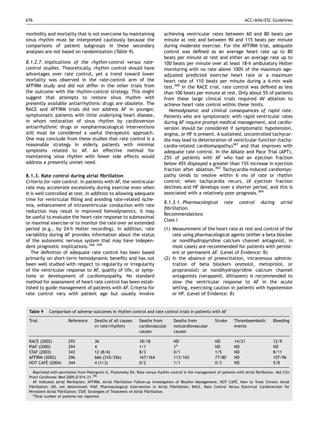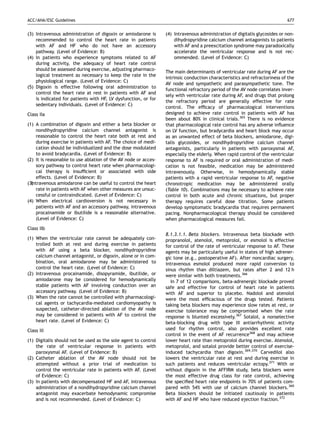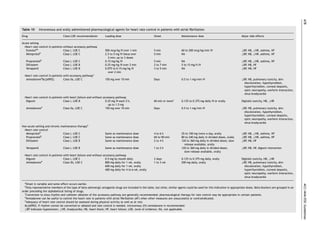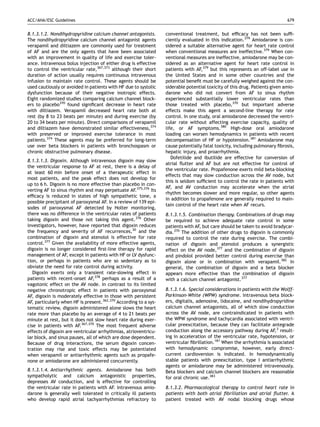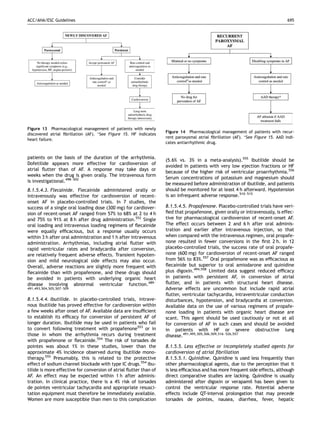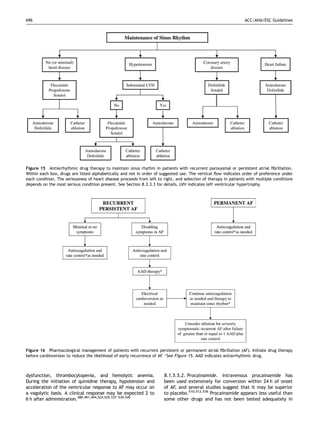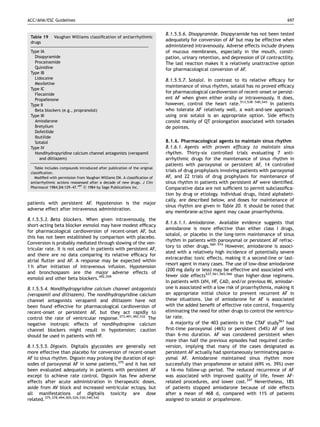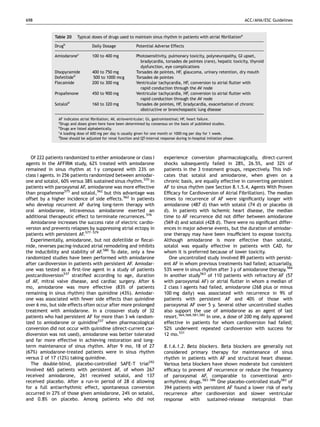
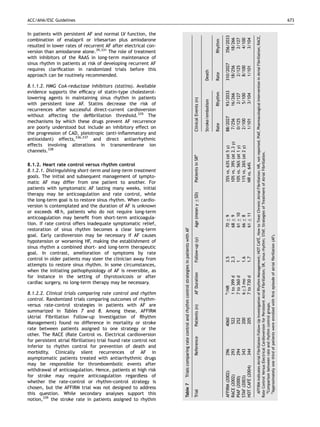
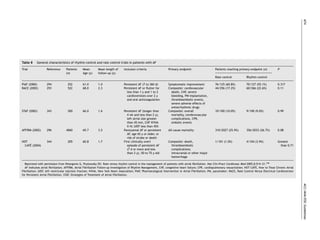
Europace (2006) 8, 651–745
             doi:10.1093/europace/eul097


ACC/AHA/ESC Guidelines

ACC/AHA/ESC 2006 guidelines for the management
of patients with atrial fibrillation: full text
A report of the American College of Cardiology/American Heart Association
Task Force on practice guidelines and the European Society of Cardiology
Committee for Practice Guidelines (Writing Committee to Revise the 2001
Guidelines for the Management of Patients With Atrial Fibrillation)
Developed in collaboration with the European Heart Rhythm Association
and the Heart Rhythm Society
                                                                                               ´
Writing Committee Members, Valentin Fuster, MD, PhD, FACC, FAHA, FESC, Co-Chair, Lars E. Ryden, MD, PhD,
FACC, FESC, FAHA, Co-Chair, David S. Cannom, MD, FACC, Harry J. Crijns, MD, FACC, FESC*, Anne B. Curtis, MD,
FACC, FAHA, Kenneth A. Ellenbogen, MD, FACC{, Jonathan L. Halperin, MD, FACC, FAHA, Jean-Yves Le Heuzey,
MD, FESC, G. Neal Kay, MD, FACC, James E. Lowe, MD, FACC, S. Bertil Olsson, MD, PhD, FESC, Eric N. Prystowsky,
MD, FACC, Juan Luis Tamargo, MD, FESC, Samuel Wann, MD, FACC, FESC
ACC/AHA Task Force Members, Sidney C. Smith, Jr, MD, FACC, FAHA, FESC, Chair, Alice K. Jacobs, MD, FACC, FAHA,
Vice-Chair, Cynthia D. Adams, MSN, APRN-BC, FAHA, Jeffery L. Anderson, MD, FACC, FAHA, Elliott M. Antman, MD, FACC,
FAHA{, Jonathan L. Halperin, MD, FACC, FAHA, Sharon Ann Hunt, MD, FACC, FAHA, Rick Nishimura, MD, FACC, FAHA,
Joseph P. Ornato, MD, FACC, FAHA, Richard L. Page, MD, FACC, FAHA, Barbara Riegel, DNSc, RN, FAHA
ESC Committee for Practice Guidelines, Silvia G. Priori, MD, PhD, FESC, Chair, Jean-Jacques Blanc, MD, FESC, France,
Andrzej Budaj, MD, FESC, Poland, A. John Camm, MD, FESC, FACC, FAHA, United Kingdom, Veronica Dean, France,
Jaap W. Deckers, MD, FESC, The Netherlands, Catherine Despres, France, Kenneth Dickstein, MD, PhD, FESC, Norway,
John Lekakis, MD, FESC, Greece, Keith McGregor, PhD, France, Marco Metra, MD, Italy, Joao Morais, MD, FESC, Portugal,
                                                                       ´
Ady Osterspey, MD, Germany, Juan Luis Tamargo, MD, FESC, Spain, Jose Luis Zamorano, MD, FESC, Spain

  *European Heart Rhythm Association Official Representative.
  {
    Heart Rhythm Society Official Representative.
   ‡Immediate Past Chair.
   This document was approved by the American College of Cardiology Foundation Board of Trustees in June 2006; by the American Heart Association Science
Advisory and Coordinating Committee in June 2006; and by the European Society of Cardiology Committee for Practice Guidelines in June 2006.
   When this document is cited, the American College of Cardiology Foundation, the American Heart Association, and the European Society of Cardiology request
that the following citation format be used: Fuster V, Ryden LE, Cannom DS, Crijns HJ, Curtis AB, Ellenbogen KA, Halperin JL, Le Heuzey J-Y, Kay GN, Lowe JE,
                                                            ´
Olsson SB, Prystowsky EN, Tamargo JL, Wann S, Smith SC, Jacobs AK, Adams CD, Anderson JL, Antman EM, Hunt SA, Nishimura R, Ornato JP, Page RL, Riegel B,
Priori SG, Blanc J-J, Budaj A, Camm AJ, Dean V, Deckers JW, Despres C, Dickstein K, Lekakis J, McGregor K, Metra M, Morais J, Osterspey A, Zamorano JL. ACC/
AHA/ESC 2006 guidelines for the management of patients with atrial fibrillation: a report of the American College of Cardiology/American Heart Association Task
Force on Practice Guidelines and the European Society of Cardiology Committee for Practice Guidelines (Writing Committee to Revise the 2001 Guidelines for the
Management of Patients With Atrial Fibrillation). Europace 2006;8:651–745.
   This article has been copublished in the August 15, 2006, issues of Circulation and the Journal of the American College of Cardiology and the September 2006
issue of Europace.
   Copies: This document is available on the World Wide Web sites of the American College of Cardiology (www.acc.org), the American Heart Association (www.
americanheart.org), and the European Society of Cardiology (www.escardio.org). Single and bulk reprints of both the online full-text guidelines and the published
executive summary (published in the August 15, 2006, issues of the Journal of the American College of Cardiology and Circulation and the August 16, 2006, issue of
the European Heart Journal) are available from Oxford University Press by contacting Special Sales (special.sales@oxfordjournal.org), Journals Division, Oxford
University Press, Great Clarendon Street, Oxford, OX2 6DP, UK. Phone: þ44 (0) 1865 353827, Fax: þ44 (0) 1865 353774, Work Mobile: þ44 07841322925. Single
copies of the executive summary and the full-text guidelines are also available by calling 800-253-4636 or writing the American College of Cardiology Foundation,
Resource Center, at 9111 Old Georgetown Road, Bethesda, MD 20814-1699. To purchase bulk reprints, fax 212-633-3820 or e-mail reprints@elsevier.com.
   Permissions: Multiple copies, modification, alteration, enhancement, and/or distribution of this document are not permitted without the express permission of
the American Heart Association or the European Society of Cardiology. Please direct requests to copyright.permissions@heart.org or journals.permissions@
oxfordjournals.org.
The content of these European Society of Cardiology (ESC) Guidelines has been published for personal and educational use only. No commercial use is authorized.
No part of the ESC Guidelines may be translated or reproduced in any form without written permission from the ESC. Permission can be obtained upon submission
of a written request to Oxford University Press, the publisher of the European Heart Journal and the party authorized to handle such permissions on behalf of the ESC.
Disclaimer. The ESC Guidelines represent the views of the ESC and were arrived at after careful consideration of the available evidence at the time they were written.
Health professionals are encouraged to take them fully into account when exercising their clinical judgement. The guidelines do not, however, override the individual
responsibility of health professionals to make appropriate decisions in the circumstances of the individual patients, in consultation with that patient, and where
appropriate and necessary the patient’s guardian or carer. It is also the health professional’s responsibility to verify the rules and regulations applicable to drugs
and devices at the time of prescription.

& 2006 by the American College of Cardiology Foundation, the American Heart Association, Inc, and the European Society of Cardiology.
All rights reserved. For Permissions, please e-mail: journals.permissions@oxfordjournals.org
652                                                                                                            ACC/AHA/ESC Guidelines


Table of Contents                                                              7.2.1. Electrocardiogram monitoring and
                                                                                      exercise testing . . . . . . . . . . . . . .    671
Preamble . . . . . . . . . . . . . . . . . . . . . . . . . . .   654           7.2.2. Transesophageal echocardiography . . .          671
 1. Introduction . . . . . . . . . . . . . . . . . . . . . . .   655           7.2.3. Electrophysiological study . . . . . . . .      671
    1.1. Organization of committee and evidence                        8. Management . . . . . . . . . . . . . . . . . . . . . .      671
         review . . . . . . . . . . . . . . . . . . . . . . .    655      8.1. Pharmacological and nonpharmacological
    1.2. Contents of these guidelines . . . . . . . . . .        655           therapeutic options . . . . . . . . . . . . . . . .    672
    1.3. Changes since the initial publication of these                        8.1.1. Pharmacological therapy. . . . . . . . .        672
         guidelines in 2001 . . . . . . . . . . . . . . . . .    657                  8.1.1.1. Drugs modulating the renin-
 2. Definition . . . . . . . . . . . . . . . . . . . . . . . .    657                           angiotensin- aldosterone
    2.1. Atrial fibrillation . . . . . . . . . . . . . . . . .    657                           system . . . . . . . . . . . . . .     672
    2.2. Related arrhythmias . . . . . . . . . . . . . . .       658                  8.1.1.2. HMG coA-reductase inhibitors
 3. Classification . . . . . . . . . . . . . . . . . . . . . .    658                           (Statins) . . . . . . . . . . . . .    673
 4. Epidemiology and prognosis . . . . . . . . . . . . . .       659           8.1.2. Heart rate control versus rhythm
    4.1. Prevalence . . . . . . . . . . . . . . . . . . . . .    659                  control . . . . . . . . . . . . . . . . . . .   673
    4.2. Incidence . . . . . . . . . . . . . . . . . . . . . .   660                  8.1.2.1. Distinguishing short-term and
    4.3. Prognosis . . . . . . . . . . . . . . . . . . . . . .   660                           long-term treatment goals . .          673
 5. Pathophysiological mechanisms. . . . . . . . . . . .         661                  8.1.2.2. Clinical trials comparing rate
    5.1. Atrial factors. . . . . . . . . . . . . . . . . . . .   661                           control and rhythm control . .         673
         5.1.1. Atrial pathology as a cause of atrial                                 8.1.2.3. Effect on symptoms and
                 fibrillation . . . . . . . . . . . . . . . . .   661                           quality of life . . . . . . . . . .    675
                 5.1.1.1. Pathological changes caused                                 8.1.2.4. Effects on heart failure . . . .       675
                           by atrial fibrillation . . . . . .     662                  8.1.2.5. Effects on thromboembolic
         5.1.2. Mechanisms of atrial fibrillation . . . .         662                           complications . . . . . . . . . .      675
                 5.1.2.1. Automatic focus theory . . . .         662                  8.1.2.6. Effects on mortality and
                 5.1.2.2. Multiple-wavelet hypothesis .          663                           hospitalization . . . . . . . . .      675
         5.1.3. Atrial electrical remodeling . . . . . . .       664                  8.1.2.7. Implications of the rhythm-
         5.1.4. Counteracting atrial electrical                                                control versus rate-control
                 remodeling. . . . . . . . . . . . . . . . .     664                           studies . . . . . . . . . . . . . .    676
         5.1.5. Other factors contributing to atrial                           8.1.3. Rate control during atrial fibrillation . .      676
                 fibrillation . . . . . . . . . . . . . . . . .   665                  8.1.3.1. Pharmacological rate control
    5.2. Atrioventricular conduction . . . . . . . . . . .       665                           during atrial fibrillation . . . .      676
         5.2.1. General aspects . . . . . . . . . . . . . .      665                           8.1.3.1.1. Beta blockers . . . .       677
         5.2.2. Atrioventricular conduction in patients                                        8.1.3.1.2. Nondihydropyridine
                 with preexcitation syndromes. . . . . .         665                                        calcium channel
    5.3. Myocardial and hemodynamic consequences of                                                         antagonists . . . . .     679
         atrial fibrillation. . . . . . . . . . . . . . . . . .   666                           8.1.3.1.3. Digoxin . . . . . . .       679
    5.4. Thromboembolism . . . . . . . . . . . . . . . .         666                           8.1.3.1.4. Antiarrhythmic
         5.4.1. Pathophysiology of thrombus formation            666                                        agents . . . . . . . .    679
         5.4.2. Clinical implications . . . . . . . . . . .      667                           8.1.3.1.5. Combination
 6. Causes, associated conditions, clinical                                                                 therapy . . . . . . .     679
    manifestations, and quality of life . . . . . . . . . .      668                           8.1.3.1.6. Special
    6.1. Causes and associated conditions . . . . . . . .        668                                        considerations in
         6.1.1. Reversible causes of atrial fibrillation .        668                                        patients with the
         6.1.2. Atrial fibrillation without associated                                                       Wolff-Parkinson-
                 heart disease . . . . . . . . . . . . . . .     668                                        White (WPW)
         6.1.3. Medical conditions associated with                                                          syndrome . . . . . .      679
                 atrial fibrillation . . . . . . . . . . . . .    668                  8.1.3.2. Pharmacological therapy to
         6.1.4. Atrial fibrillation with associated heart                                       control heart rate in patients
                 disease . . . . . . . . . . . . . . . . . . .   668                           with both atrial fibrillation and
         6.1.5. Familial (Genetic) atrial fibrillation . .        668                           atrial flutter. . . . . . . . . . .     679
         6.1.6. Autonomic influences in atrial                                         8.1.3.3. Regulation of atrioventricular
                 fibrillation . . . . . . . . . . . . . . . . .   669                           nodal conduction by pacing . .         680
    6.2. Clinical manifestations . . . . . . . . . . . . . .     669                  8.1.3.4. AV nodal ablation . . . . . . . .      680
    6.3. Quality of life . . . . . . . . . . . . . . . . . . .   669           8.1.4. Preventing thromboembolism . . . . . .          681
 7. Clinical evaluation . . . . . . . . . . . . . . . . . . .    669                  8.1.4.1. Risk stratification . . . . . . . .     682
    7.1. Basic evaluation of the patient with atrial                                           8.1.4.1.1. Epidemiological
         fibrillation . . . . . . . . . . . . . . . . . . . . .   669                                        data . . . . . . . . .    682
         7.1.1. Clinical history and physical                                                  8.1.4.1.2. Echocardiography
                 examination . . . . . . . . . . . . . . . .     669                                        and risk
         7.1.2. Investigations . . . . . . . . . . . . . . .     670                                        stratification . . . .     683
    7.2. Additional investigation of selected patients                                         8.1.4.1.3. Therapeutic
         with atrial fibrillation . . . . . . . . . . . . . .     671                                        implications. . . . .     683
ACC/AHA/ESC Guidelines                                                                                                           653


               8.1.4.2. Antithrombotic strategies for                            8.1.6.1. Agents with proven efficacy to
                        prevention of ischemic stroke                                      maintain sinus rhythm . . . . .       697
                        and systemic embolism . . . .         685                          8.1.6.1.1. Amiodarone . . . . .       697
                        8.1.4.2.1. Anticoagulation                                         8.1.6.1.2. Beta blockers . . . .      698
                                    with vitamin K                                         8.1.6.1.3. Dofetilide . . . . . .     699
                                    antagonist agents .       685                          8.1.6.1.4. Disopyramide . . . .       699
                        8.1.4.2.2. Aspirin for                                             8.1.6.1.5. Flecainide . . . . . .     699
                                    antithrombotic                                         8.1.6.1.6. Propafenone . . . .        699
                                    therapy in patients                                    8.1.6.1.7. Sotalol . . . . . . . .    699
                                    with atrial                                  8.1.6.2. Drugs with unproven efficacy
                                    fibrillation. . . . . .    687                          or no longer recommended . .          700
                        8.1.4.2.3. Other antiplatelet                                      8.1.6.2.1. Digoxin . . . . . . .      700
                                    agents for                                             8.1.6.2.2. Procainamide . . . .       700
                                    antithrombotic                                         8.1.6.2.3. Quinidine . . . . . .      700
                                    therapy in patients                                    8.1.6.2.4. Verapamil and
                                    with atrial                                                        diltiazem . . . . . .     700
                                    fibrillation. . . . . .    689        8.1.7. Out-of-hospital initiation of
                        8.1.4.2.4. Combining                                     antiarrhythmic drugs in patients with
                                    anticoagulant and                            atrial fibrillation . . . . . . . . . . . . .    700
                                    platelet-inhibitor                   8.1.8. Drugs under development . . . . . . . .          702
                                    therapy . . . . . . .     689                8.1.8.1. Atrioselective agents. . . . . .       702
                        8.1.4.2.5. Emerging and                                  8.1.8.2. Nonselective ion channel-
                                    investigational                                        blocking drugs. . . . . . . . . .     703
                                    antithrombotic                  8.2. Direct-current cardioversion of atrial
                                    agents . . . . . . . .    690        fibrillation and flutter . . . . . . . . . . . . . .      703
                        8.1.4.2.6. Interruption of                       8.2.1. Terminology . . . . . . . . . . . . . . . .      703
                                    anticoagulation for                  8.2.2. Technical aspects . . . . . . . . . . . . .      703
                                    diagnostic or                        8.2.3. Procedural aspects . . . . . . . . . . . .       704
                                    therapeutic                          8.2.4. Direct-current cardioversion in patients
                                    procedures . . . . .      691                with implanted pacemakers and
               8.1.4.3. Nonpharmacological                                       defibrillators . . . . . . . . . . . . . . . .   704
                        approaches to prevention of                      8.2.5. Risks and complications of direct-
                        thromboembolism . . . . . . .         691                current cardioversion of atrial
        8.1.5. Cardioversion of atrial fibrillation . . .      691                fibrillation . . . . . . . . . . . . . . . . .   705
               8.1.5.1. Basis for cardioversion of                       8.2.6. Pharmacological enhancement of
                        atrial fibrillation . . . . . . . .    692                direct-current cardioversion. . . . . . .       705
               8.1.5.2. Methods of cardioversion . . .        692                8.2.6.1. Amiodarone . . . . . . . . . . .       706
               8.1.5.3. Pharmacological cardioversion         692                8.2.6.2. Beta-adrenergic antagonists .          706
               8.1.5.4. Agents with proven efficacy                               8.2.6.3. Nondihydropyridine calcium
                        for cardioversion of atrial                                        channel antagonists . . . . . .       706
                        fibrillation . . . . . . . . . . . .   692                8.2.6.4. Quinidine . . . . . . . . . . . .      706
                        8.1.5.4.1. Amiodarone . . . . .       692                8.2.6.5. Type IC antiarrhythmic agents          706
                        8.1.5.4.2. Dofetilide . . . . . .     693                8.2.6.6. Type III antiarrhythmic agents         707
                        8.1.5.4.3. Flecainide . . . . . .     695        8.2.7. Prevention of thromboembolism in
                        8.1.5.4.4. Ibutilide . . . . . . .    695                patients with atrial fibrillation
                        8.1.5.4.5. Propafenone . . . .        695                undergoing cardioversion . . . . . . . .        707
               8.1.5.5. Less effective or incompletely              8.3. Maintenance of sinus rhythm . . . . . . . . . .         708
                        studied agents for                               8.3.1. Pharmacological therapy. . . . . . . . .         708
                        cardioversion of atrial                                  8.3.1.1. Goals of treatment . . . . . . .       708
                        fibrillation . . . . . . . . . . . .   695                8.3.1.2. Endpoints in antiarrhythmic
                        8.1.5.5.1. Quinidine . . . . . .      695                          drug studies . . . . . . . . . . .    709
                        8.1.5.5.2. Procainamide . . . .       696                8.3.1.3. Predictors of recurrent aF. . .        709
                        8.1.5.5.3. Beta blockers . . . .      697        8.3.2. General approach to antiarrhythmic
                        8.1.5.5.4. Nondihydropyridine                            drug therapy. . . . . . . . . . . . . . . .     709
                                    calcium channel                      8.3.3. Selection of antiarrhythmic agents in
                                    antagonists                                  patients with cardiac diseases . . . . .        710
                                    (verapamil and                               8.3.3.1. Heart failure . . . . . . . . . .      710
                                    diltiazem) . . . . . .    697                8.3.3.2. Coronary artery disease . . . .        710
                        8.1.5.5.5. Digoxin . . . . . . .      697                8.3.3.3. Hypertensive heart disease . .         711
                        8.1.5.5.6. Disopyramide . . . .       697        8.3.4. Nonpharmacological therapy for atrial
                        8.1.5.5.7. Sotalol . . . . . . . .    697                fibrillation . . . . . . . . . . . . . . . . .   711
        8.1.6. Pharmacological agents to maintain                                8.3.4.1. Surgical ablation . . . . . . . .      711
               sinus rhythm . . . . . . . . . . . . . . . .   697                8.3.4.2. Catheter ablation. . . . . . . .       711
654                                                                                                           ACC/AHA/ESC Guidelines


                           8.3.4.2.1. Complications of                  data and write guidelines. The process includes additional
                                        catheter-based                  representatives from other medical practitioner and speci-
                                        ablation . . . . . . .    712   alty groups when appropriate. Writing committees are
                           8.3.4.2.2. Future directions in              specifically charged to perform a formal literature review,
                                        catheter-based                  weigh the strength of evidence for or against a particular
                                        ablation therapy                treatment or procedure, and include estimates of expected
                                        for atrial fibrillation    712   health outcomes where data exist. Patient-specific modi-
                 8.3.4.3. Suppression of atrial                         fiers, comorbidities, and issues of patient preference that
                           fibrillation through pacing. . .        713   might influence the choice of particular tests or therapies
                 8.3.4.4. Internal atrial defibrillators . .       713   are considered as well as frequency of follow-up and cost-
    8.4. Special considerations . . . . . . . . . . . . . .       714   effectiveness. When available, information from studies on
         8.4.1. Postoperative AF . . . . . . . . . . . . .        714   cost will be considered; however, review of data on efficacy
                 8.4.1.1. Clinical and                                  and clinical outcomes will constitute the primary basis for
                           pathophysiological correlates .        714   preparing recommendations in these guidelines.
                 8.4.1.2. Prevention of postoperative AF          715      The ACC/AHA Task Force on Practice Guidelines and the
                 8.4.1.3. Treatment of postoperative AF           715   ESC Committee for Practice Guidelines make every effort
         8.4.2. Acute myocardial infarction . . . . . . .         716   to avoid any actual, potential, or perceived conflict of inter-
         8.4.3. Wolff-Parkinson-White (WPW)                             est that might arise as a result of an outside relationship or
                 preexcitation syndromes . . . . . . . . .        716   personal interest of the writing committee. Specifically, all
         8.4.4. Hyperthyroidism. . . . . . . . . . . . . .        717   members of the Writing Committee and peer reviewers of
         8.4.5. Pregnancy . . . . . . . . . . . . . . . . .       717   the document are asked to provide disclosure statements
         8.4.6. Hypertrophic cardiomyopathy. . . . . .            718   of all such relationships that might be perceived as real or
         8.4.7. Pulmonary diseases . . . . . . . . . . . .        719   potential conflicts of interest. Writing committee members
    8.5. Primary prevention . . . . . . . . . . . . . . . .       719   are also strongly encouraged to declare a previous relation-
 9. Proposed management strategies . . . . . . . . . .            719   ship with industry that might be perceived as relevant to
    9.1. Overview of algorithms for management of                       guideline development. If a writing committee member
         patients with atrial fibrillation . . . . . . . . .       719   develops a new relationship with industry during their
         9.1.1. Newly discovered atrial fibrillation. . .          720   tenure, they are required to notify guideline staff in
         9.1.2. Recurrent paroxysmal atrial fibrillation           720   writing. The continued participation of the writing commit-
         9.1.3. Recurrent persistent atrial fibrillation .         720   tee member will be reviewed. These statements are
         9.1.4. Permanent atrial fibrillation. . . . . . .         720   reviewed by the parent Task Force, reported orally to all
Appendix I . . . . . . . . . . . . . . . . . . . . . . . . . .    721   members of the writing committee at each meeting, and
Appendix II . . . . . . . . . . . . . . . . . . . . . . . . . .   722   updated and reviewed by the writing committee as
Appendix II . . . . . . . . . . . . . . . . . . . . . . . . . .   725   changes occur. Please refer to the methodology manuals
References . . . . . . . . . . . . . . . . . . . . . . . . . .    726   for further description of the policies used in guideline
                                                                        development, including relationships with industry,
                                                                        available online at the ACC, AHA, and ESC World Wide Web
Preamble
                                                                        sites (http://www.acc.org/clinical/manual/manual_introltr.
It is important that the medical profession play a significant           htm, http:/   /circ.ahajournals.org/manual/, and http:/      /
role in critically evaluating the use of diagnostic procedures          www.escardio.org/knowledge/guidelines/Rules/).         Please
and therapies as they are introduced and tested in the                  see Appendix I for author relationships with industry and
detection, management, or prevention of disease states.                 Appendix II for peer reviewer relationships with industry
Rigorous and expert analysis of the available data docu-                that are pertinent to these guidelines.
menting absolute and relative benefits and risks of those                   These practice guidelines are intended to assist health-
procedures and therapies can produce helpful guidelines                 care providers in clinical decision making by describing a
that improve the effectiveness of care, optimize patient                range of generally acceptable approaches for the diagnosis,
outcomes, and favorably affect the overall cost of care by              management, and prevention of specific diseases and con-
focusing resources on the most effective strategies.                    ditions. These guidelines attempt to define practices that
   The American College of Cardiology Foundation (ACCF)                 meet the needs of most patients in most circumstances.
and the American Heart Association (AHA) have jointly                   These guideline recommendations reflect a consensus of
engaged in the production of such guidelines in the area of             expert opinion after a thorough review of the available,
cardiovascular disease since 1980. The ACC/AHA Task Force               current scientific evidence and are intended to improve
on Practice Guidelines, whose charge is to develop,                     patient care. If these guidelines are used as the basis for
update, or revise practice guidelines for important cardio-             regulatory/payer decisions, the ultimate goal is quality of
vascular diseases and procedures, directs this effort. The              care and serving the patient’s best interests. The ultimate
Task Force is pleased to have this guideline developed in               judgment regarding care of a particular patient must be
conjunction with the European Society of Cardiology (ESC).              made by the healthcare provider and the patient in light
Writing committees are charged with the task of performing              of all of the circumstances presented by that patient.
an assessment of the evidence and acting as an independent              There are circumstances in which deviations from these
group of authors to develop or update written recommen-                 guidelines are appropriate.
dations for clinical practice.                                             The guidelines will be reviewed annually by the ACC/AHA
   Experts in the subject under consideration have been                 Task Force on Practice Guidelines and the ESC Committee
selected from all 3 organizations to examine subject-specific            for Practice Guidelines and will be considered current
ACC/AHA/ESC Guidelines                                                                                                      655


unless they are updated, revised, or sunsetted and with-        complications, concealed conduction, cost-effectiveness,
drawn from distribution. The executive summary and rec-         defibrillator, demographics, epidemiology, experimental,
ommendations are published in the August 15, 2006, issues       heart failure (HF), hemodynamics, human, hyperthyroidism,
of the Journal of the American College of Cardiology and        hypothyroidism, meta-analysis, myocardial infarction,
Circulation and the August 16, 2006, issue of the European      pharmacology, postoperative, pregnancy, pulmonary
Heart Journal. The full-text guidelines are published in the    disease, quality of life, rate control, rhythm control, risks,
August 15, 2006, issues of the Journal of the American          sinus rhythm, symptoms, and tachycardia-mediated cardio-
College of Cardiology and Circulation and the September         myopathy. The complete list of search terms is beyond the
2006 issue of Europace, as well as posted on the ACC            scope of this section.
(www.acc.org), AHA (www.americanheart.org), and ESC                Classification of Recommendations and Level of Evidence
(www.escardio.org) World Wide Web sites. Copies of the          are expressed in the ACC/AHA/ESC format as follows and
full-text guidelines and the executive summary are available    described in Table 1. Recommendations are evidence
from all 3 organizations.                                       based and derived primarily from published data.
  Sidney C. Smith Jr, MD, FACC, FAHA, FESC, Chair, ACC/            Classification of recommendations
AHA Task Force on Practice Guidelines.
  Silvia G. Priori, MD, PhD, FESC, Chair, ESC Committee for
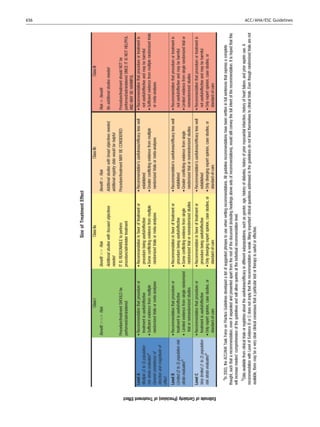
                                                                .   Class I: Conditions for which there is evidence and/or
Practice Guidelines.                                                general agreement that a given procedure/therapy is ben-
                                                                    eficial, useful, and effective.
                                                                .   Class II: Conditions for which there is conflicting evidence
1. Introduction                                                     and/or a divergence of opinion about the usefulness/effi-
                                                                    cacy of performing the procedure/therapy.
1.1. Organization of committee and evidence                     .   Class IIa: Weight of evidence/opinion is in favor of useful-
review                                                              ness/efficacy.
Atrial fibrillation (AF) is the most common sustained cardiac
                                                                .   Class IIb: Usefulness/efficacy is less well established by
rhythm disturbance, increasing in prevalence with age. AF is        evidence/opinion.
often associated with structural heart disease, although a
                                                                .   Class III: Conditions for which there is evidence and/or
substantial proportion of patients with AF have no                  general agreement that a procedure/therapy is not
detectable heart disease. Hemodynamic impairment and                useful or effective and in some cases may be harmful.
thromboembolic events related to AF result in significant            Level of evidence
morbidity, mortality, and cost. Accordingly, the American
College of Cardiology (ACC), the American Heart                 The weight of evidence was ranked from highest (A) to
Association (AHA), and the European Society of Cardiology       lowest (C), as follows:
(ESC) created a committee to establish guidelines for           .   Level of evidence A: Data derived from multiple random-
optimum management of this frequent and complex
                                                                    ized clinical trials or meta-analyses.
arrhythmia.                                                     .   Level of evidence B: Data derived from a single random-
  The committee was composed of members representing the
                                                                    ized trial or nonrandomized studies.
ACC, AHA, and ESC, as well as the European Heart Rhythm         .   Level of evidence C: Only consensus opinion of experts,
Association (EHRA) and the Heart Rhythm Society (HRS). This
                                                                    case studies, or standard-of-care.
document was reviewed by 2 official reviewers nominated by
the ACC, 2 official reviewers nominated by the AHA, and 2 offi-
                                                                1.2. Contents of these guidelines
cial reviewers nominated by the ESC, as well as by the ACCF
Clinical Electrophysiology Committee, the AHA ECG and           These guidelines first present a comprehensive review of the
Arrhythmias Committee, the AHA Stroke Review Committee,         latest information about the definition, classification, epide-
EHRA, HRS, and numerous additional content reviewers nomi-      miology, pathophysiological mechanisms, and clinical
nated by the writing committee. The document was approved       characteristics of AF. The management of this complex and
for publication by the governing bodies of the ACC, AHA, and    potentially dangerous arrhythmia is then reviewed. This
ESC and officially endorsed by the EHRA and the HRS.             includes prevention of AF, control of heart rate, prevention
  The ACC/AHA/ESC Writing Committee to Revise the 2001          of thromboembolism, and conversion to and maintenance of
Guidelines for the Management of Patients With Atrial           sinus rhythm. The treatment algorithms include pharmaco-
Fibrillation conducted a comprehensive review of the rel-       logical and nonpharmacological antiarrhythmic approaches,
evant literature from 2001 to 2006. Literature searches         as well as antithrombotic strategies most appropriate for
were conducted in the following databases: PubMed/              particular clinical conditions. Overall, this is a consensus
MEDLINE and the Cochrane Library (including the Cochrane        document that attempts to reconcile evidence and opinion
Database of Systematic Reviews and the Cochrane                 from both sides of the Atlantic Ocean. The pharmacological
Controlled Trials Registry). Searches focused on English-       and nonpharmacological antiarrhythmic approaches may
language sources and studies in human subjects. Articles        include some drugs and devices that do not have the
related to animal experimentation were cited when the           approval of all government regulatory agencies. Additional
information was important to understanding pathophysiolo-       information may be obtained from the package inserts
gical concepts pertinent to patient management and com-         when the drug or device has been approved for the stated
parable data were not available from human studies.             indication.
Major search terms included atrial fibrillation, age, atrial        Because atrial flutter can precede or coexist with AF,
remodeling, atrioventricular conduction, atrioventricular       special consideration is given to this arrhythmia in each
node,      cardioversion,     classification, clinical  trial,   section. There are important differences in the mechanisms
656   ACC/AHA/ESC Guidelines
ACC/AHA/ESC Guidelines                                                                                                               657


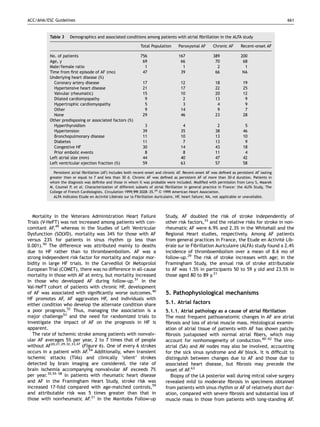
of AF and atrial flutter, and the body of evidence available           may evolve further in the years ahead to form the basis
to support therapeutic recommendations is distinct for the            for recommendations affecting patient care. Finally, data
2 arrhythmias. Atrial flutter is not addressed comprehen-              on specific aspects of management of patients who are
sively in these guidelines but is addressed in the ACC/               prone to develop AF in special circumstances have become
AHA/ESC Guidelines on the Management of Patients with                 more robust, allowing formulation of recommendations
Supraventricular Arrhythmias.1                                        based on a higher level of evidence than in the first
                                                                      edition of these guidelines. An example is the completion
                                                                      of a relatively large randomized trial addressing prophylac-
1.3. Changes since the initial publication of these                   tic administration of antiarrhythmic medication for patients
guidelines in 2001                                                    undergoing cardiac surgery. In developing the updated rec-
In developing this revision of the guidelines, the Writing            ommendations, every effort was made to maintain consist-
Committee considered evidence published since 2001 and                ency with other ACC/AHA and ESC practice guidelines
drafted revised recommendations where appropriate to                  addressing, for example, the management of patients
incorporate results from major clinical trials such as those          undergoing myocardial revascularization procedures.
that compared rhythm-control and rate-control approaches
to long-term management. The text has been reorganized
to reflect the implications for patient care, beginning with           2. Definition
recognition of AF and its pathogenesis and the general pri-
orities of rate control, prevention of thromboembolism,
                                                                      2.1. Atrial fibrillation
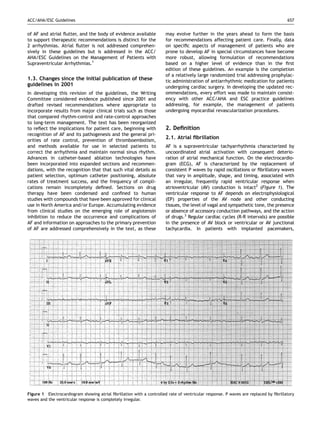
and methods available for use in selected patients to                 AF is a supraventricular tachyarrhythmia characterized by
correct the arrhythmia and maintain normal sinus rhythm.              uncoordinated atrial activation with consequent deterio-
Advances in catheter-based ablation technologies have                 ration of atrial mechanical function. On the electrocardio-
been incorporated into expanded sections and recommen-                gram (ECG), AF is characterized by the replacement of
dations, with the recognition that that such vital details as         consistent P waves by rapid oscillations or fibrillatory waves
patient selection, optimum catheter positioning, absolute             that vary in amplitude, shape, and timing, associated with
rates of treatment success, and the frequency of compli-              an irregular, frequently rapid ventricular response when
cations remain incompletely defined. Sections on drug                  atrioventricular (AV) conduction is intact2 (Figure 1). The
therapy have been condensed and confined to human                      ventricular response to AF depends on electrophysiological
studies with compounds that have been approved for clinical           (EP) properties of the AV node and other conducting
use in North America and/or Europe. Accumulating evidence             tissues, the level of vagal and sympathetic tone, the presence
from clinical studies on the emerging role of angiotensin             or absence of accessory conduction pathways, and the action
inhibition to reduce the occurrence and complications of              of drugs.3 Regular cardiac cycles (R-R intervals) are possible
AF and information on approaches to the primary prevention            in the presence of AV block or ventricular or AV junctional
of AF are addressed comprehensively in the text, as these             tachycardia. In patients with implanted pacemakers,


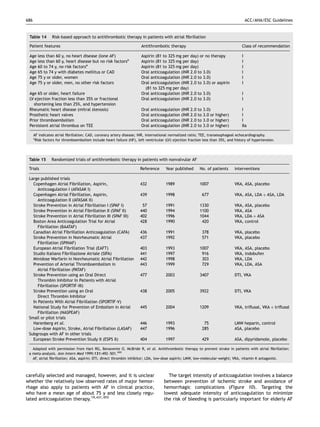
Figure 1 Electrocardiogram showing atrial fibrillation with a controlled rate of ventricular response. P waves are replaced by fibrillatory
waves and the ventricular response is completely irregular.
658                                                                                                            ACC/AHA/ESC Guidelines


diagnosis of AF may require temporary inhibition of the pace-         activity is prominent on the ECG in more than 1 lead, AF
maker to expose atrial fibrillatory activity.4 A rapid, irregular,     may be misdiagnosed as atrial flutter.5
sustained, wide-QRS-complex tachycardia strongly suggests               Focal atrial tachycardias, AV reentrant tachycardias, and
AF with conduction over an accessory pathway or AF with               AV nodal reentrant tachycardias may also trigger AF. In
underlying bundle-branch block. Extremely rapid rates (over           other atrial tachycardias, P waves may be readily identified
200 beats per minute) suggest the presence of an accessory            and are separated by an isoelectric baseline in 1 or more
pathway or ventricular tachycardia.                                   ECG leads. The morphology of the P waves may help localize
                                                                      the origin of the tachycardias.
2.2. Related arrhythmias
AF may occur in isolation or in association with other arrhyth-
                                                                      3. Classification
mias, most commonly atrial flutter or atrial tachycardia.
Atrial flutter may arise during treatment with antiarrhythmic          Various classification systems have been proposed for AF.
agents prescribed to prevent recurrent AF. Atrial flutter in           One is based on the ECG presentation.2–4 Another is based
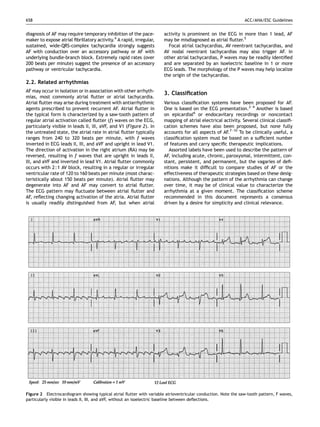
the typical form is characterized by a saw-tooth pattern of           on epicardial6 or endocavitary recordings or noncontact
regular atrial activation called flutter (f) waves on the ECG,         mapping of atrial electrical activity. Several clinical classifi-
particularly visible in leads II, III, aVF, and V1 (Figure 2). In     cation schemes have also been proposed, but none fully
the untreated state, the atrial rate in atrial flutter typically       accounts for all aspects of AF.7–10 To be clinically useful, a
ranges from 240 to 320 beats per minute, with f waves                 classification system must be based on a sufficient number
inverted in ECG leads II, III, and aVF and upright in lead V1.        of features and carry specific therapeutic implications.
The direction of activation in the right atrium (RA) may be             Assorted labels have been used to describe the pattern of
reversed, resulting in f waves that are upright in leads II,          AF, including acute, chronic, paroxysmal, intermittent, con-
III, and aVF and inverted in lead V1. Atrial flutter commonly          stant, persistent, and permanent, but the vagaries of defi-
occurs with 2:1 AV block, resulting in a regular or irregular         nitions make it difficult to compare studies of AF or the
ventricular rate of 120 to 160 beats per minute (most charac-         effectiveness of therapeutic strategies based on these desig-
teristically about 150 beats per minute). Atrial flutter may           nations. Although the pattern of the arrhythmia can change
degenerate into AF and AF may convert to atrial flutter.               over time, it may be of clinical value to characterize the
The ECG pattern may fluctuate between atrial flutter and                arrhythmia at a given moment. The classification scheme
AF, reflecting changing activation of the atria. Atrial flutter         recommended in this document represents a consensus
is usually readily distinguished from AF, but when atrial             driven by a desire for simplicity and clinical relevance.


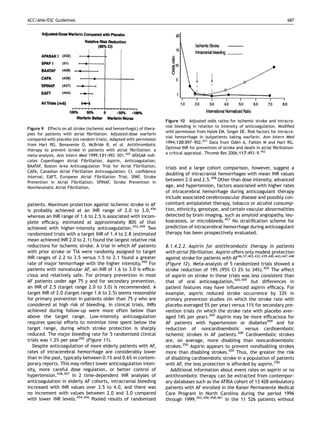
Figure 2 Electrocardiogram showing typical atrial flutter with variable atrioventricular conduction. Note the saw-tooth pattern, F waves,
particularly visible in leads II, III, and aVF, without an isoelectric baseline between deflections.
ACC/AHA/ESC Guidelines                                                                                                                     659


   The clinician should distinguish a first-detected episode of               clinical or echocardiographic evidence of cardiopulmonary
AF, whether or not it is symptomatic or self-limited, recog-                 disease, including hypertension.11 These patients have a
nizing that there may be uncertainty about the duration of                   favorable prognosis with respect to thromboembolism and
the episode and about previous undetected episodes                           mortality. Over time, patients may move out of the lone
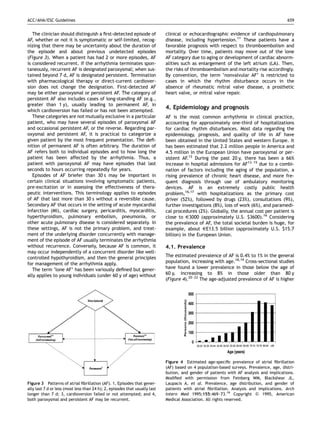
(Figure 3). When a patient has had 2 or more episodes, AF                    AF category due to aging or development of cardiac abnorm-
is considered recurrent. If the arrhythmia terminates spon-                  alities such as enlargement of the left atrium (LA). Then,
taneously, recurrent AF is designated paroxysmal; when sus-                  the risks of thromboembolism and mortality rise accordingly.
tained beyond 7 d, AF is designated persistent. Termination                  By convention, the term ‘nonvalvular AF’ is restricted to
with pharmacological therapy or direct-current cardiover-                    cases in which the rhythm disturbance occurs in the
sion does not change the designation. First-detected AF                      absence of rheumatic mitral valve disease, a prosthetic
may be either paroxysmal or persistent AF. The category of                   heart valve, or mitral valve repair.
persistent AF also includes cases of long-standing AF (e.g.,
greater than 1 y), usually leading to permanent AF, in
which cardioversion has failed or has not been attempted.
                                                                             4. Epidemiology and prognosis
   These categories are not mutually exclusive in a particular               AF is the most common arrhythmia in clinical practice,
patient, who may have several episodes of paroxysmal AF                      accounting for approximately one-third of hospitalizations
and occasional persistent AF, or the reverse. Regarding par-                 for cardiac rhythm disturbances. Most data regarding the
oxysmal and persistent AF, it is practical to categorize a                   epidemiology, prognosis, and quality of life in AF have
given patient by the most frequent presentation. The defi-                    been obtained in the United States and western Europe. It
nition of permanent AF is often arbitrary. The duration of                   has been estimated that 2.2 million people in America and
AF refers both to individual episodes and to how long the                    4.5 million in the European Union have paroxysmal or per-
patient has been affected by the arrhythmia. Thus, a                         sistent AF.12 During the past 20 y, there has been a 66%
patient with paroxysmal AF may have episodes that last                       increase in hospital admissions for AF13–15 due to a combi-
seconds to hours occurring repeatedly for years.                             nation of factors including the aging of the population, a
   Episodes of AF briefer than 30 s may be important in                      rising prevalence of chronic heart disease, and more fre-
certain clinical situations involving symptomatic patients,                  quent diagnosis through use of ambulatory monitoring
pre-excitation or in assessing the effectiveness of thera-                   devices. AF is an extremely costly public health
peutic interventions. This terminology applies to episodes                   problem,16,17 with hospitalizations as the primary cost
of AF that last more than 30 s without a reversible cause.                   driver (52%), followed by drugs (23%), consultations (9%),
Secondary AF that occurs in the setting of acute myocardial                  further investigations (8%), loss of work (6%), and paramedi-
infarction (MI), cardiac surgery, pericarditis, myocarditis,                 cal procedures (2%). Globally, the annual cost per patient is
hyperthyroidism, pulmonary embolism, pneumonia, or                           close to E3000 (approximately U.S. $3600).16 Considering
other acute pulmonary disease is considered separately. In                   the prevalence of AF, the total societal burden is huge, for
these settings, AF is not the primary problem, and treat-                    example, about EE13.5 billion (approximately U.S. $15.7
ment of the underlying disorder concurrently with manage-                    billion) in the European Union.
ment of the episode of AF usually terminates the arrhythmia
without recurrence. Conversely, because AF is common, it                     4.1. Prevalence
may occur independently of a concurrent disorder like well-
controlled hypothyroidism, and then the general principles                   The estimated prevalence of AF is 0.4% to 1% in the general
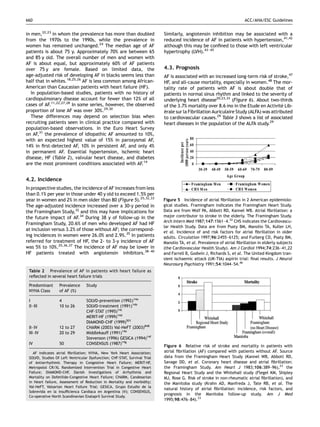
for management of the arrhythmia apply.                                      population, increasing with age.18,19 Cross-sectional studies
   The term ‘lone AF’ has been variously defined but gener-                   have found a lower prevalence in those below the age of
ally applies to young individuals (under 60 y of age) without                60 y, increasing to 8% in those older than 80 y
                                                                             (Figure 4).20–22 The age-adjusted prevalence of AF is higher


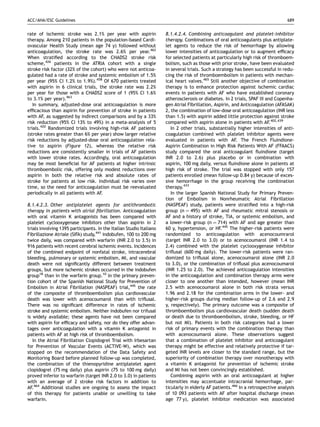
                                                                             Figure 4 Estimated age-specific prevalence of atrial fibrillation
                                                                             (AF) based on 4 population-based surveys. Prevalence, age, distri-
                                                                             bution, and gender of patients with AF analysis and implications.
                                                                             Modified with permission from Feinberg WM, Blackshear JL,
Figure 3 Patterns of atrial fibrillation (AF). 1, Episodes that gener-        Laupacis A, et al. Prevalence, age distribution, and gender of
ally last 7 d or less (most less than 24 h); 2, episodes that usually last   patients with atrial fibrillation. Analysis and implications. Arch
longer than 7 d; 3, cardioversion failed or not attempted; and 4,            Intern Med 1995;155:469–73.19 Copyright & 1995, American
both paroxysmal and persistent AF may be recurrent.                          Medical Association. All rights reserved.
660                                                                                                                     ACC/AHA/ESC Guidelines


in men,22,23 in whom the prevalence has more than doubled                   Similarly, angiotensin inhibition may be associated with a
from the 1970s to the 1990s, while the prevalence in                        reduced incidence of AF in patients with hypertension,41,42
women has remained unchanged.24 The median age of AF                        although this may be confined to those with left ventricular
patients is about 75 y. Approximately 70% are between 65                    hypertrophy (LVH).43–45
and 85 y old. The overall number of men and women with
AF is about equal, but approximately 60% of AF patients
over 75 y are female. Based on limited data, the                            4.3. Prognosis
age-adjusted risk of developing AF in blacks seems less than                AF is associated with an increased long-term risk of stroke,47
half that in whites.18,25,26 AF is less common among African-               HF, and all-cause mortality, especially in women.48 The mor-
American than Caucasian patients with heart failure (HF).                   tality rate of patients with AF is about double that of
   In population-based studies, patients with no history of                 patients in normal sinus rhythm and linked to the severity of
cardiopulmonary disease account for fewer than 12% of all                   underlying heart disease20,23,33 (Figure 6). About two-thirds
cases of AF.11,22,27,28 In some series, however, the observed               of the 3.7% mortality over 8.6 mo in the Etude en Activite Lib-
                                                                                                                                        ´
proportion of lone AF was over 30%.29,30                                    erale sur la Fibrillation Auriculaire Study (ALFA) was attributed
                                                                            ´
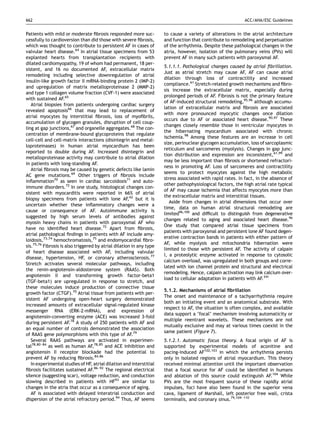
   These differences may depend on selection bias when                      to cardiovascular causes.29 Table 3 shows a list of associated
recruiting patients seen in clinical practice compared with                 heart diseases in the population of the ALFA study.29
population-based observations. In the Euro Heart Survey
on AF,31 the prevalence of idiopathic AF amounted to 10%,
with an expected highest value of 15% in paroxysmal AF,
14% in first-detected AF, 10% in persistent AF, and only 4%
in permanent AF. Essential hypertension, ischemic heart
disease, HF (Table 2), valvular heart disease, and diabetes
are the most prominent conditions associated with AF.14


4.2. Incidence
In prospective studies, the incidence of AF increases from less
than 0.1% per year in those under 40 y old to exceed 1.5% per
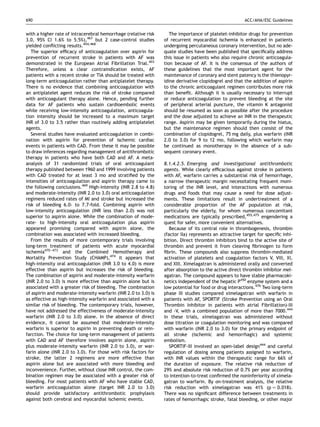
year in women and 2% in men older than 80 (Figure 5).25,32,33               Figure 5 Incidence of atrial fibrillation in 2 American epidemiolo-
The age-adjusted incidence increased over a 30-y period in                  gical studies. Framingham indicates the Framingham Heart Study.
the Framingham Study,32 and this may have implications for                  Data are from Wolf PA, Abbott RD, Kannel WB. Atrial fibrillation: a
the future impact of AF.34 During 38 y of follow-up in the                  major contributor to stroke in the elderly. The Framingham Study.
                                                                            Arch Intern Med 1987;147:1561–4.32 CHS indicates the Cardiovascu-
Framingham Study, 20.6% of men who developed AF had HF
                                                                            lar Health Study. Data are from Psaty BM, Manolio TA, Kuller LH,
at inclusion versus 3.2% of those without AF; the correspond-
                                                                            et al. Incidence of and risk factors for atrial fibrillation in older
ing incidences in women were 26.0% and 2.9%.35 In patients                  adults. Circulation 1997;96:2455–6125; and Furberg CD, Psaty BM,
referred for treatment of HF, the 2- to 3-y incidence of AF                 Manolio TA, et al. Prevalence of atrial fibrillation in elderly subjects
was 5% to 10%.25,36,37 The incidence of AF may be lower in                  (the Cardiovascular Health Study). Am J Cardiol 1994;74:236–41,22
HF patients treated with angiotensin inhibitors.38–40                       and Farrell B, Godwin J, Richards S, et al. The United Kingdom tran-
                                                                            sient ischaemic attack (UK-TIA) aspirin trial: final results. J Neurol
                                                                            Neurosurg Psychiatry 1991;54:1044–54.46
 Table 2 Prevalence of AF in patients with heart failure as
 reflected in several heart failure trials

 Predominant      Prevalence      Study
 NYHA Class       of AF (%)

 I                4               SOLVD-prevention (1992)14a
 II–III           10 to 26        SOLVD-treatment (1991)14b
                                  CHF-STAT (1995)14c
                                  MERIT-HF (1999)14d
                                  DIAMOND-CHF (1999)501
 II–IV            12 to 27        CHARM (2003) Val-HeFT (2003)848
 III–IV           20 to 29        Middlekauff (1991)14e
                                  Stevenson (1996) GESICA (1994)14f
 IV               50              CONSENSUS (1987)14g
                                                                            Figure 6 Relative risk of stroke and mortality in patients with
   AF indicates atrial fibrillation; NYHA, New York Heart Association;       atrial fibrillation (AF) compared with patients without AF. Source
 SOLVD, Studies Of Left Ventricular Dysfunction; CHF-STAT, Survival Trial   data from the Framingham Heart Study (Kannel WB, Abbott RD,
 of Antiarrhythmic Therapy in Congestive Heart Failure; MERIT-HF,           Savage DD, et al. Coronary heart disease and atrial fibrillation:
 Metropolol CR/XL Randomized Intervention Trial in Congestive Heart         the Framingham Study. Am Heart J 1983;106:389–96),23 the
 Failure; DIAMOND-CHF, Danish Investigations of Arrhythmia and              Regional Heart Study and the Whitehall study (Flegel KM, Shipley
 Mortality on Dofetilide-Congestive Heart Failure; CHARM, Candesartan       MJ, Rose G. Risk of stroke in non-rheumatic atrial fibrillation), and
 in Heart failure, Assessment of Reduction in Mortality and morbidity;      the Manitoba study (Krahn AD, Manfreda J, Tate RB, et al. The
 Val-HeFT, Valsartan Heart Failure Trial; GESICA, Grupo Estudio de la
                                                                            natural history of atrial fibrillation: incidence, risk factors, and
 Sobrevida en la Insufficienca Cardiaca en Argentina (V); CONSENSUS,
                                                                            prognosis in the Manitoba follow-up study. Am J Med
 Co-operative North Scandinavian Enalapril Survival Study.
                                                                            1995;98:476–84).33
ACC/AHA/ESC Guidelines                                                                                                                          661


          Table 3    Demographics and associated conditions among patients with atrial fibrillation in the ALFA study

                                                               Total Population       Paroxysmal AF       Chronic AF      Recent-onset AF

          No. of patients                                      756                   167                  389             200
          Age, y                                                69                    66                   70              68
          Male/female ratio                                      1                     1                    2               1
          Time from first episode of AF (mo)                     47                    39                   66              NA
          Underlying heart disease (%)
            Coronary artery disease                             17                     12                  18               19
            Hypertensive heart disease                          21                     17                  22               25
            Valvular (rheumatic)                                15                     10                  20               12
            Dilated cardiomyopathy                               9                      2                  13                9
            Hypertrophic cardiomyopathy                          5                      3                   4                9
            Other                                                9                     14                   9                7
            None                                                29                     46                  23               28
          Other predisposing or associated factors (%)
            Hyperthyroidism                                      3                      4                   2                5
            Hypertension                                        39                     35                  38               46
            Bronchopulmonary disease                            11                     10                  13               10
            Diabetes                                            11                      7                  13                9
            Congestive HF                                       30                     14                  43               18
            Prior embolic events                                 8                      8                  11                4
          Left atrial size (mm)                                 44                     40                  47               42
          Left ventricular ejection fraction (%)                59                     63                  57               58

            Persistent atrial fibrillation (AF) includes both recent-onset and chronic AF. Recent-onset AF was defined as persistent AF lasting
          greater than or equal to 7 and less than 30 d. Chronic AF was defined as persistent AF of more than 30-d duration. Patients in
          whom the diagnosis was definite and those in whom it was probable were included. Modified with permission from Levy S, Maarek
          M, Coumel P, et al. Characterization of different subsets of atrial fibrillation in general practice in France: the ALFA Study, The
          College of French Cardiologists. Circulation 1999;99:3028–35.29 & 1999 American Heart Association.
            ALFA indicates Etude en Activite Liberale sur la Fibrillation Auriculaire, HF, heart failure; NA, not applicable or unavailable.
                                             ´     ´


   Mortality in the Veterans Administration Heart Failure                     Study, AF doubled the risk of stroke independently of
Trials (V-HeFT) was not increased among patients with con-                    other risk factors,33 and the relative risks for stroke in non-
comitant AF,49 whereas in the Studies of Left Ventricular                     rheumatic AF were 6.9% and 2.3% in the Whitehall and the
Dysfunction (SOLVD), mortality was 34% for those with AF                      Regional Heart studies, respectively. Among AF patients
versus 23% for patients in sinus rhythm (p less than                          from general practices in France, the Etude en Activite Lib-
                                                                                                                                        ´
0.001).50 The difference was attributed mainly to deaths                      erale sur le Fibrillation Auriculaire (ALFA) study found a 2.4%
                                                                              ´
due to HF rather than to thromboembolism. AF was a                            incidence of thromboembolism over a mean of 8.6 mo of
strong independent risk factor for mortality and major mor-                   follow-up.29 The risk of stroke increases with age; in the
bidity in large HF trials. In the Carvedilol Or Metoprolol                    Framingham Study, the annual risk of stroke attributable
European Trial (COMET), there was no difference in all-cause                  to AF was 1.5% in participants 50 to 59 y old and 23.5% in
mortality in those with AF at entry, but mortality increased                  those aged 80 to 89 y.21
in those who developed AF during follow-up.51 In the
Val-HeFT cohort of patients with chronic HF, development
of AF was associated with significantly worse outcomes.40                      5. Pathophysiological mechanisms
HF promotes AF, AF aggravates HF, and individuals with
either condition who develop the alternate condition share                    5.1. Atrial factors
a poor prognosis.52 Thus, managing the association is a                       5.1.1. Atrial pathology as a cause of atrial fibrillation
major challenge53 and the need for randomized trials to                       The most frequent pathoanatomic changes in AF are atrial
investigate the impact of AF on the prognosis in HF is                        fibrosis and loss of atrial muscle mass. Histological examin-
apparent.                                                                     ation of atrial tissue of patients with AF has shown patchy
   The rate of ischemic stroke among patients with nonvalv-                   fibrosis juxtaposed with normal atrial fibers, which may
ular AF averages 5% per year, 2 to 7 times that of people                     account for nonhomogeneity of conduction.60–62 The sino-
without AF20,21,29,32,33,47 (Figure 6). One of every 6 strokes                atrial (SA) and AV nodes may also be involved, accounting
occurs in a patient with AF.54 Additionally, when transient                   for the sick sinus syndrome and AV block. It is difficult to
ischemic attacks (TIAs) and clinically ‘silent’ strokes                       distinguish between changes due to AF and those due to
detected by brain imaging are considered, the rate of                         associated heart disease, but fibrosis may precede the
brain ischemia accompanying nonvalvular AF exceeds 7%                         onset of AF.63
per year.35,55–58 In patients with rheumatic heart disease                      Biopsy of the LA posterior wall during mitral valve surgery
and AF in the Framingham Heart Study, stroke risk was                         revealed mild to moderate fibrosis in specimens obtained
increased 17-fold compared with age-matched controls,59                       from patients with sinus rhythm or AF of relatively short dur-
and attributable risk was 5 times greater than that in                        ation, compared with severe fibrosis and substantial loss of
those with nonrheumatic AF.21 In the Manitoba Follow-up                       muscle mass in those from patients with long-standing AF.
662                                                                                                         ACC/AHA/ESC Guidelines


Patients with mild or moderate fibrosis responded more suc-            to cause a variety of alterations in the atrial architecture
cessfully to cardioversion than did those with severe fibrosis,        and function that contribute to remodeling and perpetuation
which was thought to contribute to persistent AF in cases of          of the arrhythmia. Despite these pathological changes in the
valvular heart disease.64 In atrial tissue specimens from 53          atria, however, isolation of the pulmonary veins (PVs) will
explanted hearts from transplantation recipients with                 prevent AF in many such patients with paroxysmal AF.
dilated cardiomyopathy, 19 of whom had permanent, 18 per-
                                                                      5.1.1.1. Pathological changes caused by atrial fibrillation.
sistent, and 16 no documented AF, extracellular matrix
                                                                      Just as atrial stretch may cause AF, AF can cause atrial
remodeling including selective downregulation of atrial
                                                                      dilation through loss of contractility and increased
insulin-like growth factor II mRNA-binding protein 2 (IMP-2)
                                                                      compliance.61 Stretch-related growth mechanisms and fibro-
and upregulation of matrix metalloproteinase 2 (MMP-2)
                                                                      sis increase the extracellular matrix, especially during
and type 1 collagen volume fraction (CVF-1) were associated
                                                                      prolonged periods of AF. Fibrosis is not the primary feature
with sustained AF.65
                                                                      of AF-induced structural remodeling,95,96 although accumu-
   Atrial biopsies from patients undergoing cardiac surgery
                                                                      lation of extracellular matrix and fibrosis are associated
revealed apoptosis66 that may lead to replacement of
                                                                      with more pronounced myocytic changes once dilation
atrial myocytes by interstitial fibrosis, loss of myofibrils,
                                                                      occurs due to AF or associated heart disease.90,97 These
accumulation of glycogen granules, disruption of cell coup-
                                                                      changes closely resemble those in ventricular myocytes in
ling at gap junctions,67 and organelle aggregates.68 The con-
                                                                      the hibernating myocardium associated with chronic
centration of membrane-bound glycoproteins that regulate
                                                                      ischemia.98 Among these features are an increase in cell
cell-cell and cell-matrix interactions (disintegrin and metal-
                                                                      size, perinuclear glycogen accumulation, loss of sarcoplasmic
loproteinases) in human atrial myocardium has been
                                                                      reticulum and sarcomeres (myolysis). Changes in gap junc-
reported to double during AF. Increased disintegrin and
                                                                      tion distribution and expression are inconsistent,61,99 and
metalloproteinase activity may contribute to atrial dilation
                                                                      may be less important than fibrosis or shortened refractori-
in patients with long-standing AF.
                                                                      ness in promoting AF. Loss of sarcomeres and contractility
   Atrial fibrosis may be caused by genetic defects like lamin
                                                                      seems to protect myocytes against the high metabolic
AC gene mutations.69 Other triggers of fibrosis include
                                                                      stress associated with rapid rates. In fact, in the absence of
inflammation70 as seen in cardiac sarcoidosis71 and auto-
                                                                      other pathophysiological factors, the high atrial rate typical
immune disorders.72 In one study, histological changes con-
                                                                      of AF may cause ischemia that affects myocytes more than
sistent with myocarditis were reported in 66% of atrial
                                                                      the extracellular matrix and interstitial tissues.
biopsy specimens from patients with lone AF,62 but it is
                                                                         Aside from changes in atrial dimensions that occur over
uncertain whether these inflammatory changes were a
                                                                      time, data on human atrial structural remodeling are
cause or consequence of AF. Autoimmune activity is
                                                                      limited96,100 and difficult to distinguish from degenerative
suggested by high serum levels of antibodies against
                                                                      changes related to aging and associated heart disease.96
myosin heavy chains in patients with paroxysmal AF who
                                                                      One study that compared atrial tissue specimens from
have no identified heart disease.72 Apart from fibrosis,
                                                                      patients with paroxysmal and persistent lone AF found degen-
atrial pathological findings in patients with AF include amy-
                                                                      erative contraction bands in patients with either pattern of
loidosis,73,74 hemochromatosis,75 and endomyocardial fibro-
                                                                      AF, while myolysis and mitochondria hibernation were
sis.75,76 Fibrosis is also triggered by atrial dilation in any type
                                                                      limited to those with persistent AF. The activity of calpain
of heart disease associated with AF, including valvular
                                                                      I, a proteolytic enzyme activated in response to cytosolic
disease, hypertension, HF, or coronary atherosclerosis.77
                                                                      calcium overload, was upregulated in both groups and corre-
Stretch activates several molecular pathways, including
                                                                      lated with ion channel protein and structural and electrical
the renin-angiotensin-aldosterone system (RAAS). Both
                                                                      remodeling. Hence, calpain activation may link calcium over-
angiotensin II and transforming growth factor-beta1
                                                                      load to cellular adaptation in patients with AF.341
(TGF-beta1) are upregulated in response to stretch, and
these molecules induce production of connective tissue
                                                                      5.1.2. Mechanisms of atrial fibrillation
growth factor (CTGF).70 Atrial tissue from patients with per-
                                                                      The onset and maintenance of a tachyarrhythmia require
sistent AF undergoing open-heart surgery demonstrated
                                                                      both an initiating event and an anatomical substrate. With
increased amounts of extracellular signal-regulated kinase
                                                                      respect to AF, the situation is often complex, and available
messenger RNA (ERK-2-mRNA), and expression of
                                                                      data support a ‘focal’ mechanism involving automaticity or
angiotensin-converting enzyme (ACE) was increased 3-fold
                                                                      multiple reentrant wavelets. These mechanisms are not
during persistent AF.78 A study of 250 patients with AF and
                                                                      mutually exclusive and may at various times coexist in the
an equal number of controls demonstrated the association
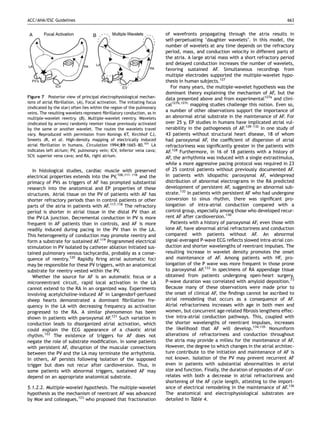
                                                                      same patient (Figure 7).
of RAAS gene polymorphisms with this type of AF.79
   Several RAAS pathways are activated in experimen-                  5.1.2.1. Automatic focus theory. A focal origin of AF is
tal78,80–84 as well as human AF,78,85 and ACE inhibition and          supported by experimental models of aconitine and
angiotensin II receptor blockade had the potential to                 pacing-induced AF102,103 in which the arrhythmia persists
prevent AF by reducing fibrosis.84,86                                  only in isolated regions of atrial myocardium. This theory
   In experimental studies of HF, atrial dilation and interstitial    received minimal attention until the important observation
fibrosis facilitates sustained AF.86–92 The regional electrical        that a focal source for AF could be identified in humans
silence (suggesting scar), voltage reduction, and conduction          and ablation of this source could extinguish AF.104 While
slowing described in patients with HF93 are similar to                PVs are the most frequent source of these rapidly atrial
changes in the atria that occur as a consequence of aging.            impulses, foci have also been found in the superior vena
   AF is associated with delayed interatrial conduction and           cava, ligament of Marshall, left posterior free wall, crista
dispersion of the atrial refractory period.94 Thus, AF seems          terminalis, and coronary sinus.79,104–110
ACC/AHA/ESC Guidelines                                                                                                               663


                                                                          of wavefronts propagating through the atria results in
                                                                          self-perpetuating ‘daughter wavelets’. In this model, the
                                                                          number of wavelets at any time depends on the refractory
                                                                          period, mass, and conduction velocity in different parts of
                                                                          the atria. A large atrial mass with a short refractory period
                                                                          and delayed conduction increases the number of wavelets,
                                                                          favoring sustained AF. Simultaneous recordings from
                                                                          multiple electrodes supported the multiple-wavelet hypo-
                                                                          thesis in human subjects.127
                                                                             For many years, the multiple-wavelet hypothesis was the
                                                                          dominant theory explaining the mechanism of AF, but the
Figure 7 Posterior view of principal electrophysiological mechan-         data presented above and from experimental127a and clini-
isms of atrial fibrillation. (A), Focal activation. The initiating focus
                                                                          cal127b,127c mapping studies challenge this notion. Even so,
(indicated by the star) often lies within the region of the pulmonary
veins. The resulting wavelets represent fibrillatory conduction, as in
                                                                          a number of other observations support the importance of
multiple-wavelet reentry. (B), Multiple-wavelet reentry. Wavelets         an abnormal atrial substrate in the maintenance of AF. For
(indicated by arrows) randomly reenter tissue previously activated        over 25 y, EP studies in humans have implicated atrial vul-
by the same or another wavelet. The routes the wavelets travel            nerability in the pathogenesis of AF.128–132 In one study of
vary. Reproduced with permission from Konings KT, Kirchhof CJ,            43 patients without structural heart disease, 18 of whom
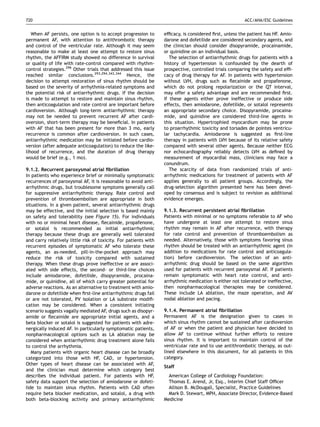
Smeets JR, et al. High-density mapping of electrically induced            had paroxysmal AF, the coefficient of dispersion of atrial
atrial fibrillation in humans. Circulation 1994;89:1665–80.101 LA          refractoriness was significantly greater in the patients with
indicates left atrium; PV, pulmonary vein; ICV, inferior vena cava;       AF.128 Furthermore, in 16 of 18 patients with a history of
SCV, superior vena cava; and RA, right atrium.                            AF, the arrhythmia was induced with a single extrastimulus,
                                                                          while a more aggressive pacing protocol was required in 23
   In histological studies, cardiac muscle with preserved                 of 25 control patients without previously documented AF.
electrical properties extends into the PV,106,111–116 and the             In patients with idiopathic paroxysmal AF, widespread
primacy of PVs as triggers of AF has prompted substantial                 distribution of abnormal electrograms in the RA predicted
research into the anatomical and EP properties of these                   development of persistent AF, suggesting an abnormal sub-
structures. Atrial tissue on the PV of patients with AF has               strate.132 In patients with persistent AF who had undergone
shorter refractory periods than in control patients or other              conversion to sinus rhythm, there was significant pro-
parts of the atria in patients with AF.117,118 The refractory             longation of intra-atrial conduction compared with a
period is shorter in atrial tissue in the distal PV than at               control group, especially among those who developed recur-
the PV-LA junction. Decremental conduction in PV is more                  rent AF after cardioversion.130
frequent in AF patients than in controls, and AF is more                     Patients with a history of paroxysmal AF, even those with
readily induced during pacing in the PV than in the LA.                   lone AF, have abnormal atrial refractoriness and conduction
This heterogeneity of conduction may promote reentry and                  compared with patients without AF. An abnormal
form a substrate for sustained AF.119 Programmed electrical               signal-averaged P-wave ECG reflects slowed intra-atrial con-
stimulation in PV isolated by catheter ablation initiated sus-            duction and shorter wavelengths of reentrant impulses. The
tained pulmonary venous tachycardia, probably as a conse-                 resulting increase in wavelet density promotes the onset
quence of reentry.120 Rapidly firing atrial automatic foci                 and maintenance of AF. Among patients with HF, pro-
may be responsible for these PV triggers, with an anatomical              longation of the P wave was more frequent in those prone
substrate for reentry vested within the PV.                               to paroxysmal AF.133 In specimens of RA appendage tissue
   Whether the source for AF is an automatic focus or a                   obtained from patients undergoing open-heart surgery,
microreentrant circuit, rapid local activation in the LA                  P-wave duration was correlated with amyloid deposition.73
cannot extend to the RA in an organized way. Experiments                  Because many of these observations were made prior to
involving acetylcholine-induced AF in Langendorf-perfused                 the onset of clinical AF, the findings cannot be ascribed to
sheep hearts demonstrated a dominant fibrillation fre-                     atrial remodeling that occurs as a consequence of AF.
quency in the LA with decreasing frequency as activation                  Atrial refractoriness increases with age in both men and
progressed to the RA. A similar phenomenon has been                       women, but concurrent age-related fibrosis lengthens effec-
shown in patients with paroxysmal AF.121 Such variation in                tive intra-atrial conduction pathways. This, coupled with
conduction leads to disorganized atrial activation, which                 the shorter wavelengths of reentrant impulses, increases
could explain the ECG appearance of a chaotic atrial                      the likelihood that AF will develop.134,135 Nonuniform
rhythm.122 The existence of triggers for AF does not                      alterations of refractoriness and conduction throughout
negate the role of substrate modification. In some patients                the atria may provide a milieu for the maintenance of AF.
with persistent AF, disruption of the muscular connections                However, the degree to which changes in the atrial architec-
between the PV and the LA may terminate the arrhythmia.                   ture contribute to the initiation and maintenance of AF is
In others, AF persists following isolation of the supposed                not known. Isolation of the PV may prevent recurrent AF
trigger but does not recur after cardioversion. Thus, in                  even in patients with substantial abnormalities in atrial
some patients with abnormal triggers, sustained AF may                    size and function. Finally, the duration of episodes of AF cor-
depend on an appropriate anatomical substrate.                            relates with both a decrease in atrial refractoriness and
                                                                          shortening of the AF cycle length, attesting to the import-
5.1.2.2. Multiple-wavelet hypothesis. The multiple-wavelet                ance of electrical remodeling in the maintenance of AF.136
hypothesis as the mechanism of reentrant AF was advanced                  The anatomical and electrophysiological substrates are
by Moe and colleagues,123 who proposed that fractionation                 detailed in Table 4.
664                                                                                                                                    ACC/AHA/ESC Guidelines


 Table 4     Anatomical and electrophysiological substrates promoting the initiation and/or maintenance of atrial fibrillation

 Diseases                       Anatomical                                       Substratesa

                                                                                 Cellular                                           Electrophysiological

 Part A. substrate develops during sinus rhythm (remodeling related to stretch and dilatation). The main pathways involve the RAAS,
 TGF-beta, and CTGF.
 Hypertension              Atrial dilatation                       Myolysis                                  Conduction abnormalities
 Heart failure             PV dilatation                           Apoptosis, necrosis                       ERP dispersion
 Coronary disease          Fibrosis                                Channel expression change                 Ectopic activity
 Valvular disease

 Part B. substrate develops due to tachycardia (tachycardia-related remodeling, downregulation of calcium channel and calcium handling).
 Focal AF                   None orb                                 None orb                                 Ectopic activity
 Atrial flutter              Atrial dilatation                        Calcium channel downregulation           Microreentry
                            PV dilatation                            Myolysis                                 Short ERPc
                            Large PV sleeves                         Connexin downregulation                  ERP dispersiond
                            Reduced contractility&cjs0952;           Adrenergic supersensitivity              Slowed conduction
                            Fibrosis                                 Changed sympathetic innervation

   CTGF indicates connective tissue growth factor; ERP, effective refractory period; PV, pulmonary vein; RAAS, renin-angiotensin-aldosterone system;
 TGF-beta, transforming growth factor-beta1.
   a
     Substrate develops either while in sinus rhythm, usually caused by ventricular remodeling, atrial pressure overload and subsequent atrial dilatation (Part A),
 or due to the rapid atrial rate during atrial fibrillation (AF), according to the principle that ‘AF begets AF’ (Part B).
   b
     The listed changes may only occur with prolonged episodes of AF at high atrial rate.
   c
    Short ERP and slow conduction may produce short wavelength, thereby promoting further AF.
   d
     ERP dispersion together with spontaneous or stretch-induced ectopic activity may initiate AF. Long ERPs occur in Bachmann’s bundle among other tissues.
   &cjs0952;The reduction of atrial contractility during AF may enhance atrial dilatation, leading to persistent AF.


5.1.3. Atrial electrical remodeling                                                    In addition to remodeling and changes in electrical refrac-
Pharmacological or direct-current cardioversion of AF has a                         toriness, prolonged AF disturbs atrial contractile function.
higher success rate when AF has been present for less than                          With persistent AF, recovery of atrial contraction can be
24 h,137 whereas more prolonged AF makes restoring and                              delayed for days or weeks following the restoration of sinus
maintaining sinus rhythm less likely. These observations gave                       rhythm, which has important implications for the duration
rise to the adage ‘atrial fibrillation begets atrial fibrillation’.                   of anticoagulation after cardioversion. (See Section 8.1.4,
The notion that AF is self-perpetuating takes experimental                          Preventing Thromboembolism.) Both canine and preliminary
support from a goat model using an automatic atrial fibrillator                      human data suggest that prolonged AF may also lengthen
that detected spontaneous termination of AF and reinduced                           sinus node recovery time.148,149 The implication is that AF
the arrhythmia by electrical stimulation.138 Initially, electri-                    may be partly responsible for sinus node dysfunction in
cally induced AF terminated spontaneously. After repeated                           some patients with the tachycardia-bradycardia syndrome.
inductions, however, the episodes became progressively                                 Reversal of electrical remodeling in human atria may
more sustained until AF persisted at a more rapid atrial                            occur at different rates depending on the region of the
rate.138 The increasing propensity to AF was related to pro-                        atrium studied.150 When tested at various times after cardi-
gressive shortening of effective refractory periods with                            oversion, the effective refractory period of the lateral RA
increasing episode duration, a phenomenon known as EP remo-                         increased within 1 h after cardioversion, while that in the
deling. These measurements support clinical observations139                         coronary sinus was delayed for 1 wk. In another study, recov-
that the short atrial effective refractory period in patients                       ery of normal atrial refractoriness after cardioversion of
with parox-ysmal AF fails to adapt to rate, particularly                            persistent AF was complete within 3 to 4 d,151 after which
during bradycardia. Confirmation came from recordings of                             there was no difference in refractoriness between the RA
action potentials in isolated fibrillating atrial tissue and from                    appendage and the distal coronary sinus. The disparities
patients after cardioversion.140 The duration of atrial mono-                       between studies may reflect patient factors or the duration
phasic action potentials was shorter after cardioversion and                        or pattern of AF before cardioversion.
correlated with the instability of sinus rhythm.141
   Tachycardia-induced AF may result from AV node reentry,                          5.1.4. Counteracting atrial electrical remodeling
an accessory pathway, atrial tachycardia, or atrial                                 Data are accumulating on the importance of the RAAS in the
flutter.142–144 After a period of rapid atrial rate, electrical                      genesis of AF.145 Irbesartan plus amiodarone was associated
remodeling stimulates progressive intracellular calcium                             with a lower incidence of recurrent AF after cardioversion
loading that leads to inactivation of the calcium                                   than amiodarone alone,39 and use of angiotensin inhibitors
current.145,146 Reduction of the calcium current in turn short-                     and diuretics significantly reduced the incidence of AF
ens the action potential duration and atrial refractory period,                     after catheter ablation of atrial flutter.152 Amiodarone
which may promote sustained AF. The role of potassium cur-                          may reverse electrical remodeling even when AF is
rents in this situation is less clear.145 Electrical remodeling                     ongoing,153 and this explains how amiodarone can convert
has also been demonstrated in PV myocytes subjected to sus-                         persistent AF to sinus rhythm. Inhibition of the RAAS,
tained rapid atrial pacing, resulting in shorter action potential                   alone or in combination with other therapies, may therefore
durations and both early and delayed afterdepolarizations.147                       prevent the onset or maintenance of AF43 through several
ACC/AHA/ESC Guidelines                                                                                                          665


mechanisms. These include hemodynamic changes (lower                 5.2. Atrioventricular conduction
atrial pressure and wall stress), prevention of structural
                                                                     5.2.1. General aspects
remodeling (fibrosis, dilation, and hypertrophy) in both the
                                                                     In the absence of an accessory pathway or His-Purkinje
LA and left ventricle (LV), inhibition of neurohumoral acti-
                                                                     dysfunction, the AV node limits conduction during AF.144
vation, reduced blood pressure, prevention or amelioration
                                                                     Multiple atrial inputs to the AV node have been identified,
of HF, and avoidance of hypokalemia. Treatment with tran-
                                                                     2 of which seem dominant: one directed posteriorly via
dolapril reduced the incidence of AF in patients with LV dys-
                                                                     the crista terminalis and the other aimed anteriorly via
function following acute MI,36 but it remains to be clarified
                                                                     the interatrial septum. Other factors affecting AV conduc-
whether the antiarrhythmic effect of these agents is related
                                                                     tion are the intrinsic refractoriness of the AV node, con-
to reversal of structural or electrical remodeling in the atria
                                                                     cealed conduction, and autonomic tone. Concealed
or to these other mechanisms.
                                                                     conduction, which occurs when atrial impulses traverse
                                                                     part of the AV node but are not conducted to the ventricles,
5.1.5. Other factors contributing to atrial fibrillation
                                                                     plays a prominent role in determining the ventricular
Other factors potentially involved in the induction or main-
                                                                     response during AF.173,174 These impulses alter AV nodal
tenance of AF include inflammation, autonomic nervous
                                                                     refractoriness, slowing or blocking subsequent atrial
system activity, atrial ischemia,154 atrial dilation,155 anisotro-
                                                                     impulses, and may explain the irregularity of ventricular
pic conduction,156 and structural changes associated with
                                                                     response during AF.125 When the atrial rate is relatively
aging.3 It has been postulated that oxidative stress and
                                                                     slow during AF, the ventricular rate tends to rise.
inflammation may be involved in the genesis of AF.157–159 In
                                                                     Conversely, a higher atrial rate is associated with slower
a case-control study, levels of C-reactive protein (CRP), a
                                                                     ventricular rate.
marker of systemic inflammation, were higher in patients
                                                                        Increased parasympathetic and reduced sympathetic tone
with atrial arrhythmias than in those without rhythm disturb-
                                                                     exert negative dromotropic effects on AV nodal conduction,
ances,159 and those with persistent AF had higher CRP levels
                                                                     while the opposite is true in states of decreased parasympa-
than those with paroxysmal AF. In a population-based cohort
                                                                     thetic and increased sympathetic tone.173,175,176 Vagal tone
of nearly 6000 patients, AF was more prevalent among
                                                                     also enhances the negative chronotropic effects of concealed
patients in the highest quartile for CRP than those in the
                                                                     conduction in the AV node.175,176 Fluctuations in autonomic
lowest quartile. In patients without AF at baseline, CRP
                                                                     tone can produce disparate ventricular responses to AF in a
levels were associated with the future development of AF.158
                                                                     given patient as exemplified by a slow ventricular rate
   The effects of HMG CoA-reductase inhibitors (‘statins’),
                                                                     during sleep but accelerated ventricular response during
which have both anti-inflammatory and antioxidant proper-
                                                                     exercise. Digitalis, which slows the ventricular rate during
ties, on electrical remodeling have been evaluated in a
                                                                     AF predominantly by increasing vagal tone, is more effective
canine model of atrial tachycardia160 but have not been ade-
                                                                     for controlling heart rate at rest in AF but less effective
quately studied in human subjects. In the experimental
                                                                     during activity. Wide swings in rate due to variations in auto-
model, tachycardia-related electrical remodeling was sup-
                                                                     nomic tone may create a therapeutic challenge.
pressed by pretreatment with simvastatin but not by the
                                                                        Conducted QRS complexes are narrow during AF unless
antioxidant vitamins C and E. The mechanism responsible
                                                                     there is fixed or rate-related bundle-branch block or acces-
for the salutary effect of simvastatin requires further inves-
                                                                     sory pathway. Aberrant conduction is common and facili-
tigation, and the utility of drugs in the statin class to
                                                                     tated by the irregularity of the ventricular response. When
prevent clinical AF has not yet been established.
                                                                     a long interval is followed by a relatively short interval,
   Increased sympathetic or parasympathetic tone has been
                                                                     the QRS complex that closes the short interval is often aber-
implicated in the initiation of AF. Autonomic ganglia con-
                                                                     rantly conducted (Ashman phenomenon).177
taining parasympathetic and sympathetic fibers are
present on the epicardial surface of both the RA and LA,
clustered on the posterior wall near the ostia of the PV,            5.2.2. Atrioventricular conduction in patients with
superior vena cava (SVC), and coronary sinus. In animal              preexcitation syndromes
models, parasympathetic stimulation shortens atrial and              Conduction across an accessory pathway during AF can result
PV refractory periods, potentiating initiation and mainten-          in a dangerously rapid ventricular rate.3,178,179 Whereas a
ance of AF,161,162 and vagal denervation of the atria prevents       substantial increase in sympathetic tone may increase the
induction of AF.163 In 297 patients with paroxysmal AF, vagal        preexcited ventricular response, alterations in vagal tone
denervation concomitant with extensive endocardial cath-             have little effect on conduction over accessory pathways.
eter ablation was associated with significant reduction in              Transition of AV reentry into AF in patients with the
subsequent AF in a third of cases.162 Pure autonomic                 Wolff-Parkinson-White (WPW) syndrome can produce a
initiation of clinical AF is uncommon and seen only in situ-         rapid ventricular response that degenerates into ventricular
ations of high sympathetic or high vagal tone, but recordings        fibrillation, leading to death.178,180 Intravenous adminis-
of heart rate variability (HRV) disclose autonomic pertur-           tration of drugs such as digitalis, verapamil, or diltiazem,
bations in some patients that precede the onset of AF.164–169        which lengthen refractoriness and slow conduction across
   There is a strong association between obstructive sleep           the AV node, does not block conduction over the accessory
apnea, hypertension, and AF.170 It is likely that LV diastolic       pathway and may accelerate the ventricular rate. Hence,
dysfunction plays a role in the genesis of AF, either by             these agents are contraindicated in this situation.181
increasing pressure that affects stretch receptors in PV trig-       Although the potential for beta blockers to potentiate con-
gers and other areas of the atria or by inducing direct struc-       duction across the accessory pathway is controversial,
tural changes in atrial myocardium.171,172 Familial factors          caution should be exercised in the use of these agents as
are discussed in Section 6.1.5.                                      well as in patients with AF associated with preexcitation.
666                                                                                                    ACC/AHA/ESC Guidelines


5.3. Myocardial and hemodynamic consequences                     implications for timing measurements of ventricular per-
of atrial fibrillation                                            formance in patients with AF. A reduced ejection fraction
                                                                 during or in the weeks following tachycardia may not
Among factors that affect the hemodynamic function during
                                                                 reliably predict ventricular function once the rate has
AF are loss of synchronous atrial mechanical activity, irregu-
                                                                 been consistently controlled. A variety of hypotheses have
lar ventricular response, rapid heart rate, and impaired cor-
                                                                 been proposed to explain tachycardia-mediated cardiomyo-
onary arterial blood flow. Loss of atrial contraction may
                                                                 pathy: myocardial energy depletion, ischemia, abnormal
markedly decrease cardiac output, especially when diastolic
                                                                 calcium regulation, and remodeling, but the actual mechan-
ventricular filling is impaired by mitral stenosis, hyperten-
                                                                 isms are still unclear.197
sion, hypertrophic cardiomyopathy (HCM), or restrictive car-
                                                                   Because of the relationship between LA and LV pressure, a
diomyopathy. Hemodynamic impairment due to variation in
                                                                 rapid ventricular rate during AF may adversely impact mitral
R-R intervals during AF has been demonstrated in a canine
                                                                 valve function, increasing mitral regurgitation. In addition,
model with complete heart block, in which cardiac output
                                                                 tachycardia may be associated with rate-related intraventri-
fell by approximately 9% during irregular ventricular
                                                                 cular conduction delay (including left bundle-branch block),
pacing at the same mean cycle length as a regularly paced
                                                                 which further compromises the synchrony of LV wall motion
rhythm.182 In patients undergoing AV nodal ablation, irregu-
                                                                 and reduces cardiac output. Such conduction disturbances
lar right ventricular (RV) pacing at the same rate as regular
                                                                 may exacerbate mitral regurgitation and limit ventricular
ventricular pacing resulted in a 15% reduction in cardiac
                                                                 filling. Controlling the ventricular rate may reverse these
output.183 Myocardial contractility is not constant during
                                                                 effects.
AF because of force-interval relationships associated with
variations in cycle length.184 Although one might expect res-
toration of sinus rhythm to improve these hemodynamic
                                                                 5.4. Thromboembolism
characteristics, this is not always the case.185,186             Although ischemic stroke and systemic arterial occlusion in
   Myocardial blood flow is determined by the presence or         AF are generally attributed to embolism of thrombus from
absence of coronary obstructive disease, the difference          the LA, the pathogenesis of thromboembolism is
between aortic diastolic pressure and LV end-diastolic           complex.198 Up to 25% of strokes in patients with AF may
pressure (myocardial perfusion pressure), coronary vascular      be due to intrinsic cerebrovascular diseases, other cardiac
resistance, and the duration of diastole. AF may adversely       sources of embolism, or atheromatous pathology in the
impact all of these factors. An irregular ventricular rhythm     proximal aorta.199,200 In patients 80 to 89 y old, 36% of
is associated with coronary blood flow compared with a            strokes occur in those with AF. The annual risk of stroke
regular rhythm at the same average rate.186 Animal               for octogenarians with AF is in the range of 3% to 8% per
studies have consistently shown that the decrease in coro-       year, depending on associated stroke risk factors.21 About
nary flow caused by experimentally induced AF relates to          half of all elderly AF patients have hypertension (a major
an increase in coronary vascular resistance mediated by          risk factor for cerebrovascular disease),47 and approxi-
sympathetic activation of alpha-adrenergic receptors that        mately 12% harbor carotid artery stenosis.201 Carotid ather-
is less pronounced than during regular atrial pacing at the      osclerosis is not substantially more prevalent in AF patients
same ventricular rate.187 Similarly, coronary blood flow is       with stroke than in patients without AF and is probably a
lower during AF than during regular atrial pacing in patients    relatively minor contributing epidemiological factor.202
with angiographically normal coronary arteries.188 The
reduced coronary flow reserve during AF may be particularly       5.4.1. Pathophysiology of thrombus formation
important in patients with coronary artery disease (CAD), in     Thrombotic material associated with AF arises most fre-
whom compensatory coronary vasodilation is limited. These        quently in the LAA, which cannot be regularly examined
findings may explain why patients without previous angina         by precordial (transthoracic) echocardiography.203 Doppler
sometimes develop chest discomfort with the onset of AF.         TEE is a more sensitive and specific method to assess LAA
   In patients with persistent AF, mean LA volume increased      function204 and to detect thrombus formation. Thrombi
over time from 45 to 64 cm3 while RA volume increased from       are more often encountered in AF patients with ischemic
49 to 66 cm3.189 Restoration and maintenance of sinus            stroke than in those without stroke.205 Although clinical
rhythm decreased atrial volumes.190 Moreover, transesopha-       management is based on the presumption that thrombus
geal echocardiography (TEE) has demonstrated that con-           formation requires continuation of AF for approximately
tractile function and blood flow velocity in the LA               48 h, thrombi have been identified by TEE within shorter
appendage (LAA) recover after cardioversion, consistent          intervals.206,207 Thrombus formation begins with Virchow’s
with a reversible atrial cardiomyopathy in patients              triad of stasis, endothelial dysfunction, and a hypercoagul-
with AF.191,192                                                  able state. Serial TEE studies of the LA208 and LAA209
   Beyond its effects on atrial function, a persistently elev-   during conversion of AF to sinus rhythm demonstrated
ated ventricular rate during AF—greater than or equal to         reduced LAA flow velocities related to loss of organized
130 beats per minute in one study193—can produce dilated         mechanical contraction during AF. Stunning of the LAA210
ventricular cardiomyopathy (tachycardia-induced cardio-          seems responsible for an increased risk of thromboembolic
myopathy).3,193–196 It is critically important to recognize      events after successful cardioversion, regardless of
this cause of cardiomyopathy, in which HF is a consequence       whether the method is electrical, pharmacological, or spon-
rather than the cause of AF. Control of the ventricular rate     taneous.210 Atrial stunning is at a maximum immediately
may lead to reversal of the myopathic process. In one            after cardioversion, with progressive improvement of atrial
study, the median LV ejection fraction increased with rate       transport function within a few days but sometimes as
control from 25% to 52%.194 This phenomenon also has             long as 3 to 4 wk, depending on the duration of AF.210,211
ACC/AHA/ESC Guidelines                                                                                                       667


This corroborates the observation that following cardiover-        association may indicate that a thromboembolic milieu in
sion, more than 80% of thromboembolic events occur                 the LA may involve mechanisms linked to inflammation.243
during the first 3 d and almost all occur within 10 d.212              In patients with rheumatic mitral stenosis undergoing
Atrial stunning is more pronounced in patients with AF             trans-septal catheterization for balloon valvuloplasty,
associated with ischemic heart disease than in those with          levels of fibrinopeptide A, thrombin-antithrombin III
hypertensive heart disease or lone AF.210 Although stunning        complex, and prothrombin fragment F1.2 are increased in
may be milder with certain associated conditions or a              the LA compared with the RA and femoral vein, indicating
short duration of AF, anticoagulation is recommended               regional activation of the coagulation system.244,245
during cardioversion in all patients with AF lasting longer        Whether such elevations are related to AF, for example,
than 48 h or of unknown duration, including lone AF                through atrial pressure overload or due to another mechan-
except when anticoagulation is contraindicated.                    ism has not been determined. Regional coagulopathy is
   Decreased flow within the LA/LAA during AF has been              associated with SEC in the LA and hence with atrial stasis.245
associated with spontaneous echo contrast (SEC), thrombus             Contrary to the prevalent concept that systemic anticoa-
formation, and embolic events.213–218 Specifically, SEC, or         gulation for 4 wk results in organization and endocardial
‘smoke,’ a swirling haze of variable density, may be               adherence of LAA thrombus, TEE studies have verified resol-
detected by transthoracic or transesophageal echocardio-           ution of thrombus in the majority of patients.246 Similar
graphic imaging of the cardiac chambers and great vessels          observations have defined the dynamic nature of LA/LAA
under low-flow conditions.219 This phenomenon relates to            dysfunction following conversion of AF, providing a mechan-
fibrinogen-mediated erythrocyte aggregation220 and is not           istic rationale for anticoagulation for several weeks before
resolved by anticoagulation.221 There is evidence that SEC         and after successful cardioversion. Conversely, increased
is a marker of stasis caused by AF.222–224 Independent predic-     flow within the LA in patients with mitral regurgitation has
tors of SEC in patients with AF include LA enlargement,            been associated with less prevalent LA SEC247,248 and
reduced LAA flow velocity,213,225 LV dysfunction, fibrinogen         fewer thromboembolic events, even in the presence of LA
level,218 and hematocrit.217,218 The utility of SEC for pro-       enlargement.249
spective thromboembolic risk stratification beyond that
achieved by clinical assessment alone has, however, not            5.4.2. Clinical implications
been confirmed.                                                     Because the pathophysiology of thromboembolism in
   LAA flow velocities are lower in patients with atrial flutter     patients with AF is uncertain, the mechanisms linking risk
than are usually seen during sinus rhythm but higher than in       factors to ischemic stroke in patients with AF are incomple-
AF. Whether this accounts for any lower prevalence of LAA          tely defined. The strong association between hypertension
thrombus or thromboembolism associated with atrial                 and stroke in AF is probably mediated primarily by embolism
flutter is uncertain. As in AF, atrial flutter is associated         originating in the LAA,200 but hypertension also increases
with low appendage emptying velocities following cardio-           the risk of noncardioembolic strokes in patients with
version with the potential for thromboembolism226,227 and          AF.200,250 Hypertension in patients with AF is associated
anticoagulation is similarly recommended. (See Section             with reduced LAA flow velocity, SEC, and thrombus for-
8.1.4.1.3, Therapeutic Implications.)                              mation.225,251,252 Ventricular diastolic dysfunction might
   Although endothelial dysfunction has been difficult to           underlie the effect of hypertension on LA dynamics, but
demonstrate as distinctly contributing to thrombus for-            this relationship is still speculative.253,254 Whether control
mation in AF, it may, along with stasis, contribute to a hyper-    of hypertension lowers the risk for cardioembolic stroke in
coagulable state. Systemic and/or atrial tissue levels of          patients with AF is a vital question, because LV diastolic
P-selectin and von Willebrand factor are elevated in some          abnormalities associated with hypertension in the elderly
patients,228–233 and AF has been associated with biochemical       are often multifactorial and difficult to reverse.254,255
markers of coagulation and platelet activation that reflect a          The increasing stroke risk in patients with AF with advan-
systemic hypercoagulable state.228,234–236 Persistent and          cing age is also multifactorial. In patients with AF, aging is
paroxysmal AF have been associated with increased systemic         associated with LA enlargement, reduced LAA flow velocity,
fibrinogen and fibrin D-dimer levels, indicating active              and SEC, all of which predispose to LA thrombus for-
intravascular thrombogenesis.228,236,237 Elevated thrombo-         mation.225,251,256 Aging is a risk factor for atherosclerosis,
globulin and platelet factor 4 levels in selected patients         and plaques in the aortic arch are associated with stroke
with AF indicate platelet activation,235,238,239 but these         independent of AF.257 Levels of prothrombin activation frag-
data are less robust, in line with the lower efficacy of            ment F1.2, an index of thrombin generation, increase with
platelet-inhibitor drugs for prevention of thromboembolism         age in the general population258–260 as well as in those
in clinical trials. Fibrin D-dimer levels are higher in patients   with AF,12,261 suggesting an age-related prothrombotic dia-
with AF than in patients in sinus rhythm, irrespective of          thesis. In the Stroke Prevention in Atrial Fibrillation (SPAF)
underlying heart disease.240 The levels of some markers of         studies, age was a more potent risk factor when combined
coagulation fall to normal during anticoagulation therapy,234      with other risk factors such as hypertension or female
and some increase immediately after conversion to sinus            gender,261,262 placing women over age 75 y with AF at par-
rhythm and then normalize.241 These biochemical markers            ticular risk for cardioembolic strokes.263
do not, however, distinguish a secondary reaction to intra-           LV systolic dysfunction, as indicated by a history of HF
vascular coagulation from a primary hypercoagulable state.         or echocardiographic assessment, predicts ischemic stroke
   C-reactive protein (CRP) is increased in patients with AF       in patients with AF who receive no antithrombotic
compared with controls159,242 and correlates with clinical         therapy264–267 but not in moderate-risk patients given
and echocardiographic stroke risk factors.243 Although             aspirin.261,268 Mechanistic inferences are contradictory; LV
these findings do not imply a causal relationship, the              systolic dysfunction has been associated both with LA
668                                                                                                         ACC/AHA/ESC Guidelines


thrombus and with noncardioembolic strokes in patients           constrictive pericarditis. Other heart diseases, such as
with AF.200,269                                                  mitral valve prolapse with or without mitral regurgitation,
  In summary, complex thromboembolic mechanisms are              calcification of the mitral annulus, cor pulmonale, and idio-
operative in AF and involve the interplay of risk factors        pathic dilation of the RA, have been associated with a high
related to atrial stasis, endothelial dysfunction, and sys-      incidence of AF. AF is commonly encountered in patients
temic and possibly local hypercoagulability.                     with sleep apnea syndrome, but whether the arrhythmia is
                                                                 provoked by hypoxia, another biochemical abnormality,
                                                                 changes in pulmonary dynamics or RA factors, changes in
6. Causes, associated conditions, clinical                       autonomic tone, or systemic hypertension has not been
manifestations, and quality of life                              determined. Table 5 lists etiologies and factors predisposing
6.1. Causes and associated conditions                            patients to AF. (For a list of associated heart diseases in the
                                                                 ALFA study, see Table 3.)
6.1.1. Reversible causes of atrial fibrillation
AF may be related to acute, temporary causes, including
alcohol intake (‘holiday heart syndrome’), surgery, electro-     6.1.5. Familial (genetic) atrial fibrillation
cution, MI, pericarditis, myocarditis, pulmonary embolism or     Familial AF, defined as lone AF running in a family, is more
other pulmonary diseases, hyperthyroidism, and other meta-       common than previously recognized but should be distin-
bolic disorders. In such cases, successful treatment of the      guished from AF secondary to other genetic diseases like
underlying condition often eliminates AF. AF that develops       familial cardiomyopathies. The likelihood of developing AF
in the setting of acute MI portends an adverse prognosis         is increased among those whose parents had AF, suggesting
compared with preinfarct AF or sinus rhythm.270,271 AF           a familial susceptibility to the arrhythmia, but the mechan-
may be associated with atrial flutter, the WPW syndrome,          isms associated with transmission are not necessarily electri-
or AV nodal reentrant tachycardias, and treatment of the         cal, because the relationship has also been seen in patients
primary arrhythmias reduces or eliminates the incidence of       who have a family history of hypertension, diabetes, or HF.277
recurrent AF.172 AF is a common early postoperative compli-         The molecular defects responsible for familial AF are
cation of cardiac or thoracic surgery.                           largely unknown. Specific chromosomal loci278 have been

6.1.2. Atrial fibrillation without associated heart disease
                                                                  Table 5     Etiologies and factors predisposing patients to AF
AF is often an electrical manifestation of underlying cardiac
disease. Nonetheless, approximately 30% to 45% of cases of        Electrophysiological abnormalities
paroxysmal AF and 20% to 25% of cases of persistent AF occur         Enhanced automaticity (focal AF)
in younger patients without demonstrable underlying                  Conduction abnormality (reentry)
disease (‘lone AF’).27,29 AF can present as an isolated104 or     Atrial pressure elevation
familial arrhythmia, although a responsible underlying               Mitral or tricuspid valve disease
disease may appear over time.272 Although AF may occur               Myocardial disease (primary or secondary, leading to
                                                                       systolic or diastolic dysfunction)
without underlying heart disease in the elderly, the
                                                                     Semilunar valvular abnormalities (causing ventricular
changes in cardiac structure and function that accompany
                                                                       hypertrophy)
aging, such as an increase in myocardial stiffness, may be           Systemic or pulmonary hypertension (pulmonary embolism)
associated with AF, just as heart disease in older patients          Intracardiac tumors or thrombi
may be coincidental and unrelated to AF.                          Atrial ischemia
                                                                     Coronary artery disease
6.1.3. Medical conditions associated with atrial                  Inflammatory or infiltrative atrial disease
fibrillation                                                          Pericarditis
Obesity is an important risk factor for development of               Amyloidosis
                                                                     Myocarditis
AF.273–275 After adjusting for clinical risk factors, the
                                                                     Age-induced atrial fibrotic changes
excess risk of AF appears mediated by LA dilation, because
                                                                  Drugs
there is a graded increase in LA size as BMI increases from          Alcohol
normal to the overweight and obese categories.273 Weight             Caffeine
reduction has been linked to regression of LA enlarge-            Endocrine disorders
ment.273,276 These findings suggest a physiological link              Hyperthyroidism
between obesity, AF, and stroke and raise the intriguing             Pheochromocytoma
possibility that weight reduction may decrease the risk           Changes in autonomic tone
of AF.                                                               Increased parasympathetic activity
                                                                     Increased sympathetic activity
                                                                  Primary or metastatic disease in or adjacent to the atrial wall
6.1.4. Atrial fibrillation with associated heart disease           Postoperative
Specific cardiovascular conditions associated with AF include         Cardiac, pulmonary, or esophageal
valvular heart disease (most often, mitral valve disease), HF,    Congenital heart disease Neurogenic
CAD, and hypertension, particularly when LVH is present. In          Subarachnoid hemorrhage
addition, AF may be associated with HCM, dilated cardio-             Nonhemorrhagic, major stroke
myopathy, or congenital heart disease, especially atrial          Idiopathic (lone AF)
septal defect in adults. Potential etiologies also include        Familial AF
restrictive cardiomyopathies (e.g., amyloidosis, hemochro-
                                                                    AF indicates atrial fibrillation.
matosis, and endomyocardial fibrosis), cardiac tumors, and
ACC/AHA/ESC Guidelines                                                                                                    669


linked to AF in some families, suggesting distinct genetic      atrial natriuretic peptide, particularly as episodes of AF
mutations.279 Two mutations associated with gain of func-       begin or terminate. AF associated with a sustained, rapid
tion leading to short atrial refractoriness have been discov-   ventricular response can lead to tachycardia-mediated car-
ered in several Chinese families.280,281                        diomyopathy, especially in patients unaware of the
                                                                arrhythmia.
6.1.6. Autonomic influences in atrial fibrillation                   Syncope is an uncommon complication of AF that can
Autonomic influences play an important role in the initiation    occur upon conversion in patients with sinus node dysfunc-
of AF. The noninvasive measurement of autonomic tone in         tion or because of rapid ventricular rates in patients with
humans has been augmented by measures of HRV,282 which          HCM, in patients with valvular aortic stenosis, or when an
reflect changes in the relative autonomic modulation of          accessory pathway is present.
heart rate rather than the absolute level of sympathetic or
parasympathetic tone. It appears that the balance               6.3. Quality of life
between sympathetic and vagal influences is as important         Although stroke certainly accounts for much of the func-
as absolute sympathetic or parasympathetic tone as a pre-       tional impairment associated with AF, available data
dictor of AF. Fluctuations in autonomic tone as measured        suggest that quality of life is considerably impaired in
by HRV occur prior to the development of AF. Vagal predomi-     patients with AF compared with age-matched controls.
nance in the minutes preceding the onset of AF has been         Sustained sinus rhythm is associated with improved quality
observed in some patients with structurally normal hearts,      of life and better exercise performance than AF in some
while in others there is a shift toward sympathetic predomi-    studies but not others.292–296 In the SPAF study cohort,
nance.283,284 Although Coumel285 recognized that certain        Ganiats et al. 297 found the New York Heart Association func-
patients could be characterized in terms of a vagal or adre-    tional classification, originally developed for HF, an insensi-
nergic form of AF, these cases likely represent the extremes    tive index of quality of life in patients with AF. In another
of either influence. In general, vagally mediated AF occurs      study,298 47 of 69 patients (68%) with paroxysmal AF con-
at night or after meals, while adrenergically induced AF        sidered the arrhythmia disruptive of lifestyle, but this per-
typically occurs during the daytime in patients with            ception was not associated with either the frequency or
organic heart disease.286 Vagally mediated AF is the more       duration of symptomatic episodes.
common form, and in such cases adrenergic blocking drugs
or digitalis sometimes worsens symptoms and anticholiner-
gic agents such as disopyramide are sometimes helpful to        7. Clinical evaluation
prevent recurrent AF. Classification of AF as of either the      7.1. Basic evaluation of the patient with atrial
vagal or adrenergic form has only limited impact on manage-     fibrillation
ment. For AF of the adrenergic type, beta blockers are the
initial treatment of choice.                                    7.1.1. Clinical history and physical examination
                                                                The diagnosis of AF is based on history and clinical examin-
                                                                ation and confirmed by ECG recording, sometimes in the
6.2. Clinical manifestations
                                                                form of bedside telemetry or ambulatory Holter recordings.
AF has a heterogeneous clinical presentation, occurring in      The initial evaluation of a patient with suspected or proved
the presence or absence of detectable heart disease. An         AF involves characterizing the pattern of the arrhythmia as
episode of AF may be self-limited or require medical inter-     paroxysmal or persistent, determining its cause, and defin-
vention for termination. Over time, the pattern of AF may       ing associated cardiac and extracardiac factors pertinent
be defined in terms of the number of episodes, duration,         to the etiology, tolerability, and history of prior manage-
frequency, mode of onset, triggers, and response to             ment (Table 6). A thorough history will result in a well-
therapy, but these features may be impossible to discern        planned, focused workup that serves as an effective guide
when AF is first encountered in an individual patient.           to therapy.3 The workup of a patient with AF can usually
  AF may be immediately recognized by sensation of              take place and therapy initiated in a single outpatient
palpitations or by its hemodynamic or thromboembolic            encounter. Delay occurs when the rhythm has not been
consequences or follow an asymptomatic period of                specifically documented and additional monitoring is
unknown duration. Ambulatory ECG recordings and device-         necessary.
based monitoring have revealed that an individual may              Typically, AF occurs in patients with underlying
experience periods of both symptomatic and asymptomatic         heart disease, such as hypertensive heart disease.33,299
AF.287–290 Patients in whom the arrhythmia has become per-      (See Section 6, Causes, Associated Conditions, Clinical
manent often notice that palpitation decreases with time        Manifestations, and Quality of Life.) Atherosclerotic or valv-
and may become asymptomatic. This is particularly               ular heart diseases are also common substrates, whereas
common among the elderly. Some patients experience              pulmonary pathology, preexcitation syndromes, and
symptoms only during paroxysmal AF or only intermittently       thyroid disease are less frequent causes.300 Because of
during sustained AF. When present, symptoms of AF vary          reports of genetic transmission of AF, the family history is
with the irregularity and rate of ventricular response,291      important as well.272,301 Although various environmental
underlying functional status, duration of AF, and individual    triggers can initiate episodes of AF, this aspect may not
patient factors.                                                emerge from the history given spontaneously by the
  The initial presentation of AF may be an embolic compli-      patient and often requires specific inquiry. Commonly
cation or exacerbation of HF, but most patients complain of     mentioned triggers include alcohol, sleep deprivation, and
palpitations, chest pain, dyspnea, fatigue, lightheadedness,    emotional stress, but vagally mediated AF may occur
or syncope. Polyuria may be associated with the release of      during sleep or after a large meal and is more likely to
670                                                                                                                                         ACC/AHA/ESC Guidelines


 Table 6        Clinical evaluation in patients with AF

 Minimum evaluation
   1. History and physical examination, to define
      Presence and nature of symptoms associated with AF
      Clinical type of AF (first episode, paroxysmal, persistent, or permanent)
      Onset of the first symptomatic attack or date of discovery of AF
      Frequency, duration, precipitating factors, and modes of termination of AF
      Response to any pharmacological agents that have been administered
      Presence of any underlying heart disease or other reversible conditions (e.g., hyperthyroidism or alcohol consumption)
   2. Electrocardiogram, to identify
      Rhythm (verify AF)
      LV hypertrophy
      P-wave duration and morphology or fibrillatory waves
      Preexcitation
      Bundle-branch block
      Prior MI
      Other atrial arrhythmias
      To measure and follow the R-R, QRS, and QT intervals in conjunction with antiarrhythmic drug therapy
   3. Transthoracic echocardiogram, to identify
      Valvular heart disease
      LA and RA size
      LV size and function
      Peak RV pressure (pulmonary hypertension)
      LV hypertrophy
      LA thrombus (low sensitivity)
      Pericardial disease
   4. Blood tests of thyroid, renal, and hepatic function
      For a first episode of AF, when the ventricular rate is difficult to control
 Additional testing
 One or several tests may be necessary.
   1. Six-minute walk test
      If the adequacy of rate control is in question
   2. Exercise testing
      If the adequacy of rate control is in question (permanent AF)
      To reproduce exercise-induced AF
      To exclude ischemia before treatment of selected patients with a type IC antiarrhythmic drug
   3. Holter monitoring or event recording
      If diagnosis of the type of arrhythmia is in question
      As a means of evaluating rate control
   4. Transesophageal echocardiography
      To identify LA thrombus (in the LA appendage)
      To guide cardioversion
   5. Electrophysiological study
      To clarify the mechanism of wide-QRS-complex tachycardia
      To identify a predisposing arrhythmia such as atrial flutter or paroxysmal supraventricular tachycardia
      To seek sites for curative ablation or AV conduction block/modification
   6. Chest radiograph, to evaluate
      Lung parenchyma, when clinical findings suggest an abnormality
      Pulmonary vasculature, when clinical findings suggest an abnormality

      Type IC refers to the Vaughan Williams classification of antiarrhythmic drugs (see Table 19).
      AF indicates atrial fibrillation; AV, atrioventricular; LA, left atrial; LV, left ventricular; MI, myocardial infarction; RA, right atrial; RV, right ventricular.


arise during a period of rest succeeded by a period of stress.                           7.1.2. Investigations
Stimulants such as caffeine or exercise may also precipitate                             The diagnosis of AF requires ECG documentation by at least
AF.                                                                                      a single-lead recording during the arrhythmia, which may be
   The physical examination may suggest AF on the basis of                               facilitated by review of emergency department records,
irregular pulse, irregular jugular venous pulsations, and                                Holter monitoring, or transtelephonic or telemetric record-
variation in the intensity of the first heart sound or                                    ings. A portable ECG recording tool may help establish the
absence of a fourth sound heard previously during sinus                                  diagnosis in cases of paroxysmal AF and provide a permanent
rhythm. Examination may also disclose associated valvular                                ECG record of the arrhythmia. In patients with implanted
heart disease, myocardial abnormalities, or HF. The findings                              pacemakers or defibrillators, the diagnostic and memory
are similar in patients with atrial flutter, except that the                              functions may allow accurate and automatic detection of
rhythm may be regular and rapid venous oscillations may                                  AF.302 A chest radiograph may detect enlargement of the
occasionally be visible in the jugular pulse.                                            cardiac chambers and HF but is valuable mostly to detect
ACC/AHA/ESC Guidelines                                                                                                      671


intrinsic pulmonary pathology and evaluate the pulmonary          transducer close to the heart, however, TEE provides high-
vasculature. It is less important than echocardiography for       quality images of cardiac structure318 and function.319 It is
routine evaluation of patients with AF. As part of the            the most sensitive and specific technique to detect sources
initial evaluation, all patients with AF should have 2-           and potential mechanisms for cardiogenic embolism.320
dimensional, Doppler echocardiography to assess LA and LV         The technology has been used to stratify stroke risk in
dimensions and LV wall thickness and function and to              patients with AF and to guide cardioversion. (See Section
exclude occult valvular or pericardial disease and HCM. LV        8.1.4, Preventing Thromboembolism.) Several TEE features
systolic and diastolic performance helps guide decisions          have been associated with thromboembolism in patients
regarding antiarrhythmic and antithrombotic therapy.              with nonvalvular AF, including LA/LAA thrombus, LA/LAA
Thrombus should be sought in the LA but is seldom detected        SEC, reduced LAA flow velocity, and aortic atheromatous
without TEE.203,303,304                                           abnormalities.252 Although these features are associated
   Blood tests are routine but can be abbreviated. It is          with cardiogenic embolism,268,321 prospective investigations
important that thyroid, renal, and hepatic function, serum        are needed to compare these TEE findings with clinical and
electrolytes, and the hemogram be measured at least once          transthoracic echocardiographic predictors of thromboem-
in the course of evaluating a patient with AF.305                 bolism. Detection of LA/LAA thrombus in the setting of
                                                                  stroke or systemic embolism is convincing evidence of a car-
7.2. Additional investigation of selected patients                diogenic mechanism.207
with atrial fibrillation                                              TEE of patients with AF before cardioversion has shown LA
                                                                  or LAA thrombus in 5% to 15%,304,321–323 but thromboembo-
Abnormalities in P-wave duration detected by signal-              lism after conversion to sinus rhythm has been reported
averaged ECG during sinus rhythm that reflect slow                 even when TEE did not show thrombus.324 These events typi-
intra-atrial conduction are associated with an increased          cally occur relatively soon after cardioversion in patients
risk of developing AF.133,306–308 The sensitivity and negative    who were not treated with anticoagulation, reinforcing
predictive value of signal-averaged P-wave ECG are high,          the need to maintain continuous therapeutic anticoagula-
but specificity and positive predictive value are low, limiting    tion in patients with AF undergoing cardioversion even
the usefulness of this technique.309 Measurement of HRV has       when no thrombus is identified. For patients with AF of
failed to provide useful information for risk stratification.309   greater than 48-h duration, a TEE-guided strategy or the tra-
   Both B-type natriuretic peptide (assessed by measuring         ditional strategy of anticoagulation for 4 wk before and 4 wk
BNP or N-terminal pro-BNP), which is produced mainly in           after elective cardioversion resulted in similar rates of
the ventricles, and atrial naturetic peptide (ANP), which is      thromboembolism (less than 1% during the 8 wk).325
produced primarily in the atria, are associated with AF.          Contrast-enhanced magnetic resonance imaging is an emer-
Plasma levels of both peptides are elevated in patients           ging technique for detection of intracardiac thrombi that
with paroxysmal and persistent AF and decrease rapidly            appears more sensitive than precordial echocardiography
after restoration of sinus rhythm.310–313 Thus, the presence      and comparable to TEE.326
of AF should be considered when interpreting plasma levels
of these peptides. In the absence of HF, there is an inverse      7.2.3. Electrophysiological study
correlation between LA volume and ANP/BNP levels;251              An EP study can be helpful when AF is a consequence of
spontaneous conversion to sinus rhythm is associated with         reentrant tachycardia such as atrial flutter, intra-atrial
higher ANP levels during AF and with smaller LA                   reentry, or AV reentry involving an accessory pathway.
volumes.311 In long-standing persistent AF, lower plasma          Detection of a delta wave on the surface ECG in a patient
ANP levels may be related to degeneration of atrial myo-          with a history of AF or syncope is a firm indication for EP
cytes.314 High levels of BNP may be predictive of throm-          study and ablation of the bypass tract. Some patients with
boembolism315 and recurrent AF,40,316 but further studies         documented atrial flutter also have AF, and ablation of
are needed to evaluate the utility of BNP as a prognostic         flutter can eliminate AF, although this is not common and
marker.                                                           successful ablation of flutter does not eliminate the possi-
                                                                  bility of developing AF in the future.327 AF associated with
7.2.1. Electrocardiogram monitoring and exercise testing          rapid ventricular rates and wide-complex QRS morphology
Prolonged or frequent monitoring may be necessary to              may sometimes be mislabeled as ventricular tachycardia,
reveal episodes of asymptomatic AF, which may be a cause          and an EP study will differentiate the 2 arrhythmias. In
of cryptogenic stroke. Ambulatory ECG (e.g., Holter) moni-        short, EP testing is indicated when ablative therapy of
toring is also useful to judge the adequacy of rate control.      arrhythmias that trigger AF or ablation of AF is planned.
This technology may provide valuable information to guide            In patients with AF who are candidates for ablation, an EP
drug dosage for rate control or rhythm management.317             study is critical to define the targeted site or sites of abla-
  Exercise testing should be performed if myocardial ische-       tion in the LA and/or right-sided structures. Evolving strat-
mia is suspected and prior to initiating type IC anti-            egies in the ablation of AF are discussed in Section 8.0.
arrhythmic drug therapy. Another reason for exercise
testing is to study the adequacy of rate control across a
full spectrum of activity, not only at rest, in patients with
                                                                  8. Management
persistent or permanent AF.                                       Management of patients with AF involves 3 objectives—rate
                                                                  control, prevention of thromboembolism, and correction of
7.2.2. Transesophageal echocardiography                           the rhythm disturbance, and these are not mutually
TEE is not part of the standard initial investigation of          exclusive. The initial management decision involves primar-
patients with AF. By placing a high-frequency ultrasound          ily a rate-control or rhythm-control strategy. Under the
672                                                                                                    ACC/AHA/ESC Guidelines


rate-control strategy, the ventricular rate is controlled with   patients in HF, who are prone to deteriorate over time if left
no commitment to restore or maintain sinus rhythm. The           in AF. The problem with allowing AF to persist for years is
rhythm-control strategy attempts restoration and/or main-        that it may then be impossible to restore sinus rhythm as a
tenance of sinus rhythm. The latter strategy also requires       consequence of electrical and structural remodeling, which
attention to rate control. Depending on the patient’s            preclude successful restoration or maintenance of sinus
course, the strategy initially chosen may prove unsuccessful     rhythm and favor permanent AF. This makes it important to
and the alternate strategy is then adopted. Regardless of        ensure that a window of opportunity to maintain sinus
whether the rate-control or rhythm-control strategy is           rhythm is not overlooked early in the course of management
pursued, attention must also be directed to antithrombotic       of a patient with AF.
therapy for prevention of thromboembolism.
   At the initial encounter, an overall management strategy
should be discussed with the patient, considering several        8.1. Pharmacological and nonpharmacological
factors: (1) type and duration of AF, (2) severity and type      therapeutic options
of symptoms, (3) associated cardiovascular disease, (4)
                                                                 Drugs and ablation are effective for both rate and rhythm
patient age, (5) associated medical conditions, (6) short-
                                                                 control, and in special circumstances surgery may be the
term and long-term treatment goals, and (7) pharmacologi-
                                                                 preferred option. Regardless of the approach, the need for
cal and nonpharmacological therapeutic options. A patient
                                                                 anticoagulation is based on stroke risk and not on whether
with a first-documented episode of AF in whom rate
                                                                 sinus rhythm is maintained. For rhythm control, drugs are
control is achieved does not require hospitalization.
                                                                 typically the first choice and LA ablation is a second-line
   Duration and pattern of atrial fibrillation. As defined in
                                                                 choice, especially in patients with symptomatic lone AF. In
Section 3, AF may be categorized as paroxysmal (self-
                                                                 some patients, especially young ones with very symptomatic
terminating), persistent (requiring electrical or pharmaco-
                                                                 AF who need sinus rhythm, radiofrequency ablation may be
logical termination), or permanent (cardioversion imposs-
                                                                 preferred over years of drug therapy. Patients with pre-
ible or futile). The duration since onset may be known or
                                                                 operative AF undergoing cardiac surgery face a unique
unknown in an individual patient depending upon the pre-
                                                                 opportunity. While few patients are candidates for a
sence or absence of specific symptoms or ECG documen-
                                                                 stand-alone surgical procedure to cure AF using the maze
tation of the arrhythmia.
                                                                 or LA ablation techniques, these approaches can be an
   Type and severity of symptoms. As described in Section
                                                                 effective adjunct to coronary bypass or valve repair
6.2, few arrhythmias present with such protean manifes-
                                                                 surgery to prevent recurrent postoperative AF. Applied in
tations, some of which are subtle. Some patients with AF
                                                                 this way, AF may be eliminated without significant
become accommodated to a poor state of health and may
                                                                 additional risk. Because the LAA is the site of over 95% of
feel markedly better once sinus rhythm is restored. In con-
                                                                 detected thrombi, this structure should be removed from
trast, other patients have no or minimal symptoms during
                                                                 the circulation when possible during cardiac surgery in
AF and restoration of sinus rhythm would not change their
                                                                 patients at risk of developing postoperative AF, although
functional status. Before deciding on whether a patient is
                                                                 this has not been proved to prevent stroke.328
truly asymptomatic, it may be helpful to ask whether the
                                                                    Drugs are the primary treatment for rate control in most
patient has noticed a decline in activity over time,
                                                                 patients with AF. While ablation of the AV conduction
especially when there is no other obvious explanation.
                                                                 system and permanent pacing (the ‘ablate and pace’ strat-
   Associated cardiovascular Disease. The likelihood that
                                                                 egy) is an option that often yields remarkable symptomatic
symptoms may progress is typically related to the presence
                                                                 relief, growing concern about the negative effect of long-
of cardiovascular disease. The presence of ventricular hyper-
                                                                 term RV pacing makes this a fallback rather than a primary
trophy could, for example, lead to symptoms as diastolic
                                                                 treatment strategy. LV pacing, on the other hand, may over-
compliance worsens. Such a patient may not feel different
                                                                 come many of the adverse hemodynamic effects associated
in sinus rhythm when initially evaluated but may face difficul-
                                                                 with RV pacing.
ties in the future if left in AF until it becomes difficult to
restore sinus rhythm because of atrial remodeling.
   Potential for Changes in Cardiac Function Related to Age.     8.1.1. Pharmacological therapy
Before choosing rate control as a long-term strategy, the        8.1.1.1. Drugs     modulating       the     renin-angiotensin-
clinician should consider how permanent AF is likely to          aldosterone system. Experimental and clinical studies have
affect the patient in the future. In a patient with asympto-     demonstrated that ACE inhibitors and angiotensin receptor
matic persistent AF, attempts to restore sinus rhythm may        antagonists may decrease the incidence of AF36 (see
not be needed. Prospective studies like Rate Control vs.         Section 8.5, Primary Prevention). ACE inhibitors decrease
Electrical cardioversion for persistent atrial fibrillation       atrial pressure, reduce the frequency of atrial premature
(RACE) and Atrial Fibrillation Follow-up Investigation of        beats,329 reduce fibrosis,86 and may lower the relapse rate
Rhythm Management (AFFIRM) showed that patients who              after cardioversion39,330,331 in patients with AF. These drugs
could tolerate rate-controlled AF had outcomes similar to        can reduce signal-averaged P-wave duration, the number of
those randomized to rhythm control. However, these studies       defibrillation attempts required to restore sinus rhythm,
enrolled predominantly older patients (average 70 y), most       and the number of hospital readmissions for AF.332
of whom had persistent AF and heart disease, and follow-up       Withdrawal of ACE-inhibitor medication is associated with
extended over just a few years. Thus, the trial data do not      postoperative AF in patients undergoing coronary bypass
necessarily apply to younger patients without heart disease      surgery,333 and concurrent therapy with ACE-inhibitor and
or to patients whose dependency upon sinus rhythm is likely      antiarrhythmic agents enhances maintenance of sinus
to change appreciably over time. Among the latter may be         rhythm.334
ACC/AHA/ESC Guidelines                                                                                                                                                                                                                                                                                                                                                                                                                                        673


In patients with persistent AF and normal LV function, the


                                                                                                                                                                                                       356/2033


                                                                                                                                                                                                                                  AFFIRM indicates Atrial Fibrillation Follow-Up Investigation of Rhythm Management; HOT CAFE, How to Treat Chronic Atrial Fibrillation; NR, not reported; PIAF, Pharmacological Intervention in Atrial Fibrillation; RACE,
                                                                                                                                                                                                        18/266
                                                                                                                                                                                                         2/127
                                                                                                                                                                                                         4/100
                                                                                                                                                                                                         3/104
combination of enalapril or irbesartan plus amiodarone


                                                                                                                                                                                              Rhythm
resulted in lower rates of recurrent AF after electrical con-
version than amiodarone alone.39,331 The role of treatment
with inhibitors of the RAAS in long-term maintenance of
sinus rhythm in patients at risk of developing recurrent AF


                                                                                                                                                                                                       310/2027
                                                                                                                                                                                                        18/256
                                                                                                                                                                                                         2/125
                                                                                                                                                                                                         8/100
                                                                                                                                                                                                         1/101
requires clarification in randomized trials before this


                                                                                                                                                                            Death

                                                                                                                                                                                              Rate
approach can be routinely recommended.

8.1.1.2. HMG CoA-reductase inhibitors (statins). Available
evidence supports the efficacy of statin-type cholesterol-


                                                                                                                                                                                                       93/2033
                                                                                                                                                                                              Rhythm


                                                                                                                                                                                                       16/266
                                                                                                                                                                                                        2/127
                                                                                                                                                                                                        5/100
                                                                                                                                                                                                        3/104
lowering agents in maintaining sinus rhythm in patients


                                                                                                                                                      Clinical Events (n)

                                                                                                                                                                            Stroke/embolism
with persistent lone AF. Statins decrease the risk of
recurrences after successful direct-current cardioversion
without affecting the defibrillation threshold.335 The


                                                                                                                                                                                                       88/2027

                                                                                                                                                                                                        0/125
                                                                                                                                                                                                        2/100
                                                                                                                                                                                                        1/101
                                                                                                                                                                                                        7/256
mechanisms by which these drugs prevent AF recurrence


                                                                                                                                                                                              Rate
are poorly understood but include an inhibitory effect on
the progression of CAD, pleiotropic (anti-inflammatory and
antioxidant) effects,336,337 and direct antiarrhythmic


                                                                                                                                                                                                       10% vs. 39% (at 2.3 y)
effects involving alterations in transmembrane ion


                                                                                                                                                                                                       10% vs. 56% (at 1 y)
                                                                                                                                                                                                       11% vs. 26% (at 2 y)
                                                                                                                                                                                                       35% vs. 63% (at 5 y)
channels.338


                                                                                                                                                                                                                                Rate Control Versus Electrical Cardioversion for Persistent Atrial Fibrillation; SR, sinus rhythm; STAF, Strategies of Treatment of Atrial Fibrillation.
                                                                                                                                                    Patients in SRa


                                                                                                                                                                                                       NR vs. 64%
8.1.2. Heart rate control versus rhythm control
8.1.2.1. Distinguishing short-term and long-term treatment
goals. The initial and subsequent management of sympto-
matic AF may differ from one patient to another. For
patients with symptomatic AF lasting many weeks, initial
therapy may be anticoagulation and rate control, while                                                                                                Age (mean y +SD)
the long-term goal is to restore sinus rhythm. When cardio-
version is contemplated and the duration of AF is unknown
or exceeds 48 h, patients who do not require long-term


                                                                                                                                                                                                       61 + 10

                                                                                                                                                                                                       61 + 11
                                                                                                                                                                                                       70 + 9
                                                                                                                                                                                                       68 + 9

                                                                                                                                                                                                       66 + 8
anticoagulation may benefit from short-term anticoagula-
tion. If rate control offers inadequate symptomatic relief,
restoration of sinus rhythm becomes a clear long-term
                                                                  Trials comparing rate control and rhythm control strategies in patients with AF


goal. Early cardioversion may be necessary if AF causes


                                                                                                                                                                                                                                    Approximately one third of patients were enrolled with first episode of atrial fibrillation (AF).
                                                                                                                                                      Follow-up (y)


                                                                                                                                                                                                                                                                                                                                 ´
hypotension or worsening HF, making the establishment of
sinus rhythm a combined short- and long-term therapeutic
goal. In contrast, amelioration of symptoms by rate
                                                                                                                                                                                                       3.5
                                                                                                                                                                                                       2.3


                                                                                                                                                                                                       1.7
                                                                                                                                                                                                       1.6


control in older patients may steer the clinician away from
                                                                                                                                                                                                       1


attempts to restore sinus rhythm. In some circumstances,
when the initiating pathophysiology of AF is reversible, as
                                                                                                                                                      AF Duration


for instance in the setting of thyrotoxicosis or after
                                                                                                                                                                                                       1 to 399 d
                                                                                                                                                                                                       7 to 360 d

                                                                                                                                                                                                       7 to 730 d
                                                                                                                                                                                                       6+3 mo


cardiac surgery, no long-term therapy may be necessary.
                                                                                                                                                                                                        /NR


8.1.2.2. Clinical trials comparing rate control and rhythm
                                                                                                                                                                                                       b


control. Randomized trials comparing outcomes of rhythm-
                                                                                                                                                                                                                                    Comparison between rate and rhythm control groups.


versus rate-control strategies in patients with AF are
                                                                                                                                                      Patients (n)


summarized in Tables 7 and 8. Among these, AFFIRM
(Atrial Fibrillation Follow-up Investigation of Rhythm
                                                                                                                                                                                                        522
                                                                                                                                                                                                       4060

                                                                                                                                                                                                        252

                                                                                                                                                                                                        205
                                                                                                                                                                                                        200


Management) found no difference in mortality or stroke
rate between patients assigned to one strategy or the
other. The RACE (Rate Control vs. Electrical cardioversion
                                                                                                                                                      Reference


for persistent atrial fibrillation) trial found rate control not
inferior to rhythm control for prevention of death and
                                                                                                                                                                                                       293
                                                                                                                                                                                                       294

                                                                                                                                                                                                       344
                                                                                                                                                                                                       296


                                                                                                                                                                                                       343


morbidity. Clinically silent recurrences of AF in
asymptomatic patients treated with antiarrhythmic drugs
may be responsible for thromboembolic events after
                                                                                                                                                                                                       HOT CAFE (2004)


withdrawal of anticoagulation. Hence, patients at high risk
                                                                                                                                                                                                       AFFIRM (2002)


for stroke may require anticoagulation regardless of
                                                                                                                                                                                                       RACE (2002)

                                                                                                                                                                                                       STAF (2003)
                                                                                                                                                                                                       PIAF (2000)

                                                                                                                                                                                                                ´


whether the rate-control or rhythm-control strategy is
                                                                  Table 7


chosen, but the AFFIRM trial was not designed to address
                                                                                                                                                      Trial


this question. While secondary analyses support this
                                                                                                                                                                                                                                  b
                                                                                                                                                                                                                                  a


notion,339 the stroke rate in patients assigned to rhythm
674
Table 8    General characteristics of rhythm control and rate control trials in patients with AF

Trial              Reference      Patients      Mean        Mean length of      Inclusion criteria                 Primary endpoint                     Patients reaching primary endpoint (n)           P
                                  (n)           Age (y)     follow-up (y)
                                                                                                                                                        Rate control            Rhythm control

PIAF (2000)        294              252         61.0        1.0                 Persistent AF (7 to 360 d)         Symptomatic improvement              76/125 (60.8%)          70/127 (55.1%)           0.317
RACE (2002)        293              522         68.0        2.3                 Persistent AF or flutter for        Composite: cardiovascular            44/256 (17.2%)          60/266 (22.6%)           0.11
                                                                                  less than 1 y and 1 to 2           death, CHF, severe
                                                                                  cardioversions over 2 y            bleeding, PM implantation,
                                                                                  and oral anticoagulation           thromboembolic events,
                                                                                                                     severe adverse effects of
                                                                                                                     antiarrhythmic drugs
STAF (2002)        343              200         66.0        1.6                 Persistent AF (longer than         Composite: overall                   10/100 (10.0%)          9/100 (9.0%)             0.99
                                                                                   4 wk and less than 2 y),          mortality, cerebrovascular
                                                                                   left atrial size greater          complications, CPR,
                                                                                   than 45 mm, CHF NYHA              embolic events
                                                                                   II-IV, LVEF less than 45%
AFFIRM (2002)      296            4060          69.7        3.5                 Paroxysmal AF or persistent        All-cause mortality                  310/2027 (25.9%)        356/2033 (26.7%)         0.08
                                                                                   AF, age 65 y or older, or
                                                                                   risk of stroke or death
HOT                344              205         60.8        1.7                 First clinically overt             Composite: death,                    1/101 (1.0%)            4/104 (3.9%)             Greater
     ´
  CAFE (2004)                                                                      episode of persistent AF          thromboembolic                                                                        than 0.71
                                                                                   (7 d or more and less             complications;
                                                                                   than 2 y), 50 to 75 y old         intracranial or other major
                                                                                                                     hemorrhage

  Reprinted with permission from Pelargonio G, Prystowsky EN. Rate versus rhythm control in the management of patients with atrial fibrillation. Nat Clin Pract Cardiovasc Med 2005;2:514–21.346
                                                                                                                                                                                        ´
  AF indicates atrial fibrillation; AFFIRM, Atrial Fibrillation Follow-up Investigation of Rhythm Management, CHF, congestive heart failure; CPR, cardiopulmonary resuscitation; HOT CAFE, How to Treat Chronic Atrial
Fibrillation; LVEF, left ventricular ejection fraction; NYHA, New York Heart Association; PIAF, Pharmacological Intervention in Atrial Fibrillation; PM, pacemaker; RACE, Rate Control Versus Electrical Cardioversion
for Persistent Atrial Fibrillation, STAF, Strategies of Treatment of Atrial Fibrillation.


                                                                                                                                                                                                                         ACC/AHA/ESC Guidelines
ACC/AHA/ESC Guidelines                                                                                                    675


control who stopped warfarin is uncertain, and additional         published guidelines recommend treatment.350 In the
research is needed to address this important question.            future, these comparisons could be influenced by the devel-
  Depending upon symptoms, rate control may be reason-            opment of more convenient approaches to antithrombotic
able initial therapy in older patients with persistent AF         therapy.
who have hypertension or heart disease. For younger indi-
viduals, especially those with paroxysmal lone AF, rhythm         8.1.2.4. Effects on heart failure. HF may develop or
control may be a better initial approach. Often medications       deteriorate during either type of treatment for AF due to
that exert both antiarrhythmic and rate-controlling effects       progression of underlying cardiac disease, inadequate
are required. Catheter ablation should be considered to           control of the ventricular rate at the time of recurrent AF,
maintain sinus rhythm in selected patients who failed to          or antiarrhythmic drug toxicity. Patients managed with
respond to antiarrhythmic drug therapy.340                        rate compared with rhythm control did not, however,
                                                                  differ significantly in development or deterioration of HF.
8.1.2.3. Effect on symptoms and quality of life. Information      In the AFFIRM study, 2.1% of those in the rate-control
about the effects of antiarrhythmic and chronotropic              group and 2.7% in the rhythm-control group developed AF
therapies on quality of life is inconsistent.292,294,295 The      after an average follow-up of 3.5 y. In the RACE study, the
AFFIRM,293,296       RACE,293,295     PIAF     (Pharmacologic     incidence of hospitalization for HF was 3.5% during a
Intervention in Atrial Fibrillation),342 and STAF (Strategies     management strategy directed at rate control and 4.5%
of Treatment of Atrial Fibrillation)343 studies found no          with rhythm control, during an average follow-up of 2.3
differences in quality of life with rhythm control compared       y. Similarly, there were no differences in the STAF or HOT
with rate control. Rhythm control in the PIAF and How to          CAFE studies. The Atrial Fibrillation and Congestive Heart
Treat Chronic Atrial Fibrillation (HOT CAFE)344 studies resul-
                                            ´                     Failure (AF-CHF) study53 is currently investigating this
ted in better exercise tolerance than rate control, but this      issue in a large number of patients.
did not translate into improved quality of life. In the           8.1.2.5. Effects on thromboembolic complications. The
Canadian Trial of Atrial Fibrillation (CTAF) study,347 there      majority of patients in the AFFIRM and RACE trials had 1 or
was no difference between amiodarone and sotalol or propa-        more stroke risk factors in addition to AF, and the rhythm-
fenone as assessed by responses to the Short Form-36 ques-        control strategy did not lower the stroke rate more
tionnaire, while a symptom severity scale showed benefit of        effectively than rate control and anticoagulation296,339,351
amiodarone over the other drugs. In the Sotalol Amiodarone        (see Table 7). One methodological concern is that the
Atrial Fibrillation Efficacy Trial (SAFE-T),292 restoration and    success of rhythm control at maintaining sinus rhythm was
maintenance of sinus rhythm in patients with AF significantly      assessed by intermittent ECG recordings, whereas longer-
improved quality of life in certain domains, but amiodarone       term monitoring might have identified patients at lower
was associated with a decrease in mental health function          thromboembolic risk. Most strokes were diagnosed after
compared with sotalol or placebo.292 Symptomatic improve-         discontinuation of anticoagulation or at subtherapeutic
ment has also been reported after the maze procedure in           intensity (International Normalized Ratio [INR] below 2.0).
patients with AF.348                                              In addition, while recurrent AF was detected in only about
   In a substudy of AFFIRM, there was no significant associ-       one-third of those in the rhythm-control groups who
ation between achieved HR and quality-of-life measure-            developed stroke, at the time of ischemic stroke, patients
ments, New York Heart Association functional class, or            in the rate-control groups typically had AF. Long-term
6-min walking distance in patients with AF compared with          oral anticoagulation therefore seems appropriate for
less well-controlled patients.345 On the whole, rate- and         most patients with AF who have risk factors for
rhythm-control strategies do not affect quality of life signifi-   thromboembolism, regardless of treatment strategy and of
cantly or differently. Even when sinus rhythm can be main-        whether AF is documented at any given time.
tained, symptoms of associated cardiovascular conditions
may obscure changes in quality of life related to AF.             8.1.2.6. Effects on mortality and hospitalization. In the
Clinicians must exercise judgment, however, in translating        AFFIRM study, a trend toward increased overall mortality
shifts in quality of life in these study populations to the       was observed in patients treated for rhythm control
sense of well-being experienced by individual patients.           compared with rate control after an average of 3.5 y (26.7%
Patients with similar health status may experience entirely       vs. 25.9%, p ¼ 0.08).296 The rhythm-control strategy was
different qualitiy of life, and treatment must be tailored        associated with excess mortality among older patients,
to each individual, depending on the nature, intensity, and       those with HF, and those with CAD, but the tendency
frequency of symptoms, patient preferences, comorbid con-         persisted after adjustment for these covariates. A substudy
ditions, and the ongoing response to treatment.                   suggested that deleterious effects of antiarrhythmic drugs
   Long-term oral anticoagulant therapy with vitamin K            (mortality increase of 49%) may have offset the benefits of
antagonists involves multiple drug interactions and frequent      sinus rhythm (which was associated with a 53% reduction in
blood testing, which influences quality of life in patients        mortality).352 Hospitalization was more frequent in the
with AF. Gage et al. 349 quantified this as a mean 1.3%            rhythm-control arms in all trials, mainly due to admissions
decrease in utility, a measure of quality of life in quantitat-   for cardioversion. A substudy of RACE compared
ive decision analysis. Some patients (16%) thought that their     anticoagulated patients in the rhythm-control group who
quality of life would be greater with aspirin than with oral      sustained sinus rhythm with patients in the rate-control
anticoagulants, despite its lesser efficacy. Other investi-        group who had permanent AF and found no benefit of
gators, using decision analysis to assess patient preferences,    rhythm control even in this selected subgroup.353 The
found that 61% of 97 patients preferred anticoagulation to        implication that adverse drug effects in patients with
no treatment, a smaller proportion than that for which            underlying heart disease might exert an adverse effect on
676                                                                                                                           ACC/AHA/ESC Guidelines


morbidity and mortality that is not overcome by maintaining                    achieving ventricular rates between 60 and 80 beats per
sinus rhythm must be interpreted cautiously because the                        minute at rest and between 90 and 115 beats per minute
comparisons of patient subgroups in these secondary                            during moderate exercise. For the AFFIRM trial, adequate
analyses are not based on randomization (Table 9).                             control was defined as an average heart rate up to 80
                                                                               beats per minute at rest and either an average rate up to
8.1.2.7. Implications of the rhythm-control versus rate-                       100 beats per minute over at least 18-h ambulatory Holter
control studies. Theoretically, rhythm control should have                     monitoring with no rate above 100% of the maximum age-
advantages over rate control, yet a trend toward lower                         adjusted predicted exercise heart rate or a maximum
mortality was observed in the rate-control arm of the                          heart rate of 110 beats per minute during a 6-min walk
AFFIRM study and did not differ in the other trials from                       test.360 In the RACE trial, rate control was defined as less
the outcome with the rhythm-control strategy. This might                       than 100 beats per minute at rest. Only about 5% of patients
suggest that attempts to restore sinus rhythm with                             from these large clinical trials required AV ablation to
presently available antiarrhythmic drugs are obsolete. The                     achieve heart rate control within these limits.
RACE and AFFIRM trials did not address AF in younger,                            Hemodynamic and clinical consequences of rapid rate.
symptomatic patients with little underlying heart disease,                     Patients who are symptomatic with rapid ventricular rates
in whom restoration of sinus rhythm by cardioversion                           during AF require prompt medical management, and cardio-
antiarrhythmic drugs or nonpharmacological interventions                       version should be considered if symptomatic hypotension,
still must be considered a useful therapeutic approach.                        angina, or HF is present. A sustained, uncontrolled tachycar-
One may conclude from these studies that rate control is a                     dia may lead to deterioration of ventricular function (tachy-
reasonable strategy in elderly patients with minimal                           cardia-related cardiomyopathy)361 and that improves with
symptoms related to AF. An effective method for                                adequate rate control. In the Ablate and Pace Trial (APT),
maintaining sinus rhythm with fewer side effects would                         25% of patients with AF who had an ejection fraction
address a presently unmet need.                                                below 45% displayed a greater than 15% increase in ejection
                                                                               fraction after ablation.363 Tachycardia-induced cardiomyo-
8.1.3. Rate control during atrial fibrillation                                  pathy tends to resolve within 6 mo of rate or rhythm
Criteria for rate control. In patients with AF, the ventricular                control; when tachycardia recurs, LV ejection fraction
rate may accelerate excessively during exercise even when                      declines and HF develops over a shorter period, and this is
it is well controlled at rest. In addition to allowing adequate                associated with a relatively poor prognosis.364
time for ventricular filling and avoiding rate-related ische-
                                                                               8.1.3.1. Pharmacological           rate     control      during     atrial
mia, enhancement of intraventricular conduction with rate
                                                                               fibrillation.
reduction may result in improved hemodynamics. It may
                                                                               Recommendations
be useful to evaluate the heart rate response to submaximal
                                                                               Class I
or maximal exercise or to monitor the rate over an extended
period (e.g., by 24-h Holter recording). In addition, rate                     (1) Measurement of the heart rate at rest and control of the
variability during AF provides information about the status                        rate using pharmacological agents (either a beta blocker
of the autonomic nervous system that may have indepen-                             or nondihydropyridine calcium channel antagonist, in
dent prognostic implications.356–359                                               most cases) are recommended for patients with persist-
   The definition of adequate rate control has been based                           ent or permanent AF. (Level of Evidence: B)
primarily on short-term hemodynamic benefits and has not                        (2) In the absence of preexcitation, intravenous adminis-
been well studied with respect to regularity or irregularity                       tration of beta blockers (esmolol, metoprolol, or
of the ventricular response to AF, quality of life, or symp-                       propranolol) or nondihydropyridine calcium channel
toms or development of cardiomyopathy. No standard                                 antagonists (verapamil, diltiazem) is recommended to
method for assessment of heart rate control has been estab-                        slow the ventricular response to AF in the acute
lished to guide management of patients with AF. Criteria for                       setting, exercising caution in patients with hypotension
rate control vary with patient age but usually involve                             or HF. (Level of Evidence: B)


 Table 9    Comparison of adverse outcomes in rhythm control and rate control trials in patients with AF

 Trial                 Reference       Deaths of all causes      Deaths from         Deaths from             Stroke      Thromboembolic        Bleeding
                                       (n rate/rhythm)           cardiovascular      noncardiovascular                   events
                                                                 causes              causes

 RACE (2002)           293             36                        18/18               ND                      ND          14/21                 12/9
 PIAF (2000)           294             4                         1/1                 1a                      ND          ND                    ND
 STAF (2003)           343             12 (8/4)                  8/3                 0/1                     1/5         ND                    8/11
 AFFIRM (2002)         296             666 (310/356)             167/164             113/165                 77/80       ND                    107/96
          ´
 HOT CAFE (2004)       344             4 (1/3)                   0/2                 1/1                     0/3         ND                    5/8

   Reprinted with permission from Pelargonio G, Prystowsky EN. Rate versus rhythm control in the management of patients with atrial fibrillation. Nat Clin
 Pract Cardiovasc Med 2005;2:514–21.346
                                                                                                                       ´
   AF indicates atrial fibrillation; AFFIRM, Atrial Fibrillation Follow-up Investigation of Rhythm Management; HOT CAFE, How to Treat Chronic Atrial
 Fibrillation; ND, not determined; PIAF, Pharmacological Intervention in Atrial Fibrillation; RACE, Rate Control Versus Electrical Cardioversion for
 Persistent Atrial Fibrillation; STAF, Strategies of Treatment of Atrial Fibrillation.
   a
     Total number of patients not reported.
ACC/AHA/ESC Guidelines                                                                                                    677


(3) Intravenous administration of digoxin or amiodarone is      (4) Intravenous administration of digitalis glycosides or non-
    recommended to control the heart rate in patients               dihydropyridine calcium channel antagonists to patients
    with AF and HF who do not have an accessory                     with AF and a preexcitation syndrome may paradoxically
    pathway. (Level of Evidence: B)                                 accelerate the ventricular response and is not rec-
(4) In patients who experience symptoms related to AF               ommended. (Level of Evidence: C)
    during activity, the adequacy of heart rate control
    should be assessed during exercise, adjusting pharmaco-
                                                                The main determinants of ventricular rate during AF are the
    logical treatment as necessary to keep the rate in the
                                                                intrinsic conduction characteristics and refractoriness of the
    physiological range. (Level of Evidence: C)
                                                                AV node and sympathetic and parasympathetic tone. The
(5) Digoxin is effective following oral administration to
                                                                functional refractory period of the AV node correlates inver-
    control the heart rate at rest in patients with AF and
                                                                sely with ventricular rate during AF, and drugs that prolong
    is indicated for patients with HF, LV dysfunction, or for
                                                                the refractory period are generally effective for rate
    sedentary individuals. (Level of Evidence: C)
                                                                control. The efficacy of pharmacological interventions
Class IIa                                                       designed to achieve rate control in patients with AF has
                                                                been about 80% in clinical trials.365 There is no evidence
(1) A combination of digoxin and either a beta blocker or       that pharmacological rate control has any adverse influence
    nondihydropyridine calcium channel antagonist is            on LV function, but bradycardia and heart block may occur
    reasonable to control the heart rate both at rest and       as an unwanted effect of beta blockers, amiodarone, digi-
    during exercise in patients with AF. The choice of medi-    talis glycosides, or nondihydropyridine calcium channel
    cation should be individualized and the dose modulated      antagonists, particularly in patients with paroxysmal AF,
    to avoid bradycardia. (Level of Evidence: B)                especially the elderly. When rapid control of the ventricular
(2) It is reasonable to use ablation of the AV node or acces-   response to AF is required or oral administration of medi-
    sory pathway to control heart rate when pharmacologi-       cation is not feasible, medication may be administered
    cal therapy is insufficient or associated with side          intravenously. Otherwise, in hemodynamically stable
    effects. (Level of Evidence: B)                             patients with a rapid ventricular response to AF, negative
(3)
  Intravenous amiodarone can be useful to control the heart     chronotropic medication may be administered orally
    rate in patients with AF when other measures are unsuc-     (Table 10). Combinations may be necessary to achieve rate
    cessful or contraindicated. (Level of Evidence: C)          control in both acute and chronic situations, but proper
(4) When electrical cardioversion is not necessary in           therapy requires careful dose titration. Some patients
    patients with AF and an accessory pathway, intravenous      develop symptomatic bradycardia that requires permanent
    procainamide or ibutilide is a reasonable alternative.      pacing. Nonpharmacological therapy should be considered
    (Level of Evidence: C)                                      when pharmacological measures fail.
Class IIb
                                                                8.1.3.1.1. Beta blockers. Intravenous beta blockade with
(1) When the ventricular rate cannot be adequately con-         propranolol, atenolol, metoprolol, or esmolol is effective
    trolled both at rest and during exercise in patients        for control of the rate of ventricular response to AF. These
    with AF using a beta blocker, nondihydropyridine            agents may be particularly useful in states of high adrener-
    calcium channel antagonist, or digoxin, alone or in com-    gic tone (e.g., postoperative AF). After noncardiac surgery,
    bination, oral amiodarone may be administered to            intravenous esmolol produced more rapid conversion to
    control the heart rate. (Level of Evidence: C)              sinus rhythm than diltiazem, but rates after 2 and 12 h
(2) Intravenous procainamide, disopyramide, ibutilide, or       were similar with both treatments.366
    amiodarone may be considered for hemodynamically               In 7 of 12 comparisons, beta-adrenergic blockade proved
    stable patients with AF involving conduction over an        safe and effective for control of heart rate in patients
    accessory pathway. (Level of Evidence: B)                   with AF and superior to placebo. Nadolol and atenolol
(3) When the rate cannot be controlled with pharmacologi-       were the most efficacious of the drugs tested. Patients
    cal agents or tachycardia-mediated cardiomyopathy is        taking beta blockers may experience slow rates at rest, or
    suspected, catheter-directed ablation of the AV node        exercise tolerance may be compromised when the rate
    may be considered in patients with AF to control the        response is blunted excessively.367 Sotalol, a nonselective
    heart rate. (Level of Evidence: C)                          beta-blocking drug with type III antiarrhythmic activity
Class III                                                       used for rhythm control, also provides excellent rate
                                                                control in the event of AF recurrence368 and may achieve
(1) Digitalis should not be used as the sole agent to control   lower heart rate than metoprolol during exercise. Atenolol,
    the rate of ventricular response in patients with           metoprolol, and sotalol provide better control of exercise-
    paroxysmal AF. (Level of Evidence: B)                       induced tachycardia than digoxin.369,370 Carvedilol also
(2) Catheter ablation of the AV node should not be              lowers the ventricular rate at rest and during exercise in
    attempted without a prior trial of medication to            such patients and reduces ventricular ectopy.371 With or
    control the ventricular rate in patients with AF. (Level    without digoxin in the AFFIRM study, beta blockers were
    of Evidence: C)                                             the most effective drug class for rate control, achieving
(3) In patients with decompensated HF and AF, intravenous       the specified heart rate endpoints in 70% of patients com-
    administration of a nondihydropyridine calcium channel      pared with 54% with use of calcium channel blockers.360
    antagonist may exacerbate hemodynamic compromise            Beta blockers should be initiated cautiously in patients
    and is not recommended. (Level of Evidence: C)              with AF and HF who have reduced ejection fraction.372
678
Table 10          Intravenous and orally administered pharmacological agents for heart rate control in patients with atrial fibrillation

Drug                               Class/LOE recommendation        Loading dose                           Onset                  Maintenance dose                                Major side effects

Acute setting
  Heart rate control in patients without accessory pathway
   Esmololab                     Class I, LOE C                    500 mcg/kg IV over 1 min               5 min                  60 to 200 mcg/kg/min IV                         #BP, HB, #HR, asthma, HF
   Metoprololb                   Class I, LOE C                    2.5 to 5 mg IV bolus over              5 min                  NA                                              #BP, HB, #HR, asthma, HF
                                                                     2 min; up to 3 doses
      Propranololb                 Class I, LOE C                  0.15 mg/kg IV                          5 min                  NA                                              #BP, HB, #HR, asthma, HF
      Diltiazem                    Class I, LOE B                  0.25 mg/kg IV over 2 min               2 to 7 min             5 to 15 mg/h IV                                 #BP, HB, HF
      Verapamil                    Class I, LOE B                  0.075 to 0.15 mg/kg IV                 3 to 5 min             NA                                              #BP, HB, HF
                                                                     over 2 min
  Heart rate control in patients with accessory pathway c
   Amiodaroned&cjs0952;          Class IIa, LOE C                  150 mg over 10 min                     Days                   0.5 to 1 mg/min IV                              #BP, HB, pulmonary toxicity, skin
                                                                                                                                                                                   discoloration, hypothyroidism,
                                                                                                                                                                                   hyperthyroidism, corneal deposits,
                                                                                                                                                                                   optic neuropathy, warfarin interaction,
                                                                                                                                                                                   sinus bradycardia
  Heart rate control in patients with heart failure and without accessory pathway
   Digoxin                       Class I, LOE B                   0.25 mg IV each 2 h,                    60 min or morec        0.125 to 0.375 mg daily IV or orally            Digitalis toxicity, HB, #HR
                                                                    up to 1.5 mg
               d
   Amiodarone                    Class IIa, LOE C                 150 mg over 10 min                      Days                   0.5 to 1 mg/min IV                              #BP, HB, pulmonary toxicity, skin
                                                                                                                                                                                   discoloration, hypothyroidism,
                                                                                                                                                                                   hyperthyroidism, corneal deposits,
                                                                                                                                                                                   optic neuropathy, warfarin interaction,
                                                                                                                                                                                   sinus bradycardia
Non-acute setting and chronic maintenance therapye
  Heart rate control
   Metoprololb                 Class I, LOE C                      Same as maintenance dose               4 to 6 h               25 to 100 mg twice a day, orally                #BP, HB, #HR, asthma, HF
   Propranololb                Class I, LOE C                      Same as maintenance dose               60 to 90 min           80 to 240 mg daily in divided doses, orally     #BP, HB, #HR, asthma, HF
   Diltiazem                   Class I, LOE B                      Same as maintenance dose               2 to 4 h               120 to 360 mg daily in divided doses; slow      #BP, HB, HF
                                                                                                                                   release available, orally
      Verapamil                    Class I, LOE B                  Same as maintenance dose               1 to 2 h               120 to 360 mg daily in divided doses;           #BP, HB, HF, digoxin interaction
                                                                                                                                   slow release available, orally
  Heart rate control in patients with heart failure and without accessory pathway
   Digoxin                       Class I, LOE C                   0.5 mg by mouth daily                   2 days                 0.125 to 0.375 mg daily, orally                 Digitalis toxicity, HB, #HR
   Amiodaroned                   Class IIb, LOE C                 800 mg daily for 1 wk, orally           1 to 3 wk              200 mg daily, orally                            #BP, HB, pulmonary toxicity, skin
                                                                  600 mg daily for 1 wk, orally                                                                                    discoloration, hypothyroidism,
                                                                  400 mg daily for 4 to 6 wk, orally                                                                               hyperthyroidism, corneal deposits,
                                                                                                                                                                                   optic neuropathy, warfarin interaction,
                                                                                                                                                                                   sinus bradycardia

  a
    Onset is variable and some effect occurs earlier.


                                                                                                                                                                                                                               ACC/AHA/ESC Guidelines
  b
    Only representative members of the type of beta-adrenergic antagonist drugs are included in the table, but other, similar agents could be used for this indication in appropriate doses. Beta blockers are grouped in an
order preceding the alphabetical listing of drugs.
  c
    Conversion to sinus rhythm and catheter ablation of the accessory pathway are generally recommended; pharmacological therapy for rate control may be appropriate in certain patients.
  d
    Amiodarone can be useful to control the heart rate in patients with atrial fibrillation (AF) when other measures are unsuccessful or contraindicated.
  e
    Adequacy of heart rate control should be assessed during physical activity as well as at rest.
  &cjs0952; If rhythm cannot be converted or ablated and rate control is needed, intravenous (IV) amiodarone is recommended.
  #BP indicates hypotension; #HR, bradycardia; HB, heart block; HF, heart failure; LOE, level of evidence; NA, not applicable.
ACC/AHA/ESC Guidelines                                                                                                       679


8.1.3.1.2. Nondihydropyridine calcium channel antagonists.        conventional treatment, but efficacy has not been suffi-
The nondihydropyridine calcium channel antagonist agents          ciently evaluated in this indication.379 Amiodarone is con-
verapamil and diltiazem are commonly used for treatment           sidered a suitable alternative agent for heart rate control
of AF and are the only agents that have been associated           when conventional measures are ineffective.379 When con-
with an improvement in quality of life and exercise toler-        ventional measures are ineffective, amiodarone may be con-
ance. Intravenous bolus injection of either drug is effective     sidered as an alternative agent for heart rate control in
to control the ventricular rate,367,373 although their short      patients with AF,379 but this represents an off-label use in
duration of action usually requires continuous intravenous        the United States and in some other countries and the
infusion to maintain rate control. These agents should be         potential benefit must be carefully weighed against the con-
used cautiously or avoided in patients with HF due to systolic    siderable potential toxicity of this drug. Patients given amio-
dysfunction because of their negative inotropic effects.          darone who did not convert from AF to sinus rhythm
Eight randomized studies comparing calcium channel block-         experienced substantially lower ventricular rates than
ers to placebo370 found significant decrease in heart rate         those treated with placebo,370 but important adverse
with diltiazem. Verapamil decreased heart rate both at            effects make this agent a second-line therapy for rate
rest (by 8 to 23 beats per minute) and during exercise (by        control. In one study, oral amiodarone decreased the ventri-
20 to 34 beats per minute). Direct comparisons of verapamil       cular rate without affecting exercise capacity, quality of
and diltiazem have demonstrated similar effectiveness,374         life, or AF symptoms.380 High-dose oral amiodarone
with preserved or improved exercise tolerance in most             loading can worsen hemodynamics in patients with recent
patients.374 These agents may be preferred for long-term          decompensation of HF or hypotension.381 Amiodarone may
use over beta blockers in patients with bronchospasm or           cause potentially fatal toxicity, including pulmonary fibrosis,
chronic obstructive pulmonary disease.                            hepatic injury, and proarrhythmia.
                                                                     Dofetilide and ibutilide are effective for conversion of
8.1.3.1.3. Digoxin. Although intravenous digoxin may slow
                                                                  atrial flutter and AF but are not effective for control of
the ventricular response to AF at rest, there is a delay of
                                                                  the ventricular rate. Propafenone exerts mild beta-blocking
at least 60 min before onset of a therapeutic effect in
                                                                  effects that may slow conduction across the AV node, but
most patients, and the peak effect does not develop for
                                                                  this is seldom sufficient to control the rate in patients with
up to 6 h. Digoxin is no more effective than placebo in con-
                                                                  AF, and AV conduction may accelerate when the atrial
verting AF to sinus rhythm and may perpetuate AF.375,376 Its
                                                                  rhythm becomes slower and more regular, so other agents
efficacy is reduced in states of high sympathetic tone, a
                                                                  in addition to propafenone are generally required to main-
possible precipitant of paroxysmal AF. In a review of 139 epi-
                                                                  tain control of the heart rate when AF recurs.
sodes of paroxysmal AF detected by Holter monitoring,
there was no difference in the ventricular rates of patients      8.1.3.1.5. Combination therapy. Combinations of drugs may
taking digoxin and those not taking this agent.376 Other          be required to achieve adequate rate control in some
investigators, however, have reported that digoxin reduces        patients with AF, but care should be taken to avoid bradycar-
the frequency and severity of AF recurrences,30 and the           dia.370 The addition of other drugs to digoxin is commonly
combination of digoxin and atenolol is effective for rate         required to control the rate during exercise. The combi-
control.377 Given the availability of more effective agents,      nation of digoxin and atenolol produces a synergistic
digoxin is no longer considered first-line therapy for rapid       effect on the AV node,377 and the combination of digoxin
management of AF, except in patients with HF or LV dysfunc-       and pindolol provided better control during exercise than
tion, or perhaps in patients who are so sedentary as to           digoxin alone or in combination with verapamil.382 In
obviate the need for rate control during activity.                general, the combination of digoxin and a beta blocker
   Digoxin exerts only a transient rate-slowing effect in         appears more effective than the combination of digoxin
patients with recent-onset AF,378 perhaps as a result of a        with a calcium channel antagonist.377
vagotonic effect on the AV node. In contrast to its limited
negative chronotropic effect in patients with paroxysmal          8.1.3.1.6. Special considerations in patients with the Wolff-
AF, digoxin is moderately effective in those with persistent      Parkinson-White (WPW) syndrome. Intravenous beta block-
AF, particularly when HF is present.362,370 According to a sys-   ers, digitalis, adenosine, lidocaine, and nondihydropyridine
tematic review, digoxin administered alone slows the heart        calcium channel antagonists, all of which slow conduction
rate more than placebo by an average of 4 to 21 beats per         across the AV node, are contraindicated in patients with
minute at rest, but it does not slow heart rate during exer-      the WPW syndrome and tachycardia associated with ventri-
cise in patients with AF.367,370 The most frequent adverse        cular preexcitation, because they can facilitate antegrade
effects of digoxin are ventricular arrhythmias, atrioventricu-    conduction along the accessory pathway during AF,3 result-
lar block, and sinus pauses, all of which are dose dependent.     ing in acceleration of the ventricular rate, hypotension, or
Because of drug interactions, the serum digoxin concen-           ventricular fibrillation.181 When the arrhythmia is associated
tration may rise and toxic effects may be potentiated             with hemodynamic compromise, however, early direct-
when verapamil or antiarrhythmic agents such as propafe-          current cardioversion is indicated. In hemodynamically
none or amiodarone are administered concurrently.                 stable patients with preexcitation, type I antiarrhythmic
                                                                  agents or amiodarone may be administered intravenously.
8.1.3.1.4. Antiarrhythmic agents. Amiodarone has both             Beta blockers and calcium channel blockers are reasonable
sympatholytic and calcium antagonistic properties,                for oral chronic use.383
depresses AV conduction, and is effective for controlling
the ventricular rate in patients with AF. Intravenous amio-       8.1.3.2. Pharmacological therapy to control heart rate in
darone is generally well tolerated in critically ill patients     patients with both atrial fibrillation and atrial flutter. A
who develop rapid atrial tachyarrhythmias refractory to           patient treated with AV nodal blocking drugs whose
680                                                                                                         ACC/AHA/ESC Guidelines


ventricular rate is well controlled during AF may experience          the AFFIRM study, AV nodal ablation was performed in
a rise or fall in rate if he or she develops atrial flutter. This is   5%360 after failure to achieve adequate rate control with a
also true when antiarrhythmic agents such as propafenone              mean of 2.4 plus or minus 0.7 medications. Another 147
or flecainide are used to prevent recurrent AF. These                  patients required pacemaker implantation because of symp-
compounds may increase the likelihood of 1:1 AV                       tomatic bradycardia. Catheter ablation of inferior atrial
conduction during atrial flutter, leading to a very rapid              inputs to the AV node slows the ventricular rate during AF
ventricular response. Thus, when these agents are given               and improves symptoms without pacemaker implan-
for prophylaxis against recurrent paroxysmal AF or atrial             tation.391,392 This technique has several limitations,
flutter, AV nodal blocking drugs should be routinely                   however, including inadvertent complete AV block and a
coadministered. An exception may be patients with                     tendency of ventricular rate to rise over the 6 mo following
paroxysmal AF who have undergone catheter ablation of                 ablation. Two small, randomized trials comparing this type
the cavotricuspid isthmus to prevent atrial flutter.                   of AV nodal modification with complete AV nodal ablation
                                                                      and permanent pacemaker implantation demonstrated
8.1.3.3. Regulation of atrioventricular nodal conduction by
                                                                      better symptom relief with the complete interruption
pacing. Because ventricular pacing prolongs the AV nodal
                                                                      procedure. Thus, AV nodal modification without pacemaker
refractory period as a result of concealed retrograde pen-
                                                                      implantation is only rarely used.
etration, it eliminates longer ventricular cycles and may
                                                                      Ablation of the AV inputs in the atrium may improve the
reduce the number of short ventricular cycles related to
                                                                      reliability of the junctional escape mechanism.393 This
rapid AV conduction during AF. Pacing at approximately the
                                                                      involves selective ablation of fast and slow AV nodal path-
mean ventricular rate during spontaneous AV conduction
                                                                      ways followed, if necessary, by ablation between these
can regulate the ventricular rhythm during AF.384 This may
                                                                      inputs to achieve complete AV block. Complications of AV
be useful for patients with marked variability in ventricular
                                                                      nodal ablation include those associated with pacemaker
rates or for those who develop resting bradycardia
                                                                      implantation, ventricular arrhythmias, thromboembolism
during treatment with medication. In some patients, the
                                                                      associated with interruption of anticoagulation, the rare
hemodynamic benefit of revascularization may be offset by
                                                                      occurrence of LV dysfunction, and progression from paroxys-
asynchronous ventricular activation during RV pacing. At
                                                                      mal to persistent AF. The 1-y mortality rate after AV nodal
least 2 multicenter studies examined a ventricular rate
                                                                      ablation and permanent pacemaker implantation is approxi-
regularization algorithm. In one study, patients with paroxys-
                                                                      mately 6.3% (95% confidence interval [CI] 5.5% to 7.2%),
mal AF indicated a preference for the paced regularization
                                                                      including a 2.0% risk of sudden death (95% CI 1.5% to
strategy, while patients with permanent AF showed no
                                                                      2.6%). Although a causal relationship between the pro-
preference despite a 29% improvement of irregularity.385 In
                                                                      cedure and sudden death remains controversial, it has
another study, ventricular rate regularization did not
                                                                      been suggested that programming the pacemaker to a rela-
improve quality of life in patients with paroxysmal or
                                                                      tively high nominal rate (90 beats per minute) for the first
permanent AF.386
                                                                      month after ablation may reduce the risk.394,395
8.1.3.4. AV nodal ablation. AV nodal ablation in conjunction             Although the symptomatic benefits of AV nodal ablation
with permanent pacemaker implantation provides highly                 are clear, limitations include the persistent need for anti-
effective control of the heart rate and improves symptoms             coagulation, loss of AV synchrony, and lifelong pacemaker
in selected patients with AF.363,387–389 In general, patients         dependency. There is also a finite risk of sudden death due
most likely to benefit from this strategy are those with               to torsades de pointes or ventricular fibrillation.396 Patients
symptoms or tachycardia-mediated               cardiomyopathy         with abnormalities of diastolic ventricular compliance who
related to rapid ventricular rate during AF that cannot be            depend on AV synchrony to maintain cardiac output, such
controlled adequately with antiarrhythmic or negative                 as those with hypertrophic cardiomyopathy or hypertensive
chronotropic medications. Meta-analysis of 21 studies pub-            heart disease, may experience persistent symptoms after AV
lished between 1989 and 1998 that included a total of                 nodal ablation and pacemaker implantation. Hence,
1181 patients concluded that AV nodal ablation and perma-             patients should be counseled regarding each of these con-
nent pacemaker implantation significantly improved cardiac             siderations before proceeding with this irreversible
symptoms, quality of life, and healthcare utilization for             measure.
patients with symptomatic AF refractory to medical                       The adverse hemodynamic effects of RV apical pacing
treatment.389 In the APT, 156 patients with refractory AF             following AV nodal ablation have been a source of
displayed improvements in quality of life, exercise capacity,         concern. Compared with RV apical pacing, LV pacing signifi-
and ventricular function over 1 y.363 In a study of 56 patients       cantly improves indices of both LV systolic function
with impaired LV function (ejection fraction less than 40%),          (pressure-volume loop, stroke work, ejection fraction, and
the mean ejection fraction improved from 26% plus or minus            dP/dt) and diastolic filling.397 Acutely, LV pacing was associ-
8% to 34% plus or minus 13% after AV nodal ablation and               ated with a 6% increase in ejection fraction and a 17%
pacemaker implantation and became normal in 16 patients               decrease in mitral regurgitation.398 The Post AV Node Abla-
(29%).390 Patients with persistent LV dysfunction after               tion Evaluation (PAVE) randomized 184 patients undergoing
ablation were more likely to have structural heart disease            AV nodal ablation because of permanent AF to standard RV
associated with less than 60% survival at 5 y. In small ran-          apical pacing or biventricular pacing.399 After 6 mo, the
domized trials involving patients with paroxysmal388 and              biventricular pacing group walked 25.6 meters farther in
persistent387 AF, significantly greater proportions experi-            6 min (P ¼ 0.03), had greater peak oxygen consumption,
enced improvement in symptoms and quality of life after               and had higher scores in 9 of 10 quality-of-life
AV nodal ablation than with antiarrhythmic medication                 domains than the RV pacing group. While there was no
therapy. Of 2027 patients randomized to make control in               difference in LV ejection fraction between the groups at
ACC/AHA/ESC Guidelines                                                                                                       681


baseline, the LV ejection fraction remained stable in the             validated risk factors, antithrombotic therapy with
biventricular pacing group while it declined in the RV                either aspirin or a vitamin K antagonist is reasonable,
pacing group (46% vs. 41%, respectively; P ¼ 0.03). There             based upon an assessment of the risk of bleeding compli-
was no significant difference in mortality. A subgroup analy-          cations, ability to safely sustain adjusted chronic antic-
sis suggested that functional improvements were confined to            oagulation, and patient preferences: age greater than or
patients with LV ejection fraction below 35% before                   equal to 75 y (especially in female patients), hyperten-
ablation.                                                             sion, HF, impaired LV function, or diabetes mellitus.
   Patients with normal LV function or reversible LV dysfunc-         (Level of Evidence: A)
tion undergoing AV nodal ablation are most likely to benefit     (2)   For patients with nonvalvular AF who have 1 or more of
from standard AV nodal ablation and pacemaker implan-                 the following less well-validated risk factors, antithrom-
tation. For those with impaired LV function not due to tachy-         botic therapy with either aspirin or a vitamin K antagonist
cardia, a biventricular pacemaker with or without                     is reasonable for prevention of thromboembolism: age 65
defibrillator capability should be considered. Upgrading to            to 74 y, female gender, or CAD. The choice of agent
a biventricular device should be considered for patients              should be based upon the risk of bleeding complications,
with HF and an RV pacing system who have undergone AV                 ability to safely sustain adjusted chronic anticoagulation,
node ablation.400                                                     and patient preferences. (Level of Evidence: B)
                                                                (3)   It is reasonable to select antithrombotic therapy using
8.1.4. Preventing thromboembolism                                     the same criteria irrespective of the pattern (i.e.,
For recommendations regarding antithrombotic therapy in               paroxysmal, persistent, or permanent) of AF. (Level of
patients with AF undergoing cardioversion, see Section                Evidence: B)
8.2.7.                                                          (4)   In patients with AF who do not have mechanical
Recommendations                                                       prosthetic heart valves, it is reasonable to interrupt
                                                                      anticoagulation for up to 1 wk without substituting
Class I
                                                                      heparin for surgical or diagnostic procedures that carry
(1) Antithrombotic therapy to prevent thromboembolism is              a risk of bleeding. (Level of Evidence: C)
    recommended for all patients with AF, except those          (5)   It is reasonable to reevaluate the need for anticoagula-
    with lone AF or contraindications. (Level of Evidence: A)         tion at regular intervals. (Level of Evidence: C)
(2) The selection of the antithrombotic agent should be
                                                                Class IIb
    based upon the absolute risks of stroke and bleeding
    and the relative risk and benefit for a given patient.       (1) In patients 75 y of age and older at increased risk of
    (Level of Evidence: A)                                          bleeding but without frank contraindications to oral
(3) For patients without mechanical heart valves at high risk       anticoagulant therapy, and in other patients with mod-
    of stroke, chronic oral anticoagulant therapy with a            erate risk factors for thromboembolism who are unable
    vitamin K antagonist is recommended in a dose adjusted          to safely tolerate anticoagulation at the standard inten-
    to achieve the target intensity INR of 2.0 to 3.0, unless       sity of INR 2.0 to 3.0, a lower INR target of 2.0 (range 1.6
    contraindicated. Factors associated with highest risk           to 2.5) may be considered for primary prevention of
    for stroke in patients with AF are prior thromboembo-           ischemic stroke and systemic embolism. (Level of Evi-
    lism (stroke, TIA, or systemic embolism) and rheumatic          dence: C)
    mitral stenosis. (Level of Evidence: A)                     (2) When surgical procedures require interruption of oral
(4) Anticoagulation with a vitamin K antagonist is rec-             anticoagulant therapy for longer than 1 wk in high-risk
    ommended for patients with more than 1 moderate                 patients, unfractionated heparin may be administered
    risk factor. Such factors include age 75 y or greater,          or low-molecular-weight heparin given by subcutaneous
    hypertension, HF, impaired LV systolic function (ejection       injection, although the efficacy of these alternatives in
    fraction 35% or less or fractional shortening less than         this situation is uncertain. (Level of Evidence: C)
    25%), and diabetes mellitus. (Level of Evidence: A)         (3) Following percutaneous coronary intervention or revas-
(5) INR should be determined at least weekly during                 cularization surgery in patients with AF, low-dose
    initiation of therapy and monthly when anticoagulation          aspirin (less than 100 mg per d) and/or clopidogrel
    is stable. (Level of Evidence: A)                               (75 mg per d) may be given concurrently with anticoagu-
(6) Aspirin, 81–325 mg daily, is recommended as an alterna-         lation to prevent myocardial ischemic events, but these
    tive to vitamin K antagonists in low-risk patients or in        strategies have not been thoroughly evaluated and are
    those with contraindications to oral anticoagulation.           associated with an increased risk of bleeding. (Level of
    (Level of Evidence: A)                                          Evidence: C)
(7) For patients with AF who have mechanical heart valves,      (4) In patients undergoing percutaneous coronary interven-
    the target intensity of anticoagulation should be based         tion, anticoagulation may be interrupted to prevent
    on the type of prosthesis, maintaining an INR of at             bleeding at the site of peripheral arterial puncture,
    least 2.5. (Level of Evidence: B)                               but the vitamin K antagonist should be resumed as
(8) Antithrombotic therapy is recommended for patients              soon as possible after the procedure and the dose
    with atrial flutter as for those with AF. (Level of              adjusted to achieve an INR in the therapeutic range.
    Evidence: C)                                                    Aspirin may be given temporarily during the hiatus,
                                                                    but the maintenance regimen should then consist of
Class IIa
                                                                    the combination of clopidogrel, 75 mg daily, plus war-
(1) For primary prevention of thromboembolism in patients           farin (INR 2.0 to 3.0). Clopidogrel should be given for a
    with nonvalvular AF who have just 1 of the following            minimum of 1 mo after implantation of a bare metal
682                                                                                                                 ACC/AHA/ESC Guidelines


    stent, at least 3 mo for a sirolimus-eluting stent, at least
                                                                    Table 11 Risk factors for ischemic stroke and systemic
    6 mo for a paclitaxel-eluting stent, and 12 mo or longer        embolism in patients with nonvalvular atrial fibrillation
    in selected patients, following which warfarin may be
    continued as monotherapy in the absence of a sub-               Risk factors                                                 Relative risk
    sequent coronary event. When warfarin is given in com-
                                                                    Previous stroke or TIA                                       2.5
    bination with clopidogrel or low-dose aspirin, the dose
                                                                    Diabetes mellitus                                            1.7
    intensity must be carefully regulated. (Level of Evi-
                                                                    History of hypertension                                      1.6
    dence: C)                                                       Heart failure                                                1.4
(5) In patients with AF younger than 60 y without heart             Advanced age (continuous, per decade)                        1.4
    disease or risk factors for thromboembolism (lone AF),
    the risk of thromboembolism is low without treatment               Data derived from collaborative analysis of 5 untreated control groups
                                                                    in primary prevention trials.47 As a group, patients with nonvalvular atrial
    and the effectiveness of aspirin for primary prevention
                                                                    fibrillation (AF) carry about a 6-fold increased risk of thromboembolism
    of stroke relative to the risk of bleeding has not been         compared with patients in sinus rhythm. Relative risk refers to compari-
    established. (Level of Evidence: C)                             son of patients with AF to patients without these risk factors.
(6) In patients with AF who sustain ischemic stroke or sys-            TIA indicates transient ischemic attack.
    temic embolism during treatment with low-intensity
    anticoagulation (INR 2.0 to 3.0), rather than add an anti-
    platelet agent, it may be reasonable to raise the inten-       of stroke in AF are incomplete, but available data indicate
    sity of anticoagulation to a maximum target INR of 3.0 to      that all patients with prior stroke or TIA are at high risk of
    3.5. (Level of Evidence: C)                                    recurrent thromboembolism and require anticoagulation
                                                                   unless there are firm contraindications in a given patient.
Class III
                                                                   Efforts to enhance risk stratification should remove such
  Long-term anticoagulation with a vitamin K antagonist is
                                                                   patients from consideration and focus instead on the predic-
not recommended for primary prevention of stroke in
                                                                   tive value of pertinent risk factors and absolute stroke rates
patients below the age of 60 y without heart disease (lone
                                                                   for primary prevention. Patient age is a consistent indepen-
AF) or any risk factors for thromboembolism. (Level of Evi-
                                                                   dent predictor of stroke (Figure 8). In 7 studies in which the
dence: C)
                                                                   variable was assessed, hazard ratios averaged 1.5 per
8.1.4.1. Risk stratification                                        decade. Nearly half of AF-associated strokes occur in
8.1.4.1.1. Epidemiological data. In a small, retrospective,        patients over 75 y, and AF is the most frequent cause of dis-
population-based study in Olmsted County, Minnesota, over          abling stroke in elderly women.21,405,406 Older people are
3 decades, the 15-y cumulative stroke rate in people with          also at increased risk for anticoagulant-related bleeding410
lone AF (defined as those younger than 60 y with no clinical        and are less likely to be treated with oral anticoagulation,
history or echocardiographic signs of cardiopulmonary              even in situations for which it has been proved efficacious,
disease) was 1.3%.11 Conversely, in the Framingham                 in part because of concern about the risk of bleeding.411
Study,28 the age-adjusted stroke rate over a mean follow-          Special consideration of these older patients is therefore a
up period of 11 y was 28.2% in those with lone AF, more lib-       critical aspect of effective stroke prophylaxis.405
erally defined to include patients with a history of hyperten-         Female gender has emerged as an independent predictor
sion or cardiomegaly on chest roentgenography, compared            of stroke in 3 cohort studies of patients with AF but not in
with 6.8% in normal controls.28 In the SPAF study, the annual-     several others.47,268,404 The relative increase was 1.6 in
ized rate of ischemic stroke during aspirin treatment was          the largest study of the ATRIA cohort.262 In the SPAF analyses
similar in those with paroxysmal (3.2%) and permanent              of aspirin-treated patients, gender interacted with age such
(3.3%) AF.401 Those with prior stroke or TIA have a rate of        that women over 75 y old were at particularly high risk, but
subsequent stroke of 10% to 12% per year when treated              this interaction was not apparent in the AnTicoagulation and
with aspirin, and these patients benefit substantially from         Risk factors In Atrial fibrillation (ATRIA) cohort.262,412
adjusted-dose oral anticoagulation.402,403 In addition to             Similarly, hypertension is a consistent, powerful predictor
prior thromboembolism, HF, hypertension, increasing age,           of stroke, with a history of hypertension independently pre-
and diabetes mellitus have consistently emerged as inde-           dictive in 5 studies (median relative risk approximately 2.0)
pendent risk factors for ischemic stroke associated with non-      and systolic blood pressure significant in 2 others (mean rela-
valvular AF.47,261,264,382,405 Other factors, such as female       tive risk approximately 2.0). A history of hypertension and
gender, systolic blood pressure over 160 mm Hg, and LV dys-        systolic blood pressure over 160 mm Hg were independently
function, have been variably linked to stroke.261,266,406 The      predictive of stroke in the SPAF aspirin-treated cohorts.
relative risk for ischemic stroke associated with specific             Diabetes was a significant independent predictor in 4
clinical features, derived from a collaborative analysis of        studies, associated with an average relative risk of 1.8,
participants given no antithrombotic therapy in the control        but not in 2 other studies. The strength of diabetes as a
groups of 5 randomized trials, is displayed in Table 11.           predictor may be greater in lower-risk patients with AF,
   In patients with nonvalvular AF, prior stroke or TIA is the     prompting speculation that it may be associated with non-
strongest independent predictor of stroke, significantly            cardioembolic strokes. Diabetes is a less powerful indepen-
associated with stroke in all 6 studies in which it was evalu-     dent predictor than prior stroke/TIA, hypertension, or age,
ated, with incremental relative risk between 1.9 and 3.7           but analysis of the type, duration, or control of diabetes
(averaging approximately 3.0). Attempts to identify patients       has not been undertaken to refine its predictive value for
with prior stroke or TIA who have relatively low stroke risks      thromboembolism in patients with AF. The reduction in
by virtue of the absence of other risk factors did not identify    stroke among warfarin-treated patients with diabetes was
any reliable predictors.261,407–409 The pathogenic constructs      below average in 2 studies.413,414
ACC/AHA/ESC Guidelines                                                                                                           683


                                                                      Meta-analysis of 3 trials found moderate to severe LV
                                                                      dysfunction to be the only independent echocardiographic
                                                                      predictor of stroke in patients with AF after adjustment
                                                                      for clinical features; the diameter of the LA was less
                                                                      useful.266
                                                                         Secondary analyses of aspirin-assigned patients in multi-
                                                                      center trials yield variable results regarding the role of
                                                                      transthoracic echocardiography for predicting thromboem-
                                                                      bolic risk.54,203 In the SPAF I and II studies, LV fractional
                                                                      shortening less than 25% (estimated by M-mode echo-
                                                                      cardiography) was the only independent echocardiographic
                                                                      predictor of stroke. Among 2012 aspirin-assigned patients
                                                                      in the SPAF trials (including 290 in SPAF-III assigned to a
Figure 8 Stroke rates in relation to age among patients in
                                                                      relatively ineffective fixed-dose combination of aspirin
untreated control groups of randomized trials of antithrombotic
therapy. Data are from the Atrial Fibrillation Investigators. Risk    plus warfarin), no transthoracic echocardiographic par-
factors for stroke and efficacy of antithrombotic therapy in atrial    ameter independently predicted thromboembolism when
fibrillation. Analysis of pooled data from five randomized controlled   clinical risk factors were considered. Similarly, no indepen-
trials. Arch Intern Med 1994;154:1449–57.47                           dent predictors of thromboembolism were identified by
                                                                      transthoracic echocardiography and TEE at entry in the
                                                                      Embolism in the Left Atrial Thrombi (ELAT) study of 409
  In 2 studies, CAD was a univariate predictor of stroke in           patients with nonvalvular AF taking aspirin, 160 mg daily.268
otherwise low-risk patients47,415; it has not been shown to              Transesophageal echocardiography. TEE is a sensitive and
have independent predictive value for stroke in patients              specific technique for detection of LA and LAA thrombus, far
with AF.                                                              surpassing transthoracic echocardiography.203 This modality
  Clinical HF has not been conclusively shown to have inde-           also permits superior evaluation for other causes of cardio-
pendent predictive value for stroke in any study of AF                genic embolism,320 as well as a means of measuring LAA
patients. In the SPAF I and II studies,412 recent (within             function.319 Several TEE features have been associated
3 mo) HF or impaired LV systolic function (defined as M-               with thromboembolism, including thrombus, reduced flow
mode echocardiographic fractional shortening less than                velocity, and SEC in the LA or LAA and atheromatous
25%) was a significant independent predictor, as was LV                disease of the aorta.252,417
systolic dysfunction by 2-dimensional echocardiography                   Detection of LA/LAA thrombus stands as a contraindica-
in placebo-treated patients in some studies266 but not in             tion to elective cardioversion of AF. Unfortunately, the
others.261,268 Clinical diagnosis of HF may be difficult in            absence of a detectable thrombus does not preclude
elderly patients with AF, and misclassification could blunt            stroke after cardioversion in the absence of anticoagulation
the power of association. In short, while it seems logical            therapy.324,418 A TEE-guided strategy for elective cardio-
based on pathophysiological concepts and echocardio-                  version of AF yielded comparable outcomes for thromboem-
graphic correlates that HF should be an independent predic-           bolism and death compared with conventional anticoagulation
tor of stroke in patients with nonvalvular AF, available data         for 3 wk before and 4 wk after cardioversion.320
do not provide strong support.
                                                                      8.1.4.1.3. Therapeutic implications. The efficacy and safety
8.1.4.1.2. Echocardiography and risk stratification. Echo-             of oral anticoagulation and platelet inhibitor therapy with
cardiography is valuable to define the origin of AF (e.g.,             aspirin for prevention of stroke in patients with AF have
detecting rheumatic mitral valve disease or HCM) and may              been well characterized.420 The selection of appropriate
add information useful in stratifying thromboembolic risk.            antithrombotic therapy is discussed below in the context
Among high-risk AF patients, impaired LV systolic function            of thromboembolic risk (see Section 8.1.6, Pharmacological
on transthoracic echocardiography, thrombus, dense SEC                Agents to Maintain Sinus Rhythm, and Section 8.1.7, Out-of-
or reduced velocity of blood flow in the LAA, and complex              Hospital Initiation of Antiarrhythmic Drugs in Patients With
atheromatous plaque in the thoracic aorta on TEE have                 Atrial Fibrillation). Patients with AF who have low rates of
been associated with thromboembolism, and oral anticoagu-             stroke when treated with aspirin may not gain sufficient
lation effectively lowers the risk of stroke in AF patients           benefit from anticoagulation to outweigh the attendant
with these features. LA diameter and fibrocalcific endocar-             risks and the need for close medical monitoring.421,422 Esti-
dial abnormalities have been less consistently associated             mating the risk of stroke for individual AF patients is crucial
with thromboembolism. Whether the absence of these echo-              for the decision to provide anticoagulation therapy to indi-
cardiographic abnormalities identifies a low-risk group of             vidual patients with AF,54 but the threshold risk that war-
patients who could safely avoid anticoagulation has not               rants anticoagulation is controversial. Patients with a
been established, limiting the value of echocardiography              stroke risk of 2% per year or less do not benefit substantially
as a prime determinant of the need for chronic anticoagula-           from oral anticoagulation, which would require treating 100
tion in patients with AF.                                             or more patients for 1 y to prevent a single stroke.420 For
   Transthoracic echocardiography. Correlations in placebo-           high-risk AF patients with stroke rates of 6% per year or
assigned participants in randomized trials of antithrombotic          greater, the comparable number needed-to-treat is 25 or
therapy provide information about the independent predic-             fewer, strongly favoring anticoagulation. Opinion remains
tive value of transthoracic echocardiography for throm-               divided about routine anticoagulation for patients at inter-
boembolic events in patients with nonvalvular AF.265,416              mediate stroke risk (annual rate 3% to 5%).
684                                                                                                                   ACC/AHA/ESC Guidelines


   To stratify the risk of ischemic stroke in patients with AF,          Another stroke risk classification scheme, known as
several clinical schemes have been proposed based on ana-             CHADS2 (Cardiac Failure, Hypertension, Age, Diabetes,
lyses of prospectively monitored cohorts of participants in           Stroke [Doubled]) integrates elements from several of the
clinical trials in which antithrombotic therapy was con-              foregoing schemes. The CHADS2 risk index is based on a
trolled.391,421,423 One set of criteria (Atrial Fibrillation Inves-   point system in which 2 points are assigned for a history of
tigators [AFI]) is based on multivariate pooled analysis of           stroke or TIA and 1 point each is assigned for age over 75 y,
1593 participants assigned to the control or placebo groups           a history of hypertension, diabetes, or recent HF
of 5 randomized primary prevention trials in which 106                (Table 12).415,426 The predictive value of this scoring
ischemic strokes occurred over a mean follow-up of 1.4 y.             system was evaluated in 1733 Medicare beneficiaries with
47 Patients were divided into 2 strata, distinguishing low-           nonvalvular AF between the ages of 65 and 95 y who were
risk patients from those at intermediate or high risk.                not given warfarin at hospital discharge. Although high
Although echocardiographic features were not considered               scores were associated with an increased stroke rate in
initially, a subsequent analysis of 3 of the trials identified         this elderly cohort, few patients had a score of 5 or more
abnormal LV systolic function as an independent predictor             or a score of 0. In the same cohort, the modified AFI
of stroke.421 The SPAF study criteria were based on multi-            scheme had high-risk (prior stroke or TIA, hypertension, or
variate analysis of 854 patients assigned to aspirin and fol-         diabetes) and moderate-risk (age greater than 65 y without
lowed for a mean of 2.3 y, during which 68 ischemic                   other high-risk features) categories, corresponding to
strokes were observed. These criteria were subsequently               stroke rates of 5.4% per year (95% CI 4.2% to 6.5% per
used to select a low-risk cohort for treatment with aspirin           year) for high-risk and 2.2% per year (95% CI 1.1% to 3.5%
in the SPAF III study. Over a mean follow-up of 2 y, the rate         per year) for moderate-risk patients. Patients with high-
of ischemic stroke was 2.0% per year (95% CI 1.5% to 2.8%)            risk features according to the SPAF criteria (prior stroke or
and the rate of disabling ischemic stroke was 0.8% per year           TIA, women older than 75 y, or recent HF) had a stroke
(95% CI 0.5% to 1.3%). Patients with a history of hypertension        rate of 5.7% per year (95% CI 4.4% to 7.0% per year); moder-
had a higher rate of thromboembolism (3.6% per year) than             ate-risk patients (history of hypertension with no other high-
those without hypertension (1.1% per year; p less than                risk features) had a rate of 3.3% per year (95% CI 1.7% to 5.2%
0.001). Other criteria have been developed by expert con-             per year); and low-risk patients (without risk factors) had a
sensus423,424 based on consideration of the foregoing                 stroke rate of 1.5% per year (95% CI 0.5% to 2.8% per year).
schemes to classify patients into low-, intermediate-, and               Although the schemes for stratification of stroke risk
high-risk groups. Still others have employed recursive parti-         identify patients who benefit most and least from anticoagu-
tioning and other techniques to identify low-risk patients.           lation, the threshold for use of anticoagulation is controver-
   Nine schemes that included more than 30 stroke events              sial. Opinion is particularly divided about anticoagulation for
have been promulgated based on multivariate analysis of               those at intermediate risk (stroke rate 3% to 5% per year).
clinical and/or echocardiographic predictors. Three were
derived from overlapping patient cohorts, while 6 were
derived from entirely independent cohorts.47,261,266,412,415           Table 12 Stroke risk in patients with nonvalvular af not treated
Of the 6 studies with distinct patient cohorts, 2 involved             with anticoagulation according to the CHADS2 index
participants in randomized trials, 2 were based on clinical
case series, one was a population-based epidemiological                CHADS2 risk criteria             Score
study, and the other was a hospital-based case-control
                                                                       Prior stroke or TIA              2
study. The largest study262 was limited to analysis of                 Age .75 y                        1
female gender as an independent predictor.                             Hypertension                     1
   A multivariate analysis from the Framingham Heart Study             Diabetes mellitus                1
examined risk factors for stroke among 705 patients with               Heart failure                    1
recently detected AF, excluding those who had sustained
ischemic stroke, TIA, or death within 30 d of diagnosis.425            Patients (N ¼ 1733)              Adjusted stroke                  CHADS2
                                                                                                        rate (%/y)a (95% CI)             score
The only significant predictors of ischemic stroke were age
(RR ¼ 1.3 per decade), female gender (RR ¼ 1.9), prior                 120                               1.9 (1.2 to 3.0)                0
stroke or TIA (RR ¼ 1.9), and diabetes mellitus (RR ¼ 1.8),            463                               2.8 (2.0 to 3.8)                1
consistent with earlier studies. Systolic blood pressure               523                               4.0 (3.1 to 5.1)                2
became a significant predictor of stroke when warfarin                  337                               5.9 (4.6 to 7.3)                3
was included in a time-dependent Cox proportional                      220                               8.5 (6.3 to 11.1)               4
hazards model. With a scoring system based on age,                      65                              12.5 (8.2 to 17.5)               5
gender, systolic hypertension, diabetes, and prior stroke or            5                               18.2 (10.5 to 27.4)              6
TIA, the proportion of patients classified as low risk varied             Data are from van Walraven WC, Hart RG, Wells GA, et al. A clinical
from 14.3% to 30.6% depending upon whether stroke rate                 prediction rule to identify patients with atrial fibrillation and a low risk
thresholds were less than 1.5% per year or less than 2% per            for stroke while taking aspirin. Arch Intern Med 2003;163:936–43415;
year. Observed stroke rates were 1.1% to 1.5% per year                 and Gage BF, Waterman AD, Shannon W, et al. Validation of clinical classi-
                                                                       fication schemes for predicting stroke: results from the National Registry
based on 88 validated events. In the future, it may be poss-           of Atrial Fibrillation. JAMA 2001; 285:2864–70.426
ible to consider other characteristics that may contribute to            AF indicates atrial fibrillation; CHADS2, Cardiac Failure, Hypertension,
stroke risk, including genetic abnormalities of hemostatic             Age, Diabetes, and Stroke (Doubled); CI, confidence interval; TIA, transi-
factors and endothelial dysfunction, but none have yet                 ent ischemic attack.
                                                                         a
                                                                           The adjusted stroke rate was derived from multivariate analysis
been identified that have sufficient predictive value for
                                                                       assuming no aspirin usage.
clinical use in risk stratification.230,413
ACC/AHA/ESC Guidelines                                                                                                                    685


Some advocate the routine use of anticoagulation for those                     20 012 participants with an average follow-up of 1.6 y, a
with stroke rates in this range,427 whereas others favor                       total exposure of about 32 800 patient-y (Table 15). In
selective anticoagulation of patients at intermediate risk,                    these studies, patient age averaged 71 y; 36% were
with weight given to individual bleeding risks and patient                     women. Most trials originated in Europe (14 trials, 7273
preferences.54,428 The threshold of benefit at which AF                         participants) or North America (7 trials, 8349 participants).
patients choose anticoagulation varies; some at intermedi-                     Most studied oral vitamin K inhibitors or aspirin in varying
ate risk elect anticoagulation, whereas others do not.429                      dosages/intensities, but other anticoagulants (low-molecu-
Our recommendations for antithrombotic therapy in                              lar-weight heparin, ximelagatran) and other antiplatelet
patients with AF are summarized in Table 13.                                   agents (dipyridamole, indobufen, trifulsal) have also been
   Atrial flutter is uncommon as a chronic arrhythmia, and                      tested. Nine trials had double-blind designs for antiplate-
the risk of thromboembolism is not as well established as it                   let57,403,432–435 or anticoagulation436–438 comparisons.
is for AF but is generally estimated as higher than that for
                                                                               8.1.4.2.1. Anticoagulation with vitamin K antagonist
patients with sinus rhythm and less than that for those
                                                                               agents. Five large randomized trials published between
with persistent or permanent AF. On the basis of multivariate
                                                                               1989 and 1992 evaluated oral anticoagulation mainly for
analysis, Wood et al. 430 reported hypertension as the only
                                                                               primary prevention of thromboembolism in patients with
significant correlate of previous thromboembolism for
                                                                               nonvalvular AF57,428,432,436,437 (Figure 9, Table 15). A sixth
patients with chronic atrial flutter. From a review of 8 y of
                                                                               trial focused on secondary prevention among patients who
retrospective data from 749 988 hospitalized older patients,
                                                                               had survived nondisabling stroke or TIA.403 Meta-analysis
including 17 413 with atrial flutter and 337 428 with AF, 3 of 4
                                                                               according to the principle of intention to treat showed
patients with atrial flutter also had or developed AF. The
                                                                               that adjusted-dose oral anticoagulation is highly efficacious
overall stroke risk ratio for patients with atrial flutter was
                                                                               for prevention of all stroke (both ischemic and hemorrha-
1.406, and for those with AF, it was 1.642 compared with
                                                                               gic), with a risk reduction of 62% (95% CI 48% to 72%)
the control group. Coexisting HF, rheumatic heart disease,
                                                                               versus placebo420 (Figure 9). This reduction was similar for
and hypertension predicted an episode of AF in patients
                                                                               both primary and secondary prevention and for both dis-
with atrial flutter. Risk ratios for patients with these comor-
                                                                               abling and nondisabling strokes. By on-treatment analysis
bid conditions were 1.243, 1.464, and 1.333, respectively.431
                                                                               (excluding patients not undergoing oral anticoagulation at
   Although the overall thromboembolic risk associated with
                                                                               the time of stroke), the preventive efficacy of oral anticoa-
atrial flutter may be somewhat lower than with AF, it seems
                                                                               gulation exceeded 80%. Four of these trials were placebo
prudent to estimate risk by the use of similar stratification
                                                                               controlled; of the 2 that were double blinded with regard
criteria for both arrhythmias until more robust data
                                                                               to anticoagulation,437 one was stopped early because of
become available (Tables 13 and 14).
                                                                               external evidence that oral anticoagulation was superior
8.1.4.2. Antithrombotic strategies for prevention of                           to placebo, and the other included no female subjects. In
ischemic stroke and systemic embolism. Before 1990,                            3 of the trials, oral anticoagulant dosing was regulated
antithrombotic therapy for prevention of ischemic stroke                       according to the prothrombin time ratio; 2 used INR target
and systemic embolism in patients with AF was limited                          ranges of 2.5 to 4.0 and 2.0 to 3.0. These trials are summar-
mainly to those with rheumatic heart disease or prosthetic                     ized in Table 15. The duration of follow-up was generally
heart valves.21 Anticoagulation was also accepted therapy                      between 1 and 2 y; the longest was 2.2 y, whereas in clinical
for patients who had sustained ischemic stroke to prevent                      practice, the need for antithrombotic therapy in patients
recurrence but was often delayed to avoid hemorrhagic                          with AF typically extends over much longer periods.
transformation. Some advocated anticoagulation of patients                        All reported trials excluded patients considered at
with thyrotoxicosis or other conditions associated with car-                   high risk of bleeding. Patient age and the intensity of antic-
diomyopathy. Since then, 24 randomized trials involving                        oagulation are the most powerful predictors of major bleed-
patients with nonvalvular AF have been published, including                    ing.449–454 Trial participants, at an average age of 69 y, were


             Table 13    Antithrombotic therapy for patients with atrial fibrillation

             Risk Category                                 Recommended therapy

             No risk factors                               Aspirin, 81 to 325 mg daily
             One moderate-risk factor                      Aspirin, 81 to 325 mg daily, or warfarin
                                                             (INR 2.0 to 3.0, target 2.5)
             Any high-risk factor or more than             Warfarin (INR 2.0 to 3.0, target 2.5)a
               1 moderate-risk factor

             Less validated or weaker risk factors         Moderate-risk factors                       High-risk factors

             Female gender                                 Age greater than or equal to 75 y           Previous stroke, TIA or embolism
             Age 65 to 74 y                                Hypertension                                Mitral stenosis
             Coronary artery disease                       Heart failure                               Prosthetic heart valvea
             Thyrotoxicosis                                LV ejection fraction 35% or less
                                                           Diabetes mellitus

              INR indicates international normalized ratio; LV, left ventricular; TIA, transient ischemic attack.
              a
                If mechanical valve, target international normalized ratio (INR) greater than 2.5.
686                                                                                                                                     ACC/AHA/ESC Guidelines


 Table 14        Risk-based approach to antithrombotic therapy in patients with atrial fibrillation

 Patient features                                                      Antithrombotic therapy                                       Class of recommendation

 Age less than 60 y, no heart disease (lone AF)                        Aspirin (81 to 325 mg per day) or no therapy                 I
 Age less than 60 y, heart disease but no risk factorsa                Aspirin (81 to 325 mg per day)                               I
 Age 60 to 74 y, no risk factorsa                                      Aspirin (81 to 325 mg per day)                               I
 Age 65 to 74 y with diabetes mellitus or CAD                          Oral anticoagulation (INR 2.0 to 3.0)                        I
 Age 75 y or older, women                                              Oral anticoagulation (INR 2.0 to 3.0)                        I
 Age 75 y or older, men, no other risk factors                         Oral anticoagulation (INR 2.0 to 3.0) or aspirin             I
                                                                         (81 to 325 mg per day)
 Age 65 or older, heart failure                                        Oral anticoagulation (INR 2.0 to 3.0)                        I
 LV ejection fraction less than 35% or fractional                      Oral anticoagulation (INR 2.0 to 3.0)                        I
   shortening less than 25%, and hypertension
 Rheumatic heart disease (mitral stenosis)                             Oral   anticoagulation (INR 2.0 to 3.0)                      I
 Prosthetic heart valves                                               Oral   anticoagulation (INR 2.0 to 3.0 or higher)            I
 Prior thromboembolism                                                 Oral   anticoagulation (INR 2.0 to 3.0 or higher)            I
 Persistent atrial thrombus on TEE                                     Oral   anticoagulation (INR 2.0 to 3.0 or higher)            IIa

      AF indicates atrial fibrillation; CAD, coronary artery disease; INR, international normalized ratio; TEE, transesophageal echocardiography.
      a
        Risk factors for thromboembolism include heart failure (HF), left ventricular (LV) ejection fraction less than 35%, and history of hypertension.


 Table 15        Randomized trials of antithrombotic therapy in patients with nonvalvular AF

 Trials                                                               Reference       Year published      No. of patients      interventions

 Large published trials
   Copenhagen Atrial Fibrillation, Aspirin,                           432             1989                1007                 VKA, ASA, placebo
      Anticoagulation I (AFASAK I)
   Copenhagen Atrial Fibrillation, Aspirin,                           439             1998                  677                VKA, ASA, LDA þ ASA, LDA
      Anticoagulation II (AFASAK II)
   Stroke Prevention in Atrial Fibrillation I (SPAF I)                 57             1991                1330                 VKA, ASA, placebo
   Stroke Prevention in Atrial Fibrillation II (SPAF II)              440             1994                1100                 VKA, ASA
   Stroke Prevention in Atrial Fibrillation III (SPAF III)            402             1996                1044                 VKA, LDA þ ASA
   Boston Area Anticoagulation Trial for Atrial                       428             1990                 420                 VKA, control
      Fibrillation (BAATAF)
   Canadian Atrial Fibrillation Anticoagulation (CAFA)                436             1991                  378                VKA, placebo
   Stroke Prevention in Nonrheumatic Atrial                           437             1992                  571                VKA, placebo
      Fibrillation (SPINAF)
   European Atrial Fibrillation Trial (EAFT)                          403             1993                1007                 VKA, ASA, placebo
   Studio Italiano Fibrillazione Atriale (SIFA)                       441             1997                 916                 VKA, indobufen
   Minidose Warfarin in Nonrheumatic Atrial Fibrillation              442             1998                 303                 VKA, LDA
   Prevention of Arterial Thromboembolism in                          443             1999                 729                 VKA, LDA, ASA
      Atrial Fibrillation (PATAF)
   Stroke Prevention using an Oral Direct                             477             2003                3407                 DTI, VKA
      Thrombin Inhibitor In Patients with Atrial
      Fibrillation (SPORTIF-III)
   Stroke Prevention using an Oral                                    438             2005                3922                 DTI, VKA
      Direct Thrombin Inhibitor
   In Patients With Atrial Fibrillation (SPORTIF-V)
   National Study for Prevention of Embolism in Atrial                445             2004                1209                 VKA, triflusal, VKA þ triflusal
      Fibrillation (NASPEAF)
 Small or pilot trials
   Harenberg et al.                                                   446             1993                   75                LMW heparin, control
   Low-dose Aspirin, Stroke, Atrial Fibrillation (LASAF)              447             1996                  285                ASA, placebo
 Subgroups with AF in other trials
   European Stroke Prevention Study II (ESPS II)                      404             1997                  429                ASA, dipyridamole, placebo

   Adapted with permission from Hart RG, Benavente O, McBride R, et al. Antithrombotic therapy to prevent stroke in patients with atrial fibrillation:
 a meta-analysis. Ann Intern Med 1999;131:492–501.420
   AF, atrial fibrillation; ASA, aspirin; DTI, direct thrombin inhibitor; LDA, low-dose aspirin; LMW, low-molecular-weight; VKA, vitamin K antagonist.


carefully selected and managed, however, and it is unclear                             The target intensity of anticoagulation involves a balance
whether the relatively low observed rates of major hemor-                            between prevention of ischemic stroke and avoidance of
rhage also apply to patients with AF in clinical practice,                           hemorrhagic complications (Figure 10). Targeting the
who have a mean age of about 75 y and less closely regu-                             lowest adequate intensity of anticoagulation to minimize
lated anticoagulation therapy.19,431,455                                             the risk of bleeding is particularly important for elderly AF
ACC/AHA/ESC Guidelines                                                                                                                 687


                                                                      Figure 10 Adjusted odds ratios for ischemic stroke and intracra-
                                                                      nial bleeding in relation to intensity of anticoagulation. Modified
Figure 9 Effects on all stroke (ischemic and hemorrhagic) of thera-
                                                                      with permission from Hylek EM, Singer DE. Risk factors for intracra-
pies for patients with atrial fibrillation. Adjusted-dose warfarin
                                                                      nial hemorrhage in outpatients taking warfarin. Ann Intern Med
compared with placebo (six random trials). Adapted with permission
                                                                      1994;120:897–902.451 Data from Oden A, Fahlen M and Hart RG.
                                                                                                           ´          ´
from Hart RG, Benavente O, McBride R, et al. Antithrombotic
                                                                      Optimal INR for prevention of stroke and death in atrial fibrillation:
therapy to prevent stroke in patients with atrial fibrillation: a
                                                                      a critical appraisal. Thromb Res 2006;117:493–9.452
meta-analysis. Ann Intern Med 1999;131:492–501.420 AFASAK indi-
cates Copenhagen Atrial Fibrillation, Aspirin, Anticoagulation;
BAATAF, Boston Area Anticoagulation Trial for Atrial Fibrillation;    trials and a large cohort comparison, however, suggest a
CAFA, Canadian Atrial Fibrillation Anticoagulation; CI, confidence
                                                                      doubling of intracranial hemorrhages with mean INR values
interval; EAFT, European Atrial Fibrillation Trial; SPAF, Stroke
Prevention in Atrial Fibrillation; SPINAF, Stroke Prevention in
                                                                      between 2.0 and 2.5.458 Other than dose intensity, advanced
Nonrheumatic Atrial Fibrillation.                                     age, and hypertension, factors associated with higher rates
                                                                      of intracerebral hemorrhage during anticoagulant therapy
                                                                      include associated cerebrovascular disease and possibly con-
patients. Maximum protection against ischemic stroke in AF            comitant antiplatelet therapy, tobacco or alcohol consump-
is probably achieved at an INR range of 2.0 to 3.0,456                tion, ethnicity, genotype, and certain vascular abnormalities
whereas an INR range of 1.6 to 2.5 is associated with incom-          detected by brain imaging, such as amyloid angiopathy, leu-
plete efficacy, estimated at approximately 80% of that                 koaraiosis, or microbleeds.457 No stratification scheme for
achieved with higher-intensity anticoagulation.432,449 Two            prediction of intracerebral hemorrhage during anticoagulant
randomized trials with a target INR of 1.4 to 2.8 (estimated          therapy has been prospectively evaluated.
mean achieved INR 2.0 to 2.1) found the largest relative risk
reductions for ischemic stroke. A trial in which AF patients          8.1.4.2.2. Aspirin for antithrombotic therapy in patients
with prior stroke or TIA were randomly assigned to target             with atrial fibrillation. Aspirin offers only modest protection
INR ranges of 2.2 to 3.5 versus 1.5 to 2.1 found a greater            against stroke for patients with AF46,57,403,432,439,440,443,447,448
rate of major hemorrhage with the higher intensity.450 For            (Figure 12). Meta-analysis of 5 randomized trials showed a
patients with nonvalvular AF, an INR of 1.6 to 3.0 is effica-          stroke reduction of 19% (95% CI 2% to 34%).420 The effect
cious and relatively safe. For primary prevention in most             of aspirin on stroke in these trials was less consistent than
AF patients under age 75 y and for secondary prevention,              that of oral anticoagulation,420,459 but differences in
an INR of 2.5 (target range 2.0 to 3.0) is recommended. A             patient features may have influenced aspirin efficacy. For
target INR of 2.0 (target range 1.6 to 2.5) seems reasonable          example, aspirin reduced stroke occurrence by 33% in
for primary prevention in patients older than 75 y who are            primary prevention studies (in which the stroke rate with
considered at high risk of bleeding. In clinical trials, INRs         placebo averaged 5% per year) versus 11% for secondary pre-
achieved during follow-up were more often below than                  vention trials (in which the stroke rate with placebo aver-
above the target range. Low-intensity anticoagulation                 aged 14% per year).420 Aspirin may be more efficacious for
requires special efforts to minimize time spent below the             AF patients with hypertension or diabetes459 and for
target range, during which stroke protection is sharply               reduction of noncardioembolic versus cardioembolic
reduced. The major bleeding rate for 5 randomized clinical            ischemic strokes in AF patients.200 Cardioembolic strokes
trials was 1.2% per year202 (Figure 11).                              are, on average, more disabling than noncardioembolic
   Despite anticoagulation of more elderly patients with AF,          strokes.250 Aspirin appears to prevent nondisabling strokes
rates of intracerebral hemorrhage are considerably lower              more than disabling strokes.420 Thus, the greater the risk
than in the past, typically between 0.1% and 0.6% in contem-          of disabling cardioembolic stroke in a population of patients
porary reports. This may reflect lower anticoagulation inten-          with AF, the less protection is afforded by aspirin.250
sity, more careful dose regulation, or better control of                 Additional information about event rates on aspirin or no
hypertension.438,457 In 2 time-dependent INR analyses of              antithrombotic therapy can be extracted from contempor-
anticoagulation in elderly AF cohorts, intracranial bleeding          ary databases such as the ATRIA cohort of 13 428 ambulatory
increased with INR values over 3.5 to 4.0, and there was              patients with AF enrolled in the Kaiser Permanente Medical
no increment with values between 2.0 and 3.0 compared                 Care Program in North Carolina during the period 1996
with lower INR levels.454,456 Pooled results of randomized            through 1999.262,456,458,461 In the 11 526 patients without
688                                                                                                                    ACC/AHA/ESC Guidelines


Figure 11 Annual rates of major hemorrhage during anticoagulation in primary prevention trials involving patients with nonvalvular atrial
fibrillation. The mean age of participants was 69 years. Major hemorrhage was variously defined but typically involved bleeding severe enough
to require hospitalization, transfusion or surgical intervention, involved a critical anatomical site, or was permanently disabling or fatal. Data
adapted from Hart RG, Benavente O, McBride R, et al. Antithrombotic therapy to prevent stroke in patients with atrial fibrillation: a
meta-analysis. Ann Intern Med 1999;131:492–501.420 AFASAK indicates Copenhagen Atrial Fibrillation, Aspirin, Anticoagulation; BAATAF,
Boston Area Anticoagulation Trial for Atrial Fibrillation; CAFA, Canadian Atrial Fibrillation Anticoagulation; SPAF, Stroke Prevention in
Atrial Fibrillation; SPINAF, Stroke Prevention in Nonrheumatic Atrial Fibrillation.


Figure 12 Effects on all stroke (ischemic and hemorrhagic) of therapies for patients with atrial fibrillation: warfarin compared with aspirin
and aspirin compared with placebo. Modified with permission from Hart RG, Benavente O, McBride R, Pearce LA. Antithrombotic therapy to
prevent stroke in patients with atrial fibrillation: a meta-analysis. Ann Intern Med 1999;131:492–501.420 AFASAK indicates Copenhagen Atrial
Fibrillation, Aspirin, Anticoagulation; CI, confidence interval; EAFT, European Atrial Fibrillation Trial; ESPS, European Stroke Prevention
Study; LASAF, Low-dose Aspirin, Stroke, Atrial Fibrillation; UK-TIA, The United Kingdom transient ischaemic attack aspirin trial; PATAF,
Prevention of Arterial Thromboembolism in Atrial Fibrillation; SPAF, Stroke Prevention in Atrial Fibrillation; SPINAF, Stroke Prevention in
Nonrheumatic Atrial Fibrillation.


apparent contraindications to anticoagulation,458 6320                     from the larger cohort with contraindications to warfarin
patients were treated with warfarin. Among the 5089                        (who were older and more often had prior stroke or TIA)
patients not treated with warfarin, the absolute rate of                   were included, the rate of thromboembolism was 2.5% per
thromboembolism was 2.0% per year.461 There was a                          year.
history of stroke or TIA in only 4% of the patients not                       While the use of administrative and claims-based data
treated with anticoagulation, making this mainly a primary                 from a managed care organization may have been prone to
prevention cohort.458 During a mean follow-up of 2.2 y                     underdetection of stroke events, these rates were not very
(median 2.35 y), 249 thromboembolic events (231 ischemic                   different from those in other reported populations. By com-
strokes and 18 systemic embolic events outside the central                 parison, among 1853 patients without prior thromboembolic
nervous system) occurred among the patients who were                       events assigned to aspirin in the SPAF I, II, and III trials, the
not anticoagulated (2.0% per year [95% CI 1.8% to 2.3%]).                  rate of ischemic stroke was 2.7% per year.261 In the AFI
From a nested case-control study of 294 patients, it was                   cohort of 2732 patients from 6 randomized trials (about
estimated that about 45% were using aspirin. When those                    half from the SPAF trials), without prior stroke or TIA, the
ACC/AHA/ESC Guidelines                                                                                                           689


rate of ischemic stroke was 2.1% per year with aspirin               8.1.4.2.4. Combining anticoagulant and platelet-inhibitor
therapy. Among 210 patients in the population-based Cardi-           therapy. Combinations of oral anticoagulants plus antiplate-
ovascular Health Study (mean age 74 y) followed without              let agents to reduce the risk of hemorrhage by allowing
anticoagulation, the stroke rate was 2.6% per year.462               lower intensities of anticoagulation or to augment efficacy
When stratified according to the CHADS2 stroke risk                   for selected patients at particularly high risk of thromboem-
scheme,426 patients in the ATRIA cohort with a single                bolism, such as those with prior stroke, have been evaluated
stroke risk factor (32% of the cohort) who were not anticoa-         in several trials. Such a strategy has been successful in redu-
gulated had a rate of stroke and systemic embolism of 1.5%           cing the risk of thromboembolism in patients with mechan-
per year (95% CI 1.2% to 1.9%).458 Of 670 patients treated           ical heart valves.465 Still another objective of combination
with aspirin in 6 clinical trials, the stroke rate was 2.2%          therapy is to enhance protection against ischemic cardiac
per year for those with a CHADS2 score of 1 (95% CI 1.6%             events in patients with AF who have established coronary
to 3.1% per year).463                                                atherosclerosis or diabetes. In 2 trials, SPAF III and Copenha-
   In summary, adjusted-dose oral anticoagulation is more            gen Atrial FIbrillation, Aspirin, and Anticoagulation (AFASAK)
efficacious than aspirin for prevention of stroke in patients         2, the combination of low-dose oral anticoagulation (INR less
with AF, as suggested by indirect comparisons and by a 33%           than 1.5) with aspirin added little protection against stroke
risk reduction (95% CI 13% to 49%) in a meta-analysis of 5           compared with aspirin alone in patients with AF.402,439
trials.420 Randomized trials involving high-risk AF patients            In 2 other trials, substantially higher intensities of anti-
(stroke rates greater than 6% per year) show larger relative         coagulation combined with platelet inhibitor agents were
risk reductions by adjusted-dose oral anticoagulation rela-          evaluated in patients with AF. The French Fluindione-
tive to aspirin (Figure 12), whereas the relative risk               Aspirin Combination in High Risk Patients With AF (FFAACS)
reductions are consistently smaller in trials of AF patients         study compared the oral anticoagulant fluindione (target
with lower stroke rates. Accordingly, oral anticoagulation           INR 2.0 to 2.6) plus placebo or in combination with
may be most beneficial for AF patients at higher intrinsic            aspirin, 100 mg daily, versus fluindione alone in patients at
thromboembolic risk, offering only modest reductions over            high risk of stroke. The trial was stopped with only 157
aspirin in both the relative risk and absolute rates of              patients enrolled (mean follow-up 0.84 y) because of exces-
stroke for patients at low risk. Individual risk varies over         sive hemorrhage in the group receiving the combination
time, so the need for anticoagulation must be reevaluated            therapy.433
periodically in all patients with AF.                                   In the larger Spanish National Study for Primary Preven-
                                                                     tion of Embolism in Nonrheumatic Atrial Fibrillation
8.1.4.2.3. Other antiplatelet agents for antithrombotic              (NASPEAF) study, patients were stratified into a high-risk
therapy in patients with atrial fibrillation. Anticoagulation         group (n ¼ 495) with AF and rheumatic mitral stenosis or
with oral vitamin K antagonists has been compared with               AF and a history of stroke, TIA, or systemic embolism, and
platelet cyclooxygenase inhibitors other than aspirin in 2           a lower-risk group (n ¼ 714) with AF and age greater than
trials involving 1395 participants. In the Italian Studio Italiano   60 y, hypertension, or HF.445 The higher-risk patients were
Fibrillazione Atriale (SIFA) study,441 indobufen, 100 to 200 mg      randomized to anticoagulation with acenocoumrarol
twice daily, was compared with warfarin (INR 2.0 to 3.5) in          (target INR 2.0 to 3.0) or to acenocoumarol (INR 1.4 to
916 patients with recent cerebral ischemic events. Incidences        2.4) combined with the platelet cyclooxygenase inhibitor
of the combined endpoint of nonfatal stroke, intracerebral           triflusal (600 mg daily). The lower-risk patients were ran-
bleeding, pulmonary or systemic embolism, MI, and vascular           domized to triflusal alone, acenocoumarol alone (INR 2.0
death were not significantly different between treatment              to 3.0), or the combination of triflusal plus acenocoumarol
groups, but more ischemic strokes occurred in the indobufen          (INR 1.25 to 2.0). The achieved anticoagulation intensities
group18 than in the warfarin group.10 In the primary preven-         in the anticoagulation and combination therapy arms were
tion cohort of the Spanish National Study for Prevention of          closer to one another than intended, however (mean INR
Embolism in Atrial Fibrillation (NASPEAF) trial,445 the rate         2.5 with acenocoumarol alone in both risk strata versus
of the composite of thromboembolism plus cardiovascular              1.96 and 2.18 for the combination arms in the lower- and
death was lower with acenocoumarol than with triflusal.               higher-risk groups during median follow-up of 2.6 and 2.9
There was no significant difference in rates of ischemic              y, respectively). The primary outcome was a composite of
stroke and systemic embolism. Neither indobufen nor trifusal         thromboembolism plus cardiovascular death (sudden death
is widely available; these agents have not been compared             or death due to thromboembolism, stroke, bleeding, or HF
with aspirin for efficacy and safety, nor do they offer advan-        but not MI). Patients in both risk categories had a lower
tages over anticoagulation with a vitamin K antagonist in            risk of primary events with the combination therapy than
patients with AF at high risk of thromboembolism.                    with acenocoumarol alone. These observations suggest
   In the Atrial Fibrillation Clopidogrel Trial with Irbesartan      that a combination of platelet inhibitor and anticoagulant
for Prevention of Vascular Events (ACTIVE-W), which was              therapy might be effective and relatively protective if tar-
stopped on the recommendation of the Data Safety and                 geted INR levels are closer to the standard range, but the
Monitoring Board before planned follow-up was completed,             superiority of combination therapy over monotherapy with
the combination of the thienopyridine antiplatelet agent             a vitamin K antagonist for prevention of ischemic stroke
clopidogrel (75 mg daily) plus aspirin (75 to 100 mg daily)          and MI has not been convincingly established.
proved inferior to warfarin (target INR 2.0 to 3.0) in patients         Combining aspirin with an oral anticoagulant at higher
with an average of 2 stroke risk factors in addition to              intensities may accentuate intracranial hemorrhage, par-
AF.464 Additional studies are ongoing to assess the impact           ticularly in elderly AF patients.466 In a retrospective analysis
of this therapy for patients unable or unwilling to take             of 10 093 patients with AF after hospital discharge (mean
warfarin.                                                            age 77 y), platelet inhibitor medication was associated
690                                                                                                    ACC/AHA/ESC Guidelines


with a higher rate of intracerebral hemorrhage (relative risk       The importance of platelet-inhibitor drugs for prevention
3.0, 95% CI 1.6% to 5.5%),467 but 2 case-control studies         of recurrent myocardial ischemia is enhanced in patients
yielded conflicting results.454,468                               undergoing percutaneous coronary intervention, but no ade-
   The superior efficacy of anticoagulation over aspirin for      quate studies have been published that specifically address
prevention of recurrent stroke in patients with AF was           this issue in patients who also require chronic anticoagula-
demonstrated in the European Atrial Fibrillation Trial.403       tion because of AF. It is the consensus of the authors of
Therefore, unless a clear contraindication exists, AF            these guidelines that the most important agent for the
patients with a recent stroke or TIA should be treated with      maintenance of coronary and stent patency is the thienopyr-
long-term anticoagulation rather than antiplatelet therapy.      idine derivative clopidogrel and that the addition of aspirin
There is no evidence that combining anticoagulation with         to the chronic anticoagulant regimen contributes more risk
an antiplatelet agent reduces the risk of stroke compared        than benefit. Although it is usually necessary to interrupt
with anticoagulant therapy alone. Hence, pending further         or reduce anticoagulation to prevent bleeding at the site
data for AF patients who sustain cardioembolic events            of peripheral arterial puncture, the vitamin K antagonist
while receiving low-intensity anticoagulation, anticoagula-      should be resumed as soon as possible after the procedure
tion intensity should be increased to a maximum target           and the dose adjusted to achieve an INR in the therapeutic
INR of 3.0 to 3.5 rather than routinely adding antiplatelet      range. Aspirin may be given temporarily during the hiatus,
agents.                                                          but the maintenance regimen should then consist of the
   Several studies have evaluated anticoagulation in combi-      combination of clopidogrel, 75 mg daily, plus warfarin (INR
nation with aspirin for prevention of ischemic cardiac           2.0 to 3.0) for 9 to 12 mo, following which warfarin may
events in patients with CAD. From these it may be possible       be continued as monotherapy in the absence of a sub-
to draw inferences regarding management of antithrombotic        sequent coronary event.
therapy in patients who have both CAD and AF. A meta-
analysis of 31 randomized trials of oral anticoagulant           8.1.4.2.5. Emerging and investigational antithrombotic
therapy published between 1960 and 1999 involving patients       agents. While clearly efficacious against stroke in patients
with CAD treated for at least 3 mo and stratified by the          with AF, warfarin carries a substantial risk of hemorrhage,
intensities of anticoagulation and aspirin therapy came to       a narrow therapeutic margin necessitating frequent moni-
the following conclusions.469 High-intensity (INR 2.8 to 4.8)    toring of the INR level, and interactions with numerous
and moderate-intensity (INR 2.0 to 3.0) oral anticoagulation     drugs and foods that may cause a need for dose adjust-
regimens reduced rates of MI and stroke but increased the        ments. These limitations result in undertreatment of a
risk of bleeding 6.0- to 7.7-fold. Combining aspirin with        considerable proportion of the AF population at risk,
low-intensity anticoagulation (INR less than 2.0) was not        particularly the elderly, for whom numerous concomitant
superior to aspirin alone. While the combination of mode-        medications are typically prescribed,455,475 engendering a
rate- to high-intensity oral anticoagulation plus aspirin        quest for safer, more convenient alternatives.
appeared promising compared with aspirin alone, the                 Because of its central role in thrombogenesis, thrombin
combination was associated with increased bleeding.              (factor IIa) represents an attractive target for specific inhi-
   From the results of more contemporary trials involving        bition. Direct thrombin inhibitors bind to the active site of
long-term treatment of patients with acute myocardial            thrombin and prevent it from cleaving fibrinogen to form
ischemia470–473 and the Combined Hemotherapy and                 fibrin. These compounds also suppress thrombin-mediated
Mortality Prevention Study (CHAMP),474 it appears that           activation of platelets and coagulation factors V, VIII, XI,
high-intensity oral anticoagulation (INR 3.0 to 4.0) is more     and XIII. Ximelagatran is administered orally and converted
effective than aspirin but increases the risk of bleeding.       after absorption to the active direct thrombin inhibitor mel-
The combination of aspirin and moderate-intensity warfarin       agatran. The compound appears to have stable pharmacoki-
(INR 2.0 to 3.0) is more effective than aspirin alone but is     netics independent of the hepatic P450 enzyme system and a
associated with a greater risk of bleeding. The combination      low potential for food or drug interactions.476 Two long-term
of aspirin and moderate-intensity warfarin (INR 2.0 to 3.0) is   phase III studies compared ximelagatran with warfarin in
as effective as high-intensity warfarin and associated with a    patients with AF, SPORTIF (Stroke Prevention using an Oral
similar risk of bleeding. The contemporary trials, however,      Thrombin Inhibitor in patients with atrial Fibrillation)-III
have not addressed the effectiveness of moderate-intensity       and -V, with a combined population of more than 7000.444
warfarin (INR 2.0 to 3.0) alone. In the absence of direct        In these trials, ximelagatran was administered without
evidence, it cannot be assumed that moderate-intensity           dose titration or coagulation monitoring and was compared
warfarin is superior to aspirin in preventing death or rein-     with warfarin (INR 2.0 to 3.0) for the primary endpoint of
farction. The choice for long-term management of patients        all stroke (ischemic and hemorrhagic) and systemic
with CAD and AF therefore involves aspirin alone, aspirin        embolism.
plus moderate-intensity warfarin (INR 2.0 to 3.0), or war-          SPORTIF-III involved an open-label design444 and careful
farin alone (INR 2.0 to 3.0). For those with risk factors for    regulation of dosing among patients assigned to warfarin,
stroke, the latter 2 regimens are more effective than            with INR values within the therapeutic range for 66% of
aspirin alone but are associated with more bleeding and          the duration of exposure. The relative risk reduction of
inconvenience. Further, without close INR control, the com-      29% and absolute risk reduction of 0.7% per year according
bination regimen may be associated with a greater risk of        to intention-to-treat confirmed the noninferiority of ximela-
bleeding. For most patients with AF who have stable CAD,         gatran to warfarin. By on-treatment analysis, the relative
warfarin anticoagulation alone (target INR 2.0 to 3.0)           risk reduction with ximelagatran was 41% (p ¼ 0.018).
should provide satisfactory antithrombotic prophylaxis           There was no significant difference between treatments in
against both cerebral and myocardial ischemic events.            rates of hemorrhagic stroke, fatal bleeding, or other major
ACC/AHA/ESC Guidelines                                                                                                       691


bleeding, but when minor hemorrhages are considered as             low-molecular-weight heparins out of hospital by patients
well, ximelagatran caused significantly less bleeding               with AF undergoing elective cardioversion is a promising
(25.5% vs. 29.5% per year, p ¼ 0.007).                             approach that may result in cost savings.484
   The results of the SPORTIF-V trial, in which treatment was
                                                                   8.1.4.3. Nonpharmacological approaches to prevention of
administered in a double-blind manner, were similar to
                                                                   thromboembolism. An emerging option for patients with
those of SPORTIF-III.438 The primary event rates were 1.6%
                                                                   AF who cannot safely undergo anticoagulation, which is
per year with ximelagatran and 1.2% per year with warfarin
                                                                   not yet sufficiently investigated to allow general clinical ap-
(absolute difference 0.45% per year, 95% CI 0.13% to 1.03%
                                                                   plication, is obliteration of the LAA to remove a principal
per year, p less than 0.001 for the noninferiority hypothesis),
                                                                   nidus of thrombus formation.485,486 In addition to direct
and there was no difference between treatment groups in
                                                                   surgical amputation or truncation of appendage, several
rates of major bleeding, but as in the SPORTIF-III study,
                                                                   methods are under development to achieve this with
total bleeding (major plus minor) was lower with
                                                                   intravascular catheters or transpericardial approaches.487
ximelagatran.
                                                                   The efficacy of these techniques is presumably related to
   In both the SPORTIF-III and V trials, serum alanine amino-
                                                                   the completeness and permanence of elimination of blood
transferase levels rose to greater than 3 times the upper
                                                                   flow into and out of the LAA. This has been demonstrated
limit of normal in about 6% of patients treated with ximela-
                                                                   by TEE at the time of intervention, but the durability of
gatran. Hence, despite evidence of efficacy comparable to
                                                                   the effect has not been confirmed by subsequent examin-
carefully adjusted warfarin and some advantage in terms
                                                                   ations over several years. Whether mechanical measures
of bleeding risk, ximelagatran will not be marketed for clini-
                                                                   intended to prevent embolism from thrombotic material in
cal use as an anticoagulant, mainly because of concerns
                                                                   the LAA will prove to be comparably effective and safer
about hepatic toxicity.478 Trials of a variety of investiga-
                                                                   than anticoagulation for some patients remains to be estab-
tional oral anticoagulant compounds that directly inhibit
                                                                   lished.488 These must presently be considered investiga-
thrombin, antagonize factor Xa, or inactivate prothrombin
                                                                   tional, and indications for this type of intervention have
are ongoing or planned, but there are no currently available
                                                                   not been convincingly established.
alternatives to vitamin K antagonists.
                                                                   8.1.5. Cardioversion of atrial fibrillation
8.1.4.2.6. Interruption of anticoagulation for diagnostic or
                                                                   Recommendations
therapeutic procedures. From time to time, it may be
                                                                     Recommendations for Pharmacological Cardioversion of
necessary to interrupt oral anticoagulant therapy in prep-
                                                                   Atrial Fibrillation
aration for elective surgical procedures. In patients with
                                                                   Class I
mechanical prosthetic heart valves, it is generally appropriate
                                                                     Administration of flecainide, dofetilide, propafenone, or
to substitute unfractionated or low-molecular-weight heparin
                                                                   ibutilide is recommended for pharmacological cardioversion
to prevent thrombosis.479,480 In patients with AF who do not
                                                                   of AF. (Level of Evidence: A)
have mechanical valves, however, based on extrapolation
                                                                   Class IIa
from the annual rate of thromboembolism in patients with
nonvalvular AF, it is the consensus of the Writing Committee       (1) Administration of amiodarone is a reasonable option
that anticoagulation may be interrupted for a period of up             for pharmacological cardioversion of AF. (Level of Evi-
to 1 wk for surgical or diagnostic procedures that carry a             dence: A)
risk of bleeding without substituting heparin. In high-risk        (2) A single oral bolus dose of propafenone or flecainide
patients (particularly those with prior stroke, TIA, or systemic       (‘pill-in-the-pocket’) can be administered to terminate
embolism) or when a series of procedures requires interrup-            persistent AF outside the hospital once treatment has
tion of oral anticoagulant therapy for longer periods, unfrac-         proved safe in hospital for selected patients without
tionated or low-molecular-weight heparin may be                        sinus or AV node dysfunction, bundle-branch block, QT-
administered intravenously or subcutaneously.                          interval prolongation, the Brugada syndrome, or struc-
   The use of low-molecular-weight heparin instead of unfrac-          tural heart disease. Before antiarrhythmic medication
tionated heparin in patients with AF is based largely on extra-        is initiated, a beta blocker or nondihydropyridine
polation from venous thromboembolic disease states and                 calcium channel antagonist should be given to prevent
from limited observational studies.481 In general, low-                rapid AV conduction in the event atrial flutter occurs.
molecular-weight heparins have several pharmacological                 (Level of Evidence: C)
advantages over unfractionated heparin. These include a            (3) Administration of amiodarone can be beneficial on an
longer half-life, more predictable bioavailability (greater            outpatient basis in patients with paroxysmal or persist-
than 90% after subcutaneous injection), predictable clear-             ent AF when rapid restoration of sinus rhythm is not
ance (enabling once- or twice-daily subcutaneous adminis-              deemed necessary. (Level of Evidence: C)
tration), and a predictable antithrombotic response based
                                                                   Class IIb
on body weight, which permits fixed-dose treatment
                                                                      Administration of quinidine or procainamide might be con-
without laboratory monitoring except under special circum-
                                                                   sidered for pharmacological cardioversion of AF, but the use-
stances such as obesity, renal insufficiency, or pregnancy.482
                                                                   fulness of these agents is not well established. (Level of
Treatment with low-molecular-weight heparin is associated
                                                                   Evidence: C)
with a lower risk of heparin-induced thrombocytopenia than
                                                                   Class III
unfractionated heparin.483 The favorable properties of low-
molecular-weight heparins may simplify the treatment of AF         (1) Digoxin and sotalol may be harmful when used for
in acute situations and shorten or eliminate the need for hos-         pharmacological cardioversion of AF and are not rec-
pitalization to initiate anticoagulation. Self-administration of       ommended. (Level of Evidence: A)
692                                                                                                      ACC/AHA/ESC Guidelines


(2) Quinidine, procainamide, disopyramide, and dofetilide         and drug therapy is much less effective in patients with per-
    should not be started out of hospital for conversion of       sistent AF. Some drugs have a delayed onset of action, and
    AF to sinus rhythm. (Level of Evidence: B)                    conversion may not occur for several days after initiation
                                                                  of treatment.496 Drug treatment abbreviated the interval
8.1.5.1. Basis for cardioversion of atrial fibrillation.           to cardioversion compared with placebo in some studies
Cardioversion may be performed electively to restore sinus        without affecting the proportion of patients who remained
rhythm in patients with persistent AF. The need for               in sinus rhythm after 24 h.494 A potential interaction of anti-
cardioversion may be immediate when the arrhythmia is             arrhythmic drugs with vitamin K antagonist oral anticoagu-
the main factor responsible for acute HF, hypotension, or         lants, increasing or decreasing the anticoagulant effect, is
worsening of angina pectoris in a patient with CAD.               an issue whenever these drugs are added or withdrawn
Nevertheless,    cardioversion   carries    a    risk   of        from the treatment regimen. The problem is amplified
thromboembolism unless anticoagulation prophylaxis is             when anticoagulation is initiated in preparation for elective
initiated before the procedure, and this risk is greatest         cardioversion. Addition of an antiarrhythmic drug to
when the arrhythmia has been present for longer than 48 h.        enhance the likelihood that sinus rhythm will be restored
8.1.5.2. Methods of cardioversion. Cardioversion may be           and maintained may perturb the intensity of anticoagulation
achieved by means of drugs or electrical shocks. Drugs            beyond the intended therapeutic range, raising the risk of
were commonly used before direct-current cardioversion            bleeding or thromboembolic complications.
became a standard procedure. The development of new                  A summary of recommendations concerning the use of
drugs has increased the popularity of pharmacological             pharmacological agents and recommended doses is pre-
cardioversion, but the disadvantages include the risk of          sented in Tables 16–18. Algorithms for pharmacological
drug-induced torsades de pointes or other serious arrhyth-        management of AF are given in Figures 13–16. Throughout
mias. Moreover, pharmacological cardioversion is less effec-      this document, reference is made to the Vaughan Williams
tive than direct-current cardioversion when biphasic shocks       classification of antiarrhythmic drugs,497 modified to
are used. The disadvantage of electrical cardioversion is         include drugs that became available after the original classi-
that it requires conscious sedation or anesthesia, which          fication was developed (Table 19). Considerations specific to
pharmacological cardioversion does not.                           individual agents are summarized below. Within each cat-
There is no evidence that the risk of thromboembolism or          egory, drugs are listed alphabetically. The antiarrhythmic
stroke differs between pharmacological and electrical             drugs listed have been approved by federal regulatory
methods of cardioversion. The recommendations for anticoa-        agencies in the United States and/or Europe for clinical
gulation are therefore the same for both methods, as outlined     use, but their use for the treatment of AF has not been
in Section 8.1.4 (Preventing Thromboembolism). Cardiover-         approved in all cases. Furthermore, not all agents are
sion in patients with AF following recent heart surgery or MI     approved for use in all countries. The recommendations
is addressed later (see Section 8.4, Special Considerations).     given in this document are based on published data and do
                                                                  not necessarily adhere to the regulations and labeling
8.1.5.3. Pharmacological cardioversion. The quality of evi-       requirements of government agencies.
dence available to gauge the effectiveness of pharmacologi-
cal cardioversion is limited by small samples, lack of            8.1.5.4. Agents with proven efficacy for cardioversion of
standard inclusion criteria (many studies include both            atrial fibrillation
patients with AF and those with atrial flutter), variable inter-   8.1.5.4.1. Amiodarone. Data on amiodarone are confusing
vals from drug administration to assessment of outcome, and       because the drug may be given intravenously or orally and
arbitrary dose selection. Although pharmacological and            the effects vary with the route of administration. Five
direct-current cardioversion have not been compared               meta-analyses of trials compared amiodarone to placebo
directly, pharmacological approaches appear simpler but           or other drugs for conversion of recent-onset AF.546–549
are less efficacious. The major risk is related to the toxicity    One concluded that intravenous amiodarone was no more
of antiarrhythmic drugs. In developing these guidelines,          effective than placebo,550 while another found amiodarone
placebo-controlled trials of pharmacological cardioversion        effective but associated with adverse reactions.546 Another
in which drugs were administered over short periods of            meta-analysis found amiodarone more effective than
time specifically to restore sinus rhythm have been empha-         placebo after 6 to 8 h and at 24 h but not at 1 to 2 h.547
sized. Trials in which the control group was given another        Amiodarone was inferior to type IC drugs for up to 8 h, but
antiarrhythmic drug have, however, been considered as well.       there was no difference at 24 h, indicating delayed conver-
   Pharmacological cardioversion seems most effective             sion with amiodarone. In another meta-analysis of 21 trials
when initiated within 7 d after the onset of an episode           involving heterogeneous populations, the relative likelihood
of AF.489–492 A majority of these patients have a first-           of achieving sinus rhythm over a 4-wk period with oral/intra-
documented episode of AF or an unknown pattern of AF at           venous amiodarone was 4.33 in patients with AF of longer
the time of treatment. (See Section 3, Classification.) A          than 48-h duration and 1.40 in those with AF of less than
large proportion of patients with recent-onset AF experi-         48-h duration.548 In a meta-analysis of 18 trials, the efficacy
ence spontaneous cardioversion within 24 to 48 h.493–495          of amiodarone ranged from 34% to 69% with bolus (3 to
Spontaneous conversion is less frequent in patients with AF       7 mg/kg body weight) regimens and 55% to 95% when the
of longer than 7-d duration, and the efficacy of pharmaco-         bolus was followed by a continuous infusion (900 to
logical cardioversion is markedly reduced in these patients       3000 mg daily).550 Predictors of successful conversion were
as well. Pharmacological cardioversion may accelerate res-        shorter duration of AF, smaller LA size, and higher amiodar-
toration of sinus rhythm in patients with recent-onset AF,        one dose. Amiodarone was not superior to other anti-
but the advantage over placebo is modest after 24 to 48 h,        arrhythmic drugs for conversion of recent-onset AF but
ACC/AHA/ESC Guidelines                                                                                                                                693


 Table 16     Recommendations for pharmacological cardioversion of atrial fibrillation of up to 7-d duration

 Druga                                  Route of                    Class of                 Level of         References
                                        administration              recommendation           evidence

 Agents with proven efficacy
   Dofetilide                           Oral                        I                        A                498–503
   Flecainide                           Oral or intravenous         I                        A                489–491, 493, 504–509
   Ibutilide                            Intravenous                 I                        A                510–515
   Propafenone                          Oral or intravenous         I                        A                491, 494, 495, 505, 509, 516–526, 557
   Amiodarone                           Oral or intravenous         IIa                      A                496, 504, 516, 527–534
 Less effective or incompletely
   studied agents
   Disopyramide                         Intravenous                 IIb                      B                544
   Procainamide                         Intravenous                 IIb                      B                510, 512, 536
   Quinidine                            Oral                        IIb                      B                489, 494, 524, 529, 537–539, 698
 Should not be administered
   Digoxin                              Oral or intravenous         III                      A                375, 494, 505, 526, 530, 542
   Sotalol                              Oral or intravenous         III                      A                513, 538–540, 543
   a
     The doses of medications used in these studies may not be the same as those recommended by the manufacturers. Drugs are listed alphabetically within
 each category of recommendation and level of evidence.


 Table 17     Recommendations for pharmacological cardioversion of atrial fibrillation present for more than 7 d

 Druga                                   Route of administration          Recommendation           Level of         References
                                                                          class                    evidence

 Agents with proven efficacy
   Dofetilide                            Oral                             I                        A                498–503
   Amiodarone                            Oral or intravenous              IIa                      A                496, 504, 516, 527–534
   Ibutilide                             Intravenous                      IIa                      A                510–515
 Less effective or incompletely
   studied agents
   Disopyramide                          Intravenous                      IIb                      B                544
   Flecainide                            Oral                             IIb                      B                489–491, 493, 504–509
   Procainamide                          Intravenous                      IIb                      C                510, 512, 536, 557
   Propafenone                           Oral or intravenous              IIb                      B                494, 495, 505, 509, 516–526
   Quinidine                             Oral                             IIb                      B                489, 494, 524, 529, 537–539, 698
 Should not be administered
   Digoxin                               Oral or intravenous              III                      B                375, 494, 505, 526, 530, 542
   Sotalol                               Oral or intravenous              III                      B                513, 538–540, 543
   a
     The doses of medications used in these studies may not be the same as those recommended by the manufacturers. Drugs are listed alphabetically within
 each category by class and level of evidence.


was relatively safe in patients with structural heart disease,                  circumstances, administration of oral amiodarone is associ-
including those with LV dysfunction for whom administration                     ated with a conversion rate between 15% and 40% over
of class IC drugs is contraindicated. In addition, limited                      28 d.292,529,533,551 In a comparative study, amiodarone and
information suggests that amiodarone is equally effective                       propafenone were associated with similar rates (40%) of con-
for conversion of AF or atrial flutter. Because safety data                      verting persistent AF averaging 5 mo in duration.551 Remark-
are limited, randomized trials are needed to determine                          ably, all cases in which conversion followed administration
the benefit of amiodarone for conversion of recent-onset                         of amiodarone occurred after 7 d, with responses continuing
AF in specific patient populations.                                              to 28 d, whereas conversion occurred more rapidly with pro-
  In the SAFE-T trial involving 665 patients with persistent                    pafenone (between 1 and 14 d).
AF, conversion occurred in 27% of patients after 28 d of                           Adverse effects of amiodarone include bradycardia, hypo-
treatment with amiodarone, compared with 24% with                               tension, visual disturbances, thyroid abnormalities, nausea,
sotalol and 0.8% with placebo.292 Although the speed of                         and constipation after oral administration and phlebitis
response may differ during sustained oral therapy, amiodar-                     after peripheral intravenous administration. Serious toxicity
one, propafenone, and sotalol seemed equally effective in                       has been reported, including death due to bradycardia
converting persistent AF to sinus rhythm. Apart from intra-                     ending in cardiac arrest.496,504,516,527–534,537,551
venous drug therapy for conversion early after onset of AF
(within 24 h), antiarrhythmic drug agents may also be                           8.1.5.4.2. Dofetilide. Oral dofetilide is more effective than
given over a longer period of time in an effort to achieve                      placebo for cardioversion of AF that has persisted longer
cardioversion after a longer period of AF. Under these                          than 1 wk, but available studies have not further stratified
694
Table 18     Recommended doses of drugs proven effective for pharmacological cardioversion of atrial fibrillation

Druga               Route of                  Dosageb                                                                                     Potential adverse effects                              References
                    administration

Amiodarone          Oral                      Inpatient: 1.2 to 1.8 g per day in divided dose until 10 g total, then 200 to               Hypotension, bradycardia, QT                           496, 504, 516, 527–534,
                                                400 mg per day maintenance or 30 mg/kg as single dose                                       prolongation, torsades de pointes (rare),            537, 545
                                                                                                                                            GI upset, constipation, phlebitis (IV)
                                              Outpatient: 600 to 800 mg per day divided dose until 10 g total,
                                                 then 200 to 400 mg per day maintenance
                    Intravenous/oral          5 to 7 mg/kg over 30 to 60 min, then 1.2 to 1.8 g per day continuous IV or in
                                                 divided oral doses until 10 g total, then 200 to 400 mg per day
                                                 maintenance
Dofetilide          Oral                      Creatinine Clearance (mL/min)             Dose (mcg BID)
                                              More than 60                              500                                               QT prolongation, torsades de pointes;                  498–503
                                              40 to 60                                  250                                                 adjust dose for renal function,
                                              20 to 40                                  125                                                 body size, and age
                                              Less than 20                              Contraindicated
Flecainide          Oral                      200 to 300 mgc                                                                              Hypotension, atrial flutter with high                   489–491, 493, 504, 505,
                    Intravenous               1.5 to 3.0 mg/kg over 10 to 20 minc                                                           ventricular rate                                       507–509
Ibutilide           Intravenous               1 mg over 10 min; repeat 1 mg when necessary                                                QT prolongation, torsades de pointes                   510–515
Propafenone         Oral                      600 mg                                                                                      Hypotension, atrial flutter with high                   491, 494, 495, 505, 506,
                    Intravenous               1.5 to 2.0 mg/kg over 10 to 20 minc                                                           ventricular rate                                       509, 516–526, 557
Quinidined          Oral                      0.75 to 1.5 g in divided doses over 6 to 12 h, usually with a                               QT prolongation, torsades de pointes,                  489, 494, 524, 529,
                                                 rate-slowing drug                                                                          GI upset, hypotension                                  537–539

  AF indicates atrial fibrillation; BID, twice a day; GI, gastrointestinal; IV, intravenous.
  a
    Drugs are listed alphabetically.
  b
    Dosages given in the table may differ from those recommended by the manufacturers.
  c
   Insufficient data are available on which to base specific recommendations for the use of one loading regimen over another for patients with ischemic heart disease or impaired left ventricular function, and these drugs
should be used cautiously or not at all in such patients.
  d
    The use of quinidine loading to achieve pharmacological conversion of atrial fibrillation is controversial, and safer methods are available with the alternative agents listed in the table. Quinidine should be used with
caution.


                                                                                                                                                                                                                                ACC/AHA/ESC Guidelines
ACC/AHA/ESC Guidelines                                                                                                             695


Figure 13 Pharmacological management of patients with newly
                                                                    Figure 14 Pharmacological management of patients with recur-
discovered atrial fibrillation (AF). Ã See Figure 15. HF indicates
                                                                    rent paroxysmal atrial fibrillation (AF). Ã See Figure 15. AAD indi-
heart failure.
                                                                    cates antiarrhythmic drug.


patients on the basis of the duration of the arrhythmia.
                                                                    (5.6% vs. 3% in a meta-analysis).555 Ibutilide should be
Dofetilide appears more effective for cardioversion of
                                                                    avoided in patients with very low ejection fractions or HF
atrial flutter than of AF. A response may take days or
                                                                    because of the higher risk of ventricular proarrhythmia.556
weeks when the drug is given orally. The intravenous form
                                                                    Serum concentrations of potassium and magnesium should
is investigational.498–502
                                                                    be measured before administration of ibutilide, and patients
8.1.5.4.3. Flecainide. Flecainide administered orally or            should be monitored for at least 4 h afterward. Hypotension
intravenously was effective for cardioversion of recent-            is an infrequent adverse response.510–515
onset AF in placebo-controlled trials. In 7 studies, the
success of a single oral loading dose (300 mg) for cardiover-       8.1.5.4.5. Propafenone. Placebo-controlled trials have veri-
sion of recent-onset AF ranged from 57% to 68% at 2 to 4 h          fied that propafenone, given orally or intravenously, is effec-
and 75% to 91% at 8 h after drug administration.552 Single          tive for pharmacological cardioversion of recent-onset AF.
oral loading and intravenous loading regimens of flecainide          The effect occurs between 2 and 6 h after oral adminis-
were equally efficacious, but a response usually occurs              tration and earlier after intravenous injection, so that
within 3 h after oral administration and 1 h after intravenous      when compared with the intravenous regimen, oral propafe-
administration. Arrhythmias, including atrial flutter with           none resulted in fewer conversions in the first 2 h. In 12
rapid ventricular rates and bradycardia after conversion,           placebo-controlled trials, the success rate of oral propafe-
are relatively frequent adverse effects. Transient hypoten-         none (600 mg) for cardioversion of recent-onset AF ranged
sion and mild neurological side effects may also occur.             from 56% to 83%.557 Oral propafenone was as efficacious as
Overall, adverse reactions are slightly more frequent with          flecainide but superior to oral amiodarone and quinidine
flecainide than with propafenone, and these drugs should             plus digoxin.494,558 Limited data suggest reduced efficacy
be avoided in patients with underlying organic heart                in patients with persistent AF, in conversion of atrial
disease involving abnormal ventricular function.489–                flutter, and in patients with structural heart disease.
491,493,504,505,507–509                                             Adverse effects are uncommon but include rapid atrial
                                                                    flutter, ventricular tachycardia, intraventricular conduction
8.1.5.4.4. Ibutilide. In placebo-controlled trials, intrave-        disturbances, hypotension, and bradycardia at conversion.
nous ibutilide has proved effective for cardioversion within        Available data on the use of various regimens of propafe-
a few weeks after onset of AF. Available data are insufficient       none loading in patients with organic heart disease are
to establish its efficacy for conversion of persistent AF of         scant. This agent should be used cautiously or not at all
longer duration. Ibutilide may be used in patients who fail         for conversion of AF in such cases and should be avoided
to convert following treatment with propafenone553 or in            in patients with HF or severe obstructive lung
those in whom the arrhythmia recurs during treatment                disease.491,495,505,506,509,516–526,557
with propafenone or flecainide.554 The risk of torsades de
pointes was about 1% in these studies, lower than the               8.1.5.5. Less effective or incompletely studied agents for
approximate 4% incidence observed during ibutilide mono-            cardioversion of atrial fibrillation
therapy.555 Presumably, this is related to the protective           8.1.5.5.1. Quinidine. Quinidine is used less frequently than
effect of sodium channel blockade with type IC drugs.554 Ibu-       other pharmacological agents, due to the perception that it
tilide is more effective for conversion of atrial flutter than of    is less efficacious and has more frequent side effects, although
AF. An effect may be expected within 1 h after adminis-             direct comparative studies are lacking. Quinidine is usually
tration. In clinical practice, there is a 4% risk of torsades       administered after digoxin or verapamil has been given to
de pointes ventricular tachycardia and appropriate resusci-         control the ventricular response rate. Potential adverse
tation equipment must therefore be immediately available.           effects include QT-interval prolongation that may precede
Women are more susceptible than men to this complication            torsades de pointes, nausea, diarrhea, fever, hepatic
696                                                                                                               ACC/AHA/ESC Guidelines


Figure 15 Antiarrhythmic drug therapy to maintain sinus rhythm in patients with recurrent paroxysmal or persistent atrial fibrillation.
Within each box, drugs are listed alphabetically and not in order of suggested use. The vertical flow indicates order of preference under
each condition. The seriousness of heart disease proceeds from left to right, and selection of therapy in patients with multiple conditions
depends on the most serious condition present. See Section 8.3.3.3 for details. LVH indicates left ventricular hypertrophy.


Figure 16 Pharmacological management of patients with recurrent persistent or permanent atrial fibrillation (AF). Initiate drug therapy
before cardioversion to reduce the likelihood of early recurrence of AF. Ã See Figure 15. AAD indicates antiarrhythmic drug.


dysfunction, thrombocytopenia, and hemolytic anemia.                   8.1.5.5.2. Procainamide. Intravenous procainamide has
During the initiation of quinidine therapy, hypotension and            been used extensively for conversion within 24 h of onset
acceleration of the ventricular response to AF may occur on            of AF, and several studies suggest that it may be superior
a vagolytic basis. A clinical response may be expected 2 to            to placebo.510,512,536 Procainamide appears less useful than
6 h after administration.489,491,494,524,529,537–539,545               some other drugs and has not been tested adequately in
ACC/AHA/ESC Guidelines                                                                                                               697


                                                                           8.1.5.5.6. Disopyramide. Disopyramide has not been tested
 Table 19     Vaughan Williams classification of antiarrhythmic
 drugs
                                                                           adequately for conversion of AF but may be effective when
                                                                           administered intravenously. Adverse effects include dryness
 Type IA                                                                   of mucous membranes, especially in the mouth, consti-
   Disopyramide                                                            pation, urinary retention, and depression of LV contractility.
   Procainamide                                                            The last reaction makes it a relatively unattractive option
   Quinidine                                                               for pharmacological conversion of AF.
 Type IB
   Lidocaine                                                               8.1.5.5.7. Sotalol. In contrast to its relative efficacy for
   Mexiletine
                                                                           maintenance of sinus rhythm, sotalol has no proved efficacy
 Type IC
   Flecainide
                                                                           for pharmacological cardioversion of recent-onset or persist-
   Propafenone                                                             ent AF when given either orally or intravenously. It does,
 Type II                                                                   however, control the heart rate.513,538–540,543 In patients
   Beta blockers (e.g., propranolol)                                       who tolerate AF relatively well, a wait-and-see approach
 Type III                                                                  using oral sotalol is an appropriate option. Side effects
   Amiodarone                                                              consist mainly of QT prolongation associated with torsades
   Bretylium                                                               de pointes.
   Dofetilide
   Ibutilide
   Sotalol                                                                 8.1.6. Pharmacological agents to maintain sinus rhythm
 Type IV                                                                   8.1.6.1. Agents with proven efficacy to maintain sinus
   Nondihydropyridine calcium channel antagonists (verapamil               rhythm. Thirty-six controlled trials evaluating 7 anti-
     and diltiazem)                                                        arrhythmic drugs for the maintenance of sinus rhythm in
                                                                           patients with paroxysmal or persistent AF, 14 controlled
   Table includes compounds introduced after publication of the original
 classification.
                                                                           trials of drug prophylaxis involving patients with paroxysmal
   Modified with permission from Vaughan Williams EM. A classification of    AF, and 22 trials of drug prophylaxis for maintenance of
 antiarrhythmic actions reassessed after a decade of new drugs. J Clin     sinus rhythm in patients with persistent AF were identified.
 Pharmacol 1984;24:129–47.497 & 1984 by Sage Publications Inc.             Comparative data are not sufficient to permit subclassifica-
                                                                           tion by drug or etiology. Individual drugs, listed alphabeti-
                                                                           cally, are described below, and doses for maintenance of
patients with persistent AF. Hypotension is the major
                                                                           sinus rhythm are given in Table 20. It should be noted that
adverse effect after intravenous administration.
                                                                           any membrane-active agent may cause proarrhythmia.
8.1.5.5.3. Beta blockers. When given intravenously, the
                                                                           8.1.6.1.1. Amiodarone. Available evidence suggests that
short-acting beta blocker esmolol may have modest efficacy
                                                                           amiodarone is more effective than either class I drugs,
for pharmacological cardioversion of recent-onset AF, but
                                                                           sotalol, or placebo in the long-term maintenance of sinus
this has not been established by comparison with placebo.
                                                                           rhythm in patients with paroxysmal or persistent AF refrac-
Conversion is probably mediated through slowing of the ven-
                                                                           tory to other drugs.560–574 However, amiodarone is associ-
tricular rate. It is not useful in patients with persistent AF,
                                                                           ated with a relatively high incidence of potentially severe
and there are no data comparing its relative efficacy for
                                                                           extracardiac toxic effects, making it a second-line or last-
atrial flutter and AF. A response may be expected within
                                                                           resort agent in many cases. The use of low-dose amiodarone
1 h after initiation of intravenous infusion. Hypotension
                                                                           (200 mg daily or less) may be effective and associated with
and bronchospasm are the major adverse effects of
                                                                           fewer side effects537,561,565,566 than higher-dose regimens.
esmolol and other beta blockers.492,559
                                                                           In patients with LVH, HF, CAD, and/or previous MI, amiodar-
8.1.5.5.4. Nondihydropyridine calcium channel antagonists                  one is associated with a low risk of proarrhythmia, making it
(verapamil and diltiazem). The nondihydropyridine calcium                  an appropriate initial choice to prevent recurrent AF in
channel antagonists verapamil and diltiazem have not                       these situations. Use of amiodarone for AF is associated
been found effective for pharmacological cardioversion of                  with the added benefit of effective rate control, frequently
recent-onset or persistent AF, but they act rapidly to                     eliminating the need for other drugs to control the ventricu-
control the rate of ventricular response.373,491,492,532 The               lar rate.
negative inotropic effects of nondihydropine calcium                          A majority of the 403 patients in the CTAF study561 had
channel blockers might result in hypotension; caution                      first-time paroxysmal (46%) or persistent (54%) AF of less
should be used in patients with HF.                                        than 6-mo duration. AF was considered persistent when
                                                                           more than half the previous episodes had required cardio-
8.1.5.5.5. Digoxin. Digitalis glycosides are generally not                 version, implying that many of the cases designated as
more effective than placebo for conversion of recent-onset                 persistent AF actually had spontaneously terminating parox-
AF to sinus rhythm. Digoxin may prolong the duration of epi-               ysmal AF. Amiodarone maintained sinus rhythm more
sodes of paroxysmal AF in some patients,375 and it has not                 successfully than propafenone or sotalol (69% vs. 39%) over
been evaluated adequately in patients with persistent AF                   a 16-mo follow-up period. The reduced recurrence of AF
except to achieve rate control. Digoxin has few adverse                    was associated with improved quality of life, fewer AF-
effects after acute administration in therapeutic doses,                   related procedures, and lower cost.347 Nevertheless, 18%
aside from AV block and increased ventricular ectopy, but                  of patients stopped amiodarone because of side effects
all manifestations of digitalis toxicity are dose                          after a mean of 468 d, compared with 11% of patients
related.375,378,494,505,526,530,540,542                                    assigned to sotalol or propafenone.
698                                                                                                                         ACC/AHA/ESC Guidelines


             Table 20     Typical doses of drugs used to maintain sinus rhythm in patients with atrial fibrillationa

             Drugb                 Daily Dosage              Potential Adverse Effects

             Amiodaronec           100 to 400 mg             Photosensitivity, pulmonary toxicity, polyneuropathy, GI upset,
                                                               bradycardia, torsades de pointes (rare), hepatic toxicity, thyroid
                                                               dysfunction, eye complications
             Disopyramide          400 to 750 mg             Torsades de pointes, HF, glaucoma, urinary retention, dry mouth
             Dofetilided           500 to 1000 mcg           Torsades de pointes
             Flecainide            200 to 300 mg             Ventricular tachycardia, HF, conversion to atrial flutter with
                                                               rapid conduction through the AV node
             Propafenone           450 to 900 mg             Ventricular tachycardia, HF, conversion to atrial flutter with
                                                               rapid conduction through the AV node
             Sotalold              160 to 320 mg             Torsades de pointes, HF, bradycardia, exacerbation of chronic
                                                               obstructive or bronchospastic lung disease

               AF indicates atrial fibrillation; AV, atrioventricular; GI, gastrointestinal; HF, heart failure.
               a
                 Drugs and doses given here have been determined by consensus on the basis of published studies.
               b
                 Drugs are listed alphabetically.
               c
                A loading dose of 600 mg per day is usually given for one month or 1000 mg per day for 1 week.
               d
                 Dose should be adjusted for renal function and QT-interval response during in-hospital initiation phase.


  Of 222 patients randomized to either amiodarone or class I                  experience conversion pharmacologically, direct-current
agents in the AFFIRM study, 62% treated with amiodarone                       shocks subsequently failed in 28%, 26.5%, and 32% of
remained in sinus rhythm at 1 y compared with 23% on                          patients in the 3 treatment groups, respectively. This indi-
class I agents. In 256 patients randomized between amiodar-                   cates that sotalol and amiodarone, when given on a
one and sotalol, 60% versus 38% sustained sinus rhythm.570 In                 chronic basis, are equally effective in converting persistent
patients with paroxysmal AF, amiodarone was more effective                    AF to sinus rhythm (see Section 8.1.5.4, Agents With Proven
than propafenone575 and sotalol,562 but this advantage was                    Efficacy for Cardioversion of Atrial Fibrillation). The median
offset by a higher incidence of side effects.562 In patients                  times to recurrence of AF were significantly longer with
who develop recurrent AF during long-term therapy with                        amiodarone (487 d) than with sotalol (74 d) or placebo (6
oral amiodarone, intravenous amiodarone exerted an                            d). In patients with ischemic heart disease, the median
additional therapeutic effect to terminate recurrences.576                    time to AF recurrence did not differ between amiodarone
  Amiodarone increases the success rate of electric cardio-                   (569 d) and sotalol (428 d). There were no significant differ-
version and prevents relapses by suppressing atrial ectopy in                 ences in major adverse events, but the duration of amiodar-
patients with persistent AF.577–579                                           one therapy may have been insufficient to expose toxicity.
  Experimentally, amiodarone, but not dofetilide or flecai-                    Although amiodarone is more effective than sotalol,
nide, reverses pacing-induced atrial remodeling and inhibits                  sotalol was equally effective in patients with CAD, for
the inducibility and stability of AF.580 To date, only a few                  whom it is preferred because of lower toxicity.
randomized studies have been performed with amiodarone                          One uncontrolled study involved 89 patients with persist-
after cardioversion in patients with persistent AF. Amiodar-                  ent AF in whom previous treatments had failed; actuarially,
one was tested as a first-line agent in a study of patients                    53% were in sinus rhythm after 3 y of amiodarone therapy.566
postcardioversion537 stratified according to age, duration                     In another study563 of 110 patients with refractory AF (57
of AF, mitral valve disease, and cardiac surgery. After 6                     with paroxysmal AF) or atrial flutter in whom a median of
mo, amiodarone was more effective (83% of patients                            2 class I agents had failed, amiodarone (268 plus or minus
remaining in sinus rhythm) than quinidine (43%). Amiodar-                     100 mg daily) was associated with recurrence in 9% of
one was associated with fewer side effects than quinidine                     patients with persistent AF and 40% of those with
over 6 mo, but side effects often occur after more prolonged                  paroxysmal AF over 5 y. Several other uncontrolled studies
treatment with amiodarone. In a crossover study of 32                         also support the use of amiodarone as an agent of last
patients who had persistent AF for more than 3 wk random-                     resort.564,568,581,582 In one, a dose of 200 mg daily appeared
ized to amiodarone or quinidine537 when pharmacological                       effective in patients for whom cardioversion had failed;
conversion did not occur with quinidine (direct-current car-                  52% underwent repeated cardioversion with success for
dioversion was not used), amiodarone was better tolerated                     12 mo.531
and far more effective in achieving restoration and long-
term maintenance of sinus rhythm. After 9 mo, 18 of 27                        8.1.6.1.2. Beta blockers. Beta blockers are generally not
(67%) amiodarone-treated patients were in sinus rhythm                        considered primary therapy for maintenance of sinus
versus 2 of 17 (12%) taking quinidine.                                        rhythm in patients with AF and structural heart disease.
  The double-blind, placebo-controlled SAFE-T trial292                        Various beta blockers have shown moderate but consistent
involved 665 patients with persistent AF, of whom 267                         efficacy to prevent AF recurrence or reduce the frequency
received amiodarone, 261 received sotalol, and 137                            of paroxysmal AF, comparable to conventional anti-
received placebo. After a run-in period of 28 d allowing                      arrhythmic drugs.583–586 One placebo-controlled study583 of
for a full antiarrhythmic effect, spontaneous conversion                      394 patients with persistent AF found a lower risk of early
occurred in 27% of those given amiodarone, 24% on sotalol,                    recurrence after cardioversion and slower ventricular
and 0.8% on placebo. Among patients who did not                               response    with    sustained-release   metoprolol    than
ACC/AHA/ESC Guidelines                                                                                                        699


placebo.583 Two studies found atenolol587 and bisoprolol584      structural heart disease. Side effects in 5 patients (9%)
as effective as sotalol and better than placebo in reducing      were predominantly related to negative dromotropism,
the frequency and duration of paroxysmal AF and in redu-         with or without syncope. Flecainide (200 mg daily) was
cing the probability of relapse after cardioversion, but         superior to long-acting quinidine (1100 mg daily) in prevent-
proarrhythmic events occurred more often during treatment        ing recurrent AF after cardioversion and associated with
with sotalol. In patients with persistent AF, carvedilol and     fewer side effects, but one patient died a month after
bisoprolol initiated after cardioversion produced similar        entry, presumably due to proarrhythmia.600
reductions in relapse over the course of 1 y.585 These
                                                                 8.1.6.1.6. Propafenone. The United Kingdom Paroxysmal
results confirm a previous observational study in which
                                                                 Supraventricular Tachycardia (UK PSVT) study was a large,
beta blockers reduced the risk of developing AF during an
                                                                 randomized, placebo-controlled trial of propafenone in
average follow-up of 3.2 y.25 Beta blockers have the advan-
                                                                 which transtelephonic monitoring was used to detect
tage of controlling the ventricular rate when AF recurs and
                                                                 relapses to AF.601 The primary endpoint was time to first
reduce or abolish associated symptoms, but unawareness
                                                                 recurrence or adverse event. A dose of 300 mg twice daily
of recurrent AF may have disadvantages. These agents
                                                                 was effective and 300 mg 3 times daily even more effective,
may be effective in postoperative patients but potentially
                                                                 but the higher dose was associated with more frequent side
aggravate vagally mediated AF.
                                                                 effects. In a small, placebo-controlled study,602 propafe-
8.1.6.1.3. Dofetilide. Two large-scale, double-blind, ran-       none, compared with placebo, reduced days in AF from 51%
domized studies support the efficacy of dofetilide for pre-       to 27%. Propafenone was more effective than quinidine in
vention of AF or atrial flutter.503 Results from the              another randomized comparison.603 In an open-label random-
Symptomatic Atrial Fibrillation Investigative Research on        ized study involving 100 patients with AF (with balanced pro-
Dofetilide (SAFIRE-D) study found dofetilide associated          portions of paroxysmal and persistent AF), propafenone and
with conversion to sinus rhythm,503 most (87%) within 30 h       sotalol were equally effective in maintaining sinus rhythm
after treatment was initiated. In SAFIRE-D,503 dofetilide        (30% vs. 37% of patients in sinus rhythm at 12 mo, respect-
(500 mcg daily) exhibited 58% efficacy in maintaining sinus       ively).604 The pattern of AF (paroxysmal or persistent), LA
rhythm 1 y after cardioversion compared with only 25% in         size, and previous response to drug therapy did not predict
the placebo group. In the Distensibility Improvement And         efficacy, but statistical power for this secondary analysis
Remodeling in Diastolic Heart Failure (DIAMOND)588 study         was limited. Other uncontrolled studies, usually involving
of patients with compromised LV function, sinus rhythm           selected patients refractory to other antiarrhythmic drugs,
was maintained in 79% of the dofetilide group compared           also support the efficacy of propafenone.605–609
with 42% of the placebo group. The incidence of torsades            In a randomized study, propafenone and disopyramide
de pointes was 0.8%. Four of 5 such events occurred in the       appeared equally effective in preventing postcardioversion
first 3 d. To reduce the risk of early proarrhythmia, dofeti-     AF, but propafenone was better tolerated.589 A few observa-
lide must be initiated in the hospital at a dose titrated to     tional studies involving mixed cohorts of patients with par-
renal function and the QT interval.                              oxysmal and persistent AF found propafenone effective in
                                                                 terms of maintenance of sinus rhythm and reduction of
8.1.6.1.4. Disopyramide. Several small, randomized studies       arrhythmia-related complaints.608
support the efficacy of disopyramide to prevent recurrent AF         In 2 placebo-controlled studies on patients with sympto-
after direct-current cardioversion. One study comparing          matic AF,610,611 a sustained-release formulation of propafe-
propafenone and disopyramide showed equal efficacy, but           none (225, 325, and 425 mg twice daily) delayed the first
propafenone was better tolerated.589 Treatment with diso-        symptomatic recurrence and reduced the ventricular rate
pyramide for more than 3 mo after cardioversion was associ-      at the time of relapse.
ated with an excellent long-term outcome in an                      Like other highly effective class IC drugs, propafenone
uncontrolled study: 98 of 106 patients were free of recur-       should not be used in patients with ischemic heart disease
rent AF, and 67% remained in sinus rhythm after a mean of        or LV dysfunction due to the high risk for proarrhythmic
6.7 y. Although the duration of AF was more than 12 mo in        effects. Close follow-up is necessary to avoid adverse
most patients, few had significant underlying cardiac             effects due to the development of ischemia or HF.
disease other than previously treated thyrotoxicosis. It is
not clear, therefore, whether disopyramide was the critical      8.1.6.1.7. Sotalol. Sotalol is not effective for conversion of AF
factor in suppressing AF.544 Disopyramide has negative ino-      to sinus rhythm, but it may be used to prevent AF. Two placebo-
tropic and negative dromotropic effects that may cause HF        controlled studies612,613 involving patients in sinus rhythm and
or AV block.544,589–592 Disopyramide may be considered           at least one documented prior episode of AF found sotalol safe
first-line therapy in vagally induced AF, and its negative ino-   and effective at doses ranging from 80 to 160 mg twice daily.
tropic effects may be desirable in patients with HCM associ-     Patients considered at risk of proarrhythmia, HF, or AV conduc-
ated with dynamic outflow tract obstruction.593                   tion disturbances were excluded; whether any of the partici-
                                                                 pants had undergone previous direct-current cardioversion
8.1.6.1.5. Flecainide. Two placebo-controlled studies594,595     was not reported.561,612 The effects of the reverse use depen-
found flecainide effective in postponing the first recurrence      dence of sotalol and proarrhythmic risk may be greater after
of AF and the overall time spent in AF; and in other random-     conversion to slower rates in sinus rhythm than during AF
ized studies596,597 efficacy was comparable to quinidine with     with a rapid ventricular response.
fewer side effects. Several uncontrolled studies598–600 found       In another study,604 sotalol and propafenone seemed
that flecainide delayed recurrence. Severe ventricular            equally effective for maintenance of sinus rhythm in patients
proarrhythmia or sudden death was not observed at a              with AF. In the CTAF study, sotalol and propafenone (given
mean dose of 199 mg daily among patients with little or no       separately) were less effective than amiodarone as assessed
700                                                                                                     ACC/AHA/ESC Guidelines


by the number of patients without documented recurrence of        male) with frequent episodes of symptomatic paroxysmal
AF. The difference between outcomes with these drugs was          AF either received high-dose quinidine (480 mg per day)
less marked when the number of patients continuing treat-         plus verapamil (240 mg per day; 263 patients), low-dose qui-
ment without side effects was considered. In an uncontrolled      nidine (320 mg per day) plus verapamil (160 mg per day; 255
study of a stepped-care approach beginning with propafe-          patients), sotalol (320 mg per day; 264 patients), or placebo
none and, after failure, then sotalol, paroxysmal AF occurred     (251 patients). Each of the active treatments was statisti-
in nearly 50% of patients, but only 27% of those with persist-    cally superior to placebo and not different from one
ent AF converted to sinus rhythm at 6 mo.609                      another with respect to time to first recurrence or drug dis-
   Sotalol was as effective as and better tolerated than slow-    continuation. The symptomatic AF burden also improved
release quinidine sulfate for preventing recurrent AF in a mul-   (3.4%, 4.5%, 2.9%, and 6.1% of days for each treatment
ticenter study.614 Moreover, sotalol was more effective in sup-   group, respectively). Four deaths, 13 episodes of syncope,
pressing symptoms in patients who relapsed into AF, probably      and 1 episode of ventricular tachycardia were documented,
because it induced a slower ventricular rate. In patients with    with 1 death and occurrence of VT related to quinidine plus
recurrent AF, propafenone was as effective as sotalol in main-    verapamil. Sotalol and the quinidine-verapamil combination
taining sinus rhythm 1 y after cardioversion. Recurrences         were associated with more severe side effects.
occurred later and were less symptomatic with either drug           The Prevention of Atrial Fibrillation After Cardioversion
than with placebo.615 Several studies found sotalol and the       (PAFAC) trial287 compared the efficacy and safety of the
combination of quinidine and verapamil equally effective          combination of quinidine plus verapamil (377 patients),
after cardioversion of AF, although ventricular arrhythmias       sotalol (383 patients), and placebo (88 patients) in patients
(including torsades de pointes) were more frequent with quini-    with persistent AF or following direct-current cardioversion,
dine.538,615 Sotalol should be avoided in patients with asthma,   with daily transtelephonic monitoring for detection of recur-
HF, renal insufficiency, or QT interval prolongation.              rent AF. AF recurrence or death occurred in 572 patients
                                                                  (67%), and AF recurrence became persistent in 348 (41%).
8.1.6.2. Drugs with unproven efficacy or no longer                 Over 1 y, recurrence rates were 83% with placebo, 67%
recommended                                                       with sotalol, and 65% with the combination of quinidine
8.1.6.2.1. Digoxin. Available evidence does not support a         plus verapamil, the last mentioned statistically superior to
role for digitalis in suppressing recurrent AF in most            placebo but not different from sotalol. Persistent AF
patients. The lack of an AV blocking effect during sympath-       occurred in 77%, 49%, and 38%, respectively, with the quini-
etic stimulation results in poor rate control with digoxin,       dine-verapamil combination superior to placebo and to
and hence it does not usually reduce symptoms associated          sotalol. About 70% of AF recurrences were asymptomatic.
with recurrent paroxysmal AF.30                                   Adverse events were comparable on sotalol and quinidine/
8.1.6.2.2. Procainamide. No adequate studies of procaina-         verapamil, except that torsades de pointes was confined
mide are available. Long-term treatment is frequently             to the sotalol group. Therefore, the combination of quini-
associated with development of antinuclear antibodies and         dine plus verapamil appeared useful to prevent recurrent
is occasionally associated with arthralgia or agranulocytosis.    AF after cardioversion of persistent AF.

8.1.6.2.3. Quinidine. Quinidine has not been evaluated            8.1.6.2.4. Verapamil and diltiazem. There is no evidence to
extensively in patients with paroxysmal AF but appears            support the antiarrhythmic efficacy of calcium channel
approximately as effective as class IC drugs.596,597,616 In       antagonist drugs in patients with paroxysmal AF, but they
one study,603 quinidine was less effective than propafenone       reduce heart rate during an attack such that symptoms
(22% of patients free from AF with quinidine vs. 50% with         may disappear despite recurrent AF. In one study, diltiazem
propafenone). Side effects are more prominent than with           reduced the number of AF episodes occurring in a 3-mo
other antiarrhythmic drugs, and proarrhythmia is a particu-       period by approximately 50%.626
lar concern. A meta-analysis of 6 trials found quinidine
superior to no treatment to maintain sinus rhythm after car-      8.1.7. Out-of-hospital initiation of antiarrhythmic drugs
dioversion of AF (50% vs. 25% of patients, respectively, over     in patients with atrial fibrillation
1 y). However, total mortality was significantly higher among      A frequent issue related to pharmacological cardioversion of
patients given quinidine (12 of 413 patients; 2.9%) than          AF is whether to initiate antiarrhythmic drug therapy in hos-
among those not given quinidine (3 of 387 patients;               pital or on an outpatient basis. The major concern is the
0.8%).609 In a registry analysis,616 6 of 570 patients less       potential for serious adverse effects, including torsades de
than 65 y old died shortly after restoration of sinus rhythm      pointes (Table 21). With the exception of those involving
while taking quinidine. Up to 30% of patients taking quini-       low-dose oral amiodarone,533 virtually all studies of pharma-
dine experience intolerable side effects, most commonly           cological cardioversion have involved hospitalized patients.
diarrhea. Other investigators614 found sotalol and quinidine      However, one study627 provided a clinically useful approach
equally effective for maintaining sinus rhythm after direct-      with out-of-hospital patient-controlled conversion using
current cardioversion of AF. Sotalol, but not quinidine,          class IC drugs (see Tables 6–8).
reduced heart rate in patients with recurrent AF, and               The ‘pill-in-the-pocket’ strategy consists of the self-
there were fewer symptoms with sotalol.535,592,614,617–624        administration of a single oral dose of drug shortly after
  In 2 European multicenter studies, the combination of qui-      the onset of symptomatic AF to improve quality of life,
nidine plus verapamil was as effective as or superior to          decrease hospital admission, and reduce cost.628 Rec-
sotalol in preventing recurrences of paroxysmal and persist-      ommendations for out-of-hospital initiation or intermittent
ent AF. In the Suppression Of Paroxysmal Atrial Tachyarrhyth-     use of antiarrhythmic drugs differ for patients with paroxys-
mias (SOPAT) trial,625 1033 patients (mean age 60 y, 62%          mal and persistent AF. In patients with paroxysmal AF, the
ACC/AHA/ESC Guidelines                                                                                                              701


                                                                        trial should be undertaken in hospital before a patient is
     Table 21 Types of proarrhythmia during treatment
     with various antiarrhythmic drugs for AF or atrial flutter
                                                                        declared fit for outpatient ‘pill-in-the-pocket’ use of flecai-
     according to the vaughan williams classification                    nide or propafenone for conversion of subsequent recur-
                                                                        rences of AF. Table 22 lists other factors associated with
     Ventricular proarrhythmia                                          proarrhythmic toxicity, including proarrhythmic effects,
       Torsades de pointes (VW types IA and III drugsa)                 which vary according to the electrophysiological properties
       Sustained monomorphic ventricular tachycardia                    of the various drugs. For class IC agents, risk factors for
          (usually VW type IC drugs)
                                                                        proarrhythmia include female gender.
       Sustained polymorphic ventricular tachycardia/VF
          without long QT (VW types IA, IC, and III drugs)
                                                                           Few prospective data are available on the relative safety
     Atrial proarrhythmia                                               of initiating antiarrhythmic drug therapy in the outpatient
       Provocation of recurrence                                        versus inpatient setting, and the decision to initiate
          (probably VW types IA, IC, and III drugs)                     therapy out of hospital should be carefully individualized.
       Conversion of AF to flutter (usually VW type IC drugs)            The efficacy and safety of self-administered oral loading of
       Increase of defibrillation threshold                              flecainide and propafenone in terminating recent-onset AF
          (a potential problem with VW type IC drugs)                   outside of hospital were analyzed in 268 patients with
     Abnormalities of conduction or impulse formation                   minimal heart disease with hemodynamically well-tolerated
       Acceleration of ventricular rate during AF                       recent-onset AF.627 Fifty-eight patients (22%) were excluded
          (VW types IA and IC drugs)
                                                                        because of treatment failure or side effects. Using resol-
       Accelerated conduction over accessory pathway
          (digoxin, intravenous verapamil, or diltiazemb)
                                                                        ution of palpitations within 6 h after drug ingestion as the
       Sinus node dysfunction, atrioventricular block                   criterion of efficacy, treatment was successful in 534 epi-
          (almost all drugs)                                            sodes (94%), during 15-mo follow-up, with conversion
                                                                        occurring over a mean of 2 h. Compared with conventional
       Vaughan Williams (VW) classification of antiarrhythmic drugs      care, the numbers of emergency department visits and hos-
     from Vaughan Williams EM. A classification of antiarrhythmic
                                                                        pitalizations were significantly reduced. Among patients
     actions reassessed after a decade of new drugs. J Clin
     Pharmacol 1984;24:129–47.                                          with recurrences, treatment was effective in 84%, and
       AF indicates atrial fibrillation; VF, ventricular fibrillation.    adverse effects were reported by 7% of patients. Despite
       a
         This complication is rare with amiodarone.                     efficacy, 5% of patients dropped out of the study because
       b
         Although the potential for beta blockers to potentiate con-    of multiple recurrences, side effects (mostly nausea), or
     duction across the accessory pathway is controversial, caution
     should also be exercised for the use of these agents in patients
                                                                        anxiety. Thus, the ‘pill-in-the-pocket’ approach appears
     with AF associated with preexcitation.                             feasible and safe for selected patients with AF, but the
                                                                        safety of this approach without previous inpatient
                                                                        evaluation remains uncertain.
aims are to terminate an episode or to prevent recurrence.                 As long as the baseline uncorrected QT interval is less than
In patients with persistent AF, the aims are to achieve                 450 ms, serum electrolytes are normal, and risk factors
pharmacological cardioversion of AF, obviating the need                 associated with class III drug-related proarrhythmia are con-
for direct-current cardioversion, or to enhance the success             sidered (Table 23), sotalol may be initiated in outpatients
of direct-current cardioversion by lowering the defibrillation           with little or no heart disease. It is safest to start sotalol
threshold and prevent early recurrence of AF.                           when the patient is in sinus rhythm. Amiodarone can also
   In patients with lone AF without structural heart disease,           usually be given safely on an outpatient basis, even in
class IC drugs may be initiated on an outpatient basis. For             patients with persistent AF, because it causes minimal
other selected patients without sinus or AV node dysfunc-               depression of myocardial function and has low proarrhyth-
tion, bundle-branch block, QT-interval prolongation, the                mic potential,566 but in-hospital loading may be necessary
Brugada syndrome, or structural heart disease, ‘pill-in-the-            for earlier restoration of sinus rhythm in patients with HF
pocket’ administration of propafenone and flecainide                     or other forms of hemodynamic compromise related to AF.
outside the hospital becomes an option once treatment                   Loading regimens typically call for administration of
has proved safe in hospital given the relative safety (lack             600 mg daily for 4 wk566 or 1 g daily for 1 wk,531 followed
of organ toxicity and low estimated incidence of proarrhyth-            by lower maintenance doses. Amiodarone, class IA or IC
mia).181,557,629–631 Before these agents are initiated,                 agents, or sotalol can be associated with bradycardia requir-
however, a beta blocker or nondihydropyridine calcium                   ing permanent pacemaker implantation639; this is more
channel antagonist is generally recommended to prevent                  frequent with amiodarone, and amiodarone-associated bra-
rapid AV conduction in the event of atrial flutter.632–636               dycardia is more common in women than in men. Quinidine,
Unless AV node conduction is impaired, a short-acting beta              procainamide, and disopyramide should not be started out
blocker or nondihydropyridine calcium channel antagonist                of hospital. Currently, out-of-hospital initiation of dofetilide
should be given at least 30 min before administration of a              is not permitted. Transtelephonic monitoring or other
type IC antiarrhythmic agent to terminate an acute                      methods of ECG surveillance may be used to monitor
episode of AF, or the AV nodal blocking agents should be pre-           cardiac rhythm and conduction as pharmacological anti-
scribed as continuous background therapy. Sudden death                  arrhythmic therapy is initiated in patients with AF. Specifi-
related to idiopathic ventricular fibrillation may occur in              cally, the PR interval (when flecainide, propafenone,
patients with the Brugada syndrome following adminis-                   sotalol, or amiodarone are used), QRS duration (with flecai-
tration of class I antiarrhythmic drugs even in patients                nide or propafenone), and QT interval (with dofetilide,
with structurally normal hearts.637,638 Because termination             sotalol, or amiodarone) should be measured. As a general
of paroxysmal AF may be associated with bradycardia due                 rule, antiarrhythmic drugs should be started at a relatively
to sinus node or AV node dysfunction, an initial conversion             low dose and titrated based on response, and the ECG
702                                                                                                                                           ACC/AHA/ESC Guidelines


                 Table 22      Factors predisposing to drug-induced ventricular proarrhythmia

                 VW types IA and III agents                                                              VW type IC agents

                 Long QT interval (QTc greater than or equal to 460 ms)                                  Wide QRS duration (more than 120 ms)
                 Long QT interval syndrome                                                               Concomitant VT
                 Structural heart disease, substantial LVH                                               Structural heart disease
                 Depressed LV functiona                                                                  Depressed LV functiona
                 Hypokalemia/hypomagnesemiaa
                 Female gender
                 Renal dysfunctiona
                 Bradycardiaa                                                                            Rapid ventricular response ratea
                   1. (Drug-induced) sinus node disease or AV block                                        1. During exercise
                   2. (Drug-induced) conversion of AF to sinus rhythm                                      2. During rapid AV conduction
                   3. Ectopy producing short-long R-R sequences
                 Rapid dose increase                                                                     Rapid dose increase
                 High dose (sotalol, dofetilide), drug accumulationa                                     High dose, drug accumulationa
                 Addition of drugsa                                                                      Addition of drugsa
                   1. Diuretics                                                                            1. Negative inotropic drugs
                   2. Other QT-prolonging antiarrhythmic drugs
                   3. Nonantiarrhythmic drugs listed in http://www.torsades.org/
                 Previous proarrhythmia
                 After initiation of drug
                   Excessive QT lengthening                                                              Excessive (more than 150%) QRS widening

                   AF indicates atrial fibrillation; AV, atrioventricular; LV, left ventricular; LVH, left ventricular hypertrophy; QTc, corrected QT
                 interval; VT, ventricular tachycardia.
                   Vaughan Williams (VW) classification of antiarrhythmic drugs from Vaughan Williams EM. A classification of antiarrhythmic
                 actions reassessed after a decade of new drugs. J Clin Pharmacol 1984;24:129–47.497
                   a
                     Some of these factors may develop later after initiation of drug treatment. See Section 8.3.3.3 in the full-text guidelines for details.


 Table 23 Pharmacological treatment before cardioversion in patients with persistent AF: Effects of various antiarrhythmic drugs on
 immediate recurrence, outcome of transthoracic direct-current shock, or both

 Efficacy                           Enhance conversion by DC                 Recommendation                 Level of            Suppress SRAF and maintenance
                                   shock and prevent IRAFa                  class                          evidence            therapy class

 Known                             Amiodarone                               IIa                            B                   All drugs in recommendation class I
                                   Flecainide                                                                                    (except ibutilide) plus beta
                                   Ibutilide                                                                                     blockers
                                   Propafenone
                                   Sotalol
 Uncertain/unknown                 Beta blockers                            IIb                            C                   Diltiazem
                                   Diltiazem                                                                                   Dofetilide
                                   Disopyramide                                                                                Verapamil
                                   Dofetilide
                                   Procainamide
                                   Verapamil
      a
       All drugs (except beta blockers and amiodarone) should be initiated in the hospital. Drugs are listed alphabetically within each class of recommendation.
      AF indicates atrial fibrillation; DC, direct-current; IRAF, immediate recurrence of atrial fibrillation; SRAF, subacute recurrence of atrial fibrillation.


should be reassessed after each dose change. The heart rate                              8.1.8. Drugs under development
should be monitored at approximately weekly intervals by                                 To overcome the limited efficacy and considerable toxicity
checking the pulse rate, using an event recorder, or                                     of available drugs for maintaining sinus rhythm, selective
reading ECG tracings obtained at the office. The dose of                                  blockers of atrial ion channels and nonselective ion
other medication for rate control should be reduced when                                 channel blockers are under development. Use of nonantiar-
the rate slows after initiation of amiodarone and stopped                                rhythmic drugs, such as inhibitors of the renin-angiotensin
if the rate slows excessively. Concomitant drug therapies                                system, n-3 polyunsaturated fatty acids, and statins, which
(see Table 19) should be monitored closely, and both the                                 might modify the underlying atrial remodeling, have not
patient and the physician should be alert to possible dele-                              been extensively investigated for this purpose.640–645
terious interactions. The doses of digoxin and warfarin, in
particular, should usually be reduced upon initiation of                                 8.1.8.1. Atrioselective agents. The finding that the ultra-
amiodarone in anticipation of the rises in serum digoxin                                 rapid delayed rectifier (IKur) exists in atrial but not
levels and INR that typically occur.                                                     ventricular tissue opened the possibility that atrioselective
ACC/AHA/ESC Guidelines                                                                                                        703


drugs without ventricular proarrhythmic toxicity could be             with AF with ongoing myocardial ischemia, symptomatic
developed for treatment of patients with AF.643,646 IKur              hypotension, angina, or HF, immediate R-wave synchro-
blockers (NIP-142, RSD1235, AVE0118) prolong atrial                   nized direct-current cardioversion is recommended.
refractoriness (left more than right) with no effect on               (Level of Evidence: C)
ventricular repolarization and show strong atrial                 (2) Immediate direct-current cardioversion is recommended
antiarrhythmic efficacy.642,644,645,647 AVE0118 is an IKur and         for patients with AF involving preexcitation when very
Ito blocker that, unlike dofetilide, increases refractoriness         rapid tachycardia or hemodynamic instability occurs.
in electrically remodeled atria, prolongs atrial wavelength,          (Level of Evidence: B)
and converts persistent AF to sinus rhythm without                (3) Cardioversion is recommended in patients without
disturbing intra-atrial conduction velocity or prolonging             hemodynamic instability when symptoms of AF are unac-
the QT interval.648                                                   ceptable to the patient. In case of early relapse of AF
                                                                      after cardioversion, repeated direct-current cardiover-
8.1.8.2. Nonselective ion channel-blocking drugs. Azimilide           sion attempts may be made following administration of
and dronedarone block multiple potassium, sodium, and                 antiarrhythmic medication. (Level of Evidence: C)
calcium currents and prolong the cardiac action potential
without reverse use-dependence.641–643,645                        Class IIa
   Azimilide has a long elimination half-life (114 h), allowing   (1) Direct-current cardioversion can be useful to restore
for once-daily administration. In patients with paroxysmal            sinus rhythm as part of a long-term management strat-
SVT enrolled in 4 clinical trials, azimilide at doses of 100          egy for patients with AF. (Level of Evidence: B)
and 125 mg daily prolonged time to recurrence of AF and           (2) Patient preference is a reasonable consideration in the
atrial flutter647,649 and reduced symptoms associated with             selection of infrequently repeated cardioversions for
recurrence.650 Patients with ischemic heart disease and HF            the management of symptomatic or recurrent AF.
displayed greater efficacy than those without structural               (Level of Evidence: C)
heart disease. In a placebo-controlled trial involving 3717
survivors of MI with LV systolic dysfunction,651 azimilide,       Class III
100 mg daily, was associated with a 1-y mortality rate            (1) Frequent repetition of direct-current cardioversion is
similar to placebo. Fewer patients in the azimilide group             not recommended for patients who have relatively
developed AF or new or worsening HF than those given                  short periods of sinus rhythm between relapses of AF
placebo,651 and more patients in the azimilide group con-             after multiple cardioversion procedures despite
verted from AF to sinus rhythm.652 The major adverse                  prophylactic antiarrhythmic drug therapy. (Level of
effects of azimilide were severe neutropenia (less than               Evidence: C)
500 cells per microliter) in 0.9% and torsades de pointes in      (2) Electrical cardioversion is contraindicated in patients with
0.5% of treated patients.651                                          digitalis toxicity or hypokalemia. (Level of Evidence: C)
   Dronedarone is a noniodinated amiodarone deriva-
tive.653,654 In a randomized, placebo-controlled study invol-     8.2.1. Terminology
ving 204 patients undergoing cardioversion of persistent          Direct-current cardioversion involves delivery of an electri-
AF,655 dronedarone (800 mg daily) delayed first recurrence         cal shock synchronized with the intrinsic activity of the
from 5.3 to 60 d. Higher doses (1200 and 1600 mg daily)           heart by sensing the R wave of the ECG to ensure that elec-
were no more effective and associated with gastrointestinal       trical stimulation does not occur during the vulnerable
side effects (diarrhea, nausea, and vomiting). To date,           phase of the cardiac cycle.659 Direct-current cardioversion
neither organ toxicity nor proarrhythmia has been reported.       is used to normalize all abnormal cardiac rhythms except
In 2 placebo-controlled trials, European Trial in Atrial          ventricular fibrillation. The term defibrillation implies an
Fibrillation or Flutter Patients Receiving Dronedarone for        asynchronous discharge, which is appropriate for correction
Maintenance of Sinus Rhythm (EURIDIS)656 and American-            of ventricular fibrillation because R-wave synchronization is
Australian Trial with Dronedarone in Atrial Fibrillation or       not feasible, but not for AF.
Flutter Patients for Maintenance of Sinus Rhythm
(ADONIS),657 dronedarone prolonged the time to first docu-         8.2.2. Technical aspects
mented AF/atrial flutter recurrence and helped control             Successful cardioversion of AF depends on the underlying
the ventricular rate.                                             heart disease and the current density delivered to the
   Tedisamil, an antianginal agent, blocks several potassium      atrial myocardium. Current may be delivered through exter-
channels and causes a reverse rate-dependent QT-interval          nal chest wall electrodes or through an internal cardiac
prolongation. Tedisamil (0.4 and 0.6 mg/kg) was superior          electrode. Although the latter technique has been con-
to placebo for rapid conversion (within 35 min) of recent-        sidered superior to external countershocks in obese patients
onset AF or atrial flutter.658 The main side effects were          and in patients with obstructive lung disease, it has not been
pain at the injection site and ventricular tachycardia.           widely applied. The frequency of recurrent AF does not
                                                                  differ between the 2 methods.355,660–664
8.2. Direct-current cardioversion of atrial                          The current density delivered to the heart by transthor-
fibrillation and flutter                                            acic electrodes depends on the defibrillator capacitor
                                                                  voltage, output waveform, size and position of the elec-
Recommendations
                                                                  trode paddles, and thoracic impedance. For a given paddle
Class I
                                                                  surface area, current density decreases with increasing
(1) When a rapid ventricular response does not respond            impedance, related to the thickness and composition of
    promptly to pharmacological measures for patients             the paddles, contact medium between electrodes and
704                                                                                                     ACC/AHA/ESC Guidelines


skin, distance between paddles, body size, respiratory            beyond levels attributable to skeletal muscle trauma, and
phase, number of shocks, and interval between shocks.665          this was related to energy delivered. Microscopic myocardial
   Use of electrolyte-impregnated pads can minimize the           damage related to direct-current cardioversion has not been
electrical resistance between electrode and skin. Pulmonary       confirmed and is probably clinically insignificant.
tissue between paddles and the heart inhibits conduction, so
shocks delivered during expiration or chest compression           8.2.3. Procedural aspects
deliver higher energy to the heart. Large paddles lower           Cardioversion should be performed with the patient under
impedance but may make current density in cardiac tissue          adequate general anesthesia in a fasting state. Short-acting
insufficient; conversely, undersized paddles may cause             anesthetic drugs or agents that produce conscious sedation
injury due to excess current density. Animal experiments          are preferred to enable rapid recovery after the procedure;
have shown that the optimum diameter approximates the             overnight hospitalization is seldom required.680 The electric
cross-sectional area of the heart. There are no firm data          shock should be synchronized with the QRS complex, trig-
regarding the best paddle size for cardioversion of AF, but       gered by monitoring the R wave with an appropriately
a diameter of 8 to 12 cm665 is generally recommended.             selected ECG lead that also clearly displays atrial activation
   Because the combination of high impedance and low              to facilitate assessment of outcome. The initial energy may
energy reduces the success of cardioversion, measurement          be low for cardioversion of atrial flutter, but higher energy
of impedance has been proposed to shorten the procedure           is required for AF. The energy output has traditionally been
and improve outcomes.666,667 Kerber et al. 668 reported           increased successively in increments of 100 J to a maximum
better efficacy by automatically increasing energy delivery        of 400 J, but some physicians begin with higher energies to
when the impedance exceeded 70 ohms.                              reduce the number of shocks and thus the total energy deliv-
   The output waveform also influences energy delivery             ered. To avoid myocardial damage, some have suggested that
during direct-current cardioversion. In a randomized trial,       the interval between consecutive shocks should be at least
77 patients treated with sinusoidal monophasic shocks had         1 min.681 In 64 patients randomly assigned to initial monopha-
a cumulative success rate of 79% compared with 94% in 88          sic waveform energies of 100, 200, or 360 J, high initial
subjects cardioverted with rectilinear biphasic shocks, and       energy was significantly more effective than low levels
the latter required less energy. In addition to rectilinear       (immediate success rates 14% with 100 J, 39% with 200 J,
biphasic shocks, independent correlates of successful con-        and 95% with 360 J, respectively), resulting in fewer shocks
version were thoracic impedance and the duration of               and less cumulative energy when 360 J was delivered
AF.669 For cardioversion of AF, a biphasic shock waveform         initially.682 These data indicate that an initial shock of 100
has greater efficacy, requires fewer shocks and lower deliv-       J with monophasic waveform is often too low for direct-
ered energy, and results in less dermal injury than a mono-       current cardioversion of AF; hence, an initial energy of 200
phasic shock waveform, and represents the present                 J or greater is recommended. A similar recommendation to
standard for cardioversion of AF.670                              start with 200 J applies to biphasic waveforms, particularly
   In their original description of cardioversion, Lown           when cardioverting patients with AF of long duration.683
et al. 659,671 recommended an anterior-posterior electrode        External cardioversion of AF with a rectilinear biphasic wave-
configuration over anterior-anterior positioning, but others       form (99.1% of 1877 procedures in 1361 patients) was more
disagree.665,672,673 Anterior-posterior positioning allows        effective than a monophasic sinusoidal waveform (92.4% of
current to reach a sufficient mass of atrial myocardium to         2818 procedures in 2025 patients; p less than 0.001), but
achieve cardioversion of AF when the pathology involves           comparable for patients with atrial flutter (99.2% and
both atria (as in patients with atrial septal defects or cardi-   99.8%, respectively). The median successful energy level
omyopathy). A drawback of this configuration is the amount         was 100 J with the biphasic waveform compared with 200 J
of pulmonary tissue separating the anterior paddle and the        with the monophasic waveform.684
heart, particularly in patients with emphysema. Placing
the anterior electrode to the left of the sternum reduces         8.2.4. Direct-current cardioversion in patients with
electrode separation. The paddles should be placed directly       implanted pacemakers and defibrillators
against the chest wall, under rather than over the breast         When appropriate precautions are taken, cardioversion of
tissue. Other paddle positions result in less current flow         AF is safe in patients with implanted pacemaker or defibril-
through crucial parts of the heart.665 In a randomized            lator devices. Pacemaker generators and defibrillators are
study involving 301 subjects undergoing elective external         designed with circuits protected against sudden external
cardioversion, the energy required was lower and the              electrical discharges, but programmed data may be
overall success (adding the outcome of low-energy shocks          altered by current surges. Electricity conducted along an
to that of high-energy shocks) was greater with the               implanted electrode may cause endocardial injury and
anterior-posterior configuration (87%) than with the               lead to a temporary or permanent increase in stimulation
anterior-lateral alignment (76%).674 Animal experiments           threshold, resulting in loss of ventricular capture. To
show a wide margin of safety between the energy required          ensure appropriate function, the implanted device should
for cardioversion of AF and that associated with myocardial       be interrogated and, if necessary, reprogrammed before
depression.675,676 Even without apparent myocardial               and after cardioversion. Devices are typically implanted
damage, transient ST-segment elevation may appear on              anteriorly, so the paddles used for external cardioversion
the ECG after cardioversion677,678 and blood levels of cre-       should be positioned as distantly as possible, preferably in
atine kinase may rise. Serum troponin-T and troponin-I            the anterior-posterior configuration. The risk of exit block
levels did not rise significantly in a study of 72 cardioversion   is greatest when one paddle is positioned near the impulse
attempts with average energy over 400 J (range 50 to 1280         generator and the other over the cardiac apex, and lower
J).679 In 10% of the patients, creatine kinase-MB levels rose     with the anterior-posterior electrode configuration and
ACC/AHA/ESC Guidelines                                                                                                            705


with bipolar electrode systems.685,686 Low-energy internal        (2) Out-of-hospital initiation of antiarrhythmic medications
cardioversion does not interfere with pacemaker function              may be considered in patients without heart disease to
in patients with electrodes positioned in the RA, coronary            enhance the success of cardioversion of AF. (Level of
sinus, or left pulmonary artery.687                                   Evidence: C)
                                                                  (3) Out-of-hospital administration of antiarrhythmic medi-
8.2.5. Risks and complications of direct-current                      cations may be considered to enhance the success of
cardioversion of atrial fibrillation                                   cardioversion of AF in patients with certain forms of
The risks of direct-current cardioversion are mainly related          heart disease once the safety of the drug has been
to thromboembolism and arrhythmias. Thromboembolic                    verified for the patient. (Level of Evidence: C)
events have been reported in 1% to 7% of patients not
given prophylactic anticoagulation before cardioversion of           Although most recurrences of AF occur within the first
AF.688,689 Prophylactic antithrombotic therapy is discussed       month after direct-current cardioversion, research with
below. (See Section 8.2.7, Prevention of Thromboembolism          internal atrial cardioversion696 and postconversion studies
in Patients With Atrial Fibrillation Undergoing Cardioversion.)   using transthoracic shocks697 have established several pat-
   Various benign arrhythmias, especially ventricular and         terns of AF recurrence (Figure 17). In some cases, direct-
supraventricular premature beats, bradycardia, and short          current countershock fails to elicit even a single isolated
periods of sinus arrest, may arise after cardioversion and        sinus or ectopic atrial beat, tantamount to a high atrial defi-
commonly subside spontaneously.690 More dangerous                 brillation threshold. In others, AF recurs within a few
arrhythmias, such as ventricular tachycardia and fibrillation,     minutes after a period of sinus rhythm,698,699 and recurrence
may arise in the face of hypokalemia, digitalis intoxication,     after cardioversion is sometimes delayed for days or
or improper synchronization.691,692 Serum potassium levels        weeks.697 Complete shock failure and immediate recurrence
should be in the normal range for safe, effective cardiover-      occur in approximately 25% of patients undergoing direct-
sion. Magnesium supplementation does not enhance cardio-          current cardioversion of AF, and subacute recurrences
version.693 Cardioversion is contraindicated in cases of          occur within 2 wk in almost an equal proportion.698
digitalis toxicity because resulting ventricular tachyarrhyth-       Restoration and maintenance of sinus rhythm are less
mia may be difficult to terminate. A serum digitalis level in      likely when AF has been present for longer than 1 y than
the therapeutic range does not exclude clinical toxicity but      in patients with AF of shorter duration. The variation in
is not generally associated with malignant ventricular            immediate success rates for direct-current cardioversion
arrhythmias during cardioversion,694 so it is not routinely       from 70% to 99% in the literature617,682,684,700,701 is partly
necessary to interrupt digoxin before elective cardioversion      explained by differences in patient characteristics and the
of AF. It is important, however, to exclude clinical and ECG      waveform used but also depends upon the definition of
signs of digitalis excess and delay cardioversion until a         success, because the interval at which the result is evalu-
toxic state has been corrected, which usually requires with-      ated ranges from moments to several days. Over time, the
drawal of digoxin for longer than 24 h.                           proportion of AF caused by rheumatic heart disease has
   In patients with long-standing AF, cardioversion commonly      declined, the average age of the AF population has
unmasks underlying sinus node dysfunction. A slow ventricu-       increased,700–702 and the incidences of lone AF have
lar response to AF in the absence of drugs that slow conduc-
tion across the AV node may indicate an intrinsic conduction
defect. The patient should be evaluated before cardiover-
sion with this in mind so a transvenous or transcutaneous
pacemaker can be used prophylactically.695

8.2.6. Pharmacological enhancement of direct-current
cardioversion
Recommendations
Class IIa
(1) Pretreatment with amiodarone, flecainide, ibutilide,
    propafenone, or sotalol can be useful to enhance the
    success of direct-current cardioversion and prevent
    recurrent atrial fibrillation. (Level of Evidence: B)
(2) In patients who relapse to AF after successful cardiover-
    sion, it can be useful to repeat the procedure following
    prophylactic administration of antiarrhythmic medi-           Figure 17 Hypothetical illustration of cardioversion failure. Three
    cation. (Level of Evidence: C)                                types of recurrences after electrical cardioversion of persistent
                                                                  atrial fibrillation (AF) are shown. The efficacy of drugs varies in
Class IIb                                                         enhancement of shock conversion and suppression of recurrences.
                                                                  Modified with permission from van Gelder IC, Tuinenburg AE,
(1) For patients with persistent AF, administration of beta
                                                                  Schoonderwoerd BS, et al. Pharmacologic versus direct-current
    blockers, disopyramide, diltiazem, dofetilide, procaina-      electrical cardioversion of atrial flutter and fibrillation. Am J
    mide, or verapamil may be considered, although the            Cardiol 1999;84:147R–51R, with permission from Excerpta Medica
    efficacy of these agents to enhance the success of             Inc.704 ECV indicates external cardioversion; IRAF, immediate recur-
    direct-current cardioversion or to prevent early recur-       rence of AF defined as the first recurrence of AF after cardioversion;
    rence of AF is uncertain. (Level of Evidence: C)              SR, sinus rhythm.
706                                                                                                      ACC/AHA/ESC Guidelines


remained constant, making it difficult to compare the             second cardioversion attempt, particularly when early
outcome of cardioversion across various studies.                 relapse has occurred. Additional cardioversion, beyond a
   In a large consecutive series of patients undergoing cardi-   second attempt, is of limited value and should be reserved
oversion of AF published in 1991, 24% were classified as          for carefully selected patients. Infrequently repeated cardi-
having ischemic heart disease, 24% with rheumatic valvular       oversions may be acceptable in patients who are highly
disease, 15% with lone AF, 11% with hypertension, 10% with       symptomatic upon relapse to AF.
cardiomyopathy, 8% with nonrheumatic valvular disease, 6%          Specific Pharmacological Agents for Prevention of Recur-
with congenital heart disease, and 2% with hyperthyroid-         rent AF in Patients Undergoing Electrical Cardioversion
ism.700 Seventy percent were in sinus rhythm 24 h after
cardioversion. Multivariate analysis found a short duration      8.2.6.1. Amiodarone. In patients with persistent AF, treat-
of AF, atrial flutter, and younger age to be independent pre-     ment with amiodarone for 6 wk before and after cardiover-
dictors of success, whereas LA enlargement, underlying           sion increased the conversion rate and the likelihood of
organic heart disease, and cardiomegaly were associated          maintaining sinus rhythm and reduced supraventricular
with HF. A decade later, a study of 166 consecutive patients     ectopic activity that may trigger recurrent AF.579 Prophylac-
followed after first direct-current cardioversion found that      tic treatment with amiodarone was also effective when an
short duration of AF, smaller LA size, and treatment with        initial attempt at direct-current cardioversion had
beta blockers, verapamil, or diltiazem were clinical predic-     failed.531,569 In patients with persistent AF randomly assigned
tors of both initial success and maintenance of sinus            to treatment with carvedilol, amiodarone, or placebo for 4
rhythm.703 In another series of 100 patients, the primary        wk before direct-current cardioversion, the 2 drugs yielded
success rate assessed 3 d after cardioversion was 86%,701        similar cardioversion rates, but amiodarone proved superior
increasing to 94% when the procedure was repeated during         at maintaining sinus rhythm after conversion.707
treatment with quinidine or disopyramide. Only 23% of            8.2.6.2. Beta-adrenergic antagonists. Although beta
patients remained in sinus rhythm after 1 y, however, and        blockers are unlikely to enhance the success of
16% remained after 2 y. In those who relapsed to AF, repeated    cardioversion or to suppress immediate or late recurrence
cardioversion after administration of antiarrhythmic medi-       of AF, they may reduce subacute recurrences.583
cation resulted in sinus rhythm in 40% and 33% after 1 and
2 y, respectively. For patients who relapsed again, a third      8.2.6.3. Nondihydropyridine calcium channel antagonists.
cardioversion resulted in sinus rhythm in 54% after 1 y and      Therapy with calcium-channel antagonists prior to electrical
41% after 2 y. Thus, sinus rhythm can be restored in a sub-      cardioversion of AF has yielded contradictory results.
stantial proportion of patients by direct-current cardiover-     Several studies found that verapamil708,709 reduced immedi-
sion, but the rate of relapse is high without concomitant        ate or early recurrences of AF. On the other hand, verapamil
antiarrhythmic drug therapy704 (Figure 17).                      and diltiazem may increase AF duration, shorten refractori-
   When given in conjunction with direct-current cardiover-      ness, and increase the spatial dispersion of refractoriness
sion, the primary aims of antiarrhythmic medication therapy      leading to more sustained AF.710,711 In patients with persistent
are to increase the likelihood of success (e.g., by lowering     AF, the addition of verapamil to class I or class II drugs can
the cardioversion threshold) and to prevent recurrent AF.        prevent immediate recurrence after cardioversion,712 and
Enhanced efficacy may involve multiple mechanisms, such           prophylaxis against subacute recurrence was enhanced
as decreasing the energy required to achieve cardioversion,      when this combination was given for 3 d before and after car-
prolonging atrial refractory periods, and suppressing atrial     dioversion.713,714 Verapamil also reduced AF recurrence when
ectopy that may cause early recurrence of AF.580,705 Anti-       a second cardioversion was performed after early recurrence
arrhythmic medications may be initiated out of hospital or       of AF.714 In a comparative study,715 amiodarone and diltiazem
in hospital immediately prior to direct-current cardiover-       were more effective than digoxin for prevention of early
sion. (See Section 8.1.7, Out-of-Hospital Initiation of Anti-    recurrence, whereas at 1 mo the recurrence rate was lower
arrhythmic Drugs in Patients With Atrial Fibrillation.) The      with amiodarone (28%) than with diltiazem (56%) or digoxin
risks of pharmacological treatment include the possibility       (78%). In patients with persistent AF, treatment with verapa-
of paradoxically increasing the defibrillation threshold, as      mil 1 mo before and after direct-current cardioversion did not
described with flecainide,600 accelerating the ventricular        improve the outcome of cardioversion.716
rate when class IA or IC drugs are given without an AV
                                                                 8.2.6.4. Quinidine. A loading dose of quinidine (1200 mg
nodal blocking agent,632–636,706 and inducing ventricular
                                                                 orally 24 h before direct-current cardioversion) significantly
arrhythmias (see Table 21).
                                                                 reduced the number of shocks and the energy required in
   Prophylactic drug therapy to prevent early recurrence of
                                                                 patients with persistent AF. Quinidine prevented immediate
AF should be considered individually for each patient.
                                                                 recurrence in 25 cases, whereas recurrence developed in 7
Patients with lone AF of relatively short duration are less
                                                                 of 25 controls.698 When quinidine (600 to 800 mg 3 times
prone to early recurrence of AF than are those with heart
                                                                 daily for 2 d) failed to convert the rhythm, there was no
disease and longer AF duration, who therefore stand to
                                                                 difference in defibrillation threshold between patients ran-
gain more from prophylactic administration of anti-
                                                                 domized to continue or withdraw the drug.617
arrhythmic medication. Pretreatment with pharmacological
agents is most appropriate in patients who fail to respond to    8.2.6.5. Type IC antiarrhythmic agents. In-hospital
direct-current cardioversion and in those who develop            treatment with oral propafenone started 2 d before direct-
immediate or subacute recurrence of AF. In patients with         current cardioversion decreases early recurrence of AF
late recurrence and those undergoing initial cardioversion       after shock, thus allowing more patients to be discharged
of persistent AF, pretreatment is optional. Antiarrhythmic       from the hospital with sinus rhythm. Compared with
drug therapy is recommended in conjunction with a                placebo, propafenone did not influence either the mean
ACC/AHA/ESC Guidelines                                                                                                       707


defibrillation threshold or the rate of conversion (shock          (2) As an alternative to anticoagulation prior to cardiover-
efficacy 84% vs. 82%, respectively) but suppressed                     sion of AF, it is reasonable to perform TEE in search of
immediate recurrences (within 10 min), and 74% versus 53%             thrombus in the LA or LAA. (Level of Evidence: B) 2a.
of patients were in sinus rhythm after 2 d.522 In patients            For patients with no identifiable thrombus, cardiover-
with persistent AF, pretreatment with intravenous                     sion is reasonable immediately after anticoagulation
flecainide had no significant effect on the success of                  with unfractionated heparin (e.g., initiate by intrave-
direct-current cardioversion.717                                      nous bolus injection and an infusion continued at a
                                                                      dose adjusted to prolong the activated partial thrombo-
8.2.6.6. Type III Antiarrhythmic agents. Controlled studies
                                                                      plastin time to 1.5 to 2 times the control value until oral
are needed to determine the most effective treatment of
                                                                      anticoagulation has been established with a vitamin K
immediate and subacute recurrences of AF. Type III anti-
                                                                      antagonist (e.g., warfarin), as evidenced by an INR
arrhythmic drugs may suppress subacute recurrences less
                                                                      equal to or greater than 2.0.). (Level of Evidence: B)
effectively than late recurrences of AF (Table 23). Available
                                                                      Thereafter, oral anticoagulation (INR 2.0 to 3.0) is
data suggest that starting pharmacological therapy and
                                                                      reasonable for a total anticoagulation period of at
establishing therapeutic plasma drug concentrations
                                                                      least 4 wk, as for patients undergoing elective cardio-
before direct-current cardioversion enhance immediate
                                                                      version. (Level of Evidence: B)
success and suppress early recurrences. After cardioversion
                                                                      Limited data are available to support the subcutaneous
to sinus rhythm, patients receiving drugs that prolong the
                                                                      administration of a low-molecular-weight heparin in
QT interval should be monitored in the hospital for 24 to
                                                                      this indication. (Level of Evidence: C) 2b. For patients
48 h to evaluate the effects of heart rate slowing and
                                                                      in whom thrombus is identified by TEE, oral anticoagula-
allow for prompt intervention in the event torsades de
                                                                      tion (INR 2.0 to 3.0) is reasonable for at least 3 wk prior
pointes develops.
                                                                      to and 4 wk after restoration of sinus rhythm, and a
   In randomized studies of direct-current cardioversion,
                                                                      longer period of anticoagulation may be appropriate
patients pretreated with ibutilide were more often con-
                                                                      even after apparently successful cardioversion,
verted to sinus rhythm than untreated controls, and those
                                                                      because the risk of thromboembolism often remains
in whom cardioversion initially failed could more often be
                                                                      elevated in such cases. (Level of Evidence: C)
converted when the procedure was repeated after treat-
                                                                  (3) For patients with atrial flutter undergoing cardioversion,
ment with ibutilide.556,718 Ibutilide was more effective
                                                                      anticoagulation can be beneficial according to the
than verapamil in preventing immediate recurrence of AF.705
                                                                      recommendations as for patients with AF. (Level of
                                                                      Evidence: C)
8.2.7. Prevention of thromboembolism in patients with
atrial fibrillation undergoing cardioversion
                                                                     Randomized studies of antithrombotic therapy are lacking
Recommendations
                                                                  for patients undergoing cardioversion of AF or atrial flutter,
Class I
                                                                  but in case-control series, the risk of thromboembolism was
(1) For patients with AF of 48-h duration or longer, or when      between 1% and 5%.689,719 The risk was near the low end of
    the duration of AF is unknown, anticoagulation (INR 2.0       this spectrum when anticoagulation (INR 2.0 to 3.0) was
    to 3.0) is recommended for at least 3 wk prior to and 4       given for 3 to 4 wk before and after conversion.54,181,695 It
    wk after cardioversion, regardless of the method (elec-       is now common practice to administer anticoagulant drugs
    trical or pharmacological) used to restore sinus rhythm.      when preparing patients with AF of more than 2-d duration
    (Level of Evidence: B)                                        for cardioversion. Manning et al. 304 suggested that TEE
(2) For patients with AF of more than 48-h duration requir-       might be used to identify patients without LAA thrombus
    ing immediate cardioversion because of hemodynamic            who do not require anticoagulation, but a subsequent inves-
    instability, heparin should be administered concurrently      tigation324 and meta-analysis found this approach to be
    (unless contraindicated) by an initial intravenous bolus      unreliable.720
    injection followed by a continuous infusion in a dose            If most AF-associated strokes result from embolism of
    adjusted to prolong the activated partial thromboplastin      stasis-induced thrombus from the LAA, then restoration
    time to 1.5 to 2 times the reference control value.           and maintenance of atrial contraction should logically
    Thereafter, oral anticoagulation (INR 2.0 to 3.0) should      reduce thromboembolic risk. LV function can also improve
    be provided for at least 4 wk, as for patients undergoing     after cardioversion,721 potentially lowering embolic risk
    elective cardioversion. Limited data support subcu-           and improving cerebral hemodynamics.722 There is no evi-
    taneous administration of low-molecular-weight                dence, however, that cardioversion followed by prolonged
    heparin in this indication. (Level of Evidence: C)            maintenance of sinus rhythm effectively reduces throm-
(3) For patients with AF of less than 48-h duration associ-       boembolism in AF patients. Conversion of AF to sinus
    ated with hemodynamic instability (angina pectoris,           rhythm results in transient mechanical dysfunction of the
    MI, shock, or pulmonary edema), cardioversion should          LA and LAA417 known as ‘stunning,’ which can occur after
    be performed immediately without delay for prior              spontaneous, pharmacological,723,724 or electrical724–726
    initiation of anticoagulation. (Level of Evidence: C)         conversion of AF or after radiofrequency catheter ablation
                                                                  of atrial flutter226 and which may be associated with
Class IIa
                                                                  SEC.417 Recovery of mechanical function may be delayed
(1) During the first 48 h after onset of AF, the need for antic-   for several weeks, depending in part on the duration of AF
    oagulation before and after cardioversion may be based        before conversion.191,727,728 This could explain why some
    on the patient’s risk of thromboembolism. (Level of           patients without demonstrable LA thrombus on TEE before
    Evidence: C)                                                  cardioversion subsequently experience thromboembolic
708                                                                                                    ACC/AHA/ESC Guidelines


events.324 Presumably, thrombus forms during the period of       8.3. Maintenance of sinus rhythm
stunning and is expelled after the return of mechanical func-
                                                                 Recommendations
tion, explaining the clustering of thromboembolic events
                                                                 Class I
during the first 10 d after cardioversion.212
                                                                   Before initiating antiarrhythmic drug therapy, treatment
   Patients with AF or atrial flutter in whom LAA thrombus is
                                                                 of precipitating or reversible causes of AF is recommended.
identified by TEE are at high risk of thromboembolism and
                                                                 (Level of Evidence: C)
should be anticoagulated for at least 3 wk prior to and 4
                                                                 Class IIa
wk after pharmacological or direct-current cardioversion.
In a multicenter study, 1222 patients with either AF persist-    (1) Pharmacological therapy can be useful in patients with
ing longer than 2 d or atrial flutter and previous AF729 were         AF to maintain sinus rhythm and prevent tachycardia-
randomized to a TEE-guided or conventional strategy. In the          induced cardiomyopathy. (Level of Evidence: C)
group undergoing TEE, cardioversion was postponed when           (2) Infrequent, well-tolerated recurrence of AF is reason-
thrombus was identified, and warfarin was administered                able as a successful outcome of antiarrhythmic drug
for 3 wk before TEE was repeated to confirm resolution of             therapy. (Level of Evidence: C)
thrombus. Anticoagulation with heparin was used briefly           (3) Outpatient initiation of antiarrhythmic drug therapy is
before cardioversion and with warfarin for 4 wk after cardi-         reasonable in patients with AF who have no associated
oversion. The other group received anticoagulation for 3 wk          heart disease when the agent is well tolerated. (Level
before and 4 wk after cardioversion without intercurrent             of Evidence: C)
TEE. Both approaches were associated with comparably             (4) In patients with lone AF without structural heart
low risks of stroke (0.81% with the TEE approach and                 disease, initiation of propafenone or flecainide can be
0.50% with the conventional approach) after 8 wk, there              beneficial on an outpatient basis in patients with parox-
were no differences in the proportion of patients achieving          ysmal AF who are in sinus rhythm at the time of drug
successful cardioversion, and the risk of major bleeding             initiation. (Level of Evidence: B)
did not differ significantly. The clinical benefit of the TEE-     (5) Sotalol can be beneficial in outpatients in sinus rhythm
guided approach was limited to saving time before                    with little or no heart disease, prone to paroxysmal AF,
cardioversion.                                                       if the baseline uncorrected QT interval is less than
   Anticoagulation is recommended for 3 wk prior to and 4            460 ms, serum electrolytes are normal, and risk factors
wk after cardioversion for patients with AF of unknown dur-          associated with class III drug-related proarrhythmia are
ation or with AF for more than 48 h. Although LA thrombus            not present. (Level of Evidence: C)
and systemic embolism have been documented in patients           (6) Catheter ablation is a reasonable alternative to pharma-
with AF of shorter duration, the need for anticoagulation            cological therapy to prevent recurrent AF in sympto-
is less clear. When acute AF produces hemodynamic insta-             matic patients with little or no LA enlargement. (Level
bility in the form of angina pectoris, MI, shock, or pulmonary       of Evidence: C)
edema, immediate cardioversion should not be delayed
                                                                 Class III
to deliver therapeutic anticoagulation, but intravenous
unfractionated heparin or subcutaneous injection of a low-       (1) Antiarrhythmic therapy with a particular drug is not rec-
molecular-weight heparin should be initiated before                  ommended for maintenance of sinus rhythm in patients
cardioversion by direct-current countershock or intravenous          with AF who have well-defined risk factors for proar-
antiarrhythmic medication.                                           rhythmia with that agent. (Level of Evidence: A)
   Protection against late embolism may require continu-         (2) Pharmacological therapy is not recommended for main-
ation of anticoagulation for a more extended period after            tenance of sinus rhythm in patients with advanced sinus
the procedure, and the duration of anticoagulation after             node disease or AV node dysfunction unless they have a
cardioversion depends both on the likelihood that AF will            functioning electronic cardiac pacemaker. (Level of
recur in an individual patient with or without symptoms              Evidence: C)
and on the intrinsic risk of thromboembolism. Late events
are probably due to both the development of thrombus as          8.3.1. Pharmacological therapy
a consequence of atrial stunning and the delayed recovery        8.3.1.1. Goals of treatment. Whether paroxysmal or
of atrial contraction after cardioversion. Pooled data from      persistent, AF is a chronic disorder, and recurrence at some
32 studies of cardioversion of AF or atrial flutter suggest       point is likely in most patients704,734,735 (see Figure 13).
that 98% of clinical thromboembolic events occur within          Many patients eventually need prophylactic antiarrhythmic
10 d.212 These data, not yet verified by prospective              drug therapy to maintain sinus rhythm, suppress symptoms,
studies, support administration of an anticoagulant for at       improve exercise capacity and hemodynamic function, and
least 4 wk after cardioversion, and continuation of anticoa-     prevent tachycardia-induced cardiomyopathy due to AF.
gulation for a considerably longer period may be warranted       Because factors that predispose to recurrent AF (advanced
even after apparently successful cardioversion.                  age, HF, hypertension, LA enlargement, and LV dysfunction)
   Stroke or systemic embolism has been reported in patients     are risk factors for thromboembolism, the risk of stroke
with atrial flutter undergoing cardioversion,730–732 and          may not be reduced by correction of the rhythm
anticoagulation should be considered with either the con-        disturbance. It is not known whether maintenance of sinus
ventional or TEE-guided strategy. TEE-guided cardioversion       rhythm prevents thromboembolism, HF, or death in patients
of atrial flutter has been performed with a low rate of sys-      with a history of AF.736,737 Trials in which rate- versus
temic embolism, particularly when patients are stratified         rhythm-control strategies were compared in patients with
for other risk factors on the basis of clinical and/or TEE       persistent and paroxysmal AF293,294,296,343,344 found no
features.600,733                                                 reduction in death, disabling stroke, hospitalizations, new
ACC/AHA/ESC Guidelines                                                                                                       709


arrhythmias, or thromboembolic complications in the                persistent AF, but this is not always described in detail. It
rhythm-control group.296 Pharmacological maintenance of            is often not clear when patients first experienced AF or
sinus rhythm may reduce morbidity in patients with                 whether AF was persistent, and the frequencies of previous
HF,501,738 but one observational study demonstrated that           AF episodes and cardioversions are not uniformly described.
serial cardioversion in those with persistent AF did not           Most controlled trials of antiarrhythmic drugs included few
avoid complications.739 Pharmacological therapy to maintain        patients at risk of drug-induced HF, proarrhythmia, or con-
sinus rhythm is indicated in patients who have troublesome         duction disturbances, and this should be kept in mind in
symptoms related to paroxysmal AF or recurrent AF after            applying the recommendations below.
cardioversion who can tolerate antiarrhythmic drugs and               The AFFIRM substudy investigators found that with AF
have a good chance of remaining in sinus rhythm over an            recurrence, if one is willing to cardiovert the rhythm and
extended period (e.g., young patients without organic heart        keep the patient on the same antiarrhythmic drug, or cardi-
disease or hypertension, a short duration of AF, and normal        overt the rhythm and treat the patient with a different anti-
LA size).293,740 When antiarrhythmic medication does not           arrhythmic drug, about 80% of all patients will be in sinus
result in symptomatic improvement or causes adverse                rhythm by the end of 1 y.570
effects, however, it should be abandoned.
                                                                   8.3.1.3. Predictors of recurrent AF. Most patients with AF,
8.3.1.2. Endpoints in antiarrhythmic drug studies. Various         except those with postoperative or self-limited AF
antiarrhythmic drugs have been investigated for maintenance        secondary to transient or acute illness, eventually
of sinus rhythm in patients with AF. The number and quality of     experience recurrence. Risk factors for frequent recurrence
studies with each drug are limited; endpoints vary, and few        of paroxysmal AF (more than 1 episode per month) include
studies meet current standards of good clinical practice. The      female gender and underlying heart disease.741 In one study
arrhythmia burden and quality of life have not been assessed       of patients with persistent AF, the 4-y arrhythmia-free
consistently. In studies of patients with paroxysmal AF, the       survival rate was less than 10% after single-shock direct-
time to first recurrence, number of recurrences over a speci-       current cardioversion without prophylactic drug therapy.735
fied interval, proportion of patients without recurrence            Predictors of recurrences within that interval included
during follow-up, and combinations of these data have been         hypertension, age over 55 y, and AF duration longer than 3
reported. The proportion of patients in sinus rhythm during        mo. Serial cardioversions and prophylactic drug therapy
follow-up is a less useful endpoint in studies of paroxysmal       resulted in freedom from recurrent AF in approximately
rather than persistent AF. Most studies of persistent AF           30% of patients,735 and with this approach predictors of
involved antiarrhythmic drug therapy administered before or        recurrence included age over 70 y, AF duration beyond 3
after direct-current cardioversion. Because of clustering of       mo, and HF.735 Other risk factors for recurrent AF include
recurrences in the first few weeks after cardioversion,697,713      LA enlargement and rheumatic heart disease.
the median time to first recurrence detected by transtelepho-
nic monitoring may not differ between 2 treatment strategies.      8.3.2. General approach to antiarrhythmic drug therapy
Furthermore, because recurrent AF tends to persist, neither        Before administering any antiarrhythmic agent, reversible
the interval between recurrences nor the number of episodes        precipitants of AF should be identified and corrected. Most
in a given period represents a suitable endpoint unless a serial   are related to coronary or valvular heart disease, hyperten-
cardioversion strategy is employed. Given these factors, the       sion, or HF. Patients who develop HF in association with
appropriate endpoints for evaluation of treatment efficacy in       alcohol intake should abstain from alcohol consumption.
patients with paroxysmal and persistent AF have little in          Indefinite antiarrhythmic treatment is seldom prescribed
common. This hampers comparative evaluation of treatments          after a first episode, although a period of several weeks
aimed at maintenance of sinus rhythm in cohorts containing         may help stabilize sinus rhythm after cardioversion. Simi-
patients with both patterns of AF, and studies of mixed            larly, patients experiencing breakthrough arrhythmias may
cohorts therefore do not contribute heavily to these guide-        not require a change in antiarrhythmic drug therapy when
lines. The duration of follow-up varied considerably among         recurrences are infrequent and mild. Beta-adrenergic antag-
studies and was generally insufficient to permit meaningful         onist medication may be effective in patients who develop
extrapolation to years of treatment in what is often a lifelong    AF only during exercise, but a single, specific inciting
cardiac rhythm disorder.                                           cause rarely accounts for all episodes of AF, and the majority
Recurrence of AF is not equivalent to treatment failure. In        of patients do not sustain sinus rhythm without anti-
several studies,594,598 patients with recurrent AF often           arrhythmic therapy. Selection of an appropriate agent is
chose to continue antiarrhythmic treatment, perhaps                based first on safety, tailored to whatever underlying heart
because episodes of AF became less frequent, briefer, or           disease may be present, considering the number and
less symptomatic. A reduction in arrhythmia burden may             pattern of prior episodes of AF.742
therefore constitute therapeutic success for some patients,           In patients with lone AF, a beta blocker may be tried first,
while to others any recurrence of AF may seem intolerable.         but flecainide, propafenone, and sotalol are particularly
Assessment based upon time to recurrence in patients with          effective. Amiodarone and dofetilide are recommended as
paroxysmal AF or upon the number of patients with persist-         alternative therapies. Quinidine, procainamide, and diso-
ent AF who sustain sinus rhythm after cardioversion may            pyramide are not favored unless amiodarone fails or is con-
overlook potentially valuable treatment strategies. Avail-         traindicated. For patients with vagally induced AF, however,
able studies are heterogeneous in other respects as well.          the anticholinergic activity of long-acting disopyramide
The efficacy of treatment for atrial flutter and AF is               makes it a relatively attractive theoretical choice. In that
usually not reported separately. Underlying heart disease          situation, flecainide and amiodarone represent secondary
or extracardiac disease is present in 80% of patients with         and tertiary treatment options, respectively, whereas
710                                                                                                          ACC/AHA/ESC Guidelines


propafenone is not recommended because its (weak) intrin-           Conversion to sinus rhythm occurred in 31% of patients on
sic beta-blocking activity may aggravate vagally mediated           amiodarone versus 8% with placebo and was associated
paroxysmal AF. In patients with adrenergically mediated             with significantly better survival.
AF, beta blockers represent first-line treatment, followed             The Danish Investigations of Arrhythmias and Mortality on
by sotalol and amiodarone. In patients with adrenergically          Dofetilide in Heart Failure (DIAMOND-CHF) trial randomized
mediated lone AF, amiodarone represents a less appealing            1518 patients with symptomatic HF. In a substudy of 506
selection. Vagally induced AF can occur by itself, but more         patients with HF and AF or atrial flutter,501,588 dofetilide
typically it is part of the overall patient profile. In patients     (0.5 mg twice daily initiated in hospital) increased the prob-
with nocturnal AF, the possibility of sleep apnea should be         ability of sinus rhythm after 1 y to 79% compared with 42%
considered (see Figure 15).                                         with placebo. In the dofetilide group, 44% of patients with
   When treatment with a single antiarrhythmic drug fails,          AF converted to sinus rhythm compared with 39% in the
combinations may be tried. Useful combinations include a            placebo group. Dofetilide had no effect on mortality, but
beta blocker, sotalol, or amiodarone with a class IC agent.         the combined endpoint of all-cause mortality and HF hospi-
The combination of a calcium channel blocker, such as diltia-       talization was lower in the treated group than with
zem, with a class IC agent, such as flecainide or propafe-           placebo.501,588 Torsades de pointes developed in 25 patients
none, is advantageous in some patients. A drug that is              treated with dofetilide (3.3%), and three-quarters of these
initially safe may become proarrhythmic if coronary                 events occurred within the first 3 d of treatment.
disease or HF develops or if the patient begins other medi-           Patients with LV dysfunction and persistent AF should be
cation that exerts a proarrhythmic interaction. Thus, the           treated with beta blockers and ACE inhibitors and/or angio-
patient should be alerted to the potential significance of           tensin II receptor antagonists, because these agents help
such symptoms as syncope, angina, or dyspnea and warned             control the heart rate, improve ventricular function, and
about the use of noncardiac drugs that might prolong the            prolong survival.744–747 In patients with HF or LV dysfunction
QT interval. A useful source of information on this topic is        post-MI, ACE inhibitor therapy reduced the incidence of
the Internet site http:/  /www.torsades.org.                        AF.36,748,749 In a retrospective analysis of patients with LV dys-
   The optimum method for monitoring antiarrhythmic drug            function in the SOLVD trials,38 enalapril reduced the inci-
treatment varies with the agent involved as well as with            dence of AF by 78% relative to placebo. In the CHARM and
patient factors. Prospectively acquired data on upper               Val-HeFT studies, angiotensin II receptor antagonists given
limits of drug-induced prolongation of QRS duration or QT           in combination with ACE inhibitors were superior to ACE
interval are not available. Given recommendations rep-              inhibitors alone for prevention of AF. A post hoc analysis of
resent the consensus of the writing committee. With class           the Cardiac Insufficiency Bisoprolol Study (CIBIS II),
IC drugs, prolongation of the QRS interval should not               however, found no impact of bisoprolol on survival or hospi-
exceed 50%. Exercise testing may help detect QRS widening           talization for HF in patients with AF.750 In the Carvedilol
that occurs only at rapid heart rates (use-dependent con-           Post-Infarct Survival Control in Left Ventricular Dysfunction
duction slowing). For class IA or class III drugs, with the poss-   (CAPRICORN)751 and Carvedilol Prospective Randomized
ible exception of amiodarone, the corrected QT interval in          Cumulative Survival (COPERNICUS) trials,752 AF and atrial
sinus rhythm should be kept below 520 ms. During follow-            flutter were more common in the placebo groups than in
up, plasma potassium and magnesium levels and renal func-           patients treated with carvedilol. Retrospective analysis of
tion should be checked periodically because renal insuffi-           patients in the U.S. Carvedilol Heart Failure Trial program
ciency leads to drug accumulation and predisposes to                with AF complicating HF753 suggested that carvedilol
proarrhythmia. In individual patients, serial noninvasive           improved LV ejection fraction. In a study by Khand et al.,754
assessment of LV function is indicated, especially when clini-      the combination of carvedilol and digoxin reduced symptoms,
cal HF develops during treatment of AF.                             improved ventricular function, and improved ventricular rate
                                                                    control compared with either agent alone.
8.3.3. Selection of antiarrhythmic agents in patients with
cardiac diseases                                                    8.3.3.2. Coronary artery disease. In stable patients with
Pharmacological management algorithms to maintain sinus             CAD, beta blockers may be considered first, although their
rhythm in patients with AF (see Figures 13–16) and appli-           use is supported by only 2 studies583,587 and data on efficacy
cations in specific cardiac disease states are based on              for maintenance of sinus rhythm in patients with persistent
available evidence and extrapolated from experience with            AF after cardioversion are not convincing.583 When anti-
these agents in other situations.                                   arrhythmic therapy beyond beta blockers is needed for
                                                                    control of AF in survivors of acute MI, several randomized
8.3.3.1. Heart failure. Patients with HF are particularly           trials have demonstrated that sotalol,755 amiodarone,756,757
prone to the ventricular proarrhythmic effects of                   dofetilide,758 and azimilide651 have neutral effects on survi-
antiarrhythmic drugs because of myocardial vulnerability            val. Sotalol has substantial beta-blocking activity and may
and electrolyte imbalance. Randomized trials have                   be the preferred initial antiarrhythmic agent in patients
demonstrated the safety of amiodarone and dofetilide                with AF who have ischemic heart disease, because it is as-
(given separately) in patients with HF,501,743 and these are        sociated with less long-term toxicity than amiodarone.
the recommended drugs for maintenance of sinus rhythm               Amiodarone increases the risk of bradyarrhythmia requiring
in patients with AF in the presence of HF.                          permanent pacemaker implantation in elderly patients with
   In a subgroup analysis of data from the Congestive Heart         AF who have previously sustained MI759 but may be preferred
Failure Survival Trial of Antiarrhythmic Therapy (CHF-STAT)         over sotalol in patients with HF.755–757 Neither flecainide nor
study,738 amiodarone reduced the incidence of AF over 4 y           propafenone is recommended in these situations, but quini-
in patients with HF to 4% compared with 8% with placebo.            dine, procainamide, and disopyramide may be considered as
ACC/AHA/ESC Guidelines                                                                                                          711


third-line choices in patients with coronary disease. The         wide spectrum of alternative nonpharmacological therapies
Danish Investigations of Arrhythmias and Mortality on Dofe-       for the prevention and control of AF.
tilide in Myocardial Infarction (DIAMOND-MI) trial758 involved
                                                                  8.3.4.1. Surgical ablation. Over the past 25 y, surgery has
selected post-MI patients in whom the antiarrhythmic
                                                                  contributed to understanding of both the anatomy and
benefit of dofetilide balanced the risk of proarrhythmic tox-
                                                                  electrophysiology of commonly encountered arrhythmias,
icity, making this a second-line antiarrhythmic agent. In
                                                                  including the WPW syndrome, AV nodal reentry, ventricular
patients with coronary disease who have not developed MI
                                                                  tachycardia, and atrial tachycardia. A decade of research in
or HF, however, it is uncertain whether the benefit of dofe-
                                                                  the 1980s demonstrated the critical elements necessary to
tilide outweighs risk, and more experience is needed before
                                                                  cure AF surgically, including techniques that entirely eliminate
this drug can be recommended even as a second-line agent
                                                                  macroreentrant circuits in the atria while preserving sinus
in such patients.
                                                                  node and atrial transport functions. The surgical approach was
8.3.3.3. Hypertensive heart disease. Hypertension is the          based on the hypothesis that reentry is the predominant
most prevalent and potentially modifiable independent risk         mechanism responsible for the development and maintenance
factor for the development of AF and its complications,           of AF,773 leading to the concept that atrial incisions at critical
including thromboembolism.760,761 Blood pressure control          locations would create barriers to conduction and prevent
may become an opportune strategy for prevention of                sustained AF. The procedure developed to accomplish these
AF. Patients with LVH may face an increased risk of torsades      goals was based on the concept of a geographical maze,
de pointes related to early ventricular afterdepolariza-          accounting for the term ‘maze’ procedure used to describe
tions.742,762,763 Thus, class IC agents and amiodarone are        this type of cardiac operation.774
preferred over type IA and type III antiarrhythmic agents            Since its introduction, the procedure has gone through 3
as first-line therapy. In the absence of ischemia or LVH, pro-     iterations (maze I, II, and III) using cut-and-sew techniques
pafenone or flecainide is a reasonable choice. Proarrhythmia       that ensure transmural lesions to isolate the PV, connect
with one agent does not predict this response to another,         these dividing lines to the mitral valve annulus, and create
and patients with LVH who develop torsades de pointes             electrical barriers in the RA that prevent macroentrant
during treatment with a class III agent may tolerate a class      rhythms–atrial flutter or AF–from becoming sustained.775
IC agent. Amiodarone prolongs the QT interval but carries         Success rates of around 95% over 15 y of follow-up have been
a very low risk of ventricular proarrhythmia. Its extracardiac    reported in patients undergoing mitral valve surgery.776
toxicity relegates it to second-line therapy in these individ-    Other studies suggest success rates around 70%.777 Atrial trans-
uals, but it becomes a first-line agent in the face of substan-    port function is maintained and, when combined with amputa-
tial LVH. When amiodarone and sotalol either fail or are          tion or obliteration of the LAA, postoperative thromboembolic
inappropriate, disopyramide, quinidine, or procainamide           events are substantially reduced. Risks include death (less
represents a reasonable alternative.                              than 1% when performed as an isolated procedure), the need
   Beta blockers may be the first line of treatment to maintain    for permanent pacing (with right-sided lesions), recurrent
sinus rhythm in patients with MI, HF, and hypertension. Com-      bleeding requiring reoperation, impaired atrial transport func-
pared with patients with lone AF, those with hypertension are     tion, delayed atrial arrhythmias (especially atrial flutter), and
more likely to maintain sinus rhythm after cardioversion of       atrioesophageal fistula.
persistent AF when treated with a beta blocker.764 Drugs             Variations of the maze procedure have been investigated
modulating the renin-angiotensin system reduce structural         at several centers to determine the lesion sets necessary
cardiac changes,765 and ACE inhibition was associated with        for success. Studies in patients with persistent AF have
a lower incidence of AF compared with calcium channel             demonstrated the importance of complete lesions that
blockade in patients with hypertension during 4.5 y of            extend to the mitral valve annulus; electrical isolation of
follow-up in a retrospective, longitudinal cohort study from      the PV alone is associated with a lower success rate.
a database of 8 million patients in a managed care                Bipolar radiofrequency,778 cryoablation, and microwave
setting.42 In patients at increased risk of cardiovascular        energy have been used as alternatives to the ‘cut-and-sew’
events, therapy with either the ACE inhibitor ramipril766–768     technique. In one study, maintenance of sinus rhythm follow-
or angiotensin receptor antagonist losartan769,770 lowered        ing the maze procedure in patients with AF was associated
the risk of stroke. A similar benefit has been reported with       with improvement in some aspects of quality of life.348
perindopril in a subset of patients with AF treated for preven-      Despite its high success rate, the maze operation has not
tion of recurrent stroke.771 New-onset AF and stroke were sig-    been widely adopted other than for patients undergoing
nificantly reduced by losartan compared with atenolol in           cardiac surgery because of the need for cardiopulmonary
hypertensive patients with ECG-documented LVH, despite a          bypass. A wide variety of less invasive modifications are
similar reduction of blood pressure.41 The benefit of losartan     under investigation, including thoracoscopic and catheter-
was greater in patients with AF than those with sinus rhythm      based epicardial techniques.777 If the efficacy of these adap-
for the primary composite endpoint (cardiovascular mortality,     tations approaches that of the endocardial maze procedure
stroke, and MI) and for cardiovascular mortality alone.772 Pre-   and they can be performed safely, they may become accep-
sumably, the beneficial effects of beta blockers and drugs         table alternatives for a larger proportion of patients with AF.
modulating the renin-angiotensin system are at least partly       8.3.4.2. Catheter ablation. Early radiofrequency catheter
related to lower blood pressure.                                  ablation techniques emulated the surgical maze procedure
                                                                  by introducing linear scars in the atrial endocardium.779
8.3.4. Nonpharmacological therapy for atrial fibrillation          While the success rate was approximately 40% to 50%, a
The inconsistent efficacy and potential toxicity of anti-          relatively high complication rate diminished enthusiasm
arrhythmic drug therapies have stimulated exploration of a        for this approach.105 The observation that potentials arising
712                                                                                                      ACC/AHA/ESC Guidelines


in or near the ostia of the PV often provoked AF, and                Despite these advances, the long-term efficacy of cath-
demonstration that elimination of these foci abolished AF         eter ablation to prevent recurrent AF requires further
escalated enthusiasm for catheter-based ablation.105 Initially,   study. Available data demonstrate 1 y or more free from
areas of automaticity within the PV were targeted, and in a       recurrent AF in most (albeit carefully selected)
series of 45 patients with paroxysmal AF, 62% became free of      patients.798–800 It is important to bear in mind, however,
symptomatic AF over a mean follow-up of 8 mo, but 70%             that AF can recur without symptoms and be unrecognized
required multiple procedures.105 In another study, the            by the patient or the physician. Therefore, it remains uncer-
success rate was 86% over a 6-mo follow-up.780 Subsequent         tain whether apparent cures represent elimination of AF or
research has demonstrated that potentials may arise in            transformation into an asymptomatic form of paroxysmal AF.
multiple regions of the RA and LA, including the LA posterior     The distinction has important implications for the duration
wall, superior vena cava, vein of Marshall, crista terminalis,    of anticoagulation therapy in patients with risk factors for
interatrial septum, and coronary sinus,109 and modification of     stroke associated with AF. In addition, little information is
the procedures has incorporated linear LA ablation, mitral        yet available about the late success of ablation in patients
isthmus ablation, or both for selected patients.781               with HF and other advanced structural heart disease, who
The technique of ablation has continued to evolve from            may be less likely to enjoy freedom from AF recurrence.
early attempts to target individual ectopic foci within the
                                                                  8.3.4.2.1. Complications of catheter-based ablation. Com-
PV to circumferential electrical isolation of the entire PV
                                                                  plications of catheter ablation include the adverse events
musculature. In a series of 70 patients, 73% were free
                                                                  associated with any cardiac catheterization procedure in
from AF following PV isolation without antiarrhythmic medi-
                                                                  addition to those specific to ablation of AF. Major compli-
cations during a mean follow-up of 4 mo, but 29 patients
                                                                  cations have been reported in about 6% of procedures and
required a second procedure to reach this goal. However,
                                                                  include PV stenosis, thromboembolism, atrioesophageal
postablation AF may occur transiently in the first 2 mo.782
                                                                  fistula, and LA flutter.788 The initial ablation approach target-
Advances involving isolation of the PV at the antrum using
                                                                  ing PV ectopy was associated with an unacceptably high rate
a circular mapping catheter, guided by intracardiac echocar-
                                                                  of PV stenosis,780,801 but the incidence has dramatically
diography, have reportedly yielded approximately 80%
                                                                  decreased as a result of changes in technique. Current
freedom of recurrent AF or atrial flutter after the first
                                                                  approaches avoid delivering radiofrequency energy within
2 mo in patients with paroxysmal AF,783 but success rates
                                                                  the PV and instead target areas outside the veins to isolate
were lower in patients with cardiac dysfunction.784 Still
                                                                  the ostia from the remainder of the LA conducting tissue.
another approach785,786 uses a nonfluoroscopic guidance
                                                                  Use of intracardiac echocardiographically detected micro-
system and radiofrequency energy delivered circumferen-
                                                                  bubble formation to titrate radiofrequency energy has also
tially outside the ostia of the PV. In a series of 26 patients,
                                                                  been reported to reduce the incidence of PV stenosis.783
85% were free of recurrent AF during a mean follow-up of
                                                                     Embolic stroke is among the most serious complications of
9 mo, including 62% taking no antiarrhythmic medications.
                                                                  catheter-based ablation procedures in patients with AF. The
The accumulated experience involves nearly 4000
                                                                  incidence varies from 0% to 5%. A higher intensity of anti-
patients,786 with approximately 90% success in cases of par-
                                                                  coagulation reduces the risk of thrombus formation during
oxysmal AF and 80% in cases of persistent AF.784,787,788
                                                                  ablation.802 A comparison of 2 heparin dosing regimens
Another anatomic approach to radiofrequency catheter
                                                                  found LA thrombus in 11.2% of patients when the activated
ablation targets complex fractionated electrograms,789
                                                                  clotting time (ACT) was 250 to 300 s compared with 2.8%
with 91% efficacy reported at 1 y. Restoration of sinus
                                                                  when the ACT was kept greater than 300 s. Based on these
rhythm after catheter ablation for AF significantly improved
                                                                  observations, it seems likely that more aggressive anticoa-
LV function, exercise capacity, symptoms, and quality of life
                                                                  gulation may reduce the incidence of thromboembolism
(usually within the first 3 to 6 mo), even in the presence of
                                                                  associated with catheter-based ablation of AF.
concurrent heart disease and when ventricular rate control
                                                                     Atrioesophageal fistula has been reported with both the
was adequate before ablation.790 While that study lacked
                                                                  circumferential Pappone approach803,804 and the Haissa-
a control group of patients with HF, in another study cath-
                                                                  guerre PV ablation techniques804 but is relatively rare. This
eter ablation of AF was associated with reduced mortality
                                                                  complication may be more likely to occur when extensive
and morbidity due to HF and thromboembolism.791
                                                                  ablative lesions are applied to the posterior LA wall, increas-
   In selected patients, radiofrequency catheter ablation of
                                                                  ing the risk of atrial perforation. The typical manifestations
the AV node and pacemaker insertion decreased symptoms
                                                                  include sudden neurological symptoms or endocarditis, and
of AF and improved quality-of-life scores compared with
                                                                  the outcome in most cases is, unfortunately, fatal.
medication therapy.363,387,388,792–794 Baseline quality-of-life
                                                                     Depending on the ablation approach, LA flutter may
scores are generally lower for patients with AF or atrial
                                                                  develop during treatment of AF,805 and this is typically
flutter than for those undergoing ablation for other arrhyth-
                                                                  related to scars created during catheter ablation. An incom-
mias.795 A meta-analysis of 10 studies of patients with AF389
                                                                  plete line of ablation is an important predictor of postproce-
found improvement in both symptoms and quality-of-life
                                                                  dural LA flutter, and extending the ablation line to the
scores after ablation and pacing. Although these studies
                                                                  mitral annulus may reduce the frequency of this compli-
involved selected patients who remained in AF, the consist-
                                                                  cation. In most cases, LA flutter is amenable to further
ent improvement suggests that quality of life was impaired
                                                                  ablation.806
before intervention. Two studies have described improve-
ment in symptoms and quality of life after radiofrequency         8.3.4.2.2. Future directions in catheter-based ablation
catheter ablation of atrial flutter.796,797 New studies com-       therapy for atrial fibrillation. Catheter-directed ablation
paring strict versus lenient rate control are under way to        of AF represents a substantial achievement that promises
investigate this issue further.                                   better therapy for a large number of patients presently
ACC/AHA/ESC Guidelines                                                                                                     713


resistant to pharmacological or electrical conversion to sinus      It has been suggested that the incidence of AF may be
rhythm. The limited available studies suggest that catheter-     lower with atrial septal pacing or multisite atrial pacing
based ablation offers benefit to selected patients with AF,       than with pacing in the RA appendage.814 Pacing at right
but these studies do not provide convincing evidence of          interatrial septal sites results in preferential conduction to
optimum catheter positioning or absolute rates of treatment      the LA via Bachmann’s bundle. Pacing from this site shortens
success. Identification of patients who might benefit from         P-wave duration and interatrial conduction time. Clinical
ablation must take into account both potential benefits           trials of pacing in the interatrial septum to prevent episodes
and short- and long-term risks. Rates of success and compli-     of paroxysmal AF have yielded mixed results.815–817 While 2
cations vary, sometimes considerably, from one study to          small randomized trials found that atrial septal pacing
another because of patient factors, patterns of AF, criteria     reduced the number of episodes of paroxysmal AF and the
for definition of success, duration of follow-up, and techni-     incidence of persistent AF at 1 y compared with RA appen-
cal aspects. Registries of consecutive case series should        dage pacing,815,816 a larger trial showed no effect on AF
incorporate clear and prospectively defined outcome vari-         burden despite reduction in symptomatic AF.817
ables. Double-blind studies are almost impossible to                Both bi-atrial (RA appendage and either the proximal or
perform, yet there is a need for randomized trials in which      distal coronary sinus) and dual-site (usually RA appendage
evaluation of outcomes is blinded as to treatment modality.      and coronary sinus ostium) pacing have been studied as
A comprehensive evaluation of the favorable and adverse          means of preventing AF. A small trial of biatrial pacing to
effects of various ablation techniques should include            prevent recurrent AF found no benefit compared with con-
measures of quality of life and recurrence rates compared        ventional RA pacing,818 and a larger trial revealed no
with pharmacological strategies for rhythm control and,          benefit from dual-site compared with single-site pacing,
when this is not successful, with such techniques of rate        except in certain subgroups.819 The greater complexity
control as AV node ablation and pacing. Generation of            and more extensive apparatus required have limited the
these comparative data over relatively long periods of           appeal of dual-site pacing.
observation would address the array of invasive and conser-         Several algorithms have been developed to increase the
vative management approaches available for management            percentage of atrial pacing time to suppress atrial premature
of patients with AF and provide a valuable foundation for        beats, prevent atrial pauses, and decrease atrial cycle length
future practice guidelines.                                      variation in the hope of preventing AF. Prospective studies of
                                                                 devices that incorporate these algorithms have yielded
8.3.4.3. Suppression of atrial fibrillation through pacing.       mixed results. In one large trial, these pacemaker algorithms
Several studies have examined the role of atrial pacing,         decreased symptomatic AF burden, but the absolute differ-
either in the RA alone or in more than one atrial location,      ence was small, and there was no gain in terms of quality
to prevent recurrent paroxysmal AF. In patients with             of life, mean number of AF episodes, hospitalizations, or
symptomatic bradycardia, the risk of AF is lower with            mean duration of AF detected by the pacemaker’s automatic
atrial than with ventricular pacing.807 In patients with sinus   mode-switching algorithm.820 Other trials have failed to show
node dysfunction and normal AV conduction, data from             any benefit of atrial pacing in preventing AF.817,821
several randomized trials support atrial or dual-chamber            In addition to pacing algorithms to prevent AF, some
rather than ventricular pacing for prevention of AF.808–811      devices are also capable of pacing for termination of AF.
The mechanisms by which atrial pacing prevents AF in             While efficacy has been shown for termination of more
patients with sinus node dysfunction include prevention          organized atrial tachyarrhythmias, there has been little
of bradycardia-induced dispersion of repolarization and          demonstrated effect on total AF burden.821,822
suppression of atrial premature beats. Atrial or dual-              In summary, atrial-based pacing is associated with a lower
chamber pacing also maintains AV synchrony, preventing           risk of AF and stroke than ventricular-based pacing in
retrograde ventriculoatrial conduction that can cause            patients requiring pacemakers for bradyarrhythmias, but
valvular regurgitation and stretch-induced changes in atrial     the value of pacing as a primary therapy for prevention of
electrophysiology. When ventricular pacing with dual-            recurrent AF has not been proven.
chamber devices is unavoidable because of concomitant
disease of the AV conduction system, the evidence is less        8.3.4.4. Internal atrial defibrillators. In a sheep model of
clear that atrial-based pacing is superior.                      internal cardioversion of AF,354 delivery of synchronous
   While atrial pacing is effective in preventing development    shocks between the high RA and coronary sinus effectively
of AF in patients with symptomatic bradycardia, its utility as   terminated episodes of AF. A clinical trial of a low-energy
a treatment for paroxysmal AF in patients without conven-        transvenous atrial cardioverter that delivered a 3/3-ms
tional indications for pacing has not been proved.812 In the     biphasic waveform shock synchronized to the R wave
Atrial Pacing Peri-Ablation for the Prevention of AF (PA3)       established the safety of internal atrial cardioversion, but
study, patients under consideration for AV junction ablation     the energy required in patients with persistent AF was
received dual-chamber pacemakers and were randomized to          relatively high (mean 3.5 J).355 Intense basic and clinical
atrial pacing versus no pacing. There was no difference in       research to find more tolerable shock waveforms led to
time to first occurrence of AF or total AF burden.812 In a con-   evaluation of an implantable device capable of both atrial
tinuation of this study comparing atrial pacing with AV syn-     sensing and cardioversion and ventricular sensing and
chronous pacing, patients were randomized to DDDR versus         pacing in 290 patients with mean LV ejection fraction
VDD node pacing after ablation of the AV junction. Once          greater than 50% who had not responded satisfactorily to
again, there was no difference in time to first recurrence        therapy with 4 antiarrhythmic drugs.355 In total, 614
of AF or AF burden, and 42% of the patients lapsed into per-     episodes of AF were treated with 1497 shocks (mean 2.4
manent AF by the end of 1 y.813                                  shocks per episode), and the rate of conversion to sinus
714                                                                                                         ACC/AHA/ESC Guidelines


rhythm was 93%. As spontaneous episodes were treated              surgery is between 20% and 50%,823–825 depending on defi-
quickly, the interval between episodes of AF lengthened.          nitions and methods of detection. The incidence of post-
   Several available devices combining both atrial cardiover-     operative AF is increasing, perhaps more because of the
sion and ventricular defibrillation capabilities with dual-        age of surgical patients than because of technical factors,
chamber sensing and pacing have been designed to treat            and this is associated with increased morbidity and costs.
both atrial and ventricular arrhythmias by pacing before
delivering low- or high-energy shocks. A number of other          8.4.1.1. Clinical   and     pathophysiological   correlates.
techniques to terminate AF by pacing are also under investi-      Postoperative AF usually occurs within 5 d of open-heart
gation, but indications may be limited to atrial tachycardia      surgery, with a peak incidence on the second day. A
and atrial flutter. Because these units accurately record the      number of studies have examined the predictors of AF,
occurrence of AF, however, they provide valuable represen-        cost impact, length of hospital stay, and the effects of
tation of AF control.                                             various prophylactic interventions aimed at reducing the
   An important limitation of atrial defibrillators, unrelated     incidence of AF,824,826–830 but many of these reflect earlier
to efficacy, is that most patients find discharge energies          models of patient management. In an observational study
over 1 J uncomfortable without sedation requiring a               of 4657 patients undergoing coronary artery bypass graft
medical setting, and the mean cardioversion threshold is          (CABG) surgery at 70 centers between 1996 and 2000,
approximately 3 J, making such devices in their current           predictors of AF included age, a history of AF, COPD,
form unacceptable for wide clinical use. Optimal devices          valvular heart disease, atrial enlargement, perioperative
would use atrial pacing to maintain sinus rhythm after cardi-     HF, and withdrawal of either beta blocker or ACE inhibitor
oversion, and some patients require additional therapy to         medications before or after surgery831 (Table 24). Many
avoid frequent paroxysms of AF. Candidates for atrial cardi-      patients have none of these factors, however, and it is
overters with infrequent episodes of poorly tolerated AF are      likely that the greater collagen content of the atria in
typically also candidates for catheter ablation. As a result,     older patients or other factors related to the biology of
implanted devices have limited utility, except for patients       aging are responsible825 for the greater propensity of
with LV dysfunction who are candidates for implantable ven-       elderly patients to develop AF after cardiac surgery832
tricular defibrillators.                                           (Table 24). Other contributing factors are pericarditis826
                                                                  and increased sympathetic tone. In a review of 8051
8.4. Special considerations                                       consecutive patients without previously documented AF
8.4.1. Postoperative AF                                           (mean 64 y, 67% males) undergoing cardiac surgery (84%
Recommendations                                                   involving CABG only) between 1994 and 2004, there was a
Class I                                                           strong, independent association between obesity (body
                                                                  mass index over 30.1 kg/m2) and the development of
(1) Unless contraindicated, treatment with an oral beta           postoperative AF. During the index hospitalization, AF
    blocker to prevent postoperative AF is recommended for        developed in 22.5% of all cases, and 52% of those over age
    patients undergoing cardiac surgery. (Level of Evidence: A)   85 y, compared with 6.2% of patients younger than
(2) Administration of AV nodal blocking agents is rec-            40 y. Among the extremely obese, the relative risk of
    ommended to achieve rate control in patients who              postoperative AF was 2.39. ‘Off-pump’ CABG was
    develop postoperative AF. (Level of Evidence: B)              associated with 39% lower likelihood of developing AF than
  Class IIa                                                       conventional on-pump surgery, and the risk of AF
                                                                  correlated with the duration of cardiopulmonary bypass.833
(1) Preoperative administration of amiodarone reduces the         The arrhythmia is usually self-correcting, and sinus rhythm
    incidence of AF in patients undergoing cardiac surgery
    and represents appropriate prophylactic therapy for
    patients at high risk for postoperative AF. (Level of Evi-              Table 24 Multivariate predictors of post-
    dence: A)                                                               operative atrial arrhythmias in patients
                                                                            undergoing myocardial revascularization
(2) It is reasonable to restore sinus rhythm by pharmaco-
                                                                            surgery
    logical cardioversion with ibutilide or direct-current car-
    dioversion in patients who develop postoperative AF as                  Advanced age
    advised for nonsurgical patients. (Level of Evidence: B)                Male gender
(3) It is reasonable to administer antiarrhythmic medi-                     Digoxin
    cations in an attempt to maintain sinus rhythm in                       Peripheral arterial disease
    patients with recurrent or refractory postoperative AF,                 Chronic lung disease
    as recommended for other patients who develop AF.                       Valvular heart disease
                                                                            Left atrial enlargement
    (Level of Evidence: B)
                                                                            Previous cardiac surgery
(4) It is reasonable to administer antithrombotic medication                Discontinuation of beta-blocker medication
    in patients who develop postoperative AF, as recom-                     Preoperative atrial tachyarrhythmias
    mended for nonsurgical patients. (Level of Evidence: B)                 Pericarditis
                                                                            Elevated postoperative adrenergic tone
Class IIb
  Prophylactic administration of sotalol may be considered                    Adapted with permission from the Society of
for patients at risk of developing AF following cardiac                     Thoracic Surgeons (Creswell LL, Schuessler RB,
surgery. (Level of Evidence: B)                                             Rosenbloom M, Cox JL. Hazards of postoperative
                                                                            atrial arrhythmias. Ann Thorac Surg 1993;56:
  Although AF may occur after noncardiac surgery, the inci-
                                                                            539–49).824
dence of atrial arrhythmias including AF after open-heart
ACC/AHA/ESC Guidelines                                                                                                         715


resumes in more than 90% of patients by 6 to 8 wk after           of beta-blocker therapy withdrawal were not reported;
surgery,832 a rate of spontaneous resolution higher than for      hence, differential withdrawal of beta blockers from more
other forms of AF. Patients with postoperative AF have a          patients in the placebo group may have exaggerated the
higher inpatient mortality than patients without this             apparent effect of amiodarone.840
arrhythmia (4.7% vs. 2.1%) and longer hospital stay                  Pretreatment with either digoxin or verapamil does not
(median difference 2 d).831 In another study, postoperative       reliably prevent postoperative AF.825,841,842 Results with pro-
AF was an independent predictor of long-term mortality            cainamide have been inconsistent, and this drug is not
(adjusted odds ratio [OR] 1.5, p less than 0.001 in               widely used for prevention of postoperative AF.843 One
retrospective cohort, and OR 3.4, p ¼ 0.0018 in a case-           report suggested that n-3 polyunsaturated fatty acids may
control analysis) over 4 to 5 y.834                               be effective for prevention of AF in patients undergoing
                                                                  CABG surgery.844
8.4.1.2. Prevention of postoperative AF. A meta-analysis of          There is limited evidence that single-chamber and biatrial
13 randomized trials of prophylactic antiarrhythmic therapy       overdrive pacing prevents postoperative AF. In a randomized
involving 1783 patients undergoing cardiac surgery in which       trial involving 132 patients undergoing CABG, postoperative
effects on hospital length of stay were addressed found that      biatrial pacing significantly reduced the incidence of AF in
while these consistently showed decreases in the incidence        the biatrial pacing group by 12.5% compared with the
of AF, the effects on hospital stay were less concordant          other 3 groups (36% LA pacing, 33% RA pacing, and 42%
and amounted to a 1.0 plus or minus 0.2 d overall decrease        without pacing; p , 0.05). The length of hospital stay was
in length of hospital stay (p less than 0.001).835 A systematic   also significantly reduced in the biatrial pacing group.845 A
Cochrane database review found 58 studies with a total of         meta-analysis of 10 randomized trials comparing various
8565 participants in which interventions included amiodar-        types of atrial pacing to routine care after CABG surgery
one, beta blockers, solatol, and pacing. By meta-analysis,        found that AF was reduced by RA pacing (OR 0.68, 95% CI
the effect size for prevention of stroke by prophylactic          0.39 to 1.19), LA pacing (OR 57, 95% CI 0.28 to 1.16), and
treatment for AF was not statistically significant, nor was        biatrial pacing (OR 0.46, 95% CI 0.30 to 0.71), but the
the effect on length or cost of hospital stay. Beta blockers      number of enrolled patients was small and the pacing sites
had the greatest magnitude of effect across 28 trials (4074       and protocols varied.846 Available data suggest that biatrial
patients).836 In a meta-analysis of 24 trials825 limited to       pacing may be superior to either LA or RA pacing for preven-
patients with ejection fraction greater than 30% undergoing       tion of postoperative AF, but evidence is insufficient to
CABG, prophylactic administration of beta-blocker medi-           permit firm conclusions or recommendations about this pro-
cation protected against supraventricular tachycardia (OR         phylactic modality.
0.28, 95% CI 0.21 to 0.36). In a meta-analysis of 27 trials
including 3840 patients, sotalol (80 or 120 mg twice daily)       8.4.1.3. Treatment of postoperative AF. Comorbidity
was more effective in reducing postoperative AF than              including adrenergic stress often makes it difficult to
either other beta-blocker medication or placebo,829 but           control the ventricular rate in patients with postoperative
the results were not confirmed in another study,491 in             AF. Short-acting beta-blocker agents are particularly useful
which the difference between sotalol and beta-blocker             when hemodynamic instability is a concern. Other AV
treatment was small.                                              nodal blocking agents, such as the nondihydropyridine
   When the prophylactic value of amiodarone, 600 mg per          calcium channel antagonist agents, can be used as
day, initiated at least 7 d preoperatively, was evaluated in      alternatives, but digoxin is less effective when adrenergic
124 patients undergoing cardiac surgery, the incidence of         tone is high. Intravenous amiodarone has been associated
AF was 25% in the treated group compared with 53% in              with improved hemodynamics in this setting.379
patients randomized to placebo (p ¼ 0.003).837 This approach      Given the self-limited course of postoperative AF, direct-
is impractical unless patients are identified and treatment        current cardioversion is usually unnecessary except when
started at least 1 wk before surgery. The Amiodarone              the arrhythmia develops in the early hypothermic period.
Reduction in Coronary Heart (ARCH) trial involving 300            In the highly symptomatic patient or when rate control is dif-
patients found that postoperative intravenous administration      ficult to achieve, cardioversion may be performed using the
of amiodarone (1 g daily for 2 d) reduced the incidence of        same precautions regarding anticoagulation as in nonsurgical
postoperative AF from 47% to 35% compared with placebo            cases. A variety of pharmacological agents, including amio-
(p ¼ 0.01). The higher overall incidence of postoperative AF      darone,837,838,847 procainamide,841 ibutilide, and sotalol,
and less pronounced prophylactic effect than in other             may be effective to convert AF to sinus rhythm. Although a
studies may have been partly related to less-frequent use         class III agent (e.g., ibutilide) was more effective than
of beta blockers.838 More convincing evidence of the efficacy      placebo for treatment of postoperative AF in one study,848
of amiodarone for prevention of AF in patients undergoing         oral sotalol is appealing in this situation because its beta-
cardiac surgery comes from the Prophylactic Oral Amiodarone       blocking action slows the ventricular rate and proarrhythmic
for the Prevention of Arrhythmias that Begin Early after          toxicity is relatively infrequent, but this agent seems less
Revascularization, Valve Replacement, or Repair (PAPABEAR)        effective than others for cardioversion of AF.
trial, in which a 13-d perioperative course of oral amiodarone       A number of studies have shown an increased risk of
(10 mg/kg daily beginning 6 d before and continuing for 6 d       stroke in post-CABG patients. Accordingly, anticoagulation
after surgery) halved the incidence of postoperative atrial       with heparin or oral anticoagulation is appropriate when AF
tachyarrhythmias, including AF patients undergoing CABG,          persists longer than 48 h.849,850 This entails special challenges
valve replacement, or valve repair surgery with or without        because of the greater potential for bleeding in surgical
CABG surgery.839 Although efficacy was evident whether or          patients. The choice of drug, heparin and/or an oral anticoa-
not beta-blocking medication was given concurrently, rates        gulant, must be based on the individual clinical situation.
716                                                                                                       ACC/AHA/ESC Guidelines


  Atrial flutter is less common than AF after cardiac              with AF and acute MI have improved in the thrombolytic
surgery,851 but pharmacological therapy is similar. Prevention    era compared with prior experience, but a stroke rate of
of postoperative atrial flutter is as difficult as prevention of    3.1%853 emphasizes the importance of this association in
AF, but atrial overdrive pacing is generally useful for termin-   contemporary clinical practice.
ation of atrial flutter when epicardial electrodes are in place.      Specific recommendations for management of patients
                                                                  with AF in the setting of acute MI are based primarily on con-
8.4.2. Acute myocardial infarction                                sensus, because no adequate trials have tested alternative
Recommendations                                                   strategies. The recommendations in this document are
Class I                                                           intended to comply with the ACC/AHA Guidelines for the
                                                                  Management of Patients With ST-Elevation Myocardial Infarc-
(1) Direct-current cardioversion is recommended for
                                                                  tion.854 Physicians should apply the guidelines for manage-
    patients with severe hemodynamic compromise or
                                                                  ment outlined elsewhere in this document with emphasis on
    intractable ischemia, or when adequate rate control
                                                                  recognition of AF and risk stratification and recognize the sig-
    cannot be achieved with pharmacological agents in
                                                                  nificance of the arrhythmia as an independent predictor of
    patients with acute MI and AF. (Level of Evidence: C)
                                                                  poor long-term outcome in patients with acute MI.855,856
(2) Intravenous administration of amiodarone is rec-
                                                                     Urgent direct-current cardioversion is appropriate in acute
    ommended to slow a rapid ventricular response to AF
                                                                  MI patients presenting with AF and intractable ischemia or
    and improve LV function in patients with acute MI.
                                                                  hemodynamic instability. Intravenous administration of a
    (Level of Evidence: C)
                                                                  beta blocker is indicated for rate control in patients with
(3) Intravenous beta blockers and nondihydropyridine
                                                                  acute MI to reduce myocardial oxygen demands. Digoxin is
    calcium antagonists are recommended to slow a rapid
                                                                  an appropriate alternative for patients with acute MI associ-
    ventricular response to AF in patients with acute MI
                                                                  ated with severe LV dysfunction and HF. Anticoagulants are
    who do not display clinical LV dysfunction, bronchos-
                                                                  indicated in those with large anterior infarcts and in survivors
    pasm, or AV block. (Level of Evidence: C)
                                                                  of acute MI who develop persistent AF. Treatment with ACE
(4) For patients with AF and acute MI, administration of
                                                                  inhibitors appears to reduce the incidence of AF in patients
    unfractionated heparin by either continuous intravenous
                                                                  with LV dysfunction after acute MI.857 In patients with
    infusion or intermittent subcutaneous injection is rec-
                                                                  reduced LV systolic function after MI, the placebo-controlled
    ommended in a dose sufficient to prolong the activated
                                                                  CAPRICORN trial demonstrated a significant reduction in the
    partial thromboplastin time to 1.5 to 2.0 times the
                                                                  incidence of AF and/or atrial flutter in patients treated
    control value, unless contraindications to anticoagula-
                                                                  with carvedilol (5.4% vs. 2.3%).858
    tion exist. (Level of Evidence: C)
Class IIa
                                                                  8.4.3. Wolff-Parkinson-White (WPW) preexcitation
   Intravenous administration of digitalis is reasonable to
                                                                  Syndromes
slow a rapid ventricular response and improve LV function
                                                                  Recommendations
in patients with acute MI and AF associated with severe LV
                                                                  Class I
dysfunction and HF. (Level of Evidence: C)
                                                                  (1) Catheter ablation of the accessory pathway is rec-
Class III                                                             ommended in symptomatic patients with AF who have
   The administ?h -1wration of class IC antiarrhythmic drugs          WPW syndrome, particularly those with syncope due to
is not recommended in patients with AF in the setting of              rapid heart rate or those with a short bypass tract
acute MI. (Level of Evidence: C)                                      refractory period. (Level of Evidence: B)
   Estimates of the incidence of AF in patients with acute MI     (2) Immediate direct-current cardioversion is recommended
vary depending on the population sampled. In the Coopera-             to prevent ventricular fibrillation in patients with a
tive Cardiovascular Project, 22% of Medicare beneficiaries 65          short anterograde bypass tract refractory period in
y or older hospitalized for acute MI had AF.270 In the Trando-        whom AF occurs with a rapid ventricular response associ-
lapril Cardiac Evaluation (TRACE) study of patients with LV           ated with hemodynamic instability. (Level of Evidence: B)
dysfunction associated with acute MI, 21% had AF.852 Lower        (3) Intravenous procainamide or ibutilide is recommended
rates of AF were observed in patients selected for other pro-         to restore sinus rhythm in patients with WPW in whom
spective trials, such as the Global Utilization of Streptoki-         AF occurs without hemodynamic instability in associ-
nase and Tissue Plasminogen Activator for Occluded                    ation with a wide QRS complex on the ECG (greater
Coronary Arteries (GUSTO-I) study, in which the incidence             than or equal to 120-ms duration) or with a rapid preex-
was 10.4%,853 but this may reflect the younger age of                  cited ventricular response. (Level of Evidence: C)
patients presenting with acute MI associated with ST-
                                                                  Class IIa
segment elevation on the ECG. AF is more commonly associ-
                                                                    Intravenous flecainide or direct-current cardioversion is
ated with acute MI in older patients and those with higher
                                                                  reasonable when very rapid ventricular rates occur in
Killip class or LV dysfunction.
                                                                  patients with AF involving conduction over an accessory
   AF is associated with increased in-hospital mortality in the
                                                                  pathway. (Level of Evidence: B)
setting of acute MI (25.3% with AF vs. 16.0% without AF), 30-
d mortality (29.3% vs. 19.1%), and 1-y mortality (48.3% vs.          Class IIb
32.7%).270 Patients who developed AF during hospitalization          It may be reasonable to administer intravenous quinidine,
had a worse prognosis than those with AF on admission.270         procainamide, disopyramide, ibutilide, or amiodarone to
Stroke rates are also increased in patients with MI and AF        hemodynamically stable patients with AF involving conduc-
compared with those without AF.853 Outcomes for patients          tion over an accessory pathway. (Level of Evidence: B)
ACC/AHA/ESC Guidelines                                                                                                         717


   Class III                                                            prevent thromboembolism, as recommended for AF
   Intravenous administration of digitalis glycosides or nondihy-       patients with other risk factors for stroke. (Level of
dropyridine calcium channel antagonists is not recommended              Evidence: C)
in patients with WPW syndrome who have preexcited ventricu-         (4) Once a euthyroid state is restored, recommendations for
lar activation during AF. (Level of Evidence: B)                        antithrombotic prophylaxis are the same as for patients
   Although the most feared complication of AF in patients              without hyperthyroidism. (Level of Evidence: C)
with WPW syndrome is ventricular fibrillation and sudden
                                                                       AF occurs in 10% to 25% of patients with hyperthyroidism,
death resulting from antegrade conduction of atrial
                                                                    more commonly in men and elderly patients than in women
impulses across a bypass tract, this actually occurs infre-
                                                                    or patients younger than 75 y.866 Treatment is directed pri-
quently. The incidence of sudden death ranges from 0% to
                                                                    marily toward restoring a euthyroid state, which is usually
0.6% per year in patients with WPW syndrome.460,634,823,859
                                                                    associated with a spontaneous reversion to sinus rhythm.
In contrast, a large population-based study in Olmsted
                                                                    Antiarrhythmic drugs and direct-current cardioversion are
County, Minnesota, found 4 newly diagnosed cases of WPW
                                                                    generally unsuccessful while the thyrotoxic condition per-
syndrome per 100 000 people per year. There were only 2
                                                                    sists.867,868 Beta blockers are effective in controlling the
sudden deaths over 1338 patient-y of follow-up, however.
                                                                    ventricular rate in this situation, and aggressive treatment
Among 113 patients with WPW syndrome, 6 had documented
                                                                    with intravenous beta blockers is particularly important in
AF and 3 had atrial flutter. Patients with WPW syndrome at
                                                                    cases of thyroid storm, when high doses may be required.
high risk of sudden death are those with short antegrade
                                                                    Nondihydropyridine calcium channel antagonists may also
bypass tract refractory periods (less than 250 ms) and
                                                                    be useful.869 Although specific evidence is lacking in AF
short R-R intervals during preexcited AF (180 plus or minus
                                                                    caused by hyperthyroidism, oral anticoagulation is rec-
29 ms).178,860 In patients prone to ventricular fibrillation,
                                                                    ommended to prevent systemic embolism.870
there is also a higher incidence of multiple pathways.178
                                                                       Several reports suggest that patients with AF in the
   When a patient with a preexcited tachycardia is clinically
                                                                    setting of thyrotoxicosis, which is often associated with
stable, intravenous procainamide may be given to convert
                                                                    decompensated HF, are also at high risk,418,419,422 although
AF to sinus rhythm. It is critically important to avoid
                                                                    the mechanism underlying this enhanced embolic potential
agents with the potential to increase the refractoriness of
                                                                    is not clear.203,416,423 The notion of increased thromboem-
the AV node, which could encourage preferential conduction
                                                                    bolic risk in thyrotoxic AF has been challenged on the basis
over the accessory pathway. Specifically, administration of
                                                                    of comparison with patients in sinus rhythm, and logistic
AV nodal blocking agents such as digoxin, diltiazem, or ver-
                                                                    regression analysis found age the only independent predic-
apamil is contraindicated. Beta blockers are ineffective in
                                                                    tor of cerebral ischemic events.319 Although 13% of patients
this situation, and their administration via the intravenous
                                                                    with AF had ischemic cerebrovascular events (6.4% per year)
route may have adverse hemodynamic effects.
                                                                    compared with 3% of those in normal sinus rhythm (1.7% per
   Flecainide can slow the ventricular rate in patients who
                                                                    year),203,268,320 there was no adjustment for duration of
have AF associated with a very rapid tachycardia due to an
                                                                    observation or time to event. When TIAs are discounted,
accessory pathway and may terminate AF861–864 by prolong-
                                                                    the increased risk of stroke in patients with AF reached stat-
ing the shortest preexcited cycle length during AF. Propafe-
                                                                    istical significance (p ¼ 0.03).319 Although it remains contro-
none seems less effective in this respect.861
                                                                    versial whether patients with AF associated with
   For patients with preexcitation syndromes and AF who
                                                                    thyrotoxicosis are at increased risk of thromboembolic
have syncope (suggesting rapid heart rate) or a short antero-
                                                                    cerebrovascular events,421 the authors of these guidelines
grade bypass tract refractory period, immediate direct-
                                                                    favor treatment with anticoagulant medication in the
current cardioversion followed by catheter ablation of the
                                                                    absence of a specific contraindication, at least until a
accessory pathway is the preferred therapy.865 Ablation of
                                                                    euthyroid state has been restored and HF has been cured.
the bypass tract does not necessarily prevent AF, however,
especially in older patients, and additional pharmacological
                                                                    8.4.5. Pregnancy
therapy may be required. Once the accessory pathway has
                                                                    Recommendations
been eliminated, the selection of pharmacological therapy
                                                                    Class I
can parallel that for patients without preexcitation.
                                                                    (1) Digoxin, a beta blocker, or a nondihydropyridine calcium
                                                                        channel antagonist is recommended to control the rate
8.4.4. Hyperthyroidism
                                                                        of ventricular response in pregnant patients with AF.
Recommendations
                                                                        (Level of Evidence: C)
  Class I
                                                                    (2) Direct-current cardioversion is recommended in preg-
(1) Administration of a beta blocker is recommended to                  nant patients who become hemodynamically unstable
    control the rate of ventricular response in patients                due to AF. (Level of Evidence: C)
    with AF complicating thyrotoxicosis, unless contraindi-         (3) Protection against thromboembolism is recommended
    cated. (Level of Evidence: B)                                       throughout pregnancy for all patients with AF (except
(2) In circumstances when a beta blocker cannot be used,                those with lone AF and/or low thromboembolic risk).
    administration of a nondihydropyridine calcium                      Therapy (anticoagulant or aspirin) should be chosen
    channel antagonist (diltiazem or verapamil) is rec-                 according to the stage of pregnancy. (Level of Evidence: C)
    ommended to control the ventricular rate in patients
                                                                    Class IIb
    with AF and thyrotoxicosis. (Level of Evidence: B)
(3) In patients with AF associated with thyrotoxicosis, oral        (1) Administration of heparin may be considered during the
    anticoagulation (INR 2.0 to 3.0) is recommended to                  first trimester and last month of pregnancy for patients
718                                                                                                     ACC/AHA/ESC Guidelines


    with AF and risk factors for thromboembolism. Unfrac-        patients without prosthetic valves who have AF and risk
    tionated heparin may be administered either by continu-      factors for thromboembolism.887,888
    ous intravenous infusion in a dose sufficient to prolong
    the activated partial thromboplastin time to 1.5 to 2
                                                                 8.4.6. Hypertrophic cardiomyopathy
    times the control value or by intermittent subcutaneous
                                                                 Recommendations
    injection in a dose of 10 000 to 20 000 units every 12 h,
    adjusted to prolong the mid-interval (6 h after injec-       Class I
    tion) activated partial thromboplastin time to 1.5             Oral anticoagulation (INR 2.0 to 3.0) is recommended in
    times control. (Level of Evidence: B)                        patients with hypertrophic cardiomyopathy who develop
(2) Despite the limited data available, subcutaneous admin-      AF, as for other patients at high risk of thromboembolism.
    istration of low-molecular-weight heparin may be con-        (Level of Evidence: B)
    sidered during the first trimester and last month of
    pregnancy for patients with AF and risk factors for          Class IIa
    thromboembolism. (Level of Evidence: C)                         Antiarrhythmic medications can be useful to prevent
(3) Administration of an oral anticoagulant may be considered    recurrent AF in patients with hypertrophic cardiomyopathy.
    during the second trimester for pregnant patients with AF    Available data are insufficient to recommend one agent over
    at high thromboembolic risk. (Level of Evidence: C)          another in this situation, but (a) disopyramide combined
(4) Administration of quinidine or procainamide may be           with a beta blocker or nondihydropyridine calcium channel
    considered to achieve pharmacological cardioversion in       antagonist or (b) amiodarone alone is generally preferred.
    hemodynamically stable patients who develop AF               (Level of Evidence: C)
    during pregnancy. (Level of Evidence: C)                        Opinions differ regarding the clinical significance of AF in
                                                                 the setting of HCM. In a retrospective series of 52 patients
   AF is rare during pregnancy and usually has an identifiable    studied between 1960 and 1985, 89% of those patients who
underlying cause, such as mitral stenosis,875 congenital         developed AF experienced hemodynamic deterioration that
heart disease,876 or hyperthyroidism.877 A rapid ventricular     was ameliorated by restoration of sinus rhythm.889 In a multi-
response to AF can have serious hemodynamic consequences         variate analysis of a population-based cohort of 37 patients
for both the mother and the fetus.                               with HCM who experienced an annual cardiac mortality rate
   In a pregnant woman who develops AF, diagnosis and treat-     of 5%, AF was associated with decreased survival.402 A lower
ment of the underlying condition causing the arrhythmia are      annual mortality rate (1.3%) was observed in a single-center
the first priorities. The ventricular rate should be controlled   retrospective study of 277 patients with HCM. The prevalence
with digoxin, a beta blocker, or a nondihydropyridine calcium    of AF was 18%. Among the 50 cases with AF, 15 deaths were
channel antagonist.878–880 All currently available anti-         recorded, a third of which were attributed to stroke.890 The
arrhythmic drugs have the potential to cross the placenta        natural history of HCM is better defined by the combined
and enter breast milk and should therefore be avoided if poss-   experience of 3 large centers following 717 cases for a
ible. Quinidine,879 sotalol,881 flecainide,881 and amiodar-       mean of 8 plus or minus 7 y, during which there were 86
one870,876–878 have all been used successfully during            deaths (12%), 51% of which were sudden (mean age 45 plus
pregnancy, however, in relatively small numbers of cases.        or minus 20 y). Death was attributable to HF in 36% of the
Quinidine has the longest record of safety in pregnant           patients (mean age 56 plus or minus 19 y) and to stroke in
women and remains the agent of choice for pharmacological        13% (mean age 73 plus or minus 14 y). Although most
cardioversion of AF in this situation.497,879 In the event of    sudden deaths were attributed to ventricular arrhythmias,
hemodynamic embarrassment, direct-current cardioversion          cardiogenic embolism may have been underestimated as a
can be performed without fetal damage.879                        contributory mechanism. Ten of 11 fatal strokes were associ-
   The role of anticoagulation to prevent systemic arterial      ated with AF. In a study of 480 patients the prevalence of AF
embolism has not been systematically studied in pregnant         was 22% over 9 y. AF was associated with an increased risk of
patients with AF, but the arrhythmia is frequently associated    HCM-related death (odds ratio 3.7) due to excess HF-related
with conditions that carry a high risk of thromboembolism,       mortality but not sudden cardiac death. AF patients were at
including congenital or valvular heart disease. Consideration    increased risk for stroke (odds ratio 17.7) and severe func-
should be given to avoiding warfarin because it crosses the      tional limitation (odds ratio for NYHA Class III or IV 2.8).891
placental barrier and is associated with teratogenic embryo-        Studies of patients with HCM and AF892 have consistently
pathy in the first trimester and with fetal hemorrhage in the     reported a high incidence of stroke and systemic embo-
later stages of pregnancy.880–886 Heparin is the preferred       lism.871–874 These retrospective longitudinal studies report
anticoagulant because it does not cross the placenta. The        stroke or systemic embolism in 20% to 40% of patients with
safety and efficacy of subcutaneous unfractionated heparin        HCM and AF followed up for a mean of 4 to 11 y, for a throm-
or low-molecular-weight heparin in preventing ischemic           boembolism rate of 2.4% to 7.1% per year. In addition to AF,
stroke in patients with AF during pregnancy have not been        other factors associated with systemic embolism in patients
proved, and experience with these agents mainly involves         with HCM include advanced age,874 hypertension,872 mitral
patients with prosthetic heart valves or venous thromboembo-     annular calcification, and LA enlargement.872 By multivariate
lism. In patients with prosthetic valves who have AF, unfrac-    analysis, age and AF were independent predictors of throm-
tionated heparin can be administered either by continuous        boembolism.874 Although no randomized studies of anticoa-
intravenous infusion or by twice-daily subcutaneous injections   gulant therapy have been reported, the incidence of
in a dose between 10 000 and 20 000 units adjusted to prolong    thromboembolism in patients with HCM and AF is high, war-
the mid-interval activated partial thromboplastin time to 1.5    ranting consideration of anticoagulant medication when AF
times the control value. The same strategies are proposed for    persists for longer than 48 h or when recurrence is likely.
ACC/AHA/ESC Guidelines                                                                                                       719


   There have been no systematic studies of the treatment      that atrial or AV synchronous pacing may reduce the inci-
of AF in patients with HCM, but various antiarrhythmic         dence of subsequent AF in patients with bradycardia com-
agents, including disopyramide, propafenone, and amiodar-      pared with ventricular pacing.807,808 On the other hand,
one, have been used. Deedwania et al. 738 advocate admin-      studies in patients with intermittent atrial tachyarrhythmias
istration of amiodarone both to prevent episodes of AF and     failed to illustrate a general benefit of atrial pacing.808,822,897
to modulate the rate of ventricular response. The use of       Another potential avenue for primary prevention has been
electrical pacing to prevent AF has not been studied.          suggested following secondary analysis of placebo-controlled
                                                               trials of treatment with ACE inhibitors.36,749 In the LIFE41 and
8.4.7. Pulmonary diseases                                      CHARM898 trials, the angiotensin receptor antagonists losar-
Recommendations                                                tan and candesartan reduced the incidence of AF in hyper-
  Class I                                                      tensive patients with LVH41 and symptomatic HF,40,898
                                                               respectively. These results, together with their favorable
(1) Correction of hypoxemia and acidosis is the recommended    safety profile compared with antiarrhythmic agents,
    primary therapeutic measure for patients who develop AF    suggest a role for ACE inhibitors or angiotensin receptor
    during an acute pulmonary illness or exacerbation of       antagonists for primary prevention of initial or recurrent epi-
    chronic pulmonary disease. (Level of Evidence: C)          sodes of AF associated with hypertension, MI, HF, or diabetes
(2) A nondihydropyridine calcium channel antagonist (diltia-   mellitus. An overview of 11 clinical trials involving more than
    zem or verapamil) is recommended to control the ven-       56 000 patients with different underlying cardiovascular dis-
    tricular rate in patients with obstructive pulmonary       eases suggests that ACE inhibitors or angiotensin receptor
    disease who develop AF. (Level of Evidence: C)             blockers may reduce the occurrence and recurrence of AF.43
(3) Direct-current cardioversion should be attempted in           Yet inadequately explored, the use of statins has also
    patients with pulmonary disease who become hemody-         been suggested to protect against AF,335,899 and dietary
    namically unstable as a consequence of AF. (Level of       lipid components may influence the propensity of patients
    Evidence: C)                                               to develop AF.900 In 449 patients with CAD followed for 5 y,
  Class III                                                    statin therapy reduced the incidence of AF—an effect not
                                                               observed with other lipid-lowering drugs.899 In a canine
(1) Theophylline and beta-adrenergic agonist agents are not    sterile pericarditis model, atorvastatin prevented atrial
    recommended in patients with bronchospastic lung           electrophysiological and structural changes associated with
    disease who develop AF. (Level of Evidence: C)             inflammation and reduced the incidence of AF.119 Insuffi-
(2) Beta blockers, sotalol, propafenone, and adenosine are     cient data are available at this time to permit recommen-
    not recommended in patients with obstructive lung          dations for primary prevention of AF in populations at risk
    disease who develop AF. (Level of Evidence: C)             using dietary interventions, pharmacological interventions,
   Supraventricular arrhythmias, including AF, are common      or pacing or other devices.
in patients with COPD.893,894 AF has adverse prognostic
implications in patients with acute exacerbations of
COPD.895 Treatment of the underlying lung disease and cor-     9. Proposed management strategies
rection of hypoxia and acid-base imbalance are of primary      9.1. Overview of algorithms for management of
importance in this situation. Theophylline and beta-adre-      patients with atrial fibrillation
nergic agonists, which are commonly used to relieve bronch-
ospasm, can precipitate AF and make control of the             Management of patients with AF requires knowledge of its
ventricular response rate difficult. Beta blockers, sotalol,    pattern of presentation (paroxysmal, persistent, or perma-
propafenone, and adenosine are contraindicated in patients     nent), underlying conditions, and decisions about restor-
with bronchospasm. Rate control can usually be achieved        ation and maintenance of sinus rhythm, control of the
safely with nondihydropyridine calcium channel antagon-        ventricular rate, and antithrombotic therapy. These issues
ists896; digoxin offers no advantage over calcium channel      are addressed in the various management algorithms for
antagonists in this situation. Pharmacological anti-           each presentation of AF (see Figures 13–16).
arrhythmic therapy and direct-current cardioversion may
be ineffective against AF unless respiratory decompensation    9.1.1. Newly discovered atrial fibrillation
has been corrected. Intravenous flecainide may be effica-        It is not always clear whether the initial presentation of AF is
cious in restoring sinus rhythm in some patients,508           actually the first episode, particularly in patients with
however, and direct-current cardioversion may be               minimal or no symptoms related to the arrhythmia. In
attempted in hemodynamically unstable patients. In             patients who have self-limited episodes of AF, antiarrhythmic
patients refractory to drug therapy, AV nodal ablation and     drugs are usually unnecessary to prevent recurrence unless
ventricular pacing may be necessary to control the ventricu-   AF is associated with severe symptoms related to hypoten-
lar rate. Although anticoagulation has not been studied        sion, myocardial ischemia, or HF. Regarding anticoagulation,
specifically in patients with AF due to pulmonary lung          the results of the AFFIRM study296 indicate that patients with
disease, the general recommendations for risk-based antith-    AF who are at high risk for stroke on the basis of identified risk
rombotic therapy apply.                                        factors generally benefit from anticoagulation even after
                                                               sinus rhythm has been restored. Therefore, unless there is a
                                                               clear reversible precipitating factor for AF, such as hyperthyr-
8.5. Primary prevention                                        oidism that has been corrected, the diagnosis of AF in a
Although measures aimed at the primary prevention of AF        patient with risk factors for thromboembolism should
have not been widely investigated, it has been suggested       prompt long-term anticoagulation.
720                                                                                                     ACC/AHA/ESC Guidelines


   When AF persists, one option is to accept progression to       efficacy, is considered first, unless the patient has HF. Amio-
permanent AF, with attention to antithrombotic therapy            darone and dofetilide are considered secondary agents, and
and control of the ventricular rate. Although it may seem         the clinician should consider disopyramide, procainamide,
reasonable to make at least one attempt to restore sinus          or quinidine on an individual basis.
rhythm, the AFFIRM study showed no difference in survival            The selection of antiarrhythmic drugs for patients with a
or quality of life with rate-control compared with rhythm-        history of hypertension is confounded by the dearth of
control strategies.296 Other trials that addressed this issue     prospective, controlled trials comparing the safety and effi-
reached similar conclusions.293,294,343,344 Hence, the            cacy of drug therapy for AF. In patients with hypertension
decision to attempt restoration of sinus rhythm should be         without LVH, drugs such as flecainide and propafenone,
based on the severity of arrhythmia-related symptoms and          which do not prolong repolarization or the QT interval,
the potential risk of antiarrhythmic drugs. If the decision       may offer a safety advantage and are recommended first.
is made to attempt to restore and maintain sinus rhythm,          If these agents either prove ineffective or produce side
then anticoagulation and rate control are important before        effects, then amiodarone, dofetilide, or sotalol represents
cardioversion. Although long-term antiarrhythmic therapy          an appropriate secondary choice. Disopyramide, procaina-
may not be needed to prevent recurrent AF after cardi-            mide, and quinidine are considered third-line agents in
oversion, short-term therapy may be beneficial. In patients        this situation. Hypertrophied myocardium may be prone
with AF that has been present for more than 3 mo, early           to proarrhythmic toxicity and torsades de pointes ventricu-
recurrence is common after cardioversion. In such cases,          lar tachycardia. Amiodarone is suggested as first-line
antiarrhythmic medication may be initiated before cardio-         therapy in patients with LVH because of its relative safety
version (after adequate anticoagulation) to reduce the like-      compared with several other agents. Because neither ECG
lihood of recurrence, and the duration of drug therapy            nor echocardiography reliably detects LVH as defined by
would be brief (e.g., 1 mo).                                      measurement of myocardial mass, clinicians may face a
                                                                  conundrum.
9.1.2. Recurrent paroxysmal atrial fibrillation                       The scarcity of data from randomized trials of anti-
In patients who experience brief or minimally symptomatic         arrhythmic medications for treatment of patients with AF
recurrences of paroxysmal AF, it is reasonable to avoid anti-     applies generally to all patient groups. Accordingly, the
arrhythmic drugs, but troublesome symptoms generally call         drug-selection algorithm presented here has been devel-
for suppressive antiarrhythmic therapy. Rate control and          oped by consensus and is subject to revision as additional
prevention of thromboembolism are appropriate in both             evidence emerges.
situations. In a given patient, several antiarrhythmic drugs
may be effective, and the initial selection is based mainly       9.1.3. Recurrent persistent atrial fibrillation
on safety and tolerability (see Figure 15). For individuals       Patients with minimal or no symptoms referable to AF who
with no or minimal heart disease, flecainide, propafenone,         have undergone at least one attempt to restore sinus
or sotalol is recommended as initial antiarrhythmic               rhythm may remain in AF after recurrence, with therapy
therapy because these drugs are generally well tolerated          for rate control and prevention of thromboembolism as
and carry relatively little risk of toxicity. For patients with   needed. Alternatively, those with symptoms favoring sinus
recurrent episodes of symptomatic AF who tolerate these           rhythm should be treated with an antiarrhythmic agent (in
agents, an as-needed, pill-in-the-pocket approach may             addition to medications for rate control and anticoagula-
reduce the risk of toxicity compared with sustained               tion) before cardioversion. The selection of an anti-
therapy. When these drugs prove ineffective or are associ-        arrhythmic drug should be based on the same algorithm
ated with side effects, the second- or third-line choices         used for patients with recurrent paroxysmal AF. If patients
include amiodarone, dofetilide, disopyramide, procaina-           remain symptomatic with heart rate control, and anti-
mide, or quinidine, all of which carry greater potential for      arrhythmic medication is either not tolerated or ineffective,
adverse reactions. As an alternative to treatment with amio-      then nonpharmacological therapies may be considered.
darone or dofetilide when first-line antiarrhythmic drugs fail     These include LA ablation, the maze operation, and AV
or are not tolerated, PV isolation or LA substrate modifi-         nodal ablation and pacing.
cation may be considered. When a consistent initiating
scenario suggests vagally mediated AF, drugs such as disopyr-     9.1.4. Permanent atrial fibrillation
amide or flecainide are appropriate initial agents, and a          Permanent AF is the designation given to cases in
beta blocker or sotalol is suggested for patients with adre-      which sinus rhythm cannot be sustained after cardioversion
nergically induced AF. In particularly symptomatic patients,      of AF or when the patient and physician have decided to
nonpharmacological options such as LA ablation may be             allow AF to continue without further efforts to restore
considered when antiarrhythmic drug treatment alone fails         sinus rhythm. It is important to maintain control of the
to control the arrhythmia.                                        ventricular rate and to use antithrombotic therapy, as out-
   Many patients with organic heart disease can be broadly        lined elsewhere in this document, for all patients in this
categorized into those with HF, CAD, or hypertension.             category.
Other types of heart disease can be associated with AF,
                                                                  Staff
and the clinician must determine which category best
describes the individual patient. For patients with HF,             American College of Cardiology Foundation:
safety data support the selection of amiodarone or dofeti-          Thomas E. Arend, Jr, Esq., Interim Chief Staff Officer
lide to maintain sinus rhythm. Patients with CAD often              Allison B. McDougall, Specialist, Practice Guidelines
require beta blocker medication, and sotalol, a drug with           Mark D. Stewart, MPH, Associate Director, Evidence-Based
both beta-blocking activity and primary antiarrhythmic            Medicine
ACC/AHA/ESC Guidelines                                                                                                                                         721


  Susan A. Keller, RN, BSN, MPH, Senior Specialist, Evi-                             Rose Marie Robertson, MD, FACC, FAHA, Chief Science
dence-Based Medicine                                                               Officer
  Erin A. Barrett, Specialist, Clinical Policy and Documents                         Kathryn A. Taubert, PhD, FAHA, Senior Scientist.
  Kristina Petrie, MS, Associate Director, Practice Guidelines                     European Society of Cardiology
  Peg Christiansen, Librarian                                                        Alan J. Howard, Chief Executive, ESC Group
American Heart Association                                                           Keith H. McGregor, Scientific Director
  M. Cass Wheeler, Chief Executive Officer                                            Veronica L. Dean, Operations Manager, Practice Guidelines


 Appendix I      Relationships with industry—ACC/AHA committee to update the 2001 guidelines for the management of patients with atrial
 fibrillation

 Committee                Research grant            Speakers bureau       Stock                 Board of directors                 Consultant/advisory
 member                                                                   ownership                                                member

 Dr. David S. Cannom      Guidant                   AstraZeneca L.P.      None                  None                               Cardionet
                                                    Guidant                                                                        Cryden DSMB
                                                    Medtronic                                                                      Guidant
 Dr. Harry                AstraZeneca L.P.          None                  None                  None                               AstraZeneca L.P.
   J.G.M. Crijns          Guidant                                                                                                  Sanofi-Aventis
                          Medtronic
                          Sanofi-Aventis
 Dr. Anne B. Curtis       Medtronic                 Guidant               None                  None                               Medtronic
                          St. Jude                  Medtronic
                                                    St. Jude Medical
 Dr. Kenneth              AstraZeneca               None                  None                  None                               Ablation Frontiers
   A. Ellenbogen          Bristol Myers                                                                                            Biosense Webster
                          Squibb/Sanofi                                                                                             Stereotaxis
                          Partnership
                          Guidant
                          Medtronic
                          Pfizer
                          St. Jude Medical
 Dr. Valentin Fuster      None                      None                  None                  GlaxoSmithKline                    GlaxoSmithKline
                                                                                                                                   Kereos
                                                                                                                                   Vasogen
 Dr. Jonathan             None                      None                  None                  None                               Astellas Pharma
   L. Halperin                                                                                                                     AstraZeneca
                                                                                                                                   Bayer AG HealthCare
                                                                                                                                   Boehringer Ingelheim
                                                                                                                                   Daiichi Medical Research
                                                                                                                                   GlaxoSmithKline
                                                                                                                                   Sanofi-Aventis
                                                                                                                                   Vasogen
 Dr. Jean-Yves            Sanofi Aventis             None                  None                  None                               3M
   Le Heuzey              Medtronic                                                                                                AstraZeneca L.P.
                                                                                                                                   GlaxoSmithKline
                                                                                                                                   Guidant
 Dr. G. Neal Kay          None                      None                  None                  None                               None
 Dr. James E. Lowe        None                      None                  None                  None                               None
 Dr. S. Bertil Olsson     AstraZeneca L.P.          None                  AstraZeneca L.P.      None                               AstraZeneca L.P.
                                                                          Upjohn                                                   Boehringer-Ingelheim
 Dr. Eric                 Sanofi-Aventis             Reliant               CardioNet             CardioNet                          Bard
   N. Prystowsky                                                                                                                   Guidant
                                                                                                                                   Sanofi-Aventis
                                                                                                                                   Stereotaxis
 Dr. Lars E. Ryden
                ´         AFA Insurance             Occasional            None                  Chair SBU Alert                    Sanofi-Aventis
                          AstraZeneca                 lectures                                    (A governmental
                          Pfizer                       at various                                  Swedish HTA organization
                          Sanofi-Aventis               meetings                                    evaluating new medical
                          Swedish Heart Lung                                                      technology)
                            Foundation
 Dr. Juan                 None                      None                  None                  None                               None
   Luis Tamargo
 Dr. Samuel Wann          None                      None                  None                  None                               None

   DSMB, Data and Safety Monitoring Board
   This table represents the actual or potential relationships with industry that were reported at the initial writing committee meeting on August 27, 2004.
   This table will be updated in conjunction with all meetings and conference calls of the writing committee.
722
Appendix II     Relationships with industry—external peer review for the ACC/AHA/ESC committee to update the 2001 guidelines for the management of patients with atrial fibrillation

Peer reviewer            Representation               Research grant                Speakers bureau           Stock                     Board of directors         Consultant/advisory
                                                                                                              ownership                                            member

Dr. Carina Blomstrom-    Official—ESC                  None                          None                      None                      None                       None
Lundvist
Dr. Mark Estes           Official—AHA; also AHA ECA    Guidant                       Guidant                   None                      None                       None
                           Committee, AF                                            Medtronic
                         Performance Measures                                       St. Jude Medical
                           Committee
Dr. Robert Hart          Official—AHA                  None                          None                      None                      None                       None
Dr. Jerry Kennett        Official—ACC Board of         None                          None                      None                      None                       None
                           Trustees
Dr. Richard Page         Official—Guideline Task       None                          AstraZeneca               None                      None                       AstraZeneca
                           Force; ACCF EP                                           Procter and Gamble                                                             Berlex Laboratories
                           Committee, AHA ECA                                         Pharmaceuticals                                                              Cardiome
                           Committee                                                                                                                               Hewlett Packard
                                                                                                                                                                   Procter and Gamble
                                                                                                                                                                   Pharmaceuticals
                                                                                                                                                                   Sanofi Aventis
Dr. Panagiotis Vardas    Official—ESC                  None                          None                      None                      None                       None
Dr. Mary Walsh           Official—Board of Governors   None                          None                      None                      None                       None
Dr. Jonathan Kalman      Organizational—Heart         Boston Scientific              EP Med Systems            None                      None                       None
                           Rhythm Society             EP Med Systems                St. Jude Medical
                                                      Guidant
                                                      Medtronic
                                                      St. Jude Medical
Dr. George Wyse          Organizational—Heart         Cardiome/Astellas             Biovail Pharma            Cardiome                  “Steering Committee or     Biovail Pharma
                           Rhythm Society             Medtronic                     Cardiome/Astellas                                     DSMB” for: Bristol       Boehringer Ingelheim
                                                      Organon/Sanofi Aventis         Chugai Pharma                                         Myers Squibb/Sanofi       Medtronic
                                                                                    Medtronic                                             Aventis                  Sanofi Aventis
                                                                                    Sanofi Aventis                                       Cardiome/Astellas
                                                                                                                                        Medtronic
                                                                                                                                        Organon/Sanofi Aventis
                                                                                                                                        Orion/Abbott
Dr. Etienne Aliot        Content—ESC                  None                          None                      None                      None                       None
Dr. Elliott Antman       Content—STEMI Guideline      Aventis                       None                      None                      None                       Aventis
                           Writing Committee          Bayer
                                                      Biosite
                                                      Boehringer Mannheim
                                                      Bristol-Myers Squibb
                                                      British Biotech


                                                                                                                                                                                            ACC/AHA/ESC Guidelines
                                                      Centocor
                                                      Cor/Millennium
                                                      Corvas
                                                      Dade
                                                      Genentech
                                                      Lilly
                                                      Merck

                                                                                                                                                                                Continued
ACC/AHA/ESC Guidelines
Appendix II     Continued

Peer reviewer               Representation           Research grant             Speakers bureau       Stock                       Board of directors   Consultant/advisory
                                                                                                      ownership                                        member

                                                     Pfizer
                                                     Sunol
Dr. Dan Atar                Content—ESC              None                       None                  None                        None                 None
Dr. Martin Borggrefe        Content—ESC, VA SCD      Medtronic                  None                  None                        None                 Proctor and Gamble
                              Guideline Writing                                                                                                        Syncor
                              Committee
Dr. Josep Brugada           Content—ESC              None                       None                  None                        None                 None
Dr. Al Buxton               Content—Board of         None                       None                  None                        None                 None
                              Governors
Dr. John Camm               Content—ESC, VA SCD      None                       Vitatron              None                        None                 Astellas
                              Guideline Writing                                                                                                        Cardiome/Fusiawa
                              Committee                                                                                                                Cryocor
                                                                                                                                                       Guidant
                                                                                                                                                       Procter and Gamble
                                                                                                                                                       Sanofi-Aventis
                                                                                                                                                       Servier
                                                                                                                                                       St. Jude Medical
                                                                                                                                                       Wyeth
Dr. Francisco Cosio         Content—ESC              Medtronic                  3M Pharmaceuticals    Medtronic (past                                  AstraZeneca
                                                                                Medtronic               recipient of loyalties)
Dr. Ravin Davidoff          Content—CABG Guideline   None                       None                  None                        None                 None
                              Writing Committee
Dr. Alan Forker             Content—Board of         None                       None                  None                        None                 None
                              Governors
Dr. Larry Goldstein         Content—Stroke Review    AGA Corp                   Bayer                 None                        None                 AstraZeneca
                              Committee              Boehringer Ingleheim       Pfizer-Parke-Davis                                                      BMS/Sanofi
                                                     CDC/UNC-Chapel Hill                                                                               CuraGen Corp
                                                     NIH                                                                                               DPharm
                                                     Pfizer-Parke-Davis                                                                                 GlaxoSmithKline
                                                     Veterans Admin                                                                                    Johnson&Johnson
                                                                                                                                                       Merck Research Labs
                                                                                                                                                       Pfizer-Parke-Davis
                                                                                                                                                       Proneuron
                                                                                                                                                         Biotechnologies
Dr. David Haines            Content—ACCF EP          None                       None                  None                        None                 None
                              Committee
Dr. Richard Hauer           Content—ESC              None                       None                  None                        None                 None
Dr. Stefan Hohnloser        Content—ESC              St. Jude Medical           Sanofi-Aventis                                                          Sanofi-Aventis
                                                                                                                                                       Solvay Pharmaceuticals
                                                                                                                                                       St. Jude Medical
Dr. Charles Kerr            Content—AF Data          Guidant, Canada            AstraZeneca, Canada   None                        None                 AstraZeneca
                              Standards Writing                                                                                                        Biovail
                              Committee                                                                                                                Medtronic
                                                     Medtronic                  Medtronic
                                                     St. Jude Medical, Canada

                                                                                                                                                                    Continued


                                                                                                                                                                                723
724
Appendix II     Continued

Peer reviewer               Representation             Research grant     Speakers bureau           Stock       Board of directors   Consultant/advisory
                                                                                                    ownership                        member

Dr. Bradley Knight          Content—ACC ECA            Guidant            Guidant                   None        None                 Guidant
                              Committee, ACCF EP       Medtronic          Medtronic                                                  Medtronic
                              Committee                St. Jude
Dr. Lars Kober              Content—ESC                None               None                      None        None                 None
Dr. Peter Kowey             Content—ACCF EP            None               None                      None        None                 None
                              Committee
Dr. Judith Mackall          Content—AHA ECA            None               None                      None        None                 None
                              Committee
Dr. Aldo Maggioni           Content—ESC                Novartis Pharma    None                      None        None                 None
Dr. Barry Maron             Content—HCM CECD           None               None                      None        None                 None
                              Committee
Dr. Robert McNamara         Content—AF Data            None               None                      None        None                 None
                              Standards Committee
Dr. Suneet Mittal           Content—AF Data            None               Medtronic                 None        None                 None
                              Standards Committee
Dr. Andrew Morris           Content—Board of           None               None                      None        None                 None
                              Governors
Dr. Michael Nabauer         Content—ESC                Novartis Pharma    None                      None        None                 None
Dr. Melvin Scheinman        Content—SVA Writing        None               Guidant                   None        None                 None
                              Committee
Dr. Lynne Warner            Content—HF Guideline       None               None                      None        None                 None
  Stevenson                   Writing Committee
Dr. Albert Waldo            Content—AF Performance     None               Bristol-Myers Squibb      None        None                 Cryocor
                              Measures Committee                          Reliant Pharmaceuticals                                    Reliant Pharmaceuticals
Dr. Stuart Winston          Content—Board of           Biotronik          None                      None        None                 None
                              Governors                Guidant
                                                       Medtronic
                                                       St. Jude Medical
Dr. Jose Zamorano           Content—ESC                None               None                      None        None                 None
Dr. Douglas Zipes           Content—VA SCD Guideline   Medtronic          None                      None        None                 Burril and Company
                              Writing Commitee                                                                                       Cardiofocus
                                                                                                                                     CV Therapeutics
                                                                                                                                     Medtronic
                                                                                                                                     Michael Marcus and
                                                                                                                                       Associates Science
                                                                                                                                       Partners, LLC
                                                                                                                                     Physical Logic
                                                                                                                                     Solvay Pharmaceuticals


                                                                                                                                                               ACC/AHA/ESC Guidelines
ACC/AHA/ESC Guidelines                                                                                                                725


 Appendix III   Abbreviations                                           FFAACS      The French Fluindione-Aspirin Combination in
                                                                                       High Risk Patients With AF
 ACE            angiotensin-converting enzyme                           GESICA      Grupo Estudio de la Sobrevida en la Insufficienca
 ACT            activated clotting time                                             Cardiaca en Argentina (V)
 ACTIVE-W       Atrial Fibrillation Clopidogrel Trial with Irbesartan   GUSTO-1     Global Utilization of Streptokinase and Tissue
                  for Prevention of Vascular Events                                    Plasminogen Activator for Occluded Coronary
 ADONIS         American-Australian Trial with Dronedarone in                          Arteries
                  Atrial Fibrillation or Flutter Patients for           HCM         hypertrophic cardiomyopathy
                  Maintenance of Sinus Rhythm                           HF          heart failure
 AF             atrial fibrillation                                             ´
                                                                        HOT CAFE    How to Treat Chronic Atrial Fibrillation
 AFASAK         Copenhagen Atrial Fibrillation, Aspirin,                HRV         heart rate variability
                  Anticoagulation                                       IMP-2       atrial insulin-like growth factor-II mRNA-binding
 AF-CHF         Atrial Fibrillation and Congestive Heart Failure                       protein 2
 AFFIRM         Atrial Fibrillation Follow-up Investigation of          INR         international normalized ratio
                  Rhythm Management                                     IRAF        immediate recurrence of atrial fibrillation
 AFI            Atrial Fibrillation Investigators                       IVC         inferior vena cava
 ALFA           Etude en Activite Liberale sur la Fibrillation
                                  ´    ´                                LA          left atrium
                  Auriculaire                                           LAA         LA appendage
 ANP            atrial naturetic peptide                                LASAF       Low-dose Aspirin, Stroke, Atrial Fibrillation
 APT            Ablate and Pace Trial                                   LIFE        Losartan Intervention For End Point Reduction in
 ARCH           Amiodarone Reduction in Coronary Heart                                 Hypertension study
 ATRIA          Anticoagulation and Risk Factors in Atrial              LMWH        low-molecular-weight heparin
                  Fibrillation                                          LV          left ventricle
 AV             atrioventricular                                        MERIT-HF    Metropolol CR/XL Randomized Intervention Trial
 BAATAF         Boston Area Anticoagulation Trial for Atrial                           in Congestive Heart Failure
                  Fibrillation                                          MI          myocardial infarction
 BNP            B-type natriuretic peptide                              MMP-2       matrix metalloproteinase 2
 CABG           coronary artery bypass                                  NASPEAF     National Study for Prevention of Embolism in
 CAD            coronary artery disease                                                Atrial Fibrillation
 CAFA           Canadian Atrial Fibrillation Anticoagulation            PAFAC       Prevention of atrial fibrillation after cardioversion
 CAPRICORN      Carvedilol Post-Infarct Survival Control in Left        PAPABEAR    Prevention of Arrhythmias that Begin Early after
                  Ventricular Dysfunction trial                                     Revascularization, Valve Replacement, or Repair
 CHADS2         Cardiac Failure, Hypertension, Age, Diabetes,           PATAF       Prevention of Arterial Thromboembolism in Atrial
                  Stroke [Doubled]                                                     Fibrillation
 CHAMP          Combined Hemotherapy and Mortality Prevention           PAVE        Post AV Node Ablation Evaluation
                  Study                                                 PIAF        Pharmacological Intervention in Atrial Fibrillation
 CHARM          Candesartan in Heart failure, Assessment of             PV          pulmonary veins
                Reduction in Mortality and morbidity                    RA          right atrium
 CHF-STAT       Survival Trial of Antiarrhythmic Therapy in             RAAS        renin-angiotensin-aldosterone system
                  Congestive Heart Failure                              RACE        Rate Control vs. Electrical cardioversion for
 CI             confidence interval                                                     persistent atrial fibrillation
 CIBIS          Cardiac Insufficiency Bisoprolol Study                   RV          right ventricular
 COMET          Carvedilol Or Metoprolol European Trial                 SAFE-T      Sotalol Amiodarone Atrial Fibrillation Efficacy
 CONSENSUS      Co-operative North Scandinavian Enalapril                              Trial
                  Survival Study                                        SAFIRE-D    Symptomatic Atrial Fibrillation Investigative
 COPERNICUS     Carvedilol Prospective Randomized Cumulative                           Research on Dofetilide
                  Survival                                              SEC         spontaneous echo contrast
 COPD           Chronic obstructive pulmonary disorder                  SIFA        Studio Italiano Fibrillazione Atriale
 CRP            C-reactive protein                                      SOLVD       Studies of Left Ventricular Dysfunction
 CTGF           connective tissue growth factoru                        SOPAT       Suppression of paroxysmal atrial
 CVF-1          type 1 collagen volume fraction                                        tachyarrhythmias
 DIAMOND        Danish Investigations of Arrhythmias and Mortality      SPAF        Stroke Prevention in Atrial Fibrillation
                  on Dofetilide                                         SPINAF      Stroke Prevention in Nonrheumatic Atrial
 DIAMOND-MI     Danish Investigations of Arrhythmia and Mortality                      Fibrillation
                  on Dofetilide-Myocardial Infarction                   SPORTIF     Stroke Prevention using an Oral Direct Thrombin
 EAFT           European Atrial Fibrillation Trial                                     Inhibitor In Patients with Atrial Fibrillation
 ECG            electrocardiogram                                       SRAF        subacute recurrence of atrial fibrillation
 ELAT           Embolism in the Left Atrial Thrombi                     STAF        Strategies of Treatment of Atrial Fibrillation
 EMERALD        European and Australian Multicenter Evaluative          SVC         superior vena cava
                  Research on Atrial Fibrillation Dofetilide            TEE         transesophageal echocardiography
                  study                                                 TGF-beta1   transforming growth factor-beta1
 EP             electrophysiological                                    TIA         transient ischemic attack
 ERK-2-mRNA     >extracellular signal-regulated kinase                  TRACE       Trandolapril Cardiac Evaluation
                  messenger-RNA                                         UK-TIA      The United Kingdom transient ischaemic attack
 ERP            effective refractory period                                         aspirin trial
 ESPS II        European Stroke Prevention Study II                     Val-HeFT    Valsartan Heart Failure Trial
 EURIDIS        European Trial in Atrial Fibrillation or Flutter        VF          ventricular fibrillation
                Patients Receiving Dronedarone for Maintenance          WPW         Wolff-Parkinson-White
                  of Sinus Rhythm
726                                                                                                                              ACC/AHA/ESC Guidelines


References                                                                        16. Le Heuzey JY, Paziaud O, Piot O, et al. Cost of care distribution in
                                                                                      atrial fibrillation patients: the COCAF study. Am Heart J
   1. Blomstrom-Lundqvist C, Scheinman MM, Aliot EM, et al. ACC/AHA/ESC               2004;147:121–6.
      guidelines for the management of patients with supraventricular             17. Stewart S, Murphy N, Walker A, et al. Cost of an emerging epidemic:
      arrhythmias–executive summary. A report of the American College                 an economic analysis of atrial fibrillation in the UK. Heart
      of Cardiology/American Heart Association Task Force on Practice                 2004;90:286–92.
      Guidelines and the European Society of Cardiology Committee for             18. Go AS, Hylek EM, Phillips KA, et al. Prevalence of diagnosed atrial
      Practice Guidelines (Writing Committee to Develop Guidelines for                fibrillation in adults: national implications for rhythm management
      the Management of Patients With Supraventricular Arrhythmias)                   and stroke prevention: the AnTicoagulation and Risk Factors in
      developed in collaboration with NASPE-Heart Rhythm Society. J Am                Atrial Fibrillation (ATRIA) Study. JAMA 2001;285:2370–5.
      Coll Cardiol 2003;42:1493–531.                                              19. Feinberg WM, Blackshear JL, Laupacis A, et al. Prevalence, age
   2. Bellet S. Clinical Disorders of the Heart Beat. 3rd ed. Philadelphia:           distribution, and gender of patients with atrial fibrillation. Analysis
      Lea & Febiger, 1971.                                                            and implications. Arch Intern Med 1995;155:469–73.
   3. Prystowsky EN, Katz AM. Atrial fibrillation. In: Textbook of Cardio-         20. Flegel KM, Shipley MJ, Rose G. Risk of stroke in non-rheumatic atrial
      vascular Medicine. Philadelphia: Lippincott-Raven; 1998. p1661.                 fibrillation [published erratum appears in Lancet 1987;1:878]. Lancet
   4. Levy S, Breithardt G, Campbell RW, et al. Atrial fibrillation: current           1987;1:526–9.
      knowledge and recommendations for management. Working Group                 21. Wolf PA, Abbott RD, Kannel WB. Atrial fibrillation as an independent
      on Arrhythmias of the European Society of Cardiology. Eur Heart J               risk factor for stroke: the Framingham Study. Stroke 1991;22:983–8.
      1998;19:1294–320.                                                           22. Furberg CD, Psaty BM, Manolio TA, et al. Prevalence of atrial
   5. Knight BP, Michaud GF, Strickberger SA, et al. Electrocardiographic             fibrillation in elderly subjects (the Cardiovascular Health Study). Am
      differentiation of atrial flutter from atrial fibrillation by physicians.         J Cardiol 1994;74:236–41.
      J Electrocardiol 1999;32:315–9.                                             23. Kannel WB, Abbott RD, Savage DD, et al. Coronary heart disease
   6. Allessie MA, Konings KT, Kirchhof CJ. Mapping of atrial fibrillation. In:        and atrial fibrillation: the Framingham Study. Am Heart J 1983;
      Olsson SB, Allessie MA, Campbell RW, eds. Atrial Fibrillation: Mechan-          106:389–96.
      isms and Therapeutic Strategies. Armonk, NY: Futura; 1994. p.37–49.         24. Friberg J, Scharling H, Gadsboll N, et al. Sex-specific increase in the
   7. Levy S, Novella P, Ricard P, et al. Paroxysmal atrial fibrillation: a need       prevalence of atrial fibrillation (The Copenhagen City Heart Study).
      for classification. J Cardiovasc Electrophysiol 1995;6:69–74.                    Am J Cardiol 2003;92:1419–23.
   8. Sopher SM, Camm AJ. Therapy for atrial fibrillation: control of the          25. Psaty BM, Manolio TA, Kuller LH, et al. Incidence of and risk factors for
      ventricular response and prevention of recurrence. Coron Artery Dis             atrial fibrillation in older adults. Circulation 1997;96:2455–61.
      1995;6:106–14.                                                              26. Ruo B, Capra AM, Jensvold NG, et al. Racial variation in the
   9. Gallagher MM, Camm J. Classification of atrial fibrillation. Am J                 prevalence of atrial fibrillation among patients with heart failure:
      Cardiol 1998;82:18N–28N.                                                        the Epidemiology, Practice, Outcomes, and Costs of Heart Failure
  10. Levy S. Classification system of atrial fibrillation. Curr Opin Cardiol           (EPOCH) study. J Am Coll Cardiol 2004;43:429–35.
      2000;15:54–7.                                                               27. Evans W, Swann P. Lone auricular fibrillation. Br Heart J 1954;16:194.
  11. Kopecky SL, Gersh BJ, McGoon MD, et al. The natural history of lone         28. Brand FN, Abbott RD, Kannel WB, et al. Characteristics and prognosis
      atrial fibrillation. A population-based study over three decades. N              of lone atrial fibrillation. 30-year follow-up in the Framingham Study.
      Engl J Med 1987;317:669–74.                                                     JAMA 1985;254:3449–53.
  12. Feinberg WM, Cornell ES, Nightingale SD, et al. Relationship between        29. Levy S, Maarek M, Coumel P, et al. Characterization of different
      prothrombin activation fragment F1.2 and international normalized               subsets of atrial fibrillation in general practice in France: the ALFA
      ratio in patients with atrial fibrillation. Stroke Prevention in Atrial          study. The College of French Cardiologists. Circulation
      Fibrillation Investigators. Stroke 1997;28:1101–6.                              1999;99:3028–35.
  13. Friberg J, Buch P, Scharling H, Gadsbphioll N, et al. Rising rates of       30. Murgatroyd FD, Gibson SM, Baiyan X, et al. Double-blind placebo-
      hospital admissions for atrial fibrillation. Epidemiology 2003;14:               controlled trial of digoxin in symptomatic paroxysmal atrial
      666–72.                                                                         fibrillation. Circulation 1999;99:2765–70.
  14. Wattigney WA, Mensah GA, Croft JB. Increasing trends in hospitaliz-         31. Nieuwlaat R, Capucci A, Camm AJ, et al. Atrial fibrillation manage-
      ation for atrial fibrillation in the United States, 1985 through 1999:           ment: a prospective survey in ESC member countries: the Euro
      implications for primary prevention. Circulation 2003;108:711–6.                Heart Survey on Atrial Fibrillation. Eur Heart J 2005;26:2422–34.
 14a. The SOLVD Investigators. Effect of enalapril on mortality and the           32. Wolf PA, Abbott RD, Kannel WB. Atrial fibrillation: a major contributor
      development of heart failure in asymptomatic patients with                      to stroke in the elderly. The Framingham Study. Arch Intern Med
      reduced left ventricular ejection fractions. N Engl J Med                       1987;147:1561–4.
      1992;327:685–91.                                                            33. Krahn AD, Manfreda J, Tate RB, et al. The natural history of atrial
 14b. The SOLVD Investigators. Effect of enalapril on survival in patients            fibrillation: incidence, risk factors, and prognosis in the Manitoba
       with reduced left ventricular ejection fractions and congestive                Follow-Up Study. Am J Med 1995;98:476–84.
       heart failure. N Engl J Med 1991;325:293–302.                              34. Lloyd-Jones DM, Wang TJ, Leip EP, et al. Lifetime risk for develop-
 14c. Massie BM, Fisher SG, Deedwania PC, et al., for the CHF-STAT Investi-           ment of atrial fibrillation: the Framingham Heart Study. Circulation
      gators. Effect of amiodarone on clinical status and left ventricular            2004;110:1042–6.
      function in patients with congestive heart failure. Circulation             35. Benjamin EJ, Levy D, Vaziri SM, et al. Independent risk factors for
      1996;93:2128–34.                                                                atrial fibrillation in a population-based cohort. The Framingham
 14d. MERIT-HF Study Group. Effect of metoprolol CR/XL in chronic heart               Heart Study. JAMA 1994;271:840–4.
       failure: Metoprolol CR/XL Randomised Intervention Trial in Conges-         36. Pedersen OD, Bagger H, Kober L, et al. Trandolapril reduces the
       tive Heart Failure (MERIT-HF). Lancet 1999;353:2001–7.                         incidence of atrial fibrillation after acute myocardial infarction in
 14e. Middlekauff HR, Stevenson WG, Stevenson LW. Prognostic significance              patients with left ventricular dysfunction. Circulation 1999;100:
      of atrial fibrillation in advanced heart failure. A study of 390 patients.       376–80.
      Circulation 1991;84:40–8.                                                   37. Crijns HJ, Tjeerdsma G, De Kam PJ, et al. Prognostic value of the
 14f. Stevenson WG, Stevenson LW, Middlekauff HR, et al. Improving                    presence and development of atrial fibrillation in patients with
      survival for patients with atrial fibrillation and advanced heart                advanced chronic heart failure. Eur Heart J 2000;21:1238–45.
      failure [published erratum appears in J Am Coll Cardiol 1997;30:            38. Vermes E, Tardif JC, Bourassa MG, et al. Enalapril decreases the
      1902]. J Am Coll Cardiol 1996;28:1458–63.                                       incidence of atrial fibrillation in patients with left ventricular dys-
 14g. The CONSENSUS Trial Study Group. Effects of enalapril on mortality in           function: insight from the Studies Of Left Ventricular Dysfunction
      severe congestive heart failure. Results of the Cooperative North               (SOLVD) trials. Circulation 2003;107:2926–31.
      Scandinavian Enalapril Survival Study (CONSENSUS). N Engl J Med             39. Madrid AH, Bueno MG, Rebollo JM, et al. Use of irbesartan to maintain
      1987;316:1429–35.                                                               sinus rhythm in patients with long-lasting persistent atrial fibrillation:
  15. Stewart S, MacIntyre K, MacLeod MM, et al. Trends in hospital activity,         a prospective and randomized study. Circulation 2002;106:331–6.
      morbidity and case fatality related to atrial fibrillation in Scotland,      40. Maggioni AP, Latini R, Carson PE, et al. Valsartan reduces the
      1986–1996. Eur Heart J 2001;22:693–701.                                         incidence of atrial fibrillation in patients with heart failure: results
ACC/AHA/ESC Guidelines                                                                                                                                     727


        from the Valsartan Heart Failure Trial (Val-HeFT). Am Heart J                62. Frustaci A, Chimenti C, Bellocci F, et al. Histological substrate of
        2005;149:548–57.                                                                 atrial biopsies in patients with lone atrial fibrillation. Circulation
  41.   Wachtell K, Lehto M, Gerdts E, et al. Angiotensin II receptor blockade           1997;96:1180–4.
        reduces new-onset atrial fibrillation and subsequent stroke compared          63. Bharti S, Lev M. Histology of the normal and diseased atrium. In: Fall
        to atenolol: the Losartan Intervention For End Point Reduction in                RH, Podrid PJ, eds. Atrial Fibrillation: Mechanism and Management.
        Hypertension (LIFE) study. J Am Coll Cardiol 2005;45:712–9.                      New York: Raven Press; 1992. p15–39.
  42.   L’Allier PL, Ducharme A, Keller PF, et al. Angiotensin-converting            64. Bailey GW, Braniff BA, Hancock EW, et al. Relation of left atrial
        enzyme inhibition in hypertensive patients is associated with a                  pathology to atrial fibrillation in mitral valvular disease. Ann Intern
        reduction in the occurrence of atrial fibrillation. J Am Coll Cardiol             Med 1968;69:13–20.
        2004;44:159–64.                                                              65. Xu J, Cui G, Esmailian F, et al. Atrial extracellular matrix
  43.   Healey JS, Baranchuk A, Crystal E, et al. Prevention of atrial fibrilla-          remodeling and the maintenance of atrial fibrillation. Circulation
        tion with angiotensin-converting enzyme inhibitors and angiotensin               2004;109:363–8.
        receptor blockers: a meta-analysis. J Am Coll Cardiol 2005;45:               66. Aime-Sempe C, Folliguet T, Rucker-Martin C, et al. Myocardial cell
        1832–9.                                                                          death in fibrillating and dilated human right atria. J Am Coll Cardiol
  44.   Hansson L, Lindholm LH, Ekbom T, et al. Randomised trial of old and              1999;34:1577–86.
        new antihypertensive drugs in elderly patients: cardiovascular               67. Polontchouk L, Haefliger JA, Ebelt B, et al. Effects of chronic atrial
        mortality and morbidity the Swedish Trial in Old Patients with Hyper-            fibrillation on gap junction distribution in human and rat atria. J
        tension-2 study. Lancet 1999;354:1751–6.                                         Am Coll Cardiol 2001;38:883–91.
  45.   Hansson L, Lindholm LH, Niskanen L, et al. Effect of angiotensin-con-        68. Mary-Rabine L, Albert A, Pham TD, et al. The relationship of human
        verting-enzyme inhibition compared with conventional therapy on                  atrial cellular electrophysiology to clinical function and ultrastruc-
        cardiovascular morbidity and mortality in hypertension: the Captopril            ture. Circ Res 1983;52:188–99.
        Prevention Project (CAPPP) randomised trial. Lancet 1999;353:611–6.          69. van Berlo JH, de Voogt WG, van der Kooi AJ, et al. Meta-analysis of
  46.   Farrell B, Godwin J, Richards S, et al. The United Kingdom transient             clinical characteristics of 299 carriers of LMNA gene mutations: do
        ischaemic attack (UK-TIA) aspirin trial: final results. J Neurol Neuro-           lamin A/C mutations portend a high risk of sudden death? J Mol
        surg Psychiatry 1991;54:1044–54.                                                 Med 2005;83:79–83.
  47.   Risk factors for stroke and efficacy of antithrombotic therapy in atrial      70. Pokharel S, van Geel PP, Sharma UC, et al. Increased myocardial
        fibrillation. Analysis of pooled data from five randomized controlled              collagen content in transgenic rats overexpressing cardiac angio-
        trials [published erratum appears in Arch Intern Med 1994;154:                   tensin-converting enzyme is related to enhanced breakdown of
        2254]. Arch Intern Med 1994;154:1449–57.                                         N-acetyl-Ser-Asp-Lys-Pro and increased phosphorylation of Smad2/3.
                                                                                         Circulation 2004;110:3129–35.
  48.   Stewart S, Hart CL, Hole DJ, et al. A population-based study of the
                                                                                     71. Sharma OP, Maheshwari A, Thaker K. Myocardial sarcoidosis. Chest
        long-term risks associated with atrial fibrillation: 20-year follow-up
                                                                                         1993;103:253–8.
        of the Renfrew/Paisley study. Am J Med 2002;113:359–64.
                                                                                     72. Maixent JM, Paganelli F, Scaglione J, et al. Antibodies against
  49.   Carson PE, Johnson GR, Dunkman WB, et al. The influence of
                                                                                         myosin in sera of patients with idiopathic paroxysmal atrial fibrilla-
        atrial fibrillation on prognosis in mild to moderate heart failure.
                                                                                         tion. J Cardiovasc Electrophysiol 1998;9:612–7.
        The V-HeFT Studies. The V-HeFT VA Cooperative Studies Group.
                                                                                     73. Rocken C, Peters B, Juenemann G, et al. Atrial amyloidosis: an
        Circulation 1993;87:VI102–VI110.
                                                                                         arrhythmogenic substrate for persistent atrial fibrillation. Circulation
  50.   Dries DL, Exner DV, Gersh BJ, et al. Atrial fibrillation is associated with
                                                                                         2002;106:2091–7.
        an increased risk for mortality and heart failure progression in
                                                                                     74. Leone O, Boriani G, Chiappini B, et al. Amyloid deposition as a cause
        patients with asymptomatic and symptomatic left ventricular systolic
                                                                                         of atrial remodelling in persistent valvular atrial fibrillation. Eur
        dysfunction: a retrospective analysis of the SOLVD trials. Studies of
                                                                                         Heart J 2004;25:1237–41.
        Left Ventricular Dysfunction. J Am Coll Cardiol 1998;32:695–703.
                                                                                     75. Levy S. Factors predisposing to the development of atrial fibrillation.
  51.   Poole-Wilson PA, Swedberg K, Cleland JG, et al. Comparison of
                                                                                         Pacing Clin Electrophysiol 1997;20:2670–4.
        carvedilol and metoprolol on clinical outcomes in patients with
                                                                                     76. Barretto AC, Mady C, Nussbacher A, et al. Atrial fibrillation in
        chronic heart failure in the Carvedilol Or Metoprolol European Trial
                                                                                         endomyocardial fibrosis is a marker of worse prognosis. Int J Cardiol
        (COMET): randomised controlled trial. Lancet 2003;362:7–13.
                                                                                         1998;67:19–25.
  52.   Wang TJ, Larson MG, Levy D, et al. Temporal relations of atrial
                                                                                     77. Lee YA, Liang CS, Lee MA, et al. Local stress, not systemic factors,
        fibrillation and congestive heart failure and their joint influence
                                                                                         regulate gene expression of the cardiac renin-angiotensin system in
        on mortality: the Framingham Heart Study. Circulation 2003;107:
                                                                                         vivo: a comprehensive study of all its components in the dog. Proc
        2920–5.
                                                                                         Natl Acad Sci U S A 1996;93:11035–40.
  53.   Rationale and design of a study assessing treatment strategies of            78. Goette A, Staack T, Rocken C, et al. Increased expression of extra-
        atrial fibrillation in patients with heart failure: the Atrial Fibrillation       cellular signal-regulated kinase and angiotensin-converting enzyme
        and Congestive Heart Failure (AF-CHF) trial. Am Heart J 2002;144:                in human atria during atrial fibrillation. J Am Coll Cardiol 2000;35:
        597–607.                                                                         1669–77.
  54.   Hart RG, Halperin JL. Atrial fibrillation and thromboembolism: a              79. Tsai CF, Tai CT, Hsieh MH, et al. Initiation of atrial fibrillation
        decade of progress in stroke prevention. Ann Intern Med 1999;131:                by ectopic beats originating from the superior vena cava: electro-
        688–95.                                                                          physiological characteristics and results of radiofrequency ablation.
  55.   Feinberg WM, Seeger JF, Carmody RF, et al. Epidemiologic features of             Circulation 2000;102:67–74.
        asymptomatic cerebral infarction in patients with nonvalvular atrial         80. Weber KT. Fibrosis and hypertensive heart disease. Curr Opin Cardiol
        fibrillation. Arch Intern Med 1990;150:2340–4.                                    2000;15:264–72.
  56.   Kempster PA, Gerraty RP, Gates PC. Asymptomatic cerebral infarction          81. Willems R, Sipido KR, Holemans P, et al. Different patterns of angio-
        in patients with chronic atrial fibrillation. Stroke 1988;19:955–7.               tensin II and atrial natriuretic peptide secretion in a sheep model of
  57.   Stroke Prevention in Atrial Fibrillation Investigators. Stroke                   atrial fibrillation. J Cardiovasc Electrophysiol 2001;12:1387–92.
        Prevention in Atrial Fibrillation Study. Final results. Circulation          82. Lendeckel U, Arndt M, Wrenger S, et al. Expression and activity of
        1991;84:527–39.                                                                  ectopeptidases in fibrillating human atria. J Mol Cell Cardiol
  58.   Petersen P, Madsen EB, Brun B, et al. Silent cerebral infarction in              2001;33:1273–81.
        chronic atrial fibrillation. Stroke 1987;18:1098–100.                         83. Cardin S, Li D, Thorin-Trescases N, et al. Evolution of the atrial
  59.   Wolf PA, Dawber TR, Thomas HE Jr, et al. Epidemiologic assessment of             fibrillation substrate in experimental congestive heart failure:
        chronic atrial fibrillation and risk of stroke: the Framingham study.             angiotensin-dependent and -independent pathways. Cardiovasc Res
        Neurology 1978;28:973–7.                                                         2003;60: 315–25.
  60.   Guiraudon CM, Ernst NM, Yee R, et al. The pathology of drug resistant        84. Kumagai K, Nakashima H, Urata H, et al. Effects of angiotensin II type
        lone atrial fibrillation in eleven surgically treated patients. In: Kingma        1 receptor antagonist on electrical and structural remodeling in atrial
        JH, Van Hernel NM, Lie KI, eds. Atrial Fibrillation: A Treatable                 fibrillation. J Am Coll Cardiol 2003;41:2197–204.
        Disease? Dordrecht: Kluwer Academic Pub; 1992. p41–57.                       85. Goette A, Arndt M, Rocken C, et al. Regulation of angiotensin II
  61.   Allessie M, Ausma J, Schotten U. Electrical, contractile and structural          receptor subtypes during atrial fibrillation in humans. Circulation
        remodeling during atrial fibrillation. Cardiovasc Res 2002;54:230–46.             2000;101:2678–81.
728                                                                                                                                  ACC/AHA/ESC Guidelines


 86. Li D, Shinagawa K, Pang L, et al. Effects of angiotensin-converting            112. Nathan H, Eliakim M. The junction between the left atrium and the
     enzyme inhibition on the development of the atrial fibrillation sub-                 pulmonary veins. An anatomic study of human hearts. Circulation
     strate in dogs with ventricular tachypacing-induced congestive heart                1966;34:412–22.
     failure. Circulation 2001;104:2608–14.                                         113. Zipes DP, Knope RF. Electrical properties of the thoracic veins. Am
 87. Boyden PA, Hoffman BF. The effects on atrial electrophysiology and                  J Cardiol 1972;29:372–6.
     structure of surgically induced right atrial enlargement in dogs. Circ         114. Cheung DW. Electrical activity of the pulmonary vein and its inter-
     Res 1981;49:1319–31.                                                                action with the right atrium in the guinea-pig. J Physiol (Lond)
 88. Boyden PA, Tilley LP, Albala A, et al. Mechanisms for atrial arrhythmias            1981;314:445–56.
     associated with cardiomyopathy: a study of feline hearts with primary          115. Cheung DW. Pulmonary vein as an ectopic focus in digitalis-induced
     myocardial disease. Circulation 1984;69:1036–47.                                    arrhythmia. Nature 1981;294:582–4.
 89. Li D, Fareh S, Leung TK, et al. Promotion of atrial fibrillation by heart       116. Paes de Almeida O, Bohm CM, de Paula CM, et al. The cardiac muscle in
     failure in dogs: atrial remodeling of a different sort. Circulation                 the pulmonary vein of the rat: a morphological and electrophysiologi-
     1999;100:87–95.                                                                     cal study. J Morphol 1975;145:409–33.
 90. Everett TH, Li H, Mangrum JM, et al. Electrical, morphological, and            117. Jais P, Hocini M, Macle L, et al. Distinctive electrophysiological proper-
     ultrastructural remodeling and reverse remodeling in a canine model                 ties of pulmonary veins in patients with atrial fibrillation. Circulation
     of chronic atrial fibrillation. Circulation 2000;102:1454–60.                        2002;106:2479–85.
 91. Shi Y, Li D, Tardif JC, et al. Enalapril effects on atrial remodeling and
                                                                                    118. Shah D, Haissaguerre M, Jais P, et al. Nonpulmonary vein foci: do they
     atrial fibrillation in experimental congestive heart failure. Cardiovasc
                                                                                         exist? Pacing Clin Electrophysiol 2003;26:1631–5.
     Res 2002;54:456–61.
                                                                                    119. Kumagai K, Nakashima H, Saku K. The HMG-CoA reductase inhibitor
 92. Verheule S, Wilson E, Everett T, et al. Alterations in atrial electrophysi-
                                                                                         atorvastatin prevents atrial fibrillation by inhibiting inflammation in
     ology and tissue structure in a canine model of chronic atrial dilatation
                                                                                         a canine sterile pericarditis model. Cardiovasc Res 2004;62:105–11.
     due to mitral regurgitation. Circulation 2003;107:2615–22.
                                                                                    120. Takahashi Y, Iesaka Y, Takahashi A, et al. Reentrant tachycardia
 93. Sanders P, Morton JB, Davidson NC, et al. Electrical remodeling of the
                                                                                         in pulmonary veins of patients with paroxysmal atrial fibrillation.
     atria in congestive heart failure: electrophysiological and electro-
                                                                                         J Cardiovasc Electrophysiol 2003;14:927–32.
     anatomic mapping in humans. Circulation 2003;108:1461–8.
                                                                                    121. Lazar S, Dixit S, Marchlinski FE, et al. Presence of left-to-right atrial
 94. Tai CT, Chen SA, Tzeng JW, et al. Prolonged fractionation of paced right
     atrial electrograms in patients with atrial flutter and fibrillation. J Am            frequency gradient in paroxysmal but not persistent atrial fibrillation
     Coll Cardiol 2001;37:1651–7.                                                        in humans. Circulation 2004;110:3181–6.
 95. Morillo CA, Klein GJ, Jones DL, et al. Chronic rapid atrial pacing. Struc-     122. Mansour M, Mandapati R, Berenfeld O, et al. Left-to-right gradient of
     tural, functional, and electrophysiological characteristics of a new                atrial frequencies during acute atrial fibrillation in the isolated sheep
     model of sustained atrial fibrillation. Circulation 1995;91:1588–95.                 heart. Circulation 2001;103:2631–6.
 96. Ausma J, Wijffels M, Thone F, et al. Structural changes of atrial myo-         123. Moe GK, Abildskov JA. Atrial fibrillation as a self sustaining arrhythmia
     cardium due to sustained atrial fibrillation in the goat. Circulation                independent of focal discharge. Am Heart J 1959;58:59–70.
     1997;96:3157–63.                                                               124. Rensma PL, Allessie MA, Lammers WJ, et al. Length of excitation wave
 97. Schoonderwoerd BA, Ausma J, Crijns HJ, et al. Atrial ultrastructural                and susceptibility to reentrant atrial arrhythmias in normal conscious
     changes during experimental atrial tachycardia depend on high ventri-               dogs. Circ Res 1988;62:395–410.
     cular rate. J Cardiovasc Electrophysiol 2004;15:1167–74.                       125. Moe GK, Abildskov JA. Observations on the ventricular dysrhythmia
 98. Brundel BJ, Henning RH, Kampinga HH, et al. Molecular mechanisms                    associated with atrial fibrillation in the dog heart. Circ Res 1964;
     of remodeling in human atrial fibrillation. Cardiovasc Res 2002;                     4:447–60.
     54:315–24.                                                                     126. Allessie MA, Lammers WJ, Bonke FI, et al. Experimental evaluation of
 99. Ausma J, van der Velden HM, Lenders MH, et al. Reverse structural and               Moe’s multiple wavelet hypothesis of atrial fibrillation. In: Zipes DP,
     gap-junctional remodeling after prolonged atrial fibrillation in the                 Jalife J, eds. Cardiac Electrophysiology and Arrhythmias. New York:
     goat. Circulation 2003;107:2051–8.                                                  Grune & Stratton; 1985. p265–76.
100. Gulamhusein S, Ko P, Klein GJ. Ventricular fibrillation following               127. Cox JL, Canavan TE, Schuessler RB, et al. The surgical treatment of
     verapamil in the Wolff-Parkinson-White syndrome. Am Heart J 1983;                   atrial fibrillation. II. Intraoperative electrophysiologic mapping and
     106:145–7.                                                                          description of the electrophysiologic basis of atrial flutter and atrial
101. Konings KT, Kirchhof CJ, Smeets JR, et al. High-density mapping of                  fibrillation. J Thorac Cardiovasc Surg 1991;101:406–26.
     electrically induced atrial fibrillation in humans. Circulation 1994;          127a. Mandapati R, Skanes A, Chen J, Berenfeld O, Jalife J. Stable micro-
     89:1665–80.                                                                         reentrant sources as a mechanism of atrial fibrillation in the isolated
102. Scherf D, Romano FJ, Terranova R. Experimental studies on auricular                 sheep heart. Circulation 2000;101:194–9.
     flutter and auricular fibrillation. Am Heart J 1948;36:241.                     127b. Lazar S, Dixit S, Marchlinski FE, Callans DJ, Gerstenfeld EP. Presence of
103. Scherf D, Schaffer AI, Blumfeld S. Mechanism of flutter and fibrillation.             left-to-right atrial frequency gradient in paroxysmal but not persistent
     Arch Intern Med 1953;91:333–52.                                                     atrial fibrillation in humans. Circulation 2004;110:3181–6.
104. Jais P, Haissaguerre M, Shah DC, et al. A focal source of atrial              127c. Sanders P, Berenfeld O, Hocini M, et al. Spectral analysis identifies sites
     fibrillation treated by discrete radiofrequency ablation. Circulation                of high-frequency activity maintaining atrial fibrillation in humans.
     1997;95:572–6.                                                                      Circulation 2005;112:789–97.
105. Haissaguerre M, Jais P, Shah DC, et al. Spontaneous initiation of atrial       128. Ramanna H, Hauer RN, Wittkampf FH, et al. Identification of the
     fibrillation by ectopic beats originating in the pulmonary veins. N Engl J           substrate of atrial vulnerability in patients with idiopathic atrial
     Med 1998;339:659–66.                                                                fibrillation. Circulation 2000;101:995–1001.
106. Chen SA, Tai CT, Yu WC, et al. Right atrial focal atrial fibrillation:
                                                                                    129. Li Z, Hertervig E, Yuan S, et al. Dispersion of atrial repolarization in
     electrophysiologic characteristics and radiofrequency catheter
                                                                                         patients with paroxysmal atrial fibrillation. Europace 2001;3:285–91.
     ablation. J Cardiovasc Electrophysiol 1999;10:328–35.
                                                                                    130. Akyurek O, Sayin T, Dincer I, et al. Lengthening of intraatrial conduc-
107. Schwartzman D, Bazaz R, Nosbisch J. Common left pulmonary vein: a
                                                                                         tion time in atrial fibrillation and its relation with early recurrence
     consistent source of arrhythmogenic atrial ectopy. J Cardiovasc Elec-
                                                                                         of atrial fibrillation. Jpn Heart J 2001;42:575–84.
     trophysiol 2004;15:560–6.
                                                                                    131. O’Donnell D, Furniss SS, Bourke JP. Paroxysmal cycle length shortening
108. Hsu LF, Jais P, Keane D, et al. Atrial fibrillation originating from
                                                                                         in the pulmonary veins during atrial fibrillation correlates with arrhyth-
     persistent left superior vena cava. Circulation 2004;109:828–32.
                                                                                         mogenic triggering foci in sinus rhythm. J Cardiovasc Electrophysiol
109. Lin WS, Tai CT, Hsieh MH, et al. Catheter ablation of paroxysmal atrial
                                                                                         2002;13:124–8.
     fibrillation initiated by non-pulmonary vein ectopy. Circulation
     2003;107:3176–83.                                                              132. Nakao K, Seto S, Ueyama C, et al. Extended distribution of prolonged
110. Schmitt C, Ndrepepa G, Weber S, et al. Biatrial multisite mapping of                and fractionated right atrial electrograms predicts development of
     atrial premature complexes triggering onset of atrial fibrillation. Am               chronic atrial fibrillation in patients with idiopathic paroxysmal atrial
     J Cardiol 2002;89:1381–7.                                                           fibrillation. J Cardiovasc Electrophysiol 2002;13:996–1002.
111. Spach MS, Barr RC, Jewett PH. Spread of excitation from the atrium             133. Yamada T, Fukunami M, Shimonagata T, et al. Prediction of paroxysmal
     into thoracic veins in human beings and dogs. Am J Cardiol 1972;                    atrial fibrillation in patients with congestive heart failure: a prospec-
     30:844–54.                                                                          tive study. J Am Coll Cardiol 2000;35:405–13.
ACC/AHA/ESC Guidelines                                                                                                                                     729


134. Sakabe K, Fukuda N, Soeki T, et al. Relation of age and sex to atrial       158. Aviles RJ, Martin DO, Apperson-Hansen C, et al. Inflammation as a risk
     electrophysiological properties in patients with no history of atrial            factor for atrial fibrillation. Circulation 2003;108:3006–10.
     fibrillation. Pacing Clin Electrophysiol 2003;26:1238–44.                    159. Chung MK, Martin DO, Sprecher D, et al. C-reactive protein elevation
135. Kistler PM, Sanders P, Fynn SP, et al. Electrophysiologic and electro-           in patients with atrial arrhythmias: inflammatory mechanisms and
     anatomic changes in the human atrium associated with age. J Am                   persistence of atrial fibrillation. Circulation 2001;104:2886–91.
     Coll Cardiol 2004;44:109–16.                                                160. Shiroshita-Takeshita A, Schram G, Lavoie J, et al. Effect of simvastatin
136. Niwano S, Wakisaka Y, Kojima J, et al. Monitoring the progression of             and antioxidant vitamins on atrial fibrillation promotion by atrial-
     the atrial electrical remodeling in patients with paroxysmal atrial              tachycardia remodeling in dogs. Circulation 2004;110:2313–9.
     fibrillation. Circ J 2003;67:133–8.                                          161. Schauerte P, Scherlag BJ, Pitha J, et al. Catheter ablation of cardiac
137. Ricard P, Levy S, Trigano J, et al. Prospective assessment of the                autonomic nerves for prevention of vagal atrial fibrillation. Circulation
     minimum energy needed for external electrical cardioversion of                   2000;102:2774–80.
     atrial fibrillation. Am J Cardiol 1997;79:815–6.                             162. Pappone C, Santinelli V, Manguso F, et al. Pulmonary vein denervation
138. Wijffels MC, Kirchhof CJ, Dorland R, et al. Atrial fibrillation begets            enhances long-term benefit after circumferential ablation for paroxys-
     atrial fibrillation. A study in awake chronically instrumented goats.             mal atrial fibrillation. Circulation 2004;109:327–34.
     Circulation 1995;92:1954–68.                                                163. Elvan A, Pride HP, Eble JN, et al. Radiofrequency catheter ablation of
139. Attuel P, Pellerin D, Gaston J. Latent atrial vulnerability: new means of        the atria reduces inducibility and duration of atrial fibrillation in dogs.
     electrophysiologic investigations in paroxysmal atrial arrhythmias. In:          Circulation 1995;91:2235–44.
     Attuel P, Coumel P, Janse MJ, eds. The Atrium in Health and Disease.        164. Bettoni M, Zimmermann M. Autonomic tone variations before the onset
     Mount Kisco, NY: Futura; 1989. p81–94.                                           of paroxysmal atrial fibrillation. Circulation 2002;105:2753–9.
140. Franz MR, Karasik PL, Li C, et al. Electrical remodeling of the human       165. Zimmermann M, Kalusche D. Fluctuation in autonomic tone is a major
     atrium: similar effects in patients with chronic atrial fibrillation and          determinant of sustained atrial arrhythmias in patients with focal
     atrial flutter. J Am Coll Cardiol 1997;30:1785–92.                                ectopy originating from the pulmonary veins. J Cardiovasc Electro-
141. Olsson SB, Cotoi S, Varnauskas E. Monophasic action potential and sinus          physiol 2001;12:285–91.
     rhythm stability after conversion of atrial fibrillation. Acta Med Scand     166. Hsieh MH, Chiou CW, Wen ZC, et al. Alterations of heart rate variability
     1971;190:381–7.                                                                  after radiofrequency catheter ablation of focal atrial fibrillation
142. Hurwitz JL, German LD, Packer DL, et al. Occurrence of atrial                    originating from pulmonary veins. Circulation 1999;100:2237–43.
     fibrillation in patients with paroxysmal supraventricular tachycardia        167. Schauerte P, Scherlag BJ, Patterson E, et al. Focal atrial fibrillation:
     due to atrioventricular nodal reentry. Pacing Clin Electrophysiol                experimental evidence for a pathophysiologic role of the autonomic
     1990;13:705–10.                                                                  nervous system. J Cardiovasc Electrophysiol 2001;12:592–9.
                                                                                 168. Tomita T, Takei M, Saikawa Y, et al. Role of autonomic tone in the
143. Brugada J, Mont L, Matas M, et al. Atrial fibrillation induced by atrio-
                                                                                      initiation and termination of paroxysmal atrial fibrillation in patients
     ventricular nodal reentrant tachycardia. Am J Cardiol 1997;79:681–2.
                                                                                      without structural heart disease. J Cardiovasc Electrophysiol 2003;
144. Prystowsky EN. Atrioventricular node reentry: physiology and radio-
                                                                                      14:559–64.
     frequency ablation. Pacing Clin Electrophysiol 1997;20:552–71.
                                                                                 169. Lombardi F, Tarricone D, Tundo F, et al. Autonomic nervous system and
145. Nattel S. New ideas about atrial fibrillation 50 years on. Nature
                                                                                      paroxysmal atrial fibrillation: a study based on the analysis of RR inter-
     2002;415:219–26.
                                                                                      val changes before, during and after paroxysmal atrial fibrillation. Eur
146. Yue L, Feng J, Gaspo R, et al. Ionic remodeling underlying action
                                                                                      Heart J 2004;25:1242–8.
     potential changes in a canine model of atrial fibrillation. Circ Res
                                                                                 170. Gami AS, Pressman G, Caples SM, et al. Association of atrial fibrillation
     1997;81:512–25.
                                                                                      and obstructive sleep apnea. Circulation 2004;110:364–7.
147. Chen YJ, Chen SA, Chen YC, et al. Effects of rapid atrial pacing on the
                                                                                 171. Tsang TS, Gersh BJ, Appleton CP, et al. Left ventricular diastolic
     arrhythmogenic activity of single cardiomyocytes from pulmonary
                                                                                      dysfunction as a predictor of the first diagnosed nonvalvular atrial
     veins: implication in initiation of atrial fibrillation. Circulation 2001;
                                                                                      fibrillation in 840 elderly men and women. J Am Coll Cardiol 2002;
     104:2849–54.
                                                                                      40:1636–44.
148. Elvan A, Wylie K, Zipes DP. Pacing-induced chronic atrial fibrillation
                                                                                 172. Prystowsky EN. Tachycardia-induced-tachycardia: a mechanism of
     impairs sinus node function in dogs. Electrophysiological remodeling.
                                                                                      initiation of atrial fibrillation. In: DiMarco JP, Prystowsky EN, eds.
     Circulation 1996;94:2953–60.
                                                                                      Atrial Arrhythmias: State of the Art. Armonk, NY: Futura; 1995.
149. Manios EG, Kanoupakis EM, Mavrakis HE, et al. Sinus pacemaker               173. Page RL, Wharton JM, Prystowsky EN. Effect of continuous vagal
     function after cardioversion of chronic atrial fibrillation: is sinus             enhancement on concealed conduction and refractoriness within the
     node remodeling related with recurrence? J Cardiovasc Electrophysiol             atrioventricular node. Am J Cardiol 1996;77:260–5.
     2001;12:800–6.                                                              174. Lagendorf R, Pick AL, Katz LN. Ventricular response in atrial fibrilla-
150. Raitt MH, Kusumoto W, Giraud G, et al. Reversal of electrical remodel-           tion: role of concealed conduction in the AV junction. Circulation
     ing after cardioversion of persistent atrial fibrillation. J Cardiovasc           1965; 32:69–75.
     Electrophysiol 2004;15:507–12.                                              175. Page RL, Tang AS, Prystowsky EN. Effect of continuous enhanced vagal
151. Yu WC, Lee SH, Tai CT, et al. Reversal of atrial electrical remodeling           tone on atrioventricular nodal and sinoatrial nodal function in humans.
     following cardioversion of long-standing atrial fibrillation in man.              Circ Res 1991;68:1614–20.
     Cardiovasc Res 1999;42:470–6.                                               176. Van Den Berg MP, Crijns HJ, Haaksma J, et al. Analysis of vagal effects
152. Anne W, Willems R, Van der MN, et al. Atrial fibrillation after radio-            on ventricular rhythm in patients with atrial fibrillation. Clin Sci
     frequency ablation of atrial flutter: preventive effect of angiotensin            (Colch) 1994;86:531–5.
     converting enzyme inhibitors, angiotensin II receptor blockers, and         177. Gouaux JL, Ashman R. Auricular fibrillation with aberration simulating
     diuretics. Heart 2004;90:1025–30.                                                ventricular paroxysmal tachycardia. Am Heart J 1947;34:366–73.
153. Shinagawa K, Shiroshita-Takeshita A, Schram G, et al. Effects of anti-      178. Klein GJ, Bashore TM, Sellers TD, et al. Ventricular fibrillation in the
     arrhythmic drugs on fibrillation in the remodeled atrium: insights                Wolff-Parkinson-White syndrome. N Engl J Med 1979;301:1080–5.
     into the mechanism of the superior efficacy of amiodarone. Circulation       179. Chen PS, Prystowsky EN. Role of concealed and supernormal
     2003;107:1440–6.                                                                 conductions during atrial fibrillation in the preexcitation syndrome.
154. White CW, Kerber RE, Weiss HR, et al. The effects of atrial fibrillation          Am J Cardiol 1991;68:1329–34.
     on atrial pressure-volume and flow relationships. Circ Res                   180. Dreifus LS, Haiat R, Watanabe Y, et al. Ventricular fibrillation. A poss-
     1982;51:205–15.                                                                  ible mechanism of sudden death in patients and Wolff-Parkinson-White
155. Kamkin A, Kiseleva I, Wagner KD, et al. Mechanically induced                     syndrome. Circulation 1971;43:520–7.
     potentials in atrial fibroblasts from rat hearts are sensitive to            181. Prystowsky EN, Benson DW Jr, Fuster V, et al. Management of patients
     hypoxia/reoxygenation. Pflugers Arch 2003;446:169–74.                             with atrial fibrillation. A statement for healthcare professionals. From
156. Spach MS. Non uniform anisotropic cellular coupling as a basis for               the Subcommittee on Electrocardiography and Electrophysiology,
     reentrant arrhythmias. In: DiMarco JP, Prystowsky EN, eds. Atrial                American Heart Association. Circulation 1996;93:1262–77.
     Arrhythmias: State of the Art. Armonk, NY: Futura; 1995. p123–47.           182. Naito M, David D, Michelson EL, et al. The hemodynamic consequences
157. Sata N, Hamada N, Horinouchi T, et al. C-reactive protein and atrial             of cardiac arrhythmias: evaluation of the relative roles of abnormal
     fibrillation. Is inflammation a consequence or a cause of atrial                   atrioventricular sequencing, irregularity of ventricular rhythm and
     fibrillation? Jpn Heart J 2004;45:441–5.                                          atrial fibrillation in a canine model. Am Heart J 1983;106:284–91.
730                                                                                                                                 ACC/AHA/ESC Guidelines


183. Clark DM, Plumb VJ, Epstein AE, et al. Hemodynamic effects of an                    thromboembolism and newly recognized atrial fibrillation. Arch
     irregular sequence of ventricular cycle lengths during atrial fibrilla-              Intern Med 1995;155:2193–8.
     tion. J Am Coll Cardiol 1997;30:1039–45.                                     208.   Manning WJ, Leeman DE, Gotch PJ, et al. Pulsed Doppler evaluation of
184. Brookes CI, White PA, Staples M, et al. Myocardial contractility is not             atrial mechanical function after electrical cardioversion of atrial fibril-
     constant during spontaneous atrial fibrillation in patients. Circulation             lation. J Am Coll Cardiol 1989;13:617–23.
     1998;98:1762–8.                                                              209.   Grimm RA, Stewart WJ, Maloney JD, et al. Impact of electrical cardi-
185. Upshaw CB Jr. Hemodynamic changes after cardioversion of chronic                    oversion for atrial fibrillation on left atrial appendage function and
     atrial fibrillation. Arch Intern Med 1997;157:1070–6.                                spontaneous echo contrast: characterization by simultaneous transeso-
186. Van Den Berg MP, Tuinenburg AE, van Veldhuisen DJ, et al. Cardio-                   phageal echocardiography. J Am Coll Cardiol 1993;22:1359–66.
     version of atrial fibrillation in the setting of mild to moderate heart       210.   Khan IA. Atrial stunning: determinants and cellular mechanisms. Am
     failure. Int J Cardiol 1998;63:63–70.                                               Heart J 2003;145:787–94.
187. Wichmann J, Ertl G, Hohne W, et al. Alpha-receptor restriction of            211.   Dunn MI, Marcum JL. Atrial mechanical performance following internal
     coronary blood flow during atrial fibrillation. Am J Cardiol 1983;                    and external cardioversion of atrial fibrillation: its relationship to
     52:887–92.                                                                          peripheral embolization and acute cerebrovascular accident. Chest
188. Kochiadakis GE, Skalidis EI, Kalebubas MD, et al. Effect of acute atrial            2002;121:1–3.
     fibrillation on phasic coronary blood flow pattern and flow reserve in          212.   Berger M, Schweitzer P. Timing of thromboembolic events after
     humans. Eur Heart J 2002;23:734–41.                                                 electrical cardioversion of atrial fibrillation or flutter: a retrospective
189. Sanfilippo AJ, Abascal VM, Sheehan M, et al. Atrial enlargement as a
                                                                                         analysis. Am J Cardiol 1998;82:1545–7, A8.
     consequence of atrial fibrillation. A prospective echocardiographic
                                                                                  213.   Fatkin D, Kelly RP, Feneley MP. Relations between left atrial appendage
     study. Circulation 1990;82:792–7.
                                                                                         blood flow velocity, spontaneous echocardiographic contrast and
190. Gosselink AT, Crijns HJ, Hamer HP, et al. Changes in left and right atrial
                                                                                         thromboembolic risk in vivo. J Am Coll Cardiol 1994;23:961–9.
     size after cardioversion of atrial fibrillation: role of mitral valve
                                                                                  214.   Hwang JJ, Ko FN, Li YH, et al. Clinical implications and factors related
     disease. J Am Coll Cardiol 1993;22:1666–72.
                                                                                         to left atrial spontaneous echo contrast in chronic nonvalvular atrial
191. Mitusch R, Garbe M, Schmucker G, et al. Relation of left atrial appen-
                                                                                         fibrillation. Cardiology 1994;85:69–75.
     dage function to the duration and reversibility of nonvalvular atrial
                                                                                  215.   Pop GA, Meeder HJ, Roelandt JR, et al. Transthoracic echo/Doppler in
     fibrillation. Am J Cardiol 1995;75:944–7.
                                                                                         the identification of patients with chronic non-valvular atrial fibrilla-
192. Manning WJ, Silverman DI, Katz SE, et al. Impaired left atrial mechan-
                                                                                         tion at risk for thromboembolic events. Eur Heart J 1994;15:1545–51.
     ical function after cardioversion: relation to the duration of atrial
     fibrillation. J Am Coll Cardiol 1994;23:1535–40.                              216.   Li YH, Lai LP, Shyu KG, et al. Clinical implications of left atrial
193. Packer DL, Bardy GH, Worley SJ, et al. Tachycardia-induced cardiomyo-               appendage flow patterns in nonrheumatic atrial fibrillation. Chest
     pathy: a reversible form of left ventricular dysfunction. Am J Cardiol              1994;105:748–52.
     1986;57:563–70.                                                              217.   Mitusch R, Lange V, Stierle U, et al. Transesophageal echocardiographic
194. Grogan M, Smith HC, Gersh BJ, et al. Left ventricular dysfunction due               determinants of embolism in nonrheumatic atrial fibrillation. Int J Card
     to atrial fibrillation in patients initially believed to have idiopathic             Imaging 1995;11:27–34.
     dilated cardiomyopathy. Am J Cardiol 1992;69:1570–3.                         218.   Black IW, Chesterman CN, Hopkins AP, et al. Hematologic correlates of
195. Philips E, Levine SA. Auricular fibrillation without other evidence of               left atrial spontaneous echo contrast and thromboembolism in non-
     heart disease: a cause of reversible heart failure. Am J Med 1949;                  valvular atrial fibrillation. J Am Coll Cardiol 1993;21:451–7.
     7:478–89.                                                                    219.   Yang Y, Grosset DG, Li Q, et al. Identification of echocardiographic
196. Kieny JR, Sacrez A, Facello A, et al. Increase in radionuclide left                 ‘smoke’ in a bench model with transcranial Doppler ultrasound.
     ventricular ejection fraction after cardioversion of chronic atrial                 Stroke 2000;31:907–14.
     fibrillation in idiopathic dilated cardiomyopathy. Eur Heart J 1992;          220.   Rastegar R, Harnick DJ, Weidemann P, et al. Spontaneous echo contrast
     13:1290–5.                                                                          videodensity is flow-related and is dependent on the relative concen-
197. Shinbane JS, Wood MA, Jensen DN, et al. Tachycardia-induced cardio-                 trations of fibrinogen and red blood cells. J Am Coll Cardiol 2003;
     myopathy: a review of animal models and clinical studies. J Am Coll                 41:603–10.
     Cardiol 1997;29:709–15.                                                      221.   Tsai LM, Chen JH, Lin LJ, et al. Natural history of left atrial
198. Halperin JL, Hart RG. Atrial fibrillation and stroke: new ideas, persist-            spontaneous echo contrast in nonrheumatic atrial fibrillation. Am J
     ing dilemmas. Stroke 1988;19:937–41.                                                Cardiol 1997;80:897–900.
199. Bogousslavsky J, Van Melle G, Regli F, et al. Pathogenesis of anterior       222.   Agarwal AK, Venugopalan P. Left atrial spontaneous echo contrast in
     circulation stroke in patients with nonvalvular atrial fibrillation: the             patients with rheumatic mitral valve stenosis in sinus rhythm: relation-
     Lausanne Stroke Registry. Neurology 1990;40:1046–50.                                ship to mitral valve and left atrial measurements. Int J Cardiol 2001;
200. Miller VT, Rothrock JF, Pearce LA, et al. Ischemic stroke in patients               77:63–8.
     with atrial fibrillation: effect of aspirin according to stroke mechanism.    223.   Gonzalez-Torrecilla E, Garcia-Fernandez MA, Perez-David E, et al.
     Stroke Prevention in Atrial Fibrillation Investigators. Neurology                   Predictors of left atrial spontaneous echo contrast and thrombi in
     1993;43:32–6.                                                                       patients with mitral stenosis and atrial fibrillation. Am J Cardiol
201. Kanter MC, Tegeler CH, Pearce LA, et al. Carotid stenosis in patients               2000;86:529–34.
     with atrial fibrillation. Prevalence, risk factors, and relationship to       224.   Black IW. Spontaneous echo contrast: where there’s smoke there’s fire.
     stroke in the Stroke Prevention in Atrial Fibrillation Study. Arch                  Echocardiography 2000;17:373–82.
     Intern Med 1994;154:1372–7.                                                  225.   Goldman ME, Pearce LA, Hartz RG, et al. Transesophageal echocardio-
202. Hart RG, Halperin JL. Atrial fibrillation and stroke: concepts and                   graphic correlates of clinical risk of thromboembolism in nonvalvular
     controversies. Stroke 2001;32:803–8.                                                atrial fibrillation: I. Reduced flow velocity in the left atrial appendage.
203. Aschenberg W, Schluter M, Kremer P, et al. Transesophageal two-                     J Am Soc Echocardiogr 2000;12:1080–7.
     dimensional echocardiography for the detection of left atrial appen-
                                                                                  226.   Sparks PB, Jayaprakash S, Vohra JK, et al. Left atrial ‘stunning’ follow-
     dage thrombus. J Am Coll Cardiol 1986;7:163–6.
                                                                                         ing radiofrequency catheter ablation of chronic atrial flutter. J Am Coll
204. Mugge A, Kuhn H, Nikutta P, et al. Assessment of left atrial appendage
                                                                                         Cardiol 1998;32:468–75.
     function by biplane transesophageal echocardiography in patients with
                                                                                  227.   Lanzarotti CJ, Olshansky B. Thromboembolism in chronic atrial flutter:
     nonrheumatic atrial fibrillation: identification of a subgroup of patients
                                                                                         is the risk underestimated? J Am Coll Cardiol 1997;30:1506–11.
     at increased embolic risk. J Am Coll Cardiol 1994;23:599–607.
                                                                                  228.   Heppell RM, Berkin KE, McLenachan JM, et al. Haemostatic and
205. Chimowitz MI, DeGeorgia MA, Poole RM, et al. Left atrial spontaneous
                                                                                         haemodynamic abnormalities associated with left atrial thrombosis in
     echo contrast is highly associated with previous stroke in patients with
                                                                                         non-rheumatic atrial fibrillation. Heart 1997;77:407–11.
     atrial fibrillation or mitral stenosis. Stroke 1993;24:1015–9.
                                                                                  229.   Lip GY. Hypercoagulability and haemodynamic abnormalities in atrial
206. Stoddard MF, Dawkins PR, Prince CR, et al. Left atrial appendage
     thrombus is not uncommon in patients with acute atrial fibrillation                  fibrillation. Heart 1997;77:395–6.
     and a recent embolic event: a transesophageal echocardiographic              230.   Conway DS, Pearce LA, Chin BS, et al. Plasma von Willebrand factor
     study. J Am Coll Cardiol 1995;25:452–9.                                             and soluble P-selectin as indices of endothelial damage and platelet
207. Manning WJ, Silverman DI, Waksmonski CA, et al. Prevalence of                       activation in 1321 patients with nonvalvular atrial fibrillation: relation-
     residual left atrial thrombi among patients with acute                              ship to stroke risk factors. Circulation 2002;106:1962–7.
ACC/AHA/ESC Guidelines                                                                                                                                       731


231. Hatzinikolaou-Kotsakou E, Kartasis Z, Tziakas D, et al. Atrial fibrillation    253. Dreslinski GR, Frohlich ED, Dunn FG, et al. Echocardiographic diastolic
     and hypercoagulability: dependent on clinical factors or/and on                    ventricular abnormality in hypertensive heart disease: atrial emptying
     genetic alterations? J Thromb Thrombolysis 2003;16:155–61.                         index. Am J Cardiol 1981;47:1087–90.
232. Conway DS, Pearce LA, Chin BS, et al. Prognostic value of plasma von          254. Frohlich ED, Apstein C, Chobanian AV, et al. The heart in hypertension
     Willebrand factor and soluble P-selectin as indices of endothelial                 [published erratum appears in N Engl J Med 1992;327(24):1768]. N Engl
     damage and platelet activation in 994 patients with nonvalvular                    J Med 1992;327:998–1008.
     atrial fibrillation. Circulation 2003;107:3141–5.                              255. Schmieder RE, Martus P, Klingbeil A. Reversal of left ventricular
233. Freestone B, Lip GY, Chong AY, et al. Circulating endothelial cells in             hypertrophy in essential hypertension. A meta-analysis of randomized
     atrial fibrillation with and without acute cardiovascular disease.                  double-blind studies. JAMA 1996;275:1507–13.
     Thromb Haemost 2005;94:702–6.                                                 256. Dittrich HC, Pearce LA, Asinger RW, et al. Left atrial diameter in
234. Mitusch R. Detection of a hypercoagulable state in nonvalvular atrial              nonvalvular atrial fibrillation: an echocardiographic study. Stroke
     fibrillation and the effect of anticoagulant therapy. Thromb Haemost                Prevention in Atrial Fibrillation Investigators. Am Heart J 1999;137:
     1996;75:219–23.                                                                    494–9.
235. Lip GY, Lip PL, Zarifis J, et al. Fibrin D-dimer and beta-thromboglobulin      257. Blackshear JL, Pearce LA, Hart RG, et al. Aortic plaque in atrial fibrilla-
     as markers of thrombogenesis and platelet activation in atrial                     tion: prevalence, predictors, and thromboembolic implications. Stroke
     fibrillation. Effects of introducing ultra-low-dose warfarin and                    1999;30:834–40.
     aspirin. Circulation 1996;94:425–31.                                          258. Cushman M, Psaty BM, Macy E, et al. Correlates of thrombin markers in
236. Lip GY, Lowe GD, Rumley A, et al. Fibrinogen and fibrin D-dimer levels              an elderly cohort free of clinical cardiovascular disease. Arterioscler
     in paroxysmal atrial fibrillation: evidence for intermediate elevated               Thromb Vasc Biol 1996;16:1163–9.
     levels of intravascular thrombogenesis. Am Heart J 1996;131:724–30.           259. Hursting MJ, Stead AG, Crout FV, et al. Effects of age, race, sex, and
237. Marin F, Roldan V, Climent VE, et al. Plasma von Willebrand factor,                smoking on prothrombin fragment 1.2 in a healthy population. Clin
     soluble thrombomodulin, and fibrin D-dimer concentrations in acute                  Chem 1993;39:683–6.
     onset non-rheumatic atrial fibrillation. Heart 2004;90:1162–6.                 260. Lowe GD, Rumley A, Woodward M, et al. Epidemiology of coagulation
238. Gustafsson C, Blomback M, Britton M, et al. Coagulation factors and                factors, inhibitors and activation markers: the Third Glasgow MONICA
     the increased risk of stroke in nonvalvular atrial fibrillation. Stroke             Survey. I. Illustrative reference ranges by age, sex and hormone use.
     1990;21:47–51.                                                                     Br J Haematol 1997;97:775–84.
239. Sohara H, Amitani S, Kurose M, et al. Atrial fibrillation activates plate-     261. Hart RG, Pearce LA, McBride R, et al. Factors associated with ischemic
     lets and coagulation in a time-dependent manner: a study in patients               stroke during aspirin therapy in atrial fibrillation: analysis of 2012
     with paroxysmal atrial fibrillation. J Am Coll Cardiol 1997;29:106–12.              participants in the SPAF I-III clinical trials. The Stroke Prevention in
240. Kumagai K, Fukunami M, Ohmori M, et al. Increased intracardiovascu-                Atrial Fibrillation (SPAF) Investigators. Stroke 1999;30:1223–9.
     lar clotting in patients with chronic atrial fibrillation. J Am Coll Cardiol   262. Fang MC, Singer DE, Chang Y, et al. Gender differences in the risk of
     1990;16:377–80.                                                                    ischemic stroke and peripheral embolism in atrial fibrillation: the
241. Oltrona L, Broccolino M, Merlini PA, et al. Activation of the hemostatic           AnTicoagulation and Risk factors In Atrial fibrillation (ATRIA) study.
     mechanism after pharmacological cardioversion of acute nonvalvular                 Circulation 2005;112:1687–91.
     atrial fibrillation. Circulation 1997;95:2003–6.                               263. Stroke Prevention in Atrial Fibrillation Investigators: a differential
242. Dernellis J, Panaretou M. C-reactive protein and paroxysmal atrial                 effect of aspirin in the Stroke Prevention in Atrial Fibrillation study.
     fibrillation: evidence of the implication of an inflammatory process                 J Stroke Cerebrovasc Dis 1993;3:181–8.
     in paroxysmal atrial fibrillation. Acta Cardiol 2001;56:375–80.                264. Predictors of thromboembolism in atrial fibrillation: I. Clinical features
                                                                                        of patients at risk. The Stroke Prevention in Atrial Fibrillation Investi-
243. Thambidorai SK, Parakh K, Martin DO, et al. Relation of C-reactive
                                                                                        gators. Ann Intern Med 1992;116:1–5.
     protein correlates with risk of thromboembolism in patients with
                                                                                   265. The Stroke Prevention in Atrial Fibrillation Investigators. Predictors of
     atrial fibrillation. Am J Cardiol 2004;94:805–7.
                                                                                        thromboembolism in atrial fibrillation: II. Echocardiographic features
244. Yamamoto K, Ikeda U, Seino Y, et al. Coagulation activity is increased
                                                                                        of patients at risk. Ann Intern Med 1992;116:6–12.
     in the left atrium of patients with mitral stenosis. J Am Coll Cardiol
                                                                                   266. Echocardiographic predictors of stroke in patients with atrial fibrilla-
     1995;25:107–12.
                                                                                        tion: a prospective study of 1066 patients from 3 clinical trials. Arch
245. Peverill RE, Harper RW, Gelman J, et al. Determinants of increased
                                                                                        Intern Med 1998;158:1316–20.
     regional left atrial coagulation activity in patients with mitral stenosis.
                                                                                   267. Yoshida M, Nakamura Y, Higashikawa M, et al. Predictors of ischemic
     Circulation 1996;94:331–9.
                                                                                        stroke in non-rheumatic atrial fibrillation. Int J Cardiol 1996;56:61–70.
246. Collins LJ, Silverman DI, Douglas PS, et al. Cardioversion of nonrheu-
                                                                                   268. Stollberger C, Chnupa P, Kronik G, et al. Transesophageal echocardio-
     matic atrial fibrillation. Reduced thromboembolic complications with
                                                                                        graphy to assess embolic risk in patients with atrial fibrillation. ELAT
     4 weeks of precardioversion anticoagulation are related to atrial
                                                                                        Study Group. Embolism in Left Atrial Thrombi. Ann Intern Med
     thrombus resolution. Circulation 1995;92:160–3.
                                                                                        1998;128:630–8.
247. Hwang JJ, Shyu KG, Hsu KL, et al. Significant mitral regurgitation is
                                                                                   269. Tsai LM, Lin LJ, Teng JK, et al. Prevalence and clinical significance of
     protective against left atrial spontaneous echo contrast formation,
                                                                                        left atrial thrombus in nonrheumatic atrial fibrillation. Int J Cardiol
     but not against systemic embolism. Chest 1994;106:8–12.
                                                                                        1997;58:163–9.
248. Movsowitz C, Movsowitz HD, Jacobs LE, et al. Significant mitral regur-
                                                                                   270. Rathore SS, Berger AK, Weinfurt KP, et al. Acute myocardial infarction
     gitation is protective against left atrial spontaneous echo contrast and
                                                                                        complicated by atrial fibrillation in the elderly: prevalence and out-
     thrombus as assessed by transesophageal echocardiography. J Am Soc
                                                                                        comes. Circulation 2000;101:969–74.
     Echocardiogr 1993;6:107–14.
                                                                                   271. Goldberg RJ, Yarzebski J, Lessard D, et al. Recent trends in the inci-
249. Blackshear JL, Pearce LA, Asinger RW, et al. Mitral regurgitation associ-
                                                                                        dence rates of and death rates from atrial fibrillation complicating
     ated with reduced thromboembolic events in high-risk patients with
                                                                                        initial acute myocardial infarction: a community-wide perspective.
     nonrheumatic atrial fibrillation. Stroke Prevention in Atrial Fibrillation
                                                                                        Am Heart J 2002;143:519–27.
     Investigators. Am J Cardiol 1993;72:840–3.
                                                                                   272. Brugada R, Tapscott T, Czernuszewicz GZ, et al. Identification of a
250. Hart RG, Pearce LA, Miller VT, et al. Cardioembolic vs. noncardioem-
                                                                                        genetic locus for familial atrial fibrillation. N Engl J Med 1997;336:
     bolic strokes in atrial fibrillation: frequency and effect of antithrombo-
                                                                                        905–11.
     tic agents in the stroke prevention in atrial fibrillation studies.
                                                                                   273. Wang TJ, Parise H, Levy D, et al. Obesity and the risk of new-onset
     Cerebrovasc Dis 2000;10:39–43.
                                                                                        atrial fibrillation. JAMA 2004;292:2471–7.
251. Asinger RW, Koehler J, Pearce LA, et al. Pathophysiologic correlates of       274. Coromilas J. Obesity and atrial fibrillation: is one epidemic feeding the
     thromboembolism in nonvalvular atrial fibrillation: II. Dense spon-                 other? JAMA 2004;292:2519–20.
     taneous echocardiographic contrast (The Stroke Prevention in Atrial           275. Frost L, Hune LJ, Vestergaard P. Overweight and obesity as risk factors
     Fibrillation [SPAF-III] study). J Am Soc Echocardiogr 1999;12:1088–96.             for atrial fibrillation or flutter: the Danish Diet, Cancer, and Health
252. Zabalgoitia M, Halperin JL, Pearce LA, et al. Transesophageal                      Study. Am J Med 2005;118:489–95.
     echocardiographic correlates of clinical risk of thromboembolism in           276. Alaud-din A, Meterissian S, Lisbona R, et al. Assessment of cardiac
     nonvalvular atrial fibrillation. Stroke Prevention in Atrial Fibrillation           function in patients who were morbidly obese. Surgery 1990;108:
     III Investigators. J Am Coll Cardiol 1998;31:1622–6.                               809–18.
732                                                                                                                                 ACC/AHA/ESC Guidelines


277. Fox CS, Parise H, D’Agostino RB Sr, et al. Parental atrial fibrillation as a   303. Daniel WG, Nellessen U, Schroder E, et al. Left atrial spontaneous echo
     risk factor for atrial fibrillation in offspring. JAMA 2004;291:2851–5.             contrast in mitral valve disease: an indicator for an increased throm-
278. Ellinor PT, Shin JT, Moore RK, et al. Locus for atrial fibrillation maps to         boembolic risk. J Am Coll Cardiol 1988;11:1204–11.
     chromosome 6q14–16. Circulation 2003;107:2880–3.                              304. Manning WJ, Silverman DI, Gordon SP, et al. Cardioversion from atrial
279. Darbar D, Herron KJ, Ballew JD, et al. Familial atrial fibrillation is a            fibrillation without prolonged anticoagulation with use of transesopha-
     genetically heterogeneous disorder. J Am Coll Cardiol 2003;41:2185–                geal echocardiography to exclude the presence of atrial thrombi. N
     92.                                                                                Engl J Med 1993;328:750–5.
280. Chen YH, Xu SJ, Bendahhou S, et al. KCNQ1 gain-of-function mutation           305. Krahn AD, Klein GJ, Kerr CR, et al. How useful is thyroid function
     in familial atrial fibrillation. Science 2003;299:251–4.                            testing in patients with recent-onset atrial fibrillation? The Canadian
281. Yang Y, Xia M, Jin Q, et al. Identification of a KCNE2 gain-of-function             Registry of Atrial Fibrillation Investigators. Arch Intern Med 1996;
     mutation in patients with familial atrial fibrillation. Am J Hum Genet              156:2221–4.
     2004;75:899–905.                                                              306. Fukunami M, Yamada T, Ohmori M, et al. Detection of patients at
282. Heart rate variability: standards of measurement, physiological                    risk for paroxysmal atrial fibrillation during sinus rhythm by P wave-
     interpretation and clinical use. Task Force of the European Society of             triggered signal-averaged electrocardiogram. Circulation 1991;83:
     Cardiology and the North American Society of Pacing and Electrophysi-              162–9.
     ology. Circulation 1996;93:1043–65.                                           307. Steinberg JS, Zelenkofske S, Wong SC, et al. Value of the P-wave signal-
283. Fioranelli M, Piccoli M, Mileto GM, et al. Analysis of heart rate variabil-        averaged ECG for predicting atrial fibrillation after cardiac surgery.
     ity five minutes before the onset of paroxysmal atrial fibrillation.                 Circulation 1993;88:2618–22.
     Pacing Clin Electrophysiol 1999;22:743–9.                                     308. Ciaroni S, Cuenoud L, Bloch A. Clinical study to investigate the predic-
284. Herweg B, Dalal P, Nagy B, et al. Power spectral analysis of heart                 tive parameters for the onset of atrial fibrillation in patients with
     period variability of preceding sinus rhythm before initiation of parox-           essential hypertension. Am Heart J 2000;139:814–9.
     ysmal atrial fibrillation. Am J Cardiol 1998;82:869–74.                        309. Hakala T, Hedman A. Predicting the risk of atrial fibrillation after
285. Coumel P. Neural aspects of paroxysmal atrial fibrillation. In: Falk RH,            coronary artery bypass surgery. Scand Cardiovasc J 2003;37:309–15.
     Podrid PJ, eds. Atrial Fibrillation: Mechanisms and Management.               310. Rossi A, Enriquez-Sarano M, Burnett JC Jr, et al. Natriuretic peptide
     New York: Raven Press; 1992. p109–25.                                              levels in atrial fibrillation: a prospective hormonal and Doppler-echo-
286. Maisel WH. Autonomic modulation preceding the onset of atrial fibrilla-             cardiographic study. J Am Coll Cardiol 2000;35:1256–62.
     tion. J Am Coll Cardiol 2003;42:1269–70.                                      311. Mattioli AV, Bonatti S, Bonetti L, et al. Left atrial size and function
287. Fetsch T, Bauer P, Engberding R, et al. Prevention of atrial fibrillation           after spontaneous cardioversion of atrial fibrillation and their relation
     after cardioversion: results of the PAFAC trial. Eur Heart J 2004;                 to N-terminal atrial natriuretic peptide. Am J Cardiol 2003;91:1478–
     25:1385–94.                                                                        81, A8.
288. Israel CW, Gronefeld G, Ehrlich JR, et al. Long-term risk of recurrent        312. Wozakowska-Kaplon B, Opolski G. Atrial natriuretic peptide level
     atrial fibrillation as documented by an implantable monitoring                      after cardioversion of chronic atrial fibrillation. Int J Cardiol
     device: implications for optimal patient care. J Am Coll Cardiol                   2002;83:159–65.
     2004;43:47–52.                                                                313. Wozakowska-Kaplon B. Effect of sinus rhythm restoration on plasma
289. Page RL, Wilkinson WE, Clair WK, et al. Asymptomatic arrhythmias in                brain natriuretic peptide in patients with atrial fibrillation. Am J
     patients with symptomatic paroxysmal atrial fibrillation and paroxys-               Cardiol 2004;93:1555–8.
     mal supraventricular tachycardia. Circulation 1994;89:224–7.                  314. Seino Y, Shimai S, Ibuki C, et al. Disturbed secretion of atrial natriure-
290. Page RL, Tilsch TW, Connolly SJ, et al. Asymptomatic or ‘silent’ atrial            tic peptide in patients with persistent atrial standstill: endocrinologic
     fibrillation: frequency in untreated patients and patients receiving                silence. J Am Coll Cardiol 1991;18:459–63.
     azimilide. Circulation 2003;107:1141–5.                                       315. Shimizu H, Murakami Y, Inoue S, et al. High plasma brain natriuretic
291. Kerr CR, Boone J, Connolly SJ, et al. The Canadian Registry of Atrial              polypeptide level as a marker of risk for thromboembolism in patients
     Fibrillation: a noninterventional follow-up of patients after the first             with nonvalvular atrial fibrillation. Stroke 2002;33:1005–10.
     diagnosis of atrial fibrillation. Am J Cardiol 1998;82:82N–5N.                 316. Mabuchi N, Tsutamoto T, Maeda K, et al. Plasma cardiac natriuretic
292. Singh BN, Singh SN, Reda DJ, et al. Amiodarone versus sotalol for atrial           peptides as biochemical markers of recurrence of atrial fibrillation in
     fibrillation. N Engl J Med 2005;352:1861–72.                                        patients with mild congestive heart failure. Jpn Circ J 2000;64:765–71.
293. van Gelder IC, Hagens VE, Bosker HA, et al. A comparison of rate              317. Kowey PR, Yannicelli D, Amsterdam E. Effectiveness of oral propafe-
     control and rhythm control in patients with recurrent persistent                   none for the prevention of atrial fibrillation after coronary artery
     atrial fibrillation. N Engl J Med 2002;347:1834–40.                                 bypass grafting. Am J Cardiol 2004;94:663–5.
294. Hohnloser SH, Kuck KH, Lilienthal J. Rhythm or rate control in atrial         318. Seward JB, Khandheria BK, Freeman WK, et al. Multiplane transeso-
     fibrillation—Pharmacological Intervention in Atrial Fibrillation (PIAF):            phageal echocardiography: image orientation, examination technique,
     a randomised trial. Lancet 2000;356:1789–94.                                       anatomic correlations, and clinical applications. Mayo Clin Proc
295. Hagens VE, Ranchor AV, Van SE, et al. Effect of rate or rhythm control             1993;68:523–51.
     on quality of life in persistent atrial fibrillation. Results from the Rate    319. Agmon Y, Khandheria BK, Gentile F, et al. Echocardiographic assess-
     Control Versus Electrical Cardioversion (RACE) Study. J Am Coll Cardiol            ment of the left atrial appendage. J Am Coll Cardiol 1999;34:1867–77.
     2004;43:241–7.                                                                320. Pearson AC, Labovitz AJ, Tatineni S, et al. Superiority of transesopha-
296. Wyse DG, Waldo AL, DiMarco JP, et al. A comparison of rate control and             geal echocardiography in detecting cardiac source of embolism in
     rhythm control in patients with atrial fibrillation. N Engl J Med                   patients with cerebral ischemia of uncertain etiology. J Am Coll
     2002;347:1825–33.                                                                  Cardiol 1991;17:66–72.
297. Ganiats TG, Browner DK, Dittrich HC. Comparison of Quality of Well-           321. Leung DY, Black IW, Cranney GB, et al. Prognostic implications of
     Being scale and NYHA functional status classification in patients with              left atrial spontaneous echo contrast in nonvalvular atrial fibrillation.
     atrial fibrillation. New York Heart Association. Am Heart J 1998;135:               J Am Coll Cardiol 1994;24:755–62.
     819–24.                                                                       322. Corley SD, Epstein AE, DiMarco JP, et al. Relationships between sinus
298. Hamer ME, Blumenthal JA, McCarthy EA, et al. Quality-of-life assess-               rhythm, treatment, and survival in the Atrial Fibrillation Follow-Up
     ment in patients with paroxysmal atrial fibrillation or paroxysmal                  Investigation of Rhythm Management (AFFIRM) Study. Circulation
     supraventricular tachycardia. Am J Cardiol 1994;74:826–9.                          2004;109:1509–13.
299. Kannel WB, Abbott RD, Savage DD, et al. Epidemiologic features of             323. Manning WJ, Silverman DI, Keighley CS, et al. Transesophageal echo-
     chronic atrial fibrillation: the Framingham study. N Engl J Med                     cardiographically facilitated early cardioversion from atrial fibrillation
     1982;306:1018–22.                                                                  using short-term anticoagulation: final results of a prospective 4.5-year
300. Cuddy TE, Connolly SJ. Atrial fibrillation and atrial flutter. Can J                 study. J Am Coll Cardiol 1995;25:1354–61.
     Cardiol 1996;12(suppl A):9A–11A.                                              324. Black IW, Fatkin D, Sagar KB, et al. Exclusion of atrial thrombus by
301. Mestroni L. Genomic medicine and atrial fibrillation. J Am Coll Cardiol             transesophageal echocardiography does not preclude embolism after
     2003;41:2193–6.                                                                    cardioversion of atrial fibrillation. A multicenter study. Circulation
302. Savelieva I, Camm AJ. Clinical relevance of silent atrial fibrillation:             1994;89:2509–13.
     prevalence, prognosis, quality of life, and management. J Interv              325. Klein AL, Grimm RA, Black IW, et al. Cardioversion guided by transeso-
     Card Electrophysiol 2000;4:369–82.                                                 phageal echocardiography: the ACUTE Pilot Study. A randomized,
ACC/AHA/ESC Guidelines                                                                                                                                        733


       controlled trial. Assessment of Cardioversion Using Transesophageal           348. Lonnerholm S, Blomstrom P, Nilsson L, et al. Effects of the maze
       Echocardiography. Ann Intern Med 1997;126:200–9.                                   operation on health-related quality of life in patients with atrial
326.   Barkhausen J, Hunold P, Eggebrecht H, et al. Detection and character-              fibrillation. Circulation 2000;101:2607–11.
       ization of intracardiac thrombi on MR imaging. AJR Am J Roentgenol            349. Gage BF, Cardinalli AB, Owens DK. The effect of stroke and stroke pro-
       2002;179:1539–44.                                                                  phylaxis with aspirin or warfarin on quality of life. Arch Intern Med
327.   Paydak H, Kall JG, Burke MC, et al. Atrial fibrillation after radio-                1996;156:1829–36.
       frequency ablation of type I atrial flutter: time to onset, determinants,      350. Protheroe J, Fahey T, Montgomery AA, et al. The impact of patients’
       and clinical course. Circulation 1998;98:315–22.                                   preferences on the treatment of atrial fibrillation: observational
328.   Healey JS, Crystal E, Lamy A, et al. Left Atrial Appendage Occlusion               study of patient based decision analysis. BMJ 2000;320:1380–4.
       Study (LAAOS): results of a randomized controlled pilot study of left         351. Van Gelder IC, Hagens VE, Bosker HA, et al. A comparison of rate
       atrial appendage occlusion during coronary bypass surgery in patients              control and rhythm control in patients with recurrent persistent
       at risk for stroke. Am Heart J 2005;150:288–93.                                    atrial fibrillation. N Engl J Med 2002;347:1834–40.
329.   Webster MW, Fitzpatrick MA, Nicholls MG, et al. Effect of enalapril on        352. Steinberg JS, Sadaniantz A, Kron J, et al. Analysis of cause-specific
       ventricular arrhythmias in congestive heart failure. Am J Cardiol                  mortality in the Atrial Fibrillation Follow-up Investigation of Rhythm
       1985;56:566–9.                                                                     Management (AFFIRM) study. Circulation 2004;109:1973–80.
330.   Van Den Berg MP, Crijns HJ, van Veldhuisen DJ, et al. Effects of lisino-      353. Rienstra M, Crijns H, Hagens VE, et al. Mending the rhythm does
       pril in patients with heart failure and chronic atrial fibrillation. J Card         not improve prognosis in patients with persistent atrial fibrillation:
       Fail 1995;1:355–63.                                                                substudy of the RACE Study (abstr). Heart Rhythm 2004;1 (Suppl):
331.   Ueng KC, Tsai TP, Yu WC, et al. Use of enalapril to facilitate sinus               168.
       rhythm maintenance after external cardioversion of long-standing              354. Ayers GM, Alferness CA, Ilina M, et al. Ventricular proarrhythmic
       persistent atrial fibrillation. Results of a prospective and controlled             effects of ventricular cycle length and shock strength in a sheep
       study. Eur Heart J 2003;24:2090–8.                                                 model of transvenous atrial defibrillation. Circulation 1994;89:413–22.
332.   Zaman AG, Kearney MT, Schecter C, et al. Angiotensin-converting               355. Levy S, Ricard P, Lau CP, et al. Multicenter low energy transvenous
       enzyme inhibitors as adjunctive therapy in patients with persistent                atrial defibrillation (XAD) trial results in different subsets of atrial
       atrial fibrillation. Am Heart J 2004;147:823–7.                                     fibrillation. J Am Coll Cardiol 1997;29:750–5.
333.   Zaman AG, Alamgir F, Richens T, et al. The role of signal averaged P          356. Fitts SM, Hill MR, Mehra R, et al. Design and implementation of the
       wave duration and serum magnesium as a combined predictor of                       Dual Site Atrial Pacing to Prevent Atrial Fibrillation (DAPPAF) clinical
       atrial fibrillation after elective coronary artery bypass surgery. Heart            trial. DAPPAF Phase 1 Investigators. J Interv Card Electrophysiol
       1997;77:527–31.                                                                    1998;2:139–44.
334.   Komatsu T, Nakamura S, Suzuki O, et al. Long-term efficacy of combi-           357. Stein KM, Borer JS, Hochreiter C, et al. Variability of the ventricular
       nation therapy using antiarrhythmic agents and angiotensin converting              response in atrial fibrillation and prognosis in chronic nonischemic
       enzyme inhibitor in patients with paroxysmal and persistent atrial                 mitral regurgitation. Am J Cardiol 1994;74:906–11.
       fibrillation: importance of the timing of administration. J Cardiol            358. Frey B, Heinz G, Binder T, et al. Diurnal variation of ventricular
       2003;41:73–80.                                                                     response to atrial fibrillation in patients with advanced heart failure.
335.   Siu CW, Lau CP, Tse HF. Prevention of atrial fibrillation recurrence by             Am Heart J 1995;129:58–65.
       statin therapy in patients with lone atrial fibrillation after successful      359. Atwood JE, Myers J, Sandhu S, et al. Optimal sampling interval to esti-
       cardioversion. Am J Cardiol 2003;92:1343–5.                                        mate heart rate at rest and during exercise in atrial fibrillation. Am J
336.   Maron DJ, Fazio S, Linton MF. Current perspectives on statins. Circula-            Cardiol 1989;63:45–8.
       tion 2000;101:207–13.                                                         360. Olshansky B, Rosenfeld LE, Warner AL, et al. The Atrial Fibrillation
337.   Davignon J. Beneficial cardiovascular pleiotropic effects of statins.               Follow-up Investigation of Rhythm Management (AFFIRM) study:
       Circulation 2004;109:III39–III43.                                                  approaches to control rate in atrial fibrillation. J Am Coll Cardiol
338.   Pound EM, Kang JX, Leaf A. Partitioning of polyunsaturated fatty acids,            2004;43:1201–8.
       which prevent cardiac arrhythmias, into phospholipid cell membranes.          361. Lemery R, Brugada P, Cheriex E, et al. Reversibility of tachycardia-
       J Lipid Res 2001;42:346–51.                                                        induced left ventricular dysfunction after closed-chest catheter abla-
339.   Sherman DG, Kim SG, Boop BS, et al. Occurrence and characteristics                 tion of the atrioventricular junction for intractable atrial fibrillation.
       of stroke events in the Atrial Fibrillation Follow-up Investigation of             Am J Cardiol 1987;60:1406–8.
       Sinus Rhythm Management (AFFIRM) study. Arch Intern Med 2005;                 362. Roberts SA, Diaz C, Nolan PE, et al. Effectiveness and costs of
       165:1185–91.                                                                       digoxin treatment for atrial fibrillation and flutter. Am J Cardiol
340.   Oral H, Pappone C, Chugh A, et al. Circumferential pulmonary-vein                  1993;72:567–73.
       ablation for chronic atrial fibrillation. N Engl J Med 2006;354:934–41.        363. Kay GN, Ellenbogen KA, Giudici M, et al. The Ablate and Pace Trial: a
341.   Brundel BJ, Ausma J, Van Gelder IC, et al. Activation of proteolysis by            prospective study of catheter ablation of the AV conduction system and
       calpains and structural changes in human paroxysmal and persistent                 permanent pacemaker implantation for treatment of atrial fibrillation.
       atrial fibrillation. Cardiovasc Res 2002;54:380–9.                                  APT Investigators. J Interv Card Electrophysiol 1998;2:121–35.
342.   Gronefeld GC, Lilienthal J, Kuck KH, et al. Impact of rate versus             364. Nerheim P, Birger-Botkin S, Piracha L, Olshansky B. Heart failure and
       rhythm control on quality of life in patients with persistent atrial fibril-        sudden death in patients with tachycardia-induced cardiomyopathy
       lation. Results from a prospective randomized study. Eur Heart J                   and recurrent tachycardia. Circulation 2004;110:247–52.
       2003;24:1430–6.                                                               365. Weerasooriya R, Davis M, Powell A, et al. The Australian Intervention
343.   Carlsson J, Miketic S, Windeler J, et al. Randomized trial of rate-                Randomized Control of Rate in Atrial Fibrillation Trial (AIRCRAFT).
       control versus rhythm-control in persistent atrial fibrillation: the                J Am Coll Cardiol 2003;41:1697–702.
       Strategies of Treatment of Atrial Fibrillation (STAF) study. J Am Coll        366. Balser JR, Martinez EA, Winters BD, et al. Beta-adrenergic blockade
       Cardiol 2003;41:1690–6.                                                            accelerates conversion of postoperative supraventricular tachyar-
344.   Opolski G, Torbicki A, Kosior DA, et al. Rate control vs. rhythm control           rhythmias. Anesthesiology 1998;89:1052–9.
       in patients with nonvalvular persistent atrial fibrillation: the results of    367. Segal JB, McNamara RL, Miller MR, et al. The evidence regarding the
       the Polish How to Treat Chronic Atrial Fibrillation (HOT CAFE) Study.              drugs used for ventricular rate control. J Fam Pract 2000;49:47–59.
       Chest 2004;126:476–86.                                                        368. Anderson JL, Prystowsky EN. Sotalol: an important new anti-
345.   Wyse DG, Waldo AL, DiMarco JP, et al. A comparison of rate control and             arrhythmic. Am Heart J 1999;137:388–409.
       rhythm control in patients with atrial fibrillation. N Engl J Med              369. Lewis RV, McMurray J, McDevitt DG. Effects of atenolol, verapamil, and
       2002;347:1825–33.                                                                  xamoterol on heart rate and exercise tolerance in digitalised patients
346.   Pelargonio G, Prystowsky EN. Rate versus rhythm control in the man-                with chronic atrial fibrillation. J Cardiovasc Pharmacol 1989;13:1–6.
       agement of patients with atrial fibrillation. Nat Clin Pract Cardiovasc        370. Tamariz LJ, Bass EB. Pharmacological rate control of atrial fibrillation.
       Med 2005;2:514–21.                                                                 Cardiol Clin 2004;22:35–45.
347.   Dorian P, Mangat I. Quality of life variables in the selection of rate        371. Agarwal AK, Venugopalan P. Beneficial effect of carvedilol on heart
       versus rhythm control in patients with atrial fibrillation: observations            rate response to exercise in digitalised patients with heart failure in
       from the Canadian Trial of Atrial Fibrillation. Card Electrophysiol Rev            atrial fibrillation due to idiopathic dilated cardiomyopathy. Eur J
       2003;7:276–9.                                                                      Heart Fail 2001;3:437–40.
734                                                                                                                                ACC/AHA/ESC Guidelines


372. Hunt SA; American College of Cardiology; American Heart Association           393. Strohmer B, Hwang C, Peter CT, et al. Selective atrionodal input
     Task Force on Practice Guidelines (Writing Committee to Update the                 ablation for induction of proximal complete heart block with stable
     2001 Guidelines for the Evaluation and Management of Heart                         junctional escape rhythm in patients with uncontrolled atrial
     Failure). ACC/AHA 2005 guideline update for the diagnosis and man-                 fibrillation. J Interv Card Electrophysiol 2003;8:49–57.
     agement of chronic heart failure in the adult: a report of the American       394. Nowinski K, Gadler F, Jensen-Urstad M, et al. Transient proarrhythmic
     College of Cardiology/American Heart Association Task Force on Prac-               state following atrioventricular junction radiofrequency ablation:
     tice Guidelines (Writing Committee to Update the 2001 Guidelines for               pathophysiologic mechanisms and recommendations for management.
     the Evaluation and Management of Heart Failure). J Am Coll Cardiol                 Am J Med 2002;113:596–602.
     2006;47:1503–5.                                                               395. Nowinski K, Gadler F, Jensen-Urstad M, et al. Transient proarrhythmic
373. Boudonas G, Lefkos N, Efthymiadis AP, et al. Intravenous adminis-                  state following atrioventricular junctional radiofrequency ablation.
     tration of diltiazem in the treatment of supraventricular tachyarrhyth-            Pacing Clin Electrophysiol 2002;25:291–9.
     mias. Acta Cardiol 1995;50:125–34.                                            396. Evans GT Jr, Scheinman MM, Bardy G, et al. Predictors of in-hospital
374. Lundstrom T. Ventricular rate control and exercise performance in                  mortality after DC catheter ablation of atrioventricular junction.
     chronic atrial fibrillation: effects of diltiazem and verapamil. J Am               Results of a prospective, international, multicenter study. Circulation
     Coll Cardiol 1990;16:86–90.                                                        1991;84:1924–37.
375. Falk RH, Knowlton AA, Bernard SA, et al. Digoxin for converting recent-       397. Simantirakis EN, Vardakis KE, Kochiadakis GE, et al. Left ventricular
     onset atrial fibrillation to sinus rhythm. A randomized, double-blinded             mechanics during right ventricular apical or left ventricular-based
     trial. Ann Intern Med 1987;106:503–6.                                              pacing in patients with chronic atrial fibrillation after atrioventricular
376. Rawles JM. What is meant by a ‘controlled’ ventricular rate in atrial              junction ablation. J Am Coll Cardiol 2004;43:1013–8.
     fibrillation? Br Heart J 1990;63:157–61.                                       398. Puggioni E, Brignole M, Gammage M, et al. Acute comparative effect of
377. Farshi R, Kistner D, Sarma JS, et al. Ventricular rate control in chronic          right and left ventricular pacing in patients with permanent atrial
     atrial fibrillation during daily activity and programmed exercise: a                fibrillation. J Am Coll Cardiol 2004;43:234–8.
     crossover open-label study of five drug regimens. J Am Coll Cardiol            399. Doshi RN, Daoud EG, Fellows C, et al. Left ventricular-based cardiac
     1999;33:304–10.                                                                    stimulation post AV nodal ablation evaluation (the PAVE study). J Car-
378. Jordaens L. Conversion of atrial fibrillation to sinus rhythm and rate              diovasc Electrophysiol 2005;16:1160–5.
     control by digoxin in comparison to placebo. Eur Heart J 1997;18:             400. Leon AR, Greenberg JM, Kanuru N, et al. Cardiac resynchronization in
     643–8.                                                                             patients with congestive heart failure and chronic atrial fibrillation:
379. Clemo HF, Wood MA, Gilligan DM, et al. Intravenous amiodarone for                  effect of upgrading to biventricular pacing after chronic right ventricu-
     acute heart rate control in the critically ill patient with atrial tachyar-        lar pacing. J Am Coll Cardiol 2002;39:1258–63.
     rhythmias. Am J Cardiol 1998;81:594–8.
                                                                                   401. Hart RG, Pearce LA, Rothbart RM, et al. Stroke with intermittent atrial
380. Tse HF, Lam YM, Lau CP, et al. Comparison of digoxin versus low-dose
                                                                                        fibrillation: incidence and predictors during aspirin therapy. Stroke
     amiodarone for ventricular rate control in patients with chronic
                                                                                        Prevention in Atrial Fibrillation Investigators. J Am Coll Cardiol 2000;
     atrial fibrillation. Clin Exp Pharmacol Physiol 2001;28:446–50.
                                                                                        35:183–7.
381. Gottlieb SS, Riggio DW, Lauria S, et al. High dose oral amiodarone
                                                                                   402. Stroke Prevention on Atrial Fibrillation Investigators. Adjusted-dose
     loading exerts important hemodynamic actions in patients with con-
                                                                                        warfarin versus low-intensity, fixed-dose warfarin plus aspirin for
     gestive heart failure. J Am Coll Cardiol 1994;23:560–4.
                                                                                        high-risk patients with atrial fibrillation: Stroke Prevention in Atrial
382. James MA, Channer KS, Papouchado M, et al. Improved control of atrial
                                                                                        Fibrillation III randomised clinical trial. Lancet 1996;348:633–8.
     fibrillation with combined pindolol and digoxin therapy. Eur Heart J
                                                                                   403. EAFT (European Atrial Fibrillation Trial) Study Group Secondary pre-
     1989;10:83–90.
                                                                                        vention in non-rheumatic atrial fibrillation after transient ischaemic
383. Petri H, Kafka W, Rudolph W. [Discrepant effects of oral and intrave-
                                                                                        attack or minor stroke. Lancet 1993;342:1255–62.
     nous verapamil on A-V conduction in patients with ventricular preexci-
                                                                                   404. Diener HC, Cunha L, Forbes C, et al. European Stroke Prevention Study-
     tation and atrial fibrillation]. Herz 1983;8:144–52.
                                                                                        2 (ESPS-2). Dipyridamole and acetylsalicylic acid in the secondary pre-
384. Wittkampf FH, de Jongste MJ, Lie HI, et al. Effect of right ventricular
                                                                                        vention of stroke. J Neurol Sci 1996;143:1–13.
     pacing on ventricular rhythm during atrial fibrillation. J Am Coll
                                                                                   405. Moulton AW, Singer DE, Haas JS. Risk factors for stroke in patients with
     Cardiol 1988;11:539–45.
                                                                                        nonrheumatic atrial fibrillation: a case-control study. Am J Med 1991;
385. Simpson CS, Yee R, Lee JK, et al. Safety and feasibility of a novel rate-
                                                                                        91:156–61.
     smoothed ventricular pacing algorithm for atrial fibrillation. Am Heart
     J 2001;142:294–300.                                                           406. Boysen G, Nyboe J, Appleyard M, et al. Stroke incidence and risk
386. Tse HF, Newman D, Ellenbogen KA, et al. Effects of ventricular rate                factors for stroke in Copenhagen, Denmark. Stroke 1988;19:1345–53.
     regularization pacing on quality of life and symptoms in patients             407. van Latum JC, Koudstaal PJ, Venables GS, et al. Predictors of major
     with atrial fibrillation (Atrial fibrillation symptoms mediated by pacing            vascular events in patients with a transient ischemic attack or minor
     to mean rates [AF SYMPTOMS study]). Am J Cardiol 2004;94:938–41.                   ischemic stroke and with nonrheumatic atrial fibrillation. European
387. Brignole M, Menozzi C, Gianfranchi L, et al. Assessment of atrioventri-            Atrial Fibrillation Trial (EAFT) Study Group. Stroke 1995;26:801–6.
     cular junction ablation and VVIR pacemaker versus pharmacological             408. Hart RG, Pearce LA, Koudstaal PJ. Transient ischemic attacks in
     treatment in patients with heart failure and chronic atrial fibrillation:           patients with atrial fibrillation: implications for secondary prevention:
     a randomized, controlled study. Circulation 1998;98:953–60.                        the European Atrial Fibrillation Trial and Stroke Prevention in Atrial
388. Brignole M, Gianfranchi L, Menozzi C, et al. Assessment of atrioventri-            Fibrillation III trial. Stroke 2004;35:948–51.
     cular junction ablation and DDDR mode-switching pacemaker versus              409. Tsivgoulis G, Spengos K, Zakopoulos N, et al. Efficacy of anticoagulation
     pharmacological treatment in patients with severely symptomatic par-               for secondary stroke prevention in older people with non-valvular
     oxysmal atrial fibrillation: a randomized controlled study. Circulation             atrial fibrillation: a prospective case series study. Age Ageing
     1997;96:2617–24.                                                                   2005;34:35–40.
389. Wood MA, Brown-Mahoney C, Kay GN, et al. Clinical outcomes after              410. Landefeld CS, Goldman L. Major bleeding in outpatients treated with
     ablation and pacing therapy for atrial fibrillation: a meta-analysis.               warfarin: incidence and prediction by factors known at the start of out-
     Circulation 2000;101:1138–44.                                                      patient therapy. Am J Med 1989;87:144–52.
390. Ozcan C, Jahangir A, Friedman PA, et al. Significant effects of atrioven-      411. Beyth RJ, Quinn L, Landefeld CS. A multicomponent intervention to
     tricular node ablation and pacemaker implantation on left ventricular              prevent major bleeding complications in older patients receiving war-
     function and long-term survival in patients with atrial fibrillation and            farin. A randomized, controlled trial. Ann Intern Med 2000;133:687–
     left ventricular dysfunction. Am J Cardiol 2003;92:33–7.                           95.
391. Williamson BD, Man KC, Daoud E, et al. Radiofrequency catheter modi-          412. Stroke Prevention in Atrial Fibrillation Investigators. Risk factors
     fication of atrioventricular conduction to control the ventricular rate             for thromboembolism during aspirin therapy in patients with atrial
     during atrial fibrillation [published erratum appears in N Engl J Med               fibrillation: The Stroke Prevention in Atrial Fibrillation Study. J
     1995;332:479]. N Engl J Med 1994;331:910–7.                                        Stroke Cerebrovasc Dis 1995;5:147–57.
392. Feld GK, Fleck RP, Fujimura O, et al. Control of rapid ventricular            413. Go AS, Reed GL, Hylek EM, et al. Factor V Leiden and risk of ischemic
     response by radiofrequency catheter modification of the atrioventricu-              stroke in nonvalvular atrial fibrillation: the AnTicoagulation and Risk
     lar node in patients with medically refractory atrial fibrillation.                 Factors in Atrial Fibrillation (ATRIA) Study. J Thromb Thrombolysis
     Circulation 1994;90:2299–307.                                                      2003;15:41–6.
ACC/AHA/ESC Guidelines                                                                                                                                      735


414. van Walraven C, Hart RG, Singer DE, et al. Oral anticoagulants vs.            437. Ezekowitz MD, Bridgers SL, James KE, et al. Warfarin in the prevention
     aspirin in nonvalvular atrial fibrillation: an individual patient meta-             of stroke associated with nonrheumatic atrial fibrillation. Veterans
     analysis. JAMA 2002;288:2441–8.                                                    Affairs Stroke Prevention in Nonrheumatic Atrial Fibrillation Investi-
415. van Walraven C, Hart RG, Wells GA, et al. A clinical prediction rule to            gators [published erratum appears in N Engl J Med 1993;328(2):148].
     identify patients with atrial fibrillation and a low risk for stroke while          N Engl J Med 1992;327:1406–12.
     taking aspirin. Arch Intern Med 2003;163:936–43.                              438. Albers GW, Diener HC, Frison L, et al. Ximelagatran vs. warfarin
416. Petersen P, Hansen JM. Stroke in thyrotoxicosis with atrial fibrillation.           for stroke prevention in patients with nonvalvular atrial fibrillation:
     Stroke 1988;19:15–8.                                                               a randomized trial. JAMA 2005;293:690–8.
417. Fatkin D, Kuchar DL, Thorburn CW, et al. Transesophageal echocardio-          439. Gullov AL, Koefoed BG, Petersen P. Bleeding during warfarin and
     graphy before and during direct current cardioversion of atrial fibrilla-           aspirin therapy in patients with atrial fibrillation: the AFASAK 2
     tion: evidence for ‘atrial stunning’ as a mechanism of thromboembolic              study. Atrial Fibrillation Aspirin and Anticoagulation. Arch Intern Med
     complications. J Am Coll Cardiol 1994;23:307–16.                                   1999;159:1322–8.
418. Robinson K, Frenneaux MP, Stockins B, et al. Atrial fibrillation in            440. Warfarin versus aspirin for prevention of thromboembolism in atrial
     hypertrophic cardiomyopathy: a longitudinal study. J Am Coll Cardiol               fibrillation: Stroke Prevention in Atrial Fibrillation II Study. Lancet
     1990;15:1279–85.                                                                   1994;343:687–91.
419. Russell JW, Biller J, Hajduczok ZD, Jones MP, Kerber RE, Adams HP Jr.         441. Morocutti C, Amabile G, Fattapposta F, et al. Indobufen versus warfarin
     Ischemic cerebrovascular complications and risk factors in idiopathic              in the secondary prevention of major vascular events in nonrheumatic
     hypertrophic subaortic stenosis. Stroke 1991;22:1143–7.                            atrial fibrillation. SIFA (Studio Italiano Fibrillazione Atriale) Investi-
420. Hart RG, Benavente O, McBride R, et al. Antithrombotic therapy to                  gators. Stroke 1997;28:1015–21.
     prevent stroke in patients with atrial fibrillation: a meta-analysis.          442. Pengo V, Zasso A, Barbero F, et al. Effectiveness of fixed minidose
     Ann Intern Med 1999;131:492–501.                                                   warfarin in the prevention of thromboembolism and vascular death
421. Petersen P. Thromboembolic complications in atrial fibrillation. Stroke             in nonrheumatic atrial fibrillation. Am J Cardiol 1998;82:433–7.
     1990;21:4–13.                                                                 443. Hellemons BS, Langenberg M, Lodder J, et al. Primary prevention of
422. Shigematsu Y, Hamada M, Mukai M, et al. Mechanism of atrial fibrilla-               arterial thromboembolism in non-rheumatic atrial fibrillation in
     tion and increased incidence of thromboembolism in patients with                   primary care: randomised controlled trial comparing two intensities
     hypertrophic cardiomyopathy. Jpn Circ J 1995;59:329–36.                            of coumarin with aspirin. BMJ 1999;319:958–64.
423. Higashikawa M, Nakamura Y, Yoshida M, et al. Incidence of ischemic            444. Halperin JL. Ximelagatran compared with warfarin for prevention of
                                                                                        thromboembolism in patients with nonvalvular atrial fibrillation:
     strokes in hypertrophic cardiomyopathy is markedly increased if
                                                                                        Rationale, objectives, and design of a pair of clinical studies and base-
     complicated by atrial fibrillation. Jpn Circ J 1997;61:673–81.
                                                                                        line patient characteristics (SPORTIF III and V). Am Heart J 2003;
424. Fuster V, Ryden LE, Asinger RW, et al. ACC/AHA/ESC guidelines for the
                                                                                        146:431–8.
     management of patients with atrial fibrillation. A report of the Amer-
                                                                                   445. Perez-Gomez F, Alegria E, Berjon J, et al. Comparative effects of
     ican College of Cardiology/American Heart Association Task Force on
                                                                                        antiplatelet, anticoagulant, or combined therapy in patients with valv-
     Practice Guidelines and the European Society of Cardiology Committee
                                                                                        ular and nonvalvular atrial fibrillation: a randomized multicenter
     for Practice Guidelines and Policy Conferences (Committee to Develop
                                                                                        study. J Am Coll Cardiol 2004;44:1557–66.
     Guidelines for the Management of Patients With Atrial Fibrillation)
                                                                                   446. Harenberg J, Weuster B, Pfitzer M, et al. Prophylaxis of embolic events
     developed in collaboration with the North American Society of
                                                                                        in patients with atrial fibrillation using low molecular weight heparin.
     Pacing and Electrophysiology. Eur Heart J 2001;22:1852–923.
                                                                                        Semin Thromb Hemost 1993;19(Suppl 1):116–21.
425. Wang TJ, Massaro JM, Levy D, et al. A risk score for predicting stroke or
                                                                                   447. Posada IS, Barriales V. Alternate-day dosing of aspirin in atrial
     death in individuals with new-onset atrial fibrillation in the commu-
                                                                                        fibrillation. LASAF Pilot Study Group. Am Heart J 1999;138:137–43.
     nity: the Framingham Heart Study. JAMA 2003;290:1049–56.
                                                                                   448. European Stroke Prevention Study. ESPS Group. Stroke 1990;21:
426. Gage BF, Waterman AD, Shannon W, et al. Validation of clinical
                                                                                        1122–30.
     classification schemes for predicting stroke: results from the National
                                                                                   449. The Stroke Prevention in Atrial Fibrillation Investigators. Bleeding
     Registry of Atrial Fibrillation. JAMA 2001;285:2864–70.
                                                                                        during antithrombotic therapy in patients with atrial fibrillation.
427. Patients with nonvalvular atrial fibrillation at low risk of stroke during
                                                                                        Arch Intern Med 1996;156:409–16.
     treatment with aspirin: Stroke Prevention in Atrial Fibrillation III Study.
                                                                                   450. Gorter JW. Major bleeding during anticoagulation after cerebral ische-
     The SPAF III Writing Committee for the Stroke Prevention in Atrial
                                                                                        mia: patterns and risk factors. Stroke Prevention In Reversible Ischemia
     Fibrillation Investigators. JAMA 1998;279:1273–7.
                                                                                        Trial (SPIRIT). European Atrial Fibrillation Trial (EAFT) study groups.
428. The effect of low-dose warfarin on the risk of stroke in patients with             Neurology 1999;53:1319–27.
     nonrheumatic atrial fibrillation. The Boston Area Anticoagulation              451. Hylek EM, Singer DE. Risk factors for intracranial hemorrhage in
     Trial for Atrial Fibrillation Investigators. N Engl J Med 1990;323:                outpatients taking warfarin. Ann Intern Med 1994;120:897–902.
     1505–11.                                                                      452. Oden A, Fahlen M, Hart RG. Optimal INR for prevention of stroke and
                                                                                           ´          ´
429. Howitt A, Armstrong D. Implementing evidence based medicine in                     death in atrial fibrillation: a critical appraisal. Thromb Res 2006;
     general practice: audit and qualitative study of antithrombotic treat-             117:493–9.
     ment for atrial fibrillation. BMJ 1999;318:1324–7.                             453. Fihn SD, Callahan CM, Martin DC, et al. The risk for and severity of
430. Wood KA, Eisenberg SJ, Kalman JM, et al. Risk of thromboembolism in                bleeding complications in elderly patients treated with warfarin. The
     chronic atrial flutter. Am J Cardiol 1997;79:1043–7.                                National Consortium of Anticoagulation Clinics. Ann Intern Med
431. Biblo LA, Yuan Z, Quan KJ, et al. Risk of stroke in patients with atrial           1996;124:970–9.
     flutter. Am J Cardiol 2001;87:346–9, A9.                                       454. Fang MC, Chang Y, Hylek EM, et al. Advanced age, anticoagulation
432. Petersen P, Boysen G, Godtfredsen J, et al. Placebo-controlled, ran-               intensity, and risk for intracranial hemorrhage among patients taking
     domised trial of warfarin and aspirin for prevention of thromboembolic             warfarin for atrial fibrillation. Ann Intern Med 2004;141:745–52.
     complications in chronic atrial fibrillation. The Copenhagen AFASAK            455. Sudlow M, Thomson R, Thwaites B, et al. Prevalence of atrial fibrilla-
     study. Lancet 1989;1:175–9.                                                        tion and eligibility for anticoagulants in the community. Lancet 1998;
433. Lechat P, Lardoux H, Mallet A, et al. Anticoagulant (fluindione)-aspirin            352:1167–71.
     combination in patients with high-risk atrial fibrillation. A randomized       456. Hylek EM, Go AS, Chang Y, et al. Effect of intensity of oral anticoagula-
     trial (Fluindione, Fibrillation Auriculaire, Aspirin et Contraste Spon-            tion on stroke severity and mortality in atrial fibrillation. N Engl J Med
     tane; FFAACS). Cerebrovasc Dis 2001;12:245–52.                                     2003;349:1019–26.
434. Benavente O, Hart R, Koudstaal P, et al. Antiplatelet therapy for pre-        457. Hart RG, Tonarelli SB, Pearce LA. Avoiding central nervous system
     venting stroke in patients with non-valvular atrial fibrillation and no             bleeding during antithrombotic therapy: recent data and ideas.
     previous history of stroke or transient ischemic attacks. Cochrane                 Stroke 2005;36:1588–93.
     Database Syst Rev 2000;CD001925.                                              458. Go AS, Hylek EM, Chang Y, et al. Anticoagulation therapy for stroke
435. Benavente O, Hart RG. Antiplatelet therapy to prevent stroke: risk of              prevention in atrial fibrillation: how well do randomized trials trans-
     brain hemorrhage and efficacy in atrial fibrillation. J Neurol Sci                   late into clinical practice? JAMA 2003;290:2685–92.
     1997;153:110.                                                                 459. The efficacy of aspirin in patients with atrial fibrillation. Analysis of
436. Connolly SJ, Laupacis A, Gent M, et al. Canadian Atrial Fibrillation               pooled data from 3 randomized trials. The Atrial Fibrillation Investi-
     Anticoagulation (CAFA) Study. J Am Coll Cardiol 1991;18:349–55.                    gators. Arch Intern Med 1997;157:1237–40.
736                                                                                                                                  ACC/AHA/ESC Guidelines


460. Munger TM, Packer DL, Hammill SC, et al. A population study of the             483. Warkentin TE, Levine MN, Hirsh J, et al. Heparin-induced thrombocy-
     natural history of Wolff-Parkinson-White syndrome in Olmsted                        topenia in patients treated with low-molecular- weight heparin or
     County, Minnesota, 1953–1989. Circulation 1993;87:866–73.                           unfractionated heparin. N Engl J Med 1995;332:1330–5.
461. Go AS, Hylek EM, Phillips KA, et al. Implications of stroke risk criteria      484. Murray RD, Deitcher SR, Shah A, et al. Potential clinical efficacy and
     on the anticoagulation decision in nonvalvular atrial fibrillation: the              cost benefit of a transesophageal echocardiography-guided low-
     Anticoagulation and Risk Factors in Atrial Fibrillation (ATRIA) study.              molecular-weight heparin (enoxaparin) approach to antithrombotic
     Circulation 2000;102:11–3.                                                          therapy in patients undergoing immediate cardioversion from atrial
462. Feinberg WM, Kronmal RA, Newman AB, et al. Stroke risk in an elderly                fibrillation. J Am Soc Echocardiogr 2001;14:200–8.
     population with atrial fibrillation. J Gen Intern Med 1999;14:56–9.             485. Crystal E, Lamy A, Connolly SJ, et al. Left Atrial Appendage Occlusion
463. Gage BF, van Walraven C, Pearce L, et al. Selecting patients with atrial            Study (LAAOS): a randomized clinical trial of left atrial appendage
     fibrillation for anticoagulation: stroke risk stratification in patients              occlusion during routine coronary artery bypass graft surgery for
     taking aspirin. Circulation 2004;110:2287–92.                                       long-term stroke prevention. Am Heart J 2003;145:174–8.
464. Connolly ST, et al. Atrial fibrillation clopidogrel trial with irbesartan for   486. Blackshear JL, Johnson WD, Odell JA, et al. Thoracoscopic extracar-
     prevention of vascular events (ACTIVE). Late breaking clinical report               diac obliteration of the left atrial appendage for stroke risk reduction
     presented at the Scientific Sessions 2005 of the American Heart Associ-              in atrial fibrillation. J Am Coll Cardiol 2003;42:1249–52.
     ation, Dallas, TX; 2006.                                                       487. Ostermayer SH, Reisman M, Kramer PH, et al. Percutaneous left atrial
465. Turpie AG, Gent M, Laupacis A, et al. A comparison of aspirin with                  appendage transcatheter occlusion (PLAATO system) to prevent stroke
     placebo in patients treated with warfarin after heart-valve replace-                in high-risk patients with non-rheumatic atrial fibrillation: results from
     ment. N Engl J Med 1993;329:524–9.                                                  the international multi-center feasibility trials. J Am Coll Cardiol
466. Hart RG, Benavente O, Pearce LA. Increased risk of intracranial                     2005;46:9–14.
     hemorrhage when aspirin is combined with warfarin: a meta-analysis             488. Halperin JL, Gomberg-Maitland M. Obliteration of the left atrial
     and hypothesis. Cerebrovasc Dis 1999;9:215–7.                                       appendage for prevention of thromboembolism. J Am Coll Cardiol
467. Shireman TI, Howard PA, Kresowik TF, et al. Combined anticoagulant-                 2003;42:1259–61.
     antiplatelet use and major bleeding events in elderly atrial fibrillation       489. Borgeat A, Goy JJ, Maendly R, et al. Flecainide versus quinidine for
     patients. Stroke 2004;35:2362–7.                                                    conversion of atrial fibrillation to sinus rhythm. Am J Cardiol 1986;
468. Berwaerts J, Webster J. Analysis of risk factors involved in oral-antic-            58:496–8.
     oagulant-related intracranial haemorrhages. QJM 2000;93:513–21.                490. Suttorp MJ, Kingma JH, Lie AH, et al. Intravenous flecainide versus
469. Anand SS, Yusuf S. Oral anticoagulant therapy in patients with coronary             verapamil for acute conversion of paroxysmal atrial fibrillation or
     artery disease: a meta-analysis. JAMA 1999;282:2058–67.                             flutter to sinus rhythm. Am J Cardiol 1989;63:693–6.
470. van Es RF, Jonker JJ, Verheugt FW, et al. Aspirin and coumadin after           491. Suttorp MJ, Kingma JH, Jessurun ER, et al. The value of class IC anti-
     acute coronary syndromes (the ASPECT-2 study): a randomised con-
                                                                                         arrhythmic drugs for acute conversion of paroxysmal atrial fibrillation
     trolled trial. Lancet 2002;360:109–13.
                                                                                         or flutter to sinus rhythm. J Am Coll Cardiol 1990;16:1722–7.
471. Brouwer MA, van den Bergh PJ, Aengevaeren WR, et al. Aspirin plus
                                                                                    492. Platia EV, Michelson EL, Porterfield JK, et al. Esmolol versus verapamil
     coumarin versus aspirin alone in the prevention of reocclusion after
                                                                                         in the acute treatment of atrial fibrillation or atrial flutter. Am J
     fibrinolysis for acute myocardial infarction: results of the Antithrombo-
                                                                                         Cardiol 1989;63:925–9.
     tics in the Prevention of Reocclusion In Coronary Thrombolysis
                                                                                    493. Capucci A, Lenzi T, Boriani G, et al. Effectiveness of loading oral
     (APRICOT)-2 Trial. Circulation 2002;106:659–65.
                                                                                         flecainide for converting recent-onset atrial fibrillation to sinus
472. Hurlen M, Abdelnoor M, Smith P, et al. Warfarin, aspirin, or both after
                                                                                         rhythm in patients without organic heart disease or with only systemic
     myocardial infarction. N Engl J Med 2002;347:969–74.
                                                                                         hypertension. Am J Cardiol 1992;70:69–72.
473. Coumadin Aspirin Reinfarction Study (CARS) Investigators. Randomised
                                                                                    494. Capucci A, Boriani G, Rubino I, et al. A controlled study on oral
     double-blind trial of fixed low-dose warfarin with aspirin after myocar-
                                                                                         propafenone versus digoxin plus quinidine in converting recent onset
     dial infarction. Lancet 1997;350:389–96.
                                                                                         atrial fibrillation to sinus rhythm. Int J Cardiol 1994;43:305–13.
474. Fiore LD, Ezekowitz MD, Brophy MT, et al. Department of Veterans
                                                                                    495. Azpitarte J, Alvarez M, Baun O, et al. Value of single oral loading dose
     Affairs Cooperative Studies Program Clinical Trial comparing combined
                                                                                         of propafenone in converting recent-onset atrial fibrillation. Results of
     warfarin and aspirin with aspirin alone in survivors of acute myocardial
                                                                                         a randomized, double-blind, controlled study. Eur Heart J 1997;
     infarction: primary results of the CHAMP study. Circulation
                                                                                         18:1649–54.
     2002;105:557–63.
475. Frykman V, Beerman B, Ryden L, et al. Management of atrial fibrilla-            496. Kochiadakis GE, Igoumenidis NE, Solomou MC, et al. Efficacy of amio-
     tion: discrepancy between guideline recommendations and actual                      darone for the termination of persistent atrial fibrillation. Am J
     practice exposes patients to risk for complications. Eur Heart J                    Cardiol 1999;83:58–61.
     2001;22:1954–9.                                                                497. Vaughan Williams EM. A classification of antiarrhythmic actions reas-
476. Halperin JL. Ximelagatran: oral direct thrombin inhibition as anticoa-              sessed after a decade of new drugs. J Clin Pharmacol 1984;24:129–47.
     gulant therapy in atrial fibrillation. J Am Coll Cardiol 2005;45:1–9.           498. Falk RH, Pollak A, Singh SN, Friedrich T. Intravenous dofetilide, a class
477. Olsson SB. Stroke prevention with the oral direct thrombin inhibitor                III antiarrhythmic agent, for the termination of sustained atrial fibrilla-
     ximelagatran compared with warfarin in patients with non-valvular                   tion or flutter. Intravenous Dofetilide Investigators. J Am Coll Cardiol
     atrial fibrillation (SPORTIF III): randomised controlled trial. Lancet               1997;29:385–90.
     2003;362:1691–8.                                                               499. Norgaard BL, Wachtell K, Christensen PD, et al. Efficacy and safety of
478. Gurewich V. Ximelagatran–promises and concerns. JAMA 2005;293:                      intravenously administered dofetilide in acute termination of atrial
     736–9.                                                                              fibrillation and flutter: a multicenter, randomized, double-blind,
479. Stein PD, Alpert JS, Bussey HI, et al. Antithrombotic therapy in                    placebo-controlled trial. Danish Dofetilide in Atrial Fibrillation and
     patients with mechanical and biological prosthetic heart valves.                    Flutter Study Group. Am Heart J 1999;137:1062–9.
     Chest 2001;119:220S–7S.                                                        500. Sedgwick ML, Lip G, Rae AP, et al. Chemical cardioversion of
480. Bonow RO, Carabello B, de Leon AC Jr, et al. Guidelines for the                     atrial fibrillation with intravenous dofetilide. Int J Cardiol 1995;49:
     management of patients with valvular heart disease: executive                       159–66.
     summary. A report of the American College of Cardiology/American               501. Torp-Pedersen C, Moller M, Bloch-Thomsen PE, et al. Dofetilide in
     Heart Association Task Force on Practice Guidelines (Committee on                   patients with congestive heart failure and left ventricular dysfunction.
     Management of Patients with Valvular Heart Disease). Circulation                    Danish Investigations of Arrhythmia and Mortality on Dofetilide Study
     1998;98:1949–84.                                                                    Group. N Engl J Med 1999;341:857–65.
481. Stellbrink C, Nixdorff U, Hofmann T, et al. Safety and efficacy of enox-        502. Lindeboom JE, Kingma JH, Crijns HJ, et al. Efficacy and safety of intra-
     aparin compared with unfractionated heparin and oral anticoagulants                 venous dofetilide for rapid termination of atrial fibrillation and atrial
     for prevention of thromboembolic complications in cardioversion of                  flutter. Am J Cardiol 2000;85:1031–3.
     nonvalvular atrial fibrillation: the Anticoagulation in Cardioversion           503. Singh S, Zoble RG, Yellen L, et al. Efficacy and safety of oral dofetilide
     using Enoxaparin (ACE) trial. Circulation 2004;109:997–1003.                        in converting to and maintaining sinus rhythm in patients with chronic
482. Hirsh J, Warkentin TE, Shaughnessy SG, et al. Heparin and low-molecular-            atrial fibrillation or atrial flutter: the symptomatic atrial fibrillation
     weight heparin: mechanisms of action, pharmacokinetics, dosing,                     investigative research on dofetilide (SAFIRE-D) study. Circulation
     monitoring, efficacy, and safety. Chest 2001;119:64S–94S.                            2000;102:2385–90.
ACC/AHA/ESC Guidelines                                                                                                                                       737


504. Donovan KD, Power BM, Hockings BE, et al. Intravenous flecainide               527. Galve E, Rius T, Ballester R, et al. Intravenous amiodarone in treatment
     versus amiodarone for recent-onset atrial fibrillation. Am J Cardiol                of recent-onset atrial fibrillation: results of a randomized, controlled
     1995;75:693–7.                                                                     study. J Am Coll Cardiol 1996;27:1079–82.
505. Botto GL, Bonini W, Broffoni T, et al. Regular ventricular rhythms            528. Peuhkurinen K, Niemela M, Ylitalo A, et al. Effectiveness of amiodar-
     before conversion of recent onset atrial fibrillation to sinus rhythm.              one as a single oral dose for recent-onset atrial fibrillation. Am J
     Pacing Clin Electrophysiol 1994;17:2114–7.                                         Cardiol 2000;85:462–5.
506. Botto GL, Capucci A, Bonini W, et al. Conversion of recent onset atrial       529. Zehender M, Hohnloser S, Muller B, et al. Effects of amiodarone versus
     fibrillation to sinus rhythm using a single oral loading dose of propafe-           quinidine and verapamil in patients with chronic atrial fibrillation:
     none: comparison of two regimens. Int J Cardiol 1997;58:55–61.                     results of a comparative study and a 2-year follow-up. J Am Coll
507. Donovan KD, Dobb GJ, Coombs LJ, et al. Reversion of recent-onset                   Cardiol 1992;19:1054–9.
     atrial fibrillation to sinus rhythm by intravenous flecainide. Am J             530. Hou ZY, Chang MS, Chen CY, et al. Acute treatment of recent-onset
     Cardiol 1991;67:137–41.                                                            atrial fibrillation and flutter with a tailored dosing regimen of intra-
508. Barranco F, Sanchez M, Rodriguez J, et al. Efficacy of flecainide in                 venous amiodarone. A randomized, digoxin-controlled study. Eur
     patients with supraventricular arrhythmias and respiratory insuffi-                 Heart J 1995;16:521–8.
     ciency. Intensive Care Med 1994;20:42–4.                                      531. Opolski G, Stanislawska J, Gorecki A, et al. Amiodarone in restoration
509. Baldi N, Russo VA, Lenti V, et al. Relation between plasma levels and              and maintenance of sinus rhythm in patients with chronic atrial fibrilla-
     efficacy of flecainide and propafenone for treatment of atrial fibrilla-              tion after unsuccessful direct-current cardioversion. Clin Cardiol
     tion of recent onset. New Trends Arrhythmias 1993;9:899–906.                       1997;20:337–40.
510. Stambler BS, Wood MA, Ellenbogen KA. Antiarrhythmic actions of intra-         532. Noc M, Stajer D, Horvat M. Intravenous amiodarone versus verapamil
     venous ibutilide compared with procainamide during human atrial                    for acute conversion of paroxysmal atrial fibrillation to sinus rhythm.
     flutter and fibrillation: electrophysiological determinants of enhanced              Am J Cardiol 1990;65:679–80.
     conversion efficacy. Circulation 1997;96:4298–306.                             533. Tieleman RG, Gosselink AT, Crijns HJ, et al. Efficacy, safety, and deter-
511. Guo GB, Ellenbogen KA, Wood MA, et al. Conversion of atrial flutter by              minants of conversion of atrial fibrillation and flutter with oral amio-
     ibutilide is associated with increased atrial cycle length variability. J          darone. Am J Cardiol 1997;79:53–7.
     Am Coll Cardiol 1996;27:1083–9.                                               534. Vardas PE, Kochiadakis GE, Igoumenidis NE, et al. Amiodarone as a
512. Volgman AS, Carberry PA, Stambler B, et al. Conversion efficacy and                 first-choice drug for restoring sinus rhythm in patients with atrial fibril-
     safety of intravenous ibutilide compared with intravenous procaina-                lation: a randomized, controlled study. Chest 2000;117:1538–45.
     mide in patients with atrial flutter or fibrillation. J Am Coll Cardiol         535. Hall JI, Wood DR. Factors affecting cardioversion of atrial arrhythmias
     1998;31:1414–9.                                                                    with special reference to quinidine. Br Heart J 1968;30:84–90.
                                                                                   536. Madrid AH, Moro C, Marin-Huerta E, et al. Comparison of flecainide and
513. Vos MA, Golitsyn SR, Stangl K, et al. Superiority of ibutilide (a new class
                                                                                        procainamide in cardioversion of atrial fibrillation. Eur Heart J
     III agent) over DL-sotalol in converting atrial flutter and atrial fibrilla-
                                                                                        1993;14:1127–31.
     tion. The Ibutilide/Sotalol Comparator Study Group. Heart 1998;79:
                                                                                   537. Kerin NZ, Faitel K, Naini M. The efficacy of intravenous amiodarone for
     568–75.
                                                                                        the conversion of chronic atrial fibrillation. Amiodarone vs. quinidine
514. Stambler BS, Wood MA, Ellenbogen KA, et al. Efficacy and safety of
                                                                                        for conversion of atrial fibrillation. Arch Intern Med 1996;156:49–53.
     repeated intravenous doses of ibutilide for rapid conversion of atrial
                                                                                   538. Hohnloser SH, van de Loo A, Baedeker F. Efficacy and proarrhythmic
     flutter or fibrillation. Ibutilide Repeat Dose Study Investigators. Circu-
                                                                                        hazards of pharmacologic cardioversion of atrial fibrillation: prospec-
     lation 1996;94:1613–21.
                                                                                        tive comparison of sotalol versus quinidine. J Am Coll Cardiol 1995;
515. Ellenbogen KA, Stambler BS, Wood MA, et al. Efficacy of intravenous
                                                                                        26:852–8.
     ibutilide for rapid termination of atrial fibrillation and atrial flutter:
                                                                                   539. Halinen MO, Huttunen M, Paakkinen S, et al. Comparison of sotalol with
     a dose-response study [published erratum appears in J Am Coll
                                                                                        digoxin-quinidine for conversion of acute atrial fibrillation to sinus
     Cardiol 1996;28(4):1082]. J Am Coll Cardiol 1996;28:130–6.
                                                                                        rhythm (the Sotalol-Digoxin-Quinidine Trial). Am J Cardiol 1995;76:
516. Bertini G, Conti A, Fradella G, et al. Propafenone versus amiodarone
                                                                                        495–8.
     in field treatment of primary atrial tachydysrhythmias. J Emerg Med
                                                                                   540. Singh S, Saini RK, DiMarco J, et al. Efficacy and safety of sotalol in
     1990;8:15–20.
                                                                                        digitalized patients with chronic atrial fibrillation. The Sotalol Study
517. Boriani G, Capucci A, Lenzi T, et al. Propafenone for conversion of
                                                                                        Group. Am J Cardiol 1991;68:1227–30.
     recent-onset atrial fibrillation. A controlled comparison between oral
                                                                                   541. Dimmer C, Tavernier R, Gjorgov N, et al. Variations of autonomic tone
     loading dose and intravenous administration. Chest 1995;108:355–8.
                                                                                        preceding onset of atrial fibrillation after coronary artery bypass graft-
518. Boriani G, Biffi M, Capucci A, et al. Oral propafenone to convert                   ing. Am J Cardiol 1998;82:22–5.
     recent-onset atrial fibrillation in patients with and without underlying       542. The Digitalis in Acute Atrial Fibrillation (DAAF) Trial Group. Intravenous
     heart disease. A randomized, controlled trial. Ann Intern Med                      digoxin in acute atrial fibrillation. Results of a randomized, placebo-
     1997;126:621–5.                                                                    controlled multicentre trial in 239 patients. Eur Heart J 1997;18:
519. Fresco C, Proclemer A, Pavan A, et al. Intravenous propafenone in                  649–54.
     paroxysmal atrial fibrillation: a randomized, placebo-controlled,              543. Sung RJ, Tan HL, Karagounis L, et al. Intravenous sotalol for the
     double-blind, multicenter clinical trial. Paroxysmal Atrial Fibrillation           termination of supraventricular tachycardia and atrial fibrillation and
     Italian Trial (PAFIT)-2 Investigators. Clin Cardiol 1996;19:409–12.                flutter: a multicenter, randomized, double-blind, placebo-controlled
520. Stroobandt R, Stiels B, Hoebrechts R. Propafenone for conversion and               study. Sotalol Multicenter Study Group. Am Heart J 1995;129:739–48.
     prophylaxis of atrial fibrillation. Propafenone Atrial Fibrillation Trial      544. Nakazawa H, Lythall DA, Noh J, et al. Is there a place for the late car-
     Investigators. Am J Cardiol 1997;79:418–23.                                        dioversion of atrial fibrillation? A long-term follow-up study of patients
521. Bellandi F, Cantini F, Pedone T, et al. Effectiveness of intravenous               with post-thyrotoxic atrial fibrillation. Eur Heart J 2000;21:327–33.
     propafenone for conversion of recent-onset atrial fibrillation: a              545. Pilati G, Lenzi T, Trisolino G, et al. Amiodarone versus quinidine for
     placebo-controlled study. Clin Cardiol 1995;18:631–4.                              conversion of recent onset atrial fibrillation to sinus rhythm. Curr
522. Bianconi L, Mennuni M, Lukic V, et al. Effects of oral propafenone                 Ther Res 1991;49:140–6.
     administration before electrical cardioversion of chronic atrial fibrilla-     546. Hilleman DE, Spinler SA. Conversion of recent-onset atrial fibrillation
     tion: a placebo-controlled study. J Am Coll Cardiol 1996;28:700–6.                 with intravenous amiodarone: a meta-analysis of randomized con-
523. Weiner P, Ganam R, Ganem R, et al. Clinical course of recent-onset                 trolled trials. Pharmacotherapy 2002;22:66–74.
     atrial fibrillation treated with oral propafenone. Chest 1994;105:             547. Chevalier P, Durand-Dubief A, Burri H, et al. Amiodarone versus
     1013–6.                                                                            placebo and classic drugs for cardioversion of recent-onset atrial
524. Di Benedetto S. Quinidine versus propafenone for conversion of atrial              fibrillation: a meta-analysis. J Am Coll Cardiol 2003;41:255–62.
     fibrillation to sinus rhythm. Am J Cardiol 1997;80:518–9.                      548. Letelier LM, Udol K, Ena J, et al. Effectiveness of amiodarone for
525. Vita JA, Friedman PL, Cantillon C, et al. Efficacy of intravenous                   conversion of atrial fibrillation to sinus rhythm: a meta-analysis. Arch
     propafenone for the acute management of atrial fibrillation. Am J                   Intern Med 2003;163:777–85.
     Cardiol 1989;63:1275–8.                                                       549. Miller MR, McNamara RL, Segal JB, et al. Efficacy of agents for pharma-
526. Barroffio R, Tisi G, Guzzini F, et al. A randomised study comparing                 cologic conversion of atrial fibrillation and subsequent maintenance of
     digoxin and propafenone in the treatment of recent onset atrial                    sinus rhythm: a meta-analysis of clinical trials. J Fam Pract 2000;49:
     fibrillation. Clin Drug Invest 1995;9:277–83.                                       1033–46.
738                                                                                                                                 ACC/AHA/ESC Guidelines


550. Khan IA, Mehta NJ, Gowda RM. Amiodarone for pharmacological                  575. Kochiadakis GE, Igoumenidis NE, Hamilos MI, et al. Long-term mainten-
     cardioversion of recent-onset atrial fibrillation. Int J Cardiol 2003;             ance of normal sinus rhythm in patients with current symptomatic
     89:239–48.                                                                        atrial fibrillation: amiodarone vs. propafenone, both in low doses.
551. Kochiadakis GE, Igoumenidis NE, Parthenakis FI, et al. Amiodarone                 Chest 2004;125:377–83.
     versus propafenone for conversion of chronic atrial fibrillation:             576. Kanoupakis EM, Kochiadakis GE, Manios EG, et al. Pharmacological
     results of a randomized, controlled study. J Am Coll Cardiol 1999;                cardioversion of recent onset atrial fibrillation with intravenous amio-
     33:966–71.                                                                        darone in patients receiving long-term amiodarone therapy: is it
552. Khan IA. Oral loading single dose flecainide for pharmacological                   reasonable? J Interv Card Electrophysiol 2003;8:19–26.
     cardioversion of recent-onset atrial fibrillation. Int J Cardiol 2003;        577. Capucci A, Villani GQ, Aschieri D, et al. Oral amiodarone increases the
     87:121–8.                                                                         efficacy of direct-current cardioversion in restoration of sinus rhythm
553. Chiladakis JA, Kalogeropoulos A, Patsouras N, et al. Ibutilide added              in patients with chronic atrial fibrillation. Eur Heart J 2000;21:66–73.
     to propafenone for the conversion of atrial fibrillation and atrial           578. Galperin J, Elizari MV, Chiale PA, et al. Efficacy of amiodarone for the
     flutter. J Am Coll Cardiol 2004;44:859–63.                                         termination of chronic atrial fibrillation and maintenance of normal
554. Hongo RH, Themistoclakis S, Raviele A, et al. Use of ibutilide in                 sinus rhythm: a prospective, multicenter, randomized, controlled,
     cardioversion of patients with atrial fibrillation or atrial flutter                double blind trial. J Cardiovasc Pharmacol Ther 2001;6:341–50.
     treated with class IC agents. J Am Coll Cardiol 2004;44:864–8.               579. Manios EG, Mavrakis HE, Kanoupakis EM, et al. Effects of amiodarone
555. Gowda RM, Khan IA, Punukollu G, et al. Female preponderance in                    and diltiazem on persistent atrial fibrillation conversion and recur-
     ibutilide-induced torsade de pointes. Int J Cardiol 2004;95:219–22.               rence rates: a randomized controlled study. Cardiovasc Drugs Ther
556. Oral H, Souza JJ, Michaud GF, et al. Facilitating transthoracic cardio-           2003;17:31–9.
     version of atrial fibrillation with ibutilide pretreatment. N Engl J          580. Shinagawa K, Derakhchan K, Nattel S. Pharmacological prevention of
     Med 1999;340:1849–54.                                                             atrial tachycardia induced atrial remodeling as a potential therapeutic
557. Khan IA. Single oral loading dose of propafenone for pharmacological              strategy. Pacing Clin Electrophysiol 2003;26:752–64.
     cardioversion of recent-onset atrial fibrillation. J Am Coll Cardiol          581. Blevins RD, Kerin NZ, Benaderet D, et al. Amiodarone in the manage-
     2001;37:542–7.                                                                    ment of refractory atrial fibrillation. Arch Intern Med 1987;147:
558. Blanc JJ, Voinov C, Maarek M. Comparison of oral loading dose of pro-             1401–4.
     pafenone and amiodarone for converting recent-onset atrial fibrilla-          582. Brodsky MA, Allen BJ, Walker CJ III, et al. Amiodarone for maintenance
     tion. PARSIFAL Study Group. Am J Cardiol 1999;84:1029–32.                         of sinus rhythm after conversion of atrial fibrillation in the setting of a
559. Sweany AE, Moncloa F, Vickers FF, et al. Antiarrhythmic effects of                dilated left atrium. Am J Cardiol 1987;60:572–5.
     intravenous timolol in supraventricular arrhythmias. Clin Pharmacol
                                                                                  583. Kuhlkamp V, Schirdewan A, Stangl K, et al. Use of metoprolol CR/XL to
     Ther 1985;37:124–7.
                                                                                       maintain sinus rhythm after conversion from persistent atrial fibrilla-
560. Vorperian VR, Havighurst TC, Miller S, et al. Adverse effects of low
                                                                                       tion: a randomized, double-blind, placebo-controlled study. J Am
     dose amiodarone: a meta-analysis. J Am Coll Cardiol 1997;30:791–8.
                                                                                       Coll Cardiol 2000;36:139–46.
561. Roy D, Talajic M, Dorian P, et al. Amiodarone to prevent recurrence of
                                                                                  584. Plewan A, Lehmann G, Ndrepepa G, et al. Maintenance of sinus rhythm
     atrial fibrillation. Canadian Trial of Atrial Fibrillation Investigators. N
                                                                                       after electrical cardioversion of persistent atrial fibrillation; sotalol vs.
     Engl J Med 2000;342:913–20.
                                                                                       bisoprolol. Eur Heart J 2001;22:1504–10.
562. Kochiadakis GE, Igoumenidis NE, Marketou ME, et al. Low dose amio-
                                                                                  585. Katritsis DG, Panagiotakos DB, Karvouni E, et al. Comparison of effec-
     darone and sotalol in the treatment of recurrent, symptomatic atrial
                                                                                       tiveness of carvedilol versus bisoprolol for maintenance of sinus rhythm
     fibrillation: a comparative, placebo controlled study. Heart
                                                                                       after cardioversion of persistent atrial fibrillation. Am J Cardiol
     2000;84:251–7.
                                                                                       2003;92:1116–9.
563. Chun SH, Sager PT, Stevenson WG, et al. Long-term efficacy of amio-
                                                                                  586. Gronefeld GC, Hohnloser SH. Beta-blocker therapy in atrial fibrillation.
     darone for the maintenance of normal sinus rhythm in patients with
                                                                                       Pacing Clin Electrophysiol 2003;26:1607–12.
     refractory atrial fibrillation or flutter. Am J Cardiol 1995;76:47–50.
                                                                                  587. Steeds RP, Birchall AS, Smith M, et al. An open label, randomised,
564. Horowitz LN, Spielman SR, Greenspan AM, et al. Use of amiodarone in
                                                                                       crossover study comparing sotalol and atenolol in the treatment of
     the treatment of persistent and paroxysmal atrial fibrillation resistant
                                                                                       symptomatic paroxysmal atrial fibrillation. Heart 1999;82:170–5.
     to quinidine therapy. J Am Coll Cardiol 1985;6:1402–7.
                                                                                  588. Pedersen OD, Bagger H, Keller N, et al. Efficacy of dofetilide in the
565. Vitolo E, Tronci M, Larovere MT, et al. Amiodarone versus quinidine in
     the prophylaxis of atrial fibrillation. Acta Cardiol 1981;36:431–44.               treatment of atrial fibrillation-flutter in patients with reduced left
566. Gosselink AT, Crijns HJ, van Gelder IC, et al. Low-dose amiodarone for            ventricular function: a Danish investigations of arrhythmia and
     maintenance of sinus rhythm after cardioversion of atrial fibrillation or          mortality     on     dofetilide   (DIAMOND)      substudy.     Circulation
     flutter. JAMA 1992;267:3289–93.                                                    2001;104:292–6.
567. Gold RL, Haffajee CI, Charos G, et al. Amiodarone for refractory atrial      589. Crijns HJ, Gosselink AT, Lie KI. Propafenone versus disopyramide for
     fibrillation. Am J Cardiol 1986;57:124–7.                                          maintenance of sinus rhythm after electrical cardioversion of chronic
568. Zarembski DG, Nolan PE Jr, Slack MK, et al. Treatment of resistant                atrial fibrillation: a randomized, double-blind study. PRODIS Study
     atrial fibrillation. A meta-analysis comparing amiodarone and flecai-               Group. Cardiovasc Drugs Ther 1996;10:145–52.
     nide. Arch Intern Med 1995;155:1885–91.                                      590. Hartel G, Louhija A, Konttinen A. Disopyramide in the prevention of
569. Van Noord T, van Gelder IC, Schoonderwoerd BA, et al. Immediate                   recurrence of atrial fibrillation after electroconversion. Clin Pharma-
     reinitiation of atrial fibrillation after electrical cardioversion predicts        col Ther 1974;15:551–5.
     subsequent pharmacologic and electrical conversion to sinus rhythm           591. Karlson BW, Torstensson I, Abjorn C, et al. Disopyramide in the main-
     on amiodarone. Am J Cardiol 2000;86:1384–5.                                       tenance of sinus rhythm after electroconversion of atrial fibrillation.
570. Maintenance of sinus rhythm in patients with atrial fibrillation: an               A placebo-controlled one-year follow-up study. Eur Heart J
     AFFIRM substudy of the first antiarrhythmic drug. J Am Coll Cardiol                1988;9:284–90.
     2003;42:20–9.                                                                592. Lloyd EA, Gersh BJ, Forman R. The efficacy of quinidine and disopyra-
571. Nattel S. Rhythm versus rate control for atrial fibrillation management:           mide in the maintenance of sinus rhythm after electroconversion from
     what recent randomized clinical trials allow us to affirm. CMAJ                    atrial fibrillation. A double-blind study comparing quinidine, disopyra-
     2003;168:572–3.                                                                   mide and placebo. S Afr Med J 1984;65:367–9.
572. Naccarelli GV, Wolbrette DL, Khan M, et al. Old and new anti-                593. Maron BJ. Hypertrophic cardiomyopathy: a systematic review. JAMA
     arrhythmic drugs for converting and maintaining sinus rhythm in                   2002;287:1308–20.
     atrial fibrillation: comparative efficacy and results of trials. Am J          594. Anderson JL, Gilbert EM, Alpert BL, et al. Prevention of symptomatic
     Cardiol 2003;91:15D–26D.                                                          recurrences of paroxysmal atrial fibrillation in patients initially tolerat-
573. Channer KS, Birchall A, Steeds RP, et al. A randomized placebo-con-               ing antiarrhythmic therapy. A multicenter, double-blind, crossover
     trolled trial of pre-treatment and short- or long-term maintenance                study of flecainide and placebo with transtelephonic monitoring. Fle-
     therapy with amiodarone supporting DC cardioversion for persistent                cainide Supraventricular Tachycardia Study Group. Circulation
     atrial fibrillation. Eur Heart J 2004;25:144–50.                                   1989;80:1557–70.
574. Hauser TH, Pinto DS, Josephson ME, et al. Early recurrence of arrhyth-       595. Pietersen AH, Hellemann H. Usefulness of flecainide for prevention of
     mia in patients taking amiodarone or class 1C agents for treatment of             paroxysmal atrial fibrillation and flutter. Danish-Norwegian Flecainide
     atrial fibrillation or atrial flutter. Am J Cardiol 2004;93:1173–6.                 Multicenter Study Group. Am J Cardiol 1991;67:713–7.
ACC/AHA/ESC Guidelines                                                                                                                                        739


596. Naccarelli GV, Dorian P, Hohnloser SH, et al. Prospective comparison of      619. Radford MD, Evans DW. Long-term results of DC reversion of atrial
     flecainide versus quinidine for the treatment of paroxysmal atrial                 fibrillation. Br Heart J 1968;30:91–6.
     fibrillation/flutter. The Flecainide Multicenter Atrial Fibrillation           620. Byrne-Quinn E, Wing AJ. Maintenance of sinus rhythm after DC
     Study Group. Am J Cardiol 1996;77:53A–9A.                                         reversion of atrial fibrilllation. A double-blind controlled trial of
597. Van Wijk LM, den Heijer P, Crijns HJ, et al. Flecainide versus quinidine          long-acting quinidine bisulphate. Br Heart J 1970;32:370–6.
     in the prevention of paroxysms of atrial fibrillation. J Cardiovasc           621. Hartel G, Louhija A, Konttinen A, et al. Value of quinidine in mainten-
     Pharmacol 1989;13:32–6.                                                           ance of sinus rhythm after electric conversion of atrial fibrillation. Br
598. Clementy J, Dulhoste MN, Laiter C, et al. Flecainide acetate in the               Heart J 1970;32:57–60.
     prevention of paroxysmal atrial fibrillation: a nine-month follow-up          622. Gunning JF, Kristinsson A, Miller G, et al. Long-term follow-up of direct
     of more than 500 patients. Am J Cardiol 1992;70:44A–9A.                           current cardioversion after cardiac surgery with special reference to
599. Sonnhag C, Kallryd A, Nylander E, et al. Long-term efficacy of                     quinidine. Br Heart J 1970;32:462–6.
     flecainide in paroxysmal atrial fibrillation. Acta Med Scand 1988;             623. Hillestad L, Bjerkelund C, Dale J, et al. Quinidine in maintenance of
     224:563–9.                                                                        sinus rhythm after electroconversion of chronic atrial fibrillation. A
600. van Gelder IC, Crijns HJ, van Gilst WH, et al. Efficacy and safety of fle-          controlled clinical study. Br Heart J 1971;33:518–21.
     cainide acetate in the maintenance of sinus rhythm after electrical          624. Boissel JP, Wolf E, Gillet J, et al. Controlled trial of a long-acting qui-
     cardioversion of chronic atrial fibrillation or atrial flutter. Am J                nidine for maintenance of sinus rhythm after conversion of sustained
     Cardiol 1989;64:1317–21.                                                          atrial fibrillation. Eur Heart J 1981;2:49–55.
601. A randomized, placebo-controlled trial of propafenone in the prophy-         625. Patten M, Maas R, Bauer P, et al. Suppression Of Paroxysmal Atrial
     laxis of paroxysmal supraventricular tachycardia and paroxysmal                   Tachyarrhythmias–results of the SOPAT trial. Eur Heart J
     atrial fibrillation. UK Propafenone PSVT Study Group. Circulation                  2004;25:1395–404.
     1995;92:2550–7.                                                              626. Tse HF, Lau CP, Wang Q, et al. Effect of diltiazem on the recurrence
602. Connolly SJ, Hoffert DL. Usefulness of propafenone for recurrent                  rate of paroxysmal atrial fibrillation. Am J Cardiol 2001;88:568–70.
     paroxysmal atrial fibrillation. Am J Cardiol 1989;63:817–9.                   627. Alboni P, Botto GL, Baldi N, et al. Outpatient treatment of recent-
603. Lee SH, Chen SA, Chiang CE, et al. Comparisons of oral propafenone                onset atrial fibrillation with the ‘pill-in-the-pocket’ approach. N Engl
     and quinidine as an initial treatment option in patients with sympto-             J Med 2004;351:2384–91.
     matic paroxysmal atrial fibrillation: a double-blind, randomized trial.       628. Capucci A, Villani GQ, Piepoli MF, et al. The role of oral 1C anti-
     J Intern Med 1996;239:253–60.                                                     arrhythmic drugs in terminating atrial fibrillation. Curr Opin Cardiol
604. Reimold SC, Cantillon CO, Friedman PL, et al. Propafenone versus                  1999;14:4–8.
     sotalol for suppression of recurrent symptomatic atrial fibrillation.         629. Simons GR, Eisenstein EL, Shaw LJ, et al. Cost effectiveness of
     Am J Cardiol 1993;71:558–63.                                                      inpatient initiation of antiarrhythmic therapy for supraventricular
605. Porterfield JG, Porterfield LM. Therapeutic efficacy and safety of oral              tachycardias. Am J Cardiol 1997;80:1551–7.
     propafenone for atrial fibrillation. Am J Cardiol 1989;63:114–6.              630. Alboni P, Tomasi C, Menozzi C, et al. Efficacy and safety of out-
606. Kerr CR, Klein GJ, Axelson JE, et al. Propafenone for prevention of               of-hospital self-administered single-dose oral drug treatment in the
     recurrent atrial fibrillation. Am J Cardiol 1988;61:914–6.                         management of infrequent, well-tolerated paroxysmal supraventricu-
607. Hammill SC, Wood DL, Gersh BJ, et al. Propafenone for paroxysmal                  lar tachycardia. J Am Coll Cardiol 2001;37:548–53.
     atrial fibrillation. Am J Cardiol 1988;61:473–4.                              631. Capucci A, Villani GQ, Piepoli MF. Reproducible efficacy of loading oral
608. Antman EM, Beamer AD, Cantillon C, et al. Long-term oral propafenone              propafenone in restoring sinus rhythm in patients with paroxysmal
     therapy for suppression of refractory symptomatic atrial fibrillation              atrial fibrillation. Am J Cardiol 2003;92:1345–7.
     and atrial flutter [published erratum appears in J Am Coll Cardiol
                                                                                  632. Feld GK. Atrial fibrillation. Is there a safe and highly effective pharma-
     1989;13:264]. J Am Coll Cardiol 1988;12:1005–11.
                                                                                       cological treatment? Circulation 1990;82:2248–50.
609. Antman EM, Beamer AD, Cantillon C, et al. Therapy of refractory symp-
                                                                                  633. London F, Howell M. Atrial flutter: 1 to 1 conduction during treatment
     tomatic atrial fibrillation and atrial flutter: a staged care approach
                                                                                       with quinidine and digitalis. Am Heart J 1954;48:152–6.
     with new antiarrhythmic drugs. J Am Coll Cardiol 1990;15:698–707.
                                                                                  634. Leitch JW, Klein GJ, Yee R, et al. Prognostic value of electrophysiology
610. Pritchett EL, Page RL, Carlson M, et al. Efficacy and safety of sustained-
                                                                                       testing in asymptomatic patients with Wolff-Parkinson-White pattern
     release propafenone (propafenone SR) for patients with atrial fibrilla-
                                                                                       [published erratum appears in Circulation 1991;83:1124]. Circulation
     tion. Am J Cardiol 2003;92:941–6.
                                                                                       1990;82:1718–23.
611. Meinertz T, Lip GY, Lombardi F, et al. Efficacy and safety of propafe-
                                                                                  635. Robertson CE, Miller HC. Extreme tachycardia complicating the use of
     none sustained release in the prophylaxis of symptomatic paroxysmal
                                                                                       disopyramide in atrial flutter. Br Heart J 1980;44:602–3.
     atrial fibrillation (The European Rythmol/Rytmonorm Atrial Fibrillation
                                                                                  636. Crijns HJ, van Gelder IC, Lie KI. Supraventricular tachycardia mimick-
     Trial [ERAFT] Study). Am J Cardiol 2002;90:1300–6.
                                                                                       ing ventricular tachycardia during flecainide treatment. Am J Cardiol
612. Benditt DG, Williams JH, Jin J, et al. Maintenance of sinus rhythm with
                                                                                       1988;62:1303–6.
     oral d,l-sotalol therapy in patients with symptomatic atrial fibrillation
                                                                                  637. Goethals P, Debruyne P, Saffarian M. Drug-induced Brugada syndrome.
     and/or atrial flutter. d,l-Sotalol Atrial Fibrillation/Flutter Study Group.
                                                                                       Acta Cardiol 1998;53:157–60.
     Am J Cardiol 1999;84:270–7.
                                                                                  638. Matana A, Goldner V, Stanic K, et al. Unmasking effect of propafenone
613. Wanless RS, Anderson K, Joy M, et al. Multicenter comparative study of
                                                                                       on the concealed form of the Brugada phenomenon. Pacing Clin Elec-
     the efficacy and safety of sotalol in the prophylactic treatment of
                                                                                       trophysiol 2000;23:416–8.
     patients with paroxysmal supraventricular tachyarrhythmias. Am
                                                                                  639. Hauser TH, Pinto DS, Josephson ME, et al. Safety and feasibility of a
     Heart J 1997;133:441–6.
                                                                                       clinical pathway for the outpatient initiation of antiarrhythmic
614. Juul-Moller S, Edvardsson N, Rehnqvist-Ahlberg N. Sotalol versus
                                                                                       medications in patients with atrial fibrillation or atrial flutter. Am J
     quinidine for the maintenance of sinus rhythm after direct current
                                                                                       Cardiol 2003;91:1437–41.
     conversion of atrial fibrillation. Circulation 1990;82:1932–9.
615. Kalusche D, Stockinger J, Betz P, et al. [Sotalol and quinidine/             640. Nattel S, Khairy P, Roy D, et al. New approaches to atrial fibrillation
     verapamil (Cordichin) in chronic atrial fibrillation–conversion and                management: a critical review of a rapidly evolving field. Drugs
     12-month follow-up–a randomized comparison]. Z Kardiol 1994;83                    2002;62:2377–97.
     (Suppl 5):109–16.                                                            641. Castro A, Bianconi L, Santini M. New antiarrhythmic drugs for the
616. Lee SH, Chen SA, Tai CT, et al. Comparisons of oral propafenone and               treatment of atrial fibrillation. Pacing Clin Electrophysiol 2002;
     sotalol as an initial treatment in patients with symptomatic paroxysmal           25:249–59.
     atrial fibrillation. Am J Cardiol 1997;79:905–8.                              642. Wijffels MC, Crijns HJ. Recent advances in drug therapy for atrial
617. Sodermark T, Jonsson B, Olsson A, et al. Effect of quinidine on main-             fibrillation. J Cardiovasc Electrophysiol 2003;14:S40–S47.
     taining sinus rhythm after conversion of atrial fibrillation or flutter. A     643. Tamargo J, Caballero R, Delpon E. Pharmacological approaches in the
     multicentre study from Stockholm. Br Heart J 1975;37:486–92.                      treatment of atrial fibrillation. Curr Med Chem 2004;11:13–28.
618. Coplen SE, Antman EM, Berlin JA, et al. Efficacy and safety of quinidine      644. Tamargo J, Caballero R, Gomez R, et al. Pharmacology of cardiac
     therapy for maintenance of sinus rhythm after cardioversion. A meta-              potassium channels. Cardiovasc Res 2004;62:9–33.
     analysis of randomized control trials [published erratum appears in          645. Varro A, Biliczki P, Iost N, et al. Theoretical possibilities for the devel-
     Circulation 1991;83:714]. Circulation 1990;82:1106–16.                            opment of novel antiarrhythmic drugs. Curr Med Chem 2004;11:1–11.
740                                                                                                                                ACC/AHA/ESC Guidelines


646. Li GR, Feng J, Yue L, et al. Evidence for two components of delayed          670. Page RL, Kerber RE, Russell JK, et al. Biphasic versus monophasic shock
     rectifier Kþ current in human ventricular myocytes. Circ Res                       waveform for conversion of atrial fibrillation: the results of an inter-
     1996;78:689–96.                                                                   national randomized, double-blind multicenter trial. J Am Coll
647. Pritchett EL, Page RL, Connolly SJ, et al. Antiarrhythmic effects of azi-         Cardiol 2002;39:1956–63.
     milide in atrial fibrillation: efficacy and dose-response. Azimilide           671. Lown B, Perlroth MG, Kaidbey S, et al. Cardioversion of atrial fibrilla-
     Supraventricular Arrhythmia Program 3 (SVA-3) Investigators. J Am                 tion: a report on the treatment of 65 episodes in 50 patients. N Engl
     Coll Cardiol 2000;36:794–802.                                                     J Med 1963;269:325–31.
648. Blaauw Y, Gogelein H, Tieleman RG, et al. ‘Early’ class III drugs for        672. Kerber RE, Martins JB, Kienzle MG, et al. Energy, current, and success
     the treatment of atrial fibrillation: efficacy and atrial selectivity               in defibrillation and cardioversion: clinical studies using an automated
     of AVE0118 in remodeled atria of the goat. Circulation 2004;110:                  impedance-based method of energy adjustment. Circulation 1988;77:
     1717–24.                                                                          1038–46.
649. Connolly SJ, Schnell DJ, Page RL, et al. Dose-response relations of          673. Crampton R. Accepted, controversial, and speculative aspects of
     azimilide in the management of symptomatic, recurrent, atrial fibrilla-            ventricular defibrillation. Prog Cardiovasc Dis 1980;23:167–86.
     tion. Am J Cardiol 2001;88:974–9.                                            674. Botto GL, Politi A, Bonini W, et al. External cardioversion of atrial
650. Connolly SJ, Schnell DJ, Page RL, et al. Symptoms at the time of                  fibrillation: role of paddle position on technical efficacy and energy
     arrhythmia recurrence in patients receiving azimilide for control of              requirements. Heart 1999;82:726–30.
     atrial fibrillation or flutter: results from randomized trials. Am Heart       675. Tacker WA Jr, Van Vleet JF, Geddes LA. Electrocardiographic and serum
     J 2003;146:489–93.                                                                enzymic alterations associated with cardiac alterations induced in dogs
651. Camm AJ, Pratt CM, Schwartz PJ, et al. Mortality in patients after a              by single transthoracic damped sinusoidal defibrillator shocks of
     recent myocardial infarction: a randomized, placebo-controlled trial              various strengths. Am Heart J 1979;98:185–93.
     of azimilide using heart rate variability for risk stratification. Circula-   676. Patton JN, Allen JD, Pantridge JF. The effects of shock energy,
     tion 2004;109:990–6.                                                              propranolol, and verapamil on cardiac damage caused by transthoracic
652. Pratt CM, Singh SN, Al Khalidi HR, et al. The efficacy of azimilide in             countershock. Circulation 1984;69:357–68.
     the treatment of atrial fibrillation in the presence of left ventricular      677. van Gelder IC, Crijns HJ, Van der Laarse A, et al. Incidence and clinical
     systolic dysfunction: results from the Azimilide Postinfarct Survival             significance of ST segment elevation after electrical cardioversion of
     Evaluation (ALIVE) trial. J Am Coll Cardiol 2004;43:1211–6.                       atrial fibrillation and atrial flutter. Am Heart J 1991;121:51–6.
653. Sun W, Sarma JS, Singh BN. Electrophysiological effects of dronedarone       678. Ehsani A, Ewy GA, Sobel BE. Effects of electrical countershock on
     (SR33589), a noniodinated benzofuran derivative, in the rabbit heart:             serum creatine phosphokinase (CPK) isoenzyme activity. Am J Cardiol
     comparison with amiodarone. Circulation 1999;100:2276–81.                         1976;37:12–8.
654. Gautier P, Guillemare E, Marion A, et al. Electrophysiologic character-      679. Lund M, French JK, Johnson RN, et al. Serum troponins T and I after
     ization of dronedarone in guinea pig ventricular cells. J Cardiovasc              elective cardioversion. Eur Heart J 2000;21:245–53.
     Pharmacol 2003;41:191–202.                                                   680. Lesser MF. Safety and efficacy of in-office cardioversion for treatment
655. Touboul P, Brugada J, Capucci A, et al. Dronedarone for prevention of             of supraventricular arrhythmias. Am J Cardiol 1990;66:1267–8.
     atrial fibrillation: a dose-ranging study. Eur Heart J 2003;24:1481–7.        681. Dahl CF, Ewy GA, Warner ED, et al. Myocardial necrosis from direct
656. Hohnloser S. European trial in AF or AFL patients receiving dronedar-             current countershock. Effect of paddle electrode size and time interval
     one for the maintenance of sinus rhythm (EURIDIS). Late breaking                  between discharges. Circulation 1974;50:956–61.
     clinical report presented at the 2005 Congress of the European               682. Joglar JA, Hamdan MH, Ramaswamy K, et al. Initial energy for elective
     Society of Cardiology, Stockholm, Sweden; 2005.                                   external cardioversion of persistent atrial fibrillation. Am J Cardiol
657. Hohnloser S. Atrial fibrillation or flutter patients for the maintenance            2000;86:348–50.
     of sinus rhythm (ADONIS). Late breaking clinical report presented at         683. Wozakowska-Kaplon B, Janion M, et al. Efficacy of biphasic shock for
     the 2005 Congress of the European Society of Cardiology, Stockholm,               transthoracic cardioversion of persistent atrial fibrillation: can we
     Sweden; 2006.                                                                     predict energy requirements? Pacing Clin Electrophysiol 2004; 27:764–8.
658. Hohnloser SH, Dorian P, Straub M, et al. Safety and efficacy of intrave-      684. Niebauer MJ, Brewer JE, Chung MK, et al. Comparison of the recti-
     nously administered tedisamil for rapid conversion of recent-onset                linear biphasic waveform with the monophasic damped sine waveform
     atrial fibrillation or atrial flutter. J Am Coll Cardiol 2004;44:99–104.            for external cardioversion of atrial fibrillation and flutter. Am J Cardiol
659. Lown B, Amarasingham R, Neuman J. New method for terminating                      2004;93:1495–9.
     cardiac arrhythmias: use of sychronized capacitor discharge. JAMA            685. Levine PA. Effect of cardioversion and defibrillation on implanted
     1962;182:548–55.                                                                  cardiac pacemakers. In: Barold SS, ed. Modern Cardiac Pacing. Mount
660. Levy S, Lacombe P, Cointe R, et al. High energy transcatheter cardio-             Kisco, NY: Futura; 1985. p875–6.
     version of chronic atrial fibrillation. J Am Coll Cardiol 1988;12:514–8.      686. Pollak A, Falk RH. The use of pacemakers in atrial fibrillation. In: Falk
661. Levy S, Lauribe P, Dolla E, et al. A randomized comparison of external            RH, Podrid PJ, eds. Atrial Fibrillation. New York: Raven Press; 1992.
     and internal cardioversion of chronic atrial fibrillation. Circulation             p435–7.
     1992;86:1415–20.                                                             687. Prakash A, Saksena S, Mathew P, et al. Internal atrial defibrillation:
662. Murgatroyd FD, Slade AK, Sopher SM, et al. Efficacy and tolerability of            effect on sinus and atrioventricular nodal function and implanted
     transvenous low energy cardioversion of paroxysmal atrial fibrillation             cardiac pacemakers. Pacing Clin Electrophysiol 1997;20:2434–41.
     in humans. J Am Coll Cardiol 1995;25:1347–53.                                688. Bjerkelund CJ, Orning OM. The efficacy of anticoagulant therapy in
663. Alt E, Schmitt C, Ammer R, et al. Initial experience with intracardiac            preventing embolism related to D.C. electrical conversion of atrial
     atrial defibrillation in patients with chronic atrial fibrillation. Pacing          fibrillation. Am J Cardiol 1969;23:208–16.
     Clin Electrophysiol 1994;17:1067–78.                                         689. Arnold AZ, Mick MJ, Mazurek RP, et al. Role of prophylactic anticoagu-
664. Levy S, Ricard P, Gueunoun M, et al. Low-energy cardioversion of                  lation for direct current cardioversion in patients with atrial fibrillation
     spontaneous atrial fibrillation. Immediate and long-term results.                  or atrial flutter. J Am Coll Cardiol 1992;19:851–5.
     Circulation 1997;96:253–9.                                                   690. Rabbino MD, Likoff W, Dreifus LS. Complications and limitations of
665. Ewy GA. The optimal technique for electrical cardioversion of atrial              direct current countershock. JAMA 1964;190:417–20.
     fibrillation. Clin Cardiol 1994;17:79–84.                                     691. Lown B, Kleiger R, Williams J. Cardioversion and digitalis drugs:
666. Dalzell GW, Cunningham SR, Anderson J, et al. Electrode pad size,                 changed threshold to electric shock in digitalized animals. Circ Res
     transthoracic impedance and success of external ventricular defibrilla-            1965;17:519–31.
     tion. Am J Cardiol 1989;64:741–4.                                            692. Aberg H, Cullhed I. Direct current countershock complications. Acta
667. Connell PN, Ewy GA, Dahl CF, et al. Transthoracic impedance to                    Med Scand 1968;183:415–21.
     defibrillator discharge. Effect of electrode size and electrode-chest         693. Frick M, Ostergren J, Rosenqvist M. Effect of intravenous magnesium on
     wall interface. J Electrocardiol 1973;6:313-M.                                    heart rate and heart rate variability in patients with chronic atrial
668. Kerber RE, Jensen SR, Grayzel J, et al. Elective cardioversion: influ-             fibrillation. Am J Cardiol 1999;84:104–8, A9.
     ence of paddle-electrode location and size on success rates and              694. Ditchey RV, Karliner JS. Safety of electrical cardioversion in patients
     energy requirements. N Engl J Med 1981;305:658–62.                                without digitalis toxicity. Ann Intern Med 1981;95:676–9.
669. Mittal S, Ayati S, Stein KM, et al. Transthoracic cardioversion of atrial    695. Mancini GB, Goldberger AL. Cardioversion of atrial fibrillation: con-
     fibrillation: comparison of rectilinear biphasic versus damped sine                sideration of embolization, anticoagulation, prophylactic pacemaker,
     wave monophasic shocks. Circulation 2000;101:1282–7.                              and long-term success. Am Heart J 1982;104:617–21.
ACC/AHA/ESC Guidelines                                                                                                                                        741


696. Timmermans C, Rodriguez LM, Ayers GM, et al. Effect of electrode                     echocardiography, and antiembolic therapy. Am J Cardiol 2000;85:
     length on atrial defibrillation thresholds. J Cardiovasc Electrophysiol               36D–45D.
     1998;9:582–7.                                                                 720.   Moreyra E, Finkelhor RS, Cebul RD. Limitations of transesophageal
697. Tieleman RG, van Gelder IC, Crijns HJ, et al. Early recurrences of atrial            echocardiography in the risk assessment of patients before nonanticoa-
     fibrillation after electrical cardioversion: a result of fibrillation-                 gulated cardioversion from atrial fibrillation and flutter: an analysis of
     induced electrical remodeling of the atria? J Am Coll Cardiol 1998;                  pooled trials. Am Heart J 1995;129:71–5.
     31:167–73.                                                                    721.   van Gelder IC, Crijns HJ, Blanksma PK, et al. Time course of hemody-
698. Rossi M, Lown B. The use of quinidine in cardioversion. Am J Cardiol                 namic changes and improvement of exercise tolerance after cardiover-
     1967;19:234–8.                                                                       sion of chronic atrial fibrillation unassociated with cardiac valve
699. Timmermans C, Rodriguez LM, Smeets JL, et al. Immediate reinitiation                 disease. Am J Cardiol 1993;72:560–6.
     of atrial fibrillation following internal atrial defibrillation. J Cardiovasc   722.   Petersen P, Kastrup J, Videbaek R, et al. Cerebral blood flow before
     Electrophysiol 1998;9:122–8.                                                         and after cardioversion of atrial fibrillation. J Cereb Blood Flow
700. van Gelder IC, Crijns HJ, van Gilst WH, et al. Prediction of uneventful              Metab 1989;9:422–5.
     cardioversion and maintenance of sinus rhythm from direct-current             723.   Antonielli E, Pizzuti A, Bassignana A, et al. Transesophageal echo-
     electrical cardioversion of chronic atrial fibrillation and flutter. Am J              cardiographic evidence of more pronounced left atrial stunning
     Cardiol 1991;68:41–6.                                                                after chemical (propafenone) rather than electrical attempts
701. Lundstrom T, Ryden L. Chronic atrial fibrillation. Long-term results of               at cardioversion from atrial fibrillation. Am J Cardiol 1999;84:
     direct current conversion. Acta Med Scand 1988;223:53–9.                             1092–10.
702. Cramer G. Early and late results of conversion of atrial fibrillation with     724.   Falcone RA, Morady F, Armstrong WF. Transesophageal echocardio-
     quinidine. A clinical and hemodynamic study. Acta Med Scand Suppl                    graphic evaluation of left atrial appendage function and spontaneous
     1968;490:5–102.                                                                      contrast formation after chemical or electrical cardioversion of atrial
703. Frick M, Frykman V, Jensen-Urstad M, et al. Factors predicting success               fibrillation. Am J Cardiol 1996;78:435–9.
     rate and recurrence of atrial fibrillation after first electrical cardiover-    725.   Bellotti P, Spirito P, Lupi G, et al. Left atrial appendage function
     sion in patients with persistent atrial fibrillation. Clin Cardiol                    assessed by transesophageal echocardiography before and on the day
     2001;24:238–44.                                                                      after elective cardioversion for nonvalvular atrial fibrillation. Am J
704. van Gelder IC, Tuinenburg AE, Schoonderwoerd BS, et al. Pharmaco-                    Cardiol 1998;81:1199–202.
     logic versus direct-current electrical cardioversion of atrial flutter         726.   Harjai K, Mobarek S, Abi-Samra F, et al. Mechanical dysfunction of the
     and fibrillation. Am J Cardiol 1999;84:147R–51R.                                      left atrium and the left atrial appendage following cardioversion of
705. Sticherling C, Ozaydin M, Tada H, et al. Comparison of verapamil and                 atrial fibrillation and its relation to total electrical energy used for
     ibutilide for the suppression of immediate recurrences of atrial fibrilla-            cardioversion. Am J Cardiol 1998;81:1125–9.
     tion after transthoracic cardioversion. J Cardiovasc Pharmacol Ther           727.   Manning WJ, Silverman DI, Katz SE, et al. Temporal dependence of the
     2002;7:155–60.                                                                       return of atrial mechanical function on the mode of cardioversion of
706. van Gelder IC, Crijns HJ, van Gilst WH, et al. Effects of flecainide on               atrial fibrillation to sinus rhythm. Am J Cardiol 1995;75:624–6.
     the atrial defibrillation threshold. Am J Cardiol 1989;63:112–4.               728.   Grimm RA, Leung DY, Black IW, et al. Left atrial appendage ‘stunning’
707. Kanoupakis EM, Manios EG, Mavrakis HE, et al. Comparative effects of                 after spontaneous conversion of atrial fibrillation demonstrated by
     carvedilol and amiodarone on conversion and recurrence rates of per-                 transesophageal Doppler echocardiography. Am Heart J 1995;130:
     sistent atrial fibrillation. Am J Cardiol 2004;94:659–62.                             174–6.
708. Tieleman RG, De Langen C, van Gelder IC, et al. Verapamil reduces             729.   Klein AL, Grimm RA, Murray RD, et al. Use of transesophageal echo-
     tachycardia-induced electrical remodeling of the atria. Circulation                  cardiography to guide cardioversion in patients with atrial fibrillation.
     1997;95:1945–53.                                                                     N Engl J Med 2001;344:1411–20.
709. Daoud EG, Knight BP, Weiss R, et al. Effect of verapamil and procaina-        730.   Mehta D, Baruch L. Thromboembolism following cardioversion of
     mide on atrial fibrillation-induced electrical remodeling in humans.                  ‘common’ atrial flutter. Risk factors and limitations of transesophageal
     Circulation 1997;96:1542–50.                                                         echocardiography. Chest 1996;110:1001–3.
710. Shenasa M, Kus T, Fromer M, et al. Effect of intravenous and oral             731.   Irani WN, Grayburn PA, Afridi I. Prevalence of thrombus, spontaneous
     calcium antagonists (diltiazem and verapamil) on sustenance of atrial                echo contrast, and atrial stunning in patients undergoing cardioversion
     fibrillation. Am J Cardiol 1988;62:403–7.                                             of atrial flutter. A prospective study using transesophageal echocardio-
711. Ramanna H, Elvan A, Wittkampf FH, et al. Increased dispersion and                    graphy. Circulation 1997;95:962–6.
     shortened refractoriness caused by verapamil in chronic atrial fibrilla-       732.   Lazzeroni E, Picano E, Morozzi L, et al. Dipyridamole-induced ischemia
     tion. J Am Coll Cardiol 2001;37:1403–7.                                              as a prognostic marker of future adverse cardiac events in adult
712. Daoud EG, Hummel JD, Augostini R, et al. Effect of verapamil on                      patients with hypertrophic cardiomyopathy. Echo Persantine Italian
     immediate recurrence of atrial fibrillation. J Cardiovasc Electrophysiol              Cooperative (EPIC) Study Group, Subproject Hypertrophic Cardio-
     2000;11:1231–7.                                                                      myopathy. Circulation 1997;96:4268–72.
713. De Simone A, Stabile G, Vitale DF, et al. Pretreatment with verapamil         733.   Geller JC, Geller M, Carlson MD, et al. Efficacy and safety of moricizine
     in patients with persistent or chronic atrial fibrillation who underwent              in the maintenance of sinus rhythm in patients with recurrent atrial
     electrical cardioversion. J Am Coll Cardiol 1999;34:810–4.                           fibrillation. Am J Cardiol 2001;87:172–7.
714. De Simone A, De Pasquale M, De Matteis C, et al. Verapamil plus               734.   Kerr CR, Humphries KH, Talajic M, et al. Progression to chronic atrial
     antiarrhythmic drugs reduce atrial fibrillation recurrences after an                  fibrillation after the initial diagnosis of paroxysmal atrial fibrillation:
     electrical cardioversion (VEPARAF Study). Eur Heart J 2003;24:1425–9.                results from the Canadian Registry of Atrial Fibrillation. Am Heart J.
715. Villani GQ, Piepoli MF, Terracciano C, et al. Effects of diltiazem pre-              2005;149:489–96.
     treatment on direct-current cardioversion in patients with persistent         735.   van Gelder IC, Crijns HJ, Tieleman RG, et al. Chronic atrial fibrillation.
     atrial fibrillation: a single-blind, randomized, controlled study. Am                 Success of serial cardioversion therapy and safety of oral anticoagula-
     Heart J 2000;140:437–43.                                                             tion. Arch Intern Med 1996;156:2585–92.
716. Van Noord T, van Gelder IC, Tieleman RG, et al. VERDICT: the Verapamil        736.   Atrial fibrillation follow-up investigation of rhythm management—the
     versus Digoxin Cardioversion Trial: a randomized study on the role of                AFFIRM study design. The Planning and Steering Committees of the
     calcium lowering for maintenance of sinus rhythm after cardioversion                 AFFIRM study for the NHLBI AFFIRM investigators. Am J Cardiol
     of persistent atrial fibrillation. J Cardiovasc Electrophysiol 2001;12:               1997;79:1198–202.
     766–9.                                                                        737.   Hohnloser SH, Kuck KH. Atrial fibrillation–maintaining sinus rhythm
717. Climent VE, Marin F, Mainar L, et al. Effects of pretreatment with intra-            versus ventricular rate control: the PIAF trial. Pharmacological Inter-
     venous flecainide on efficacy of external cardioversion of persistent                  vention in Atrial Fibrillation. J Cardiovasc Electrophysiol 1998;9:
     atrial fibrillation. Pacing Clin Electrophysiol 2004;27:368–72.                       S121–S126.
718. Li H, Natale A, Tomassoni G, et al. Usefulness of ibutilide in facilitating   738.   Deedwania PC, Singh BN, Ellenbogen K, et al. Spontaneous conversion
     successful external cardioversion of refractory atrial fibrillation. Am J             and maintenance of sinus rhythm by amiodarone in patients with heart
     Cardiol 1999;84:1096–8, A10.                                                         failure and atrial fibrillation: observations from the veterans affairs
719. Naccarelli GV, Dell’Orfano JT, Wolbrette DL, et al. Cost-effective man-              congestive heart failure survival trial of antiarrhythmic therapy
     agement of acute atrial fibrillation: role of rate control, spontaneous               (CHF-STAT). The Department of Veterans Affairs CHF-STAT Investi-
     conversion, medical and direct current cardioversion, transesophageal                gators. Circulation 1998;98:2574–9.
742                                                                                                                                ACC/AHA/ESC Guidelines


739. Tuinenburg AE, van Gelder IC, Van Den Berg MP, et al. Lack of preven-        763. Ben David J, Zipes DP, Ayers GM, et al. Canine left ventricular hypertro-
     tion of heart failure by serial electrical cardioversion in patients with         phy predisposes to ventricular tachycardia induction by phase 2 early
     persistent atrial fibrillation. Heart 1999;82:486–93.                              afterdepolarizations after administration of BAY K 8644. J Am Coll
740. Wijffels MC, Crijns HJ. Rate versus rhythm control in atrial fibrillation.         Cardiol 1992;20:1576–84.
     Cardiol Clin 2004;22:63–9.                                                   764. Van Noord T, Tieleman RG, Bosker HA, et al. Beta-blockers prevent sub-
741. Suttorp MJ, Kingma JH, Koomen EM, et al. Recurrence of paroxysmal                 acute recurrences of persistent atrial fibrillation only in patients with
     atrial fibrillation or flutter after successful cardioversion in patients           hypertension. Europace 2004;6:343–50.
     with normal left ventricular function. Am J Cardiol 1993;71:710–3.           765. Klingbeil AU, Schneider M, Martus P, et al. A meta-analysis of the
742. Prystowsky EN. Management of atrial fibrillation: therapeutic options              effects of treatment on left ventricular mass in essential hypertension.
     and clinical decisions. Am J Cardiol 2000;85:3–11.                                Am J Med 2003;115:41–6.
743. Singh SN, Fletcher RD, Fisher SG, et al. Amiodarone in patients with         766. Yusuf S, Sleight P, Pogue J, et al. Effects of an angiotensin-converting-
     congestive heart failure and asymptomatic ventricular arrhythmia.                 enzyme inhibitor, ramipril, on cardiovascular events in high-risk
     Survival Trial of Antiarrhythmic Therapy in Congestive Heart Failure.             patients. The Heart Outcomes Prevention Evaluation Study Investi-
     N Engl J Med 1995;333:77–82.                                                      gators. N Engl J Med 2000;342:145–53.
744. Ehrlich JR, Nattel S, Hohnloser SH. Atrial fibrillation and congestive        767. Bosch J, Yusuf S, Pogue J, et al. Use of ramipril in preventing stroke:
     heart failure: specific considerations at the intersection of two                  double blind randomised trial. BMJ 2002;324:699–702.
     common and important cardiac disease sets. J Cardiovasc Electrophy-          768. Chapman N, Huxley R, Anderson C, et al. Effects of a perindopril-based
     siol 2002;13:399–405.                                                             blood pressure-lowering regimen on the risk of recurrent stroke
745. Maisel WH, Stevenson LW. Atrial fibrillation in heart failure: epidemiol-          according to stroke subtype and medical history: the PROGRESS Trial.
     ogy, pathophysiology, and rationale for therapy. Am J Cardiol 2003;               Stroke 2004;35:116–21.
     91:2D–8D.                                                                    769. Dahlof B, Devereux RB, Kjeldsen SE, et al. Cardiovascular morbidity
746. Naccarelli GV, Hynes BJ, Wolbrette DL, et al. Atrial fibrillation in heart         and mortality in the Losartan Intervention For Endpoint reduction in
     failure: prognostic significance and management. J Cardiovasc Electro-             hypertension study (LIFE): a randomised trial against atenolol.
     physiol 2003;14:S281–S286.                                                        Lancet 2002;359:995–1003.
747. Meng F, Yoshikawa T, Baba A, et al. Beta-blockers are effective in           770. Dahlof B, Zanchetti A, Diez J, et al. Effects of losartan and atenolol on
     congestive heart failure patients with atrial fibrillation. J Card Fail            left ventricular mass and neurohormonal profile in patients with essen-
     2003;9:398–403.                                                                   tial hypertension and left ventricular hypertrophy. J Hypertens 2002;
748. Gurlek A, Erol C, Basesme E. Antiarrhythmic effect of converting                  20:1855–64.
     enzyme inhibitors in congestive heart failure. Int J Cardiol 1994;           771. Arima H, Hart RG, Colman S, et al. Perindopril-based blood pressure-
     43:315–8.                                                                         lowering reduces major vascular events in patients with atrial
749. Alsheikh-Ali AA, Wang PJ, Rand W, et al. Enalapril treatment and                  fibrillation and prior stroke or transient ischemic attack. Stroke
     hospitalization with atrial tachyarrhythmias in patients with left ven-           2005;36:2164–9.
     tricular dysfunction. Am Heart J 2004;147:1061–5.                            772. Wachtell K, Hornestam B, Lehto M, et al. Cardiovascular morbidity and
750. Lechat P, Hulot JS, Escolano S, et al. Heart rate and cardiac rhythm              mortality in hypertensive patients with a history of atrial fibrillation:
     relationships with bisoprolol benefit in chronic heart failure in CIBIS            The Losartan Intervention For End Point Reduction in Hypertension
     II Trial. Circulation 2001;103:1428–33.                                           (LIFE) study. J Am Coll Cardiol 2005;45:705–11.
751. Dargie HJ. Effect of carvedilol on outcome after myocardial infarction       773. Cox JL, Schuessler RB, Lappas DG, et al. An 8 1/2-year clinical
     in patients with left-ventricular dysfunction: the CAPRICORN random-              experience with surgery for atrial fibrillation. Ann Surg 1996;224:
     ised trial. Lancet 2001;357:1385–90.                                              267–73.
752. Packer M, Coats AJ, Fowler MB, et al. Effect of carvedilol on survival in    774. Cox JL. Cardiac surgery for arrhythmias. J Cardiovasc Electrophysiol
     severe chronic heart failure. N Engl J Med 2001;344:1651–8.                       2004;15:250–62.
753. Joglar JA, Acusta AP, Shusterman NH, et al. Effect of carvedilol on          775. Cox JL, Boineau JP, Schuessler RB, et al. Modification of the maze pro-
     survival and hemodynamics in patients with atrial fibrillation and left            cedure for atrial flutter and atrial fibrillation. I. Rationale and surgical
     ventricular dysfunction: retrospective analysis of the US Carvedilol              results. J Thorac Cardiovasc Surg 1995;110:473–84.
     Heart Failure Trials Program. Am Heart J 2001;142:498–501.                   776. Damiano RJ Jr, Gaynor SL, Bailey M, et al. The long-term outcome of
754. Khand AU, Rankin AC, Martin W, et al. Carvedilol alone or in combi-               patients with coronary disease and atrial fibrillation undergoing the
     nation with digoxin for the management of atrial fibrillation in patients          Cox maze procedure. J Thorac Cardiovasc Surg 2003;126:2016–21.
     with heart failure? J Am Coll Cardiol 2003;42:1944–51.                       777. Gillinov AM, McCarthy PM. Advances in the surgical treatment of atrial
755. Julian DG, Prescott RJ, Jackson FS, et al. Controlled trial of sotalol for        fibrillation. Cardiol Clin 2004;22:147–57.
     one year after myocardial infarction. Lancet 1982;1:1142–7.                  778. Gaynor SL, Diodato MD, Prasad SM, et al. A prospective, single-center
756. Julian DG, Camm AJ, Frangin G, et al. Randomised trial of effect of               clinical trial of a modified Cox maze procedure with bipolar radiofre-
     amiodarone on mortality in patients with left-ventricular dysfunction             quency ablation. J Thorac Cardiovasc Surg 2004;128:535–42.
     after recent myocardial infarction: EMIAT. European Myocardial               779. Packer DL, Asirvatham S, Munger TM. Progress in nonpharmacologic
     Infarct Amiodarone Trial Investigators [published errata appear in                therapy of atrial fibrillation. J Cardiovasc Electrophysiol 2003;14:
     Lancet 1997;349:1180 and 1997;349:1776]. Lancet 1997;349:667–74.                  S296–S309.
757. Cairns JA, Connolly SJ, Roberts R, et al. Randomised trial of outcome        780. Chen SA, Hsieh MH, Tai CT, et al. Initiation of atrial fibrillation by
     after myocardial infarction in patients with frequent or repetitive ven-          ectopic beats originating from the pulmonary veins: electrophysiologi-
     tricular premature depolarisations: CAMIAT. Canadian Amiodarone                   cal characteristics, pharmacological responses, and effects of radio-
     Myocardial Infarction Arrhythmia Trial Investigators [published                   frequency ablation. Circulation 1999;100:1879–86.
     erratum appears in Lancet 1997;349:1776]. Lancet 1997;349:675–82.            781. Hocini M, Sanders P, Jais P, et al. Techniques for curative treatment of
758. Kober L, Bloch Thomsen PE, Moller M, et al. Effect of dofetilide in               atrial fibrillation. J Cardiovasc Electrophysiol 2004;15:1467–71.
     patients with recent myocardial infarction and left-ventricular              782. Haissaguerre M, Shah DC, Jais P, et al. Electrophysiological break-
     dysfunction: a randomised trial. Lancet 2000;356:2052–8.                          throughs from the left atrium to the pulmonary veins. Circulation
759. Essebag V, Hadjis T, Platt RW, et al. Amiodarone and the risk of                  2000;102:2463–5.
     bradyarrhythmia requiring permanent pacemaker in elderly patients            783. Verma A, Marrouche NF, Natale A. Pulmonary vein antrum isolation:
     with atrial fibrillation and prior myocardial infarction. J Am Coll                intracardiac echocardiography-guided technique. J Cardiovasc Electro-
     Cardiol 2003;41:249–54.                                                           physiol 2004;15:1335–40.
760. Peters NS, Schilling RJ, Kanagaratnam P, et al. Atrial fibrillation: strat-   784. Wazni OM, Marrouche NF, Martin DO, et al. Radiofrequency ablation vs.
     egies to control, combat, and cure. Lancet 2002;359:593–603.                      antiarrhythmic drugs as first-line treatment of symptomatic atrial
761. Tsang TS, Petty GW, Barnes ME, et al. The prevalence of atrial fibrilla-           fibrillation: a randomized trial. JAMA 2005;293:2634–40.
     tion in incident stroke cases and matched population controls in Roche-      785. Pappone C, Rosanio S, Oreto G, et al. Circumferential radiofrequency
     ster, Minnesota: changes over three decades. J Am Coll Cardiol                    ablation of pulmonary vein ostia: a new anatomic approach for
     2003;42:93–100.                                                                   curing atrial fibrillation. Circulation 2000;102:2619–28.
762. Jackman WM, Friday KJ, Anderson JL, et al. The long QT syndromes: a          786. Pappone C, Santinelli V. The who, what, why, and how-to guide for
     critical review, new clinical observations and a unifying hypothesis.             circumferential pulmonary vein ablation. J Cardiovasc Electrophysiol
     Prog Cardiovasc Dis 1988;31:115–72.                                               2004;15:1226–30.
ACC/AHA/ESC Guidelines                                                                                                                                           743


787. Oral H, Scharf C, Chugh A, et al. Catheter ablation for paroxysmal                     causes. Canadian Trial of Physiologic Pacing Investigators. N Engl J Med
     atrial fibrillation: segmental pulmonary vein ostial ablation versus                    2000;342:1385–91.
     left atrial ablation. Circulation 2003;108:2355–60.                             809.   Lamas GA, Orav EJ, Stambler BS, et al. Quality of life and clinical out-
788. Cappato R, Calkins H, Chen SA, et al. Worldwide survey on the                          comes in elderly patients treated with ventricular pacing as compared
     methods, efficacy, and safety of catheter ablation for human atrial                     with dual-chamber pacing. Pacemaker Selection in the Elderly Investi-
     fibrillation. Circulation 2005;111:1100–5.                                              gators. N Engl J Med 1998;338:1097–104.
789. Nademanee K, McKenzie J, Kosar E, et al. A new approach for catheter            810.   Lamas GA, Lee KL, Sweeney MO, et al. Ventricular pacing or dual-
     ablation of atrial fibrillation: mapping of the electrophysiologic sub-                 chamber pacing for sinus-node dysfunction. N Engl J Med 2002;346:
     strate. J Am Coll Cardiol 2004;43:2044–53.                                             1854–62.
790. Hsu LF, Jais P, Sanders P, et al. Catheter ablation for atrial fibrillation in   811.   Knight BP, Gersh BJ, Carlson MD, et al. Role of permanent pacing to
     congestive heart failure. N Engl J Med 2004;351:2373–83.                               prevent atrial fibrillation: science advisory from the American Heart
791. Pappone C, Rosanio S, Augello G, et al. Mortality, morbidity, and                      Association Council on Clinical Cardiology (Subcommittee on Electro-
     quality of life after circumferential pulmonary vein ablation for                      cardiography and Arrhythmias) and the Quality of Care and Outcomes
     atrial fibrillation: outcomes from a controlled nonrandomized long-                     Research Interdisciplinary Working Group, in collaboration with the
     term study. J Am Coll Cardiol 2003;42:185–97.                                          Heart Rhythm Society. Circulation 2005;111:240–3.
792. Marshall HJ, Harris ZI, Griffith MJ, et al. Prospective randomized study         812.   Gillis AM, Wyse DG, Connolly SJ, et al. Atrial pacing periablation for
     of ablation and pacing versus medical therapy for paroxysmal atrial                    prevention of paroxysmal atrial fibrillation. Circulation 1999;99:
     fibrillation: effects of pacing mode and mode-switch algorithm. Circu-                  2553–8.
     lation 1999;99:1587–92.                                                         813.   Gillis AM, Connolly SJ, Lacombe P, et al. Randomized crossover
793. Natale A, Zimerman L, Tomassoni G, et al. AV node ablation and                         comparison of DDDR versus VDD pacing after atrioventricular junction
     pacemaker implantation after withdrawal of effective rate-control                      ablation for prevention of atrial fibrillation. The atrial pacing peri-
     medications for chronic atrial fibrillation: effect on quality of life                  ablation for paroxysmal atrial fibrillation (PA (3)) study investigators.
     and exercise performance. Pacing Clin Electrophysiol 1999;22:1634–9.                   Circulation 2000;102:736–41.
794. Marshall HJ, Harris ZI, Griffith MJ, et al. Atrioventricular nodal ablation      814.   Delfaut P, Saksena S, Prakash A, et al. Long-term outcome of patients
     and implantation of mode switching dual chamber pacemakers: effec-                     with drug-refractory atrial flutter and fibrillation after single- and
     tive treatment for drug refractory paroxysmal atrial fibrillation. Heart                dual-site right atrial pacing for arrhythmia prevention. J Am Coll
     1998;79:543–7.                                                                         Cardiol 1998;32:1900–8.
795. Bubien RS, Knotts-Dolson SM, Plumb VJ, et al. Effect of radiofrequency          815.   Bailin SJ, Adler S, Giudici M. Prevention of chronic atrial fibrillation by
     catheter ablation on health-related quality of life and activities of                  pacing in the region of Bachmann’s bundle: results of a multicenter
     daily living in patients with recurrent arrhythmias. Circulation                       randomized trial. J Cardiovasc Electrophysiol 2001;12:912–7.
     1996;94:1585–91.                                                                816.   Padeletti L, Pieragnoli P, Ciapetti C, et al. Randomized crossover com-
796. Anselme F, Saoudi N, Poty H, et al. Radiofrequency catheter ablation of                parison of right atrial appendage pacing versus interatrial septum
     common atrial flutter: significance of palpitations and quality-of-life                  pacing for prevention of paroxysmal atrial fibrillation in patients
     evaluation in patients with proven isthmus block. Circulation 1999;                    with sinus bradycardia. Am Heart J 2001;142:1047–55.
     99:534–40.                                                                      817.   Padeletti L, Purerfellner H, Adler SW, et al. Combined efficacy of atrial
797. Lee SH, Tai CT, Yu WC, et al. Effects of radiofrequency catheter                       septal lead placement and atrial pacing algorithms for prevention of
     ablation on quality of life in patients with atrial flutter. Am J Cardiol               paroxysmal atrial tachyarrhythmia. J Cardiovasc Electrophysiol
     1999;84:278–83.                                                                        2003;14:1189–95.
798. Hindricks G, Piorkowski C, Tanner H, et al. Perception of atrial fibrilla-       818.   Levy T, Walker S, Rochelle J, et al. Evaluation of biatrial pacing, right
     tion before and after radiofrequency catheter ablation: relevance of                   atrial pacing, and no pacing in patients with drug refractory atrial
     asymptomatic arrhythmia recurrence. Circulation 2005;112:307–13.                       fibrillation. Am J Cardiol 1999;84:426–9.
799. Senatore G, Stabile G, Bertaglia E, et al. Role of transtelephonic              819.   Saksena S, Prakash A, Ziegler P, et al. Improved suppression of recur-
     electrocardiographic monitoring in detecting short-term arrhythmia                     rent atrial fibrillation with dual-site right atrial pacing and anti-
     recurrences after radiofrequency ablation in patients with atrial fibril-               arrhythmic drug therapy. J Am Coll Cardiol 2002;40:1140–50.
     lation. J Am Coll Cardiol 2005;45:873–6.                                        820.   Carlson MD, Ip J, Messenger J, et al. A new pacemaker algorithm for
800. Karch MR, Zrenner B, Deisenhofer I, et al. Freedom from atrial tachyar-                the treatment of atrial fibrillation: results of the Atrial Dynamic Overd-
     rhythmias after catheter ablation of atrial fibrillation: a randomized                  rive Pacing Trial (ADOPT). J Am Coll Cardiol 2003;42:627–33.
     comparison between 2 current ablation strategies. Circulation                   821.   Lee MA, Weachter R, Pollak S, et al. The effect of atrial pacing
     2005;111:2875–80.                                                                      therapies on atrial tachyarrhythmia burden and frequency: results of
801. Haissaguerre M, Jais P, Shah DC, et al. Electrophysiological end point                 a randomized trial in patients with bradycardia and atrial tachyar-
     for catheter ablation of atrial fibrillation initiated from multiple pul-               rhythmias. J Am Coll Cardiol 2003;41:1926–32.
     monary venous foci. Circulation 2000;101:1409–17.                               822.   Friedman PA, Ip JH, Jazayeri M, et al. The impact of atrial prevention
802. Ren JF, Marchlinski FE, Callans DJ, et al. Increased intensity of antic-               and termination therapies on atrial tachyarrhythmia burden in patients
     oagulation may reduce risk of thrombus during atrial fibrillation abla-                 receiving a dual-chamber defibrillator for ventricular arrhythmias. J
     tion procedures in patients with spontaneous echo contrast. J                          Interv Card Electrophysiol 2004;10:103–10.
     Cardiovasc Electrophysiol 2005;16:474–7.                                        823.   Soria R, Guize L, Chretien JM, et al. [The natural history of 270 cases of
803. Pappone C, Oral H, Santinelli V, et al. Atrio-esophageal fistula as a                   Wolff-Parkinson-White syndrome in a survey of the general popu-
     complication of percutaneous transcatheter ablation of atrial fibrilla-                 lation]. Arch Mal Coeur Vaiss 1989;82:331–6.
     tion. Circulation 2004;109:2724–6.                                              824.   Creswell LL, Schuessler RB, Rosenbloom M, et al. Hazards of postopera-
804. Scanavacca MI, D’avila A, Parga J, et al. Left atrial-esophageal fistula                tive atrial arrhythmias. Ann Thorac Surg 1993;56:539–49.
     following radiofrequency catheter ablation of atrial fibrillation. J Car-        825.   Andrews TC, Reimold SC, Berlin JA, et al. Prevention of supraventricu-
     diovasc Electrophysiol 2004;15:960–2.                                                  lar arrhythmias after coronary artery bypass surgery. A meta-analysis
805. Mesas CE, Pappone C, Lang CC, et al. Left atrial tachycardia after                     of randomized control trials. Circulation 1991;84:III236–III244.
     circumferential pulmonary vein ablation for atrial fibrillation: electro-        826.   Dixon FE, Genton E, Vacek JL, et al. Factors predisposing to supraven-
     anatomic characterization and treatment. J Am Coll Cardiol 2004;                       tricular tachyarrhythmias after coronary artery bypass grafting. Am J
     44:1071–9.                                                                             Cardiol 1986;58:476–8.
806. Pappone C, Manguso F, Vicedomini G, et al. Prevention of iatrogenic             827.   Leitch JW, Thomson D, Baird DK, et al. The importance of age as a pre-
     atrial tachycardia after ablation of atrial fibrillation: a prospective                 dictor of atrial fibrillation and flutter after coronary artery bypass
     randomized study comparing circumferential pulmonary vein ablation                     grafting. J Thorac Cardiovasc Surg 1990;100:338–42.
     with a modified approach. Circulation 2004;110:3036–42.                          828.   Fuller JA, Adams GG, Buxton B. Atrial fibrillation after coronary artery
807. Andersen HR, Nielsen JC, Thomsen PE, et al. Long-term follow-up of                     bypass grafting. Is it a disorder of the elderly? J Thorac Cardiovasc Surg
     patients from a randomised trial of atrial versus ventricular pacing                   1989;97:821–5.
     for sick-sinus syndrome. Lancet 1997;350:1210–6.                                829.   Aranki SF, Shaw DP, Adams DH, et al. Predictors of atrial fibrillation
808. Connolly SJ, Kerr CR, Gent M, et al. Effects of physiologic pacing versus              after coronary artery surgery. Current trends and impact on hospital
     ventricular pacing on the risk of stroke and death due to cardiovascular               resources. Circulation 1996;94:390–7.
744                                                                                                                                   ACC/AHA/ESC Guidelines


830. Caretta Q, Mercanti CA, De Nardo D, et al. Ventricular conduction                     Global Utilization of Streptokinase and TPA for Occluded Coronary
     defects and atrial fibrillation after coronary artery bypass grafting.                 Arteries. J Am Coll Cardiol 1997;30:406–13.
     Multivariate analysis of preoperative, intraoperative and postoperative        854.   Antman EM, Anbe DT, Armstrong PW, et al. ACC/AHA guidelines for the
     variables. Eur Heart J 1991;12:1107–11.                                               management of patients with ST-elevation myocardial infarction; a
831. Mathew JP, Fontes ML, Tudor IC, et al. A multicenter risk index for                   report of the American College of Cardiology/American Heart Associ-
     atrial fibrillation after cardiac surgery. JAMA 2004;291:1720–9.                       ation Task Force on Practice Guidelines (Committee to Revise the
832. Kowey PR, Stebbins D, Igidbashian L, et al. Clinical outcome of patients              1999 Guidelines for the Management of Patients With Acute Myocardial
     who develop PAF after CABG surgery. Pacing Clin Electrophysiol                        Infarction). J Am Coll Cardiol 2004;44:E1–E211.
     2001;24:191–3.                                                                 855.   Goldberg RJ, Seeley D, Becker RC, et al. Impact of atrial fibrillation on
833. Zacharias A, Schwann TA, Riordan CJ, et al. Obesity and risk of new-                  the in-hospital and long-term survival of patients with acute myocar-
     onset atrial fibrillation after cardiac surgery. Circulation 2005;                     dial infarction: a community-wide perspective. Am Heart J 1990;
     112:3247–55.                                                                          119:996–1001.
834. Villareal RP, Hariharan R, Liu BC, et al. Postoperative atrial fibrillation     856.   Behar S, Zahavi Z, Goldbourt U, et al. Long-term prognosis of patients
     and mortality after coronary artery bypass surgery. J Am Coll Cardiol                 with paroxysmal atrial fibrillation complicating acute myocardial
     2004;43:742–8.                                                                        infarction. SPRINT Study Group. Eur Heart J 1992;13:45–50.
835. Zimmer J, Pezzullo J, Choucair W, et al. Meta-analysis of anti-                857.   Pedersen OD, Bagger H, Kober L, et al. The occurrence and prognostic
     arrhythmic therapy in the prevention of postoperative atrial fibrillation              significance of atrial fibrillation/flutter following acute myocardial
     and the effect on hospital length of stay, costs, cerebrovascular                     infarction. TRACE Study group. TRAndolapril Cardiac Evalution. Eur
     accidents, and mortality in patients undergoing cardiac surgery. Am J                 Heart J 1999;20:748–54.
     Cardiol 2003;91:1137–40.                                                       858.   McMurray J, Kober L, Robertson M, et al. Antiarrhythmic effect of
836. Crystal E, Garfinkle MS, Connolly SS, et al. Interventions for preventing              carvedilol after acute myocardial infarction: results of the Carvedilol
     post-operative atrial fibrillation in patients undergoing heart surgery.               Post-Infarct Survival Control in Left Ventricular Dysfunction (CAPRI-
     Cochrane Database Syst Rev 2004;CD003611.                                             CORN) trial. J Am Coll Cardiol 2005;45:525–30.
837. Daoud EG, Strickberger SA, Man KC, et al. Preoperative amiodarone as           859.   Flensted-Jensen E. Wolff-Parkinson-White syndrome. A long-term
     prophylaxis against atrial fibrillation after heart surgery. N Engl J Med              follow-up of 47 cases. Acta Med Scand 1969;186:65–74.
     1997;337:1785–91.                                                              860.   Zardini M, Yee R, Thakur RK, et al. Risk of sudden arrhythmic death in
838. Guarnieri T, Nolan S, Gottlieb SO, et al. Intravenous amiodarone for                  the Wolff-Parkinson-White syndrome: current perspectives. Pacing Clin
     the prevention of atrial fibrillation after open heart surgery: the Amio-              Electrophysiol 1994;17:966–75.
     darone Reduction in Coronary Heart (ARCH) trial. J Am Coll Cardiol             861.   Kappenberger LJ, Fromer MA, Shenasa M, et al. Evaluation of flecai-
     1999;34:343–7.                                                                        nide acetate in rapid atrial fibrillation complicating Wolff-Parkinson-
839. Mitchell LB, Exner DV, Wyse DG, et al. Prophylactic Oral Amiodarone                   White syndrome. Clin Cardiol 1985;8:321–6.
     for the Prevention of Arrhythmias that Begin Early After Revasculariza-        862.   Kim SS, Smith P, Ruffy R. Treatment of atrial tachyarrhythmias and pre-
     tion, Valve Replacement, or Repair: PAPABEAR: a randomized con-                       excitation syndrome with flecainide acetate. Am J Cardiol 1988;62:
     trolled trial. JAMA 2005;294:3093–100.                                                29D–34D.
840. Podgoreanu MV, Mathew JP. Prophylaxis against postoperative atrial             863.   Crijns HJ, den Heijer P, Van Wijk LM, et al. Successful use of flecainide
     fibrillation: current progress and future directions. JAMA 2005;294:                   in atrial fibrillation with rapid ventricular rate in the Wolff-Parkinson-
     3140–2.                                                                               White syndrome. Am Heart J 1988;115:1317–21.
841. Kowey PR, Taylor JE, Rials SJ, et al. Meta-analysis of the effectiveness       864.   O’Nunain S. A comparison of intravenous propafenone and flecainide in
     of prophylactic drug therapy in preventing supraventricular arrhythmia                the treatment of tachycardias associated with the Wolff-Parkinson-
     early after coronary artery bypass grafting. Am J Cardiol 1992;69:963–                White syndrome. Pacing Clin Electrophysiol 1991;14:2028–34.
     5.                                                                             865.   Jackman WM, Wang XZ, Friday KJ, et al. Catheter ablation of accessory
842. Podrid PJ. Prevention of postoperative atrial fibrillation: what is the                atrioventricular pathways (Wolff- Parkinson-White syndrome) by radio-
     best approach? [editorial]. J Am Coll Cardiol 1999;34:340–2.                          frequency current. N Engl J Med 1991;324:1605–11.
843. Gold MR, O’Gara PT, Buckley MJ, et al. Efficacy and safety of procaina-         866.   Eldar M, Canetti M, Rotstein Z, et al. Significance of paroxysmal atrial
     mide in preventing arrhythmias after coronary artery bypass surgery.                  fibrillation complicating acute myocardial infarction in the thromboly-
     Am J Cardiol 1996;78:975–9.                                                           tic era. SPRINT and Thrombolytic Survey Groups. Circulation 1998;
844. Calo L, Bianconi L, Colivicchi F, et al. N-3 fatty acids for the prevention           97:965–70.
     of atrial fibrillation after coronary artery bypass surgery: a random-          867.   Davidson E, Weinberger I, Rotenberg Z, et al. Atrial fibrillation. Cause
     ized, controlled trial. J Am Coll Cardiol 2005;45:1723–8.                             and time of onset. Arch Intern Med 1989;149:457–9.
845. Fan K, Lee KL, Chiu CS, et al. Effects of biatrial pacing in prevention of     868.   Agner T, Almdal T, Thorsteinsson B, et al. A reevaluation of atrial
     postoperative atrial fibrillation after coronary artery bypass surgery.                fibrillation in thyrotoxicosis. Dan Med Bull 1984;31:157–9.
     Circulation 2000;102:755–60.                                                   869.   Clozel JP, Danchin N, Genton P, et al. Effects of propranolol and of
846. Archbold RA, Schilling RJ. Atrial pacing for the prevention of atrial                 verapamil on heart rate and blood pressure in hyperthyroidism. Clin
     fibrillation after coronary artery bypass graft surgery: a review of                   Pharmacol Ther 1984;36:64–9.
     the literature. Heart 2004;90:129–33.                                          870.   Hirsh J. Oral anticoagulant drugs. N Engl J Med 1991;324:1865–75.
847. Gomes JA, Ip J, Santoni-Rugiu F, et al. Oral d,l sotalol reduces the inci-     871.   Hurley DM, Hunter AN, Hewett MJ, et al. Atrial fibrillation and arterial
     dence of postoperative atrial fibrillation in coronary artery bypass                   embolism in hyperthyroidism. Aust N Z J Med 1981;11:391–3.
     surgery patients: a randomized, double-blind, placebo-controlled               872.   Yuen RW, Gutteridge DH, Thompson PL, et al. Embolism in thyrotoxic
     study. J Am Coll Cardiol 1999;34:334–9.                                               atrial fibrillation. Med J Aust 1979;1:630–1.
848. VanderLugt JT, Mattioni T, Denker S, et al. Efficacy and safety of ibuti-       873.   Staffurth JS, Gibberd MC, Fui SN. Arterial embolism in thyrotoxicosis
     lide fumarate for the conversion of atrial arrhythmias after cardiac                  with atrial fibrillation. Br Med J 1977;2:688–90.
     surgery. Circulation 1999;100:369–75.                                          874.   Bar-Sela S, Ehrenfeld M, Eliakim M. Arterial embolism in thyrotoxicosis
849. Reed GL III, Singer DE, Picard EH, et al. Stroke following coronary-                  with atrial fibrillation. Arch Intern Med 1981;141:1191–2.
     artery bypass surgery. A case-control estimate of the risk from                875.   Bryg RJ, Gordon PR, Kudesia VS, et al. Effect of pregnancy on pressure
     carotid bruits. N Engl J Med 1988;319:1246–50.                                        gradient in mitral stenosis. Am J Cardiol 1989;63:384–6.
850. Taylor GJ, Malik SA, Colliver JA, et al. Usefulness of atrial fibrillation as   876.   Whittemore R, Hobbins JC, Engle MA. Pregnancy and its outcome in
     a predictor of stroke after isolated coronary artery bypass grafting. Am              women with and without surgical treatment of congenital heart
     J Cardiol 1987;60:905–7.                                                              disease. Am J Cardiol 1982;50:641–51.
851. Wells JL Jr, MacLean WA, James TN, et al. Characterization of atrial           877.   Forfar JC, Miller HC, Toft AD. Occult thyrotoxicosis: a correctable
     flutter. Studies in man after open heart surgery using fixed atrial elec-               cause of ‘idiopathic’ atrial fibrillation. Am J Cardiol 1979;44:9–12.
     trodes. Circulation 1979;60:665–73.                                            878.   Page RL. Treatment of arrhythmias during pregnancy. Am Heart J
852. McAlister HF, Luke RA, Whitlock RM, et al. Intravenous amiodarone                     1995;130:871–6.
     bolus versus oral quinidine for atrial flutter and fibrillation after            879.   Cox JL, Gardner MJ. Cardiovascular drugs in pregnancy and lactation.
     cardiac operations. J Thorac Cardiovasc Surg 1990;99:911–8.                           In: Gleicher N, Gall SA, Sibai BM, et al., eds. Principles and Practice
853. Crenshaw BS, Ward SR, Granger CB, et al. Atrial fibrillation in the                    of Medical Therapy in Pregnancy. Stamford, CT: Appleton & Lange;
     setting of acute myocardial infarction: the GUSTO-I experience.                       1998. p911–26.
ACC/AHA/ESC Guidelines                                                                                                                                     745


880. Chow T, Galvin J, McGovern B. Antiarrhythmic drug therapy in preg-            892. Savage DD, Seides SF, Maron BJ, et al. Prevalence of arrhythmias during
     nancy and lactation. Am J Cardiol 1998;82:58I–62I.                                 24-hour electrocardiographic monitoring and exercise testing in
881. Wagner X, Jouglard J, Moulin M, et al. Coadministration of flecainide               patients with obstructive and nonobstructive hypertrophic cardiomyo-
     acetate and sotalol during pregnancy: lack of teratogenic effects,                 pathy. Circulation 1979;59:866–75.
     passage across the placenta, and excretion in human breast milk. Am           893. Shih HT, Webb CR, Conway WA, et al. Frequency and significance of
     Heart J 1990;119:700–2.                                                            cardiac arrhythmias in chronic obstructive lung disease. Chest 1988;
882. Lownes HE, Ives TJ. Mexiletine use in pregnancy and lactation. Am J                94:44–8.
     Obstet Gynecol 1987;157:446–7.                                                894. Hudson LD, Kurt TL, Petty TL, et al. Arrhythmias associated with acute
883. Ovadia M, Brito M, Hoyer GL, et al. Human experience with amiodar-                 respiratory failure in patients with chronic airway obstruction. Chest
     one in the embryonic period. Am J Cardiol 1994;73:316–7.                           1973;63:661–5.
884. Magee LA, Downar E, Sermer M, et al. Pregnancy outcome after gesta-           895. Fuso L, Incalzi RA, Pistelli R, et al. Predicting mortality of patients
     tional exposure to amiodarone in Canada. Am J Obstet Gynecol                       hospitalized for acutely exacerbated chronic obstructive pulmonary
     1995;172:1307–11.                                                                  disease. Am J Med 1995;98:272–7.
885. Foster CJ, Love HG. Amiodarone in pregnancy. Case report and review           896. Payne RM. Management of arrhythmias in patients with severe lung
     of the literature. Int J Cardiol 1988;20:307–16.                                   disease. Clin Pulm Med 1994;1:232.
886. Leung CY, Brodsky MA. Cardiac arrhythmias and pregnancy. In: Elkayam          897. Blanc JJ, De Roy L, Mansourati J, et al. Atrial pacing for prevention
     U, Gleicher N, eds. Cardiac Problems in Pregnancy. New York: Wiley-                of atrial fibrillation: assessment of simultaneously implemented
     Liss; 1998. p155–75.                                                               algorithms. Europace 2004;6:371–9.
887. Bates SM, Greer IA, Hirsh J, et al. Use of antithrombotic agents during       898. Olsson LG, Swedberg K, Ducharme A, et al. on behalf of the CHARM
     pregnancy: the Seventh ACCP Conference on Antithrombotic and                       Investigators. Atrial fibrillation and risk of clinical events in chronic
     Thrombolytic Therapy. Chest 2004;126:627S–44S.                                     heart failure with and without left ventricular systolic dysfunction.
888. Ginsberg JS, Greer I, Hirsh J. Use of antithrombotic agents during preg-           Results from the Candesartan in Heart failure-Assessment of Reduction
     nancy. Chest 2001;119:122S–31S.                                                    in Mortality and morbidity (CHARM) program. J Am Coll Cardiol
889. Stroke Prevention in Atrial Fibrillation Investigators. A differential             2006;47:1997–2004.
     effect of aspirin for prevention of stroke in atrial fibrillation. J           899. Young-Xu Y, Jabbour S, Goldberg R, et al. Usefulness of statin drugs in
     Stroke Cerebrovasc Dis 1993;3:181–8.                                               protecting against atrial fibrillation in patients with coronary artery
890. Maron BJ, Casey SA, Poliac LC, et al. Clinical course of                           disease. Am J Cardiol 2003;92:1379–83.
     hypertrophic cardiomyopathy in a regional United States cohort                900. Mozaffarian D, Psaty BM, Rimm EB, et al. Fish intake and risk of inci-
     [published erratum appears in JAMA 1999;281:2288]. JAMA 1999;                      dent atrial fibrillation. Circulation 2004;110:368–73.
     281:650–5.
891. Olivotto I, Cecchi F, Casey SA, et al. Impact of atrial fibrillation on the
     clinical course of hypertrophic cardiomyopathy. Circulation 2001;            Keywords
     104:2517–24.                                                                 ACC/AHA/ESC Guidelines; atrial fibrillation; pacing cardioversion

Guidelines afib-full text

  • 1.
    Europace (2006) 8,651–745 doi:10.1093/europace/eul097 ACC/AHA/ESC Guidelines ACC/AHA/ESC 2006 guidelines for the management of patients with atrial fibrillation: full text A report of the American College of Cardiology/American Heart Association Task Force on practice guidelines and the European Society of Cardiology Committee for Practice Guidelines (Writing Committee to Revise the 2001 Guidelines for the Management of Patients With Atrial Fibrillation) Developed in collaboration with the European Heart Rhythm Association and the Heart Rhythm Society ´ Writing Committee Members, Valentin Fuster, MD, PhD, FACC, FAHA, FESC, Co-Chair, Lars E. Ryden, MD, PhD, FACC, FESC, FAHA, Co-Chair, David S. Cannom, MD, FACC, Harry J. Crijns, MD, FACC, FESC*, Anne B. Curtis, MD, FACC, FAHA, Kenneth A. Ellenbogen, MD, FACC{, Jonathan L. Halperin, MD, FACC, FAHA, Jean-Yves Le Heuzey, MD, FESC, G. Neal Kay, MD, FACC, James E. Lowe, MD, FACC, S. Bertil Olsson, MD, PhD, FESC, Eric N. Prystowsky, MD, FACC, Juan Luis Tamargo, MD, FESC, Samuel Wann, MD, FACC, FESC ACC/AHA Task Force Members, Sidney C. Smith, Jr, MD, FACC, FAHA, FESC, Chair, Alice K. Jacobs, MD, FACC, FAHA, Vice-Chair, Cynthia D. Adams, MSN, APRN-BC, FAHA, Jeffery L. Anderson, MD, FACC, FAHA, Elliott M. Antman, MD, FACC, FAHA{, Jonathan L. Halperin, MD, FACC, FAHA, Sharon Ann Hunt, MD, FACC, FAHA, Rick Nishimura, MD, FACC, FAHA, Joseph P. Ornato, MD, FACC, FAHA, Richard L. Page, MD, FACC, FAHA, Barbara Riegel, DNSc, RN, FAHA ESC Committee for Practice Guidelines, Silvia G. Priori, MD, PhD, FESC, Chair, Jean-Jacques Blanc, MD, FESC, France, Andrzej Budaj, MD, FESC, Poland, A. John Camm, MD, FESC, FACC, FAHA, United Kingdom, Veronica Dean, France, Jaap W. Deckers, MD, FESC, The Netherlands, Catherine Despres, France, Kenneth Dickstein, MD, PhD, FESC, Norway, John Lekakis, MD, FESC, Greece, Keith McGregor, PhD, France, Marco Metra, MD, Italy, Joao Morais, MD, FESC, Portugal, ´ Ady Osterspey, MD, Germany, Juan Luis Tamargo, MD, FESC, Spain, Jose Luis Zamorano, MD, FESC, Spain *European Heart Rhythm Association Official Representative. { Heart Rhythm Society Official Representative. ‡Immediate Past Chair. This document was approved by the American College of Cardiology Foundation Board of Trustees in June 2006; by the American Heart Association Science Advisory and Coordinating Committee in June 2006; and by the European Society of Cardiology Committee for Practice Guidelines in June 2006. When this document is cited, the American College of Cardiology Foundation, the American Heart Association, and the European Society of Cardiology request that the following citation format be used: Fuster V, Ryden LE, Cannom DS, Crijns HJ, Curtis AB, Ellenbogen KA, Halperin JL, Le Heuzey J-Y, Kay GN, Lowe JE, ´ Olsson SB, Prystowsky EN, Tamargo JL, Wann S, Smith SC, Jacobs AK, Adams CD, Anderson JL, Antman EM, Hunt SA, Nishimura R, Ornato JP, Page RL, Riegel B, Priori SG, Blanc J-J, Budaj A, Camm AJ, Dean V, Deckers JW, Despres C, Dickstein K, Lekakis J, McGregor K, Metra M, Morais J, Osterspey A, Zamorano JL. ACC/ AHA/ESC 2006 guidelines for the management of patients with atrial fibrillation: a report of the American College of Cardiology/American Heart Association Task Force on Practice Guidelines and the European Society of Cardiology Committee for Practice Guidelines (Writing Committee to Revise the 2001 Guidelines for the Management of Patients With Atrial Fibrillation). Europace 2006;8:651–745. This article has been copublished in the August 15, 2006, issues of Circulation and the Journal of the American College of Cardiology and the September 2006 issue of Europace. Copies: This document is available on the World Wide Web sites of the American College of Cardiology (www.acc.org), the American Heart Association (www. americanheart.org), and the European Society of Cardiology (www.escardio.org). Single and bulk reprints of both the online full-text guidelines and the published executive summary (published in the August 15, 2006, issues of the Journal of the American College of Cardiology and Circulation and the August 16, 2006, issue of the European Heart Journal) are available from Oxford University Press by contacting Special Sales (special.sales@oxfordjournal.org), Journals Division, Oxford University Press, Great Clarendon Street, Oxford, OX2 6DP, UK. Phone: þ44 (0) 1865 353827, Fax: þ44 (0) 1865 353774, Work Mobile: þ44 07841322925. Single copies of the executive summary and the full-text guidelines are also available by calling 800-253-4636 or writing the American College of Cardiology Foundation, Resource Center, at 9111 Old Georgetown Road, Bethesda, MD 20814-1699. To purchase bulk reprints, fax 212-633-3820 or e-mail reprints@elsevier.com. Permissions: Multiple copies, modification, alteration, enhancement, and/or distribution of this document are not permitted without the express permission of the American Heart Association or the European Society of Cardiology. Please direct requests to copyright.permissions@heart.org or journals.permissions@ oxfordjournals.org. The content of these European Society of Cardiology (ESC) Guidelines has been published for personal and educational use only. No commercial use is authorized. No part of the ESC Guidelines may be translated or reproduced in any form without written permission from the ESC. Permission can be obtained upon submission of a written request to Oxford University Press, the publisher of the European Heart Journal and the party authorized to handle such permissions on behalf of the ESC. Disclaimer. The ESC Guidelines represent the views of the ESC and were arrived at after careful consideration of the available evidence at the time they were written. Health professionals are encouraged to take them fully into account when exercising their clinical judgement. The guidelines do not, however, override the individual responsibility of health professionals to make appropriate decisions in the circumstances of the individual patients, in consultation with that patient, and where appropriate and necessary the patient’s guardian or carer. It is also the health professional’s responsibility to verify the rules and regulations applicable to drugs and devices at the time of prescription. & 2006 by the American College of Cardiology Foundation, the American Heart Association, Inc, and the European Society of Cardiology. All rights reserved. For Permissions, please e-mail: journals.permissions@oxfordjournals.org
  • 2.
    652 ACC/AHA/ESC Guidelines Table of Contents 7.2.1. Electrocardiogram monitoring and exercise testing . . . . . . . . . . . . . . 671 Preamble . . . . . . . . . . . . . . . . . . . . . . . . . . . 654 7.2.2. Transesophageal echocardiography . . . 671 1. Introduction . . . . . . . . . . . . . . . . . . . . . . . 655 7.2.3. Electrophysiological study . . . . . . . . 671 1.1. Organization of committee and evidence 8. Management . . . . . . . . . . . . . . . . . . . . . . 671 review . . . . . . . . . . . . . . . . . . . . . . . 655 8.1. Pharmacological and nonpharmacological 1.2. Contents of these guidelines . . . . . . . . . . 655 therapeutic options . . . . . . . . . . . . . . . . 672 1.3. Changes since the initial publication of these 8.1.1. Pharmacological therapy. . . . . . . . . 672 guidelines in 2001 . . . . . . . . . . . . . . . . . 657 8.1.1.1. Drugs modulating the renin- 2. Definition . . . . . . . . . . . . . . . . . . . . . . . . 657 angiotensin- aldosterone 2.1. Atrial fibrillation . . . . . . . . . . . . . . . . . 657 system . . . . . . . . . . . . . . 672 2.2. Related arrhythmias . . . . . . . . . . . . . . . 658 8.1.1.2. HMG coA-reductase inhibitors 3. Classification . . . . . . . . . . . . . . . . . . . . . . 658 (Statins) . . . . . . . . . . . . . 673 4. Epidemiology and prognosis . . . . . . . . . . . . . . 659 8.1.2. Heart rate control versus rhythm 4.1. Prevalence . . . . . . . . . . . . . . . . . . . . . 659 control . . . . . . . . . . . . . . . . . . . 673 4.2. Incidence . . . . . . . . . . . . . . . . . . . . . . 660 8.1.2.1. Distinguishing short-term and 4.3. Prognosis . . . . . . . . . . . . . . . . . . . . . . 660 long-term treatment goals . . 673 5. Pathophysiological mechanisms. . . . . . . . . . . . 661 8.1.2.2. Clinical trials comparing rate 5.1. Atrial factors. . . . . . . . . . . . . . . . . . . . 661 control and rhythm control . . 673 5.1.1. Atrial pathology as a cause of atrial 8.1.2.3. Effect on symptoms and fibrillation . . . . . . . . . . . . . . . . . 661 quality of life . . . . . . . . . . 675 5.1.1.1. Pathological changes caused 8.1.2.4. Effects on heart failure . . . . 675 by atrial fibrillation . . . . . . 662 8.1.2.5. Effects on thromboembolic 5.1.2. Mechanisms of atrial fibrillation . . . . 662 complications . . . . . . . . . . 675 5.1.2.1. Automatic focus theory . . . . 662 8.1.2.6. Effects on mortality and 5.1.2.2. Multiple-wavelet hypothesis . 663 hospitalization . . . . . . . . . 675 5.1.3. Atrial electrical remodeling . . . . . . . 664 8.1.2.7. Implications of the rhythm- 5.1.4. Counteracting atrial electrical control versus rate-control remodeling. . . . . . . . . . . . . . . . . 664 studies . . . . . . . . . . . . . . 676 5.1.5. Other factors contributing to atrial 8.1.3. Rate control during atrial fibrillation . . 676 fibrillation . . . . . . . . . . . . . . . . . 665 8.1.3.1. Pharmacological rate control 5.2. Atrioventricular conduction . . . . . . . . . . . 665 during atrial fibrillation . . . . 676 5.2.1. General aspects . . . . . . . . . . . . . . 665 8.1.3.1.1. Beta blockers . . . . 677 5.2.2. Atrioventricular conduction in patients 8.1.3.1.2. Nondihydropyridine with preexcitation syndromes. . . . . . 665 calcium channel 5.3. Myocardial and hemodynamic consequences of antagonists . . . . . 679 atrial fibrillation. . . . . . . . . . . . . . . . . . 666 8.1.3.1.3. Digoxin . . . . . . . 679 5.4. Thromboembolism . . . . . . . . . . . . . . . . 666 8.1.3.1.4. Antiarrhythmic 5.4.1. Pathophysiology of thrombus formation 666 agents . . . . . . . . 679 5.4.2. Clinical implications . . . . . . . . . . . 667 8.1.3.1.5. Combination 6. Causes, associated conditions, clinical therapy . . . . . . . 679 manifestations, and quality of life . . . . . . . . . . 668 8.1.3.1.6. Special 6.1. Causes and associated conditions . . . . . . . . 668 considerations in 6.1.1. Reversible causes of atrial fibrillation . 668 patients with the 6.1.2. Atrial fibrillation without associated Wolff-Parkinson- heart disease . . . . . . . . . . . . . . . 668 White (WPW) 6.1.3. Medical conditions associated with syndrome . . . . . . 679 atrial fibrillation . . . . . . . . . . . . . 668 8.1.3.2. Pharmacological therapy to 6.1.4. Atrial fibrillation with associated heart control heart rate in patients disease . . . . . . . . . . . . . . . . . . . 668 with both atrial fibrillation and 6.1.5. Familial (Genetic) atrial fibrillation . . 668 atrial flutter. . . . . . . . . . . 679 6.1.6. Autonomic influences in atrial 8.1.3.3. Regulation of atrioventricular fibrillation . . . . . . . . . . . . . . . . . 669 nodal conduction by pacing . . 680 6.2. Clinical manifestations . . . . . . . . . . . . . . 669 8.1.3.4. AV nodal ablation . . . . . . . . 680 6.3. Quality of life . . . . . . . . . . . . . . . . . . . 669 8.1.4. Preventing thromboembolism . . . . . . 681 7. Clinical evaluation . . . . . . . . . . . . . . . . . . . 669 8.1.4.1. Risk stratification . . . . . . . . 682 7.1. Basic evaluation of the patient with atrial 8.1.4.1.1. Epidemiological fibrillation . . . . . . . . . . . . . . . . . . . . . 669 data . . . . . . . . . 682 7.1.1. Clinical history and physical 8.1.4.1.2. Echocardiography examination . . . . . . . . . . . . . . . . 669 and risk 7.1.2. Investigations . . . . . . . . . . . . . . . 670 stratification . . . . 683 7.2. Additional investigation of selected patients 8.1.4.1.3. Therapeutic with atrial fibrillation . . . . . . . . . . . . . . 671 implications. . . . . 683
  • 3.
    ACC/AHA/ESC Guidelines 653 8.1.4.2. Antithrombotic strategies for 8.1.6.1. Agents with proven efficacy to prevention of ischemic stroke maintain sinus rhythm . . . . . 697 and systemic embolism . . . . 685 8.1.6.1.1. Amiodarone . . . . . 697 8.1.4.2.1. Anticoagulation 8.1.6.1.2. Beta blockers . . . . 698 with vitamin K 8.1.6.1.3. Dofetilide . . . . . . 699 antagonist agents . 685 8.1.6.1.4. Disopyramide . . . . 699 8.1.4.2.2. Aspirin for 8.1.6.1.5. Flecainide . . . . . . 699 antithrombotic 8.1.6.1.6. Propafenone . . . . 699 therapy in patients 8.1.6.1.7. Sotalol . . . . . . . . 699 with atrial 8.1.6.2. Drugs with unproven efficacy fibrillation. . . . . . 687 or no longer recommended . . 700 8.1.4.2.3. Other antiplatelet 8.1.6.2.1. Digoxin . . . . . . . 700 agents for 8.1.6.2.2. Procainamide . . . . 700 antithrombotic 8.1.6.2.3. Quinidine . . . . . . 700 therapy in patients 8.1.6.2.4. Verapamil and with atrial diltiazem . . . . . . 700 fibrillation. . . . . . 689 8.1.7. Out-of-hospital initiation of 8.1.4.2.4. Combining antiarrhythmic drugs in patients with anticoagulant and atrial fibrillation . . . . . . . . . . . . . 700 platelet-inhibitor 8.1.8. Drugs under development . . . . . . . . 702 therapy . . . . . . . 689 8.1.8.1. Atrioselective agents. . . . . . 702 8.1.4.2.5. Emerging and 8.1.8.2. Nonselective ion channel- investigational blocking drugs. . . . . . . . . . 703 antithrombotic 8.2. Direct-current cardioversion of atrial agents . . . . . . . . 690 fibrillation and flutter . . . . . . . . . . . . . . 703 8.1.4.2.6. Interruption of 8.2.1. Terminology . . . . . . . . . . . . . . . . 703 anticoagulation for 8.2.2. Technical aspects . . . . . . . . . . . . . 703 diagnostic or 8.2.3. Procedural aspects . . . . . . . . . . . . 704 therapeutic 8.2.4. Direct-current cardioversion in patients procedures . . . . . 691 with implanted pacemakers and 8.1.4.3. Nonpharmacological defibrillators . . . . . . . . . . . . . . . . 704 approaches to prevention of 8.2.5. Risks and complications of direct- thromboembolism . . . . . . . 691 current cardioversion of atrial 8.1.5. Cardioversion of atrial fibrillation . . . 691 fibrillation . . . . . . . . . . . . . . . . . 705 8.1.5.1. Basis for cardioversion of 8.2.6. Pharmacological enhancement of atrial fibrillation . . . . . . . . 692 direct-current cardioversion. . . . . . . 705 8.1.5.2. Methods of cardioversion . . . 692 8.2.6.1. Amiodarone . . . . . . . . . . . 706 8.1.5.3. Pharmacological cardioversion 692 8.2.6.2. Beta-adrenergic antagonists . 706 8.1.5.4. Agents with proven efficacy 8.2.6.3. Nondihydropyridine calcium for cardioversion of atrial channel antagonists . . . . . . 706 fibrillation . . . . . . . . . . . . 692 8.2.6.4. Quinidine . . . . . . . . . . . . 706 8.1.5.4.1. Amiodarone . . . . . 692 8.2.6.5. Type IC antiarrhythmic agents 706 8.1.5.4.2. Dofetilide . . . . . . 693 8.2.6.6. Type III antiarrhythmic agents 707 8.1.5.4.3. Flecainide . . . . . . 695 8.2.7. Prevention of thromboembolism in 8.1.5.4.4. Ibutilide . . . . . . . 695 patients with atrial fibrillation 8.1.5.4.5. Propafenone . . . . 695 undergoing cardioversion . . . . . . . . 707 8.1.5.5. Less effective or incompletely 8.3. Maintenance of sinus rhythm . . . . . . . . . . 708 studied agents for 8.3.1. Pharmacological therapy. . . . . . . . . 708 cardioversion of atrial 8.3.1.1. Goals of treatment . . . . . . . 708 fibrillation . . . . . . . . . . . . 695 8.3.1.2. Endpoints in antiarrhythmic 8.1.5.5.1. Quinidine . . . . . . 695 drug studies . . . . . . . . . . . 709 8.1.5.5.2. Procainamide . . . . 696 8.3.1.3. Predictors of recurrent aF. . . 709 8.1.5.5.3. Beta blockers . . . . 697 8.3.2. General approach to antiarrhythmic 8.1.5.5.4. Nondihydropyridine drug therapy. . . . . . . . . . . . . . . . 709 calcium channel 8.3.3. Selection of antiarrhythmic agents in antagonists patients with cardiac diseases . . . . . 710 (verapamil and 8.3.3.1. Heart failure . . . . . . . . . . 710 diltiazem) . . . . . . 697 8.3.3.2. Coronary artery disease . . . . 710 8.1.5.5.5. Digoxin . . . . . . . 697 8.3.3.3. Hypertensive heart disease . . 711 8.1.5.5.6. Disopyramide . . . . 697 8.3.4. Nonpharmacological therapy for atrial 8.1.5.5.7. Sotalol . . . . . . . . 697 fibrillation . . . . . . . . . . . . . . . . . 711 8.1.6. Pharmacological agents to maintain 8.3.4.1. Surgical ablation . . . . . . . . 711 sinus rhythm . . . . . . . . . . . . . . . . 697 8.3.4.2. Catheter ablation. . . . . . . . 711
  • 4.
    654 ACC/AHA/ESC Guidelines 8.3.4.2.1. Complications of data and write guidelines. The process includes additional catheter-based representatives from other medical practitioner and speci- ablation . . . . . . . 712 alty groups when appropriate. Writing committees are 8.3.4.2.2. Future directions in specifically charged to perform a formal literature review, catheter-based weigh the strength of evidence for or against a particular ablation therapy treatment or procedure, and include estimates of expected for atrial fibrillation 712 health outcomes where data exist. Patient-specific modi- 8.3.4.3. Suppression of atrial fiers, comorbidities, and issues of patient preference that fibrillation through pacing. . . 713 might influence the choice of particular tests or therapies 8.3.4.4. Internal atrial defibrillators . . 713 are considered as well as frequency of follow-up and cost- 8.4. Special considerations . . . . . . . . . . . . . . 714 effectiveness. When available, information from studies on 8.4.1. Postoperative AF . . . . . . . . . . . . . 714 cost will be considered; however, review of data on efficacy 8.4.1.1. Clinical and and clinical outcomes will constitute the primary basis for pathophysiological correlates . 714 preparing recommendations in these guidelines. 8.4.1.2. Prevention of postoperative AF 715 The ACC/AHA Task Force on Practice Guidelines and the 8.4.1.3. Treatment of postoperative AF 715 ESC Committee for Practice Guidelines make every effort 8.4.2. Acute myocardial infarction . . . . . . . 716 to avoid any actual, potential, or perceived conflict of inter- 8.4.3. Wolff-Parkinson-White (WPW) est that might arise as a result of an outside relationship or preexcitation syndromes . . . . . . . . . 716 personal interest of the writing committee. Specifically, all 8.4.4. Hyperthyroidism. . . . . . . . . . . . . . 717 members of the Writing Committee and peer reviewers of 8.4.5. Pregnancy . . . . . . . . . . . . . . . . . 717 the document are asked to provide disclosure statements 8.4.6. Hypertrophic cardiomyopathy. . . . . . 718 of all such relationships that might be perceived as real or 8.4.7. Pulmonary diseases . . . . . . . . . . . . 719 potential conflicts of interest. Writing committee members 8.5. Primary prevention . . . . . . . . . . . . . . . . 719 are also strongly encouraged to declare a previous relation- 9. Proposed management strategies . . . . . . . . . . 719 ship with industry that might be perceived as relevant to 9.1. Overview of algorithms for management of guideline development. If a writing committee member patients with atrial fibrillation . . . . . . . . . 719 develops a new relationship with industry during their 9.1.1. Newly discovered atrial fibrillation. . . 720 tenure, they are required to notify guideline staff in 9.1.2. Recurrent paroxysmal atrial fibrillation 720 writing. The continued participation of the writing commit- 9.1.3. Recurrent persistent atrial fibrillation . 720 tee member will be reviewed. These statements are 9.1.4. Permanent atrial fibrillation. . . . . . . 720 reviewed by the parent Task Force, reported orally to all Appendix I . . . . . . . . . . . . . . . . . . . . . . . . . . 721 members of the writing committee at each meeting, and Appendix II . . . . . . . . . . . . . . . . . . . . . . . . . . 722 updated and reviewed by the writing committee as Appendix II . . . . . . . . . . . . . . . . . . . . . . . . . . 725 changes occur. Please refer to the methodology manuals References . . . . . . . . . . . . . . . . . . . . . . . . . . 726 for further description of the policies used in guideline development, including relationships with industry, available online at the ACC, AHA, and ESC World Wide Web Preamble sites (http://www.acc.org/clinical/manual/manual_introltr. It is important that the medical profession play a significant htm, http:/ /circ.ahajournals.org/manual/, and http:/ / role in critically evaluating the use of diagnostic procedures www.escardio.org/knowledge/guidelines/Rules/). Please and therapies as they are introduced and tested in the see Appendix I for author relationships with industry and detection, management, or prevention of disease states. Appendix II for peer reviewer relationships with industry Rigorous and expert analysis of the available data docu- that are pertinent to these guidelines. menting absolute and relative benefits and risks of those These practice guidelines are intended to assist health- procedures and therapies can produce helpful guidelines care providers in clinical decision making by describing a that improve the effectiveness of care, optimize patient range of generally acceptable approaches for the diagnosis, outcomes, and favorably affect the overall cost of care by management, and prevention of specific diseases and con- focusing resources on the most effective strategies. ditions. These guidelines attempt to define practices that The American College of Cardiology Foundation (ACCF) meet the needs of most patients in most circumstances. and the American Heart Association (AHA) have jointly These guideline recommendations reflect a consensus of engaged in the production of such guidelines in the area of expert opinion after a thorough review of the available, cardiovascular disease since 1980. The ACC/AHA Task Force current scientific evidence and are intended to improve on Practice Guidelines, whose charge is to develop, patient care. If these guidelines are used as the basis for update, or revise practice guidelines for important cardio- regulatory/payer decisions, the ultimate goal is quality of vascular diseases and procedures, directs this effort. The care and serving the patient’s best interests. The ultimate Task Force is pleased to have this guideline developed in judgment regarding care of a particular patient must be conjunction with the European Society of Cardiology (ESC). made by the healthcare provider and the patient in light Writing committees are charged with the task of performing of all of the circumstances presented by that patient. an assessment of the evidence and acting as an independent There are circumstances in which deviations from these group of authors to develop or update written recommen- guidelines are appropriate. dations for clinical practice. The guidelines will be reviewed annually by the ACC/AHA Experts in the subject under consideration have been Task Force on Practice Guidelines and the ESC Committee selected from all 3 organizations to examine subject-specific for Practice Guidelines and will be considered current
  • 5.
    ACC/AHA/ESC Guidelines 655 unless they are updated, revised, or sunsetted and with- complications, concealed conduction, cost-effectiveness, drawn from distribution. The executive summary and rec- defibrillator, demographics, epidemiology, experimental, ommendations are published in the August 15, 2006, issues heart failure (HF), hemodynamics, human, hyperthyroidism, of the Journal of the American College of Cardiology and hypothyroidism, meta-analysis, myocardial infarction, Circulation and the August 16, 2006, issue of the European pharmacology, postoperative, pregnancy, pulmonary Heart Journal. The full-text guidelines are published in the disease, quality of life, rate control, rhythm control, risks, August 15, 2006, issues of the Journal of the American sinus rhythm, symptoms, and tachycardia-mediated cardio- College of Cardiology and Circulation and the September myopathy. The complete list of search terms is beyond the 2006 issue of Europace, as well as posted on the ACC scope of this section. (www.acc.org), AHA (www.americanheart.org), and ESC Classification of Recommendations and Level of Evidence (www.escardio.org) World Wide Web sites. Copies of the are expressed in the ACC/AHA/ESC format as follows and full-text guidelines and the executive summary are available described in Table 1. Recommendations are evidence from all 3 organizations. based and derived primarily from published data. Sidney C. Smith Jr, MD, FACC, FAHA, FESC, Chair, ACC/ Classification of recommendations AHA Task Force on Practice Guidelines. Silvia G. Priori, MD, PhD, FESC, Chair, ESC Committee for . Class I: Conditions for which there is evidence and/or Practice Guidelines. general agreement that a given procedure/therapy is ben- eficial, useful, and effective. . Class II: Conditions for which there is conflicting evidence 1. Introduction and/or a divergence of opinion about the usefulness/effi- cacy of performing the procedure/therapy. 1.1. Organization of committee and evidence . Class IIa: Weight of evidence/opinion is in favor of useful- review ness/efficacy. Atrial fibrillation (AF) is the most common sustained cardiac . Class IIb: Usefulness/efficacy is less well established by rhythm disturbance, increasing in prevalence with age. AF is evidence/opinion. often associated with structural heart disease, although a . Class III: Conditions for which there is evidence and/or substantial proportion of patients with AF have no general agreement that a procedure/therapy is not detectable heart disease. Hemodynamic impairment and useful or effective and in some cases may be harmful. thromboembolic events related to AF result in significant Level of evidence morbidity, mortality, and cost. Accordingly, the American College of Cardiology (ACC), the American Heart The weight of evidence was ranked from highest (A) to Association (AHA), and the European Society of Cardiology lowest (C), as follows: (ESC) created a committee to establish guidelines for . Level of evidence A: Data derived from multiple random- optimum management of this frequent and complex ized clinical trials or meta-analyses. arrhythmia. . Level of evidence B: Data derived from a single random- The committee was composed of members representing the ized trial or nonrandomized studies. ACC, AHA, and ESC, as well as the European Heart Rhythm . Level of evidence C: Only consensus opinion of experts, Association (EHRA) and the Heart Rhythm Society (HRS). This case studies, or standard-of-care. document was reviewed by 2 official reviewers nominated by the ACC, 2 official reviewers nominated by the AHA, and 2 offi- 1.2. Contents of these guidelines cial reviewers nominated by the ESC, as well as by the ACCF Clinical Electrophysiology Committee, the AHA ECG and These guidelines first present a comprehensive review of the Arrhythmias Committee, the AHA Stroke Review Committee, latest information about the definition, classification, epide- EHRA, HRS, and numerous additional content reviewers nomi- miology, pathophysiological mechanisms, and clinical nated by the writing committee. The document was approved characteristics of AF. The management of this complex and for publication by the governing bodies of the ACC, AHA, and potentially dangerous arrhythmia is then reviewed. This ESC and officially endorsed by the EHRA and the HRS. includes prevention of AF, control of heart rate, prevention The ACC/AHA/ESC Writing Committee to Revise the 2001 of thromboembolism, and conversion to and maintenance of Guidelines for the Management of Patients With Atrial sinus rhythm. The treatment algorithms include pharmaco- Fibrillation conducted a comprehensive review of the rel- logical and nonpharmacological antiarrhythmic approaches, evant literature from 2001 to 2006. Literature searches as well as antithrombotic strategies most appropriate for were conducted in the following databases: PubMed/ particular clinical conditions. Overall, this is a consensus MEDLINE and the Cochrane Library (including the Cochrane document that attempts to reconcile evidence and opinion Database of Systematic Reviews and the Cochrane from both sides of the Atlantic Ocean. The pharmacological Controlled Trials Registry). Searches focused on English- and nonpharmacological antiarrhythmic approaches may language sources and studies in human subjects. Articles include some drugs and devices that do not have the related to animal experimentation were cited when the approval of all government regulatory agencies. Additional information was important to understanding pathophysiolo- information may be obtained from the package inserts gical concepts pertinent to patient management and com- when the drug or device has been approved for the stated parable data were not available from human studies. indication. Major search terms included atrial fibrillation, age, atrial Because atrial flutter can precede or coexist with AF, remodeling, atrioventricular conduction, atrioventricular special consideration is given to this arrhythmia in each node, cardioversion, classification, clinical trial, section. There are important differences in the mechanisms
  • 6.
    656 ACC/AHA/ESC Guidelines
  • 7.
    ACC/AHA/ESC Guidelines 657 of AF and atrial flutter, and the body of evidence available may evolve further in the years ahead to form the basis to support therapeutic recommendations is distinct for the for recommendations affecting patient care. Finally, data 2 arrhythmias. Atrial flutter is not addressed comprehen- on specific aspects of management of patients who are sively in these guidelines but is addressed in the ACC/ prone to develop AF in special circumstances have become AHA/ESC Guidelines on the Management of Patients with more robust, allowing formulation of recommendations Supraventricular Arrhythmias.1 based on a higher level of evidence than in the first edition of these guidelines. An example is the completion of a relatively large randomized trial addressing prophylac- 1.3. Changes since the initial publication of these tic administration of antiarrhythmic medication for patients guidelines in 2001 undergoing cardiac surgery. In developing the updated rec- In developing this revision of the guidelines, the Writing ommendations, every effort was made to maintain consist- Committee considered evidence published since 2001 and ency with other ACC/AHA and ESC practice guidelines drafted revised recommendations where appropriate to addressing, for example, the management of patients incorporate results from major clinical trials such as those undergoing myocardial revascularization procedures. that compared rhythm-control and rate-control approaches to long-term management. The text has been reorganized to reflect the implications for patient care, beginning with 2. Definition recognition of AF and its pathogenesis and the general pri- orities of rate control, prevention of thromboembolism, 2.1. Atrial fibrillation and methods available for use in selected patients to AF is a supraventricular tachyarrhythmia characterized by correct the arrhythmia and maintain normal sinus rhythm. uncoordinated atrial activation with consequent deterio- Advances in catheter-based ablation technologies have ration of atrial mechanical function. On the electrocardio- been incorporated into expanded sections and recommen- gram (ECG), AF is characterized by the replacement of dations, with the recognition that that such vital details as consistent P waves by rapid oscillations or fibrillatory waves patient selection, optimum catheter positioning, absolute that vary in amplitude, shape, and timing, associated with rates of treatment success, and the frequency of compli- an irregular, frequently rapid ventricular response when cations remain incompletely defined. Sections on drug atrioventricular (AV) conduction is intact2 (Figure 1). The therapy have been condensed and confined to human ventricular response to AF depends on electrophysiological studies with compounds that have been approved for clinical (EP) properties of the AV node and other conducting use in North America and/or Europe. Accumulating evidence tissues, the level of vagal and sympathetic tone, the presence from clinical studies on the emerging role of angiotensin or absence of accessory conduction pathways, and the action inhibition to reduce the occurrence and complications of of drugs.3 Regular cardiac cycles (R-R intervals) are possible AF and information on approaches to the primary prevention in the presence of AV block or ventricular or AV junctional of AF are addressed comprehensively in the text, as these tachycardia. In patients with implanted pacemakers, Figure 1 Electrocardiogram showing atrial fibrillation with a controlled rate of ventricular response. P waves are replaced by fibrillatory waves and the ventricular response is completely irregular.
  • 8.
    658 ACC/AHA/ESC Guidelines diagnosis of AF may require temporary inhibition of the pace- activity is prominent on the ECG in more than 1 lead, AF maker to expose atrial fibrillatory activity.4 A rapid, irregular, may be misdiagnosed as atrial flutter.5 sustained, wide-QRS-complex tachycardia strongly suggests Focal atrial tachycardias, AV reentrant tachycardias, and AF with conduction over an accessory pathway or AF with AV nodal reentrant tachycardias may also trigger AF. In underlying bundle-branch block. Extremely rapid rates (over other atrial tachycardias, P waves may be readily identified 200 beats per minute) suggest the presence of an accessory and are separated by an isoelectric baseline in 1 or more pathway or ventricular tachycardia. ECG leads. The morphology of the P waves may help localize the origin of the tachycardias. 2.2. Related arrhythmias AF may occur in isolation or in association with other arrhyth- 3. Classification mias, most commonly atrial flutter or atrial tachycardia. Atrial flutter may arise during treatment with antiarrhythmic Various classification systems have been proposed for AF. agents prescribed to prevent recurrent AF. Atrial flutter in One is based on the ECG presentation.2–4 Another is based the typical form is characterized by a saw-tooth pattern of on epicardial6 or endocavitary recordings or noncontact regular atrial activation called flutter (f) waves on the ECG, mapping of atrial electrical activity. Several clinical classifi- particularly visible in leads II, III, aVF, and V1 (Figure 2). In cation schemes have also been proposed, but none fully the untreated state, the atrial rate in atrial flutter typically accounts for all aspects of AF.7–10 To be clinically useful, a ranges from 240 to 320 beats per minute, with f waves classification system must be based on a sufficient number inverted in ECG leads II, III, and aVF and upright in lead V1. of features and carry specific therapeutic implications. The direction of activation in the right atrium (RA) may be Assorted labels have been used to describe the pattern of reversed, resulting in f waves that are upright in leads II, AF, including acute, chronic, paroxysmal, intermittent, con- III, and aVF and inverted in lead V1. Atrial flutter commonly stant, persistent, and permanent, but the vagaries of defi- occurs with 2:1 AV block, resulting in a regular or irregular nitions make it difficult to compare studies of AF or the ventricular rate of 120 to 160 beats per minute (most charac- effectiveness of therapeutic strategies based on these desig- teristically about 150 beats per minute). Atrial flutter may nations. Although the pattern of the arrhythmia can change degenerate into AF and AF may convert to atrial flutter. over time, it may be of clinical value to characterize the The ECG pattern may fluctuate between atrial flutter and arrhythmia at a given moment. The classification scheme AF, reflecting changing activation of the atria. Atrial flutter recommended in this document represents a consensus is usually readily distinguished from AF, but when atrial driven by a desire for simplicity and clinical relevance. Figure 2 Electrocardiogram showing typical atrial flutter with variable atrioventricular conduction. Note the saw-tooth pattern, F waves, particularly visible in leads II, III, and aVF, without an isoelectric baseline between deflections.
  • 9.
    ACC/AHA/ESC Guidelines 659 The clinician should distinguish a first-detected episode of clinical or echocardiographic evidence of cardiopulmonary AF, whether or not it is symptomatic or self-limited, recog- disease, including hypertension.11 These patients have a nizing that there may be uncertainty about the duration of favorable prognosis with respect to thromboembolism and the episode and about previous undetected episodes mortality. Over time, patients may move out of the lone (Figure 3). When a patient has had 2 or more episodes, AF AF category due to aging or development of cardiac abnorm- is considered recurrent. If the arrhythmia terminates spon- alities such as enlargement of the left atrium (LA). Then, taneously, recurrent AF is designated paroxysmal; when sus- the risks of thromboembolism and mortality rise accordingly. tained beyond 7 d, AF is designated persistent. Termination By convention, the term ‘nonvalvular AF’ is restricted to with pharmacological therapy or direct-current cardiover- cases in which the rhythm disturbance occurs in the sion does not change the designation. First-detected AF absence of rheumatic mitral valve disease, a prosthetic may be either paroxysmal or persistent AF. The category of heart valve, or mitral valve repair. persistent AF also includes cases of long-standing AF (e.g., greater than 1 y), usually leading to permanent AF, in which cardioversion has failed or has not been attempted. 4. Epidemiology and prognosis These categories are not mutually exclusive in a particular AF is the most common arrhythmia in clinical practice, patient, who may have several episodes of paroxysmal AF accounting for approximately one-third of hospitalizations and occasional persistent AF, or the reverse. Regarding par- for cardiac rhythm disturbances. Most data regarding the oxysmal and persistent AF, it is practical to categorize a epidemiology, prognosis, and quality of life in AF have given patient by the most frequent presentation. The defi- been obtained in the United States and western Europe. It nition of permanent AF is often arbitrary. The duration of has been estimated that 2.2 million people in America and AF refers both to individual episodes and to how long the 4.5 million in the European Union have paroxysmal or per- patient has been affected by the arrhythmia. Thus, a sistent AF.12 During the past 20 y, there has been a 66% patient with paroxysmal AF may have episodes that last increase in hospital admissions for AF13–15 due to a combi- seconds to hours occurring repeatedly for years. nation of factors including the aging of the population, a Episodes of AF briefer than 30 s may be important in rising prevalence of chronic heart disease, and more fre- certain clinical situations involving symptomatic patients, quent diagnosis through use of ambulatory monitoring pre-excitation or in assessing the effectiveness of thera- devices. AF is an extremely costly public health peutic interventions. This terminology applies to episodes problem,16,17 with hospitalizations as the primary cost of AF that last more than 30 s without a reversible cause. driver (52%), followed by drugs (23%), consultations (9%), Secondary AF that occurs in the setting of acute myocardial further investigations (8%), loss of work (6%), and paramedi- infarction (MI), cardiac surgery, pericarditis, myocarditis, cal procedures (2%). Globally, the annual cost per patient is hyperthyroidism, pulmonary embolism, pneumonia, or close to E3000 (approximately U.S. $3600).16 Considering other acute pulmonary disease is considered separately. In the prevalence of AF, the total societal burden is huge, for these settings, AF is not the primary problem, and treat- example, about EE13.5 billion (approximately U.S. $15.7 ment of the underlying disorder concurrently with manage- billion) in the European Union. ment of the episode of AF usually terminates the arrhythmia without recurrence. Conversely, because AF is common, it 4.1. Prevalence may occur independently of a concurrent disorder like well- controlled hypothyroidism, and then the general principles The estimated prevalence of AF is 0.4% to 1% in the general for management of the arrhythmia apply. population, increasing with age.18,19 Cross-sectional studies The term ‘lone AF’ has been variously defined but gener- have found a lower prevalence in those below the age of ally applies to young individuals (under 60 y of age) without 60 y, increasing to 8% in those older than 80 y (Figure 4).20–22 The age-adjusted prevalence of AF is higher Figure 4 Estimated age-specific prevalence of atrial fibrillation (AF) based on 4 population-based surveys. Prevalence, age, distri- bution, and gender of patients with AF analysis and implications. Modified with permission from Feinberg WM, Blackshear JL, Figure 3 Patterns of atrial fibrillation (AF). 1, Episodes that gener- Laupacis A, et al. Prevalence, age distribution, and gender of ally last 7 d or less (most less than 24 h); 2, episodes that usually last patients with atrial fibrillation. Analysis and implications. Arch longer than 7 d; 3, cardioversion failed or not attempted; and 4, Intern Med 1995;155:469–73.19 Copyright & 1995, American both paroxysmal and persistent AF may be recurrent. Medical Association. All rights reserved.
  • 10.
    660 ACC/AHA/ESC Guidelines in men,22,23 in whom the prevalence has more than doubled Similarly, angiotensin inhibition may be associated with a from the 1970s to the 1990s, while the prevalence in reduced incidence of AF in patients with hypertension,41,42 women has remained unchanged.24 The median age of AF although this may be confined to those with left ventricular patients is about 75 y. Approximately 70% are between 65 hypertrophy (LVH).43–45 and 85 y old. The overall number of men and women with AF is about equal, but approximately 60% of AF patients over 75 y are female. Based on limited data, the 4.3. Prognosis age-adjusted risk of developing AF in blacks seems less than AF is associated with an increased long-term risk of stroke,47 half that in whites.18,25,26 AF is less common among African- HF, and all-cause mortality, especially in women.48 The mor- American than Caucasian patients with heart failure (HF). tality rate of patients with AF is about double that of In population-based studies, patients with no history of patients in normal sinus rhythm and linked to the severity of cardiopulmonary disease account for fewer than 12% of all underlying heart disease20,23,33 (Figure 6). About two-thirds cases of AF.11,22,27,28 In some series, however, the observed of the 3.7% mortality over 8.6 mo in the Etude en Activite Lib- ´ proportion of lone AF was over 30%.29,30 erale sur la Fibrillation Auriculaire Study (ALFA) was attributed ´ These differences may depend on selection bias when to cardiovascular causes.29 Table 3 shows a list of associated recruiting patients seen in clinical practice compared with heart diseases in the population of the ALFA study.29 population-based observations. In the Euro Heart Survey on AF,31 the prevalence of idiopathic AF amounted to 10%, with an expected highest value of 15% in paroxysmal AF, 14% in first-detected AF, 10% in persistent AF, and only 4% in permanent AF. Essential hypertension, ischemic heart disease, HF (Table 2), valvular heart disease, and diabetes are the most prominent conditions associated with AF.14 4.2. Incidence In prospective studies, the incidence of AF increases from less than 0.1% per year in those under 40 y old to exceed 1.5% per year in women and 2% in men older than 80 (Figure 5).25,32,33 Figure 5 Incidence of atrial fibrillation in 2 American epidemiolo- The age-adjusted incidence increased over a 30-y period in gical studies. Framingham indicates the Framingham Heart Study. the Framingham Study,32 and this may have implications for Data are from Wolf PA, Abbott RD, Kannel WB. Atrial fibrillation: a the future impact of AF.34 During 38 y of follow-up in the major contributor to stroke in the elderly. The Framingham Study. Arch Intern Med 1987;147:1561–4.32 CHS indicates the Cardiovascu- Framingham Study, 20.6% of men who developed AF had HF lar Health Study. Data are from Psaty BM, Manolio TA, Kuller LH, at inclusion versus 3.2% of those without AF; the correspond- et al. Incidence of and risk factors for atrial fibrillation in older ing incidences in women were 26.0% and 2.9%.35 In patients adults. Circulation 1997;96:2455–6125; and Furberg CD, Psaty BM, referred for treatment of HF, the 2- to 3-y incidence of AF Manolio TA, et al. Prevalence of atrial fibrillation in elderly subjects was 5% to 10%.25,36,37 The incidence of AF may be lower in (the Cardiovascular Health Study). Am J Cardiol 1994;74:236–41,22 HF patients treated with angiotensin inhibitors.38–40 and Farrell B, Godwin J, Richards S, et al. The United Kingdom tran- sient ischaemic attack (UK-TIA) aspirin trial: final results. J Neurol Neurosurg Psychiatry 1991;54:1044–54.46 Table 2 Prevalence of AF in patients with heart failure as reflected in several heart failure trials Predominant Prevalence Study NYHA Class of AF (%) I 4 SOLVD-prevention (1992)14a II–III 10 to 26 SOLVD-treatment (1991)14b CHF-STAT (1995)14c MERIT-HF (1999)14d DIAMOND-CHF (1999)501 II–IV 12 to 27 CHARM (2003) Val-HeFT (2003)848 III–IV 20 to 29 Middlekauff (1991)14e Stevenson (1996) GESICA (1994)14f IV 50 CONSENSUS (1987)14g Figure 6 Relative risk of stroke and mortality in patients with AF indicates atrial fibrillation; NYHA, New York Heart Association; atrial fibrillation (AF) compared with patients without AF. Source SOLVD, Studies Of Left Ventricular Dysfunction; CHF-STAT, Survival Trial data from the Framingham Heart Study (Kannel WB, Abbott RD, of Antiarrhythmic Therapy in Congestive Heart Failure; MERIT-HF, Savage DD, et al. Coronary heart disease and atrial fibrillation: Metropolol CR/XL Randomized Intervention Trial in Congestive Heart the Framingham Study. Am Heart J 1983;106:389–96),23 the Failure; DIAMOND-CHF, Danish Investigations of Arrhythmia and Regional Heart Study and the Whitehall study (Flegel KM, Shipley Mortality on Dofetilide-Congestive Heart Failure; CHARM, Candesartan MJ, Rose G. Risk of stroke in non-rheumatic atrial fibrillation), and in Heart failure, Assessment of Reduction in Mortality and morbidity; the Manitoba study (Krahn AD, Manfreda J, Tate RB, et al. The Val-HeFT, Valsartan Heart Failure Trial; GESICA, Grupo Estudio de la natural history of atrial fibrillation: incidence, risk factors, and Sobrevida en la Insufficienca Cardiaca en Argentina (V); CONSENSUS, prognosis in the Manitoba follow-up study. Am J Med Co-operative North Scandinavian Enalapril Survival Study. 1995;98:476–84).33
  • 11.
    ACC/AHA/ESC Guidelines 661 Table 3 Demographics and associated conditions among patients with atrial fibrillation in the ALFA study Total Population Paroxysmal AF Chronic AF Recent-onset AF No. of patients 756 167 389 200 Age, y 69 66 70 68 Male/female ratio 1 1 2 1 Time from first episode of AF (mo) 47 39 66 NA Underlying heart disease (%) Coronary artery disease 17 12 18 19 Hypertensive heart disease 21 17 22 25 Valvular (rheumatic) 15 10 20 12 Dilated cardiomyopathy 9 2 13 9 Hypertrophic cardiomyopathy 5 3 4 9 Other 9 14 9 7 None 29 46 23 28 Other predisposing or associated factors (%) Hyperthyroidism 3 4 2 5 Hypertension 39 35 38 46 Bronchopulmonary disease 11 10 13 10 Diabetes 11 7 13 9 Congestive HF 30 14 43 18 Prior embolic events 8 8 11 4 Left atrial size (mm) 44 40 47 42 Left ventricular ejection fraction (%) 59 63 57 58 Persistent atrial fibrillation (AF) includes both recent-onset and chronic AF. Recent-onset AF was defined as persistent AF lasting greater than or equal to 7 and less than 30 d. Chronic AF was defined as persistent AF of more than 30-d duration. Patients in whom the diagnosis was definite and those in whom it was probable were included. Modified with permission from Levy S, Maarek M, Coumel P, et al. Characterization of different subsets of atrial fibrillation in general practice in France: the ALFA Study, The College of French Cardiologists. Circulation 1999;99:3028–35.29 & 1999 American Heart Association. ALFA indicates Etude en Activite Liberale sur la Fibrillation Auriculaire, HF, heart failure; NA, not applicable or unavailable. ´ ´ Mortality in the Veterans Administration Heart Failure Study, AF doubled the risk of stroke independently of Trials (V-HeFT) was not increased among patients with con- other risk factors,33 and the relative risks for stroke in non- comitant AF,49 whereas in the Studies of Left Ventricular rheumatic AF were 6.9% and 2.3% in the Whitehall and the Dysfunction (SOLVD), mortality was 34% for those with AF Regional Heart studies, respectively. Among AF patients versus 23% for patients in sinus rhythm (p less than from general practices in France, the Etude en Activite Lib- ´ 0.001).50 The difference was attributed mainly to deaths erale sur le Fibrillation Auriculaire (ALFA) study found a 2.4% ´ due to HF rather than to thromboembolism. AF was a incidence of thromboembolism over a mean of 8.6 mo of strong independent risk factor for mortality and major mor- follow-up.29 The risk of stroke increases with age; in the bidity in large HF trials. In the Carvedilol Or Metoprolol Framingham Study, the annual risk of stroke attributable European Trial (COMET), there was no difference in all-cause to AF was 1.5% in participants 50 to 59 y old and 23.5% in mortality in those with AF at entry, but mortality increased those aged 80 to 89 y.21 in those who developed AF during follow-up.51 In the Val-HeFT cohort of patients with chronic HF, development of AF was associated with significantly worse outcomes.40 5. Pathophysiological mechanisms HF promotes AF, AF aggravates HF, and individuals with either condition who develop the alternate condition share 5.1. Atrial factors a poor prognosis.52 Thus, managing the association is a 5.1.1. Atrial pathology as a cause of atrial fibrillation major challenge53 and the need for randomized trials to The most frequent pathoanatomic changes in AF are atrial investigate the impact of AF on the prognosis in HF is fibrosis and loss of atrial muscle mass. Histological examin- apparent. ation of atrial tissue of patients with AF has shown patchy The rate of ischemic stroke among patients with nonvalv- fibrosis juxtaposed with normal atrial fibers, which may ular AF averages 5% per year, 2 to 7 times that of people account for nonhomogeneity of conduction.60–62 The sino- without AF20,21,29,32,33,47 (Figure 6). One of every 6 strokes atrial (SA) and AV nodes may also be involved, accounting occurs in a patient with AF.54 Additionally, when transient for the sick sinus syndrome and AV block. It is difficult to ischemic attacks (TIAs) and clinically ‘silent’ strokes distinguish between changes due to AF and those due to detected by brain imaging are considered, the rate of associated heart disease, but fibrosis may precede the brain ischemia accompanying nonvalvular AF exceeds 7% onset of AF.63 per year.35,55–58 In patients with rheumatic heart disease Biopsy of the LA posterior wall during mitral valve surgery and AF in the Framingham Heart Study, stroke risk was revealed mild to moderate fibrosis in specimens obtained increased 17-fold compared with age-matched controls,59 from patients with sinus rhythm or AF of relatively short dur- and attributable risk was 5 times greater than that in ation, compared with severe fibrosis and substantial loss of those with nonrheumatic AF.21 In the Manitoba Follow-up muscle mass in those from patients with long-standing AF.
  • 12.
    662 ACC/AHA/ESC Guidelines Patients with mild or moderate fibrosis responded more suc- to cause a variety of alterations in the atrial architecture cessfully to cardioversion than did those with severe fibrosis, and function that contribute to remodeling and perpetuation which was thought to contribute to persistent AF in cases of of the arrhythmia. Despite these pathological changes in the valvular heart disease.64 In atrial tissue specimens from 53 atria, however, isolation of the pulmonary veins (PVs) will explanted hearts from transplantation recipients with prevent AF in many such patients with paroxysmal AF. dilated cardiomyopathy, 19 of whom had permanent, 18 per- 5.1.1.1. Pathological changes caused by atrial fibrillation. sistent, and 16 no documented AF, extracellular matrix Just as atrial stretch may cause AF, AF can cause atrial remodeling including selective downregulation of atrial dilation through loss of contractility and increased insulin-like growth factor II mRNA-binding protein 2 (IMP-2) compliance.61 Stretch-related growth mechanisms and fibro- and upregulation of matrix metalloproteinase 2 (MMP-2) sis increase the extracellular matrix, especially during and type 1 collagen volume fraction (CVF-1) were associated prolonged periods of AF. Fibrosis is not the primary feature with sustained AF.65 of AF-induced structural remodeling,95,96 although accumu- Atrial biopsies from patients undergoing cardiac surgery lation of extracellular matrix and fibrosis are associated revealed apoptosis66 that may lead to replacement of with more pronounced myocytic changes once dilation atrial myocytes by interstitial fibrosis, loss of myofibrils, occurs due to AF or associated heart disease.90,97 These accumulation of glycogen granules, disruption of cell coup- changes closely resemble those in ventricular myocytes in ling at gap junctions,67 and organelle aggregates.68 The con- the hibernating myocardium associated with chronic centration of membrane-bound glycoproteins that regulate ischemia.98 Among these features are an increase in cell cell-cell and cell-matrix interactions (disintegrin and metal- size, perinuclear glycogen accumulation, loss of sarcoplasmic loproteinases) in human atrial myocardium has been reticulum and sarcomeres (myolysis). Changes in gap junc- reported to double during AF. Increased disintegrin and tion distribution and expression are inconsistent,61,99 and metalloproteinase activity may contribute to atrial dilation may be less important than fibrosis or shortened refractori- in patients with long-standing AF. ness in promoting AF. Loss of sarcomeres and contractility Atrial fibrosis may be caused by genetic defects like lamin seems to protect myocytes against the high metabolic AC gene mutations.69 Other triggers of fibrosis include stress associated with rapid rates. In fact, in the absence of inflammation70 as seen in cardiac sarcoidosis71 and auto- other pathophysiological factors, the high atrial rate typical immune disorders.72 In one study, histological changes con- of AF may cause ischemia that affects myocytes more than sistent with myocarditis were reported in 66% of atrial the extracellular matrix and interstitial tissues. biopsy specimens from patients with lone AF,62 but it is Aside from changes in atrial dimensions that occur over uncertain whether these inflammatory changes were a time, data on human atrial structural remodeling are cause or consequence of AF. Autoimmune activity is limited96,100 and difficult to distinguish from degenerative suggested by high serum levels of antibodies against changes related to aging and associated heart disease.96 myosin heavy chains in patients with paroxysmal AF who One study that compared atrial tissue specimens from have no identified heart disease.72 Apart from fibrosis, patients with paroxysmal and persistent lone AF found degen- atrial pathological findings in patients with AF include amy- erative contraction bands in patients with either pattern of loidosis,73,74 hemochromatosis,75 and endomyocardial fibro- AF, while myolysis and mitochondria hibernation were sis.75,76 Fibrosis is also triggered by atrial dilation in any type limited to those with persistent AF. The activity of calpain of heart disease associated with AF, including valvular I, a proteolytic enzyme activated in response to cytosolic disease, hypertension, HF, or coronary atherosclerosis.77 calcium overload, was upregulated in both groups and corre- Stretch activates several molecular pathways, including lated with ion channel protein and structural and electrical the renin-angiotensin-aldosterone system (RAAS). Both remodeling. Hence, calpain activation may link calcium over- angiotensin II and transforming growth factor-beta1 load to cellular adaptation in patients with AF.341 (TGF-beta1) are upregulated in response to stretch, and these molecules induce production of connective tissue 5.1.2. Mechanisms of atrial fibrillation growth factor (CTGF).70 Atrial tissue from patients with per- The onset and maintenance of a tachyarrhythmia require sistent AF undergoing open-heart surgery demonstrated both an initiating event and an anatomical substrate. With increased amounts of extracellular signal-regulated kinase respect to AF, the situation is often complex, and available messenger RNA (ERK-2-mRNA), and expression of data support a ‘focal’ mechanism involving automaticity or angiotensin-converting enzyme (ACE) was increased 3-fold multiple reentrant wavelets. These mechanisms are not during persistent AF.78 A study of 250 patients with AF and mutually exclusive and may at various times coexist in the an equal number of controls demonstrated the association same patient (Figure 7). of RAAS gene polymorphisms with this type of AF.79 Several RAAS pathways are activated in experimen- 5.1.2.1. Automatic focus theory. A focal origin of AF is tal78,80–84 as well as human AF,78,85 and ACE inhibition and supported by experimental models of aconitine and angiotensin II receptor blockade had the potential to pacing-induced AF102,103 in which the arrhythmia persists prevent AF by reducing fibrosis.84,86 only in isolated regions of atrial myocardium. This theory In experimental studies of HF, atrial dilation and interstitial received minimal attention until the important observation fibrosis facilitates sustained AF.86–92 The regional electrical that a focal source for AF could be identified in humans silence (suggesting scar), voltage reduction, and conduction and ablation of this source could extinguish AF.104 While slowing described in patients with HF93 are similar to PVs are the most frequent source of these rapidly atrial changes in the atria that occur as a consequence of aging. impulses, foci have also been found in the superior vena AF is associated with delayed interatrial conduction and cava, ligament of Marshall, left posterior free wall, crista dispersion of the atrial refractory period.94 Thus, AF seems terminalis, and coronary sinus.79,104–110
  • 13.
    ACC/AHA/ESC Guidelines 663 of wavefronts propagating through the atria results in self-perpetuating ‘daughter wavelets’. In this model, the number of wavelets at any time depends on the refractory period, mass, and conduction velocity in different parts of the atria. A large atrial mass with a short refractory period and delayed conduction increases the number of wavelets, favoring sustained AF. Simultaneous recordings from multiple electrodes supported the multiple-wavelet hypo- thesis in human subjects.127 For many years, the multiple-wavelet hypothesis was the dominant theory explaining the mechanism of AF, but the Figure 7 Posterior view of principal electrophysiological mechan- data presented above and from experimental127a and clini- isms of atrial fibrillation. (A), Focal activation. The initiating focus cal127b,127c mapping studies challenge this notion. Even so, (indicated by the star) often lies within the region of the pulmonary veins. The resulting wavelets represent fibrillatory conduction, as in a number of other observations support the importance of multiple-wavelet reentry. (B), Multiple-wavelet reentry. Wavelets an abnormal atrial substrate in the maintenance of AF. For (indicated by arrows) randomly reenter tissue previously activated over 25 y, EP studies in humans have implicated atrial vul- by the same or another wavelet. The routes the wavelets travel nerability in the pathogenesis of AF.128–132 In one study of vary. Reproduced with permission from Konings KT, Kirchhof CJ, 43 patients without structural heart disease, 18 of whom Smeets JR, et al. High-density mapping of electrically induced had paroxysmal AF, the coefficient of dispersion of atrial atrial fibrillation in humans. Circulation 1994;89:1665–80.101 LA refractoriness was significantly greater in the patients with indicates left atrium; PV, pulmonary vein; ICV, inferior vena cava; AF.128 Furthermore, in 16 of 18 patients with a history of SCV, superior vena cava; and RA, right atrium. AF, the arrhythmia was induced with a single extrastimulus, while a more aggressive pacing protocol was required in 23 In histological studies, cardiac muscle with preserved of 25 control patients without previously documented AF. electrical properties extends into the PV,106,111–116 and the In patients with idiopathic paroxysmal AF, widespread primacy of PVs as triggers of AF has prompted substantial distribution of abnormal electrograms in the RA predicted research into the anatomical and EP properties of these development of persistent AF, suggesting an abnormal sub- structures. Atrial tissue on the PV of patients with AF has strate.132 In patients with persistent AF who had undergone shorter refractory periods than in control patients or other conversion to sinus rhythm, there was significant pro- parts of the atria in patients with AF.117,118 The refractory longation of intra-atrial conduction compared with a period is shorter in atrial tissue in the distal PV than at control group, especially among those who developed recur- the PV-LA junction. Decremental conduction in PV is more rent AF after cardioversion.130 frequent in AF patients than in controls, and AF is more Patients with a history of paroxysmal AF, even those with readily induced during pacing in the PV than in the LA. lone AF, have abnormal atrial refractoriness and conduction This heterogeneity of conduction may promote reentry and compared with patients without AF. An abnormal form a substrate for sustained AF.119 Programmed electrical signal-averaged P-wave ECG reflects slowed intra-atrial con- stimulation in PV isolated by catheter ablation initiated sus- duction and shorter wavelengths of reentrant impulses. The tained pulmonary venous tachycardia, probably as a conse- resulting increase in wavelet density promotes the onset quence of reentry.120 Rapidly firing atrial automatic foci and maintenance of AF. Among patients with HF, pro- may be responsible for these PV triggers, with an anatomical longation of the P wave was more frequent in those prone substrate for reentry vested within the PV. to paroxysmal AF.133 In specimens of RA appendage tissue Whether the source for AF is an automatic focus or a obtained from patients undergoing open-heart surgery, microreentrant circuit, rapid local activation in the LA P-wave duration was correlated with amyloid deposition.73 cannot extend to the RA in an organized way. Experiments Because many of these observations were made prior to involving acetylcholine-induced AF in Langendorf-perfused the onset of clinical AF, the findings cannot be ascribed to sheep hearts demonstrated a dominant fibrillation fre- atrial remodeling that occurs as a consequence of AF. quency in the LA with decreasing frequency as activation Atrial refractoriness increases with age in both men and progressed to the RA. A similar phenomenon has been women, but concurrent age-related fibrosis lengthens effec- shown in patients with paroxysmal AF.121 Such variation in tive intra-atrial conduction pathways. This, coupled with conduction leads to disorganized atrial activation, which the shorter wavelengths of reentrant impulses, increases could explain the ECG appearance of a chaotic atrial the likelihood that AF will develop.134,135 Nonuniform rhythm.122 The existence of triggers for AF does not alterations of refractoriness and conduction throughout negate the role of substrate modification. In some patients the atria may provide a milieu for the maintenance of AF. with persistent AF, disruption of the muscular connections However, the degree to which changes in the atrial architec- between the PV and the LA may terminate the arrhythmia. ture contribute to the initiation and maintenance of AF is In others, AF persists following isolation of the supposed not known. Isolation of the PV may prevent recurrent AF trigger but does not recur after cardioversion. Thus, in even in patients with substantial abnormalities in atrial some patients with abnormal triggers, sustained AF may size and function. Finally, the duration of episodes of AF cor- depend on an appropriate anatomical substrate. relates with both a decrease in atrial refractoriness and shortening of the AF cycle length, attesting to the import- 5.1.2.2. Multiple-wavelet hypothesis. The multiple-wavelet ance of electrical remodeling in the maintenance of AF.136 hypothesis as the mechanism of reentrant AF was advanced The anatomical and electrophysiological substrates are by Moe and colleagues,123 who proposed that fractionation detailed in Table 4.
  • 14.
    664 ACC/AHA/ESC Guidelines Table 4 Anatomical and electrophysiological substrates promoting the initiation and/or maintenance of atrial fibrillation Diseases Anatomical Substratesa Cellular Electrophysiological Part A. substrate develops during sinus rhythm (remodeling related to stretch and dilatation). The main pathways involve the RAAS, TGF-beta, and CTGF. Hypertension Atrial dilatation Myolysis Conduction abnormalities Heart failure PV dilatation Apoptosis, necrosis ERP dispersion Coronary disease Fibrosis Channel expression change Ectopic activity Valvular disease Part B. substrate develops due to tachycardia (tachycardia-related remodeling, downregulation of calcium channel and calcium handling). Focal AF None orb None orb Ectopic activity Atrial flutter Atrial dilatation Calcium channel downregulation Microreentry PV dilatation Myolysis Short ERPc Large PV sleeves Connexin downregulation ERP dispersiond Reduced contractility&cjs0952; Adrenergic supersensitivity Slowed conduction Fibrosis Changed sympathetic innervation CTGF indicates connective tissue growth factor; ERP, effective refractory period; PV, pulmonary vein; RAAS, renin-angiotensin-aldosterone system; TGF-beta, transforming growth factor-beta1. a Substrate develops either while in sinus rhythm, usually caused by ventricular remodeling, atrial pressure overload and subsequent atrial dilatation (Part A), or due to the rapid atrial rate during atrial fibrillation (AF), according to the principle that ‘AF begets AF’ (Part B). b The listed changes may only occur with prolonged episodes of AF at high atrial rate. c Short ERP and slow conduction may produce short wavelength, thereby promoting further AF. d ERP dispersion together with spontaneous or stretch-induced ectopic activity may initiate AF. Long ERPs occur in Bachmann’s bundle among other tissues. &cjs0952;The reduction of atrial contractility during AF may enhance atrial dilatation, leading to persistent AF. 5.1.3. Atrial electrical remodeling In addition to remodeling and changes in electrical refrac- Pharmacological or direct-current cardioversion of AF has a toriness, prolonged AF disturbs atrial contractile function. higher success rate when AF has been present for less than With persistent AF, recovery of atrial contraction can be 24 h,137 whereas more prolonged AF makes restoring and delayed for days or weeks following the restoration of sinus maintaining sinus rhythm less likely. These observations gave rhythm, which has important implications for the duration rise to the adage ‘atrial fibrillation begets atrial fibrillation’. of anticoagulation after cardioversion. (See Section 8.1.4, The notion that AF is self-perpetuating takes experimental Preventing Thromboembolism.) Both canine and preliminary support from a goat model using an automatic atrial fibrillator human data suggest that prolonged AF may also lengthen that detected spontaneous termination of AF and reinduced sinus node recovery time.148,149 The implication is that AF the arrhythmia by electrical stimulation.138 Initially, electri- may be partly responsible for sinus node dysfunction in cally induced AF terminated spontaneously. After repeated some patients with the tachycardia-bradycardia syndrome. inductions, however, the episodes became progressively Reversal of electrical remodeling in human atria may more sustained until AF persisted at a more rapid atrial occur at different rates depending on the region of the rate.138 The increasing propensity to AF was related to pro- atrium studied.150 When tested at various times after cardi- gressive shortening of effective refractory periods with oversion, the effective refractory period of the lateral RA increasing episode duration, a phenomenon known as EP remo- increased within 1 h after cardioversion, while that in the deling. These measurements support clinical observations139 coronary sinus was delayed for 1 wk. In another study, recov- that the short atrial effective refractory period in patients ery of normal atrial refractoriness after cardioversion of with parox-ysmal AF fails to adapt to rate, particularly persistent AF was complete within 3 to 4 d,151 after which during bradycardia. Confirmation came from recordings of there was no difference in refractoriness between the RA action potentials in isolated fibrillating atrial tissue and from appendage and the distal coronary sinus. The disparities patients after cardioversion.140 The duration of atrial mono- between studies may reflect patient factors or the duration phasic action potentials was shorter after cardioversion and or pattern of AF before cardioversion. correlated with the instability of sinus rhythm.141 Tachycardia-induced AF may result from AV node reentry, 5.1.4. Counteracting atrial electrical remodeling an accessory pathway, atrial tachycardia, or atrial Data are accumulating on the importance of the RAAS in the flutter.142–144 After a period of rapid atrial rate, electrical genesis of AF.145 Irbesartan plus amiodarone was associated remodeling stimulates progressive intracellular calcium with a lower incidence of recurrent AF after cardioversion loading that leads to inactivation of the calcium than amiodarone alone,39 and use of angiotensin inhibitors current.145,146 Reduction of the calcium current in turn short- and diuretics significantly reduced the incidence of AF ens the action potential duration and atrial refractory period, after catheter ablation of atrial flutter.152 Amiodarone which may promote sustained AF. The role of potassium cur- may reverse electrical remodeling even when AF is rents in this situation is less clear.145 Electrical remodeling ongoing,153 and this explains how amiodarone can convert has also been demonstrated in PV myocytes subjected to sus- persistent AF to sinus rhythm. Inhibition of the RAAS, tained rapid atrial pacing, resulting in shorter action potential alone or in combination with other therapies, may therefore durations and both early and delayed afterdepolarizations.147 prevent the onset or maintenance of AF43 through several
  • 15.
    ACC/AHA/ESC Guidelines 665 mechanisms. These include hemodynamic changes (lower 5.2. Atrioventricular conduction atrial pressure and wall stress), prevention of structural 5.2.1. General aspects remodeling (fibrosis, dilation, and hypertrophy) in both the In the absence of an accessory pathway or His-Purkinje LA and left ventricle (LV), inhibition of neurohumoral acti- dysfunction, the AV node limits conduction during AF.144 vation, reduced blood pressure, prevention or amelioration Multiple atrial inputs to the AV node have been identified, of HF, and avoidance of hypokalemia. Treatment with tran- 2 of which seem dominant: one directed posteriorly via dolapril reduced the incidence of AF in patients with LV dys- the crista terminalis and the other aimed anteriorly via function following acute MI,36 but it remains to be clarified the interatrial septum. Other factors affecting AV conduc- whether the antiarrhythmic effect of these agents is related tion are the intrinsic refractoriness of the AV node, con- to reversal of structural or electrical remodeling in the atria cealed conduction, and autonomic tone. Concealed or to these other mechanisms. conduction, which occurs when atrial impulses traverse part of the AV node but are not conducted to the ventricles, 5.1.5. Other factors contributing to atrial fibrillation plays a prominent role in determining the ventricular Other factors potentially involved in the induction or main- response during AF.173,174 These impulses alter AV nodal tenance of AF include inflammation, autonomic nervous refractoriness, slowing or blocking subsequent atrial system activity, atrial ischemia,154 atrial dilation,155 anisotro- impulses, and may explain the irregularity of ventricular pic conduction,156 and structural changes associated with response during AF.125 When the atrial rate is relatively aging.3 It has been postulated that oxidative stress and slow during AF, the ventricular rate tends to rise. inflammation may be involved in the genesis of AF.157–159 In Conversely, a higher atrial rate is associated with slower a case-control study, levels of C-reactive protein (CRP), a ventricular rate. marker of systemic inflammation, were higher in patients Increased parasympathetic and reduced sympathetic tone with atrial arrhythmias than in those without rhythm disturb- exert negative dromotropic effects on AV nodal conduction, ances,159 and those with persistent AF had higher CRP levels while the opposite is true in states of decreased parasympa- than those with paroxysmal AF. In a population-based cohort thetic and increased sympathetic tone.173,175,176 Vagal tone of nearly 6000 patients, AF was more prevalent among also enhances the negative chronotropic effects of concealed patients in the highest quartile for CRP than those in the conduction in the AV node.175,176 Fluctuations in autonomic lowest quartile. In patients without AF at baseline, CRP tone can produce disparate ventricular responses to AF in a levels were associated with the future development of AF.158 given patient as exemplified by a slow ventricular rate The effects of HMG CoA-reductase inhibitors (‘statins’), during sleep but accelerated ventricular response during which have both anti-inflammatory and antioxidant proper- exercise. Digitalis, which slows the ventricular rate during ties, on electrical remodeling have been evaluated in a AF predominantly by increasing vagal tone, is more effective canine model of atrial tachycardia160 but have not been ade- for controlling heart rate at rest in AF but less effective quately studied in human subjects. In the experimental during activity. Wide swings in rate due to variations in auto- model, tachycardia-related electrical remodeling was sup- nomic tone may create a therapeutic challenge. pressed by pretreatment with simvastatin but not by the Conducted QRS complexes are narrow during AF unless antioxidant vitamins C and E. The mechanism responsible there is fixed or rate-related bundle-branch block or acces- for the salutary effect of simvastatin requires further inves- sory pathway. Aberrant conduction is common and facili- tigation, and the utility of drugs in the statin class to tated by the irregularity of the ventricular response. When prevent clinical AF has not yet been established. a long interval is followed by a relatively short interval, Increased sympathetic or parasympathetic tone has been the QRS complex that closes the short interval is often aber- implicated in the initiation of AF. Autonomic ganglia con- rantly conducted (Ashman phenomenon).177 taining parasympathetic and sympathetic fibers are present on the epicardial surface of both the RA and LA, clustered on the posterior wall near the ostia of the PV, 5.2.2. Atrioventricular conduction in patients with superior vena cava (SVC), and coronary sinus. In animal preexcitation syndromes models, parasympathetic stimulation shortens atrial and Conduction across an accessory pathway during AF can result PV refractory periods, potentiating initiation and mainten- in a dangerously rapid ventricular rate.3,178,179 Whereas a ance of AF,161,162 and vagal denervation of the atria prevents substantial increase in sympathetic tone may increase the induction of AF.163 In 297 patients with paroxysmal AF, vagal preexcited ventricular response, alterations in vagal tone denervation concomitant with extensive endocardial cath- have little effect on conduction over accessory pathways. eter ablation was associated with significant reduction in Transition of AV reentry into AF in patients with the subsequent AF in a third of cases.162 Pure autonomic Wolff-Parkinson-White (WPW) syndrome can produce a initiation of clinical AF is uncommon and seen only in situ- rapid ventricular response that degenerates into ventricular ations of high sympathetic or high vagal tone, but recordings fibrillation, leading to death.178,180 Intravenous adminis- of heart rate variability (HRV) disclose autonomic pertur- tration of drugs such as digitalis, verapamil, or diltiazem, bations in some patients that precede the onset of AF.164–169 which lengthen refractoriness and slow conduction across There is a strong association between obstructive sleep the AV node, does not block conduction over the accessory apnea, hypertension, and AF.170 It is likely that LV diastolic pathway and may accelerate the ventricular rate. Hence, dysfunction plays a role in the genesis of AF, either by these agents are contraindicated in this situation.181 increasing pressure that affects stretch receptors in PV trig- Although the potential for beta blockers to potentiate con- gers and other areas of the atria or by inducing direct struc- duction across the accessory pathway is controversial, tural changes in atrial myocardium.171,172 Familial factors caution should be exercised in the use of these agents as are discussed in Section 6.1.5. well as in patients with AF associated with preexcitation.
  • 16.
    666 ACC/AHA/ESC Guidelines 5.3. Myocardial and hemodynamic consequences implications for timing measurements of ventricular per- of atrial fibrillation formance in patients with AF. A reduced ejection fraction during or in the weeks following tachycardia may not Among factors that affect the hemodynamic function during reliably predict ventricular function once the rate has AF are loss of synchronous atrial mechanical activity, irregu- been consistently controlled. A variety of hypotheses have lar ventricular response, rapid heart rate, and impaired cor- been proposed to explain tachycardia-mediated cardiomyo- onary arterial blood flow. Loss of atrial contraction may pathy: myocardial energy depletion, ischemia, abnormal markedly decrease cardiac output, especially when diastolic calcium regulation, and remodeling, but the actual mechan- ventricular filling is impaired by mitral stenosis, hyperten- isms are still unclear.197 sion, hypertrophic cardiomyopathy (HCM), or restrictive car- Because of the relationship between LA and LV pressure, a diomyopathy. Hemodynamic impairment due to variation in rapid ventricular rate during AF may adversely impact mitral R-R intervals during AF has been demonstrated in a canine valve function, increasing mitral regurgitation. In addition, model with complete heart block, in which cardiac output tachycardia may be associated with rate-related intraventri- fell by approximately 9% during irregular ventricular cular conduction delay (including left bundle-branch block), pacing at the same mean cycle length as a regularly paced which further compromises the synchrony of LV wall motion rhythm.182 In patients undergoing AV nodal ablation, irregu- and reduces cardiac output. Such conduction disturbances lar right ventricular (RV) pacing at the same rate as regular may exacerbate mitral regurgitation and limit ventricular ventricular pacing resulted in a 15% reduction in cardiac filling. Controlling the ventricular rate may reverse these output.183 Myocardial contractility is not constant during effects. AF because of force-interval relationships associated with variations in cycle length.184 Although one might expect res- toration of sinus rhythm to improve these hemodynamic 5.4. Thromboembolism characteristics, this is not always the case.185,186 Although ischemic stroke and systemic arterial occlusion in Myocardial blood flow is determined by the presence or AF are generally attributed to embolism of thrombus from absence of coronary obstructive disease, the difference the LA, the pathogenesis of thromboembolism is between aortic diastolic pressure and LV end-diastolic complex.198 Up to 25% of strokes in patients with AF may pressure (myocardial perfusion pressure), coronary vascular be due to intrinsic cerebrovascular diseases, other cardiac resistance, and the duration of diastole. AF may adversely sources of embolism, or atheromatous pathology in the impact all of these factors. An irregular ventricular rhythm proximal aorta.199,200 In patients 80 to 89 y old, 36% of is associated with coronary blood flow compared with a strokes occur in those with AF. The annual risk of stroke regular rhythm at the same average rate.186 Animal for octogenarians with AF is in the range of 3% to 8% per studies have consistently shown that the decrease in coro- year, depending on associated stroke risk factors.21 About nary flow caused by experimentally induced AF relates to half of all elderly AF patients have hypertension (a major an increase in coronary vascular resistance mediated by risk factor for cerebrovascular disease),47 and approxi- sympathetic activation of alpha-adrenergic receptors that mately 12% harbor carotid artery stenosis.201 Carotid ather- is less pronounced than during regular atrial pacing at the osclerosis is not substantially more prevalent in AF patients same ventricular rate.187 Similarly, coronary blood flow is with stroke than in patients without AF and is probably a lower during AF than during regular atrial pacing in patients relatively minor contributing epidemiological factor.202 with angiographically normal coronary arteries.188 The reduced coronary flow reserve during AF may be particularly 5.4.1. Pathophysiology of thrombus formation important in patients with coronary artery disease (CAD), in Thrombotic material associated with AF arises most fre- whom compensatory coronary vasodilation is limited. These quently in the LAA, which cannot be regularly examined findings may explain why patients without previous angina by precordial (transthoracic) echocardiography.203 Doppler sometimes develop chest discomfort with the onset of AF. TEE is a more sensitive and specific method to assess LAA In patients with persistent AF, mean LA volume increased function204 and to detect thrombus formation. Thrombi over time from 45 to 64 cm3 while RA volume increased from are more often encountered in AF patients with ischemic 49 to 66 cm3.189 Restoration and maintenance of sinus stroke than in those without stroke.205 Although clinical rhythm decreased atrial volumes.190 Moreover, transesopha- management is based on the presumption that thrombus geal echocardiography (TEE) has demonstrated that con- formation requires continuation of AF for approximately tractile function and blood flow velocity in the LA 48 h, thrombi have been identified by TEE within shorter appendage (LAA) recover after cardioversion, consistent intervals.206,207 Thrombus formation begins with Virchow’s with a reversible atrial cardiomyopathy in patients triad of stasis, endothelial dysfunction, and a hypercoagul- with AF.191,192 able state. Serial TEE studies of the LA208 and LAA209 Beyond its effects on atrial function, a persistently elev- during conversion of AF to sinus rhythm demonstrated ated ventricular rate during AF—greater than or equal to reduced LAA flow velocities related to loss of organized 130 beats per minute in one study193—can produce dilated mechanical contraction during AF. Stunning of the LAA210 ventricular cardiomyopathy (tachycardia-induced cardio- seems responsible for an increased risk of thromboembolic myopathy).3,193–196 It is critically important to recognize events after successful cardioversion, regardless of this cause of cardiomyopathy, in which HF is a consequence whether the method is electrical, pharmacological, or spon- rather than the cause of AF. Control of the ventricular rate taneous.210 Atrial stunning is at a maximum immediately may lead to reversal of the myopathic process. In one after cardioversion, with progressive improvement of atrial study, the median LV ejection fraction increased with rate transport function within a few days but sometimes as control from 25% to 52%.194 This phenomenon also has long as 3 to 4 wk, depending on the duration of AF.210,211
  • 17.
    ACC/AHA/ESC Guidelines 667 This corroborates the observation that following cardiover- association may indicate that a thromboembolic milieu in sion, more than 80% of thromboembolic events occur the LA may involve mechanisms linked to inflammation.243 during the first 3 d and almost all occur within 10 d.212 In patients with rheumatic mitral stenosis undergoing Atrial stunning is more pronounced in patients with AF trans-septal catheterization for balloon valvuloplasty, associated with ischemic heart disease than in those with levels of fibrinopeptide A, thrombin-antithrombin III hypertensive heart disease or lone AF.210 Although stunning complex, and prothrombin fragment F1.2 are increased in may be milder with certain associated conditions or a the LA compared with the RA and femoral vein, indicating short duration of AF, anticoagulation is recommended regional activation of the coagulation system.244,245 during cardioversion in all patients with AF lasting longer Whether such elevations are related to AF, for example, than 48 h or of unknown duration, including lone AF through atrial pressure overload or due to another mechan- except when anticoagulation is contraindicated. ism has not been determined. Regional coagulopathy is Decreased flow within the LA/LAA during AF has been associated with SEC in the LA and hence with atrial stasis.245 associated with spontaneous echo contrast (SEC), thrombus Contrary to the prevalent concept that systemic anticoa- formation, and embolic events.213–218 Specifically, SEC, or gulation for 4 wk results in organization and endocardial ‘smoke,’ a swirling haze of variable density, may be adherence of LAA thrombus, TEE studies have verified resol- detected by transthoracic or transesophageal echocardio- ution of thrombus in the majority of patients.246 Similar graphic imaging of the cardiac chambers and great vessels observations have defined the dynamic nature of LA/LAA under low-flow conditions.219 This phenomenon relates to dysfunction following conversion of AF, providing a mechan- fibrinogen-mediated erythrocyte aggregation220 and is not istic rationale for anticoagulation for several weeks before resolved by anticoagulation.221 There is evidence that SEC and after successful cardioversion. Conversely, increased is a marker of stasis caused by AF.222–224 Independent predic- flow within the LA in patients with mitral regurgitation has tors of SEC in patients with AF include LA enlargement, been associated with less prevalent LA SEC247,248 and reduced LAA flow velocity,213,225 LV dysfunction, fibrinogen fewer thromboembolic events, even in the presence of LA level,218 and hematocrit.217,218 The utility of SEC for pro- enlargement.249 spective thromboembolic risk stratification beyond that achieved by clinical assessment alone has, however, not 5.4.2. Clinical implications been confirmed. Because the pathophysiology of thromboembolism in LAA flow velocities are lower in patients with atrial flutter patients with AF is uncertain, the mechanisms linking risk than are usually seen during sinus rhythm but higher than in factors to ischemic stroke in patients with AF are incomple- AF. Whether this accounts for any lower prevalence of LAA tely defined. The strong association between hypertension thrombus or thromboembolism associated with atrial and stroke in AF is probably mediated primarily by embolism flutter is uncertain. As in AF, atrial flutter is associated originating in the LAA,200 but hypertension also increases with low appendage emptying velocities following cardio- the risk of noncardioembolic strokes in patients with version with the potential for thromboembolism226,227 and AF.200,250 Hypertension in patients with AF is associated anticoagulation is similarly recommended. (See Section with reduced LAA flow velocity, SEC, and thrombus for- 8.1.4.1.3, Therapeutic Implications.) mation.225,251,252 Ventricular diastolic dysfunction might Although endothelial dysfunction has been difficult to underlie the effect of hypertension on LA dynamics, but demonstrate as distinctly contributing to thrombus for- this relationship is still speculative.253,254 Whether control mation in AF, it may, along with stasis, contribute to a hyper- of hypertension lowers the risk for cardioembolic stroke in coagulable state. Systemic and/or atrial tissue levels of patients with AF is a vital question, because LV diastolic P-selectin and von Willebrand factor are elevated in some abnormalities associated with hypertension in the elderly patients,228–233 and AF has been associated with biochemical are often multifactorial and difficult to reverse.254,255 markers of coagulation and platelet activation that reflect a The increasing stroke risk in patients with AF with advan- systemic hypercoagulable state.228,234–236 Persistent and cing age is also multifactorial. In patients with AF, aging is paroxysmal AF have been associated with increased systemic associated with LA enlargement, reduced LAA flow velocity, fibrinogen and fibrin D-dimer levels, indicating active and SEC, all of which predispose to LA thrombus for- intravascular thrombogenesis.228,236,237 Elevated thrombo- mation.225,251,256 Aging is a risk factor for atherosclerosis, globulin and platelet factor 4 levels in selected patients and plaques in the aortic arch are associated with stroke with AF indicate platelet activation,235,238,239 but these independent of AF.257 Levels of prothrombin activation frag- data are less robust, in line with the lower efficacy of ment F1.2, an index of thrombin generation, increase with platelet-inhibitor drugs for prevention of thromboembolism age in the general population258–260 as well as in those in clinical trials. Fibrin D-dimer levels are higher in patients with AF,12,261 suggesting an age-related prothrombotic dia- with AF than in patients in sinus rhythm, irrespective of thesis. In the Stroke Prevention in Atrial Fibrillation (SPAF) underlying heart disease.240 The levels of some markers of studies, age was a more potent risk factor when combined coagulation fall to normal during anticoagulation therapy,234 with other risk factors such as hypertension or female and some increase immediately after conversion to sinus gender,261,262 placing women over age 75 y with AF at par- rhythm and then normalize.241 These biochemical markers ticular risk for cardioembolic strokes.263 do not, however, distinguish a secondary reaction to intra- LV systolic dysfunction, as indicated by a history of HF vascular coagulation from a primary hypercoagulable state. or echocardiographic assessment, predicts ischemic stroke C-reactive protein (CRP) is increased in patients with AF in patients with AF who receive no antithrombotic compared with controls159,242 and correlates with clinical therapy264–267 but not in moderate-risk patients given and echocardiographic stroke risk factors.243 Although aspirin.261,268 Mechanistic inferences are contradictory; LV these findings do not imply a causal relationship, the systolic dysfunction has been associated both with LA
  • 18.
    668 ACC/AHA/ESC Guidelines thrombus and with noncardioembolic strokes in patients constrictive pericarditis. Other heart diseases, such as with AF.200,269 mitral valve prolapse with or without mitral regurgitation, In summary, complex thromboembolic mechanisms are calcification of the mitral annulus, cor pulmonale, and idio- operative in AF and involve the interplay of risk factors pathic dilation of the RA, have been associated with a high related to atrial stasis, endothelial dysfunction, and sys- incidence of AF. AF is commonly encountered in patients temic and possibly local hypercoagulability. with sleep apnea syndrome, but whether the arrhythmia is provoked by hypoxia, another biochemical abnormality, changes in pulmonary dynamics or RA factors, changes in 6. Causes, associated conditions, clinical autonomic tone, or systemic hypertension has not been manifestations, and quality of life determined. Table 5 lists etiologies and factors predisposing 6.1. Causes and associated conditions patients to AF. (For a list of associated heart diseases in the ALFA study, see Table 3.) 6.1.1. Reversible causes of atrial fibrillation AF may be related to acute, temporary causes, including alcohol intake (‘holiday heart syndrome’), surgery, electro- 6.1.5. Familial (genetic) atrial fibrillation cution, MI, pericarditis, myocarditis, pulmonary embolism or Familial AF, defined as lone AF running in a family, is more other pulmonary diseases, hyperthyroidism, and other meta- common than previously recognized but should be distin- bolic disorders. In such cases, successful treatment of the guished from AF secondary to other genetic diseases like underlying condition often eliminates AF. AF that develops familial cardiomyopathies. The likelihood of developing AF in the setting of acute MI portends an adverse prognosis is increased among those whose parents had AF, suggesting compared with preinfarct AF or sinus rhythm.270,271 AF a familial susceptibility to the arrhythmia, but the mechan- may be associated with atrial flutter, the WPW syndrome, isms associated with transmission are not necessarily electri- or AV nodal reentrant tachycardias, and treatment of the cal, because the relationship has also been seen in patients primary arrhythmias reduces or eliminates the incidence of who have a family history of hypertension, diabetes, or HF.277 recurrent AF.172 AF is a common early postoperative compli- The molecular defects responsible for familial AF are cation of cardiac or thoracic surgery. largely unknown. Specific chromosomal loci278 have been 6.1.2. Atrial fibrillation without associated heart disease Table 5 Etiologies and factors predisposing patients to AF AF is often an electrical manifestation of underlying cardiac disease. Nonetheless, approximately 30% to 45% of cases of Electrophysiological abnormalities paroxysmal AF and 20% to 25% of cases of persistent AF occur Enhanced automaticity (focal AF) in younger patients without demonstrable underlying Conduction abnormality (reentry) disease (‘lone AF’).27,29 AF can present as an isolated104 or Atrial pressure elevation familial arrhythmia, although a responsible underlying Mitral or tricuspid valve disease disease may appear over time.272 Although AF may occur Myocardial disease (primary or secondary, leading to systolic or diastolic dysfunction) without underlying heart disease in the elderly, the Semilunar valvular abnormalities (causing ventricular changes in cardiac structure and function that accompany hypertrophy) aging, such as an increase in myocardial stiffness, may be Systemic or pulmonary hypertension (pulmonary embolism) associated with AF, just as heart disease in older patients Intracardiac tumors or thrombi may be coincidental and unrelated to AF. Atrial ischemia Coronary artery disease 6.1.3. Medical conditions associated with atrial Inflammatory or infiltrative atrial disease fibrillation Pericarditis Obesity is an important risk factor for development of Amyloidosis Myocarditis AF.273–275 After adjusting for clinical risk factors, the Age-induced atrial fibrotic changes excess risk of AF appears mediated by LA dilation, because Drugs there is a graded increase in LA size as BMI increases from Alcohol normal to the overweight and obese categories.273 Weight Caffeine reduction has been linked to regression of LA enlarge- Endocrine disorders ment.273,276 These findings suggest a physiological link Hyperthyroidism between obesity, AF, and stroke and raise the intriguing Pheochromocytoma possibility that weight reduction may decrease the risk Changes in autonomic tone of AF. Increased parasympathetic activity Increased sympathetic activity Primary or metastatic disease in or adjacent to the atrial wall 6.1.4. Atrial fibrillation with associated heart disease Postoperative Specific cardiovascular conditions associated with AF include Cardiac, pulmonary, or esophageal valvular heart disease (most often, mitral valve disease), HF, Congenital heart disease Neurogenic CAD, and hypertension, particularly when LVH is present. In Subarachnoid hemorrhage addition, AF may be associated with HCM, dilated cardio- Nonhemorrhagic, major stroke myopathy, or congenital heart disease, especially atrial Idiopathic (lone AF) septal defect in adults. Potential etiologies also include Familial AF restrictive cardiomyopathies (e.g., amyloidosis, hemochro- AF indicates atrial fibrillation. matosis, and endomyocardial fibrosis), cardiac tumors, and
  • 19.
    ACC/AHA/ESC Guidelines 669 linked to AF in some families, suggesting distinct genetic atrial natriuretic peptide, particularly as episodes of AF mutations.279 Two mutations associated with gain of func- begin or terminate. AF associated with a sustained, rapid tion leading to short atrial refractoriness have been discov- ventricular response can lead to tachycardia-mediated car- ered in several Chinese families.280,281 diomyopathy, especially in patients unaware of the arrhythmia. 6.1.6. Autonomic influences in atrial fibrillation Syncope is an uncommon complication of AF that can Autonomic influences play an important role in the initiation occur upon conversion in patients with sinus node dysfunc- of AF. The noninvasive measurement of autonomic tone in tion or because of rapid ventricular rates in patients with humans has been augmented by measures of HRV,282 which HCM, in patients with valvular aortic stenosis, or when an reflect changes in the relative autonomic modulation of accessory pathway is present. heart rate rather than the absolute level of sympathetic or parasympathetic tone. It appears that the balance 6.3. Quality of life between sympathetic and vagal influences is as important Although stroke certainly accounts for much of the func- as absolute sympathetic or parasympathetic tone as a pre- tional impairment associated with AF, available data dictor of AF. Fluctuations in autonomic tone as measured suggest that quality of life is considerably impaired in by HRV occur prior to the development of AF. Vagal predomi- patients with AF compared with age-matched controls. nance in the minutes preceding the onset of AF has been Sustained sinus rhythm is associated with improved quality observed in some patients with structurally normal hearts, of life and better exercise performance than AF in some while in others there is a shift toward sympathetic predomi- studies but not others.292–296 In the SPAF study cohort, nance.283,284 Although Coumel285 recognized that certain Ganiats et al. 297 found the New York Heart Association func- patients could be characterized in terms of a vagal or adre- tional classification, originally developed for HF, an insensi- nergic form of AF, these cases likely represent the extremes tive index of quality of life in patients with AF. In another of either influence. In general, vagally mediated AF occurs study,298 47 of 69 patients (68%) with paroxysmal AF con- at night or after meals, while adrenergically induced AF sidered the arrhythmia disruptive of lifestyle, but this per- typically occurs during the daytime in patients with ception was not associated with either the frequency or organic heart disease.286 Vagally mediated AF is the more duration of symptomatic episodes. common form, and in such cases adrenergic blocking drugs or digitalis sometimes worsens symptoms and anticholiner- gic agents such as disopyramide are sometimes helpful to 7. Clinical evaluation prevent recurrent AF. Classification of AF as of either the 7.1. Basic evaluation of the patient with atrial vagal or adrenergic form has only limited impact on manage- fibrillation ment. For AF of the adrenergic type, beta blockers are the initial treatment of choice. 7.1.1. Clinical history and physical examination The diagnosis of AF is based on history and clinical examin- ation and confirmed by ECG recording, sometimes in the 6.2. Clinical manifestations form of bedside telemetry or ambulatory Holter recordings. AF has a heterogeneous clinical presentation, occurring in The initial evaluation of a patient with suspected or proved the presence or absence of detectable heart disease. An AF involves characterizing the pattern of the arrhythmia as episode of AF may be self-limited or require medical inter- paroxysmal or persistent, determining its cause, and defin- vention for termination. Over time, the pattern of AF may ing associated cardiac and extracardiac factors pertinent be defined in terms of the number of episodes, duration, to the etiology, tolerability, and history of prior manage- frequency, mode of onset, triggers, and response to ment (Table 6). A thorough history will result in a well- therapy, but these features may be impossible to discern planned, focused workup that serves as an effective guide when AF is first encountered in an individual patient. to therapy.3 The workup of a patient with AF can usually AF may be immediately recognized by sensation of take place and therapy initiated in a single outpatient palpitations or by its hemodynamic or thromboembolic encounter. Delay occurs when the rhythm has not been consequences or follow an asymptomatic period of specifically documented and additional monitoring is unknown duration. Ambulatory ECG recordings and device- necessary. based monitoring have revealed that an individual may Typically, AF occurs in patients with underlying experience periods of both symptomatic and asymptomatic heart disease, such as hypertensive heart disease.33,299 AF.287–290 Patients in whom the arrhythmia has become per- (See Section 6, Causes, Associated Conditions, Clinical manent often notice that palpitation decreases with time Manifestations, and Quality of Life.) Atherosclerotic or valv- and may become asymptomatic. This is particularly ular heart diseases are also common substrates, whereas common among the elderly. Some patients experience pulmonary pathology, preexcitation syndromes, and symptoms only during paroxysmal AF or only intermittently thyroid disease are less frequent causes.300 Because of during sustained AF. When present, symptoms of AF vary reports of genetic transmission of AF, the family history is with the irregularity and rate of ventricular response,291 important as well.272,301 Although various environmental underlying functional status, duration of AF, and individual triggers can initiate episodes of AF, this aspect may not patient factors. emerge from the history given spontaneously by the The initial presentation of AF may be an embolic compli- patient and often requires specific inquiry. Commonly cation or exacerbation of HF, but most patients complain of mentioned triggers include alcohol, sleep deprivation, and palpitations, chest pain, dyspnea, fatigue, lightheadedness, emotional stress, but vagally mediated AF may occur or syncope. Polyuria may be associated with the release of during sleep or after a large meal and is more likely to
  • 20.
    670 ACC/AHA/ESC Guidelines Table 6 Clinical evaluation in patients with AF Minimum evaluation 1. History and physical examination, to define Presence and nature of symptoms associated with AF Clinical type of AF (first episode, paroxysmal, persistent, or permanent) Onset of the first symptomatic attack or date of discovery of AF Frequency, duration, precipitating factors, and modes of termination of AF Response to any pharmacological agents that have been administered Presence of any underlying heart disease or other reversible conditions (e.g., hyperthyroidism or alcohol consumption) 2. Electrocardiogram, to identify Rhythm (verify AF) LV hypertrophy P-wave duration and morphology or fibrillatory waves Preexcitation Bundle-branch block Prior MI Other atrial arrhythmias To measure and follow the R-R, QRS, and QT intervals in conjunction with antiarrhythmic drug therapy 3. Transthoracic echocardiogram, to identify Valvular heart disease LA and RA size LV size and function Peak RV pressure (pulmonary hypertension) LV hypertrophy LA thrombus (low sensitivity) Pericardial disease 4. Blood tests of thyroid, renal, and hepatic function For a first episode of AF, when the ventricular rate is difficult to control Additional testing One or several tests may be necessary. 1. Six-minute walk test If the adequacy of rate control is in question 2. Exercise testing If the adequacy of rate control is in question (permanent AF) To reproduce exercise-induced AF To exclude ischemia before treatment of selected patients with a type IC antiarrhythmic drug 3. Holter monitoring or event recording If diagnosis of the type of arrhythmia is in question As a means of evaluating rate control 4. Transesophageal echocardiography To identify LA thrombus (in the LA appendage) To guide cardioversion 5. Electrophysiological study To clarify the mechanism of wide-QRS-complex tachycardia To identify a predisposing arrhythmia such as atrial flutter or paroxysmal supraventricular tachycardia To seek sites for curative ablation or AV conduction block/modification 6. Chest radiograph, to evaluate Lung parenchyma, when clinical findings suggest an abnormality Pulmonary vasculature, when clinical findings suggest an abnormality Type IC refers to the Vaughan Williams classification of antiarrhythmic drugs (see Table 19). AF indicates atrial fibrillation; AV, atrioventricular; LA, left atrial; LV, left ventricular; MI, myocardial infarction; RA, right atrial; RV, right ventricular. arise during a period of rest succeeded by a period of stress. 7.1.2. Investigations Stimulants such as caffeine or exercise may also precipitate The diagnosis of AF requires ECG documentation by at least AF. a single-lead recording during the arrhythmia, which may be The physical examination may suggest AF on the basis of facilitated by review of emergency department records, irregular pulse, irregular jugular venous pulsations, and Holter monitoring, or transtelephonic or telemetric record- variation in the intensity of the first heart sound or ings. A portable ECG recording tool may help establish the absence of a fourth sound heard previously during sinus diagnosis in cases of paroxysmal AF and provide a permanent rhythm. Examination may also disclose associated valvular ECG record of the arrhythmia. In patients with implanted heart disease, myocardial abnormalities, or HF. The findings pacemakers or defibrillators, the diagnostic and memory are similar in patients with atrial flutter, except that the functions may allow accurate and automatic detection of rhythm may be regular and rapid venous oscillations may AF.302 A chest radiograph may detect enlargement of the occasionally be visible in the jugular pulse. cardiac chambers and HF but is valuable mostly to detect
  • 21.
    ACC/AHA/ESC Guidelines 671 intrinsic pulmonary pathology and evaluate the pulmonary transducer close to the heart, however, TEE provides high- vasculature. It is less important than echocardiography for quality images of cardiac structure318 and function.319 It is routine evaluation of patients with AF. As part of the the most sensitive and specific technique to detect sources initial evaluation, all patients with AF should have 2- and potential mechanisms for cardiogenic embolism.320 dimensional, Doppler echocardiography to assess LA and LV The technology has been used to stratify stroke risk in dimensions and LV wall thickness and function and to patients with AF and to guide cardioversion. (See Section exclude occult valvular or pericardial disease and HCM. LV 8.1.4, Preventing Thromboembolism.) Several TEE features systolic and diastolic performance helps guide decisions have been associated with thromboembolism in patients regarding antiarrhythmic and antithrombotic therapy. with nonvalvular AF, including LA/LAA thrombus, LA/LAA Thrombus should be sought in the LA but is seldom detected SEC, reduced LAA flow velocity, and aortic atheromatous without TEE.203,303,304 abnormalities.252 Although these features are associated Blood tests are routine but can be abbreviated. It is with cardiogenic embolism,268,321 prospective investigations important that thyroid, renal, and hepatic function, serum are needed to compare these TEE findings with clinical and electrolytes, and the hemogram be measured at least once transthoracic echocardiographic predictors of thromboem- in the course of evaluating a patient with AF.305 bolism. Detection of LA/LAA thrombus in the setting of stroke or systemic embolism is convincing evidence of a car- 7.2. Additional investigation of selected patients diogenic mechanism.207 with atrial fibrillation TEE of patients with AF before cardioversion has shown LA or LAA thrombus in 5% to 15%,304,321–323 but thromboembo- Abnormalities in P-wave duration detected by signal- lism after conversion to sinus rhythm has been reported averaged ECG during sinus rhythm that reflect slow even when TEE did not show thrombus.324 These events typi- intra-atrial conduction are associated with an increased cally occur relatively soon after cardioversion in patients risk of developing AF.133,306–308 The sensitivity and negative who were not treated with anticoagulation, reinforcing predictive value of signal-averaged P-wave ECG are high, the need to maintain continuous therapeutic anticoagula- but specificity and positive predictive value are low, limiting tion in patients with AF undergoing cardioversion even the usefulness of this technique.309 Measurement of HRV has when no thrombus is identified. For patients with AF of failed to provide useful information for risk stratification.309 greater than 48-h duration, a TEE-guided strategy or the tra- Both B-type natriuretic peptide (assessed by measuring ditional strategy of anticoagulation for 4 wk before and 4 wk BNP or N-terminal pro-BNP), which is produced mainly in after elective cardioversion resulted in similar rates of the ventricles, and atrial naturetic peptide (ANP), which is thromboembolism (less than 1% during the 8 wk).325 produced primarily in the atria, are associated with AF. Contrast-enhanced magnetic resonance imaging is an emer- Plasma levels of both peptides are elevated in patients ging technique for detection of intracardiac thrombi that with paroxysmal and persistent AF and decrease rapidly appears more sensitive than precordial echocardiography after restoration of sinus rhythm.310–313 Thus, the presence and comparable to TEE.326 of AF should be considered when interpreting plasma levels of these peptides. In the absence of HF, there is an inverse 7.2.3. Electrophysiological study correlation between LA volume and ANP/BNP levels;251 An EP study can be helpful when AF is a consequence of spontaneous conversion to sinus rhythm is associated with reentrant tachycardia such as atrial flutter, intra-atrial higher ANP levels during AF and with smaller LA reentry, or AV reentry involving an accessory pathway. volumes.311 In long-standing persistent AF, lower plasma Detection of a delta wave on the surface ECG in a patient ANP levels may be related to degeneration of atrial myo- with a history of AF or syncope is a firm indication for EP cytes.314 High levels of BNP may be predictive of throm- study and ablation of the bypass tract. Some patients with boembolism315 and recurrent AF,40,316 but further studies documented atrial flutter also have AF, and ablation of are needed to evaluate the utility of BNP as a prognostic flutter can eliminate AF, although this is not common and marker. successful ablation of flutter does not eliminate the possi- bility of developing AF in the future.327 AF associated with 7.2.1. Electrocardiogram monitoring and exercise testing rapid ventricular rates and wide-complex QRS morphology Prolonged or frequent monitoring may be necessary to may sometimes be mislabeled as ventricular tachycardia, reveal episodes of asymptomatic AF, which may be a cause and an EP study will differentiate the 2 arrhythmias. In of cryptogenic stroke. Ambulatory ECG (e.g., Holter) moni- short, EP testing is indicated when ablative therapy of toring is also useful to judge the adequacy of rate control. arrhythmias that trigger AF or ablation of AF is planned. This technology may provide valuable information to guide In patients with AF who are candidates for ablation, an EP drug dosage for rate control or rhythm management.317 study is critical to define the targeted site or sites of abla- Exercise testing should be performed if myocardial ische- tion in the LA and/or right-sided structures. Evolving strat- mia is suspected and prior to initiating type IC anti- egies in the ablation of AF are discussed in Section 8.0. arrhythmic drug therapy. Another reason for exercise testing is to study the adequacy of rate control across a full spectrum of activity, not only at rest, in patients with 8. Management persistent or permanent AF. Management of patients with AF involves 3 objectives—rate control, prevention of thromboembolism, and correction of 7.2.2. Transesophageal echocardiography the rhythm disturbance, and these are not mutually TEE is not part of the standard initial investigation of exclusive. The initial management decision involves primar- patients with AF. By placing a high-frequency ultrasound ily a rate-control or rhythm-control strategy. Under the
  • 22.
    672 ACC/AHA/ESC Guidelines rate-control strategy, the ventricular rate is controlled with patients in HF, who are prone to deteriorate over time if left no commitment to restore or maintain sinus rhythm. The in AF. The problem with allowing AF to persist for years is rhythm-control strategy attempts restoration and/or main- that it may then be impossible to restore sinus rhythm as a tenance of sinus rhythm. The latter strategy also requires consequence of electrical and structural remodeling, which attention to rate control. Depending on the patient’s preclude successful restoration or maintenance of sinus course, the strategy initially chosen may prove unsuccessful rhythm and favor permanent AF. This makes it important to and the alternate strategy is then adopted. Regardless of ensure that a window of opportunity to maintain sinus whether the rate-control or rhythm-control strategy is rhythm is not overlooked early in the course of management pursued, attention must also be directed to antithrombotic of a patient with AF. therapy for prevention of thromboembolism. At the initial encounter, an overall management strategy should be discussed with the patient, considering several 8.1. Pharmacological and nonpharmacological factors: (1) type and duration of AF, (2) severity and type therapeutic options of symptoms, (3) associated cardiovascular disease, (4) Drugs and ablation are effective for both rate and rhythm patient age, (5) associated medical conditions, (6) short- control, and in special circumstances surgery may be the term and long-term treatment goals, and (7) pharmacologi- preferred option. Regardless of the approach, the need for cal and nonpharmacological therapeutic options. A patient anticoagulation is based on stroke risk and not on whether with a first-documented episode of AF in whom rate sinus rhythm is maintained. For rhythm control, drugs are control is achieved does not require hospitalization. typically the first choice and LA ablation is a second-line Duration and pattern of atrial fibrillation. As defined in choice, especially in patients with symptomatic lone AF. In Section 3, AF may be categorized as paroxysmal (self- some patients, especially young ones with very symptomatic terminating), persistent (requiring electrical or pharmaco- AF who need sinus rhythm, radiofrequency ablation may be logical termination), or permanent (cardioversion imposs- preferred over years of drug therapy. Patients with pre- ible or futile). The duration since onset may be known or operative AF undergoing cardiac surgery face a unique unknown in an individual patient depending upon the pre- opportunity. While few patients are candidates for a sence or absence of specific symptoms or ECG documen- stand-alone surgical procedure to cure AF using the maze tation of the arrhythmia. or LA ablation techniques, these approaches can be an Type and severity of symptoms. As described in Section effective adjunct to coronary bypass or valve repair 6.2, few arrhythmias present with such protean manifes- surgery to prevent recurrent postoperative AF. Applied in tations, some of which are subtle. Some patients with AF this way, AF may be eliminated without significant become accommodated to a poor state of health and may additional risk. Because the LAA is the site of over 95% of feel markedly better once sinus rhythm is restored. In con- detected thrombi, this structure should be removed from trast, other patients have no or minimal symptoms during the circulation when possible during cardiac surgery in AF and restoration of sinus rhythm would not change their patients at risk of developing postoperative AF, although functional status. Before deciding on whether a patient is this has not been proved to prevent stroke.328 truly asymptomatic, it may be helpful to ask whether the Drugs are the primary treatment for rate control in most patient has noticed a decline in activity over time, patients with AF. While ablation of the AV conduction especially when there is no other obvious explanation. system and permanent pacing (the ‘ablate and pace’ strat- Associated cardiovascular Disease. The likelihood that egy) is an option that often yields remarkable symptomatic symptoms may progress is typically related to the presence relief, growing concern about the negative effect of long- of cardiovascular disease. The presence of ventricular hyper- term RV pacing makes this a fallback rather than a primary trophy could, for example, lead to symptoms as diastolic treatment strategy. LV pacing, on the other hand, may over- compliance worsens. Such a patient may not feel different come many of the adverse hemodynamic effects associated in sinus rhythm when initially evaluated but may face difficul- with RV pacing. ties in the future if left in AF until it becomes difficult to restore sinus rhythm because of atrial remodeling. Potential for Changes in Cardiac Function Related to Age. 8.1.1. Pharmacological therapy Before choosing rate control as a long-term strategy, the 8.1.1.1. Drugs modulating the renin-angiotensin- clinician should consider how permanent AF is likely to aldosterone system. Experimental and clinical studies have affect the patient in the future. In a patient with asympto- demonstrated that ACE inhibitors and angiotensin receptor matic persistent AF, attempts to restore sinus rhythm may antagonists may decrease the incidence of AF36 (see not be needed. Prospective studies like Rate Control vs. Section 8.5, Primary Prevention). ACE inhibitors decrease Electrical cardioversion for persistent atrial fibrillation atrial pressure, reduce the frequency of atrial premature (RACE) and Atrial Fibrillation Follow-up Investigation of beats,329 reduce fibrosis,86 and may lower the relapse rate Rhythm Management (AFFIRM) showed that patients who after cardioversion39,330,331 in patients with AF. These drugs could tolerate rate-controlled AF had outcomes similar to can reduce signal-averaged P-wave duration, the number of those randomized to rhythm control. However, these studies defibrillation attempts required to restore sinus rhythm, enrolled predominantly older patients (average 70 y), most and the number of hospital readmissions for AF.332 of whom had persistent AF and heart disease, and follow-up Withdrawal of ACE-inhibitor medication is associated with extended over just a few years. Thus, the trial data do not postoperative AF in patients undergoing coronary bypass necessarily apply to younger patients without heart disease surgery,333 and concurrent therapy with ACE-inhibitor and or to patients whose dependency upon sinus rhythm is likely antiarrhythmic agents enhances maintenance of sinus to change appreciably over time. Among the latter may be rhythm.334
  • 23.
    ACC/AHA/ESC Guidelines 673 In patients with persistent AF and normal LV function, the 356/2033 AFFIRM indicates Atrial Fibrillation Follow-Up Investigation of Rhythm Management; HOT CAFE, How to Treat Chronic Atrial Fibrillation; NR, not reported; PIAF, Pharmacological Intervention in Atrial Fibrillation; RACE, 18/266 2/127 4/100 3/104 combination of enalapril or irbesartan plus amiodarone Rhythm resulted in lower rates of recurrent AF after electrical con- version than amiodarone alone.39,331 The role of treatment with inhibitors of the RAAS in long-term maintenance of sinus rhythm in patients at risk of developing recurrent AF 310/2027 18/256 2/125 8/100 1/101 requires clarification in randomized trials before this Death Rate approach can be routinely recommended. 8.1.1.2. HMG CoA-reductase inhibitors (statins). Available evidence supports the efficacy of statin-type cholesterol- 93/2033 Rhythm 16/266 2/127 5/100 3/104 lowering agents in maintaining sinus rhythm in patients Clinical Events (n) Stroke/embolism with persistent lone AF. Statins decrease the risk of recurrences after successful direct-current cardioversion without affecting the defibrillation threshold.335 The 88/2027 0/125 2/100 1/101 7/256 mechanisms by which these drugs prevent AF recurrence Rate are poorly understood but include an inhibitory effect on the progression of CAD, pleiotropic (anti-inflammatory and antioxidant) effects,336,337 and direct antiarrhythmic 10% vs. 39% (at 2.3 y) effects involving alterations in transmembrane ion 10% vs. 56% (at 1 y) 11% vs. 26% (at 2 y) 35% vs. 63% (at 5 y) channels.338 Rate Control Versus Electrical Cardioversion for Persistent Atrial Fibrillation; SR, sinus rhythm; STAF, Strategies of Treatment of Atrial Fibrillation. Patients in SRa NR vs. 64% 8.1.2. Heart rate control versus rhythm control 8.1.2.1. Distinguishing short-term and long-term treatment goals. The initial and subsequent management of sympto- matic AF may differ from one patient to another. For patients with symptomatic AF lasting many weeks, initial therapy may be anticoagulation and rate control, while Age (mean y +SD) the long-term goal is to restore sinus rhythm. When cardio- version is contemplated and the duration of AF is unknown or exceeds 48 h, patients who do not require long-term 61 + 10 61 + 11 70 + 9 68 + 9 66 + 8 anticoagulation may benefit from short-term anticoagula- tion. If rate control offers inadequate symptomatic relief, restoration of sinus rhythm becomes a clear long-term Trials comparing rate control and rhythm control strategies in patients with AF goal. Early cardioversion may be necessary if AF causes Approximately one third of patients were enrolled with first episode of atrial fibrillation (AF). Follow-up (y) ´ hypotension or worsening HF, making the establishment of sinus rhythm a combined short- and long-term therapeutic goal. In contrast, amelioration of symptoms by rate 3.5 2.3 1.7 1.6 control in older patients may steer the clinician away from 1 attempts to restore sinus rhythm. In some circumstances, when the initiating pathophysiology of AF is reversible, as AF Duration for instance in the setting of thyrotoxicosis or after 1 to 399 d 7 to 360 d 7 to 730 d 6+3 mo cardiac surgery, no long-term therapy may be necessary. /NR 8.1.2.2. Clinical trials comparing rate control and rhythm b control. Randomized trials comparing outcomes of rhythm- Comparison between rate and rhythm control groups. versus rate-control strategies in patients with AF are Patients (n) summarized in Tables 7 and 8. Among these, AFFIRM (Atrial Fibrillation Follow-up Investigation of Rhythm 522 4060 252 205 200 Management) found no difference in mortality or stroke rate between patients assigned to one strategy or the other. The RACE (Rate Control vs. Electrical cardioversion Reference for persistent atrial fibrillation) trial found rate control not inferior to rhythm control for prevention of death and 293 294 344 296 343 morbidity. Clinically silent recurrences of AF in asymptomatic patients treated with antiarrhythmic drugs may be responsible for thromboembolic events after HOT CAFE (2004) withdrawal of anticoagulation. Hence, patients at high risk AFFIRM (2002) for stroke may require anticoagulation regardless of RACE (2002) STAF (2003) PIAF (2000) ´ whether the rate-control or rhythm-control strategy is Table 7 chosen, but the AFFIRM trial was not designed to address Trial this question. While secondary analyses support this b a notion,339 the stroke rate in patients assigned to rhythm
  • 24.
    674 Table 8 General characteristics of rhythm control and rate control trials in patients with AF Trial Reference Patients Mean Mean length of Inclusion criteria Primary endpoint Patients reaching primary endpoint (n) P (n) Age (y) follow-up (y) Rate control Rhythm control PIAF (2000) 294 252 61.0 1.0 Persistent AF (7 to 360 d) Symptomatic improvement 76/125 (60.8%) 70/127 (55.1%) 0.317 RACE (2002) 293 522 68.0 2.3 Persistent AF or flutter for Composite: cardiovascular 44/256 (17.2%) 60/266 (22.6%) 0.11 less than 1 y and 1 to 2 death, CHF, severe cardioversions over 2 y bleeding, PM implantation, and oral anticoagulation thromboembolic events, severe adverse effects of antiarrhythmic drugs STAF (2002) 343 200 66.0 1.6 Persistent AF (longer than Composite: overall 10/100 (10.0%) 9/100 (9.0%) 0.99 4 wk and less than 2 y), mortality, cerebrovascular left atrial size greater complications, CPR, than 45 mm, CHF NYHA embolic events II-IV, LVEF less than 45% AFFIRM (2002) 296 4060 69.7 3.5 Paroxysmal AF or persistent All-cause mortality 310/2027 (25.9%) 356/2033 (26.7%) 0.08 AF, age 65 y or older, or risk of stroke or death HOT 344 205 60.8 1.7 First clinically overt Composite: death, 1/101 (1.0%) 4/104 (3.9%) Greater ´ CAFE (2004) episode of persistent AF thromboembolic than 0.71 (7 d or more and less complications; than 2 y), 50 to 75 y old intracranial or other major hemorrhage Reprinted with permission from Pelargonio G, Prystowsky EN. Rate versus rhythm control in the management of patients with atrial fibrillation. Nat Clin Pract Cardiovasc Med 2005;2:514–21.346 ´ AF indicates atrial fibrillation; AFFIRM, Atrial Fibrillation Follow-up Investigation of Rhythm Management, CHF, congestive heart failure; CPR, cardiopulmonary resuscitation; HOT CAFE, How to Treat Chronic Atrial Fibrillation; LVEF, left ventricular ejection fraction; NYHA, New York Heart Association; PIAF, Pharmacological Intervention in Atrial Fibrillation; PM, pacemaker; RACE, Rate Control Versus Electrical Cardioversion for Persistent Atrial Fibrillation, STAF, Strategies of Treatment of Atrial Fibrillation. ACC/AHA/ESC Guidelines
  • 25.
    ACC/AHA/ESC Guidelines 675 control who stopped warfarin is uncertain, and additional published guidelines recommend treatment.350 In the research is needed to address this important question. future, these comparisons could be influenced by the devel- Depending upon symptoms, rate control may be reason- opment of more convenient approaches to antithrombotic able initial therapy in older patients with persistent AF therapy. who have hypertension or heart disease. For younger indi- viduals, especially those with paroxysmal lone AF, rhythm 8.1.2.4. Effects on heart failure. HF may develop or control may be a better initial approach. Often medications deteriorate during either type of treatment for AF due to that exert both antiarrhythmic and rate-controlling effects progression of underlying cardiac disease, inadequate are required. Catheter ablation should be considered to control of the ventricular rate at the time of recurrent AF, maintain sinus rhythm in selected patients who failed to or antiarrhythmic drug toxicity. Patients managed with respond to antiarrhythmic drug therapy.340 rate compared with rhythm control did not, however, differ significantly in development or deterioration of HF. 8.1.2.3. Effect on symptoms and quality of life. Information In the AFFIRM study, 2.1% of those in the rate-control about the effects of antiarrhythmic and chronotropic group and 2.7% in the rhythm-control group developed AF therapies on quality of life is inconsistent.292,294,295 The after an average follow-up of 3.5 y. In the RACE study, the AFFIRM,293,296 RACE,293,295 PIAF (Pharmacologic incidence of hospitalization for HF was 3.5% during a Intervention in Atrial Fibrillation),342 and STAF (Strategies management strategy directed at rate control and 4.5% of Treatment of Atrial Fibrillation)343 studies found no with rhythm control, during an average follow-up of 2.3 differences in quality of life with rhythm control compared y. Similarly, there were no differences in the STAF or HOT with rate control. Rhythm control in the PIAF and How to CAFE studies. The Atrial Fibrillation and Congestive Heart Treat Chronic Atrial Fibrillation (HOT CAFE)344 studies resul- ´ Failure (AF-CHF) study53 is currently investigating this ted in better exercise tolerance than rate control, but this issue in a large number of patients. did not translate into improved quality of life. In the 8.1.2.5. Effects on thromboembolic complications. The Canadian Trial of Atrial Fibrillation (CTAF) study,347 there majority of patients in the AFFIRM and RACE trials had 1 or was no difference between amiodarone and sotalol or propa- more stroke risk factors in addition to AF, and the rhythm- fenone as assessed by responses to the Short Form-36 ques- control strategy did not lower the stroke rate more tionnaire, while a symptom severity scale showed benefit of effectively than rate control and anticoagulation296,339,351 amiodarone over the other drugs. In the Sotalol Amiodarone (see Table 7). One methodological concern is that the Atrial Fibrillation Efficacy Trial (SAFE-T),292 restoration and success of rhythm control at maintaining sinus rhythm was maintenance of sinus rhythm in patients with AF significantly assessed by intermittent ECG recordings, whereas longer- improved quality of life in certain domains, but amiodarone term monitoring might have identified patients at lower was associated with a decrease in mental health function thromboembolic risk. Most strokes were diagnosed after compared with sotalol or placebo.292 Symptomatic improve- discontinuation of anticoagulation or at subtherapeutic ment has also been reported after the maze procedure in intensity (International Normalized Ratio [INR] below 2.0). patients with AF.348 In addition, while recurrent AF was detected in only about In a substudy of AFFIRM, there was no significant associ- one-third of those in the rhythm-control groups who ation between achieved HR and quality-of-life measure- developed stroke, at the time of ischemic stroke, patients ments, New York Heart Association functional class, or in the rate-control groups typically had AF. Long-term 6-min walking distance in patients with AF compared with oral anticoagulation therefore seems appropriate for less well-controlled patients.345 On the whole, rate- and most patients with AF who have risk factors for rhythm-control strategies do not affect quality of life signifi- thromboembolism, regardless of treatment strategy and of cantly or differently. Even when sinus rhythm can be main- whether AF is documented at any given time. tained, symptoms of associated cardiovascular conditions may obscure changes in quality of life related to AF. 8.1.2.6. Effects on mortality and hospitalization. In the Clinicians must exercise judgment, however, in translating AFFIRM study, a trend toward increased overall mortality shifts in quality of life in these study populations to the was observed in patients treated for rhythm control sense of well-being experienced by individual patients. compared with rate control after an average of 3.5 y (26.7% Patients with similar health status may experience entirely vs. 25.9%, p ¼ 0.08).296 The rhythm-control strategy was different qualitiy of life, and treatment must be tailored associated with excess mortality among older patients, to each individual, depending on the nature, intensity, and those with HF, and those with CAD, but the tendency frequency of symptoms, patient preferences, comorbid con- persisted after adjustment for these covariates. A substudy ditions, and the ongoing response to treatment. suggested that deleterious effects of antiarrhythmic drugs Long-term oral anticoagulant therapy with vitamin K (mortality increase of 49%) may have offset the benefits of antagonists involves multiple drug interactions and frequent sinus rhythm (which was associated with a 53% reduction in blood testing, which influences quality of life in patients mortality).352 Hospitalization was more frequent in the with AF. Gage et al. 349 quantified this as a mean 1.3% rhythm-control arms in all trials, mainly due to admissions decrease in utility, a measure of quality of life in quantitat- for cardioversion. A substudy of RACE compared ive decision analysis. Some patients (16%) thought that their anticoagulated patients in the rhythm-control group who quality of life would be greater with aspirin than with oral sustained sinus rhythm with patients in the rate-control anticoagulants, despite its lesser efficacy. Other investi- group who had permanent AF and found no benefit of gators, using decision analysis to assess patient preferences, rhythm control even in this selected subgroup.353 The found that 61% of 97 patients preferred anticoagulation to implication that adverse drug effects in patients with no treatment, a smaller proportion than that for which underlying heart disease might exert an adverse effect on
  • 26.
    676 ACC/AHA/ESC Guidelines morbidity and mortality that is not overcome by maintaining achieving ventricular rates between 60 and 80 beats per sinus rhythm must be interpreted cautiously because the minute at rest and between 90 and 115 beats per minute comparisons of patient subgroups in these secondary during moderate exercise. For the AFFIRM trial, adequate analyses are not based on randomization (Table 9). control was defined as an average heart rate up to 80 beats per minute at rest and either an average rate up to 8.1.2.7. Implications of the rhythm-control versus rate- 100 beats per minute over at least 18-h ambulatory Holter control studies. Theoretically, rhythm control should have monitoring with no rate above 100% of the maximum age- advantages over rate control, yet a trend toward lower adjusted predicted exercise heart rate or a maximum mortality was observed in the rate-control arm of the heart rate of 110 beats per minute during a 6-min walk AFFIRM study and did not differ in the other trials from test.360 In the RACE trial, rate control was defined as less the outcome with the rhythm-control strategy. This might than 100 beats per minute at rest. Only about 5% of patients suggest that attempts to restore sinus rhythm with from these large clinical trials required AV ablation to presently available antiarrhythmic drugs are obsolete. The achieve heart rate control within these limits. RACE and AFFIRM trials did not address AF in younger, Hemodynamic and clinical consequences of rapid rate. symptomatic patients with little underlying heart disease, Patients who are symptomatic with rapid ventricular rates in whom restoration of sinus rhythm by cardioversion during AF require prompt medical management, and cardio- antiarrhythmic drugs or nonpharmacological interventions version should be considered if symptomatic hypotension, still must be considered a useful therapeutic approach. angina, or HF is present. A sustained, uncontrolled tachycar- One may conclude from these studies that rate control is a dia may lead to deterioration of ventricular function (tachy- reasonable strategy in elderly patients with minimal cardia-related cardiomyopathy)361 and that improves with symptoms related to AF. An effective method for adequate rate control. In the Ablate and Pace Trial (APT), maintaining sinus rhythm with fewer side effects would 25% of patients with AF who had an ejection fraction address a presently unmet need. below 45% displayed a greater than 15% increase in ejection fraction after ablation.363 Tachycardia-induced cardiomyo- 8.1.3. Rate control during atrial fibrillation pathy tends to resolve within 6 mo of rate or rhythm Criteria for rate control. In patients with AF, the ventricular control; when tachycardia recurs, LV ejection fraction rate may accelerate excessively during exercise even when declines and HF develops over a shorter period, and this is it is well controlled at rest. In addition to allowing adequate associated with a relatively poor prognosis.364 time for ventricular filling and avoiding rate-related ische- 8.1.3.1. Pharmacological rate control during atrial mia, enhancement of intraventricular conduction with rate fibrillation. reduction may result in improved hemodynamics. It may Recommendations be useful to evaluate the heart rate response to submaximal Class I or maximal exercise or to monitor the rate over an extended period (e.g., by 24-h Holter recording). In addition, rate (1) Measurement of the heart rate at rest and control of the variability during AF provides information about the status rate using pharmacological agents (either a beta blocker of the autonomic nervous system that may have indepen- or nondihydropyridine calcium channel antagonist, in dent prognostic implications.356–359 most cases) are recommended for patients with persist- The definition of adequate rate control has been based ent or permanent AF. (Level of Evidence: B) primarily on short-term hemodynamic benefits and has not (2) In the absence of preexcitation, intravenous adminis- been well studied with respect to regularity or irregularity tration of beta blockers (esmolol, metoprolol, or of the ventricular response to AF, quality of life, or symp- propranolol) or nondihydropyridine calcium channel toms or development of cardiomyopathy. No standard antagonists (verapamil, diltiazem) is recommended to method for assessment of heart rate control has been estab- slow the ventricular response to AF in the acute lished to guide management of patients with AF. Criteria for setting, exercising caution in patients with hypotension rate control vary with patient age but usually involve or HF. (Level of Evidence: B) Table 9 Comparison of adverse outcomes in rhythm control and rate control trials in patients with AF Trial Reference Deaths of all causes Deaths from Deaths from Stroke Thromboembolic Bleeding (n rate/rhythm) cardiovascular noncardiovascular events causes causes RACE (2002) 293 36 18/18 ND ND 14/21 12/9 PIAF (2000) 294 4 1/1 1a ND ND ND STAF (2003) 343 12 (8/4) 8/3 0/1 1/5 ND 8/11 AFFIRM (2002) 296 666 (310/356) 167/164 113/165 77/80 ND 107/96 ´ HOT CAFE (2004) 344 4 (1/3) 0/2 1/1 0/3 ND 5/8 Reprinted with permission from Pelargonio G, Prystowsky EN. Rate versus rhythm control in the management of patients with atrial fibrillation. Nat Clin Pract Cardiovasc Med 2005;2:514–21.346 ´ AF indicates atrial fibrillation; AFFIRM, Atrial Fibrillation Follow-up Investigation of Rhythm Management; HOT CAFE, How to Treat Chronic Atrial Fibrillation; ND, not determined; PIAF, Pharmacological Intervention in Atrial Fibrillation; RACE, Rate Control Versus Electrical Cardioversion for Persistent Atrial Fibrillation; STAF, Strategies of Treatment of Atrial Fibrillation. a Total number of patients not reported.
  • 27.
    ACC/AHA/ESC Guidelines 677 (3) Intravenous administration of digoxin or amiodarone is (4) Intravenous administration of digitalis glycosides or non- recommended to control the heart rate in patients dihydropyridine calcium channel antagonists to patients with AF and HF who do not have an accessory with AF and a preexcitation syndrome may paradoxically pathway. (Level of Evidence: B) accelerate the ventricular response and is not rec- (4) In patients who experience symptoms related to AF ommended. (Level of Evidence: C) during activity, the adequacy of heart rate control should be assessed during exercise, adjusting pharmaco- The main determinants of ventricular rate during AF are the logical treatment as necessary to keep the rate in the intrinsic conduction characteristics and refractoriness of the physiological range. (Level of Evidence: C) AV node and sympathetic and parasympathetic tone. The (5) Digoxin is effective following oral administration to functional refractory period of the AV node correlates inver- control the heart rate at rest in patients with AF and sely with ventricular rate during AF, and drugs that prolong is indicated for patients with HF, LV dysfunction, or for the refractory period are generally effective for rate sedentary individuals. (Level of Evidence: C) control. The efficacy of pharmacological interventions Class IIa designed to achieve rate control in patients with AF has been about 80% in clinical trials.365 There is no evidence (1) A combination of digoxin and either a beta blocker or that pharmacological rate control has any adverse influence nondihydropyridine calcium channel antagonist is on LV function, but bradycardia and heart block may occur reasonable to control the heart rate both at rest and as an unwanted effect of beta blockers, amiodarone, digi- during exercise in patients with AF. The choice of medi- talis glycosides, or nondihydropyridine calcium channel cation should be individualized and the dose modulated antagonists, particularly in patients with paroxysmal AF, to avoid bradycardia. (Level of Evidence: B) especially the elderly. When rapid control of the ventricular (2) It is reasonable to use ablation of the AV node or acces- response to AF is required or oral administration of medi- sory pathway to control heart rate when pharmacologi- cation is not feasible, medication may be administered cal therapy is insufficient or associated with side intravenously. Otherwise, in hemodynamically stable effects. (Level of Evidence: B) patients with a rapid ventricular response to AF, negative (3) Intravenous amiodarone can be useful to control the heart chronotropic medication may be administered orally rate in patients with AF when other measures are unsuc- (Table 10). Combinations may be necessary to achieve rate cessful or contraindicated. (Level of Evidence: C) control in both acute and chronic situations, but proper (4) When electrical cardioversion is not necessary in therapy requires careful dose titration. Some patients patients with AF and an accessory pathway, intravenous develop symptomatic bradycardia that requires permanent procainamide or ibutilide is a reasonable alternative. pacing. Nonpharmacological therapy should be considered (Level of Evidence: C) when pharmacological measures fail. Class IIb 8.1.3.1.1. Beta blockers. Intravenous beta blockade with (1) When the ventricular rate cannot be adequately con- propranolol, atenolol, metoprolol, or esmolol is effective trolled both at rest and during exercise in patients for control of the rate of ventricular response to AF. These with AF using a beta blocker, nondihydropyridine agents may be particularly useful in states of high adrener- calcium channel antagonist, or digoxin, alone or in com- gic tone (e.g., postoperative AF). After noncardiac surgery, bination, oral amiodarone may be administered to intravenous esmolol produced more rapid conversion to control the heart rate. (Level of Evidence: C) sinus rhythm than diltiazem, but rates after 2 and 12 h (2) Intravenous procainamide, disopyramide, ibutilide, or were similar with both treatments.366 amiodarone may be considered for hemodynamically In 7 of 12 comparisons, beta-adrenergic blockade proved stable patients with AF involving conduction over an safe and effective for control of heart rate in patients accessory pathway. (Level of Evidence: B) with AF and superior to placebo. Nadolol and atenolol (3) When the rate cannot be controlled with pharmacologi- were the most efficacious of the drugs tested. Patients cal agents or tachycardia-mediated cardiomyopathy is taking beta blockers may experience slow rates at rest, or suspected, catheter-directed ablation of the AV node exercise tolerance may be compromised when the rate may be considered in patients with AF to control the response is blunted excessively.367 Sotalol, a nonselective heart rate. (Level of Evidence: C) beta-blocking drug with type III antiarrhythmic activity Class III used for rhythm control, also provides excellent rate control in the event of AF recurrence368 and may achieve (1) Digitalis should not be used as the sole agent to control lower heart rate than metoprolol during exercise. Atenolol, the rate of ventricular response in patients with metoprolol, and sotalol provide better control of exercise- paroxysmal AF. (Level of Evidence: B) induced tachycardia than digoxin.369,370 Carvedilol also (2) Catheter ablation of the AV node should not be lowers the ventricular rate at rest and during exercise in attempted without a prior trial of medication to such patients and reduces ventricular ectopy.371 With or control the ventricular rate in patients with AF. (Level without digoxin in the AFFIRM study, beta blockers were of Evidence: C) the most effective drug class for rate control, achieving (3) In patients with decompensated HF and AF, intravenous the specified heart rate endpoints in 70% of patients com- administration of a nondihydropyridine calcium channel pared with 54% with use of calcium channel blockers.360 antagonist may exacerbate hemodynamic compromise Beta blockers should be initiated cautiously in patients and is not recommended. (Level of Evidence: C) with AF and HF who have reduced ejection fraction.372
  • 28.
    678 Table 10 Intravenous and orally administered pharmacological agents for heart rate control in patients with atrial fibrillation Drug Class/LOE recommendation Loading dose Onset Maintenance dose Major side effects Acute setting Heart rate control in patients without accessory pathway Esmololab Class I, LOE C 500 mcg/kg IV over 1 min 5 min 60 to 200 mcg/kg/min IV #BP, HB, #HR, asthma, HF Metoprololb Class I, LOE C 2.5 to 5 mg IV bolus over 5 min NA #BP, HB, #HR, asthma, HF 2 min; up to 3 doses Propranololb Class I, LOE C 0.15 mg/kg IV 5 min NA #BP, HB, #HR, asthma, HF Diltiazem Class I, LOE B 0.25 mg/kg IV over 2 min 2 to 7 min 5 to 15 mg/h IV #BP, HB, HF Verapamil Class I, LOE B 0.075 to 0.15 mg/kg IV 3 to 5 min NA #BP, HB, HF over 2 min Heart rate control in patients with accessory pathway c Amiodaroned&cjs0952; Class IIa, LOE C 150 mg over 10 min Days 0.5 to 1 mg/min IV #BP, HB, pulmonary toxicity, skin discoloration, hypothyroidism, hyperthyroidism, corneal deposits, optic neuropathy, warfarin interaction, sinus bradycardia Heart rate control in patients with heart failure and without accessory pathway Digoxin Class I, LOE B 0.25 mg IV each 2 h, 60 min or morec 0.125 to 0.375 mg daily IV or orally Digitalis toxicity, HB, #HR up to 1.5 mg d Amiodarone Class IIa, LOE C 150 mg over 10 min Days 0.5 to 1 mg/min IV #BP, HB, pulmonary toxicity, skin discoloration, hypothyroidism, hyperthyroidism, corneal deposits, optic neuropathy, warfarin interaction, sinus bradycardia Non-acute setting and chronic maintenance therapye Heart rate control Metoprololb Class I, LOE C Same as maintenance dose 4 to 6 h 25 to 100 mg twice a day, orally #BP, HB, #HR, asthma, HF Propranololb Class I, LOE C Same as maintenance dose 60 to 90 min 80 to 240 mg daily in divided doses, orally #BP, HB, #HR, asthma, HF Diltiazem Class I, LOE B Same as maintenance dose 2 to 4 h 120 to 360 mg daily in divided doses; slow #BP, HB, HF release available, orally Verapamil Class I, LOE B Same as maintenance dose 1 to 2 h 120 to 360 mg daily in divided doses; #BP, HB, HF, digoxin interaction slow release available, orally Heart rate control in patients with heart failure and without accessory pathway Digoxin Class I, LOE C 0.5 mg by mouth daily 2 days 0.125 to 0.375 mg daily, orally Digitalis toxicity, HB, #HR Amiodaroned Class IIb, LOE C 800 mg daily for 1 wk, orally 1 to 3 wk 200 mg daily, orally #BP, HB, pulmonary toxicity, skin 600 mg daily for 1 wk, orally discoloration, hypothyroidism, 400 mg daily for 4 to 6 wk, orally hyperthyroidism, corneal deposits, optic neuropathy, warfarin interaction, sinus bradycardia a Onset is variable and some effect occurs earlier. ACC/AHA/ESC Guidelines b Only representative members of the type of beta-adrenergic antagonist drugs are included in the table, but other, similar agents could be used for this indication in appropriate doses. Beta blockers are grouped in an order preceding the alphabetical listing of drugs. c Conversion to sinus rhythm and catheter ablation of the accessory pathway are generally recommended; pharmacological therapy for rate control may be appropriate in certain patients. d Amiodarone can be useful to control the heart rate in patients with atrial fibrillation (AF) when other measures are unsuccessful or contraindicated. e Adequacy of heart rate control should be assessed during physical activity as well as at rest. &cjs0952; If rhythm cannot be converted or ablated and rate control is needed, intravenous (IV) amiodarone is recommended. #BP indicates hypotension; #HR, bradycardia; HB, heart block; HF, heart failure; LOE, level of evidence; NA, not applicable.
  • 29.
    ACC/AHA/ESC Guidelines 679 8.1.3.1.2. Nondihydropyridine calcium channel antagonists. conventional treatment, but efficacy has not been suffi- The nondihydropyridine calcium channel antagonist agents ciently evaluated in this indication.379 Amiodarone is con- verapamil and diltiazem are commonly used for treatment sidered a suitable alternative agent for heart rate control of AF and are the only agents that have been associated when conventional measures are ineffective.379 When con- with an improvement in quality of life and exercise toler- ventional measures are ineffective, amiodarone may be con- ance. Intravenous bolus injection of either drug is effective sidered as an alternative agent for heart rate control in to control the ventricular rate,367,373 although their short patients with AF,379 but this represents an off-label use in duration of action usually requires continuous intravenous the United States and in some other countries and the infusion to maintain rate control. These agents should be potential benefit must be carefully weighed against the con- used cautiously or avoided in patients with HF due to systolic siderable potential toxicity of this drug. Patients given amio- dysfunction because of their negative inotropic effects. darone who did not convert from AF to sinus rhythm Eight randomized studies comparing calcium channel block- experienced substantially lower ventricular rates than ers to placebo370 found significant decrease in heart rate those treated with placebo,370 but important adverse with diltiazem. Verapamil decreased heart rate both at effects make this agent a second-line therapy for rate rest (by 8 to 23 beats per minute) and during exercise (by control. In one study, oral amiodarone decreased the ventri- 20 to 34 beats per minute). Direct comparisons of verapamil cular rate without affecting exercise capacity, quality of and diltiazem have demonstrated similar effectiveness,374 life, or AF symptoms.380 High-dose oral amiodarone with preserved or improved exercise tolerance in most loading can worsen hemodynamics in patients with recent patients.374 These agents may be preferred for long-term decompensation of HF or hypotension.381 Amiodarone may use over beta blockers in patients with bronchospasm or cause potentially fatal toxicity, including pulmonary fibrosis, chronic obstructive pulmonary disease. hepatic injury, and proarrhythmia. Dofetilide and ibutilide are effective for conversion of 8.1.3.1.3. Digoxin. Although intravenous digoxin may slow atrial flutter and AF but are not effective for control of the ventricular response to AF at rest, there is a delay of the ventricular rate. Propafenone exerts mild beta-blocking at least 60 min before onset of a therapeutic effect in effects that may slow conduction across the AV node, but most patients, and the peak effect does not develop for this is seldom sufficient to control the rate in patients with up to 6 h. Digoxin is no more effective than placebo in con- AF, and AV conduction may accelerate when the atrial verting AF to sinus rhythm and may perpetuate AF.375,376 Its rhythm becomes slower and more regular, so other agents efficacy is reduced in states of high sympathetic tone, a in addition to propafenone are generally required to main- possible precipitant of paroxysmal AF. In a review of 139 epi- tain control of the heart rate when AF recurs. sodes of paroxysmal AF detected by Holter monitoring, there was no difference in the ventricular rates of patients 8.1.3.1.5. Combination therapy. Combinations of drugs may taking digoxin and those not taking this agent.376 Other be required to achieve adequate rate control in some investigators, however, have reported that digoxin reduces patients with AF, but care should be taken to avoid bradycar- the frequency and severity of AF recurrences,30 and the dia.370 The addition of other drugs to digoxin is commonly combination of digoxin and atenolol is effective for rate required to control the rate during exercise. The combi- control.377 Given the availability of more effective agents, nation of digoxin and atenolol produces a synergistic digoxin is no longer considered first-line therapy for rapid effect on the AV node,377 and the combination of digoxin management of AF, except in patients with HF or LV dysfunc- and pindolol provided better control during exercise than tion, or perhaps in patients who are so sedentary as to digoxin alone or in combination with verapamil.382 In obviate the need for rate control during activity. general, the combination of digoxin and a beta blocker Digoxin exerts only a transient rate-slowing effect in appears more effective than the combination of digoxin patients with recent-onset AF,378 perhaps as a result of a with a calcium channel antagonist.377 vagotonic effect on the AV node. In contrast to its limited negative chronotropic effect in patients with paroxysmal 8.1.3.1.6. Special considerations in patients with the Wolff- AF, digoxin is moderately effective in those with persistent Parkinson-White (WPW) syndrome. Intravenous beta block- AF, particularly when HF is present.362,370 According to a sys- ers, digitalis, adenosine, lidocaine, and nondihydropyridine tematic review, digoxin administered alone slows the heart calcium channel antagonists, all of which slow conduction rate more than placebo by an average of 4 to 21 beats per across the AV node, are contraindicated in patients with minute at rest, but it does not slow heart rate during exer- the WPW syndrome and tachycardia associated with ventri- cise in patients with AF.367,370 The most frequent adverse cular preexcitation, because they can facilitate antegrade effects of digoxin are ventricular arrhythmias, atrioventricu- conduction along the accessory pathway during AF,3 result- lar block, and sinus pauses, all of which are dose dependent. ing in acceleration of the ventricular rate, hypotension, or Because of drug interactions, the serum digoxin concen- ventricular fibrillation.181 When the arrhythmia is associated tration may rise and toxic effects may be potentiated with hemodynamic compromise, however, early direct- when verapamil or antiarrhythmic agents such as propafe- current cardioversion is indicated. In hemodynamically none or amiodarone are administered concurrently. stable patients with preexcitation, type I antiarrhythmic agents or amiodarone may be administered intravenously. 8.1.3.1.4. Antiarrhythmic agents. Amiodarone has both Beta blockers and calcium channel blockers are reasonable sympatholytic and calcium antagonistic properties, for oral chronic use.383 depresses AV conduction, and is effective for controlling the ventricular rate in patients with AF. Intravenous amio- 8.1.3.2. Pharmacological therapy to control heart rate in darone is generally well tolerated in critically ill patients patients with both atrial fibrillation and atrial flutter. A who develop rapid atrial tachyarrhythmias refractory to patient treated with AV nodal blocking drugs whose
  • 30.
    680 ACC/AHA/ESC Guidelines ventricular rate is well controlled during AF may experience the AFFIRM study, AV nodal ablation was performed in a rise or fall in rate if he or she develops atrial flutter. This is 5%360 after failure to achieve adequate rate control with a also true when antiarrhythmic agents such as propafenone mean of 2.4 plus or minus 0.7 medications. Another 147 or flecainide are used to prevent recurrent AF. These patients required pacemaker implantation because of symp- compounds may increase the likelihood of 1:1 AV tomatic bradycardia. Catheter ablation of inferior atrial conduction during atrial flutter, leading to a very rapid inputs to the AV node slows the ventricular rate during AF ventricular response. Thus, when these agents are given and improves symptoms without pacemaker implan- for prophylaxis against recurrent paroxysmal AF or atrial tation.391,392 This technique has several limitations, flutter, AV nodal blocking drugs should be routinely however, including inadvertent complete AV block and a coadministered. An exception may be patients with tendency of ventricular rate to rise over the 6 mo following paroxysmal AF who have undergone catheter ablation of ablation. Two small, randomized trials comparing this type the cavotricuspid isthmus to prevent atrial flutter. of AV nodal modification with complete AV nodal ablation and permanent pacemaker implantation demonstrated 8.1.3.3. Regulation of atrioventricular nodal conduction by better symptom relief with the complete interruption pacing. Because ventricular pacing prolongs the AV nodal procedure. Thus, AV nodal modification without pacemaker refractory period as a result of concealed retrograde pen- implantation is only rarely used. etration, it eliminates longer ventricular cycles and may Ablation of the AV inputs in the atrium may improve the reduce the number of short ventricular cycles related to reliability of the junctional escape mechanism.393 This rapid AV conduction during AF. Pacing at approximately the involves selective ablation of fast and slow AV nodal path- mean ventricular rate during spontaneous AV conduction ways followed, if necessary, by ablation between these can regulate the ventricular rhythm during AF.384 This may inputs to achieve complete AV block. Complications of AV be useful for patients with marked variability in ventricular nodal ablation include those associated with pacemaker rates or for those who develop resting bradycardia implantation, ventricular arrhythmias, thromboembolism during treatment with medication. In some patients, the associated with interruption of anticoagulation, the rare hemodynamic benefit of revascularization may be offset by occurrence of LV dysfunction, and progression from paroxys- asynchronous ventricular activation during RV pacing. At mal to persistent AF. The 1-y mortality rate after AV nodal least 2 multicenter studies examined a ventricular rate ablation and permanent pacemaker implantation is approxi- regularization algorithm. In one study, patients with paroxys- mately 6.3% (95% confidence interval [CI] 5.5% to 7.2%), mal AF indicated a preference for the paced regularization including a 2.0% risk of sudden death (95% CI 1.5% to strategy, while patients with permanent AF showed no 2.6%). Although a causal relationship between the pro- preference despite a 29% improvement of irregularity.385 In cedure and sudden death remains controversial, it has another study, ventricular rate regularization did not been suggested that programming the pacemaker to a rela- improve quality of life in patients with paroxysmal or tively high nominal rate (90 beats per minute) for the first permanent AF.386 month after ablation may reduce the risk.394,395 8.1.3.4. AV nodal ablation. AV nodal ablation in conjunction Although the symptomatic benefits of AV nodal ablation with permanent pacemaker implantation provides highly are clear, limitations include the persistent need for anti- effective control of the heart rate and improves symptoms coagulation, loss of AV synchrony, and lifelong pacemaker in selected patients with AF.363,387–389 In general, patients dependency. There is also a finite risk of sudden death due most likely to benefit from this strategy are those with to torsades de pointes or ventricular fibrillation.396 Patients symptoms or tachycardia-mediated cardiomyopathy with abnormalities of diastolic ventricular compliance who related to rapid ventricular rate during AF that cannot be depend on AV synchrony to maintain cardiac output, such controlled adequately with antiarrhythmic or negative as those with hypertrophic cardiomyopathy or hypertensive chronotropic medications. Meta-analysis of 21 studies pub- heart disease, may experience persistent symptoms after AV lished between 1989 and 1998 that included a total of nodal ablation and pacemaker implantation. Hence, 1181 patients concluded that AV nodal ablation and perma- patients should be counseled regarding each of these con- nent pacemaker implantation significantly improved cardiac siderations before proceeding with this irreversible symptoms, quality of life, and healthcare utilization for measure. patients with symptomatic AF refractory to medical The adverse hemodynamic effects of RV apical pacing treatment.389 In the APT, 156 patients with refractory AF following AV nodal ablation have been a source of displayed improvements in quality of life, exercise capacity, concern. Compared with RV apical pacing, LV pacing signifi- and ventricular function over 1 y.363 In a study of 56 patients cantly improves indices of both LV systolic function with impaired LV function (ejection fraction less than 40%), (pressure-volume loop, stroke work, ejection fraction, and the mean ejection fraction improved from 26% plus or minus dP/dt) and diastolic filling.397 Acutely, LV pacing was associ- 8% to 34% plus or minus 13% after AV nodal ablation and ated with a 6% increase in ejection fraction and a 17% pacemaker implantation and became normal in 16 patients decrease in mitral regurgitation.398 The Post AV Node Abla- (29%).390 Patients with persistent LV dysfunction after tion Evaluation (PAVE) randomized 184 patients undergoing ablation were more likely to have structural heart disease AV nodal ablation because of permanent AF to standard RV associated with less than 60% survival at 5 y. In small ran- apical pacing or biventricular pacing.399 After 6 mo, the domized trials involving patients with paroxysmal388 and biventricular pacing group walked 25.6 meters farther in persistent387 AF, significantly greater proportions experi- 6 min (P ¼ 0.03), had greater peak oxygen consumption, enced improvement in symptoms and quality of life after and had higher scores in 9 of 10 quality-of-life AV nodal ablation than with antiarrhythmic medication domains than the RV pacing group. While there was no therapy. Of 2027 patients randomized to make control in difference in LV ejection fraction between the groups at
  • 31.
    ACC/AHA/ESC Guidelines 681 baseline, the LV ejection fraction remained stable in the validated risk factors, antithrombotic therapy with biventricular pacing group while it declined in the RV either aspirin or a vitamin K antagonist is reasonable, pacing group (46% vs. 41%, respectively; P ¼ 0.03). There based upon an assessment of the risk of bleeding compli- was no significant difference in mortality. A subgroup analy- cations, ability to safely sustain adjusted chronic antic- sis suggested that functional improvements were confined to oagulation, and patient preferences: age greater than or patients with LV ejection fraction below 35% before equal to 75 y (especially in female patients), hyperten- ablation. sion, HF, impaired LV function, or diabetes mellitus. Patients with normal LV function or reversible LV dysfunc- (Level of Evidence: A) tion undergoing AV nodal ablation are most likely to benefit (2) For patients with nonvalvular AF who have 1 or more of from standard AV nodal ablation and pacemaker implan- the following less well-validated risk factors, antithrom- tation. For those with impaired LV function not due to tachy- botic therapy with either aspirin or a vitamin K antagonist cardia, a biventricular pacemaker with or without is reasonable for prevention of thromboembolism: age 65 defibrillator capability should be considered. Upgrading to to 74 y, female gender, or CAD. The choice of agent a biventricular device should be considered for patients should be based upon the risk of bleeding complications, with HF and an RV pacing system who have undergone AV ability to safely sustain adjusted chronic anticoagulation, node ablation.400 and patient preferences. (Level of Evidence: B) (3) It is reasonable to select antithrombotic therapy using 8.1.4. Preventing thromboembolism the same criteria irrespective of the pattern (i.e., For recommendations regarding antithrombotic therapy in paroxysmal, persistent, or permanent) of AF. (Level of patients with AF undergoing cardioversion, see Section Evidence: B) 8.2.7. (4) In patients with AF who do not have mechanical Recommendations prosthetic heart valves, it is reasonable to interrupt anticoagulation for up to 1 wk without substituting Class I heparin for surgical or diagnostic procedures that carry (1) Antithrombotic therapy to prevent thromboembolism is a risk of bleeding. (Level of Evidence: C) recommended for all patients with AF, except those (5) It is reasonable to reevaluate the need for anticoagula- with lone AF or contraindications. (Level of Evidence: A) tion at regular intervals. (Level of Evidence: C) (2) The selection of the antithrombotic agent should be Class IIb based upon the absolute risks of stroke and bleeding and the relative risk and benefit for a given patient. (1) In patients 75 y of age and older at increased risk of (Level of Evidence: A) bleeding but without frank contraindications to oral (3) For patients without mechanical heart valves at high risk anticoagulant therapy, and in other patients with mod- of stroke, chronic oral anticoagulant therapy with a erate risk factors for thromboembolism who are unable vitamin K antagonist is recommended in a dose adjusted to safely tolerate anticoagulation at the standard inten- to achieve the target intensity INR of 2.0 to 3.0, unless sity of INR 2.0 to 3.0, a lower INR target of 2.0 (range 1.6 contraindicated. Factors associated with highest risk to 2.5) may be considered for primary prevention of for stroke in patients with AF are prior thromboembo- ischemic stroke and systemic embolism. (Level of Evi- lism (stroke, TIA, or systemic embolism) and rheumatic dence: C) mitral stenosis. (Level of Evidence: A) (2) When surgical procedures require interruption of oral (4) Anticoagulation with a vitamin K antagonist is rec- anticoagulant therapy for longer than 1 wk in high-risk ommended for patients with more than 1 moderate patients, unfractionated heparin may be administered risk factor. Such factors include age 75 y or greater, or low-molecular-weight heparin given by subcutaneous hypertension, HF, impaired LV systolic function (ejection injection, although the efficacy of these alternatives in fraction 35% or less or fractional shortening less than this situation is uncertain. (Level of Evidence: C) 25%), and diabetes mellitus. (Level of Evidence: A) (3) Following percutaneous coronary intervention or revas- (5) INR should be determined at least weekly during cularization surgery in patients with AF, low-dose initiation of therapy and monthly when anticoagulation aspirin (less than 100 mg per d) and/or clopidogrel is stable. (Level of Evidence: A) (75 mg per d) may be given concurrently with anticoagu- (6) Aspirin, 81–325 mg daily, is recommended as an alterna- lation to prevent myocardial ischemic events, but these tive to vitamin K antagonists in low-risk patients or in strategies have not been thoroughly evaluated and are those with contraindications to oral anticoagulation. associated with an increased risk of bleeding. (Level of (Level of Evidence: A) Evidence: C) (7) For patients with AF who have mechanical heart valves, (4) In patients undergoing percutaneous coronary interven- the target intensity of anticoagulation should be based tion, anticoagulation may be interrupted to prevent on the type of prosthesis, maintaining an INR of at bleeding at the site of peripheral arterial puncture, least 2.5. (Level of Evidence: B) but the vitamin K antagonist should be resumed as (8) Antithrombotic therapy is recommended for patients soon as possible after the procedure and the dose with atrial flutter as for those with AF. (Level of adjusted to achieve an INR in the therapeutic range. Evidence: C) Aspirin may be given temporarily during the hiatus, but the maintenance regimen should then consist of Class IIa the combination of clopidogrel, 75 mg daily, plus war- (1) For primary prevention of thromboembolism in patients farin (INR 2.0 to 3.0). Clopidogrel should be given for a with nonvalvular AF who have just 1 of the following minimum of 1 mo after implantation of a bare metal
  • 32.
    682 ACC/AHA/ESC Guidelines stent, at least 3 mo for a sirolimus-eluting stent, at least Table 11 Risk factors for ischemic stroke and systemic 6 mo for a paclitaxel-eluting stent, and 12 mo or longer embolism in patients with nonvalvular atrial fibrillation in selected patients, following which warfarin may be continued as monotherapy in the absence of a sub- Risk factors Relative risk sequent coronary event. When warfarin is given in com- Previous stroke or TIA 2.5 bination with clopidogrel or low-dose aspirin, the dose Diabetes mellitus 1.7 intensity must be carefully regulated. (Level of Evi- History of hypertension 1.6 dence: C) Heart failure 1.4 (5) In patients with AF younger than 60 y without heart Advanced age (continuous, per decade) 1.4 disease or risk factors for thromboembolism (lone AF), the risk of thromboembolism is low without treatment Data derived from collaborative analysis of 5 untreated control groups in primary prevention trials.47 As a group, patients with nonvalvular atrial and the effectiveness of aspirin for primary prevention fibrillation (AF) carry about a 6-fold increased risk of thromboembolism of stroke relative to the risk of bleeding has not been compared with patients in sinus rhythm. Relative risk refers to compari- established. (Level of Evidence: C) son of patients with AF to patients without these risk factors. (6) In patients with AF who sustain ischemic stroke or sys- TIA indicates transient ischemic attack. temic embolism during treatment with low-intensity anticoagulation (INR 2.0 to 3.0), rather than add an anti- platelet agent, it may be reasonable to raise the inten- of stroke in AF are incomplete, but available data indicate sity of anticoagulation to a maximum target INR of 3.0 to that all patients with prior stroke or TIA are at high risk of 3.5. (Level of Evidence: C) recurrent thromboembolism and require anticoagulation unless there are firm contraindications in a given patient. Class III Efforts to enhance risk stratification should remove such Long-term anticoagulation with a vitamin K antagonist is patients from consideration and focus instead on the predic- not recommended for primary prevention of stroke in tive value of pertinent risk factors and absolute stroke rates patients below the age of 60 y without heart disease (lone for primary prevention. Patient age is a consistent indepen- AF) or any risk factors for thromboembolism. (Level of Evi- dent predictor of stroke (Figure 8). In 7 studies in which the dence: C) variable was assessed, hazard ratios averaged 1.5 per 8.1.4.1. Risk stratification decade. Nearly half of AF-associated strokes occur in 8.1.4.1.1. Epidemiological data. In a small, retrospective, patients over 75 y, and AF is the most frequent cause of dis- population-based study in Olmsted County, Minnesota, over abling stroke in elderly women.21,405,406 Older people are 3 decades, the 15-y cumulative stroke rate in people with also at increased risk for anticoagulant-related bleeding410 lone AF (defined as those younger than 60 y with no clinical and are less likely to be treated with oral anticoagulation, history or echocardiographic signs of cardiopulmonary even in situations for which it has been proved efficacious, disease) was 1.3%.11 Conversely, in the Framingham in part because of concern about the risk of bleeding.411 Study,28 the age-adjusted stroke rate over a mean follow- Special consideration of these older patients is therefore a up period of 11 y was 28.2% in those with lone AF, more lib- critical aspect of effective stroke prophylaxis.405 erally defined to include patients with a history of hyperten- Female gender has emerged as an independent predictor sion or cardiomegaly on chest roentgenography, compared of stroke in 3 cohort studies of patients with AF but not in with 6.8% in normal controls.28 In the SPAF study, the annual- several others.47,268,404 The relative increase was 1.6 in ized rate of ischemic stroke during aspirin treatment was the largest study of the ATRIA cohort.262 In the SPAF analyses similar in those with paroxysmal (3.2%) and permanent of aspirin-treated patients, gender interacted with age such (3.3%) AF.401 Those with prior stroke or TIA have a rate of that women over 75 y old were at particularly high risk, but subsequent stroke of 10% to 12% per year when treated this interaction was not apparent in the AnTicoagulation and with aspirin, and these patients benefit substantially from Risk factors In Atrial fibrillation (ATRIA) cohort.262,412 adjusted-dose oral anticoagulation.402,403 In addition to Similarly, hypertension is a consistent, powerful predictor prior thromboembolism, HF, hypertension, increasing age, of stroke, with a history of hypertension independently pre- and diabetes mellitus have consistently emerged as inde- dictive in 5 studies (median relative risk approximately 2.0) pendent risk factors for ischemic stroke associated with non- and systolic blood pressure significant in 2 others (mean rela- valvular AF.47,261,264,382,405 Other factors, such as female tive risk approximately 2.0). A history of hypertension and gender, systolic blood pressure over 160 mm Hg, and LV dys- systolic blood pressure over 160 mm Hg were independently function, have been variably linked to stroke.261,266,406 The predictive of stroke in the SPAF aspirin-treated cohorts. relative risk for ischemic stroke associated with specific Diabetes was a significant independent predictor in 4 clinical features, derived from a collaborative analysis of studies, associated with an average relative risk of 1.8, participants given no antithrombotic therapy in the control but not in 2 other studies. The strength of diabetes as a groups of 5 randomized trials, is displayed in Table 11. predictor may be greater in lower-risk patients with AF, In patients with nonvalvular AF, prior stroke or TIA is the prompting speculation that it may be associated with non- strongest independent predictor of stroke, significantly cardioembolic strokes. Diabetes is a less powerful indepen- associated with stroke in all 6 studies in which it was evalu- dent predictor than prior stroke/TIA, hypertension, or age, ated, with incremental relative risk between 1.9 and 3.7 but analysis of the type, duration, or control of diabetes (averaging approximately 3.0). Attempts to identify patients has not been undertaken to refine its predictive value for with prior stroke or TIA who have relatively low stroke risks thromboembolism in patients with AF. The reduction in by virtue of the absence of other risk factors did not identify stroke among warfarin-treated patients with diabetes was any reliable predictors.261,407–409 The pathogenic constructs below average in 2 studies.413,414
  • 33.
    ACC/AHA/ESC Guidelines 683 Meta-analysis of 3 trials found moderate to severe LV dysfunction to be the only independent echocardiographic predictor of stroke in patients with AF after adjustment for clinical features; the diameter of the LA was less useful.266 Secondary analyses of aspirin-assigned patients in multi- center trials yield variable results regarding the role of transthoracic echocardiography for predicting thromboem- bolic risk.54,203 In the SPAF I and II studies, LV fractional shortening less than 25% (estimated by M-mode echo- cardiography) was the only independent echocardiographic predictor of stroke. Among 2012 aspirin-assigned patients in the SPAF trials (including 290 in SPAF-III assigned to a Figure 8 Stroke rates in relation to age among patients in relatively ineffective fixed-dose combination of aspirin untreated control groups of randomized trials of antithrombotic therapy. Data are from the Atrial Fibrillation Investigators. Risk plus warfarin), no transthoracic echocardiographic par- factors for stroke and efficacy of antithrombotic therapy in atrial ameter independently predicted thromboembolism when fibrillation. Analysis of pooled data from five randomized controlled clinical risk factors were considered. Similarly, no indepen- trials. Arch Intern Med 1994;154:1449–57.47 dent predictors of thromboembolism were identified by transthoracic echocardiography and TEE at entry in the Embolism in the Left Atrial Thrombi (ELAT) study of 409 In 2 studies, CAD was a univariate predictor of stroke in patients with nonvalvular AF taking aspirin, 160 mg daily.268 otherwise low-risk patients47,415; it has not been shown to Transesophageal echocardiography. TEE is a sensitive and have independent predictive value for stroke in patients specific technique for detection of LA and LAA thrombus, far with AF. surpassing transthoracic echocardiography.203 This modality Clinical HF has not been conclusively shown to have inde- also permits superior evaluation for other causes of cardio- pendent predictive value for stroke in any study of AF genic embolism,320 as well as a means of measuring LAA patients. In the SPAF I and II studies,412 recent (within function.319 Several TEE features have been associated 3 mo) HF or impaired LV systolic function (defined as M- with thromboembolism, including thrombus, reduced flow mode echocardiographic fractional shortening less than velocity, and SEC in the LA or LAA and atheromatous 25%) was a significant independent predictor, as was LV disease of the aorta.252,417 systolic dysfunction by 2-dimensional echocardiography Detection of LA/LAA thrombus stands as a contraindica- in placebo-treated patients in some studies266 but not in tion to elective cardioversion of AF. Unfortunately, the others.261,268 Clinical diagnosis of HF may be difficult in absence of a detectable thrombus does not preclude elderly patients with AF, and misclassification could blunt stroke after cardioversion in the absence of anticoagulation the power of association. In short, while it seems logical therapy.324,418 A TEE-guided strategy for elective cardio- based on pathophysiological concepts and echocardio- version of AF yielded comparable outcomes for thromboem- graphic correlates that HF should be an independent predic- bolism and death compared with conventional anticoagulation tor of stroke in patients with nonvalvular AF, available data for 3 wk before and 4 wk after cardioversion.320 do not provide strong support. 8.1.4.1.3. Therapeutic implications. The efficacy and safety 8.1.4.1.2. Echocardiography and risk stratification. Echo- of oral anticoagulation and platelet inhibitor therapy with cardiography is valuable to define the origin of AF (e.g., aspirin for prevention of stroke in patients with AF have detecting rheumatic mitral valve disease or HCM) and may been well characterized.420 The selection of appropriate add information useful in stratifying thromboembolic risk. antithrombotic therapy is discussed below in the context Among high-risk AF patients, impaired LV systolic function of thromboembolic risk (see Section 8.1.6, Pharmacological on transthoracic echocardiography, thrombus, dense SEC Agents to Maintain Sinus Rhythm, and Section 8.1.7, Out-of- or reduced velocity of blood flow in the LAA, and complex Hospital Initiation of Antiarrhythmic Drugs in Patients With atheromatous plaque in the thoracic aorta on TEE have Atrial Fibrillation). Patients with AF who have low rates of been associated with thromboembolism, and oral anticoagu- stroke when treated with aspirin may not gain sufficient lation effectively lowers the risk of stroke in AF patients benefit from anticoagulation to outweigh the attendant with these features. LA diameter and fibrocalcific endocar- risks and the need for close medical monitoring.421,422 Esti- dial abnormalities have been less consistently associated mating the risk of stroke for individual AF patients is crucial with thromboembolism. Whether the absence of these echo- for the decision to provide anticoagulation therapy to indi- cardiographic abnormalities identifies a low-risk group of vidual patients with AF,54 but the threshold risk that war- patients who could safely avoid anticoagulation has not rants anticoagulation is controversial. Patients with a been established, limiting the value of echocardiography stroke risk of 2% per year or less do not benefit substantially as a prime determinant of the need for chronic anticoagula- from oral anticoagulation, which would require treating 100 tion in patients with AF. or more patients for 1 y to prevent a single stroke.420 For Transthoracic echocardiography. Correlations in placebo- high-risk AF patients with stroke rates of 6% per year or assigned participants in randomized trials of antithrombotic greater, the comparable number needed-to-treat is 25 or therapy provide information about the independent predic- fewer, strongly favoring anticoagulation. Opinion remains tive value of transthoracic echocardiography for throm- divided about routine anticoagulation for patients at inter- boembolic events in patients with nonvalvular AF.265,416 mediate stroke risk (annual rate 3% to 5%).
  • 34.
    684 ACC/AHA/ESC Guidelines To stratify the risk of ischemic stroke in patients with AF, Another stroke risk classification scheme, known as several clinical schemes have been proposed based on ana- CHADS2 (Cardiac Failure, Hypertension, Age, Diabetes, lyses of prospectively monitored cohorts of participants in Stroke [Doubled]) integrates elements from several of the clinical trials in which antithrombotic therapy was con- foregoing schemes. The CHADS2 risk index is based on a trolled.391,421,423 One set of criteria (Atrial Fibrillation Inves- point system in which 2 points are assigned for a history of tigators [AFI]) is based on multivariate pooled analysis of stroke or TIA and 1 point each is assigned for age over 75 y, 1593 participants assigned to the control or placebo groups a history of hypertension, diabetes, or recent HF of 5 randomized primary prevention trials in which 106 (Table 12).415,426 The predictive value of this scoring ischemic strokes occurred over a mean follow-up of 1.4 y. system was evaluated in 1733 Medicare beneficiaries with 47 Patients were divided into 2 strata, distinguishing low- nonvalvular AF between the ages of 65 and 95 y who were risk patients from those at intermediate or high risk. not given warfarin at hospital discharge. Although high Although echocardiographic features were not considered scores were associated with an increased stroke rate in initially, a subsequent analysis of 3 of the trials identified this elderly cohort, few patients had a score of 5 or more abnormal LV systolic function as an independent predictor or a score of 0. In the same cohort, the modified AFI of stroke.421 The SPAF study criteria were based on multi- scheme had high-risk (prior stroke or TIA, hypertension, or variate analysis of 854 patients assigned to aspirin and fol- diabetes) and moderate-risk (age greater than 65 y without lowed for a mean of 2.3 y, during which 68 ischemic other high-risk features) categories, corresponding to strokes were observed. These criteria were subsequently stroke rates of 5.4% per year (95% CI 4.2% to 6.5% per used to select a low-risk cohort for treatment with aspirin year) for high-risk and 2.2% per year (95% CI 1.1% to 3.5% in the SPAF III study. Over a mean follow-up of 2 y, the rate per year) for moderate-risk patients. Patients with high- of ischemic stroke was 2.0% per year (95% CI 1.5% to 2.8%) risk features according to the SPAF criteria (prior stroke or and the rate of disabling ischemic stroke was 0.8% per year TIA, women older than 75 y, or recent HF) had a stroke (95% CI 0.5% to 1.3%). Patients with a history of hypertension rate of 5.7% per year (95% CI 4.4% to 7.0% per year); moder- had a higher rate of thromboembolism (3.6% per year) than ate-risk patients (history of hypertension with no other high- those without hypertension (1.1% per year; p less than risk features) had a rate of 3.3% per year (95% CI 1.7% to 5.2% 0.001). Other criteria have been developed by expert con- per year); and low-risk patients (without risk factors) had a sensus423,424 based on consideration of the foregoing stroke rate of 1.5% per year (95% CI 0.5% to 2.8% per year). schemes to classify patients into low-, intermediate-, and Although the schemes for stratification of stroke risk high-risk groups. Still others have employed recursive parti- identify patients who benefit most and least from anticoagu- tioning and other techniques to identify low-risk patients. lation, the threshold for use of anticoagulation is controver- Nine schemes that included more than 30 stroke events sial. Opinion is particularly divided about anticoagulation for have been promulgated based on multivariate analysis of those at intermediate risk (stroke rate 3% to 5% per year). clinical and/or echocardiographic predictors. Three were derived from overlapping patient cohorts, while 6 were derived from entirely independent cohorts.47,261,266,412,415 Table 12 Stroke risk in patients with nonvalvular af not treated Of the 6 studies with distinct patient cohorts, 2 involved with anticoagulation according to the CHADS2 index participants in randomized trials, 2 were based on clinical case series, one was a population-based epidemiological CHADS2 risk criteria Score study, and the other was a hospital-based case-control Prior stroke or TIA 2 study. The largest study262 was limited to analysis of Age .75 y 1 female gender as an independent predictor. Hypertension 1 A multivariate analysis from the Framingham Heart Study Diabetes mellitus 1 examined risk factors for stroke among 705 patients with Heart failure 1 recently detected AF, excluding those who had sustained ischemic stroke, TIA, or death within 30 d of diagnosis.425 Patients (N ¼ 1733) Adjusted stroke CHADS2 rate (%/y)a (95% CI) score The only significant predictors of ischemic stroke were age (RR ¼ 1.3 per decade), female gender (RR ¼ 1.9), prior 120 1.9 (1.2 to 3.0) 0 stroke or TIA (RR ¼ 1.9), and diabetes mellitus (RR ¼ 1.8), 463 2.8 (2.0 to 3.8) 1 consistent with earlier studies. Systolic blood pressure 523 4.0 (3.1 to 5.1) 2 became a significant predictor of stroke when warfarin 337 5.9 (4.6 to 7.3) 3 was included in a time-dependent Cox proportional 220 8.5 (6.3 to 11.1) 4 hazards model. With a scoring system based on age, 65 12.5 (8.2 to 17.5) 5 gender, systolic hypertension, diabetes, and prior stroke or 5 18.2 (10.5 to 27.4) 6 TIA, the proportion of patients classified as low risk varied Data are from van Walraven WC, Hart RG, Wells GA, et al. A clinical from 14.3% to 30.6% depending upon whether stroke rate prediction rule to identify patients with atrial fibrillation and a low risk thresholds were less than 1.5% per year or less than 2% per for stroke while taking aspirin. Arch Intern Med 2003;163:936–43415; year. Observed stroke rates were 1.1% to 1.5% per year and Gage BF, Waterman AD, Shannon W, et al. Validation of clinical classi- fication schemes for predicting stroke: results from the National Registry based on 88 validated events. In the future, it may be poss- of Atrial Fibrillation. JAMA 2001; 285:2864–70.426 ible to consider other characteristics that may contribute to AF indicates atrial fibrillation; CHADS2, Cardiac Failure, Hypertension, stroke risk, including genetic abnormalities of hemostatic Age, Diabetes, and Stroke (Doubled); CI, confidence interval; TIA, transi- factors and endothelial dysfunction, but none have yet ent ischemic attack. a The adjusted stroke rate was derived from multivariate analysis been identified that have sufficient predictive value for assuming no aspirin usage. clinical use in risk stratification.230,413
  • 35.
    ACC/AHA/ESC Guidelines 685 Some advocate the routine use of anticoagulation for those 20 012 participants with an average follow-up of 1.6 y, a with stroke rates in this range,427 whereas others favor total exposure of about 32 800 patient-y (Table 15). In selective anticoagulation of patients at intermediate risk, these studies, patient age averaged 71 y; 36% were with weight given to individual bleeding risks and patient women. Most trials originated in Europe (14 trials, 7273 preferences.54,428 The threshold of benefit at which AF participants) or North America (7 trials, 8349 participants). patients choose anticoagulation varies; some at intermedi- Most studied oral vitamin K inhibitors or aspirin in varying ate risk elect anticoagulation, whereas others do not.429 dosages/intensities, but other anticoagulants (low-molecu- Our recommendations for antithrombotic therapy in lar-weight heparin, ximelagatran) and other antiplatelet patients with AF are summarized in Table 13. agents (dipyridamole, indobufen, trifulsal) have also been Atrial flutter is uncommon as a chronic arrhythmia, and tested. Nine trials had double-blind designs for antiplate- the risk of thromboembolism is not as well established as it let57,403,432–435 or anticoagulation436–438 comparisons. is for AF but is generally estimated as higher than that for 8.1.4.2.1. Anticoagulation with vitamin K antagonist patients with sinus rhythm and less than that for those agents. Five large randomized trials published between with persistent or permanent AF. On the basis of multivariate 1989 and 1992 evaluated oral anticoagulation mainly for analysis, Wood et al. 430 reported hypertension as the only primary prevention of thromboembolism in patients with significant correlate of previous thromboembolism for nonvalvular AF57,428,432,436,437 (Figure 9, Table 15). A sixth patients with chronic atrial flutter. From a review of 8 y of trial focused on secondary prevention among patients who retrospective data from 749 988 hospitalized older patients, had survived nondisabling stroke or TIA.403 Meta-analysis including 17 413 with atrial flutter and 337 428 with AF, 3 of 4 according to the principle of intention to treat showed patients with atrial flutter also had or developed AF. The that adjusted-dose oral anticoagulation is highly efficacious overall stroke risk ratio for patients with atrial flutter was for prevention of all stroke (both ischemic and hemorrha- 1.406, and for those with AF, it was 1.642 compared with gic), with a risk reduction of 62% (95% CI 48% to 72%) the control group. Coexisting HF, rheumatic heart disease, versus placebo420 (Figure 9). This reduction was similar for and hypertension predicted an episode of AF in patients both primary and secondary prevention and for both dis- with atrial flutter. Risk ratios for patients with these comor- abling and nondisabling strokes. By on-treatment analysis bid conditions were 1.243, 1.464, and 1.333, respectively.431 (excluding patients not undergoing oral anticoagulation at Although the overall thromboembolic risk associated with the time of stroke), the preventive efficacy of oral anticoa- atrial flutter may be somewhat lower than with AF, it seems gulation exceeded 80%. Four of these trials were placebo prudent to estimate risk by the use of similar stratification controlled; of the 2 that were double blinded with regard criteria for both arrhythmias until more robust data to anticoagulation,437 one was stopped early because of become available (Tables 13 and 14). external evidence that oral anticoagulation was superior 8.1.4.2. Antithrombotic strategies for prevention of to placebo, and the other included no female subjects. In ischemic stroke and systemic embolism. Before 1990, 3 of the trials, oral anticoagulant dosing was regulated antithrombotic therapy for prevention of ischemic stroke according to the prothrombin time ratio; 2 used INR target and systemic embolism in patients with AF was limited ranges of 2.5 to 4.0 and 2.0 to 3.0. These trials are summar- mainly to those with rheumatic heart disease or prosthetic ized in Table 15. The duration of follow-up was generally heart valves.21 Anticoagulation was also accepted therapy between 1 and 2 y; the longest was 2.2 y, whereas in clinical for patients who had sustained ischemic stroke to prevent practice, the need for antithrombotic therapy in patients recurrence but was often delayed to avoid hemorrhagic with AF typically extends over much longer periods. transformation. Some advocated anticoagulation of patients All reported trials excluded patients considered at with thyrotoxicosis or other conditions associated with car- high risk of bleeding. Patient age and the intensity of antic- diomyopathy. Since then, 24 randomized trials involving oagulation are the most powerful predictors of major bleed- patients with nonvalvular AF have been published, including ing.449–454 Trial participants, at an average age of 69 y, were Table 13 Antithrombotic therapy for patients with atrial fibrillation Risk Category Recommended therapy No risk factors Aspirin, 81 to 325 mg daily One moderate-risk factor Aspirin, 81 to 325 mg daily, or warfarin (INR 2.0 to 3.0, target 2.5) Any high-risk factor or more than Warfarin (INR 2.0 to 3.0, target 2.5)a 1 moderate-risk factor Less validated or weaker risk factors Moderate-risk factors High-risk factors Female gender Age greater than or equal to 75 y Previous stroke, TIA or embolism Age 65 to 74 y Hypertension Mitral stenosis Coronary artery disease Heart failure Prosthetic heart valvea Thyrotoxicosis LV ejection fraction 35% or less Diabetes mellitus INR indicates international normalized ratio; LV, left ventricular; TIA, transient ischemic attack. a If mechanical valve, target international normalized ratio (INR) greater than 2.5.
  • 36.
    686 ACC/AHA/ESC Guidelines Table 14 Risk-based approach to antithrombotic therapy in patients with atrial fibrillation Patient features Antithrombotic therapy Class of recommendation Age less than 60 y, no heart disease (lone AF) Aspirin (81 to 325 mg per day) or no therapy I Age less than 60 y, heart disease but no risk factorsa Aspirin (81 to 325 mg per day) I Age 60 to 74 y, no risk factorsa Aspirin (81 to 325 mg per day) I Age 65 to 74 y with diabetes mellitus or CAD Oral anticoagulation (INR 2.0 to 3.0) I Age 75 y or older, women Oral anticoagulation (INR 2.0 to 3.0) I Age 75 y or older, men, no other risk factors Oral anticoagulation (INR 2.0 to 3.0) or aspirin I (81 to 325 mg per day) Age 65 or older, heart failure Oral anticoagulation (INR 2.0 to 3.0) I LV ejection fraction less than 35% or fractional Oral anticoagulation (INR 2.0 to 3.0) I shortening less than 25%, and hypertension Rheumatic heart disease (mitral stenosis) Oral anticoagulation (INR 2.0 to 3.0) I Prosthetic heart valves Oral anticoagulation (INR 2.0 to 3.0 or higher) I Prior thromboembolism Oral anticoagulation (INR 2.0 to 3.0 or higher) I Persistent atrial thrombus on TEE Oral anticoagulation (INR 2.0 to 3.0 or higher) IIa AF indicates atrial fibrillation; CAD, coronary artery disease; INR, international normalized ratio; TEE, transesophageal echocardiography. a Risk factors for thromboembolism include heart failure (HF), left ventricular (LV) ejection fraction less than 35%, and history of hypertension. Table 15 Randomized trials of antithrombotic therapy in patients with nonvalvular AF Trials Reference Year published No. of patients interventions Large published trials Copenhagen Atrial Fibrillation, Aspirin, 432 1989 1007 VKA, ASA, placebo Anticoagulation I (AFASAK I) Copenhagen Atrial Fibrillation, Aspirin, 439 1998 677 VKA, ASA, LDA þ ASA, LDA Anticoagulation II (AFASAK II) Stroke Prevention in Atrial Fibrillation I (SPAF I) 57 1991 1330 VKA, ASA, placebo Stroke Prevention in Atrial Fibrillation II (SPAF II) 440 1994 1100 VKA, ASA Stroke Prevention in Atrial Fibrillation III (SPAF III) 402 1996 1044 VKA, LDA þ ASA Boston Area Anticoagulation Trial for Atrial 428 1990 420 VKA, control Fibrillation (BAATAF) Canadian Atrial Fibrillation Anticoagulation (CAFA) 436 1991 378 VKA, placebo Stroke Prevention in Nonrheumatic Atrial 437 1992 571 VKA, placebo Fibrillation (SPINAF) European Atrial Fibrillation Trial (EAFT) 403 1993 1007 VKA, ASA, placebo Studio Italiano Fibrillazione Atriale (SIFA) 441 1997 916 VKA, indobufen Minidose Warfarin in Nonrheumatic Atrial Fibrillation 442 1998 303 VKA, LDA Prevention of Arterial Thromboembolism in 443 1999 729 VKA, LDA, ASA Atrial Fibrillation (PATAF) Stroke Prevention using an Oral Direct 477 2003 3407 DTI, VKA Thrombin Inhibitor In Patients with Atrial Fibrillation (SPORTIF-III) Stroke Prevention using an Oral 438 2005 3922 DTI, VKA Direct Thrombin Inhibitor In Patients With Atrial Fibrillation (SPORTIF-V) National Study for Prevention of Embolism in Atrial 445 2004 1209 VKA, triflusal, VKA þ triflusal Fibrillation (NASPEAF) Small or pilot trials Harenberg et al. 446 1993 75 LMW heparin, control Low-dose Aspirin, Stroke, Atrial Fibrillation (LASAF) 447 1996 285 ASA, placebo Subgroups with AF in other trials European Stroke Prevention Study II (ESPS II) 404 1997 429 ASA, dipyridamole, placebo Adapted with permission from Hart RG, Benavente O, McBride R, et al. Antithrombotic therapy to prevent stroke in patients with atrial fibrillation: a meta-analysis. Ann Intern Med 1999;131:492–501.420 AF, atrial fibrillation; ASA, aspirin; DTI, direct thrombin inhibitor; LDA, low-dose aspirin; LMW, low-molecular-weight; VKA, vitamin K antagonist. carefully selected and managed, however, and it is unclear The target intensity of anticoagulation involves a balance whether the relatively low observed rates of major hemor- between prevention of ischemic stroke and avoidance of rhage also apply to patients with AF in clinical practice, hemorrhagic complications (Figure 10). Targeting the who have a mean age of about 75 y and less closely regu- lowest adequate intensity of anticoagulation to minimize lated anticoagulation therapy.19,431,455 the risk of bleeding is particularly important for elderly AF
  • 37.
    ACC/AHA/ESC Guidelines 687 Figure 10 Adjusted odds ratios for ischemic stroke and intracra- nial bleeding in relation to intensity of anticoagulation. Modified Figure 9 Effects on all stroke (ischemic and hemorrhagic) of thera- with permission from Hylek EM, Singer DE. Risk factors for intracra- pies for patients with atrial fibrillation. Adjusted-dose warfarin nial hemorrhage in outpatients taking warfarin. Ann Intern Med compared with placebo (six random trials). Adapted with permission 1994;120:897–902.451 Data from Oden A, Fahlen M and Hart RG. ´ ´ from Hart RG, Benavente O, McBride R, et al. Antithrombotic Optimal INR for prevention of stroke and death in atrial fibrillation: therapy to prevent stroke in patients with atrial fibrillation: a a critical appraisal. Thromb Res 2006;117:493–9.452 meta-analysis. Ann Intern Med 1999;131:492–501.420 AFASAK indi- cates Copenhagen Atrial Fibrillation, Aspirin, Anticoagulation; BAATAF, Boston Area Anticoagulation Trial for Atrial Fibrillation; trials and a large cohort comparison, however, suggest a CAFA, Canadian Atrial Fibrillation Anticoagulation; CI, confidence doubling of intracranial hemorrhages with mean INR values interval; EAFT, European Atrial Fibrillation Trial; SPAF, Stroke Prevention in Atrial Fibrillation; SPINAF, Stroke Prevention in between 2.0 and 2.5.458 Other than dose intensity, advanced Nonrheumatic Atrial Fibrillation. age, and hypertension, factors associated with higher rates of intracerebral hemorrhage during anticoagulant therapy include associated cerebrovascular disease and possibly con- patients. Maximum protection against ischemic stroke in AF comitant antiplatelet therapy, tobacco or alcohol consump- is probably achieved at an INR range of 2.0 to 3.0,456 tion, ethnicity, genotype, and certain vascular abnormalities whereas an INR range of 1.6 to 2.5 is associated with incom- detected by brain imaging, such as amyloid angiopathy, leu- plete efficacy, estimated at approximately 80% of that koaraiosis, or microbleeds.457 No stratification scheme for achieved with higher-intensity anticoagulation.432,449 Two prediction of intracerebral hemorrhage during anticoagulant randomized trials with a target INR of 1.4 to 2.8 (estimated therapy has been prospectively evaluated. mean achieved INR 2.0 to 2.1) found the largest relative risk reductions for ischemic stroke. A trial in which AF patients 8.1.4.2.2. Aspirin for antithrombotic therapy in patients with prior stroke or TIA were randomly assigned to target with atrial fibrillation. Aspirin offers only modest protection INR ranges of 2.2 to 3.5 versus 1.5 to 2.1 found a greater against stroke for patients with AF46,57,403,432,439,440,443,447,448 rate of major hemorrhage with the higher intensity.450 For (Figure 12). Meta-analysis of 5 randomized trials showed a patients with nonvalvular AF, an INR of 1.6 to 3.0 is effica- stroke reduction of 19% (95% CI 2% to 34%).420 The effect cious and relatively safe. For primary prevention in most of aspirin on stroke in these trials was less consistent than AF patients under age 75 y and for secondary prevention, that of oral anticoagulation,420,459 but differences in an INR of 2.5 (target range 2.0 to 3.0) is recommended. A patient features may have influenced aspirin efficacy. For target INR of 2.0 (target range 1.6 to 2.5) seems reasonable example, aspirin reduced stroke occurrence by 33% in for primary prevention in patients older than 75 y who are primary prevention studies (in which the stroke rate with considered at high risk of bleeding. In clinical trials, INRs placebo averaged 5% per year) versus 11% for secondary pre- achieved during follow-up were more often below than vention trials (in which the stroke rate with placebo aver- above the target range. Low-intensity anticoagulation aged 14% per year).420 Aspirin may be more efficacious for requires special efforts to minimize time spent below the AF patients with hypertension or diabetes459 and for target range, during which stroke protection is sharply reduction of noncardioembolic versus cardioembolic reduced. The major bleeding rate for 5 randomized clinical ischemic strokes in AF patients.200 Cardioembolic strokes trials was 1.2% per year202 (Figure 11). are, on average, more disabling than noncardioembolic Despite anticoagulation of more elderly patients with AF, strokes.250 Aspirin appears to prevent nondisabling strokes rates of intracerebral hemorrhage are considerably lower more than disabling strokes.420 Thus, the greater the risk than in the past, typically between 0.1% and 0.6% in contem- of disabling cardioembolic stroke in a population of patients porary reports. This may reflect lower anticoagulation inten- with AF, the less protection is afforded by aspirin.250 sity, more careful dose regulation, or better control of Additional information about event rates on aspirin or no hypertension.438,457 In 2 time-dependent INR analyses of antithrombotic therapy can be extracted from contempor- anticoagulation in elderly AF cohorts, intracranial bleeding ary databases such as the ATRIA cohort of 13 428 ambulatory increased with INR values over 3.5 to 4.0, and there was patients with AF enrolled in the Kaiser Permanente Medical no increment with values between 2.0 and 3.0 compared Care Program in North Carolina during the period 1996 with lower INR levels.454,456 Pooled results of randomized through 1999.262,456,458,461 In the 11 526 patients without
  • 38.
    688 ACC/AHA/ESC Guidelines Figure 11 Annual rates of major hemorrhage during anticoagulation in primary prevention trials involving patients with nonvalvular atrial fibrillation. The mean age of participants was 69 years. Major hemorrhage was variously defined but typically involved bleeding severe enough to require hospitalization, transfusion or surgical intervention, involved a critical anatomical site, or was permanently disabling or fatal. Data adapted from Hart RG, Benavente O, McBride R, et al. Antithrombotic therapy to prevent stroke in patients with atrial fibrillation: a meta-analysis. Ann Intern Med 1999;131:492–501.420 AFASAK indicates Copenhagen Atrial Fibrillation, Aspirin, Anticoagulation; BAATAF, Boston Area Anticoagulation Trial for Atrial Fibrillation; CAFA, Canadian Atrial Fibrillation Anticoagulation; SPAF, Stroke Prevention in Atrial Fibrillation; SPINAF, Stroke Prevention in Nonrheumatic Atrial Fibrillation. Figure 12 Effects on all stroke (ischemic and hemorrhagic) of therapies for patients with atrial fibrillation: warfarin compared with aspirin and aspirin compared with placebo. Modified with permission from Hart RG, Benavente O, McBride R, Pearce LA. Antithrombotic therapy to prevent stroke in patients with atrial fibrillation: a meta-analysis. Ann Intern Med 1999;131:492–501.420 AFASAK indicates Copenhagen Atrial Fibrillation, Aspirin, Anticoagulation; CI, confidence interval; EAFT, European Atrial Fibrillation Trial; ESPS, European Stroke Prevention Study; LASAF, Low-dose Aspirin, Stroke, Atrial Fibrillation; UK-TIA, The United Kingdom transient ischaemic attack aspirin trial; PATAF, Prevention of Arterial Thromboembolism in Atrial Fibrillation; SPAF, Stroke Prevention in Atrial Fibrillation; SPINAF, Stroke Prevention in Nonrheumatic Atrial Fibrillation. apparent contraindications to anticoagulation,458 6320 from the larger cohort with contraindications to warfarin patients were treated with warfarin. Among the 5089 (who were older and more often had prior stroke or TIA) patients not treated with warfarin, the absolute rate of were included, the rate of thromboembolism was 2.5% per thromboembolism was 2.0% per year.461 There was a year. history of stroke or TIA in only 4% of the patients not While the use of administrative and claims-based data treated with anticoagulation, making this mainly a primary from a managed care organization may have been prone to prevention cohort.458 During a mean follow-up of 2.2 y underdetection of stroke events, these rates were not very (median 2.35 y), 249 thromboembolic events (231 ischemic different from those in other reported populations. By com- strokes and 18 systemic embolic events outside the central parison, among 1853 patients without prior thromboembolic nervous system) occurred among the patients who were events assigned to aspirin in the SPAF I, II, and III trials, the not anticoagulated (2.0% per year [95% CI 1.8% to 2.3%]). rate of ischemic stroke was 2.7% per year.261 In the AFI From a nested case-control study of 294 patients, it was cohort of 2732 patients from 6 randomized trials (about estimated that about 45% were using aspirin. When those half from the SPAF trials), without prior stroke or TIA, the
  • 39.
    ACC/AHA/ESC Guidelines 689 rate of ischemic stroke was 2.1% per year with aspirin 8.1.4.2.4. Combining anticoagulant and platelet-inhibitor therapy. Among 210 patients in the population-based Cardi- therapy. Combinations of oral anticoagulants plus antiplate- ovascular Health Study (mean age 74 y) followed without let agents to reduce the risk of hemorrhage by allowing anticoagulation, the stroke rate was 2.6% per year.462 lower intensities of anticoagulation or to augment efficacy When stratified according to the CHADS2 stroke risk for selected patients at particularly high risk of thromboem- scheme,426 patients in the ATRIA cohort with a single bolism, such as those with prior stroke, have been evaluated stroke risk factor (32% of the cohort) who were not anticoa- in several trials. Such a strategy has been successful in redu- gulated had a rate of stroke and systemic embolism of 1.5% cing the risk of thromboembolism in patients with mechan- per year (95% CI 1.2% to 1.9%).458 Of 670 patients treated ical heart valves.465 Still another objective of combination with aspirin in 6 clinical trials, the stroke rate was 2.2% therapy is to enhance protection against ischemic cardiac per year for those with a CHADS2 score of 1 (95% CI 1.6% events in patients with AF who have established coronary to 3.1% per year).463 atherosclerosis or diabetes. In 2 trials, SPAF III and Copenha- In summary, adjusted-dose oral anticoagulation is more gen Atrial FIbrillation, Aspirin, and Anticoagulation (AFASAK) efficacious than aspirin for prevention of stroke in patients 2, the combination of low-dose oral anticoagulation (INR less with AF, as suggested by indirect comparisons and by a 33% than 1.5) with aspirin added little protection against stroke risk reduction (95% CI 13% to 49%) in a meta-analysis of 5 compared with aspirin alone in patients with AF.402,439 trials.420 Randomized trials involving high-risk AF patients In 2 other trials, substantially higher intensities of anti- (stroke rates greater than 6% per year) show larger relative coagulation combined with platelet inhibitor agents were risk reductions by adjusted-dose oral anticoagulation rela- evaluated in patients with AF. The French Fluindione- tive to aspirin (Figure 12), whereas the relative risk Aspirin Combination in High Risk Patients With AF (FFAACS) reductions are consistently smaller in trials of AF patients study compared the oral anticoagulant fluindione (target with lower stroke rates. Accordingly, oral anticoagulation INR 2.0 to 2.6) plus placebo or in combination with may be most beneficial for AF patients at higher intrinsic aspirin, 100 mg daily, versus fluindione alone in patients at thromboembolic risk, offering only modest reductions over high risk of stroke. The trial was stopped with only 157 aspirin in both the relative risk and absolute rates of patients enrolled (mean follow-up 0.84 y) because of exces- stroke for patients at low risk. Individual risk varies over sive hemorrhage in the group receiving the combination time, so the need for anticoagulation must be reevaluated therapy.433 periodically in all patients with AF. In the larger Spanish National Study for Primary Preven- tion of Embolism in Nonrheumatic Atrial Fibrillation 8.1.4.2.3. Other antiplatelet agents for antithrombotic (NASPEAF) study, patients were stratified into a high-risk therapy in patients with atrial fibrillation. Anticoagulation group (n ¼ 495) with AF and rheumatic mitral stenosis or with oral vitamin K antagonists has been compared with AF and a history of stroke, TIA, or systemic embolism, and platelet cyclooxygenase inhibitors other than aspirin in 2 a lower-risk group (n ¼ 714) with AF and age greater than trials involving 1395 participants. In the Italian Studio Italiano 60 y, hypertension, or HF.445 The higher-risk patients were Fibrillazione Atriale (SIFA) study,441 indobufen, 100 to 200 mg randomized to anticoagulation with acenocoumrarol twice daily, was compared with warfarin (INR 2.0 to 3.5) in (target INR 2.0 to 3.0) or to acenocoumarol (INR 1.4 to 916 patients with recent cerebral ischemic events. Incidences 2.4) combined with the platelet cyclooxygenase inhibitor of the combined endpoint of nonfatal stroke, intracerebral triflusal (600 mg daily). The lower-risk patients were ran- bleeding, pulmonary or systemic embolism, MI, and vascular domized to triflusal alone, acenocoumarol alone (INR 2.0 death were not significantly different between treatment to 3.0), or the combination of triflusal plus acenocoumarol groups, but more ischemic strokes occurred in the indobufen (INR 1.25 to 2.0). The achieved anticoagulation intensities group18 than in the warfarin group.10 In the primary preven- in the anticoagulation and combination therapy arms were tion cohort of the Spanish National Study for Prevention of closer to one another than intended, however (mean INR Embolism in Atrial Fibrillation (NASPEAF) trial,445 the rate 2.5 with acenocoumarol alone in both risk strata versus of the composite of thromboembolism plus cardiovascular 1.96 and 2.18 for the combination arms in the lower- and death was lower with acenocoumarol than with triflusal. higher-risk groups during median follow-up of 2.6 and 2.9 There was no significant difference in rates of ischemic y, respectively). The primary outcome was a composite of stroke and systemic embolism. Neither indobufen nor trifusal thromboembolism plus cardiovascular death (sudden death is widely available; these agents have not been compared or death due to thromboembolism, stroke, bleeding, or HF with aspirin for efficacy and safety, nor do they offer advan- but not MI). Patients in both risk categories had a lower tages over anticoagulation with a vitamin K antagonist in risk of primary events with the combination therapy than patients with AF at high risk of thromboembolism. with acenocoumarol alone. These observations suggest In the Atrial Fibrillation Clopidogrel Trial with Irbesartan that a combination of platelet inhibitor and anticoagulant for Prevention of Vascular Events (ACTIVE-W), which was therapy might be effective and relatively protective if tar- stopped on the recommendation of the Data Safety and geted INR levels are closer to the standard range, but the Monitoring Board before planned follow-up was completed, superiority of combination therapy over monotherapy with the combination of the thienopyridine antiplatelet agent a vitamin K antagonist for prevention of ischemic stroke clopidogrel (75 mg daily) plus aspirin (75 to 100 mg daily) and MI has not been convincingly established. proved inferior to warfarin (target INR 2.0 to 3.0) in patients Combining aspirin with an oral anticoagulant at higher with an average of 2 stroke risk factors in addition to intensities may accentuate intracranial hemorrhage, par- AF.464 Additional studies are ongoing to assess the impact ticularly in elderly AF patients.466 In a retrospective analysis of this therapy for patients unable or unwilling to take of 10 093 patients with AF after hospital discharge (mean warfarin. age 77 y), platelet inhibitor medication was associated
  • 40.
    690 ACC/AHA/ESC Guidelines with a higher rate of intracerebral hemorrhage (relative risk The importance of platelet-inhibitor drugs for prevention 3.0, 95% CI 1.6% to 5.5%),467 but 2 case-control studies of recurrent myocardial ischemia is enhanced in patients yielded conflicting results.454,468 undergoing percutaneous coronary intervention, but no ade- The superior efficacy of anticoagulation over aspirin for quate studies have been published that specifically address prevention of recurrent stroke in patients with AF was this issue in patients who also require chronic anticoagula- demonstrated in the European Atrial Fibrillation Trial.403 tion because of AF. It is the consensus of the authors of Therefore, unless a clear contraindication exists, AF these guidelines that the most important agent for the patients with a recent stroke or TIA should be treated with maintenance of coronary and stent patency is the thienopyr- long-term anticoagulation rather than antiplatelet therapy. idine derivative clopidogrel and that the addition of aspirin There is no evidence that combining anticoagulation with to the chronic anticoagulant regimen contributes more risk an antiplatelet agent reduces the risk of stroke compared than benefit. Although it is usually necessary to interrupt with anticoagulant therapy alone. Hence, pending further or reduce anticoagulation to prevent bleeding at the site data for AF patients who sustain cardioembolic events of peripheral arterial puncture, the vitamin K antagonist while receiving low-intensity anticoagulation, anticoagula- should be resumed as soon as possible after the procedure tion intensity should be increased to a maximum target and the dose adjusted to achieve an INR in the therapeutic INR of 3.0 to 3.5 rather than routinely adding antiplatelet range. Aspirin may be given temporarily during the hiatus, agents. but the maintenance regimen should then consist of the Several studies have evaluated anticoagulation in combi- combination of clopidogrel, 75 mg daily, plus warfarin (INR nation with aspirin for prevention of ischemic cardiac 2.0 to 3.0) for 9 to 12 mo, following which warfarin may events in patients with CAD. From these it may be possible be continued as monotherapy in the absence of a sub- to draw inferences regarding management of antithrombotic sequent coronary event. therapy in patients who have both CAD and AF. A meta- analysis of 31 randomized trials of oral anticoagulant 8.1.4.2.5. Emerging and investigational antithrombotic therapy published between 1960 and 1999 involving patients agents. While clearly efficacious against stroke in patients with CAD treated for at least 3 mo and stratified by the with AF, warfarin carries a substantial risk of hemorrhage, intensities of anticoagulation and aspirin therapy came to a narrow therapeutic margin necessitating frequent moni- the following conclusions.469 High-intensity (INR 2.8 to 4.8) toring of the INR level, and interactions with numerous and moderate-intensity (INR 2.0 to 3.0) oral anticoagulation drugs and foods that may cause a need for dose adjust- regimens reduced rates of MI and stroke but increased the ments. These limitations result in undertreatment of a risk of bleeding 6.0- to 7.7-fold. Combining aspirin with considerable proportion of the AF population at risk, low-intensity anticoagulation (INR less than 2.0) was not particularly the elderly, for whom numerous concomitant superior to aspirin alone. While the combination of mode- medications are typically prescribed,455,475 engendering a rate- to high-intensity oral anticoagulation plus aspirin quest for safer, more convenient alternatives. appeared promising compared with aspirin alone, the Because of its central role in thrombogenesis, thrombin combination was associated with increased bleeding. (factor IIa) represents an attractive target for specific inhi- From the results of more contemporary trials involving bition. Direct thrombin inhibitors bind to the active site of long-term treatment of patients with acute myocardial thrombin and prevent it from cleaving fibrinogen to form ischemia470–473 and the Combined Hemotherapy and fibrin. These compounds also suppress thrombin-mediated Mortality Prevention Study (CHAMP),474 it appears that activation of platelets and coagulation factors V, VIII, XI, high-intensity oral anticoagulation (INR 3.0 to 4.0) is more and XIII. Ximelagatran is administered orally and converted effective than aspirin but increases the risk of bleeding. after absorption to the active direct thrombin inhibitor mel- The combination of aspirin and moderate-intensity warfarin agatran. The compound appears to have stable pharmacoki- (INR 2.0 to 3.0) is more effective than aspirin alone but is netics independent of the hepatic P450 enzyme system and a associated with a greater risk of bleeding. The combination low potential for food or drug interactions.476 Two long-term of aspirin and moderate-intensity warfarin (INR 2.0 to 3.0) is phase III studies compared ximelagatran with warfarin in as effective as high-intensity warfarin and associated with a patients with AF, SPORTIF (Stroke Prevention using an Oral similar risk of bleeding. The contemporary trials, however, Thrombin Inhibitor in patients with atrial Fibrillation)-III have not addressed the effectiveness of moderate-intensity and -V, with a combined population of more than 7000.444 warfarin (INR 2.0 to 3.0) alone. In the absence of direct In these trials, ximelagatran was administered without evidence, it cannot be assumed that moderate-intensity dose titration or coagulation monitoring and was compared warfarin is superior to aspirin in preventing death or rein- with warfarin (INR 2.0 to 3.0) for the primary endpoint of farction. The choice for long-term management of patients all stroke (ischemic and hemorrhagic) and systemic with CAD and AF therefore involves aspirin alone, aspirin embolism. plus moderate-intensity warfarin (INR 2.0 to 3.0), or war- SPORTIF-III involved an open-label design444 and careful farin alone (INR 2.0 to 3.0). For those with risk factors for regulation of dosing among patients assigned to warfarin, stroke, the latter 2 regimens are more effective than with INR values within the therapeutic range for 66% of aspirin alone but are associated with more bleeding and the duration of exposure. The relative risk reduction of inconvenience. Further, without close INR control, the com- 29% and absolute risk reduction of 0.7% per year according bination regimen may be associated with a greater risk of to intention-to-treat confirmed the noninferiority of ximela- bleeding. For most patients with AF who have stable CAD, gatran to warfarin. By on-treatment analysis, the relative warfarin anticoagulation alone (target INR 2.0 to 3.0) risk reduction with ximelagatran was 41% (p ¼ 0.018). should provide satisfactory antithrombotic prophylaxis There was no significant difference between treatments in against both cerebral and myocardial ischemic events. rates of hemorrhagic stroke, fatal bleeding, or other major
  • 41.
    ACC/AHA/ESC Guidelines 691 bleeding, but when minor hemorrhages are considered as low-molecular-weight heparins out of hospital by patients well, ximelagatran caused significantly less bleeding with AF undergoing elective cardioversion is a promising (25.5% vs. 29.5% per year, p ¼ 0.007). approach that may result in cost savings.484 The results of the SPORTIF-V trial, in which treatment was 8.1.4.3. Nonpharmacological approaches to prevention of administered in a double-blind manner, were similar to thromboembolism. An emerging option for patients with those of SPORTIF-III.438 The primary event rates were 1.6% AF who cannot safely undergo anticoagulation, which is per year with ximelagatran and 1.2% per year with warfarin not yet sufficiently investigated to allow general clinical ap- (absolute difference 0.45% per year, 95% CI 0.13% to 1.03% plication, is obliteration of the LAA to remove a principal per year, p less than 0.001 for the noninferiority hypothesis), nidus of thrombus formation.485,486 In addition to direct and there was no difference between treatment groups in surgical amputation or truncation of appendage, several rates of major bleeding, but as in the SPORTIF-III study, methods are under development to achieve this with total bleeding (major plus minor) was lower with intravascular catheters or transpericardial approaches.487 ximelagatran. The efficacy of these techniques is presumably related to In both the SPORTIF-III and V trials, serum alanine amino- the completeness and permanence of elimination of blood transferase levels rose to greater than 3 times the upper flow into and out of the LAA. This has been demonstrated limit of normal in about 6% of patients treated with ximela- by TEE at the time of intervention, but the durability of gatran. Hence, despite evidence of efficacy comparable to the effect has not been confirmed by subsequent examin- carefully adjusted warfarin and some advantage in terms ations over several years. Whether mechanical measures of bleeding risk, ximelagatran will not be marketed for clini- intended to prevent embolism from thrombotic material in cal use as an anticoagulant, mainly because of concerns the LAA will prove to be comparably effective and safer about hepatic toxicity.478 Trials of a variety of investiga- than anticoagulation for some patients remains to be estab- tional oral anticoagulant compounds that directly inhibit lished.488 These must presently be considered investiga- thrombin, antagonize factor Xa, or inactivate prothrombin tional, and indications for this type of intervention have are ongoing or planned, but there are no currently available not been convincingly established. alternatives to vitamin K antagonists. 8.1.5. Cardioversion of atrial fibrillation 8.1.4.2.6. Interruption of anticoagulation for diagnostic or Recommendations therapeutic procedures. From time to time, it may be Recommendations for Pharmacological Cardioversion of necessary to interrupt oral anticoagulant therapy in prep- Atrial Fibrillation aration for elective surgical procedures. In patients with Class I mechanical prosthetic heart valves, it is generally appropriate Administration of flecainide, dofetilide, propafenone, or to substitute unfractionated or low-molecular-weight heparin ibutilide is recommended for pharmacological cardioversion to prevent thrombosis.479,480 In patients with AF who do not of AF. (Level of Evidence: A) have mechanical valves, however, based on extrapolation Class IIa from the annual rate of thromboembolism in patients with nonvalvular AF, it is the consensus of the Writing Committee (1) Administration of amiodarone is a reasonable option that anticoagulation may be interrupted for a period of up for pharmacological cardioversion of AF. (Level of Evi- to 1 wk for surgical or diagnostic procedures that carry a dence: A) risk of bleeding without substituting heparin. In high-risk (2) A single oral bolus dose of propafenone or flecainide patients (particularly those with prior stroke, TIA, or systemic (‘pill-in-the-pocket’) can be administered to terminate embolism) or when a series of procedures requires interrup- persistent AF outside the hospital once treatment has tion of oral anticoagulant therapy for longer periods, unfrac- proved safe in hospital for selected patients without tionated or low-molecular-weight heparin may be sinus or AV node dysfunction, bundle-branch block, QT- administered intravenously or subcutaneously. interval prolongation, the Brugada syndrome, or struc- The use of low-molecular-weight heparin instead of unfrac- tural heart disease. Before antiarrhythmic medication tionated heparin in patients with AF is based largely on extra- is initiated, a beta blocker or nondihydropyridine polation from venous thromboembolic disease states and calcium channel antagonist should be given to prevent from limited observational studies.481 In general, low- rapid AV conduction in the event atrial flutter occurs. molecular-weight heparins have several pharmacological (Level of Evidence: C) advantages over unfractionated heparin. These include a (3) Administration of amiodarone can be beneficial on an longer half-life, more predictable bioavailability (greater outpatient basis in patients with paroxysmal or persist- than 90% after subcutaneous injection), predictable clear- ent AF when rapid restoration of sinus rhythm is not ance (enabling once- or twice-daily subcutaneous adminis- deemed necessary. (Level of Evidence: C) tration), and a predictable antithrombotic response based Class IIb on body weight, which permits fixed-dose treatment Administration of quinidine or procainamide might be con- without laboratory monitoring except under special circum- sidered for pharmacological cardioversion of AF, but the use- stances such as obesity, renal insufficiency, or pregnancy.482 fulness of these agents is not well established. (Level of Treatment with low-molecular-weight heparin is associated Evidence: C) with a lower risk of heparin-induced thrombocytopenia than Class III unfractionated heparin.483 The favorable properties of low- molecular-weight heparins may simplify the treatment of AF (1) Digoxin and sotalol may be harmful when used for in acute situations and shorten or eliminate the need for hos- pharmacological cardioversion of AF and are not rec- pitalization to initiate anticoagulation. Self-administration of ommended. (Level of Evidence: A)
  • 42.
    692 ACC/AHA/ESC Guidelines (2) Quinidine, procainamide, disopyramide, and dofetilide and drug therapy is much less effective in patients with per- should not be started out of hospital for conversion of sistent AF. Some drugs have a delayed onset of action, and AF to sinus rhythm. (Level of Evidence: B) conversion may not occur for several days after initiation of treatment.496 Drug treatment abbreviated the interval 8.1.5.1. Basis for cardioversion of atrial fibrillation. to cardioversion compared with placebo in some studies Cardioversion may be performed electively to restore sinus without affecting the proportion of patients who remained rhythm in patients with persistent AF. The need for in sinus rhythm after 24 h.494 A potential interaction of anti- cardioversion may be immediate when the arrhythmia is arrhythmic drugs with vitamin K antagonist oral anticoagu- the main factor responsible for acute HF, hypotension, or lants, increasing or decreasing the anticoagulant effect, is worsening of angina pectoris in a patient with CAD. an issue whenever these drugs are added or withdrawn Nevertheless, cardioversion carries a risk of from the treatment regimen. The problem is amplified thromboembolism unless anticoagulation prophylaxis is when anticoagulation is initiated in preparation for elective initiated before the procedure, and this risk is greatest cardioversion. Addition of an antiarrhythmic drug to when the arrhythmia has been present for longer than 48 h. enhance the likelihood that sinus rhythm will be restored 8.1.5.2. Methods of cardioversion. Cardioversion may be and maintained may perturb the intensity of anticoagulation achieved by means of drugs or electrical shocks. Drugs beyond the intended therapeutic range, raising the risk of were commonly used before direct-current cardioversion bleeding or thromboembolic complications. became a standard procedure. The development of new A summary of recommendations concerning the use of drugs has increased the popularity of pharmacological pharmacological agents and recommended doses is pre- cardioversion, but the disadvantages include the risk of sented in Tables 16–18. Algorithms for pharmacological drug-induced torsades de pointes or other serious arrhyth- management of AF are given in Figures 13–16. Throughout mias. Moreover, pharmacological cardioversion is less effec- this document, reference is made to the Vaughan Williams tive than direct-current cardioversion when biphasic shocks classification of antiarrhythmic drugs,497 modified to are used. The disadvantage of electrical cardioversion is include drugs that became available after the original classi- that it requires conscious sedation or anesthesia, which fication was developed (Table 19). Considerations specific to pharmacological cardioversion does not. individual agents are summarized below. Within each cat- There is no evidence that the risk of thromboembolism or egory, drugs are listed alphabetically. The antiarrhythmic stroke differs between pharmacological and electrical drugs listed have been approved by federal regulatory methods of cardioversion. The recommendations for anticoa- agencies in the United States and/or Europe for clinical gulation are therefore the same for both methods, as outlined use, but their use for the treatment of AF has not been in Section 8.1.4 (Preventing Thromboembolism). Cardiover- approved in all cases. Furthermore, not all agents are sion in patients with AF following recent heart surgery or MI approved for use in all countries. The recommendations is addressed later (see Section 8.4, Special Considerations). given in this document are based on published data and do not necessarily adhere to the regulations and labeling 8.1.5.3. Pharmacological cardioversion. The quality of evi- requirements of government agencies. dence available to gauge the effectiveness of pharmacologi- cal cardioversion is limited by small samples, lack of 8.1.5.4. Agents with proven efficacy for cardioversion of standard inclusion criteria (many studies include both atrial fibrillation patients with AF and those with atrial flutter), variable inter- 8.1.5.4.1. Amiodarone. Data on amiodarone are confusing vals from drug administration to assessment of outcome, and because the drug may be given intravenously or orally and arbitrary dose selection. Although pharmacological and the effects vary with the route of administration. Five direct-current cardioversion have not been compared meta-analyses of trials compared amiodarone to placebo directly, pharmacological approaches appear simpler but or other drugs for conversion of recent-onset AF.546–549 are less efficacious. The major risk is related to the toxicity One concluded that intravenous amiodarone was no more of antiarrhythmic drugs. In developing these guidelines, effective than placebo,550 while another found amiodarone placebo-controlled trials of pharmacological cardioversion effective but associated with adverse reactions.546 Another in which drugs were administered over short periods of meta-analysis found amiodarone more effective than time specifically to restore sinus rhythm have been empha- placebo after 6 to 8 h and at 24 h but not at 1 to 2 h.547 sized. Trials in which the control group was given another Amiodarone was inferior to type IC drugs for up to 8 h, but antiarrhythmic drug have, however, been considered as well. there was no difference at 24 h, indicating delayed conver- Pharmacological cardioversion seems most effective sion with amiodarone. In another meta-analysis of 21 trials when initiated within 7 d after the onset of an episode involving heterogeneous populations, the relative likelihood of AF.489–492 A majority of these patients have a first- of achieving sinus rhythm over a 4-wk period with oral/intra- documented episode of AF or an unknown pattern of AF at venous amiodarone was 4.33 in patients with AF of longer the time of treatment. (See Section 3, Classification.) A than 48-h duration and 1.40 in those with AF of less than large proportion of patients with recent-onset AF experi- 48-h duration.548 In a meta-analysis of 18 trials, the efficacy ence spontaneous cardioversion within 24 to 48 h.493–495 of amiodarone ranged from 34% to 69% with bolus (3 to Spontaneous conversion is less frequent in patients with AF 7 mg/kg body weight) regimens and 55% to 95% when the of longer than 7-d duration, and the efficacy of pharmaco- bolus was followed by a continuous infusion (900 to logical cardioversion is markedly reduced in these patients 3000 mg daily).550 Predictors of successful conversion were as well. Pharmacological cardioversion may accelerate res- shorter duration of AF, smaller LA size, and higher amiodar- toration of sinus rhythm in patients with recent-onset AF, one dose. Amiodarone was not superior to other anti- but the advantage over placebo is modest after 24 to 48 h, arrhythmic drugs for conversion of recent-onset AF but
  • 43.
    ACC/AHA/ESC Guidelines 693 Table 16 Recommendations for pharmacological cardioversion of atrial fibrillation of up to 7-d duration Druga Route of Class of Level of References administration recommendation evidence Agents with proven efficacy Dofetilide Oral I A 498–503 Flecainide Oral or intravenous I A 489–491, 493, 504–509 Ibutilide Intravenous I A 510–515 Propafenone Oral or intravenous I A 491, 494, 495, 505, 509, 516–526, 557 Amiodarone Oral or intravenous IIa A 496, 504, 516, 527–534 Less effective or incompletely studied agents Disopyramide Intravenous IIb B 544 Procainamide Intravenous IIb B 510, 512, 536 Quinidine Oral IIb B 489, 494, 524, 529, 537–539, 698 Should not be administered Digoxin Oral or intravenous III A 375, 494, 505, 526, 530, 542 Sotalol Oral or intravenous III A 513, 538–540, 543 a The doses of medications used in these studies may not be the same as those recommended by the manufacturers. Drugs are listed alphabetically within each category of recommendation and level of evidence. Table 17 Recommendations for pharmacological cardioversion of atrial fibrillation present for more than 7 d Druga Route of administration Recommendation Level of References class evidence Agents with proven efficacy Dofetilide Oral I A 498–503 Amiodarone Oral or intravenous IIa A 496, 504, 516, 527–534 Ibutilide Intravenous IIa A 510–515 Less effective or incompletely studied agents Disopyramide Intravenous IIb B 544 Flecainide Oral IIb B 489–491, 493, 504–509 Procainamide Intravenous IIb C 510, 512, 536, 557 Propafenone Oral or intravenous IIb B 494, 495, 505, 509, 516–526 Quinidine Oral IIb B 489, 494, 524, 529, 537–539, 698 Should not be administered Digoxin Oral or intravenous III B 375, 494, 505, 526, 530, 542 Sotalol Oral or intravenous III B 513, 538–540, 543 a The doses of medications used in these studies may not be the same as those recommended by the manufacturers. Drugs are listed alphabetically within each category by class and level of evidence. was relatively safe in patients with structural heart disease, circumstances, administration of oral amiodarone is associ- including those with LV dysfunction for whom administration ated with a conversion rate between 15% and 40% over of class IC drugs is contraindicated. In addition, limited 28 d.292,529,533,551 In a comparative study, amiodarone and information suggests that amiodarone is equally effective propafenone were associated with similar rates (40%) of con- for conversion of AF or atrial flutter. Because safety data verting persistent AF averaging 5 mo in duration.551 Remark- are limited, randomized trials are needed to determine ably, all cases in which conversion followed administration the benefit of amiodarone for conversion of recent-onset of amiodarone occurred after 7 d, with responses continuing AF in specific patient populations. to 28 d, whereas conversion occurred more rapidly with pro- In the SAFE-T trial involving 665 patients with persistent pafenone (between 1 and 14 d). AF, conversion occurred in 27% of patients after 28 d of Adverse effects of amiodarone include bradycardia, hypo- treatment with amiodarone, compared with 24% with tension, visual disturbances, thyroid abnormalities, nausea, sotalol and 0.8% with placebo.292 Although the speed of and constipation after oral administration and phlebitis response may differ during sustained oral therapy, amiodar- after peripheral intravenous administration. Serious toxicity one, propafenone, and sotalol seemed equally effective in has been reported, including death due to bradycardia converting persistent AF to sinus rhythm. Apart from intra- ending in cardiac arrest.496,504,516,527–534,537,551 venous drug therapy for conversion early after onset of AF (within 24 h), antiarrhythmic drug agents may also be 8.1.5.4.2. Dofetilide. Oral dofetilide is more effective than given over a longer period of time in an effort to achieve placebo for cardioversion of AF that has persisted longer cardioversion after a longer period of AF. Under these than 1 wk, but available studies have not further stratified
  • 44.
    694 Table 18 Recommended doses of drugs proven effective for pharmacological cardioversion of atrial fibrillation Druga Route of Dosageb Potential adverse effects References administration Amiodarone Oral Inpatient: 1.2 to 1.8 g per day in divided dose until 10 g total, then 200 to Hypotension, bradycardia, QT 496, 504, 516, 527–534, 400 mg per day maintenance or 30 mg/kg as single dose prolongation, torsades de pointes (rare), 537, 545 GI upset, constipation, phlebitis (IV) Outpatient: 600 to 800 mg per day divided dose until 10 g total, then 200 to 400 mg per day maintenance Intravenous/oral 5 to 7 mg/kg over 30 to 60 min, then 1.2 to 1.8 g per day continuous IV or in divided oral doses until 10 g total, then 200 to 400 mg per day maintenance Dofetilide Oral Creatinine Clearance (mL/min) Dose (mcg BID) More than 60 500 QT prolongation, torsades de pointes; 498–503 40 to 60 250 adjust dose for renal function, 20 to 40 125 body size, and age Less than 20 Contraindicated Flecainide Oral 200 to 300 mgc Hypotension, atrial flutter with high 489–491, 493, 504, 505, Intravenous 1.5 to 3.0 mg/kg over 10 to 20 minc ventricular rate 507–509 Ibutilide Intravenous 1 mg over 10 min; repeat 1 mg when necessary QT prolongation, torsades de pointes 510–515 Propafenone Oral 600 mg Hypotension, atrial flutter with high 491, 494, 495, 505, 506, Intravenous 1.5 to 2.0 mg/kg over 10 to 20 minc ventricular rate 509, 516–526, 557 Quinidined Oral 0.75 to 1.5 g in divided doses over 6 to 12 h, usually with a QT prolongation, torsades de pointes, 489, 494, 524, 529, rate-slowing drug GI upset, hypotension 537–539 AF indicates atrial fibrillation; BID, twice a day; GI, gastrointestinal; IV, intravenous. a Drugs are listed alphabetically. b Dosages given in the table may differ from those recommended by the manufacturers. c Insufficient data are available on which to base specific recommendations for the use of one loading regimen over another for patients with ischemic heart disease or impaired left ventricular function, and these drugs should be used cautiously or not at all in such patients. d The use of quinidine loading to achieve pharmacological conversion of atrial fibrillation is controversial, and safer methods are available with the alternative agents listed in the table. Quinidine should be used with caution. ACC/AHA/ESC Guidelines
  • 45.
    ACC/AHA/ESC Guidelines 695 Figure 13 Pharmacological management of patients with newly Figure 14 Pharmacological management of patients with recur- discovered atrial fibrillation (AF). Ã See Figure 15. HF indicates rent paroxysmal atrial fibrillation (AF). Ã See Figure 15. AAD indi- heart failure. cates antiarrhythmic drug. patients on the basis of the duration of the arrhythmia. (5.6% vs. 3% in a meta-analysis).555 Ibutilide should be Dofetilide appears more effective for cardioversion of avoided in patients with very low ejection fractions or HF atrial flutter than of AF. A response may take days or because of the higher risk of ventricular proarrhythmia.556 weeks when the drug is given orally. The intravenous form Serum concentrations of potassium and magnesium should is investigational.498–502 be measured before administration of ibutilide, and patients 8.1.5.4.3. Flecainide. Flecainide administered orally or should be monitored for at least 4 h afterward. Hypotension intravenously was effective for cardioversion of recent- is an infrequent adverse response.510–515 onset AF in placebo-controlled trials. In 7 studies, the success of a single oral loading dose (300 mg) for cardiover- 8.1.5.4.5. Propafenone. Placebo-controlled trials have veri- sion of recent-onset AF ranged from 57% to 68% at 2 to 4 h fied that propafenone, given orally or intravenously, is effec- and 75% to 91% at 8 h after drug administration.552 Single tive for pharmacological cardioversion of recent-onset AF. oral loading and intravenous loading regimens of flecainide The effect occurs between 2 and 6 h after oral adminis- were equally efficacious, but a response usually occurs tration and earlier after intravenous injection, so that within 3 h after oral administration and 1 h after intravenous when compared with the intravenous regimen, oral propafe- administration. Arrhythmias, including atrial flutter with none resulted in fewer conversions in the first 2 h. In 12 rapid ventricular rates and bradycardia after conversion, placebo-controlled trials, the success rate of oral propafe- are relatively frequent adverse effects. Transient hypoten- none (600 mg) for cardioversion of recent-onset AF ranged sion and mild neurological side effects may also occur. from 56% to 83%.557 Oral propafenone was as efficacious as Overall, adverse reactions are slightly more frequent with flecainide but superior to oral amiodarone and quinidine flecainide than with propafenone, and these drugs should plus digoxin.494,558 Limited data suggest reduced efficacy be avoided in patients with underlying organic heart in patients with persistent AF, in conversion of atrial disease involving abnormal ventricular function.489– flutter, and in patients with structural heart disease. 491,493,504,505,507–509 Adverse effects are uncommon but include rapid atrial flutter, ventricular tachycardia, intraventricular conduction 8.1.5.4.4. Ibutilide. In placebo-controlled trials, intrave- disturbances, hypotension, and bradycardia at conversion. nous ibutilide has proved effective for cardioversion within Available data on the use of various regimens of propafe- a few weeks after onset of AF. Available data are insufficient none loading in patients with organic heart disease are to establish its efficacy for conversion of persistent AF of scant. This agent should be used cautiously or not at all longer duration. Ibutilide may be used in patients who fail for conversion of AF in such cases and should be avoided to convert following treatment with propafenone553 or in in patients with HF or severe obstructive lung those in whom the arrhythmia recurs during treatment disease.491,495,505,506,509,516–526,557 with propafenone or flecainide.554 The risk of torsades de pointes was about 1% in these studies, lower than the 8.1.5.5. Less effective or incompletely studied agents for approximate 4% incidence observed during ibutilide mono- cardioversion of atrial fibrillation therapy.555 Presumably, this is related to the protective 8.1.5.5.1. Quinidine. Quinidine is used less frequently than effect of sodium channel blockade with type IC drugs.554 Ibu- other pharmacological agents, due to the perception that it tilide is more effective for conversion of atrial flutter than of is less efficacious and has more frequent side effects, although AF. An effect may be expected within 1 h after adminis- direct comparative studies are lacking. Quinidine is usually tration. In clinical practice, there is a 4% risk of torsades administered after digoxin or verapamil has been given to de pointes ventricular tachycardia and appropriate resusci- control the ventricular response rate. Potential adverse tation equipment must therefore be immediately available. effects include QT-interval prolongation that may precede Women are more susceptible than men to this complication torsades de pointes, nausea, diarrhea, fever, hepatic
  • 46.
    696 ACC/AHA/ESC Guidelines Figure 15 Antiarrhythmic drug therapy to maintain sinus rhythm in patients with recurrent paroxysmal or persistent atrial fibrillation. Within each box, drugs are listed alphabetically and not in order of suggested use. The vertical flow indicates order of preference under each condition. The seriousness of heart disease proceeds from left to right, and selection of therapy in patients with multiple conditions depends on the most serious condition present. See Section 8.3.3.3 for details. LVH indicates left ventricular hypertrophy. Figure 16 Pharmacological management of patients with recurrent persistent or permanent atrial fibrillation (AF). Initiate drug therapy before cardioversion to reduce the likelihood of early recurrence of AF. Ã See Figure 15. AAD indicates antiarrhythmic drug. dysfunction, thrombocytopenia, and hemolytic anemia. 8.1.5.5.2. Procainamide. Intravenous procainamide has During the initiation of quinidine therapy, hypotension and been used extensively for conversion within 24 h of onset acceleration of the ventricular response to AF may occur on of AF, and several studies suggest that it may be superior a vagolytic basis. A clinical response may be expected 2 to to placebo.510,512,536 Procainamide appears less useful than 6 h after administration.489,491,494,524,529,537–539,545 some other drugs and has not been tested adequately in
  • 47.
    ACC/AHA/ESC Guidelines 697 8.1.5.5.6. Disopyramide. Disopyramide has not been tested Table 19 Vaughan Williams classification of antiarrhythmic drugs adequately for conversion of AF but may be effective when administered intravenously. Adverse effects include dryness Type IA of mucous membranes, especially in the mouth, consti- Disopyramide pation, urinary retention, and depression of LV contractility. Procainamide The last reaction makes it a relatively unattractive option Quinidine for pharmacological conversion of AF. Type IB Lidocaine 8.1.5.5.7. Sotalol. In contrast to its relative efficacy for Mexiletine maintenance of sinus rhythm, sotalol has no proved efficacy Type IC Flecainide for pharmacological cardioversion of recent-onset or persist- Propafenone ent AF when given either orally or intravenously. It does, Type II however, control the heart rate.513,538–540,543 In patients Beta blockers (e.g., propranolol) who tolerate AF relatively well, a wait-and-see approach Type III using oral sotalol is an appropriate option. Side effects Amiodarone consist mainly of QT prolongation associated with torsades Bretylium de pointes. Dofetilide Ibutilide Sotalol 8.1.6. Pharmacological agents to maintain sinus rhythm Type IV 8.1.6.1. Agents with proven efficacy to maintain sinus Nondihydropyridine calcium channel antagonists (verapamil rhythm. Thirty-six controlled trials evaluating 7 anti- and diltiazem) arrhythmic drugs for the maintenance of sinus rhythm in patients with paroxysmal or persistent AF, 14 controlled Table includes compounds introduced after publication of the original classification. trials of drug prophylaxis involving patients with paroxysmal Modified with permission from Vaughan Williams EM. A classification of AF, and 22 trials of drug prophylaxis for maintenance of antiarrhythmic actions reassessed after a decade of new drugs. J Clin sinus rhythm in patients with persistent AF were identified. Pharmacol 1984;24:129–47.497 & 1984 by Sage Publications Inc. Comparative data are not sufficient to permit subclassifica- tion by drug or etiology. Individual drugs, listed alphabeti- cally, are described below, and doses for maintenance of patients with persistent AF. Hypotension is the major sinus rhythm are given in Table 20. It should be noted that adverse effect after intravenous administration. any membrane-active agent may cause proarrhythmia. 8.1.5.5.3. Beta blockers. When given intravenously, the 8.1.6.1.1. Amiodarone. Available evidence suggests that short-acting beta blocker esmolol may have modest efficacy amiodarone is more effective than either class I drugs, for pharmacological cardioversion of recent-onset AF, but sotalol, or placebo in the long-term maintenance of sinus this has not been established by comparison with placebo. rhythm in patients with paroxysmal or persistent AF refrac- Conversion is probably mediated through slowing of the ven- tory to other drugs.560–574 However, amiodarone is associ- tricular rate. It is not useful in patients with persistent AF, ated with a relatively high incidence of potentially severe and there are no data comparing its relative efficacy for extracardiac toxic effects, making it a second-line or last- atrial flutter and AF. A response may be expected within resort agent in many cases. The use of low-dose amiodarone 1 h after initiation of intravenous infusion. Hypotension (200 mg daily or less) may be effective and associated with and bronchospasm are the major adverse effects of fewer side effects537,561,565,566 than higher-dose regimens. esmolol and other beta blockers.492,559 In patients with LVH, HF, CAD, and/or previous MI, amiodar- 8.1.5.5.4. Nondihydropyridine calcium channel antagonists one is associated with a low risk of proarrhythmia, making it (verapamil and diltiazem). The nondihydropyridine calcium an appropriate initial choice to prevent recurrent AF in channel antagonists verapamil and diltiazem have not these situations. Use of amiodarone for AF is associated been found effective for pharmacological cardioversion of with the added benefit of effective rate control, frequently recent-onset or persistent AF, but they act rapidly to eliminating the need for other drugs to control the ventricu- control the rate of ventricular response.373,491,492,532 The lar rate. negative inotropic effects of nondihydropine calcium A majority of the 403 patients in the CTAF study561 had channel blockers might result in hypotension; caution first-time paroxysmal (46%) or persistent (54%) AF of less should be used in patients with HF. than 6-mo duration. AF was considered persistent when more than half the previous episodes had required cardio- 8.1.5.5.5. Digoxin. Digitalis glycosides are generally not version, implying that many of the cases designated as more effective than placebo for conversion of recent-onset persistent AF actually had spontaneously terminating parox- AF to sinus rhythm. Digoxin may prolong the duration of epi- ysmal AF. Amiodarone maintained sinus rhythm more sodes of paroxysmal AF in some patients,375 and it has not successfully than propafenone or sotalol (69% vs. 39%) over been evaluated adequately in patients with persistent AF a 16-mo follow-up period. The reduced recurrence of AF except to achieve rate control. Digoxin has few adverse was associated with improved quality of life, fewer AF- effects after acute administration in therapeutic doses, related procedures, and lower cost.347 Nevertheless, 18% aside from AV block and increased ventricular ectopy, but of patients stopped amiodarone because of side effects all manifestations of digitalis toxicity are dose after a mean of 468 d, compared with 11% of patients related.375,378,494,505,526,530,540,542 assigned to sotalol or propafenone.
  • 48.
    698 ACC/AHA/ESC Guidelines Table 20 Typical doses of drugs used to maintain sinus rhythm in patients with atrial fibrillationa Drugb Daily Dosage Potential Adverse Effects Amiodaronec 100 to 400 mg Photosensitivity, pulmonary toxicity, polyneuropathy, GI upset, bradycardia, torsades de pointes (rare), hepatic toxicity, thyroid dysfunction, eye complications Disopyramide 400 to 750 mg Torsades de pointes, HF, glaucoma, urinary retention, dry mouth Dofetilided 500 to 1000 mcg Torsades de pointes Flecainide 200 to 300 mg Ventricular tachycardia, HF, conversion to atrial flutter with rapid conduction through the AV node Propafenone 450 to 900 mg Ventricular tachycardia, HF, conversion to atrial flutter with rapid conduction through the AV node Sotalold 160 to 320 mg Torsades de pointes, HF, bradycardia, exacerbation of chronic obstructive or bronchospastic lung disease AF indicates atrial fibrillation; AV, atrioventricular; GI, gastrointestinal; HF, heart failure. a Drugs and doses given here have been determined by consensus on the basis of published studies. b Drugs are listed alphabetically. c A loading dose of 600 mg per day is usually given for one month or 1000 mg per day for 1 week. d Dose should be adjusted for renal function and QT-interval response during in-hospital initiation phase. Of 222 patients randomized to either amiodarone or class I experience conversion pharmacologically, direct-current agents in the AFFIRM study, 62% treated with amiodarone shocks subsequently failed in 28%, 26.5%, and 32% of remained in sinus rhythm at 1 y compared with 23% on patients in the 3 treatment groups, respectively. This indi- class I agents. In 256 patients randomized between amiodar- cates that sotalol and amiodarone, when given on a one and sotalol, 60% versus 38% sustained sinus rhythm.570 In chronic basis, are equally effective in converting persistent patients with paroxysmal AF, amiodarone was more effective AF to sinus rhythm (see Section 8.1.5.4, Agents With Proven than propafenone575 and sotalol,562 but this advantage was Efficacy for Cardioversion of Atrial Fibrillation). The median offset by a higher incidence of side effects.562 In patients times to recurrence of AF were significantly longer with who develop recurrent AF during long-term therapy with amiodarone (487 d) than with sotalol (74 d) or placebo (6 oral amiodarone, intravenous amiodarone exerted an d). In patients with ischemic heart disease, the median additional therapeutic effect to terminate recurrences.576 time to AF recurrence did not differ between amiodarone Amiodarone increases the success rate of electric cardio- (569 d) and sotalol (428 d). There were no significant differ- version and prevents relapses by suppressing atrial ectopy in ences in major adverse events, but the duration of amiodar- patients with persistent AF.577–579 one therapy may have been insufficient to expose toxicity. Experimentally, amiodarone, but not dofetilide or flecai- Although amiodarone is more effective than sotalol, nide, reverses pacing-induced atrial remodeling and inhibits sotalol was equally effective in patients with CAD, for the inducibility and stability of AF.580 To date, only a few whom it is preferred because of lower toxicity. randomized studies have been performed with amiodarone One uncontrolled study involved 89 patients with persist- after cardioversion in patients with persistent AF. Amiodar- ent AF in whom previous treatments had failed; actuarially, one was tested as a first-line agent in a study of patients 53% were in sinus rhythm after 3 y of amiodarone therapy.566 postcardioversion537 stratified according to age, duration In another study563 of 110 patients with refractory AF (57 of AF, mitral valve disease, and cardiac surgery. After 6 with paroxysmal AF) or atrial flutter in whom a median of mo, amiodarone was more effective (83% of patients 2 class I agents had failed, amiodarone (268 plus or minus remaining in sinus rhythm) than quinidine (43%). Amiodar- 100 mg daily) was associated with recurrence in 9% of one was associated with fewer side effects than quinidine patients with persistent AF and 40% of those with over 6 mo, but side effects often occur after more prolonged paroxysmal AF over 5 y. Several other uncontrolled studies treatment with amiodarone. In a crossover study of 32 also support the use of amiodarone as an agent of last patients who had persistent AF for more than 3 wk random- resort.564,568,581,582 In one, a dose of 200 mg daily appeared ized to amiodarone or quinidine537 when pharmacological effective in patients for whom cardioversion had failed; conversion did not occur with quinidine (direct-current car- 52% underwent repeated cardioversion with success for dioversion was not used), amiodarone was better tolerated 12 mo.531 and far more effective in achieving restoration and long- term maintenance of sinus rhythm. After 9 mo, 18 of 27 8.1.6.1.2. Beta blockers. Beta blockers are generally not (67%) amiodarone-treated patients were in sinus rhythm considered primary therapy for maintenance of sinus versus 2 of 17 (12%) taking quinidine. rhythm in patients with AF and structural heart disease. The double-blind, placebo-controlled SAFE-T trial292 Various beta blockers have shown moderate but consistent involved 665 patients with persistent AF, of whom 267 efficacy to prevent AF recurrence or reduce the frequency received amiodarone, 261 received sotalol, and 137 of paroxysmal AF, comparable to conventional anti- received placebo. After a run-in period of 28 d allowing arrhythmic drugs.583–586 One placebo-controlled study583 of for a full antiarrhythmic effect, spontaneous conversion 394 patients with persistent AF found a lower risk of early occurred in 27% of those given amiodarone, 24% on sotalol, recurrence after cardioversion and slower ventricular and 0.8% on placebo. Among patients who did not response with sustained-release metoprolol than
  • 49.
    ACC/AHA/ESC Guidelines 699 placebo.583 Two studies found atenolol587 and bisoprolol584 structural heart disease. Side effects in 5 patients (9%) as effective as sotalol and better than placebo in reducing were predominantly related to negative dromotropism, the frequency and duration of paroxysmal AF and in redu- with or without syncope. Flecainide (200 mg daily) was cing the probability of relapse after cardioversion, but superior to long-acting quinidine (1100 mg daily) in prevent- proarrhythmic events occurred more often during treatment ing recurrent AF after cardioversion and associated with with sotalol. In patients with persistent AF, carvedilol and fewer side effects, but one patient died a month after bisoprolol initiated after cardioversion produced similar entry, presumably due to proarrhythmia.600 reductions in relapse over the course of 1 y.585 These 8.1.6.1.6. Propafenone. The United Kingdom Paroxysmal results confirm a previous observational study in which Supraventricular Tachycardia (UK PSVT) study was a large, beta blockers reduced the risk of developing AF during an randomized, placebo-controlled trial of propafenone in average follow-up of 3.2 y.25 Beta blockers have the advan- which transtelephonic monitoring was used to detect tage of controlling the ventricular rate when AF recurs and relapses to AF.601 The primary endpoint was time to first reduce or abolish associated symptoms, but unawareness recurrence or adverse event. A dose of 300 mg twice daily of recurrent AF may have disadvantages. These agents was effective and 300 mg 3 times daily even more effective, may be effective in postoperative patients but potentially but the higher dose was associated with more frequent side aggravate vagally mediated AF. effects. In a small, placebo-controlled study,602 propafe- 8.1.6.1.3. Dofetilide. Two large-scale, double-blind, ran- none, compared with placebo, reduced days in AF from 51% domized studies support the efficacy of dofetilide for pre- to 27%. Propafenone was more effective than quinidine in vention of AF or atrial flutter.503 Results from the another randomized comparison.603 In an open-label random- Symptomatic Atrial Fibrillation Investigative Research on ized study involving 100 patients with AF (with balanced pro- Dofetilide (SAFIRE-D) study found dofetilide associated portions of paroxysmal and persistent AF), propafenone and with conversion to sinus rhythm,503 most (87%) within 30 h sotalol were equally effective in maintaining sinus rhythm after treatment was initiated. In SAFIRE-D,503 dofetilide (30% vs. 37% of patients in sinus rhythm at 12 mo, respect- (500 mcg daily) exhibited 58% efficacy in maintaining sinus ively).604 The pattern of AF (paroxysmal or persistent), LA rhythm 1 y after cardioversion compared with only 25% in size, and previous response to drug therapy did not predict the placebo group. In the Distensibility Improvement And efficacy, but statistical power for this secondary analysis Remodeling in Diastolic Heart Failure (DIAMOND)588 study was limited. Other uncontrolled studies, usually involving of patients with compromised LV function, sinus rhythm selected patients refractory to other antiarrhythmic drugs, was maintained in 79% of the dofetilide group compared also support the efficacy of propafenone.605–609 with 42% of the placebo group. The incidence of torsades In a randomized study, propafenone and disopyramide de pointes was 0.8%. Four of 5 such events occurred in the appeared equally effective in preventing postcardioversion first 3 d. To reduce the risk of early proarrhythmia, dofeti- AF, but propafenone was better tolerated.589 A few observa- lide must be initiated in the hospital at a dose titrated to tional studies involving mixed cohorts of patients with par- renal function and the QT interval. oxysmal and persistent AF found propafenone effective in terms of maintenance of sinus rhythm and reduction of 8.1.6.1.4. Disopyramide. Several small, randomized studies arrhythmia-related complaints.608 support the efficacy of disopyramide to prevent recurrent AF In 2 placebo-controlled studies on patients with sympto- after direct-current cardioversion. One study comparing matic AF,610,611 a sustained-release formulation of propafe- propafenone and disopyramide showed equal efficacy, but none (225, 325, and 425 mg twice daily) delayed the first propafenone was better tolerated.589 Treatment with diso- symptomatic recurrence and reduced the ventricular rate pyramide for more than 3 mo after cardioversion was associ- at the time of relapse. ated with an excellent long-term outcome in an Like other highly effective class IC drugs, propafenone uncontrolled study: 98 of 106 patients were free of recur- should not be used in patients with ischemic heart disease rent AF, and 67% remained in sinus rhythm after a mean of or LV dysfunction due to the high risk for proarrhythmic 6.7 y. Although the duration of AF was more than 12 mo in effects. Close follow-up is necessary to avoid adverse most patients, few had significant underlying cardiac effects due to the development of ischemia or HF. disease other than previously treated thyrotoxicosis. It is not clear, therefore, whether disopyramide was the critical 8.1.6.1.7. Sotalol. Sotalol is not effective for conversion of AF factor in suppressing AF.544 Disopyramide has negative ino- to sinus rhythm, but it may be used to prevent AF. Two placebo- tropic and negative dromotropic effects that may cause HF controlled studies612,613 involving patients in sinus rhythm and or AV block.544,589–592 Disopyramide may be considered at least one documented prior episode of AF found sotalol safe first-line therapy in vagally induced AF, and its negative ino- and effective at doses ranging from 80 to 160 mg twice daily. tropic effects may be desirable in patients with HCM associ- Patients considered at risk of proarrhythmia, HF, or AV conduc- ated with dynamic outflow tract obstruction.593 tion disturbances were excluded; whether any of the partici- pants had undergone previous direct-current cardioversion 8.1.6.1.5. Flecainide. Two placebo-controlled studies594,595 was not reported.561,612 The effects of the reverse use depen- found flecainide effective in postponing the first recurrence dence of sotalol and proarrhythmic risk may be greater after of AF and the overall time spent in AF; and in other random- conversion to slower rates in sinus rhythm than during AF ized studies596,597 efficacy was comparable to quinidine with with a rapid ventricular response. fewer side effects. Several uncontrolled studies598–600 found In another study,604 sotalol and propafenone seemed that flecainide delayed recurrence. Severe ventricular equally effective for maintenance of sinus rhythm in patients proarrhythmia or sudden death was not observed at a with AF. In the CTAF study, sotalol and propafenone (given mean dose of 199 mg daily among patients with little or no separately) were less effective than amiodarone as assessed
  • 50.
    700 ACC/AHA/ESC Guidelines by the number of patients without documented recurrence of male) with frequent episodes of symptomatic paroxysmal AF. The difference between outcomes with these drugs was AF either received high-dose quinidine (480 mg per day) less marked when the number of patients continuing treat- plus verapamil (240 mg per day; 263 patients), low-dose qui- ment without side effects was considered. In an uncontrolled nidine (320 mg per day) plus verapamil (160 mg per day; 255 study of a stepped-care approach beginning with propafe- patients), sotalol (320 mg per day; 264 patients), or placebo none and, after failure, then sotalol, paroxysmal AF occurred (251 patients). Each of the active treatments was statisti- in nearly 50% of patients, but only 27% of those with persist- cally superior to placebo and not different from one ent AF converted to sinus rhythm at 6 mo.609 another with respect to time to first recurrence or drug dis- Sotalol was as effective as and better tolerated than slow- continuation. The symptomatic AF burden also improved release quinidine sulfate for preventing recurrent AF in a mul- (3.4%, 4.5%, 2.9%, and 6.1% of days for each treatment ticenter study.614 Moreover, sotalol was more effective in sup- group, respectively). Four deaths, 13 episodes of syncope, pressing symptoms in patients who relapsed into AF, probably and 1 episode of ventricular tachycardia were documented, because it induced a slower ventricular rate. In patients with with 1 death and occurrence of VT related to quinidine plus recurrent AF, propafenone was as effective as sotalol in main- verapamil. Sotalol and the quinidine-verapamil combination taining sinus rhythm 1 y after cardioversion. Recurrences were associated with more severe side effects. occurred later and were less symptomatic with either drug The Prevention of Atrial Fibrillation After Cardioversion than with placebo.615 Several studies found sotalol and the (PAFAC) trial287 compared the efficacy and safety of the combination of quinidine and verapamil equally effective combination of quinidine plus verapamil (377 patients), after cardioversion of AF, although ventricular arrhythmias sotalol (383 patients), and placebo (88 patients) in patients (including torsades de pointes) were more frequent with quini- with persistent AF or following direct-current cardioversion, dine.538,615 Sotalol should be avoided in patients with asthma, with daily transtelephonic monitoring for detection of recur- HF, renal insufficiency, or QT interval prolongation. rent AF. AF recurrence or death occurred in 572 patients (67%), and AF recurrence became persistent in 348 (41%). 8.1.6.2. Drugs with unproven efficacy or no longer Over 1 y, recurrence rates were 83% with placebo, 67% recommended with sotalol, and 65% with the combination of quinidine 8.1.6.2.1. Digoxin. Available evidence does not support a plus verapamil, the last mentioned statistically superior to role for digitalis in suppressing recurrent AF in most placebo but not different from sotalol. Persistent AF patients. The lack of an AV blocking effect during sympath- occurred in 77%, 49%, and 38%, respectively, with the quini- etic stimulation results in poor rate control with digoxin, dine-verapamil combination superior to placebo and to and hence it does not usually reduce symptoms associated sotalol. About 70% of AF recurrences were asymptomatic. with recurrent paroxysmal AF.30 Adverse events were comparable on sotalol and quinidine/ 8.1.6.2.2. Procainamide. No adequate studies of procaina- verapamil, except that torsades de pointes was confined mide are available. Long-term treatment is frequently to the sotalol group. Therefore, the combination of quini- associated with development of antinuclear antibodies and dine plus verapamil appeared useful to prevent recurrent is occasionally associated with arthralgia or agranulocytosis. AF after cardioversion of persistent AF. 8.1.6.2.3. Quinidine. Quinidine has not been evaluated 8.1.6.2.4. Verapamil and diltiazem. There is no evidence to extensively in patients with paroxysmal AF but appears support the antiarrhythmic efficacy of calcium channel approximately as effective as class IC drugs.596,597,616 In antagonist drugs in patients with paroxysmal AF, but they one study,603 quinidine was less effective than propafenone reduce heart rate during an attack such that symptoms (22% of patients free from AF with quinidine vs. 50% with may disappear despite recurrent AF. In one study, diltiazem propafenone). Side effects are more prominent than with reduced the number of AF episodes occurring in a 3-mo other antiarrhythmic drugs, and proarrhythmia is a particu- period by approximately 50%.626 lar concern. A meta-analysis of 6 trials found quinidine superior to no treatment to maintain sinus rhythm after car- 8.1.7. Out-of-hospital initiation of antiarrhythmic drugs dioversion of AF (50% vs. 25% of patients, respectively, over in patients with atrial fibrillation 1 y). However, total mortality was significantly higher among A frequent issue related to pharmacological cardioversion of patients given quinidine (12 of 413 patients; 2.9%) than AF is whether to initiate antiarrhythmic drug therapy in hos- among those not given quinidine (3 of 387 patients; pital or on an outpatient basis. The major concern is the 0.8%).609 In a registry analysis,616 6 of 570 patients less potential for serious adverse effects, including torsades de than 65 y old died shortly after restoration of sinus rhythm pointes (Table 21). With the exception of those involving while taking quinidine. Up to 30% of patients taking quini- low-dose oral amiodarone,533 virtually all studies of pharma- dine experience intolerable side effects, most commonly cological cardioversion have involved hospitalized patients. diarrhea. Other investigators614 found sotalol and quinidine However, one study627 provided a clinically useful approach equally effective for maintaining sinus rhythm after direct- with out-of-hospital patient-controlled conversion using current cardioversion of AF. Sotalol, but not quinidine, class IC drugs (see Tables 6–8). reduced heart rate in patients with recurrent AF, and The ‘pill-in-the-pocket’ strategy consists of the self- there were fewer symptoms with sotalol.535,592,614,617–624 administration of a single oral dose of drug shortly after In 2 European multicenter studies, the combination of qui- the onset of symptomatic AF to improve quality of life, nidine plus verapamil was as effective as or superior to decrease hospital admission, and reduce cost.628 Rec- sotalol in preventing recurrences of paroxysmal and persist- ommendations for out-of-hospital initiation or intermittent ent AF. In the Suppression Of Paroxysmal Atrial Tachyarrhyth- use of antiarrhythmic drugs differ for patients with paroxys- mias (SOPAT) trial,625 1033 patients (mean age 60 y, 62% mal and persistent AF. In patients with paroxysmal AF, the
  • 51.
    ACC/AHA/ESC Guidelines 701 trial should be undertaken in hospital before a patient is Table 21 Types of proarrhythmia during treatment with various antiarrhythmic drugs for AF or atrial flutter declared fit for outpatient ‘pill-in-the-pocket’ use of flecai- according to the vaughan williams classification nide or propafenone for conversion of subsequent recur- rences of AF. Table 22 lists other factors associated with Ventricular proarrhythmia proarrhythmic toxicity, including proarrhythmic effects, Torsades de pointes (VW types IA and III drugsa) which vary according to the electrophysiological properties Sustained monomorphic ventricular tachycardia of the various drugs. For class IC agents, risk factors for (usually VW type IC drugs) proarrhythmia include female gender. Sustained polymorphic ventricular tachycardia/VF without long QT (VW types IA, IC, and III drugs) Few prospective data are available on the relative safety Atrial proarrhythmia of initiating antiarrhythmic drug therapy in the outpatient Provocation of recurrence versus inpatient setting, and the decision to initiate (probably VW types IA, IC, and III drugs) therapy out of hospital should be carefully individualized. Conversion of AF to flutter (usually VW type IC drugs) The efficacy and safety of self-administered oral loading of Increase of defibrillation threshold flecainide and propafenone in terminating recent-onset AF (a potential problem with VW type IC drugs) outside of hospital were analyzed in 268 patients with Abnormalities of conduction or impulse formation minimal heart disease with hemodynamically well-tolerated Acceleration of ventricular rate during AF recent-onset AF.627 Fifty-eight patients (22%) were excluded (VW types IA and IC drugs) because of treatment failure or side effects. Using resol- Accelerated conduction over accessory pathway (digoxin, intravenous verapamil, or diltiazemb) ution of palpitations within 6 h after drug ingestion as the Sinus node dysfunction, atrioventricular block criterion of efficacy, treatment was successful in 534 epi- (almost all drugs) sodes (94%), during 15-mo follow-up, with conversion occurring over a mean of 2 h. Compared with conventional Vaughan Williams (VW) classification of antiarrhythmic drugs care, the numbers of emergency department visits and hos- from Vaughan Williams EM. A classification of antiarrhythmic pitalizations were significantly reduced. Among patients actions reassessed after a decade of new drugs. J Clin Pharmacol 1984;24:129–47. with recurrences, treatment was effective in 84%, and AF indicates atrial fibrillation; VF, ventricular fibrillation. adverse effects were reported by 7% of patients. Despite a This complication is rare with amiodarone. efficacy, 5% of patients dropped out of the study because b Although the potential for beta blockers to potentiate con- of multiple recurrences, side effects (mostly nausea), or duction across the accessory pathway is controversial, caution should also be exercised for the use of these agents in patients anxiety. Thus, the ‘pill-in-the-pocket’ approach appears with AF associated with preexcitation. feasible and safe for selected patients with AF, but the safety of this approach without previous inpatient evaluation remains uncertain. aims are to terminate an episode or to prevent recurrence. As long as the baseline uncorrected QT interval is less than In patients with persistent AF, the aims are to achieve 450 ms, serum electrolytes are normal, and risk factors pharmacological cardioversion of AF, obviating the need associated with class III drug-related proarrhythmia are con- for direct-current cardioversion, or to enhance the success sidered (Table 23), sotalol may be initiated in outpatients of direct-current cardioversion by lowering the defibrillation with little or no heart disease. It is safest to start sotalol threshold and prevent early recurrence of AF. when the patient is in sinus rhythm. Amiodarone can also In patients with lone AF without structural heart disease, usually be given safely on an outpatient basis, even in class IC drugs may be initiated on an outpatient basis. For patients with persistent AF, because it causes minimal other selected patients without sinus or AV node dysfunc- depression of myocardial function and has low proarrhyth- tion, bundle-branch block, QT-interval prolongation, the mic potential,566 but in-hospital loading may be necessary Brugada syndrome, or structural heart disease, ‘pill-in-the- for earlier restoration of sinus rhythm in patients with HF pocket’ administration of propafenone and flecainide or other forms of hemodynamic compromise related to AF. outside the hospital becomes an option once treatment Loading regimens typically call for administration of has proved safe in hospital given the relative safety (lack 600 mg daily for 4 wk566 or 1 g daily for 1 wk,531 followed of organ toxicity and low estimated incidence of proarrhyth- by lower maintenance doses. Amiodarone, class IA or IC mia).181,557,629–631 Before these agents are initiated, agents, or sotalol can be associated with bradycardia requir- however, a beta blocker or nondihydropyridine calcium ing permanent pacemaker implantation639; this is more channel antagonist is generally recommended to prevent frequent with amiodarone, and amiodarone-associated bra- rapid AV conduction in the event of atrial flutter.632–636 dycardia is more common in women than in men. Quinidine, Unless AV node conduction is impaired, a short-acting beta procainamide, and disopyramide should not be started out blocker or nondihydropyridine calcium channel antagonist of hospital. Currently, out-of-hospital initiation of dofetilide should be given at least 30 min before administration of a is not permitted. Transtelephonic monitoring or other type IC antiarrhythmic agent to terminate an acute methods of ECG surveillance may be used to monitor episode of AF, or the AV nodal blocking agents should be pre- cardiac rhythm and conduction as pharmacological anti- scribed as continuous background therapy. Sudden death arrhythmic therapy is initiated in patients with AF. Specifi- related to idiopathic ventricular fibrillation may occur in cally, the PR interval (when flecainide, propafenone, patients with the Brugada syndrome following adminis- sotalol, or amiodarone are used), QRS duration (with flecai- tration of class I antiarrhythmic drugs even in patients nide or propafenone), and QT interval (with dofetilide, with structurally normal hearts.637,638 Because termination sotalol, or amiodarone) should be measured. As a general of paroxysmal AF may be associated with bradycardia due rule, antiarrhythmic drugs should be started at a relatively to sinus node or AV node dysfunction, an initial conversion low dose and titrated based on response, and the ECG
  • 52.
    702 ACC/AHA/ESC Guidelines Table 22 Factors predisposing to drug-induced ventricular proarrhythmia VW types IA and III agents VW type IC agents Long QT interval (QTc greater than or equal to 460 ms) Wide QRS duration (more than 120 ms) Long QT interval syndrome Concomitant VT Structural heart disease, substantial LVH Structural heart disease Depressed LV functiona Depressed LV functiona Hypokalemia/hypomagnesemiaa Female gender Renal dysfunctiona Bradycardiaa Rapid ventricular response ratea 1. (Drug-induced) sinus node disease or AV block 1. During exercise 2. (Drug-induced) conversion of AF to sinus rhythm 2. During rapid AV conduction 3. Ectopy producing short-long R-R sequences Rapid dose increase Rapid dose increase High dose (sotalol, dofetilide), drug accumulationa High dose, drug accumulationa Addition of drugsa Addition of drugsa 1. Diuretics 1. Negative inotropic drugs 2. Other QT-prolonging antiarrhythmic drugs 3. Nonantiarrhythmic drugs listed in http://www.torsades.org/ Previous proarrhythmia After initiation of drug Excessive QT lengthening Excessive (more than 150%) QRS widening AF indicates atrial fibrillation; AV, atrioventricular; LV, left ventricular; LVH, left ventricular hypertrophy; QTc, corrected QT interval; VT, ventricular tachycardia. Vaughan Williams (VW) classification of antiarrhythmic drugs from Vaughan Williams EM. A classification of antiarrhythmic actions reassessed after a decade of new drugs. J Clin Pharmacol 1984;24:129–47.497 a Some of these factors may develop later after initiation of drug treatment. See Section 8.3.3.3 in the full-text guidelines for details. Table 23 Pharmacological treatment before cardioversion in patients with persistent AF: Effects of various antiarrhythmic drugs on immediate recurrence, outcome of transthoracic direct-current shock, or both Efficacy Enhance conversion by DC Recommendation Level of Suppress SRAF and maintenance shock and prevent IRAFa class evidence therapy class Known Amiodarone IIa B All drugs in recommendation class I Flecainide (except ibutilide) plus beta Ibutilide blockers Propafenone Sotalol Uncertain/unknown Beta blockers IIb C Diltiazem Diltiazem Dofetilide Disopyramide Verapamil Dofetilide Procainamide Verapamil a All drugs (except beta blockers and amiodarone) should be initiated in the hospital. Drugs are listed alphabetically within each class of recommendation. AF indicates atrial fibrillation; DC, direct-current; IRAF, immediate recurrence of atrial fibrillation; SRAF, subacute recurrence of atrial fibrillation. should be reassessed after each dose change. The heart rate 8.1.8. Drugs under development should be monitored at approximately weekly intervals by To overcome the limited efficacy and considerable toxicity checking the pulse rate, using an event recorder, or of available drugs for maintaining sinus rhythm, selective reading ECG tracings obtained at the office. The dose of blockers of atrial ion channels and nonselective ion other medication for rate control should be reduced when channel blockers are under development. Use of nonantiar- the rate slows after initiation of amiodarone and stopped rhythmic drugs, such as inhibitors of the renin-angiotensin if the rate slows excessively. Concomitant drug therapies system, n-3 polyunsaturated fatty acids, and statins, which (see Table 19) should be monitored closely, and both the might modify the underlying atrial remodeling, have not patient and the physician should be alert to possible dele- been extensively investigated for this purpose.640–645 terious interactions. The doses of digoxin and warfarin, in particular, should usually be reduced upon initiation of 8.1.8.1. Atrioselective agents. The finding that the ultra- amiodarone in anticipation of the rises in serum digoxin rapid delayed rectifier (IKur) exists in atrial but not levels and INR that typically occur. ventricular tissue opened the possibility that atrioselective
  • 53.
    ACC/AHA/ESC Guidelines 703 drugs without ventricular proarrhythmic toxicity could be with AF with ongoing myocardial ischemia, symptomatic developed for treatment of patients with AF.643,646 IKur hypotension, angina, or HF, immediate R-wave synchro- blockers (NIP-142, RSD1235, AVE0118) prolong atrial nized direct-current cardioversion is recommended. refractoriness (left more than right) with no effect on (Level of Evidence: C) ventricular repolarization and show strong atrial (2) Immediate direct-current cardioversion is recommended antiarrhythmic efficacy.642,644,645,647 AVE0118 is an IKur and for patients with AF involving preexcitation when very Ito blocker that, unlike dofetilide, increases refractoriness rapid tachycardia or hemodynamic instability occurs. in electrically remodeled atria, prolongs atrial wavelength, (Level of Evidence: B) and converts persistent AF to sinus rhythm without (3) Cardioversion is recommended in patients without disturbing intra-atrial conduction velocity or prolonging hemodynamic instability when symptoms of AF are unac- the QT interval.648 ceptable to the patient. In case of early relapse of AF after cardioversion, repeated direct-current cardiover- 8.1.8.2. Nonselective ion channel-blocking drugs. Azimilide sion attempts may be made following administration of and dronedarone block multiple potassium, sodium, and antiarrhythmic medication. (Level of Evidence: C) calcium currents and prolong the cardiac action potential without reverse use-dependence.641–643,645 Class IIa Azimilide has a long elimination half-life (114 h), allowing (1) Direct-current cardioversion can be useful to restore for once-daily administration. In patients with paroxysmal sinus rhythm as part of a long-term management strat- SVT enrolled in 4 clinical trials, azimilide at doses of 100 egy for patients with AF. (Level of Evidence: B) and 125 mg daily prolonged time to recurrence of AF and (2) Patient preference is a reasonable consideration in the atrial flutter647,649 and reduced symptoms associated with selection of infrequently repeated cardioversions for recurrence.650 Patients with ischemic heart disease and HF the management of symptomatic or recurrent AF. displayed greater efficacy than those without structural (Level of Evidence: C) heart disease. In a placebo-controlled trial involving 3717 survivors of MI with LV systolic dysfunction,651 azimilide, Class III 100 mg daily, was associated with a 1-y mortality rate (1) Frequent repetition of direct-current cardioversion is similar to placebo. Fewer patients in the azimilide group not recommended for patients who have relatively developed AF or new or worsening HF than those given short periods of sinus rhythm between relapses of AF placebo,651 and more patients in the azimilide group con- after multiple cardioversion procedures despite verted from AF to sinus rhythm.652 The major adverse prophylactic antiarrhythmic drug therapy. (Level of effects of azimilide were severe neutropenia (less than Evidence: C) 500 cells per microliter) in 0.9% and torsades de pointes in (2) Electrical cardioversion is contraindicated in patients with 0.5% of treated patients.651 digitalis toxicity or hypokalemia. (Level of Evidence: C) Dronedarone is a noniodinated amiodarone deriva- tive.653,654 In a randomized, placebo-controlled study invol- 8.2.1. Terminology ving 204 patients undergoing cardioversion of persistent Direct-current cardioversion involves delivery of an electri- AF,655 dronedarone (800 mg daily) delayed first recurrence cal shock synchronized with the intrinsic activity of the from 5.3 to 60 d. Higher doses (1200 and 1600 mg daily) heart by sensing the R wave of the ECG to ensure that elec- were no more effective and associated with gastrointestinal trical stimulation does not occur during the vulnerable side effects (diarrhea, nausea, and vomiting). To date, phase of the cardiac cycle.659 Direct-current cardioversion neither organ toxicity nor proarrhythmia has been reported. is used to normalize all abnormal cardiac rhythms except In 2 placebo-controlled trials, European Trial in Atrial ventricular fibrillation. The term defibrillation implies an Fibrillation or Flutter Patients Receiving Dronedarone for asynchronous discharge, which is appropriate for correction Maintenance of Sinus Rhythm (EURIDIS)656 and American- of ventricular fibrillation because R-wave synchronization is Australian Trial with Dronedarone in Atrial Fibrillation or not feasible, but not for AF. Flutter Patients for Maintenance of Sinus Rhythm (ADONIS),657 dronedarone prolonged the time to first docu- 8.2.2. Technical aspects mented AF/atrial flutter recurrence and helped control Successful cardioversion of AF depends on the underlying the ventricular rate. heart disease and the current density delivered to the Tedisamil, an antianginal agent, blocks several potassium atrial myocardium. Current may be delivered through exter- channels and causes a reverse rate-dependent QT-interval nal chest wall electrodes or through an internal cardiac prolongation. Tedisamil (0.4 and 0.6 mg/kg) was superior electrode. Although the latter technique has been con- to placebo for rapid conversion (within 35 min) of recent- sidered superior to external countershocks in obese patients onset AF or atrial flutter.658 The main side effects were and in patients with obstructive lung disease, it has not been pain at the injection site and ventricular tachycardia. widely applied. The frequency of recurrent AF does not differ between the 2 methods.355,660–664 8.2. Direct-current cardioversion of atrial The current density delivered to the heart by transthor- fibrillation and flutter acic electrodes depends on the defibrillator capacitor voltage, output waveform, size and position of the elec- Recommendations trode paddles, and thoracic impedance. For a given paddle Class I surface area, current density decreases with increasing (1) When a rapid ventricular response does not respond impedance, related to the thickness and composition of promptly to pharmacological measures for patients the paddles, contact medium between electrodes and
  • 54.
    704 ACC/AHA/ESC Guidelines skin, distance between paddles, body size, respiratory beyond levels attributable to skeletal muscle trauma, and phase, number of shocks, and interval between shocks.665 this was related to energy delivered. Microscopic myocardial Use of electrolyte-impregnated pads can minimize the damage related to direct-current cardioversion has not been electrical resistance between electrode and skin. Pulmonary confirmed and is probably clinically insignificant. tissue between paddles and the heart inhibits conduction, so shocks delivered during expiration or chest compression 8.2.3. Procedural aspects deliver higher energy to the heart. Large paddles lower Cardioversion should be performed with the patient under impedance but may make current density in cardiac tissue adequate general anesthesia in a fasting state. Short-acting insufficient; conversely, undersized paddles may cause anesthetic drugs or agents that produce conscious sedation injury due to excess current density. Animal experiments are preferred to enable rapid recovery after the procedure; have shown that the optimum diameter approximates the overnight hospitalization is seldom required.680 The electric cross-sectional area of the heart. There are no firm data shock should be synchronized with the QRS complex, trig- regarding the best paddle size for cardioversion of AF, but gered by monitoring the R wave with an appropriately a diameter of 8 to 12 cm665 is generally recommended. selected ECG lead that also clearly displays atrial activation Because the combination of high impedance and low to facilitate assessment of outcome. The initial energy may energy reduces the success of cardioversion, measurement be low for cardioversion of atrial flutter, but higher energy of impedance has been proposed to shorten the procedure is required for AF. The energy output has traditionally been and improve outcomes.666,667 Kerber et al. 668 reported increased successively in increments of 100 J to a maximum better efficacy by automatically increasing energy delivery of 400 J, but some physicians begin with higher energies to when the impedance exceeded 70 ohms. reduce the number of shocks and thus the total energy deliv- The output waveform also influences energy delivery ered. To avoid myocardial damage, some have suggested that during direct-current cardioversion. In a randomized trial, the interval between consecutive shocks should be at least 77 patients treated with sinusoidal monophasic shocks had 1 min.681 In 64 patients randomly assigned to initial monopha- a cumulative success rate of 79% compared with 94% in 88 sic waveform energies of 100, 200, or 360 J, high initial subjects cardioverted with rectilinear biphasic shocks, and energy was significantly more effective than low levels the latter required less energy. In addition to rectilinear (immediate success rates 14% with 100 J, 39% with 200 J, biphasic shocks, independent correlates of successful con- and 95% with 360 J, respectively), resulting in fewer shocks version were thoracic impedance and the duration of and less cumulative energy when 360 J was delivered AF.669 For cardioversion of AF, a biphasic shock waveform initially.682 These data indicate that an initial shock of 100 has greater efficacy, requires fewer shocks and lower deliv- J with monophasic waveform is often too low for direct- ered energy, and results in less dermal injury than a mono- current cardioversion of AF; hence, an initial energy of 200 phasic shock waveform, and represents the present J or greater is recommended. A similar recommendation to standard for cardioversion of AF.670 start with 200 J applies to biphasic waveforms, particularly In their original description of cardioversion, Lown when cardioverting patients with AF of long duration.683 et al. 659,671 recommended an anterior-posterior electrode External cardioversion of AF with a rectilinear biphasic wave- configuration over anterior-anterior positioning, but others form (99.1% of 1877 procedures in 1361 patients) was more disagree.665,672,673 Anterior-posterior positioning allows effective than a monophasic sinusoidal waveform (92.4% of current to reach a sufficient mass of atrial myocardium to 2818 procedures in 2025 patients; p less than 0.001), but achieve cardioversion of AF when the pathology involves comparable for patients with atrial flutter (99.2% and both atria (as in patients with atrial septal defects or cardi- 99.8%, respectively). The median successful energy level omyopathy). A drawback of this configuration is the amount was 100 J with the biphasic waveform compared with 200 J of pulmonary tissue separating the anterior paddle and the with the monophasic waveform.684 heart, particularly in patients with emphysema. Placing the anterior electrode to the left of the sternum reduces 8.2.4. Direct-current cardioversion in patients with electrode separation. The paddles should be placed directly implanted pacemakers and defibrillators against the chest wall, under rather than over the breast When appropriate precautions are taken, cardioversion of tissue. Other paddle positions result in less current flow AF is safe in patients with implanted pacemaker or defibril- through crucial parts of the heart.665 In a randomized lator devices. Pacemaker generators and defibrillators are study involving 301 subjects undergoing elective external designed with circuits protected against sudden external cardioversion, the energy required was lower and the electrical discharges, but programmed data may be overall success (adding the outcome of low-energy shocks altered by current surges. Electricity conducted along an to that of high-energy shocks) was greater with the implanted electrode may cause endocardial injury and anterior-posterior configuration (87%) than with the lead to a temporary or permanent increase in stimulation anterior-lateral alignment (76%).674 Animal experiments threshold, resulting in loss of ventricular capture. To show a wide margin of safety between the energy required ensure appropriate function, the implanted device should for cardioversion of AF and that associated with myocardial be interrogated and, if necessary, reprogrammed before depression.675,676 Even without apparent myocardial and after cardioversion. Devices are typically implanted damage, transient ST-segment elevation may appear on anteriorly, so the paddles used for external cardioversion the ECG after cardioversion677,678 and blood levels of cre- should be positioned as distantly as possible, preferably in atine kinase may rise. Serum troponin-T and troponin-I the anterior-posterior configuration. The risk of exit block levels did not rise significantly in a study of 72 cardioversion is greatest when one paddle is positioned near the impulse attempts with average energy over 400 J (range 50 to 1280 generator and the other over the cardiac apex, and lower J).679 In 10% of the patients, creatine kinase-MB levels rose with the anterior-posterior electrode configuration and
  • 55.
    ACC/AHA/ESC Guidelines 705 with bipolar electrode systems.685,686 Low-energy internal (2) Out-of-hospital initiation of antiarrhythmic medications cardioversion does not interfere with pacemaker function may be considered in patients without heart disease to in patients with electrodes positioned in the RA, coronary enhance the success of cardioversion of AF. (Level of sinus, or left pulmonary artery.687 Evidence: C) (3) Out-of-hospital administration of antiarrhythmic medi- 8.2.5. Risks and complications of direct-current cations may be considered to enhance the success of cardioversion of atrial fibrillation cardioversion of AF in patients with certain forms of The risks of direct-current cardioversion are mainly related heart disease once the safety of the drug has been to thromboembolism and arrhythmias. Thromboembolic verified for the patient. (Level of Evidence: C) events have been reported in 1% to 7% of patients not given prophylactic anticoagulation before cardioversion of Although most recurrences of AF occur within the first AF.688,689 Prophylactic antithrombotic therapy is discussed month after direct-current cardioversion, research with below. (See Section 8.2.7, Prevention of Thromboembolism internal atrial cardioversion696 and postconversion studies in Patients With Atrial Fibrillation Undergoing Cardioversion.) using transthoracic shocks697 have established several pat- Various benign arrhythmias, especially ventricular and terns of AF recurrence (Figure 17). In some cases, direct- supraventricular premature beats, bradycardia, and short current countershock fails to elicit even a single isolated periods of sinus arrest, may arise after cardioversion and sinus or ectopic atrial beat, tantamount to a high atrial defi- commonly subside spontaneously.690 More dangerous brillation threshold. In others, AF recurs within a few arrhythmias, such as ventricular tachycardia and fibrillation, minutes after a period of sinus rhythm,698,699 and recurrence may arise in the face of hypokalemia, digitalis intoxication, after cardioversion is sometimes delayed for days or or improper synchronization.691,692 Serum potassium levels weeks.697 Complete shock failure and immediate recurrence should be in the normal range for safe, effective cardiover- occur in approximately 25% of patients undergoing direct- sion. Magnesium supplementation does not enhance cardio- current cardioversion of AF, and subacute recurrences version.693 Cardioversion is contraindicated in cases of occur within 2 wk in almost an equal proportion.698 digitalis toxicity because resulting ventricular tachyarrhyth- Restoration and maintenance of sinus rhythm are less mia may be difficult to terminate. A serum digitalis level in likely when AF has been present for longer than 1 y than the therapeutic range does not exclude clinical toxicity but in patients with AF of shorter duration. The variation in is not generally associated with malignant ventricular immediate success rates for direct-current cardioversion arrhythmias during cardioversion,694 so it is not routinely from 70% to 99% in the literature617,682,684,700,701 is partly necessary to interrupt digoxin before elective cardioversion explained by differences in patient characteristics and the of AF. It is important, however, to exclude clinical and ECG waveform used but also depends upon the definition of signs of digitalis excess and delay cardioversion until a success, because the interval at which the result is evalu- toxic state has been corrected, which usually requires with- ated ranges from moments to several days. Over time, the drawal of digoxin for longer than 24 h. proportion of AF caused by rheumatic heart disease has In patients with long-standing AF, cardioversion commonly declined, the average age of the AF population has unmasks underlying sinus node dysfunction. A slow ventricu- increased,700–702 and the incidences of lone AF have lar response to AF in the absence of drugs that slow conduc- tion across the AV node may indicate an intrinsic conduction defect. The patient should be evaluated before cardiover- sion with this in mind so a transvenous or transcutaneous pacemaker can be used prophylactically.695 8.2.6. Pharmacological enhancement of direct-current cardioversion Recommendations Class IIa (1) Pretreatment with amiodarone, flecainide, ibutilide, propafenone, or sotalol can be useful to enhance the success of direct-current cardioversion and prevent recurrent atrial fibrillation. (Level of Evidence: B) (2) In patients who relapse to AF after successful cardiover- sion, it can be useful to repeat the procedure following prophylactic administration of antiarrhythmic medi- Figure 17 Hypothetical illustration of cardioversion failure. Three cation. (Level of Evidence: C) types of recurrences after electrical cardioversion of persistent atrial fibrillation (AF) are shown. The efficacy of drugs varies in Class IIb enhancement of shock conversion and suppression of recurrences. Modified with permission from van Gelder IC, Tuinenburg AE, (1) For patients with persistent AF, administration of beta Schoonderwoerd BS, et al. Pharmacologic versus direct-current blockers, disopyramide, diltiazem, dofetilide, procaina- electrical cardioversion of atrial flutter and fibrillation. Am J mide, or verapamil may be considered, although the Cardiol 1999;84:147R–51R, with permission from Excerpta Medica efficacy of these agents to enhance the success of Inc.704 ECV indicates external cardioversion; IRAF, immediate recur- direct-current cardioversion or to prevent early recur- rence of AF defined as the first recurrence of AF after cardioversion; rence of AF is uncertain. (Level of Evidence: C) SR, sinus rhythm.
  • 56.
    706 ACC/AHA/ESC Guidelines remained constant, making it difficult to compare the second cardioversion attempt, particularly when early outcome of cardioversion across various studies. relapse has occurred. Additional cardioversion, beyond a In a large consecutive series of patients undergoing cardi- second attempt, is of limited value and should be reserved oversion of AF published in 1991, 24% were classified as for carefully selected patients. Infrequently repeated cardi- having ischemic heart disease, 24% with rheumatic valvular oversions may be acceptable in patients who are highly disease, 15% with lone AF, 11% with hypertension, 10% with symptomatic upon relapse to AF. cardiomyopathy, 8% with nonrheumatic valvular disease, 6% Specific Pharmacological Agents for Prevention of Recur- with congenital heart disease, and 2% with hyperthyroid- rent AF in Patients Undergoing Electrical Cardioversion ism.700 Seventy percent were in sinus rhythm 24 h after cardioversion. Multivariate analysis found a short duration 8.2.6.1. Amiodarone. In patients with persistent AF, treat- of AF, atrial flutter, and younger age to be independent pre- ment with amiodarone for 6 wk before and after cardiover- dictors of success, whereas LA enlargement, underlying sion increased the conversion rate and the likelihood of organic heart disease, and cardiomegaly were associated maintaining sinus rhythm and reduced supraventricular with HF. A decade later, a study of 166 consecutive patients ectopic activity that may trigger recurrent AF.579 Prophylac- followed after first direct-current cardioversion found that tic treatment with amiodarone was also effective when an short duration of AF, smaller LA size, and treatment with initial attempt at direct-current cardioversion had beta blockers, verapamil, or diltiazem were clinical predic- failed.531,569 In patients with persistent AF randomly assigned tors of both initial success and maintenance of sinus to treatment with carvedilol, amiodarone, or placebo for 4 rhythm.703 In another series of 100 patients, the primary wk before direct-current cardioversion, the 2 drugs yielded success rate assessed 3 d after cardioversion was 86%,701 similar cardioversion rates, but amiodarone proved superior increasing to 94% when the procedure was repeated during at maintaining sinus rhythm after conversion.707 treatment with quinidine or disopyramide. Only 23% of 8.2.6.2. Beta-adrenergic antagonists. Although beta patients remained in sinus rhythm after 1 y, however, and blockers are unlikely to enhance the success of 16% remained after 2 y. In those who relapsed to AF, repeated cardioversion or to suppress immediate or late recurrence cardioversion after administration of antiarrhythmic medi- of AF, they may reduce subacute recurrences.583 cation resulted in sinus rhythm in 40% and 33% after 1 and 2 y, respectively. For patients who relapsed again, a third 8.2.6.3. Nondihydropyridine calcium channel antagonists. cardioversion resulted in sinus rhythm in 54% after 1 y and Therapy with calcium-channel antagonists prior to electrical 41% after 2 y. Thus, sinus rhythm can be restored in a sub- cardioversion of AF has yielded contradictory results. stantial proportion of patients by direct-current cardiover- Several studies found that verapamil708,709 reduced immedi- sion, but the rate of relapse is high without concomitant ate or early recurrences of AF. On the other hand, verapamil antiarrhythmic drug therapy704 (Figure 17). and diltiazem may increase AF duration, shorten refractori- When given in conjunction with direct-current cardiover- ness, and increase the spatial dispersion of refractoriness sion, the primary aims of antiarrhythmic medication therapy leading to more sustained AF.710,711 In patients with persistent are to increase the likelihood of success (e.g., by lowering AF, the addition of verapamil to class I or class II drugs can the cardioversion threshold) and to prevent recurrent AF. prevent immediate recurrence after cardioversion,712 and Enhanced efficacy may involve multiple mechanisms, such prophylaxis against subacute recurrence was enhanced as decreasing the energy required to achieve cardioversion, when this combination was given for 3 d before and after car- prolonging atrial refractory periods, and suppressing atrial dioversion.713,714 Verapamil also reduced AF recurrence when ectopy that may cause early recurrence of AF.580,705 Anti- a second cardioversion was performed after early recurrence arrhythmic medications may be initiated out of hospital or of AF.714 In a comparative study,715 amiodarone and diltiazem in hospital immediately prior to direct-current cardiover- were more effective than digoxin for prevention of early sion. (See Section 8.1.7, Out-of-Hospital Initiation of Anti- recurrence, whereas at 1 mo the recurrence rate was lower arrhythmic Drugs in Patients With Atrial Fibrillation.) The with amiodarone (28%) than with diltiazem (56%) or digoxin risks of pharmacological treatment include the possibility (78%). In patients with persistent AF, treatment with verapa- of paradoxically increasing the defibrillation threshold, as mil 1 mo before and after direct-current cardioversion did not described with flecainide,600 accelerating the ventricular improve the outcome of cardioversion.716 rate when class IA or IC drugs are given without an AV 8.2.6.4. Quinidine. A loading dose of quinidine (1200 mg nodal blocking agent,632–636,706 and inducing ventricular orally 24 h before direct-current cardioversion) significantly arrhythmias (see Table 21). reduced the number of shocks and the energy required in Prophylactic drug therapy to prevent early recurrence of patients with persistent AF. Quinidine prevented immediate AF should be considered individually for each patient. recurrence in 25 cases, whereas recurrence developed in 7 Patients with lone AF of relatively short duration are less of 25 controls.698 When quinidine (600 to 800 mg 3 times prone to early recurrence of AF than are those with heart daily for 2 d) failed to convert the rhythm, there was no disease and longer AF duration, who therefore stand to difference in defibrillation threshold between patients ran- gain more from prophylactic administration of anti- domized to continue or withdraw the drug.617 arrhythmic medication. Pretreatment with pharmacological agents is most appropriate in patients who fail to respond to 8.2.6.5. Type IC antiarrhythmic agents. In-hospital direct-current cardioversion and in those who develop treatment with oral propafenone started 2 d before direct- immediate or subacute recurrence of AF. In patients with current cardioversion decreases early recurrence of AF late recurrence and those undergoing initial cardioversion after shock, thus allowing more patients to be discharged of persistent AF, pretreatment is optional. Antiarrhythmic from the hospital with sinus rhythm. Compared with drug therapy is recommended in conjunction with a placebo, propafenone did not influence either the mean
  • 57.
    ACC/AHA/ESC Guidelines 707 defibrillation threshold or the rate of conversion (shock (2) As an alternative to anticoagulation prior to cardiover- efficacy 84% vs. 82%, respectively) but suppressed sion of AF, it is reasonable to perform TEE in search of immediate recurrences (within 10 min), and 74% versus 53% thrombus in the LA or LAA. (Level of Evidence: B) 2a. of patients were in sinus rhythm after 2 d.522 In patients For patients with no identifiable thrombus, cardiover- with persistent AF, pretreatment with intravenous sion is reasonable immediately after anticoagulation flecainide had no significant effect on the success of with unfractionated heparin (e.g., initiate by intrave- direct-current cardioversion.717 nous bolus injection and an infusion continued at a dose adjusted to prolong the activated partial thrombo- 8.2.6.6. Type III Antiarrhythmic agents. Controlled studies plastin time to 1.5 to 2 times the control value until oral are needed to determine the most effective treatment of anticoagulation has been established with a vitamin K immediate and subacute recurrences of AF. Type III anti- antagonist (e.g., warfarin), as evidenced by an INR arrhythmic drugs may suppress subacute recurrences less equal to or greater than 2.0.). (Level of Evidence: B) effectively than late recurrences of AF (Table 23). Available Thereafter, oral anticoagulation (INR 2.0 to 3.0) is data suggest that starting pharmacological therapy and reasonable for a total anticoagulation period of at establishing therapeutic plasma drug concentrations least 4 wk, as for patients undergoing elective cardio- before direct-current cardioversion enhance immediate version. (Level of Evidence: B) success and suppress early recurrences. After cardioversion Limited data are available to support the subcutaneous to sinus rhythm, patients receiving drugs that prolong the administration of a low-molecular-weight heparin in QT interval should be monitored in the hospital for 24 to this indication. (Level of Evidence: C) 2b. For patients 48 h to evaluate the effects of heart rate slowing and in whom thrombus is identified by TEE, oral anticoagula- allow for prompt intervention in the event torsades de tion (INR 2.0 to 3.0) is reasonable for at least 3 wk prior pointes develops. to and 4 wk after restoration of sinus rhythm, and a In randomized studies of direct-current cardioversion, longer period of anticoagulation may be appropriate patients pretreated with ibutilide were more often con- even after apparently successful cardioversion, verted to sinus rhythm than untreated controls, and those because the risk of thromboembolism often remains in whom cardioversion initially failed could more often be elevated in such cases. (Level of Evidence: C) converted when the procedure was repeated after treat- (3) For patients with atrial flutter undergoing cardioversion, ment with ibutilide.556,718 Ibutilide was more effective anticoagulation can be beneficial according to the than verapamil in preventing immediate recurrence of AF.705 recommendations as for patients with AF. (Level of Evidence: C) 8.2.7. Prevention of thromboembolism in patients with atrial fibrillation undergoing cardioversion Randomized studies of antithrombotic therapy are lacking Recommendations for patients undergoing cardioversion of AF or atrial flutter, Class I but in case-control series, the risk of thromboembolism was (1) For patients with AF of 48-h duration or longer, or when between 1% and 5%.689,719 The risk was near the low end of the duration of AF is unknown, anticoagulation (INR 2.0 this spectrum when anticoagulation (INR 2.0 to 3.0) was to 3.0) is recommended for at least 3 wk prior to and 4 given for 3 to 4 wk before and after conversion.54,181,695 It wk after cardioversion, regardless of the method (elec- is now common practice to administer anticoagulant drugs trical or pharmacological) used to restore sinus rhythm. when preparing patients with AF of more than 2-d duration (Level of Evidence: B) for cardioversion. Manning et al. 304 suggested that TEE (2) For patients with AF of more than 48-h duration requir- might be used to identify patients without LAA thrombus ing immediate cardioversion because of hemodynamic who do not require anticoagulation, but a subsequent inves- instability, heparin should be administered concurrently tigation324 and meta-analysis found this approach to be (unless contraindicated) by an initial intravenous bolus unreliable.720 injection followed by a continuous infusion in a dose If most AF-associated strokes result from embolism of adjusted to prolong the activated partial thromboplastin stasis-induced thrombus from the LAA, then restoration time to 1.5 to 2 times the reference control value. and maintenance of atrial contraction should logically Thereafter, oral anticoagulation (INR 2.0 to 3.0) should reduce thromboembolic risk. LV function can also improve be provided for at least 4 wk, as for patients undergoing after cardioversion,721 potentially lowering embolic risk elective cardioversion. Limited data support subcu- and improving cerebral hemodynamics.722 There is no evi- taneous administration of low-molecular-weight dence, however, that cardioversion followed by prolonged heparin in this indication. (Level of Evidence: C) maintenance of sinus rhythm effectively reduces throm- (3) For patients with AF of less than 48-h duration associ- boembolism in AF patients. Conversion of AF to sinus ated with hemodynamic instability (angina pectoris, rhythm results in transient mechanical dysfunction of the MI, shock, or pulmonary edema), cardioversion should LA and LAA417 known as ‘stunning,’ which can occur after be performed immediately without delay for prior spontaneous, pharmacological,723,724 or electrical724–726 initiation of anticoagulation. (Level of Evidence: C) conversion of AF or after radiofrequency catheter ablation of atrial flutter226 and which may be associated with Class IIa SEC.417 Recovery of mechanical function may be delayed (1) During the first 48 h after onset of AF, the need for antic- for several weeks, depending in part on the duration of AF oagulation before and after cardioversion may be based before conversion.191,727,728 This could explain why some on the patient’s risk of thromboembolism. (Level of patients without demonstrable LA thrombus on TEE before Evidence: C) cardioversion subsequently experience thromboembolic
  • 58.
    708 ACC/AHA/ESC Guidelines events.324 Presumably, thrombus forms during the period of 8.3. Maintenance of sinus rhythm stunning and is expelled after the return of mechanical func- Recommendations tion, explaining the clustering of thromboembolic events Class I during the first 10 d after cardioversion.212 Before initiating antiarrhythmic drug therapy, treatment Patients with AF or atrial flutter in whom LAA thrombus is of precipitating or reversible causes of AF is recommended. identified by TEE are at high risk of thromboembolism and (Level of Evidence: C) should be anticoagulated for at least 3 wk prior to and 4 Class IIa wk after pharmacological or direct-current cardioversion. In a multicenter study, 1222 patients with either AF persist- (1) Pharmacological therapy can be useful in patients with ing longer than 2 d or atrial flutter and previous AF729 were AF to maintain sinus rhythm and prevent tachycardia- randomized to a TEE-guided or conventional strategy. In the induced cardiomyopathy. (Level of Evidence: C) group undergoing TEE, cardioversion was postponed when (2) Infrequent, well-tolerated recurrence of AF is reason- thrombus was identified, and warfarin was administered able as a successful outcome of antiarrhythmic drug for 3 wk before TEE was repeated to confirm resolution of therapy. (Level of Evidence: C) thrombus. Anticoagulation with heparin was used briefly (3) Outpatient initiation of antiarrhythmic drug therapy is before cardioversion and with warfarin for 4 wk after cardi- reasonable in patients with AF who have no associated oversion. The other group received anticoagulation for 3 wk heart disease when the agent is well tolerated. (Level before and 4 wk after cardioversion without intercurrent of Evidence: C) TEE. Both approaches were associated with comparably (4) In patients with lone AF without structural heart low risks of stroke (0.81% with the TEE approach and disease, initiation of propafenone or flecainide can be 0.50% with the conventional approach) after 8 wk, there beneficial on an outpatient basis in patients with parox- were no differences in the proportion of patients achieving ysmal AF who are in sinus rhythm at the time of drug successful cardioversion, and the risk of major bleeding initiation. (Level of Evidence: B) did not differ significantly. The clinical benefit of the TEE- (5) Sotalol can be beneficial in outpatients in sinus rhythm guided approach was limited to saving time before with little or no heart disease, prone to paroxysmal AF, cardioversion. if the baseline uncorrected QT interval is less than Anticoagulation is recommended for 3 wk prior to and 4 460 ms, serum electrolytes are normal, and risk factors wk after cardioversion for patients with AF of unknown dur- associated with class III drug-related proarrhythmia are ation or with AF for more than 48 h. Although LA thrombus not present. (Level of Evidence: C) and systemic embolism have been documented in patients (6) Catheter ablation is a reasonable alternative to pharma- with AF of shorter duration, the need for anticoagulation cological therapy to prevent recurrent AF in sympto- is less clear. When acute AF produces hemodynamic insta- matic patients with little or no LA enlargement. (Level bility in the form of angina pectoris, MI, shock, or pulmonary of Evidence: C) edema, immediate cardioversion should not be delayed Class III to deliver therapeutic anticoagulation, but intravenous unfractionated heparin or subcutaneous injection of a low- (1) Antiarrhythmic therapy with a particular drug is not rec- molecular-weight heparin should be initiated before ommended for maintenance of sinus rhythm in patients cardioversion by direct-current countershock or intravenous with AF who have well-defined risk factors for proar- antiarrhythmic medication. rhythmia with that agent. (Level of Evidence: A) Protection against late embolism may require continu- (2) Pharmacological therapy is not recommended for main- ation of anticoagulation for a more extended period after tenance of sinus rhythm in patients with advanced sinus the procedure, and the duration of anticoagulation after node disease or AV node dysfunction unless they have a cardioversion depends both on the likelihood that AF will functioning electronic cardiac pacemaker. (Level of recur in an individual patient with or without symptoms Evidence: C) and on the intrinsic risk of thromboembolism. Late events are probably due to both the development of thrombus as 8.3.1. Pharmacological therapy a consequence of atrial stunning and the delayed recovery 8.3.1.1. Goals of treatment. Whether paroxysmal or of atrial contraction after cardioversion. Pooled data from persistent, AF is a chronic disorder, and recurrence at some 32 studies of cardioversion of AF or atrial flutter suggest point is likely in most patients704,734,735 (see Figure 13). that 98% of clinical thromboembolic events occur within Many patients eventually need prophylactic antiarrhythmic 10 d.212 These data, not yet verified by prospective drug therapy to maintain sinus rhythm, suppress symptoms, studies, support administration of an anticoagulant for at improve exercise capacity and hemodynamic function, and least 4 wk after cardioversion, and continuation of anticoa- prevent tachycardia-induced cardiomyopathy due to AF. gulation for a considerably longer period may be warranted Because factors that predispose to recurrent AF (advanced even after apparently successful cardioversion. age, HF, hypertension, LA enlargement, and LV dysfunction) Stroke or systemic embolism has been reported in patients are risk factors for thromboembolism, the risk of stroke with atrial flutter undergoing cardioversion,730–732 and may not be reduced by correction of the rhythm anticoagulation should be considered with either the con- disturbance. It is not known whether maintenance of sinus ventional or TEE-guided strategy. TEE-guided cardioversion rhythm prevents thromboembolism, HF, or death in patients of atrial flutter has been performed with a low rate of sys- with a history of AF.736,737 Trials in which rate- versus temic embolism, particularly when patients are stratified rhythm-control strategies were compared in patients with for other risk factors on the basis of clinical and/or TEE persistent and paroxysmal AF293,294,296,343,344 found no features.600,733 reduction in death, disabling stroke, hospitalizations, new
  • 59.
    ACC/AHA/ESC Guidelines 709 arrhythmias, or thromboembolic complications in the persistent AF, but this is not always described in detail. It rhythm-control group.296 Pharmacological maintenance of is often not clear when patients first experienced AF or sinus rhythm may reduce morbidity in patients with whether AF was persistent, and the frequencies of previous HF,501,738 but one observational study demonstrated that AF episodes and cardioversions are not uniformly described. serial cardioversion in those with persistent AF did not Most controlled trials of antiarrhythmic drugs included few avoid complications.739 Pharmacological therapy to maintain patients at risk of drug-induced HF, proarrhythmia, or con- sinus rhythm is indicated in patients who have troublesome duction disturbances, and this should be kept in mind in symptoms related to paroxysmal AF or recurrent AF after applying the recommendations below. cardioversion who can tolerate antiarrhythmic drugs and The AFFIRM substudy investigators found that with AF have a good chance of remaining in sinus rhythm over an recurrence, if one is willing to cardiovert the rhythm and extended period (e.g., young patients without organic heart keep the patient on the same antiarrhythmic drug, or cardi- disease or hypertension, a short duration of AF, and normal overt the rhythm and treat the patient with a different anti- LA size).293,740 When antiarrhythmic medication does not arrhythmic drug, about 80% of all patients will be in sinus result in symptomatic improvement or causes adverse rhythm by the end of 1 y.570 effects, however, it should be abandoned. 8.3.1.3. Predictors of recurrent AF. Most patients with AF, 8.3.1.2. Endpoints in antiarrhythmic drug studies. Various except those with postoperative or self-limited AF antiarrhythmic drugs have been investigated for maintenance secondary to transient or acute illness, eventually of sinus rhythm in patients with AF. The number and quality of experience recurrence. Risk factors for frequent recurrence studies with each drug are limited; endpoints vary, and few of paroxysmal AF (more than 1 episode per month) include studies meet current standards of good clinical practice. The female gender and underlying heart disease.741 In one study arrhythmia burden and quality of life have not been assessed of patients with persistent AF, the 4-y arrhythmia-free consistently. In studies of patients with paroxysmal AF, the survival rate was less than 10% after single-shock direct- time to first recurrence, number of recurrences over a speci- current cardioversion without prophylactic drug therapy.735 fied interval, proportion of patients without recurrence Predictors of recurrences within that interval included during follow-up, and combinations of these data have been hypertension, age over 55 y, and AF duration longer than 3 reported. The proportion of patients in sinus rhythm during mo. Serial cardioversions and prophylactic drug therapy follow-up is a less useful endpoint in studies of paroxysmal resulted in freedom from recurrent AF in approximately rather than persistent AF. Most studies of persistent AF 30% of patients,735 and with this approach predictors of involved antiarrhythmic drug therapy administered before or recurrence included age over 70 y, AF duration beyond 3 after direct-current cardioversion. Because of clustering of mo, and HF.735 Other risk factors for recurrent AF include recurrences in the first few weeks after cardioversion,697,713 LA enlargement and rheumatic heart disease. the median time to first recurrence detected by transtelepho- nic monitoring may not differ between 2 treatment strategies. 8.3.2. General approach to antiarrhythmic drug therapy Furthermore, because recurrent AF tends to persist, neither Before administering any antiarrhythmic agent, reversible the interval between recurrences nor the number of episodes precipitants of AF should be identified and corrected. Most in a given period represents a suitable endpoint unless a serial are related to coronary or valvular heart disease, hyperten- cardioversion strategy is employed. Given these factors, the sion, or HF. Patients who develop HF in association with appropriate endpoints for evaluation of treatment efficacy in alcohol intake should abstain from alcohol consumption. patients with paroxysmal and persistent AF have little in Indefinite antiarrhythmic treatment is seldom prescribed common. This hampers comparative evaluation of treatments after a first episode, although a period of several weeks aimed at maintenance of sinus rhythm in cohorts containing may help stabilize sinus rhythm after cardioversion. Simi- patients with both patterns of AF, and studies of mixed larly, patients experiencing breakthrough arrhythmias may cohorts therefore do not contribute heavily to these guide- not require a change in antiarrhythmic drug therapy when lines. The duration of follow-up varied considerably among recurrences are infrequent and mild. Beta-adrenergic antag- studies and was generally insufficient to permit meaningful onist medication may be effective in patients who develop extrapolation to years of treatment in what is often a lifelong AF only during exercise, but a single, specific inciting cardiac rhythm disorder. cause rarely accounts for all episodes of AF, and the majority Recurrence of AF is not equivalent to treatment failure. In of patients do not sustain sinus rhythm without anti- several studies,594,598 patients with recurrent AF often arrhythmic therapy. Selection of an appropriate agent is chose to continue antiarrhythmic treatment, perhaps based first on safety, tailored to whatever underlying heart because episodes of AF became less frequent, briefer, or disease may be present, considering the number and less symptomatic. A reduction in arrhythmia burden may pattern of prior episodes of AF.742 therefore constitute therapeutic success for some patients, In patients with lone AF, a beta blocker may be tried first, while to others any recurrence of AF may seem intolerable. but flecainide, propafenone, and sotalol are particularly Assessment based upon time to recurrence in patients with effective. Amiodarone and dofetilide are recommended as paroxysmal AF or upon the number of patients with persist- alternative therapies. Quinidine, procainamide, and diso- ent AF who sustain sinus rhythm after cardioversion may pyramide are not favored unless amiodarone fails or is con- overlook potentially valuable treatment strategies. Avail- traindicated. For patients with vagally induced AF, however, able studies are heterogeneous in other respects as well. the anticholinergic activity of long-acting disopyramide The efficacy of treatment for atrial flutter and AF is makes it a relatively attractive theoretical choice. In that usually not reported separately. Underlying heart disease situation, flecainide and amiodarone represent secondary or extracardiac disease is present in 80% of patients with and tertiary treatment options, respectively, whereas
  • 60.
    710 ACC/AHA/ESC Guidelines propafenone is not recommended because its (weak) intrin- Conversion to sinus rhythm occurred in 31% of patients on sic beta-blocking activity may aggravate vagally mediated amiodarone versus 8% with placebo and was associated paroxysmal AF. In patients with adrenergically mediated with significantly better survival. AF, beta blockers represent first-line treatment, followed The Danish Investigations of Arrhythmias and Mortality on by sotalol and amiodarone. In patients with adrenergically Dofetilide in Heart Failure (DIAMOND-CHF) trial randomized mediated lone AF, amiodarone represents a less appealing 1518 patients with symptomatic HF. In a substudy of 506 selection. Vagally induced AF can occur by itself, but more patients with HF and AF or atrial flutter,501,588 dofetilide typically it is part of the overall patient profile. In patients (0.5 mg twice daily initiated in hospital) increased the prob- with nocturnal AF, the possibility of sleep apnea should be ability of sinus rhythm after 1 y to 79% compared with 42% considered (see Figure 15). with placebo. In the dofetilide group, 44% of patients with When treatment with a single antiarrhythmic drug fails, AF converted to sinus rhythm compared with 39% in the combinations may be tried. Useful combinations include a placebo group. Dofetilide had no effect on mortality, but beta blocker, sotalol, or amiodarone with a class IC agent. the combined endpoint of all-cause mortality and HF hospi- The combination of a calcium channel blocker, such as diltia- talization was lower in the treated group than with zem, with a class IC agent, such as flecainide or propafe- placebo.501,588 Torsades de pointes developed in 25 patients none, is advantageous in some patients. A drug that is treated with dofetilide (3.3%), and three-quarters of these initially safe may become proarrhythmic if coronary events occurred within the first 3 d of treatment. disease or HF develops or if the patient begins other medi- Patients with LV dysfunction and persistent AF should be cation that exerts a proarrhythmic interaction. Thus, the treated with beta blockers and ACE inhibitors and/or angio- patient should be alerted to the potential significance of tensin II receptor antagonists, because these agents help such symptoms as syncope, angina, or dyspnea and warned control the heart rate, improve ventricular function, and about the use of noncardiac drugs that might prolong the prolong survival.744–747 In patients with HF or LV dysfunction QT interval. A useful source of information on this topic is post-MI, ACE inhibitor therapy reduced the incidence of the Internet site http:/ /www.torsades.org. AF.36,748,749 In a retrospective analysis of patients with LV dys- The optimum method for monitoring antiarrhythmic drug function in the SOLVD trials,38 enalapril reduced the inci- treatment varies with the agent involved as well as with dence of AF by 78% relative to placebo. In the CHARM and patient factors. Prospectively acquired data on upper Val-HeFT studies, angiotensin II receptor antagonists given limits of drug-induced prolongation of QRS duration or QT in combination with ACE inhibitors were superior to ACE interval are not available. Given recommendations rep- inhibitors alone for prevention of AF. A post hoc analysis of resent the consensus of the writing committee. With class the Cardiac Insufficiency Bisoprolol Study (CIBIS II), IC drugs, prolongation of the QRS interval should not however, found no impact of bisoprolol on survival or hospi- exceed 50%. Exercise testing may help detect QRS widening talization for HF in patients with AF.750 In the Carvedilol that occurs only at rapid heart rates (use-dependent con- Post-Infarct Survival Control in Left Ventricular Dysfunction duction slowing). For class IA or class III drugs, with the poss- (CAPRICORN)751 and Carvedilol Prospective Randomized ible exception of amiodarone, the corrected QT interval in Cumulative Survival (COPERNICUS) trials,752 AF and atrial sinus rhythm should be kept below 520 ms. During follow- flutter were more common in the placebo groups than in up, plasma potassium and magnesium levels and renal func- patients treated with carvedilol. Retrospective analysis of tion should be checked periodically because renal insuffi- patients in the U.S. Carvedilol Heart Failure Trial program ciency leads to drug accumulation and predisposes to with AF complicating HF753 suggested that carvedilol proarrhythmia. In individual patients, serial noninvasive improved LV ejection fraction. In a study by Khand et al.,754 assessment of LV function is indicated, especially when clini- the combination of carvedilol and digoxin reduced symptoms, cal HF develops during treatment of AF. improved ventricular function, and improved ventricular rate control compared with either agent alone. 8.3.3. Selection of antiarrhythmic agents in patients with cardiac diseases 8.3.3.2. Coronary artery disease. In stable patients with Pharmacological management algorithms to maintain sinus CAD, beta blockers may be considered first, although their rhythm in patients with AF (see Figures 13–16) and appli- use is supported by only 2 studies583,587 and data on efficacy cations in specific cardiac disease states are based on for maintenance of sinus rhythm in patients with persistent available evidence and extrapolated from experience with AF after cardioversion are not convincing.583 When anti- these agents in other situations. arrhythmic therapy beyond beta blockers is needed for control of AF in survivors of acute MI, several randomized 8.3.3.1. Heart failure. Patients with HF are particularly trials have demonstrated that sotalol,755 amiodarone,756,757 prone to the ventricular proarrhythmic effects of dofetilide,758 and azimilide651 have neutral effects on survi- antiarrhythmic drugs because of myocardial vulnerability val. Sotalol has substantial beta-blocking activity and may and electrolyte imbalance. Randomized trials have be the preferred initial antiarrhythmic agent in patients demonstrated the safety of amiodarone and dofetilide with AF who have ischemic heart disease, because it is as- (given separately) in patients with HF,501,743 and these are sociated with less long-term toxicity than amiodarone. the recommended drugs for maintenance of sinus rhythm Amiodarone increases the risk of bradyarrhythmia requiring in patients with AF in the presence of HF. permanent pacemaker implantation in elderly patients with In a subgroup analysis of data from the Congestive Heart AF who have previously sustained MI759 but may be preferred Failure Survival Trial of Antiarrhythmic Therapy (CHF-STAT) over sotalol in patients with HF.755–757 Neither flecainide nor study,738 amiodarone reduced the incidence of AF over 4 y propafenone is recommended in these situations, but quini- in patients with HF to 4% compared with 8% with placebo. dine, procainamide, and disopyramide may be considered as
  • 61.
    ACC/AHA/ESC Guidelines 711 third-line choices in patients with coronary disease. The wide spectrum of alternative nonpharmacological therapies Danish Investigations of Arrhythmias and Mortality on Dofe- for the prevention and control of AF. tilide in Myocardial Infarction (DIAMOND-MI) trial758 involved 8.3.4.1. Surgical ablation. Over the past 25 y, surgery has selected post-MI patients in whom the antiarrhythmic contributed to understanding of both the anatomy and benefit of dofetilide balanced the risk of proarrhythmic tox- electrophysiology of commonly encountered arrhythmias, icity, making this a second-line antiarrhythmic agent. In including the WPW syndrome, AV nodal reentry, ventricular patients with coronary disease who have not developed MI tachycardia, and atrial tachycardia. A decade of research in or HF, however, it is uncertain whether the benefit of dofe- the 1980s demonstrated the critical elements necessary to tilide outweighs risk, and more experience is needed before cure AF surgically, including techniques that entirely eliminate this drug can be recommended even as a second-line agent macroreentrant circuits in the atria while preserving sinus in such patients. node and atrial transport functions. The surgical approach was 8.3.3.3. Hypertensive heart disease. Hypertension is the based on the hypothesis that reentry is the predominant most prevalent and potentially modifiable independent risk mechanism responsible for the development and maintenance factor for the development of AF and its complications, of AF,773 leading to the concept that atrial incisions at critical including thromboembolism.760,761 Blood pressure control locations would create barriers to conduction and prevent may become an opportune strategy for prevention of sustained AF. The procedure developed to accomplish these AF. Patients with LVH may face an increased risk of torsades goals was based on the concept of a geographical maze, de pointes related to early ventricular afterdepolariza- accounting for the term ‘maze’ procedure used to describe tions.742,762,763 Thus, class IC agents and amiodarone are this type of cardiac operation.774 preferred over type IA and type III antiarrhythmic agents Since its introduction, the procedure has gone through 3 as first-line therapy. In the absence of ischemia or LVH, pro- iterations (maze I, II, and III) using cut-and-sew techniques pafenone or flecainide is a reasonable choice. Proarrhythmia that ensure transmural lesions to isolate the PV, connect with one agent does not predict this response to another, these dividing lines to the mitral valve annulus, and create and patients with LVH who develop torsades de pointes electrical barriers in the RA that prevent macroentrant during treatment with a class III agent may tolerate a class rhythms–atrial flutter or AF–from becoming sustained.775 IC agent. Amiodarone prolongs the QT interval but carries Success rates of around 95% over 15 y of follow-up have been a very low risk of ventricular proarrhythmia. Its extracardiac reported in patients undergoing mitral valve surgery.776 toxicity relegates it to second-line therapy in these individ- Other studies suggest success rates around 70%.777 Atrial trans- uals, but it becomes a first-line agent in the face of substan- port function is maintained and, when combined with amputa- tial LVH. When amiodarone and sotalol either fail or are tion or obliteration of the LAA, postoperative thromboembolic inappropriate, disopyramide, quinidine, or procainamide events are substantially reduced. Risks include death (less represents a reasonable alternative. than 1% when performed as an isolated procedure), the need Beta blockers may be the first line of treatment to maintain for permanent pacing (with right-sided lesions), recurrent sinus rhythm in patients with MI, HF, and hypertension. Com- bleeding requiring reoperation, impaired atrial transport func- pared with patients with lone AF, those with hypertension are tion, delayed atrial arrhythmias (especially atrial flutter), and more likely to maintain sinus rhythm after cardioversion of atrioesophageal fistula. persistent AF when treated with a beta blocker.764 Drugs Variations of the maze procedure have been investigated modulating the renin-angiotensin system reduce structural at several centers to determine the lesion sets necessary cardiac changes,765 and ACE inhibition was associated with for success. Studies in patients with persistent AF have a lower incidence of AF compared with calcium channel demonstrated the importance of complete lesions that blockade in patients with hypertension during 4.5 y of extend to the mitral valve annulus; electrical isolation of follow-up in a retrospective, longitudinal cohort study from the PV alone is associated with a lower success rate. a database of 8 million patients in a managed care Bipolar radiofrequency,778 cryoablation, and microwave setting.42 In patients at increased risk of cardiovascular energy have been used as alternatives to the ‘cut-and-sew’ events, therapy with either the ACE inhibitor ramipril766–768 technique. In one study, maintenance of sinus rhythm follow- or angiotensin receptor antagonist losartan769,770 lowered ing the maze procedure in patients with AF was associated the risk of stroke. A similar benefit has been reported with with improvement in some aspects of quality of life.348 perindopril in a subset of patients with AF treated for preven- Despite its high success rate, the maze operation has not tion of recurrent stroke.771 New-onset AF and stroke were sig- been widely adopted other than for patients undergoing nificantly reduced by losartan compared with atenolol in cardiac surgery because of the need for cardiopulmonary hypertensive patients with ECG-documented LVH, despite a bypass. A wide variety of less invasive modifications are similar reduction of blood pressure.41 The benefit of losartan under investigation, including thoracoscopic and catheter- was greater in patients with AF than those with sinus rhythm based epicardial techniques.777 If the efficacy of these adap- for the primary composite endpoint (cardiovascular mortality, tations approaches that of the endocardial maze procedure stroke, and MI) and for cardiovascular mortality alone.772 Pre- and they can be performed safely, they may become accep- sumably, the beneficial effects of beta blockers and drugs table alternatives for a larger proportion of patients with AF. modulating the renin-angiotensin system are at least partly 8.3.4.2. Catheter ablation. Early radiofrequency catheter related to lower blood pressure. ablation techniques emulated the surgical maze procedure by introducing linear scars in the atrial endocardium.779 8.3.4. Nonpharmacological therapy for atrial fibrillation While the success rate was approximately 40% to 50%, a The inconsistent efficacy and potential toxicity of anti- relatively high complication rate diminished enthusiasm arrhythmic drug therapies have stimulated exploration of a for this approach.105 The observation that potentials arising
  • 62.
    712 ACC/AHA/ESC Guidelines in or near the ostia of the PV often provoked AF, and Despite these advances, the long-term efficacy of cath- demonstration that elimination of these foci abolished AF eter ablation to prevent recurrent AF requires further escalated enthusiasm for catheter-based ablation.105 Initially, study. Available data demonstrate 1 y or more free from areas of automaticity within the PV were targeted, and in a recurrent AF in most (albeit carefully selected) series of 45 patients with paroxysmal AF, 62% became free of patients.798–800 It is important to bear in mind, however, symptomatic AF over a mean follow-up of 8 mo, but 70% that AF can recur without symptoms and be unrecognized required multiple procedures.105 In another study, the by the patient or the physician. Therefore, it remains uncer- success rate was 86% over a 6-mo follow-up.780 Subsequent tain whether apparent cures represent elimination of AF or research has demonstrated that potentials may arise in transformation into an asymptomatic form of paroxysmal AF. multiple regions of the RA and LA, including the LA posterior The distinction has important implications for the duration wall, superior vena cava, vein of Marshall, crista terminalis, of anticoagulation therapy in patients with risk factors for interatrial septum, and coronary sinus,109 and modification of stroke associated with AF. In addition, little information is the procedures has incorporated linear LA ablation, mitral yet available about the late success of ablation in patients isthmus ablation, or both for selected patients.781 with HF and other advanced structural heart disease, who The technique of ablation has continued to evolve from may be less likely to enjoy freedom from AF recurrence. early attempts to target individual ectopic foci within the 8.3.4.2.1. Complications of catheter-based ablation. Com- PV to circumferential electrical isolation of the entire PV plications of catheter ablation include the adverse events musculature. In a series of 70 patients, 73% were free associated with any cardiac catheterization procedure in from AF following PV isolation without antiarrhythmic medi- addition to those specific to ablation of AF. Major compli- cations during a mean follow-up of 4 mo, but 29 patients cations have been reported in about 6% of procedures and required a second procedure to reach this goal. However, include PV stenosis, thromboembolism, atrioesophageal postablation AF may occur transiently in the first 2 mo.782 fistula, and LA flutter.788 The initial ablation approach target- Advances involving isolation of the PV at the antrum using ing PV ectopy was associated with an unacceptably high rate a circular mapping catheter, guided by intracardiac echocar- of PV stenosis,780,801 but the incidence has dramatically diography, have reportedly yielded approximately 80% decreased as a result of changes in technique. Current freedom of recurrent AF or atrial flutter after the first approaches avoid delivering radiofrequency energy within 2 mo in patients with paroxysmal AF,783 but success rates the PV and instead target areas outside the veins to isolate were lower in patients with cardiac dysfunction.784 Still the ostia from the remainder of the LA conducting tissue. another approach785,786 uses a nonfluoroscopic guidance Use of intracardiac echocardiographically detected micro- system and radiofrequency energy delivered circumferen- bubble formation to titrate radiofrequency energy has also tially outside the ostia of the PV. In a series of 26 patients, been reported to reduce the incidence of PV stenosis.783 85% were free of recurrent AF during a mean follow-up of Embolic stroke is among the most serious complications of 9 mo, including 62% taking no antiarrhythmic medications. catheter-based ablation procedures in patients with AF. The The accumulated experience involves nearly 4000 incidence varies from 0% to 5%. A higher intensity of anti- patients,786 with approximately 90% success in cases of par- coagulation reduces the risk of thrombus formation during oxysmal AF and 80% in cases of persistent AF.784,787,788 ablation.802 A comparison of 2 heparin dosing regimens Another anatomic approach to radiofrequency catheter found LA thrombus in 11.2% of patients when the activated ablation targets complex fractionated electrograms,789 clotting time (ACT) was 250 to 300 s compared with 2.8% with 91% efficacy reported at 1 y. Restoration of sinus when the ACT was kept greater than 300 s. Based on these rhythm after catheter ablation for AF significantly improved observations, it seems likely that more aggressive anticoa- LV function, exercise capacity, symptoms, and quality of life gulation may reduce the incidence of thromboembolism (usually within the first 3 to 6 mo), even in the presence of associated with catheter-based ablation of AF. concurrent heart disease and when ventricular rate control Atrioesophageal fistula has been reported with both the was adequate before ablation.790 While that study lacked circumferential Pappone approach803,804 and the Haissa- a control group of patients with HF, in another study cath- guerre PV ablation techniques804 but is relatively rare. This eter ablation of AF was associated with reduced mortality complication may be more likely to occur when extensive and morbidity due to HF and thromboembolism.791 ablative lesions are applied to the posterior LA wall, increas- In selected patients, radiofrequency catheter ablation of ing the risk of atrial perforation. The typical manifestations the AV node and pacemaker insertion decreased symptoms include sudden neurological symptoms or endocarditis, and of AF and improved quality-of-life scores compared with the outcome in most cases is, unfortunately, fatal. medication therapy.363,387,388,792–794 Baseline quality-of-life Depending on the ablation approach, LA flutter may scores are generally lower for patients with AF or atrial develop during treatment of AF,805 and this is typically flutter than for those undergoing ablation for other arrhyth- related to scars created during catheter ablation. An incom- mias.795 A meta-analysis of 10 studies of patients with AF389 plete line of ablation is an important predictor of postproce- found improvement in both symptoms and quality-of-life dural LA flutter, and extending the ablation line to the scores after ablation and pacing. Although these studies mitral annulus may reduce the frequency of this compli- involved selected patients who remained in AF, the consist- cation. In most cases, LA flutter is amenable to further ent improvement suggests that quality of life was impaired ablation.806 before intervention. Two studies have described improve- ment in symptoms and quality of life after radiofrequency 8.3.4.2.2. Future directions in catheter-based ablation catheter ablation of atrial flutter.796,797 New studies com- therapy for atrial fibrillation. Catheter-directed ablation paring strict versus lenient rate control are under way to of AF represents a substantial achievement that promises investigate this issue further. better therapy for a large number of patients presently
  • 63.
    ACC/AHA/ESC Guidelines 713 resistant to pharmacological or electrical conversion to sinus It has been suggested that the incidence of AF may be rhythm. The limited available studies suggest that catheter- lower with atrial septal pacing or multisite atrial pacing based ablation offers benefit to selected patients with AF, than with pacing in the RA appendage.814 Pacing at right but these studies do not provide convincing evidence of interatrial septal sites results in preferential conduction to optimum catheter positioning or absolute rates of treatment the LA via Bachmann’s bundle. Pacing from this site shortens success. Identification of patients who might benefit from P-wave duration and interatrial conduction time. Clinical ablation must take into account both potential benefits trials of pacing in the interatrial septum to prevent episodes and short- and long-term risks. Rates of success and compli- of paroxysmal AF have yielded mixed results.815–817 While 2 cations vary, sometimes considerably, from one study to small randomized trials found that atrial septal pacing another because of patient factors, patterns of AF, criteria reduced the number of episodes of paroxysmal AF and the for definition of success, duration of follow-up, and techni- incidence of persistent AF at 1 y compared with RA appen- cal aspects. Registries of consecutive case series should dage pacing,815,816 a larger trial showed no effect on AF incorporate clear and prospectively defined outcome vari- burden despite reduction in symptomatic AF.817 ables. Double-blind studies are almost impossible to Both bi-atrial (RA appendage and either the proximal or perform, yet there is a need for randomized trials in which distal coronary sinus) and dual-site (usually RA appendage evaluation of outcomes is blinded as to treatment modality. and coronary sinus ostium) pacing have been studied as A comprehensive evaluation of the favorable and adverse means of preventing AF. A small trial of biatrial pacing to effects of various ablation techniques should include prevent recurrent AF found no benefit compared with con- measures of quality of life and recurrence rates compared ventional RA pacing,818 and a larger trial revealed no with pharmacological strategies for rhythm control and, benefit from dual-site compared with single-site pacing, when this is not successful, with such techniques of rate except in certain subgroups.819 The greater complexity control as AV node ablation and pacing. Generation of and more extensive apparatus required have limited the these comparative data over relatively long periods of appeal of dual-site pacing. observation would address the array of invasive and conser- Several algorithms have been developed to increase the vative management approaches available for management percentage of atrial pacing time to suppress atrial premature of patients with AF and provide a valuable foundation for beats, prevent atrial pauses, and decrease atrial cycle length future practice guidelines. variation in the hope of preventing AF. Prospective studies of devices that incorporate these algorithms have yielded 8.3.4.3. Suppression of atrial fibrillation through pacing. mixed results. In one large trial, these pacemaker algorithms Several studies have examined the role of atrial pacing, decreased symptomatic AF burden, but the absolute differ- either in the RA alone or in more than one atrial location, ence was small, and there was no gain in terms of quality to prevent recurrent paroxysmal AF. In patients with of life, mean number of AF episodes, hospitalizations, or symptomatic bradycardia, the risk of AF is lower with mean duration of AF detected by the pacemaker’s automatic atrial than with ventricular pacing.807 In patients with sinus mode-switching algorithm.820 Other trials have failed to show node dysfunction and normal AV conduction, data from any benefit of atrial pacing in preventing AF.817,821 several randomized trials support atrial or dual-chamber In addition to pacing algorithms to prevent AF, some rather than ventricular pacing for prevention of AF.808–811 devices are also capable of pacing for termination of AF. The mechanisms by which atrial pacing prevents AF in While efficacy has been shown for termination of more patients with sinus node dysfunction include prevention organized atrial tachyarrhythmias, there has been little of bradycardia-induced dispersion of repolarization and demonstrated effect on total AF burden.821,822 suppression of atrial premature beats. Atrial or dual- In summary, atrial-based pacing is associated with a lower chamber pacing also maintains AV synchrony, preventing risk of AF and stroke than ventricular-based pacing in retrograde ventriculoatrial conduction that can cause patients requiring pacemakers for bradyarrhythmias, but valvular regurgitation and stretch-induced changes in atrial the value of pacing as a primary therapy for prevention of electrophysiology. When ventricular pacing with dual- recurrent AF has not been proven. chamber devices is unavoidable because of concomitant disease of the AV conduction system, the evidence is less 8.3.4.4. Internal atrial defibrillators. In a sheep model of clear that atrial-based pacing is superior. internal cardioversion of AF,354 delivery of synchronous While atrial pacing is effective in preventing development shocks between the high RA and coronary sinus effectively of AF in patients with symptomatic bradycardia, its utility as terminated episodes of AF. A clinical trial of a low-energy a treatment for paroxysmal AF in patients without conven- transvenous atrial cardioverter that delivered a 3/3-ms tional indications for pacing has not been proved.812 In the biphasic waveform shock synchronized to the R wave Atrial Pacing Peri-Ablation for the Prevention of AF (PA3) established the safety of internal atrial cardioversion, but study, patients under consideration for AV junction ablation the energy required in patients with persistent AF was received dual-chamber pacemakers and were randomized to relatively high (mean 3.5 J).355 Intense basic and clinical atrial pacing versus no pacing. There was no difference in research to find more tolerable shock waveforms led to time to first occurrence of AF or total AF burden.812 In a con- evaluation of an implantable device capable of both atrial tinuation of this study comparing atrial pacing with AV syn- sensing and cardioversion and ventricular sensing and chronous pacing, patients were randomized to DDDR versus pacing in 290 patients with mean LV ejection fraction VDD node pacing after ablation of the AV junction. Once greater than 50% who had not responded satisfactorily to again, there was no difference in time to first recurrence therapy with 4 antiarrhythmic drugs.355 In total, 614 of AF or AF burden, and 42% of the patients lapsed into per- episodes of AF were treated with 1497 shocks (mean 2.4 manent AF by the end of 1 y.813 shocks per episode), and the rate of conversion to sinus
  • 64.
    714 ACC/AHA/ESC Guidelines rhythm was 93%. As spontaneous episodes were treated surgery is between 20% and 50%,823–825 depending on defi- quickly, the interval between episodes of AF lengthened. nitions and methods of detection. The incidence of post- Several available devices combining both atrial cardiover- operative AF is increasing, perhaps more because of the sion and ventricular defibrillation capabilities with dual- age of surgical patients than because of technical factors, chamber sensing and pacing have been designed to treat and this is associated with increased morbidity and costs. both atrial and ventricular arrhythmias by pacing before delivering low- or high-energy shocks. A number of other 8.4.1.1. Clinical and pathophysiological correlates. techniques to terminate AF by pacing are also under investi- Postoperative AF usually occurs within 5 d of open-heart gation, but indications may be limited to atrial tachycardia surgery, with a peak incidence on the second day. A and atrial flutter. Because these units accurately record the number of studies have examined the predictors of AF, occurrence of AF, however, they provide valuable represen- cost impact, length of hospital stay, and the effects of tation of AF control. various prophylactic interventions aimed at reducing the An important limitation of atrial defibrillators, unrelated incidence of AF,824,826–830 but many of these reflect earlier to efficacy, is that most patients find discharge energies models of patient management. In an observational study over 1 J uncomfortable without sedation requiring a of 4657 patients undergoing coronary artery bypass graft medical setting, and the mean cardioversion threshold is (CABG) surgery at 70 centers between 1996 and 2000, approximately 3 J, making such devices in their current predictors of AF included age, a history of AF, COPD, form unacceptable for wide clinical use. Optimal devices valvular heart disease, atrial enlargement, perioperative would use atrial pacing to maintain sinus rhythm after cardi- HF, and withdrawal of either beta blocker or ACE inhibitor oversion, and some patients require additional therapy to medications before or after surgery831 (Table 24). Many avoid frequent paroxysms of AF. Candidates for atrial cardi- patients have none of these factors, however, and it is overters with infrequent episodes of poorly tolerated AF are likely that the greater collagen content of the atria in typically also candidates for catheter ablation. As a result, older patients or other factors related to the biology of implanted devices have limited utility, except for patients aging are responsible825 for the greater propensity of with LV dysfunction who are candidates for implantable ven- elderly patients to develop AF after cardiac surgery832 tricular defibrillators. (Table 24). Other contributing factors are pericarditis826 and increased sympathetic tone. In a review of 8051 8.4. Special considerations consecutive patients without previously documented AF 8.4.1. Postoperative AF (mean 64 y, 67% males) undergoing cardiac surgery (84% Recommendations involving CABG only) between 1994 and 2004, there was a Class I strong, independent association between obesity (body mass index over 30.1 kg/m2) and the development of (1) Unless contraindicated, treatment with an oral beta postoperative AF. During the index hospitalization, AF blocker to prevent postoperative AF is recommended for developed in 22.5% of all cases, and 52% of those over age patients undergoing cardiac surgery. (Level of Evidence: A) 85 y, compared with 6.2% of patients younger than (2) Administration of AV nodal blocking agents is rec- 40 y. Among the extremely obese, the relative risk of ommended to achieve rate control in patients who postoperative AF was 2.39. ‘Off-pump’ CABG was develop postoperative AF. (Level of Evidence: B) associated with 39% lower likelihood of developing AF than Class IIa conventional on-pump surgery, and the risk of AF correlated with the duration of cardiopulmonary bypass.833 (1) Preoperative administration of amiodarone reduces the The arrhythmia is usually self-correcting, and sinus rhythm incidence of AF in patients undergoing cardiac surgery and represents appropriate prophylactic therapy for patients at high risk for postoperative AF. (Level of Evi- Table 24 Multivariate predictors of post- dence: A) operative atrial arrhythmias in patients undergoing myocardial revascularization (2) It is reasonable to restore sinus rhythm by pharmaco- surgery logical cardioversion with ibutilide or direct-current car- dioversion in patients who develop postoperative AF as Advanced age advised for nonsurgical patients. (Level of Evidence: B) Male gender (3) It is reasonable to administer antiarrhythmic medi- Digoxin cations in an attempt to maintain sinus rhythm in Peripheral arterial disease patients with recurrent or refractory postoperative AF, Chronic lung disease as recommended for other patients who develop AF. Valvular heart disease Left atrial enlargement (Level of Evidence: B) Previous cardiac surgery (4) It is reasonable to administer antithrombotic medication Discontinuation of beta-blocker medication in patients who develop postoperative AF, as recom- Preoperative atrial tachyarrhythmias mended for nonsurgical patients. (Level of Evidence: B) Pericarditis Elevated postoperative adrenergic tone Class IIb Prophylactic administration of sotalol may be considered Adapted with permission from the Society of for patients at risk of developing AF following cardiac Thoracic Surgeons (Creswell LL, Schuessler RB, surgery. (Level of Evidence: B) Rosenbloom M, Cox JL. Hazards of postoperative atrial arrhythmias. Ann Thorac Surg 1993;56: Although AF may occur after noncardiac surgery, the inci- 539–49).824 dence of atrial arrhythmias including AF after open-heart
  • 65.
    ACC/AHA/ESC Guidelines 715 resumes in more than 90% of patients by 6 to 8 wk after of beta-blocker therapy withdrawal were not reported; surgery,832 a rate of spontaneous resolution higher than for hence, differential withdrawal of beta blockers from more other forms of AF. Patients with postoperative AF have a patients in the placebo group may have exaggerated the higher inpatient mortality than patients without this apparent effect of amiodarone.840 arrhythmia (4.7% vs. 2.1%) and longer hospital stay Pretreatment with either digoxin or verapamil does not (median difference 2 d).831 In another study, postoperative reliably prevent postoperative AF.825,841,842 Results with pro- AF was an independent predictor of long-term mortality cainamide have been inconsistent, and this drug is not (adjusted odds ratio [OR] 1.5, p less than 0.001 in widely used for prevention of postoperative AF.843 One retrospective cohort, and OR 3.4, p ¼ 0.0018 in a case- report suggested that n-3 polyunsaturated fatty acids may control analysis) over 4 to 5 y.834 be effective for prevention of AF in patients undergoing CABG surgery.844 8.4.1.2. Prevention of postoperative AF. A meta-analysis of There is limited evidence that single-chamber and biatrial 13 randomized trials of prophylactic antiarrhythmic therapy overdrive pacing prevents postoperative AF. In a randomized involving 1783 patients undergoing cardiac surgery in which trial involving 132 patients undergoing CABG, postoperative effects on hospital length of stay were addressed found that biatrial pacing significantly reduced the incidence of AF in while these consistently showed decreases in the incidence the biatrial pacing group by 12.5% compared with the of AF, the effects on hospital stay were less concordant other 3 groups (36% LA pacing, 33% RA pacing, and 42% and amounted to a 1.0 plus or minus 0.2 d overall decrease without pacing; p , 0.05). The length of hospital stay was in length of hospital stay (p less than 0.001).835 A systematic also significantly reduced in the biatrial pacing group.845 A Cochrane database review found 58 studies with a total of meta-analysis of 10 randomized trials comparing various 8565 participants in which interventions included amiodar- types of atrial pacing to routine care after CABG surgery one, beta blockers, solatol, and pacing. By meta-analysis, found that AF was reduced by RA pacing (OR 0.68, 95% CI the effect size for prevention of stroke by prophylactic 0.39 to 1.19), LA pacing (OR 57, 95% CI 0.28 to 1.16), and treatment for AF was not statistically significant, nor was biatrial pacing (OR 0.46, 95% CI 0.30 to 0.71), but the the effect on length or cost of hospital stay. Beta blockers number of enrolled patients was small and the pacing sites had the greatest magnitude of effect across 28 trials (4074 and protocols varied.846 Available data suggest that biatrial patients).836 In a meta-analysis of 24 trials825 limited to pacing may be superior to either LA or RA pacing for preven- patients with ejection fraction greater than 30% undergoing tion of postoperative AF, but evidence is insufficient to CABG, prophylactic administration of beta-blocker medi- permit firm conclusions or recommendations about this pro- cation protected against supraventricular tachycardia (OR phylactic modality. 0.28, 95% CI 0.21 to 0.36). In a meta-analysis of 27 trials including 3840 patients, sotalol (80 or 120 mg twice daily) 8.4.1.3. Treatment of postoperative AF. Comorbidity was more effective in reducing postoperative AF than including adrenergic stress often makes it difficult to either other beta-blocker medication or placebo,829 but control the ventricular rate in patients with postoperative the results were not confirmed in another study,491 in AF. Short-acting beta-blocker agents are particularly useful which the difference between sotalol and beta-blocker when hemodynamic instability is a concern. Other AV treatment was small. nodal blocking agents, such as the nondihydropyridine When the prophylactic value of amiodarone, 600 mg per calcium channel antagonist agents, can be used as day, initiated at least 7 d preoperatively, was evaluated in alternatives, but digoxin is less effective when adrenergic 124 patients undergoing cardiac surgery, the incidence of tone is high. Intravenous amiodarone has been associated AF was 25% in the treated group compared with 53% in with improved hemodynamics in this setting.379 patients randomized to placebo (p ¼ 0.003).837 This approach Given the self-limited course of postoperative AF, direct- is impractical unless patients are identified and treatment current cardioversion is usually unnecessary except when started at least 1 wk before surgery. The Amiodarone the arrhythmia develops in the early hypothermic period. Reduction in Coronary Heart (ARCH) trial involving 300 In the highly symptomatic patient or when rate control is dif- patients found that postoperative intravenous administration ficult to achieve, cardioversion may be performed using the of amiodarone (1 g daily for 2 d) reduced the incidence of same precautions regarding anticoagulation as in nonsurgical postoperative AF from 47% to 35% compared with placebo cases. A variety of pharmacological agents, including amio- (p ¼ 0.01). The higher overall incidence of postoperative AF darone,837,838,847 procainamide,841 ibutilide, and sotalol, and less pronounced prophylactic effect than in other may be effective to convert AF to sinus rhythm. Although a studies may have been partly related to less-frequent use class III agent (e.g., ibutilide) was more effective than of beta blockers.838 More convincing evidence of the efficacy placebo for treatment of postoperative AF in one study,848 of amiodarone for prevention of AF in patients undergoing oral sotalol is appealing in this situation because its beta- cardiac surgery comes from the Prophylactic Oral Amiodarone blocking action slows the ventricular rate and proarrhythmic for the Prevention of Arrhythmias that Begin Early after toxicity is relatively infrequent, but this agent seems less Revascularization, Valve Replacement, or Repair (PAPABEAR) effective than others for cardioversion of AF. trial, in which a 13-d perioperative course of oral amiodarone A number of studies have shown an increased risk of (10 mg/kg daily beginning 6 d before and continuing for 6 d stroke in post-CABG patients. Accordingly, anticoagulation after surgery) halved the incidence of postoperative atrial with heparin or oral anticoagulation is appropriate when AF tachyarrhythmias, including AF patients undergoing CABG, persists longer than 48 h.849,850 This entails special challenges valve replacement, or valve repair surgery with or without because of the greater potential for bleeding in surgical CABG surgery.839 Although efficacy was evident whether or patients. The choice of drug, heparin and/or an oral anticoa- not beta-blocking medication was given concurrently, rates gulant, must be based on the individual clinical situation.
  • 66.
    716 ACC/AHA/ESC Guidelines Atrial flutter is less common than AF after cardiac with AF and acute MI have improved in the thrombolytic surgery,851 but pharmacological therapy is similar. Prevention era compared with prior experience, but a stroke rate of of postoperative atrial flutter is as difficult as prevention of 3.1%853 emphasizes the importance of this association in AF, but atrial overdrive pacing is generally useful for termin- contemporary clinical practice. ation of atrial flutter when epicardial electrodes are in place. Specific recommendations for management of patients with AF in the setting of acute MI are based primarily on con- 8.4.2. Acute myocardial infarction sensus, because no adequate trials have tested alternative Recommendations strategies. The recommendations in this document are Class I intended to comply with the ACC/AHA Guidelines for the Management of Patients With ST-Elevation Myocardial Infarc- (1) Direct-current cardioversion is recommended for tion.854 Physicians should apply the guidelines for manage- patients with severe hemodynamic compromise or ment outlined elsewhere in this document with emphasis on intractable ischemia, or when adequate rate control recognition of AF and risk stratification and recognize the sig- cannot be achieved with pharmacological agents in nificance of the arrhythmia as an independent predictor of patients with acute MI and AF. (Level of Evidence: C) poor long-term outcome in patients with acute MI.855,856 (2) Intravenous administration of amiodarone is rec- Urgent direct-current cardioversion is appropriate in acute ommended to slow a rapid ventricular response to AF MI patients presenting with AF and intractable ischemia or and improve LV function in patients with acute MI. hemodynamic instability. Intravenous administration of a (Level of Evidence: C) beta blocker is indicated for rate control in patients with (3) Intravenous beta blockers and nondihydropyridine acute MI to reduce myocardial oxygen demands. Digoxin is calcium antagonists are recommended to slow a rapid an appropriate alternative for patients with acute MI associ- ventricular response to AF in patients with acute MI ated with severe LV dysfunction and HF. Anticoagulants are who do not display clinical LV dysfunction, bronchos- indicated in those with large anterior infarcts and in survivors pasm, or AV block. (Level of Evidence: C) of acute MI who develop persistent AF. Treatment with ACE (4) For patients with AF and acute MI, administration of inhibitors appears to reduce the incidence of AF in patients unfractionated heparin by either continuous intravenous with LV dysfunction after acute MI.857 In patients with infusion or intermittent subcutaneous injection is rec- reduced LV systolic function after MI, the placebo-controlled ommended in a dose sufficient to prolong the activated CAPRICORN trial demonstrated a significant reduction in the partial thromboplastin time to 1.5 to 2.0 times the incidence of AF and/or atrial flutter in patients treated control value, unless contraindications to anticoagula- with carvedilol (5.4% vs. 2.3%).858 tion exist. (Level of Evidence: C) Class IIa 8.4.3. Wolff-Parkinson-White (WPW) preexcitation Intravenous administration of digitalis is reasonable to Syndromes slow a rapid ventricular response and improve LV function Recommendations in patients with acute MI and AF associated with severe LV Class I dysfunction and HF. (Level of Evidence: C) (1) Catheter ablation of the accessory pathway is rec- Class III ommended in symptomatic patients with AF who have The administ?h -1wration of class IC antiarrhythmic drugs WPW syndrome, particularly those with syncope due to is not recommended in patients with AF in the setting of rapid heart rate or those with a short bypass tract acute MI. (Level of Evidence: C) refractory period. (Level of Evidence: B) Estimates of the incidence of AF in patients with acute MI (2) Immediate direct-current cardioversion is recommended vary depending on the population sampled. In the Coopera- to prevent ventricular fibrillation in patients with a tive Cardiovascular Project, 22% of Medicare beneficiaries 65 short anterograde bypass tract refractory period in y or older hospitalized for acute MI had AF.270 In the Trando- whom AF occurs with a rapid ventricular response associ- lapril Cardiac Evaluation (TRACE) study of patients with LV ated with hemodynamic instability. (Level of Evidence: B) dysfunction associated with acute MI, 21% had AF.852 Lower (3) Intravenous procainamide or ibutilide is recommended rates of AF were observed in patients selected for other pro- to restore sinus rhythm in patients with WPW in whom spective trials, such as the Global Utilization of Streptoki- AF occurs without hemodynamic instability in associ- nase and Tissue Plasminogen Activator for Occluded ation with a wide QRS complex on the ECG (greater Coronary Arteries (GUSTO-I) study, in which the incidence than or equal to 120-ms duration) or with a rapid preex- was 10.4%,853 but this may reflect the younger age of cited ventricular response. (Level of Evidence: C) patients presenting with acute MI associated with ST- Class IIa segment elevation on the ECG. AF is more commonly associ- Intravenous flecainide or direct-current cardioversion is ated with acute MI in older patients and those with higher reasonable when very rapid ventricular rates occur in Killip class or LV dysfunction. patients with AF involving conduction over an accessory AF is associated with increased in-hospital mortality in the pathway. (Level of Evidence: B) setting of acute MI (25.3% with AF vs. 16.0% without AF), 30- d mortality (29.3% vs. 19.1%), and 1-y mortality (48.3% vs. Class IIb 32.7%).270 Patients who developed AF during hospitalization It may be reasonable to administer intravenous quinidine, had a worse prognosis than those with AF on admission.270 procainamide, disopyramide, ibutilide, or amiodarone to Stroke rates are also increased in patients with MI and AF hemodynamically stable patients with AF involving conduc- compared with those without AF.853 Outcomes for patients tion over an accessory pathway. (Level of Evidence: B)
  • 67.
    ACC/AHA/ESC Guidelines 717 Class III prevent thromboembolism, as recommended for AF Intravenous administration of digitalis glycosides or nondihy- patients with other risk factors for stroke. (Level of dropyridine calcium channel antagonists is not recommended Evidence: C) in patients with WPW syndrome who have preexcited ventricu- (4) Once a euthyroid state is restored, recommendations for lar activation during AF. (Level of Evidence: B) antithrombotic prophylaxis are the same as for patients Although the most feared complication of AF in patients without hyperthyroidism. (Level of Evidence: C) with WPW syndrome is ventricular fibrillation and sudden AF occurs in 10% to 25% of patients with hyperthyroidism, death resulting from antegrade conduction of atrial more commonly in men and elderly patients than in women impulses across a bypass tract, this actually occurs infre- or patients younger than 75 y.866 Treatment is directed pri- quently. The incidence of sudden death ranges from 0% to marily toward restoring a euthyroid state, which is usually 0.6% per year in patients with WPW syndrome.460,634,823,859 associated with a spontaneous reversion to sinus rhythm. In contrast, a large population-based study in Olmsted Antiarrhythmic drugs and direct-current cardioversion are County, Minnesota, found 4 newly diagnosed cases of WPW generally unsuccessful while the thyrotoxic condition per- syndrome per 100 000 people per year. There were only 2 sists.867,868 Beta blockers are effective in controlling the sudden deaths over 1338 patient-y of follow-up, however. ventricular rate in this situation, and aggressive treatment Among 113 patients with WPW syndrome, 6 had documented with intravenous beta blockers is particularly important in AF and 3 had atrial flutter. Patients with WPW syndrome at cases of thyroid storm, when high doses may be required. high risk of sudden death are those with short antegrade Nondihydropyridine calcium channel antagonists may also bypass tract refractory periods (less than 250 ms) and be useful.869 Although specific evidence is lacking in AF short R-R intervals during preexcited AF (180 plus or minus caused by hyperthyroidism, oral anticoagulation is rec- 29 ms).178,860 In patients prone to ventricular fibrillation, ommended to prevent systemic embolism.870 there is also a higher incidence of multiple pathways.178 Several reports suggest that patients with AF in the When a patient with a preexcited tachycardia is clinically setting of thyrotoxicosis, which is often associated with stable, intravenous procainamide may be given to convert decompensated HF, are also at high risk,418,419,422 although AF to sinus rhythm. It is critically important to avoid the mechanism underlying this enhanced embolic potential agents with the potential to increase the refractoriness of is not clear.203,416,423 The notion of increased thromboem- the AV node, which could encourage preferential conduction bolic risk in thyrotoxic AF has been challenged on the basis over the accessory pathway. Specifically, administration of of comparison with patients in sinus rhythm, and logistic AV nodal blocking agents such as digoxin, diltiazem, or ver- regression analysis found age the only independent predic- apamil is contraindicated. Beta blockers are ineffective in tor of cerebral ischemic events.319 Although 13% of patients this situation, and their administration via the intravenous with AF had ischemic cerebrovascular events (6.4% per year) route may have adverse hemodynamic effects. compared with 3% of those in normal sinus rhythm (1.7% per Flecainide can slow the ventricular rate in patients who year),203,268,320 there was no adjustment for duration of have AF associated with a very rapid tachycardia due to an observation or time to event. When TIAs are discounted, accessory pathway and may terminate AF861–864 by prolong- the increased risk of stroke in patients with AF reached stat- ing the shortest preexcited cycle length during AF. Propafe- istical significance (p ¼ 0.03).319 Although it remains contro- none seems less effective in this respect.861 versial whether patients with AF associated with For patients with preexcitation syndromes and AF who thyrotoxicosis are at increased risk of thromboembolic have syncope (suggesting rapid heart rate) or a short antero- cerebrovascular events,421 the authors of these guidelines grade bypass tract refractory period, immediate direct- favor treatment with anticoagulant medication in the current cardioversion followed by catheter ablation of the absence of a specific contraindication, at least until a accessory pathway is the preferred therapy.865 Ablation of euthyroid state has been restored and HF has been cured. the bypass tract does not necessarily prevent AF, however, especially in older patients, and additional pharmacological 8.4.5. Pregnancy therapy may be required. Once the accessory pathway has Recommendations been eliminated, the selection of pharmacological therapy Class I can parallel that for patients without preexcitation. (1) Digoxin, a beta blocker, or a nondihydropyridine calcium channel antagonist is recommended to control the rate 8.4.4. Hyperthyroidism of ventricular response in pregnant patients with AF. Recommendations (Level of Evidence: C) Class I (2) Direct-current cardioversion is recommended in preg- (1) Administration of a beta blocker is recommended to nant patients who become hemodynamically unstable control the rate of ventricular response in patients due to AF. (Level of Evidence: C) with AF complicating thyrotoxicosis, unless contraindi- (3) Protection against thromboembolism is recommended cated. (Level of Evidence: B) throughout pregnancy for all patients with AF (except (2) In circumstances when a beta blocker cannot be used, those with lone AF and/or low thromboembolic risk). administration of a nondihydropyridine calcium Therapy (anticoagulant or aspirin) should be chosen channel antagonist (diltiazem or verapamil) is rec- according to the stage of pregnancy. (Level of Evidence: C) ommended to control the ventricular rate in patients Class IIb with AF and thyrotoxicosis. (Level of Evidence: B) (3) In patients with AF associated with thyrotoxicosis, oral (1) Administration of heparin may be considered during the anticoagulation (INR 2.0 to 3.0) is recommended to first trimester and last month of pregnancy for patients
  • 68.
    718 ACC/AHA/ESC Guidelines with AF and risk factors for thromboembolism. Unfrac- patients without prosthetic valves who have AF and risk tionated heparin may be administered either by continu- factors for thromboembolism.887,888 ous intravenous infusion in a dose sufficient to prolong the activated partial thromboplastin time to 1.5 to 2 8.4.6. Hypertrophic cardiomyopathy times the control value or by intermittent subcutaneous Recommendations injection in a dose of 10 000 to 20 000 units every 12 h, adjusted to prolong the mid-interval (6 h after injec- Class I tion) activated partial thromboplastin time to 1.5 Oral anticoagulation (INR 2.0 to 3.0) is recommended in times control. (Level of Evidence: B) patients with hypertrophic cardiomyopathy who develop (2) Despite the limited data available, subcutaneous admin- AF, as for other patients at high risk of thromboembolism. istration of low-molecular-weight heparin may be con- (Level of Evidence: B) sidered during the first trimester and last month of pregnancy for patients with AF and risk factors for Class IIa thromboembolism. (Level of Evidence: C) Antiarrhythmic medications can be useful to prevent (3) Administration of an oral anticoagulant may be considered recurrent AF in patients with hypertrophic cardiomyopathy. during the second trimester for pregnant patients with AF Available data are insufficient to recommend one agent over at high thromboembolic risk. (Level of Evidence: C) another in this situation, but (a) disopyramide combined (4) Administration of quinidine or procainamide may be with a beta blocker or nondihydropyridine calcium channel considered to achieve pharmacological cardioversion in antagonist or (b) amiodarone alone is generally preferred. hemodynamically stable patients who develop AF (Level of Evidence: C) during pregnancy. (Level of Evidence: C) Opinions differ regarding the clinical significance of AF in the setting of HCM. In a retrospective series of 52 patients AF is rare during pregnancy and usually has an identifiable studied between 1960 and 1985, 89% of those patients who underlying cause, such as mitral stenosis,875 congenital developed AF experienced hemodynamic deterioration that heart disease,876 or hyperthyroidism.877 A rapid ventricular was ameliorated by restoration of sinus rhythm.889 In a multi- response to AF can have serious hemodynamic consequences variate analysis of a population-based cohort of 37 patients for both the mother and the fetus. with HCM who experienced an annual cardiac mortality rate In a pregnant woman who develops AF, diagnosis and treat- of 5%, AF was associated with decreased survival.402 A lower ment of the underlying condition causing the arrhythmia are annual mortality rate (1.3%) was observed in a single-center the first priorities. The ventricular rate should be controlled retrospective study of 277 patients with HCM. The prevalence with digoxin, a beta blocker, or a nondihydropyridine calcium of AF was 18%. Among the 50 cases with AF, 15 deaths were channel antagonist.878–880 All currently available anti- recorded, a third of which were attributed to stroke.890 The arrhythmic drugs have the potential to cross the placenta natural history of HCM is better defined by the combined and enter breast milk and should therefore be avoided if poss- experience of 3 large centers following 717 cases for a ible. Quinidine,879 sotalol,881 flecainide,881 and amiodar- mean of 8 plus or minus 7 y, during which there were 86 one870,876–878 have all been used successfully during deaths (12%), 51% of which were sudden (mean age 45 plus pregnancy, however, in relatively small numbers of cases. or minus 20 y). Death was attributable to HF in 36% of the Quinidine has the longest record of safety in pregnant patients (mean age 56 plus or minus 19 y) and to stroke in women and remains the agent of choice for pharmacological 13% (mean age 73 plus or minus 14 y). Although most cardioversion of AF in this situation.497,879 In the event of sudden deaths were attributed to ventricular arrhythmias, hemodynamic embarrassment, direct-current cardioversion cardiogenic embolism may have been underestimated as a can be performed without fetal damage.879 contributory mechanism. Ten of 11 fatal strokes were associ- The role of anticoagulation to prevent systemic arterial ated with AF. In a study of 480 patients the prevalence of AF embolism has not been systematically studied in pregnant was 22% over 9 y. AF was associated with an increased risk of patients with AF, but the arrhythmia is frequently associated HCM-related death (odds ratio 3.7) due to excess HF-related with conditions that carry a high risk of thromboembolism, mortality but not sudden cardiac death. AF patients were at including congenital or valvular heart disease. Consideration increased risk for stroke (odds ratio 17.7) and severe func- should be given to avoiding warfarin because it crosses the tional limitation (odds ratio for NYHA Class III or IV 2.8).891 placental barrier and is associated with teratogenic embryo- Studies of patients with HCM and AF892 have consistently pathy in the first trimester and with fetal hemorrhage in the reported a high incidence of stroke and systemic embo- later stages of pregnancy.880–886 Heparin is the preferred lism.871–874 These retrospective longitudinal studies report anticoagulant because it does not cross the placenta. The stroke or systemic embolism in 20% to 40% of patients with safety and efficacy of subcutaneous unfractionated heparin HCM and AF followed up for a mean of 4 to 11 y, for a throm- or low-molecular-weight heparin in preventing ischemic boembolism rate of 2.4% to 7.1% per year. In addition to AF, stroke in patients with AF during pregnancy have not been other factors associated with systemic embolism in patients proved, and experience with these agents mainly involves with HCM include advanced age,874 hypertension,872 mitral patients with prosthetic heart valves or venous thromboembo- annular calcification, and LA enlargement.872 By multivariate lism. In patients with prosthetic valves who have AF, unfrac- analysis, age and AF were independent predictors of throm- tionated heparin can be administered either by continuous boembolism.874 Although no randomized studies of anticoa- intravenous infusion or by twice-daily subcutaneous injections gulant therapy have been reported, the incidence of in a dose between 10 000 and 20 000 units adjusted to prolong thromboembolism in patients with HCM and AF is high, war- the mid-interval activated partial thromboplastin time to 1.5 ranting consideration of anticoagulant medication when AF times the control value. The same strategies are proposed for persists for longer than 48 h or when recurrence is likely.
  • 69.
    ACC/AHA/ESC Guidelines 719 There have been no systematic studies of the treatment that atrial or AV synchronous pacing may reduce the inci- of AF in patients with HCM, but various antiarrhythmic dence of subsequent AF in patients with bradycardia com- agents, including disopyramide, propafenone, and amiodar- pared with ventricular pacing.807,808 On the other hand, one, have been used. Deedwania et al. 738 advocate admin- studies in patients with intermittent atrial tachyarrhythmias istration of amiodarone both to prevent episodes of AF and failed to illustrate a general benefit of atrial pacing.808,822,897 to modulate the rate of ventricular response. The use of Another potential avenue for primary prevention has been electrical pacing to prevent AF has not been studied. suggested following secondary analysis of placebo-controlled trials of treatment with ACE inhibitors.36,749 In the LIFE41 and 8.4.7. Pulmonary diseases CHARM898 trials, the angiotensin receptor antagonists losar- Recommendations tan and candesartan reduced the incidence of AF in hyper- Class I tensive patients with LVH41 and symptomatic HF,40,898 respectively. These results, together with their favorable (1) Correction of hypoxemia and acidosis is the recommended safety profile compared with antiarrhythmic agents, primary therapeutic measure for patients who develop AF suggest a role for ACE inhibitors or angiotensin receptor during an acute pulmonary illness or exacerbation of antagonists for primary prevention of initial or recurrent epi- chronic pulmonary disease. (Level of Evidence: C) sodes of AF associated with hypertension, MI, HF, or diabetes (2) A nondihydropyridine calcium channel antagonist (diltia- mellitus. An overview of 11 clinical trials involving more than zem or verapamil) is recommended to control the ven- 56 000 patients with different underlying cardiovascular dis- tricular rate in patients with obstructive pulmonary eases suggests that ACE inhibitors or angiotensin receptor disease who develop AF. (Level of Evidence: C) blockers may reduce the occurrence and recurrence of AF.43 (3) Direct-current cardioversion should be attempted in Yet inadequately explored, the use of statins has also patients with pulmonary disease who become hemody- been suggested to protect against AF,335,899 and dietary namically unstable as a consequence of AF. (Level of lipid components may influence the propensity of patients Evidence: C) to develop AF.900 In 449 patients with CAD followed for 5 y, Class III statin therapy reduced the incidence of AF—an effect not observed with other lipid-lowering drugs.899 In a canine (1) Theophylline and beta-adrenergic agonist agents are not sterile pericarditis model, atorvastatin prevented atrial recommended in patients with bronchospastic lung electrophysiological and structural changes associated with disease who develop AF. (Level of Evidence: C) inflammation and reduced the incidence of AF.119 Insuffi- (2) Beta blockers, sotalol, propafenone, and adenosine are cient data are available at this time to permit recommen- not recommended in patients with obstructive lung dations for primary prevention of AF in populations at risk disease who develop AF. (Level of Evidence: C) using dietary interventions, pharmacological interventions, Supraventricular arrhythmias, including AF, are common or pacing or other devices. in patients with COPD.893,894 AF has adverse prognostic implications in patients with acute exacerbations of COPD.895 Treatment of the underlying lung disease and cor- 9. Proposed management strategies rection of hypoxia and acid-base imbalance are of primary 9.1. Overview of algorithms for management of importance in this situation. Theophylline and beta-adre- patients with atrial fibrillation nergic agonists, which are commonly used to relieve bronch- ospasm, can precipitate AF and make control of the Management of patients with AF requires knowledge of its ventricular response rate difficult. Beta blockers, sotalol, pattern of presentation (paroxysmal, persistent, or perma- propafenone, and adenosine are contraindicated in patients nent), underlying conditions, and decisions about restor- with bronchospasm. Rate control can usually be achieved ation and maintenance of sinus rhythm, control of the safely with nondihydropyridine calcium channel antagon- ventricular rate, and antithrombotic therapy. These issues ists896; digoxin offers no advantage over calcium channel are addressed in the various management algorithms for antagonists in this situation. Pharmacological anti- each presentation of AF (see Figures 13–16). arrhythmic therapy and direct-current cardioversion may be ineffective against AF unless respiratory decompensation 9.1.1. Newly discovered atrial fibrillation has been corrected. Intravenous flecainide may be effica- It is not always clear whether the initial presentation of AF is cious in restoring sinus rhythm in some patients,508 actually the first episode, particularly in patients with however, and direct-current cardioversion may be minimal or no symptoms related to the arrhythmia. In attempted in hemodynamically unstable patients. In patients who have self-limited episodes of AF, antiarrhythmic patients refractory to drug therapy, AV nodal ablation and drugs are usually unnecessary to prevent recurrence unless ventricular pacing may be necessary to control the ventricu- AF is associated with severe symptoms related to hypoten- lar rate. Although anticoagulation has not been studied sion, myocardial ischemia, or HF. Regarding anticoagulation, specifically in patients with AF due to pulmonary lung the results of the AFFIRM study296 indicate that patients with disease, the general recommendations for risk-based antith- AF who are at high risk for stroke on the basis of identified risk rombotic therapy apply. factors generally benefit from anticoagulation even after sinus rhythm has been restored. Therefore, unless there is a clear reversible precipitating factor for AF, such as hyperthyr- 8.5. Primary prevention oidism that has been corrected, the diagnosis of AF in a Although measures aimed at the primary prevention of AF patient with risk factors for thromboembolism should have not been widely investigated, it has been suggested prompt long-term anticoagulation.
  • 70.
    720 ACC/AHA/ESC Guidelines When AF persists, one option is to accept progression to efficacy, is considered first, unless the patient has HF. Amio- permanent AF, with attention to antithrombotic therapy darone and dofetilide are considered secondary agents, and and control of the ventricular rate. Although it may seem the clinician should consider disopyramide, procainamide, reasonable to make at least one attempt to restore sinus or quinidine on an individual basis. rhythm, the AFFIRM study showed no difference in survival The selection of antiarrhythmic drugs for patients with a or quality of life with rate-control compared with rhythm- history of hypertension is confounded by the dearth of control strategies.296 Other trials that addressed this issue prospective, controlled trials comparing the safety and effi- reached similar conclusions.293,294,343,344 Hence, the cacy of drug therapy for AF. In patients with hypertension decision to attempt restoration of sinus rhythm should be without LVH, drugs such as flecainide and propafenone, based on the severity of arrhythmia-related symptoms and which do not prolong repolarization or the QT interval, the potential risk of antiarrhythmic drugs. If the decision may offer a safety advantage and are recommended first. is made to attempt to restore and maintain sinus rhythm, If these agents either prove ineffective or produce side then anticoagulation and rate control are important before effects, then amiodarone, dofetilide, or sotalol represents cardioversion. Although long-term antiarrhythmic therapy an appropriate secondary choice. Disopyramide, procaina- may not be needed to prevent recurrent AF after cardi- mide, and quinidine are considered third-line agents in oversion, short-term therapy may be beneficial. In patients this situation. Hypertrophied myocardium may be prone with AF that has been present for more than 3 mo, early to proarrhythmic toxicity and torsades de pointes ventricu- recurrence is common after cardioversion. In such cases, lar tachycardia. Amiodarone is suggested as first-line antiarrhythmic medication may be initiated before cardio- therapy in patients with LVH because of its relative safety version (after adequate anticoagulation) to reduce the like- compared with several other agents. Because neither ECG lihood of recurrence, and the duration of drug therapy nor echocardiography reliably detects LVH as defined by would be brief (e.g., 1 mo). measurement of myocardial mass, clinicians may face a conundrum. 9.1.2. Recurrent paroxysmal atrial fibrillation The scarcity of data from randomized trials of anti- In patients who experience brief or minimally symptomatic arrhythmic medications for treatment of patients with AF recurrences of paroxysmal AF, it is reasonable to avoid anti- applies generally to all patient groups. Accordingly, the arrhythmic drugs, but troublesome symptoms generally call drug-selection algorithm presented here has been devel- for suppressive antiarrhythmic therapy. Rate control and oped by consensus and is subject to revision as additional prevention of thromboembolism are appropriate in both evidence emerges. situations. In a given patient, several antiarrhythmic drugs may be effective, and the initial selection is based mainly 9.1.3. Recurrent persistent atrial fibrillation on safety and tolerability (see Figure 15). For individuals Patients with minimal or no symptoms referable to AF who with no or minimal heart disease, flecainide, propafenone, have undergone at least one attempt to restore sinus or sotalol is recommended as initial antiarrhythmic rhythm may remain in AF after recurrence, with therapy therapy because these drugs are generally well tolerated for rate control and prevention of thromboembolism as and carry relatively little risk of toxicity. For patients with needed. Alternatively, those with symptoms favoring sinus recurrent episodes of symptomatic AF who tolerate these rhythm should be treated with an antiarrhythmic agent (in agents, an as-needed, pill-in-the-pocket approach may addition to medications for rate control and anticoagula- reduce the risk of toxicity compared with sustained tion) before cardioversion. The selection of an anti- therapy. When these drugs prove ineffective or are associ- arrhythmic drug should be based on the same algorithm ated with side effects, the second- or third-line choices used for patients with recurrent paroxysmal AF. If patients include amiodarone, dofetilide, disopyramide, procaina- remain symptomatic with heart rate control, and anti- mide, or quinidine, all of which carry greater potential for arrhythmic medication is either not tolerated or ineffective, adverse reactions. As an alternative to treatment with amio- then nonpharmacological therapies may be considered. darone or dofetilide when first-line antiarrhythmic drugs fail These include LA ablation, the maze operation, and AV or are not tolerated, PV isolation or LA substrate modifi- nodal ablation and pacing. cation may be considered. When a consistent initiating scenario suggests vagally mediated AF, drugs such as disopyr- 9.1.4. Permanent atrial fibrillation amide or flecainide are appropriate initial agents, and a Permanent AF is the designation given to cases in beta blocker or sotalol is suggested for patients with adre- which sinus rhythm cannot be sustained after cardioversion nergically induced AF. In particularly symptomatic patients, of AF or when the patient and physician have decided to nonpharmacological options such as LA ablation may be allow AF to continue without further efforts to restore considered when antiarrhythmic drug treatment alone fails sinus rhythm. It is important to maintain control of the to control the arrhythmia. ventricular rate and to use antithrombotic therapy, as out- Many patients with organic heart disease can be broadly lined elsewhere in this document, for all patients in this categorized into those with HF, CAD, or hypertension. category. Other types of heart disease can be associated with AF, Staff and the clinician must determine which category best describes the individual patient. For patients with HF, American College of Cardiology Foundation: safety data support the selection of amiodarone or dofeti- Thomas E. Arend, Jr, Esq., Interim Chief Staff Officer lide to maintain sinus rhythm. Patients with CAD often Allison B. McDougall, Specialist, Practice Guidelines require beta blocker medication, and sotalol, a drug with Mark D. Stewart, MPH, Associate Director, Evidence-Based both beta-blocking activity and primary antiarrhythmic Medicine
  • 71.
    ACC/AHA/ESC Guidelines 721 Susan A. Keller, RN, BSN, MPH, Senior Specialist, Evi- Rose Marie Robertson, MD, FACC, FAHA, Chief Science dence-Based Medicine Officer Erin A. Barrett, Specialist, Clinical Policy and Documents Kathryn A. Taubert, PhD, FAHA, Senior Scientist. Kristina Petrie, MS, Associate Director, Practice Guidelines European Society of Cardiology Peg Christiansen, Librarian Alan J. Howard, Chief Executive, ESC Group American Heart Association Keith H. McGregor, Scientific Director M. Cass Wheeler, Chief Executive Officer Veronica L. Dean, Operations Manager, Practice Guidelines Appendix I Relationships with industry—ACC/AHA committee to update the 2001 guidelines for the management of patients with atrial fibrillation Committee Research grant Speakers bureau Stock Board of directors Consultant/advisory member ownership member Dr. David S. Cannom Guidant AstraZeneca L.P. None None Cardionet Guidant Cryden DSMB Medtronic Guidant Dr. Harry AstraZeneca L.P. None None None AstraZeneca L.P. J.G.M. Crijns Guidant Sanofi-Aventis Medtronic Sanofi-Aventis Dr. Anne B. Curtis Medtronic Guidant None None Medtronic St. Jude Medtronic St. Jude Medical Dr. Kenneth AstraZeneca None None None Ablation Frontiers A. Ellenbogen Bristol Myers Biosense Webster Squibb/Sanofi Stereotaxis Partnership Guidant Medtronic Pfizer St. Jude Medical Dr. Valentin Fuster None None None GlaxoSmithKline GlaxoSmithKline Kereos Vasogen Dr. Jonathan None None None None Astellas Pharma L. Halperin AstraZeneca Bayer AG HealthCare Boehringer Ingelheim Daiichi Medical Research GlaxoSmithKline Sanofi-Aventis Vasogen Dr. Jean-Yves Sanofi Aventis None None None 3M Le Heuzey Medtronic AstraZeneca L.P. GlaxoSmithKline Guidant Dr. G. Neal Kay None None None None None Dr. James E. Lowe None None None None None Dr. S. Bertil Olsson AstraZeneca L.P. None AstraZeneca L.P. None AstraZeneca L.P. Upjohn Boehringer-Ingelheim Dr. Eric Sanofi-Aventis Reliant CardioNet CardioNet Bard N. Prystowsky Guidant Sanofi-Aventis Stereotaxis Dr. Lars E. Ryden ´ AFA Insurance Occasional None Chair SBU Alert Sanofi-Aventis AstraZeneca lectures (A governmental Pfizer at various Swedish HTA organization Sanofi-Aventis meetings evaluating new medical Swedish Heart Lung technology) Foundation Dr. Juan None None None None None Luis Tamargo Dr. Samuel Wann None None None None None DSMB, Data and Safety Monitoring Board This table represents the actual or potential relationships with industry that were reported at the initial writing committee meeting on August 27, 2004. This table will be updated in conjunction with all meetings and conference calls of the writing committee.
  • 72.
    722 Appendix II Relationships with industry—external peer review for the ACC/AHA/ESC committee to update the 2001 guidelines for the management of patients with atrial fibrillation Peer reviewer Representation Research grant Speakers bureau Stock Board of directors Consultant/advisory ownership member Dr. Carina Blomstrom- Official—ESC None None None None None Lundvist Dr. Mark Estes Official—AHA; also AHA ECA Guidant Guidant None None None Committee, AF Medtronic Performance Measures St. Jude Medical Committee Dr. Robert Hart Official—AHA None None None None None Dr. Jerry Kennett Official—ACC Board of None None None None None Trustees Dr. Richard Page Official—Guideline Task None AstraZeneca None None AstraZeneca Force; ACCF EP Procter and Gamble Berlex Laboratories Committee, AHA ECA Pharmaceuticals Cardiome Committee Hewlett Packard Procter and Gamble Pharmaceuticals Sanofi Aventis Dr. Panagiotis Vardas Official—ESC None None None None None Dr. Mary Walsh Official—Board of Governors None None None None None Dr. Jonathan Kalman Organizational—Heart Boston Scientific EP Med Systems None None None Rhythm Society EP Med Systems St. Jude Medical Guidant Medtronic St. Jude Medical Dr. George Wyse Organizational—Heart Cardiome/Astellas Biovail Pharma Cardiome “Steering Committee or Biovail Pharma Rhythm Society Medtronic Cardiome/Astellas DSMB” for: Bristol Boehringer Ingelheim Organon/Sanofi Aventis Chugai Pharma Myers Squibb/Sanofi Medtronic Medtronic Aventis Sanofi Aventis Sanofi Aventis Cardiome/Astellas Medtronic Organon/Sanofi Aventis Orion/Abbott Dr. Etienne Aliot Content—ESC None None None None None Dr. Elliott Antman Content—STEMI Guideline Aventis None None None Aventis Writing Committee Bayer Biosite Boehringer Mannheim Bristol-Myers Squibb British Biotech ACC/AHA/ESC Guidelines Centocor Cor/Millennium Corvas Dade Genentech Lilly Merck Continued
  • 73.
    ACC/AHA/ESC Guidelines Appendix II Continued Peer reviewer Representation Research grant Speakers bureau Stock Board of directors Consultant/advisory ownership member Pfizer Sunol Dr. Dan Atar Content—ESC None None None None None Dr. Martin Borggrefe Content—ESC, VA SCD Medtronic None None None Proctor and Gamble Guideline Writing Syncor Committee Dr. Josep Brugada Content—ESC None None None None None Dr. Al Buxton Content—Board of None None None None None Governors Dr. John Camm Content—ESC, VA SCD None Vitatron None None Astellas Guideline Writing Cardiome/Fusiawa Committee Cryocor Guidant Procter and Gamble Sanofi-Aventis Servier St. Jude Medical Wyeth Dr. Francisco Cosio Content—ESC Medtronic 3M Pharmaceuticals Medtronic (past AstraZeneca Medtronic recipient of loyalties) Dr. Ravin Davidoff Content—CABG Guideline None None None None None Writing Committee Dr. Alan Forker Content—Board of None None None None None Governors Dr. Larry Goldstein Content—Stroke Review AGA Corp Bayer None None AstraZeneca Committee Boehringer Ingleheim Pfizer-Parke-Davis BMS/Sanofi CDC/UNC-Chapel Hill CuraGen Corp NIH DPharm Pfizer-Parke-Davis GlaxoSmithKline Veterans Admin Johnson&Johnson Merck Research Labs Pfizer-Parke-Davis Proneuron Biotechnologies Dr. David Haines Content—ACCF EP None None None None None Committee Dr. Richard Hauer Content—ESC None None None None None Dr. Stefan Hohnloser Content—ESC St. Jude Medical Sanofi-Aventis Sanofi-Aventis Solvay Pharmaceuticals St. Jude Medical Dr. Charles Kerr Content—AF Data Guidant, Canada AstraZeneca, Canada None None AstraZeneca Standards Writing Biovail Committee Medtronic Medtronic Medtronic St. Jude Medical, Canada Continued 723
  • 74.
    724 Appendix II Continued Peer reviewer Representation Research grant Speakers bureau Stock Board of directors Consultant/advisory ownership member Dr. Bradley Knight Content—ACC ECA Guidant Guidant None None Guidant Committee, ACCF EP Medtronic Medtronic Medtronic Committee St. Jude Dr. Lars Kober Content—ESC None None None None None Dr. Peter Kowey Content—ACCF EP None None None None None Committee Dr. Judith Mackall Content—AHA ECA None None None None None Committee Dr. Aldo Maggioni Content—ESC Novartis Pharma None None None None Dr. Barry Maron Content—HCM CECD None None None None None Committee Dr. Robert McNamara Content—AF Data None None None None None Standards Committee Dr. Suneet Mittal Content—AF Data None Medtronic None None None Standards Committee Dr. Andrew Morris Content—Board of None None None None None Governors Dr. Michael Nabauer Content—ESC Novartis Pharma None None None None Dr. Melvin Scheinman Content—SVA Writing None Guidant None None None Committee Dr. Lynne Warner Content—HF Guideline None None None None None Stevenson Writing Committee Dr. Albert Waldo Content—AF Performance None Bristol-Myers Squibb None None Cryocor Measures Committee Reliant Pharmaceuticals Reliant Pharmaceuticals Dr. Stuart Winston Content—Board of Biotronik None None None None Governors Guidant Medtronic St. Jude Medical Dr. Jose Zamorano Content—ESC None None None None None Dr. Douglas Zipes Content—VA SCD Guideline Medtronic None None None Burril and Company Writing Commitee Cardiofocus CV Therapeutics Medtronic Michael Marcus and Associates Science Partners, LLC Physical Logic Solvay Pharmaceuticals ACC/AHA/ESC Guidelines
  • 75.
    ACC/AHA/ESC Guidelines 725 Appendix III Abbreviations FFAACS The French Fluindione-Aspirin Combination in High Risk Patients With AF ACE angiotensin-converting enzyme GESICA Grupo Estudio de la Sobrevida en la Insufficienca ACT activated clotting time Cardiaca en Argentina (V) ACTIVE-W Atrial Fibrillation Clopidogrel Trial with Irbesartan GUSTO-1 Global Utilization of Streptokinase and Tissue for Prevention of Vascular Events Plasminogen Activator for Occluded Coronary ADONIS American-Australian Trial with Dronedarone in Arteries Atrial Fibrillation or Flutter Patients for HCM hypertrophic cardiomyopathy Maintenance of Sinus Rhythm HF heart failure AF atrial fibrillation ´ HOT CAFE How to Treat Chronic Atrial Fibrillation AFASAK Copenhagen Atrial Fibrillation, Aspirin, HRV heart rate variability Anticoagulation IMP-2 atrial insulin-like growth factor-II mRNA-binding AF-CHF Atrial Fibrillation and Congestive Heart Failure protein 2 AFFIRM Atrial Fibrillation Follow-up Investigation of INR international normalized ratio Rhythm Management IRAF immediate recurrence of atrial fibrillation AFI Atrial Fibrillation Investigators IVC inferior vena cava ALFA Etude en Activite Liberale sur la Fibrillation ´ ´ LA left atrium Auriculaire LAA LA appendage ANP atrial naturetic peptide LASAF Low-dose Aspirin, Stroke, Atrial Fibrillation APT Ablate and Pace Trial LIFE Losartan Intervention For End Point Reduction in ARCH Amiodarone Reduction in Coronary Heart Hypertension study ATRIA Anticoagulation and Risk Factors in Atrial LMWH low-molecular-weight heparin Fibrillation LV left ventricle AV atrioventricular MERIT-HF Metropolol CR/XL Randomized Intervention Trial BAATAF Boston Area Anticoagulation Trial for Atrial in Congestive Heart Failure Fibrillation MI myocardial infarction BNP B-type natriuretic peptide MMP-2 matrix metalloproteinase 2 CABG coronary artery bypass NASPEAF National Study for Prevention of Embolism in CAD coronary artery disease Atrial Fibrillation CAFA Canadian Atrial Fibrillation Anticoagulation PAFAC Prevention of atrial fibrillation after cardioversion CAPRICORN Carvedilol Post-Infarct Survival Control in Left PAPABEAR Prevention of Arrhythmias that Begin Early after Ventricular Dysfunction trial Revascularization, Valve Replacement, or Repair CHADS2 Cardiac Failure, Hypertension, Age, Diabetes, PATAF Prevention of Arterial Thromboembolism in Atrial Stroke [Doubled] Fibrillation CHAMP Combined Hemotherapy and Mortality Prevention PAVE Post AV Node Ablation Evaluation Study PIAF Pharmacological Intervention in Atrial Fibrillation CHARM Candesartan in Heart failure, Assessment of PV pulmonary veins Reduction in Mortality and morbidity RA right atrium CHF-STAT Survival Trial of Antiarrhythmic Therapy in RAAS renin-angiotensin-aldosterone system Congestive Heart Failure RACE Rate Control vs. Electrical cardioversion for CI confidence interval persistent atrial fibrillation CIBIS Cardiac Insufficiency Bisoprolol Study RV right ventricular COMET Carvedilol Or Metoprolol European Trial SAFE-T Sotalol Amiodarone Atrial Fibrillation Efficacy CONSENSUS Co-operative North Scandinavian Enalapril Trial Survival Study SAFIRE-D Symptomatic Atrial Fibrillation Investigative COPERNICUS Carvedilol Prospective Randomized Cumulative Research on Dofetilide Survival SEC spontaneous echo contrast COPD Chronic obstructive pulmonary disorder SIFA Studio Italiano Fibrillazione Atriale CRP C-reactive protein SOLVD Studies of Left Ventricular Dysfunction CTGF connective tissue growth factoru SOPAT Suppression of paroxysmal atrial CVF-1 type 1 collagen volume fraction tachyarrhythmias DIAMOND Danish Investigations of Arrhythmias and Mortality SPAF Stroke Prevention in Atrial Fibrillation on Dofetilide SPINAF Stroke Prevention in Nonrheumatic Atrial DIAMOND-MI Danish Investigations of Arrhythmia and Mortality Fibrillation on Dofetilide-Myocardial Infarction SPORTIF Stroke Prevention using an Oral Direct Thrombin EAFT European Atrial Fibrillation Trial Inhibitor In Patients with Atrial Fibrillation ECG electrocardiogram SRAF subacute recurrence of atrial fibrillation ELAT Embolism in the Left Atrial Thrombi STAF Strategies of Treatment of Atrial Fibrillation EMERALD European and Australian Multicenter Evaluative SVC superior vena cava Research on Atrial Fibrillation Dofetilide TEE transesophageal echocardiography study TGF-beta1 transforming growth factor-beta1 EP electrophysiological TIA transient ischemic attack ERK-2-mRNA >extracellular signal-regulated kinase TRACE Trandolapril Cardiac Evaluation messenger-RNA UK-TIA The United Kingdom transient ischaemic attack ERP effective refractory period aspirin trial ESPS II European Stroke Prevention Study II Val-HeFT Valsartan Heart Failure Trial EURIDIS European Trial in Atrial Fibrillation or Flutter VF ventricular fibrillation Patients Receiving Dronedarone for Maintenance WPW Wolff-Parkinson-White of Sinus Rhythm
  • 76.
    726 ACC/AHA/ESC Guidelines References 16. Le Heuzey JY, Paziaud O, Piot O, et al. Cost of care distribution in atrial fibrillation patients: the COCAF study. Am Heart J 1. Blomstrom-Lundqvist C, Scheinman MM, Aliot EM, et al. ACC/AHA/ESC 2004;147:121–6. guidelines for the management of patients with supraventricular 17. Stewart S, Murphy N, Walker A, et al. Cost of an emerging epidemic: arrhythmias–executive summary. A report of the American College an economic analysis of atrial fibrillation in the UK. Heart of Cardiology/American Heart Association Task Force on Practice 2004;90:286–92. Guidelines and the European Society of Cardiology Committee for 18. Go AS, Hylek EM, Phillips KA, et al. Prevalence of diagnosed atrial Practice Guidelines (Writing Committee to Develop Guidelines for fibrillation in adults: national implications for rhythm management the Management of Patients With Supraventricular Arrhythmias) and stroke prevention: the AnTicoagulation and Risk Factors in developed in collaboration with NASPE-Heart Rhythm Society. J Am Atrial Fibrillation (ATRIA) Study. JAMA 2001;285:2370–5. Coll Cardiol 2003;42:1493–531. 19. Feinberg WM, Blackshear JL, Laupacis A, et al. Prevalence, age 2. Bellet S. Clinical Disorders of the Heart Beat. 3rd ed. Philadelphia: distribution, and gender of patients with atrial fibrillation. Analysis Lea & Febiger, 1971. and implications. Arch Intern Med 1995;155:469–73. 3. Prystowsky EN, Katz AM. Atrial fibrillation. In: Textbook of Cardio- 20. Flegel KM, Shipley MJ, Rose G. Risk of stroke in non-rheumatic atrial vascular Medicine. Philadelphia: Lippincott-Raven; 1998. p1661. fibrillation [published erratum appears in Lancet 1987;1:878]. Lancet 4. Levy S, Breithardt G, Campbell RW, et al. Atrial fibrillation: current 1987;1:526–9. knowledge and recommendations for management. Working Group 21. Wolf PA, Abbott RD, Kannel WB. Atrial fibrillation as an independent on Arrhythmias of the European Society of Cardiology. Eur Heart J risk factor for stroke: the Framingham Study. Stroke 1991;22:983–8. 1998;19:1294–320. 22. Furberg CD, Psaty BM, Manolio TA, et al. Prevalence of atrial 5. Knight BP, Michaud GF, Strickberger SA, et al. Electrocardiographic fibrillation in elderly subjects (the Cardiovascular Health Study). Am differentiation of atrial flutter from atrial fibrillation by physicians. J Cardiol 1994;74:236–41. J Electrocardiol 1999;32:315–9. 23. Kannel WB, Abbott RD, Savage DD, et al. Coronary heart disease 6. Allessie MA, Konings KT, Kirchhof CJ. Mapping of atrial fibrillation. In: and atrial fibrillation: the Framingham Study. Am Heart J 1983; Olsson SB, Allessie MA, Campbell RW, eds. Atrial Fibrillation: Mechan- 106:389–96. isms and Therapeutic Strategies. Armonk, NY: Futura; 1994. p.37–49. 24. Friberg J, Scharling H, Gadsboll N, et al. Sex-specific increase in the 7. Levy S, Novella P, Ricard P, et al. Paroxysmal atrial fibrillation: a need prevalence of atrial fibrillation (The Copenhagen City Heart Study). for classification. J Cardiovasc Electrophysiol 1995;6:69–74. Am J Cardiol 2003;92:1419–23. 8. Sopher SM, Camm AJ. Therapy for atrial fibrillation: control of the 25. Psaty BM, Manolio TA, Kuller LH, et al. Incidence of and risk factors for ventricular response and prevention of recurrence. Coron Artery Dis atrial fibrillation in older adults. Circulation 1997;96:2455–61. 1995;6:106–14. 26. Ruo B, Capra AM, Jensvold NG, et al. Racial variation in the 9. Gallagher MM, Camm J. Classification of atrial fibrillation. Am J prevalence of atrial fibrillation among patients with heart failure: Cardiol 1998;82:18N–28N. the Epidemiology, Practice, Outcomes, and Costs of Heart Failure 10. Levy S. Classification system of atrial fibrillation. Curr Opin Cardiol (EPOCH) study. J Am Coll Cardiol 2004;43:429–35. 2000;15:54–7. 27. Evans W, Swann P. Lone auricular fibrillation. Br Heart J 1954;16:194. 11. Kopecky SL, Gersh BJ, McGoon MD, et al. The natural history of lone 28. Brand FN, Abbott RD, Kannel WB, et al. Characteristics and prognosis atrial fibrillation. A population-based study over three decades. N of lone atrial fibrillation. 30-year follow-up in the Framingham Study. Engl J Med 1987;317:669–74. JAMA 1985;254:3449–53. 12. Feinberg WM, Cornell ES, Nightingale SD, et al. Relationship between 29. Levy S, Maarek M, Coumel P, et al. Characterization of different prothrombin activation fragment F1.2 and international normalized subsets of atrial fibrillation in general practice in France: the ALFA ratio in patients with atrial fibrillation. Stroke Prevention in Atrial study. The College of French Cardiologists. Circulation Fibrillation Investigators. Stroke 1997;28:1101–6. 1999;99:3028–35. 13. Friberg J, Buch P, Scharling H, Gadsbphioll N, et al. Rising rates of 30. Murgatroyd FD, Gibson SM, Baiyan X, et al. Double-blind placebo- hospital admissions for atrial fibrillation. Epidemiology 2003;14: controlled trial of digoxin in symptomatic paroxysmal atrial 666–72. fibrillation. Circulation 1999;99:2765–70. 14. Wattigney WA, Mensah GA, Croft JB. Increasing trends in hospitaliz- 31. Nieuwlaat R, Capucci A, Camm AJ, et al. Atrial fibrillation manage- ation for atrial fibrillation in the United States, 1985 through 1999: ment: a prospective survey in ESC member countries: the Euro implications for primary prevention. Circulation 2003;108:711–6. Heart Survey on Atrial Fibrillation. Eur Heart J 2005;26:2422–34. 14a. The SOLVD Investigators. Effect of enalapril on mortality and the 32. Wolf PA, Abbott RD, Kannel WB. Atrial fibrillation: a major contributor development of heart failure in asymptomatic patients with to stroke in the elderly. The Framingham Study. Arch Intern Med reduced left ventricular ejection fractions. N Engl J Med 1987;147:1561–4. 1992;327:685–91. 33. Krahn AD, Manfreda J, Tate RB, et al. The natural history of atrial 14b. The SOLVD Investigators. Effect of enalapril on survival in patients fibrillation: incidence, risk factors, and prognosis in the Manitoba with reduced left ventricular ejection fractions and congestive Follow-Up Study. Am J Med 1995;98:476–84. heart failure. N Engl J Med 1991;325:293–302. 34. Lloyd-Jones DM, Wang TJ, Leip EP, et al. Lifetime risk for develop- 14c. Massie BM, Fisher SG, Deedwania PC, et al., for the CHF-STAT Investi- ment of atrial fibrillation: the Framingham Heart Study. Circulation gators. Effect of amiodarone on clinical status and left ventricular 2004;110:1042–6. function in patients with congestive heart failure. Circulation 35. Benjamin EJ, Levy D, Vaziri SM, et al. Independent risk factors for 1996;93:2128–34. atrial fibrillation in a population-based cohort. The Framingham 14d. MERIT-HF Study Group. Effect of metoprolol CR/XL in chronic heart Heart Study. JAMA 1994;271:840–4. failure: Metoprolol CR/XL Randomised Intervention Trial in Conges- 36. Pedersen OD, Bagger H, Kober L, et al. Trandolapril reduces the tive Heart Failure (MERIT-HF). Lancet 1999;353:2001–7. incidence of atrial fibrillation after acute myocardial infarction in 14e. Middlekauff HR, Stevenson WG, Stevenson LW. Prognostic significance patients with left ventricular dysfunction. Circulation 1999;100: of atrial fibrillation in advanced heart failure. A study of 390 patients. 376–80. Circulation 1991;84:40–8. 37. Crijns HJ, Tjeerdsma G, De Kam PJ, et al. Prognostic value of the 14f. Stevenson WG, Stevenson LW, Middlekauff HR, et al. Improving presence and development of atrial fibrillation in patients with survival for patients with atrial fibrillation and advanced heart advanced chronic heart failure. Eur Heart J 2000;21:1238–45. failure [published erratum appears in J Am Coll Cardiol 1997;30: 38. Vermes E, Tardif JC, Bourassa MG, et al. Enalapril decreases the 1902]. J Am Coll Cardiol 1996;28:1458–63. incidence of atrial fibrillation in patients with left ventricular dys- 14g. The CONSENSUS Trial Study Group. Effects of enalapril on mortality in function: insight from the Studies Of Left Ventricular Dysfunction severe congestive heart failure. Results of the Cooperative North (SOLVD) trials. Circulation 2003;107:2926–31. Scandinavian Enalapril Survival Study (CONSENSUS). N Engl J Med 39. Madrid AH, Bueno MG, Rebollo JM, et al. Use of irbesartan to maintain 1987;316:1429–35. sinus rhythm in patients with long-lasting persistent atrial fibrillation: 15. Stewart S, MacIntyre K, MacLeod MM, et al. Trends in hospital activity, a prospective and randomized study. Circulation 2002;106:331–6. morbidity and case fatality related to atrial fibrillation in Scotland, 40. Maggioni AP, Latini R, Carson PE, et al. Valsartan reduces the 1986–1996. Eur Heart J 2001;22:693–701. incidence of atrial fibrillation in patients with heart failure: results
  • 77.
    ACC/AHA/ESC Guidelines 727 from the Valsartan Heart Failure Trial (Val-HeFT). Am Heart J 62. Frustaci A, Chimenti C, Bellocci F, et al. Histological substrate of 2005;149:548–57. atrial biopsies in patients with lone atrial fibrillation. Circulation 41. Wachtell K, Lehto M, Gerdts E, et al. Angiotensin II receptor blockade 1997;96:1180–4. reduces new-onset atrial fibrillation and subsequent stroke compared 63. Bharti S, Lev M. Histology of the normal and diseased atrium. In: Fall to atenolol: the Losartan Intervention For End Point Reduction in RH, Podrid PJ, eds. Atrial Fibrillation: Mechanism and Management. Hypertension (LIFE) study. J Am Coll Cardiol 2005;45:712–9. New York: Raven Press; 1992. p15–39. 42. L’Allier PL, Ducharme A, Keller PF, et al. Angiotensin-converting 64. Bailey GW, Braniff BA, Hancock EW, et al. Relation of left atrial enzyme inhibition in hypertensive patients is associated with a pathology to atrial fibrillation in mitral valvular disease. Ann Intern reduction in the occurrence of atrial fibrillation. J Am Coll Cardiol Med 1968;69:13–20. 2004;44:159–64. 65. Xu J, Cui G, Esmailian F, et al. Atrial extracellular matrix 43. Healey JS, Baranchuk A, Crystal E, et al. Prevention of atrial fibrilla- remodeling and the maintenance of atrial fibrillation. Circulation tion with angiotensin-converting enzyme inhibitors and angiotensin 2004;109:363–8. receptor blockers: a meta-analysis. J Am Coll Cardiol 2005;45: 66. Aime-Sempe C, Folliguet T, Rucker-Martin C, et al. Myocardial cell 1832–9. death in fibrillating and dilated human right atria. J Am Coll Cardiol 44. Hansson L, Lindholm LH, Ekbom T, et al. Randomised trial of old and 1999;34:1577–86. new antihypertensive drugs in elderly patients: cardiovascular 67. Polontchouk L, Haefliger JA, Ebelt B, et al. Effects of chronic atrial mortality and morbidity the Swedish Trial in Old Patients with Hyper- fibrillation on gap junction distribution in human and rat atria. J tension-2 study. Lancet 1999;354:1751–6. Am Coll Cardiol 2001;38:883–91. 45. Hansson L, Lindholm LH, Niskanen L, et al. Effect of angiotensin-con- 68. Mary-Rabine L, Albert A, Pham TD, et al. The relationship of human verting-enzyme inhibition compared with conventional therapy on atrial cellular electrophysiology to clinical function and ultrastruc- cardiovascular morbidity and mortality in hypertension: the Captopril ture. Circ Res 1983;52:188–99. Prevention Project (CAPPP) randomised trial. Lancet 1999;353:611–6. 69. van Berlo JH, de Voogt WG, van der Kooi AJ, et al. Meta-analysis of 46. Farrell B, Godwin J, Richards S, et al. The United Kingdom transient clinical characteristics of 299 carriers of LMNA gene mutations: do ischaemic attack (UK-TIA) aspirin trial: final results. J Neurol Neuro- lamin A/C mutations portend a high risk of sudden death? J Mol surg Psychiatry 1991;54:1044–54. Med 2005;83:79–83. 47. Risk factors for stroke and efficacy of antithrombotic therapy in atrial 70. Pokharel S, van Geel PP, Sharma UC, et al. Increased myocardial fibrillation. Analysis of pooled data from five randomized controlled collagen content in transgenic rats overexpressing cardiac angio- trials [published erratum appears in Arch Intern Med 1994;154: tensin-converting enzyme is related to enhanced breakdown of 2254]. Arch Intern Med 1994;154:1449–57. N-acetyl-Ser-Asp-Lys-Pro and increased phosphorylation of Smad2/3. Circulation 2004;110:3129–35. 48. Stewart S, Hart CL, Hole DJ, et al. A population-based study of the 71. Sharma OP, Maheshwari A, Thaker K. Myocardial sarcoidosis. Chest long-term risks associated with atrial fibrillation: 20-year follow-up 1993;103:253–8. of the Renfrew/Paisley study. Am J Med 2002;113:359–64. 72. Maixent JM, Paganelli F, Scaglione J, et al. Antibodies against 49. Carson PE, Johnson GR, Dunkman WB, et al. The influence of myosin in sera of patients with idiopathic paroxysmal atrial fibrilla- atrial fibrillation on prognosis in mild to moderate heart failure. tion. J Cardiovasc Electrophysiol 1998;9:612–7. The V-HeFT Studies. The V-HeFT VA Cooperative Studies Group. 73. Rocken C, Peters B, Juenemann G, et al. Atrial amyloidosis: an Circulation 1993;87:VI102–VI110. arrhythmogenic substrate for persistent atrial fibrillation. Circulation 50. Dries DL, Exner DV, Gersh BJ, et al. Atrial fibrillation is associated with 2002;106:2091–7. an increased risk for mortality and heart failure progression in 74. Leone O, Boriani G, Chiappini B, et al. Amyloid deposition as a cause patients with asymptomatic and symptomatic left ventricular systolic of atrial remodelling in persistent valvular atrial fibrillation. Eur dysfunction: a retrospective analysis of the SOLVD trials. Studies of Heart J 2004;25:1237–41. Left Ventricular Dysfunction. J Am Coll Cardiol 1998;32:695–703. 75. Levy S. Factors predisposing to the development of atrial fibrillation. 51. Poole-Wilson PA, Swedberg K, Cleland JG, et al. Comparison of Pacing Clin Electrophysiol 1997;20:2670–4. carvedilol and metoprolol on clinical outcomes in patients with 76. Barretto AC, Mady C, Nussbacher A, et al. Atrial fibrillation in chronic heart failure in the Carvedilol Or Metoprolol European Trial endomyocardial fibrosis is a marker of worse prognosis. Int J Cardiol (COMET): randomised controlled trial. Lancet 2003;362:7–13. 1998;67:19–25. 52. Wang TJ, Larson MG, Levy D, et al. Temporal relations of atrial 77. Lee YA, Liang CS, Lee MA, et al. Local stress, not systemic factors, fibrillation and congestive heart failure and their joint influence regulate gene expression of the cardiac renin-angiotensin system in on mortality: the Framingham Heart Study. Circulation 2003;107: vivo: a comprehensive study of all its components in the dog. Proc 2920–5. Natl Acad Sci U S A 1996;93:11035–40. 53. Rationale and design of a study assessing treatment strategies of 78. Goette A, Staack T, Rocken C, et al. Increased expression of extra- atrial fibrillation in patients with heart failure: the Atrial Fibrillation cellular signal-regulated kinase and angiotensin-converting enzyme and Congestive Heart Failure (AF-CHF) trial. Am Heart J 2002;144: in human atria during atrial fibrillation. J Am Coll Cardiol 2000;35: 597–607. 1669–77. 54. Hart RG, Halperin JL. Atrial fibrillation and thromboembolism: a 79. Tsai CF, Tai CT, Hsieh MH, et al. Initiation of atrial fibrillation decade of progress in stroke prevention. Ann Intern Med 1999;131: by ectopic beats originating from the superior vena cava: electro- 688–95. physiological characteristics and results of radiofrequency ablation. 55. Feinberg WM, Seeger JF, Carmody RF, et al. Epidemiologic features of Circulation 2000;102:67–74. asymptomatic cerebral infarction in patients with nonvalvular atrial 80. Weber KT. Fibrosis and hypertensive heart disease. Curr Opin Cardiol fibrillation. Arch Intern Med 1990;150:2340–4. 2000;15:264–72. 56. Kempster PA, Gerraty RP, Gates PC. Asymptomatic cerebral infarction 81. Willems R, Sipido KR, Holemans P, et al. Different patterns of angio- in patients with chronic atrial fibrillation. Stroke 1988;19:955–7. tensin II and atrial natriuretic peptide secretion in a sheep model of 57. Stroke Prevention in Atrial Fibrillation Investigators. Stroke atrial fibrillation. J Cardiovasc Electrophysiol 2001;12:1387–92. Prevention in Atrial Fibrillation Study. Final results. Circulation 82. Lendeckel U, Arndt M, Wrenger S, et al. Expression and activity of 1991;84:527–39. ectopeptidases in fibrillating human atria. J Mol Cell Cardiol 58. Petersen P, Madsen EB, Brun B, et al. Silent cerebral infarction in 2001;33:1273–81. chronic atrial fibrillation. Stroke 1987;18:1098–100. 83. Cardin S, Li D, Thorin-Trescases N, et al. Evolution of the atrial 59. Wolf PA, Dawber TR, Thomas HE Jr, et al. Epidemiologic assessment of fibrillation substrate in experimental congestive heart failure: chronic atrial fibrillation and risk of stroke: the Framingham study. angiotensin-dependent and -independent pathways. Cardiovasc Res Neurology 1978;28:973–7. 2003;60: 315–25. 60. Guiraudon CM, Ernst NM, Yee R, et al. The pathology of drug resistant 84. Kumagai K, Nakashima H, Urata H, et al. Effects of angiotensin II type lone atrial fibrillation in eleven surgically treated patients. In: Kingma 1 receptor antagonist on electrical and structural remodeling in atrial JH, Van Hernel NM, Lie KI, eds. Atrial Fibrillation: A Treatable fibrillation. J Am Coll Cardiol 2003;41:2197–204. Disease? Dordrecht: Kluwer Academic Pub; 1992. p41–57. 85. Goette A, Arndt M, Rocken C, et al. Regulation of angiotensin II 61. Allessie M, Ausma J, Schotten U. Electrical, contractile and structural receptor subtypes during atrial fibrillation in humans. Circulation remodeling during atrial fibrillation. Cardiovasc Res 2002;54:230–46. 2000;101:2678–81.
  • 78.
    728 ACC/AHA/ESC Guidelines 86. Li D, Shinagawa K, Pang L, et al. Effects of angiotensin-converting 112. Nathan H, Eliakim M. The junction between the left atrium and the enzyme inhibition on the development of the atrial fibrillation sub- pulmonary veins. An anatomic study of human hearts. Circulation strate in dogs with ventricular tachypacing-induced congestive heart 1966;34:412–22. failure. Circulation 2001;104:2608–14. 113. Zipes DP, Knope RF. Electrical properties of the thoracic veins. Am 87. Boyden PA, Hoffman BF. The effects on atrial electrophysiology and J Cardiol 1972;29:372–6. structure of surgically induced right atrial enlargement in dogs. Circ 114. Cheung DW. Electrical activity of the pulmonary vein and its inter- Res 1981;49:1319–31. action with the right atrium in the guinea-pig. J Physiol (Lond) 88. Boyden PA, Tilley LP, Albala A, et al. Mechanisms for atrial arrhythmias 1981;314:445–56. associated with cardiomyopathy: a study of feline hearts with primary 115. Cheung DW. Pulmonary vein as an ectopic focus in digitalis-induced myocardial disease. Circulation 1984;69:1036–47. arrhythmia. Nature 1981;294:582–4. 89. Li D, Fareh S, Leung TK, et al. Promotion of atrial fibrillation by heart 116. Paes de Almeida O, Bohm CM, de Paula CM, et al. The cardiac muscle in failure in dogs: atrial remodeling of a different sort. Circulation the pulmonary vein of the rat: a morphological and electrophysiologi- 1999;100:87–95. cal study. J Morphol 1975;145:409–33. 90. Everett TH, Li H, Mangrum JM, et al. Electrical, morphological, and 117. Jais P, Hocini M, Macle L, et al. Distinctive electrophysiological proper- ultrastructural remodeling and reverse remodeling in a canine model ties of pulmonary veins in patients with atrial fibrillation. Circulation of chronic atrial fibrillation. Circulation 2000;102:1454–60. 2002;106:2479–85. 91. Shi Y, Li D, Tardif JC, et al. Enalapril effects on atrial remodeling and 118. Shah D, Haissaguerre M, Jais P, et al. Nonpulmonary vein foci: do they atrial fibrillation in experimental congestive heart failure. Cardiovasc exist? Pacing Clin Electrophysiol 2003;26:1631–5. Res 2002;54:456–61. 119. Kumagai K, Nakashima H, Saku K. The HMG-CoA reductase inhibitor 92. Verheule S, Wilson E, Everett T, et al. Alterations in atrial electrophysi- atorvastatin prevents atrial fibrillation by inhibiting inflammation in ology and tissue structure in a canine model of chronic atrial dilatation a canine sterile pericarditis model. Cardiovasc Res 2004;62:105–11. due to mitral regurgitation. Circulation 2003;107:2615–22. 120. Takahashi Y, Iesaka Y, Takahashi A, et al. Reentrant tachycardia 93. Sanders P, Morton JB, Davidson NC, et al. Electrical remodeling of the in pulmonary veins of patients with paroxysmal atrial fibrillation. atria in congestive heart failure: electrophysiological and electro- J Cardiovasc Electrophysiol 2003;14:927–32. anatomic mapping in humans. Circulation 2003;108:1461–8. 121. Lazar S, Dixit S, Marchlinski FE, et al. Presence of left-to-right atrial 94. Tai CT, Chen SA, Tzeng JW, et al. Prolonged fractionation of paced right atrial electrograms in patients with atrial flutter and fibrillation. J Am frequency gradient in paroxysmal but not persistent atrial fibrillation Coll Cardiol 2001;37:1651–7. in humans. Circulation 2004;110:3181–6. 95. Morillo CA, Klein GJ, Jones DL, et al. Chronic rapid atrial pacing. Struc- 122. Mansour M, Mandapati R, Berenfeld O, et al. Left-to-right gradient of tural, functional, and electrophysiological characteristics of a new atrial frequencies during acute atrial fibrillation in the isolated sheep model of sustained atrial fibrillation. Circulation 1995;91:1588–95. heart. Circulation 2001;103:2631–6. 96. Ausma J, Wijffels M, Thone F, et al. Structural changes of atrial myo- 123. Moe GK, Abildskov JA. Atrial fibrillation as a self sustaining arrhythmia cardium due to sustained atrial fibrillation in the goat. Circulation independent of focal discharge. Am Heart J 1959;58:59–70. 1997;96:3157–63. 124. Rensma PL, Allessie MA, Lammers WJ, et al. Length of excitation wave 97. Schoonderwoerd BA, Ausma J, Crijns HJ, et al. Atrial ultrastructural and susceptibility to reentrant atrial arrhythmias in normal conscious changes during experimental atrial tachycardia depend on high ventri- dogs. Circ Res 1988;62:395–410. cular rate. J Cardiovasc Electrophysiol 2004;15:1167–74. 125. Moe GK, Abildskov JA. Observations on the ventricular dysrhythmia 98. Brundel BJ, Henning RH, Kampinga HH, et al. Molecular mechanisms associated with atrial fibrillation in the dog heart. Circ Res 1964; of remodeling in human atrial fibrillation. Cardiovasc Res 2002; 4:447–60. 54:315–24. 126. Allessie MA, Lammers WJ, Bonke FI, et al. Experimental evaluation of 99. Ausma J, van der Velden HM, Lenders MH, et al. Reverse structural and Moe’s multiple wavelet hypothesis of atrial fibrillation. In: Zipes DP, gap-junctional remodeling after prolonged atrial fibrillation in the Jalife J, eds. Cardiac Electrophysiology and Arrhythmias. New York: goat. Circulation 2003;107:2051–8. Grune & Stratton; 1985. p265–76. 100. Gulamhusein S, Ko P, Klein GJ. Ventricular fibrillation following 127. Cox JL, Canavan TE, Schuessler RB, et al. The surgical treatment of verapamil in the Wolff-Parkinson-White syndrome. Am Heart J 1983; atrial fibrillation. II. Intraoperative electrophysiologic mapping and 106:145–7. description of the electrophysiologic basis of atrial flutter and atrial 101. Konings KT, Kirchhof CJ, Smeets JR, et al. High-density mapping of fibrillation. J Thorac Cardiovasc Surg 1991;101:406–26. electrically induced atrial fibrillation in humans. Circulation 1994; 127a. Mandapati R, Skanes A, Chen J, Berenfeld O, Jalife J. Stable micro- 89:1665–80. reentrant sources as a mechanism of atrial fibrillation in the isolated 102. Scherf D, Romano FJ, Terranova R. Experimental studies on auricular sheep heart. Circulation 2000;101:194–9. flutter and auricular fibrillation. Am Heart J 1948;36:241. 127b. Lazar S, Dixit S, Marchlinski FE, Callans DJ, Gerstenfeld EP. Presence of 103. Scherf D, Schaffer AI, Blumfeld S. Mechanism of flutter and fibrillation. left-to-right atrial frequency gradient in paroxysmal but not persistent Arch Intern Med 1953;91:333–52. atrial fibrillation in humans. Circulation 2004;110:3181–6. 104. Jais P, Haissaguerre M, Shah DC, et al. A focal source of atrial 127c. Sanders P, Berenfeld O, Hocini M, et al. Spectral analysis identifies sites fibrillation treated by discrete radiofrequency ablation. Circulation of high-frequency activity maintaining atrial fibrillation in humans. 1997;95:572–6. Circulation 2005;112:789–97. 105. Haissaguerre M, Jais P, Shah DC, et al. Spontaneous initiation of atrial 128. Ramanna H, Hauer RN, Wittkampf FH, et al. Identification of the fibrillation by ectopic beats originating in the pulmonary veins. N Engl J substrate of atrial vulnerability in patients with idiopathic atrial Med 1998;339:659–66. fibrillation. Circulation 2000;101:995–1001. 106. Chen SA, Tai CT, Yu WC, et al. Right atrial focal atrial fibrillation: 129. Li Z, Hertervig E, Yuan S, et al. Dispersion of atrial repolarization in electrophysiologic characteristics and radiofrequency catheter patients with paroxysmal atrial fibrillation. Europace 2001;3:285–91. ablation. J Cardiovasc Electrophysiol 1999;10:328–35. 130. Akyurek O, Sayin T, Dincer I, et al. Lengthening of intraatrial conduc- 107. Schwartzman D, Bazaz R, Nosbisch J. Common left pulmonary vein: a tion time in atrial fibrillation and its relation with early recurrence consistent source of arrhythmogenic atrial ectopy. J Cardiovasc Elec- of atrial fibrillation. Jpn Heart J 2001;42:575–84. trophysiol 2004;15:560–6. 131. O’Donnell D, Furniss SS, Bourke JP. Paroxysmal cycle length shortening 108. Hsu LF, Jais P, Keane D, et al. Atrial fibrillation originating from in the pulmonary veins during atrial fibrillation correlates with arrhyth- persistent left superior vena cava. Circulation 2004;109:828–32. mogenic triggering foci in sinus rhythm. J Cardiovasc Electrophysiol 109. Lin WS, Tai CT, Hsieh MH, et al. Catheter ablation of paroxysmal atrial 2002;13:124–8. fibrillation initiated by non-pulmonary vein ectopy. Circulation 2003;107:3176–83. 132. Nakao K, Seto S, Ueyama C, et al. Extended distribution of prolonged 110. Schmitt C, Ndrepepa G, Weber S, et al. Biatrial multisite mapping of and fractionated right atrial electrograms predicts development of atrial premature complexes triggering onset of atrial fibrillation. Am chronic atrial fibrillation in patients with idiopathic paroxysmal atrial J Cardiol 2002;89:1381–7. fibrillation. J Cardiovasc Electrophysiol 2002;13:996–1002. 111. Spach MS, Barr RC, Jewett PH. Spread of excitation from the atrium 133. Yamada T, Fukunami M, Shimonagata T, et al. Prediction of paroxysmal into thoracic veins in human beings and dogs. Am J Cardiol 1972; atrial fibrillation in patients with congestive heart failure: a prospec- 30:844–54. tive study. J Am Coll Cardiol 2000;35:405–13.
  • 79.
    ACC/AHA/ESC Guidelines 729 134. Sakabe K, Fukuda N, Soeki T, et al. Relation of age and sex to atrial 158. Aviles RJ, Martin DO, Apperson-Hansen C, et al. Inflammation as a risk electrophysiological properties in patients with no history of atrial factor for atrial fibrillation. Circulation 2003;108:3006–10. fibrillation. Pacing Clin Electrophysiol 2003;26:1238–44. 159. Chung MK, Martin DO, Sprecher D, et al. C-reactive protein elevation 135. Kistler PM, Sanders P, Fynn SP, et al. Electrophysiologic and electro- in patients with atrial arrhythmias: inflammatory mechanisms and anatomic changes in the human atrium associated with age. J Am persistence of atrial fibrillation. Circulation 2001;104:2886–91. Coll Cardiol 2004;44:109–16. 160. Shiroshita-Takeshita A, Schram G, Lavoie J, et al. Effect of simvastatin 136. Niwano S, Wakisaka Y, Kojima J, et al. Monitoring the progression of and antioxidant vitamins on atrial fibrillation promotion by atrial- the atrial electrical remodeling in patients with paroxysmal atrial tachycardia remodeling in dogs. Circulation 2004;110:2313–9. fibrillation. Circ J 2003;67:133–8. 161. Schauerte P, Scherlag BJ, Pitha J, et al. Catheter ablation of cardiac 137. Ricard P, Levy S, Trigano J, et al. Prospective assessment of the autonomic nerves for prevention of vagal atrial fibrillation. Circulation minimum energy needed for external electrical cardioversion of 2000;102:2774–80. atrial fibrillation. Am J Cardiol 1997;79:815–6. 162. Pappone C, Santinelli V, Manguso F, et al. Pulmonary vein denervation 138. Wijffels MC, Kirchhof CJ, Dorland R, et al. Atrial fibrillation begets enhances long-term benefit after circumferential ablation for paroxys- atrial fibrillation. A study in awake chronically instrumented goats. mal atrial fibrillation. Circulation 2004;109:327–34. Circulation 1995;92:1954–68. 163. Elvan A, Pride HP, Eble JN, et al. Radiofrequency catheter ablation of 139. Attuel P, Pellerin D, Gaston J. Latent atrial vulnerability: new means of the atria reduces inducibility and duration of atrial fibrillation in dogs. electrophysiologic investigations in paroxysmal atrial arrhythmias. In: Circulation 1995;91:2235–44. Attuel P, Coumel P, Janse MJ, eds. The Atrium in Health and Disease. 164. Bettoni M, Zimmermann M. Autonomic tone variations before the onset Mount Kisco, NY: Futura; 1989. p81–94. of paroxysmal atrial fibrillation. Circulation 2002;105:2753–9. 140. Franz MR, Karasik PL, Li C, et al. Electrical remodeling of the human 165. Zimmermann M, Kalusche D. Fluctuation in autonomic tone is a major atrium: similar effects in patients with chronic atrial fibrillation and determinant of sustained atrial arrhythmias in patients with focal atrial flutter. J Am Coll Cardiol 1997;30:1785–92. ectopy originating from the pulmonary veins. J Cardiovasc Electro- 141. Olsson SB, Cotoi S, Varnauskas E. Monophasic action potential and sinus physiol 2001;12:285–91. rhythm stability after conversion of atrial fibrillation. Acta Med Scand 166. Hsieh MH, Chiou CW, Wen ZC, et al. Alterations of heart rate variability 1971;190:381–7. after radiofrequency catheter ablation of focal atrial fibrillation 142. Hurwitz JL, German LD, Packer DL, et al. Occurrence of atrial originating from pulmonary veins. Circulation 1999;100:2237–43. fibrillation in patients with paroxysmal supraventricular tachycardia 167. Schauerte P, Scherlag BJ, Patterson E, et al. Focal atrial fibrillation: due to atrioventricular nodal reentry. Pacing Clin Electrophysiol experimental evidence for a pathophysiologic role of the autonomic 1990;13:705–10. nervous system. J Cardiovasc Electrophysiol 2001;12:592–9. 168. Tomita T, Takei M, Saikawa Y, et al. Role of autonomic tone in the 143. Brugada J, Mont L, Matas M, et al. Atrial fibrillation induced by atrio- initiation and termination of paroxysmal atrial fibrillation in patients ventricular nodal reentrant tachycardia. Am J Cardiol 1997;79:681–2. without structural heart disease. J Cardiovasc Electrophysiol 2003; 144. Prystowsky EN. Atrioventricular node reentry: physiology and radio- 14:559–64. frequency ablation. Pacing Clin Electrophysiol 1997;20:552–71. 169. Lombardi F, Tarricone D, Tundo F, et al. Autonomic nervous system and 145. Nattel S. New ideas about atrial fibrillation 50 years on. Nature paroxysmal atrial fibrillation: a study based on the analysis of RR inter- 2002;415:219–26. val changes before, during and after paroxysmal atrial fibrillation. Eur 146. Yue L, Feng J, Gaspo R, et al. Ionic remodeling underlying action Heart J 2004;25:1242–8. potential changes in a canine model of atrial fibrillation. Circ Res 170. Gami AS, Pressman G, Caples SM, et al. Association of atrial fibrillation 1997;81:512–25. and obstructive sleep apnea. Circulation 2004;110:364–7. 147. Chen YJ, Chen SA, Chen YC, et al. Effects of rapid atrial pacing on the 171. Tsang TS, Gersh BJ, Appleton CP, et al. Left ventricular diastolic arrhythmogenic activity of single cardiomyocytes from pulmonary dysfunction as a predictor of the first diagnosed nonvalvular atrial veins: implication in initiation of atrial fibrillation. Circulation 2001; fibrillation in 840 elderly men and women. J Am Coll Cardiol 2002; 104:2849–54. 40:1636–44. 148. Elvan A, Wylie K, Zipes DP. Pacing-induced chronic atrial fibrillation 172. Prystowsky EN. Tachycardia-induced-tachycardia: a mechanism of impairs sinus node function in dogs. Electrophysiological remodeling. initiation of atrial fibrillation. In: DiMarco JP, Prystowsky EN, eds. Circulation 1996;94:2953–60. Atrial Arrhythmias: State of the Art. Armonk, NY: Futura; 1995. 149. Manios EG, Kanoupakis EM, Mavrakis HE, et al. Sinus pacemaker 173. Page RL, Wharton JM, Prystowsky EN. Effect of continuous vagal function after cardioversion of chronic atrial fibrillation: is sinus enhancement on concealed conduction and refractoriness within the node remodeling related with recurrence? J Cardiovasc Electrophysiol atrioventricular node. Am J Cardiol 1996;77:260–5. 2001;12:800–6. 174. Lagendorf R, Pick AL, Katz LN. Ventricular response in atrial fibrilla- 150. Raitt MH, Kusumoto W, Giraud G, et al. Reversal of electrical remodel- tion: role of concealed conduction in the AV junction. Circulation ing after cardioversion of persistent atrial fibrillation. J Cardiovasc 1965; 32:69–75. Electrophysiol 2004;15:507–12. 175. Page RL, Tang AS, Prystowsky EN. Effect of continuous enhanced vagal 151. Yu WC, Lee SH, Tai CT, et al. Reversal of atrial electrical remodeling tone on atrioventricular nodal and sinoatrial nodal function in humans. following cardioversion of long-standing atrial fibrillation in man. Circ Res 1991;68:1614–20. Cardiovasc Res 1999;42:470–6. 176. Van Den Berg MP, Crijns HJ, Haaksma J, et al. Analysis of vagal effects 152. Anne W, Willems R, Van der MN, et al. Atrial fibrillation after radio- on ventricular rhythm in patients with atrial fibrillation. Clin Sci frequency ablation of atrial flutter: preventive effect of angiotensin (Colch) 1994;86:531–5. converting enzyme inhibitors, angiotensin II receptor blockers, and 177. Gouaux JL, Ashman R. Auricular fibrillation with aberration simulating diuretics. Heart 2004;90:1025–30. ventricular paroxysmal tachycardia. Am Heart J 1947;34:366–73. 153. Shinagawa K, Shiroshita-Takeshita A, Schram G, et al. Effects of anti- 178. Klein GJ, Bashore TM, Sellers TD, et al. Ventricular fibrillation in the arrhythmic drugs on fibrillation in the remodeled atrium: insights Wolff-Parkinson-White syndrome. N Engl J Med 1979;301:1080–5. into the mechanism of the superior efficacy of amiodarone. Circulation 179. Chen PS, Prystowsky EN. Role of concealed and supernormal 2003;107:1440–6. conductions during atrial fibrillation in the preexcitation syndrome. 154. White CW, Kerber RE, Weiss HR, et al. The effects of atrial fibrillation Am J Cardiol 1991;68:1329–34. on atrial pressure-volume and flow relationships. Circ Res 180. Dreifus LS, Haiat R, Watanabe Y, et al. Ventricular fibrillation. A poss- 1982;51:205–15. ible mechanism of sudden death in patients and Wolff-Parkinson-White 155. Kamkin A, Kiseleva I, Wagner KD, et al. Mechanically induced syndrome. Circulation 1971;43:520–7. potentials in atrial fibroblasts from rat hearts are sensitive to 181. Prystowsky EN, Benson DW Jr, Fuster V, et al. Management of patients hypoxia/reoxygenation. Pflugers Arch 2003;446:169–74. with atrial fibrillation. A statement for healthcare professionals. From 156. Spach MS. Non uniform anisotropic cellular coupling as a basis for the Subcommittee on Electrocardiography and Electrophysiology, reentrant arrhythmias. In: DiMarco JP, Prystowsky EN, eds. Atrial American Heart Association. Circulation 1996;93:1262–77. Arrhythmias: State of the Art. Armonk, NY: Futura; 1995. p123–47. 182. Naito M, David D, Michelson EL, et al. The hemodynamic consequences 157. Sata N, Hamada N, Horinouchi T, et al. C-reactive protein and atrial of cardiac arrhythmias: evaluation of the relative roles of abnormal fibrillation. Is inflammation a consequence or a cause of atrial atrioventricular sequencing, irregularity of ventricular rhythm and fibrillation? Jpn Heart J 2004;45:441–5. atrial fibrillation in a canine model. Am Heart J 1983;106:284–91.
  • 80.
    730 ACC/AHA/ESC Guidelines 183. Clark DM, Plumb VJ, Epstein AE, et al. Hemodynamic effects of an thromboembolism and newly recognized atrial fibrillation. Arch irregular sequence of ventricular cycle lengths during atrial fibrilla- Intern Med 1995;155:2193–8. tion. J Am Coll Cardiol 1997;30:1039–45. 208. Manning WJ, Leeman DE, Gotch PJ, et al. Pulsed Doppler evaluation of 184. Brookes CI, White PA, Staples M, et al. Myocardial contractility is not atrial mechanical function after electrical cardioversion of atrial fibril- constant during spontaneous atrial fibrillation in patients. Circulation lation. J Am Coll Cardiol 1989;13:617–23. 1998;98:1762–8. 209. Grimm RA, Stewart WJ, Maloney JD, et al. Impact of electrical cardi- 185. Upshaw CB Jr. Hemodynamic changes after cardioversion of chronic oversion for atrial fibrillation on left atrial appendage function and atrial fibrillation. Arch Intern Med 1997;157:1070–6. spontaneous echo contrast: characterization by simultaneous transeso- 186. Van Den Berg MP, Tuinenburg AE, van Veldhuisen DJ, et al. Cardio- phageal echocardiography. J Am Coll Cardiol 1993;22:1359–66. version of atrial fibrillation in the setting of mild to moderate heart 210. Khan IA. Atrial stunning: determinants and cellular mechanisms. Am failure. Int J Cardiol 1998;63:63–70. Heart J 2003;145:787–94. 187. Wichmann J, Ertl G, Hohne W, et al. Alpha-receptor restriction of 211. Dunn MI, Marcum JL. Atrial mechanical performance following internal coronary blood flow during atrial fibrillation. Am J Cardiol 1983; and external cardioversion of atrial fibrillation: its relationship to 52:887–92. peripheral embolization and acute cerebrovascular accident. Chest 188. Kochiadakis GE, Skalidis EI, Kalebubas MD, et al. Effect of acute atrial 2002;121:1–3. fibrillation on phasic coronary blood flow pattern and flow reserve in 212. Berger M, Schweitzer P. Timing of thromboembolic events after humans. Eur Heart J 2002;23:734–41. electrical cardioversion of atrial fibrillation or flutter: a retrospective 189. Sanfilippo AJ, Abascal VM, Sheehan M, et al. Atrial enlargement as a analysis. Am J Cardiol 1998;82:1545–7, A8. consequence of atrial fibrillation. A prospective echocardiographic 213. Fatkin D, Kelly RP, Feneley MP. Relations between left atrial appendage study. Circulation 1990;82:792–7. blood flow velocity, spontaneous echocardiographic contrast and 190. Gosselink AT, Crijns HJ, Hamer HP, et al. Changes in left and right atrial thromboembolic risk in vivo. J Am Coll Cardiol 1994;23:961–9. size after cardioversion of atrial fibrillation: role of mitral valve 214. Hwang JJ, Ko FN, Li YH, et al. Clinical implications and factors related disease. J Am Coll Cardiol 1993;22:1666–72. to left atrial spontaneous echo contrast in chronic nonvalvular atrial 191. Mitusch R, Garbe M, Schmucker G, et al. Relation of left atrial appen- fibrillation. Cardiology 1994;85:69–75. dage function to the duration and reversibility of nonvalvular atrial 215. Pop GA, Meeder HJ, Roelandt JR, et al. Transthoracic echo/Doppler in fibrillation. Am J Cardiol 1995;75:944–7. the identification of patients with chronic non-valvular atrial fibrilla- 192. Manning WJ, Silverman DI, Katz SE, et al. Impaired left atrial mechan- tion at risk for thromboembolic events. Eur Heart J 1994;15:1545–51. ical function after cardioversion: relation to the duration of atrial fibrillation. J Am Coll Cardiol 1994;23:1535–40. 216. Li YH, Lai LP, Shyu KG, et al. Clinical implications of left atrial 193. Packer DL, Bardy GH, Worley SJ, et al. Tachycardia-induced cardiomyo- appendage flow patterns in nonrheumatic atrial fibrillation. Chest pathy: a reversible form of left ventricular dysfunction. Am J Cardiol 1994;105:748–52. 1986;57:563–70. 217. Mitusch R, Lange V, Stierle U, et al. Transesophageal echocardiographic 194. Grogan M, Smith HC, Gersh BJ, et al. Left ventricular dysfunction due determinants of embolism in nonrheumatic atrial fibrillation. Int J Card to atrial fibrillation in patients initially believed to have idiopathic Imaging 1995;11:27–34. dilated cardiomyopathy. Am J Cardiol 1992;69:1570–3. 218. Black IW, Chesterman CN, Hopkins AP, et al. Hematologic correlates of 195. Philips E, Levine SA. Auricular fibrillation without other evidence of left atrial spontaneous echo contrast and thromboembolism in non- heart disease: a cause of reversible heart failure. Am J Med 1949; valvular atrial fibrillation. J Am Coll Cardiol 1993;21:451–7. 7:478–89. 219. Yang Y, Grosset DG, Li Q, et al. Identification of echocardiographic 196. Kieny JR, Sacrez A, Facello A, et al. Increase in radionuclide left ‘smoke’ in a bench model with transcranial Doppler ultrasound. ventricular ejection fraction after cardioversion of chronic atrial Stroke 2000;31:907–14. fibrillation in idiopathic dilated cardiomyopathy. Eur Heart J 1992; 220. Rastegar R, Harnick DJ, Weidemann P, et al. Spontaneous echo contrast 13:1290–5. videodensity is flow-related and is dependent on the relative concen- 197. Shinbane JS, Wood MA, Jensen DN, et al. Tachycardia-induced cardio- trations of fibrinogen and red blood cells. J Am Coll Cardiol 2003; myopathy: a review of animal models and clinical studies. J Am Coll 41:603–10. Cardiol 1997;29:709–15. 221. Tsai LM, Chen JH, Lin LJ, et al. Natural history of left atrial 198. Halperin JL, Hart RG. Atrial fibrillation and stroke: new ideas, persist- spontaneous echo contrast in nonrheumatic atrial fibrillation. Am J ing dilemmas. Stroke 1988;19:937–41. Cardiol 1997;80:897–900. 199. Bogousslavsky J, Van Melle G, Regli F, et al. Pathogenesis of anterior 222. Agarwal AK, Venugopalan P. Left atrial spontaneous echo contrast in circulation stroke in patients with nonvalvular atrial fibrillation: the patients with rheumatic mitral valve stenosis in sinus rhythm: relation- Lausanne Stroke Registry. Neurology 1990;40:1046–50. ship to mitral valve and left atrial measurements. Int J Cardiol 2001; 200. Miller VT, Rothrock JF, Pearce LA, et al. Ischemic stroke in patients 77:63–8. with atrial fibrillation: effect of aspirin according to stroke mechanism. 223. Gonzalez-Torrecilla E, Garcia-Fernandez MA, Perez-David E, et al. Stroke Prevention in Atrial Fibrillation Investigators. Neurology Predictors of left atrial spontaneous echo contrast and thrombi in 1993;43:32–6. patients with mitral stenosis and atrial fibrillation. Am J Cardiol 201. Kanter MC, Tegeler CH, Pearce LA, et al. Carotid stenosis in patients 2000;86:529–34. with atrial fibrillation. Prevalence, risk factors, and relationship to 224. Black IW. Spontaneous echo contrast: where there’s smoke there’s fire. stroke in the Stroke Prevention in Atrial Fibrillation Study. Arch Echocardiography 2000;17:373–82. Intern Med 1994;154:1372–7. 225. Goldman ME, Pearce LA, Hartz RG, et al. Transesophageal echocardio- 202. Hart RG, Halperin JL. Atrial fibrillation and stroke: concepts and graphic correlates of clinical risk of thromboembolism in nonvalvular controversies. Stroke 2001;32:803–8. atrial fibrillation: I. Reduced flow velocity in the left atrial appendage. 203. Aschenberg W, Schluter M, Kremer P, et al. Transesophageal two- J Am Soc Echocardiogr 2000;12:1080–7. dimensional echocardiography for the detection of left atrial appen- 226. Sparks PB, Jayaprakash S, Vohra JK, et al. Left atrial ‘stunning’ follow- dage thrombus. J Am Coll Cardiol 1986;7:163–6. ing radiofrequency catheter ablation of chronic atrial flutter. J Am Coll 204. Mugge A, Kuhn H, Nikutta P, et al. Assessment of left atrial appendage Cardiol 1998;32:468–75. function by biplane transesophageal echocardiography in patients with 227. Lanzarotti CJ, Olshansky B. Thromboembolism in chronic atrial flutter: nonrheumatic atrial fibrillation: identification of a subgroup of patients is the risk underestimated? J Am Coll Cardiol 1997;30:1506–11. at increased embolic risk. J Am Coll Cardiol 1994;23:599–607. 228. Heppell RM, Berkin KE, McLenachan JM, et al. Haemostatic and 205. Chimowitz MI, DeGeorgia MA, Poole RM, et al. Left atrial spontaneous haemodynamic abnormalities associated with left atrial thrombosis in echo contrast is highly associated with previous stroke in patients with non-rheumatic atrial fibrillation. Heart 1997;77:407–11. atrial fibrillation or mitral stenosis. Stroke 1993;24:1015–9. 229. Lip GY. Hypercoagulability and haemodynamic abnormalities in atrial 206. Stoddard MF, Dawkins PR, Prince CR, et al. Left atrial appendage thrombus is not uncommon in patients with acute atrial fibrillation fibrillation. Heart 1997;77:395–6. and a recent embolic event: a transesophageal echocardiographic 230. Conway DS, Pearce LA, Chin BS, et al. Plasma von Willebrand factor study. J Am Coll Cardiol 1995;25:452–9. and soluble P-selectin as indices of endothelial damage and platelet 207. Manning WJ, Silverman DI, Waksmonski CA, et al. Prevalence of activation in 1321 patients with nonvalvular atrial fibrillation: relation- residual left atrial thrombi among patients with acute ship to stroke risk factors. Circulation 2002;106:1962–7.
  • 81.
    ACC/AHA/ESC Guidelines 731 231. Hatzinikolaou-Kotsakou E, Kartasis Z, Tziakas D, et al. Atrial fibrillation 253. Dreslinski GR, Frohlich ED, Dunn FG, et al. Echocardiographic diastolic and hypercoagulability: dependent on clinical factors or/and on ventricular abnormality in hypertensive heart disease: atrial emptying genetic alterations? J Thromb Thrombolysis 2003;16:155–61. index. Am J Cardiol 1981;47:1087–90. 232. Conway DS, Pearce LA, Chin BS, et al. Prognostic value of plasma von 254. Frohlich ED, Apstein C, Chobanian AV, et al. The heart in hypertension Willebrand factor and soluble P-selectin as indices of endothelial [published erratum appears in N Engl J Med 1992;327(24):1768]. N Engl damage and platelet activation in 994 patients with nonvalvular J Med 1992;327:998–1008. atrial fibrillation. Circulation 2003;107:3141–5. 255. Schmieder RE, Martus P, Klingbeil A. Reversal of left ventricular 233. Freestone B, Lip GY, Chong AY, et al. Circulating endothelial cells in hypertrophy in essential hypertension. A meta-analysis of randomized atrial fibrillation with and without acute cardiovascular disease. double-blind studies. JAMA 1996;275:1507–13. Thromb Haemost 2005;94:702–6. 256. Dittrich HC, Pearce LA, Asinger RW, et al. Left atrial diameter in 234. Mitusch R. Detection of a hypercoagulable state in nonvalvular atrial nonvalvular atrial fibrillation: an echocardiographic study. Stroke fibrillation and the effect of anticoagulant therapy. Thromb Haemost Prevention in Atrial Fibrillation Investigators. Am Heart J 1999;137: 1996;75:219–23. 494–9. 235. Lip GY, Lip PL, Zarifis J, et al. Fibrin D-dimer and beta-thromboglobulin 257. Blackshear JL, Pearce LA, Hart RG, et al. Aortic plaque in atrial fibrilla- as markers of thrombogenesis and platelet activation in atrial tion: prevalence, predictors, and thromboembolic implications. Stroke fibrillation. Effects of introducing ultra-low-dose warfarin and 1999;30:834–40. aspirin. Circulation 1996;94:425–31. 258. Cushman M, Psaty BM, Macy E, et al. Correlates of thrombin markers in 236. Lip GY, Lowe GD, Rumley A, et al. Fibrinogen and fibrin D-dimer levels an elderly cohort free of clinical cardiovascular disease. Arterioscler in paroxysmal atrial fibrillation: evidence for intermediate elevated Thromb Vasc Biol 1996;16:1163–9. levels of intravascular thrombogenesis. Am Heart J 1996;131:724–30. 259. Hursting MJ, Stead AG, Crout FV, et al. Effects of age, race, sex, and 237. Marin F, Roldan V, Climent VE, et al. Plasma von Willebrand factor, smoking on prothrombin fragment 1.2 in a healthy population. Clin soluble thrombomodulin, and fibrin D-dimer concentrations in acute Chem 1993;39:683–6. onset non-rheumatic atrial fibrillation. Heart 2004;90:1162–6. 260. Lowe GD, Rumley A, Woodward M, et al. Epidemiology of coagulation 238. Gustafsson C, Blomback M, Britton M, et al. Coagulation factors and factors, inhibitors and activation markers: the Third Glasgow MONICA the increased risk of stroke in nonvalvular atrial fibrillation. Stroke Survey. I. Illustrative reference ranges by age, sex and hormone use. 1990;21:47–51. Br J Haematol 1997;97:775–84. 239. Sohara H, Amitani S, Kurose M, et al. Atrial fibrillation activates plate- 261. Hart RG, Pearce LA, McBride R, et al. Factors associated with ischemic lets and coagulation in a time-dependent manner: a study in patients stroke during aspirin therapy in atrial fibrillation: analysis of 2012 with paroxysmal atrial fibrillation. J Am Coll Cardiol 1997;29:106–12. participants in the SPAF I-III clinical trials. The Stroke Prevention in 240. Kumagai K, Fukunami M, Ohmori M, et al. Increased intracardiovascu- Atrial Fibrillation (SPAF) Investigators. Stroke 1999;30:1223–9. lar clotting in patients with chronic atrial fibrillation. J Am Coll Cardiol 262. Fang MC, Singer DE, Chang Y, et al. Gender differences in the risk of 1990;16:377–80. ischemic stroke and peripheral embolism in atrial fibrillation: the 241. Oltrona L, Broccolino M, Merlini PA, et al. Activation of the hemostatic AnTicoagulation and Risk factors In Atrial fibrillation (ATRIA) study. mechanism after pharmacological cardioversion of acute nonvalvular Circulation 2005;112:1687–91. atrial fibrillation. Circulation 1997;95:2003–6. 263. Stroke Prevention in Atrial Fibrillation Investigators: a differential 242. Dernellis J, Panaretou M. C-reactive protein and paroxysmal atrial effect of aspirin in the Stroke Prevention in Atrial Fibrillation study. fibrillation: evidence of the implication of an inflammatory process J Stroke Cerebrovasc Dis 1993;3:181–8. in paroxysmal atrial fibrillation. Acta Cardiol 2001;56:375–80. 264. Predictors of thromboembolism in atrial fibrillation: I. Clinical features of patients at risk. The Stroke Prevention in Atrial Fibrillation Investi- 243. Thambidorai SK, Parakh K, Martin DO, et al. Relation of C-reactive gators. Ann Intern Med 1992;116:1–5. protein correlates with risk of thromboembolism in patients with 265. The Stroke Prevention in Atrial Fibrillation Investigators. Predictors of atrial fibrillation. Am J Cardiol 2004;94:805–7. thromboembolism in atrial fibrillation: II. Echocardiographic features 244. Yamamoto K, Ikeda U, Seino Y, et al. Coagulation activity is increased of patients at risk. Ann Intern Med 1992;116:6–12. in the left atrium of patients with mitral stenosis. J Am Coll Cardiol 266. Echocardiographic predictors of stroke in patients with atrial fibrilla- 1995;25:107–12. tion: a prospective study of 1066 patients from 3 clinical trials. Arch 245. Peverill RE, Harper RW, Gelman J, et al. Determinants of increased Intern Med 1998;158:1316–20. regional left atrial coagulation activity in patients with mitral stenosis. 267. Yoshida M, Nakamura Y, Higashikawa M, et al. Predictors of ischemic Circulation 1996;94:331–9. stroke in non-rheumatic atrial fibrillation. Int J Cardiol 1996;56:61–70. 246. Collins LJ, Silverman DI, Douglas PS, et al. Cardioversion of nonrheu- 268. Stollberger C, Chnupa P, Kronik G, et al. Transesophageal echocardio- matic atrial fibrillation. Reduced thromboembolic complications with graphy to assess embolic risk in patients with atrial fibrillation. ELAT 4 weeks of precardioversion anticoagulation are related to atrial Study Group. Embolism in Left Atrial Thrombi. Ann Intern Med thrombus resolution. Circulation 1995;92:160–3. 1998;128:630–8. 247. Hwang JJ, Shyu KG, Hsu KL, et al. Significant mitral regurgitation is 269. Tsai LM, Lin LJ, Teng JK, et al. Prevalence and clinical significance of protective against left atrial spontaneous echo contrast formation, left atrial thrombus in nonrheumatic atrial fibrillation. Int J Cardiol but not against systemic embolism. Chest 1994;106:8–12. 1997;58:163–9. 248. Movsowitz C, Movsowitz HD, Jacobs LE, et al. Significant mitral regur- 270. Rathore SS, Berger AK, Weinfurt KP, et al. Acute myocardial infarction gitation is protective against left atrial spontaneous echo contrast and complicated by atrial fibrillation in the elderly: prevalence and out- thrombus as assessed by transesophageal echocardiography. J Am Soc comes. Circulation 2000;101:969–74. Echocardiogr 1993;6:107–14. 271. Goldberg RJ, Yarzebski J, Lessard D, et al. Recent trends in the inci- 249. Blackshear JL, Pearce LA, Asinger RW, et al. Mitral regurgitation associ- dence rates of and death rates from atrial fibrillation complicating ated with reduced thromboembolic events in high-risk patients with initial acute myocardial infarction: a community-wide perspective. nonrheumatic atrial fibrillation. Stroke Prevention in Atrial Fibrillation Am Heart J 2002;143:519–27. Investigators. Am J Cardiol 1993;72:840–3. 272. Brugada R, Tapscott T, Czernuszewicz GZ, et al. Identification of a 250. Hart RG, Pearce LA, Miller VT, et al. Cardioembolic vs. noncardioem- genetic locus for familial atrial fibrillation. N Engl J Med 1997;336: bolic strokes in atrial fibrillation: frequency and effect of antithrombo- 905–11. tic agents in the stroke prevention in atrial fibrillation studies. 273. Wang TJ, Parise H, Levy D, et al. Obesity and the risk of new-onset Cerebrovasc Dis 2000;10:39–43. atrial fibrillation. JAMA 2004;292:2471–7. 251. Asinger RW, Koehler J, Pearce LA, et al. Pathophysiologic correlates of 274. Coromilas J. Obesity and atrial fibrillation: is one epidemic feeding the thromboembolism in nonvalvular atrial fibrillation: II. Dense spon- other? JAMA 2004;292:2519–20. taneous echocardiographic contrast (The Stroke Prevention in Atrial 275. Frost L, Hune LJ, Vestergaard P. Overweight and obesity as risk factors Fibrillation [SPAF-III] study). J Am Soc Echocardiogr 1999;12:1088–96. for atrial fibrillation or flutter: the Danish Diet, Cancer, and Health 252. Zabalgoitia M, Halperin JL, Pearce LA, et al. Transesophageal Study. Am J Med 2005;118:489–95. echocardiographic correlates of clinical risk of thromboembolism in 276. Alaud-din A, Meterissian S, Lisbona R, et al. Assessment of cardiac nonvalvular atrial fibrillation. Stroke Prevention in Atrial Fibrillation function in patients who were morbidly obese. Surgery 1990;108: III Investigators. J Am Coll Cardiol 1998;31:1622–6. 809–18.
  • 82.
    732 ACC/AHA/ESC Guidelines 277. Fox CS, Parise H, D’Agostino RB Sr, et al. Parental atrial fibrillation as a 303. Daniel WG, Nellessen U, Schroder E, et al. Left atrial spontaneous echo risk factor for atrial fibrillation in offspring. JAMA 2004;291:2851–5. contrast in mitral valve disease: an indicator for an increased throm- 278. Ellinor PT, Shin JT, Moore RK, et al. Locus for atrial fibrillation maps to boembolic risk. J Am Coll Cardiol 1988;11:1204–11. chromosome 6q14–16. Circulation 2003;107:2880–3. 304. Manning WJ, Silverman DI, Gordon SP, et al. Cardioversion from atrial 279. Darbar D, Herron KJ, Ballew JD, et al. Familial atrial fibrillation is a fibrillation without prolonged anticoagulation with use of transesopha- genetically heterogeneous disorder. J Am Coll Cardiol 2003;41:2185– geal echocardiography to exclude the presence of atrial thrombi. N 92. Engl J Med 1993;328:750–5. 280. Chen YH, Xu SJ, Bendahhou S, et al. KCNQ1 gain-of-function mutation 305. Krahn AD, Klein GJ, Kerr CR, et al. How useful is thyroid function in familial atrial fibrillation. Science 2003;299:251–4. testing in patients with recent-onset atrial fibrillation? The Canadian 281. Yang Y, Xia M, Jin Q, et al. Identification of a KCNE2 gain-of-function Registry of Atrial Fibrillation Investigators. Arch Intern Med 1996; mutation in patients with familial atrial fibrillation. Am J Hum Genet 156:2221–4. 2004;75:899–905. 306. Fukunami M, Yamada T, Ohmori M, et al. Detection of patients at 282. Heart rate variability: standards of measurement, physiological risk for paroxysmal atrial fibrillation during sinus rhythm by P wave- interpretation and clinical use. Task Force of the European Society of triggered signal-averaged electrocardiogram. Circulation 1991;83: Cardiology and the North American Society of Pacing and Electrophysi- 162–9. ology. Circulation 1996;93:1043–65. 307. Steinberg JS, Zelenkofske S, Wong SC, et al. Value of the P-wave signal- 283. Fioranelli M, Piccoli M, Mileto GM, et al. Analysis of heart rate variabil- averaged ECG for predicting atrial fibrillation after cardiac surgery. ity five minutes before the onset of paroxysmal atrial fibrillation. Circulation 1993;88:2618–22. Pacing Clin Electrophysiol 1999;22:743–9. 308. Ciaroni S, Cuenoud L, Bloch A. Clinical study to investigate the predic- 284. Herweg B, Dalal P, Nagy B, et al. Power spectral analysis of heart tive parameters for the onset of atrial fibrillation in patients with period variability of preceding sinus rhythm before initiation of parox- essential hypertension. Am Heart J 2000;139:814–9. ysmal atrial fibrillation. Am J Cardiol 1998;82:869–74. 309. Hakala T, Hedman A. Predicting the risk of atrial fibrillation after 285. Coumel P. Neural aspects of paroxysmal atrial fibrillation. In: Falk RH, coronary artery bypass surgery. Scand Cardiovasc J 2003;37:309–15. Podrid PJ, eds. Atrial Fibrillation: Mechanisms and Management. 310. Rossi A, Enriquez-Sarano M, Burnett JC Jr, et al. Natriuretic peptide New York: Raven Press; 1992. p109–25. levels in atrial fibrillation: a prospective hormonal and Doppler-echo- 286. Maisel WH. Autonomic modulation preceding the onset of atrial fibrilla- cardiographic study. J Am Coll Cardiol 2000;35:1256–62. tion. J Am Coll Cardiol 2003;42:1269–70. 311. Mattioli AV, Bonatti S, Bonetti L, et al. Left atrial size and function 287. Fetsch T, Bauer P, Engberding R, et al. Prevention of atrial fibrillation after spontaneous cardioversion of atrial fibrillation and their relation after cardioversion: results of the PAFAC trial. Eur Heart J 2004; to N-terminal atrial natriuretic peptide. Am J Cardiol 2003;91:1478– 25:1385–94. 81, A8. 288. Israel CW, Gronefeld G, Ehrlich JR, et al. Long-term risk of recurrent 312. Wozakowska-Kaplon B, Opolski G. Atrial natriuretic peptide level atrial fibrillation as documented by an implantable monitoring after cardioversion of chronic atrial fibrillation. Int J Cardiol device: implications for optimal patient care. J Am Coll Cardiol 2002;83:159–65. 2004;43:47–52. 313. Wozakowska-Kaplon B. Effect of sinus rhythm restoration on plasma 289. Page RL, Wilkinson WE, Clair WK, et al. Asymptomatic arrhythmias in brain natriuretic peptide in patients with atrial fibrillation. Am J patients with symptomatic paroxysmal atrial fibrillation and paroxys- Cardiol 2004;93:1555–8. mal supraventricular tachycardia. Circulation 1994;89:224–7. 314. Seino Y, Shimai S, Ibuki C, et al. Disturbed secretion of atrial natriure- 290. Page RL, Tilsch TW, Connolly SJ, et al. Asymptomatic or ‘silent’ atrial tic peptide in patients with persistent atrial standstill: endocrinologic fibrillation: frequency in untreated patients and patients receiving silence. J Am Coll Cardiol 1991;18:459–63. azimilide. Circulation 2003;107:1141–5. 315. Shimizu H, Murakami Y, Inoue S, et al. High plasma brain natriuretic 291. Kerr CR, Boone J, Connolly SJ, et al. The Canadian Registry of Atrial polypeptide level as a marker of risk for thromboembolism in patients Fibrillation: a noninterventional follow-up of patients after the first with nonvalvular atrial fibrillation. Stroke 2002;33:1005–10. diagnosis of atrial fibrillation. Am J Cardiol 1998;82:82N–5N. 316. Mabuchi N, Tsutamoto T, Maeda K, et al. Plasma cardiac natriuretic 292. Singh BN, Singh SN, Reda DJ, et al. Amiodarone versus sotalol for atrial peptides as biochemical markers of recurrence of atrial fibrillation in fibrillation. N Engl J Med 2005;352:1861–72. patients with mild congestive heart failure. Jpn Circ J 2000;64:765–71. 293. van Gelder IC, Hagens VE, Bosker HA, et al. A comparison of rate 317. Kowey PR, Yannicelli D, Amsterdam E. Effectiveness of oral propafe- control and rhythm control in patients with recurrent persistent none for the prevention of atrial fibrillation after coronary artery atrial fibrillation. N Engl J Med 2002;347:1834–40. bypass grafting. Am J Cardiol 2004;94:663–5. 294. Hohnloser SH, Kuck KH, Lilienthal J. Rhythm or rate control in atrial 318. Seward JB, Khandheria BK, Freeman WK, et al. Multiplane transeso- fibrillation—Pharmacological Intervention in Atrial Fibrillation (PIAF): phageal echocardiography: image orientation, examination technique, a randomised trial. Lancet 2000;356:1789–94. anatomic correlations, and clinical applications. Mayo Clin Proc 295. Hagens VE, Ranchor AV, Van SE, et al. Effect of rate or rhythm control 1993;68:523–51. on quality of life in persistent atrial fibrillation. Results from the Rate 319. Agmon Y, Khandheria BK, Gentile F, et al. Echocardiographic assess- Control Versus Electrical Cardioversion (RACE) Study. J Am Coll Cardiol ment of the left atrial appendage. J Am Coll Cardiol 1999;34:1867–77. 2004;43:241–7. 320. Pearson AC, Labovitz AJ, Tatineni S, et al. Superiority of transesopha- 296. Wyse DG, Waldo AL, DiMarco JP, et al. A comparison of rate control and geal echocardiography in detecting cardiac source of embolism in rhythm control in patients with atrial fibrillation. N Engl J Med patients with cerebral ischemia of uncertain etiology. J Am Coll 2002;347:1825–33. Cardiol 1991;17:66–72. 297. Ganiats TG, Browner DK, Dittrich HC. Comparison of Quality of Well- 321. Leung DY, Black IW, Cranney GB, et al. Prognostic implications of Being scale and NYHA functional status classification in patients with left atrial spontaneous echo contrast in nonvalvular atrial fibrillation. atrial fibrillation. New York Heart Association. Am Heart J 1998;135: J Am Coll Cardiol 1994;24:755–62. 819–24. 322. Corley SD, Epstein AE, DiMarco JP, et al. Relationships between sinus 298. Hamer ME, Blumenthal JA, McCarthy EA, et al. Quality-of-life assess- rhythm, treatment, and survival in the Atrial Fibrillation Follow-Up ment in patients with paroxysmal atrial fibrillation or paroxysmal Investigation of Rhythm Management (AFFIRM) Study. Circulation supraventricular tachycardia. Am J Cardiol 1994;74:826–9. 2004;109:1509–13. 299. Kannel WB, Abbott RD, Savage DD, et al. Epidemiologic features of 323. Manning WJ, Silverman DI, Keighley CS, et al. Transesophageal echo- chronic atrial fibrillation: the Framingham study. N Engl J Med cardiographically facilitated early cardioversion from atrial fibrillation 1982;306:1018–22. using short-term anticoagulation: final results of a prospective 4.5-year 300. Cuddy TE, Connolly SJ. Atrial fibrillation and atrial flutter. Can J study. J Am Coll Cardiol 1995;25:1354–61. Cardiol 1996;12(suppl A):9A–11A. 324. Black IW, Fatkin D, Sagar KB, et al. Exclusion of atrial thrombus by 301. Mestroni L. Genomic medicine and atrial fibrillation. J Am Coll Cardiol transesophageal echocardiography does not preclude embolism after 2003;41:2193–6. cardioversion of atrial fibrillation. A multicenter study. Circulation 302. Savelieva I, Camm AJ. Clinical relevance of silent atrial fibrillation: 1994;89:2509–13. prevalence, prognosis, quality of life, and management. J Interv 325. Klein AL, Grimm RA, Black IW, et al. Cardioversion guided by transeso- Card Electrophysiol 2000;4:369–82. phageal echocardiography: the ACUTE Pilot Study. A randomized,
  • 83.
    ACC/AHA/ESC Guidelines 733 controlled trial. Assessment of Cardioversion Using Transesophageal 348. Lonnerholm S, Blomstrom P, Nilsson L, et al. Effects of the maze Echocardiography. Ann Intern Med 1997;126:200–9. operation on health-related quality of life in patients with atrial 326. Barkhausen J, Hunold P, Eggebrecht H, et al. Detection and character- fibrillation. Circulation 2000;101:2607–11. ization of intracardiac thrombi on MR imaging. AJR Am J Roentgenol 349. Gage BF, Cardinalli AB, Owens DK. The effect of stroke and stroke pro- 2002;179:1539–44. phylaxis with aspirin or warfarin on quality of life. Arch Intern Med 327. Paydak H, Kall JG, Burke MC, et al. Atrial fibrillation after radio- 1996;156:1829–36. frequency ablation of type I atrial flutter: time to onset, determinants, 350. Protheroe J, Fahey T, Montgomery AA, et al. The impact of patients’ and clinical course. Circulation 1998;98:315–22. preferences on the treatment of atrial fibrillation: observational 328. Healey JS, Crystal E, Lamy A, et al. Left Atrial Appendage Occlusion study of patient based decision analysis. BMJ 2000;320:1380–4. Study (LAAOS): results of a randomized controlled pilot study of left 351. Van Gelder IC, Hagens VE, Bosker HA, et al. A comparison of rate atrial appendage occlusion during coronary bypass surgery in patients control and rhythm control in patients with recurrent persistent at risk for stroke. Am Heart J 2005;150:288–93. atrial fibrillation. N Engl J Med 2002;347:1834–40. 329. Webster MW, Fitzpatrick MA, Nicholls MG, et al. Effect of enalapril on 352. Steinberg JS, Sadaniantz A, Kron J, et al. Analysis of cause-specific ventricular arrhythmias in congestive heart failure. Am J Cardiol mortality in the Atrial Fibrillation Follow-up Investigation of Rhythm 1985;56:566–9. Management (AFFIRM) study. Circulation 2004;109:1973–80. 330. Van Den Berg MP, Crijns HJ, van Veldhuisen DJ, et al. Effects of lisino- 353. Rienstra M, Crijns H, Hagens VE, et al. Mending the rhythm does pril in patients with heart failure and chronic atrial fibrillation. J Card not improve prognosis in patients with persistent atrial fibrillation: Fail 1995;1:355–63. substudy of the RACE Study (abstr). Heart Rhythm 2004;1 (Suppl): 331. Ueng KC, Tsai TP, Yu WC, et al. Use of enalapril to facilitate sinus 168. rhythm maintenance after external cardioversion of long-standing 354. Ayers GM, Alferness CA, Ilina M, et al. Ventricular proarrhythmic persistent atrial fibrillation. Results of a prospective and controlled effects of ventricular cycle length and shock strength in a sheep study. Eur Heart J 2003;24:2090–8. model of transvenous atrial defibrillation. Circulation 1994;89:413–22. 332. Zaman AG, Kearney MT, Schecter C, et al. Angiotensin-converting 355. Levy S, Ricard P, Lau CP, et al. Multicenter low energy transvenous enzyme inhibitors as adjunctive therapy in patients with persistent atrial defibrillation (XAD) trial results in different subsets of atrial atrial fibrillation. Am Heart J 2004;147:823–7. fibrillation. J Am Coll Cardiol 1997;29:750–5. 333. Zaman AG, Alamgir F, Richens T, et al. The role of signal averaged P 356. Fitts SM, Hill MR, Mehra R, et al. Design and implementation of the wave duration and serum magnesium as a combined predictor of Dual Site Atrial Pacing to Prevent Atrial Fibrillation (DAPPAF) clinical atrial fibrillation after elective coronary artery bypass surgery. Heart trial. DAPPAF Phase 1 Investigators. J Interv Card Electrophysiol 1997;77:527–31. 1998;2:139–44. 334. Komatsu T, Nakamura S, Suzuki O, et al. Long-term efficacy of combi- 357. Stein KM, Borer JS, Hochreiter C, et al. Variability of the ventricular nation therapy using antiarrhythmic agents and angiotensin converting response in atrial fibrillation and prognosis in chronic nonischemic enzyme inhibitor in patients with paroxysmal and persistent atrial mitral regurgitation. Am J Cardiol 1994;74:906–11. fibrillation: importance of the timing of administration. J Cardiol 358. Frey B, Heinz G, Binder T, et al. Diurnal variation of ventricular 2003;41:73–80. response to atrial fibrillation in patients with advanced heart failure. 335. Siu CW, Lau CP, Tse HF. Prevention of atrial fibrillation recurrence by Am Heart J 1995;129:58–65. statin therapy in patients with lone atrial fibrillation after successful 359. Atwood JE, Myers J, Sandhu S, et al. Optimal sampling interval to esti- cardioversion. Am J Cardiol 2003;92:1343–5. mate heart rate at rest and during exercise in atrial fibrillation. Am J 336. Maron DJ, Fazio S, Linton MF. Current perspectives on statins. Circula- Cardiol 1989;63:45–8. tion 2000;101:207–13. 360. Olshansky B, Rosenfeld LE, Warner AL, et al. The Atrial Fibrillation 337. Davignon J. Beneficial cardiovascular pleiotropic effects of statins. Follow-up Investigation of Rhythm Management (AFFIRM) study: Circulation 2004;109:III39–III43. approaches to control rate in atrial fibrillation. J Am Coll Cardiol 338. Pound EM, Kang JX, Leaf A. Partitioning of polyunsaturated fatty acids, 2004;43:1201–8. which prevent cardiac arrhythmias, into phospholipid cell membranes. 361. Lemery R, Brugada P, Cheriex E, et al. Reversibility of tachycardia- J Lipid Res 2001;42:346–51. induced left ventricular dysfunction after closed-chest catheter abla- 339. Sherman DG, Kim SG, Boop BS, et al. Occurrence and characteristics tion of the atrioventricular junction for intractable atrial fibrillation. of stroke events in the Atrial Fibrillation Follow-up Investigation of Am J Cardiol 1987;60:1406–8. Sinus Rhythm Management (AFFIRM) study. Arch Intern Med 2005; 362. Roberts SA, Diaz C, Nolan PE, et al. Effectiveness and costs of 165:1185–91. digoxin treatment for atrial fibrillation and flutter. Am J Cardiol 340. Oral H, Pappone C, Chugh A, et al. Circumferential pulmonary-vein 1993;72:567–73. ablation for chronic atrial fibrillation. N Engl J Med 2006;354:934–41. 363. Kay GN, Ellenbogen KA, Giudici M, et al. The Ablate and Pace Trial: a 341. Brundel BJ, Ausma J, Van Gelder IC, et al. Activation of proteolysis by prospective study of catheter ablation of the AV conduction system and calpains and structural changes in human paroxysmal and persistent permanent pacemaker implantation for treatment of atrial fibrillation. atrial fibrillation. Cardiovasc Res 2002;54:380–9. APT Investigators. J Interv Card Electrophysiol 1998;2:121–35. 342. Gronefeld GC, Lilienthal J, Kuck KH, et al. Impact of rate versus 364. Nerheim P, Birger-Botkin S, Piracha L, Olshansky B. Heart failure and rhythm control on quality of life in patients with persistent atrial fibril- sudden death in patients with tachycardia-induced cardiomyopathy lation. Results from a prospective randomized study. Eur Heart J and recurrent tachycardia. Circulation 2004;110:247–52. 2003;24:1430–6. 365. Weerasooriya R, Davis M, Powell A, et al. The Australian Intervention 343. Carlsson J, Miketic S, Windeler J, et al. Randomized trial of rate- Randomized Control of Rate in Atrial Fibrillation Trial (AIRCRAFT). control versus rhythm-control in persistent atrial fibrillation: the J Am Coll Cardiol 2003;41:1697–702. Strategies of Treatment of Atrial Fibrillation (STAF) study. J Am Coll 366. Balser JR, Martinez EA, Winters BD, et al. Beta-adrenergic blockade Cardiol 2003;41:1690–6. accelerates conversion of postoperative supraventricular tachyar- 344. Opolski G, Torbicki A, Kosior DA, et al. Rate control vs. rhythm control rhythmias. Anesthesiology 1998;89:1052–9. in patients with nonvalvular persistent atrial fibrillation: the results of 367. Segal JB, McNamara RL, Miller MR, et al. The evidence regarding the the Polish How to Treat Chronic Atrial Fibrillation (HOT CAFE) Study. drugs used for ventricular rate control. J Fam Pract 2000;49:47–59. Chest 2004;126:476–86. 368. Anderson JL, Prystowsky EN. Sotalol: an important new anti- 345. Wyse DG, Waldo AL, DiMarco JP, et al. A comparison of rate control and arrhythmic. Am Heart J 1999;137:388–409. rhythm control in patients with atrial fibrillation. N Engl J Med 369. Lewis RV, McMurray J, McDevitt DG. Effects of atenolol, verapamil, and 2002;347:1825–33. xamoterol on heart rate and exercise tolerance in digitalised patients 346. Pelargonio G, Prystowsky EN. Rate versus rhythm control in the man- with chronic atrial fibrillation. J Cardiovasc Pharmacol 1989;13:1–6. agement of patients with atrial fibrillation. Nat Clin Pract Cardiovasc 370. Tamariz LJ, Bass EB. Pharmacological rate control of atrial fibrillation. Med 2005;2:514–21. Cardiol Clin 2004;22:35–45. 347. Dorian P, Mangat I. Quality of life variables in the selection of rate 371. Agarwal AK, Venugopalan P. Beneficial effect of carvedilol on heart versus rhythm control in patients with atrial fibrillation: observations rate response to exercise in digitalised patients with heart failure in from the Canadian Trial of Atrial Fibrillation. Card Electrophysiol Rev atrial fibrillation due to idiopathic dilated cardiomyopathy. Eur J 2003;7:276–9. Heart Fail 2001;3:437–40.
  • 84.
    734 ACC/AHA/ESC Guidelines 372. Hunt SA; American College of Cardiology; American Heart Association 393. Strohmer B, Hwang C, Peter CT, et al. Selective atrionodal input Task Force on Practice Guidelines (Writing Committee to Update the ablation for induction of proximal complete heart block with stable 2001 Guidelines for the Evaluation and Management of Heart junctional escape rhythm in patients with uncontrolled atrial Failure). ACC/AHA 2005 guideline update for the diagnosis and man- fibrillation. J Interv Card Electrophysiol 2003;8:49–57. agement of chronic heart failure in the adult: a report of the American 394. Nowinski K, Gadler F, Jensen-Urstad M, et al. Transient proarrhythmic College of Cardiology/American Heart Association Task Force on Prac- state following atrioventricular junction radiofrequency ablation: tice Guidelines (Writing Committee to Update the 2001 Guidelines for pathophysiologic mechanisms and recommendations for management. the Evaluation and Management of Heart Failure). J Am Coll Cardiol Am J Med 2002;113:596–602. 2006;47:1503–5. 395. Nowinski K, Gadler F, Jensen-Urstad M, et al. Transient proarrhythmic 373. Boudonas G, Lefkos N, Efthymiadis AP, et al. Intravenous adminis- state following atrioventricular junctional radiofrequency ablation. tration of diltiazem in the treatment of supraventricular tachyarrhyth- Pacing Clin Electrophysiol 2002;25:291–9. mias. Acta Cardiol 1995;50:125–34. 396. Evans GT Jr, Scheinman MM, Bardy G, et al. Predictors of in-hospital 374. Lundstrom T. Ventricular rate control and exercise performance in mortality after DC catheter ablation of atrioventricular junction. chronic atrial fibrillation: effects of diltiazem and verapamil. J Am Results of a prospective, international, multicenter study. Circulation Coll Cardiol 1990;16:86–90. 1991;84:1924–37. 375. Falk RH, Knowlton AA, Bernard SA, et al. Digoxin for converting recent- 397. Simantirakis EN, Vardakis KE, Kochiadakis GE, et al. Left ventricular onset atrial fibrillation to sinus rhythm. A randomized, double-blinded mechanics during right ventricular apical or left ventricular-based trial. Ann Intern Med 1987;106:503–6. pacing in patients with chronic atrial fibrillation after atrioventricular 376. Rawles JM. What is meant by a ‘controlled’ ventricular rate in atrial junction ablation. J Am Coll Cardiol 2004;43:1013–8. fibrillation? Br Heart J 1990;63:157–61. 398. Puggioni E, Brignole M, Gammage M, et al. Acute comparative effect of 377. Farshi R, Kistner D, Sarma JS, et al. Ventricular rate control in chronic right and left ventricular pacing in patients with permanent atrial atrial fibrillation during daily activity and programmed exercise: a fibrillation. J Am Coll Cardiol 2004;43:234–8. crossover open-label study of five drug regimens. J Am Coll Cardiol 399. Doshi RN, Daoud EG, Fellows C, et al. Left ventricular-based cardiac 1999;33:304–10. stimulation post AV nodal ablation evaluation (the PAVE study). J Car- 378. Jordaens L. Conversion of atrial fibrillation to sinus rhythm and rate diovasc Electrophysiol 2005;16:1160–5. control by digoxin in comparison to placebo. Eur Heart J 1997;18: 400. Leon AR, Greenberg JM, Kanuru N, et al. Cardiac resynchronization in 643–8. patients with congestive heart failure and chronic atrial fibrillation: 379. Clemo HF, Wood MA, Gilligan DM, et al. Intravenous amiodarone for effect of upgrading to biventricular pacing after chronic right ventricu- acute heart rate control in the critically ill patient with atrial tachyar- lar pacing. J Am Coll Cardiol 2002;39:1258–63. rhythmias. Am J Cardiol 1998;81:594–8. 401. Hart RG, Pearce LA, Rothbart RM, et al. Stroke with intermittent atrial 380. Tse HF, Lam YM, Lau CP, et al. Comparison of digoxin versus low-dose fibrillation: incidence and predictors during aspirin therapy. Stroke amiodarone for ventricular rate control in patients with chronic Prevention in Atrial Fibrillation Investigators. J Am Coll Cardiol 2000; atrial fibrillation. Clin Exp Pharmacol Physiol 2001;28:446–50. 35:183–7. 381. Gottlieb SS, Riggio DW, Lauria S, et al. High dose oral amiodarone 402. Stroke Prevention on Atrial Fibrillation Investigators. Adjusted-dose loading exerts important hemodynamic actions in patients with con- warfarin versus low-intensity, fixed-dose warfarin plus aspirin for gestive heart failure. J Am Coll Cardiol 1994;23:560–4. high-risk patients with atrial fibrillation: Stroke Prevention in Atrial 382. James MA, Channer KS, Papouchado M, et al. Improved control of atrial Fibrillation III randomised clinical trial. Lancet 1996;348:633–8. fibrillation with combined pindolol and digoxin therapy. Eur Heart J 403. EAFT (European Atrial Fibrillation Trial) Study Group Secondary pre- 1989;10:83–90. vention in non-rheumatic atrial fibrillation after transient ischaemic 383. Petri H, Kafka W, Rudolph W. [Discrepant effects of oral and intrave- attack or minor stroke. Lancet 1993;342:1255–62. nous verapamil on A-V conduction in patients with ventricular preexci- 404. Diener HC, Cunha L, Forbes C, et al. European Stroke Prevention Study- tation and atrial fibrillation]. Herz 1983;8:144–52. 2 (ESPS-2). Dipyridamole and acetylsalicylic acid in the secondary pre- 384. Wittkampf FH, de Jongste MJ, Lie HI, et al. Effect of right ventricular vention of stroke. J Neurol Sci 1996;143:1–13. pacing on ventricular rhythm during atrial fibrillation. J Am Coll 405. Moulton AW, Singer DE, Haas JS. Risk factors for stroke in patients with Cardiol 1988;11:539–45. nonrheumatic atrial fibrillation: a case-control study. Am J Med 1991; 385. Simpson CS, Yee R, Lee JK, et al. Safety and feasibility of a novel rate- 91:156–61. smoothed ventricular pacing algorithm for atrial fibrillation. Am Heart J 2001;142:294–300. 406. Boysen G, Nyboe J, Appleyard M, et al. Stroke incidence and risk 386. Tse HF, Newman D, Ellenbogen KA, et al. Effects of ventricular rate factors for stroke in Copenhagen, Denmark. Stroke 1988;19:1345–53. regularization pacing on quality of life and symptoms in patients 407. van Latum JC, Koudstaal PJ, Venables GS, et al. Predictors of major with atrial fibrillation (Atrial fibrillation symptoms mediated by pacing vascular events in patients with a transient ischemic attack or minor to mean rates [AF SYMPTOMS study]). Am J Cardiol 2004;94:938–41. ischemic stroke and with nonrheumatic atrial fibrillation. European 387. Brignole M, Menozzi C, Gianfranchi L, et al. Assessment of atrioventri- Atrial Fibrillation Trial (EAFT) Study Group. Stroke 1995;26:801–6. cular junction ablation and VVIR pacemaker versus pharmacological 408. Hart RG, Pearce LA, Koudstaal PJ. Transient ischemic attacks in treatment in patients with heart failure and chronic atrial fibrillation: patients with atrial fibrillation: implications for secondary prevention: a randomized, controlled study. Circulation 1998;98:953–60. the European Atrial Fibrillation Trial and Stroke Prevention in Atrial 388. Brignole M, Gianfranchi L, Menozzi C, et al. Assessment of atrioventri- Fibrillation III trial. Stroke 2004;35:948–51. cular junction ablation and DDDR mode-switching pacemaker versus 409. Tsivgoulis G, Spengos K, Zakopoulos N, et al. Efficacy of anticoagulation pharmacological treatment in patients with severely symptomatic par- for secondary stroke prevention in older people with non-valvular oxysmal atrial fibrillation: a randomized controlled study. Circulation atrial fibrillation: a prospective case series study. Age Ageing 1997;96:2617–24. 2005;34:35–40. 389. Wood MA, Brown-Mahoney C, Kay GN, et al. Clinical outcomes after 410. Landefeld CS, Goldman L. Major bleeding in outpatients treated with ablation and pacing therapy for atrial fibrillation: a meta-analysis. warfarin: incidence and prediction by factors known at the start of out- Circulation 2000;101:1138–44. patient therapy. Am J Med 1989;87:144–52. 390. Ozcan C, Jahangir A, Friedman PA, et al. Significant effects of atrioven- 411. Beyth RJ, Quinn L, Landefeld CS. A multicomponent intervention to tricular node ablation and pacemaker implantation on left ventricular prevent major bleeding complications in older patients receiving war- function and long-term survival in patients with atrial fibrillation and farin. A randomized, controlled trial. Ann Intern Med 2000;133:687– left ventricular dysfunction. Am J Cardiol 2003;92:33–7. 95. 391. Williamson BD, Man KC, Daoud E, et al. Radiofrequency catheter modi- 412. Stroke Prevention in Atrial Fibrillation Investigators. Risk factors fication of atrioventricular conduction to control the ventricular rate for thromboembolism during aspirin therapy in patients with atrial during atrial fibrillation [published erratum appears in N Engl J Med fibrillation: The Stroke Prevention in Atrial Fibrillation Study. J 1995;332:479]. N Engl J Med 1994;331:910–7. Stroke Cerebrovasc Dis 1995;5:147–57. 392. Feld GK, Fleck RP, Fujimura O, et al. Control of rapid ventricular 413. Go AS, Reed GL, Hylek EM, et al. Factor V Leiden and risk of ischemic response by radiofrequency catheter modification of the atrioventricu- stroke in nonvalvular atrial fibrillation: the AnTicoagulation and Risk lar node in patients with medically refractory atrial fibrillation. Factors in Atrial Fibrillation (ATRIA) Study. J Thromb Thrombolysis Circulation 1994;90:2299–307. 2003;15:41–6.
  • 85.
    ACC/AHA/ESC Guidelines 735 414. van Walraven C, Hart RG, Singer DE, et al. Oral anticoagulants vs. 437. Ezekowitz MD, Bridgers SL, James KE, et al. Warfarin in the prevention aspirin in nonvalvular atrial fibrillation: an individual patient meta- of stroke associated with nonrheumatic atrial fibrillation. Veterans analysis. JAMA 2002;288:2441–8. Affairs Stroke Prevention in Nonrheumatic Atrial Fibrillation Investi- 415. van Walraven C, Hart RG, Wells GA, et al. A clinical prediction rule to gators [published erratum appears in N Engl J Med 1993;328(2):148]. identify patients with atrial fibrillation and a low risk for stroke while N Engl J Med 1992;327:1406–12. taking aspirin. Arch Intern Med 2003;163:936–43. 438. Albers GW, Diener HC, Frison L, et al. Ximelagatran vs. warfarin 416. Petersen P, Hansen JM. Stroke in thyrotoxicosis with atrial fibrillation. for stroke prevention in patients with nonvalvular atrial fibrillation: Stroke 1988;19:15–8. a randomized trial. JAMA 2005;293:690–8. 417. Fatkin D, Kuchar DL, Thorburn CW, et al. Transesophageal echocardio- 439. Gullov AL, Koefoed BG, Petersen P. Bleeding during warfarin and graphy before and during direct current cardioversion of atrial fibrilla- aspirin therapy in patients with atrial fibrillation: the AFASAK 2 tion: evidence for ‘atrial stunning’ as a mechanism of thromboembolic study. Atrial Fibrillation Aspirin and Anticoagulation. Arch Intern Med complications. J Am Coll Cardiol 1994;23:307–16. 1999;159:1322–8. 418. Robinson K, Frenneaux MP, Stockins B, et al. Atrial fibrillation in 440. Warfarin versus aspirin for prevention of thromboembolism in atrial hypertrophic cardiomyopathy: a longitudinal study. J Am Coll Cardiol fibrillation: Stroke Prevention in Atrial Fibrillation II Study. Lancet 1990;15:1279–85. 1994;343:687–91. 419. Russell JW, Biller J, Hajduczok ZD, Jones MP, Kerber RE, Adams HP Jr. 441. Morocutti C, Amabile G, Fattapposta F, et al. Indobufen versus warfarin Ischemic cerebrovascular complications and risk factors in idiopathic in the secondary prevention of major vascular events in nonrheumatic hypertrophic subaortic stenosis. Stroke 1991;22:1143–7. atrial fibrillation. SIFA (Studio Italiano Fibrillazione Atriale) Investi- 420. Hart RG, Benavente O, McBride R, et al. Antithrombotic therapy to gators. Stroke 1997;28:1015–21. prevent stroke in patients with atrial fibrillation: a meta-analysis. 442. Pengo V, Zasso A, Barbero F, et al. Effectiveness of fixed minidose Ann Intern Med 1999;131:492–501. warfarin in the prevention of thromboembolism and vascular death 421. Petersen P. Thromboembolic complications in atrial fibrillation. Stroke in nonrheumatic atrial fibrillation. Am J Cardiol 1998;82:433–7. 1990;21:4–13. 443. Hellemons BS, Langenberg M, Lodder J, et al. Primary prevention of 422. Shigematsu Y, Hamada M, Mukai M, et al. Mechanism of atrial fibrilla- arterial thromboembolism in non-rheumatic atrial fibrillation in tion and increased incidence of thromboembolism in patients with primary care: randomised controlled trial comparing two intensities hypertrophic cardiomyopathy. Jpn Circ J 1995;59:329–36. of coumarin with aspirin. BMJ 1999;319:958–64. 423. Higashikawa M, Nakamura Y, Yoshida M, et al. Incidence of ischemic 444. Halperin JL. Ximelagatran compared with warfarin for prevention of thromboembolism in patients with nonvalvular atrial fibrillation: strokes in hypertrophic cardiomyopathy is markedly increased if Rationale, objectives, and design of a pair of clinical studies and base- complicated by atrial fibrillation. Jpn Circ J 1997;61:673–81. line patient characteristics (SPORTIF III and V). Am Heart J 2003; 424. Fuster V, Ryden LE, Asinger RW, et al. ACC/AHA/ESC guidelines for the 146:431–8. management of patients with atrial fibrillation. A report of the Amer- 445. Perez-Gomez F, Alegria E, Berjon J, et al. Comparative effects of ican College of Cardiology/American Heart Association Task Force on antiplatelet, anticoagulant, or combined therapy in patients with valv- Practice Guidelines and the European Society of Cardiology Committee ular and nonvalvular atrial fibrillation: a randomized multicenter for Practice Guidelines and Policy Conferences (Committee to Develop study. J Am Coll Cardiol 2004;44:1557–66. Guidelines for the Management of Patients With Atrial Fibrillation) 446. Harenberg J, Weuster B, Pfitzer M, et al. Prophylaxis of embolic events developed in collaboration with the North American Society of in patients with atrial fibrillation using low molecular weight heparin. Pacing and Electrophysiology. Eur Heart J 2001;22:1852–923. Semin Thromb Hemost 1993;19(Suppl 1):116–21. 425. Wang TJ, Massaro JM, Levy D, et al. A risk score for predicting stroke or 447. Posada IS, Barriales V. Alternate-day dosing of aspirin in atrial death in individuals with new-onset atrial fibrillation in the commu- fibrillation. LASAF Pilot Study Group. Am Heart J 1999;138:137–43. nity: the Framingham Heart Study. JAMA 2003;290:1049–56. 448. European Stroke Prevention Study. ESPS Group. Stroke 1990;21: 426. Gage BF, Waterman AD, Shannon W, et al. Validation of clinical 1122–30. classification schemes for predicting stroke: results from the National 449. The Stroke Prevention in Atrial Fibrillation Investigators. Bleeding Registry of Atrial Fibrillation. JAMA 2001;285:2864–70. during antithrombotic therapy in patients with atrial fibrillation. 427. Patients with nonvalvular atrial fibrillation at low risk of stroke during Arch Intern Med 1996;156:409–16. treatment with aspirin: Stroke Prevention in Atrial Fibrillation III Study. 450. Gorter JW. Major bleeding during anticoagulation after cerebral ische- The SPAF III Writing Committee for the Stroke Prevention in Atrial mia: patterns and risk factors. Stroke Prevention In Reversible Ischemia Fibrillation Investigators. JAMA 1998;279:1273–7. Trial (SPIRIT). European Atrial Fibrillation Trial (EAFT) study groups. 428. The effect of low-dose warfarin on the risk of stroke in patients with Neurology 1999;53:1319–27. nonrheumatic atrial fibrillation. The Boston Area Anticoagulation 451. Hylek EM, Singer DE. Risk factors for intracranial hemorrhage in Trial for Atrial Fibrillation Investigators. N Engl J Med 1990;323: outpatients taking warfarin. Ann Intern Med 1994;120:897–902. 1505–11. 452. Oden A, Fahlen M, Hart RG. Optimal INR for prevention of stroke and ´ ´ 429. Howitt A, Armstrong D. Implementing evidence based medicine in death in atrial fibrillation: a critical appraisal. Thromb Res 2006; general practice: audit and qualitative study of antithrombotic treat- 117:493–9. ment for atrial fibrillation. BMJ 1999;318:1324–7. 453. Fihn SD, Callahan CM, Martin DC, et al. The risk for and severity of 430. Wood KA, Eisenberg SJ, Kalman JM, et al. Risk of thromboembolism in bleeding complications in elderly patients treated with warfarin. The chronic atrial flutter. Am J Cardiol 1997;79:1043–7. National Consortium of Anticoagulation Clinics. Ann Intern Med 431. Biblo LA, Yuan Z, Quan KJ, et al. Risk of stroke in patients with atrial 1996;124:970–9. flutter. Am J Cardiol 2001;87:346–9, A9. 454. Fang MC, Chang Y, Hylek EM, et al. Advanced age, anticoagulation 432. Petersen P, Boysen G, Godtfredsen J, et al. Placebo-controlled, ran- intensity, and risk for intracranial hemorrhage among patients taking domised trial of warfarin and aspirin for prevention of thromboembolic warfarin for atrial fibrillation. Ann Intern Med 2004;141:745–52. complications in chronic atrial fibrillation. The Copenhagen AFASAK 455. Sudlow M, Thomson R, Thwaites B, et al. Prevalence of atrial fibrilla- study. Lancet 1989;1:175–9. tion and eligibility for anticoagulants in the community. Lancet 1998; 433. Lechat P, Lardoux H, Mallet A, et al. Anticoagulant (fluindione)-aspirin 352:1167–71. combination in patients with high-risk atrial fibrillation. A randomized 456. Hylek EM, Go AS, Chang Y, et al. Effect of intensity of oral anticoagula- trial (Fluindione, Fibrillation Auriculaire, Aspirin et Contraste Spon- tion on stroke severity and mortality in atrial fibrillation. N Engl J Med tane; FFAACS). Cerebrovasc Dis 2001;12:245–52. 2003;349:1019–26. 434. Benavente O, Hart R, Koudstaal P, et al. Antiplatelet therapy for pre- 457. Hart RG, Tonarelli SB, Pearce LA. Avoiding central nervous system venting stroke in patients with non-valvular atrial fibrillation and no bleeding during antithrombotic therapy: recent data and ideas. previous history of stroke or transient ischemic attacks. Cochrane Stroke 2005;36:1588–93. Database Syst Rev 2000;CD001925. 458. Go AS, Hylek EM, Chang Y, et al. Anticoagulation therapy for stroke 435. Benavente O, Hart RG. Antiplatelet therapy to prevent stroke: risk of prevention in atrial fibrillation: how well do randomized trials trans- brain hemorrhage and efficacy in atrial fibrillation. J Neurol Sci late into clinical practice? JAMA 2003;290:2685–92. 1997;153:110. 459. The efficacy of aspirin in patients with atrial fibrillation. Analysis of 436. Connolly SJ, Laupacis A, Gent M, et al. Canadian Atrial Fibrillation pooled data from 3 randomized trials. The Atrial Fibrillation Investi- Anticoagulation (CAFA) Study. J Am Coll Cardiol 1991;18:349–55. gators. Arch Intern Med 1997;157:1237–40.
  • 86.
    736 ACC/AHA/ESC Guidelines 460. Munger TM, Packer DL, Hammill SC, et al. A population study of the 483. Warkentin TE, Levine MN, Hirsh J, et al. Heparin-induced thrombocy- natural history of Wolff-Parkinson-White syndrome in Olmsted topenia in patients treated with low-molecular- weight heparin or County, Minnesota, 1953–1989. Circulation 1993;87:866–73. unfractionated heparin. N Engl J Med 1995;332:1330–5. 461. Go AS, Hylek EM, Phillips KA, et al. Implications of stroke risk criteria 484. Murray RD, Deitcher SR, Shah A, et al. Potential clinical efficacy and on the anticoagulation decision in nonvalvular atrial fibrillation: the cost benefit of a transesophageal echocardiography-guided low- Anticoagulation and Risk Factors in Atrial Fibrillation (ATRIA) study. molecular-weight heparin (enoxaparin) approach to antithrombotic Circulation 2000;102:11–3. therapy in patients undergoing immediate cardioversion from atrial 462. Feinberg WM, Kronmal RA, Newman AB, et al. Stroke risk in an elderly fibrillation. J Am Soc Echocardiogr 2001;14:200–8. population with atrial fibrillation. J Gen Intern Med 1999;14:56–9. 485. Crystal E, Lamy A, Connolly SJ, et al. Left Atrial Appendage Occlusion 463. Gage BF, van Walraven C, Pearce L, et al. Selecting patients with atrial Study (LAAOS): a randomized clinical trial of left atrial appendage fibrillation for anticoagulation: stroke risk stratification in patients occlusion during routine coronary artery bypass graft surgery for taking aspirin. Circulation 2004;110:2287–92. long-term stroke prevention. Am Heart J 2003;145:174–8. 464. Connolly ST, et al. Atrial fibrillation clopidogrel trial with irbesartan for 486. Blackshear JL, Johnson WD, Odell JA, et al. Thoracoscopic extracar- prevention of vascular events (ACTIVE). Late breaking clinical report diac obliteration of the left atrial appendage for stroke risk reduction presented at the Scientific Sessions 2005 of the American Heart Associ- in atrial fibrillation. J Am Coll Cardiol 2003;42:1249–52. ation, Dallas, TX; 2006. 487. Ostermayer SH, Reisman M, Kramer PH, et al. Percutaneous left atrial 465. Turpie AG, Gent M, Laupacis A, et al. A comparison of aspirin with appendage transcatheter occlusion (PLAATO system) to prevent stroke placebo in patients treated with warfarin after heart-valve replace- in high-risk patients with non-rheumatic atrial fibrillation: results from ment. N Engl J Med 1993;329:524–9. the international multi-center feasibility trials. J Am Coll Cardiol 466. Hart RG, Benavente O, Pearce LA. Increased risk of intracranial 2005;46:9–14. hemorrhage when aspirin is combined with warfarin: a meta-analysis 488. Halperin JL, Gomberg-Maitland M. Obliteration of the left atrial and hypothesis. Cerebrovasc Dis 1999;9:215–7. appendage for prevention of thromboembolism. J Am Coll Cardiol 467. Shireman TI, Howard PA, Kresowik TF, et al. Combined anticoagulant- 2003;42:1259–61. antiplatelet use and major bleeding events in elderly atrial fibrillation 489. Borgeat A, Goy JJ, Maendly R, et al. Flecainide versus quinidine for patients. Stroke 2004;35:2362–7. conversion of atrial fibrillation to sinus rhythm. Am J Cardiol 1986; 468. Berwaerts J, Webster J. Analysis of risk factors involved in oral-antic- 58:496–8. oagulant-related intracranial haemorrhages. QJM 2000;93:513–21. 490. Suttorp MJ, Kingma JH, Lie AH, et al. Intravenous flecainide versus 469. Anand SS, Yusuf S. Oral anticoagulant therapy in patients with coronary verapamil for acute conversion of paroxysmal atrial fibrillation or artery disease: a meta-analysis. JAMA 1999;282:2058–67. flutter to sinus rhythm. Am J Cardiol 1989;63:693–6. 470. van Es RF, Jonker JJ, Verheugt FW, et al. Aspirin and coumadin after 491. Suttorp MJ, Kingma JH, Jessurun ER, et al. The value of class IC anti- acute coronary syndromes (the ASPECT-2 study): a randomised con- arrhythmic drugs for acute conversion of paroxysmal atrial fibrillation trolled trial. Lancet 2002;360:109–13. or flutter to sinus rhythm. J Am Coll Cardiol 1990;16:1722–7. 471. Brouwer MA, van den Bergh PJ, Aengevaeren WR, et al. Aspirin plus 492. Platia EV, Michelson EL, Porterfield JK, et al. Esmolol versus verapamil coumarin versus aspirin alone in the prevention of reocclusion after in the acute treatment of atrial fibrillation or atrial flutter. Am J fibrinolysis for acute myocardial infarction: results of the Antithrombo- Cardiol 1989;63:925–9. tics in the Prevention of Reocclusion In Coronary Thrombolysis 493. Capucci A, Lenzi T, Boriani G, et al. Effectiveness of loading oral (APRICOT)-2 Trial. Circulation 2002;106:659–65. flecainide for converting recent-onset atrial fibrillation to sinus 472. Hurlen M, Abdelnoor M, Smith P, et al. Warfarin, aspirin, or both after rhythm in patients without organic heart disease or with only systemic myocardial infarction. N Engl J Med 2002;347:969–74. hypertension. Am J Cardiol 1992;70:69–72. 473. Coumadin Aspirin Reinfarction Study (CARS) Investigators. Randomised 494. Capucci A, Boriani G, Rubino I, et al. A controlled study on oral double-blind trial of fixed low-dose warfarin with aspirin after myocar- propafenone versus digoxin plus quinidine in converting recent onset dial infarction. Lancet 1997;350:389–96. atrial fibrillation to sinus rhythm. Int J Cardiol 1994;43:305–13. 474. Fiore LD, Ezekowitz MD, Brophy MT, et al. Department of Veterans 495. Azpitarte J, Alvarez M, Baun O, et al. Value of single oral loading dose Affairs Cooperative Studies Program Clinical Trial comparing combined of propafenone in converting recent-onset atrial fibrillation. Results of warfarin and aspirin with aspirin alone in survivors of acute myocardial a randomized, double-blind, controlled study. Eur Heart J 1997; infarction: primary results of the CHAMP study. Circulation 18:1649–54. 2002;105:557–63. 475. Frykman V, Beerman B, Ryden L, et al. Management of atrial fibrilla- 496. Kochiadakis GE, Igoumenidis NE, Solomou MC, et al. Efficacy of amio- tion: discrepancy between guideline recommendations and actual darone for the termination of persistent atrial fibrillation. Am J practice exposes patients to risk for complications. Eur Heart J Cardiol 1999;83:58–61. 2001;22:1954–9. 497. Vaughan Williams EM. A classification of antiarrhythmic actions reas- 476. Halperin JL. Ximelagatran: oral direct thrombin inhibition as anticoa- sessed after a decade of new drugs. J Clin Pharmacol 1984;24:129–47. gulant therapy in atrial fibrillation. J Am Coll Cardiol 2005;45:1–9. 498. Falk RH, Pollak A, Singh SN, Friedrich T. Intravenous dofetilide, a class 477. Olsson SB. Stroke prevention with the oral direct thrombin inhibitor III antiarrhythmic agent, for the termination of sustained atrial fibrilla- ximelagatran compared with warfarin in patients with non-valvular tion or flutter. Intravenous Dofetilide Investigators. J Am Coll Cardiol atrial fibrillation (SPORTIF III): randomised controlled trial. Lancet 1997;29:385–90. 2003;362:1691–8. 499. Norgaard BL, Wachtell K, Christensen PD, et al. Efficacy and safety of 478. Gurewich V. Ximelagatran–promises and concerns. JAMA 2005;293: intravenously administered dofetilide in acute termination of atrial 736–9. fibrillation and flutter: a multicenter, randomized, double-blind, 479. Stein PD, Alpert JS, Bussey HI, et al. Antithrombotic therapy in placebo-controlled trial. Danish Dofetilide in Atrial Fibrillation and patients with mechanical and biological prosthetic heart valves. Flutter Study Group. Am Heart J 1999;137:1062–9. Chest 2001;119:220S–7S. 500. Sedgwick ML, Lip G, Rae AP, et al. Chemical cardioversion of 480. Bonow RO, Carabello B, de Leon AC Jr, et al. Guidelines for the atrial fibrillation with intravenous dofetilide. Int J Cardiol 1995;49: management of patients with valvular heart disease: executive 159–66. summary. A report of the American College of Cardiology/American 501. Torp-Pedersen C, Moller M, Bloch-Thomsen PE, et al. Dofetilide in Heart Association Task Force on Practice Guidelines (Committee on patients with congestive heart failure and left ventricular dysfunction. Management of Patients with Valvular Heart Disease). Circulation Danish Investigations of Arrhythmia and Mortality on Dofetilide Study 1998;98:1949–84. Group. N Engl J Med 1999;341:857–65. 481. Stellbrink C, Nixdorff U, Hofmann T, et al. Safety and efficacy of enox- 502. Lindeboom JE, Kingma JH, Crijns HJ, et al. Efficacy and safety of intra- aparin compared with unfractionated heparin and oral anticoagulants venous dofetilide for rapid termination of atrial fibrillation and atrial for prevention of thromboembolic complications in cardioversion of flutter. Am J Cardiol 2000;85:1031–3. nonvalvular atrial fibrillation: the Anticoagulation in Cardioversion 503. Singh S, Zoble RG, Yellen L, et al. Efficacy and safety of oral dofetilide using Enoxaparin (ACE) trial. Circulation 2004;109:997–1003. in converting to and maintaining sinus rhythm in patients with chronic 482. Hirsh J, Warkentin TE, Shaughnessy SG, et al. Heparin and low-molecular- atrial fibrillation or atrial flutter: the symptomatic atrial fibrillation weight heparin: mechanisms of action, pharmacokinetics, dosing, investigative research on dofetilide (SAFIRE-D) study. Circulation monitoring, efficacy, and safety. Chest 2001;119:64S–94S. 2000;102:2385–90.
  • 87.
    ACC/AHA/ESC Guidelines 737 504. Donovan KD, Power BM, Hockings BE, et al. Intravenous flecainide 527. Galve E, Rius T, Ballester R, et al. Intravenous amiodarone in treatment versus amiodarone for recent-onset atrial fibrillation. Am J Cardiol of recent-onset atrial fibrillation: results of a randomized, controlled 1995;75:693–7. study. J Am Coll Cardiol 1996;27:1079–82. 505. Botto GL, Bonini W, Broffoni T, et al. Regular ventricular rhythms 528. Peuhkurinen K, Niemela M, Ylitalo A, et al. Effectiveness of amiodar- before conversion of recent onset atrial fibrillation to sinus rhythm. one as a single oral dose for recent-onset atrial fibrillation. Am J Pacing Clin Electrophysiol 1994;17:2114–7. Cardiol 2000;85:462–5. 506. Botto GL, Capucci A, Bonini W, et al. Conversion of recent onset atrial 529. Zehender M, Hohnloser S, Muller B, et al. Effects of amiodarone versus fibrillation to sinus rhythm using a single oral loading dose of propafe- quinidine and verapamil in patients with chronic atrial fibrillation: none: comparison of two regimens. Int J Cardiol 1997;58:55–61. results of a comparative study and a 2-year follow-up. J Am Coll 507. Donovan KD, Dobb GJ, Coombs LJ, et al. Reversion of recent-onset Cardiol 1992;19:1054–9. atrial fibrillation to sinus rhythm by intravenous flecainide. Am J 530. Hou ZY, Chang MS, Chen CY, et al. Acute treatment of recent-onset Cardiol 1991;67:137–41. atrial fibrillation and flutter with a tailored dosing regimen of intra- 508. Barranco F, Sanchez M, Rodriguez J, et al. Efficacy of flecainide in venous amiodarone. A randomized, digoxin-controlled study. Eur patients with supraventricular arrhythmias and respiratory insuffi- Heart J 1995;16:521–8. ciency. Intensive Care Med 1994;20:42–4. 531. Opolski G, Stanislawska J, Gorecki A, et al. Amiodarone in restoration 509. Baldi N, Russo VA, Lenti V, et al. Relation between plasma levels and and maintenance of sinus rhythm in patients with chronic atrial fibrilla- efficacy of flecainide and propafenone for treatment of atrial fibrilla- tion after unsuccessful direct-current cardioversion. Clin Cardiol tion of recent onset. New Trends Arrhythmias 1993;9:899–906. 1997;20:337–40. 510. Stambler BS, Wood MA, Ellenbogen KA. Antiarrhythmic actions of intra- 532. Noc M, Stajer D, Horvat M. Intravenous amiodarone versus verapamil venous ibutilide compared with procainamide during human atrial for acute conversion of paroxysmal atrial fibrillation to sinus rhythm. flutter and fibrillation: electrophysiological determinants of enhanced Am J Cardiol 1990;65:679–80. conversion efficacy. Circulation 1997;96:4298–306. 533. Tieleman RG, Gosselink AT, Crijns HJ, et al. Efficacy, safety, and deter- 511. Guo GB, Ellenbogen KA, Wood MA, et al. Conversion of atrial flutter by minants of conversion of atrial fibrillation and flutter with oral amio- ibutilide is associated with increased atrial cycle length variability. J darone. Am J Cardiol 1997;79:53–7. Am Coll Cardiol 1996;27:1083–9. 534. Vardas PE, Kochiadakis GE, Igoumenidis NE, et al. Amiodarone as a 512. Volgman AS, Carberry PA, Stambler B, et al. Conversion efficacy and first-choice drug for restoring sinus rhythm in patients with atrial fibril- safety of intravenous ibutilide compared with intravenous procaina- lation: a randomized, controlled study. Chest 2000;117:1538–45. mide in patients with atrial flutter or fibrillation. J Am Coll Cardiol 535. Hall JI, Wood DR. Factors affecting cardioversion of atrial arrhythmias 1998;31:1414–9. with special reference to quinidine. Br Heart J 1968;30:84–90. 536. Madrid AH, Moro C, Marin-Huerta E, et al. Comparison of flecainide and 513. Vos MA, Golitsyn SR, Stangl K, et al. Superiority of ibutilide (a new class procainamide in cardioversion of atrial fibrillation. Eur Heart J III agent) over DL-sotalol in converting atrial flutter and atrial fibrilla- 1993;14:1127–31. tion. The Ibutilide/Sotalol Comparator Study Group. Heart 1998;79: 537. Kerin NZ, Faitel K, Naini M. The efficacy of intravenous amiodarone for 568–75. the conversion of chronic atrial fibrillation. Amiodarone vs. quinidine 514. Stambler BS, Wood MA, Ellenbogen KA, et al. Efficacy and safety of for conversion of atrial fibrillation. Arch Intern Med 1996;156:49–53. repeated intravenous doses of ibutilide for rapid conversion of atrial 538. Hohnloser SH, van de Loo A, Baedeker F. Efficacy and proarrhythmic flutter or fibrillation. Ibutilide Repeat Dose Study Investigators. Circu- hazards of pharmacologic cardioversion of atrial fibrillation: prospec- lation 1996;94:1613–21. tive comparison of sotalol versus quinidine. J Am Coll Cardiol 1995; 515. Ellenbogen KA, Stambler BS, Wood MA, et al. Efficacy of intravenous 26:852–8. ibutilide for rapid termination of atrial fibrillation and atrial flutter: 539. Halinen MO, Huttunen M, Paakkinen S, et al. Comparison of sotalol with a dose-response study [published erratum appears in J Am Coll digoxin-quinidine for conversion of acute atrial fibrillation to sinus Cardiol 1996;28(4):1082]. J Am Coll Cardiol 1996;28:130–6. rhythm (the Sotalol-Digoxin-Quinidine Trial). Am J Cardiol 1995;76: 516. Bertini G, Conti A, Fradella G, et al. Propafenone versus amiodarone 495–8. in field treatment of primary atrial tachydysrhythmias. J Emerg Med 540. Singh S, Saini RK, DiMarco J, et al. Efficacy and safety of sotalol in 1990;8:15–20. digitalized patients with chronic atrial fibrillation. The Sotalol Study 517. Boriani G, Capucci A, Lenzi T, et al. Propafenone for conversion of Group. Am J Cardiol 1991;68:1227–30. recent-onset atrial fibrillation. A controlled comparison between oral 541. Dimmer C, Tavernier R, Gjorgov N, et al. Variations of autonomic tone loading dose and intravenous administration. Chest 1995;108:355–8. preceding onset of atrial fibrillation after coronary artery bypass graft- 518. Boriani G, Biffi M, Capucci A, et al. Oral propafenone to convert ing. Am J Cardiol 1998;82:22–5. recent-onset atrial fibrillation in patients with and without underlying 542. The Digitalis in Acute Atrial Fibrillation (DAAF) Trial Group. Intravenous heart disease. A randomized, controlled trial. Ann Intern Med digoxin in acute atrial fibrillation. Results of a randomized, placebo- 1997;126:621–5. controlled multicentre trial in 239 patients. Eur Heart J 1997;18: 519. Fresco C, Proclemer A, Pavan A, et al. Intravenous propafenone in 649–54. paroxysmal atrial fibrillation: a randomized, placebo-controlled, 543. Sung RJ, Tan HL, Karagounis L, et al. Intravenous sotalol for the double-blind, multicenter clinical trial. Paroxysmal Atrial Fibrillation termination of supraventricular tachycardia and atrial fibrillation and Italian Trial (PAFIT)-2 Investigators. Clin Cardiol 1996;19:409–12. flutter: a multicenter, randomized, double-blind, placebo-controlled 520. Stroobandt R, Stiels B, Hoebrechts R. Propafenone for conversion and study. Sotalol Multicenter Study Group. Am Heart J 1995;129:739–48. prophylaxis of atrial fibrillation. Propafenone Atrial Fibrillation Trial 544. Nakazawa H, Lythall DA, Noh J, et al. Is there a place for the late car- Investigators. Am J Cardiol 1997;79:418–23. dioversion of atrial fibrillation? A long-term follow-up study of patients 521. Bellandi F, Cantini F, Pedone T, et al. Effectiveness of intravenous with post-thyrotoxic atrial fibrillation. Eur Heart J 2000;21:327–33. propafenone for conversion of recent-onset atrial fibrillation: a 545. Pilati G, Lenzi T, Trisolino G, et al. Amiodarone versus quinidine for placebo-controlled study. Clin Cardiol 1995;18:631–4. conversion of recent onset atrial fibrillation to sinus rhythm. Curr 522. Bianconi L, Mennuni M, Lukic V, et al. Effects of oral propafenone Ther Res 1991;49:140–6. administration before electrical cardioversion of chronic atrial fibrilla- 546. Hilleman DE, Spinler SA. Conversion of recent-onset atrial fibrillation tion: a placebo-controlled study. J Am Coll Cardiol 1996;28:700–6. with intravenous amiodarone: a meta-analysis of randomized con- 523. Weiner P, Ganam R, Ganem R, et al. Clinical course of recent-onset trolled trials. Pharmacotherapy 2002;22:66–74. atrial fibrillation treated with oral propafenone. Chest 1994;105: 547. Chevalier P, Durand-Dubief A, Burri H, et al. Amiodarone versus 1013–6. placebo and classic drugs for cardioversion of recent-onset atrial 524. Di Benedetto S. Quinidine versus propafenone for conversion of atrial fibrillation: a meta-analysis. J Am Coll Cardiol 2003;41:255–62. fibrillation to sinus rhythm. Am J Cardiol 1997;80:518–9. 548. Letelier LM, Udol K, Ena J, et al. Effectiveness of amiodarone for 525. Vita JA, Friedman PL, Cantillon C, et al. Efficacy of intravenous conversion of atrial fibrillation to sinus rhythm: a meta-analysis. Arch propafenone for the acute management of atrial fibrillation. Am J Intern Med 2003;163:777–85. Cardiol 1989;63:1275–8. 549. Miller MR, McNamara RL, Segal JB, et al. Efficacy of agents for pharma- 526. Barroffio R, Tisi G, Guzzini F, et al. A randomised study comparing cologic conversion of atrial fibrillation and subsequent maintenance of digoxin and propafenone in the treatment of recent onset atrial sinus rhythm: a meta-analysis of clinical trials. J Fam Pract 2000;49: fibrillation. Clin Drug Invest 1995;9:277–83. 1033–46.
  • 88.
    738 ACC/AHA/ESC Guidelines 550. Khan IA, Mehta NJ, Gowda RM. Amiodarone for pharmacological 575. Kochiadakis GE, Igoumenidis NE, Hamilos MI, et al. Long-term mainten- cardioversion of recent-onset atrial fibrillation. Int J Cardiol 2003; ance of normal sinus rhythm in patients with current symptomatic 89:239–48. atrial fibrillation: amiodarone vs. propafenone, both in low doses. 551. Kochiadakis GE, Igoumenidis NE, Parthenakis FI, et al. Amiodarone Chest 2004;125:377–83. versus propafenone for conversion of chronic atrial fibrillation: 576. Kanoupakis EM, Kochiadakis GE, Manios EG, et al. Pharmacological results of a randomized, controlled study. J Am Coll Cardiol 1999; cardioversion of recent onset atrial fibrillation with intravenous amio- 33:966–71. darone in patients receiving long-term amiodarone therapy: is it 552. Khan IA. Oral loading single dose flecainide for pharmacological reasonable? J Interv Card Electrophysiol 2003;8:19–26. cardioversion of recent-onset atrial fibrillation. Int J Cardiol 2003; 577. Capucci A, Villani GQ, Aschieri D, et al. Oral amiodarone increases the 87:121–8. efficacy of direct-current cardioversion in restoration of sinus rhythm 553. Chiladakis JA, Kalogeropoulos A, Patsouras N, et al. Ibutilide added in patients with chronic atrial fibrillation. Eur Heart J 2000;21:66–73. to propafenone for the conversion of atrial fibrillation and atrial 578. Galperin J, Elizari MV, Chiale PA, et al. Efficacy of amiodarone for the flutter. J Am Coll Cardiol 2004;44:859–63. termination of chronic atrial fibrillation and maintenance of normal 554. Hongo RH, Themistoclakis S, Raviele A, et al. Use of ibutilide in sinus rhythm: a prospective, multicenter, randomized, controlled, cardioversion of patients with atrial fibrillation or atrial flutter double blind trial. J Cardiovasc Pharmacol Ther 2001;6:341–50. treated with class IC agents. J Am Coll Cardiol 2004;44:864–8. 579. Manios EG, Mavrakis HE, Kanoupakis EM, et al. Effects of amiodarone 555. Gowda RM, Khan IA, Punukollu G, et al. Female preponderance in and diltiazem on persistent atrial fibrillation conversion and recur- ibutilide-induced torsade de pointes. Int J Cardiol 2004;95:219–22. rence rates: a randomized controlled study. Cardiovasc Drugs Ther 556. Oral H, Souza JJ, Michaud GF, et al. Facilitating transthoracic cardio- 2003;17:31–9. version of atrial fibrillation with ibutilide pretreatment. N Engl J 580. Shinagawa K, Derakhchan K, Nattel S. Pharmacological prevention of Med 1999;340:1849–54. atrial tachycardia induced atrial remodeling as a potential therapeutic 557. Khan IA. Single oral loading dose of propafenone for pharmacological strategy. Pacing Clin Electrophysiol 2003;26:752–64. cardioversion of recent-onset atrial fibrillation. J Am Coll Cardiol 581. Blevins RD, Kerin NZ, Benaderet D, et al. Amiodarone in the manage- 2001;37:542–7. ment of refractory atrial fibrillation. Arch Intern Med 1987;147: 558. Blanc JJ, Voinov C, Maarek M. Comparison of oral loading dose of pro- 1401–4. pafenone and amiodarone for converting recent-onset atrial fibrilla- 582. Brodsky MA, Allen BJ, Walker CJ III, et al. Amiodarone for maintenance tion. PARSIFAL Study Group. Am J Cardiol 1999;84:1029–32. of sinus rhythm after conversion of atrial fibrillation in the setting of a 559. Sweany AE, Moncloa F, Vickers FF, et al. Antiarrhythmic effects of dilated left atrium. Am J Cardiol 1987;60:572–5. intravenous timolol in supraventricular arrhythmias. Clin Pharmacol 583. Kuhlkamp V, Schirdewan A, Stangl K, et al. Use of metoprolol CR/XL to Ther 1985;37:124–7. maintain sinus rhythm after conversion from persistent atrial fibrilla- 560. Vorperian VR, Havighurst TC, Miller S, et al. Adverse effects of low tion: a randomized, double-blind, placebo-controlled study. J Am dose amiodarone: a meta-analysis. J Am Coll Cardiol 1997;30:791–8. Coll Cardiol 2000;36:139–46. 561. Roy D, Talajic M, Dorian P, et al. Amiodarone to prevent recurrence of 584. Plewan A, Lehmann G, Ndrepepa G, et al. Maintenance of sinus rhythm atrial fibrillation. Canadian Trial of Atrial Fibrillation Investigators. N after electrical cardioversion of persistent atrial fibrillation; sotalol vs. Engl J Med 2000;342:913–20. bisoprolol. Eur Heart J 2001;22:1504–10. 562. Kochiadakis GE, Igoumenidis NE, Marketou ME, et al. Low dose amio- 585. Katritsis DG, Panagiotakos DB, Karvouni E, et al. Comparison of effec- darone and sotalol in the treatment of recurrent, symptomatic atrial tiveness of carvedilol versus bisoprolol for maintenance of sinus rhythm fibrillation: a comparative, placebo controlled study. Heart after cardioversion of persistent atrial fibrillation. Am J Cardiol 2000;84:251–7. 2003;92:1116–9. 563. Chun SH, Sager PT, Stevenson WG, et al. Long-term efficacy of amio- 586. Gronefeld GC, Hohnloser SH. Beta-blocker therapy in atrial fibrillation. darone for the maintenance of normal sinus rhythm in patients with Pacing Clin Electrophysiol 2003;26:1607–12. refractory atrial fibrillation or flutter. Am J Cardiol 1995;76:47–50. 587. Steeds RP, Birchall AS, Smith M, et al. An open label, randomised, 564. Horowitz LN, Spielman SR, Greenspan AM, et al. Use of amiodarone in crossover study comparing sotalol and atenolol in the treatment of the treatment of persistent and paroxysmal atrial fibrillation resistant symptomatic paroxysmal atrial fibrillation. Heart 1999;82:170–5. to quinidine therapy. J Am Coll Cardiol 1985;6:1402–7. 588. Pedersen OD, Bagger H, Keller N, et al. Efficacy of dofetilide in the 565. Vitolo E, Tronci M, Larovere MT, et al. Amiodarone versus quinidine in the prophylaxis of atrial fibrillation. Acta Cardiol 1981;36:431–44. treatment of atrial fibrillation-flutter in patients with reduced left 566. Gosselink AT, Crijns HJ, van Gelder IC, et al. Low-dose amiodarone for ventricular function: a Danish investigations of arrhythmia and maintenance of sinus rhythm after cardioversion of atrial fibrillation or mortality on dofetilide (DIAMOND) substudy. Circulation flutter. JAMA 1992;267:3289–93. 2001;104:292–6. 567. Gold RL, Haffajee CI, Charos G, et al. Amiodarone for refractory atrial 589. Crijns HJ, Gosselink AT, Lie KI. Propafenone versus disopyramide for fibrillation. Am J Cardiol 1986;57:124–7. maintenance of sinus rhythm after electrical cardioversion of chronic 568. Zarembski DG, Nolan PE Jr, Slack MK, et al. Treatment of resistant atrial fibrillation: a randomized, double-blind study. PRODIS Study atrial fibrillation. A meta-analysis comparing amiodarone and flecai- Group. Cardiovasc Drugs Ther 1996;10:145–52. nide. Arch Intern Med 1995;155:1885–91. 590. Hartel G, Louhija A, Konttinen A. Disopyramide in the prevention of 569. Van Noord T, van Gelder IC, Schoonderwoerd BA, et al. Immediate recurrence of atrial fibrillation after electroconversion. Clin Pharma- reinitiation of atrial fibrillation after electrical cardioversion predicts col Ther 1974;15:551–5. subsequent pharmacologic and electrical conversion to sinus rhythm 591. Karlson BW, Torstensson I, Abjorn C, et al. Disopyramide in the main- on amiodarone. Am J Cardiol 2000;86:1384–5. tenance of sinus rhythm after electroconversion of atrial fibrillation. 570. Maintenance of sinus rhythm in patients with atrial fibrillation: an A placebo-controlled one-year follow-up study. Eur Heart J AFFIRM substudy of the first antiarrhythmic drug. J Am Coll Cardiol 1988;9:284–90. 2003;42:20–9. 592. Lloyd EA, Gersh BJ, Forman R. The efficacy of quinidine and disopyra- 571. Nattel S. Rhythm versus rate control for atrial fibrillation management: mide in the maintenance of sinus rhythm after electroconversion from what recent randomized clinical trials allow us to affirm. CMAJ atrial fibrillation. A double-blind study comparing quinidine, disopyra- 2003;168:572–3. mide and placebo. S Afr Med J 1984;65:367–9. 572. Naccarelli GV, Wolbrette DL, Khan M, et al. Old and new anti- 593. Maron BJ. Hypertrophic cardiomyopathy: a systematic review. JAMA arrhythmic drugs for converting and maintaining sinus rhythm in 2002;287:1308–20. atrial fibrillation: comparative efficacy and results of trials. Am J 594. Anderson JL, Gilbert EM, Alpert BL, et al. Prevention of symptomatic Cardiol 2003;91:15D–26D. recurrences of paroxysmal atrial fibrillation in patients initially tolerat- 573. Channer KS, Birchall A, Steeds RP, et al. A randomized placebo-con- ing antiarrhythmic therapy. A multicenter, double-blind, crossover trolled trial of pre-treatment and short- or long-term maintenance study of flecainide and placebo with transtelephonic monitoring. Fle- therapy with amiodarone supporting DC cardioversion for persistent cainide Supraventricular Tachycardia Study Group. Circulation atrial fibrillation. Eur Heart J 2004;25:144–50. 1989;80:1557–70. 574. Hauser TH, Pinto DS, Josephson ME, et al. Early recurrence of arrhyth- 595. Pietersen AH, Hellemann H. Usefulness of flecainide for prevention of mia in patients taking amiodarone or class 1C agents for treatment of paroxysmal atrial fibrillation and flutter. Danish-Norwegian Flecainide atrial fibrillation or atrial flutter. Am J Cardiol 2004;93:1173–6. Multicenter Study Group. Am J Cardiol 1991;67:713–7.
  • 89.
    ACC/AHA/ESC Guidelines 739 596. Naccarelli GV, Dorian P, Hohnloser SH, et al. Prospective comparison of 619. Radford MD, Evans DW. Long-term results of DC reversion of atrial flecainide versus quinidine for the treatment of paroxysmal atrial fibrillation. Br Heart J 1968;30:91–6. fibrillation/flutter. The Flecainide Multicenter Atrial Fibrillation 620. Byrne-Quinn E, Wing AJ. Maintenance of sinus rhythm after DC Study Group. Am J Cardiol 1996;77:53A–9A. reversion of atrial fibrilllation. A double-blind controlled trial of 597. Van Wijk LM, den Heijer P, Crijns HJ, et al. Flecainide versus quinidine long-acting quinidine bisulphate. Br Heart J 1970;32:370–6. in the prevention of paroxysms of atrial fibrillation. J Cardiovasc 621. Hartel G, Louhija A, Konttinen A, et al. Value of quinidine in mainten- Pharmacol 1989;13:32–6. ance of sinus rhythm after electric conversion of atrial fibrillation. Br 598. Clementy J, Dulhoste MN, Laiter C, et al. Flecainide acetate in the Heart J 1970;32:57–60. prevention of paroxysmal atrial fibrillation: a nine-month follow-up 622. Gunning JF, Kristinsson A, Miller G, et al. Long-term follow-up of direct of more than 500 patients. Am J Cardiol 1992;70:44A–9A. current cardioversion after cardiac surgery with special reference to 599. Sonnhag C, Kallryd A, Nylander E, et al. Long-term efficacy of quinidine. Br Heart J 1970;32:462–6. flecainide in paroxysmal atrial fibrillation. Acta Med Scand 1988; 623. Hillestad L, Bjerkelund C, Dale J, et al. Quinidine in maintenance of 224:563–9. sinus rhythm after electroconversion of chronic atrial fibrillation. A 600. van Gelder IC, Crijns HJ, van Gilst WH, et al. Efficacy and safety of fle- controlled clinical study. Br Heart J 1971;33:518–21. cainide acetate in the maintenance of sinus rhythm after electrical 624. Boissel JP, Wolf E, Gillet J, et al. Controlled trial of a long-acting qui- cardioversion of chronic atrial fibrillation or atrial flutter. Am J nidine for maintenance of sinus rhythm after conversion of sustained Cardiol 1989;64:1317–21. atrial fibrillation. Eur Heart J 1981;2:49–55. 601. A randomized, placebo-controlled trial of propafenone in the prophy- 625. Patten M, Maas R, Bauer P, et al. Suppression Of Paroxysmal Atrial laxis of paroxysmal supraventricular tachycardia and paroxysmal Tachyarrhythmias–results of the SOPAT trial. Eur Heart J atrial fibrillation. UK Propafenone PSVT Study Group. Circulation 2004;25:1395–404. 1995;92:2550–7. 626. Tse HF, Lau CP, Wang Q, et al. Effect of diltiazem on the recurrence 602. Connolly SJ, Hoffert DL. Usefulness of propafenone for recurrent rate of paroxysmal atrial fibrillation. Am J Cardiol 2001;88:568–70. paroxysmal atrial fibrillation. Am J Cardiol 1989;63:817–9. 627. Alboni P, Botto GL, Baldi N, et al. Outpatient treatment of recent- 603. Lee SH, Chen SA, Chiang CE, et al. Comparisons of oral propafenone onset atrial fibrillation with the ‘pill-in-the-pocket’ approach. N Engl and quinidine as an initial treatment option in patients with sympto- J Med 2004;351:2384–91. matic paroxysmal atrial fibrillation: a double-blind, randomized trial. 628. Capucci A, Villani GQ, Piepoli MF, et al. The role of oral 1C anti- J Intern Med 1996;239:253–60. arrhythmic drugs in terminating atrial fibrillation. Curr Opin Cardiol 604. Reimold SC, Cantillon CO, Friedman PL, et al. Propafenone versus 1999;14:4–8. sotalol for suppression of recurrent symptomatic atrial fibrillation. 629. Simons GR, Eisenstein EL, Shaw LJ, et al. Cost effectiveness of Am J Cardiol 1993;71:558–63. inpatient initiation of antiarrhythmic therapy for supraventricular 605. Porterfield JG, Porterfield LM. Therapeutic efficacy and safety of oral tachycardias. Am J Cardiol 1997;80:1551–7. propafenone for atrial fibrillation. Am J Cardiol 1989;63:114–6. 630. Alboni P, Tomasi C, Menozzi C, et al. Efficacy and safety of out- 606. Kerr CR, Klein GJ, Axelson JE, et al. Propafenone for prevention of of-hospital self-administered single-dose oral drug treatment in the recurrent atrial fibrillation. Am J Cardiol 1988;61:914–6. management of infrequent, well-tolerated paroxysmal supraventricu- 607. Hammill SC, Wood DL, Gersh BJ, et al. Propafenone for paroxysmal lar tachycardia. J Am Coll Cardiol 2001;37:548–53. atrial fibrillation. Am J Cardiol 1988;61:473–4. 631. Capucci A, Villani GQ, Piepoli MF. Reproducible efficacy of loading oral 608. Antman EM, Beamer AD, Cantillon C, et al. Long-term oral propafenone propafenone in restoring sinus rhythm in patients with paroxysmal therapy for suppression of refractory symptomatic atrial fibrillation atrial fibrillation. Am J Cardiol 2003;92:1345–7. and atrial flutter [published erratum appears in J Am Coll Cardiol 632. Feld GK. Atrial fibrillation. Is there a safe and highly effective pharma- 1989;13:264]. J Am Coll Cardiol 1988;12:1005–11. cological treatment? Circulation 1990;82:2248–50. 609. Antman EM, Beamer AD, Cantillon C, et al. Therapy of refractory symp- 633. London F, Howell M. Atrial flutter: 1 to 1 conduction during treatment tomatic atrial fibrillation and atrial flutter: a staged care approach with quinidine and digitalis. Am Heart J 1954;48:152–6. with new antiarrhythmic drugs. J Am Coll Cardiol 1990;15:698–707. 634. Leitch JW, Klein GJ, Yee R, et al. Prognostic value of electrophysiology 610. Pritchett EL, Page RL, Carlson M, et al. Efficacy and safety of sustained- testing in asymptomatic patients with Wolff-Parkinson-White pattern release propafenone (propafenone SR) for patients with atrial fibrilla- [published erratum appears in Circulation 1991;83:1124]. Circulation tion. Am J Cardiol 2003;92:941–6. 1990;82:1718–23. 611. Meinertz T, Lip GY, Lombardi F, et al. Efficacy and safety of propafe- 635. Robertson CE, Miller HC. Extreme tachycardia complicating the use of none sustained release in the prophylaxis of symptomatic paroxysmal disopyramide in atrial flutter. Br Heart J 1980;44:602–3. atrial fibrillation (The European Rythmol/Rytmonorm Atrial Fibrillation 636. Crijns HJ, van Gelder IC, Lie KI. Supraventricular tachycardia mimick- Trial [ERAFT] Study). Am J Cardiol 2002;90:1300–6. ing ventricular tachycardia during flecainide treatment. Am J Cardiol 612. Benditt DG, Williams JH, Jin J, et al. Maintenance of sinus rhythm with 1988;62:1303–6. oral d,l-sotalol therapy in patients with symptomatic atrial fibrillation 637. Goethals P, Debruyne P, Saffarian M. Drug-induced Brugada syndrome. and/or atrial flutter. d,l-Sotalol Atrial Fibrillation/Flutter Study Group. Acta Cardiol 1998;53:157–60. Am J Cardiol 1999;84:270–7. 638. Matana A, Goldner V, Stanic K, et al. Unmasking effect of propafenone 613. Wanless RS, Anderson K, Joy M, et al. Multicenter comparative study of on the concealed form of the Brugada phenomenon. Pacing Clin Elec- the efficacy and safety of sotalol in the prophylactic treatment of trophysiol 2000;23:416–8. patients with paroxysmal supraventricular tachyarrhythmias. Am 639. Hauser TH, Pinto DS, Josephson ME, et al. Safety and feasibility of a Heart J 1997;133:441–6. clinical pathway for the outpatient initiation of antiarrhythmic 614. Juul-Moller S, Edvardsson N, Rehnqvist-Ahlberg N. Sotalol versus medications in patients with atrial fibrillation or atrial flutter. Am J quinidine for the maintenance of sinus rhythm after direct current Cardiol 2003;91:1437–41. conversion of atrial fibrillation. Circulation 1990;82:1932–9. 615. Kalusche D, Stockinger J, Betz P, et al. [Sotalol and quinidine/ 640. Nattel S, Khairy P, Roy D, et al. New approaches to atrial fibrillation verapamil (Cordichin) in chronic atrial fibrillation–conversion and management: a critical review of a rapidly evolving field. Drugs 12-month follow-up–a randomized comparison]. Z Kardiol 1994;83 2002;62:2377–97. (Suppl 5):109–16. 641. Castro A, Bianconi L, Santini M. New antiarrhythmic drugs for the 616. Lee SH, Chen SA, Tai CT, et al. Comparisons of oral propafenone and treatment of atrial fibrillation. Pacing Clin Electrophysiol 2002; sotalol as an initial treatment in patients with symptomatic paroxysmal 25:249–59. atrial fibrillation. Am J Cardiol 1997;79:905–8. 642. Wijffels MC, Crijns HJ. Recent advances in drug therapy for atrial 617. Sodermark T, Jonsson B, Olsson A, et al. Effect of quinidine on main- fibrillation. J Cardiovasc Electrophysiol 2003;14:S40–S47. taining sinus rhythm after conversion of atrial fibrillation or flutter. A 643. Tamargo J, Caballero R, Delpon E. Pharmacological approaches in the multicentre study from Stockholm. Br Heart J 1975;37:486–92. treatment of atrial fibrillation. Curr Med Chem 2004;11:13–28. 618. Coplen SE, Antman EM, Berlin JA, et al. Efficacy and safety of quinidine 644. Tamargo J, Caballero R, Gomez R, et al. Pharmacology of cardiac therapy for maintenance of sinus rhythm after cardioversion. A meta- potassium channels. Cardiovasc Res 2004;62:9–33. analysis of randomized control trials [published erratum appears in 645. Varro A, Biliczki P, Iost N, et al. Theoretical possibilities for the devel- Circulation 1991;83:714]. Circulation 1990;82:1106–16. opment of novel antiarrhythmic drugs. Curr Med Chem 2004;11:1–11.
  • 90.
    740 ACC/AHA/ESC Guidelines 646. Li GR, Feng J, Yue L, et al. Evidence for two components of delayed 670. Page RL, Kerber RE, Russell JK, et al. Biphasic versus monophasic shock rectifier Kþ current in human ventricular myocytes. Circ Res waveform for conversion of atrial fibrillation: the results of an inter- 1996;78:689–96. national randomized, double-blind multicenter trial. J Am Coll 647. Pritchett EL, Page RL, Connolly SJ, et al. Antiarrhythmic effects of azi- Cardiol 2002;39:1956–63. milide in atrial fibrillation: efficacy and dose-response. Azimilide 671. Lown B, Perlroth MG, Kaidbey S, et al. Cardioversion of atrial fibrilla- Supraventricular Arrhythmia Program 3 (SVA-3) Investigators. J Am tion: a report on the treatment of 65 episodes in 50 patients. N Engl Coll Cardiol 2000;36:794–802. J Med 1963;269:325–31. 648. Blaauw Y, Gogelein H, Tieleman RG, et al. ‘Early’ class III drugs for 672. Kerber RE, Martins JB, Kienzle MG, et al. Energy, current, and success the treatment of atrial fibrillation: efficacy and atrial selectivity in defibrillation and cardioversion: clinical studies using an automated of AVE0118 in remodeled atria of the goat. Circulation 2004;110: impedance-based method of energy adjustment. Circulation 1988;77: 1717–24. 1038–46. 649. Connolly SJ, Schnell DJ, Page RL, et al. Dose-response relations of 673. Crampton R. Accepted, controversial, and speculative aspects of azimilide in the management of symptomatic, recurrent, atrial fibrilla- ventricular defibrillation. Prog Cardiovasc Dis 1980;23:167–86. tion. Am J Cardiol 2001;88:974–9. 674. Botto GL, Politi A, Bonini W, et al. External cardioversion of atrial 650. Connolly SJ, Schnell DJ, Page RL, et al. Symptoms at the time of fibrillation: role of paddle position on technical efficacy and energy arrhythmia recurrence in patients receiving azimilide for control of requirements. Heart 1999;82:726–30. atrial fibrillation or flutter: results from randomized trials. Am Heart 675. Tacker WA Jr, Van Vleet JF, Geddes LA. Electrocardiographic and serum J 2003;146:489–93. enzymic alterations associated with cardiac alterations induced in dogs 651. Camm AJ, Pratt CM, Schwartz PJ, et al. Mortality in patients after a by single transthoracic damped sinusoidal defibrillator shocks of recent myocardial infarction: a randomized, placebo-controlled trial various strengths. Am Heart J 1979;98:185–93. of azimilide using heart rate variability for risk stratification. Circula- 676. Patton JN, Allen JD, Pantridge JF. The effects of shock energy, tion 2004;109:990–6. propranolol, and verapamil on cardiac damage caused by transthoracic 652. Pratt CM, Singh SN, Al Khalidi HR, et al. The efficacy of azimilide in countershock. Circulation 1984;69:357–68. the treatment of atrial fibrillation in the presence of left ventricular 677. van Gelder IC, Crijns HJ, Van der Laarse A, et al. Incidence and clinical systolic dysfunction: results from the Azimilide Postinfarct Survival significance of ST segment elevation after electrical cardioversion of Evaluation (ALIVE) trial. J Am Coll Cardiol 2004;43:1211–6. atrial fibrillation and atrial flutter. Am Heart J 1991;121:51–6. 653. Sun W, Sarma JS, Singh BN. Electrophysiological effects of dronedarone 678. Ehsani A, Ewy GA, Sobel BE. Effects of electrical countershock on (SR33589), a noniodinated benzofuran derivative, in the rabbit heart: serum creatine phosphokinase (CPK) isoenzyme activity. Am J Cardiol comparison with amiodarone. Circulation 1999;100:2276–81. 1976;37:12–8. 654. Gautier P, Guillemare E, Marion A, et al. Electrophysiologic character- 679. Lund M, French JK, Johnson RN, et al. Serum troponins T and I after ization of dronedarone in guinea pig ventricular cells. J Cardiovasc elective cardioversion. Eur Heart J 2000;21:245–53. Pharmacol 2003;41:191–202. 680. Lesser MF. Safety and efficacy of in-office cardioversion for treatment 655. Touboul P, Brugada J, Capucci A, et al. Dronedarone for prevention of of supraventricular arrhythmias. Am J Cardiol 1990;66:1267–8. atrial fibrillation: a dose-ranging study. Eur Heart J 2003;24:1481–7. 681. Dahl CF, Ewy GA, Warner ED, et al. Myocardial necrosis from direct 656. Hohnloser S. European trial in AF or AFL patients receiving dronedar- current countershock. Effect of paddle electrode size and time interval one for the maintenance of sinus rhythm (EURIDIS). Late breaking between discharges. Circulation 1974;50:956–61. clinical report presented at the 2005 Congress of the European 682. Joglar JA, Hamdan MH, Ramaswamy K, et al. Initial energy for elective Society of Cardiology, Stockholm, Sweden; 2005. external cardioversion of persistent atrial fibrillation. Am J Cardiol 657. Hohnloser S. Atrial fibrillation or flutter patients for the maintenance 2000;86:348–50. of sinus rhythm (ADONIS). Late breaking clinical report presented at 683. Wozakowska-Kaplon B, Janion M, et al. Efficacy of biphasic shock for the 2005 Congress of the European Society of Cardiology, Stockholm, transthoracic cardioversion of persistent atrial fibrillation: can we Sweden; 2006. predict energy requirements? Pacing Clin Electrophysiol 2004; 27:764–8. 658. Hohnloser SH, Dorian P, Straub M, et al. Safety and efficacy of intrave- 684. Niebauer MJ, Brewer JE, Chung MK, et al. Comparison of the recti- nously administered tedisamil for rapid conversion of recent-onset linear biphasic waveform with the monophasic damped sine waveform atrial fibrillation or atrial flutter. J Am Coll Cardiol 2004;44:99–104. for external cardioversion of atrial fibrillation and flutter. Am J Cardiol 659. Lown B, Amarasingham R, Neuman J. New method for terminating 2004;93:1495–9. cardiac arrhythmias: use of sychronized capacitor discharge. JAMA 685. Levine PA. Effect of cardioversion and defibrillation on implanted 1962;182:548–55. cardiac pacemakers. In: Barold SS, ed. Modern Cardiac Pacing. Mount 660. Levy S, Lacombe P, Cointe R, et al. High energy transcatheter cardio- Kisco, NY: Futura; 1985. p875–6. version of chronic atrial fibrillation. J Am Coll Cardiol 1988;12:514–8. 686. Pollak A, Falk RH. The use of pacemakers in atrial fibrillation. In: Falk 661. Levy S, Lauribe P, Dolla E, et al. A randomized comparison of external RH, Podrid PJ, eds. Atrial Fibrillation. New York: Raven Press; 1992. and internal cardioversion of chronic atrial fibrillation. Circulation p435–7. 1992;86:1415–20. 687. Prakash A, Saksena S, Mathew P, et al. Internal atrial defibrillation: 662. Murgatroyd FD, Slade AK, Sopher SM, et al. Efficacy and tolerability of effect on sinus and atrioventricular nodal function and implanted transvenous low energy cardioversion of paroxysmal atrial fibrillation cardiac pacemakers. Pacing Clin Electrophysiol 1997;20:2434–41. in humans. J Am Coll Cardiol 1995;25:1347–53. 688. Bjerkelund CJ, Orning OM. The efficacy of anticoagulant therapy in 663. Alt E, Schmitt C, Ammer R, et al. Initial experience with intracardiac preventing embolism related to D.C. electrical conversion of atrial atrial defibrillation in patients with chronic atrial fibrillation. Pacing fibrillation. Am J Cardiol 1969;23:208–16. Clin Electrophysiol 1994;17:1067–78. 689. Arnold AZ, Mick MJ, Mazurek RP, et al. Role of prophylactic anticoagu- 664. Levy S, Ricard P, Gueunoun M, et al. Low-energy cardioversion of lation for direct current cardioversion in patients with atrial fibrillation spontaneous atrial fibrillation. Immediate and long-term results. or atrial flutter. J Am Coll Cardiol 1992;19:851–5. Circulation 1997;96:253–9. 690. Rabbino MD, Likoff W, Dreifus LS. Complications and limitations of 665. Ewy GA. The optimal technique for electrical cardioversion of atrial direct current countershock. JAMA 1964;190:417–20. fibrillation. Clin Cardiol 1994;17:79–84. 691. Lown B, Kleiger R, Williams J. Cardioversion and digitalis drugs: 666. Dalzell GW, Cunningham SR, Anderson J, et al. Electrode pad size, changed threshold to electric shock in digitalized animals. Circ Res transthoracic impedance and success of external ventricular defibrilla- 1965;17:519–31. tion. Am J Cardiol 1989;64:741–4. 692. Aberg H, Cullhed I. Direct current countershock complications. Acta 667. Connell PN, Ewy GA, Dahl CF, et al. Transthoracic impedance to Med Scand 1968;183:415–21. defibrillator discharge. Effect of electrode size and electrode-chest 693. Frick M, Ostergren J, Rosenqvist M. Effect of intravenous magnesium on wall interface. J Electrocardiol 1973;6:313-M. heart rate and heart rate variability in patients with chronic atrial 668. Kerber RE, Jensen SR, Grayzel J, et al. Elective cardioversion: influ- fibrillation. Am J Cardiol 1999;84:104–8, A9. ence of paddle-electrode location and size on success rates and 694. Ditchey RV, Karliner JS. Safety of electrical cardioversion in patients energy requirements. N Engl J Med 1981;305:658–62. without digitalis toxicity. Ann Intern Med 1981;95:676–9. 669. Mittal S, Ayati S, Stein KM, et al. Transthoracic cardioversion of atrial 695. Mancini GB, Goldberger AL. Cardioversion of atrial fibrillation: con- fibrillation: comparison of rectilinear biphasic versus damped sine sideration of embolization, anticoagulation, prophylactic pacemaker, wave monophasic shocks. Circulation 2000;101:1282–7. and long-term success. Am Heart J 1982;104:617–21.
  • 91.
    ACC/AHA/ESC Guidelines 741 696. Timmermans C, Rodriguez LM, Ayers GM, et al. Effect of electrode echocardiography, and antiembolic therapy. Am J Cardiol 2000;85: length on atrial defibrillation thresholds. J Cardiovasc Electrophysiol 36D–45D. 1998;9:582–7. 720. Moreyra E, Finkelhor RS, Cebul RD. Limitations of transesophageal 697. Tieleman RG, van Gelder IC, Crijns HJ, et al. Early recurrences of atrial echocardiography in the risk assessment of patients before nonanticoa- fibrillation after electrical cardioversion: a result of fibrillation- gulated cardioversion from atrial fibrillation and flutter: an analysis of induced electrical remodeling of the atria? J Am Coll Cardiol 1998; pooled trials. Am Heart J 1995;129:71–5. 31:167–73. 721. van Gelder IC, Crijns HJ, Blanksma PK, et al. Time course of hemody- 698. Rossi M, Lown B. The use of quinidine in cardioversion. Am J Cardiol namic changes and improvement of exercise tolerance after cardiover- 1967;19:234–8. sion of chronic atrial fibrillation unassociated with cardiac valve 699. Timmermans C, Rodriguez LM, Smeets JL, et al. Immediate reinitiation disease. Am J Cardiol 1993;72:560–6. of atrial fibrillation following internal atrial defibrillation. J Cardiovasc 722. Petersen P, Kastrup J, Videbaek R, et al. Cerebral blood flow before Electrophysiol 1998;9:122–8. and after cardioversion of atrial fibrillation. J Cereb Blood Flow 700. van Gelder IC, Crijns HJ, van Gilst WH, et al. Prediction of uneventful Metab 1989;9:422–5. cardioversion and maintenance of sinus rhythm from direct-current 723. Antonielli E, Pizzuti A, Bassignana A, et al. Transesophageal echo- electrical cardioversion of chronic atrial fibrillation and flutter. Am J cardiographic evidence of more pronounced left atrial stunning Cardiol 1991;68:41–6. after chemical (propafenone) rather than electrical attempts 701. Lundstrom T, Ryden L. Chronic atrial fibrillation. Long-term results of at cardioversion from atrial fibrillation. Am J Cardiol 1999;84: direct current conversion. Acta Med Scand 1988;223:53–9. 1092–10. 702. Cramer G. Early and late results of conversion of atrial fibrillation with 724. Falcone RA, Morady F, Armstrong WF. Transesophageal echocardio- quinidine. A clinical and hemodynamic study. Acta Med Scand Suppl graphic evaluation of left atrial appendage function and spontaneous 1968;490:5–102. contrast formation after chemical or electrical cardioversion of atrial 703. Frick M, Frykman V, Jensen-Urstad M, et al. Factors predicting success fibrillation. Am J Cardiol 1996;78:435–9. rate and recurrence of atrial fibrillation after first electrical cardiover- 725. Bellotti P, Spirito P, Lupi G, et al. Left atrial appendage function sion in patients with persistent atrial fibrillation. Clin Cardiol assessed by transesophageal echocardiography before and on the day 2001;24:238–44. after elective cardioversion for nonvalvular atrial fibrillation. Am J 704. van Gelder IC, Tuinenburg AE, Schoonderwoerd BS, et al. Pharmaco- Cardiol 1998;81:1199–202. logic versus direct-current electrical cardioversion of atrial flutter 726. Harjai K, Mobarek S, Abi-Samra F, et al. Mechanical dysfunction of the and fibrillation. Am J Cardiol 1999;84:147R–51R. left atrium and the left atrial appendage following cardioversion of 705. Sticherling C, Ozaydin M, Tada H, et al. Comparison of verapamil and atrial fibrillation and its relation to total electrical energy used for ibutilide for the suppression of immediate recurrences of atrial fibrilla- cardioversion. Am J Cardiol 1998;81:1125–9. tion after transthoracic cardioversion. J Cardiovasc Pharmacol Ther 727. Manning WJ, Silverman DI, Katz SE, et al. Temporal dependence of the 2002;7:155–60. return of atrial mechanical function on the mode of cardioversion of 706. van Gelder IC, Crijns HJ, van Gilst WH, et al. Effects of flecainide on atrial fibrillation to sinus rhythm. Am J Cardiol 1995;75:624–6. the atrial defibrillation threshold. Am J Cardiol 1989;63:112–4. 728. Grimm RA, Leung DY, Black IW, et al. Left atrial appendage ‘stunning’ 707. Kanoupakis EM, Manios EG, Mavrakis HE, et al. Comparative effects of after spontaneous conversion of atrial fibrillation demonstrated by carvedilol and amiodarone on conversion and recurrence rates of per- transesophageal Doppler echocardiography. Am Heart J 1995;130: sistent atrial fibrillation. Am J Cardiol 2004;94:659–62. 174–6. 708. Tieleman RG, De Langen C, van Gelder IC, et al. Verapamil reduces 729. Klein AL, Grimm RA, Murray RD, et al. Use of transesophageal echo- tachycardia-induced electrical remodeling of the atria. Circulation cardiography to guide cardioversion in patients with atrial fibrillation. 1997;95:1945–53. N Engl J Med 2001;344:1411–20. 709. Daoud EG, Knight BP, Weiss R, et al. Effect of verapamil and procaina- 730. Mehta D, Baruch L. Thromboembolism following cardioversion of mide on atrial fibrillation-induced electrical remodeling in humans. ‘common’ atrial flutter. Risk factors and limitations of transesophageal Circulation 1997;96:1542–50. echocardiography. Chest 1996;110:1001–3. 710. Shenasa M, Kus T, Fromer M, et al. Effect of intravenous and oral 731. Irani WN, Grayburn PA, Afridi I. Prevalence of thrombus, spontaneous calcium antagonists (diltiazem and verapamil) on sustenance of atrial echo contrast, and atrial stunning in patients undergoing cardioversion fibrillation. Am J Cardiol 1988;62:403–7. of atrial flutter. A prospective study using transesophageal echocardio- 711. Ramanna H, Elvan A, Wittkampf FH, et al. Increased dispersion and graphy. Circulation 1997;95:962–6. shortened refractoriness caused by verapamil in chronic atrial fibrilla- 732. Lazzeroni E, Picano E, Morozzi L, et al. Dipyridamole-induced ischemia tion. J Am Coll Cardiol 2001;37:1403–7. as a prognostic marker of future adverse cardiac events in adult 712. Daoud EG, Hummel JD, Augostini R, et al. Effect of verapamil on patients with hypertrophic cardiomyopathy. Echo Persantine Italian immediate recurrence of atrial fibrillation. J Cardiovasc Electrophysiol Cooperative (EPIC) Study Group, Subproject Hypertrophic Cardio- 2000;11:1231–7. myopathy. Circulation 1997;96:4268–72. 713. De Simone A, Stabile G, Vitale DF, et al. Pretreatment with verapamil 733. Geller JC, Geller M, Carlson MD, et al. Efficacy and safety of moricizine in patients with persistent or chronic atrial fibrillation who underwent in the maintenance of sinus rhythm in patients with recurrent atrial electrical cardioversion. J Am Coll Cardiol 1999;34:810–4. fibrillation. Am J Cardiol 2001;87:172–7. 714. De Simone A, De Pasquale M, De Matteis C, et al. Verapamil plus 734. Kerr CR, Humphries KH, Talajic M, et al. Progression to chronic atrial antiarrhythmic drugs reduce atrial fibrillation recurrences after an fibrillation after the initial diagnosis of paroxysmal atrial fibrillation: electrical cardioversion (VEPARAF Study). Eur Heart J 2003;24:1425–9. results from the Canadian Registry of Atrial Fibrillation. Am Heart J. 715. Villani GQ, Piepoli MF, Terracciano C, et al. Effects of diltiazem pre- 2005;149:489–96. treatment on direct-current cardioversion in patients with persistent 735. van Gelder IC, Crijns HJ, Tieleman RG, et al. Chronic atrial fibrillation. atrial fibrillation: a single-blind, randomized, controlled study. Am Success of serial cardioversion therapy and safety of oral anticoagula- Heart J 2000;140:437–43. tion. Arch Intern Med 1996;156:2585–92. 716. Van Noord T, van Gelder IC, Tieleman RG, et al. VERDICT: the Verapamil 736. Atrial fibrillation follow-up investigation of rhythm management—the versus Digoxin Cardioversion Trial: a randomized study on the role of AFFIRM study design. The Planning and Steering Committees of the calcium lowering for maintenance of sinus rhythm after cardioversion AFFIRM study for the NHLBI AFFIRM investigators. Am J Cardiol of persistent atrial fibrillation. J Cardiovasc Electrophysiol 2001;12: 1997;79:1198–202. 766–9. 737. Hohnloser SH, Kuck KH. Atrial fibrillation–maintaining sinus rhythm 717. Climent VE, Marin F, Mainar L, et al. Effects of pretreatment with intra- versus ventricular rate control: the PIAF trial. Pharmacological Inter- venous flecainide on efficacy of external cardioversion of persistent vention in Atrial Fibrillation. J Cardiovasc Electrophysiol 1998;9: atrial fibrillation. Pacing Clin Electrophysiol 2004;27:368–72. S121–S126. 718. Li H, Natale A, Tomassoni G, et al. Usefulness of ibutilide in facilitating 738. Deedwania PC, Singh BN, Ellenbogen K, et al. Spontaneous conversion successful external cardioversion of refractory atrial fibrillation. Am J and maintenance of sinus rhythm by amiodarone in patients with heart Cardiol 1999;84:1096–8, A10. failure and atrial fibrillation: observations from the veterans affairs 719. Naccarelli GV, Dell’Orfano JT, Wolbrette DL, et al. Cost-effective man- congestive heart failure survival trial of antiarrhythmic therapy agement of acute atrial fibrillation: role of rate control, spontaneous (CHF-STAT). The Department of Veterans Affairs CHF-STAT Investi- conversion, medical and direct current cardioversion, transesophageal gators. Circulation 1998;98:2574–9.
  • 92.
    742 ACC/AHA/ESC Guidelines 739. Tuinenburg AE, van Gelder IC, Van Den Berg MP, et al. Lack of preven- 763. Ben David J, Zipes DP, Ayers GM, et al. Canine left ventricular hypertro- tion of heart failure by serial electrical cardioversion in patients with phy predisposes to ventricular tachycardia induction by phase 2 early persistent atrial fibrillation. Heart 1999;82:486–93. afterdepolarizations after administration of BAY K 8644. J Am Coll 740. Wijffels MC, Crijns HJ. Rate versus rhythm control in atrial fibrillation. Cardiol 1992;20:1576–84. Cardiol Clin 2004;22:63–9. 764. Van Noord T, Tieleman RG, Bosker HA, et al. Beta-blockers prevent sub- 741. Suttorp MJ, Kingma JH, Koomen EM, et al. Recurrence of paroxysmal acute recurrences of persistent atrial fibrillation only in patients with atrial fibrillation or flutter after successful cardioversion in patients hypertension. Europace 2004;6:343–50. with normal left ventricular function. Am J Cardiol 1993;71:710–3. 765. Klingbeil AU, Schneider M, Martus P, et al. A meta-analysis of the 742. Prystowsky EN. Management of atrial fibrillation: therapeutic options effects of treatment on left ventricular mass in essential hypertension. and clinical decisions. Am J Cardiol 2000;85:3–11. Am J Med 2003;115:41–6. 743. Singh SN, Fletcher RD, Fisher SG, et al. Amiodarone in patients with 766. Yusuf S, Sleight P, Pogue J, et al. Effects of an angiotensin-converting- congestive heart failure and asymptomatic ventricular arrhythmia. enzyme inhibitor, ramipril, on cardiovascular events in high-risk Survival Trial of Antiarrhythmic Therapy in Congestive Heart Failure. patients. The Heart Outcomes Prevention Evaluation Study Investi- N Engl J Med 1995;333:77–82. gators. N Engl J Med 2000;342:145–53. 744. Ehrlich JR, Nattel S, Hohnloser SH. Atrial fibrillation and congestive 767. Bosch J, Yusuf S, Pogue J, et al. Use of ramipril in preventing stroke: heart failure: specific considerations at the intersection of two double blind randomised trial. BMJ 2002;324:699–702. common and important cardiac disease sets. J Cardiovasc Electrophy- 768. Chapman N, Huxley R, Anderson C, et al. Effects of a perindopril-based siol 2002;13:399–405. blood pressure-lowering regimen on the risk of recurrent stroke 745. Maisel WH, Stevenson LW. Atrial fibrillation in heart failure: epidemiol- according to stroke subtype and medical history: the PROGRESS Trial. ogy, pathophysiology, and rationale for therapy. Am J Cardiol 2003; Stroke 2004;35:116–21. 91:2D–8D. 769. Dahlof B, Devereux RB, Kjeldsen SE, et al. Cardiovascular morbidity 746. Naccarelli GV, Hynes BJ, Wolbrette DL, et al. Atrial fibrillation in heart and mortality in the Losartan Intervention For Endpoint reduction in failure: prognostic significance and management. J Cardiovasc Electro- hypertension study (LIFE): a randomised trial against atenolol. physiol 2003;14:S281–S286. Lancet 2002;359:995–1003. 747. Meng F, Yoshikawa T, Baba A, et al. Beta-blockers are effective in 770. Dahlof B, Zanchetti A, Diez J, et al. Effects of losartan and atenolol on congestive heart failure patients with atrial fibrillation. J Card Fail left ventricular mass and neurohormonal profile in patients with essen- 2003;9:398–403. tial hypertension and left ventricular hypertrophy. J Hypertens 2002; 748. Gurlek A, Erol C, Basesme E. Antiarrhythmic effect of converting 20:1855–64. enzyme inhibitors in congestive heart failure. Int J Cardiol 1994; 771. Arima H, Hart RG, Colman S, et al. Perindopril-based blood pressure- 43:315–8. lowering reduces major vascular events in patients with atrial 749. Alsheikh-Ali AA, Wang PJ, Rand W, et al. Enalapril treatment and fibrillation and prior stroke or transient ischemic attack. Stroke hospitalization with atrial tachyarrhythmias in patients with left ven- 2005;36:2164–9. tricular dysfunction. Am Heart J 2004;147:1061–5. 772. Wachtell K, Hornestam B, Lehto M, et al. Cardiovascular morbidity and 750. Lechat P, Hulot JS, Escolano S, et al. Heart rate and cardiac rhythm mortality in hypertensive patients with a history of atrial fibrillation: relationships with bisoprolol benefit in chronic heart failure in CIBIS The Losartan Intervention For End Point Reduction in Hypertension II Trial. Circulation 2001;103:1428–33. (LIFE) study. J Am Coll Cardiol 2005;45:705–11. 751. Dargie HJ. Effect of carvedilol on outcome after myocardial infarction 773. Cox JL, Schuessler RB, Lappas DG, et al. An 8 1/2-year clinical in patients with left-ventricular dysfunction: the CAPRICORN random- experience with surgery for atrial fibrillation. Ann Surg 1996;224: ised trial. Lancet 2001;357:1385–90. 267–73. 752. Packer M, Coats AJ, Fowler MB, et al. Effect of carvedilol on survival in 774. Cox JL. Cardiac surgery for arrhythmias. J Cardiovasc Electrophysiol severe chronic heart failure. N Engl J Med 2001;344:1651–8. 2004;15:250–62. 753. Joglar JA, Acusta AP, Shusterman NH, et al. Effect of carvedilol on 775. Cox JL, Boineau JP, Schuessler RB, et al. Modification of the maze pro- survival and hemodynamics in patients with atrial fibrillation and left cedure for atrial flutter and atrial fibrillation. I. Rationale and surgical ventricular dysfunction: retrospective analysis of the US Carvedilol results. J Thorac Cardiovasc Surg 1995;110:473–84. Heart Failure Trials Program. Am Heart J 2001;142:498–501. 776. Damiano RJ Jr, Gaynor SL, Bailey M, et al. The long-term outcome of 754. Khand AU, Rankin AC, Martin W, et al. Carvedilol alone or in combi- patients with coronary disease and atrial fibrillation undergoing the nation with digoxin for the management of atrial fibrillation in patients Cox maze procedure. J Thorac Cardiovasc Surg 2003;126:2016–21. with heart failure? J Am Coll Cardiol 2003;42:1944–51. 777. Gillinov AM, McCarthy PM. Advances in the surgical treatment of atrial 755. Julian DG, Prescott RJ, Jackson FS, et al. Controlled trial of sotalol for fibrillation. Cardiol Clin 2004;22:147–57. one year after myocardial infarction. Lancet 1982;1:1142–7. 778. Gaynor SL, Diodato MD, Prasad SM, et al. A prospective, single-center 756. Julian DG, Camm AJ, Frangin G, et al. Randomised trial of effect of clinical trial of a modified Cox maze procedure with bipolar radiofre- amiodarone on mortality in patients with left-ventricular dysfunction quency ablation. J Thorac Cardiovasc Surg 2004;128:535–42. after recent myocardial infarction: EMIAT. European Myocardial 779. Packer DL, Asirvatham S, Munger TM. Progress in nonpharmacologic Infarct Amiodarone Trial Investigators [published errata appear in therapy of atrial fibrillation. J Cardiovasc Electrophysiol 2003;14: Lancet 1997;349:1180 and 1997;349:1776]. Lancet 1997;349:667–74. S296–S309. 757. Cairns JA, Connolly SJ, Roberts R, et al. Randomised trial of outcome 780. Chen SA, Hsieh MH, Tai CT, et al. Initiation of atrial fibrillation by after myocardial infarction in patients with frequent or repetitive ven- ectopic beats originating from the pulmonary veins: electrophysiologi- tricular premature depolarisations: CAMIAT. Canadian Amiodarone cal characteristics, pharmacological responses, and effects of radio- Myocardial Infarction Arrhythmia Trial Investigators [published frequency ablation. Circulation 1999;100:1879–86. erratum appears in Lancet 1997;349:1776]. Lancet 1997;349:675–82. 781. Hocini M, Sanders P, Jais P, et al. Techniques for curative treatment of 758. Kober L, Bloch Thomsen PE, Moller M, et al. Effect of dofetilide in atrial fibrillation. J Cardiovasc Electrophysiol 2004;15:1467–71. patients with recent myocardial infarction and left-ventricular 782. Haissaguerre M, Shah DC, Jais P, et al. Electrophysiological break- dysfunction: a randomised trial. Lancet 2000;356:2052–8. throughs from the left atrium to the pulmonary veins. Circulation 759. Essebag V, Hadjis T, Platt RW, et al. Amiodarone and the risk of 2000;102:2463–5. bradyarrhythmia requiring permanent pacemaker in elderly patients 783. Verma A, Marrouche NF, Natale A. Pulmonary vein antrum isolation: with atrial fibrillation and prior myocardial infarction. J Am Coll intracardiac echocardiography-guided technique. J Cardiovasc Electro- Cardiol 2003;41:249–54. physiol 2004;15:1335–40. 760. Peters NS, Schilling RJ, Kanagaratnam P, et al. Atrial fibrillation: strat- 784. Wazni OM, Marrouche NF, Martin DO, et al. Radiofrequency ablation vs. egies to control, combat, and cure. Lancet 2002;359:593–603. antiarrhythmic drugs as first-line treatment of symptomatic atrial 761. Tsang TS, Petty GW, Barnes ME, et al. The prevalence of atrial fibrilla- fibrillation: a randomized trial. JAMA 2005;293:2634–40. tion in incident stroke cases and matched population controls in Roche- 785. Pappone C, Rosanio S, Oreto G, et al. Circumferential radiofrequency ster, Minnesota: changes over three decades. J Am Coll Cardiol ablation of pulmonary vein ostia: a new anatomic approach for 2003;42:93–100. curing atrial fibrillation. Circulation 2000;102:2619–28. 762. Jackman WM, Friday KJ, Anderson JL, et al. The long QT syndromes: a 786. Pappone C, Santinelli V. The who, what, why, and how-to guide for critical review, new clinical observations and a unifying hypothesis. circumferential pulmonary vein ablation. J Cardiovasc Electrophysiol Prog Cardiovasc Dis 1988;31:115–72. 2004;15:1226–30.
  • 93.
    ACC/AHA/ESC Guidelines 743 787. Oral H, Scharf C, Chugh A, et al. Catheter ablation for paroxysmal causes. Canadian Trial of Physiologic Pacing Investigators. N Engl J Med atrial fibrillation: segmental pulmonary vein ostial ablation versus 2000;342:1385–91. left atrial ablation. Circulation 2003;108:2355–60. 809. Lamas GA, Orav EJ, Stambler BS, et al. Quality of life and clinical out- 788. Cappato R, Calkins H, Chen SA, et al. Worldwide survey on the comes in elderly patients treated with ventricular pacing as compared methods, efficacy, and safety of catheter ablation for human atrial with dual-chamber pacing. Pacemaker Selection in the Elderly Investi- fibrillation. Circulation 2005;111:1100–5. gators. N Engl J Med 1998;338:1097–104. 789. Nademanee K, McKenzie J, Kosar E, et al. A new approach for catheter 810. Lamas GA, Lee KL, Sweeney MO, et al. Ventricular pacing or dual- ablation of atrial fibrillation: mapping of the electrophysiologic sub- chamber pacing for sinus-node dysfunction. N Engl J Med 2002;346: strate. J Am Coll Cardiol 2004;43:2044–53. 1854–62. 790. Hsu LF, Jais P, Sanders P, et al. Catheter ablation for atrial fibrillation in 811. Knight BP, Gersh BJ, Carlson MD, et al. Role of permanent pacing to congestive heart failure. N Engl J Med 2004;351:2373–83. prevent atrial fibrillation: science advisory from the American Heart 791. Pappone C, Rosanio S, Augello G, et al. Mortality, morbidity, and Association Council on Clinical Cardiology (Subcommittee on Electro- quality of life after circumferential pulmonary vein ablation for cardiography and Arrhythmias) and the Quality of Care and Outcomes atrial fibrillation: outcomes from a controlled nonrandomized long- Research Interdisciplinary Working Group, in collaboration with the term study. J Am Coll Cardiol 2003;42:185–97. Heart Rhythm Society. Circulation 2005;111:240–3. 792. Marshall HJ, Harris ZI, Griffith MJ, et al. Prospective randomized study 812. Gillis AM, Wyse DG, Connolly SJ, et al. Atrial pacing periablation for of ablation and pacing versus medical therapy for paroxysmal atrial prevention of paroxysmal atrial fibrillation. Circulation 1999;99: fibrillation: effects of pacing mode and mode-switch algorithm. Circu- 2553–8. lation 1999;99:1587–92. 813. Gillis AM, Connolly SJ, Lacombe P, et al. Randomized crossover 793. Natale A, Zimerman L, Tomassoni G, et al. AV node ablation and comparison of DDDR versus VDD pacing after atrioventricular junction pacemaker implantation after withdrawal of effective rate-control ablation for prevention of atrial fibrillation. The atrial pacing peri- medications for chronic atrial fibrillation: effect on quality of life ablation for paroxysmal atrial fibrillation (PA (3)) study investigators. and exercise performance. Pacing Clin Electrophysiol 1999;22:1634–9. Circulation 2000;102:736–41. 794. Marshall HJ, Harris ZI, Griffith MJ, et al. Atrioventricular nodal ablation 814. Delfaut P, Saksena S, Prakash A, et al. Long-term outcome of patients and implantation of mode switching dual chamber pacemakers: effec- with drug-refractory atrial flutter and fibrillation after single- and tive treatment for drug refractory paroxysmal atrial fibrillation. Heart dual-site right atrial pacing for arrhythmia prevention. J Am Coll 1998;79:543–7. Cardiol 1998;32:1900–8. 795. Bubien RS, Knotts-Dolson SM, Plumb VJ, et al. Effect of radiofrequency 815. Bailin SJ, Adler S, Giudici M. Prevention of chronic atrial fibrillation by catheter ablation on health-related quality of life and activities of pacing in the region of Bachmann’s bundle: results of a multicenter daily living in patients with recurrent arrhythmias. Circulation randomized trial. J Cardiovasc Electrophysiol 2001;12:912–7. 1996;94:1585–91. 816. Padeletti L, Pieragnoli P, Ciapetti C, et al. Randomized crossover com- 796. Anselme F, Saoudi N, Poty H, et al. Radiofrequency catheter ablation of parison of right atrial appendage pacing versus interatrial septum common atrial flutter: significance of palpitations and quality-of-life pacing for prevention of paroxysmal atrial fibrillation in patients evaluation in patients with proven isthmus block. Circulation 1999; with sinus bradycardia. Am Heart J 2001;142:1047–55. 99:534–40. 817. Padeletti L, Purerfellner H, Adler SW, et al. Combined efficacy of atrial 797. Lee SH, Tai CT, Yu WC, et al. Effects of radiofrequency catheter septal lead placement and atrial pacing algorithms for prevention of ablation on quality of life in patients with atrial flutter. Am J Cardiol paroxysmal atrial tachyarrhythmia. J Cardiovasc Electrophysiol 1999;84:278–83. 2003;14:1189–95. 798. Hindricks G, Piorkowski C, Tanner H, et al. Perception of atrial fibrilla- 818. Levy T, Walker S, Rochelle J, et al. Evaluation of biatrial pacing, right tion before and after radiofrequency catheter ablation: relevance of atrial pacing, and no pacing in patients with drug refractory atrial asymptomatic arrhythmia recurrence. Circulation 2005;112:307–13. fibrillation. Am J Cardiol 1999;84:426–9. 799. Senatore G, Stabile G, Bertaglia E, et al. Role of transtelephonic 819. Saksena S, Prakash A, Ziegler P, et al. Improved suppression of recur- electrocardiographic monitoring in detecting short-term arrhythmia rent atrial fibrillation with dual-site right atrial pacing and anti- recurrences after radiofrequency ablation in patients with atrial fibril- arrhythmic drug therapy. J Am Coll Cardiol 2002;40:1140–50. lation. J Am Coll Cardiol 2005;45:873–6. 820. Carlson MD, Ip J, Messenger J, et al. A new pacemaker algorithm for 800. Karch MR, Zrenner B, Deisenhofer I, et al. Freedom from atrial tachyar- the treatment of atrial fibrillation: results of the Atrial Dynamic Overd- rhythmias after catheter ablation of atrial fibrillation: a randomized rive Pacing Trial (ADOPT). J Am Coll Cardiol 2003;42:627–33. comparison between 2 current ablation strategies. Circulation 821. Lee MA, Weachter R, Pollak S, et al. The effect of atrial pacing 2005;111:2875–80. therapies on atrial tachyarrhythmia burden and frequency: results of 801. Haissaguerre M, Jais P, Shah DC, et al. Electrophysiological end point a randomized trial in patients with bradycardia and atrial tachyar- for catheter ablation of atrial fibrillation initiated from multiple pul- rhythmias. J Am Coll Cardiol 2003;41:1926–32. monary venous foci. Circulation 2000;101:1409–17. 822. Friedman PA, Ip JH, Jazayeri M, et al. The impact of atrial prevention 802. Ren JF, Marchlinski FE, Callans DJ, et al. Increased intensity of antic- and termination therapies on atrial tachyarrhythmia burden in patients oagulation may reduce risk of thrombus during atrial fibrillation abla- receiving a dual-chamber defibrillator for ventricular arrhythmias. J tion procedures in patients with spontaneous echo contrast. J Interv Card Electrophysiol 2004;10:103–10. Cardiovasc Electrophysiol 2005;16:474–7. 823. Soria R, Guize L, Chretien JM, et al. [The natural history of 270 cases of 803. Pappone C, Oral H, Santinelli V, et al. Atrio-esophageal fistula as a Wolff-Parkinson-White syndrome in a survey of the general popu- complication of percutaneous transcatheter ablation of atrial fibrilla- lation]. Arch Mal Coeur Vaiss 1989;82:331–6. tion. Circulation 2004;109:2724–6. 824. Creswell LL, Schuessler RB, Rosenbloom M, et al. Hazards of postopera- 804. Scanavacca MI, D’avila A, Parga J, et al. Left atrial-esophageal fistula tive atrial arrhythmias. Ann Thorac Surg 1993;56:539–49. following radiofrequency catheter ablation of atrial fibrillation. J Car- 825. Andrews TC, Reimold SC, Berlin JA, et al. Prevention of supraventricu- diovasc Electrophysiol 2004;15:960–2. lar arrhythmias after coronary artery bypass surgery. A meta-analysis 805. Mesas CE, Pappone C, Lang CC, et al. Left atrial tachycardia after of randomized control trials. Circulation 1991;84:III236–III244. circumferential pulmonary vein ablation for atrial fibrillation: electro- 826. Dixon FE, Genton E, Vacek JL, et al. Factors predisposing to supraven- anatomic characterization and treatment. J Am Coll Cardiol 2004; tricular tachyarrhythmias after coronary artery bypass grafting. Am J 44:1071–9. Cardiol 1986;58:476–8. 806. Pappone C, Manguso F, Vicedomini G, et al. Prevention of iatrogenic 827. Leitch JW, Thomson D, Baird DK, et al. The importance of age as a pre- atrial tachycardia after ablation of atrial fibrillation: a prospective dictor of atrial fibrillation and flutter after coronary artery bypass randomized study comparing circumferential pulmonary vein ablation grafting. J Thorac Cardiovasc Surg 1990;100:338–42. with a modified approach. Circulation 2004;110:3036–42. 828. Fuller JA, Adams GG, Buxton B. Atrial fibrillation after coronary artery 807. Andersen HR, Nielsen JC, Thomsen PE, et al. Long-term follow-up of bypass grafting. Is it a disorder of the elderly? J Thorac Cardiovasc Surg patients from a randomised trial of atrial versus ventricular pacing 1989;97:821–5. for sick-sinus syndrome. Lancet 1997;350:1210–6. 829. Aranki SF, Shaw DP, Adams DH, et al. Predictors of atrial fibrillation 808. Connolly SJ, Kerr CR, Gent M, et al. Effects of physiologic pacing versus after coronary artery surgery. Current trends and impact on hospital ventricular pacing on the risk of stroke and death due to cardiovascular resources. Circulation 1996;94:390–7.
  • 94.
    744 ACC/AHA/ESC Guidelines 830. Caretta Q, Mercanti CA, De Nardo D, et al. Ventricular conduction Global Utilization of Streptokinase and TPA for Occluded Coronary defects and atrial fibrillation after coronary artery bypass grafting. Arteries. J Am Coll Cardiol 1997;30:406–13. Multivariate analysis of preoperative, intraoperative and postoperative 854. Antman EM, Anbe DT, Armstrong PW, et al. ACC/AHA guidelines for the variables. Eur Heart J 1991;12:1107–11. management of patients with ST-elevation myocardial infarction; a 831. Mathew JP, Fontes ML, Tudor IC, et al. A multicenter risk index for report of the American College of Cardiology/American Heart Associ- atrial fibrillation after cardiac surgery. JAMA 2004;291:1720–9. ation Task Force on Practice Guidelines (Committee to Revise the 832. Kowey PR, Stebbins D, Igidbashian L, et al. Clinical outcome of patients 1999 Guidelines for the Management of Patients With Acute Myocardial who develop PAF after CABG surgery. Pacing Clin Electrophysiol Infarction). J Am Coll Cardiol 2004;44:E1–E211. 2001;24:191–3. 855. Goldberg RJ, Seeley D, Becker RC, et al. Impact of atrial fibrillation on 833. Zacharias A, Schwann TA, Riordan CJ, et al. Obesity and risk of new- the in-hospital and long-term survival of patients with acute myocar- onset atrial fibrillation after cardiac surgery. Circulation 2005; dial infarction: a community-wide perspective. Am Heart J 1990; 112:3247–55. 119:996–1001. 834. Villareal RP, Hariharan R, Liu BC, et al. Postoperative atrial fibrillation 856. Behar S, Zahavi Z, Goldbourt U, et al. Long-term prognosis of patients and mortality after coronary artery bypass surgery. J Am Coll Cardiol with paroxysmal atrial fibrillation complicating acute myocardial 2004;43:742–8. infarction. SPRINT Study Group. Eur Heart J 1992;13:45–50. 835. Zimmer J, Pezzullo J, Choucair W, et al. Meta-analysis of anti- 857. Pedersen OD, Bagger H, Kober L, et al. The occurrence and prognostic arrhythmic therapy in the prevention of postoperative atrial fibrillation significance of atrial fibrillation/flutter following acute myocardial and the effect on hospital length of stay, costs, cerebrovascular infarction. TRACE Study group. TRAndolapril Cardiac Evalution. Eur accidents, and mortality in patients undergoing cardiac surgery. Am J Heart J 1999;20:748–54. Cardiol 2003;91:1137–40. 858. McMurray J, Kober L, Robertson M, et al. Antiarrhythmic effect of 836. Crystal E, Garfinkle MS, Connolly SS, et al. Interventions for preventing carvedilol after acute myocardial infarction: results of the Carvedilol post-operative atrial fibrillation in patients undergoing heart surgery. Post-Infarct Survival Control in Left Ventricular Dysfunction (CAPRI- Cochrane Database Syst Rev 2004;CD003611. CORN) trial. J Am Coll Cardiol 2005;45:525–30. 837. Daoud EG, Strickberger SA, Man KC, et al. Preoperative amiodarone as 859. Flensted-Jensen E. Wolff-Parkinson-White syndrome. A long-term prophylaxis against atrial fibrillation after heart surgery. N Engl J Med follow-up of 47 cases. Acta Med Scand 1969;186:65–74. 1997;337:1785–91. 860. Zardini M, Yee R, Thakur RK, et al. Risk of sudden arrhythmic death in 838. Guarnieri T, Nolan S, Gottlieb SO, et al. Intravenous amiodarone for the Wolff-Parkinson-White syndrome: current perspectives. Pacing Clin the prevention of atrial fibrillation after open heart surgery: the Amio- Electrophysiol 1994;17:966–75. darone Reduction in Coronary Heart (ARCH) trial. J Am Coll Cardiol 861. Kappenberger LJ, Fromer MA, Shenasa M, et al. Evaluation of flecai- 1999;34:343–7. nide acetate in rapid atrial fibrillation complicating Wolff-Parkinson- 839. Mitchell LB, Exner DV, Wyse DG, et al. Prophylactic Oral Amiodarone White syndrome. Clin Cardiol 1985;8:321–6. for the Prevention of Arrhythmias that Begin Early After Revasculariza- 862. Kim SS, Smith P, Ruffy R. Treatment of atrial tachyarrhythmias and pre- tion, Valve Replacement, or Repair: PAPABEAR: a randomized con- excitation syndrome with flecainide acetate. Am J Cardiol 1988;62: trolled trial. JAMA 2005;294:3093–100. 29D–34D. 840. Podgoreanu MV, Mathew JP. Prophylaxis against postoperative atrial 863. Crijns HJ, den Heijer P, Van Wijk LM, et al. Successful use of flecainide fibrillation: current progress and future directions. JAMA 2005;294: in atrial fibrillation with rapid ventricular rate in the Wolff-Parkinson- 3140–2. White syndrome. Am Heart J 1988;115:1317–21. 841. Kowey PR, Taylor JE, Rials SJ, et al. Meta-analysis of the effectiveness 864. O’Nunain S. A comparison of intravenous propafenone and flecainide in of prophylactic drug therapy in preventing supraventricular arrhythmia the treatment of tachycardias associated with the Wolff-Parkinson- early after coronary artery bypass grafting. Am J Cardiol 1992;69:963– White syndrome. Pacing Clin Electrophysiol 1991;14:2028–34. 5. 865. Jackman WM, Wang XZ, Friday KJ, et al. Catheter ablation of accessory 842. Podrid PJ. Prevention of postoperative atrial fibrillation: what is the atrioventricular pathways (Wolff- Parkinson-White syndrome) by radio- best approach? [editorial]. J Am Coll Cardiol 1999;34:340–2. frequency current. N Engl J Med 1991;324:1605–11. 843. Gold MR, O’Gara PT, Buckley MJ, et al. Efficacy and safety of procaina- 866. Eldar M, Canetti M, Rotstein Z, et al. Significance of paroxysmal atrial mide in preventing arrhythmias after coronary artery bypass surgery. fibrillation complicating acute myocardial infarction in the thromboly- Am J Cardiol 1996;78:975–9. tic era. SPRINT and Thrombolytic Survey Groups. Circulation 1998; 844. Calo L, Bianconi L, Colivicchi F, et al. N-3 fatty acids for the prevention 97:965–70. of atrial fibrillation after coronary artery bypass surgery: a random- 867. Davidson E, Weinberger I, Rotenberg Z, et al. Atrial fibrillation. Cause ized, controlled trial. J Am Coll Cardiol 2005;45:1723–8. and time of onset. Arch Intern Med 1989;149:457–9. 845. Fan K, Lee KL, Chiu CS, et al. Effects of biatrial pacing in prevention of 868. Agner T, Almdal T, Thorsteinsson B, et al. A reevaluation of atrial postoperative atrial fibrillation after coronary artery bypass surgery. fibrillation in thyrotoxicosis. Dan Med Bull 1984;31:157–9. Circulation 2000;102:755–60. 869. Clozel JP, Danchin N, Genton P, et al. Effects of propranolol and of 846. Archbold RA, Schilling RJ. Atrial pacing for the prevention of atrial verapamil on heart rate and blood pressure in hyperthyroidism. Clin fibrillation after coronary artery bypass graft surgery: a review of Pharmacol Ther 1984;36:64–9. the literature. Heart 2004;90:129–33. 870. Hirsh J. Oral anticoagulant drugs. N Engl J Med 1991;324:1865–75. 847. Gomes JA, Ip J, Santoni-Rugiu F, et al. Oral d,l sotalol reduces the inci- 871. Hurley DM, Hunter AN, Hewett MJ, et al. Atrial fibrillation and arterial dence of postoperative atrial fibrillation in coronary artery bypass embolism in hyperthyroidism. Aust N Z J Med 1981;11:391–3. surgery patients: a randomized, double-blind, placebo-controlled 872. Yuen RW, Gutteridge DH, Thompson PL, et al. Embolism in thyrotoxic study. J Am Coll Cardiol 1999;34:334–9. atrial fibrillation. Med J Aust 1979;1:630–1. 848. VanderLugt JT, Mattioni T, Denker S, et al. Efficacy and safety of ibuti- 873. Staffurth JS, Gibberd MC, Fui SN. Arterial embolism in thyrotoxicosis lide fumarate for the conversion of atrial arrhythmias after cardiac with atrial fibrillation. Br Med J 1977;2:688–90. surgery. Circulation 1999;100:369–75. 874. Bar-Sela S, Ehrenfeld M, Eliakim M. Arterial embolism in thyrotoxicosis 849. Reed GL III, Singer DE, Picard EH, et al. Stroke following coronary- with atrial fibrillation. Arch Intern Med 1981;141:1191–2. artery bypass surgery. A case-control estimate of the risk from 875. Bryg RJ, Gordon PR, Kudesia VS, et al. Effect of pregnancy on pressure carotid bruits. N Engl J Med 1988;319:1246–50. gradient in mitral stenosis. Am J Cardiol 1989;63:384–6. 850. Taylor GJ, Malik SA, Colliver JA, et al. Usefulness of atrial fibrillation as 876. Whittemore R, Hobbins JC, Engle MA. Pregnancy and its outcome in a predictor of stroke after isolated coronary artery bypass grafting. Am women with and without surgical treatment of congenital heart J Cardiol 1987;60:905–7. disease. Am J Cardiol 1982;50:641–51. 851. Wells JL Jr, MacLean WA, James TN, et al. Characterization of atrial 877. Forfar JC, Miller HC, Toft AD. Occult thyrotoxicosis: a correctable flutter. Studies in man after open heart surgery using fixed atrial elec- cause of ‘idiopathic’ atrial fibrillation. Am J Cardiol 1979;44:9–12. trodes. Circulation 1979;60:665–73. 878. Page RL. Treatment of arrhythmias during pregnancy. Am Heart J 852. McAlister HF, Luke RA, Whitlock RM, et al. Intravenous amiodarone 1995;130:871–6. bolus versus oral quinidine for atrial flutter and fibrillation after 879. Cox JL, Gardner MJ. Cardiovascular drugs in pregnancy and lactation. cardiac operations. J Thorac Cardiovasc Surg 1990;99:911–8. In: Gleicher N, Gall SA, Sibai BM, et al., eds. Principles and Practice 853. Crenshaw BS, Ward SR, Granger CB, et al. Atrial fibrillation in the of Medical Therapy in Pregnancy. Stamford, CT: Appleton & Lange; setting of acute myocardial infarction: the GUSTO-I experience. 1998. p911–26.
  • 95.
    ACC/AHA/ESC Guidelines 745 880. Chow T, Galvin J, McGovern B. Antiarrhythmic drug therapy in preg- 892. Savage DD, Seides SF, Maron BJ, et al. Prevalence of arrhythmias during nancy and lactation. Am J Cardiol 1998;82:58I–62I. 24-hour electrocardiographic monitoring and exercise testing in 881. Wagner X, Jouglard J, Moulin M, et al. Coadministration of flecainide patients with obstructive and nonobstructive hypertrophic cardiomyo- acetate and sotalol during pregnancy: lack of teratogenic effects, pathy. Circulation 1979;59:866–75. passage across the placenta, and excretion in human breast milk. Am 893. Shih HT, Webb CR, Conway WA, et al. Frequency and significance of Heart J 1990;119:700–2. cardiac arrhythmias in chronic obstructive lung disease. Chest 1988; 882. Lownes HE, Ives TJ. Mexiletine use in pregnancy and lactation. Am J 94:44–8. Obstet Gynecol 1987;157:446–7. 894. Hudson LD, Kurt TL, Petty TL, et al. Arrhythmias associated with acute 883. Ovadia M, Brito M, Hoyer GL, et al. Human experience with amiodar- respiratory failure in patients with chronic airway obstruction. Chest one in the embryonic period. Am J Cardiol 1994;73:316–7. 1973;63:661–5. 884. Magee LA, Downar E, Sermer M, et al. Pregnancy outcome after gesta- 895. Fuso L, Incalzi RA, Pistelli R, et al. Predicting mortality of patients tional exposure to amiodarone in Canada. Am J Obstet Gynecol hospitalized for acutely exacerbated chronic obstructive pulmonary 1995;172:1307–11. disease. Am J Med 1995;98:272–7. 885. Foster CJ, Love HG. Amiodarone in pregnancy. Case report and review 896. Payne RM. Management of arrhythmias in patients with severe lung of the literature. Int J Cardiol 1988;20:307–16. disease. Clin Pulm Med 1994;1:232. 886. Leung CY, Brodsky MA. Cardiac arrhythmias and pregnancy. In: Elkayam 897. Blanc JJ, De Roy L, Mansourati J, et al. Atrial pacing for prevention U, Gleicher N, eds. Cardiac Problems in Pregnancy. New York: Wiley- of atrial fibrillation: assessment of simultaneously implemented Liss; 1998. p155–75. algorithms. Europace 2004;6:371–9. 887. Bates SM, Greer IA, Hirsh J, et al. Use of antithrombotic agents during 898. Olsson LG, Swedberg K, Ducharme A, et al. on behalf of the CHARM pregnancy: the Seventh ACCP Conference on Antithrombotic and Investigators. Atrial fibrillation and risk of clinical events in chronic Thrombolytic Therapy. Chest 2004;126:627S–44S. heart failure with and without left ventricular systolic dysfunction. 888. Ginsberg JS, Greer I, Hirsh J. Use of antithrombotic agents during preg- Results from the Candesartan in Heart failure-Assessment of Reduction nancy. Chest 2001;119:122S–31S. in Mortality and morbidity (CHARM) program. J Am Coll Cardiol 889. Stroke Prevention in Atrial Fibrillation Investigators. A differential 2006;47:1997–2004. effect of aspirin for prevention of stroke in atrial fibrillation. J 899. Young-Xu Y, Jabbour S, Goldberg R, et al. Usefulness of statin drugs in Stroke Cerebrovasc Dis 1993;3:181–8. protecting against atrial fibrillation in patients with coronary artery 890. Maron BJ, Casey SA, Poliac LC, et al. Clinical course of disease. Am J Cardiol 2003;92:1379–83. hypertrophic cardiomyopathy in a regional United States cohort 900. Mozaffarian D, Psaty BM, Rimm EB, et al. Fish intake and risk of inci- [published erratum appears in JAMA 1999;281:2288]. JAMA 1999; dent atrial fibrillation. Circulation 2004;110:368–73. 281:650–5. 891. Olivotto I, Cecchi F, Casey SA, et al. Impact of atrial fibrillation on the clinical course of hypertrophic cardiomyopathy. Circulation 2001; Keywords 104:2517–24. ACC/AHA/ESC Guidelines; atrial fibrillation; pacing cardioversion